Minnesota Prairie Roots

Writing and photography by Audrey Kletscher Helbling

While doing my therapy assignment, an uninvited dinner guest shows up June 9, 2023

Kinda how my brain feels, broken and trying to piece itself back together. (Minnesota Prairie Roots copyrighted file photo)

LIVING WITH CHALLENGING duo health diagnoses like mine of vestibular neuronitis and Meniere’s Disease means my life has altered considerably. Some days are good. Some days are bad. And others are a mix. I can never predict how I may feel on any given day.

But I’m determined to do the best I can to manage what has now become a part of living. My physical therapist, with whom I’ve met eight times already, has been a great support in providing brain re-training exercises and encouragement. My balance is better. My double vision is easing. My tolerance to noise is improving. Certainly not like I was pre all of this, but I’ll take any improvement.
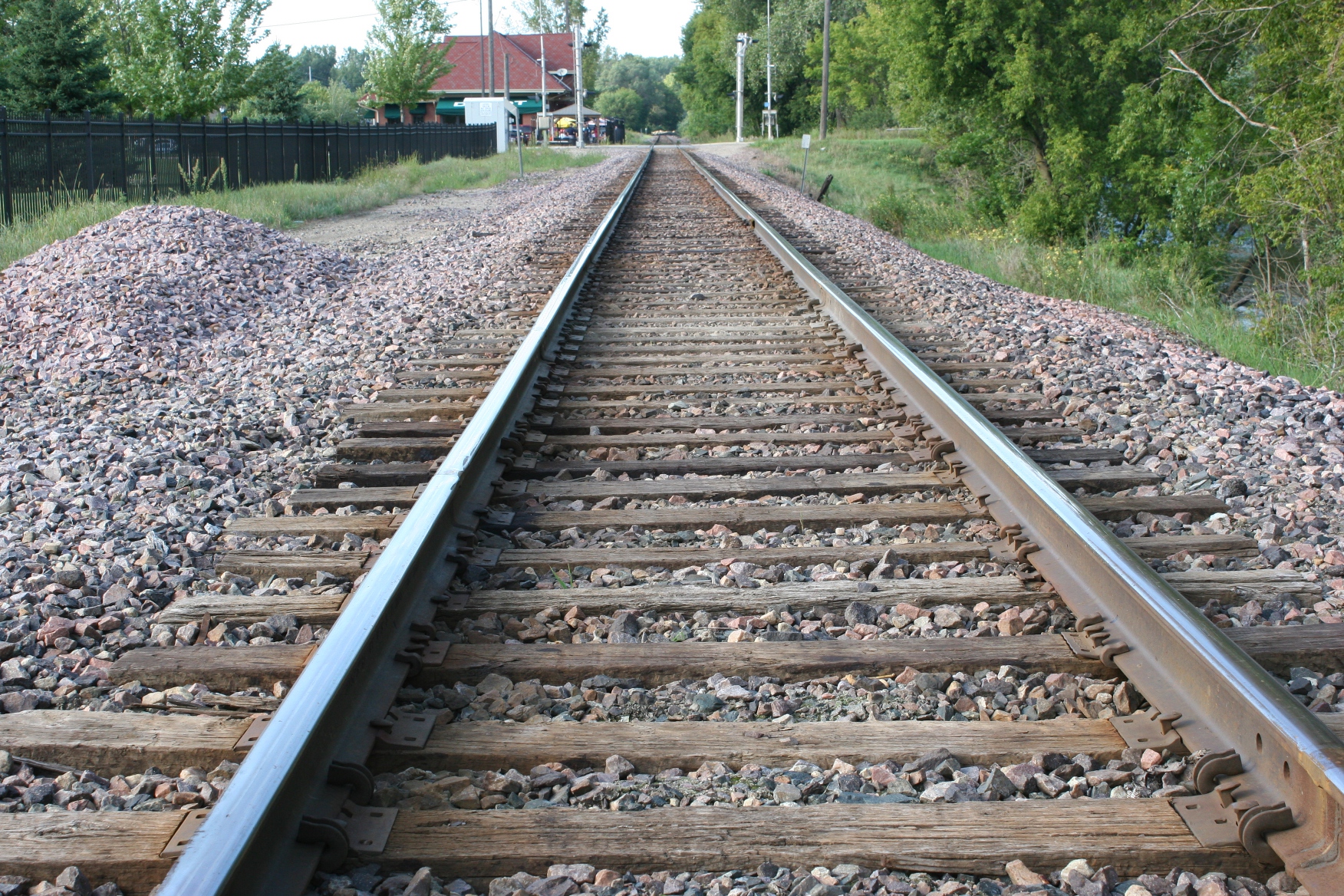
These railroad tracks lead to The Depot Bar & Grill in the distance. (Minnesota Prairie Roots copyrighted file photo)

JUST DOING MY HOMEWORK

My last assignment from Ryan, my vestibular rehab therapist, was to get out into the real world, even dine at a restaurant. I took my homework and ran with it, maybe too far. Saturday morning Randy and I stopped at a garage sale and then went grocery shopping at two stores. By the time we reached the second grocer, which is considerably larger, noisier and busier than the first, I felt my symptoms flaring from the sensory overload. Oh, boy, how would I manage lunch with his sister?

With a bit of time before lunch, I closed my eyes, rested and tried to settle my hardworking brain.

Soon my sister-in-law Cheryl arrived and we were off to The Depot Bar & Grill, housed in an historic depot along the train tracks next to the river. It’s a lovely place with typically good food. I asked to be seated in a quiet area, explaining that I have sensory issues, especially with sound. I thought I could handle it. After all, I’d been training myself at home by listening to white noise city traffic, roaring waterfalls, crashing thunderstorms while moving my hands near my face. Enough practice and I was managing that noise symptom-free.
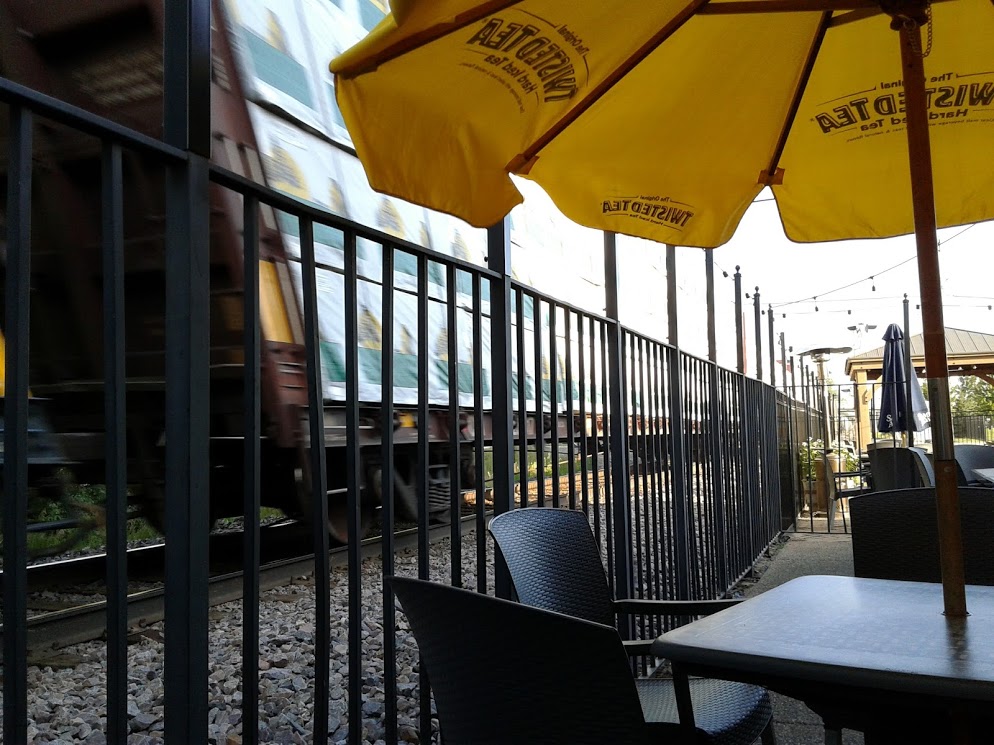
Dining tables are right next to the train track at The Depot. A train passed during a previous patio meal there. (Minnesota Prairie Roots copyrighted file photo)

A WHOLE LOT OF TOO MUCH FOR MY BRAIN

But practice is not reality. As we settled at our lower level table with only two other dining tables in that section occupied, I thought, “This won’t be too hard.” But then, as more people filled the restaurant and the volume of conversations increased, I felt my head hurting, my eyes hurting, the constant roar of people’s voices making me feel worse and worse. Finally, I conceded that we’d have to move to the patio. It was too much for me. Our waitress was generously accommodating.

She warned us ahead of time that the cottonwood trees along the Straight River were dropping their fluffy white seeds. That they were. As the white fluff swirled and danced and fell upon our table, I felt like we were in a snowstorm. After our food arrived, Cheryl covered her plate with a napkin. I didn’t, nor did Randy. Fluff landed in my water. I still wasn’t feeling well.

I tried to hang in there, taking only small bites of my French dip sandwich, offering the chips (I’m avoiding salt) to my table-mates. I tried to shut out the conversation of the two women dining near us. But their voices, even though not really loud, sounded loud to me. I tried to engage in conversation with Randy and his sister, whom we haven’t seen in a long time. It was a lot for my brain to handle—juggling listening, talking, surrounding noise, visual of swirling white fluff, staff up and down the nearby steps, traffic sounds (thankfully no train).
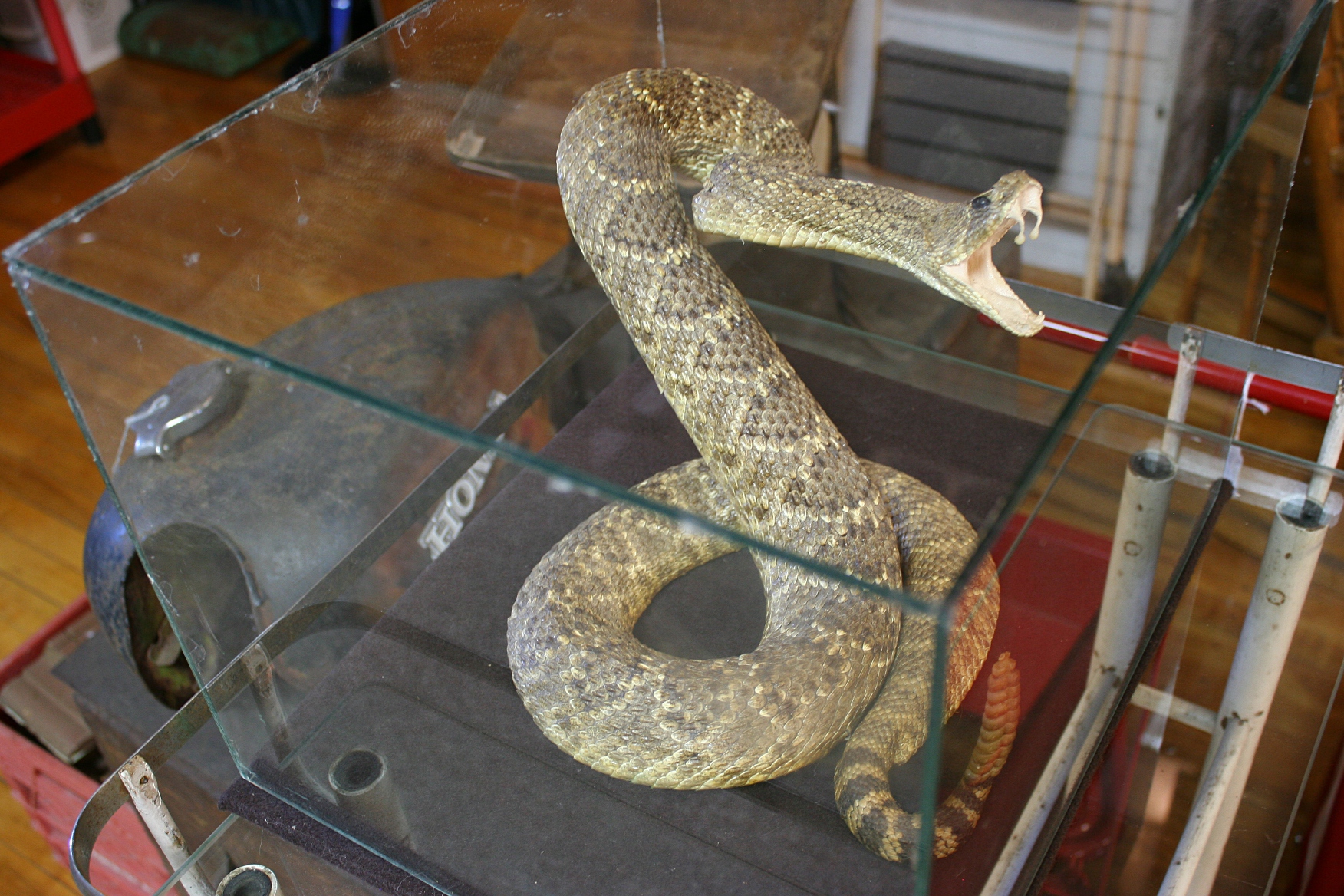
A dead rattlesnake inside a case at Grizzly Canyon, an antique shop in Sleepy Eye. (Minnesota Prairie Roots copyrighted file photo 2019)

AN UNEXPECTED DISTRACTION

Then in the midst of this feeling awful and trying to get through this meal, I saw a long snake slither from across the railroad tracks, under the wrought iron fence and onto the patio. It slid toward the nearby empty table, under the chairs, briefly lifting its head as if to inspect. I wasn’t scared, just thankful it was not by us. The snake drew significant attention. Had I been feeling better, I would have pulled out my cellphone to take pictures. Others did, before the snake reversed and headed back toward the tracks, back toward the grassy river bank. A guy identified the snake as a gopher snake. I knew this was not a garter snake, as the women next to us said. I would have guessed rattlesnake, which shows how little I know about snakes. I know only that I don’t like snakes.

After that excitement, we continued with our meals, me mostly leaning my head into my hand in an effort to at least stay until the others finished eating. Finally, I said, “We have to leave.” My symptoms had flared out of control. I tried. And, if anything, I came home with an interesting story to tell about the uninvited dinner (technically lunch) guest down by the (former) train station.

FYI: The non-profit Vestibular Disorder Association, is a great resource to learn about vestibular disorders. Click here.

© Copyright 2023 Audrey Kletscher Helbling


Vestibular neuronitis: Challenges, info & a trip to China June 2, 2023

A turtle, rather than a tortoise, used for illustration only. (Minnesota Prairie Roots copyrighted file photo June 2020)

I TOOK A FIELD TRIP TODAY. Not the fun sort like my granddaughter, Isabelle, took Thursday to see a performance of “The Adventures of Tortoise and Hare” at the Ordway in St. Paul. Rather mine was into the outdoors, outside a physical therapy office in Faribault.

Friday marked my seventh vestibular rehab therapy session with Ryan at Courage Kenny. I started weekly therapy in mid April after being diagnosed with vestibular neuronitis and Meniere’s Disease. These are complex diagnoses which affect the vestibular system in my right ear. (Click here to read an earlier blog post that details my many symptoms.) Basically, therapy is retraining my brain to handle the deficiencies I’m now experiencing due to damage to my eighth vestibular nerve. And to think this all started with a viral infection in January.

Back to today. Typically I meet with my physical therapist in a small room where we review my symptoms and progress and I learn, and practice, new exercises. Last week we ventured into a long hallway so I could walk back and forth, moving my head from side to side and then up and down. I didn’t do so well, veering to the left and into the wall. But I practiced at home all week, as I do all exercise homework Ryan assigns, and I felt I was doing better. I am determined to do everything I can to reclaim my life, or at least some version of what life was before these health issues.

A scene at Falls Creek County Park, rural Faribault, used for illustration only. (Minnesota Prairie Roots copyrighted file photo May 2022)

OK, WE’RE TAKING THIS OUTSIDE

Then Ryan announced we were going outside to try this walking and head turning activity on the sidewalk. I started out not so well, again steering left. Being outdoors added sensory input I wasn’t used to experiencing inside a small room. This exposed me to a real world environment. One with chirping birds and traffic and people crossing the parking lot and trees and clouds. Just a whole lot for my brain to try and manage. Once I’d semi-managed the sidewalk, we moved onto the lawn. Another new landscape to take in while I moved my head and attempted to walk a straight line.

That was my field trip. A change-up from a controlled environment. My ability to handle my symptoms has assuredly improved with therapy as Ryan nudges me to push myself more. And I am. I’m out and about some now, trying to do things I once didn’t think twice about doing. Trips to the grocery store, big box stores, a walk in the park, doing photography, simply being among people. It’s not always easy, especially when symptoms flare. Sometimes I fail. I recognize my limits. That includes time on the computer. Too much online time and my head begins to hurt, my vision blurs, I see double. Because of that, I’ve been publishing fewer blog posts.

This is how I feel sometimes. Artwork close-up by Bill Nagel. (Minnesota Prairie Roots copyrighted file photo)

YES, IT REALLY IS IN MY HEAD

Yesterday my dear friend Beth Ann, whom I met when she lived in Iowa but who now lives in North Carolina, blogged about vestibular neuritis/neuronitis. I had no idea she was going to write this and then designate the Vestibular Disorders Association as the beneficiary of her monthly “Comments for a Cause” project. (Please click here to read Beth Ann’s well-written, informative blog post.)

Each month Beth Ann chooses a different group or nonprofit to feature and support with a financial gift. I was humbled by her desire to increase awareness of vestibular issues. And, bonus, she enlightened me about the Vestibular Disorders Association which, at quick glance, will be a valuable resource as I navigate my diagnoses. I feel validated just scrolling through the website, like I want to shout, “This is real! This isn’t just in my head. It really, truly is in my head!”

Merchandise vended by an international singing group that performed in Faribault and used for illustration only. (Minnesota Prairie Roots copyrighted photo July 2014)

GOING TO CHINA WITHOUT GOING TO CHINA

Earlier this week I endured an MRI per my neurologist’s orders to assure nothing else is going on inside my brain besides the already-known. I get results on Wednesday. He’s confident nothing additional will be found and I hope he’s right. While in that machine for an hour trying to manage the blasts of overpowering noise (I’m hypersensitive to sensory input), I remembered Ryan’s advice to “dig deep” to get through the procedure. I think I dug a hole all the way to China.

 Next week I will need to dig deep again to get through another hearing test, followed by an appointment with the ENT given persistent, intermittent ear pain and more. I’m documenting my symptoms (once a reporter, always a reporter). And I’m hoping for answers as I press onward, preferring not to travel internationally again.

© Copyright 2023 Audrey Kletscher Helbling


Roadblock inside my brain May 8, 2023

Just like along US Highway 14 in southern Minnesota, I’m dealing with a closed road in my brain. (Minnesota Prairie Roots copyrighted file photo)

IMAGINE YOU’RE ON THE ROAD, when, unexpectedly, you encounter a Road Closed Ahead sign. Now you must take an alternate route to reach your destination. You follow the detour signs, which lead you along twists and turns of back country roads. You are in a hurry and frustrated. But eventually you are back on your mapped route, arriving much later than planned.

That scenario is familiar. We’ve all experienced such travel detours. But not many have experienced vestibular neuronitis, a health issue I am currently facing. The road closed/detour analogy is the best way I can explain what’s happening inside my brain.

My problematic right ear… (Photo credit: Randy Helbling)

MULTI-LAYERED & COMPLEX

Mine is a complex diagnosis, a neurological condition resulting from an inflammation of the nerve(s) in the inner ear, in my case the right ear. The apparent cause, a viral infection. In 2011, a virus caused me to lose nearly all of the hearing in my right ear during an episode of sudden sensory hearing loss. This most recent virus affected the balance in my right ear. My initial symptom of feeling off-balance followed a really bad cold in early January. (Not COVID; I self-tested negative for that, twice.) I didn’t think too much of the off-kilter feeling, hoping it would pass. It didn’t.

My symptoms progressed: fullness, ringing, clicking and minor pain in my right ear; hyper-sensitivity to sound; double vision; awakening with headaches; feeling like someone slapped me on the right side of the head; unexplained anxiety; rosacea; fatigue; vertigo (only while sitting up from a supine position or rolling onto my right side in bed) and more I’m probably forgetting. I felt like my brain was working really hard to manage auditory and visual input, processing conversations, and balance. I still feel that way.

Kind of how my brain feels right now. Artwork by Bill Nagel, exhibited at the Paradise Center for the Arts earlier this year. (Minnesota Prairie Roots copyrighted file photo March 2023)

BRAIN FATIGUED

Back to that road closed analogy. The nerves/pathways in our brains are all interconnected, one leading to the other. Kind of like the system of roadways we follow to get from Point A to Point B. Now there’s a blocked road inside my head and my brain is struggling. It’s taxing to determine how to make this all work. Vision. Hearing. Maintaining my balance. I’m feeling brain fatigue.

One day I may feel fairly normal, the next, not so much. Or even through the course of the day, how I feel is affected by input into my brain. If I’m out and about, which I mostly am not, I quickly feel overwhelmed. Even by something as simple as a one-on-one conversation.

A tablet of Prednisone, a med which I took for two weeks. (Minnesota Prairie Roots copyrighted file photo)

SYMPTOMS LESSENING

Yet, today I see a lessening of my symptoms. The anti-inflammatory steroid Prednisone, as much as I disliked the insomnia, heart palpitations and anxiety side effects, reduced the nerve inflammation. My symptoms are less severe, but still linger under or at the surface and sometimes flare.

I am in vestibular rehab therapy, working with a skilled, knowledgeable and compassionate physical therapist who is determined to help me retrain my brain, to get me back on the right route. Ryan tells me I’m improving, even if I don’t always see that. I appreciate his encouragement and specialized training in the exact therapy I need. I listen. I ask questions. I do my exercise homework. Already I’ve seen improvements in my balance.

My vision has improved, too, although I still must work hard to focus and not see double. I can now tolerate my computer screen for more than 10 minutes. Headaches are mostly gone as is the feeling of being slapped on the side of my head. And I no longer need to close my eyes during a conversation because I can’t handle simultaneous visual and auditory input. That said, I will occasionally close my eyes when I feel overwhelmed and need to concentrate solely on hearing.

No big road trips for me as I navigate through vestibular neuronitis. (Minnesota Prairie Roots copyrighted file photo)

LIMITATIONS, FRUSTRATION, DISAPPOINTMENT

I have my moments when I feel depressed and frustrated and wish I was “all better.” I don’t know if I will ever be “all better” or whether this is something I will have to learn to live with and manage. There are moments when I feel overwhelmed. This whole vestibular neuronitis is difficult to explain and you can’t see it, so people don’t necessarily get it.

I’m sad because a long-planned trip to Indiana this coming week to attend my son’s graduation from Purdue University with his master’s in computer science will not happen for me. I am disappointed that I can’t be there in person to celebrate, to hug him, to congratulate him on his accomplishment. But I recognize my limits. I can’t handle a long road trip and attending commencement with the masses. It would be too much for my brain. I’m not even attending church yet because I can’t tolerate the organ. I’m not even grocery shopping because of the sensory overload. Mostly, my interaction with others is limited because my brain can’t handle much.

But onward I go, navigating away from the closed road in my brain to alternative routes that will allow me to reclaim my life. Soon. I hope.

#

NOTE: By writing this post, I hope to encourage others who are on a similar journey or who are supporting loved ones. I also aim to provide info on this unfamiliar-to most condition.

© Copyright 2023 Audrey Kletscher Helbling


The realities of sleep deprivation, my story April 28, 2023

Filed under: Uncategorized — Audrey Kletscher Helbling @ 5:00 AM
Tags: , , , , , , , ,

The last Prednisone pill in my 14-day regimen of 68 pills, 10 mg per tablet. (Minnesota Prairie Roots copyrighted photo April 2023)

I HAVEN’T BEEN THIS EXHAUSTED since last giving birth 29 years ago or since enduring a three-month severe bout of whooping cough in 2005. But the past two weeks, I’ve experienced such a sleep deficit that I feel like a mom with a newborn or a woman with an uncontrollable, body-wracking cough unable to sleep. I feel absolutely, utterly sleep-deprived to the point of wondering how I can function.

The culprit? Medication, specifically the anti-inflammatory steroid Prednisone. For 10 days I took 60 mg daily. Then I tapered down over four more days to 10 mg on the final day, Tuesday. Prednisone has horrible side effects, the primary one being insomnia. I managed several hours of sleep most nights. Do the math and I am basically 70 hours short of sleep over a two-week period. That’s a lot. Enough to mess with my mind, my body, my mental and emotional health.

From the get-go, I hesitated to take this drug prescribed by my ENT doctor. I have been on Prednisone twice previously and understood it would wreak havoc with my body. Besides insomnia, the med also causes restlessness and an irregular heart beat in some people. I am “some people.” But I also understood the need to reduce inflammation, specifically an inflamed vestibular nerve in my right ear that controls balance. I’ve been diagnosed with Meniere’s Disease (related to previous sudden sensory hearing loss in my right ear) and vestibular neuronitis (caused by a virus I had in January). For now, Google my diagnoses; I’ll follow up with a second post next week.

POWERING ON & COPING

After the first few awful days on Prednisone, I messaged my doctor about my struggles. She suggested I taper off earlier if I just couldn’t handle the side effects. Reading between the lines of her telling me insomnia was a common side effect (yes, I know that), I decided to continue on with the med as prescribed. I could, I encouraged myself, power on through this. And, I did. But it wasn’t easy.

When I found myself wide awake after only a few hours of sleep, I exited the bedroom for the living room recliner. (No sense keeping Randy awake with my tossing and turning.) I coped by coloring. I coped by working crossword puzzles in the middle of the night and in the wee hours of the morning. I drank tea. I used a heating pad. Reading proved impossible. Sleep proved impossible. On and on the hours went until daylight began to break and light seeped into the room and the pace of traffic picked up along our busy street.

And so this has been my state of being. Mostly exhausted. All the time. Between dealing with med side effects and symptoms of my diagnoses—especially sensory sensitivity, tinnitus and feeling like someone slapped me on the right side of my head—I often feel overwhelmed. My brain is working overtime to deal with everything. But I am determined to power on. So I write when my vision allows me to do so. I need the distraction, the mental escape, the act of creating which sparks joy within. I do my vestibular rehab therapy exercises designed to retrain my brain. I’m seeing some improvements, pushing myself just to the edge, as my therapist advised. I recognize my limits.

CLARIFICATION & GRATITUDE

I’ve asked my husband to stop telling people I have vertigo, even if he says at least they can understand that. I mostly don’t have vertigo anymore (which, for me, was only when arising or turning in a supine position). My symptoms are much more layered and many.

It’s complicated and a lot and not something most people “get.” I’ve learned a lot in recent weeks. For those who attempt to understand and have reached out to me, I feel grateful. Compassion, care and connecting uplift me as I continue on this journey of retraining my brain, managing, coping. And maybe, just maybe, soon getting eight hours of sleep in a single night. Onward.

© Copyright 2023 Audrey Kletscher Helbling


Strength & hope April 18, 2023

The Straight River churns at the Morehouse Park dam in Owatonna. This image shows strength and power. (Minnesota Prairie Roots copyrighted file photo)

WHAT’S YOUR DEFINITION of strength? Whom do you consider strong? Have you faced a challenge, or multiple challenges, in life that required strength? While our answers vary, especially on the third question, I expect threads of commonality in responses.

Strength, from my perspective, is about fortitude and endurance. It’s about somehow finding the ability to face a challenge, to persevere, to come out on the other side with a renewed sense of personal power. Not power in the sense of control, but power that reaffirms one’s ability to deal with whatever life throws at us.

Sometimes our lives can feel like random pieces of broken tile. (Minnesota Prairie Roots copyrighted file photo)

We all have something, right? Financial hardships. Health issues. Loss. Pain. Family members who are struggling. But, admittedly, when we are in the middle of a lot, it can sometimes feel like we are alone, that others live perfect lives unencumbered by issues that drain, stress and, yes, sometimes overwhelm. Nothing could be further from the truth. I repeat: We all have something, whether individually or within our families. We are not alone.

Book cover source: Goodreads

The novel, Three Sisters by Heather Morris, prompted me to write on the topic of strength. Although fictional, the book is based on a true story about three sisters held in a concentration camp. This is a story of indescribable atrocities witnessed and experienced. This is also a story of irrepressible strength and hope. I encourage you to read this novel and also watch Ken Burns’ documentary, “The U.S. and the Holocaust,” which happened to air at the same time I was reading the book. Together, the two were almost too much for me to emotionally take in. It’s a lot to comprehend the inhumanity and cruelty of mankind. Those sent to concentration camps certainly exhibited strength, whether they survived or not.

An iris. (Minnesota Prairie Roots copyrighted file photo)

In reading Three Sisters, I learned that gladiolus (the flower) signifies strength. And the iris, which is part of the glad family, denotes hope. The iris was my mom’s favorite flower. “Hope” is a word I’ve held, and continue to hold, close. “Hope” is not simply a wish. By my definition, it is an active verb that focuses on light shining through darkness. It is a word, too, that envelopes gratitude and believing that things will get better.

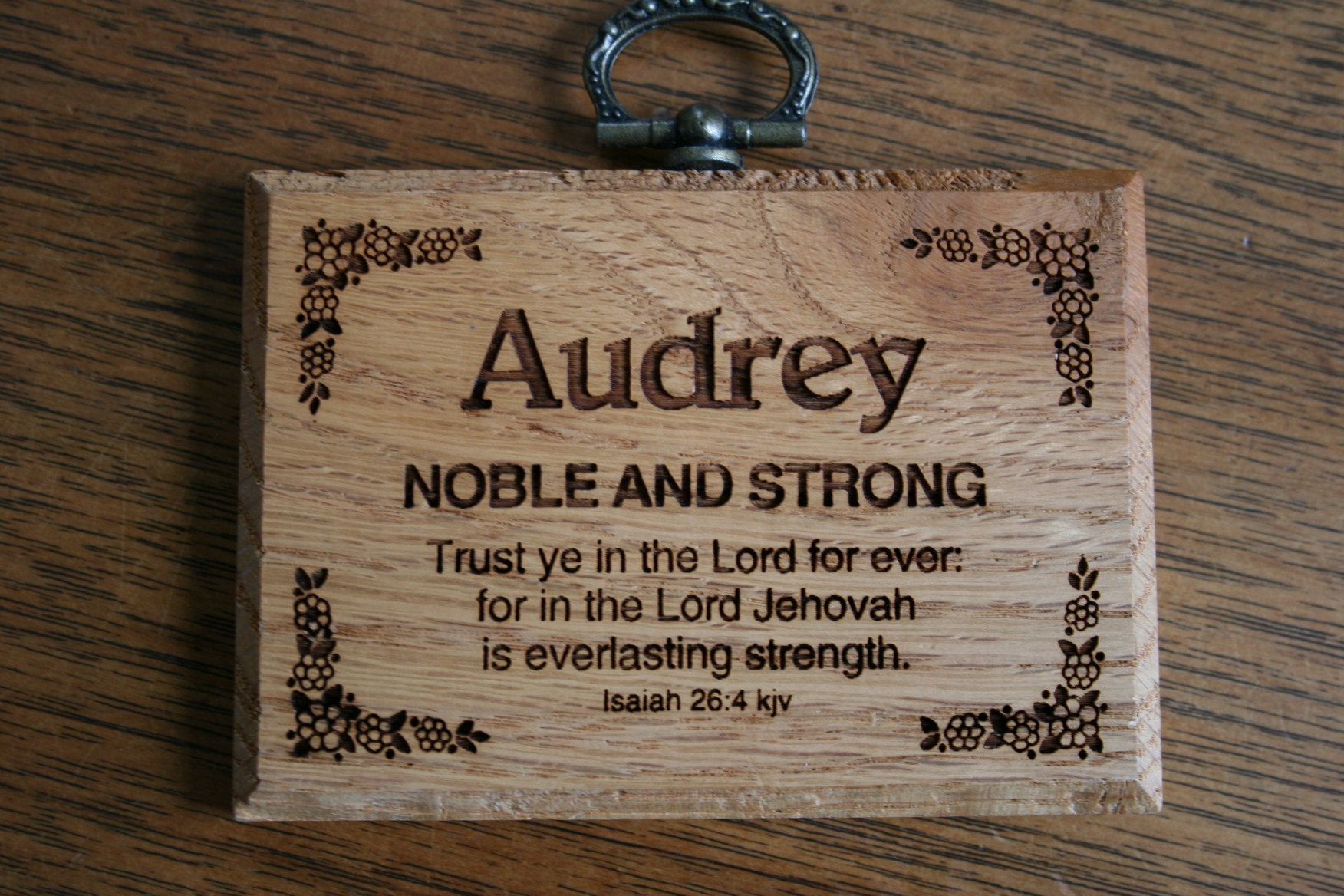
My mom gave me this name plaque many years ago. I keep it on my desk. (Minnesota Prairie Roots copyrighted file photo)

My name, Audrey, means noble and strong. I wish I’d asked my mom why she chose that name for me, her first-born daughter. I never did, and now she’s gone. But the name fits. I’ve had to be strong many times throughout my life. We all have something, right? Challenges can make us better, more empathetic and compassionate people. That is the good that arises from struggles.

Photographed at the Northfield Public Library. (Minnesota Prairie Roots copyrighted file photo)

I consider, especially, mental health challenges. From anxiety to depression to brain disorders like bi-polar and schizophrenia, these are undeniably hard diagnoses which require incredible strength to face. Simply getting up in the morning, functioning, can prove difficult. There are no cures. No quick fixes. Medication can manage, therapy can help. And even though we are getting better at recognizing and understanding, stigma remains. We can do better at supporting, encouraging, helping. We need more mental health professionals to meet the growing demand for mental health care.

Strength. Hope. Those two words inspire and uplift. Gladiolus and iris. Those two flowers represent the same. From the pages of a novel about three Holocaust survivors to my name to life experiences, I understand what it means to be strong, to feel hope.

TELL ME: I’d like to hear your thoughts on strength and hope.

© Copyright 2022 Audrey Kletscher Helbling


Elusive sleep & a whole lot of other stuff April 14, 2023

Filed under: Uncategorized — Audrey Kletscher Helbling @ 5:00 AM
Tags: , , , , , , , , , ,
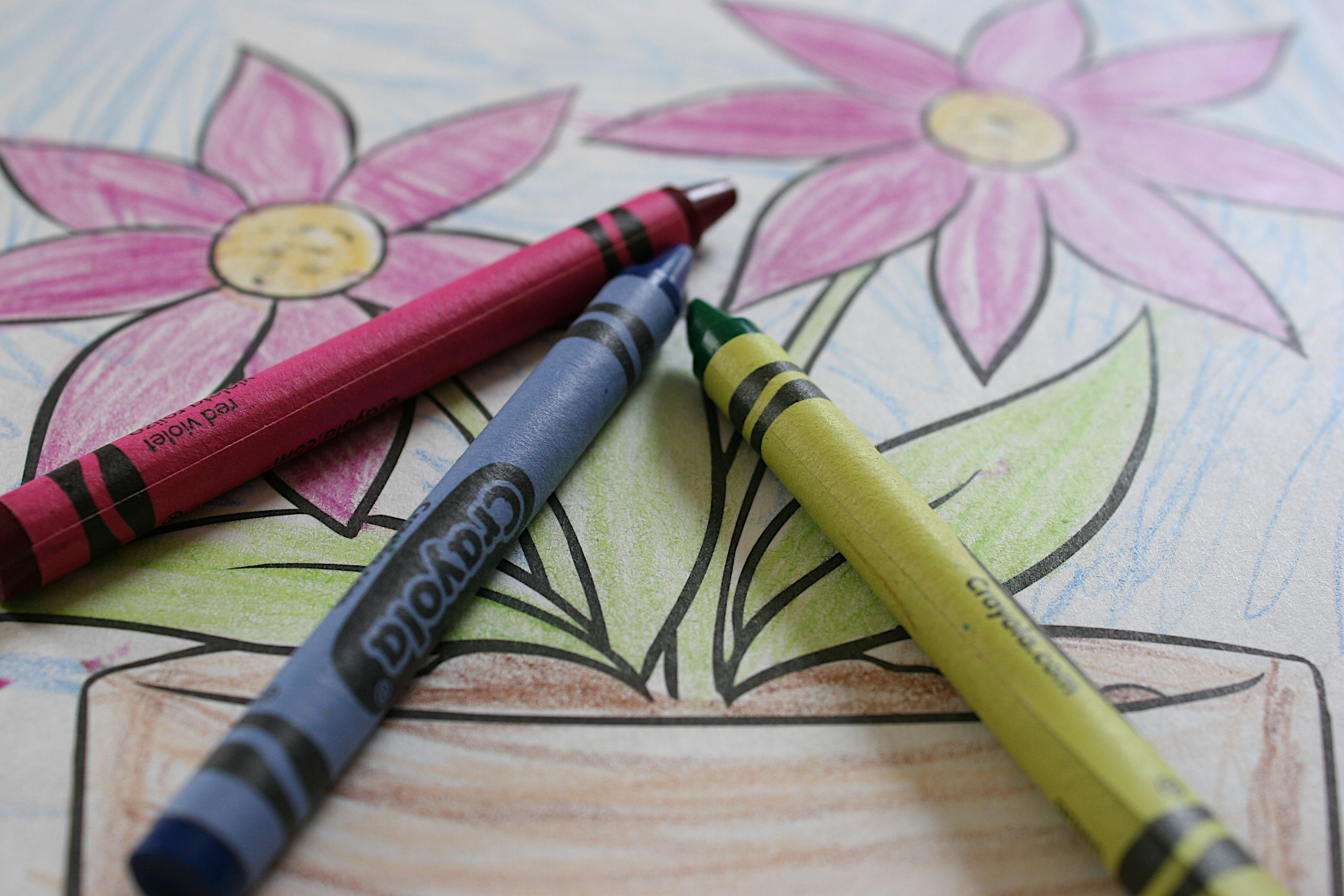
Coloring can be calming and therapeutic. (Minnesota Prairie Roots copyrighted file photo)

IT’S ONE IN THE MORNING and I am wide awake. My head hurts. I’m restless, unable to fall back asleep after awakening to use the bathroom. I’ve only slept 2.5 hours. A long night looms. My efforts to settle in and resume sleeping aren’t working. Randy needs his rest so I head to the living room and curl into the recliner.

I’m feeling jittery. I switch on the table lamp, pick up a thick coloring book from the floor, pull out the 64-crayon box of Crayolas. Soon I am rhythmically coloring a cat with an orange crayon that is way too reddish-tinted for a domesticated feline. Maybe a tiger. But at this hour I don’t care. I just want to feel some calm and methodically working crayons across paper helps.

When I finish coloring the cat clutching a bouquet of flowers, I decide it’s time to try sleep again. I pull two fleece throws around me, snuggle in for some shut eye. I intentionally aim to relax my body, quiet my mind. I can’t. I hear a pleated shade in the dining room click against the window frame in the gentle wind of the night. I hear the hum of the refrigerator. Every noise is amplified.

By now, I guess the time to be 3 am. I need my sleep. My head still aches. I am overtired, exhausted. I decide to move to the couch. I clear the space of Randy’s cellphone and extra pillows and yesterday’s newspaper. I hesitate to lie down, apprehensive about the vertigo that comes when I need to get up. As soon as I’m lying down, I notice the curtain is not completely pulled shut, letting in a sliver of light. I ease myself up to avoid dizziness, walk across the dark living room, pull the fabric together. Back to the sofa. The red and blue lights of a passing ambulance pulse through the room. I remain on edge, alert, unable to achieve what I most want and need. Sleep.

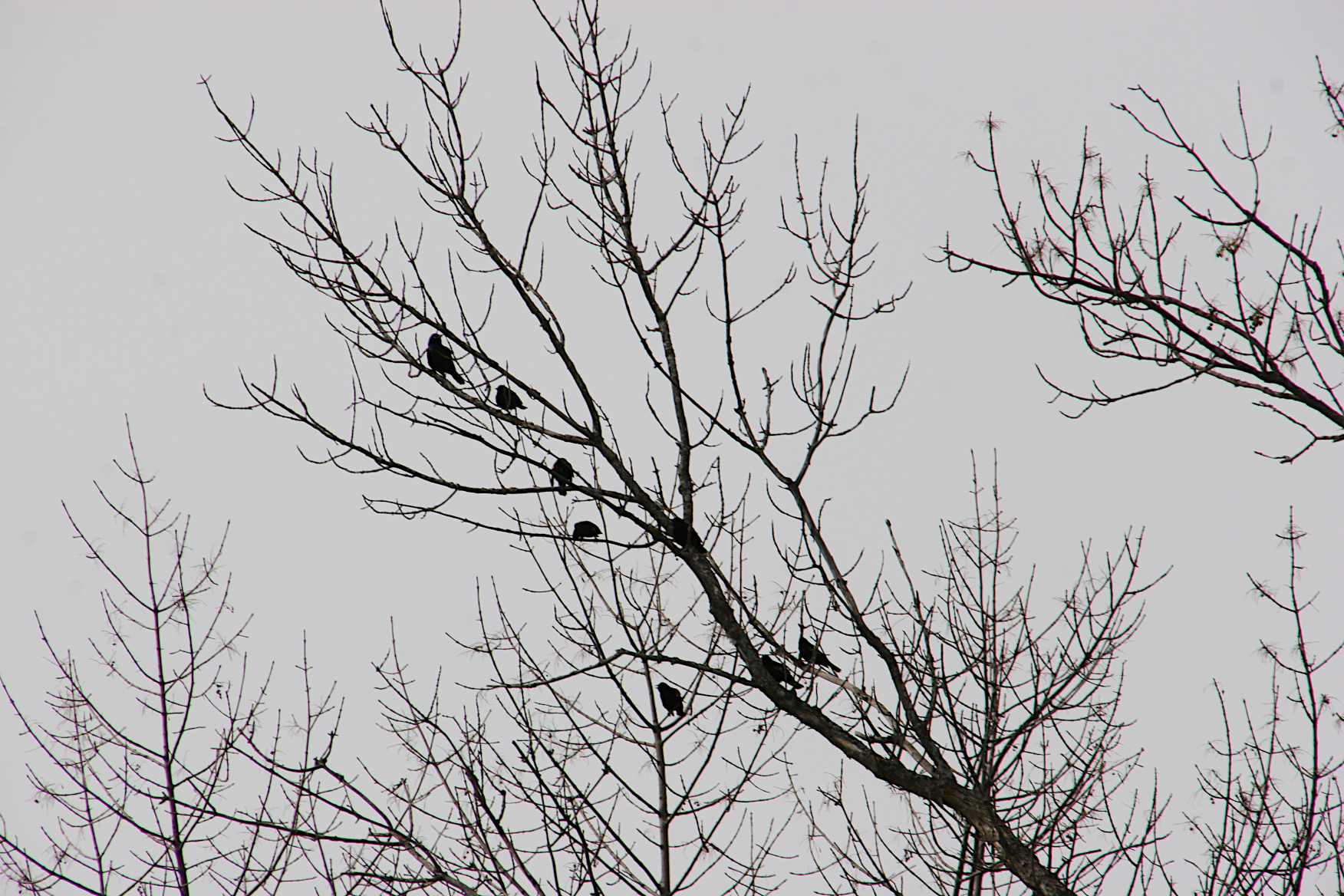
Blackbirds cluster in a tree. (Minnesota Prairie Roots copyrighted file photo March 2022)

THEN COMES BIRDSONG

Eventually I fall into a fitful sleep. I awaken well before dawn. Slowly, morning is rising. I hear the first birds tweeting, only a cardinal’s trill distinguishable like a solo in the birdsong. Occasionally, vehicles pass by on our arterial street, an indication that daybreak is upon us. Traffic increases as time passes. Still, I’m hoping for sleep in this morning dark.

But it doesn’t come. The rectangle window in the east-facing front door lets the spotlight of morning into the room. That light follows a direct line to my head. The head that still hurts.

Soon I hear Randy rustling, up and getting ready for work. It’s 6:45 am. Then I slowly ease myself up, conscious of my need to proceed slowly. After only four hours or so of sleep, I am up for the day.

This is kind of how I feel right now. This art was created by then Faribault Middle School 8th grader Mohamed for a student art show at the Paradise Center for the Arts, Faribault, in 2021. (Minnesota Prairie Roots copyrighted file photo March 2021)

DREADED MORNING NECESSITY

In an hour, after breakfast, I will remove the lid from a medication bottle, spill six tablets onto the counter, swallow two at a time with water, the bitter taste lingering on my tongue. These are the cause of my insomnia, my restlessness, my jitters. Prednisone. A steroid designed to calm the immune system and reduce inflammation.

My body needs calming, healing as I deal with feeling off-balance, vertigo, double vision, headaches, ear pain and fullness, tinnitus and more, likely triggered by a virus I had in January, according to my medical team. Viruses and I do not do well. I lost my hearing in my right ear in 2011 during an episode of sudden sensory hearing loss caused by a virus. Thankfully this latest virus is affecting only my deaf ear and not my good ear. Otherwise I would be deaf.

Prednisone and I do not do well together. I took it in 2011 and in 2005 during a 3-month severe case of whooping cough. I am hyper sensitive to the steroid’s side effects of restlessness and insomnia. Yet, I understand that if I want to reduce the inflammation in my body (in my 8th cranial nerve), I need to stick with the 14-day regimen. I want to feel well, to function better, to do the things I love. I hope this med works.

A neurology visit is scheduled in late May, the earliest I could be seen. Physical therapy is planned for my balance issues and vestibular neuronitis. Many times throughout the day I remind myself that I can do this. And when I’m unable to sleep or feel overwhelmed by the restlessness side effects of Prednisone, I will reach for the coloring book, pull out the Crayola box and rhythmically work crayons across paper.

© Copyright 2023 Audrey Kletscher Helbling

 

Some encouraging mental health news & then… March 21, 2023

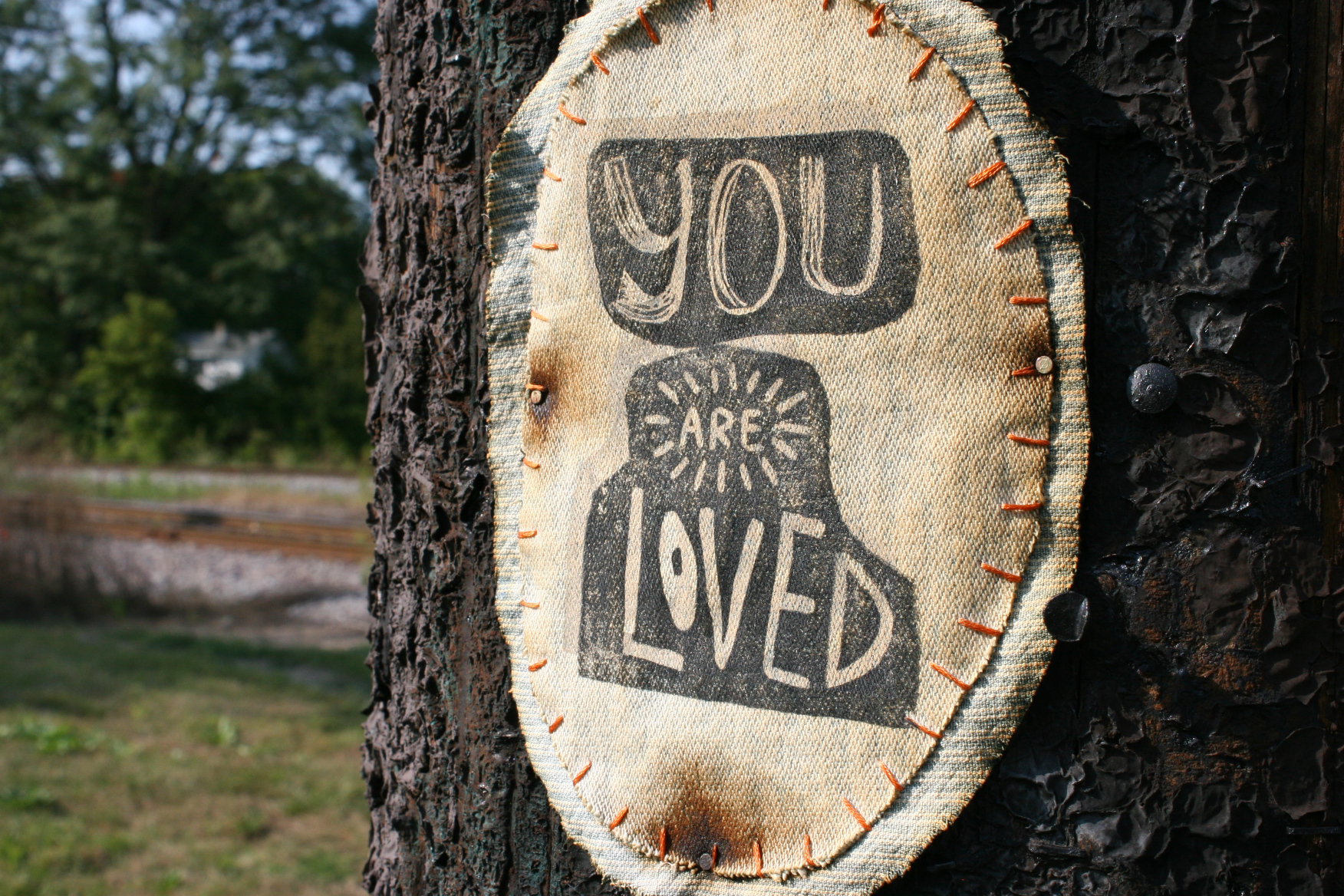
This message refers to the struggles associated with mental illness. (Minnesota Prairie Roots copyrighted file photo)

WE’VE ALL SEEN THEM—fundraisers and GoFundMe campaigns to help individuals and families who are struggling. Perhaps you’ve even been in that spot of needing financial help following a devastating event or a major health crisis. You’ve likely attended many fundraisers and/or donated online. I am thankful for such generosity.

Typically, these pancake breakfasts, spaghetti dinners, silent auctions,…crowdfunding efforts follow a diagnosis like cancer, a car accident or a major event like a house fire. Missed work and overwhelming medical and other bills all too often deplete finances. And if not for the assistance of caring family, friends and even strangers, many could not get through the challenges.

Yet, in the all of this, I’ve often wondered why individuals who’ve experienced a mental health crisis are not fundraising also. When they’ve been hospitalized and/or found themselves unable to work, the financial fall-out is no less.

I photographed these mental health themed buttons several years ago on a bulletin board at the Northfield Public Library. (Minnesota Prairie Roots copyrighted file photo)

ASKING FOR FINANCIAL HELP

But I hold hope that is changing. I read an encouraging article, “Out from under: Crowdfunding is an option for people in mental health crisis,” by freelancer Andy Steiner. In her MinnPost article, Steiner shares the story of a 42-year-old artist and educator diagnosed with bipolar disorder and post traumatic stress disorder linked to childhood abuse and who suffers from debilitating migraines as a result. Unable to work sometimes for months at a time, the woman faced financial struggles. She was behind on her rent. A friend suggested she start a GoFundMe. Eventually, she reluctantly did so, getting enough donations to pay overdue bills and then some. It was just the boost she needed. Financially and mentally/emotionally.

Steiner’s article includes interviews with Mental Health Minnesota and with GoFundMe. I encourage you to read her story by clicking here. I feel such hope in reading that more people facing mental health crises are beginning to seek the outside financial support often elusive to them.

I recognize this doesn’t fix everything. We have a long ways to go in ending the stigma which continues to surround mental illness. I see improvements. But I don’t think we’re to the point where family and friends are delivering hotdishes (the Minnesota term for “casseroles”) to individuals and families in the throes of a mental health crisis. Financial and emotional support, encouragement and, yes, even compassionate greeting cards/calls/notes are needed just as much in these situations.

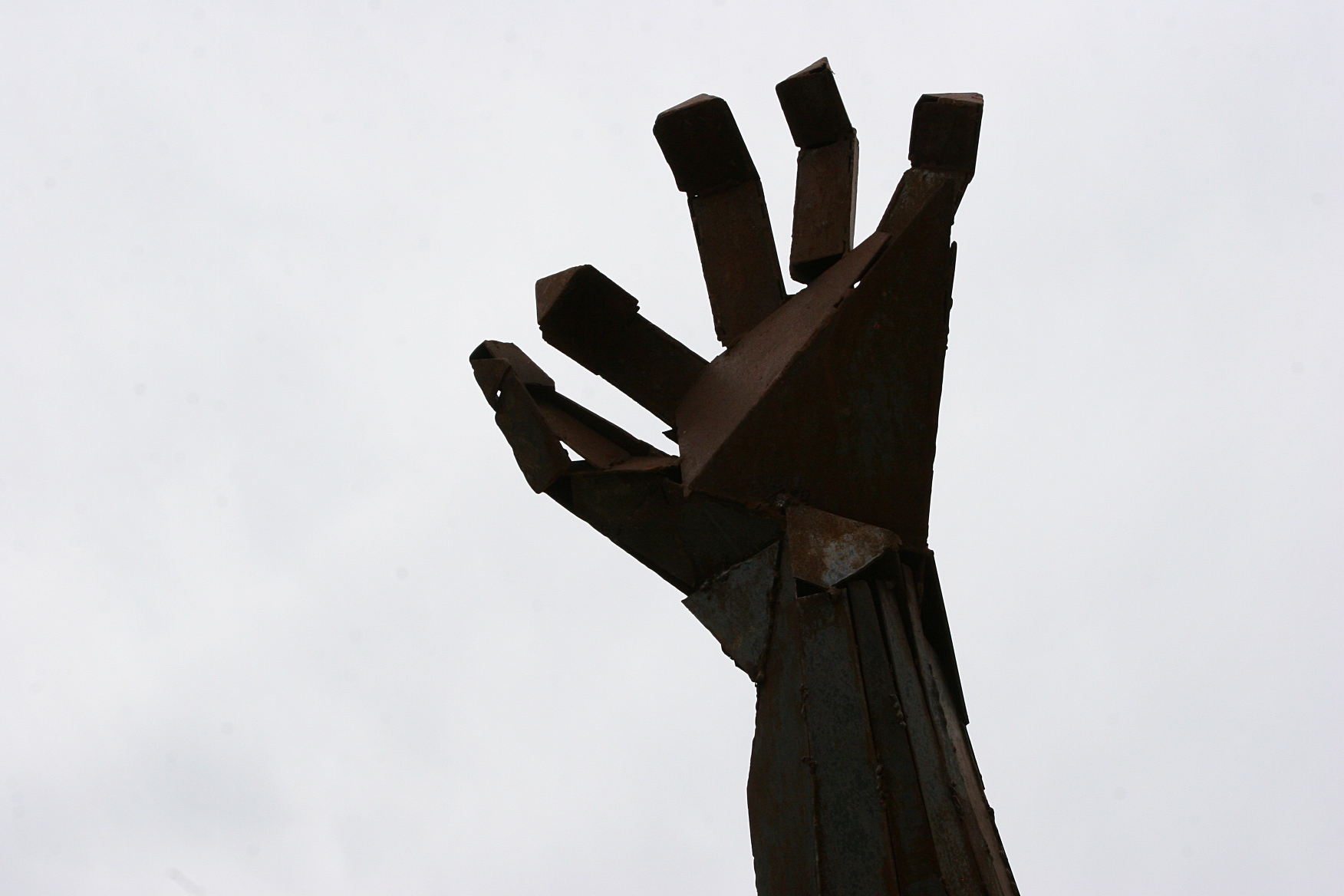
Reaching for help, this hand was part of a mental health-themed sculpture, “Waist Deep,” which once stood outside the Northfield Public Library as part of a changing art installation. (Minnesota Prairie Roots copyrighted file photo 2019)

CRISIS RESPONSE EXPANDING IN MY COUNTY

And we definitely need more mental healthcare professionals. That brings me to another recent bit of encouraging news. My county of Rice has been selected as the site for a new satellite office of the South Central Mobile Crisis Team, a team which responds (to homes, etc. and virtually) 24/7 in mental health crises in a 10-county area. Currently, it can take some 2 ½ hours for that team to arrive here from its home base 40 miles away. That’s too long. If you were experiencing a heart attack, for example, you wouldn’t be expected to wait two hours.

Yes, I hold hope. I hold hope for the many individuals and families who will benefit from additional, immediate mental healthcare resources. I hold hope that Crowdfunding and fundraising dinners and breakfasts will become more common for individuals experiencing a mental health crisis and the financial fall-out. I hold hope that they will find, too, a more understanding community of emotional support. All of this is so long overdue. We each have the power within us to show compassion and care and thus help reduce the stigma of mental illness. Let’s do it.

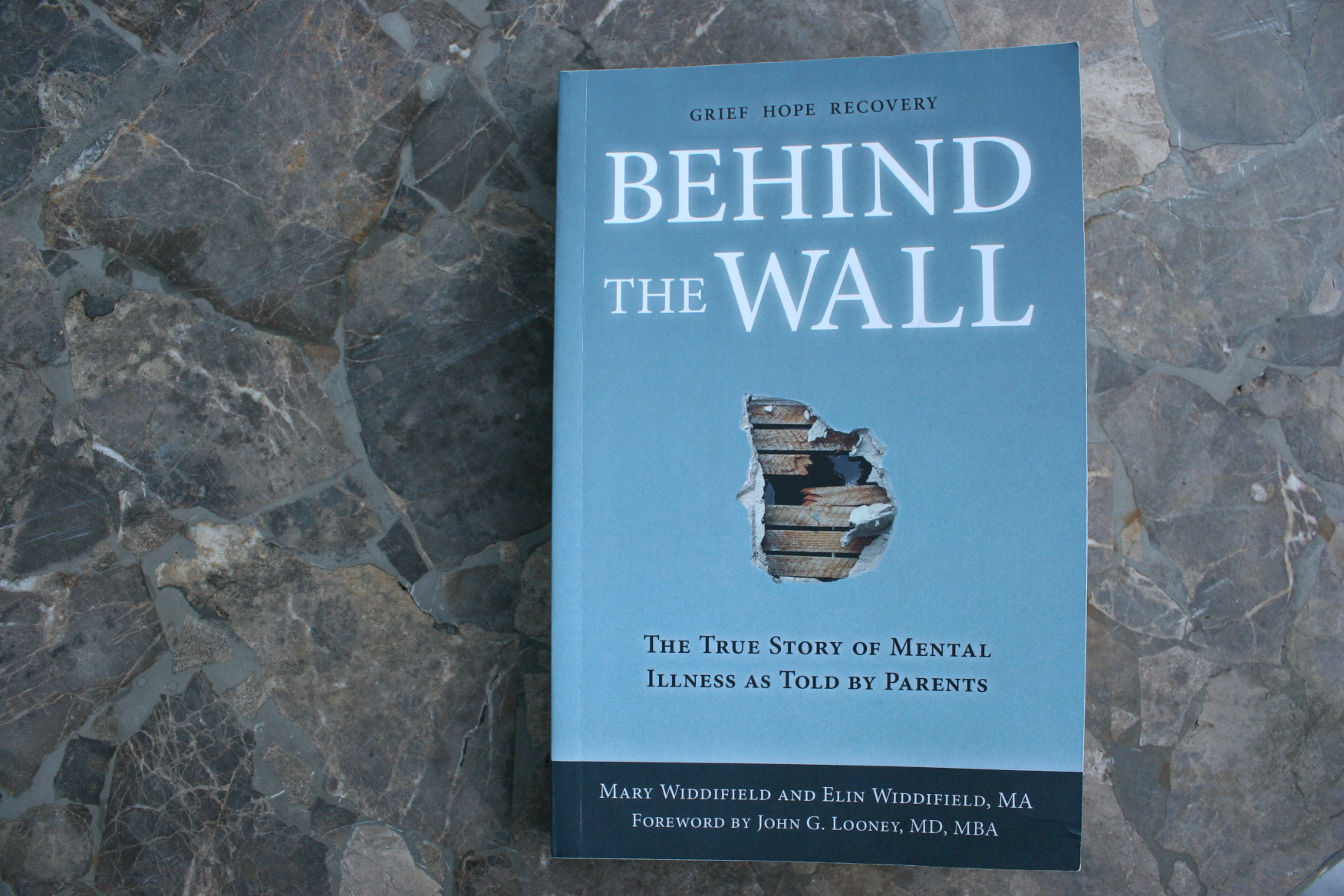
I highly-recommend this book to learn more about mental illness from the perspective of parents. (Minnesota Prairie Roots copyrighted file photo)

WE HAVE TO DO BETTER

And then this happens: Irvo Otieno, 28, died March 6 in a Virginia psychiatric hospital days after initially experiencing mental health distress. Seven deputies have now been charged with second-degree murder in his death.

In a powerful statement to the media, Caroline Ouko said, “Mental illness should not be your ticket to death. There was a chance to rescue him. We have to do better.” The words of this grieving mother should cause every single one of us to pause and consider, what if this had been my loved one in a mental health crisis? Could this happen to someone I love? To any of us? Sadly, it could.

We can do better. We have to do better. Mental illness should not be a ticket to death.

Photographed along a recreational trail in the Atwood Neighbor of Madison, Wisconsin. (Minnesota Prairie Roots copyrighted file photo)

A FEW RESOURCES

FYI: If you or someone you love is experiencing a mental health crisis and/or is in need of mental health support, please seek help.

The American Foundation for Suicide Prevention Minnesota Chapter and Operation: 23 to Zero (aims to prevent suicide among veterans and those in the military) are co-hosting a safeTALK Training from 8 a.m.- noon Saturday, March 25, at the Faribault American Legion. This event provides training in suicide alertness skills, connections to life-saving resources and more. To learn more and/or to register for this free-will donation half-day program, click here.

South Central Minnesota Crisis Line: 877-399-3040

National Suicide and Crisis Line: 988

National Alliance on Mental Illness, with state chapters, is a great resource for information and support, including virtual and in-person support groups. Click here to reach the national NAMI website.

© Copyright 2023 Audrey Kletscher Helbling
 

About those aches & pains February 22, 2023

Filed under: Uncategorized — Audrey Kletscher Helbling @ 5:00 AM
Tags: , , , , , ,

This is a photo of an x-ray of my broken right shoulder in 2017. (Minnesota Prairie Roots copyrighted file photo May 2017)

IF MY MOM WAS STILL LIVING, I’d apologize. I’d apologize for dismissing her connections between weather and an aching body. I laughed off that cause-and-effect as one of those ideas passed from generation to generation. More myth than truth. But I’m not laughing any more.

As I’ve aged, I’ve noticed an interplay between changes in weather and how I feel physically. Right now my body is hurting. A lot. I attribute that partially (mostly) to the winter storm. Anytime a storm is approaching, upon us and/or the weather turns bitterly cold, I experience more pain.

I’ve read that fluctuations in barometric pressure (lower in the winter) specifically affect joint pain, stiffness and swelling. Without completely going down the rabbit hole of self-diagnosis, that generality seems to apply to me.

I should provide some backstory here. I have an artificial right hip, implanted in 2008 after I developed osteoarthritis so severe I could barely walk or tolerate the pain. Because I was youngish, I was advised to hold off on surgery as long as possible. Much of the pain I experience now centers on the right implant side of my body and in my lower back. My back is plagued by osteoarthritis and scoliosis. As Randy has noted, my body is crooked and I can visually see and feel that.

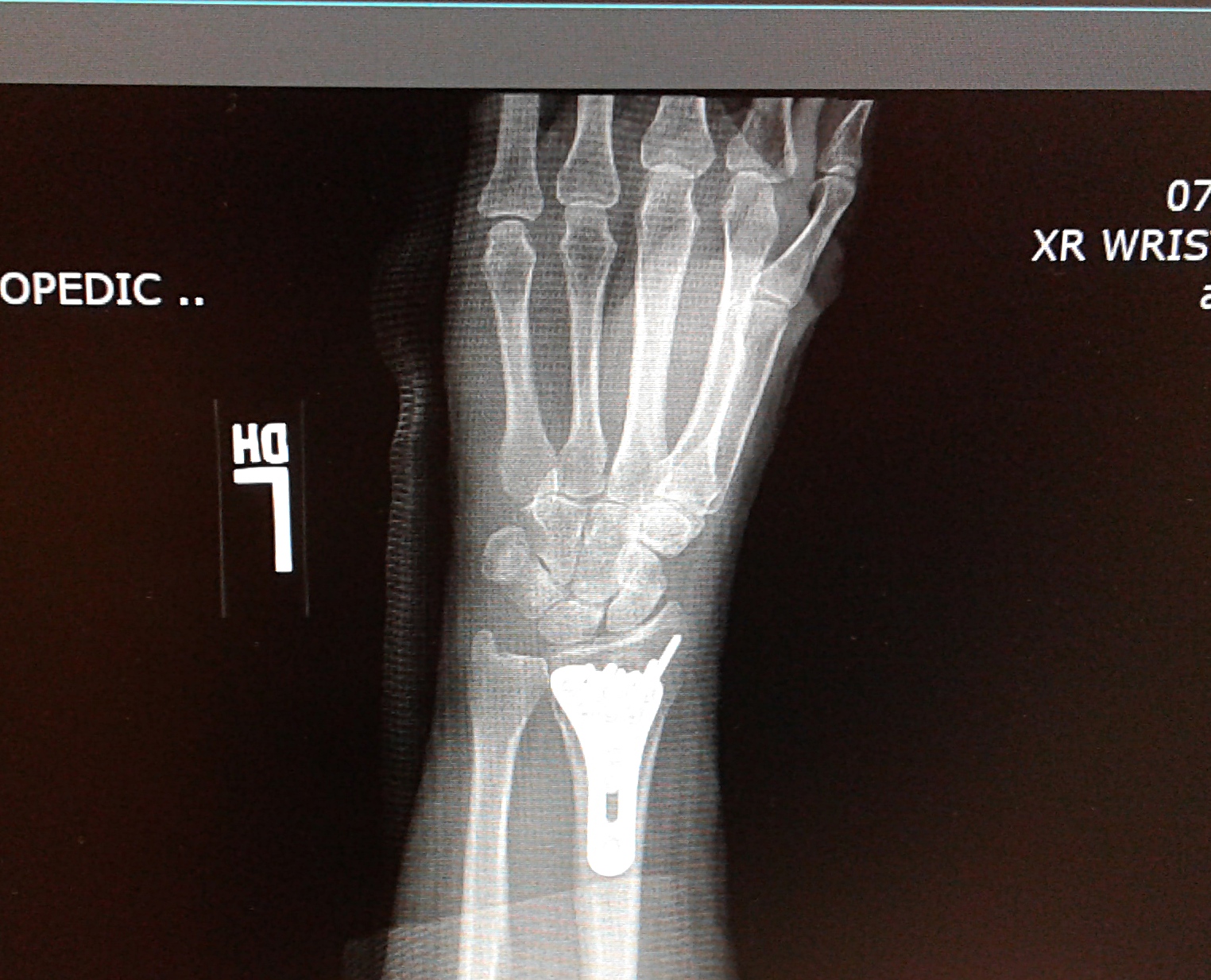
Look on the right side of my wrist to see the plate, shaped like an ice scraper. (Minnesota Prairie Roots copyrighted file photo 2018)

Bear with me. I also have an implant in my left wrist, the result of a 2018 fall which shattered my wrist. Ten screws hold that wrist plate in place. When the weather changes, I notice discomfort in my wrist. Likewise in my right shoulder. I broke that in 2017 after missing the last step on a hospital stairway while on my way to donate blood.

This is a photo snapped with a cellphone of the implant in my wrist, held in place by 10 screws. (Minnesota Prairie Roots copyrighted file photo 2018)

What is my point in sharing all of this? Not to garner sympathy or give the impression of woe-is-Audrey. Rather, I’m interested in learning whether you notice, like me, a connection between weather and body. I recognize this question may be more applicable to those of you who are aging Baby Boomers.

So let’s hear. Share your personal stories and your insights and perhaps we can reach an unscientific conclusion. Was my mom right? Is there a connection between weather and an aching body?

© Copyright 2023 Audrey Kletscher Helbling
 

An obituary that needs to be shared January 18, 2023

This is a partial photo of Mark DeWitte’s obit published in The Gaylord Hub. I intentionally focused on the information in column two, middle paragraph. (Minnesota Prairie Roots edited photo January 2023)

HE LIVED THE BEST LIFE POSSIBLE.

That statement in the obituary of a 52-year-old Gaylord man may not seem extraordinary. He died on December 21, 2022, of cancer. But nowhere in Mark DeWitte’s obit does it state that he died after a courageous battle with cancer as is commonly seen in death notices. The only references are to a recent diagnosis and a move home to be with his family while in hospice.

Rather, the health diagnosis which led to that living the best life possible assessment is schizophrenia. Mark was diagnosed at the age of 16, which means he lived with this awful, debilitating brain disorder for 36 years.

DISPELLING THE MYTHS

That Mark’s loving family chose to publicly reveal his schizophrenia in print speaks to the depth of their love, their support and their courage. The misunderstandings attached to this disease all too often create fear and stigma, adding to the challenges of what is already an overwhelming health condition. Visions of violence, split personalities and other negative behaviors too often color schizophrenia with untruths. The National Alliance on Mental Illness defines schizophrenia as “a serious mental illness that interferes with a person’s ability to think clearly, manage emotions, make decisions and relate to others. It is a complex and long-term medical illness.” (I encourage you to read more details about schizophrenia on the NAMI website by clicking here.)

It should be noted that schizophrenia manifests differently in individuals and, although incurable, can often be managed with medication, therapy and more. Managed. Not cured. It’s not easy, but it’s possible to live the best life possible. Mark clearly did that within the confines of his symptoms. But he didn’t do it alone. He had a family who loved him, a community that cared and professionals who supported him. For the past eight years, Mark lived at Aveyron Homes.

Mark’s obituary offers glimpses of what brought him joy: Music. Going out with his brother Mike for beer twice a week. But, most of all, his family brought him joy.

RIPPLING INTO THE FAMILY

Schizophrenia, like any other long-term health issue, affects the entire family. The DeWitte family acknowledges that, not in any specific statement but rather in their willingness to write about their loved one’s life-long disease. Too often, we fail to recognize or even acknowledge the challenges of a serious mental illness and how it affects those dealing with and touched by it. Generally, there are no meals delivered during a mental health crisis. No “how are you doing?” questions or offers of help. Minimal, if any, compassion. Rather, the reaction is often one of silence, as if not speaking about “it” negates the need to show care or attempt to understand. There are exceptions, of course, and we as a society are slowly shifting towards understanding and acknowledgment and reducing stigmas about mental illness. Still, mental illness remains mostly hidden.

BREAKING THE SILENCE

Mark’s family is breaking the silence via their openness about his schizophrenia. It’s clear from a follow-up public thank you published in their weekly newspaper, The Gaylord Hub, that the community supported them. Linda DeWitte (Mark’s mom) and Michael DeWitte thanked the community for food, cards, flowers, memorials and even for snow removal. I can only assume the community also supported them when Mark was alive.

That Mark lived the best life possible while living with a horrible horrible disease comforts me. His family may not have stated that he died after a courageous battle with schizophrenia. But in my eyes he did.

#

FYI: I encourage you to visit the National Alliance on Mental Illness website (click here) to learn more about mental health issues like schizophrenia, bipolar, depression, anxiety, post traumatic stress disorder and more. NAMI offers information, support and help, including online and in-person support groups. Check your state’s NAMI organization for specifics. NAMI is a valuable resource that can grow knowledge, compassion and understanding.

© Copyright 2023 Audrey Kletscher Helbling
 

No BINGO for Grandma August 22, 2022

Filed under: Uncategorized — Audrey Kletscher Helbling @ 5:00 AM
Tags: , , , , , , ,

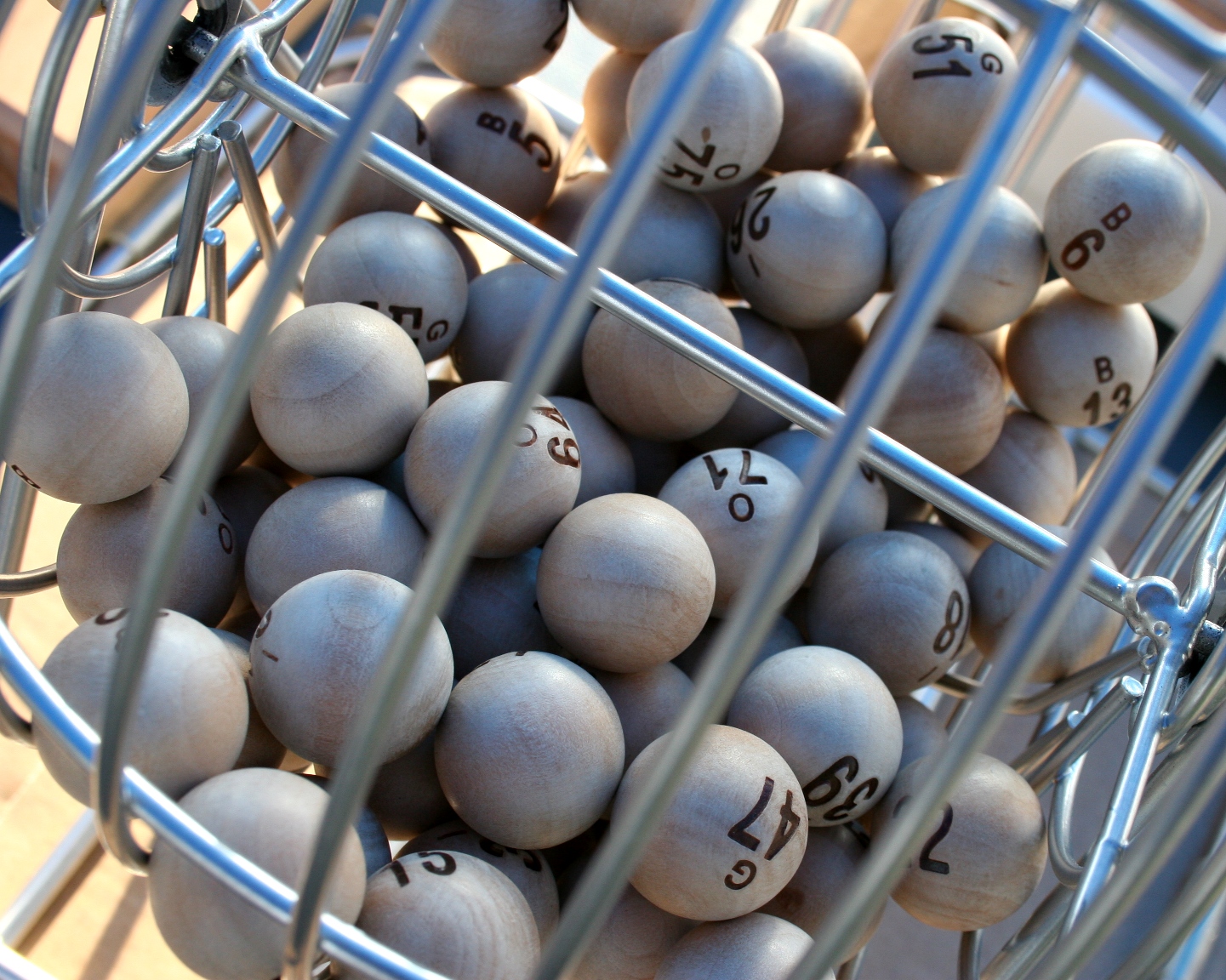
A BINGO cage at a church fundraiser. (Minnesota Prairie Roots copyrighted file photo)

SHORTLY AFTER SCRAMBLING out of her sleeping bag, before she got dressed for the day and wolfed down two slices of toast smothered in peanut butter and strawberry jelly, my 6-year-old granddaughter was already asking, “Grandma, when can we play BINGO?” It was only 7:15 a.m. and her brother was still sleeping. I was in my PJs, hadn’t had coffee or breakfast yet and needed to toss clothes in the wash.

But Isabelle was singularly focused. Her love for BINGO was sparked by playing the game at the annual Helbling family reunion six days prior. Young and old alike gathered in the shelter at Palmer Park in central Minnesota to try their luck at this time-honored game of chance. The prizes ranged from kitchen gadgets for the adults to ring pops, play dough and more for the kids. Nothing costly. Just simple prizes. But, more importantly, time together making memories.

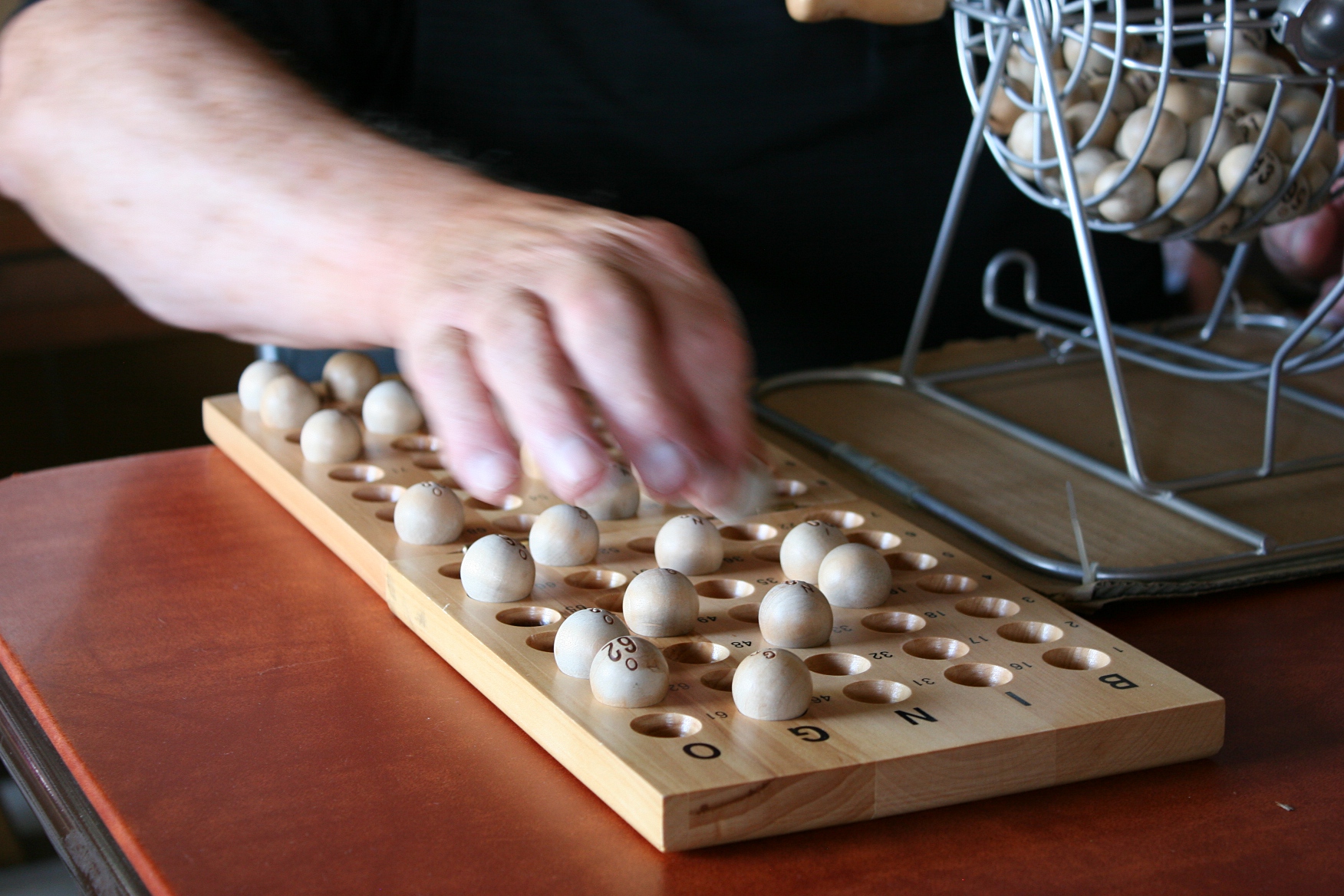
Placing BINGO balls in the caller’s board during a church festival. (Minnesota Prairie Roots copyrighted file photo)

With that backstory, Izzy was delighted to find BINGO balls, a cage, cards and tokens inside a box at Grandpa and Grandma’s house when she and Isaac, 3, arrived for an overnight visit. That first evening we played plenty of BINGO with Izzy as the caller, then Grandpa, then grandfather and grandson. I was content to play. The kids were happy to win small coinage.

Given her enthusiasm, Izzy asked to play BINGO again the next day. I promised, but did not expect game time to commence at her requested 7:15 a.m.

Finally, by 9 a.m., we gathered around the dining room table for our first round of BINGO. Except the start was delayed again…because I got up to do something and on the way back to my chair, while skirting around Randy, stubbed my little toe on the peninsula baseboard. Not just the type of stub that stings for maybe a minute, but rather a serious “insert a bad word I thought but couldn’t say” type of pain. Randy remarked that he heard a snap. Not good.

This is a photo of an x-ray showing the implant in my wrist, held in place by 10 screws. I shattered my wrist in June 2018 after slipping on rain-slicked wooden steps while wearing flip flops. (Minnesota Prairie Roots file photo 2018)

I assessed that I’d likely broken my little toe based on the #10 level of pain—enough to make me cry—I was experiencing. I am not inexperienced in the pain of a broken bone having broken my right shoulder and shattered my left wrist in recent years.

“Better call Amber to come and get the kids,” I advised Randy as I moved to the sofa so I could elevate my foot. Already I was feeling bad about BINGO and ruining everyone’s day. While we waited for our eldest to arrive from the south metro, the trio played BINGO, enough for the kids to win quarters. Randy also hung laundry on the line and I sneaked in a few comforting hugs from Izzy and Isaac.

By that time the siblings realized their stay with Grandma and Grandpa was ending prematurely. The 3-year-old plopped himself on the living room floor and emphatically declared, “I don’t want to go home! I want to stay!” Finally, I called Isaac over to look at my smartphone calendar to see when we might plan his next overnight visit. That, thankfully, placated him.

Once the grandkids were packed and on their way home with their mom, we focused on getting me to the clinic. I knew not much can be done for a broken toe. But I didn’t want a misaligned toe and future problems if I didn’t get it checked. Randy made calls and was advised I needed to be seen in urgent care since the clinic had no open appointments. Alright then. It was Friday and I expected a long wait awaited me.

But that wasn’t the worst. Randy dropped me off at the door and I hobbled inside…only to learn that urgent care didn’t open until noon. And it was only 10:45. The check-in staff apologized profusely for the failure of the metro-based call center to tell Randy of the noon opening. Their frustration was clear as they advised me to return around 11:45 to register and then wait.

So I limped back out, trying to walk in a way that minimized my pain. I uttered a few words that I wouldn’t want my grandkids to hear.

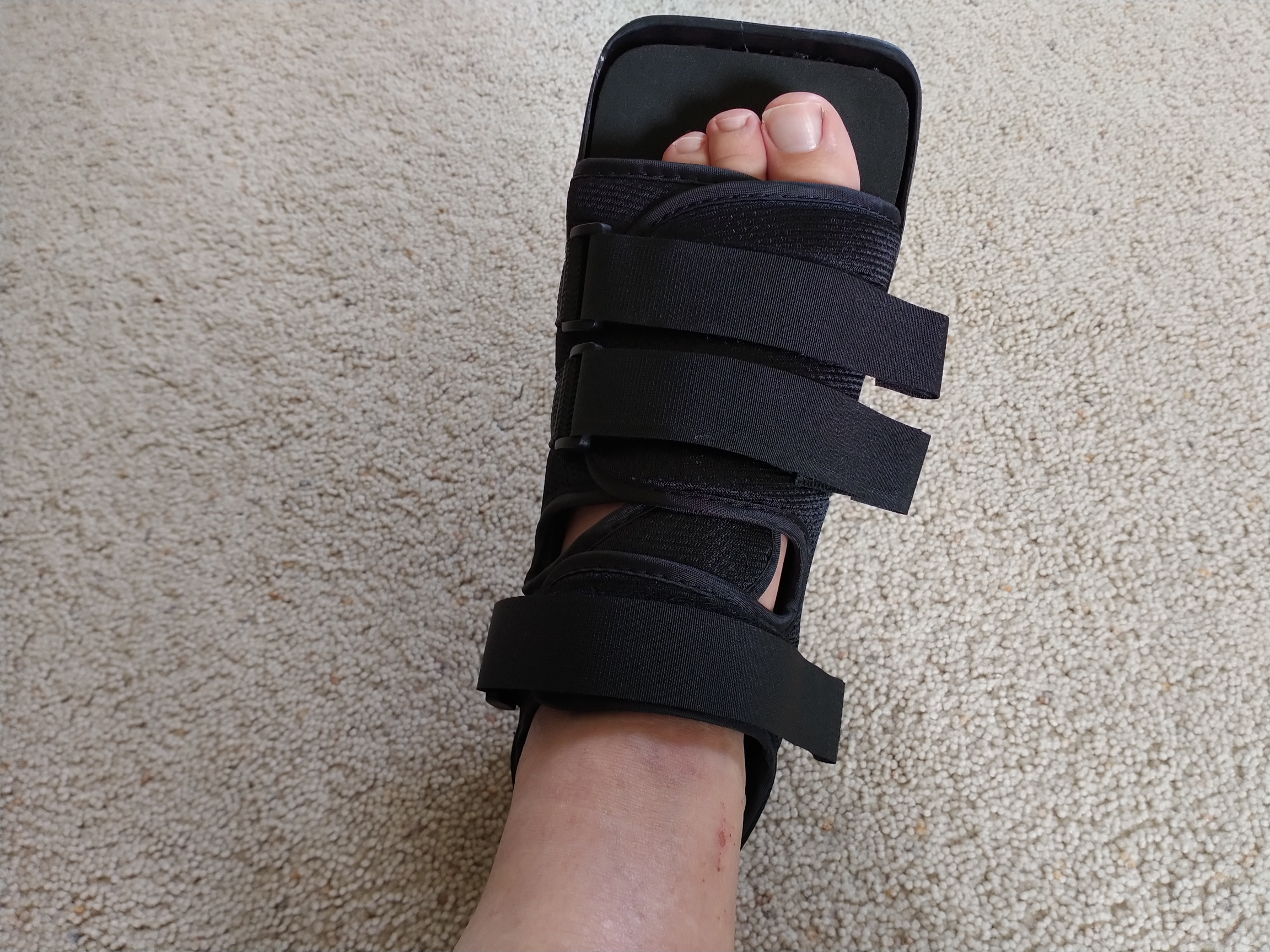
Since I can’t comfortably wear a shoe, I am now wearing this supportive and protective walking boot/shoe while my sprained little toe and foot heal. Nope, I’m not showing you my awful looking foot. (Minnesota Prairie Roots copyrighted photo August 2022)

When we returned to the clinic, I queued number nine, eventually made my way to x-ray and then got the diagnosis. Much to my surprise, my little toe was not broken, but rather badly sprained. I felt thankful for that mercy. I left with a walking boot and instructions to ice and elevate. Over-the-counter meds manage the pain, which is minimal now. However, my little toe and the adjoining toe plus half of my foot are swollen and bruised.

So that’s my BINGO story. Not one of luck, but rather of unintended bad luck and a whole lot of guilt about sending Isabelle and Isaac home too early. Way too early for this grandma.

© Copyright 2022 Audrey Kletscher Helbling