Minnesota Prairie Roots

Writing and photography by Audrey Kletscher Helbling
A brief stop in St. Peter, what I saw & learned November 6, 2024

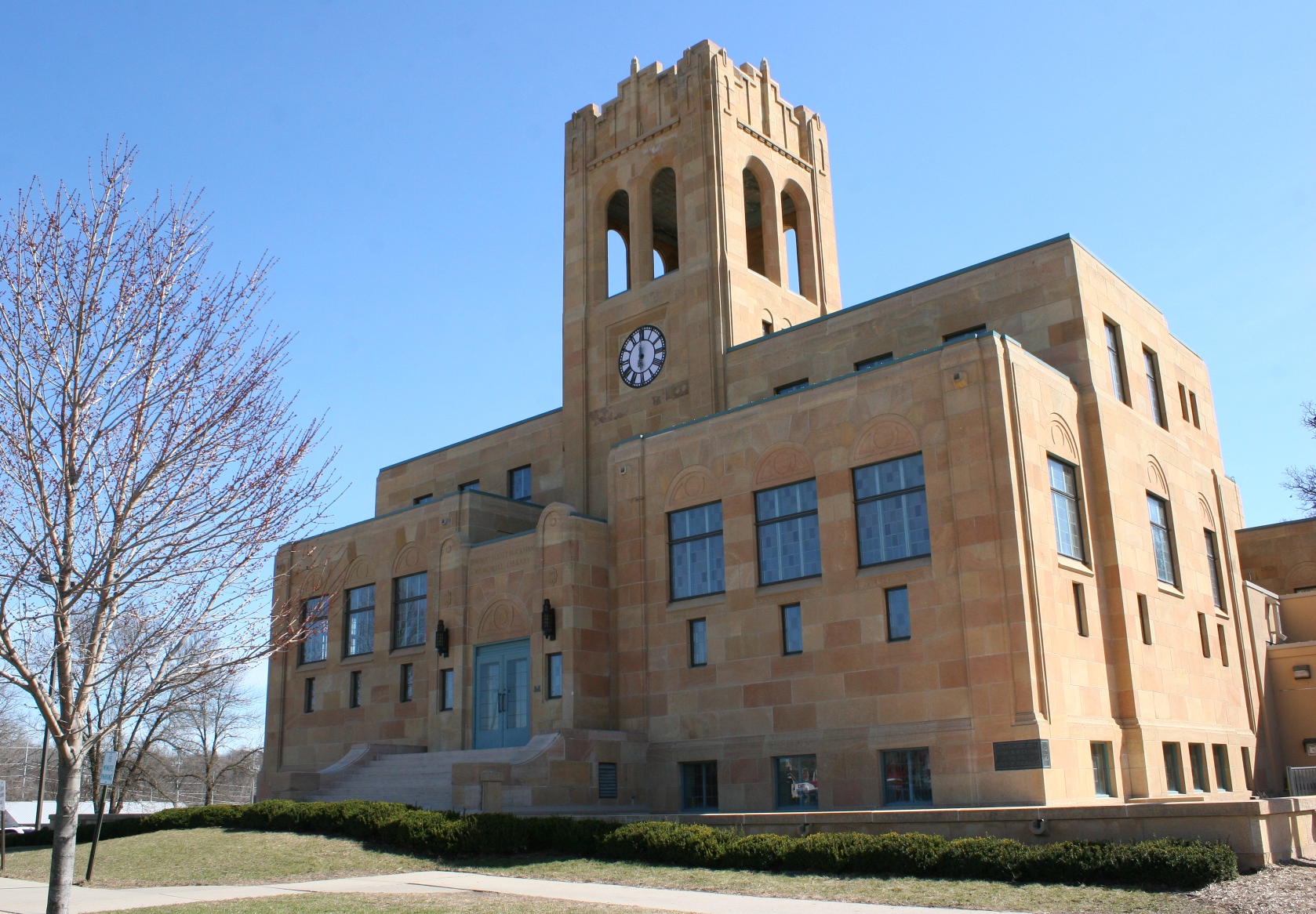
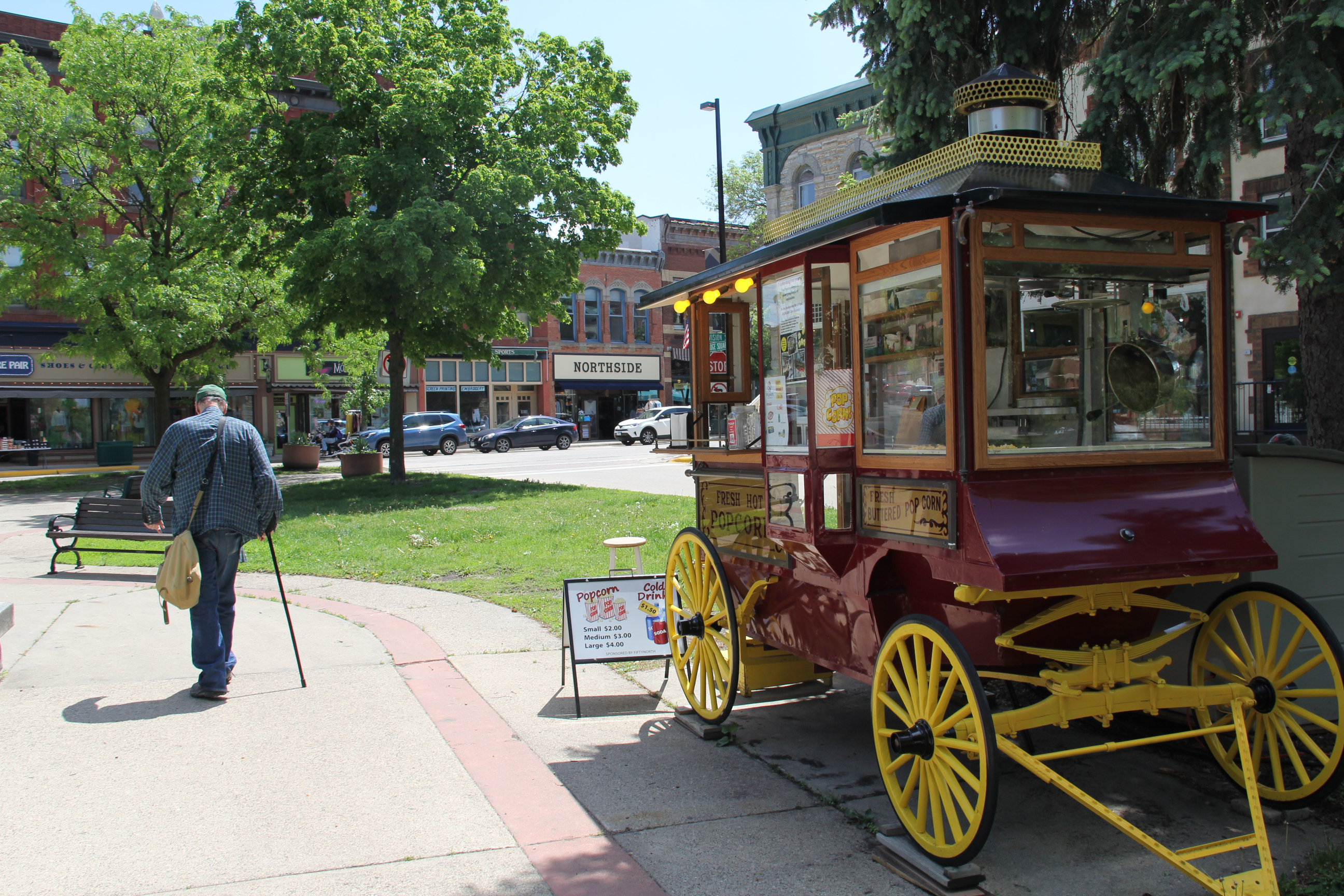
A stunning historic building anchors a corner in the heart of downtown St. Peter along Minnesota Avenue. (Minnesota Prairie Roots copyrighted photo October 2024)

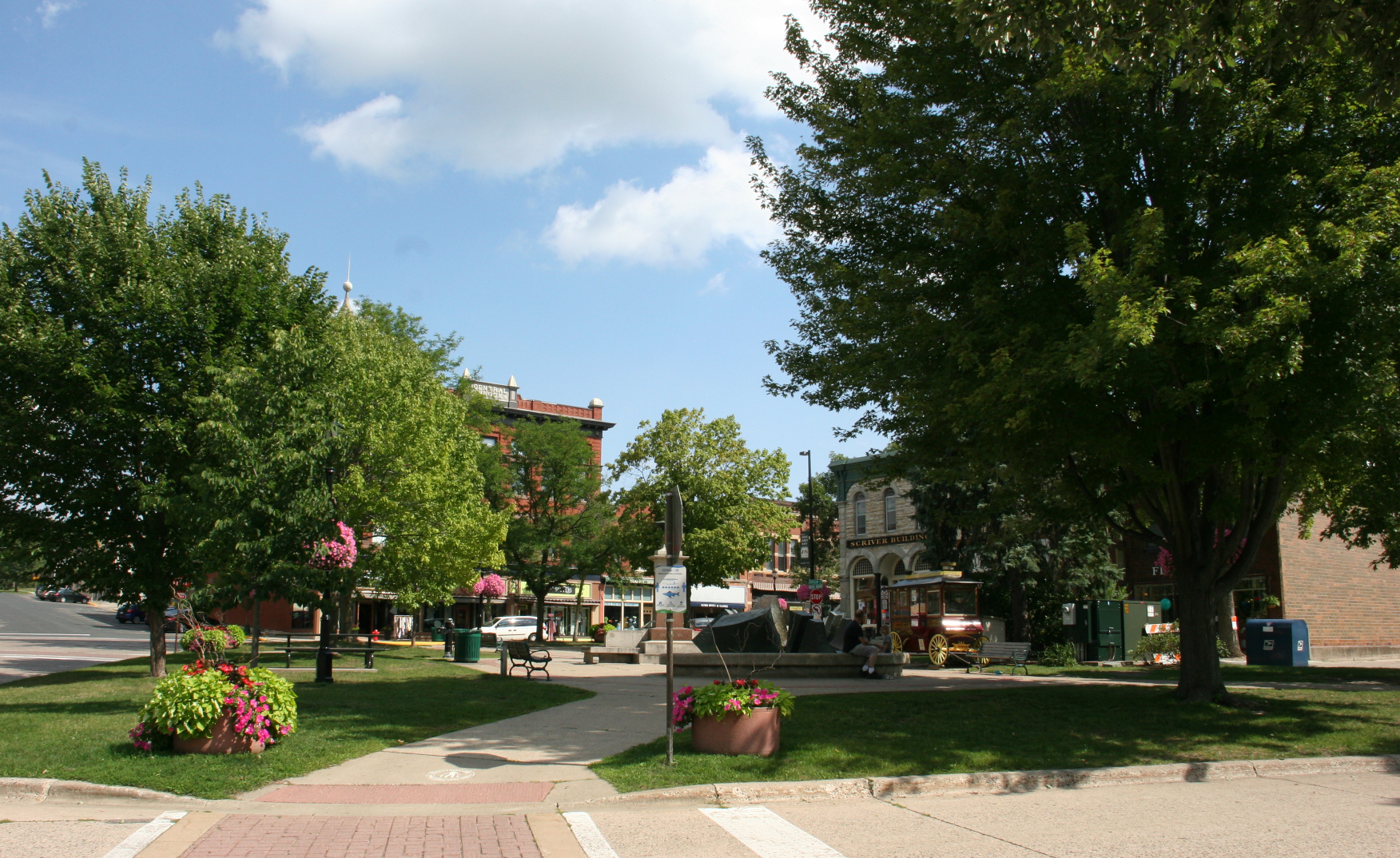
A COLLEGE TOWN. A river town. A town once destined to become Minnesota’s state capital, except for a stolen legislative bill and a judge’s ruling. A town where Jesse James and his gang rode through en route to robbing the First National Bank of Northfield. A town two-thirds destroyed by a March 29, 1998, tornado. The town is St. Peter, population around 12,000, nestled in the Minnesota River Valley.

I felt right at home inside this picnic shelter with the grain bin roof. (Minnesota Prairie Roots copyrighted photo October 2024)
An eagle soars high above the Minnesota River at Riverside Park. (Minnesota Prairie Roots copyrighted photo October 2024)
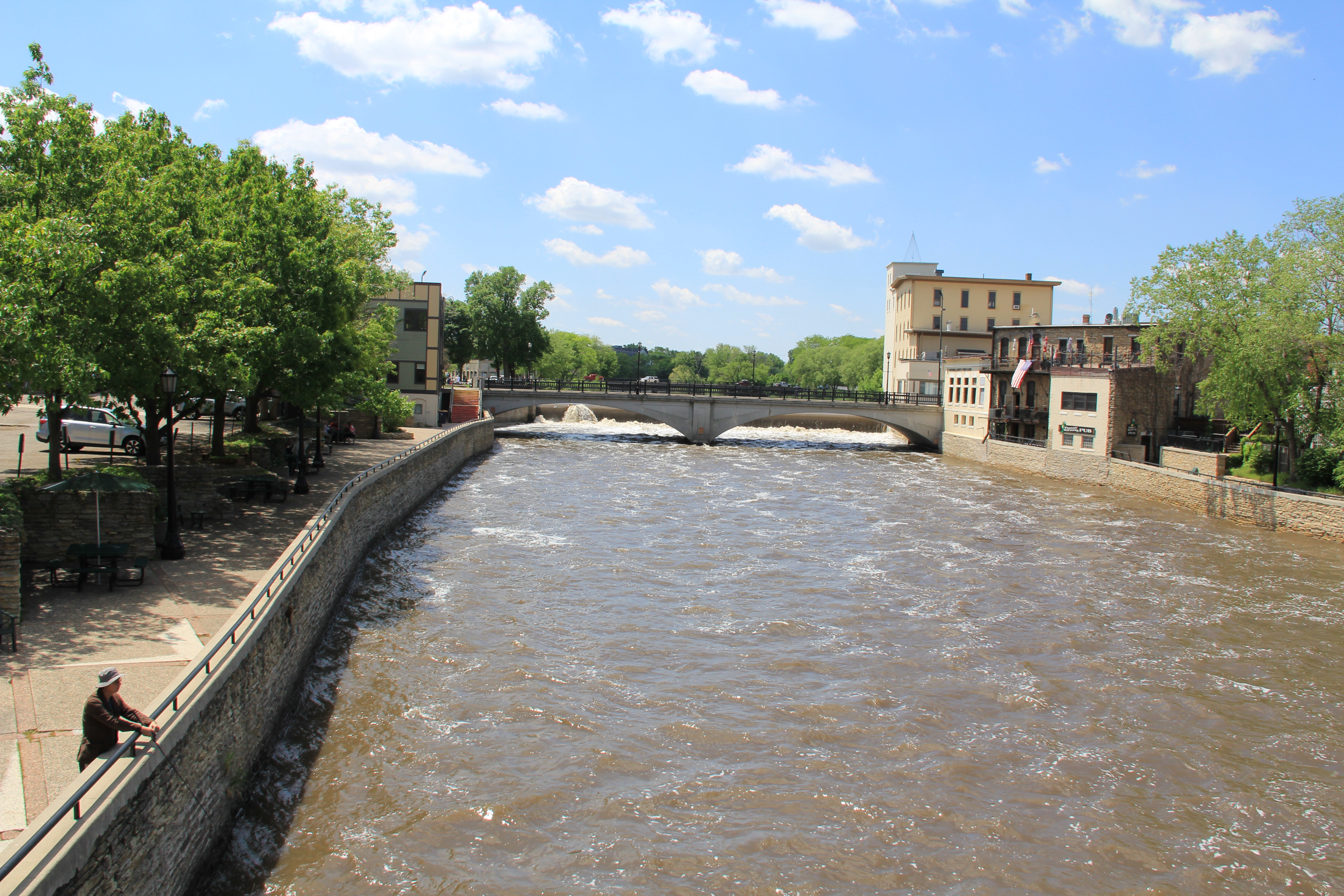
The Minnesota River shoreline as photographed from Riverside Park. (Minnesota Prairie Roots copyrighted photo October 2024)

Recently I spent a bit of time in St. Peter while on a fall color drive. Randy and I picnicked at Riverside Park—Mill Pond & Campground. I watched volunteers prepare for a haunted hayride along the park’s trails, nearly twisted my ankle in an unfilled hole in the grass, noted how murky the Minnesota River appeared, observed an eagle soaring, and noticed the roof of the small picnic shelter. It looked like the top of an old grain bin, much to my rural roots delight.

I appreciated that books inside the St. Peter Thrift Store were mostly displayed horizontally, making it easier for me to read the titles. (Minnesota Prairie Roots copyrighted photo October 2024)

Following lunch, we stopped briefly downtown when I spotted a thrift store. I always enjoy poking around second-hand shops. Not that I’m looking for anything in particular. Often I leave empty-handed. But this time I picked up a clutch of greeting cards because I’m one of those people who still sends cards on birthdays and other occasions. Randy found a cassette tape of some radio talk show, nothing that interests me.

Outside the Arts Center of Saint Peter. (Minnesota Prairie Roots copyrighted file photo October 2024)
Inside the arts center, I viewed this and other collages by Mankato artist Holly Dodge. Her exhibit has closed. The gallery space now features the work of artists participating in the BUY-AND-TAKE INVITATIONAL and also Bianaca Wilson’s “SIEMPRE BUSCANDO.” (Minnesota Prairie Roots copyrighted file photo October 2024)

We’d parked along busy Minnesota Avenue/US Highway 169 directly in front of the Arts Center of Saint Peter. So, of course, I had to check out the gallery exhibit—collage art by Mankato artist Holly Dodge. The exhibit has since closed. I meandered, photographing some of her pieces. I’m always impressed by the diversity of art, how creative minds work.

Paul Granlund’s sculpture offers a unique perspective through which to view downtown St Peter. (Minnesota Prairie Roots copyrighted photo October 2024)

Once outside, I aimed my camera lens toward the distinctive bronze sculpture, “Mobius Strip,” crafted by Paul Granlund, a noted Minnesota sculptor, 1952 graduate of Gustavus Adolphus College (across town and up the hill), sculptor-in-residence there from 1971-1996, and much more in an illustrious career. Granlund’s sculpture is an eye-catching identifier of the arts center. Only after I returned home did I learn about the artist and about the many Granlund sculptures gracing the Gustavus campus. A return trip just to see those is now on my must-do list. I also found heron and eagle sculptures tucked into a pocket park in this block of downtown.

The heron sculpture is to the left, the eagle to the right (hidden by the shrub) in this pocket park. (Minnesota Prairie Roots copyrighted photo October 2024)

I discovered, too, Poshinate Kiddos, a beautiful baby and kids gift boutique where I looked, but didn’t buy (not this trip). I loved the merchandise and the friendly, helpful shopkeeper.

A row of historic buildings sits along US Highway 169, where a center island divides the roadway in downtown St. Peter. (Minnesota Prairie Roots copyrighted photo October 2024)

Historic buildings lining Minnesota Avenue drew my interest. About a dozen are on the National Register of Historic Places. Rather than cross the wide, wide street where traffic whizzes by at speeds that make me uncomfortable, I zoomed and photographed. I appreciate historic architecture and when a community cares enough to save it.

One of the Embassy signs… (Minnesota Prairie Roots copyrighted photo October 2024)
And then on the other side of the Embassy, this sign. (Minnesota Prairie Roots copyrighted photo October 2024)

Within the single block I walked, I also noticed signage on the Embassy Bar, or Blaschko’s Embassy Bar & Grill, depending on which sign you view. Signs always draws my interest, not only as identifiers but also as works of art.

This and other words tag the windows of the Arts Center of Saint Peter. (Minnesota Prairie Roots copyrighted photo October 2024)

Retracing my steps from River Rock Coffee & Tea, a busy place at the end of the block, I paused at the arts center again. On the second floor I spotted a singular word—writing—spanning a wide window. Now, when you’re a writer like me, you get excited about a word that celebrates your craft. That left a lasting impression on me as we pulled out of St. Peter intent on seeing what we’d come to see, the colorful trees along Highway 169 heading north toward Le Sueur. But the trees weren’t colorful. Not at all. Could have been the timing or the day, which was extremely windy with hazy skies.

I didn’t go into the River Rock. But I looked through the large windows to see the coffee and tea shop teeming with customers. (Minnesota Prairie Roots copyrighted photo October 2024)

Although disappointed, I was not disappointed in the river town, the college town, the historical town of St. Peter. I need to return, devote an entire day to exploring a place that once could have been Minnesota’s state capital…if not for the theft of a legislative bill in 1857 by politician Joseph Rolette and the judicial ruling that followed.

© Copyright 2024 Audrey Kletscher Helbling


From Owatonna: For the love of signs October 3, 2024

Filed under: Uncategorized — Audrey Kletscher Helbling @ 4:35 PM
Tags: , , , , , , , , , ,
Among the many signs that drew my interest in Owatonna was this insurance agency sign. The bold colors and layered signage stood out. (Minnesota Prairie Roots copyrighted photo September 2024)

SIGNS, WHETHER HANDWRITTEN on a piece of paper or professionally made to mark a business, fascinate me. They reveal much about the heartbeat and history of a community.

Love this artsy sign. The curving arrow points me directly to Wagner’s. (Minnesota Prairie Roots copyrighted photo September 2024)

On a recent visit to Owatonna’s downtown, I photographed a collection of signs that caught my eye. I lean toward vintage, or those that appear vintage. I also lean toward unusual names and interesting fonts and art.

This candy shop and eatery has a lengthy history in Owatonna. (Minnesota Prairie Roots copyrighted photo September 2024)

Most people likely view a sign only as an identifier or source of information. Clearly not me. I see signage through the lens of a writer and a photographer.

Even if partially missing, I still appreciate the vintage charm of this sign. (Minnesota Prairie Roots copyrighted photo September 2024)
The Kitchen, a downtown Owatonna staple gathering spot. (Minnesota Prairie Roots copyrighted photo September 2024)
A catchy name for a bar. (Minnesota Prairie Roots copyrighted photo September 2024)

Every town, not just Owatonna, offers a potluck of signs, a feast for the eyes. All signs bring something to the table. Something that tastes of local flavor. And I’m not just talking food or drink, although certainly you will find plenty of that along North Cedar Avenue and other streets spoking off Owatonna’s main downtown artery.

This shows partial signage for Central Park Coffee and a mini owl mural, among several owls “hidden” in downtown Owatonna. (Minnesota Prairie Roots copyrighted photo September 2024)
It’s that time of year again, time for all things pumpkin as noted on this sandwich board. (Minnesota Prairie Roots copyrighted photo September 2024)
A long-standing pizza place along North Cedar Avenue. (Minnesota Prairie Roots copyrighted photo September 2024)

I’m also talking about the stories behind those signs. The people who own the businesses, run them, welcome customers inside for a cold one, a cup of coffee, a slice of pizza, a new pair of shoes, a pumpkin truffle, even an insurance policy. Signs are more, much more, than simply signs.

A mostly unreadable (at least to me) ghost sign. (Minnesota Prairie Roots copyrighted photo September 2024)
On the side of Owatonna Shoe is this painting of Princess Owatonna, after whom the city is named. A statue of the princess stands in Mineral Springs Park, the spring and princess being part of local lore. (Minnesota Prairie Roots copyrighted photo September 2024)
The long ago Roxy Theater is honored in the Main Street Mural in a downtown pocket park. (Minnesota Prairie Roots copyrighted photo September 2024)

Signs also hold history. Ghost signs, of which there are several in Owatonna, write of bygone days. Murals paint history, too, of the Roxy Theater and of Princess Owatonna and more.

And then I spotted this vintage gem on a building… (Minnesota Prairie Roots copyrighted photo September 2024)

Wherever you live, whatever community you visit, I encourage you to pause, look and really see the signage. Appreciate the history. Consider the stories. Study the fonts and art. Enjoy the potluck of signs that flavor a place.

© Copyright 2024 Audrey Kletscher Helbling
 

A “game show” about Minnesota town names by Doug Ohman October 2, 2024

I photographed this scene in Pine River, which calls itself Minnesota’s S’more Capital, Doug Ohman said. From what I read online, the Whitefish Chain of Lakes terms itself “The S’more Capital of the World.” Pine River is on the northwest end of the Whitefish Chain. (Minnesota Prairie Roots copyrighted photo July 2024)

I FELT LIKE A BIT OF A SMARTIE, you know, that kid who raises his/her hand to answer the teacher’s questions. But Doug Ohman told me later, when I apologized to him for my overzealous class participation, that he actually appreciates enthusiastic interaction with audience members. And that I was on Monday evening while attending Ohman’s presentation on Minnesota town names at the Owatonna Public Library. I couldn’t help myself. This presenter is incredibly engaging, energetic, interesting and really good at what he does.

One of many Minnesota books by Doug Ohman. (Cover image sourced online)

Ohman is a prolific presenter, Minnesota author and photographer—he’s written 16 photo-rich books—who travels the state giving talks on 36 subjects. Those range from churches to schoolhouses, courthouses to libraries, state parks to cabins, and, oh, so much more. If you want to learn more about Minnesota, especially its small towns and rural areas, and appreciate history, then Ohman is your guy. I’ve seen him present twice previously, both times on churches.

But Monday evening, it was all about “Name That Town.” Ohman began by telling a room packed with people that he would be doing an interactive game show style presentation. Oh, oh, I thought, when he asked for help from an audience member. Eventually Steve volunteered and the game was on.

Sweetcorn for sale at a stand across from St. Michael’s Catholic Church in Buckman, my husband’s hometown. Buckman is southeast of Little Falls in Morrison County. (Minnesota Prairie Roots copyrighted photo September 2024)

It didn’t take long before Ohman put the audience at ease with his humor and questions. A lot of questions. About towns. And that’s where I proved my smarts. Like Ohman, I enjoy visiting small towns, stopping to explore and photograph them. He feels like a kindred spirit in that we are both writers and photographers who value rural Minnesota.

I recently photographed this beautiful old building in downtown Foley, seat of Benton County. (Minnesota Prairie Roots copyrighted photo September 2024)

For 1 ½ hours, Ohman talked about Minnesota towns, going through the alphabet from A-Z, showing selected photos of communities he’s visited. He invited audience members to shout out town names for each letter, often pausing to ask why they named that particular town and occasionally awarding prizes for correctly answered questions.

I found this signage on a building in downtown Kenyon in Goodhue County east of Faribault. (Minnesota Prairie Roots copyrighted file photo August 2024)

There were familiar town names like Duluth, Hastings, Red Wing and Stillwater. But then Ohman threw out towns like Dorothy (south of Thief River Falls), Johnson (the “most Minnesotan name,” he said, and located near Chokio) and Quamba (between Mora and Hinckley). All three were unfamiliar even to me.

Ohman referenced this multi-cultural mural in Walnut Grove, where Hmong immigrants have settled and embraced the prairie history of author Laura Ingalls Wilder. He also noted that Walnut Grove is the only community where he found a working pay phone. (Minnesota Prairie Roots copyrighted file photo)

Only the letter X lacks a Minnesota town name. Two towns share the name Oslo. No surprise given Minnesota’s rich Scandinavian heritage. Oh, and Osakis is the self-proclaimed “Lefse Capital of Minnesota,” Ohman said, recommending Jacobs Lefse.

A statue of Princess Owatonna, daughter of Chief Wabena and whom after the city of Owatonna is named, stands in Mineral Springs Park. (Minnesota Prairie Roots copyrighted file photo 2020)

Ohman asked how towns are named and got lots of audience response. The Old Country (New Ulm, New Germany, Fulda…), Native American people and language (Owatonna, Wabasha, Sleepy Eye, Wabasso), animals (Badger and Fox), geographic features (Redwood Falls, International Falls, Thief River Falls, Fergus Falls, but not Hanley Falls, which has no falls), famous (Henry Hastings Sibley) and not so famous people…

This sign once marked my hometown and its reason for notoriety. The sign was removed and replaced and I wish it was still there, along Minnesota State Highway 19. (Minnesota Prairie Roots copyrighted file photo 2011)

My hometown is named after the postmaster’s daughter, Vesta. I nearly stumped Ohman when I shouted out “Vesta.” But, with some clues and thought, he remembered its location in Redwood County. He’s been to neighboring Belview, Seaforth, Wabasso. Even several audience members were familiar with southwestern Minnesota towns, something I don’t often encounter in southeastern Minnesota.

I found this small town proud t-shirt at Kelash’s Corner, a vegetable, fruit and merch stand, in Gilman, population around 220. The town is northeast of St. Cloud in Benton County. (Minnesota Prairie Roots copyrighted photo September 2024)

Towns survive based on location, Ohman said. That makes sense. Towns once located along railroad tracks, later abandoned, have declined. Towns built on lumbering have dwindled in population. Towns located today in resort areas, close to larger cities or along major roadways (like Owatonna on Interstate 35) are growing, thriving. The smallest of Minnesota’s 905 towns, according to Ohman, is Funkley, population five. That’s northeast of Blackduck which is northeast of Bemidji in Beltrami County. I love how that name, Funkley, rolls off the tongue.

I won this pack of photo cards for correctly answering so many questions throughout Ohman’s presentation. (Minnesota Prairie Roots copyrighted photo September 2024)

Plenty of answers rolled off my tongue Monday evening in Owatonna as Ohman asked endless questions during his Minnesota town themed game show. Who knows the county in which Ivanhoe, named after the book by Sir Walter Scott, is located? “Lincoln,” I shouted. I revealed my book smarts a second time by naming the fictional town in Sinclair Lewis’ novel, Main Street. That would be Gopher Prairie, really Lewis’ hometown of Sauk Centre. That earned me a prize—a pack of feline photo cards by Ohman.

This mural in Walnut Grove shows how past and present connect, from early settlers to present day Hmong immigrants who now call this small town home. A niece, who lives with her family in Walnut Grove, recently told me how happy she is that her children are growing up in a diverse community. (Minnesota Prairie Roots copyrighted file photo)

I could write a whole lot more about all the towns and related information Ohman covered in his talk. But that’s his job, while mine is to highlight a few here. And also to reveal that I did incredibly well on the Ohman game show. I’ll close with one more important revelation. His favorite town name, Ohman shared, is Faith…because it takes a little faith to live (and survive) in Minnesota.

© Copyright 2024 Audrey Kletscher Helbling


Celebrating my birthday with history & art September 27, 2024

(Minnesota Prairie Roots copyrighted file photo)

NOT EVERYONE WOULD CELEBRATE a birthday by exploring historic ruins and then capping the day by creating art within an historic context. But then I am not everyone.

This week, on my closing-in-on-seventy birthday, I took a day trip to Wasioja and neighboring Mantorville. Randy and I packed our picnic lunches and then hit the road east in late morning. No need to rush and get going too early at our ages.

After a brief stop at a Kenyon thrift shop, which smelled strongly of natural gas, we made a quick exit. But not before warning the shopkeeper that he needed to check on the odor immediately. And don’t turn on a light switch, although the lights were already on, we advised. (The shop was still standing on our return route home.)

Blueberry pie. not from County Seat Coffee Shop. I didn’t photograph that pie piece. (Minnesota Prairie Roots copyrighted file photo)

GOING BACK IN TIME

I digress. In Wasioja, we discovered aged ruins and historic buildings, many connected to Minnesota’s involvement in the Civil War. I was aware of the Civil War recruiting station, but not some of the other sites. I’ll write more on our visits to Wasioja and Mantorville in future posts.

However, I should note now that Randy and I enjoyed slices of homemade blueberry and strawberry/rhubarb pie at County Seat Coffeehouse in Mantorville. It was, after all, my birthday. No sweet treat awaited me at home.

Back home by late afternoon with me feeling a bit tired after being on my feet all day (remember that broken right toe, which makes walking a tad more challenging), I put my feet up. Randy napped.

A promo for a 2022 talk by Mica Anders at the RCHS. (Promo credit of RCHS)

STEPPING BACK IN TIME WITH MICA ANDERS

And then, less than two hours later, we were off to the Rice County Historical Society for an interactive historical presentation by St. Paul genealogist and artist Mica Lee Anders. She was presenting on early (1850-1900) African American residents of Rice County. I’m always up to learning more about the history of this place I’ve called home for 42 years.

Anders made the entire event hands-on engaging by asking attendees to create flower mosaics that will honor the legacies of early African Americans. The flowers will be installed as public art at gravesites in Faribault and Northfield.

Not being especially artistic beyond creating with a camera and with words, I felt initially tentative about the whole idea. But Anders quickly put me at ease, explaining how to go about the process of creating mosaic flowers from glass tiles. We grabbed cupcake tins then scooped tiles in assorted shapes (mostly round) and colors (blues, greens, oranges and yellows) into individual holders. From there, we designed within a donut shape printed on paper. Later, we would transfer our designs onto sticky mesh.

As a perfectionist, I sorted my tiles by size and color before beginning to create. Part of me wanted to pause and take notes on everything Anders was sharing. But art won over being a journalist for the evening. I created. I listened. I asked questions. But I didn’t jot down a single word.

I heard about the success of those early African Americans who lived here. The barber. The young man who would become a doctor. The college grad. But I learned, too, of efforts to hide racial identity. Yet, races intermarried. And, said, Anders, Faribault was a welcoming place to those African Americans who settled here early on. To hear that pleased me greatly. Faribault has not always been a welcoming place for people of color.

The flower mosaic I created. Anders will finish the work. (Minnesota Prairie Roots copyrighted photo September 2024)

CONNECTING HISTORY & ART

Anders’ passion for history, genealogy and honoring the legacies of African Americans in southeastern Minnesota via her research and now her public art project coursed through the meeting room where a small group of us created colorful mosaics. It felt good to be part of something like this, a tangible way to honor those who came before us, who likely faced more struggles than I will ever know.

My mosaic was well thought out. I don’t usually randomly do anything. I used orange and yellow tiles in the outer two rings of my flower to represent the sun. The next ring featured blue round tiles representing the sky—dark blue for stormy days, lighter shiny blue for happier days. I finished my flower with an inner ring of green tiles representing the earth, growth, place.

The birthday cards I received, displayed on a vintage family dresser in my dining room. (Minnesota Prairie Roots copyrighted photo September 2024)

THANKFUL

Thus I began another year of life. Learning. Creating art. Honoring. Celebrating. And feeling incredibly thankful for all the people who care about me. From greeting cards to an audio message, from texts to emails to calls (including a singing of “happy birthday”), I feel cherished and loved.

#

FYI: Mica Anders will host more workshops in Rice County (including in Northfield) to talk about early African Americans in southeastern Minnesota and to create flower mosaics. I encourage you to participate. Her project was made possible in part by Springboard for the Arts’ Rural-Urban Solidarity Initiative.

© Copyright 2024 Audrey Kletscher Helbling

 

Old-fashioned fun for the kids at vintage farm show September 9, 2024

Taking a spin on the merry-go-round at the Rice County Steam & Gas Engines Fall Show. (Minnesota Prairie Roots copyrighted photo September 2024)

I LOVE WATCHING KIDS engage in activities from “the olden days.” Like circling on a vintage merry-go-round which, in today’s world, would fail all safety standards. But at the Rice County Steam & Gas Engines showgrounds in rural Dundas, playground and farm equipment of yesteryear, with all its inherently “dangerous” aspects, takes center stage. Common sense and caution are required at the bi-annual event which draws people of all ages. I observed a lot of young families at the recent Labor Day weekend farm show.

Train rides were a popular attraction with kids waiting in line to climb aboard. (Minnesota Prairie Roots copyrighted photo September 2024)
Tractors truly are a focal point of the farm show. This mini International sits on a train car. (Minnesota Prairie Roots copyrighted photo September 2024)
Horse-drawn wagon rides, too, drew lots of riders of all ages. (Minnesota Prairie Roots copyrighted photo September 2024)

From a ride on a mini replica train, to rides on tractors, in horse-drawn wagons, and in a barrel train, kids have plenty to do here.

Windy Willow Farm Adventure, rural Northfield, provided animals housed in this shed. There were sheep, goats, rabbits, geese and chickens from the farm, plus horses. (Minnesota Prairie Roots copyrighted photo September 2024)
Two friendly goats vie for attention. (Minnesota Prairie Roots copyrighted photo September 2024)
Tubs and buckets of corn await shelling. (Minnesota Prairie Roots copyrighted photo September 2024)

There are also clothes to feed through a ringer washer, corn to shell, animals to pet, a reel lawnmower to push and more.

The “engineer” of the barrel train steers a 1950s era Ford tractor around the showgrounds. (Minnesota Prairie Roots copyrighted photo September 2024)
Without rails, the barrel train weaves among the vintage tractors at the farm show. (Minnesota Prairie Roots copyrighted photo September 2024)
Colorful, curving, quaint…barrel train. (Minnesota Prairie Roots copyrighted photo September 2024)

Anytime anyone can get kids outdoors, off their electronic devices and learning rural history, it’s a good thing. Organizers of the steam & gas engines show clearly understand the importance of activities that keep kids busy and happy while adults watch the tractor pull, listen to music, mill around the vintage tractors and more as they connect in this rural community gathering.

Father and son circle on a 1010 Model early 1960s John Deere pulling a cultivator. (Minnesota Prairie Roots copyrighted photo September 2024)

Most kids, even those from greater Minnesota, aren’t growing up “rural” anymore. Even if they live in the country, they’re not necessarily farm kids. So it’s important to expose them to the area’s agricultural heritage. The old tractors. The old farm machinery. The way clothes were washed and lawns were cut and how kids played back in the day.

The day after he competed in the pedal tractor pull and earned second place, this little guy was back pedaling. (Minnesota Prairie Roots copyrighted photo September 2024)

A kids’ pedal tractor pull contest engages youth, allows them to compete, show off their strength. It’s also a way to build memories so that years from now perhaps they will bring their own kids to the Rice County Steam & Gas Engines Show. They’ll remember those merry-go-round rides and how they climbed into a horse-drawn wagon and how they pedaled with all their leg power to get a mini tractor across a finish line. In the end, we all cross the finish line. And sometimes getting there requires experiencing a little danger mixed with a whole lot of fun.

© Copyright 2024 Audrey Kletscher Helbling
 

Rural living history & threshing memories September 3, 2024

A wagonload of oats awaits threshing at the Rice County Steam & Gas Engines Fall Show. (Minnesota Prairie Roots copyrighted photo August 2024)

MEMORIES. A HISTORY LESSON. A step back in time. The Rice County Steam & Gas Engines Fall Show is that and more. It’s also entertainment, a coming together of friends and families and neighbors. A reason to focus on farming of yesteryear.

Oats drape over the edge of the wagon. (Minnesota Prairie Roots copyrighted photo August 2024)

I was among the crowds gathered over the Labor Day weekend at the showgrounds south of Dundas. This show features demos, rows and rows and rows of vintage tractors and aged farm machinery, a tractor pull, flea market, music, petting zoo, mini train rides and a whole lot more.

The scene is set to resume threshing with thresher, tractor, baler and manpower. (Minnesota Prairie Roots copyrighted photo August 2024)

For me, a highlight was watching a crew of men threshing oats. The work is hard, labor intensive, even dangerous with exposed belts and pullies. It’s no wonder farmers lost digits and limbs back in the day.

This part of the threshing crew pitches oats bundles into the threshing machine. (Minnesota Prairie Roots copyrighted photo August 2024)

While my observations are not connected to memories, my husband’s are as he recalls threshing on his childhood farm in rural Buckman, Morrison County, Minnesota. After Randy moved with his family from rural St. Anthony, North Dakota (southwest of Mandan), his dad returned to threshing oats. In North Dakota, he used a combine. But his father before him, Randy’s grandfather Alfred, threshed small grains.

Hard at work forking bundles into the thresher. (Minnesota Prairie Roots copyrighted photo August 2024)
Lots of exposed pullies and belts line the threshing machine. (Minnesota Prairie Roots copyrighted photo August 2024)
The workhorse of the operation, the threshing machine. (Minnesota Prairie Roots copyrighted photo August 2024)

As I watched in Dundas, men forked bundles of oats into a McCormick-Deering thresher. The threshing machine separated the grain from the stalk, the oats shooting one direction into a wagon, the straw the other way into a growing pile. I stood mostly clear of the threshing operation with dust and chafe thick in the air.

Feeding the loose straw into the baler. (Minnesota Prairie Roots copyrighted photo August 2024)

From the straw pile, a volunteer stuffed the stalks into the shoot of an aged baler. An arm tamped the straw, feeding it into the baler. Another guy stood nearby, feeding wire into the baler to wrap the rectangular bales. A slow, tedious process that requires attentiveness and caution.

Watching and waiting for the straw to compact in the baler. (Minnesota Prairie Roots copyrighted photo August 2024)

The entire time I watched, I thought how easy it would be to lose focus, to look away for a moment, to get distracted and then, in an instant, to experience the unthinkable. Farming is, and always has been, a dangerous occupation.

Carefully guiding wire into the baler to wrap each bale. (Minnesota Prairie Roots copyrighted photo August 2024)

Randy understands that firsthand as he witnessed his father get his hand caught in a corn chopper. Tom lost his left hand and part of his forearm. But Randy saved his life, running across fields and pasture to summon help. It is a traumatic memory he still carries with him 57 years later.

Threshing at Sunnybrook Farm, St. Anthony, North Dakota, as painted by Tom Helbling. (Minnesota Prairie Roots copyrighted file photo)

But memories of threshing are good memories, preserved today in an oil painting from the farm in North Dakota, Sunnybrook Farm. My father-in-law took up painting later in life. Among the art he created was a circa 1920s threshing scene. We have that painting, currently displayed in our living room. I treasure it not only for the hands that painted it, but also for the history held in each brush stroke.

Threshing grain, living history in 2024. (Minnesota Prairie Roots copyrighted photo August 2024)

The painted scene differs some from the threshing scene I saw in Dundas. In North Dakota, horses were part of the work team, the tractor steam powered. In Dundas, there were no horses, no steam engine at the threshing site. Still, the threshing machine is the star, performing the same work. And men are still there, laboring under the sun on a late summer afternoon.

© Copyright 2024 Audrey Kletscher Helbling


Learn about local history & more at Oak Ridge Cemetery talk August 21, 2024

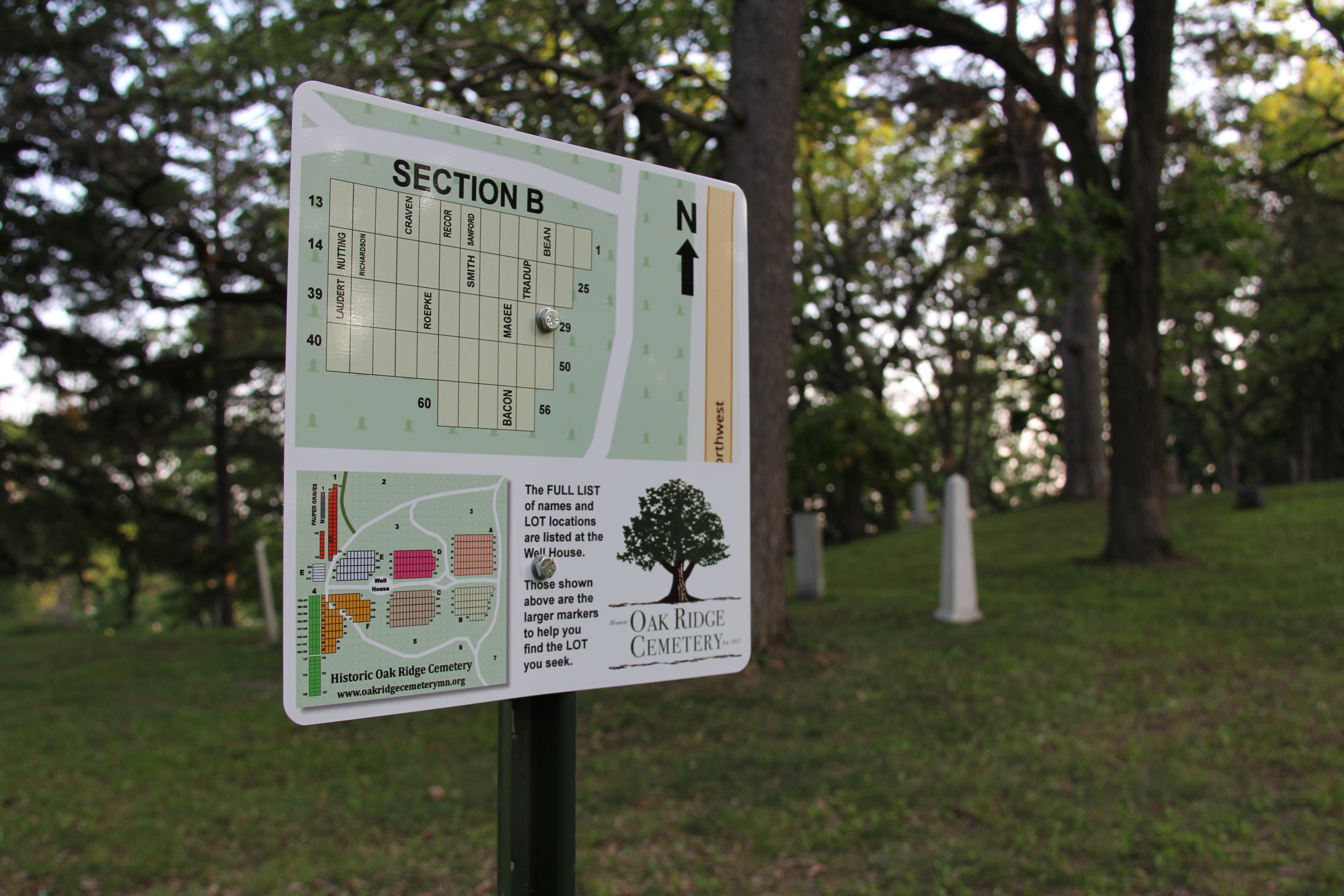
Oak Ridge Cemetery, Faribault. (Minnesota Prairie Roots copyrighted file photo)

FOR ANYONE WHO APPRECIATES local history, especially cemeteries, the Rice County History Museum in Faribault is the place to be at 7 pm Thursday, August 22. Tom Rent, an Oak Ridge Cemetery volunteer, will present “Preserving Faribault’s Oldest Cemetery, Oak Ridge.”

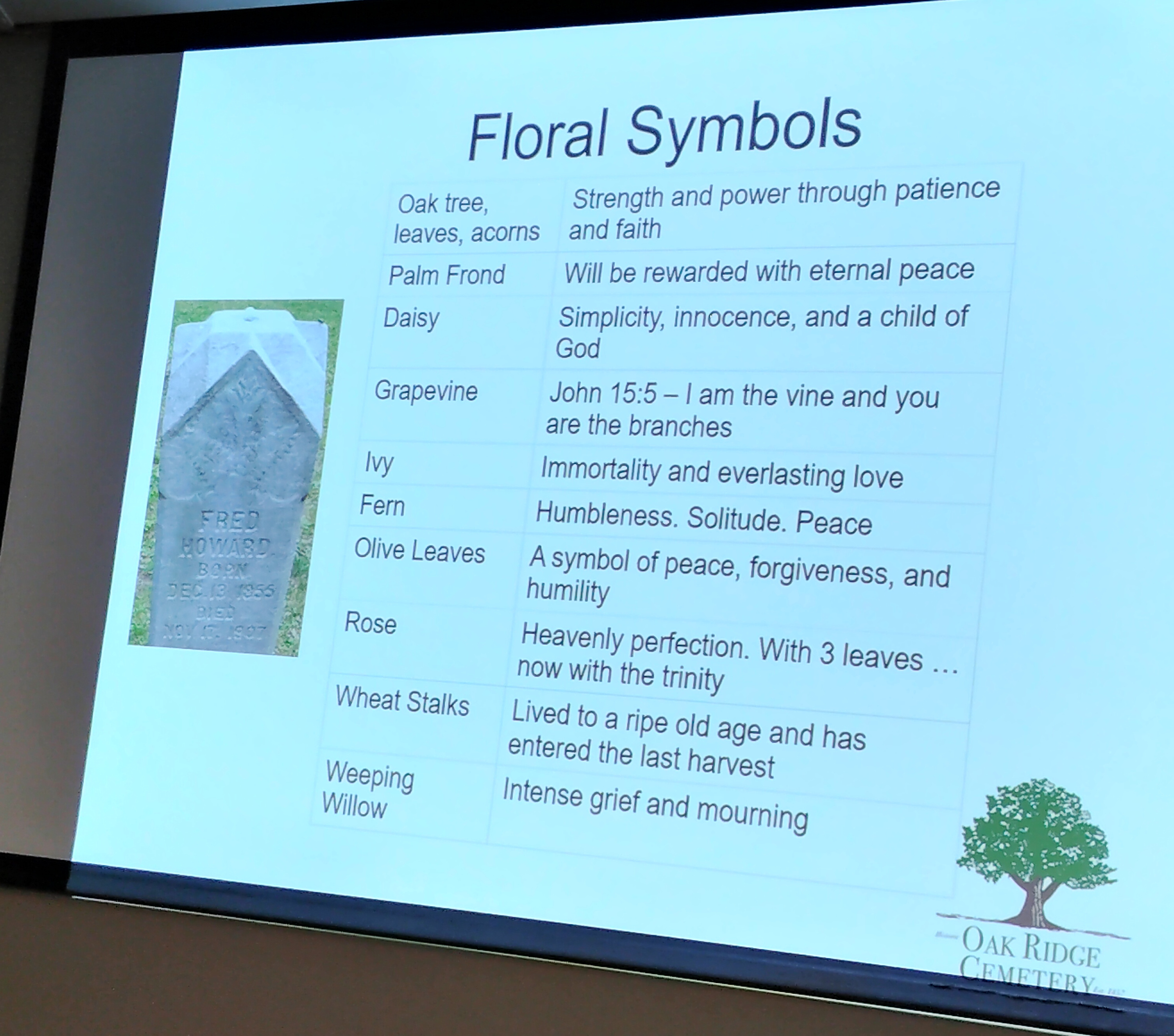
It’s sure to be an informative talk focusing on the cemetery’s history, operation and preservation. Rent will also share photos, stories, headstone symbology, preservation methods and future plans to maintain Oak Ridge Cemetery. Plus, he’ll talk about some of the people who helped shape Faribault and Rice County.

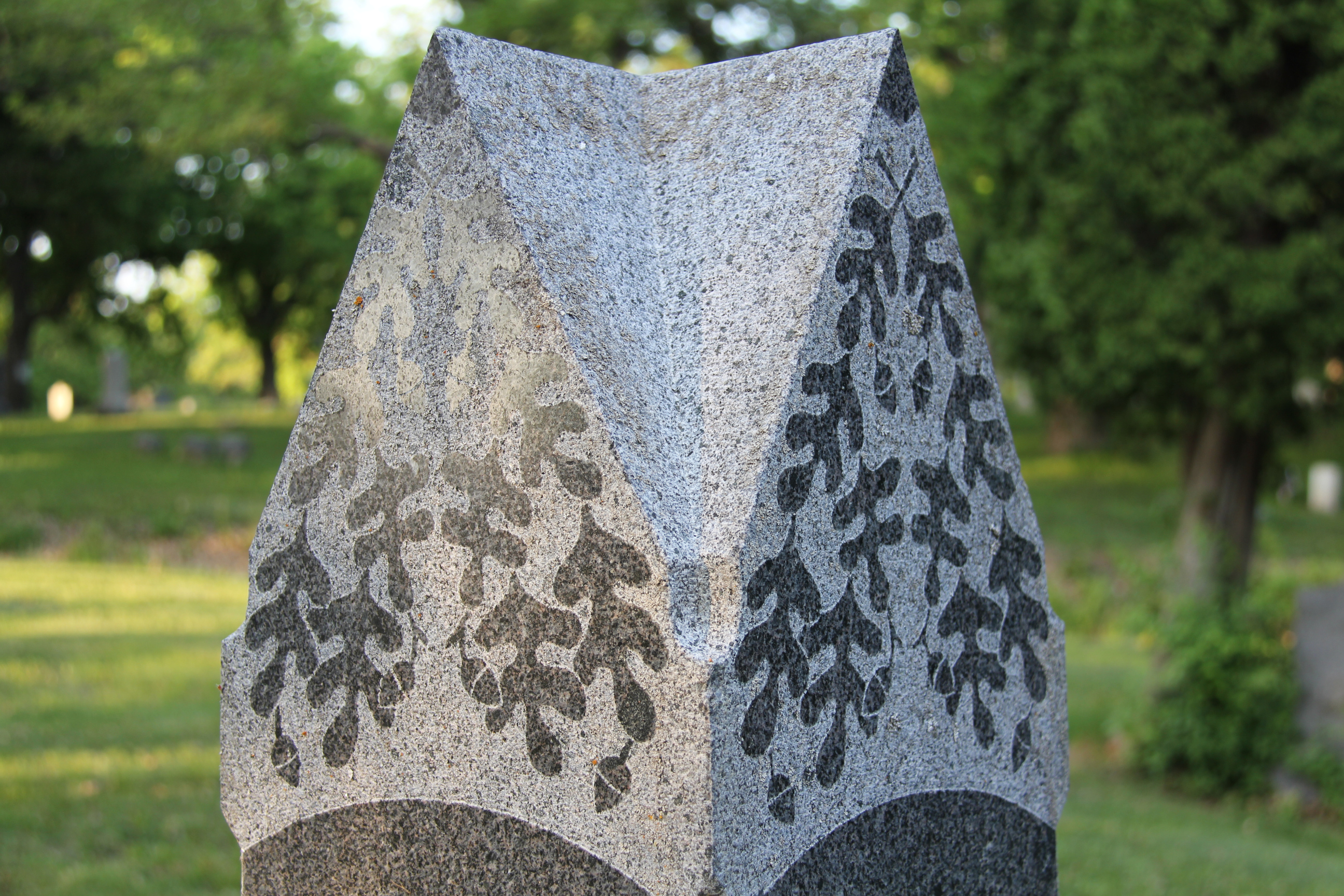
Oak leaves fittingly grace the top of a grave marker at Oak Ridge Cemetery. (Minnesota Prairie Roots copyrighted file photo)

As someone who did not grow up in this region of Minnesota, I’m always interested in learning more about this place I’ve called home for 42 years now. I’ve explored a lot of cemeteries, including Oak Ridge. Cemeteries fascinate me with their history, art, stories, natural beauty, peacefulness and aura of reverence.

Sarah, daughter of a Revolutionary War soldier, lies buried here. (Minnesota Prairie Roots copyrighted file photo)

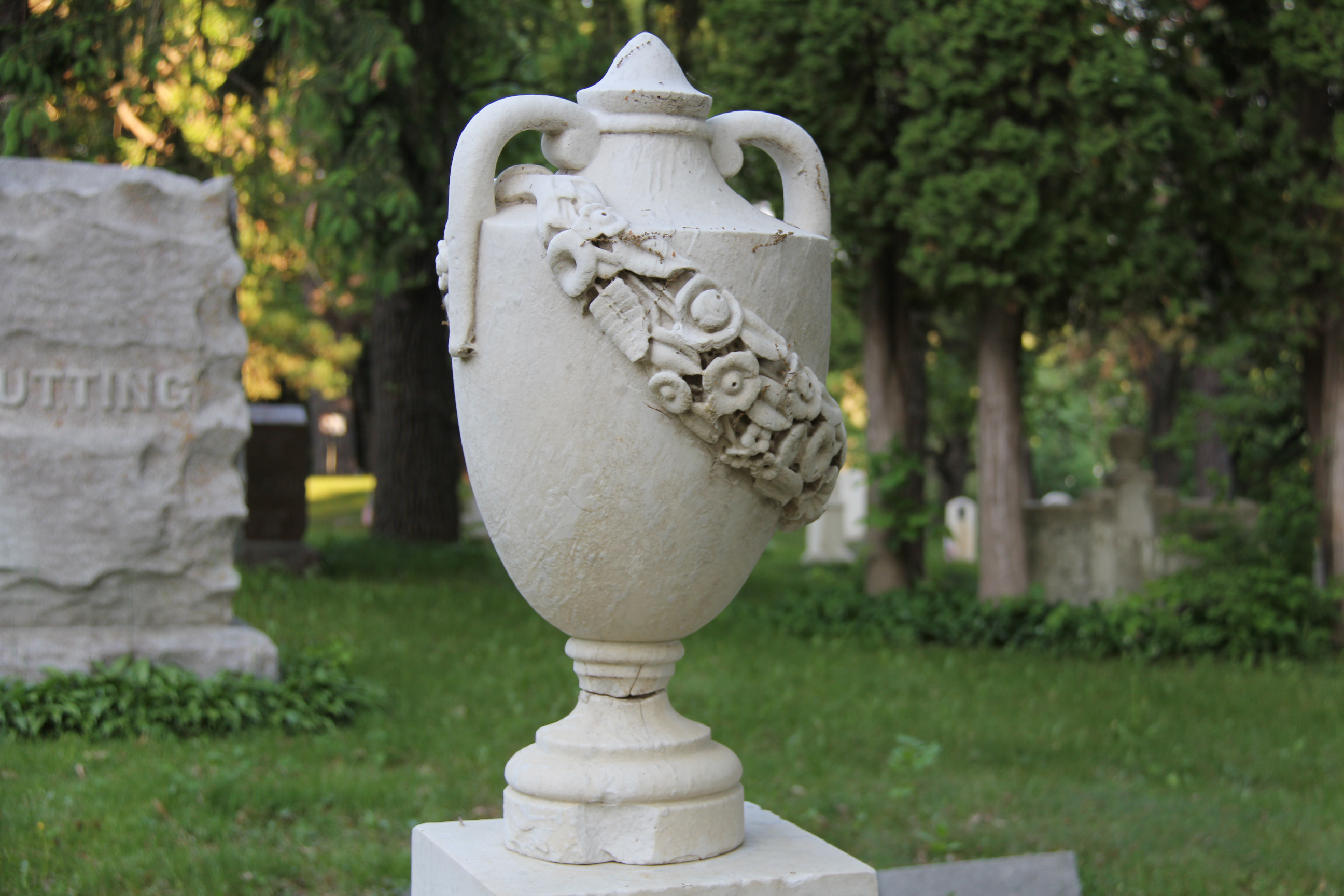
Oak Ridge Cemetery, founded in 1857, sits high atop a hill on Faribault’s north side just off Minnesota State Highway 3. It’s a beautiful, wooded location filled with oak, maple and spruce trees, and many aged headstones. There are names—like Nutting and Buckham—recognizable as key figures in local history. There are Civil War and Spanish American War veterans and a daughter of an American Revolutionary War soldier buried here. Senators and representatives, too. Local leaders and farmers. Immigrants and paupers and people from all walks of life. People with stories. So. Much. History.

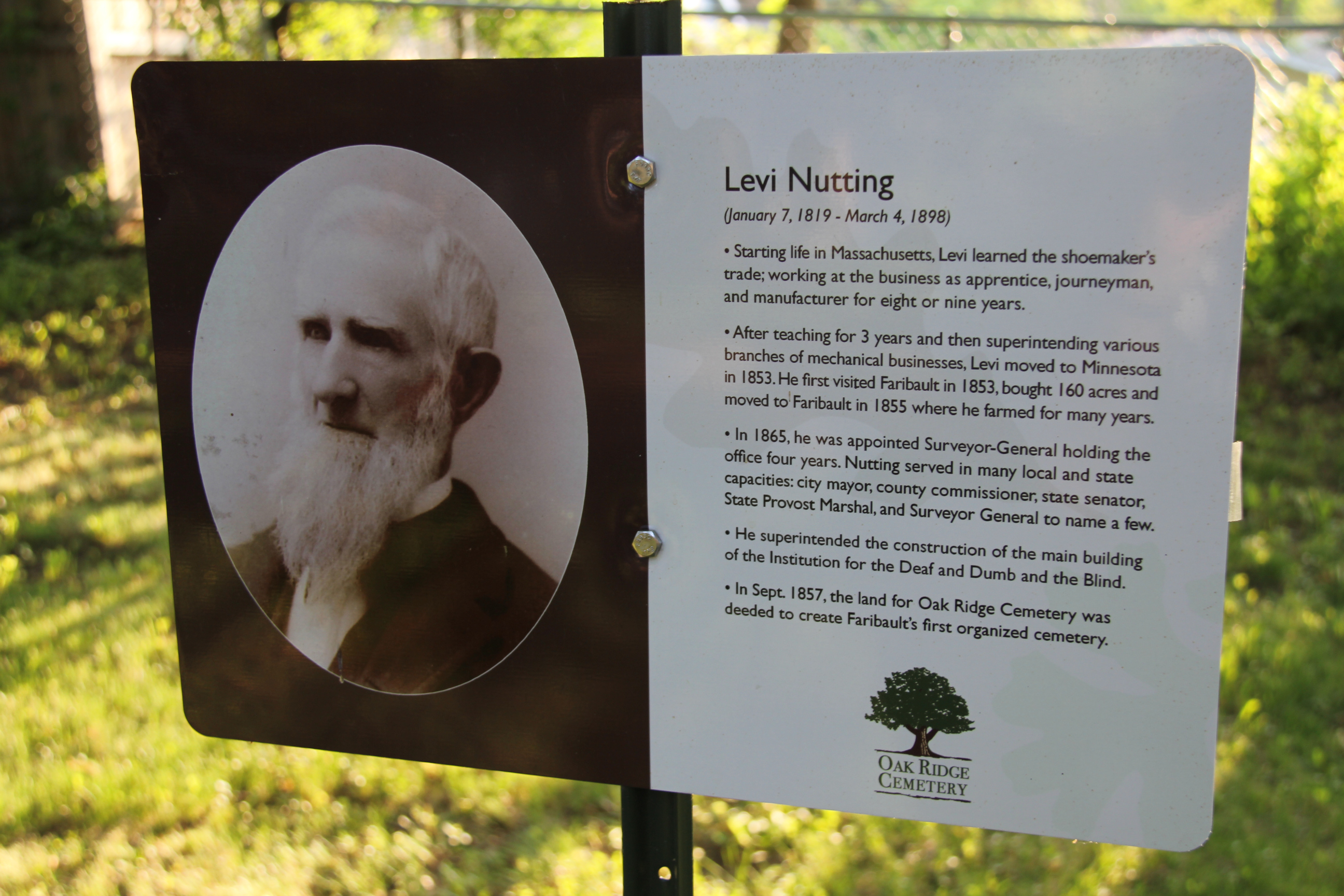
Levi Nutting was important in early Faribault history, as noted in this cemetery signage. (Minnesota Prairie Roots copyrighted file photo)

I especially like that the caretakers/volunteers of Oak Ridge have installed signage profiling some of the people buried in the cemetery. For those like me who are curious about the stories behind the deceased, this is valuable information. I always want to know more beyond names and dates of birth and death. The Oak Ridge Cemetery Facebook page offers lots of historical info, too.

Efforts have also been underway to restore aged tombstones in the cemetery.

Identifying signage on the limestone crypt at Oak Ridge. (Minnesota Prairie Roots copyrighted file photo)

I expect Tom Rent will cover much of this in Thursday’s talk. He, like so many others, cares deeply about those who lie buried beneath the canopies of trees at Oak Ridge Cemetery.

FYI: To reserve a seat at Thursday’s presentation, call 507-332-2121, email rchs at rchistory.org or stop at the history museum. The program is free to Rice County Historical Society members and $5 for non-members.


Events feature the arts & country weddings June 20, 2024

A young concert-goer creates art at a past Art in the Park event. (Minnesota Prairie Roots copyrighted file photo August 2020)

THREE DECIDEDLY DISTINCT EVENTS are happening in my area Thursday evening and on Sunday. One focuses on the visual and performing arts, another on a pre-Columbian Aztec deity, the other on weddings.

First up, the Paradise Center for the Arts is offering free arts activities for all ages beginning at 6 p.m. Thursday, June 20, as part of Faribault’s summertime Concerts in the Park series. Teaching artists Kate Langlais and Julie Fakler will lead the hands-on art making in Central Park. At 7 p.m., Grand Rapids-based Adessa & the Beat performs a mix of country, classic rock and pop covers from the park bandshell.

Inside the Mercado Local marketplace. To the far right on signage is the shop logo created by Rocky Casillas. It is his version of the Aztec deity, Quetzalcoatl. (Minnesota Prairie Roots copyrighted file photo April 2024)

Also on Thursday evening in neighboring Northfield, Mercado Local, a marketplace for immigrant vendors and the home base for Rice County Neighbors United, hosts artists Rocky Casillas and Leslie Mendez. They will talk about art inspired by the Aztec feathered serpent, Quetzalcoatl. Casillas designed a version of the colorful snake as the Mercado Local logo. Mendez then crafted her own serpent inspired by Casillas’ art.

Mercado Local, located off Division Street just behind the Reunion restaurant. (Minnesota Prairie Roots copyrighted file photo April 2024)

Attendees at the 7-8:30 p.m. June 20 event in the Mercado Local community and art room at 108 Fifth Street E. can create their own Quetzalcoatl art.

In addition to art talk and hands-on art, Mexican food will be served. It’s a great opportunity to learn about and connect with other cultures while celebrating the arts.

The historic Valley Grove churches, rural Nerstrand. (Minnesota Prairie Roots copyrighted file photo)

Then on Sunday, June 23, two historic Norwegian churches near Nerstrand Big Woods State Park will host “Celebrating Weddings at Valley Grove” from 2-4 p.m. The Valley Grove Preservation Society is inviting anyone who has attended a wedding at the Valley Grove country churches, been married there or who is planning a wedding at the hilltop site, to attend. Even those of us who have no wedding connection to these churches are welcome to join the celebration.

A wedding in the wooden church at Valley Grove. (Photo courtesy of Valley Grove Preservation Society)

Wedding stories and photos can be shared from 3-3:45 p.m. in the wooden church. Besides stories, people are encouraged to wear or bring photos of their wedding attire. To add to the celebration, there will be Nordic music plus coffee, lemonade and cookies. No wedding cake. But I expect some guests will bring photos of wedding cakes.

A photographer will be on-site to take photos for a donation with proceeds going to ongoing restoration projects at Valley Grove, located at 9999 155th Street E, Nerstrand.

What a lovely way to spend a June afternoon. Celebrating love at a bucolic location, one of my favorite country spots in Rice County.

© Copyright 2024 Audrey Kletscher Helbling


Heritage Days talk focuses on the Wahpekute Dakota June 12, 2024

An exhibit at the Rice County Historical Society, Faribault, shares information on the original inhabitants of the county, the Dakota. (Minnesota Prairie Roots copyrighted file photo)

HERITAGE. It’s a word that identifies us, connects us to our families, to our ethnicity, to the way we were raised, the place of our roots. At least that’s my definition.

This week Faribault celebrates Heritage Days. I’ve never felt totally comfortable celebrating heritage in the city I’ve called home since 1982. My heritage, my home, my roots run deep in the southwestern Minnesota prairie some 2 ½ hours west of here.

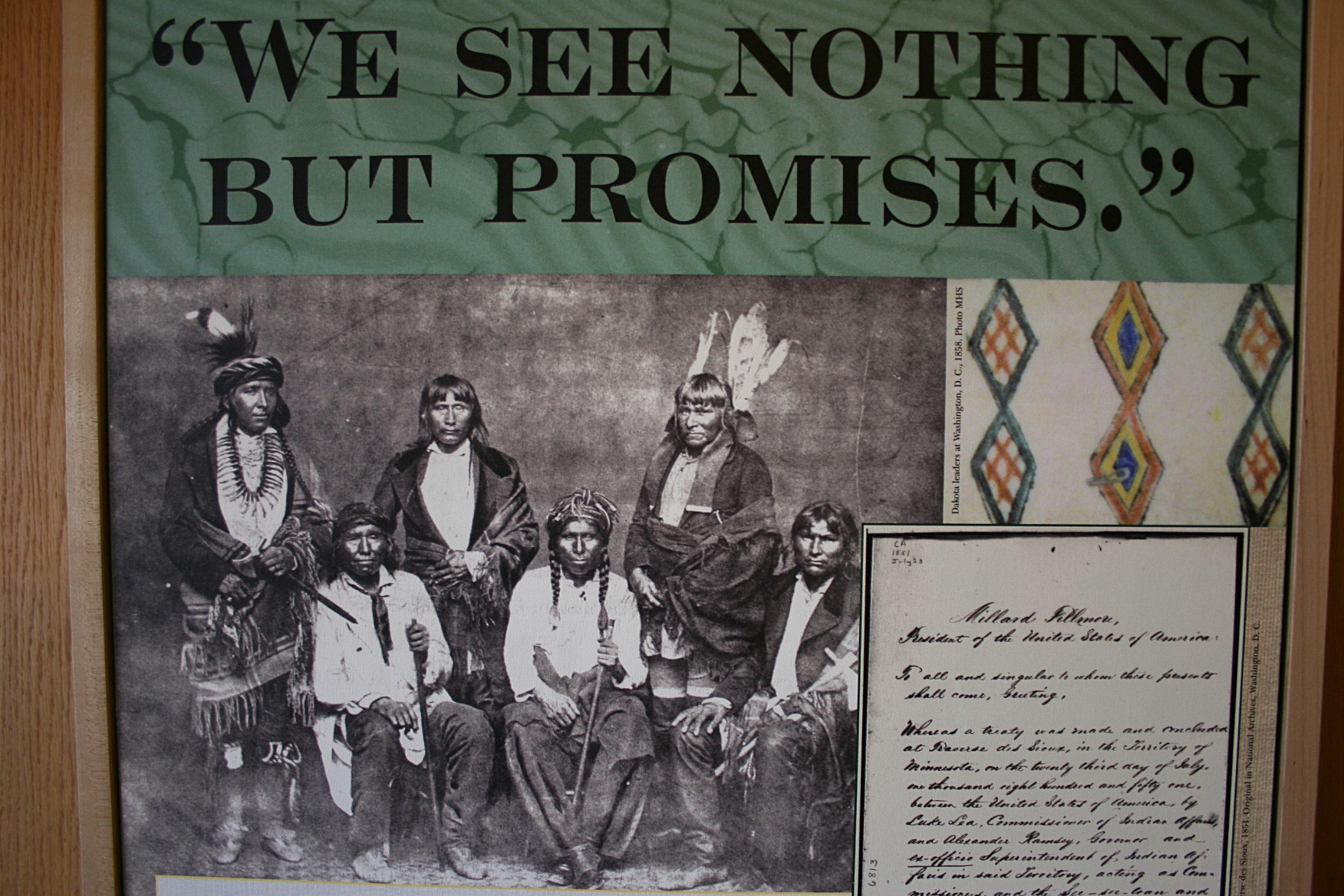
But many are rooted in this community by birth, by families that trace back generations. If it’s one thing I’ve learned in four decades about the people of Faribault, it’s that many are related to one another via blood and marriage. But I’ve also learned much about the peoples who came before the French, the Irish, the Scandinavians, the Germans, the Cambodians, the Latinos, the Hispanics, the Sudanese, the Somalis… I’ve learned about the Dakota, the original inhabitants of this region.

Jeff Jarvis talks about the Dakota at Books on Central. (Minnesota Prairie Roots copyrighted file photo April 2024)

That knowledge came through my own reading and via attending events focused on the Dakota. In April, I listened to local historian and artist Jeff Jarvis talk about the Dakota to a packed audience at Books on Central in Faribault. Jarvis is presenting again, speaking at 6:30 p.m., Wednesday, June 12, on the Wahpekute Dakota at The Cathedral of Our Merciful Saviour, 101 NW Sixth Street, across the street from Faribault’s Central Park.

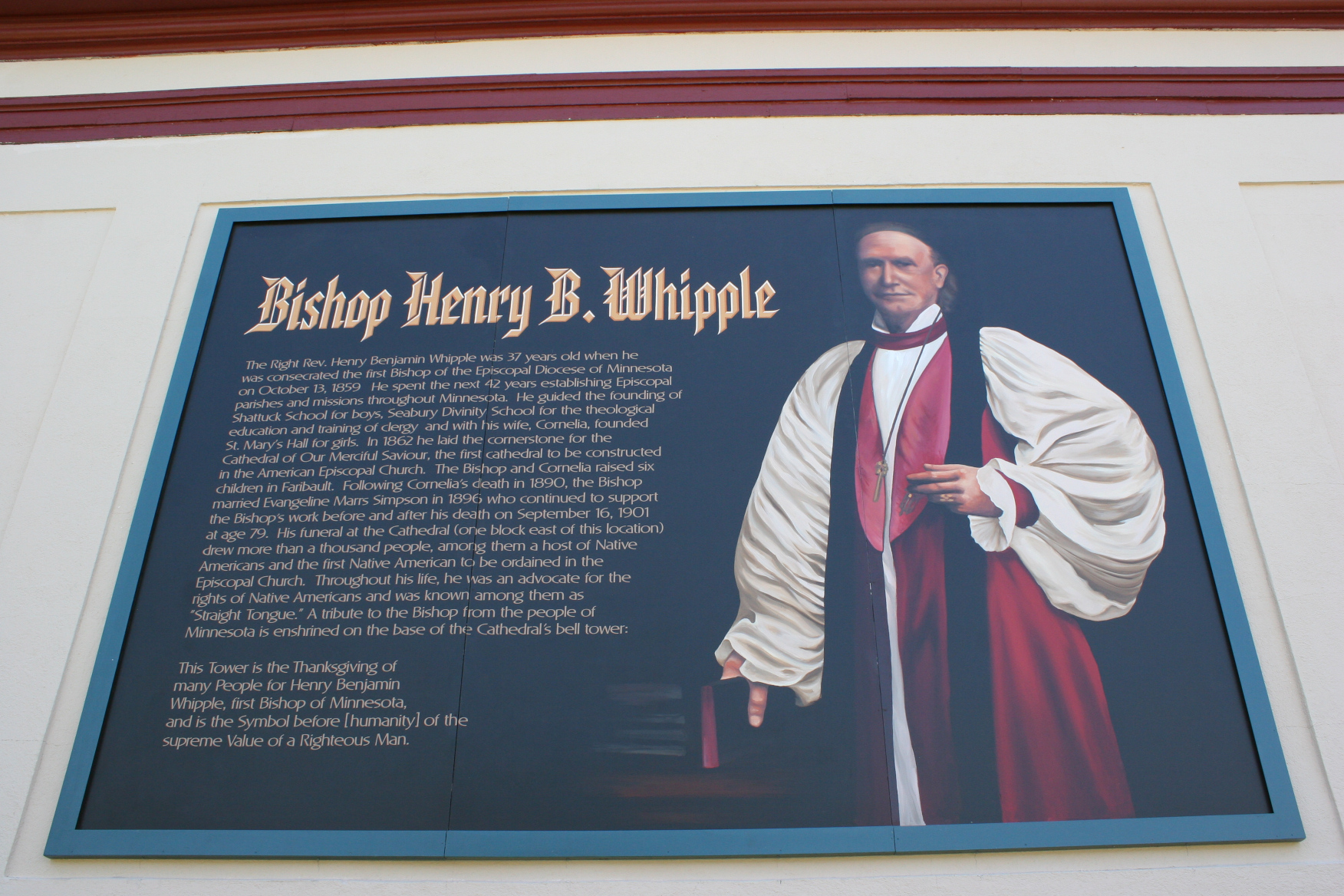
Information on Bishop Henry Whipple focuses one of the murals on the back of the bandshell at Central Park. (Minnesota Prairie Roots copyrighted file photo June 2020)

The Cathedral and its founding leader played an important part in local, state and national history with then Bishop Henry Whipple befriending the Wahpekute Dakota. He also pled with President Abraham Lincoln to spare the lives of 303 Dakota men sentenced to death by the US government following the US-Dakota War of 1862. Eventually all but 38 were pardoned, partially due to Whipple’s efforts.

The pamphlet Jeff Jarvis created about the Wahpekute Dakota. (Minnesota Prairie Roots copyrighted file photo April 2024)

I expect Jarvis will touch on that in his Wednesday evening presentation. He’s an engaging speaker, knowledgeable and passionate. He’s met with Dakota people, compiled a summary of his research in a mini pamphlet titled “The Faribault Dakota, Wahpekute Band.” It features an historic timeline, a Dakota primer of place names, his original art and more.

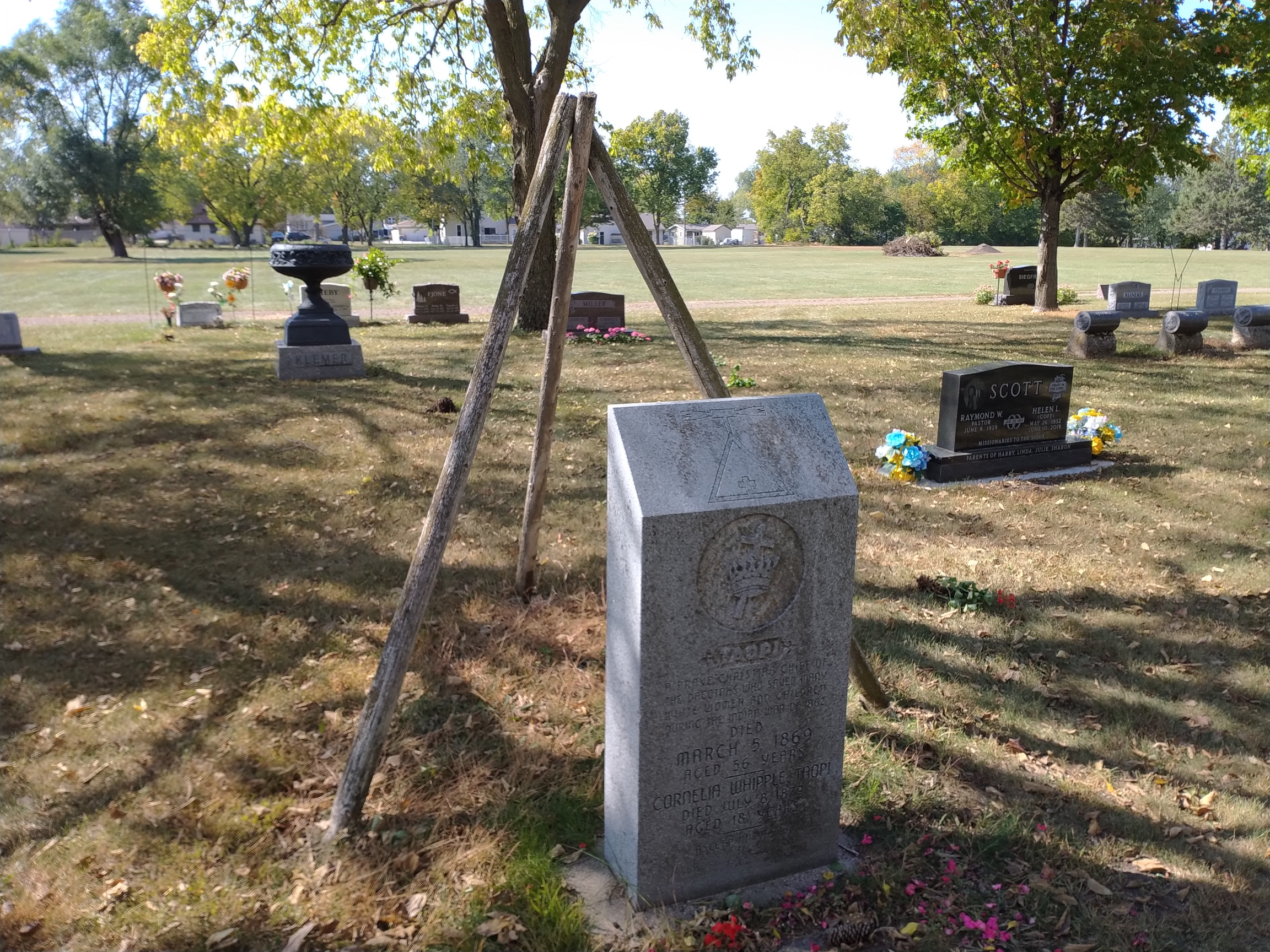
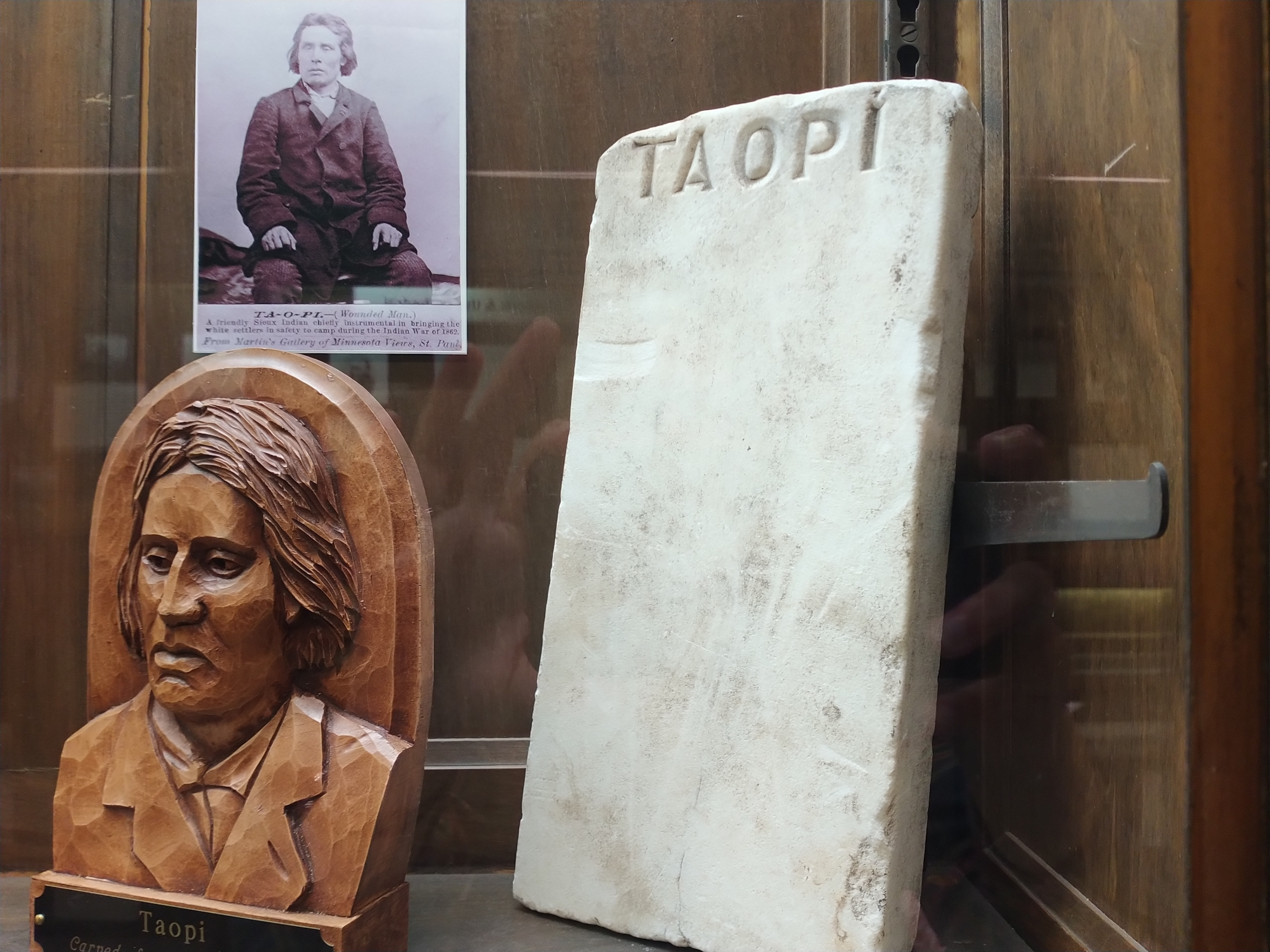
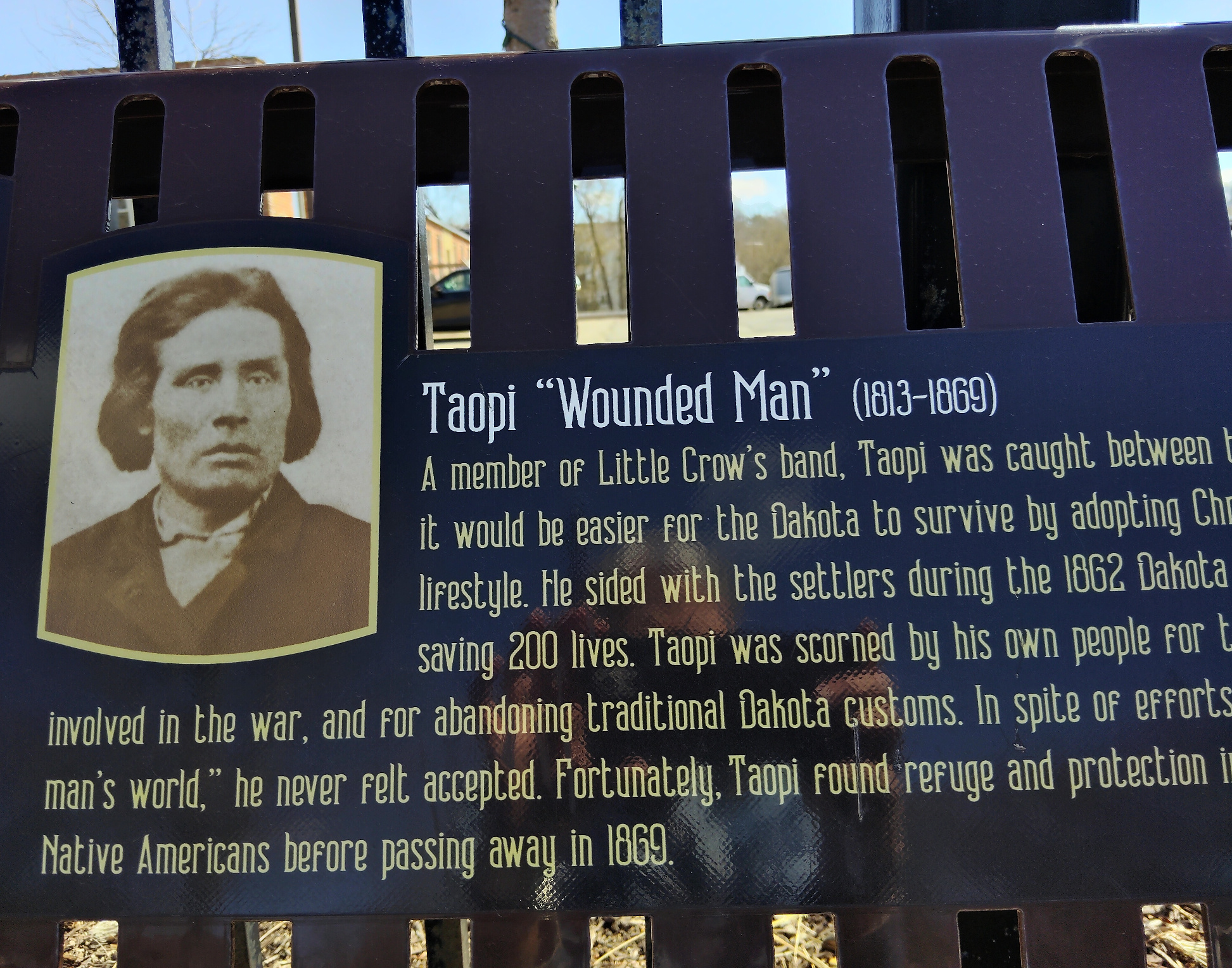
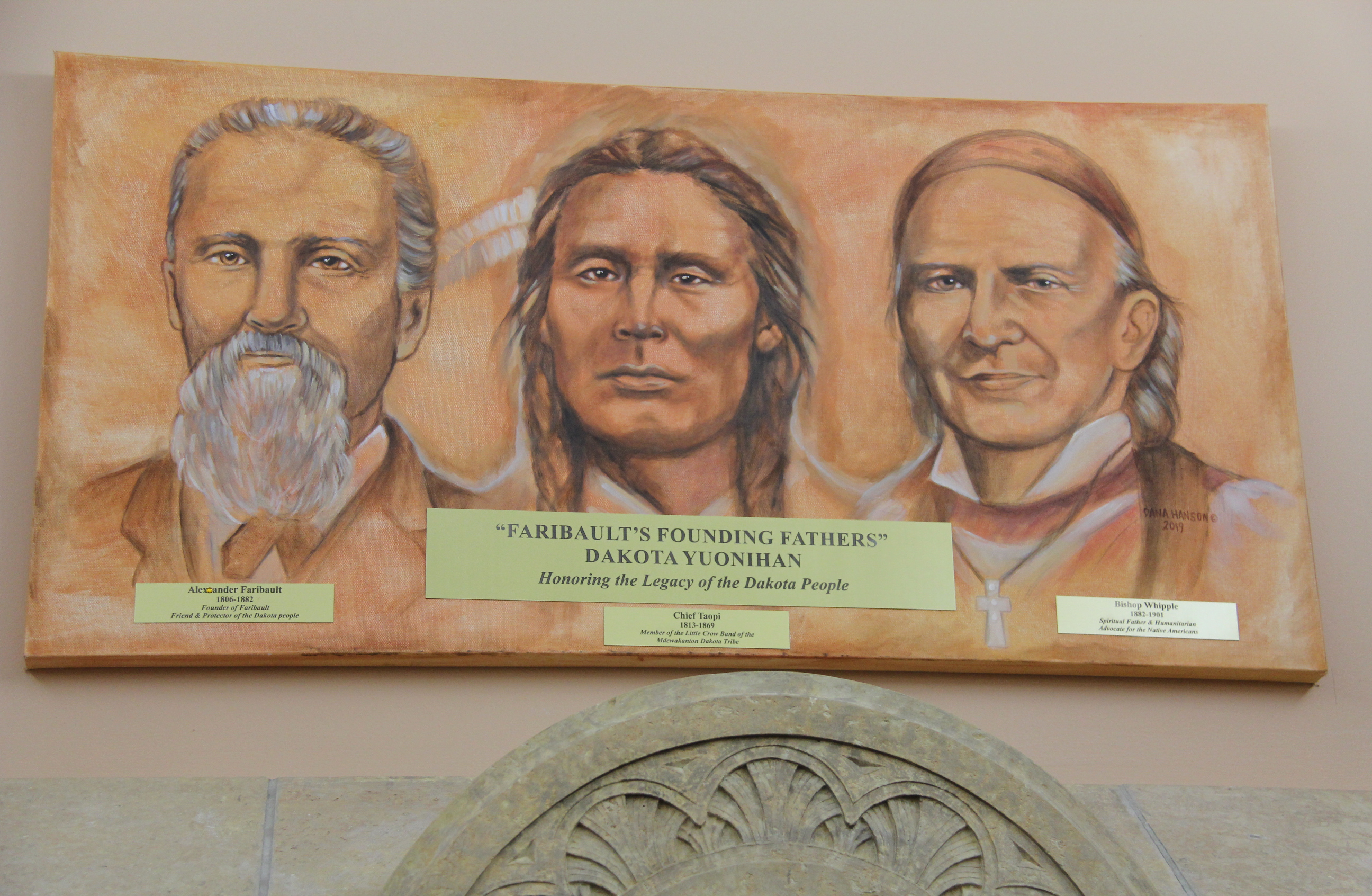
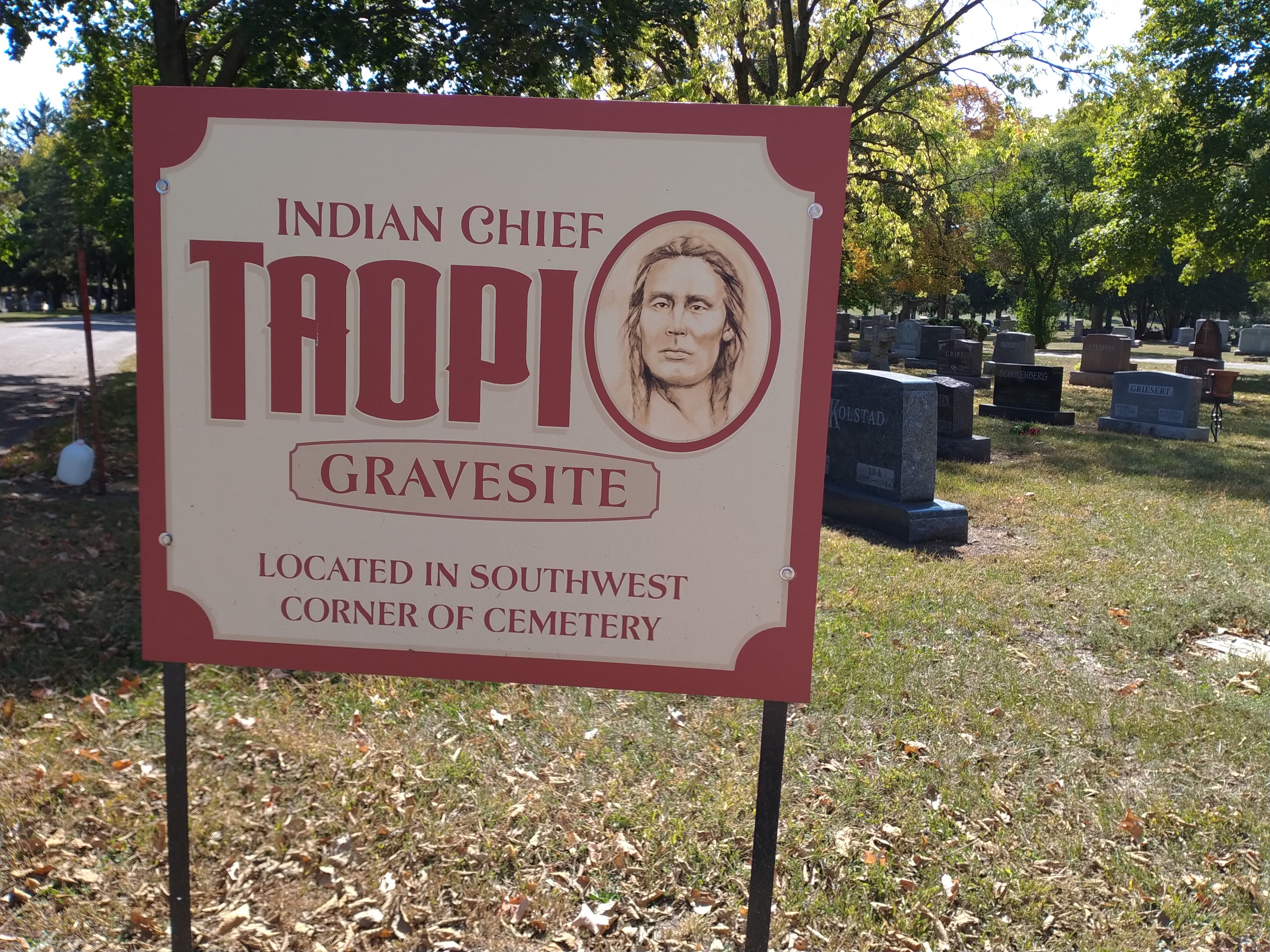
Chief Tapoi, a leader and member of the Little Crow Band of the Mdewakanton Dakota Tribe, lived in Faribault for a while and is buried at Maple Lawn Cemetery. (Minnesota Prairie Roots copyrighted file photo October 2023)

Jarvis is involved in the Faribault Dakota Project, a local endeavor that aims to increase awareness, visibility and knowledge of the original inhabitants of this land. To that end, presentations like his set during Heritage Days are important for locals to attend.

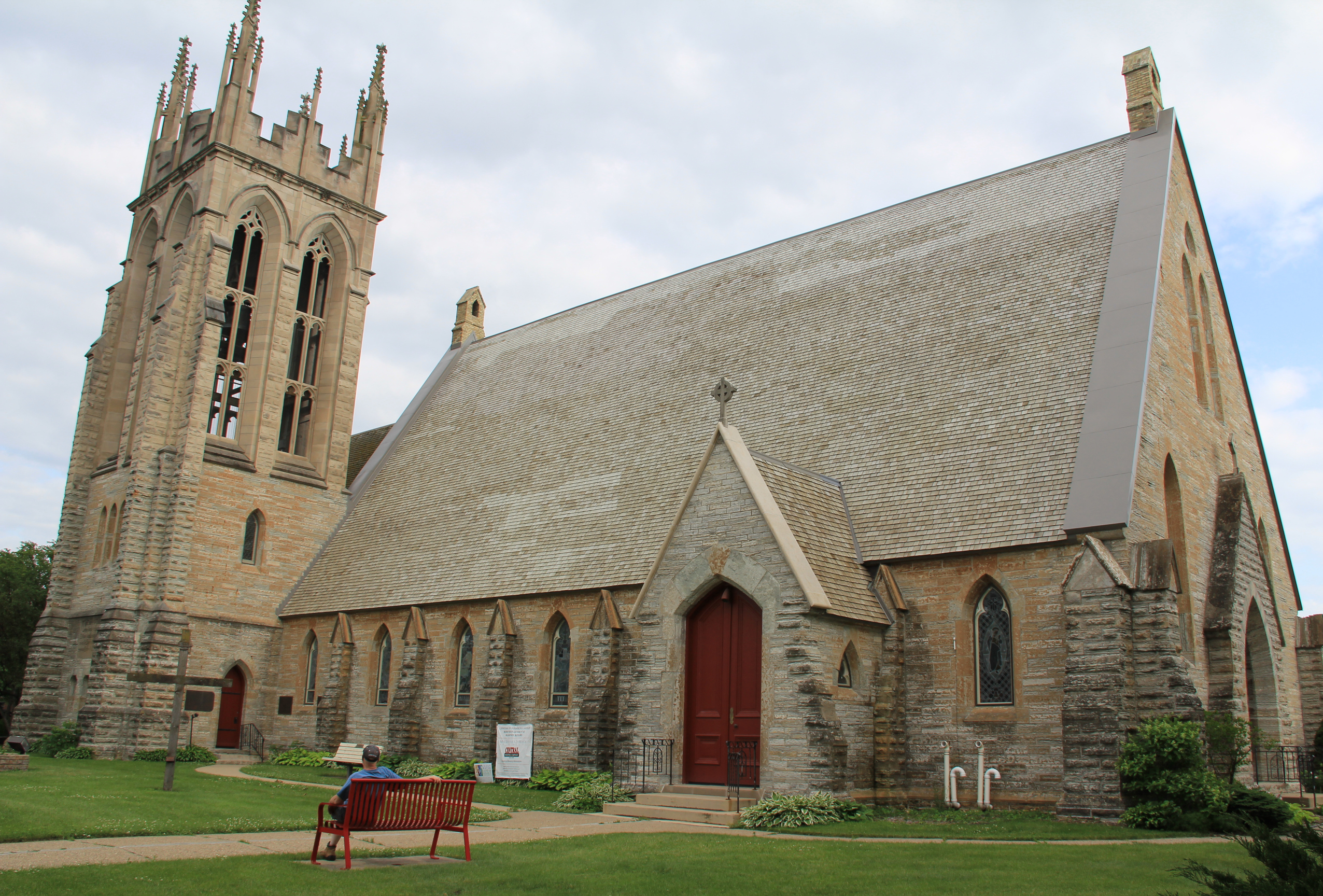
Just across the street from Central Park, the stunning Cathedral of Our Merciful Saviour. (Minnesota Prairie Roots copyrighted file photo)

Likewise, free tours of the Cathedral at 11:30 a.m. Sunday, June 16, following a 10 a.m. ecumenical church service, likely will provide more information on the Wahpekute and their connection to Bishop Whipple and the massive limestone church. Several stained glass windows inside the sanctuary were gifted to the Cathedral by the Dakota.

This stained glass window was gifted by the Dakota to the Cathedral in honor of Dakota children. (Minnesota Prairie Roots copyrighted photo November 2023)

The Dakota and this house of worship, which focuses on connecting to the broader community, are such a vital part of Faribault’s history. That’s important to understand, to recognize, to honor no matter one’s heritage. I know locals who’ve lived here their entire lives and have never stepped inside the historic Cathedral. I find that almost unbelievable. We need to understand our past—our connections to peoples and land—to grow our future.

FYI: For a complete listing of Faribault Heritage Day events, click here.

© Copyright 2024 Audrey Kletscher Helbling
 

All about country at rural Minnesota event June 5, 2024

Set against the backdrop of the historic Waterford School, the flea market. (Minnesota Prairie Roots copyrighted photo May 2024)

IF I WAS A COUNTRY WESTERN SONGWRITER, I could probably pen a single inspired by the recent Rice County Steam & Gas Engines Spring Flea Market and Consignment Auction. Scenes from this event seem prompts for country western lyrics—boots, dogs, tractors, seed corn caps, blue jeans…gravel roads and pick-up trucks.

Street signs on the showgrounds honor families who helped found the Rice County Steam & Gas Engines Club. (Minnesota Prairie Roots copyrighted photo May 2024)

Many of the folks I saw there likely live either on farms or have a connection to farming. Just like me, born and raised on a southwestern Minnesota crop and dairy farm.

A bus converted by a vendor for hauling flea market merchandise. (Minnesota Prairie Roots copyrighted photo May 2024)
Rural draws people of all ages to this country location along Minnesota State Highway 3 south of Dundas, to look, shop, bid, buy and converse twice yearly. Neighbor meeting neighbor, swapping stories, comparing rainfall totals and crop updates. Strangers mingling. Vendors trying to make a buck or ten off merchandise they’ve crammed into vehicles and trailers and then displayed on tables and lawn.
The horse head that reminded me of a movie from 52 years ago. (Minnesota Prairie Roots copyrighted photo May 2024)

Goods are spread out like a potluck of merchandise. You never know what you’ll find. I found a horse’s head, reminding me of a horrific scene from the 1972 film, “The Godfather.” The head could make for a creative Halloween prop. Nothing particularly country about this discovery, although horses in whole are decidedly country.

Toy tractors hold timeless appeal. (Minnesota Prairie Roots copyrighted photo May 2024)
A caster truck, used with a pully system to move hay into a hay loft. (Minnesota Prairie Roots copyrighted photo May 2024)
An array of goods at the flea market. (Minnesota Prairie Roots copyrighted photo May 2024)

Mostly, I saw merchandise that related to rural life. Toy tractors and trucks. A caster truck, which differs from a truck you drive. Old stuff that’s obsolete, holding the memories of yesterday’s family farms.

The dog-in-the-truck-window that drew my interest. (Minnesota Prairie Roots copyrighted photo May 2024)

And dogs, oh, so many dogs. Leashed, lounging on a picnic table, penned. Even in the back window of a pick-up cab, a cute dog photo that often draws interest from passing motorist. So says the guy who owns the truck. Farms and dogs go hand-in-hand.

The historic Waterford School, moved on-site and soon to be placed on a new foundation. (Minnesota Prairie Roots copyrighted photo May 2024)

There are stories to be heard here, lyrics to be written. If the old Waterford Schoolhouse, recently moved onto the Rice County Steam & Gas Engines showgrounds and not yet open, could talk, oh, the stories it could tell. The songs it could sing.

Vintage polling booths inside the former Northfield Township Hall. (Minnesota Prairie Roots copyrighted photo May 2024)

The same goes for the vintage polling booths inside the Northfield Township Hall. They aren’t for sale, simply part of the historic backdrop for vendors selling goods. If only those voting booths could talk, sing…

This quilt inside the clubhouse/office summarizes well the values of rural life. (Minnesota Prairie Roots copyrighted photo May 2024)

This place, this nonprofit, this event is about history. Preserving it. Showcasing it. Honoring it. Honoring farmers and farming. The land. The hands that work it. The people who live on it and love it. And those who appreciate the stories of country western music.

For sale: Boots and jeans, staples of country wear. (Minnesota Prairie Roots copyrighted photo May 2024)

I can almost hear the guitar, the lyrics:

Truck kickin’ dust on a gravel road, headin’ into town on a Saturday night. Boots shined up.

She’s sittin’ on a stool at the Circle Bar, sippin’ a cold one, waitin’ on him.

Truck kickin’ dust on a gravel road, headin’ into town on a Saturday night. Boots shined up.

She’s sittin’ on a stool waitin’ on him, smellin’ of wild roses growin’ in ditches.

And so on, until she breaks his heart or he breaks hers and he’s driving back home to the farm, truck kickin’ dust on a gravel road.

© Copyright 2024 Audrey Kletscher Helbling