Minnesota Prairie Roots

Writing and photography by Audrey Kletscher Helbling

Connecting to the past at a Minnesota barn dance, Part III September 30, 2015

Filed under: Uncategorized — Audrey Kletscher Helbling @ 5:00 AM
Tags: , , , , , , , , , ,
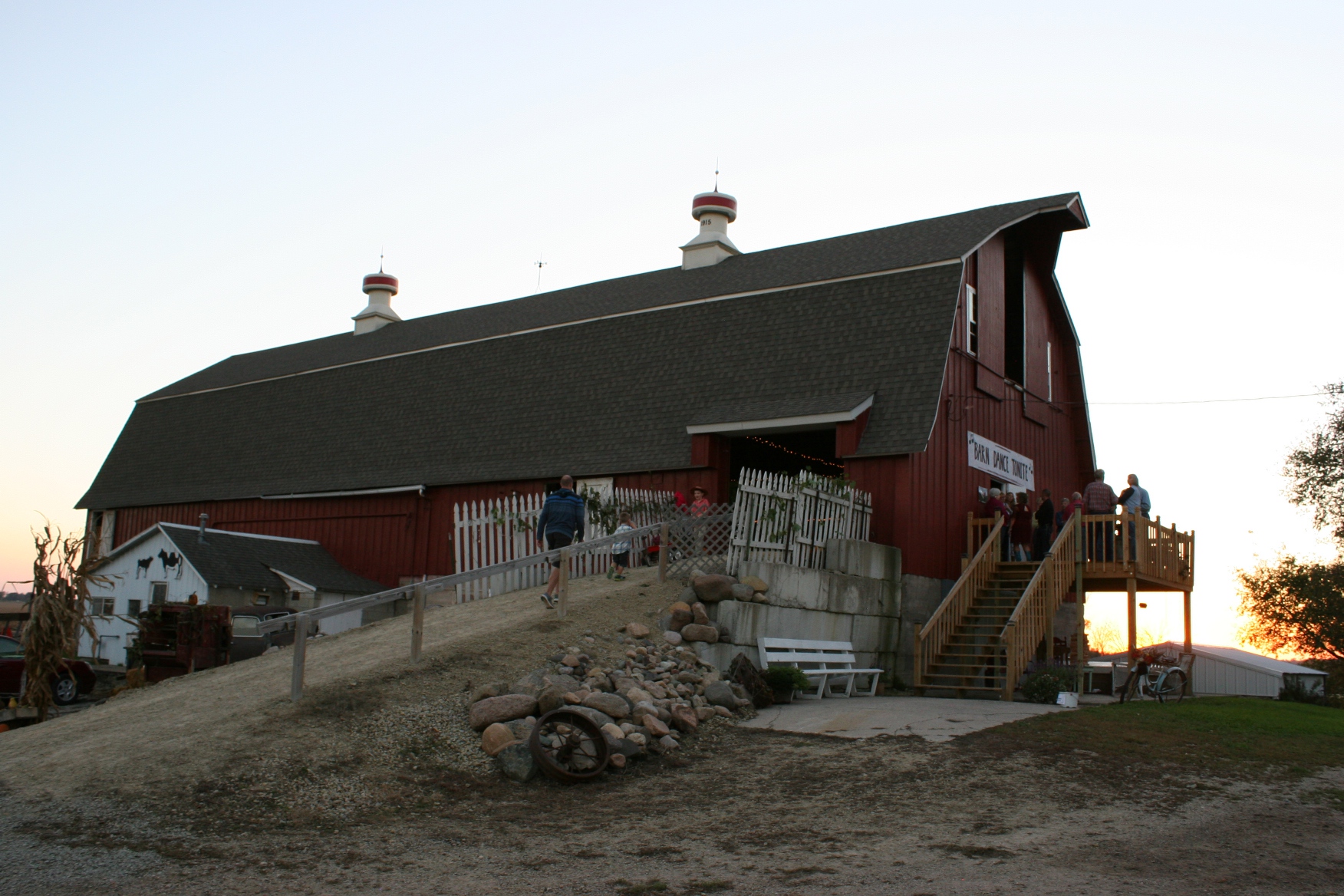
The sun sets behind John and Debbie Becker's rural Dundas, Minnesota, barn.

The sun sets behind John and Debbie Becker’s rural Dundas, Minnesota, barn on the evening of their September 26 barn dance.

THRICE NOW I’VE DOCUMENTED dances in the Becker Farms barn. And what an honor it has been to photograph these 2011, 2012 and now 2015 celebrations in such a bucolic rural setting in southeastern Minnesota. I delight in photos, which combined with words, write family and personal histories.

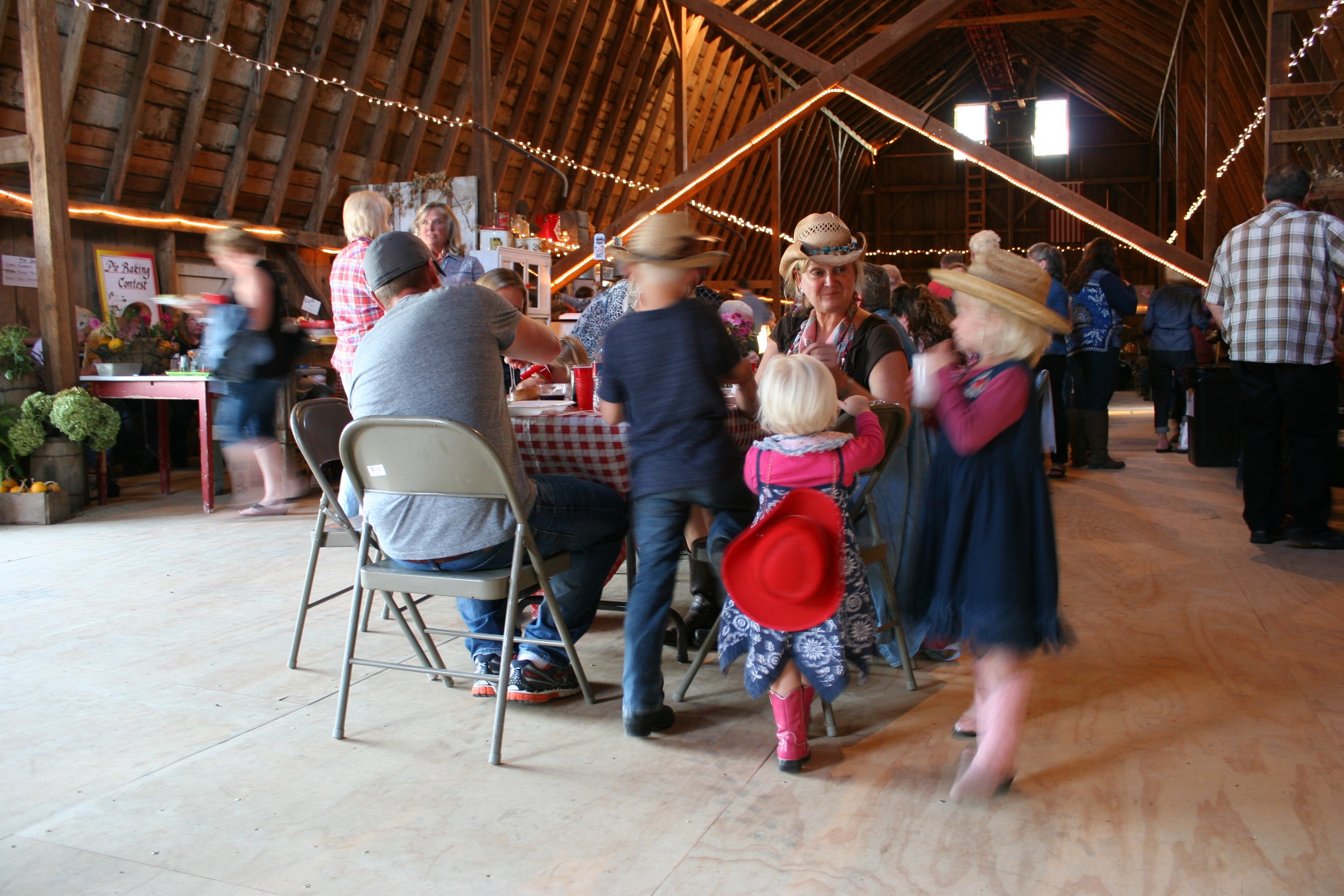
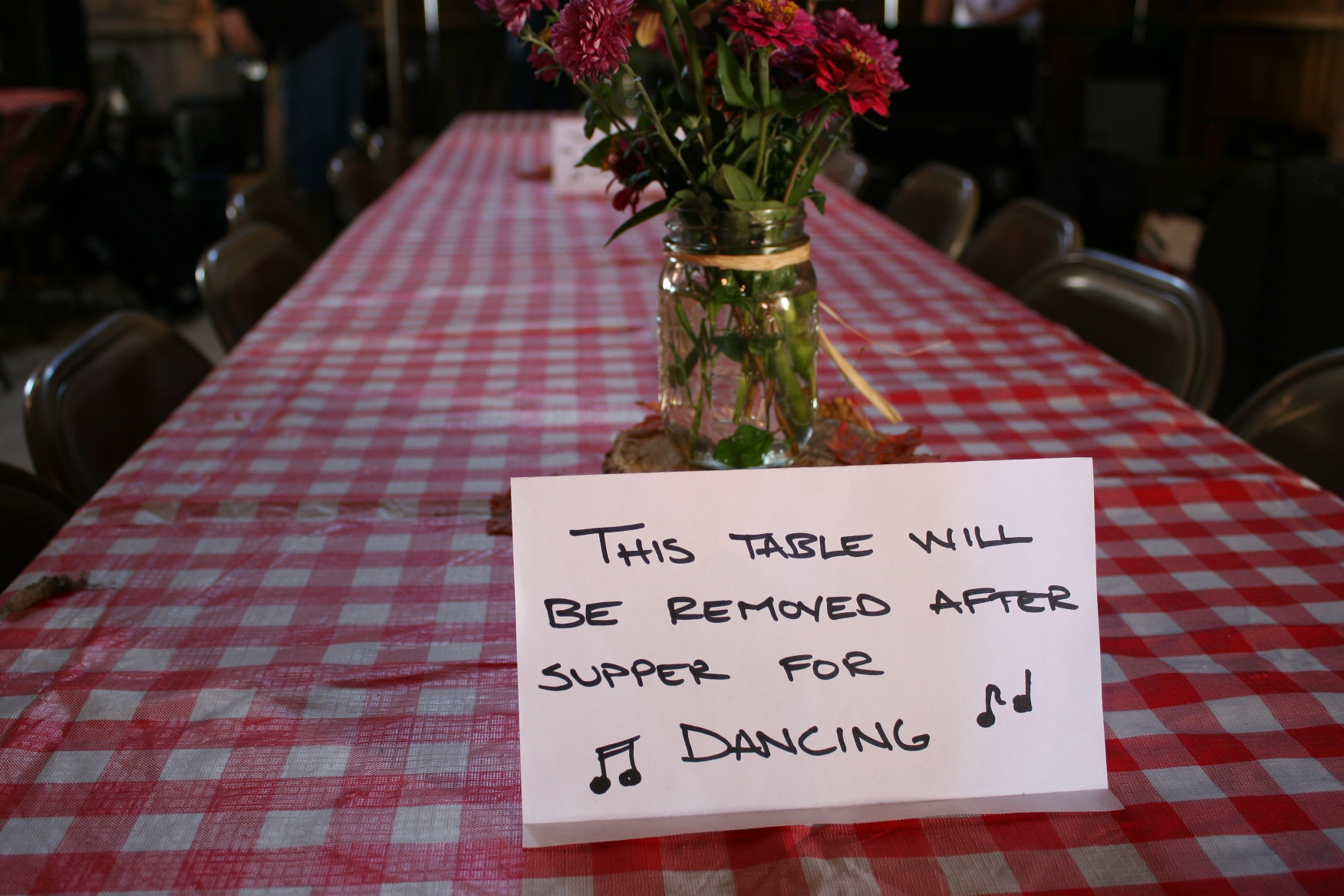
After guests ate, several tables would be removed for dancing.

After guests ate, several tables were removed for dancing.

I probably will never visit our nation’s capitol or see the Pacific Ocean or tour the Rockefeller Estate or attend a Broadway play or study a Van Gogh painting. But that’s OK. I have danced in a barn, something few Baby Boomers likely have done. I can write “Danced in a Barn” in my life’s story.

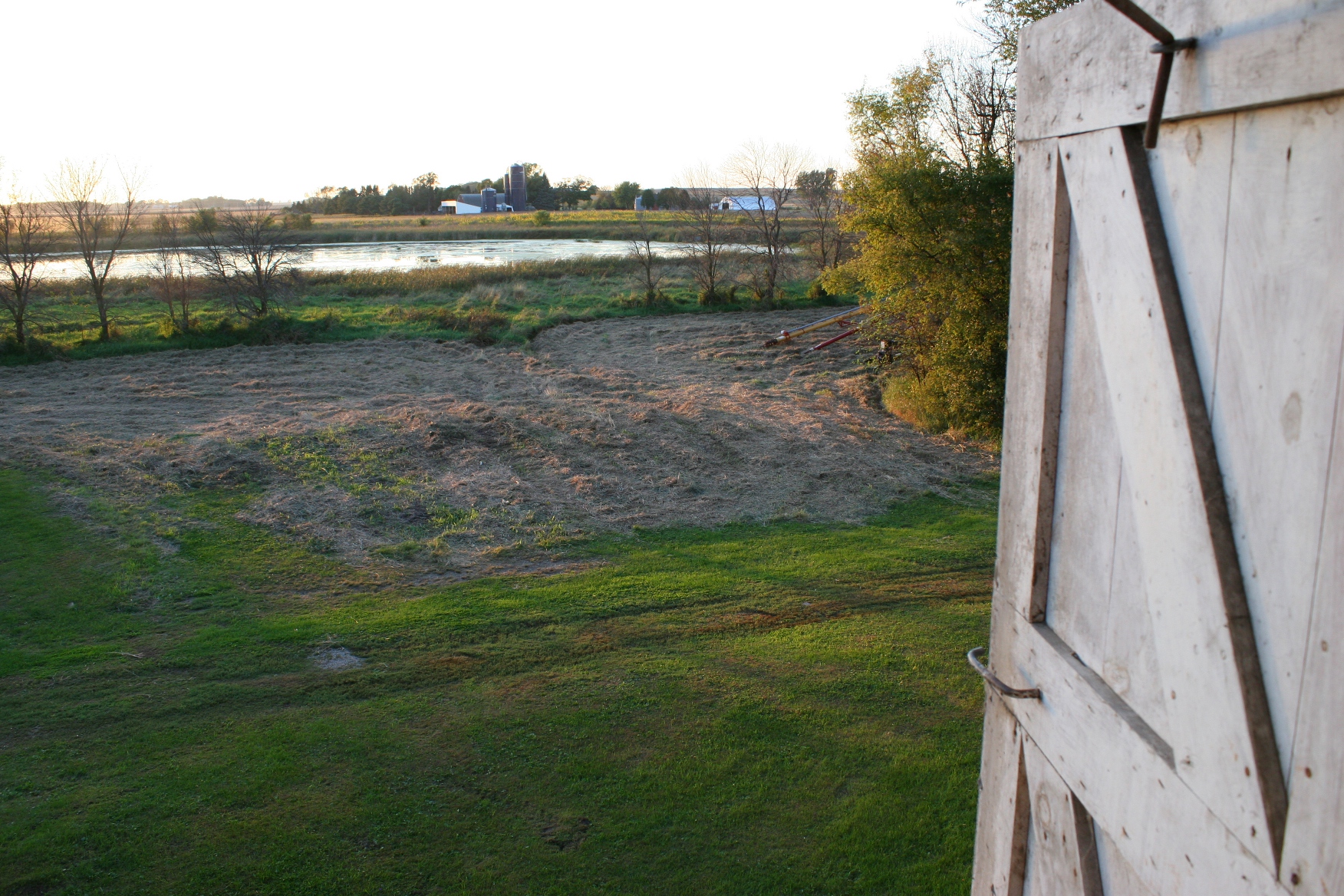
Peering out a hayloft door, I shot this scene of a neighboring farm place.

Peering out a hayloft door, I shot this scene of a pond and neighboring farm place.

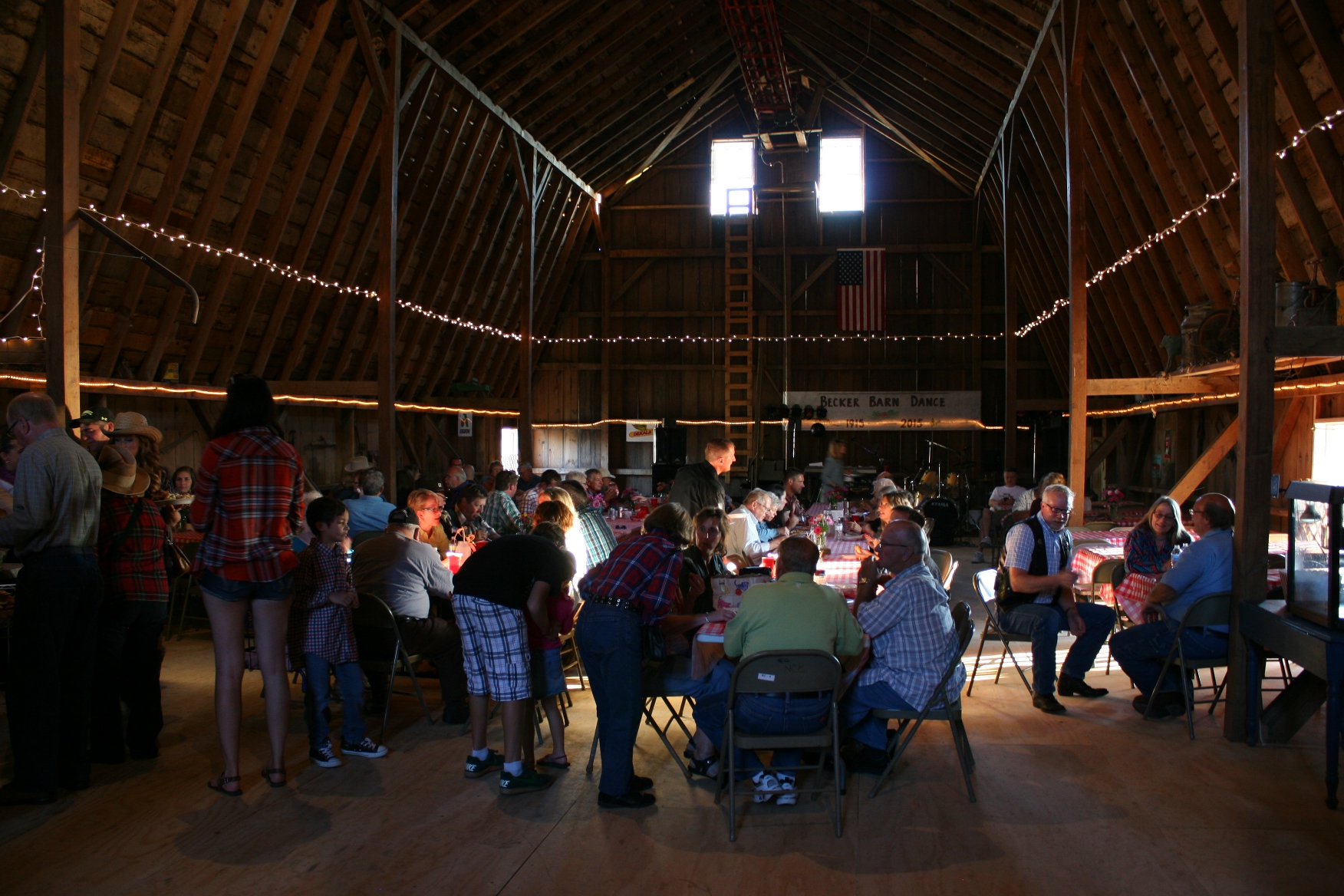
Dining in the barn.

Dining in the barn.

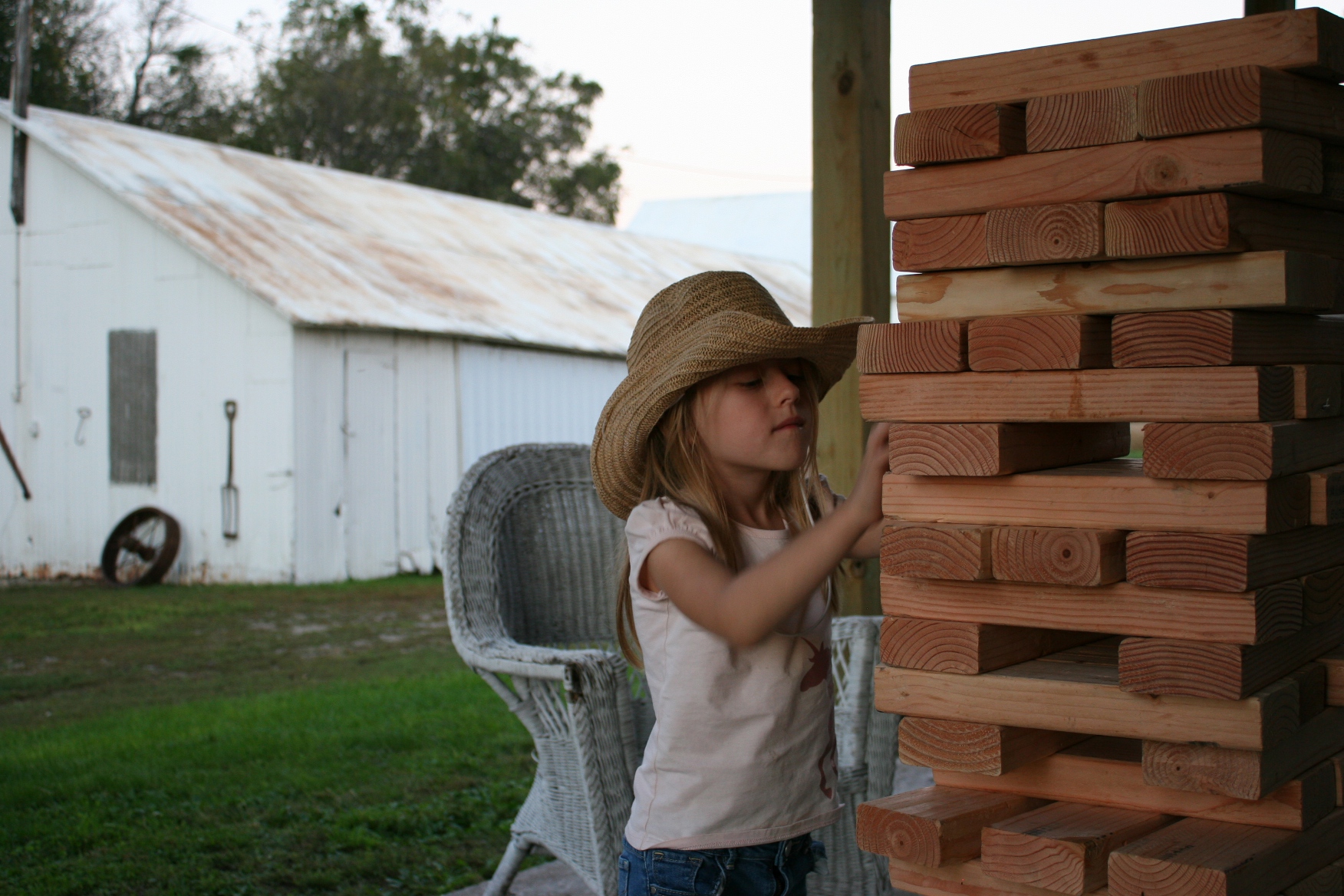
Playing with the rural version of Jenga blocks.

Playing with the rural version of Jenga blocks.

I appreciate the simple things in life. Sun setting. Great conversation and good music. Satisfying food that’s tasty and uncomplicated. Joy that comes from watching children at play, realizing too many years have passed since I was a kid free-ranging on the farm.

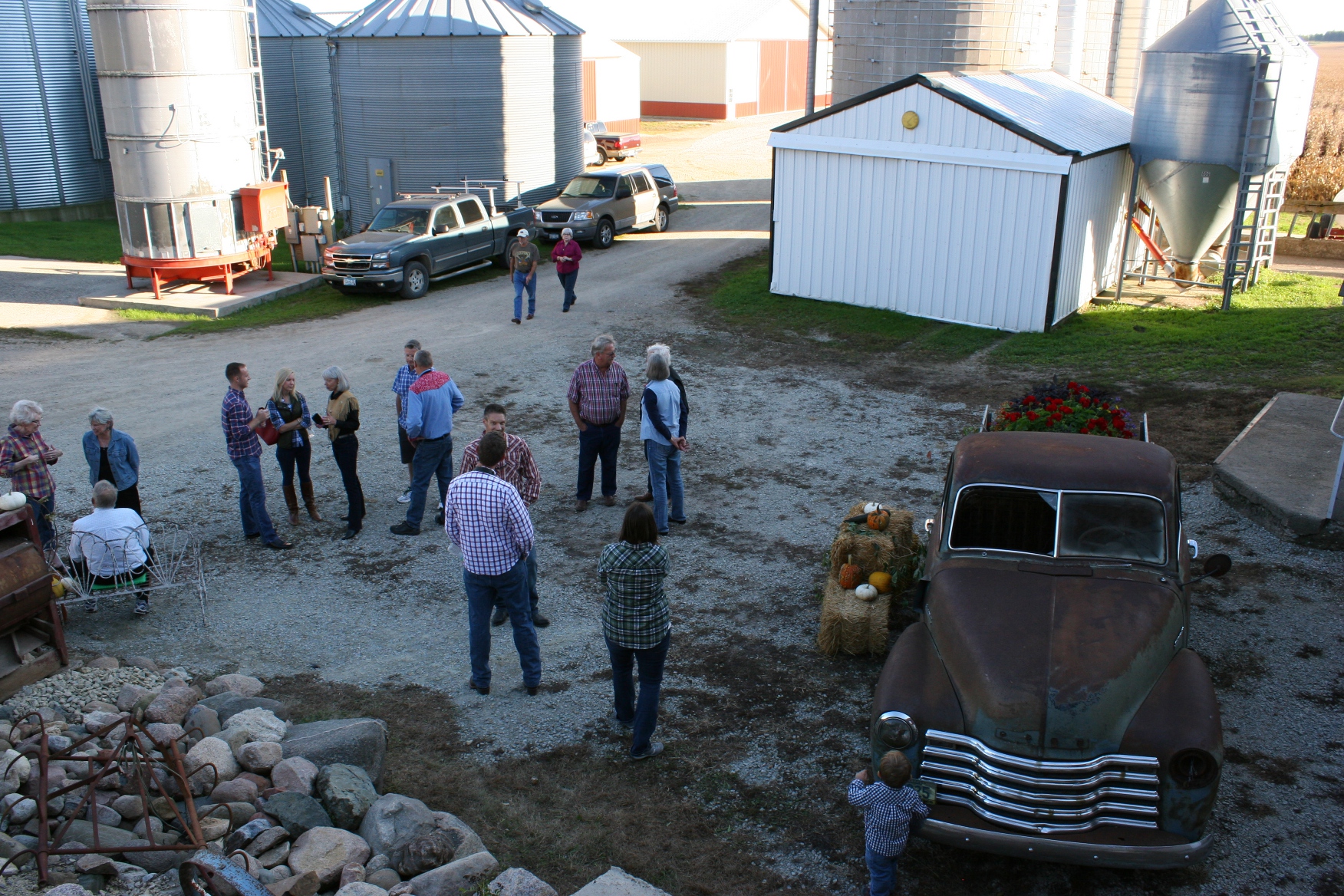
Visiting outside the barn.

Visiting outside the barn.

To my friends John and Debbie Becker, I am grateful for the chances to dance in their 100-year-old barn, to witness the coming together of family and friends in a hayloft.

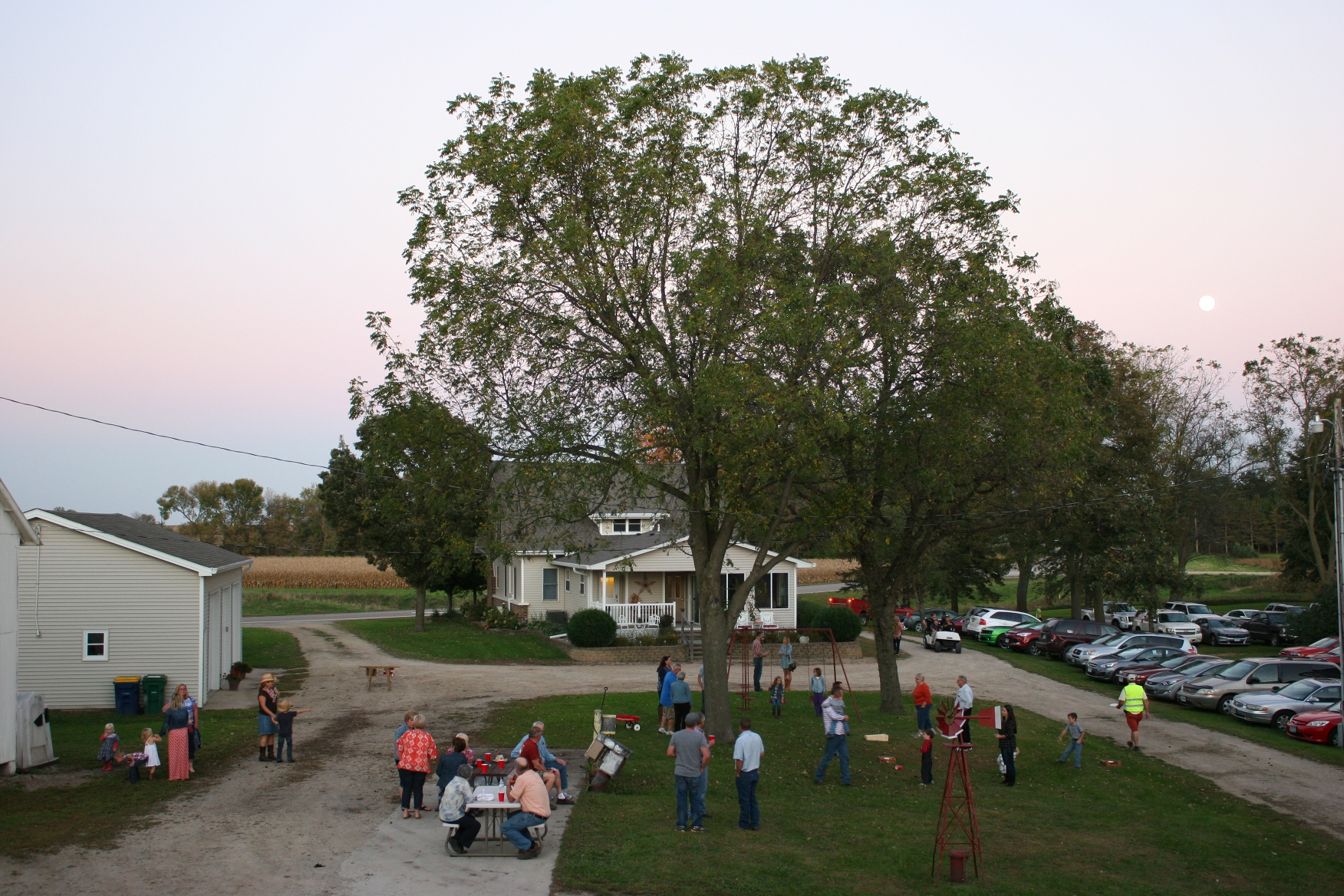
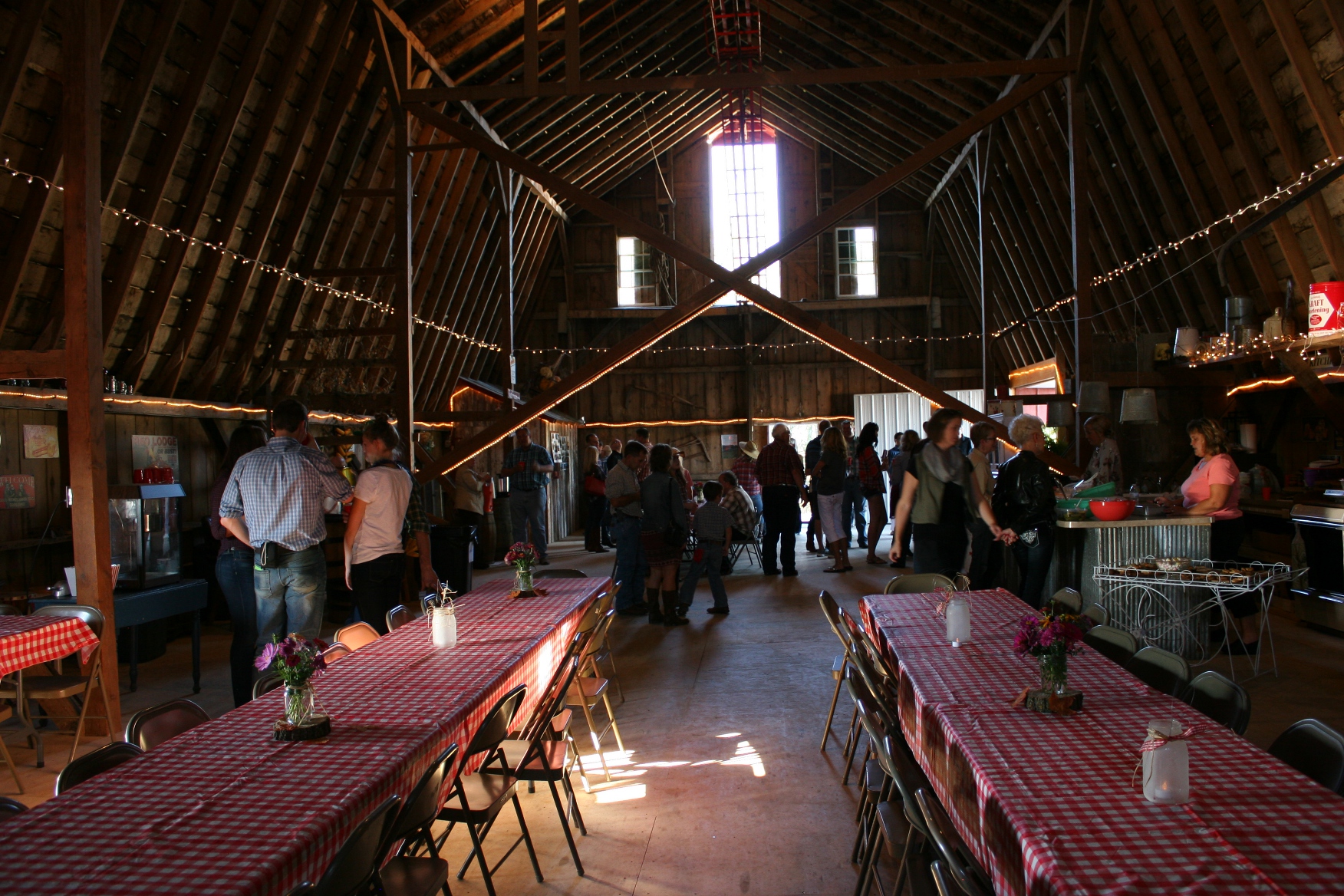
Guests gathered inside and out on a lovely September evening.

Guests gathered inside and out on a lovely September evening.

There’s something about a barn dance that roots to the rural past in a way that no museum can. As I danced, I could imagine the dances of yesteryear, hayloft empty of loose hay, eager young men and anxious young women eyeing each other from opposite sides of the loft. I could imagine food spread across planks, the scent of animals below mingling with the smell of fried chicken.

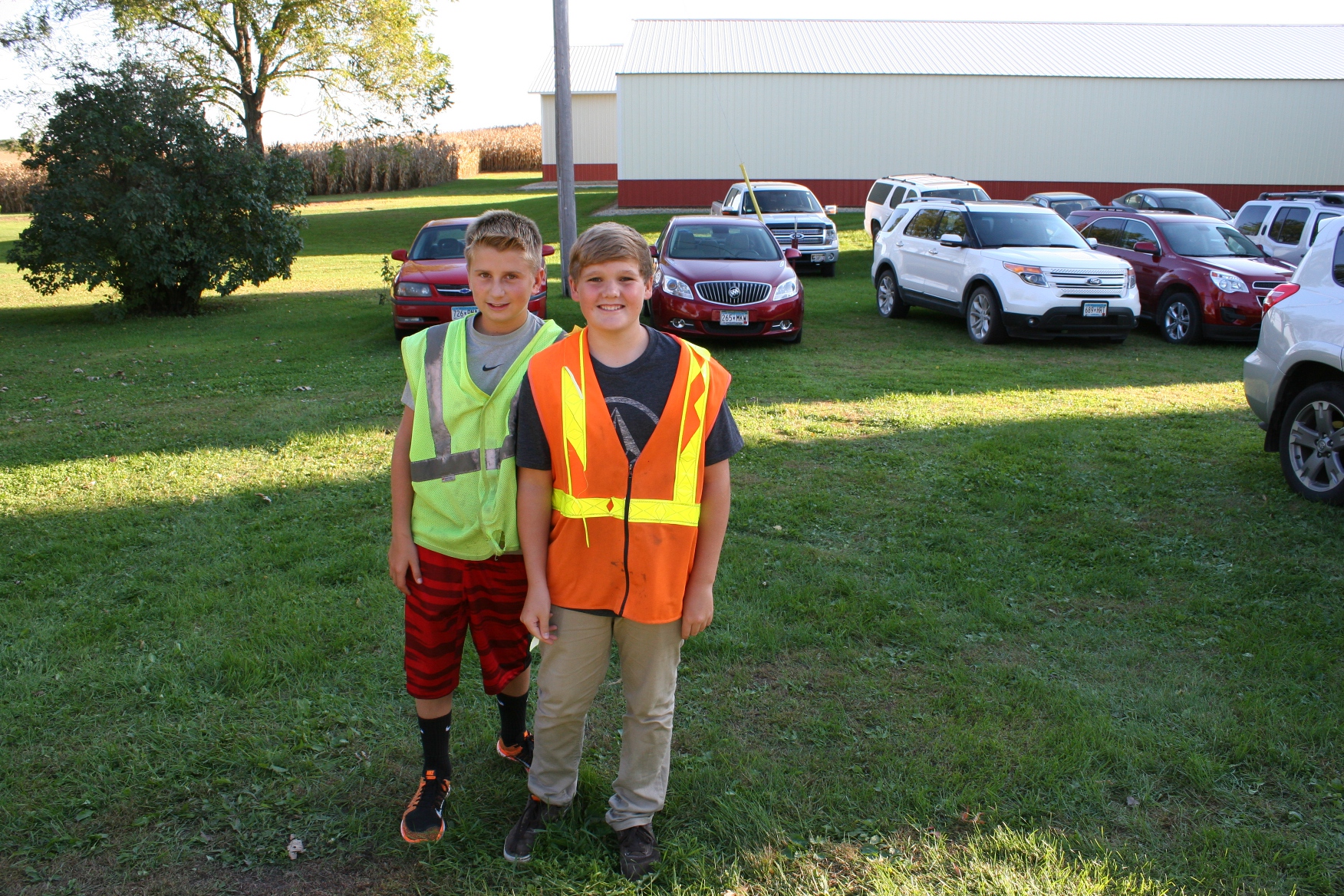
Parking vehicles was a major job considering the hundreds of invited guests.

Parking vehicles was a major job considering the hundreds of invited guests.

And outside, horses tethered rather than vehicles parked.

Even this Dekalb sign inside the barn generated memories of Dekalb corn growing in my dad's fields and me detasseling corn for this seed company.

Even this Dekalb sign inside the barn generated memories of Dekalb corn growing in my dad’s fields and me detasseling corn for this seed company.

Grandparents build memories with grandchildren at the barn dance.

Grandparents build memories with grandchildren at the barn dance.

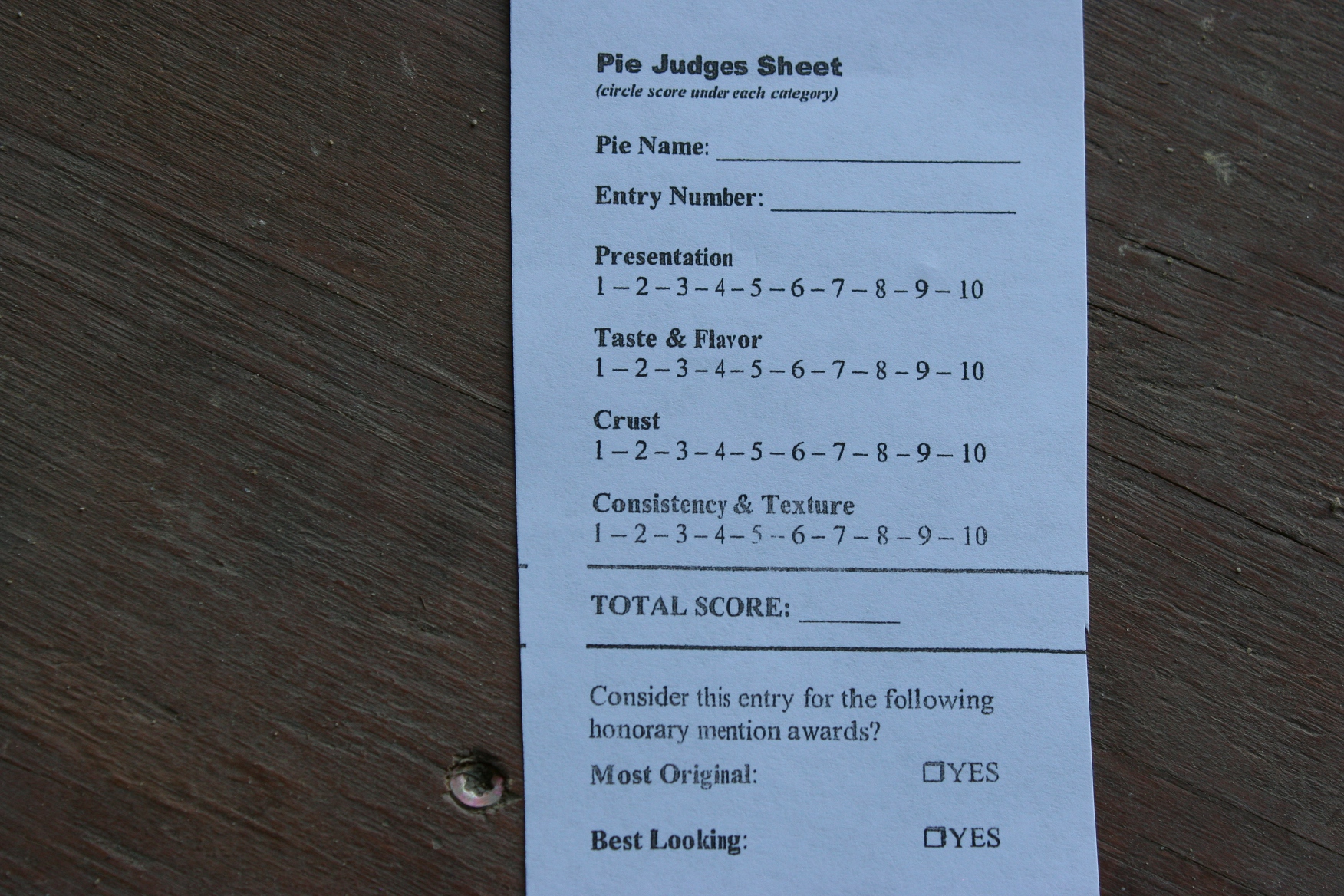
I'm sure the four judges will always remember the difficulty of choosing winners in the homemade pie judging contest.

I’m sure the four judges will always remember the difficulty of choosing winners in the homemade pie baking contest.

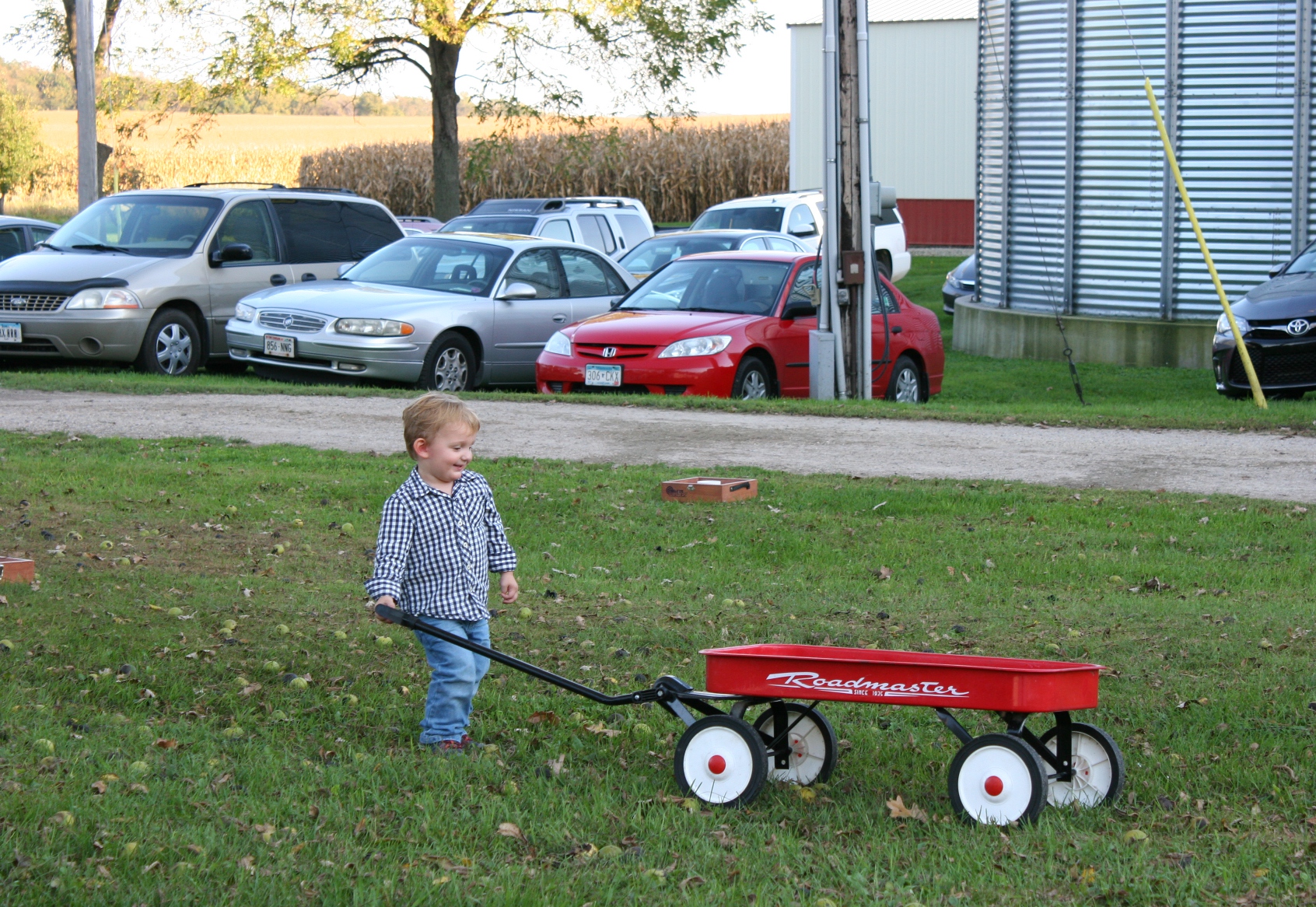
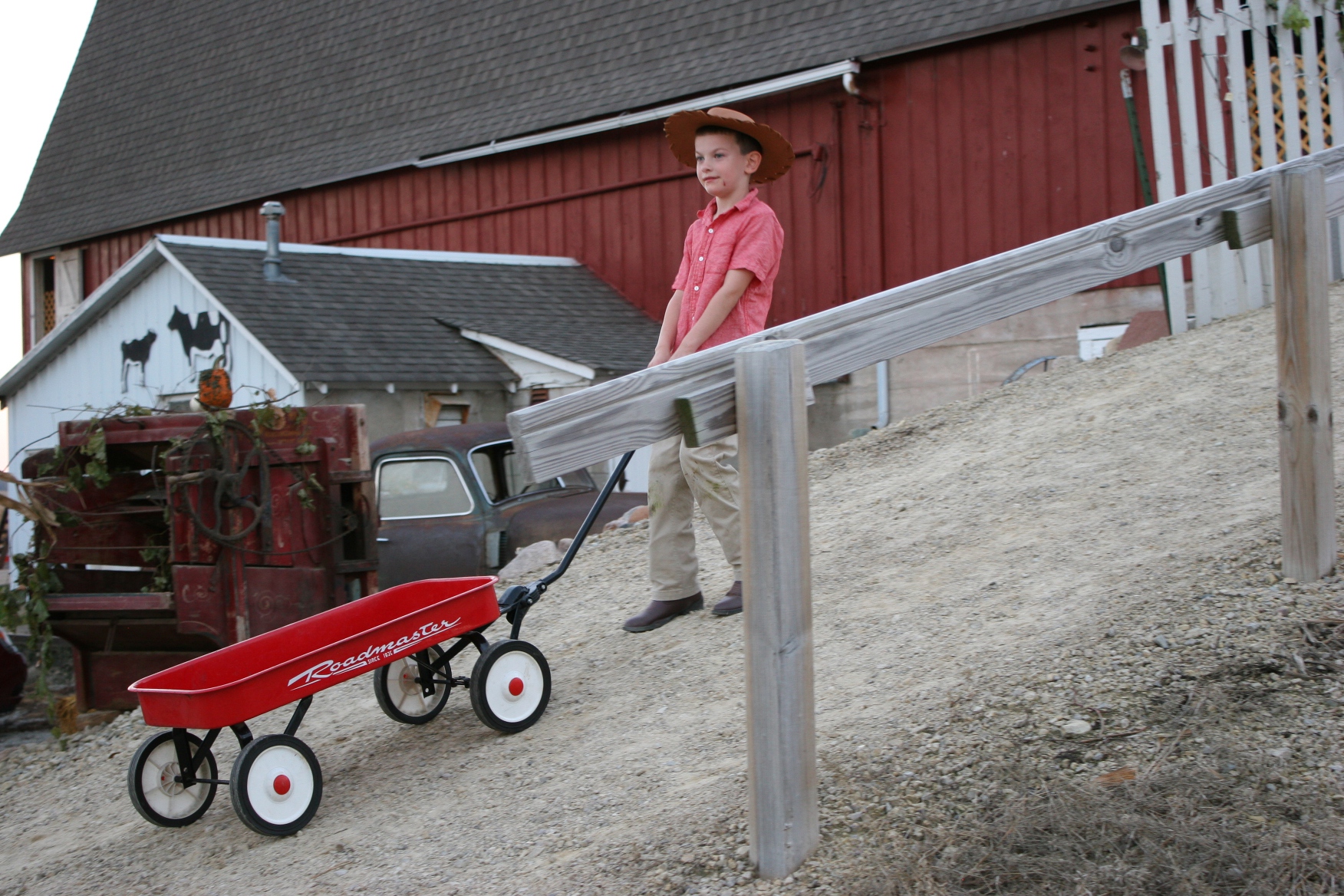
Red wagons hold timeless universal appeal to kids.

Red wagons hold timeless universal appeal to kids.

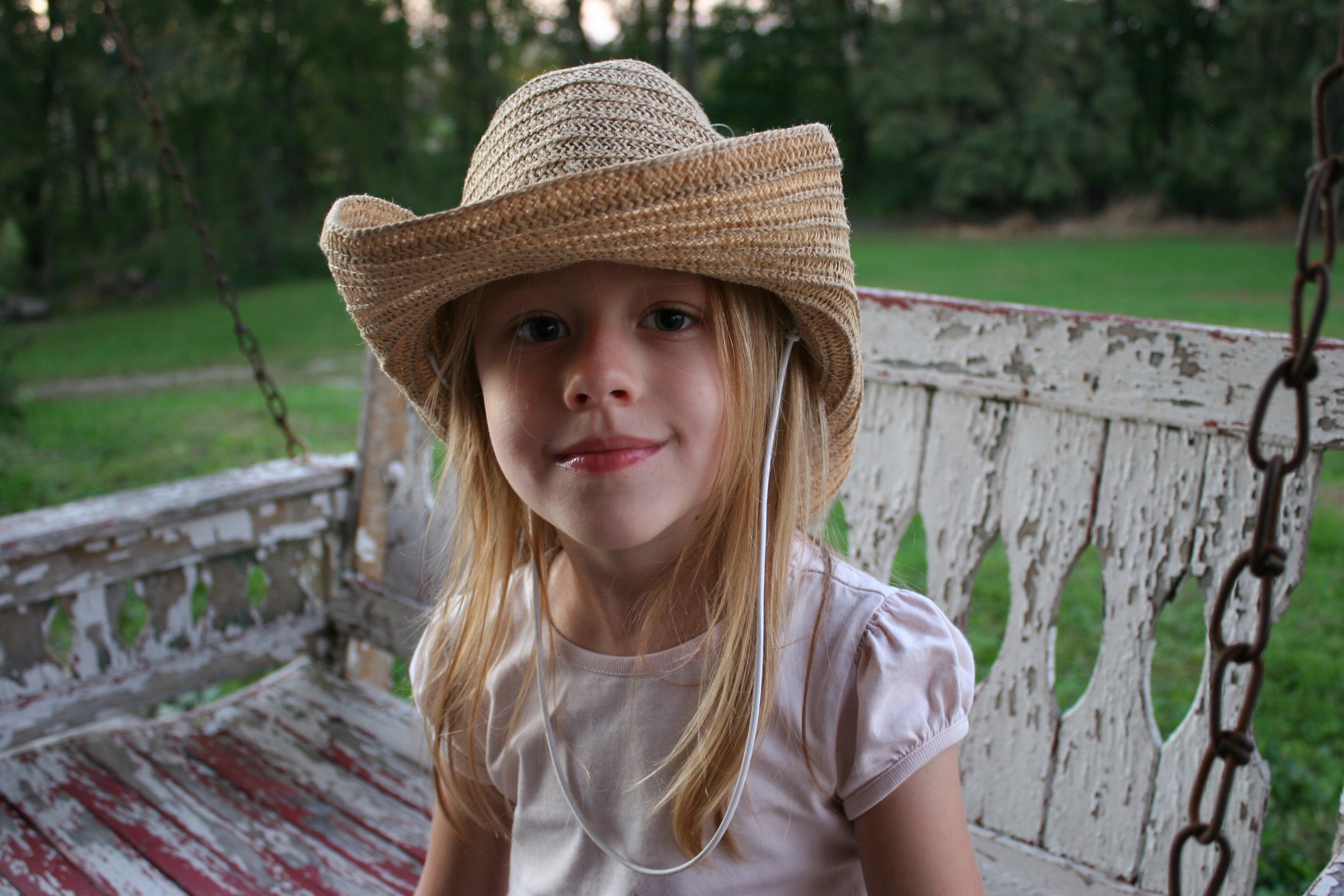
This girl's cowgirl hat reminded me of the straw hats I wore while playing make-believe as a child.

This girl’s cowgirl hat reminds me of the straw hats I wore while playing make-believe as a child.

As this boy pulled a wagon up the incline toward the hayloft, I wondered if he would climb aboard for a wild ride down. Instead, he released the wagon. I would have rode down, gripping the handle.

As this boy pulled a wagon up the incline toward the hayloft, I wondered if he would climb aboard for a wild ride down. Instead, he released the wagon. I would have careened down, gripping the handle.

Whether my imagination matches historic reality, I am unsure. But I am certain of one thing. A barn dance connects folks to the past in a profound way.

I am always comfortably at home on a farm like the Beckers' farm site.

I am always comfortably at home on a farm like the Beckers’ farm site.

For me, a woman from the land, dancing in a hayloft fits me better than gliding across the smoothest of floors in an elegant ballroom. I am comfortably at home in a barn, in a way that’s sweetly familiar. Connected to my rural Minnesota prairie roots.

FYI: Click here and here to read my previous posts on the September 26 barn dance in rural Rice County, Minnesota.

© Copyright 2015 Audrey Kletscher Helbling


Facing the fowl September 22, 2015

Filed under: Uncategorized — Audrey Kletscher Helbling @ 5:01 AM
Tags: , , ,

MY MOM PAUSED in our conversation. She wondered if she was hearing me right. I had just stated that I thought the chickens beautiful. Not all chickens. But these chickens.


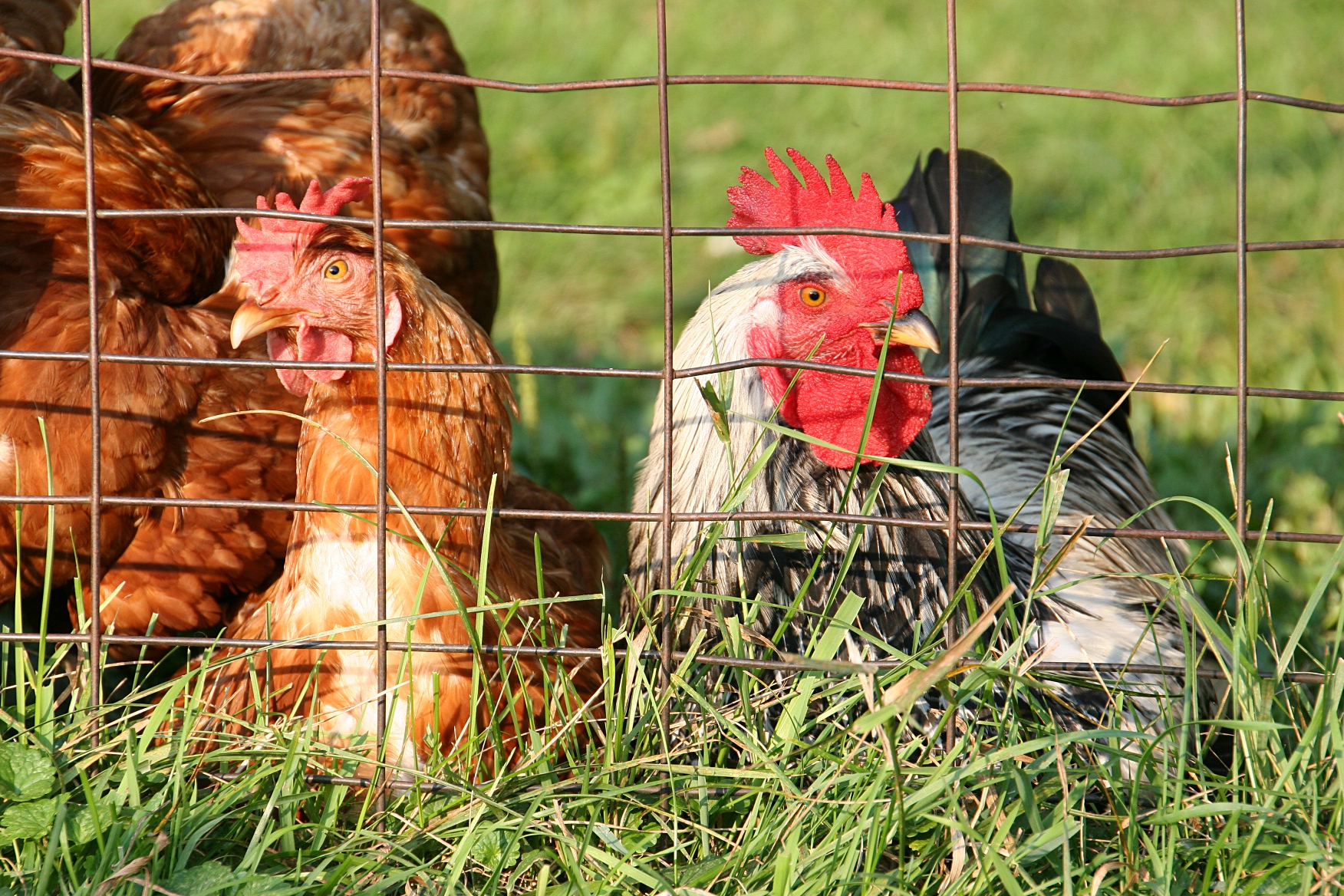
Chickens, rooster


She had reason to question my observation. Ever since I was tormented and pecked at and chased by a rooster while growing up on our Minnesota farm, I have disliked chickens. I am afraid of them, of their flapping wings and sharp beaks and talons.


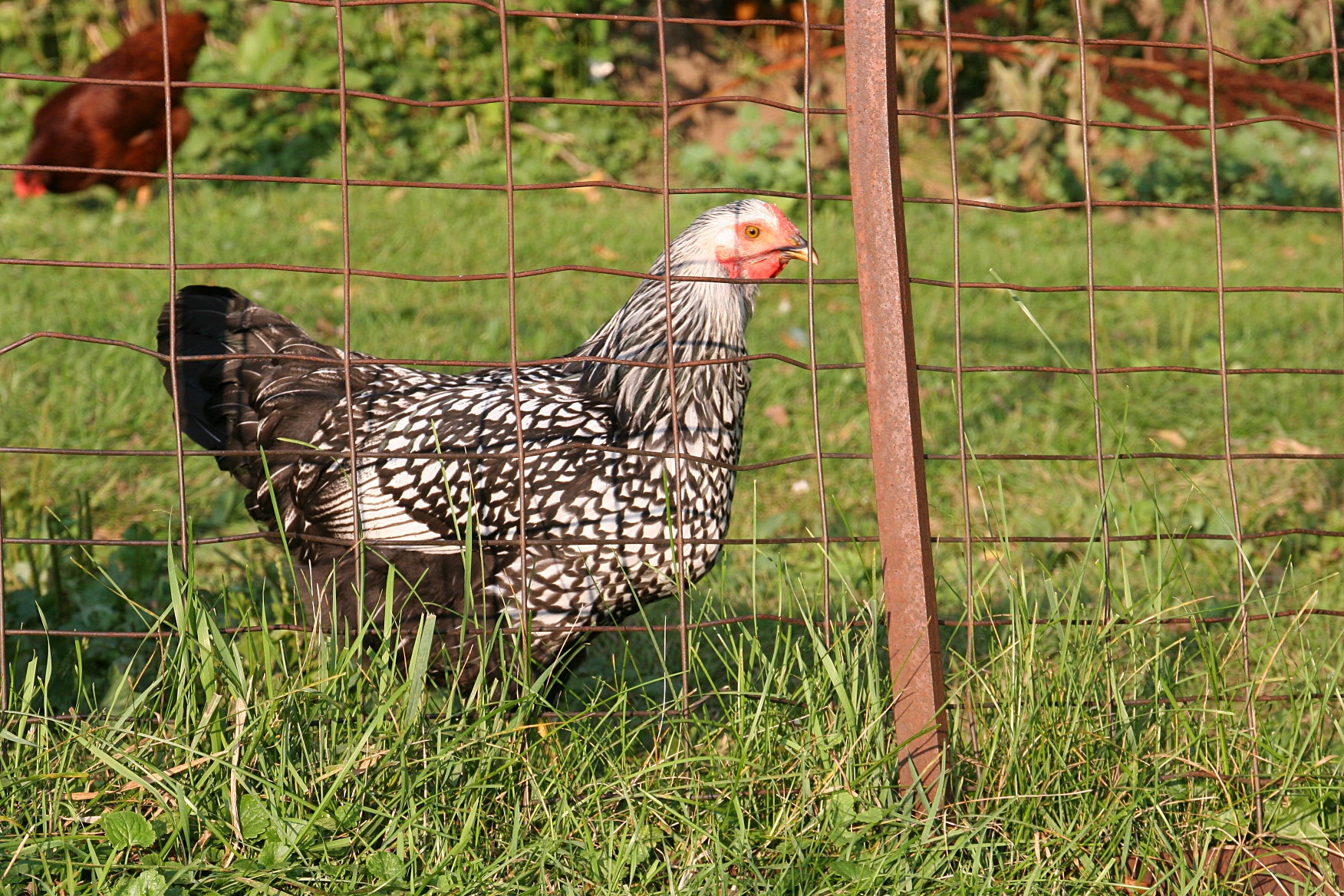
Chickens, patterned chicken


But these chickens were different. They are not plain white. And the rooster did not chase me.


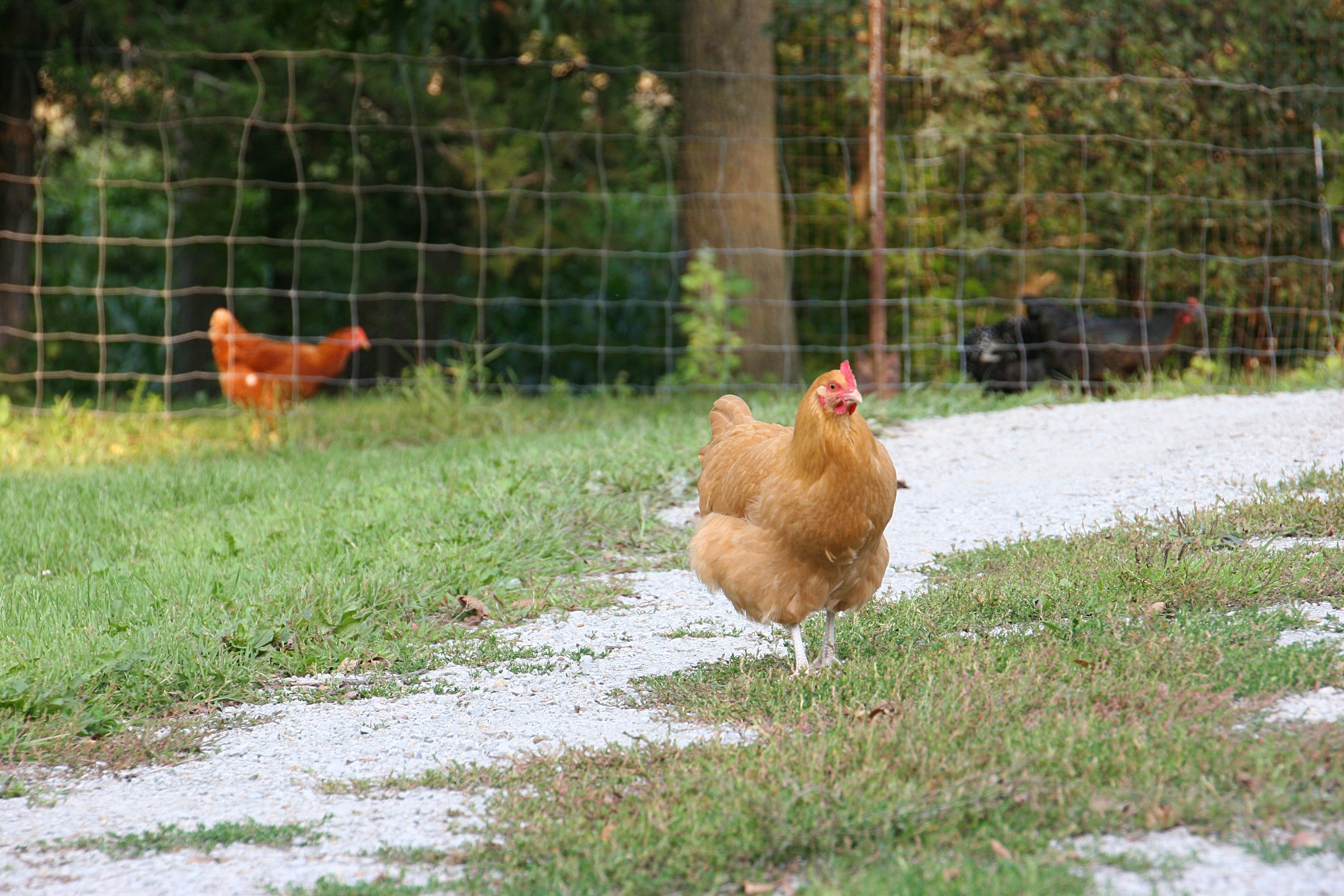
Chickens, buff colored chicken


I was able to stand within feet of uncaged multi-colored fowl and appreciate their beauty. Sheen of blue in black feathers. Patterns of black and white. A beautiful buff. Chickens that were actually cute, if a chicken can be truly cute.


Chickens, black chicken


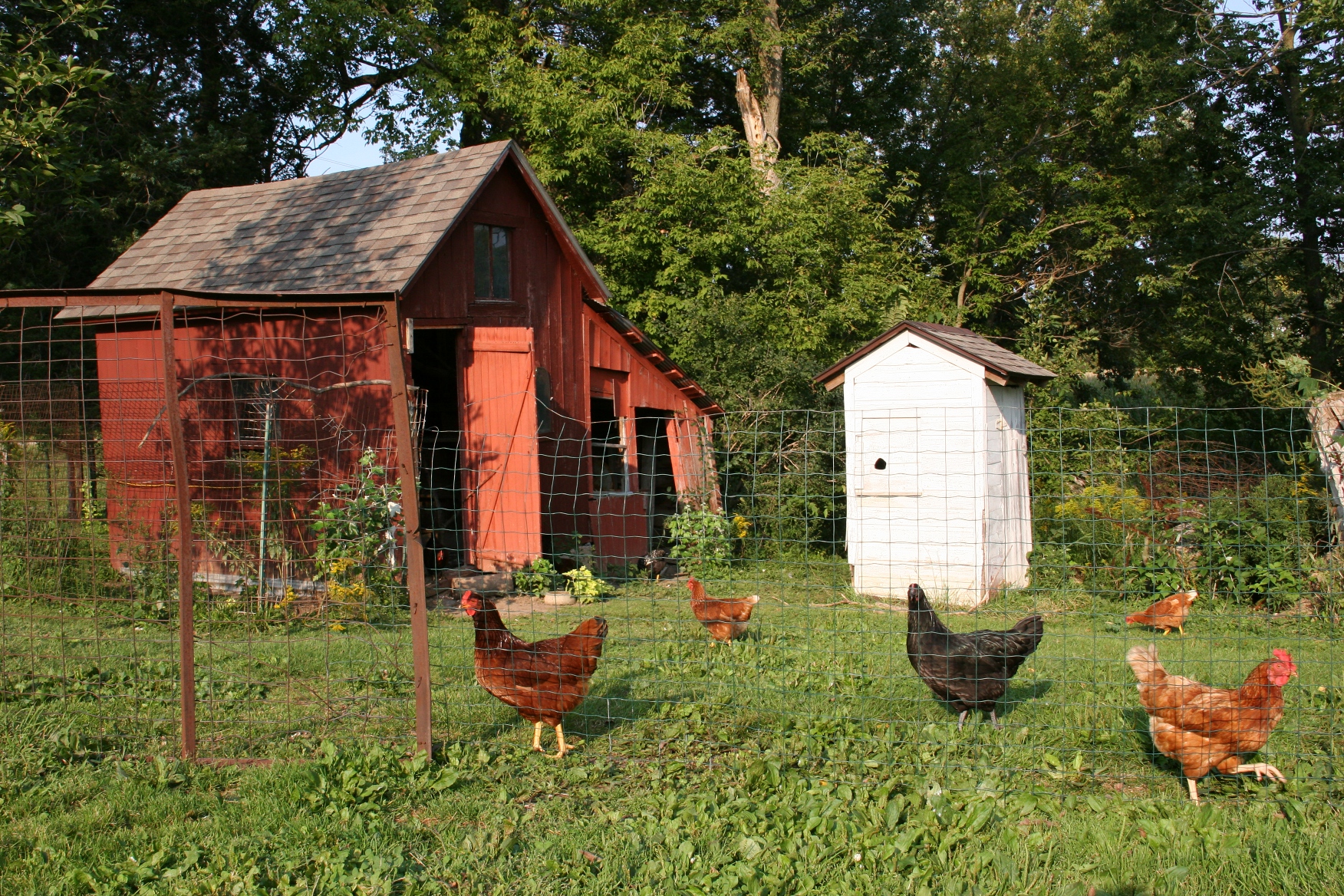
Even I surprised myself. I was not terrified. I did not scamper away. I drew the line, though, at cuddling the chickens belonging to friends Steve and Joy. Or at being inside a shed with a hen, gentle as she might appear. My trust is not quite that secure.


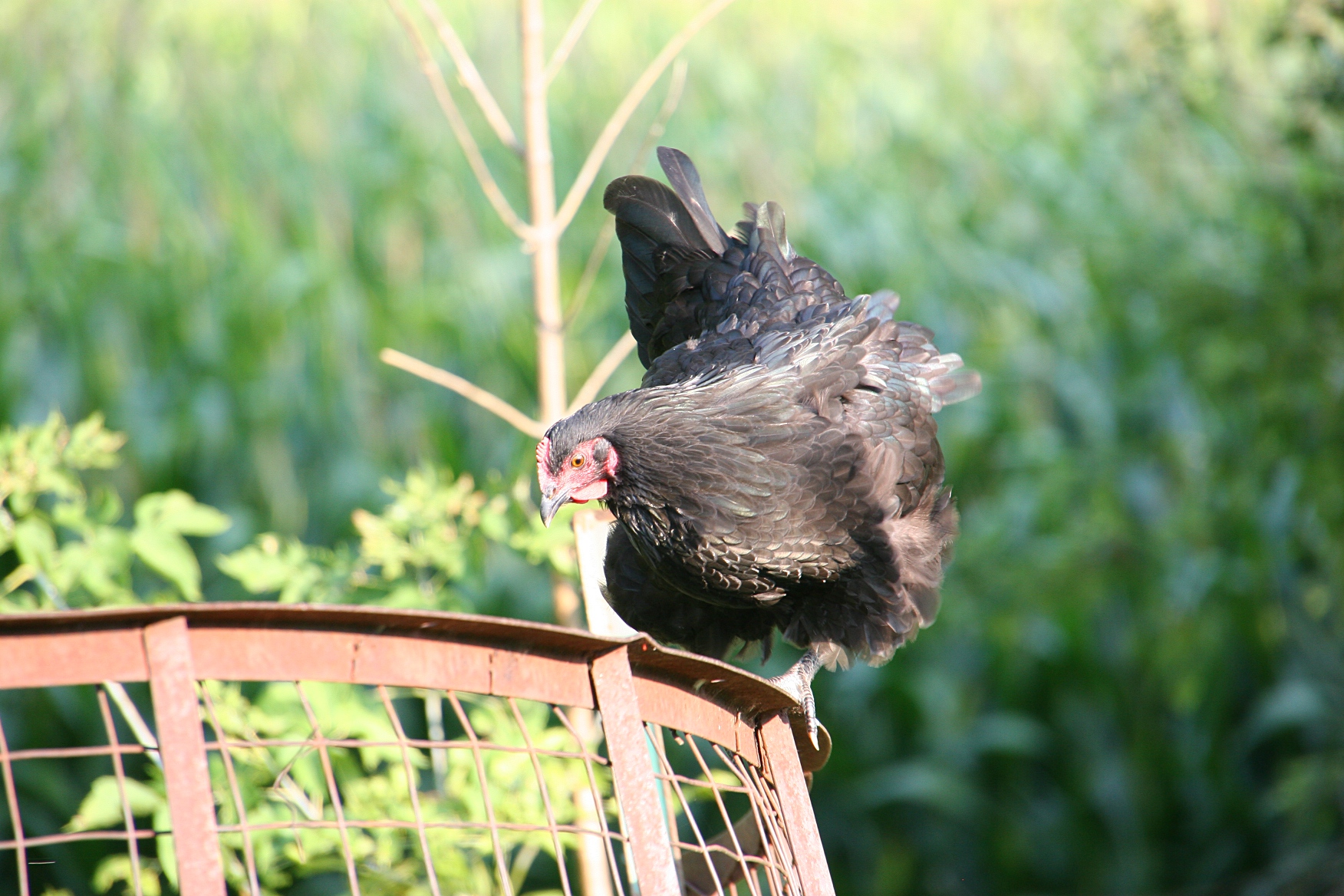
Chickens, flying chicken


And when a chicken flew onto a fence top, I ended the photo session. She was flapping a little too close for my comfort. I have memories of unhappy hens in the chicken coop who did not like their eggs stolen.


Chickens, coop


I will never really like chickens. But I am at least beginning to tolerate them. The pretty ones.

HOW ABOUT YOU? What’s your experience with chickens?

FYI: I first observed my friends’ chickens when they were running around the yard. I did not have my camera with me. But when I visited again, I had my camera. These images were taken then.

© Copyright 2015 Audrey Kletscher Helbling
 

In Faribault: When music inspires art September 21, 2015

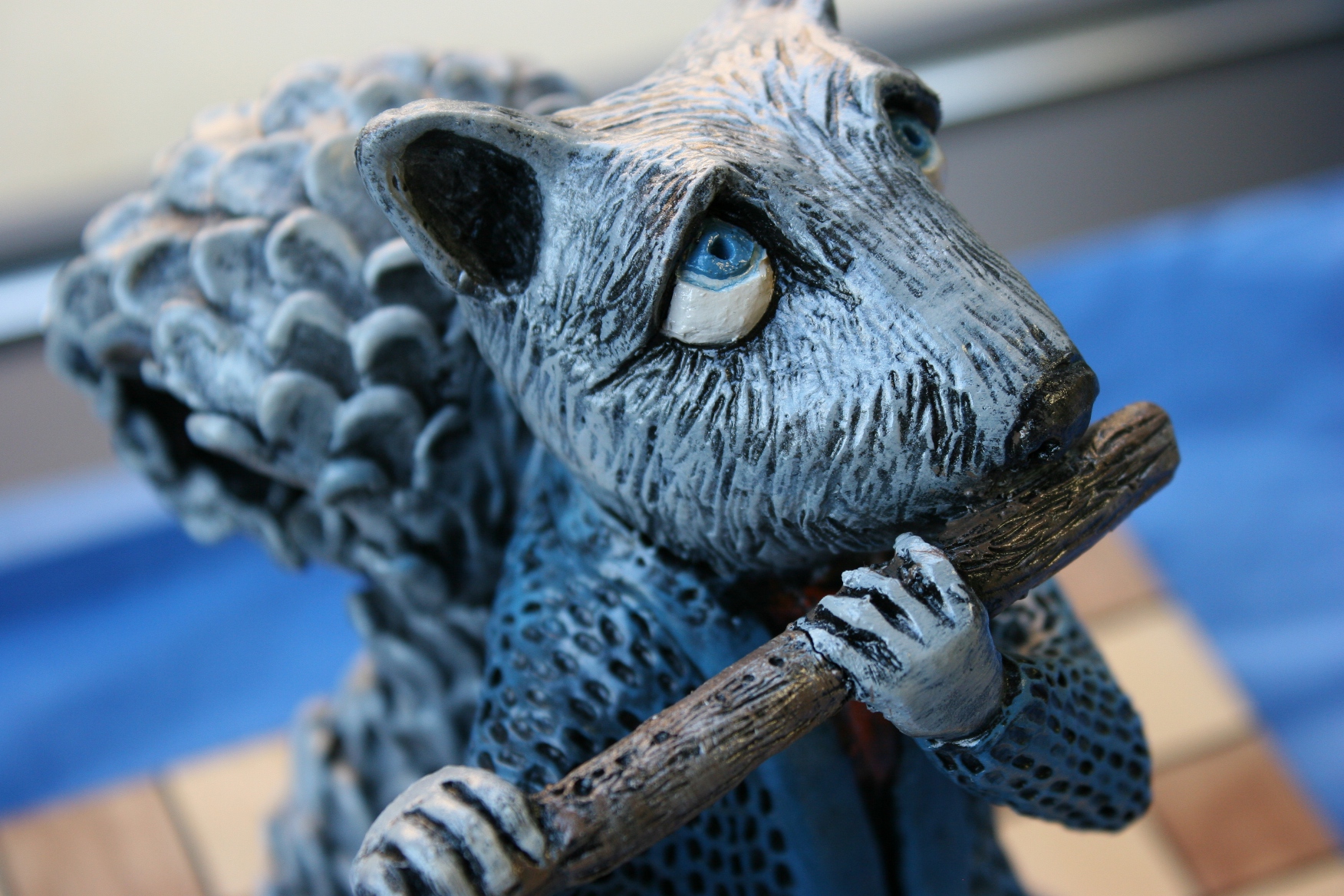
"The Music Nut," a ceramic sculpture by Tami Resler.

“The Music Nut,” a ceramic sculpture by Tami Resler

I AM A PERSON WHO DELIGHTS in art, like the devoted sports fan loyal to a team.

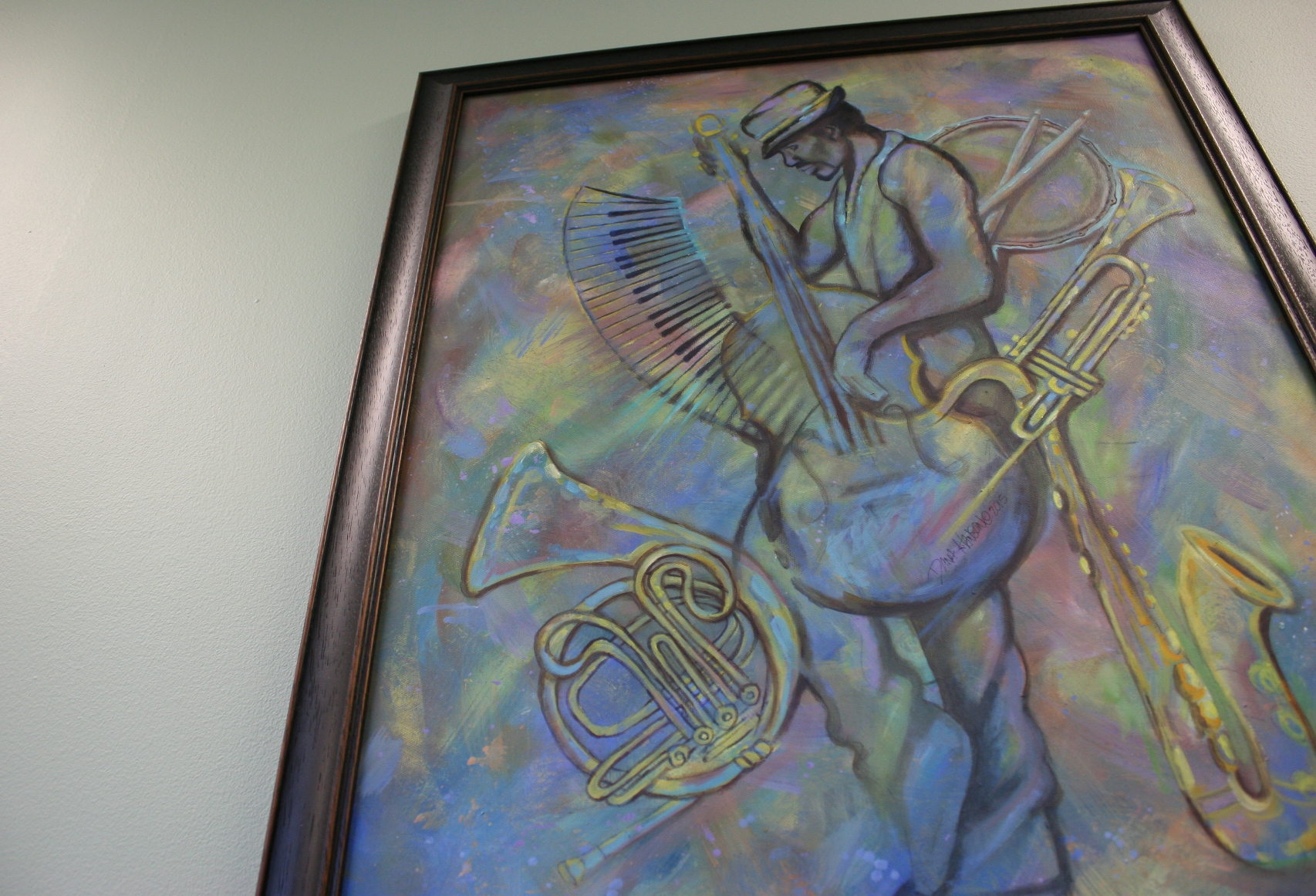
"The Music Man," oil on canvas by Dana Hanson

“The Music Man,” oil on canvas by Dana Hanson

Perhaps it is the absence of access to the arts in my formative years that causes me to so appreciate art today. I can’t recall ever visiting an art gallery while growing up in rural southwestern Minnesota. If there were any galleries, I was unaware. Art, for me, was limited to school art projects. Life was about the basics, not the arts.

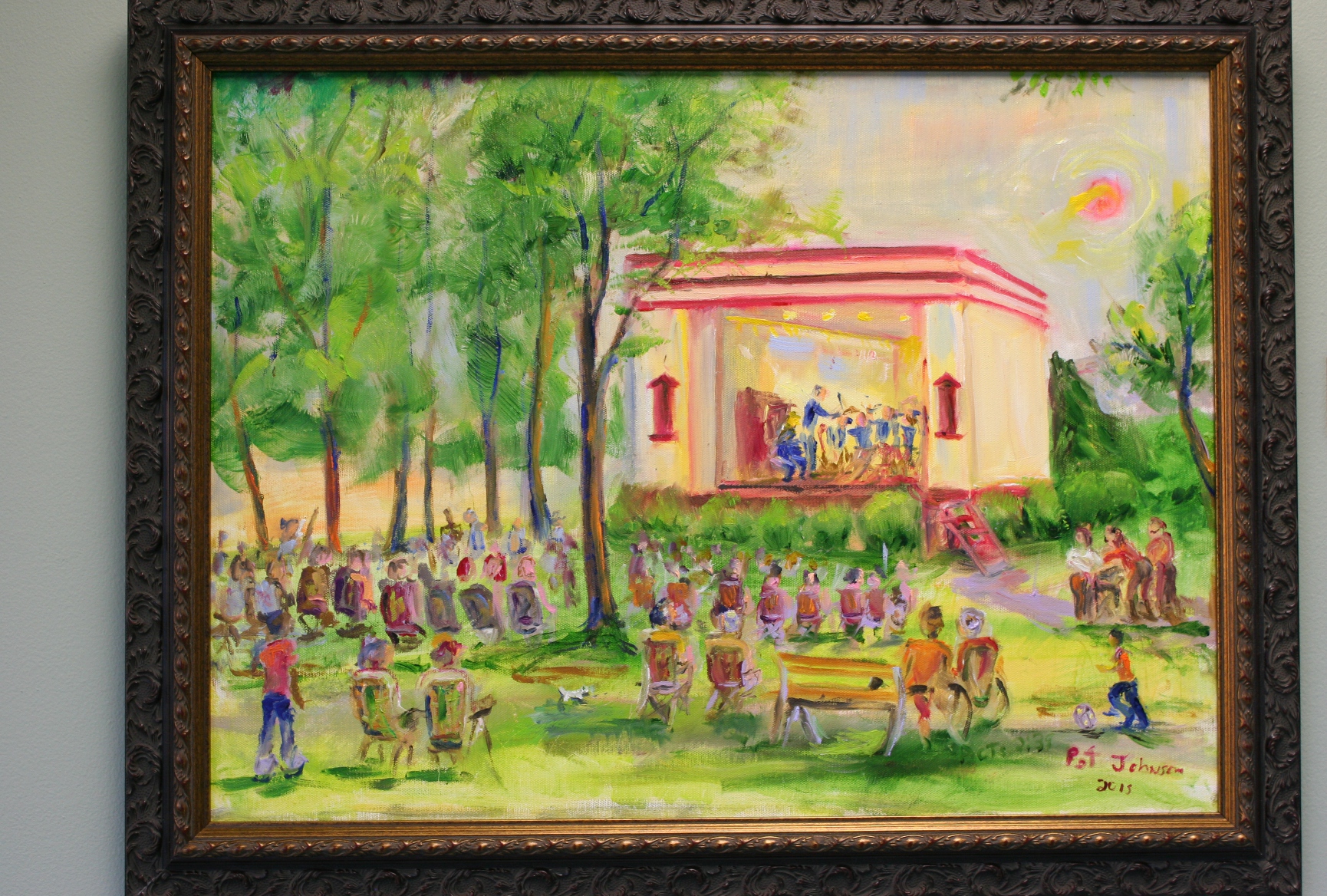
"Central Park Notes," an oil on canvas by Pat Johnson

“Central Park Notes,” oil on canvas by Pat Johnson

I especially celebrate occasions when the arts are brought to folks in an unpretentious way. For years, Faribault, my home of 33 years some 120 miles from my prairie hometown, has offered free weekly outdoor summer concerts in Central Park. This year, visual art was added, much to my delight. It’s important, I think, to expose people to art in a relaxed setting, where they feel comfortable approaching artists, watching them create and asking questions.

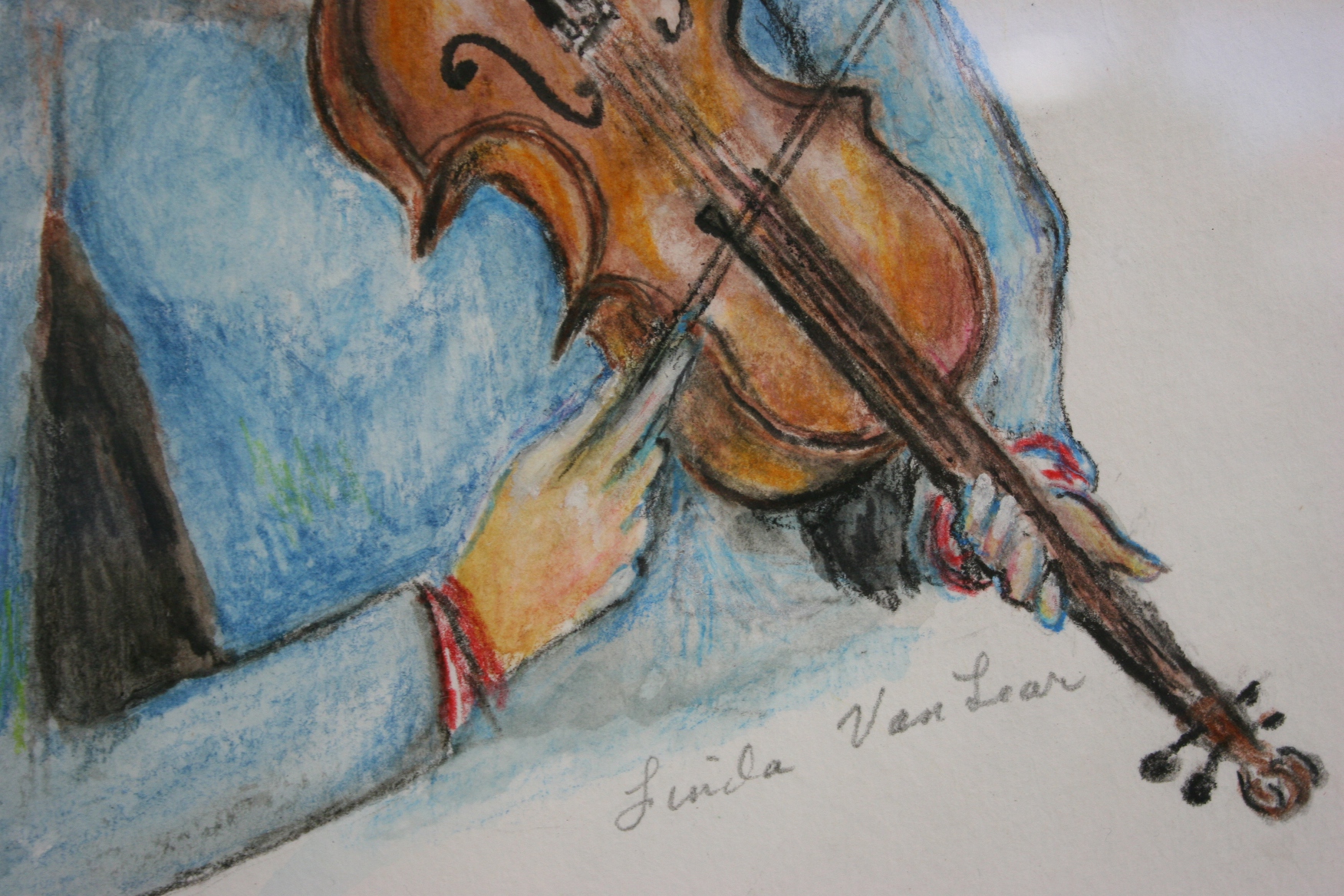
A snippet of Linda Van Lear's "Girl & Violin" watercolor pencil

A snippet of Linda Van Lear’s “Girl & Violin” watercolor pencil

Local artists set up their easels, pulled out their supplies and created music-themed art as musicians performed. It was perfect, this melding of music and art in the park.

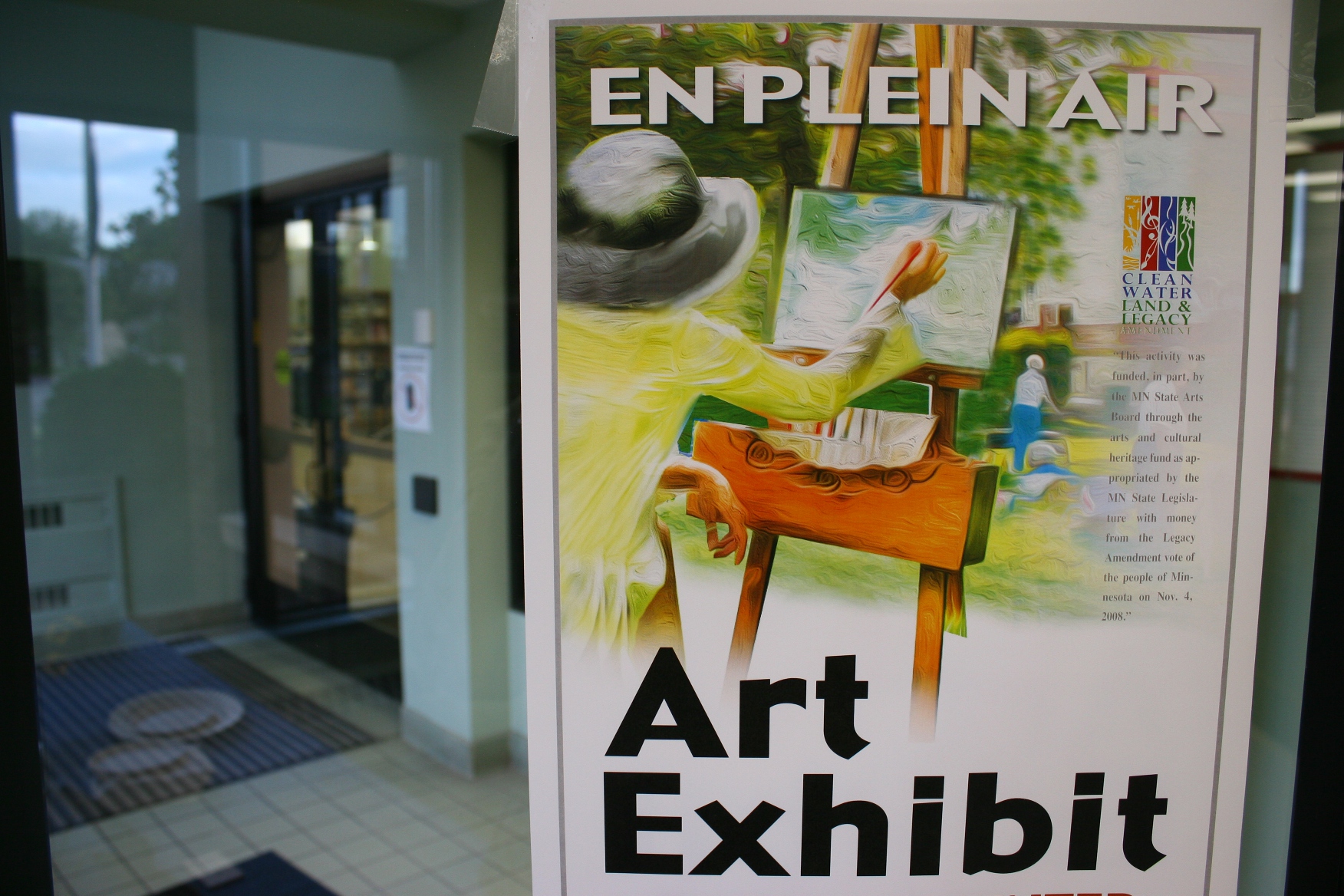
A poster posted at the initial exhibit.

A poster posted at the initial exhibit.

And then, to honor the participating artists, a several-day “Nature of Music” exhibit was staged in a connecting space between the library and community center to showcase selected pieces. I missed that event. But the en plein air art will be exhibited again, this time from September 22 – November 10 in the Lois Vranesh Boardroom Gallery at the Paradise Center for the Arts in historic downtown Faribault. An artists’ reception is slated for 5 – 7 p.m. on Friday, September 25. Other gallery openings are also set for that evening.

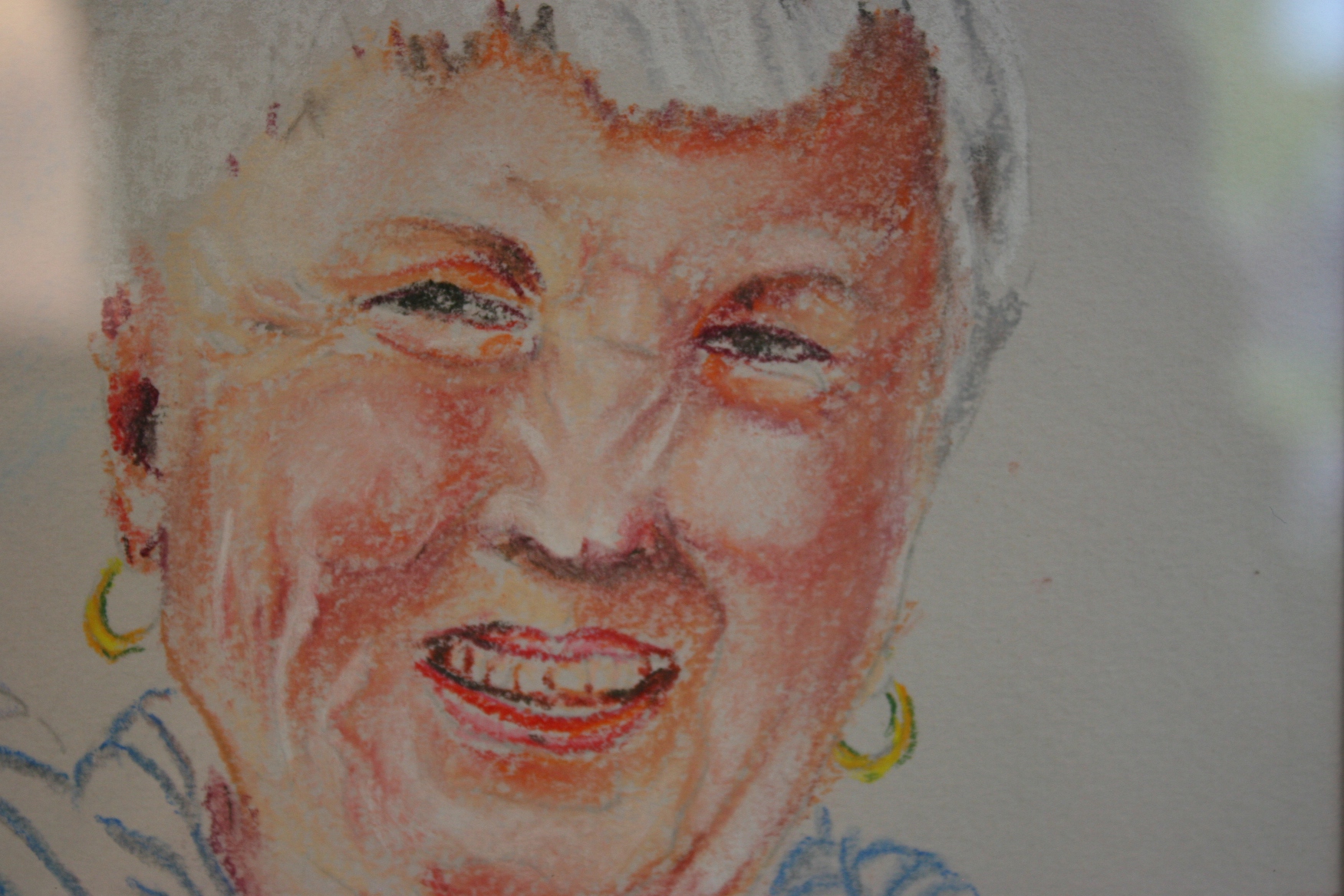
This shows one of the many faces in Irina Mikhaylova's "Faces in the Crowd" done in soft pastels.

This shows one of the many faces in Irina Mikhaylova’s “Faces in the Crowd,” done in soft pastels.

The Paradise is a wonderful center for the arts. Sometimes I can’t believe how lucky I am to live in a community with an arts center and a library. You see, I also grew up in a town without a library…although today Vesta has a Little Free Library.

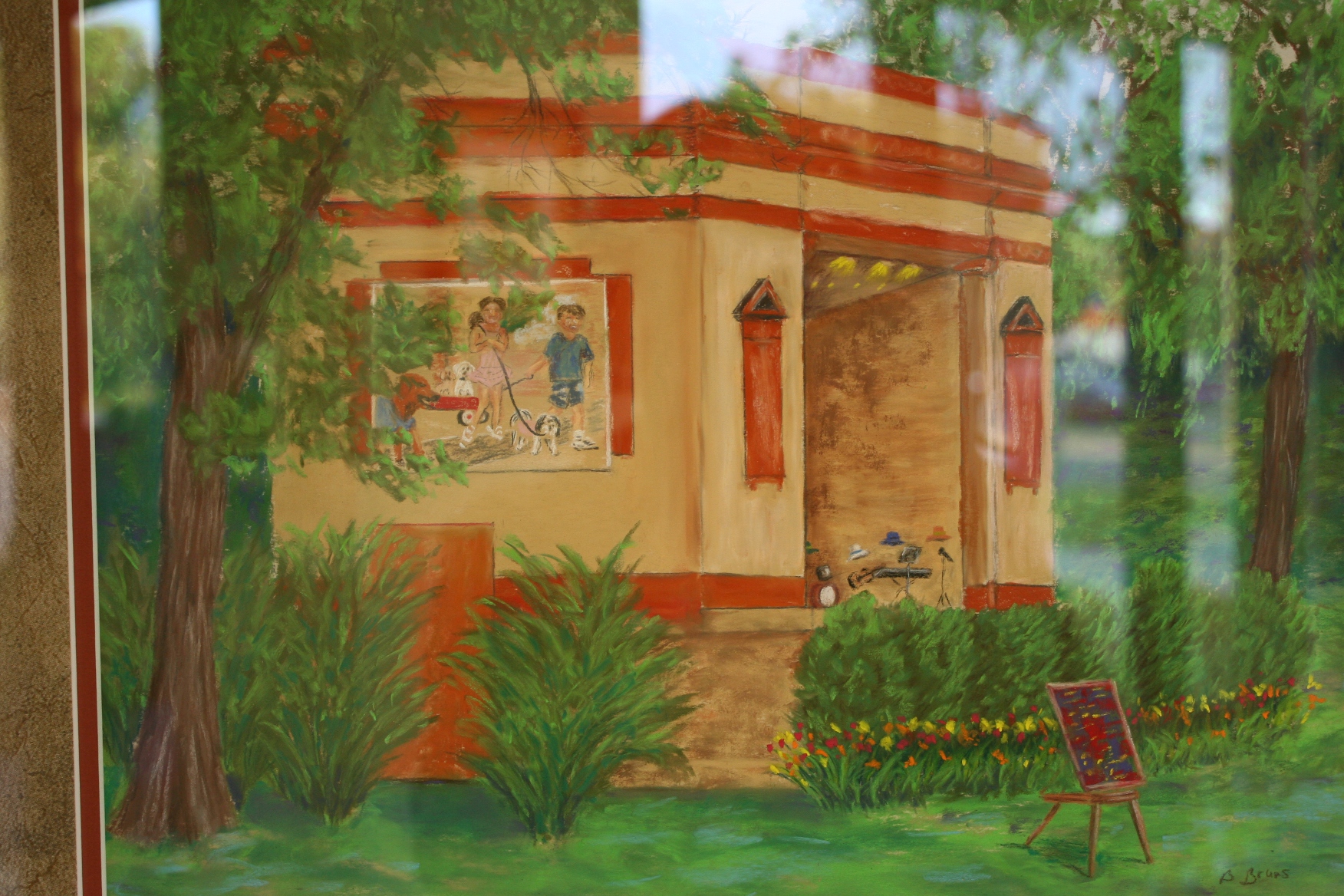
"At the Bandshell" in soft pastels by Barbara Bruns

“At the Bandshell” in soft pastels by Barbara Bruns

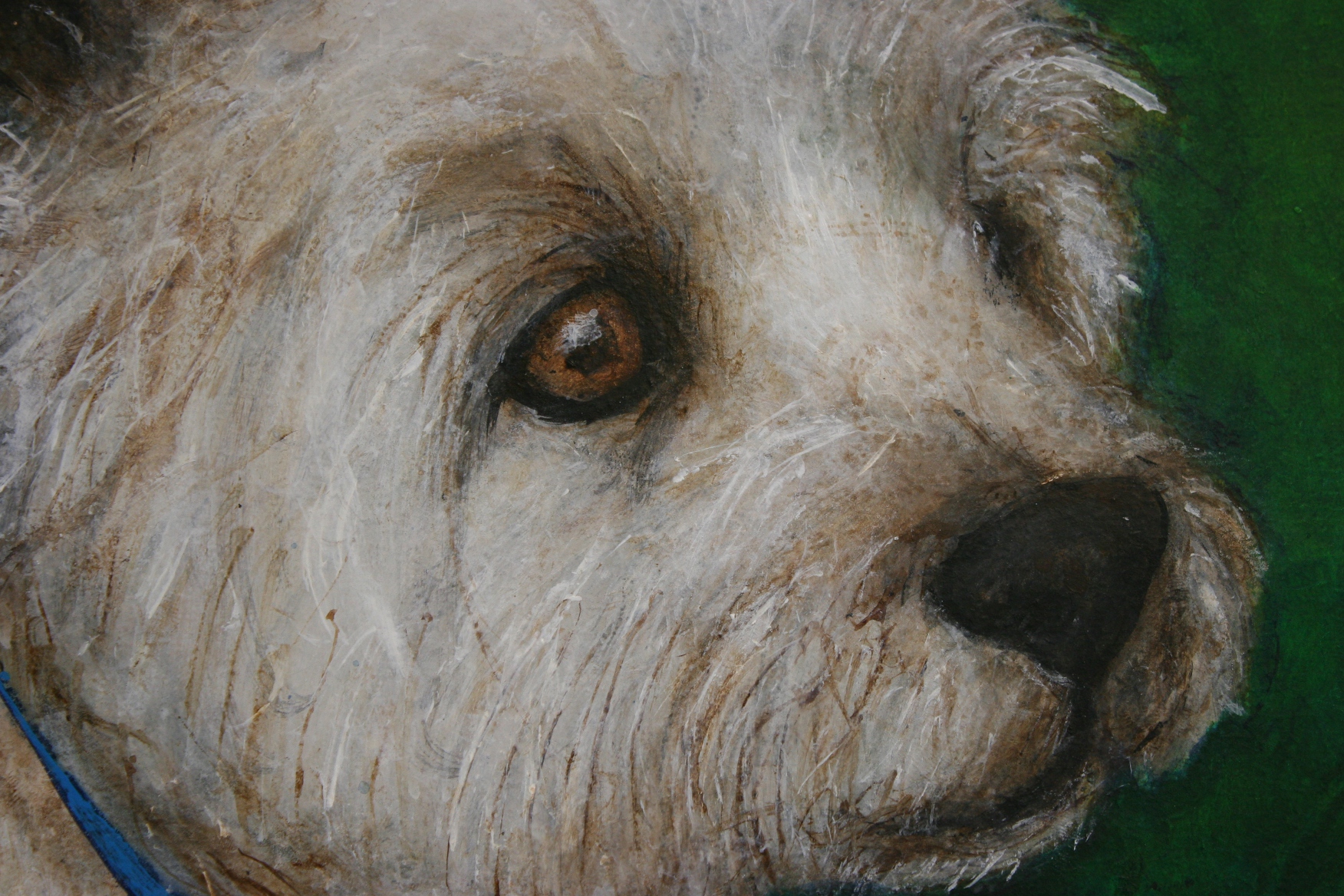
Murphy's face in "Murphy at Central Park," acrylic on hardboard by Julie Fakler

Murphy’s face in “Murphy at Central Park,” acrylic on hardboard by Julie Fakler

A section of Nicole Volk's "Camelot Calls," inktense on watercolor paper

A section of Nicole Volk’s “Camelot Calls,” inktense on watercolor paper

© Copyright 2015 Audrey Kletscher Helbling
Artwork was photographed with permission of Jeff Jarvis, Faribault Park & Rec Enrichment & Communications Coordinator, who organized the en plein air program.

Note that unavoidable glare on glass shows up on some of the photos. That is the reason I sometimes did not photograph an entire work of art. But sometimes I wanted only to show you a snippet peek at the entire piece.


An essay inspired by a garage sale sign in Faribault September 16, 2015

Filed under: Uncategorized — Audrey Kletscher Helbling @ 5:00 AM
Tags: , , , , , , ,

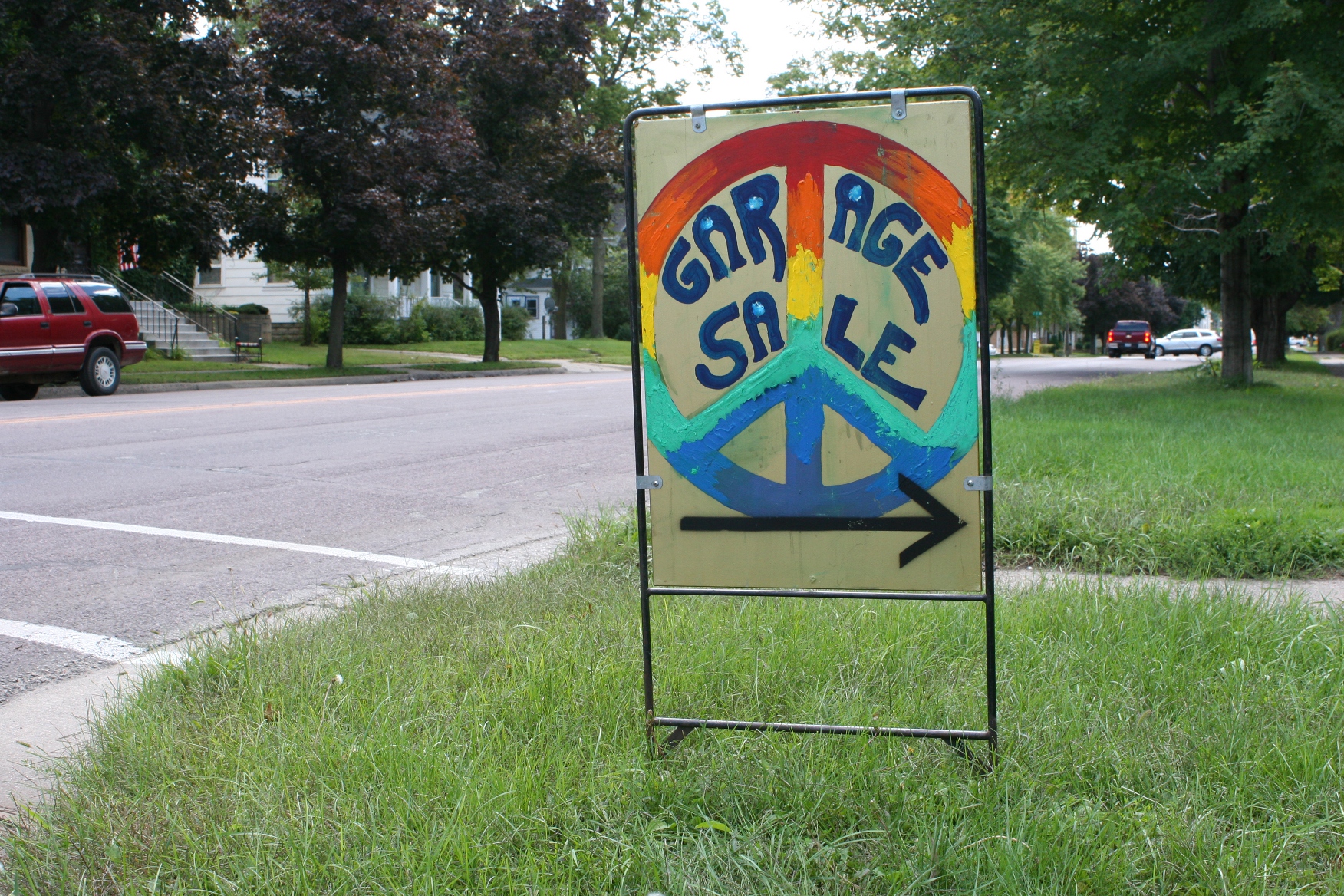
Peace symbol sign, tie-dyed


I CAME OF AGE in the early 1970s, too young to be a Flower Child or hippie, yet old enough to remember all the anti-establishment and Vietnam War discontent.

I wore hip huggers, hot pants and bell bottoms. Fringed suede belts and go-go boots. A POW bracelet wrapped my wrist.


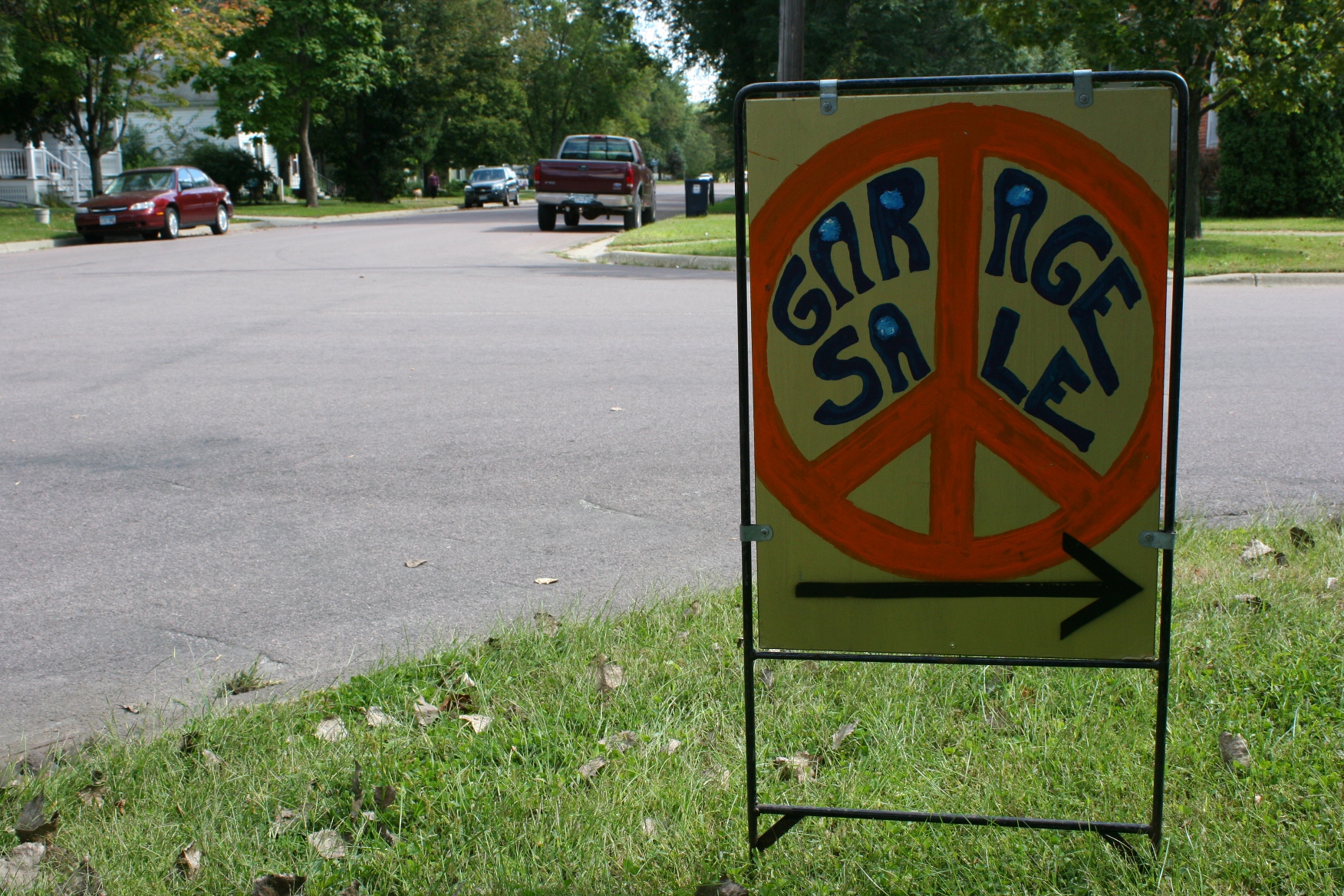
Peace symbol sign, orange


My bedroom was paneled and painted lime green, accented with a yellow smiley face bulletin board. A black-and-white movie poster of Ryan O’Neal and Ali MacGraw hung above my bed. I loved the film Love Story, still do, even though it features a line—love means never having to say you’re sorry—that’s ridiculously stupid.

Jonathan Livingston Seagull quotes inspired me and Elton John’s Crocodile Rock rocked me.


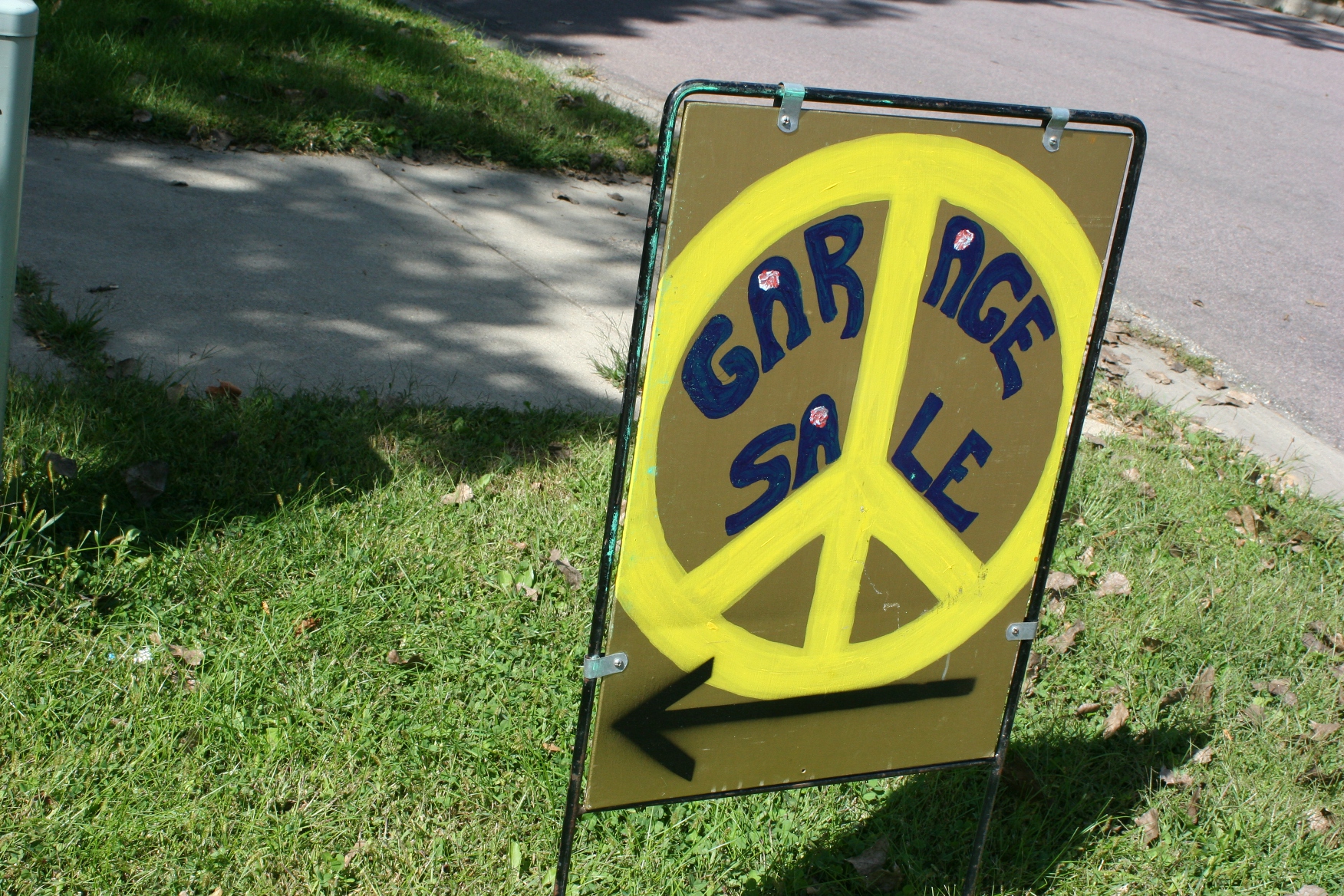
Peace symbol sign, yellow


Mixed in with the funky tie-dyed t-shirts and the too wide pant legs and the too short skirts and the everything parents likely abhorred about teen fashion of the seventies was the peace symbol. Sweet peace. Today, decades removed from my youth, I still value the peace symbol. Peace. It is my hope for this big wide crazy world of ours, a timeless wish that remains constant through the generations.

© Copyright 2015 Audrey Kletscher Helbling
 

For the love of flowers September 8, 2015

Filed under: Uncategorized — Audrey Kletscher Helbling @ 5:00 AM
Tags: , , , , , , ,
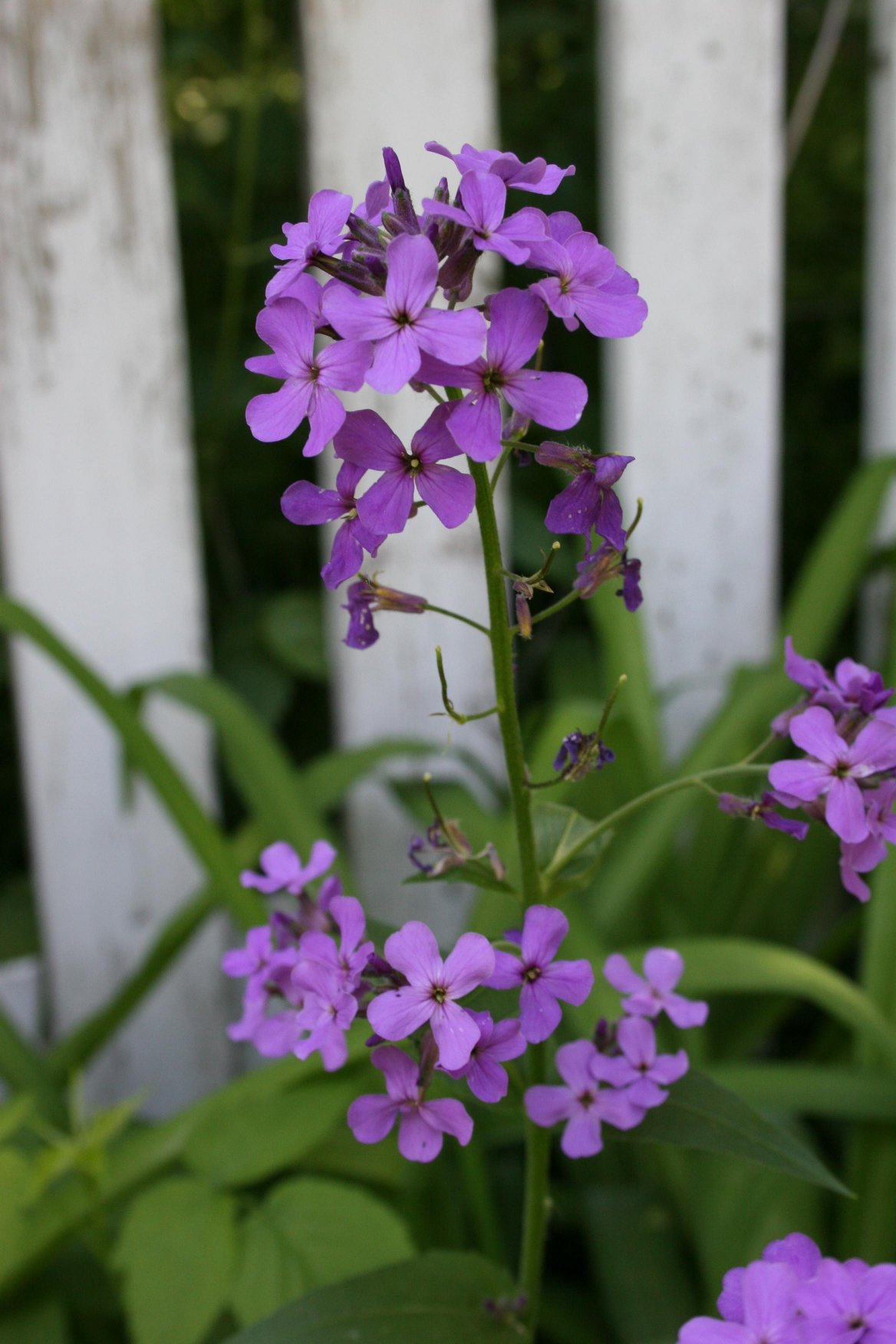
Phlox

Phlox grow along a fence in my backyard. Minnesota Prairie Roots file photo.


THE SWEET PERFUME of purple phlox drifts through the open window, scenting my office with summer. I glance outside, where the phlox sway in a wisp of an afternoon breeze above clusters of snowball hydrangea.


Flowers, field of yellow flowers


My flower gardens are a rangy mess of overgrown plants. Tangle of leaves and flowers and stems. Nothing neat about them. I like it that way.


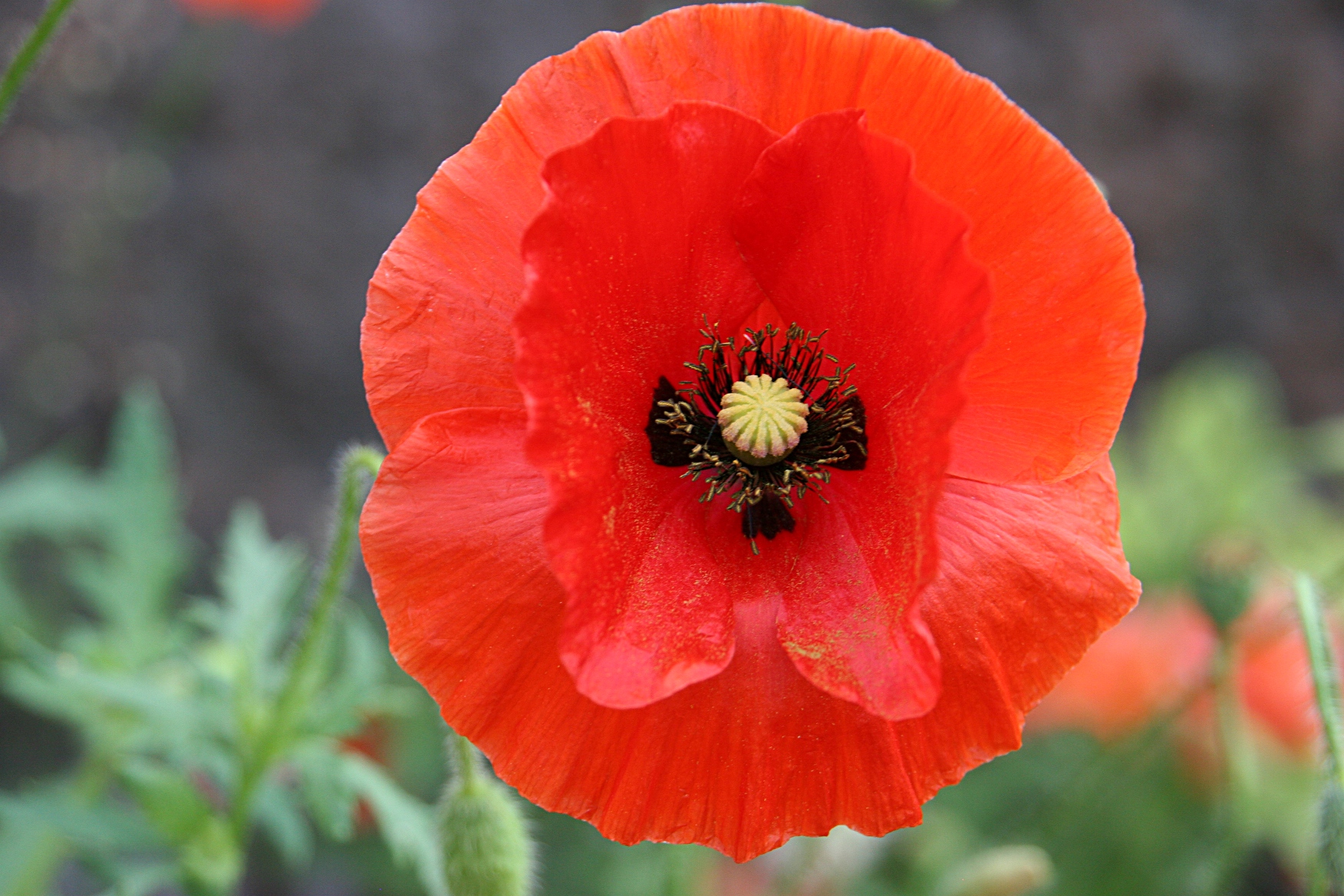
Flowers, poppy close-up


Flower gardens have always been a part of who I am. Not that I am a master gardener. But I have always been an appreciator and grower of flowers, a love learned early on when every visit to my maternal great grandmother’s or paternal grandma’s houses started, in the summer, with a tour of the gardens. Flower and vegetable.


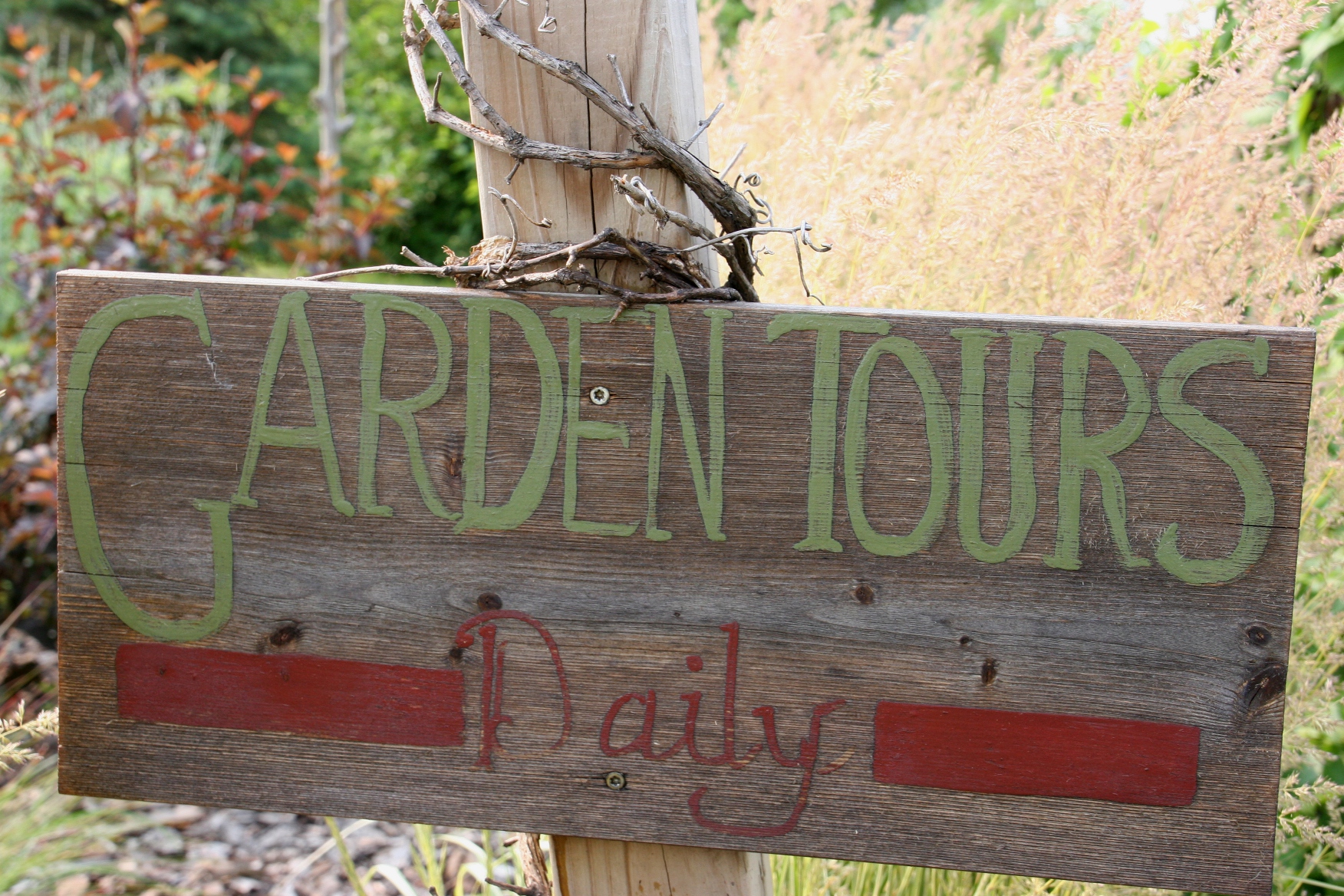
Flowers, garden tours sign


To this day, when I arrive at the home of a family member or a friend who gardens, I self-start a tour. I admire the blooms, dip my head toward scented petals, appreciate the sweeps of color, delight in the beauty that unfolds before me.


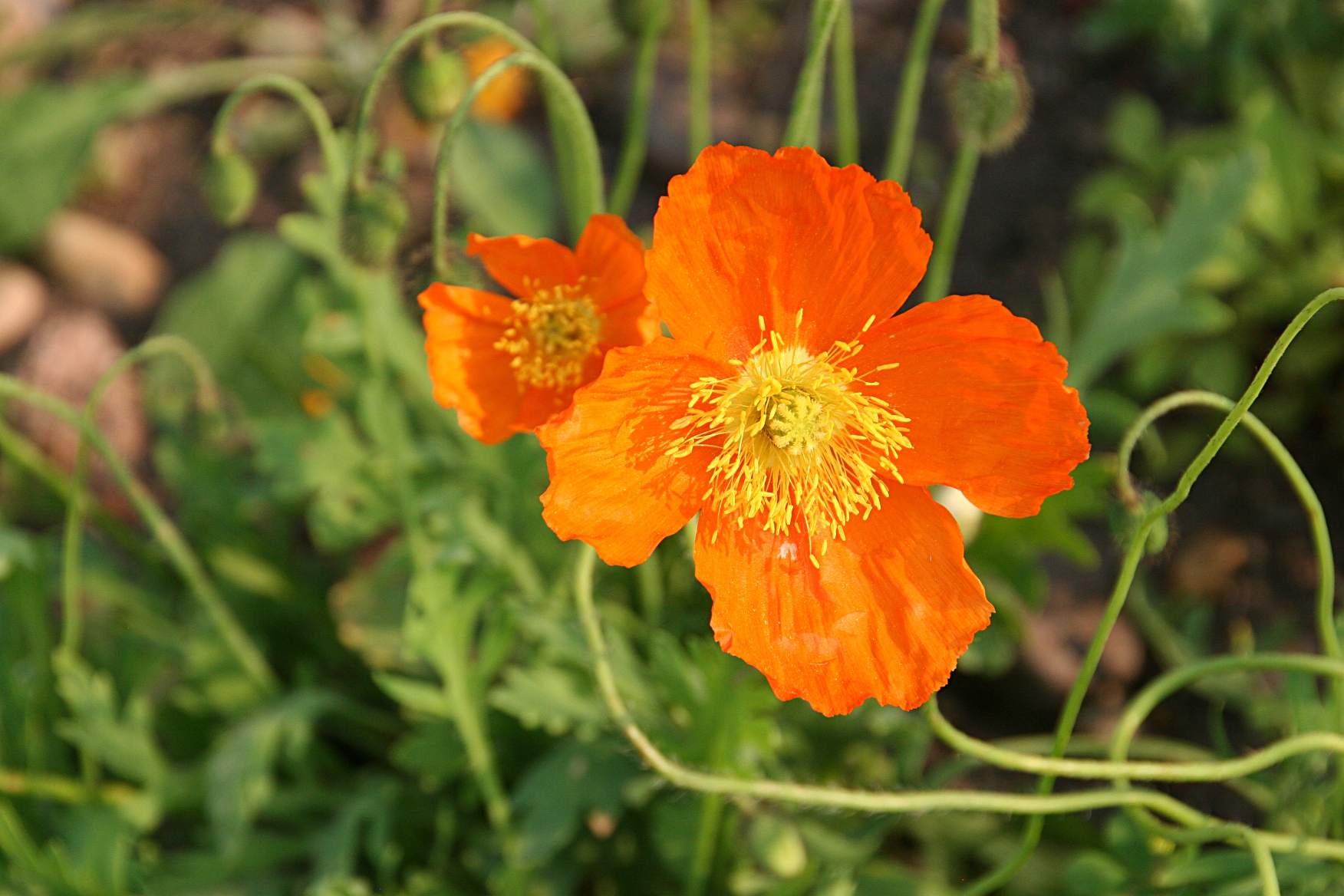
Flowers, orange flowers


I shall always love flowers. They are memories, art which springs from the earth, bold bursts of color in a subdued landscape and the gift I give myself.

BONUS PHOTOS:

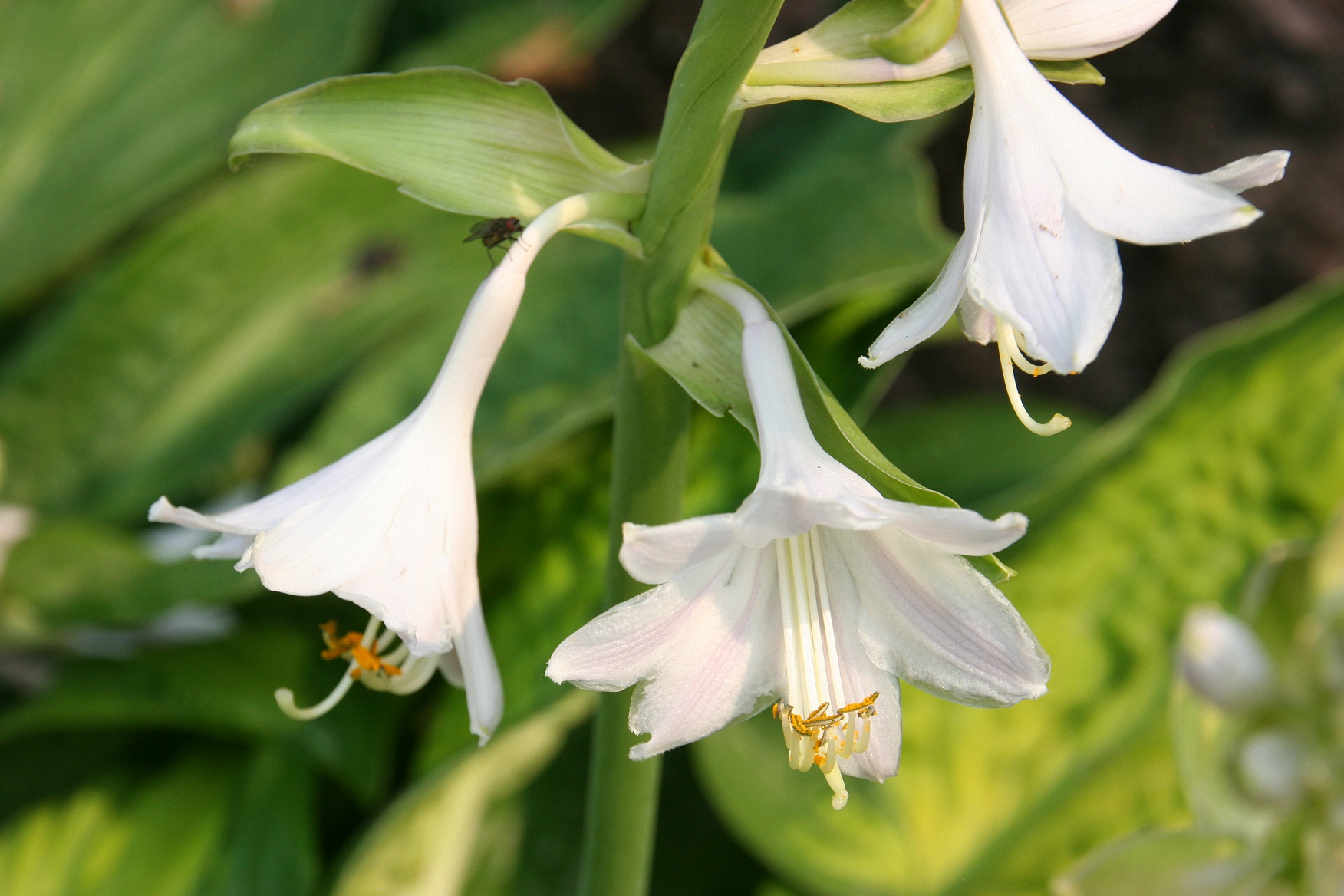
Flowers, hosta flowers


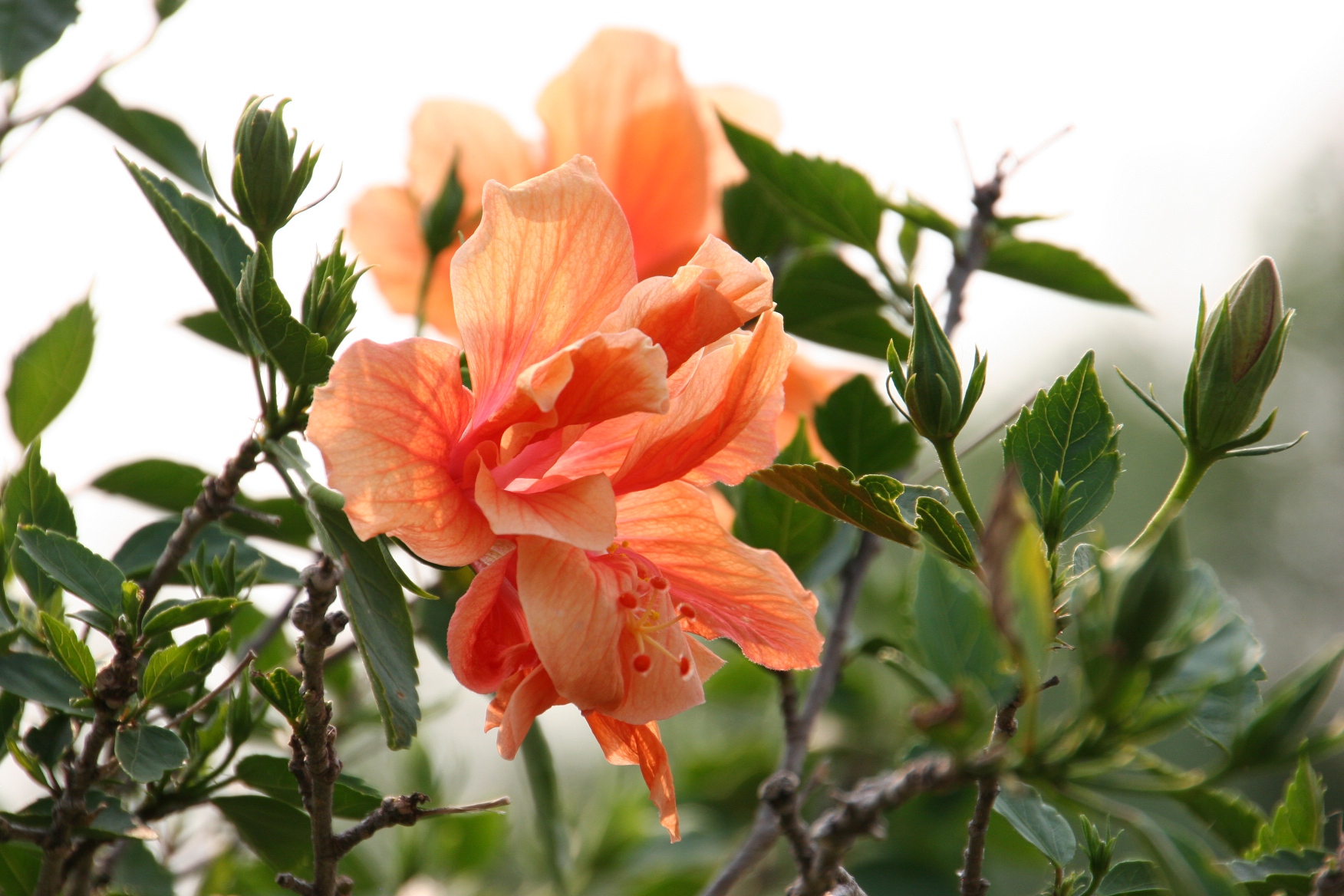
Flowers, hibiscus


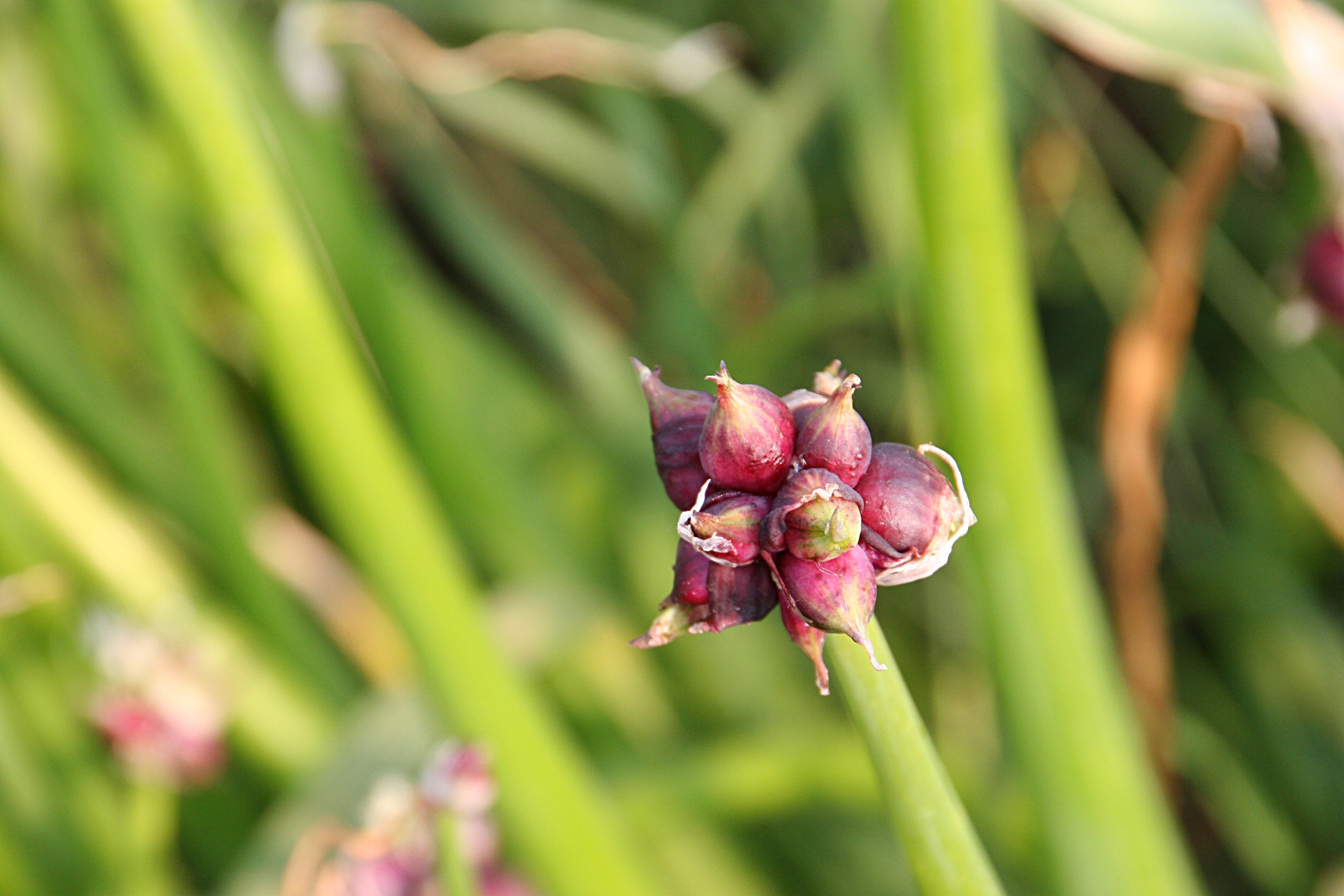
Flowers, buds


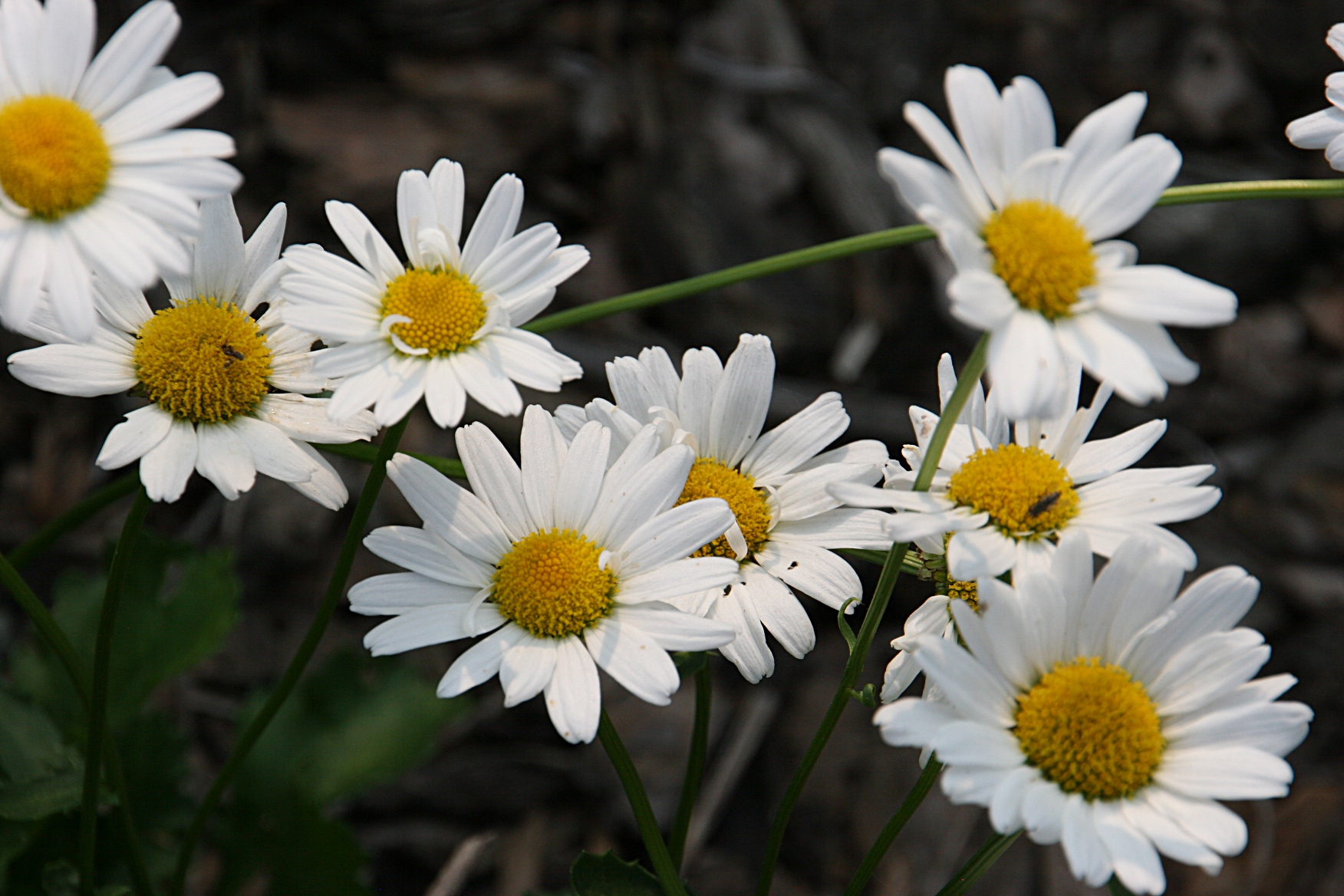
Flowers, daisies


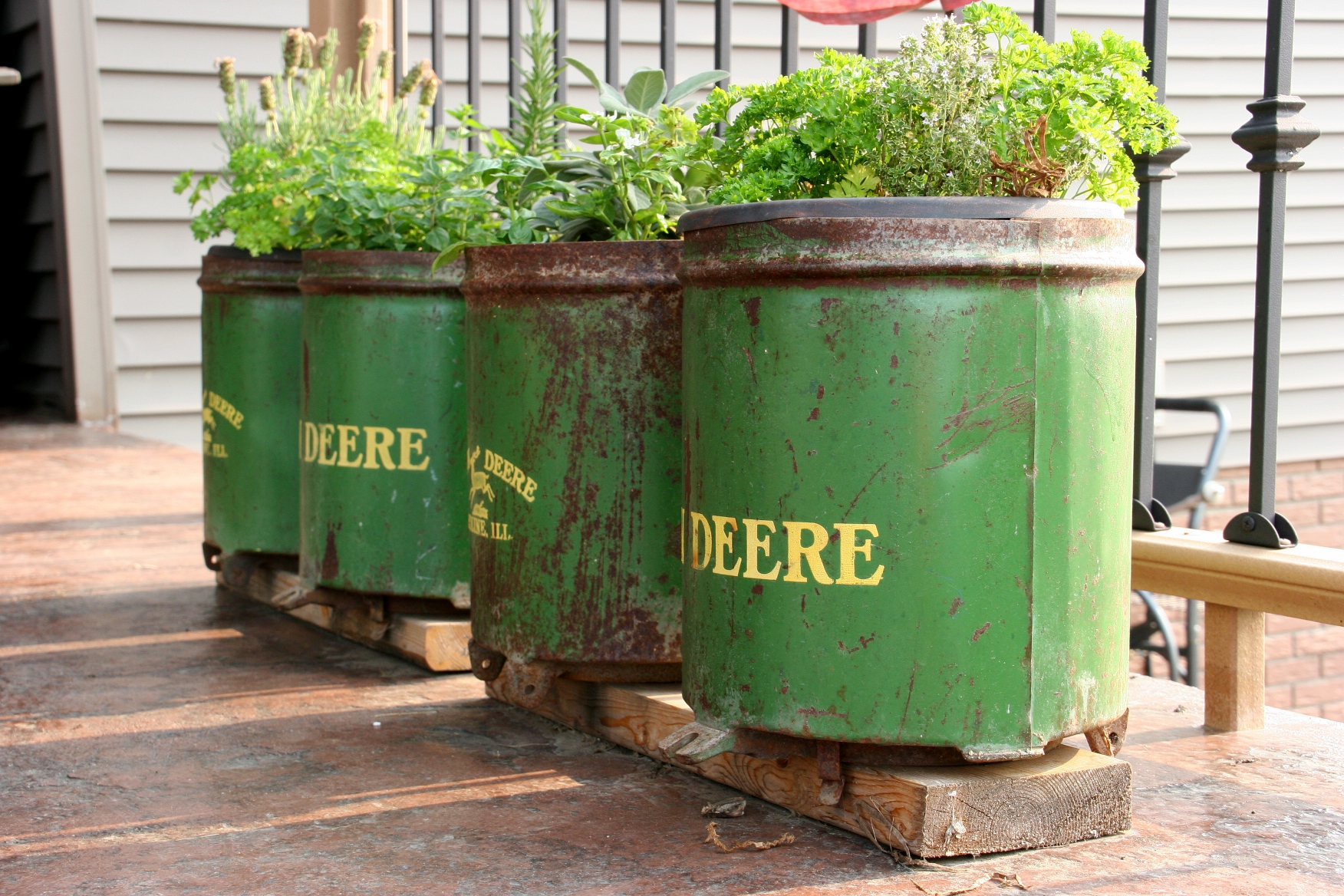
Flowers, John Deere planters


FYI: All of the flowers and plants, except the phlox, were photographed at my brother Brian and sister-in-law Vicki’s rural Lamberton, Minnesota, acreage in mid-summer.

© Copyright 2015 Audrey Kletscher Helbling
 

Rooted in the land, still August 4, 2015

Filed under: Uncategorized — Audrey Kletscher Helbling @ 5:00 AM
Tags: , , , , , , , ,
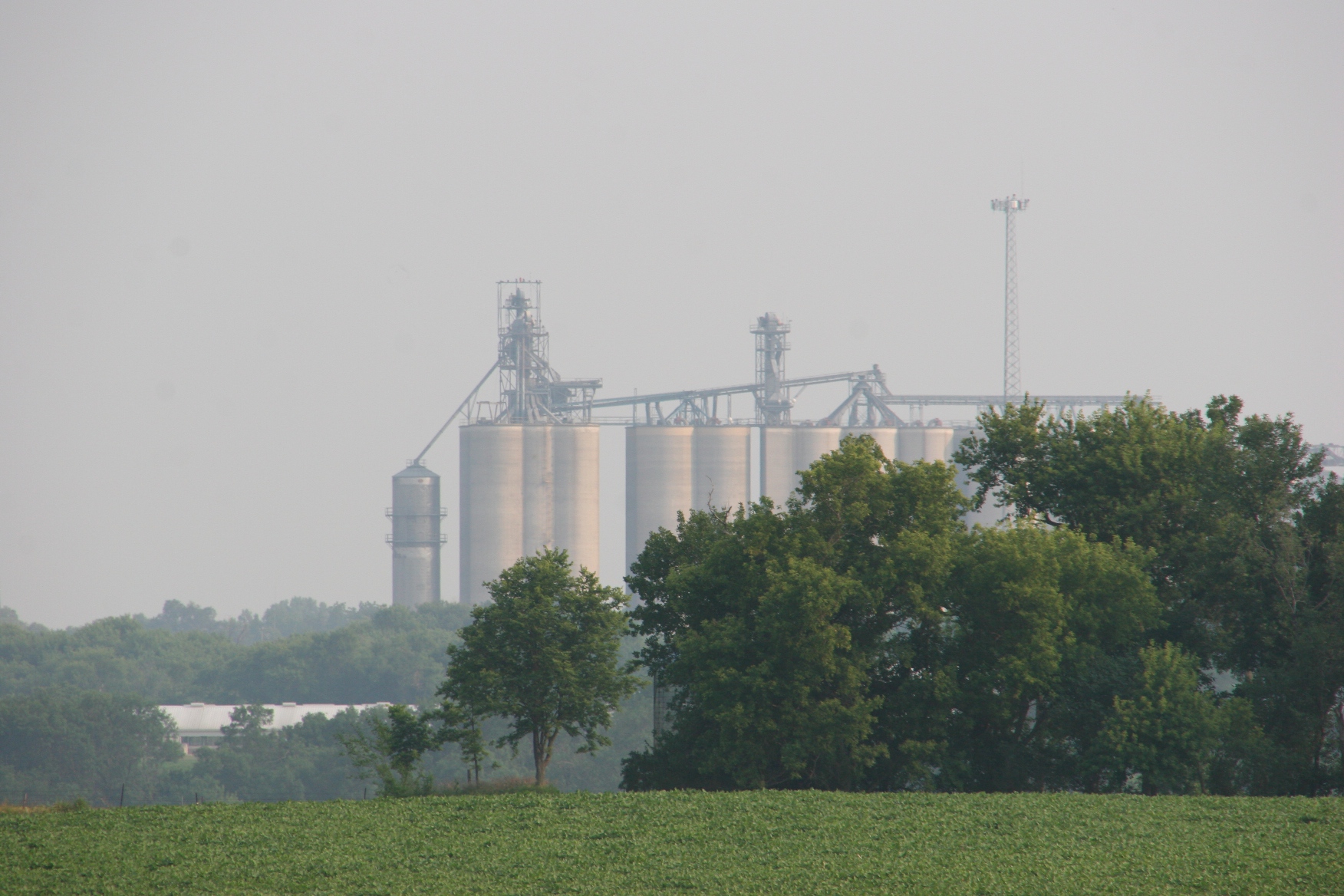
The elevator in Lamberton, Minnesota, just to the south of my brother's place.

Grain elevators, like this one in Lamberton to the south of my brother’s place, define rural small town Minnesota skylines.

THERE ARE DAYS, even now after forty years away from the farm, that I yearn to permanently return, to plant my feet upon the land, to follow a gravel road, to breathe in deeply the scent of freshly-mown alfalfa, to step into the blackness of a summer night under a sky pinpointed with an infinity of stars. On land that is mine. It will never happen.

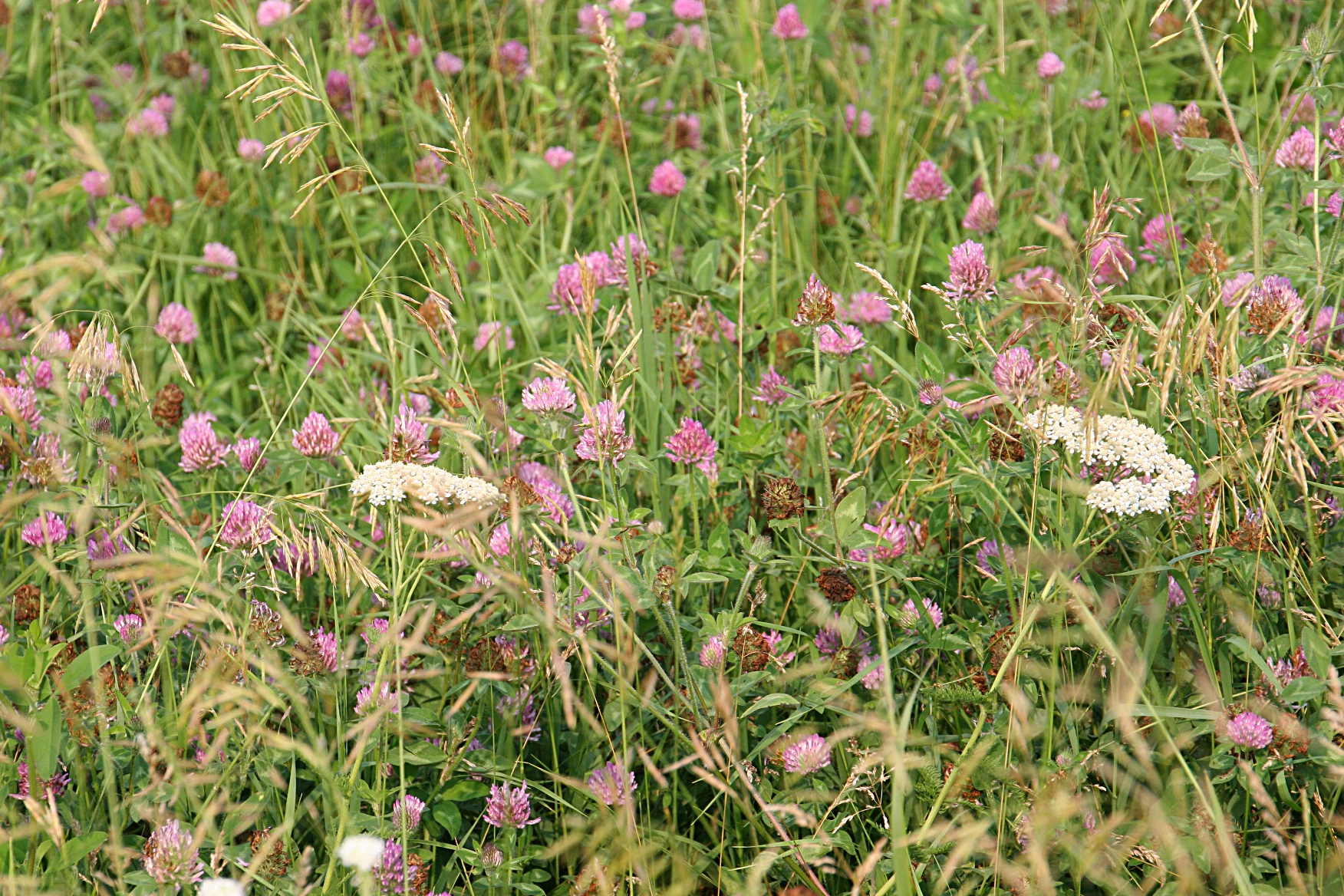
Clover on the edge of a field.

Clover on the edge of a field.

But I am fortunate that my middle brother and his wife live on my native prairie on a rural acreage that they share. It has become the extended family gathering spot, the site that reconnects me to southwestern Minnesota, my childhood home.

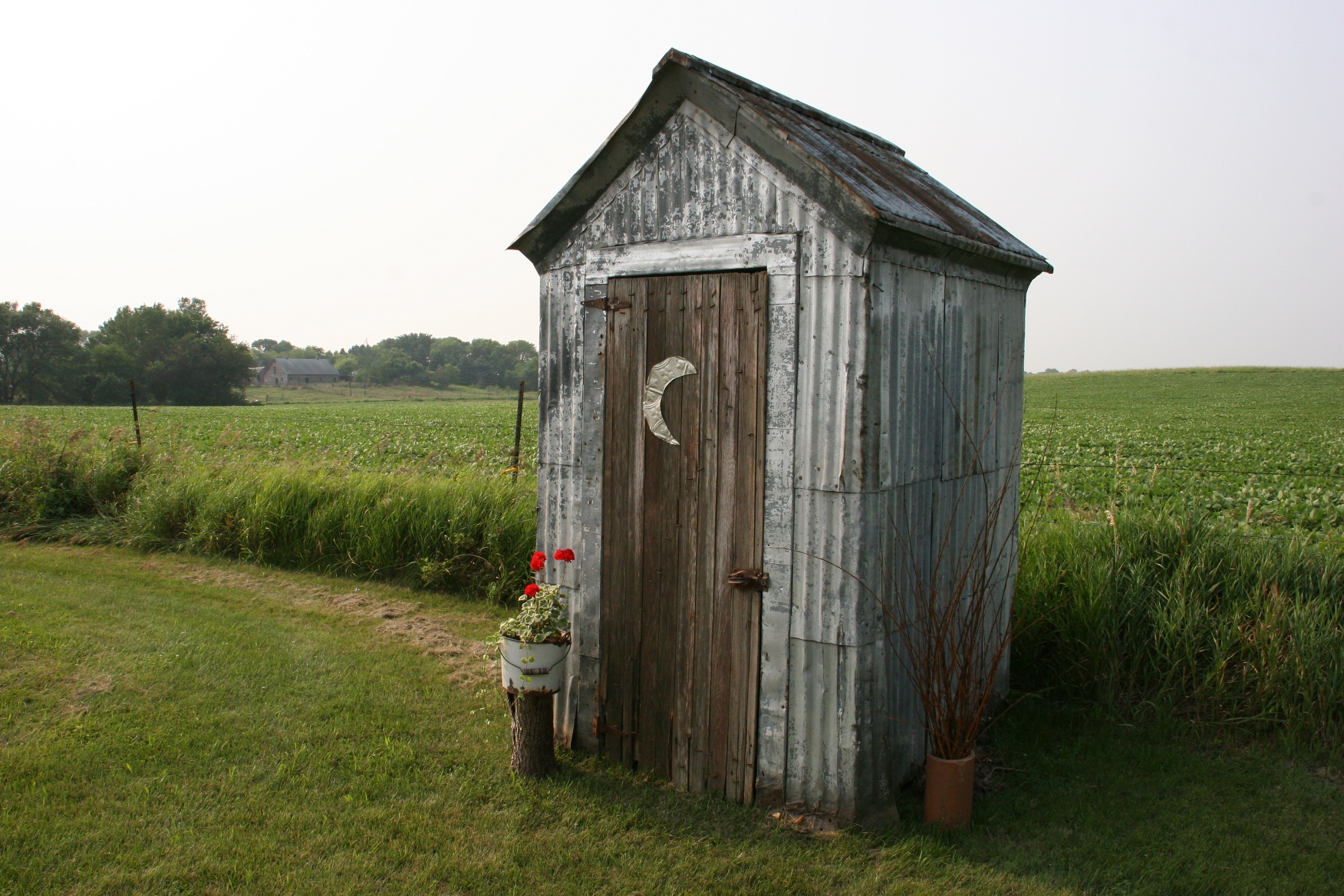
Brian and Vicki recently added an outhouse (used for storage) to their property. This reminds me of the first 11 years of my life, living in a house without a bathroom and using a two-holer outhouse.

Brian and Vicki recently added an outhouse (used for storage) to their property. This reminds me of the first 11 years of my life, living in a house without a bathroom and using a two-holer outhouse.

Each time I visit Brian and Vicki’s home 120 miles distant from Faribault, I wander their land with my camera, photographing rural scenes, capturing memories with my lens.

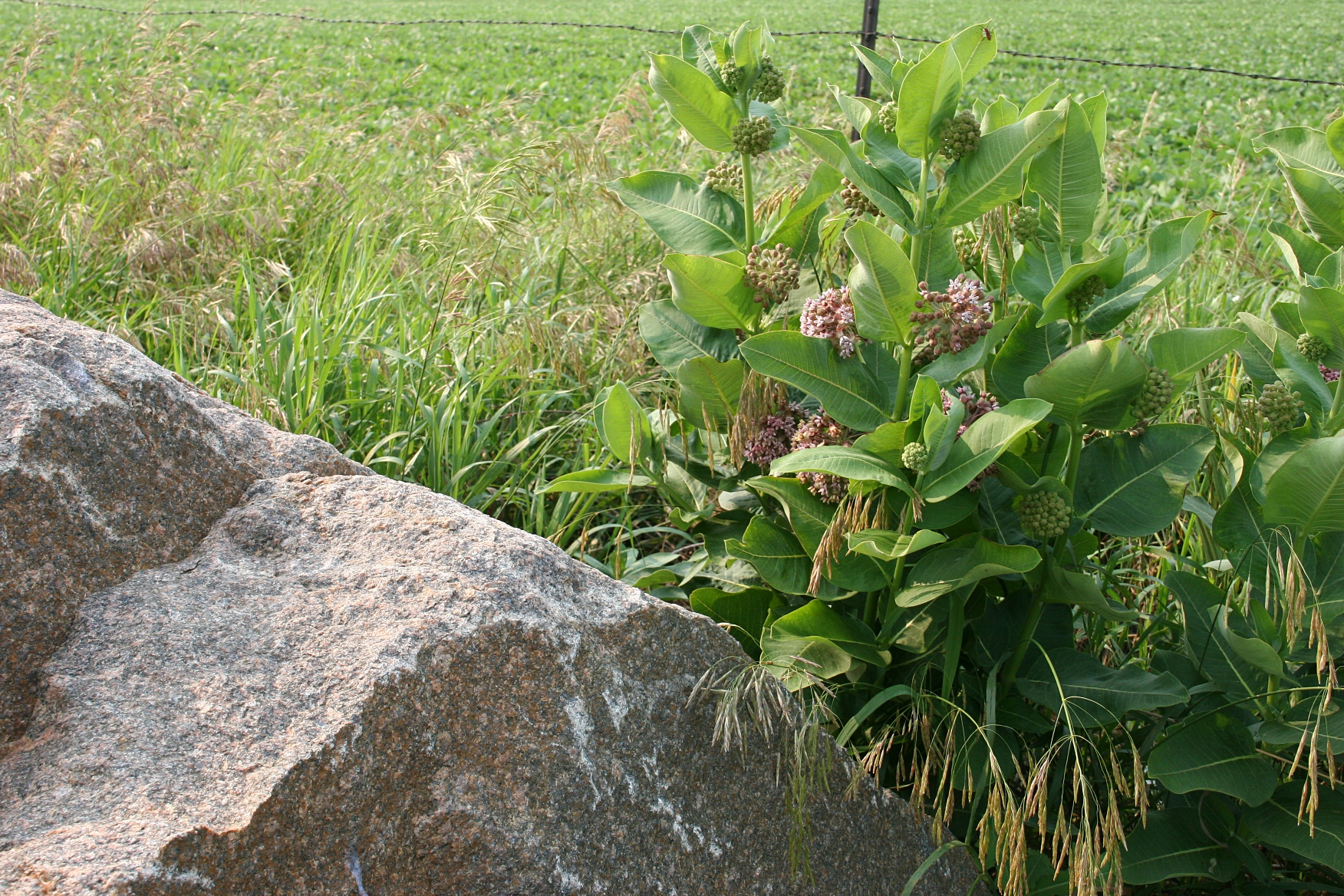
Monarch attracting milkweed grows next to a soybean field.

Monarch attracting milkweed grows along the fence line next to a soybean field.

Scents of clover and of milkweed.

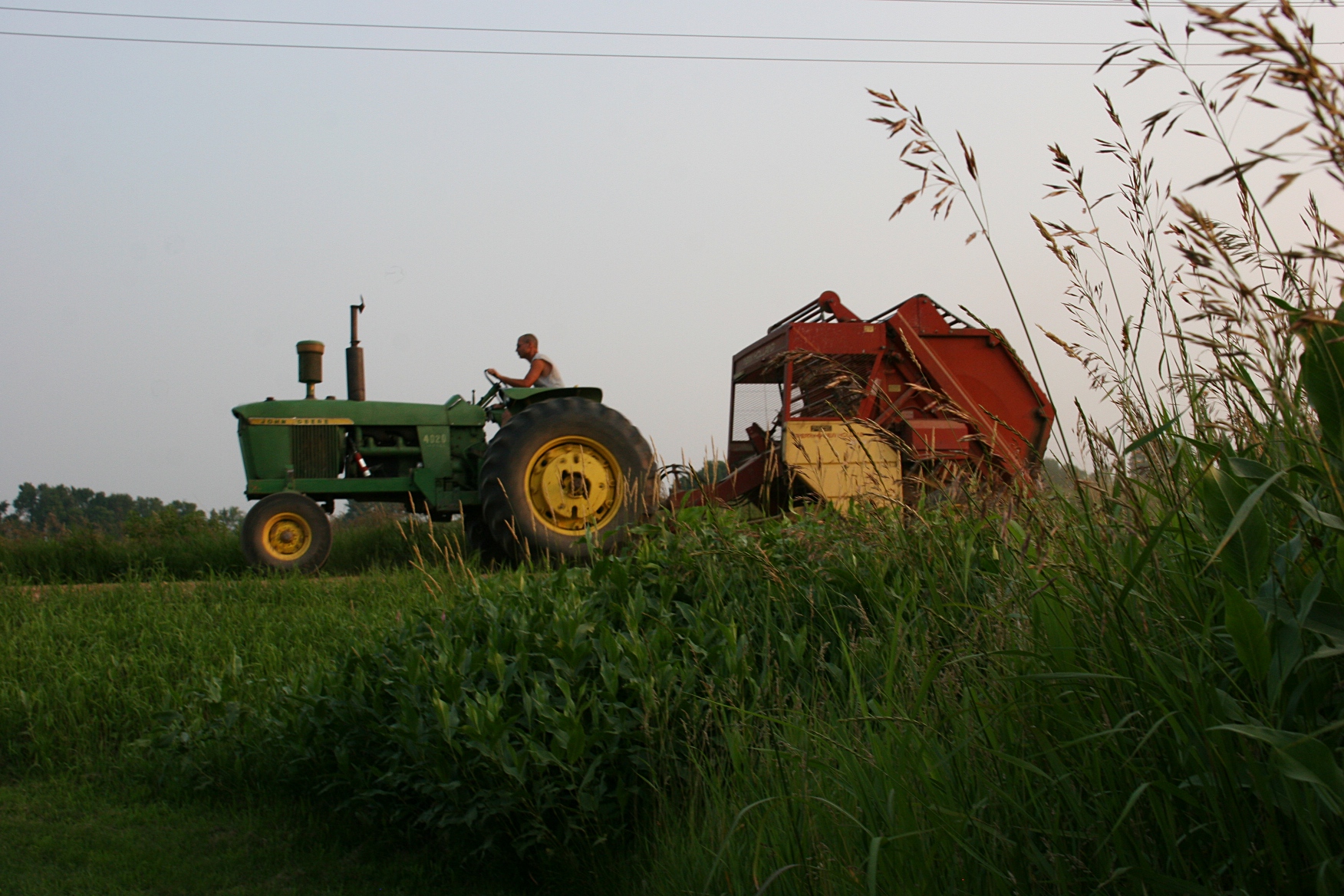
The John Deere tractor roared by my brother's place much of the afternoon

The John Deere tractor roared by my brother’s place much of the afternoon as the farmer baled hay.

Roar of a tractor.

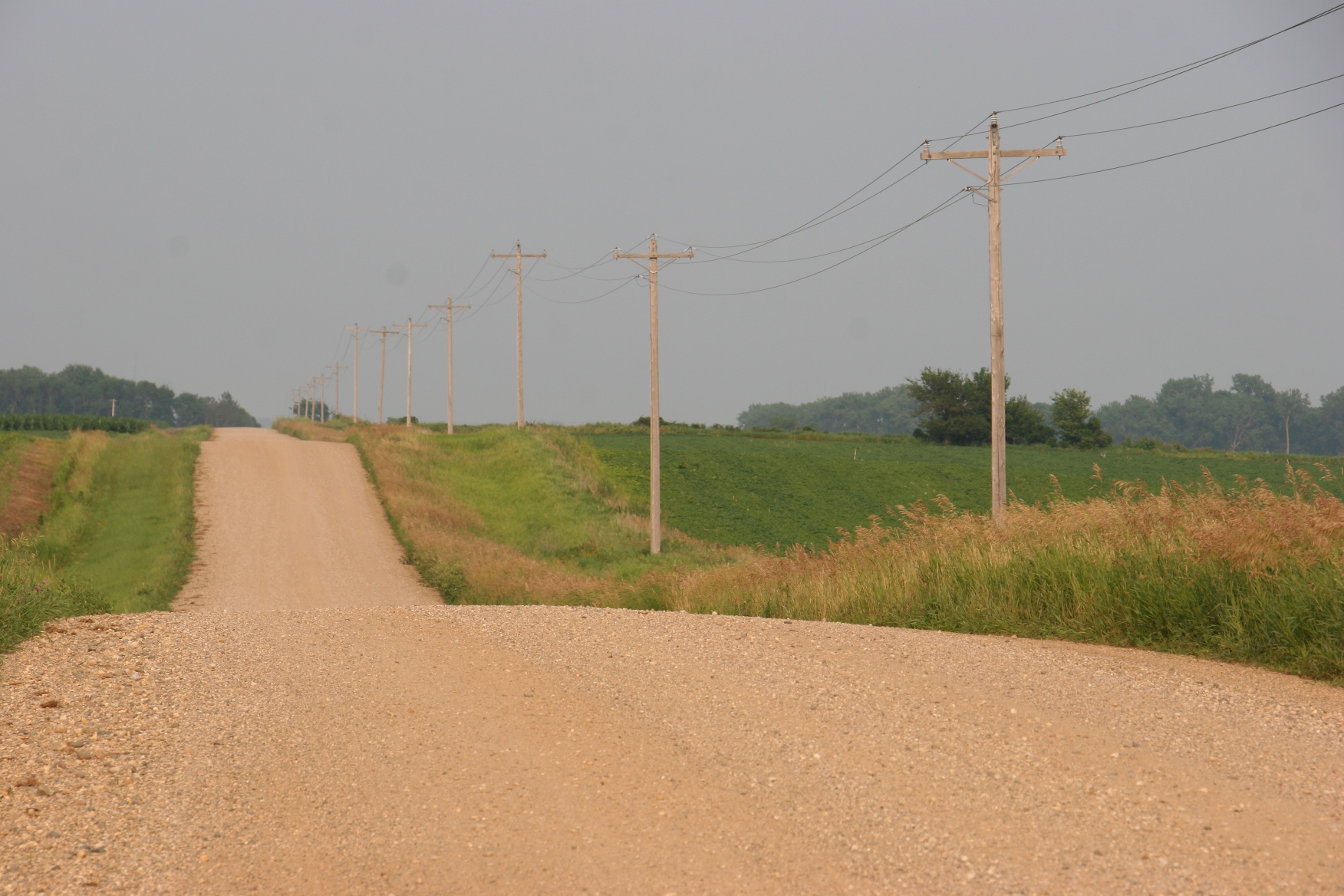
The gravel road that runs past my middle brother's rural acreage just north of Lamberton, Minnesota.

The gravel road that runs past my middle brother’s rural acreage just north of Lamberton.

Crunching of gravel beneath feet.

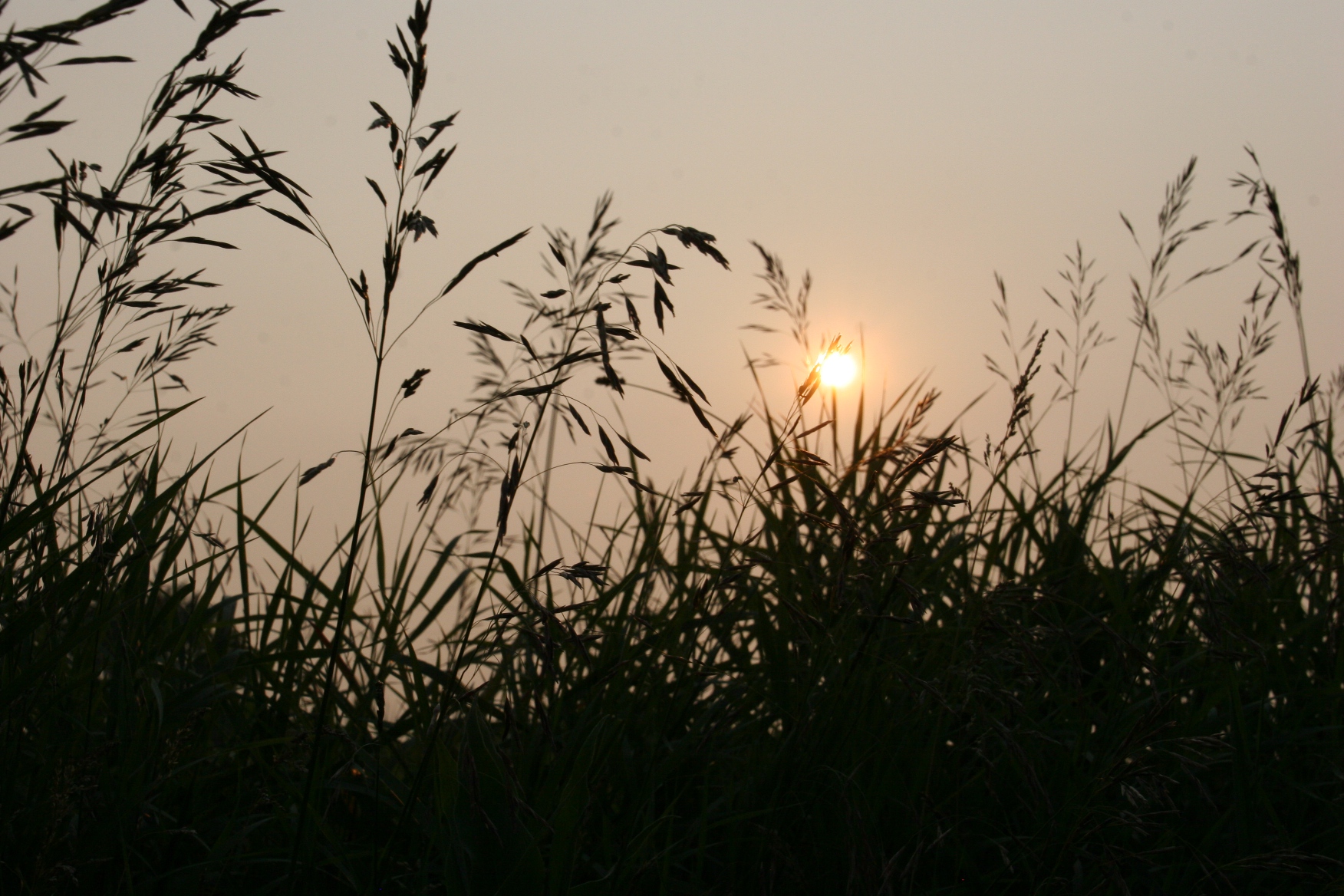
The sun begins to set.

The sun begins to set.

The undeniable serenity that descends with daylight’s impending departure.

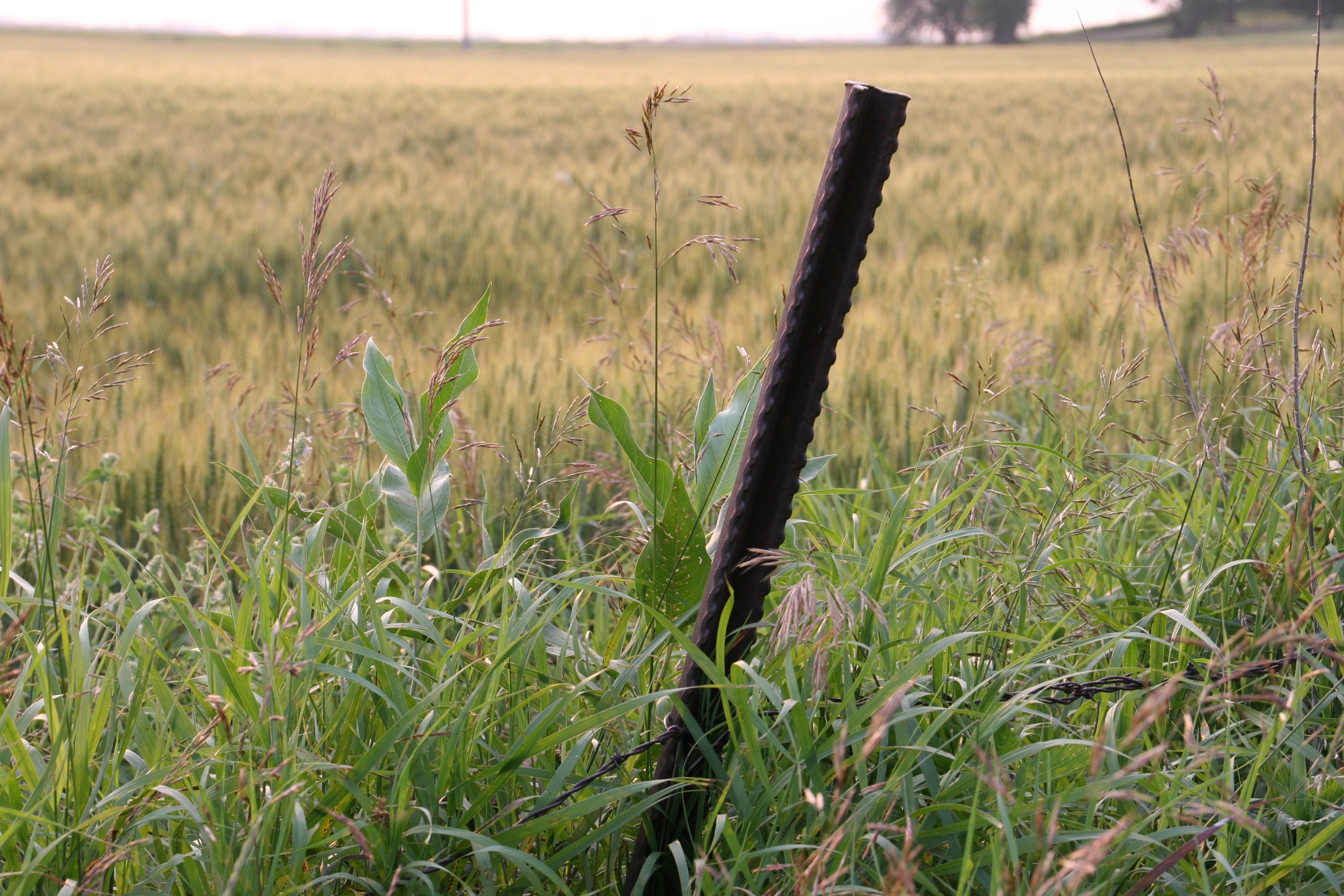
There's something about a leaning fence post that is authentically rural.

There’s something about a leaning fence post that is authentically rural.

Fence posts leaning, sun setting, crops growing. Absence of noise.

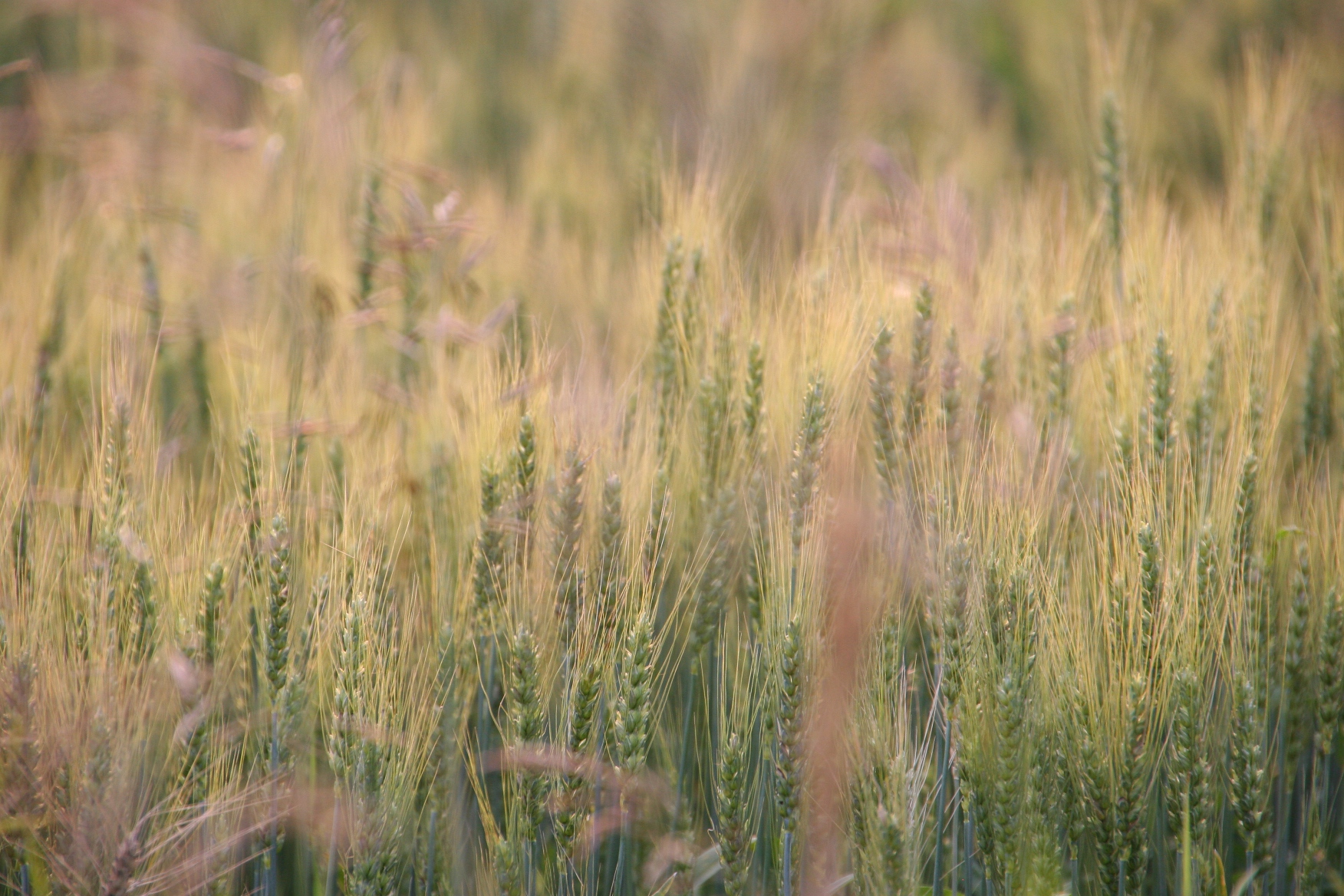
Wheat in the field just across the fence line.

Wheat in the field just across the fence line.

This is enough to hold me, to remind me of my roots, to imprint the poetry of the land upon my soul.

BONUS PHOTOS:

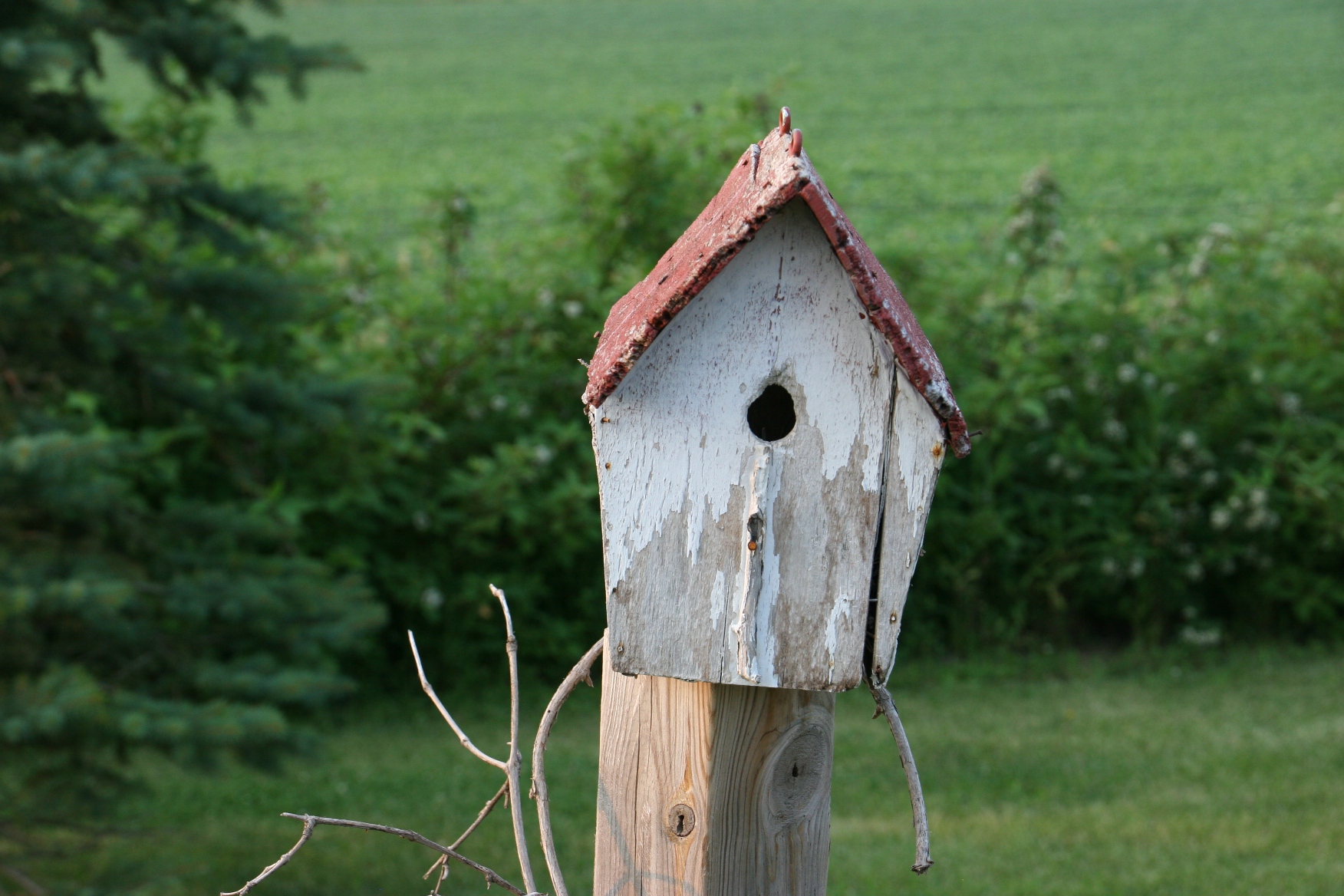
A rural home for the birds.

A rural home for the birds.

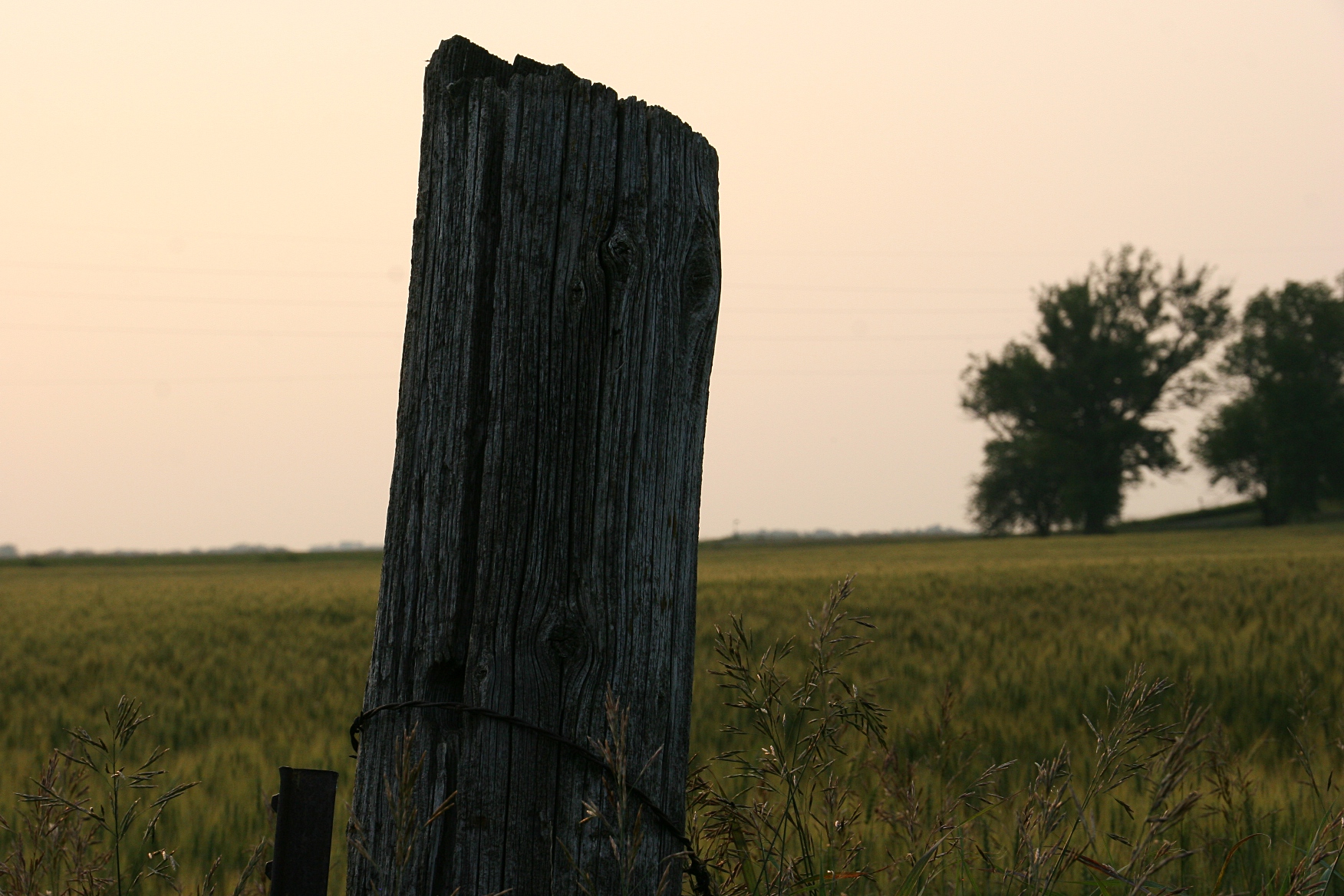
There's something poetic about an old wooden fence post.

There’s something poetic about an old wooden fence post at dusk.

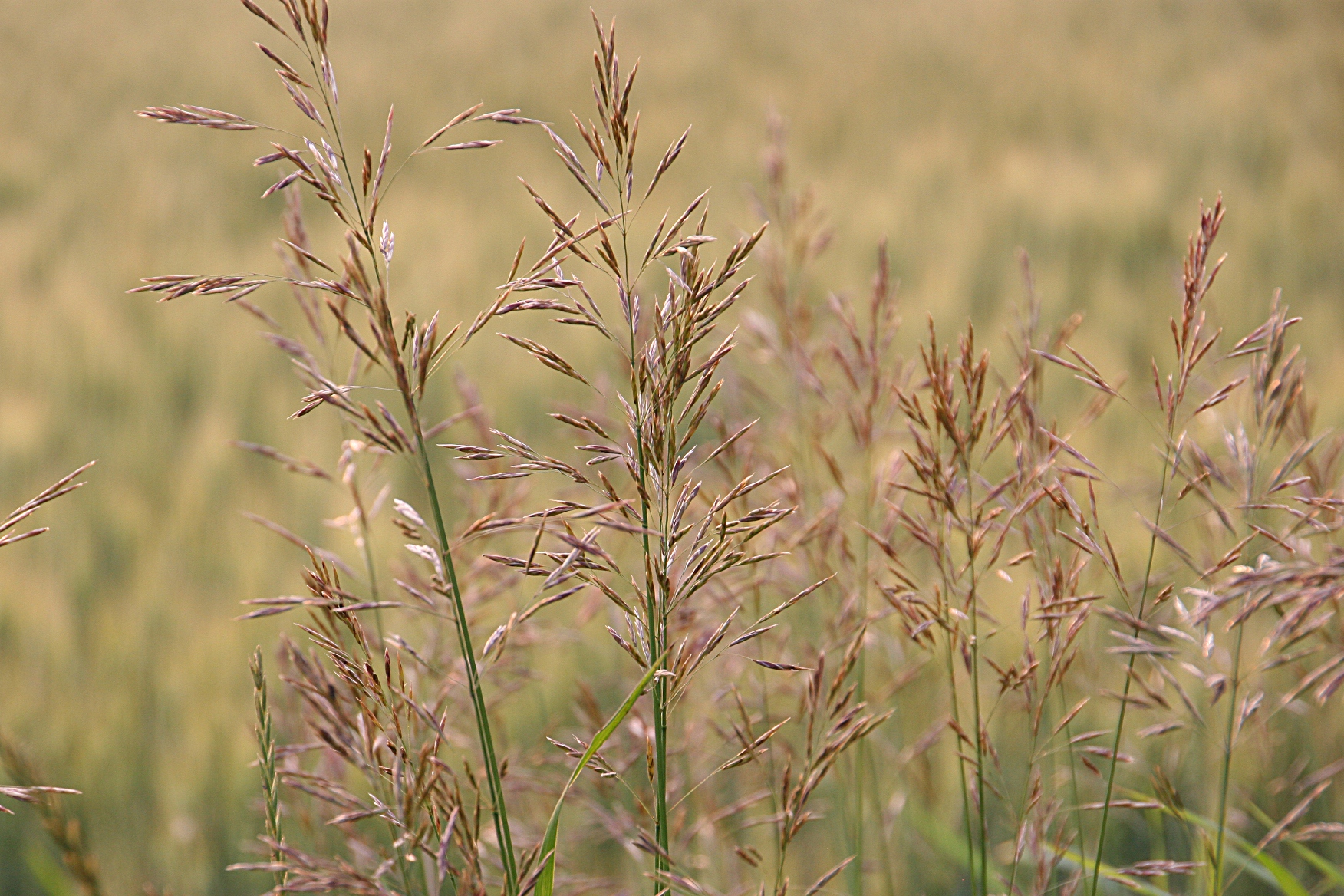
Beautiful brohm grass. As a child, my siblings and I would play make-believe in the tall grass on our farm.

Beautiful brohm grass. As children, my siblings and I would play make-believe in the tall grass on our farm near Vesta.

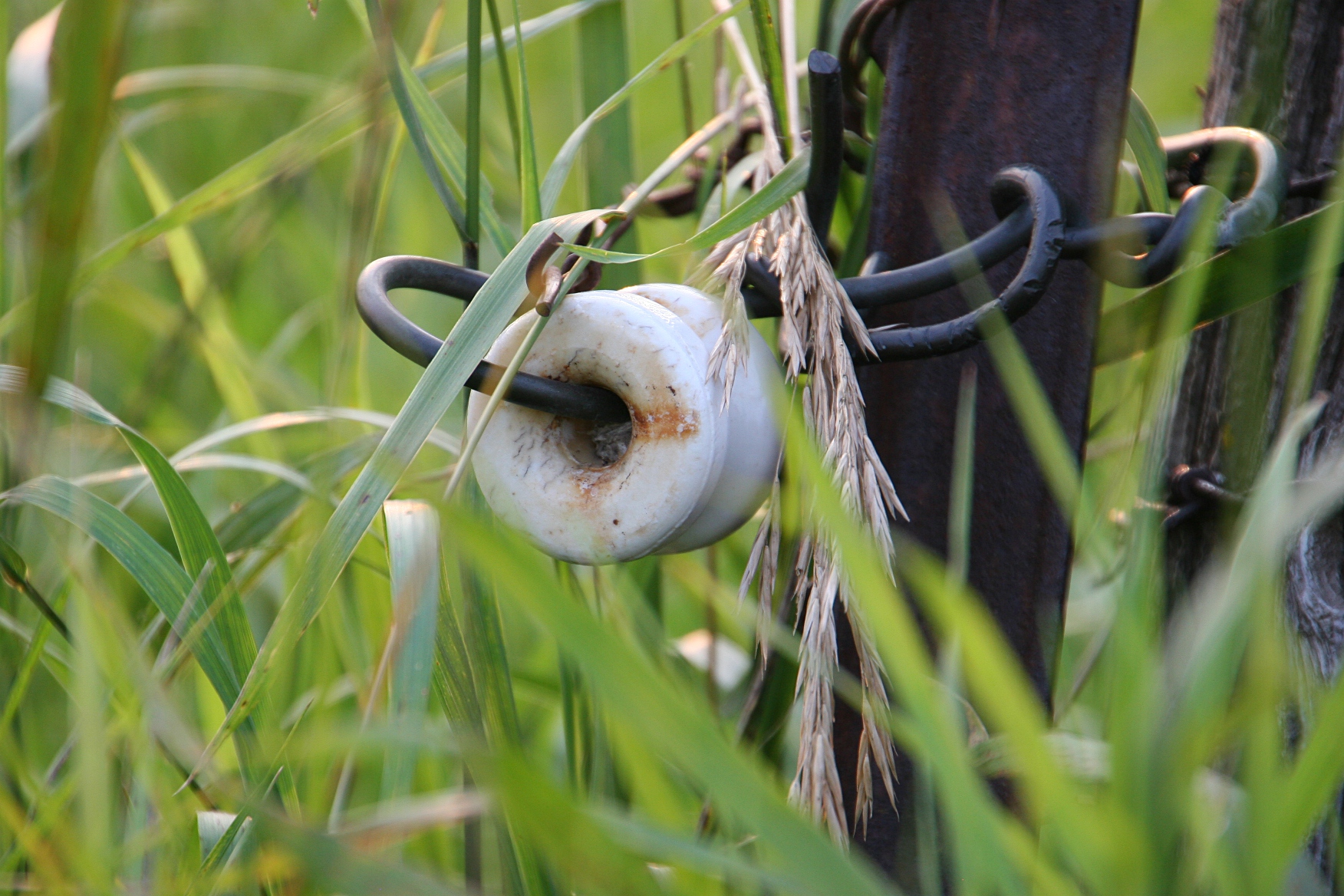
Even the sight of this aged insulator sparks memories.

Even the sight of this aged insulator sparks memories.

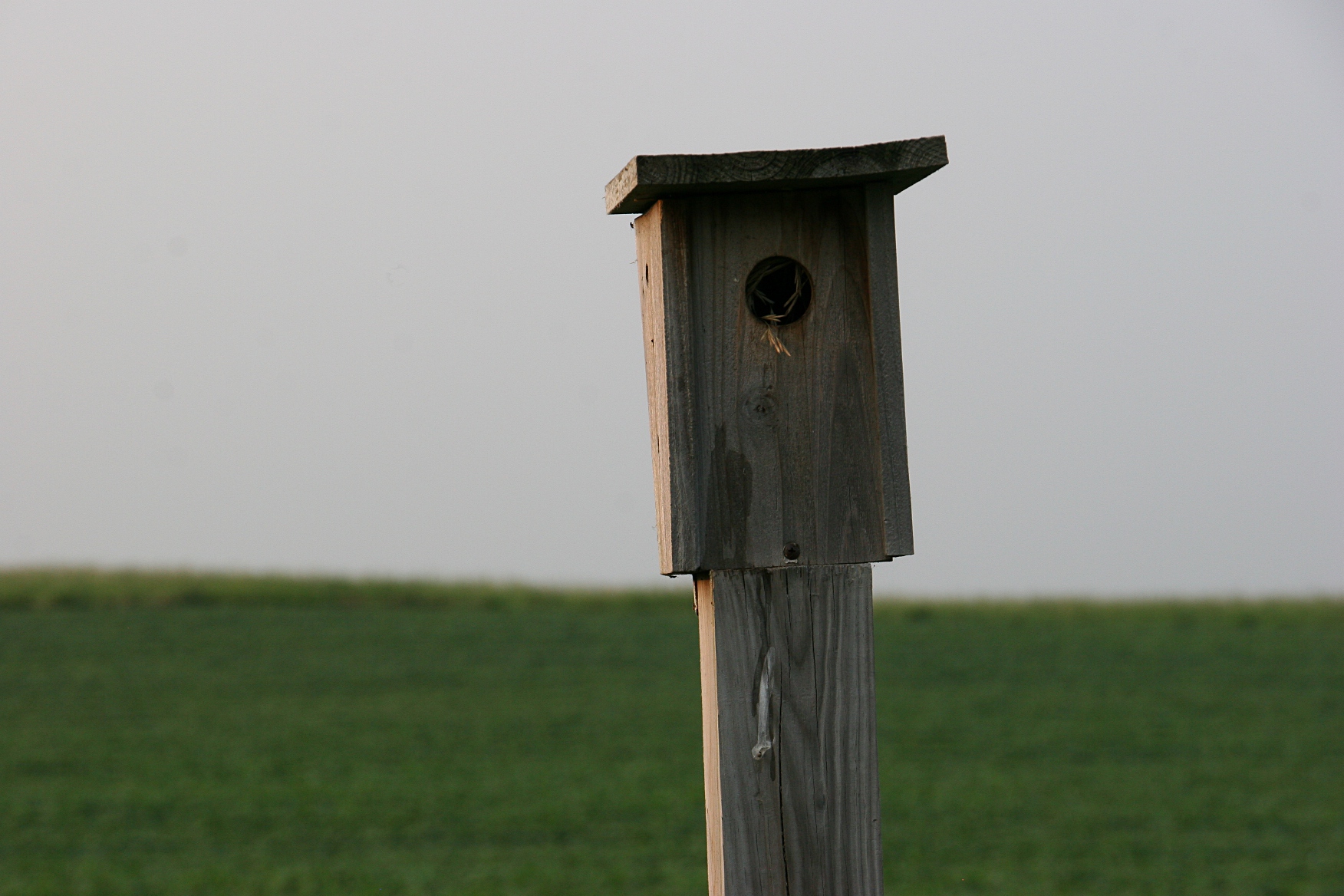
A birdhouse, perfect in its simplicity.

A birdhouse, perfect in its simplicity.

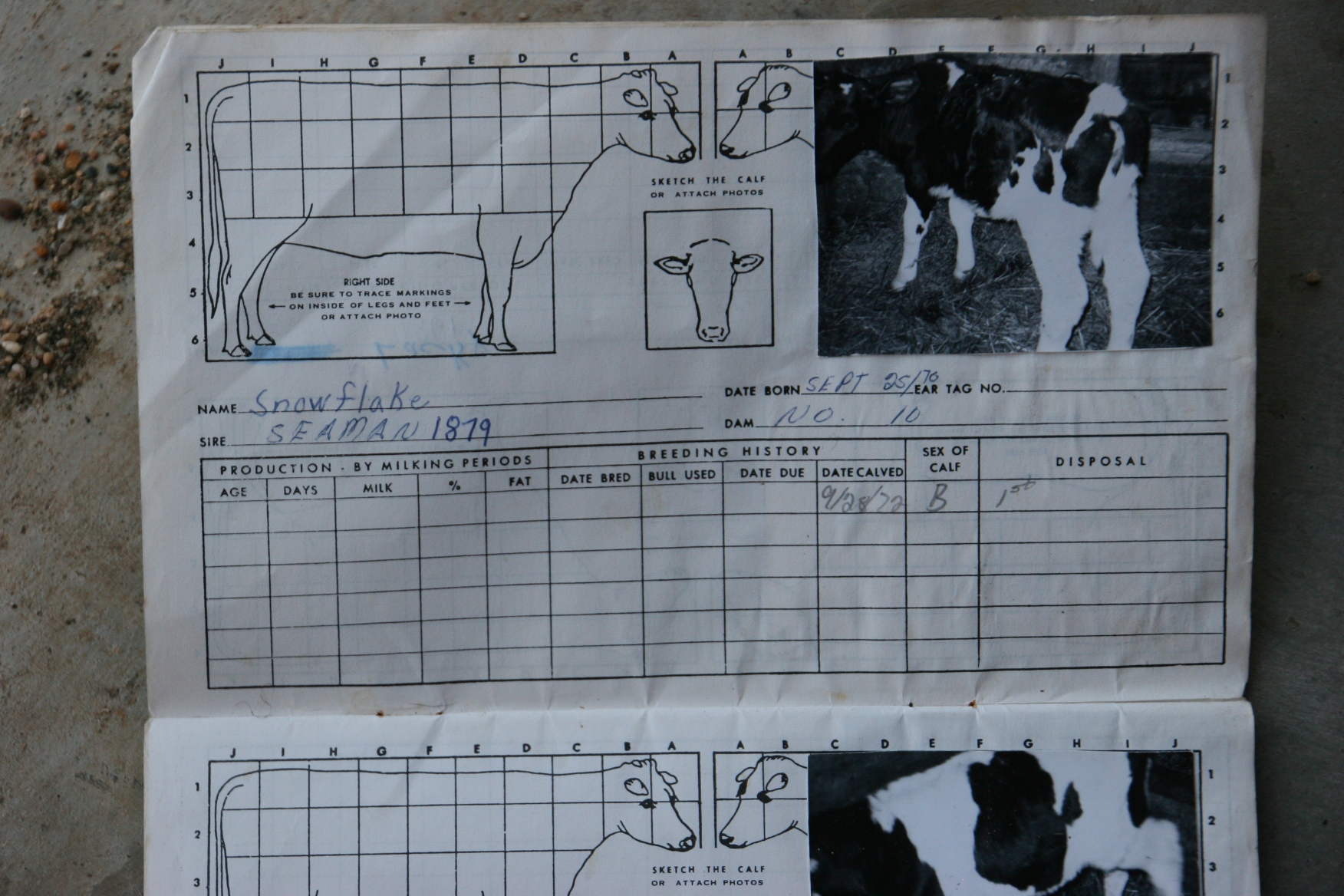
Growing up on our crop and dairy farm, my eldest brother, Doug, photographed the cows and recorded details about them. My middle brother treasures this compilation of information from our farm. And so do I. Memories...

Growing up on our crop and dairy farm, my eldest brother, Doug, photographed the cows and recorded details about them. My middle brother treasures this compilation of information from our farm. And so do I. Memories… Brian showed this to us on our last visit and I considered it important enough to photograph. It is a piece of rural, and family, history.

FYI: All of these photos were taken on the July Fourth weekend.

© Copyright 2015 Audrey Kletscher Helbling
 

Working the land in Shakopee July 13, 2015

Filed under: Uncategorized — Audrey Kletscher Helbling @ 5:00 AM
Tags: , , , , , ,

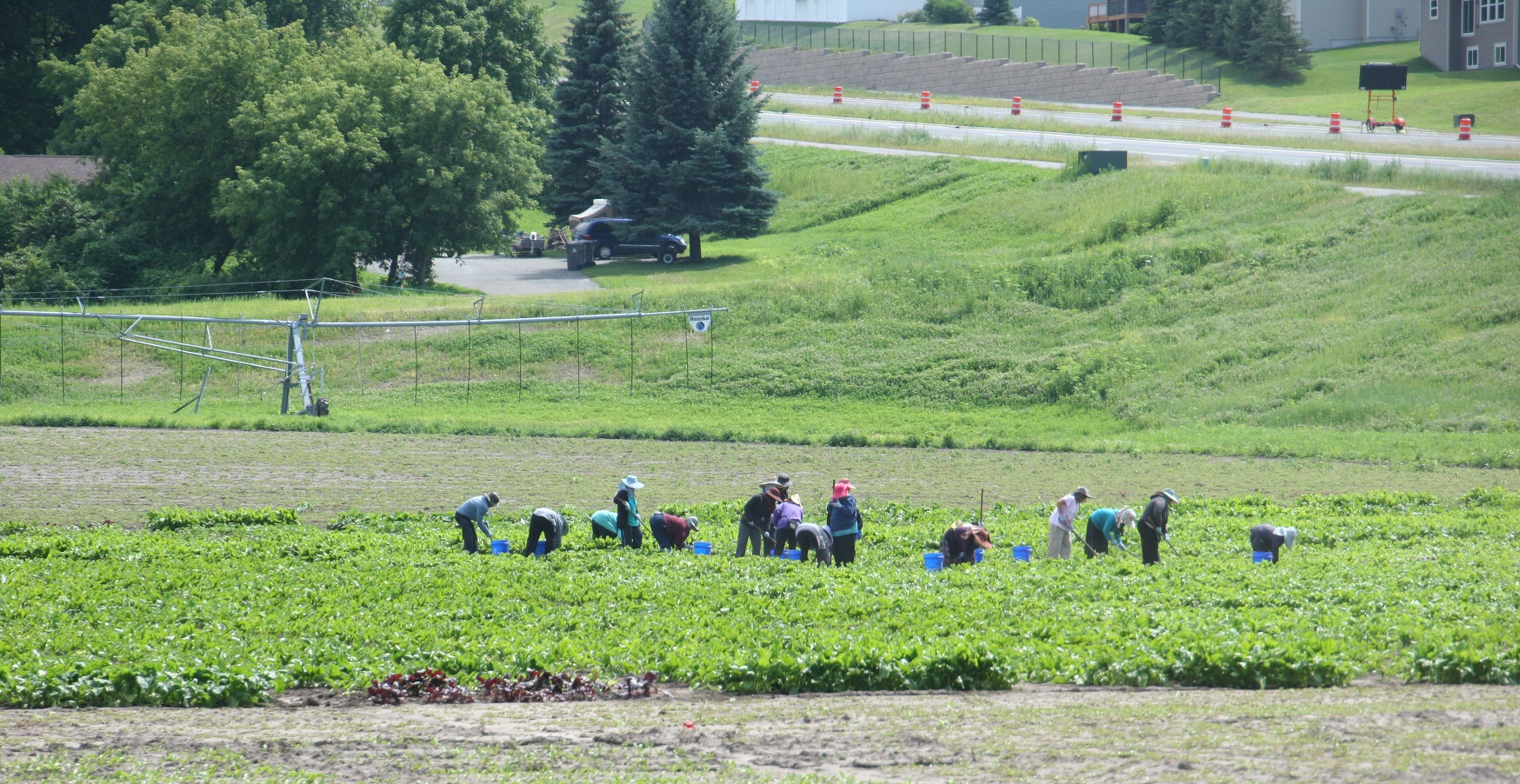
I AM AN IMPRINT OF THE LAND. Rich, black soil under fingernails. Corn stretching high. Cockleburs between soybean rows. Hoe in hand. Back bent, laboring under the sun as heat waves shimmer across fields. Sweat streaming dirt down my face. Relief in the shade of a cottonwood. Lemonade in a Mason jar.

Earth and sun and sky. Southwestern Minnesota.


Working the fields, Shakopee 1


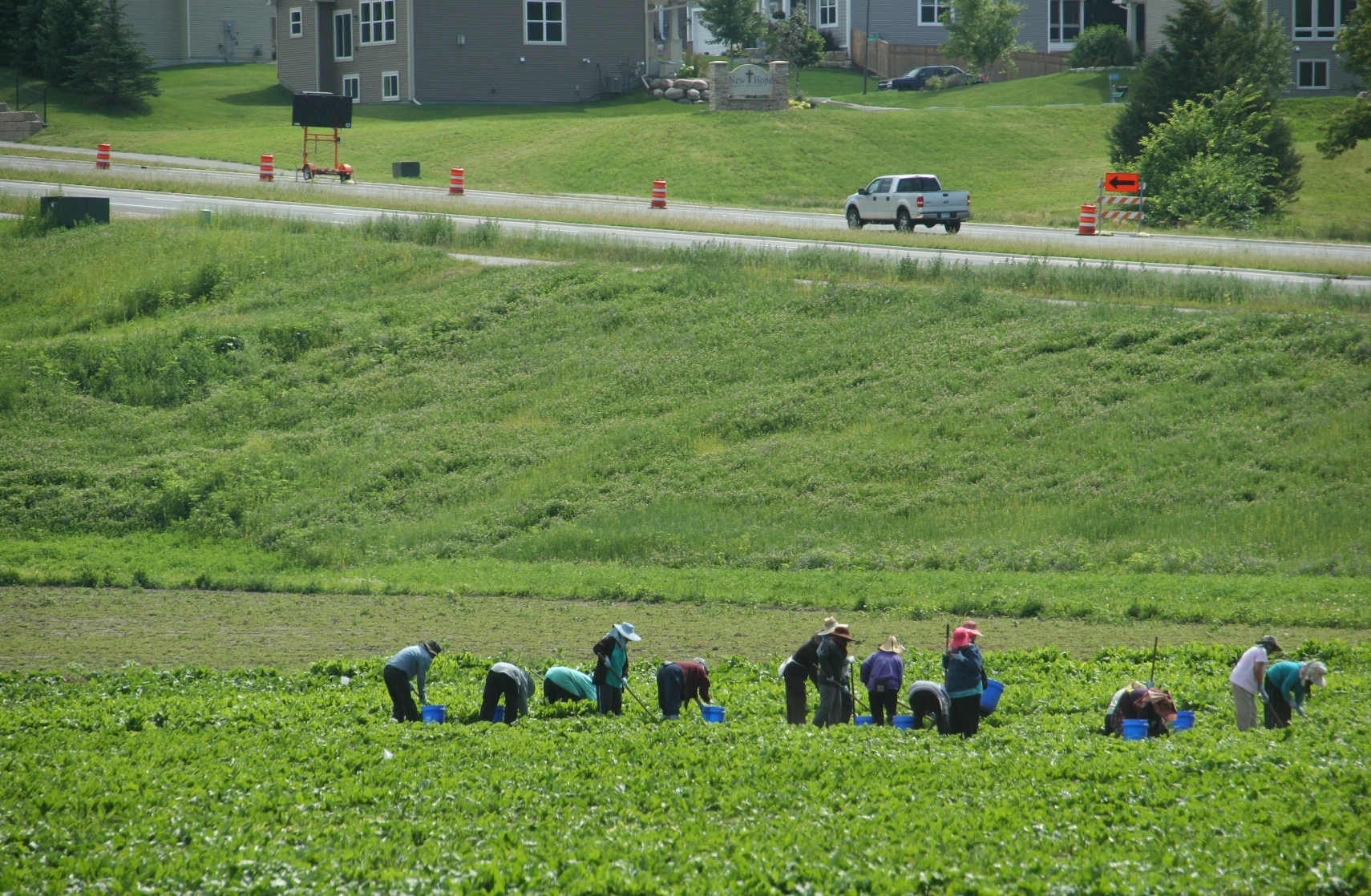
Those memories surfaced when I observed a crew working the land in Shakopee late on a Thursday afternoon in July. The juxtaposition of the field to a new housing development struck me. I didn’t know the identities of the laborers or what they were tending, whether they own this land or others do.


Working the fields in Shakopee 2


But I know this. We share a commonality of connection to the soil. Decades have passed since I detasseled corn, walked beans, hoed the sprawling family garden. Yet, if I look close enough, I see dirt still tracing the creases of my palms.

© Copyright 2015 Audrey Kletscher Helbling
 

Minnesota tornado memories twist through my mind today May 6, 2015

Filed under: Uncategorized — Audrey Kletscher Helbling @ 5:00 AM
Tags: , , , , , ,

FLASHBACK TO JULY 24, 2010, between 11 p.m. and midnight. We—my husband, Mom and 16-year-old son—are hunkered down in a car along a Redwood County road in rural southwestern Minnesota north of Walnut Grove. We’ve just left an outdoor pageant showcasing excerpts from the stories of Laura Ingalls Wilder.

Now we are on the prairie, in the middle of a storm. Rain rushes in torrential sheets, forcing my husband to pull over and stop. Winds rock the car with ferocity and flatten roadside grass. Flashes of lightning slice through the blackness, revealing swaying trees.

I am terrified, fearful that the wind—which I later learn raged at 70 mph—will toss our car into the ditch, perhaps into water that buffets a section of this roadway. The darkness is so black that I have no idea where we are.

I press my head into the back of the front driver’s seat, praying. I am clutching my son’s sweaty hand.

For 45 minutes we endure the storm. When we arrive at my Mom’s house in my hometown, I am so relieved I could kiss the ground.

I respect storms.

The photo by Eric Lantz illustrates the cover of Scott Thoma's just-published book.

This photo of the Tracy, Minnesota, tornado by Eric Lantz illustrates the cover of Scott Thoma’s book about that tornado. Book cover image courtesy of Scott Thoma.

On June 13, 1968, Minnesota’s first F5 tornado, the most powerful with wind speeds in excess of 300 mph, ravaged the community of Tracy, the next town west of Walnut Grove and some 30 or so miles from the farm where I then lived. That tornado killed nine and left a lasting imprint upon my impressionable young mind.

A residential street, once covered in branches and debris, had to be plowed to allow vehicles to pass. Photo by The Tracy Headlight Herald and courtesy of Scott Thoma, Tracy native and author of Out of the Blue, a book about the Tracy tornado.

A residential street, once covered in branches and debris, had to be plowed to allow vehicles to pass. Photo by The Tracy Headlight Herald and courtesy of Scott Thoma, Tracy native and author of Out of the Blue, a book about the 1968 Tracy tornado.

Decades later a tornado would strike my childhood farm, taking down a silo and tossing silage wagons like toys.

I respect storms.

On March 29, 1998, multiple devastating tornadoes wreaked destruction upon Comfrey in southwestern Minnesota and St. Peter, some 40 miles west of where I now live. A young boy died.

I respect storms.

In July 2011, high winds partially ripped the roof off St. John’s Lutheran Church in Vesta, the church I attended while growing up. That same day, a tornado struck nearby Belview.

I respect storms.

Visitors to the Minnesota History Center in St. Paul can experience the 1965 tornado outbreak in a replica basement of a 1960s rambler. Through a multi-media presentation, that deadly series of tornadoes

Visitors to the Minnesota History Center in St. Paul can experience the May 6, 1965 tornado outbreak in a replica basement of a 1960s rambler. Through a multi-media presentation, visitors can experience those tornadoes in this exhibit titled “Get to the basement.” Those are words I heard as a child and still repeat today whenever tornado warning sirens blare in Faribault.

Today marks 50 years since the biggest tornado outbreak in Twin Cities history. Six twisters—four rated as high as F4 with winds of 166-200 mph—touched down in multiple communities, killing 13 and injuring 683. Interestingly enough, I don’t remember that 1965 tragic tornado event. We may not have had a television yet then. And, at age nine, I likely did not concern myself with something that happened seemingly so far away in “the Cities.” I should have.

I respect storms. Do you?

© Copyright 2015 Audrey Kletscher Helbling
 

The evolution of prom April 28, 2015

Filed under: Uncategorized — Audrey Kletscher Helbling @ 5:01 AM
Tags: , , , , , ,
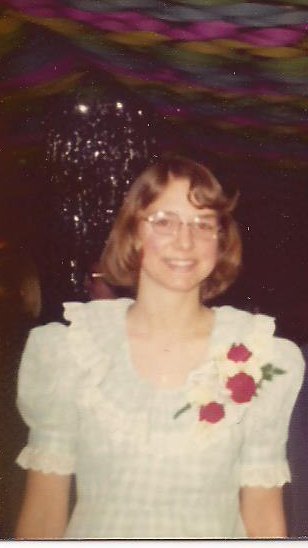
Me in the dress I stitched for prom in 1974, my senior year of high school.

Me in the dress I stitched for prom in 1974, my senior year of high school. I went with a date that year.

THERE WAS A TIME when prom was as simple as a bunch of girls and guys dressing up, dining in the school cafeteria and then dancing the night away under crepe paper streamers. No need to have a date, no flowers required, no professional photos, no getting your hair and nails done. No spending hundreds and hundreds of dollars for an evening of fun which, decades later, is mostly forgotten.

I recall few details of my high school proms except the dresses I stitched from flocked gingham and dotted Swiss fabrics.

If there was a grand march at the prom site, the Wanda American Legion, I don’t remember it and my parents were certainly not there to watch. My friends and I snapped pictures of each other with our Instamatic cameras. Many of us came with friends, not dates.

Today’s proms, with expensive formals and flowers and photos and everything else, are nothing like those of 40 years ago. Today even asking someone to prom is a big deal. Take Faribault High School. Student organizers set up a Twitter account encouraging prom goers to submit their promposals. The entry with the most “favorites” won a prize at prom, which was held on Saturday.

I amused myself scrolling through the creative prom invitations. Using Van shoes to arrows to cats, tennis balls, a watch, balloons, dinner out at a Japanese restaurant, bananas, Girl Scout cookies, a horse and more, these students asked each other to prom.

The winner popped his promposal during previews to a movie.

But if I was to choose the winner, I would have selected David, who penned lyrics to his girlfriend, Katie, to the tune of “Marry Me” by Jason Derulo. I don’t know the song. I don’t know the artist. But I do know that writing a song takes time and thought. And I have, as you would expect, an affinity for words.

What are your thoughts on prom and promposals? Have they gone over the top, gotten too expensive, become too important? Or do you like how prom has evolved to what it is today?

© Copyright 2015 Audrey Kletscher Helbling
 

A photo documentary of Minnesota barns & thoughts on their demise April 16, 2015

Barn, 7 se MN


BARNS ONCE SHELTERED cows, pigs, sheep, a farmer’s livelihood. Some still do. But most don’t.


Barn, 14 se MN


Today all too many barns stand empty of animals and are used instead for storage of recreational vehicles and other possessions. Others are simply slumping into heaps, like rotting carcasses with backbones exposed.


Barn, 10 se MN


I fear barns will soon become memories rather than strongholds, symbols, anchors of farm sites. Their demise has been steady, sure. I see it every time I drive through the Minnesota countryside. Empty barns. Weathered siding. Curling shingles. Boarded windows. Weeds overtaking former cow yards.
 

Barn, 15 se MN


I understand the financial burden of keeping up these massive structures. Sometimes it just is not in the budget to maintain a barn that provides zero income.
 

Barn, 11 se MN


Back in the day when I rolled a wheelbarrow brimming with ground feed down the barn aisle, forked straw onto cement for cow’s bedding, shoved manure into the gutter, dodged streams of hot cow pee, shoveled pungent silage before stanchions, the barn and associated source of revenue were more important than the house. Long before my childhood home had an indoor bathroom, the barn had a gutter cleaner.
 

Barn, 18 se MN


Times have changed. Many farmers no longer raise cattle or hogs or milk cows. They plant cash crops and work off the farm.


Barn, 19 se MN


And so days and weeks and months and years pass and the empty barns, without the humid warmth of animals, without the daily care of the farmer, without the heartbeat of life, begin to die.


Barn, 21 se MN


Except for those that are saved.


Barn, 9 se MN


FYI: All of these barns were photographed in southeastern Minnesota, mostly around Pine Island and Oronoco.

Click here to learn about Friends of Minnesota Barns, a non-profit dedicated to celebrating and preserving Minnesota’s rural heritage.

© Copyright 2015 Audrey Kletscher Helbling