

ALMOST ON A DAILY BASIS now I hear and read media reports about the Mississippi River, reportedly at its lowest level in a decade. Lack of rain led to this situation which is now causing shipping problems, concerns about drinking water supplies and issues with salt water creeping into the river.
I need only look at lakes, rivers, streams and creeks in southern Minnesota to see how drought is affecting our waterways. Dry creek beds, exposed rock, clearly low water levels raise my concern.
Some 270 miles to the north of Faribault in Itasca State Park, the Mississippi River begins. Like most Minnesotans, I’ve walked across the headwaters. The Mississippi starts as a narrow, knee-deep river that widens and deepens and flows 694 miles through Minnesota. It passes through communities like Bemidji (at its northern-most point), Brainerd, Little Falls, St. Cloud, Minneapolis, Hastings and many towns and cities in between before spilling into Iowa on its 2,350-mile journey to the Gulf of Mexico.

Recently, on a return trip home from a family member’s lake cabin in the Brainerd Lakes area, Randy and I stopped for a picnic lunch at West Bridge Park in Monticello. On the northwest edge of the Twin Cities metro, this community hugs the Mississippi. The park, just off State Highway 25 by the river bridge, is easily accessible, but noisy with the steady drone of traffic.
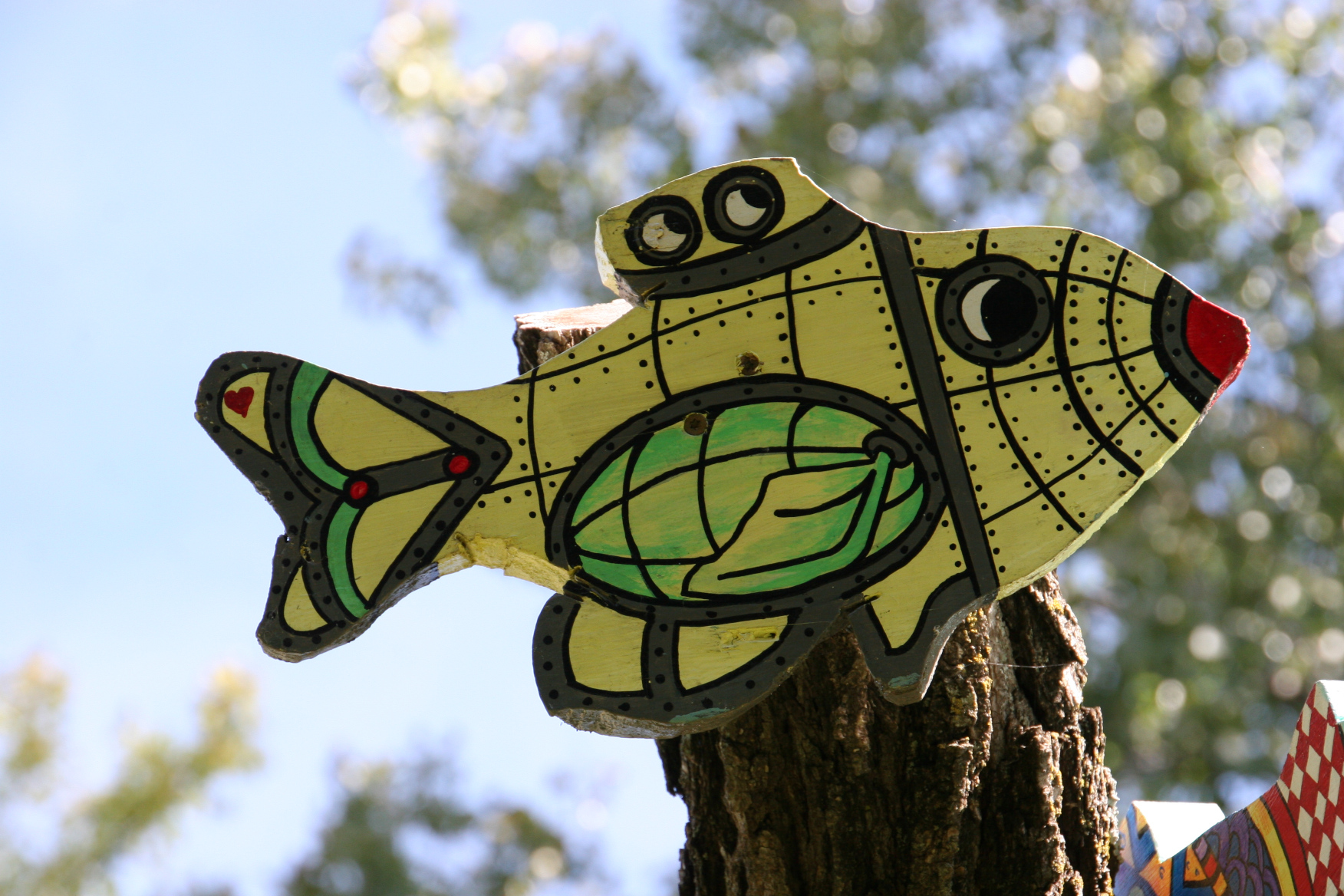
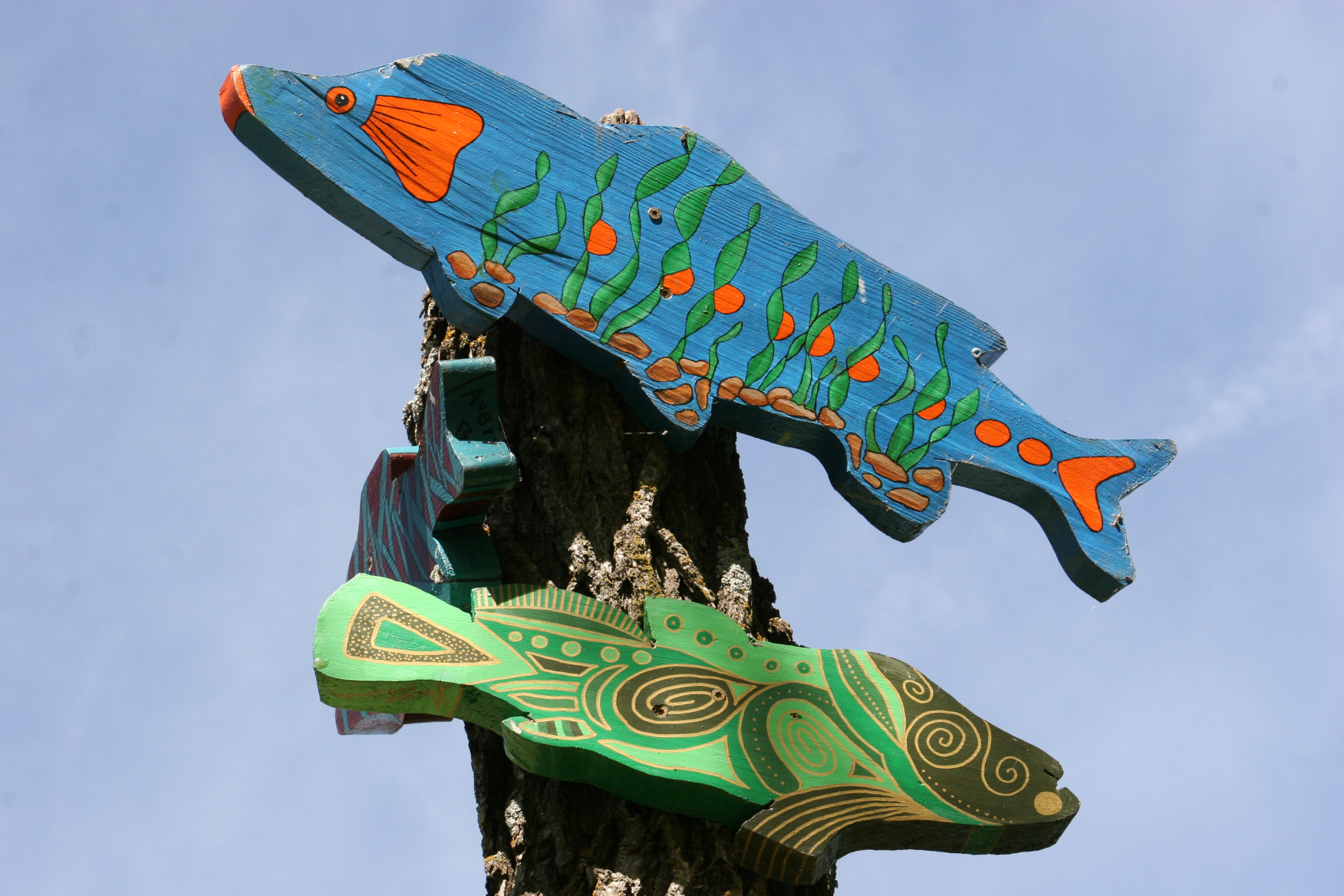
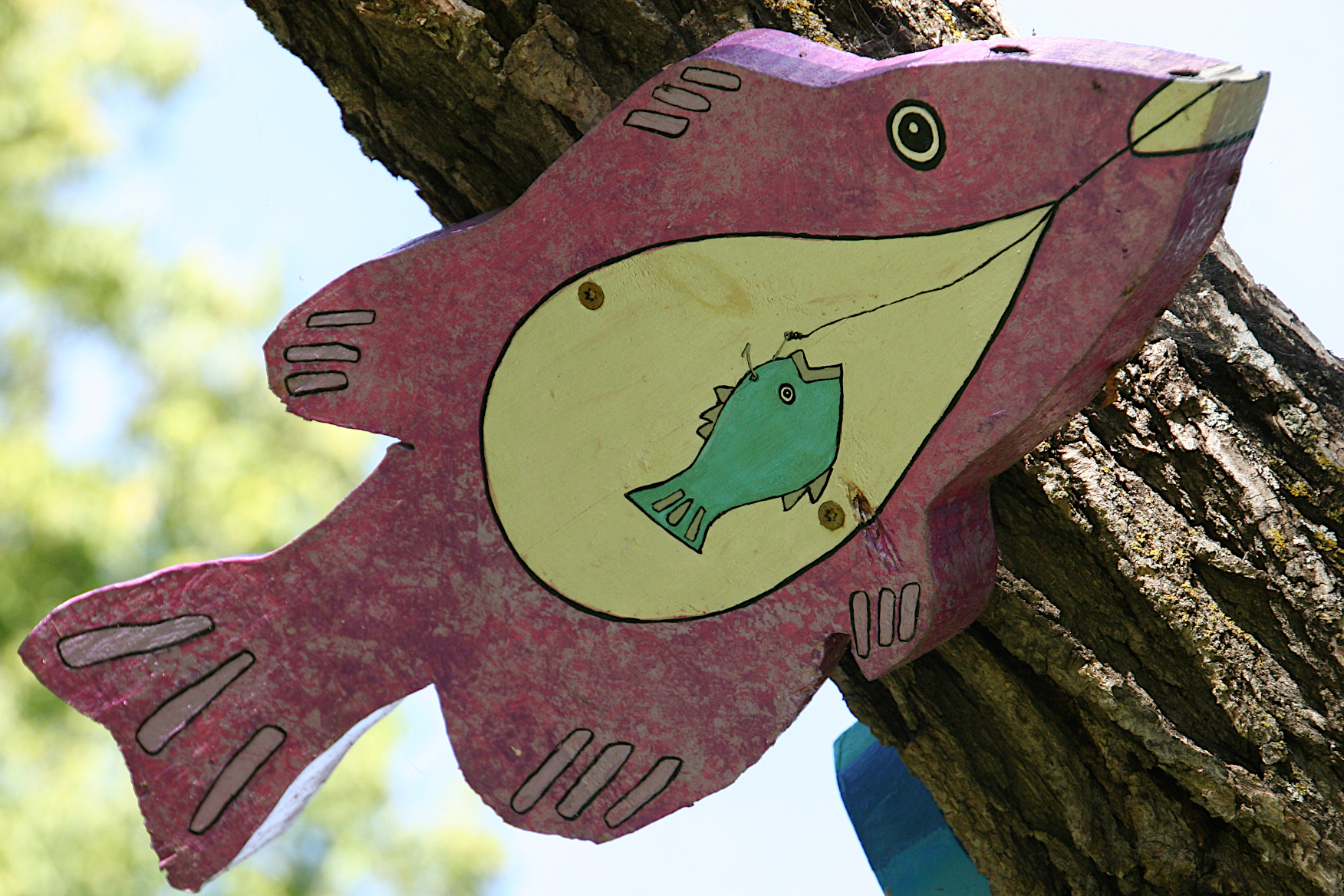
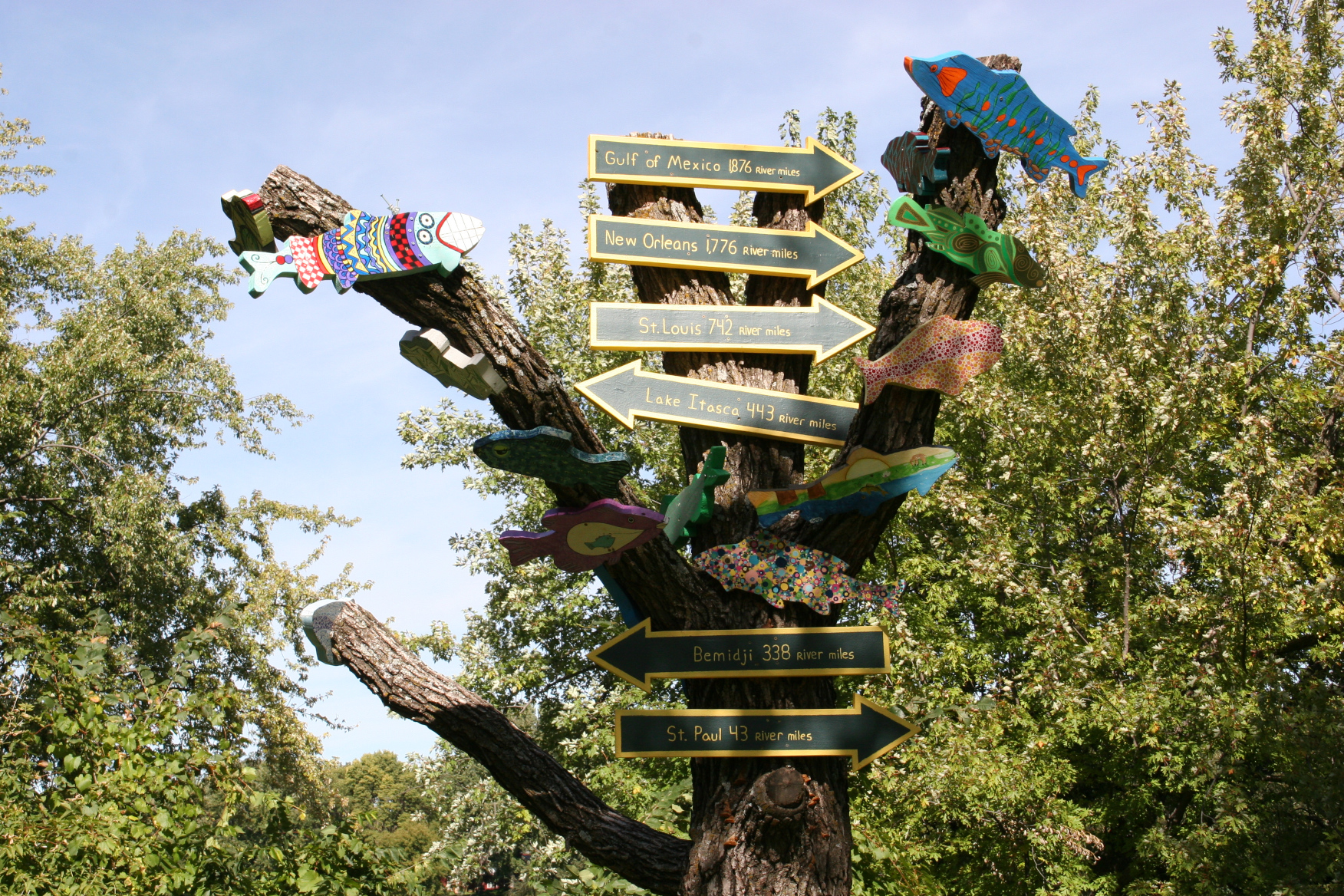
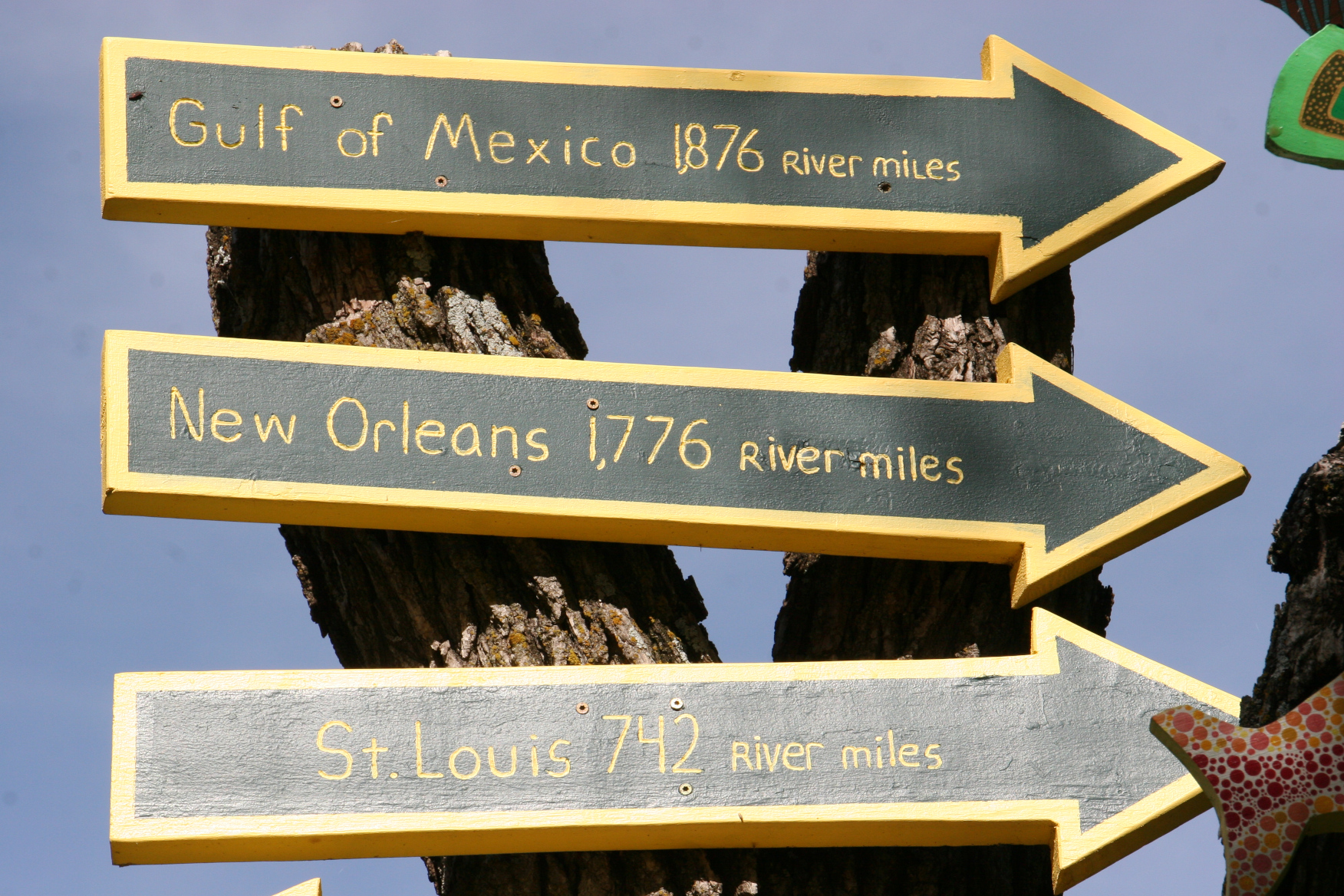
Yet, even if not peaceful, the park is worth visiting. I discovered here a MontiArts Community Project, “The Funky Fish Sign.” Wooden fish cut-outs painted by community members are attached to the trunk of a dead oak as are wooden arrows crafted from old park benches. Those arrows list destinations and river miles from Monticello. To Lake Itasca, 443 river miles. To St. Paul, 43 river miles. To New Orleans, 1,776 river miles.
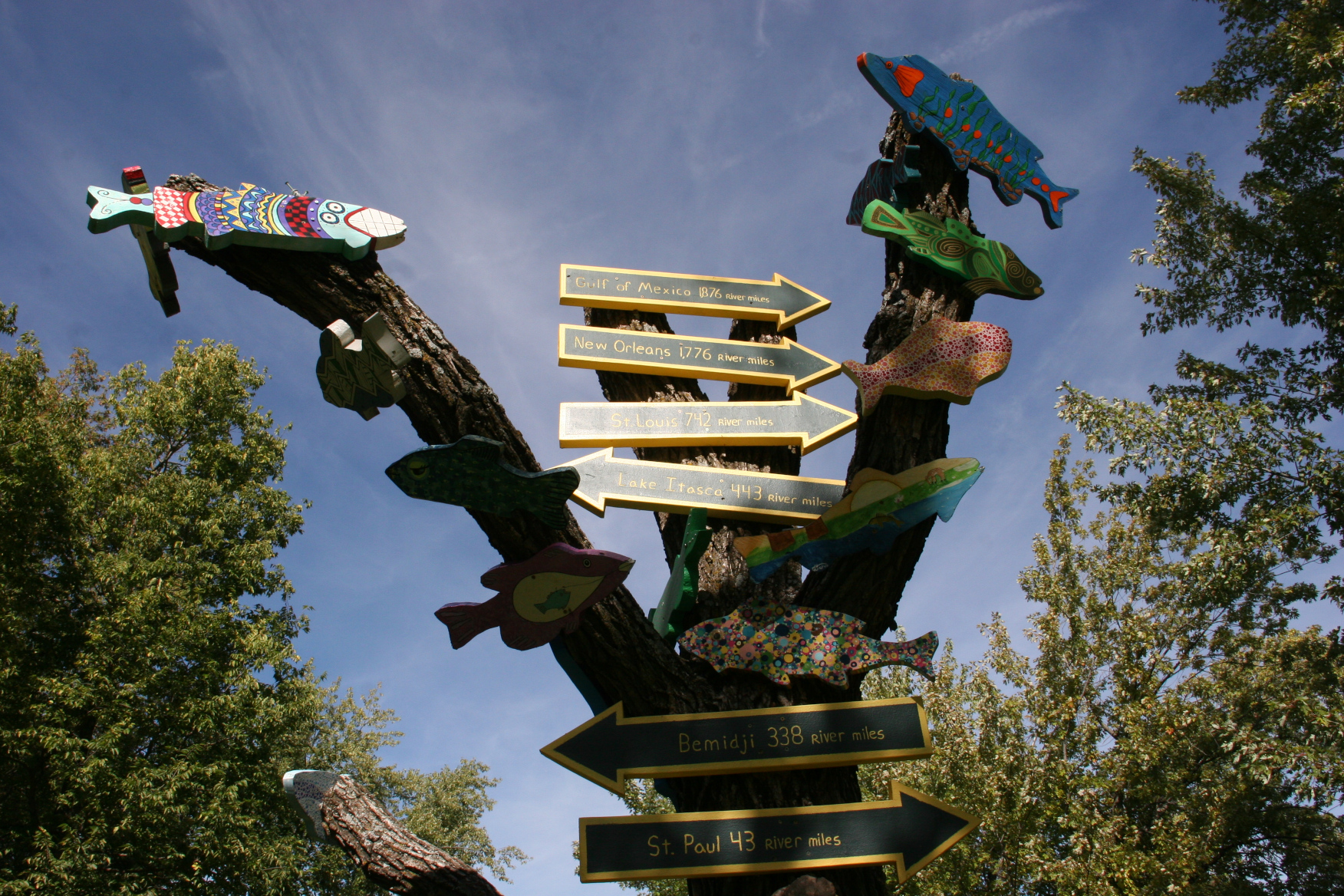
This riverside fish tree meets MontiArts’ goal of “using the arts to build community.” This truly was a community project with residents, interns and city employees working together to create public art that connects Monticello to the Mississippi from beginning to end.
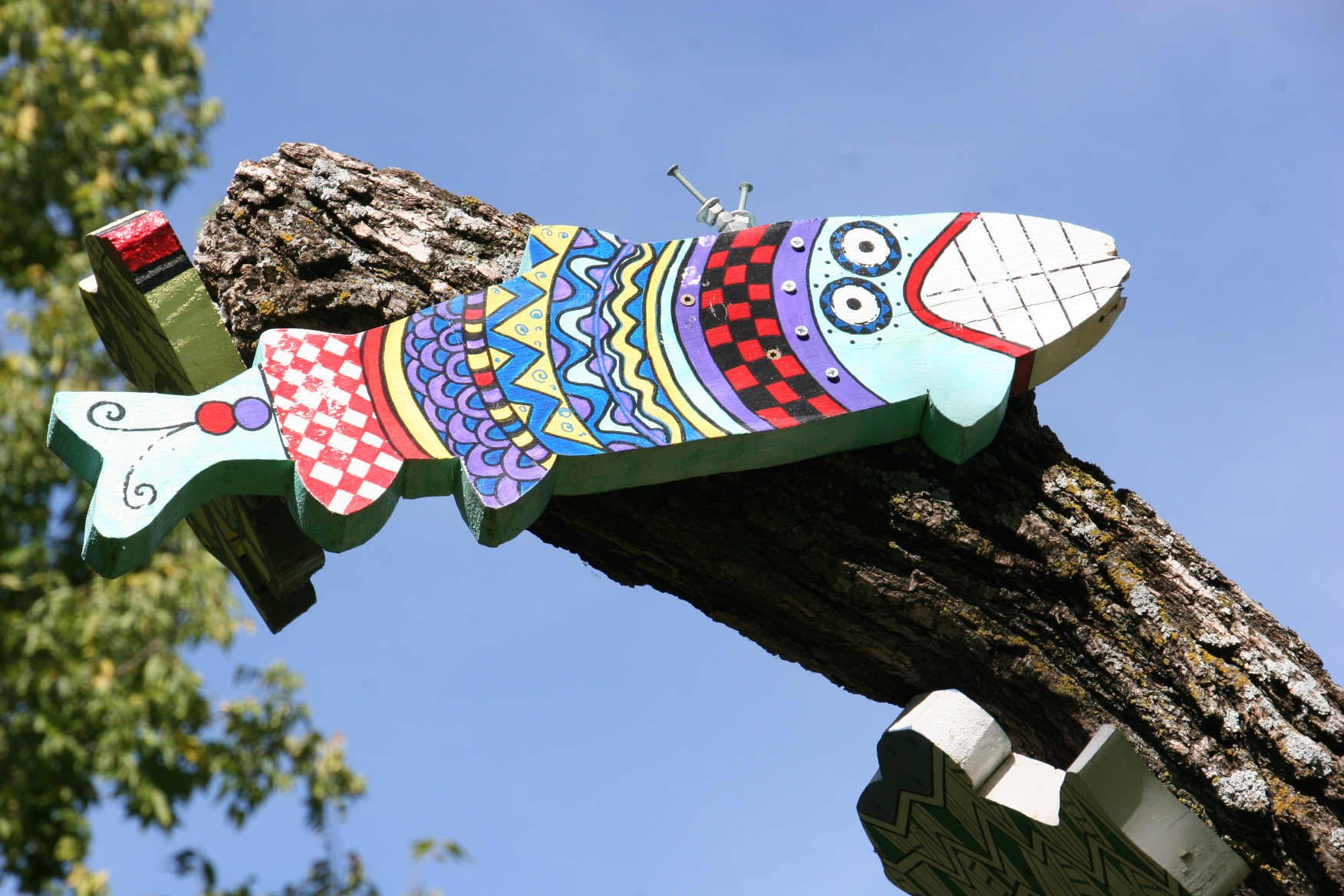
But this is about more than a river and geography. In an online video about the project, I learned that the variety in the painted fish represents the differences in people. We are each unique.
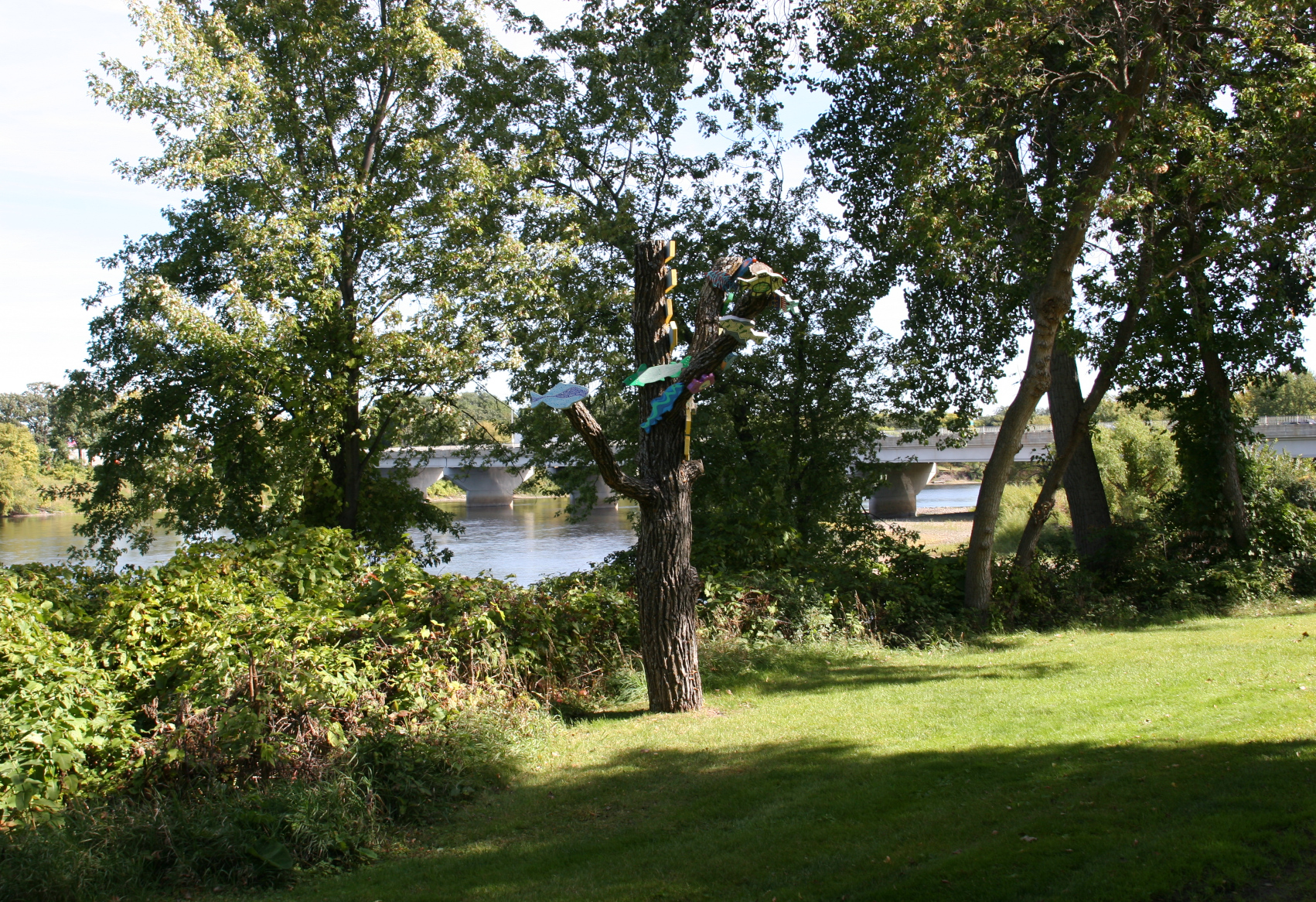
As individual as we are, though, we are collectively all residents of Earth. We are tasked with caring for natural resources like water, like the mighty Mississippi. This beautiful, scenic, powerful waterway is vital to our economy, vital to our water supply, vital to our leisure, our enjoyment, and, in Monticello, to connecting creativity and community.
© Copyright 2022 Audrey Kletscher Helbling















 Minnesota Prairie Roots
A commentary: Called to help others October 6, 2022
Tags: care, commentary, compassion, devotion, faith, helping others, Leviticus, Minnesota, Monticello
THIS MORNING IN READING one of two daily devotionals, I was reminded of the need to help others. The referenced scripture, Leviticus 25: 35-37, published with the October 6 Our Daily Bread devotion, brought back a scene which unfolded recently in Monticello.
On our way home from a short stay at a family member’s central Minnesota lake cabin, I spotted a woman holding a sign along State Highway 25 just before the Interstate 94 overpass. She stood in a center island, at a stoplight, traffic swarming around her. Her sign, with many misspellings, requested help for her and her three children. Help to pay for food and rent. Basic needs.
I felt in that moment a sense of compassion, yet an inability to aid this woman. And, I admit, I also felt a bit of uncertainty, a hesitancy, a questioning of whether she truly was in need. That reaction bothers me. Why couldn’t I simply trust the truthfulness of her request?
That brings me back to Leviticus, chapter 25, verse 35:
If one of your countrymen becomes poor and is unable to support himself among you, help him as you would an alien or a temporary resident, so he can continue to live among you.
That’s a powerful directive. Help him, or in the case of the woman in Monticello, her. Whether you are a person of faith or not, the Bible holds important messages that today fit the definition of “social justice.” Compassion. Mercy. Grace.
Not all of us are in a financial position to assist with gifts of money. But there are many other ways to help our friends, family, neighbors and, yes, even strangers. Encourage via kind and supportive words—written or spoken. I like to send uplifting cards with handwritten notes of encouragement. Pray. Engage in conversation, mostly listening. It’s about taking the focus off ourselves and placing it on others. Educate yourself via reading, attending community events that enlighten and more. Volunteer.
The woman in Monticello, even though I couldn’t aid her, gives me pause to reflect. So many people are struggling. With health issues, relationships, finances, simply trying to meet basic needs. Throw in the current divisiveness in this country, an ongoing pandemic, worldwide threats and conflicts, and the situation can feel overwhelming. Yet, we are all capable of doing something. Of reaching out with compassion and care. Of connecting. Of encouraging, supporting, uplifting in some way, large or small, that shows our humanity.
TELL ME: In what ways have you helped others, whether family, friends or strangers? Specifics are especially welcome.
© Copyright 2022 Audrey Kletscher Helbling