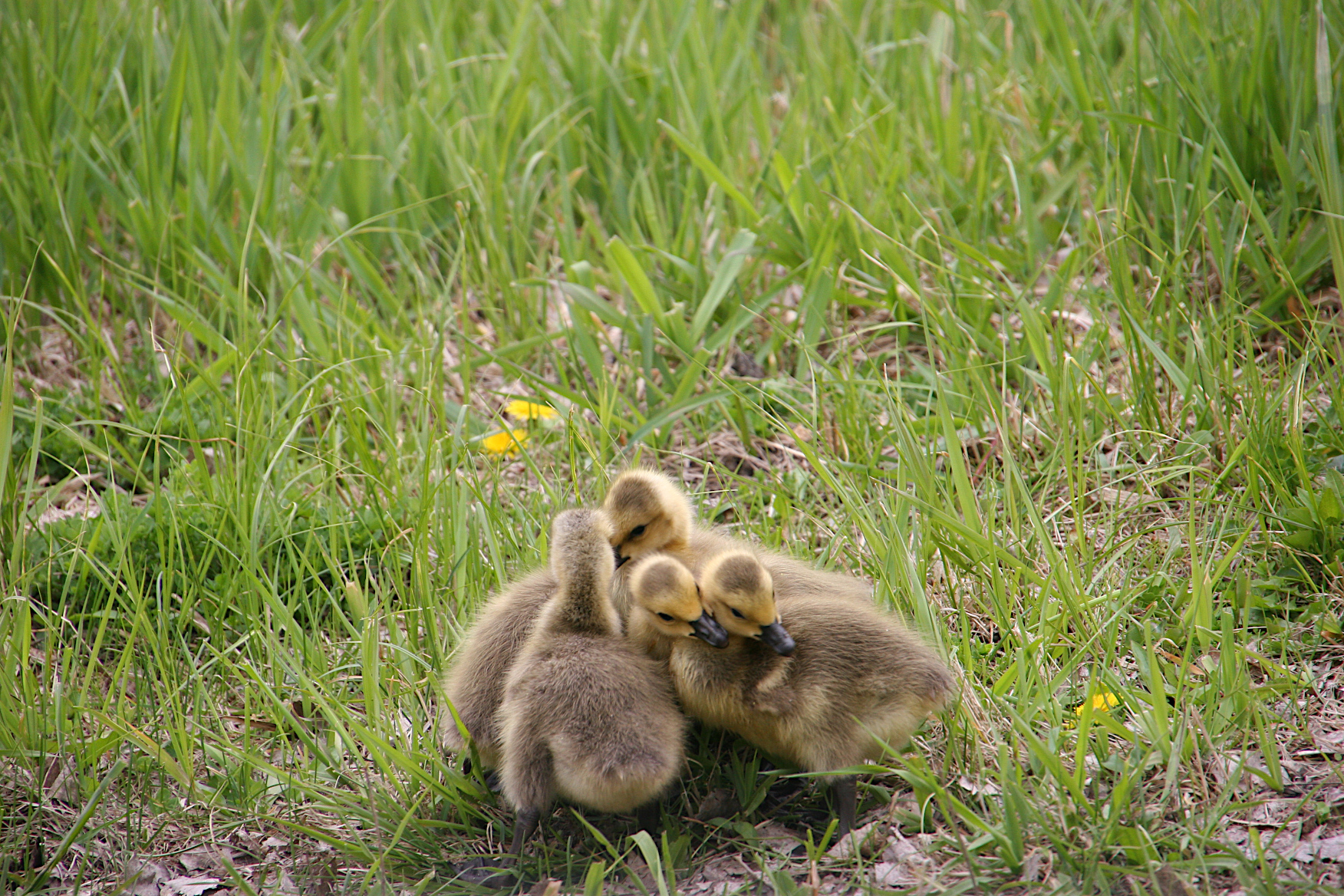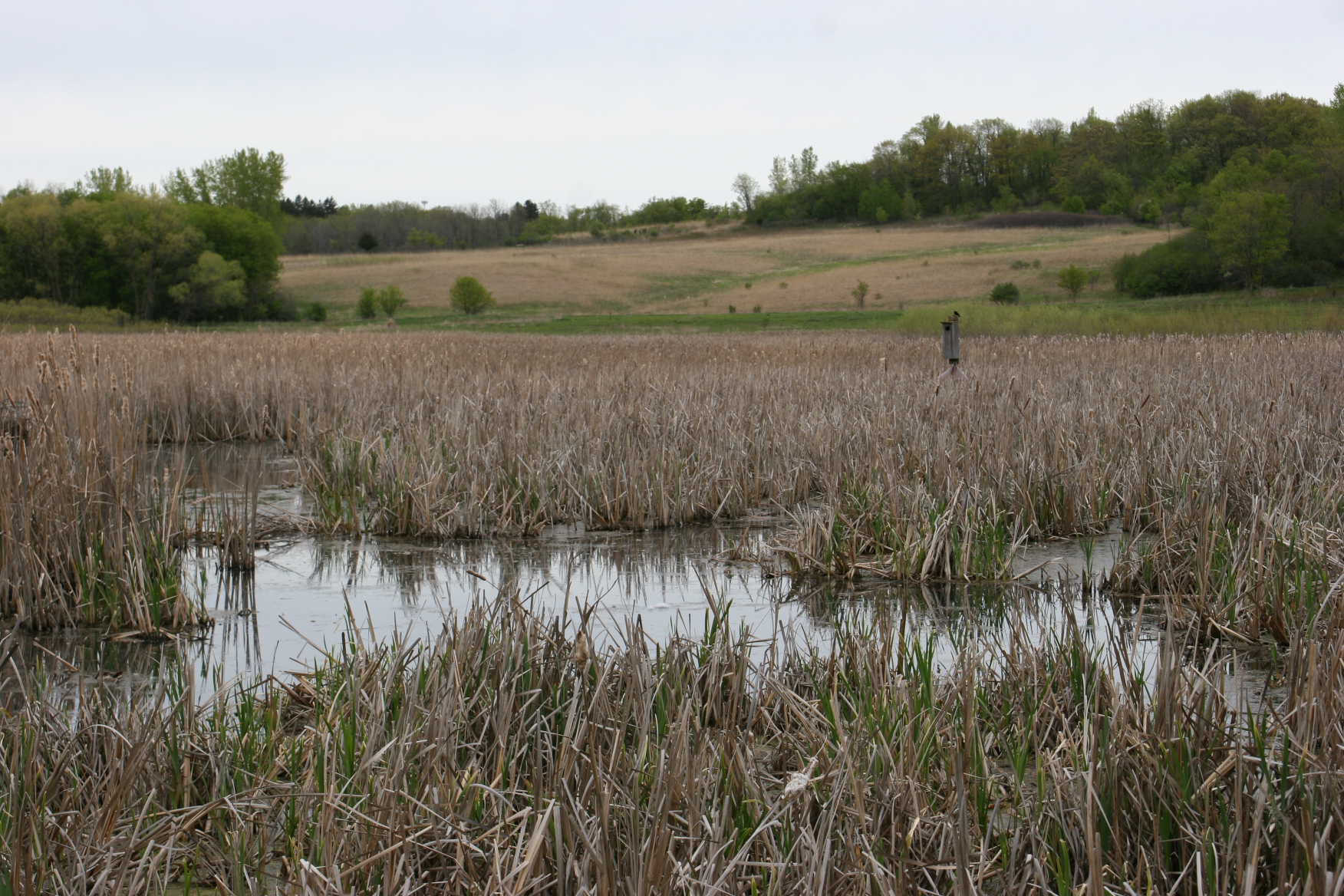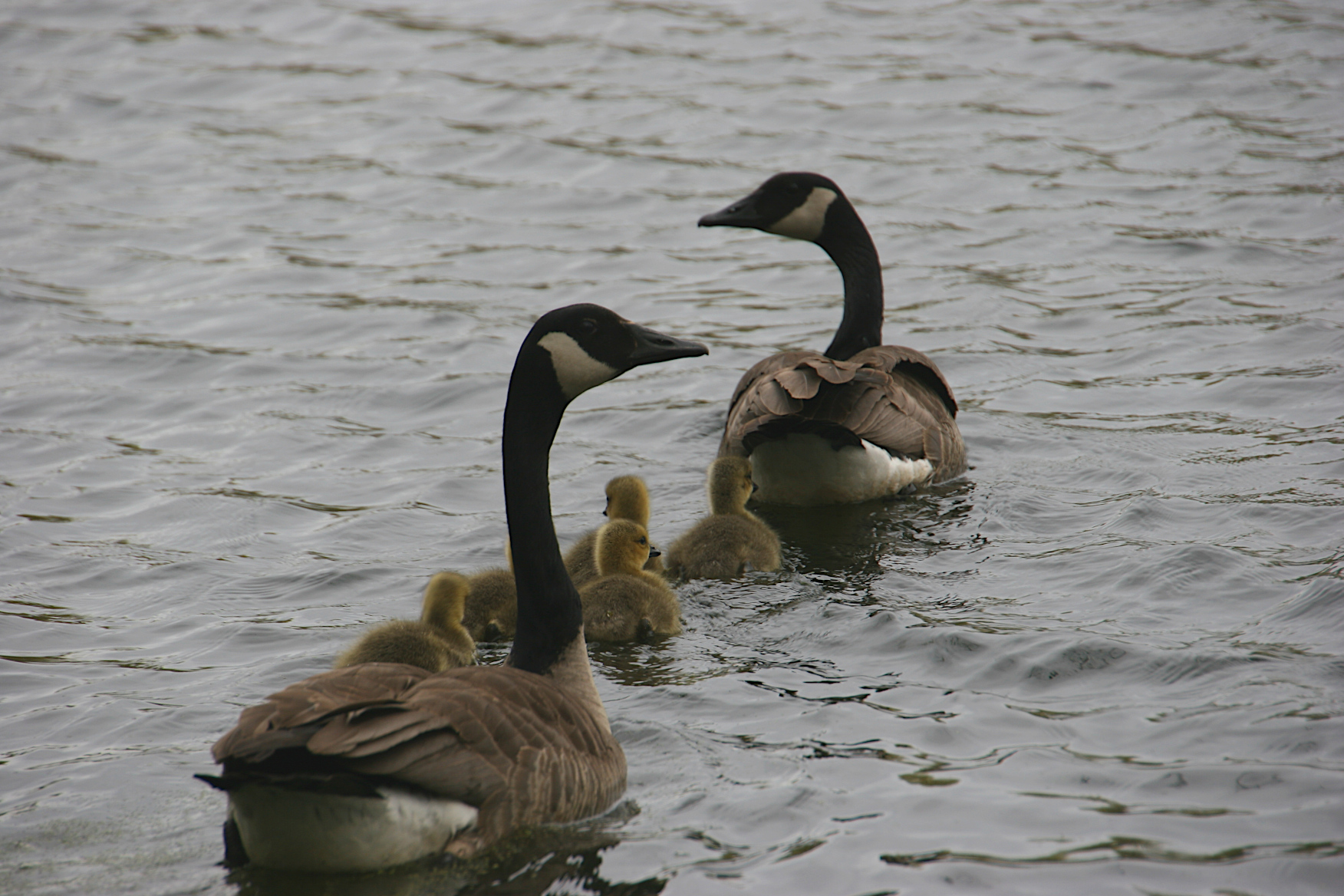
Goslings huddle near pond’s edge at the River Bend Nature Center in Faribault. Minnesota Prairie Roots copyrighted photo.
EVERY SPRING, I FIND myself drawn to pond or river’s edge to watch the goslings, the newborn offspring of Canadian geese navigating the shoreline and water.
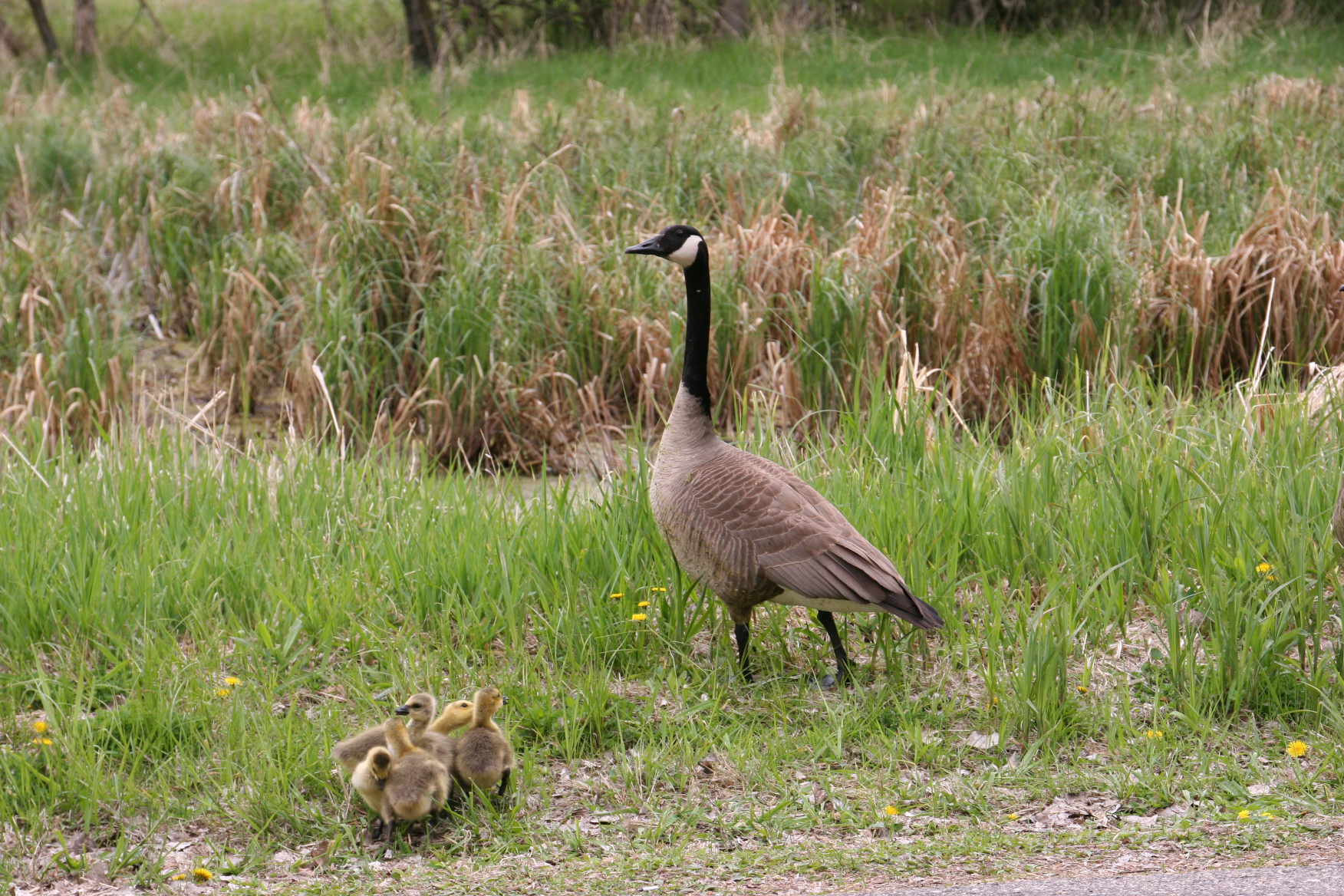
Geese are fierce protectors of their young. Minnesota Prairie Roots copyrighted photo.
They are just so darned cute. Downy yellow. Sometimes huddling in a circle of sibling closeness.
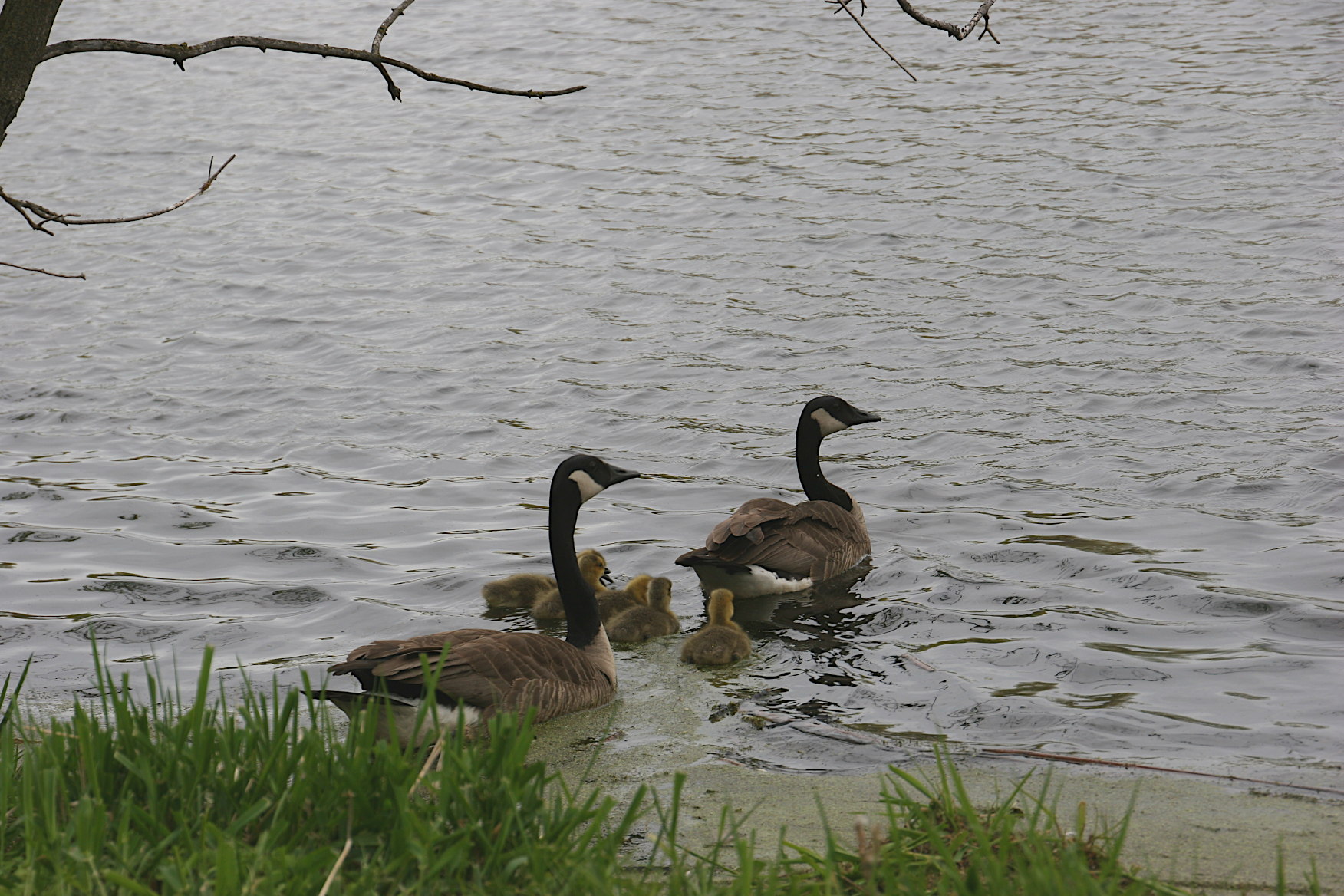
Swimming into the pond at River Bend. Minnesota Prairie Roots copyrighted photo.
Still in the protective care of their parents. And, yes, geese can prove fierce when safeguarding their young. I steer clear of these young families, preferring to frame family photos from afar.
Prairie Pond at River Bend. Minnesota Prairie Roots copyrighted photo.
I love how the goslings are bookended in a protective line. Minnesota Prairie Roots copyrighted photo.
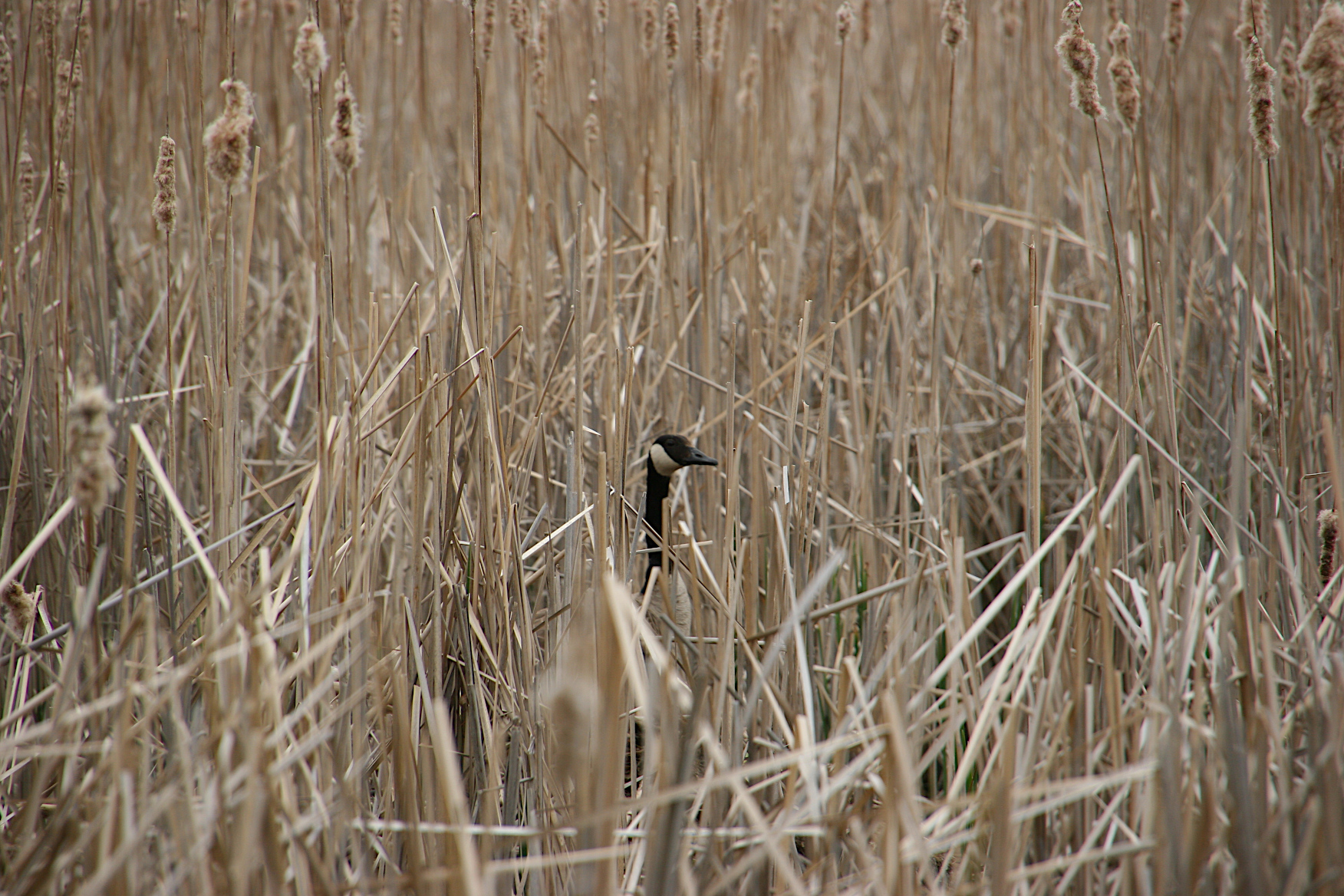
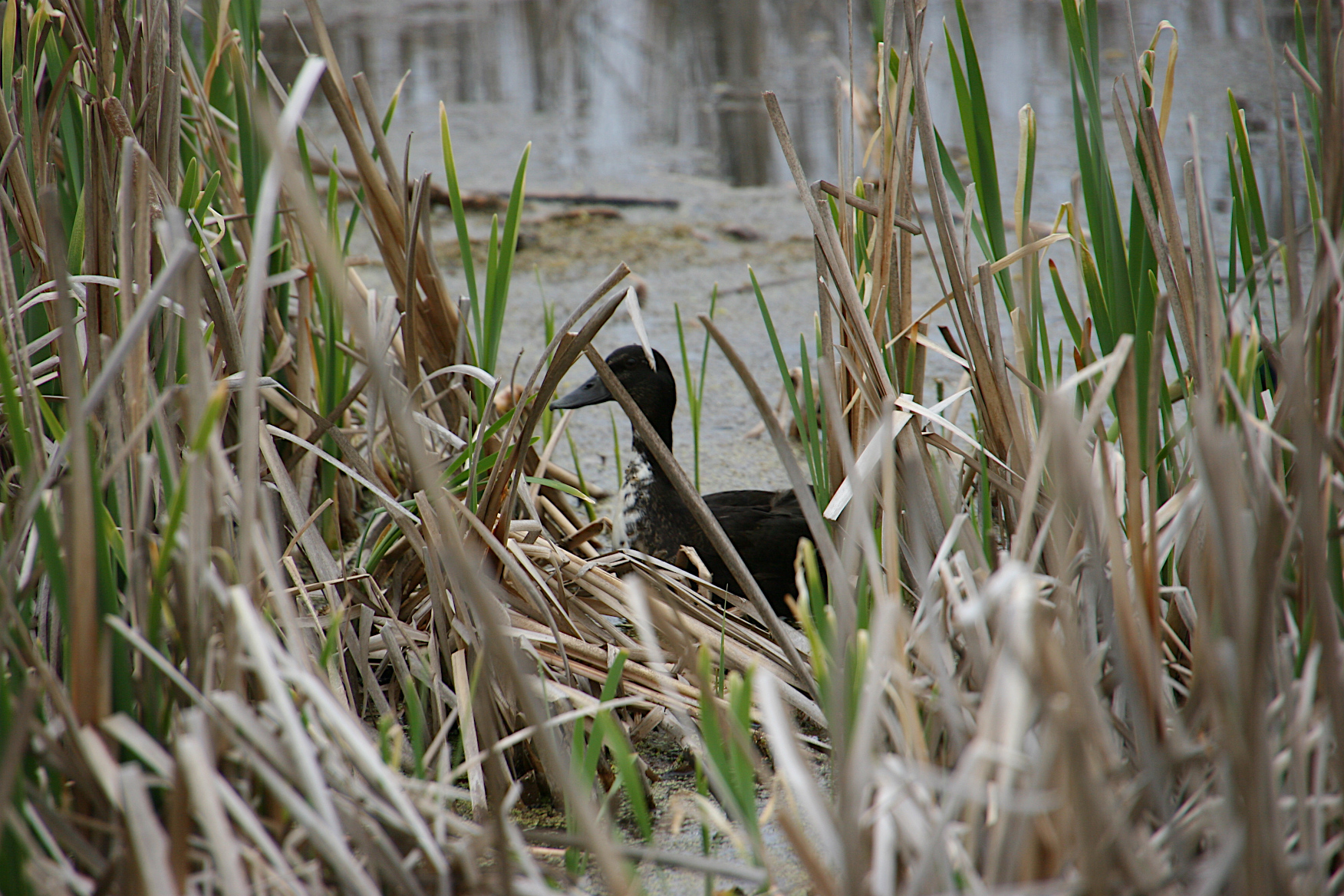
A goose is barely visible in the dried grasses of Prairie Pond. Minnesota Prairie Roots copyrighted photo.
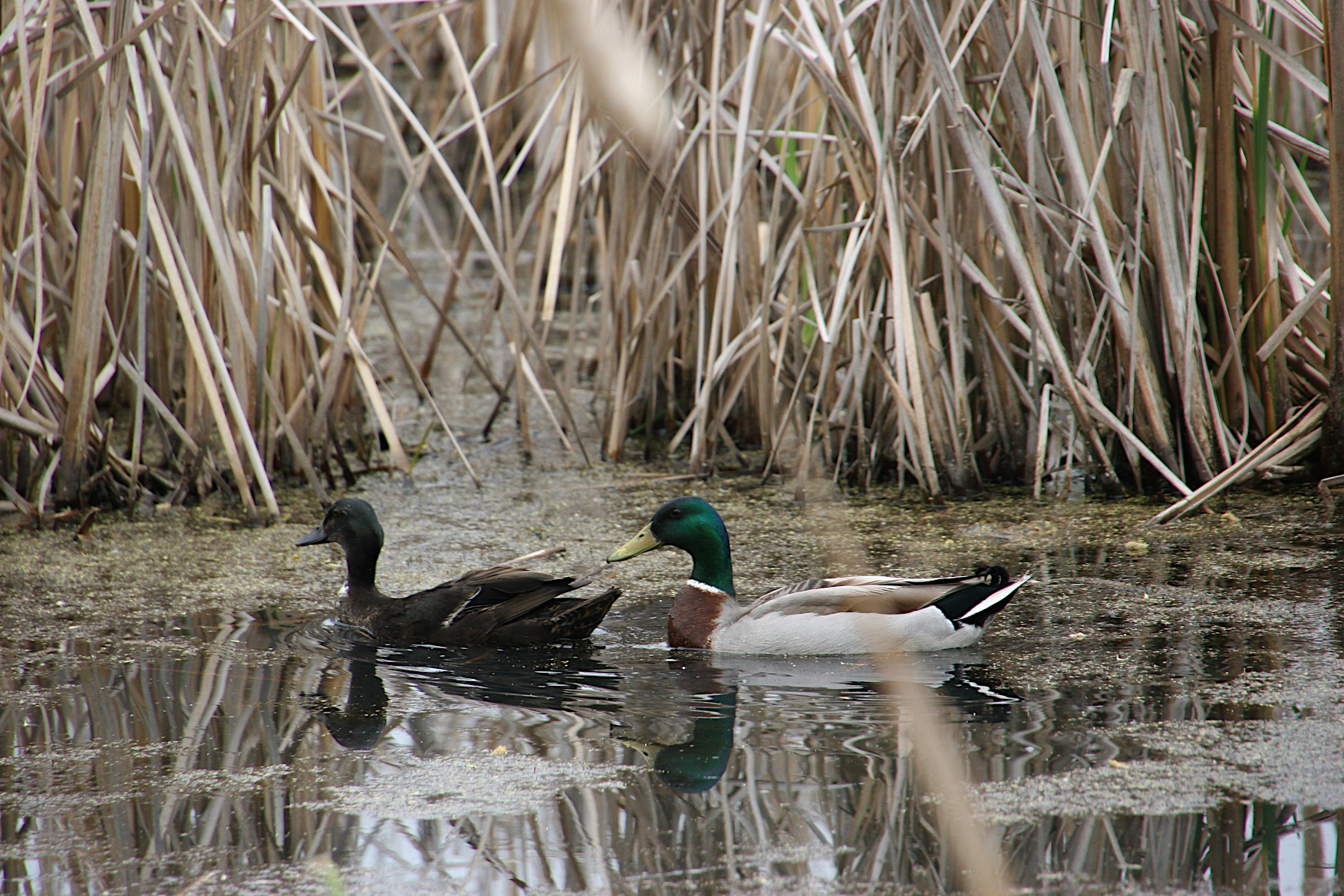
A duck pair in Prairie Pond. Minnesota Prairie Roots copyrighted photo.
While River Bend lies a long ways from McCloskey’s Boston Public Gardens pond setting, the universal appeal of ducklings spans the miles between Massachusetts and Minnesota.
A duck emerges among the grasses in Prairie Pond. Minnesota Prairie Roots copyrighted photo.
Whether in a city, rural area or nature center, downy babies in the care of their parents create, at least for me, a sense that all is well in the world. That no matter the worldwide challenges—especially during a pandemic—no matter the community and personal challenges, the cycle of life continues.
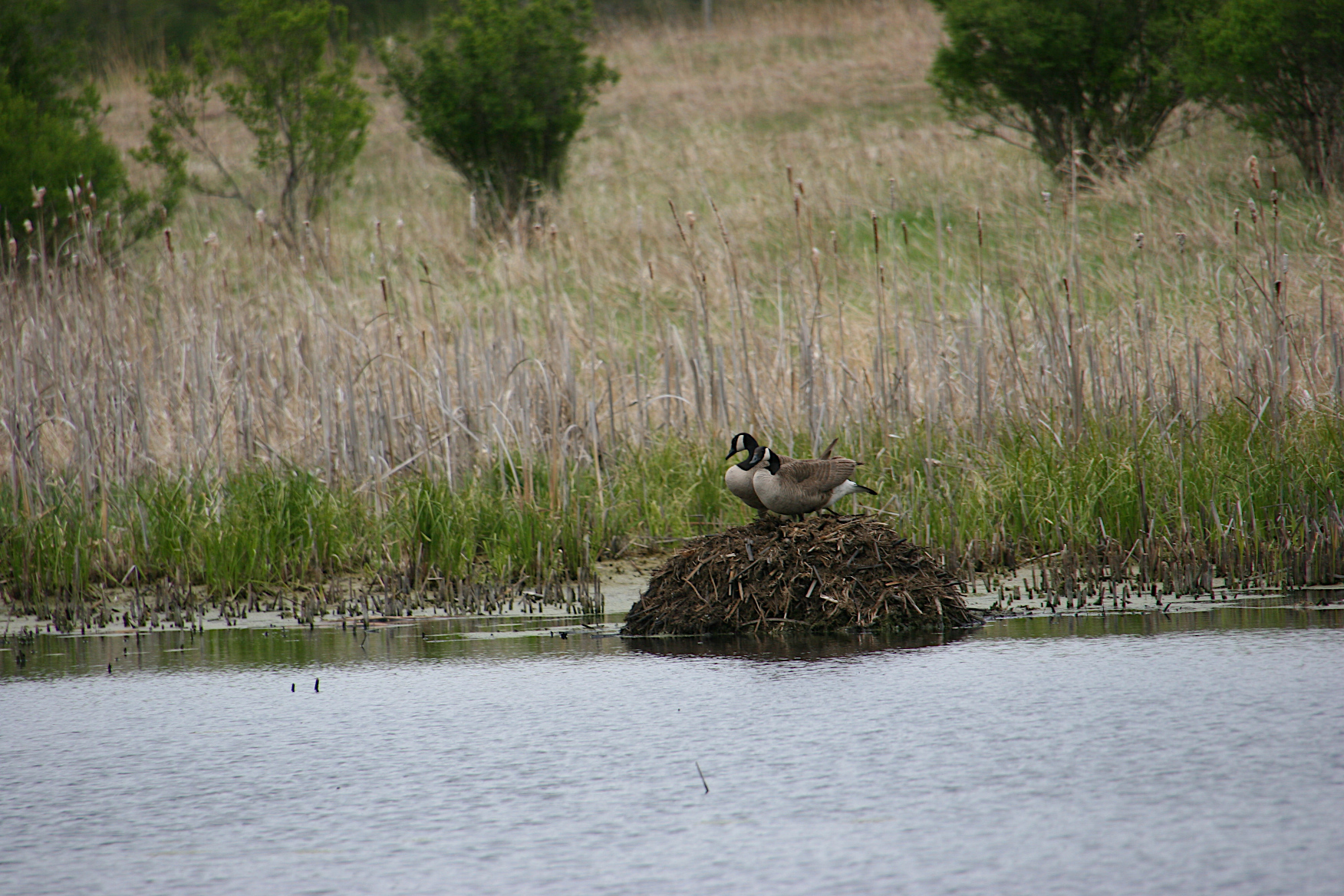
Geese nesting at River Bend. Minnesota Prairie Roots copyrighted photo.
Every spring I make way for ducklings and goslings, celebrating their arrival by documenting their arrival. With my camera. But even more, by framing them in my memory during this season of spring.
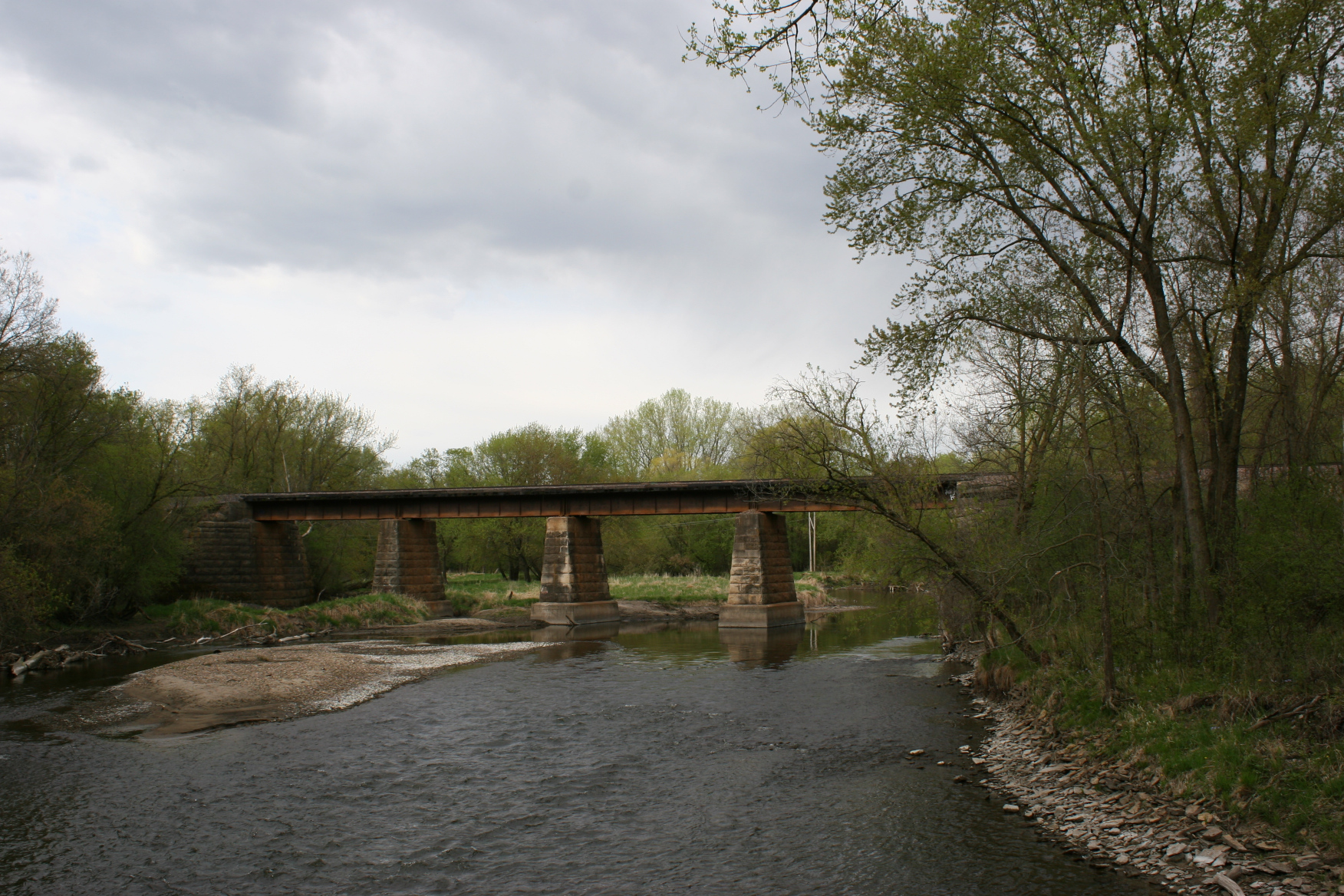
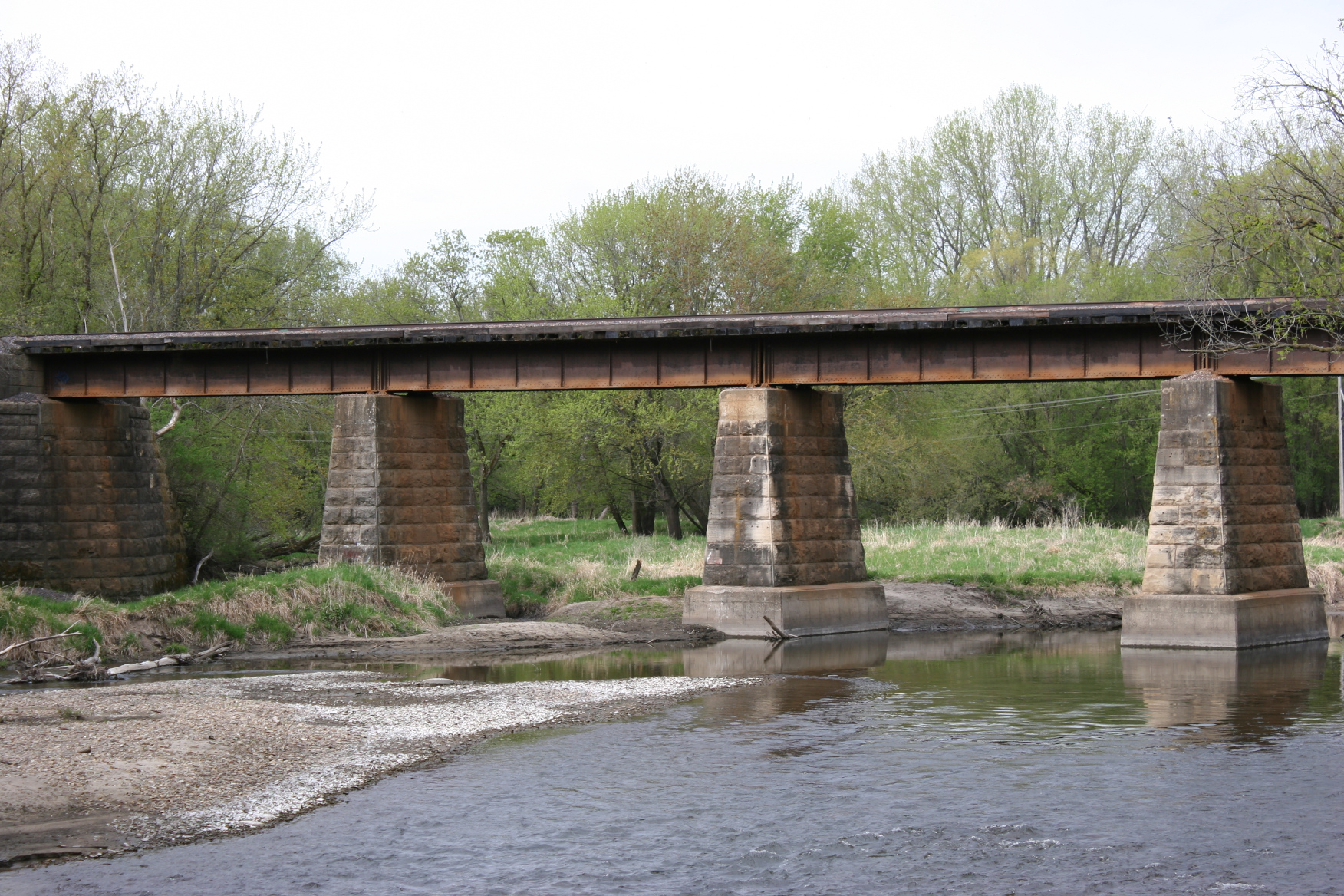
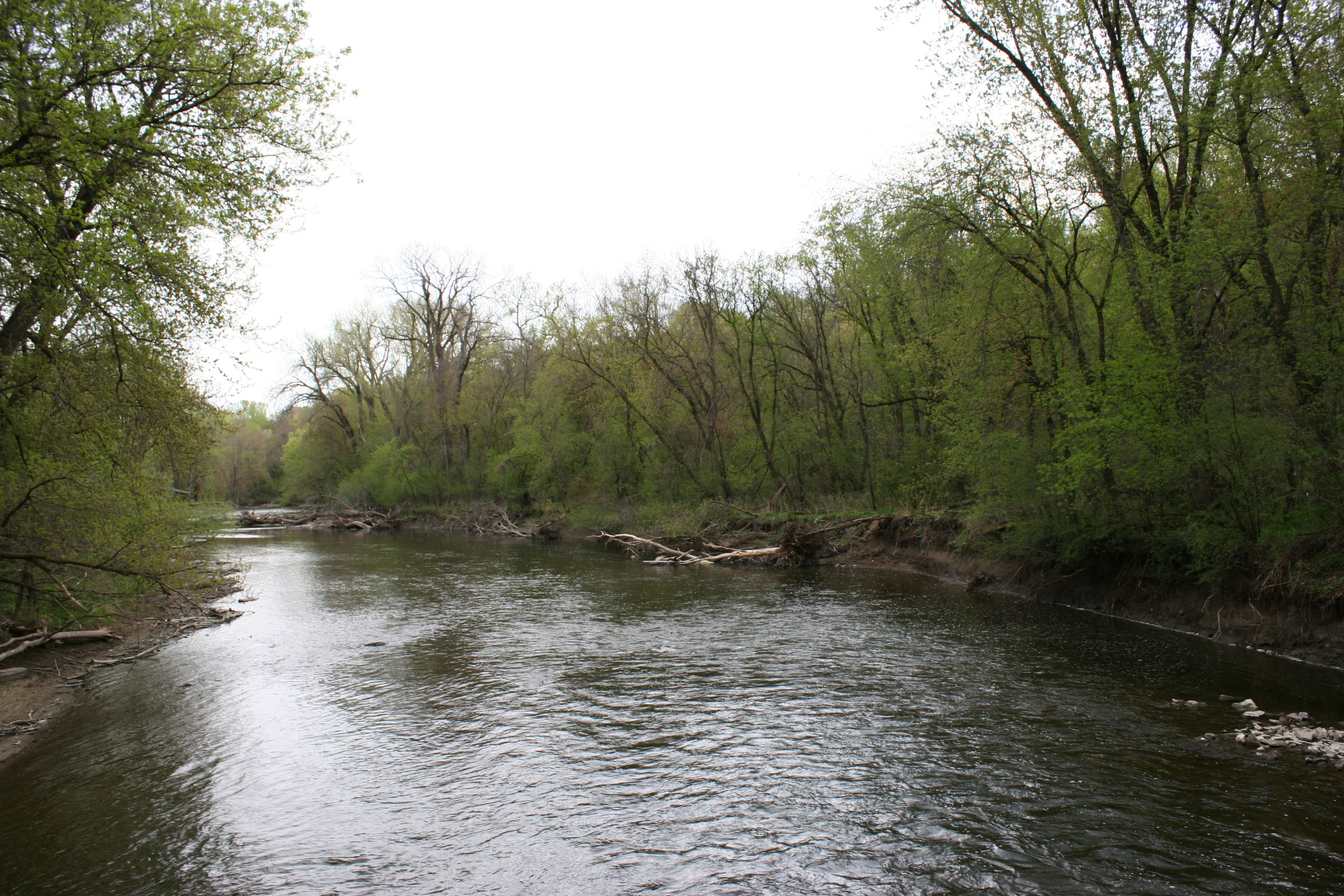
A view of the Straight River and the railroad bridge crossing it, photographed from the footbridge. Minnesota Prairie Roots copyrighted photo.
IF NOT FOR THE OFFENSIVE GRAFFITI, the natural setting would be particularly inviting. But obscene words and disturbing messages kept me from fully enjoying the trail leading from Faribault’s Teepee Tonka Park into River Bend Nature Center.
Along the trail from Teepee Tonka Park into River Bend Nature Center, I saw trees tagged with graffiti. Here I’m approaching the footbridge crossing the Straight River. Minnesota Prairie Roots copyrighted photo.
Even trees were tagged with paint. That’s a first.
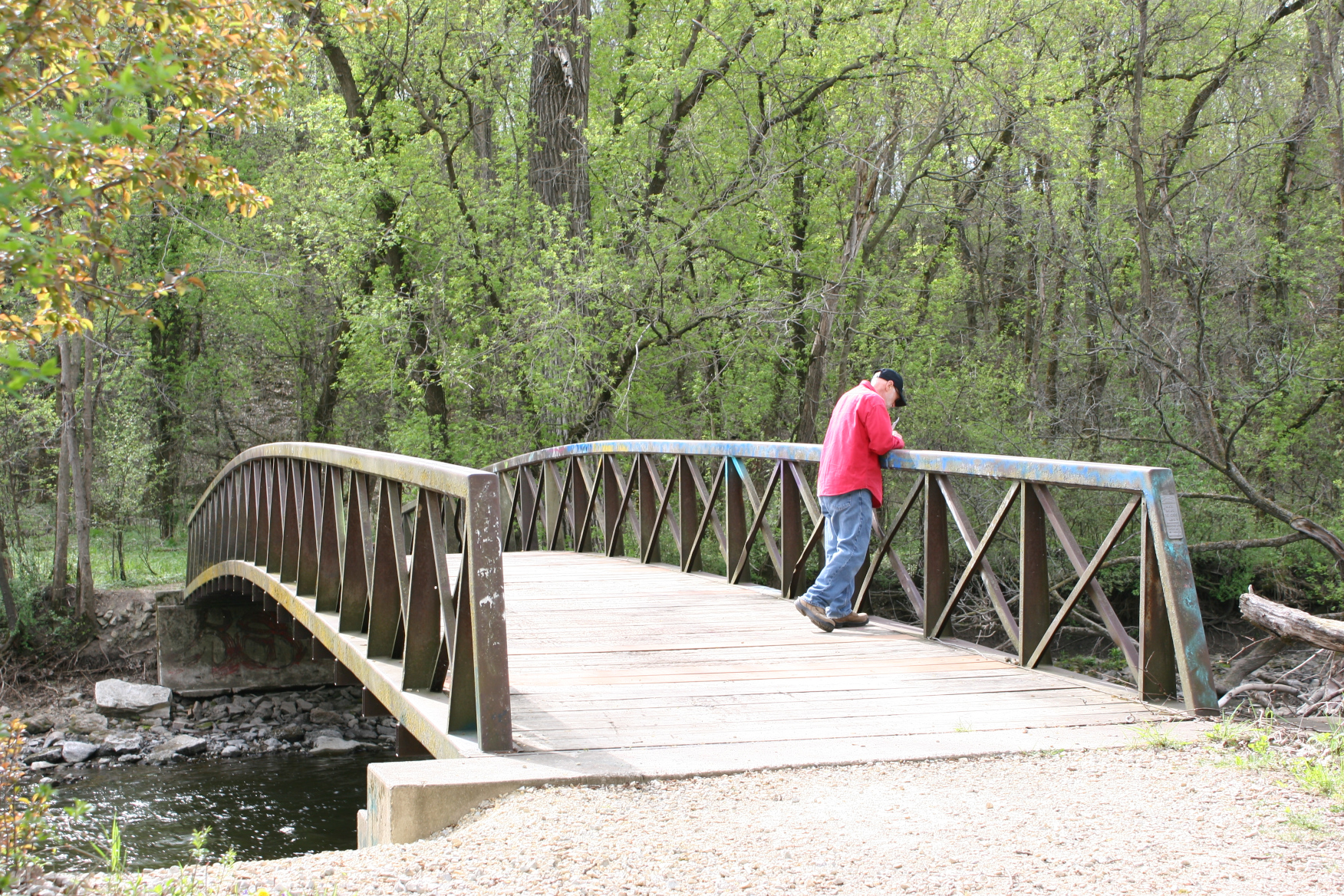
Randy looks over the Straight River. Minnesota Prairie Roots copyrighted photo.
On the footbridge which spans the Straight River, I found the most disturbing of accusations—J**** killed my mother. That shifted my already on-alert mode to what the h*** is going on in these woods? I read derogatory comments about Faribault. And I thought, why do those who hate this community so much stay here?
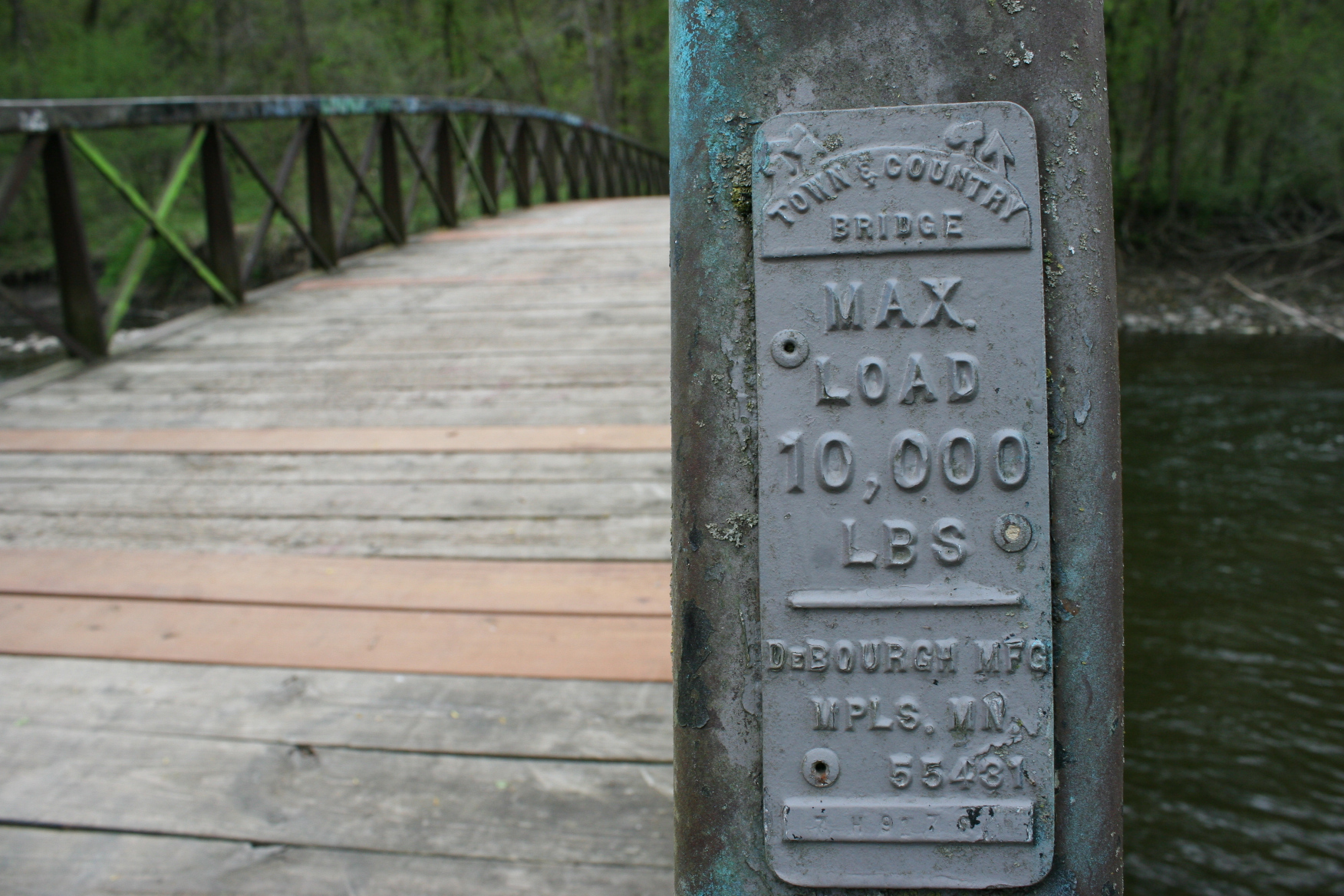
This marker on one end of the bridge remains unmarred. Minnesota Prairie Roots copyrighted photo.
I tried to overlook all that awful graffiti, but it was just too much to dismiss. I wouldn’t bring a child here, not one who can read anyway.
I expect there’s a story behind this beautiful railroad bridge over the Straight River. Minnesota Prairie Roots copyrighted photo.
Yet, there’s much to see and appreciate here, if you look beyond the tagging, the offensive messages. Nature and history intertwine, leaving me with more questions than answers.
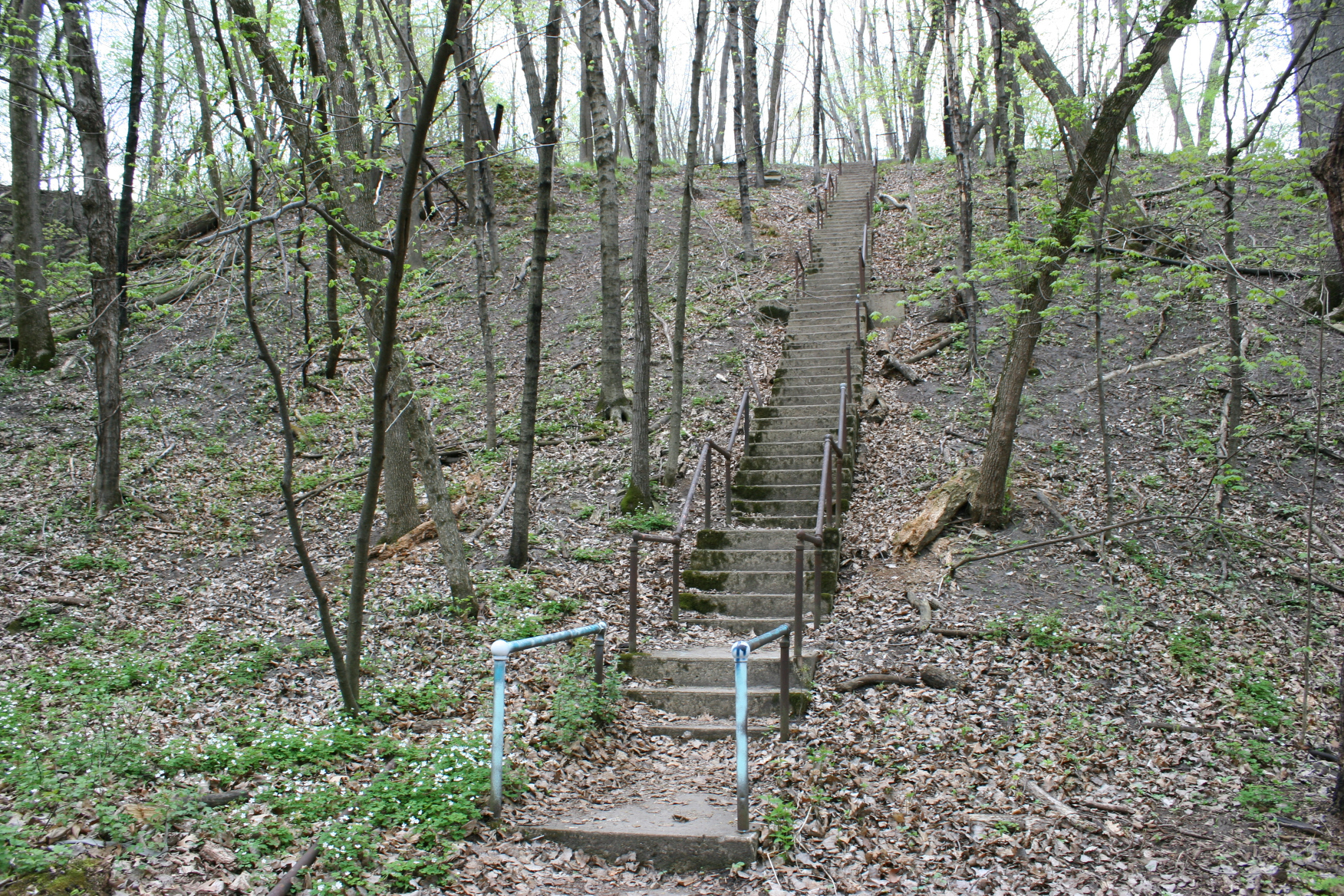
I felt tempted to climb these stairs, but didn’t have the energy. Minnesota Prairie Roots copyrighted photo.
A lengthy stairway climbs a hillside. Slabs of limestone and chunks of concrete—perhaps foundations of long ago buildings—cling to steep banks.
Graffiti mars the tunnel entrance. Minnesota Prairie Roots copyrighted photo.
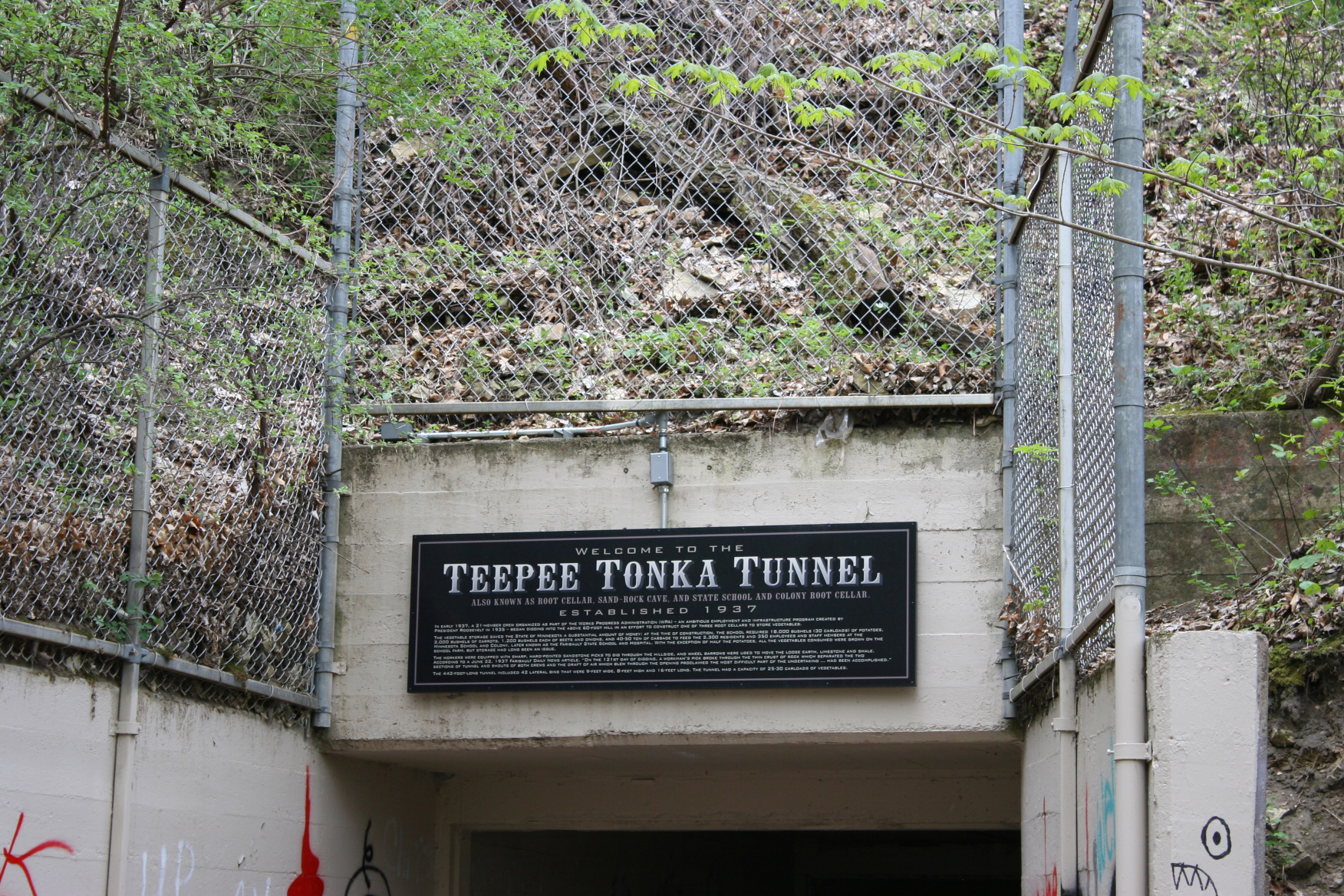
And then there’s the tunnel. The 442-foot-long tunnel, which I refused to enter. One look at the graffiti at the entry, especially the rat art, and I knew, no way, would I walk through that former root cellar. So I photographed that space, editing out the obscenities (which proved nearly impossible).
A sign above the tunnel details its history. Minnesota Prairie Roots copyrighted photo.
And I photographed the sign above, which summarizes the history of this 1937 Works Progress Administration project. Workers hand dug the tunnel with picks, hauling the dirt and rocks away with wheelbarrows. Once complete, the tunnel served as a root cellar for the Minnesota School and Colony (later known as The Faribault State School and Hospital). The Teepee Tonka Tunnel once held 25-30 carloads of vegetables to feed the 2,300 residents and 350 employees. Most of those potatoes, carrots, beets, onions and cabbage were grown on the school farm.
Another snippet of the tunnel graffiti. Minnesota Prairie Roots copyrighted photo.
Now the history, the hard work, the humanity were dishonored by those who use this as a canvas for words and art that shouldn’t be here.
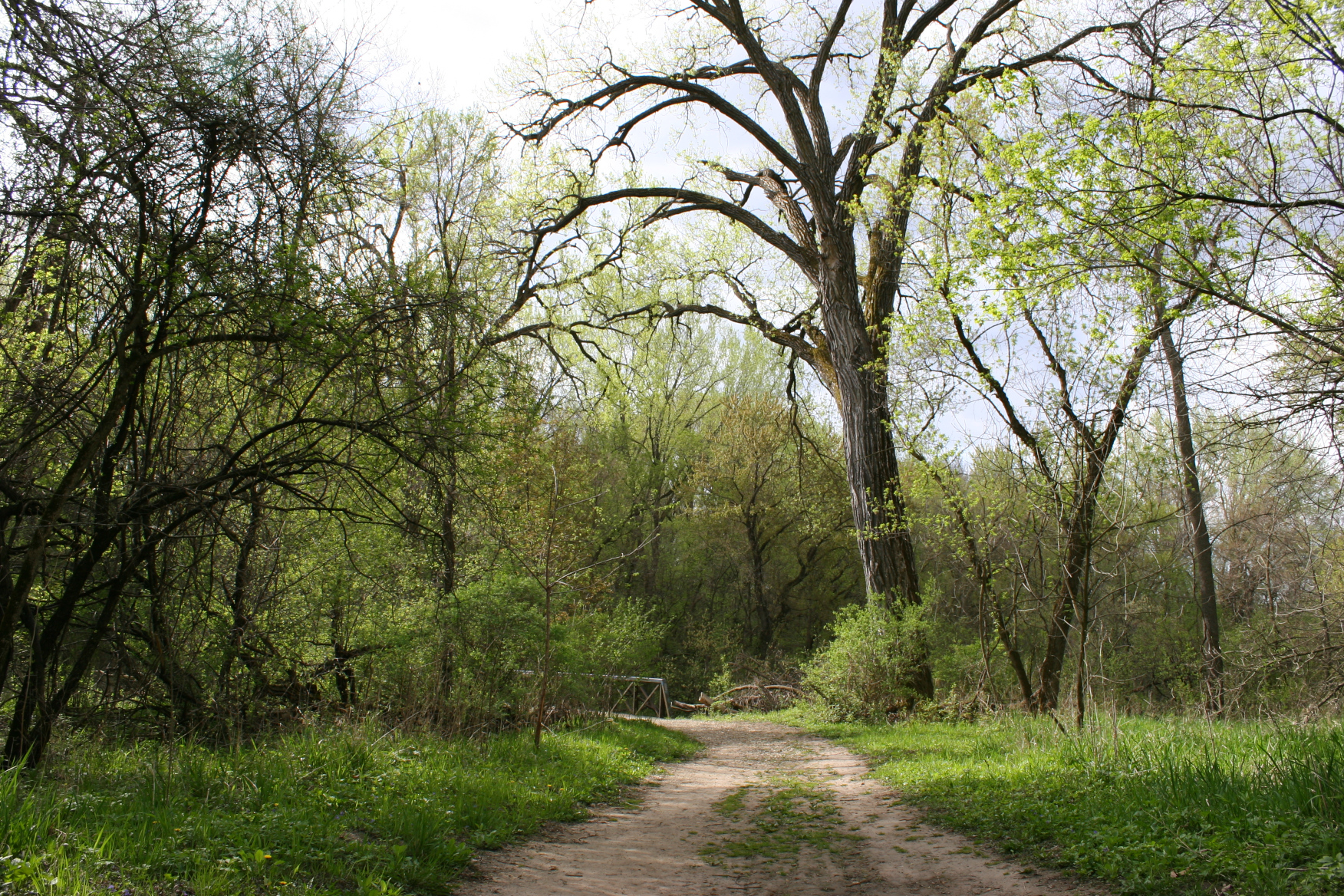
Trees tower over the trail. Minnesota Prairie Roots copyrighted photo.
All of this saddened me as I retraced my steps, watched as a young man walked along the railroad tracks, backpack strapped on, county music blaring. This should be a place of peace. Not only noise-wise, but also mentally. I pictured picnic tables near a footbridge devoid of menacing messages. I pictured a beautiful natural setting where I could bring my grandchildren. But, in reality, I understood that those tables would only be defaced, maybe even burned.
The beautiful Straight River, which winds past Teepee Tonka Park and River Bend Nature Center. Minnesota Prairie Roots copyrighted photo.
This could be so much. A respite. Water and woods converging. River flowing with history. Images of men hard at work tunneling into a 60-foot high hill. I could envision all of that…the possibilities beyond that which I’d seen.
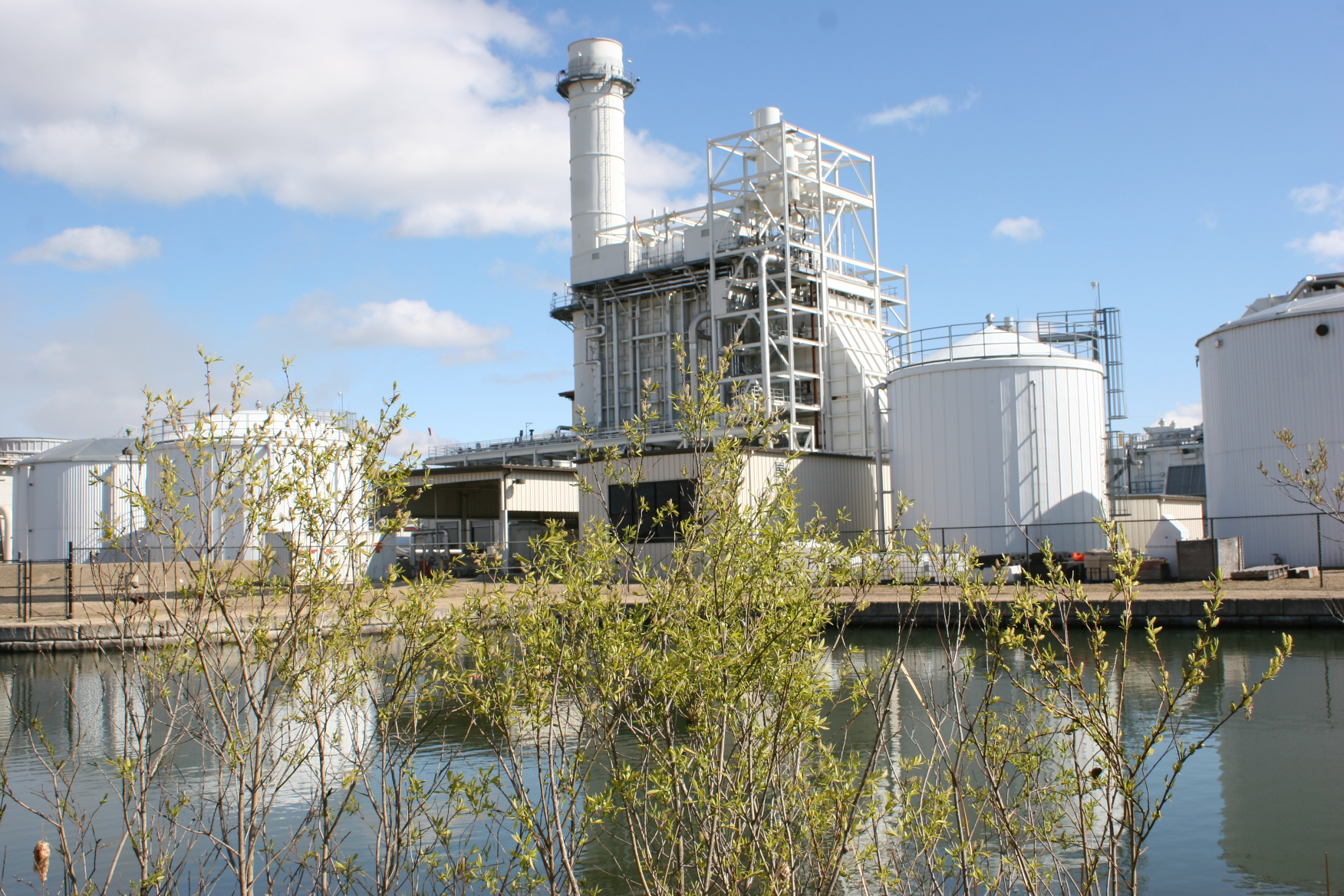
Across the pond, the power plant, part of the Minnesota Municipal Power Agency and next to Faribault Energy Park.
TRAFFIC DRONES ALONG the nearby interstate, overwhelming the scene with intrusive noise.
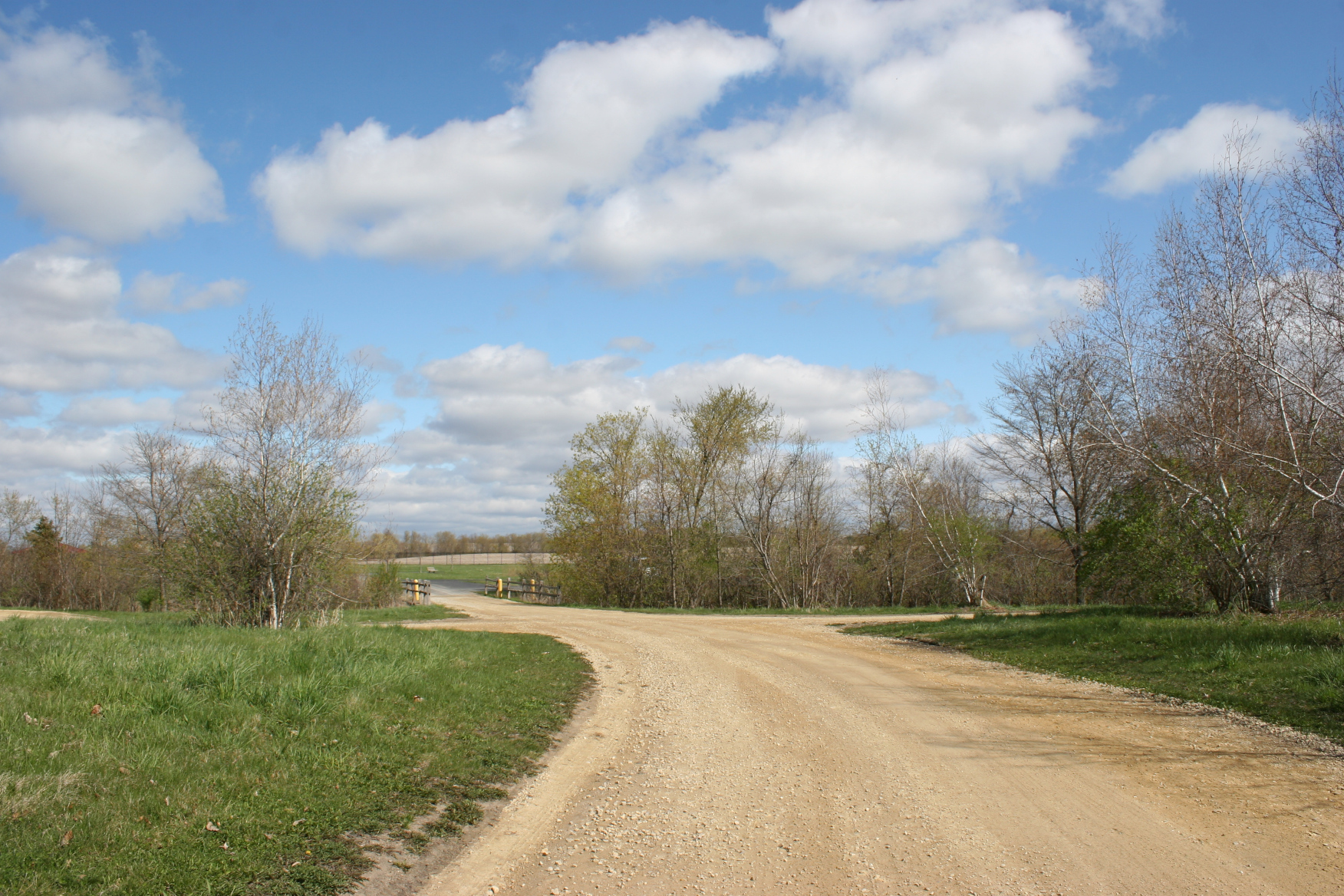
The park features dirt roads edging ponds.
Yet, I find reasons to appreciate Faribault Energy Park, a mostly under-used park on Faribault’s northwest side. Located next to I-35, this Minnesota Municipal Power Agency Park features dirt roads circling ponds.
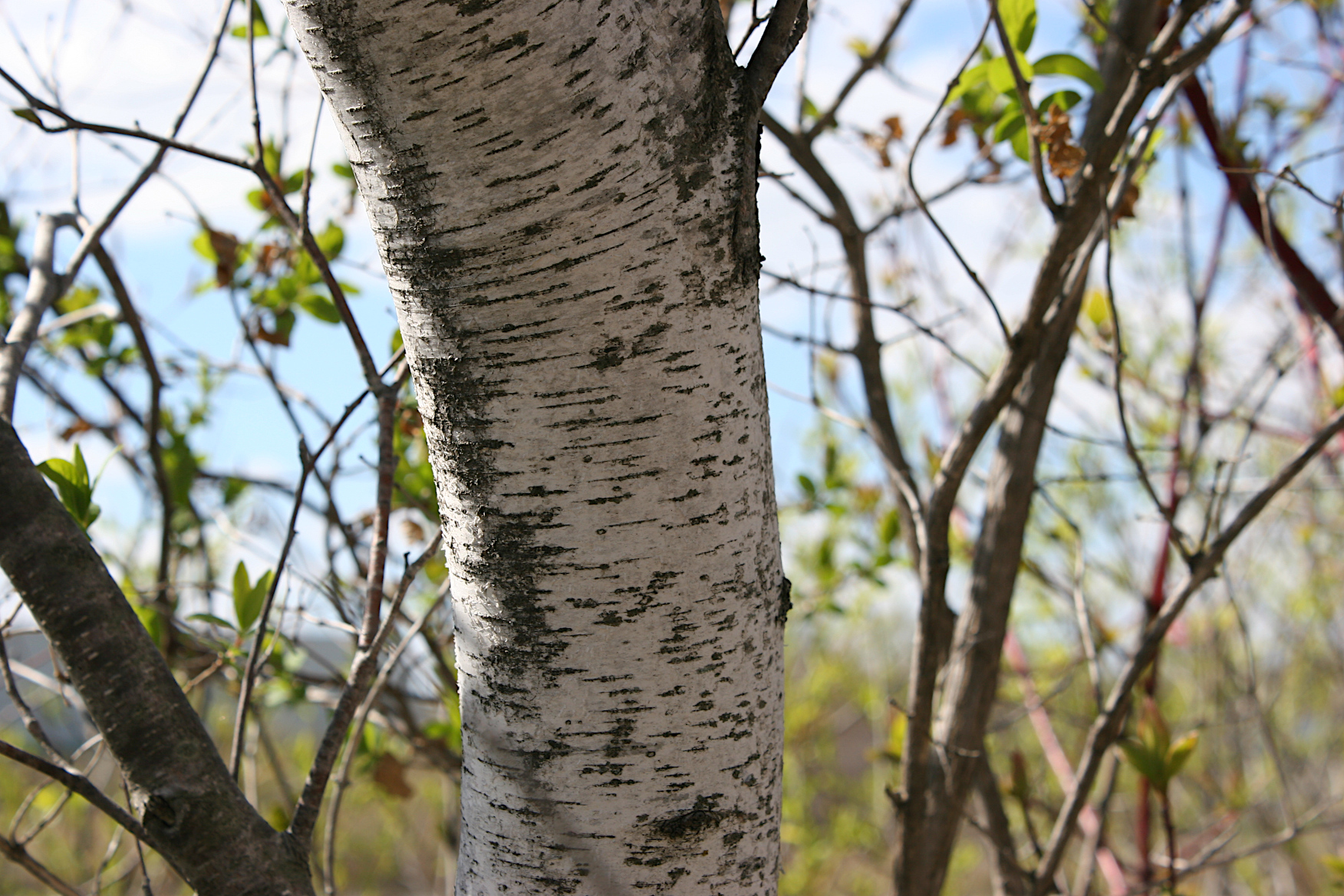
The texture of a birch tree drew my photographic interest.
With trees, a variety of other plant life, waterfowl, songbirds and the rare occasional sighting of wildlife, this makes for an interesting place to walk. Especially for a photographer. Even though I’ve been here many times, I enjoy the challenge of finding new ways to photograph a familiar setting.
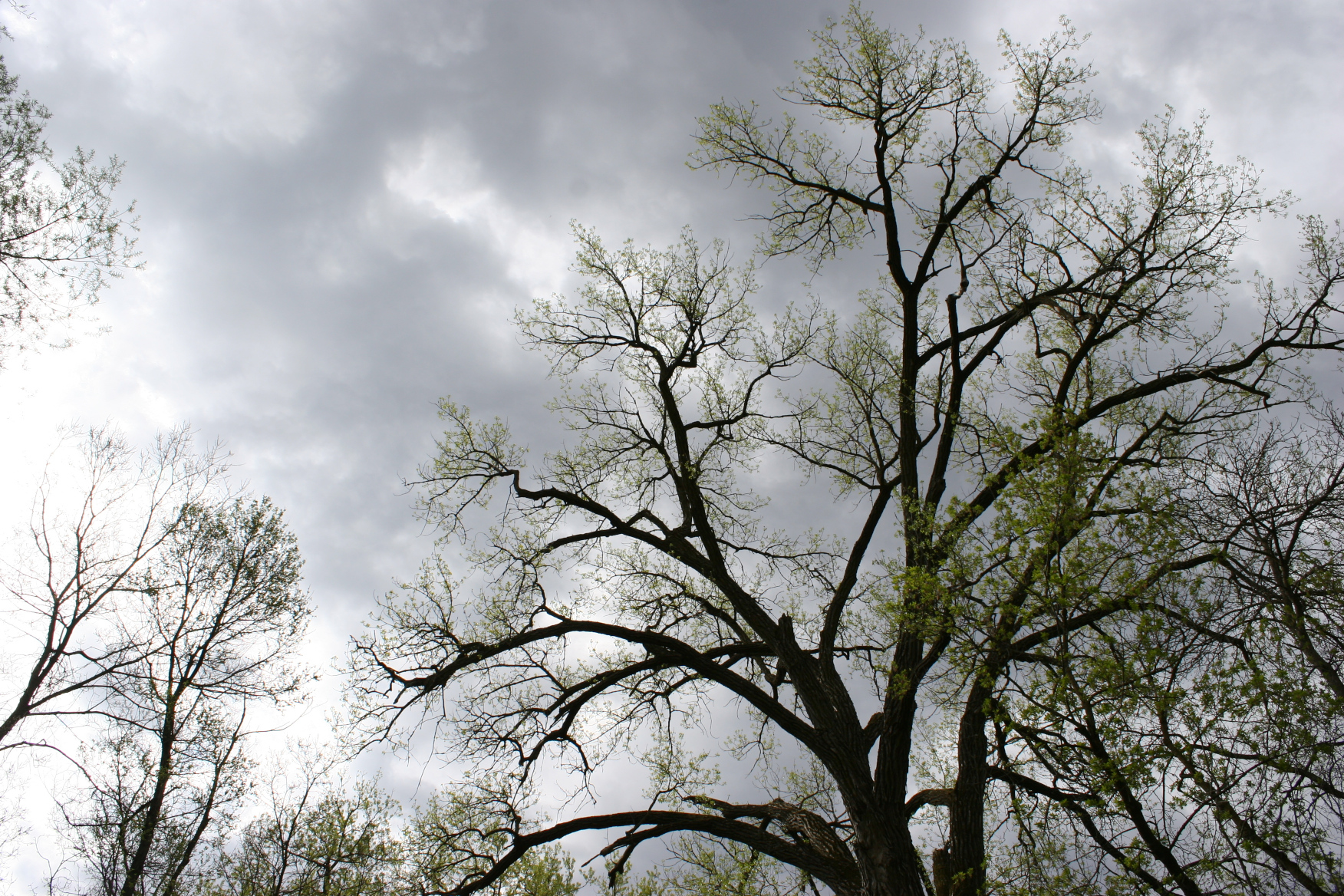
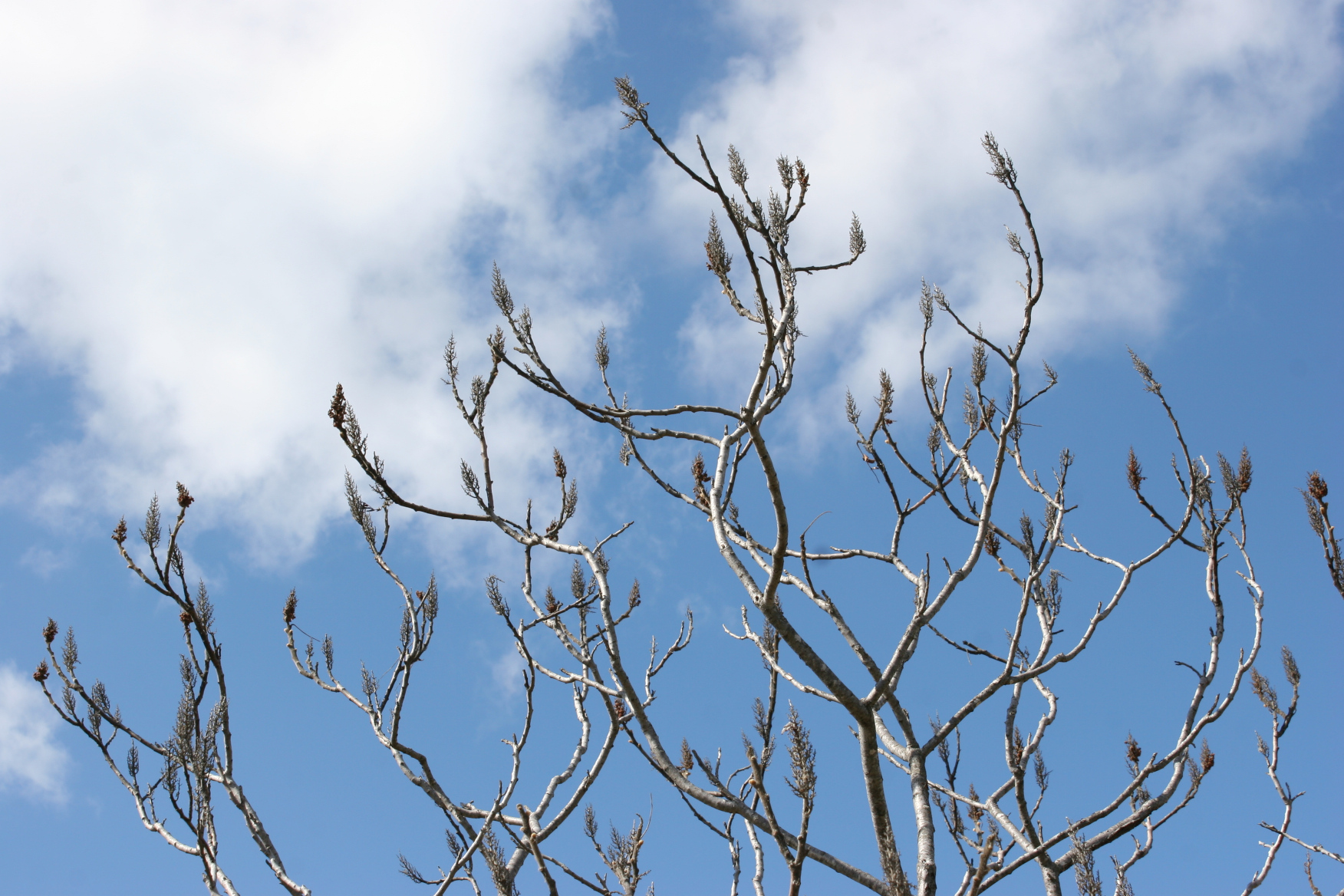
I love the artsy bend of these branches against the backdrop April sky.
As I followed the roadways, a theme emerged. Remnants. And reawakening.
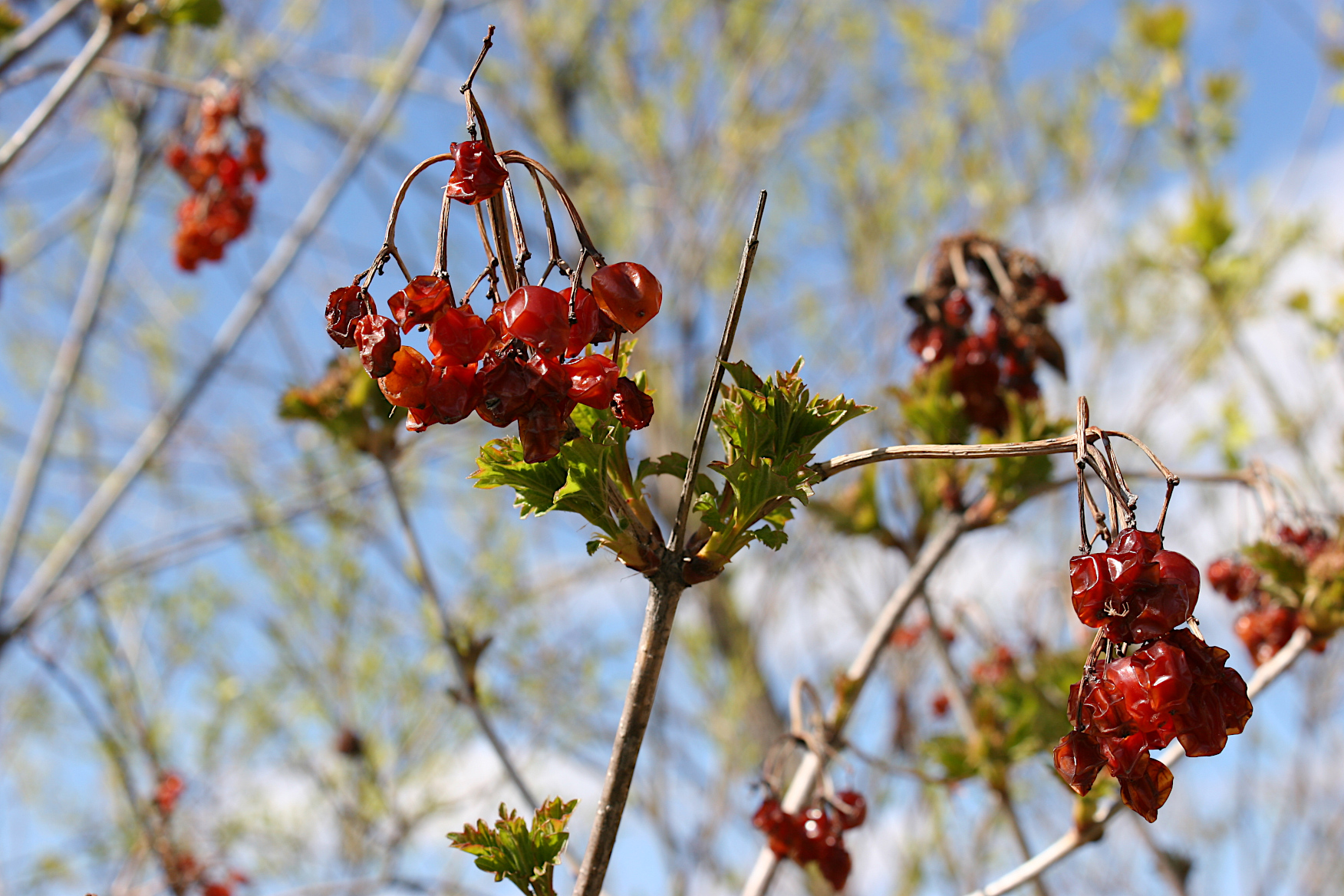
Berries left-over from seasons past pop color into the landscape.
Everywhere I looked, I saw remnants of seasons past.
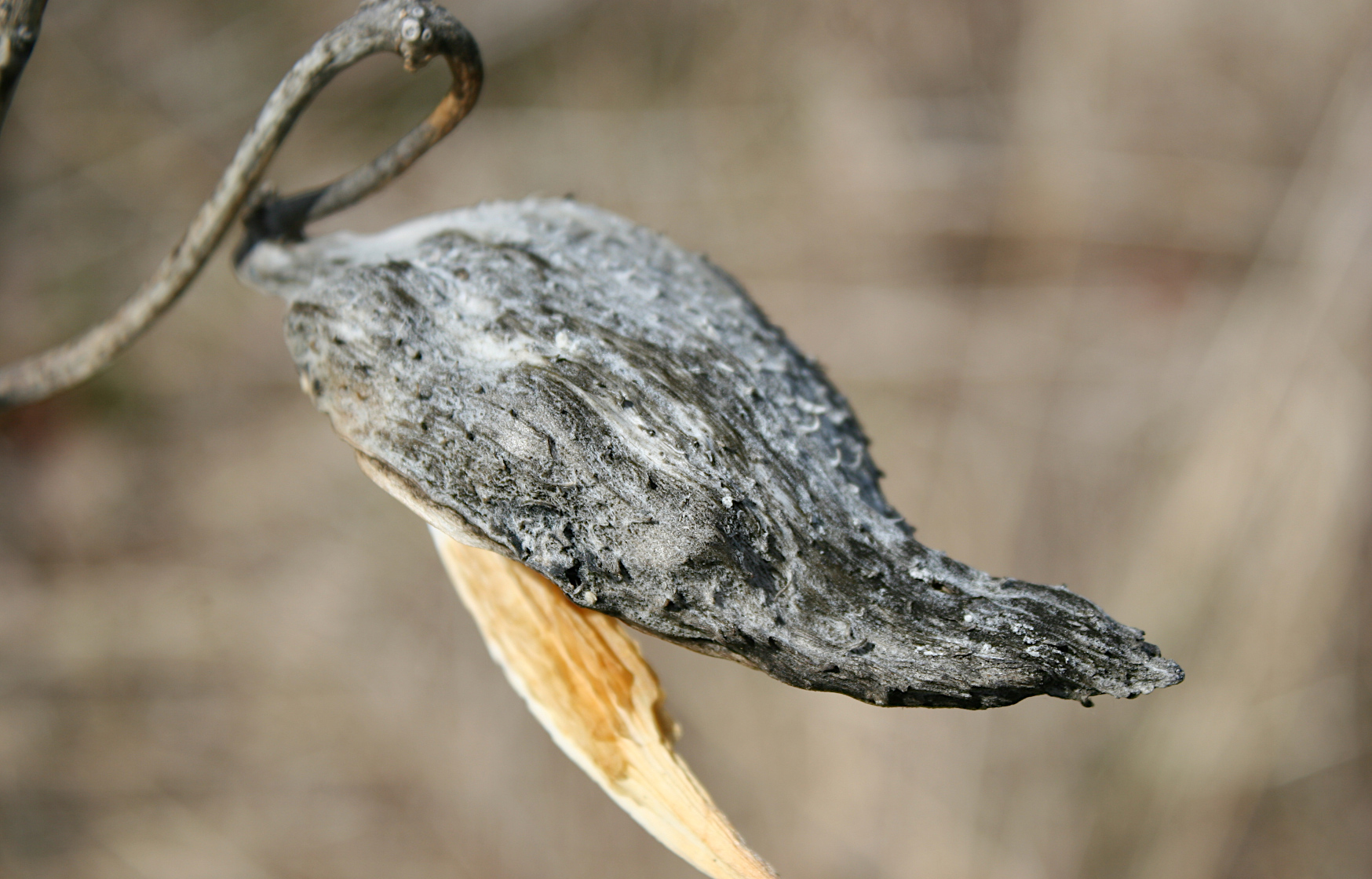
Milkweed pods, oh the texture, the sturdiness, the weathered grey of winter.
Bare branches. Dried berries. Grey milkweed pods. Fluffs of cattails.
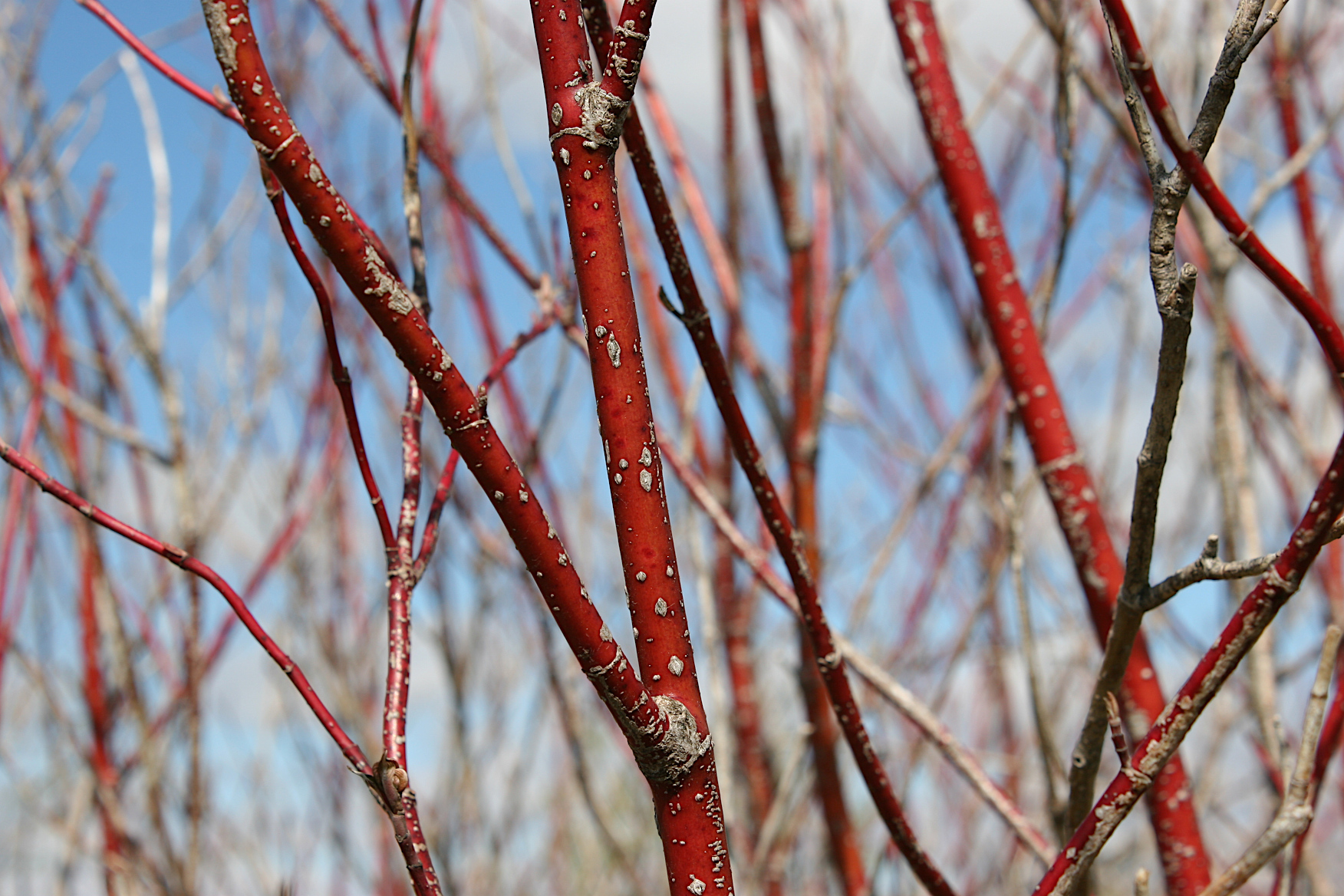
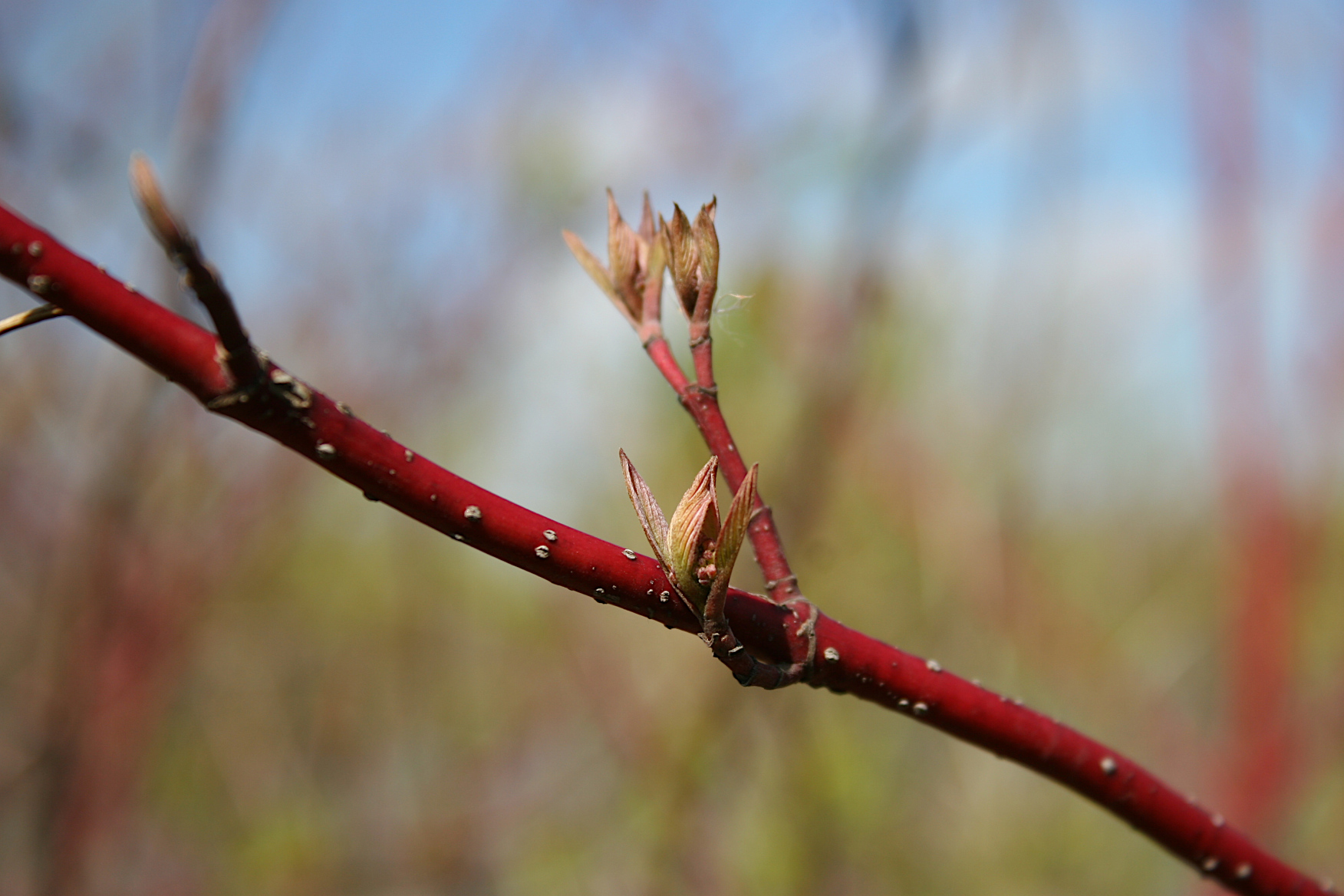
I love the contrast of red dogwood against the blue sky.
April marks the transition from dormancy to reawakening. Spring bursts into the landscape in tree buds, in green grass, in the reddening of dogwood.
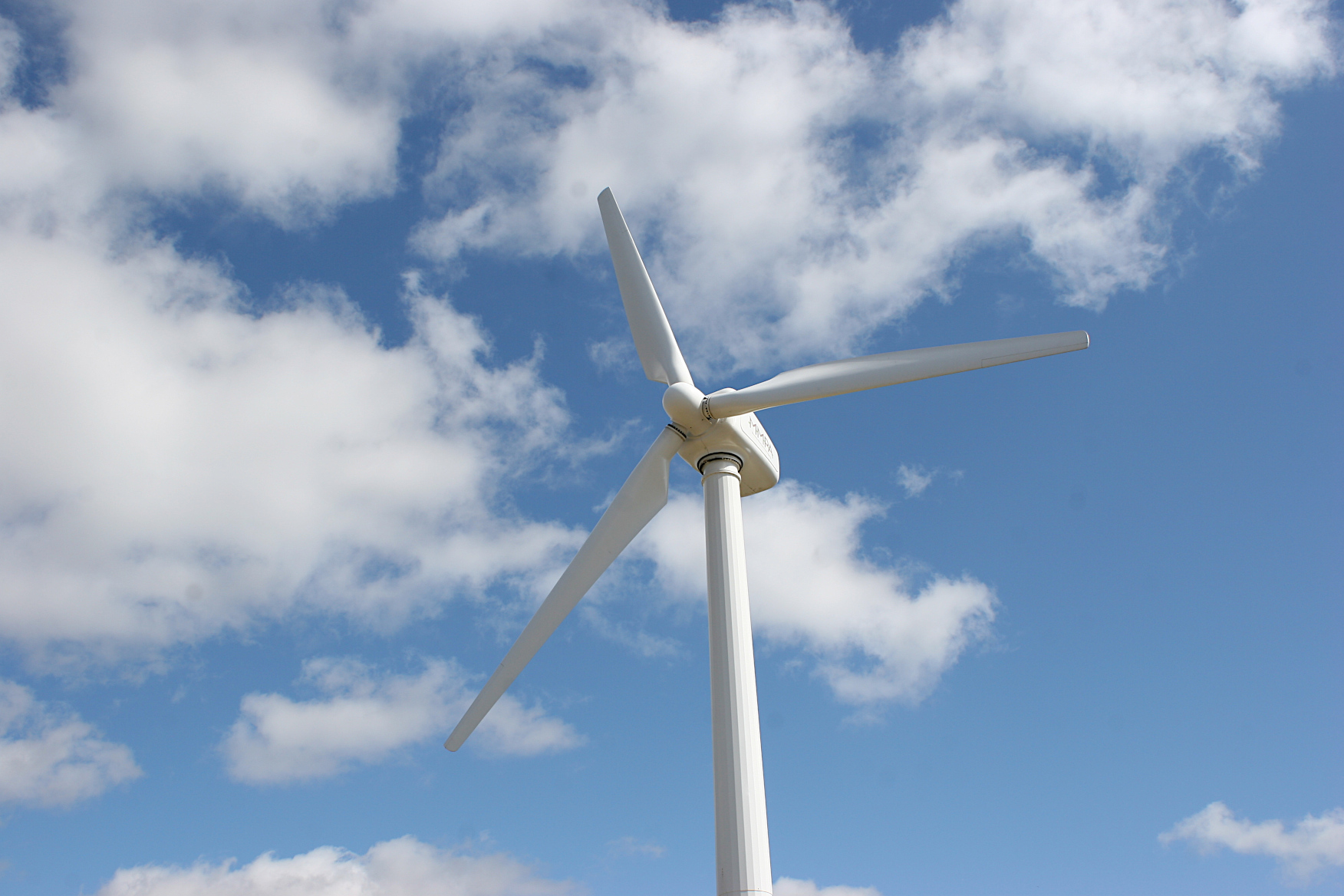
The park includes a wind turbine and solar panels.
I noticed, too, when photographing the on-site wind turbine, the scuttle of white clouds against blue sky.
Buds open on dogwood.
After months of grey everything, the sky looks bluer, the new green greener.
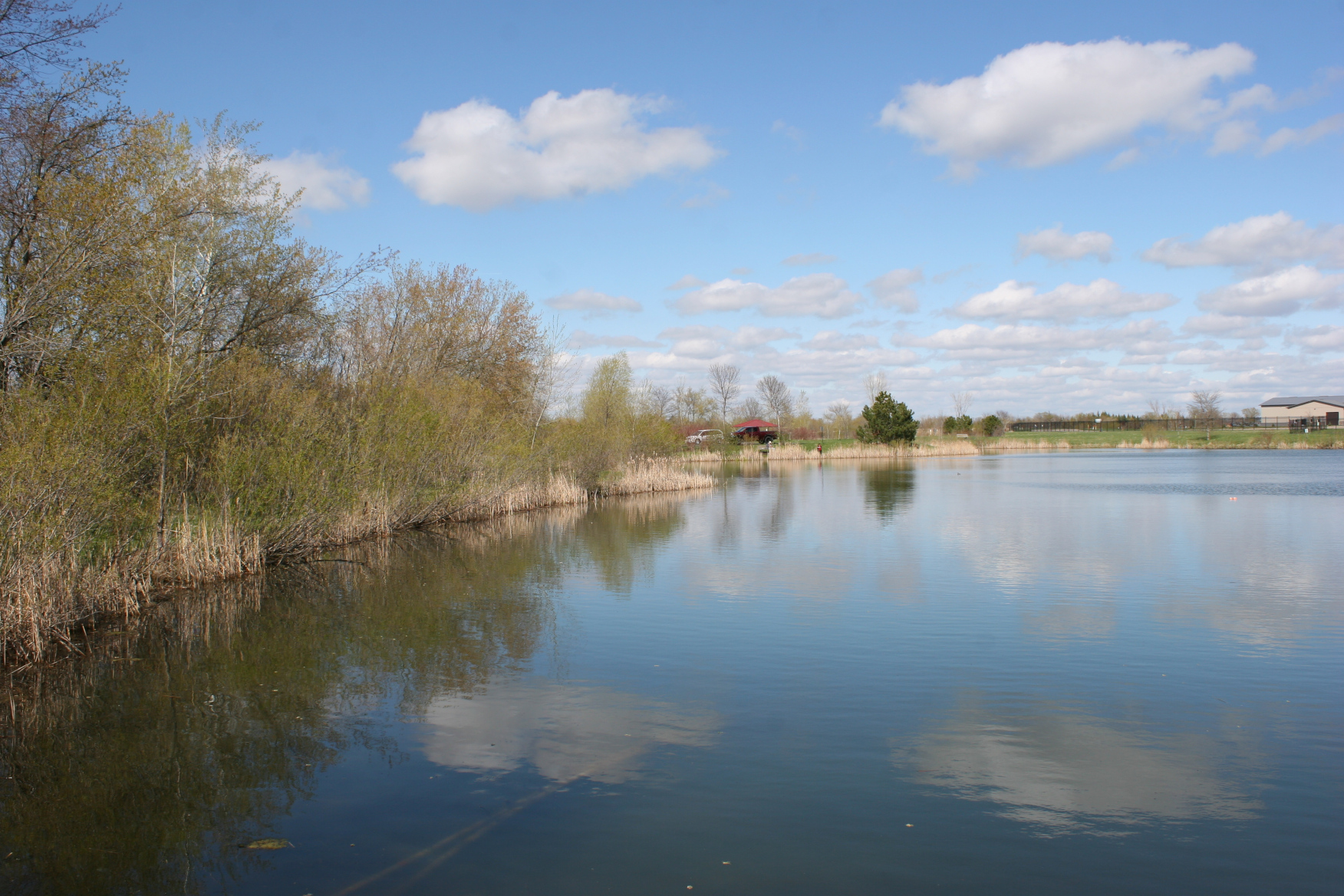
Looking across the pond, used by anglers, and next to the power plant.
I don’t know if this is a Minnesota thing, this seeing spring colors through an especially vivid lens, or whether this is universal as seasons shift. Or perhaps it’s the photographer in me.
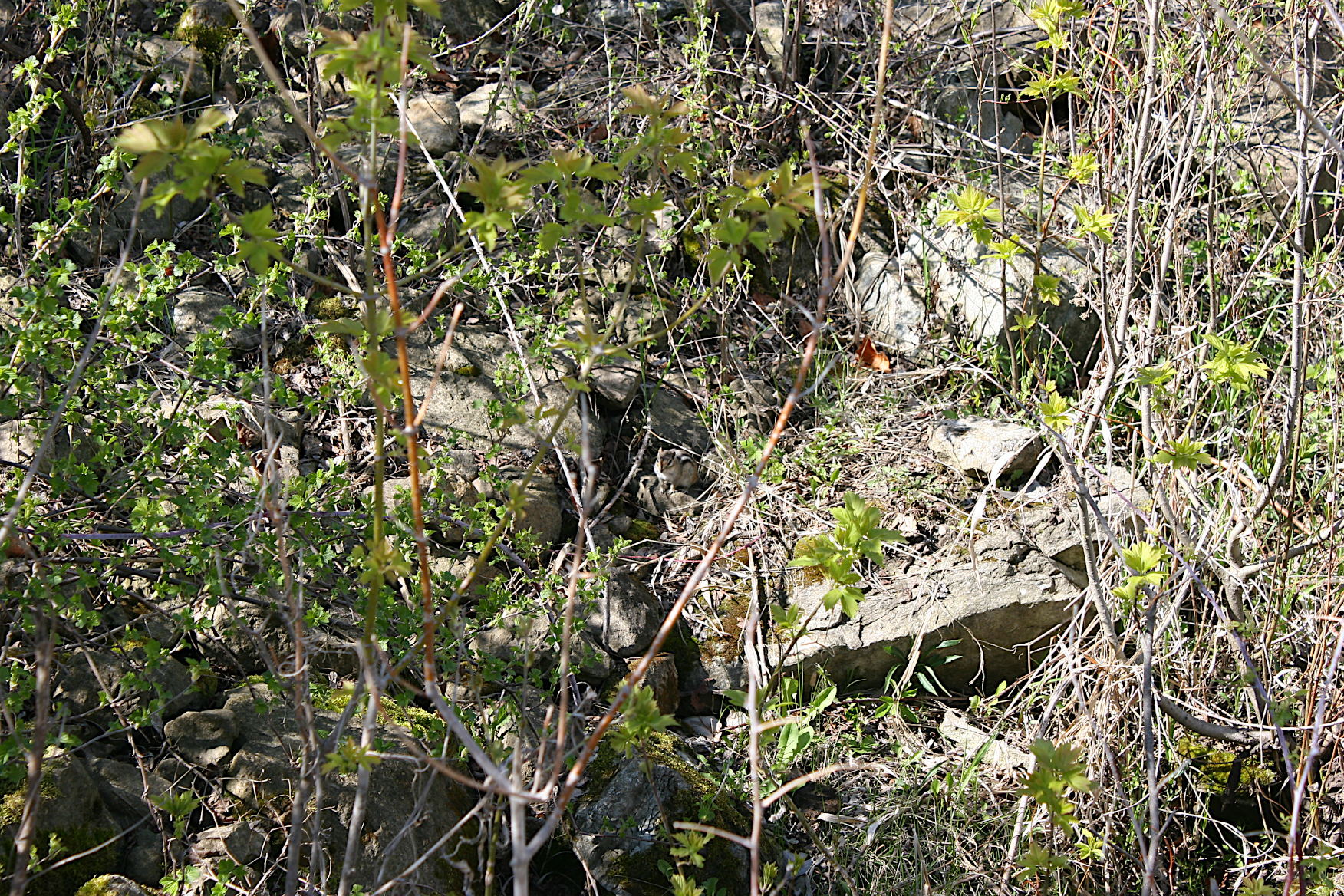
Look in the center of this photo to see a chipmunk among the rocks. Without the telephoto lens on my Canon, this is the best I could do in photographing the rodent.
Yet, as much as I credit myself for environment awareness, I missed the chipmunk camouflaged among rocks along the creek.
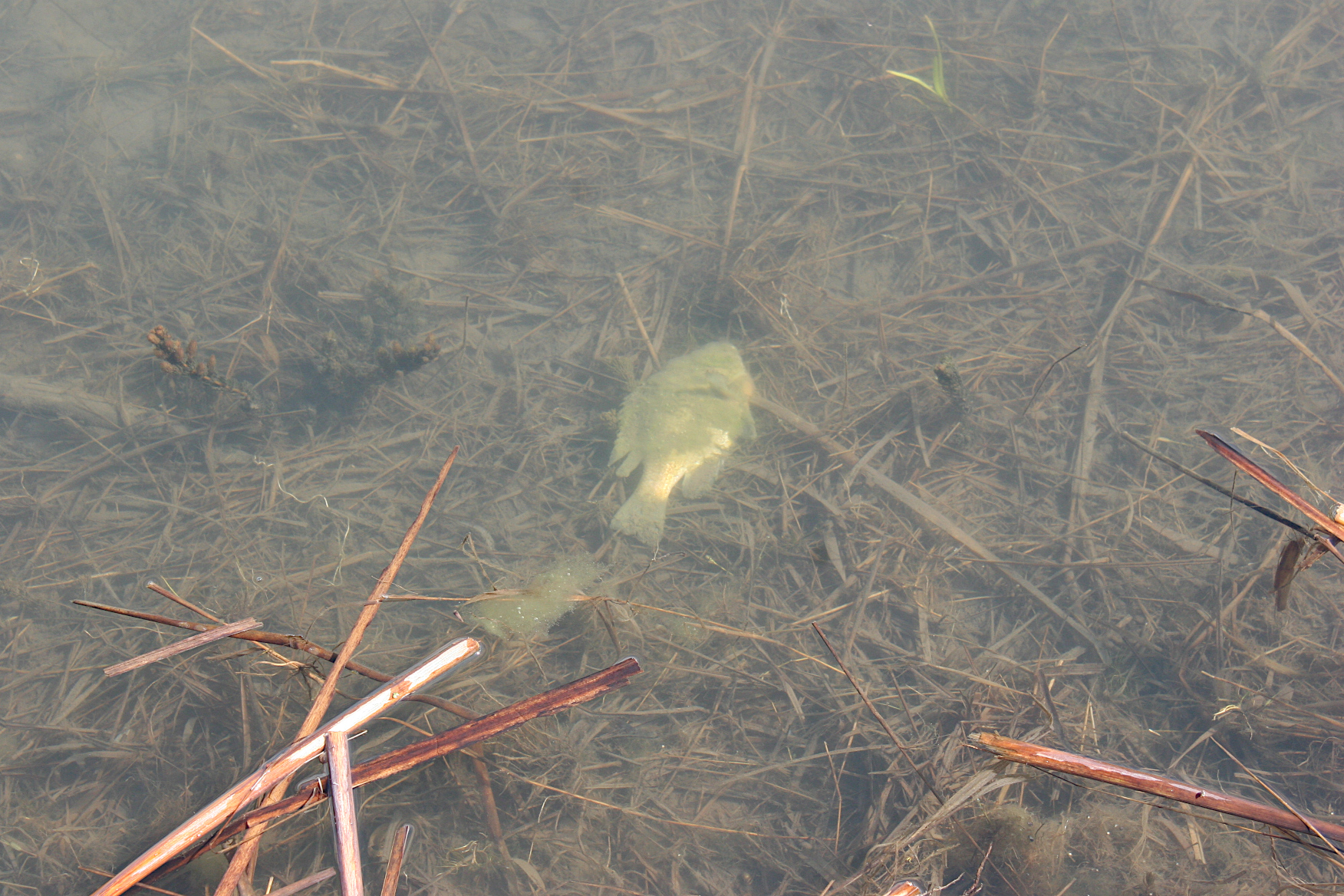
Dead on pond’s edge.
I missed, too, the muskrat rippling away from the shoreline into the pond. And the dead fish lying on its side near water’s edge. Randy saw all three and drew my attention to them. Then he wondered why I would photograph a dead fish. “Because I want to show what I saw,” I say. Yes, even the unappealing. Life isn’t always pretty.
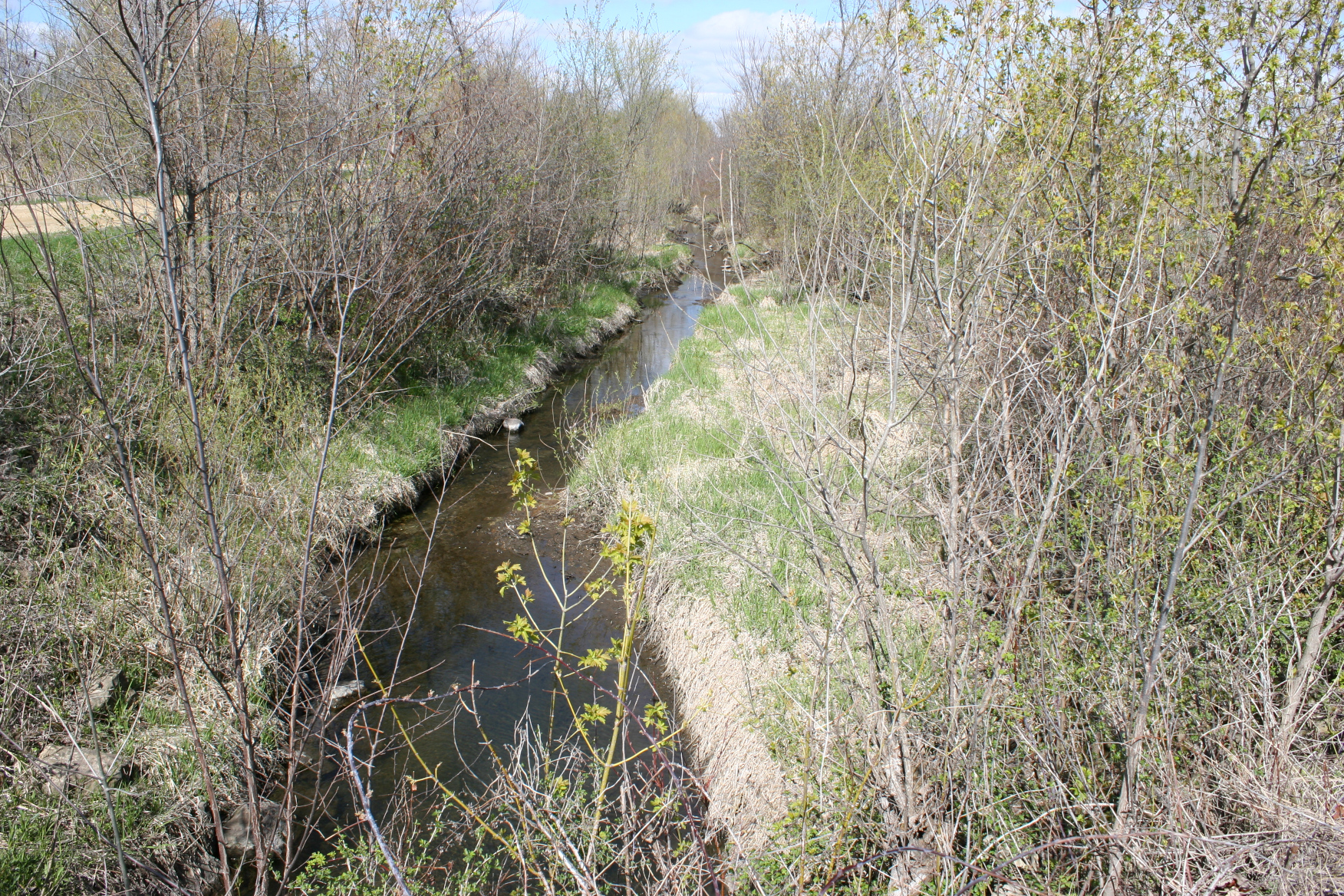
Soon the banks along this creek will fill with plant growth.
Yet, we can choose to focus on the beauty in life—in the remnants and reawakening. And we can choose to shut out the noise that threatens to silence the sounds of joy.
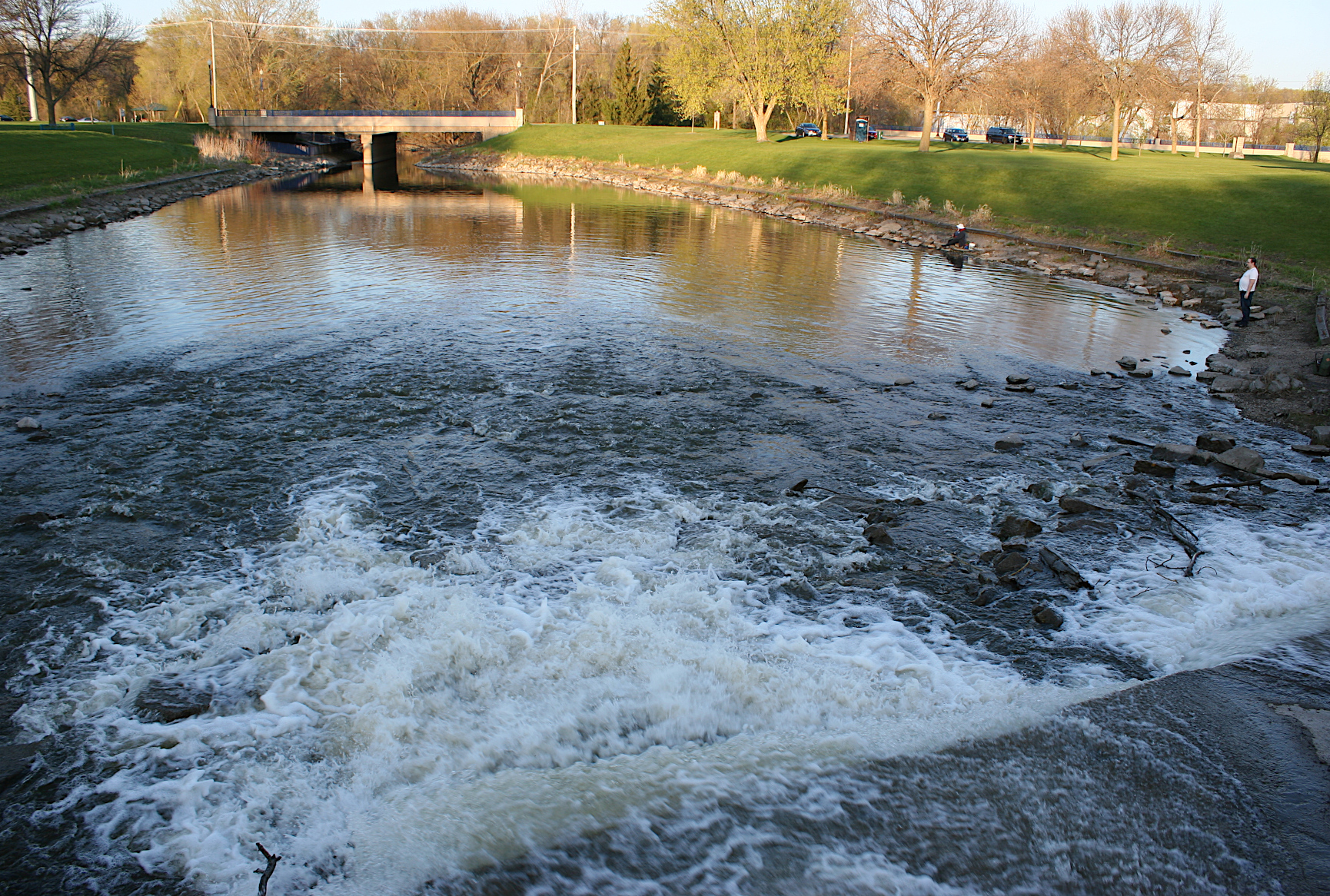
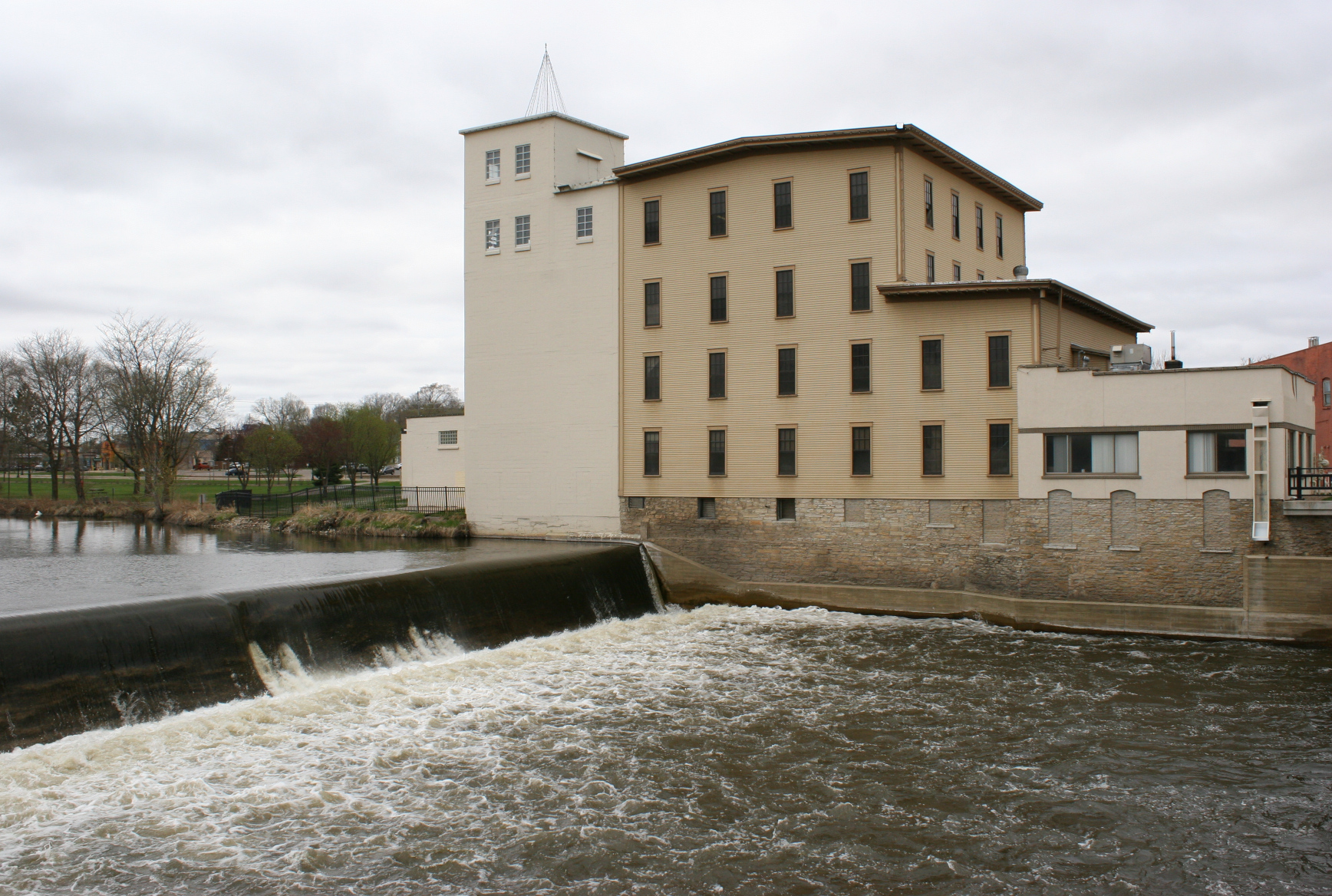
The historic Ames Mill hugs the Cannon River at the dam in downtown Northfield, Minnesota.
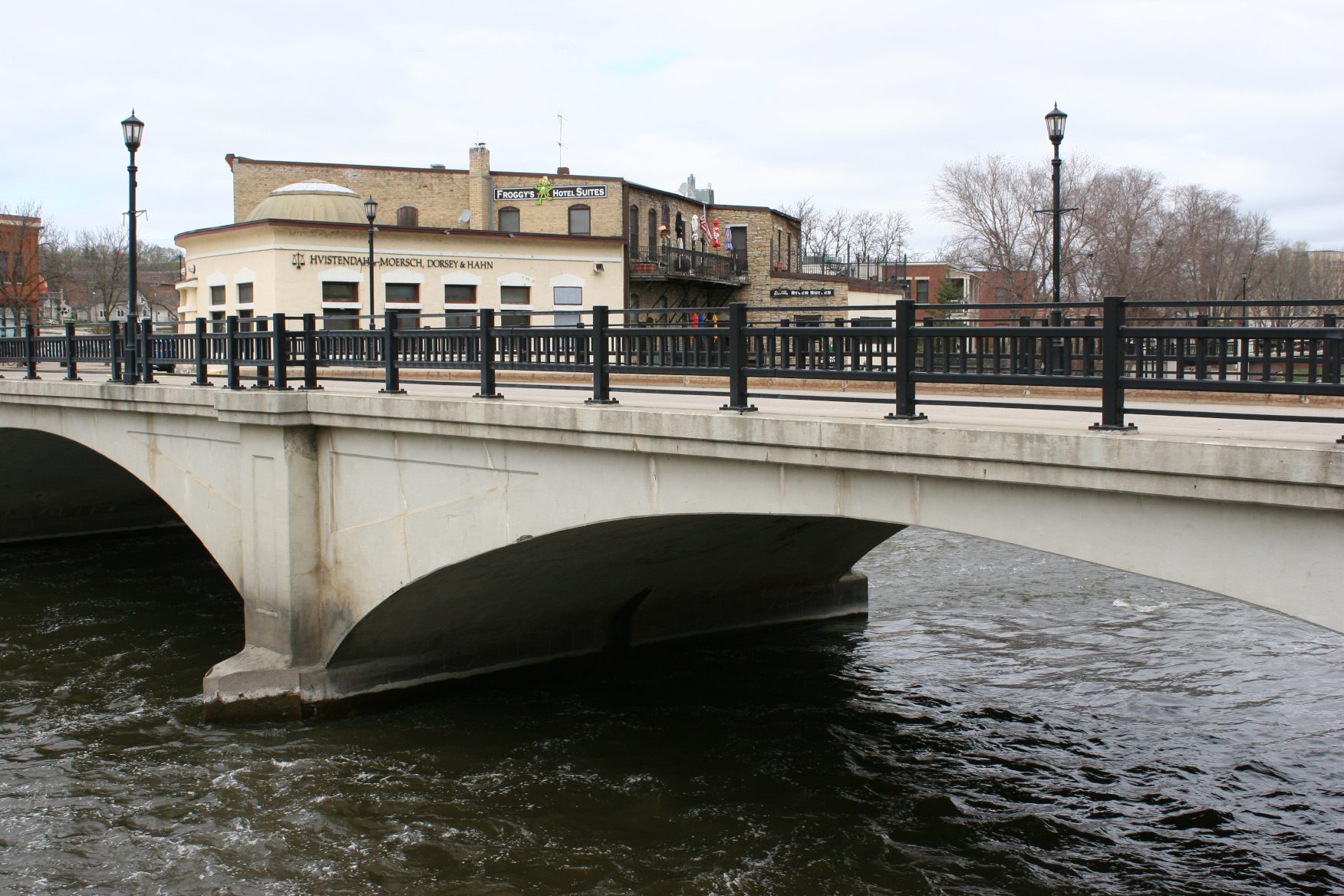
THE RIVER RUNS THROUGH. Behind businesses, over the dam by the aged mill, under bridges…
Bridging the Cannon by Bridge Square.
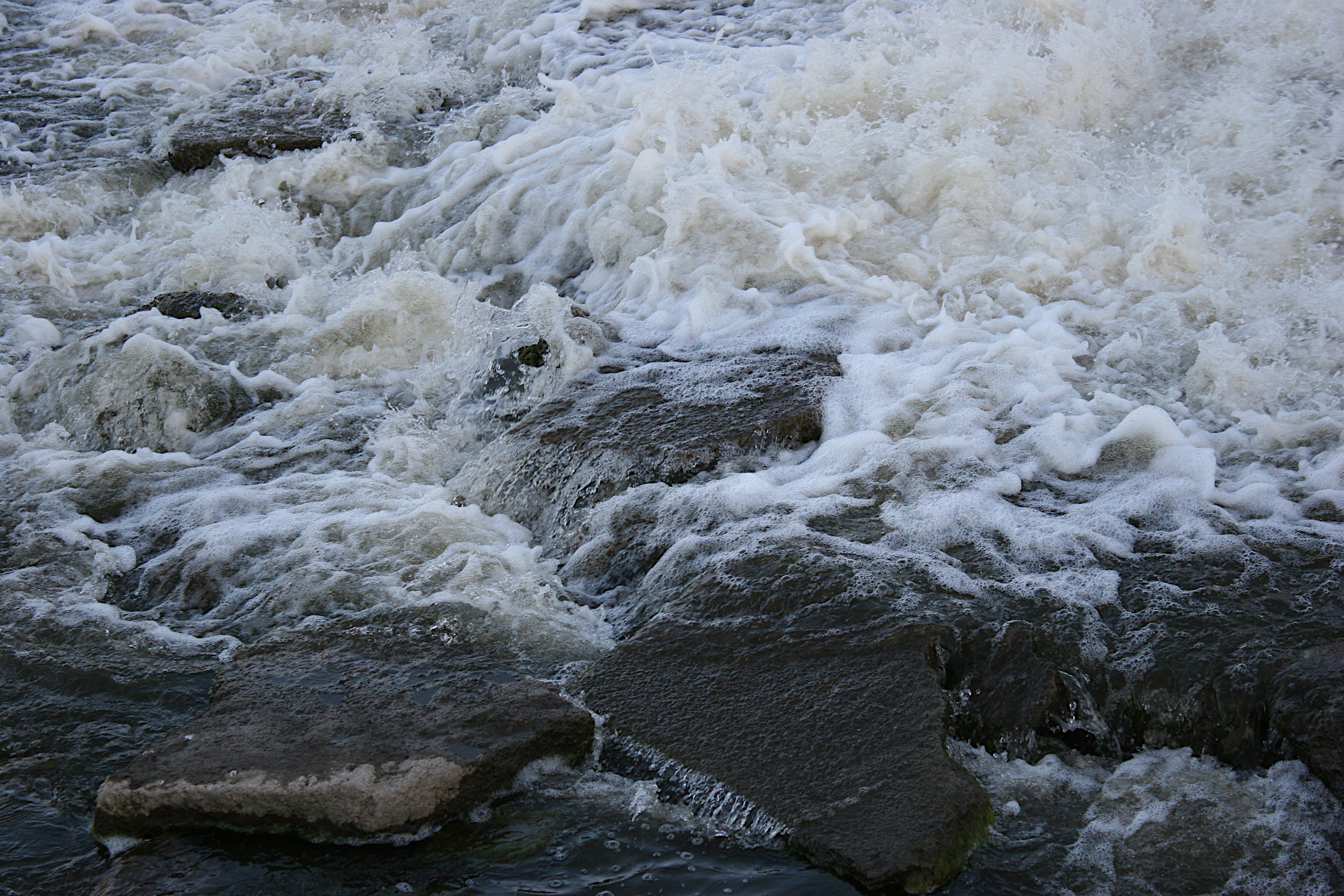
In Northfield, the Cannon River always draws me. There’s something about water. About the power of a river, the mesmerizing movement, the rise and fall thereof, the sense of peace which flows through me when I view water. Or watch fire. Or hear wind.
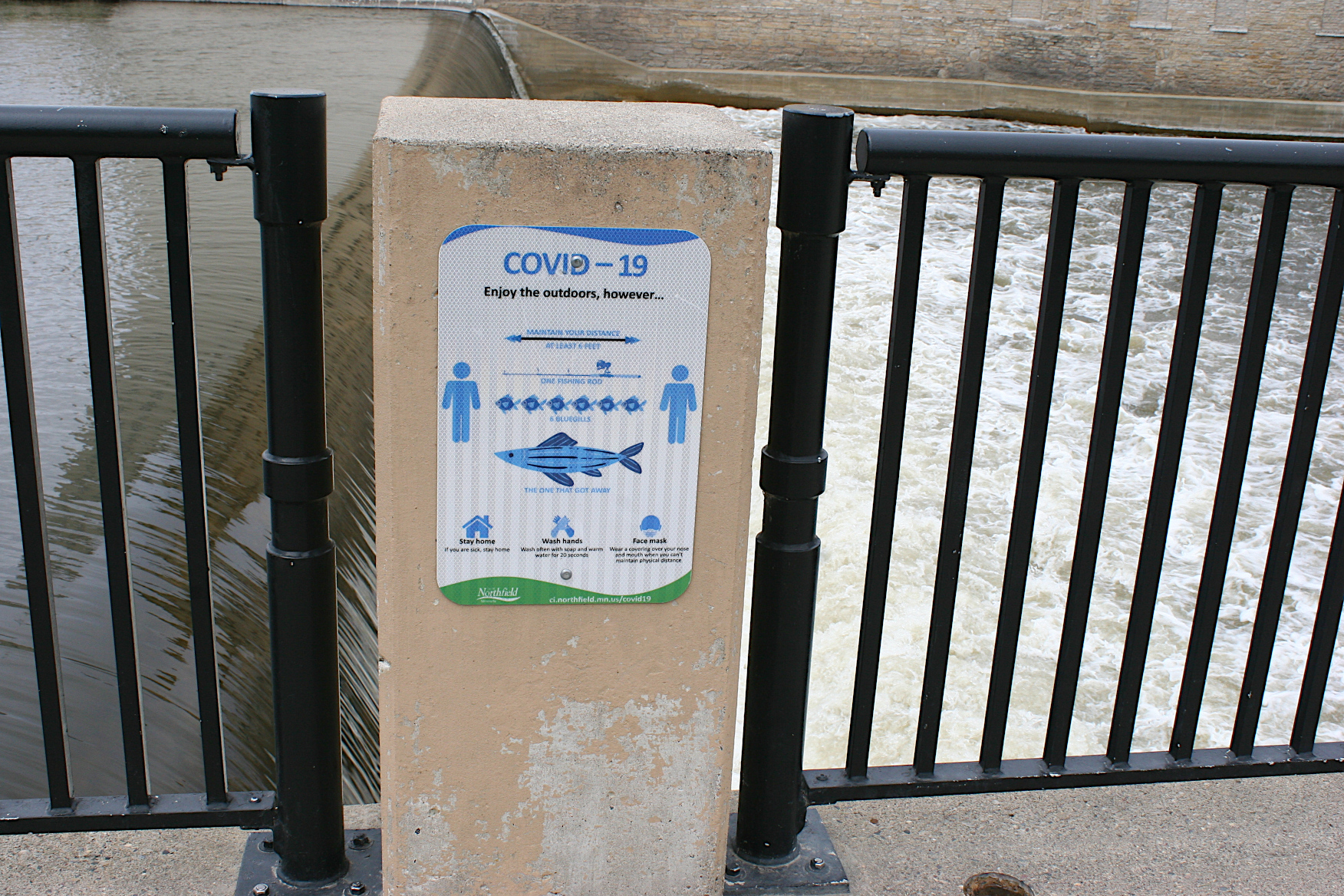
Posted on the railing by the dam, a reminder that we’re still in a pandemic.
On a recent Sunday, Randy and I headed toward the Riverwalk in the heart of historic downtown Northfield. We passed, and paused, at Bridge Square, the community’s gathering place. Every town should have a spot like this for folks to meet, to center causes, to converse or to simply sit.
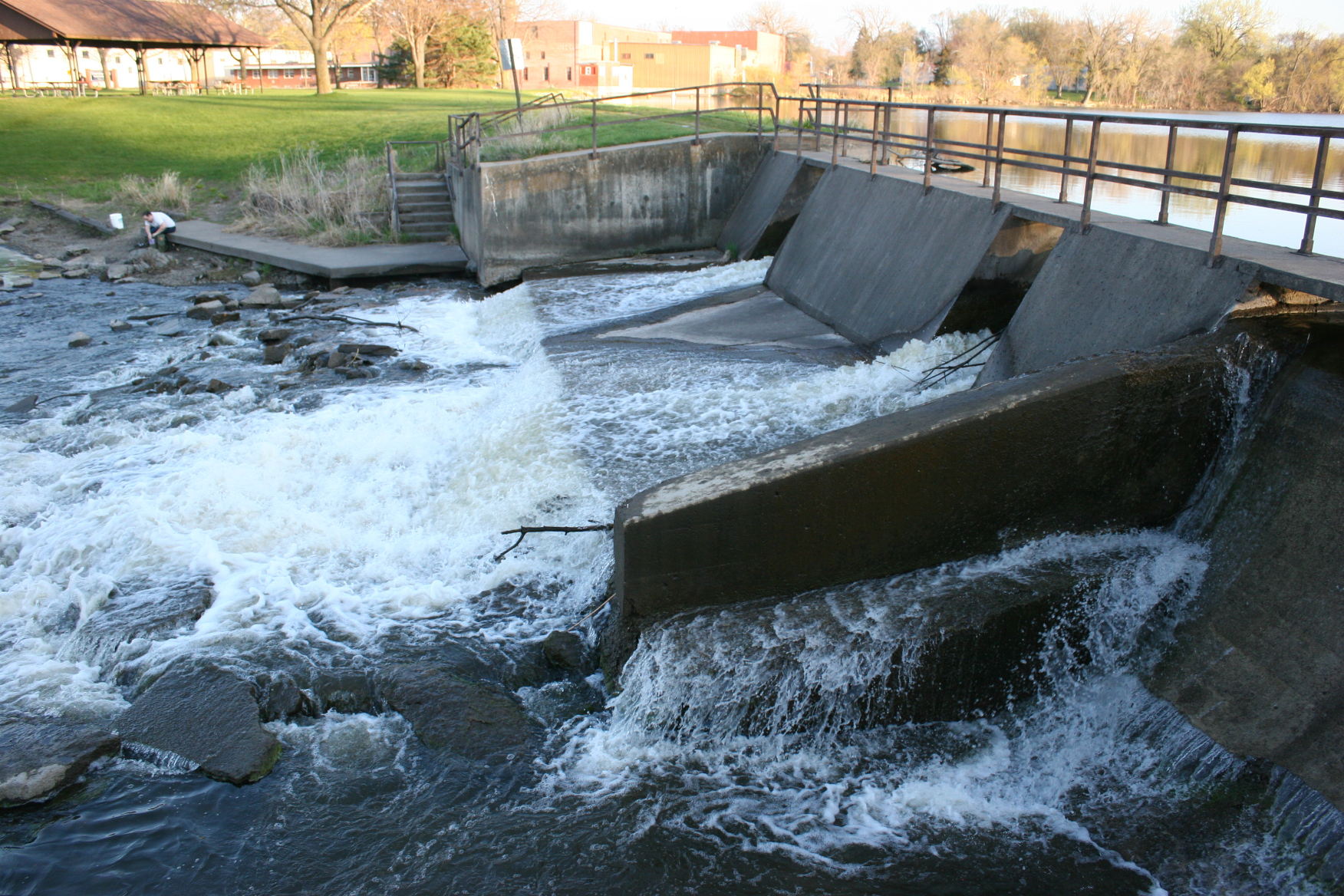
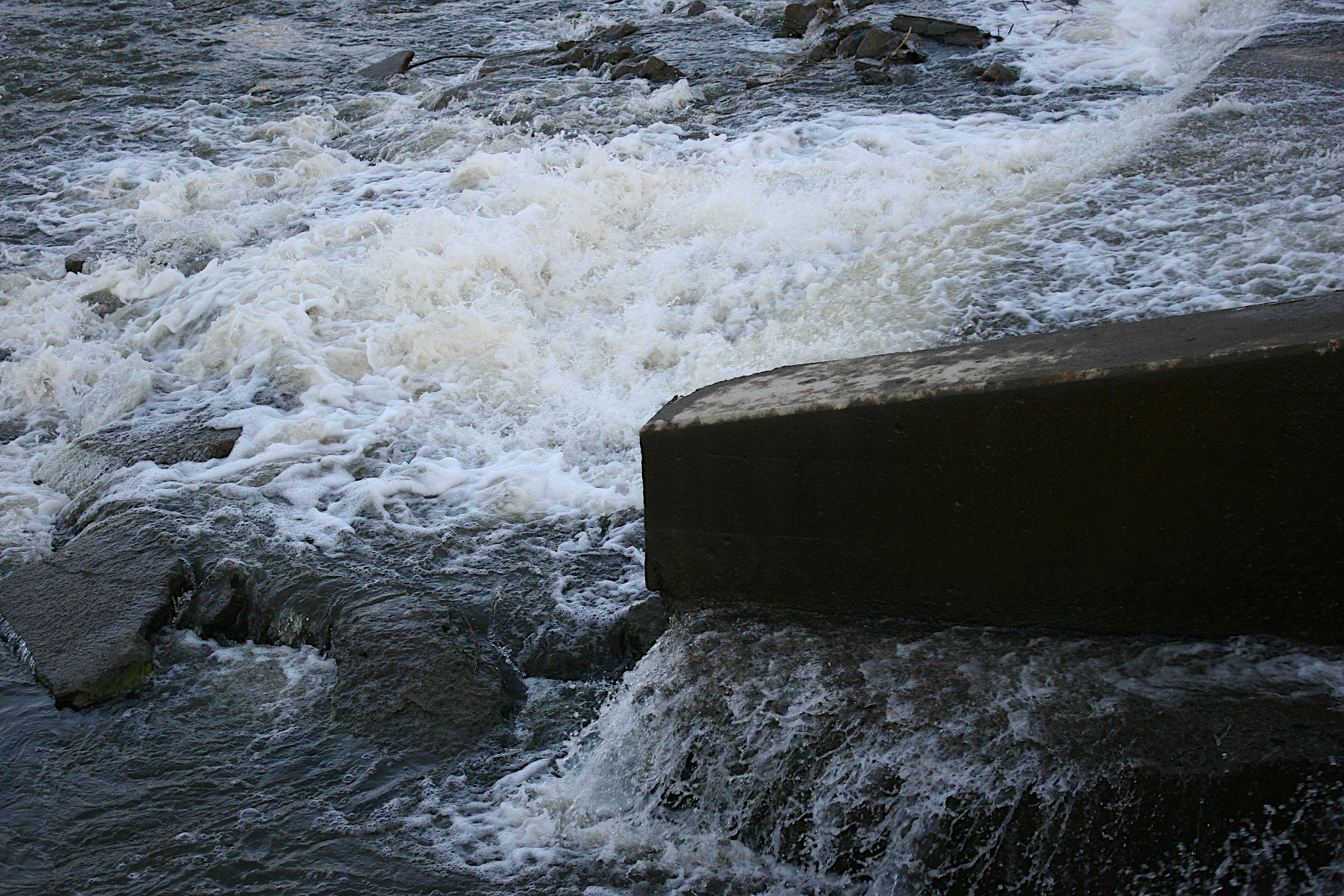
We stopped to watch the Cannon spill over the Ames Mill Dam next to the 1865 Malt-O-Meal (now Post Consumer Brands) mill that still produces hot cereal, the scent often wafting over the city.
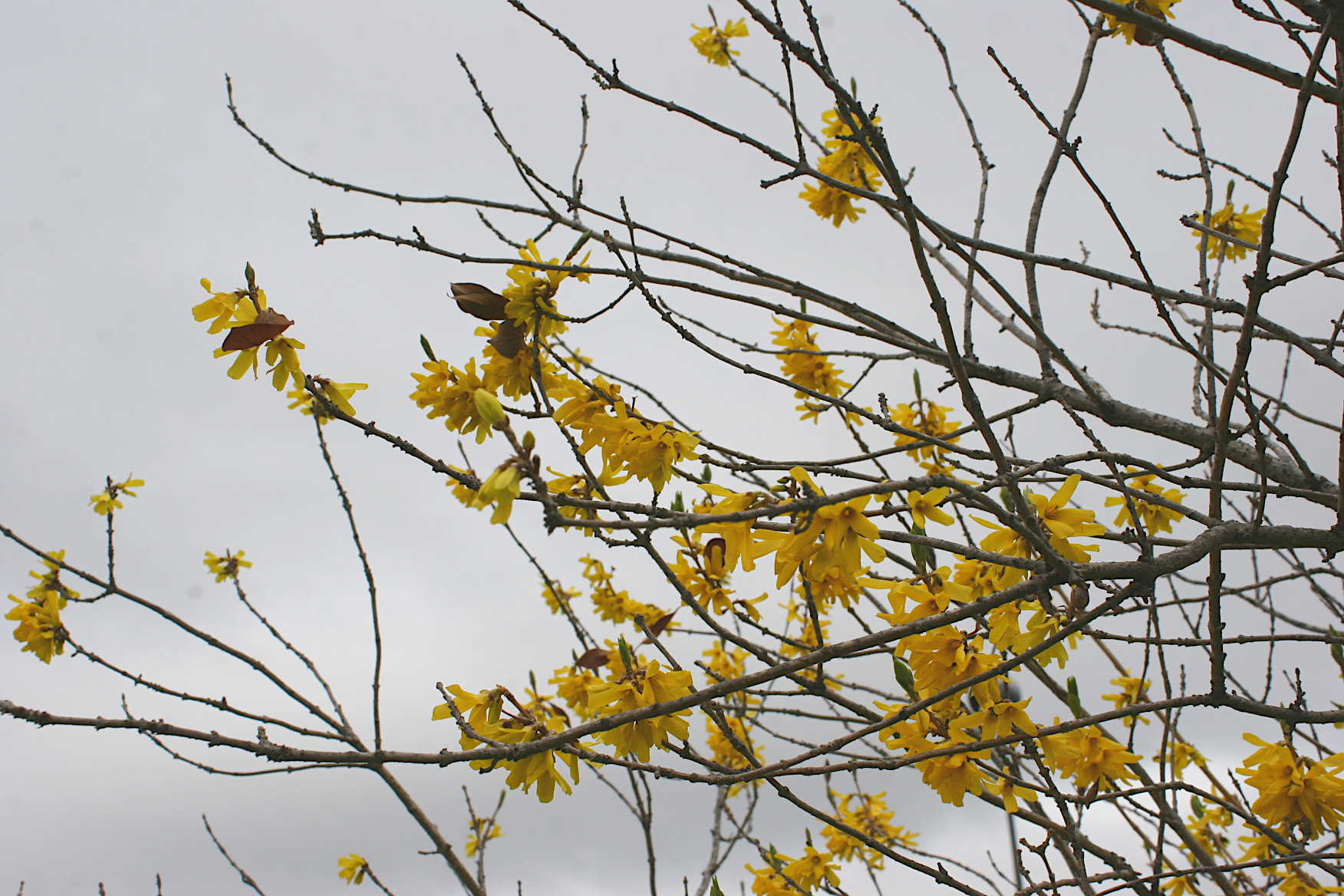
A flowering tree bursts color into Bridge Square near the river.
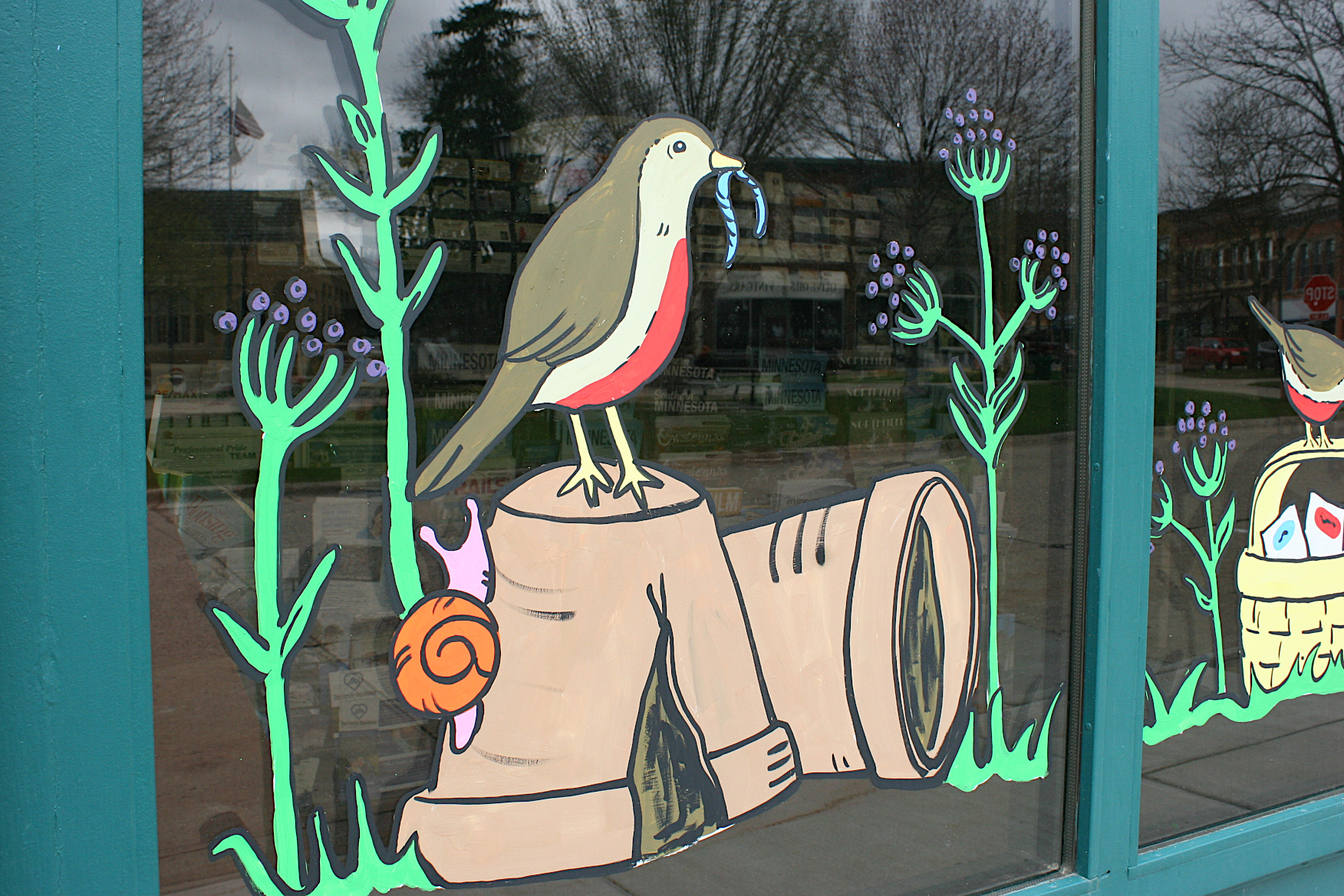
Spring in art, at the local tourism office.
I delighted in a blossoming tree and the spring-themed art painted on the front window of the Northfield Area Chamber of Commerce and Tourism office. Seemingly small things like this add an artsy vibe to Northfield. Details matter. Art matters. Nature matters.
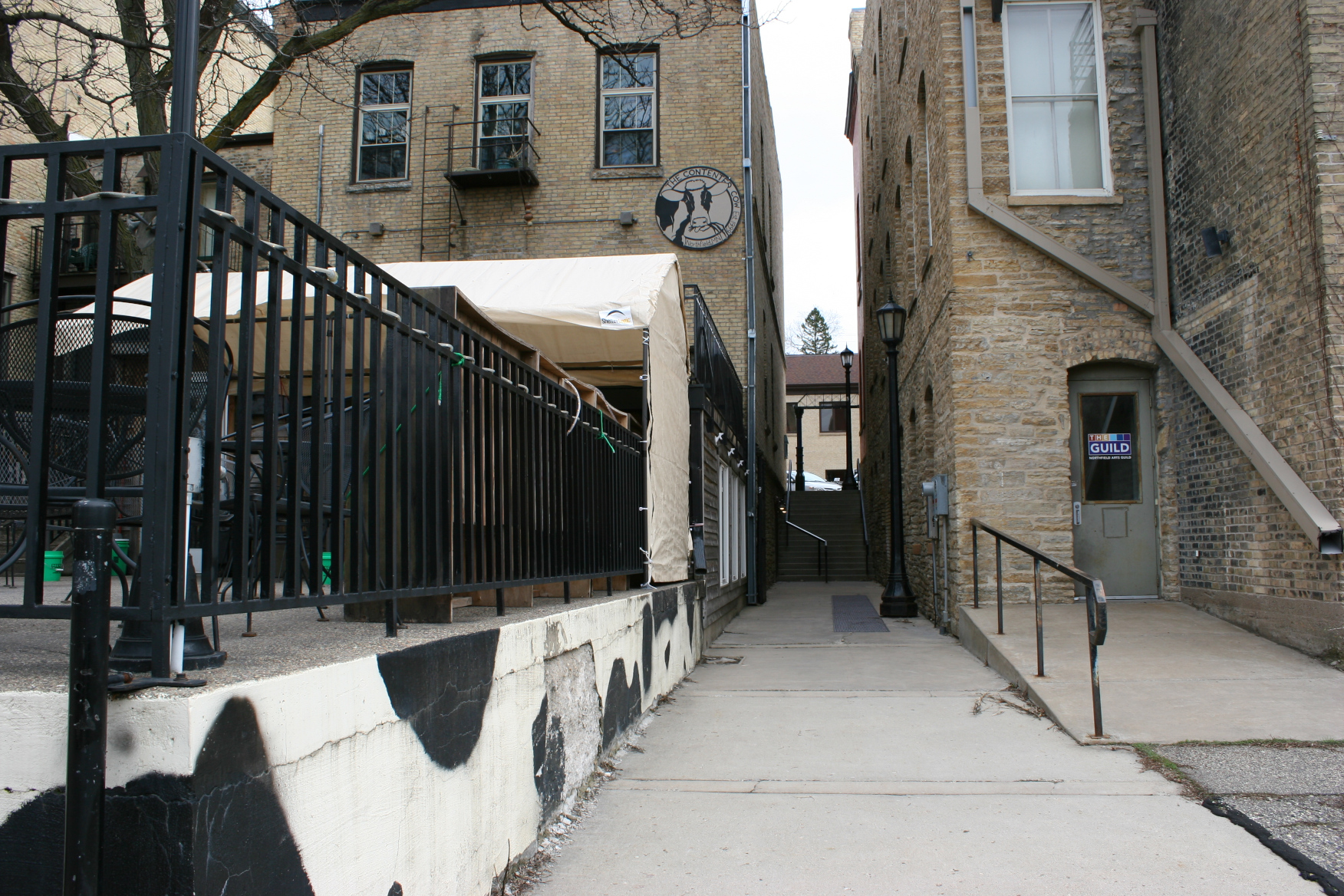
The narrow walkway by the Contented Cow (a British style pub) leads to Division Street from the Riverwalk.
When we reached the riverside back of the Contented Cow, I noticed for the first time the Holstein painted retaining walls and tables. Why had I not previously seen this? It appears to have been here for awhile.
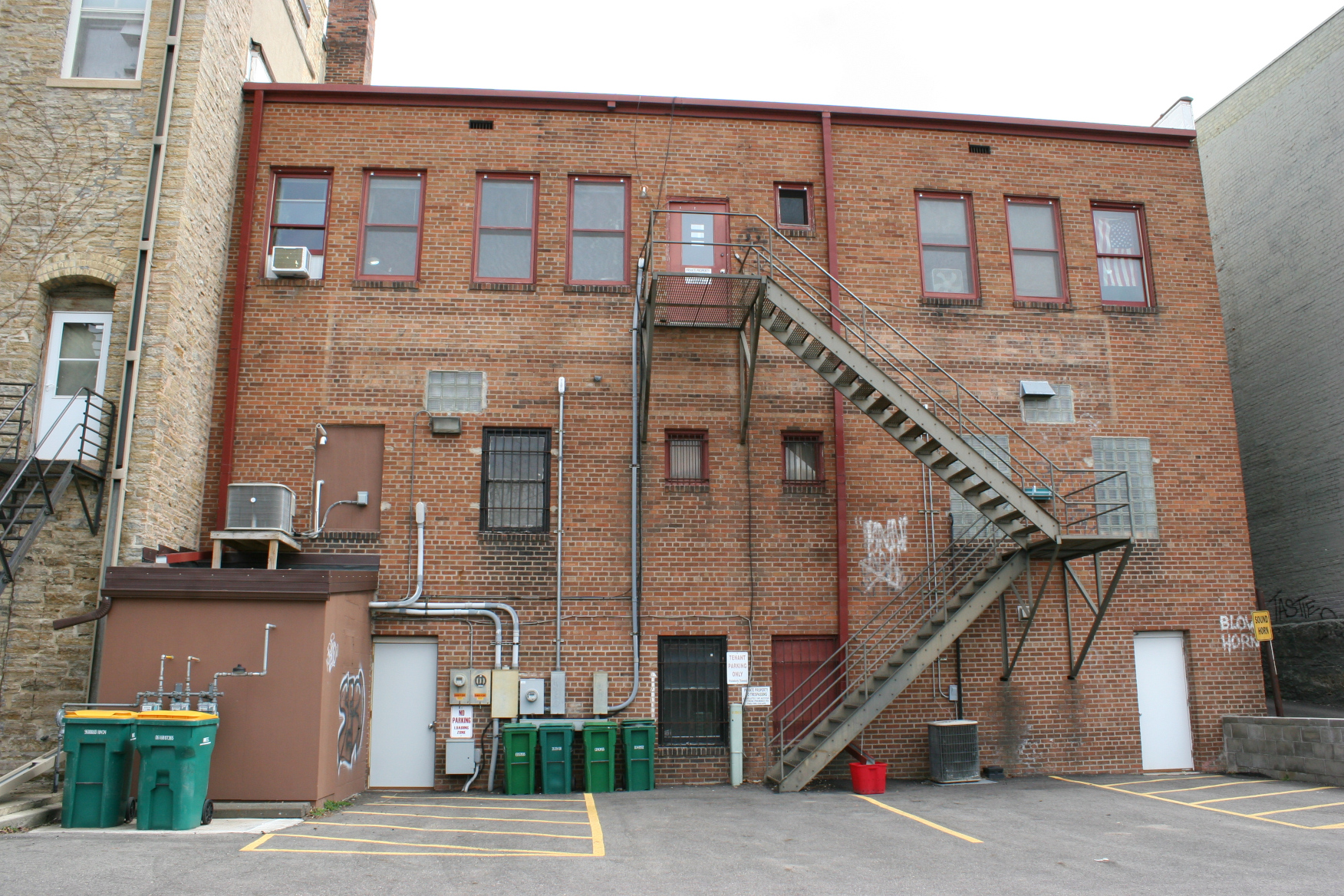
The back of an aged building photographed from the Riverwalk.
I find backs of buildings bare bones interesting, like nouns without adjectives.
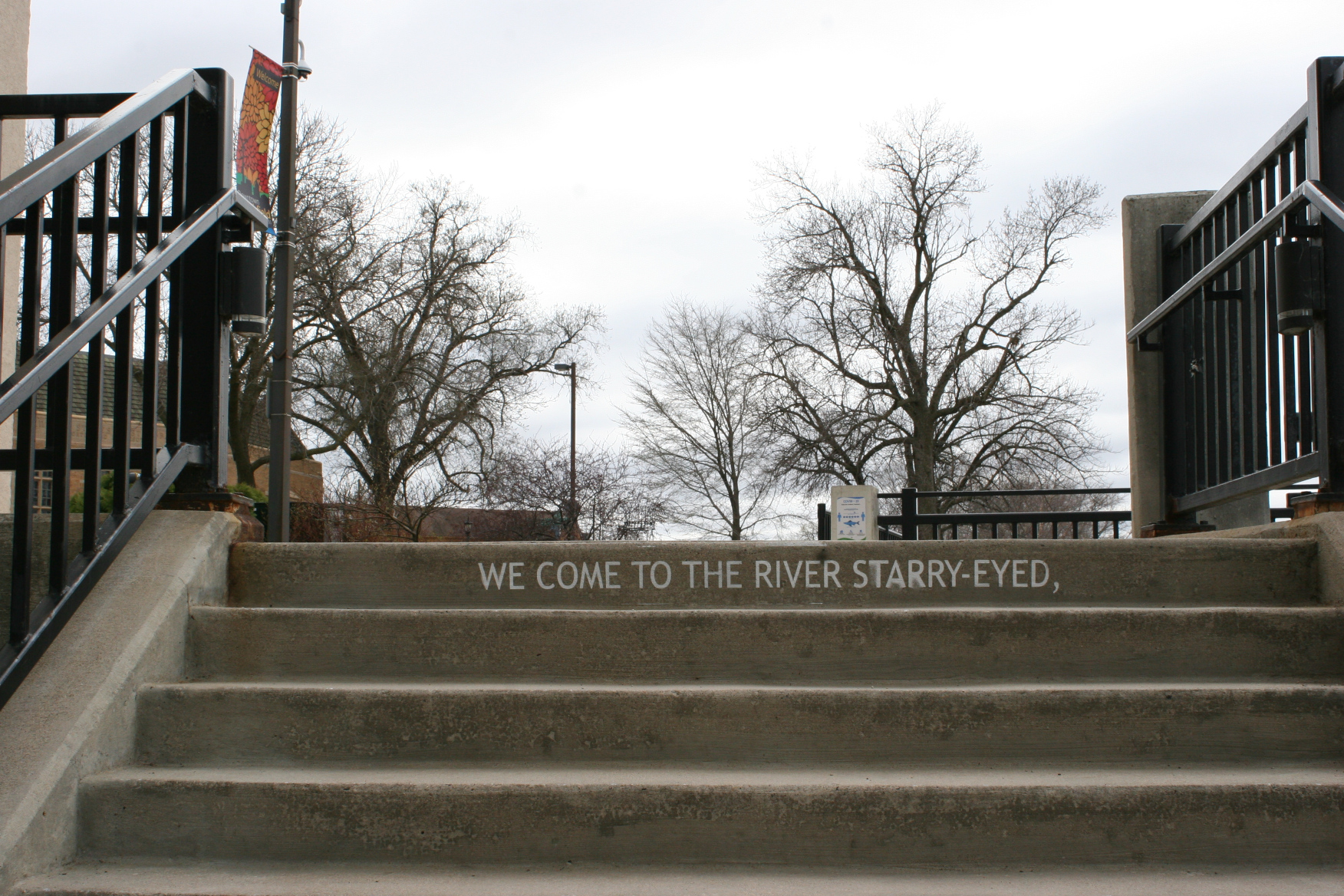
Words on the Riverwalk stairway.
That’s the thing about slowing down. Noticing. Sometimes we fail to walk at a pace that allows us to see, truly see, the world around us. The backs of buildings. The flow of the river. To take it all in, starry-eyed at the beauty which surrounds us.
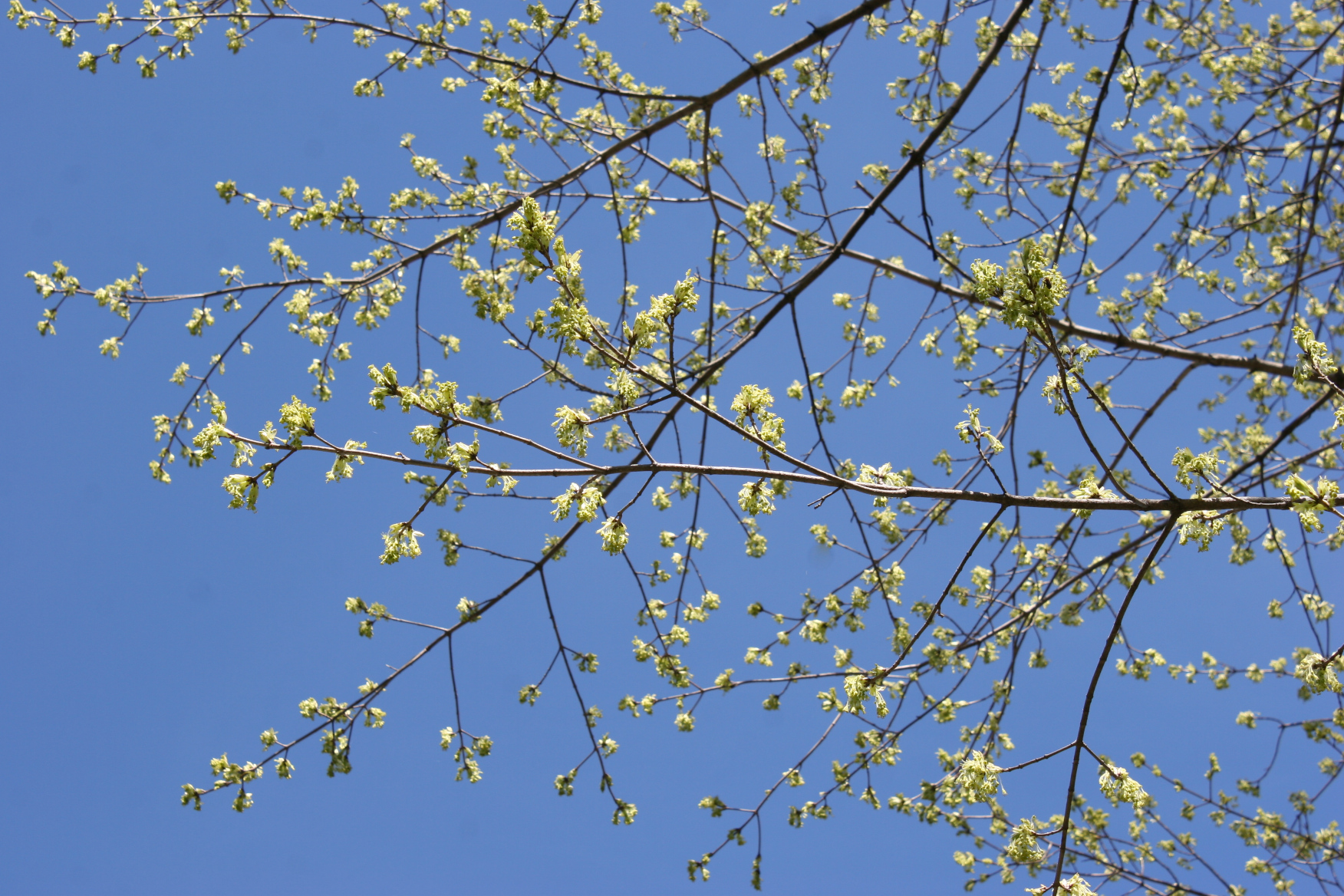
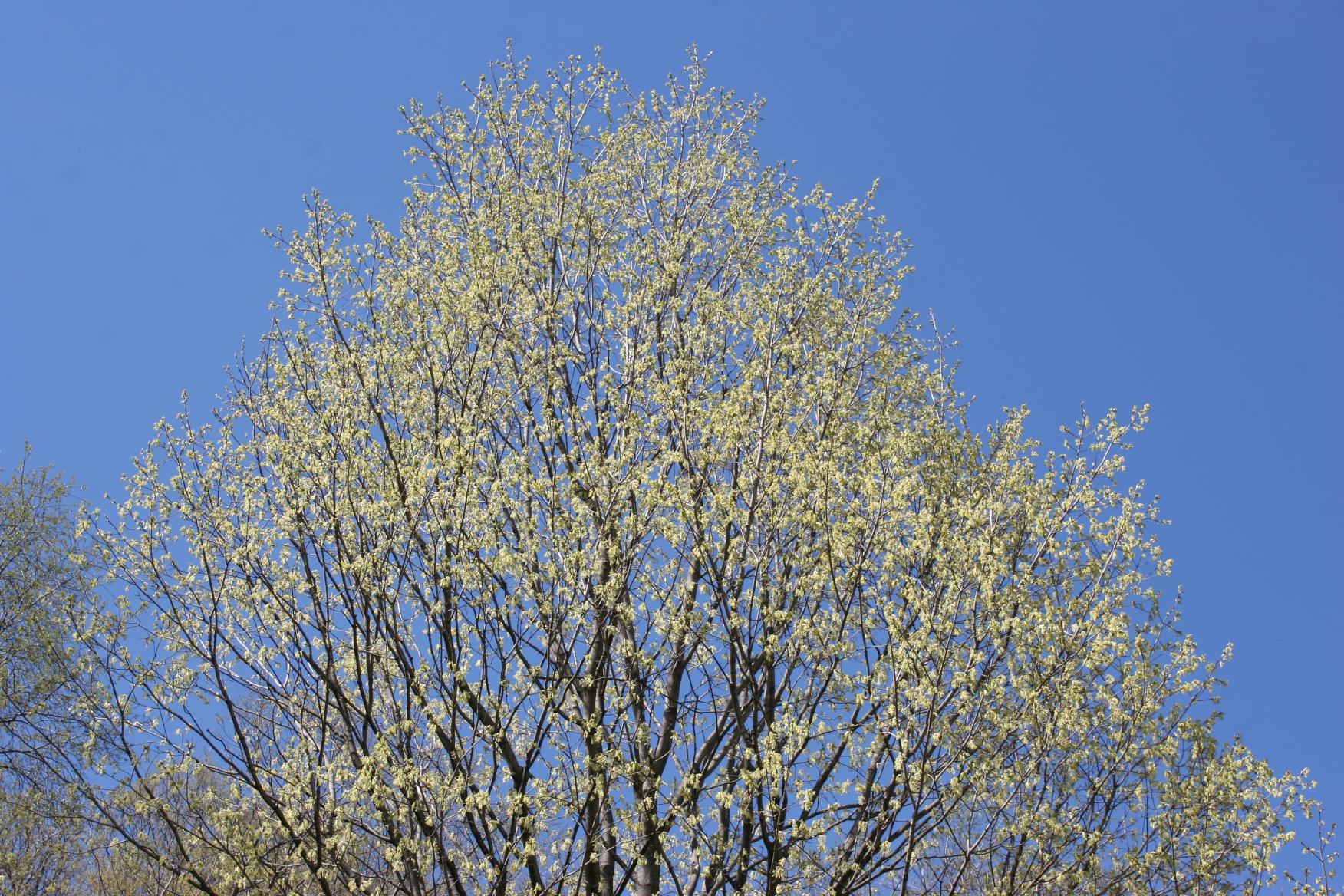
Oh, to see the trees leafing out…a sure sign of spring in Minnesota.
SPRING IN MINNESOTA brings depth to the landscape. A richness of color. Months of grey and brown fade, replaced by pops of vibrant hues in spring flowers, by vivid blue skies, by bursts of green in leafing trees.
My backyard shows all those signs of spring. As I hang laundry on the line on an April morning with a lingering nip of cold, the sun shines bright. The shrill voice of cardinals pierces through the steady noise of traffic.
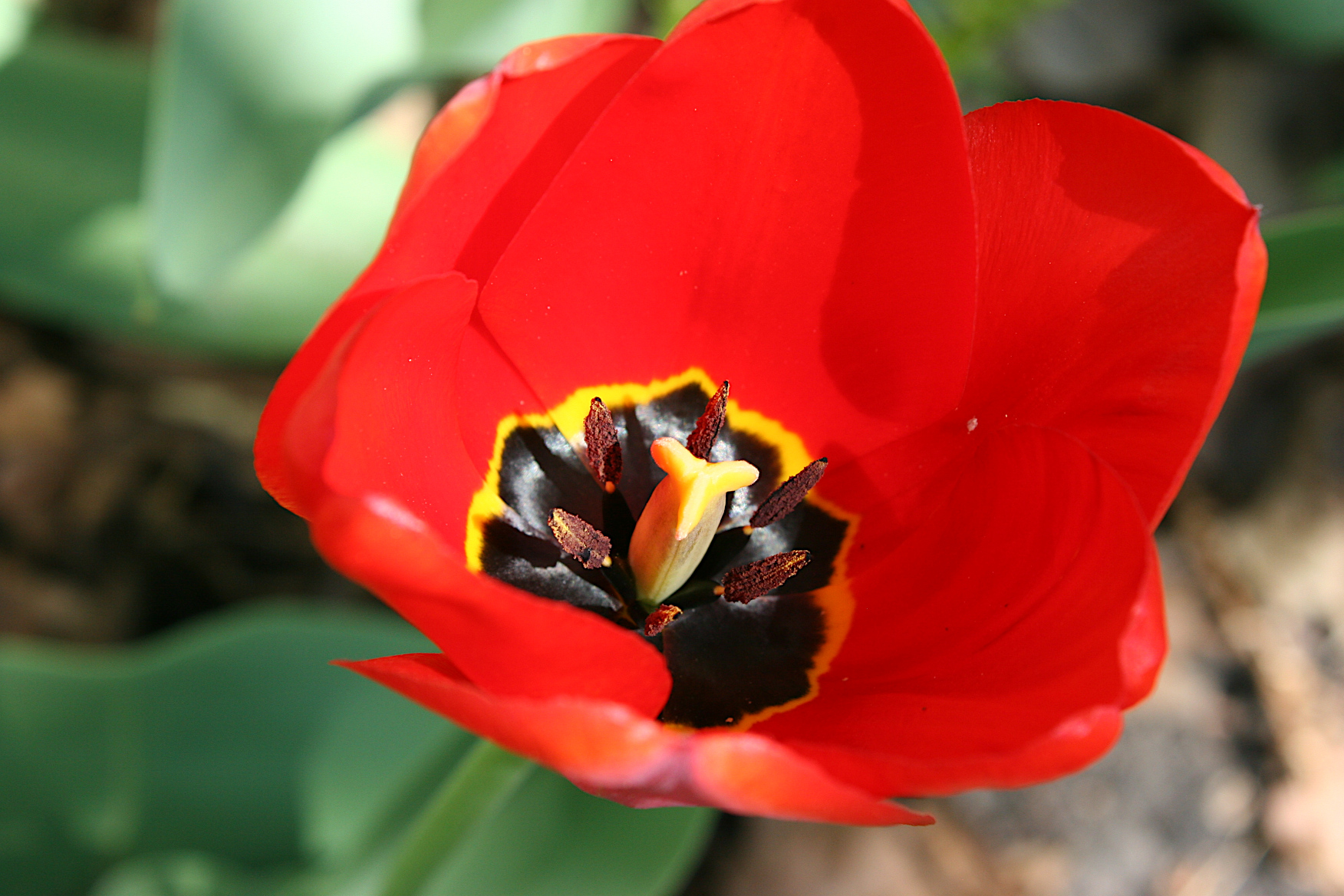
Tulips color my yard.
Around the corner, next to the house foundation, 18 red and yellow tulips await the shifting of the sun. Soon they will “open their mouths,” as my now 30-something daughter assessed as a toddler.
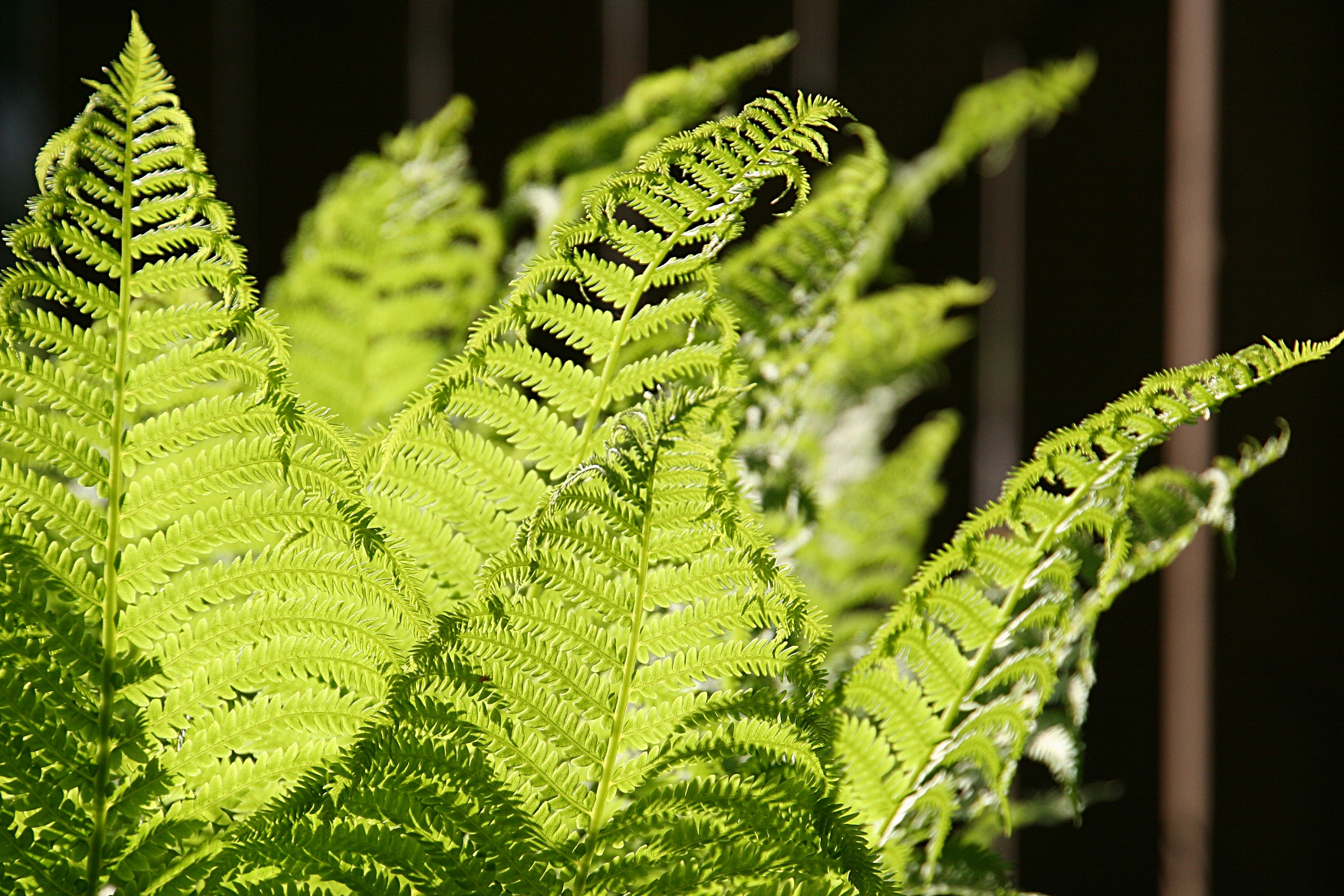
Soon ferns will unfold in fullness. Minnesota Prairie Roots file photo.
In the same flowerbeds, ferns rise from the earth. Soon to fill the space, to wave in the wind with a rhythm that seems poetically beautiful.
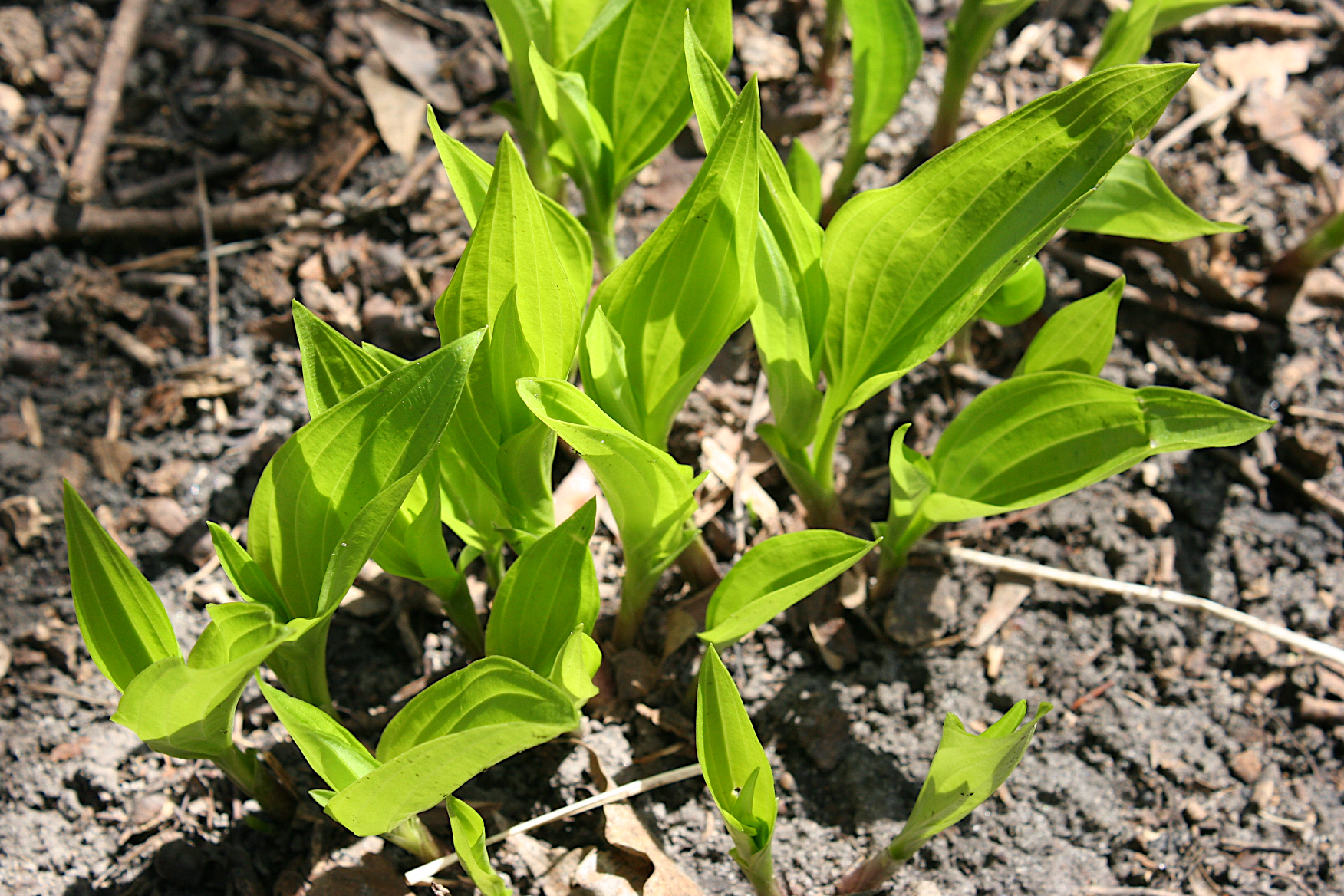
Oh, the light on these hosta leaves…
Hostas erupt in clusters of green leaves that will eventually spread wide.
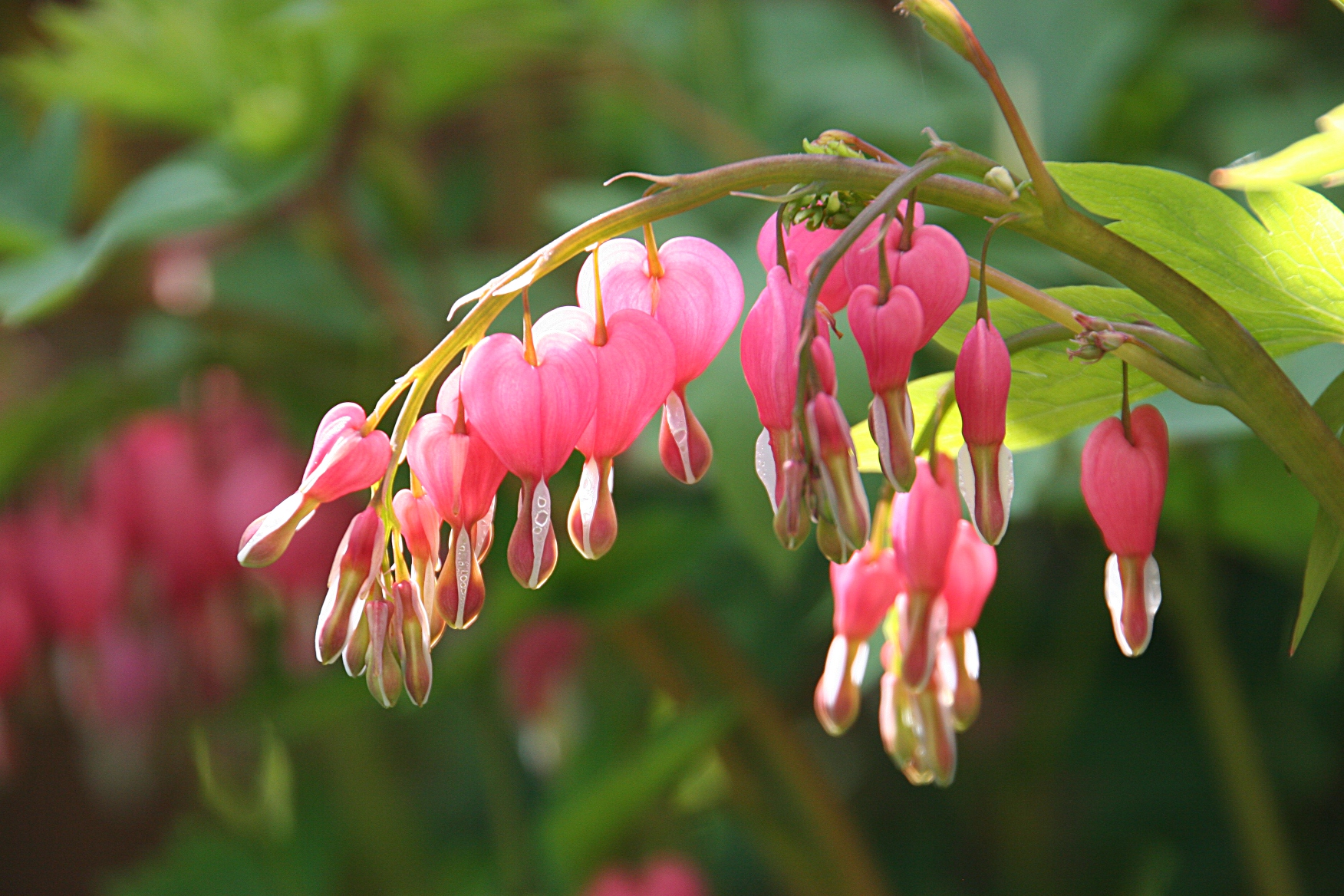
Soon the bleeding hearts will bloom. Minnesota Prairie Roots file photo.
And in three spots along the fence, bleeding hearts emerge, buds already forming on one plant.
This week has proven hard on plants with morning temps in the 20s. Tulip heads and bleeding heart buds drooped, bowing to the cold. They’ve since rebounded.
The reality of spring in Minnesota is fickle. One day sunshine and warmth, the next snow flurries and cold. I never quite trust, even in April and into early May, that winter has exited. We’ve experienced May snowstorms and certainly plenty in April. Snow shovels remain at the ready.
The greens of trees and of grass and plants seems particularly vivid in spring.
But for today, I believe in spring. I see it. Overhead in the greening of trees against the blue sky. Below in the push of plants through the cold soil. And in my spirit, I feel a renewed sense of optimism, a joyfulness that comes in this season of hanging laundry on the line with the sun beaming bright.
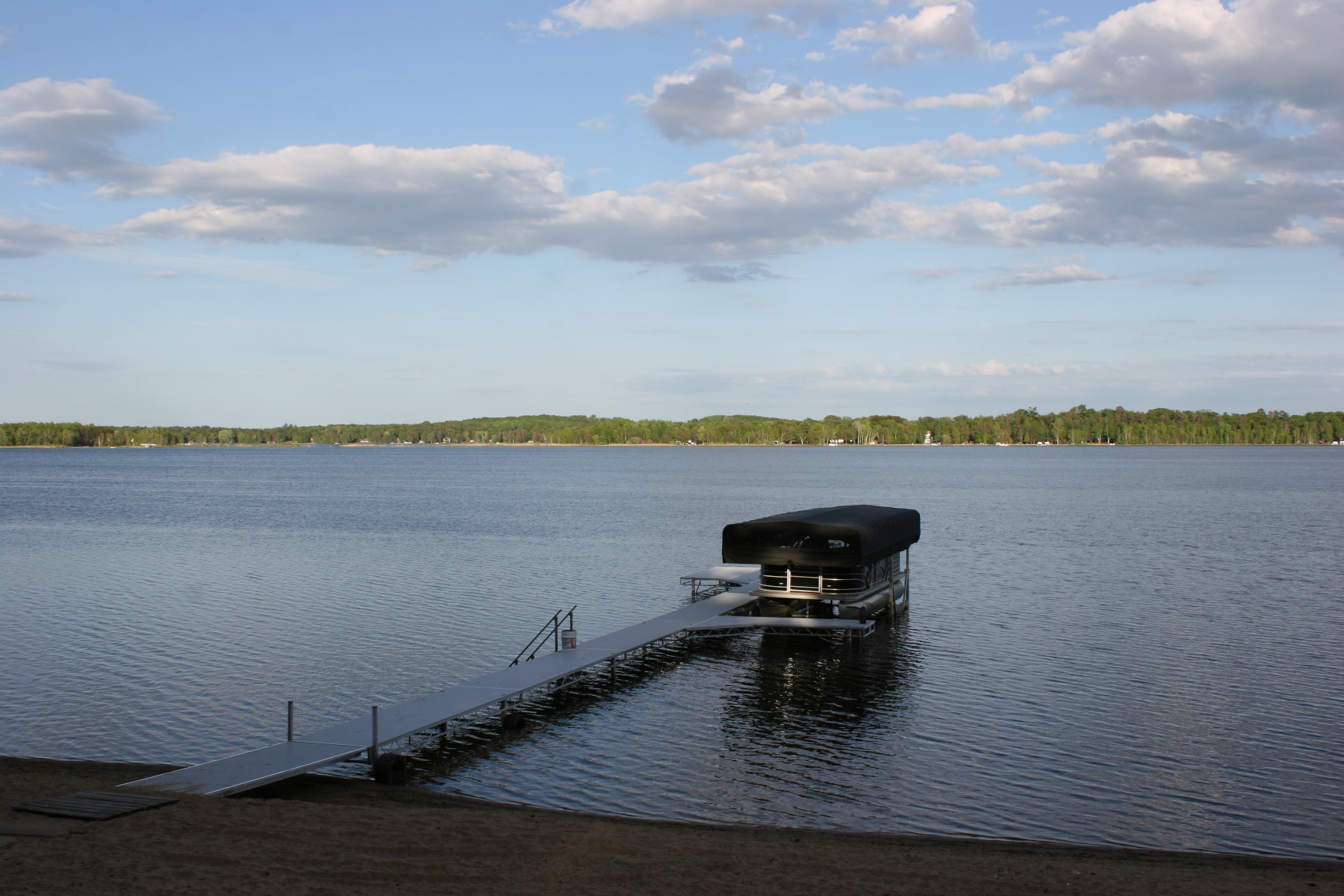
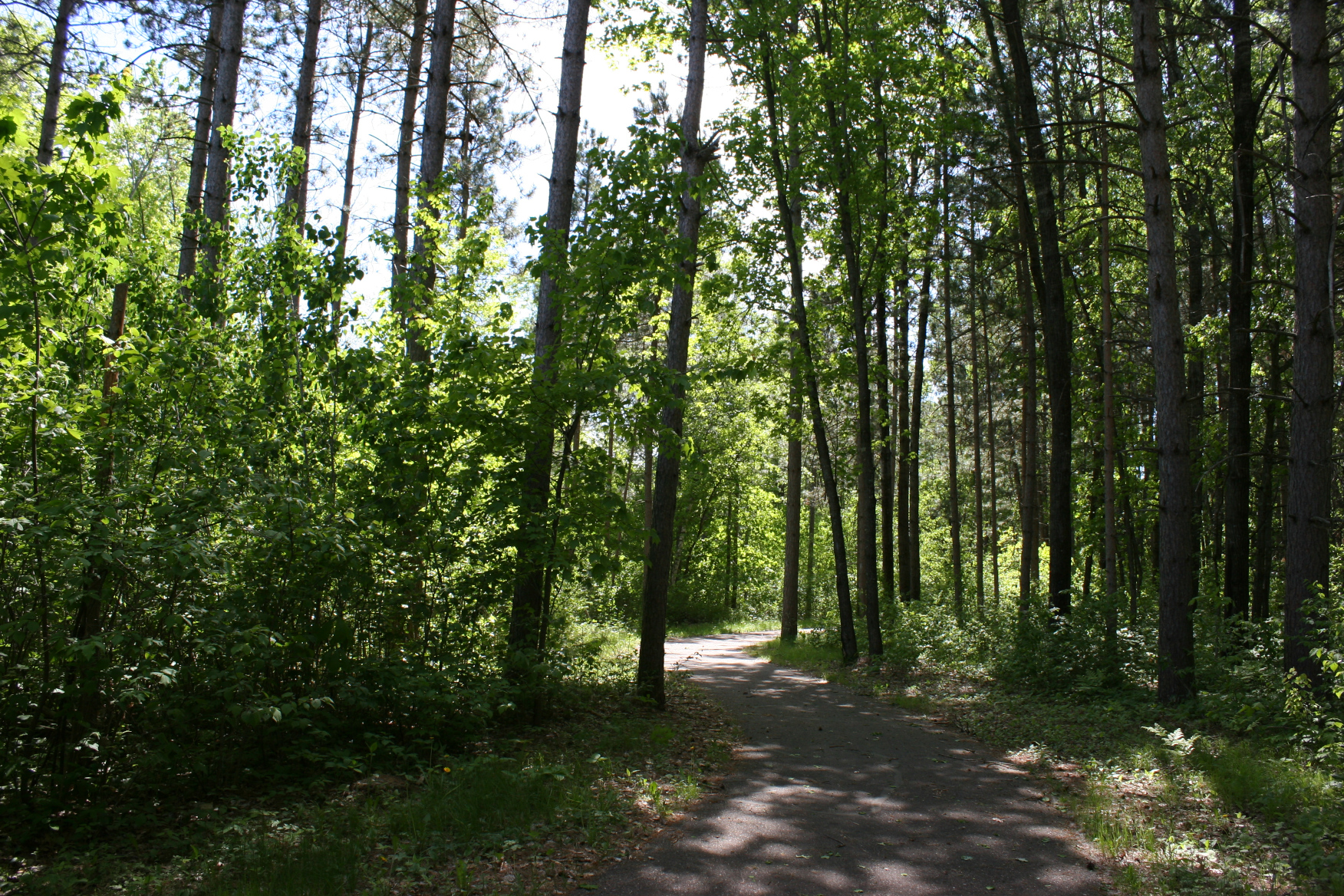
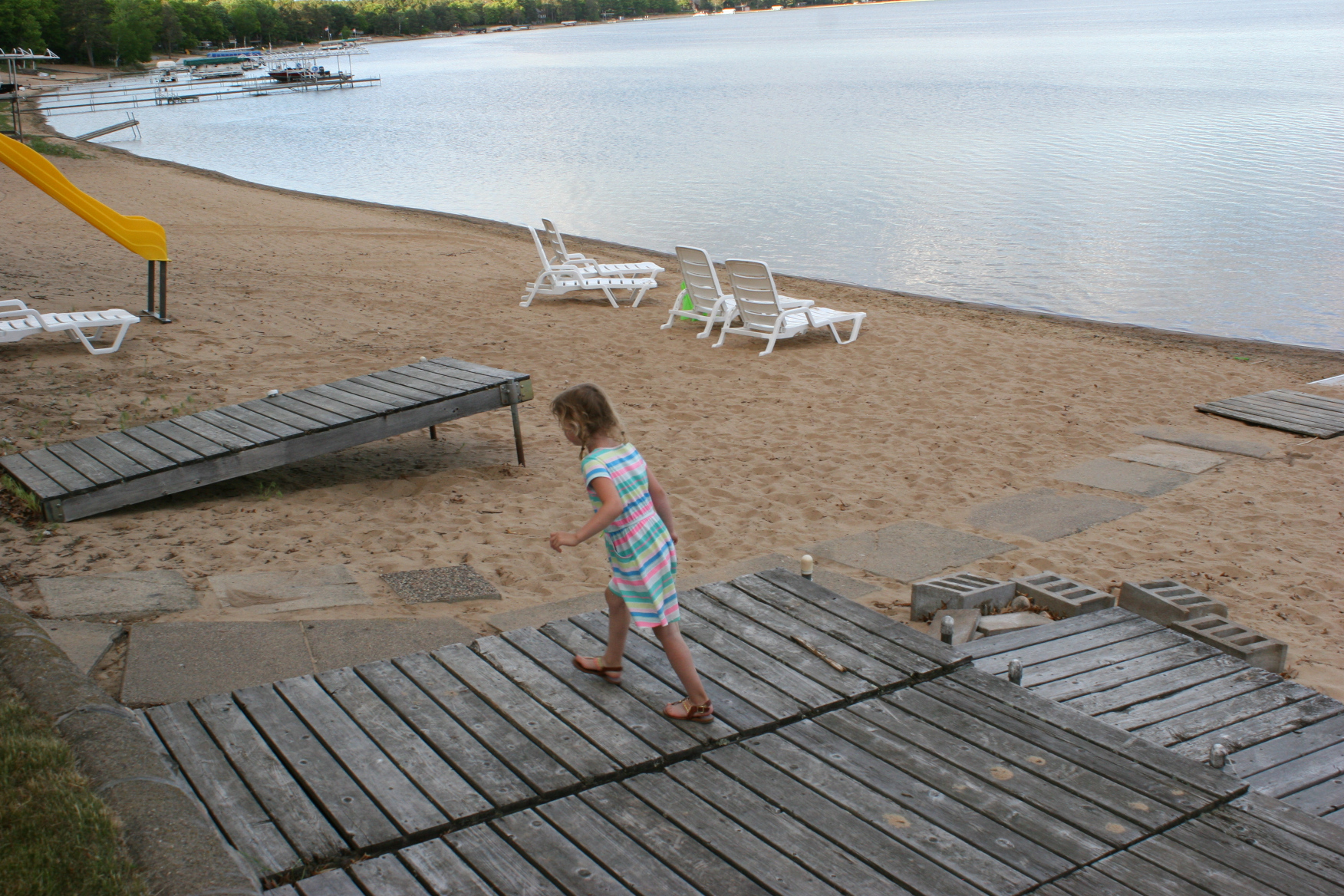
Grandpa and grandchildren follow the pine-edged driveway last summer at a Minnesota lake cabin. Minnesota Prairie Roots file photo July 2020.
HE BENT LOW, SQUATTING, trying to peer into the pinprick of a hole centering the mound of black dirt.
“Bug. Bug,” my 28-month-old grandson repeated. Three of us circled him—me, Grandpa (whom he calls Buddy) and Sister. In that moment, the anthill focused our attention. In that moment I realized, once again, how much I love being a grandma. How much I love seeing the world through the eyes of Isaac and his five-year-old sister, Isabelle.
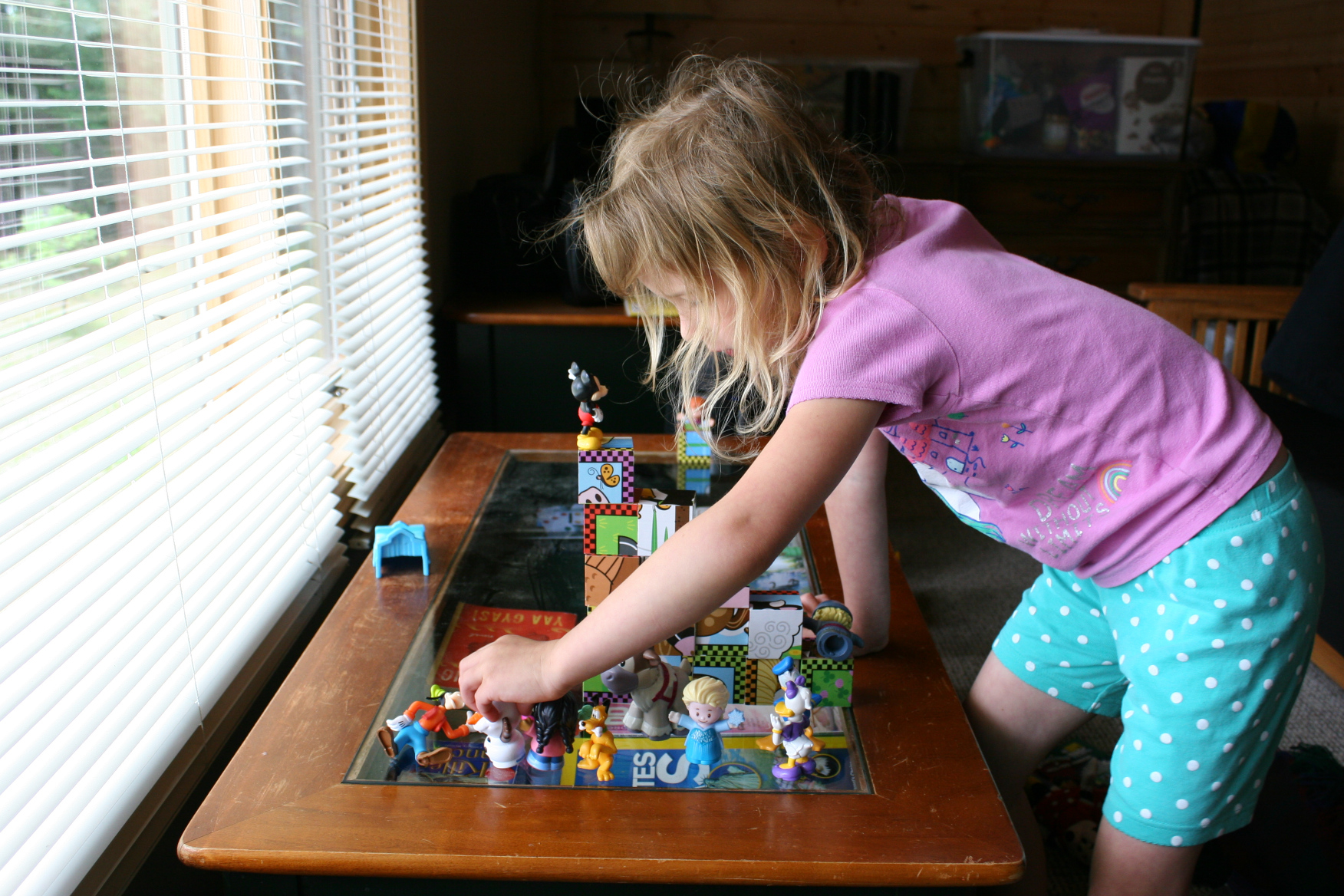
This past weekend the pair stayed overnight with us, minus the parents. Randy and I love this special time with our grandchildren. Time to hug and cuddle and read and play. And explore nature.
With warm and sunny weather, we spent much of our weekend outdoors. Blowing bubbles. Playing Posy Pitch. Chalking cement. Climbing playground equipment and pushing swings and running after a little guy who moves incredibly fast.
We enjoyed nature in our yard and those anthills along the sidewalk. Isaac delighted in the ants and then did what seems innate—demolished the hills with his shoes. We never showed him.
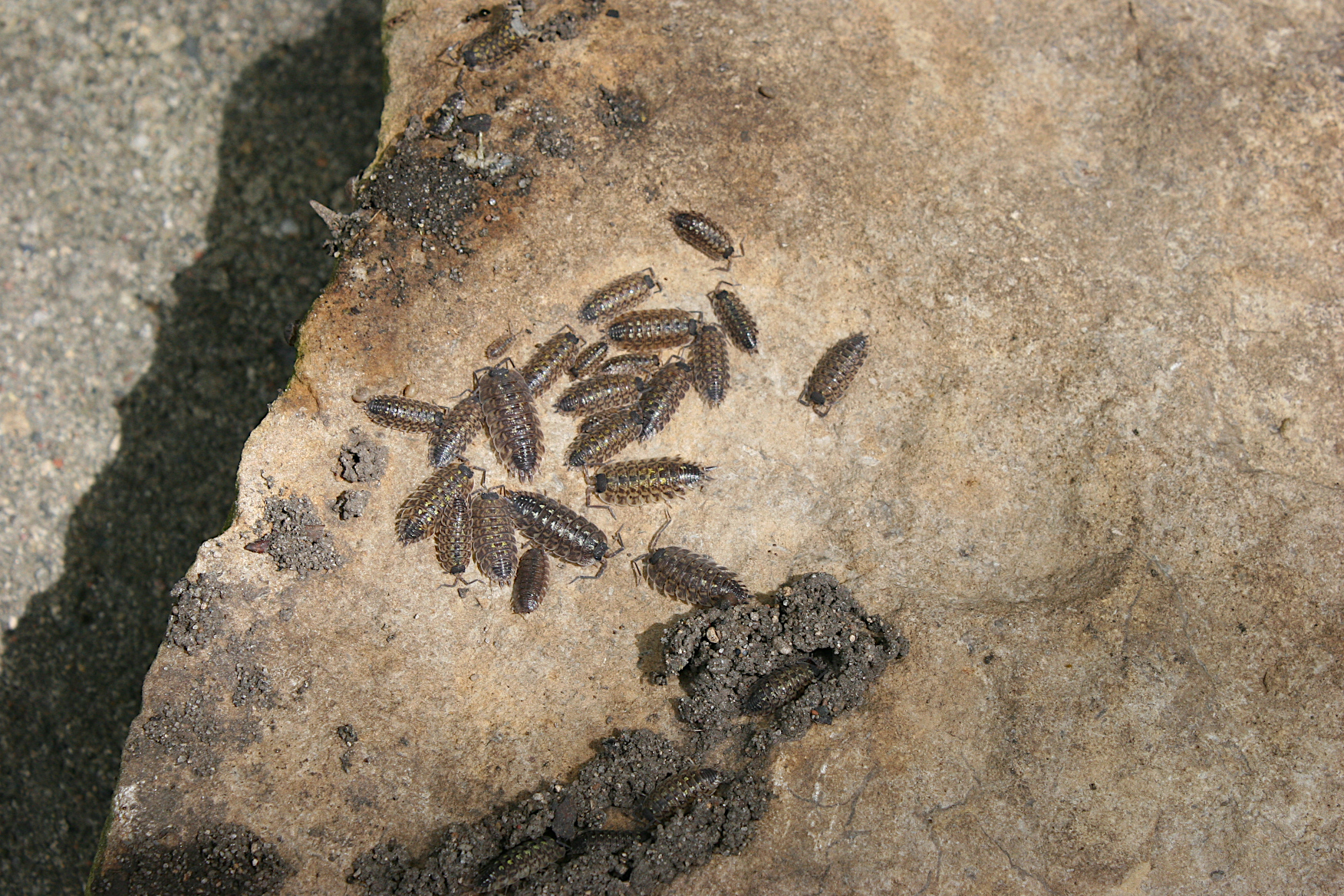
The bugs that intrigued Isaac.
Bugs and worms enthralled him when Grandpa/Buddy flipped flat slabs of limestone to expose both. I can’t recall how many times Isaac asked to see those bugs.
Minnesota Prairie Roots file photo.
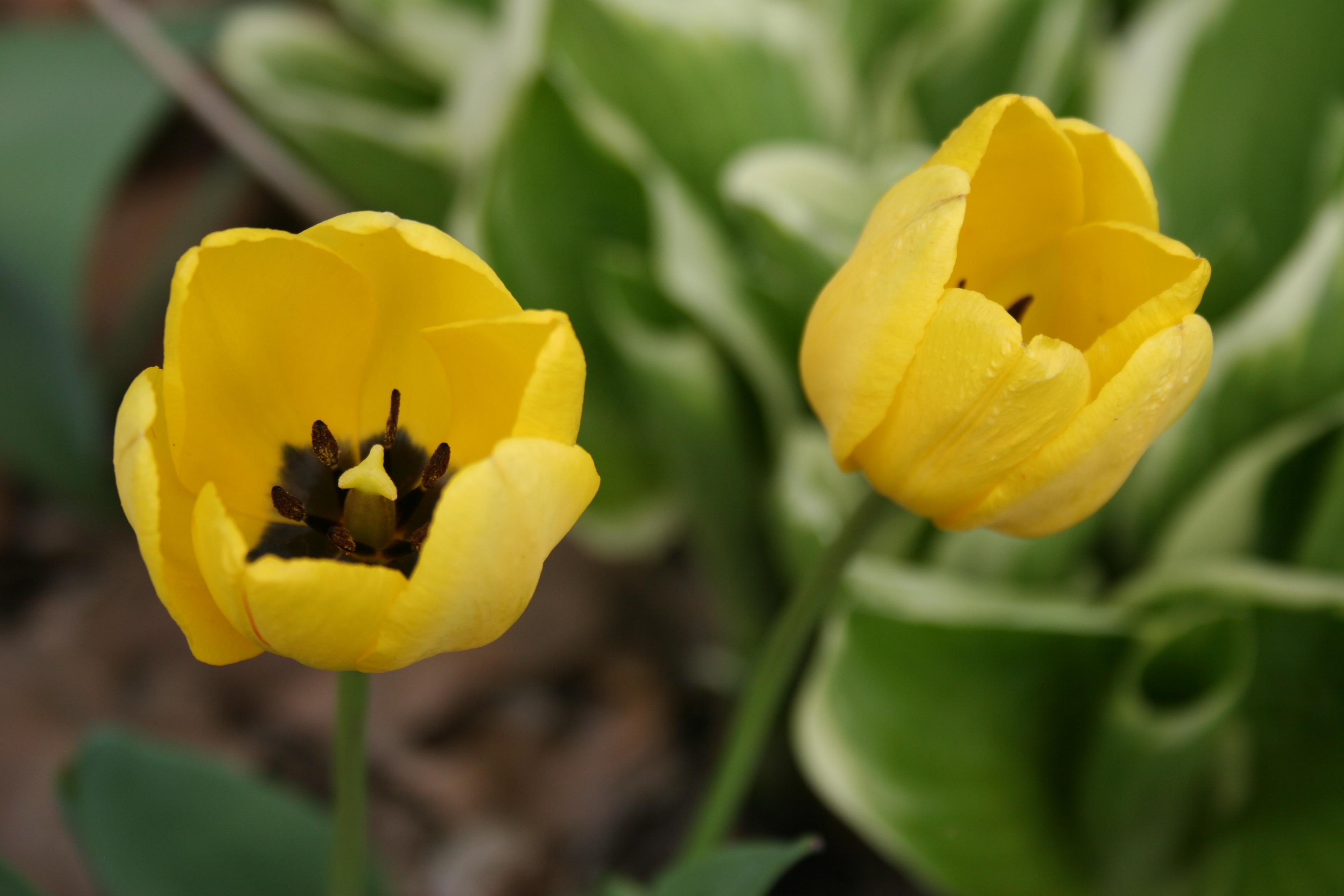
He loved the tulips, too, two red and two yellow blooming on the south side of the house. “Match,” he said. He’s big in to matching, just like he’s big in to letters of the alphabet. And he loves the sun and moon, imagining both in our overhead dining room light. At least this visit Isaac didn’t awaken early enough to see the sun and the moon simultaneously as he did during his last overnight stay.
Minnesota Prairie Roots file photo.
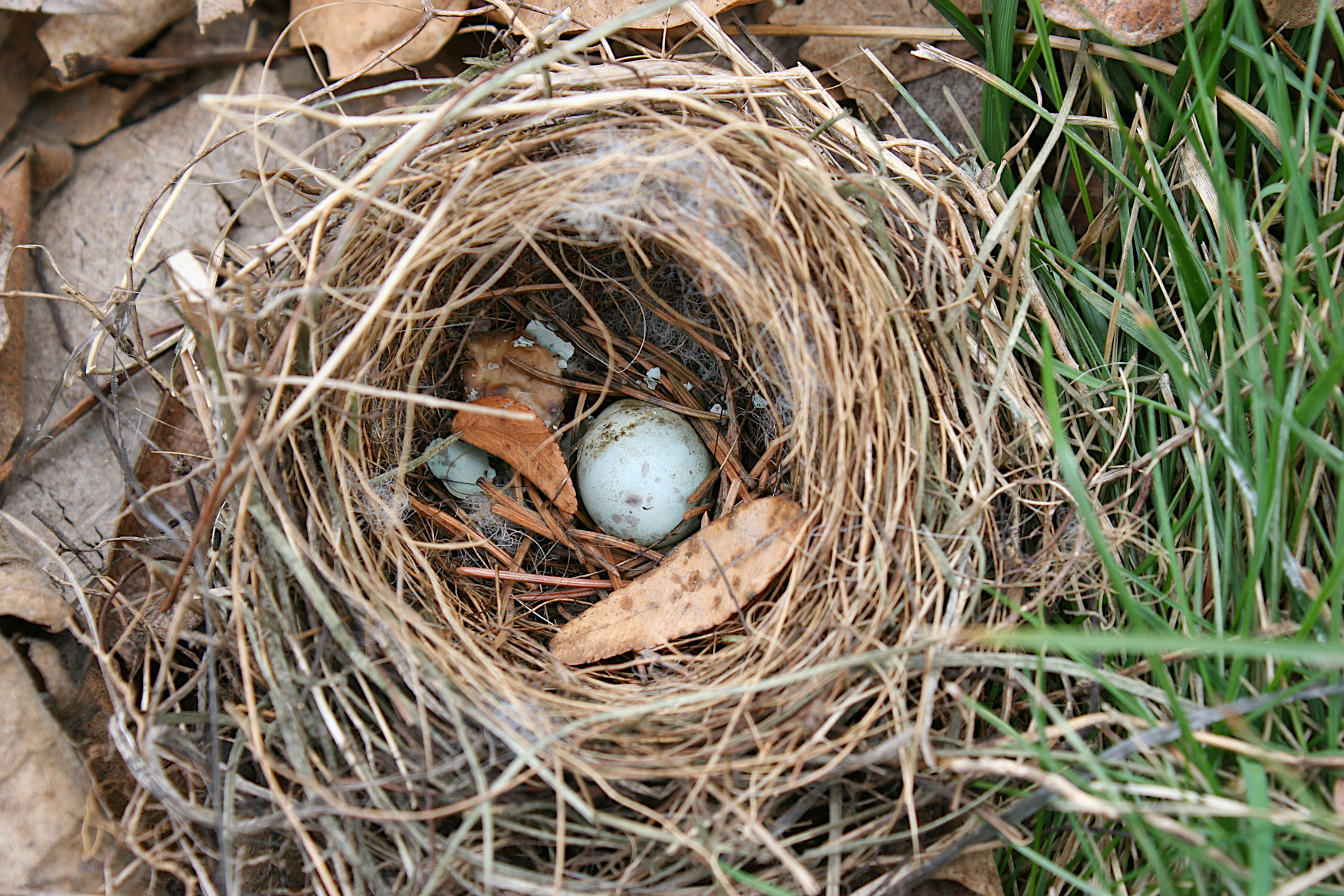
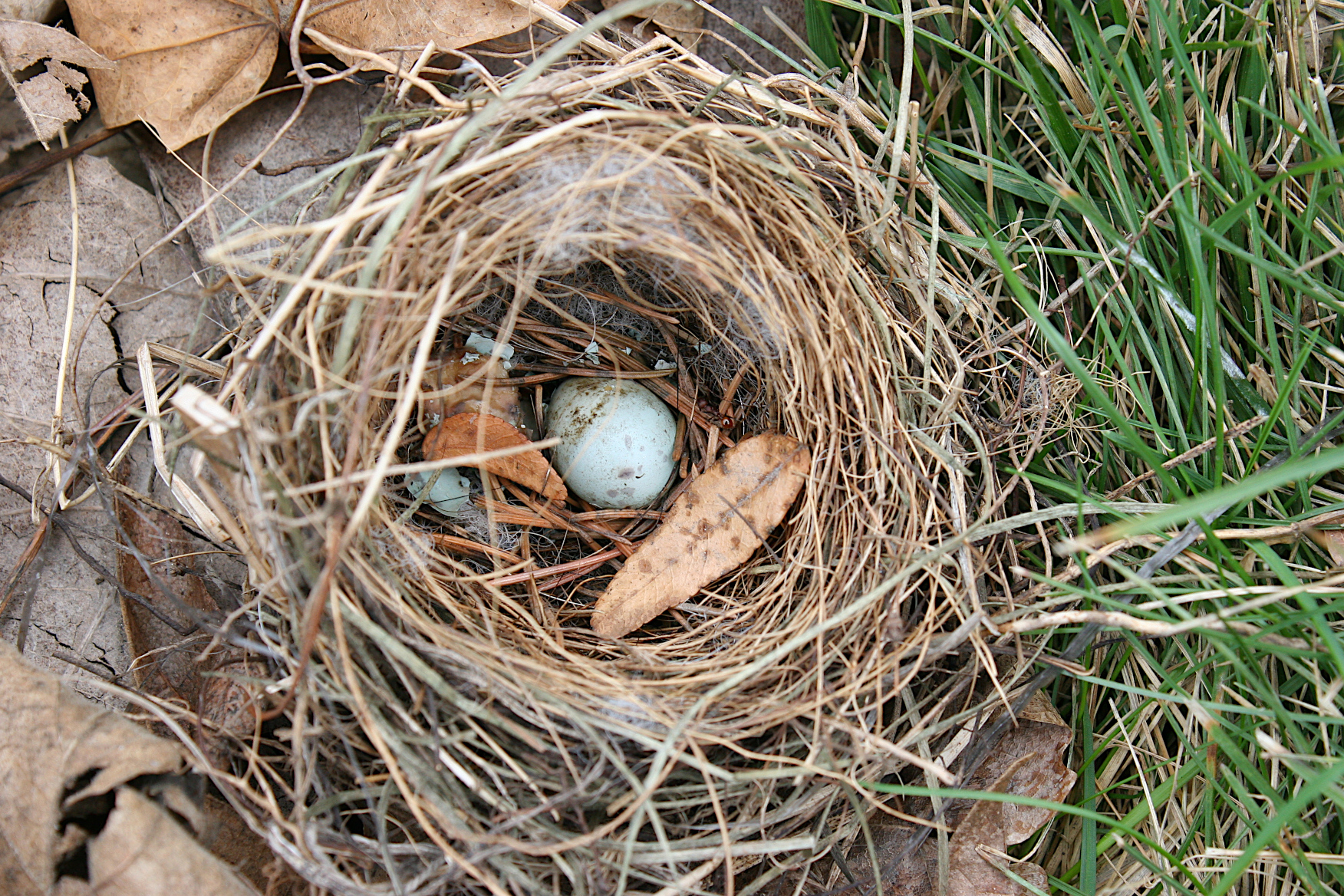
I showed Isaac and Izzy the bird nest I found lying in the grass a few weeks ago, small blue egg still cozied inside the circle of dried grass. They listened, too, to the shrill whistle of a cardinal and heard Grandpa whistle in reply.
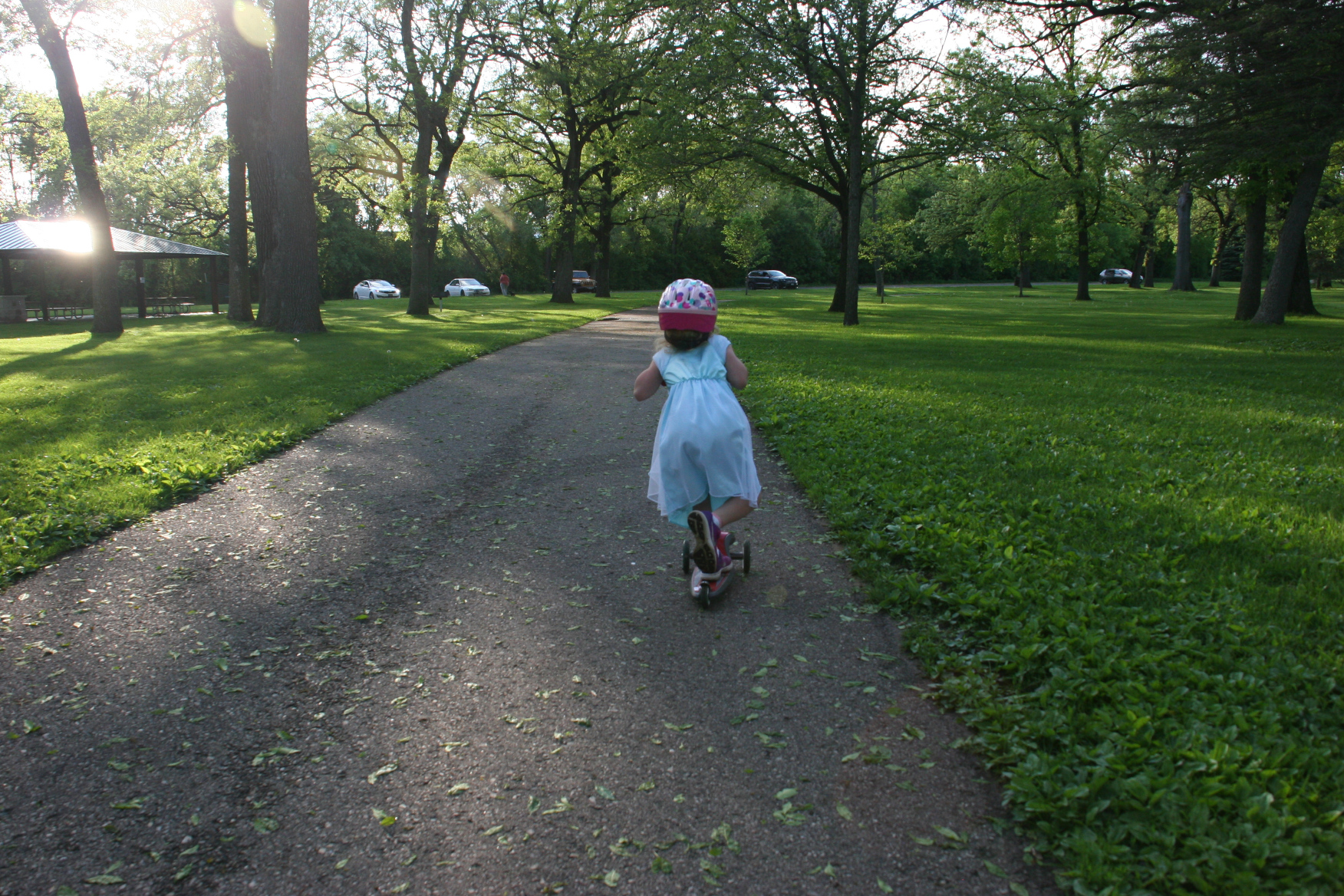
Our granddaughter zooms along on her scooter last year at North Alexander Park in Faribault. Minnesota Prairie Roots file photo 2020.
When you pause to think like a child, listen like a child, see like a child, the natural world opens wide to awe and new-ness and delight. And that’s worth remembering, especially today, Earth Day.
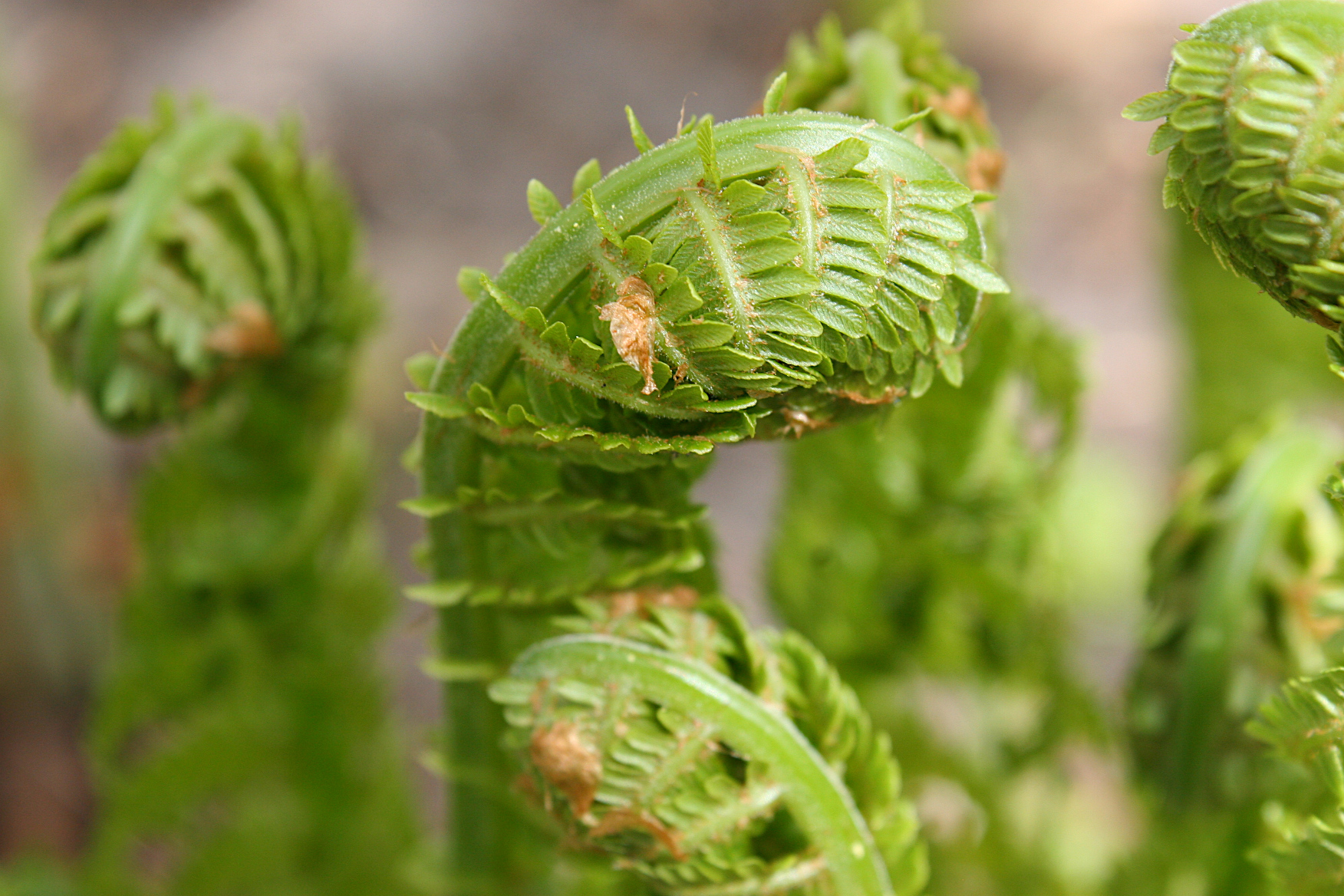
Fiddleheads in my backyard.
I showed the pair fiddleheads—tightly coiled fern fronds destined to unfurl in the warmth and sunshine of an April day.
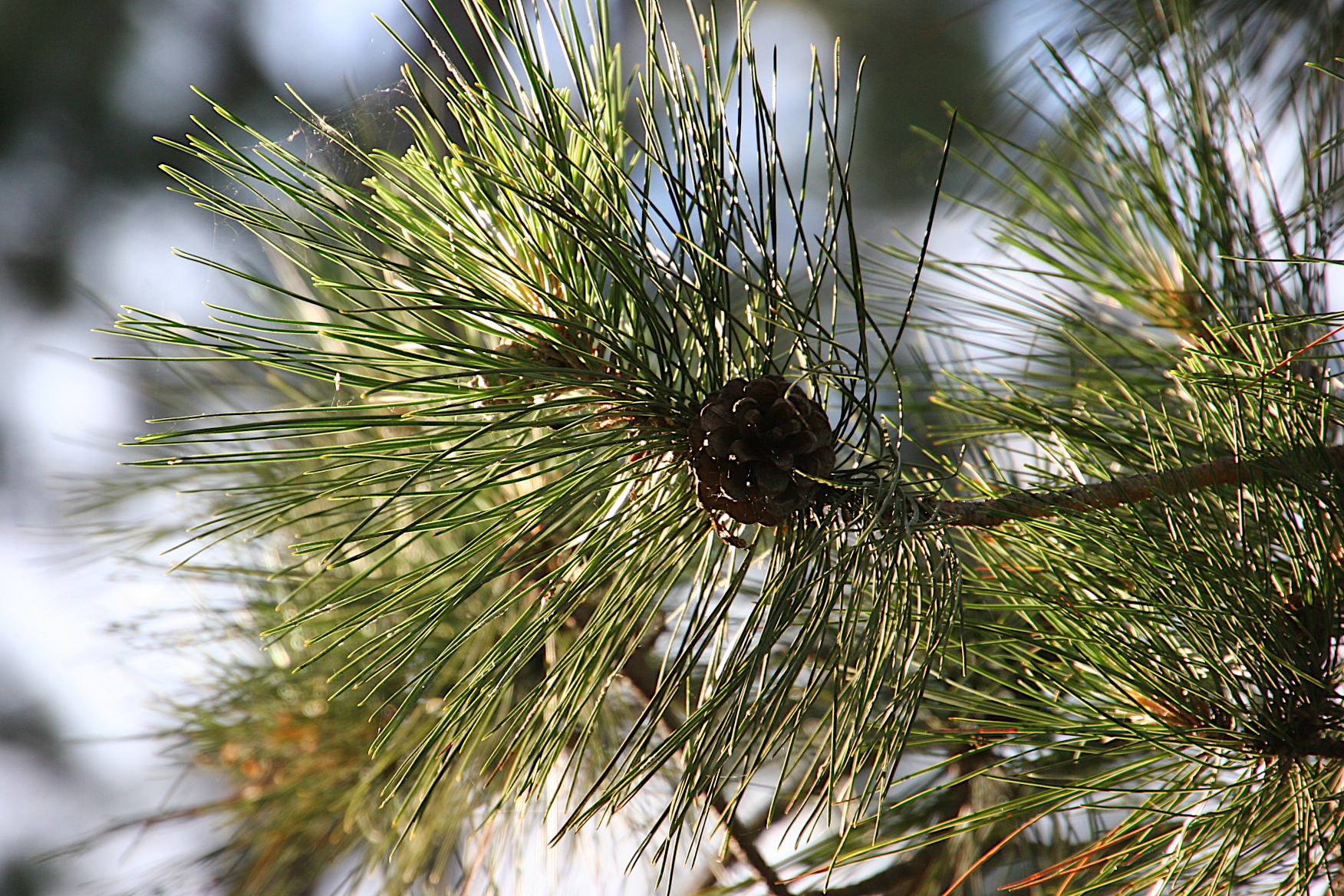
Even a pine cone holds wonder in the hands of a two-year-old. Minnesota Prairie Roots file photo July 2020.
While walking and playing at the Minnesota State Academy for the Deaf, we pocketed pine cones. And a smooth flat stone. Treasures.
Time with our grandchildren is treasured. Isaac loves watches and clocks. “Tick tock,” he says, when pointing to clocks in our house or carrying around the vintage alarm clocks I have in a small collection. Minnesota Prairie Roots file photo.
But the true treasure is time. Time with Isabelle and Isaac. Time to love on them and teach them and learn from them. Time to grow our love for one another and strengthen that special bond between grandparent and grandchild. A bond unlike any other.
LAST WEEK, WHILE RAKING leaves off flowerbeds, I came across a bird nest in the grass. Nestled near a retaining wall, by a row of evergreens.
Inside, a pale blue egg lay in the center, next to the broken shell of another egg.
I didn’t touch anything, didn’t move or investigate, simply photographed. And pondered.
Minnesota Prairie Roots photo.
How did this nest, woven with such care and perfection by a bird’s beak, claws and body, end up upon the ground? I speculated that strong winds earlier in the day loosened the nest from the shelter of the neighbor’s evergreens. Or perhaps the nest dropped from the maple in our backyard.
Whatever the story, I felt a sense of sadness at the loss. I recognize the realities of the natural world. Of challenges and predators and unhappy endings.
Minnesota Prairie Roots photo.
And that is life. We can choose the materials to build our lives and weave in hopes and dreams, plans and goals. But then along comes a strong wind and, whoosh, just like that our carefully-crafted nests plummet to the earth and we find ourselves struggling, broken. Struggling to rebuild. Wondering why and how this happened. It is then that we need to reach deep inside, to connect with those who listen and care, to remember that we are not alone.
One of several immense cottonwoods looms next to the parking lot.
DAYLIGHT WANED AS RANDY and I entered the woods at River Bend Nature Center by the parking lot near the entrance. We haven’t walked this area in a while and were surprised to find the woods littered with fallen trees and limbs. Not just a few, but lots. I expect the powerful winds during a September 2018 tornado in Faribault caused the damage.
From atop a hill, I looked toward the lowlands. We’d just walked the path to the left after exiting the woods.
As we hiked, the shrill trill of frogs in the nearby wetlands reverberated. I’m always amazed by this spring time opera/mating ritual.
The treeline that caught my photographic eye.
A ways into the woods, the dirt path bent right, with another forking to a prairie outlook. We continued on the chosen trail until I noticed a copse of lean trees I wanted to photograph. “I’m surprised we don’t see any deer,” I said, stepping across dried grass and branches to find an open space through which to aim my camera lens.
To the left in this photo, a deer leaves the protection of a treeline.
I snapped a few frames before Randy noticed a lone deer. The deer obviously saw us, too, as it emerged from behind the treeline and leaped through the tall prairie grasses.
There’s something about tall grass that speaks to me. Perhaps because of my Minnesota prairie roots.
We continued down the trail, now on the other side of the horseshoe shaped route that connects with the main path into this section of River Bend. Once on the arterial trail, we walked a short distance before turning right toward the swampland. The overwhelming chorus of thousands of frogs increased in volume to the point of almost hurting my ears.
I love the simplicity of this scene.
Underneath, the ground felt spongy. Occasionally I paused to photograph something. A lone bird atop a bare tree. Tall grasses silhouetted against an evening sky shifting toward darkness. I wished we’d arrived a half hour earlier for optimal lighting during a photographer’s golden hour.
We turned and partially retraced our route once we reached this point leading to the prairie.
But sometimes it’s good for me to simply walk and take in my surroundings. To appreciate the natural world with my God-given eyes rather than through the eye of a camera. To be in the moment. To hear the soprano of frogs singing spring songs in southern Minnesota in early April.
AS SPRING EASES INTO MINNESOTA, I embrace the transition of seasons in indecisive weather and in the subtle greening of the landscape.
A greening vine in the otherwise muted landscape.
I don’t trust that winter has really, truly, exited. Yet, these early glimpses of spring assure me that the bulk of winter lies behind us.
Randy walks in the woods.
I saw that in the woods of Falls Creek County Park on Sunday afternoon. Randy and I hiked in this 61-acre park a mile east of Faribault off Minnesota State Highway 60. It’s a relatively unused park, one of the reasons we are drawn here.
Water rushes under the bridge and over rocks.
Here a dirt hiking path curves along the waterway winding through woods. Access to that path comes via an arched pedestrian bridge. There water rushes over rocks and we always pause to appreciate the soothing sound of rushing water.
The creek meanders, wide in some areas, narrow in others.
In places, the creek runs clear.
A fork in the creek.
And we also always walk to the side of the creek, to examine the water at the bend, before it flows under the bridge. Recent rain left that water muddied. Later we would find the creek flowing clear.
Loving the light, color and texture on this tree trunk moss.
Entering the woods, I determined to photograph signs of spring in the muted landscape. That requires focus. Examples of spring are elusive and seen mostly in vivid green moss carpeting fallen tree trunks.
A fallen tree provides a canvas for art.
But I can photograph only so much moss. Thus I expanded my perspective. Nature writes details upon the landscape. Even in a scene of mostly muted browns.
Hillsides of trees rising
and fungi laddering
and dried leaves curling.
Nature’s “antlers.”
And the branches of a tree twisting like antlers.
Nature’s sculpture.
And felled trees that appear like natural sculptures.
The makeshift bridge.
All of these nuances I noticed as we walked, as I stopped to take in my surroundings, as Randy steadied me while I crossed a makeshift branch bridge across a spillway.
Randy crosses the bridge out of the woods.
There is much to see in this seasonal transition, if only we pause to appreciate. To look. And really see. To hear. And really listen. It’s there. The poetry of wind and water and woods and words.
In this file photo, snow edges the patio as I’m about to hang laundry on the clothesline in early spring.
WHEN I STEP OUTSIDE to hang sheets and towels on the clothesline, I feel such gratitude for the arrival of spring in southern Minnesota. Winter gets long in these parts.
Crocuses are in full bloom in my front yard flowerbed.
I long for sunshine and blue skies and more light than darkness. Birds tweeting. Crocuses unfolding and tulips stretching above the earth. And no more freezing my fingers while hanging laundry in the morning. Early spring brings all of those.
Laundry on my clothesline. Minnesota Prairie Roots file photo.
I love hanging laundry outside. The rhythm of pulling items from the laundry basket then clipping and repeating soothes me. The physical task gives pause in my day, reconnects me with generations of women who did the same, connects me to nature via the warmth of the sun and the music of birds.
And then, when I reverse the task in the afternoon and carry the air-dried laundry indoors, I breathe in the scent of nature. The air of spring.
A biker swings his bike onto Minnesota State Highway 60/Fourth Street past the Rice County Courthouse on a recent warm spring afternoon.
For others, spring signals biking season. And plenty of bikers have been out and about. Some even earlier, in winter.
My grandson hopscotching in his two-year-old way.
And the kids, oh, the kids. Taking them outside is so much easier with no snowpants or snowboots to pull on. Randy and I played with our grandkids in the driveway of their home last weekend with Izzy circling on her bike and Isaac jumping, rather than hopping, on chalked hopscotch squares. Then we headed to the neighborhood park with Izzy zooming ahead on her bike and me pushing her brother in the stroller, trying to keep up, but failing. At the playground, we pushed both kids in the swings with Isaac calling for “higher.”
Always the first flower of spring in my yard. The beautiful crocus.
How wonderful this time with our grandkids. To be in the moment. To feel their joy. To watch them soar and climb. To hear them laugh. To experience their delight. I feel blessed in this season of life.
Recent Comments