Minnesota Prairie Roots

Writing and photography by Audrey Kletscher Helbling

Discovering New Ulm’s Goosetown, across the tracks and down by the river August 2, 2012

DISCOVERING SOMETHING totally unexpected rates, for me, as the plum, the prize, the most interesting aspect of travel.

And you needn’t journey far to find these places. Last Saturday while driving to southwestern Minnesota, my husband and I stopped in New Ulm because I wanted to see the Defenders and German-Bohemian historical monuments. Well, we never did get to the Defenders marker.
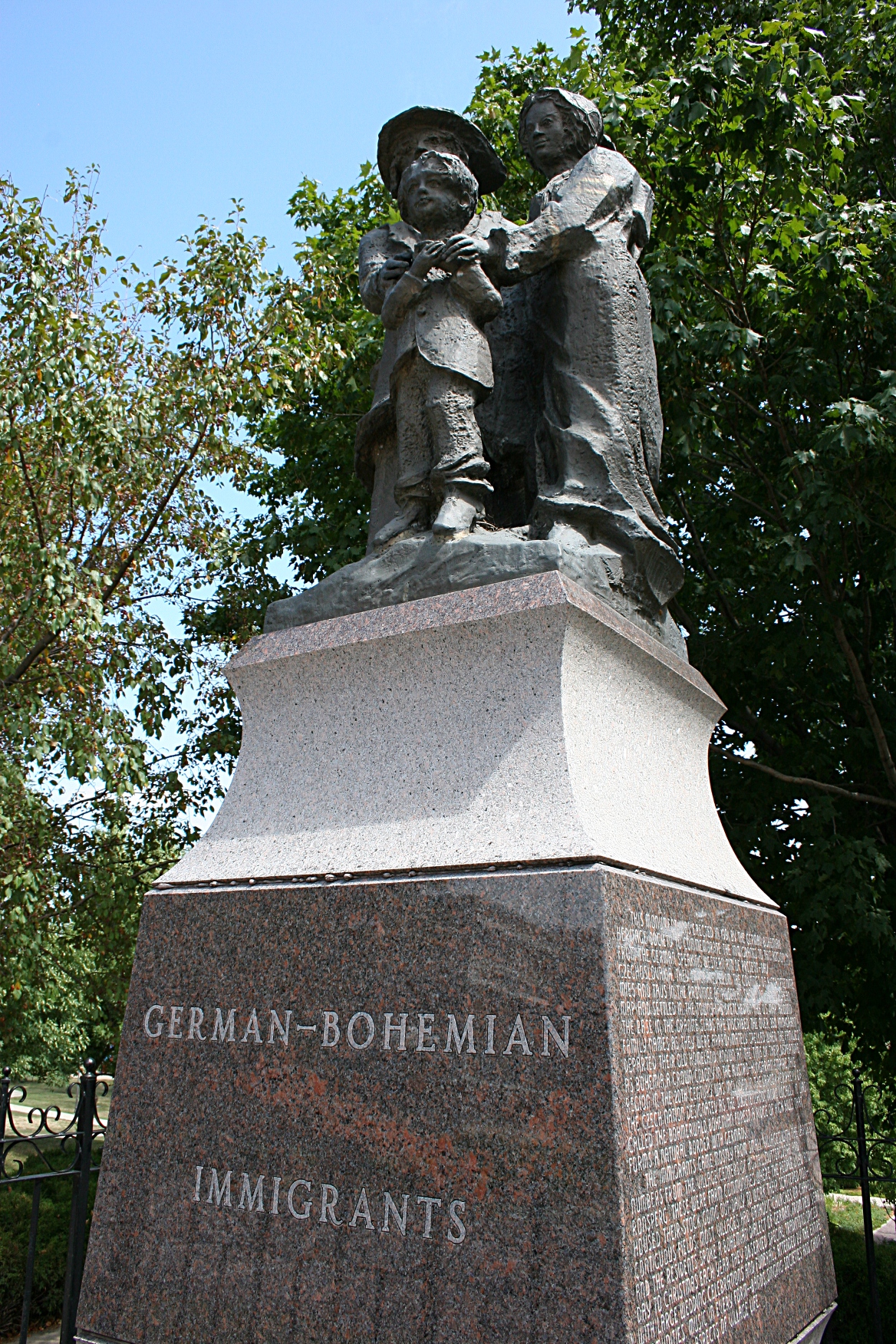
The German-Bohemian sculpture and marker in German Park.

But we eventually got directions for and located the immigrant sculpture overlooking scenic German Park. As lovely and manicured as that park is, and I’ll share photos in a future post, it was not the highlight of our visit.

Rather, it was Goosetown which captured my fancy.
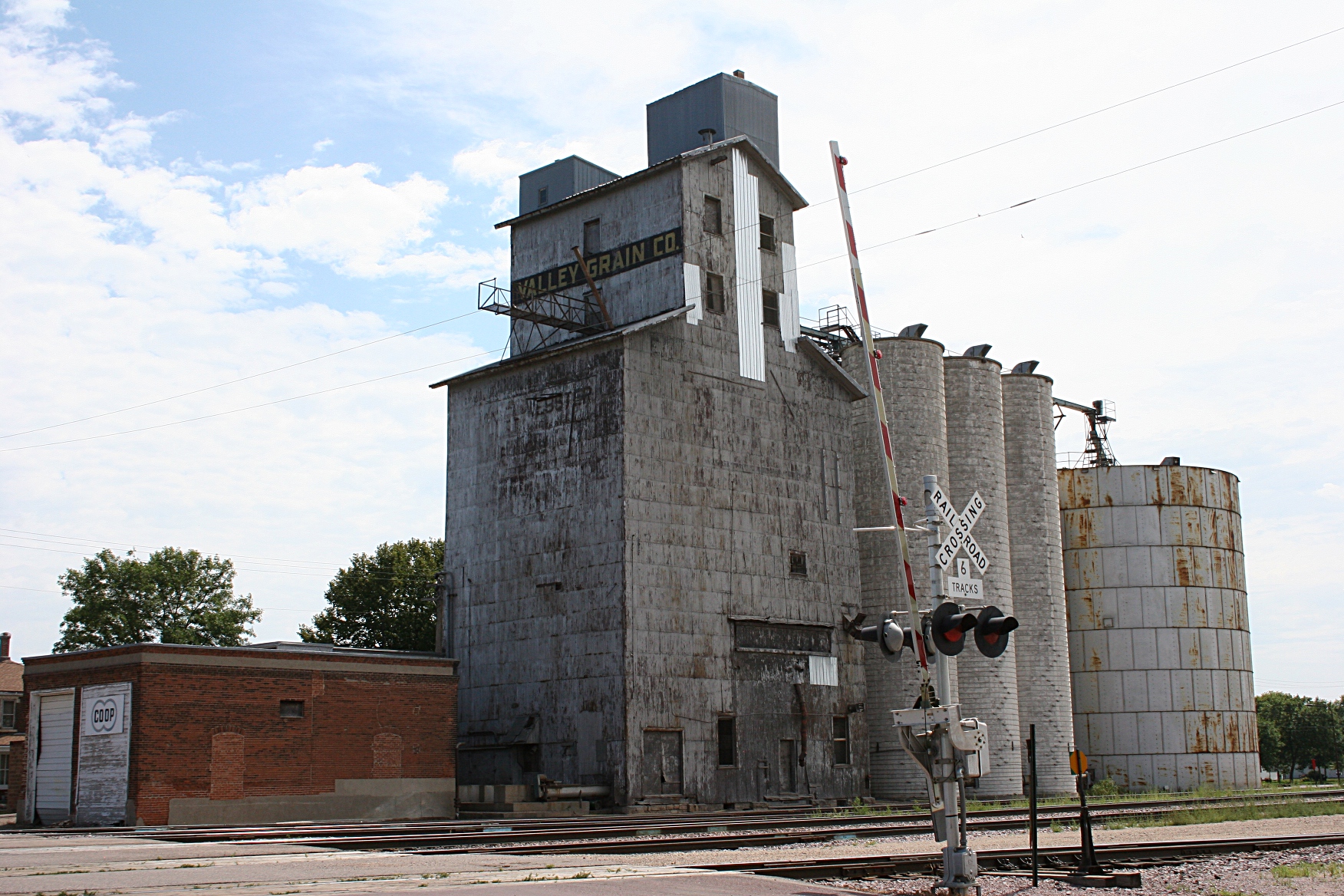
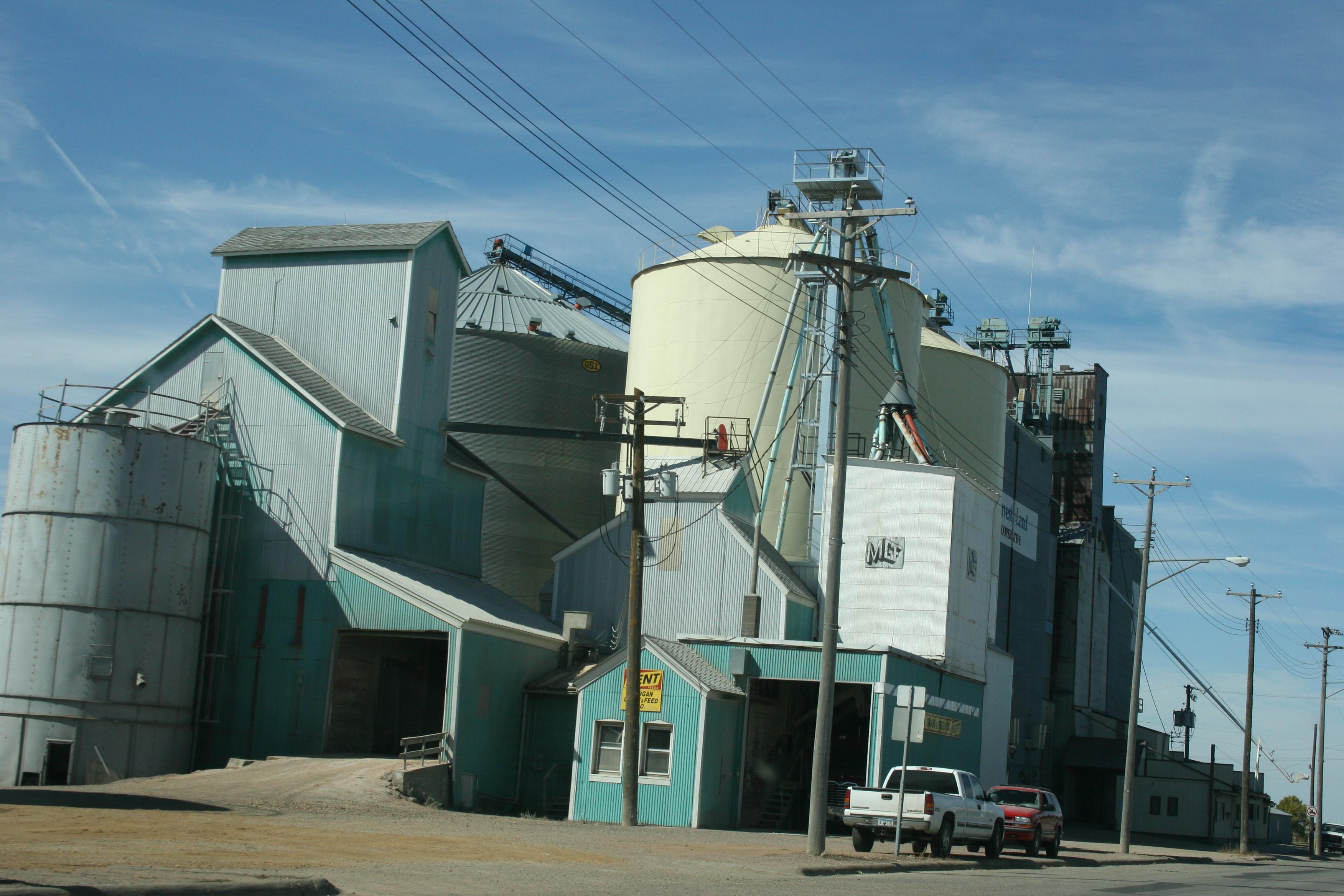
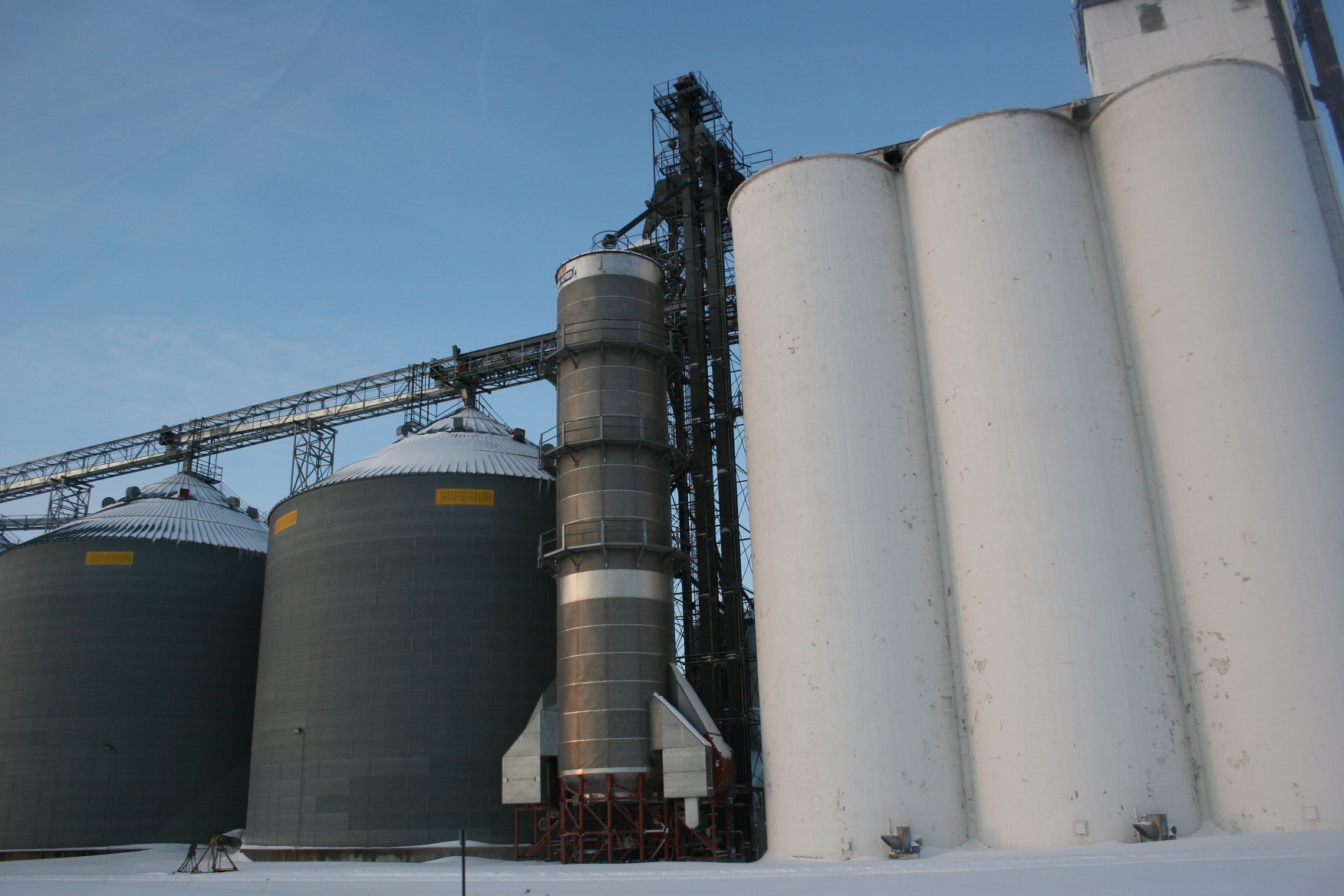
We drove across the railroad tracks and past the old Valley Grain Co. to reach Goosetown.

Goosetown is that side of New Ulm—across the tracks and down by the river—where mostly Catholic German-Bohemian immigrants began settling in the late 1800s. They were primarily farmers or retired farmers, of peasant stock. And they kept geese, which wandered and fed along the banks of the Minnesota River.
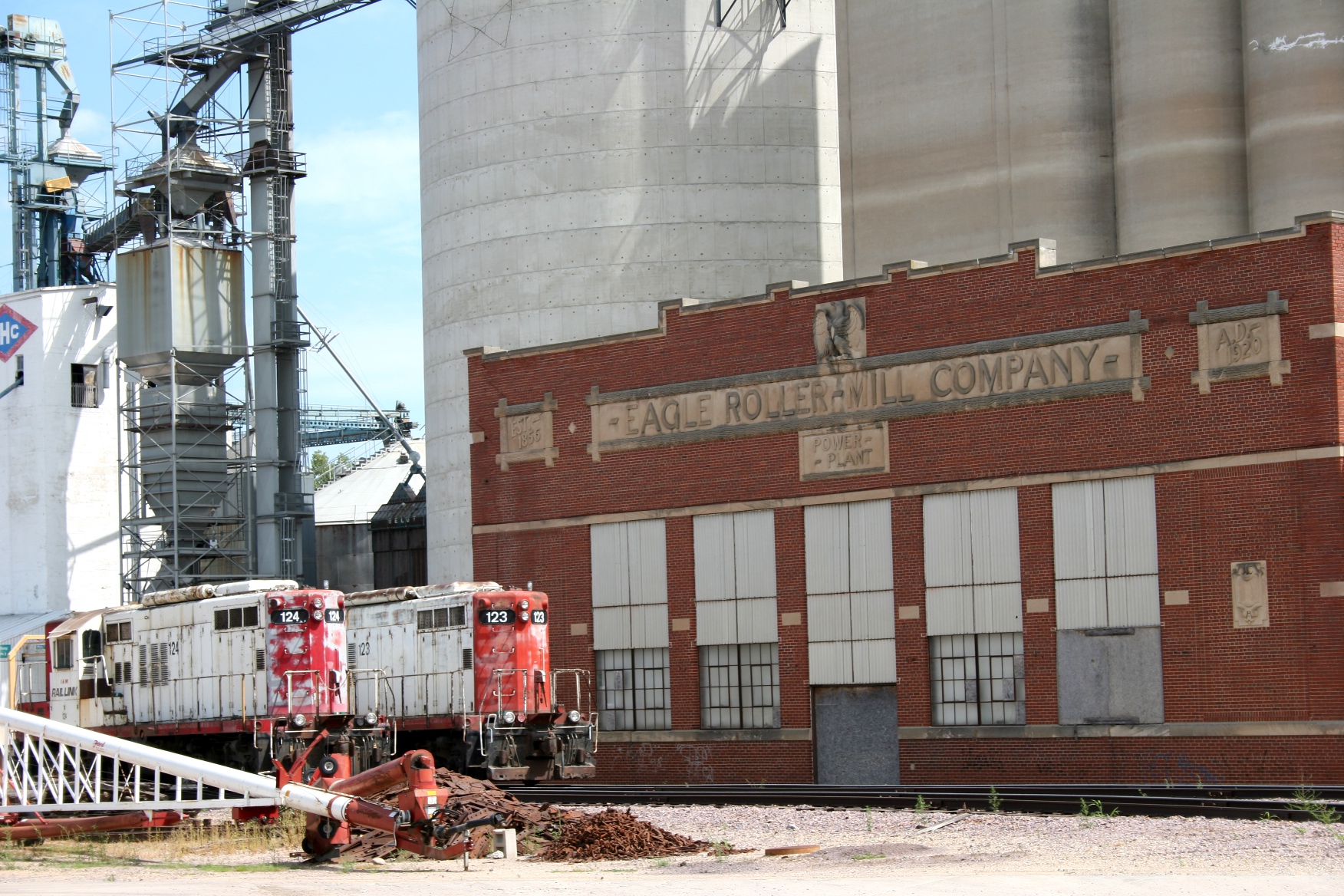
Goosetown residents worked at the local roller mills, including the Eagle Roller Mill. That mill and the New Ulm Roller Mill once made New Ulm the third largest milling center in Minnesota. The New Ulm flour millers had elevators in three states.

And so the name Goosetown became attached to southeastern New Ulm, specifically to South Front and South Valley streets. The immigrants who lived here labored in nearby roller mills and breweries and worked as carpenters, masons and cigar makers. Women supplemented the family income by making Klöppel lace and/or sewing feather-filled bedding. Families also gathered clam shells from the river for pearl buttons.

At first thought, it all seems rather romantic, this stretch of Gȁnseviertel next to the railroad tracks and river. But I expect life there was hard as families, many of them living in two-room houses, struggled to survive. I also expect, and New Ulmers can correct me if I’m wrong, that this area of town wasn’t always embraced by the community at large. You know that thing about “the other side of the tracks.” Every community seems to have that part of town perceived as less than positive whether due to poverty or people who are different from the majority. Riverside land (and Goosetown is no exception) was once the site of town dumps, which should tell you something, too.
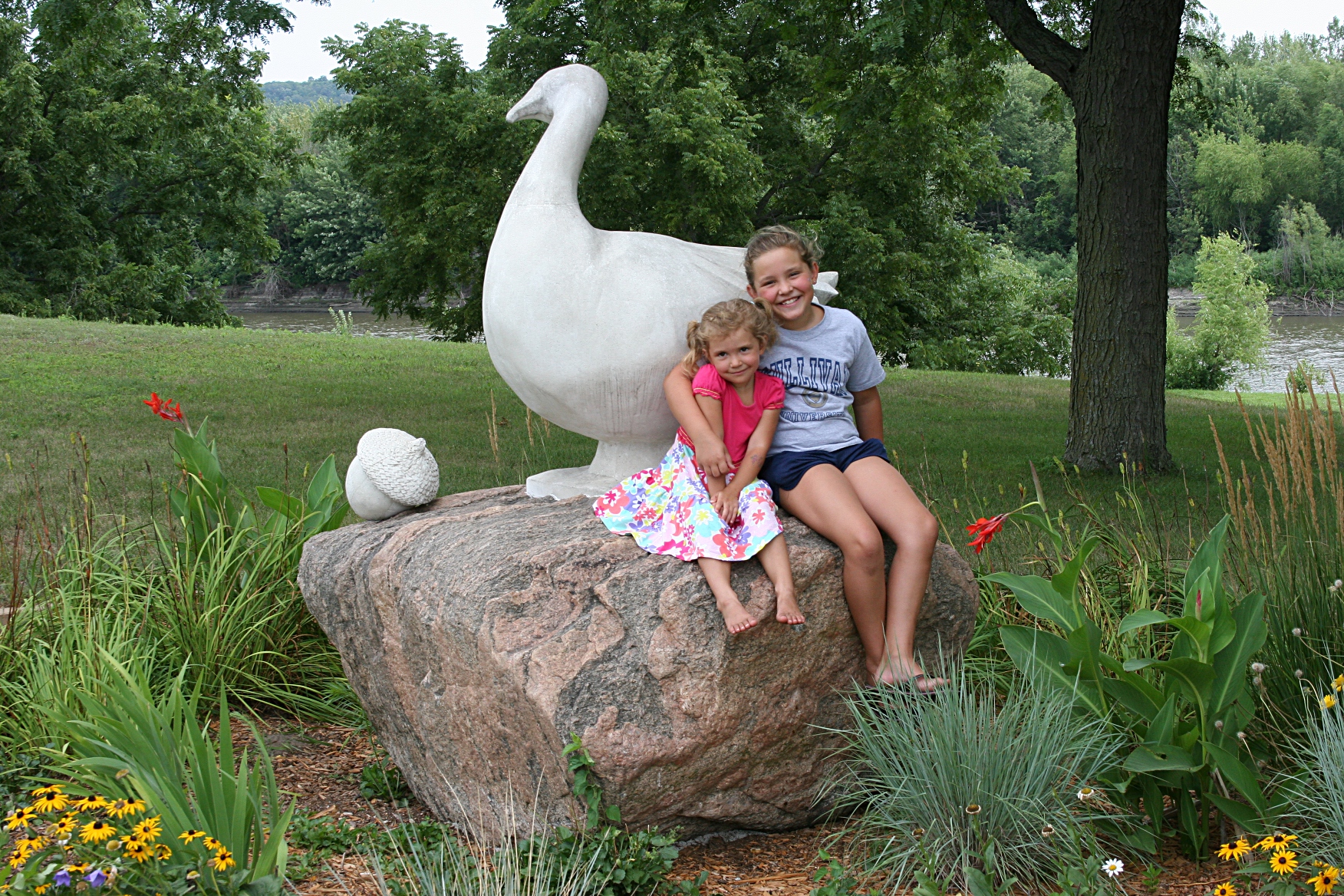
Sisters Amber, 8, and Kiera, 4, pose with Gertie the Goose, a statue donated by Dr. Ann Vogel of New Ulm and located in Riverside Park.
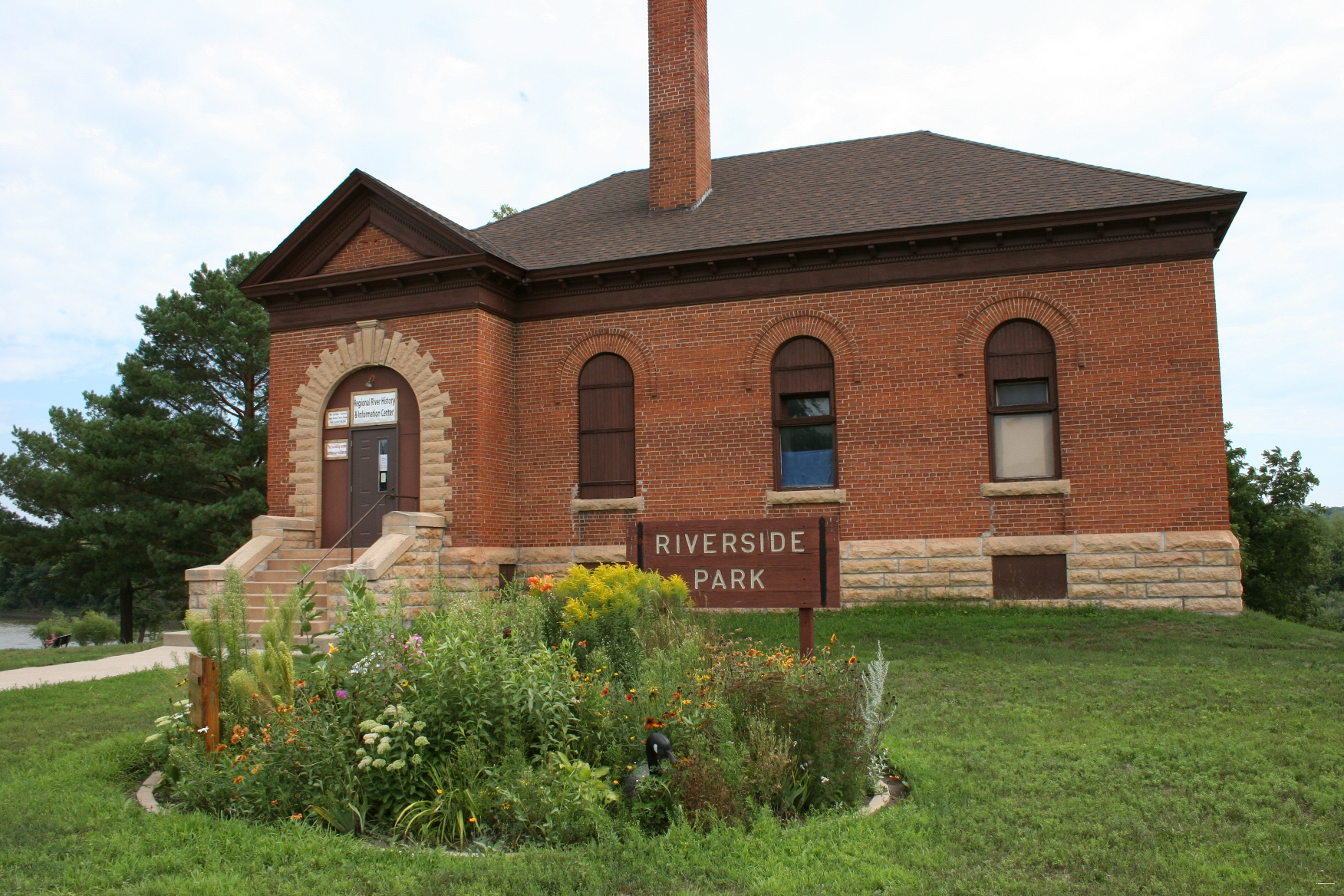
I likely could have learned even more about the history of Goosetown had the Regional River History & Information Center, 101 South Front Street, Riverside Park, been open. The center is housed in the former Franklin School.
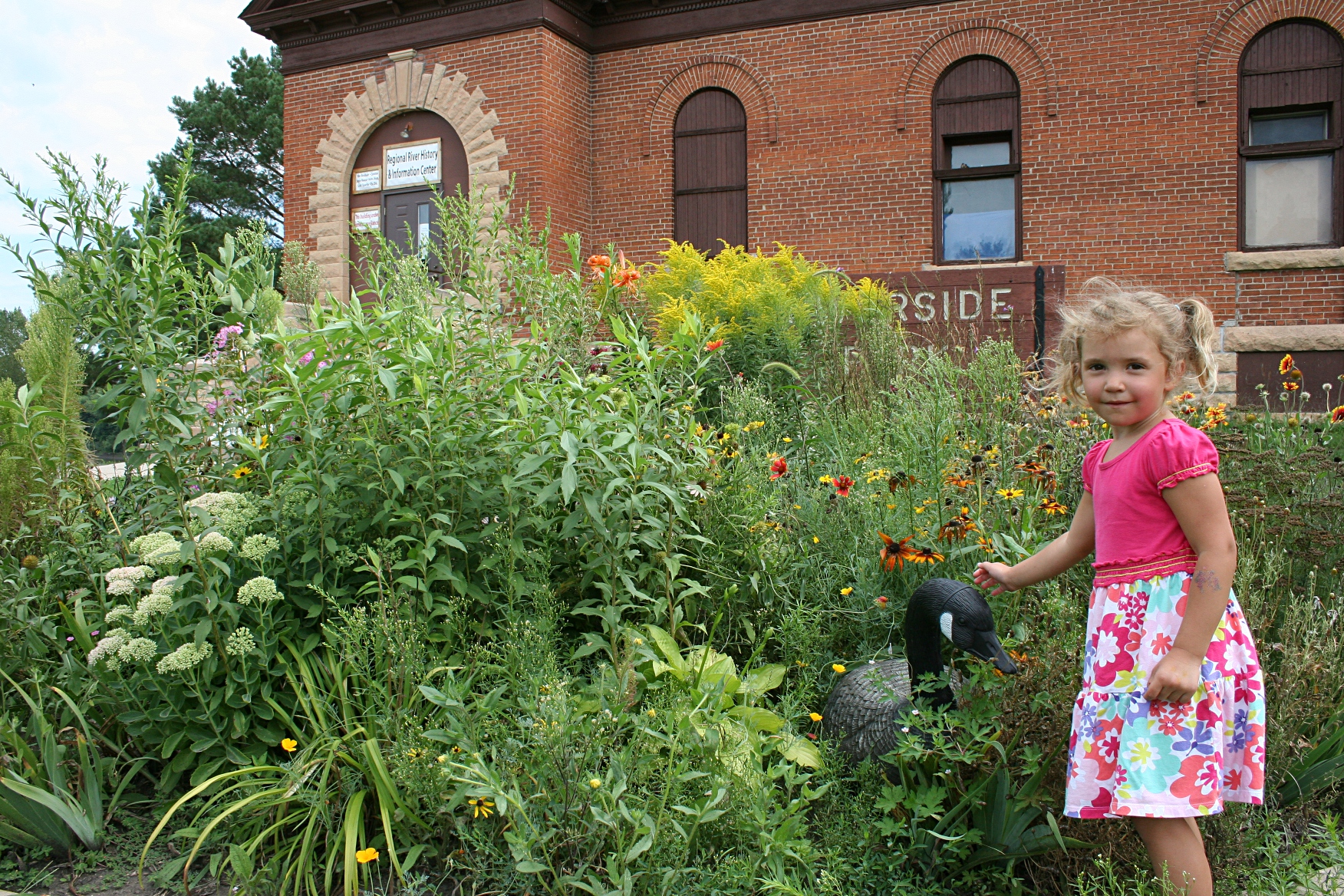
Kiera showed me another goose tucked into a flowerbed in front of the river center.

Today New Ulm embraces the heritage of Goosetown with a plaque and statue in Riverside Park. There’s also an occasional Goosetown reunion and Victor “Fezz” Fritsche, leader of the one-time Goosetown Band, was inducted into the Minnesota Music Hall of Fame in 1991.

The logo for the Goosetown Roller Derby Girls who have names like Deutschland Dolly and SoUr Kraut.

Most recently, in January, a flat track roller derby team, Goosetown Roller Girls, was founded.
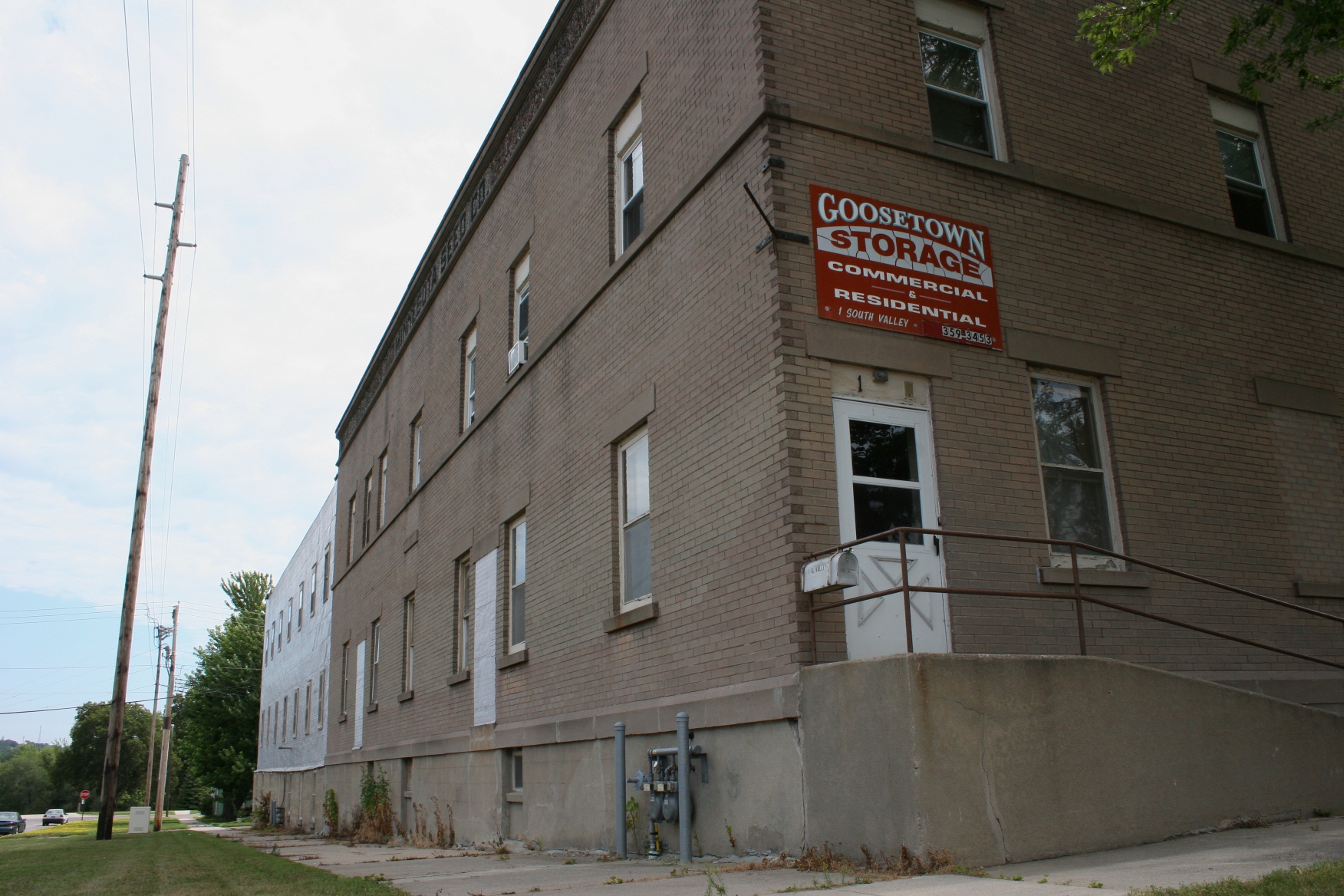
Goosetown Storage, once the home of Minnesota Seed Company.
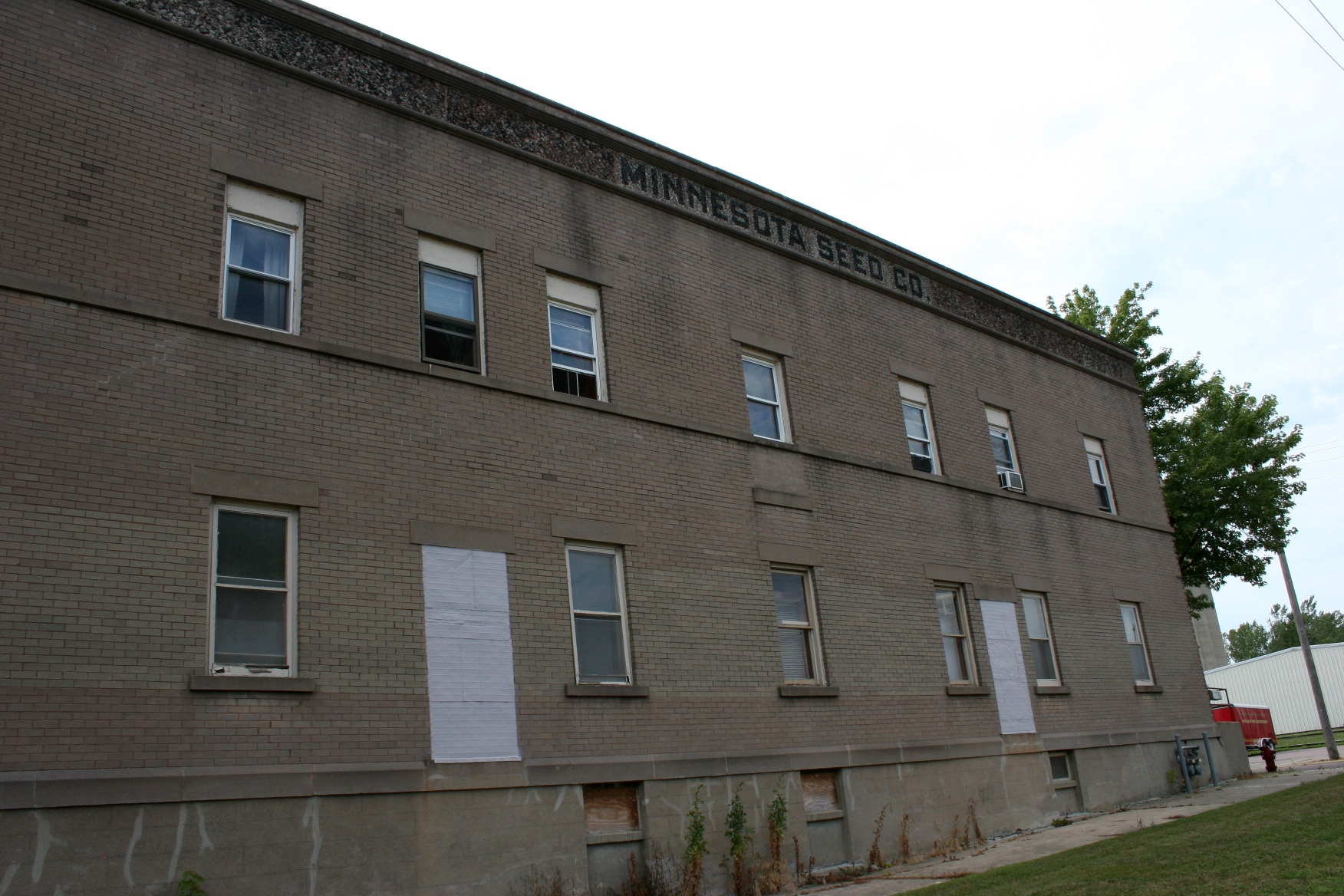
A side view of Goosetown Storage, with signage pointing to its original use as the location of Minnesota Seed Company. Anyone know the history of Minnesota Seed?

At least one building is labeled Goosetown Storage and the New Ulm Fire Department has a Goosetown Fire Station next to the train tracks.
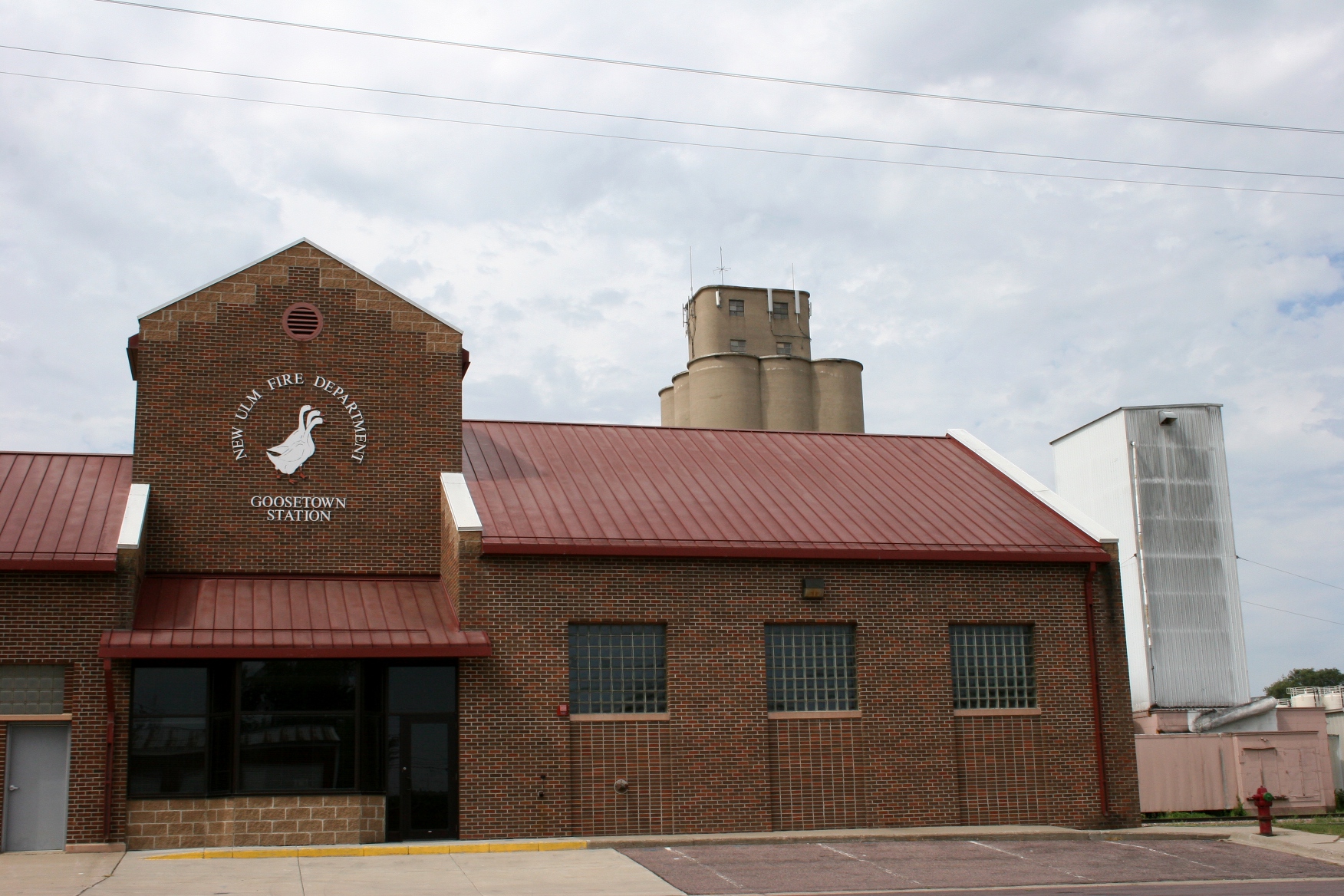
Engine House No. 3, commonly known as the Goosetown Fire Station, was established in 1890. The newer station pictured here houses two pumpers. A 47-foot drill tower (not shown here) stands nearby.

Even so, I was unaware of this ethnic treasure until we happened upon Goosetown on Saturday. New Ulm is best known to the touring public as the site of a major battle during the U.S.-Dakota War of 1862; for the August Schell Brewing Co.; the Hermann the German Monument;  the childhood home of author and illustrator Wanda Gag; the Minnesota Music Hall of Fame;  the Glockenspiel; the Cathedral of the Holy Trinity; Way of the Cross stations; the home of Minnesota’s 14th governor, John Lind; and most certainly as a city that features all things German. You can see how historic Goosetown could get lost in that long list of New Ulm attractions.

If you’re like me and appreciate the lesser-known, less touristy aspects of a community, drive across the tracks and down by the river in Anytown. Perhaps you’ll discover a place like Goosetown, rich in heritage and sturdy brick buildings and stories stitched into the land, if only you knew those stories.

FYI: Please check back for more posts from New Ulm.

© Copyright 2012 Audrey Kletscher Helbling

Goosetown Roller Girls image comes from the team’s website.


Same day, same highway 50 miles apart: Plane lands, cattle truck crashes January 7, 2012

KNOWN AS A NOTORIOUSLY DANGEROUS roadway along some stretches, U.S. Highway 14 in southern Minnesota Thursday grabbed headlines again with two separate crashes about 50 miles and 12 hours apart. One involved a cattle truck, the other a small plane.

This time though, only cattle, not people, died.

I know this road, The Laura Ingalls Wilder Historic Highway, well as it’s the route my family travels back to my native southwestern Minnesota.

I shot this image along U.S. Highway 14 east of Lamberton several weeks ago.

Around midnight Thursday, January 5, a semi truck pulling a cattle trailer left Highway 14 just east of the Nicollet County Road 37 intersection near New Ulm and rolled onto its side in the ditch, according to news reports. The driver suffered only minor injuries, but some of the 35 cattle were killed in the crash or had to be euthanized.

About 50 miles west and some 12 hours earlier, Highway 14 east of Revere in Redwood County became a runway for a Lakeville pilot who was forced to make an emergency landing, according to news sources. He managed to land his plane on the road before it went into a ditch and flipped.

As in the cattle truck accident, the pilot escaped with only minor injuries.

When I first heard and read about these accidents, I was simply thankful that the truck driver and pilot survived. I was thankful, too, that others traveling along Highway 14 were not involved.

Then I started wondering exactly how many vehicles travel along these sections of Highway 14 each day and how those counts and the timing and locations of the incidents affected the outcomes.

According to the most recent statistics I could find from the Minnesota Department of Transportation’s Office of Transportation Data and Analysis, the 2009 annual average daily traffic count was 8,000 for the Highway 14 area where the cattle truck crashed.

See how the outcome could have been so much different had this occurred during peak daylight travel hours? Anyone who’s driven Highway 14 between New Ulm and Mankato realizes just how unsafe this narrow, arterial road is with its heavy traffic, county and other roads intersecting the highway and few opportunities to safely pass.

Fortunately, 50 miles west, the traffic count drops considerably as the population decreases and the land stretches flat and wide into acres of fields punctuated by farm sites and small towns.

Near Revere, where the pilot landed his plane on Highway 14 before noon on Thursday, MnDOT lists the 2007 annual average daily traffic count as 1,550. Odds of putting a plane down without hitting a vehicle were definitely in the pilot’s favor.

And given trees are sparse on the prairie, luck was in the aviator’s favor there, too.

Fortunately, the emergency landing also occurred outside of Revere, in the 3.5 miles between the town of 100 residents and Highwater Ethanol and not too dangerously close to either. The ethanol plant, of which my middle brother is the CEO/GM, is situated along Highway 14 between the crash site and Lamberton.

Viewing a 1994 plat of the area, I spotted a landing strip just to the north and east of Revere. I could not verify whether that still exists and it really doesn’t matter given the pilot claims he had to make a snap decision to put his failing aircraft down Thursday on Highway 14 at a speed of 90 mph.

I’m thankful that on January 5, 2012, U.S. Highway 14 in southern Minnesota didn’t rack up more fatal statistics. It’s already had too many.

© Copyright 2012 Audrey Kletscher Helbling


Reflections on harvest time in southern Minnesota September 27, 2011

Westbound on U.S. Highway 14 between Nicollet and Courtland in southern Minnesota Friday afternoon.

I LOVE THIS LAND, this rural southern Minnesota.

You can take your woods and your lakes and your boats or your big city freeways and skyscrapers and traffic jams.

I will take sky and a land that stretches flat into forever.

I like my space open, not hemmed in by trees packed tight in a forest. I want to see into forever and beyond, the horizon broken only by the occasional grove hugging a building site.

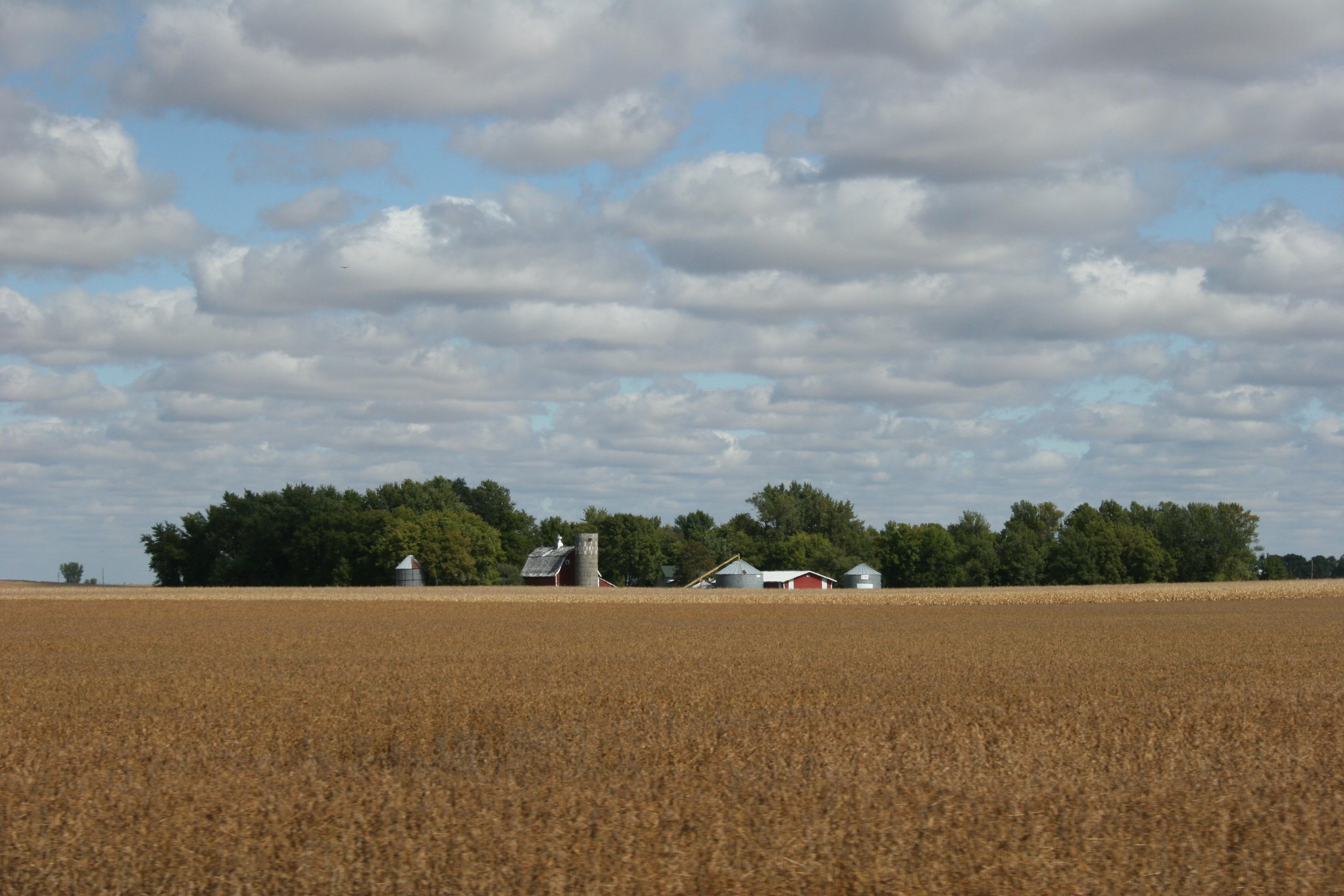
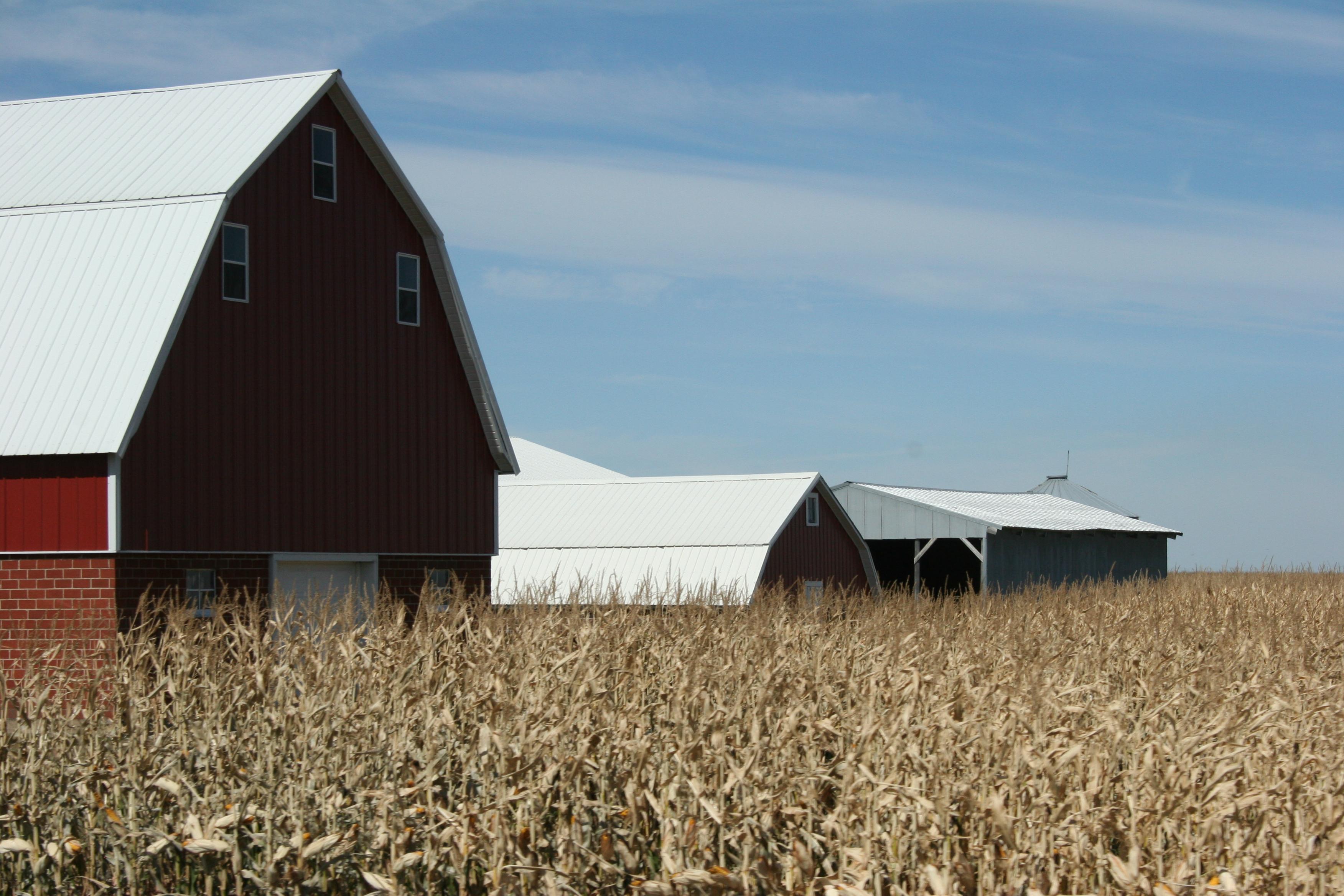
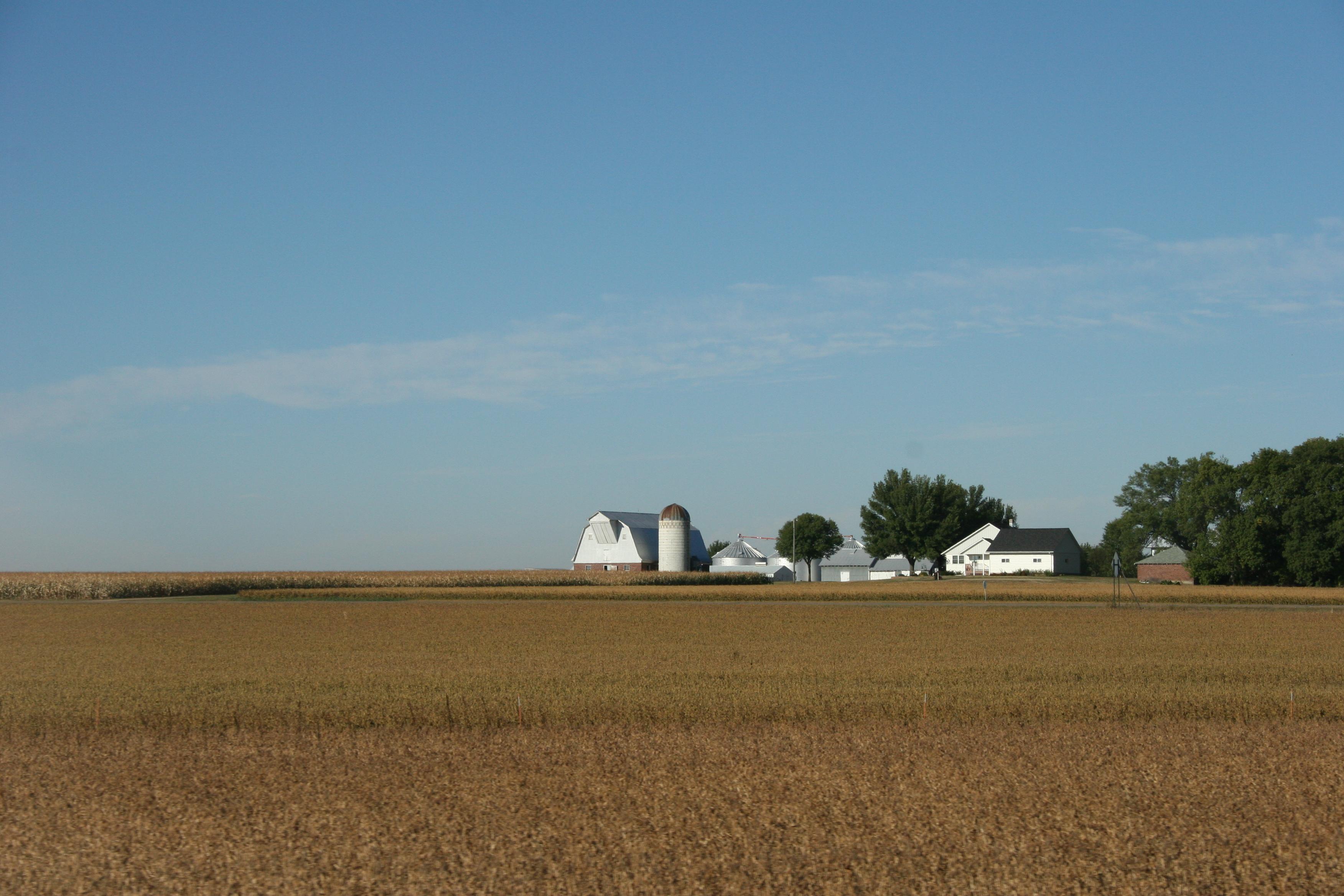
A farm site between Mankato and Nicollet, as seen from U.S. Highway 14.

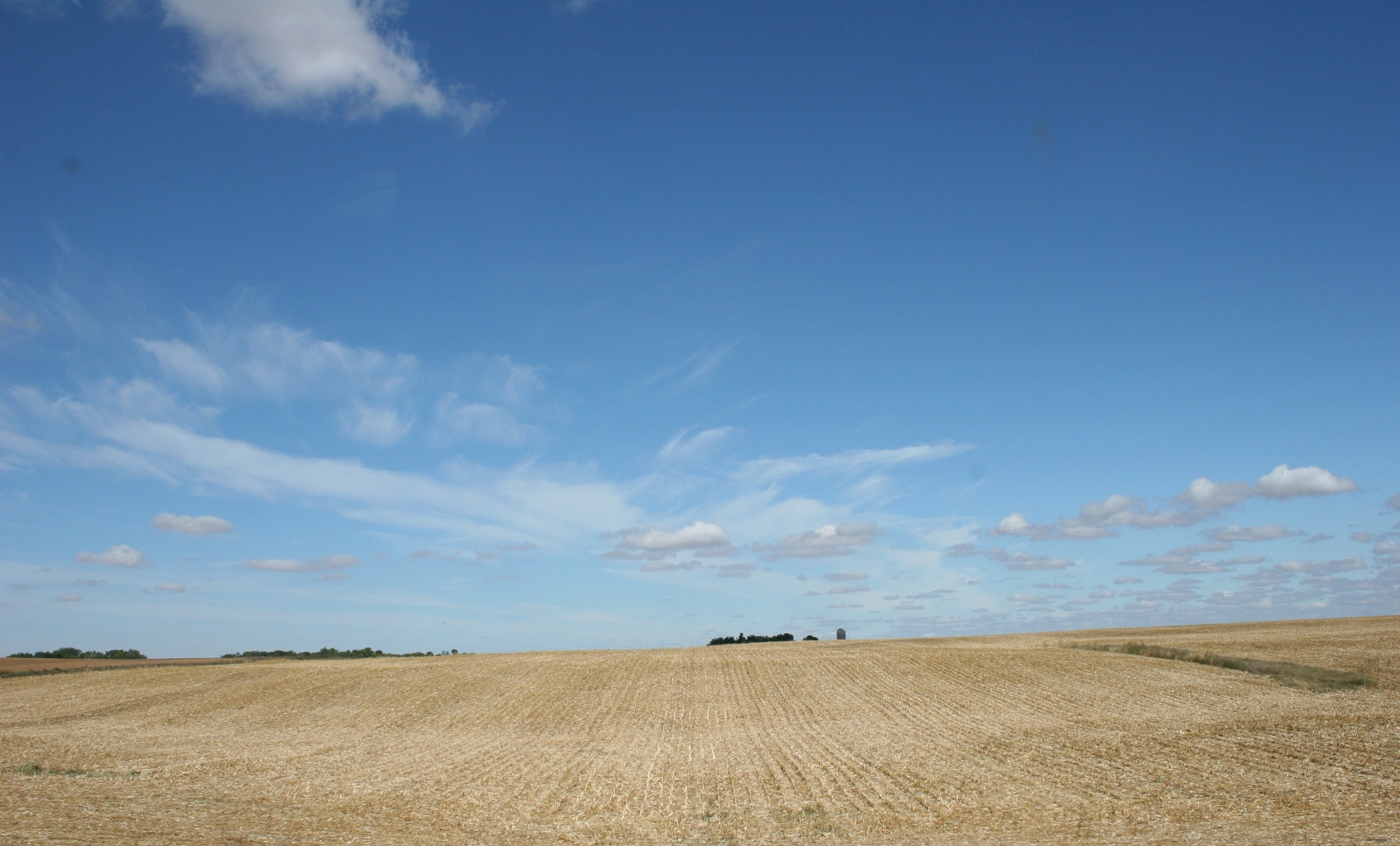
A harvested corn field between Nicollet and Courtland.

I want corn and soybean fields ripening to the earthy hues of harvest. Not gray cement or dark woods.

Give me small-town grain elevators and red barns and tractors, and combines sweeping across the earth.

The elevator complex in Morgan in Redwood County.

A farm site along the twisting back county road between New Ulm and Morgan.

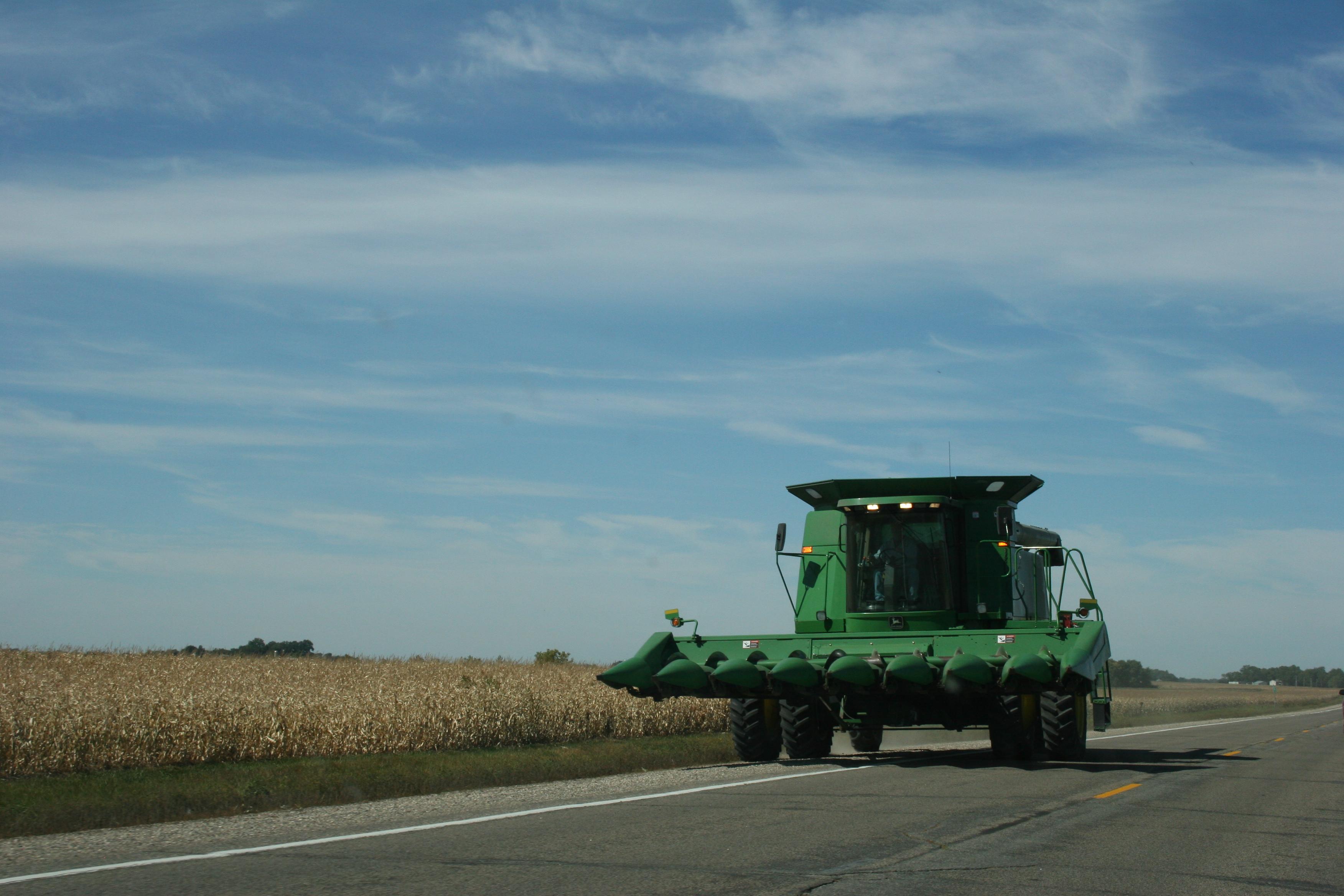
A John Deere combine spotted on the highway just outside of Morgan.

This is my land, the place of my heart.

Although I left the farm decades ago, I still yearn, during autumn, to return there—to immerse myself in the sights and smells and sounds of harvest. The scent of drying corn husks. The roar of combines and tractors. The walk across the farm yard on a crisp autumn night under a moon that casts ghost shadows. Wagons brimming with golden kernels of corn. Stubble and black earth, turned by the blades of a plow.

Today I only glimpse the harvest from afar, as a passerby. Remembering.

A farm site between Morgan and Redwood Falls in southwestern Minnesota.

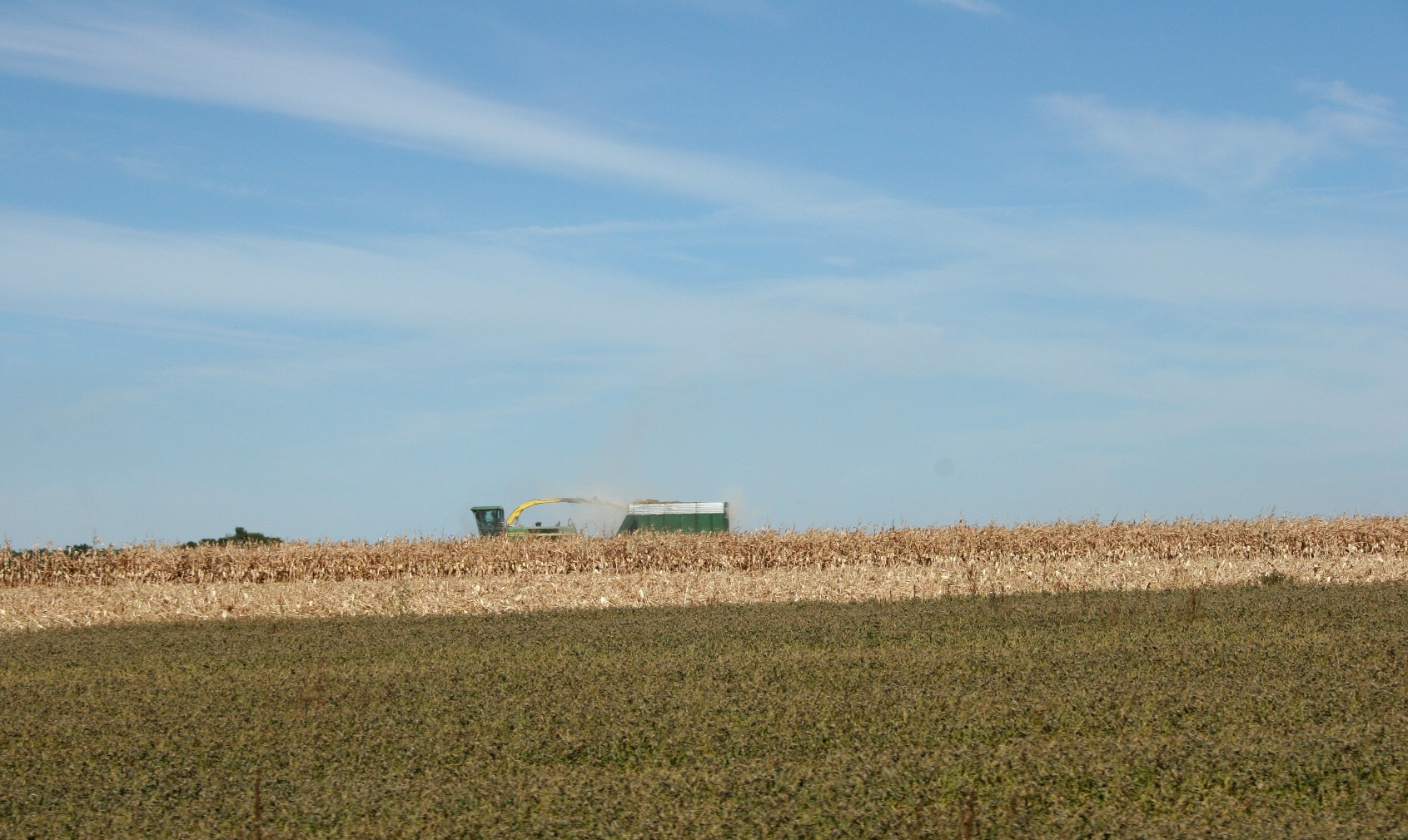
Harvesting corn on Saturday just outside of Courtland.

Chopping corn into silage between New Ulm and Morgan.

ALL OF THESE IMAGES (except the elevator) were taken at highway speed from the passenger side of our family car while traveling through southern Minnesota on Friday and Saturday.

© Copyright 2011 Audrey Kletscher Helbling


A glimpse of winter on the Minnesota prairie March 8, 2011


Traveling U.S. Highway 14 west of New Ulm to southwestern Minnesota.

I NEEDED A TRIP to southwestern Minnesota this past weekend, as much to be with extended family as to reconnect with the land where I grew up. I was not disappointed, on both counts.

I embraced the family I love as we talked and laughed and talked and laughed some more while celebrating my middle brother’s 50th birthday until just past midnight on Saturday.

Sometime in between, we joked about the possibility of being snowed in on his Redwood County acreage. Snow was in the forecast and we all know that snow on the prairie, combined with wind, could strand us.

By the time we finished breakfast mid-morning on Sunday, the flakes were flying and U.S. Highway 14 was dusted with snow, enough to cause cautionary travel as my husband, son and I headed east back to our Faribault home.

Fortunately, we drove out of the snow even before reaching New Ulm.

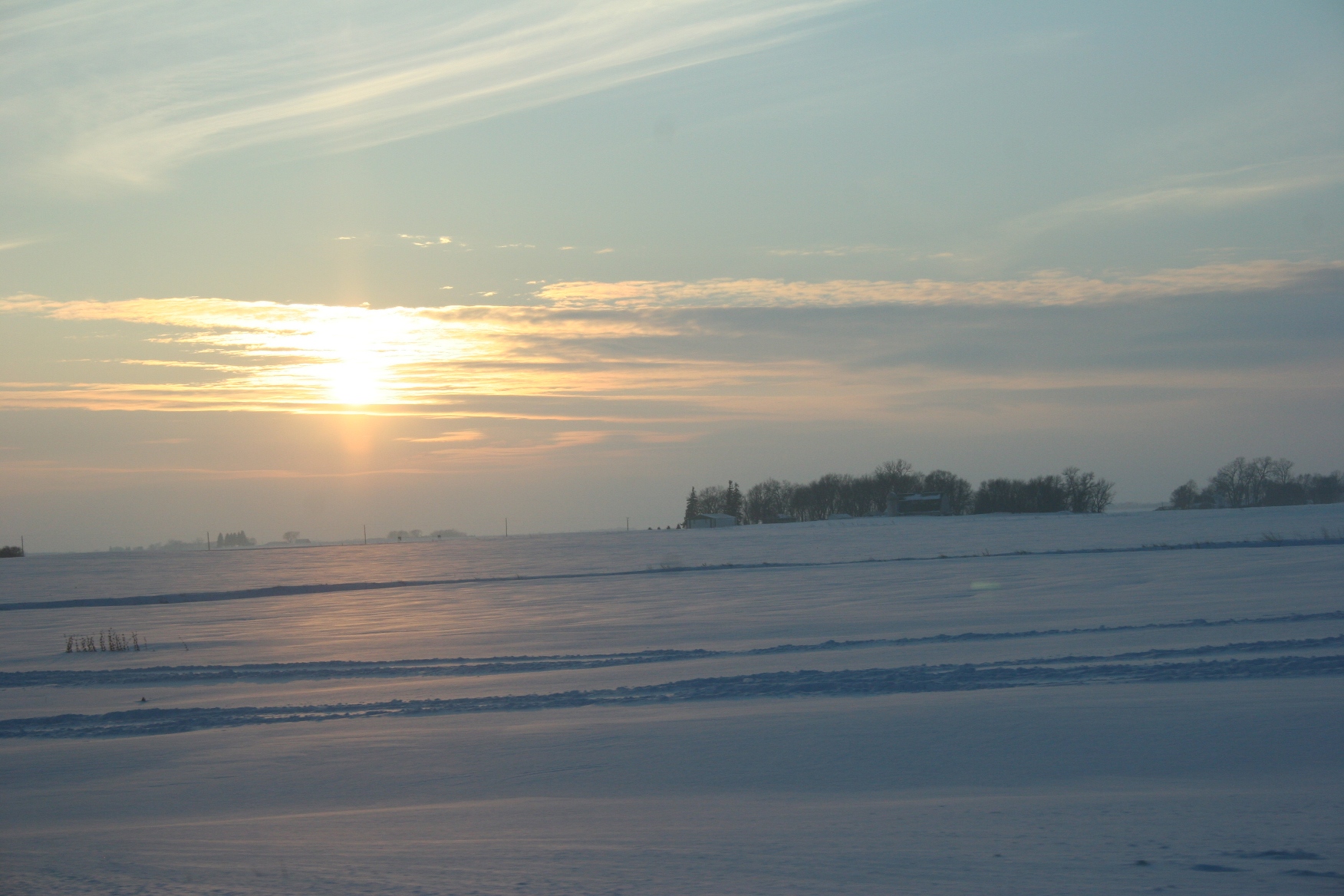
Every time I visit the prairie, I realize all over again how harsh winters are out there and how very different they are from the winters I experience in southeastern Minnesota. Honestly, if you saw the drifts and plowed ridges of snow along Highway 14 and the endless vista of wide open spaces that stretch like a sea of white, you would understand.

Join me on this visual journey along a section of the Laura Ingalls Wilder Historic Highway between New Ulm and Lamberton. These photos don’t even do justice to winters on the prairie because we weren’t traveling in a prairie blizzard. But, in these images, you can envision the possibilities…


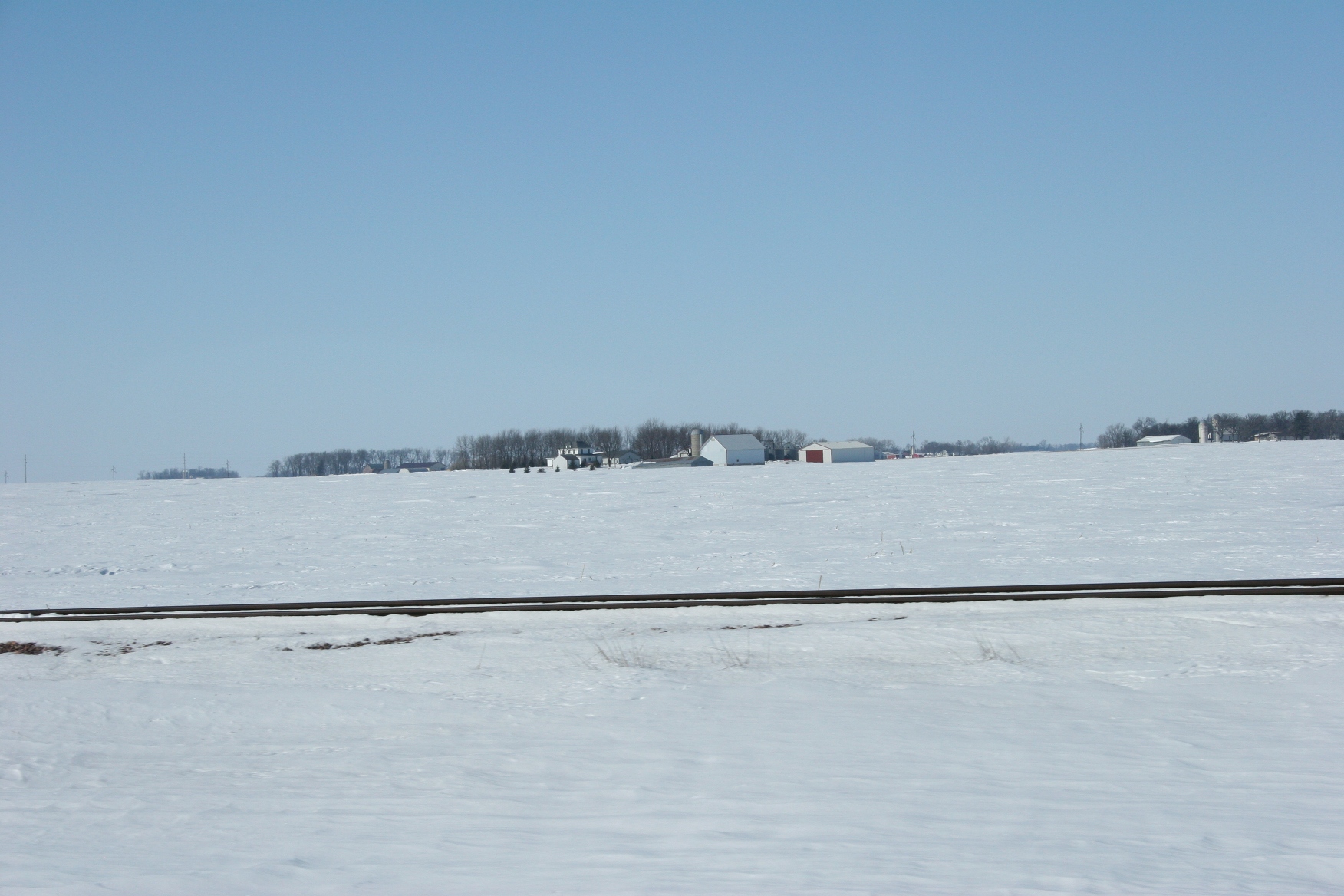
Railroad tracks run parallel to Highway 14 as the land stretches under spacious skies.

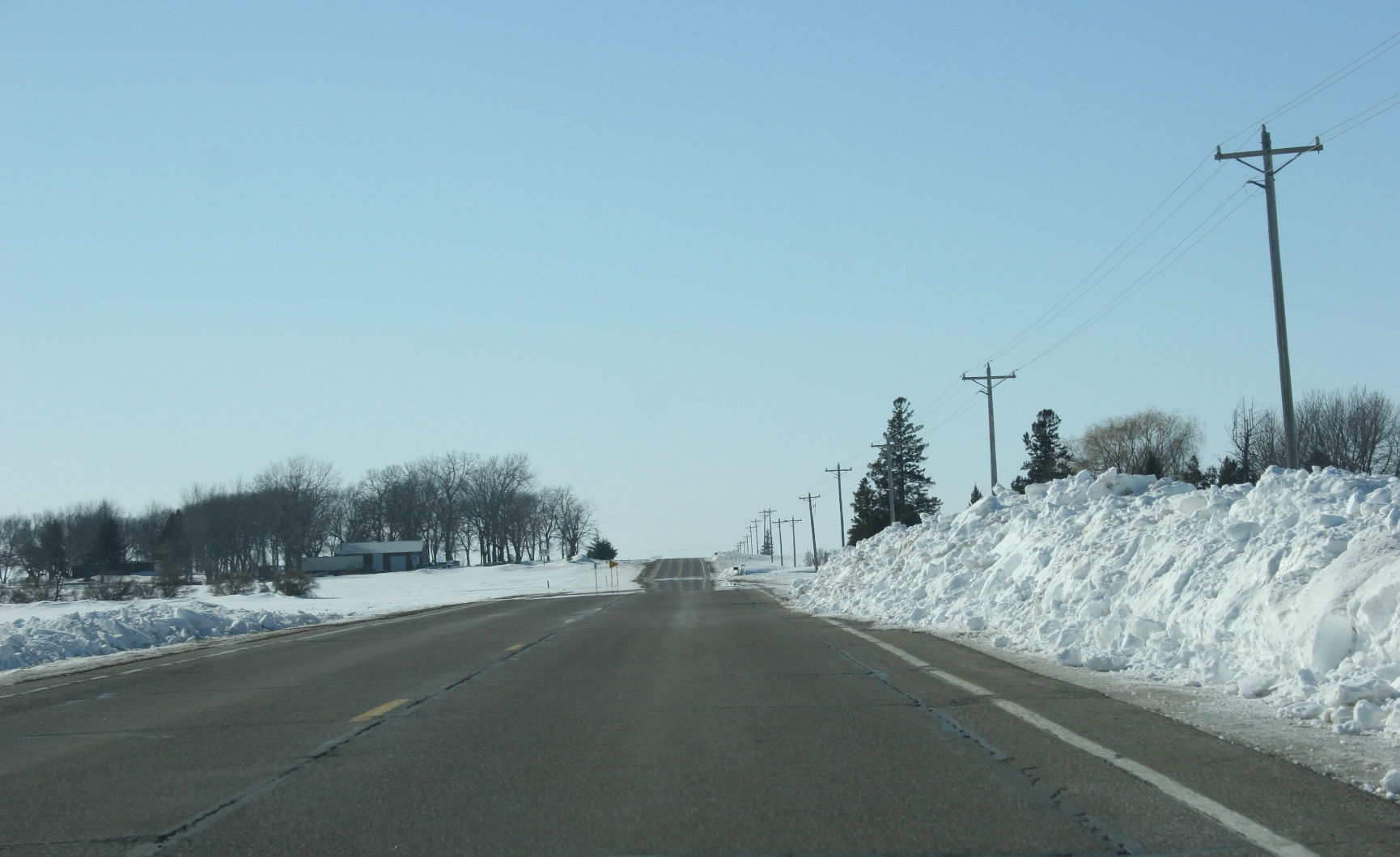
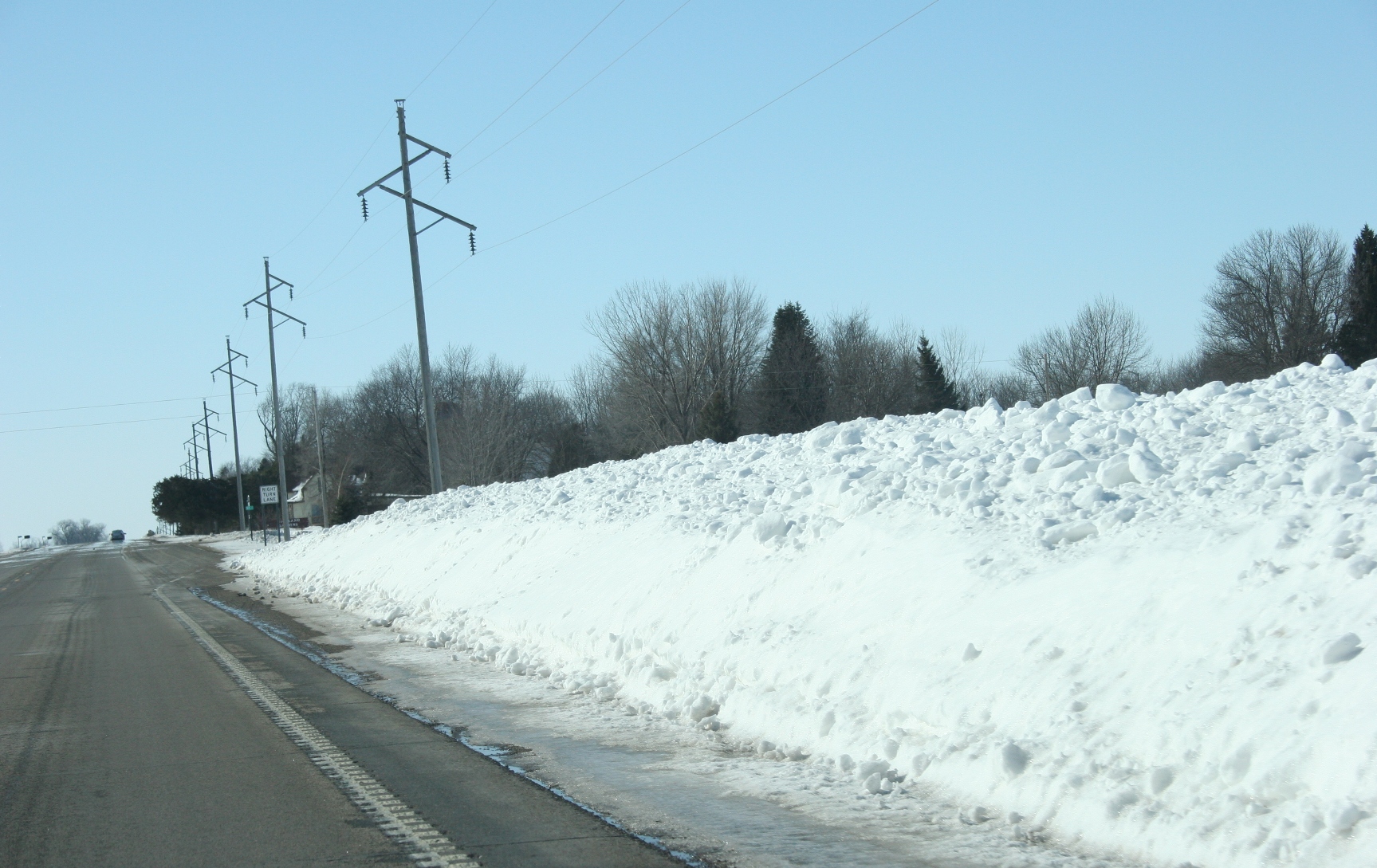
In some spots along U.S. Highway 14, the snow is piled higher than vehicles.

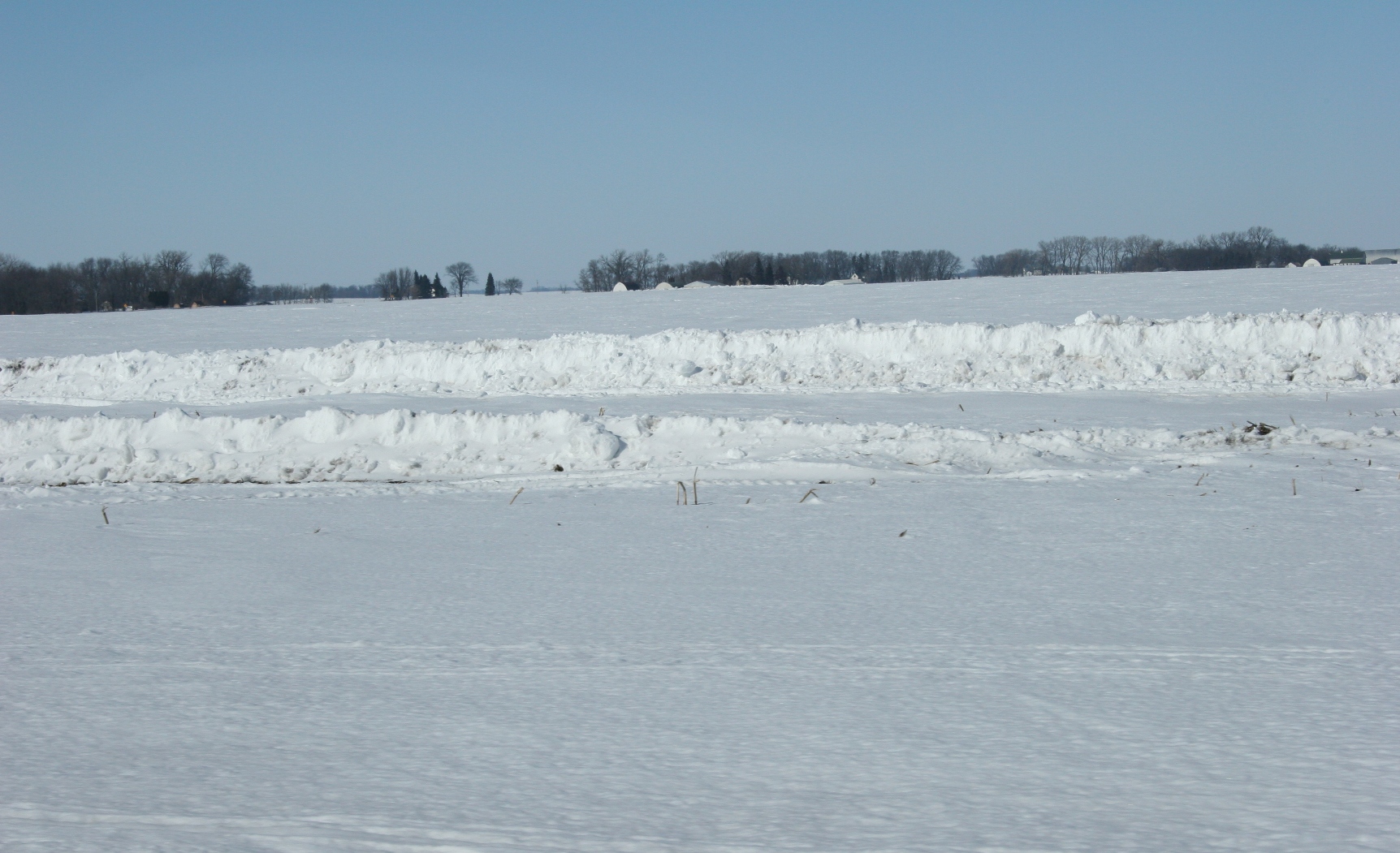
Snow had been pushed into rows in fields along Highway 14, acting as natural snow fences.

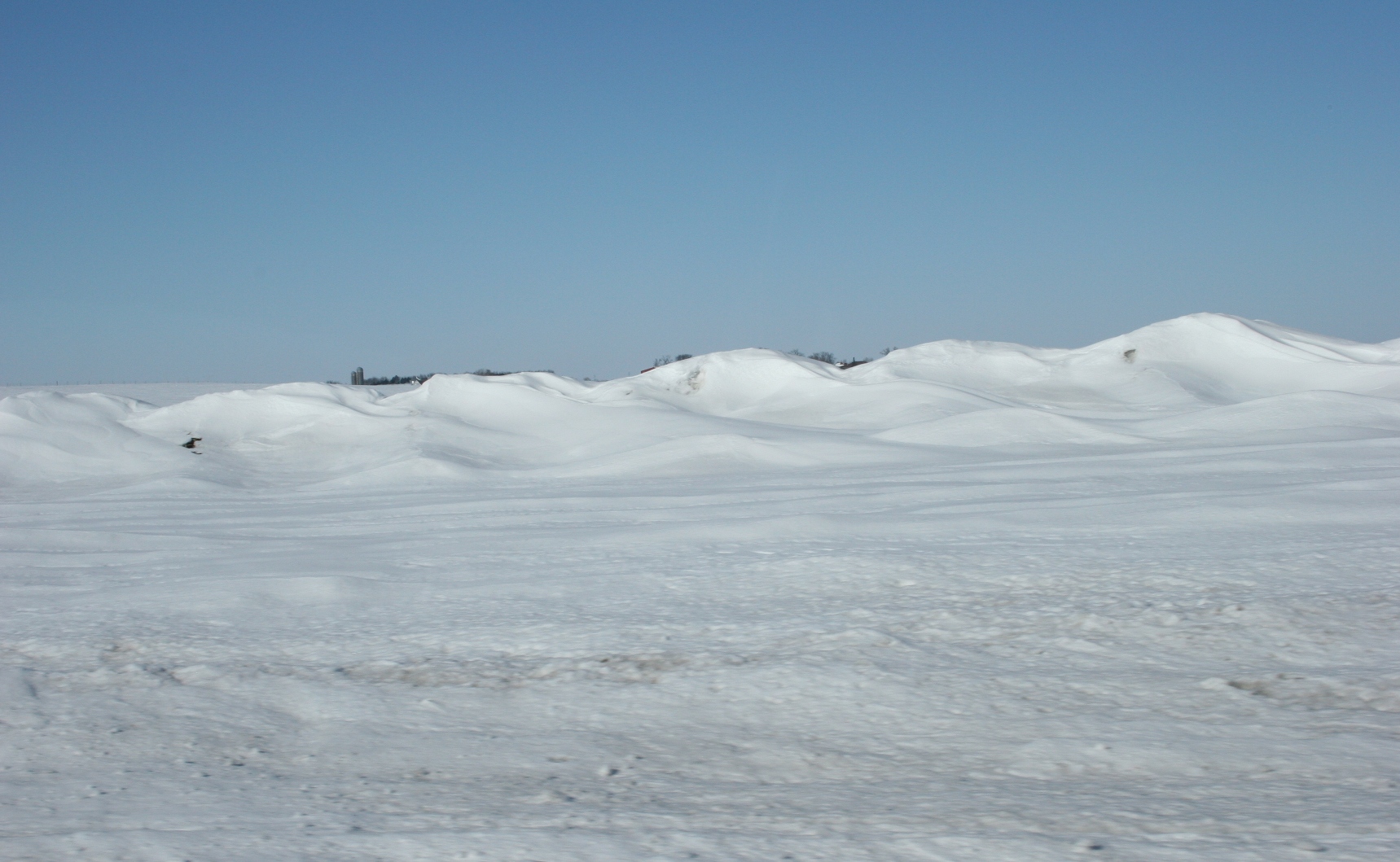
The wind sculpted drifts along the snow fences.

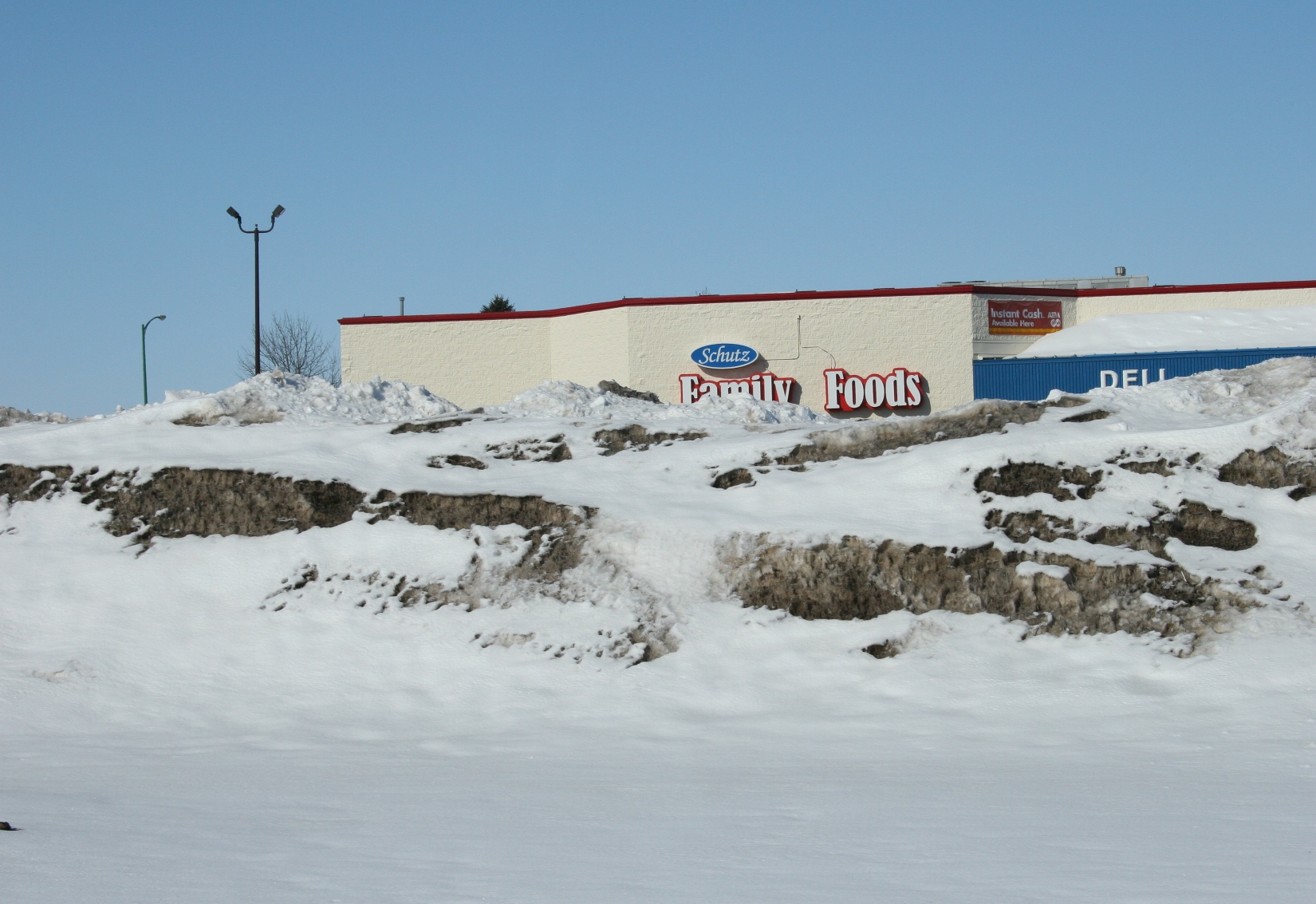
The snow had been pushed into mountains so high that only the top portion of Family Foods was visible from Highway 14 on the eastern side of Sleepy Eye.

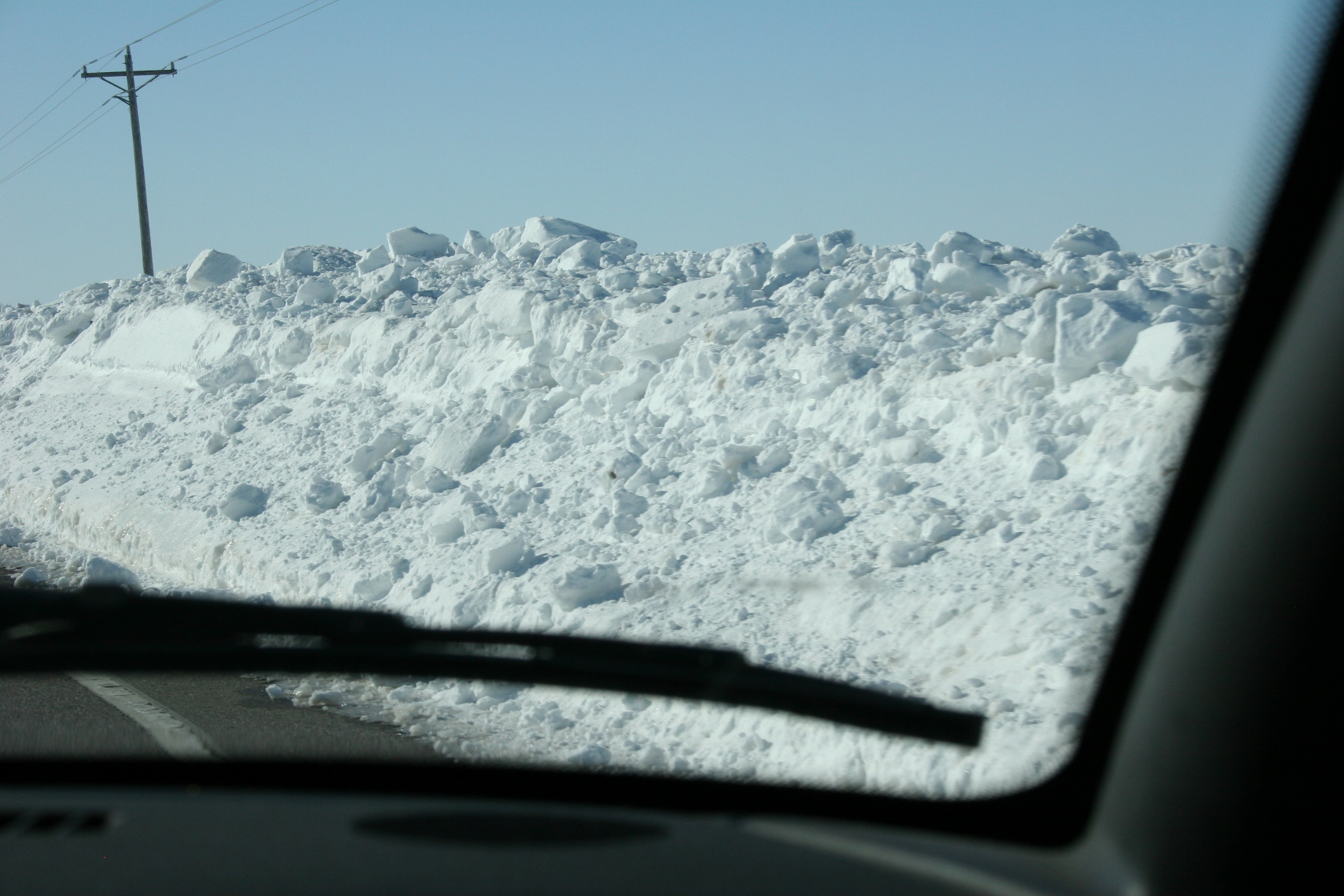
Snow pushed off Highway 14, as seen through the windshield of our car.

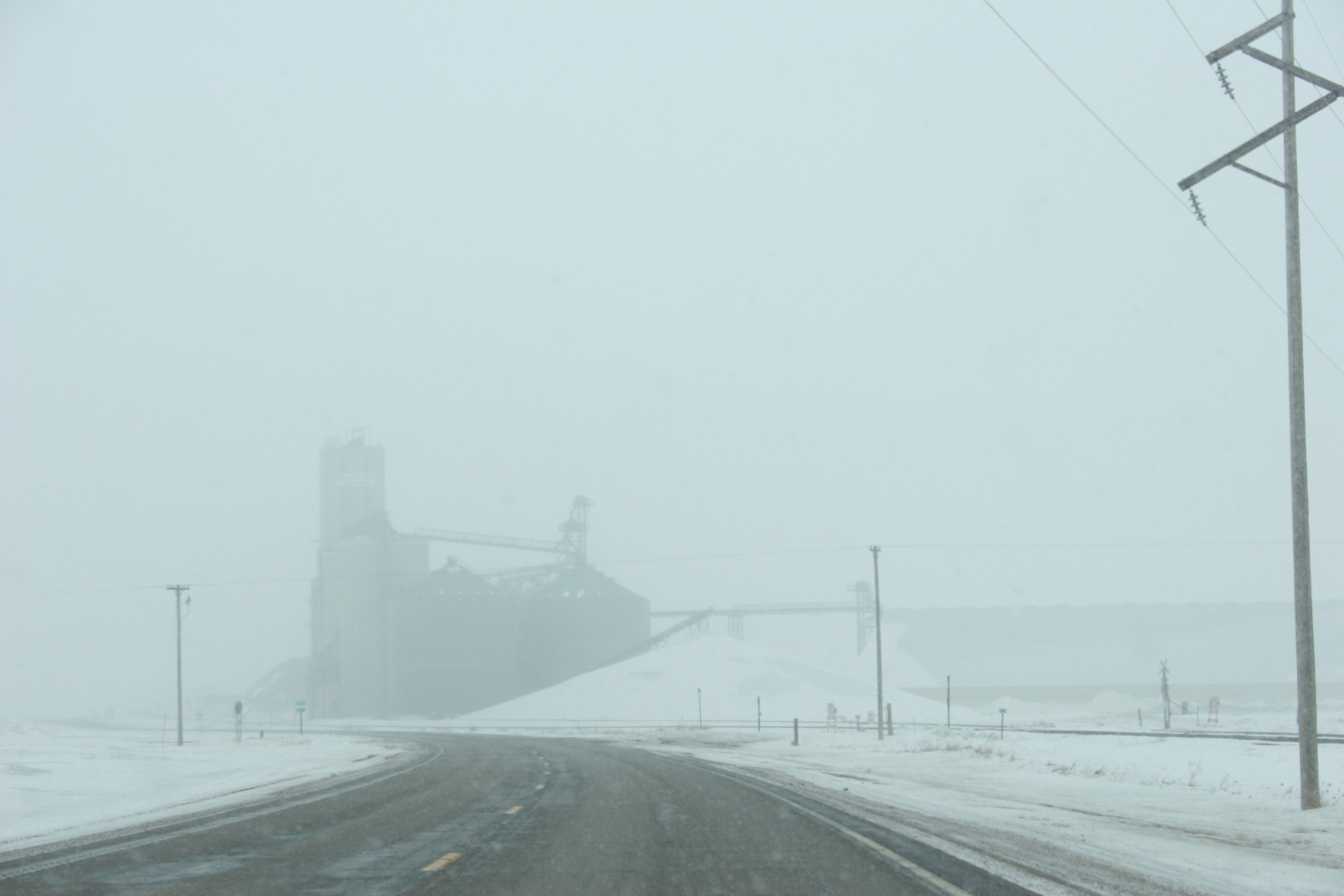
Visibility was reduced as we traveled along U.S. Highway 14 Sunday morning near Lamberton, creating this surreal image of the local grain elevators. The top seven images were taken on Saturday.

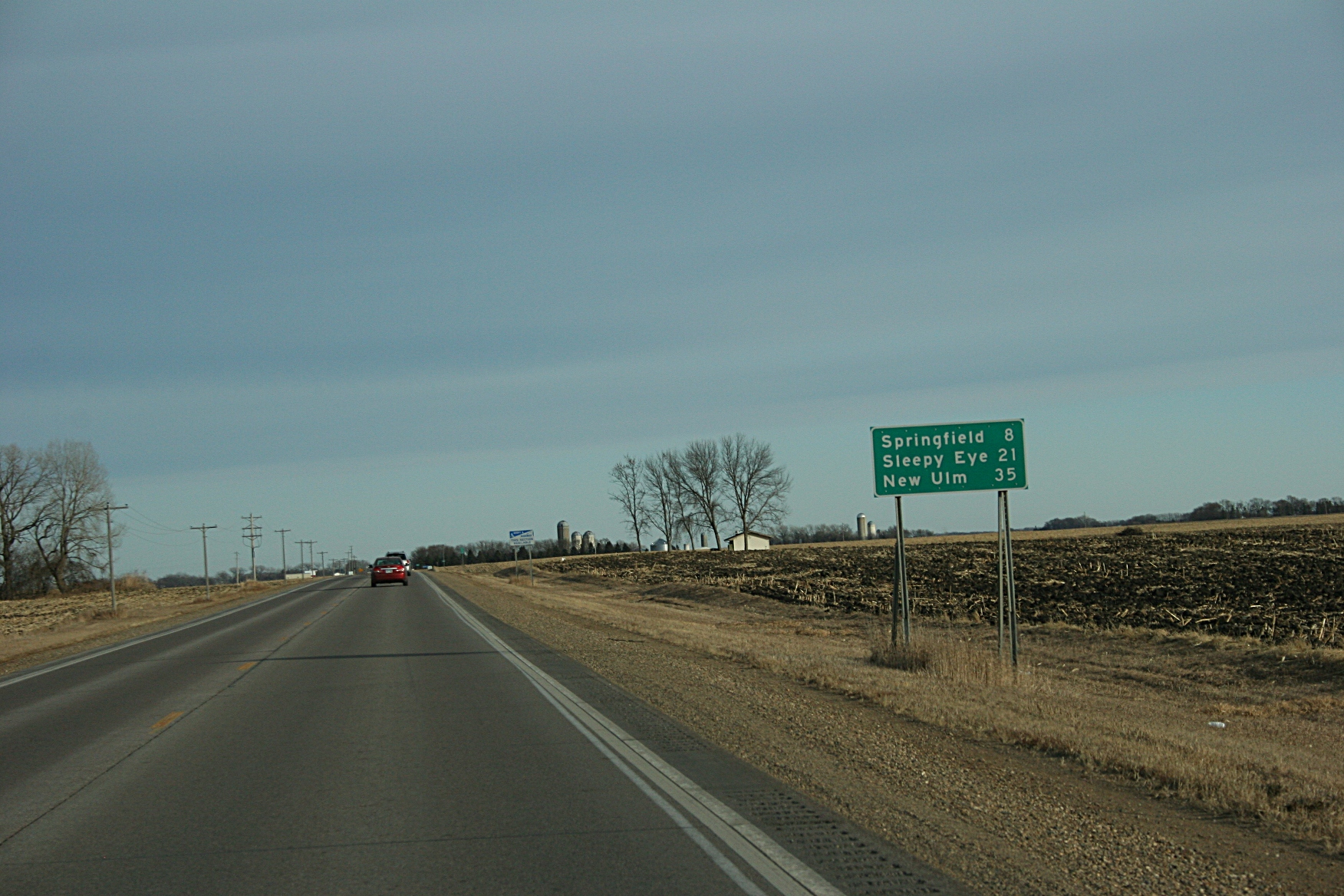
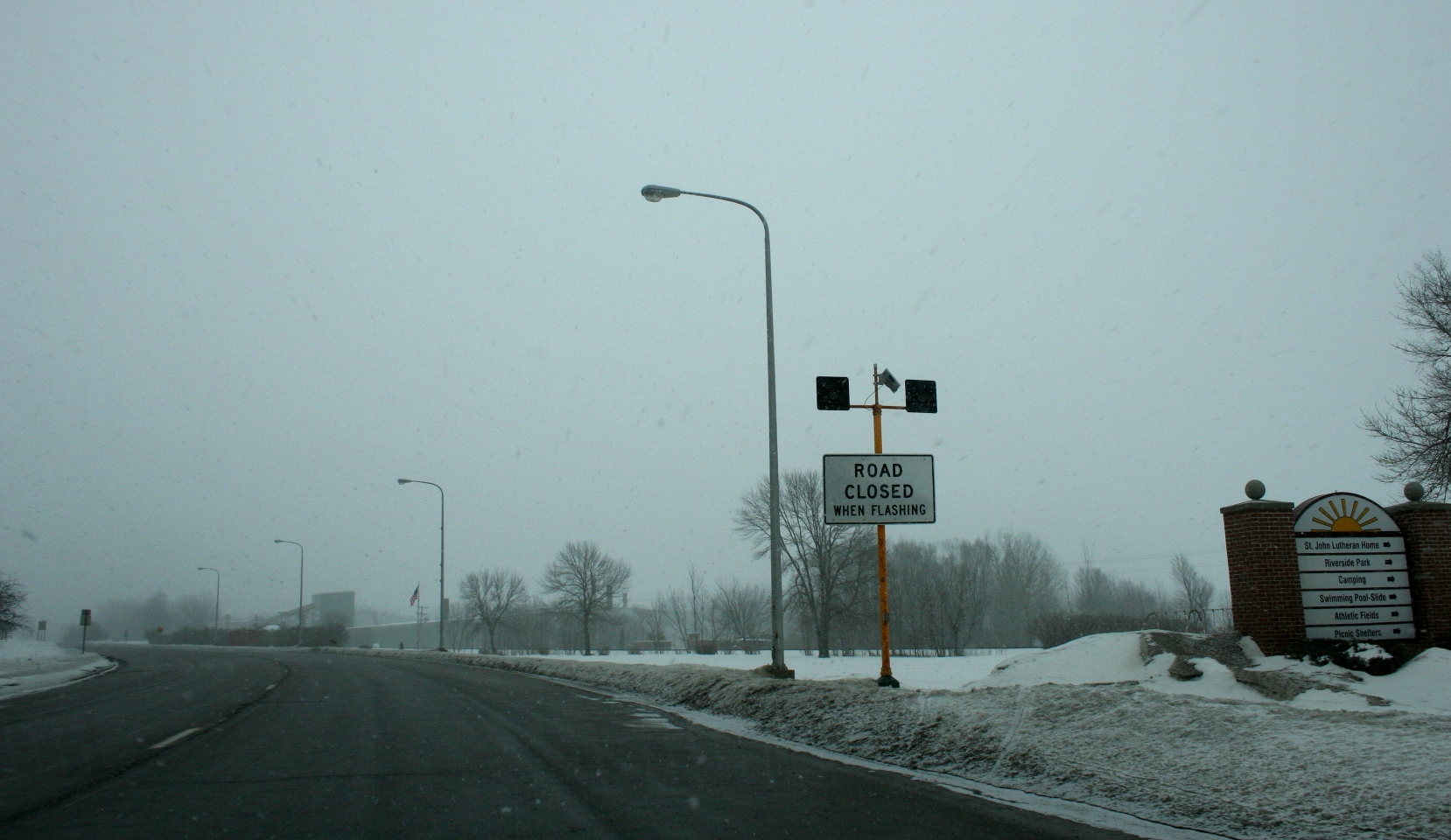
We were thankful the lights on this sign, on the east side of Springfield, were not flashing Sunday morning. During severe winter weather these lights are activated and roads are closed to keep motorists safe.

© Copyright 2011 Audrey Kletscher Helbling


Heading back home to the southwestern Minnesota prairie for Christmas December 26, 2010

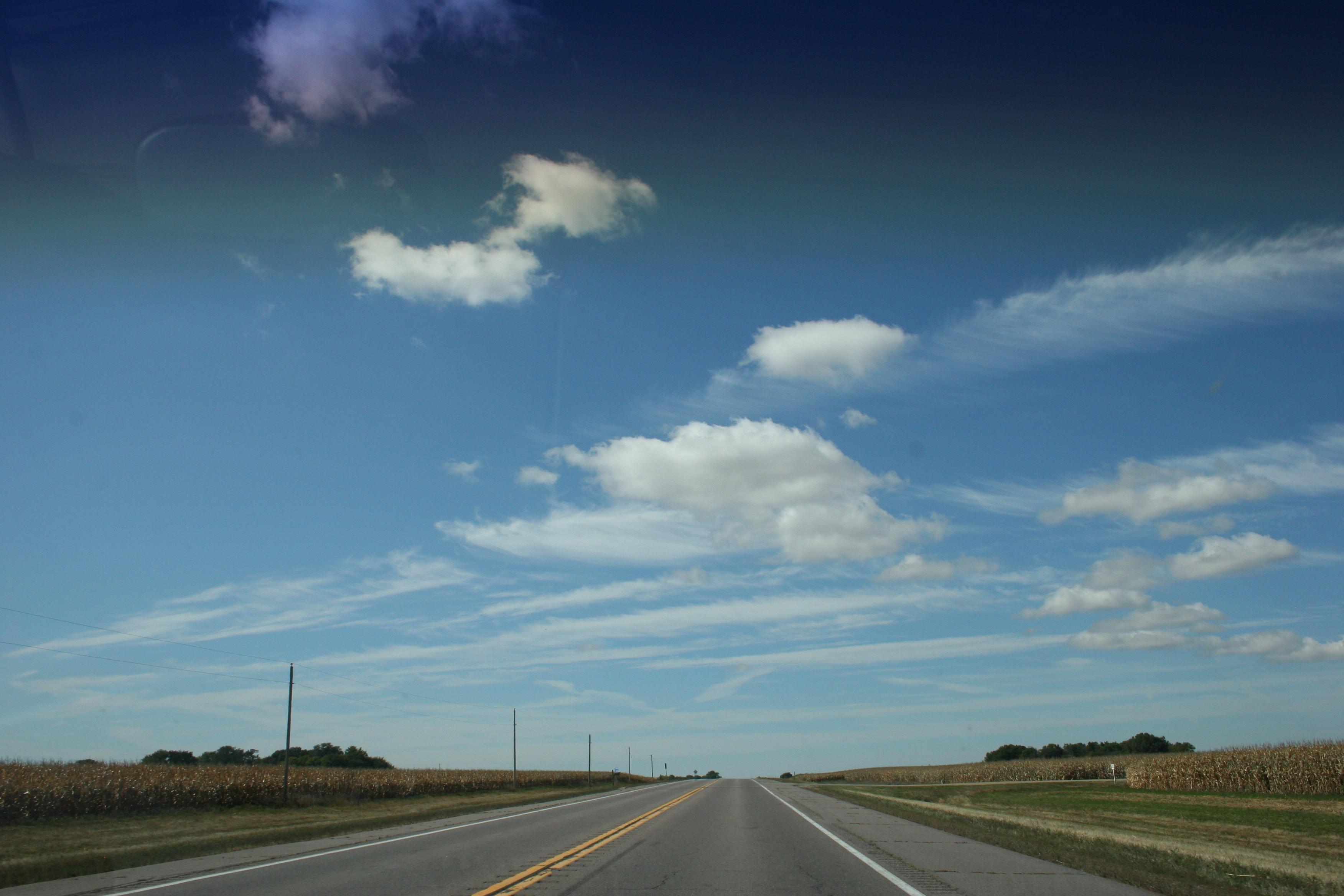
We drove along U.S. Highway 14 as we traveled to southwestern Minnesota for Christmas. This stretch is between the Sanborn corners and Lamberton.

FOR THE FIRST TIME in decades, my family and I celebrated Christmas Eve with my mom and four of my five siblings, and their families, “back home” on the southwestern Minnesota prairie.

It was my mom’s wish that all of us be there, attending Christmas Eve church services with her at our home church, St. John’s Lutheran in Vesta.

Our Christmas together was as wonderful and memorable and as full of laughter and love as I expected it would be.

Initially, I doubted that we would make the 2 ½-hour trip west given the steady snow that began falling early Christmas Eve, slicking the highways and creating difficult driving conditions. But by the time we left Faribault around 2:30 p.m. Friday, the snow had stopped and major highways were clear.

So, with the trunk packed full of luggage, air mattresses and sleeping bags, presents and coolers, the five of us crammed ourselves into the car (along with pillows and board games on our laps) for the journey to Redwood County. We were headed first to my brother’s house just north of Lamberton.

When we got to New Ulm, nearly 1 ½ hours into the trip, I dug my camera out of the camera bag wedged near my feet and snapped occasional photos of the prairie. It is the land I most love—the place my kids call “the middle of nowhere.”

A train travels east along U.S. Highway 14 between Essig and Sleepy Eye while we travel west.

I love this land of plowed fields and wide open spaces, of small-town grain elevators occasionally punctuating the vast skies, of cozy farm sites sheltered by barren trees.

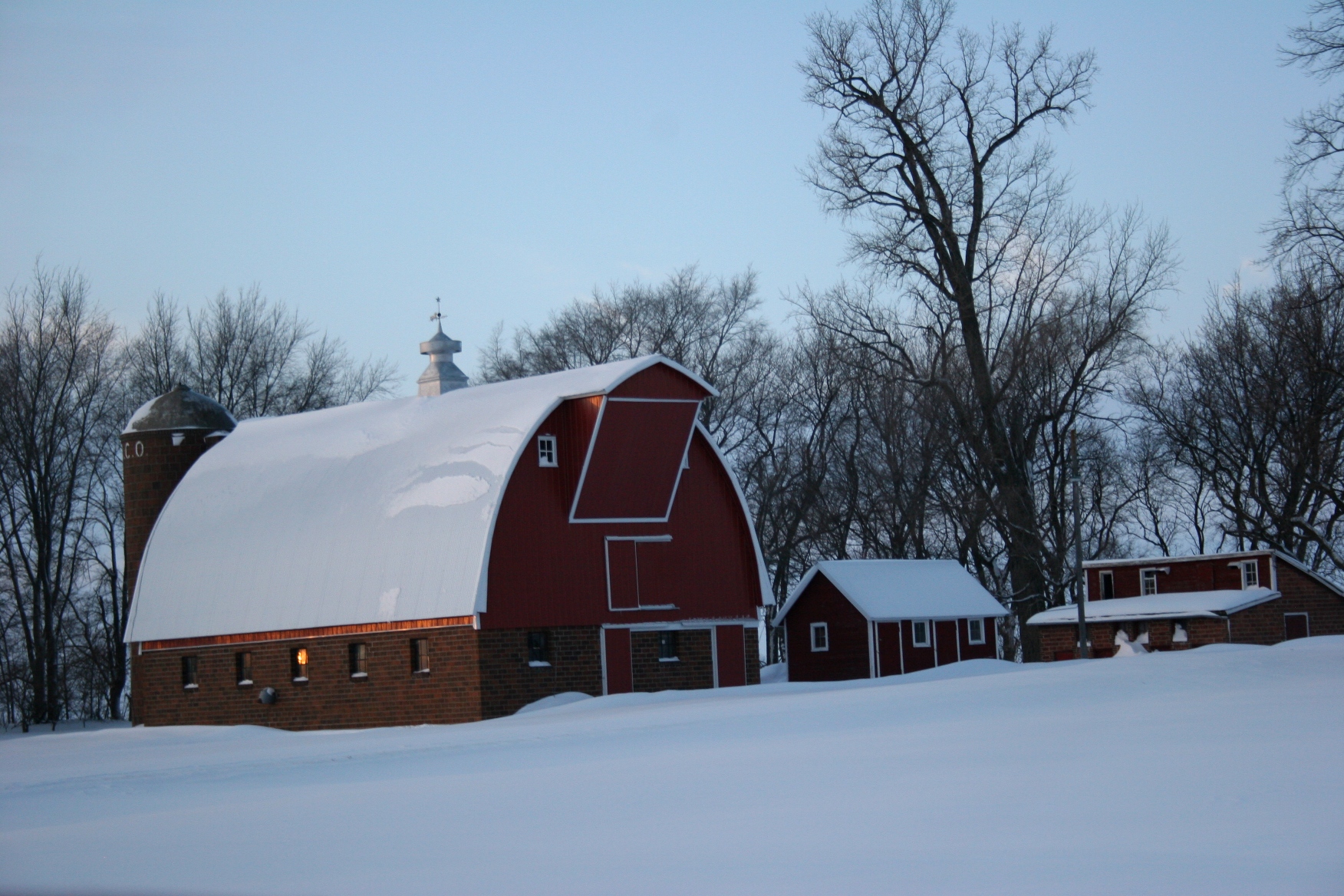
I love, especially, the red barns accented by the fresh-fallen snow, portraying an agrarian beauty that perhaps only someone who grew up on a farm can appreciate.
As much as I have disliked all of the snow we’ve had this winter, I saw only a beautiful winter wonderland when I was back home for Christmas on the prairie.
The sun begins setting over the prairie as we head west, passing through Sleepy Eye and Springfield before reaching Lamberton. We saw only occasional glimpses of sun on a mostly gray day.
The elevators in Sleepy Eye. Small-town prairie elevators like this can be seen for miles away.

One of many picturesque barns along U.S. Highway 14.

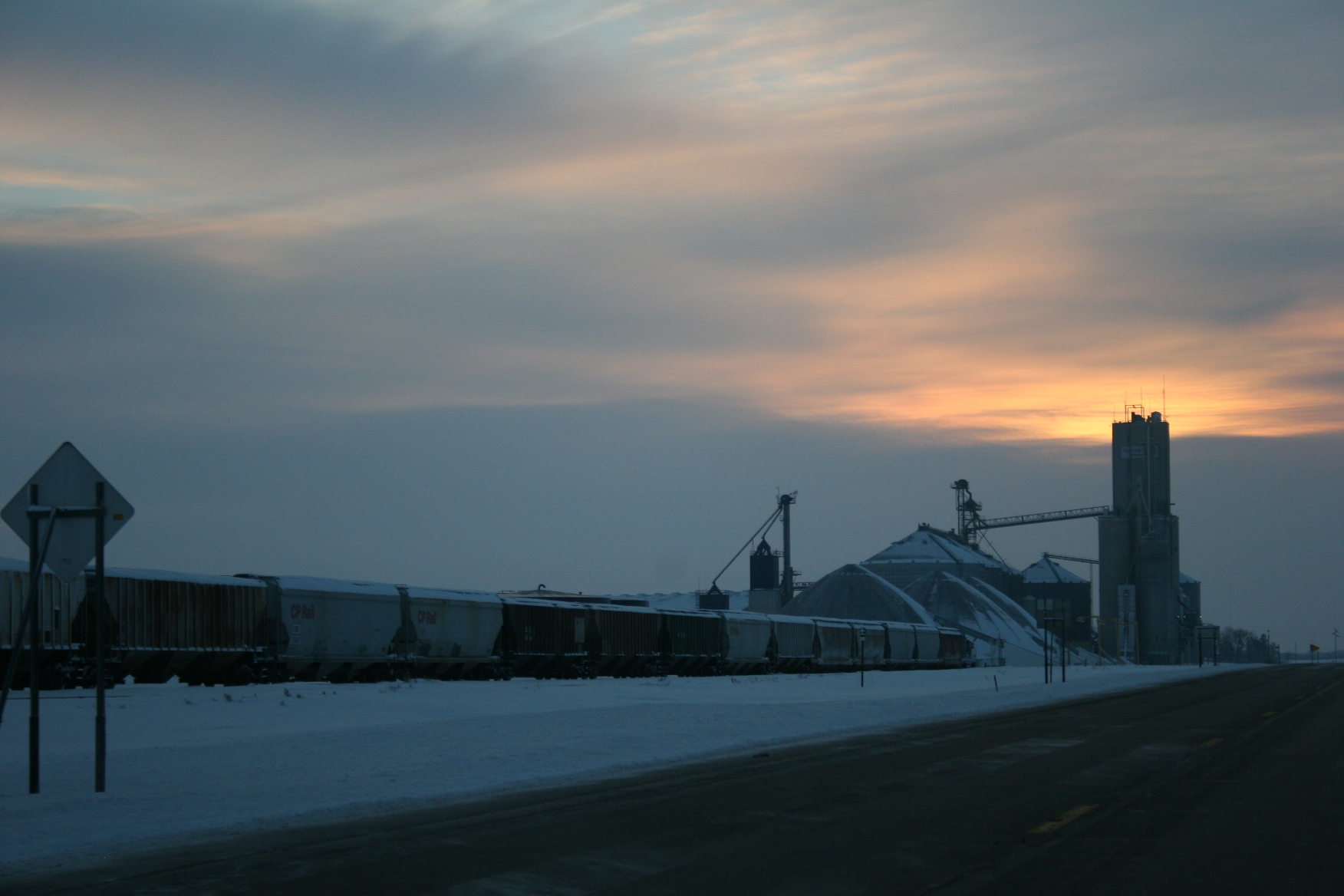
Elevators and trains are a common site along U.S. Highway 14 in the rich farmland of southwestern Minnesota. We've nearly reached our destination when I photograph this elevator complex near sunset.

© Copyright 2010 Audrey Kletscher Helbling


A questionable vintage beer ad September 18, 2010

Filed under: Uncategorized — Audrey Kletscher Helbling @ 8:27 AM
Tags: , , , ,

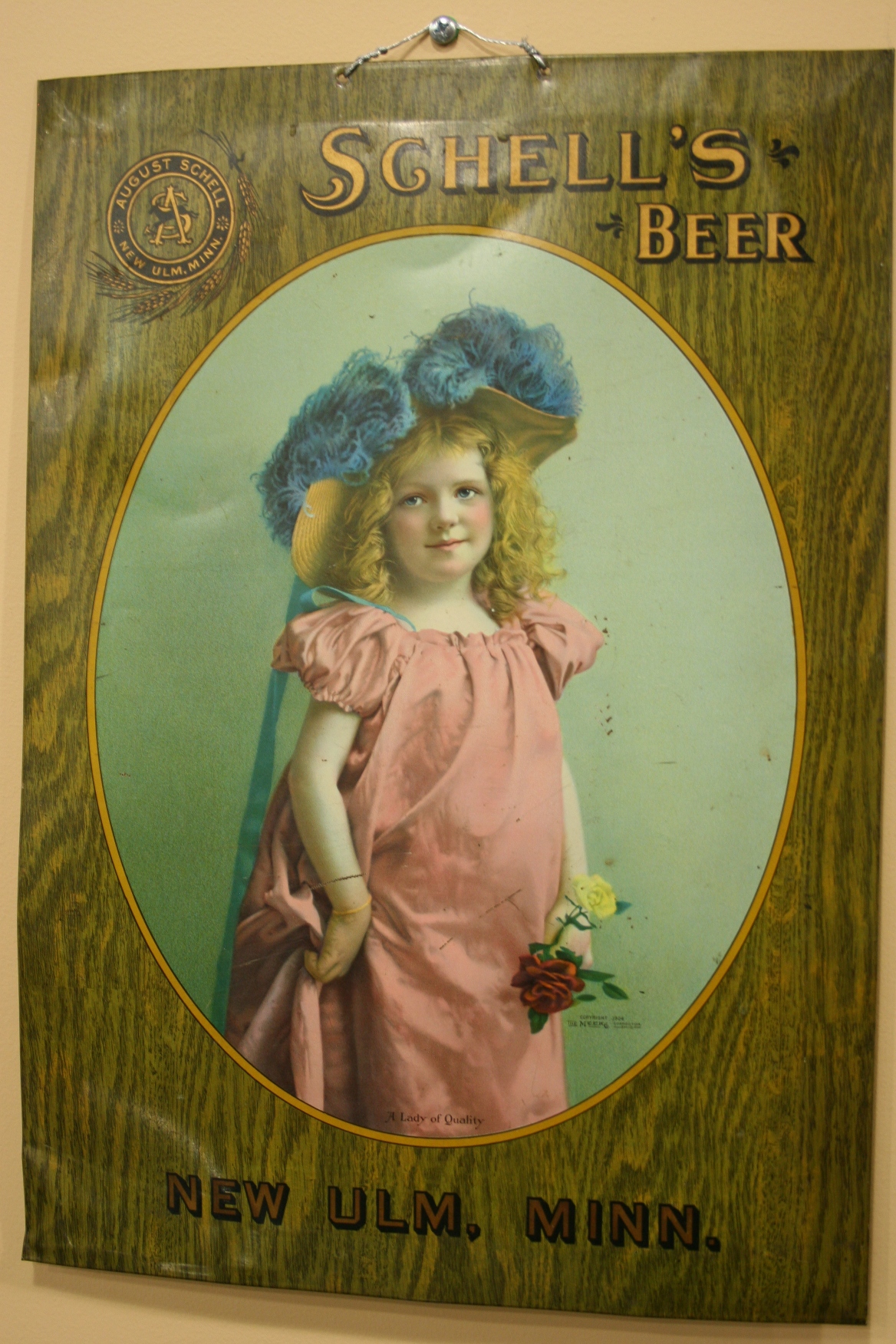
WHEN I SAW this vintage advertising signage recently at the August Schell Brewing Company Museum in New Ulm, I had to wonder, “What were they thinking?”

But I expect that back in the early 1900s, peddling beer in this manner was socially-acceptable. Can you imagine the uproar, though, if this occurred today, and rightfully so?

What you can’t read in this photo are the words directly under the girl’s image: “A Lady of Quality.” That really got me. Again, I’m certain such word choice was not considered inappropriate for that time period.

I wonder what the public will think years from now about some of our current-day ads. I’m not talking Schell’s advertising. I’m talking advertising in general.

Will anyone wonder, “What were they thinking?”

© Copyright 2010 Audrey Kletscher Helbling


Hunting for deer at August Schell Brewing Company September 3, 2010

Filed under: Uncategorized — Audrey Kletscher Helbling @ 7:54 AM
Tags: , , , , , ,

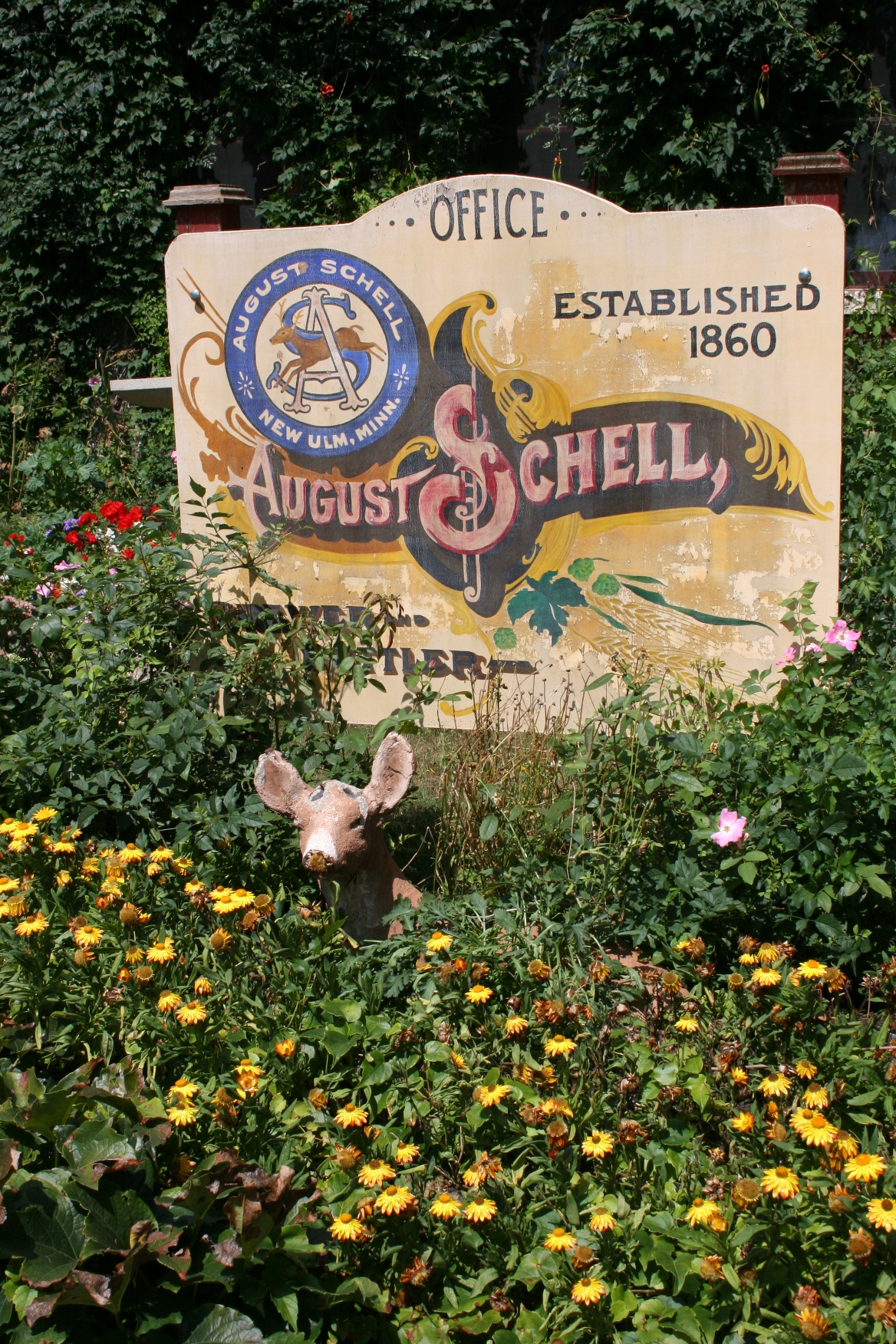
August Schell Brewing Company sign and deer by the corporate office.

I MUST ADMIT THAT prior to my recent tour of the August Schell Brewing Company, I had never really thought about the deer image that brands this New Ulm beer.

But, as our tour guide explained, company founder August Schell loved the white-tail buck.

Indeed he did. Everywhere I turned and walked and looked, I saw deer on the Schell’s company grounds. Only the real deer, which typically are visible to the public, were not around because of health issues, or something like that.

All of these deer got me thinking. Maybe the brewery could add a deer “hunt” to its tours as an activity for children and teens. I bet most kids don’t find the tour all that interesting because it’s geared primarily for adults. A deer scavenger-type hunt would provide an entertaining diversion for the younger generation, or for all ages. I saw grandparents with their grandchildren and I’m certain the elders would welcome a cross-generational activity like this.

So here’s my idea: Create a printed sheet of historical facts that lead to various deer on the grounds. For example, one clue might be “Welcome to the Black Forest, a re-creation of August Schell’s homeland.”

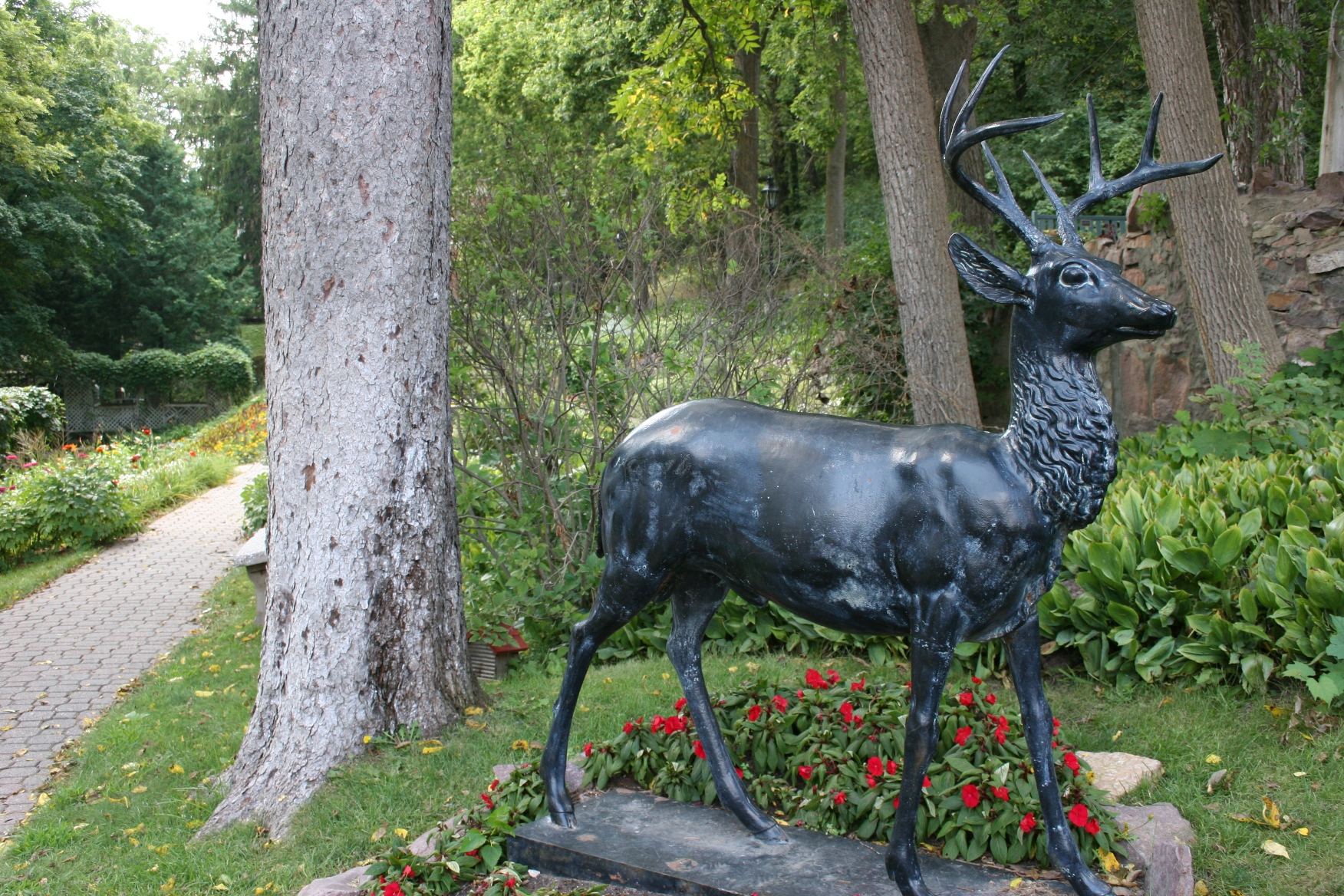
A stately buck statue stands on the edge of the wooded area which resembles August Schell's native Black Forest.

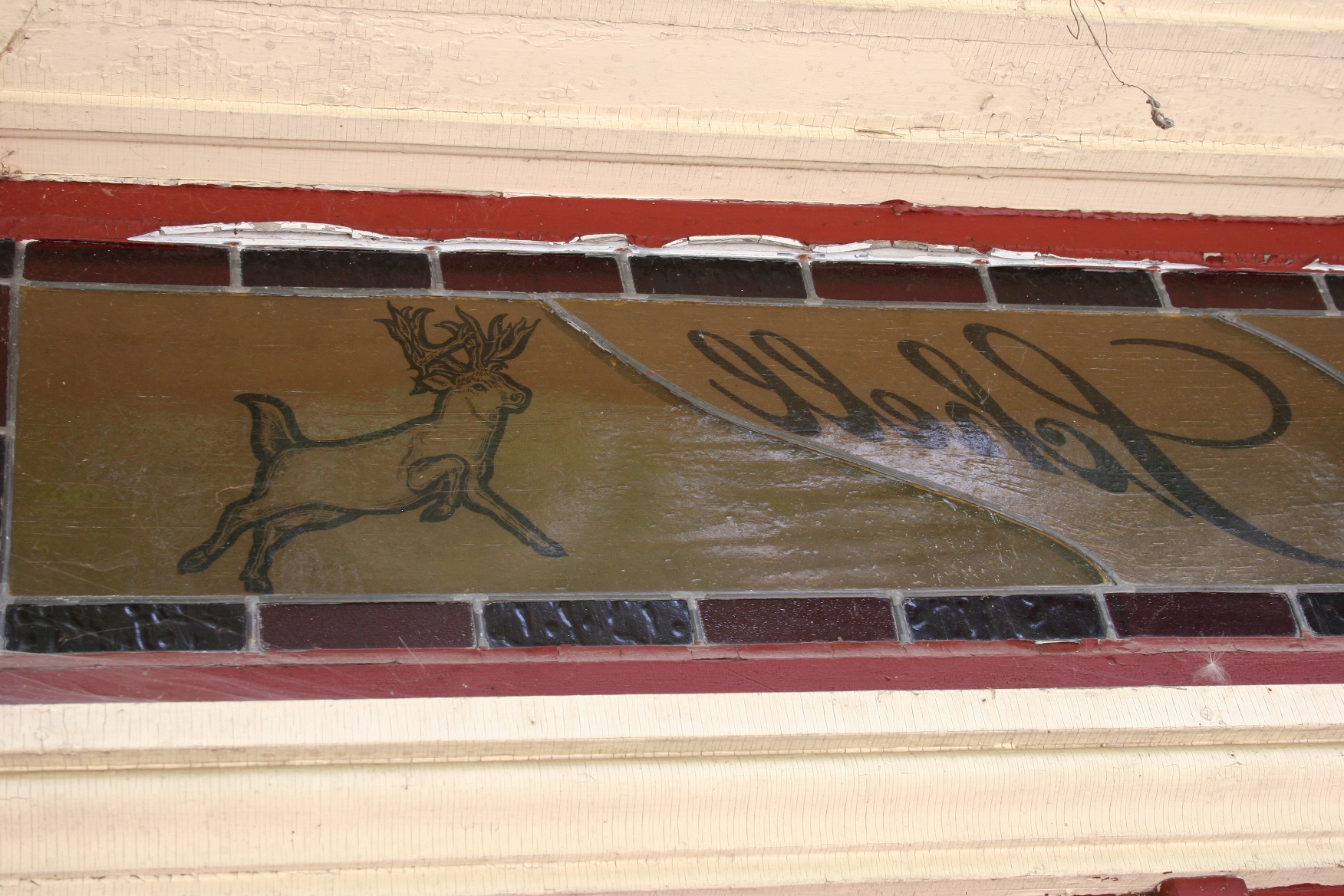
Or: Only the Schell’s company president can live here.

A deer image above an exterior door on the Schell's retirement mansion, where only the president may live.

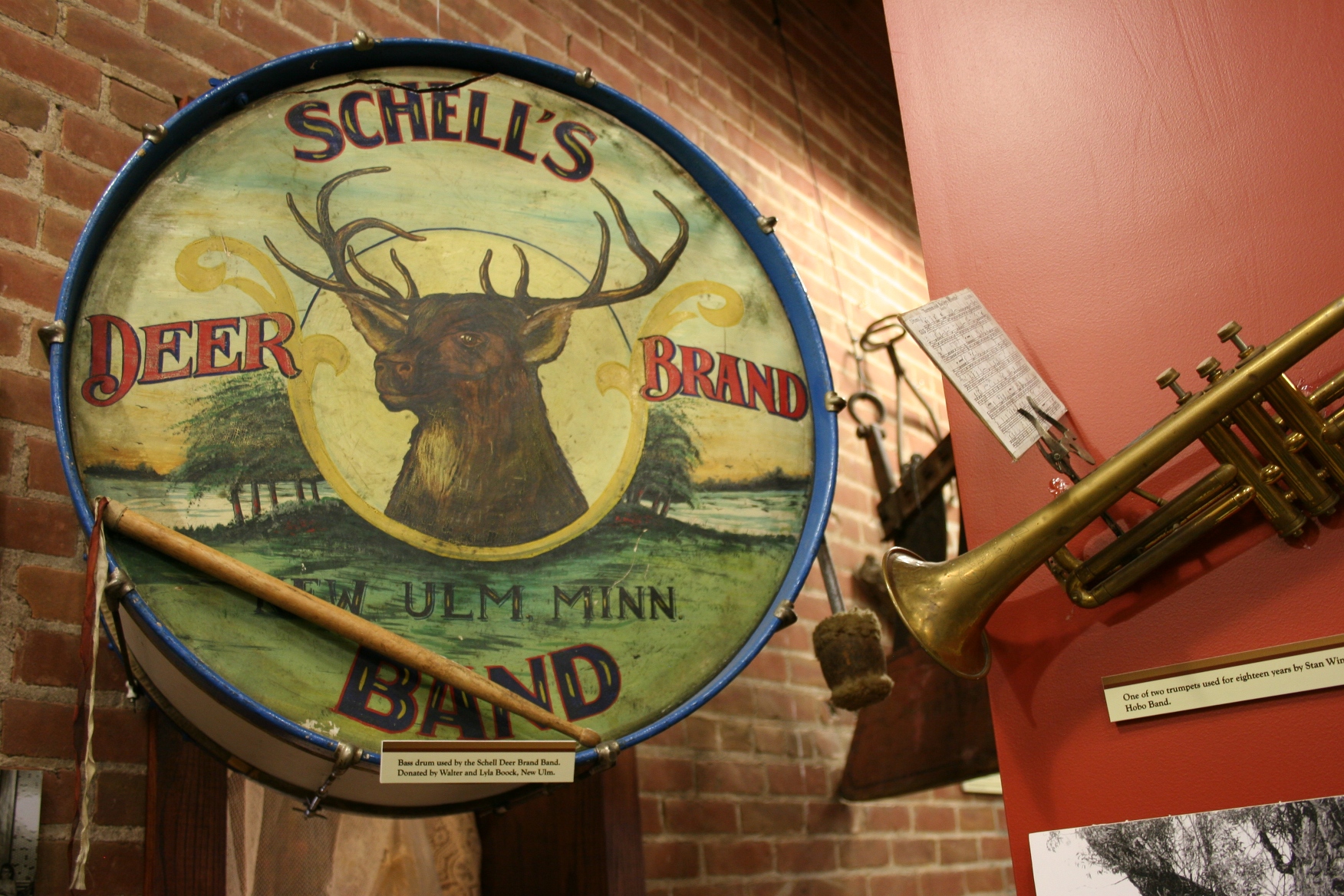
Or: Land a bass when you find this deer.

A Schell's Hobo Band bass drum in the brewery museum.

Game participants would search for the deer, all the while learning about Schell’s and its history. And the brewery would be imprinting the deer brand upon the unsuspecting guests.

Of course, to reward the deer hunters, Schell’s could offer some little deer-stamped trinket to be claimed in the gift shop after the hunt.  (That would increase gift shop traffic, which could also increase sales.) The kids would be happy. The parents and grandparents would be happy.

What do you think? Should Schell’s give my idea a shot?

A deer-branded 150th anniversary beer mug in the gift shop.

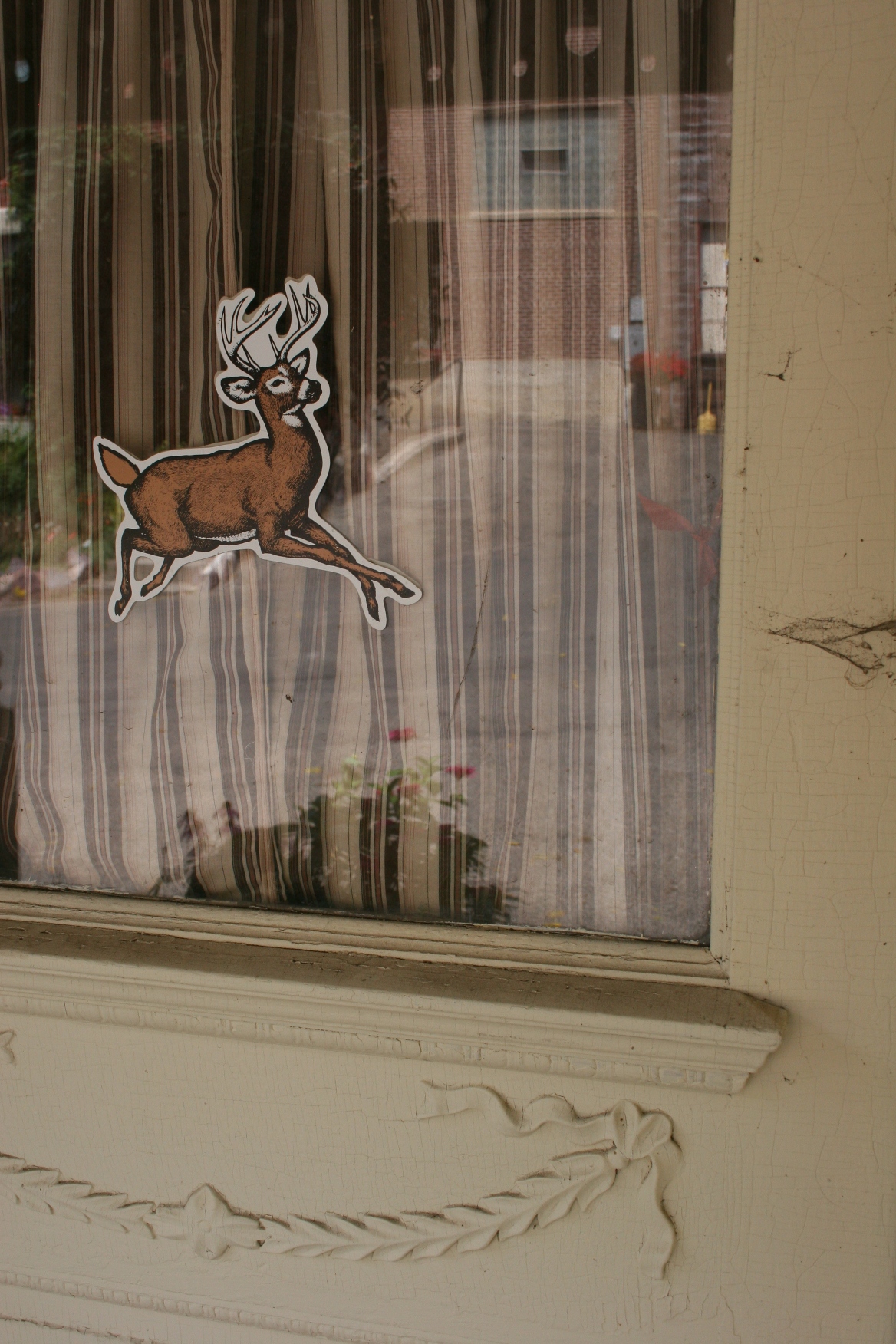
A Schell's deer emblem on the door of the house that once was home to brewery workers during the company's early years.

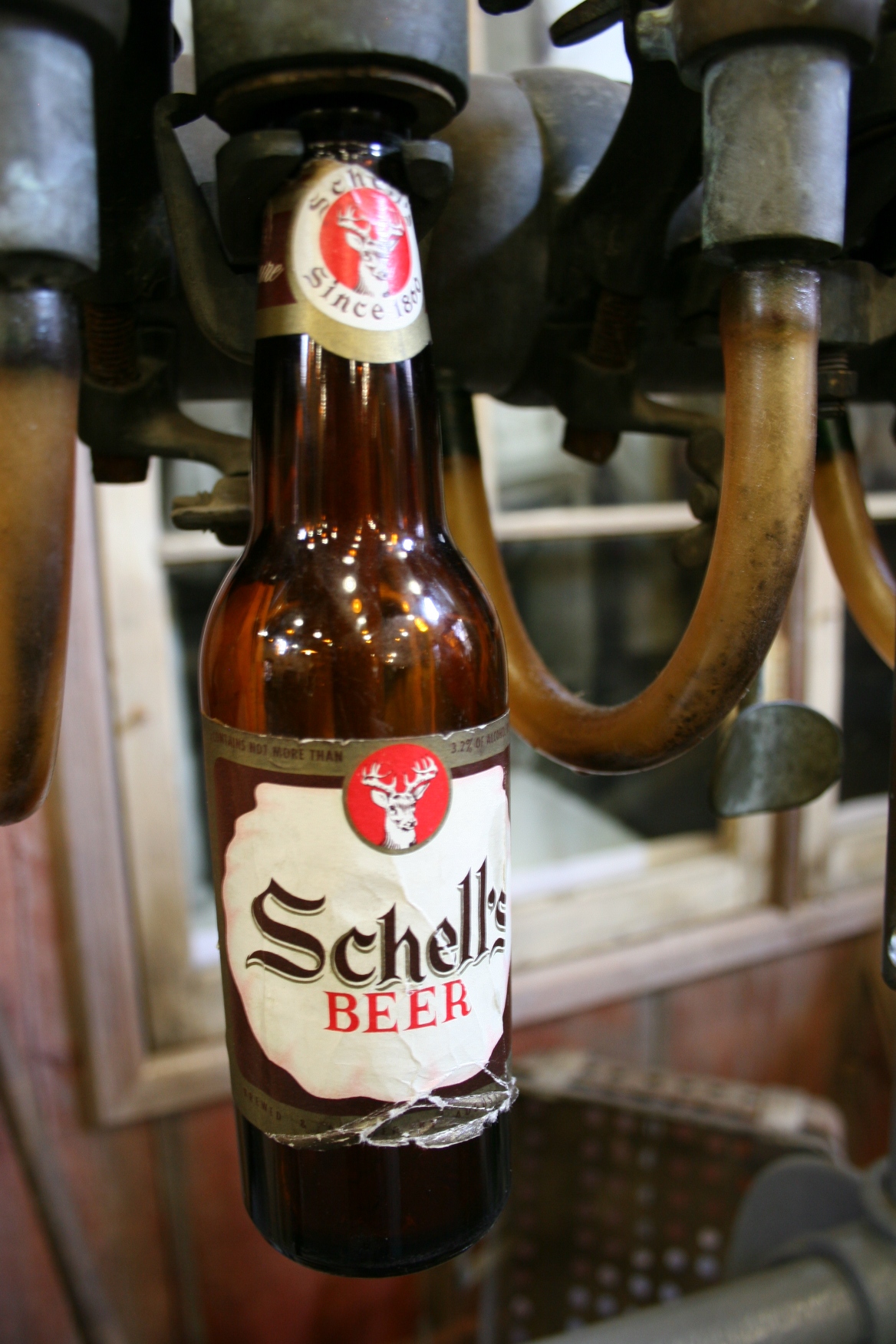
Bottling Schell's deer beer, a museum display.

A successful hunt: Deer antlers form a light in the commons area that links the gift shop and museum on the main floor.

FYI: MANY DEER, a whole herd actually, also can be found in the Schell’s hospitality room. But because that room, where beer is served, remains closed except during the tour or for special occasions, none of those deer are included in my proposed hunt. But if they were, here’s one of the more interesting bucks:

A carved deer light in Schell's hospitality room.

AS A SIDE NOTE, in the book Land of Amber Waters: The History of Brewing in Minnesota by Doug Hoverson, you’ll find a photo of the original Schell’s family home, today the company office. Look closely at that image on page 35 and you’ll see deer antlers stuck on the front of the brick house, between the front first and second floor windows.

© Copyright 2010 Audrey Kletscher Helbling


The football-playing gnomes of New Ulm August 31, 2010

Filed under: Uncategorized — Audrey Kletscher Helbling @ 7:12 AM
Tags: , , , , ,

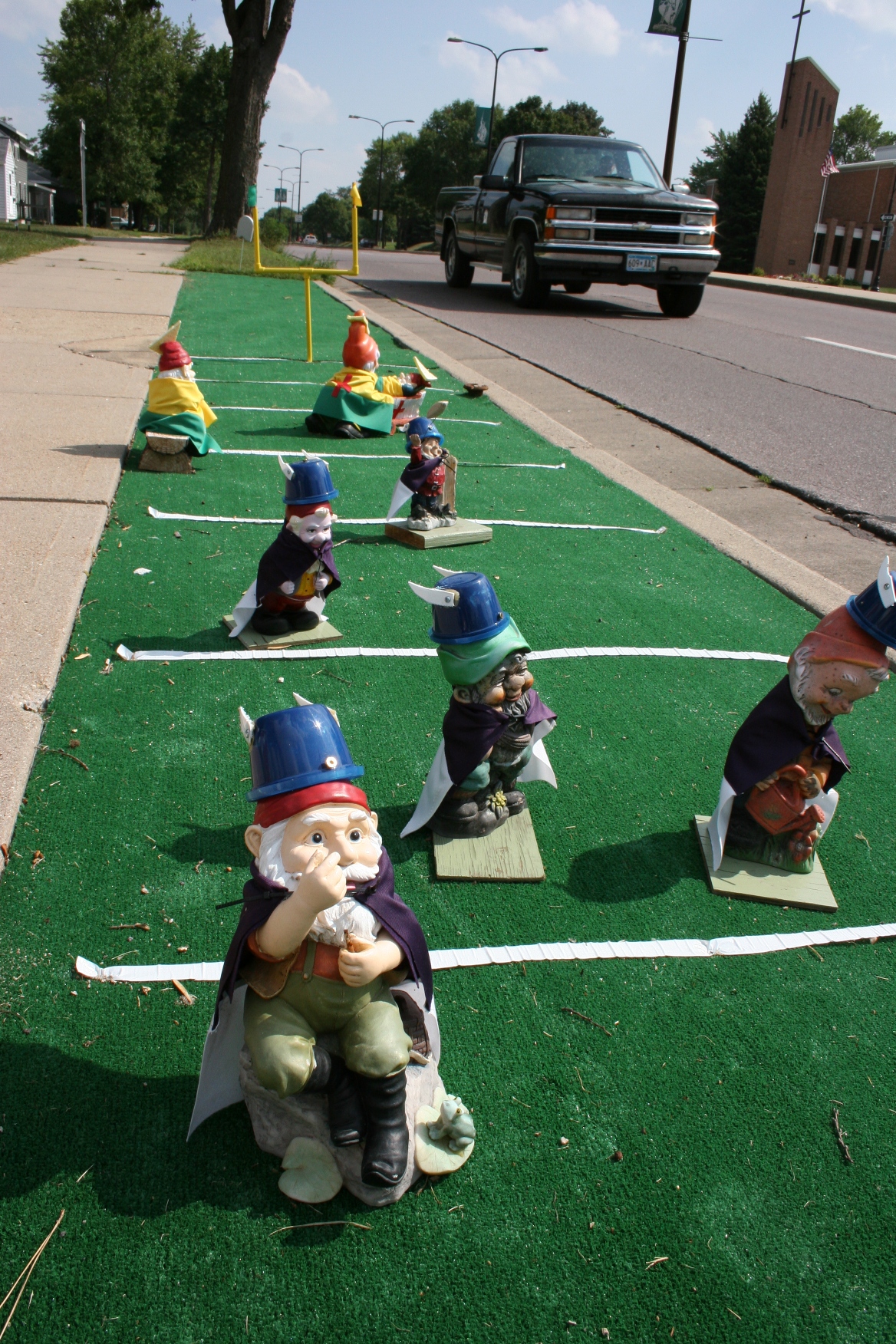
Gnomes line a section of boulevard along S. Broadway Street in New Ulm.

IF YOU’RE ZIPPING along Broadway Street in New Ulm, you might not notice the gnomes strategically lining a stretch of boulevard turf between South Sixth and Seventh Streets. Or if you do spot them, you might wonder, “What the heck was that?” And you’d likely keep right on driving.

But not me. I stopped to check out the gnomes on a recent visit to this German city that seems overrun with these curious little legendary elfins that supposedly live in the depths of the earth and hoard treasures.

The Broadway gnomes aren’t your ordinary gnomes, although at least half of them appear to be treasure-hoarders. More on that later.

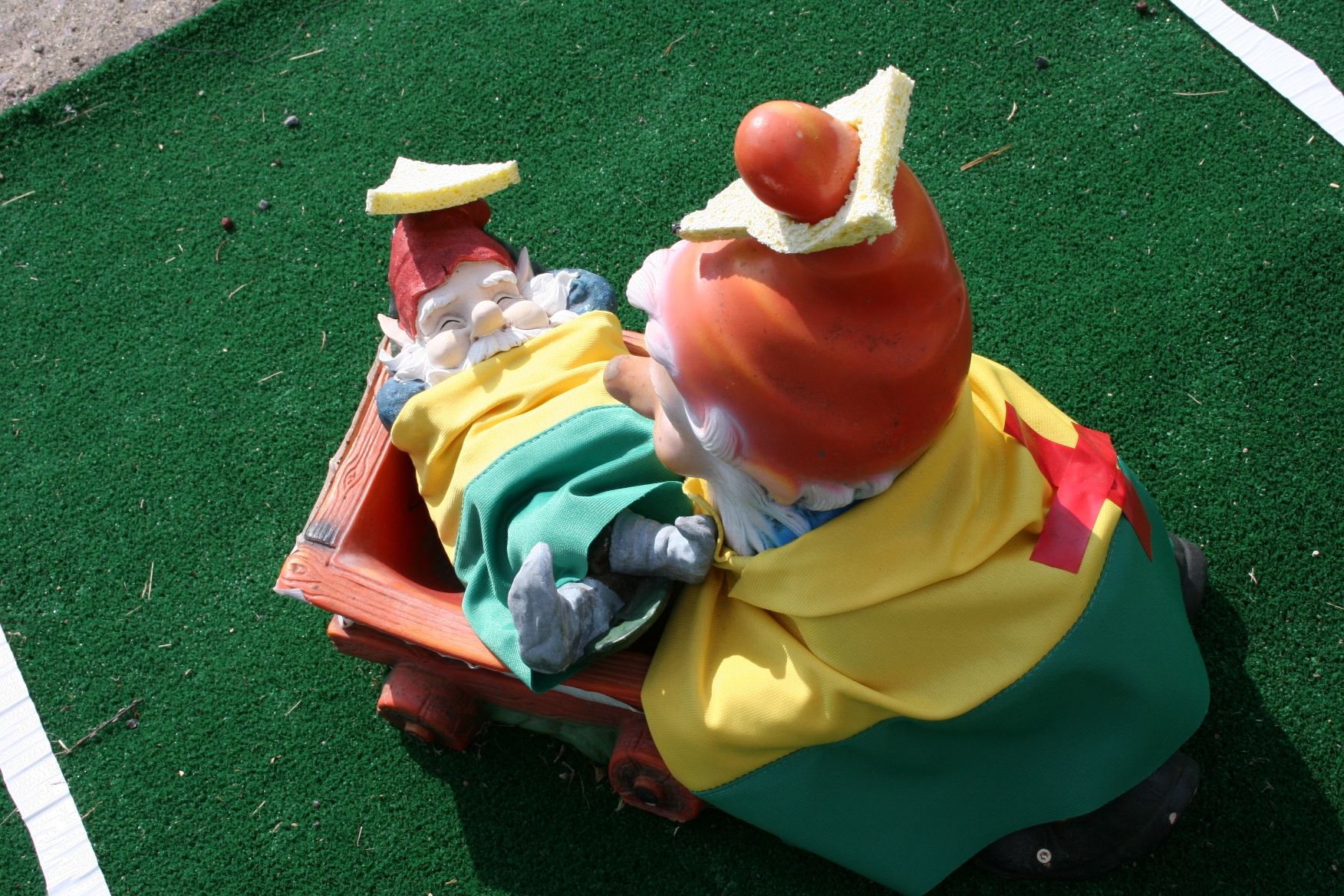
Rather, these elfins comprise two football teams—the Minnesota Vikings and their archrival, The Green Bay Packers.

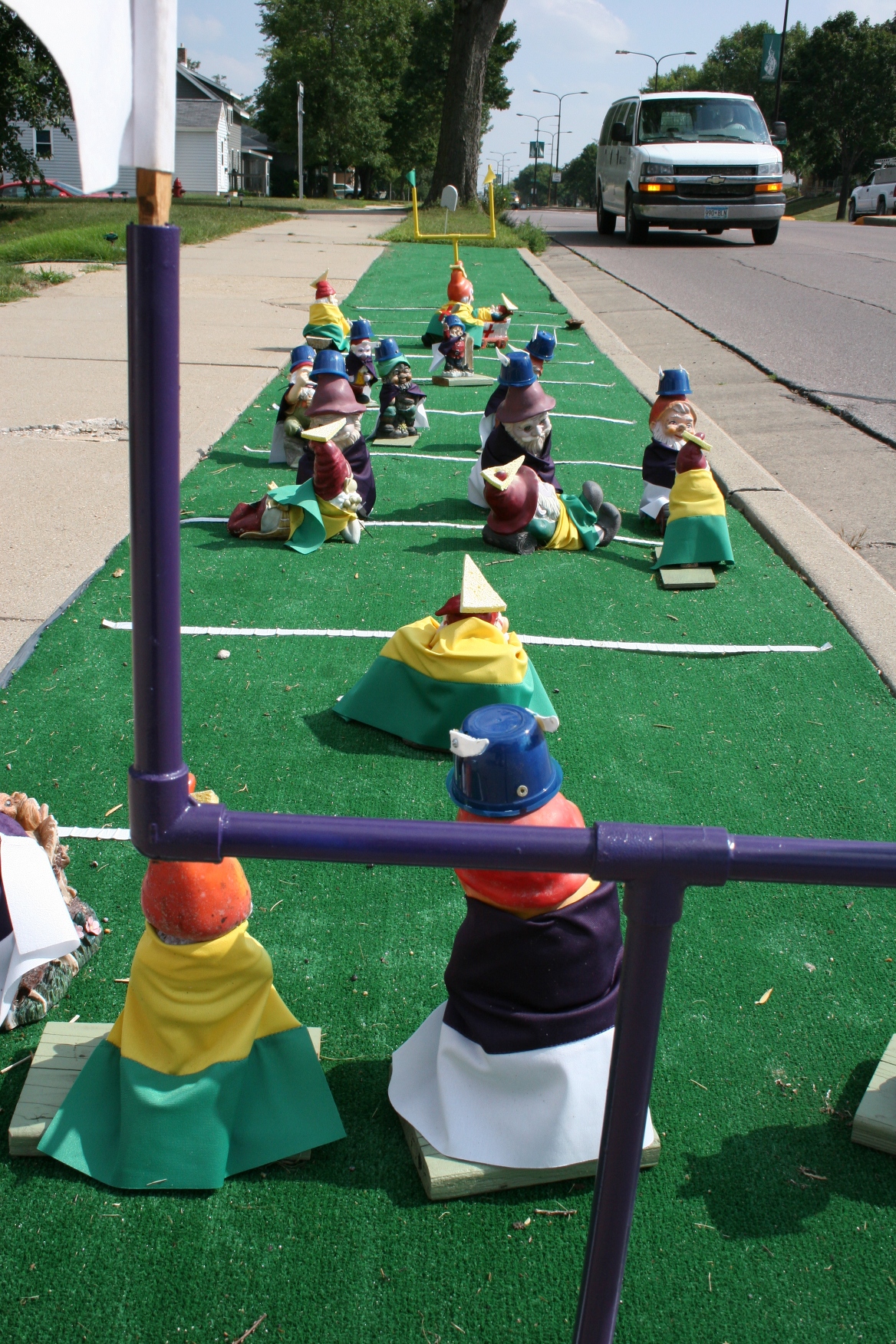
The Minnesota Vikings and The Green Bay Packers play football on a stretch of artificial turf along Broadway.

The creator of this curious football game has distinguished the teams by draping gnomes in purple capes and in green and gold capes. The Vikings sport homemade “helmets” that are more blue hats with tacked on horns than purple helmets. And The Packers appear to be wearing sponges, AKA protective cheese slices, atop their helmet-less heads.

But, hey, I give this sports artist an “A” for creating an original and durable work of roadside art.

This isn’t exactly the safest place to play football, though, I quickly learn as I crouched to take photos just feet away from the heavy traffic. One topple or misstep and I’d find myself sidelined with an injury, or worse.

I see a few tackled, injured, or maybe just wind-blown, Packers lying on the turf. A medic is even carting one off the field. I wonder if, occasionally, a Wisconsinite walks by and covertly knocks over a Vikings gnome. Come to think of it, I didn’t check to see if the football players are secured in place.

An injured Green Bay Packers gnome is carted off the field.

But of one fact I’m certain, these green-and-yellow outfitted football-playing gnomes remain true to their hoarding nature. They’re guarding their treasure, keeping the Vince Lombardi trophy away from the Scandinavian gnomes in this German city.

#

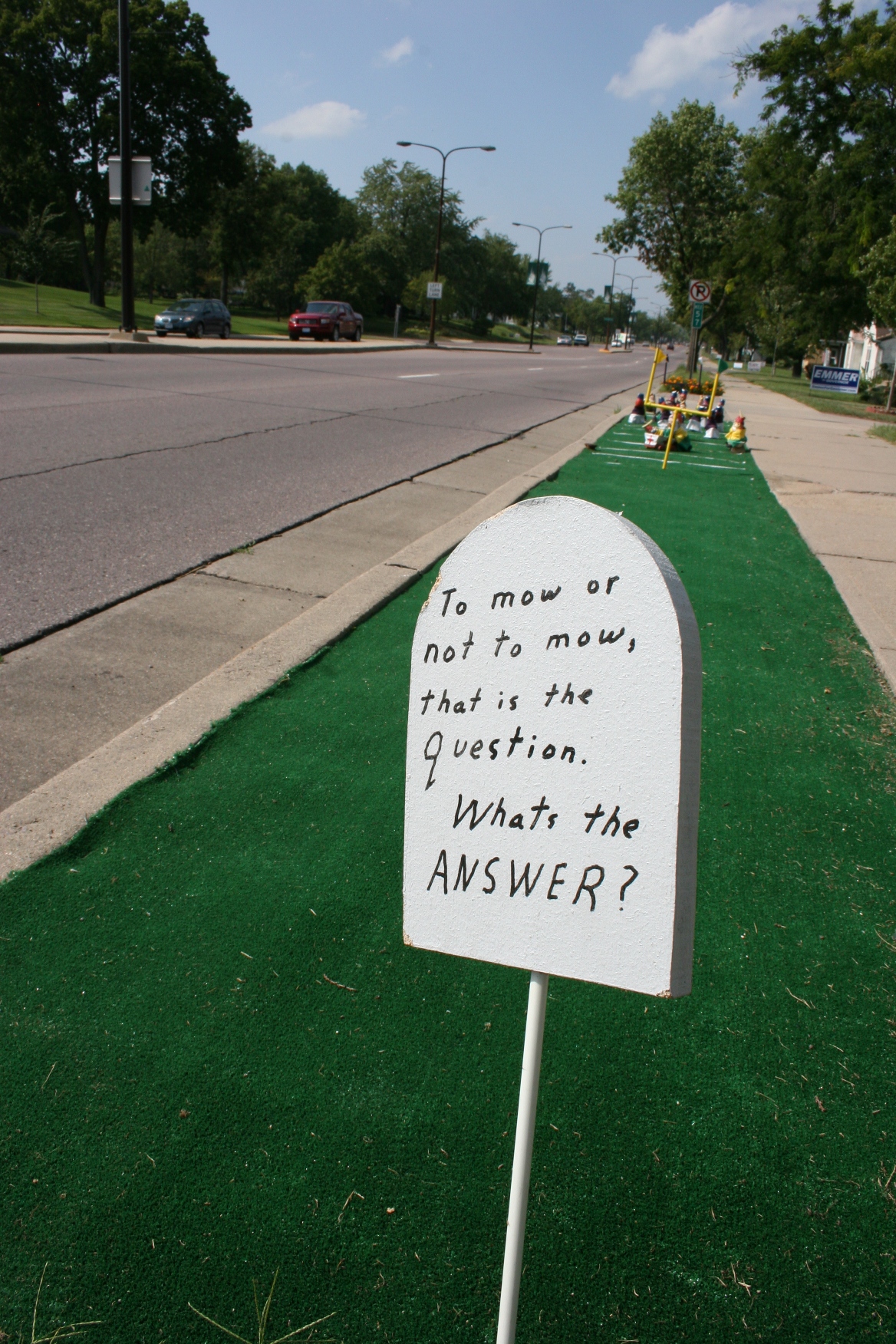
AT THE END of the football field, I discovered this sign: “To mow or not to mow, that is the question. Whats the answer?”

A homeowner makes a statement along a New Ulm boulevard.

Is the sign designer making a literal statement about mowing grass here? (I wouldn’t feel safe mowing this close-to-the-busy-busy-roadway boulevard.)

Or is the writer making a statement about the need for a new open-air football stadium with real grass versus artificial turf?

#

THEN, COINCIDENTALLY (or not), just around the corner from the Broadway football field, I spied this (team?) bus.

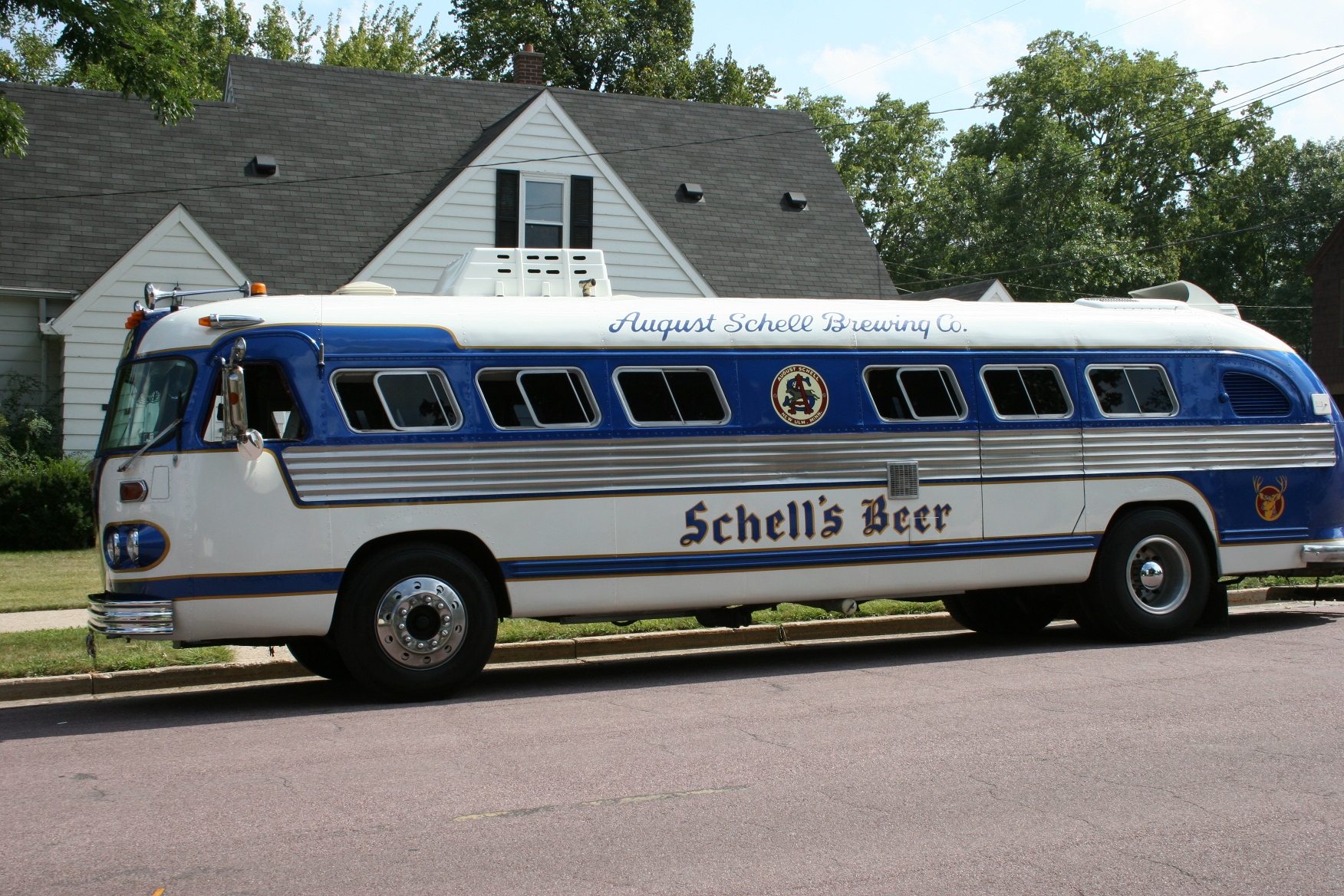
The Schell's beer bus was parked near Broadway Stadium.

© Copyright 2010 Audrey Kletscher Helbling


Learn a little history, drink a little beer on the August Schell Brewing Company tour August 28, 2010

Filed under: Uncategorized — Audrey Kletscher Helbling @ 8:45 PM
Tags: , , , , , ,

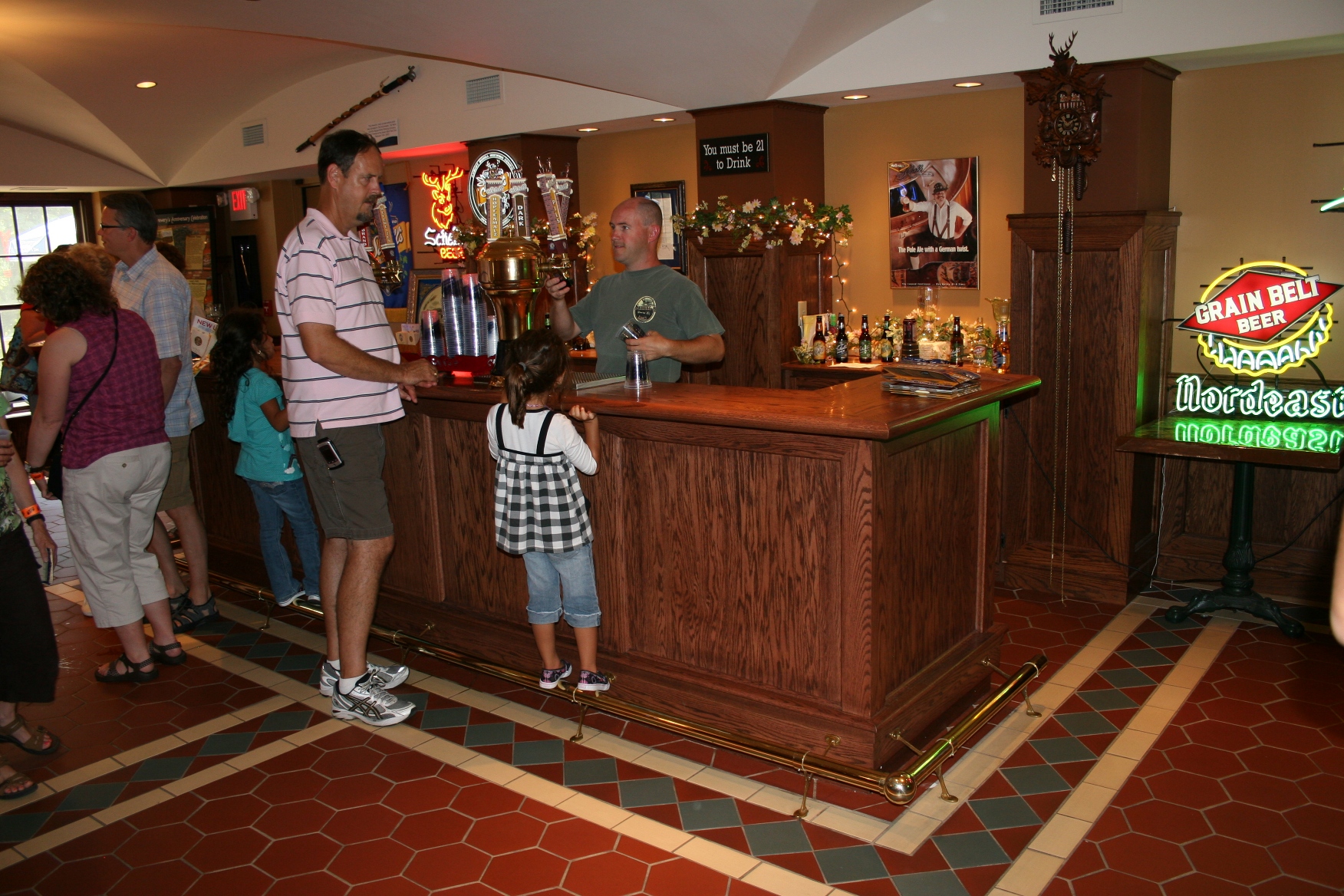
Visitors line up for free tap beer or 1919 root beer following a Schell's brewery tour.

“OK, LET’S DRINK some beer,” our tour guide Matt says, pulling six-packs from a walk-in cooler and distributing bottles among tables in the hospitality/tap room of August Schell Brewing Company.

But before we pour and swig, our bartender instructs us to fill our plastic cups only to the black line, meaning we’ll get about 1 ½ ounces of beer per sample.

On this steamy summer day, the beer goes down fast among the adults who’ve just toured this second oldest family brewery in the United States.

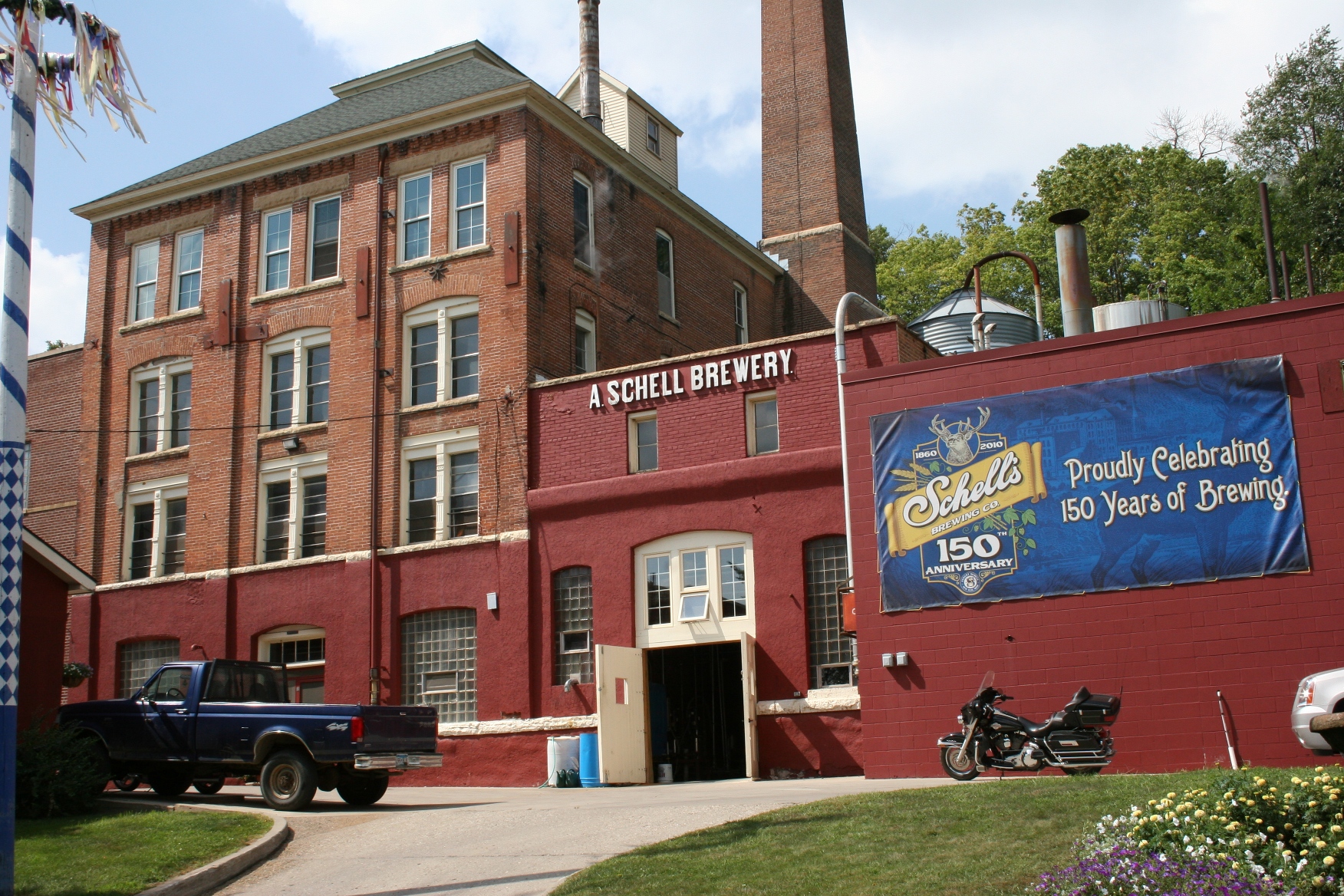
The Schell's brewery is celebrating 150 years in business.

Schell’s has been a New Ulm mainstay since 1860, this year celebrating 150 years in the beer business. That fact surfaces repeatedly during the tour and during the beer tasting session when we are served Hopfenmalz, an amber lager style beer selected by popular vote as the company’s 150th anniversary beer. Matt also passes out other Schell’s beers like Hefeweizen, Pils and Dark, which “isn’t heavy in any way,” but earns the name because of its dark color, he says.

Given the “dark” label, I wouldn’t have tried this beer. Our guide is right, though. Schell’s Dark doesn’t taste dark and this is a beer even I’ll drink.

A sip of Hefeweizen, however, causes me to screw up my face and wish I could toss the sample. Instead, I grab another cup, abandoning the beer “with a beautiful balance of cloves and banana flavors.” I prefer bananas in banana bread, not beer, thank you.

That aside, I’ve enjoyed this historic tour of the brewery tucked in the woods along the banks of the Cottonwood River. The site was carefully selected by August Schell, the flour mill machinist turned brew master, for its natural beauty, artesian springs and riverside location.

Schell was recreating his home in Durbach, Germany, our guide says. I don’t ask, but from what I know of this area in the 1860s, few trees grew here, not exactly like the Schwarzwald back in Deutschland. Perhaps that explains why Matt later tells us that Schell brought pines here from the Black Forest.

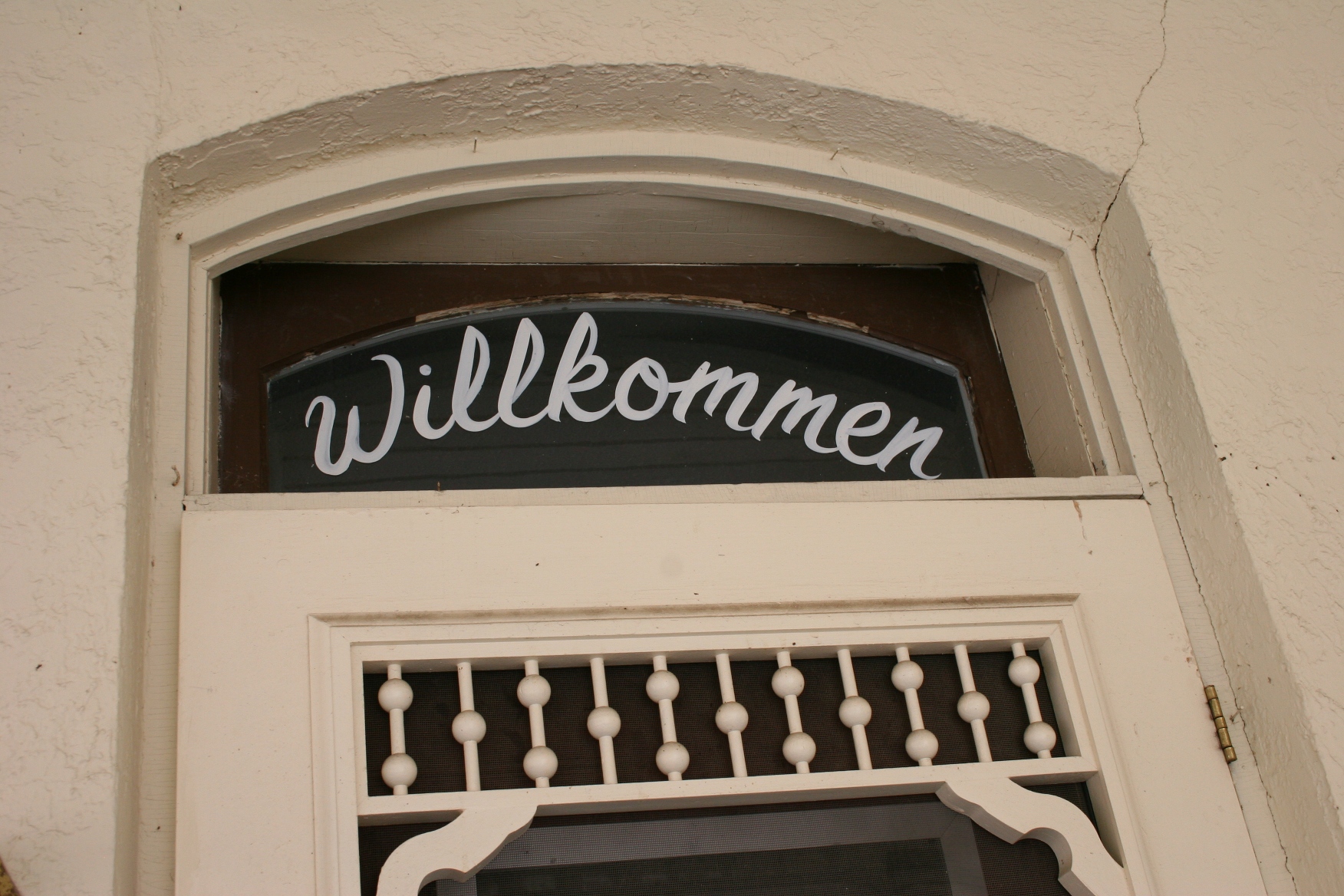
German words can be found in numerous locations at the brewery, including this welcome sign above the doorway to the house once occupied by the Alfred Marti family. Just don't ask your guide to interpret the German.

He also informs us that caves were hand-dug under the brewery, into the hill and under our feet. We are standing on a paved area between two old brick homes and the original family home, now the current-day corporate office. Beer and ice, harvested from the Cottonwood River, were stored in the caves.

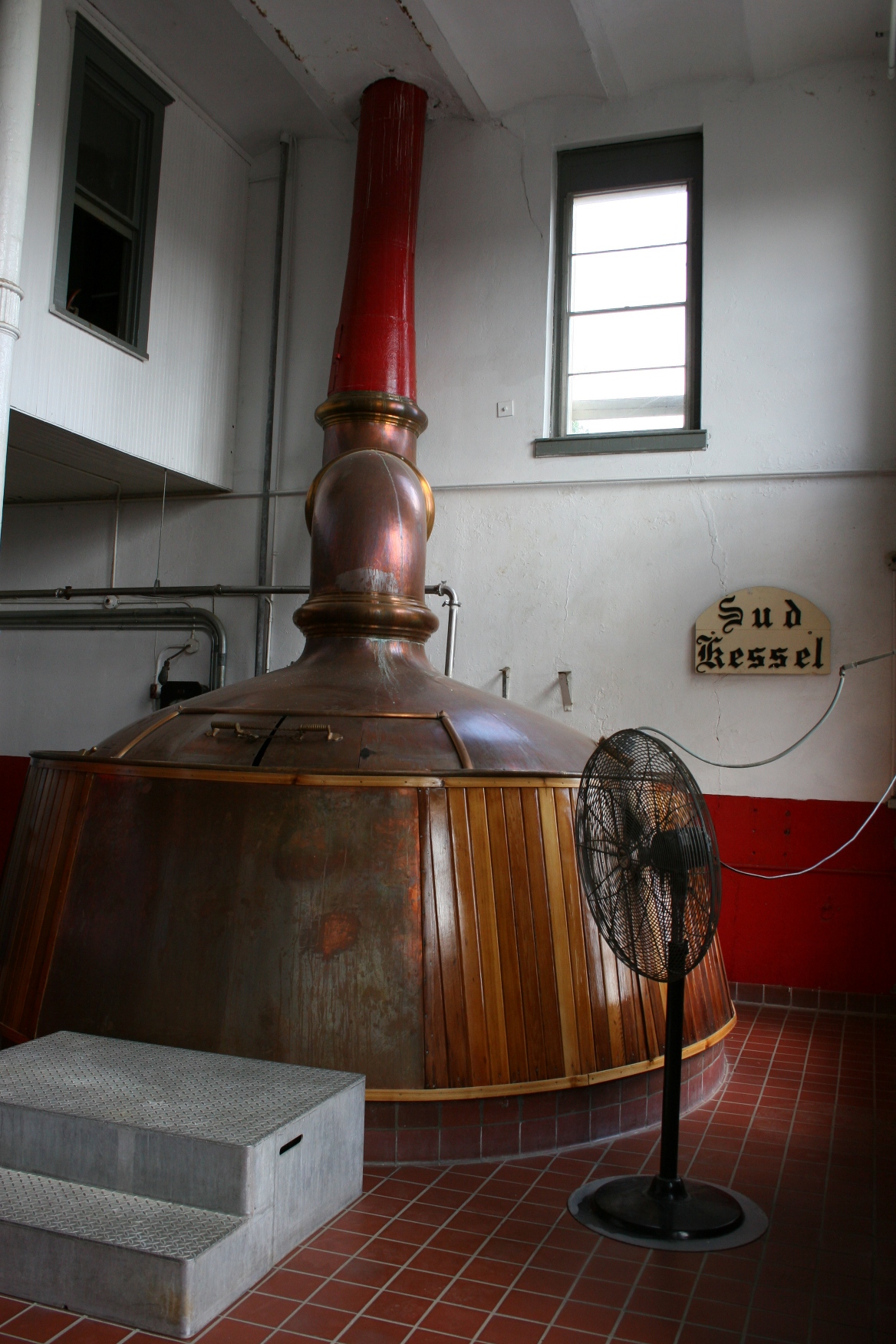
Disappointingly (but understandably), we don’t see any of today’s modern beer-making operation, only Schell’s traditional 1860s brew house, used until 1999. Here we view a hand-hammered copper vessel, Sud Kessel, purchased for $25,000 in 1895. It holds 3,500 gallons of beer, which translates to 38,000 12-ounce bottles or cans. Now that’s a lot of beer.

This is the only peek you'll get of the beer-making process: Schell's vintage Sud Kessel, used from 1895 - 1999.

But you can’t buy any beer at the brewery, our guide says, because it’s against the law to sell it on-grounds. The samples and a 12-ounce glass of beer or Schell’s 1919 root beer come with the $3 tour fee.

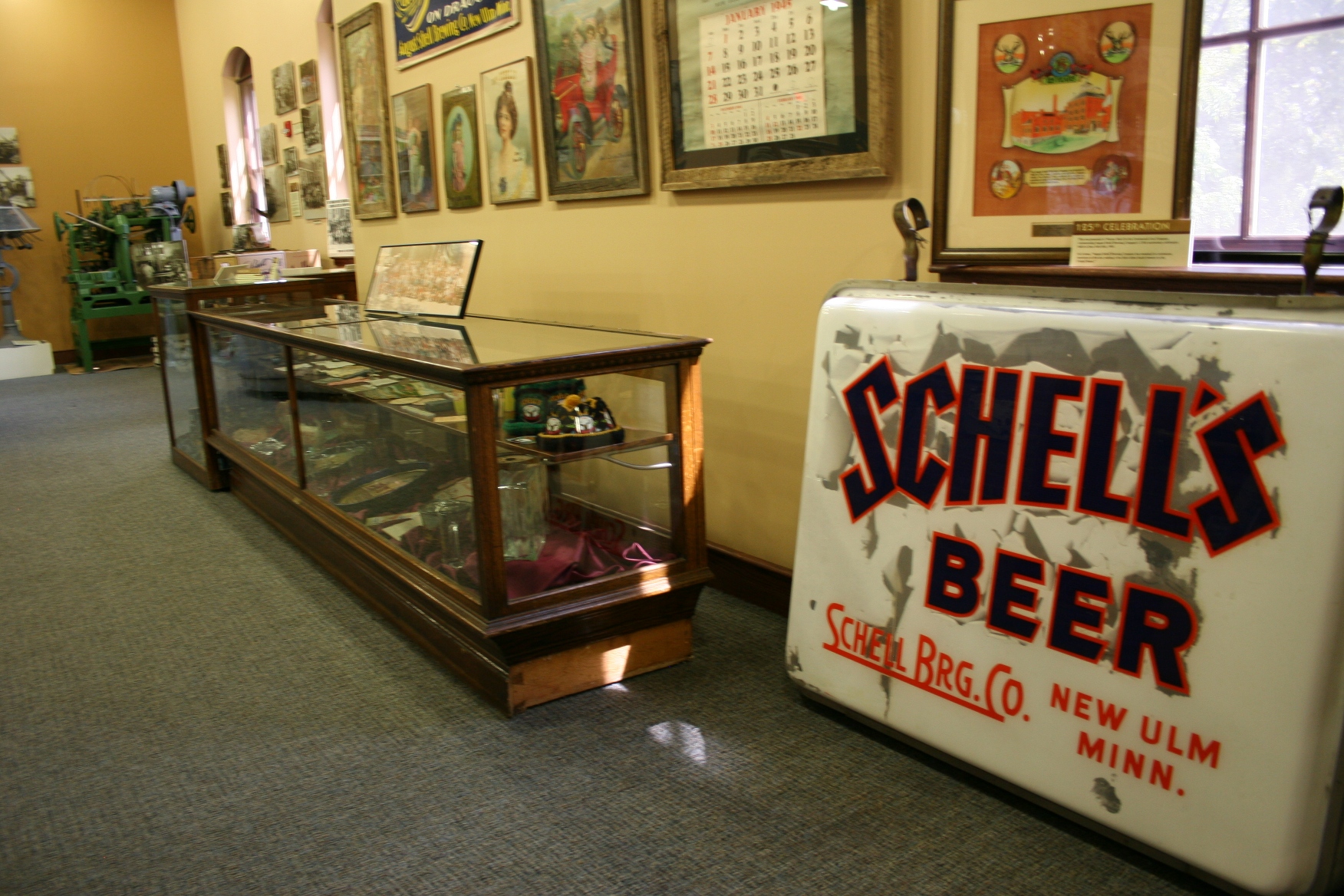
Plenty of history also comes with the guided tour and a visit to the company museum.

The Schell's museum is jam-packed with plenty of information, memorabilia and, yes, even beer bottles.

Among the more interesting facts I learned are these:

  • After the death of her husband, Emma Marti ran the brewery for six years until 1940. As our guide emphasizes, for a woman to run a brewery in that time period certainly ranked as unique. Perhaps Schell’s ought to name a beer in Emma’s honor. Or have they?
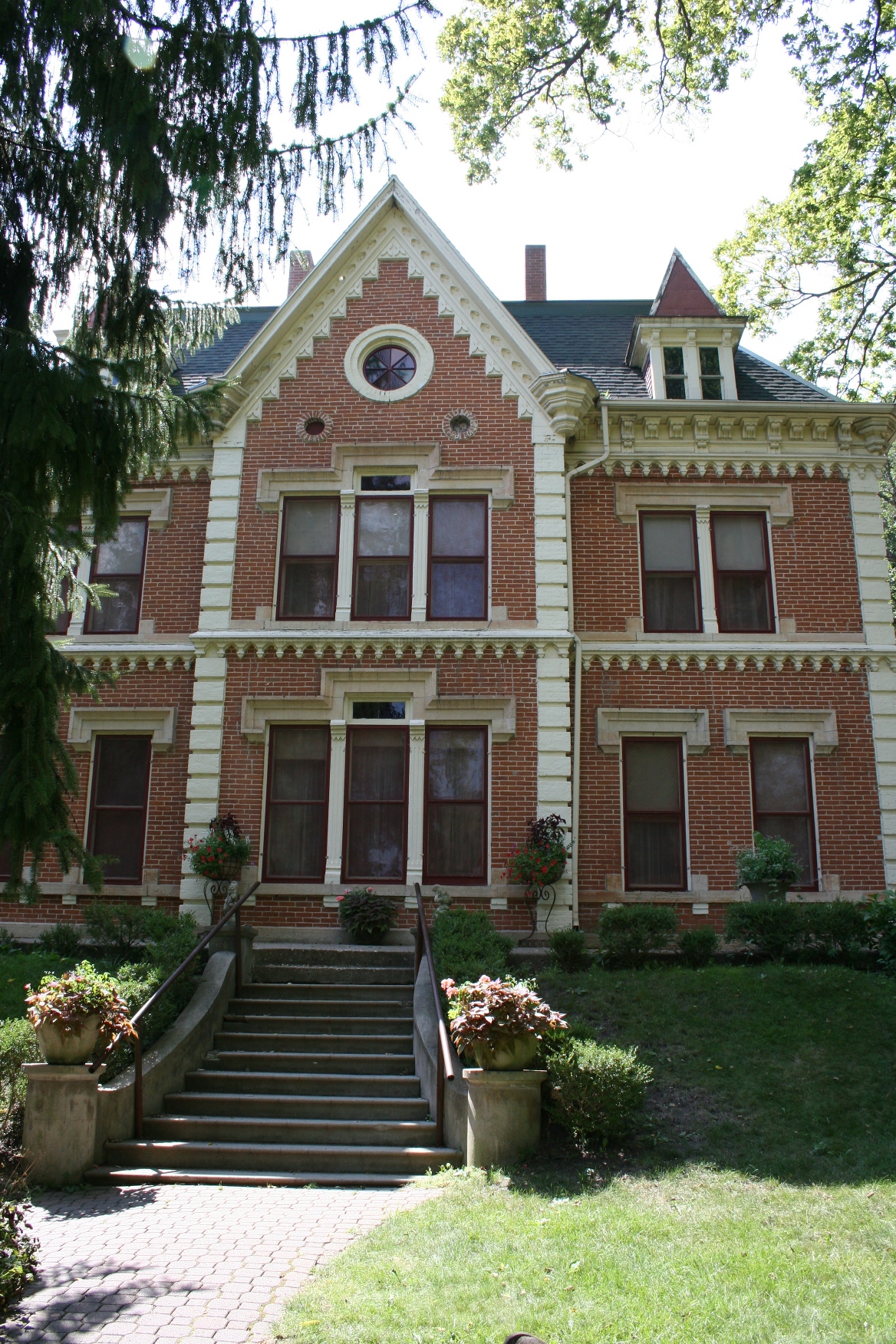
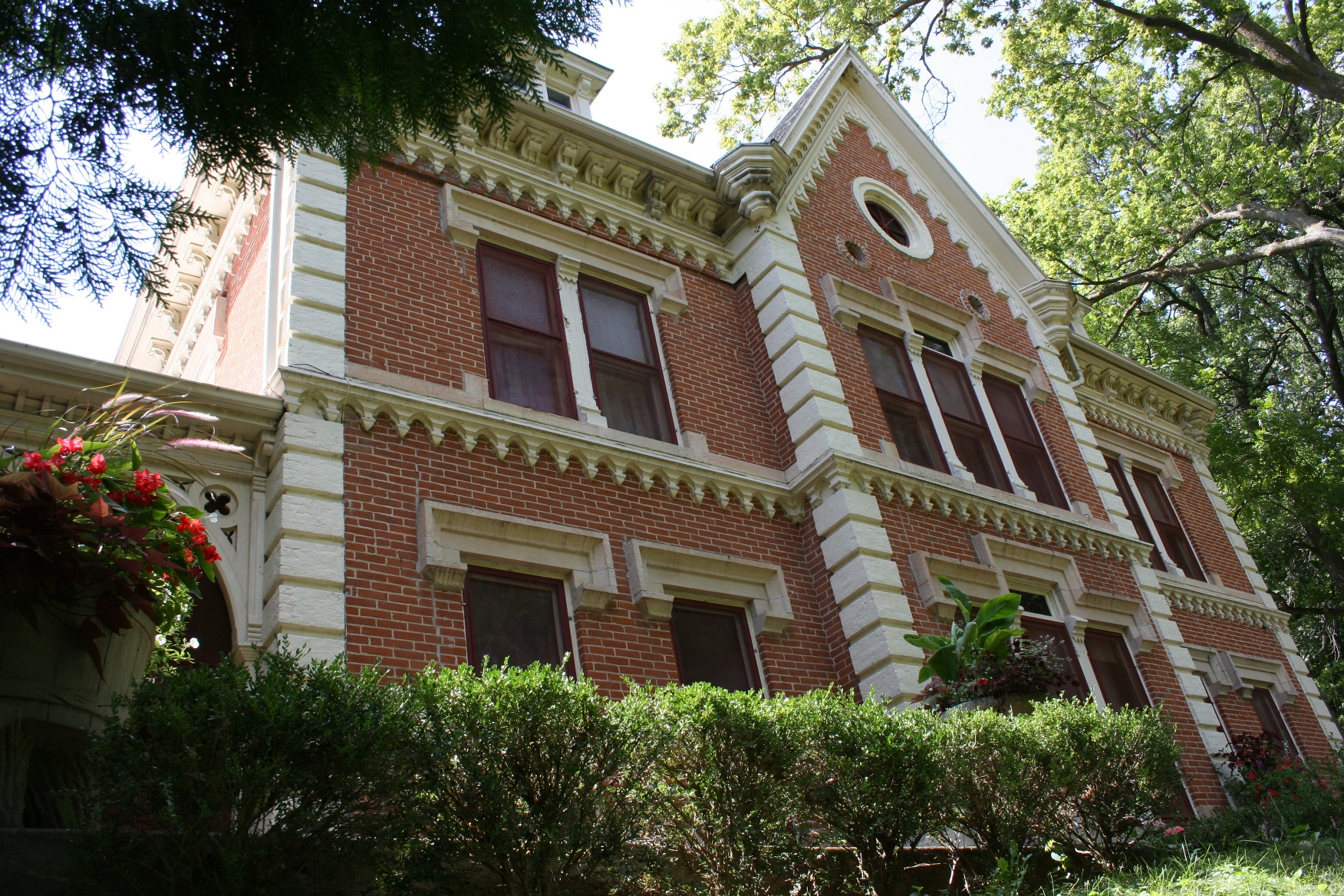
  • Company bylaws allow only the Schell’s president to live in August Schell’s on-site retirement mansion. Because he wants his privacy, current president Ted Marti lives elsewhere, Matt says. The home was last occupied in the 1990s. (Umm, I wouldn’t mind living in a mansion.)

August Schell's retirement mansion, currently unoccupied.

A close-up shot of the mansion, re-emphasizing the point that I could be happy living here.

  • Schell’s changes its “Snowstorm” beer recipe annually. The reason: “There are no two Minnesota snowstorms alike and therefore we are going to change our ‘Snowstorms’ every year,” Matt tells us, quoting president Marti. Ah, Mr. Marti, you clearly know your Minnesota winters as well as you know your beers.

Another view of the brewery. And, no, I don't know anything about the decorative post and failed to ask our tour guide. I had already asked more questions than anyone on the tour, so...

SCHELL’S WILL HOST a two-day 150th birthday celebration, Schellabration, on September 17 and 18. During that event, you can see areas of the brewery not typically seen on the regular tours.

WHAT’S WITH ALL the white-tailed deer at the brewery? Revisit Minnesota Prairie Roots for the answer and for photos and an idea I have related to those deer.

© Copyright 2010 Audrey Kletscher Helbling