Minnesota Prairie Roots

Writing and photography by Audrey Kletscher Helbling

From Minnesota & Harlem, photographing everyday life February 20, 2025

I recently finished this book about slavery, freedom and abolition. A must-read. (Book cover sourced online)

DURING THIS, BLACK HISTORY MONTH, I’ve intentionally read books about slavery, Black people and the Black experience. It’s important to me that I widen my knowledge and understanding. Many of the stories are heartbreaking, almost unbelievable in the mental and physical cruelty inflicted upon Blacks. This is hard stuff to read. But it is in the hard stuff that we begin to fully comprehend the importance of empathy, kindness, compassion and the need to stand strong against that which is hateful, hurtful and oppressive.
(Book cover sourced online)

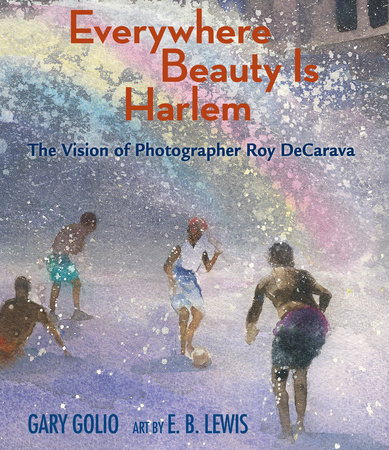
This week, though, I read a Black-focused book which inspired and uplifted me. It’s a children’s picture book, Everywhere Beauty Is Harlem: The Vision of Photographer Roy Decarava. The book, written by Gary Golio and illustrated by E.B. Lewis, won the 2025 Coretta Scott King Illustrator Honor Award.

This book resonates with me personally and professionally in telling the story of 1940s world famous photographer Roy DeCarava, unknown to me until I read this book. Trained in the arts and in photography, he would go on to photograph everyday life in his native Harlem via work for the Works Progress Administration Project, fellowships and more. He worked as a photographer for major publications, has/had his photos featured in exhibits and art museums, became an art professor… And he was Black.

But what I love most about this story is that DeCarava aimed to photograph everyday life, everyday scenes, everyday people in the streets of Harlem. He shows life in raw reality. He worked back in the days of film, admittedly much more challenging than shooting with a digital camera. I started with film, too. You often get only one chance to take a photo. No firing off shots. No digital manipulation. Just a single, unedited print.
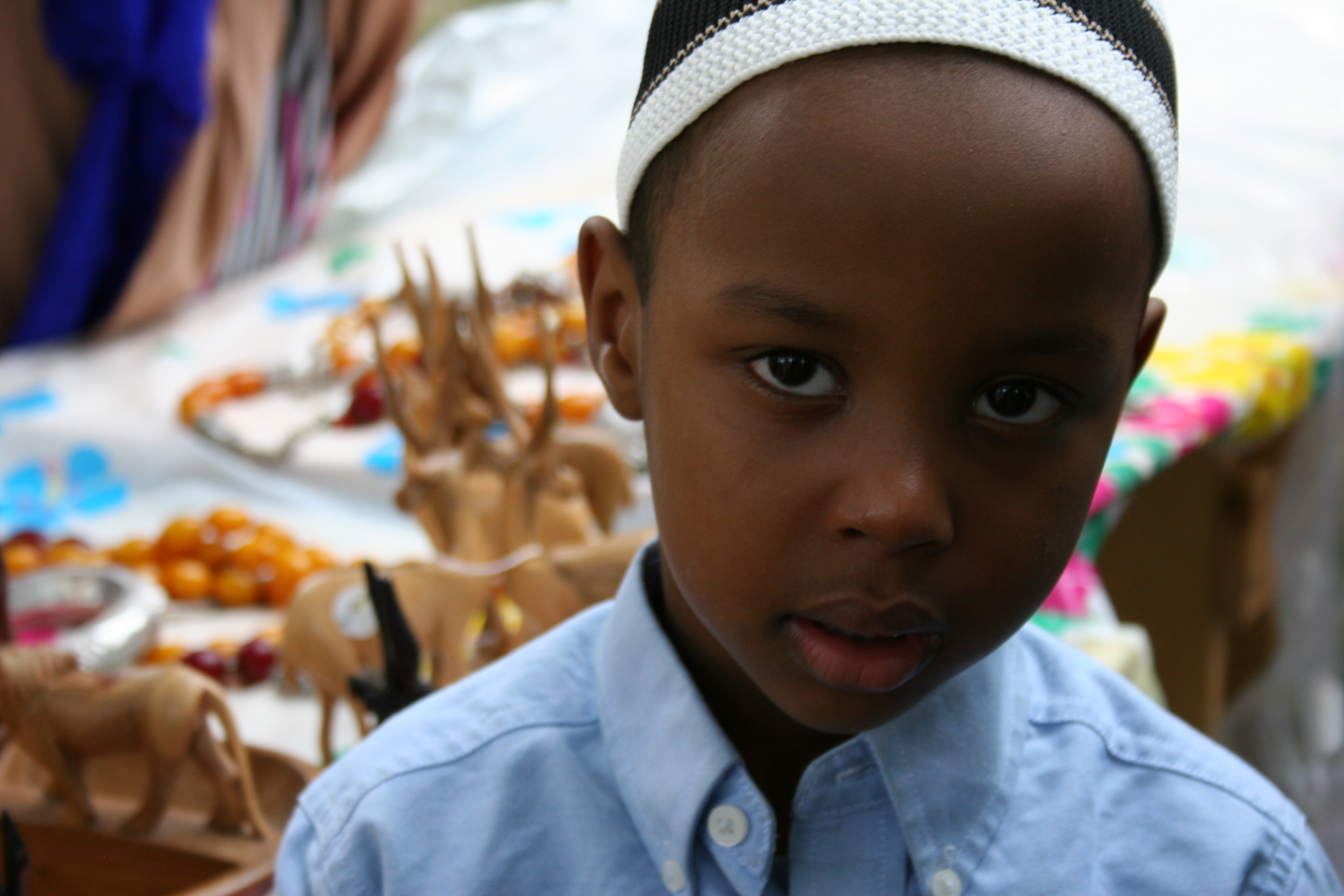
I took this portrait, one of my favorites, nearly 11 year ago at International Festival Faribault. (Minnesota Prairie Roots copyrighted file photo 2014)

I will never match the talent of DeCarava. But I do share his focus. I also aim to photograph the ordinary, the everyday, right where I live (or mostly in southern Minnesota). Like him, I notice details. The light. The moments. The expressions. The people, scenes, settings and events that define a place. The anything that might make for an interesting photo.

Unlike DeCarava, my roots are rural. I’ve only ever been to New York City once, while in college. I was awed by the skyscrapers, the street vendors, Chinatown and men hurrying along Wall Street in leisure suits. (This was in 1977.) But I have no desire to return to a place that feels too closed in, too busy, too chaotic.
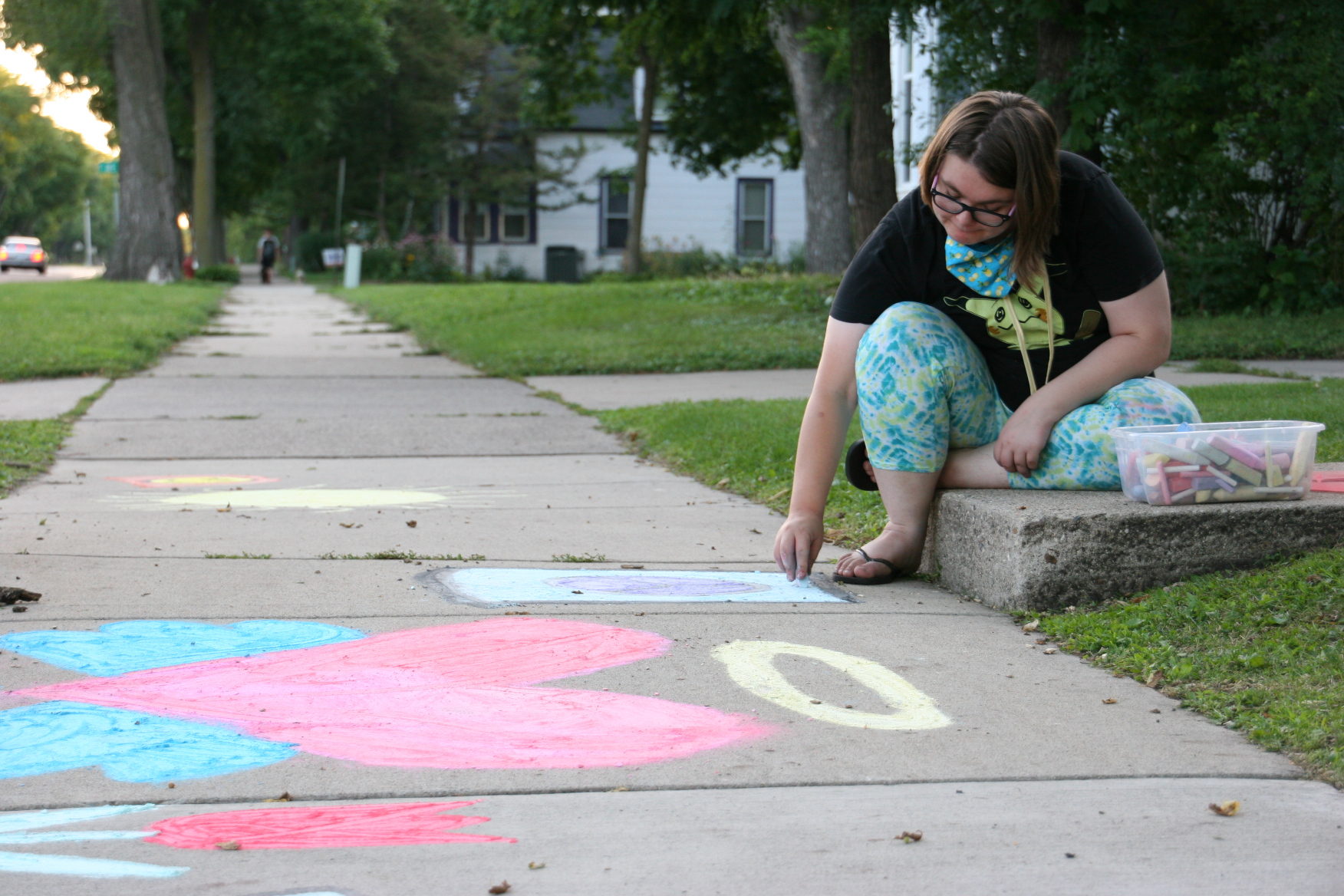
My photo of Jane chalking art on a Faribault sidewalk. (Minnesota Prairie Roots copyrighted file photo August 2020)

Yet, Harlem in Upper Manhattan was DeCarava’s home, where he found the subjects of his photos. Everywhere Beauty Is Harlem gives a snapshot of the images this photographer snapped. A man on the subway. A boy drawing on the sidewalk with chalk. Black and brown children dancing in water spraying from a fire hydrant.

Beyond the visuals, the story in this children’s picture book encompasses the essence of DeCarava’s photographic focus on the everyday and the ordinary. I really ought to buy a copy of this book for my personal library. If you want to understand my photographic work, then read this multi award-winning children’s picture book. But, more importantly, read this book to learn about a world famous Black photographer whose talent for visual storytelling is a gift to all of us. To see the world through his eyes presents life as it is. Real. Raw. Unedited.

#

FYI: I encourage you to also check out the photography of New York City photographer Keith Goldstein, whose work I follow on his blog, “For Earth Below.” His street photography has opened my eyes to humanity in a way that I never see here in southern Minnesota. His talent is remarkable. Goldstein, I think, works much like Roy DeCarava did, with his camera focused on the everyday, the ordinary. And therein both have found the extraordinary.

© Copyright 2025 Audrey Kletscher Helbling


In Owatonna: The abstracts of art in architecture September 23, 2022

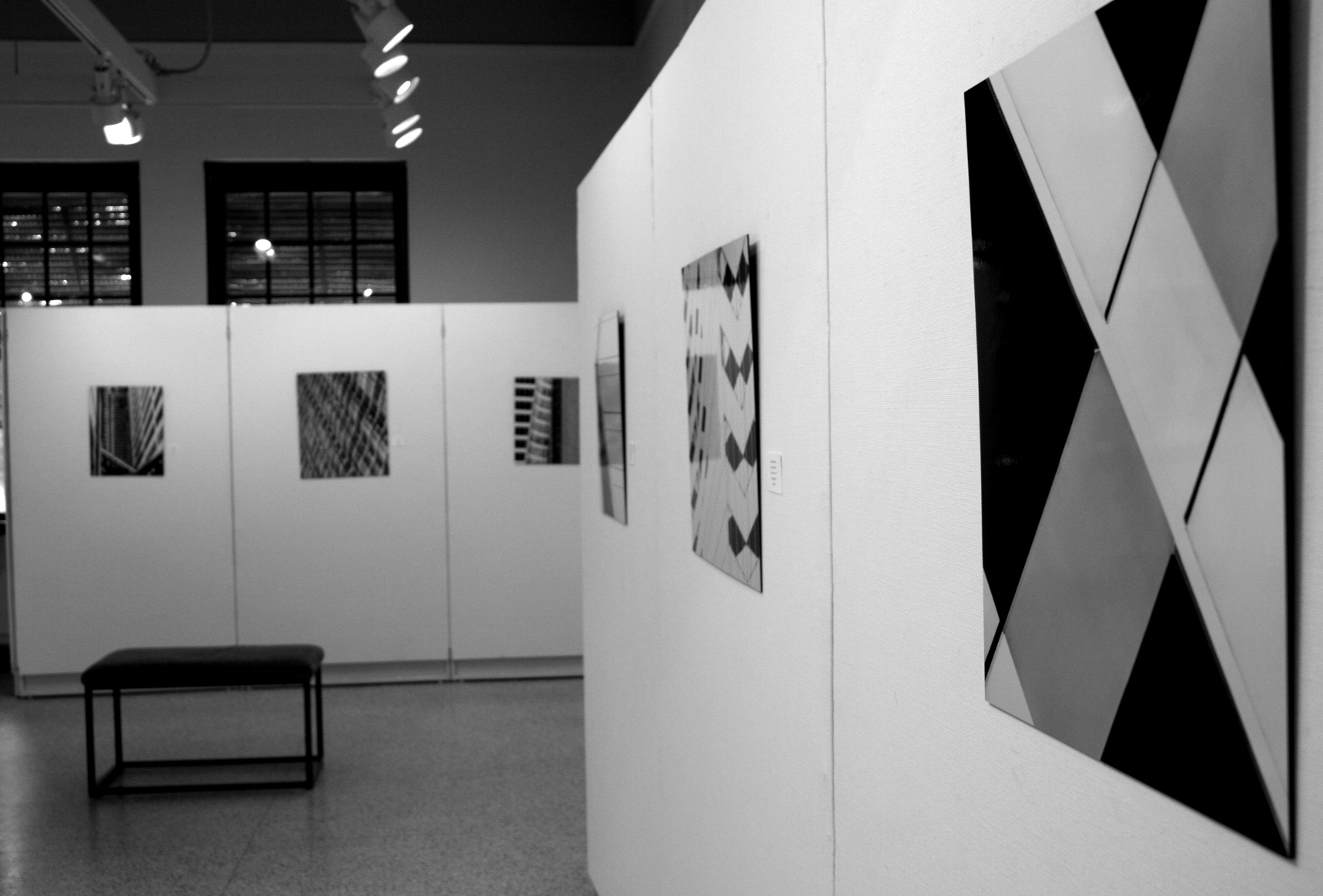
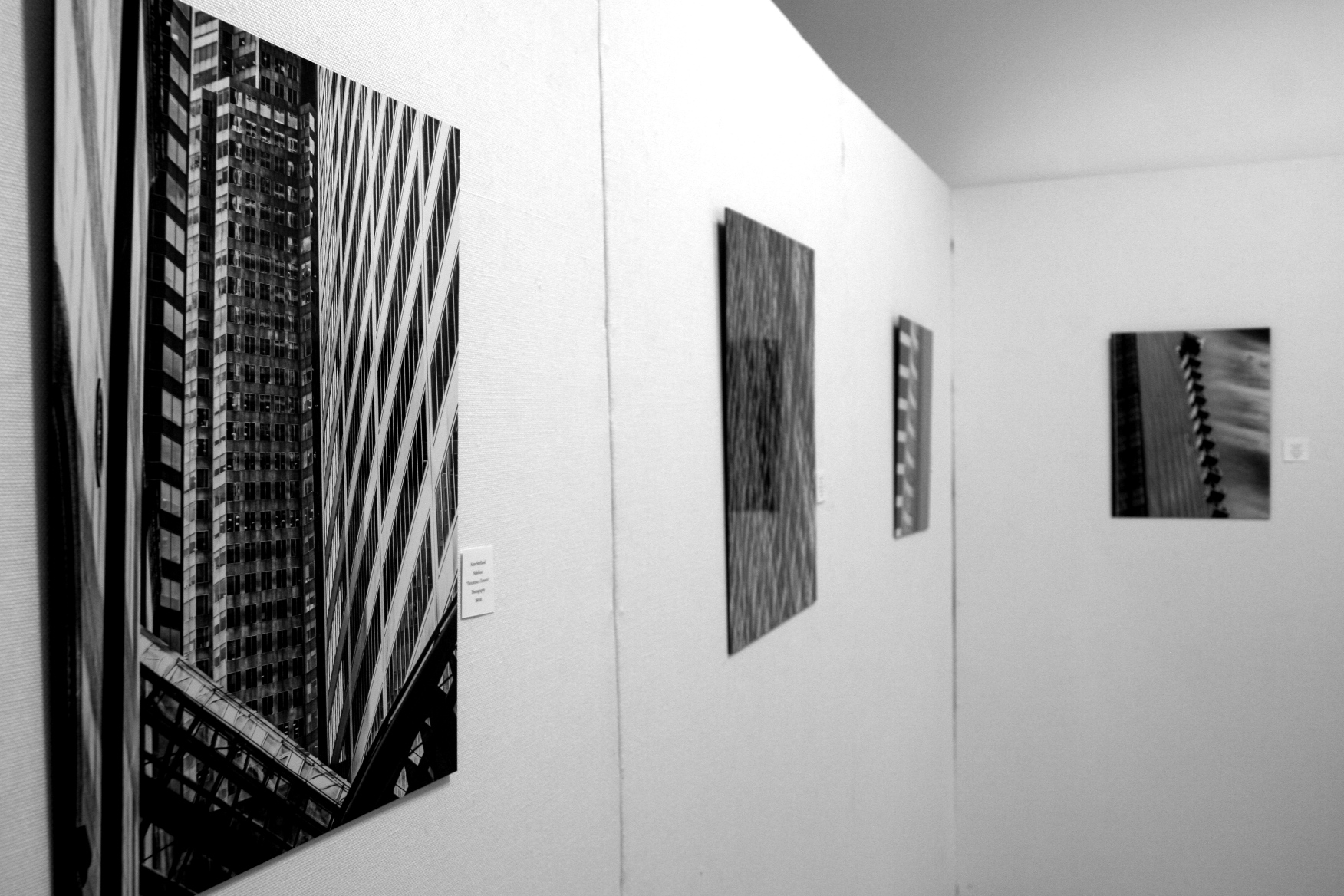
A sampling of Shefland’s photography at the OAC exhibit.

AFTER VIEWING ALAN SHEFLAND’S Architecture AbstrAcTED” photography exhibit at the Owatonna Arts Center, I felt inspired. Inspired to shoot a few architectural images of my own while roaming the West Hills Campus, home to not only the arts center, but also an orphanage museum, city offices and more.

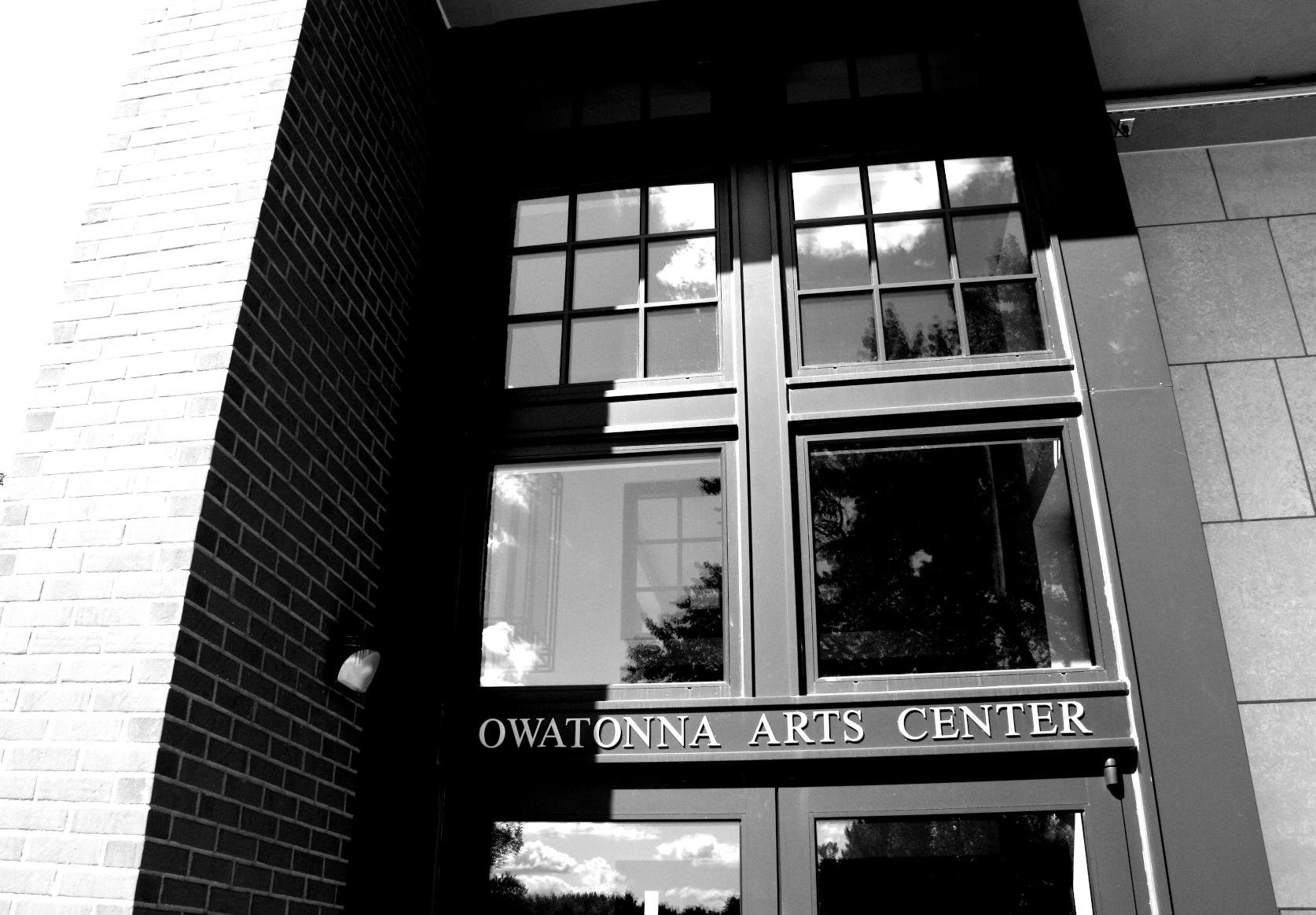
I took this photo of the OAC entry. I converted the image to black-and-white and upped the contrast. (Minnesota Prairie Roots copyrighted photo September 2022)

Shefland’s appreciation of the lines, angles, curves, light of buildings resonates with me. I, too, am fascinated by the seemingly abstract art to be found in architecture. These are not just structures constructed for a purpose, but rather art forms.

Shefland’s artist statement posted with his OAC exhibit. (Minnesota Prairie Roots photo)

This New York City born photographer, who is widely-traveled, focuses on the skyscrapers, the city buildings that rise high in the landscape. His current black-and-white photo exhibit features images from New York, Toronto, Minneapolis and more. Today he calls Minnesota home.

This shows a snippet of a much larger photo by Shefland.

Patterns and lines and curves meld to create remarkable abstract images. Modern art. Devoid of color, their impact is stronger, bolder.

My edited photo of an OAC sign. (Minnesota Prairie Roots copyrighted photo September 2022)

As I paged through the gallery guestbook, I agreed with the comment “Awesome exhibit…worth the drive from Mpls!” I only had to travel 12 miles. I feel fortunate to have access to art exhibits like this locally, without going into the Twin Cities metro.

One more glimpse of images you will see in Shefland’s OAC exhibit.

I am not an urban person. I am not well-traveled. Major cities hold no appeal. Yet, I can appreciate that others value densely-populated areas and all they offer. We are each different and that’s a good thing.

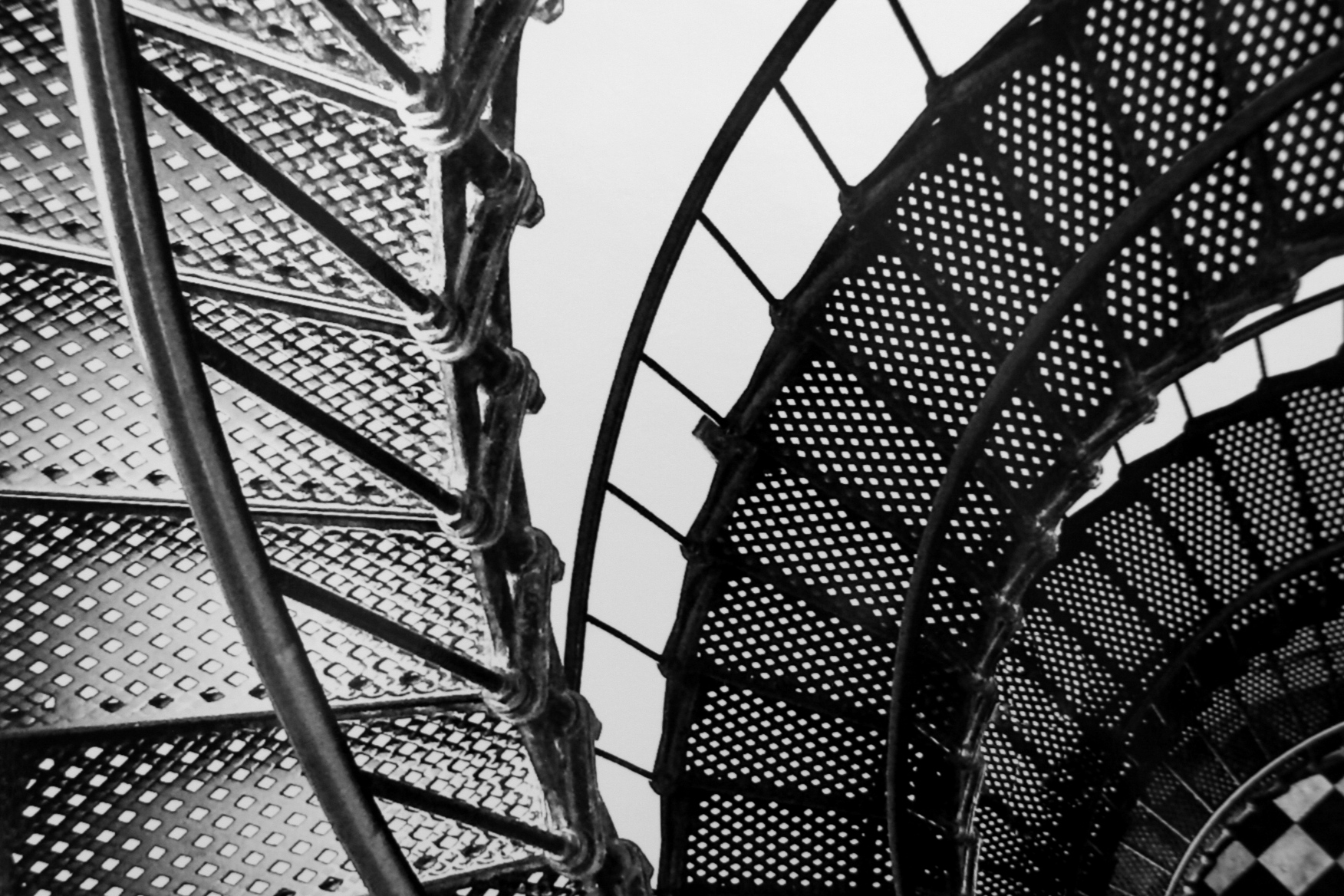
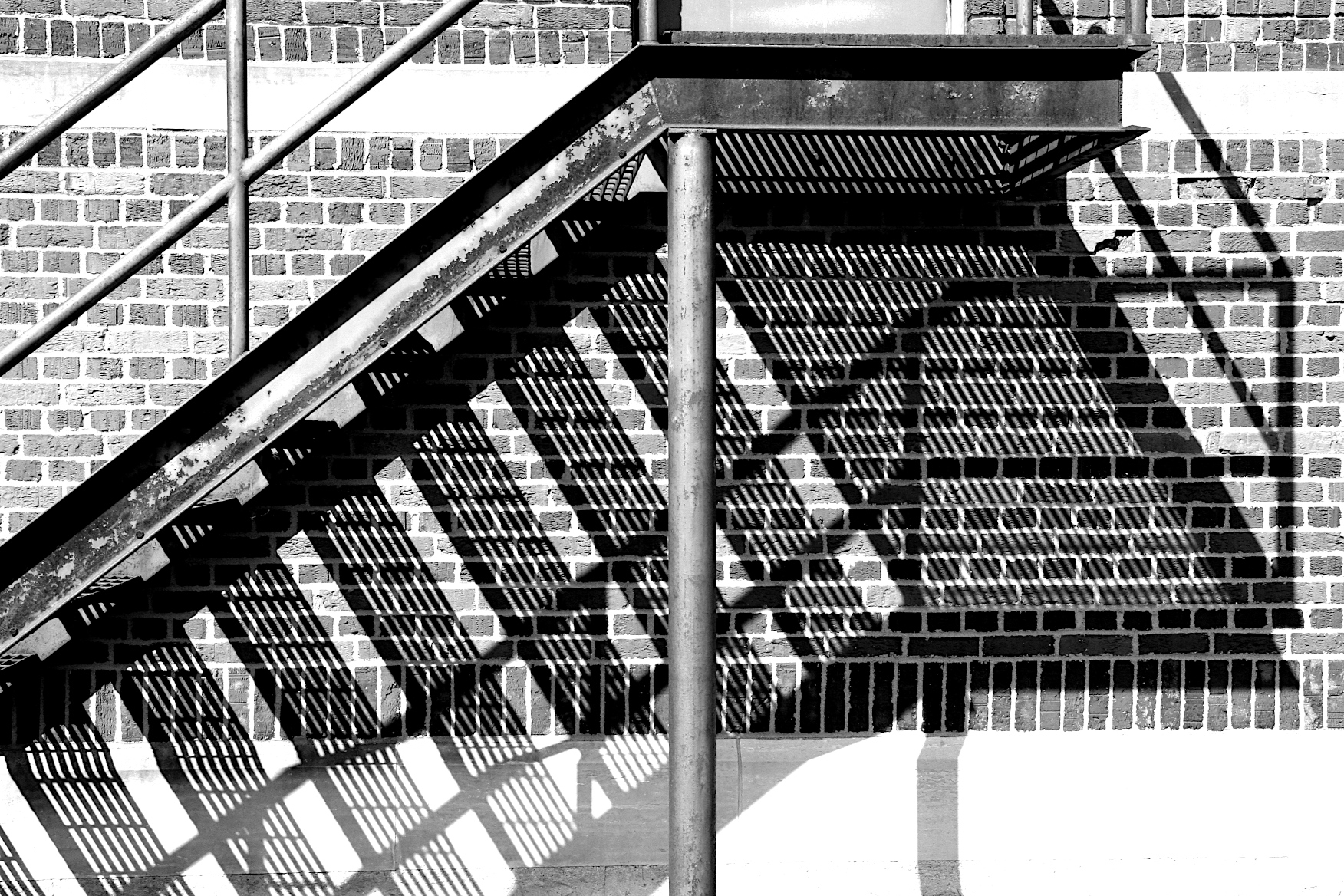
I photographed this exterior stairway on the West Hills campus after viewing Shefland’s exhibit. I love the patterns, the angles, the shadows, the light. (Minnesota Prairie Roots copyrighted photo September 2022)

Yet, as different as we are, we share interests, like photographing architecture. For Shefland, it’s the architecture in cities. For me, it’s the architecture of small towns. Historic buildings or other structures that catch my interest.

To view Shefland’s photos is to grow my knowledge, my appreciation, my respect for creatives like him. He expands my world, personally and professionally. I can say the same for Keith Goldstein, a talented photographer from New York City. I’ve followed Keith’s blog, “For Earth Below,” for many years. His work is currently exhibiting in Milan. The scope of his photography ranges from architectural to streetscapes to street portraits and more. In a recent photo, he featured colorful Fruit Loops cereal scattered across pavers. Simple. Artsy. Creative.

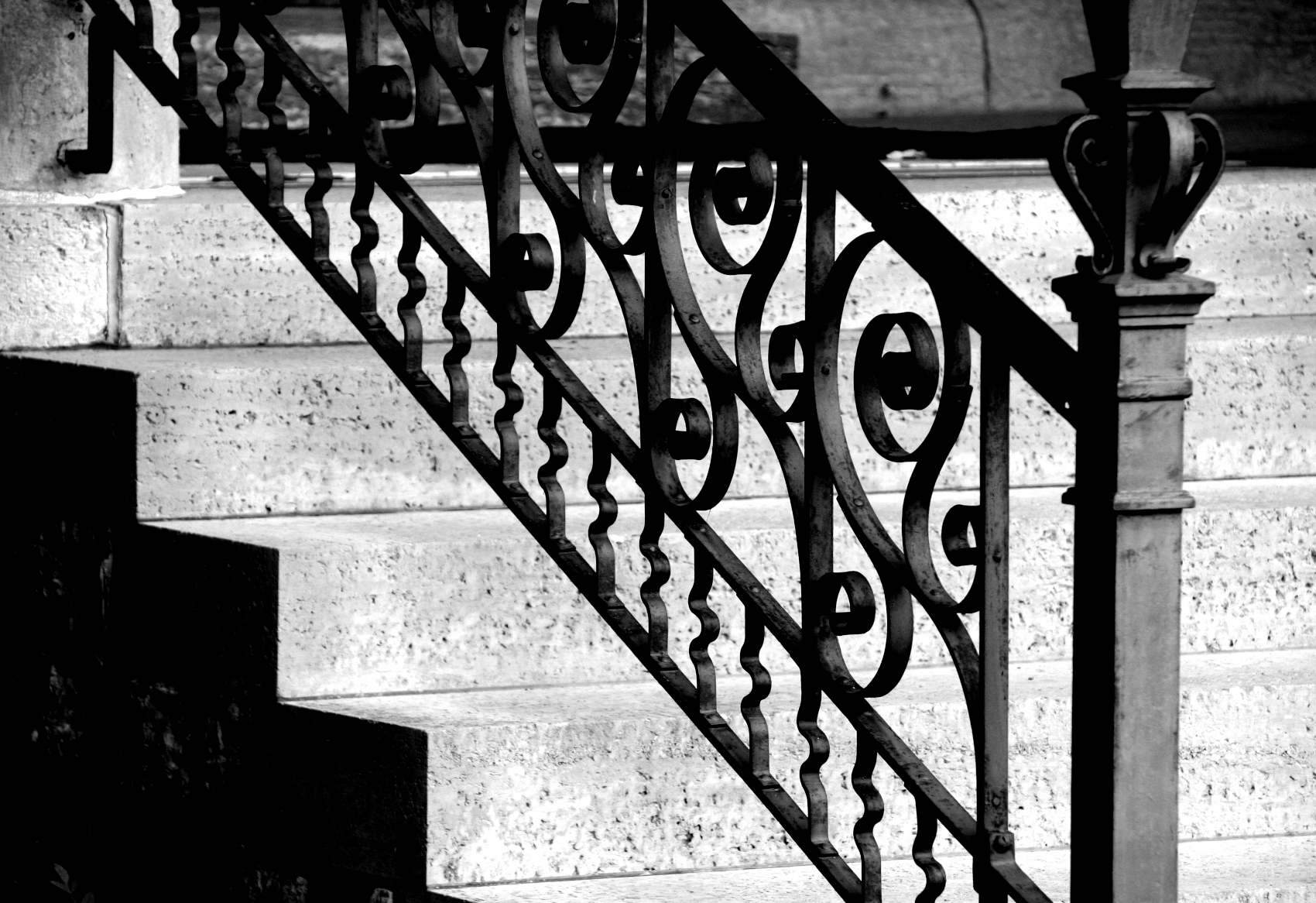
Shefland-inspired, my photo of a stairway and railing on the West Hills campus. (Minnesota Prairie Roots copyrighted photo September 2022)

I find joy in connecting with other photographers, whether online, via gallery exhibits or in-person. To see the world through their lenses enlightens, teaches, encourages me.

FYI: Alan Shefland’s exhibit at the Owatonna Arts Center continues until October 2. Gallery hours are 1 – 5 pm Tuesday through Sunday, closed Mondays and holidays.

Note: I de-saturated all of the images in this post and did minimal photo editing to up the contrast.

© Copyright 2022 Audrey Kletscher Helbling
 

Reflecting on September 11 in photos from NYC, thoughts from Minnesota September 11, 2020

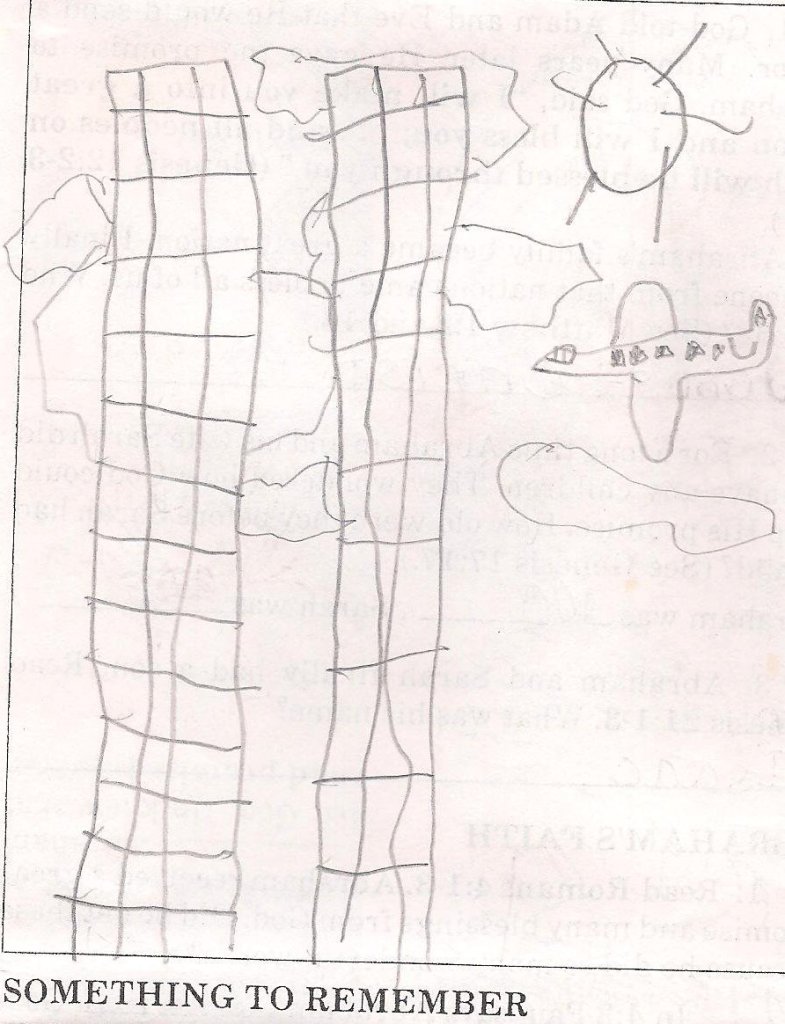
My son drew this picture of a plane aimed for the twin towers a year after 9/11. He was a third grader in a Christian school and needed to think of a time when it was hard to trust God. To this day, this drawing by my boy illustrates to me how deeply 9/11 impacted even the youngest among us.


SEPTEMBER 11, 2001. The date is forever seared into our memories as the day terrorists targeted the World Trade Center towers, the Pentagon and a jetliner flying over Pennsylvania. When those planes crashed. When those towers fell. When fires raged. When thousands died, we grieved. Individually. And collectively as a nation.


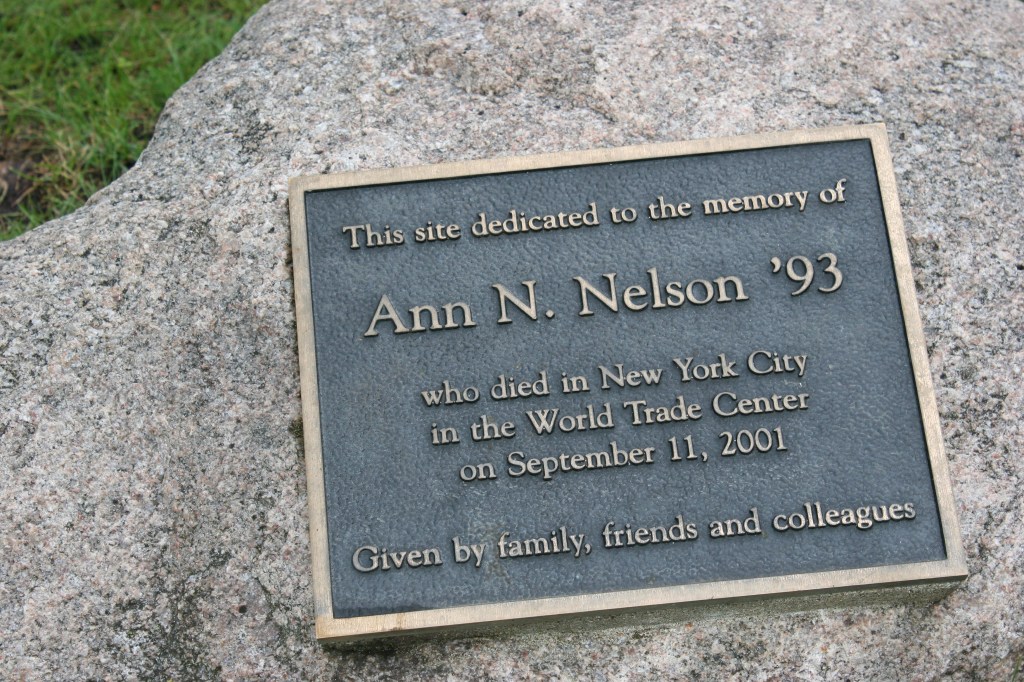
On the campus of Carleton College in Northfield, Minnesota, a plaque honors an alumni, Ann Nelson. Minnesota Prairie Roots file photo 2019.


Yet, as a Minnesotan nearly 1,200 miles removed from New York City and D.C. and Pennsylvania, I did not experience the same depth of fear and grief as others much nearer to the target sites or with loved ones lost.


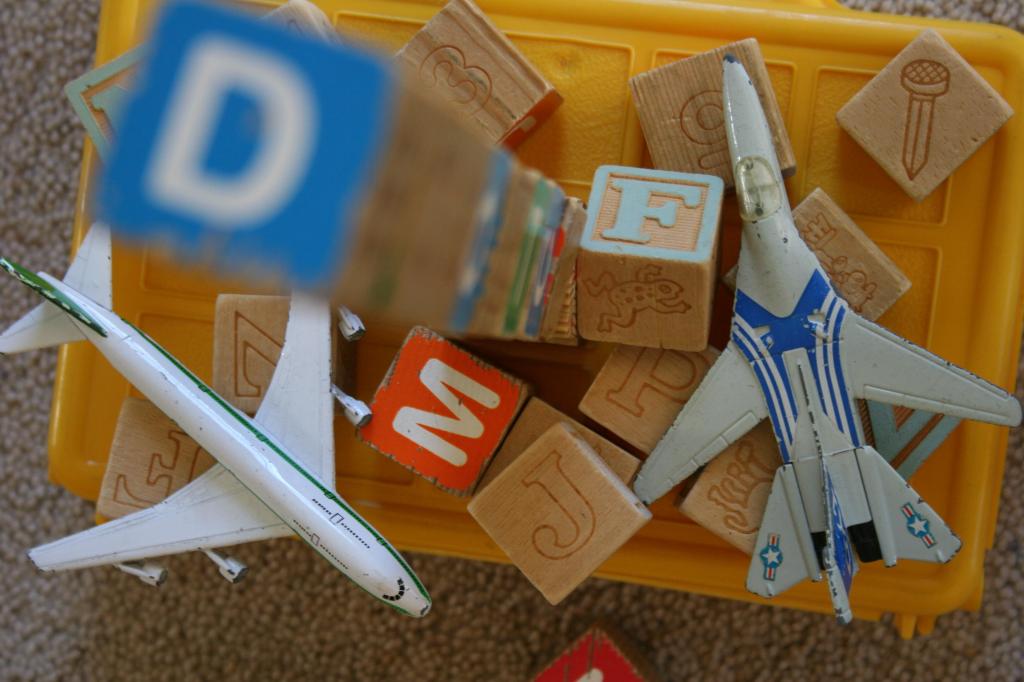
I reconstructed a tower using the same blocks my son and his friend used on September 11, 2001, to duplicate what they saw on television. These are also the same airplanes they flew into the tower. Minnesota Prairie Roots file photo.


Sure, I remember where I was—at home with my kindergarten age son and another boy in my care. I remember how the boys stacked wooden toy blocks and then crashed toy airplanes into the two towers, copying the scenes played and replayed on television because I could not bring myself to shut off the TV.

I recall, too, the eeriness, the feelings of uncertainty and worry and disbelief.


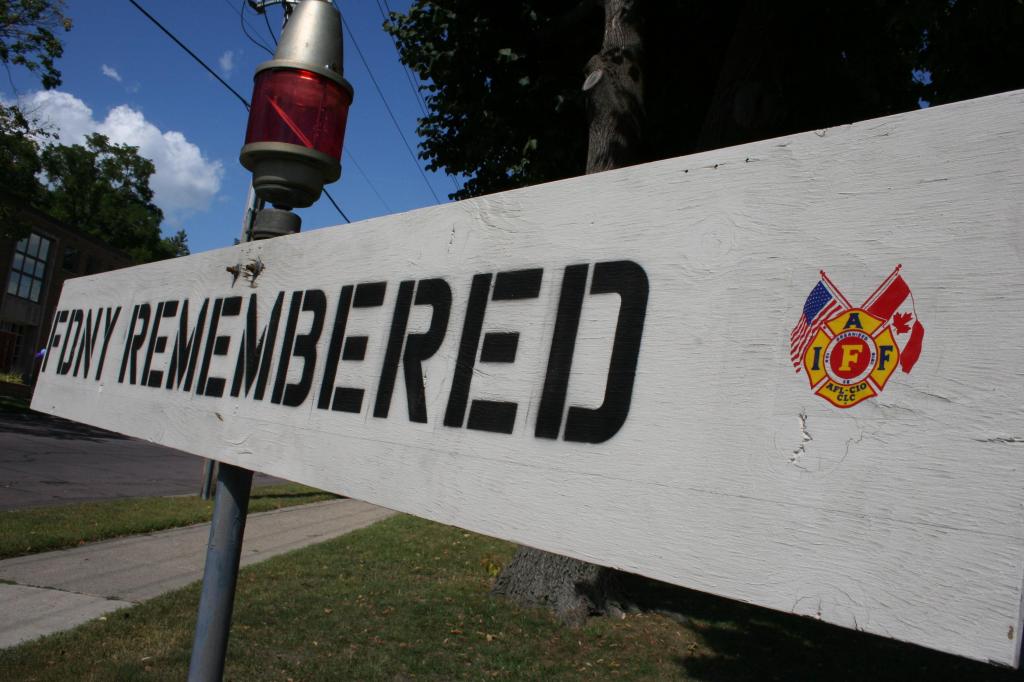
The Faribault firefighters pay special tribute to the fallen New York firefighters on their memorial sign. Minnesota Prairie Roots file photo.


But none of this, none of this second-hand experience, compares to those who lived it and saw it. Like NYC photographer Keith Goldstein, a gifted creative whose work I follow on his blog, Far Earth Below. Keith excels in portrait photography. On the street, not the studio. Real. Everyday life. Raw and emotional and difficult sometimes to view. But honest in every way.

Keith was there on 9/11. He saw the devastation, destruction, death as he headed from his East Village home toward the towers. He found himself unable to photograph the horror unfolding before him. But several years later, as construction began on the Freedom Tower, he lifted his camera to undertake a project, “Looking On, Watching the Building of the Freedom Tower.”

The photos of people watching construction of the tower are signature Keith Goldstein. Honest. Emotional. Real. Every time I view Keith’s work, I wonder how he does it. How does he manage these focused, powerful images without his subjects noticing his presence? It’s a gift, a talent honed from years of experience.

That talent was recognized by Olympus Passion, which published a portion of his “Looking On” project in November 2018. Keith shared that publication on his blog today and I invite you to study his images and read the story he wrote about his 9/11 experiences. I expect you will be as impressed as I am by his work and the insights his photos provide.

I invite you also to continue following Keith’s photo blog. I appreciate how his images show me a world far removed from my Minnesota home. A world much different. Yet, a world I need to see because, even though my life and world are much different than his, we still live in this place called America.

Keith is as kind and decent and caring as they come. We’ve communicated occasionally via email, so I know this to be true. Several years ago he gifted me with a colorful print on aluminum of an immigrant vending t-shirts. My choice of photos. Choosing an image proved challenging. But I wanted a portrait. Signature Keith.

As different as we are, we are connected by our love of photography. And by our desire to share the world we view through our cameras.

© Copyright 2020 Audrey Kletscher Helbling
 

A must-see NYC photo blog November 21, 2019

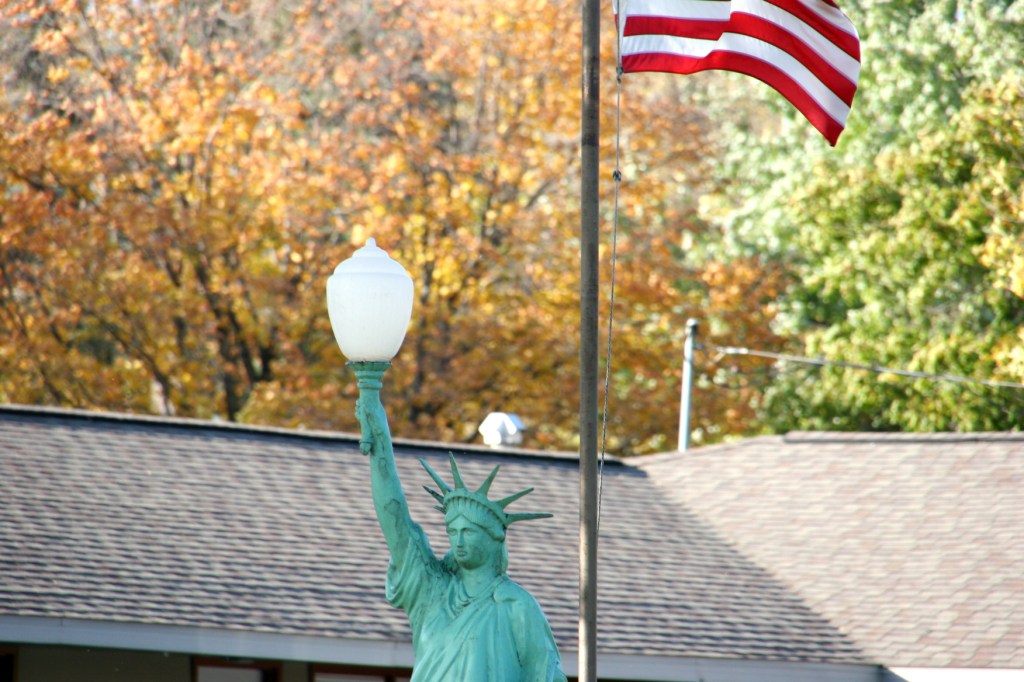
A Minnesota version of the Statue of Liberty at the Holiday Haven motel in Detroit Lakes. Minnesota Prairie Roots file photo October 2019.


FOR A FEW YEARS NOW, I’ve followed the work of award-winning New York City photographer Keith Goldstein. His credentials are extensive and impressive.

But beyond that lengthy list of accomplishments is my genuine appreciation of his work. He specializes in street portraits and in architectural photography. Goldstein captures some pretty incredible pictures of people going about everyday life in the big city and I often wonder how he does it. But he’s that good, unobtrusively photographing individuals in an urban environment that is also part of each photo story. I often find myself studying a frame, surprised by what I see.

New York City is about so much more than the nearby Statue of Liberty and Wall Street and 9/11. This noted photographer reveals that in his images.

Recently, Goldstein’s photo blog has focused on NYC buildings, truly foreign to my rural flatlander background. I’ve only been to this East Coast city once, decades ago while in college. I remember standing on a street corner then, craning my neck toward the skyscrapers. And nearly being run over by someone pushing a garment rack down the sidewalk. I don’t ever intend to return to NYC. I really don’t much care for big cities.


Photographed in June 2014 at a shop in Farmington, Minnesota. Minnesota Prairie Roots file photo 2014.


But, through Goldstein’s photography, I am shown this world so different from mine in rural Minnesota. I see the humanity of NYC, raw and exposed. Sometimes I just want to reach into those portraits and wrap my arms around the people who are hurting. Give hugs. I want to stop and listen and offer a smile and encouragement. In the sea of humanity that defines this place, Goldstein manages to find the individuals, to tell their stories through the lens of his camera.


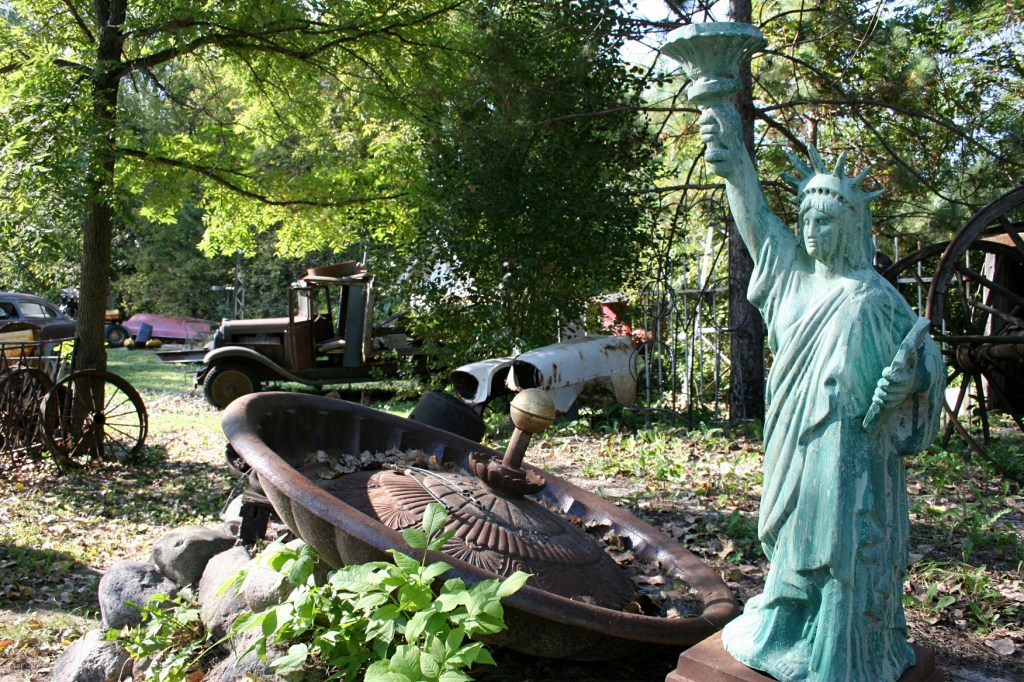
Another Statue of Liberty, this one at Hot Sam’s Foto Park near Lakeville. Minnesota Prairie Roots file photo September 2012.


I consider his photography a gift. Real. Unfiltered. It’s important that I see the peoples and architecture of New York City because these images broaden my world. Goldstein’s photos stretch my compassion and my understanding of these United States of America. We are, no matter where we live, still just people with emotions and needs and hopes and dreams. And we all hold within us the capacity to connect and to care. Goldstein, in his art—because his work truly is art—offers that. And for that I am grateful.

TO VIEW Keith Goldstein’s blog, Far Earth Below, click here.

© Copyright 2019 Audrey Kletscher Helbling
 

A must-see in New Ulm: German Park August 3, 2015

MINNEAPOLIS HAS THE LAKE HARRIET Rose Garden. St. Cloud has the Munsinger/Clemens Gardens. Chaska has the Minnesota Landscape Aboretum.

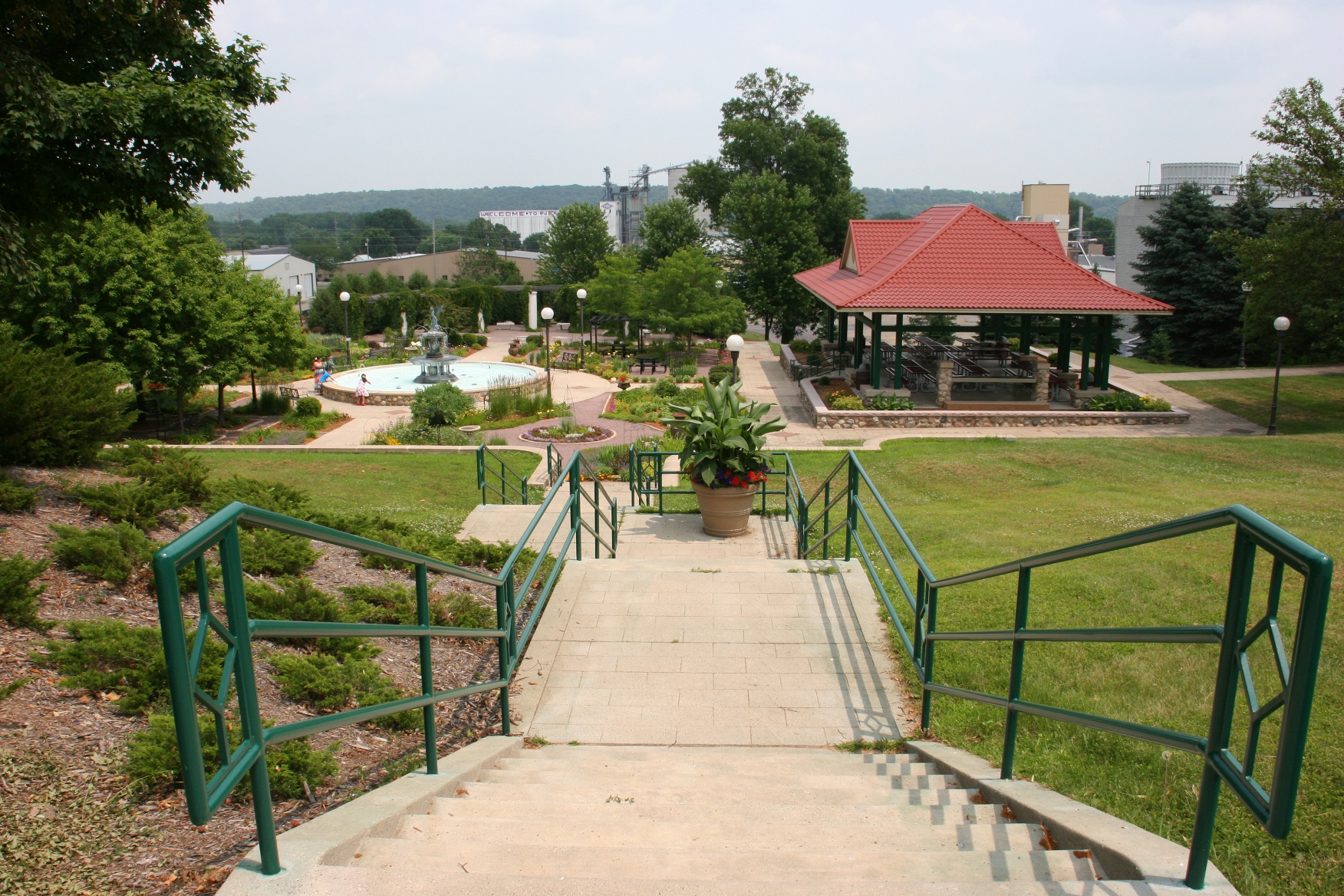
A view of German Park from the street-side steps that lead to the park at the bottom of the hill.

A view of German Park from the street-side steps that lead to the park. There’s also access at the bottom of the hill so you don’t need to take the steps.

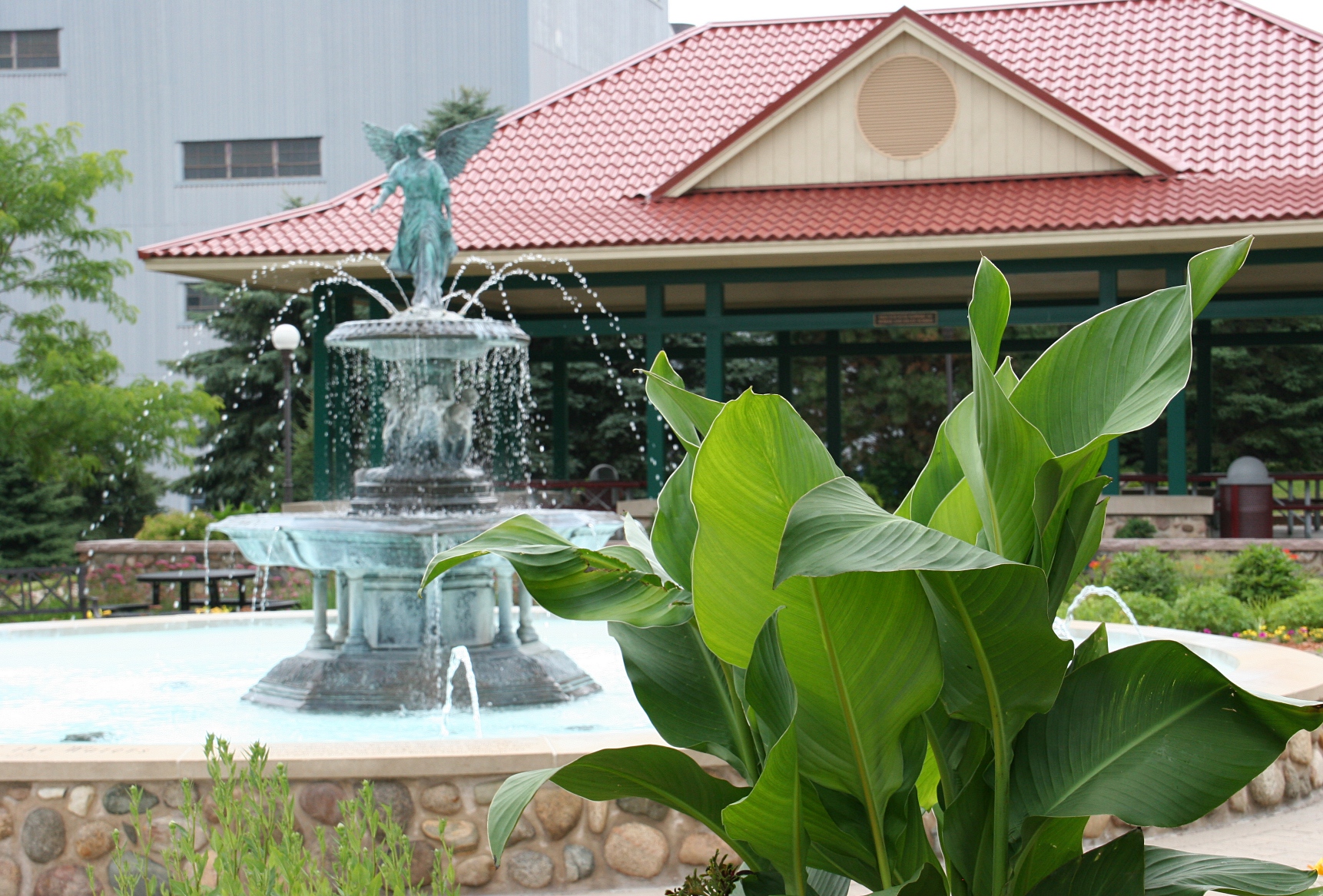
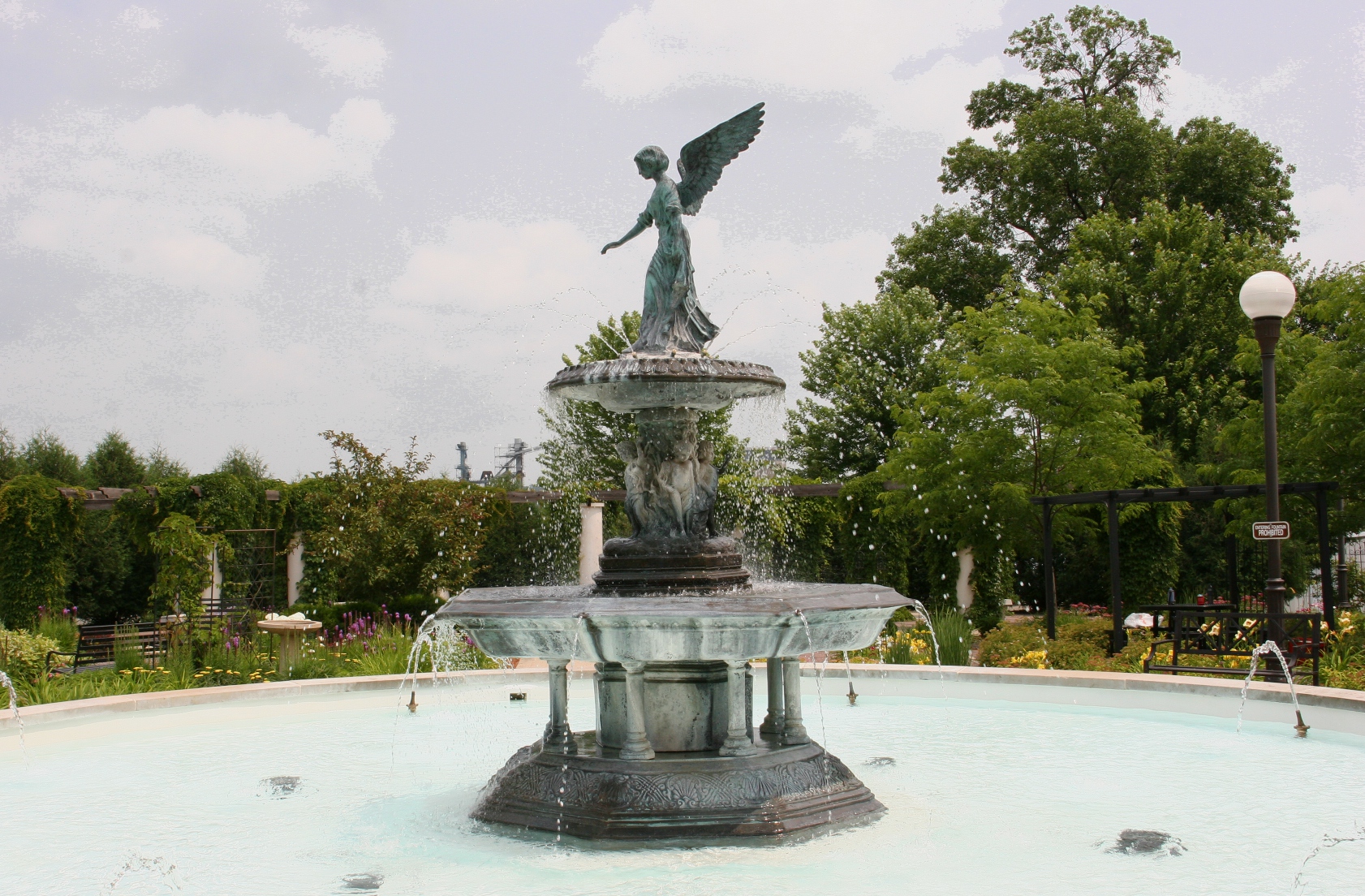
And New Ulm has German Park, centered by a replica of the Bethesda Fountain in New York City’s Central Park.

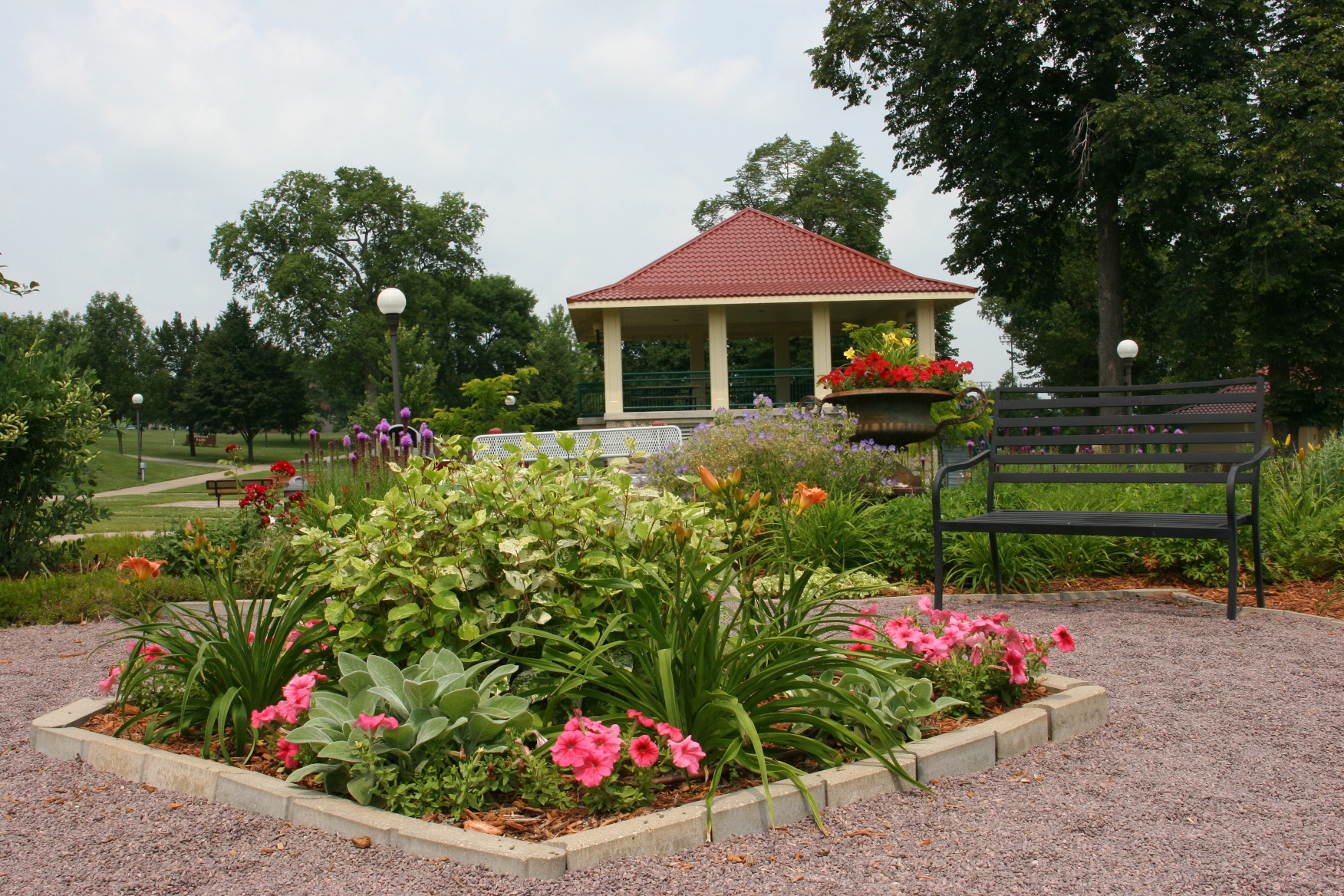
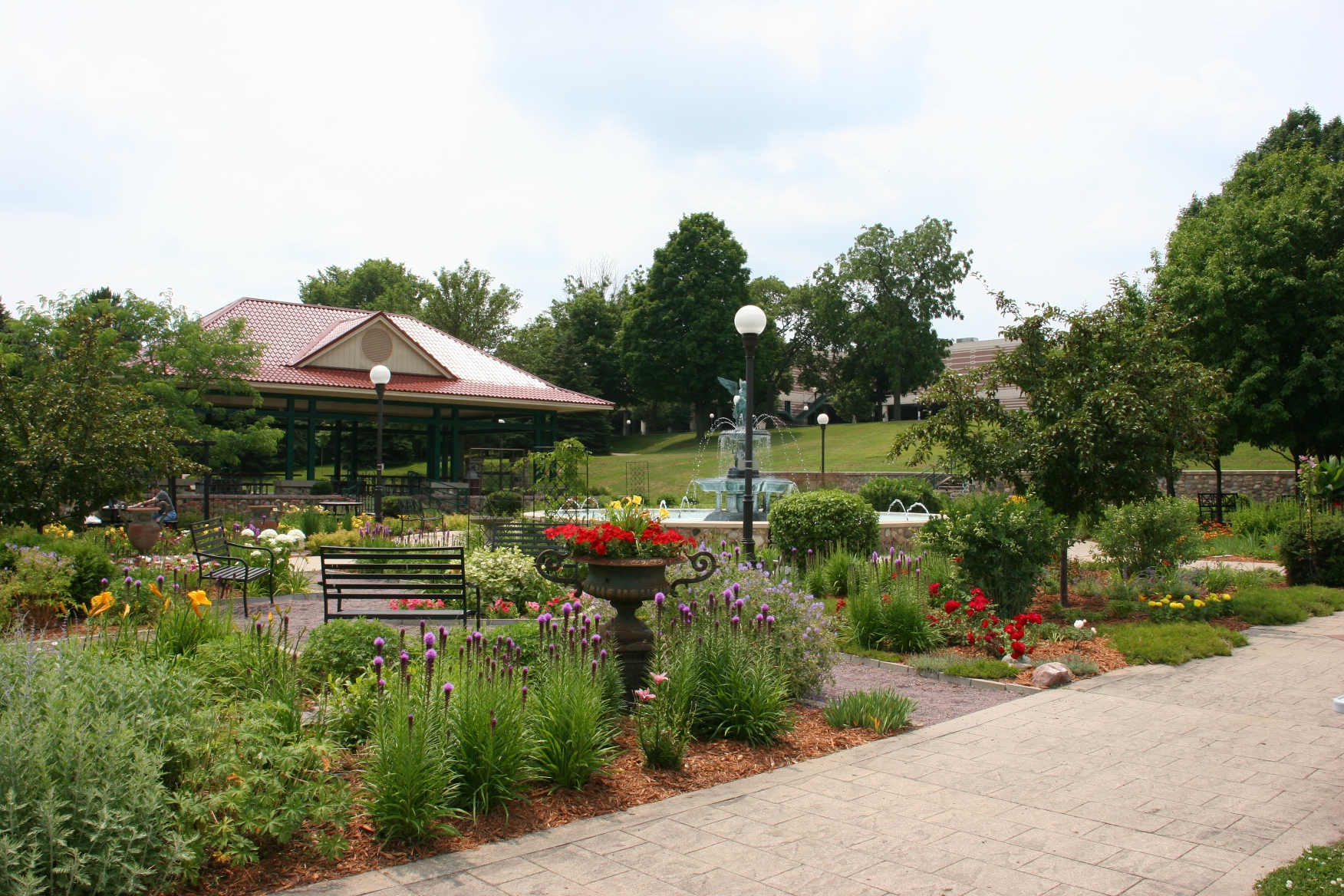
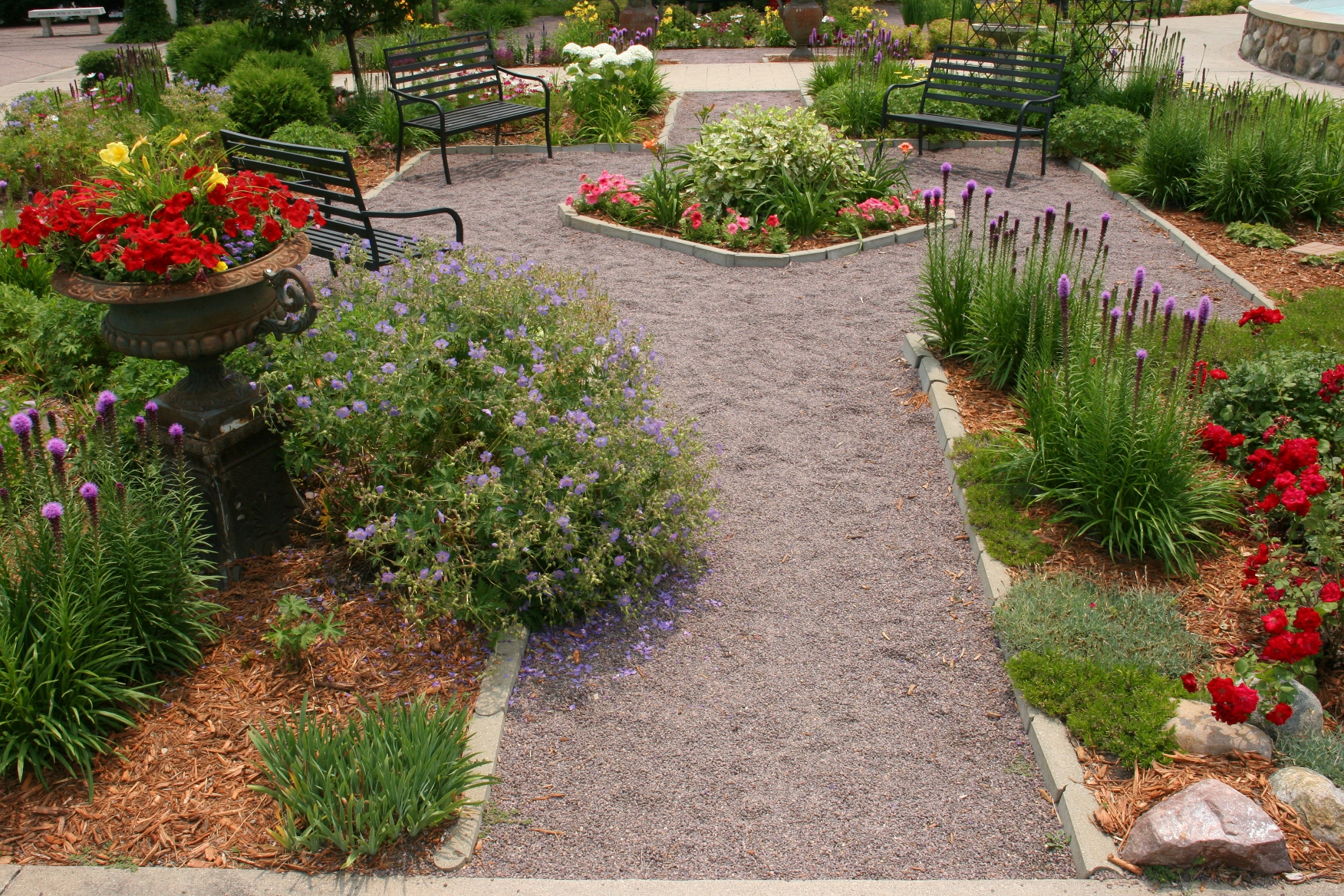
Stroll the paths and enjoy the flower gardens.

Stroll the paths and enjoy the flower gardens. Or sit and contemplate.

If you haven’t discovered this park in the heart of Minnesota’s most German community, then you need to visit this oasis just a block from New Ulm’s downtown business district. I came across German Park a few years ago and revisited it on the Fourth of July while en route to a family gathering an hour farther west along U.S. Highway 14.

The Angel Fountain centers the park which features an abundance of plants and flowers.

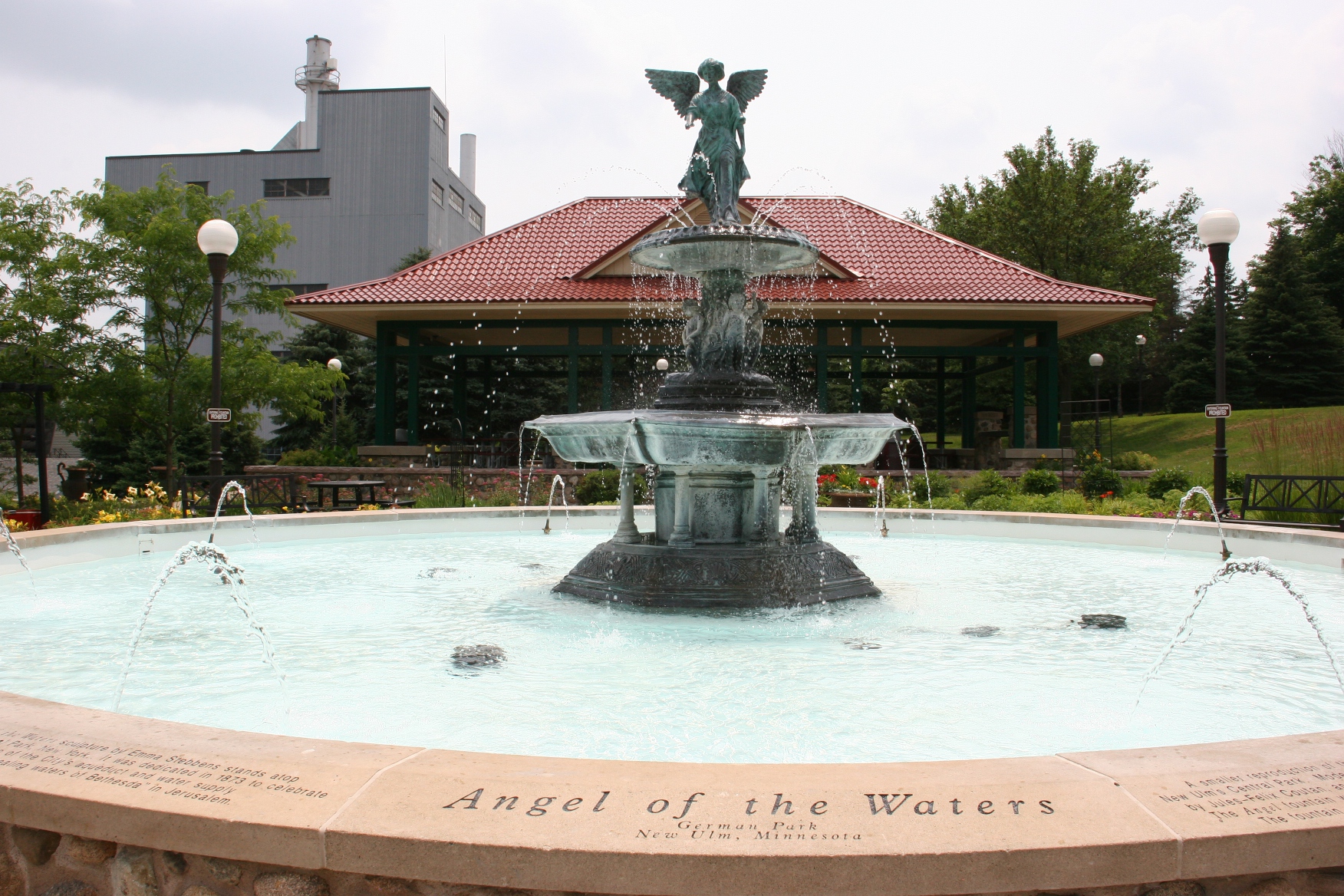
The Angel of the Waters Fountain centers the park which features an abundance of plants and flowers, a picnic shelter and other amenities.

Here, in a tranquil setting of fountain and flowers, my husband, son and I lunched on sandwiches and fruit while delighting in the beauty of this place. There’s a reason the New Ulm tourism website lists German Park as one of the “Top Ten Things to See.” This place, this park, is poetic and pleasing, and just plain lovely.

Gigantic urns overflow with flowers.

Gigantic urns overflow with flowers like these petunias, lilies, marigolds and more.

This is a flower lover's delight.

This is a flower lover’s delight.

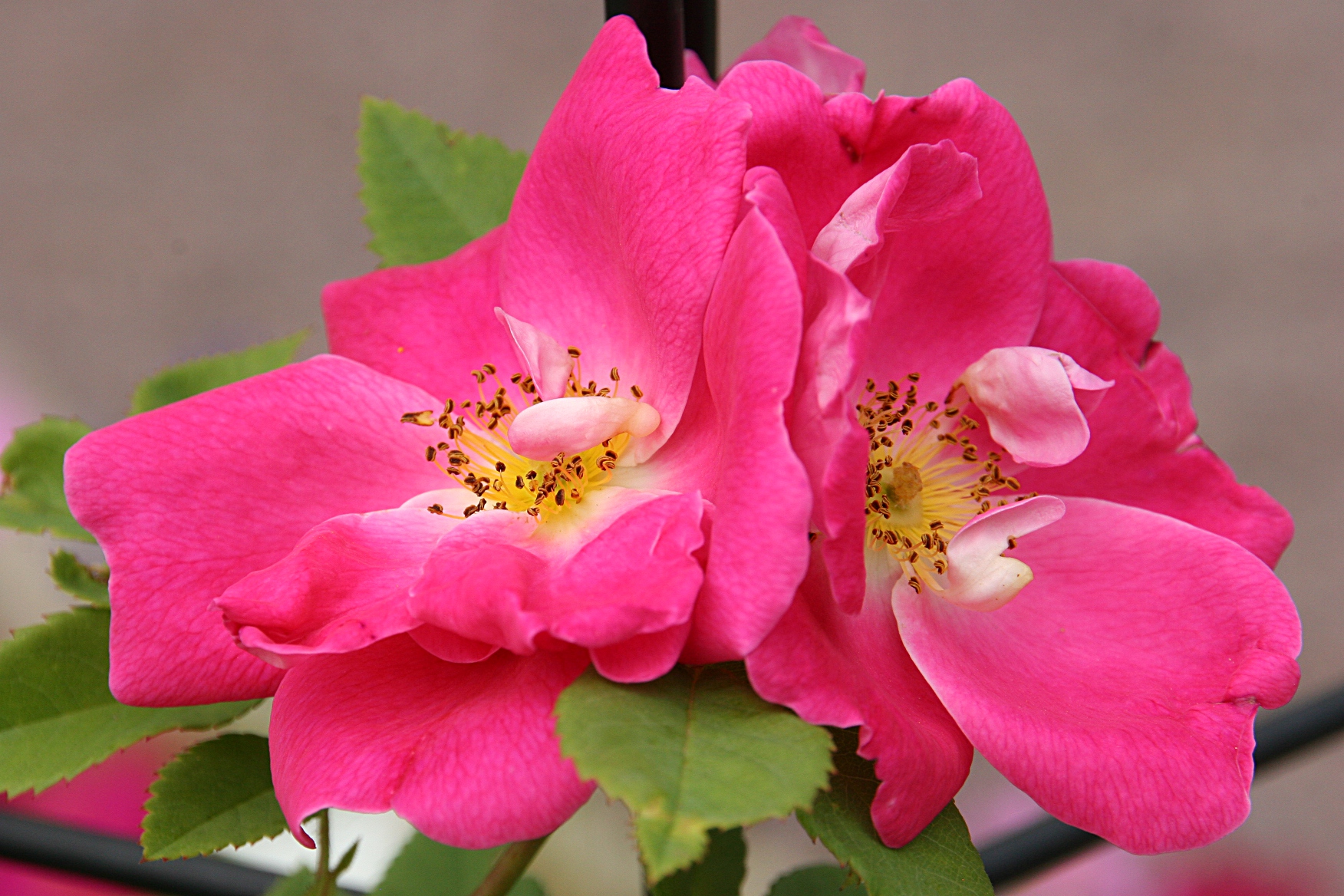
These roses, which remind me of the wild roses that grew in road ditches when I was growing up, were nearly done blossoming.

These roses, which remind me of the wild roses that bloomed in road ditches when I was growing up in southwestern Minnesota, were nearly done blossoming.

The pathways are designed to allow visitors a close-up look at the flowers.

The pathways are designed to allow visitors a close-up look at the flowers.

I love these rustic urns, which are so large and heavy it would take several people to move them.

I love these rustic urns, which are so large and heavy it would take several people to move them.

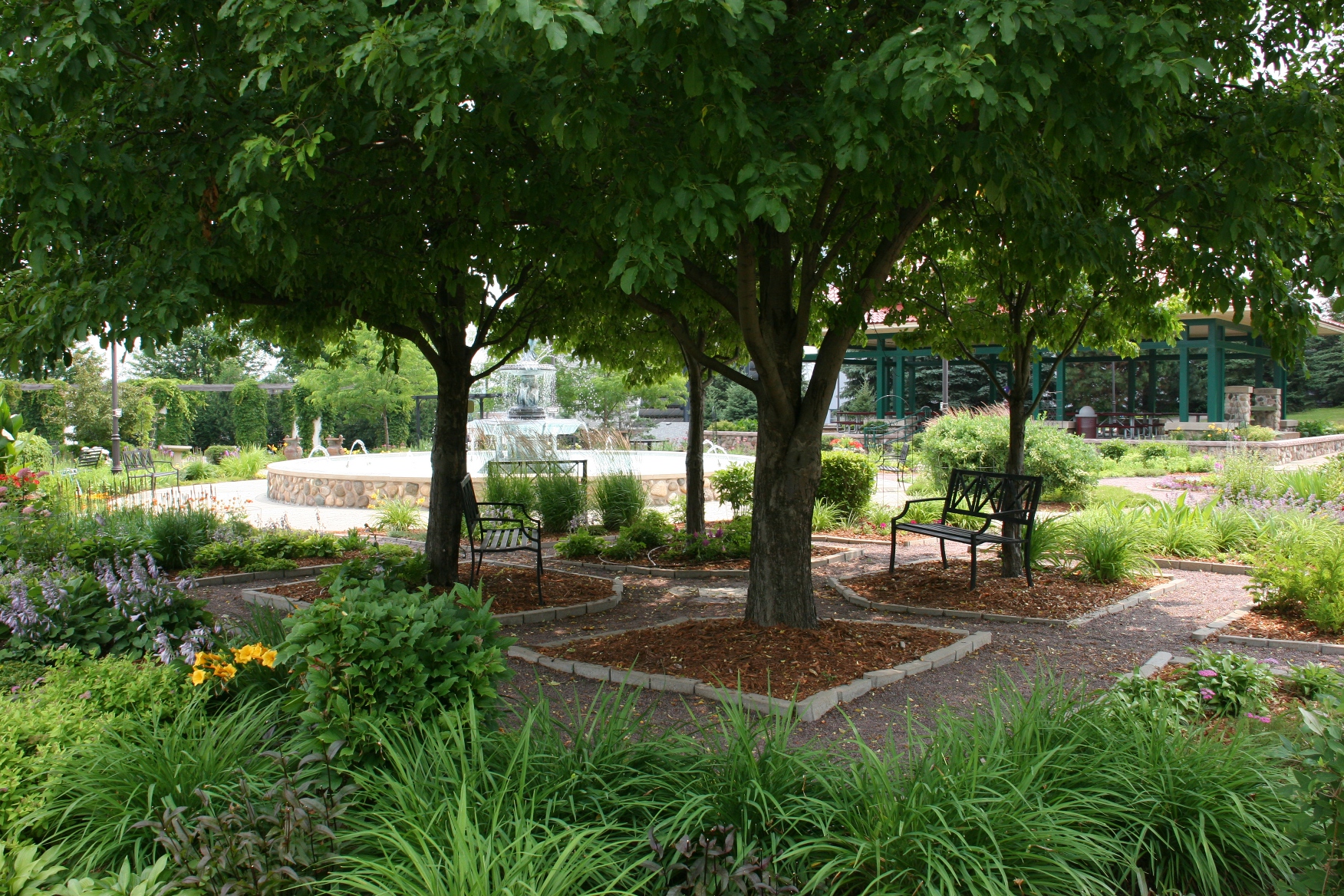
A shady spot to rest.

A shady spot to rest.

The fountain

The fountain is a small reproduction of the fountain in New York’s Central Park. French sculptor Jules-Felix Coutan created this fountain purchased in 1998 from an auction house in Atlanta. It is a gift to the city from Barbara Sweasy Haroldson.

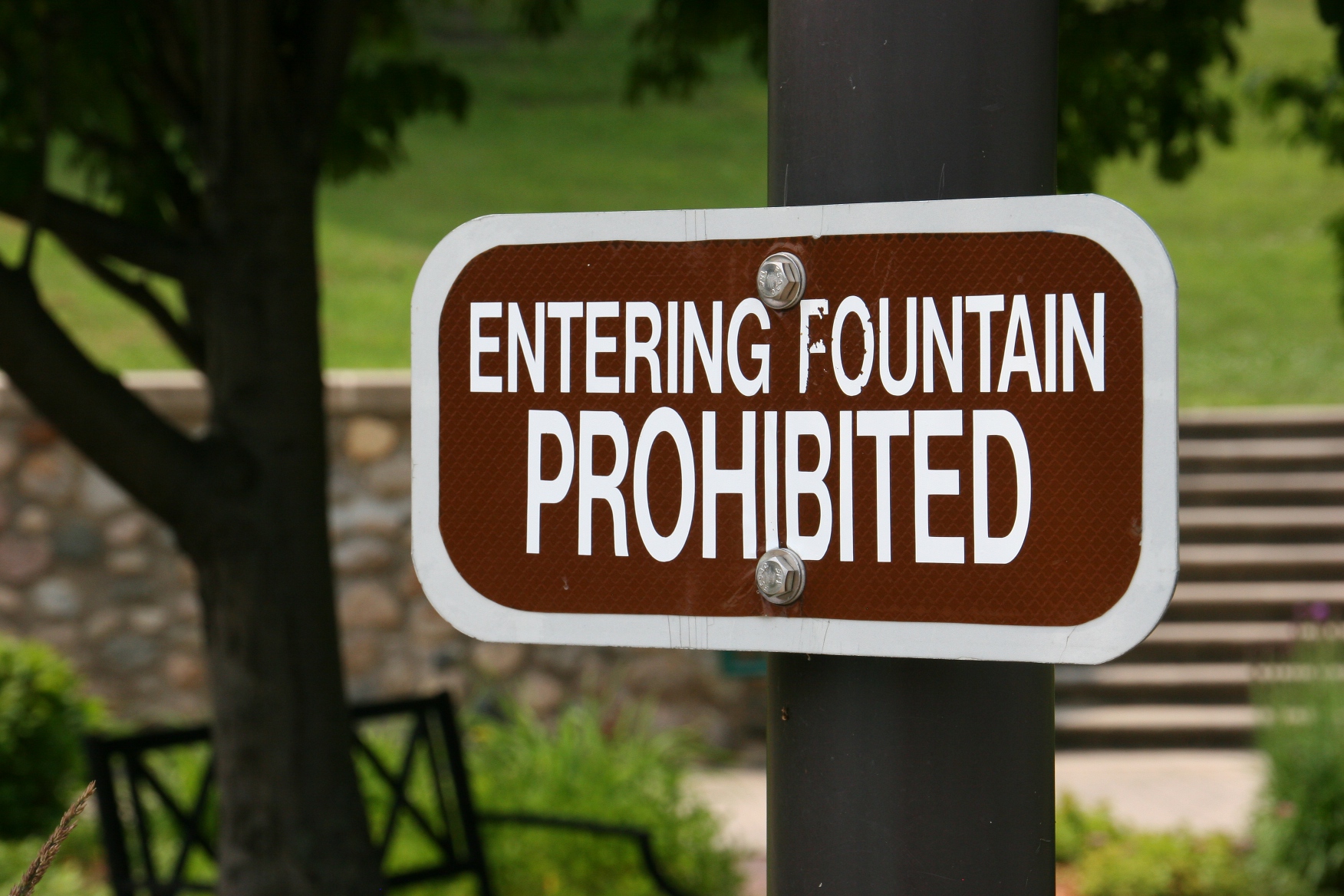
Be forewarned.

Be forewarned.

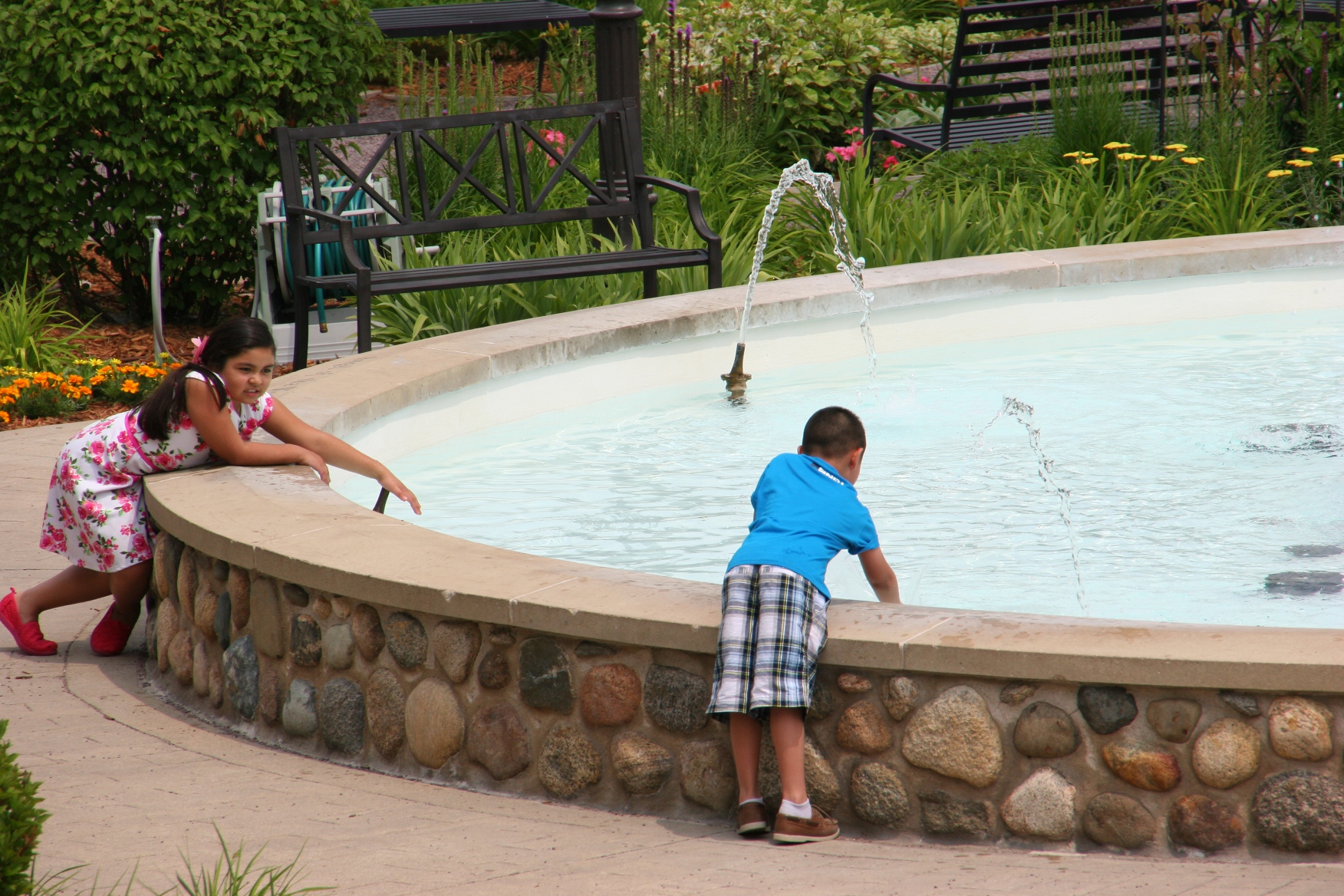
Splashing your hands in the fountain is not forbidden.

Splashing your hands in the fountain is not forbidden.

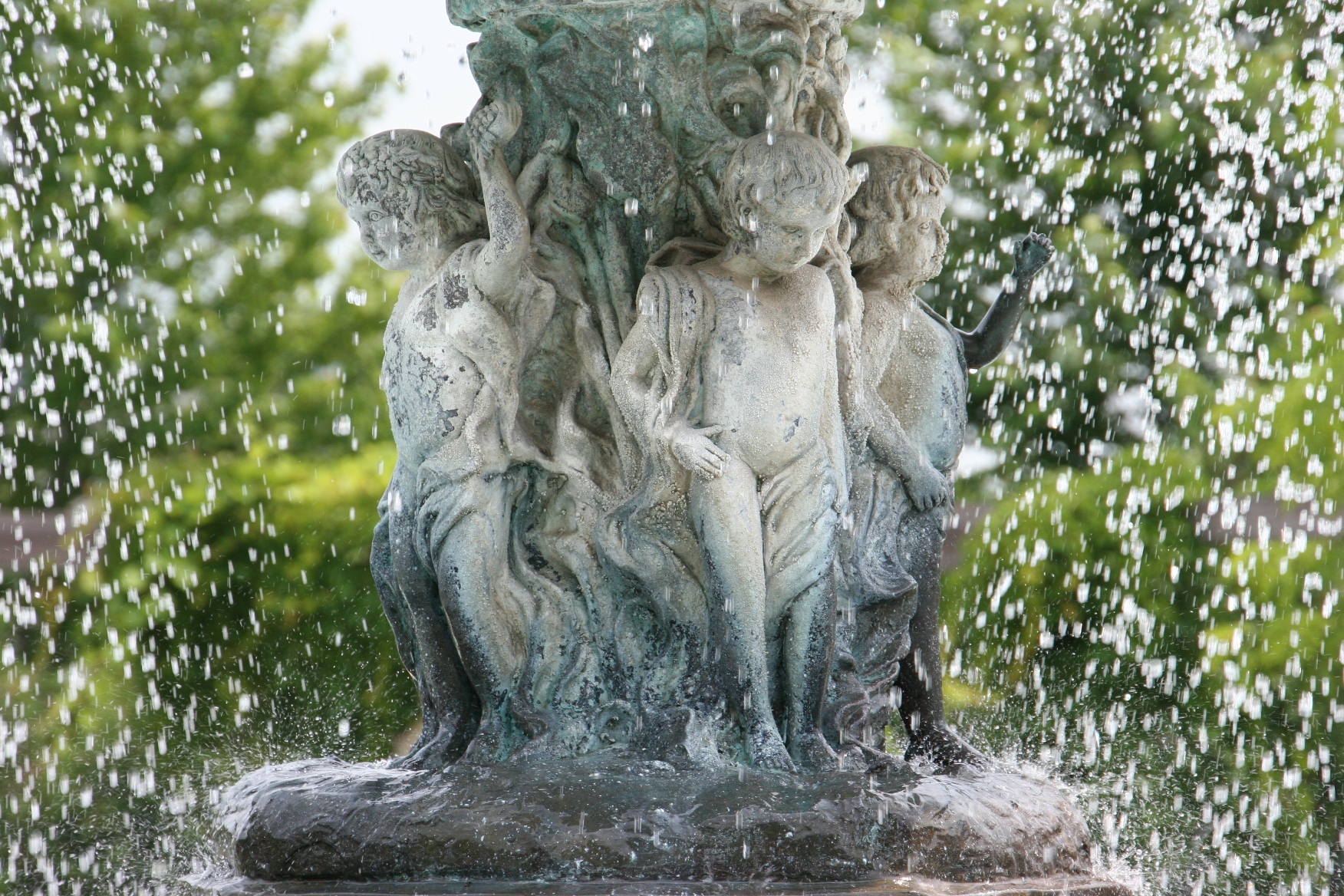
Water spills over the fountain cherubs.

Water spills over the fountain cherubs.

Angel of the Waters

Angel of the Waters, the focal point of German Park.

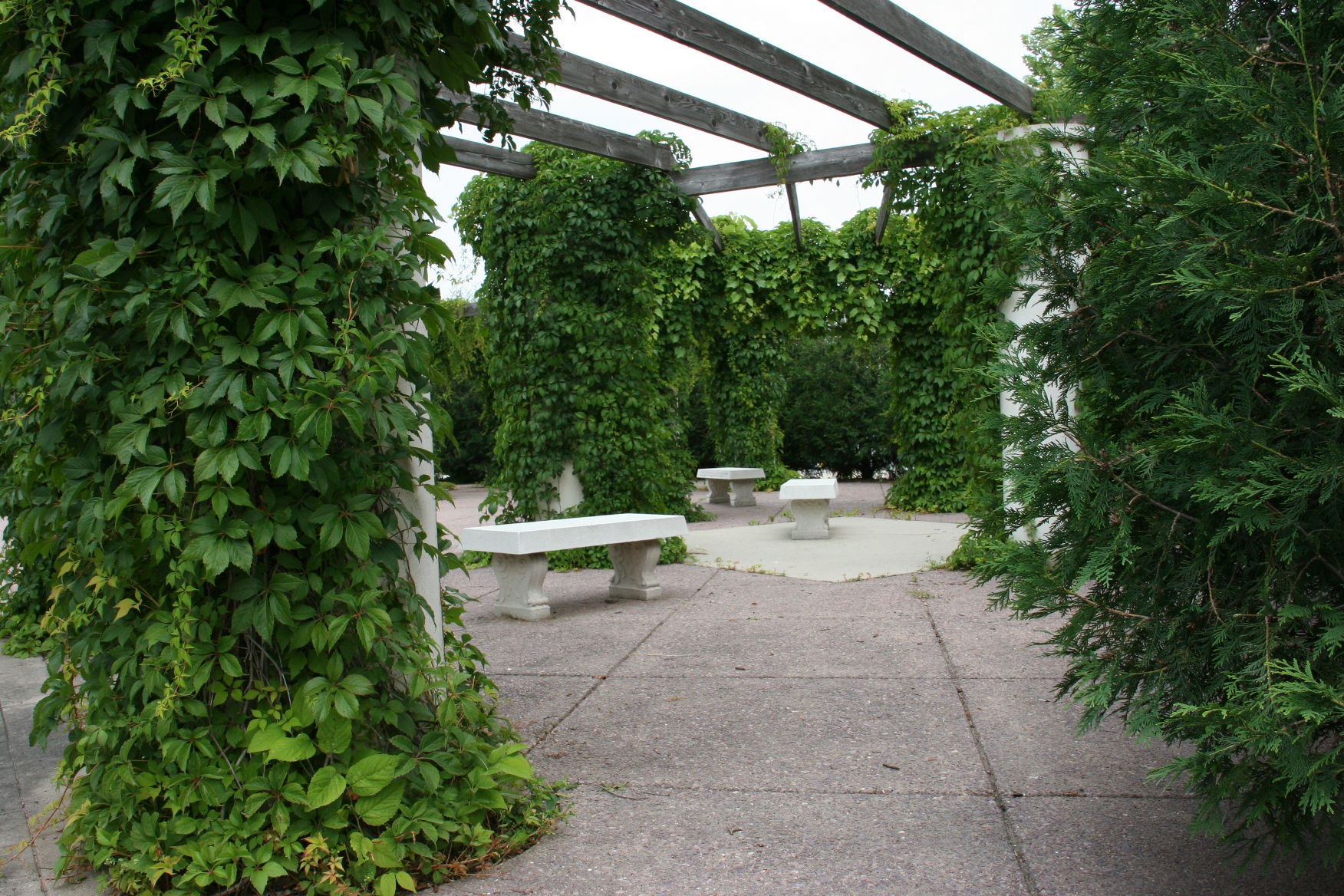
In another section of the park, greenery and benches, marked by lovely columns, offer a place of respite.

In another section of the park, greenery and benches, marked by lovely columns, offer a place of respite.

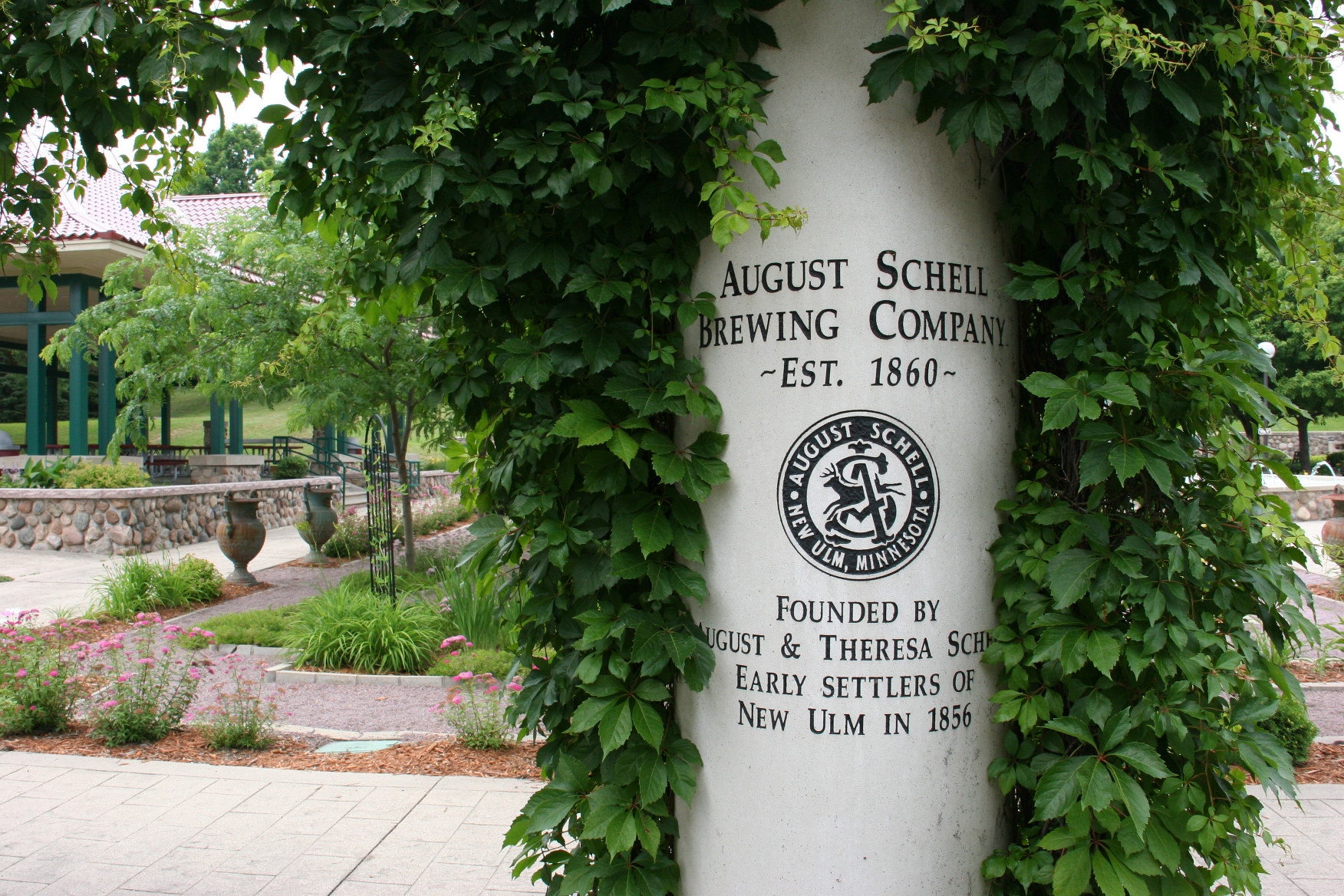
Imprinted on columns is information about what I assume to be park supporters. The August Schell Brewing Company is a major New Ulm attraction.

Imprinted on columns is information about what I assume to be park supporters. The August Schell Brewing Company is a major New Ulm attraction and on the list of “Top Ten Things to See” in this city.

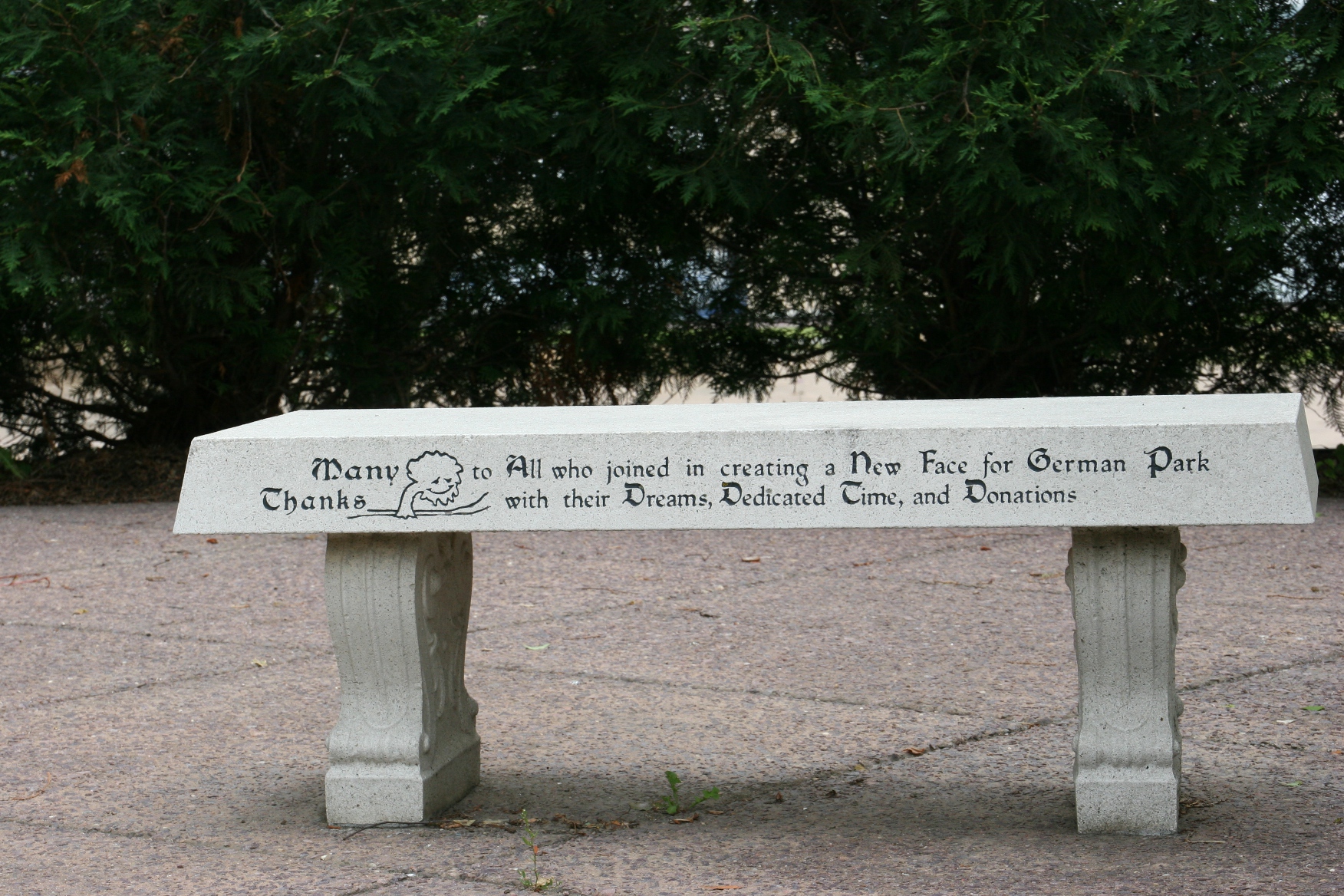
German Park was obviously a community effort. I love when a community works together to create something stunningly beautiful like his park.

German Park was obviously a community effort. I love when a community works together to create something stunningly beautiful like this park.

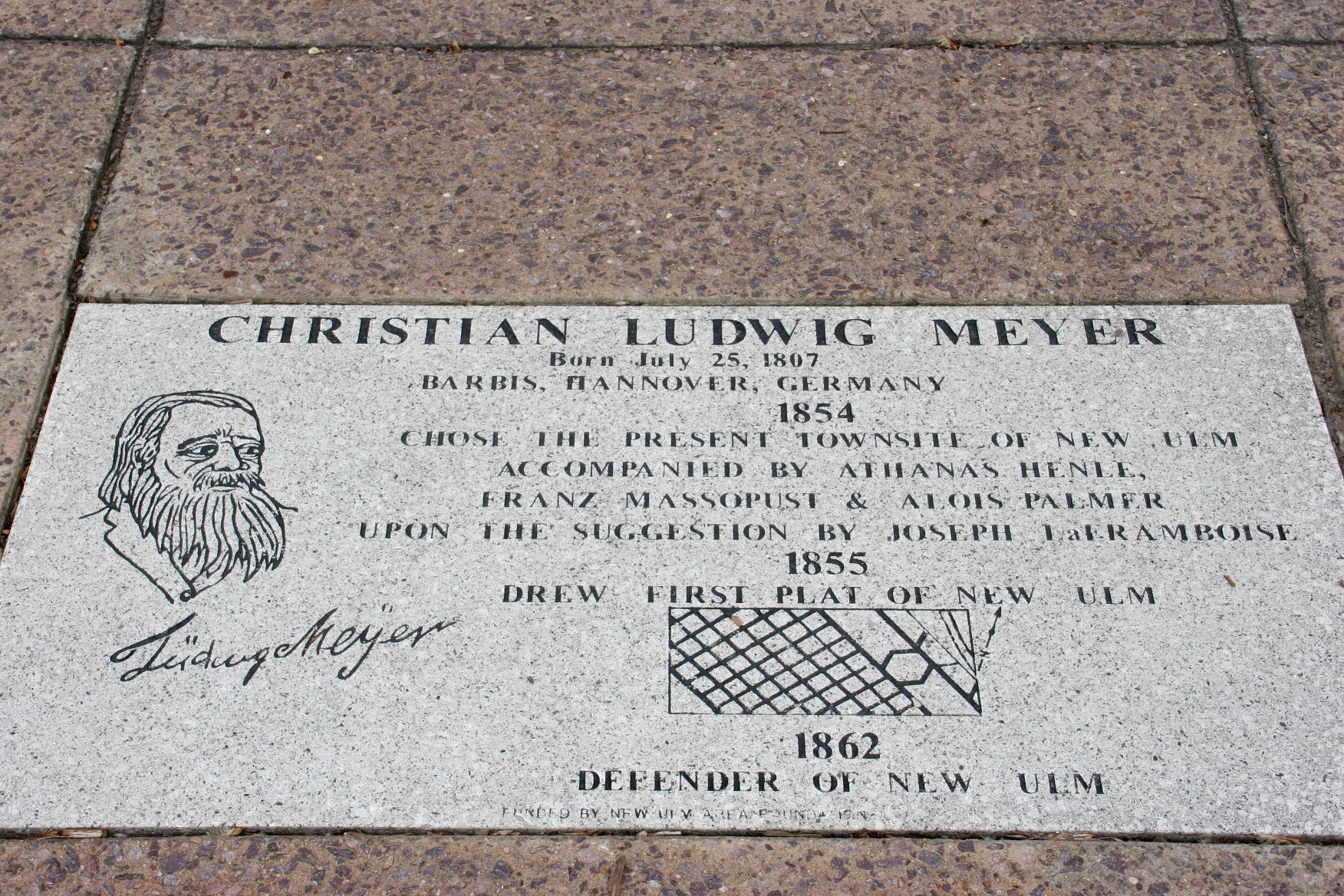
Local history is imprinted on pavers.

Local history is imprinted on pavers.

Along the street above the park

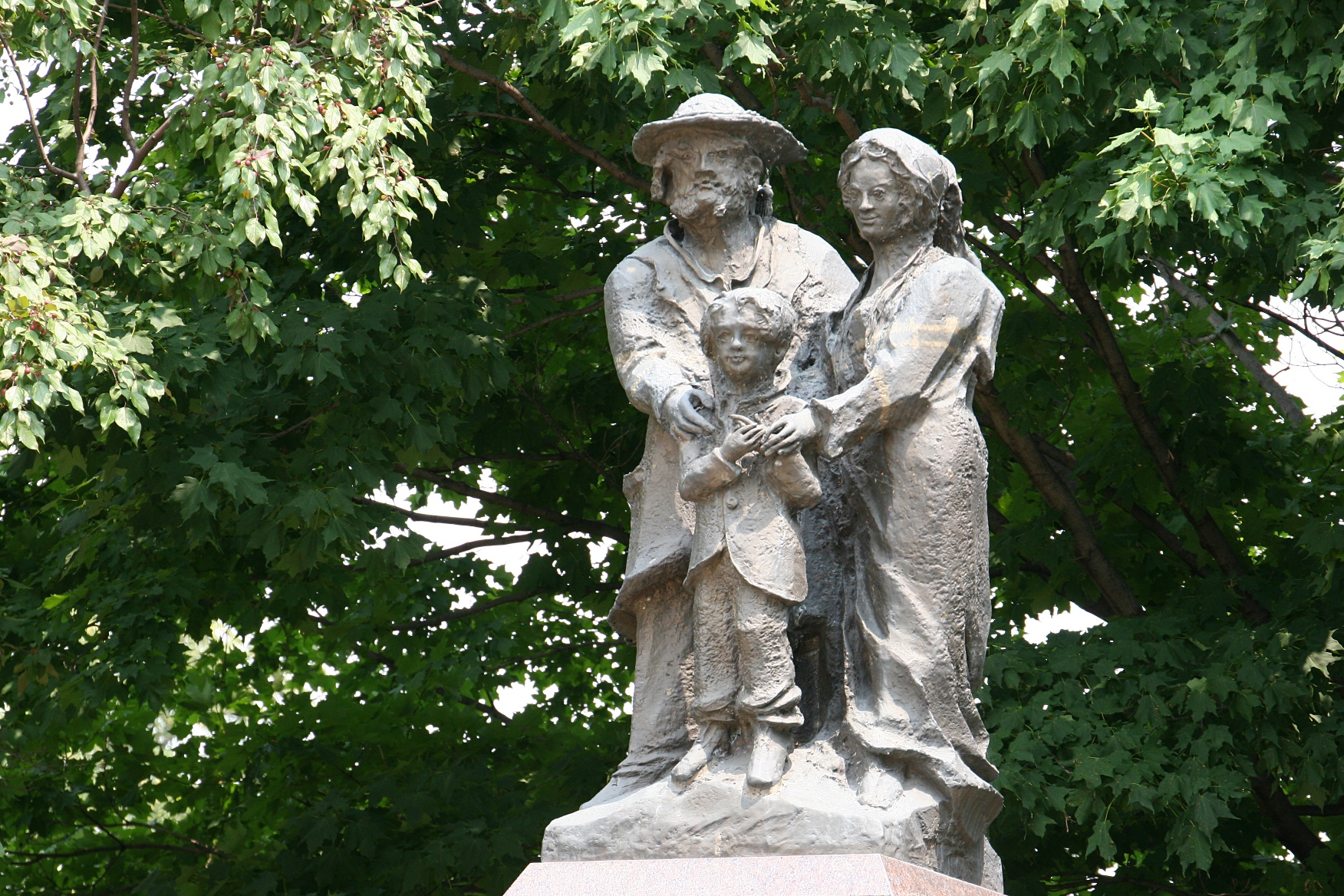
This granite statue along German Street just above the park honors the German-Bohemian immigrants who lived in the section of New Ulm known as Goosetown.

A portion of New Ulm's downtown business district with the Glockenspiel, another of the city's "Top Ten Things to See," in the background.

A portion of New Ulm’s downtown business district along N. Minnesota Street with the Glockenspiel in the background.

FYI: German Park is located at 200 N. German Street, several blocks south of U.S. Highway 14 and a block from N. Minnesota Street. The Summer Concerts in the Park series at German Park continues every Monday through the end of August. Music starts at 7 p.m.

© Copyright 2015 Audrey Kletscher Helbling