Minnesota Prairie Roots

Writing and photography by Audrey Kletscher Helbling
An “end of innocence” & my thoughts after a deadly shooting in Wisconsin May 4, 2015

UPDATE THREE, May 6: A Facebook page, Hands Over the Fox, has been set up to unite the people of the Fox Valley in the aftermath of the tragic shootings. A National Day of Prayer Trestle Trail event is set for 5:30 p.m. Thursday at the site of the tragedy. Click here to learn more about this community gathering to remember, demonstrate compassion and show strength. Attendees will gather on the Trestle Trail Bridge for 15 minutes of prayer. A potluck meal will follow at Fritse Park.

UPDATE TWO, May 5: A Go Fund Me website has now been established for the family of shooting victim Adam Bentdahl to help them deal with the financial burdens related to his death. Click here to support this family. I just learned of Minnesota connections. Adam was born on August 21, 1983, in Mankato, Minnesota, which is 40 miles from my community of Faribault. He has family (a grandmother in Hanska and a brother in White Bear Lake) in Minnesota.  Click here to read Adam’s obituary.

UPDATE, May 5: Calvary Bible Church in Neenah, Wisconsin, has set up a Stoffel Family Love Offering. Click here to see how you can support and donate to this family as they deal with the tragic deaths of Jon and Olivia. 

An edited image of a Wisconsin lake, used here for illustration purposes only. Minnesota Prairie Roots file photo 2012.

An edited image of a Wisconsin lake, used here for illustration purposes only. Minnesota Prairie Roots file photo 2012.

I AWOKE TO A NIGHTMARE so vivid this morning that I can still feel the icy waters of the black lake suffocating, pulling my second daughter and me into her deep, dark depths. We are dropping farther and farther from the surface, sinking to our deaths while I cry for my daughter to let go because it is the only way I can save her. Even though I cannot swim, I am determined to reach the surface.

But she won’t release me, no matter how I plead and scream. I gasp for air. My wool pea coat weighs and tightens around me like a straightjacket. My girl still clings to me. There is nothing I can do. And then I awaken, feeling the need to suck in air. I am so shaken by this dream that I don’t even tell my husband about my nightmare.

Hours later my phone bings with a text from my daughter: “There was a shooting in Menasha last night.” She lives in nearby Appleton, works in the medical field in the Fox Valley region of eastern Wisconsin with her office based in Menasha. I text and ask if I can call. She calls me.

Four are dead including gunman Sergio Daniel Valencia del Toro, a 27-year-old Air Force veteran and college student, who reportedly randomly opened fire Sunday evening on people crossing the Fox Cities Trestle Trail bridge. A 33-year-old father, Jonathan Stoffel of Neenah, and his 11-year-old daughter, Olivia, are dead. Their wife/mother was shot multiple times and remains hospitalized in critical condition. Two other children in the family were unharmed.  Adam Bentdahl, 31, from Appleton was also killed. The shooter shot himself. There were 75-100 people in the park/trail area at the time of the shooting.

This is the type of tragedy that stuns you, that hits especially hard when your daughter tells you she has used this very trail, when you’ve dreamed only hours earlier of drowning with that dear daughter in a cold, dark lake. There is no logical connection, of course, between my nightmare and the tragic shooting in Menasha. Still, the coincidence raises goosebumps.

Today I feel a profound sense of sadness that a young family and a young man simply out for a Sunday evening walk should suffer such loss at the hands of a man who’d reportedly just argued with his ex-fiancee. I don’t understand this type of unprovoked violence. Why?

At a news conference on Monday, Dr. Ray Georgen, director of trauma services at Neenah Theda Clark Medical Center and on duty Sunday evening, spoke of young mother Erin Stoffel’s arrival with three gunshot wounds, life-threatening injuries that required immediate emergency surgery. But I was struck most by Dr. Georgen’s statement that the random shootings mark “the end of innocence” for the Fox Valley region. Menasha Police Chief Tim Styka later concurred, saying that “Times have kind of caught up to us in the Fox Valley.” Violence like this can happen anywhere, he explained. Now it’s happened in his community in eastern Wisconsin.

The two also emphasized the heroism of Erin Stoffel. Despite three gunshot wounds, she got herself and her two surviving children, ages five and seven, off the bridge. That act, Dr. Georgen says, shows the power of the human spirit, of a mother determined to protect and save her children. What strength. What courage. What love.

FYI: A Go Fund Me fundraising site has been set up for the Stoffel family as Erin, Ezra and Selah deal with the deaths of their loved ones.

© Copyright 2015 Audrey Kletscher Helbling
 

A must-read Pulitzer prize winning report on domestic violence April 22, 2015

“IF I CAN’T HAVE YOU, nobody can.”

Then he shot her.

That story of a woman who was shot by her husband, and survived, is part of a powerful investigative report on domestic violence by the Charleston, South Carolina, The Post and Courier which Monday won the 2015 Pulitzer Prize for Public Service.

The Pulitzer Committee calls the seven-part “Till Death Do Us Part” series “riveting.”

That it is. It’s a must-read for anyone who cares about domestic violence. And we should all care. These are our mothers, our sisters, our daughters, our friends, our neighbors, our nieces, our granddaughters, who are dying and being abused (verbally/mentally/physically/emotionally) at the hands of men who supposedly love them. Men who control them. And then sometimes kill, or try to kill, them.

Whether you live in South Carolina—where the rate of men killing women ranks highest in the nation—or California or Minnesota or any place in between, you need to read this prize-winning series. Today. Now. (Click here.)

the logo

The logo for NO MORE, a national campaign for “No More Silence. No More Violence.”

The series addresses all facets of the issue. You will read stories and see images that will break your heart. You will read about survivors and grieving families. You will read about problems within “the system.”  You will read about frustrated law enforcement officers. You will read about lack of accountability and communication. You will read about warning signs and the reasons women stay in abusive relationships. You will read a list of problems and suggested solutions.

This is powerful information that will cause you to think and, hopefully, open your eyes and empower you to stand strong, to not look the other way. To care.

Here are some key bits of information that I gleaned from this series:

♥ Survivors often describe falling in love with “charming men who began abusing them well into their relationships.”

♥ Abusers are calculating and manipulative.

♥ Domestic violence is often mistaken as an “anger management problem.”

♥ Domestic violence is about control.

♥ Behavior such as choking/strangulation can predict a possible deadly outcome for those in relationships with domestic abusers.

♥ As South Carolina legislators recently debated domestic violence bills, all but one proposal died in committee. The sole surviving bill provided court-ordered protection for the pets of domestic violence victims.

♥ Domestic violence laws in South Carolina treat first-time offenders “about the same as shoplifters and litterbugs.”

♥ In dealing with domestic abuse offenders, it’s all about holding them accountable.

♥ When The Post and Courier emailed 30-plus clergy, asking whether they’d ever preached about domestic violence or heard a sermon on the topic, only four said they’d mentioned domestic violence. Most didn’t respond.

♥ Victims sometimes/often times fail to cooperate with law enforcement and prosecutors because “they are terrified of their abusers.”

♥ Zero tolerance of domestic violence leads to a drop in deaths.

The series concludes with the final section titled “Enough is enough.” Problems and solutions are presented therein.

Repeat that: Enough is enough.

#

IF YOU ARE CURRENTLY in an abusive relationship, seek help. Call a local women’s shelter or the National Domestic Violence Hotline at 1-800-799-7233. If you are in immediate danger, call 911.

#

FYI: April 19 – 25 is National Crime Victims’ Rights Week which focuses on supporting victims of crime.

Click here to read the Minnesota Coalition for Battered Women 2014 Femicide Report.

I understand that men can also be the victims of domestic abuse. But the investigative report by The Post and Courier focuses on women, which is why I also focus on women in this post.

© Copyright 2015 Audrey Kletscher Helbling

 

Lindström/Lindstrom’s missing umlauts April 16, 2015

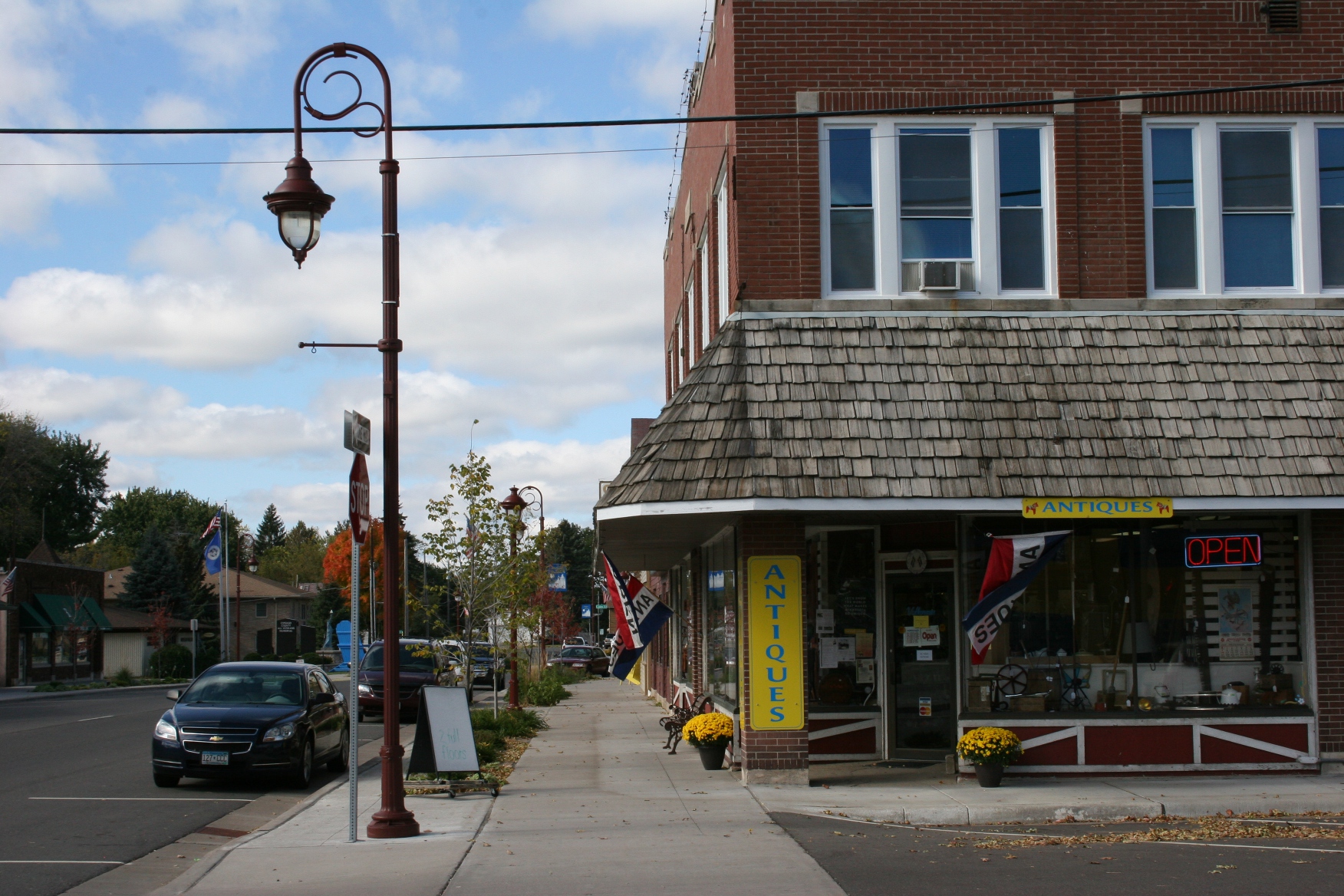
A section of LIndstrom's business district.

A section of  Lindstrom’s business district.

IT’S ALL A BIT AMUSING in a Minnesota sort of way.

Some folks in Lindström, “America’s Little Sweden” located about 40 miles north of the Twin Cities, noted the omission of the umlaut over the letter “o” on newly-erected official Minnesota Department of Transportation highway signage. They weren’t happy.

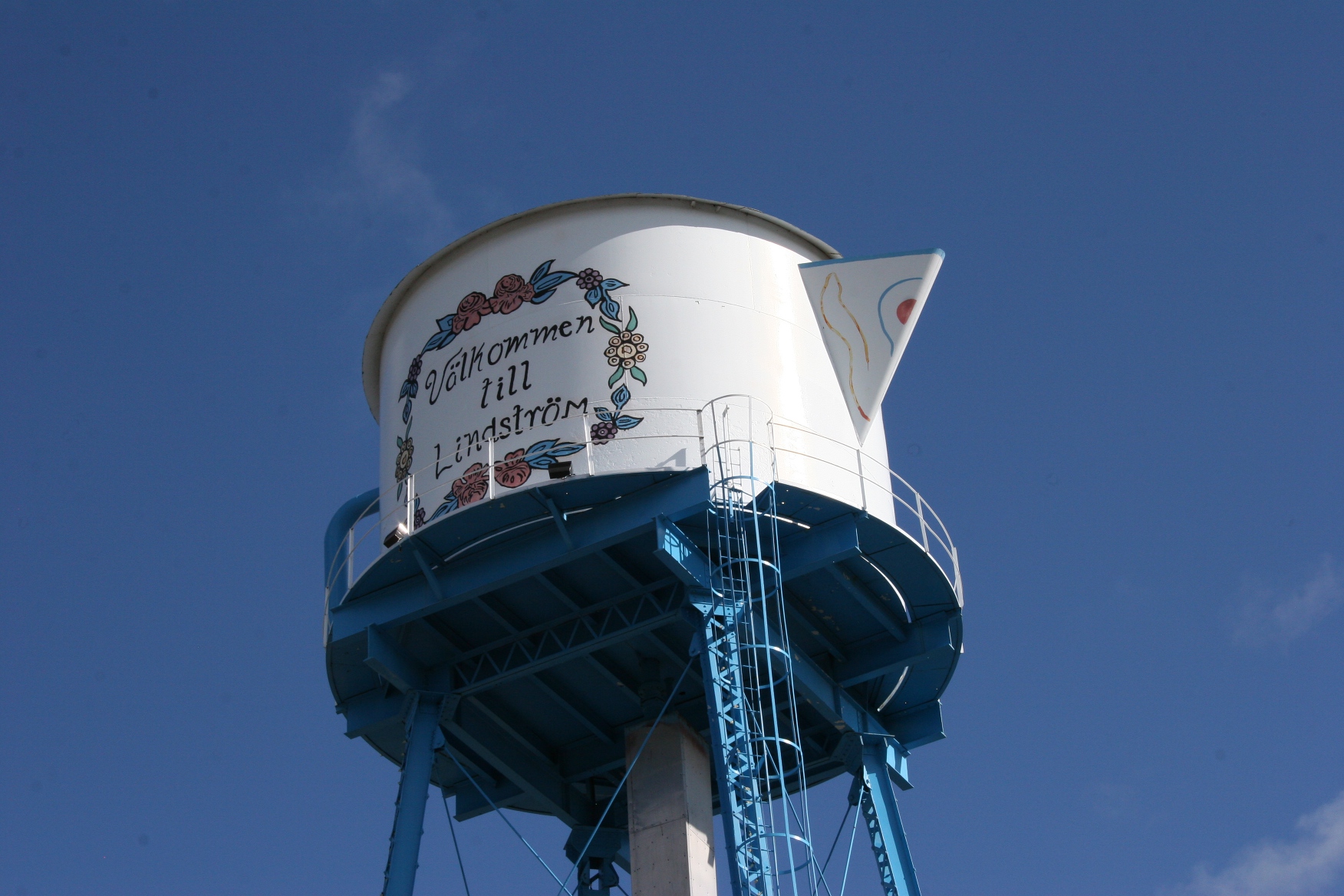
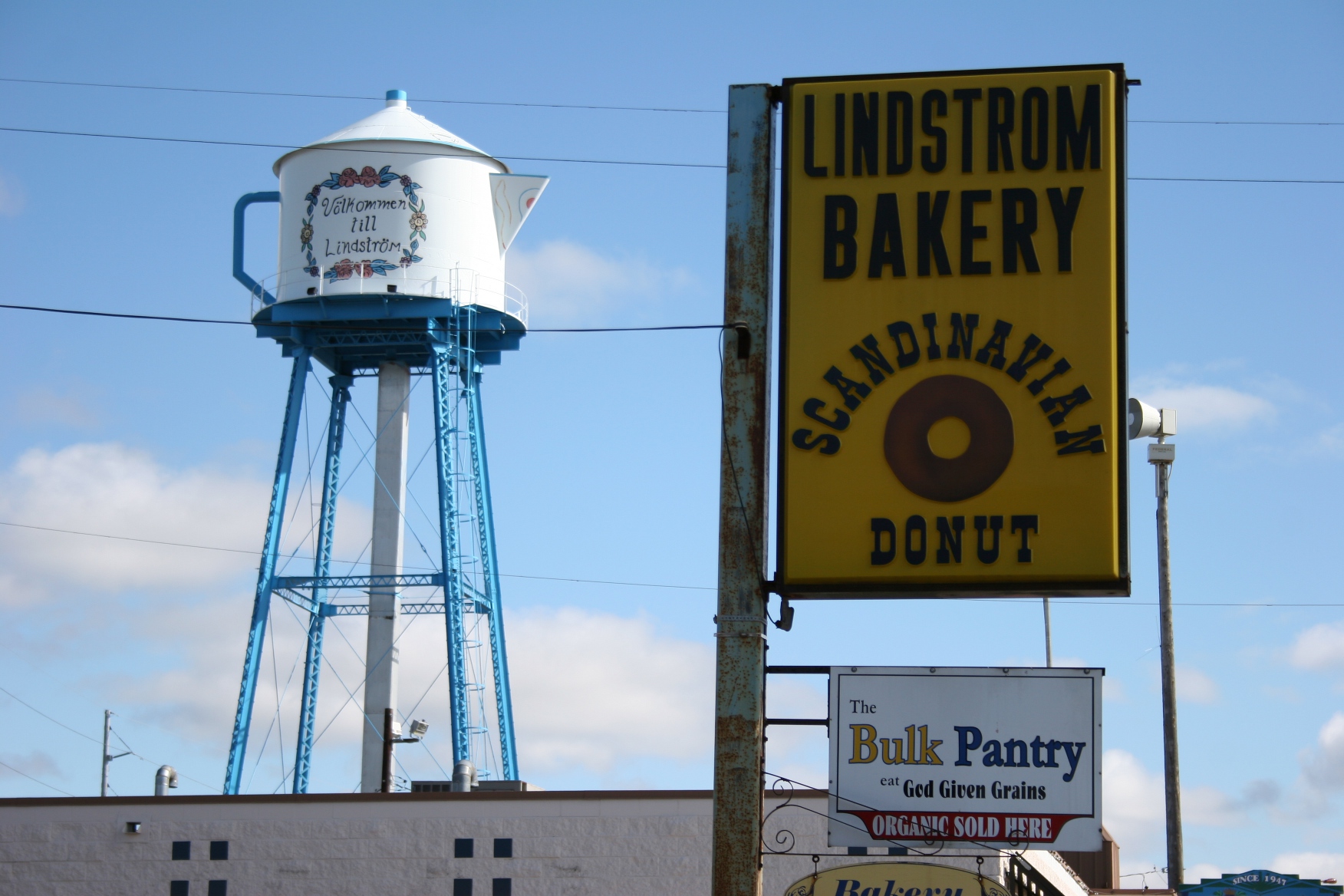
The town's 1908 water tower, converted to a Swedish coffee pot in 1992, sports umlauts.

The town’s 1908 water tower, converted to a Swedish coffee pot in 1992, sports umlauts.

Now if you’re of Swedish heritage and/or a stickler about absolutely proper linguistics, you can understand this discontent. I studied German in high school and college and am well aware of the importance of umlauts in correct pronunciation of a word. An umlaut denotes a specific sound.

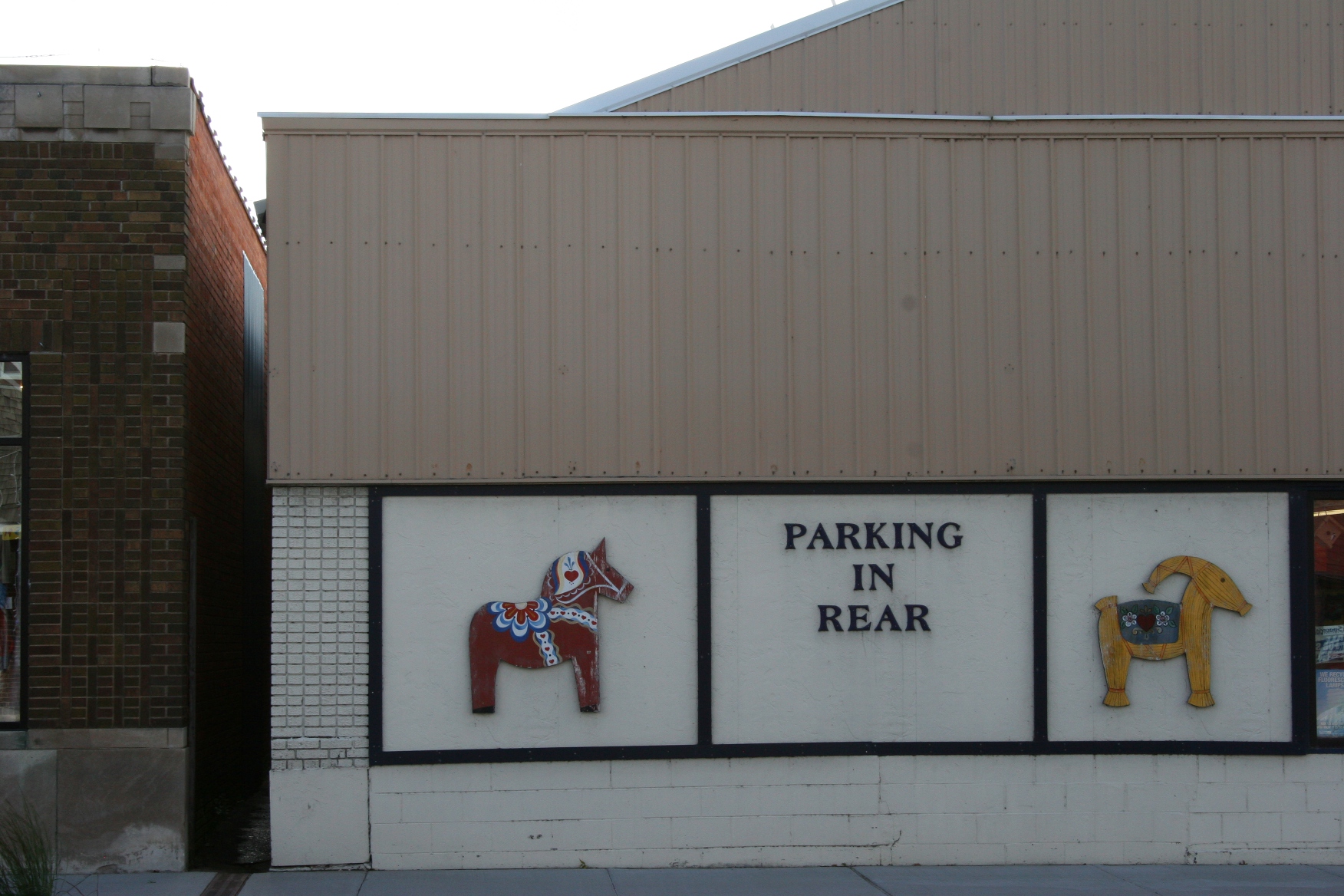
A Swedish dala horse and  Yule goat posted on a business honor this community's Swedish heritage.

A dala horse and Yule goat posted on a business honor Lindstrom’s Swedish heritage.

I expect if I lived in Lindström, where the Swedish heritage is an integral part of the town’s identity and a tourism draw, I might be miffed, too, about that missing umlaut.

In MnDOT’s defense, it was simply following state law which allows only standard alphabet usage (no umlauts or such) on traffic control devices.

Minnesota Governor Mark Dayton has since intervened, issuing an executive order on April 15 that approves addition of those two missing dots above the “o.”

In the meantime, The New York Times, the Associated Press and many other media outlets have picked up this, shall I call it, distinctly Minnesotan story.

I noticed in a television news story on the missing umlaut, that signage on the city’s center of government reads Lindstrom City Hall and Community Center rather than Lindström City Hall and Community Center. On the city’s website, the umlaut is sometimes there, sometimes not. I find that discrepancy interesting.

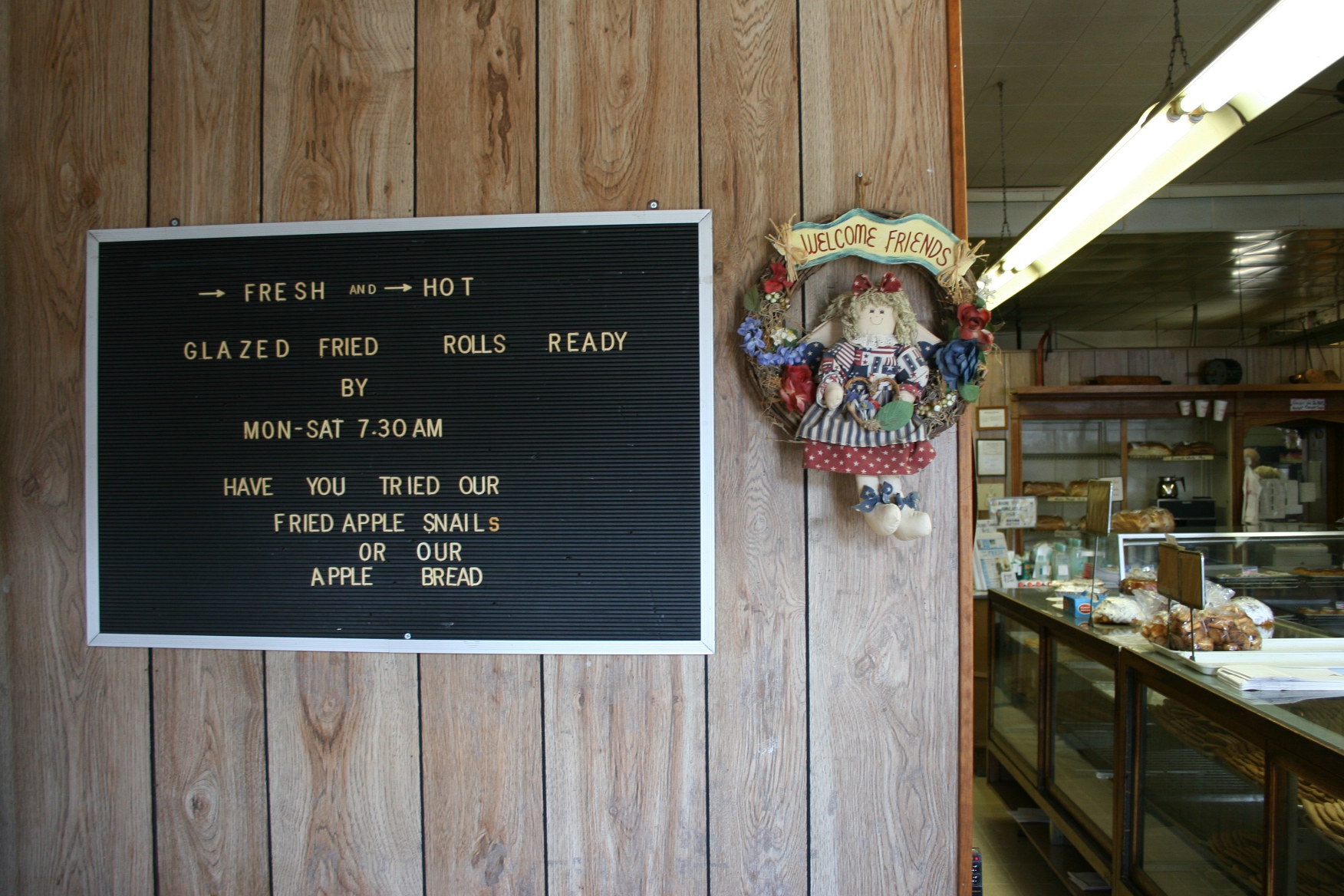
During my visit, I was more interested in what the bakery had to offer.

During my visit, I was more interested in what the bakery had to offer than an awareness of umlauts.

So I wondered about other signage in this community of 4,442 which my husband and I visited briefly last October, when I wasn’t noting the absence or presence of umlauts. I checked my few photos and here’s what I found:

Umlauts on the Swedish coffee pot, but none on the bakery sign.

Umlauts on the Swedish coffee pot, but none on the bakery sign.

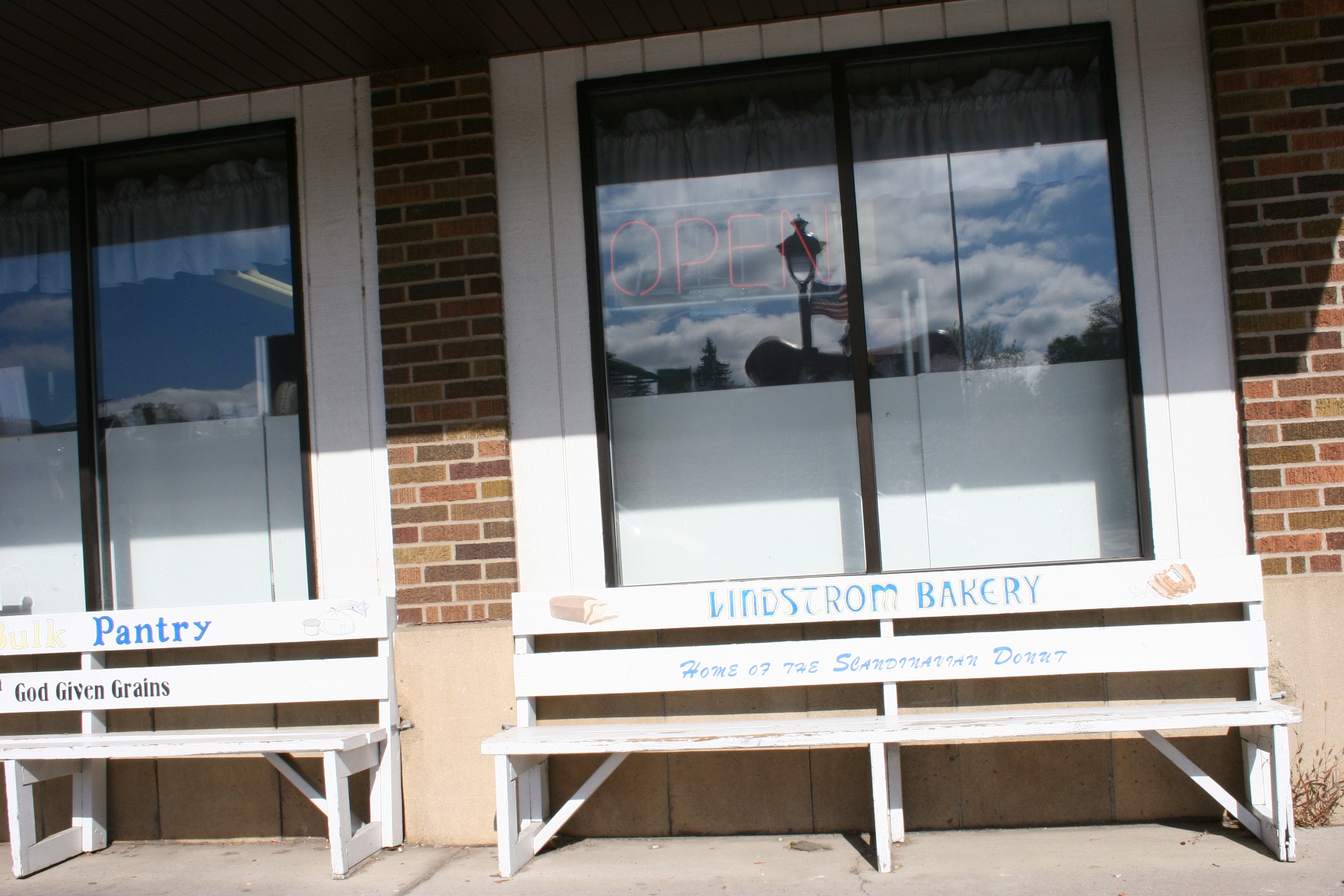
No umlauts on the bakery bench signage either.

No umlauts on the bakery bench signage either.

Interesting, huh?

Apparently no umlauts in the word "julekaka" on this bakery signage.

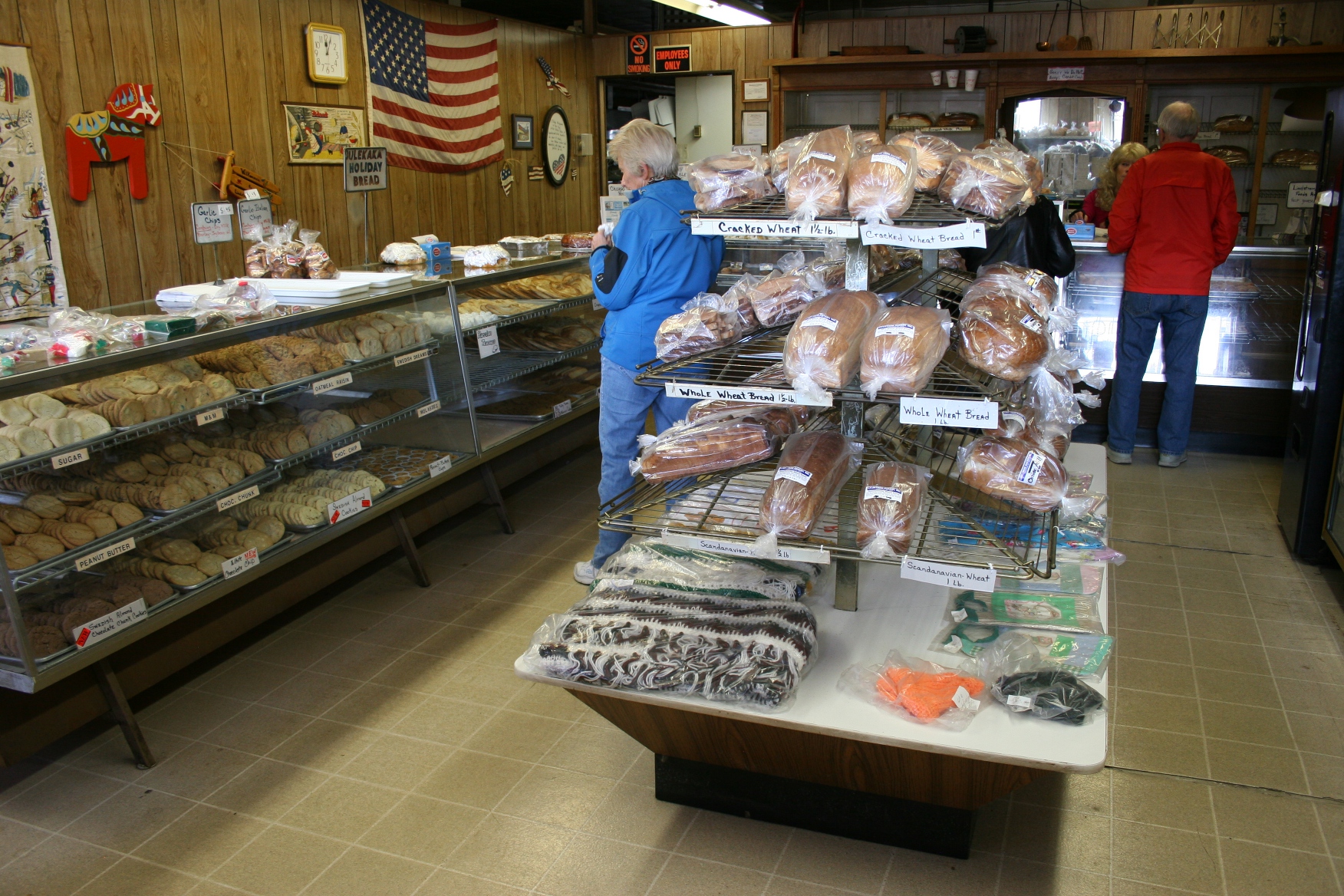
Inside the bakery which specializes in Swedish treats.

Umlaut or not, Lindström has garnered national attention. And that can only benefit local tourism in Lindström/Lindstrom.

BONUS PHOTOS:

More bakery treats.

More bakery treats.

Many choices at this bakery.

Many choices at this bakery.

Nothing Swedish, as far as I know, about Deutschland Meats.

Nothing Swedish about Deutschland Meats. Love that kitschy brat art atop the business.

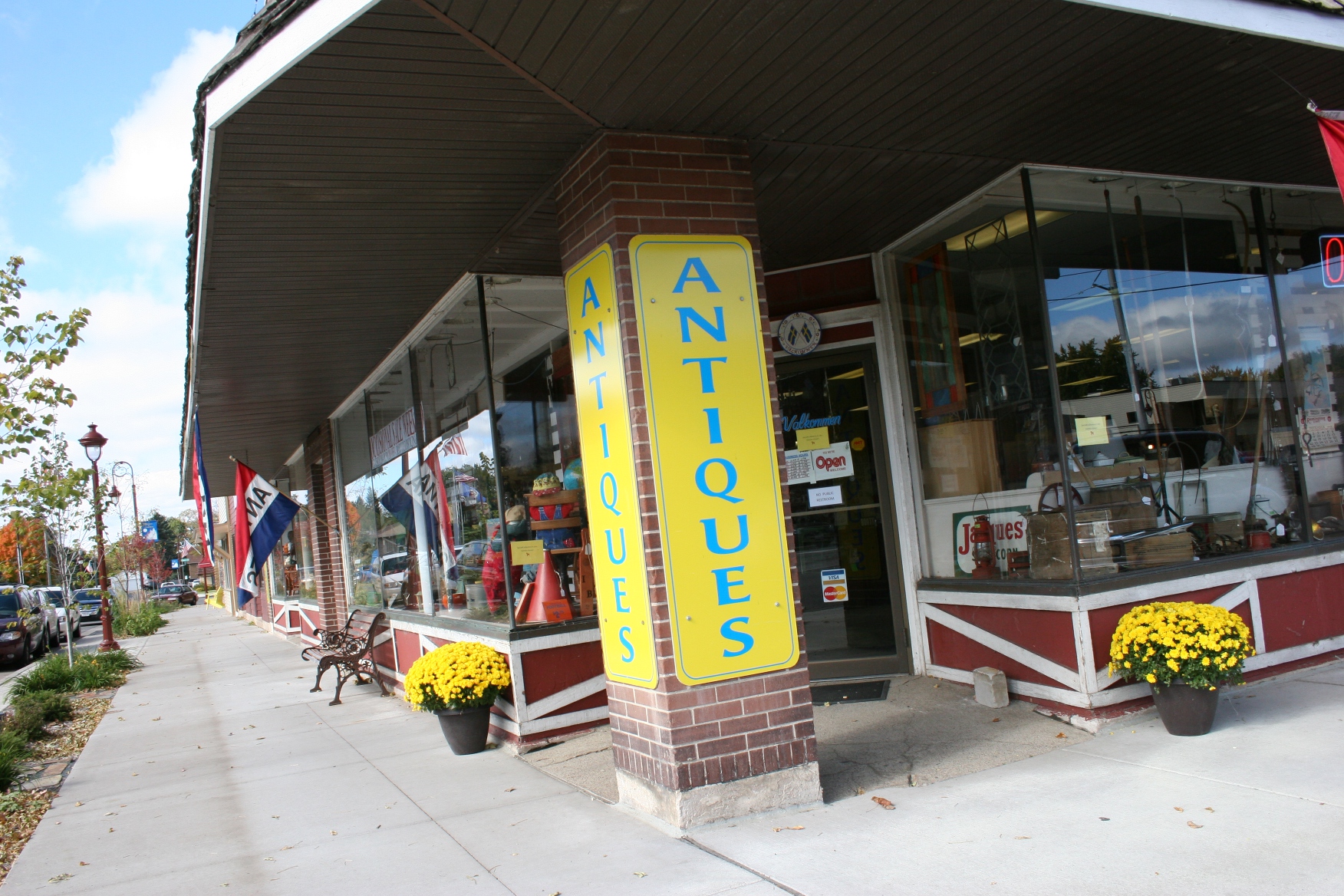
A must-visit antique shop in Lindstrom.

The must-visit Lindstrom Antique Mall, where you will find Swedish merchandise.

© Copyright 2015 Audrey Kletscher Helbling

Note that the absence of umlauts in cutlines is not intentional, but due to my not knowing how to add them there, if that is even an option.


Considering the tragedy in Boston April 15, 2013

Filed under: Uncategorized — Audrey Kletscher Helbling @ 6:49 PM
Tags: , , , , , , , ,

UP UNTIL SEVERAL HOURS AGO, I’d never heard of Patriot’s Day.

Now you can bet that I, like all Americans, will not forget the date two explosions rocked the Boston Marathon, killing two as of this writing.

As I watched news coverage this afternoon, fixated by the unfolding developments, the number of injured, or “wounded” as some newscasters labeled them, climbed. Twenty-three. Then fifty. Then one hundred.

This day, this event, this attack will forever sear itself into my memory, filed into that unforgettable dark corner of my mind next to the files of 9/11 and the 35W Bridge Collapse and Newtown and way too many other American tragedies.

On days like this, I simply want to weep. And I did.

© Copyright 2013 Audrey Kletscher Helbling

 

Patriot’s Brewing Company opening in Faribault with a nod to the past February 16, 2013

SEVERAL MONTHS AGO I overheard several antique dealers discussing a brewery in Faribault. I lingered nearby, feigning interest in merchandise so I could eavesdrop. With tidbits of information filed in my memory, I meandered farther into the Peterson Art Furniture Company complex.

There I spotted Northfield attorney, historic preservationist, and Peterson building and architectural salvage business owner David Hvistendahl eating lunch. Perfect timing. “What’s this about a brewery coming to Faribault?” I asked.

Chris Voegele , left, and Noah Strouth, owners of Patriot's Brewing Company

Chris Voegele , left, and Noah Strouth, owners of Patriot’s Brewing Company.

And thus I was introduced to Patriot’s Brewing Company, a Faribault-based regional brewery slated to open this fall, according to owners Noah Strouth, 40, and Chris Voegele, 41. Saturday morning I met with these longtime friends and 1990 Faribault High School graduates to learn more about their craft beer business. Up until then, I’d been asked not to publicly divulge news about the brewery.

The brewery will be housed in the lower level of the brick building on the left with a tap room opening later in the small white building in the center of the Peterson Art Furniture complex.

The brewery will be housed in the lower level of the brick building on the left with a tap room opening later in the small white building in the front of the Peterson Art Furniture complex.

But word had gotten around town and the time seemed right to share their plans for the brewery which will be housed in a 3,250 square foot basement section in the southwest corner of the former Peterson Art Furniture Company (before that home to the Faribault Furniture Company) building along Fourth Street in the heart of historic downtown Faribault.

David Hvistendahl, from whom Patriot's is renting space for the brewery, sports a Fleck's beer t-shirt. A line of Fleck's Hvistendahl and a partner plan to eventually open an event center int he space above the brewery.

David Hvistendahl, from whom Patriot’s is renting space for the brewery, sports a Fleck’s beer t-shirt. Fleck’s branded clothing will soon be available for purchase through Patriot’s Brewing. Hvistendahl and a partner plan to eventually open an event center in the space above the brewery.

For the first time since 1964, when Fleckenstein Brewery closed, Faribault will have its own brewery, and one which will brew Fleck’s labeled bock and lagers. Patriot’s Brewing has trademarked the Fleck’s name, which had been left in the public domain, Voegele said.

“People in Faribault seem to like their history,” Voegele said, both he and Strouth emphasizing the name recognition and importance of Fleck’s beer in Faribault history.

They’ve even talked to locals who drank Fleck’s beer to learn more about the taste, something they hope to re-create in a Fleck’s lager. The recipes died with Ernst “Boots” Fleckenstein, the last brewmaster, Voegele said. The pair has also considered the historic grains and the water at the time (the brewery drew its water from an artesian well) the popular Faribault beer was produced. They’ll never exactly replicate Fleck’s, especially since they cannot re-create the yeast strain (of major importance in the brewing process), but they will try, the two say.

The brewery space.

The brewery space.

“Everything is in motion,” said Voegele as he and Strouth stood in the sprawling brewery space defined by rugged stone walls of local gray quarry stone and by thick support posts. The former storage area has been cleared and the two are working on the infrastructure with projects like tuckpointing and reinstalling the original windows in the 1886 building. Additional water and sewer lines are set for June installation during a street reconstruction project.

The walls are constructed from locally quarried stone.

The walls, constructed from locally quarried stone, will be tuckpointed.

They hope to begin brewing in the fall, starting with 80-100 barrels a month, producing one or two beers initially in their 25-barrel brewhouse. Each barrel holds 31 gallons. A Fleck’s branded lager will be among their first beers.

Strouth and Voegele are no novices at beer brewing, For five years already they’ve brewed beer in a small scale mini brewery in the basement of Strouth’s rural Faribault home. They can produce about 16 gallons and will use the same operating system in the brewery, only on a much larger scale.

They are, they agree, passionate about brewing beer, bringing their home-brewed beers to taste testers at local beer clubs and to area craft beer competitions. In 2012, their beer earned four first place ribbons at the Rice County Fair.

“We make beer that we like to drink,” Strouth said. “And people seem to like our beer.”

Patriot’s Brewing already has created recipes for five beers: #1 American Pale Ale, IPA Olicious (an India Pale Ale), Nutso (a nut brown ale), Stouty McStouterton (an oatmeal stout) and Fleck’s bock (a helles bock). The brewers are also working on lagers.

“We have a high appreciation for fine beer,” Voegele said, admitting it took awhile, though, for his beer palate to develop.

This view looks toward the  steps leading to the future tap room.

This view looks toward the steps leading to the future tap room. Only beer, and not food, will be served here.

While Patriot’s Brewing aims for regional distribution of its beer within a 60-mile radius of Faribault, the brewery is also relying on strong community support. As the business grows, plans call for opening of a tap room just up a set of steps from the brewery in a garage space occupied by Color My World. Voegele envisions a little bar with tables and chairs in an old style atmosphere in the cement-walled space. The pair plan to incorporate Fleckenstein Brewery/Fleck’s beer memorabilia into the tap room.

And then, as the business grows even more, the two hope to move the tap room elsewhere and use that vacated space for a grain room.

The ceiling of the historic building in the brewery area.

The ceiling of the historic building in the brewery area.

Eventually, they hope to offer brewery tours.

But that’s all in the future, after the brewery is established and sales are going strong. For now, Strouth and Voegele are concentrating on getting the brewery up and running while keeping their day jobs. Strouth works as a welder and fabricator at Lockerby Sheet Metal. Voegele teaches biology 105 at Minnesota State University, Mankato, works as an emergency medical technician in St. Peter and farms part-time in rural Morristown.

As they grow their regional brewery, they also plan to add employees.

Chris Voegele and Noah Strouth are grounded in Faribault, their hometown.

Chris Voegele and Noah Strouth are grounded in Faribault, their hometown.

They are committed to Faribault, to its rich history. “Our roots are in Faribault,” Voegele said.

They are also committed to using American made/grown products—from equipment to hops to bottles—whenever possible in their business.

Noah Strouth's nephew, Alex Strouth, a senior at Northfield High School, created the patriotic themed company logo.

Noah Strouth’s nephew, Alex Strouth, a senior at Northfield High School, created the patriotic themed company logo.

That sense of American pride explains the company name—Patriot’s Brewing Company. “We believe in America…promoting American businesses, the feeling of Americanism, pride in country,” Voegele said.

And although Voegele did not specifically state it, he and Strouth are now living the American dream in starting their own business, Patriot’s Brewing Company.

© Copyright 2013 Audrey Kletscher Helbling

 

Not again, please, not again December 14, 2012

Filed under: Uncategorized — Audrey Kletscher Helbling @ 4:54 PM
Tags: , , , ,

I SWITCHED ON THE TELEVISION this afternoon, mail in hand, to read a few Christmas cards before continuing on with my day of catch-up around the house and wrapping gifts.

“20 children, six adults dead at Sandy Hook Elementary School in Ct.” or some such words flashed across the bottom of the screen as a reporter detailed the latest mass execution in America.

My aunt’s holiday letter fell from my hands. I read not a single cheery greeting, but instead dumped the pile of remaining unopened mail onto the dining room table and sobbed.

How can this be?

Again.

© Copyright 2012 Audrey Kletscher Helbling

 

Believe me, you do not want to contract whooping cough December 5, 2012

ABOUT A YEAR AGO my second daughter, who works as a Spanish medical interpreter in northeastern Wisconsin, reported warning signs about whooping cough posted at local clinics.

I figured it wouldn’t be long before the disease, also known as pertussis, spread to Minnesota.

According to the national Center for Disease Control and Prevention, Wisconsin and Minnesota currently are experiencing the highest year-to-date incidents of pertussis in the nation with 93.4 incidents per 100,000 people in Wisconsin and 78.1 per 100,000 in Minnesota. The national average is 11.6.

That translates into 4,174 confirmed, probable and suspect cases in Minnesota (as of November 29), according to the Minnesota Department of Health.

In Wisconsin, 5,163 cases were reported through October 31 by the Department of Health Services.

As of November 16, the CDC has received reports of 35,000 cases across the country, including 16 deaths.

Statistics are one thing, something most of us approach with the attitude of “that doesn’t affect me.”

Reality, getting the disease, is quite another.

I speak from experience.

In the summer of 2005, when I was 48, I came down with what I initially thought was a bad cold. Turns out the horrific sore throat, followed by the equally horrific cough, was actually whooping cough. After three doctor’s visits and a misdiagnosis of bronchitis, I was correctly diagnosed with pertussis, the first case my physician had ever seen in his longtime career.

When he informed me that pertussis is also known as the 100-day cough, he was not joking. I was racked by uncontrollable fits of coughing from around July Fourth until well after Labor Day.

For me, the summer of 2005 was spent languishing on the couch, feeling like absolute crap, exhausted from lack of sleep (ever try sleeping when you are constantly coughing), utterly worn down, unable to barely function.

The worst, and I mean absolute worst, moment came when I awoke one night gasping for air, my windpipe narrowed. In retrospect, that asthmatic type attack warranted a 911 call and I now consider myself fortunate to have survived. Yes, it was that bad and necessitated another visit to the doctor for a regiment of the inflammation reducing steroid prednisone and an inhaler.

I don’t know why I experienced a particularly bad case of whooping cough. Typically the young and elderly are most harshly affected. Unvaccinated infants can even die.

The gravestone of Deloris Edna Emilie Bode in Immanuel Lutheran Church, rural Courtland.

The gravestone of Deloris Edna Emilie Bode in the Immanuel Lutheran Church cemetery, rural Courtland.

Nor do I know how I got a disease I thought had vanished decades ago and which claimed the life of my Aunt Deloris in 1935 at nine months old. My doctor speculated that I could have been exposed waiting in the check-out line at the grocery store. I’ll never know.

According to the Minnesota Department of Health, here’s how pertussis is spread:

The bacteria is found in fluids from the mouth and nose of someone with pertussis. The bacteria is spread when fluid containing the bacteria gets in your nose or mouth. This can happen when a person with pertussis coughs or sneezes on you, or by touching the fluid and then touching your eyes, nose, or mouth. In general, a person is at greater risk of getting pertussis if they are within three feet of someone with pertussis for at least 10 hours a week, this is considered close contact.

My physician immediately put me and my entire family on antibiotics, which can reduce the severity of whooping cough. My husband and one daughter also eventually contracted minor cases of pertussis.

I learned a lot during my summer as a whooping crane. (One has to find humor in an experience like this.) I learned that the vaccine most of us get as babies wears off about the time we reach middle school age. Ironically, in the same year I was ill, new pertussis vaccines were approved for adolescents and adults.

If you’re not up-to-date on your pertussis vaccine, I’d suggest you get vaccinated.

There. I’ll get off my soapbox now.

FYI: The Mayo Clinic in Rochester on Monday released this report on whooping cough.

Click here to learn all about pertussis from the CDC.

If you live in Minnesota, click here to a link showing a map of year-to-date pertussis cases in Minnesota, including 10 right here in my county of Rice.

© Copyright 2012 Audrey Kletscher Helbling

 

My thoughts as a Faribault resident on the alleged crimes at Shattuck-St. Mary’s School October 10, 2012

Filed under: Uncategorized — Audrey Kletscher Helbling @ 9:07 AM
Tags: , , , , , ,

In the distance you can see the clock tower on Shumway Hall at Shattuck-St. Mary’s School in Faribault, photographed last fall from City View Park.

I’D LIKE NOTHING BETTER today than to ignore the horrible, unspeakable allegations which have thrust my community of Faribault into the headlines.

In fact, Tuesday morning, I wanted to hide the Faribault Daily News from an overnight house guest from California and told him as much.

I mean, would you want your guest, a first-time visitor to Minnesota, to read this major news headline about the southeastern Minnesota community in which you’ve lived for 30 years: Former Shattuck teacher faces child porn charges.

All but one-fifth of the newspaper’s front page was devoted to coverage of the still unfolding story about alleged sexual misconduct involving at least six victims at a prestigious private college prep school on Faribault’s east side. Former Shattuck-St. Mary’s drama teacher Lynn Seibel (from 1992 – 2003) has been charged with 17 felonies, including 10 of sexual misconduct, and is being held in the Los Angeles County Jail, according to the news report.

This morning I awoke to these front page news headlines: Report: Another Shattuck teacher had sexual relationship with student—police reviewing 2008 investigation; New witness comes forward in Seibel case; Shattuck St. Mary’s has positive—and significant—impact on Faribault’s economy.

There are also accusations from law enforcement that school officials failed to report the discovery of child pornography on Seibel’s computer in 2003, the same year the former drama teacher lost his job at the school. Shattuck officials say they reported their discovery to authorities. I don’t know who’s telling the truth and who isn’t in this part of the case. That’s not for me to decide.

What I do know is this: Awful, horrible allegations like this make you realize that no place, no place at all, is immune from unspeakable crimes against our children by those in positions of authority. If, indeed, there has been any sort of cover-up—remember my wanting to hide the Faribault Daily News from my California house guest—then the case takes on additional significance. Thoughts of the Jerry Sandusky case can’t help but flit through my brain.

That all said, let me tell you what connection I, as a Faribault resident, have had to Shattuck-St. Mary’s and how I’ve viewed the school up until now. Mostly, I’ve always thought of Shattuck as a boarding/day school where rich people send their kids. (Current tuition ranges from $26,950 for domestic day students to $42,450 for international students.) Although that “rich people” conclusion probably is not entirely accurate, that is what I, and I expect many Faribault residents, think. I’m just being honest here with my opinion.

Landmark Shumway Hall at Shattuck during the annual Christmas Walk.

Shattuck is also an internationally-known hockey school, turning out winning teams and youth who go on to play professional hockey. I’ve attended one hockey game there and also enjoyed a figure skating show during the school’s annual Christmas Walk.

If one place captures the beauty of Shattuck, it would be the grand stairway in Morgan Hall photographed during the Christmas Walk.

In addition to the open house holiday event for the community, Shattuck hosts an annual Easter egg hunt and numerous arts-related performances that are open to the public.

A hallway leads to the 1889 Morgan Hall, photographed during the Christmas Walk.

And then there’s the physical campus itself. Founded in 1858 as an Episcopal mission school, the school’s two campuses feature some of the most gorgeous stone buildings in Faribault. The clock tower and archway entrance to the Shattuck main campus are notable city landmarks. Locals are married here, in this beautiful setting.

To think that this lovely and historic place of strong stone walls could hold secrets of alleged sexual abuse against the children sheltered here is nothing short of heartbreaking and horrible.

TO READ LOCAL NEWS coverage on the case, click here.

© Copyright 2012 Audrey Kletscher Helbling


This mother worries while her son waits out a bomb threat at NDSU September 14, 2012

Filed under: Uncategorized — Audrey Kletscher Helbling @ 11:06 AM

Tags: , , ,

OK, this is one of those moments when this mom worries, wishing only that her son could be back home, safe under her roof.

My son, who attends North Dakota State University in Fargo, is currently across the street from his dorm after a bomb threat was received and a campus evacuation ordered.

Typically this would not scare me so much. But this week marks the 11th anniversary of 9/11 and anti-American sentiments are running high in Egypt and Libya and elsewhere.

There have also been two other bomb threats in the Fargo region this week, one at Hector International Airport, directly across the street from the NDSU campus, and at the airport in nearby Grand Forks, according to an article in The Fargo Forum. That, in itself, is frightening enough.

The Minneapolis Tribune also reports a bomb threat at the University of Texas in Austin this morning from a man claiming to have planted bombs on campus. According to a source quoted in that article, the caller had a Middle Eastern accent and claimed to have ties to al-Qaida.

Coincidence or not?

My son called me about the bomb threat, to which he was alerted via a phone call. He knows nothing other than what I am sharing with him and he is relying on me for updates. He doesn’t have access to the internet. Students are milling around where he is now, directly across the street from campus. Where is he supposed to go? He’s only lived in Fargo for four weeks and it’s not like he has anyone to welcome him into their home, to provide support and updates while this is all unfolding.

Is he safe where he is now, two traffic lanes away from his dorm.

“I hope they don’t blow up my dorm,” he said.

What am I supposed to say? How can I reassure him?

I’m back here in southern Minnesota, 285 miles and five hours away.

I haven’t been able to access the NDSU website.

I am waiting, just like my boy.

Copyright 2012 Audrey Kletscher Helbling

 

Little Free Libraries for Small Towns project in Minnesota and Wisconsin officially kicks off at MOA August 15, 2012

TEN MONTHS AGO, Todd Bol, co-founder of the Wisconsin-based Little Free Library, and I were discussing an idea to get Little Free Libraries into small towns without libraries. I wanted a library in my hometown of Vesta, a community of around 340 residents which has never had a library.

I had blogged about a LFL in Faribault, where I have lived for 30 years, and challenged the residents of Vesta to start a LFL.

The LFL Todd and Susan Bol installed outside the community-owned Vesta Cafe.

After making that challenge, Bol and I talked and, several months later, he offered to donate, deliver and install a LFL in Vesta, placing the first library in a new initiative, Little Free Libraries for Small Towns. Bol and his wife, Susan, drove from Hudson, Wisconsin, on July 1 and installed a LFL in front of the Vesta Cafe.

This Friday, August 17, that small towns project officially kicks off with a celebration from noon to 3 p.m. in the Mall of America rotunda near the east entrance. A program featuring activities and also appearances by local celebrities sharing their favorite books is slated for 1 – 2 p.m. Businesses and publishers are donating new books and the public is encouraged to bring books for 20 uniquely designed mini libraries to be placed in Twin Cities’ neighborhoods and communities surrounding the mega mall.

MOA is donating those 20 libraries and two special libraries (numbers 2,509 and 2,510) which will tie and break the records of libraries funded by philanthropist Andrew Carnegie.

How sweet is that? But even sweeter, in my opinion, is the MOA’s general support of the Little Free Libraries for Small Towns project as a way “to promote literacy and community-building by supporting neighborhood book exchanges.”

The beautiful handcrafted LFL donated to my hometown of Vesta.

The LFL works on the premise of take a book/leave a book in a little library, which is typically an over-sized birdhouse size structure attached to a post and installed outdoors, making books accessible to the public 24/7.

In kicking off its Little Free Libraries for Small Towns project, the LFL non-profit aims to focus first on the small towns of Minnesota and Wisconsin without ready access to public libraries, like my hometown of Vesta on the southwestern Minnesota prairie. The closest libraries to Vesta are about 20 miles away. Earlier this year bookmobile service to my hometown and several other communities was cut by Redwood County commissioners to save money.

I expect that many other small towns in Minnesota and Wisconsin are in similar positions, without library services because a) they’ve never had libraries or b) funding has been cut or trimmed.

Living in or near a town without a library, as I did growing up, is a hardship for someone like me who loves to read. That’s why I was adamant in my discussion last fall with LFL co-founder Bol that he focus on small towns without libraries. He liked the idea—Bol is very much an energetic ideas man—and he eventually shaped our discussion, with the help of his equally enthusiastic staff, into the Little Free Libraries for Small Towns project.

Bol thinks big. The LFL group is initially seeking 20 sponsors to each facilitate 20 Little Free Libraries for small towns across Minnesota and Wisconsin, resulting in 400 new free libraries. A $600 contribution supports construction, delivery and installation of one LFL to a small town and a starter collection of books as well as official LFL registration and promotion, and a plaque on the sponsored library.

Beyond all of that, the real satisfaction, I think, comes in the reaction of those communities which benefit from such generosity. My hometown has embraced the LFL with a level of enthusiasm beyond anything I ever expected.

The team that worked to bring a Little Free Library to Vesta includes Dorothy Marquardt, left, and Karen Lemcke, representing the sponsoring Vesta Commercial Club, LFL co-founder Todd Bol and me (holding a copy of a poetry anthology I donated and in which I have two poems, “A school without a library” and “Saturday night baths”).

Karen Lemcke, who early on supported the LFL as a member of the Vesta Commercial Club and is now the Vesta library steward, shared several weeks ago that Vesta’s LFL is a “very successful project.”

She then went on to explain that area residents are taking books from the outdoor LFL and that two bookshelves inside the Vesta Cafe have also been filled with donated books. Says Lemcke:

We have a variety of books from non-fiction, fiction and children’s books. On Sunday, children had taken some of the books and sat on a couch nearby looking through them. I heard today that tractor books were on a shelf and local farmers were borrowing them overnight to look through. The women have been going through the books as well and they will be picking up some to read, too…It’s like it (LFL) brought a “little life” to Vesta.

If you are thinking that Karen’s report brought tears to my eyes, you would be right. To hear that farmers are pulling tractor books from shelves to take home, especially, pleases me. And kids paging through books…
The books Todd Bol and I placed inside Vesta’s LFL on July 1. He brought books donated by several Twin Cities publishers and I brought books from my personal collection. I have since collected and donated an additional 40 books.  A retired librarian from nearby Wabasso donated eight bags of books, primarily mysteries, and the cafe manager’s family also donated books and I expect others have given books, too.

With this new LFL for Small Towns project, just consider for a moment how many more scenarios like this can happen in small towns without libraries. What a gift to bring books to the residents of small towns and enhance or instill a love of reading.
The LFL organization is now accepting applications from communities which would like to be considered for the Little Free Libraries for Small Towns project. Applicants from Minnesota and Wisconsin need only complete a short questionnaire requesting information such as the town’s population, whether it has a public library and how a LFL would make a difference in their community.

LFLs will be awarded based on available sponsorships and contributions and the need and interest level of the applicant communities, among other criteria.

So…if your small Minnesota or Wisconsin town needs a library, believe. It can happen. My conversation with the co-founder of the Little Free Library resulted in the donation of a library and a starter collection of books to my hometown…and the launch of the Little Free Libraries for Small Towns project.

The Little Free Library at the Vesta Cafe on the one-block Main Street in my hometown is the seed plant of the Little Free Libraries for Small Towns project.

FYI: For more information about the LFL program, click here to reach the website. To learn more about  the Little Free Libraries for Small Towns initiative and to download an application, click here.  Applications will also be available at the MOA-LFL event on Friday, to which I’ve been invited but will be unable to attend.

If you or your business or organization is interested in sponsoring a library or libraries for the small towns initiative in Minnesota or Wisconsin, email Megan Hanson at mphanson@littlefreelibrary.org.

© Copyright 2012 Audrey Kletscher Helbling