Minnesota Prairie Roots

Writing and photography by Audrey Kletscher Helbling

On our way to church in North Morristown October 12, 2011

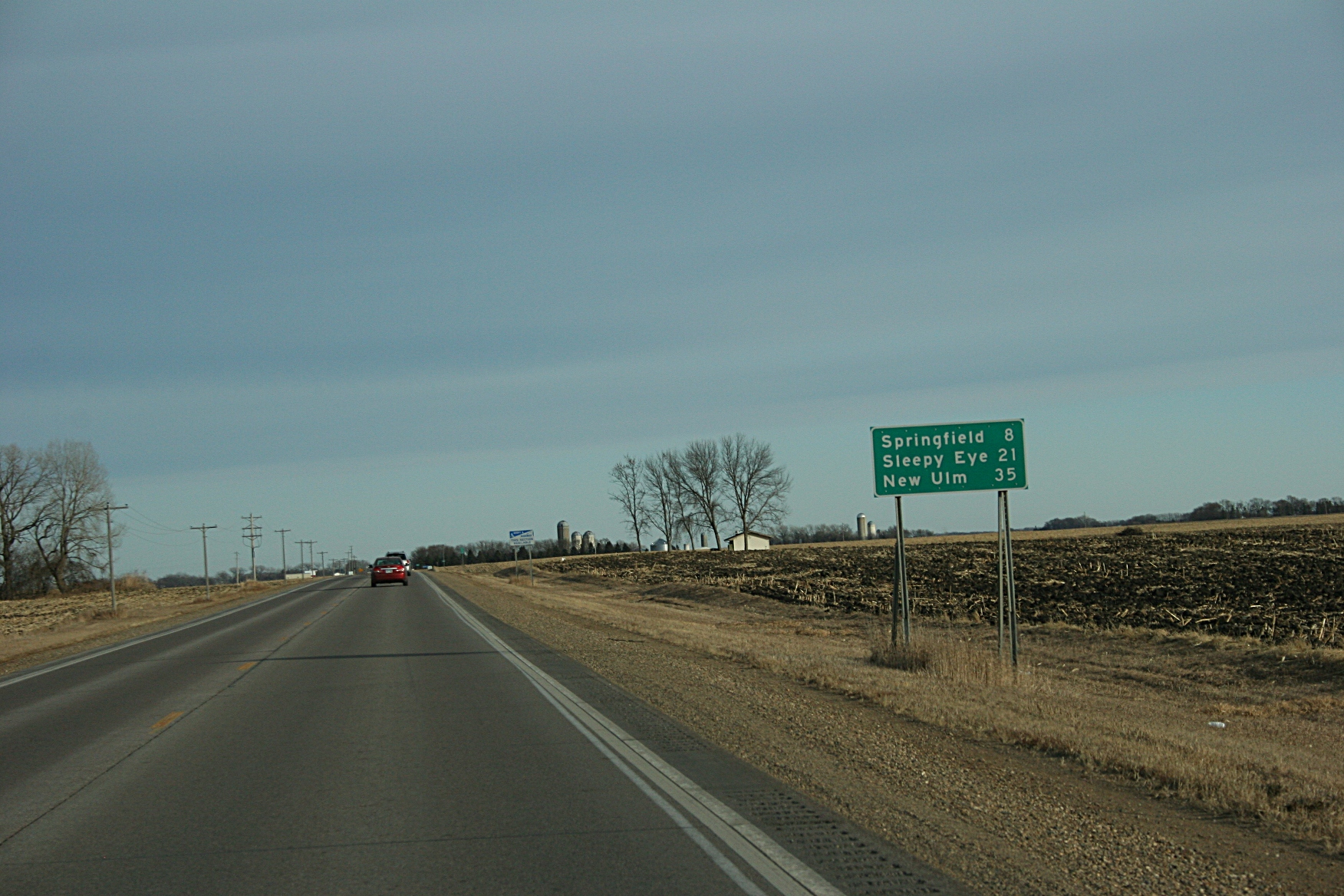
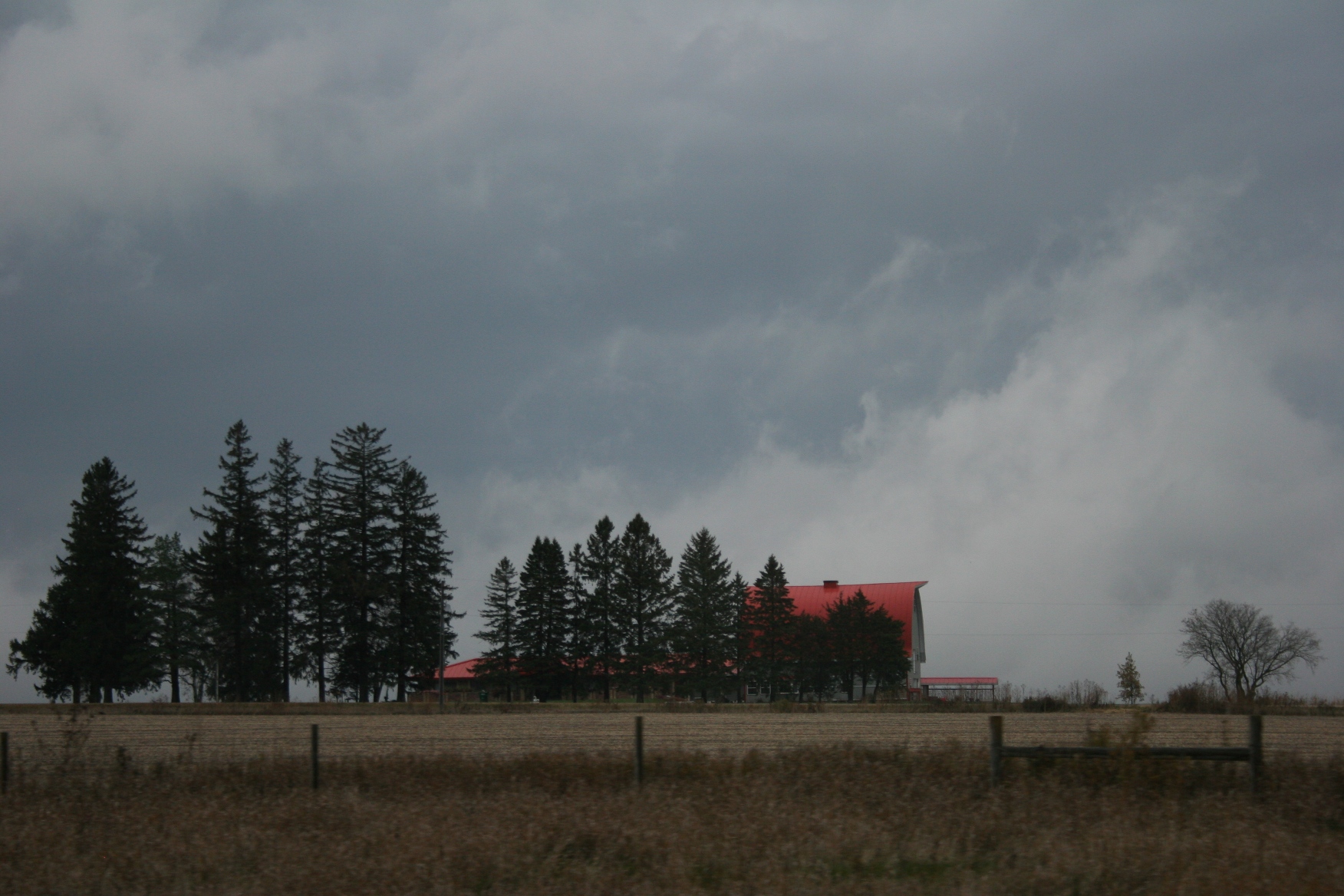
ON OUR WAY TO CHURCH on Sunday morning in North Morristown, my husband and I drove through some mighty fine country.

Past…

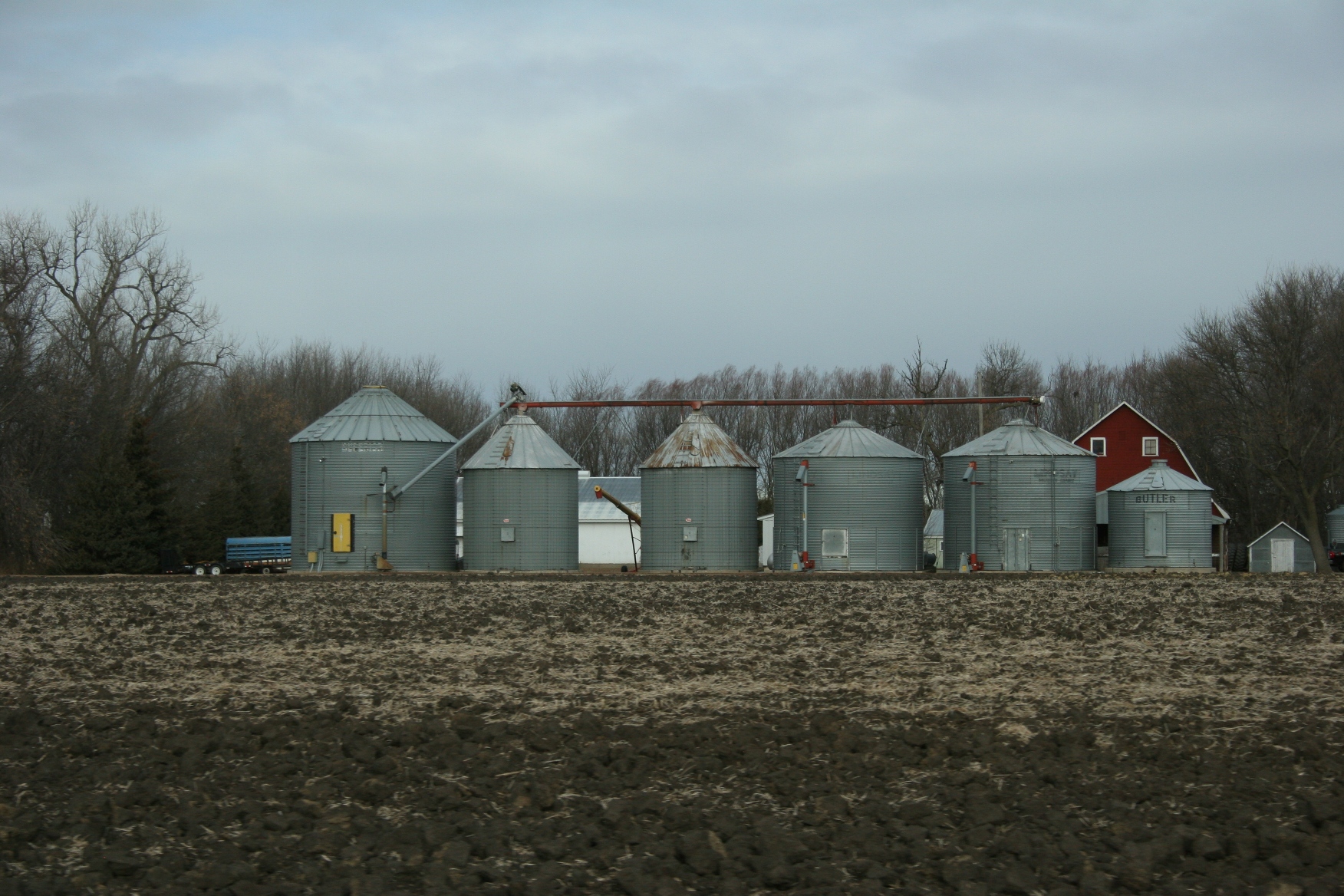
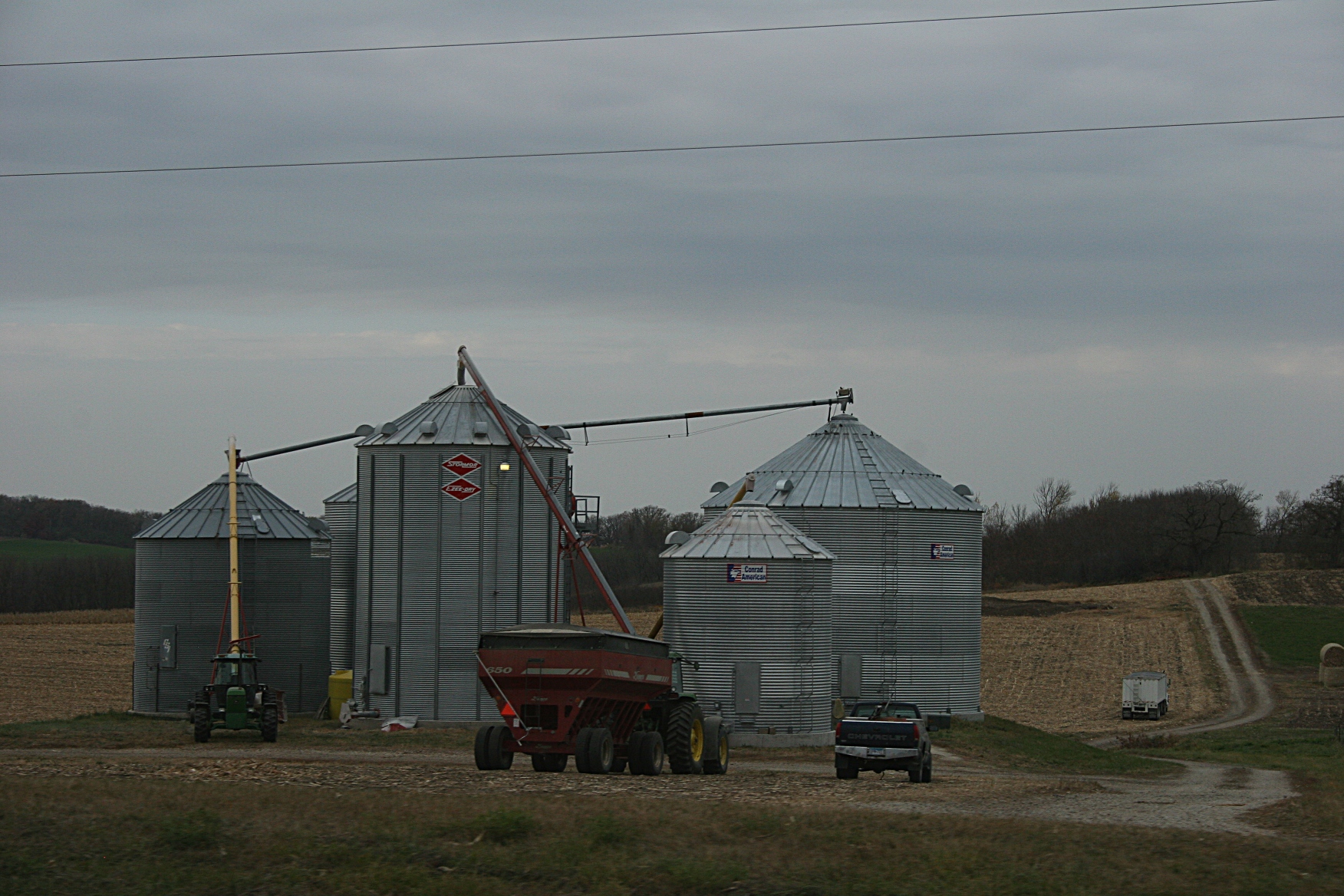
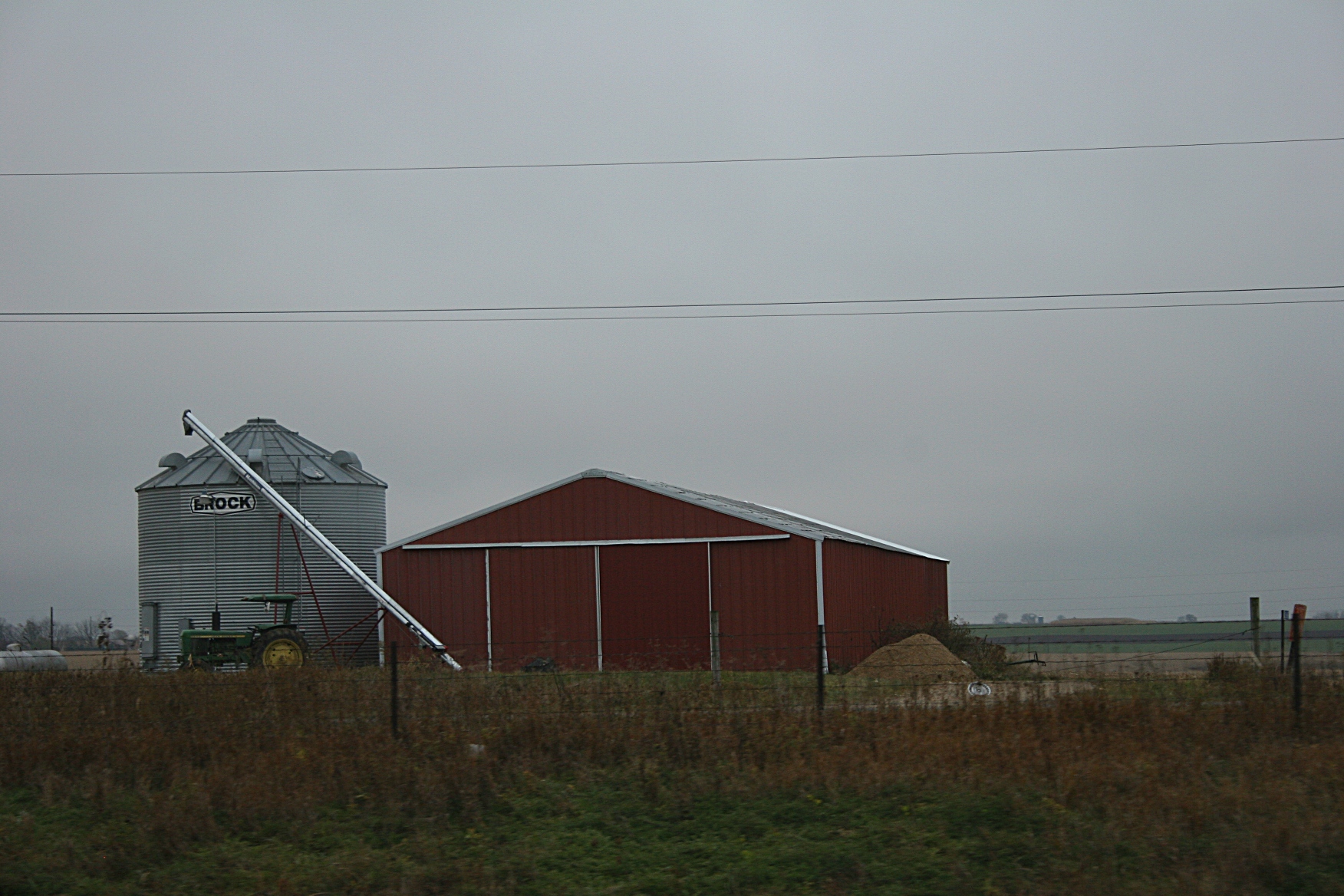
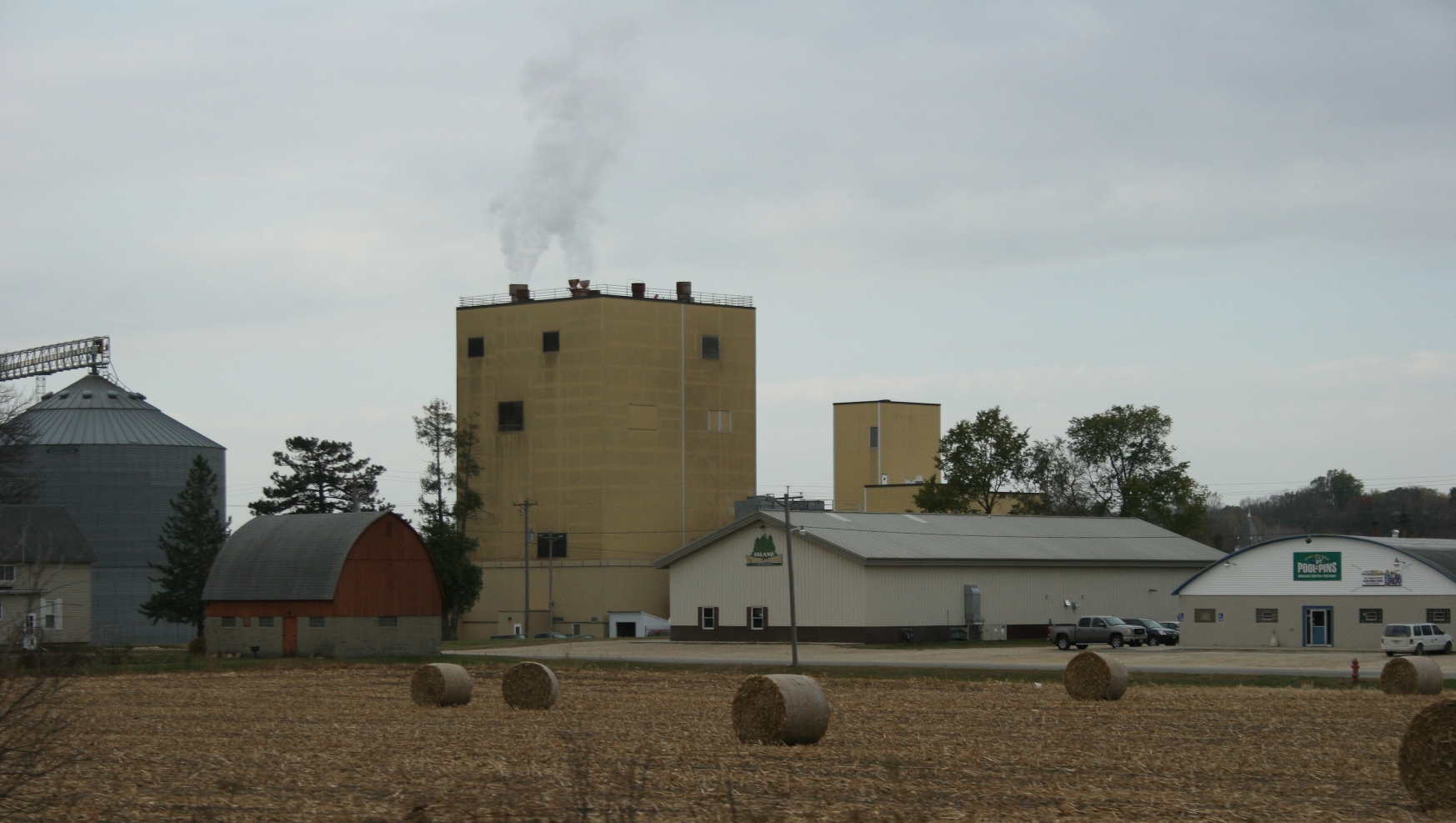
grain bins awaiting the season’s yield

autumn’s glory edging Cannon Lake

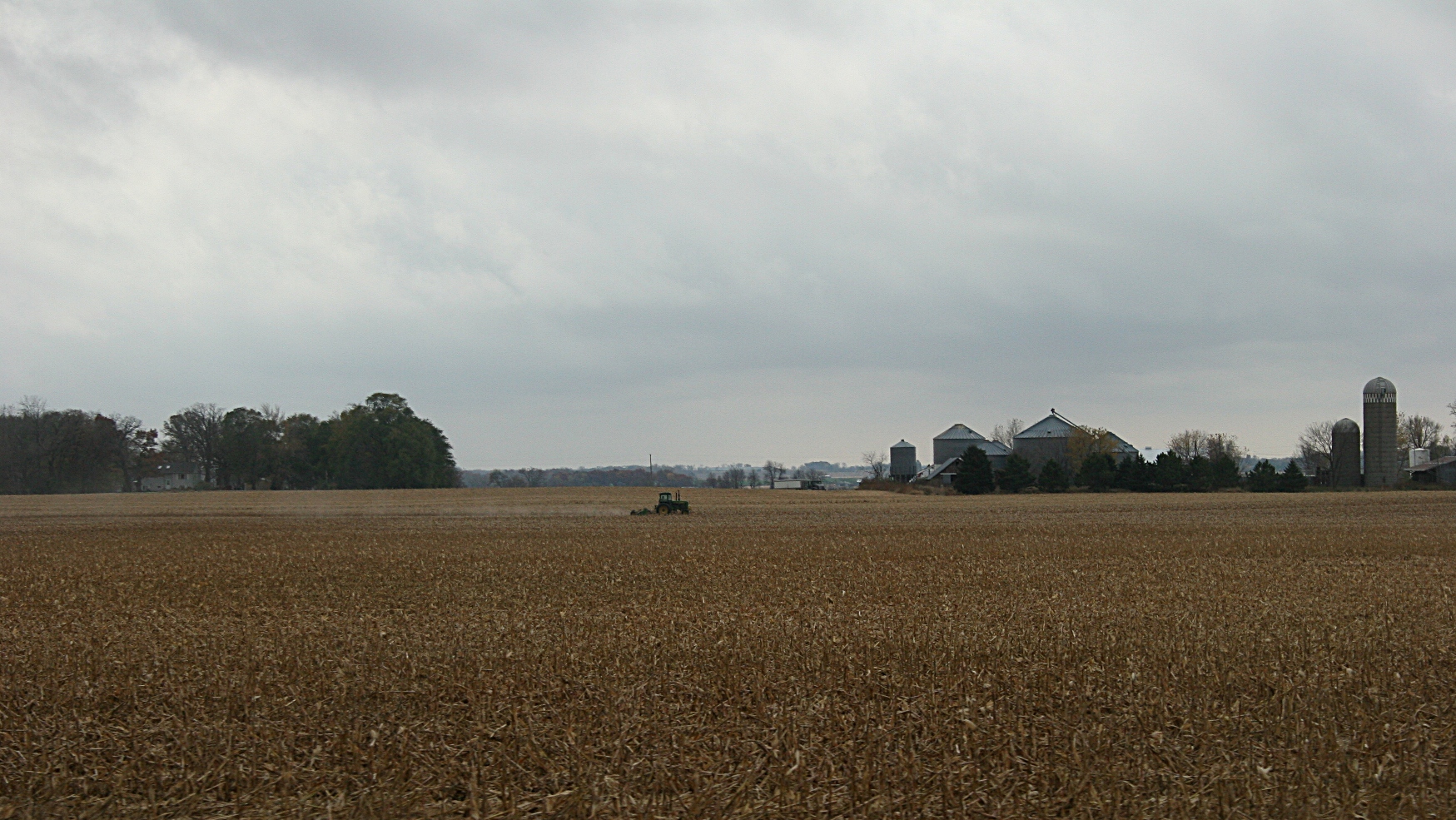
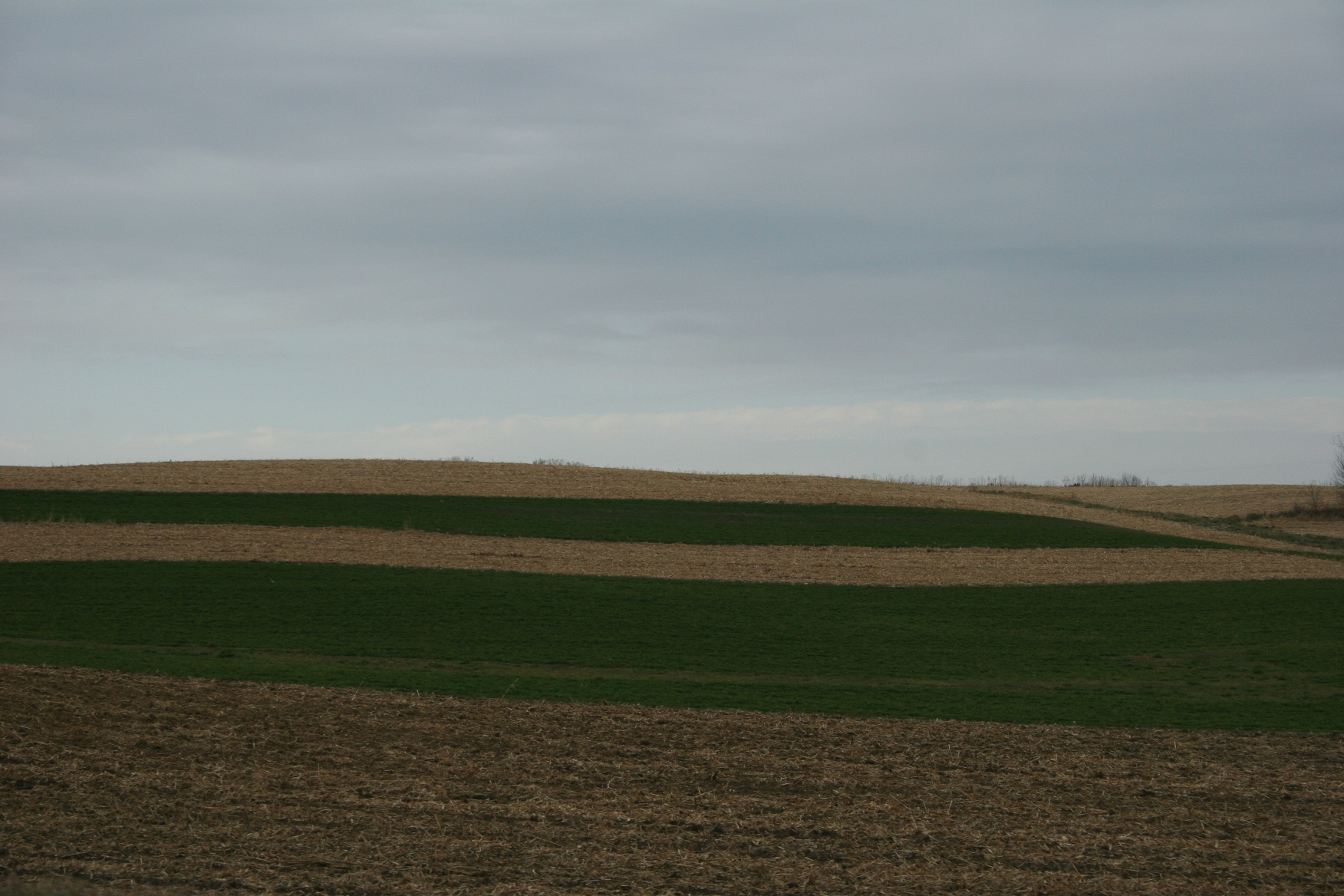
harvested corn fields

tree line and crop line

a farmer laboring

beauty and bounty

a clutch of bins

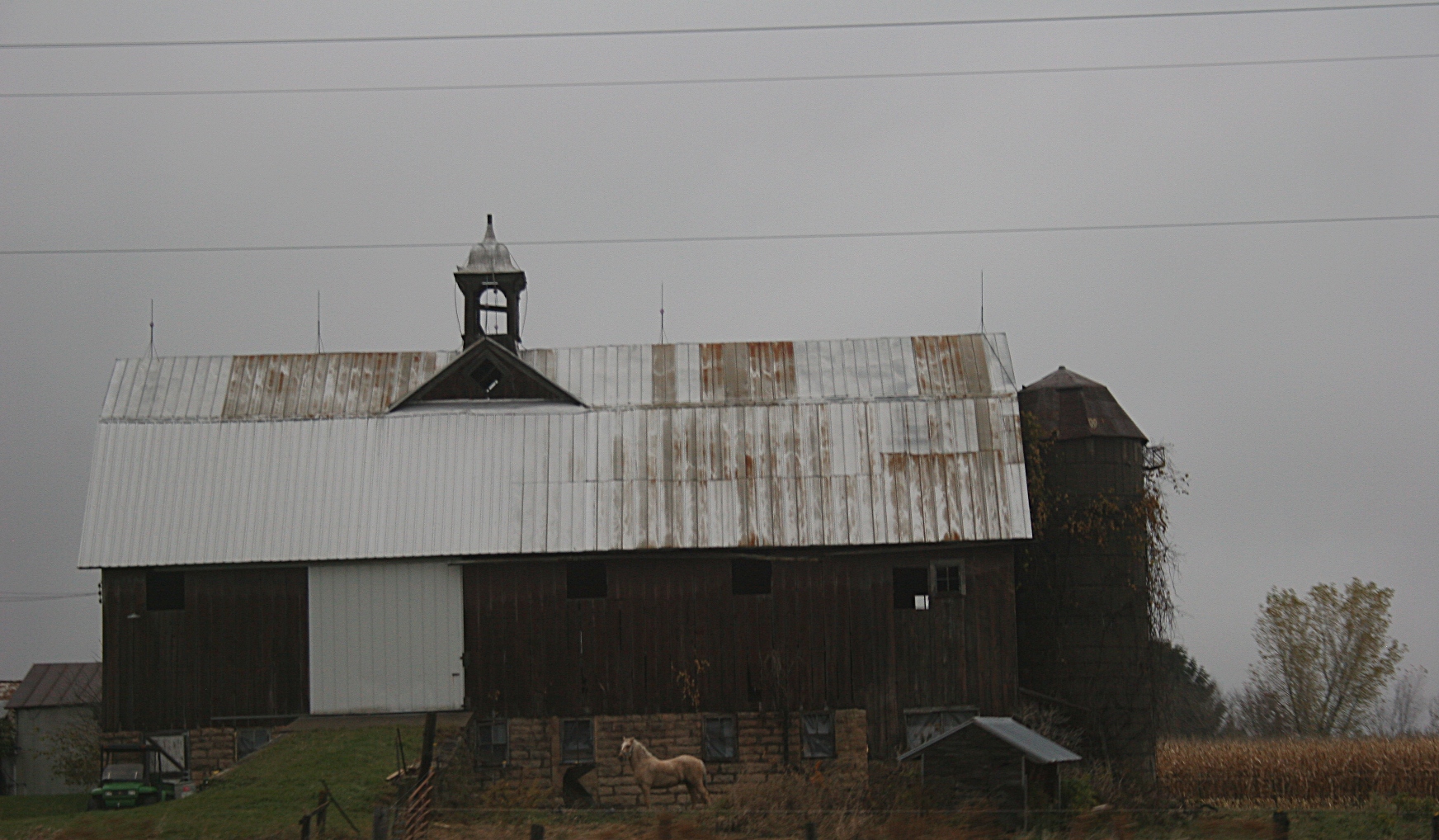
horses dallying in a barnyard

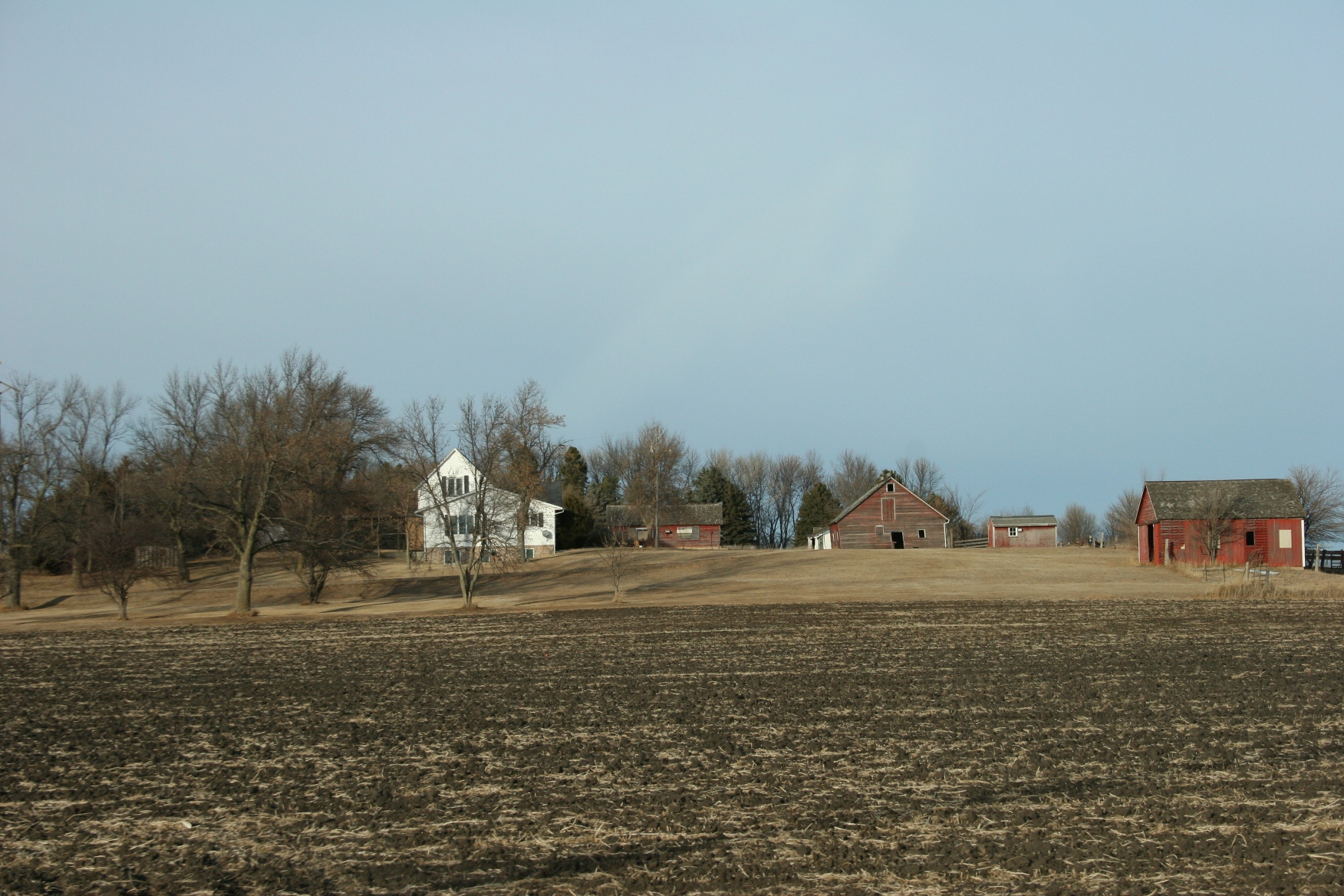
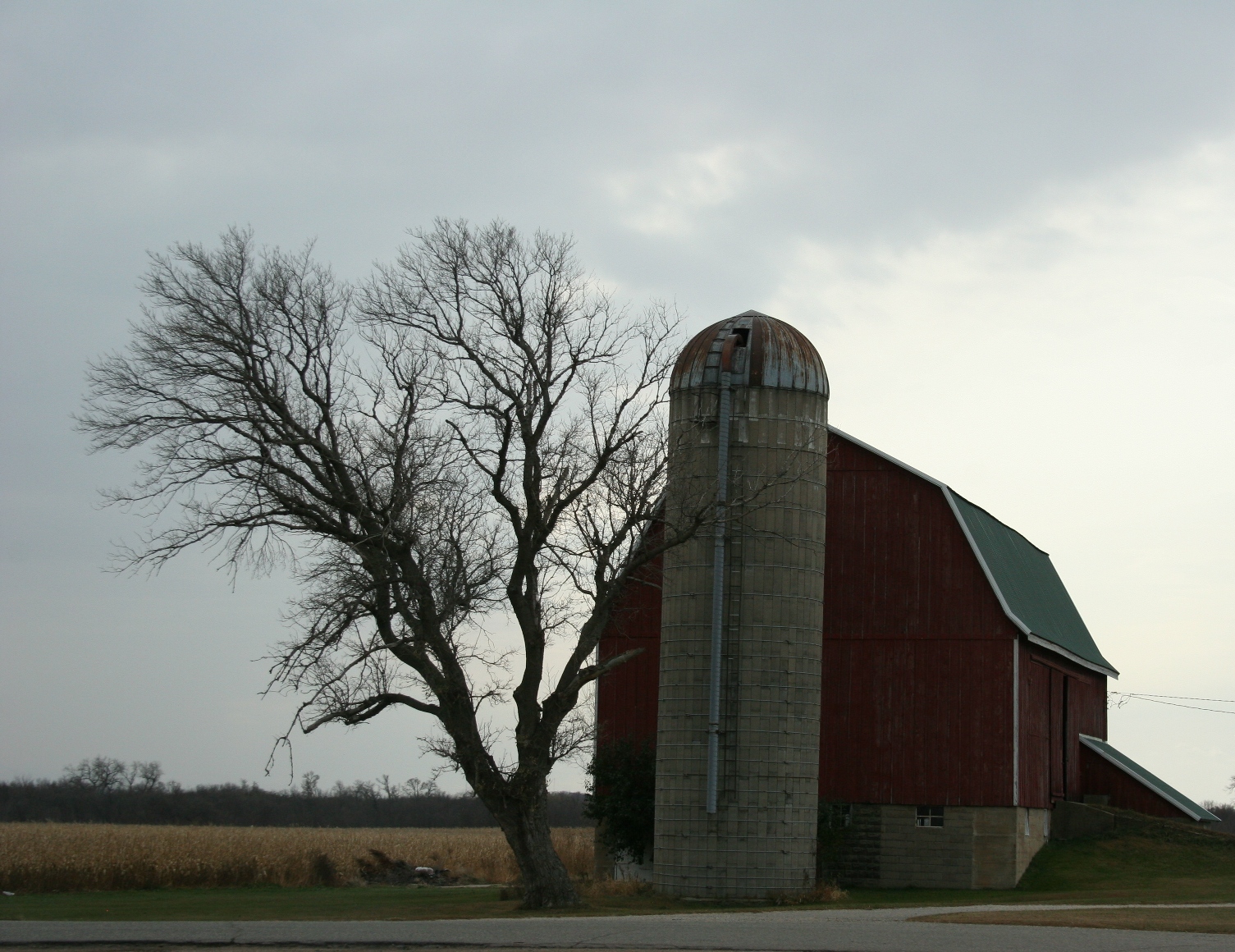
a shed weathered by time

an old brick house on a hill

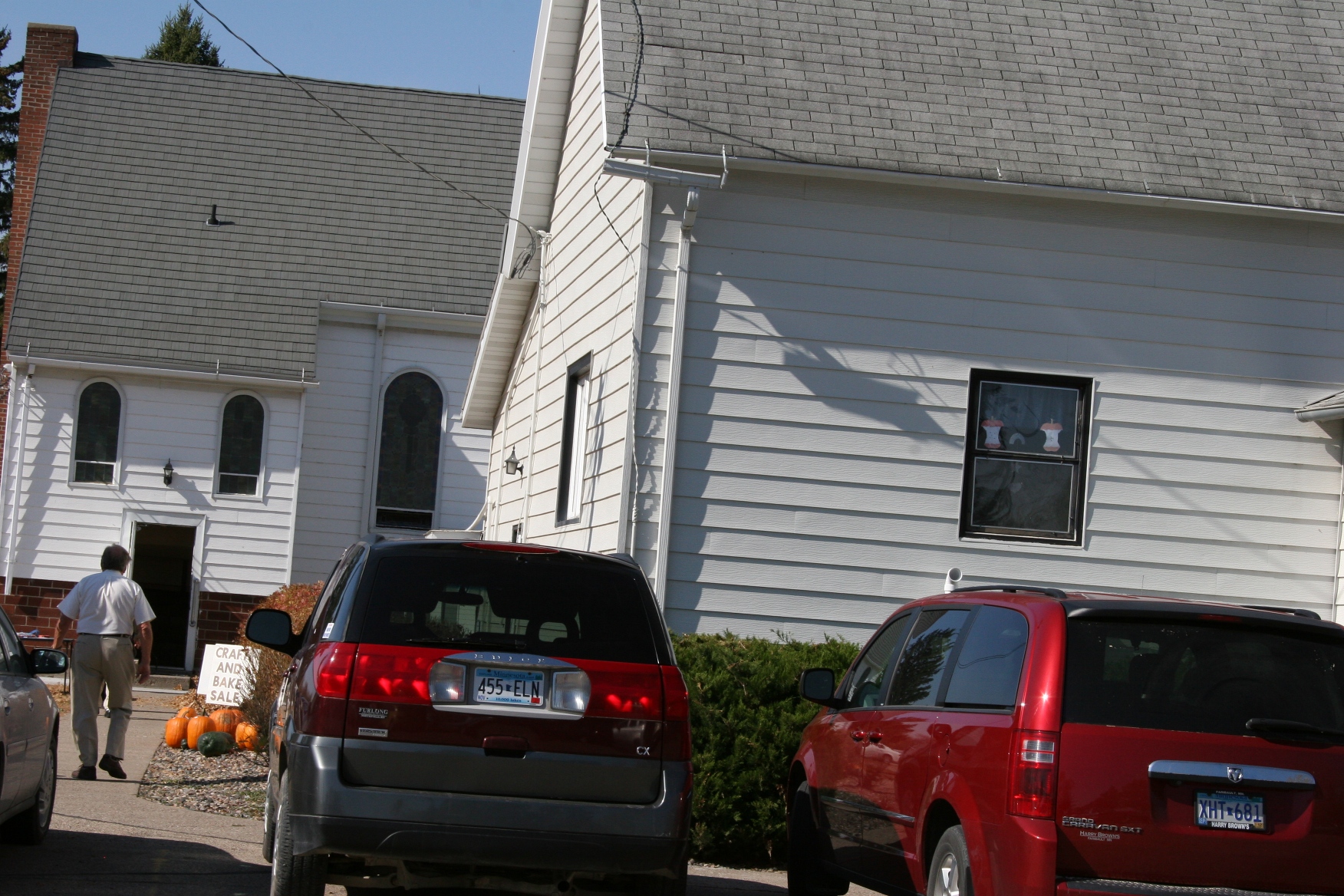
to Trinity Lutheran Church, North Morristown.

We savored the best of a lovely, gorgeous, stunning, beautiful, wonderful, photographic October morning that transitioned into an unbelievably warm afternoon.

Typically we don’t get this many balmy October days here in Minnesota, meaning we need to appreciate each one while secretly hoarding memories of these days for the long winter months ahead.

For now I want to remember this Sunday, this drive west of Faribault to the little country church, Trinity Lutheran, edged by an alfalfa field and across the road, acres of corn.

I want to remember the warmth of the day and of the people with whom we worshiped.

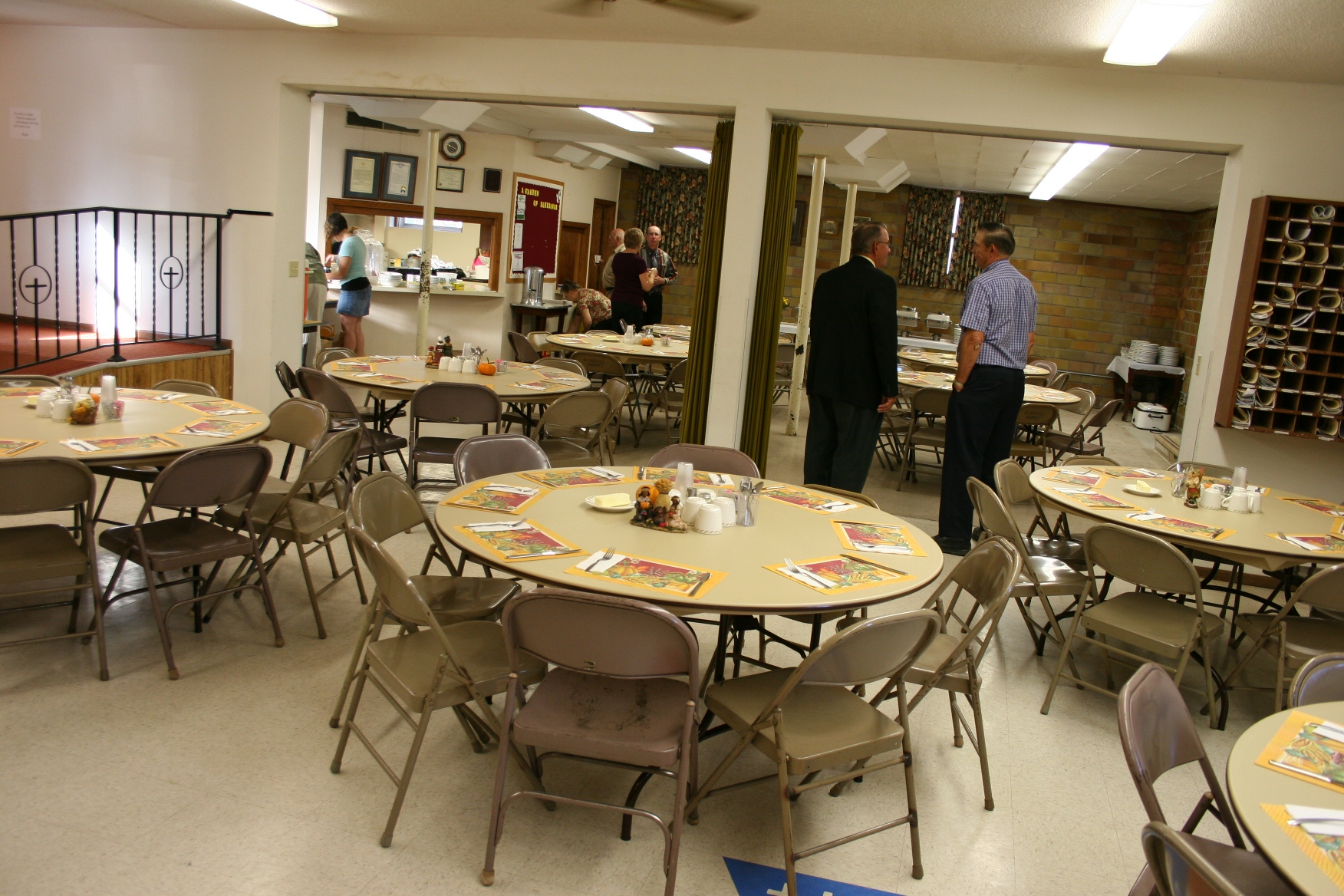
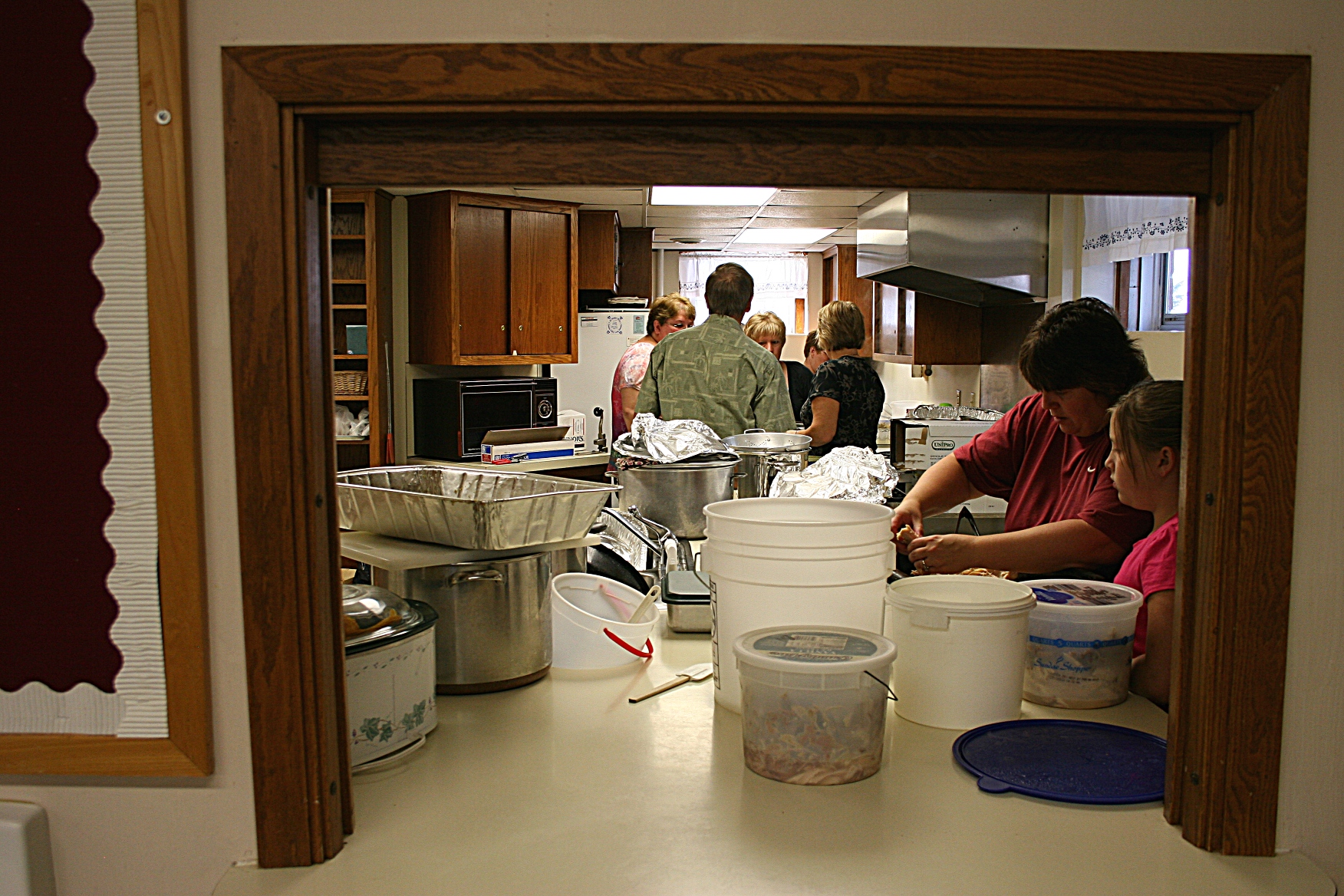
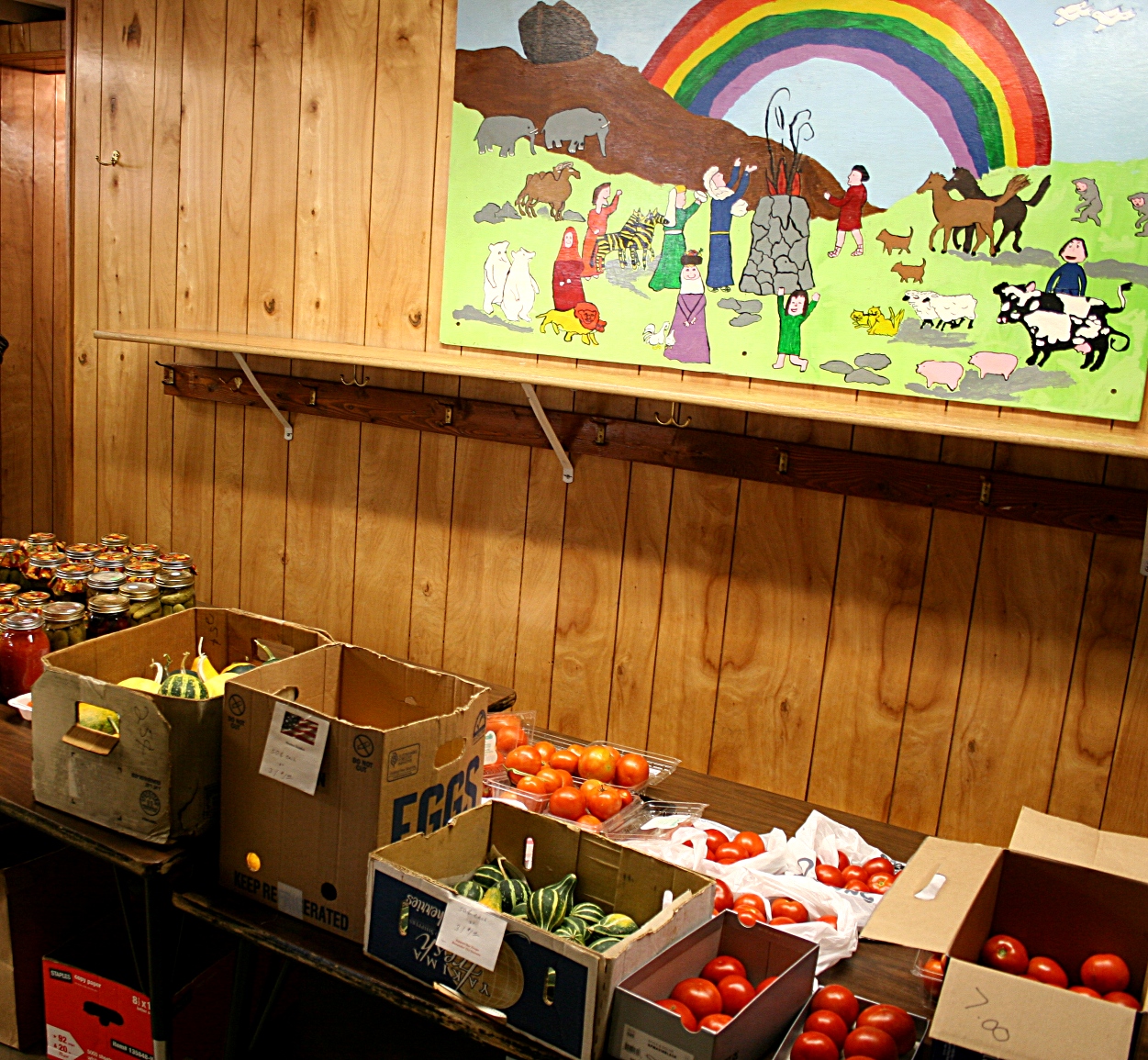
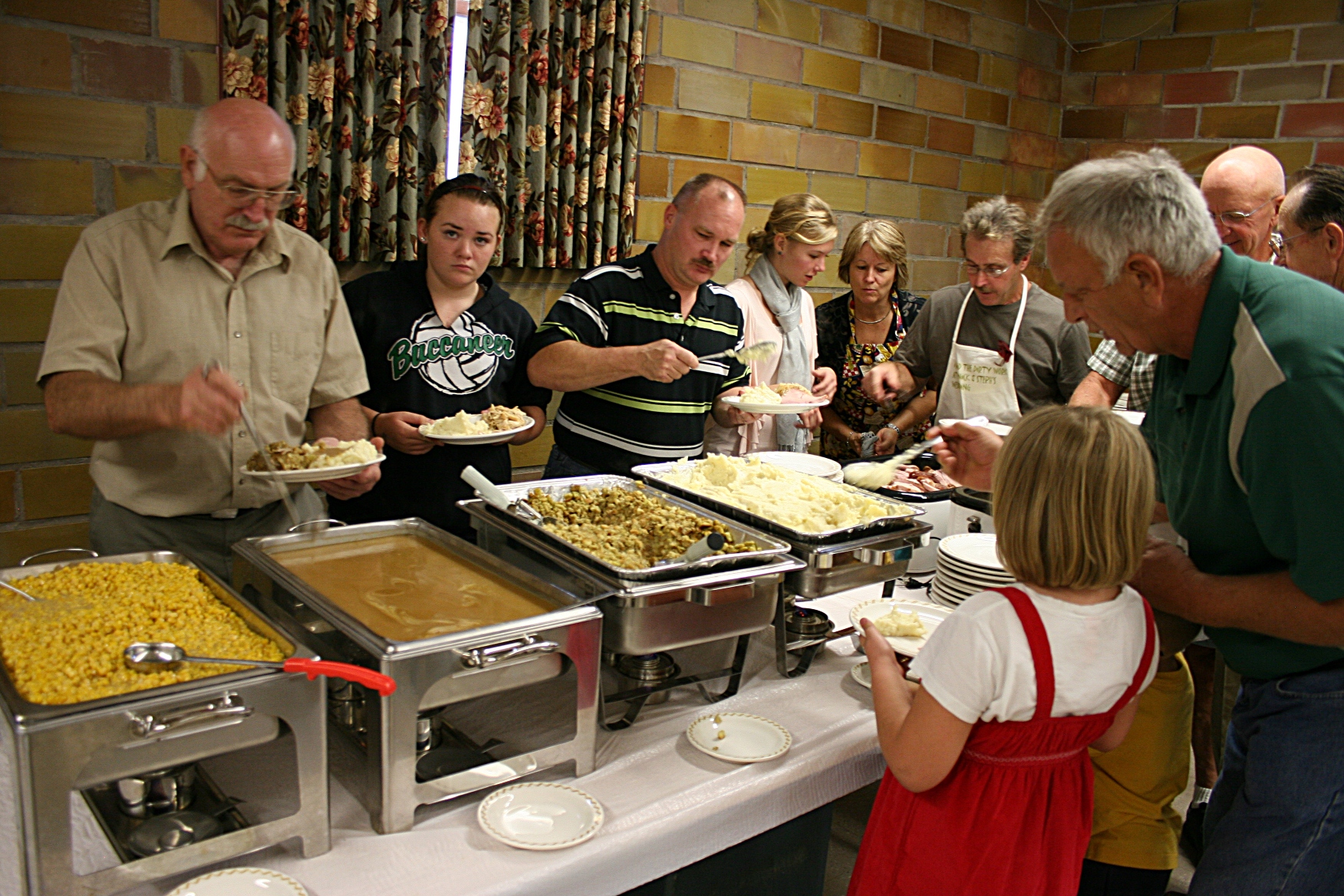
I want to remember, too, the good food and fellowship afterward in the church basement as we celebrated this congregation’s annual fall dinner and craft sale.

CHECK BACK for posts about dinner and about Trinity church.

© Copyright 2011 Audrey Kletscher Helbling


Autumn in words and photos, plus a contest October 8, 2011

I shot this cover image of pumpkins at Twiehoff Gardens & Nursery in Faribault.

WHEN YOU CONSIDER autumn, what comes to mind?

Pumpkins. Colorful leaves. Crisp nights. Harvest. Those top my list.

Because I’m a magazine writer, I pay attention to seasonal details probably more than your average person. If I want to submit a seasonal story and/or photos, I need to plan a year in advance of publication.

And so I did with the current issue of Minnesota Moments magazine. Inside the just-published fall issue, you’ll find 20 of my photos, all taken last fall.

I’m particularly proud of my 11-image, 5-page photo essay titled “Oh, fleeting days of autumn in Minnesota.” Not only will you find fall scenes from rural Minnesota, but you’ll read copy that is more poetic than straight-forward writing. For example, in the opening paragraph of that photo essay piece, I write:

Autumn slips into Minnesota on wisps of wind whirling wayward leaves onto sun-washed grass. And so summer fades and a new season begins.

You’ll also read my poem, “Preparing for winter, circa 1960,” based on embellished memories of my mother canning and freezing garden produce for the winter ahead.

I enjoy writing poetry that connects to my rural roots. And I’ve been fairly successful in getting published with seven poems printed in five anthologies, one on Roadside Poetry billboards and another recently published in a debut literary magazine. I really ought to write more poetry.

But, I have those magazine articles to work on and blogging and… I’m already pursuing stories for the winter issue of Minnesota Moments.

This contest promo image of Mary Nachicas and Don Anderson comes from Nina Hedin of Glencoe, who blogs at ArtsyNina. We are seeking these types of vintage black-and-white candid photos.

THEN I HAD THIS FABULOUS contest idea, “Snapshots of Love,” for our winter edition. And you know how that goes, when you have the idea you follow through and make it happen.

To summarize, we are seeking vintage black-and-white candid photos on the theme of love. Contest submission also requires a bit of writing—a maximum 75-word paragraph answering this question: “What story does this photo tell me about the theme of love?”

The winner, selected by me and other magazine staffers, wins a $150 prize package comprised of handcrafted greeting cards from Bernie (a former Duluth resident) at Budugalee, a $25 gift certificate from Camp Honeybelle (an etsy shop operated by Nina Hedin of Glencoe), a letter press, vintage graphics fine art print from Bruno Press and a one-year subscription to the magazine.

For “Snapshots of Love” contest details, click here.

For info about Minnesota Moments, with the current cover photo, 23 inside photos, and four stories and book reviews by me, click here.

To check out the ArtsyNina blog, click here. And to shop at Camp Honeybelle, click here.

To read Bernie’s One Mixed Bag blog, click here. To view her card collection at Budugalee, click here.

For more information about Bruno Press, click here. You’ll find a feature story about owner Mary Bruno in the fall issue of Minnesota Moments.

Enjoy! And get your contest entries in to “Snapshots of Love.” Entry deadline is November 15, 2011.

© Copyright 2011 Audrey Kletscher Helbling
 

A closer look at St. John’s Germanfest October 2, 2011

Kassandra and the goat that would soon be hers.

IN MY OPINION, Kim Keller rates as a pretty easy-going mom. I mean, she let her 10-year-old daughter bring a goat home from Germanfest. Honestly, if you were a kid, wouldn’t you want Kim for your mom?

So here’s how I found out about this goat thing. I was wandering the church grounds at St. John’s United Church of Christ, Wheeling Township, last Sunday afternoon during Germanfest searching for photo ops.

I followed a girl leading a wisp of a goat, a kid (not the girl) which seemed a bit stubborn and independent as goats are wont to be. This wasn’t Kim’s daughter and I wasn’t having any luck capturing a photo I liked.

Then along came Kassandra, Kim’s daughter, with a bottle of milk. The goat, which apparently wasn’t all that hungry, didn’t seem too interested in drinking. But Kassandra pursued the goat and I pursued the goat and Kassandra until we both got what we wanted: her the goat, me the photo.

Kim took it all in stride—said it was just another animal to add to the family’s menagerie.

Another goat in the Germanfest petting zoo.

A volunteer dressed in an ethnic German costume tends a petting zoo bunny.

Geese and other fowl were popular petting zoo attractions.

IF YOU’RE A REGULAR FOLLOWER of Minnesota Prairie Roots, you should have figured out by now that I pay attention to detail. You’ll read that in my writing, see it in my photography.

I don’t view situations and scenes like most folks. I’m constantly searching for a new angle from which to shoot a photo or tell a story.

I engage my senses, even though one of them, my hearing, is not what it once was due to sudden sensory hearing loss (and now near-deafness) in my right ear. But I did hear Craig Keller comment from the Germanfest dance floor, as I aimed my camera toward the dancers, that this would be on the internet.

So, Craig, just because you said that, here you are, on the internet.

That's Craig, dressed in his lederhosen, dancing with his partner on the right. On the left is Amy's mom, Annette. The Stuttgart Three is performing.

I saw these artsy music stands and thought, “It’s been a long time since I’ve seen something like these.” They jogged my memory of old-time wedding dances in town halls, the chicken dance, dollar dance, polka until you can’t polka any more…

I’VE COORDINATED SOME major public events in my life, namely a school book festival and an art show at my church, several times, not to mention more youth group fundraisers than I care to remember.

But one thing I refuse to do is coordinate anything that involves food. Although I cook and bake, I do not particularly enjoy cooking. I love to bake, but seldom bake because then, you know, I eat the baked goods, which I don’t need.

Now, after that rambling paragraph, let’s get to the point. I am in awe of people like the volunteers at St. John’s United Church of Christ who prepare enough food to feed the multitudes, this year around 700.

One of the many volunteer worker lists I saw posted in the fellowship hall area.

Long-time church member and volunteer Elsie Keller prepares German potato salad.

ONE OF THE BEST PLACES to discover artistic talent, I’ve learned, is at silent auctions. Honestly, look what I found at Germanfest.

No words needed.

Woodcarvings for sale at the silent auction.

Inside St. John's sanctuary, homemade quilts blanketed the pews. They were not for sale. Each church family was asked to bring a quilt for display along with the story behind it. Up front, three women demonstrated stitching techniques.

I DON’T KNOW how many Germanfest attendees paused to examine the German books and documents displayed in the church narthex. But I’m always interested in such items because not only am I 100 percent German and interested in “old stuff,” but I once considered majoring in German in college (which means I would not have become a writer; I think I made the right choice).

Sprechen Sie Deutsch?

A Deutsche document from St. John's.

FINALLY, BECAUSE I CAN, I wanted to show you this photo of pumpkins at the farmer’s market section of Germanfest.

To be truthful, though, it wasn’t the pumpkins that interested me as much as the antique table. Those legs caught my eye and I wanted to throw that checkered tablecloth right off the table top and slide my hand across the worn wood.

Country store pumpkins on that old table I noticed.

THE NEXT TIME you’re out and about, I challenge you to notice the details.

© Copyright 2011 Audrey Kletscher Helbling


Appreciating the little things at a barn dance & in life September 20, 2011

COUNTLESS TIMES my husband and I have driven into John and Debbie Becker’s rural Dundas yard for bible study and not given their barn a second thought. Maybe we’ve glanced toward it, noticed the 1915 date on the cupola or the cow art on the exterior milkhouse wall. But beyond that and John’s occasional comment that he’d like to have a barn dance, we really haven’t focused too much on that building which centers the farm (although I did photograph the exterior one evening this past summer).

Notice the cow art on the milkhouse in this image taken several months ago.

That all changed Saturday when the Beckers hosted their first-ever Harvest Time Barn Dance. I was there with camera in tow trying to capture the essence of the event via my photography.

That involved not only taking the general overall photos you would expect, but zooming in on the details. It is the details, like chapters in a book, that combined tell the complete story.

So today, in this post, I want you to see the “little things” I noticed. And I want to encourage you, as you go about your daily, busy lives, to pause and see the details. They make life interesting and fun and joyful and memorable.

All too often we hurry here and there, filling our minutes and hours and days and weeks—and then months and years—with activities and work and busyness. We miss out on so much of life by living that way.

We all need a barn dance to appreciate the sweet details of life.

There's something about this "boy in bibs looking out the barn door" that is sweet and endearing.

Herb Becker painted this on the west end of the barn interior in 1958. Family members are uncertain what it means, but John Becker thinks it may have something to do with his mom being pregnant with him then.

Most of the kids dressed in western attire, right down to the tips of their cowgirl/cowboy boots and hats.

A hammer high on a screen has hung there for 40 - 50 years and is used to close the barn window, John Becker says.

A vintage fanning mill was displayed along the pathway into the barn.

Among the signage decorating the barn interior: the Beckers' seed corn sign

Farm humor: "De-CALF coffee

Kids played in the farmyard...just using their imaginations. No electronics, toys, etc., necessary.

Kids weren't the only ones carrying cap guns. I managed to pull the pistols from this deputy sheriff's holsters twice before he pulled out his handcuffs and threatened to cuff me.

When I composed this frame, I considered the barn dances held here in the 1930s and how bands have changed with computers and high tech instruments. The contrast between old and new was not lost on me in this setting.

In one of my favorite images, I captured this sweet interaction, the bending down to the child's level, the care, the love and concern shown in this simple act. I saw that repeatedly at the barn dance, in the clasp of a child's hand, in a child atop her dad's shoulders, in hands joining on the dance floor...

© Copyright 2011 Audrey Kletscher Helbling
 

Window-shopping in Janesville, Minnesota September 14, 2011

Filed under: Uncategorized — Audrey Kletscher Helbling @ 7:06 AM
Tags: , , , , , , , , ,

I ENJOY WINDOW-SHOPPING. But when I window-shop, I’m not typically perusing merchandise to purchase. Rather, I’m shopping for signs to photograph. It’s cheaper that way; you don’t spend money except on your gas to reach whatever destination you choose.

For me, that is Main Street in Smalltown, Minnesota. Signage regulations are less strict in these rural communities, folks more trusting. I discover the most intriguing/interesting/unusual/creative signs here. Pick your adjective—all three would apply.

So let me take you today to Janesville, population 2,100, located along U.S. Highway 14 only 15 miles east of Mankato. I stopped there several weeks ago on my way to and from (yes, we stopped twice) Indian Island Winery with my husband.

Entering Janesville from the west along old Highway 14, you'll see this grain bin signage welcoming you to town. I've always wondered: Did the farmer specifically build 10 bins to fit the town name? Or did someone come up to him after the fact and say, "You know, J-A-N-E-S-V-I-L-L-E would fit on your bins."

But before I show you my discoveries, here are two interesting tidbits about Janesville: The town has a nine-hole reversible golf course, one of among only a few in the U.S. If you know what that means, you know more than me. I am not a golfer.

Secondly, in a house near downtown Janesville, along old Highway 14, you’ll see a dummy peering through an upstairs attic window. It’s been there for years. Why? No one seems to know the truth. But its placement there has led to all sorts of speculation as imaginative as an imagination allows.

Now, moving along, I’m pleased to present photos of signage from Main Street, Janesville, Minnesota, for your entertainment. Enjoy.

This handcrafted graphic sure makes for a memorable Blasing Electric sign hung on the side of a building across the street from the library.

I know you folks in bigger towns, especially in the Twin Cities metro, take your television access for granted. But not so in rural Minnesota. Here's a pitch for better service posted on a window at Will's Radio & TV.

But you might not want to stop and check on that satellite service until Monday, according to this sign posted on Will's front door. Will is at a doctor's appointment.

Hot weather also offers a good excuse to close up shop. I can't recall where this note was placed, but either on a beauty or sewing shop door.

Homemade signs like this one are always a bonus find on small-town Main Street.

Jethro's Soda Shop, which is no longer open, sports a misspelled word. Can you spot it?

Finally, my last photo, which is not a sign, but merchandise in a window of the corner drugstore. The ruled tablet brought back grade school memories for me. Gotta love it. Main Street in Smalltown, Minnesota.

DID YOU FIND the incorrectly spelled word on the window of the former Jethro’s Malt Shop? That would be “BRAUT.” My husband contends that is the German spelling of “brat.” I contend he is wrong as my research shows that “die braut” in German translates to “bride” in English.

(NOTE: I edited most of the above images to better showcase the words.)

© Copyright 2011 Audrey Kletscher Helbling
 

A close-up look at the Veseli Ho-Down August 24, 2011

A banner below the hill by Most Holy Trinity Church and school welcomed attendees.

WHENEVER I ATTEND an event like the Veseli Ho-Down, or go anywhere, I notice the details.

That skill has evolved from my years as a writer, fine-tuned also by my work as a photographer. Photography encourages me to seek the faces, even the hands and feet, of individuals in a crowd to tell a story in an unexpected way.

I apply that same method to photographing buildings and activities, anything really. Give an overall picture, but then move in to showcase the often overlooked details.

That said, as promised in a previous post, below are more photos from the festival my husband and I attended on Sunday at Most Holy Trinity Catholic Church in Veseli, near Lonsdale in northwestern Rice County. Enjoy the details, from my perspective, of the Veseli Ho-Down.

First...the crowd...and then a closer look at individuals, and more, at the festival...

An employee from a Bloomington group home brought residents and their therapy bird, Buddy, to her hometown for the Ho-Down. The parakeet (is that correct?) quickly attracted the attention of fest-goers like this girl.

An 11 a.m. polka mass started the day's activities. I took this snippet image of worshipers from the balcony of Most Holy Trinity. I'll feature detailed photos of the church in another post, so check back.

While technically not the best photo, I still like this image for the story it tells of women taking a break from their work in the church basement. When I noticed the rosaries and cross above the kitchen window opening, I knew I had to photograph this scene. The volunteers were selling baked goods.

Kolacky, a Czech pastry, were among the many ethnic baked goods sold at the festival.

The New Prague Czech Singers performed in their mother tongue under a tent in mid-afternoon.

I upped the contrast on this image to make the colors pop on this costume worn by a Czech singer.

The hands of the bingo number caller, or whatever you call a person who calls bingo numbers.

A sign on a propped-open-with-a-rock church basement door directs fest-goers to the bake sale. To the left in the photo is the station for the hog raffle.

I met 94-year-old (almost 95) Celia enjoying a burger in the company of her great niece, Brenda. I was charmed by her beautiful face and quiet elegance. Ceila grew up near Webster and today lives on a farm with her bachelor son near Lonsdale. Celia typically attends about a half-dozen area church festivals each summer. Her great aunt likes visiting with people and enjoys the Czech music, Brenda says. A few weeks ago Celia won $100, half a hog and $10 playing bingo at the Immaculate Conception Church festival in Lonsdale. She's one lucky lady.

The kids, as kids will, chased each other up and down the handicapped entrance to the church.

Waiting for customers at the duck pond in the kids' games tent.

I laughed when I saw this sign on yellow beans for sale. That's an interesting way to sell produce.

I am Lutheran. We do not do raffles. But everywhere I turned at the Ho-Down, someone was pedaling raffle tickets. As I waited in line for the chicken dinner, two men pushed Split the Pot raffle tickets. For $1, you buy a ticket. Every hour a winner is selected and gets half the money. The rest goes to the church. No, we did not win, but we contributed to Most Holy Trinity. These guys hustled the grounds all afternoon.

And where did all that raffle and other money go? Right through the cashier's window in the former Catholic school. I walked by this building numerous times before I noticed the sign, the open window and the well-worn step-up step. It's details like this that tell the complete story of small-town events like the Veseli Ho-Down.

© Copyright 2011 Audrey Kletscher Helbling
 

Sweeping the steps on a Monday morning August 12, 2011

Filed under: Uncategorized — Audrey Kletscher Helbling @ 8:08 AM
Tags: , , , , , ,

WHILE ON A FOUR-DAY vacation in Wisconsin and southeastern Minnesota earlier this week, I took nearly 500 photos.

Posed pictures. Landscapes. Carefully framed frames. And then photo after photo after photo that I shot from the passenger side of the car as my husband, son and I traveled along interstates, state highways and winding, narrow back country roads.

Taking photos from a car traveling at highway speeds can be difficult. But I enjoy the challenge of trying to capture a good, even great, image while on the move. Let’s just say I’m never bored because I’m constantly seeking photo ops.

That means looking ahead, anticipating and clicking the shutter button at just the right moment. Too soon and I miss the shot. Too late and I miss the shot. I can’t even begin to tell you how many pictures I’ve failed to get because I’ve had the camera switched to OFF or I’m not quick enough.

But the more I practice this method of photography, the better I become. I’ve managed to snap some of my favorite photos through the windows of a car. Yes, I keep the windows closed unless the car is traveling at 30 mph or less. I don’t want to risk dirt/dust flying into my camera and landing on the sensor.

And it goes unsaid that clean windows are a must, but not always possible. I don’t let dirty glass stop me from taking photographs.

All that said, here’s my favorite car-shot image from this trip.

My favorite image from this road trip: "Sweeping the steps on a Monday morning at a Mexican restaurant in Omro, Wisconsin."

Let me tell you a little about the subject. On our way to Appleton, Wisconsin, on Saturday, we drove through Omro, a small town just west of Oshkosh on State Highway 21. I saw this vivid orange Mexican restaurant, but wasn’t in a position to photograph it.

However, on the return trip through Omro on Monday morning, I had my camera ready and, when I saw the man sweeping the front steps of the restaurant, I fired off two quick frames and got what I consider a pretty darned good photo.

The vivid colors and composition make this, in my opinion, a good photo.

But the image excels to excellent when you consider the subject—a man sweeping the steps. Ordinary becomes extraordinary for the everyday story told. As a photographer, I strive to photograph regular, everyday life. When I manage to photograph a scene like this one, I am pleased, mighty pleased.

Even in black-and-white, the image remains a strong photo.

© Copyright 2011 Audrey Kletscher Helbling
 

Take time to stop and appreciate small towns August 11, 2011

In tiny Belview, you'll find the 1901 Odeon Hall. Listed on the National Register of Historic Places, this Queen Anne style building features a barrel-vault ceiling. Still in use today for wedding receptions and community events, etc., Odeon Hall once also featured vaudeville shows, motion pictures, concerts and more.

I WANT TO THROW a challenge out there. The next time you’re driving through/near small-town Minnesota, or small-town wherever, stop. Pull off the highway and drive along Main Street. Park your vehicle. Get out. Walk. Look. See.

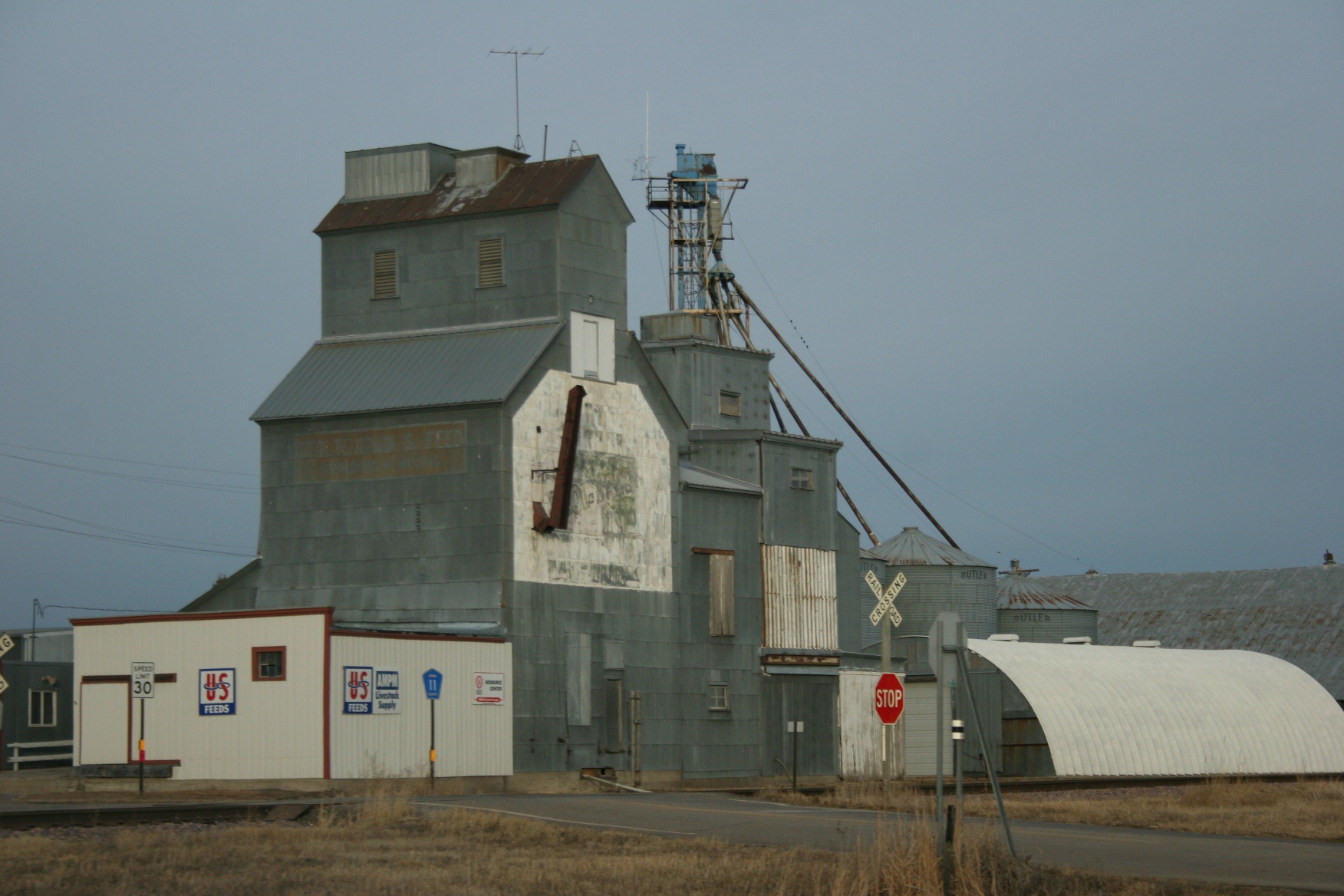
Notice the buildings, the architecture, the signage, the history. Consider what centers the town: the café, the post office, the grain elevator, the churches, the school—if there is a school.

Families, retirees and even single people choose to live, to work, to worship together, to celebrate, to mourn, to live their lives here. This is their home, not just some town in the middle of nowhere that you must pass through to get from destination A to destination B.

I have, in recent years, begun to appreciate the small towns and rural areas of Minnesota more than ever. I grew up on a dairy and crop farm in southwestern Minnesota, which is about as rural as you can get. But I haven’t always valued that upbringing like I should.

As I’ve gotten into the art of photography, I’ve begun to view these towns with a fresh perspective. I notice what, in the past, I’ve overlooked or taken for granted because of my rural roots.

Let me show you some photos I took recently in and near Belview, a community of 375 located four miles north of State Highway 19 in northwestern Redwood County. Belview lies about 10 miles from my hometown of Vesta, another one of those small towns that motorists zip by without a second thought. I bet you didn’t know that Vesta is the home of the nation’s first electric cooperative. I thought so.

That’s the thing about small towns. If you stop and walk and look and see, and I emphasize the word, see, you will discover more than just a place to drive through when getting from point A to point B. You will discover the heart and soul of community.

Move in close to view the details, like the front of Odeon Hall. I attended a cousin's wedding dance here decades ago. Imagine the celebrations inside this historic building.

Most small towns, like Belview, are fortunate to still have a place where you can get your hair cut and styled. I appreciate the simple lines of this brick building located along Main Street.

I discovered this poster in the window of a Main Street building advertising a local band, HickTown Mafia. The band plays "country with a kick, rock with an attitude," according to the group's website.

I found this abandoned former gas station (I think) on a downtown corner. This charming building practically shouts for someone to reopen it as a bakery, coffee shop, antique store or some other such venue. Perhaps the two local wineries/vineyards and other area vendors could market their products here.

The Parkview Home, a Belview nursing home, was once home to my maternal grandfather and to other extended aging family members. I've been here often to visit relatives and, during high school, to sing Christmas carols with the Luther League. The building was damaged in a July 1 tornado (note the blue tarp on the roof) and residents have been temporarily displaced.

Northwest of Belview, you'll find picturesque Rock Dell Lutheran Church. My Uncle Merlin and Aunt Iylene Kletscher were married here in November 1964, the last time I was inside the church.

A side view of Rock Dell.

Near Rock Dell you'll find Swedes Forest Township Hall in the middle of corn and soybean fields.

FOR MORE INFORMATION about Belview, click here and here. Also read my previous post about Rainbow Antiques, Crafts and Junque in Belview by clicking here.

TAKE MY CHALLENGE and report back to me on the treasures you discover in a small town or rural area.

© Copyright 2011 Audrey Kletscher Helbling
 

Follow the rainbow to a charming antique store in Belview August 9, 2011

Driving north into Belview, you can't miss Rainbow Antiques, Crafts & Junque.

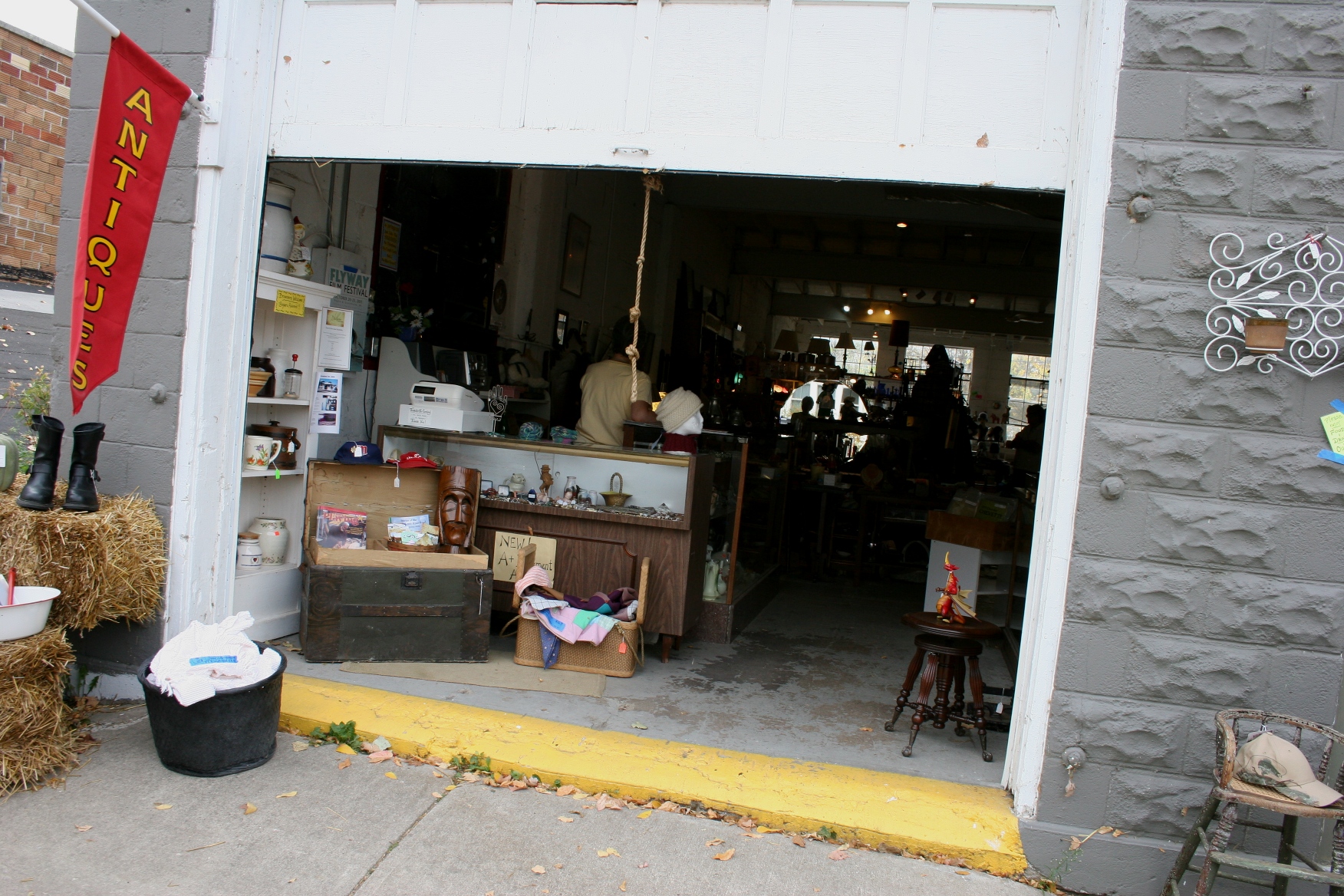
IF YOU’RE INTO ANTIQUING or architecture or small towns, you’ll want to visit Belview, population 375, four miles off State Highway 19 in southwestern Minnesota.

My husband, Mom and I drove to Belview on a recent Saturday morning to see my Uncle Merlin and Aunt Iylene’s “new” old home along the main drag. We also toured the town, checking out the damage from a July 1 EF-1 tornado. And, lucky us, we happened to be in this Redwood County community on the one day a week that Rainbow Antiques, Crafts & Junque is open.

And let me tell you, Don Gunelson runs one heckuva an antique store with the flair of an artist.

You’ll notice the building right away when you drive or walk Main Street. It’s built of beautiful rainbow brick which, in itself, is worth a stop. I know of at least two other rainbow brick buildings in Redwood County—one in Walnut Grove and the other on a corner in nearby downtown Redwood Falls.

Colorful rainbow bricks comprise the antique shop.

Don directs customers to his store with nicely-done folksy signage. I didn’t ask Don if he created the artwork, but he worked as a graphic designer for a construction magazine before returning to his native Belview from the metro some 10 years ago. He also works part-time at the Belview Post Office.

No matter, the friendly painted farmer in the bib overalls who beckons you inside for a “looksee” will already have you smiling before you stroll through the red doors and plant your feet upon the vintage tongue-and-groove floors in a room the color of butter.

Immediately I noticed the old-style screen door painted a vivid red. It’s a perfect fit for setting the mood of this place. I’ve been in a lot of antique shops in my day, and this one, by far, rates as one of the most inviting with plenty of light streaming in the east-facing windows, merchandise displayed in a way that isn’t cluttered and a down-home atmosphere that makes you feel comfortably at ease.

I poked around for awhile, not as long as I would have liked, though, since my mom was waiting for me back at the aunt and uncle’s house. My husband explored, too, and determined the prices to be reasonable—not too high and not too low.

When I got to the back room, I made the discovery of the day, at least in my opinion. And it wasn’t an antique, collectible or junque. I found Don Gunelson’s “Belview Area Photo Art” displayed on the rear wall. I knew from the signage that I was viewing photos, but they sure didn’t look like photos. So I asked Don to explain.

He takes images of area subjects with an inexpensive camera—the fewer pixels the better—edits the photos on his computer and then prints them on watercolor paper with an ink that is more dye than ink. The result is photo art that resembles watercolor paintings.

I gushed over his creations and told him he needs to get these into a gallery—do an exhibit of his “Belview Area Photo Art.”

Now I’m kicking myself for not buying one of Don’s matted and framed creations because, with prices ranging from $7 to $12.50, they’re a steal.

So there you have it, a charming antique store in downtown Belview with an artist running the place.

FYI: Rainbow Antiques, Crafts & Junque, 103 S. Main, is open from 10 a.m. – 3 p.m. Saturdays. Call (507) 938-4476. Maybe Don will open up the shop if you’re in town on a day other than Saturday.

Ruby red glassware is displayed in a front window. To the right in this photo is the blue Belview water tower.

An example of Don Gunelson's Belview Area Photo Art, an area barn.

Some of the merchandise displayed in the main part of the antique store.

A view across the street through one of the large front windows at Rainbow Antiques.

More Belview Area Photo Art by Don Gunelson.

You'll find plenty of collectibles from the area, including this bird thermometer from Olivia.

This colorful folksy farm family graces the north wall of Rainbow Antiques. This photo was shot looking south on Main Street toward Belview's water tower.

Another view of Rainbow Antiques and Main Street Belview looking south.

Check back for more reasons to visit Belview in a future post.

© Copyright 2011 Audrey Kletscher Helbling


St. Mary’s of Melrose, Part II July 17, 2011

STARK CHURCHES appeal to me. The ones with the simple wooden cross, the white clapboard siding, the time-worn pews settled upon plain plank floors.

But the ornate houses of worship likewise snag my soul with crosses of gold, walls of brick and gleaming, carved pews.

One of the many ornate carvings at St. Mary's Catholic Church in Melrose.

I am most comfortable with, most accustomed to, the unadorned churches of the Lutherans, my religious heritage. We keep things simple. No cluster of burning candles. No wafting incense. No pools of holy water. Minimal, if any, gold.
Perhaps for that reason, when I step into an historic Catholic church, I feel like I’ve entered a foreign land. I am often awed by the opulence, by the details that visually overwhelm me.

The side aisle on the left leads to an ornate altar in St. Mary's which is on the National Register of Historic Places.

That’s exactly how I felt upon entering St. Mary’s Catholic Church of Melrose, featured here in an earlier post. Overwhelmed. But good overwhelmed. Because I could not possibly present all of the images I wanted to share with you in a single post, here are the remainder.
No matter your religious affiliation, you simply have to appreciate a place like St. Mary’s. What beauty. What art. What history. What heavenly splendor.

This was the top or bottom of something. Can't recall what. But it sure is stunning.

Look at this gorgeous, carved door, will you?

Golden statues. Beautiful.

Just look at this detailed side altar. I could have spent hours in St. Mary's.

And then I discovered these collection baskets hanging from a rack. We Lutherans don't have wicker baskets with long handles. These contrast so sharply with the the ornateness in the church and that is why I so appreciated this grouping.

St. Mary's Catholic Church stands strong as a fortress in Melrose, next to the turkey plant, its towering steeples visible from nearby Interstate 94 in west central Minnesota.

© Copyright 2011 Audrey Kletscher Helbling