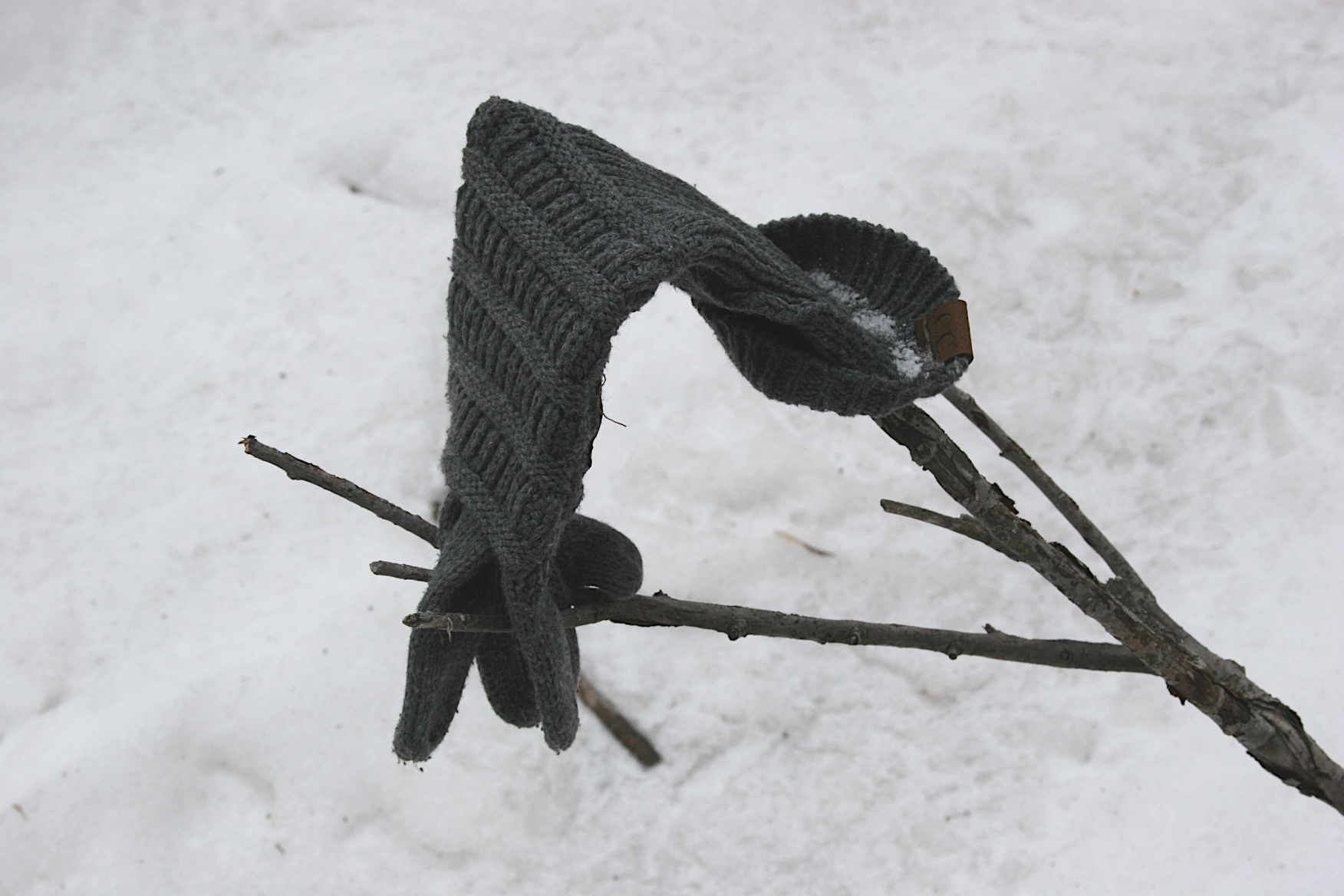
Lost glove along the Straight River Trail, south Faribault, Minnesota. (Minnesota Prairie Roots copyrighted photo March 2022)
THE GLOVED STICK stuck out like a snowman’s broken appendage. There, stuck in the snow, aside the Straight River Trail in south Faribault.
Camera in hand, I paused on a recent afternoon trail walk to photograph the lost grey glove. Scenes like this intrigue me because there’s always a story. Who lost the glove? Why? Who found the glove and then decided to stick it on a stick? Would the woman who lost the glove find it?
Real life often prompts my creative writing. Several weeks ago I wrote with a fury over two days, under pressure to meet a contest deadline. In those two full days of creating, I wrote two pieces of creative nonfiction, two short stories and two poems. The Muse moved within me and I felt it.
More often than not, I tap into my life for ideas. The “write what you know” adage holds true for me.
In writing fiction, I can take a snippet of truth and craft it into a short story that rings with reality, except it’s not. A text shaped one of the pieces I crafted. The other story came from some dark place I have not yet unearthed.
The recent death of my mom resulted in a poem and a work of creative nonfiction. A sign in a barbershop window prompted the second piece of creative nonfiction.
And my second poem emerged from a previous walk along a riverside trail in Faribault. Not the same path of broken snowman appendage. But a place where fingers of snow wrote stories across asphalt.
TELL ME: If you are a creative, what inspires you in your writing/painting/creating? I’d like to hear.
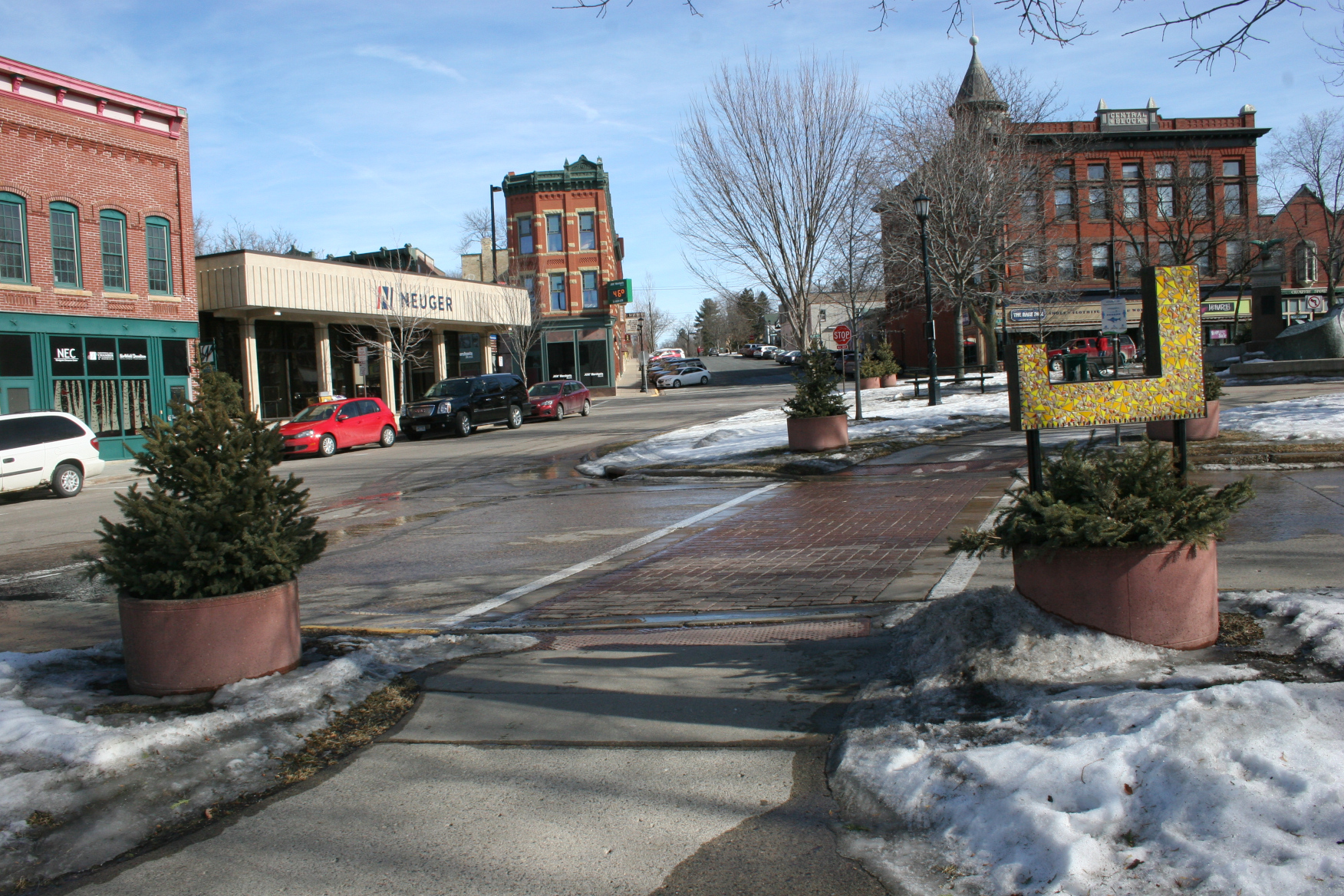
“Framing the Scene,” a relatively new art installation, right, in the heart of historic downtown Northfield.
AS A MEGA APPRECIATOR of outdoor public art, I delighted in the recent discovery of some new, at least new-to-me, art staged in historic downtown Northfield. This southern Minnesota river town boasts a thriving community of literary, visual and performing artists.
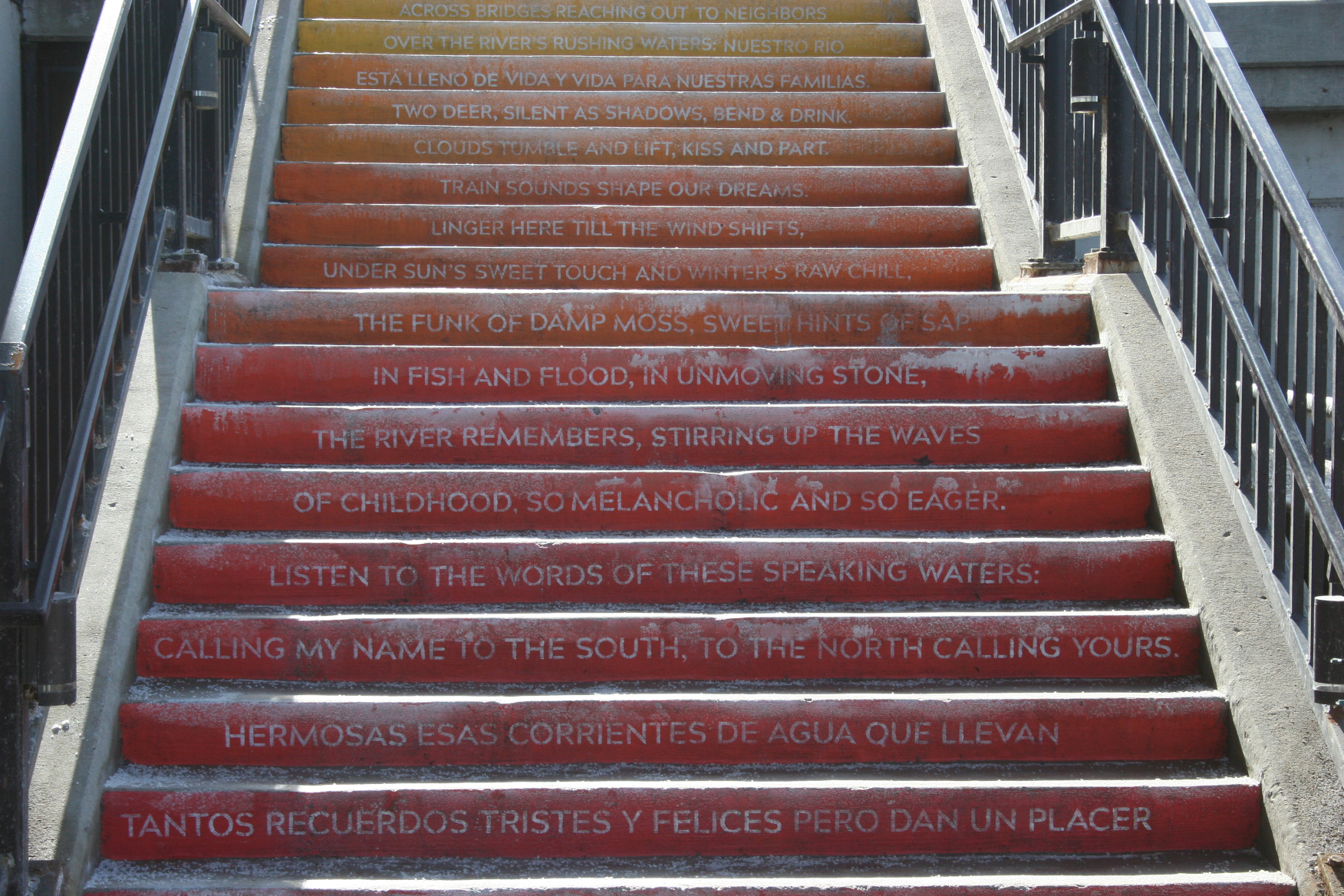
This shows a section of Northfield’s “Poem Steps,” a collaboration of 17 local poets. These poetry steps (covered here with salt residue) are along the Riverwalk. (Minnesota Prairie Roots copyrighted photo February 2022)
Here you’ll find poems imprinted in sidewalks, painted on steps and read at poetry readings in a city with a poet laureate. Here you’ll see outdoor sculptures scattered about town. Here you can listen to a concert at Bridge Square, a local church, St. Olaf or Carleton Colleges or elsewhere. Here you can enjoy live theater. Here you can appreciate the works of creatives at the Northfield Arts Guild and many other venues.
Northfield truly is synonymous with the arts.
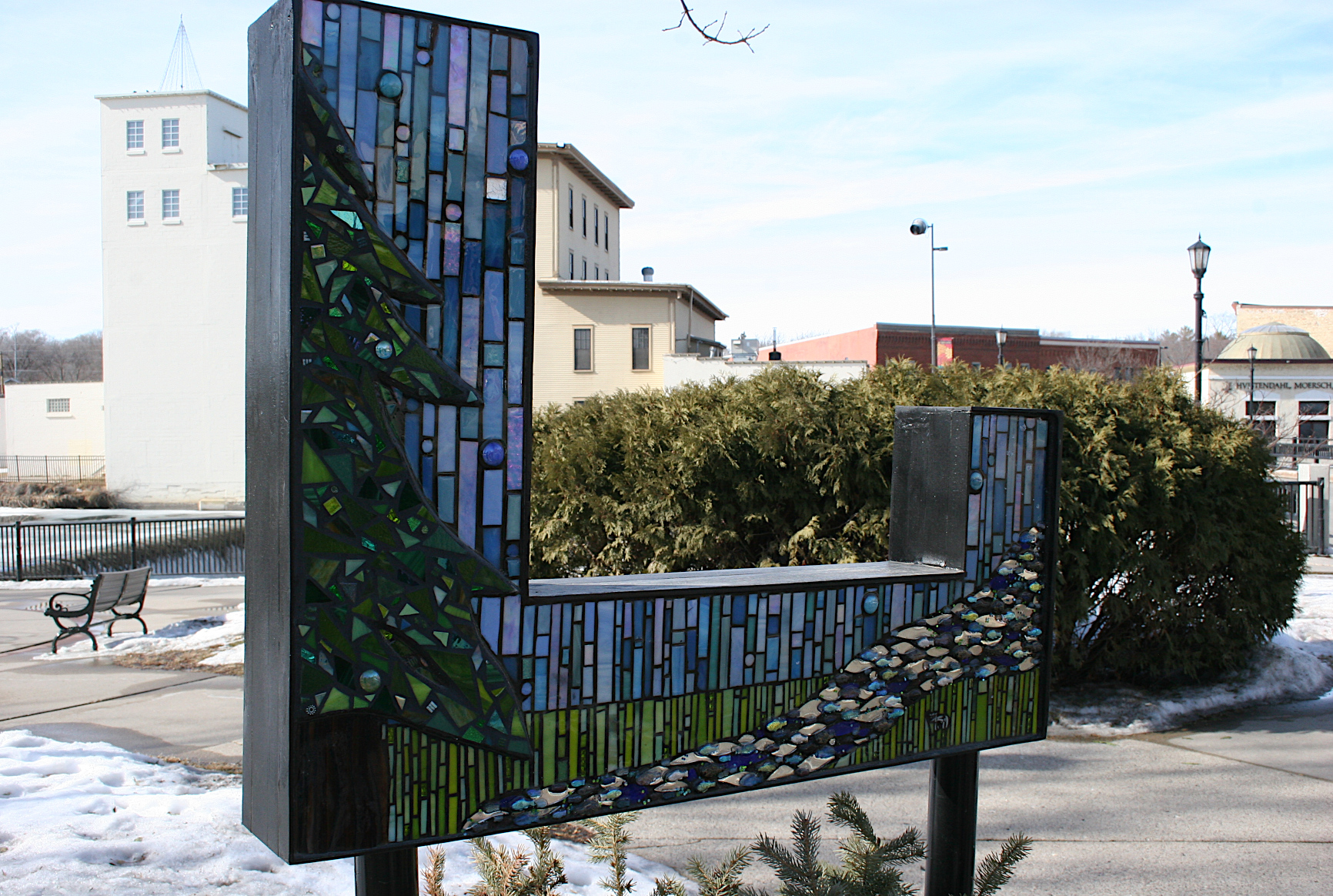
The riverside-themed side of Erin Ward’s “Framing the Scene.” In the background water rushes over the Ames Mill Dam next to the historic mill on the Cannon River. (Minnesota Prairie Roots copyrighted photo February 2022)
So when I spied a recently-installed sculpture, “Framing the Scene” by St. Paul glass artist Erin Ward, I felt a jolt of excitement. The free-standing, two-dimensional mosaic frames the nearby Cannon River and Riverwalk on one side and Bridge Square on the other. It’s meant to be an interactive sculpture for framing photos.
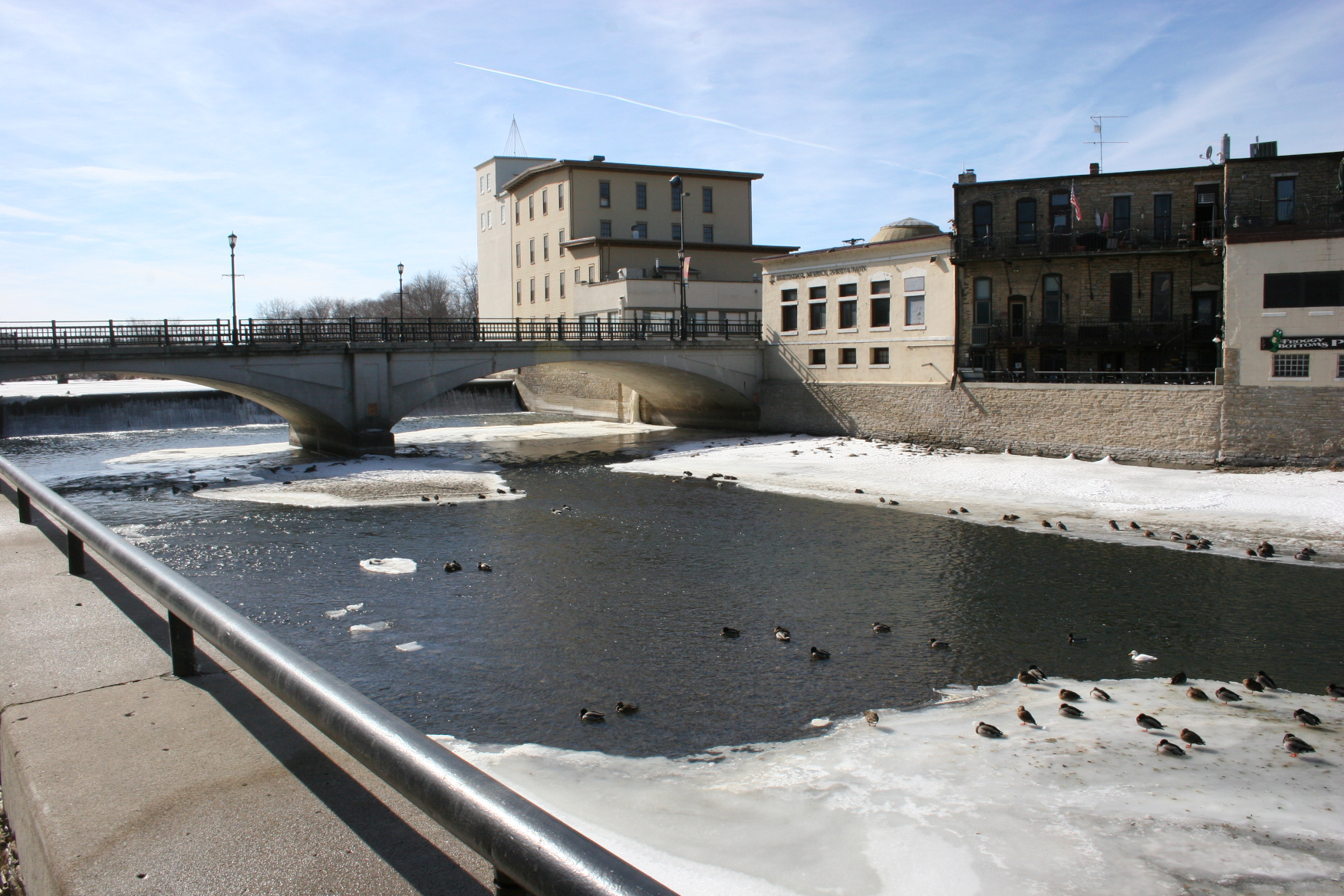
The Cannon River flows through downtown Northfield. (Minnesota Prairie Roots copyrighted file photo February 2022)
Ward was among five artists awarded $2,000 grants from the Minnesota Arts Board for the Northfield Downtown Development Corporation’s 2021 Artists on Main Street projects. That program aspires to get “creative placemaking” into the historic downtown. The intersection of arts and culture, downtown revitalization and historic preservation all factor into the artistic endeavors.
“Framing the Scene” meets all of those criteria, in my creative opinion. The artwork itself represents the vision and skills of a talented artist. The art adds to the downtown Northfield experience. That experience is one of dipping in and out of mostly home-grown local shops or of dining in an historic setting. The cliques “quaint and charming” fit Northfield. This is a community rich in history, rich in historic architecture, rich in natural beauty and rich in art.
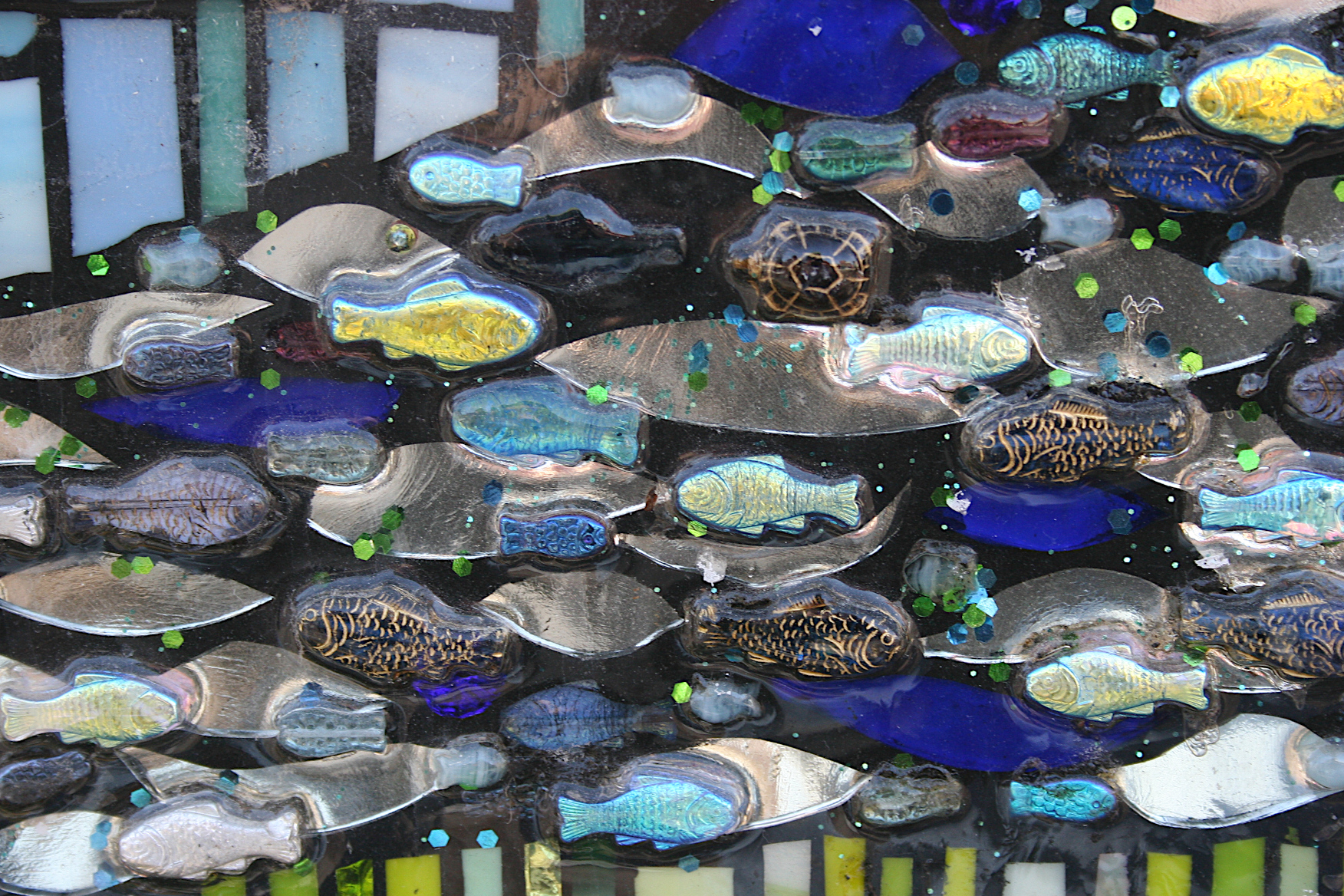
So much detail in the mosaic… (Minnesota Prairie Roots copyrighted photo February 2022)
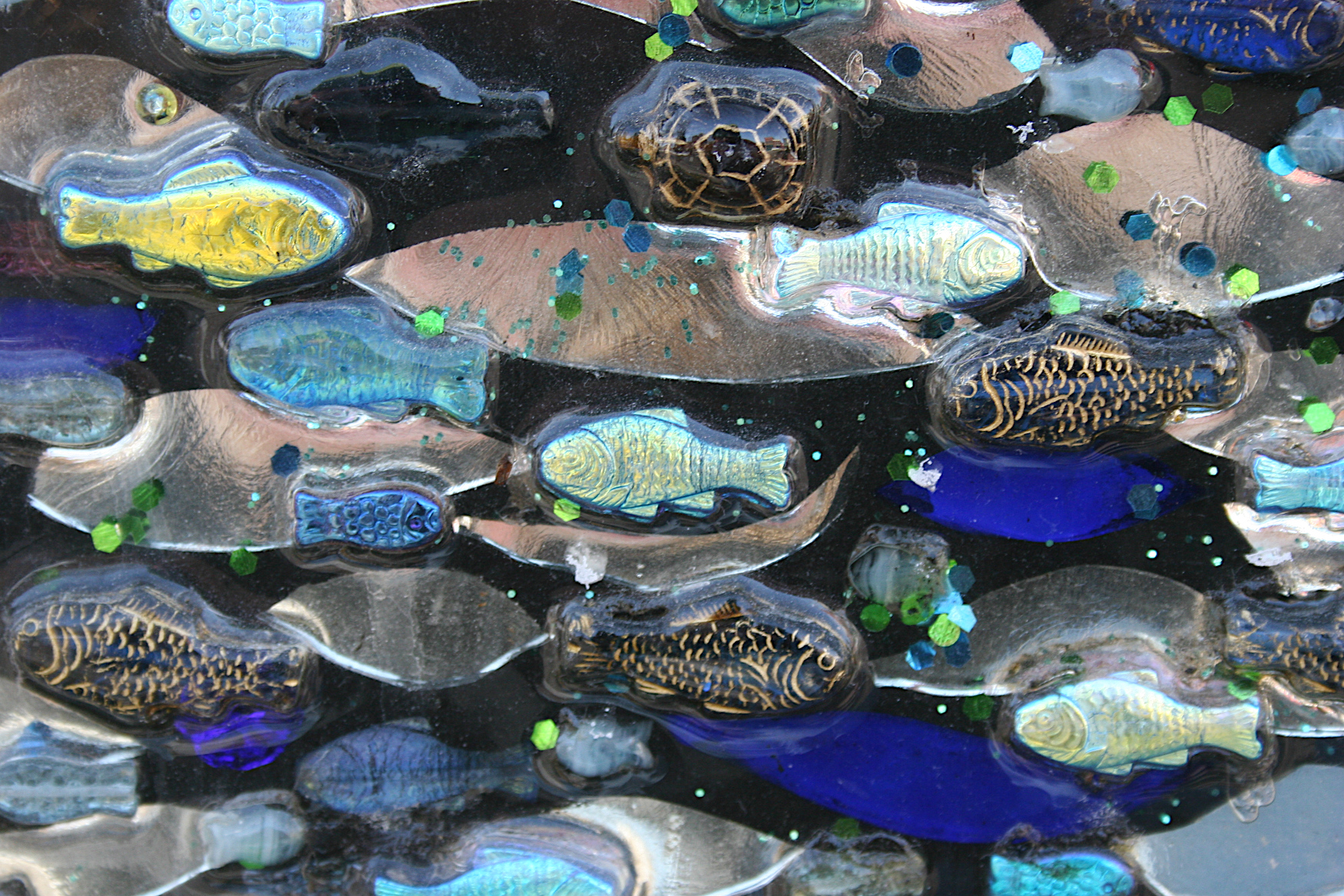
I appreciate how Ward melded art and nature in creating a mosaic which honors both. As I studied her interpretation of the Cannon River, I recognized the thought she invested in this detailed art of many many pieces. Her river evokes movement in waters teeming with fish and the occasional turtle. Assorted greens and blues evoke a sense of calm and peacefulness. Ward’s art honors this river which runs through. This river of life, now a backdrop to a community which still appreciates her beauty, her recreational qualities, her history, her aesthetic value.
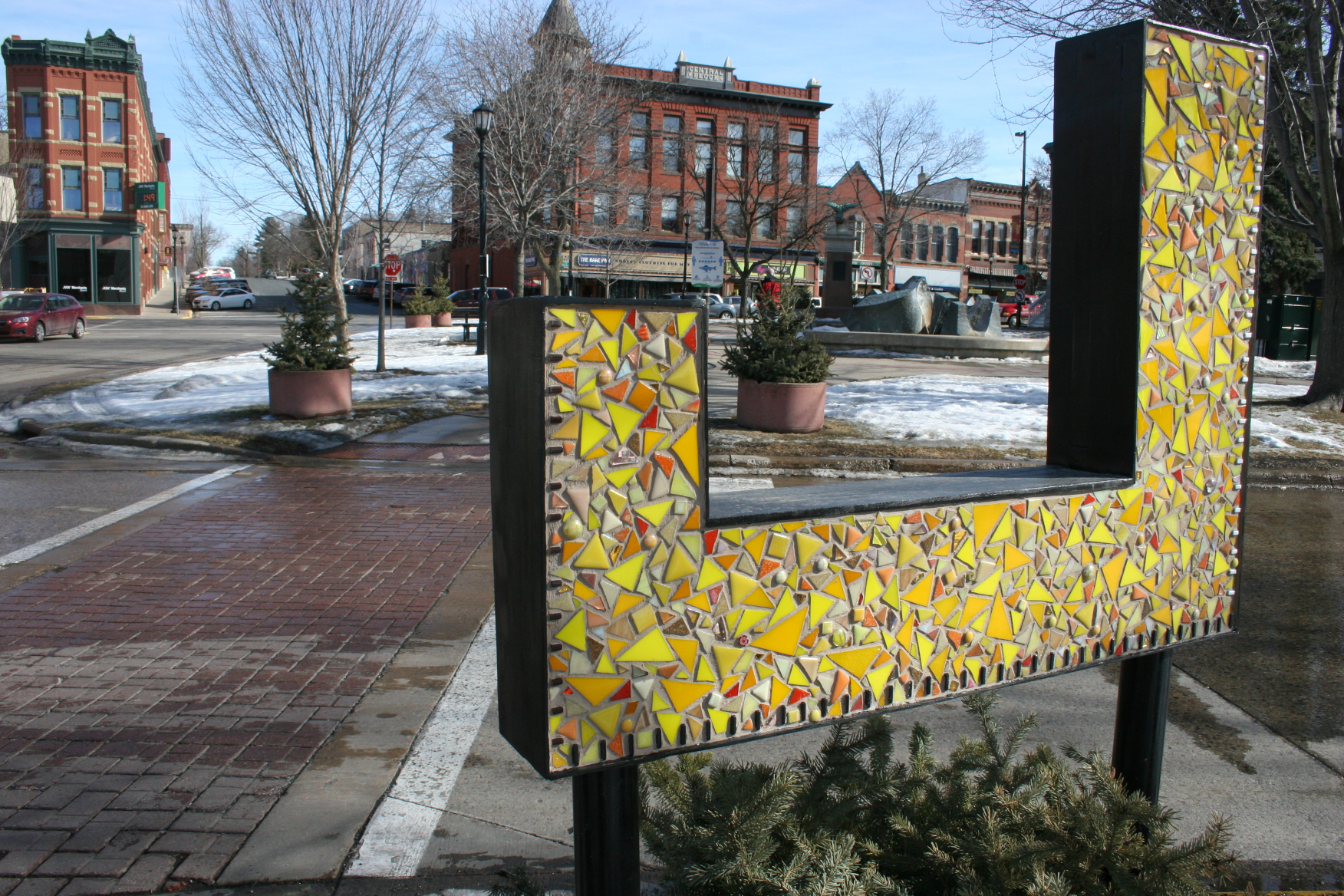
This side of Ward’s mosaic focuses attention toward Bridge Square and buildings downtown. (Minnesota Prairie Roots copyrighted file photo February 2022)
And then, on the flip side of “Framing the Scene,” bold pieces of mostly yellow, orange and red triangles create a completely different feeling. It’s as if sunbeams fell from the sun in a chaotic, jumbled mix of happiness. That’s my interpretation.
This side of the art looks toward Bridge Square, community gathering spot in downtown Northfield. Place of concerts and popcorn wagon, Santa house and quiet bench-sitting. Place of artistic activism. And beyond that, to the back of the frame, historic buildings rise.
One final look at Ward’s interpretation of the Cannon River in historic Northfield. (Minnesota Prairie Roots copyrighted photo February 2022)
Art rises in Northfield, enriching the lives of locals and the lives of visitors like me, come to town to follow the Riverwalk, to walk along Division Street and, then, to pause near Bridge Square and frame the scene.
Please check back for more posts about art in historic downtown Northfield, Minnesota.
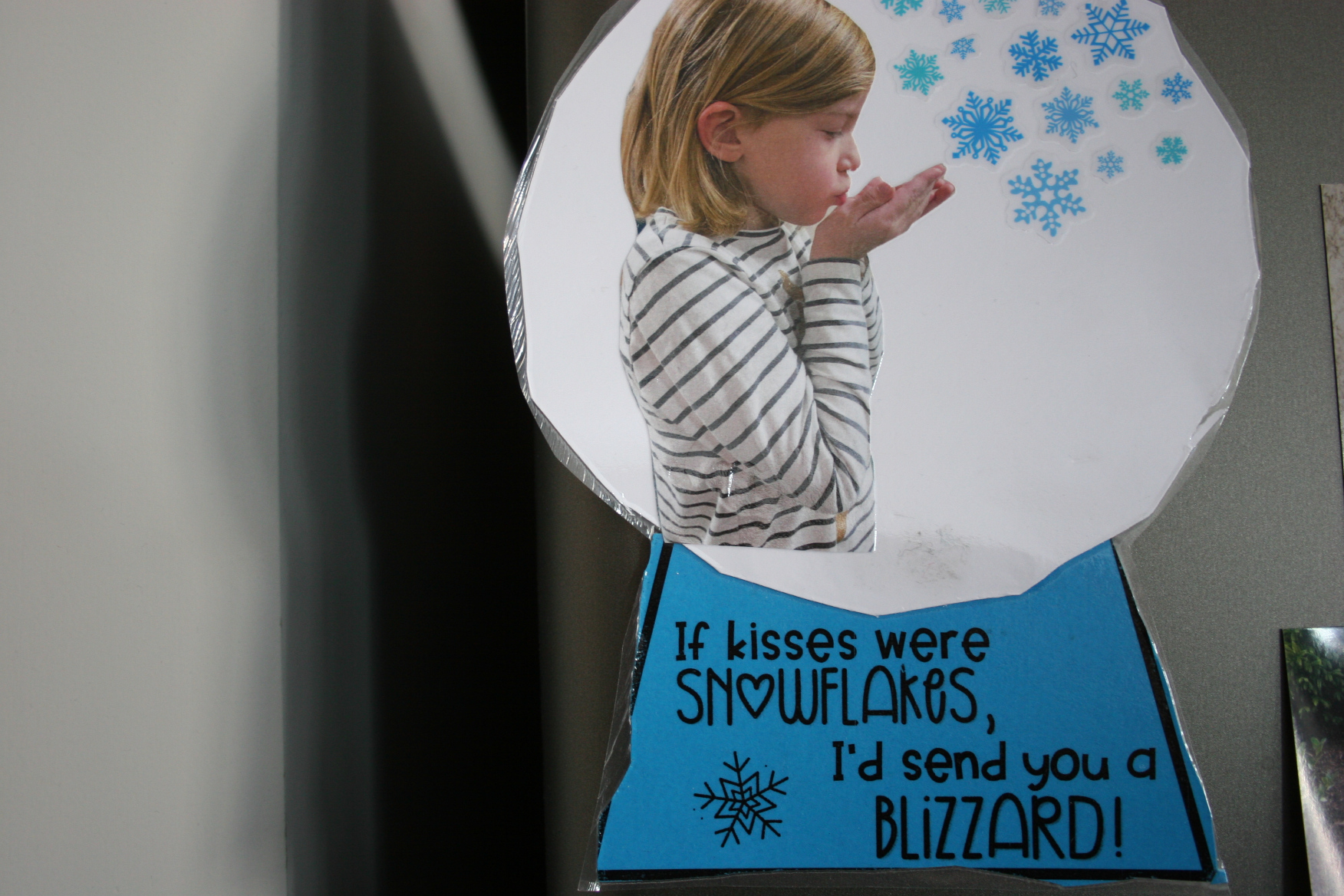
Love this art of my granddaughter on my eldest daughter and son-in-law’s fridge.(Minnesota Prairie Roots copyrighted photo February 2022)
IF YOU’RE LIKE ME, your refrigerator functions as more than a food storage unit. Mine also functions as an art gallery, a photo gallery, a place to post notices and information.
One of several poems I’ve crafted with magnetic words on my refrigerator. (Minnesota Prairie Roots copyrighted file photo)
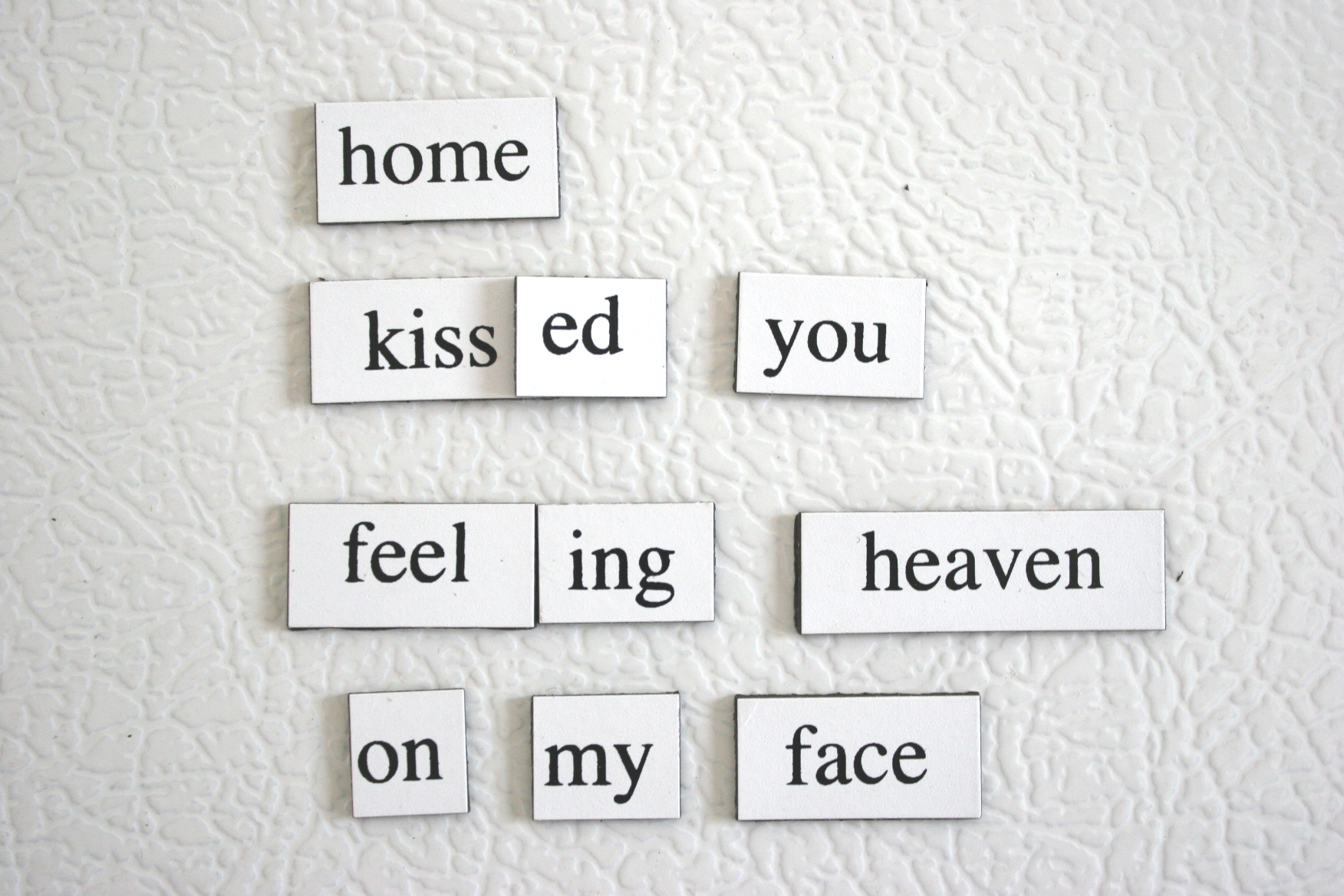
On my fridge door, you’ll currently see six family photos, an inspirational quote, a clipped poem from my mom’s collection and two short poems I crafted from magnetic words.
Looking for clues in the “Gangster’s Gold” Mailbox Mystery now available (along with other mysteries) on Etsy at Orange Guy Games. (Minnesota Prairie Roots copyrighted file photo November 2021)
Shift to the not-so-publicly-visible side and you’ll find an assortment of newspaper clippings (including my pastor’s column about mental health), the “We Remember Them” poem, a recycling calendar, two certificates for completing the Cannon Falls Library Mailbox Mysteries, an email about details for staying at the lake cabin…
And then, clipped under a sheaf of papers is a City of Faribault newsletter, Snow Season—HELPFUL TIPS & INFORMATION. Nine snow/winter-related stories fill both sides of the standard sheet of paper. Yes, there’s a lot to remember when you live in a state of winter for perhaps six months (or more, depending).
The articles are titled:
Parking Restrictions & Snow Emergencies
Pushing Snow into Streets is Prohibited
Help Keep Fire Hydrants Cleared from Snow
Clear Sidewalks of Snow and Ice
Avoid Frozen Water Pipes
Proper Mailbox Installation will Help Keep it Upright this Winter
Shoveling Driveway Openings
Children Stay Clear of the Street
Keep Trash & Recycling Bins Out of the Street
Best to keep vehicles off streets during or after a snowfall or risk a ticket and/or towing. ((Minnesota Prairie Roots copyrighted file photo October 2020)
So basically keep your vehicles (during snow emergencies), garbage cans, snow and kids off streets.
Clear fire hydrants near your home because, you know, if firefighters need to dig out a hydrant, your house could burn down.
Remove snow and ice from sidewalks so pedestrians (especially letter carriers) don’t slip and fall and break a bone. And as long as we’re talking mailboxes, shovel the snow away from them. If a snowplow hits your curbside mailbox (note, you must have it properly installed), call the city.
Don’t blame the city if your water pipes freeze. They’ve advised you to insulate them and take other precautions to prevent freezing.
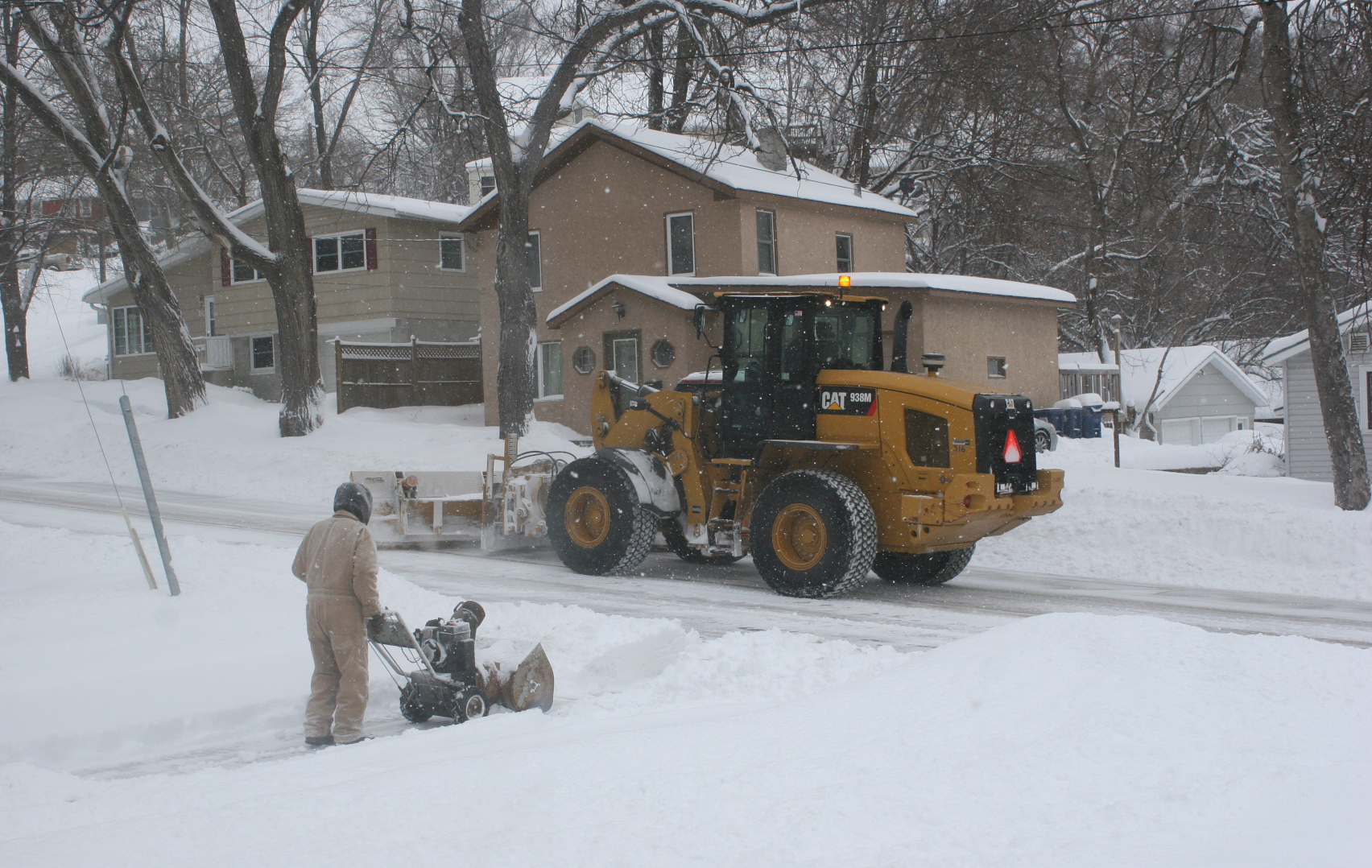
As any Minnesotan knows, the worst thing is to have the driveway all cleared and then the snowplow plows the end shut with a ridge of snow. Here Randy waits for the plow to finish clearing the street. (Minnesota Prairie Roots copyrighted file photo February 2020)
Also, do not blame city snowplow drivers for plowing snow across the end of your driveway within minutes of your having opened your driveway. That one’s really tough to take. Too many times the plow arrives shortly after all snow has been removed from driveway’s end. Then it’s back to shoveling or blowing, mean-spirited words unheard over the scrape of plow blade upon asphalt.
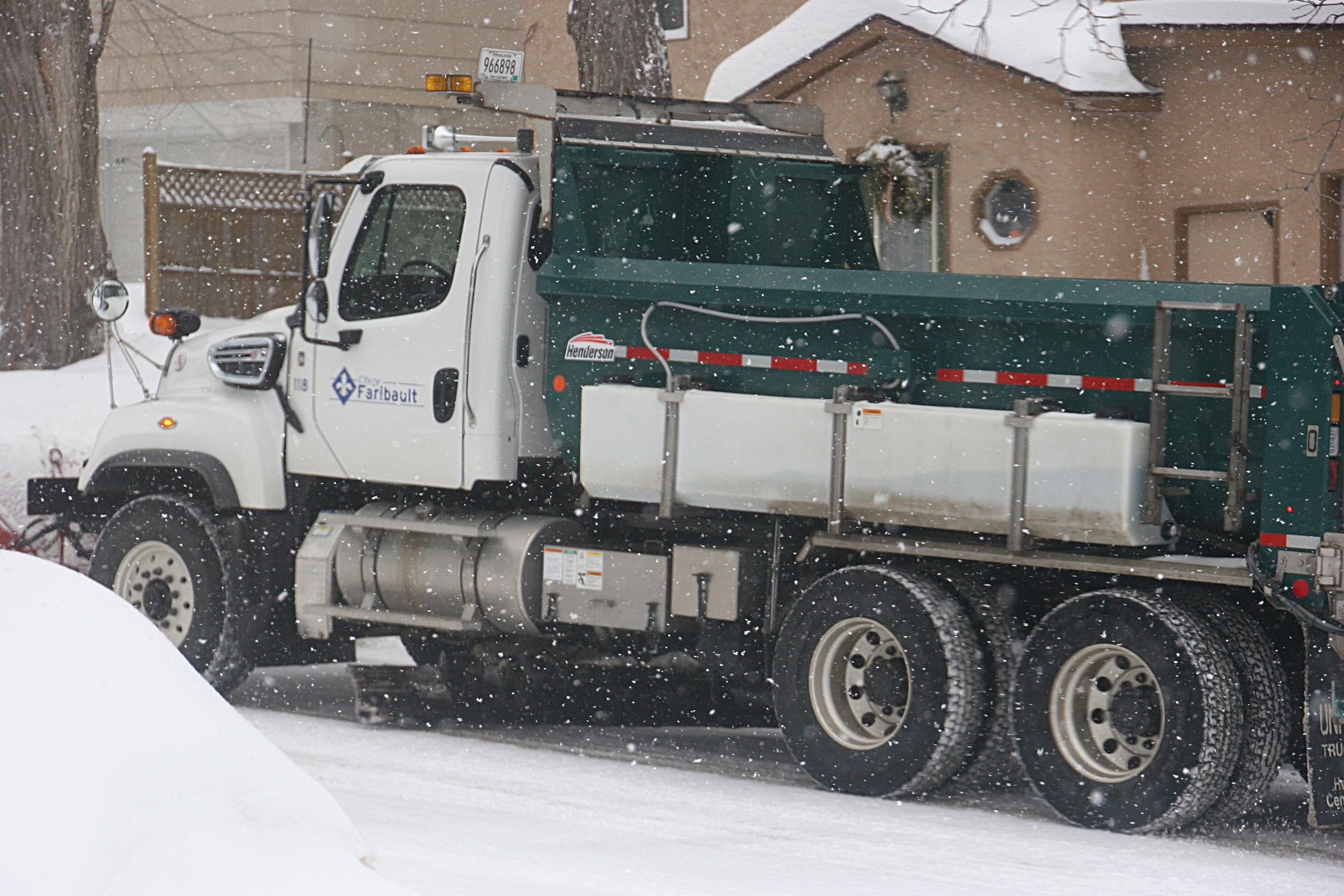
I’m grateful for the City of Faribault drivers who clear our streets in winter. (Minnesota Prairie Roots copyrighted file photo October 2020)
The city is, after all, grateful for your cooperation as noted in this sentence of gratitude:
Thank you very much for your assistance and patience in getting through another Minnesota winter and plowing season.
You’re welcome, City of Faribault. My words, not theirs.
#
TELL ME: What’s on your fridge? Anything snow/winter-related?
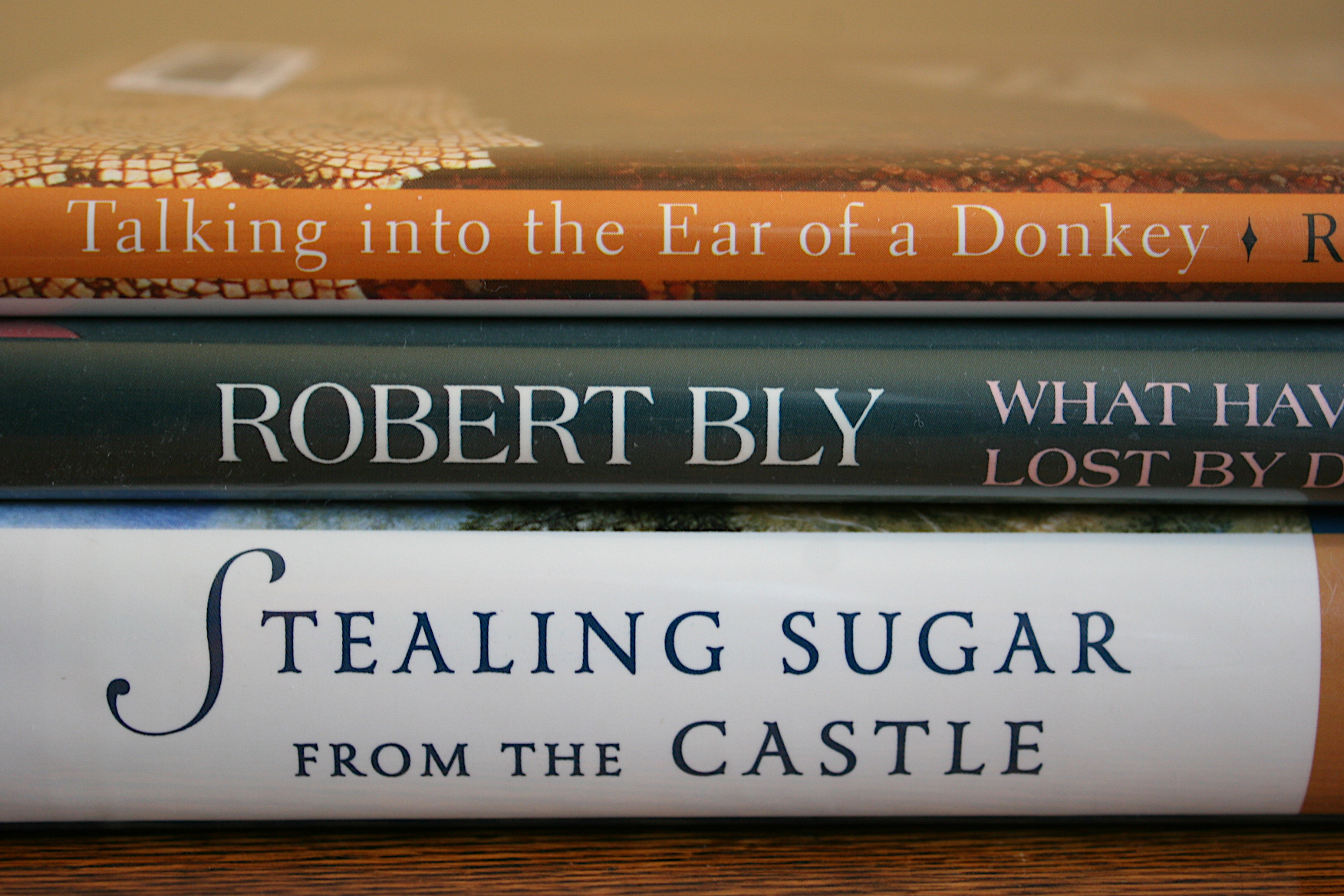
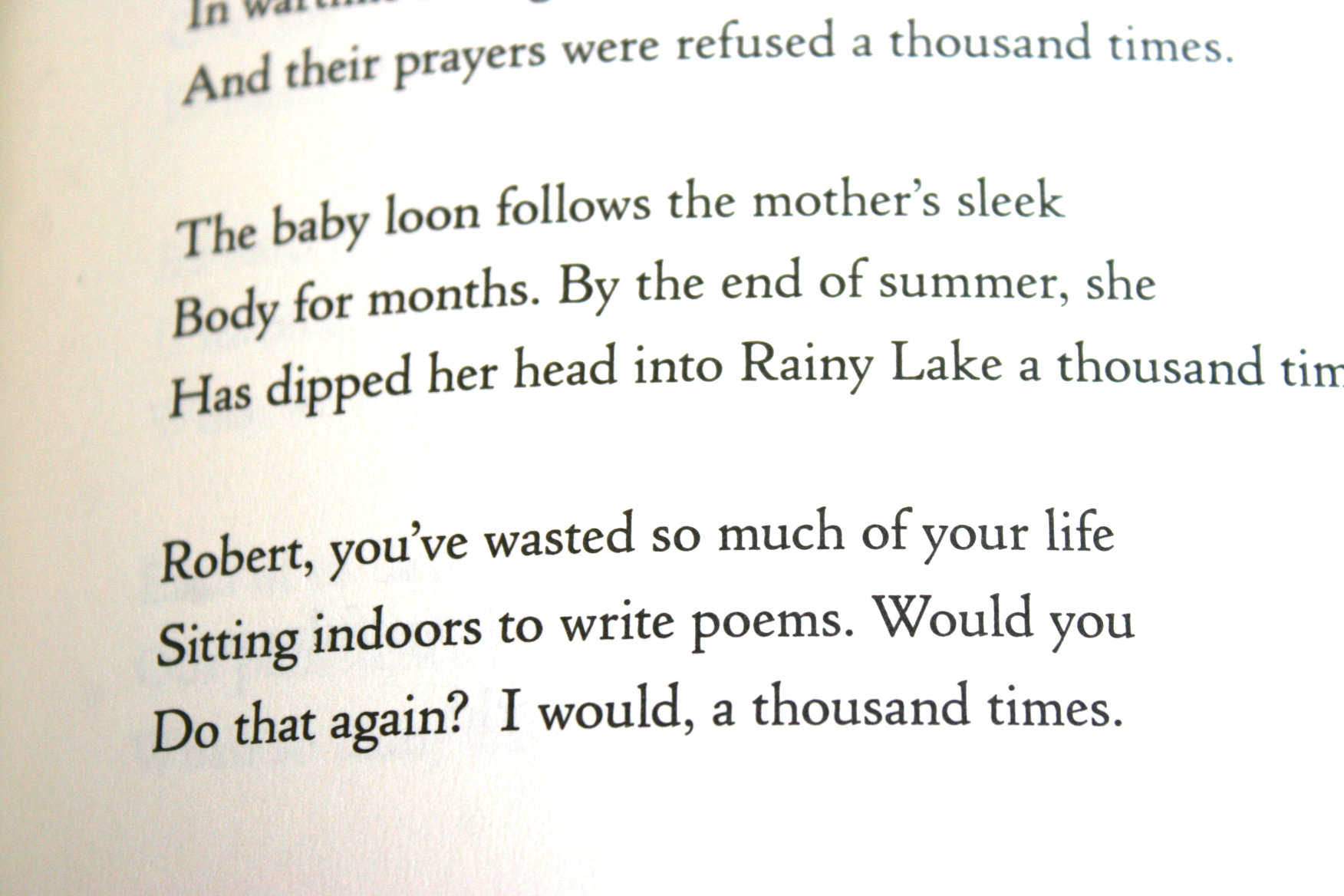
Books by Minnesota poet Robert Bly. (Minnesota Prairie Roots copyrighted photo)
AS A PUBLISHED POET, you might expect me to read a lot of poetry. I confess that I don’t. I should, because through reading and studying others who practice our crafts, we learn.
So I determined, upon hearing of the death of renowned Minnesota poet Robert Bly on November 21, that I would read more of his poetry. I’ve checked out every Bly book available at my local library: What Have I Ever Lost By Dying?, Talking into the Ear of a Donkey and Stealing Sugar from the Castle.
Interesting titles reveal likewise interesting poems crafted by an especially gifted writer.
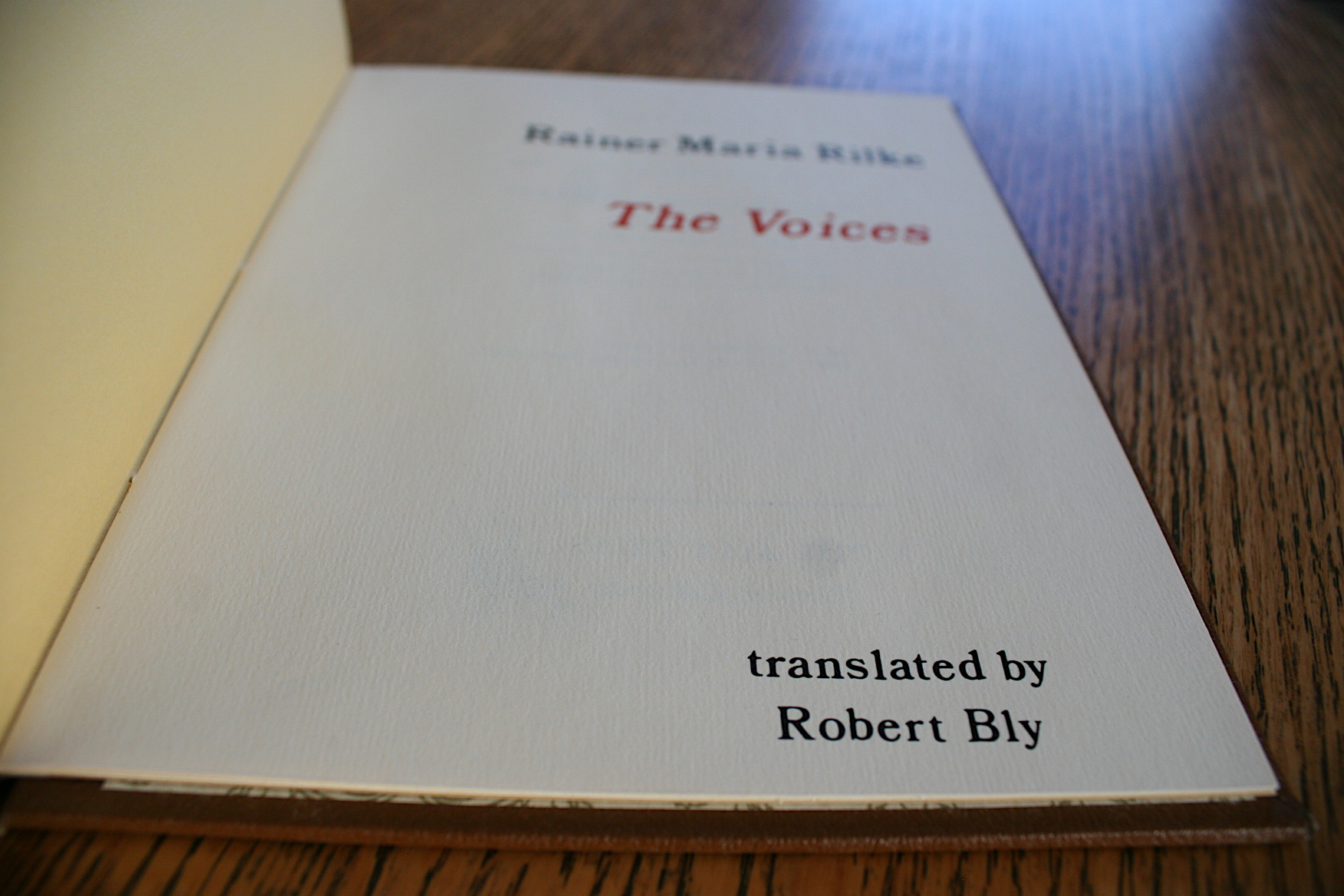
Robert Bly also translated poetry, here “The Voices” by Rainer Maria Rilke. (Minnesota Prairie Roots photo)
As I began to read Bly’s poems, I noticed the brevity. As any poet understands, each word in a poem must count. Bly seems especially adept at that. Poetry is perhaps the most difficult of writing genres.
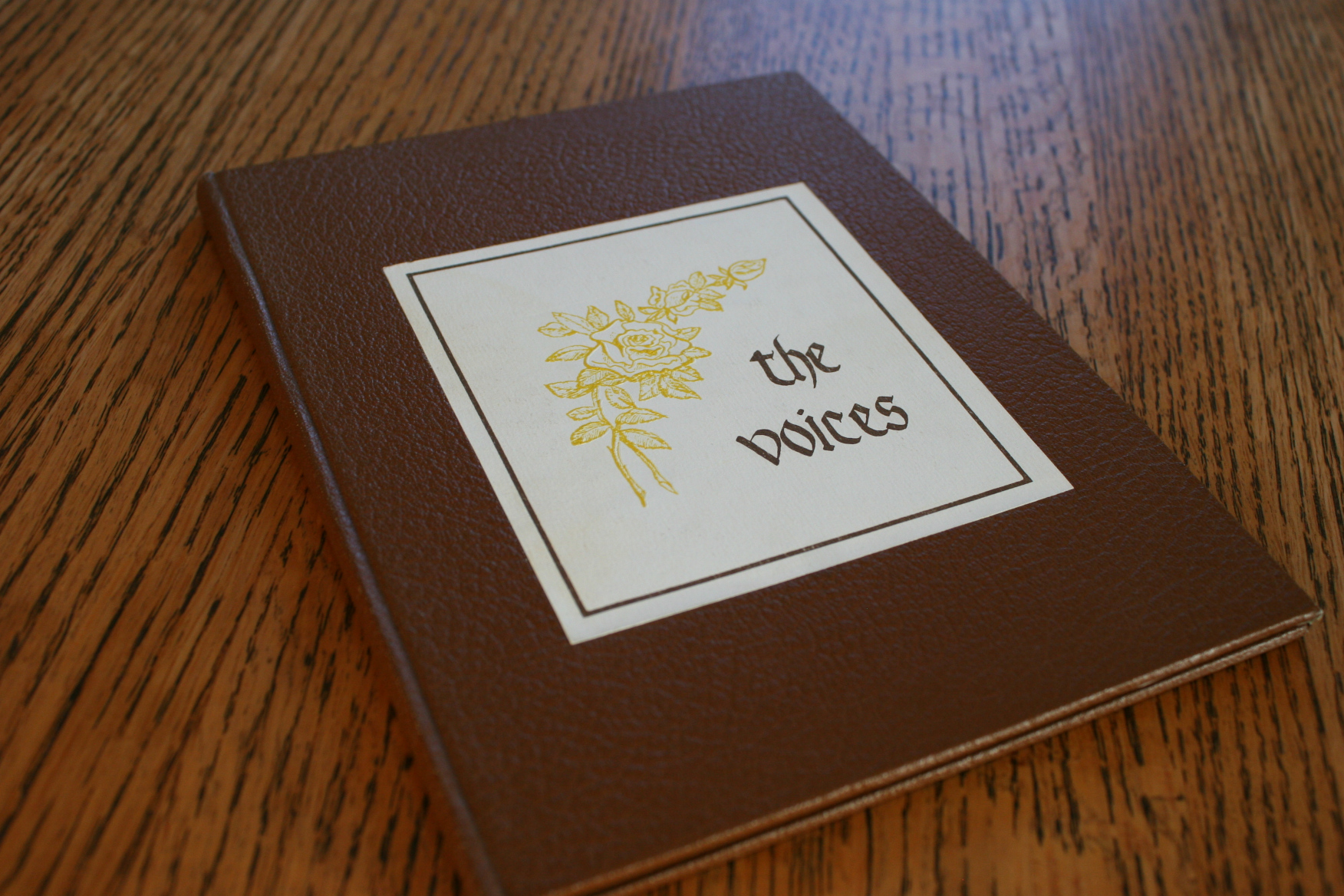
My copy of “The Voices,” translated by Robert Bly. (Minnesota Prairie Roots photo)
In Bly’s poetic voice, I hear rural reflected. From land to sky. Heritage strong. Faith interwoven. Solid work ethic. Agriculture defining small towns and occupations, threading through daily life. Bly writes with an awareness of his rural-ness, with a deep sense of place. I understand that given my roots on a southwestern Minnesota farm.
Yet, Bly’s writing isn’t defined solely by place. His world expanded when he joined the Navy after high school graduation, then attended St. Olaf College in Northfield for a year before transferring to Harvard. He pursued additional degrees. He was a prolific writer. A poet. An essayist. An activist.
While watching a public television documentary on Bly last week, I learned more about his activism. During the Vietnam War. In writing about men. He authored Iron John: A Book About Men, which remained on the New York Times Best Sellers List for 62 weeks. Sixty-two weeks. That’s saying something about Bly’s influence.
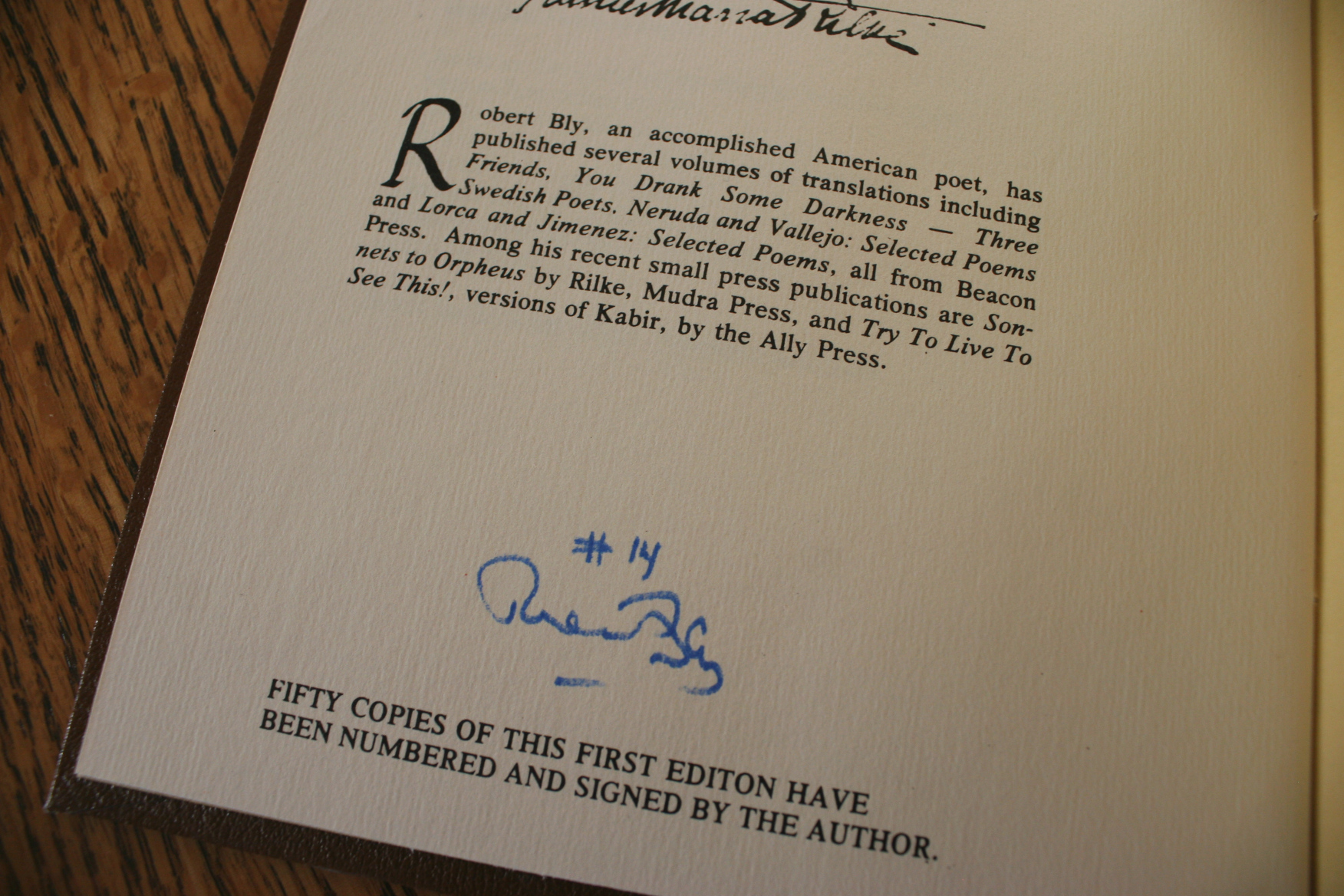
Robert Bly’s autograph in my first edition copy of “The Voices.” (Minnesota Prairie Roots photo)
He also translated the works of others, including Rainer Maria Rilke’s The Voices. It’s a slim volume of nine poems with a title poem. And I have a copy of that beautiful hardcover book, purchased several years back at a used book sale in Faribault. Mine is number 14 of 50 limited first edition copies published in 1977 by The Ally Press and autographed by Robert Bly. Now, upon the poet’s death, this collection holds even more significance. More value.
The final three linesin Bly’s poem, “Ravens Hiding in a Shoe,” summarize his passion for penning poetry. (Minnesota Prairie Roots photo)
Though Bly has passed at the age of 94, his legacy as a writer will endure. He scored many awards and accolades throughout his writing career. But I sense, even with that success, it was the craft of writing, the ability to pursue his passion for the written word, which he valued the most. That, too, I understand. For to write is to breathe.
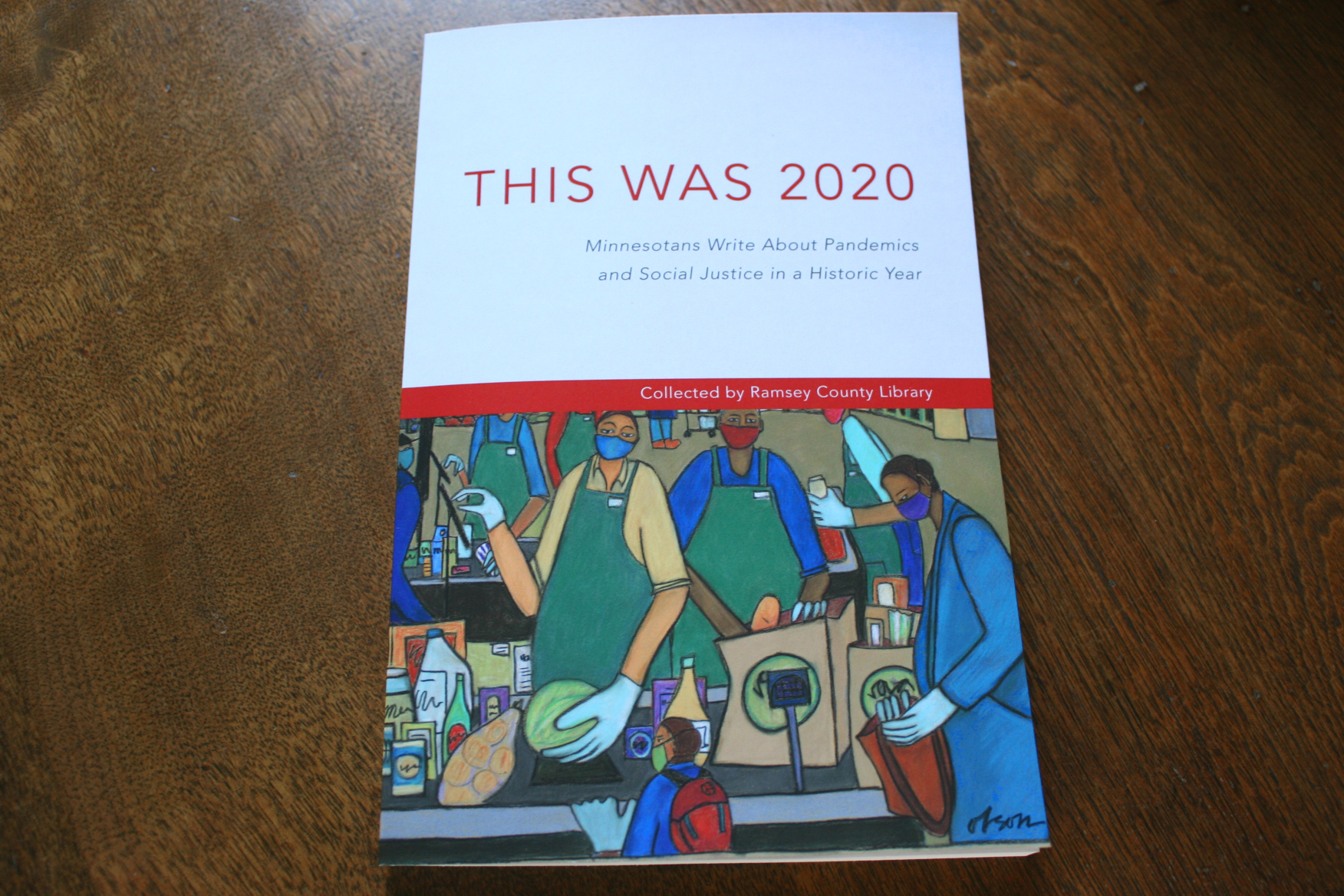
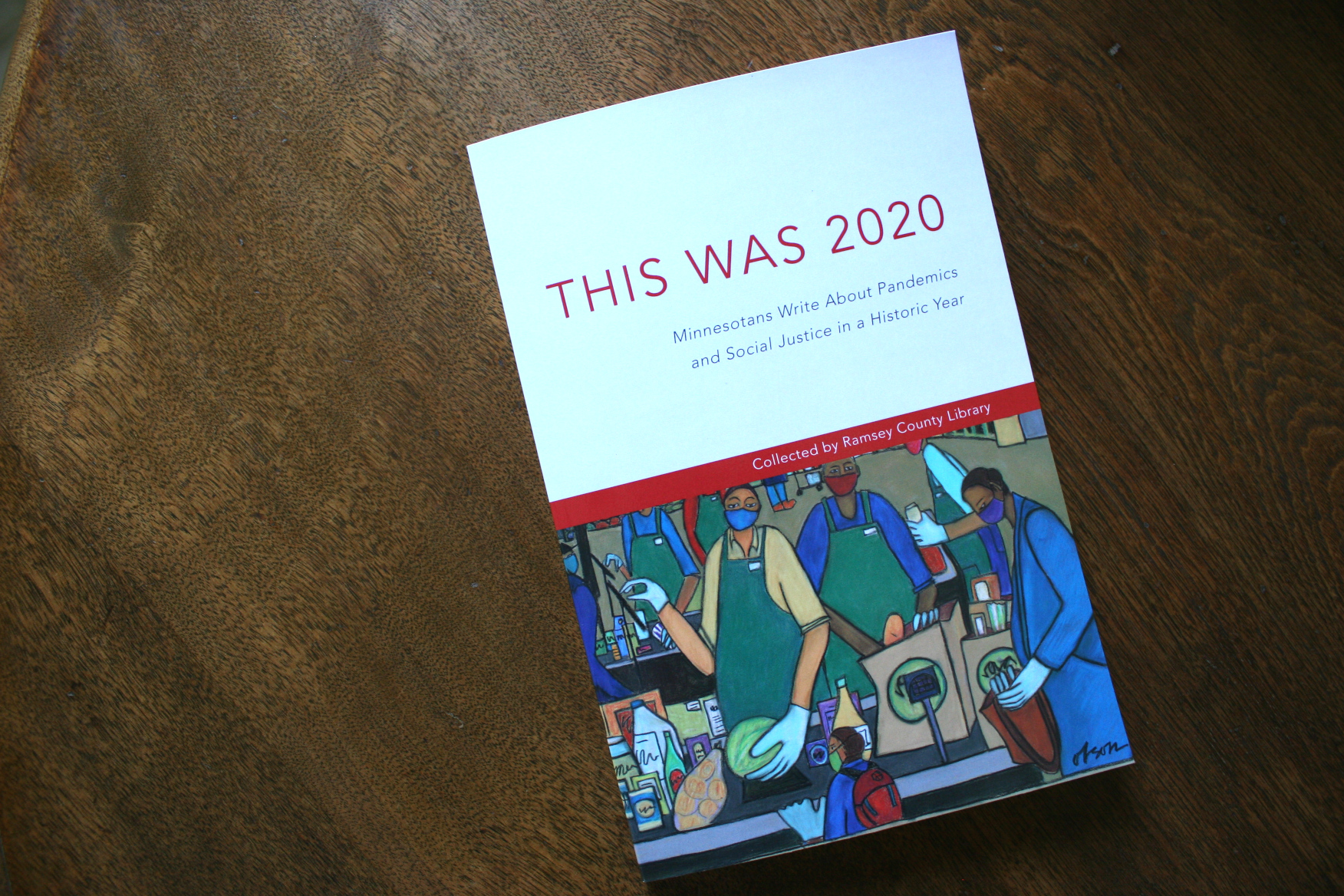
That’s exciting news for those of us published in this award-winning collection of prose and poetry. This Was 2020: Minnesotans Write About Pandemics and Social Justice in a Historic Yearrecently won the Minnesota Author Project Award in the Communities Create category. That honor recognizes the work of indie publications in the state. Ramsey County Library (led by librarian Paul Lai) coordinated the book project, calling for submissions and then, eventually, publishing the collection.
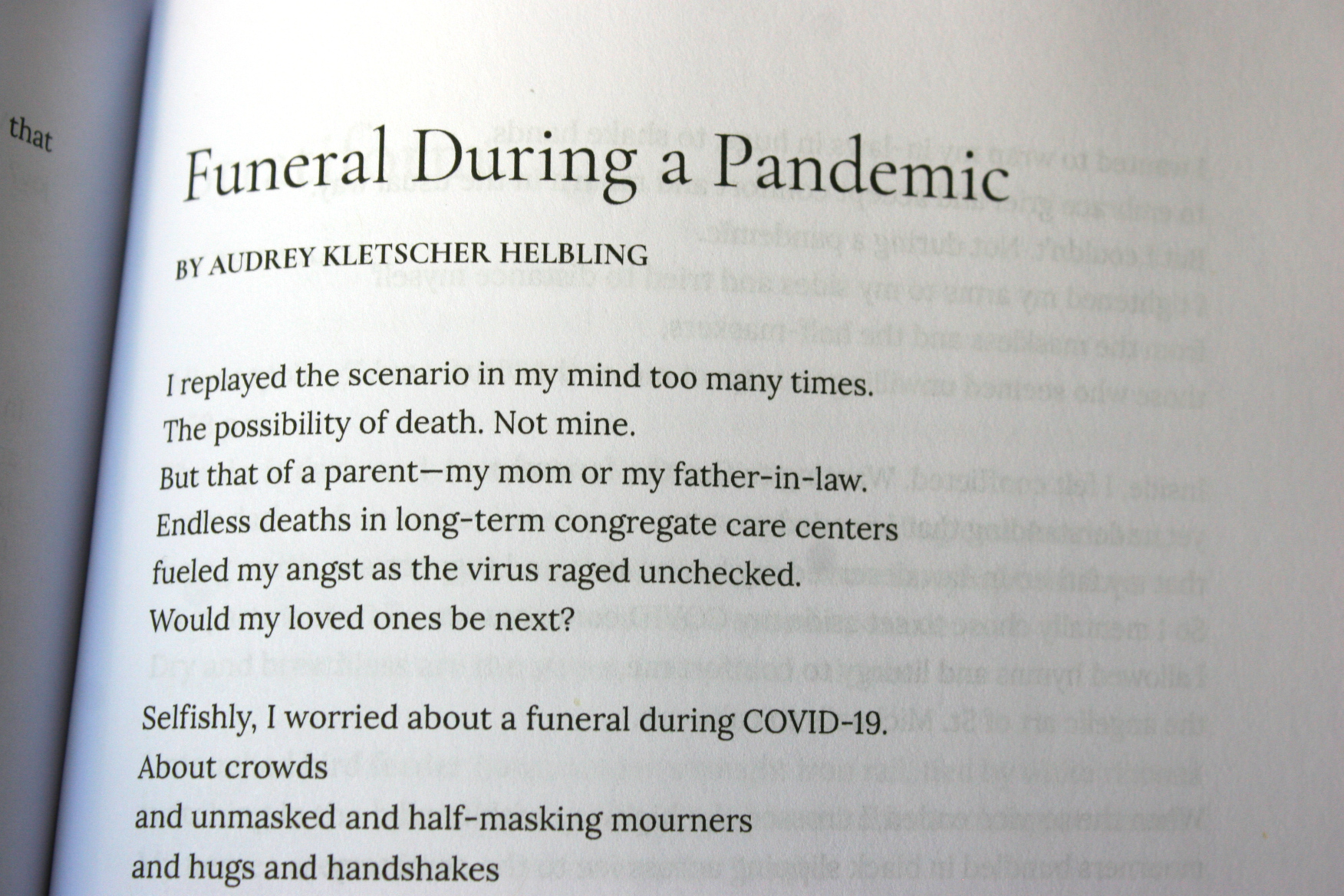
The beginning of my poem. (Minnesota Prairie Roots photo)
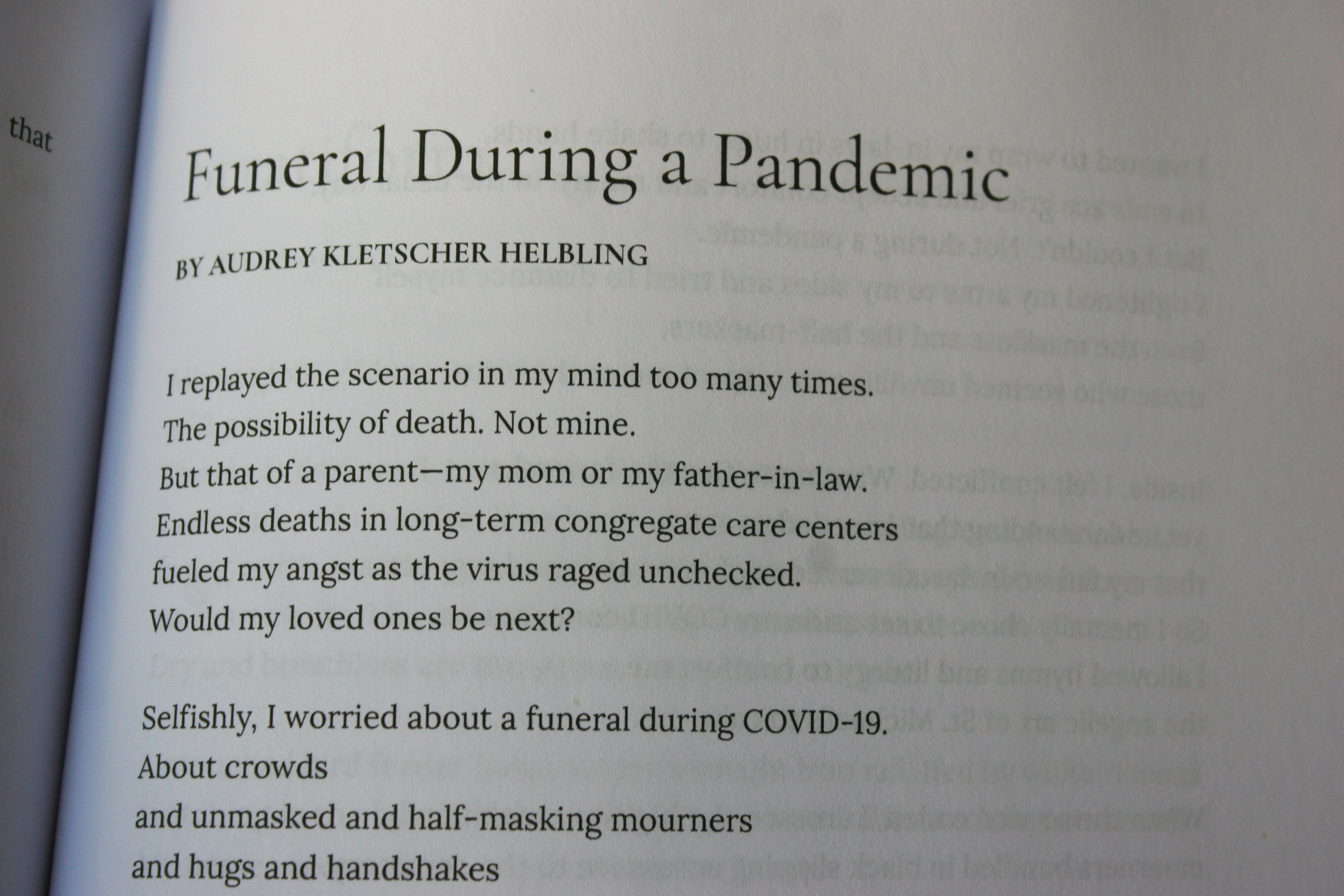
My poem, “Funeral During a Pandemic,” was selected for inclusion in the anthology. I write about attending my father-in-law’s funeral at a Catholic church in a small central Minnesota town during the pandemic.
Now my local public library, Buckham Memorial Library in Faribault, has copies of This Was 2020 available for check-out. While I always encourage purchase of books to support writers and booksellers (especially independent bookstores), I recognize the importance of accessibility to all through libraries. The Red Wing Public Library, in our Southeastern Libraries Cooperating regional library system, also has this anthology on the shelf.
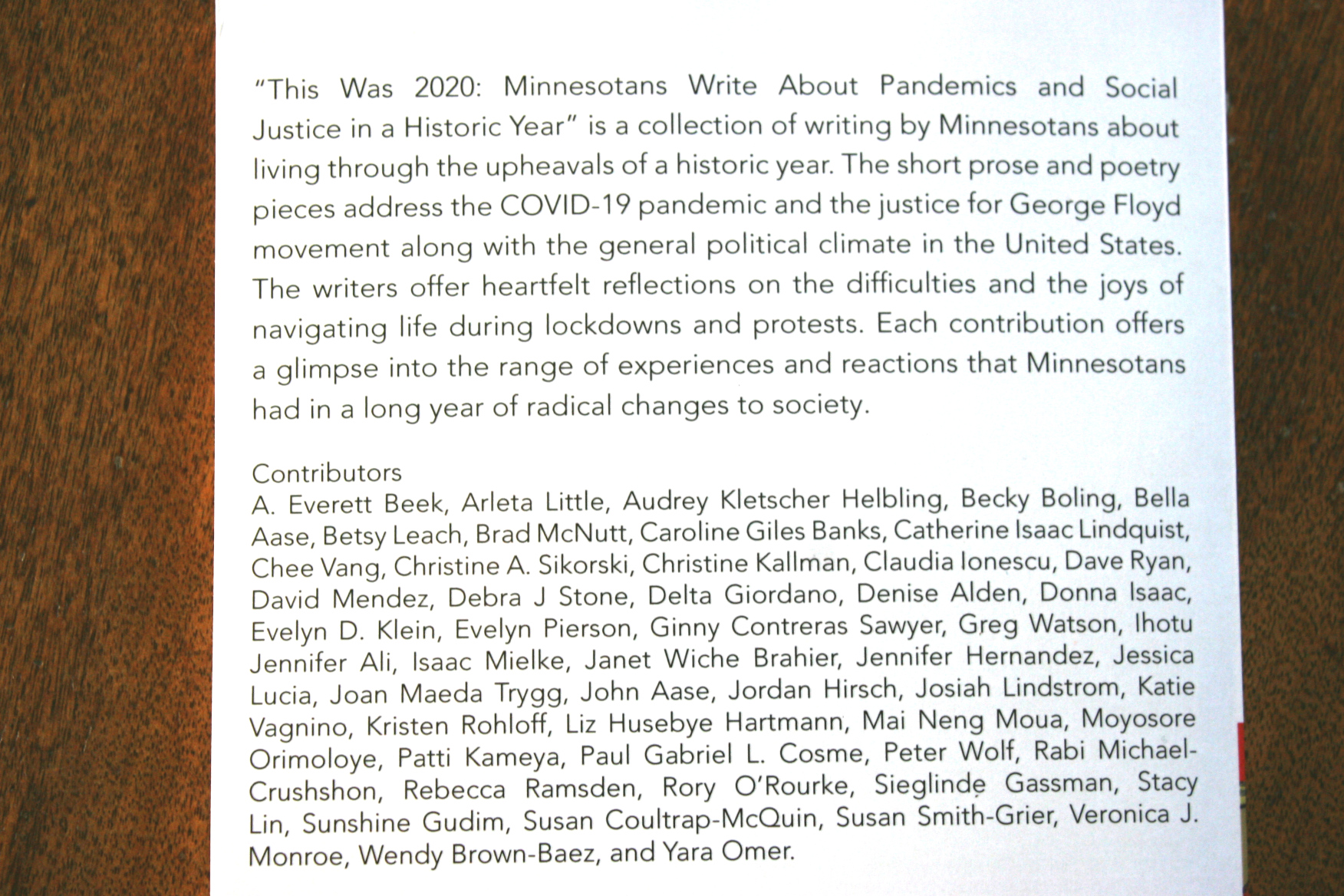
The back cover lists the names of the Minnesotans included in This Was 2020. (Minnesota Prairie Roots photo)
I encourage you to borrow or buy a print copy or read the e-version of this important book. It represents the hearts and souls of 51 Minnesotans, most of them published writers. They share their thoughts and experiences on two topics—social justice (connected to the murder of George Floyd in Minneapolis in May 2020) and the COVID-19 pandemic.
My encouragement to read this collection is not motivated by self-promotion. Rather, I want you to read this anthology for the content, the insights, the documentation of history. The writing therein is personal. Deeply personal. These Minnesotans write with honesty, emotion and a rawness that almost hurts. The pain is real, the writing revealing. These poems and prose take readers well beyond the sound bites and headlines and video clips with powerful written words that are sometimes difficult to read.
In an historic time such as this, it’s especially important to gather and share stories in prose and poetry. Through stories we learn, connect, begin to understand, perhaps grow and change…for the better. I hope This Was 2020 prompts respectful discussions and introspection that creates healing. For now, more than ever, we need understanding, compassion and healing.
#
NOTE: To all of you who have supported my writing and This Was 2020, thank you. I am grateful.
If you opt to buy This Was 2020, here’s the ISBN#: 978-1-0879-6762-2
The beginning of my poem published in This Was 2020. Minnesota Prairie Roots copyrighted file photo.
My poem, “Funeral During a Pandemic,” is among 54 pieces of prose and poetry by 51 Minnesotans published in the collection. In my poem, I write about my experience attending my father-in-law’s funeral in a rural central Minnesota church during the pandemic. To have that poem selected for inclusion reveals just one aspect of how COVID-19 has affected all of us.
As Paul Lai, Ramsey County librarian and lead on this book project states, This Was 2020 “…highlights the voices of people in Minnesota as they remember a difficult year.” And those voices come from across the state, most from the metro, but also from greater Minnesota. The writing, Lai notes, offers glimpses into our communities.
Judges for the award also sing the book’s praises, calling it “a beautiful anthology that memorialized a very difficult year in Minnesota.”
That assessment fits as writers penned pieces related to the pandemic and to social justice issues re-ignited by the murder of George Floyd with ensuing protests. I encourage you to read this book for the thought-provoking, and often emotional, content. (Click here to read an earlier review I posted on This Was 2020.)
“This book is one small way to help us all grieve, protest, imagine, co-create and empathize so that we build stronger connections rather than more walls between each other,” Lai says in a reflective video. I appreciate that comment, that encouraging insight. (To hear Lai’s comments, forward to around 10 minutes into the video.)
Lai has been so supportive of the writers published in this collection. In a congratulatory email to all of us, he termed our writing “powerful, thoughtful, heartfelt, creative and caring.” I value that appreciation.
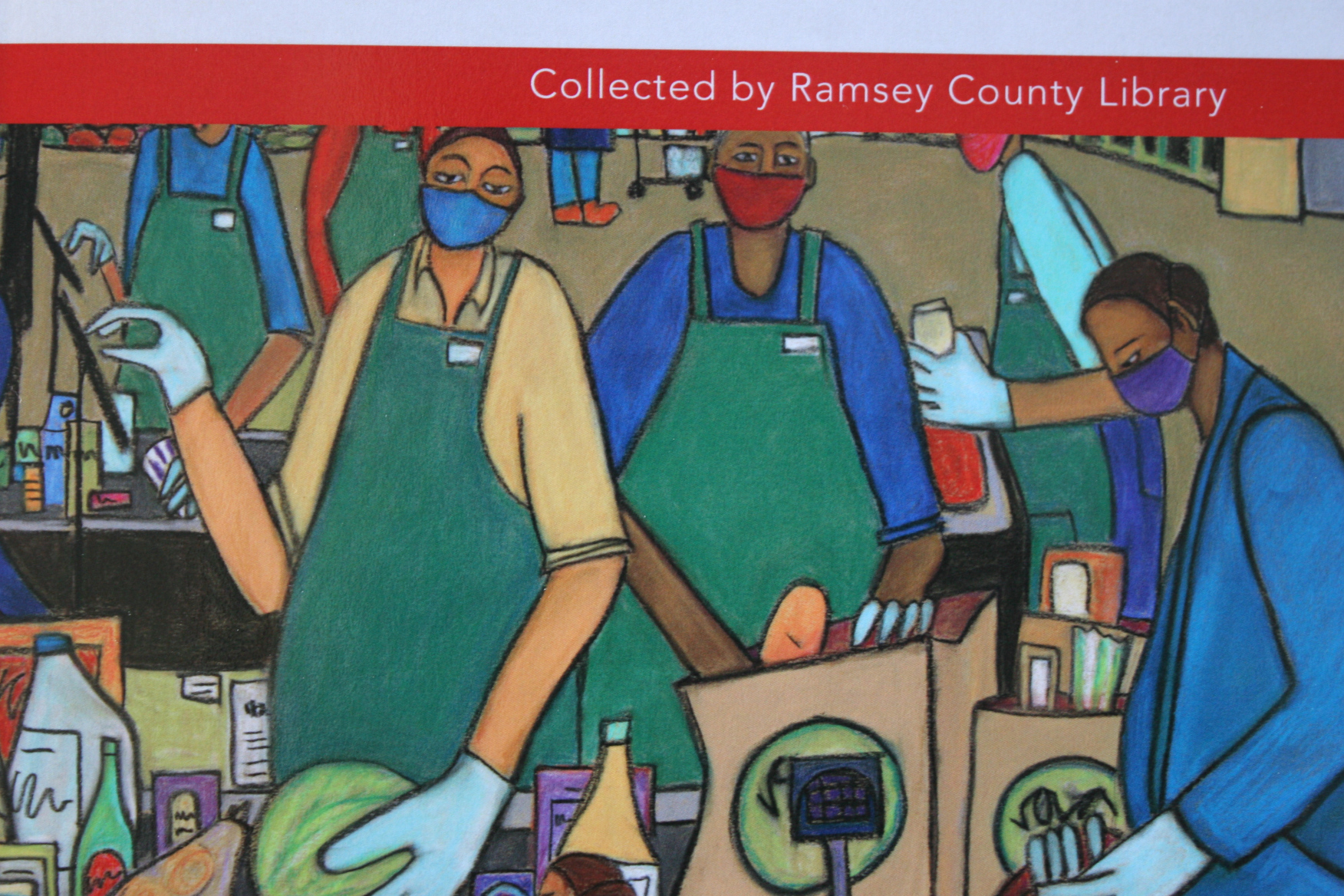
The incredible art of artist Carolyn Olson of Duluth graces the cover of This Was 2020. This is titled “Grocery Store Cashier and Bagger,” Minnesota Prairie Roots file photo.
The book award comes with a $1,000 cash prize, which will go to the Friends of the Ramsey County Libraries, official publisher of the print book. Those monies will support the library’s collections and programs. Additionally, the award provides access for the e-book version in the national Indie Author Project network and author spotlights promoting the book. More opportunities to be heard.
I feel such joy and gratitude. Joy at this accomplishment, not only for myself as a professional writer, but also for my fellow Minnesota writers. This state has incredible literary talent. And I feel gratitude for those who foster writing projects like This Was 2020 and for those who publicly recognize the value of voices expressed in writing.
FYI:To view This Was 2020 online, please click here. I encourage you also to purchase a print copy, perhaps from your favorite indie bookstore. Enjoy. And appreciate. And use what you read to build stronger connections rather than more walls.
Publication of This Was 2020 was made possible by the Minnesota Arts and Cultural Heritage Fund. It was edited by Ramsey County Library and published by Friends of the Ramsey County Libraries. The Minnesota Library Foundation and Biblio Labs sponsored the cash prizes.
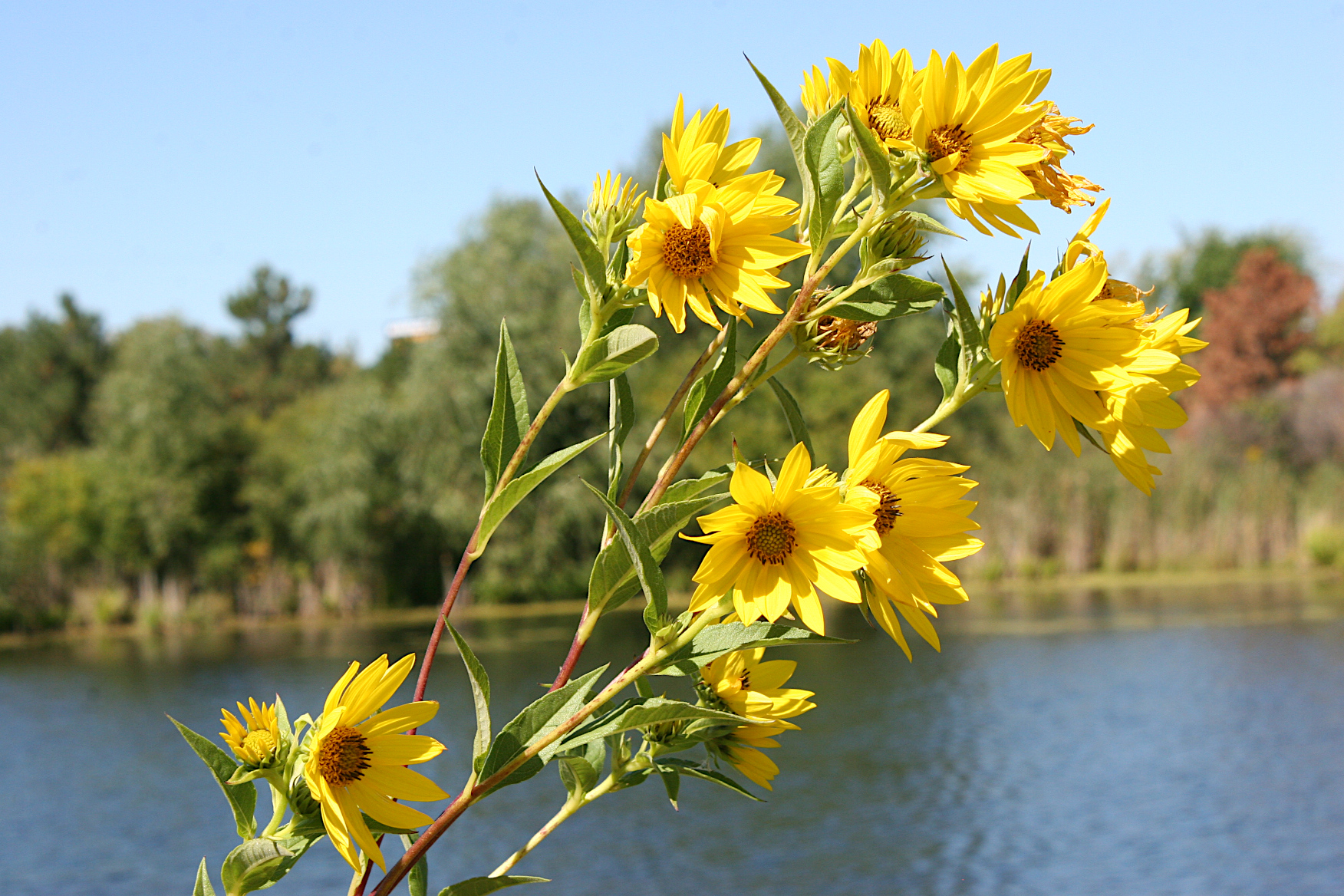
Among the many beautiful wildflowers growing at Faribault Energy Park. Minnesota Prairie Roots copyrighted photo September 2021.
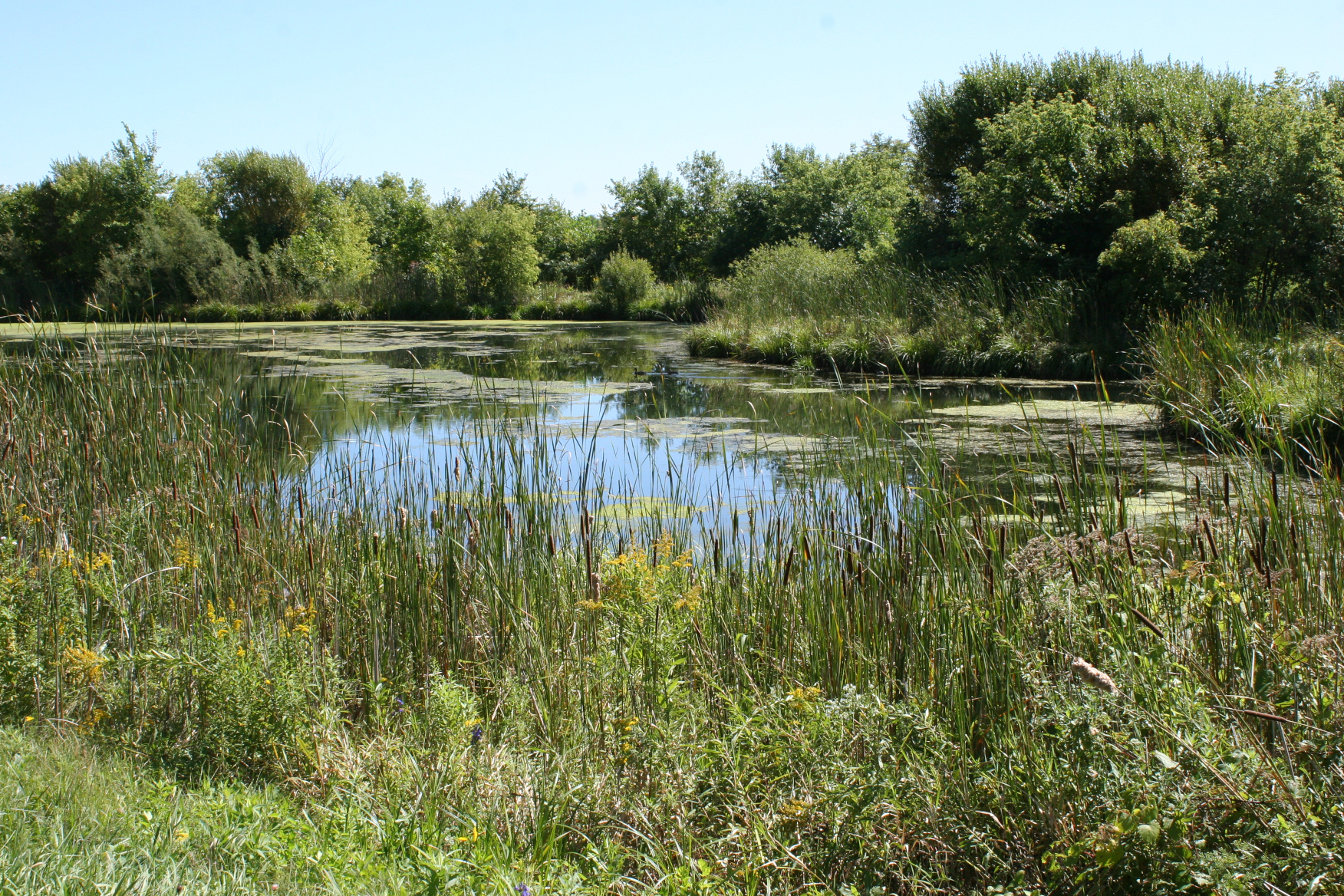
DESPITE THE STEADY THRUM of traffic along adjacent Interstate 35 and the drone of the power plant, Faribault Energy Park remains a favorite place to walk. Not because it’s quiet—because it’s not, not at all. But because of the dirt trails that wind through 35 acres of wetlands and ponds.
Dirt trails ring the ponds. Minnesota Prairie Roots copyrighted photo September 2021.
Here, when I put sneaker to ground, I feel connected to the land. There’s something satisfying and comforting about earth directly beneath my soles.
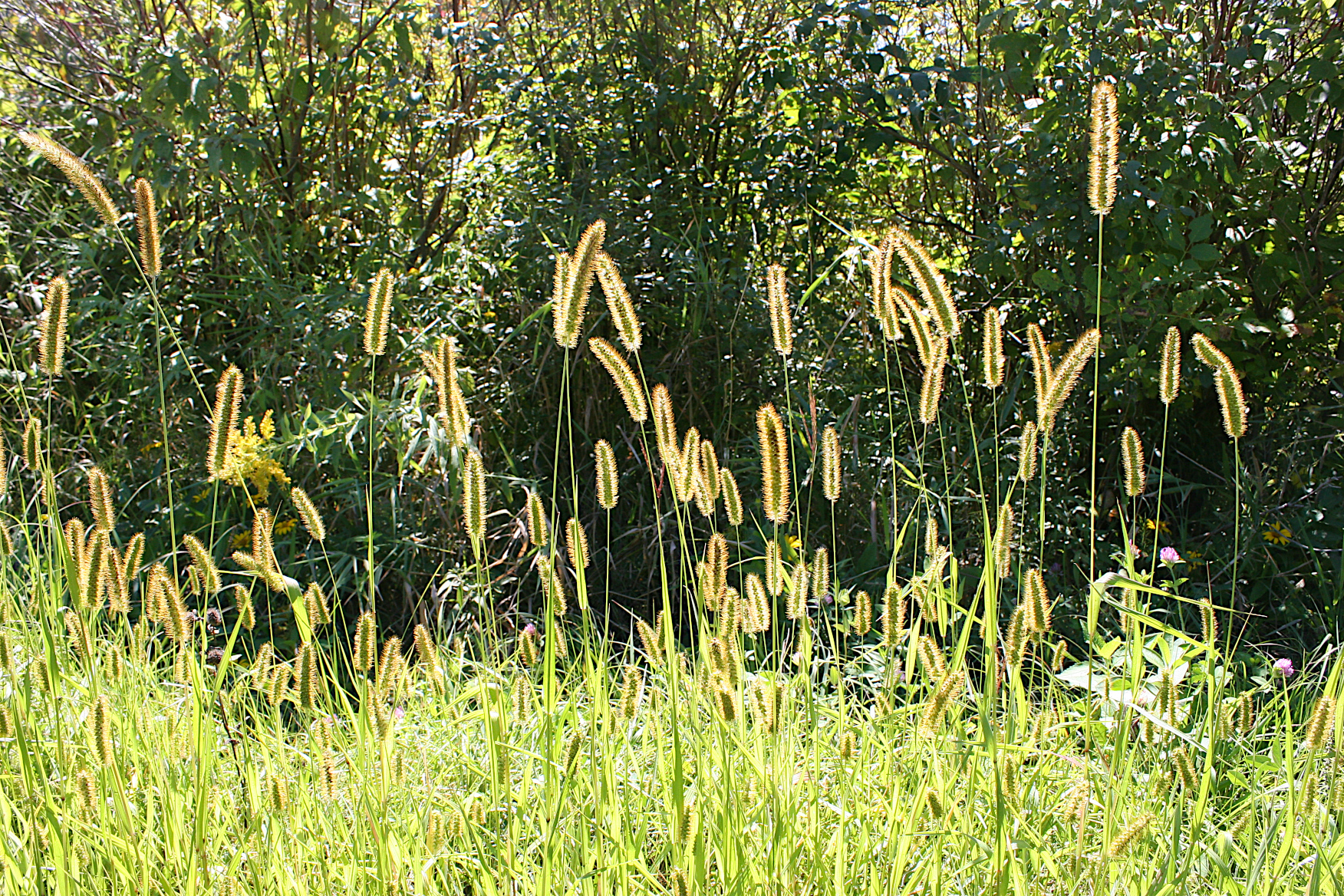
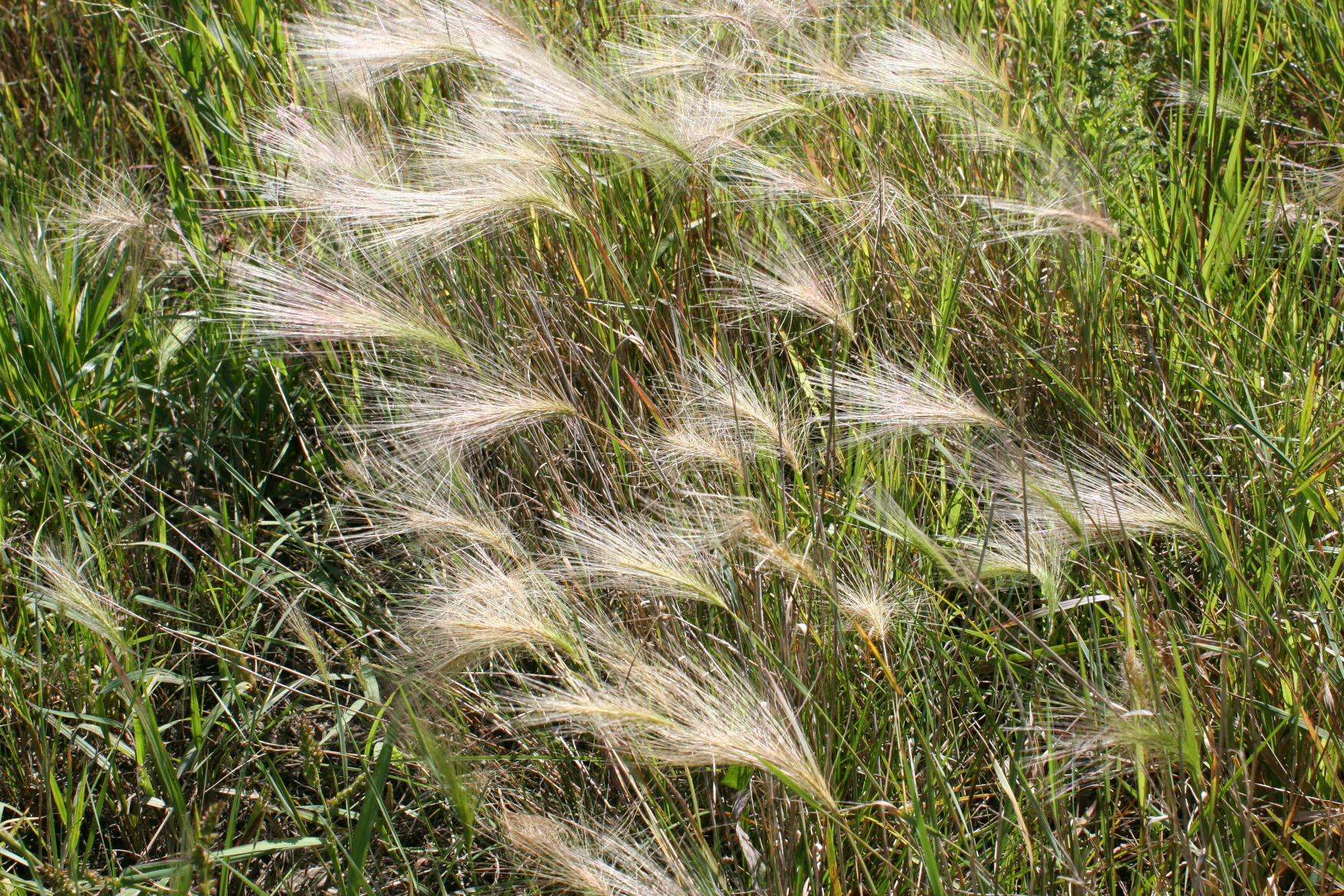
The foxtail, especially, remind me of the prairie. Minnesota Prairie Roots photo September 2021.
And although this isn’t prairie, the openness of this park appeals to me. It reminds me of my prairie roots, of the gravel drives and roads I biked and walked while growing up in southwestern Minnesota. Sometimes my heart hurts for missing those familiar wide open spaces and spacious skies.
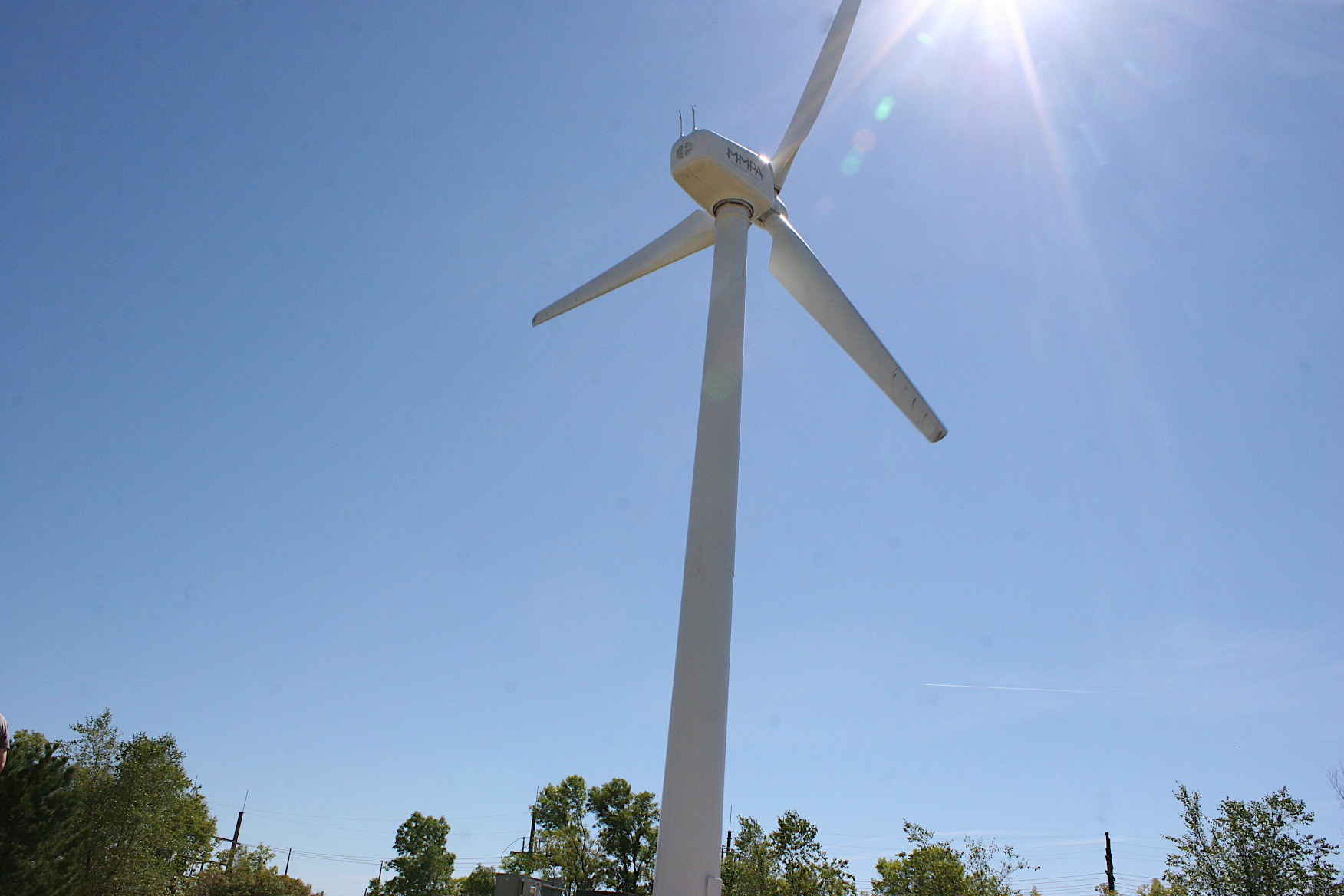
The park’s single wind turbine. Minnesota Prairie Roots copyrighted photo September 2021.
At Faribault Energy Park, I pause occasionally to look skyward, to the expanse of blue. Or toward the churning arms of the wind turbine which, during my most recent visit, spun shadows across the land.
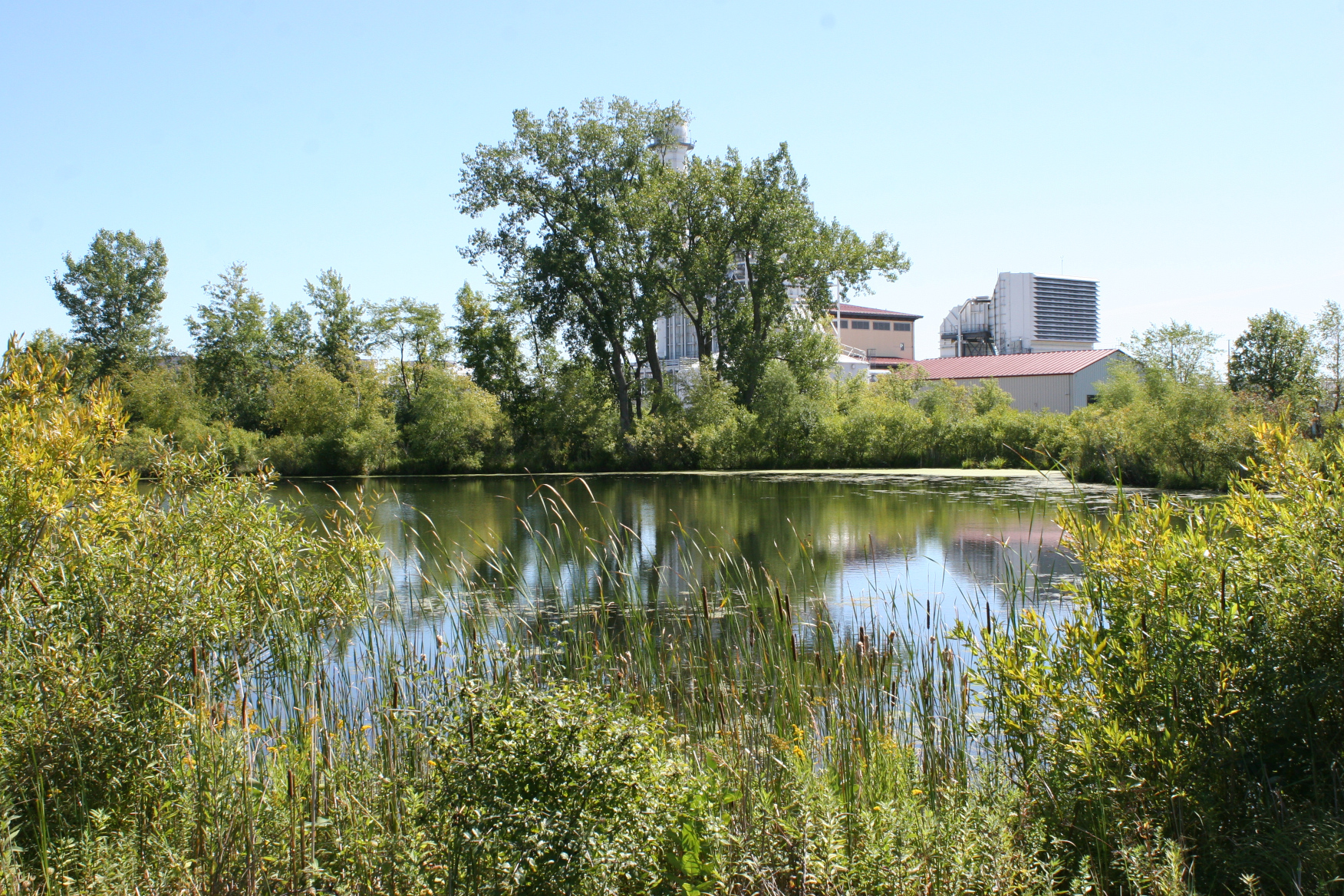
A view of the power plant from across the pond. Minnesota Prairie Roots copyrighted photo September 2021.
It should be noted that I’m not particularly fond of wind turbine fields. I understand their importance, but don’t like their visual intrusion upon the landscape. Like visual pollution, they detract from the beauty of the land. They seem out-of-place, invasive to my eyes. I feel the same about massive solar panel fields planted on farmland. But here at Faribault Energy Park, only one wind turbine stands, across the road from a solar garden (not field).
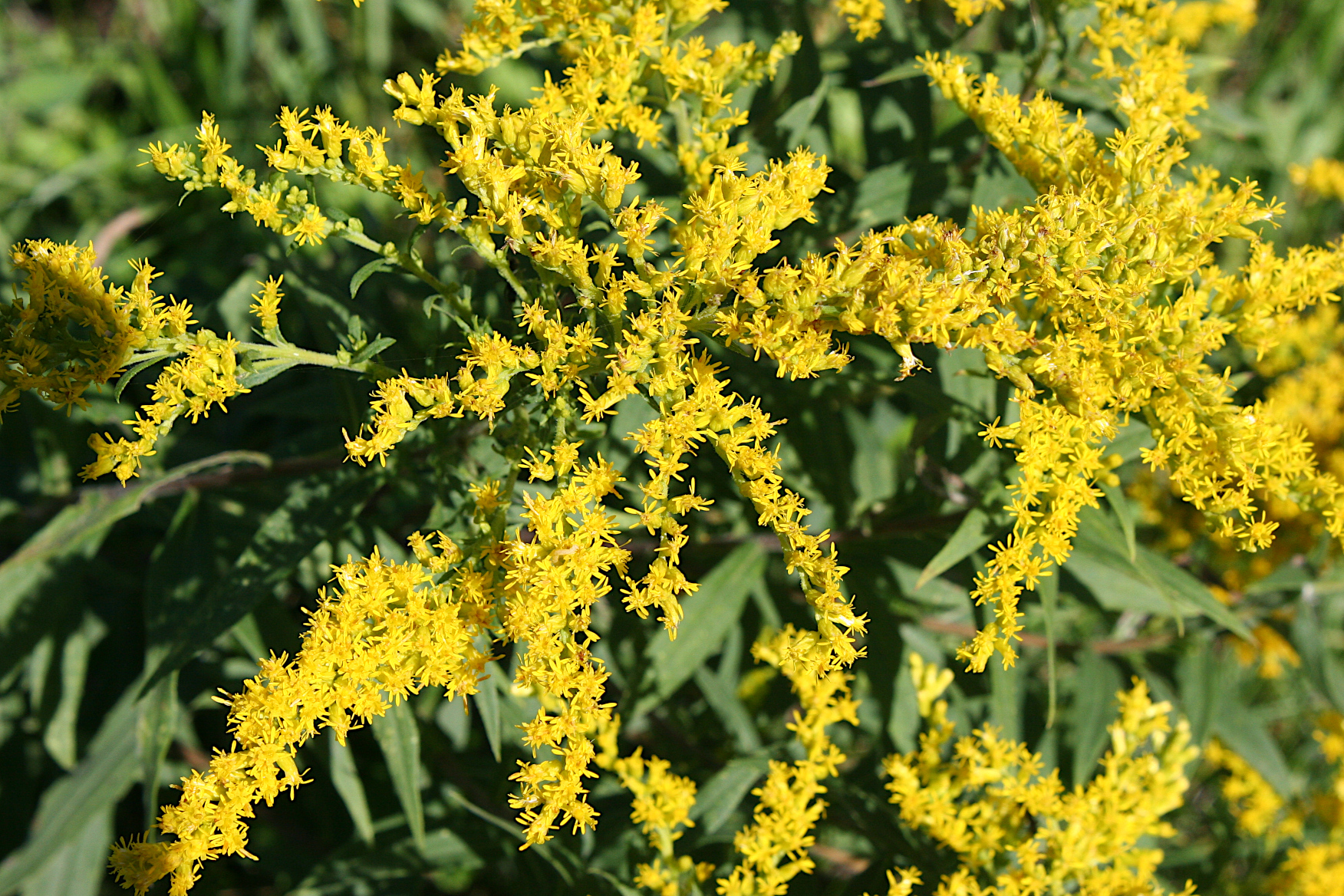
Goldenrod, one flower I can identify. Minnesota Prairie Roots copyrighted photo September 2021.
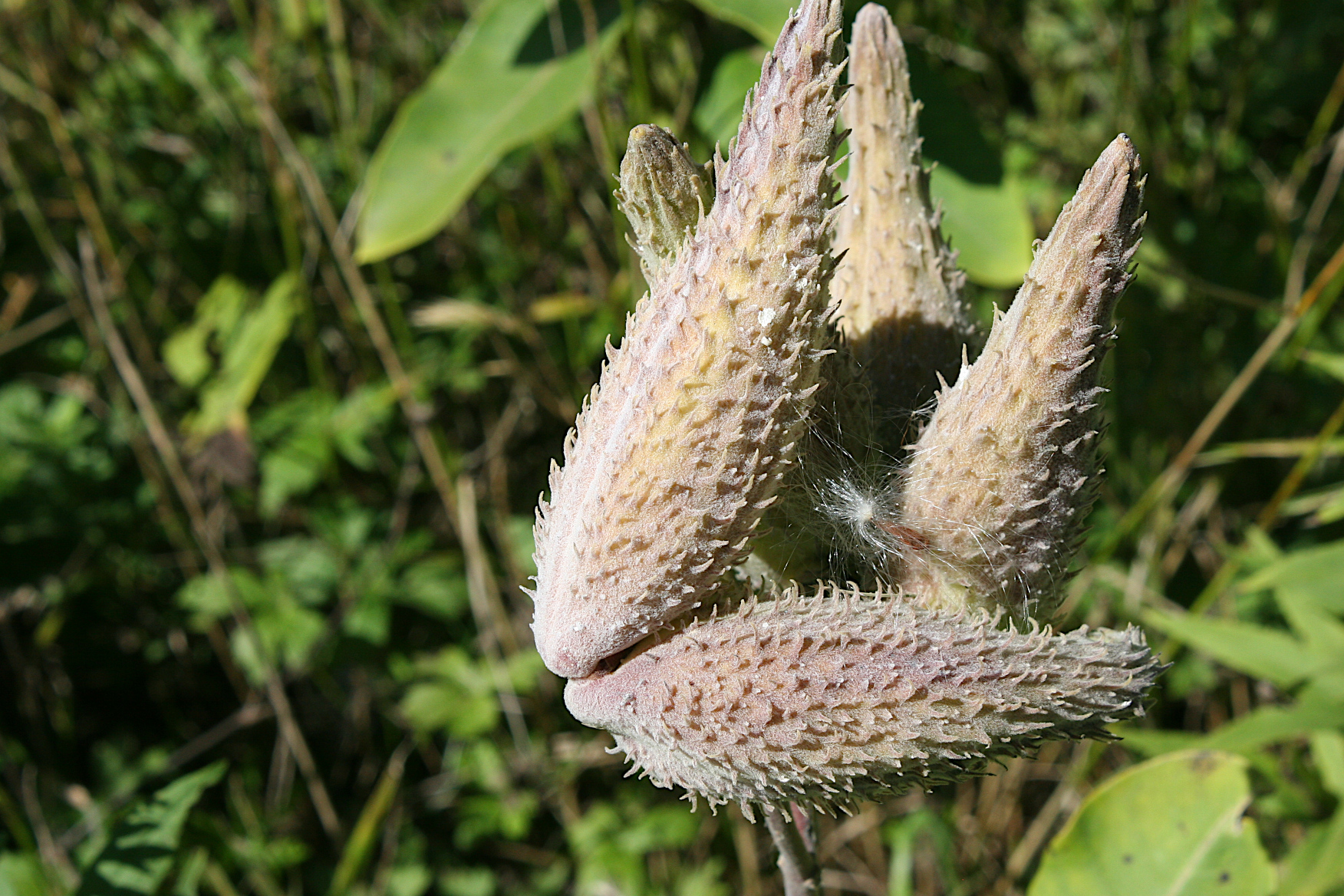
I’ve always loved milkweeds from fluff to pods to how they are necessary for the monarch butterfly population. Minnesota Prairie Roots copyrighted photo September 2021.
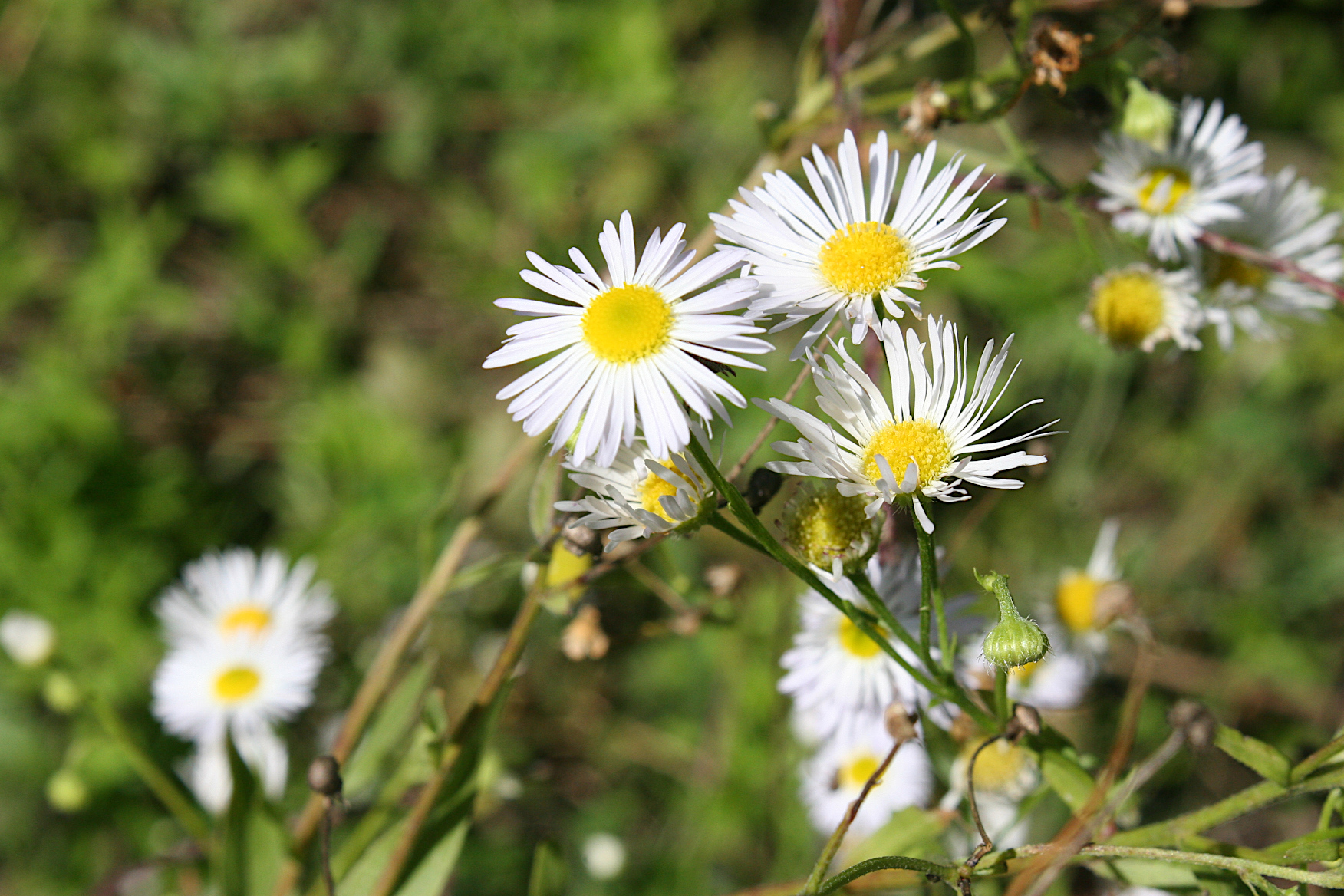
Dainty wildflowers. Minnesota Prairie Roots copyrighted photo September 2021.
Mostly, I notice the wildflowers and grasses. Goldenrod. Black-eyed Susans. An endless variety of plants that I should take time to research for identification. Rather, I settle for photographing them and appreciating their beauty. How they sway in the wind. How they appear in the sunlight. How they splash color into the landscape.
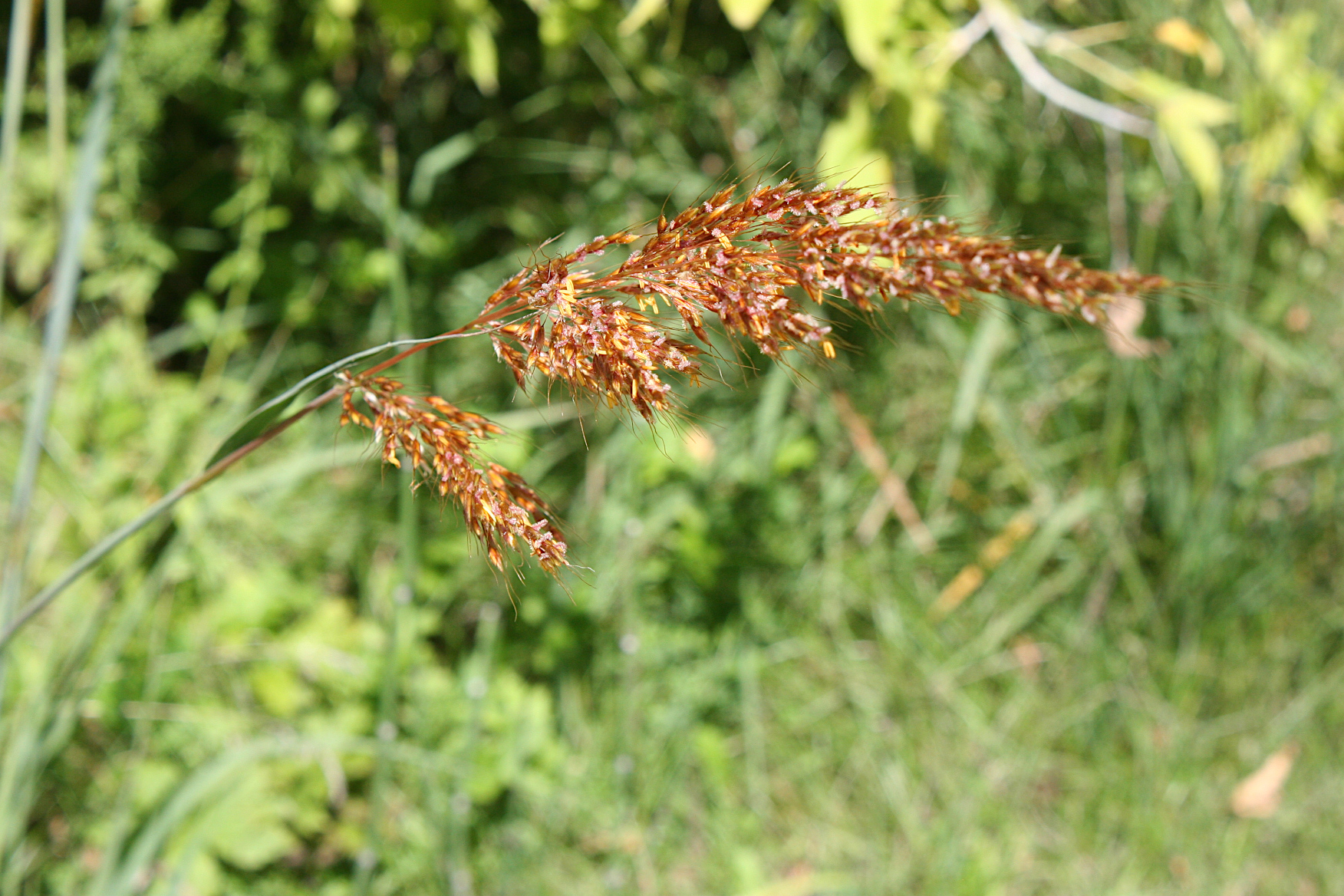
I especially love how these grass plumes bend and blow in the wind, like poetry. Minnesota Prairie Roots copyrighted photo September 2021.
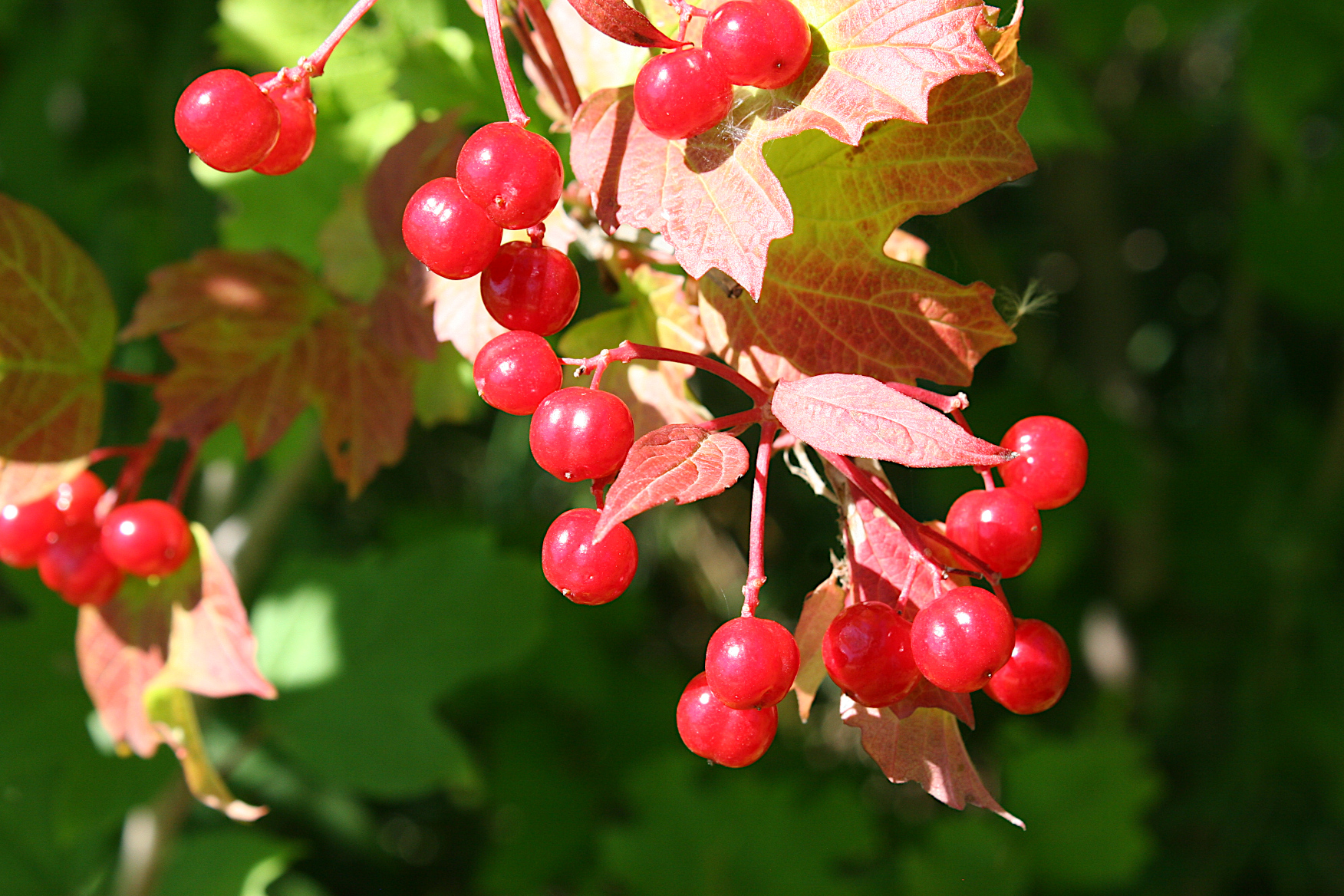
Bold berries jolt color into the landscape. Minnesota Prairie Roots copyrighted photo September 2021.
I love the hue and texture of this grass, whatever it may be. Minnesota Prairie Roots copyrighted photo September 2021.
If my current photos were poems, they would write of Autumn and her floral dress flowing, billowing as she walks the runway of Faribault Energy Park. (My poetic interpretation of all those colorful wildflowers edging trails.) Audience applause rising. (My poetic interpretation of the droning traffic on I-35 and the noisy power plant.) I imagine that as easily as I recall prairie memories.
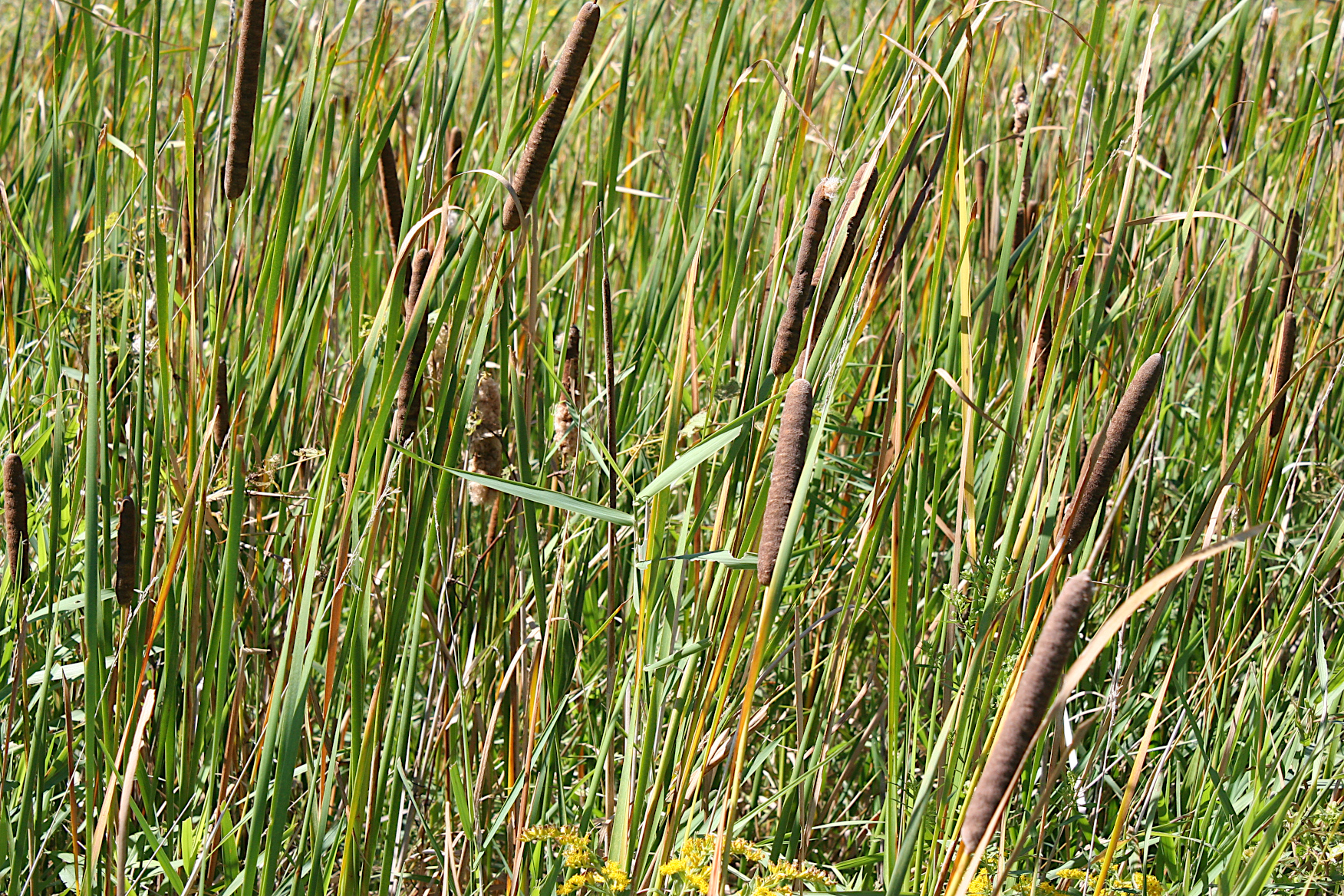
There is an abundance of cattails at Faribault Energy Park. Minnesota Prairie Roots copyrighted photo September 2021.
Faribault Energy Park, 4100 Park Avenue North, keeps drawing me back. To follow the dirt trails. To appreciate the landscape. To, for a short while, escape, even if quiet remains elusive.
A drawing by my then young son of “something to remember” for a grade school assignment: A plane crashing into the World Trade Center. Minnesota Prairie Roots copyrighted file photo.
TWENTY YEARS. TWO DECADES. Two hundred and forty months.
Whatever words are attached to the time that has passed since the September 11, 2001, terrorist attacks on the United States, the reality of that day in our nation’s history remains forever imprinted upon our collective memories.
On the campus of Carleton College in Northfield, Minnesota, a plaque honors an alumna who died on 9/11. Minnesota Prairie Roots copyrighted file photo.
That day changed us. It changed how we view each other and the world. The acts of those terrorists not only claimed lives, but our sense of security. Our sense of peace. And much more.
I remember well that September morning, how my then seven-year-old son and his friend Sam reacted to scenes unfolding on our television set. My husband had phoned me from work, alerting me to the attacks. I switched on the TV. And the boys saw it all, right alongside me. Perhaps I should have been a responsible mother/caregiver and turned off the television. But I didn’t.
I reconstructed a tower using the same blocks my son and his friend used on September 11, 2001, to duplicate what they saw on television. These are also the same airplanes they flew into the tower. Minnesota Prairie Roots copyrighted file photo September 2001.
Soon Caleb and Sam were building twin towers with wooden blocks and flying toy airplanes into the skyscrapers. It was heart-breaking to watch. Both reality unfolding on the screen and then the re-enactment on my living room floor.
For a Minnesota mom geographically far-removed from the World Trade Center, the Pentagon and a field in Pennsylvania, none of this seemed distant. I felt the collective fear. I felt the collective pain. I felt the collective grief.
A memorial at the Faribault Fire Department honoring those who died on 9/11. The department will host a commemoration this Saturday, September 11, beginning at 7:46 am. That includes a welcome by the fire chief, a flag presentation, ringing of the bell and a brief eulogy. Minnesota Prairie Roots copyrighted file photo.
Today I remember, 20 years later, those who died. The families left without loved ones. The heroes. And those two little boys who saw, yet didn’t fully-understand, the events unfolding far from Minnesota. Yet too close.
Here’s a poem I wrote shortly after September 11, 2001:
September 11, 2001
You clutch your silver toy jetliners
then blast them into the twin towers,
blocks scattering across the floor.
Like that show on TV,
you tell me,
where the planes crashed
into those two tall buildings.
—————————————-
Somehow I must tell you
that this was no show on TV,
but real people
in real buildings.
Moms and Dads
with little boys just like you,
boys who build towers and fly toy airplanes.
—————————————————————
How do I begin to show you the truth
behind a scene so terrifying
that it keeps replaying in my mind?
Hollywood could have written the script,
the latest disaster film, grossing millions
for an industry embedded in itself.
You’re right; this could be a show on TV.
———————————————————-
Except this is very real,
so real that I want you to believe
those were just pretend buildings, pretend airplanes.
But you see the worry in my eyes,
hear the sadness in my voice.
You know the truth,
even before I tell you.
——————————-
My son, only seven years old,
too young to fully understand
the evil that has invaded the world,
the fear that grips the American heart, my heart,
the sense of security forever lost.
Like so many blocks scattered across the floor,
we must pick up the pieces and rebuild, peace by peace.
The collection includes my poem, “Funeral During a Pandemic.” Minnesota Prairie Roots photo.
I am humbled and honored to have “Funeral During a Pandemic” selected for publication in this award-nominated book. In my poem, I share my thoughts and experiences from my father-in-law’s funeral in a small rural Minnesota town. During a pandemic.
The book features short bios on each writer. Minnesota Prairie Roots photo.
As the title of this collection conveys, the 170 pages of writing focus on pandemics and social justice. Those who penned these pieces, solicited by the Ramsey County Library via a competition, are a diverse group. In age. In writing backgrounds, although many are seasoned writers with extensive writing credentials. In skin color and ethnicity. In perspective and experience. That said, most writers live in the metro with a few of us from other places in Minnesota, including several from my county of Rice.
Those from outside the metro include a 12-year-old from New Market. Evelyn Pierson, in “My Experience at the George Floyd Memorial,” writes of her emotional reaction to visiting the site where Floyd died at the hands of police on May 25, 2020. It’s heart-wrenching—to feel her torrent of emotions, to read her insights and thoughts, to envision her tears. But it’s important, even necessary, to hear the voice of this eighth grader.
Just like it’s necessary to read Brainerd resident Susan Smith-Grier’s essay, “Black in White.” I find her observations and experiences of a black woman living in a primarily white community to be particularly powerful. She moved with her parents/family to north central Minnesota in the early 70s to escape the violence in Chicago. One of very few black families in her new northern home. The death of George Floyd triggered childhood memories of tear gas and rubber bullets, fires and looting…and then, today, a bit of hope that things will change.
Hope weaves into many of the pieces. As does overcoming the fear, the loss, the grief and more that too often defined 2020.
In his poem, “The streets emptied out, but their lungs,” Moyosore Orimoloye reminds us that, despite lungs filling with fluid from COVID, lungs also filled with song on the balconies of Turin.
The incredible cover art features the work of Carolyn Olson, “Grocery Store Cashier and Bagger (Essential Workers Portrait Series #1). 2020, Duluth, MN. Minnesota Prairie Roots photo.
So many writers detailed how the pandemic affected them—from worries about going grocery shopping to separation from loved ones to ways in which they learned to cope. I found Dave Ryan’s “Living and Dying in Memory Care” profoundly relatable given my mom lives in a long-term care center. I’ve experienced some of the same scenarios—trying to visit through a window, for example. Before he could no longer visit his mom due to COVID restrictions, Ryan installed a video camera in her room. That connected him to her. But then the unthinkable happened. As I read the conclusion of his essay, my heart broke right along with his.
On the back cover, a summary of the book and a list of the writers whose work was selected for inclusion in this collection. Minnesota Prairie Roots photo.
These are stories you need to read. Real. Life. Authentic. Eye-opening (especially Chee Vang’s “To Kuv Niam,” about how her mother was treated upon contracting COVID). I learned so much, particularly from those writers who have experienced social injustice. From those writers, too, who live in the Twin Cities, who are widely-traveled and who have seen and experienced much more than a farmer’s daughter from southwestern Minnesota.
But I share one commonality with poet and educator Katie Vagnino of south Minneapolis. I am, like her, a Rapunzel with overgrown hair.
#
FYI: I encourage each one of you to purchase This Was 2020 by clicking here or buying it elsewhere (in print or as an e-book). Besides the 54 pieces, the book includes writing prompts, a discussion guide and a short list of grief, mental health, and anti-racism resources. This truly rates as an outstanding collection of writing that documents historical events which have forever changed us.
Publication of this book was made possible by the Minnesota Arts and Cultural Heritage Fund. Thank you, Minnesota voters, for supporting the arts. And thank you, Paul Lai of the Ramsey County Library for your hard work on, and dedication to, this book project. I appreciate you and every single writer who contributed to this exceptional must-read book.
PHLOX IN VIBRANT SHADES of purple and pink, interspersed with occasional white blossoms, fill my flowerbeds. They thrive, their fragrance scenting the air that drifts through my office window.
A yellow swallowtail butterfly. Minnesota Prairie Roots copyrighted photo 2021.
Occasionally I spot butterflies flitting among the phlox, random milkweeds, wild orange tiger lilies, ferns and other unidentified plants growing in a tangled mess of wildness. I love watching them—the monarchs and the swallowtails—their wings flapping with such incredible grace. They swoop and dip and pause. As if dancing. As if performing. As if penning poetry.
A mess of flowers grow on a hillside next to woods in our backyard. Minnesota Prairie Roots copyrighted photo 2021.
Moments like this imprint upon me the importance of pausing to appreciate the beauty of nature. The details of a flower petal. The curve of a butterfly wing. The bend of a milkweed pod.
Phlox up close. Minnesota Prairie Roots copyrighted photo 2021.
Now, more than ever, I need this connection to nature, these moments to reset. To see that, even as a pandemic rages, flowers still bloom and butterflies still fly.
Recent Comments