Minnesota Prairie Roots

Writing and photography by Audrey Kletscher Helbling

Rugged Blue Mounds State Park on the southwestern Minnesota prairie September 17, 2013

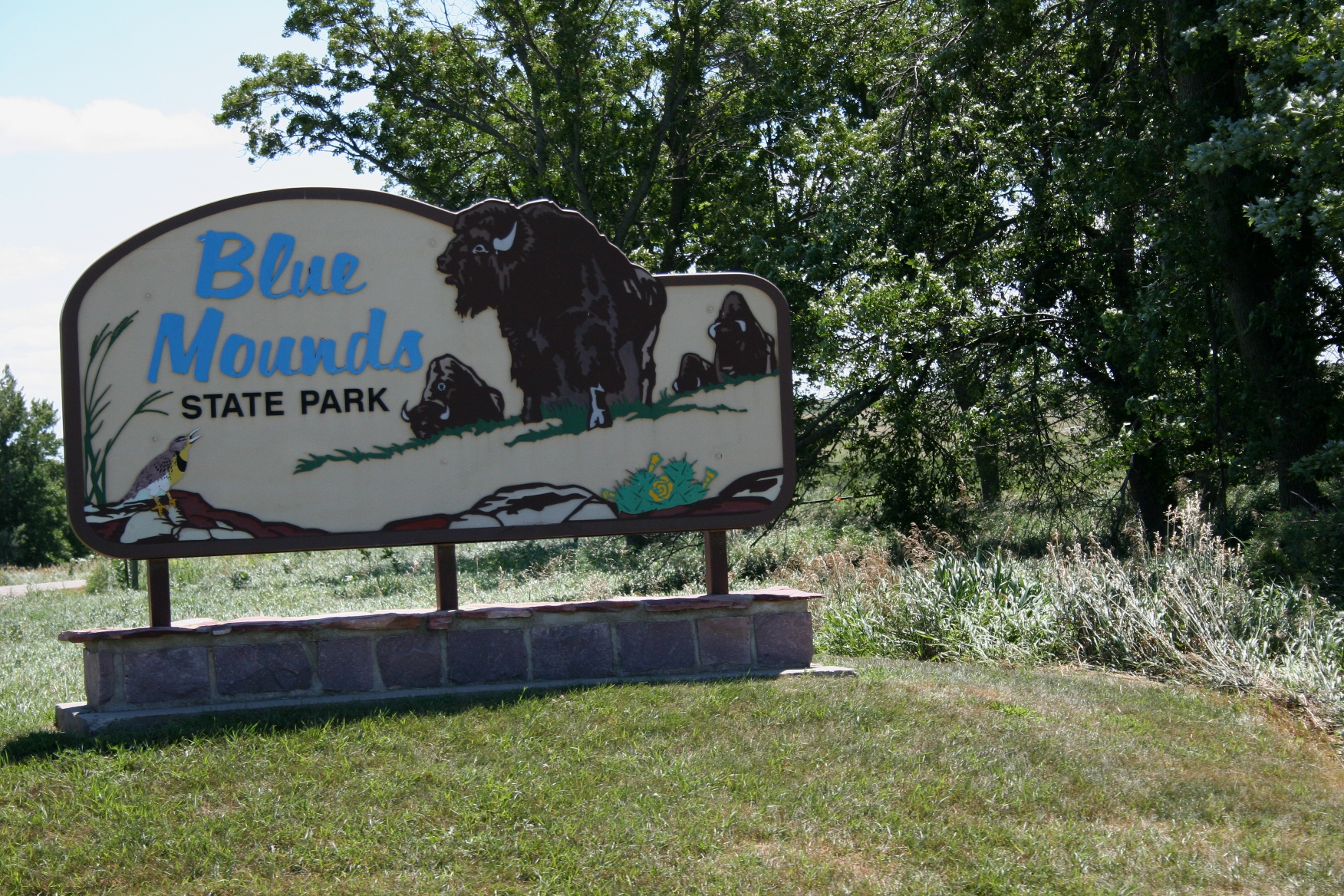
Welcoming visitors to Blue Mounds State Park in rural Rock County, Minnesota.

Welcoming visitors to Blue Mounds State Park in rural Rock County, Minnesota.

YOU WOULD THINK, considering I am a native of southwestern Minnesota, that I would have visited Blue Mounds State Park many times.

But I hadn’t, ever, and it has been on my list of must-see places for the past several years. That and the Brandenburg Gallery in Luverne, four miles to the south. That would be Jim Brandenburg, perhaps Minnesota’s best-known nature photographer. He grew up in rural Luverne, near the South Dakota border.
Hundreds of windmills now define this region of southwestern Minnesota.

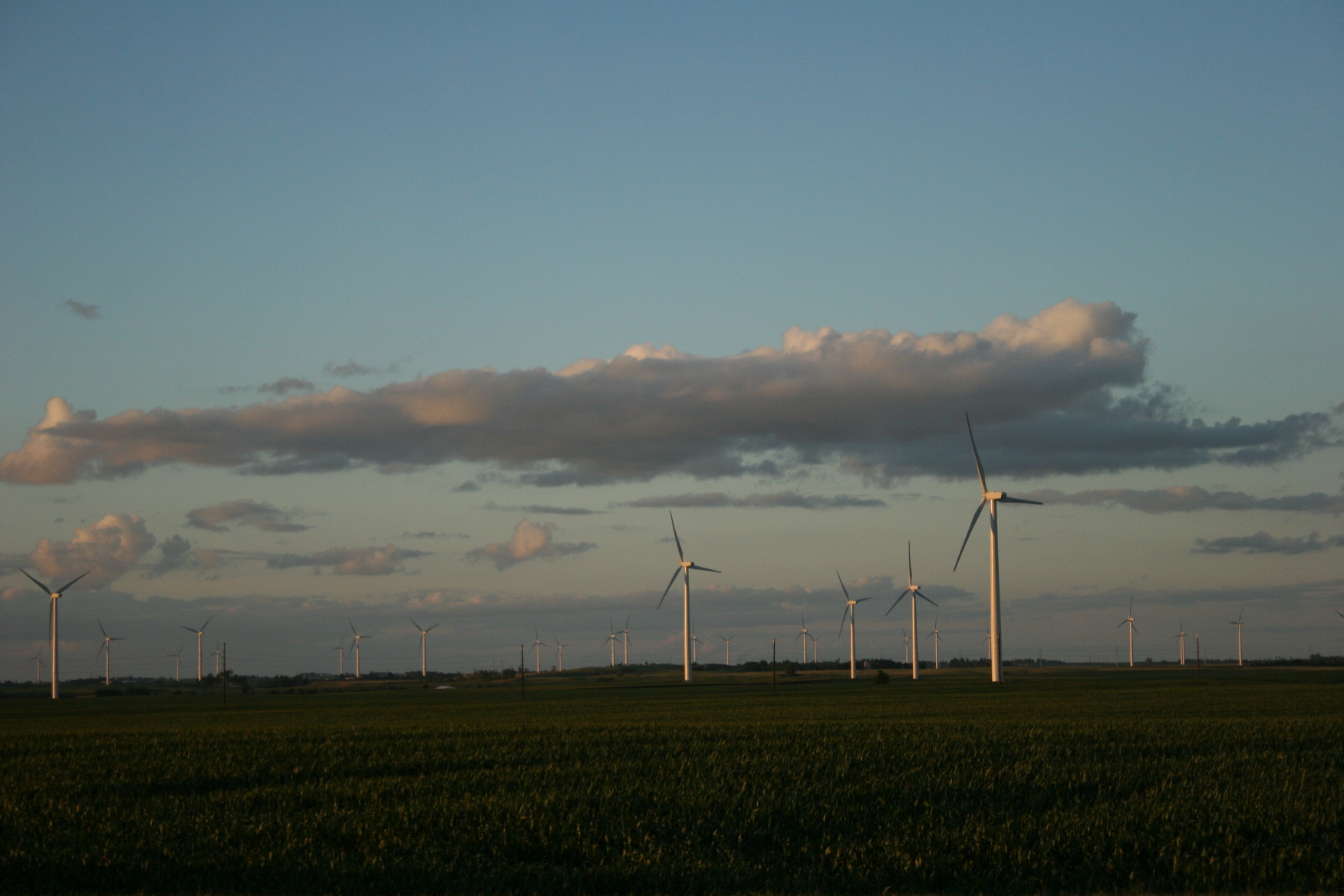
Hundreds of windmills now define this region of southwestern Minnesota.

Recently my husband and I traveled to this corner of Minnesota specifically to see these two sites. It was well worth the long drive that took us through many small agricultural communities, past acres and acres of cropland, and past hundreds of wind turbines which define so much of the landscape in this region now. While I understand their energy value, these unnatural giants, in my opinion, have ruined the aesthetics of the prairie. I like my prairie big, open and wide, without monstrosities to detract from its natural beauty.
Beautiful natural scenery.

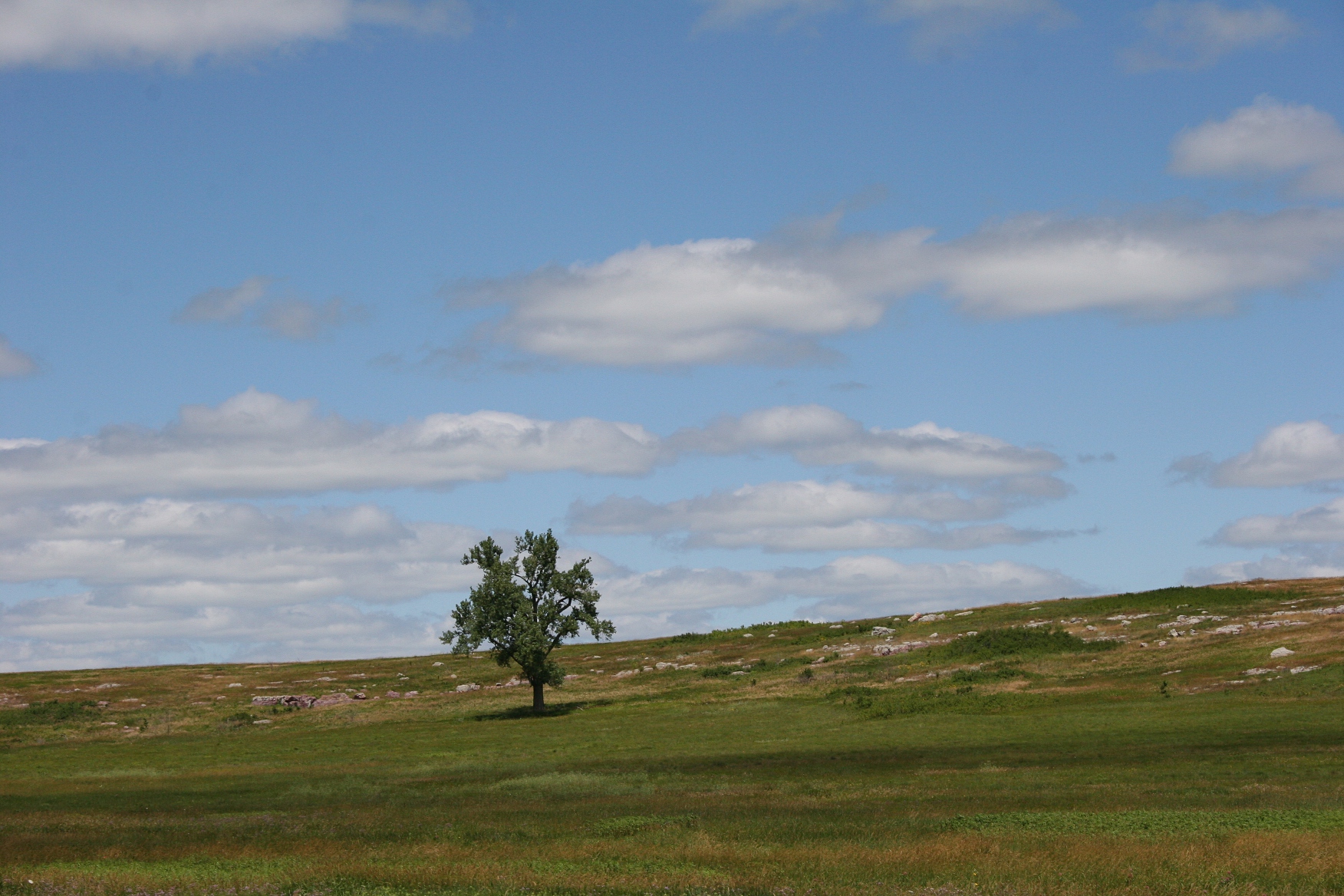
Beautiful natural scenery.

Thankfully, preserved and protected prairie remains in places like Blue Mounds State Park and nearby Touch the Sky Prairie and in Brandenburg’s images.

Hiking the path up and through the prairie grass.

Hiking the path up and through the prairie grass.

On the Saturday we hiked Blue Mounds, strong winds buffeted the land, bending prairie grasses as we climbed a hillside,
Mounds of flat rock naturally planted upon the prairie.
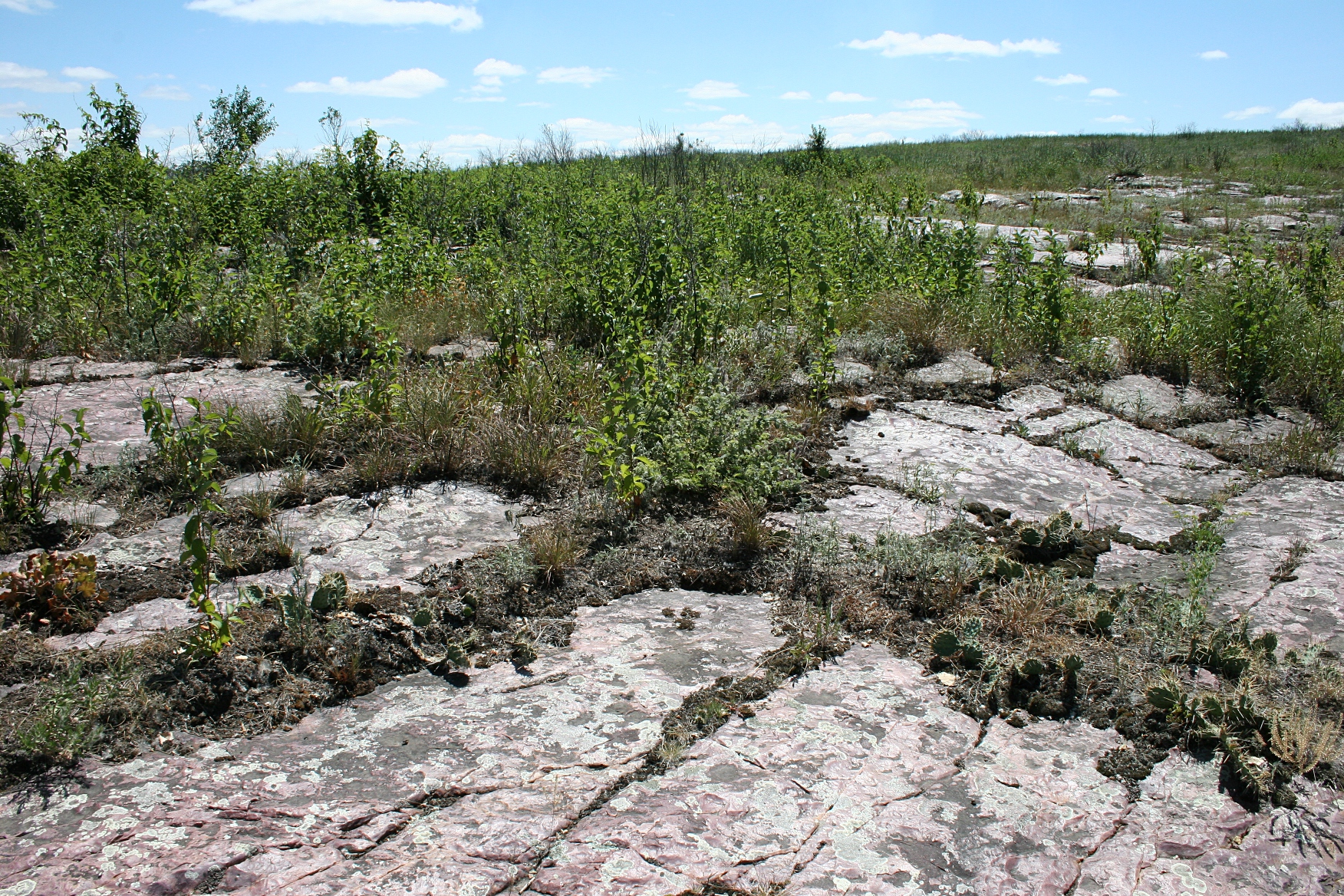
Mounds of flat rock naturally planted upon the prairie.

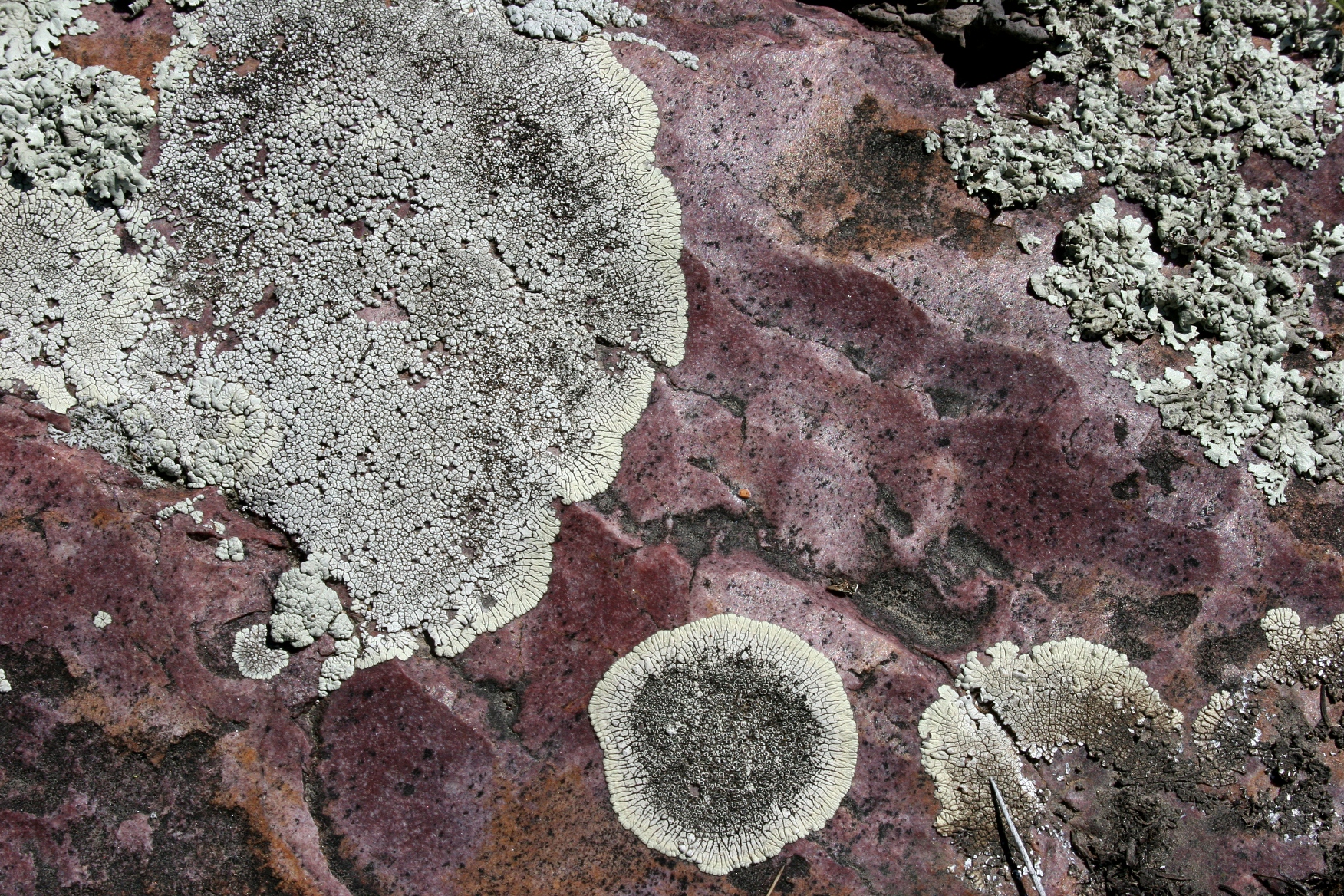
A close-up shot of that in-ground flat rock.

A close-up shot of that in-ground flat rock.

examined and walked upon clumps of huge rock,
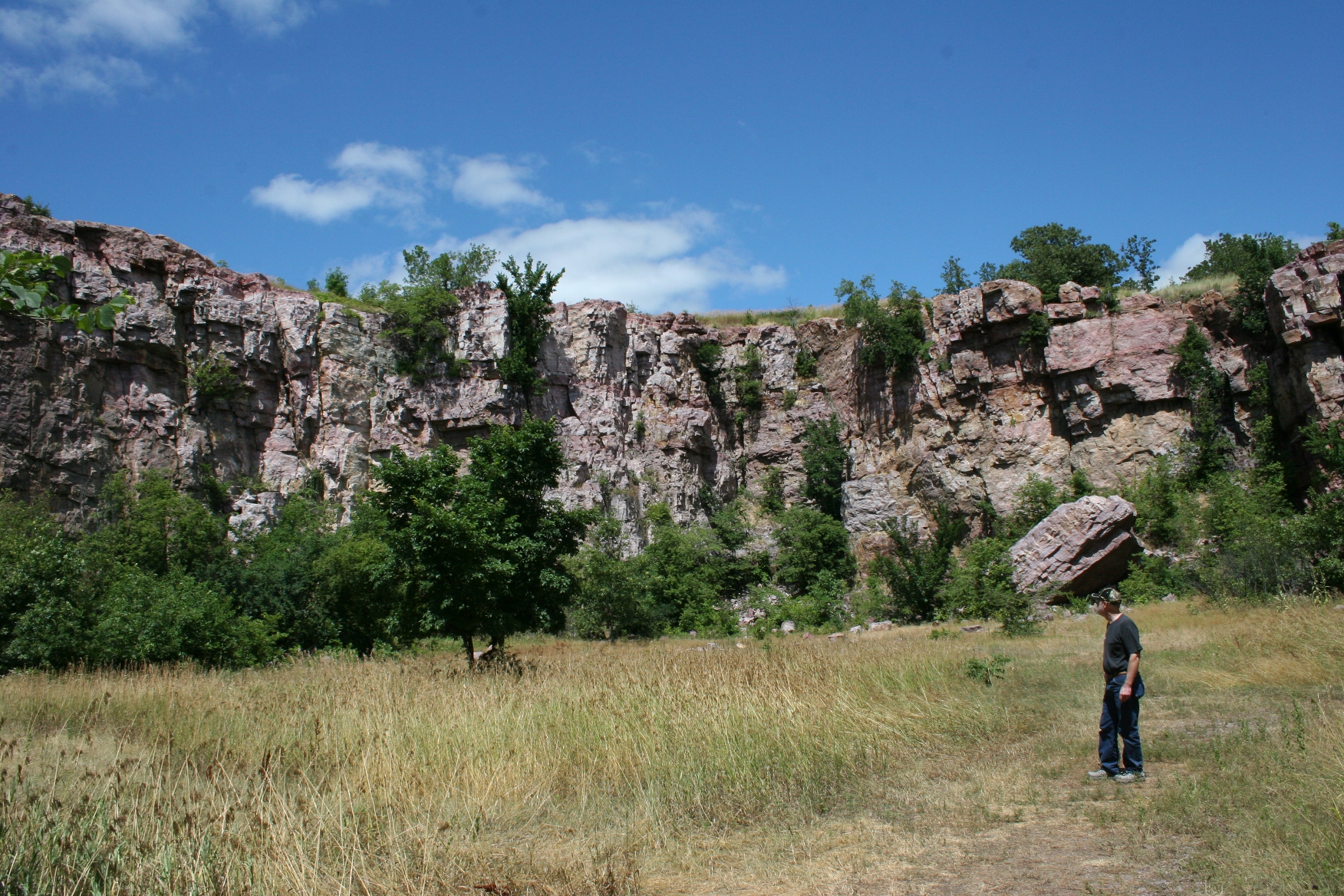
My husband inside the portion of the park where rock was once quarried.
My husband inside the portion of the park where rock was once quarried.

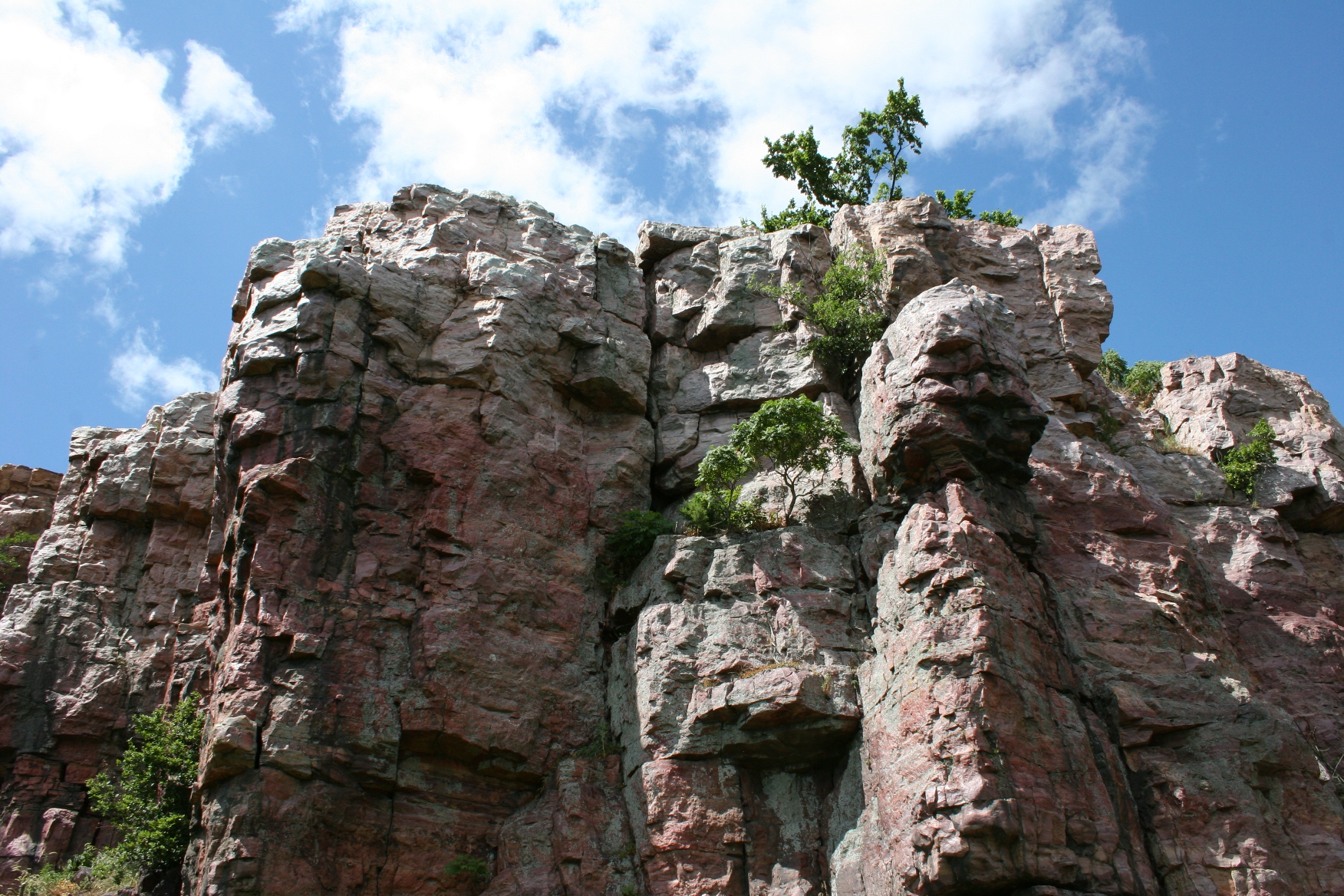
An impressive quarry wall of Sioux quartzite.

An impressive quarry wall of Sioux quartzite.

admired towering cliffs of Sioux quartzite,
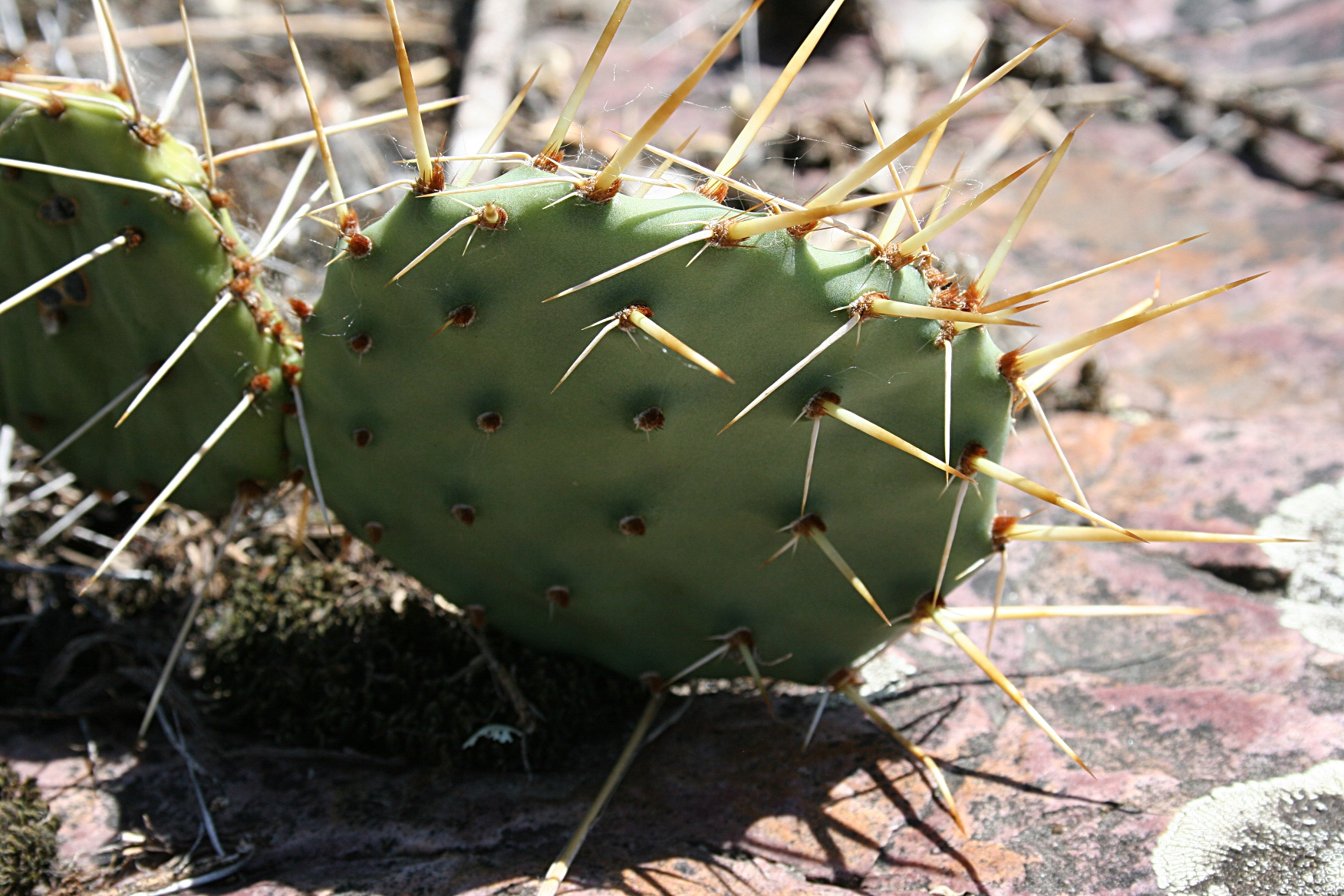
The prickly pear cactus seemingly grows right out of the rock.

The prickly pear cactus seemingly grows right out of the rock.

bent low to study the prickly pear cactus, an unexpected plant in this northern climate. In the distance, we glimpsed the park’s herd of bison.
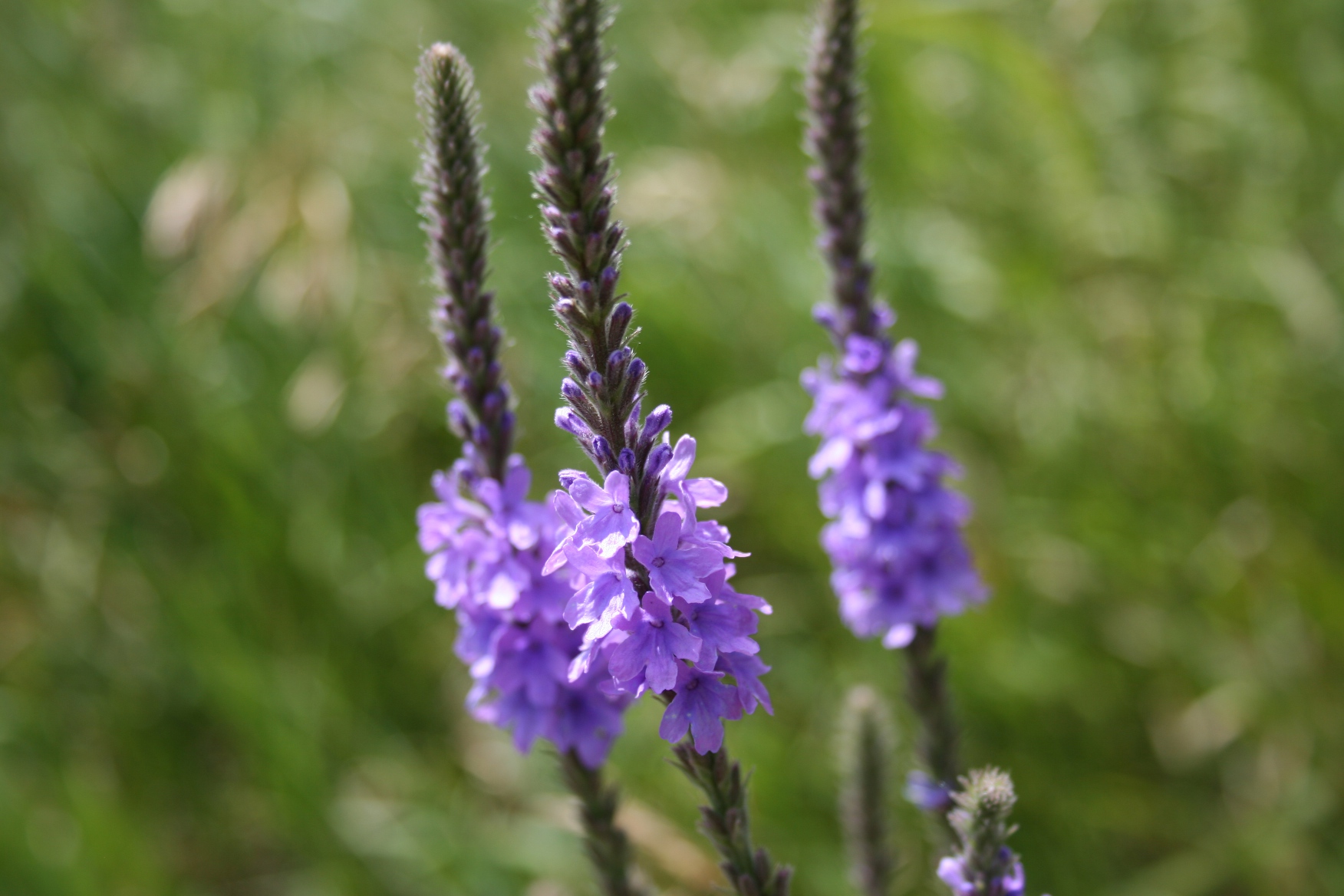
One example of the many prairie wildflowers.
One example of the many prairie wildflowers.

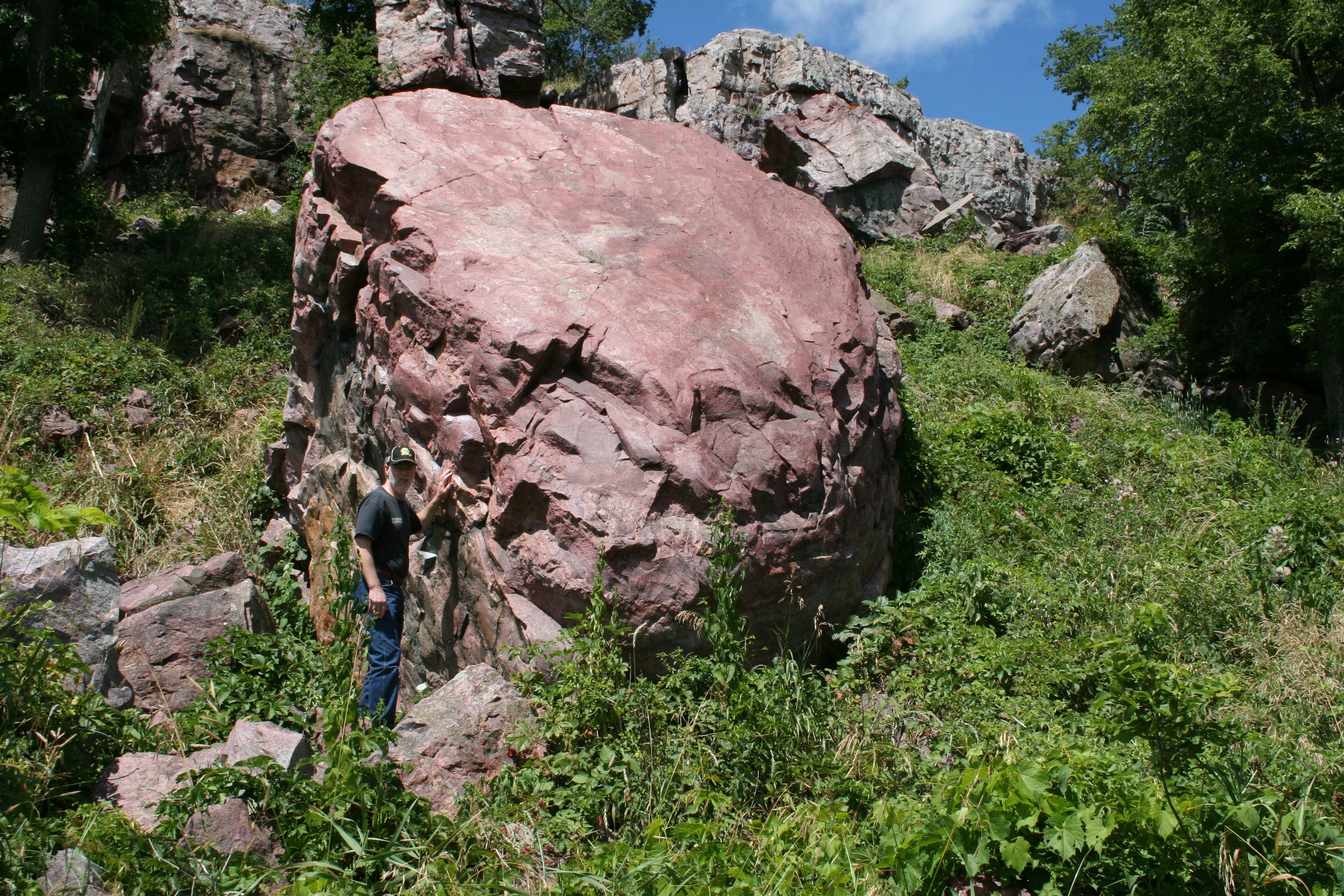
Look at the size of that Sioux quartzite rock compared to my husband.
Look at the size of that Sioux quartzite rock compared to my husband.

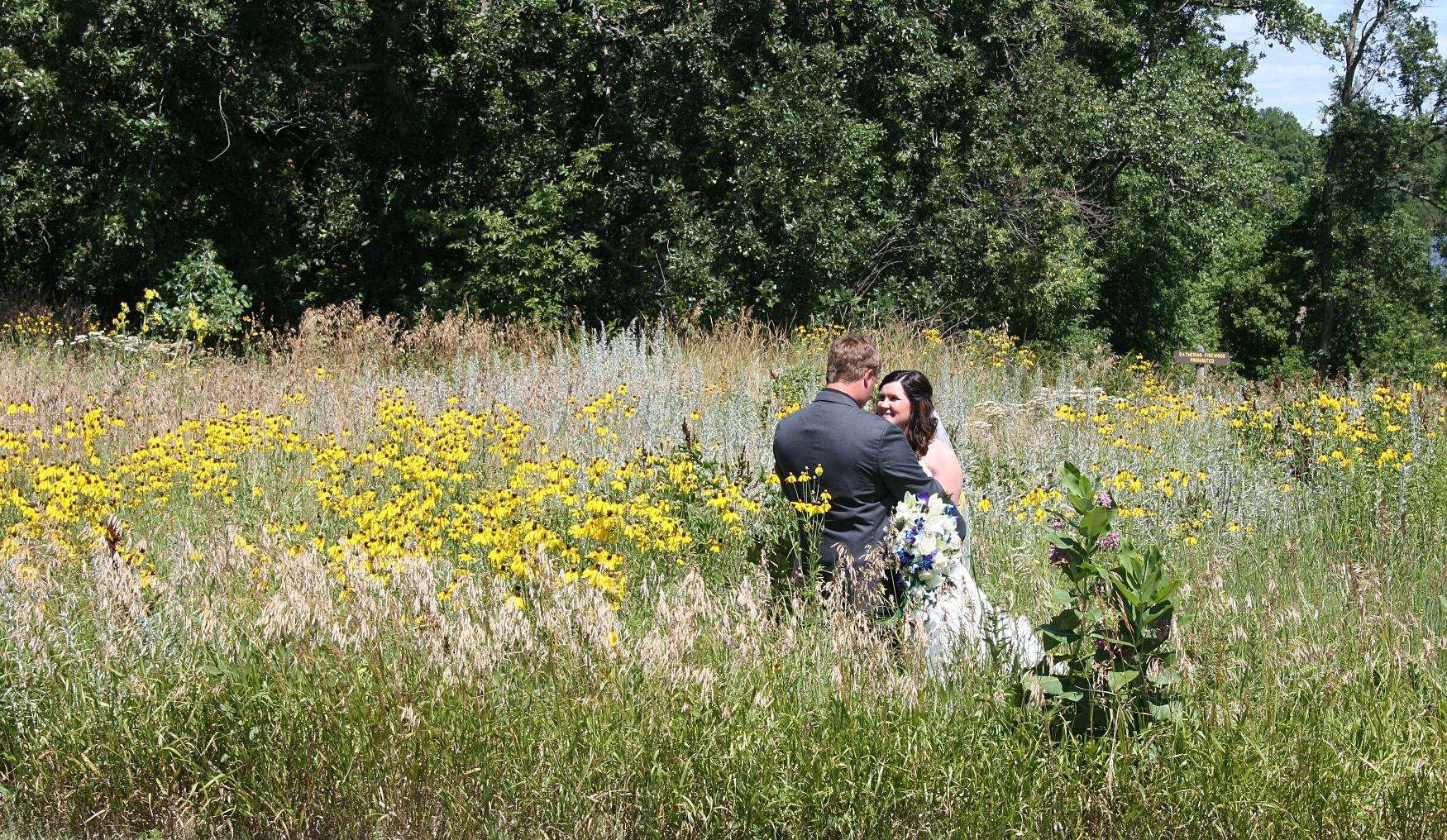
Just inside the park entry, I spotted this couple getting wedding photos taken among the prairie grasses and wildflowers.

Just inside the park entry, I spotted this couple getting wedding photos taken among the prairie grasses and wildflowers.

I stopped more often than not to photograph wildflowers and the prairie grass and rocks and the overall scenery in this stunning spot on the prairie, unlike any I’ve ever viewed in Minnesota.
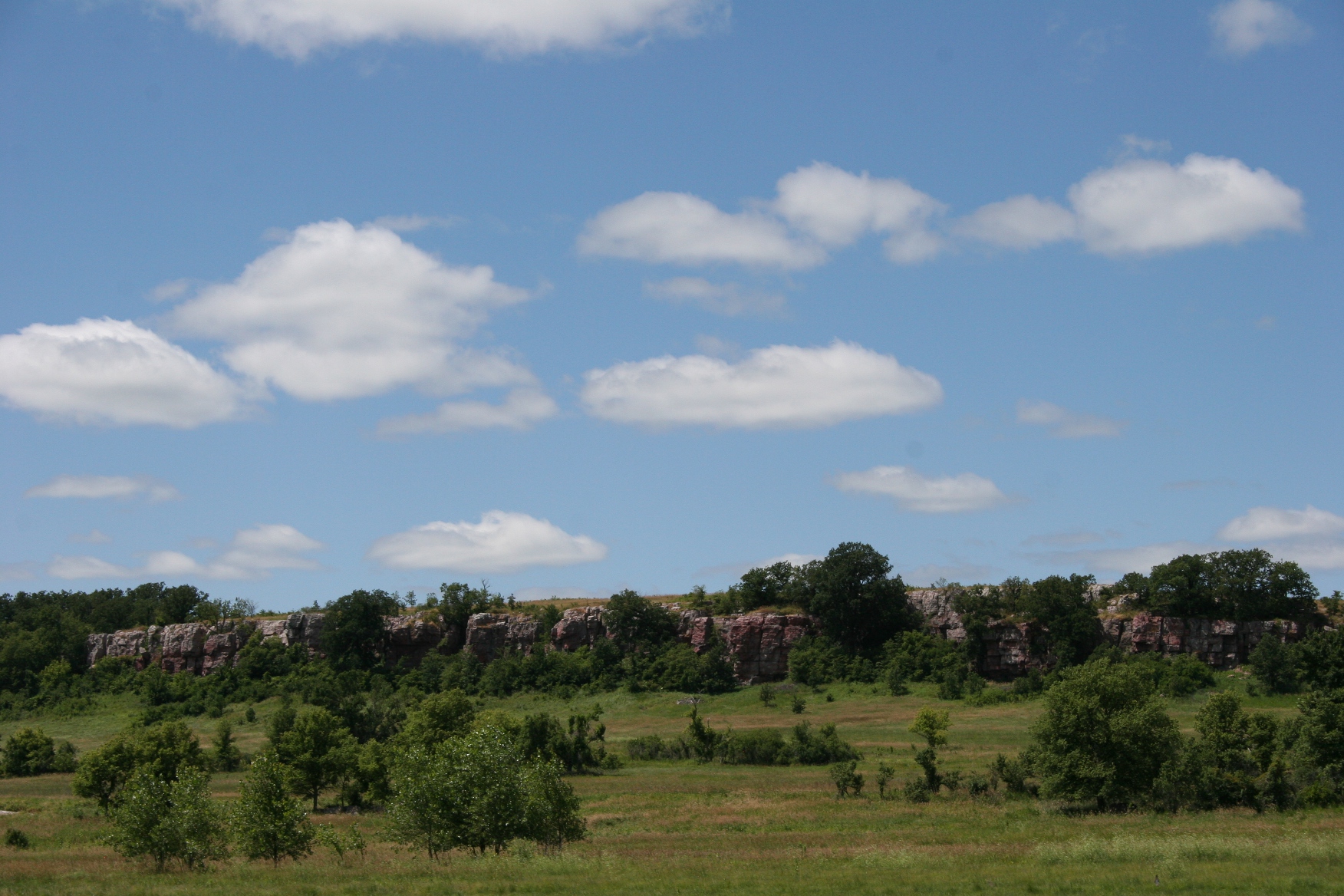
From a gravel road that loops past the park, I photographed this rugged rock line.

From a gravel road that loops past the park, I photographed this rugged rock line.

This prairie differs from the flat, cropped agricultural prairie of my youth. This prairie rolls and rises and meets the sky and feels wild and rugged and untamed. I almost expected to see horses galloping across the land, like a scene out of a western. It has that feel.
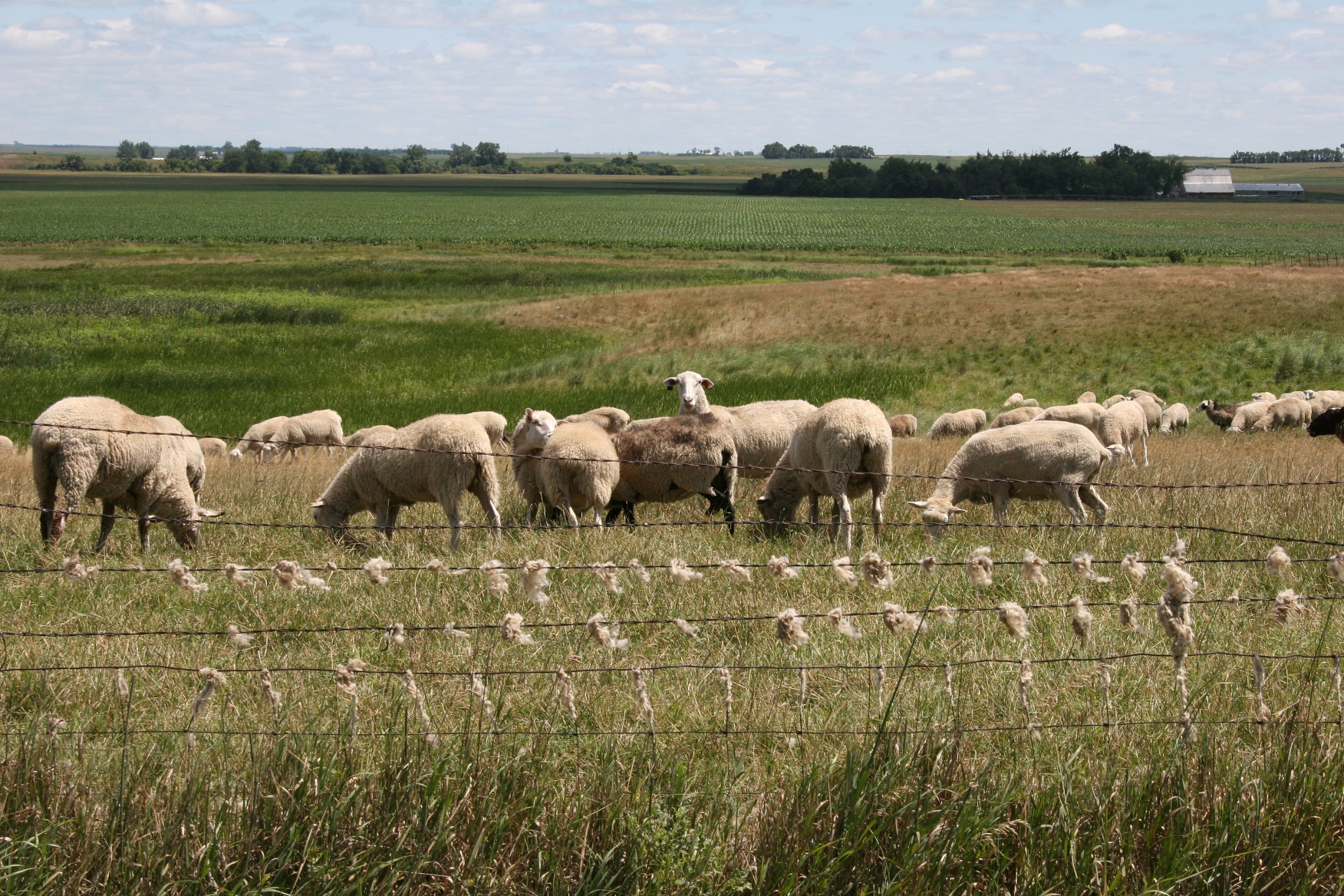
Pasture land near the park for these grazing sheep. Note their wool clinging to the fence.

Pasture land near the park for these grazing sheep. Note the tufts of wool clinging to the fence.

I observed sheep and cattle grazing in an abundance of rocky pastures nestled between corn and soybean fields. And from the hilltops, the land seemed to stretch in to forever in all directions.

BONUS PHOTOS:
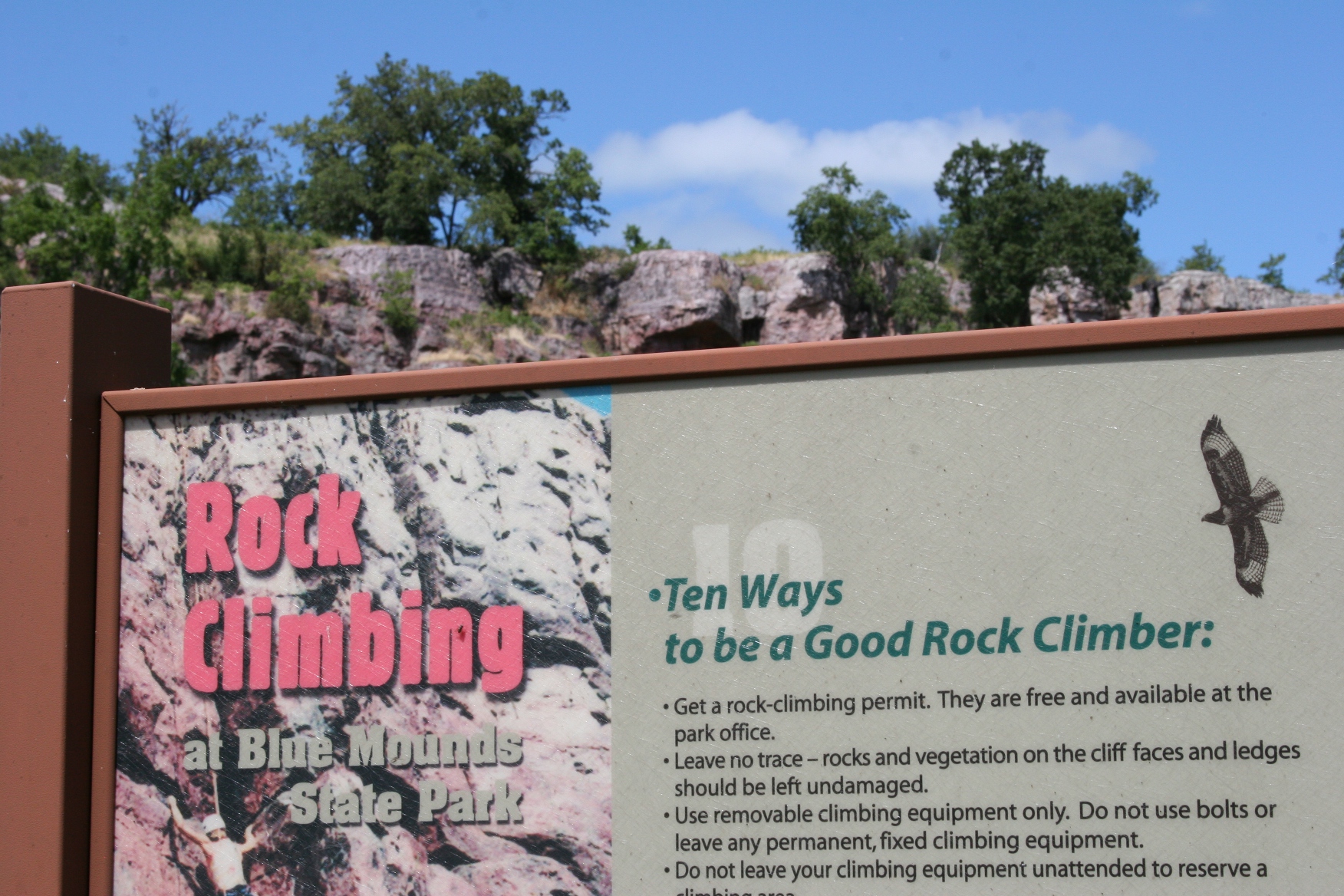
No rock climbing for us, but if you're a rock climber, Blue Mounds allows this sport.
No rock climbing for us, but if you’re a rock climber, Blue Mounds allows this sport.

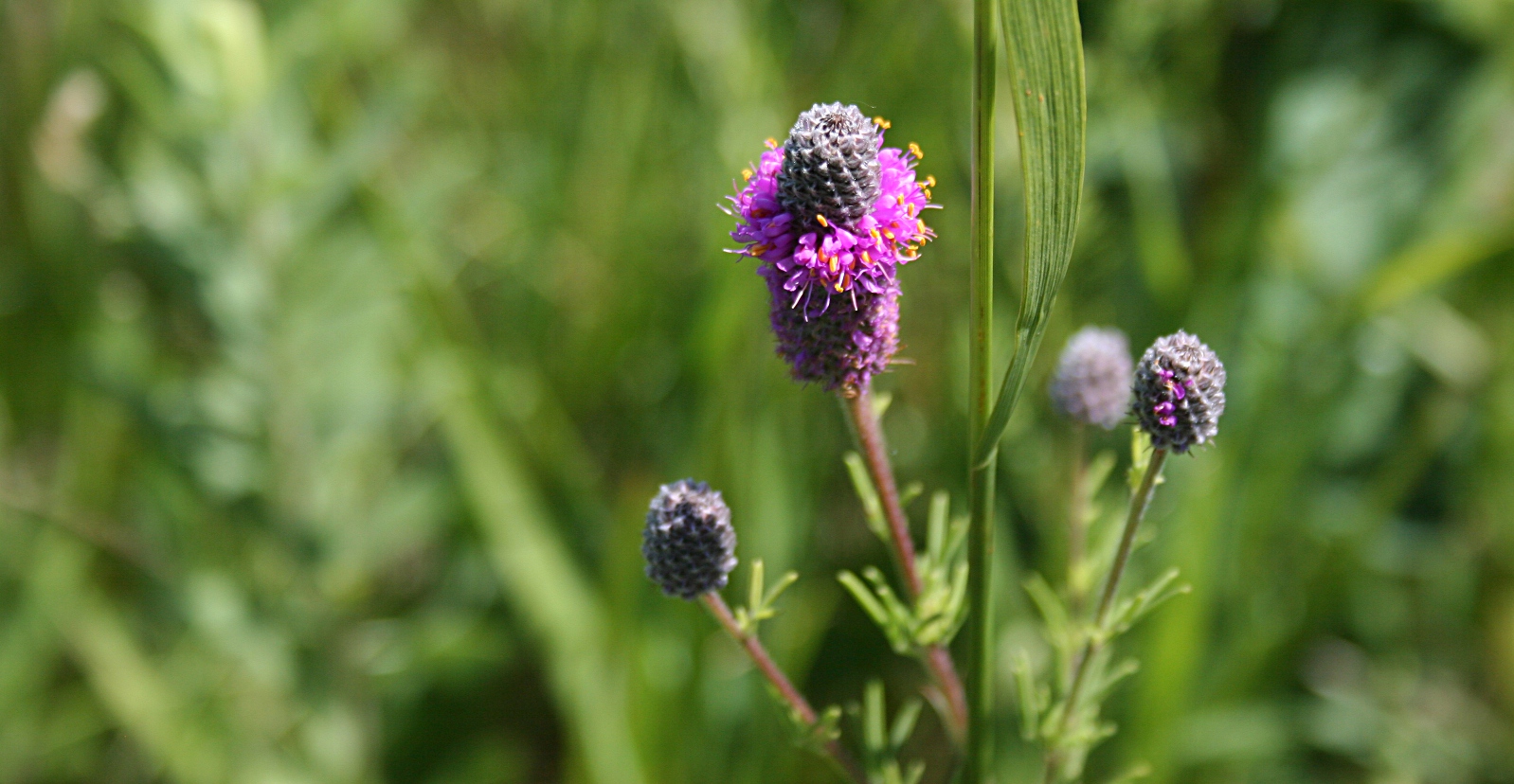
Photographing wildflowers is more my type of "sport."

Photographing wildflowers is more my type of “sport.” That proved a challenge in the wind.
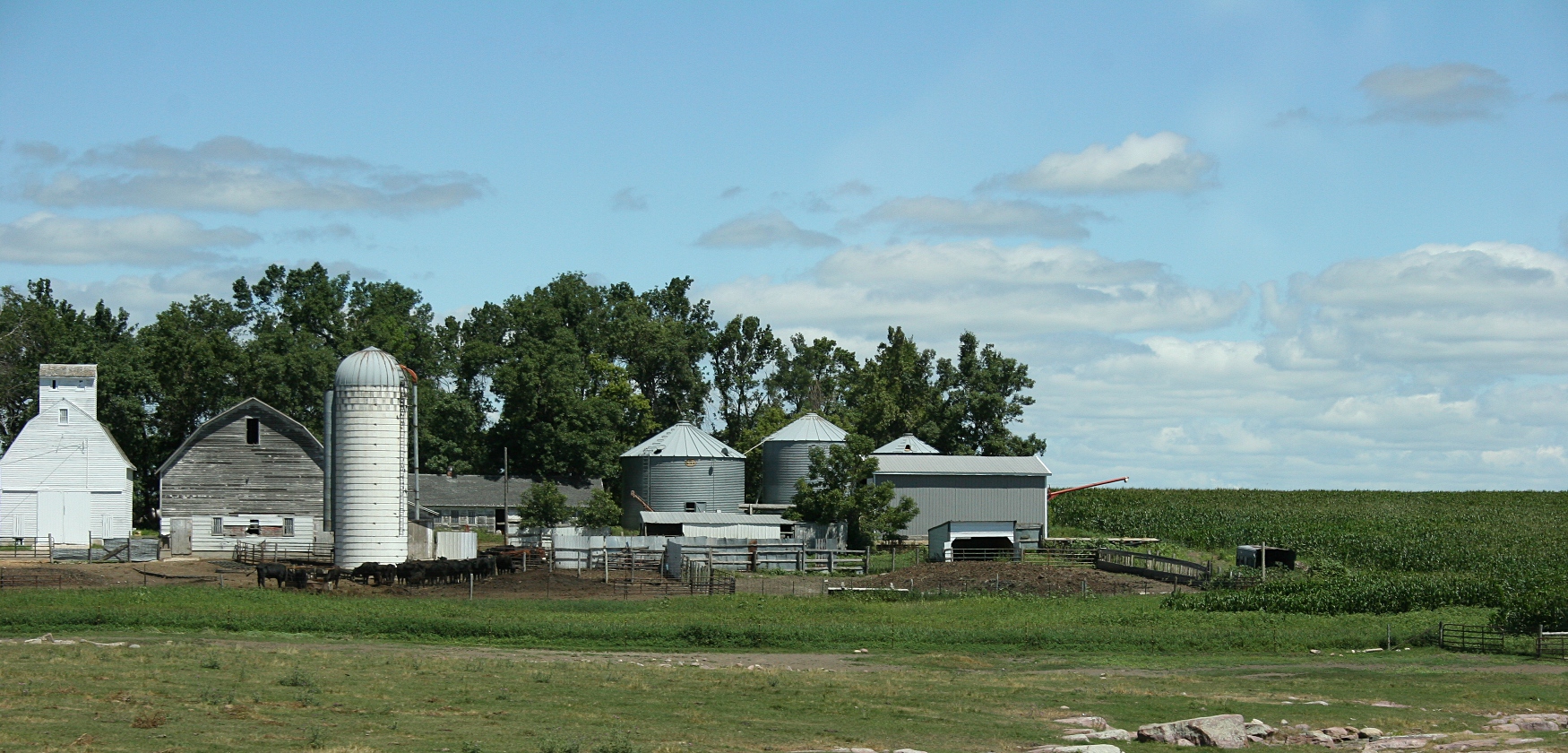
Farms like this border Blue Mounds State Park.
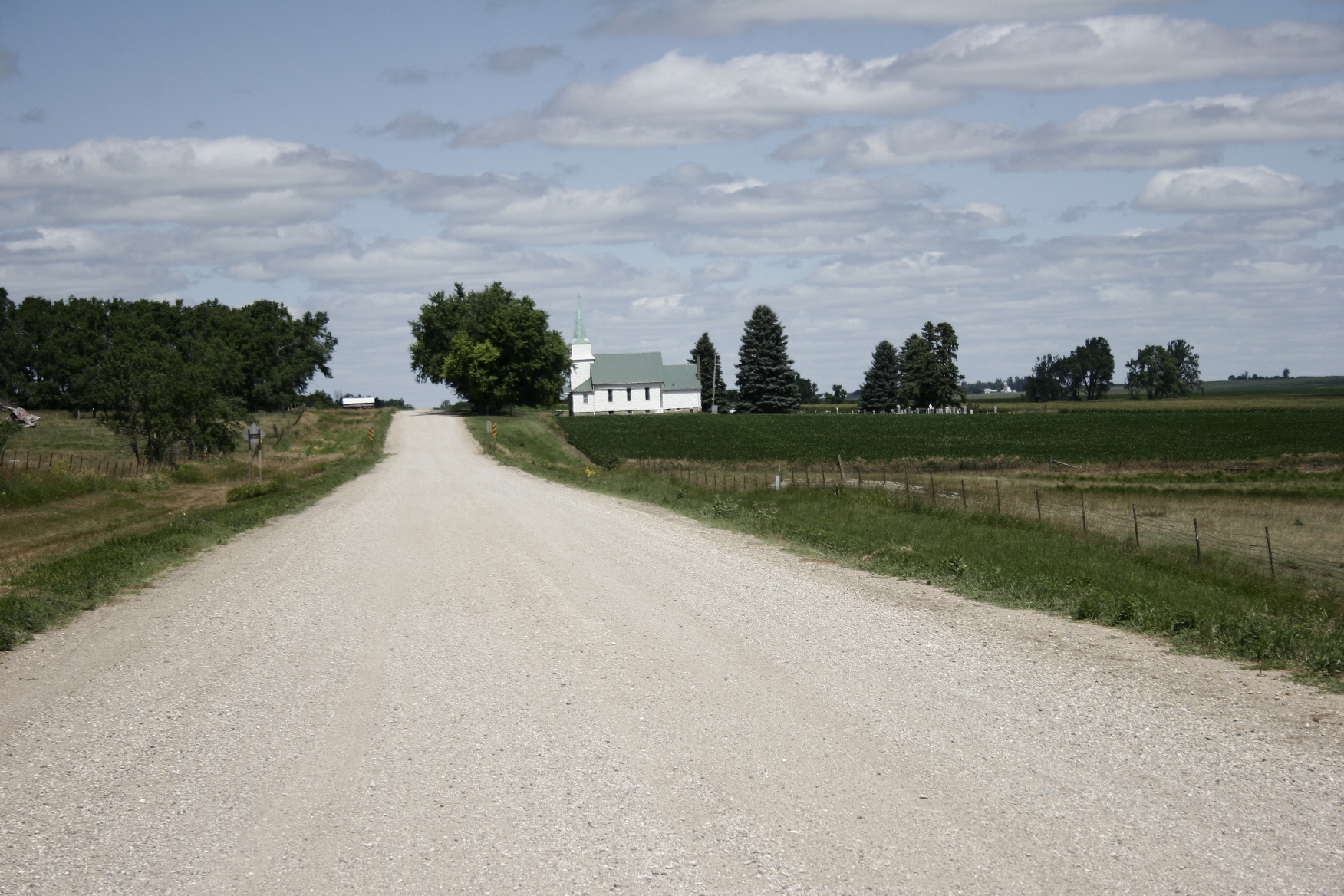
Farms like this border Blue Mounds State Park.

We followed this gravel road around the park and past a country church in the distance.
We followed this gravel road around the park and past a country church in the distance.

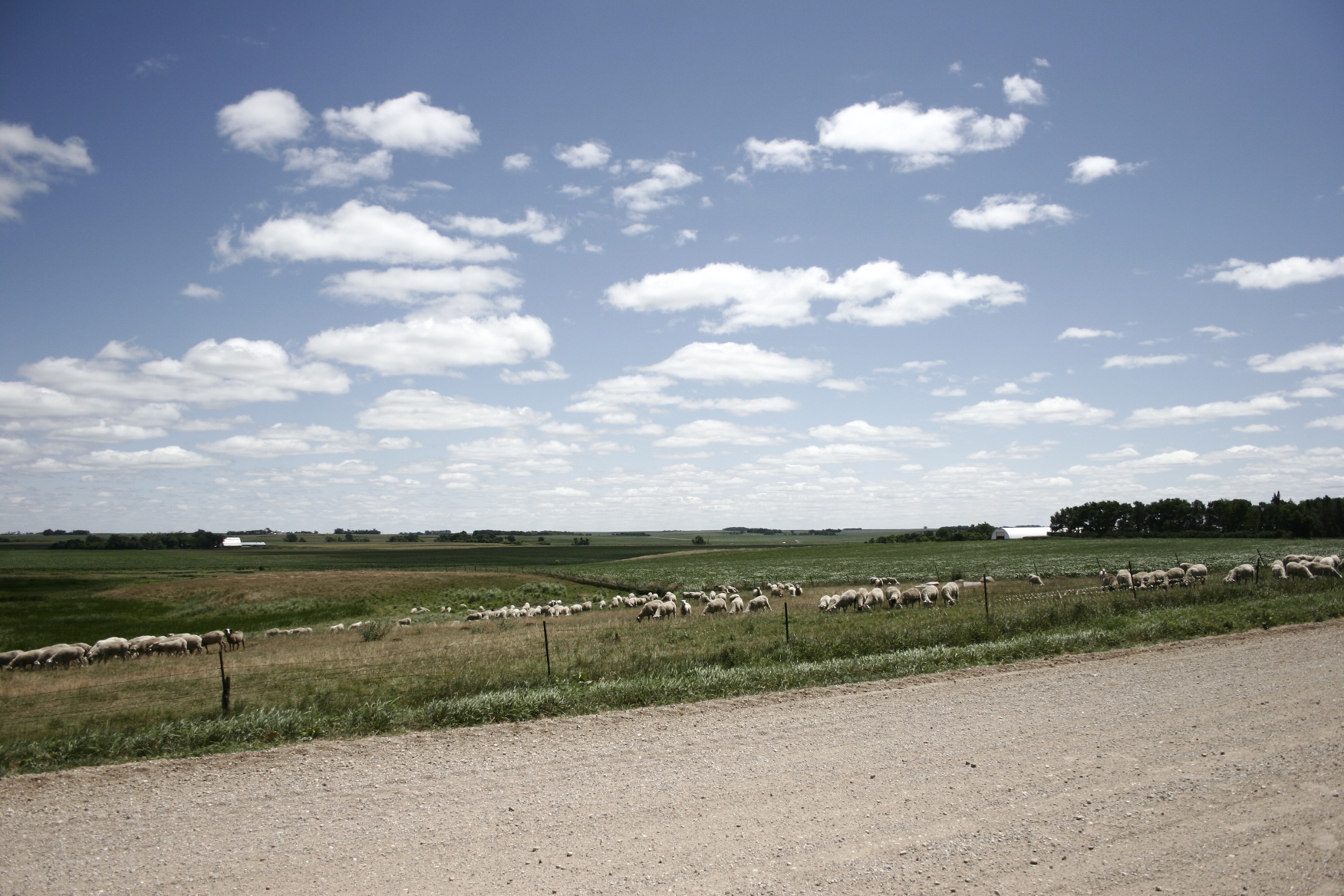
Sheep graze in a pasture near the country church.
Sheep graze in a pasture near the country church.

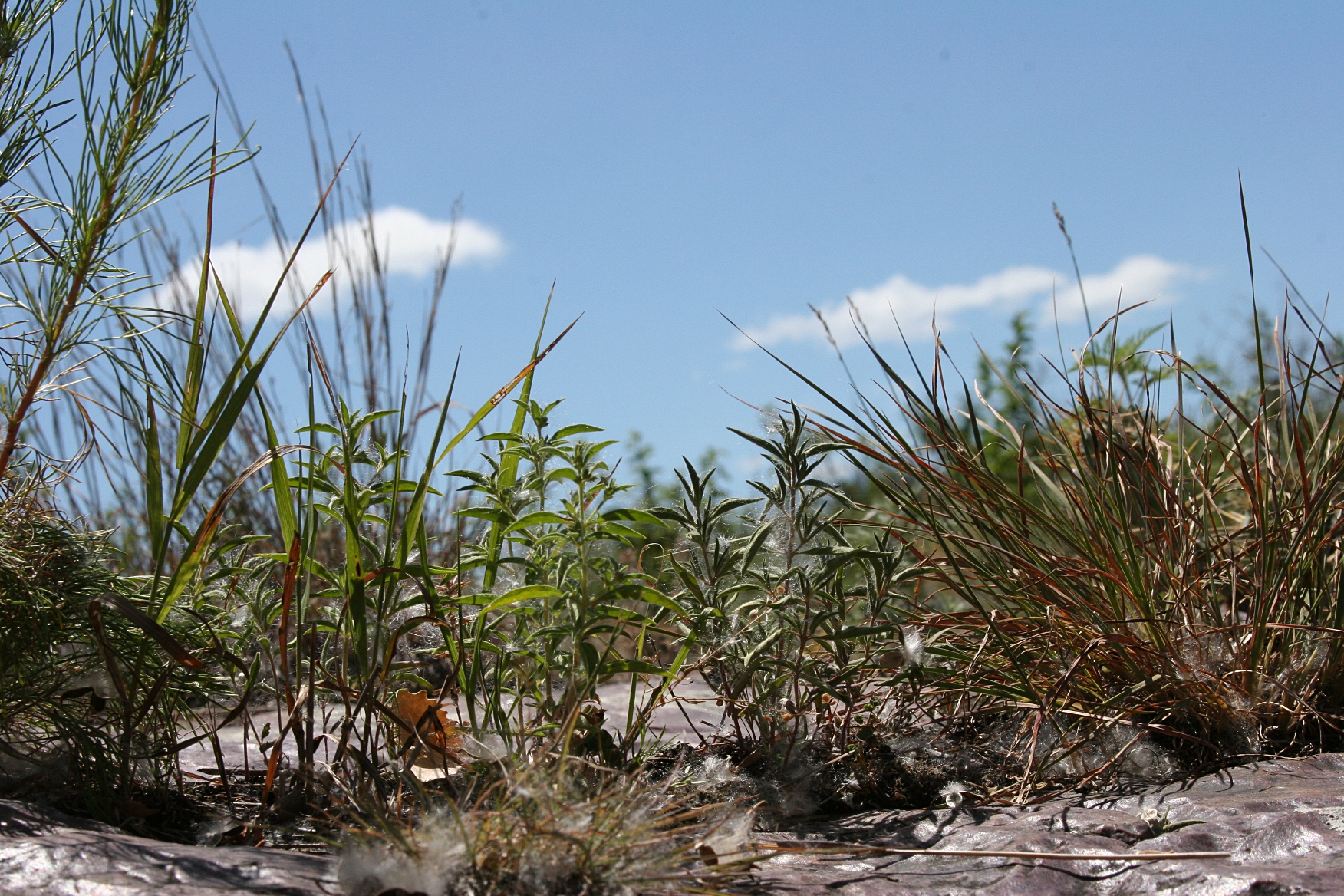
And because I value detail, I set my camera on the prairie and took this shot.

And because I value detail, I set my camera on a rock on the prairie and took this shot.

CHECK BACK for more posts from this region of Minnesota. I’ll take you into Luverne to view the Brandenburg Gallery and other points of interest.

© Copyright 2013 Audrey Kletscher Helbling


Summer shadows July 29, 2013

Filed under: Uncategorized — Audrey Kletscher Helbling @ 10:02 PM
Tags: , , , , , , ,

MY HOMETOWN IS SO SMALL…

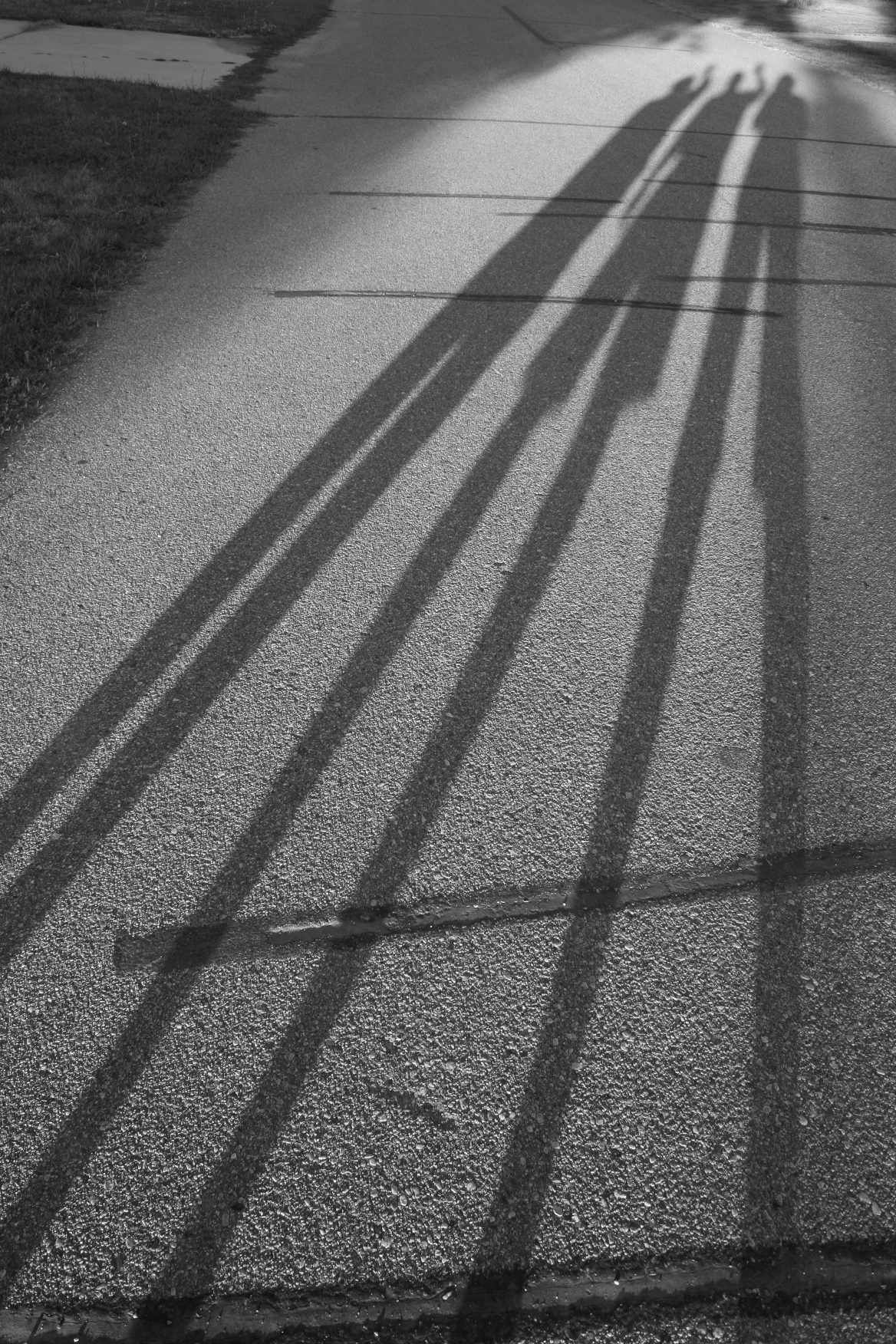
…that on a Sunday evening, as the sun slides toward the prairie, I can stand in the middle of the street by my mom’s house and photograph her shadow and that of my husband and myself.

The shadows of my 81-year-old mom, left, my husband in the middle and me on the right.

The shadows of my 81-year-old mom, left, my husband in the middle and me on the right, on a residential street in Vesta, Minnesota.

We plant our feet on the asphalt and laugh at our 25-foot tall, long-legged selves.

As we pose and wave and I struggle to hold my camera still for the laughter, I imprint this moment upon my memory: Prairie light and prairie sky and prairie town. And two people I cherish and love beside me, laughing in the moment at our silly shadows on a splendid summer evening.

© Copyright 2013 Audrey Kletscher Helbling
 

Reflections on a prairie sunset June 30, 2013

Filed under: Uncategorized — Audrey Kletscher Helbling @ 2:59 PM
Tags: , , , , , , , , ,

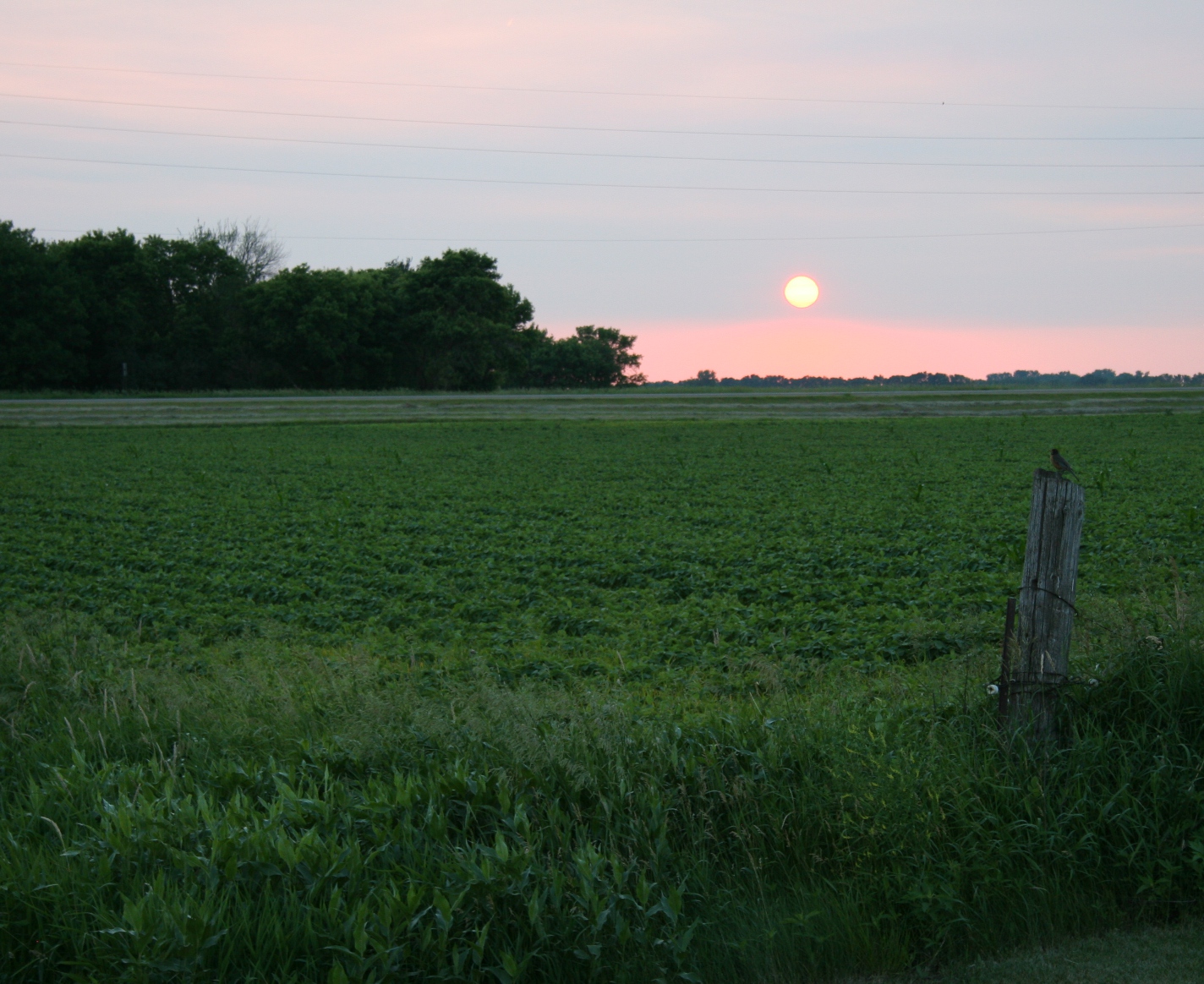
Sunset on the prairie

WE STOOD ALONG THE EDGE of the gravel road Saturday evening, my 13-year-old nephew and I, mesmerized by the glorious golden sun pinking the sky above and below a layer of blue grey.

I raised my camera. He lifted his phone. We snapped several photos, compared, wished for better zooms to photograph the prairie sky north of Lamberton in southwestern Minnesota.

Sunset on the prairie 2

“It’s what I miss most about this place, the sunrise and the sunset,” I said.

“And the stars,” Stephen added.

Sun and stars.

He was right. The stars, too.

Copyright 2013 Audrey Kletscher Helbling
 

A photographic journey through the prairie to Fargo May 24, 2013

Filed under: Uncategorized — Audrey Kletscher Helbling @ 7:52 AM
Tags: , , , , , , , , , ,

Rural scene, I94

ON THE WAY WEST TO FARGO, the land is wide, the sky big.

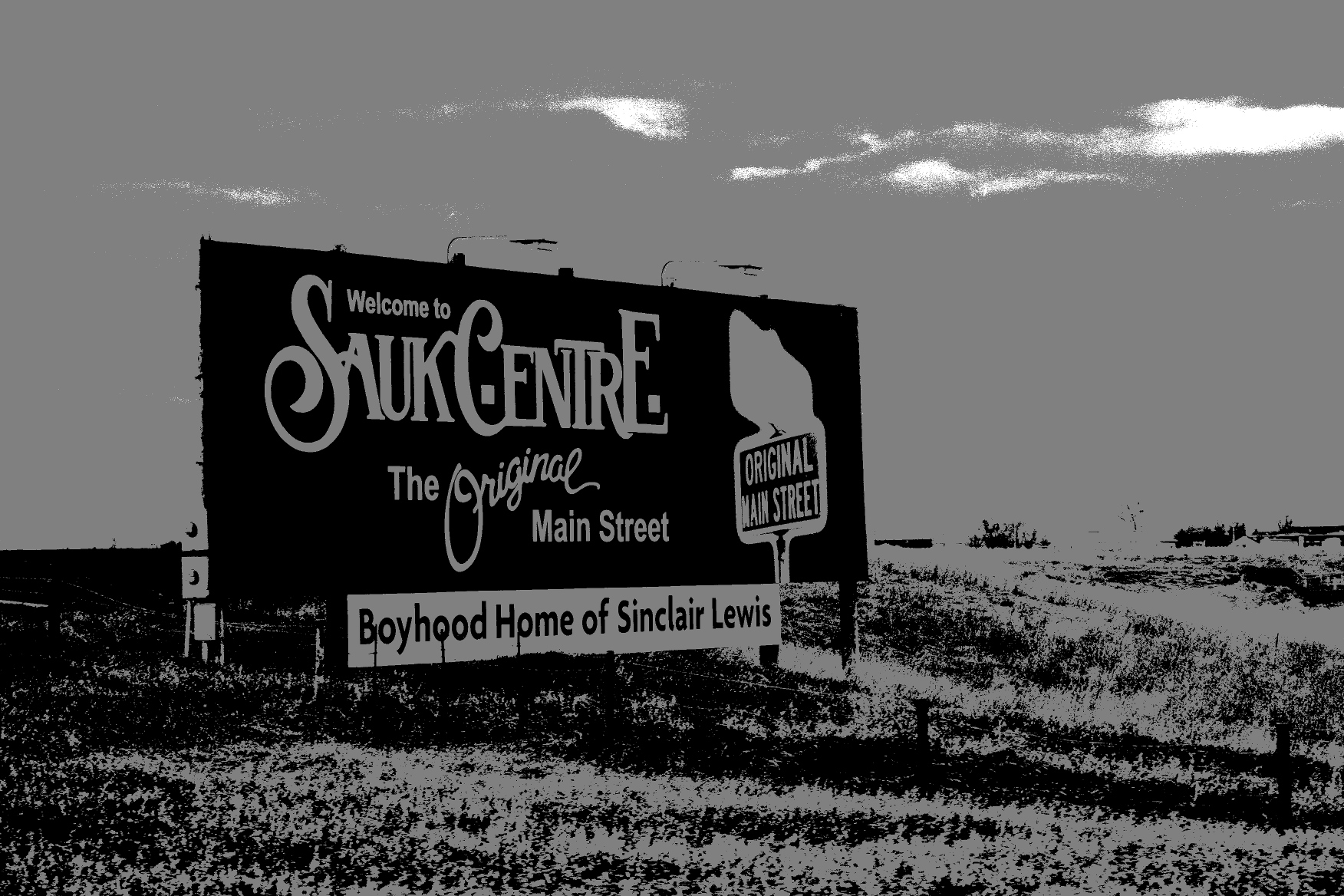
Rural scene, Sauk Centre

Fields and farm sites—punctuated by occasional cities, like Sauk Centre, Alexandria and Fergus Falls, and exits to small towns—once west of St. Cloud, define the Interstate 94 corridor leading northwest to the North Dakota border.

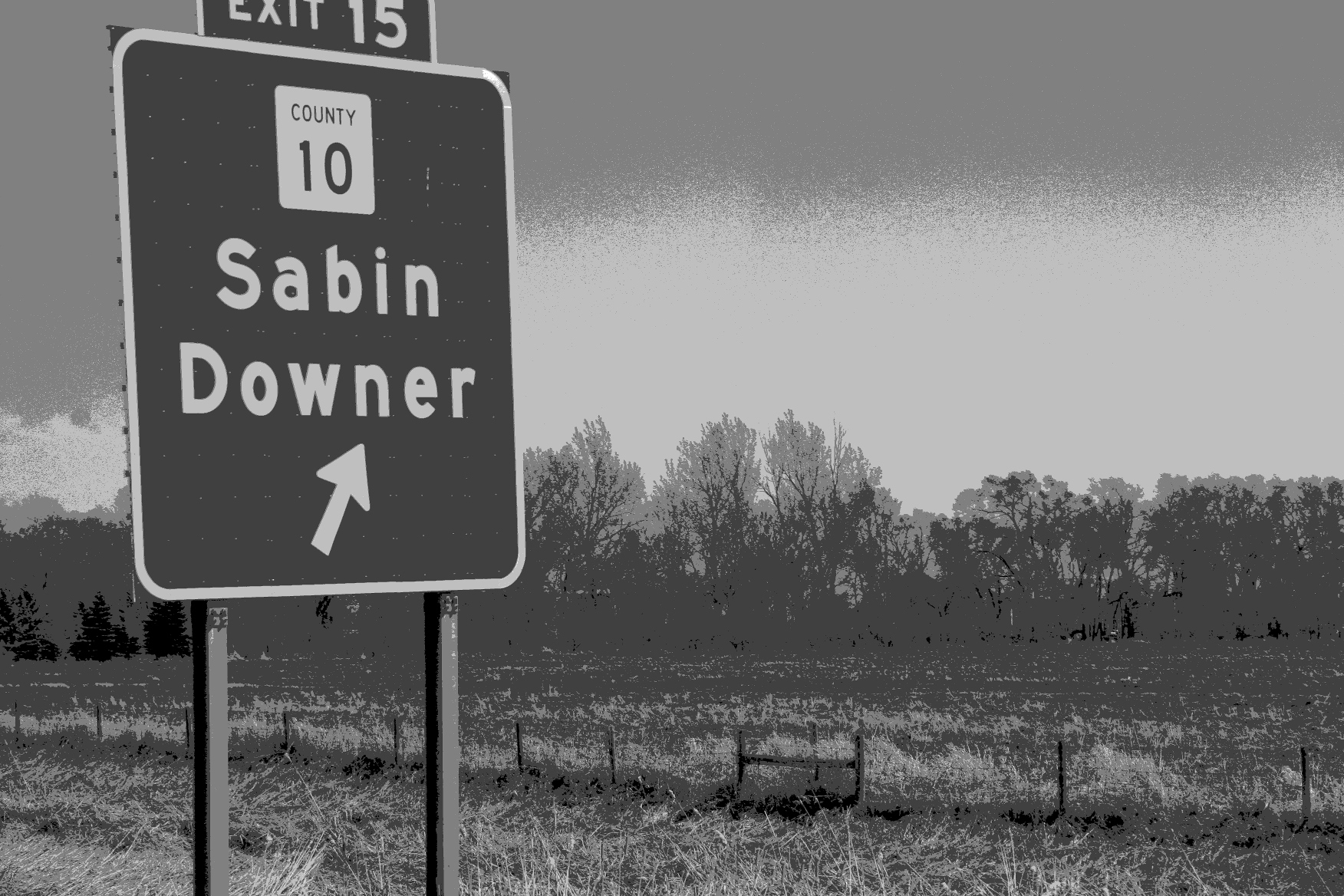
Rural scene, Downer sign

It is a place that can be both unsettling and freeing, depending on your perspective, your mood, your experiences.

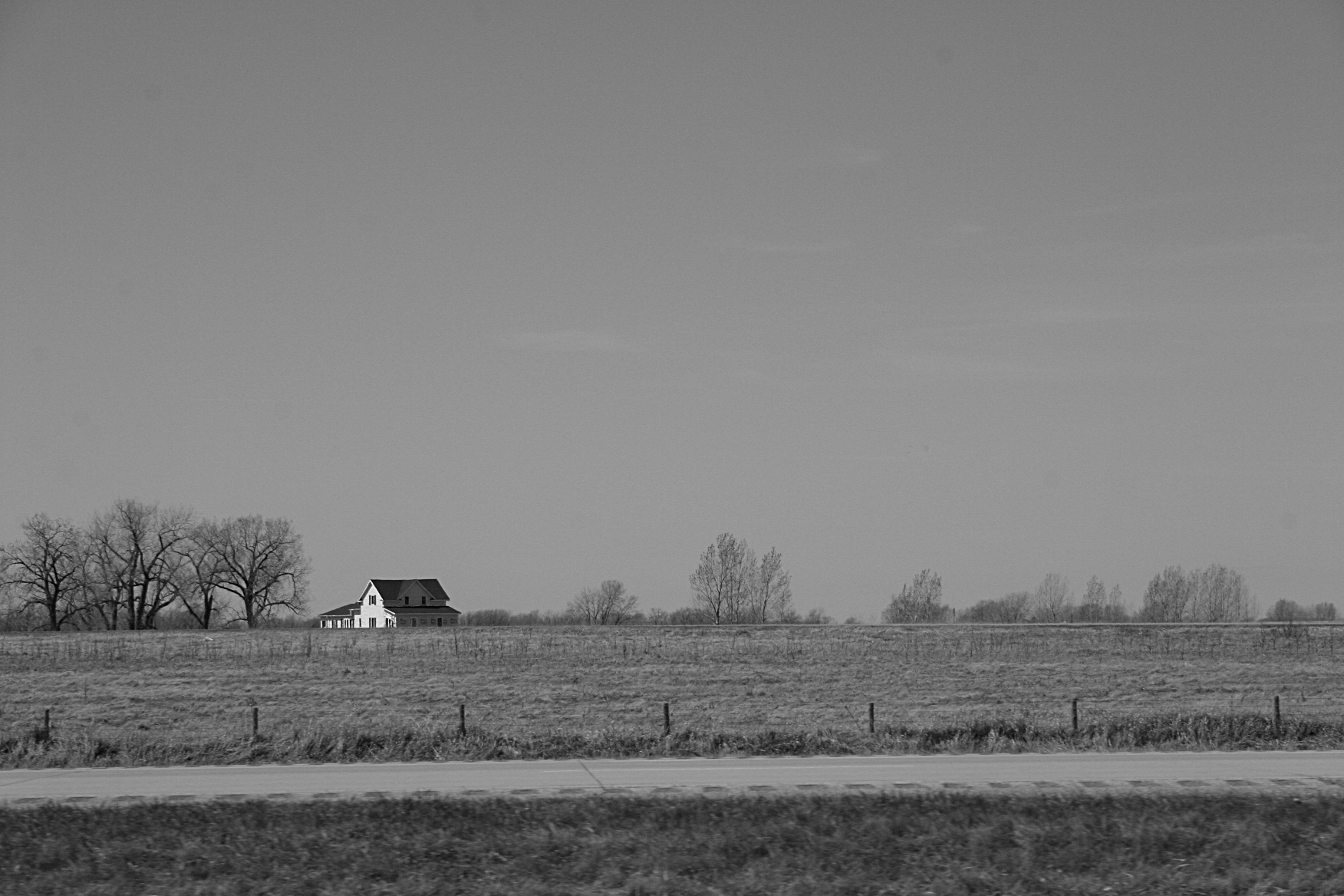
Rural scene, farmhouse

Raised on the southwestern Minnesota prairie, even I am sometimes overwhelmed by the infinite spaciousness of this prairie, this sky.

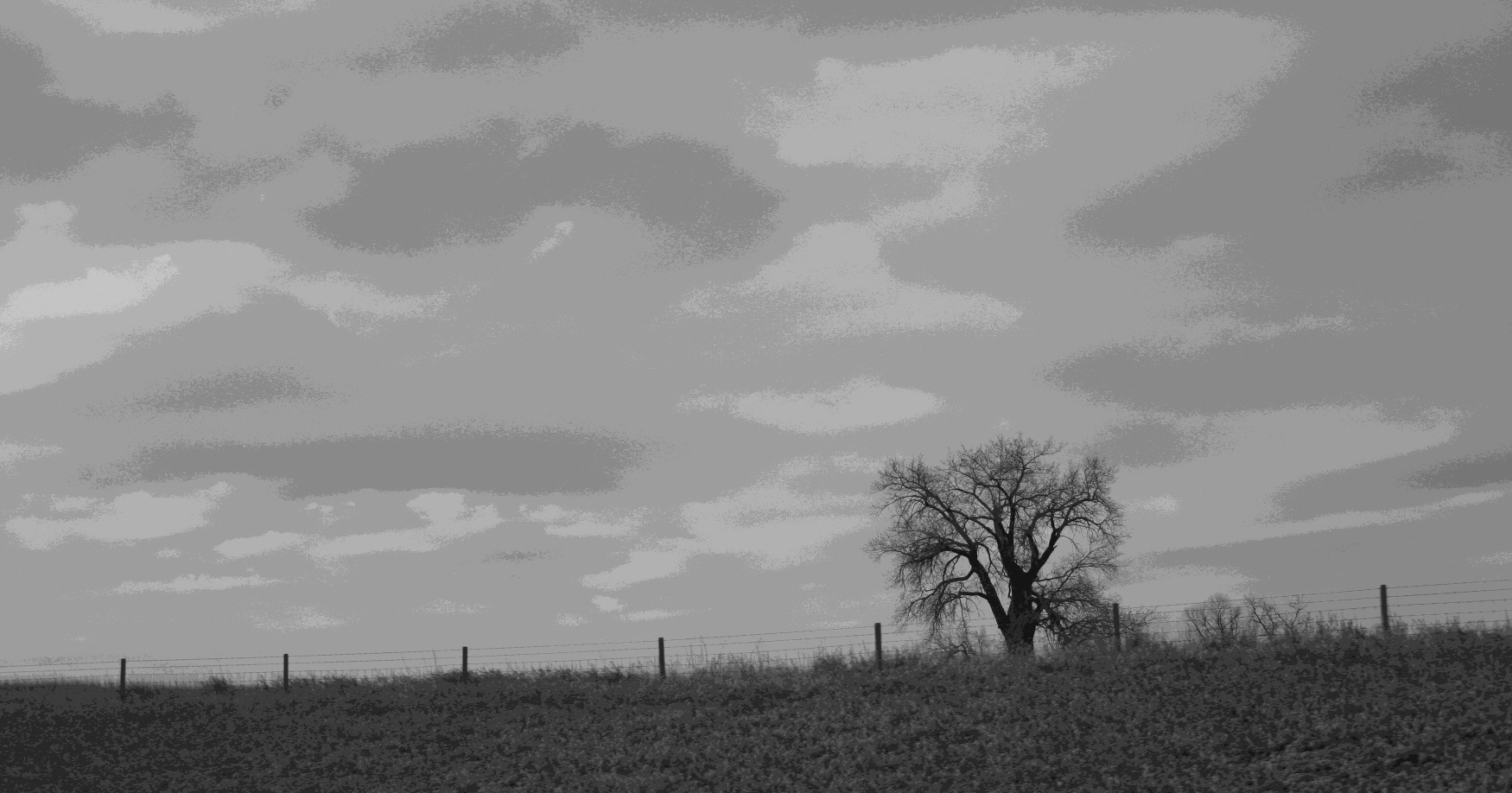
Rural scene, lone tree

I ground myself with my camera, locking on scenes that root me to the earth, give me the security of feeling tethered.

Rural scenes, barn and silo

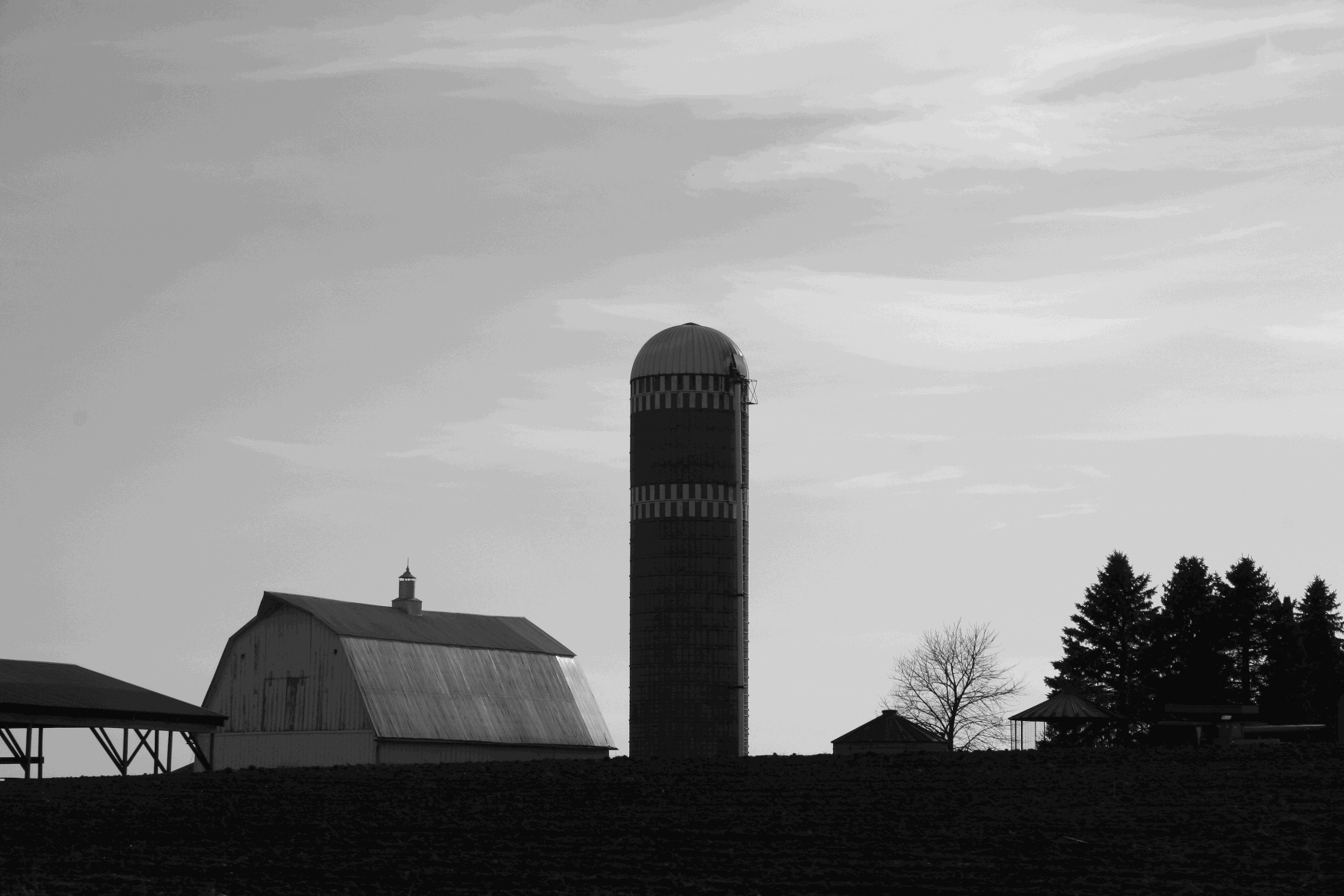
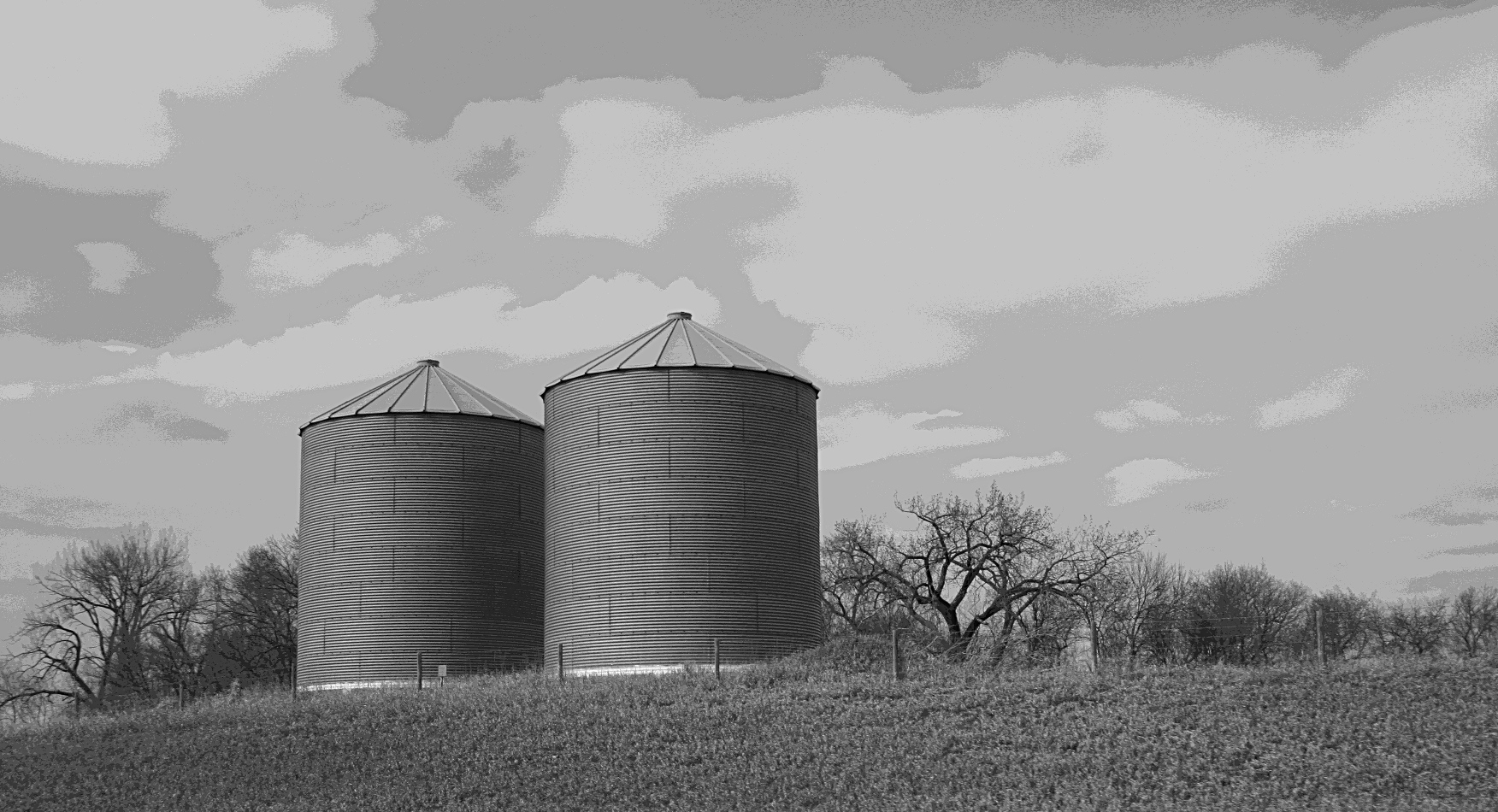
And when I do that, I notice the details of lines and shapes—in fence posts and grain bins, a lone farmhouse or a single tree, the angle of a barn roof or the vertical rise of a silo.

Rural, bins

I still feel small in this expanse. But I, at least, feel less lost in the vastness.

Copyright 2013 Audrey Kletscher Helbling
 

Claiming a prairie sunset February 8, 2013

Filed under: Uncategorized — Audrey Kletscher Helbling @ 8:10 AM
Tags: , , , , , , , , ,

MY HEART BELONGS to my native prairie. Always has, always will.

Even after three decades away from southwestern Minnesota, I remain connected to the sky and to the land, to the place that shaped me as a person, a writer, a photographer.

In an environment as stark as the prairie, you notice details.

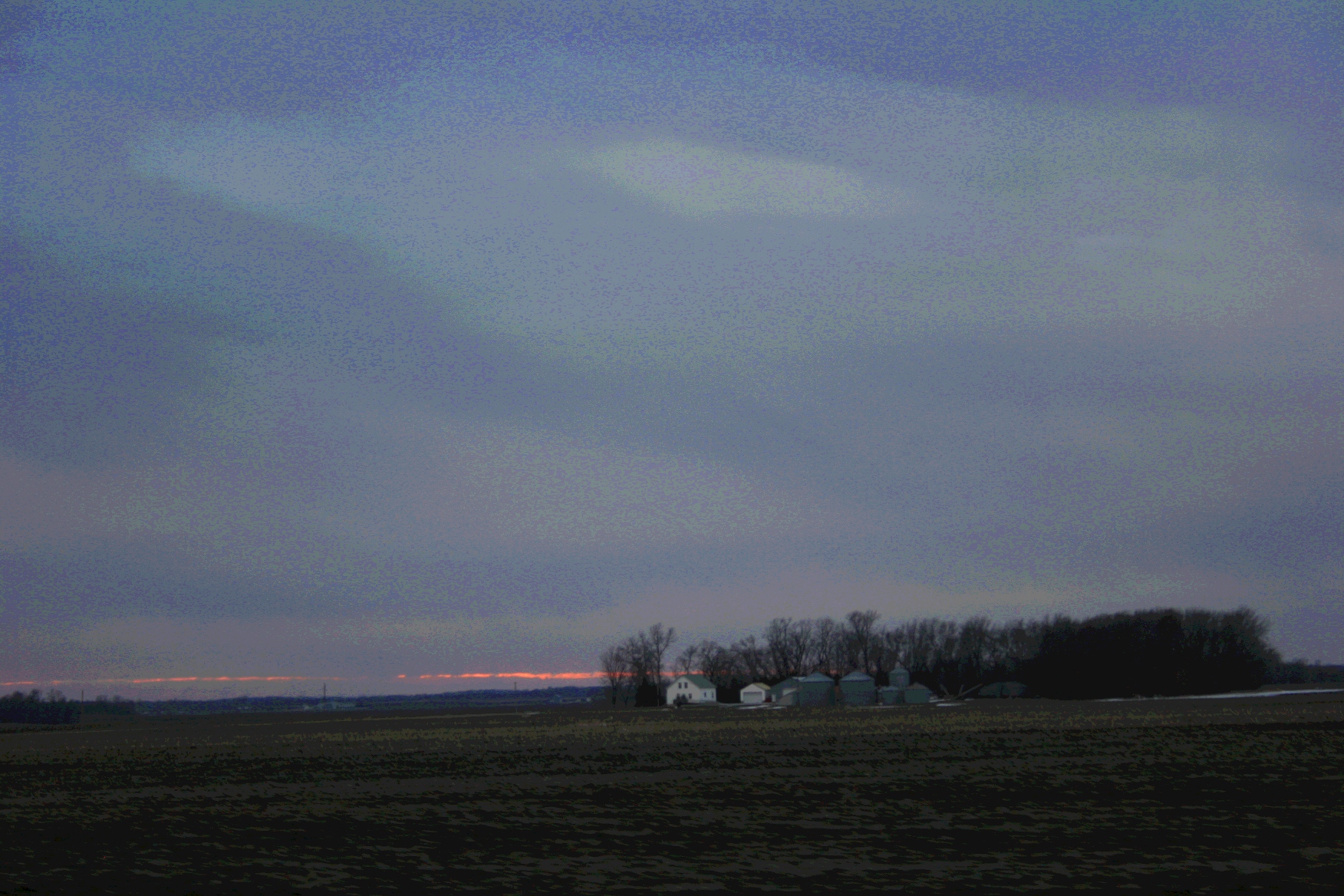
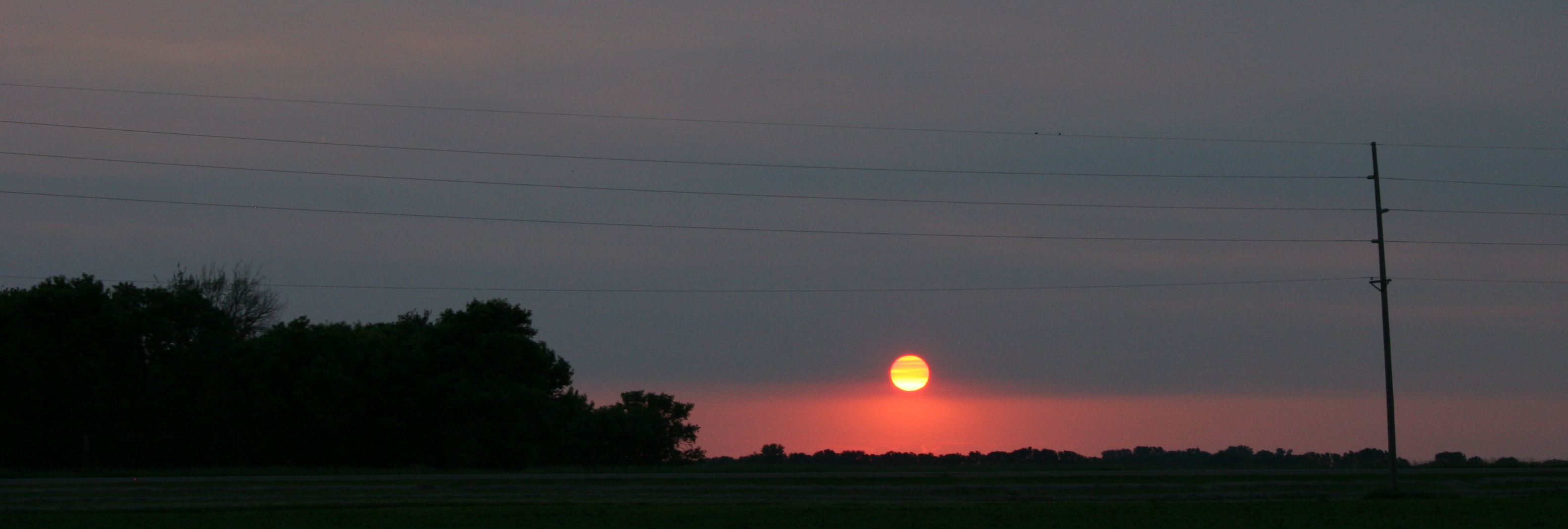
Even in southeastern Minnesota, where I've lived for three decades, expanses of prairie exist like this sunset scene.

Even in southeastern Minnesota, where I’ve lived for three decades, expanses of prairie exist like this sunset scene.

And so, on a recent Saturday, as my husband and I traveled south and east from Cleveland to Kilkenny (that’s in southeastern Minnesota, not Ohio and Ireland), I observed daylight evolve into evening, the sun slipping in a slim band of rosy peach across the horizon.

In that moment my soul yearned for the land I left at age 17, the prairie, the place of my heart.

© Copyright 2013 Audrey Kletscher Helbling
 

Prairie poetry January 7, 2013

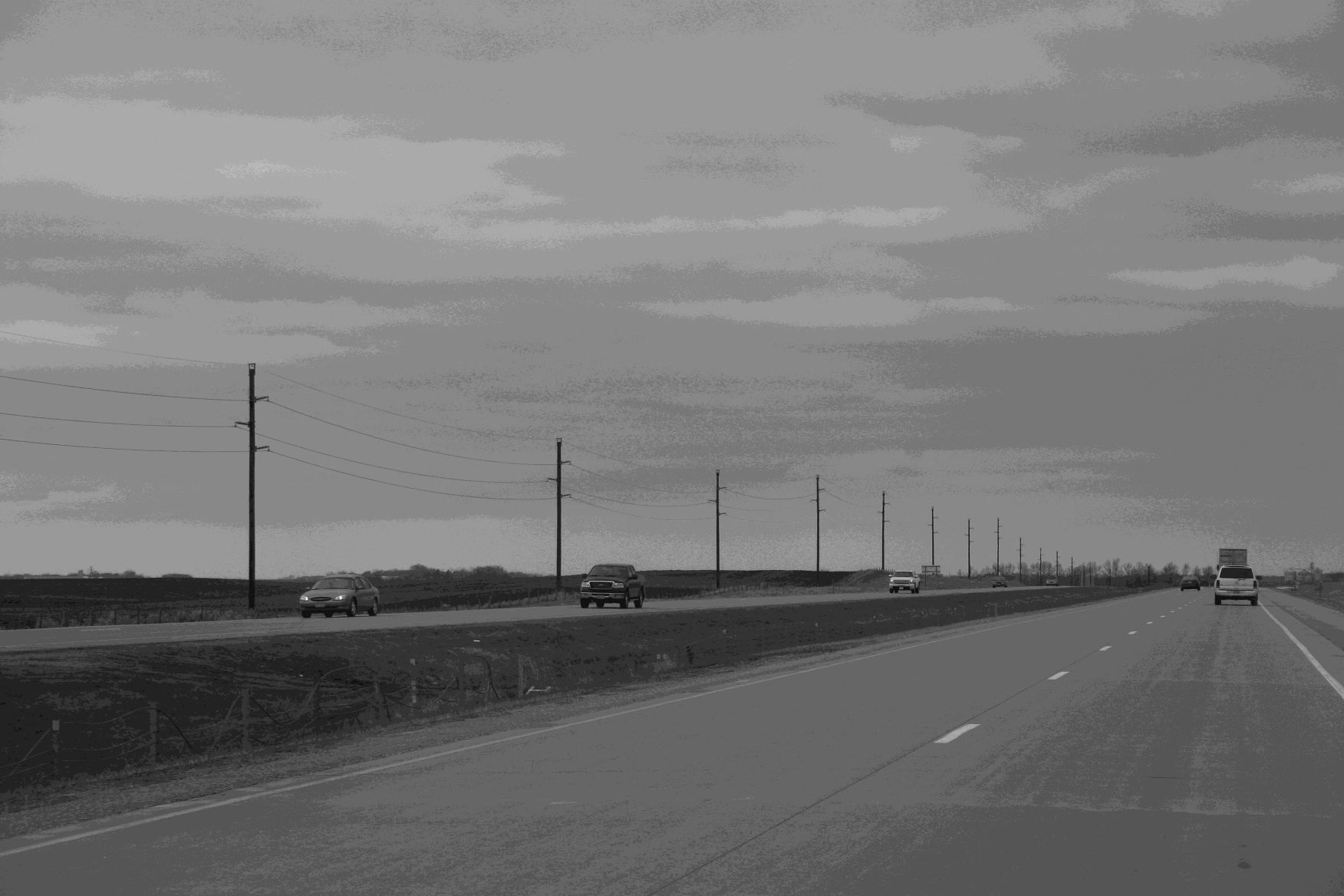
Along U.S. Highway 14

Along U.S. Highway 14 between Sleepy Eye and Springfield on the southwestern Minnesota prairie.

THOSE WHO CATEGORIZE the southern Minnesota prairie as flat, boring and in the middle of nowhere truly have not seen.

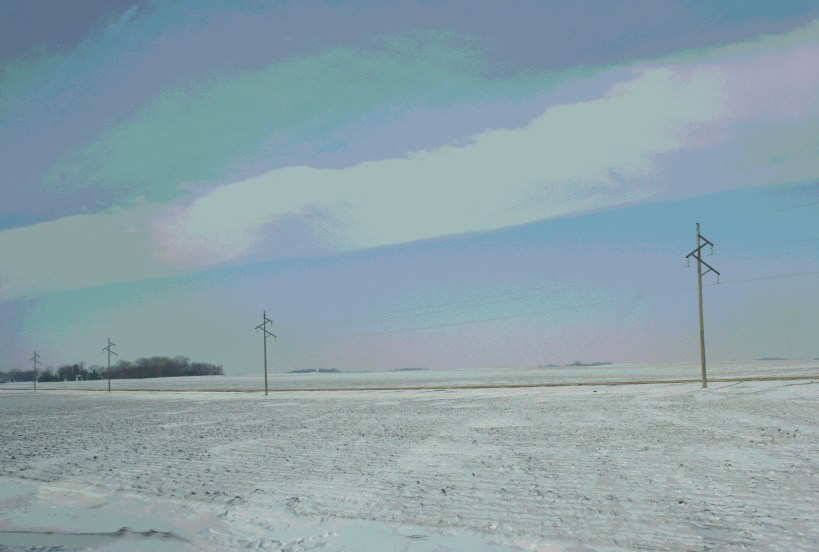
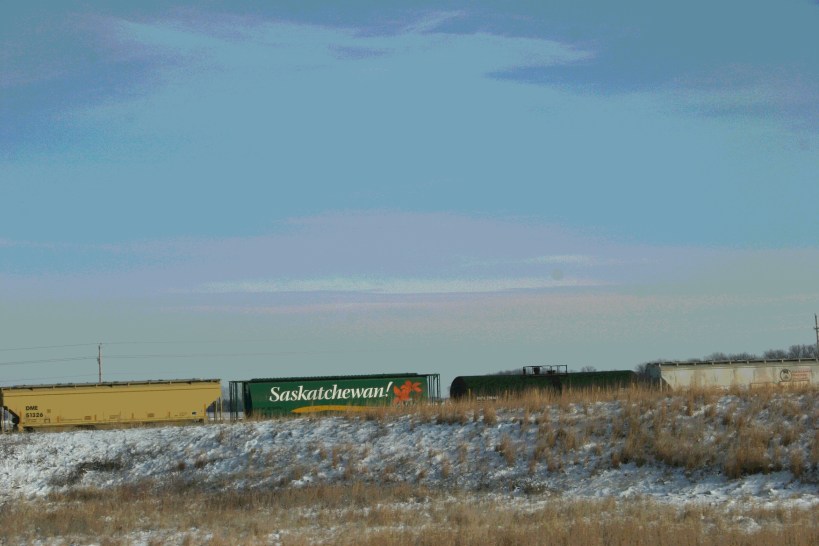
South and west of Waseca, along U.S. Highway 14, a train cuts across the flat farm land.

South and west of Waseca, along U.S. Highway 14, a train cuts across the flat farm land.

Perhaps you are one of them—a traveler passing through this land defined by horizontal lines. Your patience for the endless miles of vast sky and open space expires shortly after you exit the city.

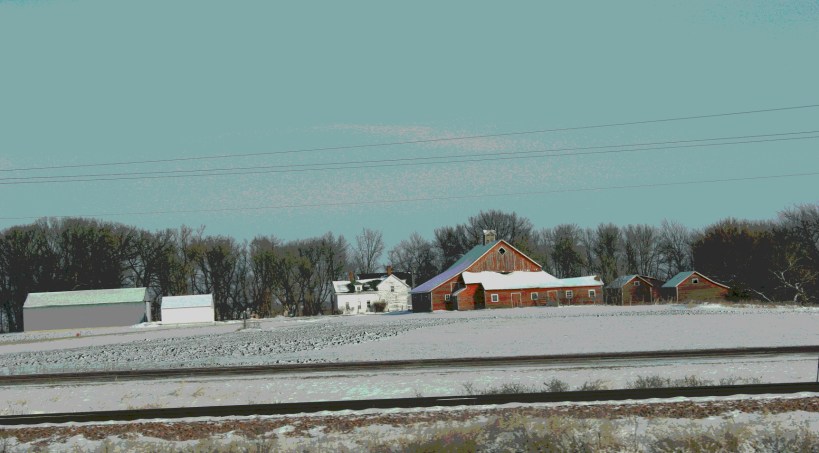
The horizontal lines of railroad tracks and farm buildings define this scene near Janesville along U.S. Highway 14.

The horizontal lines of railroad tracks, utility wires and farm buildings define this scene near Janesville along U.S. Highway 14.

You cannot fathom how anyone can live here, let alone appreciate this landscape.

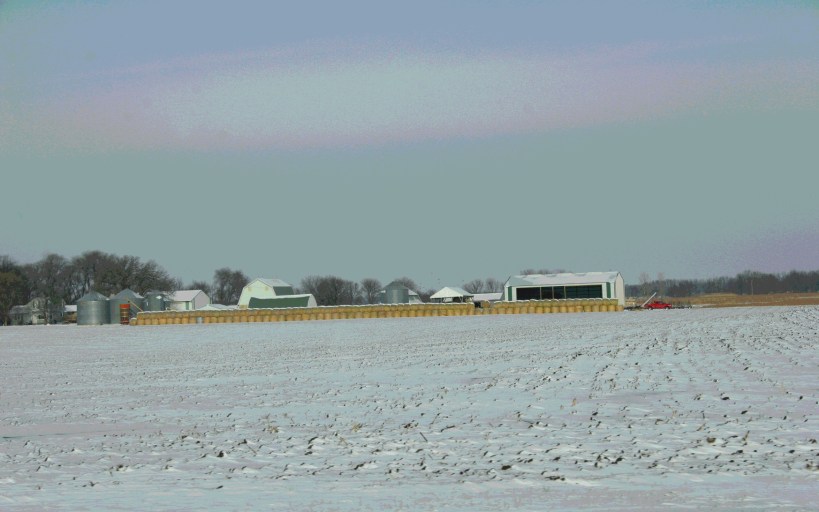
East of Courtland, rows of bales edge a farm site.

East of Courtland, tidy rows of bales edge a farm site.

But I challenge you, the next time you are hurrying from City A to City B, to look beyond the pavement, beyond the preconceived ideas you have about rural Minnesota and specifically of the prairie.

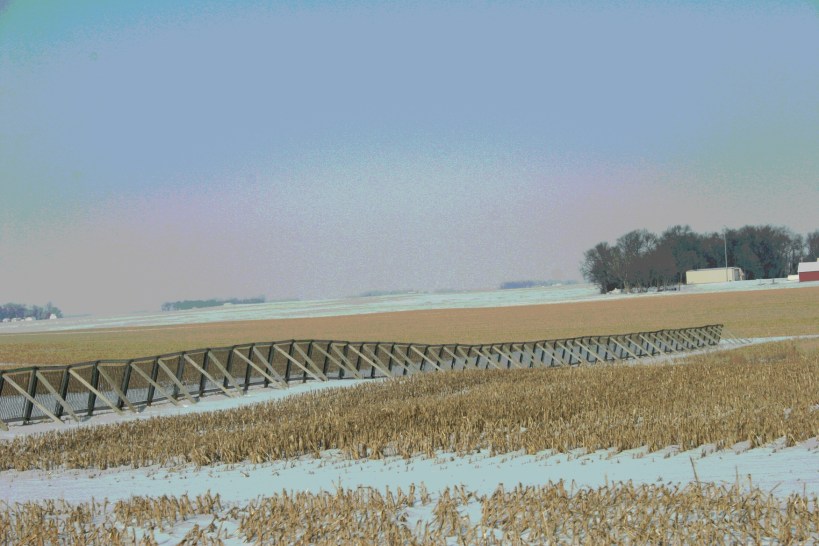
West of Springfield, a snow fence emphasizes the horizontal lines of the prairie.

West of Springfield, a snow fence emphasizes the horizontal lines of the prairie.

View this landscape as an artist’s canvas. Before your eyes, you will begin to see the bold lines, the wispy strokes, the colors (or lack thereof), the composition of a scene.

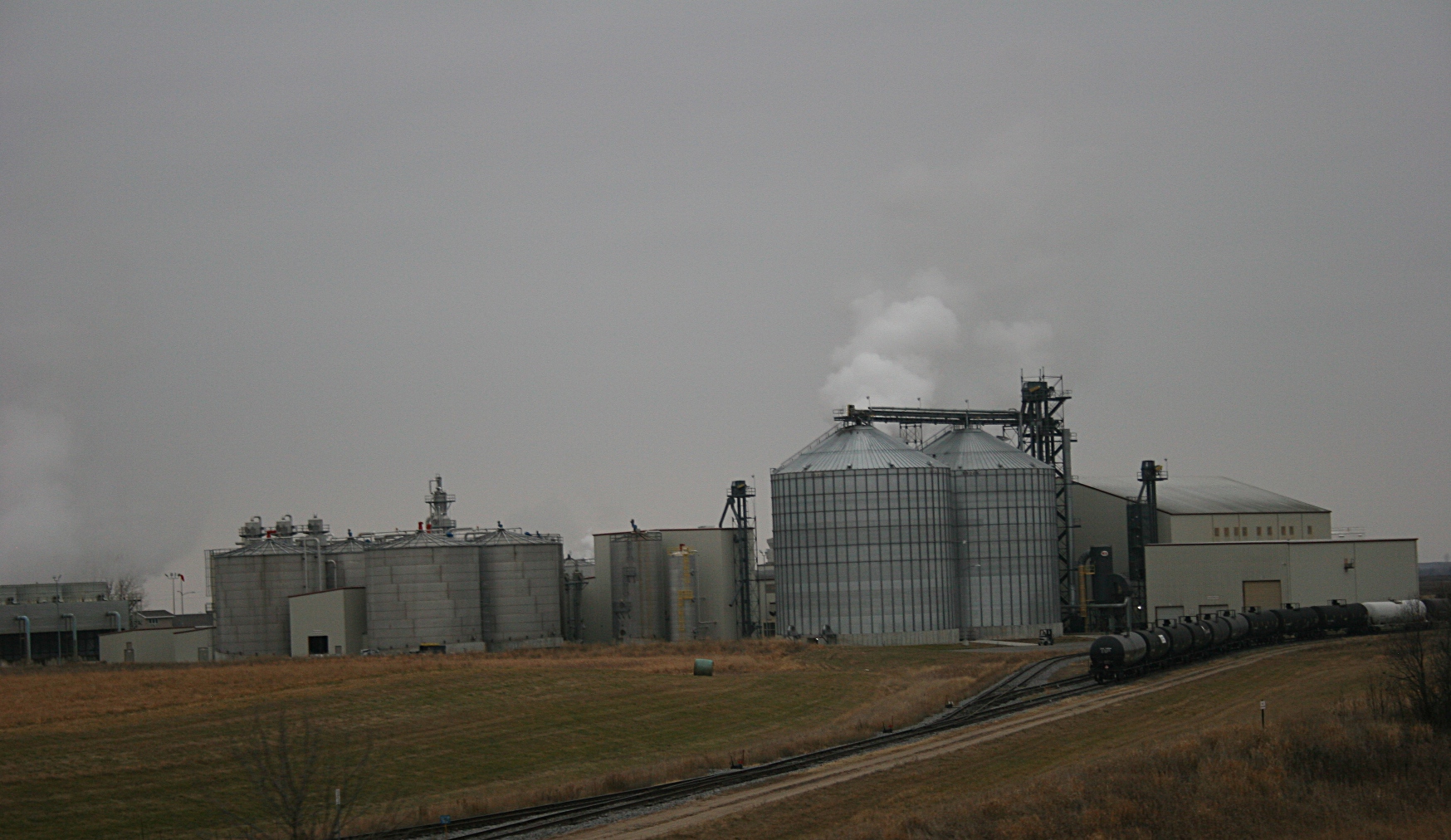
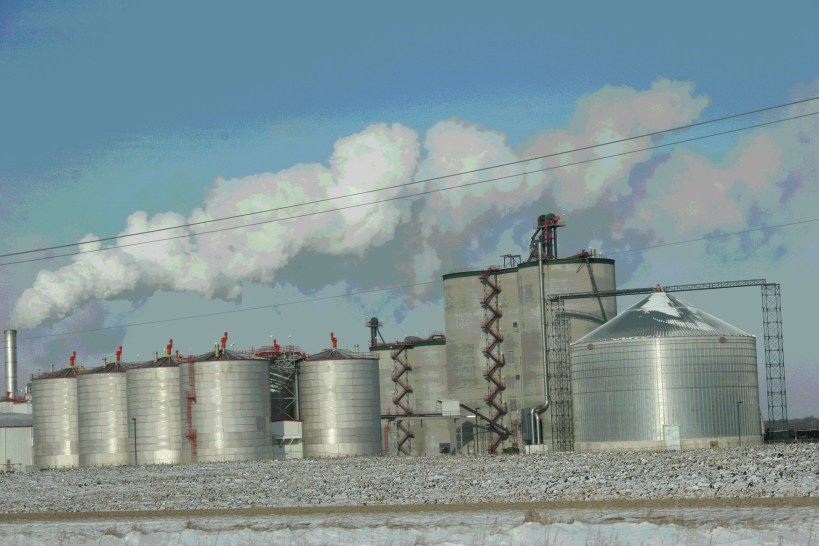
The ethanol plant near Janesville on a cold December morning.

The ethanol plant near Janesville on a cold December morning.

You will feel the strength of the artist’s brush in the wind.

One of my favorite barns along U.S. Highway 14, west of Sleepy Eye.

One of my favorite barns along U.S. Highway 14, west of Sleepy Eye.

You will read poetry in the simplicity of the uncluttered landscape and in the fortitude and kindness of those who inhabit this place.

And then, perhaps, you will begin to connect to a land which possesses an infinite beauty unlike any other.

© Copyright 2012 Audrey Kletscher Helbling
 

Thoughts on a weekend journey to Fargo and back under grey November skies November 7, 2012

Filed under: Uncategorized — Audrey Kletscher Helbling @ 7:52 AM
Tags: , , , , , , , ,

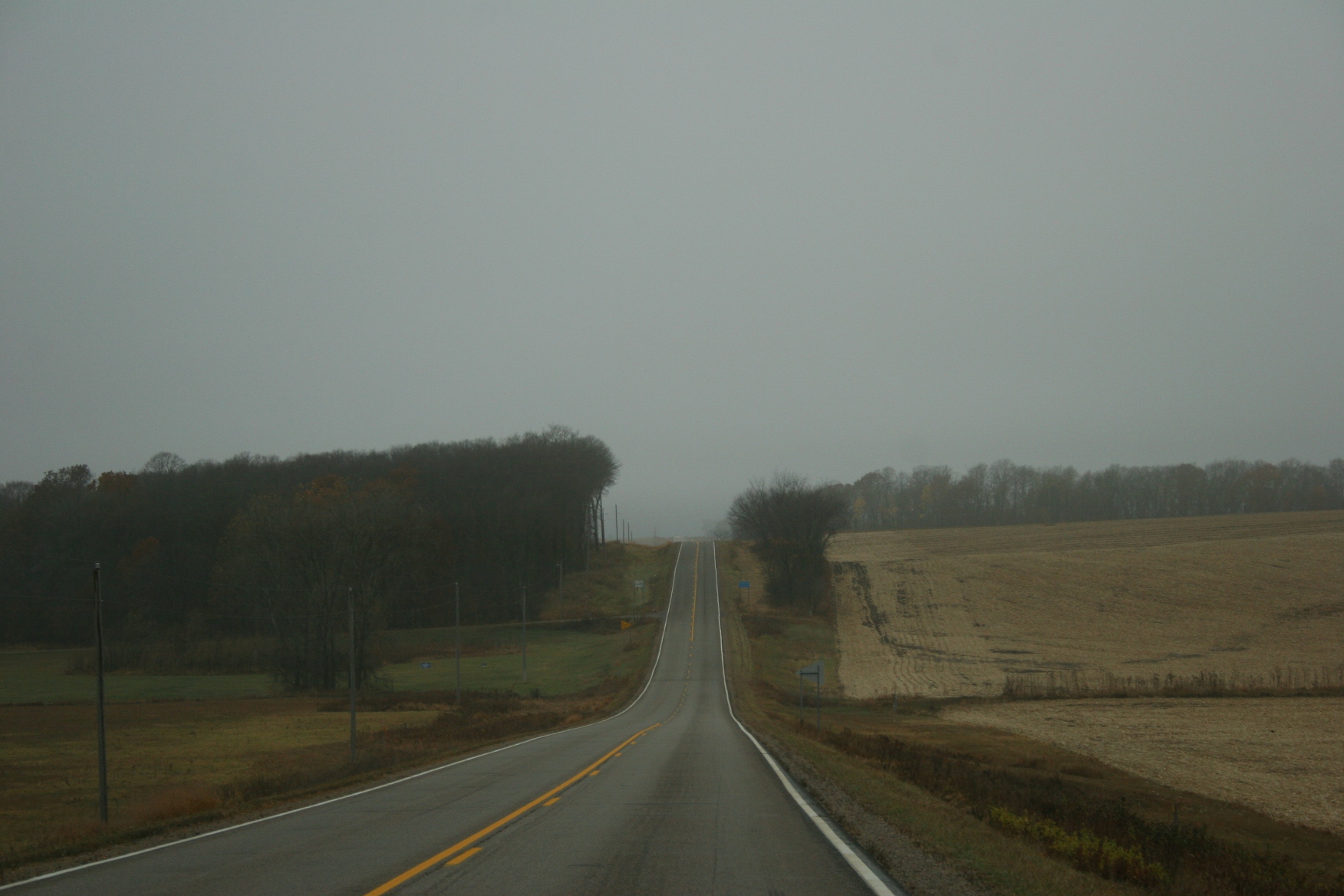
Westbound for Fargo on Interstate 94 near the West Union exit on Saturday morning.

NEARLY 10 HOURS in a vehicle traveling almost 600 miles round trip to Fargo, North Dakota, under the gloomiest of grey November skies can test one’s endurance.

The eyes began to wander, to lock onto the slightest patches of color in an otherwise dull and monotone landscape.

Billboards offer a diversion as do the semis which follow Interstate 94, some forking north toward Canada, others continuing even farther west into the endless grey expanse.

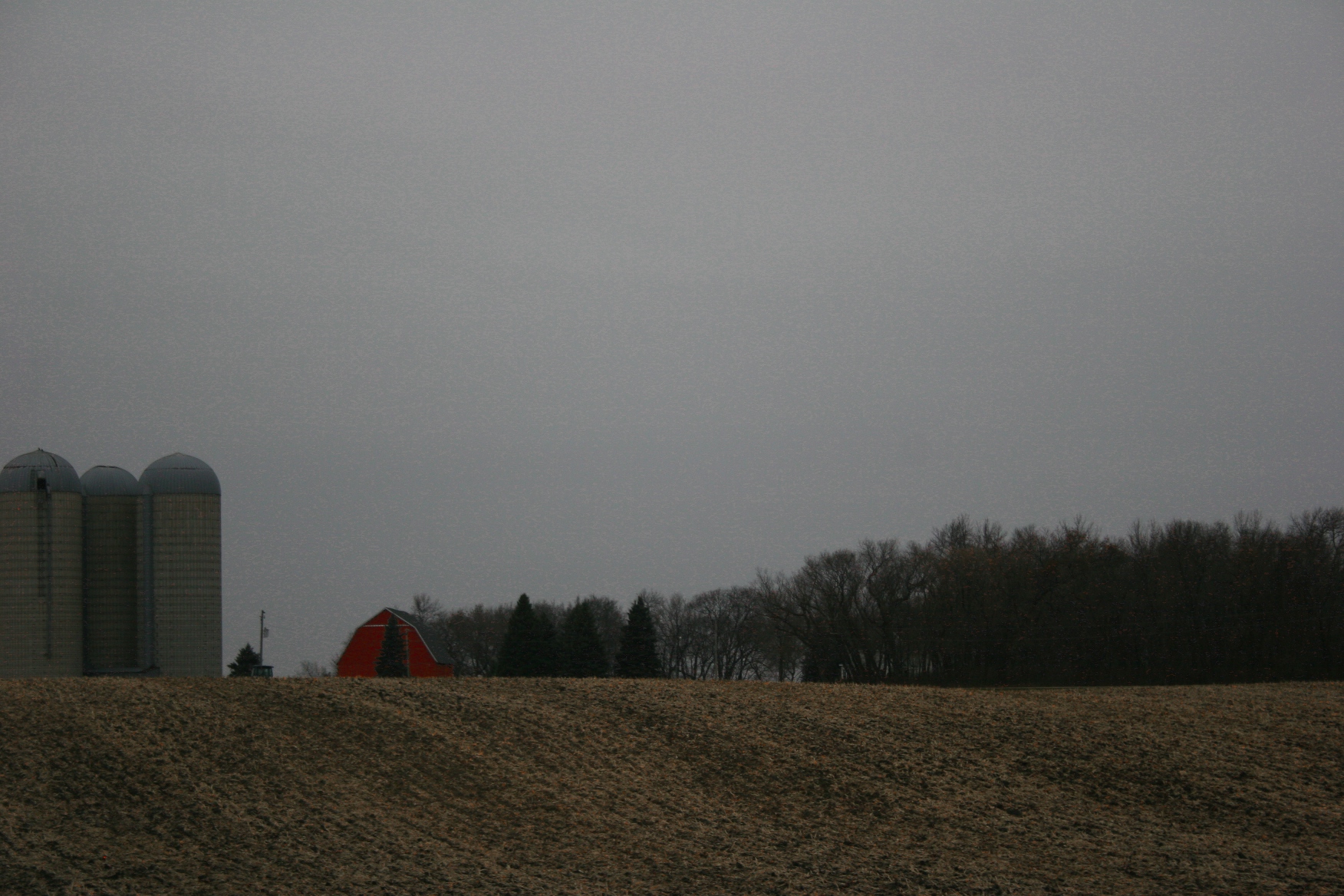
A section of the journey where there are still hills. My eyes focus on the brilliant red hue of the barn.

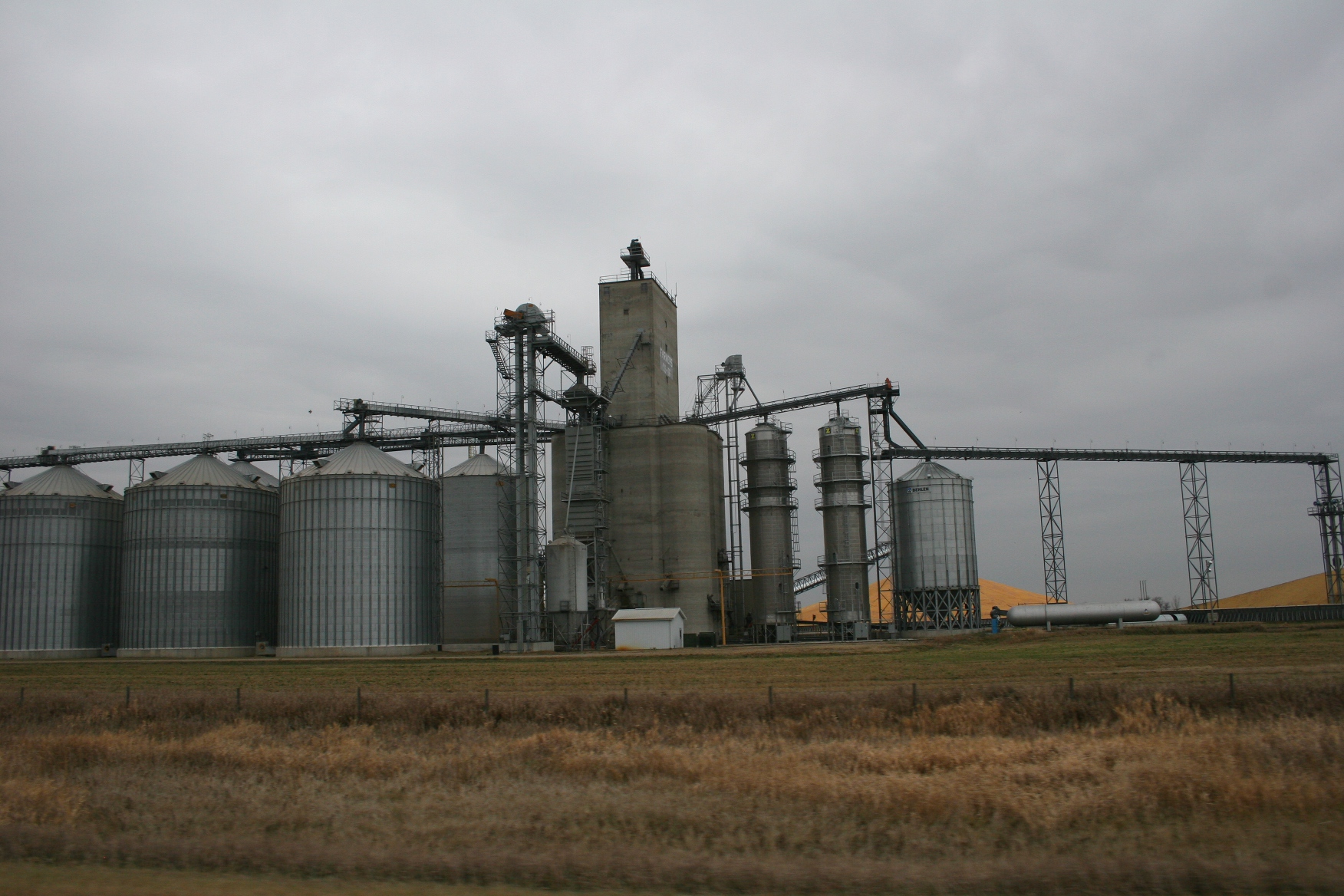
Near Barnesville, a short distance east of Fargo and Moorhead, piles of corn brighten the muted landscape.

Hunters in bright orange roam fields during the opening weekend of firearms deer hunting in Minnesota.

Red barns and piles of golden corn and deer hunters in blaze orange distract me from the barren greyness of this journey to the Red River valley. I wonder at that use of the word “valley,” for I see no indentations in the earth to suggest a valley.

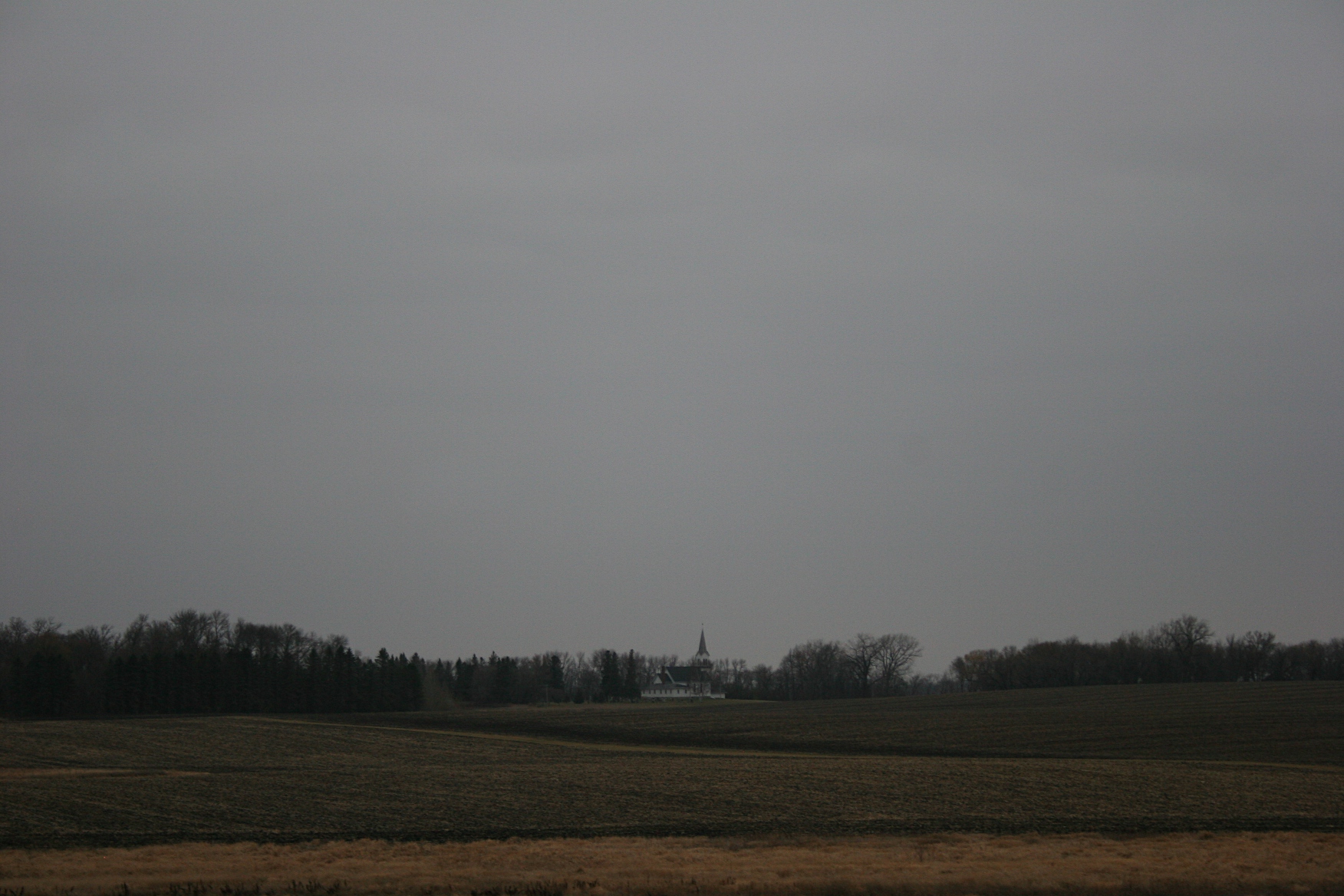
This quaint country church in the distance somewhere east of Fargo/Moorhead always calms my spirits.

I am a prairie native. But even for me, the flat land west of Fergus Falls and into Fargo/Moorhead challenges my spirit. I feel insecure and diminished in this place and that unsettles me.

How can a place seem so flat that I feel as if I will step off the earth should I journey any further than the northwestern fringes of Fargo?

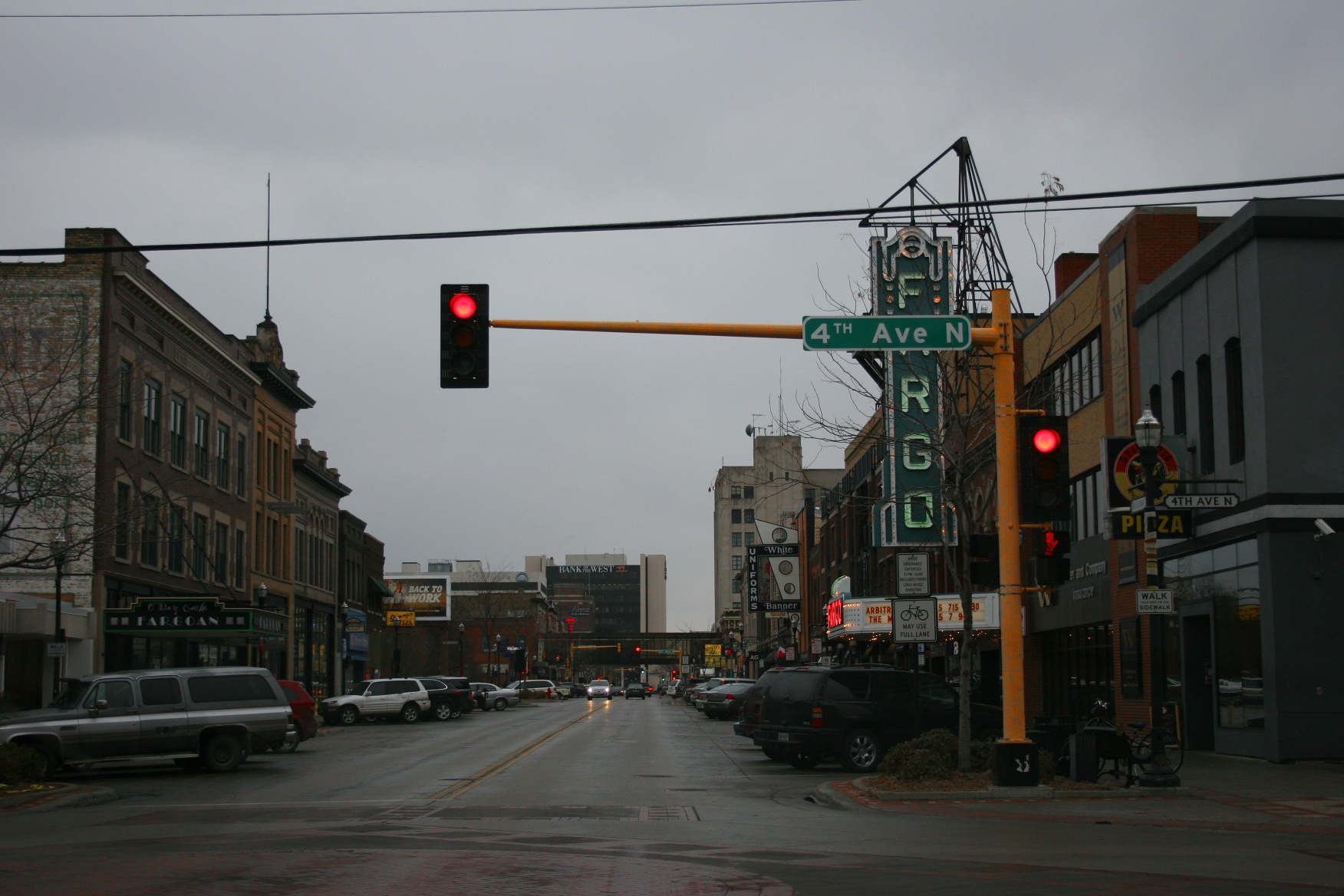
Downtown Fargo late Saturday afternoon under sullen skies with a light mist falling.

More gloomy skies on the return trip from Fargo to Faribault on Sunday afternoon.

Spots of orange (slow moving vehicle signs) provide a respite for my eyes on Sunday’s drive home.

© Copyright 2012 Audrey Kletscher Helbling
 

Prairie prose & photos during the season of harvest October 29, 2012

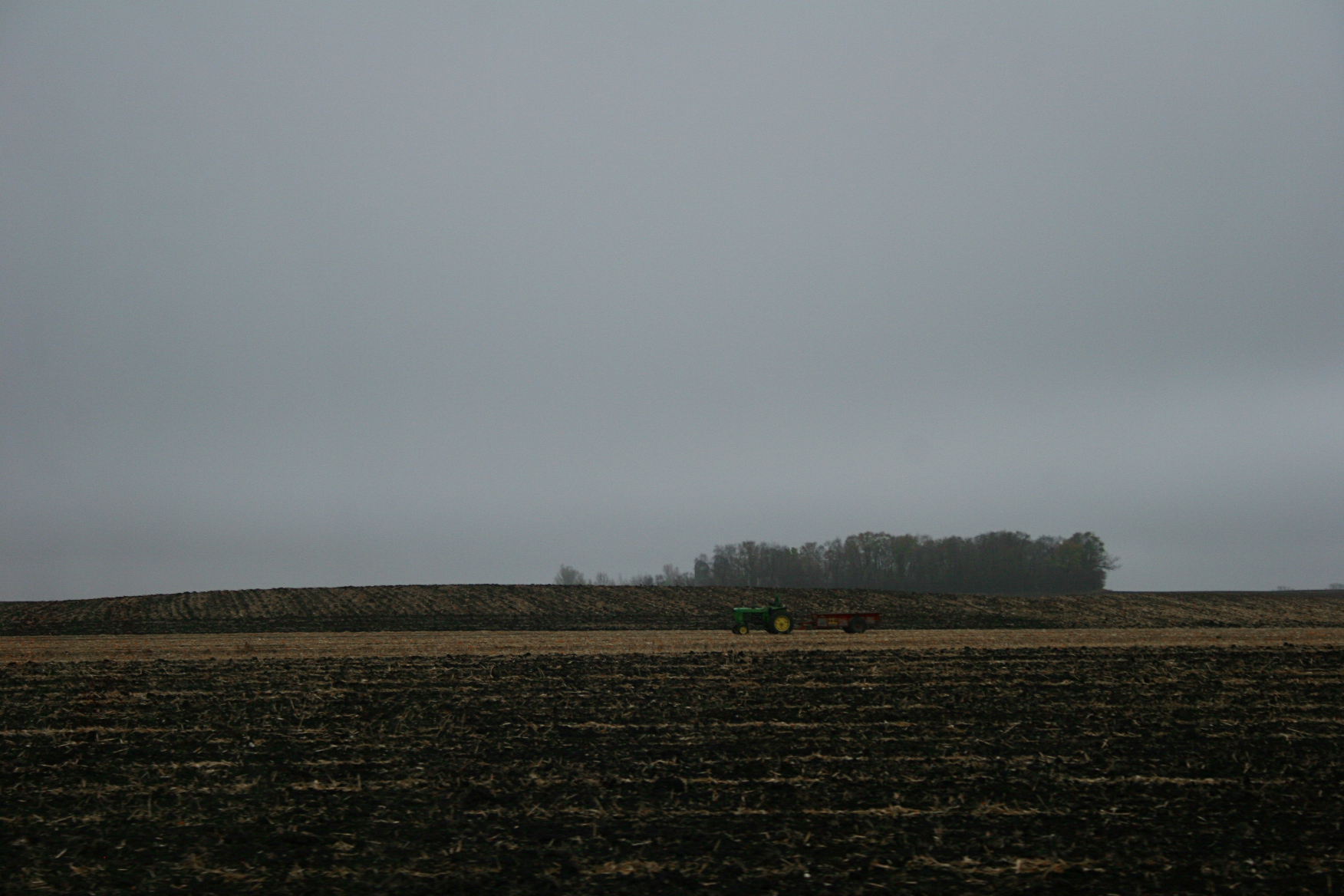
Just west of Shieldsville, not far from our Faribault home in southeastern Minnesota, my husband and I began our 120-mile journey to southwestern Minnesota on a foggy Saturday morning.

I NEVER TIRE of the big sky and infinite land that stretch far before me as I travel back to my native southwestern Minnesota. I wonder sometimes how I ever could have left this place that brings such solace to my soul, such respite to my heart, such peace to my mind.

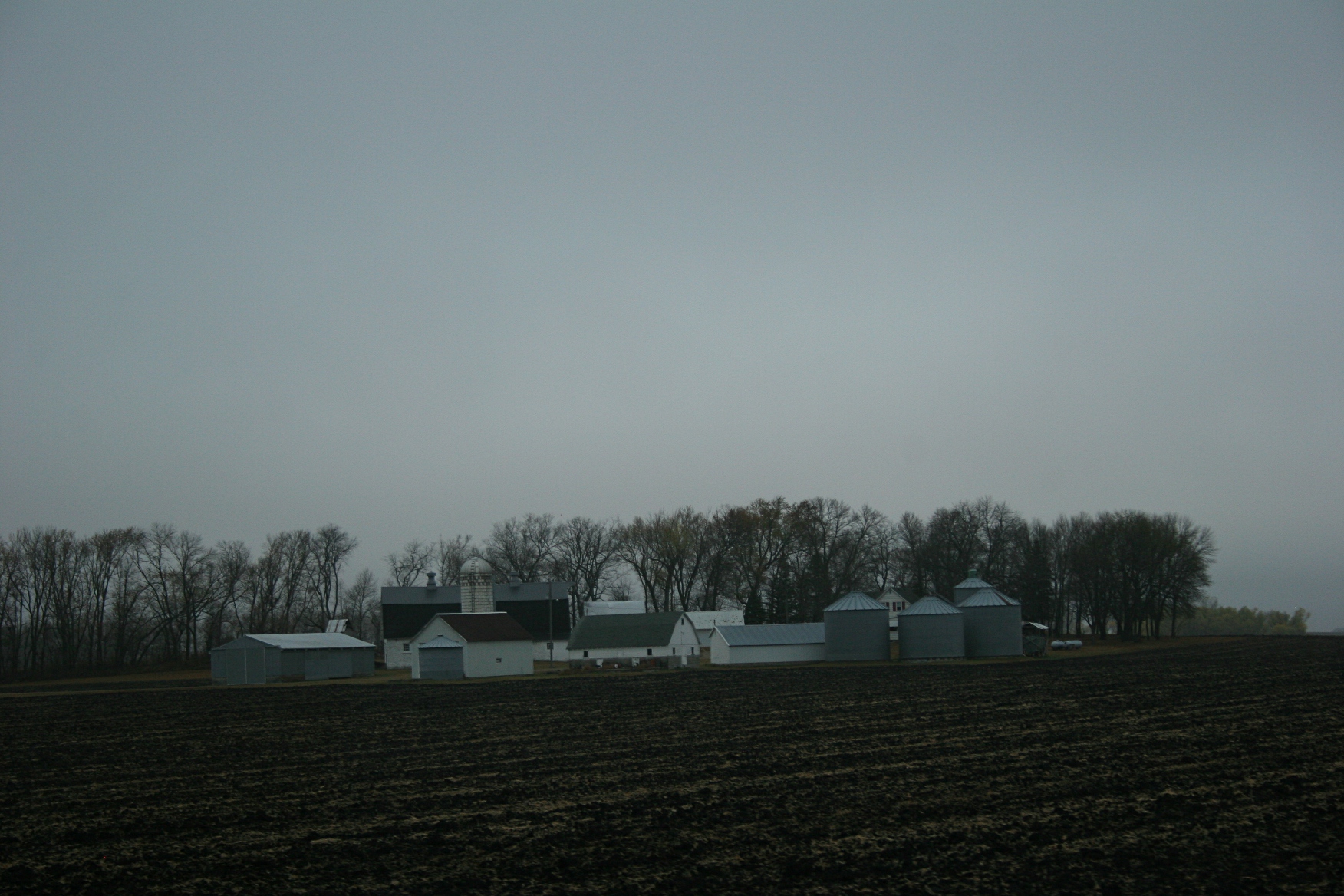
A farm site somewhere along the route which took us through or past Shieldsville, LeCenter, Cleveland, St. Peter, Nicollet, Courtland, New Ulm, Essig, Sleepy Eye, Cobden, Springfield and Sanborn corners, ending in rural Lamberton.

When I see this land, walk this land, the longing to be back here, permanently rooted again, tugs at my very core. I miss the prairie that much and the older I get, the more I appreciate this rural place from whence I came.

This image, among all those I took, emphasizes the expanse of sky and land which define the prairie.

It is that early-life connection, that growing up as a child of the prairie, that intimate familiarity with the land and the seasons and life cycles, the dirt under fingernails, the rocks lifted from fields, the cockleburs yanked from bean rows, the roar of the combine and the distinct putt-putt of the John Deere tractor, the calf shit clinging to buckle overshoes, the fireball of a sunset, the sights and sounds and smell and feel of this prairie place that shaped who I became as a person, a writer, a photographer.

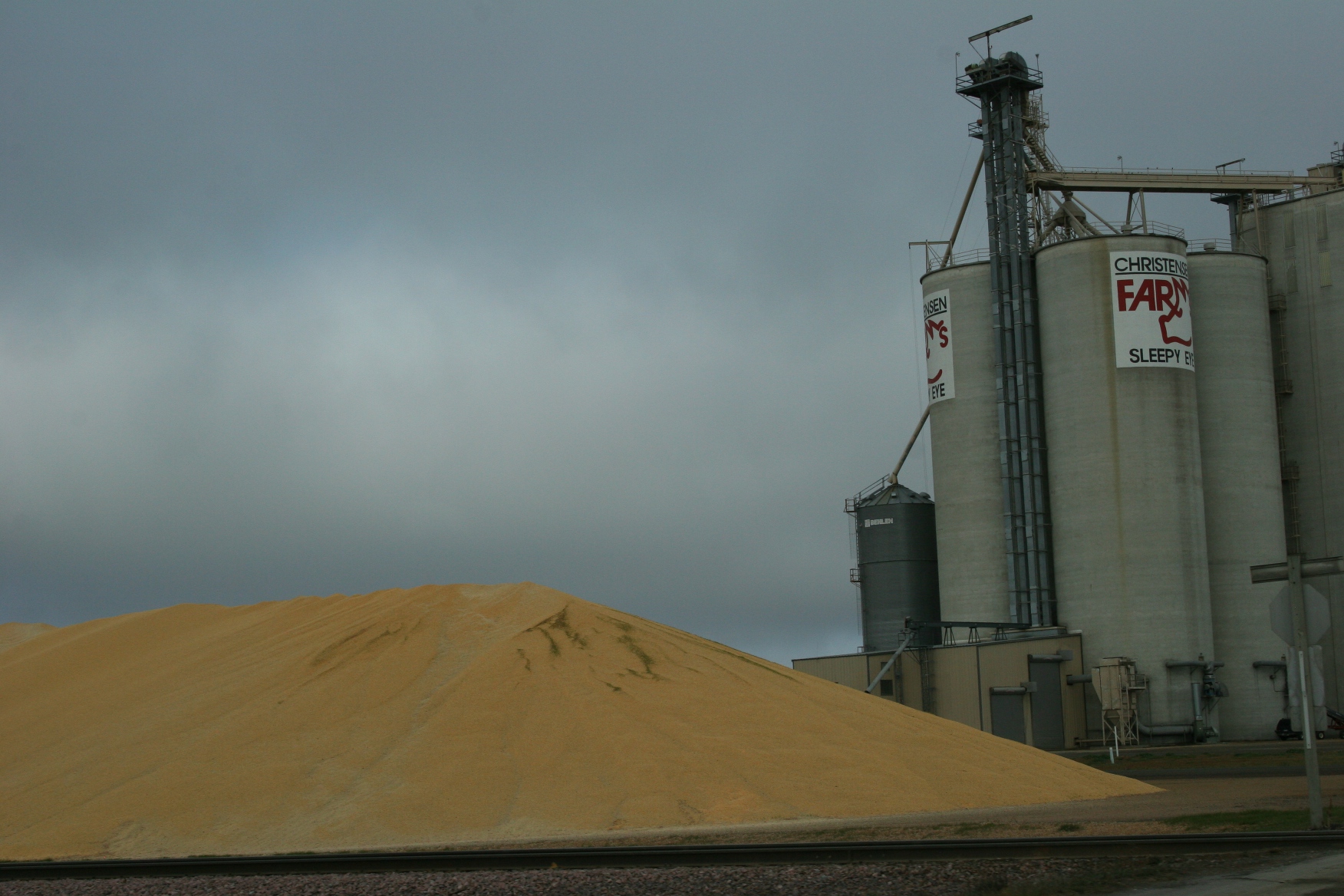
These towering elevators and corn pile at Christensen Farms near Sleepy Eye break up the flat landscape.

In this season, as the earth shifts from growth to harvest to dormancy, I notice even more the details etched into the prairie. The sky seems bigger, the land wider and all of us, in comparison, but mere specks upon the earth.

MORE PHOTOS from that road trip to the prairie:

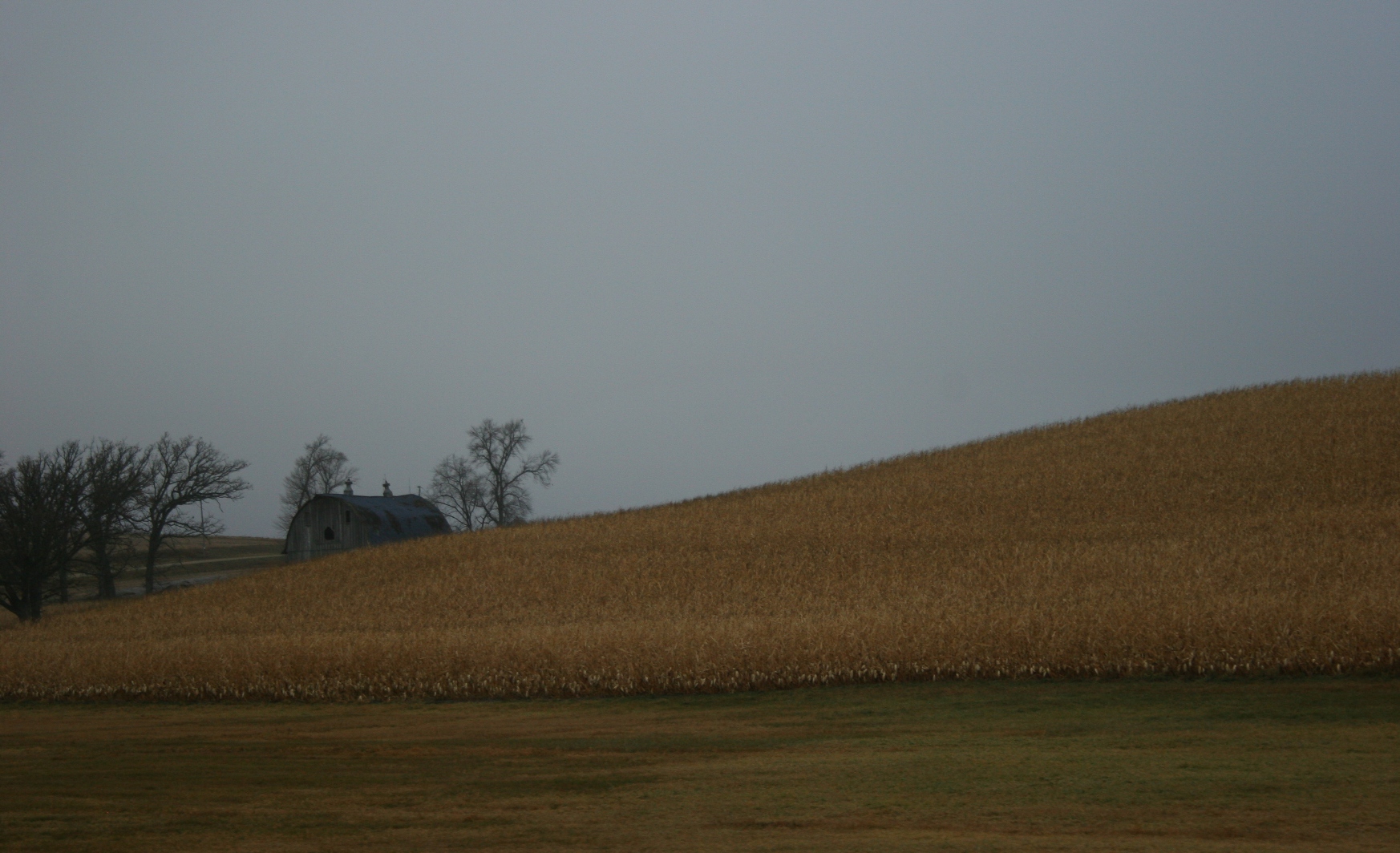
This is not a prairie scene because the prairie has no hills. Rather, I shot this near the beginning of our journey, west of Shieldsville.

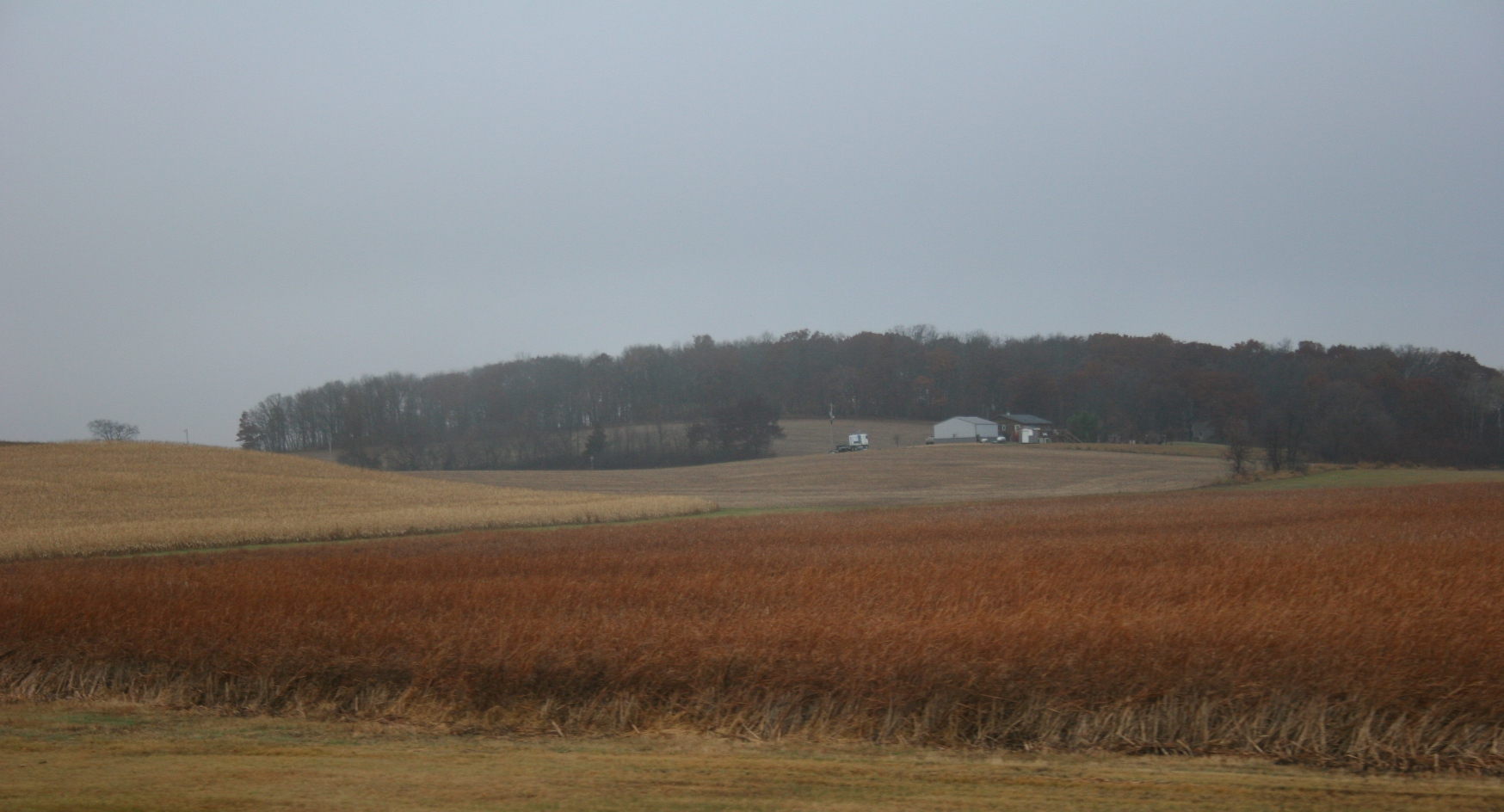
Another scene from just west of Shieldsville. It is the muted colors of the landscape that I so appreciate in this photo.

Driving through Sleepy Eye, a strong agricultural community where I lived and worked briefly, decades ago, as a reporter and photographer for The Sleepy Eye Herald-Dispatch. Sleepy Eye is most definitely on the prairie.

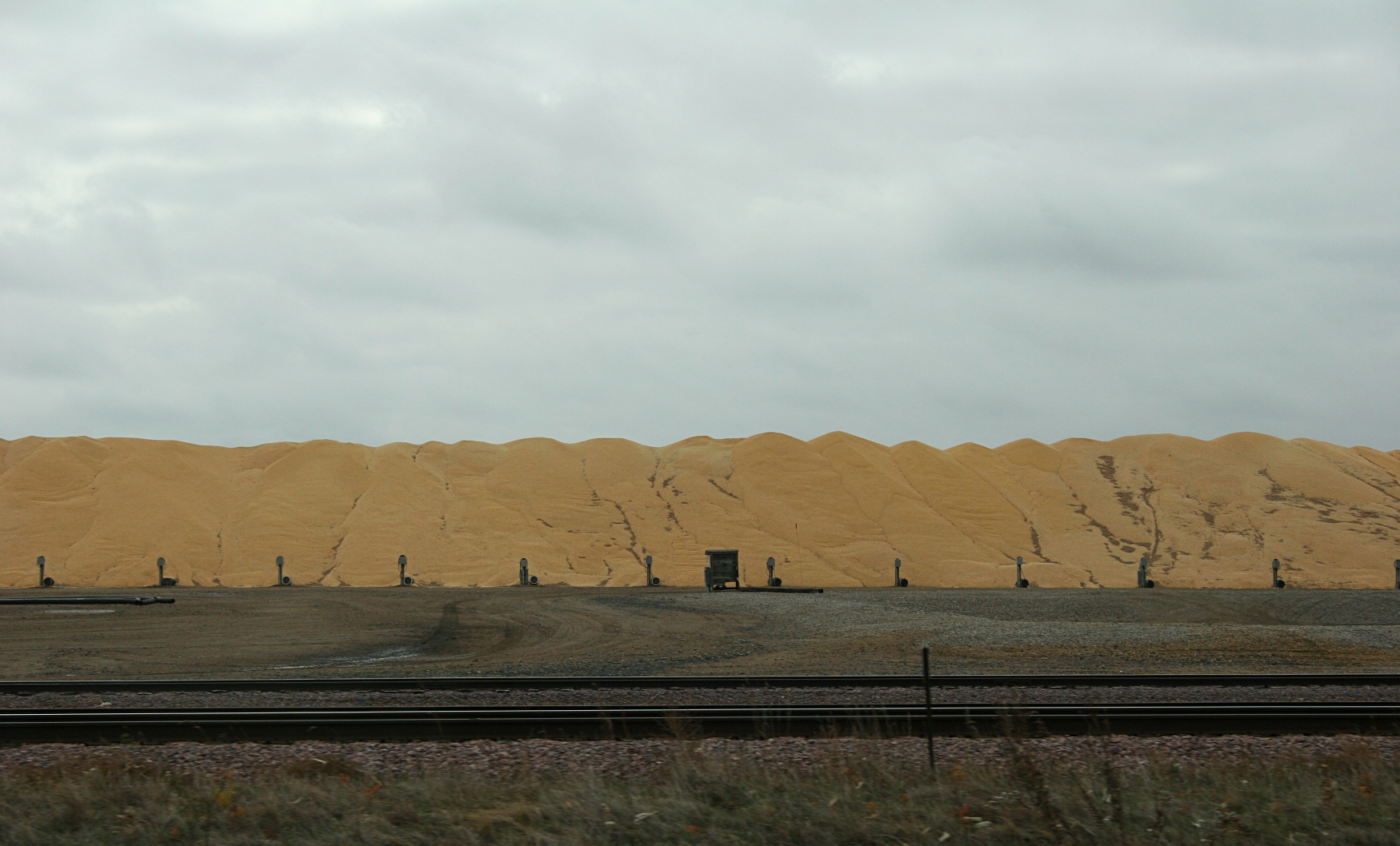
Hills of corn at a grain complex east of Lamberton.

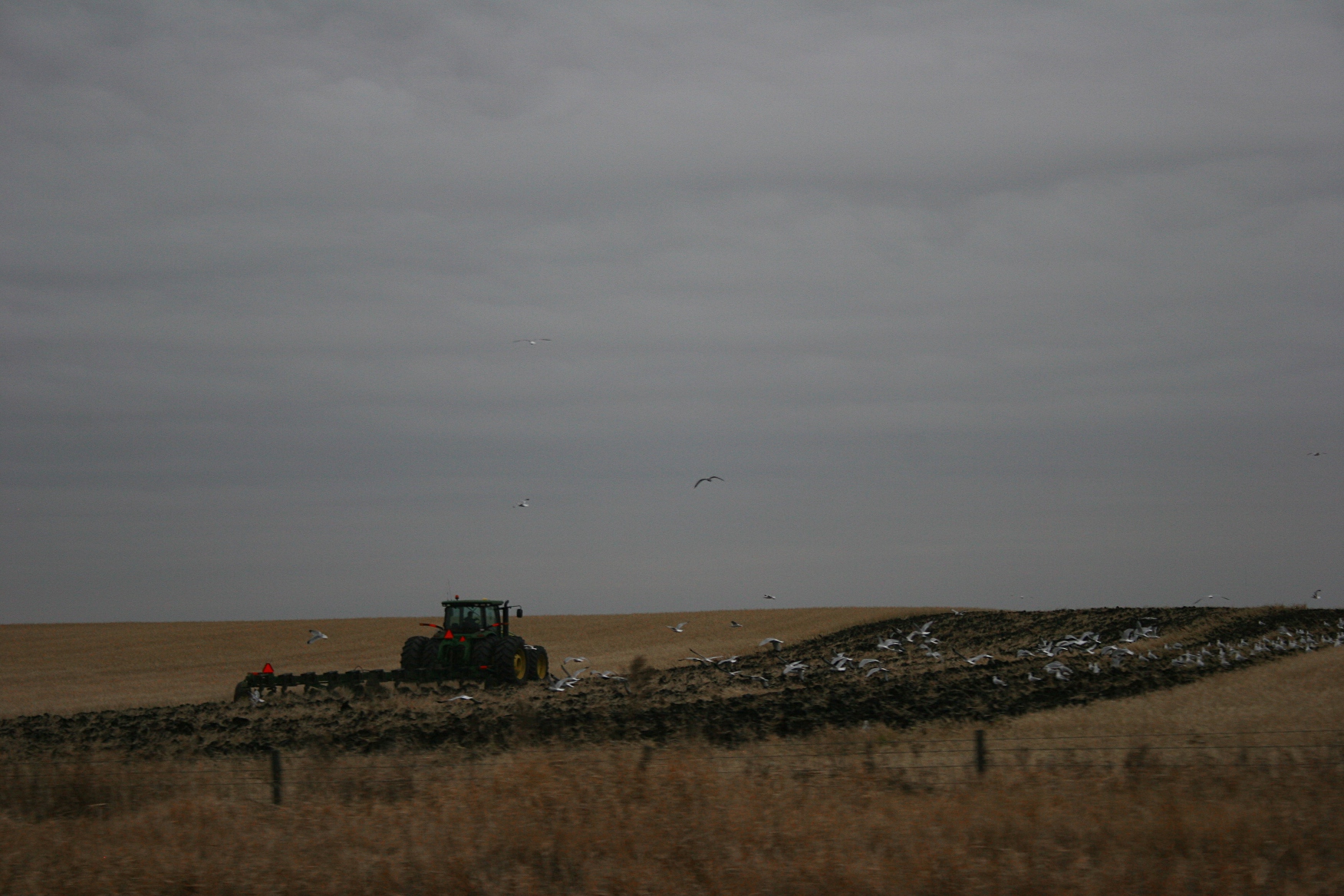
Fields are in all stages of harvest and tillage on the southwestern Minnesota prairie.

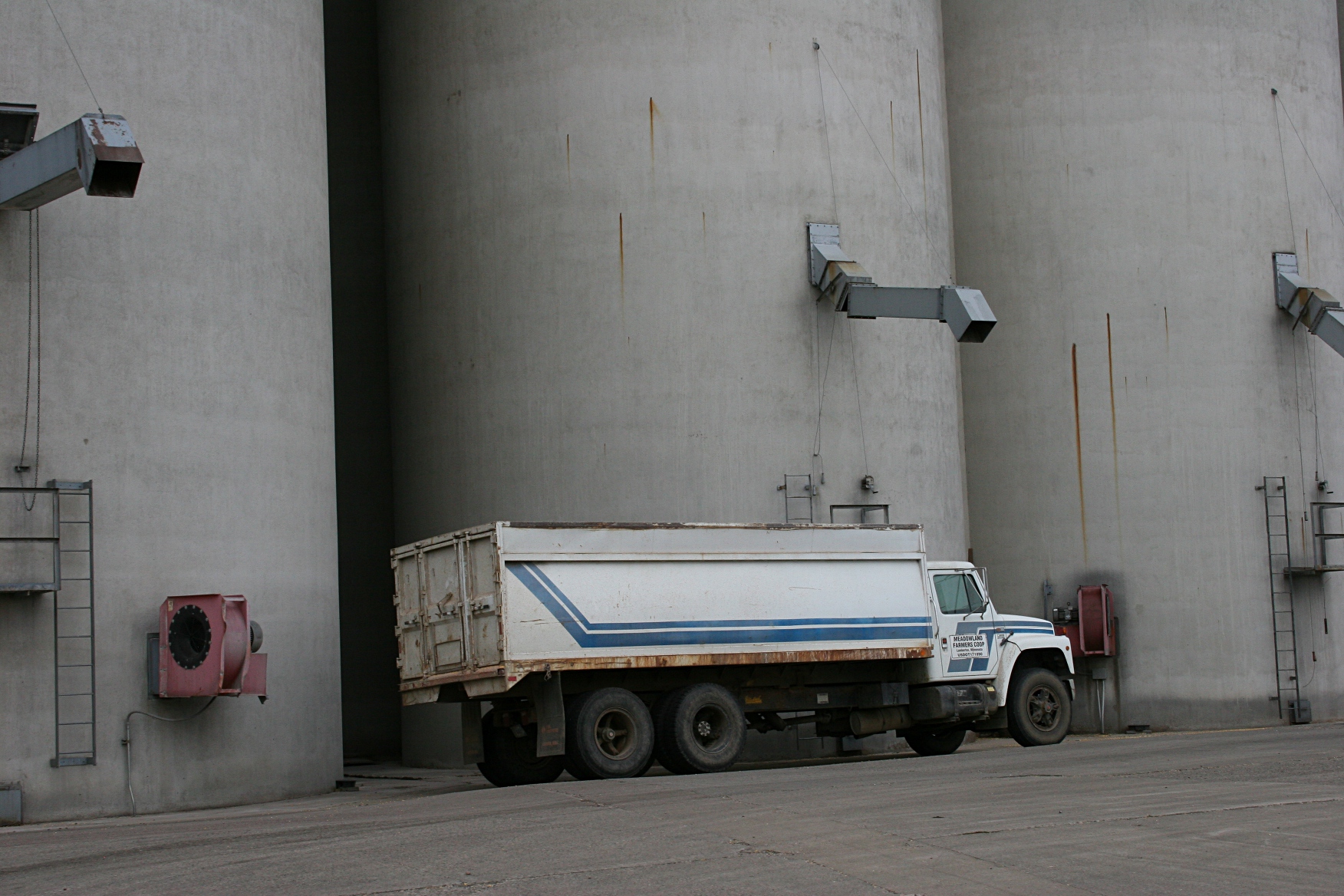
A grain truck parked at an elevator in Lamberton.

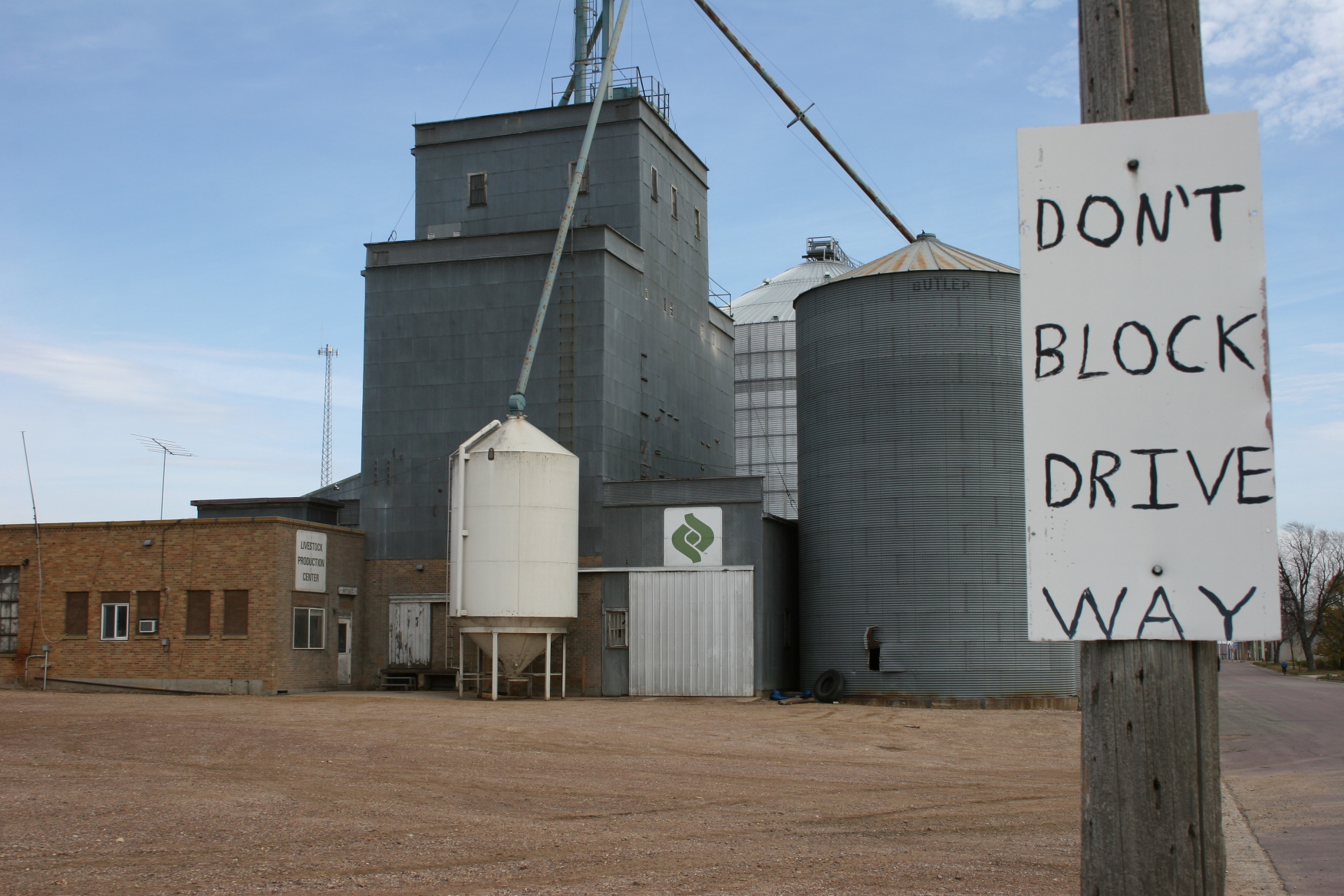
An important sign when trucks and tractors are lined up at the elevator in Lamberton.

I ended my Saturday by walking my middle brother’s acreage north of Lamberton as the sun set, my favorite time of day on my native southwestern Minnesota prairie. I grew up about 25 miles northwest of here near Vesta.

© Copyright 2012 Audrey Kletscher Helbling
 

Flat Fargo August 24, 2012

Filed under: Uncategorized — Audrey Kletscher Helbling @ 6:47 AM
Tags: , , , , , , , ,

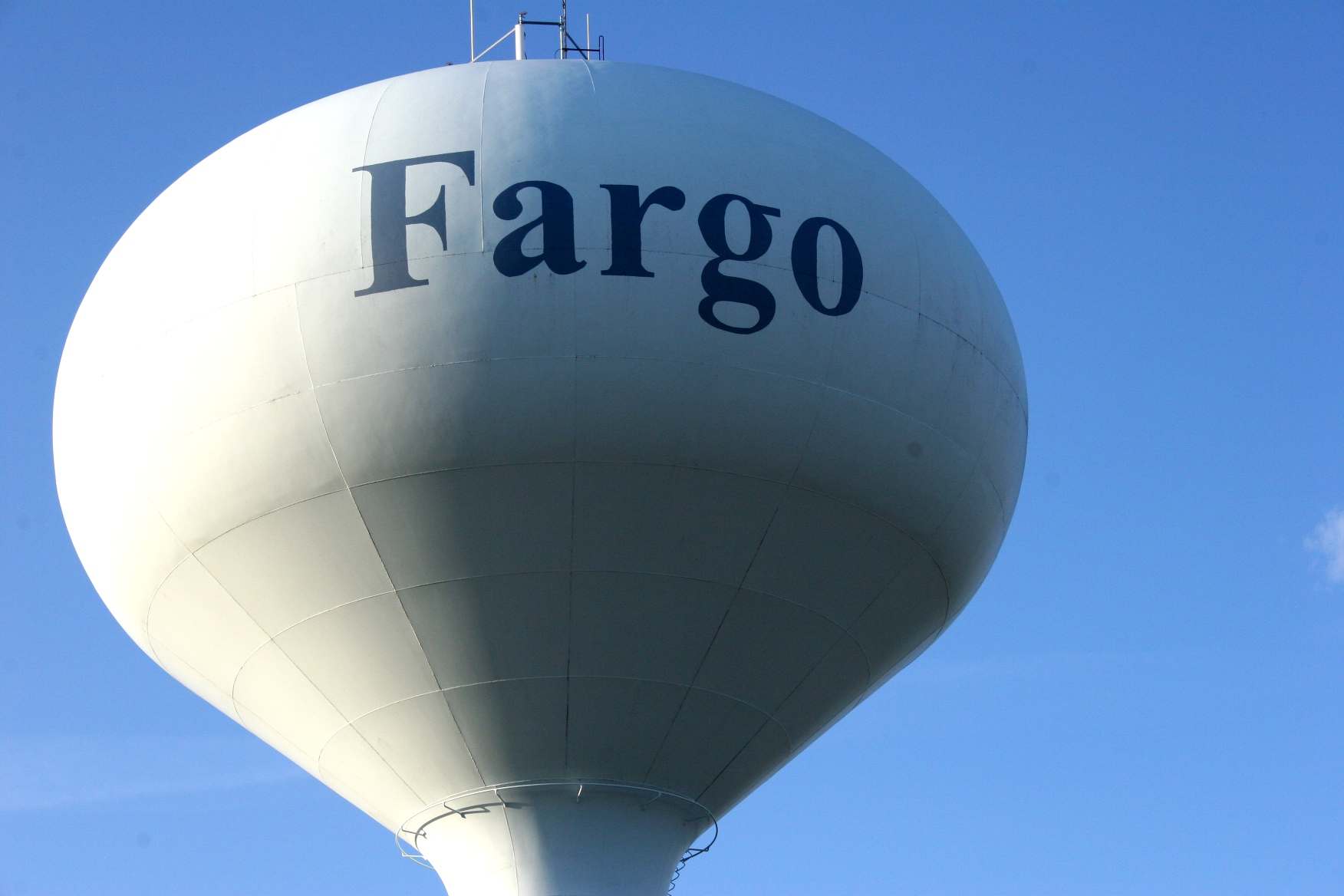
This water tower is located in West Fargo, an area of shopping malls, restaurants, Big Box stores, hotels, etc. The tower is a rare vertical structure, breaking the flat, horizontal landscape of the Fargo area.

I THOUGHT I KNEW FLAT having grown up on the southwestern Minnesota prairie where the land seems to stretch far and unbroken into flat infinity.

But not until this year, when my family traveled thrice nearly 300 miles north and west to Fargo, North Dakota, and back did I truly understand the definition of flat.

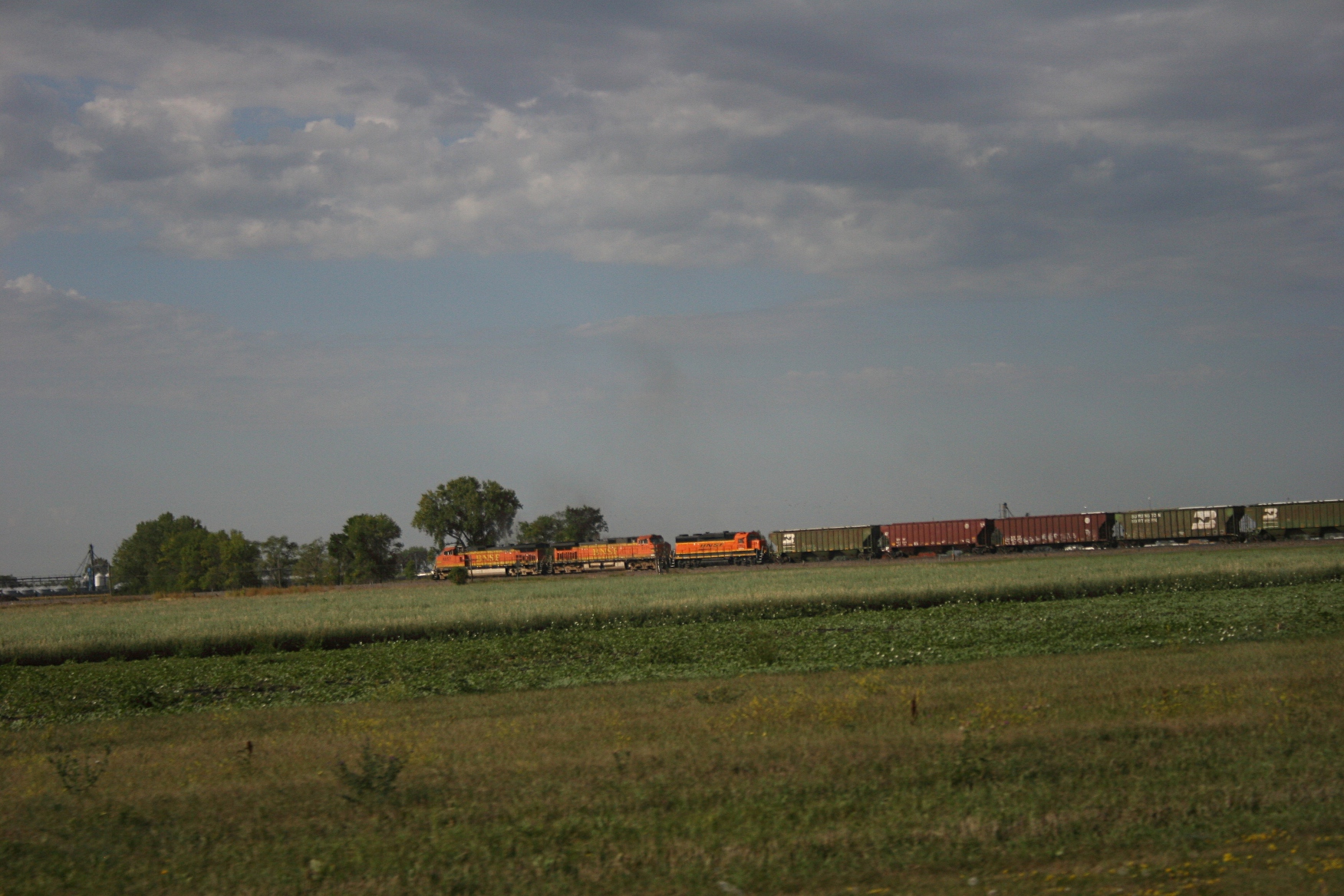
A train rumbles through the northwest side of Fargo near the airport and the campus of North Dakota State University. No, this is not a hill. I simply did not have my horizon straight as I photographed this train while traveling along a city street.

I doubt I have ever seen a city as flat as Fargo. You know, when you spill a glass of milk on the table how the liquid flows fast and free over the edge of the table. Well, that table would be Fargo. The milk would be the Red River of the North. I totally understand now why this city is so prone to flooding each spring.

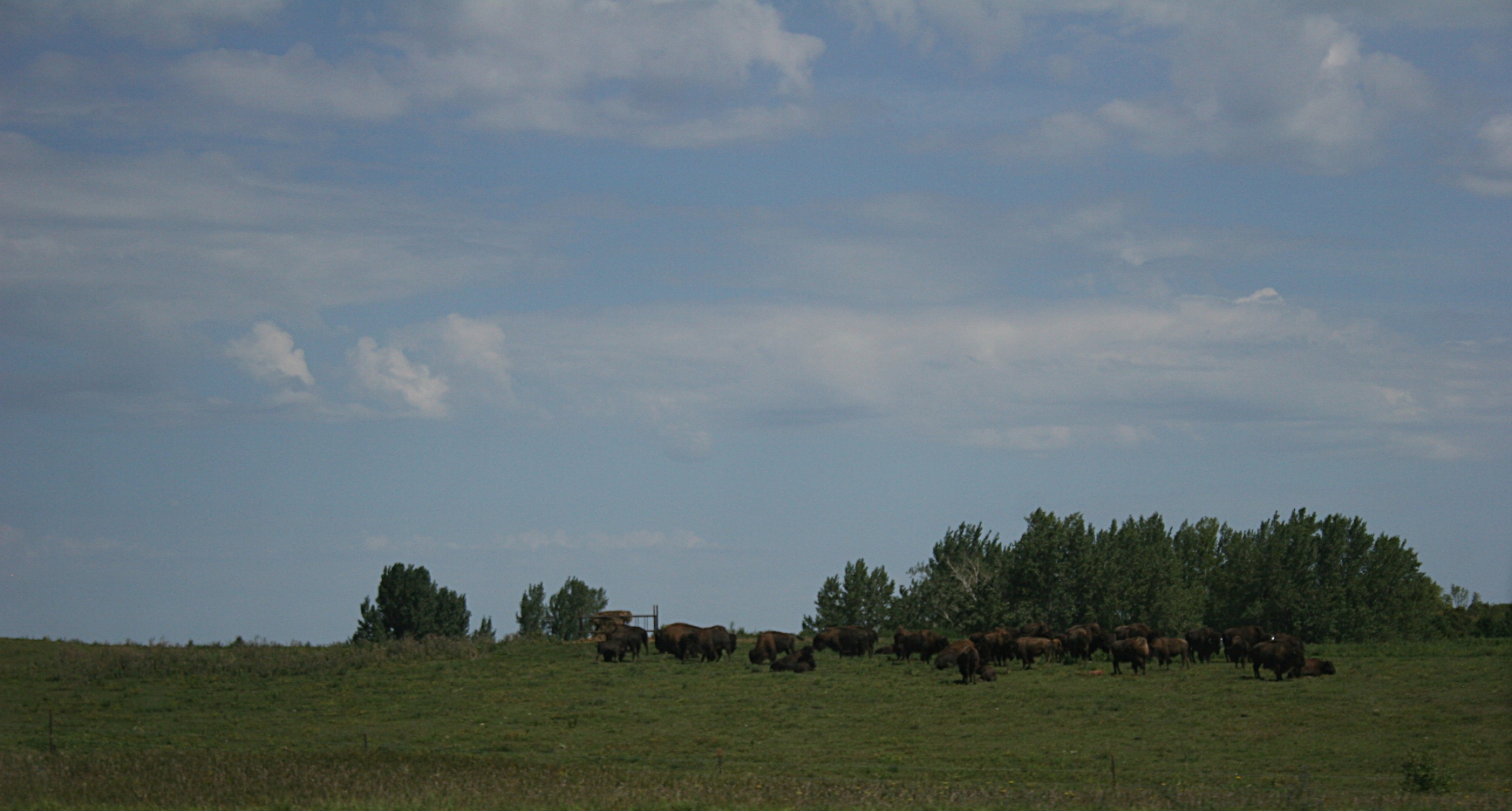
A herd of buffalo photographed along Interstate 94 east of Fargo, which places them in Minnesota.

I swear, if I had driven to the western edge of Fargo, I would see the world’s largest buffalo—26-foot tall, 60-ton concrete Dakota Thunder sculpted in 1959 by Elmer Petersen—90 miles away atop a hill in Jamestown’s Frontier Village. I saw the buffalo about 20 years ago while en route to a Helbling family reunion in Mandan/Bismarck, cities which actually do have hills. I think.

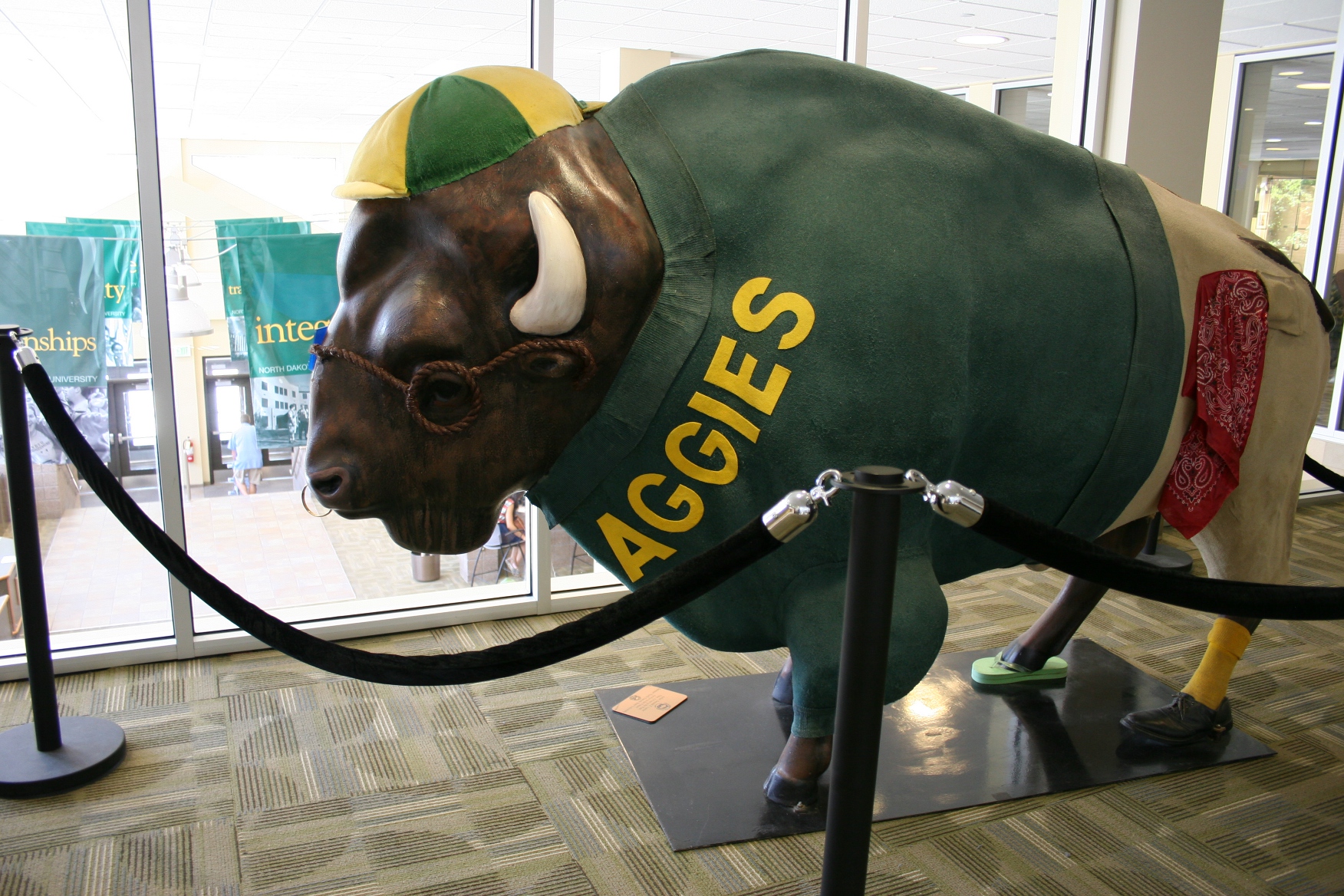
Inside the NDSU Memorial Union, I photographed this sculpture of a bison, the university’s mascot, in June.

About those buffalo… The flat and forever Dakota plains provide ideal grazing grounds for these massive creatures, or at least once did. Dakotans are proud of their native bison as evidenced in business names; art like “Herd About the Prairie” in Fargo; and even a bison mascot for North Dakota State University where my son is now a student.

A bus bench and sidewalk in West Fargo draw the eye west toward the horizon and the setting sun.

My apologies for momentarily edging away from that flat land issue. Even I, a girl of the prairie, find the Fargo flatness somewhat unsettling. I’d like a few more mature trees, especially on the sprawling growth west side of the city, upon which to rest my eyes. I’d like a few rises in the land, other than the rare man-made ones, to break the monotony of a straight horizontal line.

I expect that if I lived in Fargo, I’d adjust and think nothing of the flat landscape. But when you’re a visitor, you notice things like the lay of the land and the wind, oh, the winds of Fargo.

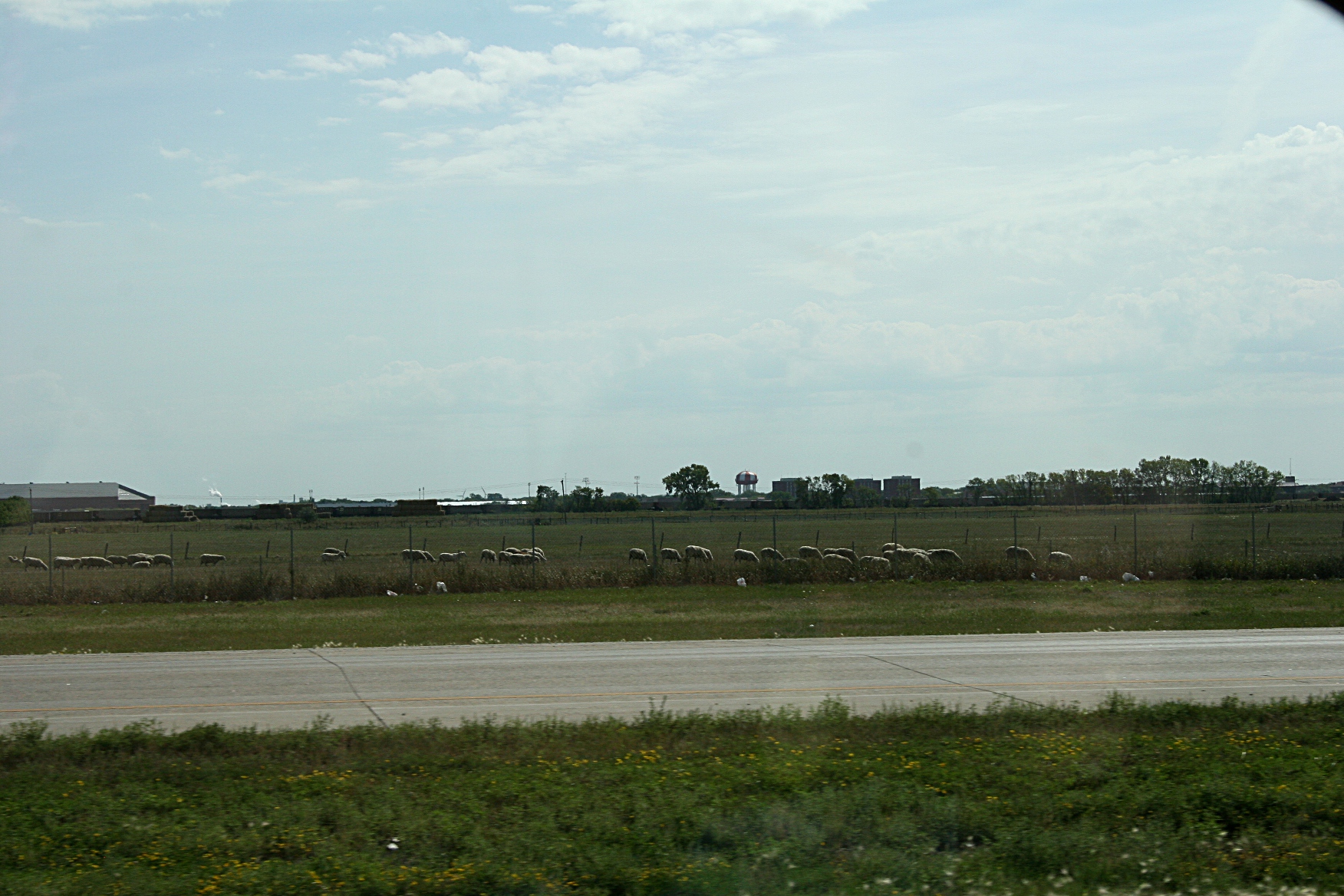
Just off Interstate 29 a flock of sheep graze pastureland as part of North Dakota State University’s Sheep Experiment Station.

Throughout West Fargo you’ll see open patches of land like this clover field next to the Fairfield Inn, where we’ve stayed twice. The hotel has strong horizontal lines like most structures in Fargo.

A fenceline and cornfield in Fargo, near (or part of, I’m not sure) the NDSU campus. More horizontal lines…

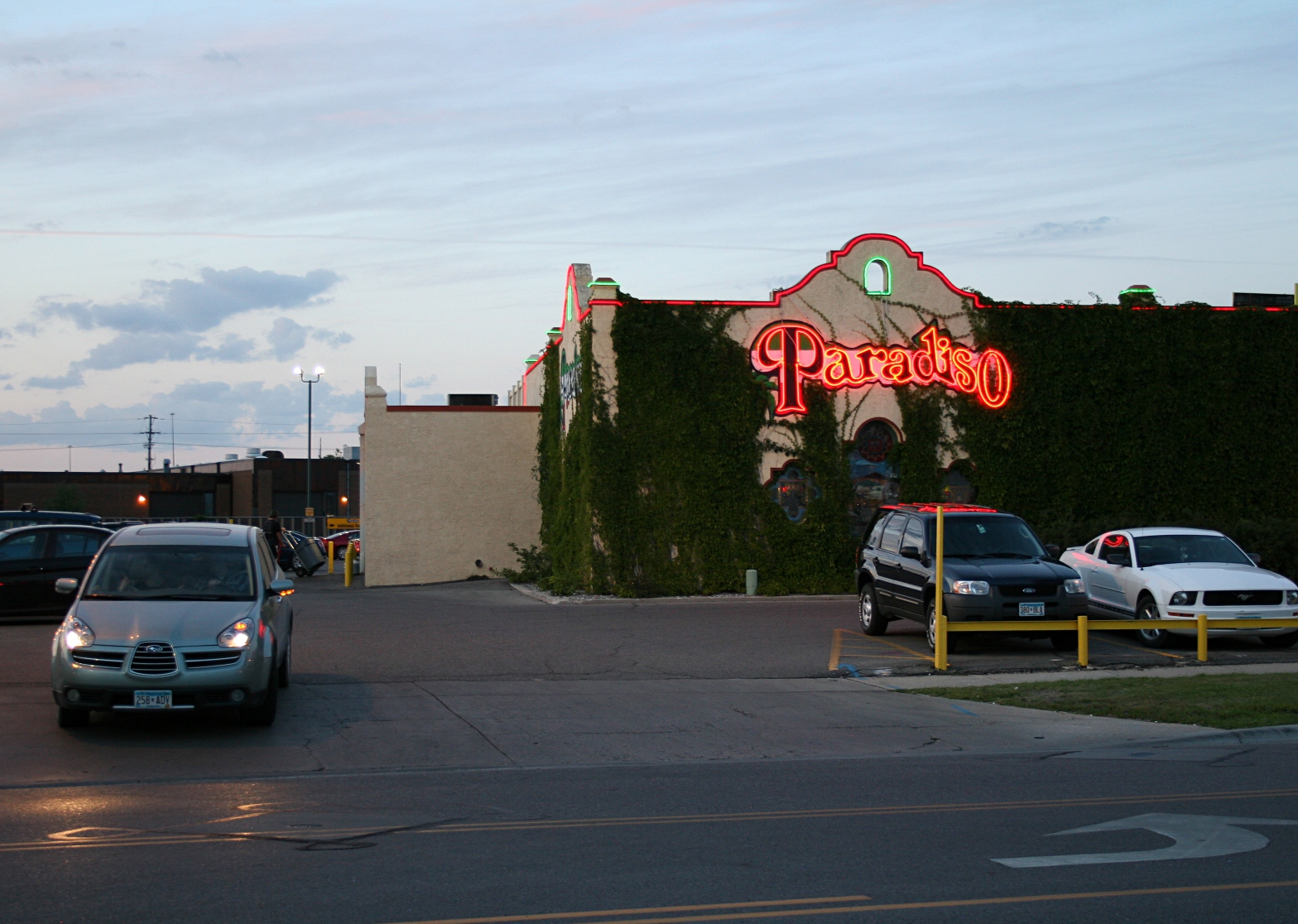
Paradise in Fargo, the Paradiso Mexican Restaurant, that is.

© Copyright 2012 Audrey Kletscher Helbling
 

Prairie lines April 26, 2012

Filed under: Uncategorized — Audrey Kletscher Helbling @ 6:31 AM
Tags: , , , , , ,

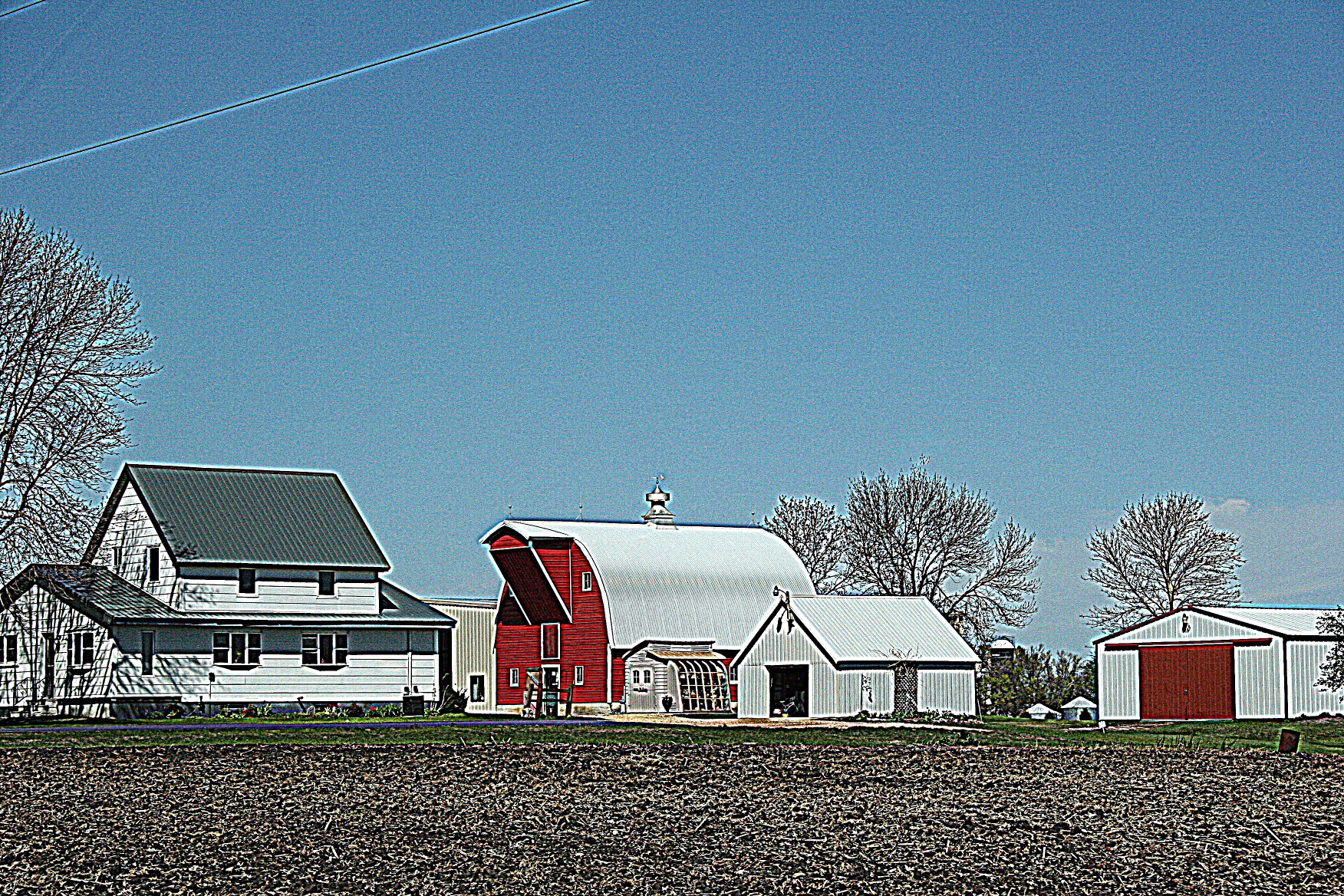
Crisp, straight roof lines define buildings on this farm site along U.S. Highway 14 just minutes west of Springfield in southwestern Minnesota.

I NEVER TIRE of the crisp lines that cut across the southwestern Minnesota countryside. The razor sharp edge of a barn roof. The thick, defined rails of train tracks. The precise spacing of orderly crop rows.
This rich farmland, more familiar to me than any place on this earth, has always been defined by lines. It is the visual perspective I hold of this land that holds my heart.

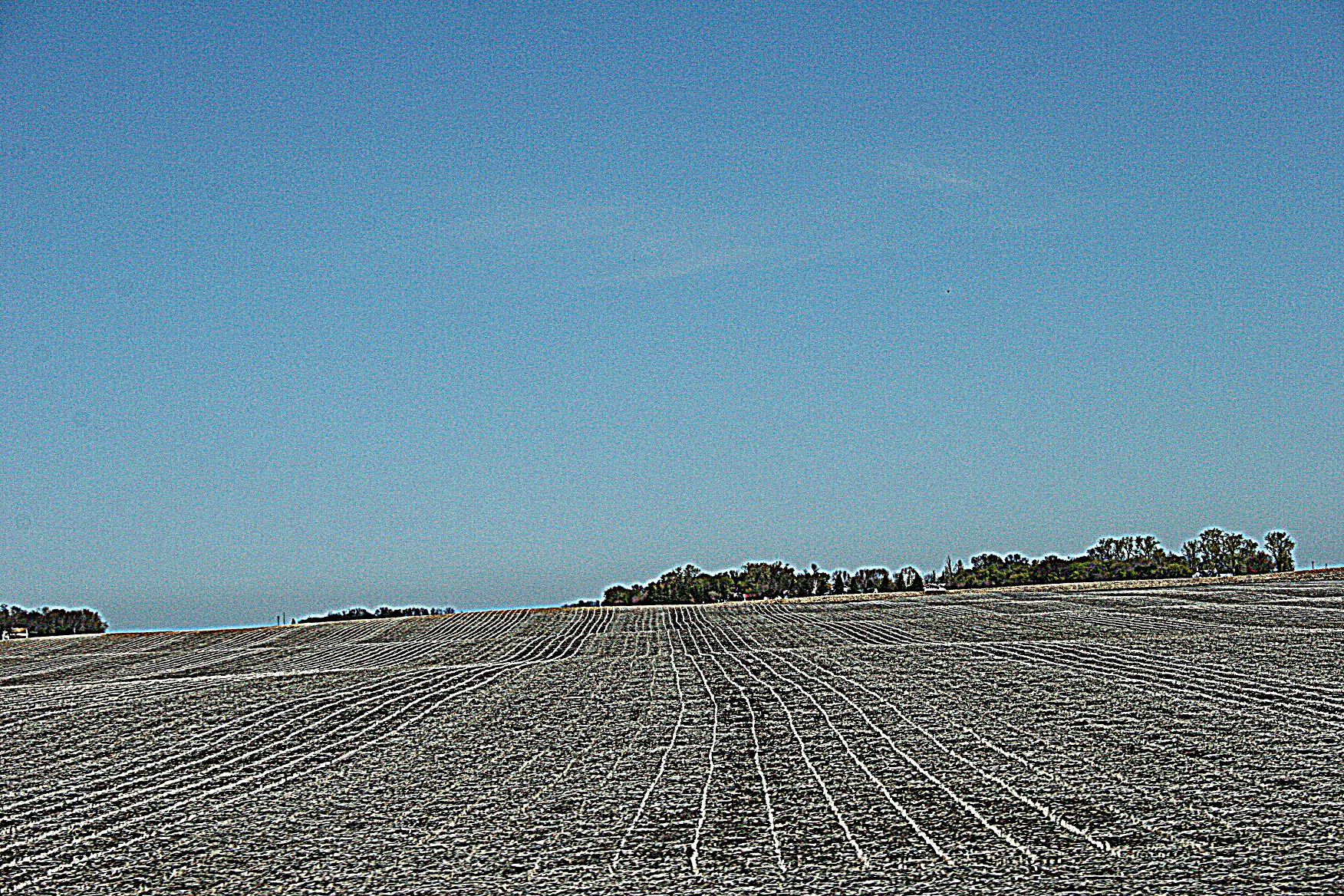
Crop lines along U.S. Highway 14 west of Springfield in a field that awaits planting.
I cannot view this prairie place without seeing those strong, bold and definitive horizontal lines.
It is the expanse of the sky and of the land in this visually uncluttered place that naturally draws my eyes to rest upon the lines, to lock onto a spot that connects me to a concrete object or to the earth.

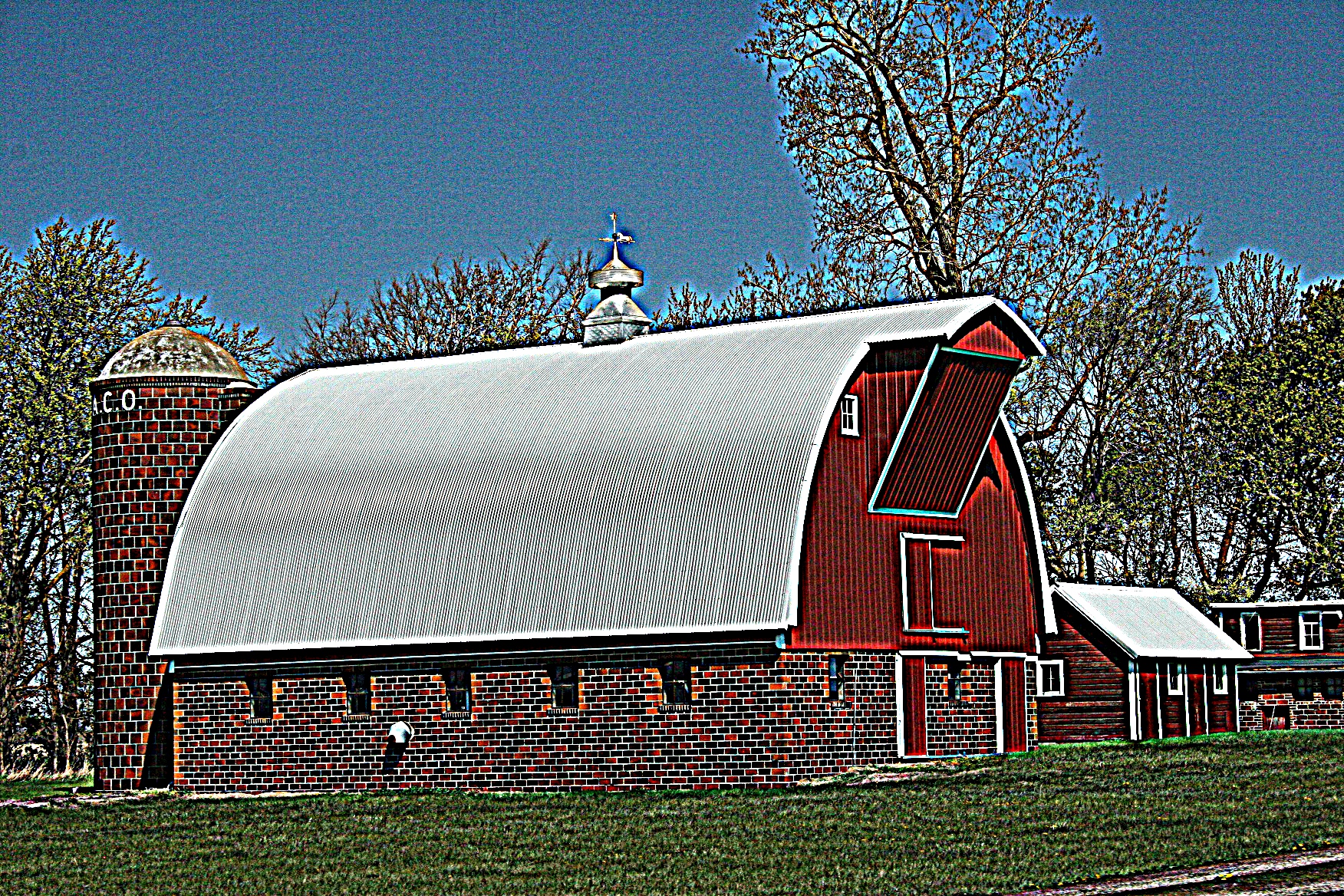
This barn stands strong and sturdy between Sleepy Eye and Springfield along U.S. Highway 14.

Consider this perspective the next time you travel through western Minnesota. Forget your preconceived notion of this as a place you simply must pass through to get from point A to point B. View the land and the sky, the small towns and the farm sites, the endless vistas with your eyes wide open, appreciating all that unfolds before you.

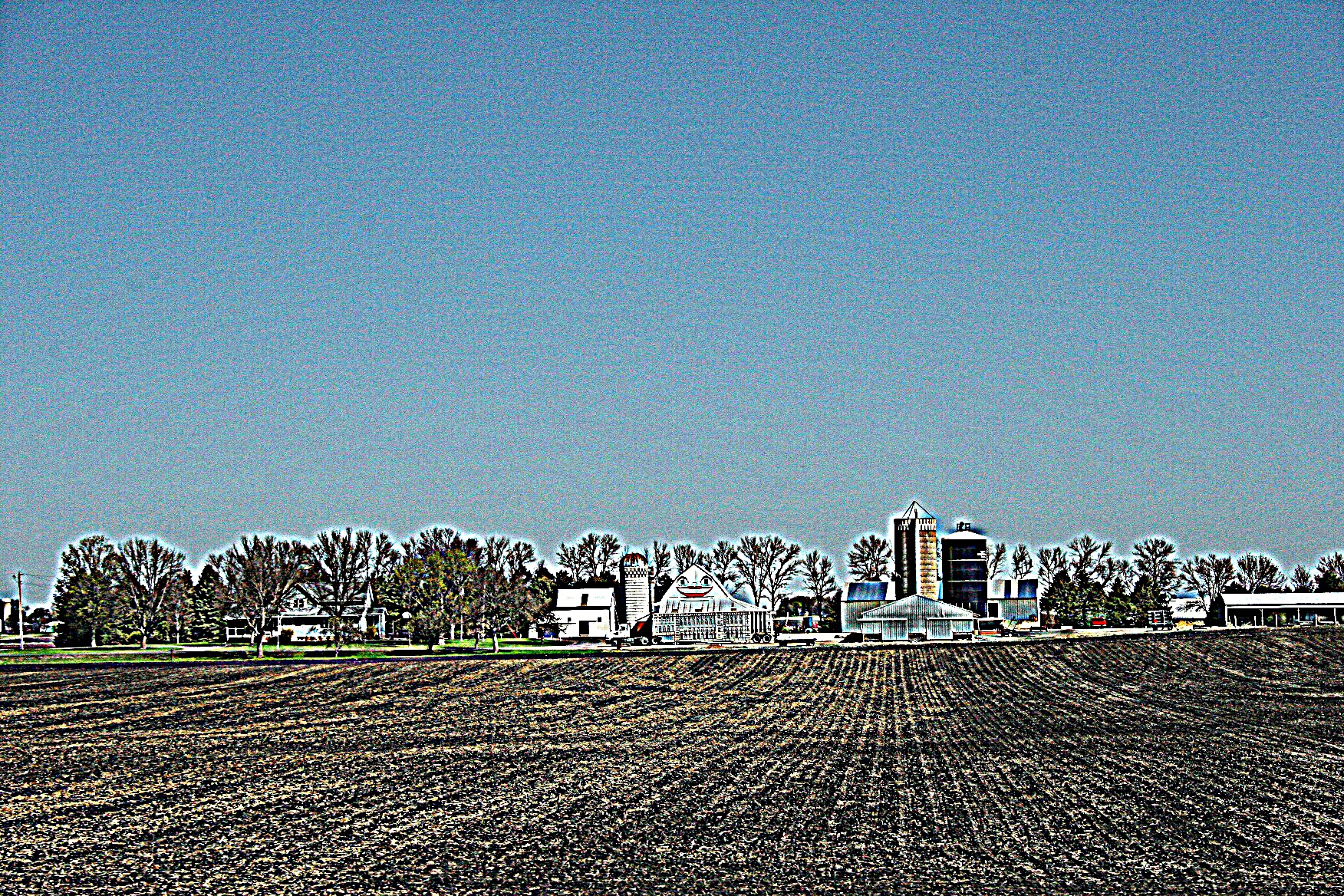
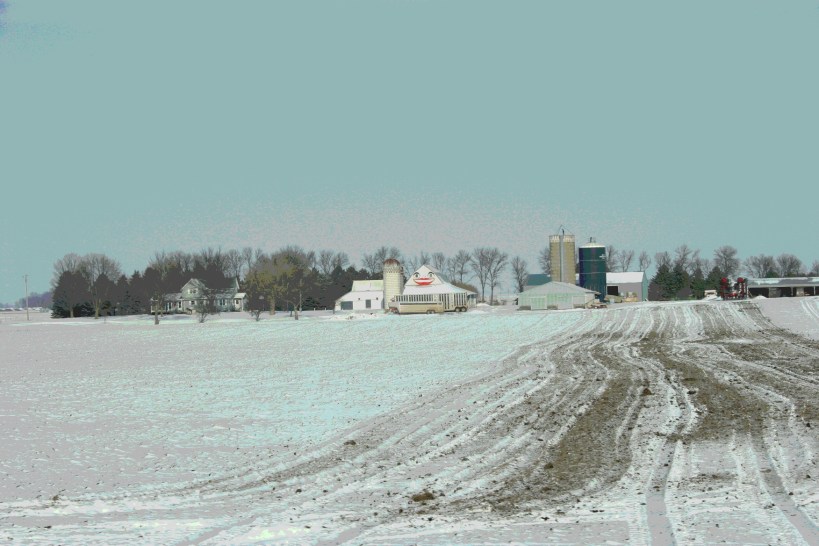
A farm site with a smiley face on the barn, between Sleepy Eye and Springfield.

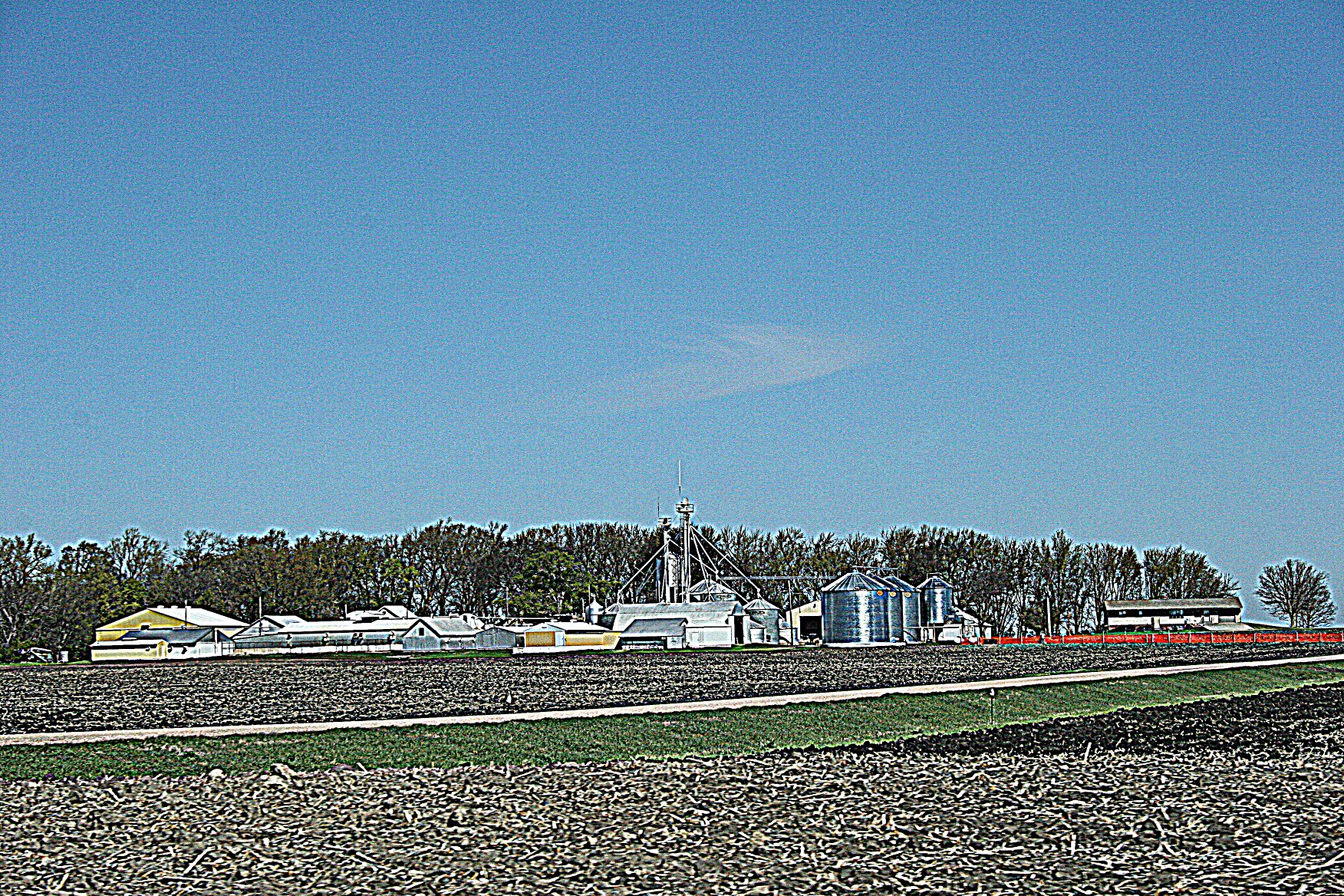
Just west of Springfield off U.S. Highway 14, a gravel road and an orange snow fence cut horizontal lines across the prairie as do the low-slung farm buildings.

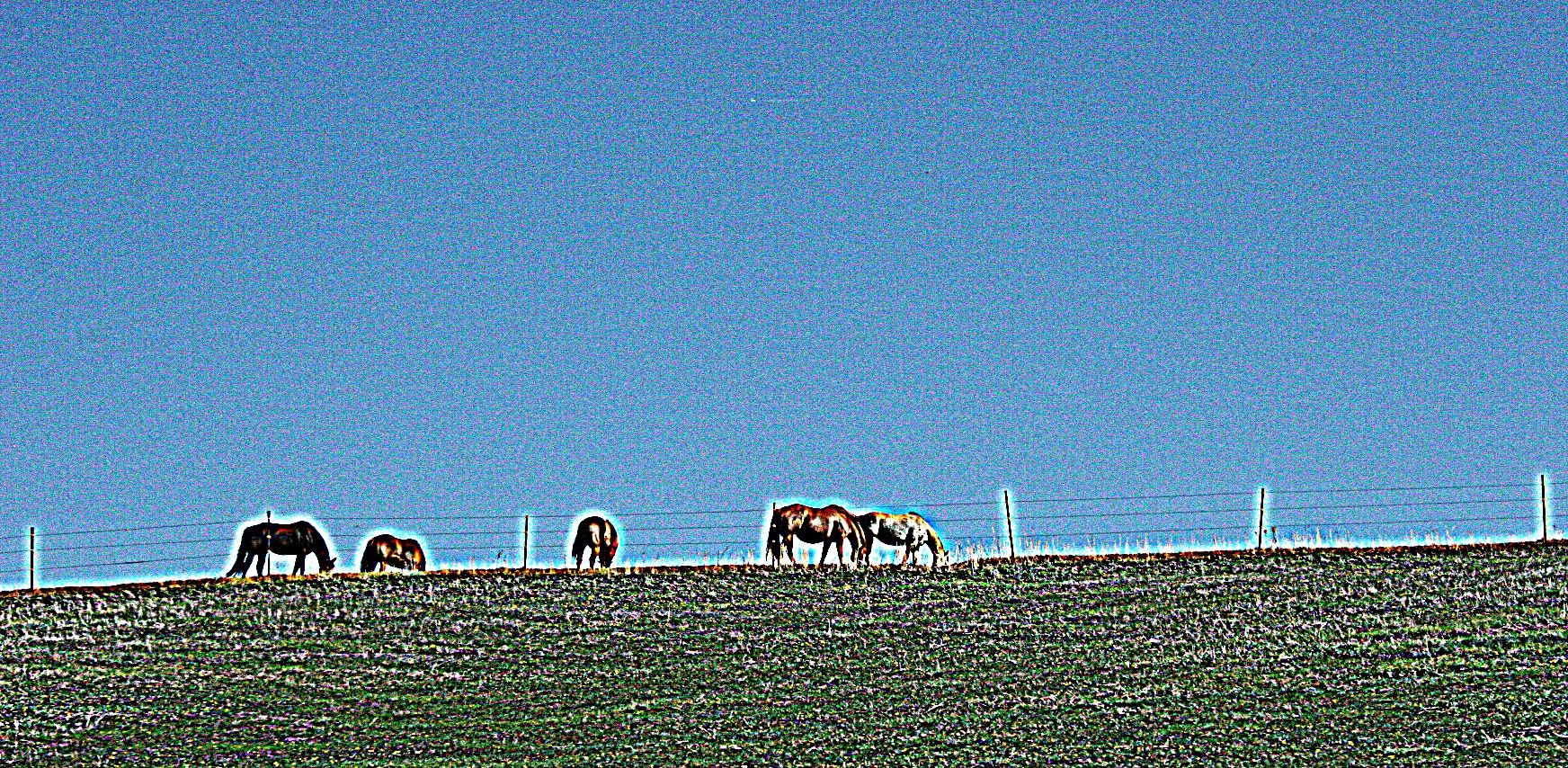
A pastoral hillside scene on the edge of Courtland along U.S. Highway 14.

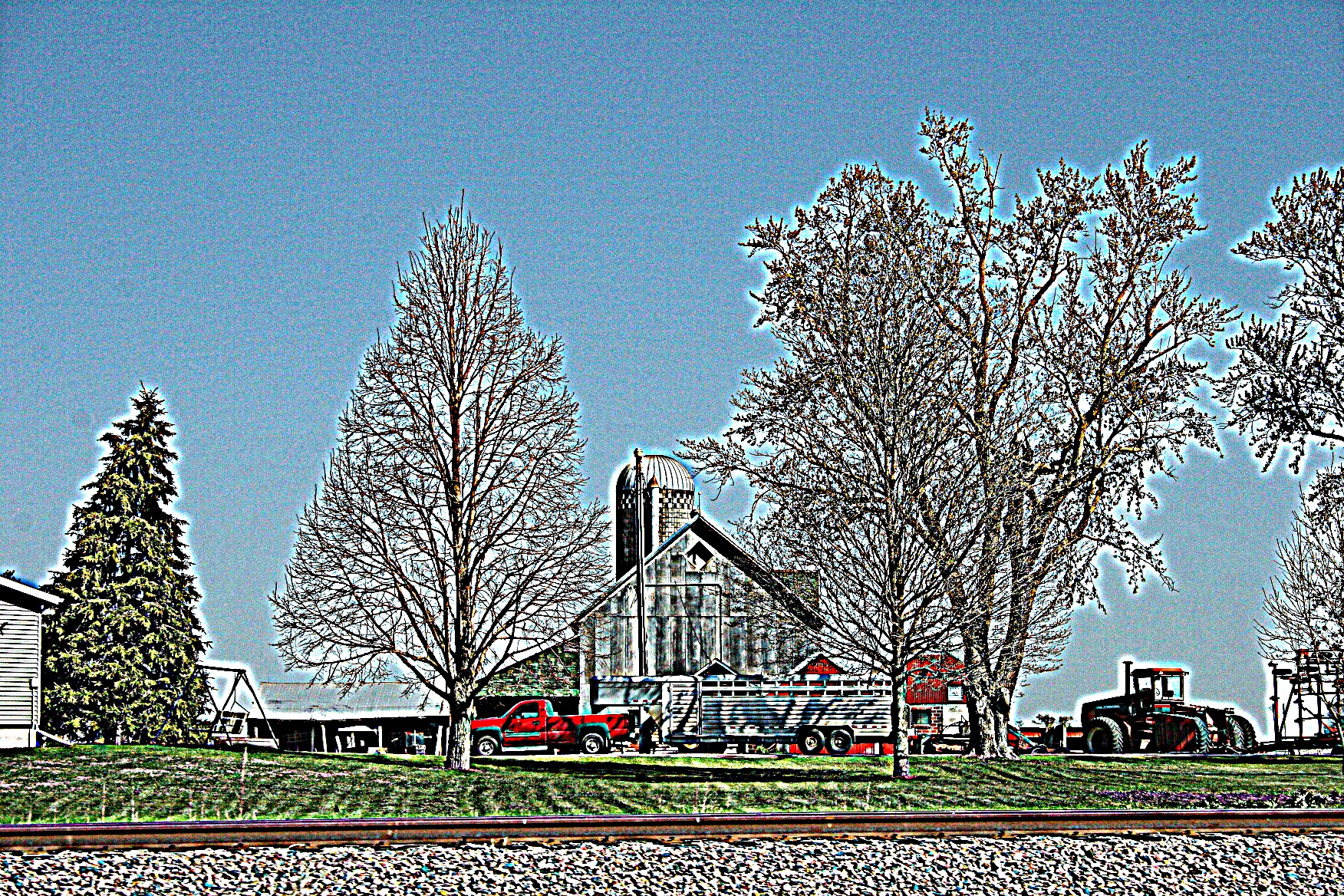
Railroad tracks edge past this farm site along U.S. Highway 14 between Essig and Sleepy Eye. To the right in the photo, a tractor awaits the planting season.

© Copyright 2012 Audrey Kletscher Helbling