Minnesota Prairie Roots

Writing and photography by Audrey Kletscher Helbling

My Minnesota childhood memories of Harmon Killebrew May 18, 2011

“BATTER UP!”

His voice cracked like the whack of wood against leather as I stepped up to the plate, bat handle vise-gripped in my hands, feet planted in packed gravel next to the rusted, cast-off disk from the disk harrow.

As my oldest brother lobbed the ball toward me, I swung, and as was typical of me, missed. I was aiming to hit the ball toward the barn and milkhouse at the edge of the farm yard, our ball field.

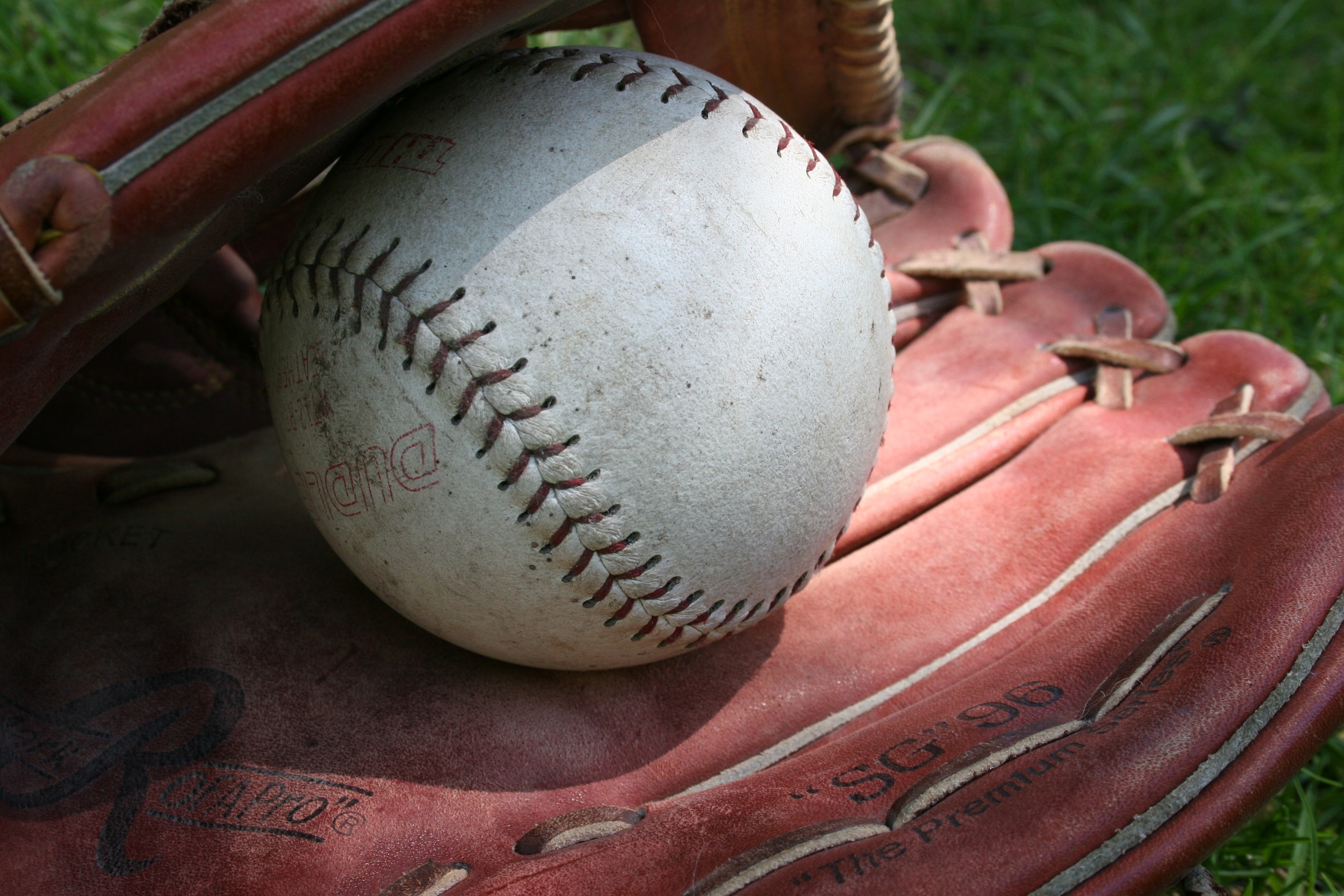
Almost every evening, as the sun inched lower in the prairie sky toward the greening fields of early spring and then into the hot, humid days of tasseling corn, my siblings and I traded chore gloves for softball gloves. “Let’s play ball,” we’d yell in unison.

And then the arguing would begin. “I’m Harmon Killebrew,” my oldest brother hollered, the name flying off his tongue with the speed of a fast pitch.

No matter how loudly the rest of us protested his call, we struck out. He was the eldest. If he wanted to be Killebrew, then he would be Killebrew.

We assumed the roles of other 1960s Twins greats like Tony Oliva and Rod Carew.

But we all wanted to emulate Killebrew, to swing the bat, to watch the ball powerhouse toward the barn roof, maybe even sail as far as the silo room or the cow yard beyond, well out of reach of our siblings’ outstretched hands.

Such are my memories of the Twins’ home run slugger.

I’ve never been to a Twins game, never met Killebrew, don’t watch or listen to baseball.

Yet, upon learning of Killebrew’s death, a twinge of melancholy swept across me as I thought of those pick-up farm yard softball games, the baseball cards my brothers collected and the static of my eldest brother’s transistor radio broadcasting a Twins game in the 1960s.

For all the sibling bickering over who would pretend to be Killebrew or Carew or Oliva, those post chores games score among the home runs of my rural Minnesota childhood.

Copyright 2011 Audrey Kletscher Helbling


Some fine examples of giving in rural Minnesota April 5, 2011

WHEN I READ through the March 31 edition of The Gaylord Hub, a rural Minnesota weekly newspaper where I worked from 1978 – 1980, something caught my eye.

The 10-page paper was packed with stories about community members helping one another. The quantity of articles impressed me enough to write this post, to emphasize to you that even during these challenging times, Minnesotans are reaching out to one another.

These are stories we need to read among the hard news stories of floods and earthquakes, wars and suicide bombers, rising gas prices and falling property values, the news that causes us to ask, “What is this world coming to?”

The articles I read reaffirm that among all the bad in the world, plenty of good still exists. And often, young people are leading the way to assist those in need.

In Gaylord, the Sibley East Junior High Student Council recently raised $600 for the Sibley County Food Shelf. Likewise, the Gaylord Cub Scouts, Boy Scouts, leaders and parents collected 1,032 pounds of food and $70.65 for the county food shelf in a one-day drive.

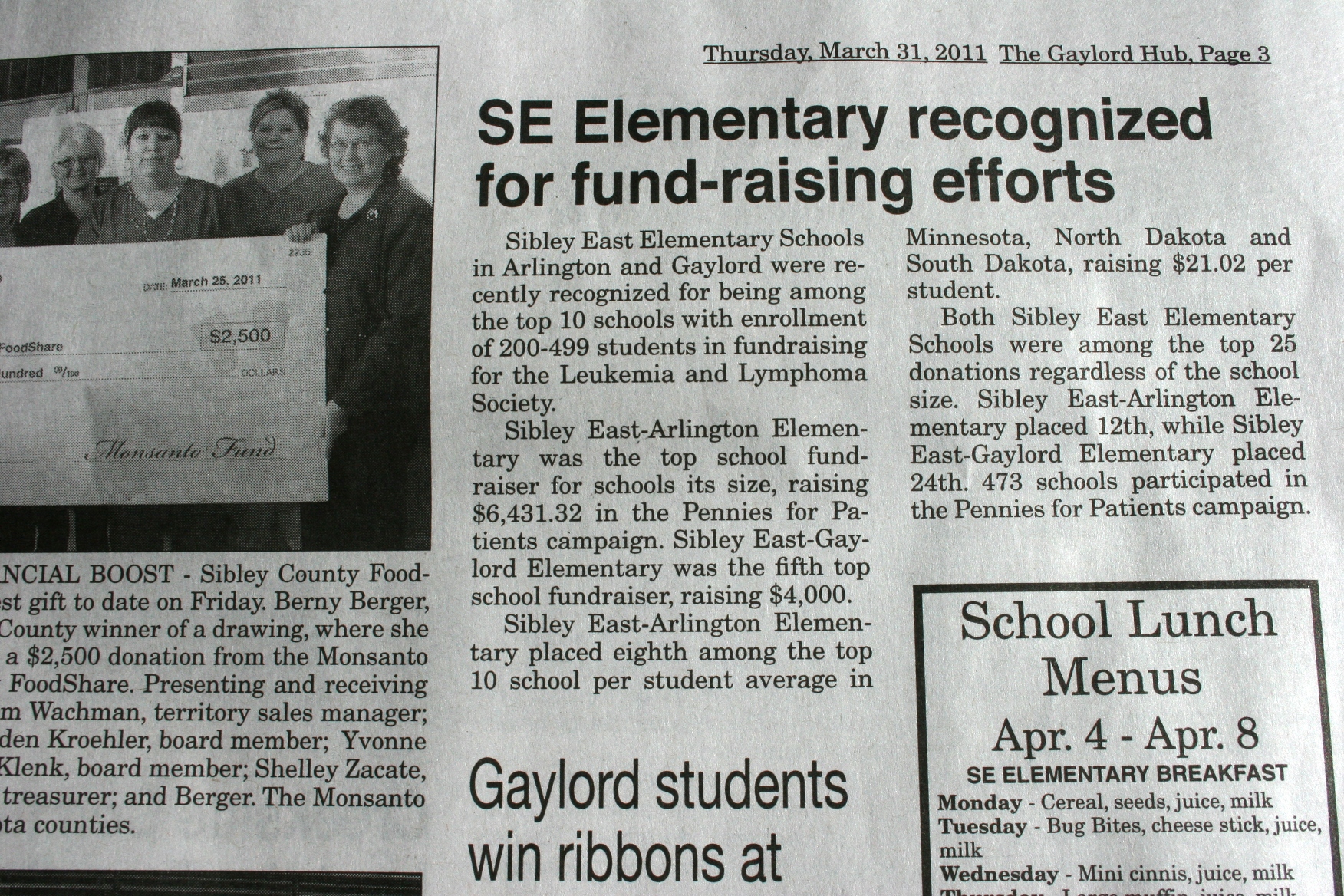
Students from Sibley East Elementary Schools in Gaylord and Arlington raised $10,431.32 in the Pennies for Patients fundraiser for the Leukemia and Lymphoma Society, placing in the top 25 among 473 participating schools. How’s that for a small school (between 200 – 499 students) in rural Minnesota?

The adults in the Gaylord area aren’t sitting idly by watching the younger generation pursue charitable giving.

The winner in a local drawing chose Sibley County Food Share, Inc., as the recipient of a $2,500 donation from the Monsanto Fund.

Sertomans, at their weekly meeting, discussed plans for a benefit to help the Lindemann family as their daughter, Paisley, battles cancer.

The newspaper also published a story about an education memorial fund established for Kaylee and Gavin, the young children of Michael Struck, a Minnesota Department of Transportation worker who died after his backhoe was swept away recently in flood waters.

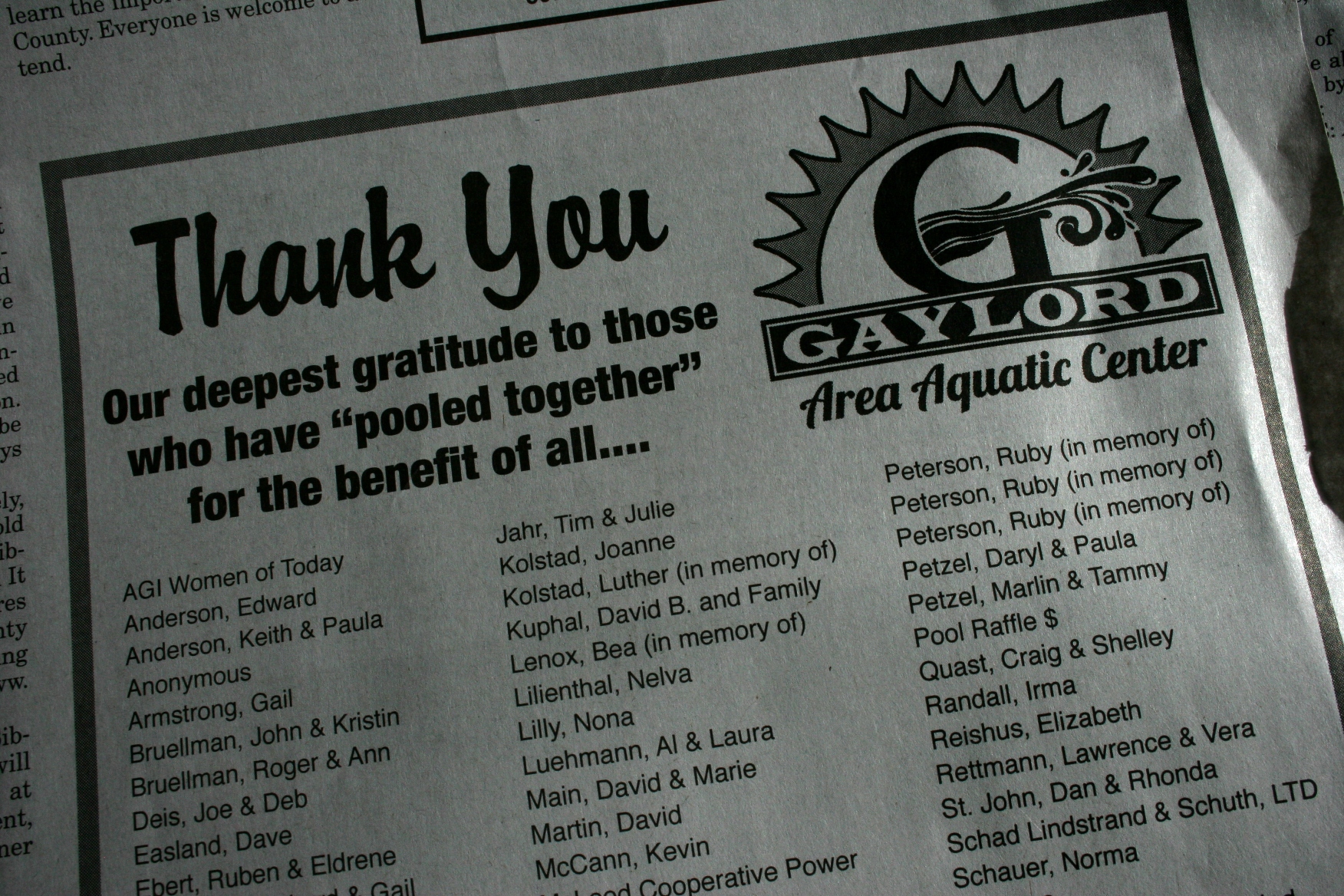
And then, in a front page article, readers learned that $63,000 in donations have been made to Gaylord’s new aquatic center. Donations will be used to buy amenities (play features) for the pool. All 69 donors are listed in an ad published on page 5.

This is just an observation I’ve made over the years—and I think it’s an accurate one—but residents of small towns are often willing to open their pocketbooks to projects that in larger cities would be funded with taxpayer dollars. Why? I think community pride and ownership and the deep personal connections small town residents have to one another prompt such generosity.

Finally, the last philanthropic piece of news was buried deep in a front page article titled “Fire Department receives FEMA grant.” After explaining that the local department has received a nearly $60,000 grant to purchase firefighting equipment, the reporter writes about the annual firemen’s banquet.

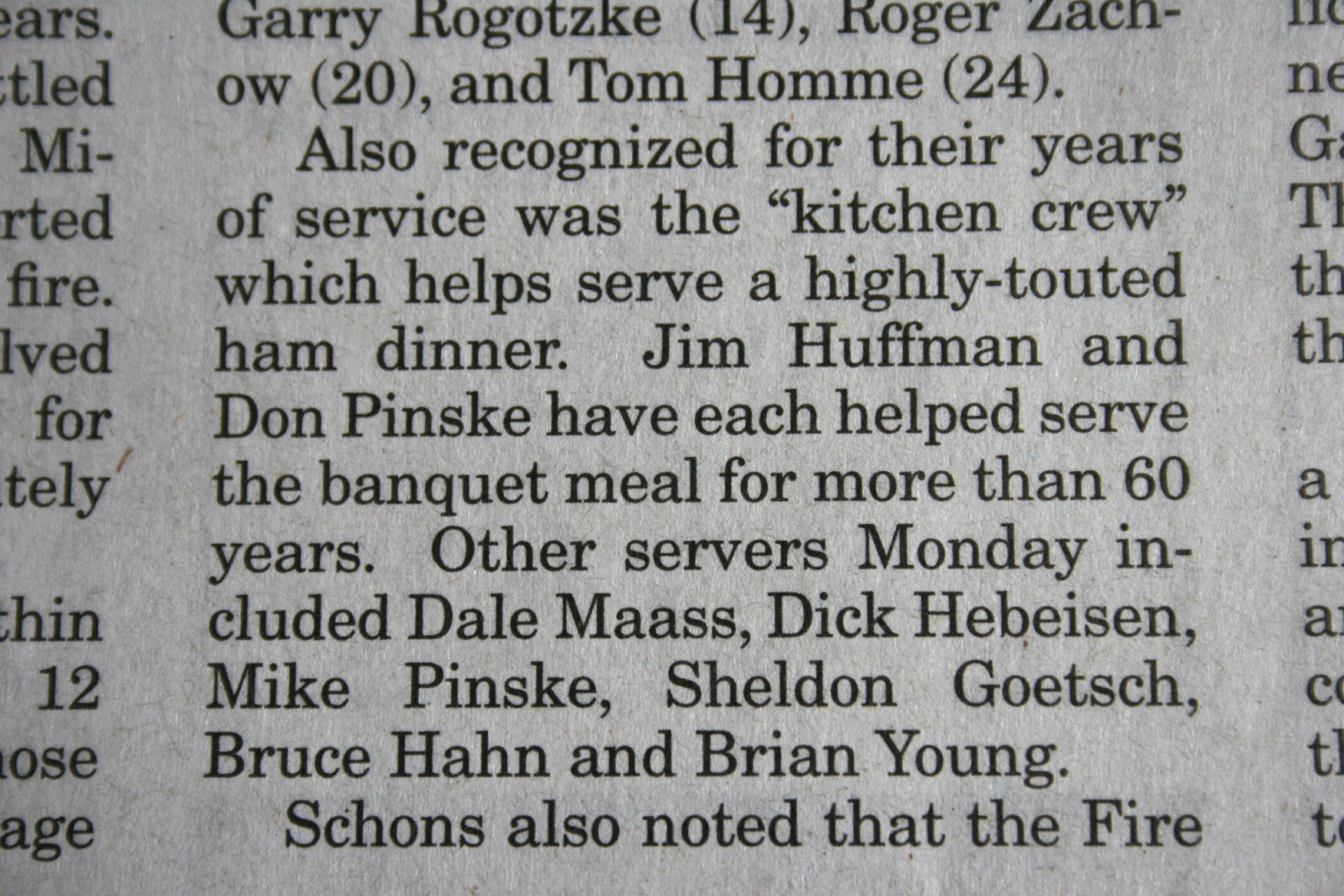
And that is where I found this little gem: “Also recognized for their years of service was the ‘kitchen crew’ which helps serve a highly-touted ham dinner. Jim Huffman and Don Pinske have each helped serve the banquet meal for more than 60 years.”

Sixty years. Now that’s dedication and an outstanding example of selfless giving back to the community.

© Copyright 2011 Audrey Kletscher Helbling
 

A rural Minnesota billboard packs a powerful message January 10, 2011

IF YOU TRAVEL OUTSTATE Minnesota, otherwise known as any place outside of the Twin Cities metro, check out the billboards.

They’re worth noting because of how they differ from advertising along freeways, where anyone from anywhere will see the signage.

In rural areas, the target audience seems much more localized.

For example, on a recent road trip to southwestern Minnesota, I spotted a billboard along U.S. Highway 14 near New Ulm advertising the Brown County Fair. Never mind that the fair happened last August.

Another sign promoted Chuck Spaeth Ford Mercury in Sleepy Eye and New Ulm. My automotive machinist husband tells me Ford no longer manufactures Mercury.

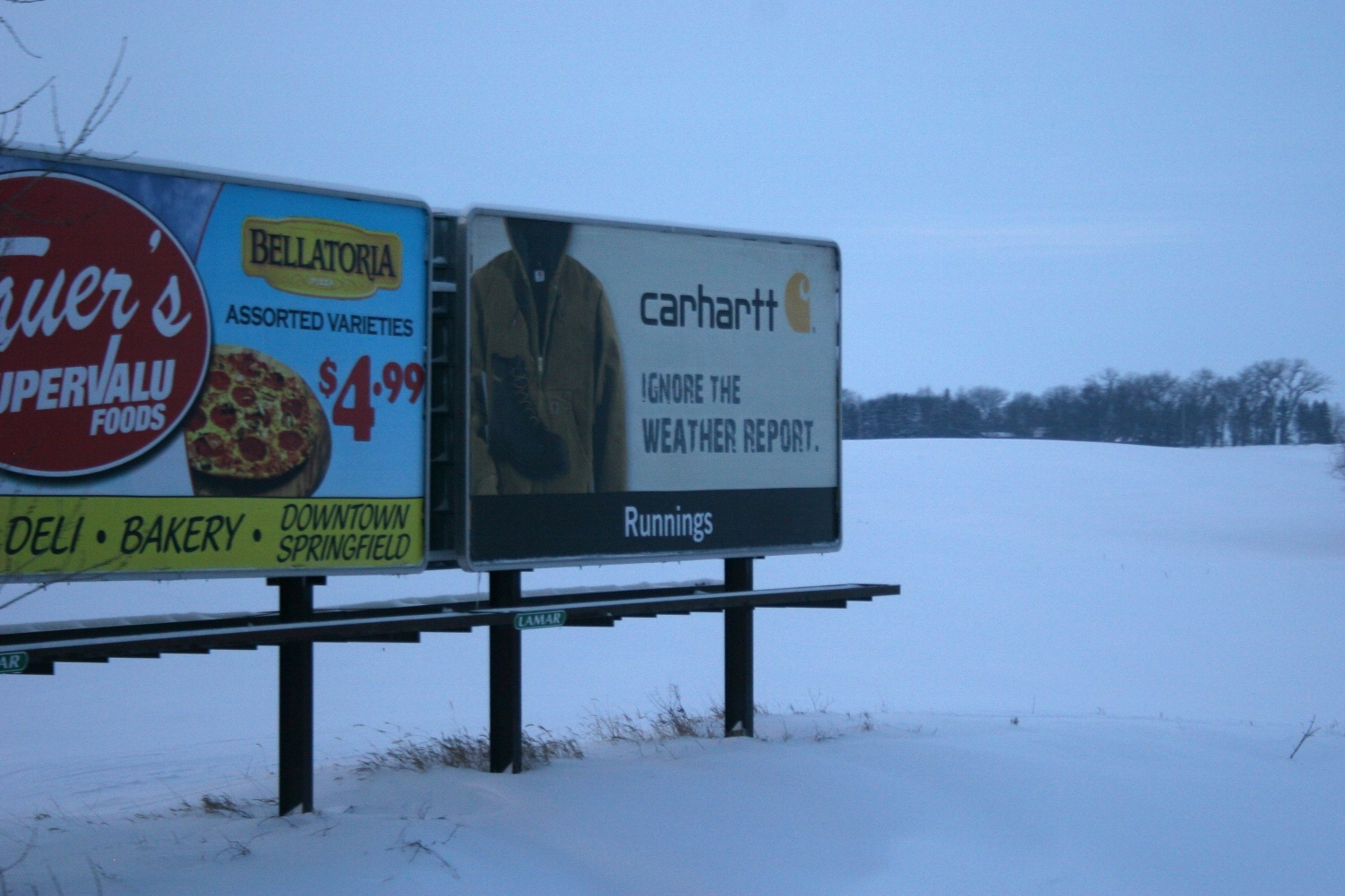
I also saw a billboard advertising Carhartts at the Runnings (“farm”) store in Springfield. This rugged clothing, footwear and more are almost a must-have for rural Minnesotans.


Pizza and Carhartts advertised on billboards along U.S. Highway 14.

Folks in outstate Minnesota like pizza, too. Just buy it at your local SUPERVALU, in this case Tauer’s SUPERVALU Foods in downtown Springfield.

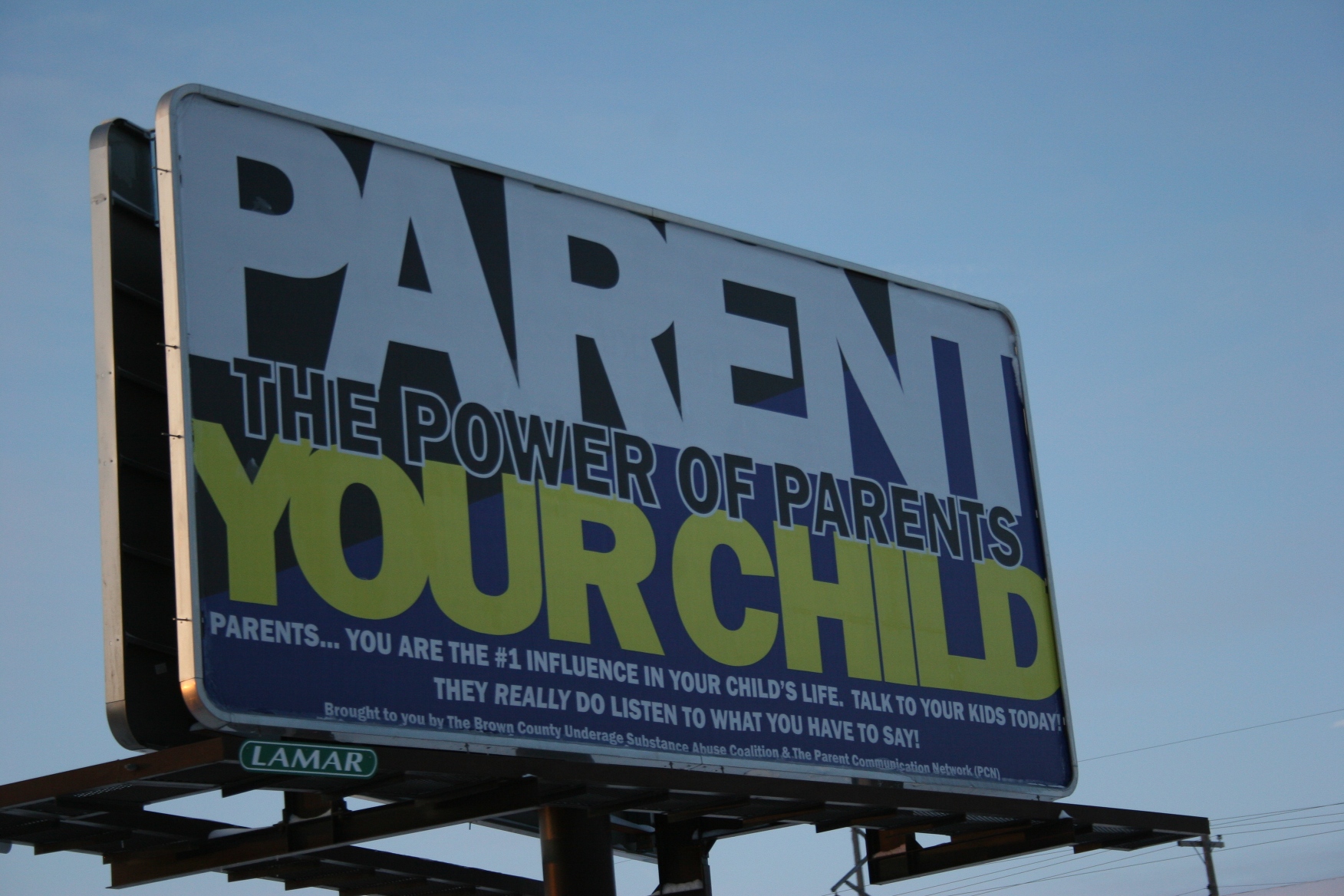
But I spied my favorite billboard of this road trip in Sleepy Eye. Sponsored by the Brown County Underage Substance Abuse Coalition & The Parent Communication Network, this sends a strong message to parents: PARENT YOUR CHILD.


Brown County Underage Substance Abuse Coalition billboard in Sleepy Eye.

I wish such billboards weren’t needed, that underage substance abuse didn’t exist. But we know it does, always has and always will.

I appreciate how the billboard message encourages and empowers parents:

Parents…you are the #1 influence in your child’s life. Talk to your kids today! They really do listen to what you have to say!

I’d like to see replicas of this billboard elsewhere in Minnesota, even Rice County where I live. Rice County is among Minnesota’s most dangerous counties for drunk driving.

Just change the sponsor name on the billboard, and you’re good to go.

© Copyright 2010 Audrey Kletscher Helbling


Heading back home to the southwestern Minnesota prairie for Christmas December 26, 2010

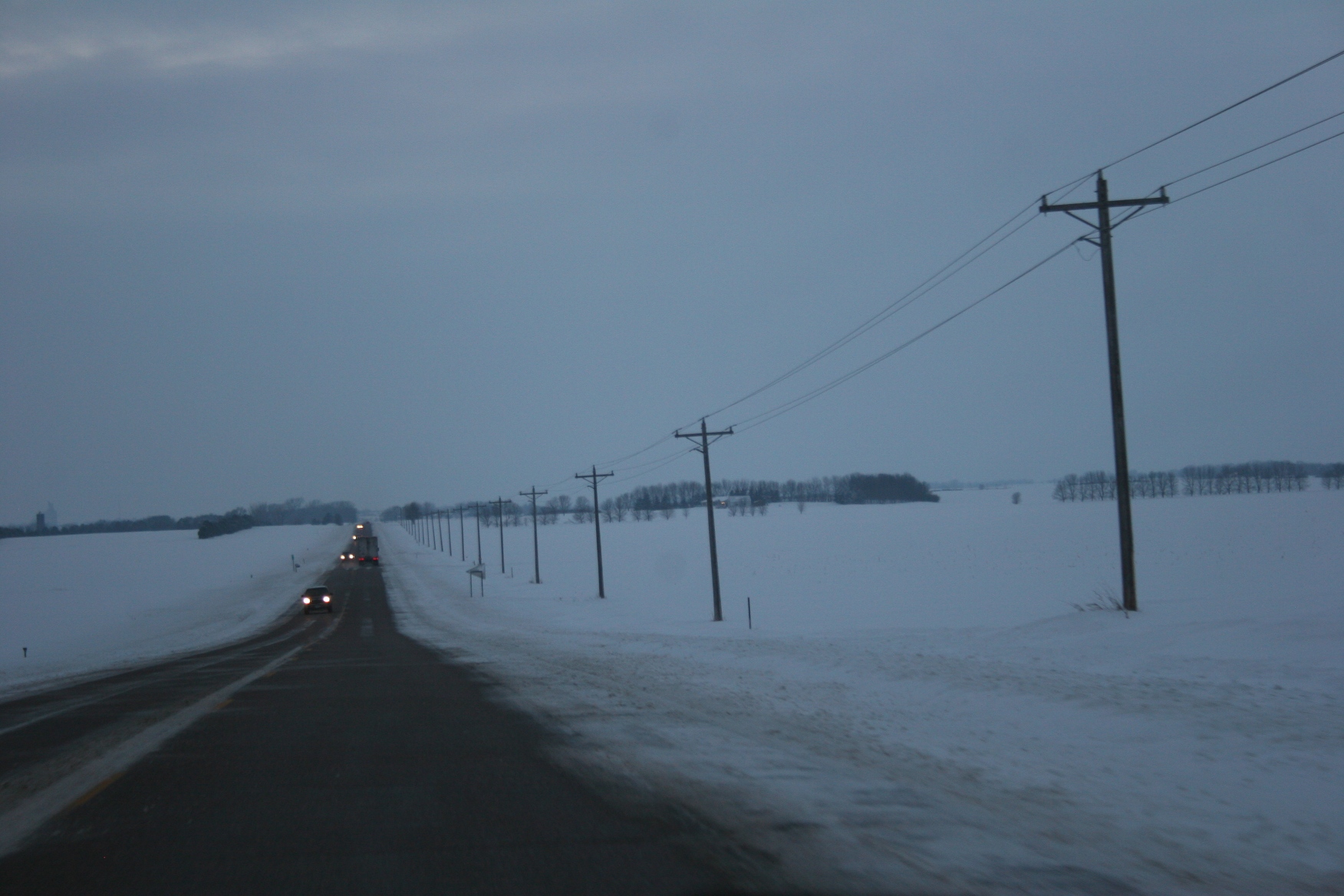
We drove along U.S. Highway 14 as we traveled to southwestern Minnesota for Christmas. This stretch is between the Sanborn corners and Lamberton.

FOR THE FIRST TIME in decades, my family and I celebrated Christmas Eve with my mom and four of my five siblings, and their families, “back home” on the southwestern Minnesota prairie.

It was my mom’s wish that all of us be there, attending Christmas Eve church services with her at our home church, St. John’s Lutheran in Vesta.

Our Christmas together was as wonderful and memorable and as full of laughter and love as I expected it would be.

Initially, I doubted that we would make the 2 ½-hour trip west given the steady snow that began falling early Christmas Eve, slicking the highways and creating difficult driving conditions. But by the time we left Faribault around 2:30 p.m. Friday, the snow had stopped and major highways were clear.

So, with the trunk packed full of luggage, air mattresses and sleeping bags, presents and coolers, the five of us crammed ourselves into the car (along with pillows and board games on our laps) for the journey to Redwood County. We were headed first to my brother’s house just north of Lamberton.

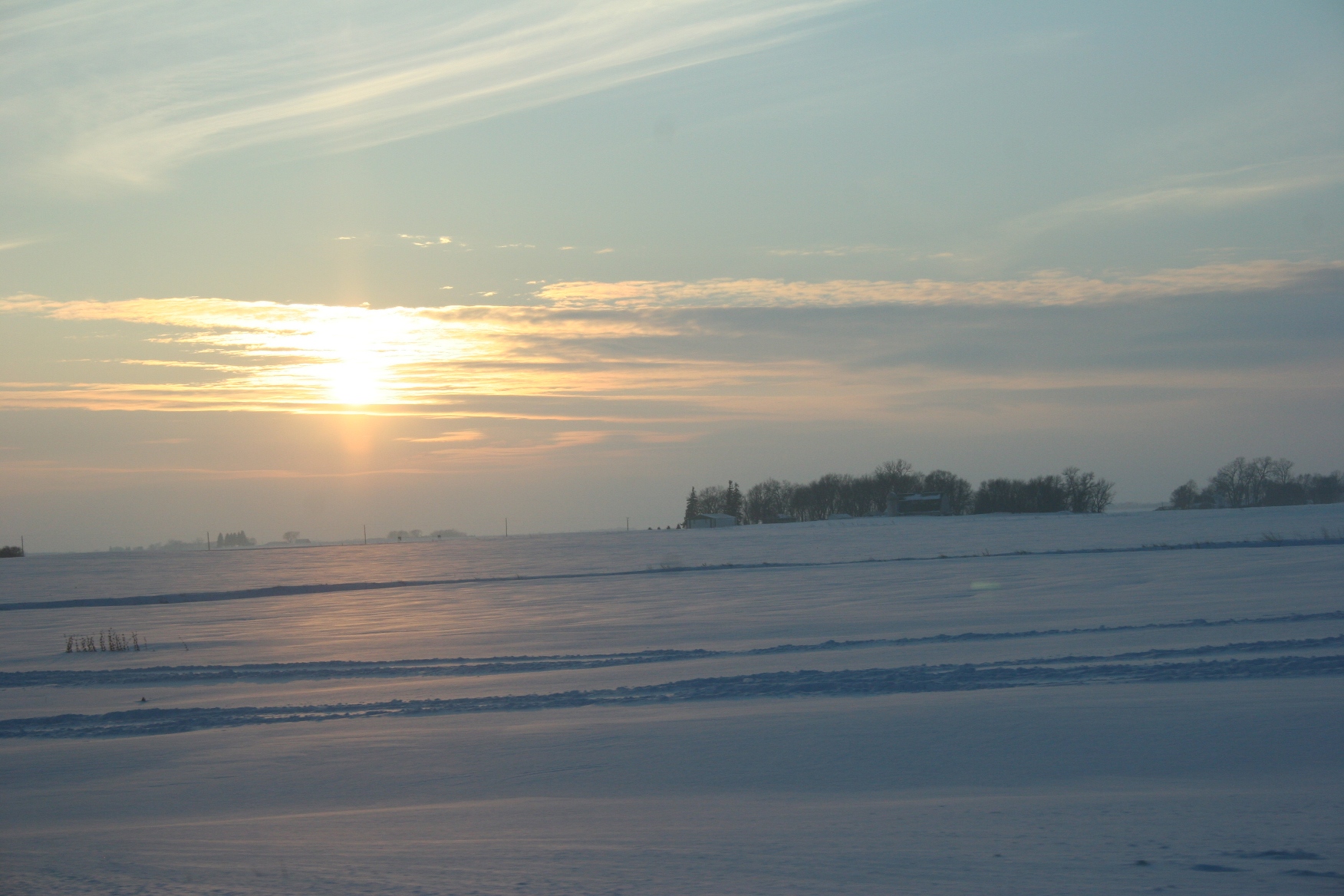
When we got to New Ulm, nearly 1 ½ hours into the trip, I dug my camera out of the camera bag wedged near my feet and snapped occasional photos of the prairie. It is the land I most love—the place my kids call “the middle of nowhere.”

A train travels east along U.S. Highway 14 between Essig and Sleepy Eye while we travel west.

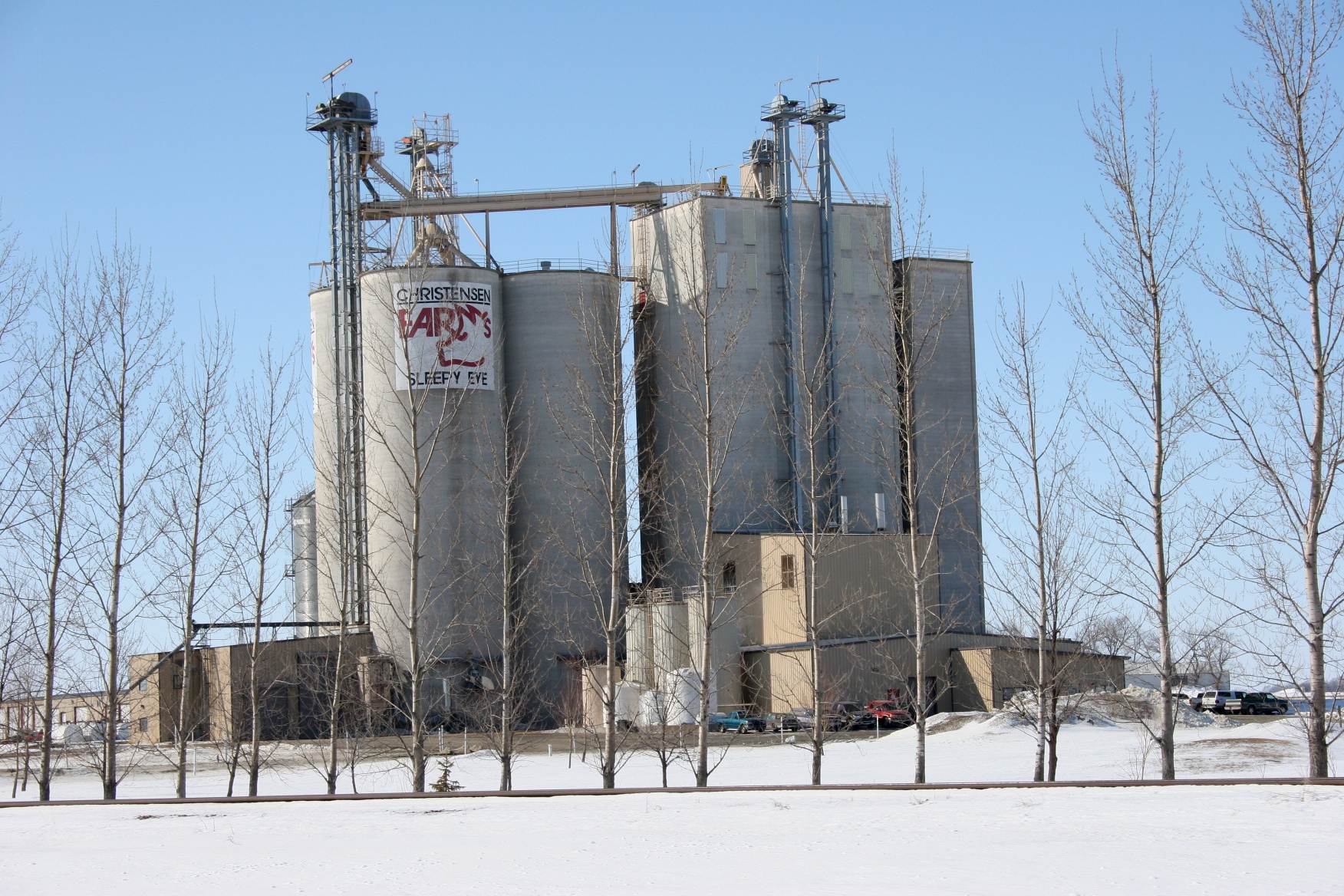
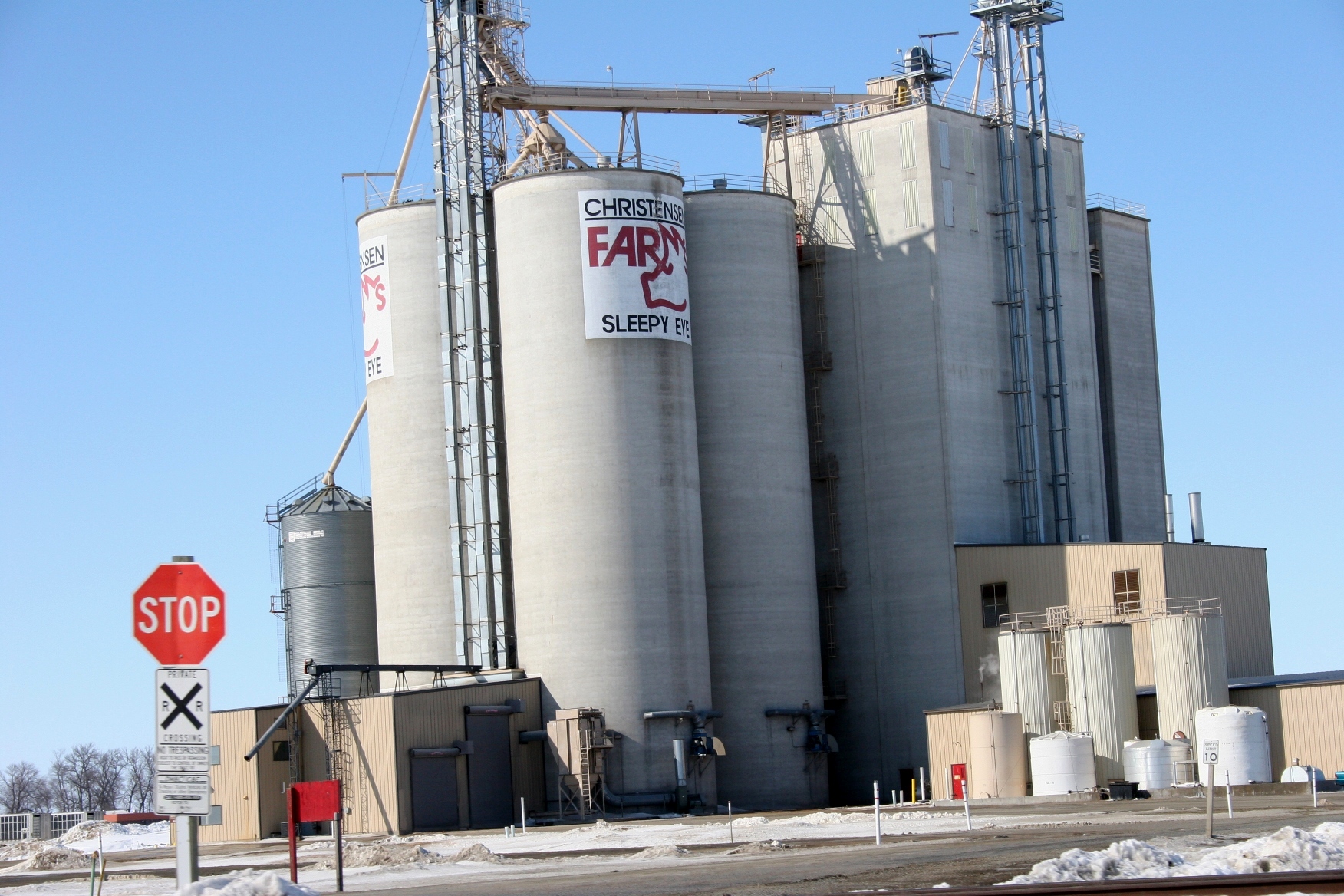
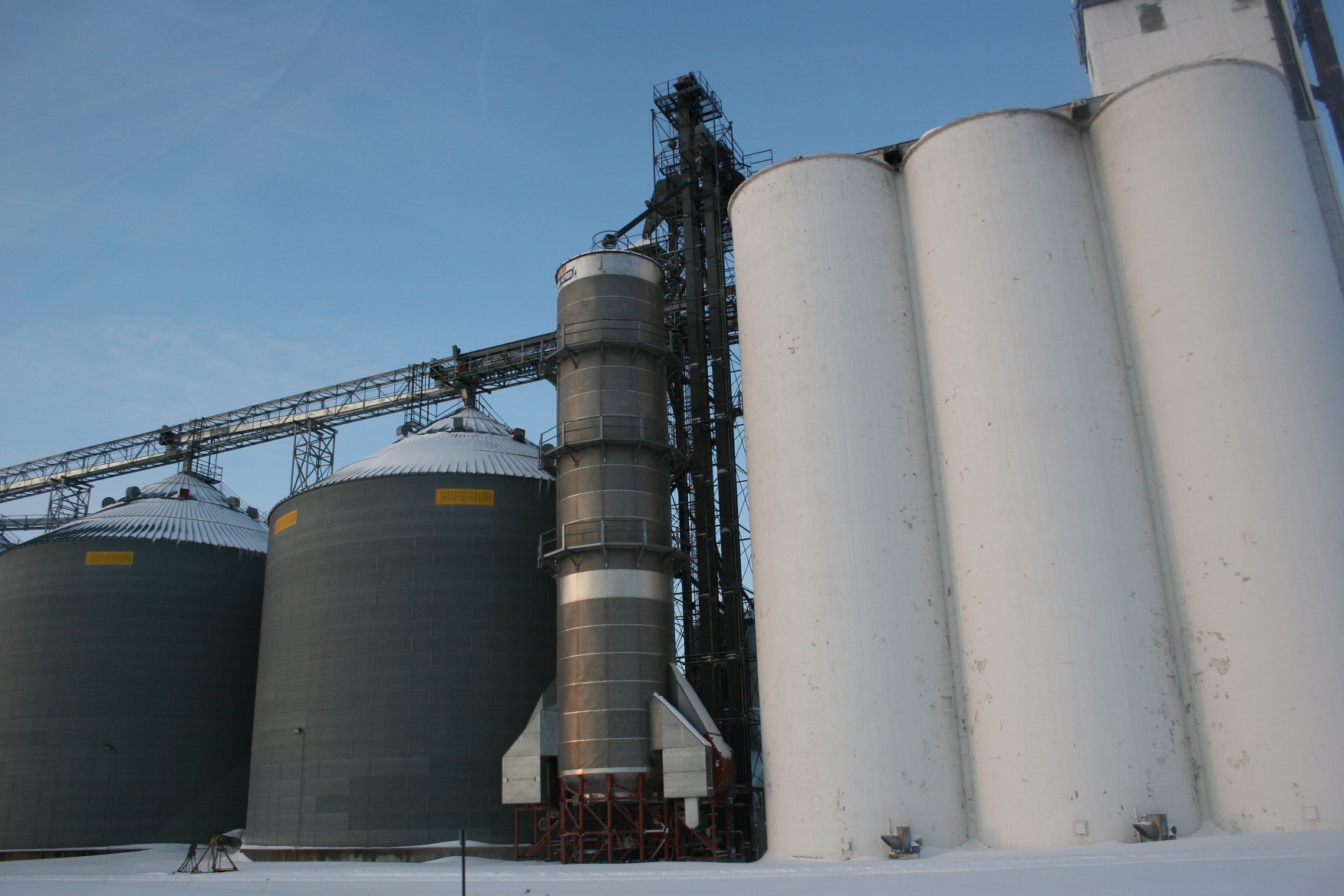
I love this land of plowed fields and wide open spaces, of small-town grain elevators occasionally punctuating the vast skies, of cozy farm sites sheltered by barren trees.

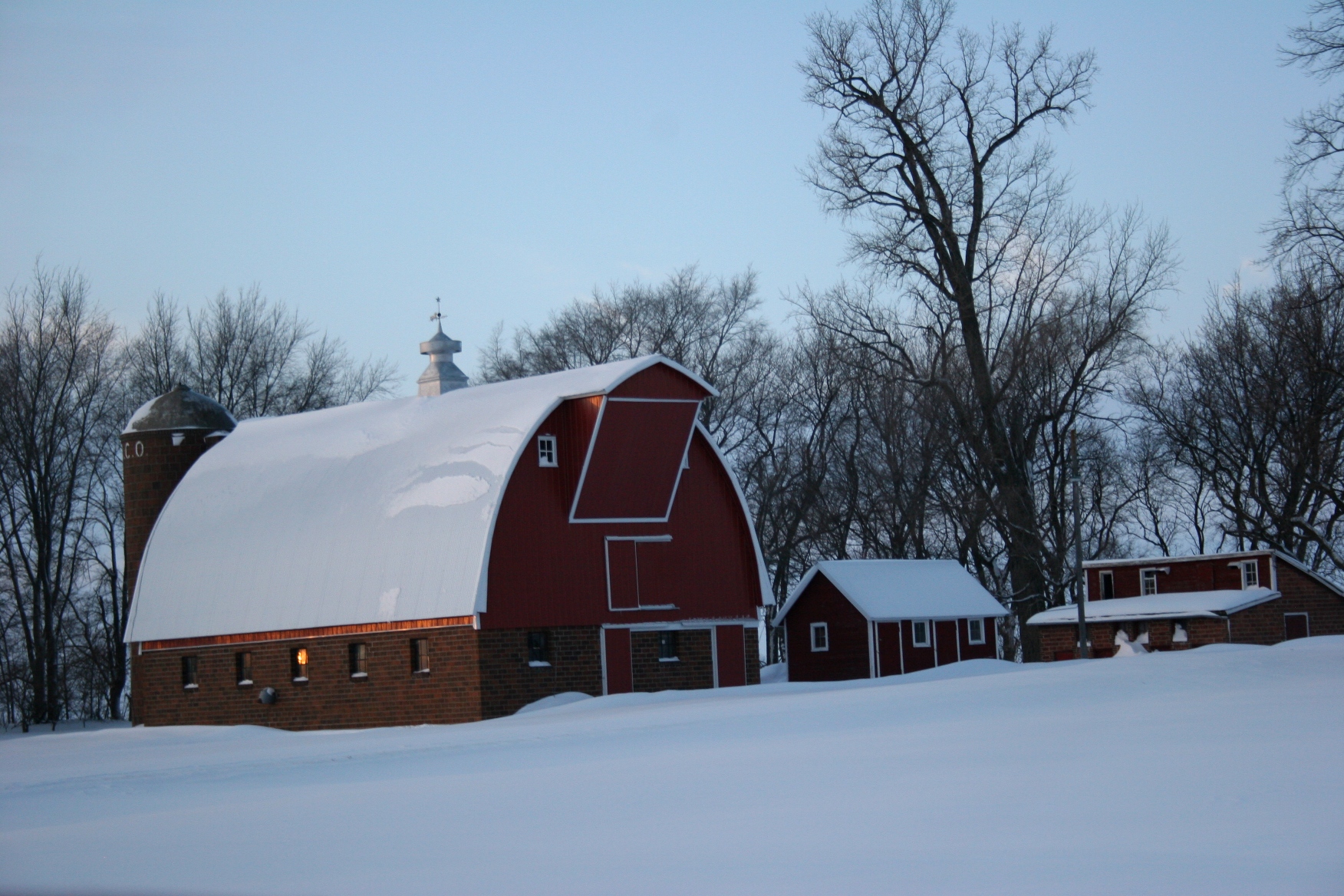
I love, especially, the red barns accented by the fresh-fallen snow, portraying an agrarian beauty that perhaps only someone who grew up on a farm can appreciate.

As much as I have disliked all of the snow we’ve had this winter, I saw only a beautiful winter wonderland when I was back home for Christmas on the prairie.

The sun begins setting over the prairie as we head west, passing through Sleepy Eye and Springfield before reaching Lamberton. We saw only occasional glimpses of sun on a mostly gray day.

The elevators in Sleepy Eye. Small-town prairie elevators like this can be seen for miles away.

One of many picturesque barns along U.S. Highway 14.

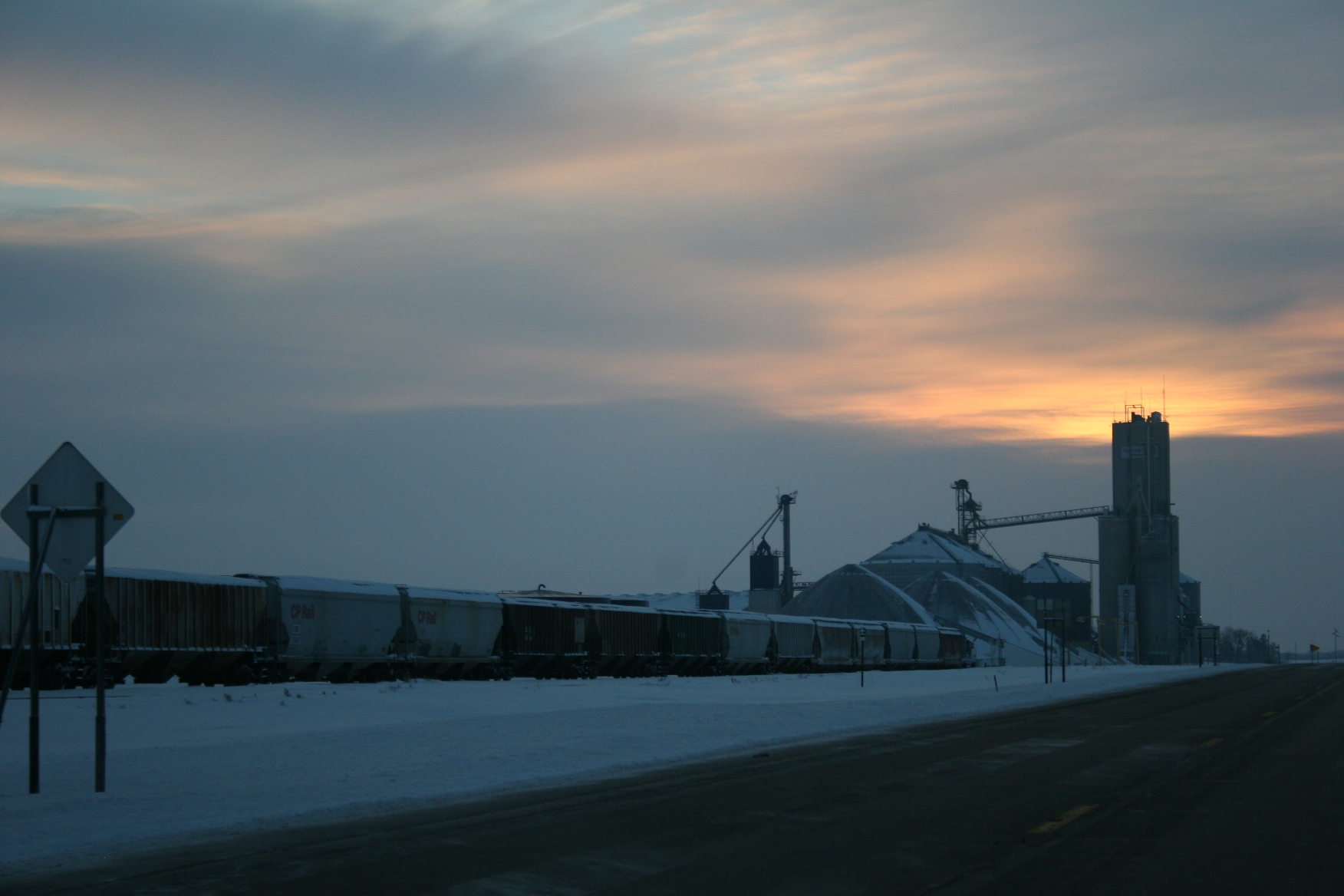
Elevators and trains are a common site along U.S. Highway 14 in the rich farmland of southwestern Minnesota. We've nearly reached our destination when I photograph this elevator complex near sunset.

© Copyright 2010 Audrey Kletscher Helbling


A birthday treasure September 26, 2010

Filed under: Uncategorized — Audrey Kletscher Helbling @ 10:42 AM
Tags: , , , , , ,

TODAY IS MY BIRTHDAY. I need to think for a minute exactly how old I am. Take 2010 minus 1956 and you get 54. Yeah, that would be right.

Funny how the years pass and you lose count after 40, or 50. Where did time go?

I bet my mom wonders that, too, today. How could her second-born of six already be “that old?” Yeah, how?

Birthdays back when I was growing up aren’t like birthday celebrations today. Years ago, we gathered with extended family—grandparents, aunts and uncles and cousins—a whole houseful crammed into a farmhouse. Pans of bars. Red Jell-O. Summer sausage sandwiches. Homemade dill pickles. Coffee brewing in the kitchen. Bottled pop and Schell’s beer.

And when we left for home around midnight, we wished the birthday girl, or boy, “many more birthdays!” Tradition. Sweet words, sweet wishes.

Because my birthday fell the day after my parents’ wedding anniversary, I seldom “had company” on my birthday. The relatives would come the night before to celebrate the anniversary, then forget all about my special day.

But my mom made my birthday memorable by baking an animal-shaped cake, chosen from a slim book of cake designs. There was no present from my parents—they didn’t have the money for a gift—and I didn’t really know I should expect one. My animal-shaped cake was enough, although my godmother always sewed an outfit for me. She knew I needed new clothes more than anything.

One year my Aunt Rachel gave me a greeting card with an adjustable green-stone ring tucked into a treasure chest. An emerald in my eyes. I slipped the ring onto my skinny girl finger. I wore the ring every day, all the time, until one day I lost it.

Of all the birthday cards I’ve received in my life, I remember that one and how I cried when the mock emerald became buried treasure in our farmyard.

© Copyright 2010 Audrey Kletscher Helbling