Minnesota Prairie Roots

Writing and photography by Audrey Kletscher Helbling

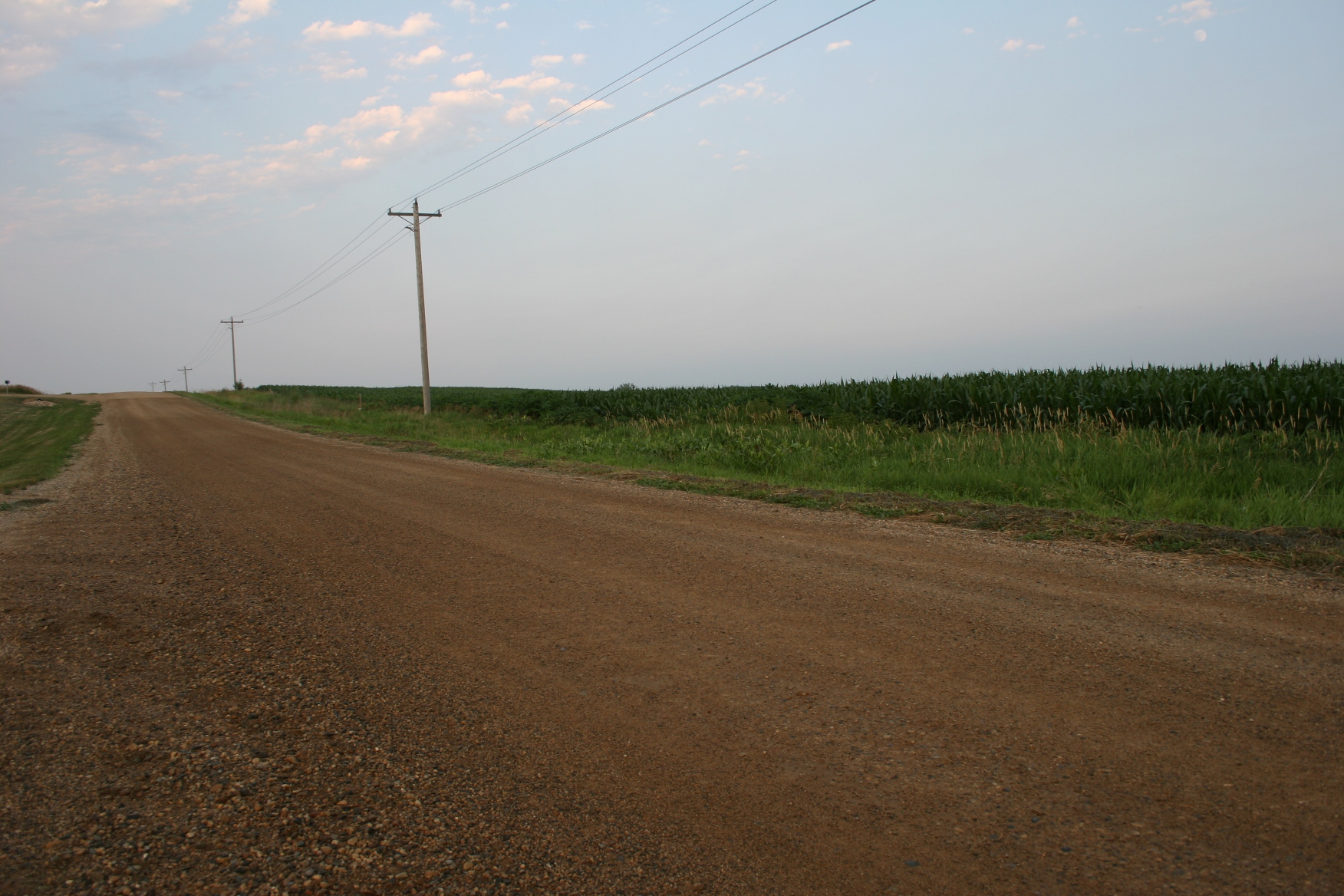
Gravel road on the prairie July 9, 2012

A gravel road just north of Lamberton in southwestern Minnesota.

WHAT IS IT ABOUT a gravel road?

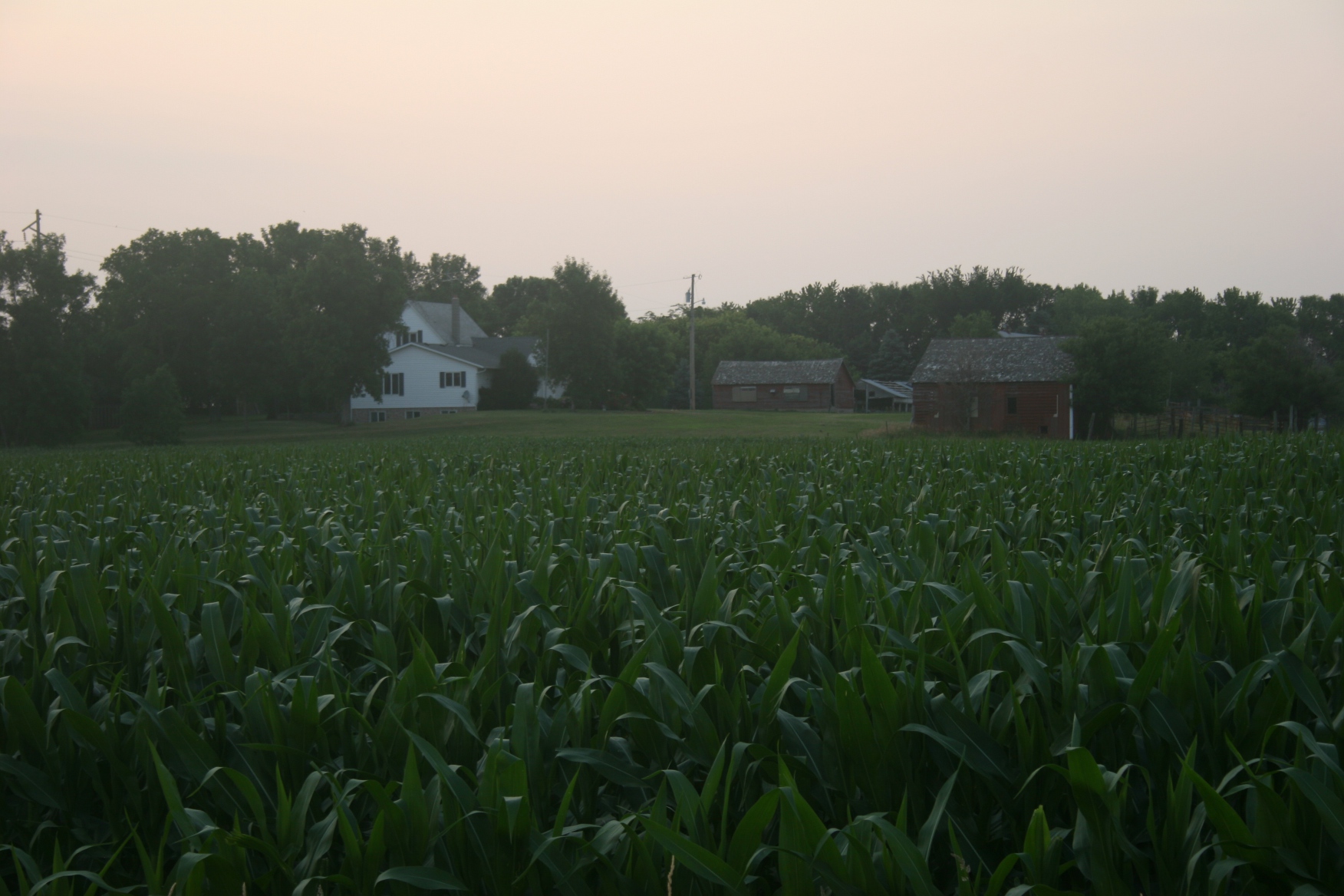
A picturesque farm site on a sultry summer evening as seen from a gravel road north of Lamberton.

It is poetry and peace, country and charm.

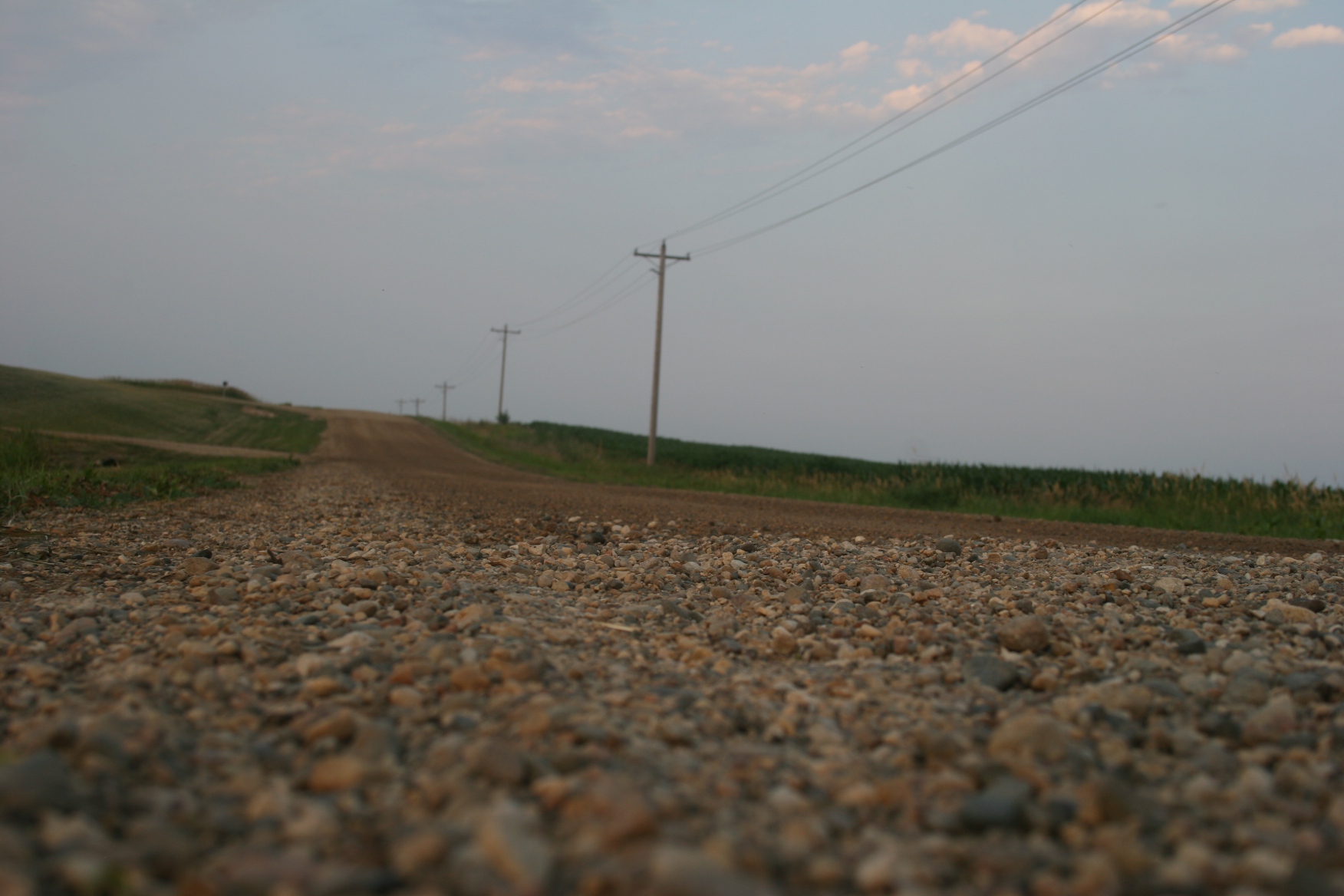
You can almost hear the crunch of the gravel in this image.

But it is more. It is small stones crunching under tires and feet as dust rises and lingers, marking the trail traveled.

As the sun sets on the prairie, a truck travels along a gravel road up to a paved roadway north of Lamberton.

It is a marker of townships, the route of massive yellow road graders blading the road surface to a flat finish or heaving snow toward ditches.

It is memories of bumpy school bus rides and squishing into the back seat of the family car between brothers and sisters.

It is Dad’s admonition to always, always, move to the right when cresting a hill.

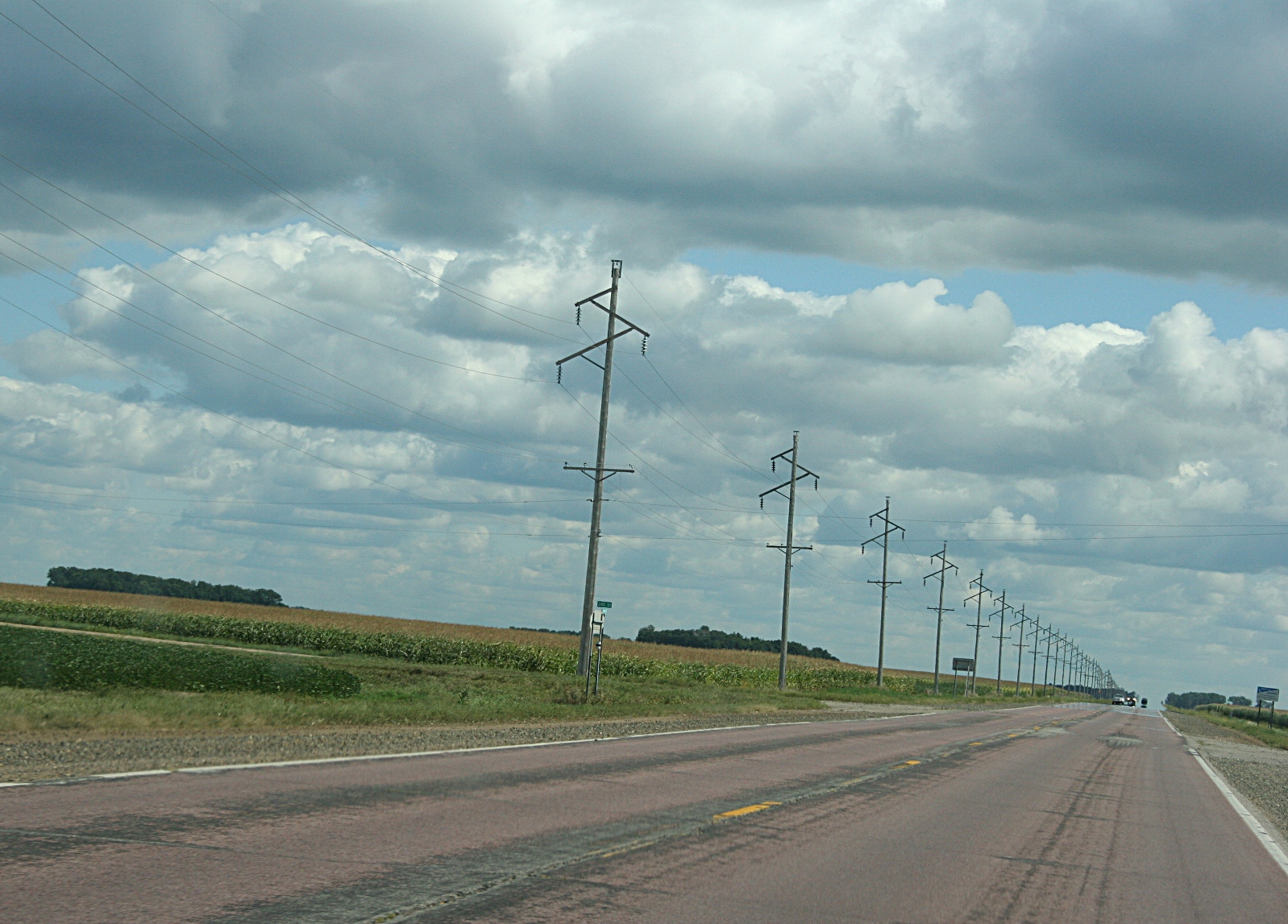
Utility lines along the same gravel road stretch into forever.

It is the memory of pinpoint stars dotting the pitch black darkness of a prairie night and the sweet scents of wild roses (once) rambling in ditches and of freshly-mown alfalfa and of hay baled and stacked onto a swaying wagon.

A gravel road is all of these to me, and yet, in its most basic definition, it serves as a way to get from point A to point B, and marks borders between town and country.

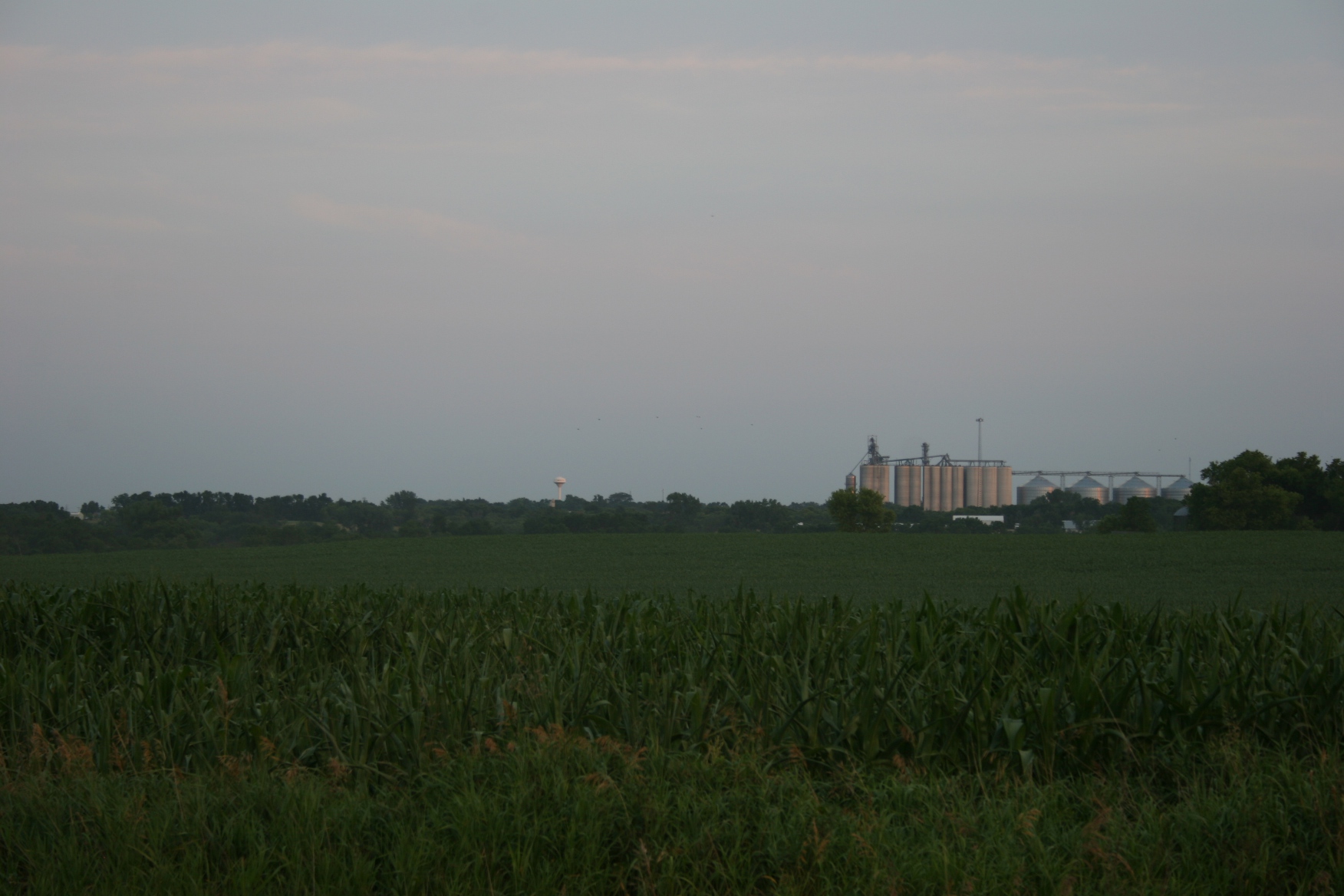
Standing on the gravel road, I turned south to photograph the cornfield and Lamberton in the distance.

It is a line in a plat book, a route connecting paved roads, a path to a rural home.

It is a gravel road on the prairie.

© Copyright 2012 Audrey Kletscher Helbling


Minnesota Museums Month: The Minnesota Machinery Museum, on the prairie May 1, 2012

THINK OF MUSEUMS in Minnesota, and what pops into your mind?

Probably the Science Museum of Minnesota or the Minnesota Children’s Museum or the SPAM Museum in Austin or any other such notable museum.

During May, “Minnesota Museums Month,” I challenge you to think beyond the obvious to those small town museums that are tucked away in nondescript buildings or along back roads or are mostly unknown except to those living within a region.

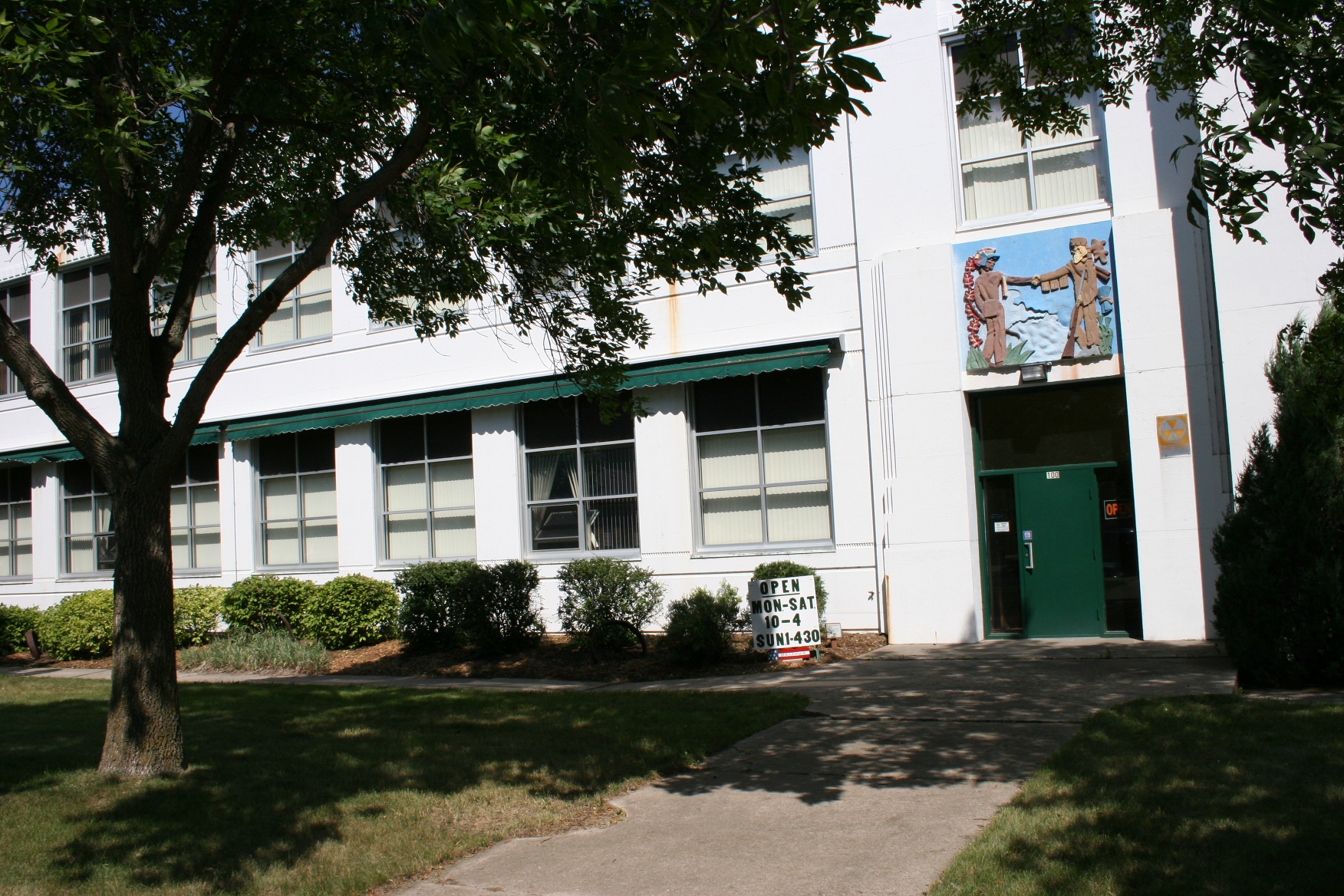
The Minnesota Machinery Museum in a 1939 WPA school building in Hanley Falls.

That leads me directly to Hanley Falls, home of the Minnesota Machinery Museum.

I expect already most of you are asking, “Where the heck is Hanley Falls?”

Hanley Falls, a small farming community, sits along State Highway 23 in southeastern Yellow Medicine County, nine miles south of Granite Falls on the southwestern Minnesota prairie.

It is one of those “blink and you miss it” type towns all too often dismissed by travelers simply flying by on the highway. Let me tell you, Hanley Falls is worth several hours of your time to tour this rural life museum which opened as the Yellow Medicine County Agricultural and Transportation Museum in 1980 and in 1994 became the Minnesota Machinery Museum.

For anyone who appreciates our state’s rich agricultural heritage, this museum rates as a must-see in the heart of our state’s richest farmland. I grew up in this strong agricultural region, in Redwood County next door to the east, and toured the museum for the first time in 2009. Yes, even I was unaware of its presence, having left the prairie in 1974 for college and subsequent employment.

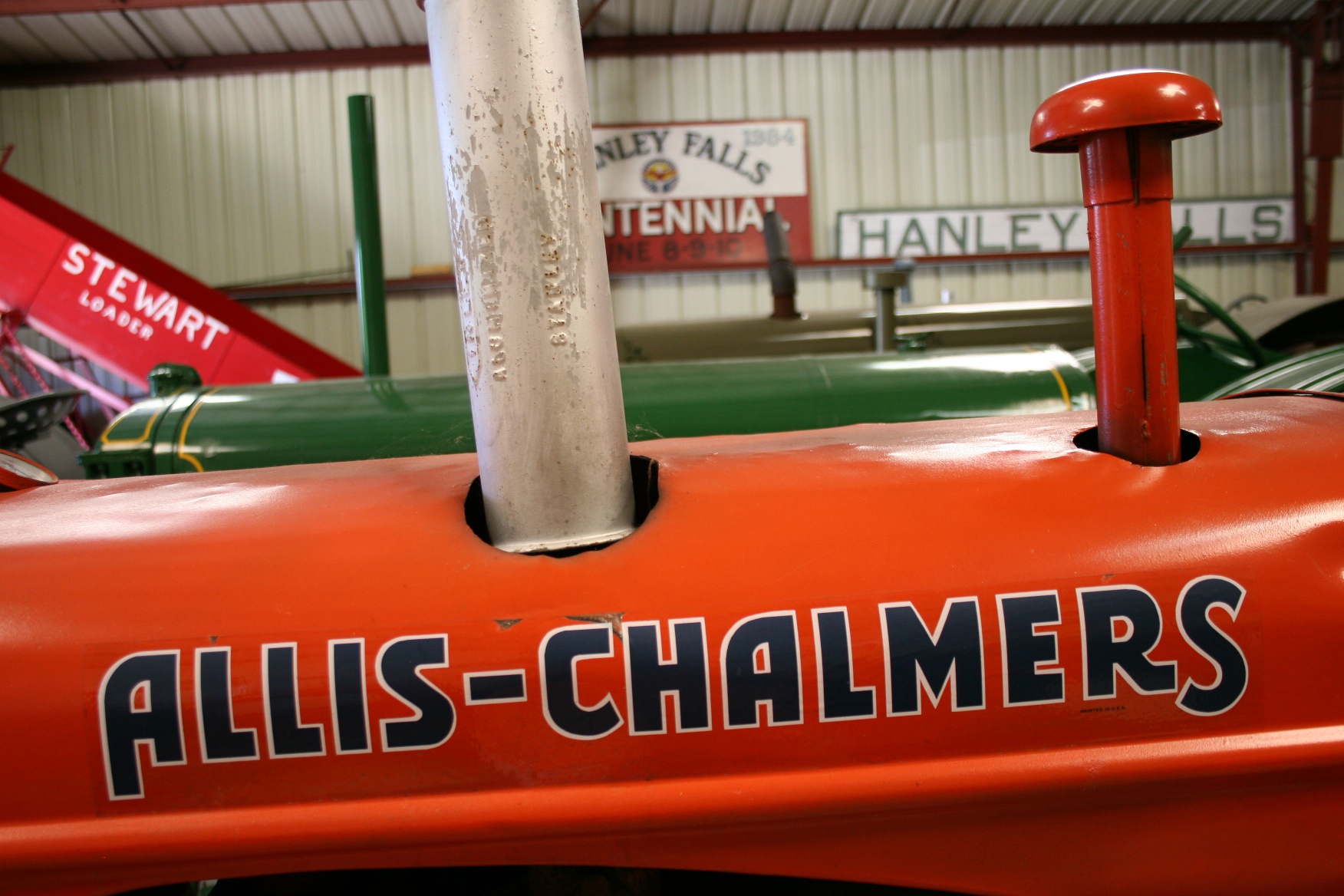
You'll see plenty of old tractors and farm machinery, along with vintage cars and trucks.

The Minnesota Machinery Museum, which is somewhat of a misleading name because it’s not all about farm machinery, reconnected me to my rural roots and educated me on the area’s agricultural history. During my 2009 visit, I learned that visitors will discover “the things you would find on a typical farm before the 1950s” with thousands of artifacts primarily from surrounding communities in a several-county area.

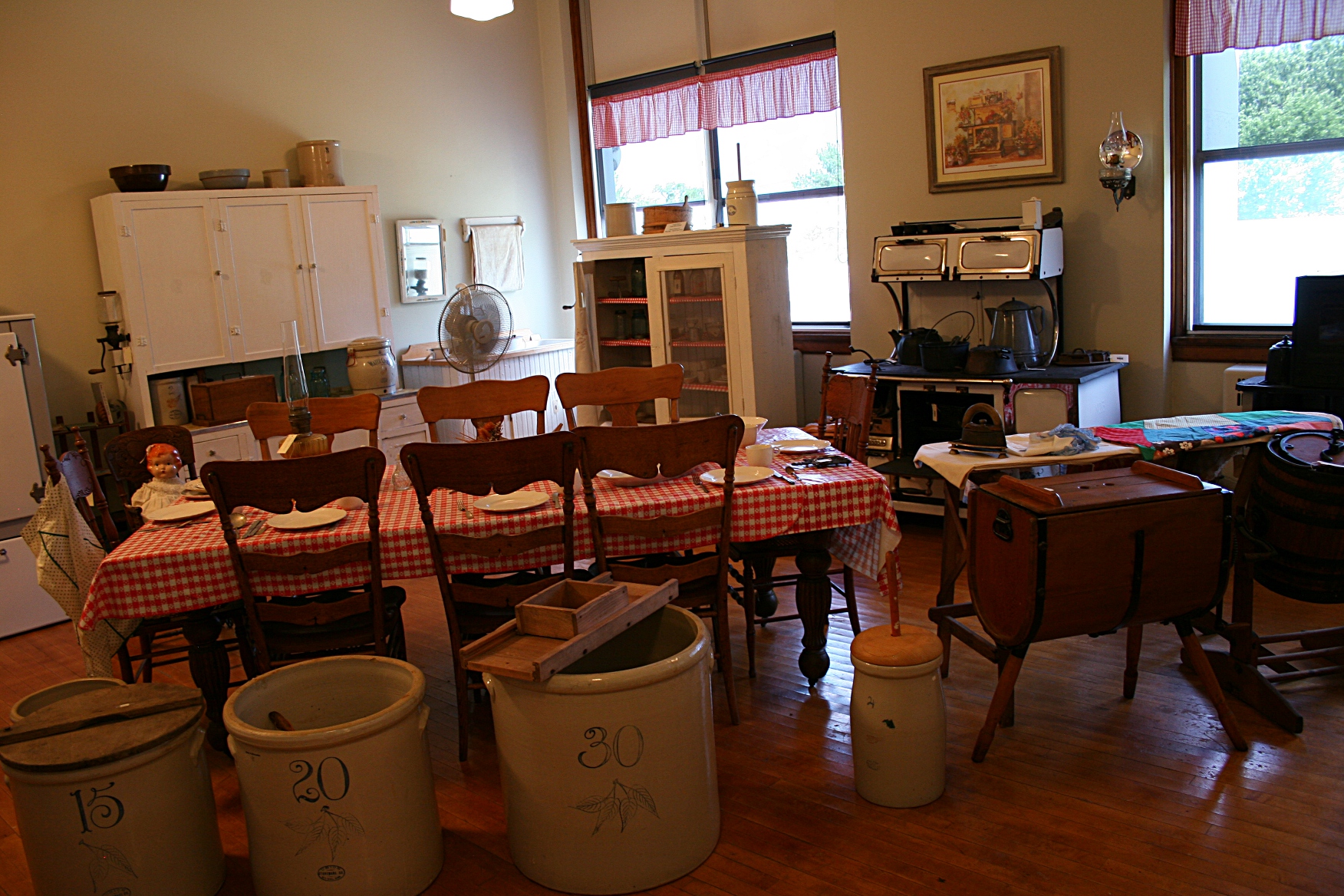
An old-style farm kitchen on the second floor of the museum.

All of those artifacts are housed in five buildings, including a sprawling two-story 1939 Works Project Administration school, on six acres. The first floor of that former school, during my visit, was packed with mostly farm-related equipment while the second floor housed the domestic side of rural life.

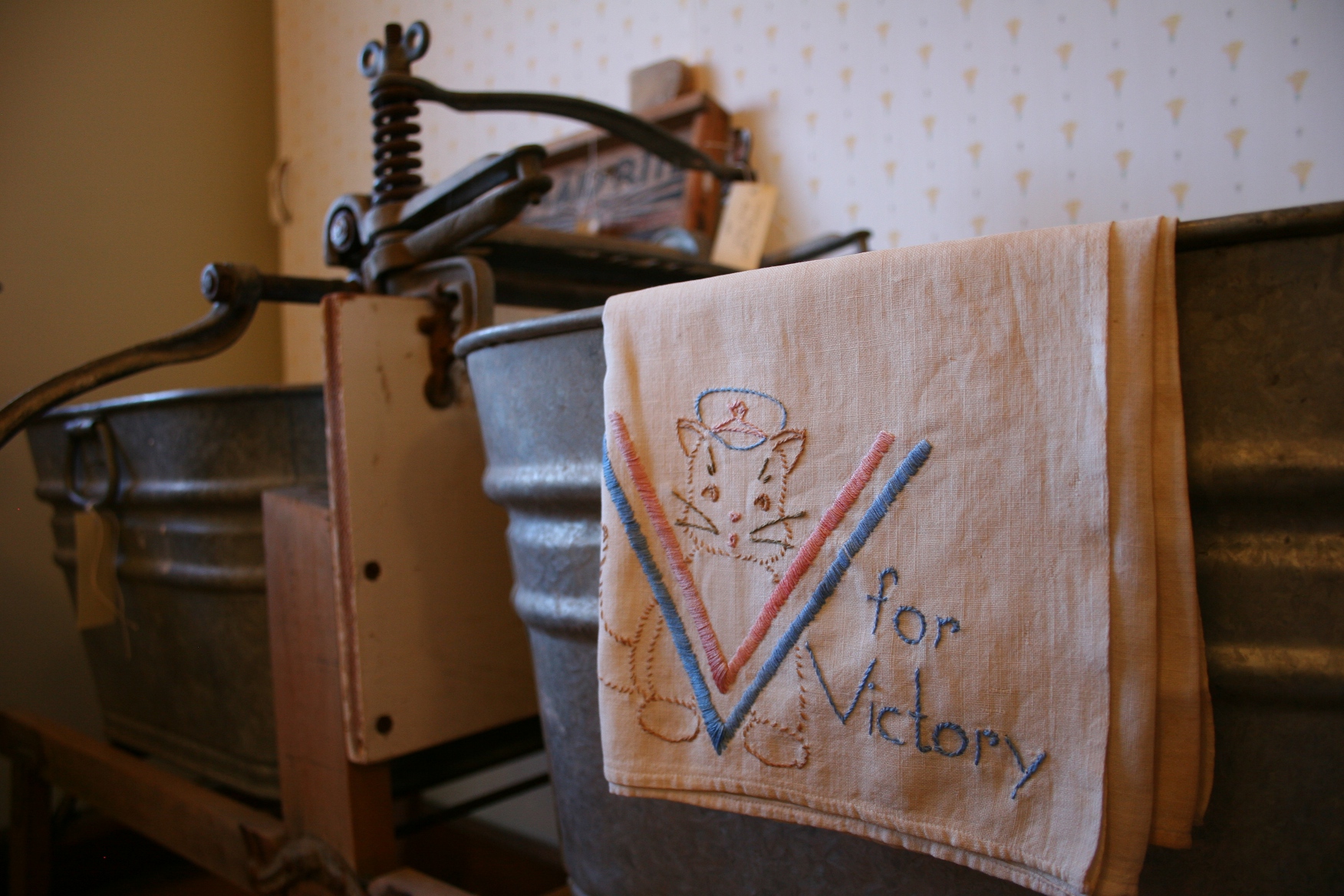
A vintage embroidered dish towel and old wash tubs, both familiar to me. My mother used a wringer washer with wash tubs during the early years of my life on a southwestern Minnesota dairy and crop farm.

It is the mission of the museum, according to its website, “to recapture a century of stories about farm life. Implements, tools, tractors and gas engines in mint condition along with rural art help you look back to an era when neighbors worked together to harvest their crops, raise barns and build a better life for their families.”

Read those words again. They are the essence of this place—the feeling of community, the sense of neighborliness, the embodiment of that which defined rural life at one time. Yes, that life has changed. Neighbors don’t always know neighbors. Oversized farm machinery has, for the most part, replaced the need for neighbors to work together. Barns are falling into heaps of rotting wood. This museum preserves a way of life that exists mostly in stories now.

This bushel basket in the museum brought back memories of feeding cows.

The Minnesota Machinery Museum is as impressive as any you’ll visit in Minnesota. Take time to seek it out, to turn off the highway into Hanley Falls rather than driving by without even a thought of the historical treasure that lies within this small southwestern Minnesota prairie community.

FYI: The Minnesota Machinery Museum is open May – September from 10 a.m. – 4 p.m. Monday – Saturday and from 1 p.m. – 4:30 p.m. on Sunday and is closed on holidays. Click here for more information about the museum.

© Copyright 2012 Audrey Kletscher Helbling

 

Dispelling a Mayberry myth in rural Minnesota December 16, 2011

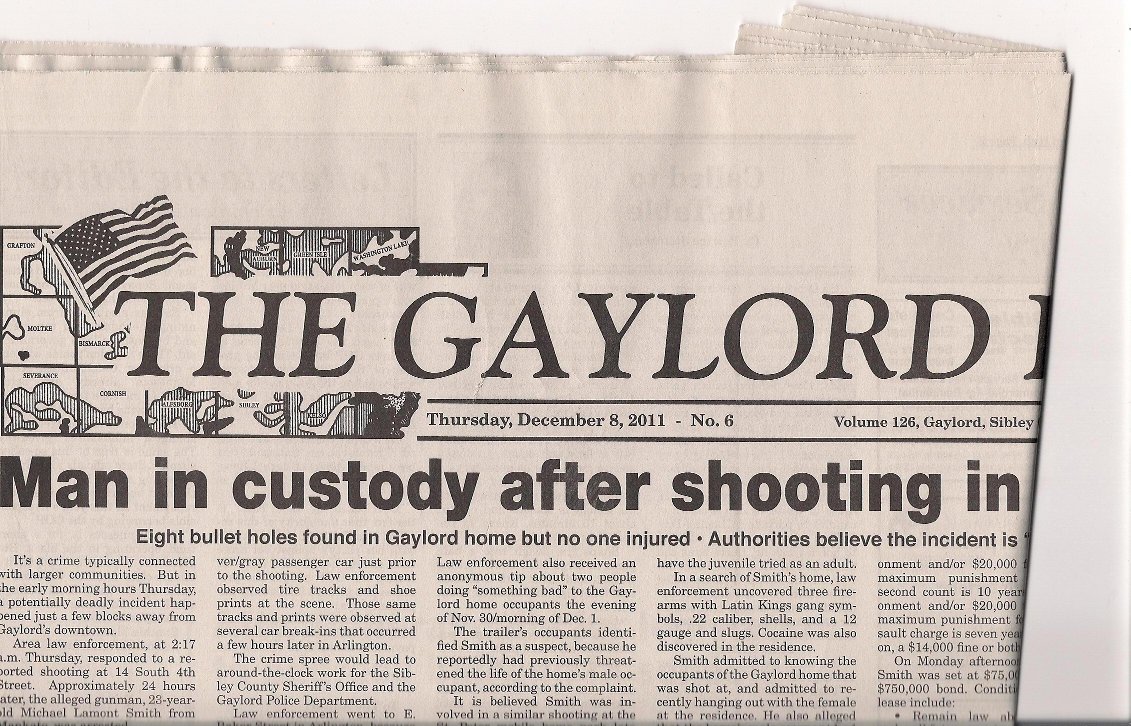
Man in custody after shooting in Gaylord

Two men arrested after incident with police officers in Winthrop

Three years since rural Green Isle homicide

These disturbing headlines all published recently in a single issue of a 10-page small-town Minnesota weekly newspaper.

How life has changed in the 31 years since I pounded out news articles there, for The Gaylord Hub, on a vintage manual typewriter. The biggest news stories during my 1978 – 1980 tenure as a reporter were fires and motor vehicle crashes and the controversy over the expansion of local chicken barns.

I didn’t write about eight bullets fired into a Gaylord home in an alleged gang-related shooting or a scuffle between police and a suspect or a three-year unsolved homicide.

And I didn’t have to report on a courthouse shootings like the one which occurred Thursday in quiet Grand Marais, an artsy get-away destination along the shores of Lake Superior.

Thirty years ago, small towns were still relatively untouched by violent, drug-related or other crime. Not so anymore. One need only pick up any weekly newspaper to read about major crimes that rock even the most rural regions.

Just this week in Redwood County in rural southwestern Minnesota, warrants were issued for 31 individuals on felony drug charges following a year-long, five-county investigation, according to information published in The Redwood Falls Gazette. Most suspects have been arrested and charged.

That’s my home county you’re talking about here, a place of small towns, grain elevators, farm sites, and corn and soybean fields—about as rural as you can get.

This isn’t Mayberry anymore.

While I can wax nostalgic about how things “used to be,” the reality of life is this: Times have changed. People have changed. Respect for parents and authority and laws have eroded.

Crime, once considered a big-city problem, reaches deep into the most rural of locations.

It is sad.

But it is the truth.

IF YOU LIVE in a rural area, have you see increases in crime? Explain. How have you, personally, or your community been impacted? How is your community dealing with crime? Please submit a comment and share.

© Copyright 2011 Audrey Kletscher Helbling
 

Appreciating Main Street December 6, 2011

Filed under: Uncategorized — Audrey Kletscher Helbling @ 8:01 AM
Tags: , , , , , , , ,

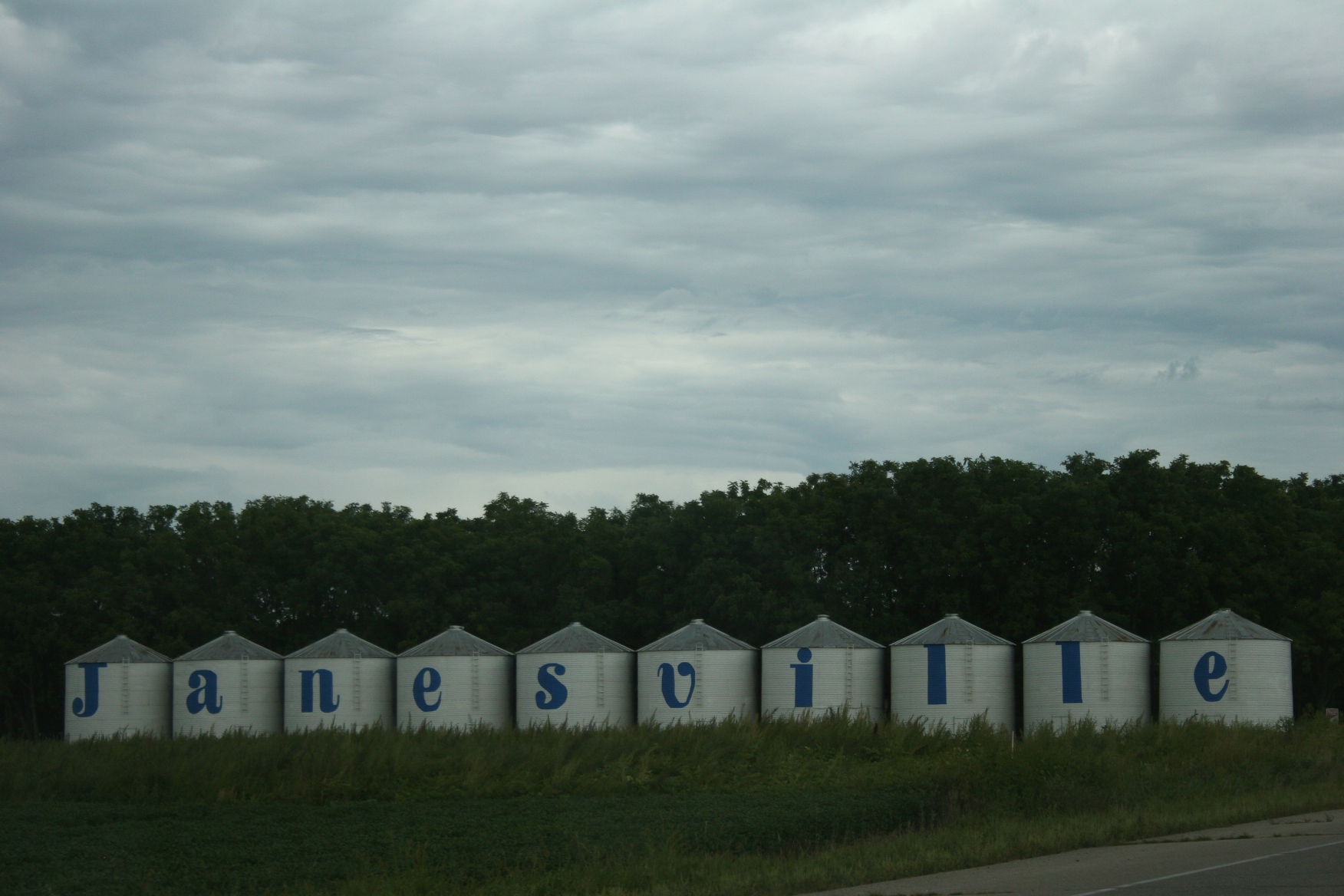
Entering Janesville from the west along old Highway 14, you'll see this grain bin signage welcoming you to town.

I REMEMBER YEARS ago driving through the heart of Janesville along well-traveled U.S. Highway 14 in southern Minnesota. The town of 2,100 teemed with traffic following this main east-west route.

Today, as motorists bypass Janesville along the four-lane highway completed in 2006, the town barely stirs on a Sunday afternoon. Certainly, I should have expected this change when I drove into Janesville several months ago. Yet, the stillness, the boarded up buildings, the quiet Main Street surprised me. It shouldn’t have. What other result should I expect when a major highway reroutes around a town?

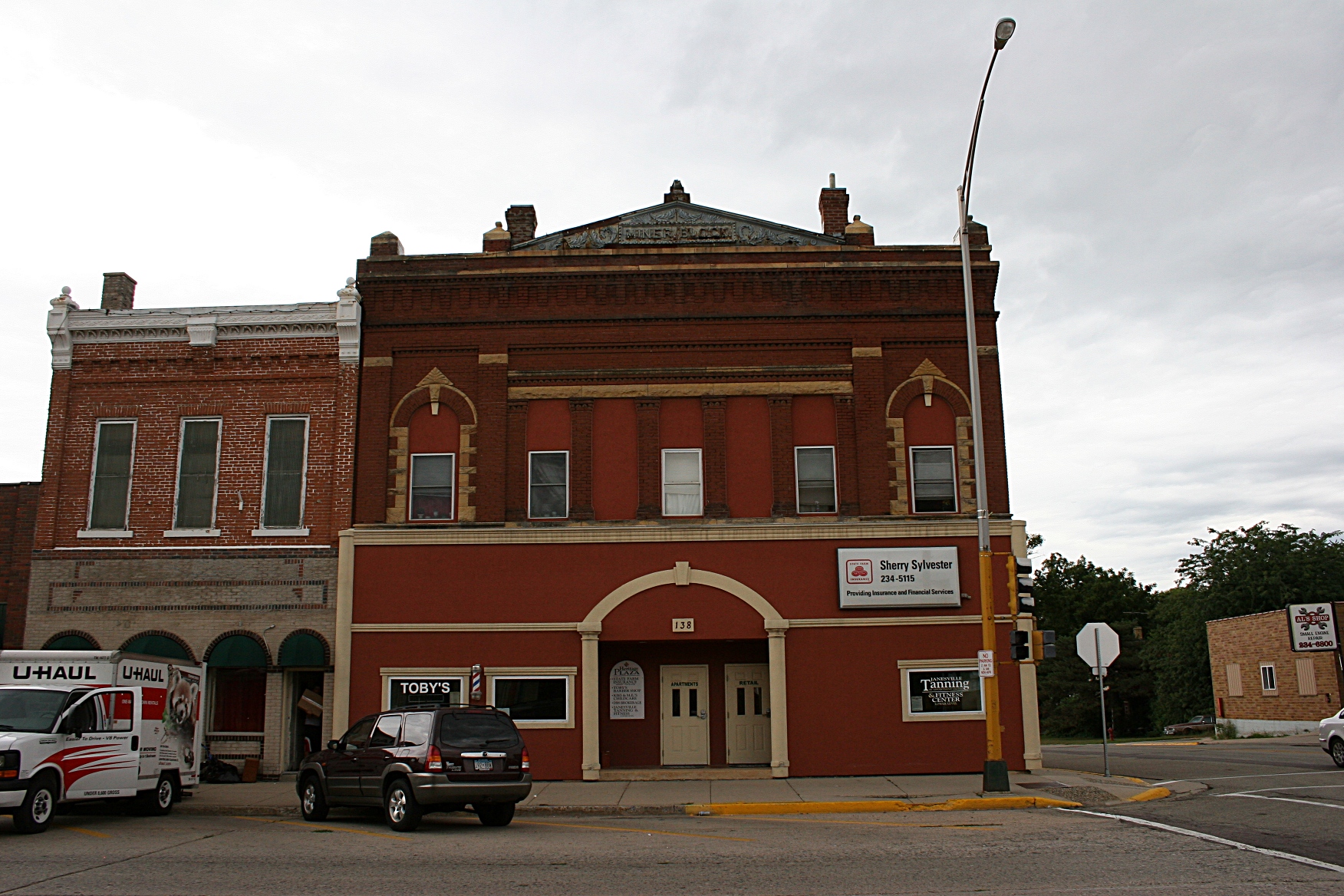
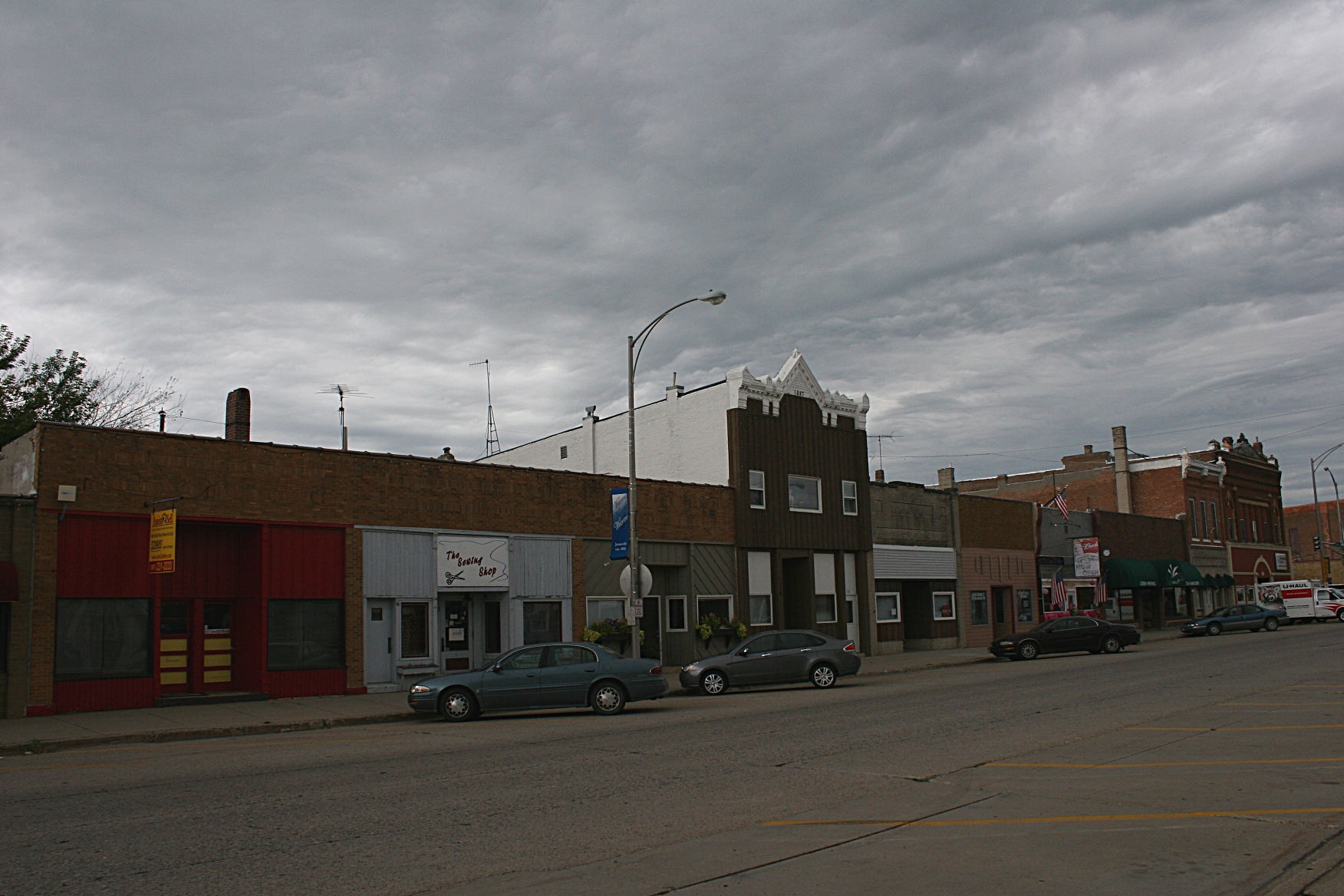
Janesville's downtown business district on a Sunday afternoon in August.

I possess no stake in this community nor am I critical of the Highway 14 improvement. The fixes to this treacherous roadway were necessary for motorists’ safety. I wish all of Highway 14 across Minnesota was a four-lane route, especially the deadly stretch between Mankato and New Ulm.

But back to Janesville…I’d never turned off the highway into the downtown business district, never in all the years I’d passed through this community along the old Highway 14. I’m almost ashamed to write that. But Janesville was just one more town to slow me down in getting from one destination to another.

Therein lies part of the problem. We are all in too much of a hurry, way too much of a hurry.

We need to pause, to turn off the interstates and highways and drive onto Main Street in Small-Town, U.S.A., park our vehicles and walk. Look at the buildings. Peer in the windows. Admire the character of old buildings. Stroll into a business and make a purchase. Strike up a conversation with a local.

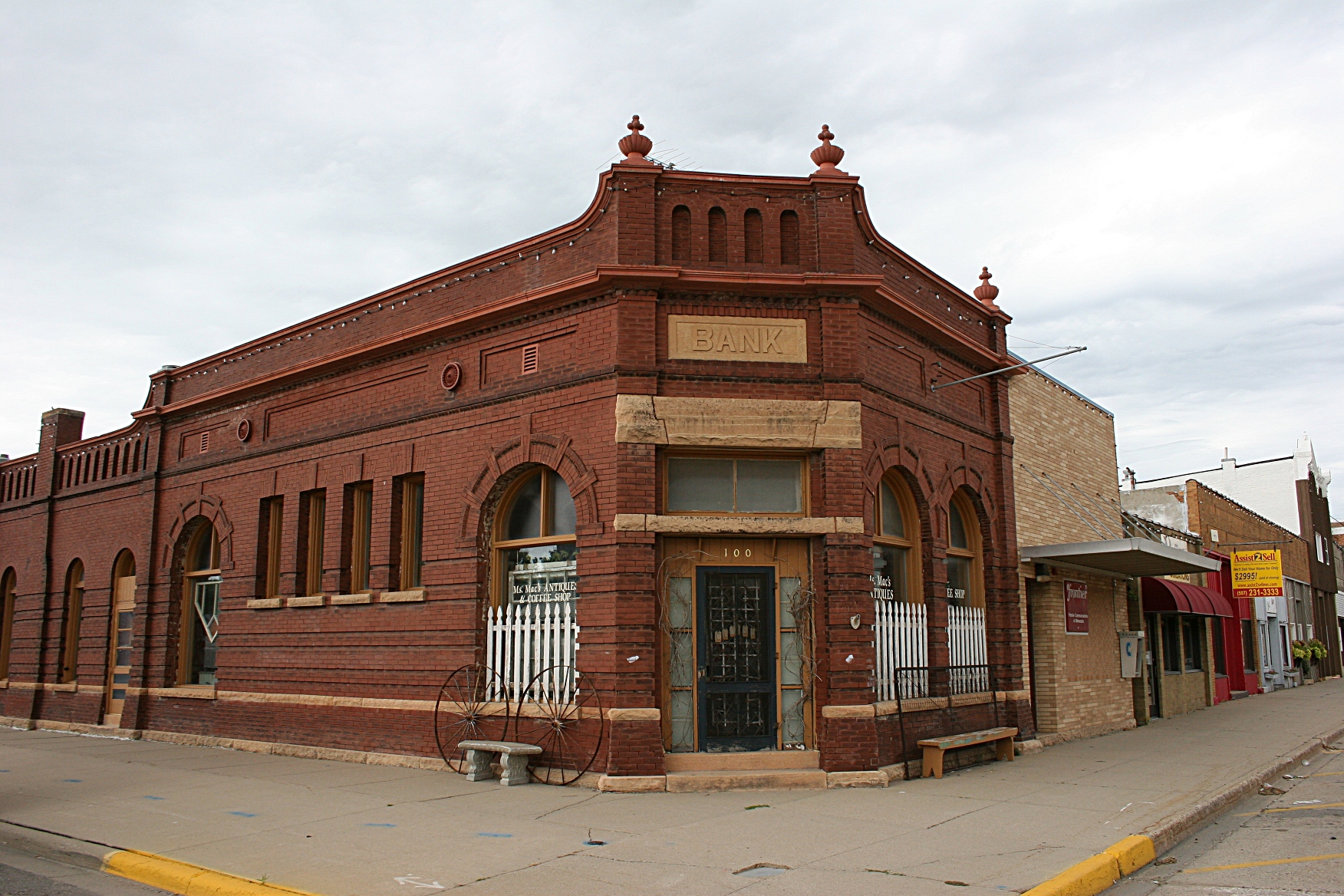
An antique store anchors a a downtown corner across from the elevator.

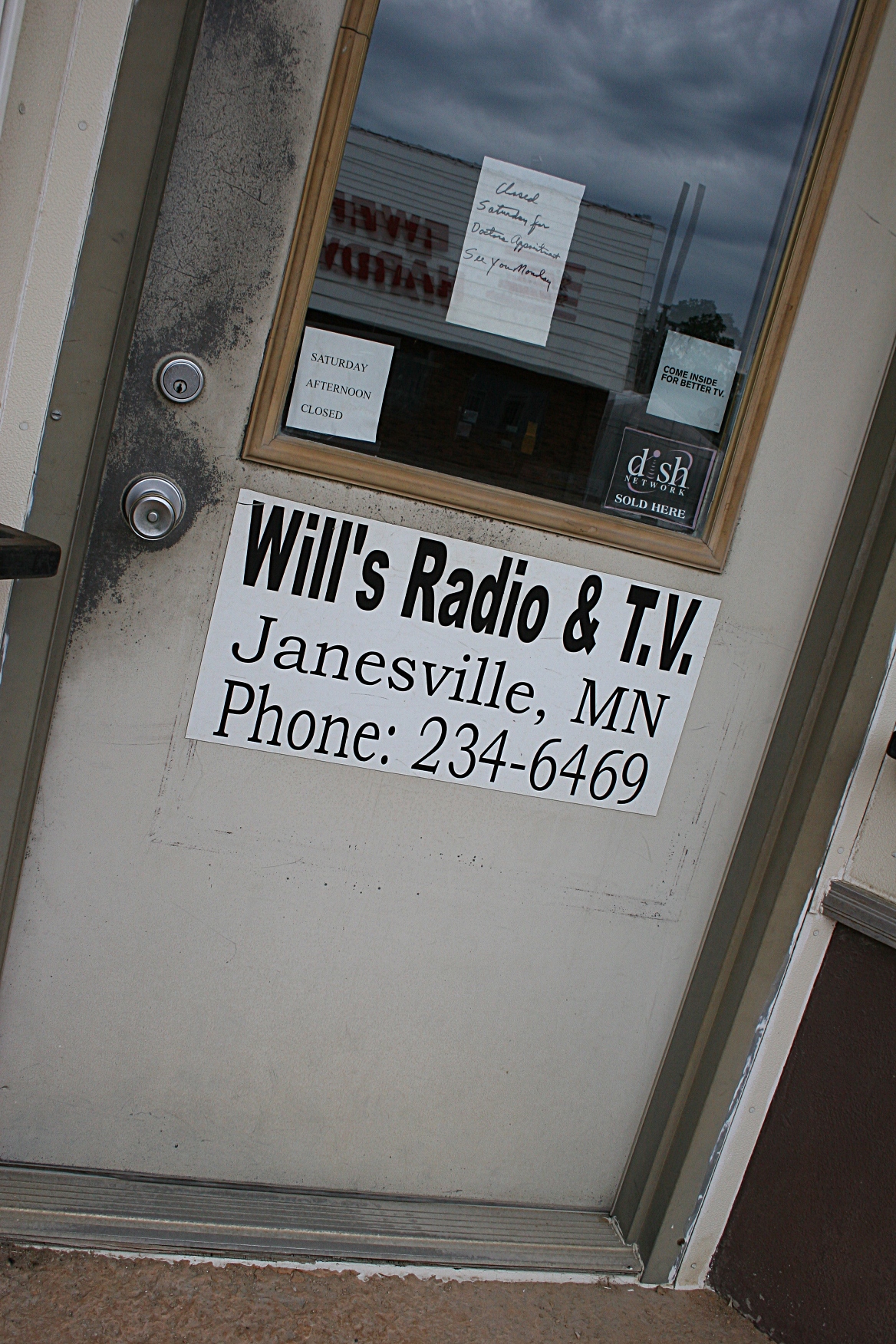
The entry to a radio and TV shop.

A jolt of color in downtown Janesville.

Lovely historic brick buildings grace the downtown. So much potential exists here.

I noticed this beautiful tile outside a former bank.

More potential in this building...

The past preserved in lettering on the side of this brick building.

The intersection at old Highway 14.

I encourage each of you, wherever you live, to take the time to appreciate the small towns in your region or the Main Street in your community.

If you live in a metropolitan area, consciously choose to drive out of the city and into a rural area and onto Main Street.

If you already live in a rural area, choose to appreciate what you have, to remain positive and upbeat about your local businesses.

I expect that if I was to drive into Janesville on a week day, I’d find a busier downtown than the one I discovered on a Sunday afternoon in August. I can’t judge a community by one visit, of that I’m sure. But I do know that I can choose to slow down, look and appreciate Main Street in Small-Town, U.S.A.

So can you.

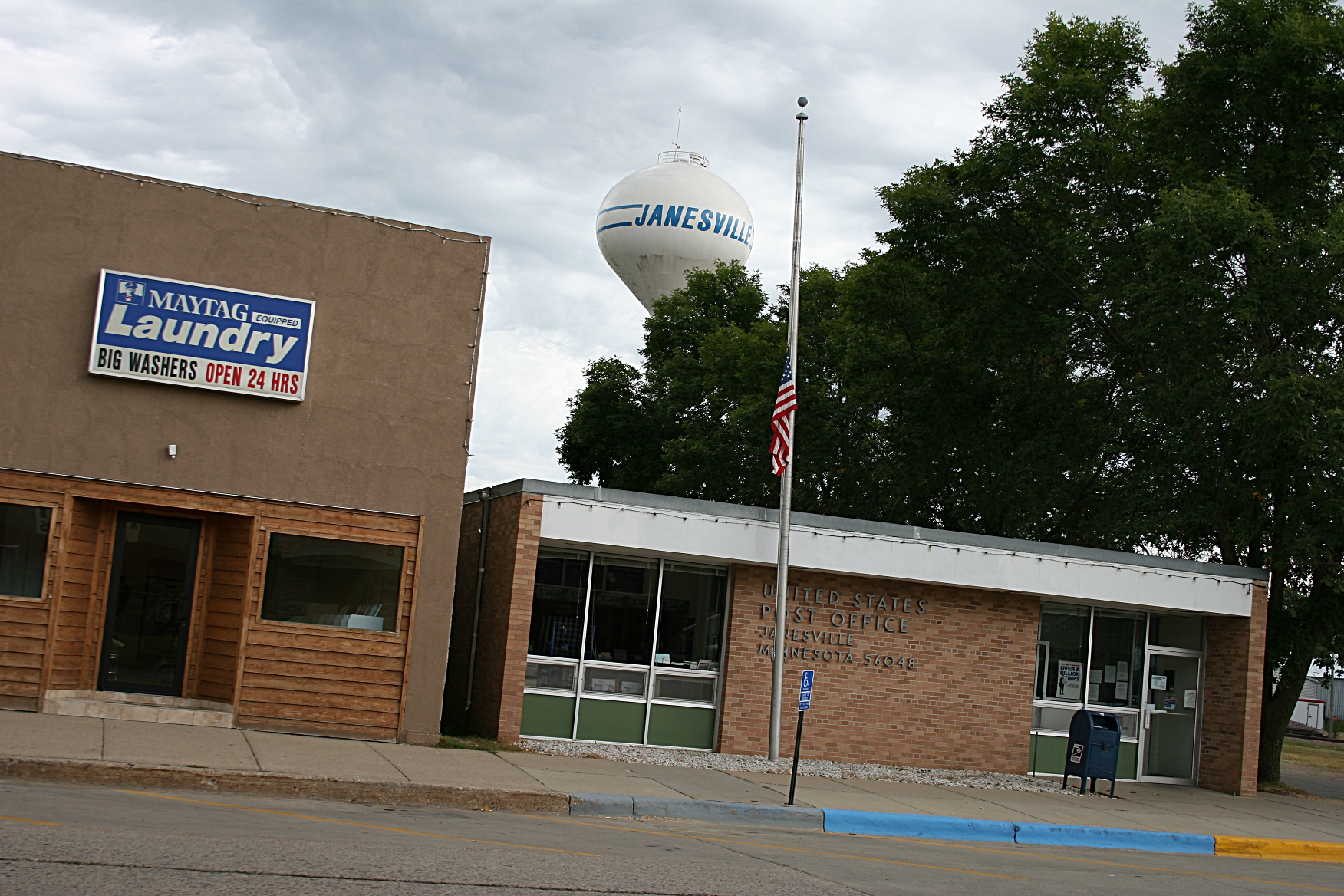
The post office, a community meeting place in small towns like Janesville.

NOTE: All of these images were taken in downtown Janesville on a Sunday afternoon in August.

© Copyright 2011 Audrey Kletscher Helbling
 

The lists you don’t want to be on in Minnesota November 22, 2011

DO YOU KNOW someone critically-injured or killed in a motor vehicle accident who was not wearing a seat belt?

I do.

So when I picked up The Faribault Daily News and read this front page headline, “County on new motorist deaths list,” I was not pleased, not at all.

My county of Rice is already on the list of Minnesota’s 13 deadliest counties for impaired driving. (Click here to see that list.) Now we’re on that latest “State’s 20 counties with highest percentage of unbelted deaths” list, according to a recent study released by the Minnesota Department of Public Safety Office of Traffic Safety. (Click here to read that report.)

From 2008 – 2010, Rice County had 14 motor vehicle fatalities. Nine of those individuals, or 64 percent, were not wearing seat belts.

Ranking at the top of this list you don’t want to be on are rural Kanabec and Wadena counties, each with three fatalities, all three unbelted. Nearly every county on the list of 20 lies in a rural area.

A rural southwestern Minnesota highway.

Certainly, statistics do not tell the full story of these deaths. Many factors can contribute to losing your life in a motor vehicle accident. Yet, buckling up is the one simple action you can take to increase your chances of escaping death or severe injury in a crash. Common sense tells you if you’re not strapped in place, you’re most likely going to be ejected or partially-ejected from your vehicle during a serious accident.

Why would you risk traveling without buckling up?

I’d like to pose that question not only to my fellow residents in Rice County, but also to those living in Redwood County in rural southwestern Minnesota where I grew up.

Redwood County, with a population of only 16,059, ranked third on the unbelted fatalities list with five of the six individuals killed from 2008 – 2010 not buckled in.

Perhaps Minnesotans living in less-populated areas like Redwood County possess a false sense of security regarding travel on rural roads. I know that region of Minnesota well. You can sometimes drive forever without seeing another motorist. And seldom do I see a law enforcement vehicle. But that should not stop drivers and passengers from wearing seat belts.

As much as I detest the traffic congestion and often times crazy driving in the metro area, I know that I am statistically safer on Twin Cities highways than I am on rural roadways.

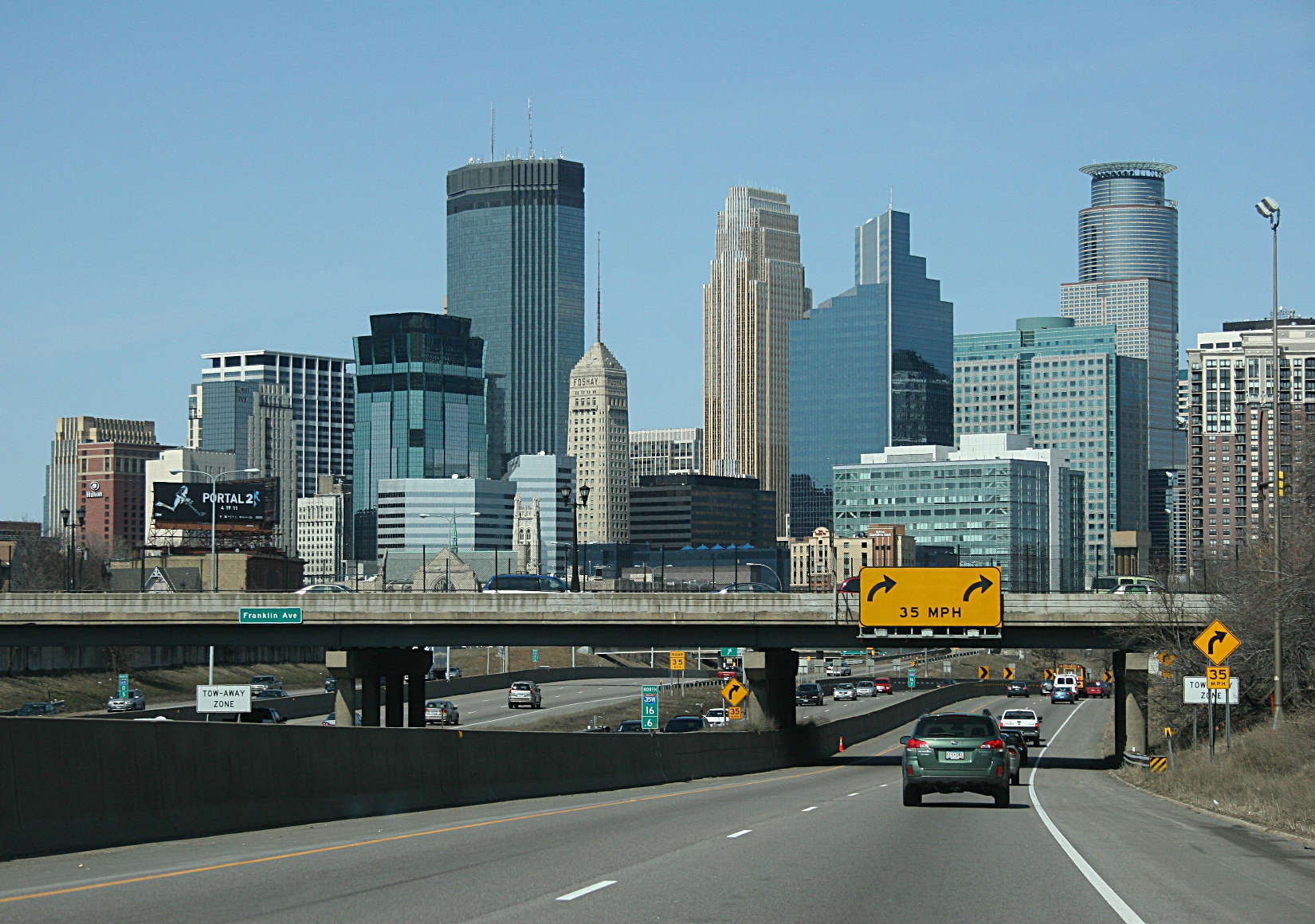
A rare, uncongested drive through Minneapolis.

That brings us back to Rice County in southeastern Minnesota along Interstate 35. I don’t consider my county—with a population of 63,034, the state’s 13th most populous county and an hour from downtown Minneapolis—to be rural although we certainly have plenty of farms and back roads.

Why are people failing to buckle up here? How does that relate to driving while impaired?

When a law enforcement officer stops a driver in Rice County for failure to wear a seat belt, does the officer ask why the motorist is not buckled in? Can that question legally be asked?

Recently, two Faribault High School students were ejected from a vehicle during a crash. The unbelted driver, a 17-year-old member of the FHS football team, suffered a neck injury and was released shortly after the accident, according to an article in The Faribault Daily News. His unbelted 16-year-old passenger was critically-injured.

I hope the two teens involved, and their families, will approach local school officials to use this as a teachable moment to promote seat belt usage. As parents of most teens will tell you, an experience shared by a peer can accomplish what all the lecturing in the world by a parent cannot.

Minnesota high schoolers interested in promoting seat belt usage can compete for a $1,000 prize in the “Buckle Up Teens! TV Commercial Challenge” contest sponsored by the state’s Office of Traffic Safety. Entry deadline for the 30-second TV public service announcement is April 16, 2012. (Click here for information about this competition.)

Realistically, I realize that no matter how hard we try collectively to increase seat belt usage in Minnesota to 100 percent via contests, education, laws, enforcement of laws and more, we’ll never reach perfection. But we’re getting close at 92 percent of Minnesotans now buckling up, according to the state Traffic Safety office.

Residents of Rice and Redwood counties, and all those other 18 counties on the state’s “unbelted fatalities list,” please buckle up. Honestly, I don’t like reading stories about traffic deaths that could have been prevented.

DO YOU BUCKLE UP every time you get into a motor vehicle? Why or why not? Share your personal reasons, your story.

© Copyright 2011 Audrey Kletscher Helbling
 

You can help: Establishing “water coolers of literacy” in rural Minnesota November 17, 2011

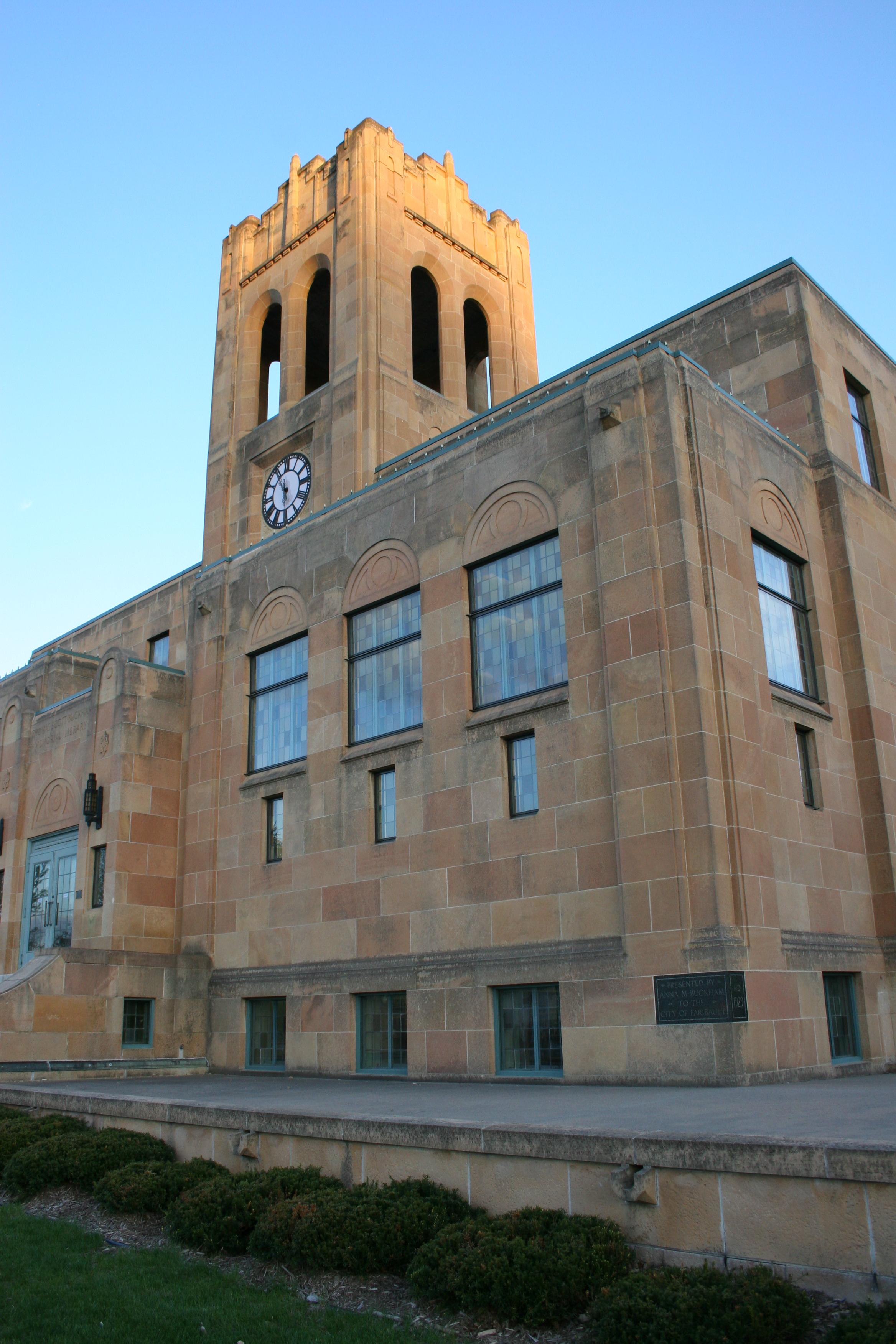
Buckham Memorial Library, Faribault

WHEN A NOTICE arrived in my e-mail in-box on Monday that Kathryn Stockett’s The Help was available for me at the local public library, I was thrilled. I’d been number 45 on the waiting list. I figured maybe I’d get the book in say seven years, long after I had forgotten it. Instead I waited only a few months.

Around 6:30 p.m. Monday, on my way to a church meeting, I stopped at Buckham Memorial Library in Faribault to pick up this bestselling novel. Much to my dismay, the library appeared closed. It was. And then I remembered the budget cuts that had trimmed evening hours to only Tuesdays and Thursdays.

As frustrated as I sometimes am about shortened night-time hours, I shouldn’t complain. At least I have a library in my community, unlike my hometown of Vesta in southwestern Minnesota. Like two dozen other small towns in Redwood, Cottonwood, Murray and Pipestone counties, Vesta residents rely on the services of the Plum Creek Bookmobile to deliver library materials. (Click here to learn more about that bookmobile.)

Once a month the bookmobile pulls onto Vesta’s Main Street, just as it does in towns like Currie, Iona, Revere and other towns you’ve probably not heard of unless you live or grew up in that rural area of Minnesota.

Given how often I use the Faribault library, I’d have a tough time with only once-a-month library access via a bookmobile. But I know that residents of these rural communities, like my 79-year-old mom, are grateful for their library on wheels.

Can more be done, though, to get books into the hands of these rural residents more frequently? I don’t expect that will come via public library systems with already financially-strapped budgets.

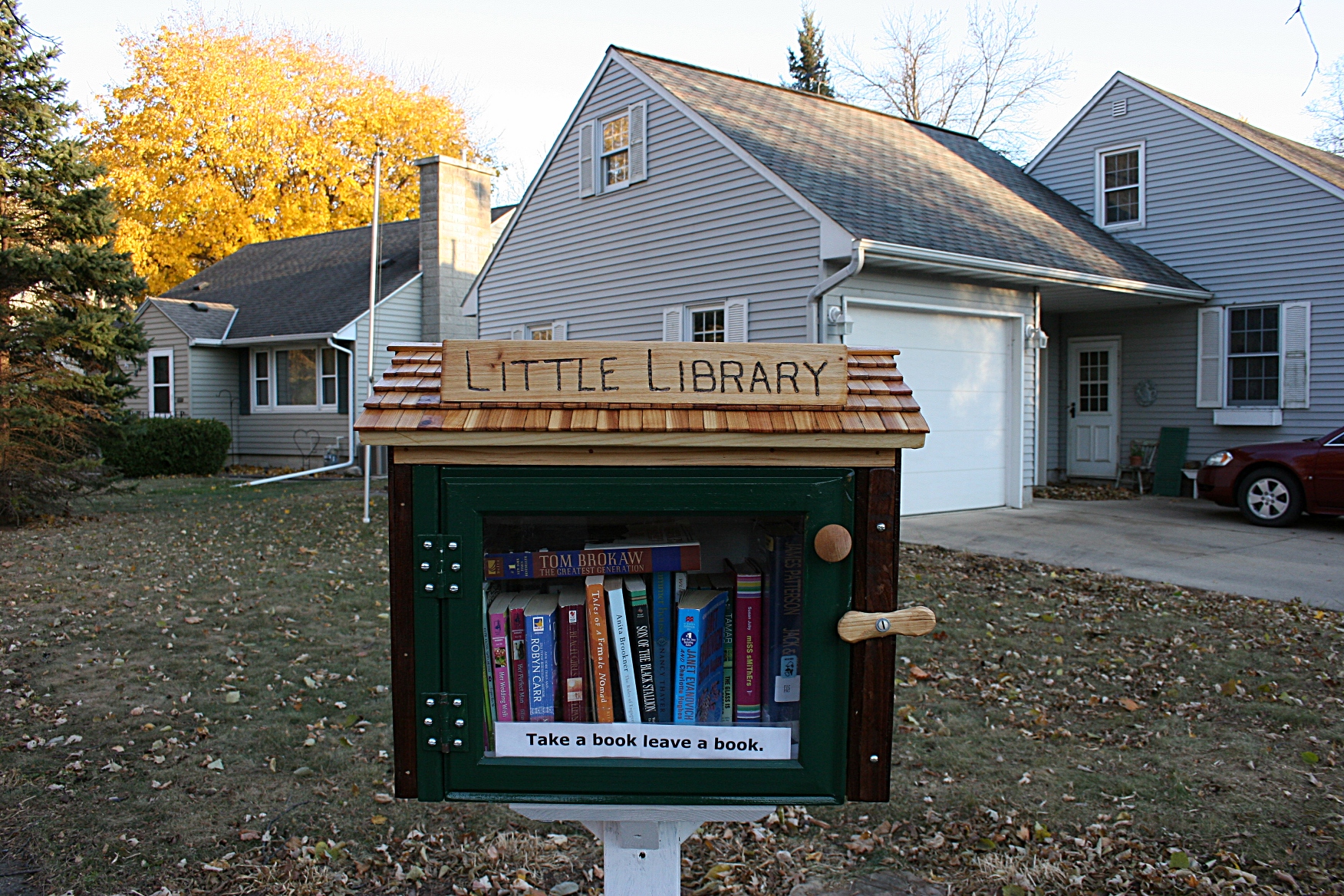
That’s why I’m particularly excited about the nonprofit Little Free Library project, co-founded two years ago by Todd Bol, a native of Stillwater now living in nearby Hudson, Wisconsin. I spoke at length with Bol earlier this week about this endeavor which places birdhouse-sized mini libraries mostly in front yards and in some public locales.

A Little Free Library seems the ideal way to fill a void in small towns without libraries.

But the problem lies in connecting to these sparsely-populated areas and growing these libraries. Bol wanted to pick my brain on how to best reach these communities and spread the word about opening a Little Free Library.

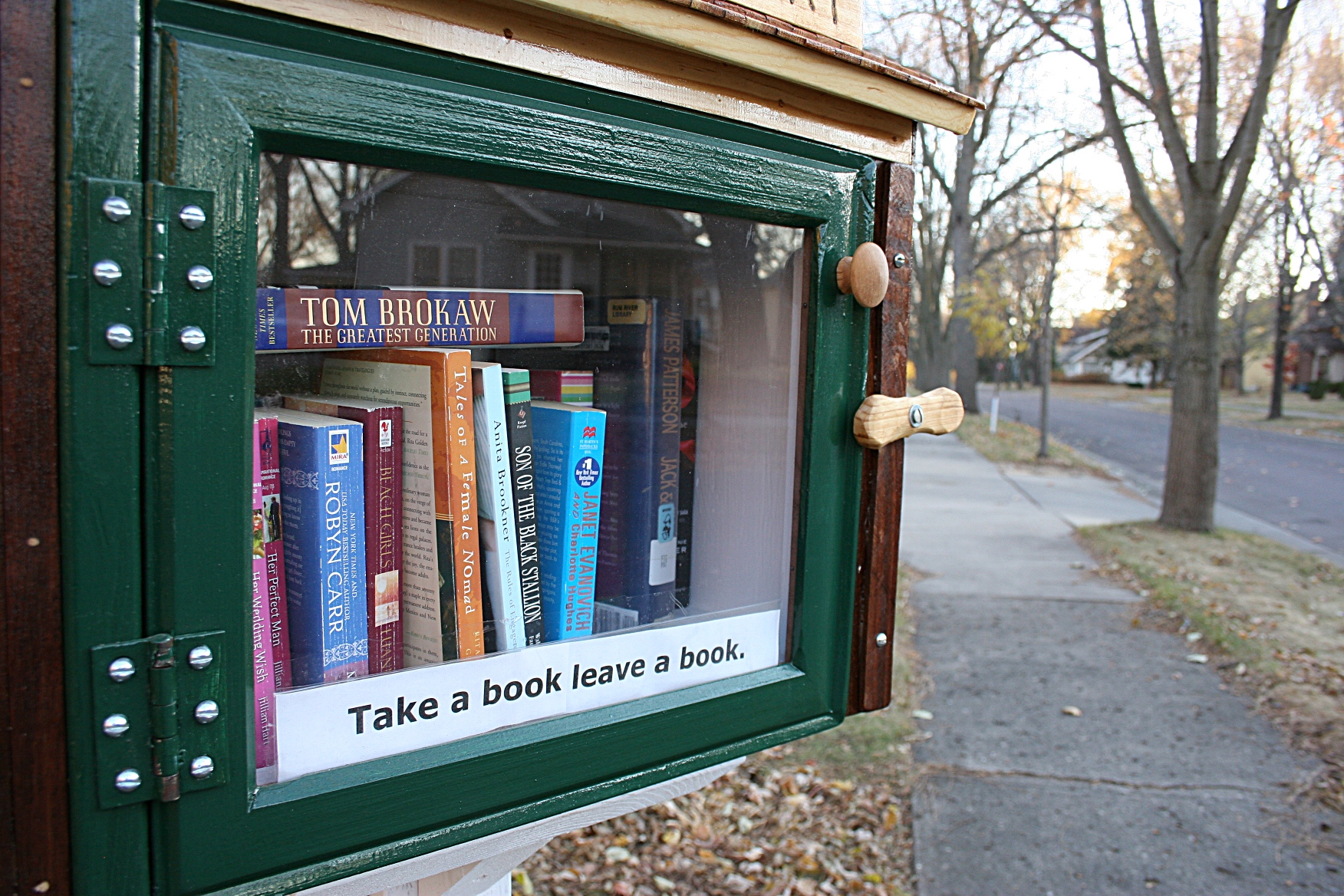
A recently-opened Little Free Library in a southwest Faribault neighborhood.

Several weeks ago a little library opened in Faribault. I learned about Dale and Joan Smith’s front yard library in the local daily newspaper on the same day I read about one opening in Detroit Lakes. Minnesota now has about a dozen Little Free Libraries with orders for some five more, Bol says. Two of those are going to Lakefield near Worthington in the southwestern corner of the state.

That’s the area I want to target for these libraries which operate on the premise of “Take a book, leave a book.” No library cards. No fee. No anything except a steward of the library and the sharing of donated books.

In a blog post published last week about the Smiths’ library, I challenged Vesta area residents to open a Little Free Library. Thus far, no one has responded.

Bol’s nonprofit is there to help, offering everything from advice to publicity to ready-built mini libraries. Those physical libraries range from a basic no-frills model priced at $375 to original art deluxe models listed at $1,000.

Or, like the Smiths in Faribault, you can build your own and then become a Little Free Library member, for a recommended $50 donation. That entitles you to benefits like a sign, sharing of your story online, listing on the LFL world-wide map and more. (Click here for membership details.)

With monies donated through the LFL’s “Pay It Forward” program, funding is available for underwriting library costs, for signs, donations of the library structure, etc.—all aimed toward helping others open village libraries. Currently the nonprofit is assisting soldiers with placing libraries in Afghanistan. No application process exists to apply for funds, but Bol hopes to eventually establish one.

Some 200 officially-registered Little Free Libraries have opened world-wide, according to Bol, who is especially excited about one planned for the Minneapolis Sculpture Garden. He’s also thrilled about an upcoming story in an Italian fashion magazine.

Defining himself as a “social entrepreneur by profession,” Bol focuses on change and making a difference. He views a Little Free Library as “a water cooler of literacy.” That comes from a man who says he “leans toward dyslexic” and reads primarily social engineering, quirky nonfiction and history books.

The Smiths of Faribault have filled their Little Library with a variety of books.

A LFL, Bol continues, becomes not only a place to get and give books, but also a community gathering spot, a “unique space of conversation” to discuss reading, books, education and more.

“There’s a sense of community being built through Little Free Libraries,” its co-founder says. He sees social interaction between neighbors who previously may not have met or spoken. A front yard library brings them together.

Bol remembers the moment he realized he was onto something with the Little Free Library concept. He had built and placed a schoolhouse-shaped library in his Hudson front yard honoring his mom, June A. Bol. When folks stopped by to shop at a garage sale he was holding and saw the mini library, they were intrigued. “That’s cute. Can I build it?” customers inquired.

From that spark of community interest, this social entrepreneur and his friend Rick Brooks of Madison, Wisconsin, ran with the idea and co-founded the Little Free Library movement.

Today Bol’s looking to engage others, like me, in spreading the word about these mini libraries. I didn’t come up with a brainstorm of an idea when we talked about how to best reach places like the small towns of southwestern Minnesota without libraries. I only suggested establishing a LFL in the area and then contacting small-town daily and weekly newspapers and radio stations in a publicity blitz.

He suggested a contest that would give away a Little Free Library, something he’s previously done.

Bottom line, it’s going to take networking to grow Little Free Libraries in more remote and rural areas.

Once the interest is established, it’s going to take individuals, families, neighbors and/or organizations to build and tend these libraries—perhaps a 4-H club or a 4-Her, a Boy Scout or Girl Scout, a church youth group, a Friends of the Library organization, a woodworker, a service club like Sertoma or Rotary or…

IF YOU HAVE ideas, any ideas, on how to grow Little Free Libraries in rural Minnesota, please submit a comment and share.

IF YOU HAVE a Little Free Library, plan to open one or need assistance in opening one, submit a comment. Most of all, tell others about this project.

FINALLY, if anyone is specifically interested in opening, building or funding a Little Free Library in my hometown of Vesta, let me know. It’s always been my dream to have a library in Vesta.

CLICK HERE for detailed information about the Little Free Library project.

© Copyright 2011 Audrey Kletscher Helbling
 

The season of church dinners October 23, 2011

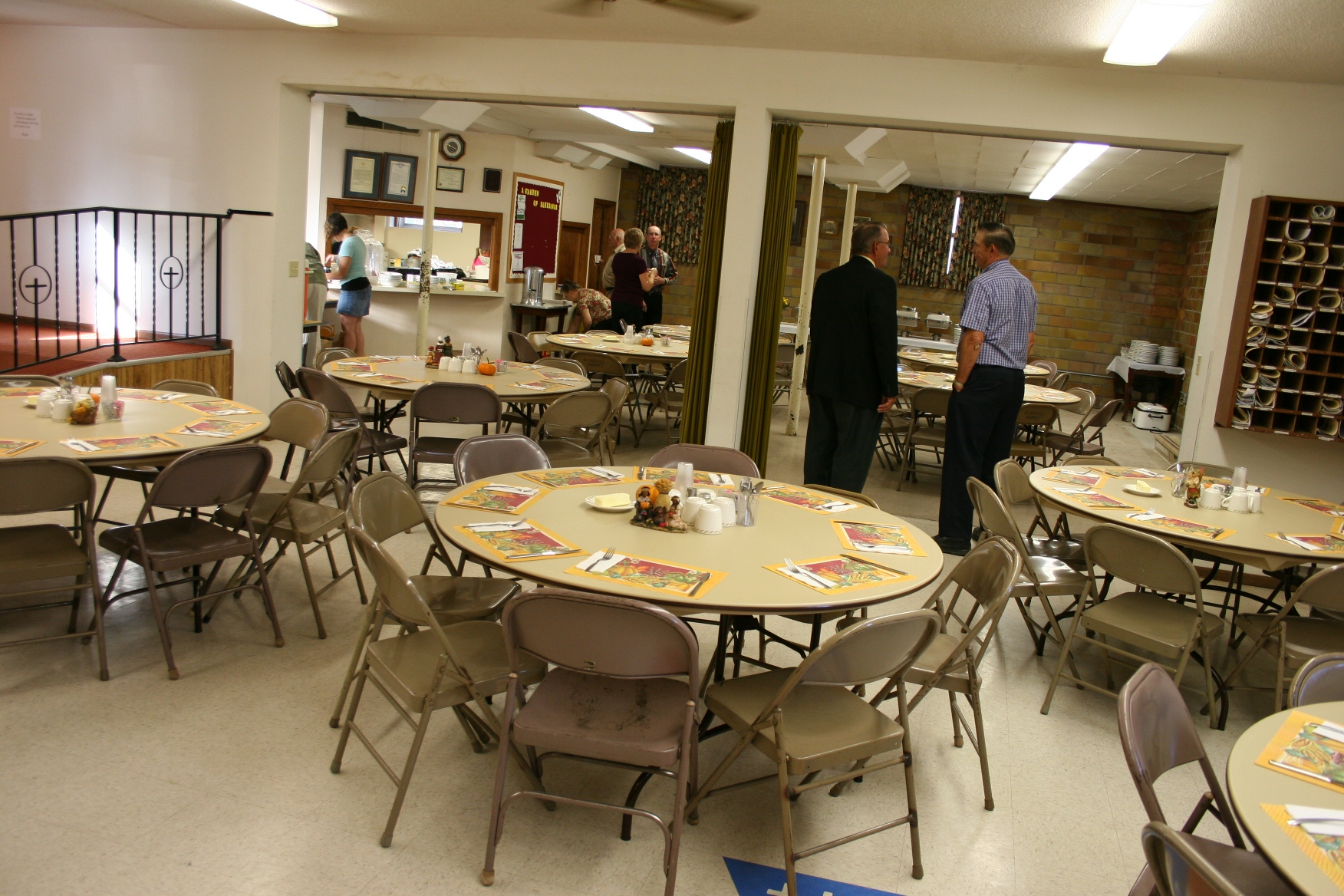
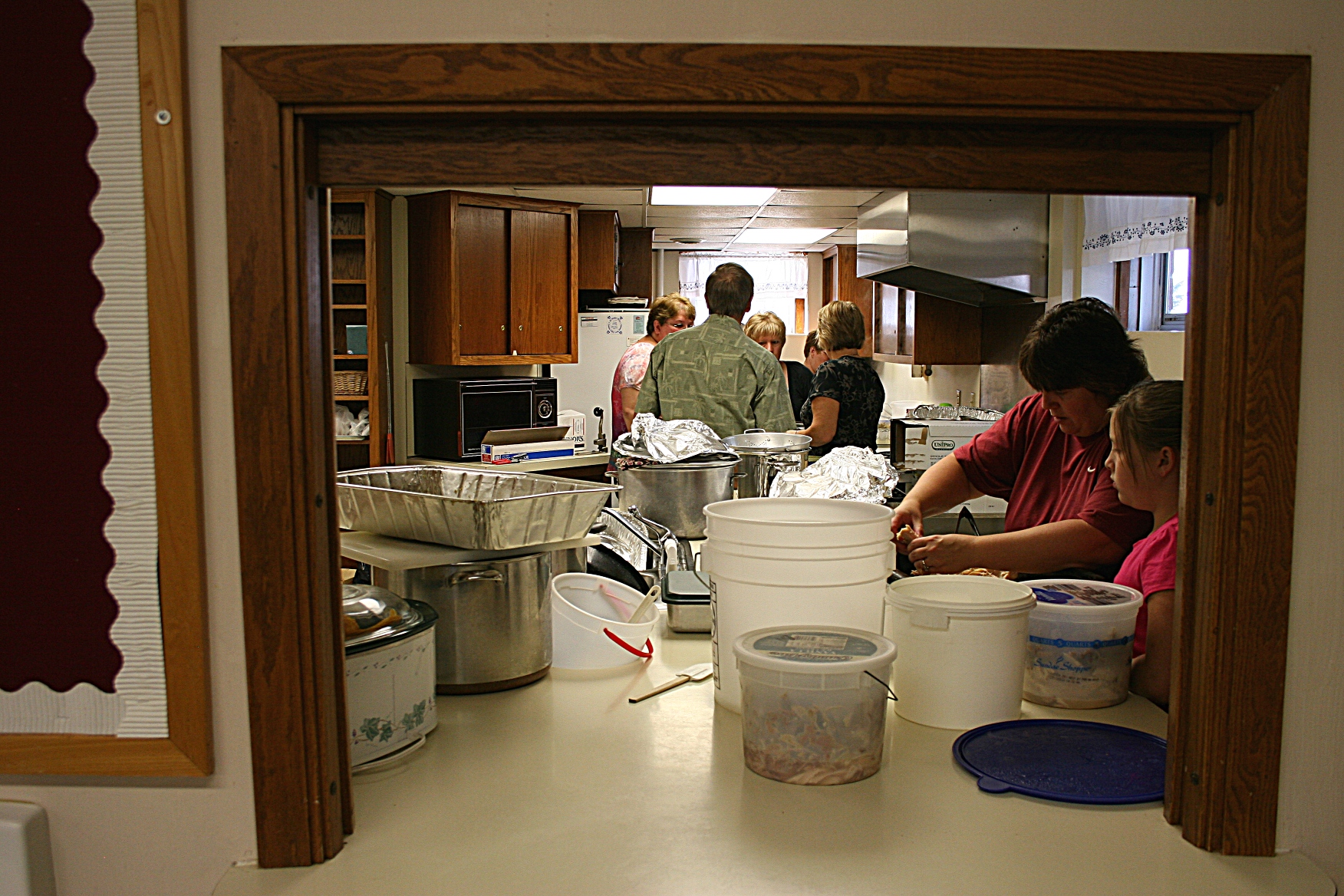
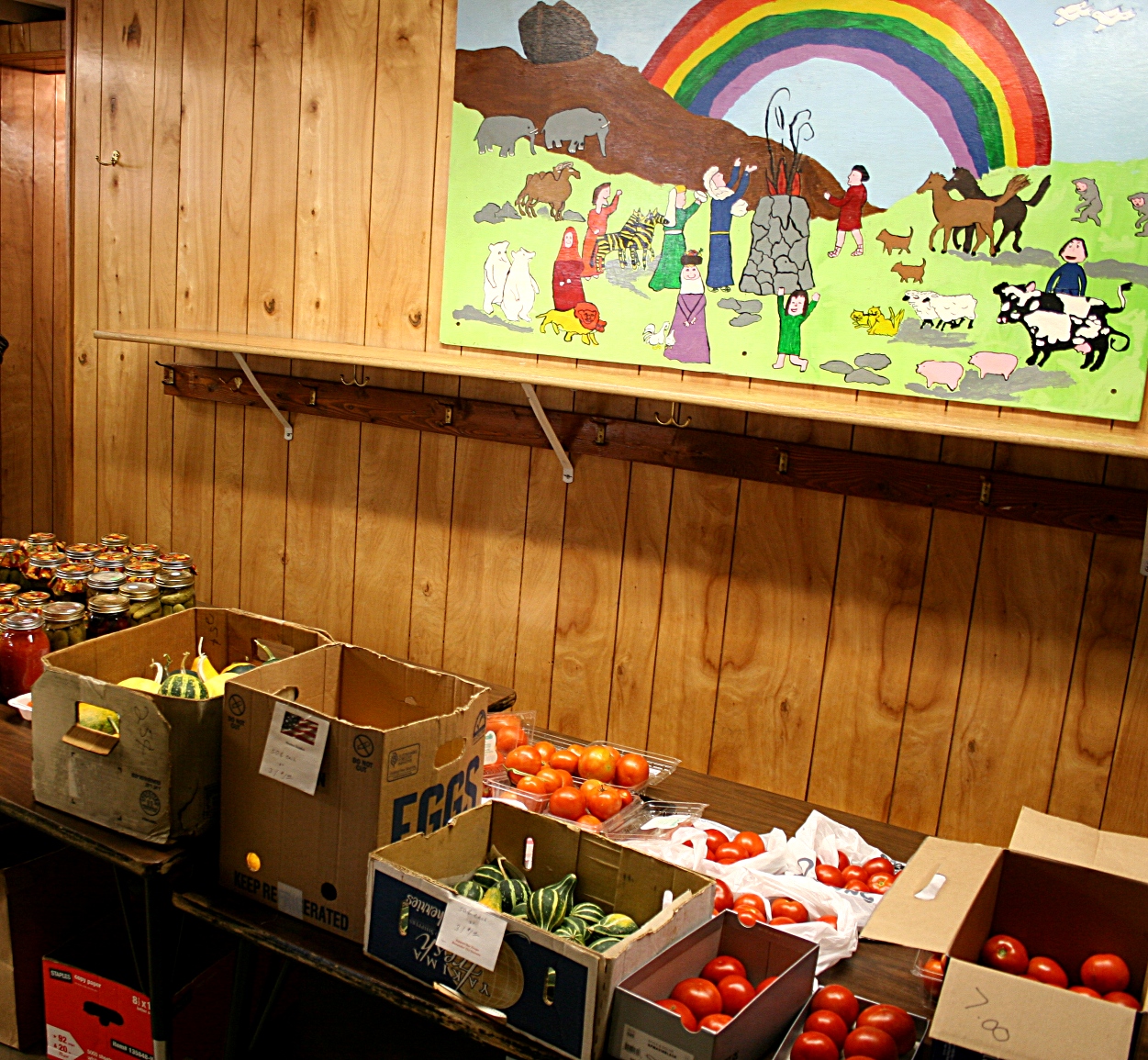
To everything there is a season, and a time for every harvest dinner in the church basement:

A time to be prepared

And a time to enlist volunteers;

A time to bake

And a time to pluck up that which is planted;

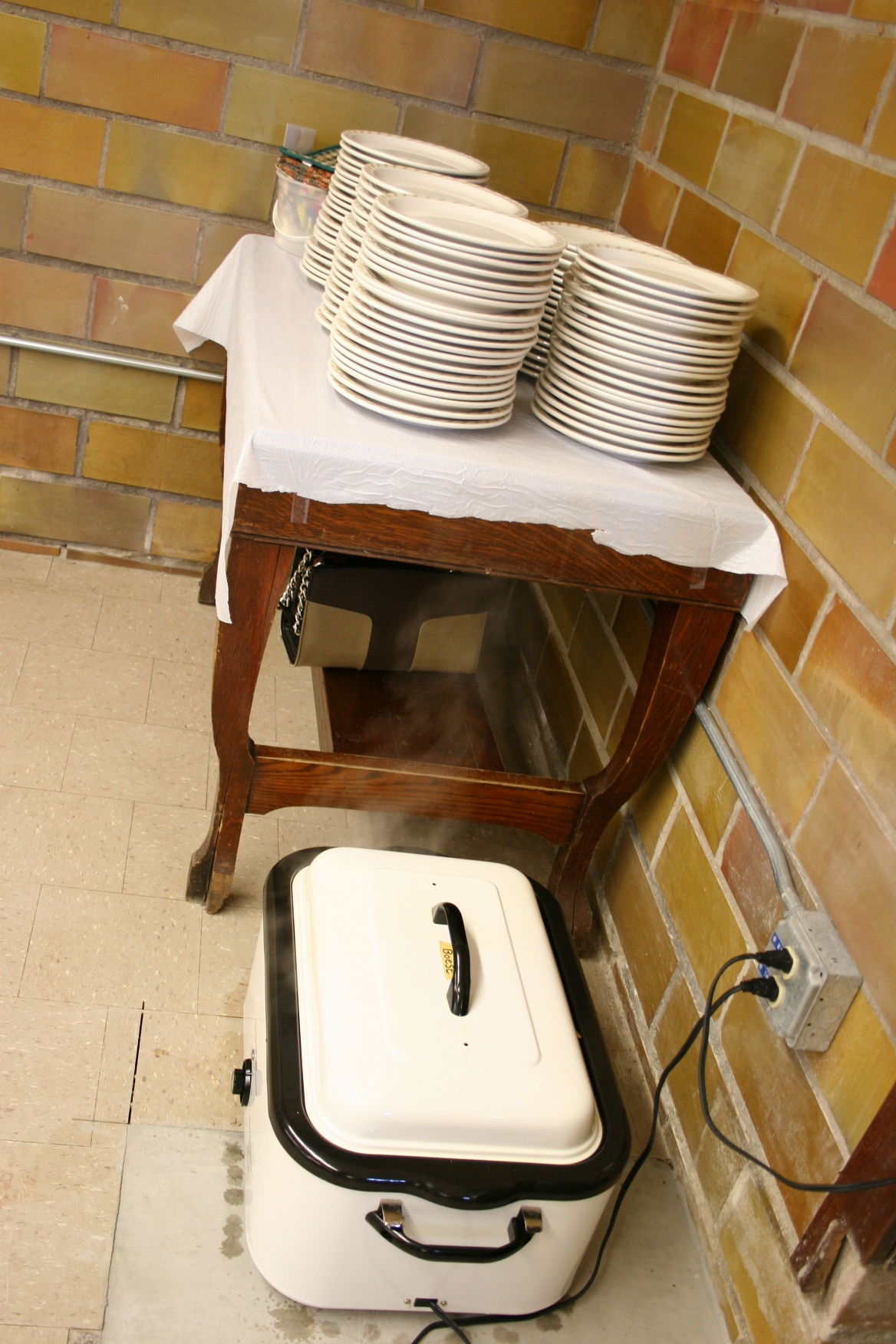
A time to pull out the plates and roasters

And a time to feed those who come seeking nourishment;

A time to serve the hungry waiting in line

And a time to dish up meals for those who want take-out;

A time to savor good home-cooking

in the company of family and friends;

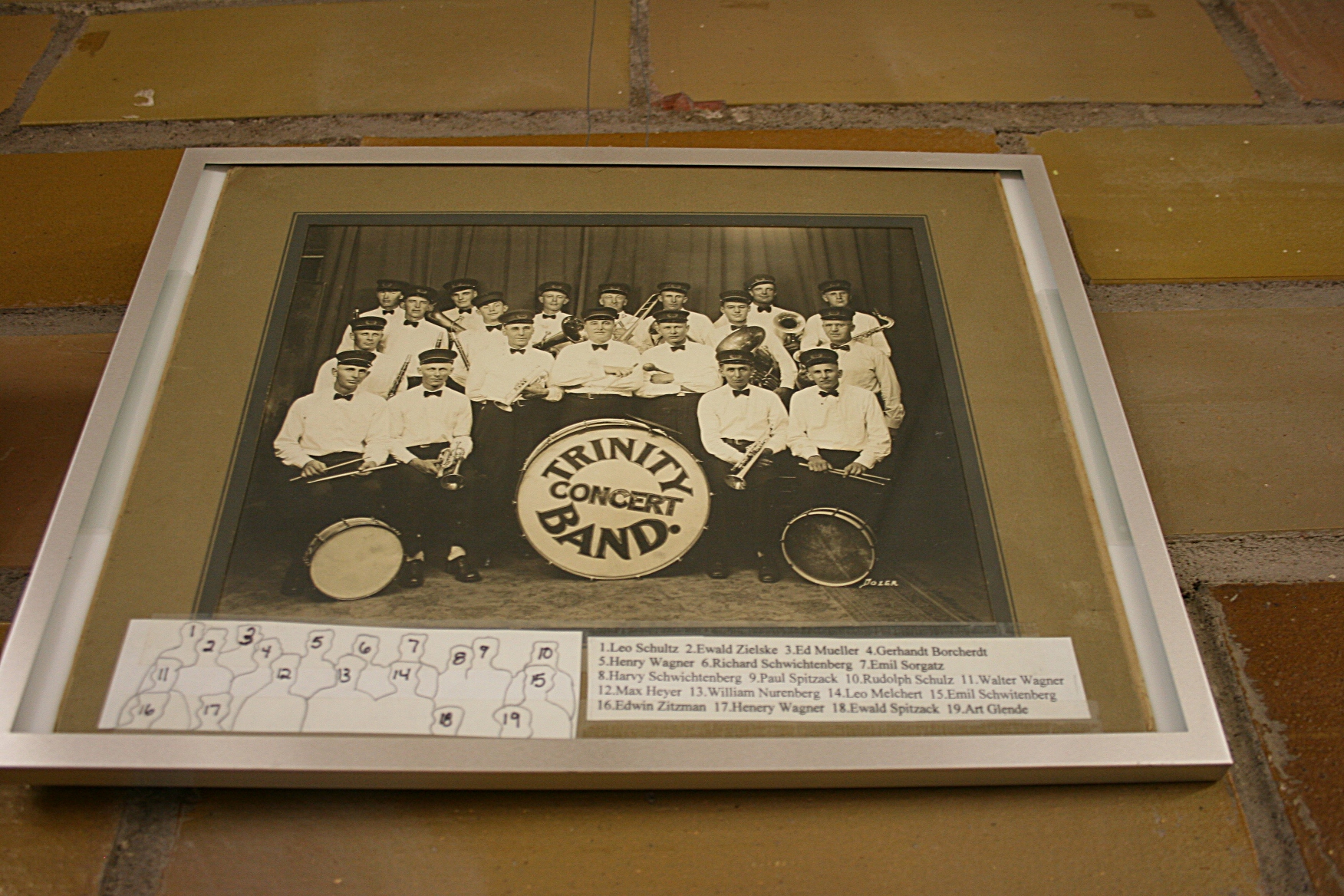
A time to remember the past in old photos and conversation

And a time to welcome new friends into the fold;

A time to encourage those who labor tirelessly in the kitchen

And a time to be thankful for this land we love, in the season of harvest.

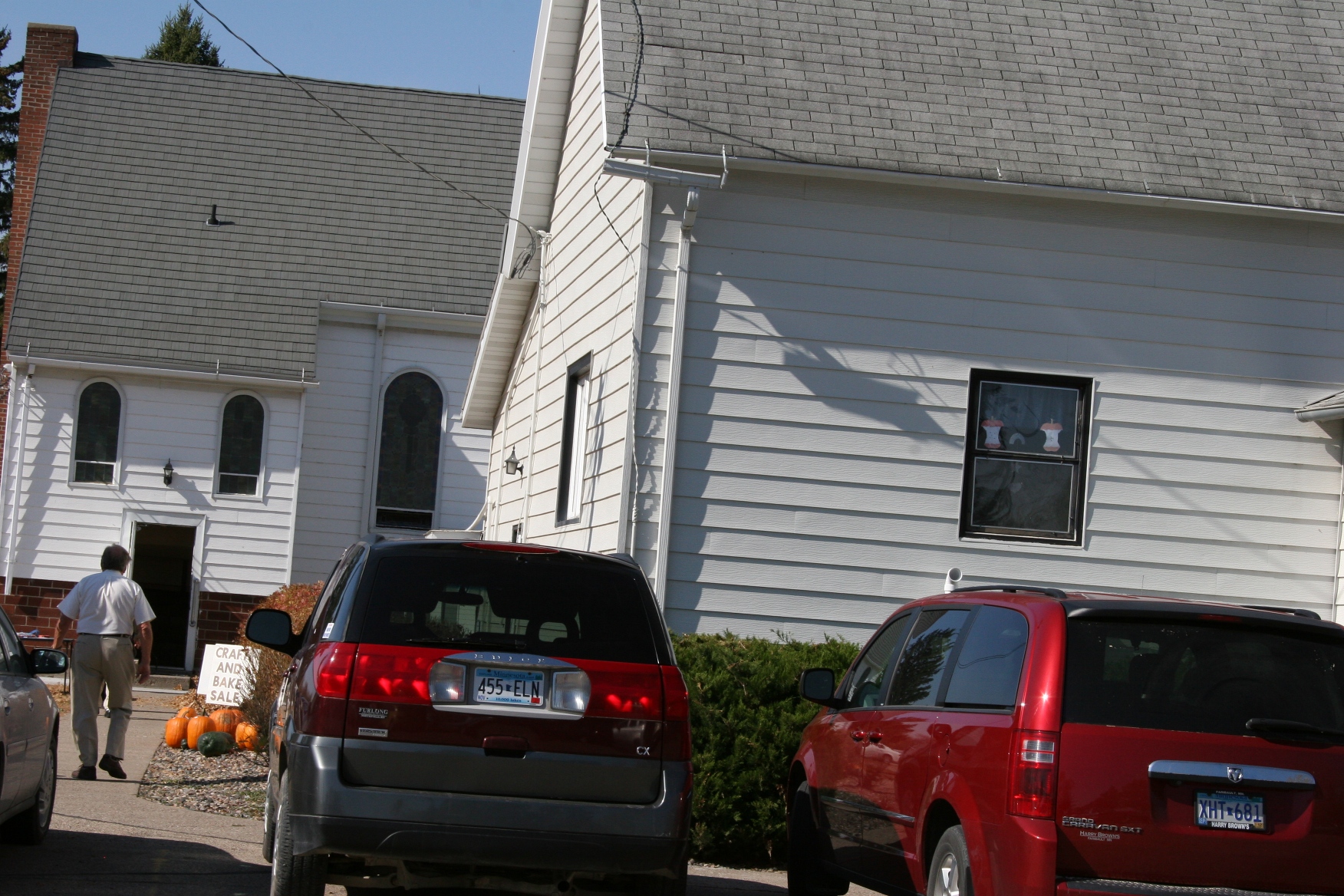
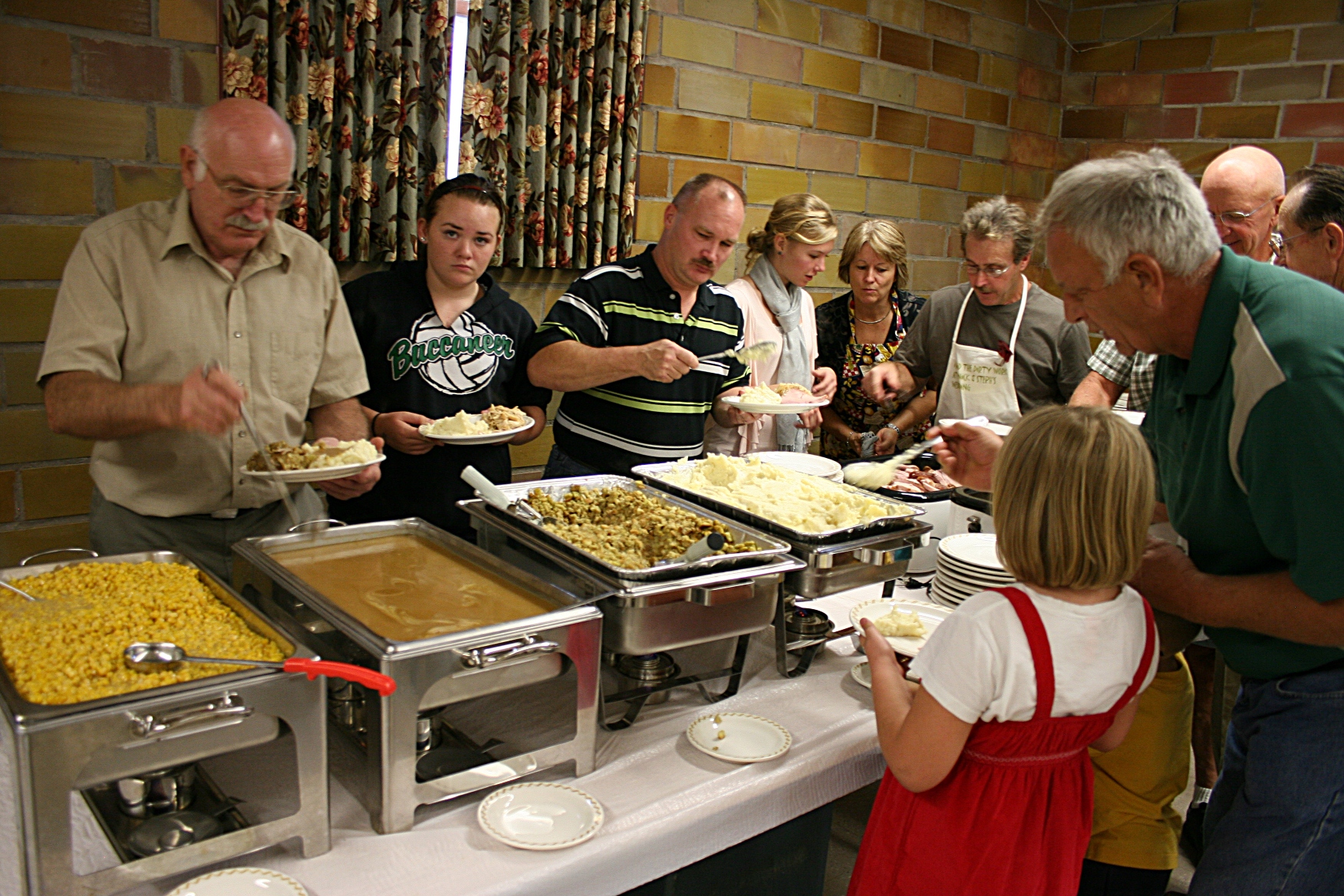
THESE PHOTOS were taken at the recent Trinity Lutheran Church, North Morristown, annual fall harvest dinner, country store and bake sale.

Copyright 2011 Audrey Kletscher Helbling
 

Walking into yesteryear at the Oak Center General Store October 17, 2011

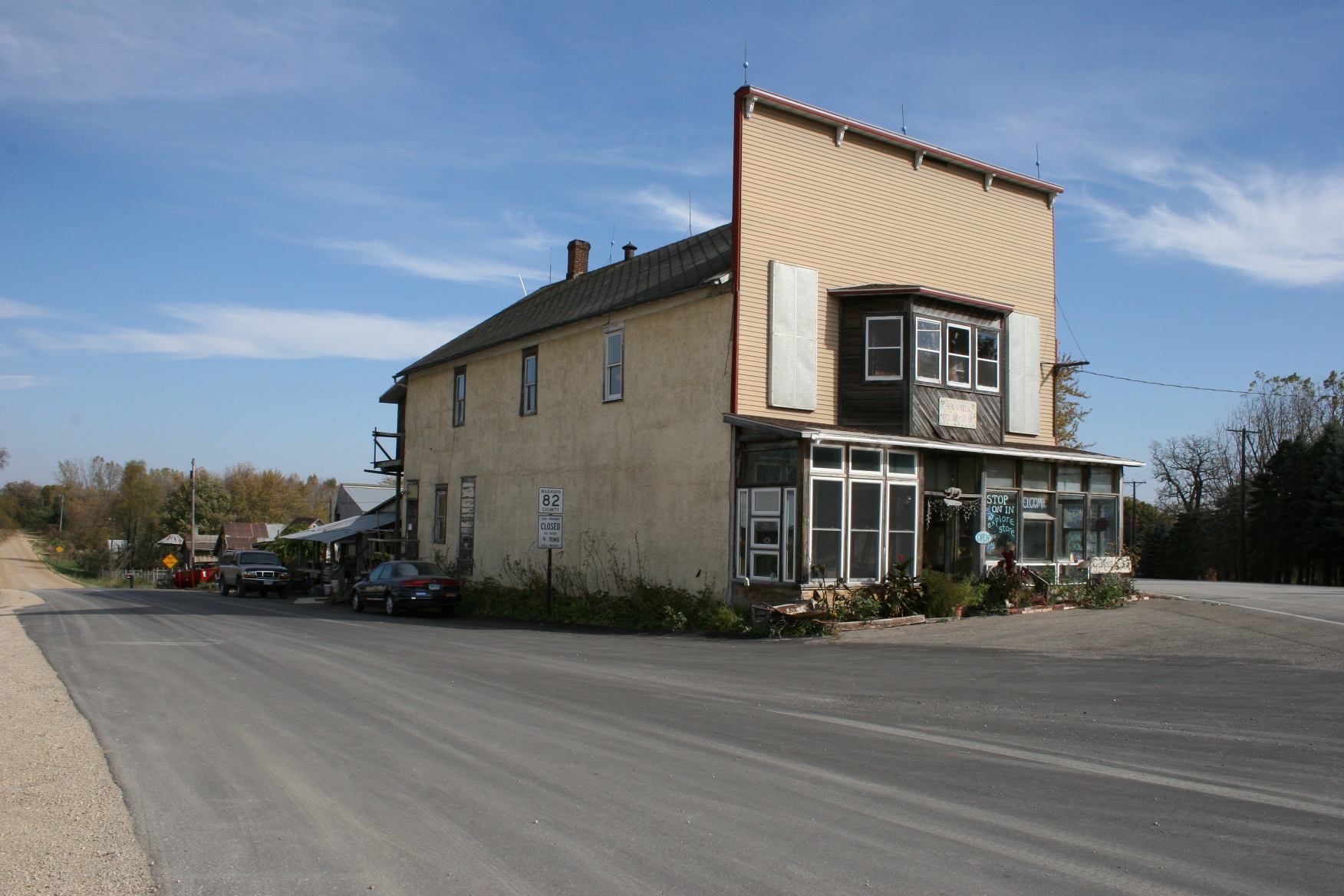
IF NOT FOR THE MINNESOTA Highway 60 detour onto U.S. Highway 63 north of Zumbro Falls, we never would have found Oak Center.

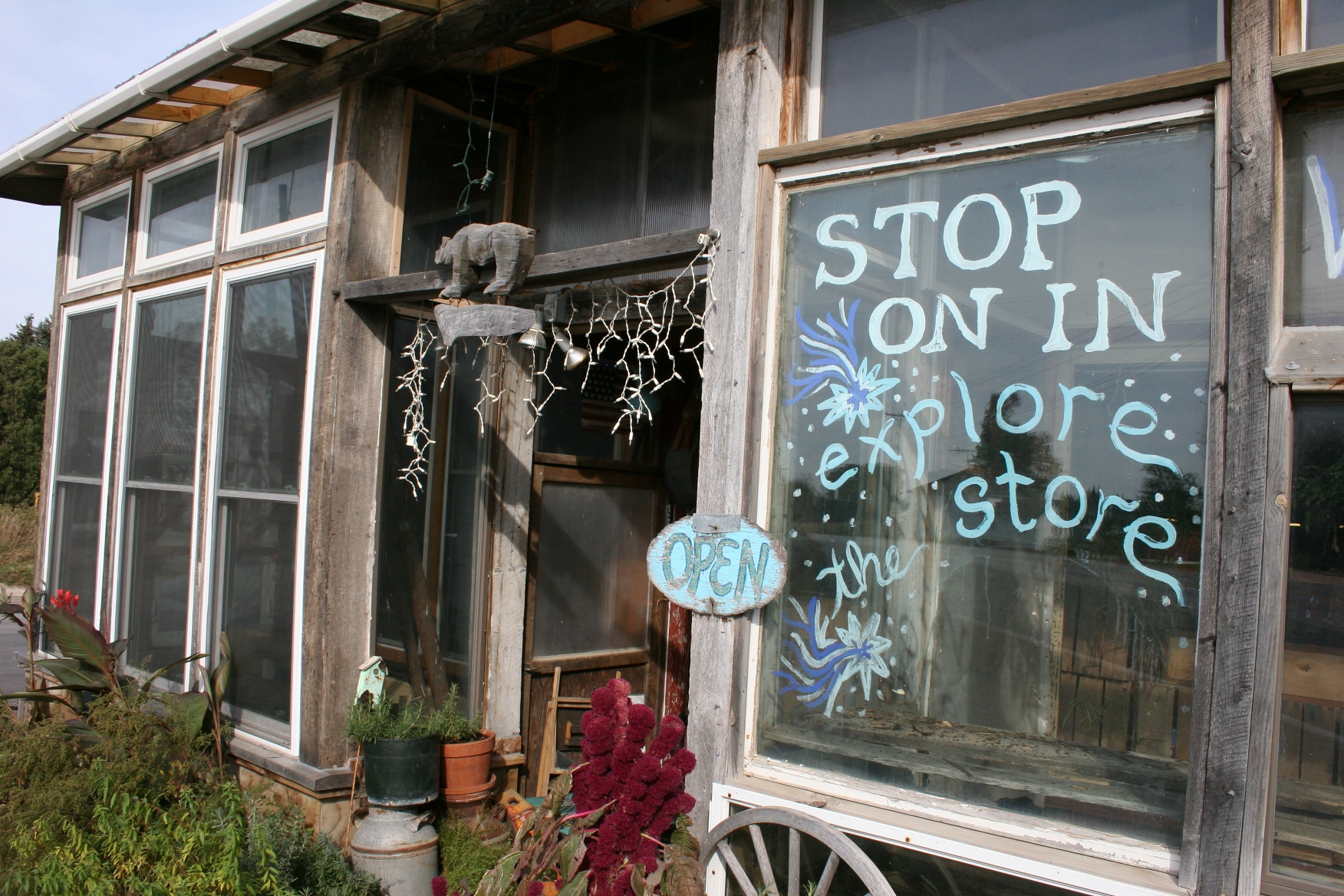
And had we not seen the writing on the window, “Stop on in and explore the store,” and the OPEN sign, we might have driven right by the Oak Center General Store.

That message on the front window that urged us inside.

The general store sits nearly on top of Highway 63, right, in Oak Center.

From the exterior, it’s that type of structure and setting—a visual hodgepodge which makes you question whether the place truly is open.

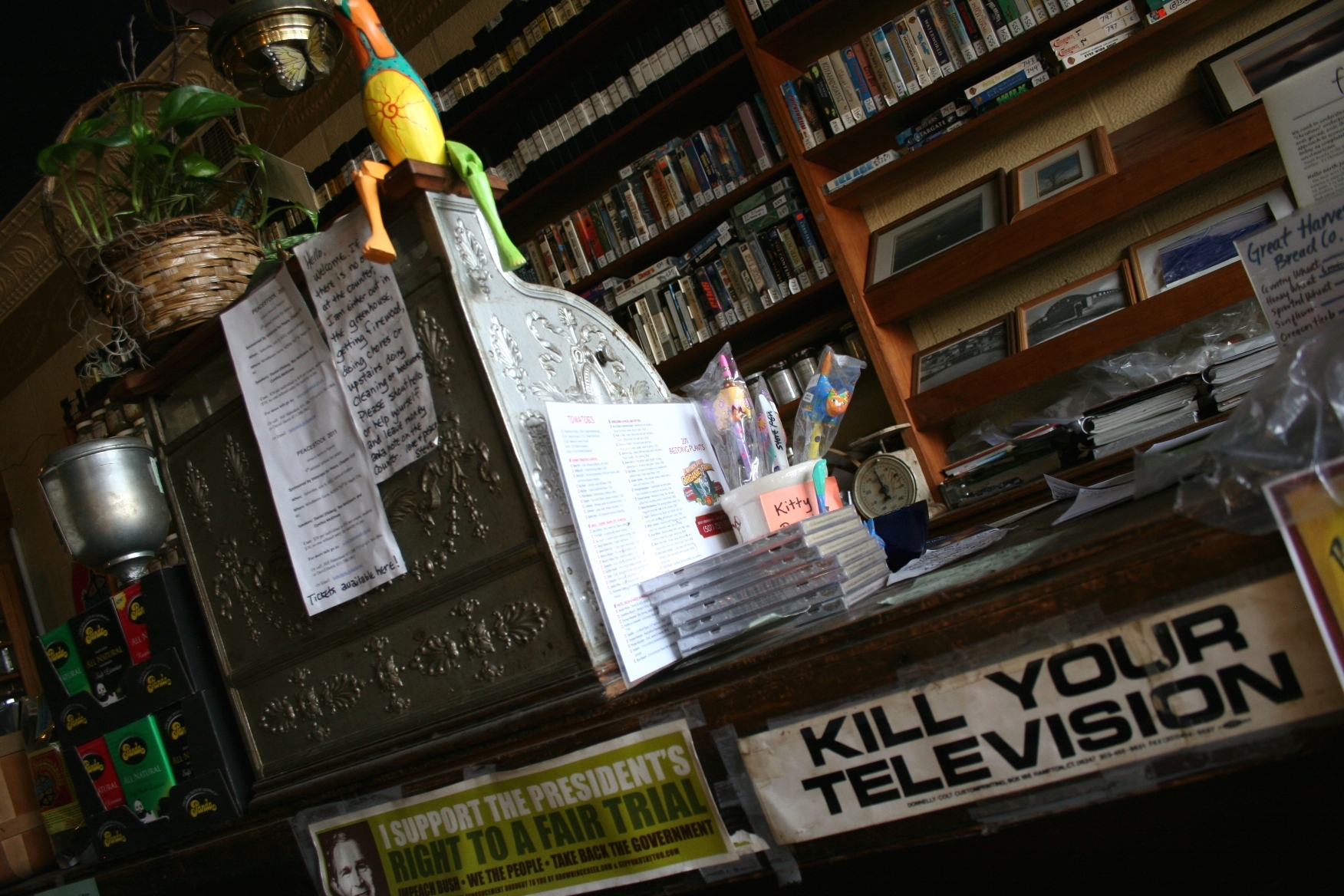
My husband and I wondered that when we pulled off the highway and parked next to the old building. Then we stepped inside and it was like we had walked into a general store of yesteryear, right down to the vintage push-button cash register.

The vintage cash register sits atop a counter labeled with strongly-worded messages.

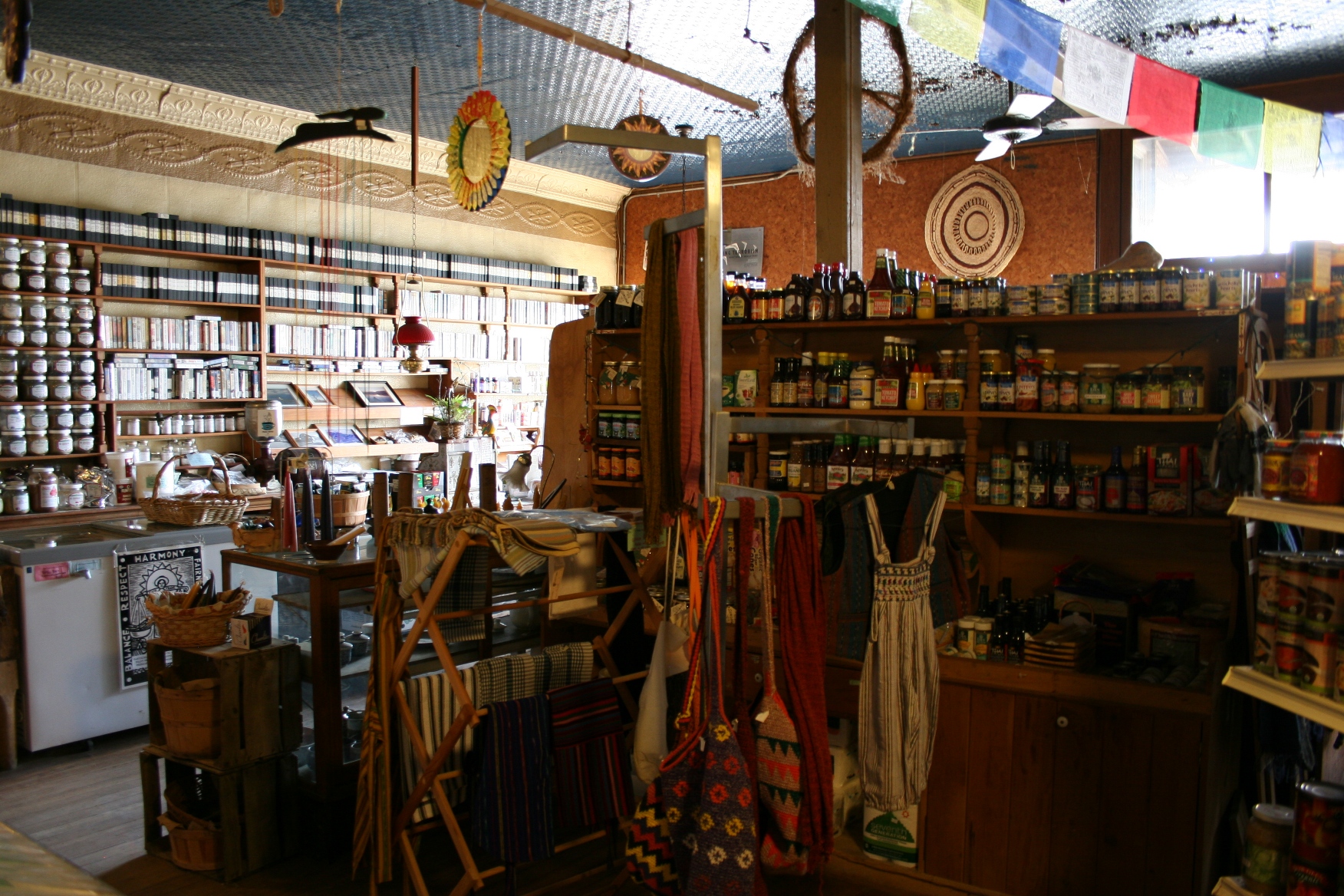
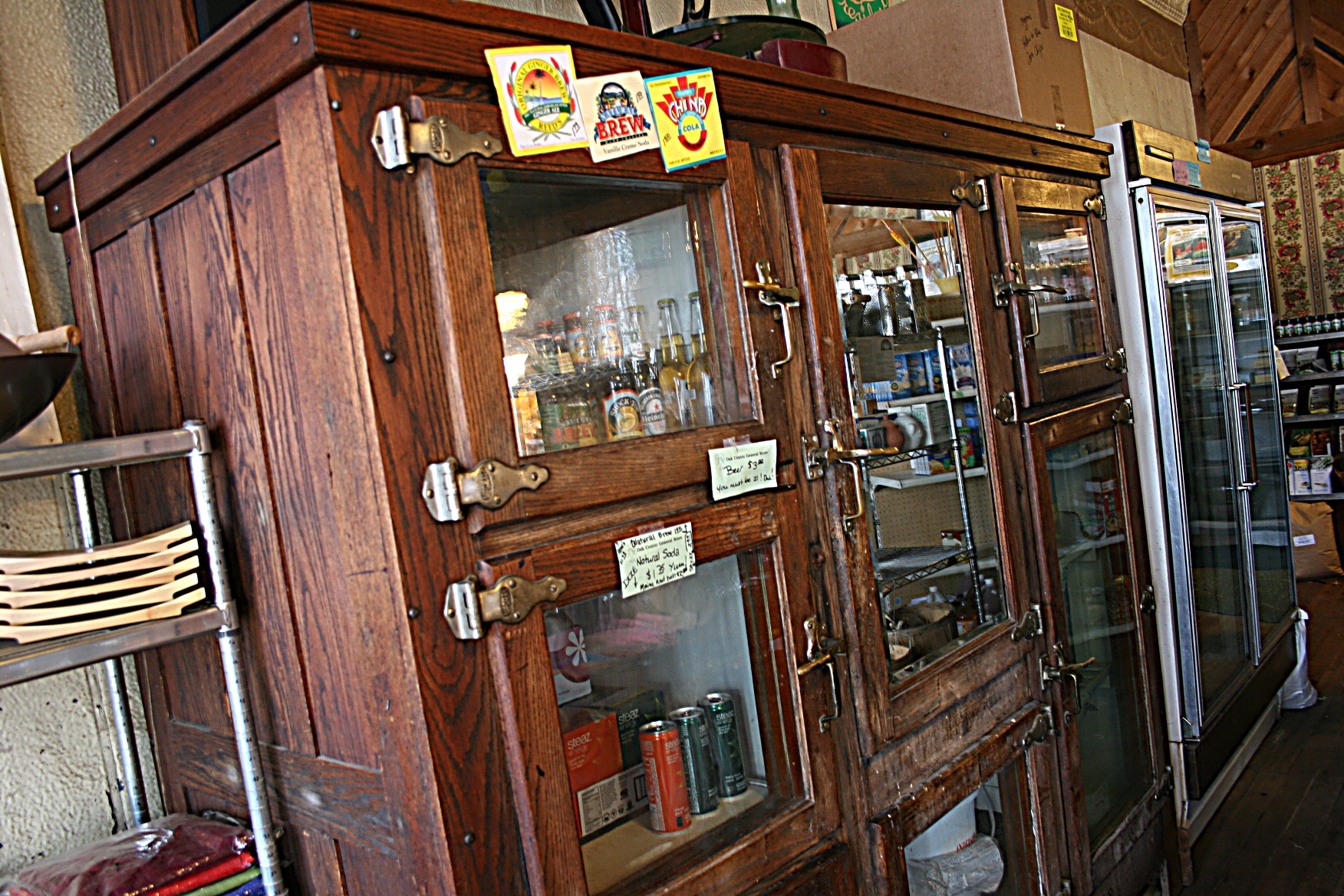
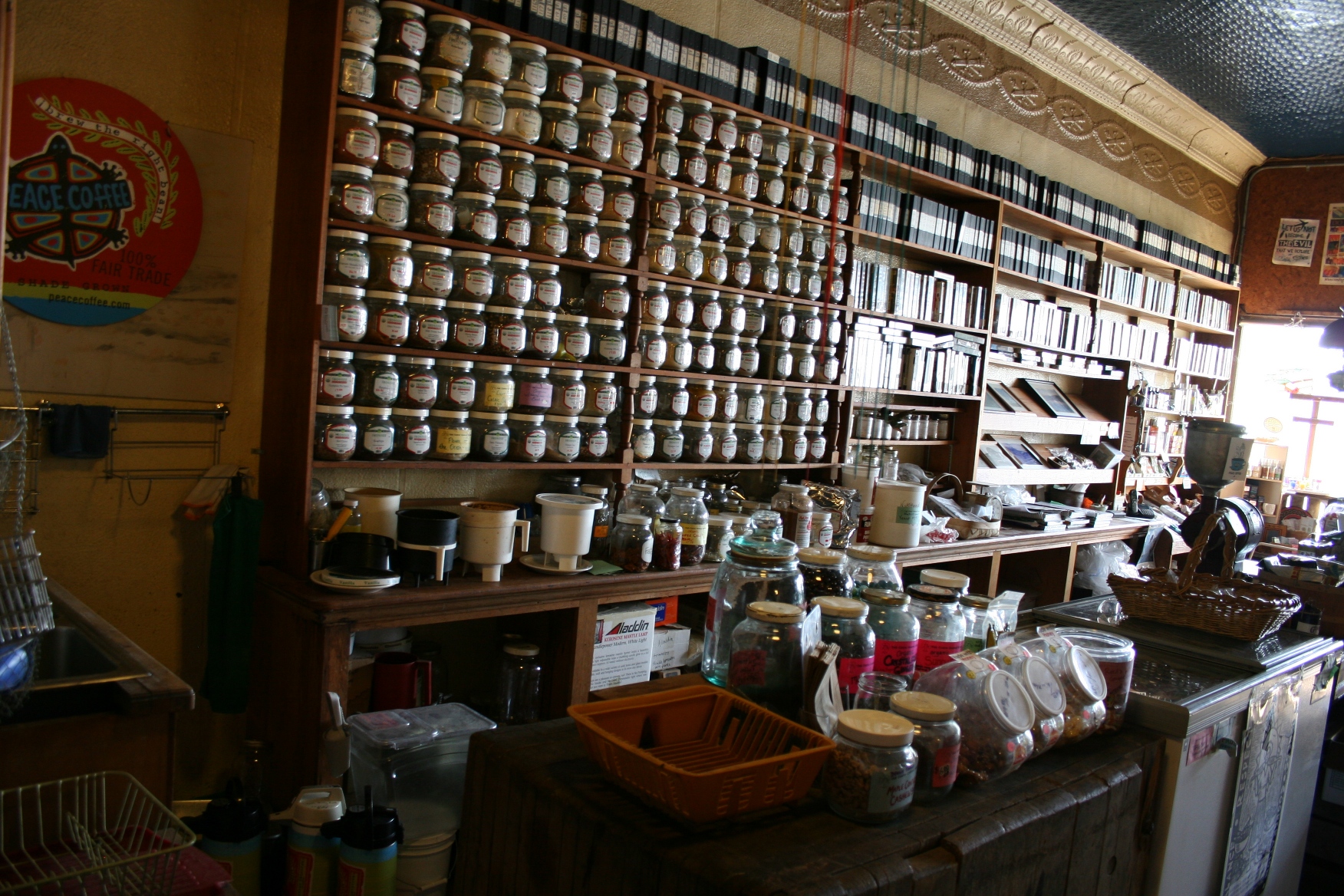
For the longest time we meandered around the shelves, taking it all in—the worn wood-plank floor, the tin ceiling, the old wooden refrigerators, the vintage bottled pop machine, the bulk spices…

An eclectic mix of merchandise is crammed into the store.

Old-style refrigerators, still in use in the store.

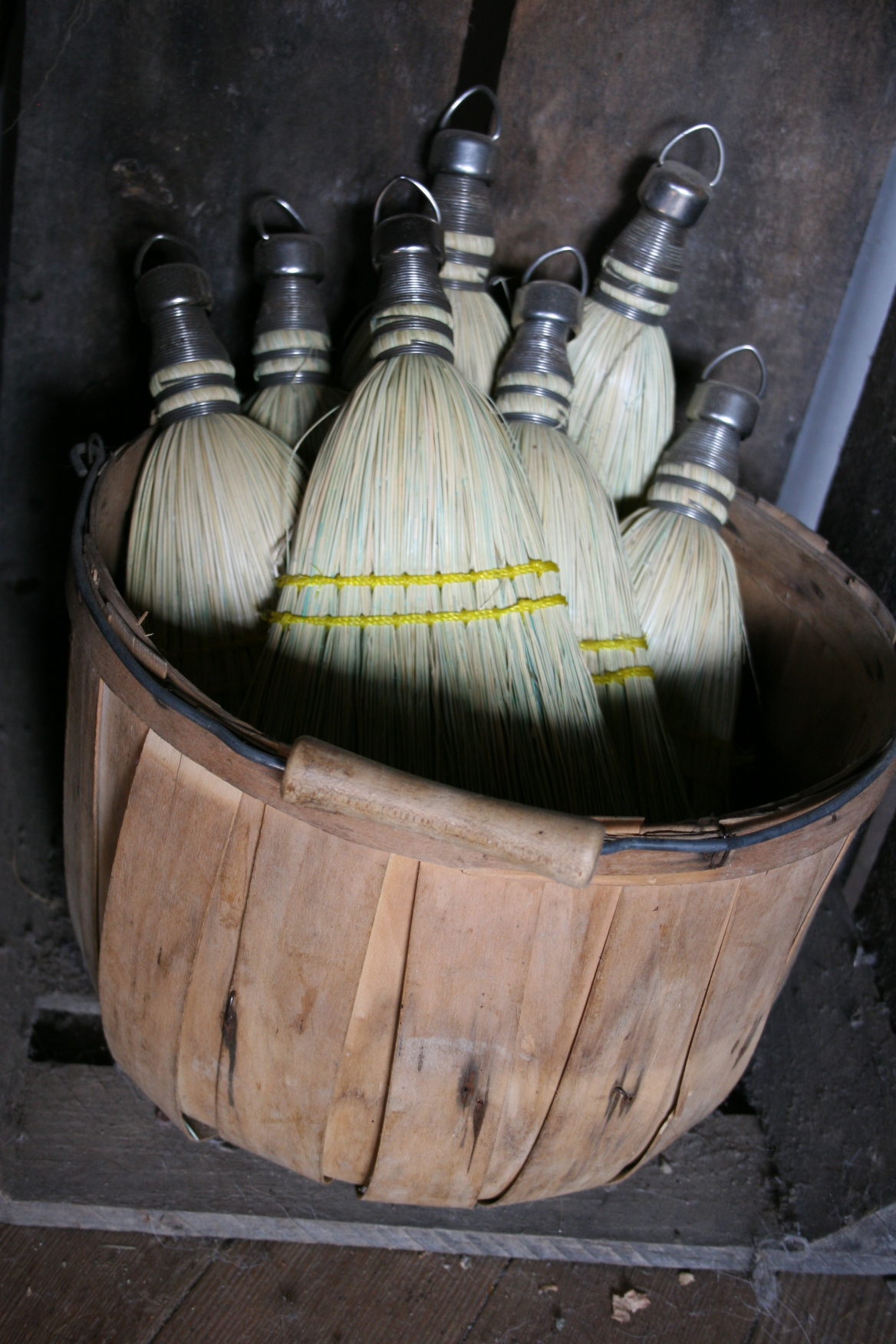
Brooms for sale tucked into a basket on the floor.

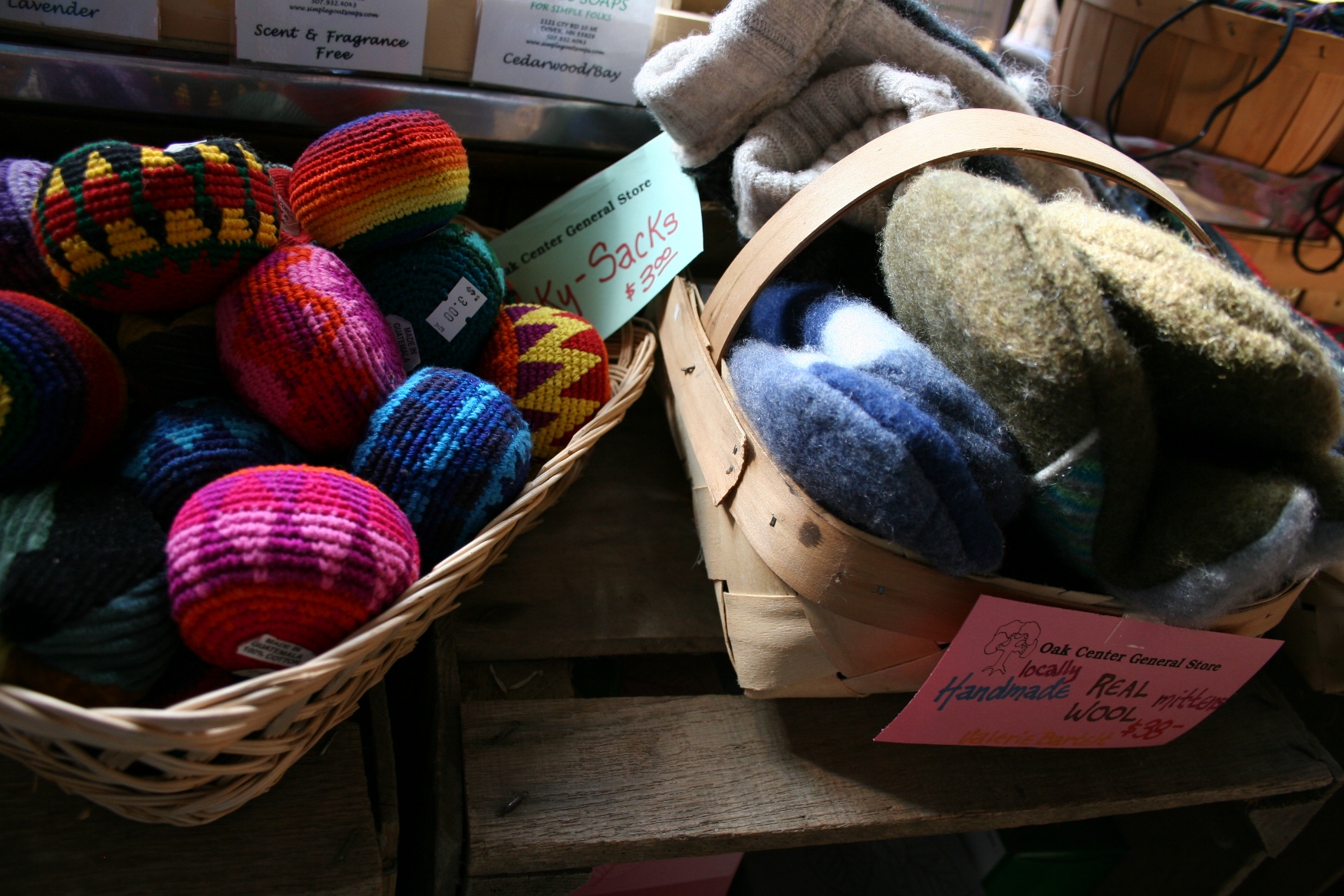
Hacky sacks and handmade woolen mittens on display near a front window.

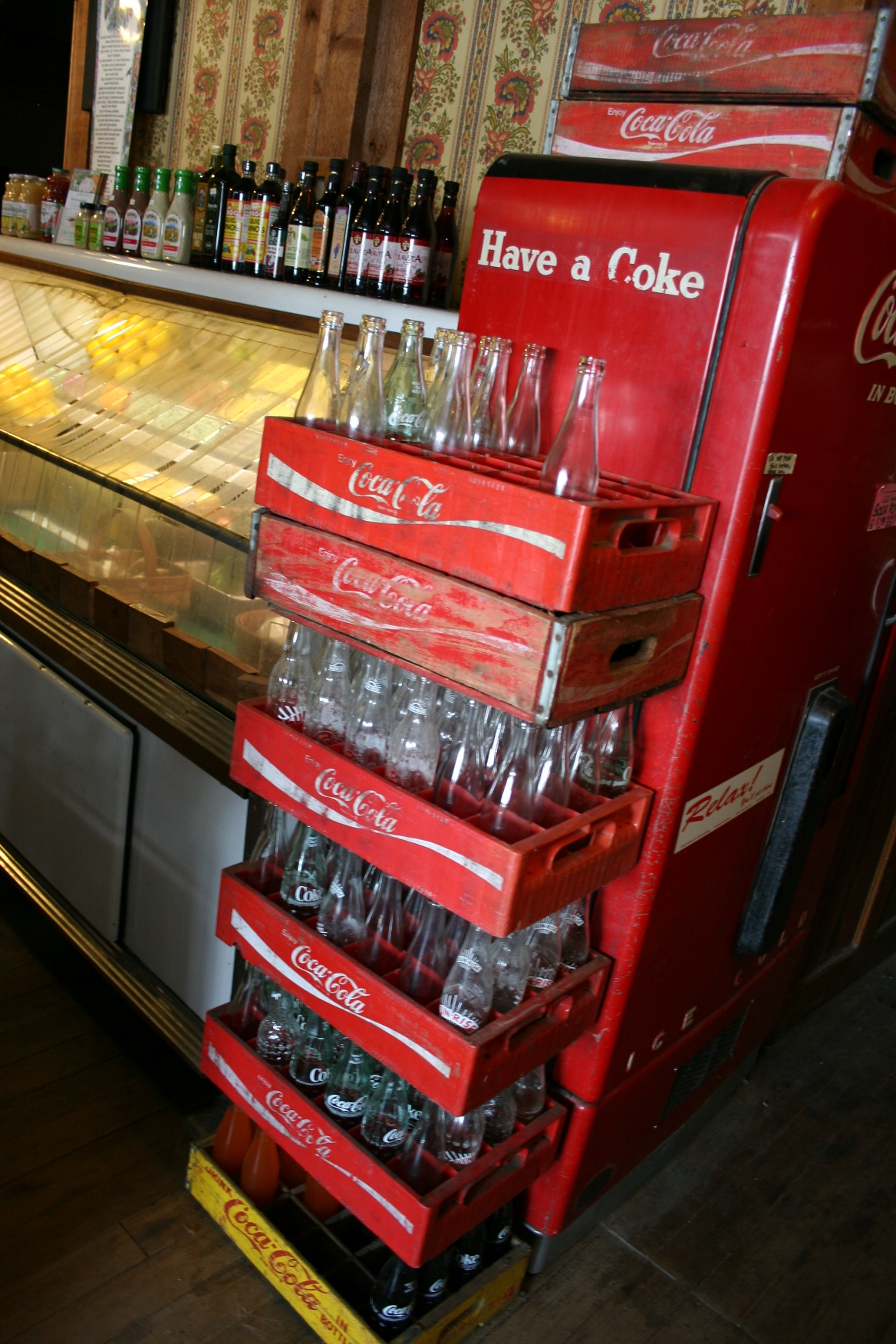
You can purchase pop in bottles from a vintage pop machine.

I couldn’t get enough of this historic general store, which hearkens back to 1913 in this unincorporated locale. I’m not sure exactly what I said to my husband when we were there, all alone, perusing the place. I think we were both too in awe to even talk much.

That’s a good thing, because, even though no one was minding the shop, the baby monitor was switched on, we later learned, and our conversation could be overheard.

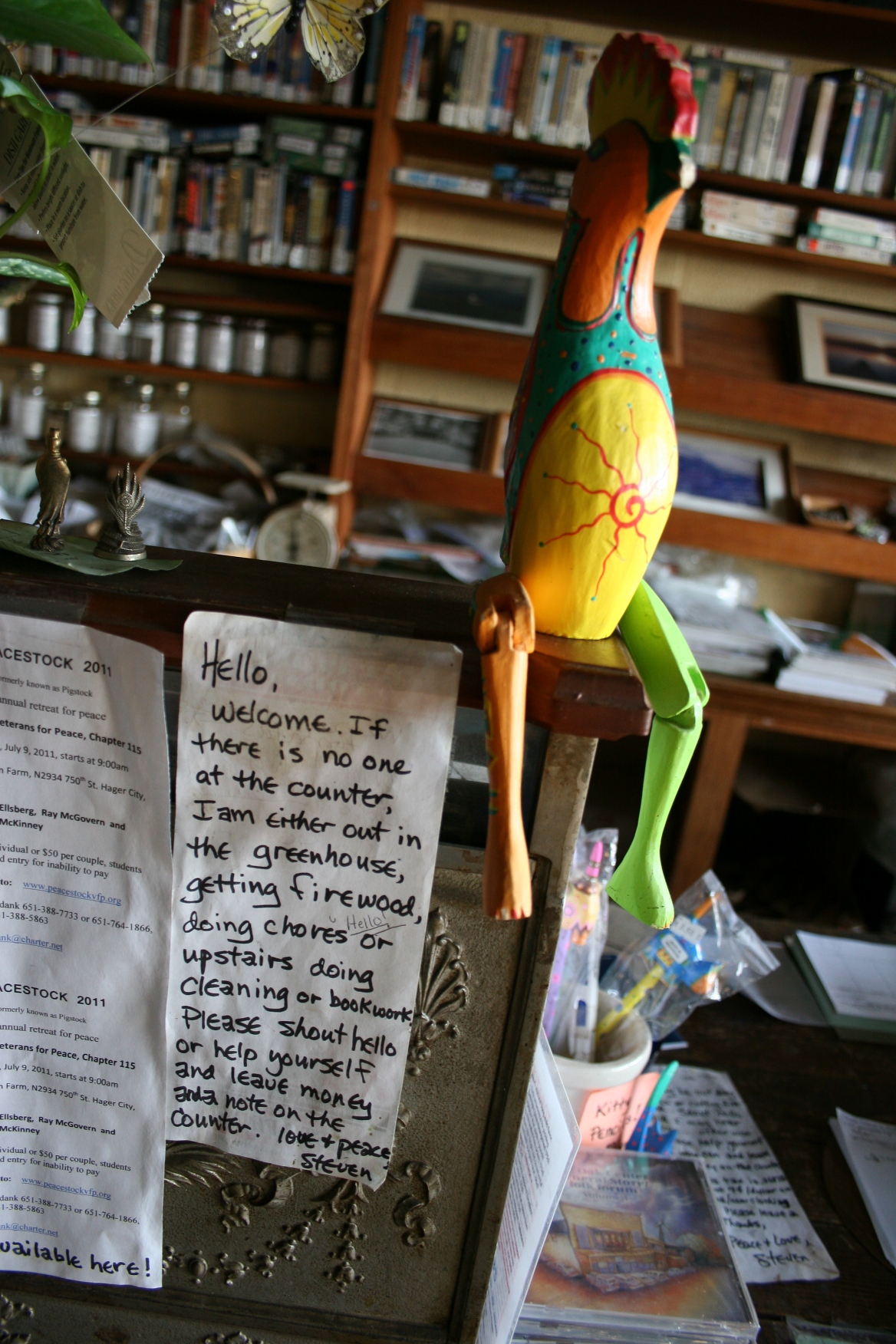
A message on the cash register advises customers to leave their payment on the counter with a note if no one is around.

Rows of bulk spices line the shelves behind the counter.

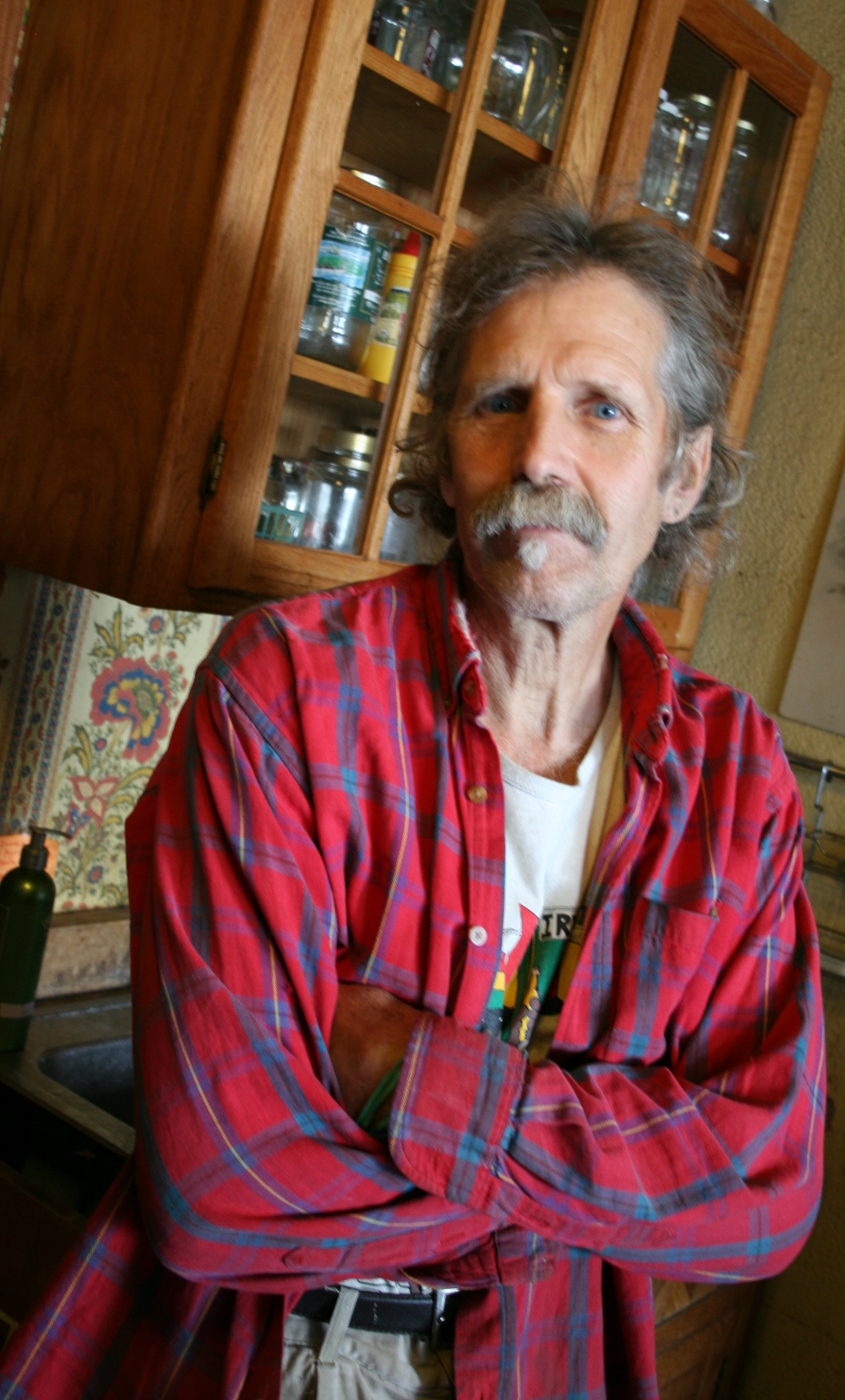
Steven Schwen

About the time I stepped behind the counter to photograph the cash register, Strider Hammer strode into the room and, when I began asking questions, he fetched owner Steven Schwen.

Introducing himself as a “voluntary peasant,” Steven and I shook hands and he apologized for the damp hand. He’d been washing dishes.

Strider clamped my hand in a friendly vise grip handshake.

And so, properly introduced, Randy and I learned a thing or ten about the Oak Center General Store, which Steven purchased 35 years ago after the business closed and the building sat vacant for five years.

Today the Oak Center General Store is “dedicated to rebuilding a better world from the earth up.”

Although I didn’t ask for details about his life views, Steven’s comments and signage inside the store speak to an outspoken, yet gentle, man deeply-rooted in his independent, self-sufficient, non-materialistic, environmental, anti-war beliefs.

“Produce, don’t consume,” he says.

With that philosophy, Steven runs this general store which sells organic foods, kitchenware, candles, incense, local fair trade products, herbs and a lengthy list of other miscellaneous items.

He also operates Earthen Path Organic Farm, a 14-acre fruit, vegetable and herb farm based directly behind the general store, and works with son Joe and daughter-in-law Rebecca of Heartbeet Farm. They sell their products at the Rochester Farmers’ Market and to co-ops in Northfield and the metro area. The Community Supported Agriculture farm, Steven says, supports his family and the store. He also builds furniture and cabinets during the winter months.

Later, after touring the other facet of Oak Center General Store—the music scene—Strider would take us out back to see the farm.

But first things first. Steven disappeared and Strider led us through a dark middle room gathering place cozied with worn couches and a wood burning kitchen stove, past the corner media center (aka computer) to a back stairway nearly as steep as a ladder.

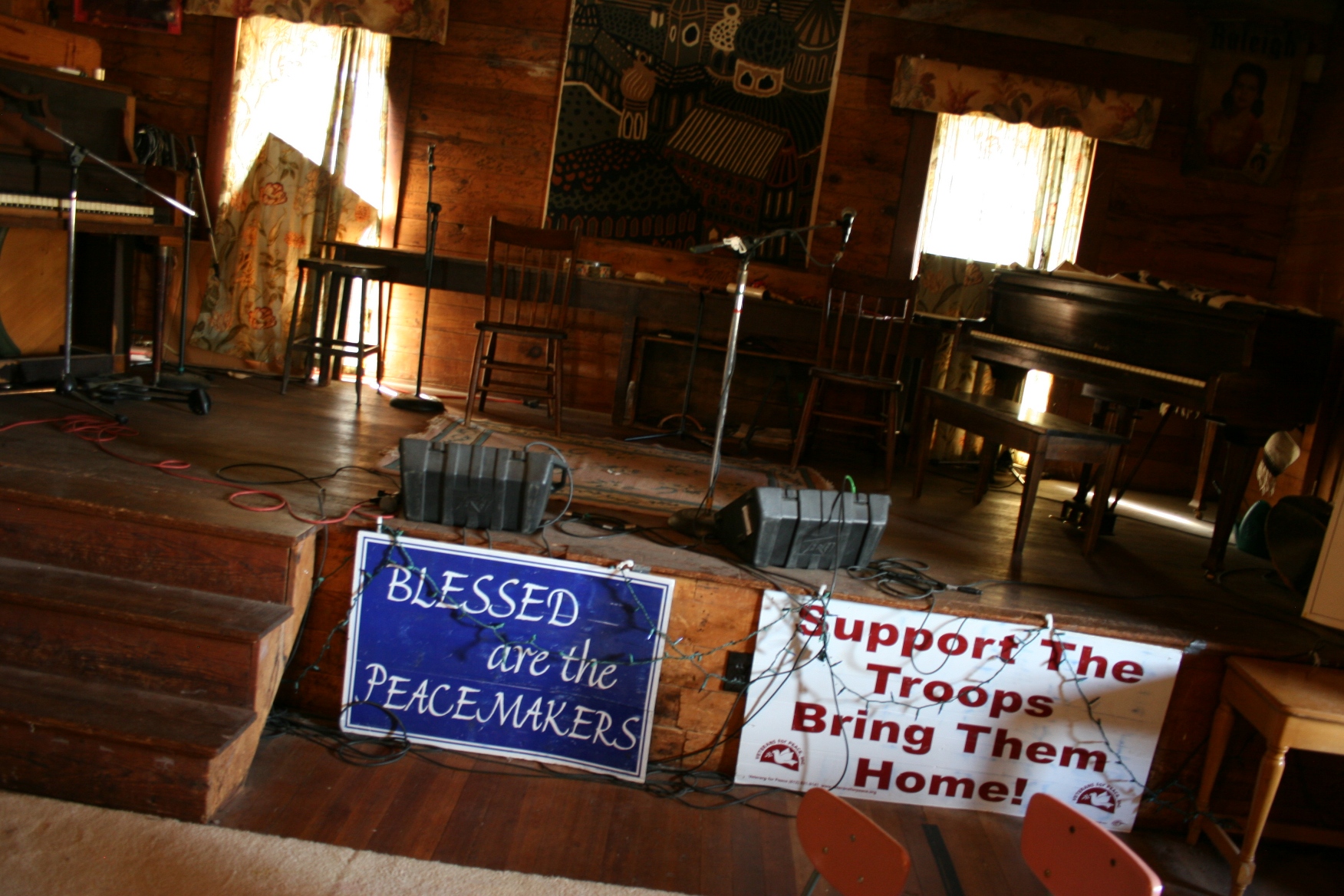
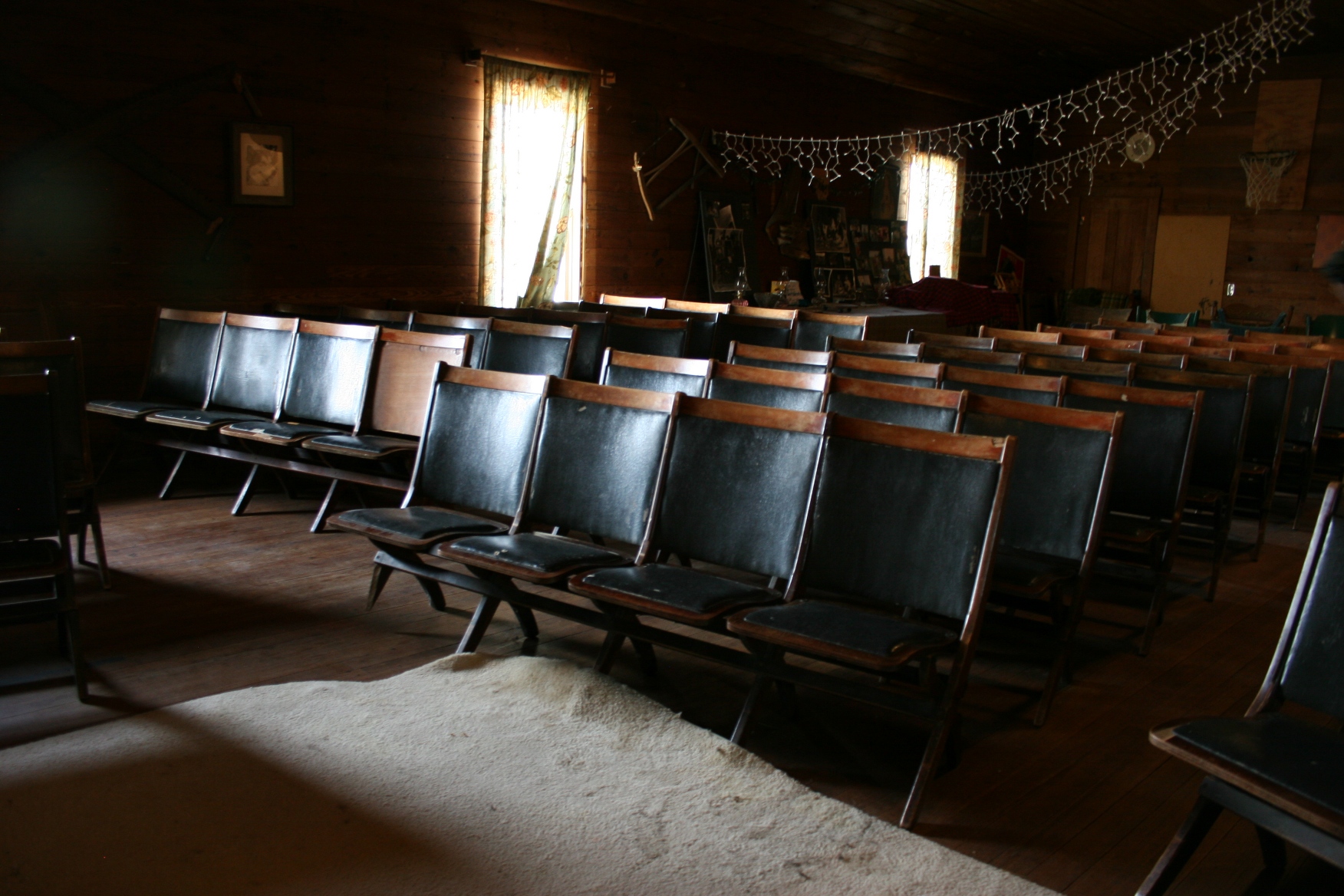
Those steps led us to the old Grange Hall, a former meeting place for farmers and now an entertainment center for local, national and international bluegrass, blues, folk, jazz and similar musical acts.

Earlier, Steven defined the 30-year run of October – April Folk Forum weekend concerts as “non-commercial entertainment connecting people to the land, music and each other.”

The former Grange Hall stage where musicians perform during the Folk Forums.

Rows of seating in the old Grange Hall.

I know nothing really about the music genres that entertain at Oak Center. But I recognized Monroe Crossing, the bluegrass group which will present a 2 p.m. Christmas Matinee on Sunday, December 4.

Other upcoming performers include Bingham and Thorne, Marty Marrone & Tangled Roots, Robby Vee, Galactic Cowboy Orchestra and many more slated in from now through December 23. (Click here to get the full line-up of musicians.)

Strider invited us to return for a concert with a recommended $5 – $15, but “pay what you’re able,” ticket price and what I expect would be a laid-back atmosphere.

He’s a personable guy, who, when I asked, said he’s a friend and extended family to Steven. You get the sense that anyone who steps inside Oak Center General Store is family.

Even the animals out back are the friendly sort; they nuzzle up to the fence when Strider beckons.

Strider Hammer calls animals to the fence at Earthen Path Organic Farm.

The friendly animals on the "Old McDonald" style farm. Steven's son Joe and his wife Rebecca farm with draft horses. Steven once used those horses to farm, but now, because he can no longer lift the harnesses, relies on tractors.

The mishmash of buildings behind the general store.

Back at the side door that leads to the former Grange Hall and back room gathering place, Strider climbed the few stairs onto the weathered deck and bid us farewell with a single and seemingly fitting word for the vibe of the Oak Center General Store:

“Peace,” he said and walked away.

A flower blooms next to the general store.

A side view of the store from Highway 63.

FYI: The store is open from 9 a.m. – 6 p.m. Monday – Saturday and some Sundays. In addition to music, Oak Center General Store hosts theater, round table discussions and workshops (ie., holistic medicine, organic gardening, batik) at its Folk Forums.

For more information about the Oak Center General Store, click here.

To learn about  Earthen Path Organic Farm, click here.

For info about  Heartbeet Farm, click here.

© Copyright 2011 Audrey Kletscher Helbling


Worshipping at a country church October 16, 2011

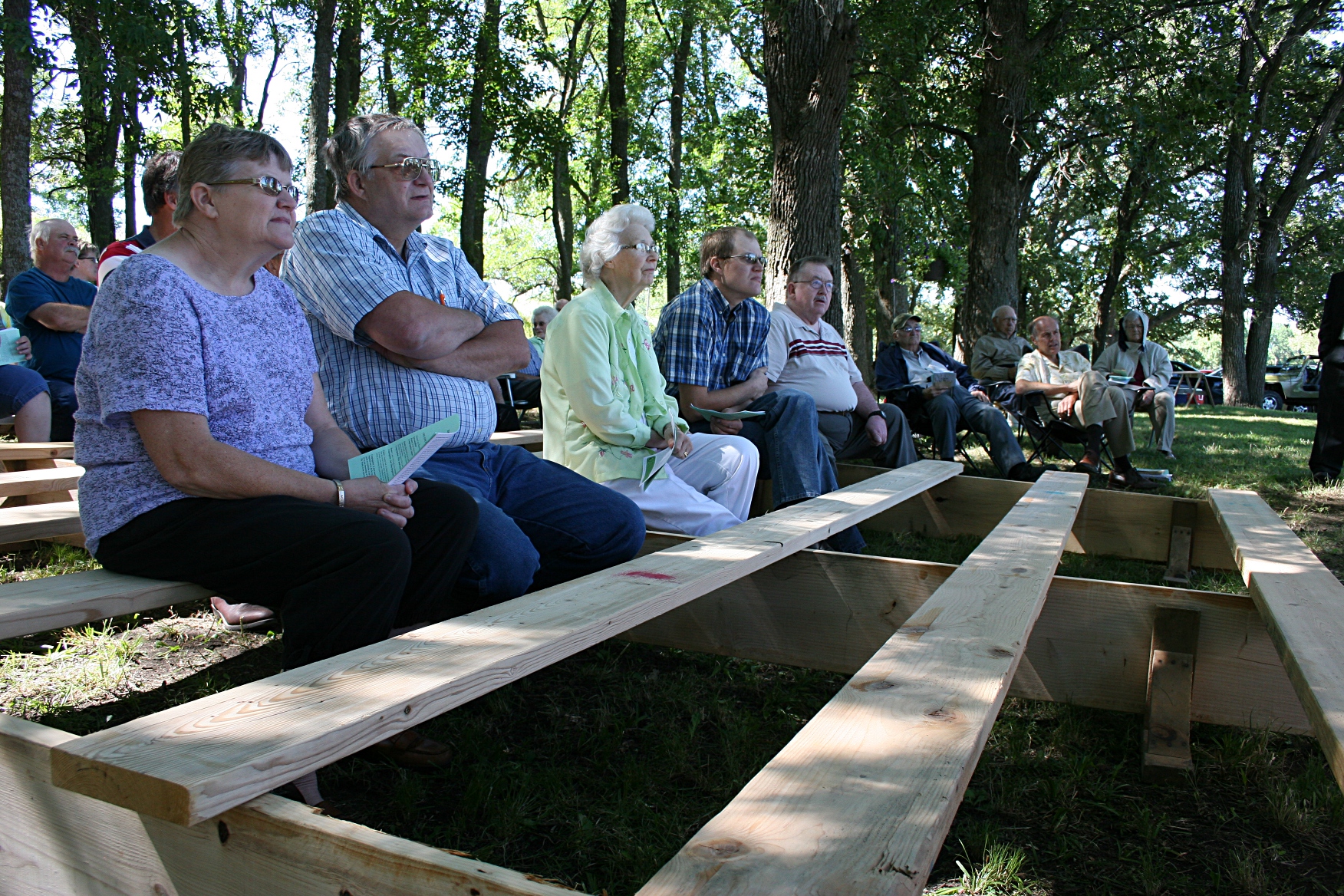
Before worship services on a Sunday morning at Trinity Lutheran Church, North Morristown.

“THERE’S ONE MORE THING to do,” said the Rev. Merle Lebahn, vacancy pastor at Trinity Lutheran Church, North Morristown, before dismissing his congregation. “Give ‘em heaven!”

And so concluded one of the most dynamic worship services I’ve attended in a long time. Pastor Lebahn didn’t deliver a fire-and-brimstone sermon in this country church. But he shared a message memorable both in content and method of presentation.

Pastor Lebahn gets front and center when he gives the children's lesson, just as he does during the sermon.

He’s not a preach-from-the-pulpit style of preacher, but rather an up-close, center-of-the aisle, close-to-his-flock kind of clergyman. His voice rises to a near shout when he wants to emphasize a point and then drops to a quiet, gentle cadence to drive home the message.

And that message last Sunday reflected on the gospel lesson from Luke 10 and the story of the Good Samaritan. Remember that bible story about the beaten man lying at the side of the road, passed by many until, finally, a Samaritan stopped to help?

Rev. Lebahn told us we were the beaten ones lying in the ditch until we received Christ.

He talked, too, about crossroads in our lives and about the people God brings into those crossroads.

I could go on and on about that sermon. But I think you get the main point delivered by this 78-year-old clergyman who looks, and acts, considerably younger than a near octogenarian. Consider his foot stomping and arm flailing and constant motion. I got tired just watching from my end-pew position in this sanctuary that holds 26 six-person pews on the lower level and a few more in the balcony.

A view of the balcony in this 1938 rural church.

It’s the type of snug church where you won’t get away with napping during the sermon, like you could anyway under Pastor Lebahn’s watch.

There’s something about worshipping in a small country church like this that you can’t replicate in a modern, large-scale church, even if you incorporate stained glass windows or other elements from an historic building.

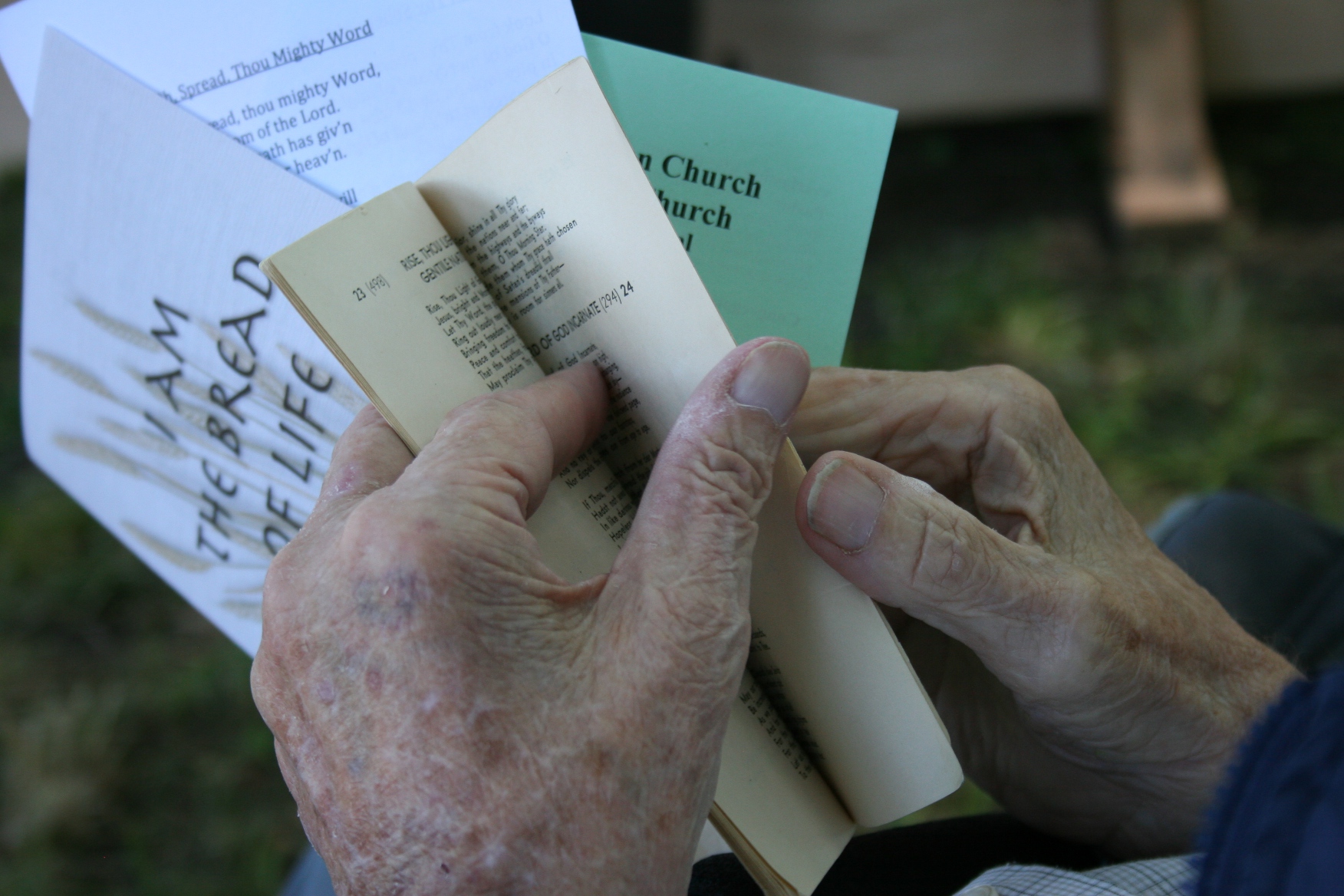
I felt a sense of connection, of closeness, on Sunday as the congregation joined in prayer—for those celebrating anniversaries and birthdays and for those in need—and sang old favorite hymns like “Oh, That the Lord Would Guide My Ways.”

Looking from the entry into the sanctuary during worship services.

In the back of the church are pews for families with little ones.

Farm boy, 6-year-old Jonathan, after services in the basement.

You can’t help but feel close when you’re tucked into tightly-jammed pews in a place where a comfortable pair of jeans is as common as a suit and tie and where farm kids like 6-year-old Jonathan bring a mini toy John Deere haybinder to church to keep his little hands busy.

Because just outside the church doors lie fields of corn and alfalfa and soybeans…

To the right of the cornerstone, in the distance, you can see corn fields.

Looking heavenward...

The Last Supper art on the lower part of the altar.

In my next post about this church, I'll take you into the basement where this sign is located.

CHECK BACK FOR A POST about the harvest dinner at this country church following the worship service.

© Copyright 2011 Audrey Kletscher Helbling


Sign junkie October 14, 2011

A note on the door at Medallion Case.

YOU MIGHT NOT APPRECIATE business signage like me. Heck, you may not even pay much attention to signs unless, of course, you are looking for a specific place. Then you would notice.
But I notice signs because I consider them to be works of art, reflections of personalities and history, trademarks of small-town life, and sources of entertainment.

I’m not talking about the mass-produced, generic signage that marks a chain store. Rather, I mean those handcrafted and/or custom signs (and notes) you’ll find on small-town Main Street or along rural roadways.
Recently, signage in Nerstrand, a village of 233 residents in eastern Rice County near Nerstrand Big Woods State Park, attracted my interest.

And because most of you aren’t going to drive to Nerstrand to see these signs, you can just view them here.

Then, once you’ve perused my discoveries, I challenge you to go out into your own communities and search for sign art.

WARNING: If you accept this assignment, you may become a sign junkie just like me.

No confusion about the meat market business located here along Main Street Nerstrand.

Additional signage on the Nerstrand Meats building highlights the products available.

Another business sign along Nerstrand's Main Street.

This sign on the corner of a Main Street business in Nerstrand directs motorists to Grace Lutheran Church.

Just so you believe me, here's Grace, under the water tower.

BONUS: I’ve tossed in two signs from rural Dennison also.

This sign at the end of the driveway at 2290 Goodhue County 49 Blvd will direct you to Potpourri Mill Log Cabin near Dennison. That's Vang Lutheran Church in the background.

Once you drive up to the log cabin, you'll see this season appropriate sign outside the front door. Inside you'll find the Harvest Thyme Craft Show, which runs weekends through October 16.

© Copyright 2011 Audrey Kletscher Helbling