Minnesota Prairie Roots

Writing and photography by Audrey Kletscher Helbling

Celebrating 50 years of marriage at a Minnesota barn dance September 24, 2012

Filed under: Uncategorized — Audrey Kletscher Helbling @ 6:55 AM
Tags: , , , , , , ,

THIS IS LOVE, after 50 years:

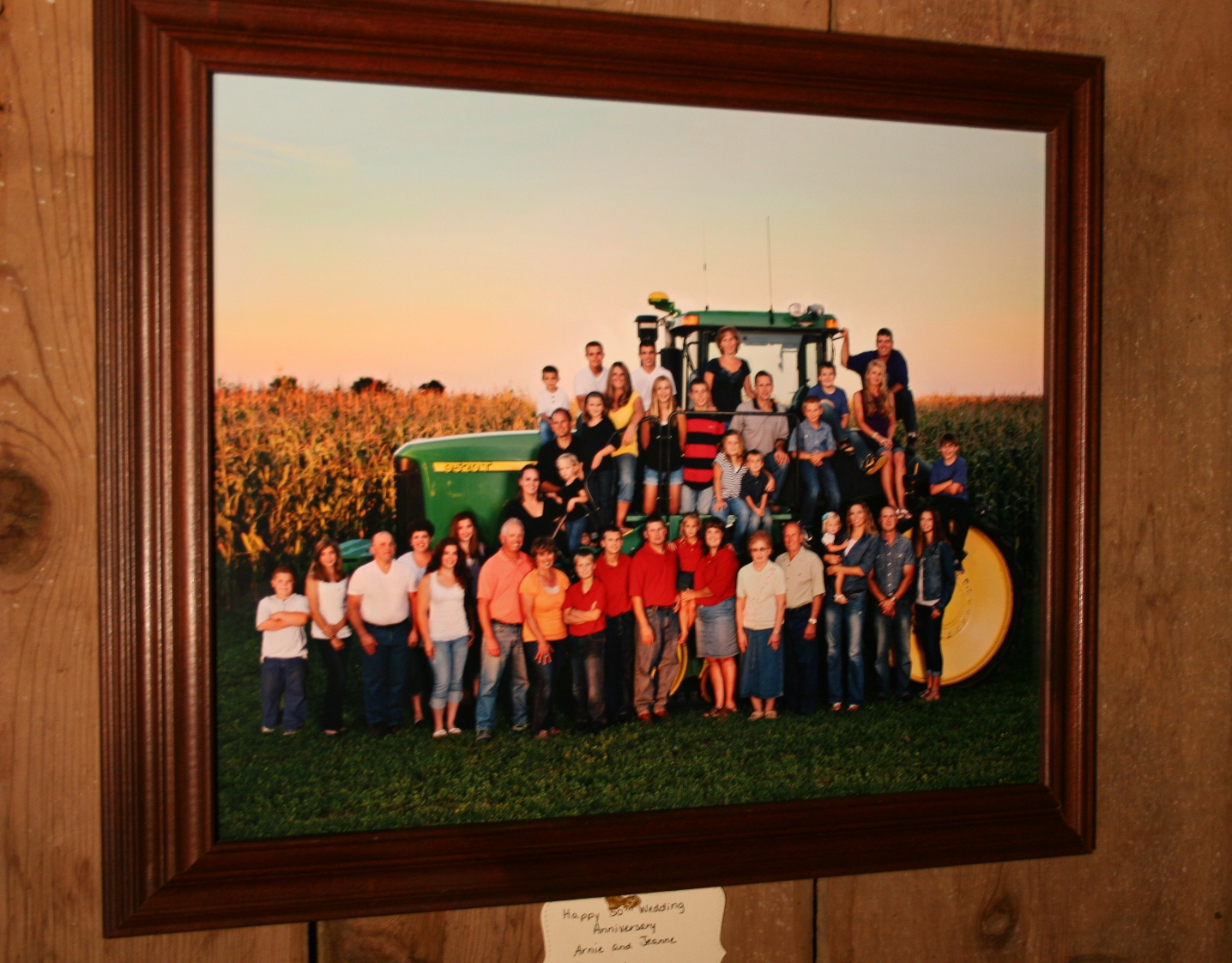
A recent family photo of Arnie and Jeanne, rural Northfield, with their children and their spouses and their grandchildren.

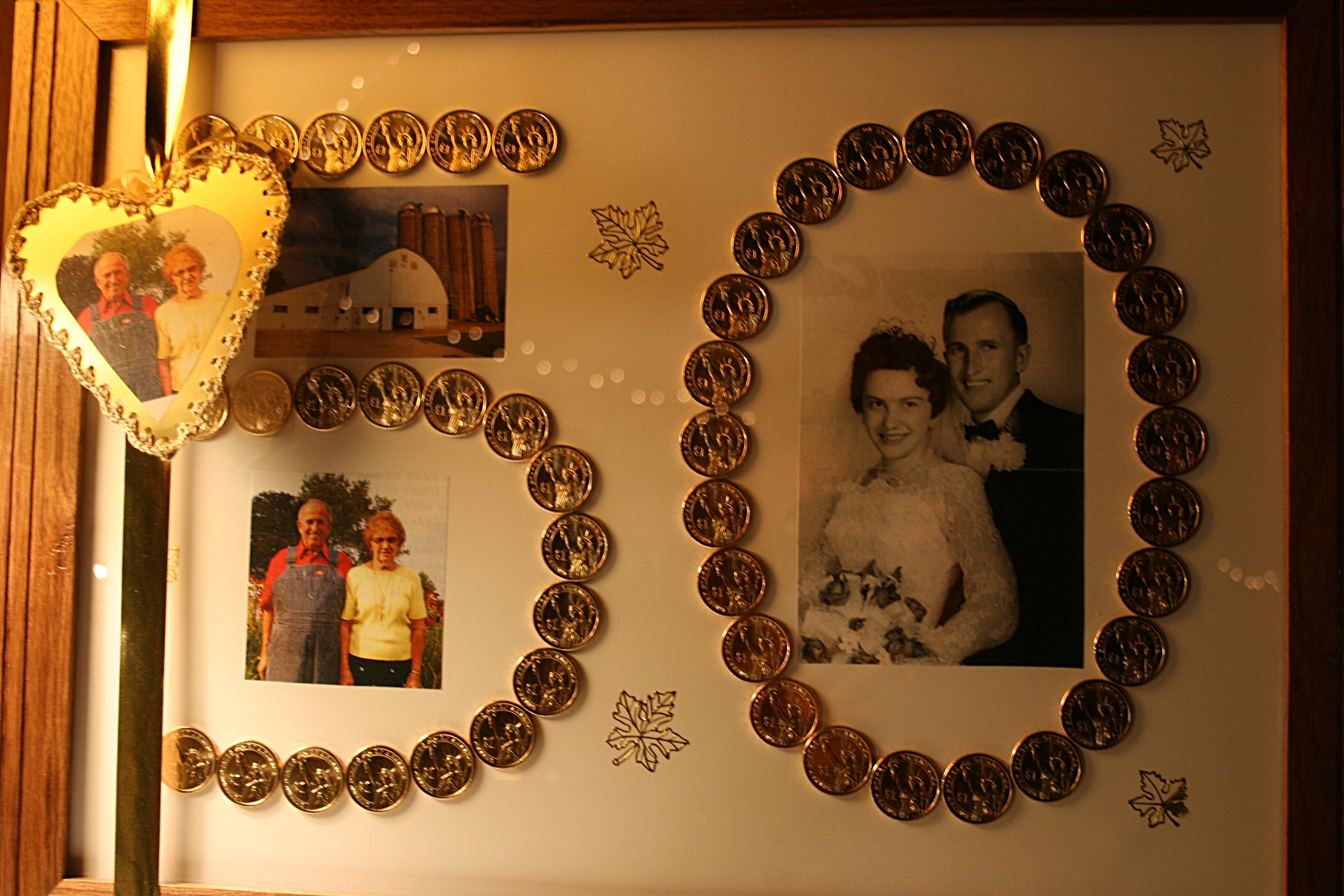
A golden anniversary photo display of Jeanne and Arnie on their wedding day, October 10, 1962, and a more current photo on the left. And that’s their farm, near the Hazelwood church, in the upper left corner. Farming, faith and family have centered the couple’s life together for 50 years.

THIS IS A CELEBRATION of love after 50 years:

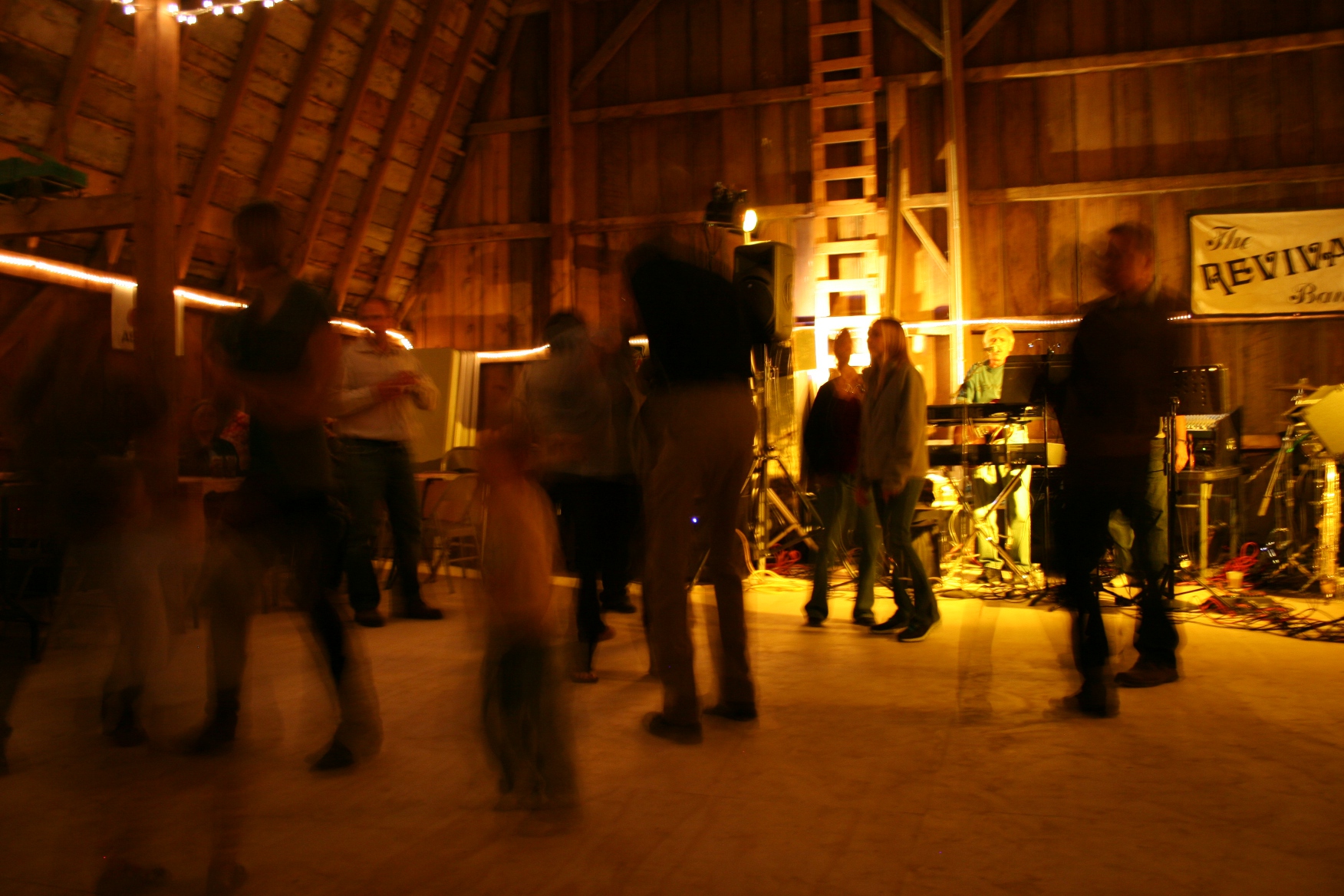
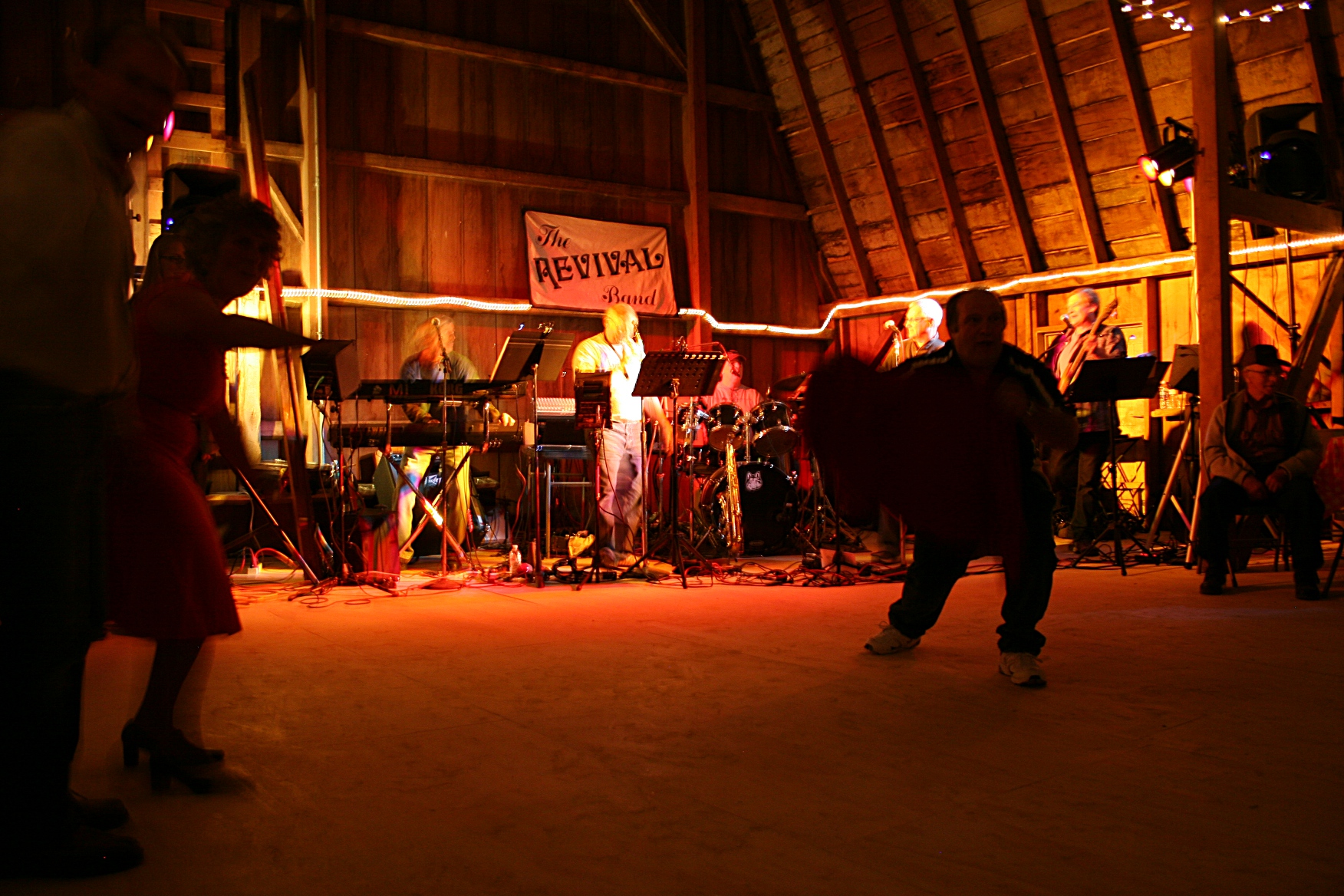
Family and friends celebrate Jeanne and Arnie’s 50 years of marriage at a good old-fashioned barn dance.

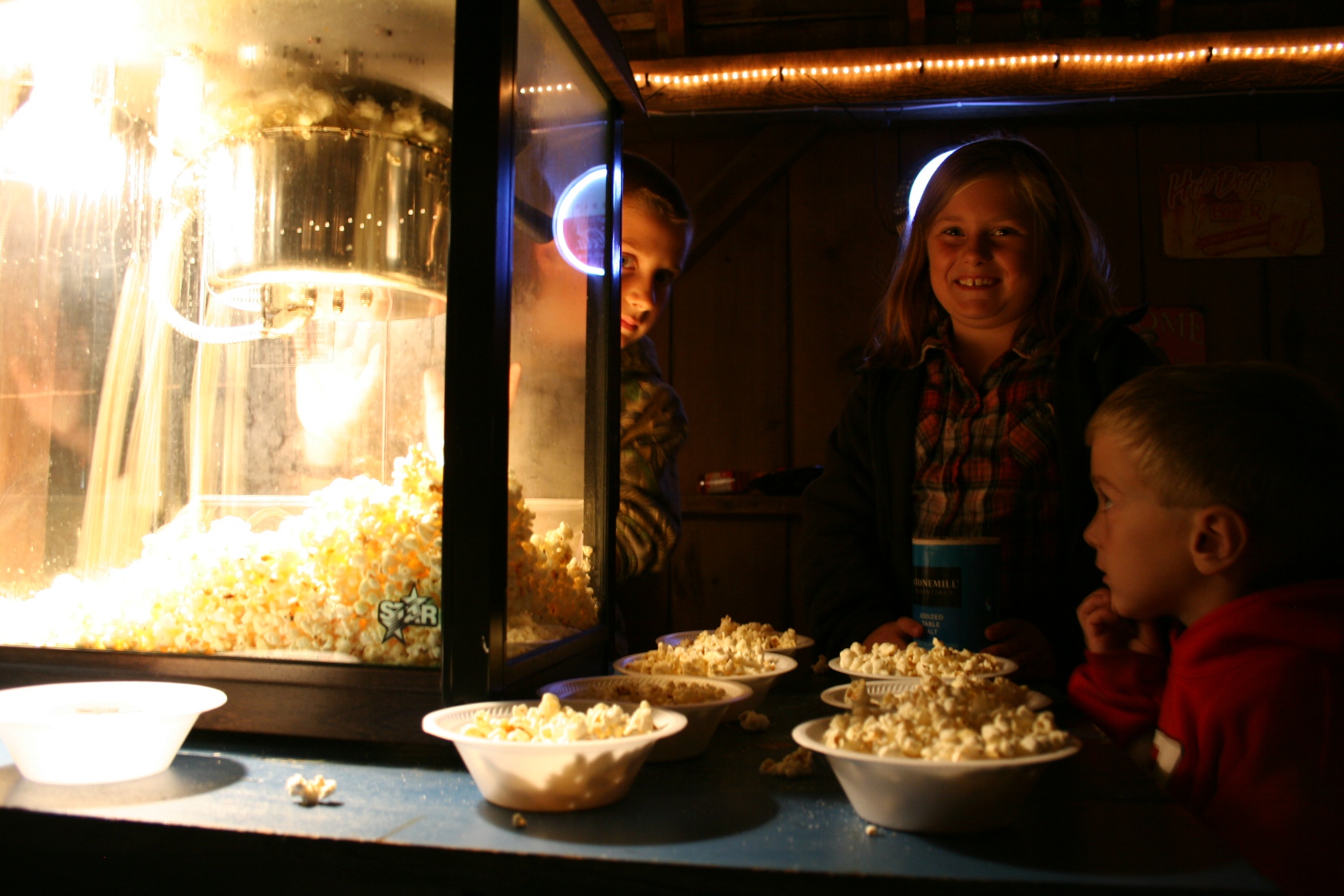
The kids served popcorn in the haymow dance/reception site.

The Revival Band played “Woolly Bully” by Sam the Sham & the Pharoahs and a guest (matador) swished a red shirt (cape) while others guests (bulls) charged. (This was a barn dance, emphasis on barn.)

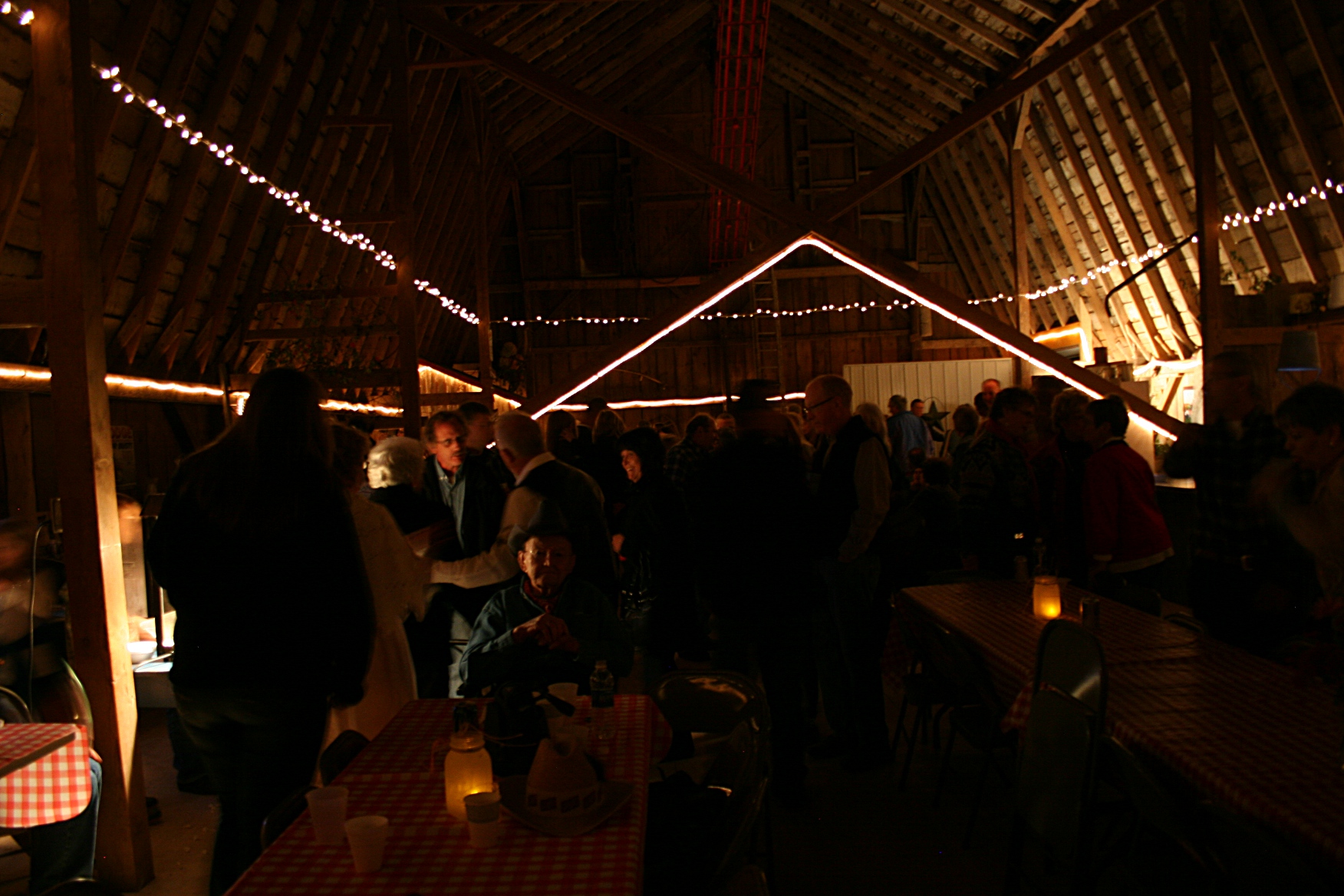
Family and friends, some in cowboy hats, visited and danced, or just sat and observed the celebration.

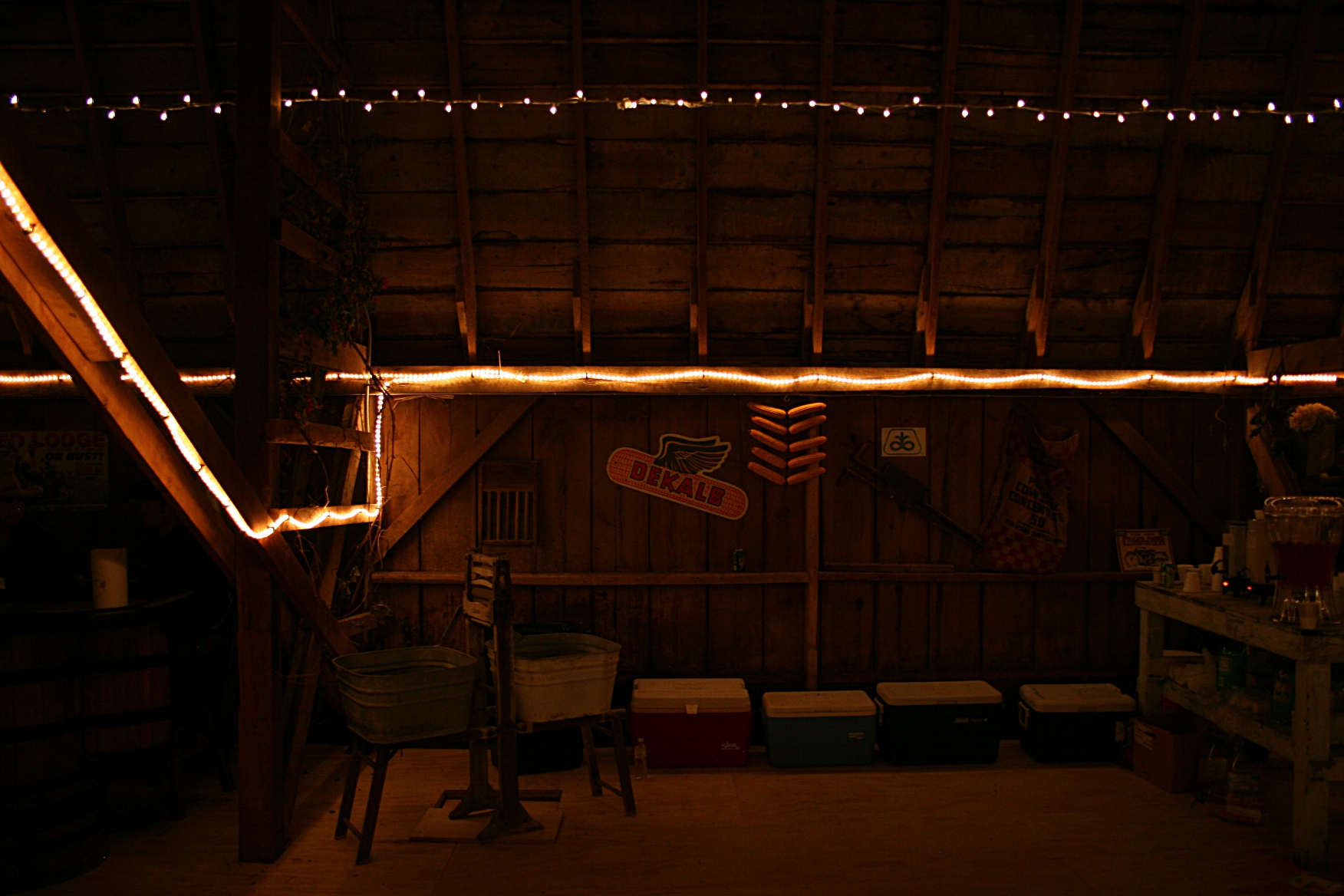
The  rustic rural atmosphere and decor were perfect for the farm couple married 50 years.

THIS IS LOVE 50 years ago:

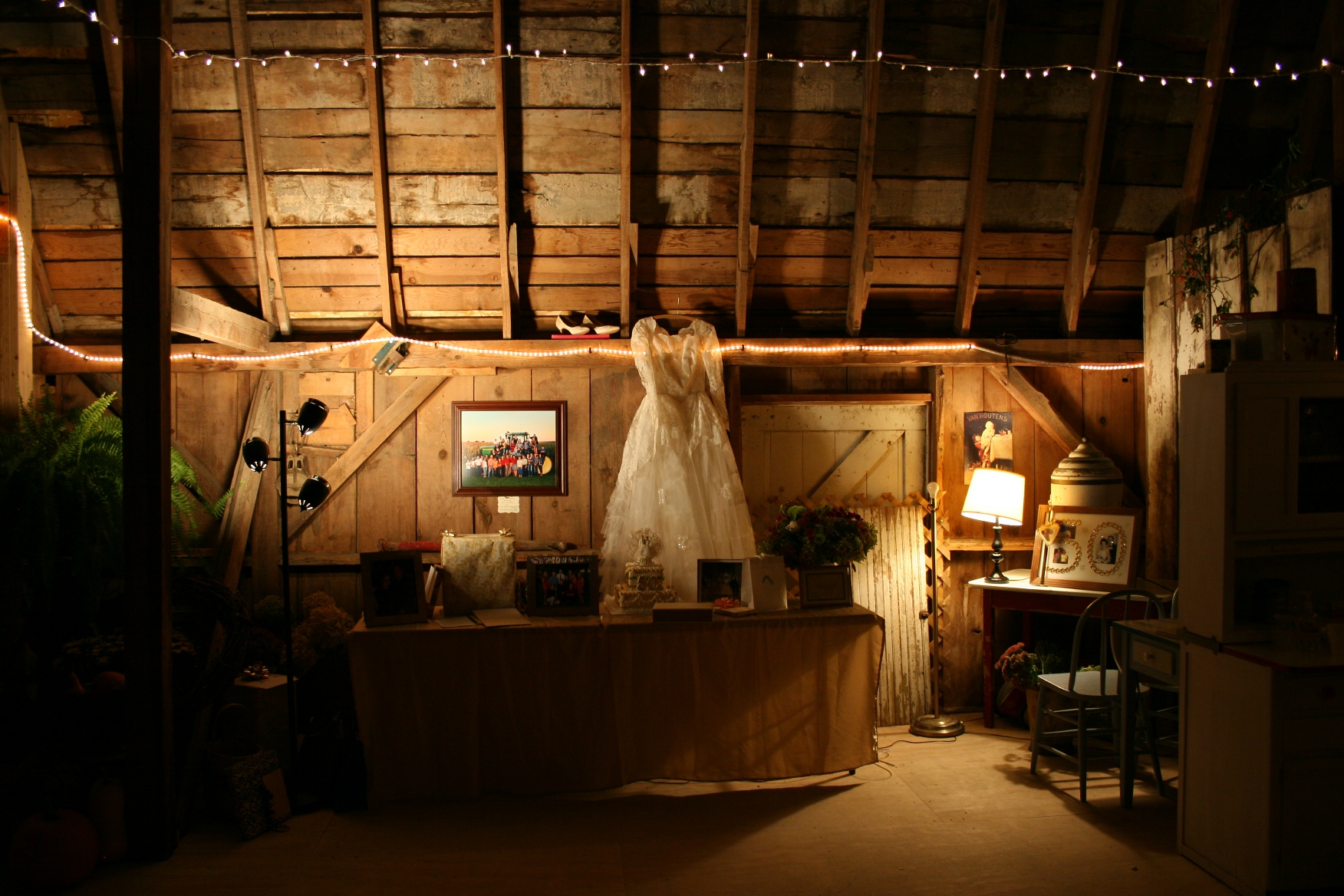
Jeanne’s wedding dress and shoes (to left of dress on shelf) and a bridesmaid’s teal dress with crown.

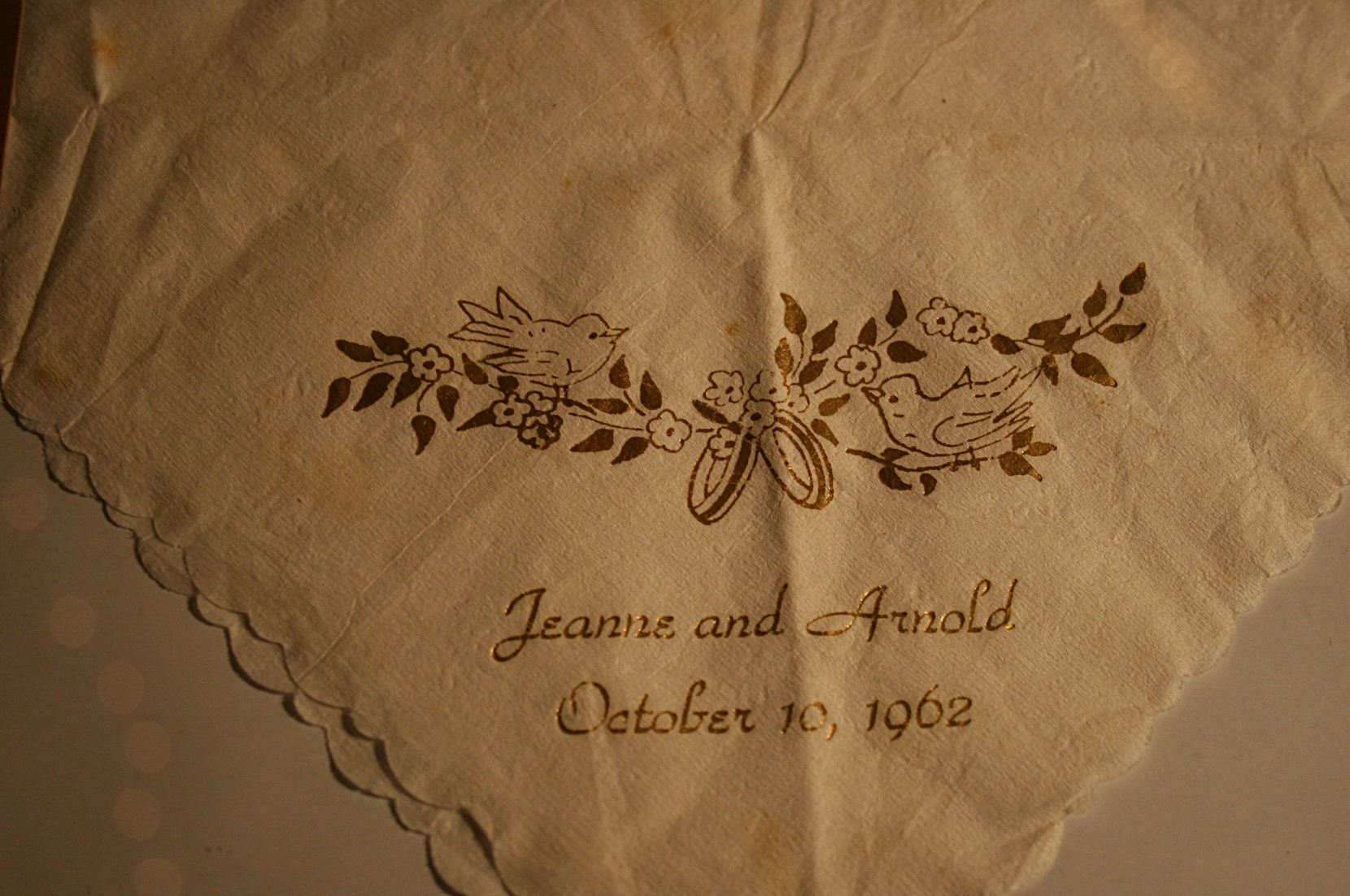
A napkin saved from Jeanne and Arnie’s wedding day on October 10, 1962.

THIS IS LOVE, yesterday and today.

A display in the old barn celebrating 50 years of marriage for Arnie and Jeanne.

The cake topper from Jeanne and Arnie’s wedding with golden anniversary wishes 50 years later.

I ATTENDED MY FIRST EVER barn dance a year ago in this very same barn. Jeanne and Arnie’s daughter, Debbie, and her husband, John, friends of my husband and me, hosted the dance. To view photos from that first dance, click here. And then click here to see more photos.

This year we didn’t arrive at the dance until after dark, so my photo opportunities were much more limited since I don’t shoot with flash. But the time for dancing was not.

Copyright 2012 Audrey Kletscher Helbling


The Smithsonian in Hanley Falls & Hanley Falls in the Smithsonian (exhibit) September 20, 2012

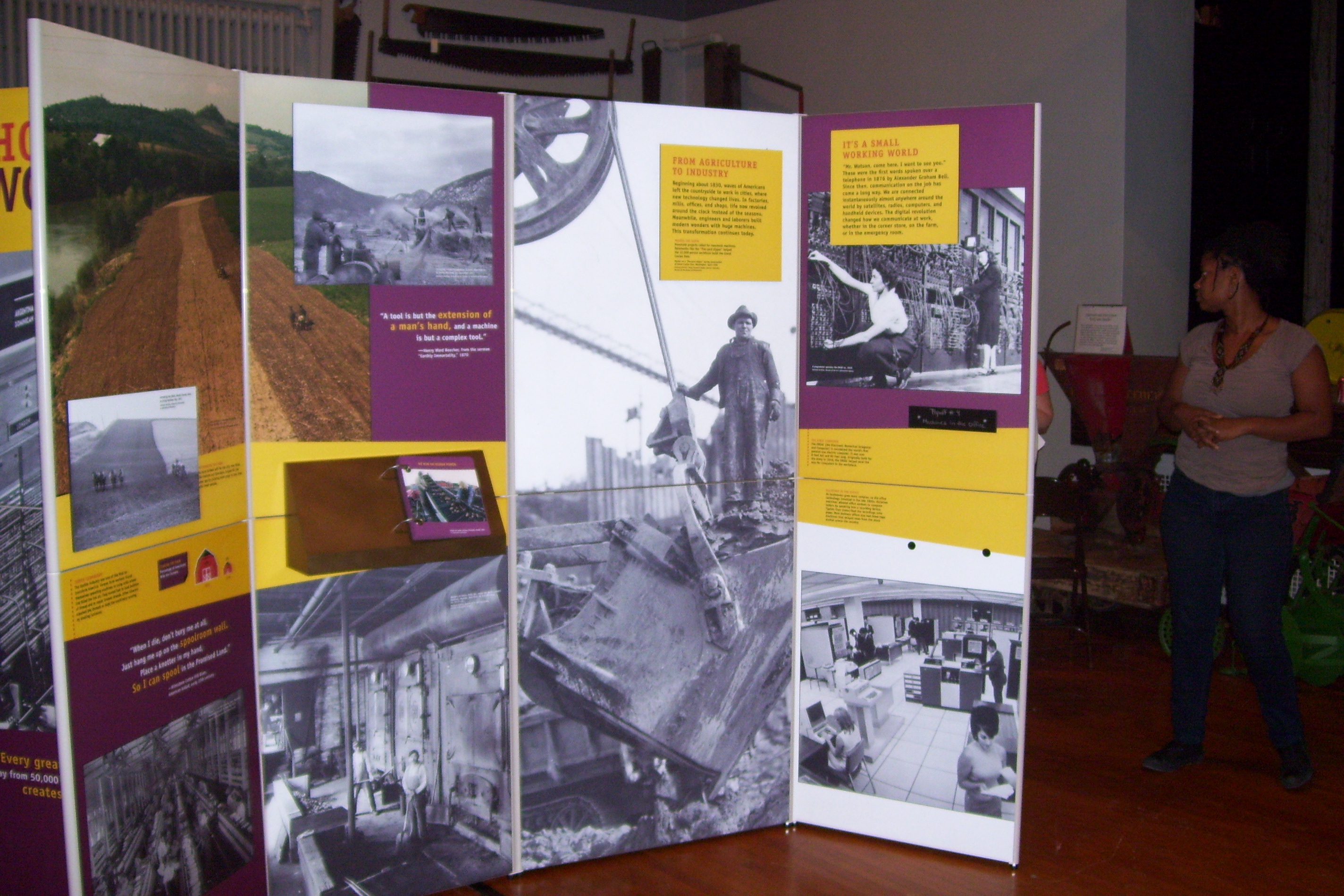
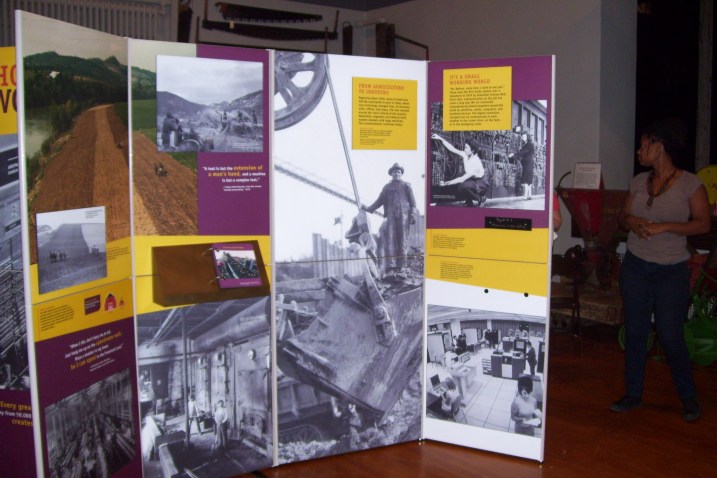
The Smithsonian’s Museum on Main Street exhibit, “The Way We Worked,” features snippets from Minnesota. Photo courtesy of Minnesota’s Machinery Museum, Hanley Falls, in rural southwestern Minnesota.

I DOUBT MANY of the 304 residents of Hanley Falls, rural Yellow Medicine County, Minnesota, have ever visited the Smithsonian or even traveled to Washington D.C.

But now this internationally-acclaimed museum has come to Hanley Falls via “The Way We Worked,” a Museum on Main Street project developed by the Smithsonian Institution Traveling Exhibition Service and adapted from an original exhibition from the National Archives.

Bottom line, if you can’t bring the people to the museum, bring the museum to the people.

Specifically, from now through October 20,  Minnesota’s Machinery Museum in Hanley Falls is hosting the exhibit on where, how, who and why Americans work.

But that’s not all. Hanley Falls is part of “The Way We Worked,” as are several other Minnesota places and people.

Says Museum Director Laurie Johnson: “It is an honor in itself to be hosting a Smithsonian Traveling Exhibit. To be an actual part of the exhibit traveling all over the U.S. is a very big honor.”

Hanley Falls’ place in the exhibit falls in the “Communities at Work” section and features a 1987 aerial view photo of Hanley Falls by Vincent H. Mart sourced from the Minnesota Historical Society. The MHS photographic collection includes 5,697 aerial views from around Minnesota photographed by Mart between 1962-1988.
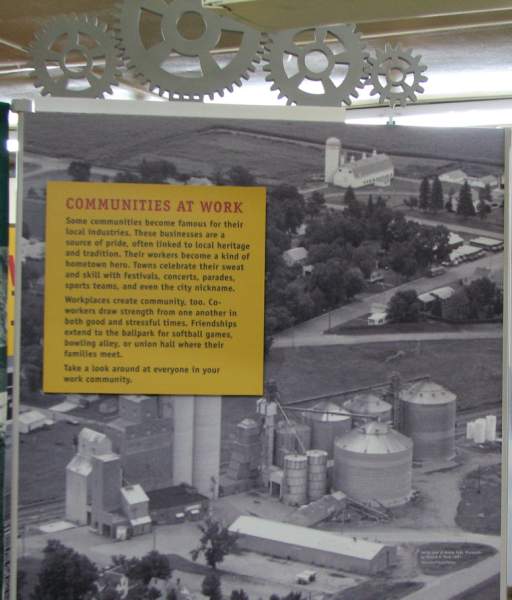
The 1987 Vincent H. Mart photo showing a portion of Hanley Falls and now part of the Smithsonian traveling exhibit. Photo courtesy of Minnesota’s Machinery Museum.

Mart’s black-and-white shot #5,655 in the MHS archives, and now in the Smithsonian exhibit as image 196, shows the then Hanley Falls Farmers Elevator (now the Farmer’s Co-op Elevator) on the west side of town, plus Bennett Transportation (bus company) and the fourth-generation Oftedahl family farm. As a side note, the elevator celebrated its 100th anniversary this past July on Minnesota’s Machinery Museum grounds with more than 2,000 in attendance.

According to Johnson, the scene in the photograph no longer looks the same. Several of the grain bins were damaged in a wind storm and the main office was  moved and an elevator built to the southwest of the Oftedahl farm. The old elevator remains and is still used by the Farmer’s Co-op.

The exhibit copy which accompanies the Hanley Falls photo reads, in part:

The reminders of a town’s main industry imprint its landscape and identity. Silos dominate the skyline in Hanley Falls, Minnesota as they do in most small, agricultural communities.

And here’s how Johnson summarizes what the Hanley Falls photo tells us about “The Way We Worked:”

Farming is a way of life here and has been for many generations. The exhibit talks about “community” and we are definitely a community that works, worships, (has) neighborhood get-togethers and plays together.

Johnson, who lives on a farm about 10 miles north of Hanley Falls, further explains that the local elevator, banks and gas station provide jobs in town. Some residents work in neighboring towns. Many are retired.
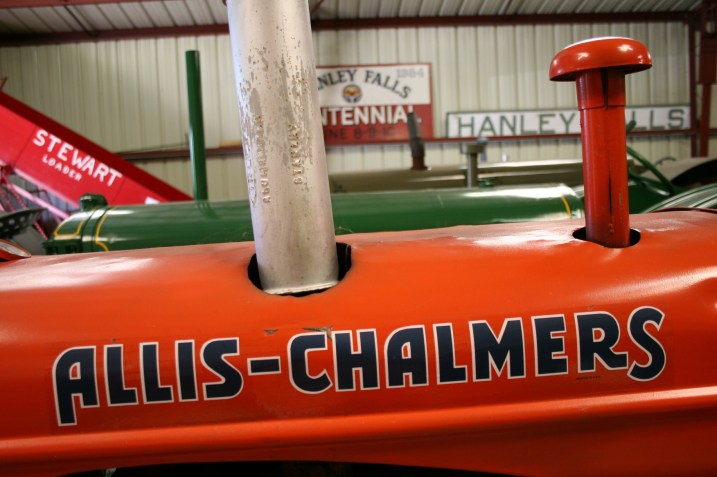
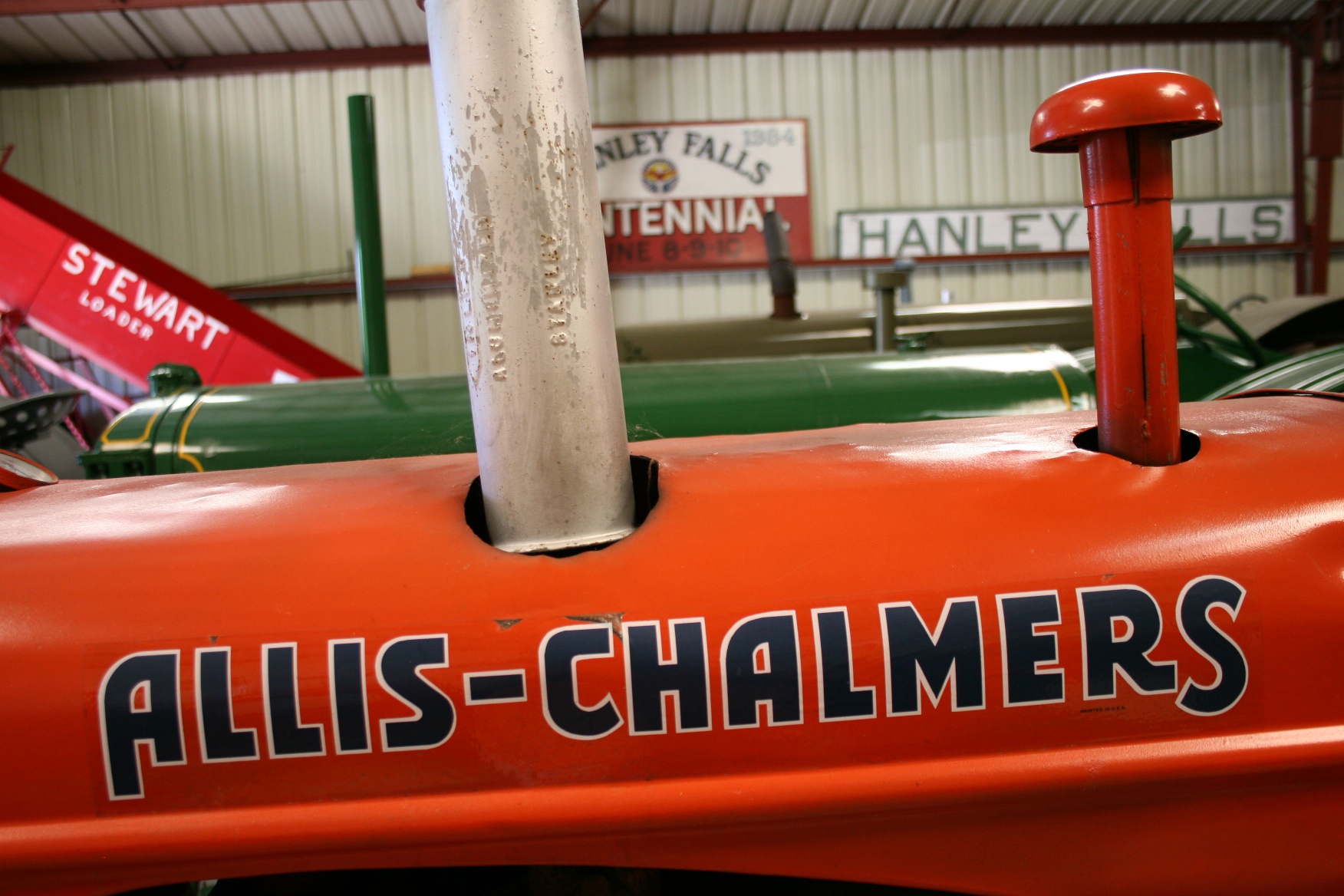
You’ll find plenty of old tractors and farm machinery, along with vintage cars and trucks, in the museum’s outbuildings. Minnesota Prairie Roots file photo.

Already the Smithsonian show is attracting more visitors to Minnesota’s Machinery Museum, defined by Johnson as “an agricultural museum recalling farm life in stories and artifacts from how we farmed with horses to a farm kitchen, bedroom, parlor and general store…preserving our agricultural heritage for generations.”
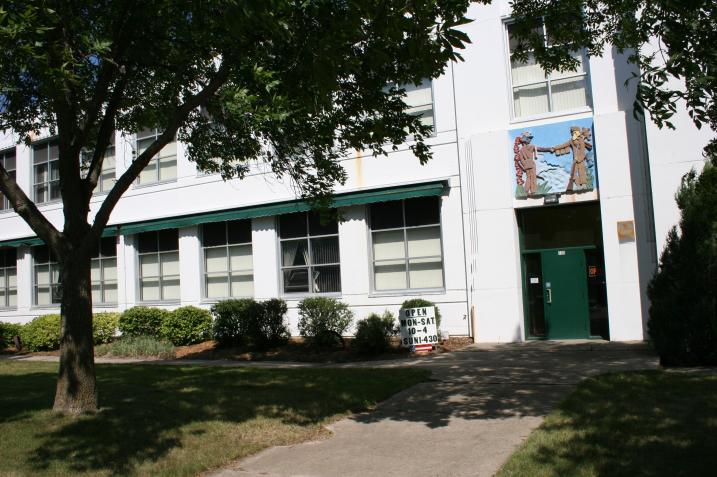
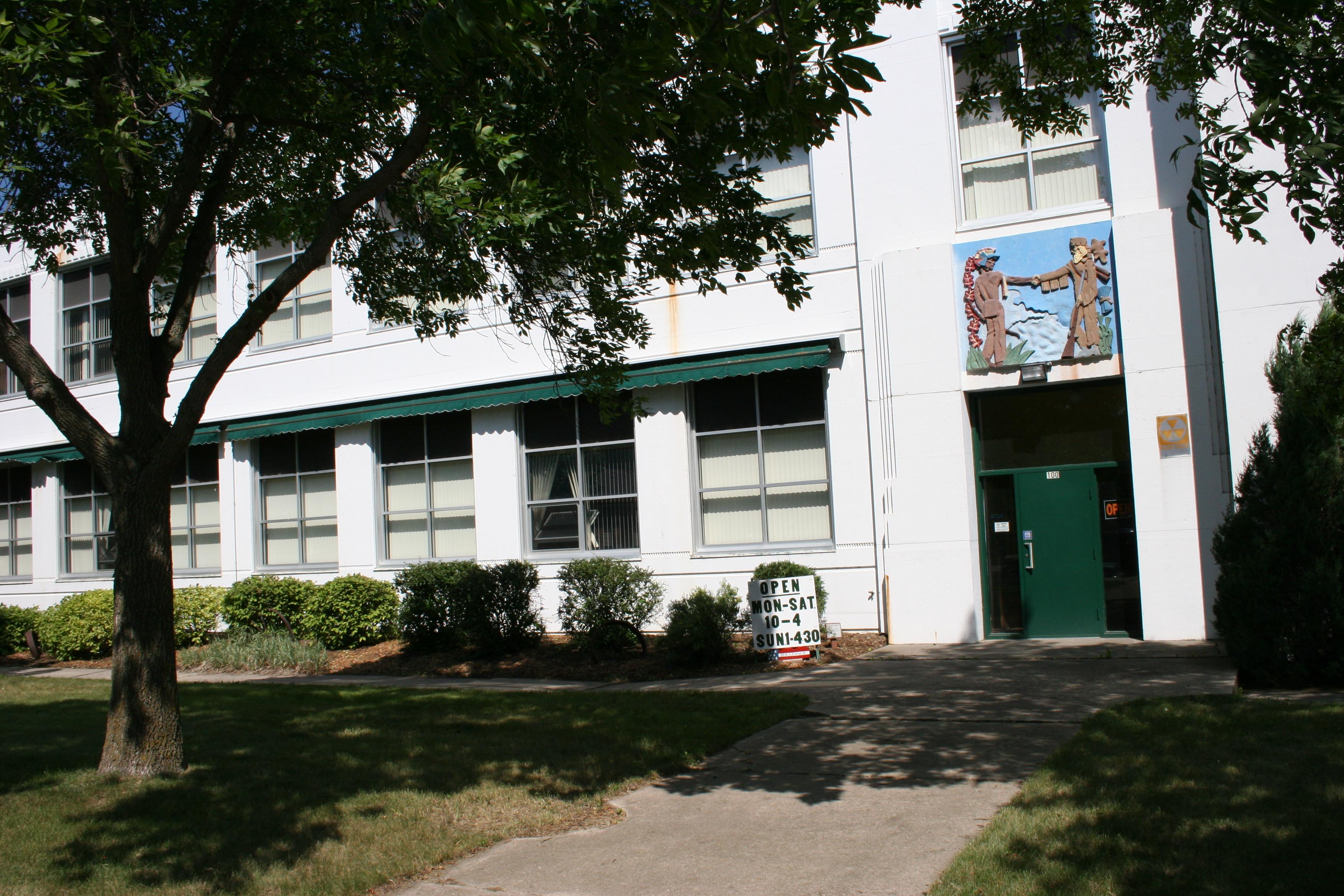
The entrance to the portion of the museum housed in the former school, a WPA building. Minnesota Prairie Roots file photo.

The five-building Yellow Medicine County museum complex, which includes the former Hanley Falls School built in 1939 by the Works Progress Administration, rests on six acres. You’ll find antique tractors, automobiles, gas engines, threshing equipment and other machinery and artifacts in the outbuildings.
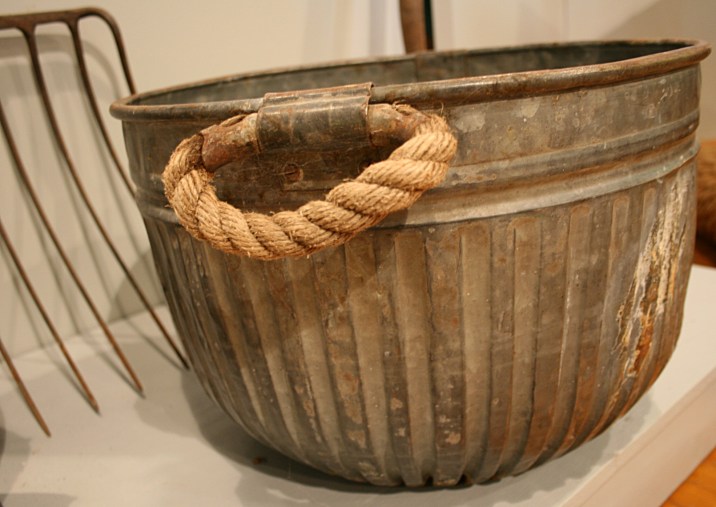
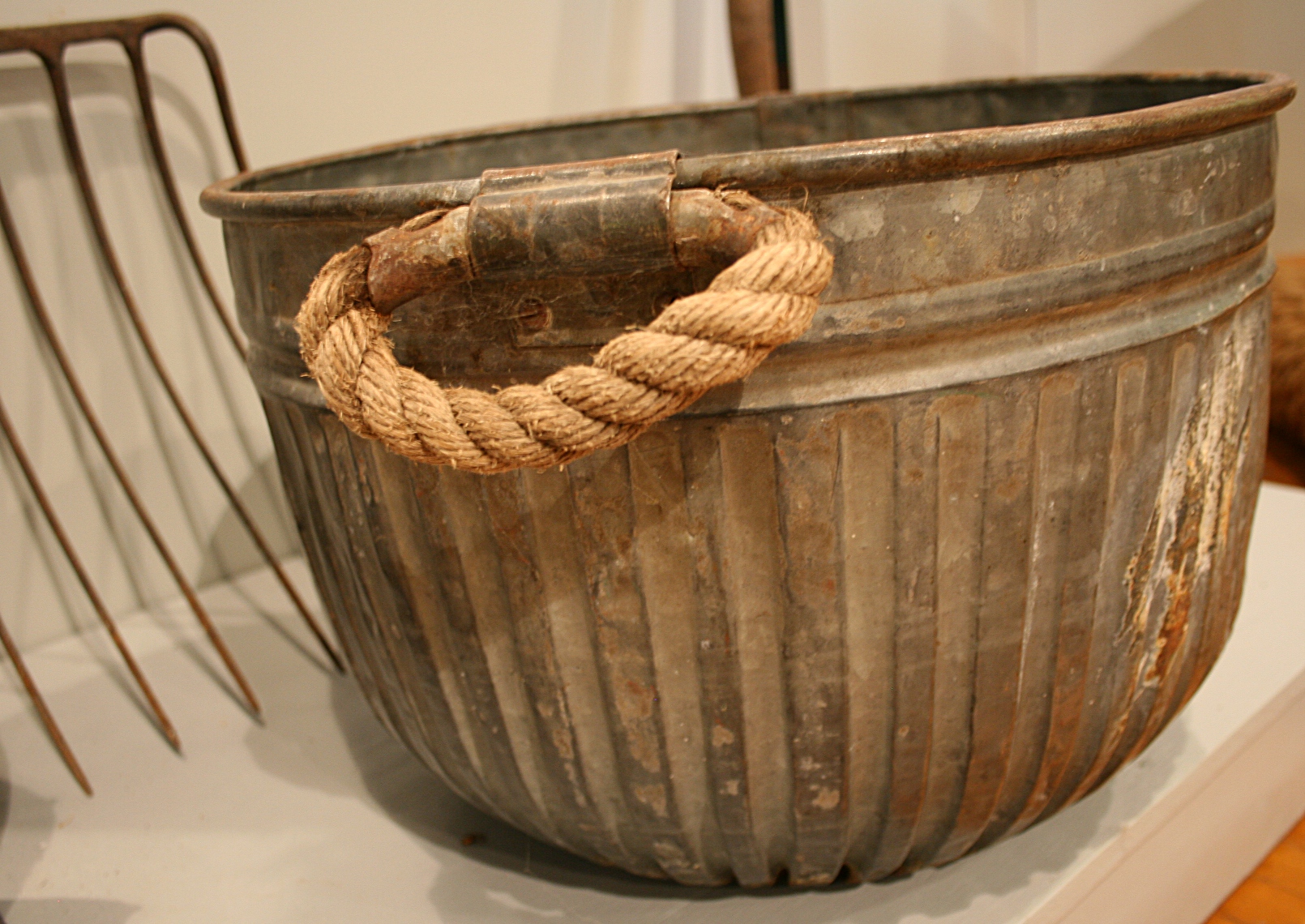
A bushel basket, one of the many ag items displayed at the museum. Minnesota Prairie Roots file photo.

Until October 20, you also can find five multi-sided kiosks featuring photos, videos, flip booklets and other interactive activities as part of the Smithsonian’s “The Way We Worked” exhibit.

Besides Hanley Falls, other Minnesota places/information in the show are a photo of women sorting sweet potatoes; quotes from Earl Bakken, founder of Minneapolis-based Medtronics, maker of the first self-contained pacemaker; a 1974 photo from Danheim Dairy in New Ulm; a SPAM Town banner; mention of the Moorhead Spuds (hometown pride for the town team); and a 1928 photo of St. Paul Gas and Light Company workers at a dance.

Johnson has no idea how the Hanley Falls photo became a part of this national touring exhibit. She discovered the town’s inclusion while vacationing in Tennessee, where she stopped to view the exhibit.
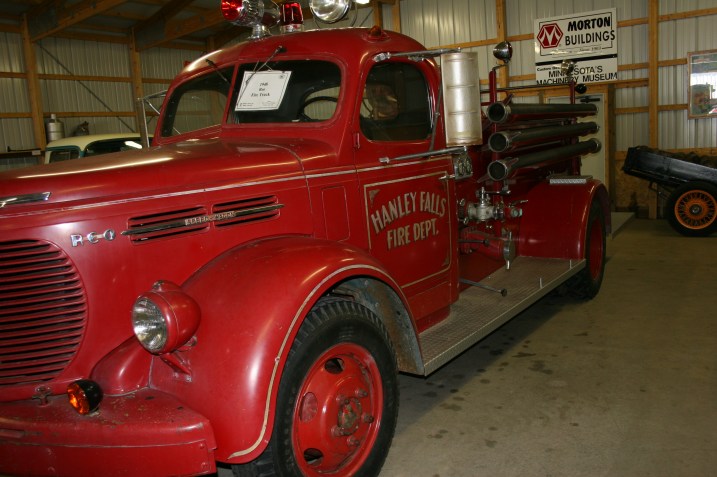
An old Hanley Falls fire truck is among vehicles housed in the outbuildings. Minnesota Prairie Roots file photo.

After leaving Hanley Falls, the exhibit will travel to five other Minnesota locations, including the Wright County Historical Society in Buffalo (Oct. 27 – Dec. 8); the Winona County Historical Society in Winona (Dec. 15 – Jan. 26); the Steele County Historical Society in Owatonna (Feb. 2 – March 16); the Virginia Area Historical Society in Virginia (March 23 – May 4); and the Depot Preservation Alliance in Baudette (May 11 – June 22).

In Hanley Falls, “The Way We Were” can be viewed between 10 a.m. – 4 p.m. Monday – Saturday or from 1 p.m. – 4:30 p.m. on Sunday. The museum season was extended to accommodate the show.

Admission to Minnesota’s Machinery Museum is free, but monetary contributions are accepted via a free will donation box.

Located in southwestern Minnesota, Hanley Falls sits nine miles south of Granite Falls or 20 miles north of Marshall along Highway 23. Go one block west of Highway 23 and then a block north to find the museum.
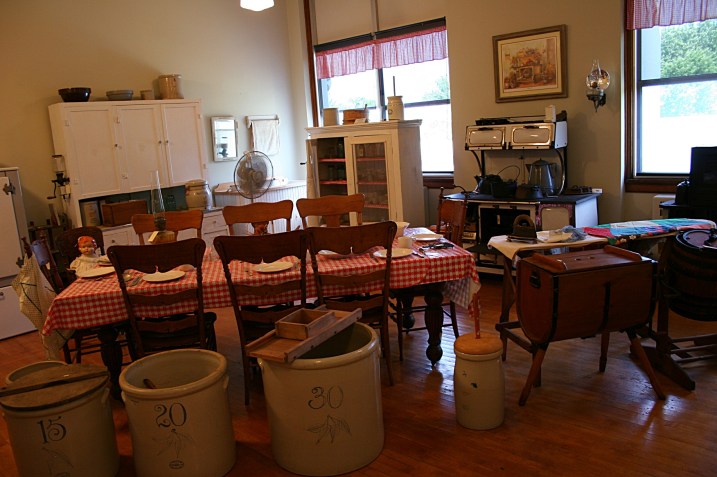
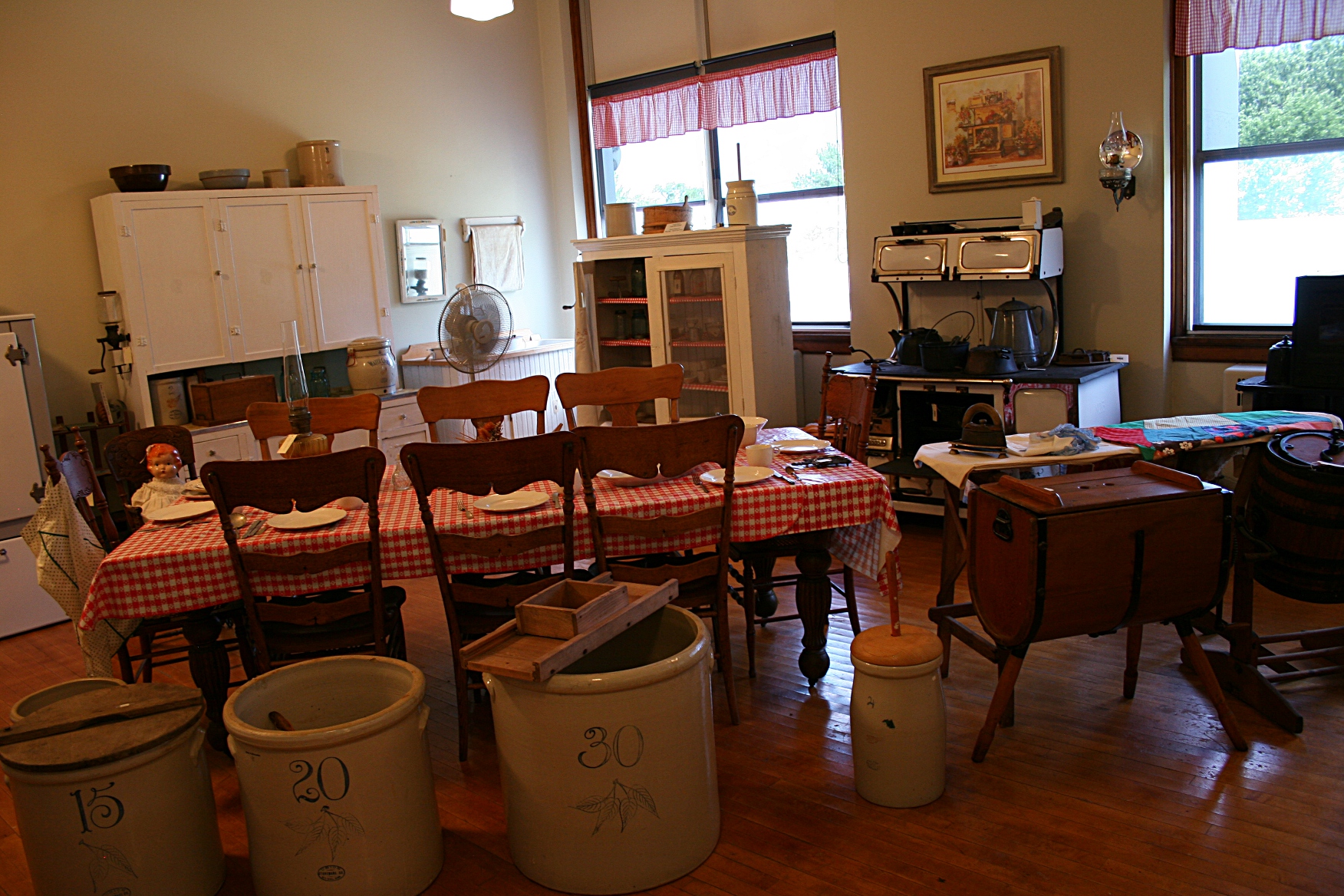
An old-style farm kitchen on the second floor of the museum. Minnesota Prairie Roots file photo.

“The Way We Worked” is presented in Hanley Falls in collaboration with the Minnesota Humanities Center. Funding, says Johnson, is via the Center; The Clean Water, Land & Legacy Amendment (Arts & Cultural Heritage Fund); the Smithsonian Institute; the National Endowment for the Humanities; and the United States Congress.

Minnesota’s Machinery Museum previously hosted the Smithsonian’s Museum on Main Street projects “Barn Again” and “Between Fences.”

FYI: To learn more about Minnesota’s Machinery Museum, click here to link to the museum website.

For more info about “The Way We Worked,” click here.

To view additional photos by Vincent H. Mart in the Minnesota Historical Society archives, click here.

© Copyright 2012 Audrey Kletscher Helbling


The little brick house in Waterville September 14, 2012

Filed under: Uncategorized — Audrey Kletscher Helbling @ 7:14 AM
Tags: , , , , , ,

YOUR HOUSE NEEDN’T BE a mansion to impress me.

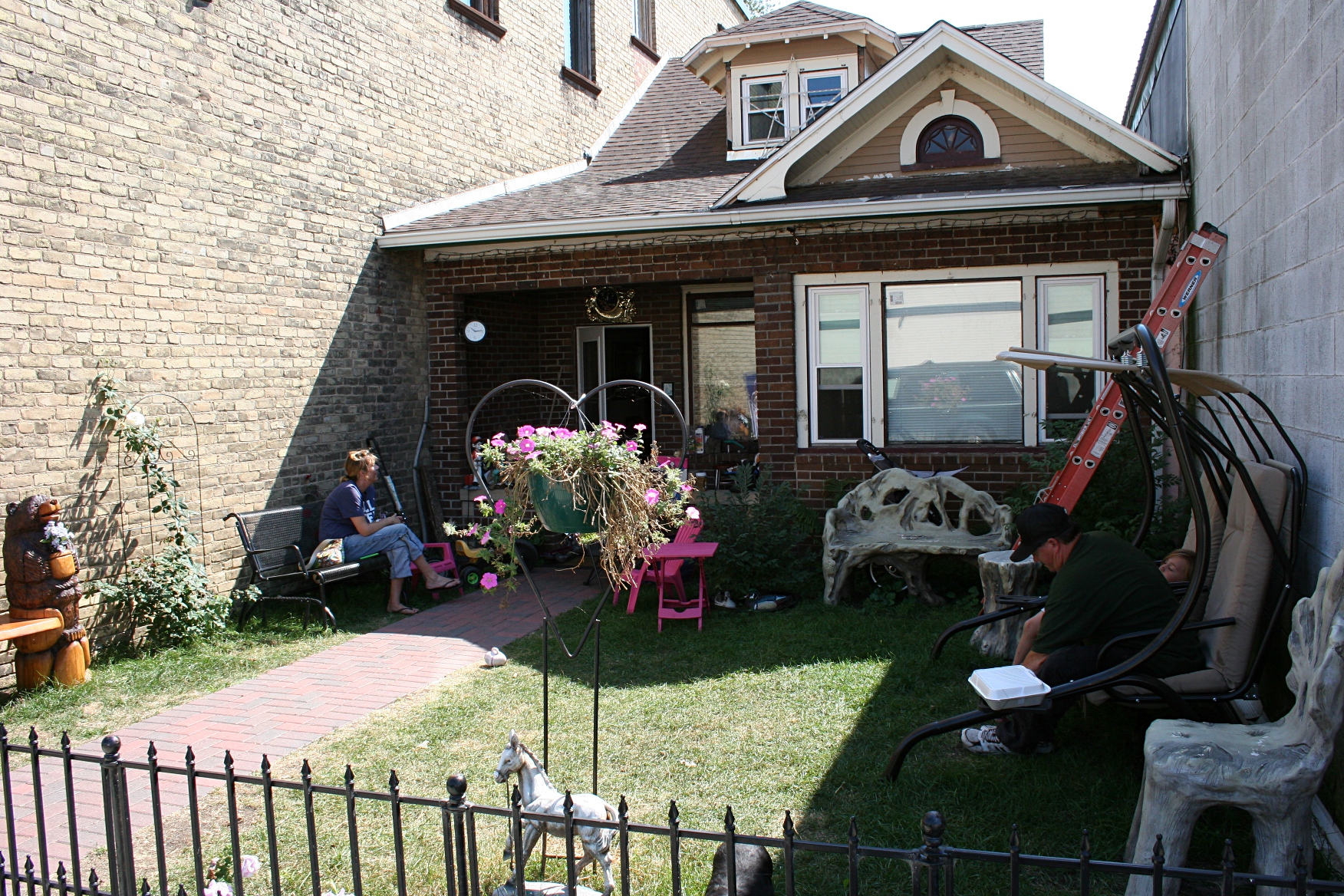
Just look at this sweet little brick house along Main Street in downtown Waterville.

I’ve never seen a house sandwiched like this, wall-to-wall, between two buildings and tucked into a totally unexpected place.

The owner ducked out of the scene just before I shot this single photo. She loves her home, she said, and that was about it. I didn’t want to overstay my “Can I take a picture of your house?” welcome since she clearly was entertaining guests.

But I really wanted to walk around the fence, right up the brick path and through the front door, just so I could see if the little brick house is as quaint inside as it is outside. And how dark, or light, is it inside that house anyway?

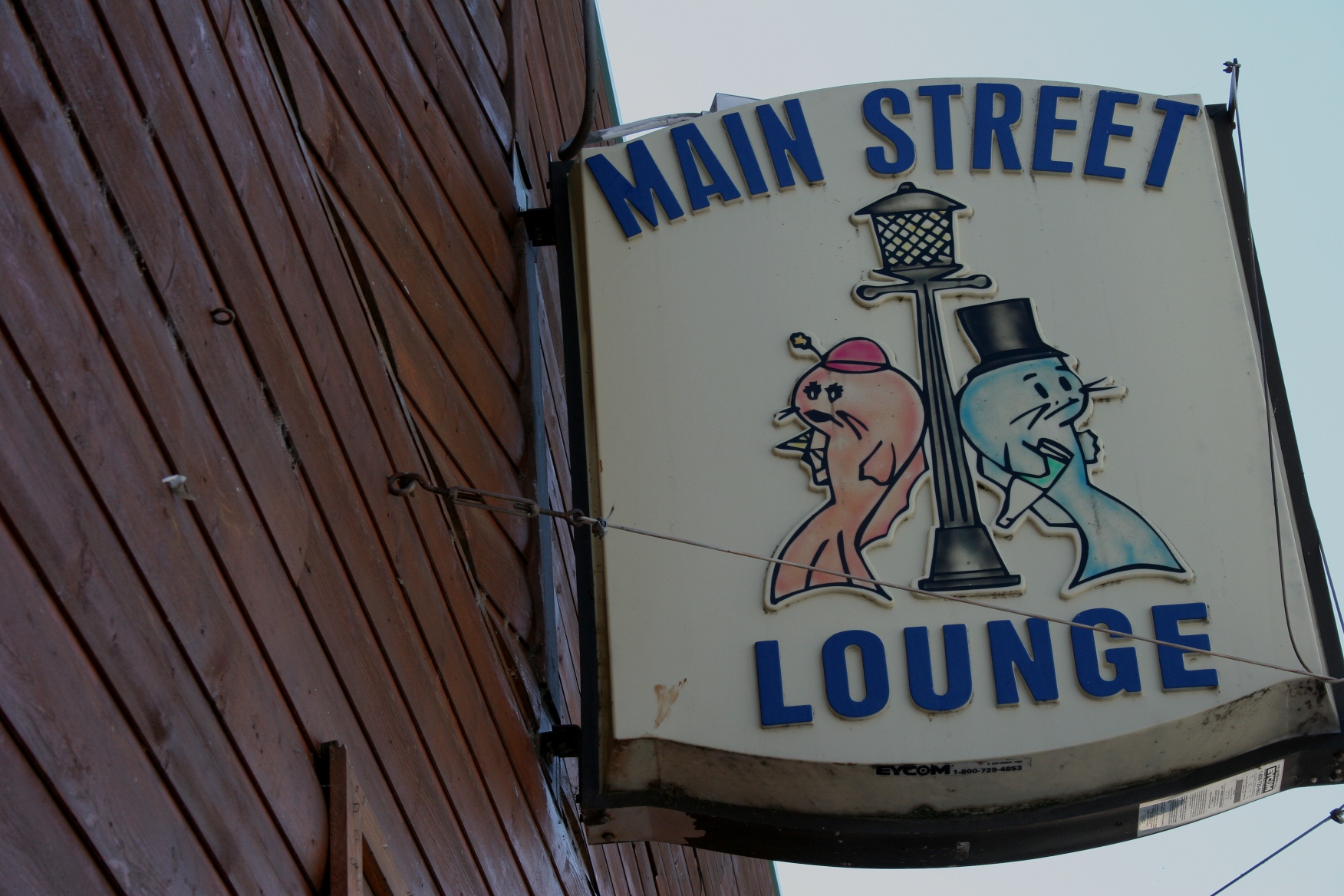
I counted at least four benches where I could sit a spell and chat. Maybe ask about that horse by the fence, the bear bench by the brick wall, how this house came to be, if patrons from the neighboring Corner Bar and Main Street Lounge ever cause problems. You know, stuff like that.

#

FYI: This ends, for now, my stories from Waterville. To read my first post about this southern Minnesota lakeside community, click here.

To read my second post about a quaint coffee shop, which also serves as a place for local artisans to sell their creations, click here.

© Copyright 2012 Audrey Kletscher Helbling
 

A Sunday afternoon drive to Waterville, Minnesota, Bullhead Capital of the World September 12, 2012

Filed under: Uncategorized — Audrey Kletscher Helbling @ 6:55 AM
Tags: , , , , , , ,

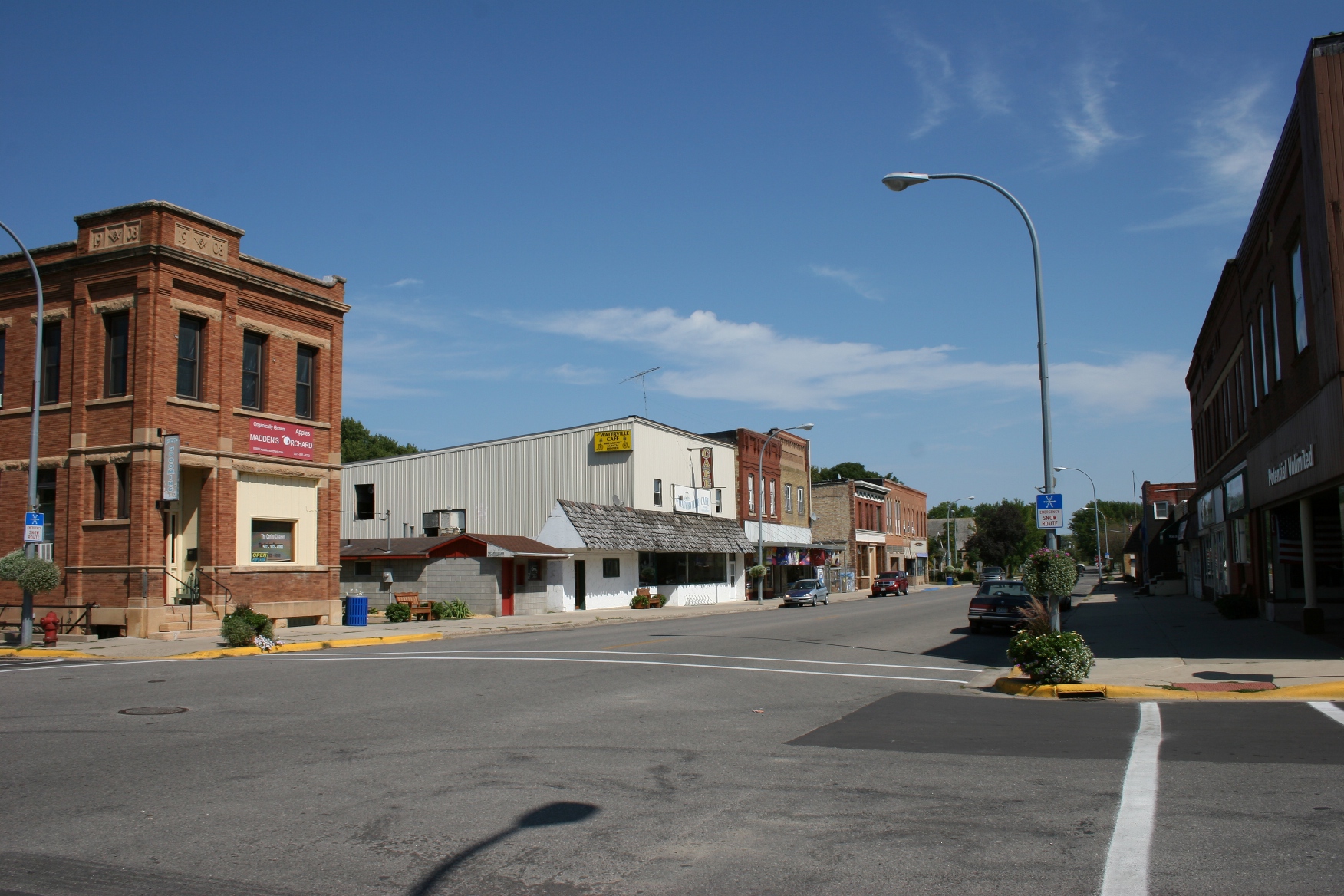
Main Street Waterville, Minnesota, on a Sunday afternoon in September.

THE THING ABOUT SMALL TOWNS is this. They’re not boring cookie cutter places with chain stores and look-alike subdivision houses occupying space in the middle of nowhere. I know, I know, you likely disagree about that “boring and middle of nowhere” if you live in a sizable city.

But these small towns possess individuality and character. And by small town, I mean a community of 5,000 or fewer residents. Just want to be clear on the definition.

Exploring small towns is something I enjoy, probably because I grew up on a dairy and crop farm near Vesta, current population around 330 or so, among the corn and soybean fields of southwestern Minnesota.

I’m intrigued by these communities which are most often ignored as simply, sigh, another place to slow us down as we rush from one destination to the next. I’m as guilty as the next traveler in feeling that way.

But sometimes I intentionally slow down. In recent years my husband and I have embraced Sunday afternoon drives, not unlike the Sunday drives of my youth. Dad would guide the family car along the washboard gravel roads of Redwood County, sometimes venturing into neighboring Yellow Medicine County, so we could look at the crops.

While Randy and I sometimes take gravel roads, our ultimate destination is typically Main Street.  We meander to a nearby small town, park our vehicle, get out and walk. It is then that we discover the quirks, the character, the feeling of community and closeness which define a given town.

Our most recent Sunday jaunt took us to Waterville, only 15 miles from Faribault. I’ve been into this lakeside town of nearly 1,900 perhaps half a dozen times, just to drive through it, tour Ron’s Hardware (a story in itself, but it was closed the Sunday we were there), enjoy an ice cream treat and, many years ago, to grab a burger and beer at the Corner Bar.

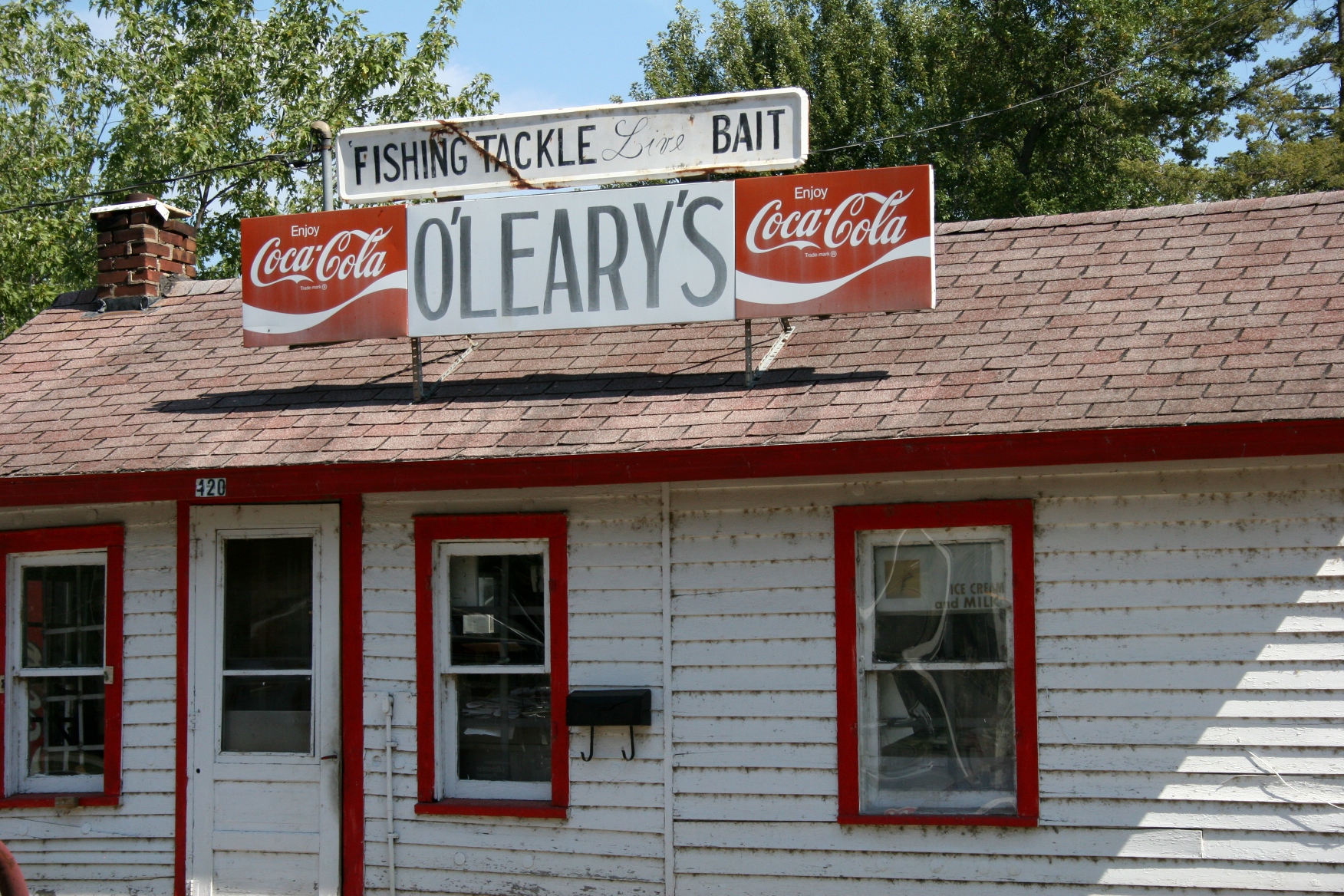
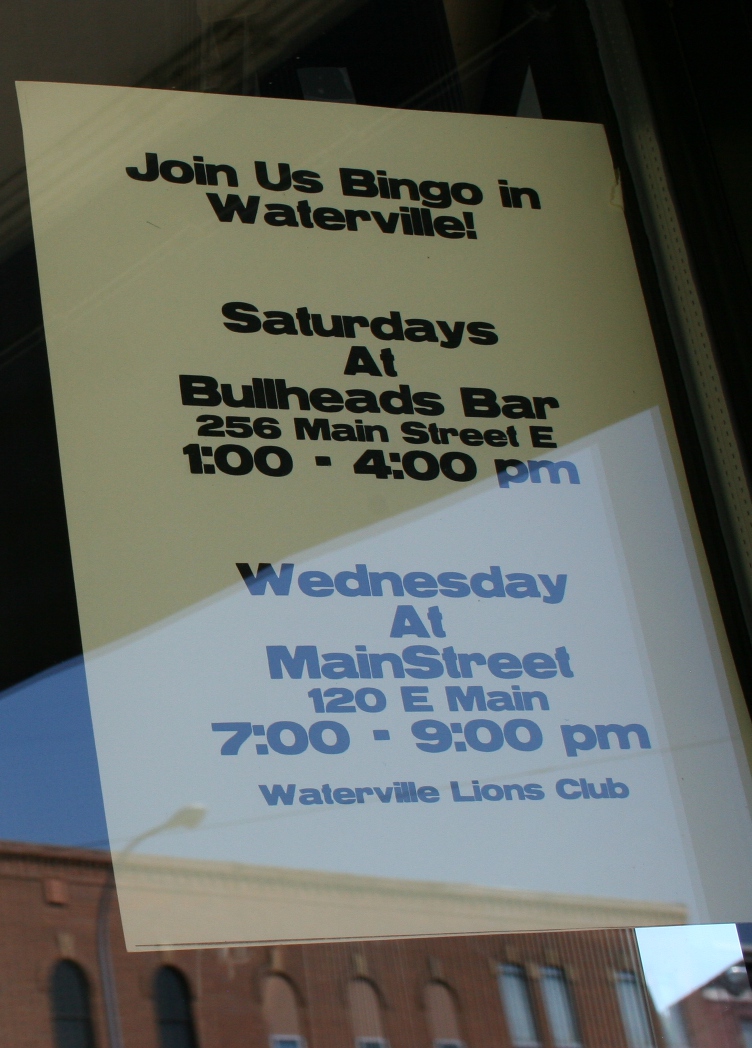
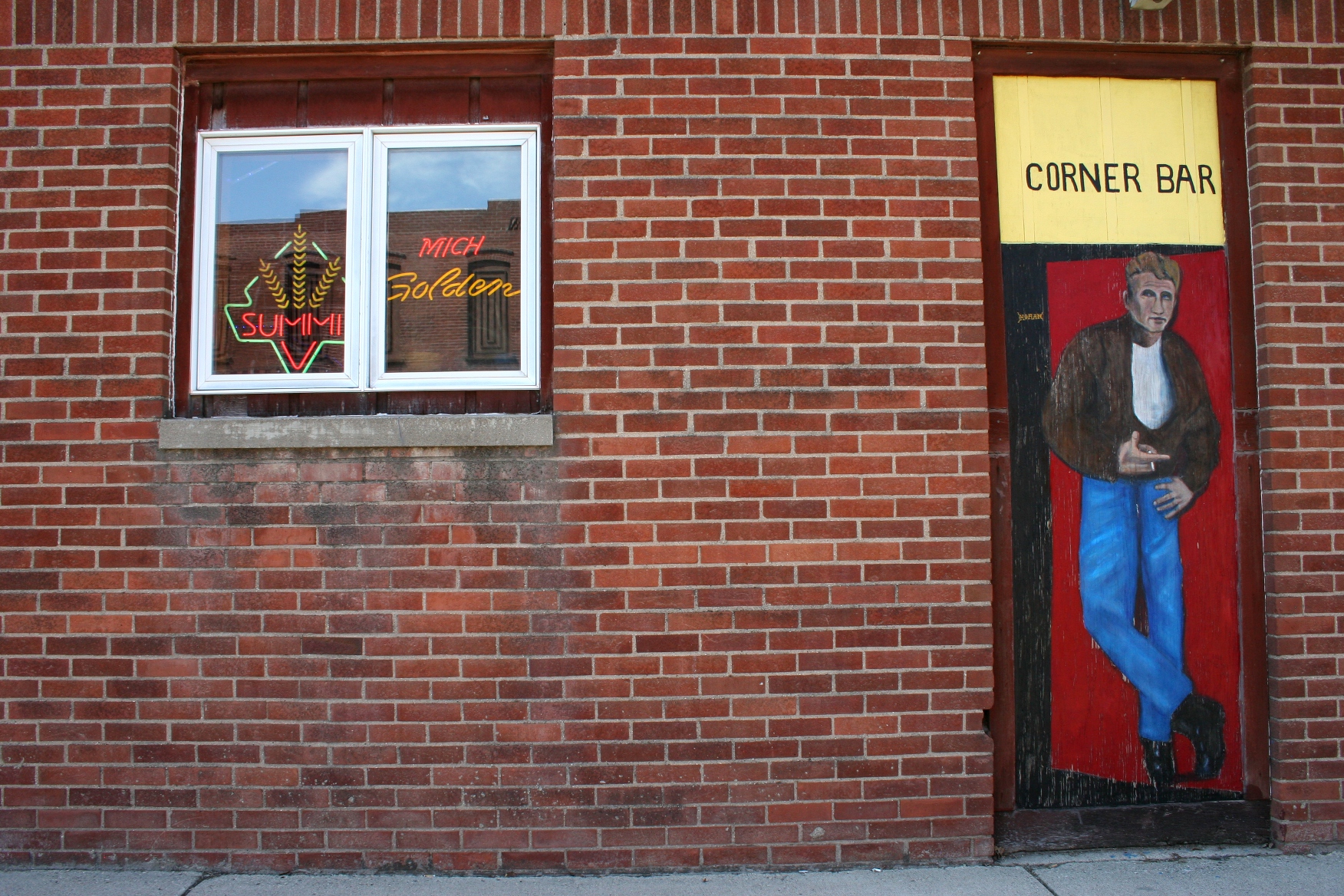
Mostly, though, Waterville has been a town my family zips past along Minnesota Highway 60 en route west. By doing that, I’ve missed out, missed out on the defining details. And the easiest way to notice those details, when Main Street businesses are mostly closed on a Sunday, is to check out the signage.

Welcome to Waterville, Minnesota, Bullhead Capital of the World, where signs hint at this community’s individuality and character.

CHECK BACK FOR A FUTURE post featuring one of Waterville’s newest businesses.

© Copyright 2012 Audrey Kletscher Helbling
 

Meet Bob, the opinionated farmer from Madelia September 10, 2012

Filed under: Uncategorized — Audrey Kletscher Helbling @ 6:46 AM
Tags: , , , , , , ,

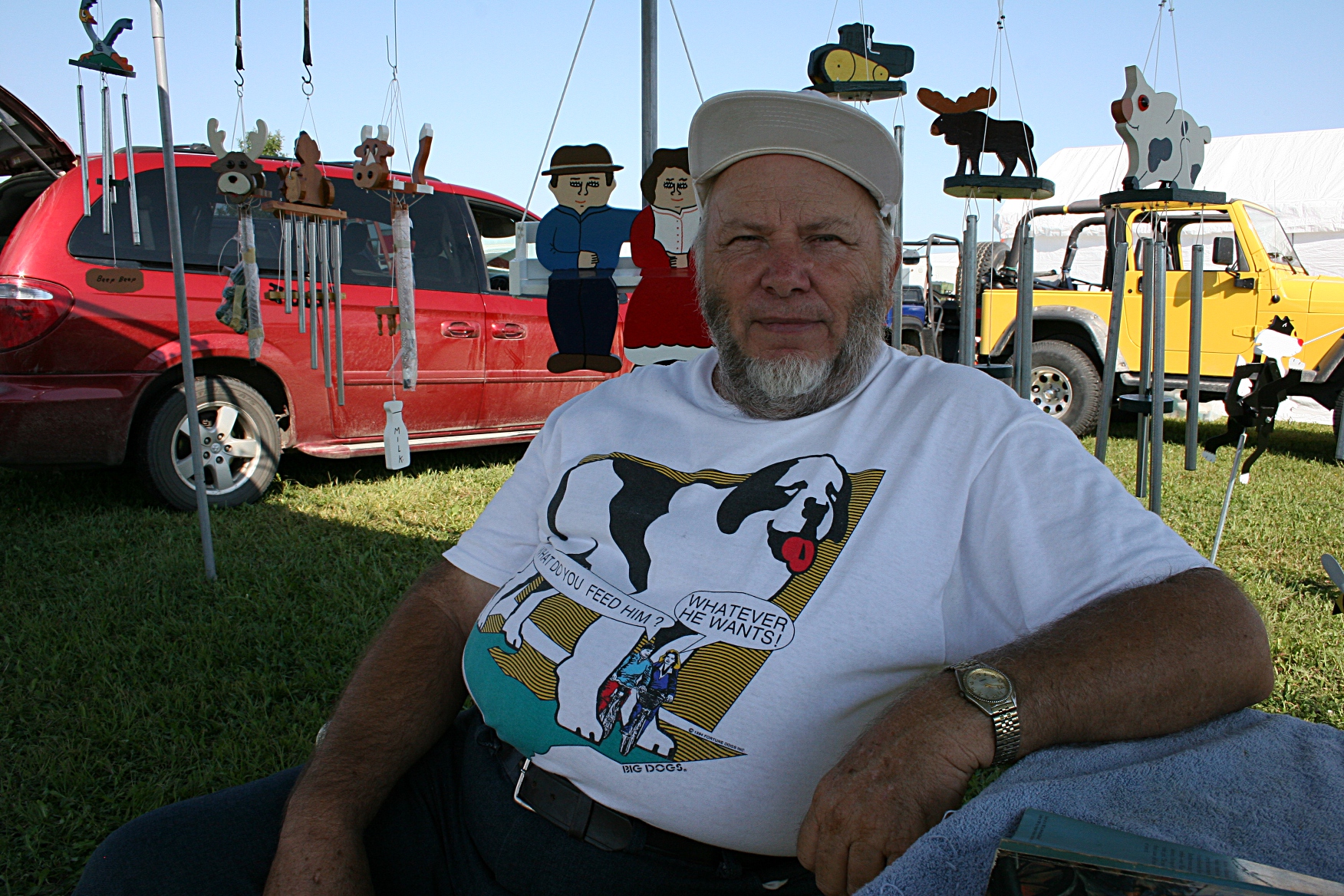
I met Bob Michniewicz  and his wife, Judy, selling their woodcrafts at the recent Rice County Steam and Gas Engine Show. He wouldn’t allow me to photograph his art, except for a single sign and a single cow, not wanting others to steal his ideas. However, a few other crafts got into the photo when Bob obliged my request for a portrait.

OCCASIONALLY YOU MEET a character, and you know it just looking at the person, before lips even part to utter a single syllable.

I knew, just knew, Bob Michniewicz was a character when I saw him and his set-up at the Rice County Steam and Gas Engine Show in rural Dundas. With kitschy wooden lawn ornaments—you know the kind—and wind chimes and eye-catching messages defining his space, Bob was bound to be interesting.

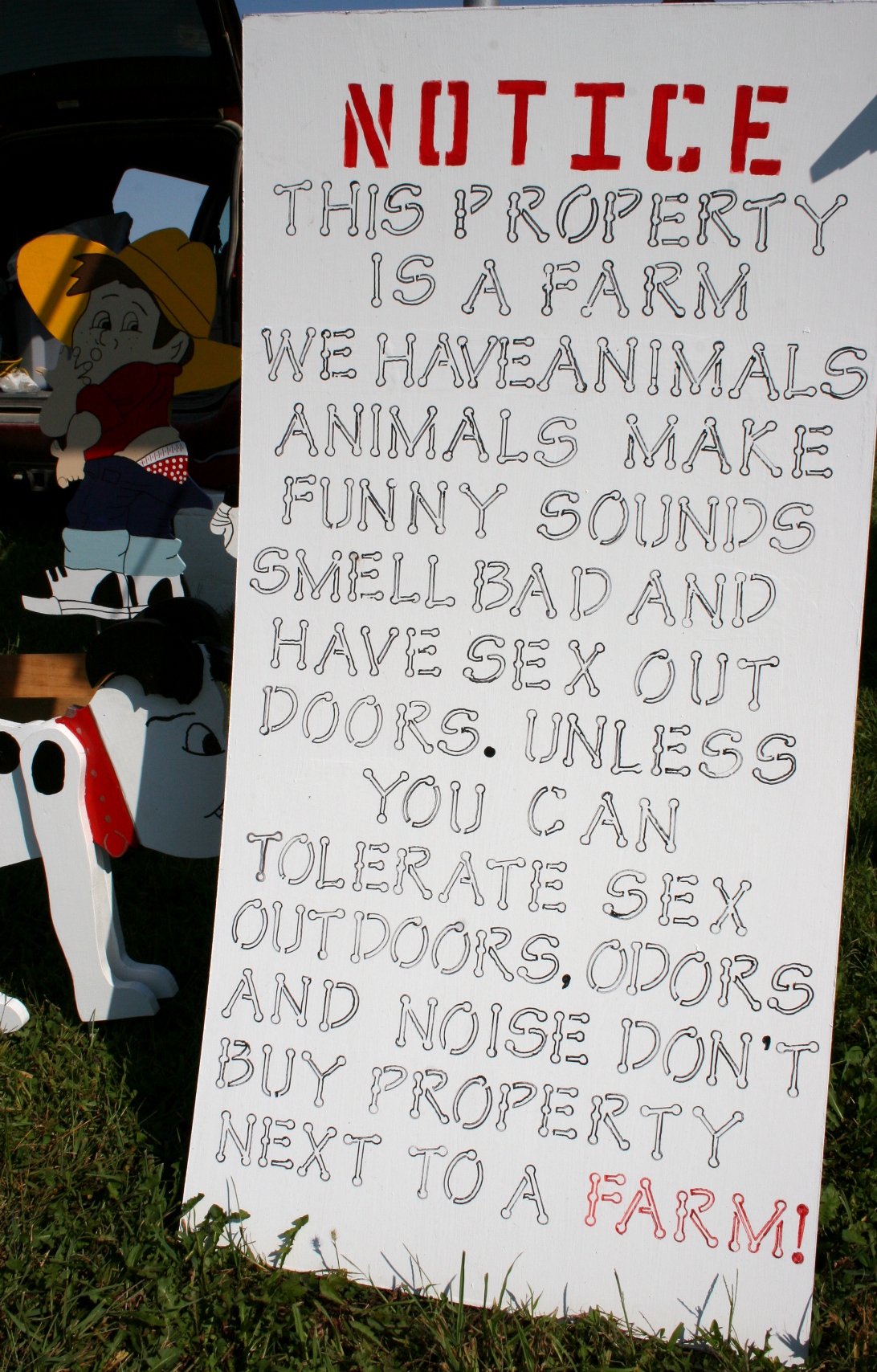
Just look at the poster Bob leaned front and center against a support post for the tent under which he and his wife of 50 years, Judy, were peddling their wares.

Bob was gauging interest in this sign with plans to print it on vinyl and sell it should interest run high.

Naturally, I asked Bob about that message. Seems he’s a bit worked up about all the non-farm folks moving onto farms in his area and then complaining about noise or smell or dust and such from working farms.

“Farmers were here first,” he emphasizes. And that, in this retired farmer’s opinion, should settle any matters of dispute.

All around him, Bob views the ever-changing rural Minnesota landscape. Within a three-mile radius of his farm (the home place) 3 ½ miles from Madelia, only four farmers remain. The rest are people living on the building sites.

Therein, according to Bob, lies the problem. “People don’t know where farm stuff comes from.” I’m not sure I understand what he means, but I think I do and Bob doesn’t allow me to interrupt this rather one-sided conversation.

Bob just steamrolls forward, asking if I know that potatoes in stores are sprayed to keep them from sprouting. (I don’t know this and check later to see if Bob, who is a gardener, is right, and apparently he is, although I’m not saying all potato growers, all stores, follow this practice.)

He looks me directly in the eye and says: “Next time you eat mashed potatoes, you may as well take a shot glass of Round-up with a beer chaser.”

Like I said, Bob’s a character, and an outspoken one at that.

Bob certainly possesses a sense of humor, as seen in this bovine lawn art.

© Copyright 2012 Audrey Kletscher Helbling
 

A short photo essay of a tractor parade, rural Dundas, Minnesota September 7, 2012

The Oliver was the featured tractor in this year’s Rice County Steam and Gas Engines Show, rural Dundas, Minnesota.

They start ’em driving tractors young. Not to worry; an adult was on the tractor, too.

And younger…

And as young as six weeks old. Doesn’t baby Kelly/Kelli (not sure on the spelling) look just like her dad?

Tractor buffs of all ages, and with all types of tractors, join the parade.

The parade of tractors and other vehicles just goes on and on.

Copyright 2012 Audrey Kletscher Helbling
 

Appreciating a vintage Dairy Queen sign in Janesville August 22, 2012

ICE CREAM. It has to be the single treat with the most universal appeal. And I expect Dairy Queen rates as the company most universally known for its soft-serve ice cream.

With 6,000 plus Dairy Queens throughout the world, this fast food franchise certainly has established itself as a dominating presence since the first DQ opened in 1940 in Joliet, Illinois.

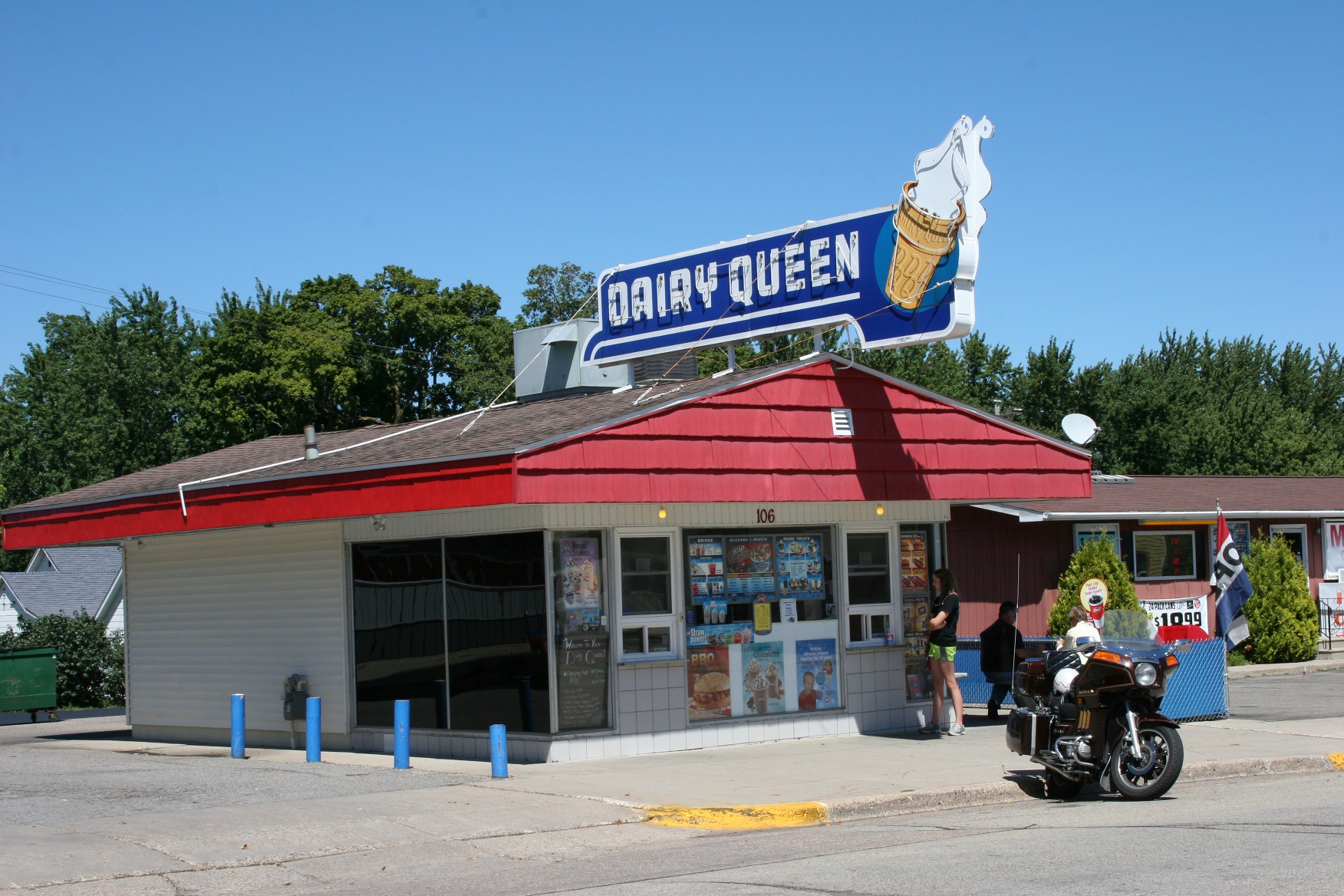
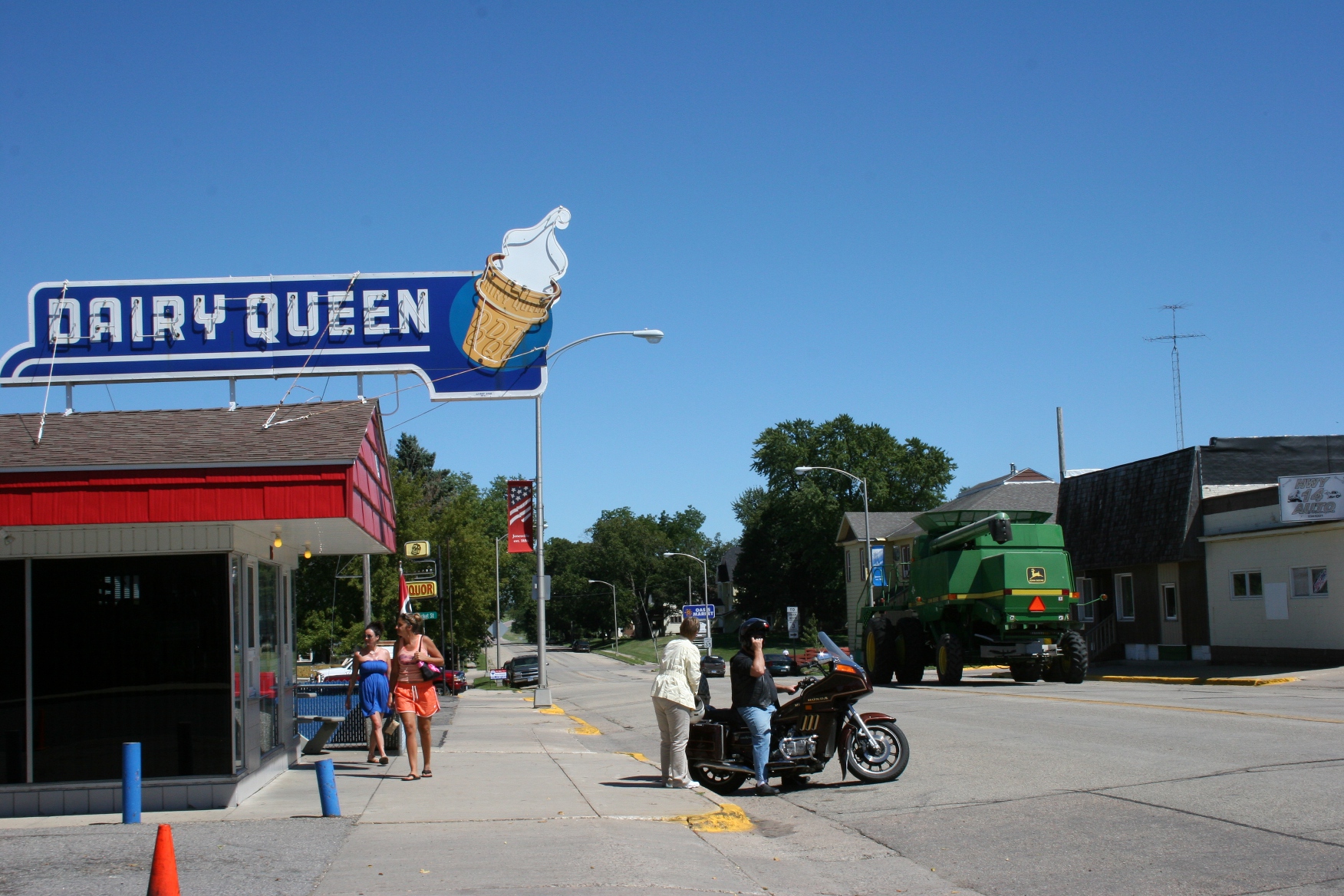
The Dairy Queen along old U.S. Highway 14 in Janesville on a recent Sunday afternoon.

Within 40 miles of my home are 35 Dairy Queens, including two right here in Faribault, and a walk-up DQ along old U.S. Highway 14 in Janesville some 30 miles away.

On a recent Sunday afternoon while passing through Janesville, located east of Mankato and with a population of about 2,100, I photographed the DQ. I wasn’t hungry, having just eaten too much at a church potluck. But I didn’t let that keep me from stopping at the DQ to photograph this long-time business with the vintage signage.

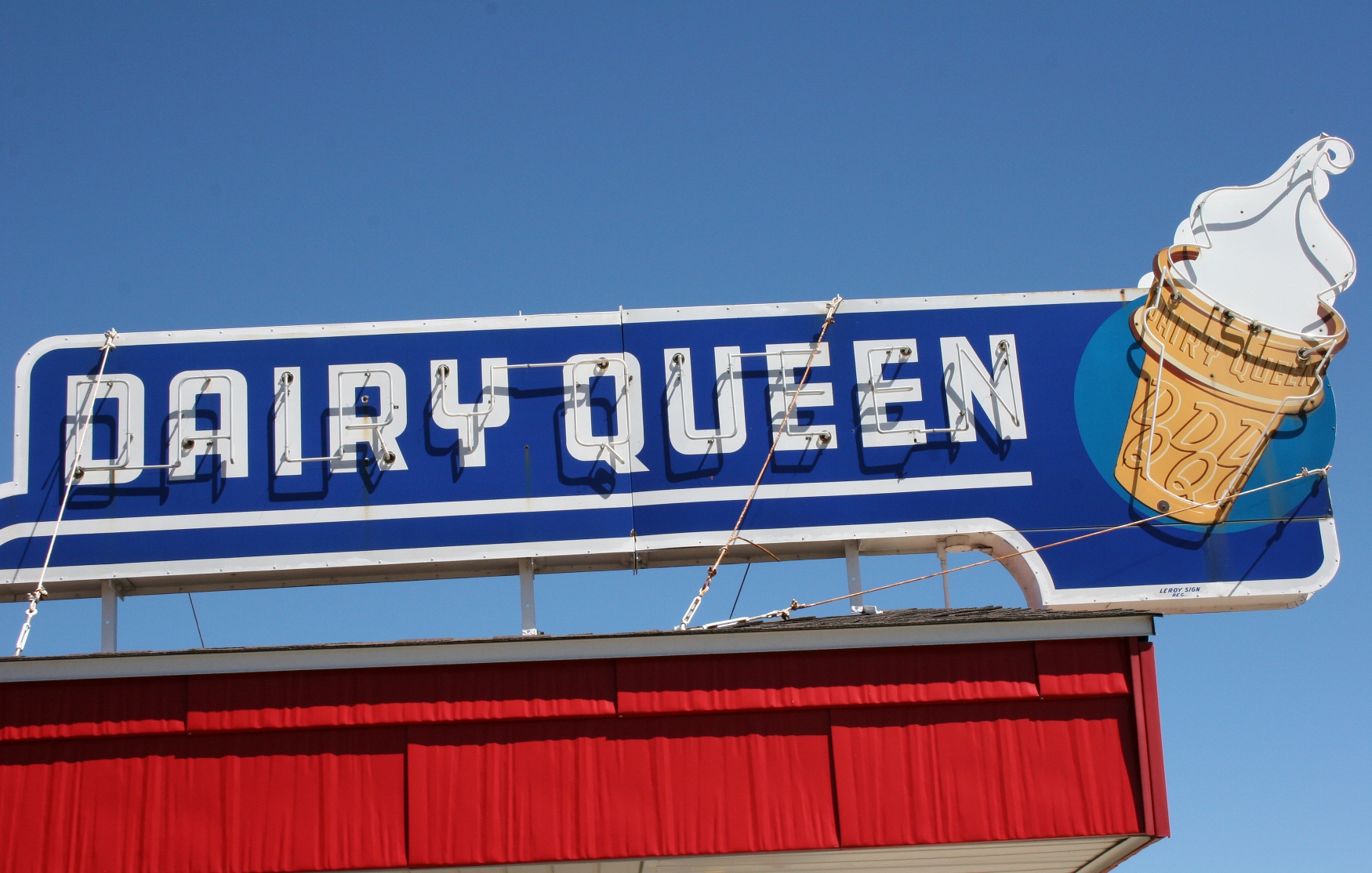
The vintage Dairy Queen sign that drew me to the Janesville DQ.

It’s the sign that caused me to stop because, well, I like and appreciate old signs as works of art. They’re also classic, charming cultural and historic icons in a community.

I was a bit dismayed, though, when the woman working the counter suggested that once the lights fizzle on the sign, it will be replaced with a newer, more modern DQ sign because, really, who could fix the lighting?

I insisted that shouldn’t happen and may have pleaded a bit. “You can’t do that.”

But she seemed resigned to the sign’s eventual replacement.

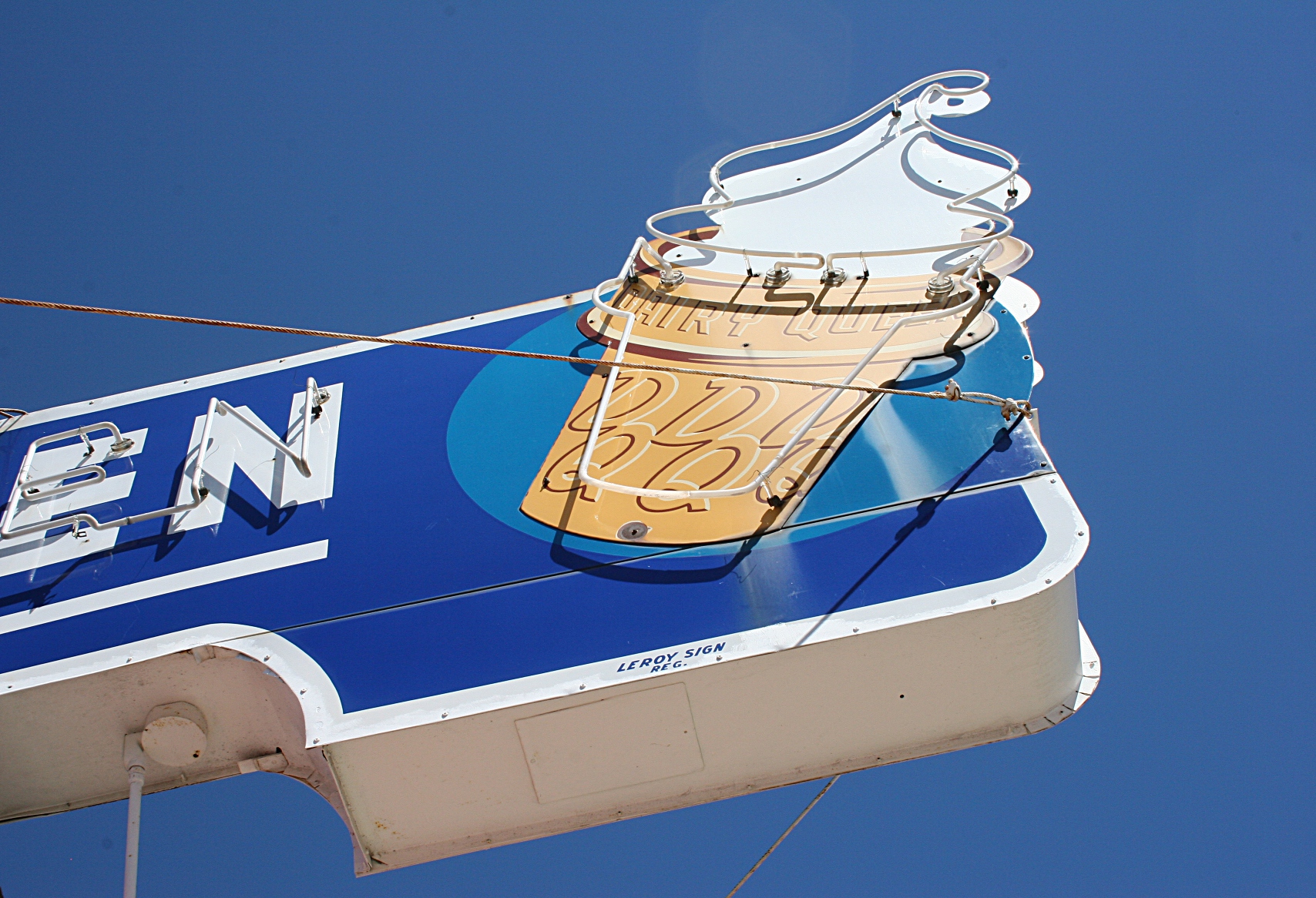
On the bottom edge of the sign, I noticed LEROY SIGN REG.

Not so fast. I noticed LEROY SIGN REG printed along the lower edge of the DQ sign. That was just enough for me to google the company and track down the sign’s origin with Leroy Signs & Manufacturing of Brooklyn Park.

After viewing a photo I took of the Janesville sign, Ralph Leroy “Lee” Reiter III told me it dates back to the late 1940s or early 1950s and is one of about 50 made by his grandfather, Ralph Leroy Reiter, Sr. While the younger Reiter doesn’t know exactly how many of these specific signs were placed in Minnesota, he says his third-generation company recently refurbished one in Columbia Heights and he knows of one in Robbinsdale and another in Brooklyn Park.

I was especially pleased to learn that the 75-year-old family business he co-owns with siblings Kaj Reiter and Andria Reiter can replace the neon lighting and otherwise refurbish the porcelain enamel finished vintage DQ sign.

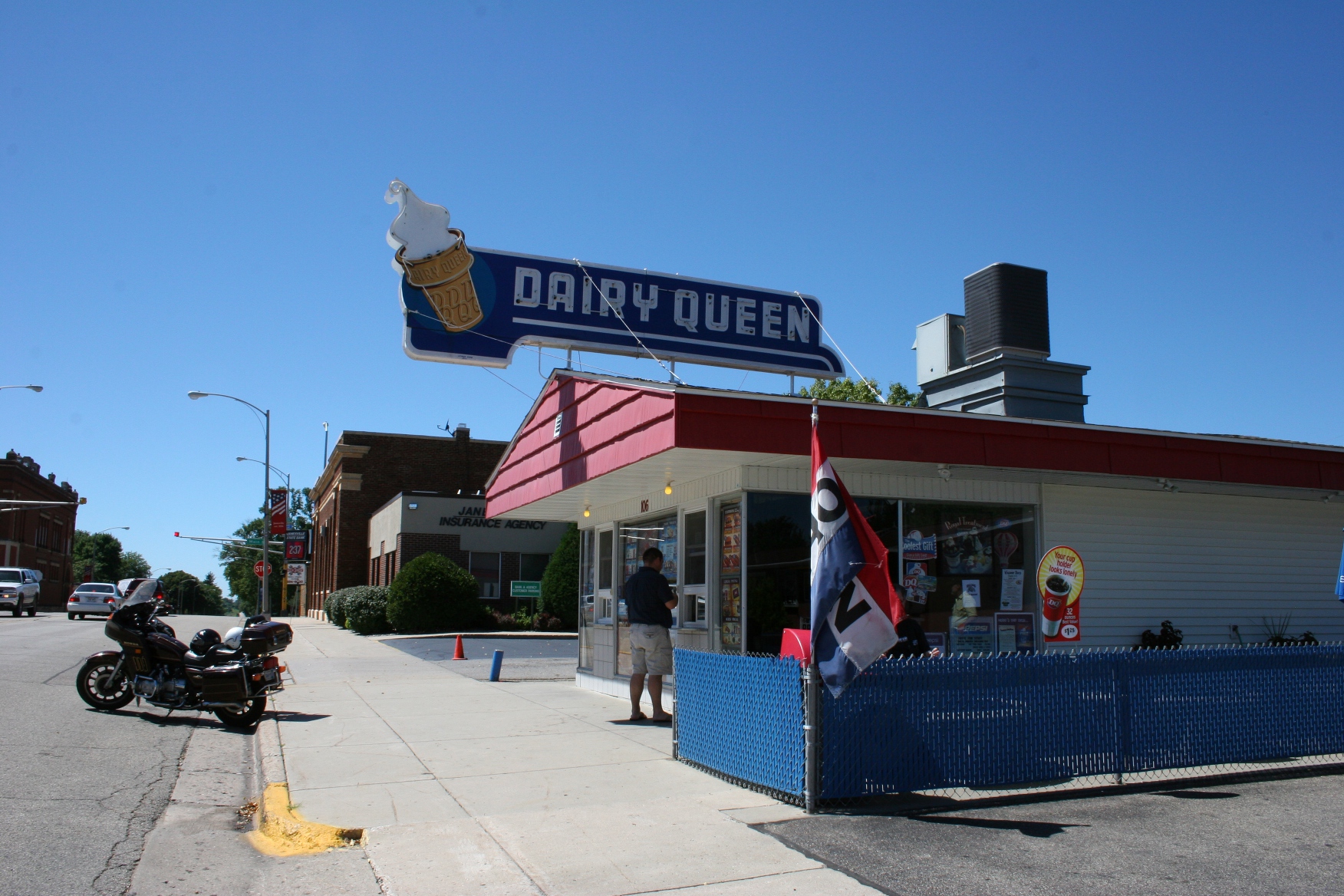
On the other side of the DQ, looking toward downtown Janesville.

Lee Reiter has high praise for the condition of the Janesville DQ sign. “It’s one of the cleanest I’ve seen and in really good condition.”

He observed, though, that the sign may have been touched up some. You could fool me. The sign as designed decades ago—DQ designed and Leroy Sign made the sign—allowed it to take in water, Lee noted.

Early on in DQ’s history, Leroy Signs made signs for DQ, last doing so about five years ago.

As for that vintage DQ sign in Janesville, Lee says if the owner ever wants to get rid of it, he’ll take it. That, in itself, should tell you something, don’t you think?

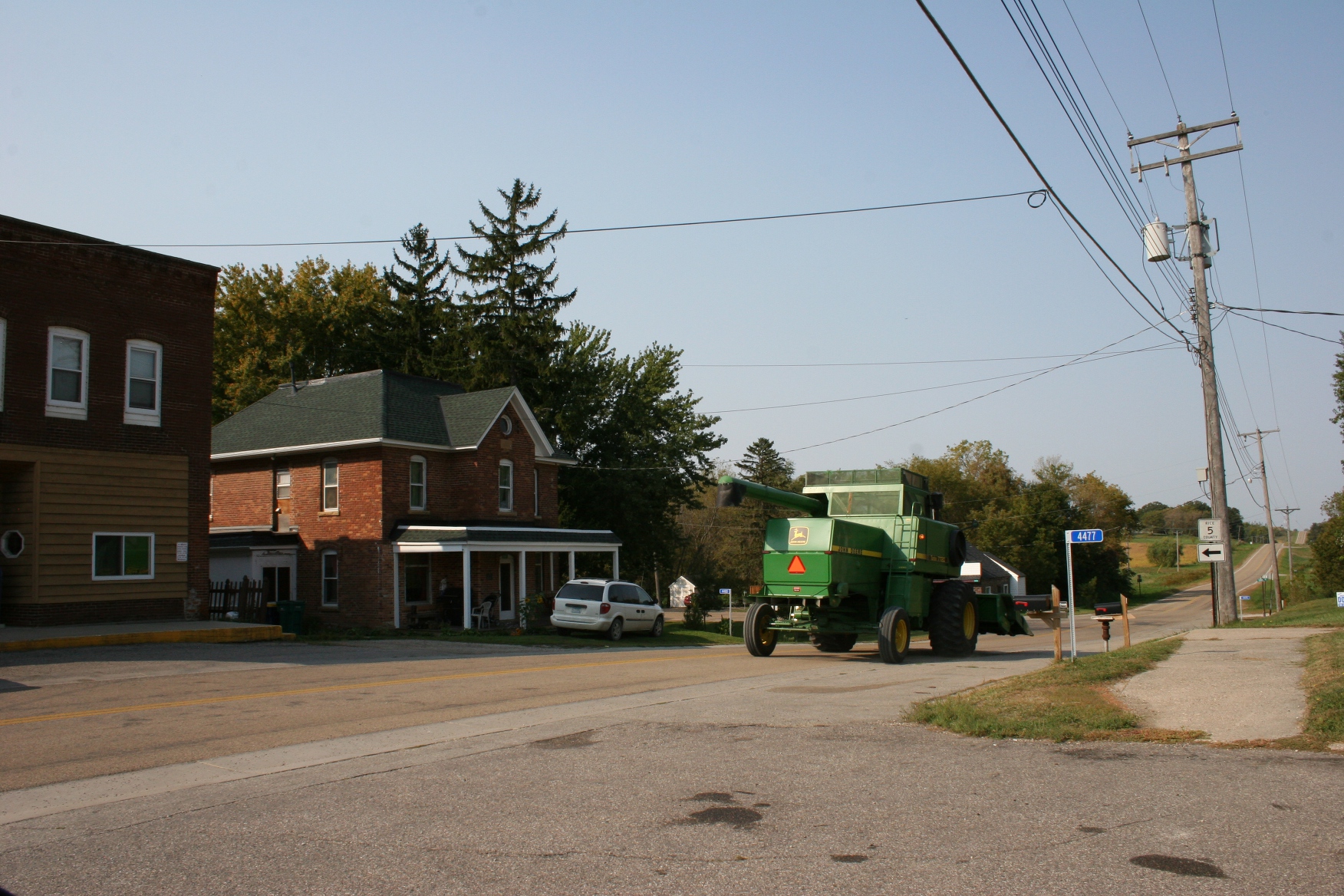
You know you’re in a rural town when you see a combine driving down the street like this John Deere which passed the Janesville DQ.

© Copyright 2012 Audrey Kletscher Helbling
 

Oh, the interesting topics you’ll find in small town newspapers…of bullets, burgers & babies… August 14, 2012

Filed under: Uncategorized — Audrey Kletscher Helbling @ 6:51 AM
Tags: , , , , , ,

SMALL TOWN NEWSPAPERS make for some interesting reading. Stories can get downright personal and to the point.

For example, I found a gem last week online at The Redwood Falls Gazette, a twice-a-week newspaper published in Redwood County in southwestern Minnesota. It’s the newspaper I grew up reading.

The Redwood Falls Gazette editor Troy Krause, right, interviews Todd Bol, co-founder of the Little Free Library in Vesta in early July. Bol gave a LFL to my hometown and installed it at the Vesta Cafe.

In the “Backward Glance” section of the newspaper, under 1987—25 years ago, this tidbit of information was published:

In the listings of the Redwood County 4-H county fair champions, Troy Krause of the Loyal Scotties was overall grand champion in flower gardens, while Kelly Zwaschka of the Vesta Vikings won champion child development.

(Note: Troy is editor of the Redwood Gazette, while wife Kelly gave birth to their seventh child, Gideon, this week. Congrats from the Gazette staff!)

How’s that for a birth announcement? Obviously Kelly’s interest in child development, even as a 4-Her, was a clear indicator of her future. As for Todd, I believe flower gardening could be connected to creativity/writing.

You’ll also find a brief about a game warden, shot through the head in 1937 by another game warden who mistook him for a bear. That’s listed in the 50 years ago section of “Backward Glances.” So, yes, apparently Merle Shields survived the incident as he was celebrating his 20th year as a Redwood County game warden in 1962. (BTW, since writing this post, I discovered that The Gazette has upgraded its website and the “Backward Glance” I reference here cannot be found, or I couldn’t find it.)

The third piece of interest was published in last week’s The Gaylord Hub, where I worked for two years as a news reporter and photographer right out of college. Avery Grochow, past president of The Gaylord Chamber of Commerce, penned a letter to the editor which I am certain is the current coffee shop talk of Gaylord.

I’ll summarize parts of his lengthy, six-paragraph letter and quote directly when needed. Grochow begins:

We, as the chamber board, are constantly trying to do our best for our community and are constantly being criticized by some for our decisions.

Apparently locals were grumbling about the food—who supplied it and how it tasted—at the community’s annual Eggstravaganza summer festival. New volunteers, replaced Dewey (whoever that is; my words here, not Avery’s), who “wanted a year off from all the arguments.” They stepped up and worked through a new bidding process for the supplies, awarding the bid to the lowest bidder.

Grochow continues:

We have had comments both ways about the supplying of hamburger. Some have criticized us in the past because the hamburger was too spicy, that they would rather have plain burgers, and we are now being criticized that we are having plain burgers and not spiced burgers.

No matter what we do as volunteers and directors for the Chamber, we can’t please everyone…We did what we thought was fair to everyone by taking bids on everything and stand by our decision.

Now, just imagine how difficult it must have been for Grochow to write this letter. Not an easy thing to do when you live in a small town like Gaylord where everyone’s lives are intertwined.

I give Grochow credit for having the guts to publicly voice his opinion in print. He doesn’t just vent, though. He offers a solution. And therein lies the point best taken by those who read his letter.

…if anyone has better ideas for us, we still are short of directors and could use all the help we can get to make our Chamber even more successful. We also have openings on the board so you can be part of the decision making, instead of just always making bad comments because you don’t like what we did. Remember, we, as the Chamber Board of Directors, are just volunteers trying to make Gaylord a better place to live and hopefully to have a great celebration.

Those closing remarks are words we could all heed because I expect you, like me, are guilty of occasional grumbling and complaining.


In southern Minnesota: “An old-time mission festival out in the woods” August 7, 2012

A sign marks the mission festival site at Marquardt’s Grove where cattle gates to the pasture are opened to allow entry. That’s the dry bed of Bull Run Creek on the left.

AT 8 A.M. SUNDAY, Harold Krienke swung his truck into Marquardt’s Grove some 10 miles south of Janesville to help set up for the annual mission festival in the woods near his country church, Immanuel Lutheran.

It was then he spotted the large black cat with the long tail edging dried up Bull Run Creek some 100 feet from the site where worshipers would gather 2 ½ hours later. “It wasn’t a house cat,” Krienke laughs. The cat—perhaps a panther, some speculate—didn’t scare him; it had been seen previously in the area.

Krienke’s animal encounter certainly wasn’t the first, and won’t be the last, at this mission festival held for the past 75 years in a five-acre wooded section of a 70-acre pasture where cattle still graze days before the event. Last year several head of cattle busted through an electric fence and charged across the creek toward the worship site. Another time horses caused a bit of trouble. No harm done, though, as the wayward animals were chased away.

Len Marquardt, who owns the woodlot and pasture, previously owned by his father, Alfred, and Alfred’s father, Gustav, before him, takes it all in stride. A few wandering animals won’t stop him from continuing the tradition of three generations of his family hosting the long-time festival of Freedom Church, as it is commonly known (referencing its location in Freedom Township), and the past two years in conjunction with Trinity Lutheran Church, Wilton Township, also known as the Wilton Church.

An overview of the worship site with the Freedom Band seated on the stage and the audience seated on plank benches and lawn chairs on the hillside. Freedom and Trinity Pastor Glenn Korb is standing at the makeshift altar.

Len’s heart and soul are committed to what he defines as “an old-time mission festival out in the woods.”

That definition seems apt for this event which, many Freedom members estimate, has been ongoing for a century. In the early days, area farmers took turns hosting the annual summer mission festival. The outdoor worship service has always been held around the same time of year, initially chosen, Len says, because the wheat harvest would have just been completed and farmers would have had more money to donate to the church.

Offerings are collected in ice cream buckets at the mission festival.

Money, though, has never been the focus of the festival although a collection is taken. Rather, the purpose is to “help people to focus on missions,” says Len, who several years ago accompanied his daughter, Julie, and others on a mission trip to Nicaragua. It changed him and he now takes personally the words “Here am I, send me” from the hymn “Hark! the Voice of Jesus Crying.” Julie, now a third-year student at Concordia University in Seward, Nebraska, followed up with a mission trip to Hong Kong and is now considering a career as a missionary.

“I think we need to be a church in mission,” Len says as he explains the purpose of the mission fest on his family’s property. The natural setting of farm fields, open pasture and woods, with a cool breeze stirring oak leaves and raising goosebumps on Sunday morning, connected worshipers to the message delivered by the Rev. Dr. Robert Holst, retired president of Concordia University, St. Paul, and a former missionary to Papua, New Guinea.

The Rev. Dr. Robert Holst delivered a message on missions and afterward answered questions about his missionary service in New Guinea. Len Marquardt says the congregation has never had trouble finding a guest pastor as they savor participating in an “old-time mission festival out in the woods.”

As Rev. Holst spoke of his experiences in his sermon, “Global Missions: International Love,” worshipers, sitting among the trees, could easily imagine the primitive ways of the New Guinea people, their belief in spirits, their sacrifice of pigs, their mistrust and misunderstandings and lack of knowledge about God and the challenges the pastor faced in telling them about Christ.

Foreign missions seemed as close as a thought away for attendees like Jeanette Schoenfeld of Wilton Church who enjoys the mission fest because, she says, “It’s like they do in Africa,” worshiping outdoors.

Baby Jaci sits with her dad, Mike, and brother, Bales, during the worship service.

Len Marquardt and others, including his sister, Sally Hodge, appreciate, too, the traditions they are passing from family to family through generations of mission festivals. As Sally samples a vinegary, potato-green bean dish prepared for the mission fest potluck, she glances back to kids racing up the wooded hillside. “I remember tromping up the hills, tromping up the trails, building wood forts…talk about history and family and pleasure in knowing each other…” Sally says as she glances across the table at friend and fellow parishioner Davin Quiram.

All ages, and several generations of families, attended the mission fest on Sunday.

Sally Hodge sings in the choir and usually plays in the band. But this year she didn’t make the practices so was unable to join the Freedom Band. She lives just up the hill from Marquardt’s Grove and grew up on the other side of “just up the hill.”

Davin, like Sally a life-long member of Freedom, concurs as the two reminisce and remember the rare treat of soda pop from the mission fest pop and candy stand, which Davin will later man. The friends don’t recall specific mission speakers or messages from their childhood days, only those racing through the woods and gulping pop memories.

Davin, though, is quick to rattle off the areas of ministry covered by mission speakers in the past 10 years: American Indians, Hispanic, college, Japanese and such.

An elderly man turns to a hymn in the old pocket-size songbook that’s been used for decades.

While guest speakers change from year to year, the music remains constant with worshipers singing hymns from the pocket-size Mission Hymns Suitable for Mission Festivals and Similar Gatherings (out of print for 80 years).

Likewise, the Freedom Band, the church band comprised of Freedom members and others from the area and in existence for an estimated 80 years, uses the same familiar music books such as The Church Band Book—Choral Melodies of the Lutheran church for Military Band by A. Grimm, published in 1919 by Antigo Publishing Co., and a handwritten book of music transposed from a hymnal for the band.

The Freedom Band and some of its handwritten music.

The Freedom Band has always played at the mission fest and other area mission events in years gone by. At any time, 5 – 7 members of Sally’s family, the Marquardts, may be playing in the band—all on the trumpet but for one on the sax.

Gemma Lin returned to the mission fest, one year after her baptism there in 2011.

Part of mission fest also includes the occasional outdoor baptism. Sally’s father, Alfred, born in 1911, was baptized at the Freedom Mission Festival. Last year, a century later, two-month-old Gemma Lin of Mankato was baptized in Marquardt’s Grove and her great uncle was baptized the night before at Freedom Church. Aleta Lin, Gemma’s mom, treasures her daughter’s unique baptism and the story of that baptism which will always be a part of family history. She hopes Gemma will, through the years, continue to attend mission fest, a life-long tradition for Aleta, a life-long member of Freedom Church.

A bible lies on the floor of the stage where the band played and the preachers preached.

For those outside of Freedom, memories of past mission fests also come quickly. Such festivals were once a staple among rural congregations as a time to worship God in the outdoors, to socialize afterward at a potluck dinner and even meet future spouses.

Worshipers line up for a potluck dinner after the worship service.

Guest pastor Holst opened his message by reminiscing about the mission fests of his youth, recalling the washtubs full of soda pop—root beer, 7-UP and Orange Crush—set out by the youth group. He also remembered the ball games between fathers and children.

On Sunday there were no ball games or kids racing for a rare treat of pop. But plenty of kids—from babies to teens—settled onto temporary wood plank benches and lawn chairs or upon blankets or in car seats on the same ground in Marquardt’s Grove that has, for generations, served as an outdoor house of worship on one Sunday in August.

The vintage mini songbook lying on planks and the mission site in the background.

FYI: Check back for an additional post featuring mission fest photos and for a separate photo essay of Freedom Church.

© Copyright 2012 Audrey Kletscher Helbling
 

No cherry picking for me as I miss out on The Cherry Orchard Project July 18, 2012
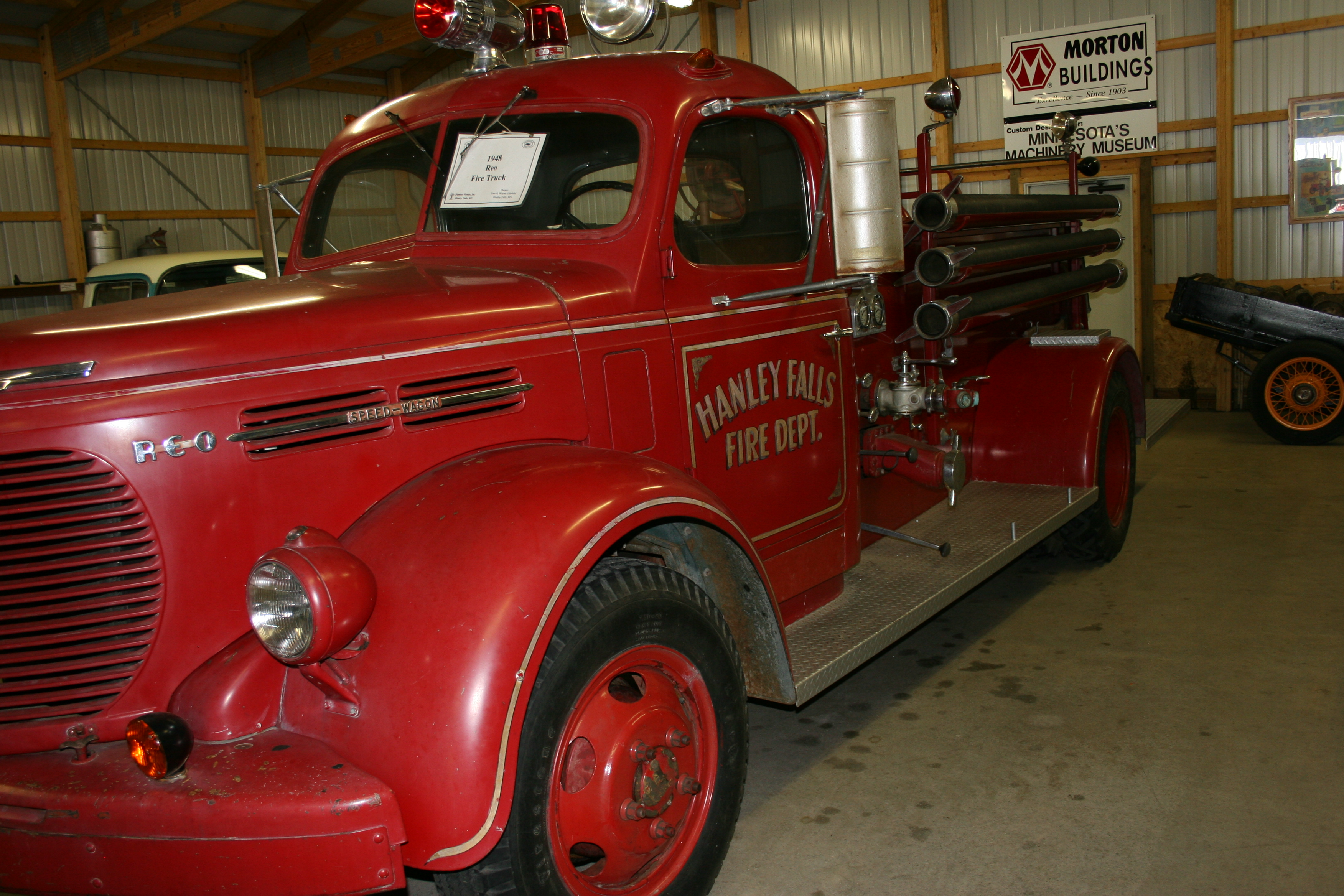
The Cherry Orchard Project promo photo.

I TRIED LAST WEEK to get two tickets to a production of Anton Chekov’s “The Cherry Orchard” in the historic Gunderson House in neighboring Kenyon. But, alas, I could not secure a pair for a weekend performance, much to my dismay.
If only I’d known prior to last Thursday about the unique, touring theatrical group which is sweeping into historic homes in five southern Minnesota communities this summer. I embrace the concept of professional actors from the Guthrie, Ten Thousand Things, the Jungle Theatre and Theatre de la Jeue Lune performing in rural Minnesota, because, frankly, I’m not one to venture into The Cities for theater, or much of anything. Just being honest here. The metro traffic and general busyness simply don’t suit me.
The Cherry Orchard Project, which presents Chekov’s play of an aristocratic Russian family about to lose their home and cherry orchard through foreclosure, seems an ideal way to extend performance art to Minnesotans like me. It also gives outstate actors/actresses an opportunity to work with pros. Each site-based production includes local performers working with those professionals.

This type of theater, staged in an historic home, presents an intimate venue for both performers and audience members, which also appeals to me.

Here’s a description of The Cherry Orchard Project from Brown Paper Tickets, the online ticket source for The Cherry Orchard Project:

Audiences move in and around the house to the strains of local musicians, experiencing the characters cooking, dancing, debating and attempting to indulge in their unrequited passions. It’s a rare opportunity to step inside the world of Chekhov’s eccentric and comedic characters, living the drama with them.

Now if that sounds like the type of close-up theater you might enjoy, consider purchasing your tickets immediately for an upcoming performance in one of the following communities:

Little Falls at the 1898 Musser Mansion, July 18 – 22
Taylors Falls at The Historic Folsom House, July 25 – 29
Worthington at the Historic Dayton House, August 1 – 5
Blue Earth, James B. Wakefield House, August 8 – 12, audience limit of 25

Do not wait until the last minute, like I did (because I was unaware), or you will not get tickets. Audiences at the performances I wanted to attend in Kenyon were limited to 30 – 40.

And, if your local community newspaper runs an online poll with this question, “Would you like to see more live local theater in our small towns?”, I hope you will respond favorably, unlike many who answered that exact question posed by The Kenyon Leader.

According to results posted on Tuesday afternoon, 57 percent of the 35 respondents to The Leader survey said they have little interest in live theater. Thirty-four percent said they would watch live local theater in small towns. The rest, nine percent, were interested in attending and/or participating.

Those poll results disappoint me. But then I suppose I can’t make anyone appreciate theater anymore than anyone can make me value sports. Plus, given the low survey response rate, I would question whether the results accurately reflect the overall consensus of Kenyon residents. The Cherry Orchard Project Facebook page reports a sell-out crowd and warm reception in Kenyon.

If only I’d been among those in the audience. Perhaps next year…

© Copyright 2012 Audrey Kletscher Helbling