Minnesota Prairie Roots

Writing and photography by Audrey Kletscher Helbling

Rural Minnesota, the place of my heart February 27, 2013

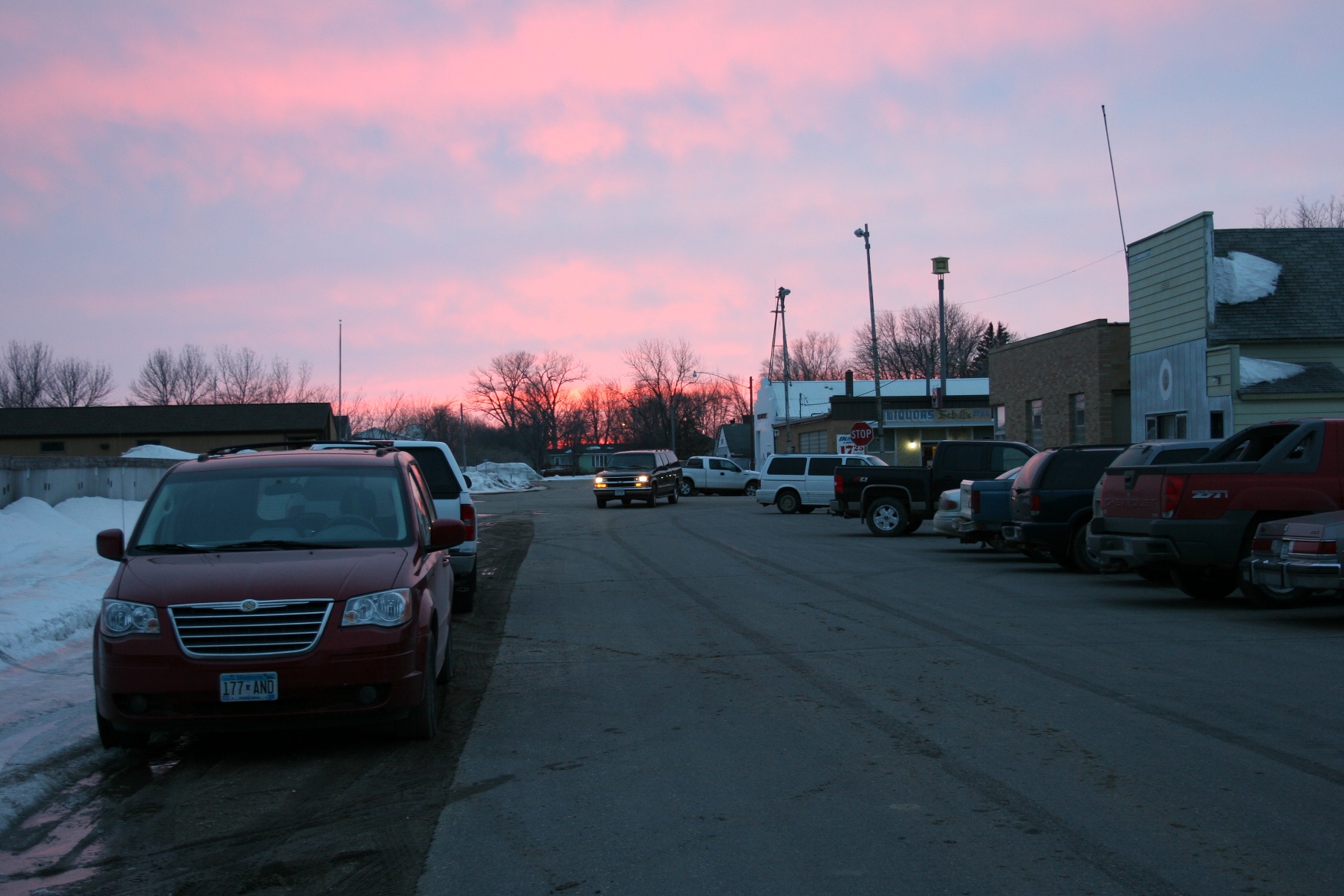
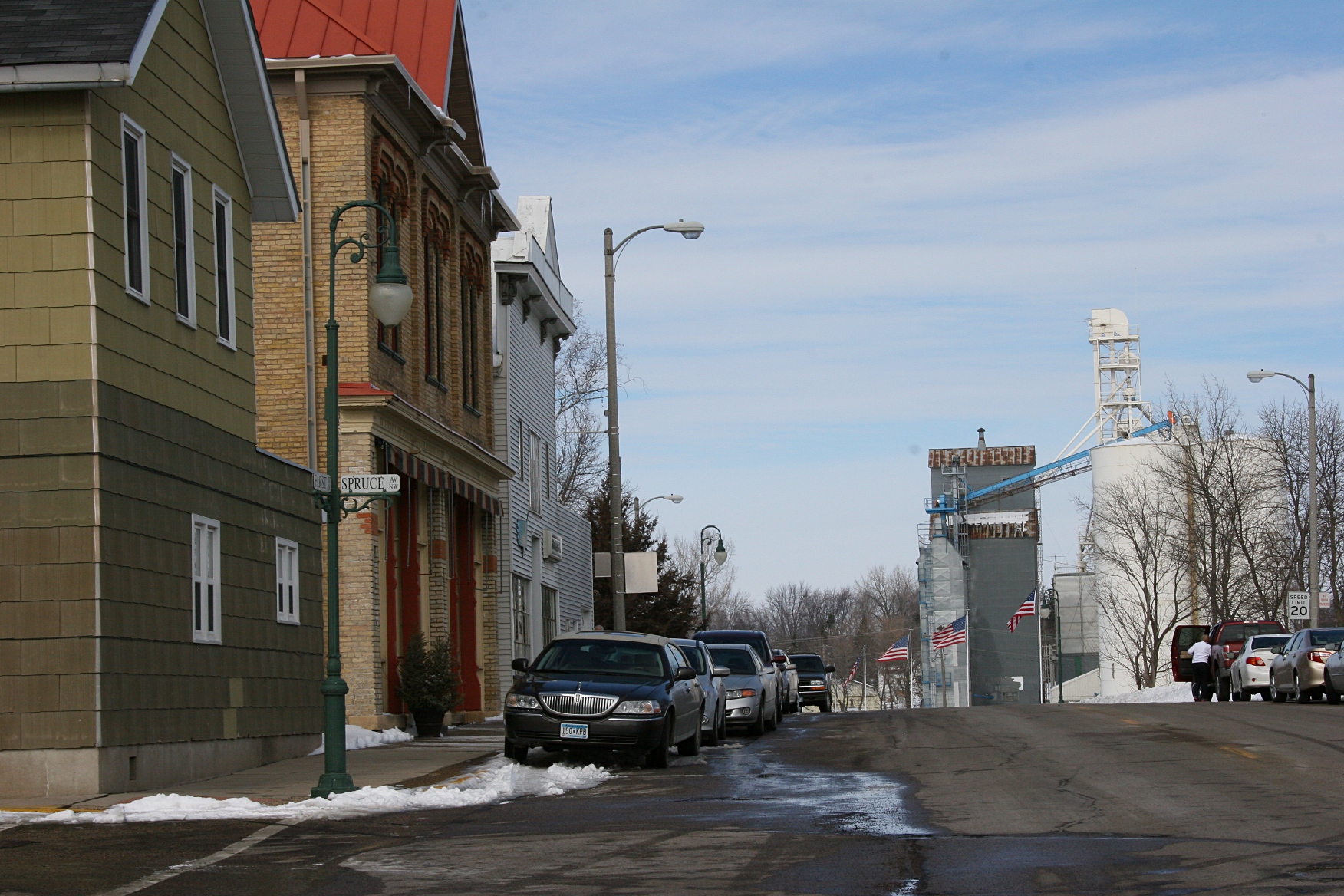
Montgomery, Minnesota, on a Sunday afternoon.

Montgomery, Minnesota, on a Sunday afternoon. That’s the Cannon Valley Co-op over the hill and to the right.

I NEVER TIRE of these snippets of small town life—the instant my eye catches a scene or a setting or a detail.

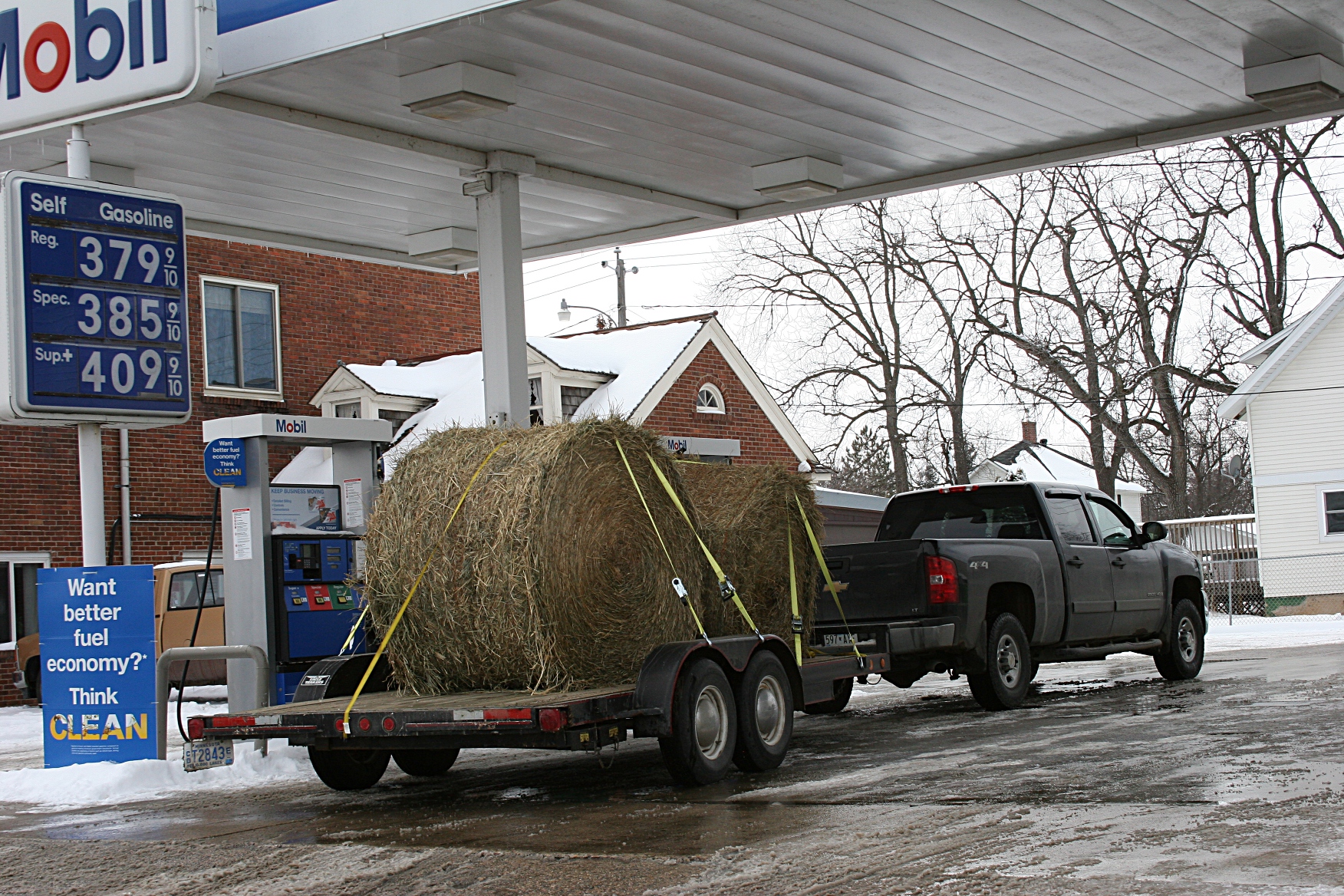
At the Mobil station in Medford on a Saturday afternoon.

At the Mobil station in Medford on a Saturday afternoon.

In those moments my heart sings with thankfulness that I live in a relatively rural region.

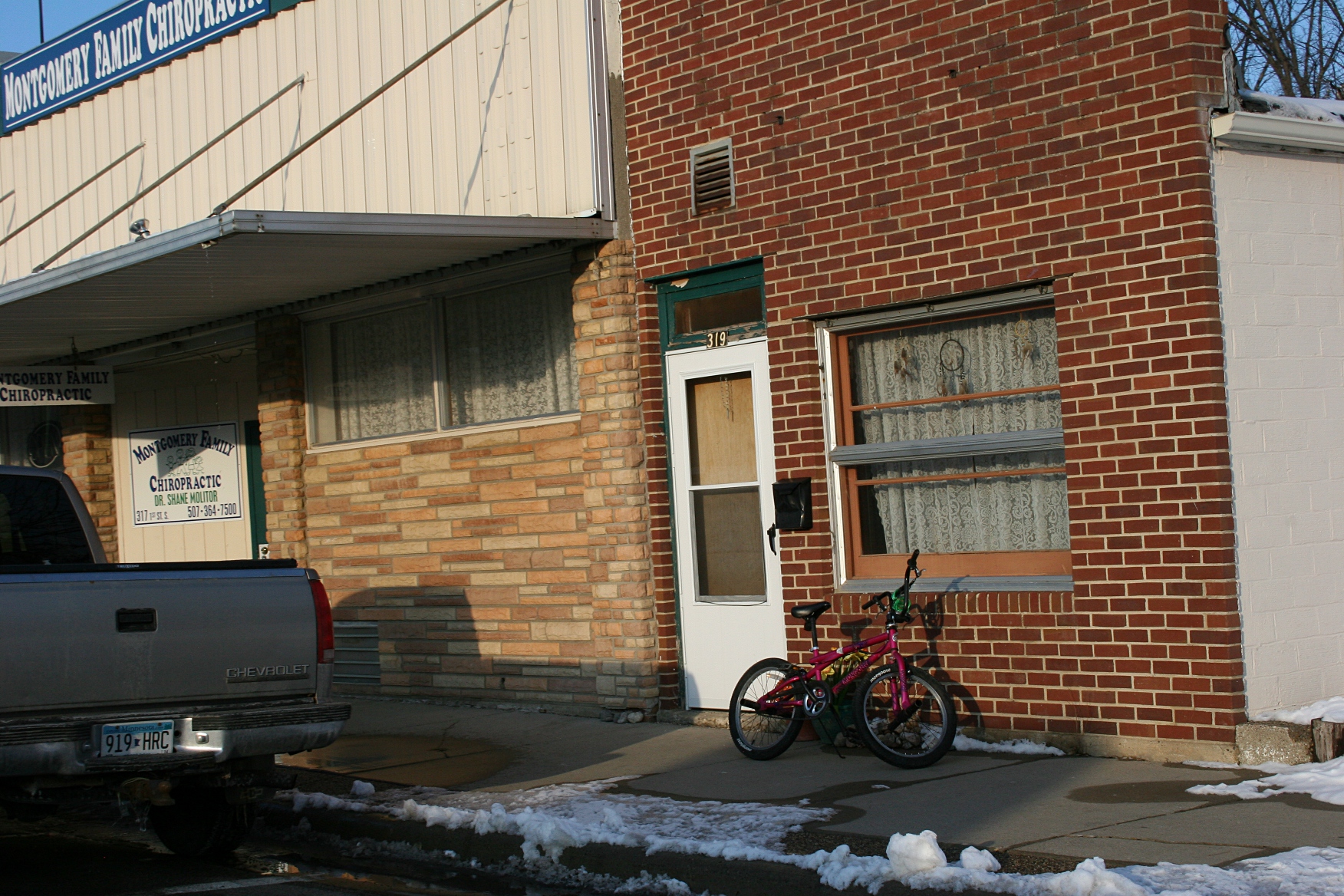
No need for bike racks in Montgomery.

Just drop the bike in downtown Montgomery.

While rural does not equate utopia or a life any less troubled or any more joyful than city life, this land is where I belong.

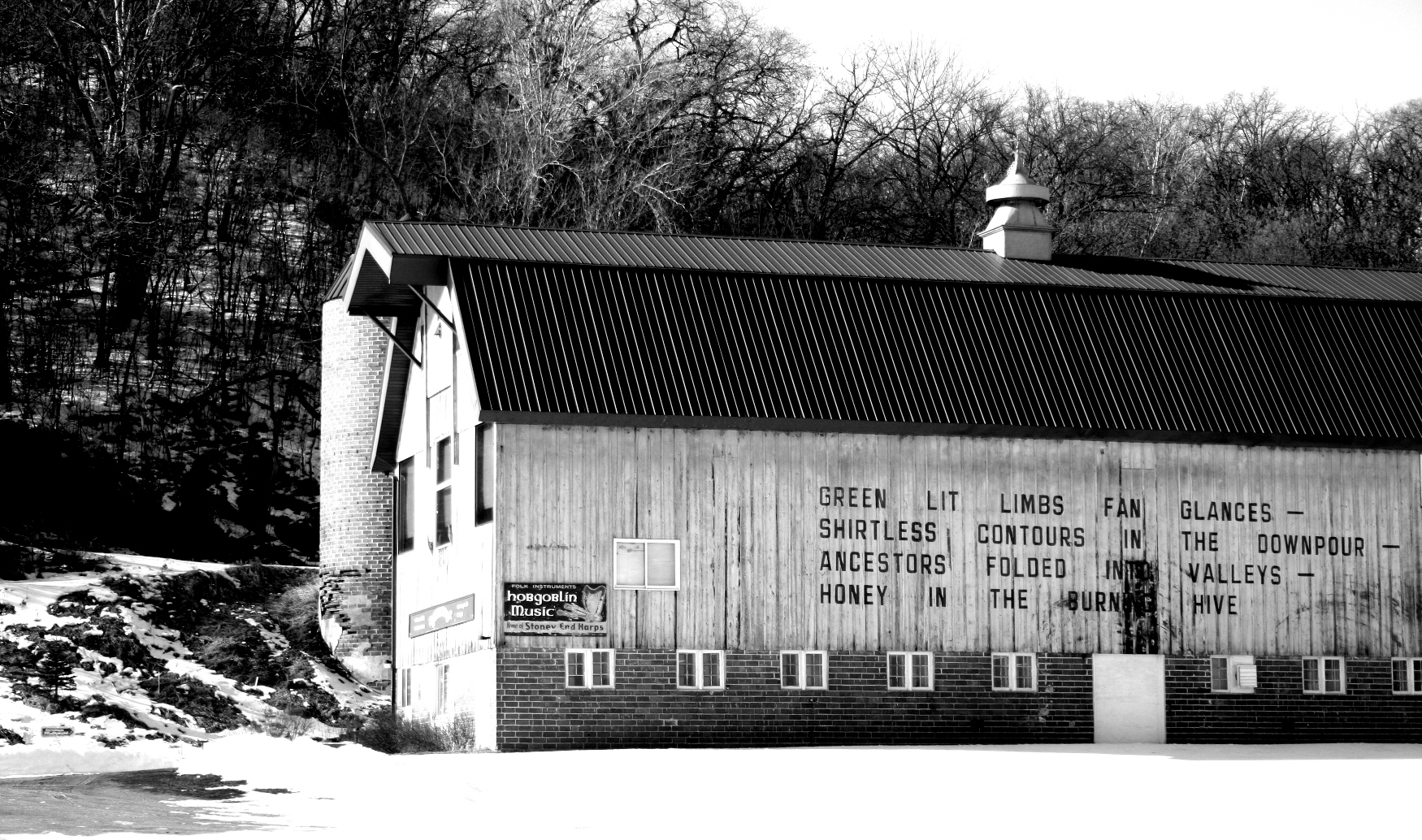
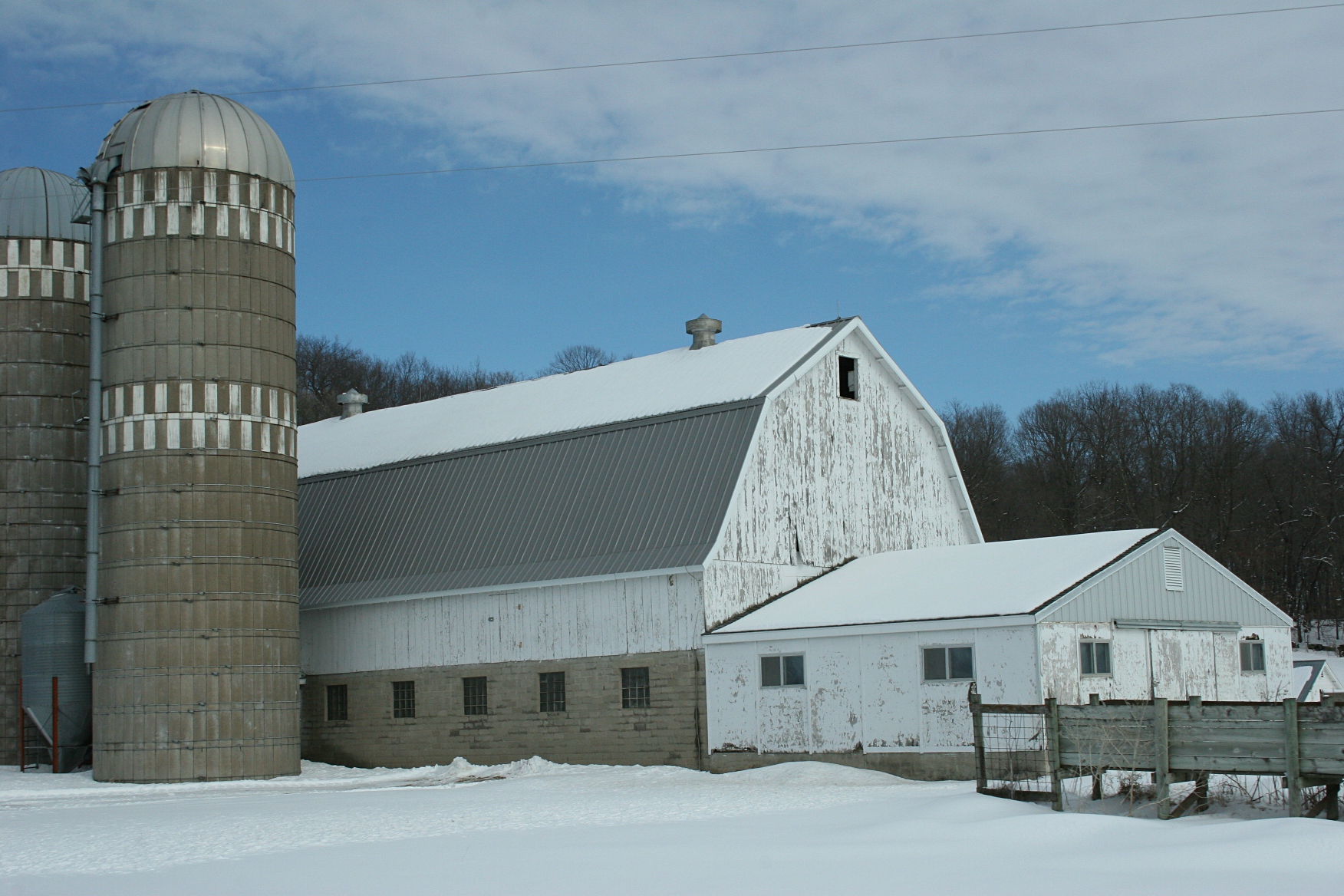
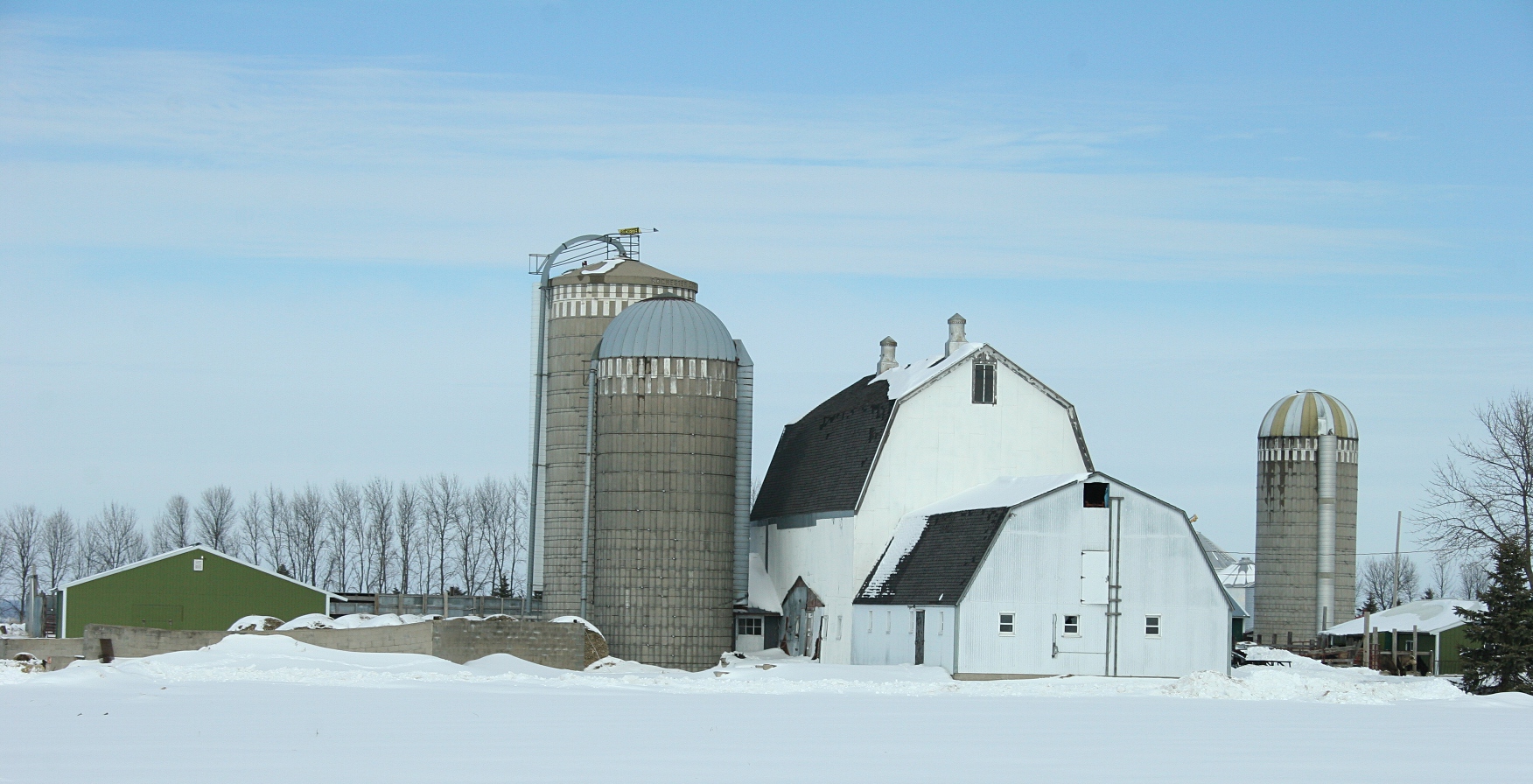
Just off Minnesota Highway 99 along a curve on Minnesota 21 heading toward Montgomery.

Just off Minnesota Highway 99 along a curve on Minnesota 21 heading toward Montgomery.

Growing up, I felt more comfortable inside a dairy barn than inside my pink-walled bedroom.

Along the same highway...

Along the same highway…

My connection to barns lingers as I’m drawn to photograph these disappearing rural landmarks.

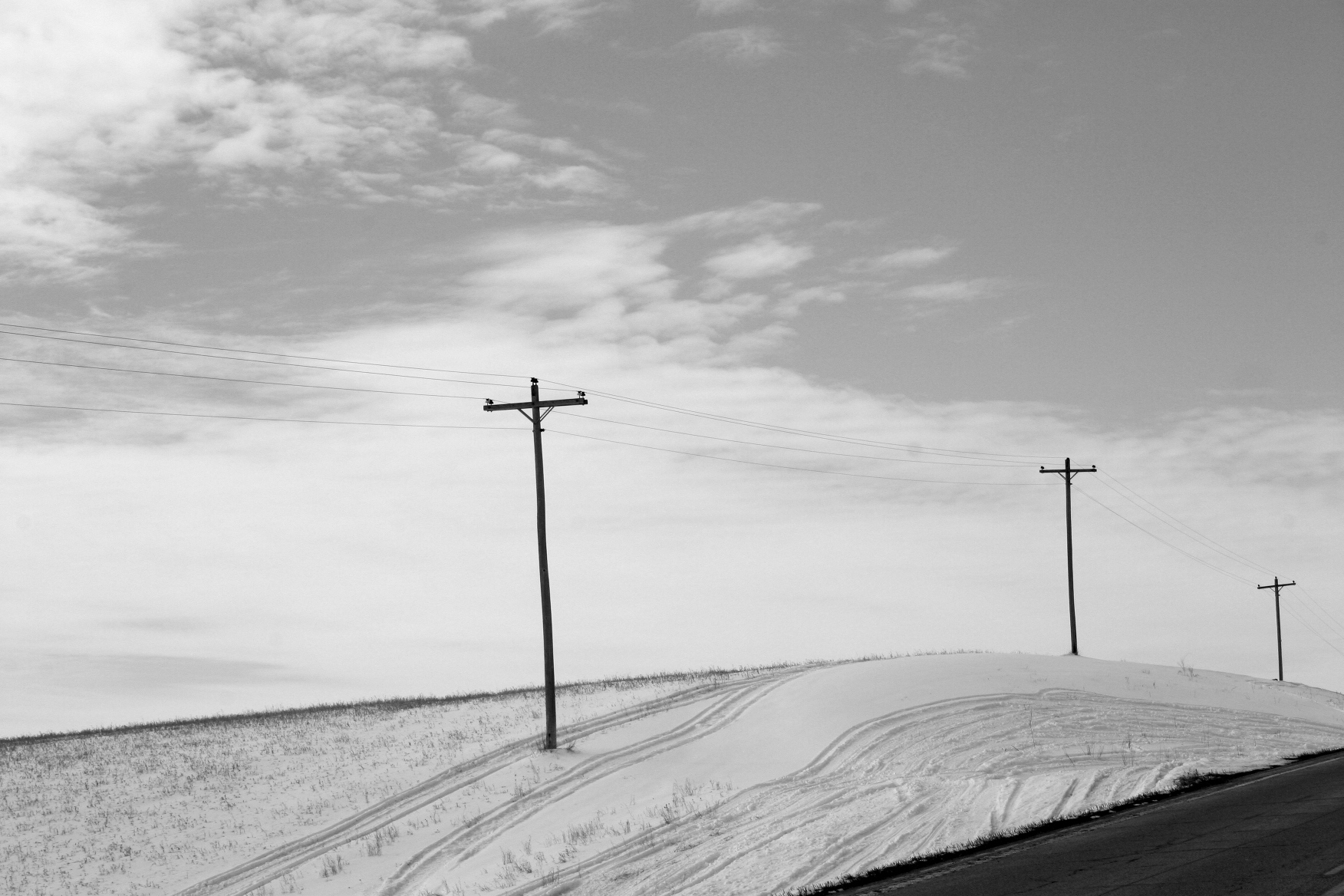
Utility poles break the horizontal landscape along Minnesota 21.

Utility poles break the horizontal landscape along Minnesota 21.

My eyes link with lines, always the lines.

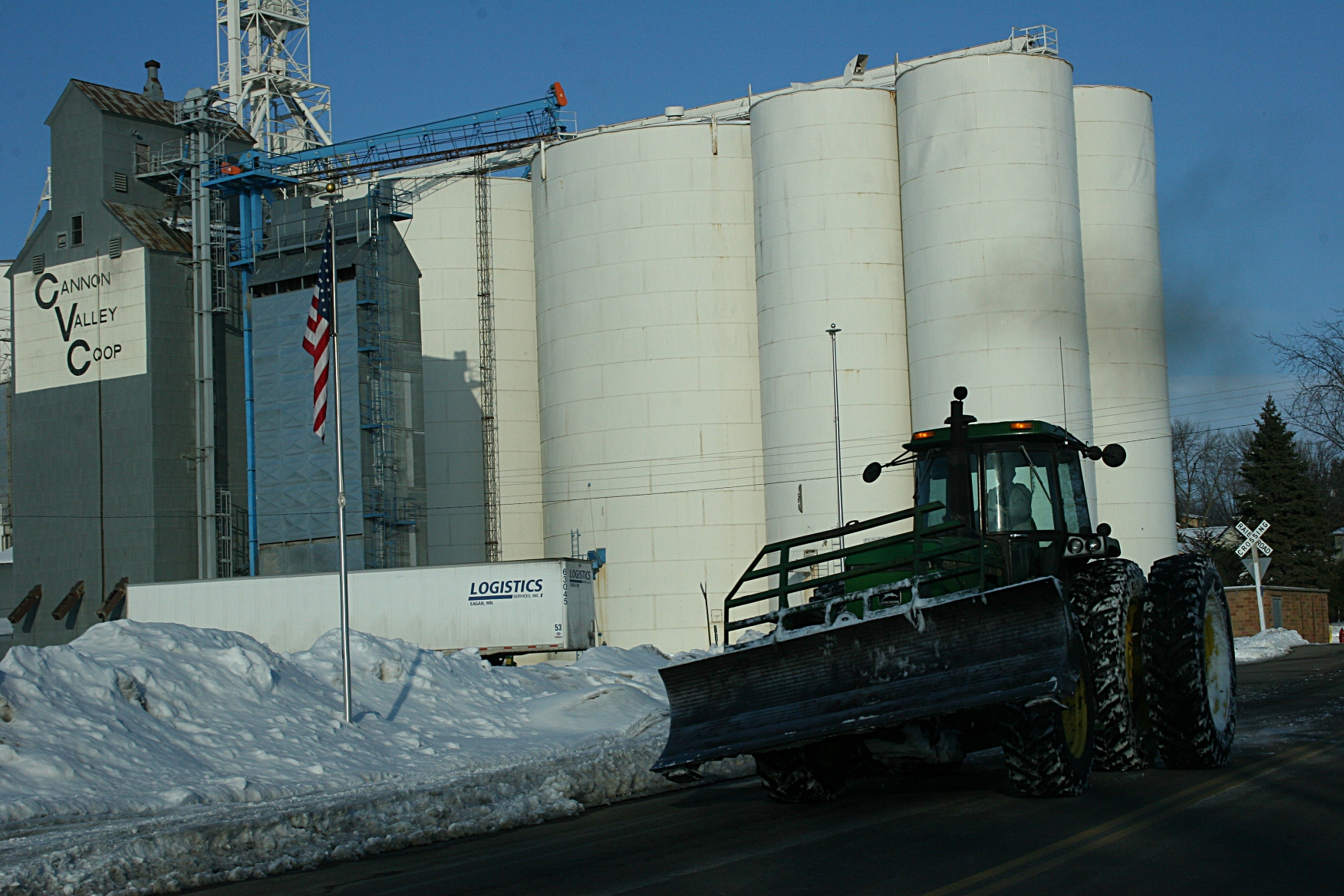
Ready to plow snow in Montgomery.

Ready to plow snow in Montgomery.

I am not a big city lights, traffic jams, hurry here, hurry there kind of girl.

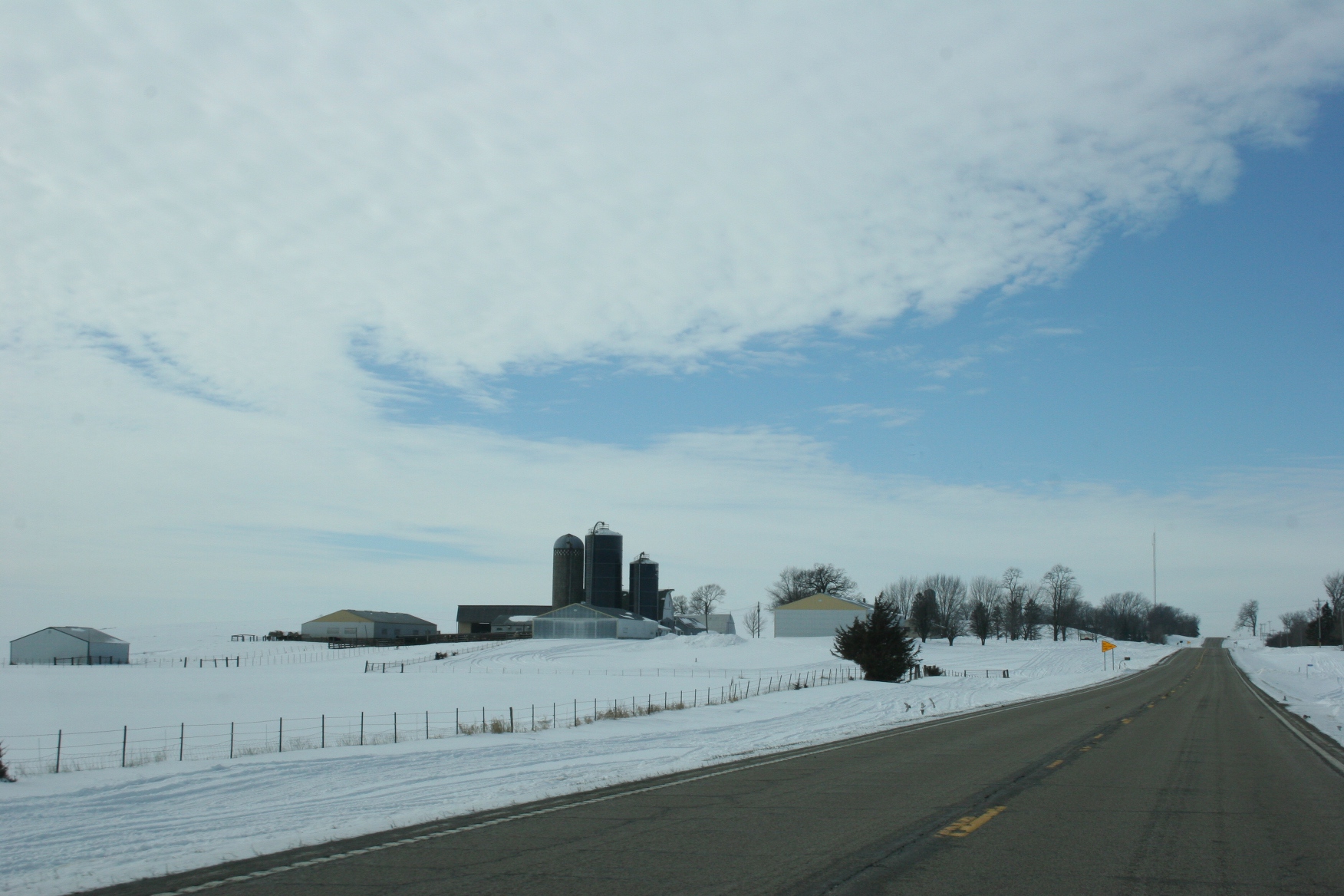
Minnesota State Highway 21 between Shieldsville and Montgomery.

Minnesota State Highway 21 between Shieldsville and Montgomery.

I am a country dark, tractor in the field, meandering Sunday afternoon drive kind of girl.

© Copyright 2013 Audrey Kletscher Helbling


U of M study on teen texting and driving targets rural Minnesota February 25, 2013

WE’VE ALL HEARD the warnings about texting and driving. You’ve likely even spotted someone texting and driving. I haven’t.

Interstate 94 sometimes seems to run right into the sky as you drive west.

Interstate 94 in western Minnesota. Minnesota Prairie Roots file photo.

But a brother-in-law, who is a trucker, recently shared a story about watching a young woman lose control of her car along Interstate 94 in western Minnesota while texting. Somehow she managed to keep her car on the road and avoid a crash. My brother-in-law claims the incident happened so fast that the driver never took her eyes off her cell phone.

Stories like that scare me.

Now researchers at the University of Minnesota’s Intelligent Transportation Systems (ITS) Institute are undertaking a study of young drivers and texting practices in 18 Minnesota communities, most of them rural and Faribault among them.

I first learned of the study in a news brief published in the Faribault Daily News soliciting 20 newly-licensed 16-year-olds from the Faribault area to participate in the year-long study. Intrigued, I contacted Nichole L. Morris, a research associate in the U of M’s HumanFIRST program in the ITS Institute. She is working on this project, funded by the ITS Institute and the Minnesota Department of Transportation, along with a team of researchers.

My phone, not a smart phone, but with an important message.

My phone, not a smart phone, but with an important message.

The 300 teens selected for the study will be equipped with smartphones to collect and transmit driving data in real-time for their first full year of independent driving. Researchers will collect data until May 2104 with group data reported to MnDOT and then made public in early 2015.

“These results will hopefully shed light on what areas are most problematic for teen drivers, what can be done with our technology to improve the safety of teen drivers and what changes, if any, should be implemented to our teen driver laws to prevent more teen driving fatalities,” Morris says.

Eighty percent of teen fatal crashes occur in rural areas, Morris says, explaining why the project is targeting 18 mostly rural Minnesota communities. Faribault was selected for the study because of its population and low commuting rate. She declined to name the other 17 communities or any hypotheses to avoid adding bias to the study.

But, says Morris, “My hope is that we find some key answers to reduce crash and fatalities for teen drivers in Minnesota and nationwide. This is such an important issue because traffic crashes are the leading cause of fatalities for teens. The rate at which we lose our sons and daughters on the road is unacceptable and it is a charge to all citizens to help to become the solution to this problem.”

The passion Morris, who holds a Ph.D. in Human Factors Psychology, possesses for this project is palpable. “It is an exciting opportunity for parents and teens to be a part of the solution to end teen traffic fatalities.”

Eighteen communities in rural Minnesota are included in the teen texting and driving study.

The study is targeting rural Minnesota. Minnesota Prairie Roots file photo.

As of Friday morning, 216 Minnesota teens from the selected communities had been recruited for the study. About 10 more are needed from the Faribault area.

To apply, a teen must be 16 years of age, currently have a driver’s permit, receive provisional licensure between now and April 30, start the study within a month of getting licensed, drive at least 2-4 times a week, have no physical limitations that prevent driving and have parental permission.

Qualifying teens should contact Morris via phone at 612-624-4614 or email at nlmorris@umn.edu

Besides offering teens an opportunity to help find solutions to teen traffic fatalities, the project is also paying a $25 monthly incentive ($300 to be paid at the end of the year-long study) and providing smartphones with free monthly data, text and talk plans for a year.

© Copyright 2013 Audrey Kletscher Helbling


Don’t ask Santa, ask Grandma in the home of champions December 29, 2012

Filed under: Uncategorized — Audrey Kletscher Helbling @ 12:09 PM
Tags: , , , , , , , , ,

BILLBOARDS, ESPECIALLY THOSE in rural Minnesota, fascinate me.

The signs impress me as more interesting, more focused, quirkier, it seems, and zeroed in on a specific geographical region. The messages, the art, can reveal much about an area and often make me smile, sometimes even laugh.

This creative real estate billboard in Sleepy Eye, at the intersections of U.S. Highway 14 and Minnesota Highway 4, makes me smile. A nearby sign boasts the local high school's athletic accomplishments.

This creative real estate billboard, right, in Sleepy Eye, at the intersections of U.S. Highway 14 and Minnesota Highway 4, makes me smile. A nearby sign boasts athletic accomplishments at Sleepy Eye and St. Mary’s high schools.

Additionally, many small towns take great pride in the local high school’s athletic accomplishments, even from decades ago.

Although many small towns brag about local sporting accomplishments, I would like to occasionally drive into a community and also read a sign boasting of academic, musical, theatrical or other accomplishments.

Wouldn’t that be nice to see in our sports-obsessed world?

Imagine reading a sign like “Home of the 2012 Minnesota State Spelling Bee Champion” or something like that.

HAS ANYONE OUT THERE ever spotted a sign in a community highlighting non-athletic accomplishments at the high school level?

© Copyright 2012 Audrey Kletscher Helbling


Prairie prose & photos during the season of harvest October 29, 2012

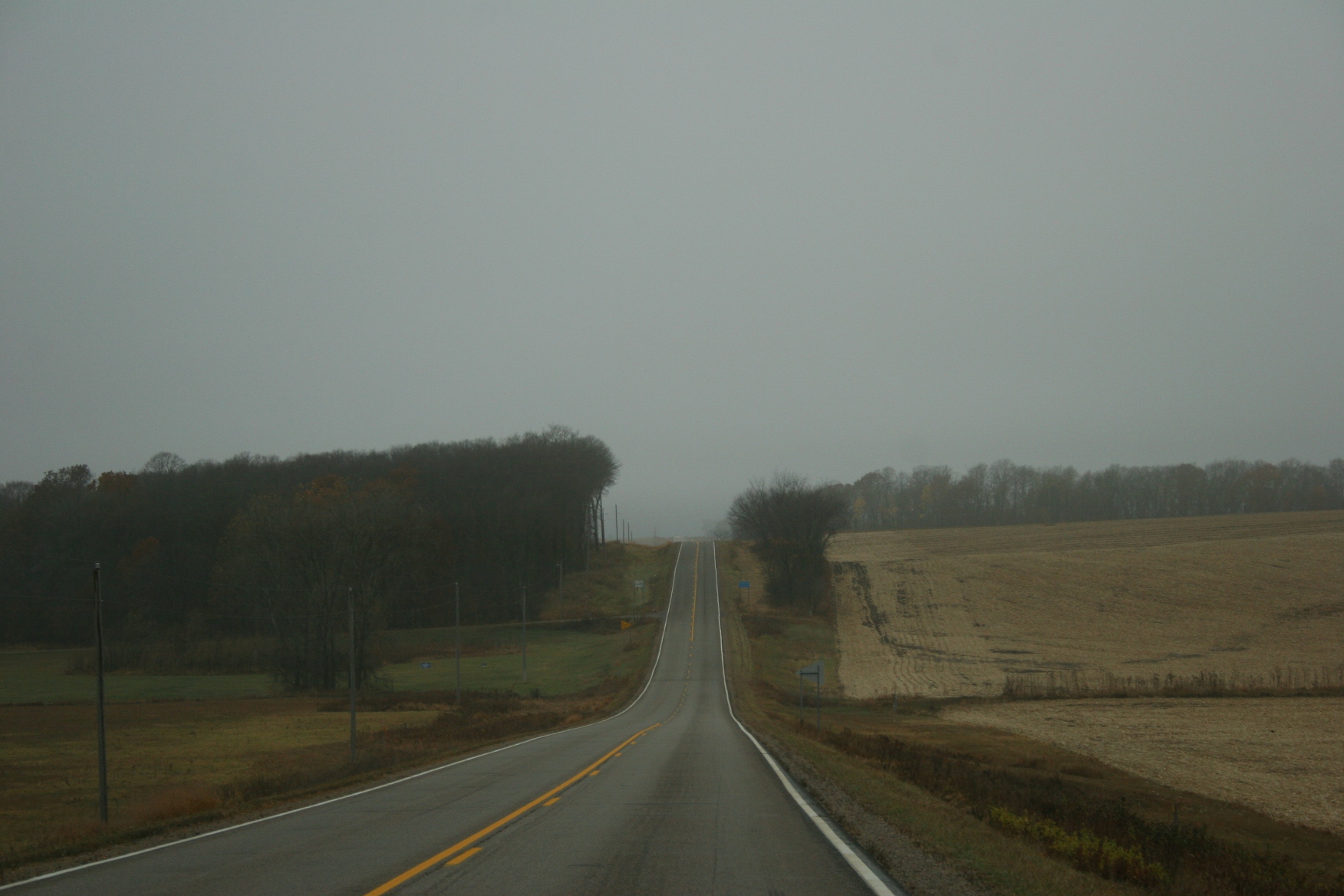
Just west of Shieldsville, not far from our Faribault home in southeastern Minnesota, my husband and I began our 120-mile journey to southwestern Minnesota on a foggy Saturday morning.

I NEVER TIRE of the big sky and infinite land that stretch far before me as I travel back to my native southwestern Minnesota. I wonder sometimes how I ever could have left this place that brings such solace to my soul, such respite to my heart, such peace to my mind.

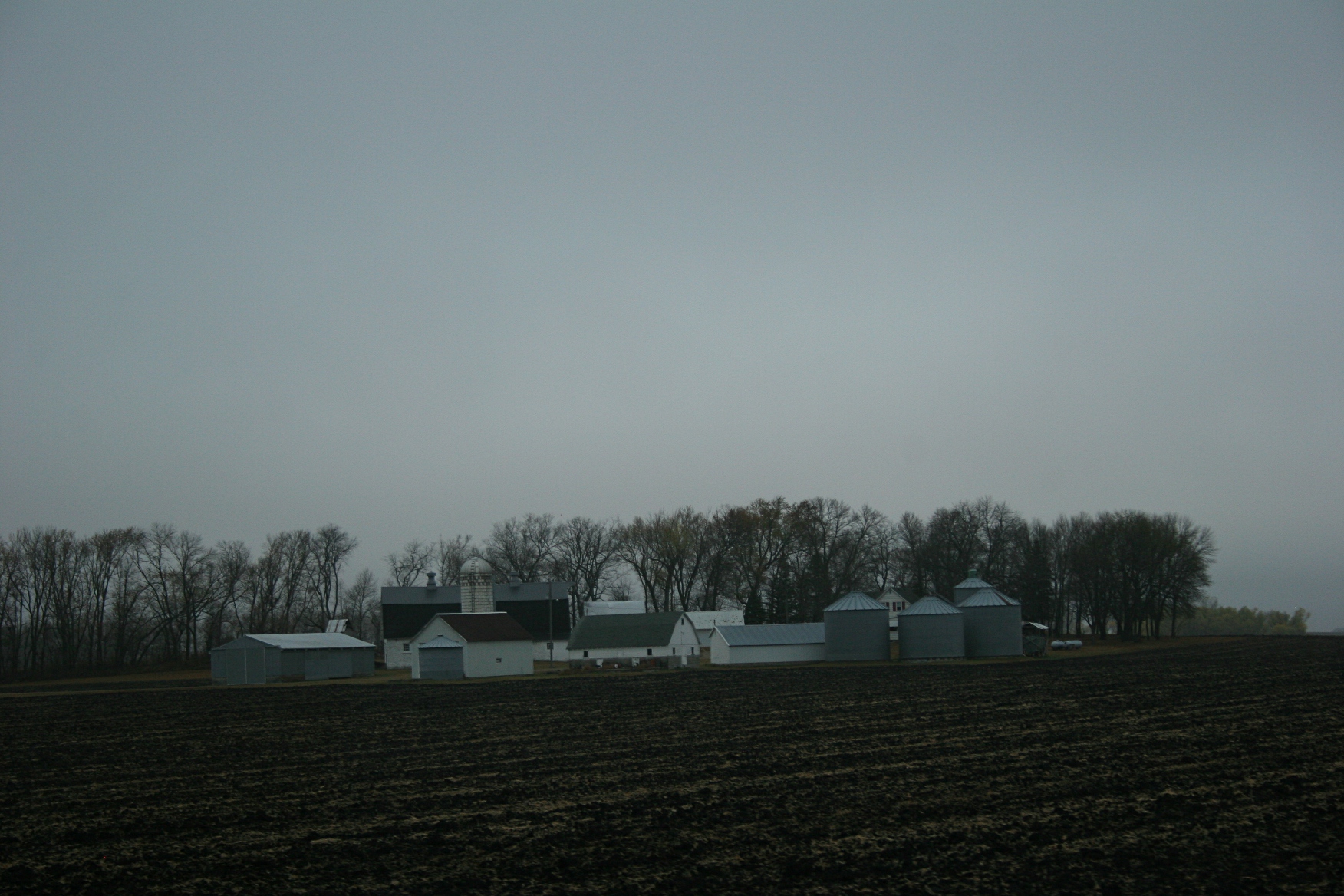
A farm site somewhere along the route which took us through or past Shieldsville, LeCenter, Cleveland, St. Peter, Nicollet, Courtland, New Ulm, Essig, Sleepy Eye, Cobden, Springfield and Sanborn corners, ending in rural Lamberton.

When I see this land, walk this land, the longing to be back here, permanently rooted again, tugs at my very core. I miss the prairie that much and the older I get, the more I appreciate this rural place from whence I came.

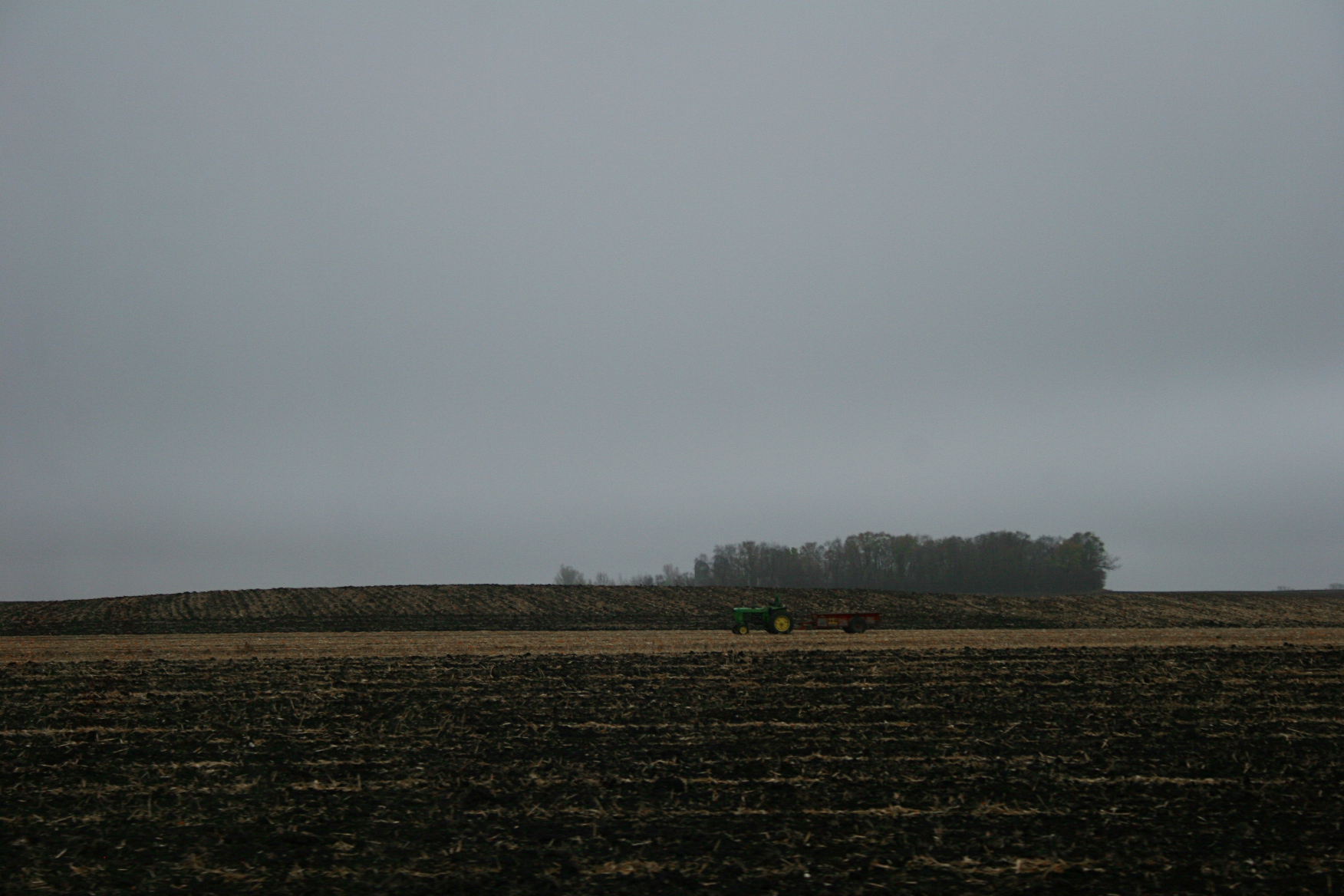
This image, among all those I took, emphasizes the expanse of sky and land which define the prairie.

It is that early-life connection, that growing up as a child of the prairie, that intimate familiarity with the land and the seasons and life cycles, the dirt under fingernails, the rocks lifted from fields, the cockleburs yanked from bean rows, the roar of the combine and the distinct putt-putt of the John Deere tractor, the calf shit clinging to buckle overshoes, the fireball of a sunset, the sights and sounds and smell and feel of this prairie place that shaped who I became as a person, a writer, a photographer.

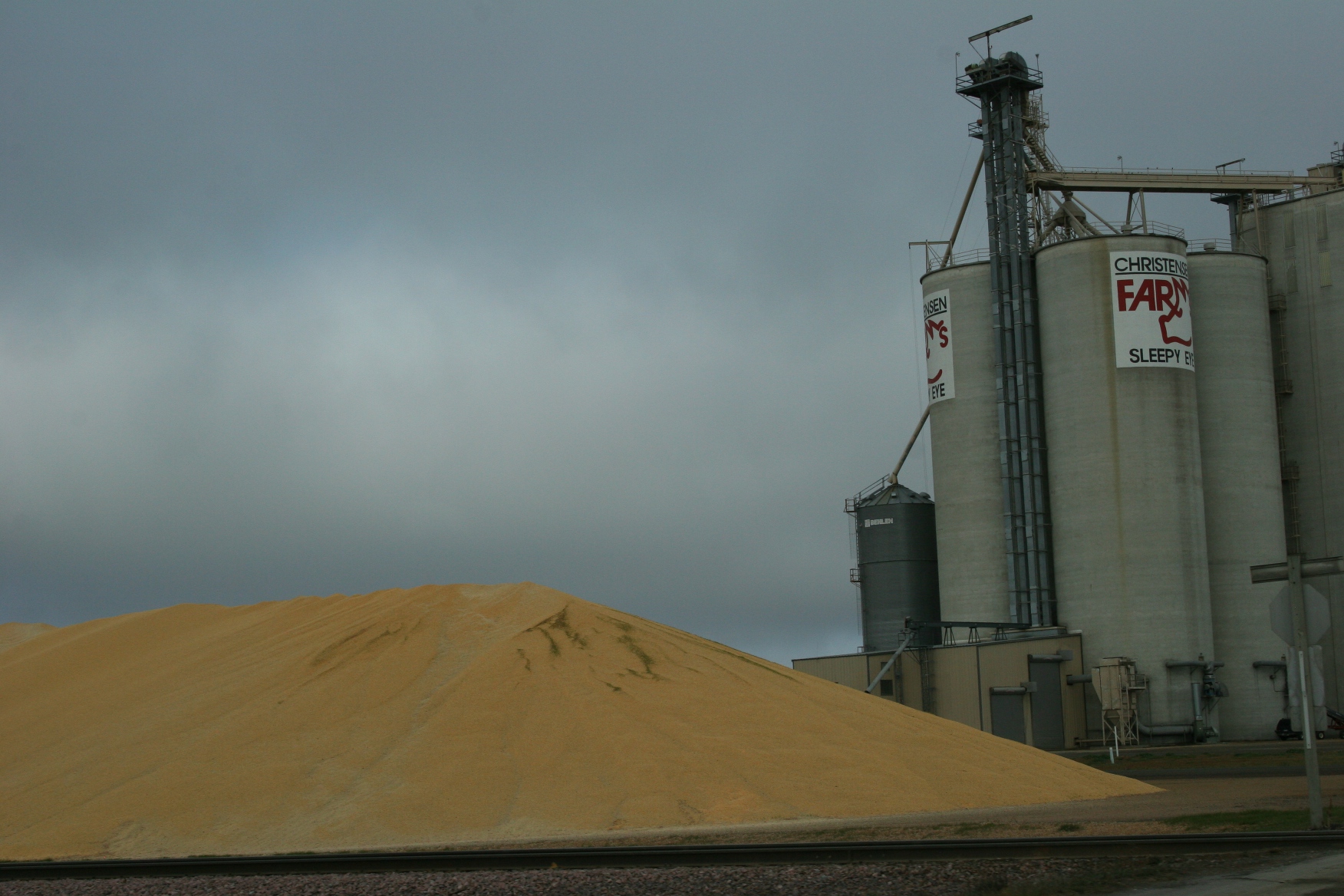
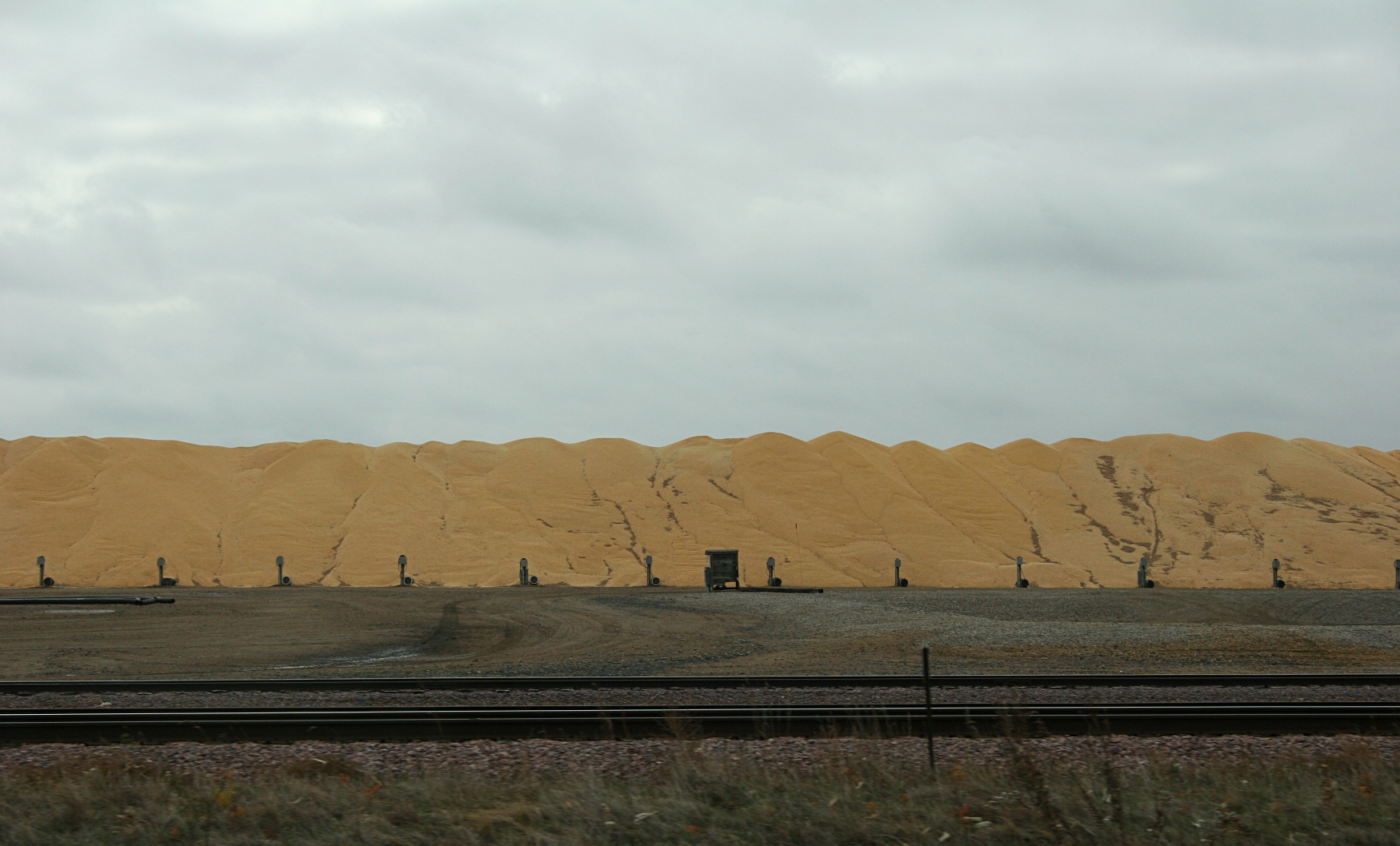
These towering elevators and corn pile at Christensen Farms near Sleepy Eye break up the flat landscape.

In this season, as the earth shifts from growth to harvest to dormancy, I notice even more the details etched into the prairie. The sky seems bigger, the land wider and all of us, in comparison, but mere specks upon the earth.

MORE PHOTOS from that road trip to the prairie:

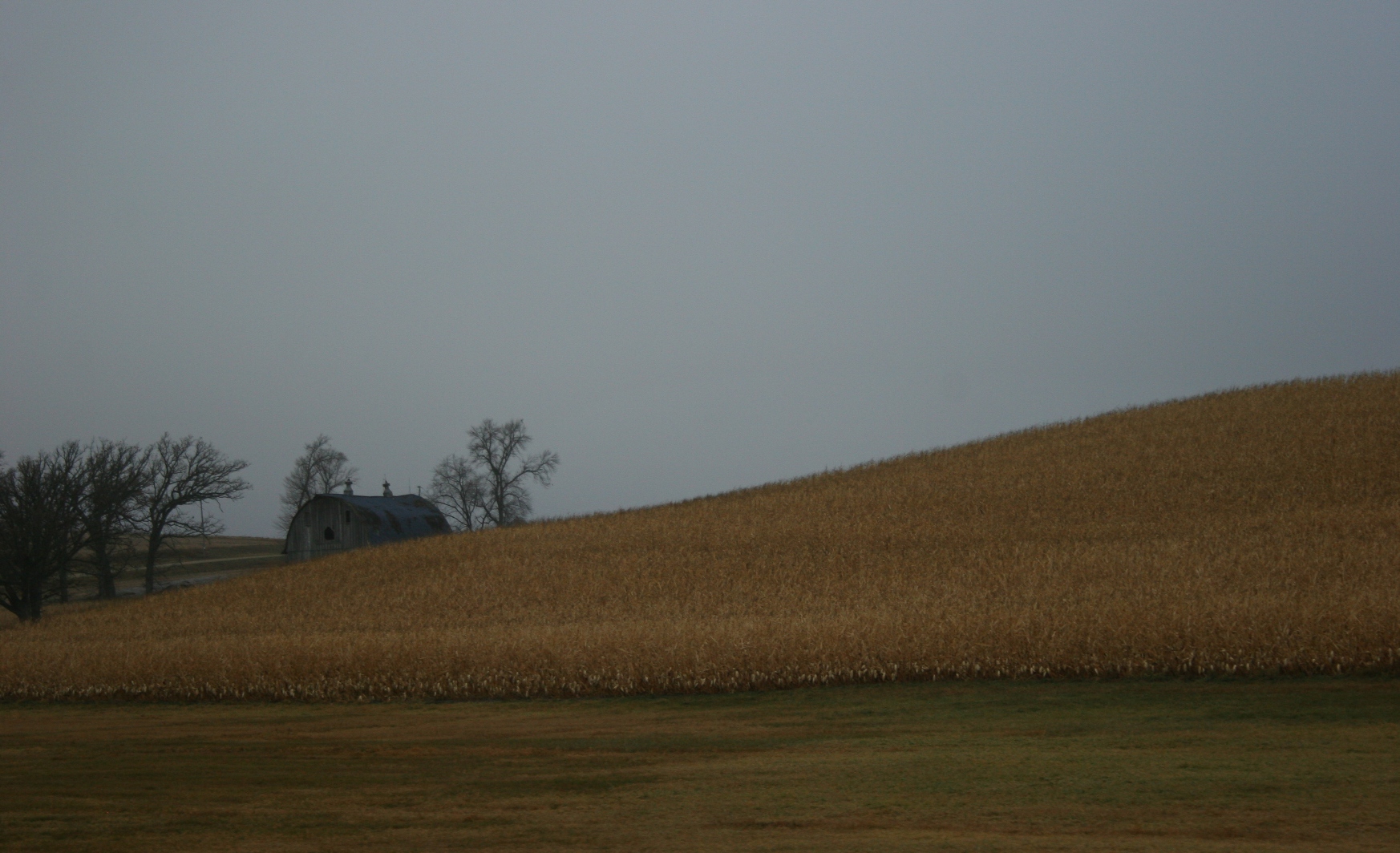
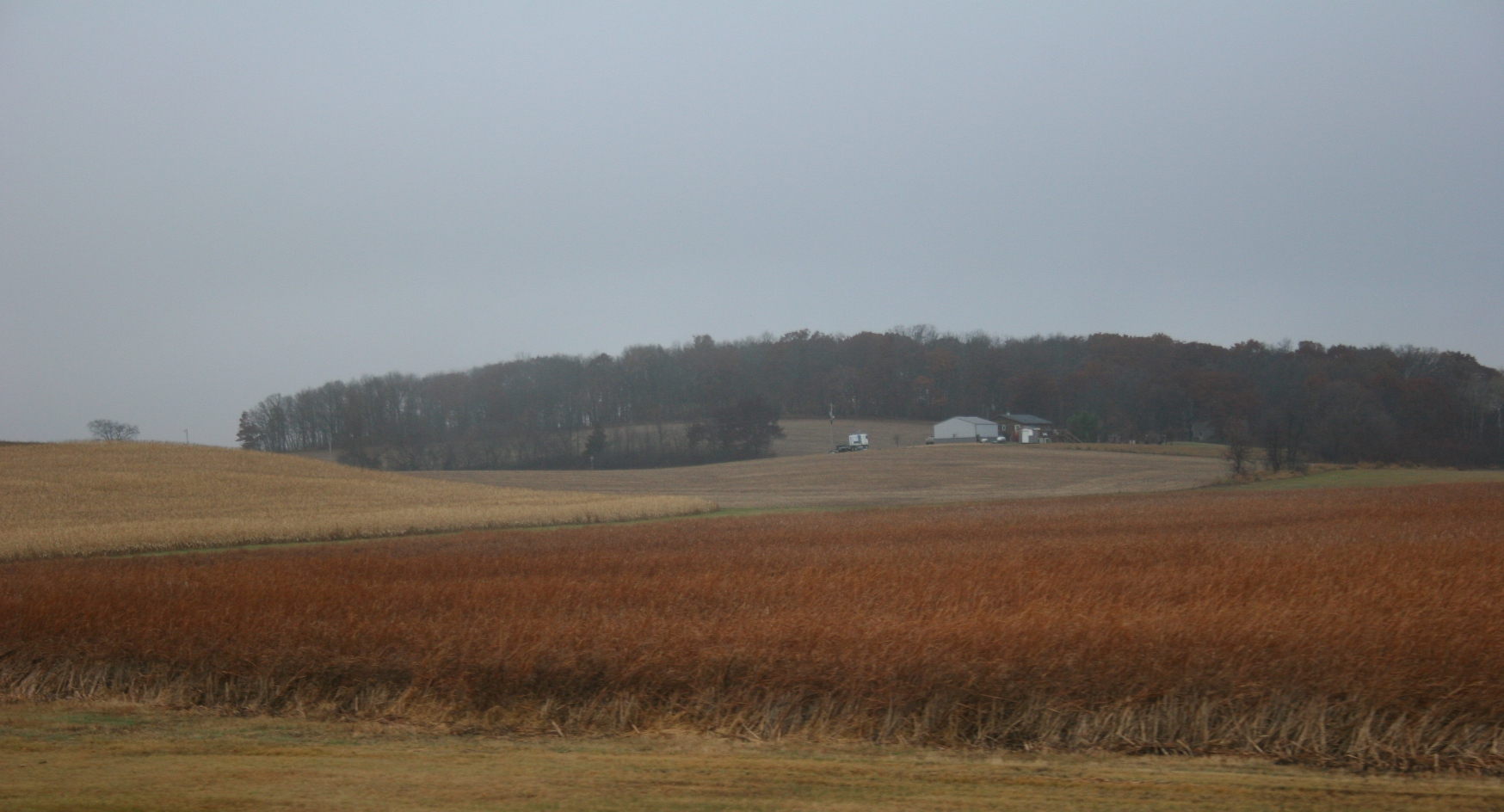
This is not a prairie scene because the prairie has no hills. Rather, I shot this near the beginning of our journey, west of Shieldsville.

Another scene from just west of Shieldsville. It is the muted colors of the landscape that I so appreciate in this photo.

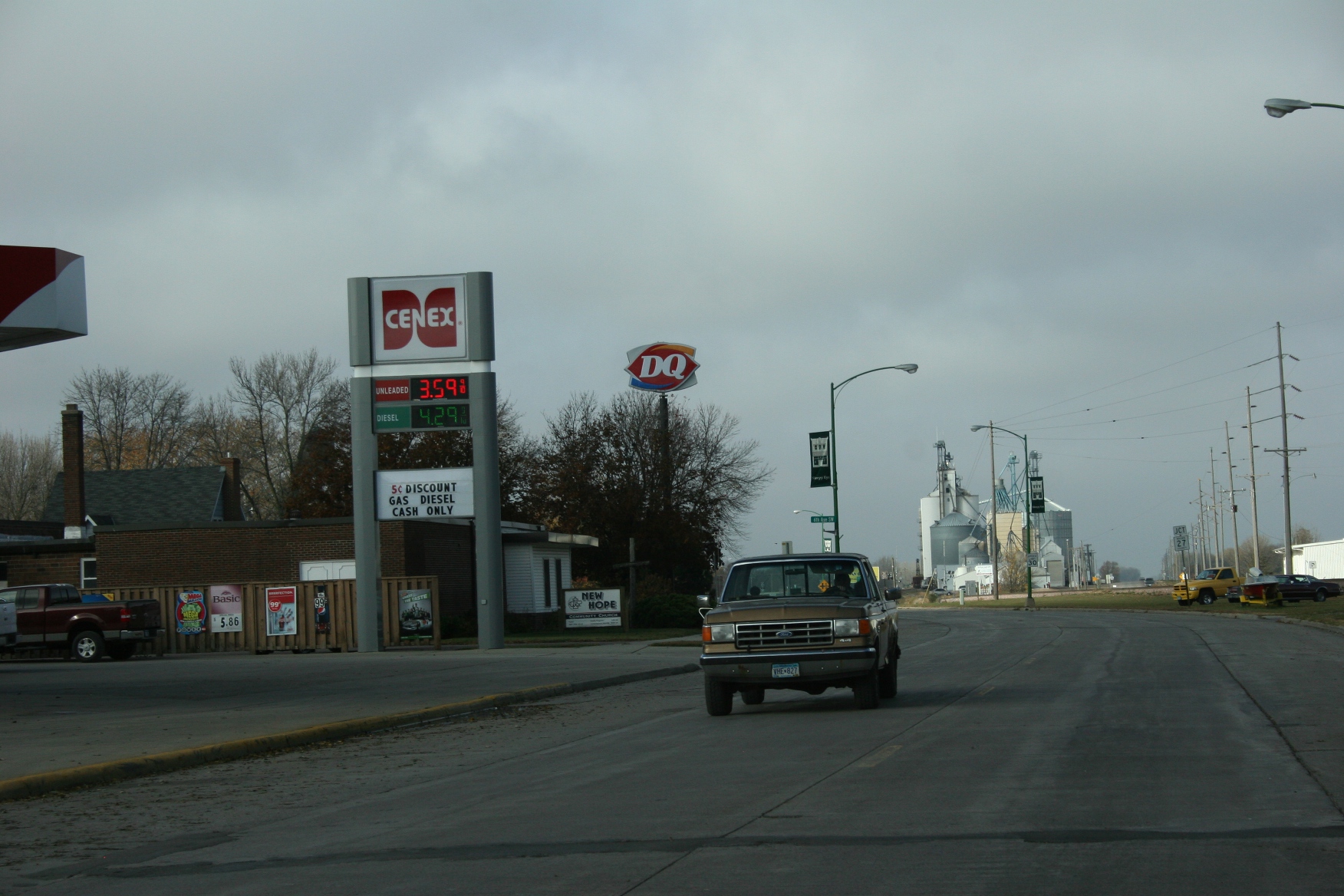
Driving through Sleepy Eye, a strong agricultural community where I lived and worked briefly, decades ago, as a reporter and photographer for The Sleepy Eye Herald-Dispatch. Sleepy Eye is most definitely on the prairie.

Hills of corn at a grain complex east of Lamberton.

Fields are in all stages of harvest and tillage on the southwestern Minnesota prairie.
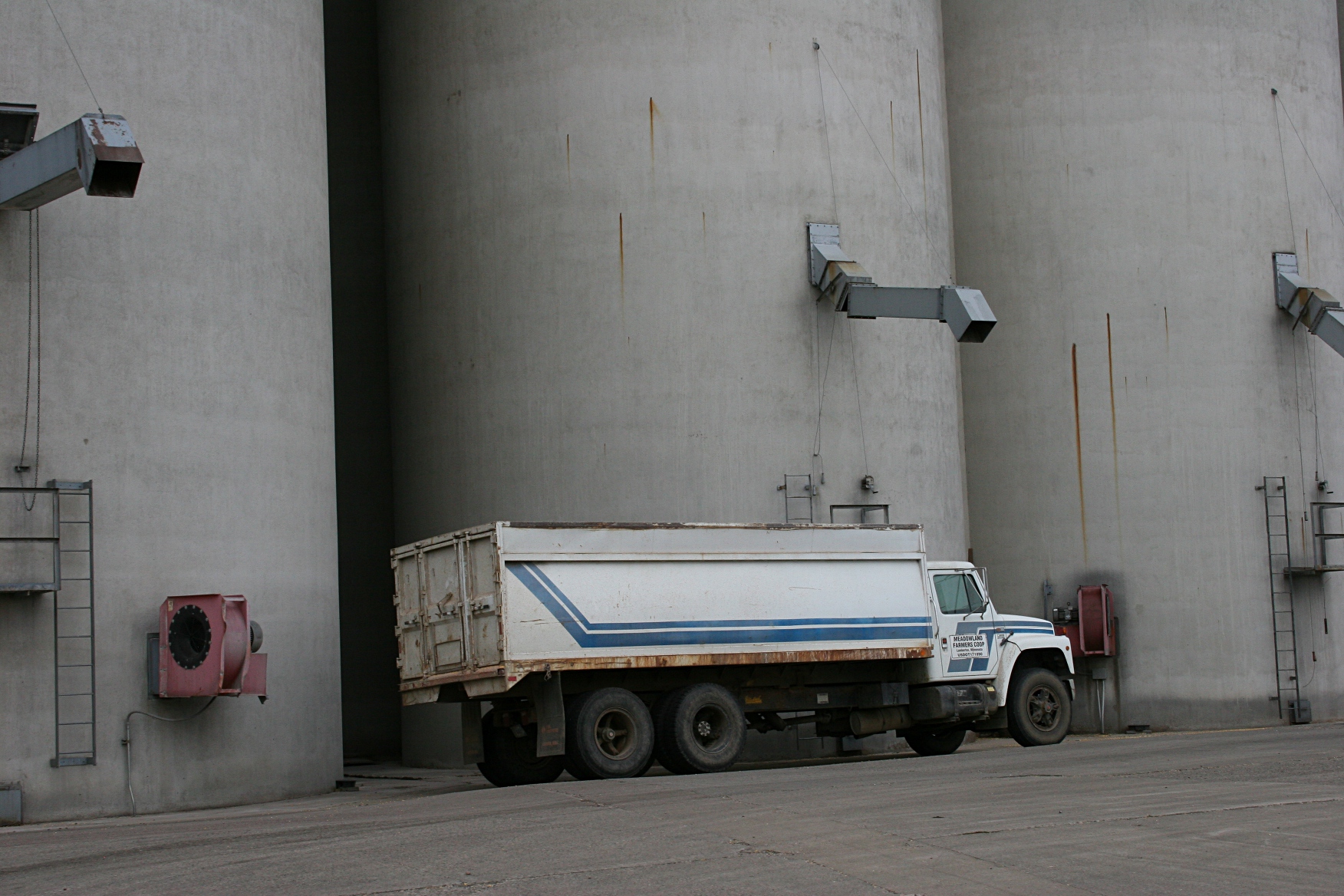
A grain truck parked at an elevator in Lamberton.

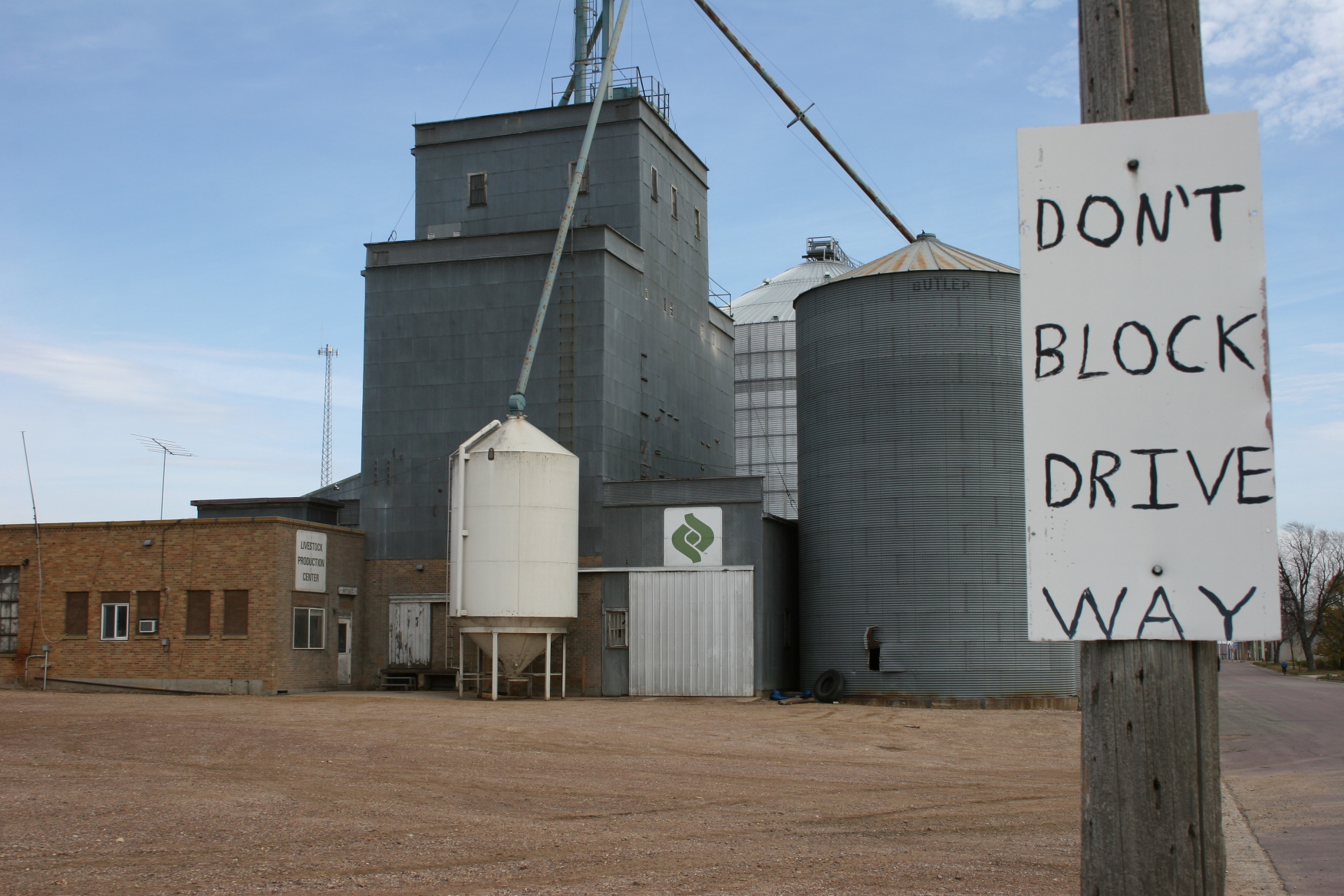
An important sign when trucks and tractors are lined up at the elevator in Lamberton.

I ended my Saturday by walking my middle brother’s acreage north of Lamberton as the sun set, my favorite time of day on my native southwestern Minnesota prairie. I grew up about 25 miles northwest of here near Vesta.

© Copyright 2012 Audrey Kletscher Helbling

 

Making horseradish, a family tradition October 24, 2012

Filed under: Uncategorized — Audrey Kletscher Helbling @ 6:58 AM
Tags: , , , , ,

MY DAD WOULD HAVE loved it.

On Saturday, my husband and I gathered with extended family in a garage just north of Lamberton in rural southwestern Minnesota for the annual making of horseradish, a tradition started by my horseradish loving father many years ago.

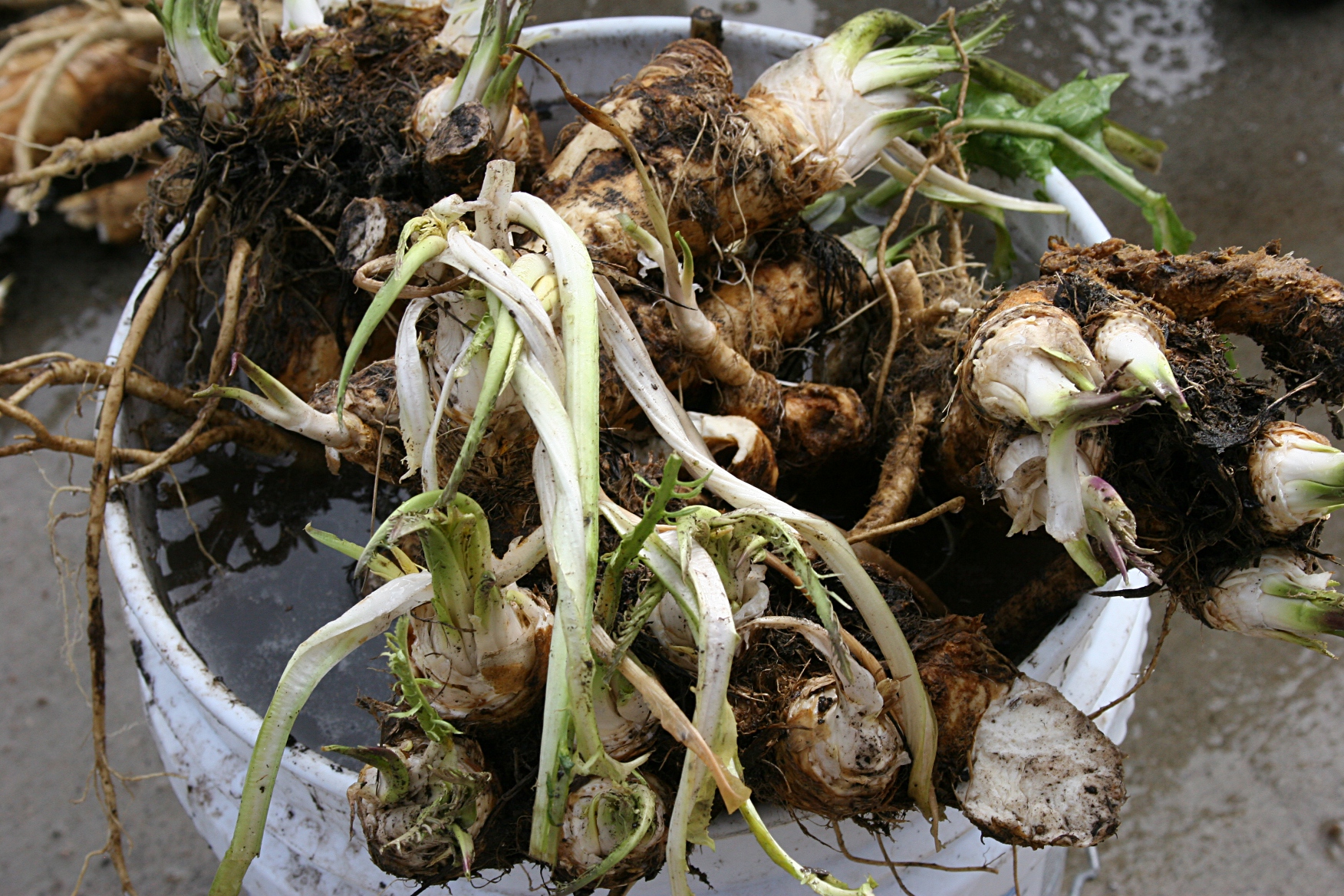
Freshly dug horseradish, soaking in water and ready to be washed.

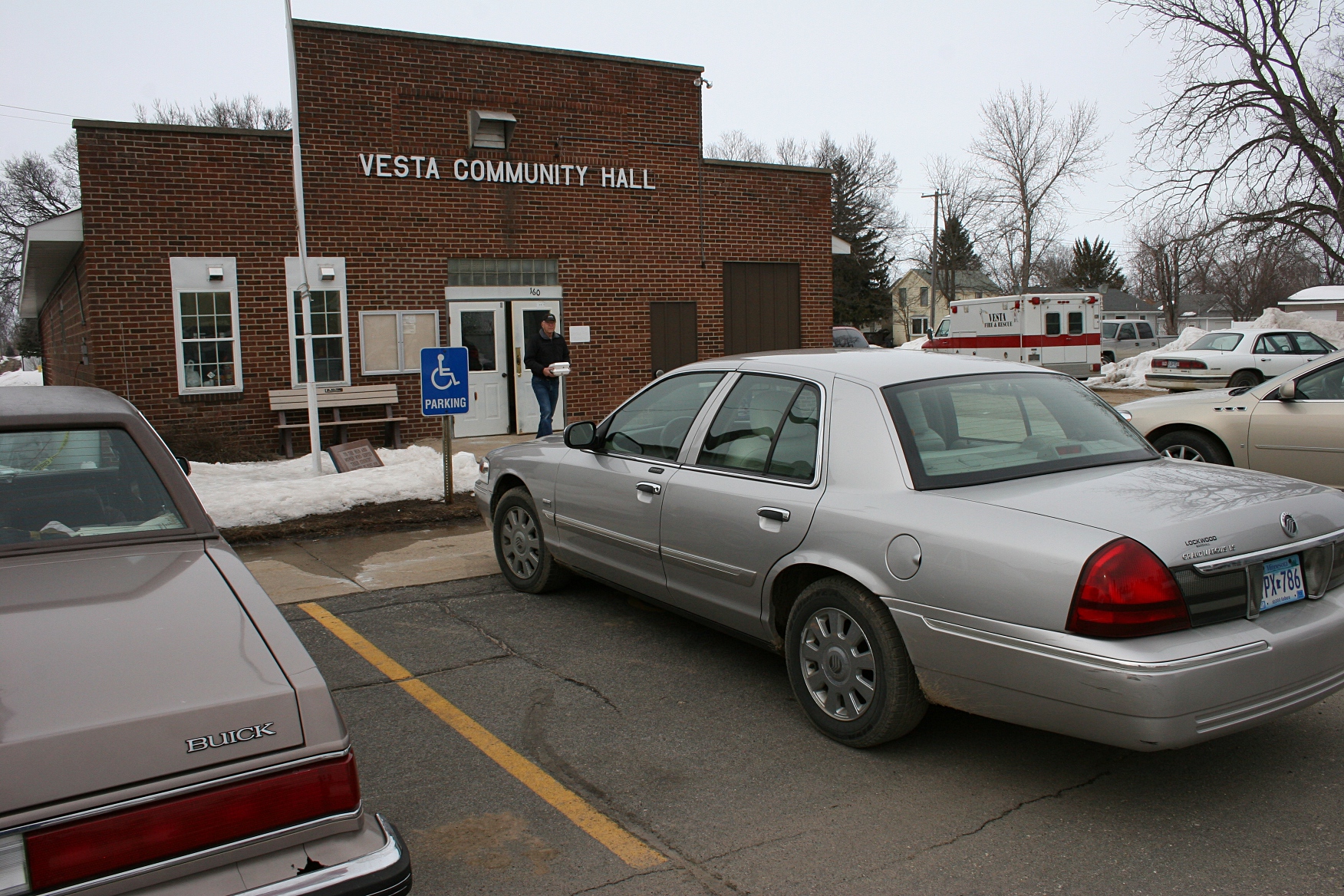
Back in the day, my dad and bachelor uncle, Mike, would occasionally make horseradish. Eventually my sister Lanae (and later her husband, Dale, too) began assisting Dad with the digging and washing and peeling and slicing and processing of this pungent root. And then, when the creamy white sauce was bottled, Dad would haul it down to the Vesta Community Hall for the annual Senior Citizens’ craft/bake/produce sale. Folks would wait in line to snap up Vern’s homemade horseradish.

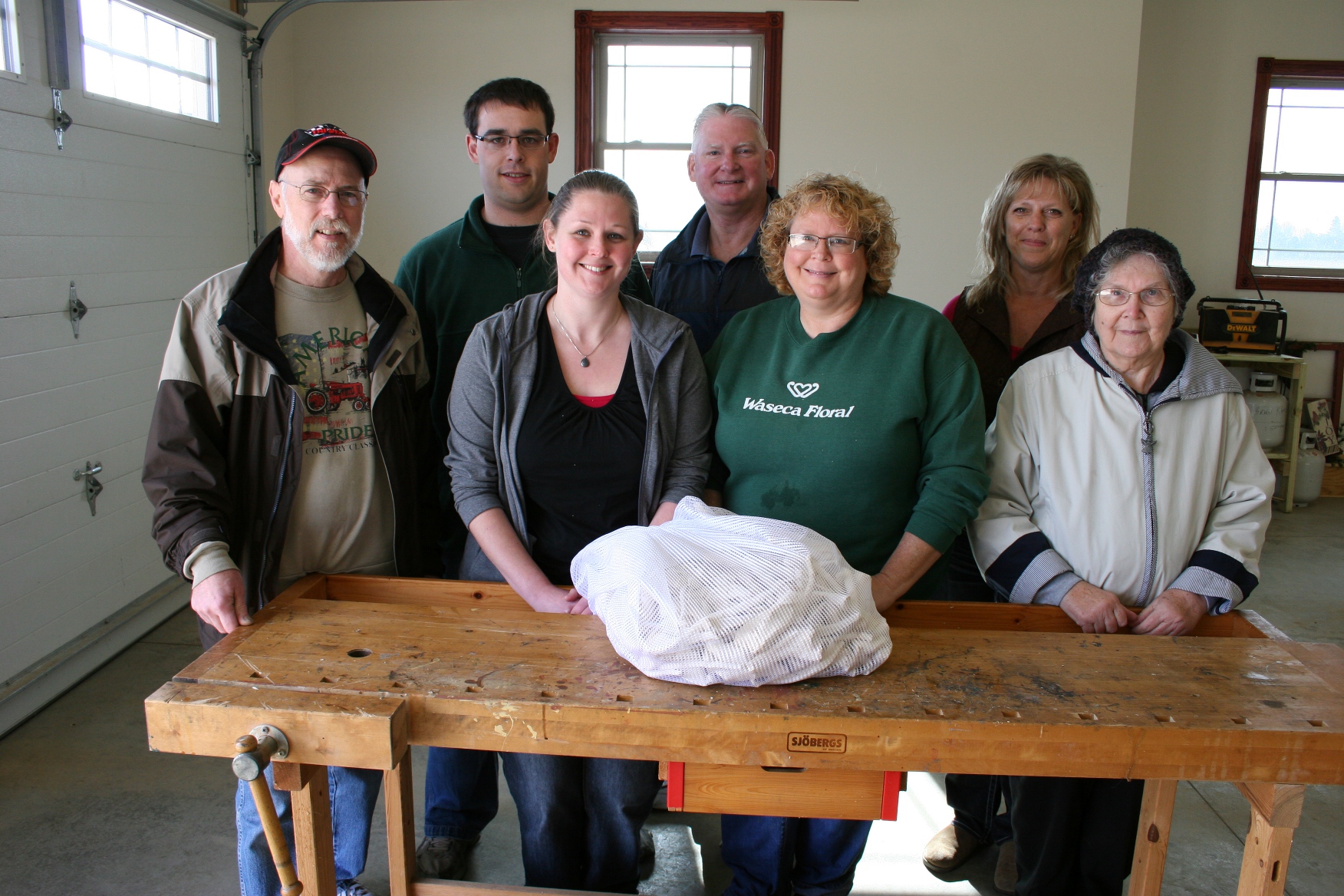
The 2012 horseradish making crew, front row, left to right, Randy, Tara, Lanae and Arlene. Back row: Andy, Brian and Vicki. I’m obviously missing from the photo as are Al and Alyssa, who arrived later.

Dad has been gone for nearly 10 years now, his annual root rite resurrected in recent years by Lanae and my middle brother, Brian. For the first time I joined them and other family in making horseradish, and, although I will eat horseradish, I am not a fanatical fan like my siblings and our father before us.

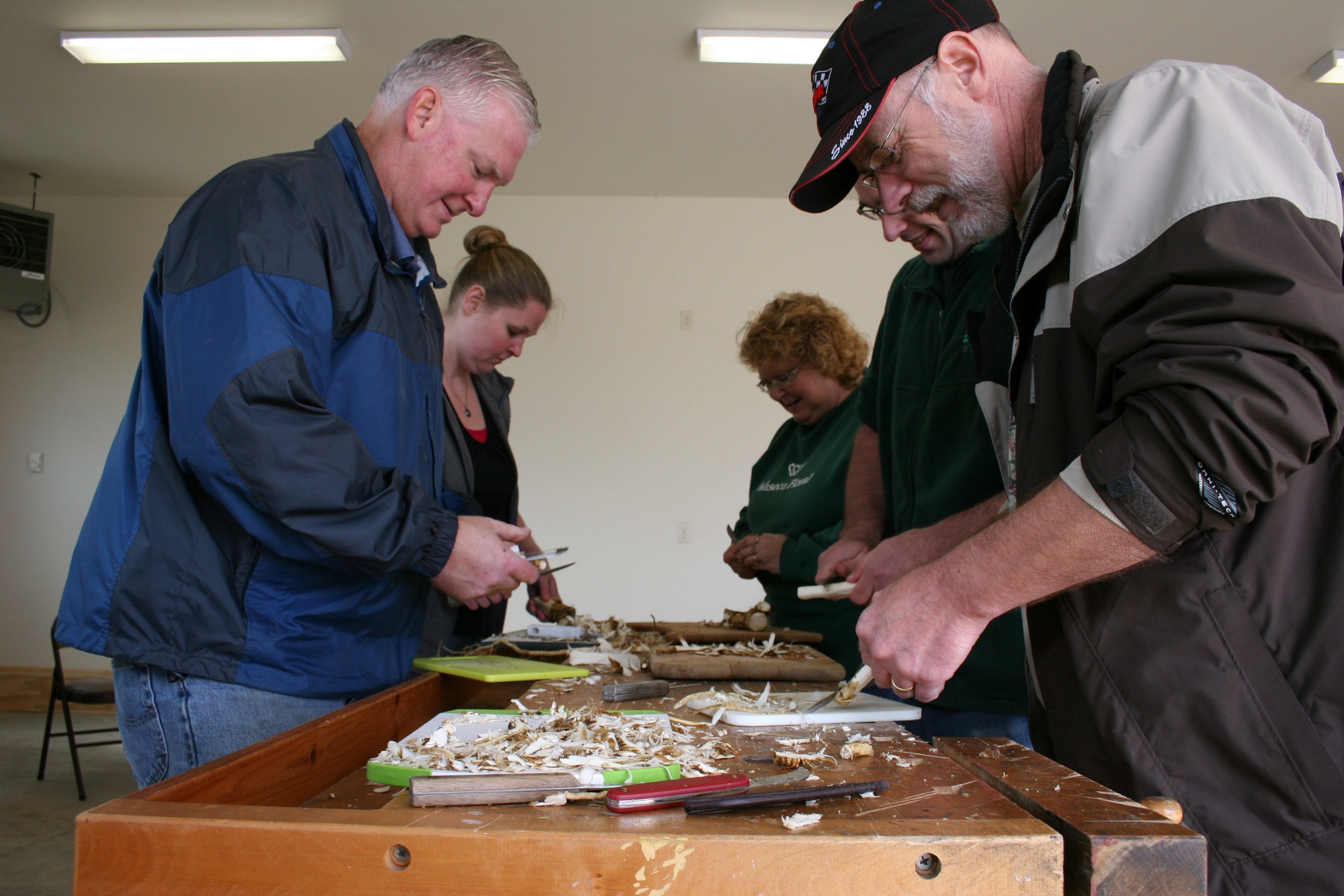
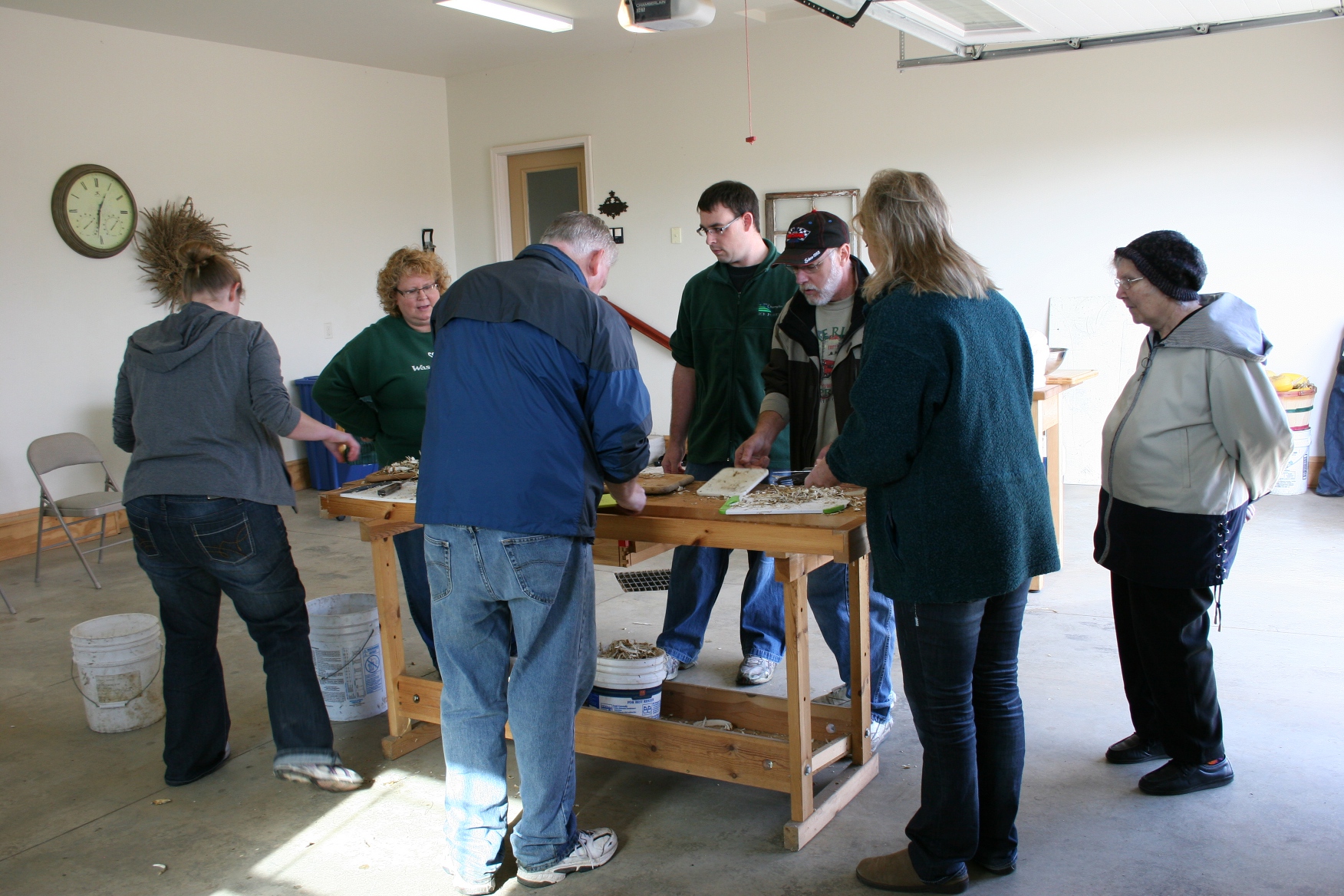
Peeling the horseradish, the third step after digging and washing.

But it wasn’t the horseradish which drew Randy and me to drive more than two hours to Brian and Vicki’s rural acreage to stand at tables in a garage on a chilly Saturday to process horseradish that would soon overwhelm us with eye-stinging fumes.

It was family and tradition and memory-building and time together which brought us to this peaceful place, to this land where I grew up some 25 miles to the north and west. Any reason to return to my beloved prairie.

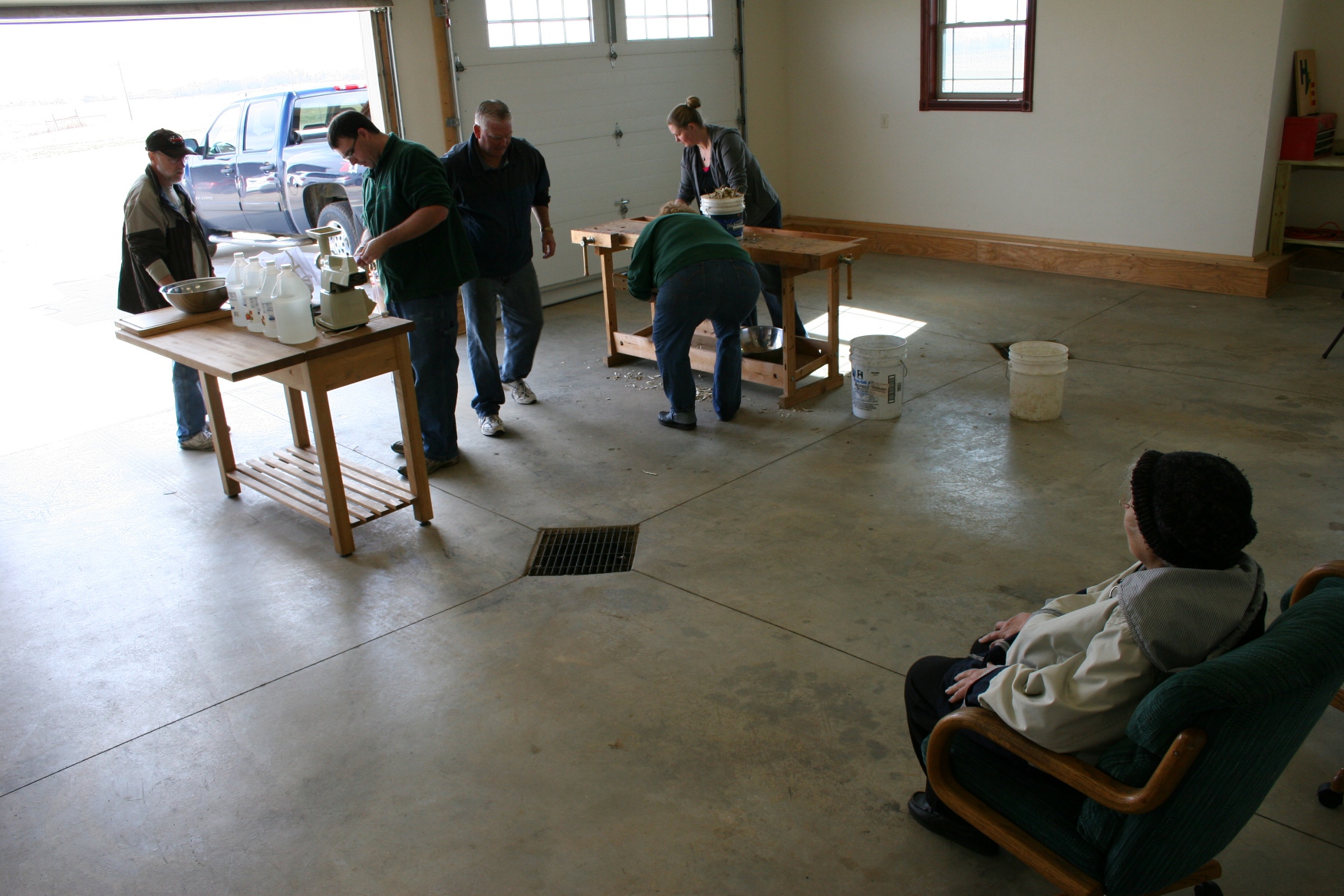
My mother, the main supervisor, watches from her chair. Vicki, who is recovering from surgery, also supervised.

And so Randy and I were instructed in the art of horseradish making while my 80-year-old mother supervised from a comfy chair, occasionally rising to skirt the tables, to check the progress.

We listened to the tales of horseradish making past, when metal shavings from the old meat grinder flaked into the horseradish. We heard of Dad’s old drill shorting and shocking whoever was using the drill (which he had rigged to drive the meat grinder) to pulverize the roots.

First the food grinder was used…

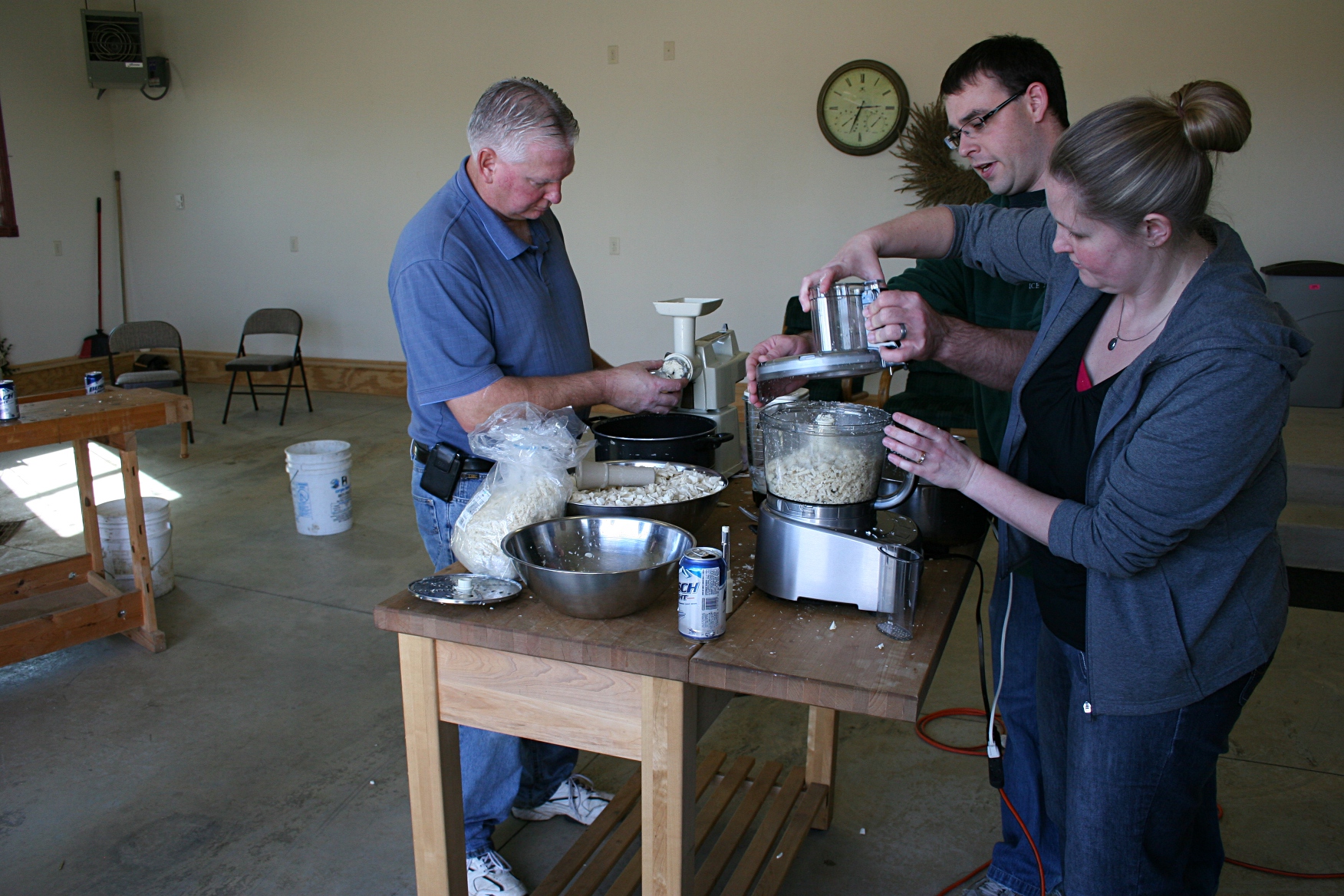
And when the food grinder continually plugged, the food processor was put into action and this worked.

The old meat grinder and drill have been stashed away now, replaced first by a modern electric grinder (which failed to work as planned) and then by a food processor before the pulverized roots were mixed with vinegar in a blender.

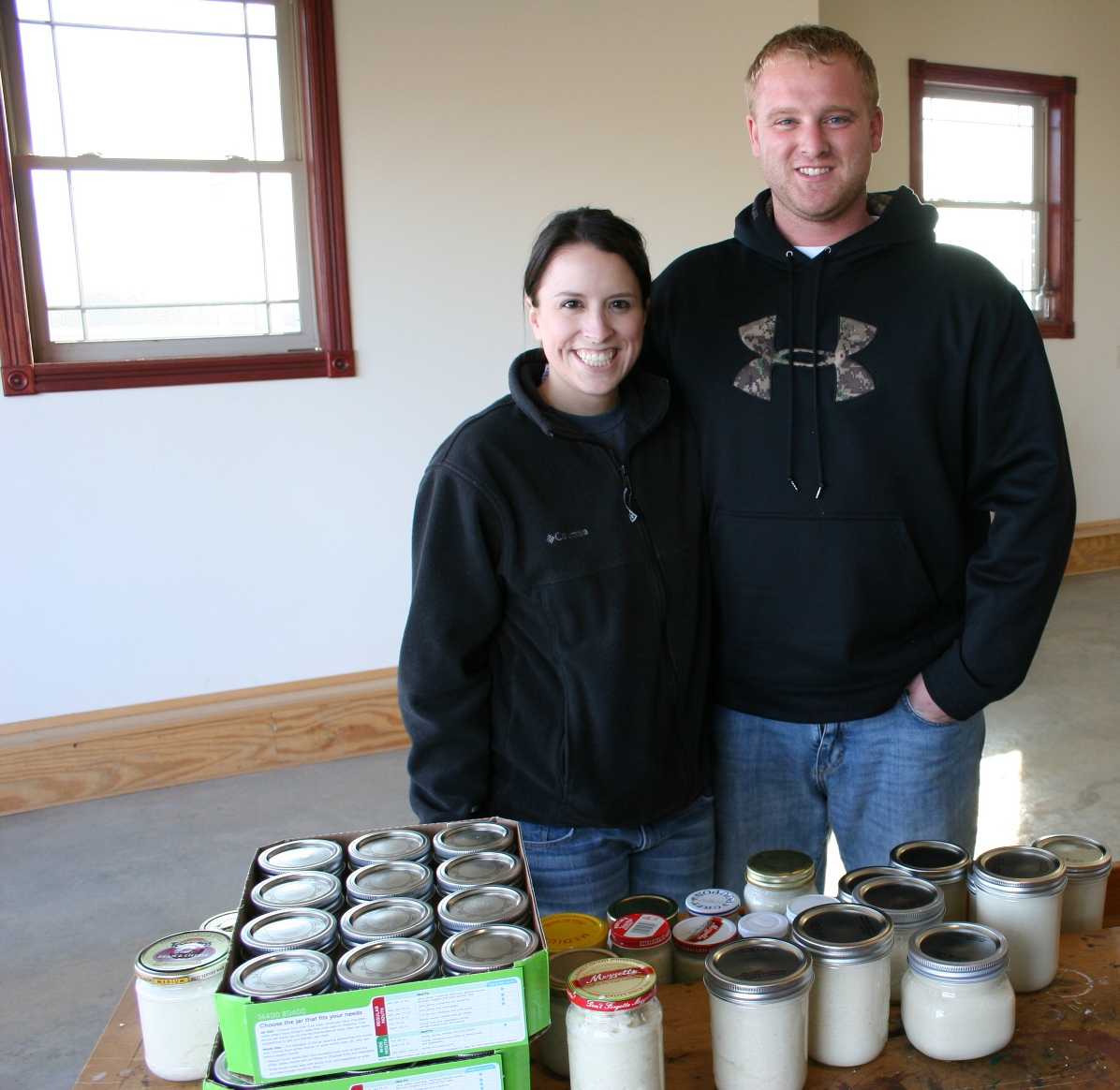
Proof that honeymooners Al and Alyssa helped make horseradish.

As words and horseradish peelings flew and laughter bounced around the garage, it was sometimes difficult to separate fact from fiction, especially when the beer was cracked open upon the arrival of honeymooners Al and Alyssa. Al and his bride of one week, on their way home from Duluth to Tyler, pitched in. And I photographed them so some day their children will believe their parents made horseradish on their honeymoon.

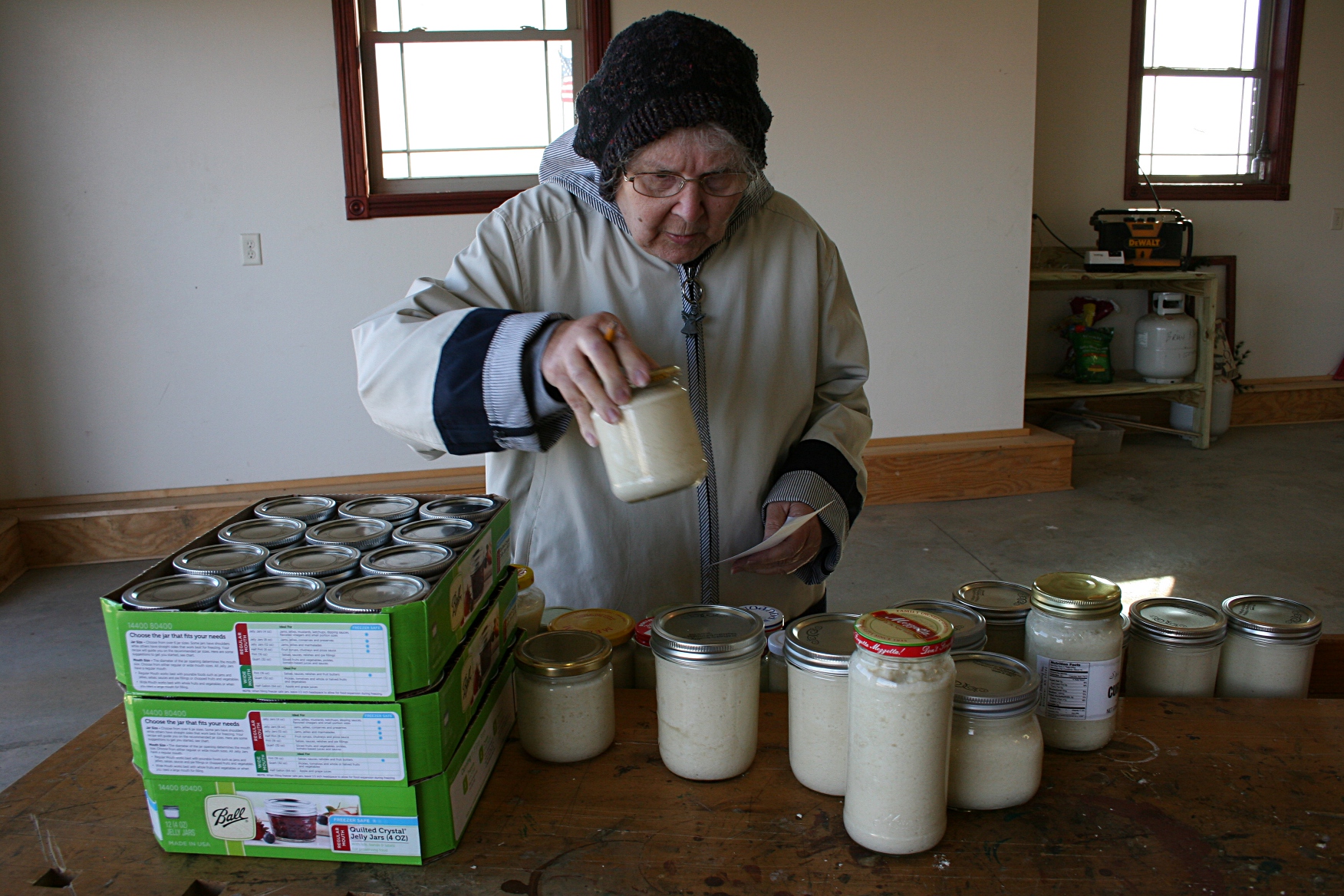
My mom, the supervisor, counts jars. We filled 66, a smaller yield than normal. Horseradish not kept by family is given away (never sold) as our Dad, except for those he sold at the fundraiser, gave his away. We honor him by gifting horseradish lovers with a jar.

The supervisor counts the jars of horseradish.

These are the moments that matter most in life, the sweet times with family. And nothing touched my heart more than watching my aging mom, the supervisor, rise from her chair to meticulously count and record the yield.

AND FOR THOSE OF YOU unfamiliar with the entire process, here are additional photos to show you the steps needed to grow and make horseradish:

STEP 1:

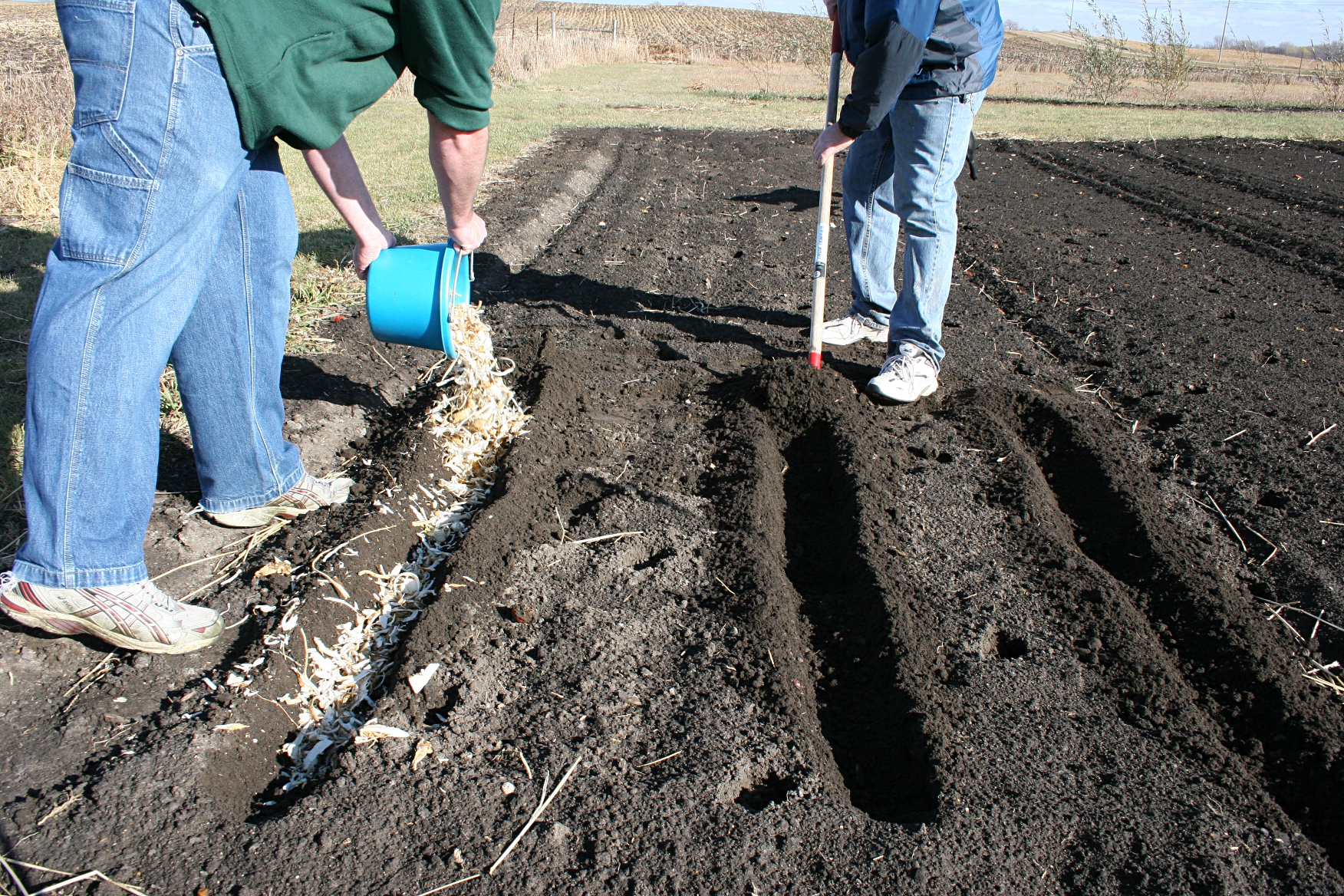
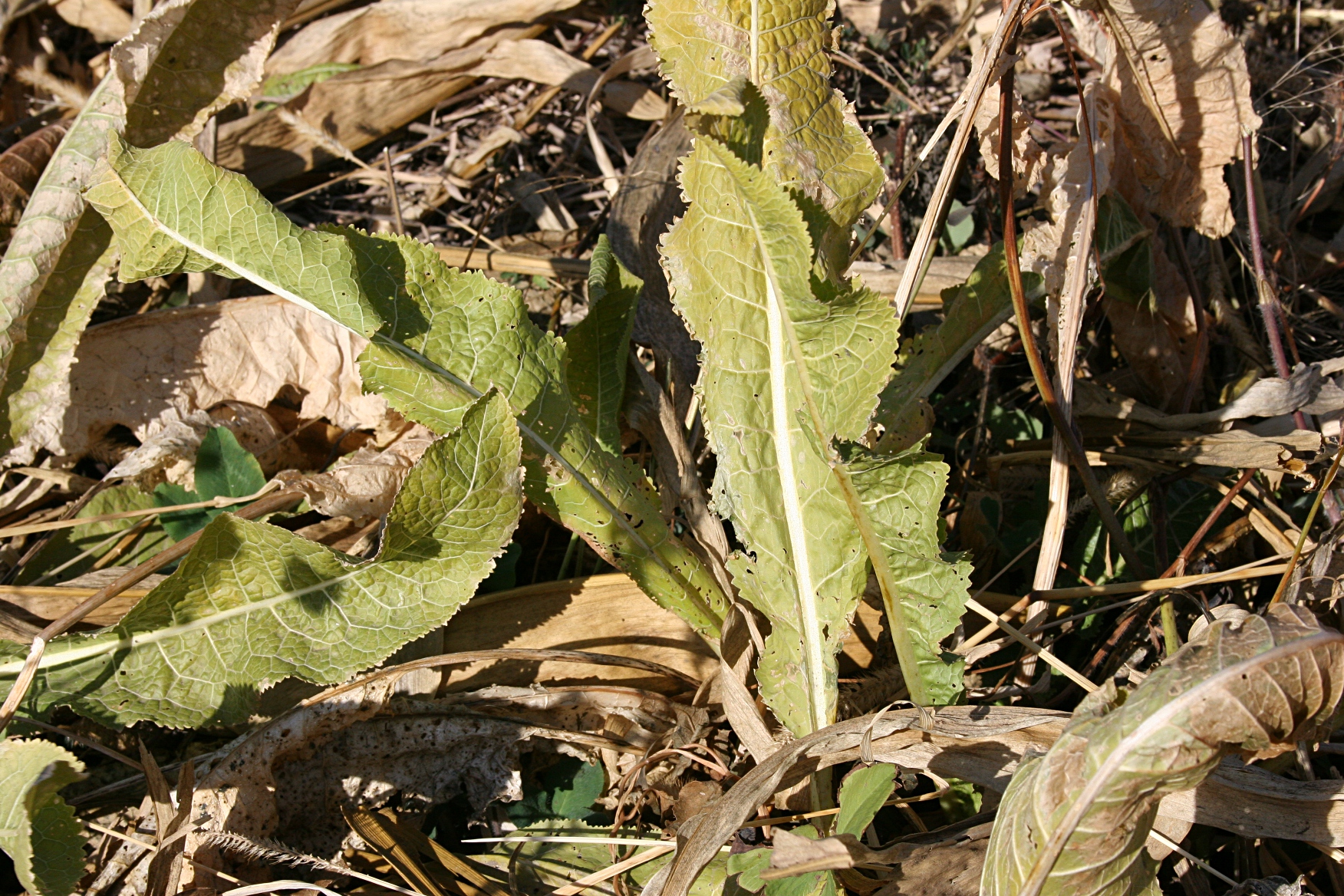
Plant the horseradish, which grows from the left-over scraps of roots, etc.

STEP 2:

The plants will need to grow for about three years before you can reap the first harvest. We will be looking for additional horseradish to harvest in 2013. If you live anywhere near Lamberton, Vesta,  Faribault or Waseca, and have extra horseradish, let me know.

STEP 3: Dig up the roots; I missed photographing this given I arrived after the digging.

STEP 4:

Wash the dirt from the roots using a hose.

STEP 5:

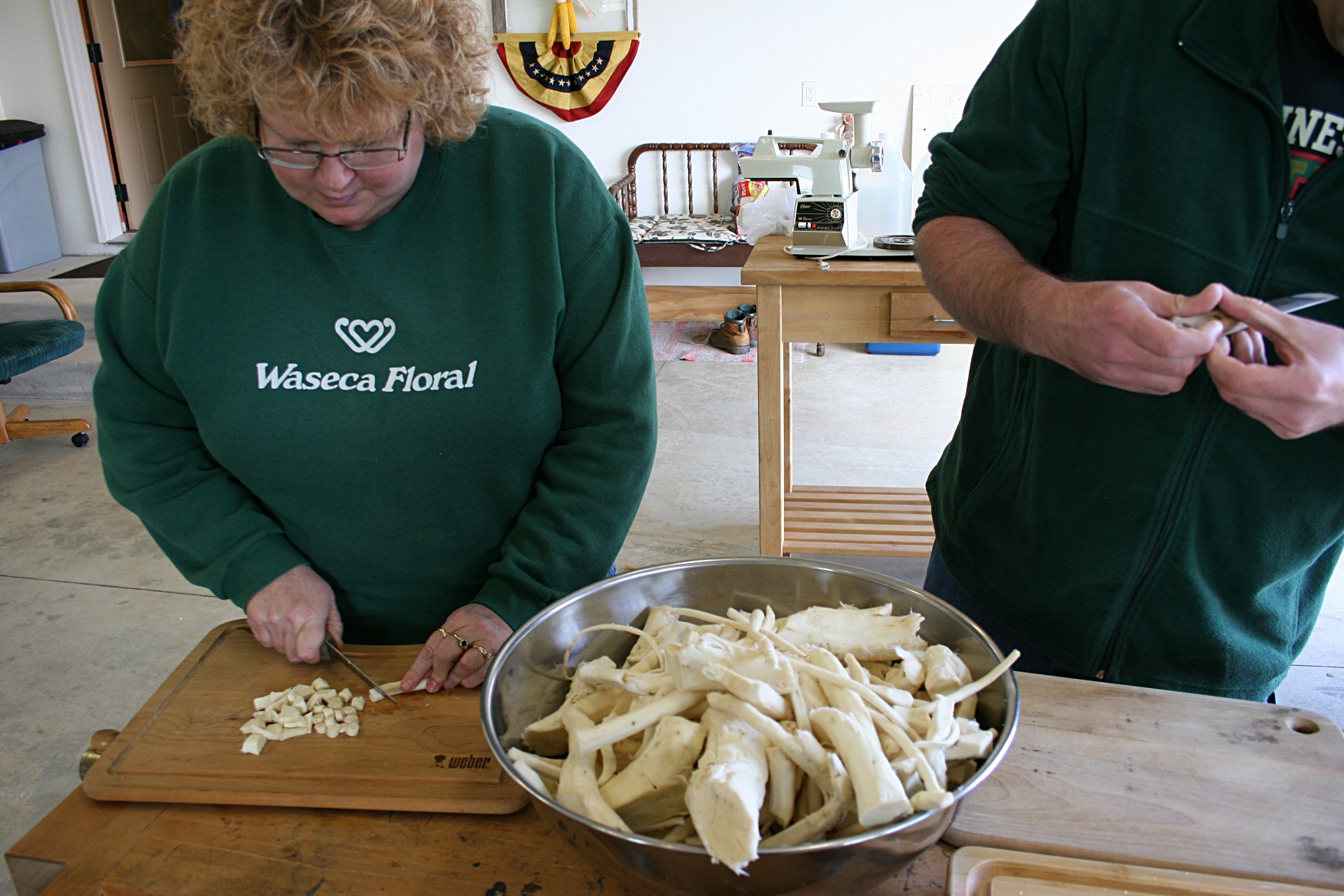
Peel the roots, remaining aware that your work is being closely monitored by the supervisor, right.

STEP 6:

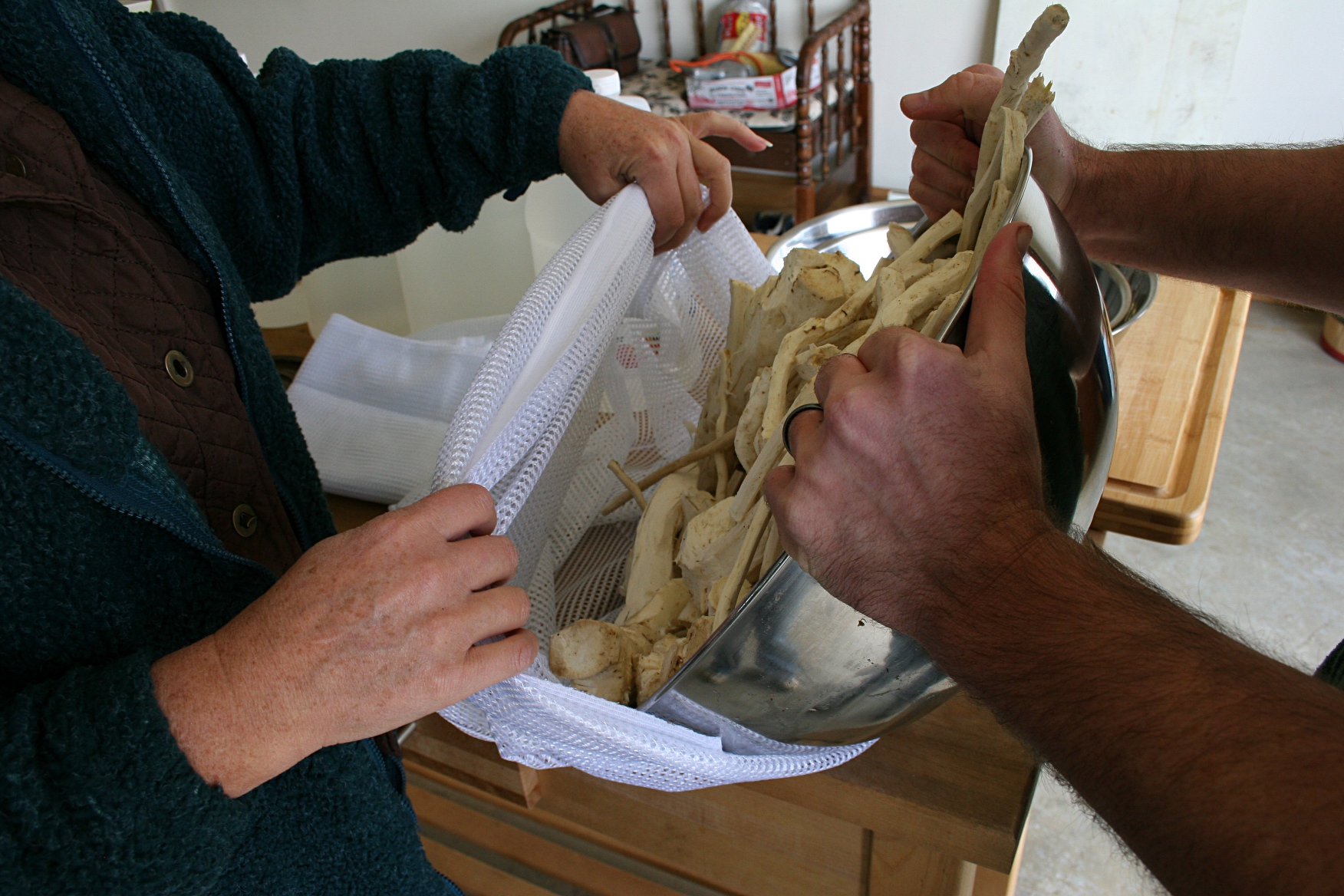
Dump the horseradish into a laundry bag and wash in the washing machine, without detergent, of course, and I think on a gentle cycle. About this time, your crew can take a break and eat lunch which may or may not include red Jell-O with bananas.

STEP 7:

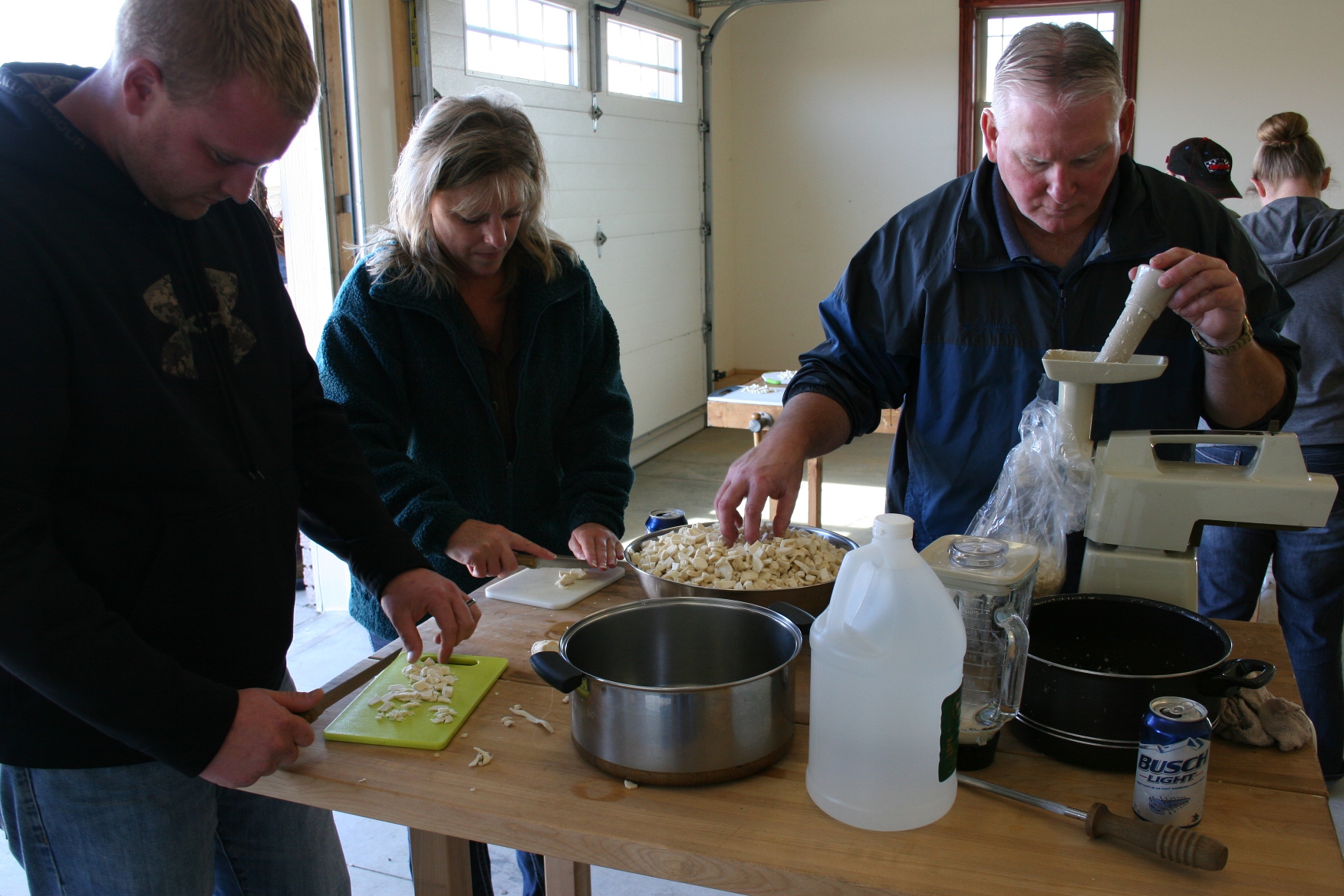
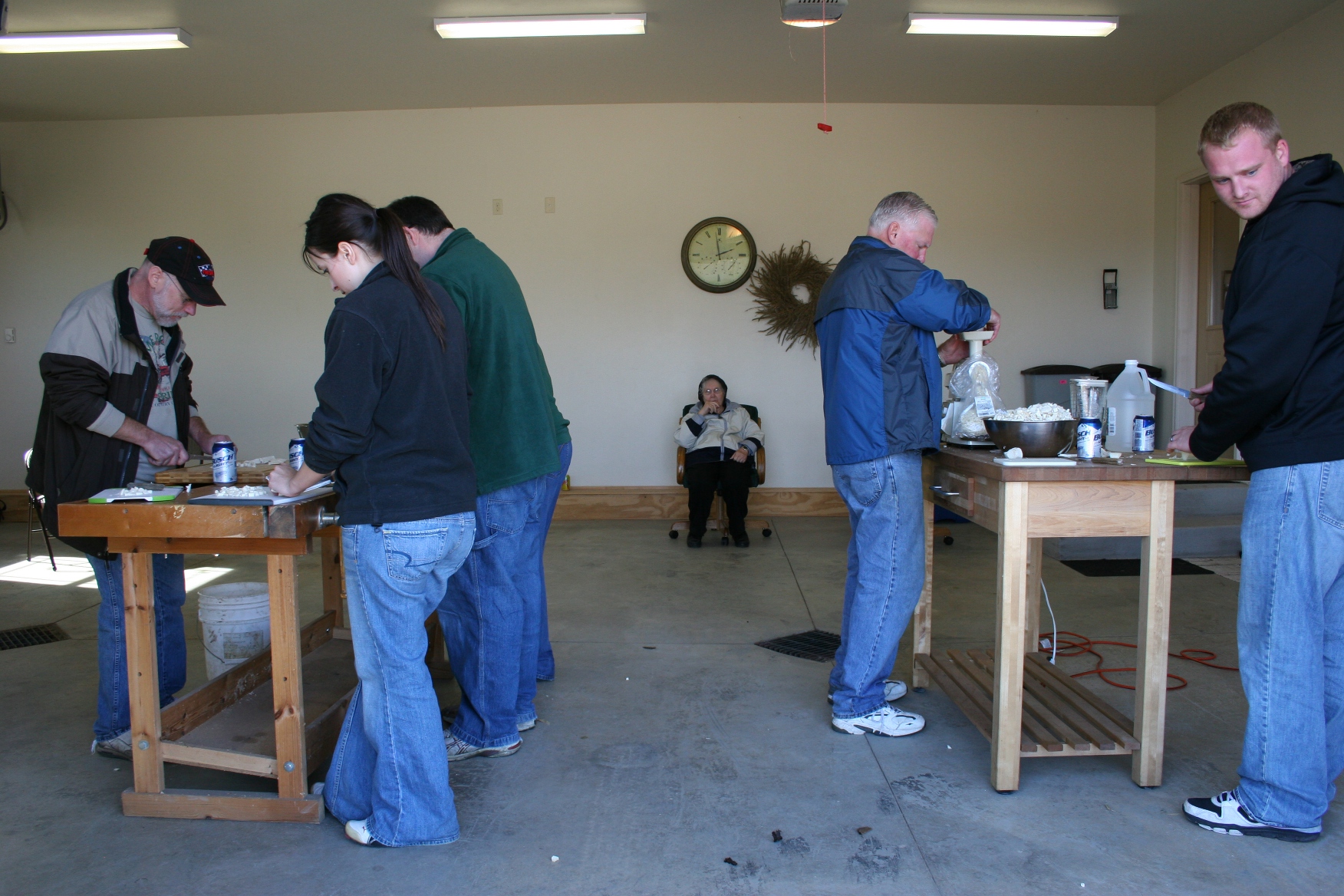
Chop the machine-washed horseradish.

STEP 8:

While one crew chops ,left, the other grinds the horseradish, step 8, with a grinder (fail) or food processor. The supervisor keeps a watchful eye over operations.

STEP 9:

Dump the pulverized roots into the blender, add vinegar and blend until creamy. You may want to cover your face, or make a face, to deal with the eye-stinging fumes.

STEP 10:

Pour into jars and cap.

STEP 11:

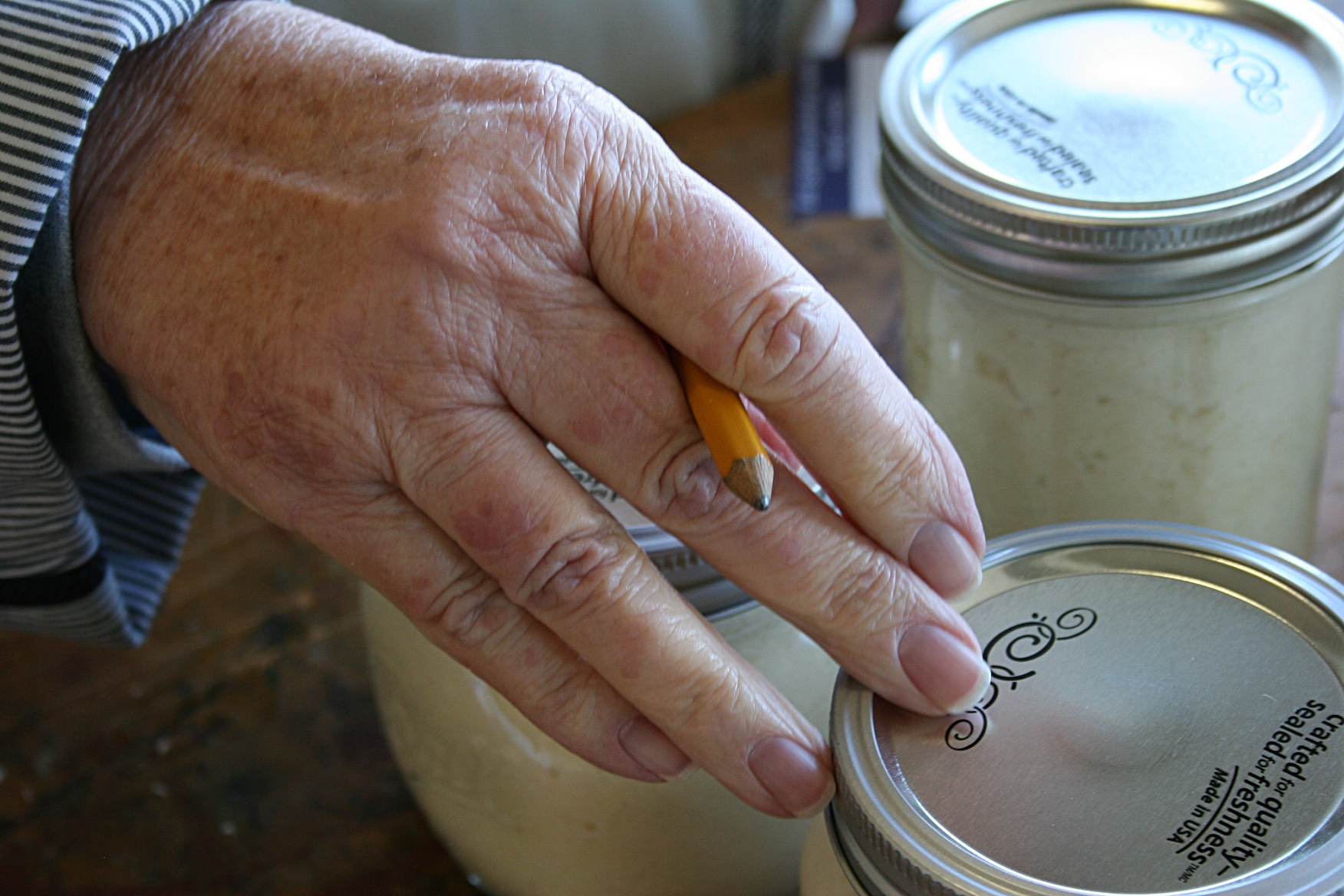
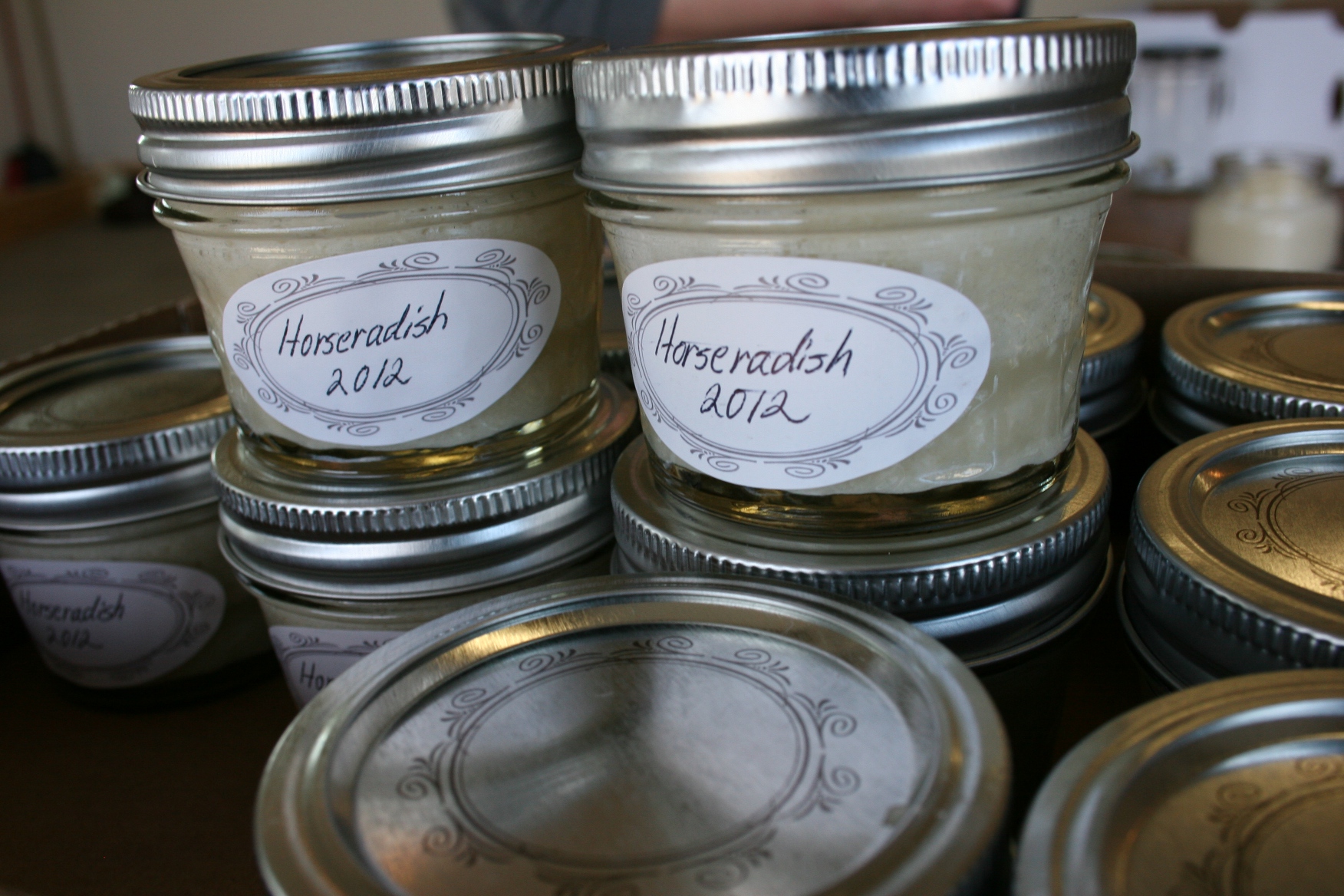
Label the jars. Stash jars in refrigerator. Give away or eat.

BONUS PHOTO:

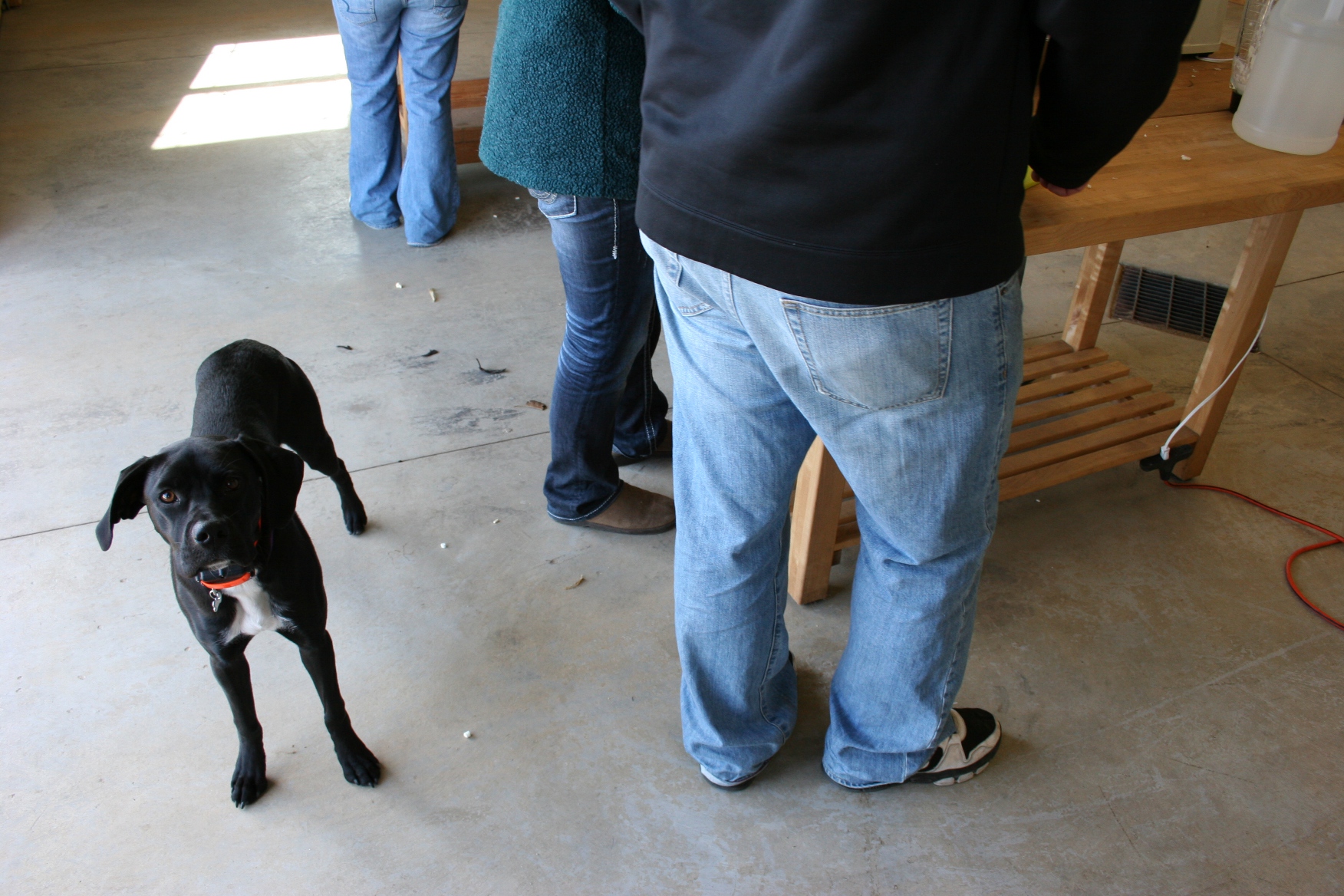
Al and Alyssa’s dog, Lily, whom we had to keep from eating errant chunks of horseradish that fell onto the floor.

© Copyright 2012 Audrey Kletscher Helbling
 

Healthy & hearty dining at the retro Highland Cafe in southeastern Minnesota October 22, 2012

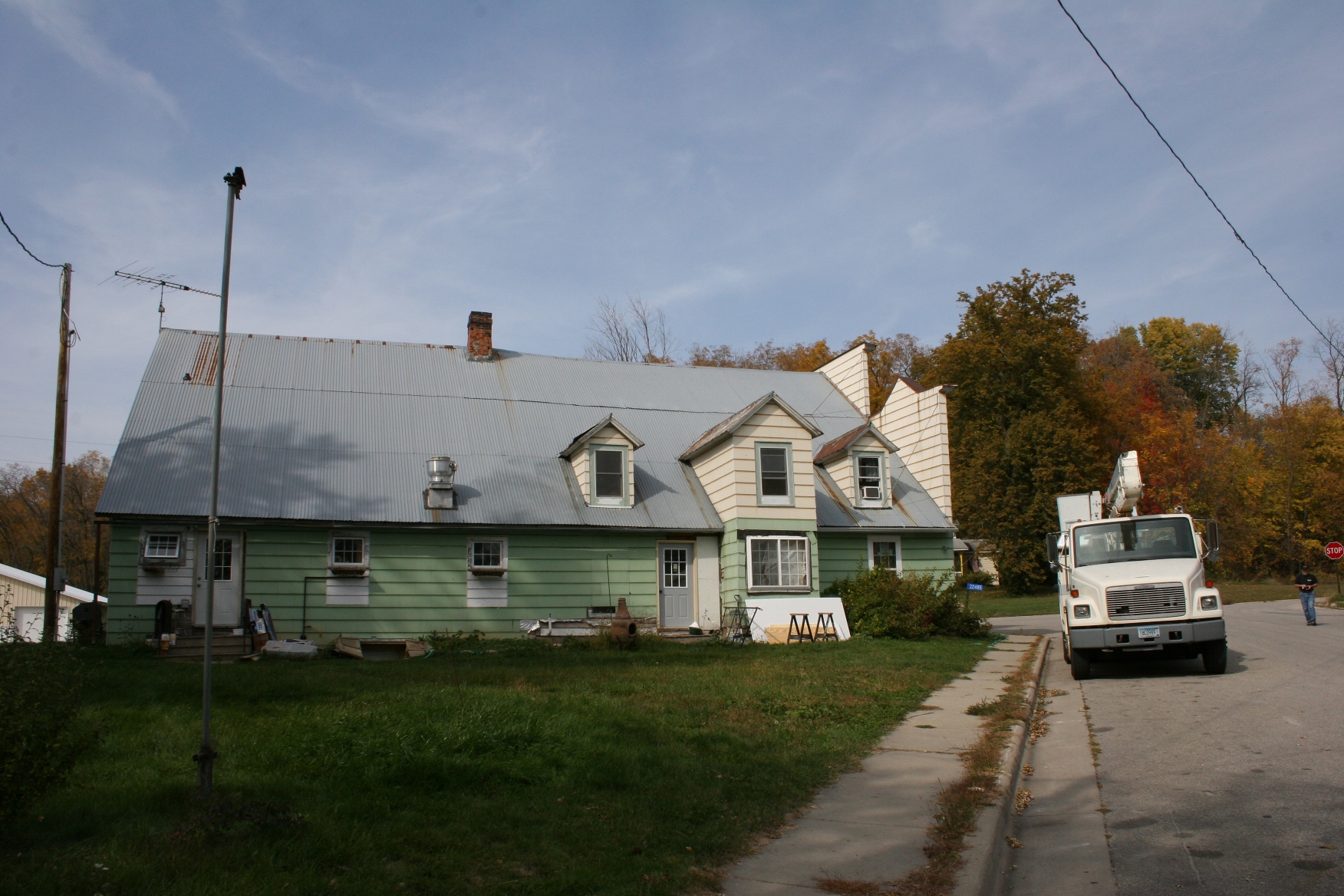
A side view of the Historic Highland Store and Cafe.

FROM THE EXTERIOR, a side view of the Historic Highland Store and Cafe in unincorporated Highland in rural Fillmore County, Minnesota, presents a mishmash of angles, work in progress and a corrugated metal roof that seems more fitting for a machine shed than a restaurant.

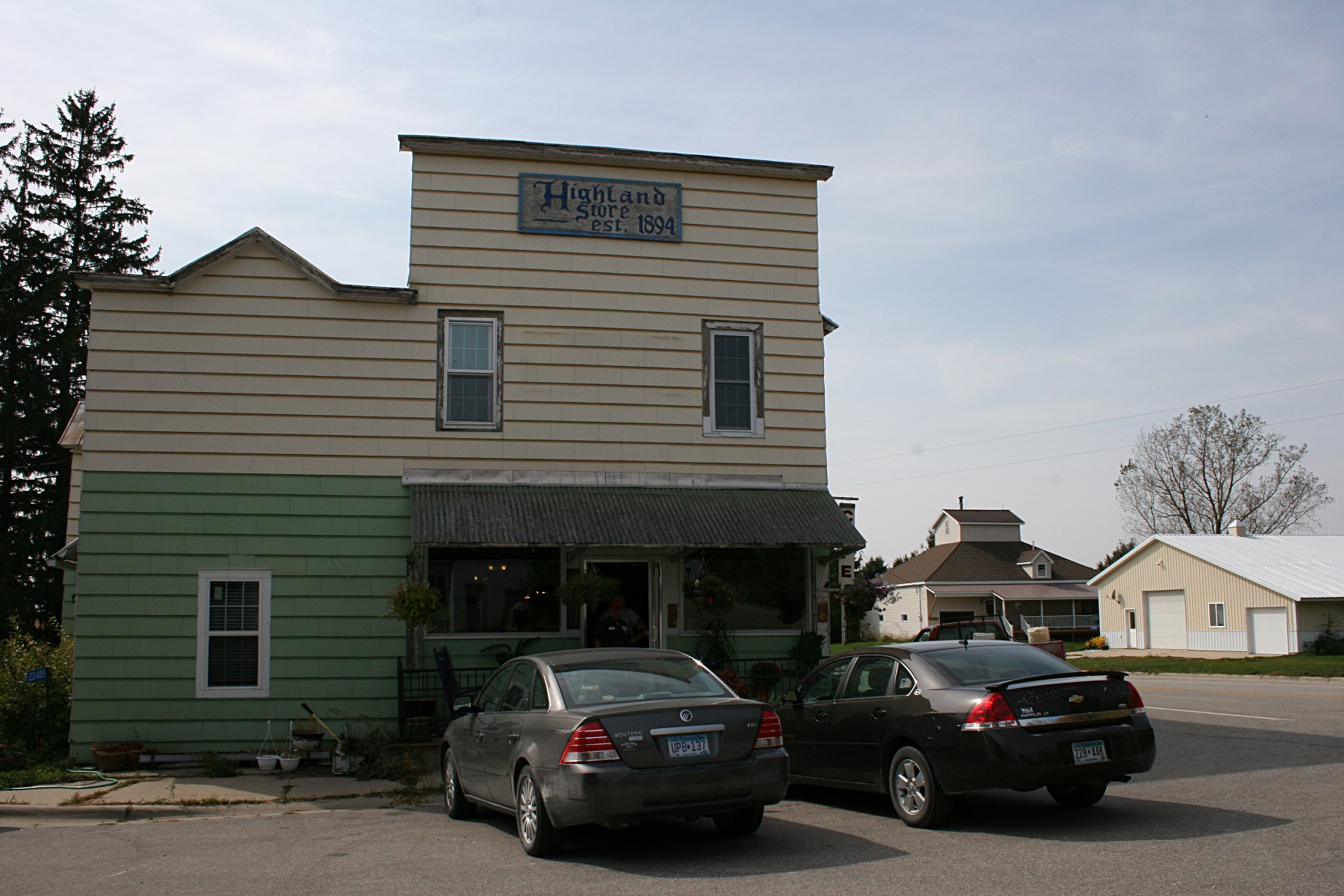
Face on, the front facade is rather plain and unassuming, until you aim your focus upward to the weathered wooden sign: “Highland Store est. 1894.”

The unassuming front of the Highland Cafe.

That single simple sign hints at the treasure you’ll discover once you step inside this combination cafe, mini-store and Seventh Day Adventist mission outreach next to County Road 10.

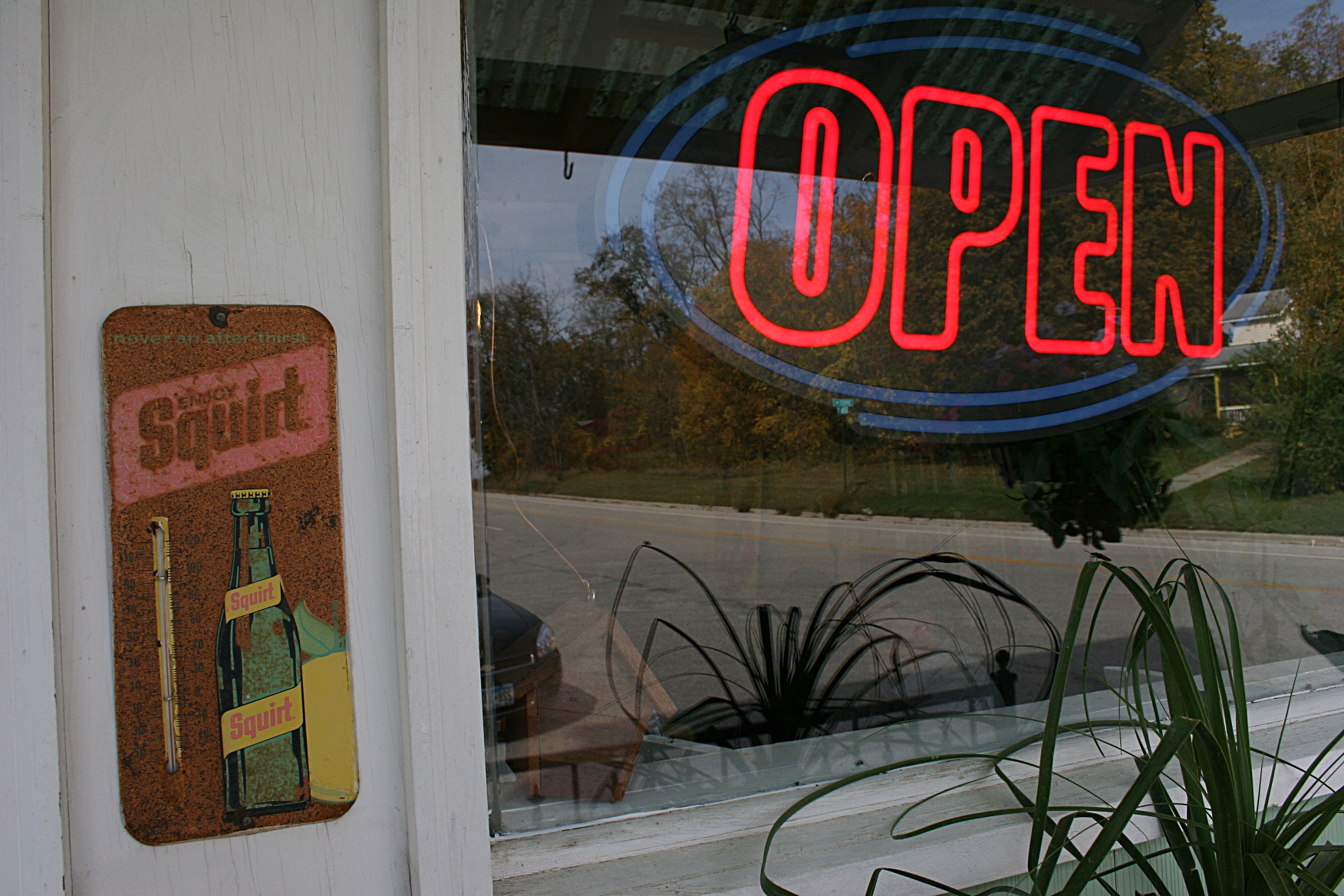
A vintage pop sign and a neon OPEN sign next to and on a front window.

Enter this historic building in Highland and you just have to stop and take in the novelty of this place which once served as a general store in this strong agricultural and tourism region of southeastern Minnesota.

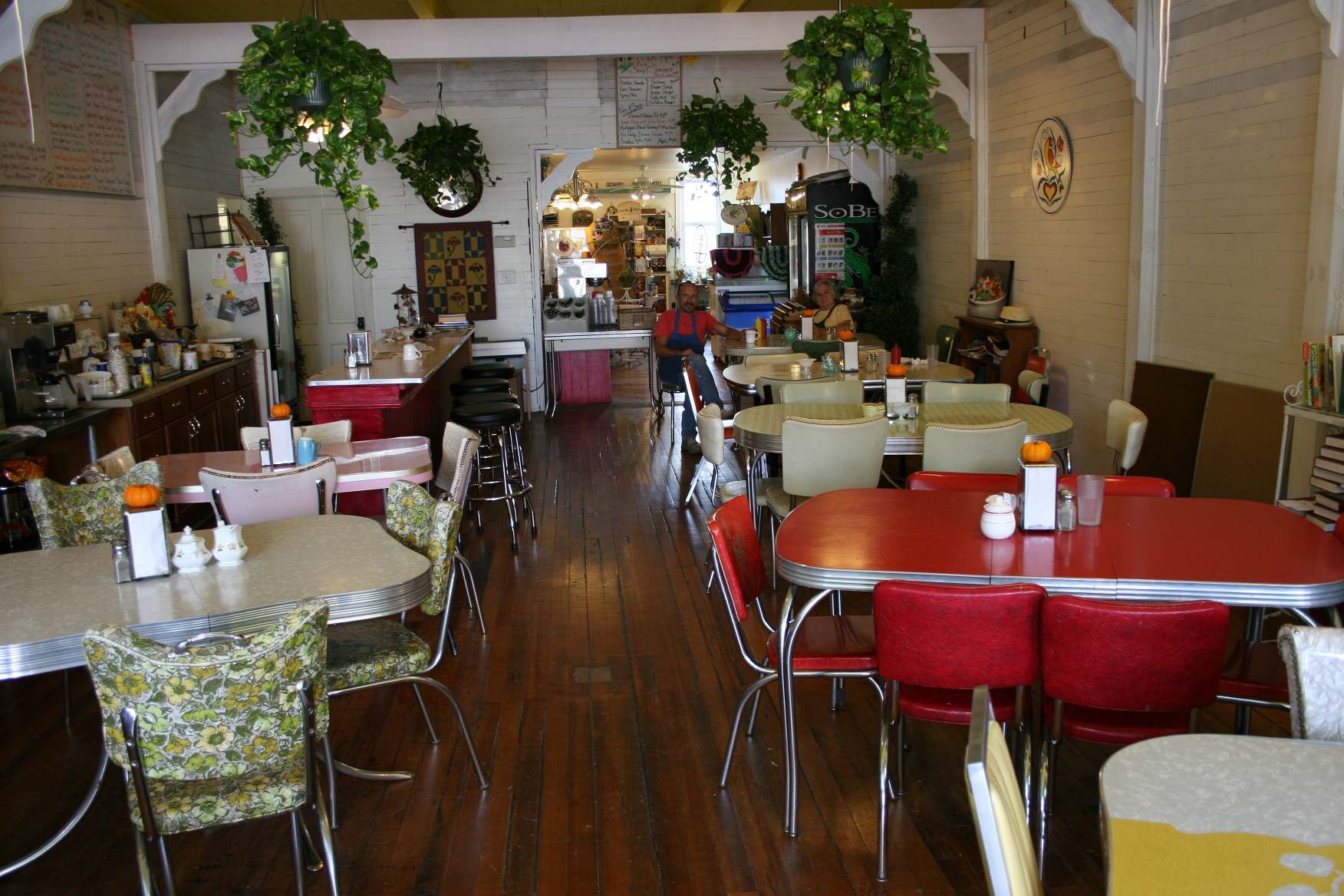
A dining room overview with a mini gift shop tucked in the back.

The cafe’s charm and good, home-cooked and healthy food draw not only locals, but tourists/users of the area’s state recreational trails and regional diners from Rochester some 50 miles to the north and west.

My husband and I have come here for lunch early on a Monday afternoon in early October while on a day trip to view the fall colors. We prefer one-of-a-kind small-town cafes to chain restaurants and are thrilled with the unique, down-home atmosphere we discover at the Highland Cafe. It’s as if we’ve walked into the kitchens of our childhood, minus the red-and-white checked linoleum floor.

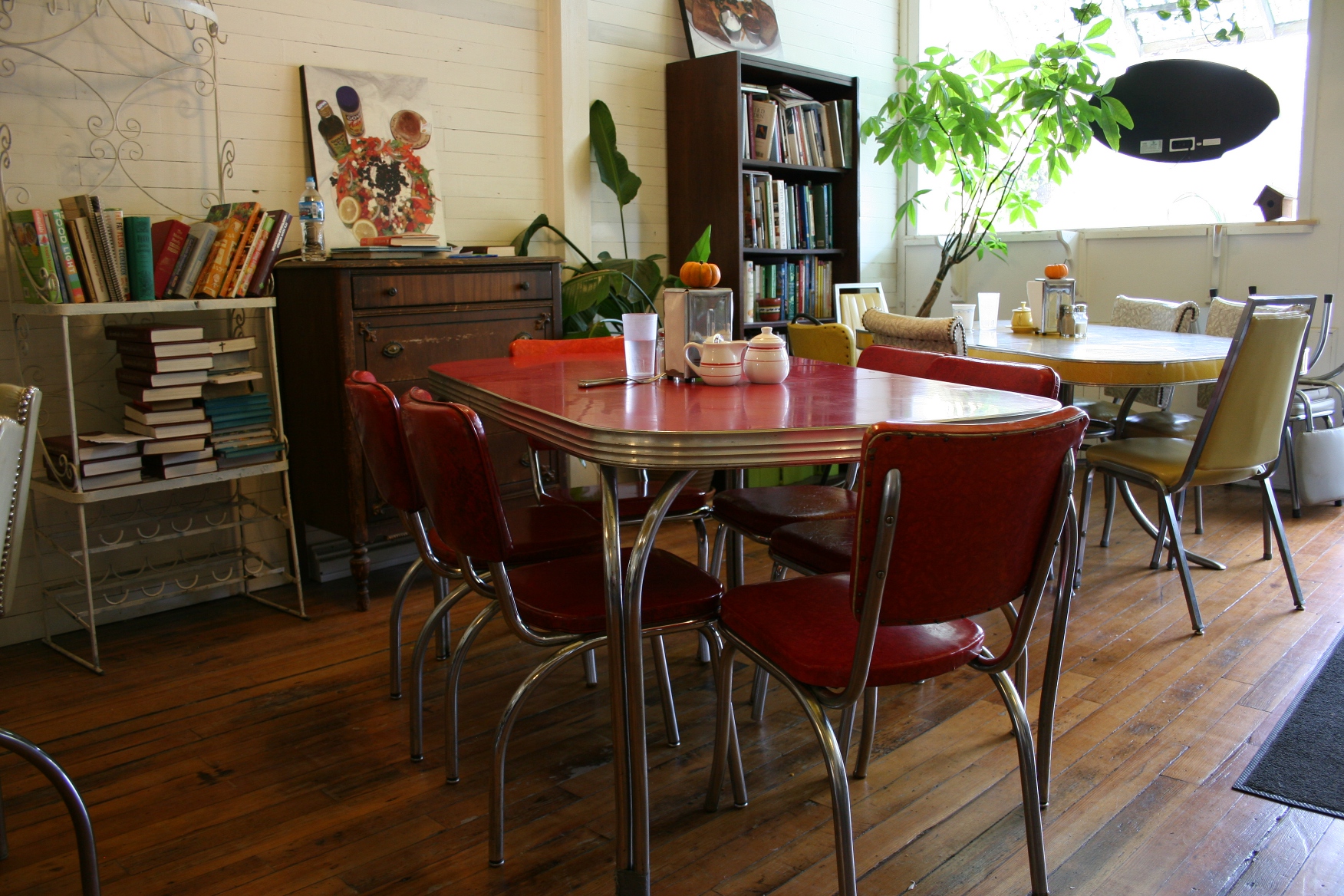
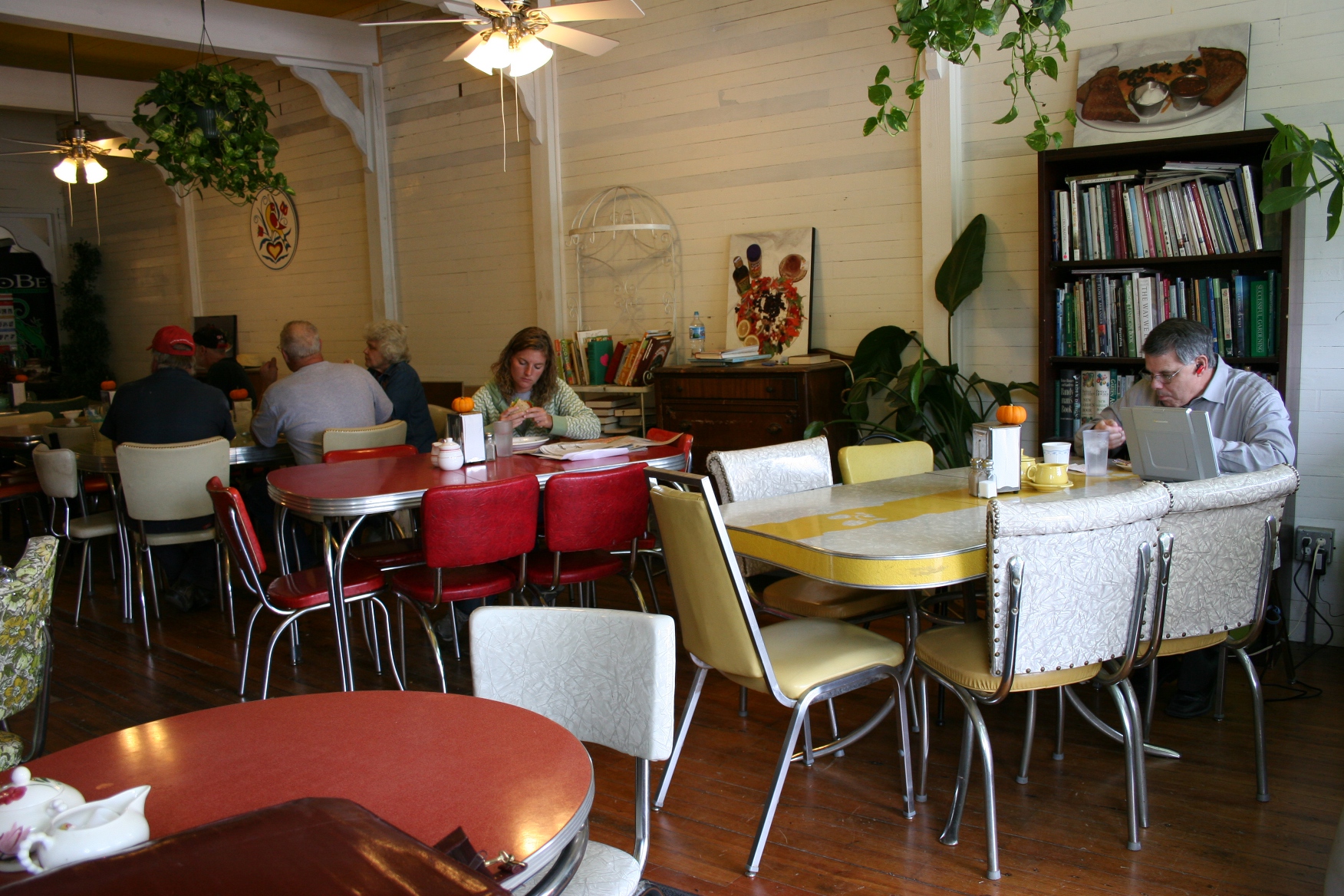
This is the scene near the front of the dining room where vintage tables and chairs are drenched in sunlight on an October afternoon. This is the kind of spot where you can read a book, work on your laptop or chat it up with the locals or others.

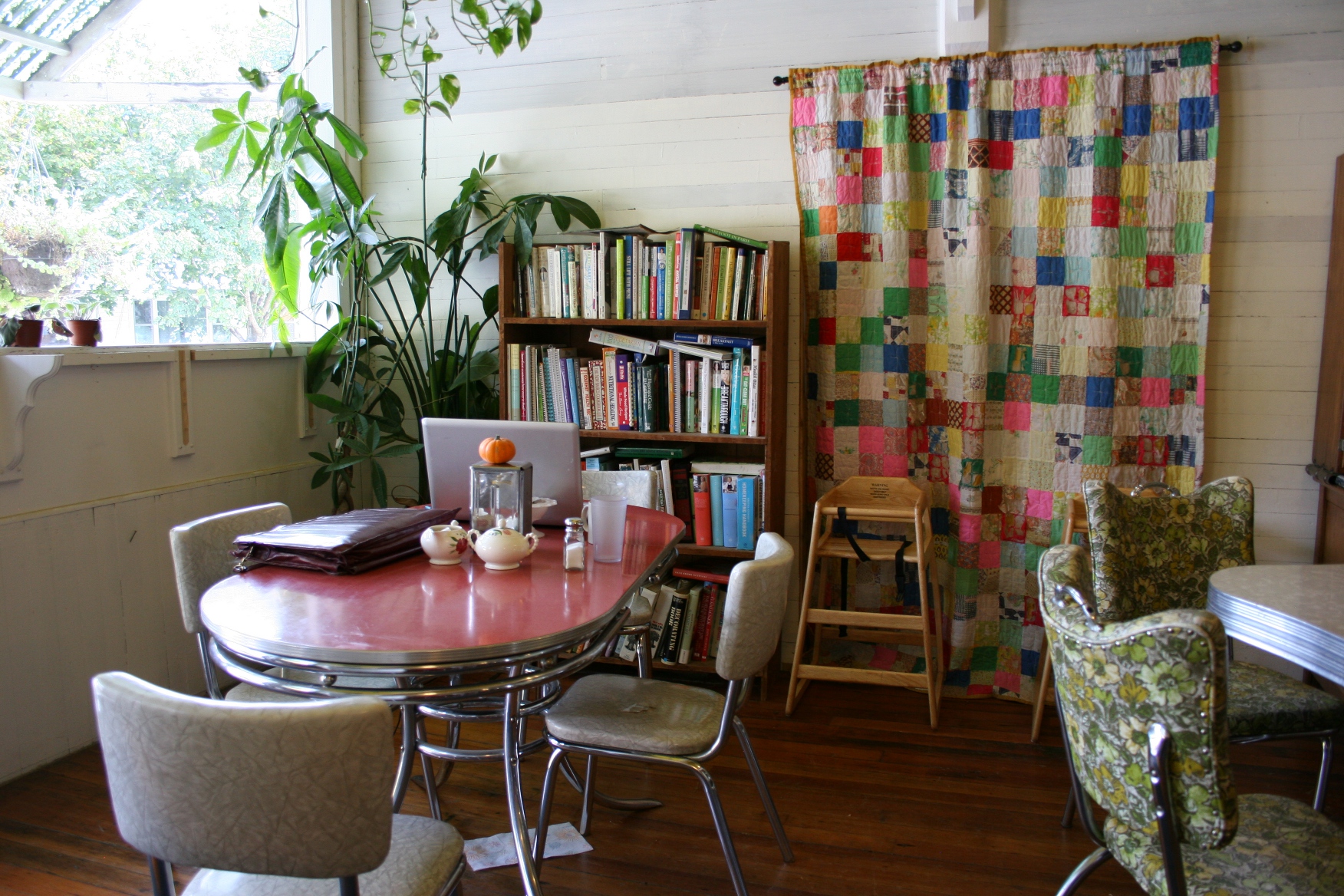
This eatery features the original wood floor topped by a mix of 1940s and 1950s vintage laminate chrome-legged/edged tables and chairs that set the mood for casual dining. There’s nothing matchy, matchy perfect about the décor here and that unpretentiousness suits me perfectly.

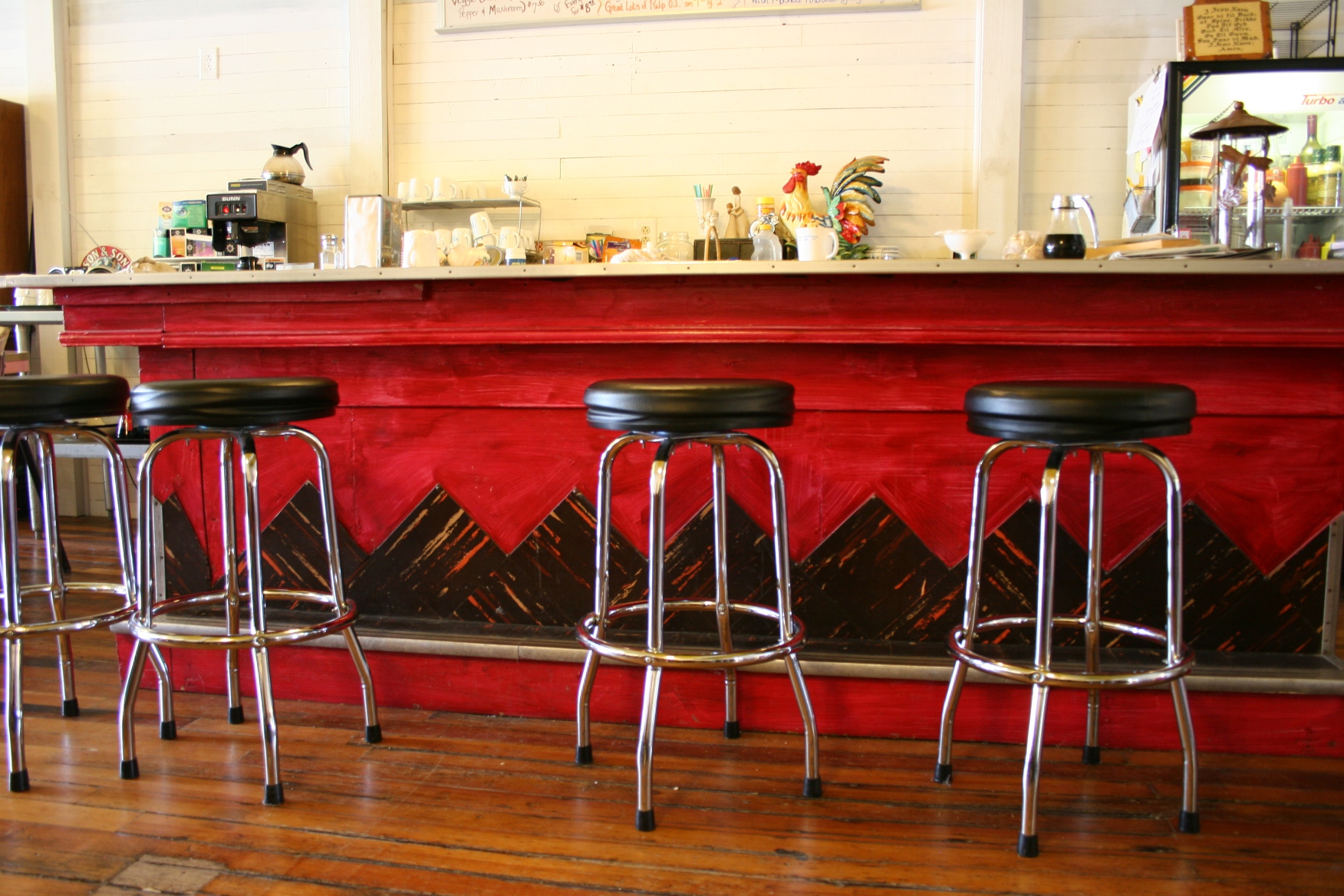
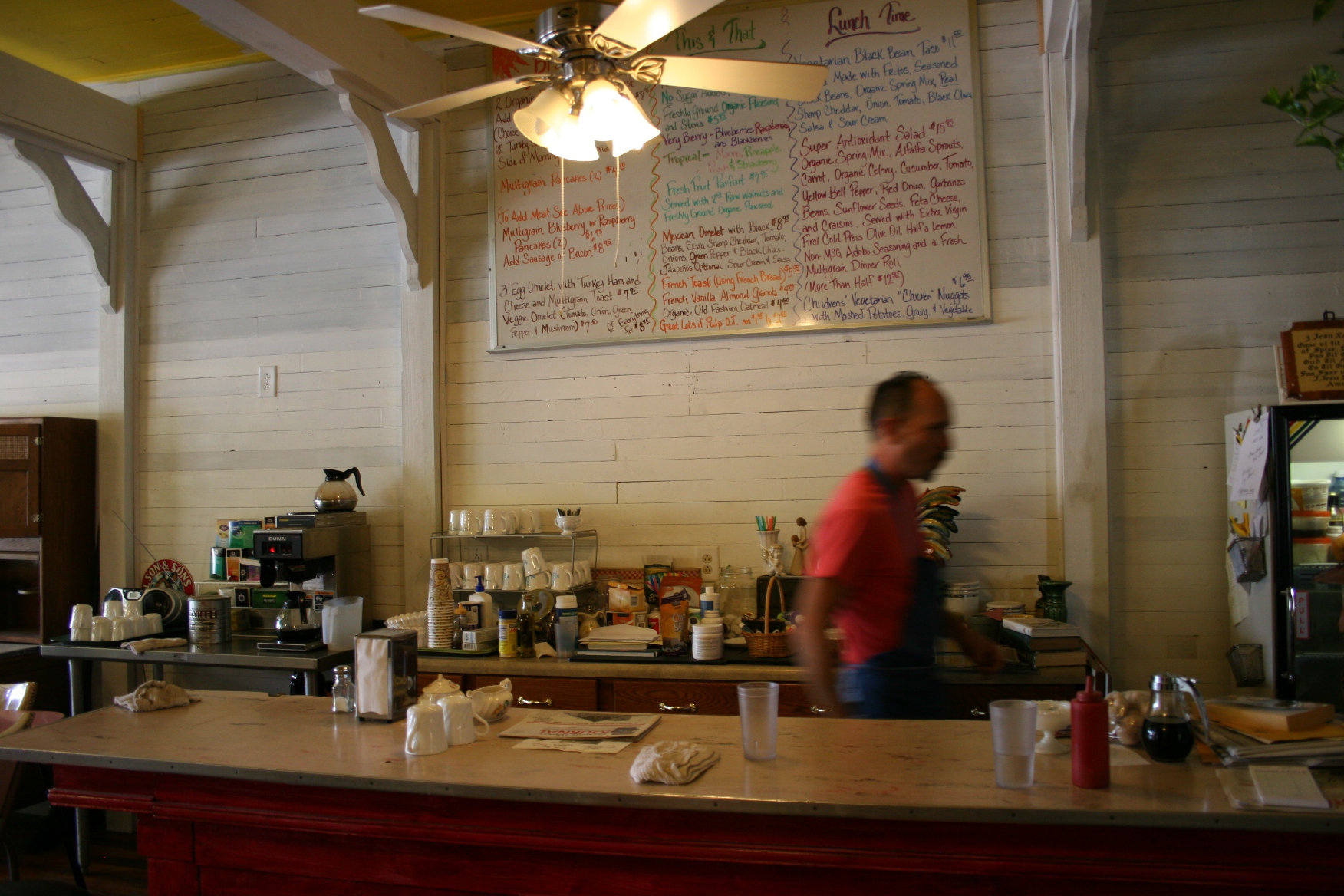
The absolutely fabulous lunch counter.

If you prefer to dine at a lunch counter, you’ll find one of those, too, painted in the most unexpected eye-jolting red that contrasts with the dark wood floor and cream-hued wood plank walls.

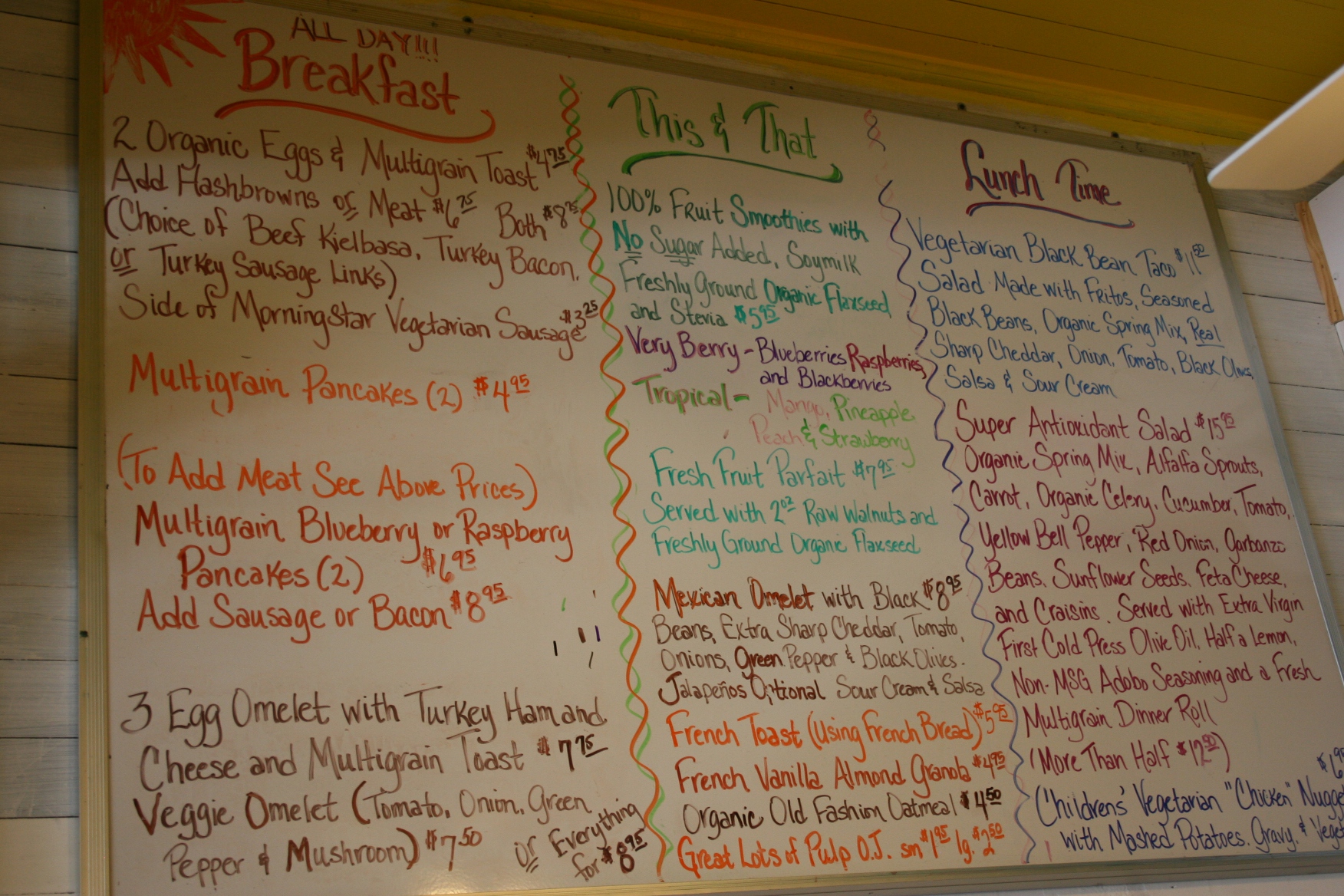
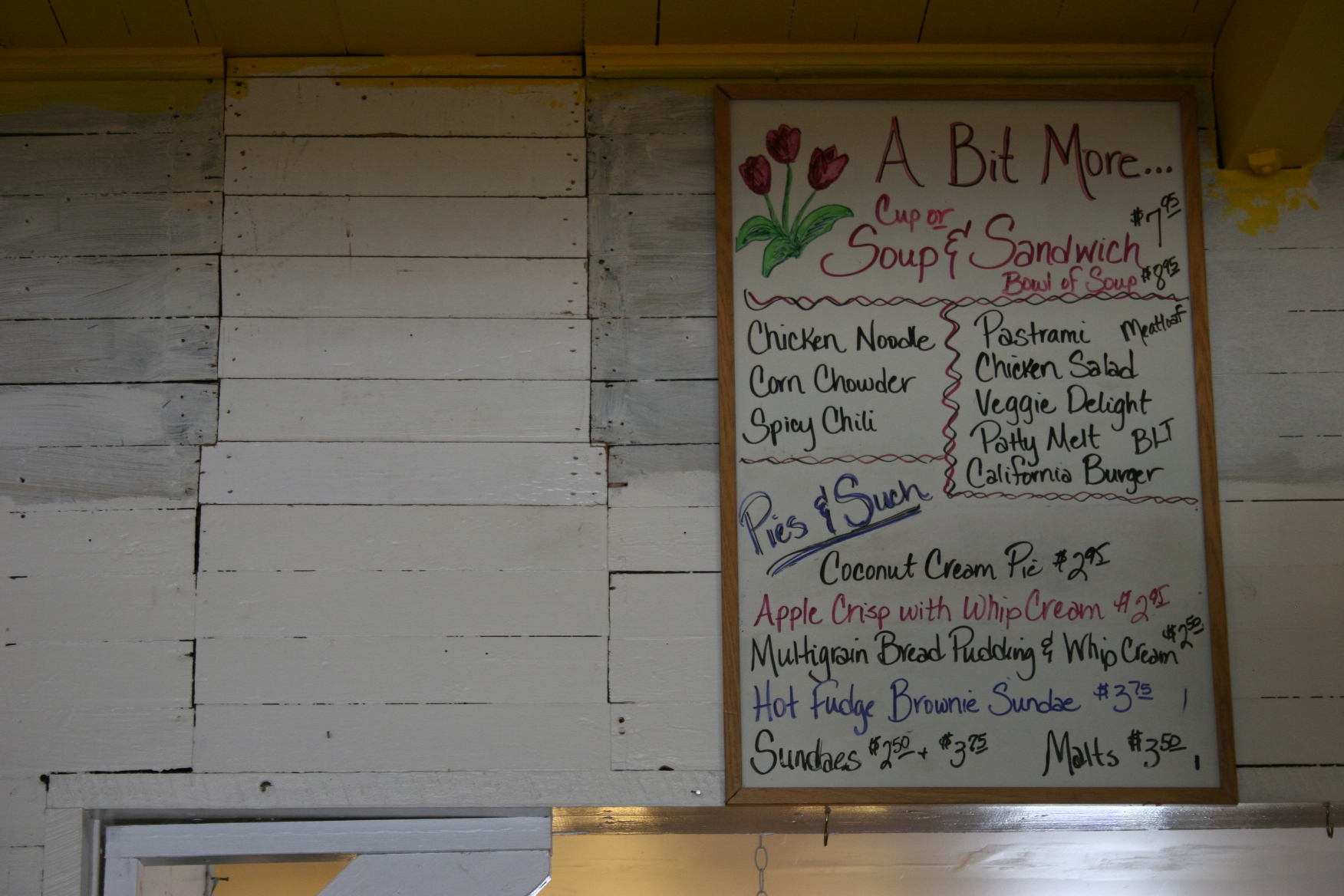
The main menu offers plenty of healthy choices.

The Highland Cafe, you’ll discover, is as much about the casual country atmosphere as about the food. You’ll read words like organic, multigrain, no sugar, soymilk, super antioxidant and fresh on the whiteboard main menu. You’ll also find comfort foods, like real mashed potatoes and gravy, along with fresh vegetables harvested from the cafe garden out back.

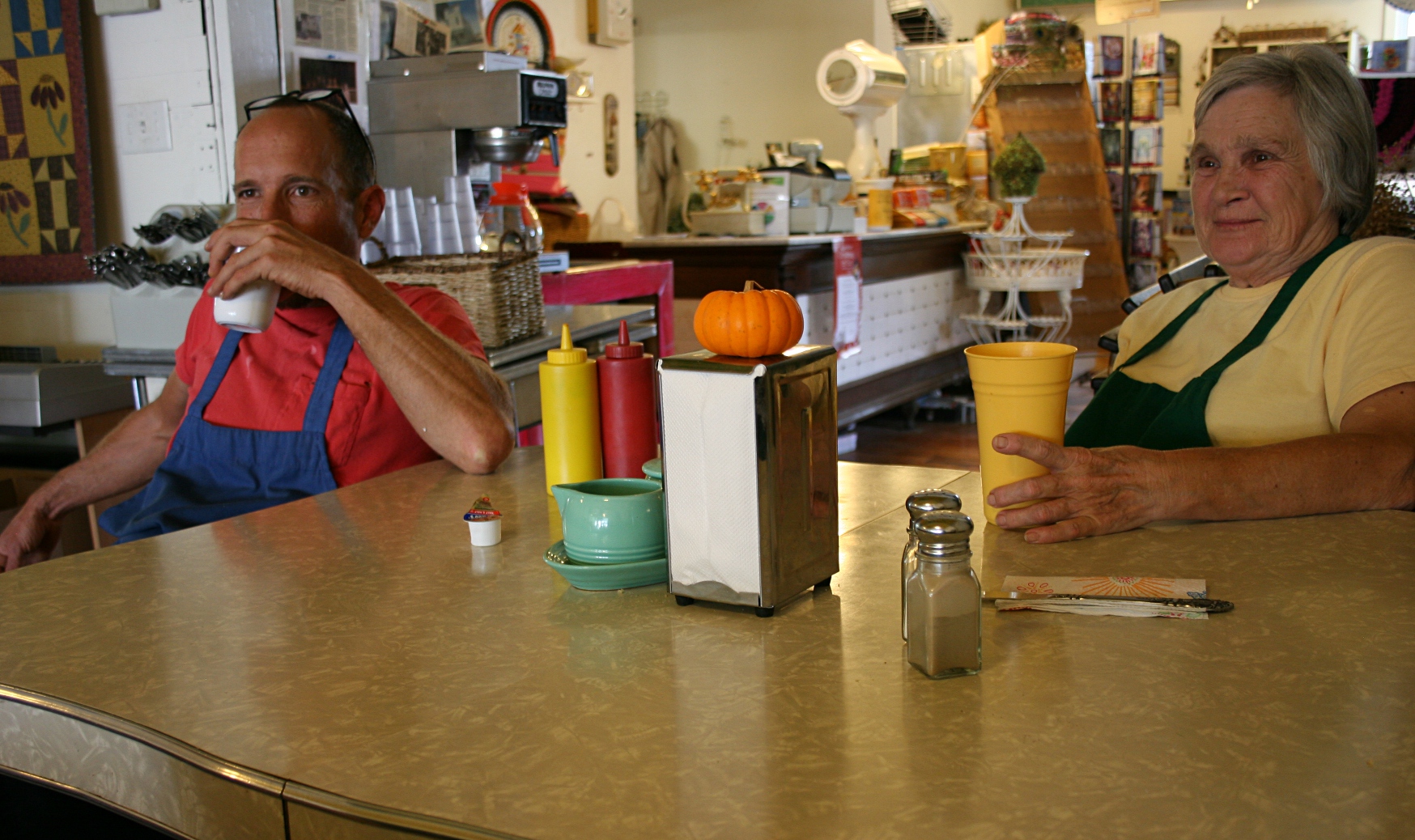
Troy Starks hustles behind the lunch counter toward the kitchen.

Even once mostly meat-and-potato eating local farmers have come around to eating healthier, says Troy Starks who on this Monday is waiting tables while his sister, cafe owner Vicki Hudson, is shopping for groceries. It took some time and convincing, but those stolid farmers are now sometimes ordering the cafe’s super oxidant salads.

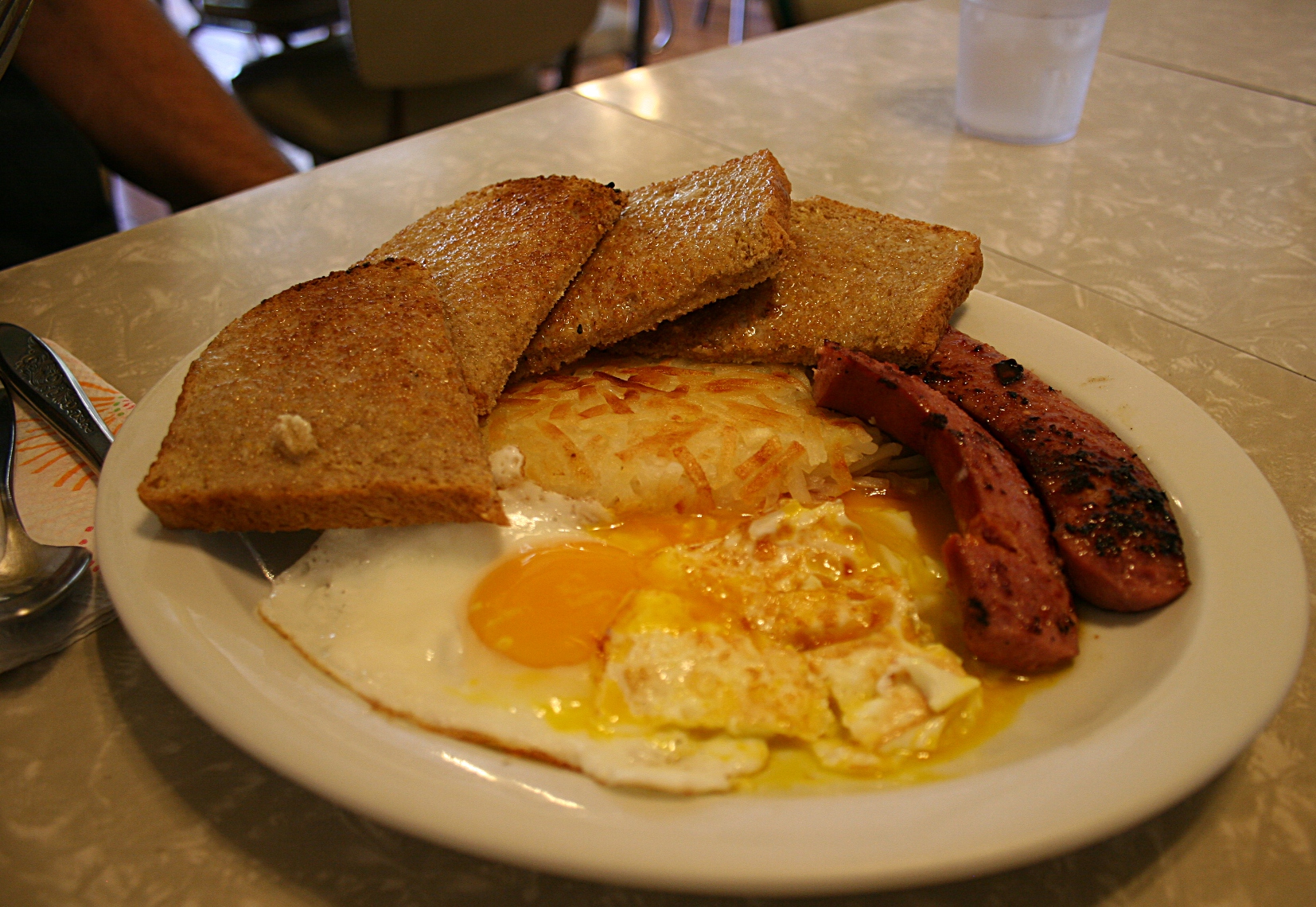
The hearty breakfast my husband ordered, even though the hour was well past breakfast: two organic eggs, multigrain toast, hashbrowns and kielbasa. He broke the egg yolks before I photographed his meal.

While my husband and I await our orders—his a plate of breakfast foods and mine a chicken salad sandwich and a bowl of corn chowder—I strike up a conversation with R.J., dining alone at the table next to us. He’s eating a burger. Turns out young R.J. farms just up the road and sells his grass-fed, antibiotic-free beef to the cafe.

When I point out to R.J. that he’s paying to eat the beef he sold to the cafe, he shoots back with a quick-witted, “Well, at least I know it’s (the beef) good.”

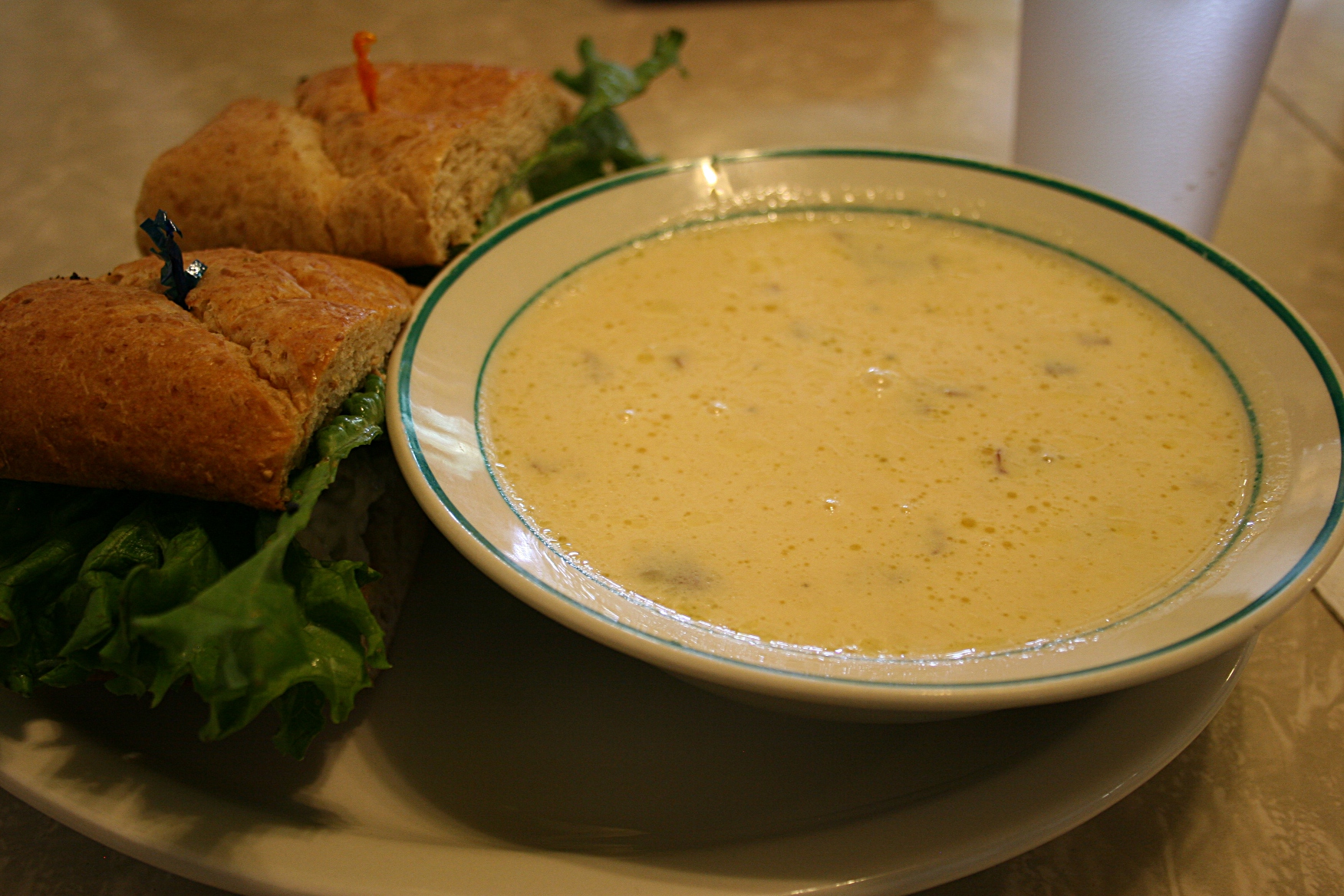
My meal: a chicken salad sandwich and tasty corn chowder.

Good and filling most assuredly define the food here. I wished I wasn’t too full to order a slice of pie or bread pudding or a piece of apple crisp for dessert. But I am. Next time…

And this, dear readers, is where I originally ended this post, which has been sitting in my draft box. Now I must add to this story because cafe owner Vicki Hudson announced to me in an email on Friday that the cafe she purchased five years ago will be closing just before Thanksgiving.

Her mother Sharyn Taylor, the cafe’s chief cook, is “getting tired and will not be up to working another year, so we are closing our doors,” Vicki writes. “…we are going to turn the upstairs into a bed and breakfast and then sell it as a combination bed and breakfast and cafe. It would not be the same without my mom and I feel she has done a tremendous job the past five years.”

Vicki continues: “Maybe there will be someone out there interested in carrying on.”

There. If you are interested in carrying on the fine tradition of the Historic Highland Store and Cafe, preserving a piece of southeastern Minnesota history and more, contact Vicki. Honestly, don’t you just love this unique small town dining spot? I do.

The dessert menu on this particular Monday in October.

FYI: The Historic Highland Store and Cafe is located along Fillmore County Road 10 southeast of Lanesboro in unicorporated Highland. Hours are from 7 a.m. – 3 p.m. Monday-Friday, closed Saturdays and open from 8 a.m. – 3 p.m. Sunday, until just before Thanksgiving.

Yes, the cafe is closed on Saturdays because the building also serves as a ministry for the Seventh Day Adventist Highland Chapel with Sabbath school beginning at 9:30 a.m. followed by an 11 a.m. church service and vegetarian potluck. Bible study is also held at 7 p.m. on Wednesdays and is open to all.

For more information about the Historic Highland Store and Cafe, click here to reach the cafe’s website.

After the lunch rush, Troy Starks and his mom, Sharyn Taylor, sit down to relax and chat. Sharyn is the cafe’s cook.

A comfy and cozy front corner of the cafe.

Even early on a Monday afternoon, the cafe is fairly busy. Occasionally local Amish dine here, intriguing tourists who come to this region of Minnesota. None were here on the Monday we visited. We were told that young Amish women have also worked here on occasion in the kitchen. And at least one  did not show up for work one day, having left the Amish order to “go Englisch.”

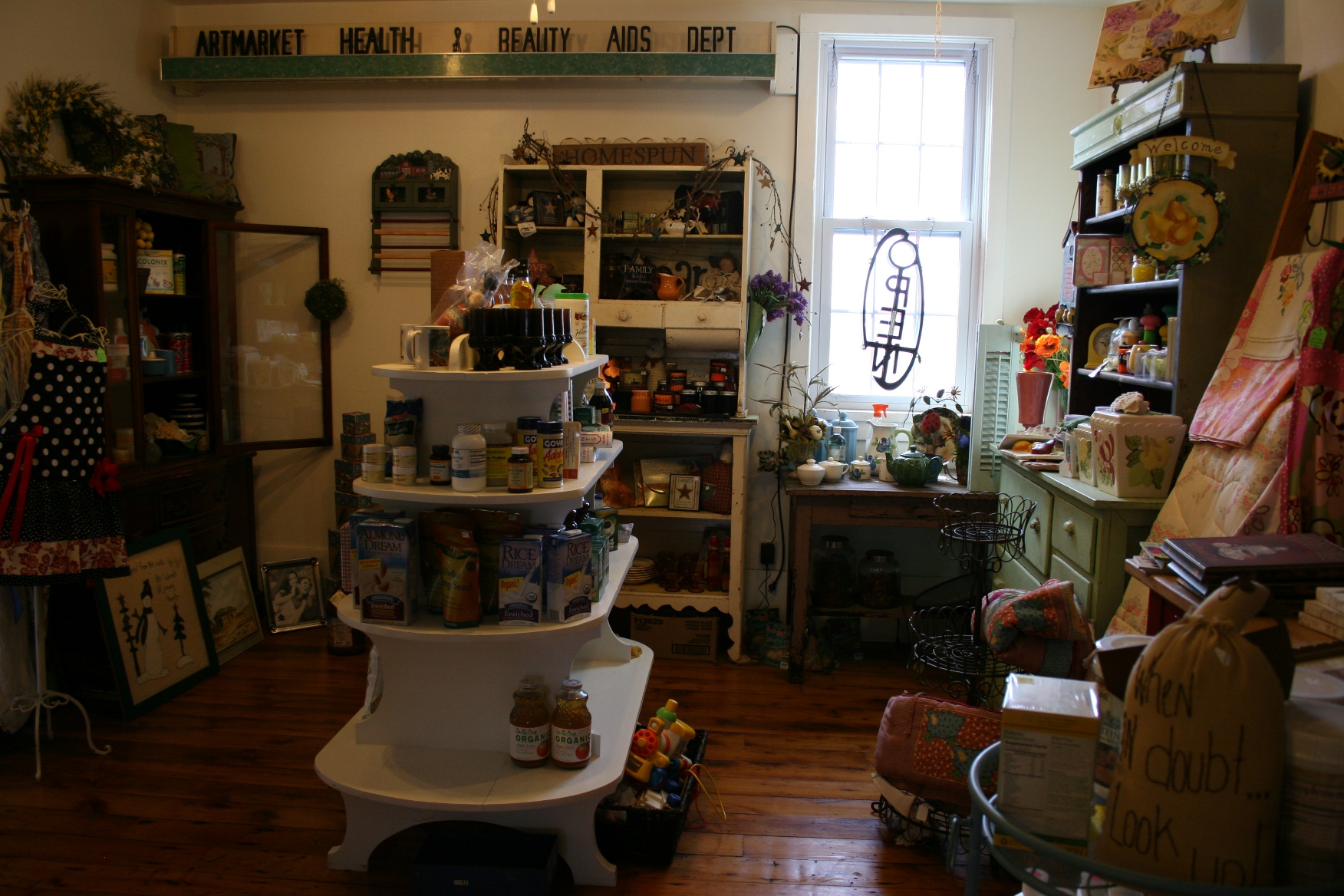
The art market and health and beauty aids department behind the dining room offers an eclectic mix of merchandise.

© Copyright 2012 Audrey Kletscher Helbling
 

Photographing Webster, Minnesota, Part II October 8, 2012

Filed under: Uncategorized — Audrey Kletscher Helbling @ 7:29 AM
Tags: , , , , , , ,

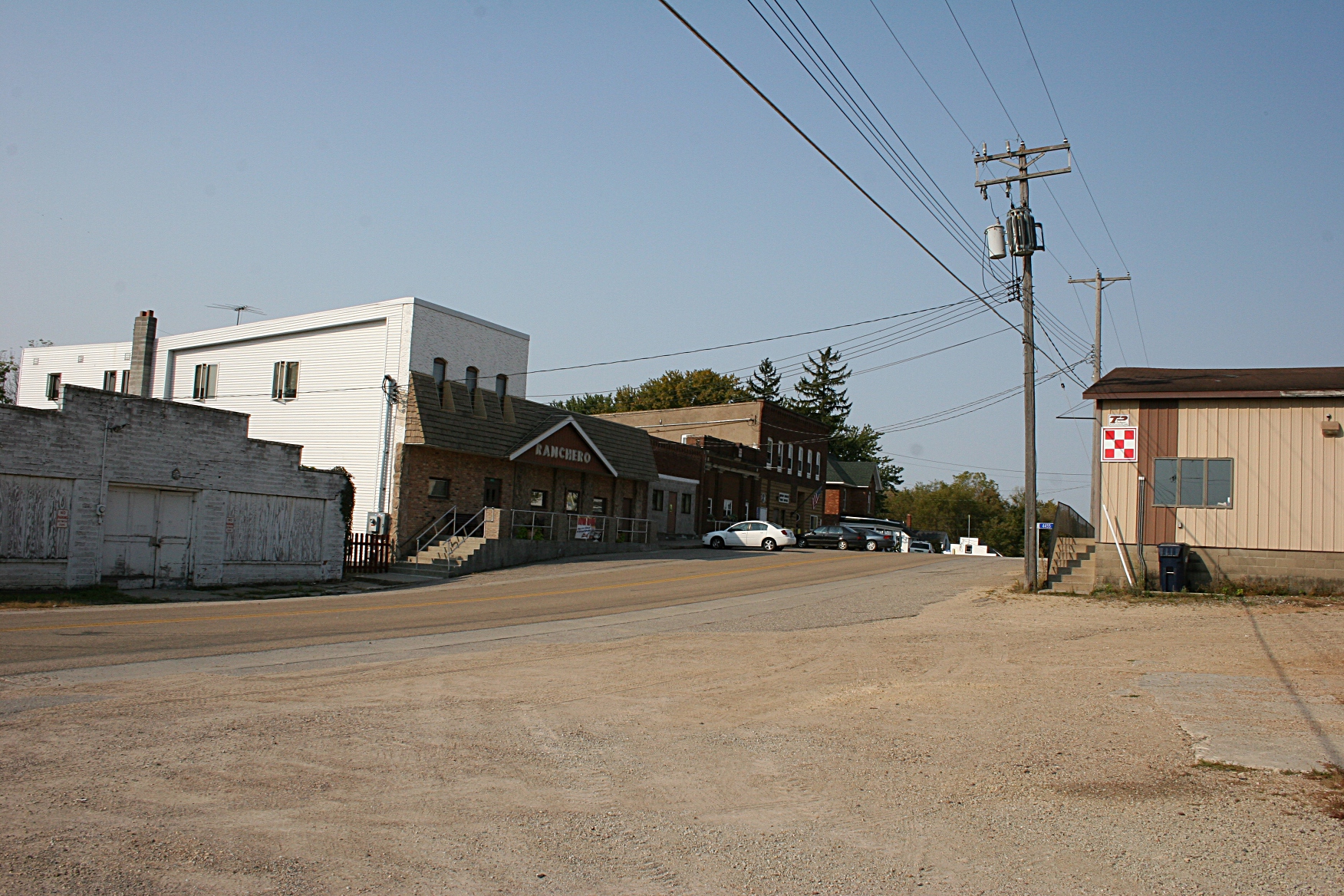
Main Street/Rice County Road 3 in Webster, Minnesota. One of the best known businesses in Webster is the Ranchero Supper Club, near middle in photo, to the left of the white car.

WHENEVER I SNOOP around a small town, I wonder when someone is going to step outside of their home or business and ask why I’m taking pictures. Only once has that happened in my many Main Street visits. That was in Otisco, south of Waseca. When I explained who I was, the local relaxed.

If I lived in one of these rural towns and saw a stranger wandering with a camera, I’d question him/her, too.  But that’s me.

My traveling companion, my husband, is used to my curious ways, my quest for interesting photos. He even tips me off occasionally to photo possibilities. Yes, he’s a quick study.

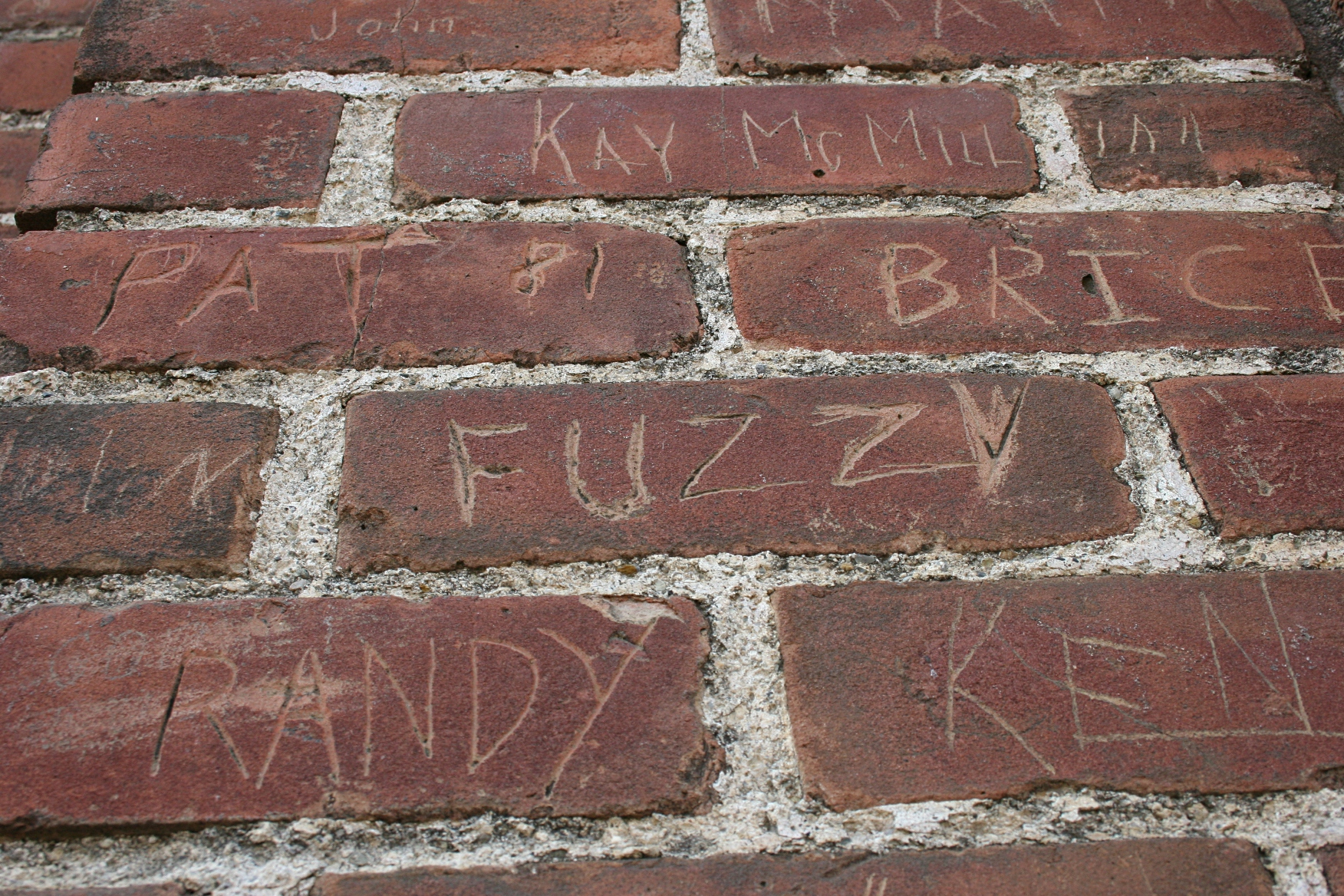
One of the more unusual finds in Webster was this graffiti etched into brick on a downtown building. Names covered several separate sections of wall. I photographed this particular section because of the name Randy (my husband’s name) and “FUZZY,” which was the nickname for one of his sisters. No, they did no etch their names here. Anyone know the story behind all of this downtown graffiti?

Sometimes he probably thinks my photo ideas are crazy. But if he does, my spouse has the good sense not to tell me.

Here are the remainder of the interesting (at least from my perspective) photos I shot in Webster in northern Rice County several weeks ago.

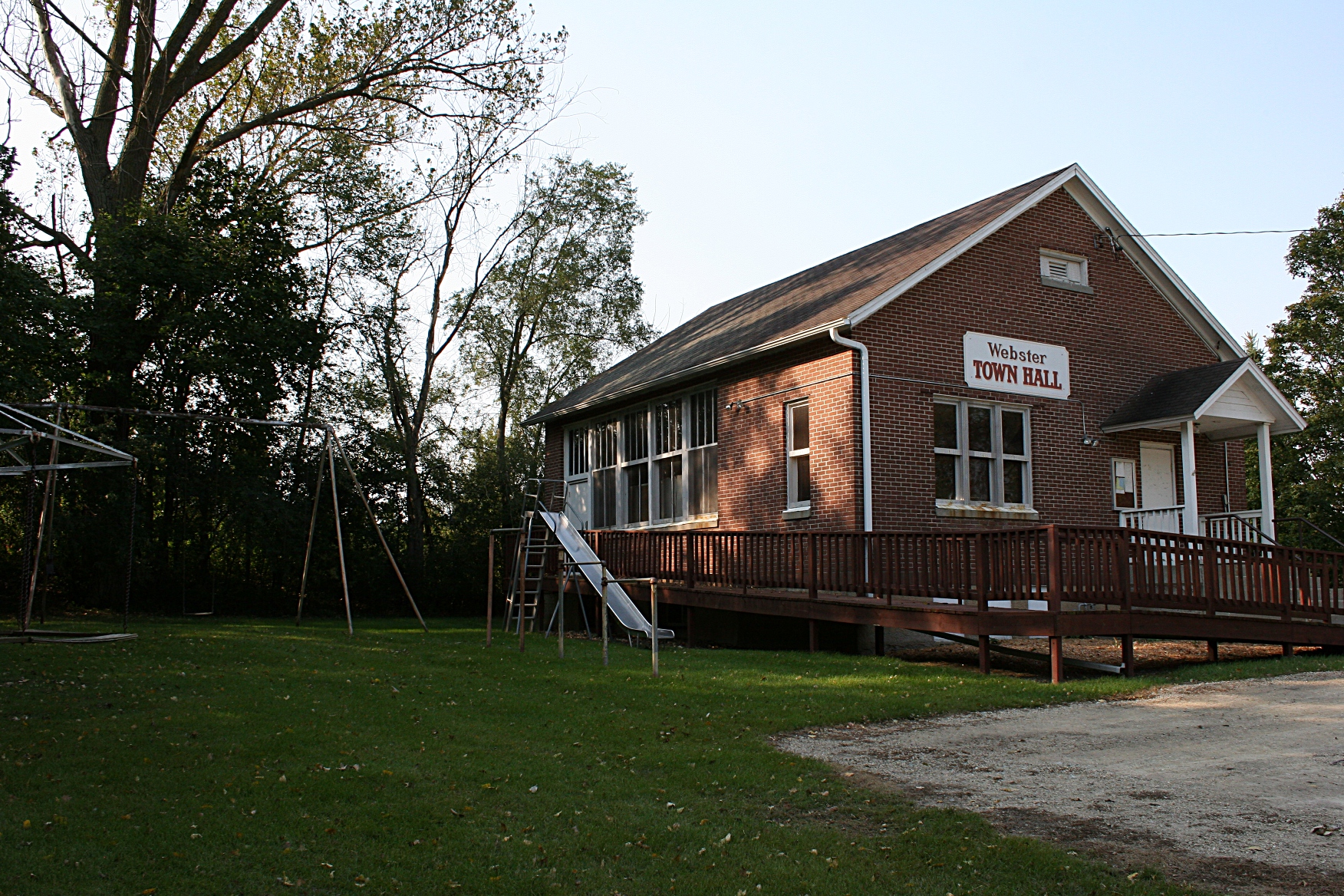
More brick at the Webster Town Hall, a former school, I presume. I love that the old playground equipment has not been removed due to safety concerns. That’s the edge of an old merry-go-round you’re seeing to the left in the frame.

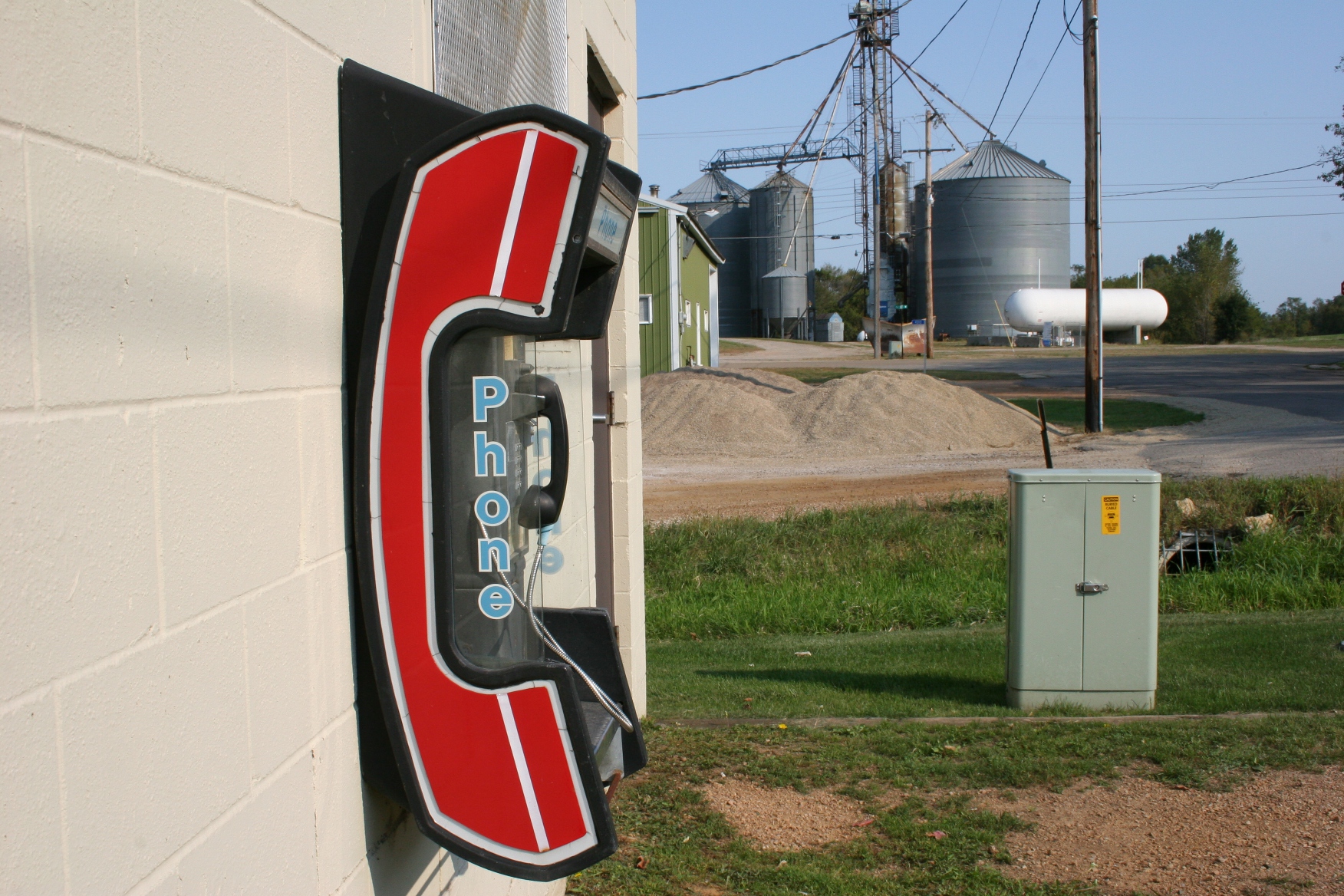
And just how often do you see a pay phone anymore? Well, in Webster you’ll find this one.

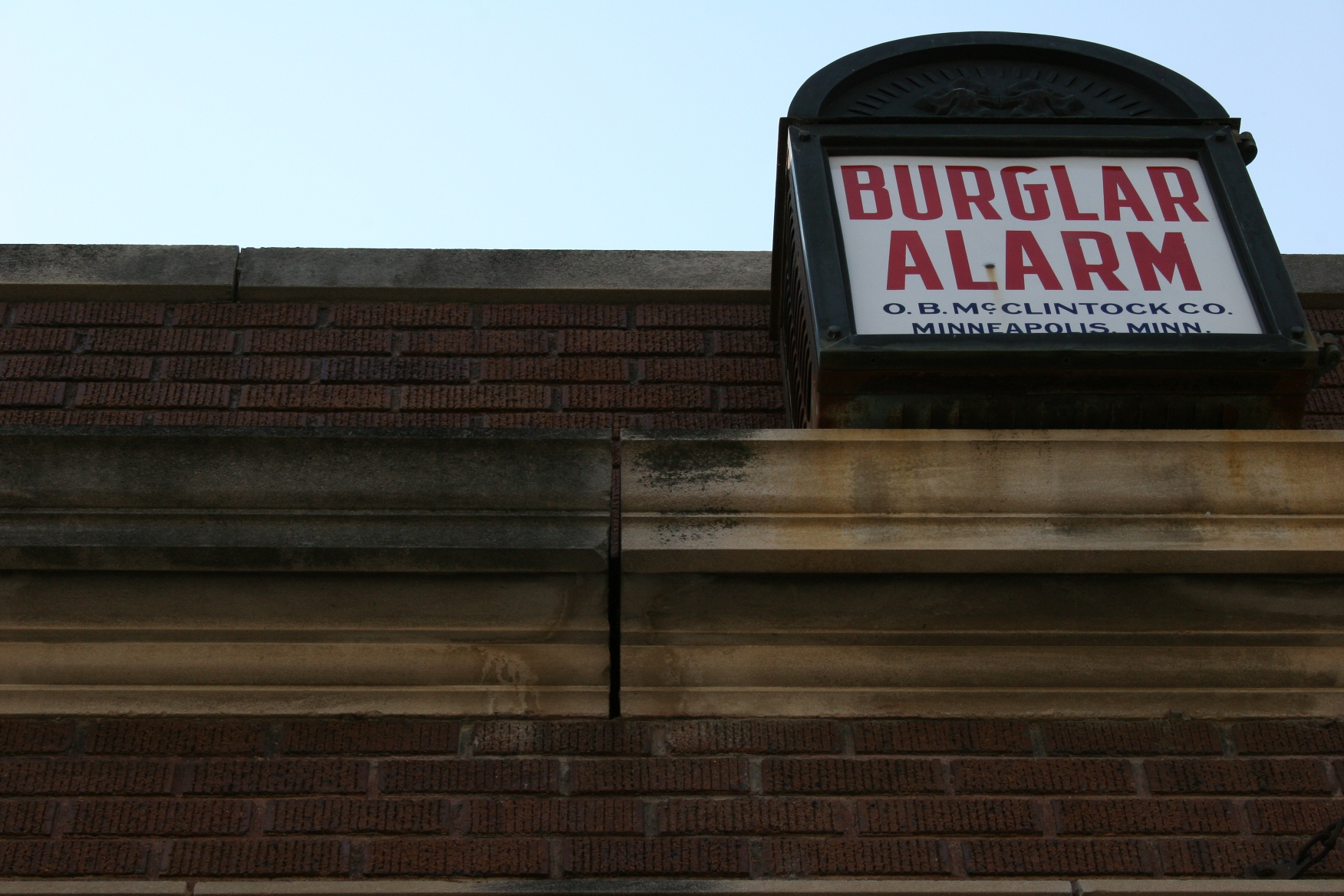
Interesting signage atop what I think is a former bank building.

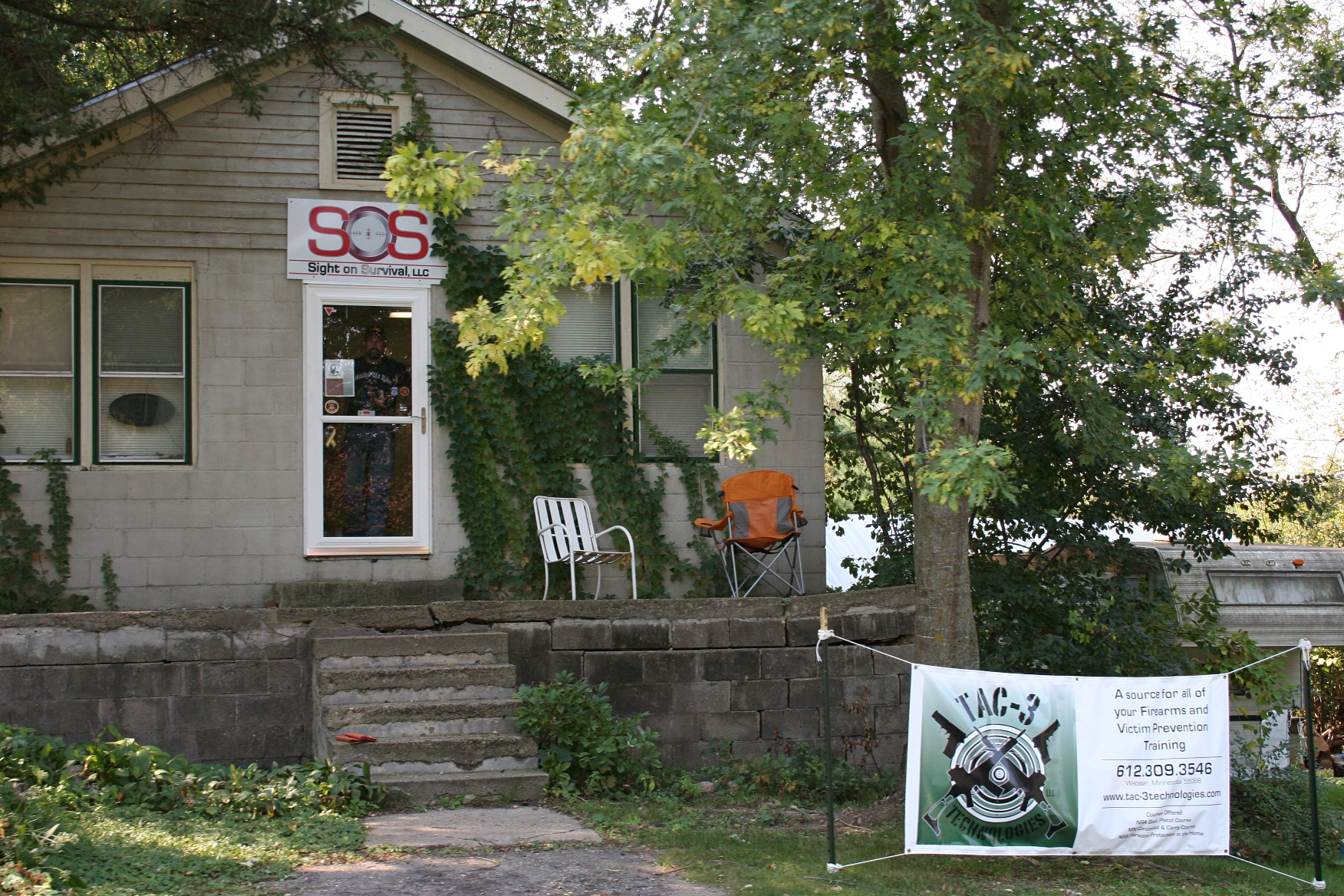
One of Webster’s most interesting businesses: Sight on Survival, “a defensive products and law enforcement gear retail store.”

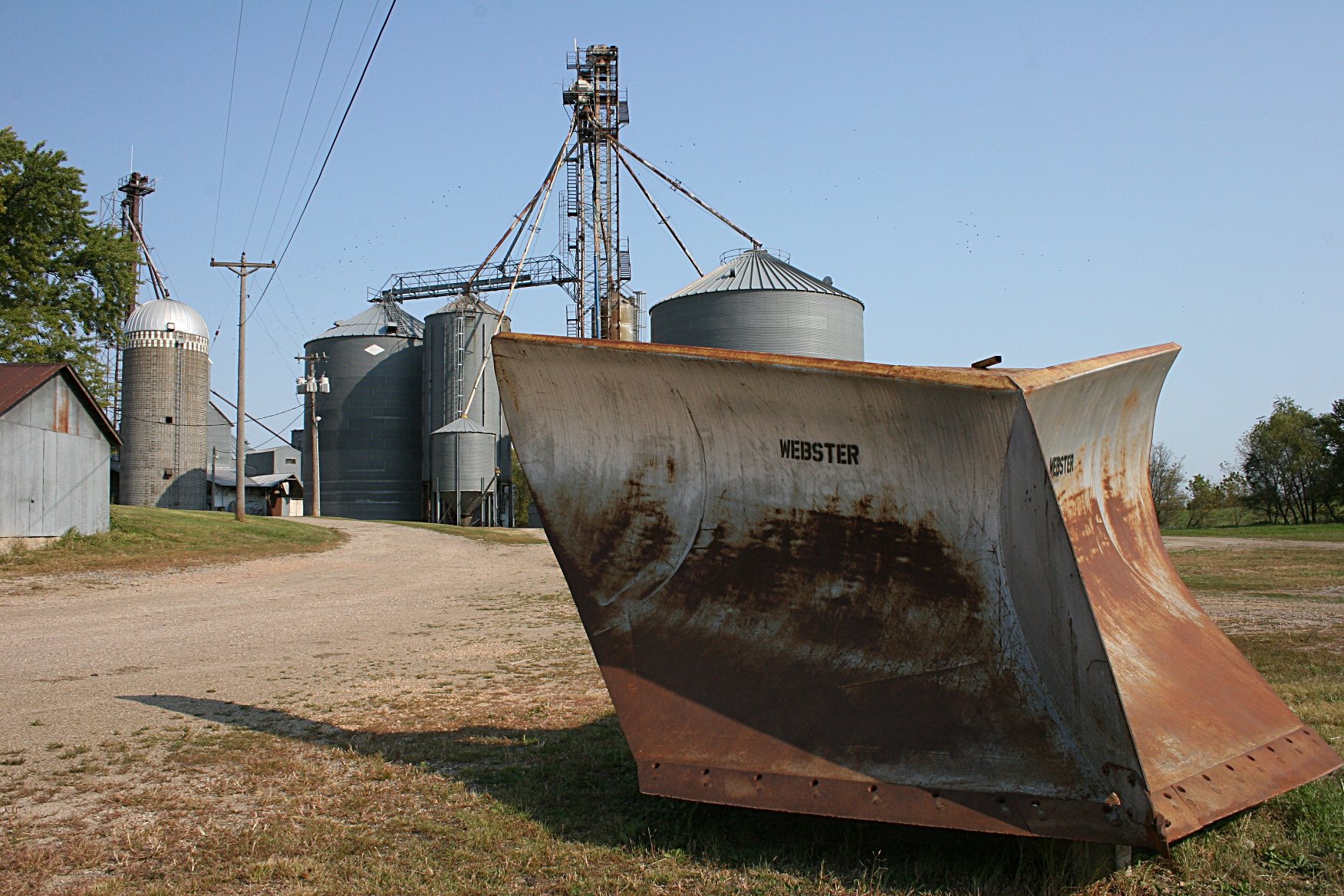
A snowplow blade awaits winter’s arrival.

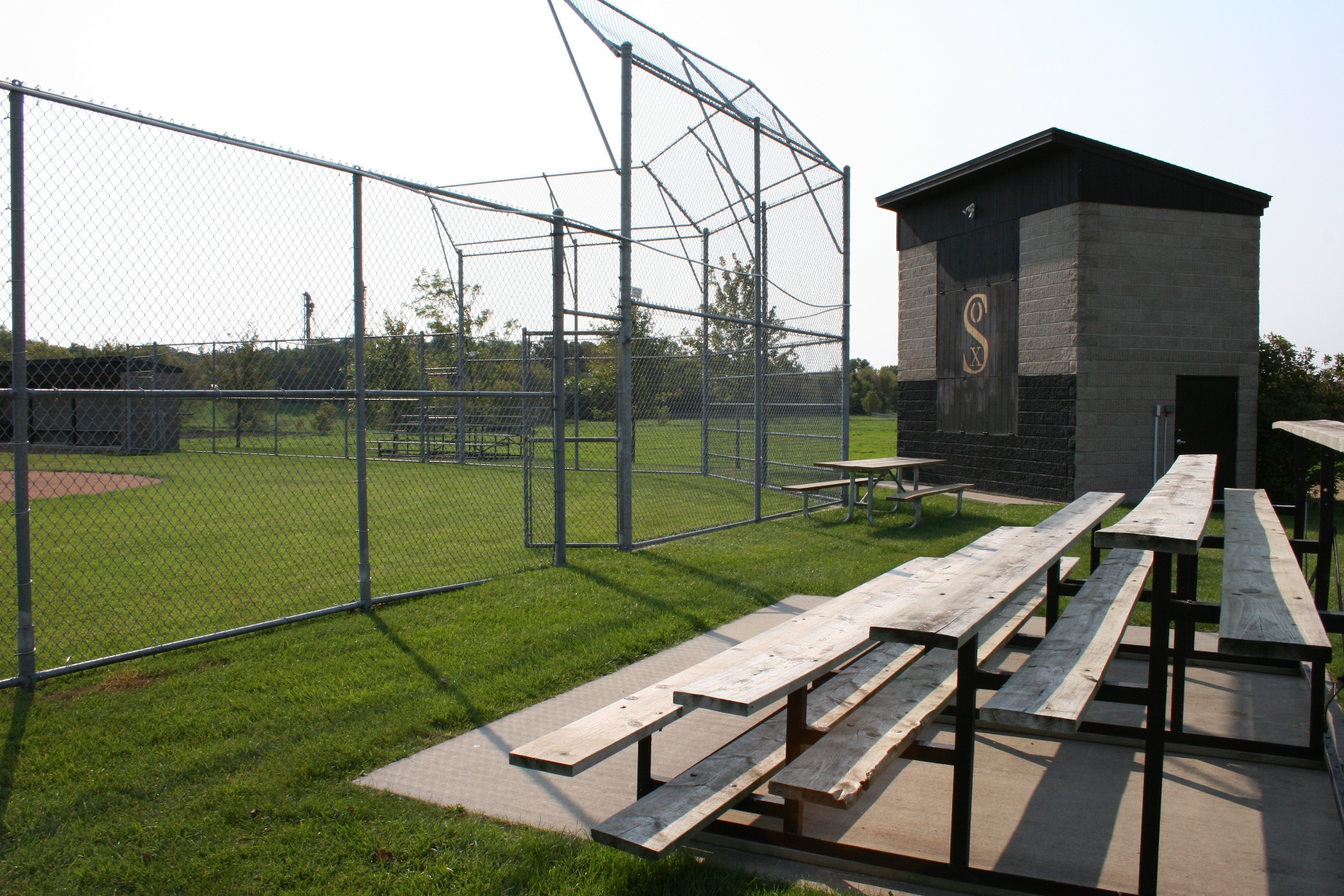
To the west of Webster lies one of the most beautiful multi-purpose parks I’ve seen, the Webster Township Park. the park includes this ball diamond, basketball court, horseshoe pits, playground, picnic shelter and grills, nature trail and more.

TO SEE ADDITIONAL images, click here to link to my previous post, “Webster, Minnesota, on a Sunday morning in September.”

Copyright 2012 Audrey Kletscher Helbling
 

Caution: Machinery, deer (maybe even a John Deere) & a cold front October 4, 2012

Filed under: Uncategorized — Audrey Kletscher Helbling @ 8:33 AM
Tags: , , , , , , , , , ,

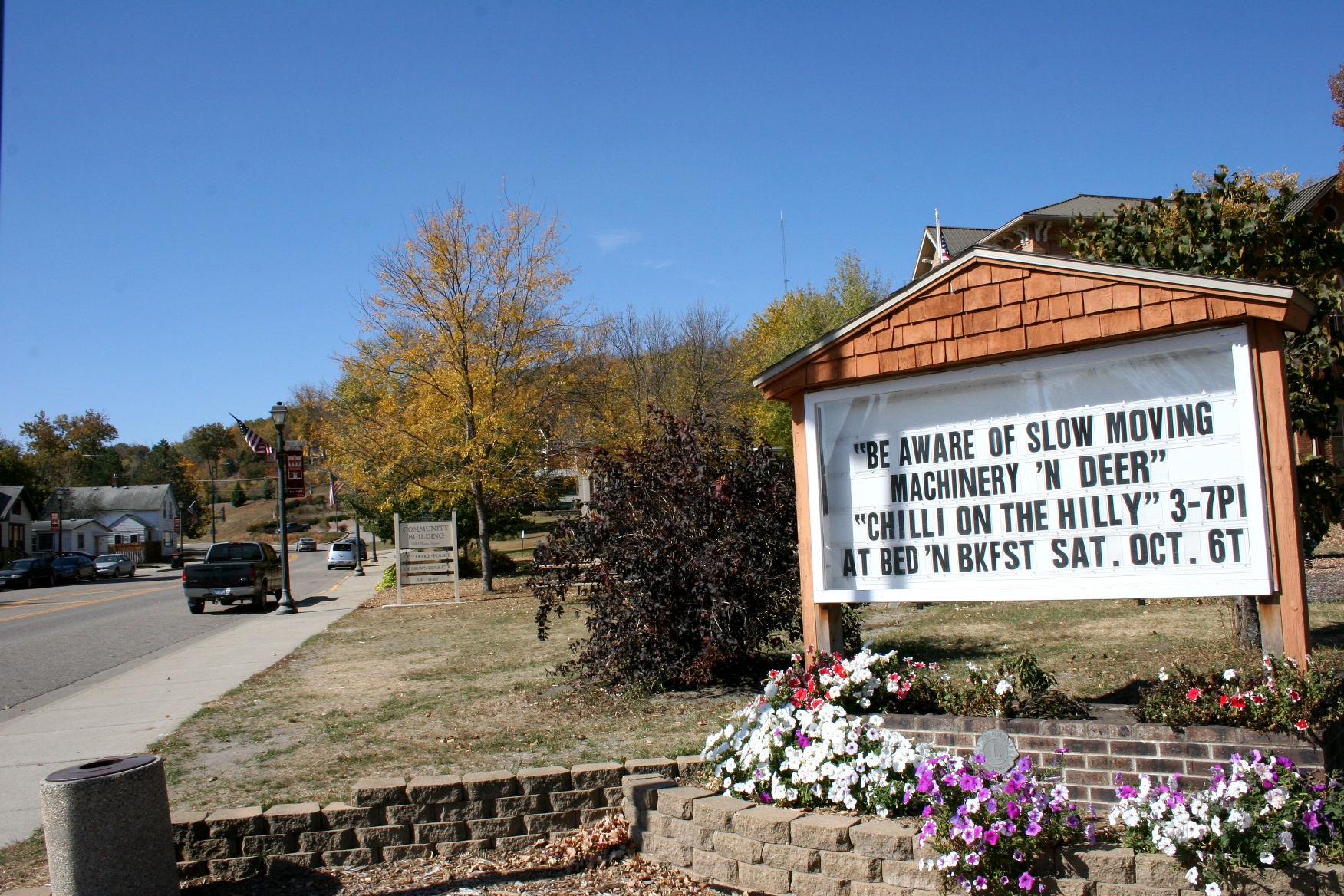
IF YOU LIVE IN MINNESOTA, in the heart of farm land, you’ll totally understand the first part of the message below posted on a sign in front of the Henderson City Hall.

Slow moving farm machinery and deer chased from their habitat most assuredly are reasons to be extra cautious while traveling rural roads during the fall harvest.

As for that “Chilli on the Hilly,” strike the second “l” in “chilli” and you have chili served this coming Saturday at the Henderson House Bed and Breakfast up that road to the left (Minnesota Highway 19) and around the curve and then to the  right up the steep hill.

Or, strike that second “l”  in “chilli” and change the second “i” to a “y” and you have the current weather in Minnesota. Chilly. Ten inches of snow forecast for northwestern Minnesota today, folks.

Copyright 2012 Audrey Kletscher Helbling
 

Webster, Minnesota, on a Sunday morning in September October 3, 2012

Filed under: Uncategorized — Audrey Kletscher Helbling @ 9:39 AM
Tags: , , , , , , ,

Reflections in the window of the Webster Post Office.

IN WEBSTER, MINNESOTA, on a Sunday morning, the rooster crowed…

 the black cat prowled…

and the John Deere combine roared through town.

And we were an hour late for worship services at St. John’s Lutheran Church (due to an incorrect time published in an area newspaper).

Because we missed church and had an hour before serving of the annual fall harvest dinner at St. John’s, my husband and I had more than enough time to explore this unincorporated village in northern Rice County some 30 minutes south of the Twin Cities.

BRO Machine Company housed in an old creamery.

It takes all of about a few minutes to drive around Webster, unless you park, get out and search for photo ops to define the essence of this rural community. Only then do you notice the nuances that give Webster its character.

Like any small town, it’s worth your time to stop and appreciate, to notice the bikes dropped by kids on lawns, the toy trucks abandoned outside front doors, the aging buildings, the well-kept yards with beautiful flower gardens, and the rolling countryside around Webster. All of this makes you (or at least me) want to pull up roots and move to this peaceful place.

But since that’s not practical…I took photos a few weeks ago…in September.

A beautifully-landscaped yard in Webster.

A front yard in Webster.

I was particularly charmed by the friendly MN Valley Co-op Supply sign on the side of the building.

PLEASE CHECK BACK for one more post with images of Webster, which is only a few blocks long and wide.

© Copyright 2012 Audrey Kletscher Helbling
 

Scenic southeastern Minnesota on a Sunday afternoon in autumn September 30, 2012

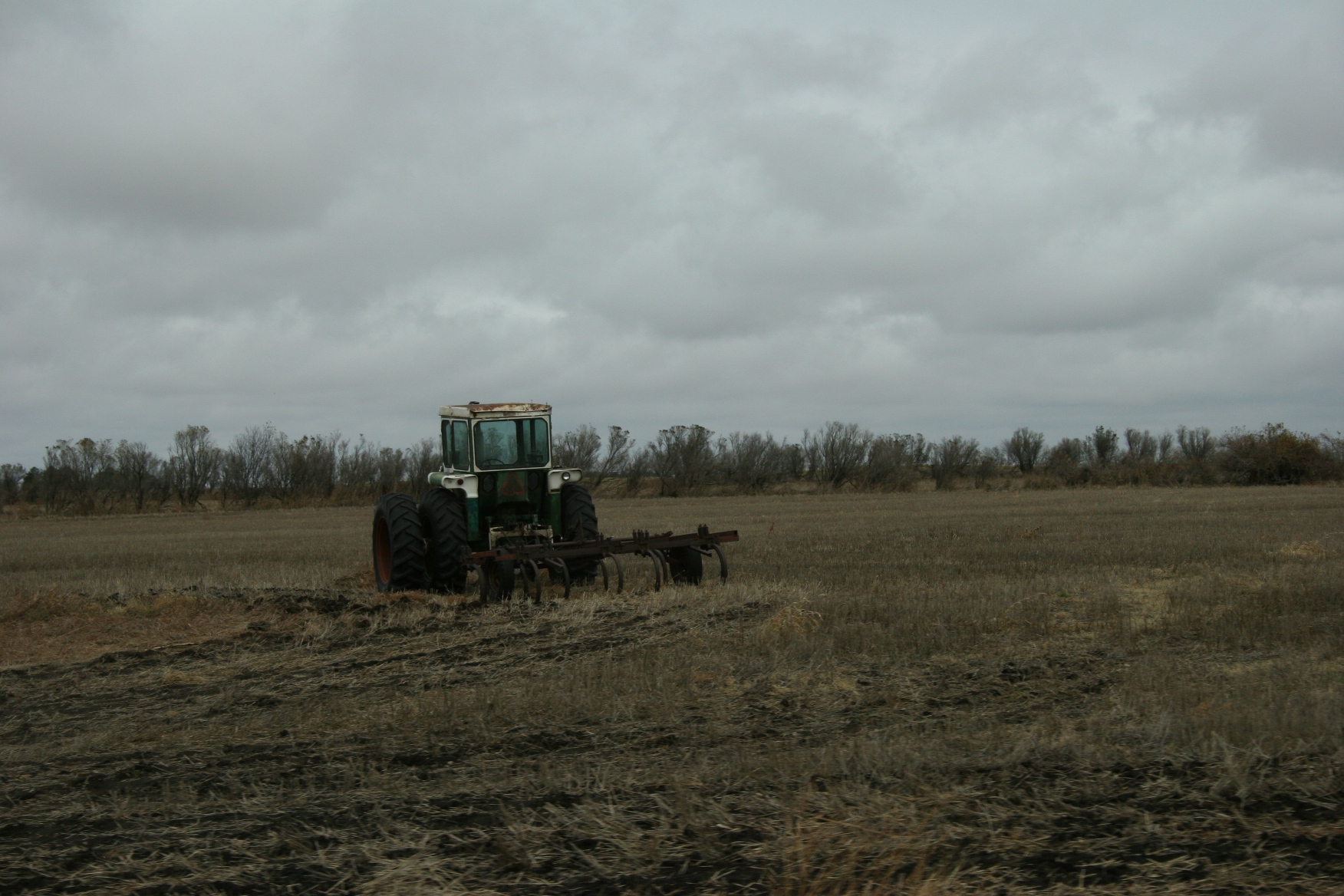
West of Faribault on Sunday afternoon.

I NEVER TIRE OF IT. Never. Autumn in Minnesota is stunningly beautiful. Stunning.

A Sunday afternoon drive took my husband and me west of our Faribault home along Cedar Lake Boulevard and then on Old Dodd Road, all the way to Kilkenny.

Lake Francis, Elysian

From the Irish settlement, we continued west and then south and west and south and, well, I don’t navigate, until we entered Elysian from the north.

Tetonka Lake, Waterville

We then aimed back east and north along a dusty gravel road and then a tar road to Waterville.

Northeast of Waterville.

We traveled through the North Morristown area and, nearing Faribault, skirted Cannon Lake on the north and east.
It was, for us, a leisurely horseshoe drive to view lovely Autumn, dressed in her Sunday best.

North and east of Waterville somewhere, maybe closer to North Morristown.

A lovely treeline somewhere on the eastern end of our route.

Along Seventh Street in Faribault….my community has stunning autumn colors along many, many residential streets.
A block away up the hill from my house are some of the most blazing gorgeous trees in town lining Second Avenue Southwest by Bethlehem Academy.

© Copyright 2012 Audrey Kletscher Helbling