Minnesota Prairie Roots

Writing and photography by Audrey Kletscher Helbling

Touring a third-generation family print shop in Fergus Falls May 23, 2013

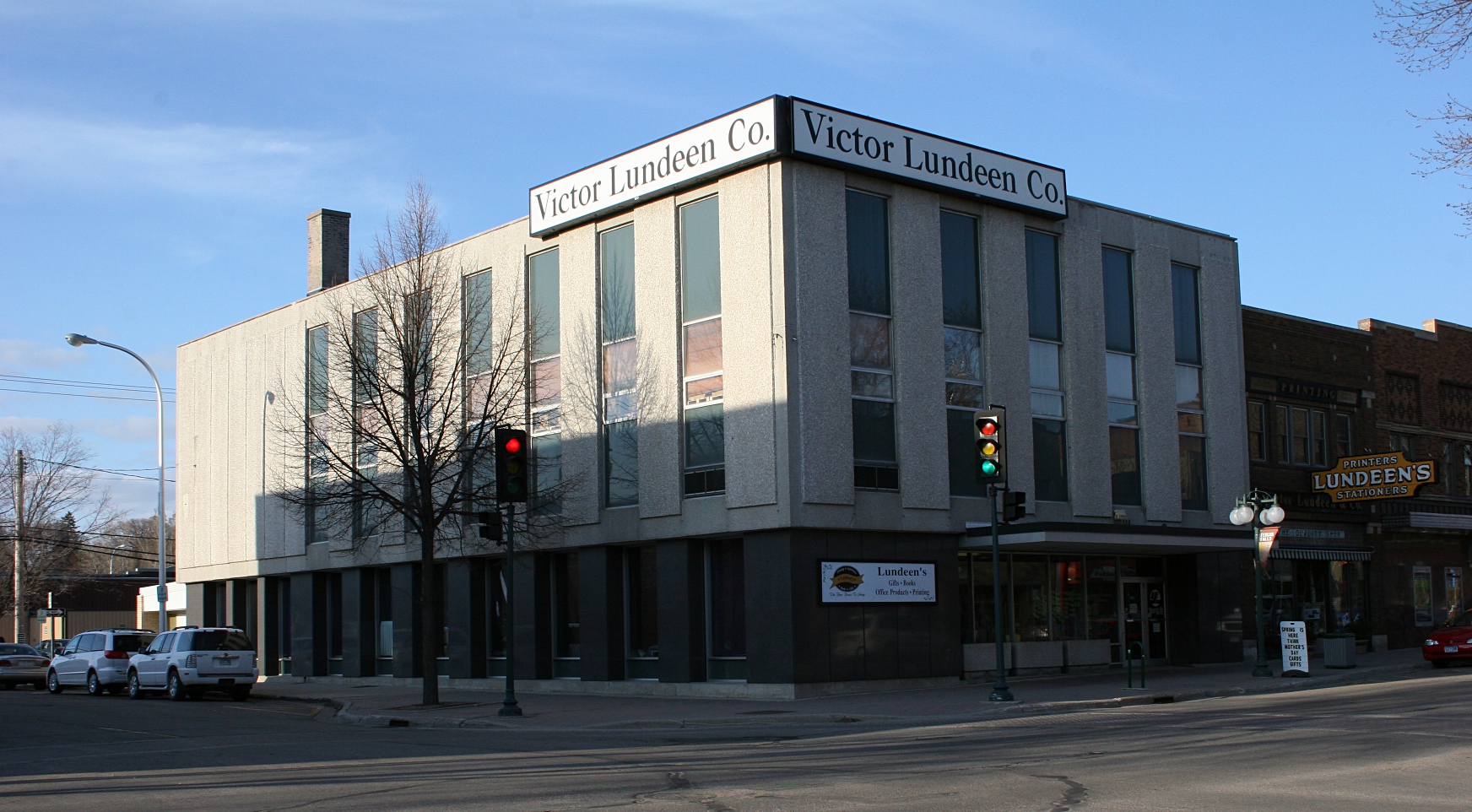
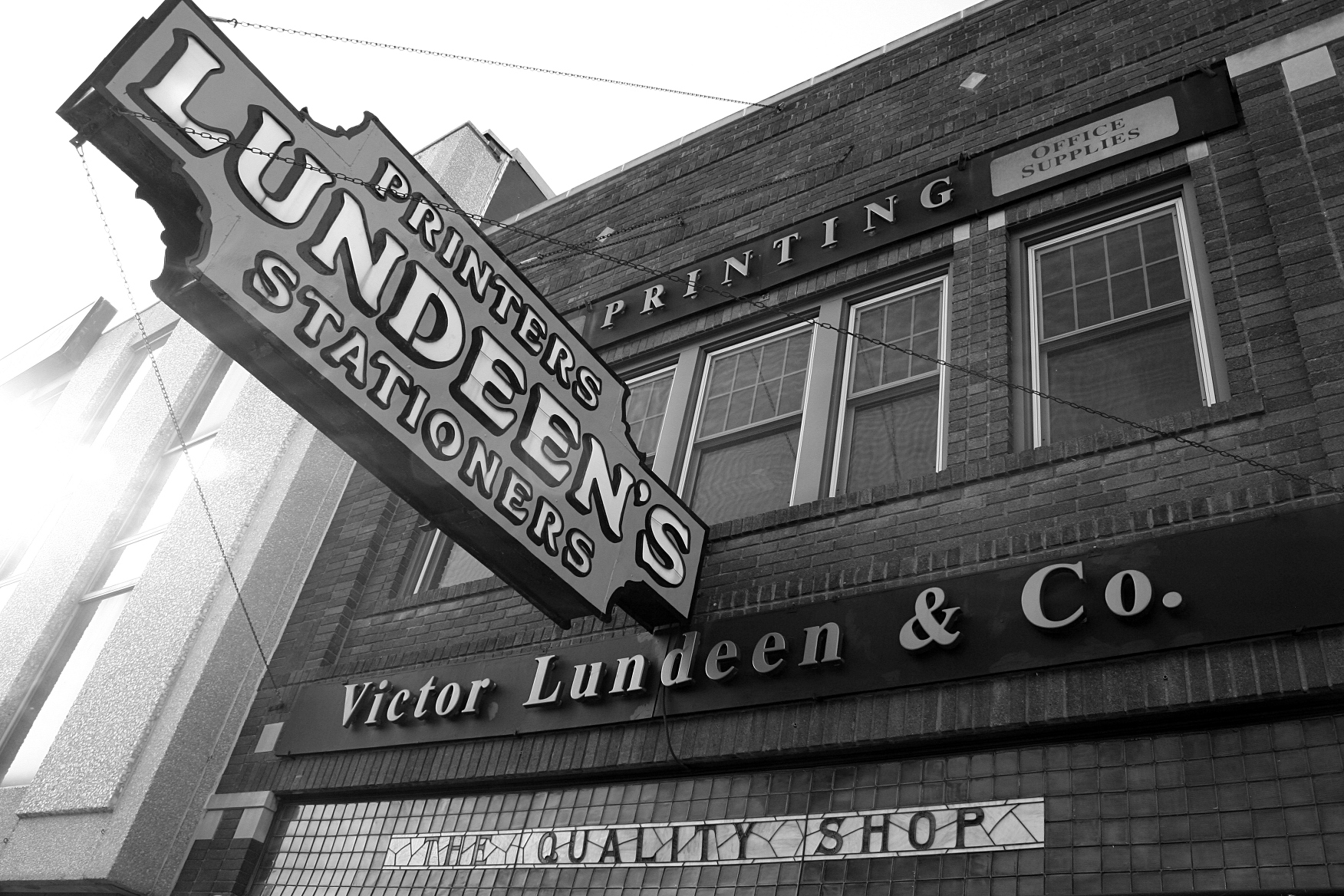
The Victor Lundeen Company, located in the 100 block of West Lincoln Avenue, downtown Fergus Falls.

The Victor Lundeen Company, located in the 100 block of West Lincoln Avenue, downtown Fergus Falls.

ON A RECENT IMPROMPTU TOUR of a third-generation family-owned print shop in Fergus Falls, I couldn’t contain my giddiness over drawers of aged logos/artwork, handcrafted stamps, stacks of paper, even the vintage cabinets and stools and carts.

I was just giddy over all this handcrafted vintage art tucked into drawers.

I was just giddy over all this handcrafted vintage art tucked into drawers.

The 99-year-old Victor Lundeen Company is the type of place that appeals to a writer like me, with ink flowing through my veins.

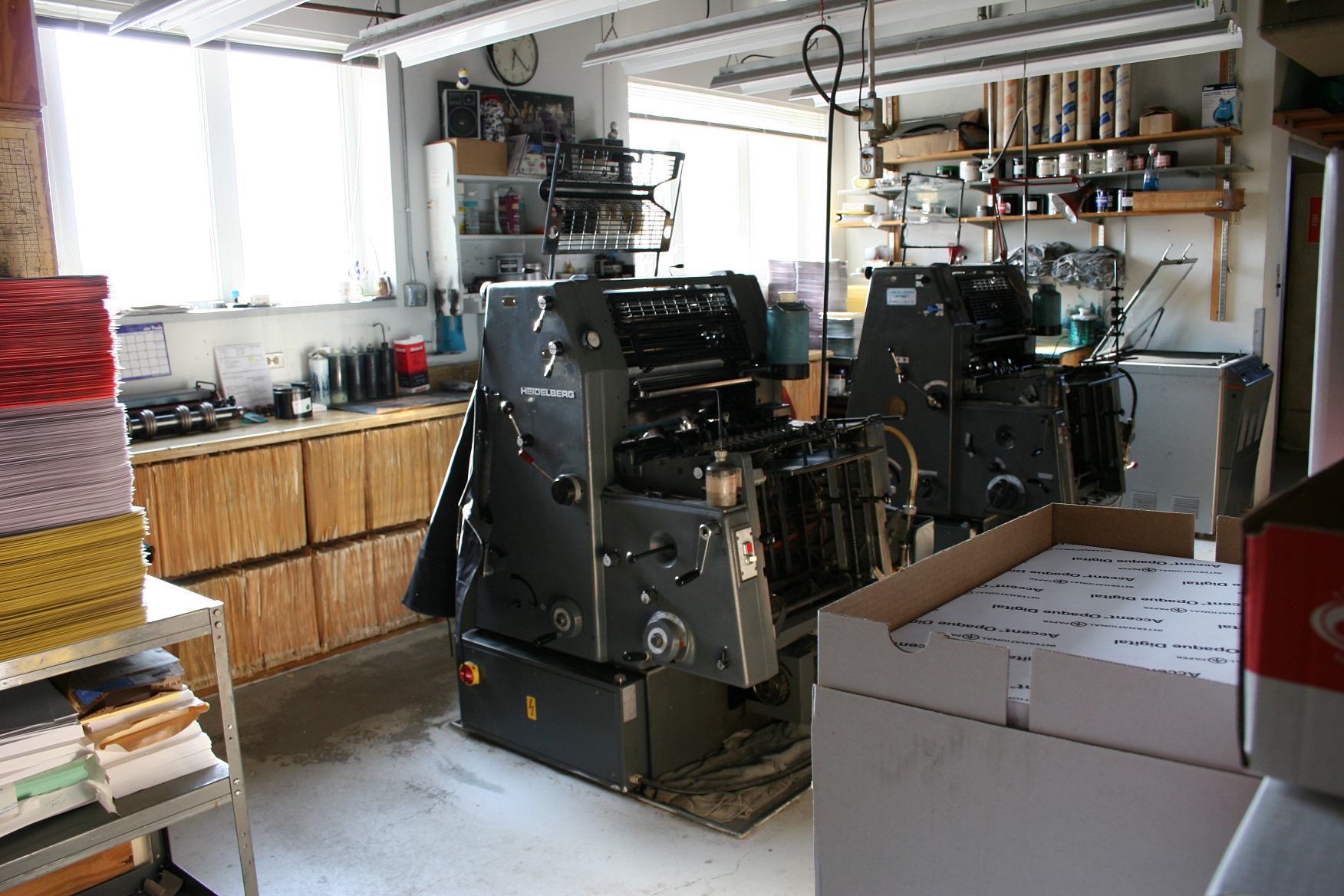
The 1960s Heidelberg offset presses, still used in the second floor print shop.

The 1960s Heidelberg offset presses, still used in the second floor print shop.

Ah, the ink. The smell of ink. I just stood there beside owner Paul Lundeen’s vintage 1960s Heidelberg offset presses, breathing in the distinct scent of ink imprinted upon my memory.

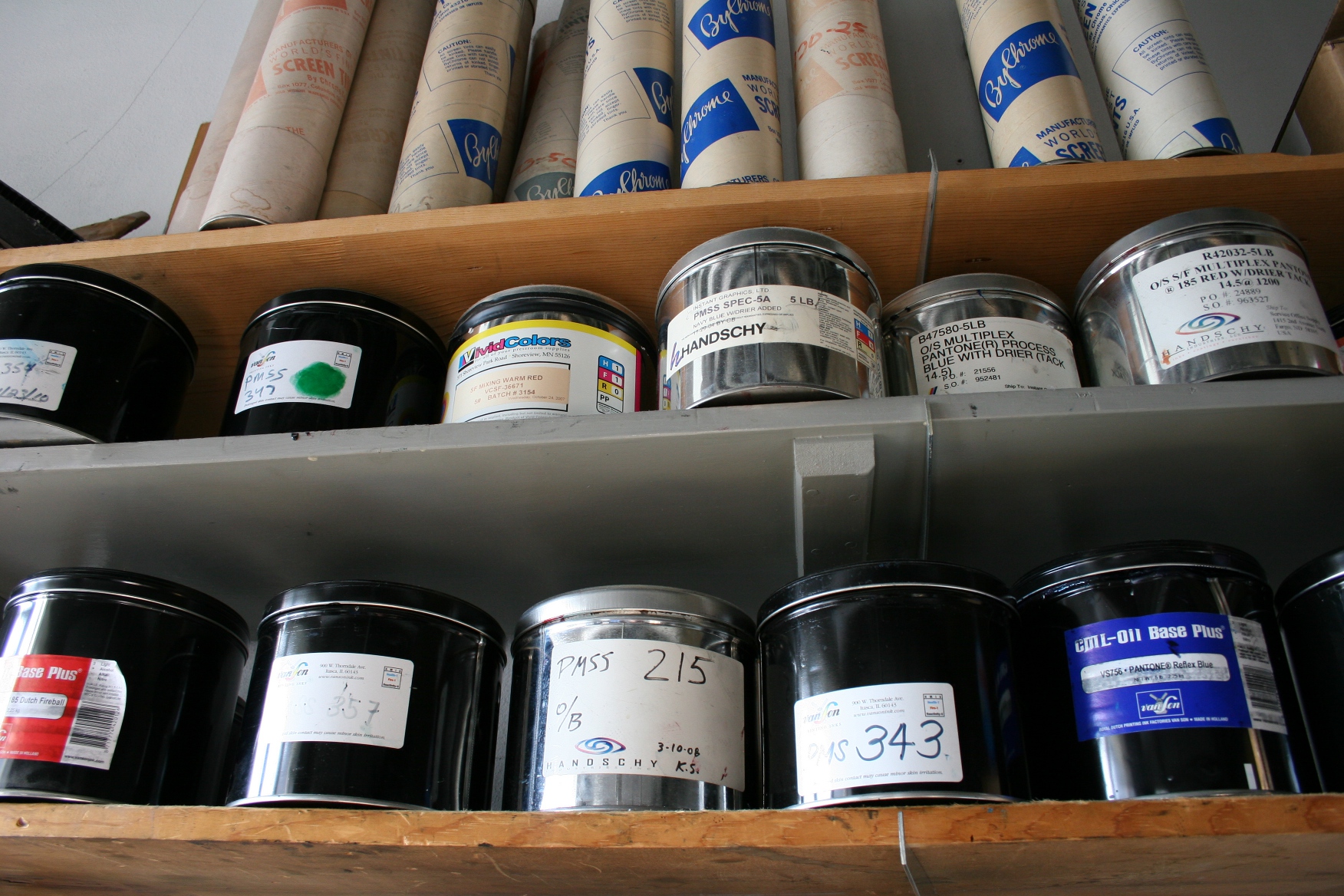
Cans of ink line shelves.

Cans of ink line shelves.

Decades ago, working at The Gaylord Hub as a young newspaper reporter and photographer fresh out of college, I first smelled that ink, heard the clack-clack-clack of ancient machines printing auction bills. I watched Frank “Chick” Deis set type on the old letterpress.

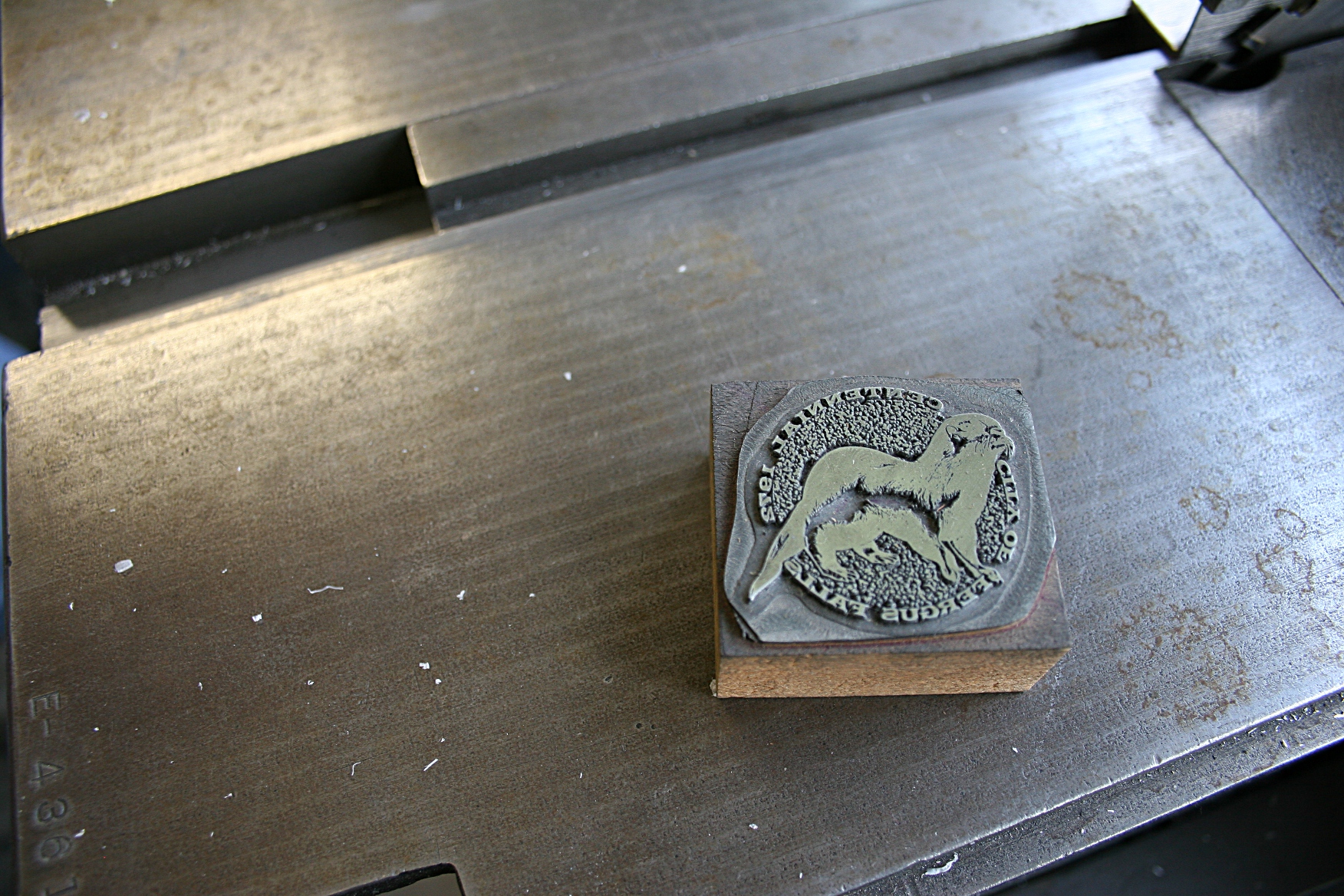
While digging through all that vintage art, we found this City of Fergus Falls Centennial Seal of an otter. The city is located  in Otter Tail County.

While digging through all that vintage art, we found this City of Fergus Falls Centennial Seal of an otter. The city is located in Otter Tail County. The Lundeens recently sold all but one letterpress.

Such memories endear me to places like Victor Lundeen Company, started in 1914 by Victor Lundeen, Sr., who bought out a Fargo print shop and moved the equipment to his hometown of Fergus Falls. Today the company is owned by Victor Lundeen, Jr., and his son, Paul Lundeen.

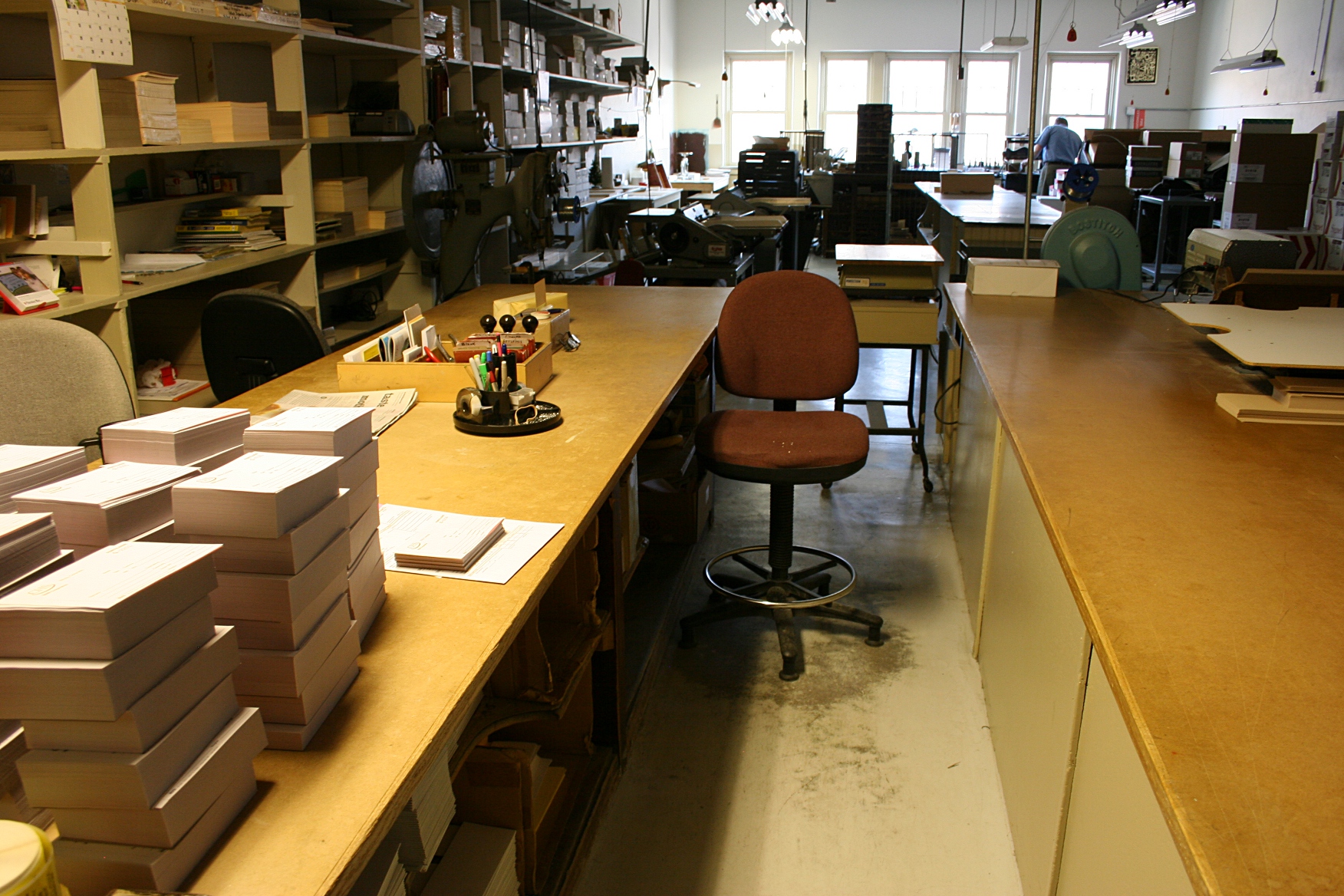
A portion of the print shop looking toward the bank of street-side windows.

A portion of the print shop looking toward the bank of street-side windows.

I find it especially impressive, in this advanced technological age, that printing businesses like the Lundeen Company can survive, even seemingly thrive. This Fergus Falls firm has apparently found its niche in focusing on agri-business needs primarily in Minnesota, the Dakotas and Montana, but also extending to grain elevator businesses nationwide.

That said, this family-owned print shop, which employs eight in production (30 total in all aspects of the company), also values the individual walk-in customer. Paul didn’t specifically tell me that during our tour. Rather, I surmised that when, for example, I noticed the corner area where employees engrave gold foil names onto bibles for Confirmation gifts. Just like my King James bible imprinted with my name and given to me by my parents on my Confirmation Day in 1970.

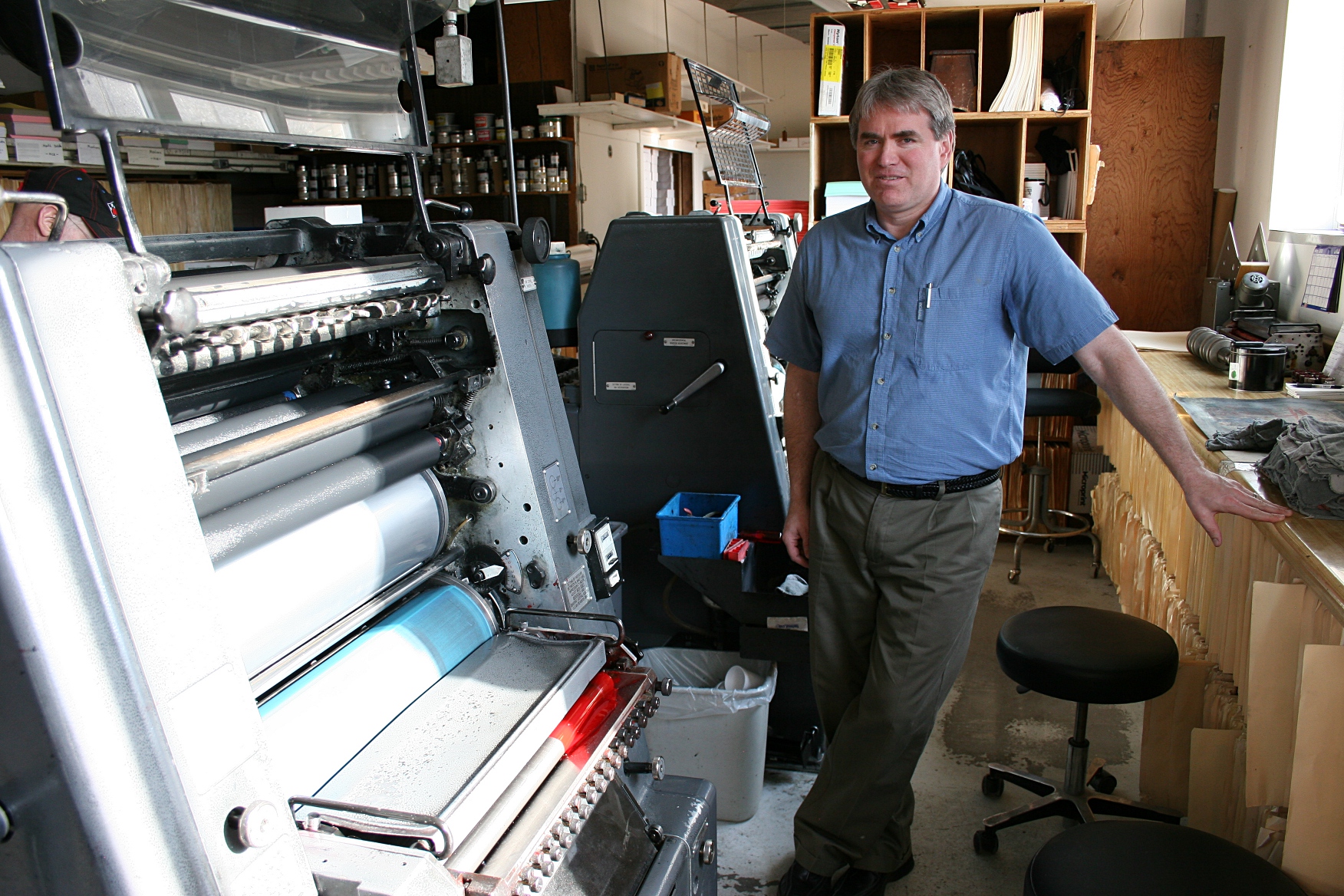
Tour guide Paul Lundeen inside his print shop.

Tour guide Paul Lundeen inside his print shop.

And then there’s Paul himself, who welcomed my husband and me on a Thursday evening like we were long-time friends rather than out-of-towners checking out his store and other downtown businesses during an overnight stay in Fergus Falls. I mean, what businessman shows you the original safe of the former First National Bank of Fergus Falls shortly after meeting you? Paul did just that.

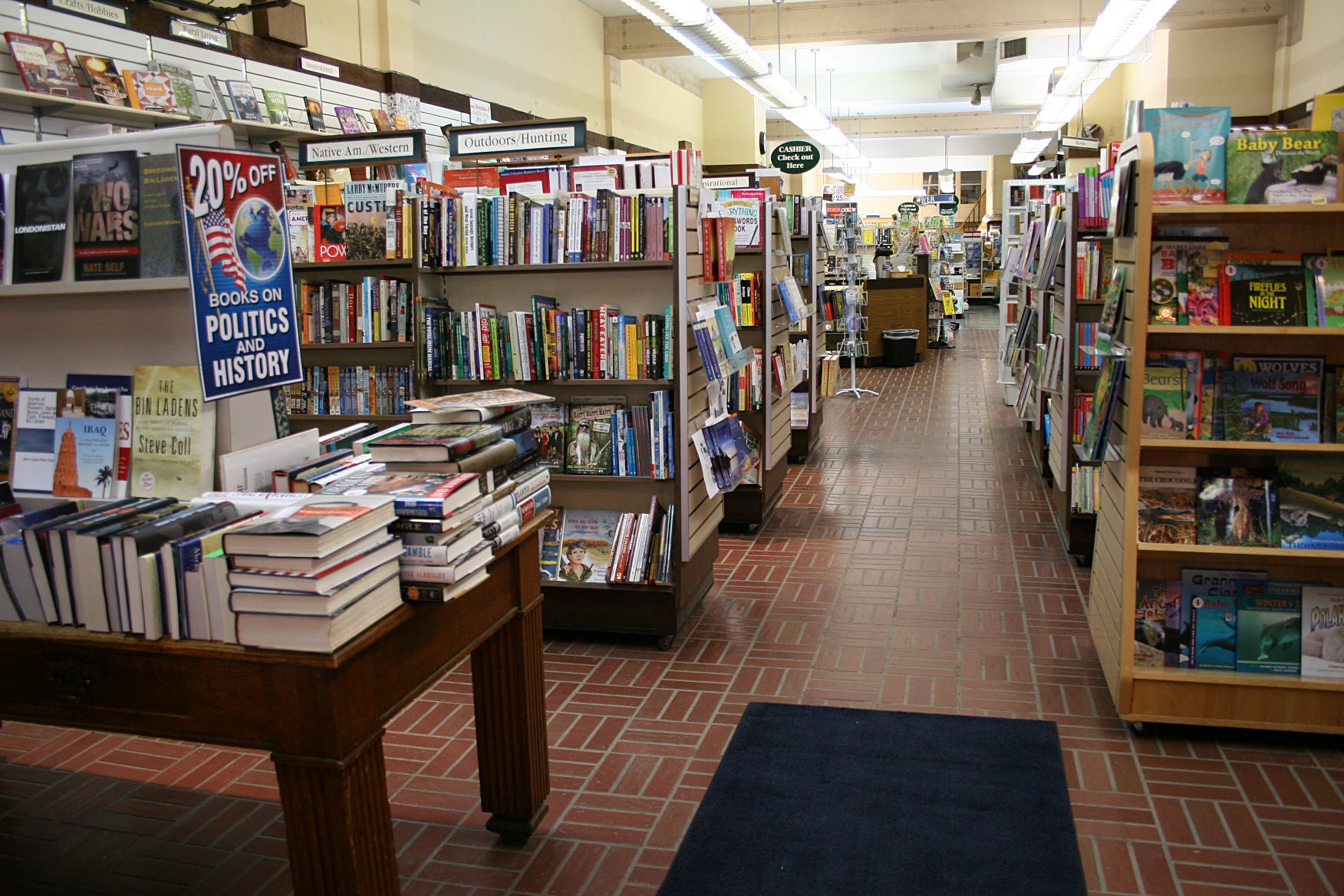
The independent bookstore portion of Victor Lundeen Company on the first floor. Gifts and office supplies are also sold here.

The independent bookstore portion of Victor Lundeen Company on the first floor. Gifts and office supplies are also sold here. I even asked if the store carries Lake Region Review, a regional anthology in which I’ve been published. It does.

His office supply/bookstore/gift shop/printing business occupies two connected buildings, one of them the old bank, in the heart of this historic downtown.

History in the signage.

History in the signage.

Such hospitality reaffirms my belief that chain stores have nothing on businesses like Victor Lundeen Company, which clearly values the importance of outstanding customer service and friendliness.

You can bet, thanks to Paul Lundeen and to Pat Connelly, whom I met later that evening at Dairyland Drive In (that’s a forthcoming post), I left Fergus Falls the next morning with the warmest of feelings for this west central Minnesota community.

BONUS PHOTOS:

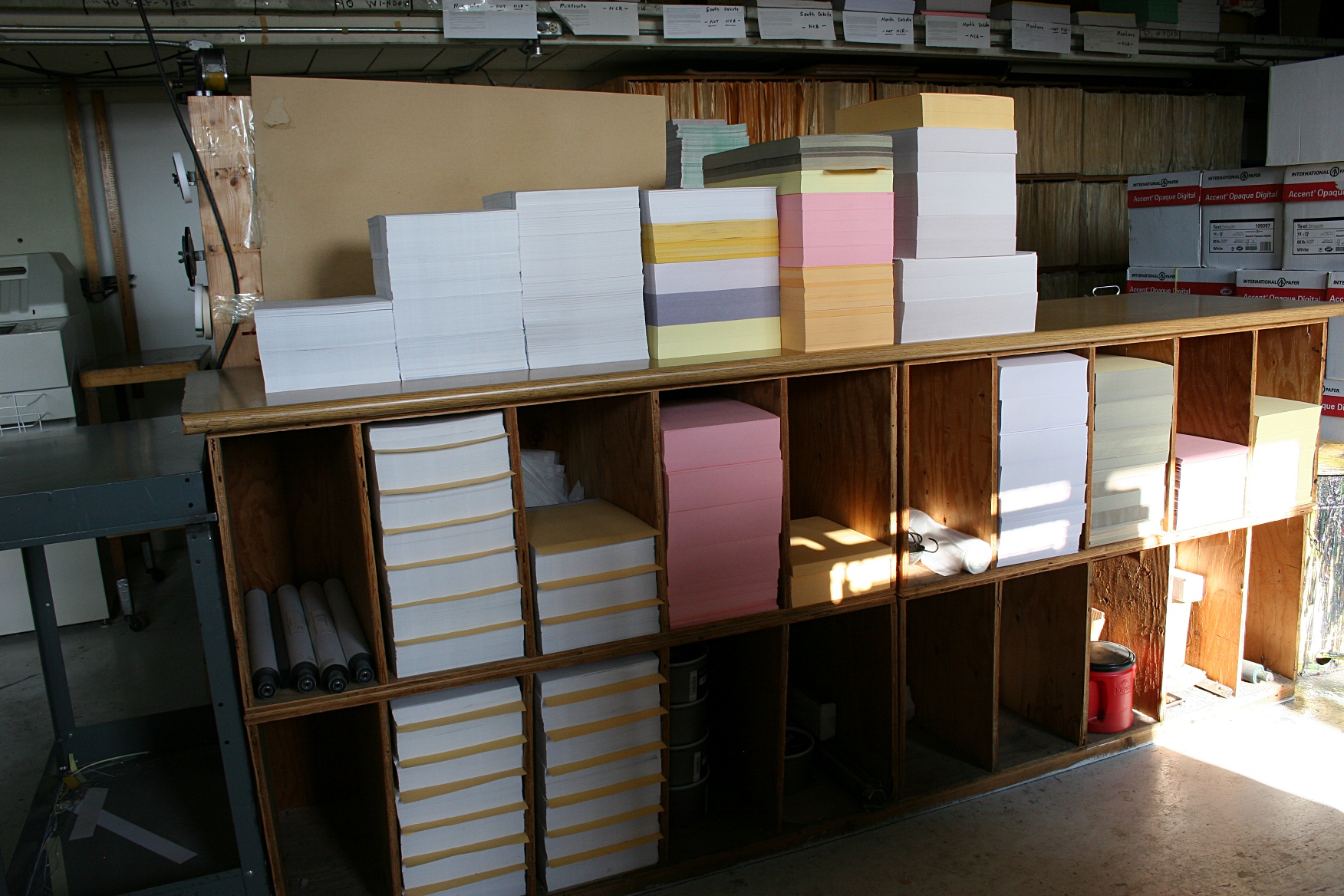
Paper packed near the presses.

Paper stacked near the presses.

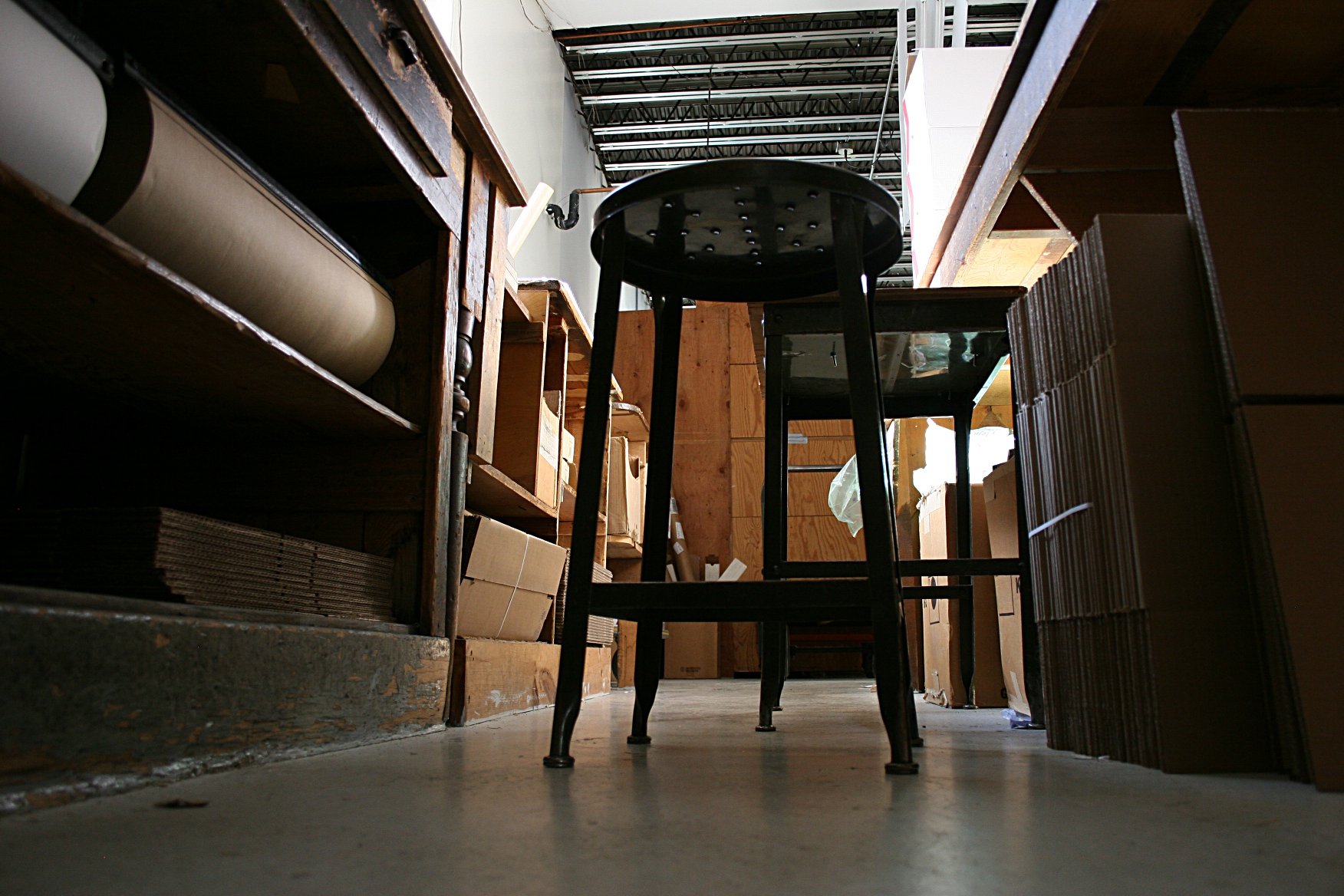
A vintage stool caught my eye.

A vintage stool, between counters, caught my eye.

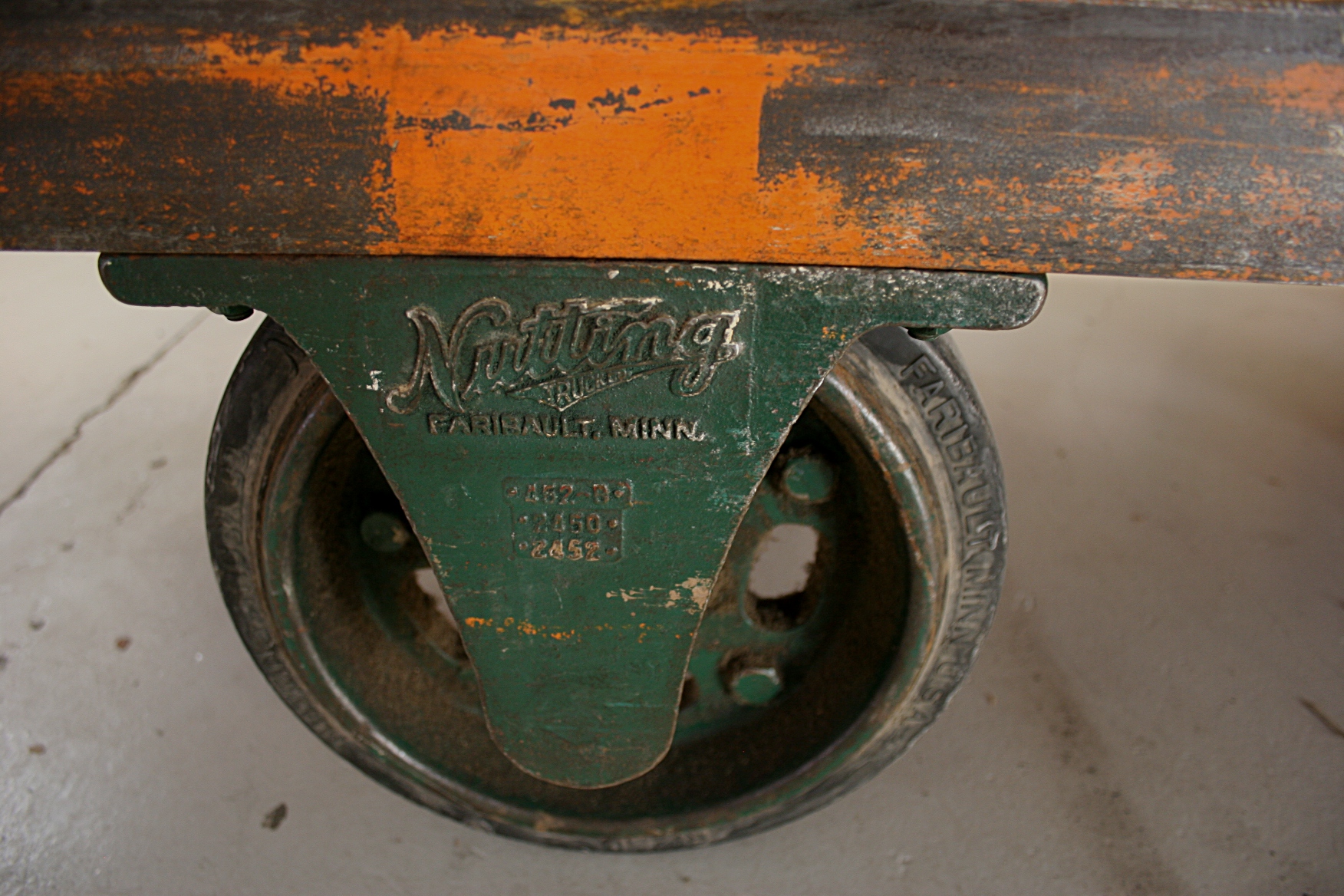
My husband noticed the wheels on a cart, made at the former Nutting Company in our community of Faribault.

My husband noticed the wheels on a cart made at the former Nutting Company in our community of Faribault.

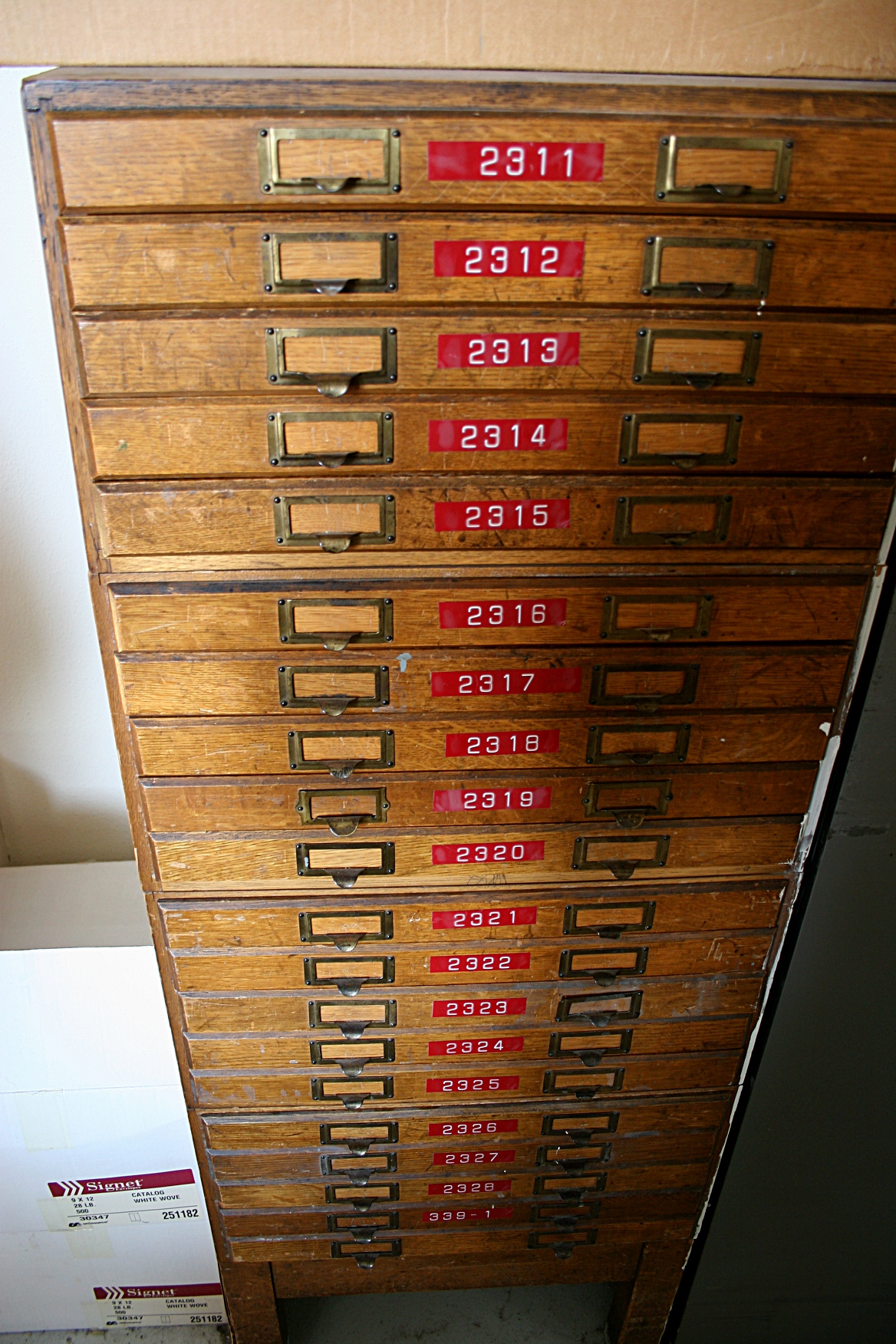
I aimed my camera down to shoot this lovely old cabinet.

I aimed my camera down to shoot this lovely old cabinet.

The art of well-known Fergus Falls resident Charles Beck, noted for his woodcut prints, featured in two books printed by Victor Lundeen Company. The books are sold in the bookstore. Across the street, you can view Beck's art at the Kaddatz Galleries.

The art of well-known Fergus Falls resident Charles Beck, noted for his woodcut prints, featured in two books printed by Victor Lundeen Company. The books are sold in the bookstore. Across the street, you can view Beck’s art at the Kaddatz Galleries.

TO VIEW PREVIOUS posts from Fergus Falls, see yesterday’s post and check my mid-June 2011 archives. Watch for more stories from this delightful community.

© Copyright 2103 Audrey Kletscher Helbling


Touring Rothsay, the “Prairie Chicken Capital of Minnesota” May 17, 2013

DAILY, THOUSANDS OF TRAVELERS zip by Rothsay on Interstate 94, mostly oblivious to this rural Wilkin County community which claims notoriety as the “Prairie Chicken Capital of Minnesota.”

If not for the 18-foot high prairie chicken statue perched atop a hill overlooking the interstate, few would notice Rothsay. (Click here to view my previous prairie chicken post.)

Small

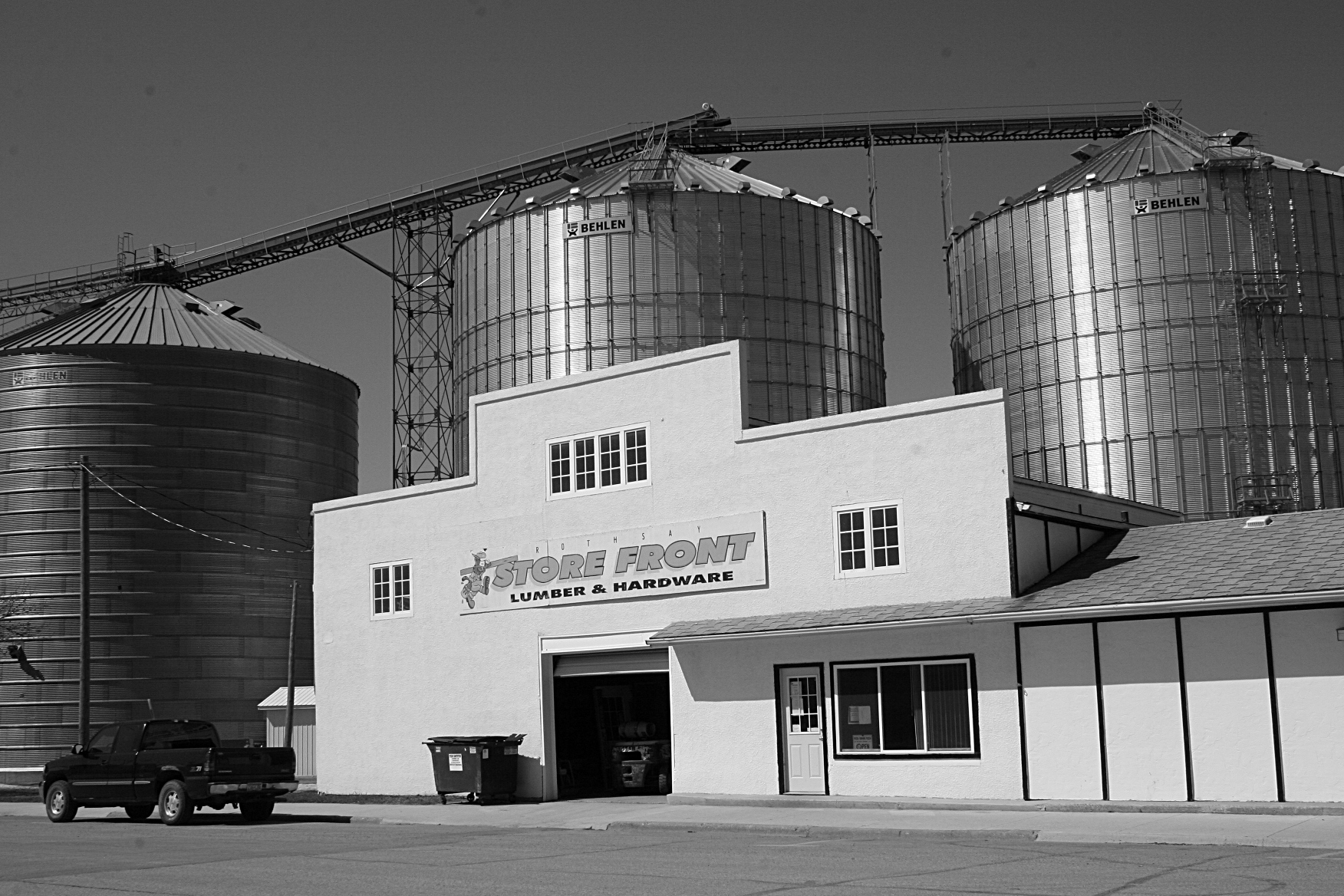
The local combination lumberyard and hardware store, a mainstay of small towns.

But this community of nearly 500 is worth a stop for anyone who appreciates small towns as I do. I delight in the businesses which define communities like this—the local co-op, hardware store and lumberyard. The bank. The home-grown eateries and one-of-a-kind shops. The efforts to preserve history.

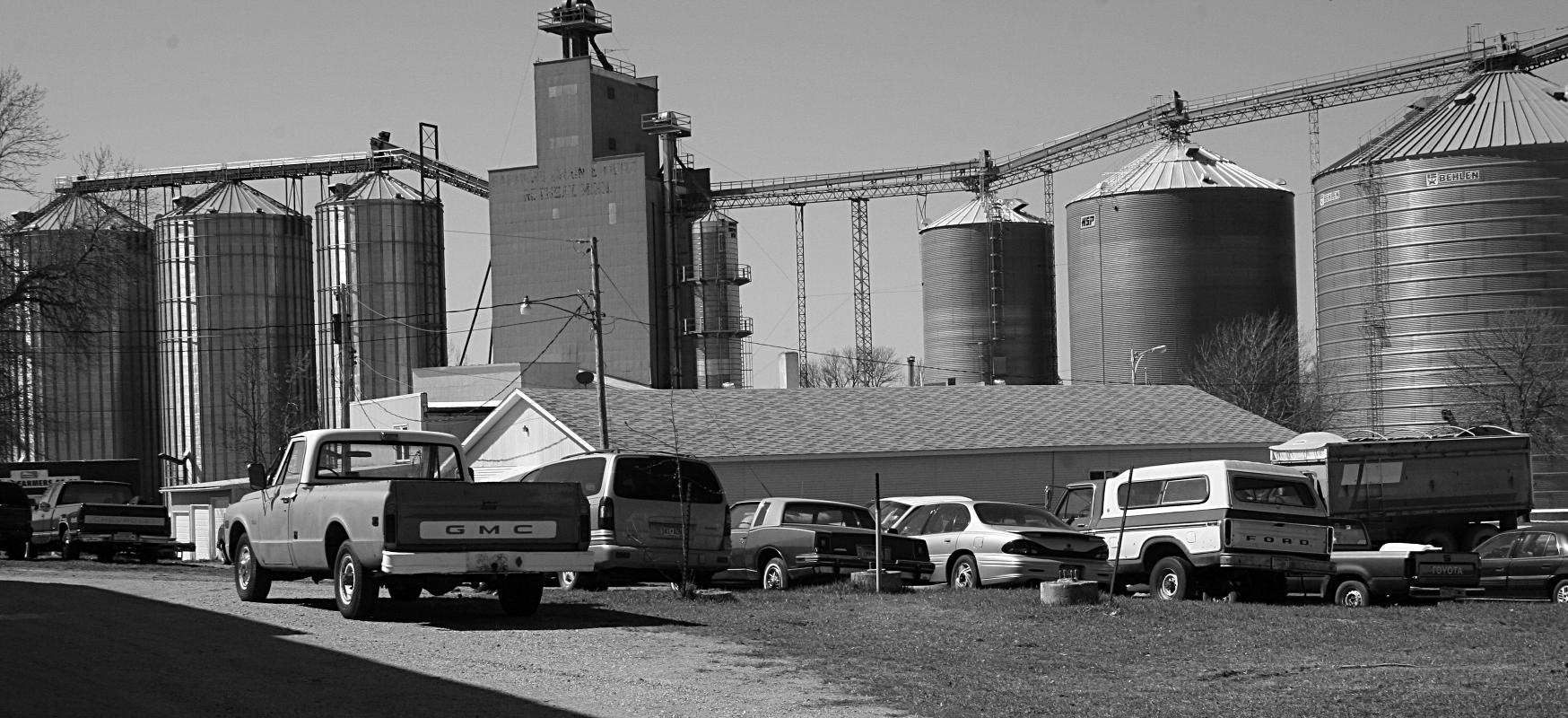
Vehicles parked behind the body shop.

Vehicles parked behind the automotive body and repair shop.

Even the vehicles parked along the quiet streets, the unlocked bikes beside the school, tell a story.

On this stop in Rothsay, I had only time for a quick photographic perusal. That was enough to satisfy my desire to view this community, to feel its heartbeat.

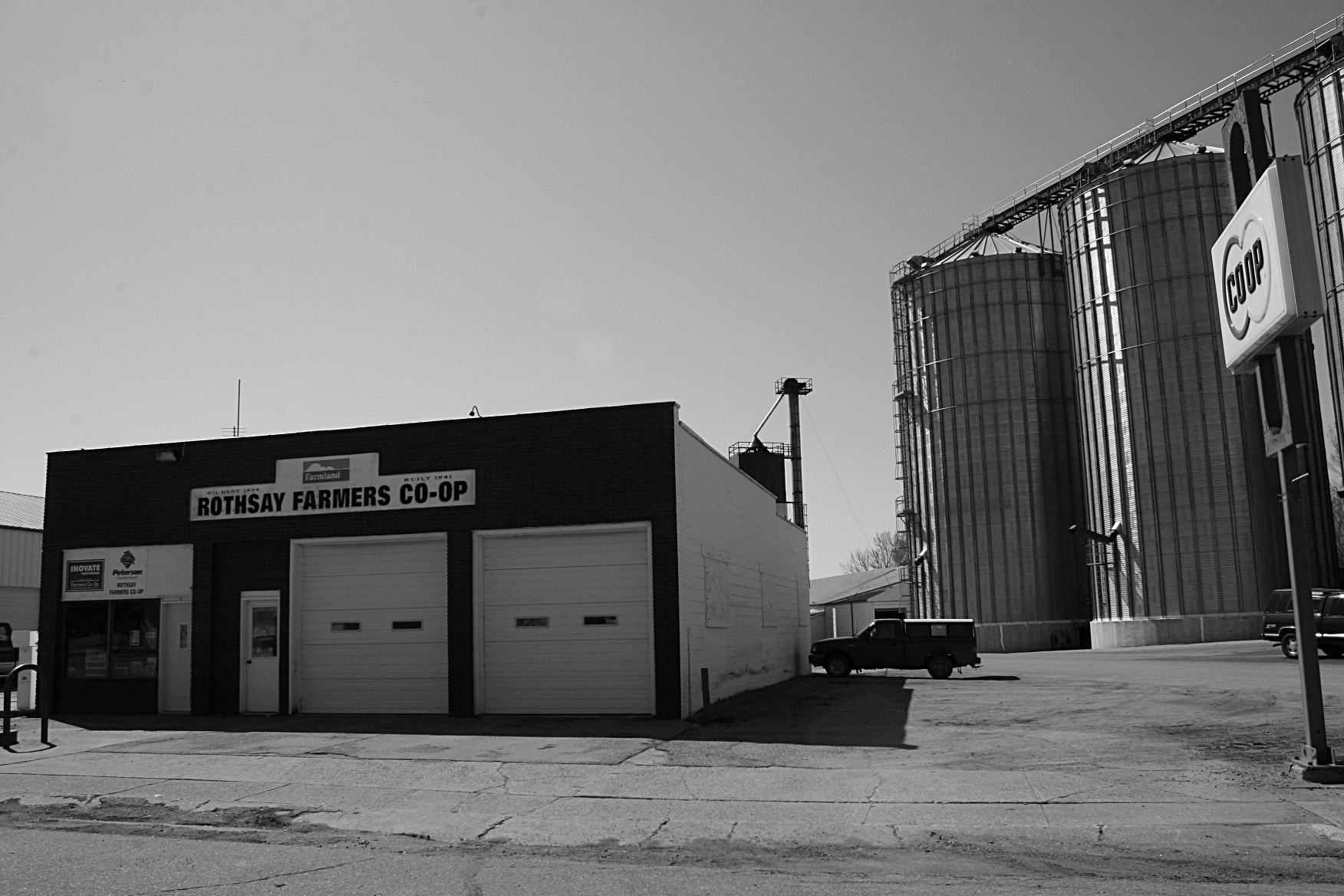
Most rural communities are home to a cooperative.

Most rural communities are home to a famer’s cooperative.

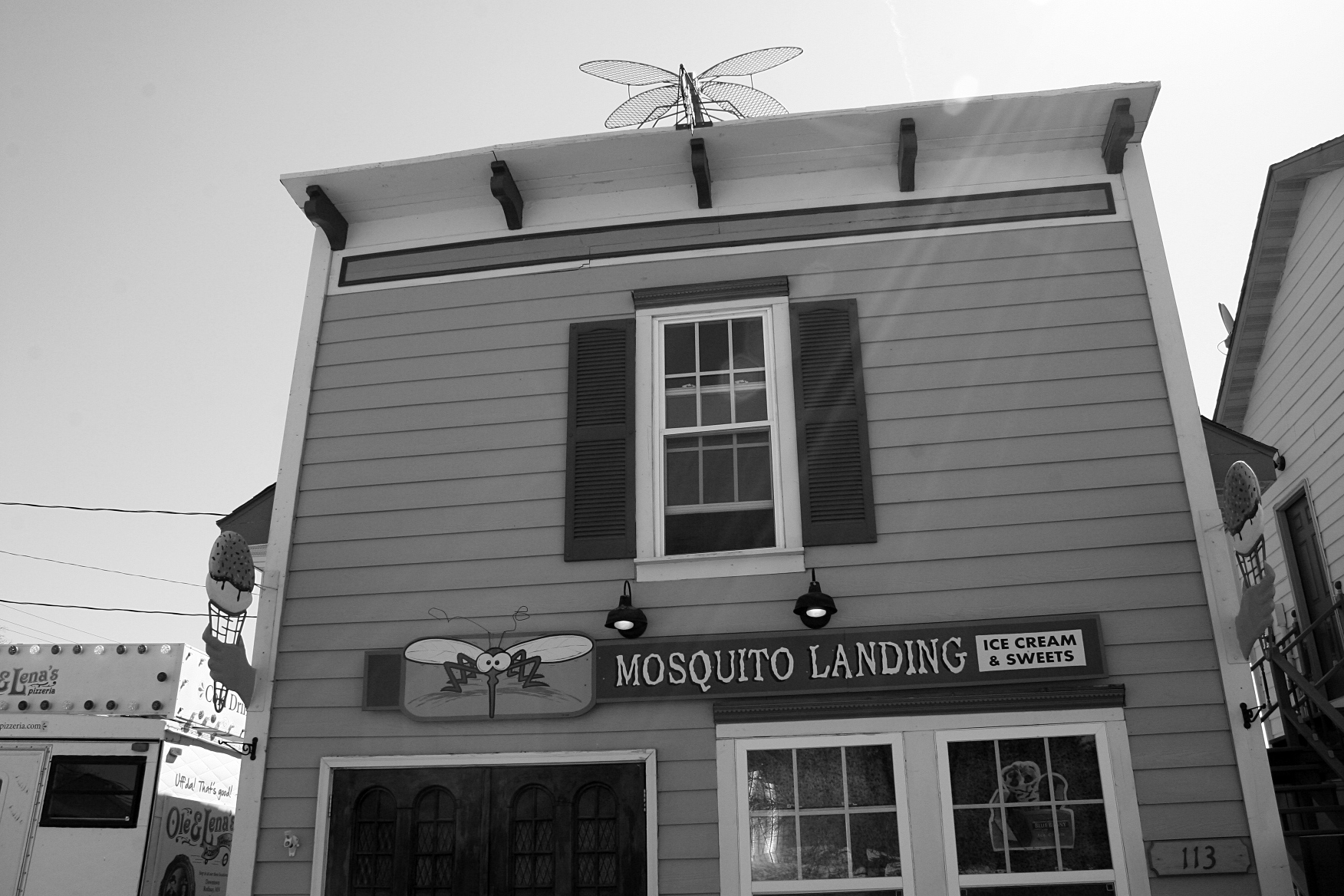
I just had to appreciate the name of this ice cream shop in Rothsay, with a mosquito atop the roof.

I just had to appreciate the name of this ice cream shop in Rothsay, with a mosquito atop the roof.

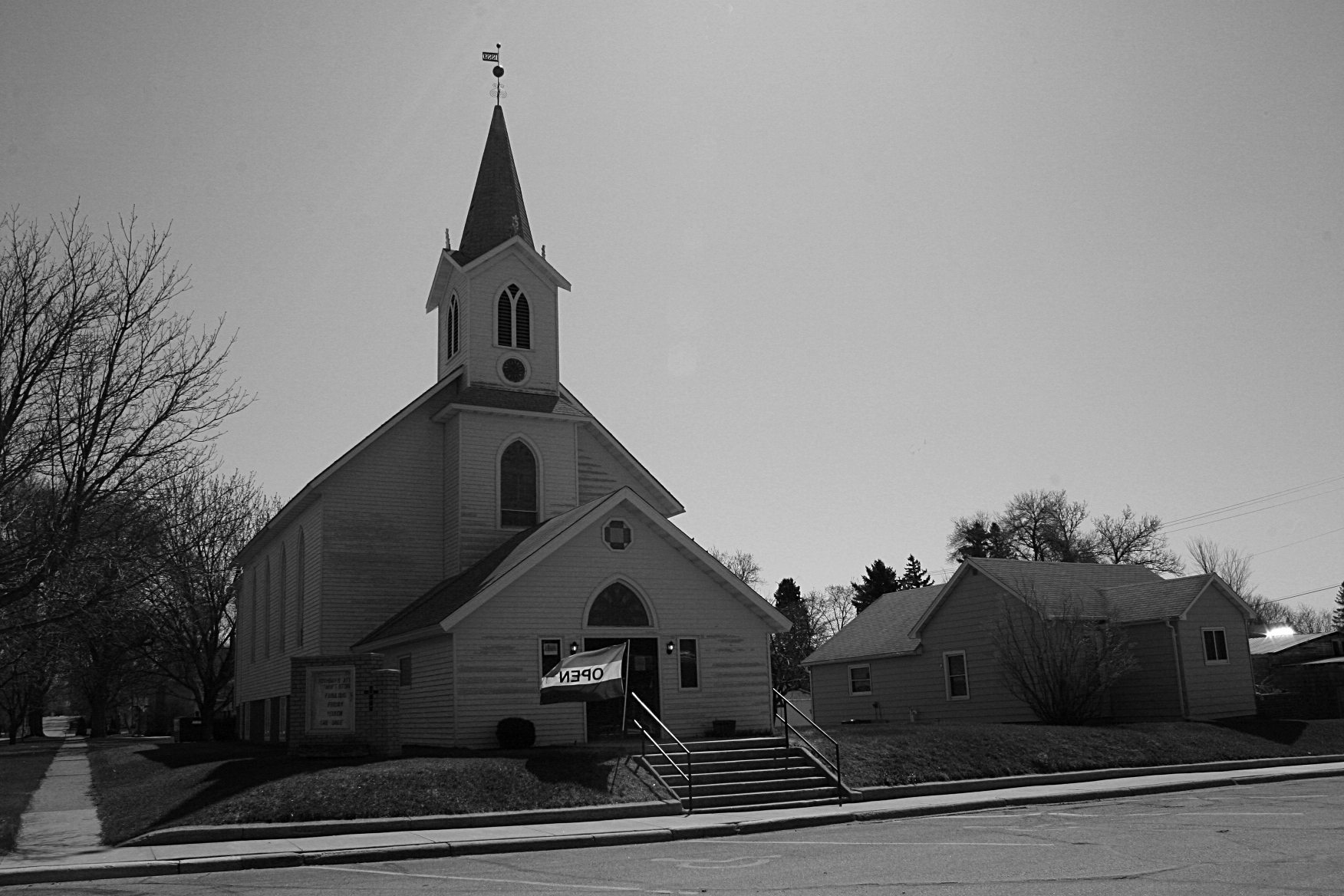
A church turned thrift store.

A church turned thrift store.

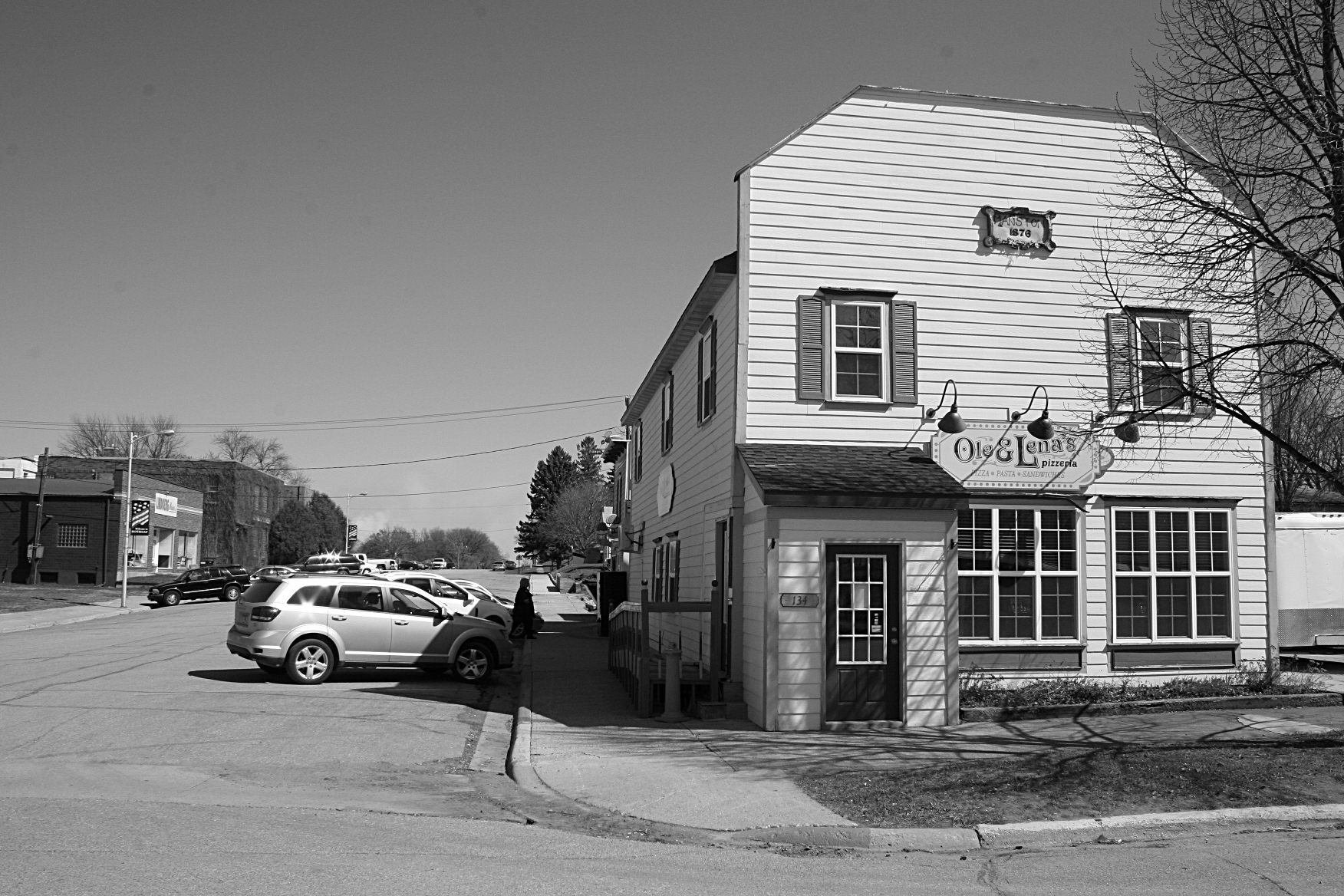
Ole and Lena's Pizzeria serves pizza, pasta and sandwiches. No lutefisk listed on the outdoor sign.

Ole and Lena’s Pizzeria serves pizza, pasta and sandwiches. No lutefisk or lefse listed on the outdoor sign.

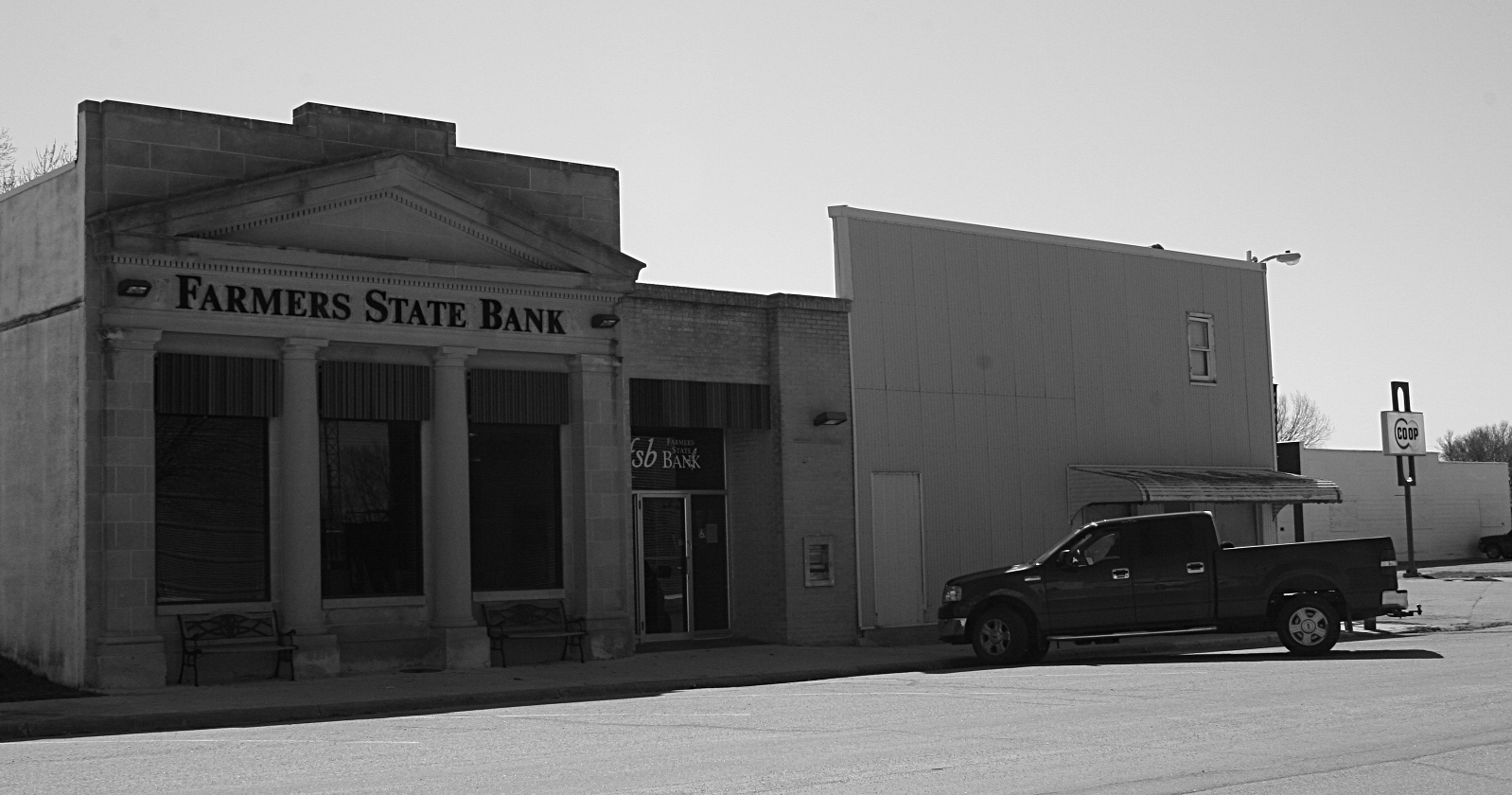
Typically the nicest building in town, the bank.

Typically the nicest building in town, the bank.

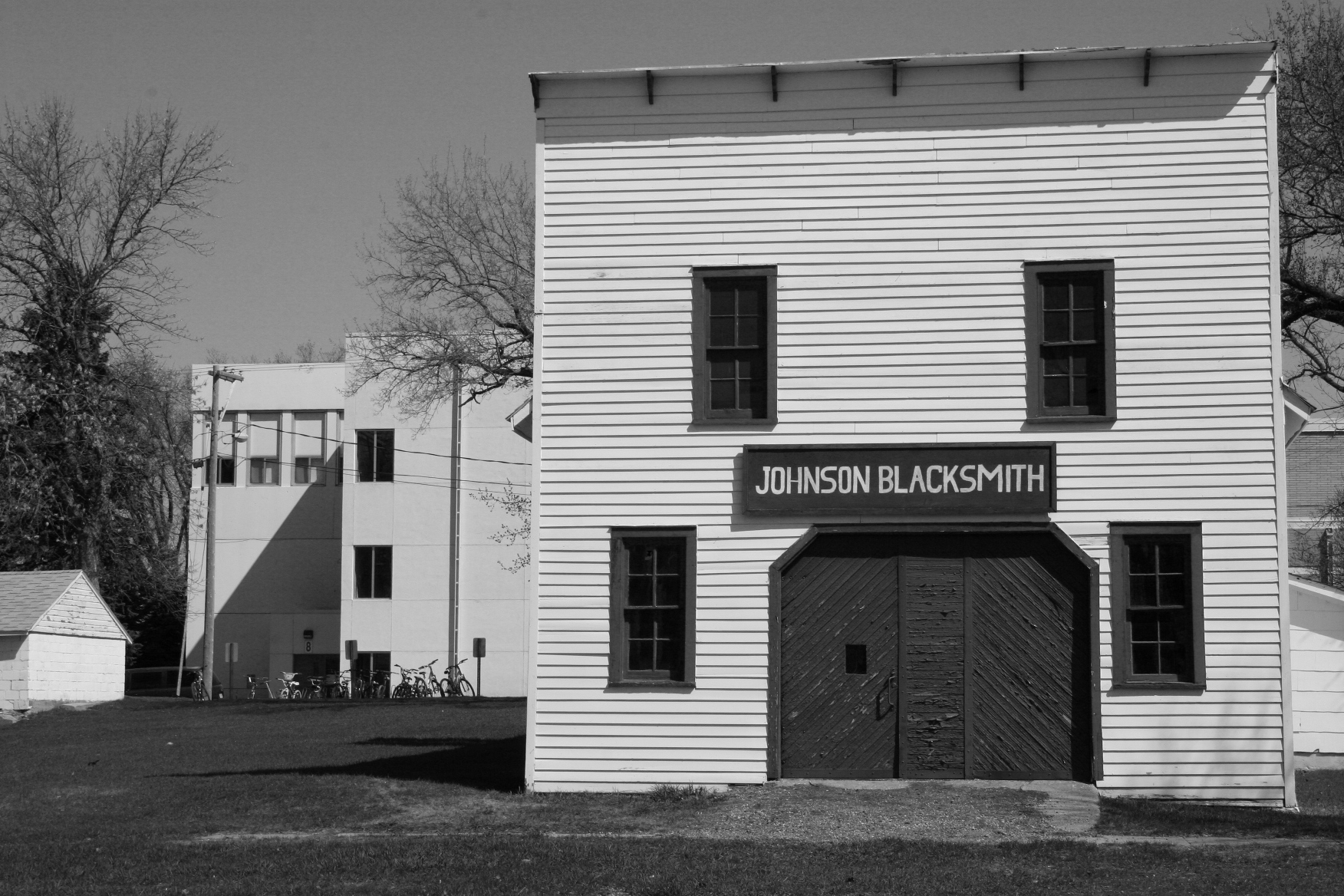
From what I observed, this is an historic blacksmith shop, not a working one. Note the bikes in the background parked outside the public school.

From what I observed, this is an historic blacksmith shop, not a working one. Note the unlocked bikes in the background parked outside the public school.

FYI: Click here to read my previous post about the Wilkin County Sheriff’s Department office in Rothsay.

© Copyright 2013 Audrey Kletscher Helbling


Law & order in Rothsay May 16, 2013

SMALL TOWNS, TIME AND AGAIN, draw me in to explore.

It is the unpretentious genuineness, the make-do, no-frills approach to life that appeals to me. Folks in small towns typically are not trying to impress. Rather, they are simply living their lives—being good neighbors, working hard, getting by on what they have.

I’m not saying big city residents don’t do likewise. I just think the evidence of simpler living is more visible in our rural communities.

Wilkin County Sheriff's Dept. 1

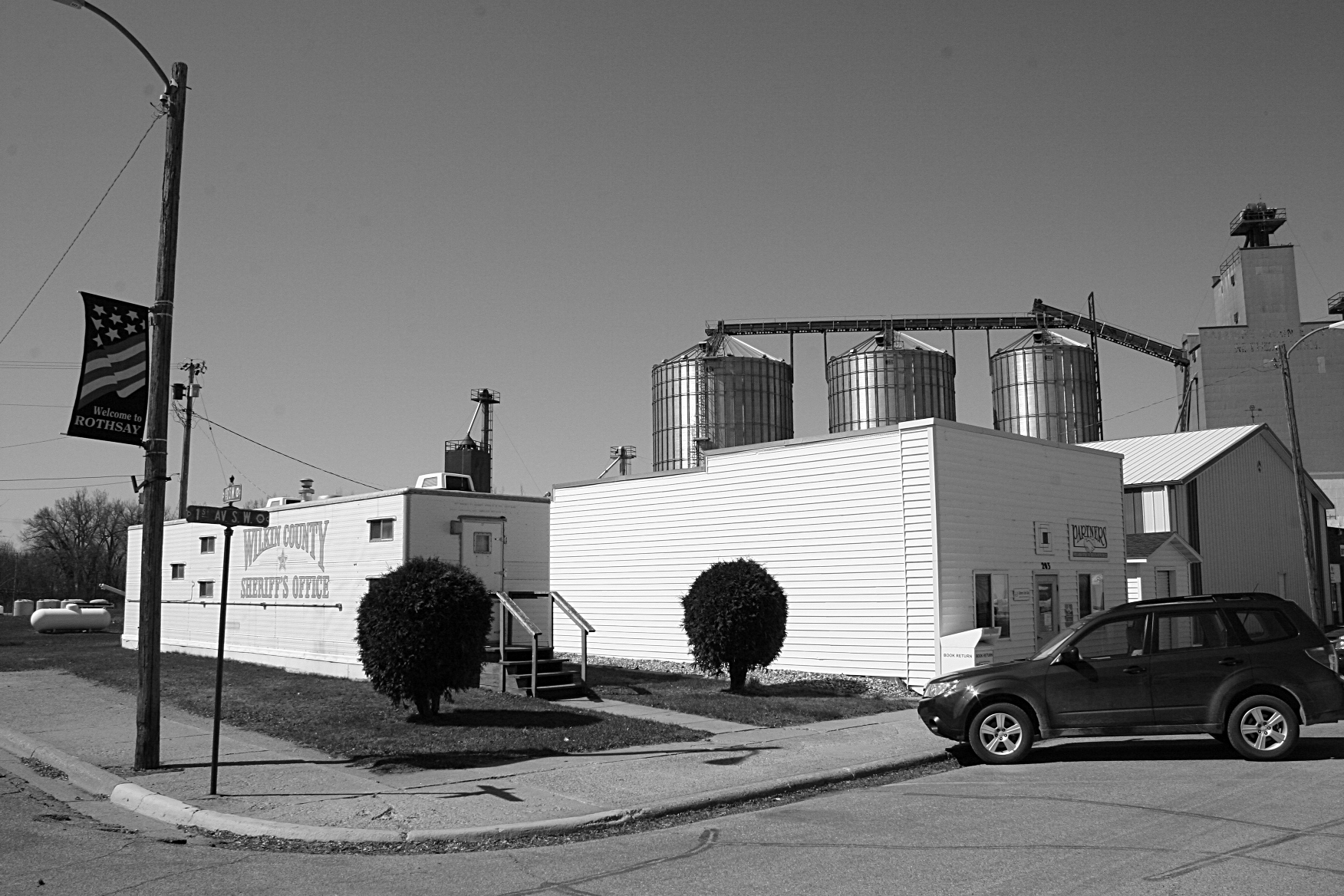
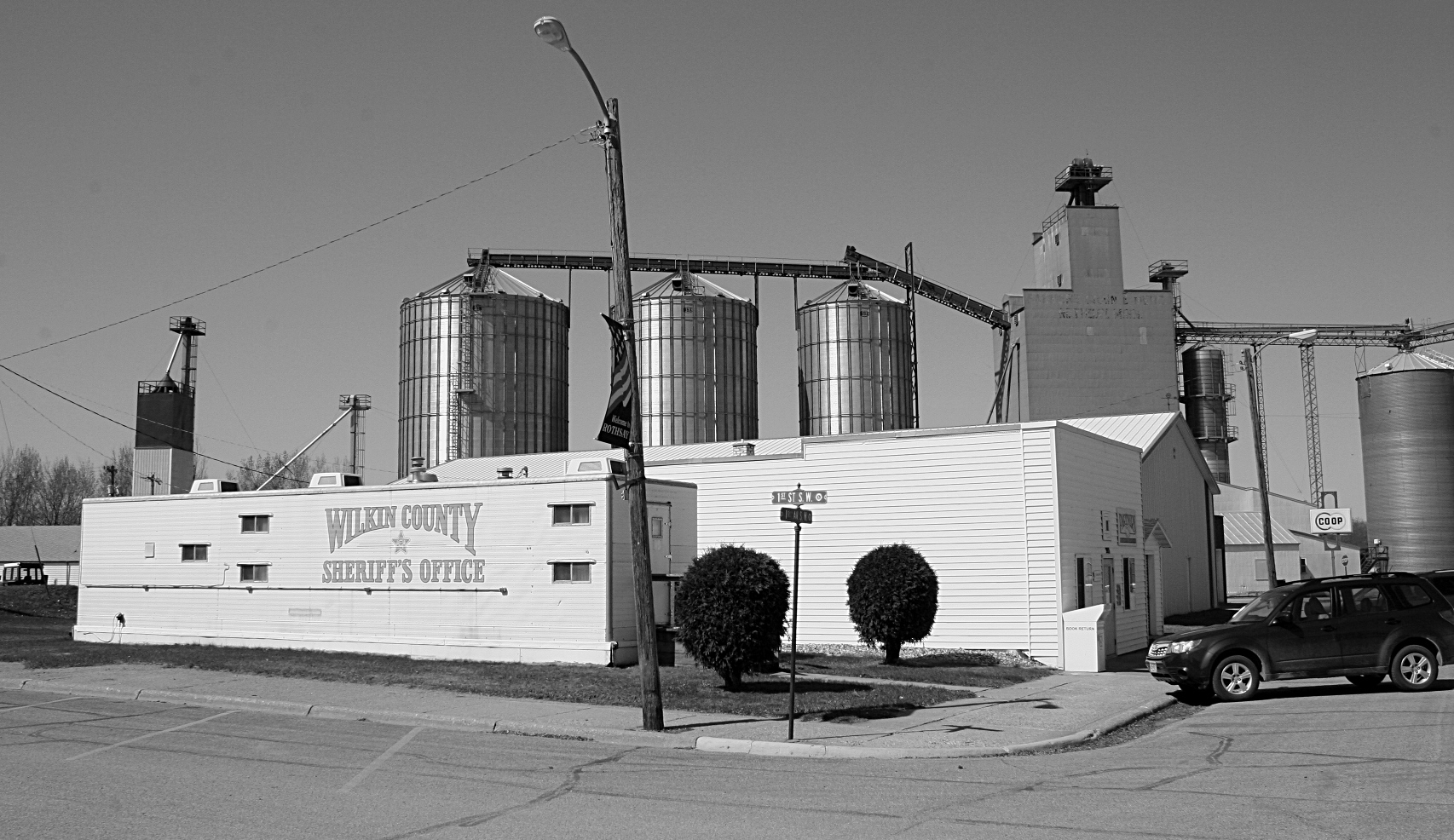
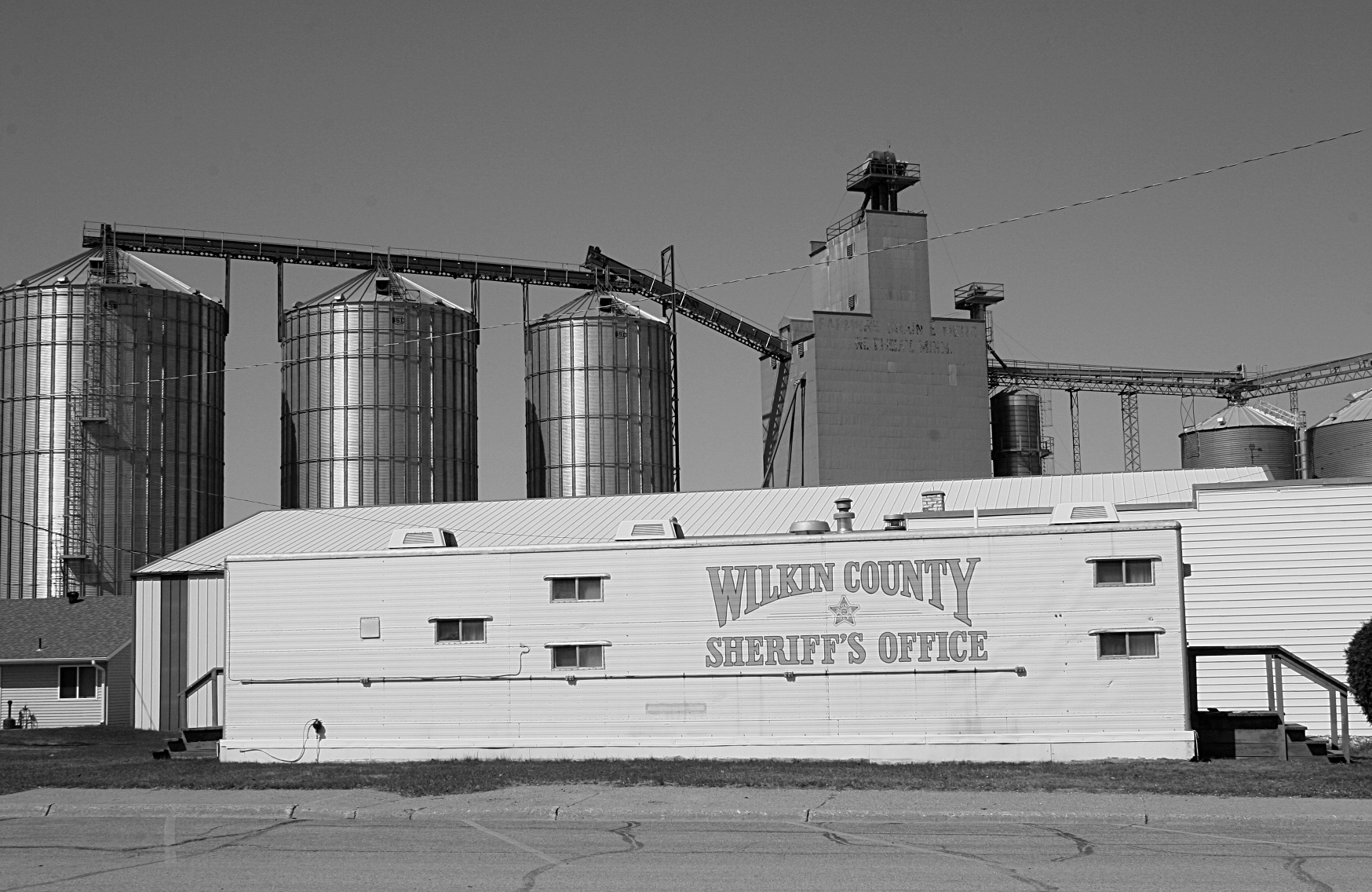
Take Rothsay, population around 500. Just look at the building which houses the Wilkin County Sheriff’s Department in Rothsay, which lies along Interstate 94 some 35 minutes southeast of Fargo.

Wilkin County Sheriff's Dept. 2

Nothing fancy about this vintage trailerhouse, apparently a satellite office for the sheriff’s department based in the county seat of Breckenridge 30 miles distant.

Wilkin County Sheriff's Dept. 3

My husband and I were, should I say, awestruck when we pulled into the downtown business district and spotted this law enforcement headquarters. We’d never seen a sheriff’s office quite like this one.

I knew I’d found a gem, another slice of small-town Minnesota worthy of preserving via a photo shoot.

FYI: Check back tomorrow for more photos from Rothsay.

© Copyright 2013 Audrey Kletscher Helbling


For my mother May 12, 2013

Filed under: Uncategorized — Audrey Kletscher Helbling @ 10:35 AM
Tags: , , , , ,
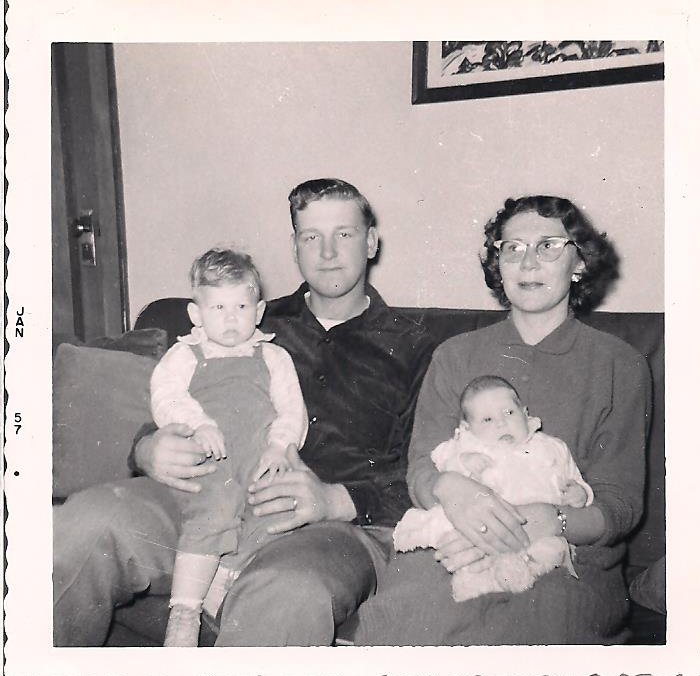
My parents with my brother and me in a photo dated January 1957, but likely taken a few months earlier.

My parents with my brother and me in a photo dated January 1957, but likely taken a few months earlier at my maternal grandpa’s house.

I WONDER SOMETIMES what my mother’s life would have been like had she not chosen motherhood over career.

Not that long-term employment was truly an option for a young woman of the 1950s, unless you chose teaching or nursing, neither of which fit my mother’s professional talents or interests.

After graduating from Wabasso High School in 1951, as valedictorian no less, she attended Mankato Business College then landed a job with the state employment office in Marshall.

By September of 1954, she had quit her job and married. In July 1955 she gave birth to her first son. Within a dozen years, my mother and father would have six children.

Raising a family in rural southwestern Minnesota, in a cramped and drafty three bedroom house with no bathroom, could not have been easy.

I retain memories of my mother striking farmer matches to light the oil burning stove centered in the living room, heating a house wrapped in brown paper, straw bales snugged to the foundation.

I see her dumping buckets of hot water into the galvanized bathtub positioned before the kitchen stove on Saturday nights.

I feel her hands lacing through my stick-straight hair as I lie face-up on the kitchen counter, head draped over the sink, as she works shampoo onto my scalp.

I watch her dump cups of flour and sugar into the white bowl of her Hamilton Beach mixer, stirring up batches of bars too quickly consumed by six hungry kids. I remember, too, the treat of a few chocolate chips dropped into hands.

I smell the yeasty scent of her homemade bread pulled from the oven, remember the snippets of dough she parceled out for me and my sisters to shape miniature buns.

I hear the hiss of hot iron against cotton cloth she’s sprinkled with water.

I watch her grasp the iron ring on the kitchen floor trap door as she sends me down the creaky stairs to the dirt-floored cellar for a jar of golden peaches. Memories of summer days, of wooden crates lugged home from the local grocer, of peaches wrapped in pink tissue, of fruit slipped into boiling water, linger.

I can feel her strength as she stirs the clothes in her Maytag wringer washer with a grey stick propped always against a wall in the porch where smelly chore clothes hung.

She traded a career for all of this.

Was she happy? Did she regret giving up a well-paying and stable job for six kids and poverty?

I’ve never asked.

But I’d like to think she was happy raising a family, instilling in each of her children a strong faith in God and an appreciation and love of family, and of life.

The old farmhouse to the left, where I grew up with the "new house," built in the late 1960s.

The old farmhouse to the left, where I lived until about age 12, with the “new house” in the background. That’s my sister, Lanae, standing on the front steps leading into the porch. Was the house really that small? Apparently so.

© Copyright 2013 Audrey Kletscher Helbling


Old Glory at the elevator in Castle Rock May 6, 2013

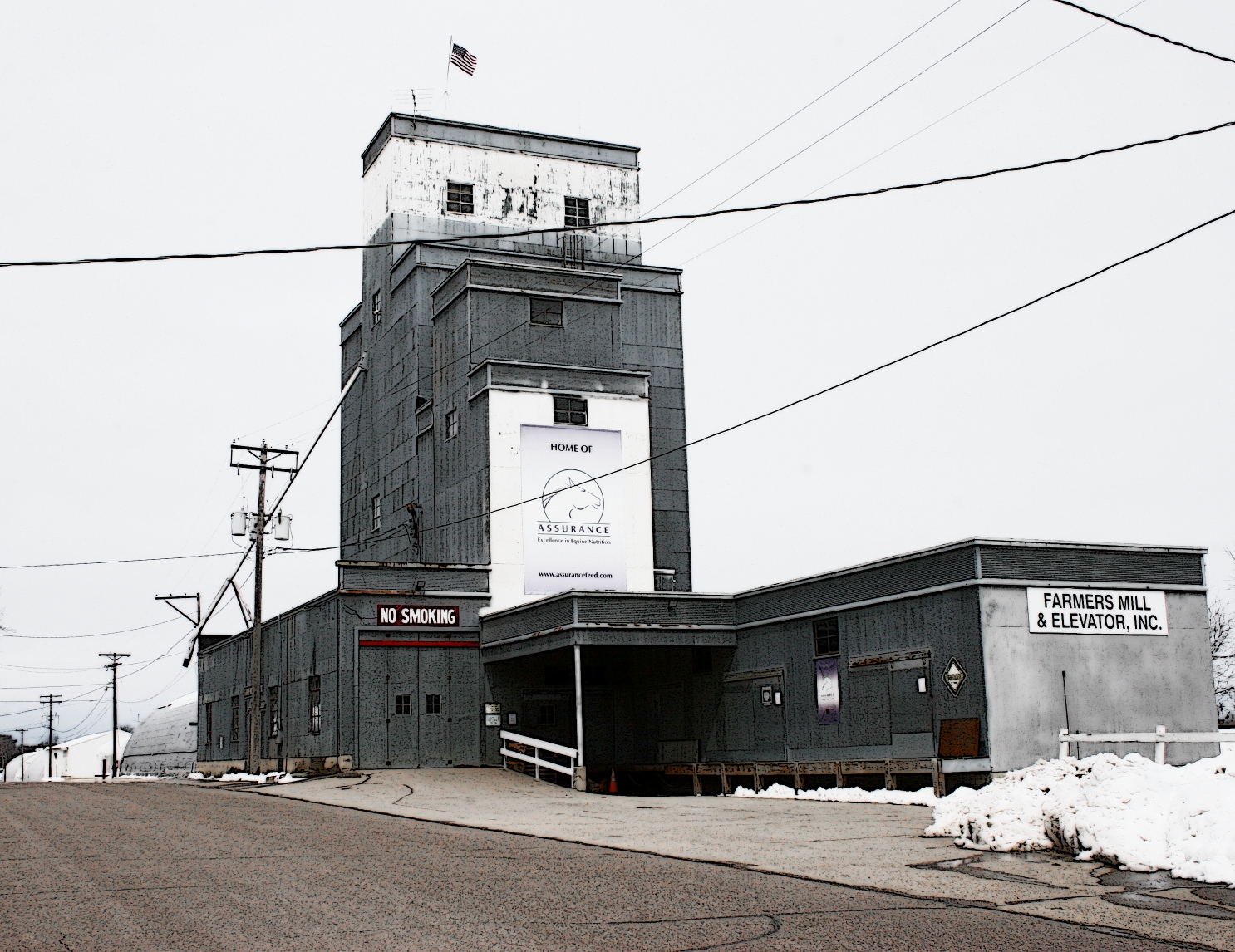
Farmers Mill and Elevator, Inc., Castle Rock, family-owned for 70 years by third generation.

Farmers Mill and Elevator, Inc., Castle Rock, family-owned for 70 years by third generation.

SMALL TOWN GRAIN elevators, like barns, beckon me to photograph them, for I fear that these skyscrapers of the prairie, as some have called them, will someday vanish.

Recently, on a pass through Castle Rock, an unincorporated village located about six miles north of Northfield in Dakota County, I spotted Farmers Mill and Elevator, Inc.

The grey of the elevator complex matched the grey skies in a landscape late in welcoming spring.

Despite that seasonal indifference over which we possess no control, I noticed the prevailing spirit of rural patriotism in an American flag stretching her stars and stripes in the brisk April afternoon wind.

Grey be gone. Red, white and blue flourishes, at least atop the grain elevator in Castle Rock.

© Copyright 2013 Audrey Kletscher Helbling


The barn April 18, 2013

Filed under: Uncategorized — Audrey Kletscher Helbling @ 6:57 AM
Tags: , , , , ,
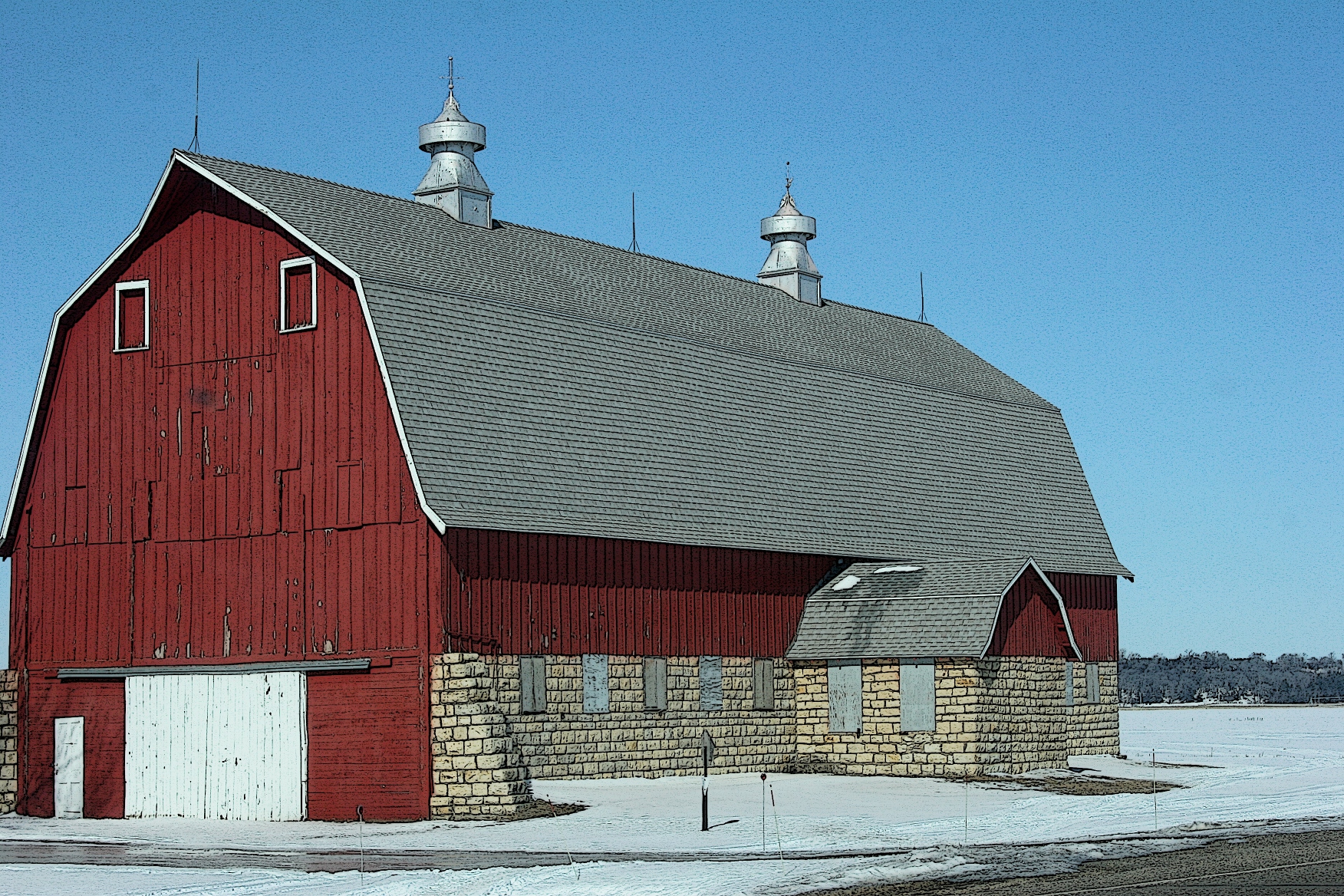
This study and well-maintained barn sits at the intersection of Minnesota Highways 19 and 56 near Stanton, east of Northfield.

This study and well-maintained barn sits at the intersection of Minnesota Highways 19 and 56 near Stanton, east of Northfield.

NOTHING DEFINES RURAL Minnesota more than a red barn.

Whether nestled among the rolling hills of southeastern Minnesota or anchored to the earth in the wide open spaces of the west, red barns symbolize the hope, the fortitude and the dreams of generations of Minnesotans.

For inside the walls of our barns, farm families have worked together—pitching manure, stacking bales, milking cows, building a livelihood as much as a lifestyle.

Strong work ethics have been birthed here, life lessons taught.

While many red barns now stand empty, their roofs sagging, their paint peeling, they remain a symbol of all that is good about life in rural Minnesota.

© Copyright 2013 Audrey Kletscher Helbling
Text first published in the September/October 2005 issue of Minnesota Moments


How I’ve composed poetry that dances (in the barn) April 4, 2013

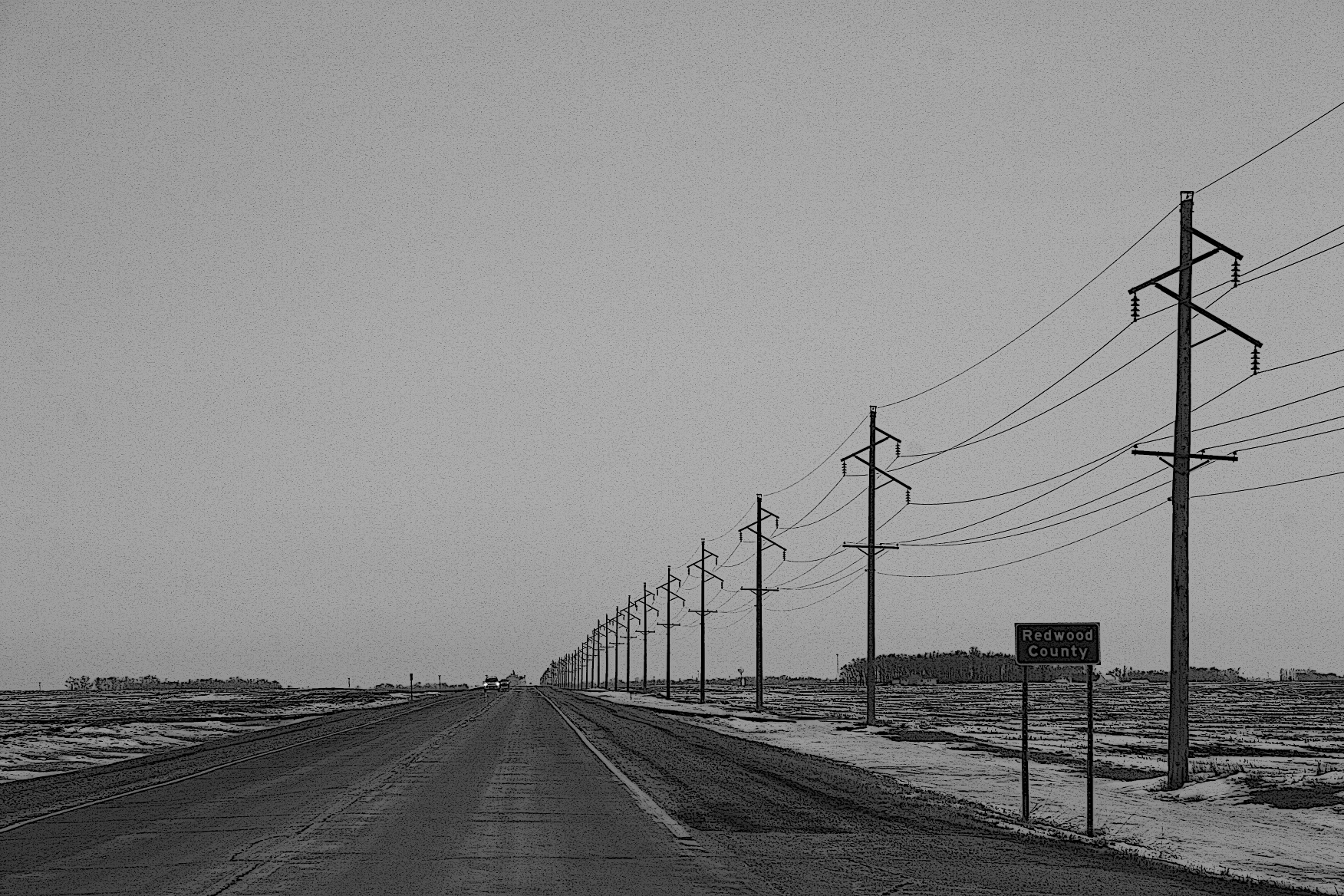
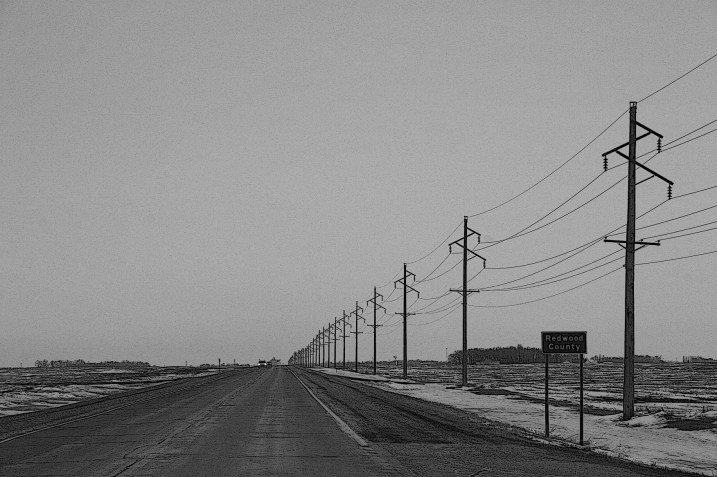
Entering my home county of Redwood along Minnesota State Highway 68 southeast of Morgan.

Entering my home county of Redwood along Minnesota State Highway 68 southeast of Morgan. Rural Redwood County is the setting for most of my poetry.

POETRY. That single word encompasses language, music, art, emotion and more. It’s a word to be celebrated in April, designated as National Poetry Month by the Academy of American Poets.

I’ve written poetry for about four decades, but not with particular passion or regularity until recent years. Something has evolved within me as a writer, directing me from the narrow path of journalistic style writing to the creativity of penning poetry.

Perhaps a parcel of my new-found enthusiasm can be traced to my publishing success. Seventeen, soon to be 18, of my poems have been published in places ranging from literary journals to anthologies to billboards to a devotional and more. I figure if editors have accepted my poetry for publication, I must be doing something right. And when they reject my poetry, as has happened often enough, they were correct in those decisions.
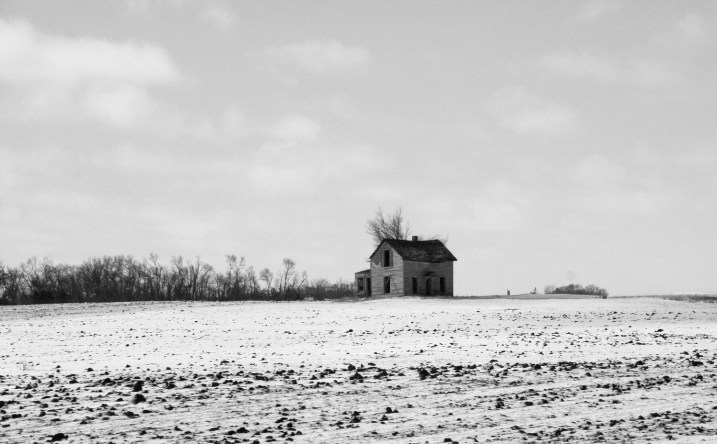
An abandoned farmhouse along Minnesota State Highway 19 east of Vesta on the southwestern Minnesota prairie.

An abandoned farmhouse, like this one along Minnesota State Highway 19 east of Vesta on the southwestern Minnesota prairie, inspired my poem, “Abandoned Farmhouse,” published in Poetic Strokes, A Regional Anthology of Poetry from Southeastern Minnesota, Volume 3.

Most of my poems are rooted in childhood memories from the southwestern Minnesota prairie. I write about topics like barns, walking beans, an abandoned farmhouse, canned garden produce, taking lunch to the men in the field and such.

My poetry rates as visually strong and down-to-earth. There’s no guessing what I am writing about in any of my poems.
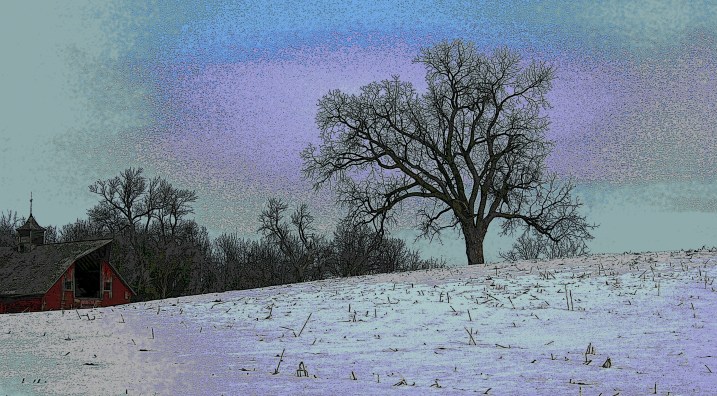
Barns, like this one along Minnesota Highway 60 west of Waterville, have woven into my poetry.

Barns, like this one along Minnesota Highway 60 west of Waterville, have woven into my poetry.

Here, for example, is my poem which published in Volume One of Lake Region Review, a high-quality west central Minnesota-based literary magazine of regional writing. To get accepted into this journal in 2011 and then again in 2012 significantly boosted my confidence as a poet given the level of competition and the credentials of other writers selected for publication.

This Barn Remembers

The old barn leans, weather-weary,
shoved by sweeping prairie winds,
her doors sagging with the weight of age,
windows clouded by the dust of time.

Once she throbbed with life
in the heartbeats of 30 Holsteins,
in the footsteps of my farmer father,
in the clench of his strong hands
upon scoop shovel and pitchfork.

This barn spoke to us,
the farmer and the farmer’s children,
in the soothing whir of milking machines
pulsating life-blood, rhythmic, constant, sure.

Inside her bowels we pitched putrid piles of manure
while listening to the silken voices of Charlie Boone
booming his Point of Law on ‘CCO
and Paul Harvey wishing us a “good day,”
distant radio signals transmitting from the Cities and faraway Chicago.

This barn remembers
the grating trudge of our buckle overshoes upon manure-slicked cement,
yellow chore-gloved hands gripping pails of frothy milk,
taut back muscles straining to hoist a wheelbarrow
brimming with ground corn and pungent silage.

This barn remembers, too,
streams of hot cow pee splattering into her gutters,
rough-and-tumble farm cats clumped in a corner
their tongues flicking at warm milk poured into an old hubcap,
and hefty Holsteins settling onto beds of prickly straw.
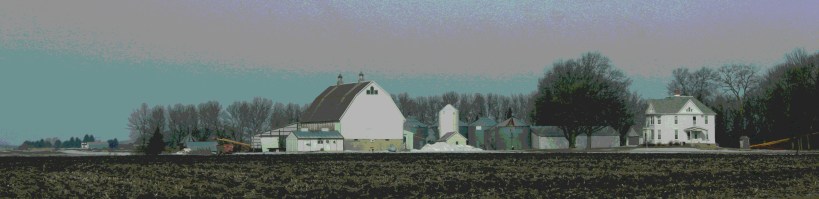
A rural scene along U.S. Highway 14 near Nicollet.

A rural scene along U.S. Highway 14 near Nicollet.

Let’s examine “This Barn Remembers” to see how I created this poem. Always, always, when penning a poem like this, I shut out the present world and close myself into the past.

I rely on all five senses, not just the obvious sight and sound, to engage the reader:

  • sight—sagging doors, clouded windows, manure-slicked cement
  • sound—soothing whir of milking machines, grating trudge of buckle overshoes, silken voices of Charlie Boone
  • taste—tongues flicking warm milk
  • touch—in the clench of his strong hands, gripping pails of frothy milk, settling onto beds of prickly straw
  • smell—putrid piles of manure, pungent silage

Strong and precise verbs define action: shoved, throbbed, booming, gripping, brimming, splattering, flicking

Literary tools like alliteration—pitched putrid piles of manure—and personification—the barn taking on the qualities of a woman—strengthen my poem.

The words and verses possess a certain musical rhythm. This concept isn’t easy to explain. But, as a poet, I know when my composition dances.

I also realize when I’ve failed, when a poem needs work and/or deserves rejection.

That all said, the best advice I can offer any poet is this:

  • Write what you know.
  • Write from the heart.
  • Write in your voice.
  • Write with fearlessness and honesty. (Note especially this line: “…streams of hot cow pee splattering into her gutters…”)
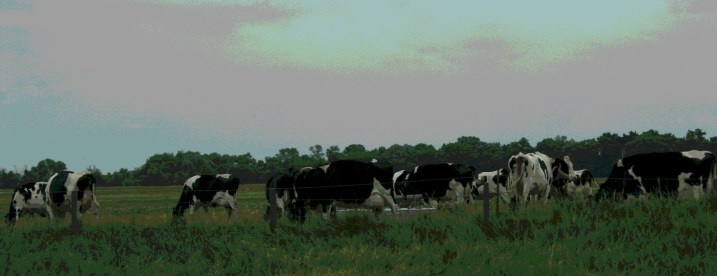
I grew up on a dairy and crop farm, so I know cows well enough to write about them in my poetry.

I grew up on a dairy and crop farm, so I know cows well enough to write about them in my poetry.

You can bet I smelled that hot cow pee, watched the urine gushing from Holsteins into the gutter, pictured a younger version of myself dodging the deluges, when I penned “This Barn Remembers.” Writing doesn’t get much more honest than cow pee.

IF YOU’RE A POET, a lover of poetry and/or an editor, tell me what works for you in composing/reading/considering poetry.

© Copyright 2013 Audrey Kletscher Helbling


In loving memory of my farmer dad April 3, 2013

Filed under: Uncategorized — Audrey Kletscher Helbling @ 7:56 AM
Tags: , , , , , , , ,
The barn where I labored alongside my father while growing up on the southwestern Minnesota prairie. File photo.

The barn where I labored alongside my father while growing up on the southwestern Minnesota prairie. File photo.

CALL ME THE BARD of barns, if you will, for barns have inspired me to pen poetic words and to compose poetic photos.

There is something about a barn rising strong and majestic or sagging with the burden of age that moves me. I am reminded of my childhood years toiling in the barn—scraping manure, wheeling ground corn in the wheelbarrow, forking silage.

Cats clumped in corners. Buckle overshoes slapping against cement. WCCO booming “Point of Law.”

Fly specks. Pink baby mice. Long sandpaper cow tongues.

The milkhouse, attached to family barn. File photo.

The abandoned milkhouse, attached to family barn. File photo.

Stuck drinking cups overflowing. Twine on bales. Pails of frothy milk.

Cracked, chapped bleeding hands slimed with Cornhuskers lotion.

Footsteps of my father. Time with Dad. Gone 10 years ago today.

A snippet of the land my father farmed, my middle brother after him. The land and farm site are now rented out.

A snippet of the land my father farmed, my middle brother after him. The land and farm site are now rented out.

© Copyright 2013 Audrey Kletscher Helbling
 

Raising monies for Jaws of Life at a small town pork chop feed March 28, 2013

Pork chop dinner take-out at the Vesta Community Hall.

Pork chop supper take-out at the Vesta Community Hall.

SMALL TOWN, MINNESOTA, on a Saturday night, and I am snapping pictures at a pork chop supper in the community hall.

This could be Any Town, rural Minnesota. But this is my hometown of Vesta, population around 330, situated half way between Redwood Falls and Marshall along State Highway 19 on the southwestern Minnesota prairie.

Volunteer firefighters, including my cousin Randy, left, grill pork chops outside the hall.

Volunteer firefighters, including my cousin Randy, left, grill pork chops outside the hall. The firemen served about 250 meals.

Outside the hall, several volunteer firemen, including my cousin Randy, are grilling chops over an open charcoal pit for the annual Vesta Firemen’s Relief Association Pork Chop Supper.

David Widman sells tickets.

David Widman sells tickets.

Harlan and Karen step up to the serving window, where Erin, center, and other volunteers dish up food.

Harlan and Karen step up to the serving window, where Erin, center, and other volunteers dish up food.

The grilled pork chop meal.

The grilled pork chop meal.

Inside, Randy’s wife, Erin, and others are scooping up baked beans and potato salad and parceling out chops while other volunteers sell tickets and pour beverages. My nearly 81-year-old mom, whom we are visiting for the weekend, is treating my husband and me to supper.

I knew most of the diners.

I knew most of the diners.

As I mingle among diners, chatting with aunts, an uncle, cousins, and locals I haven’t seen in awhile, I’m cognizant of the importance of this event to raise funds for the Vesta Volunteer Fire Department. Proceeds will go toward a new $25,000 Jaws of Life device, already purchased with a $5,000 grant, past Pork Chop feed dollars and a loan.

Volunteer firemen remove the windshield from a junk car.

Volunteer firemen remove the windshield from a junk car.

After finishing my meal, at 7 p.m,, I step outside the Vesta Community Hall to observe several volunteer firemen remove a windshield and peel open the doors of a junk car using that new Jaws of Life.

About 30 onlookers gathered outside the hall to watch the Jaws of Life demonstration.

About 30 onlookers gathered outside the hall to watch the Jaws of Life demonstration.

Bracing myself against the stiff wind in a “feels more like 15 than 30 degrees,” I question my judgment in roving around the “accident scene” taking photos. Why would this crowd of about 30 stand outside in this raw weather watching this demonstration?

Because they care. Because they support their local volunteer firemen and First Responders. Because they know this could be them or their next-door-neighbor or their sibling or some stranger off the highway in need of rescue and emergency care.

Peeling away doors with the new Jaws of Life.

Peeling away doors with the new Jaws of Life.

The fire department typically responds to 12 – 15 fire calls annually in a 61 square mile area covering the City of Vesta, Vesta Township and part of Underwood Township, according to Fire Chief Travis Welch. In 2012, firefighters fought a major shop fire. They also responded to two head-on crashes which left three dead. Eight of the volunteer firemen serve as Vesta First Responders.

To the 18 volunteer firefighters—Travis, Jeremy D., Dallas, George, Randy, Tony, Aaron, Jeff, Jeremy K., Jon, David, Brian, Jason, Andrew, Neal, Jordan, Ryan B. and Ryan E.—thank you for being there for my hometown of Vesta.

Standing in front of the community hall, I watch the sun set in my hometown.

Standing in front of the community hall, I turn and watch the sun set in my hometown.

FYI: If you wish to donate monies toward the $5,000 balance owed for the Jaws of Life, mail your donation to:

Vesta Fire Relief
c/o David Widman
Box 104
Vesta, MN. 56292

The new Jaws of Life replaces jaws more than 20 years old and “unable to cut some of the new high tensile steel in today’s cars,” according to a letter from the Vesta Firemen’s Relief Association.

© Copyright 2013 Audrey Kletscher Helbling
 

The Poetry Barn March 3, 2013

Filed under: Uncategorized — Audrey Kletscher Helbling @ 12:18 PM
Tags: , , , , , , , ,

OFFICIALLY, IT’S CALLED Stoney End Music Barn.

But I call it The Poetry Barn.

Stoney End Music Barn, 920 State Highway 19, Red Wing, Minnesota

Stoney End Music Barn, 920 State Highway 19, Red Wing, Minnesota

Tucked into a wooded hillside just west of Red Wing, an aged sprawling barn draws the attention of travelers on Minnesota Highway 19. If not for the words, this barn might go unnoticed, blending into the rural landscape.

But there the barn stands, block print letters painted upon peeling paint.
Perhaps passersby ponder the poetry posted. Perhaps not.

I have photographed the barn on a sunny Saturday in March, just another person passing by en route to and from the Mississippi River town of Red Wing. Like so many others, I am in a hurry with no time to pause and explore this roadside attraction.
I have missed so much. Stoney End Music Barn, I later learn, houses a team of musicians who craft primarily harps—having made more than 7,000 since 1984.

The renovated barn is also home to the Hobgoblin Music Store and a third floor music loft/concert hall.

So you see, Stoney End Music Barn truly is a poetry barn, for music is poetry.

© Copyright 2013 Audrey Kletscher Helbling