Minnesota Prairie Roots

Writing and photography by Audrey Kletscher Helbling

A muddy shoe ban in Morgan July 24, 2013

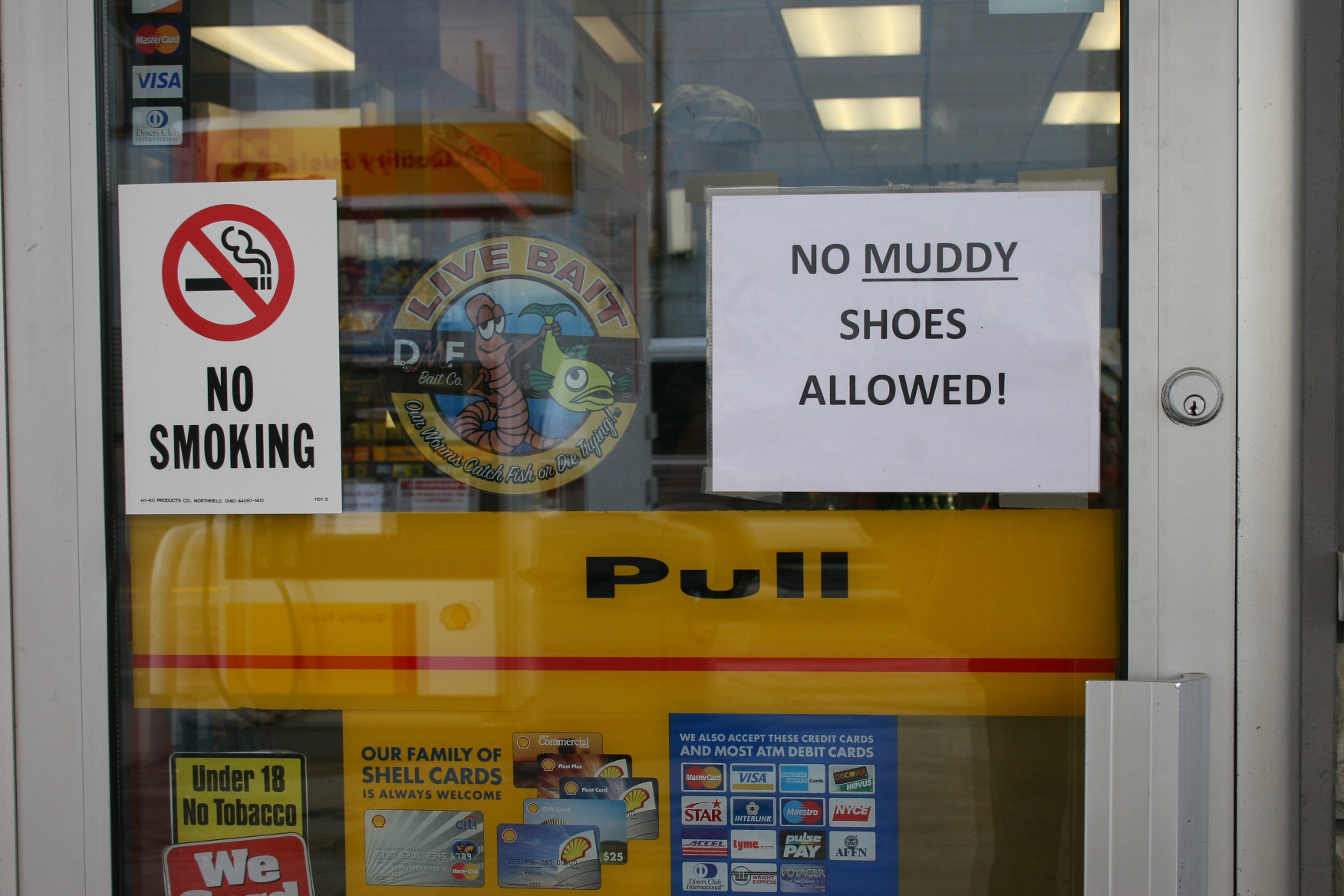
YOU BEST NOT ENTER the Shell convenience store/gas station in Morgan with muddy shoes. I never checked my flip flops nor the floor upon entering. My initial focus was finding the bathroom in Wayne’s C-Store, as it’s known by locals.

Posted on doors of the Shell station in Morgan.

Posted on doors of the Shell station in Morgan.

Only afterward did I ponder the message and wonder how many times staff has dealt with mud trekked inside this retail hub in this rural southwestern Minnesota community. Often enough, apparently, given the postings on the two front doors.

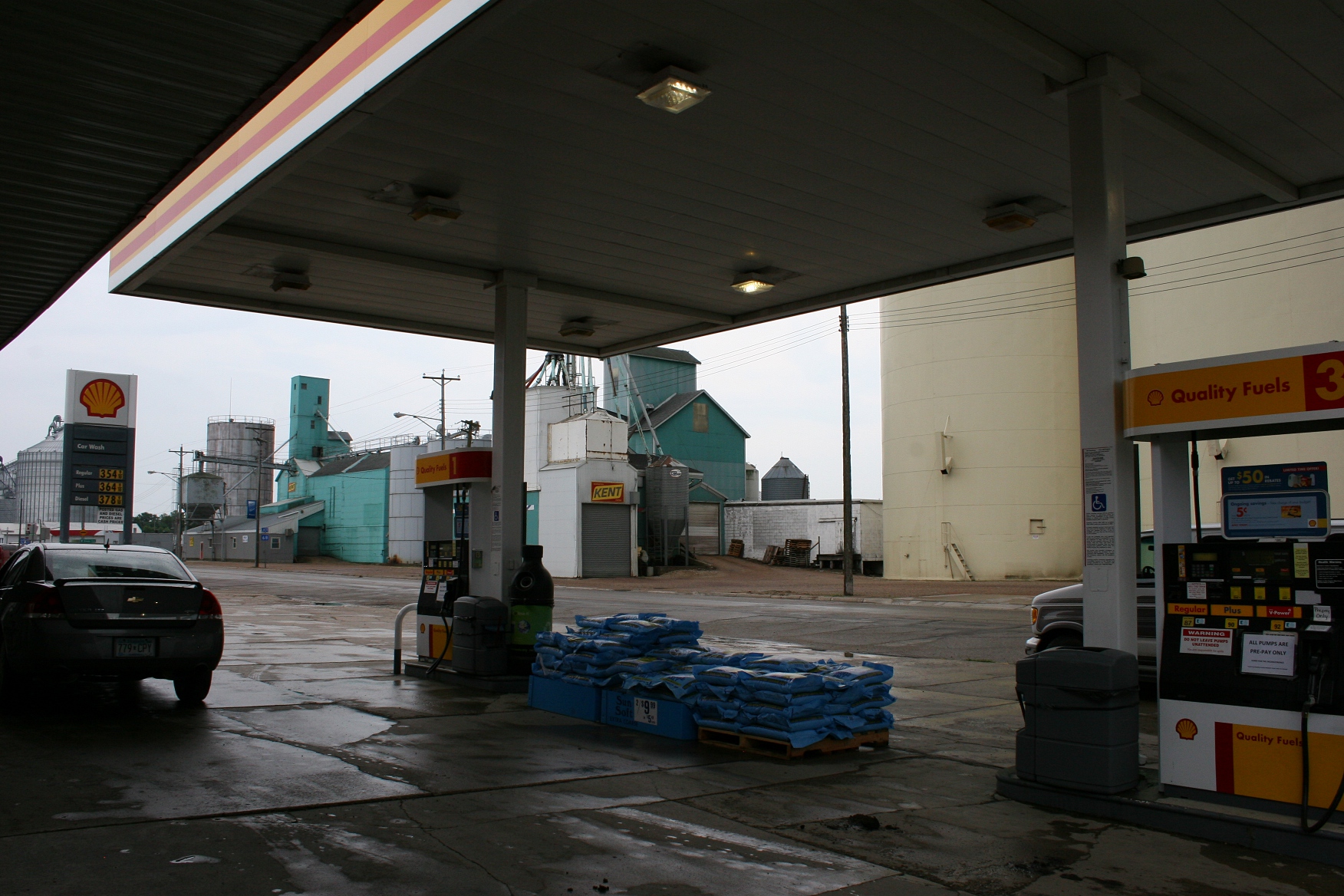
A view right outside the Shell station.

A view right outside the Shell station.

My husband and I had just driven about 100 miles, more than an hour of that in rain. But, unless our soles acquired mud while walking from our gravel parking space into the store, they should have been clean.

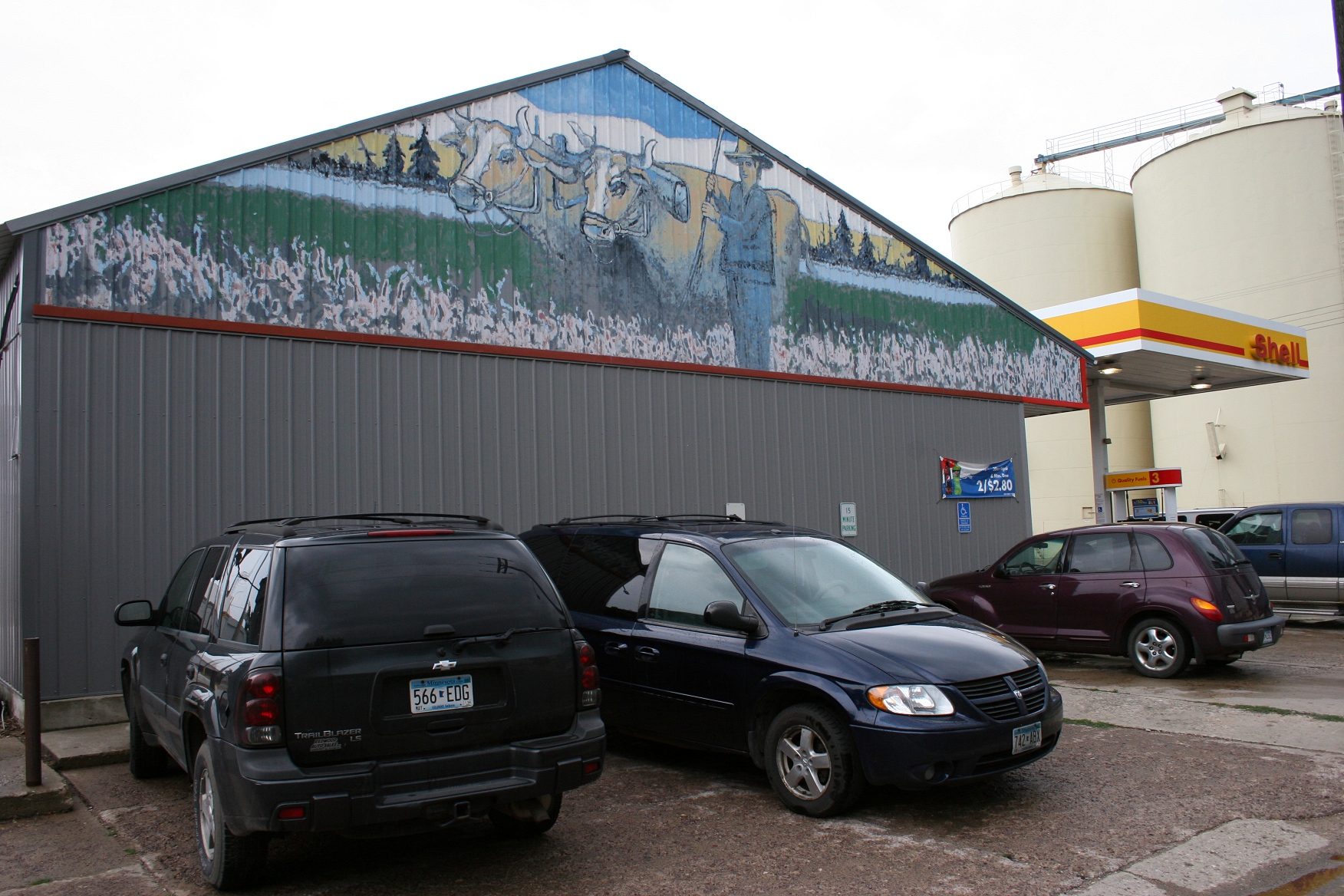
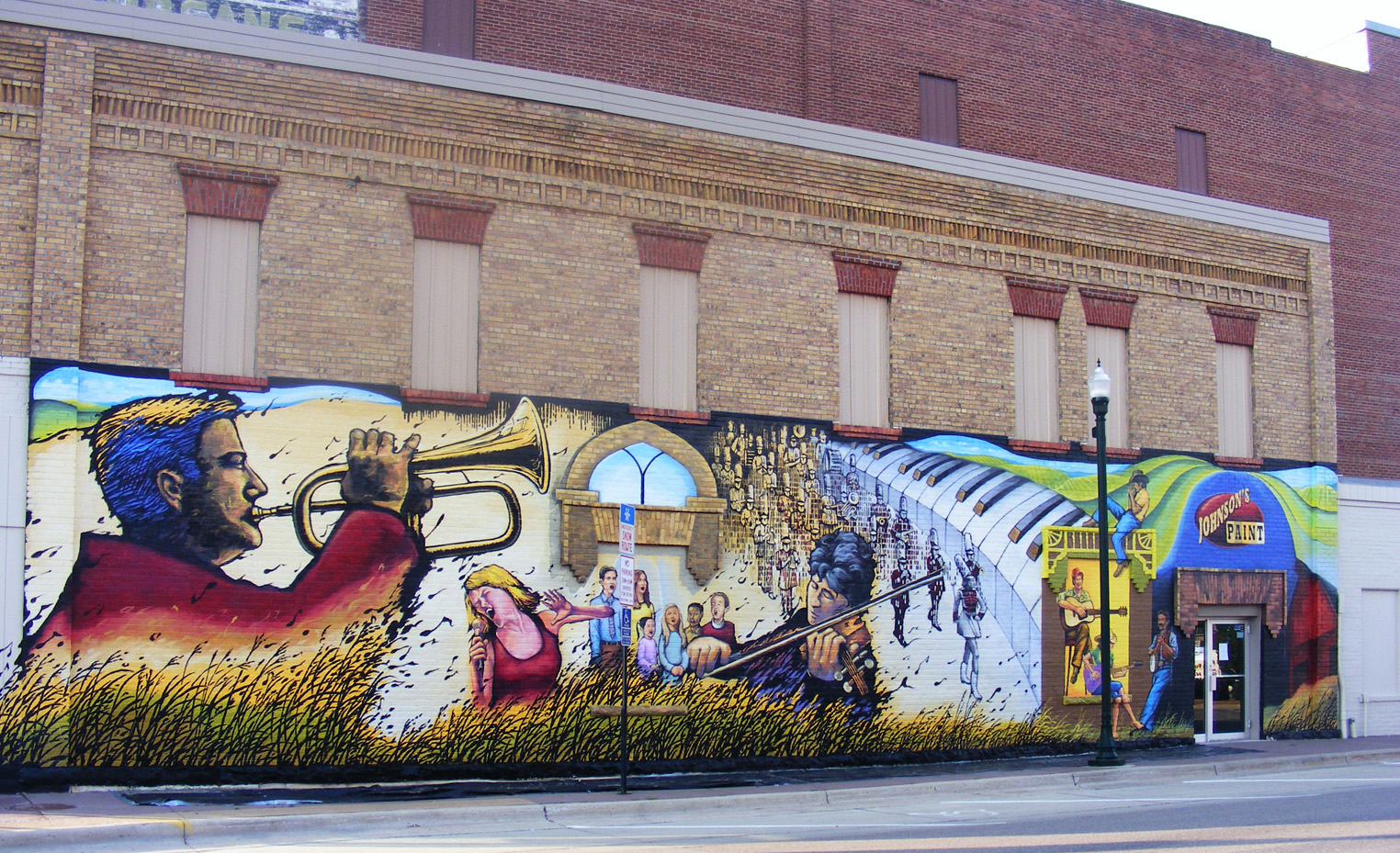
A rural-themed mural on the side of Wayne's C-Store.

A rural-themed mural on the side of Wayne’s C-Store.

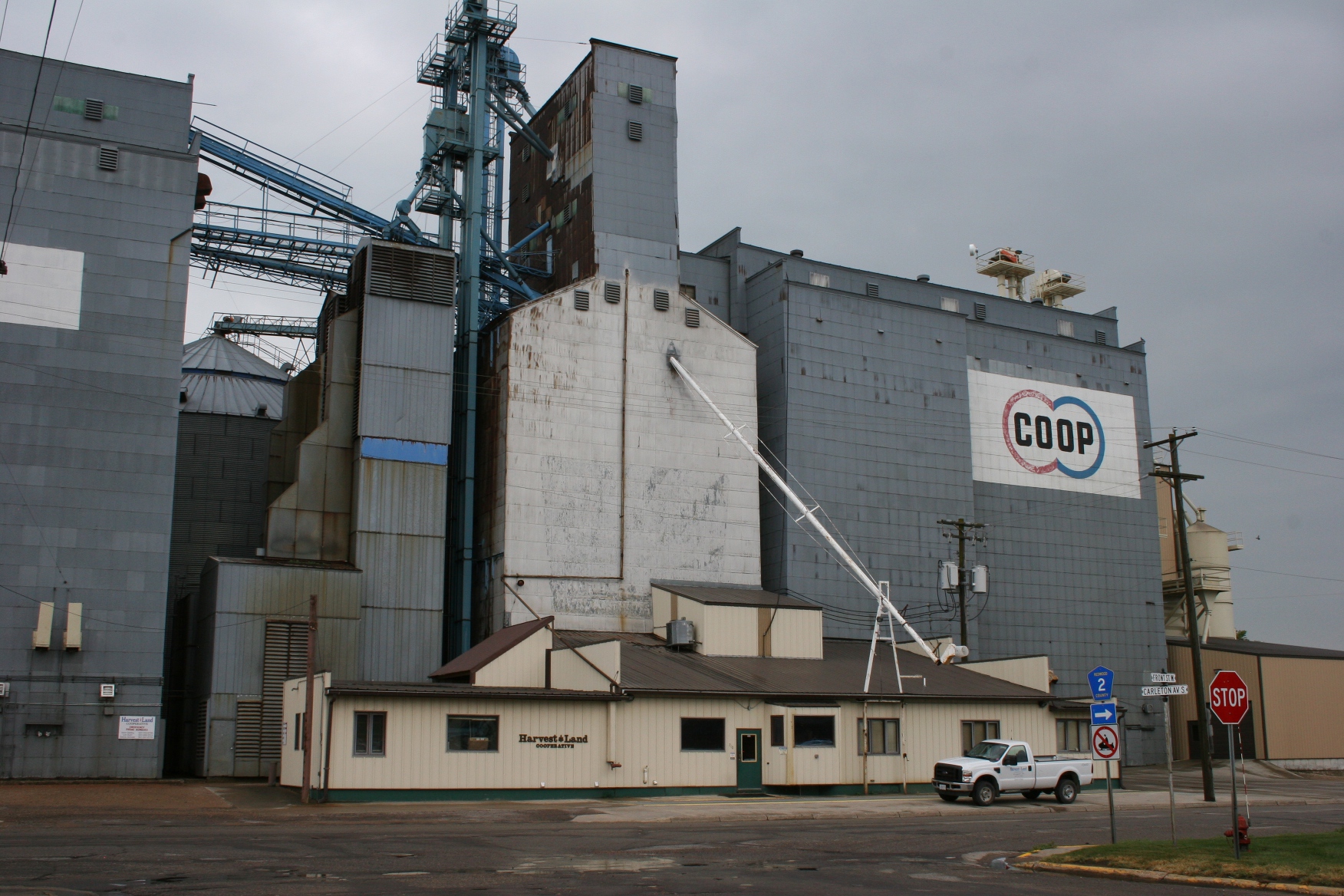
After photographing the NO MUDDY SHOES ALLOWED! sign and the mural on the side of the convenience store, I swung my camera around to photograph Harvest Land Cooperative across the street.

A snippet of the Harvest Land Co-op complex across the highway from the Shell station.

A snippet of the Harvest Land Co-op complex across the highway from the Shell station.

There’s something about an elevator that always causes me to pause and reflect on my rural Minnesota prairie roots.

The hatchery is closed.

The hatchery is closed.

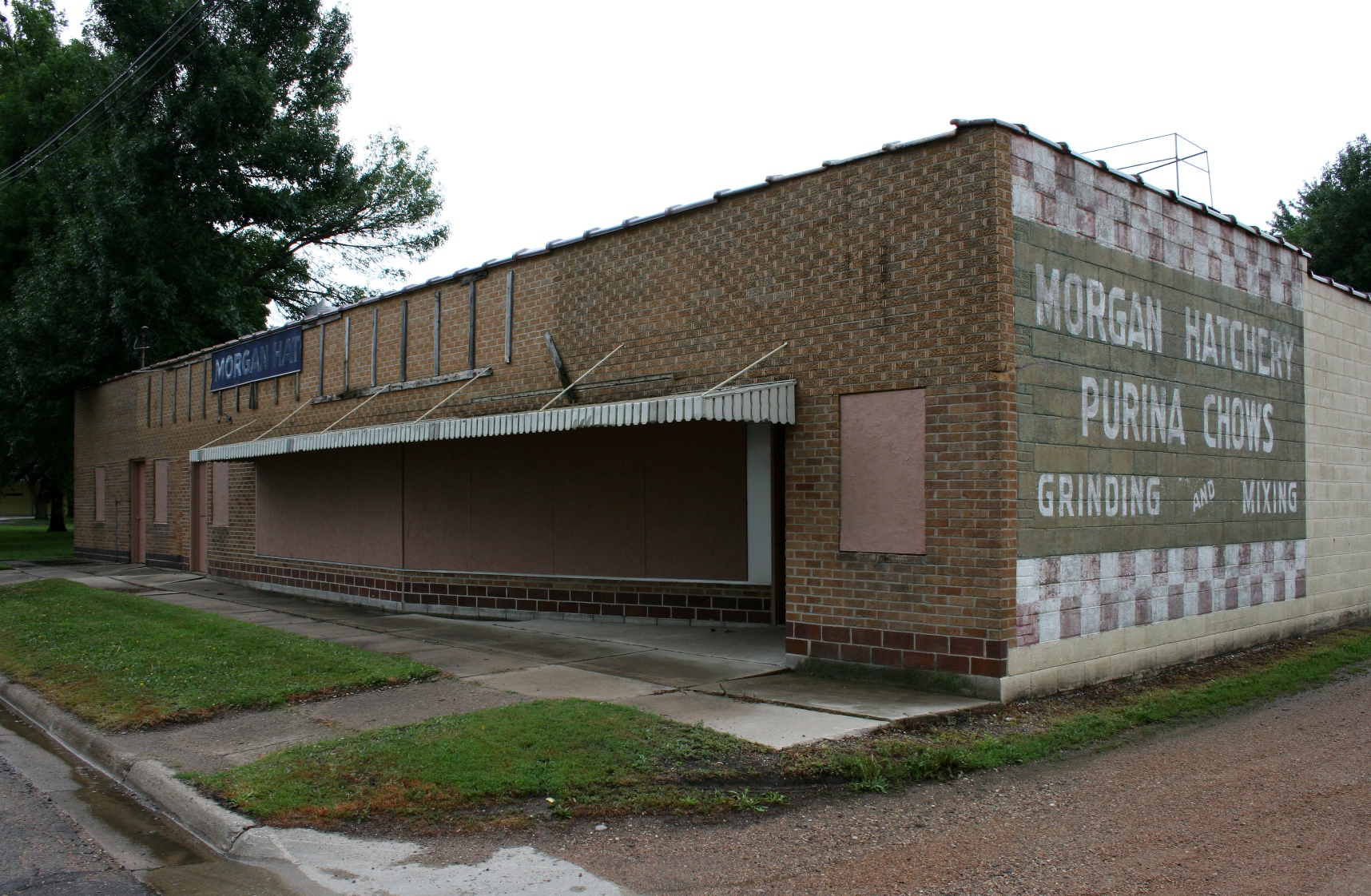
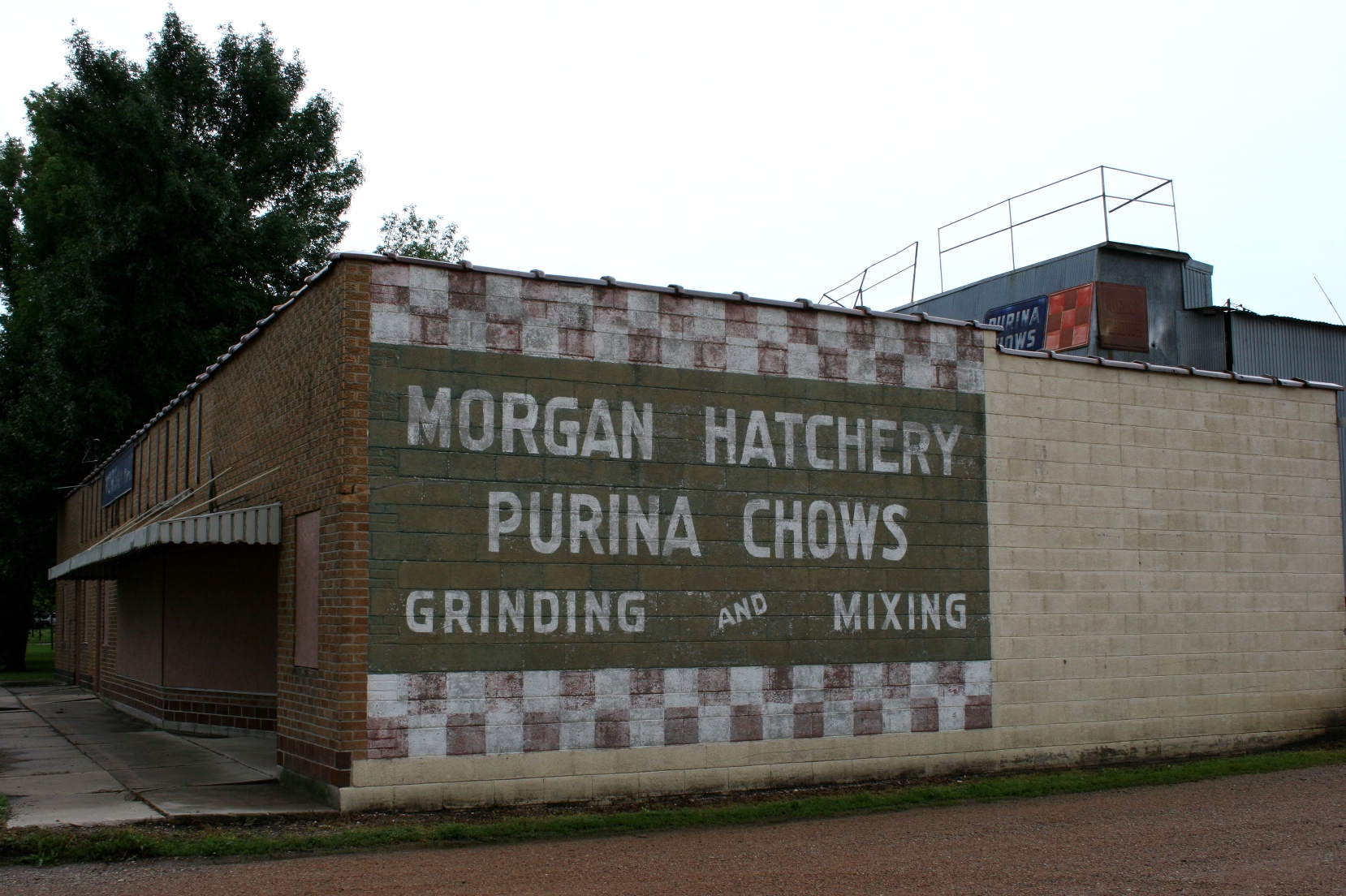
From there I skirted vehicles parked alongside the Shell station and dodged puddles to photograph signage on the next door old Morgan Hatchery.

A side view of the former hatchery.

A side view of the former hatchery.

At that point I likely muddied my flip flops. But that was just fine. I wasn’t returning to the NO MUDDY SHOES ALLOWED! store.

© Copyright 2013 Audrey Kletscher Helbling


Walnut Grove mural bridges cultures July 18, 2013

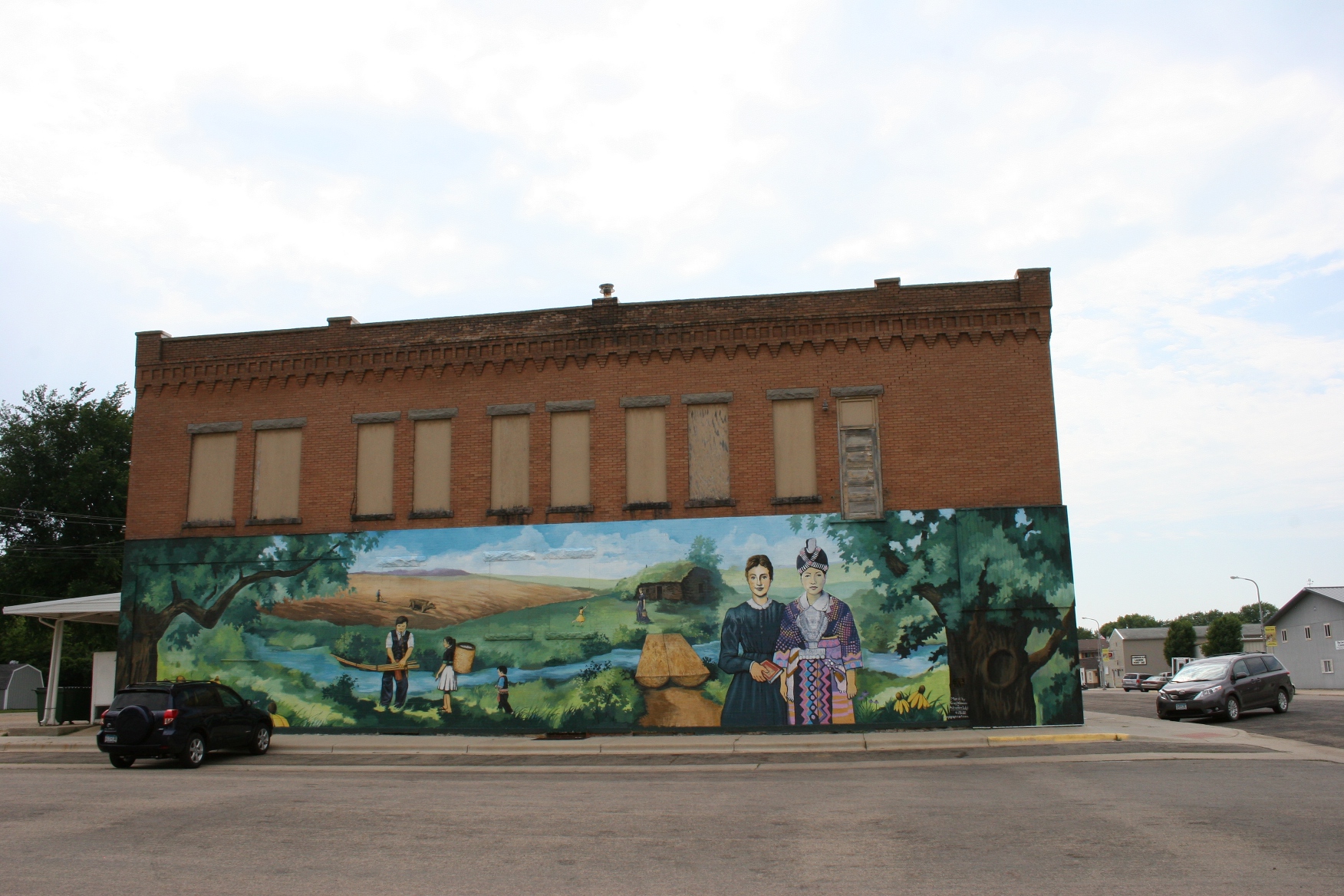
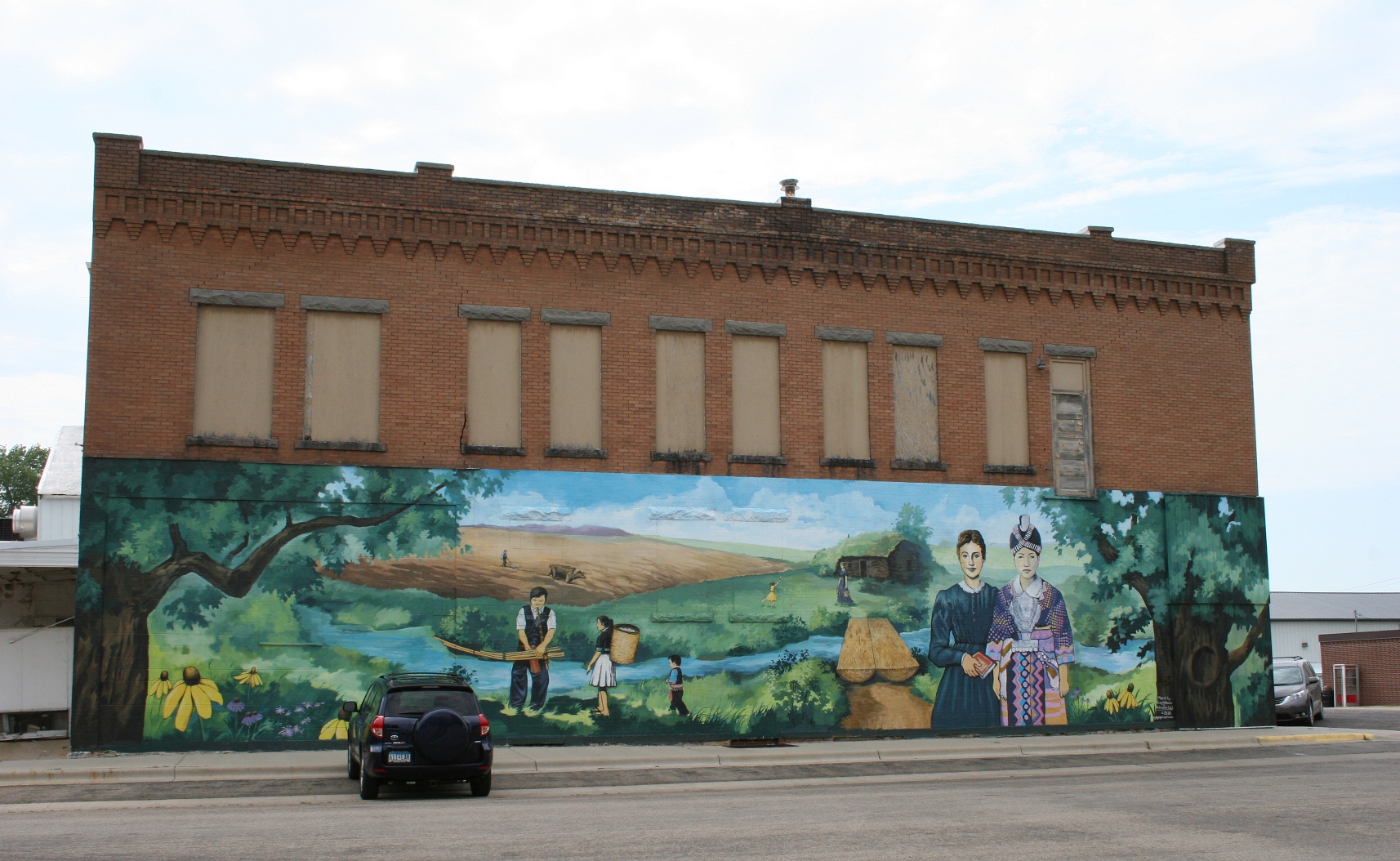
Rochester artist Greg Wimmer was commissioned to paint this mural last summer in downtown Walnut Grove.

Rochester artist Greg Wimmer was commissioned to paint this mural last summer in downtown Walnut Grove.

MY NEPHEW, ADAM KLETSCHER, who lives and teaches in Walnut Grove, told me to check out the new mural downtown when I recently visited this southwestern Minnesota community. So, after leaving the Family Festival during the town’s annual celebration of Laura Ingalls Wilder’s Little House books, I stopped to photograph the 20-foot by 78-foot painting on the east side of Bubai Foods along Main Street.

Being a bit rushed, I failed to photograph the front of the building housing a combination Asian and American food market. And I didn’t have time to go inside and ask questions.

Later I connected with Terry Yang, who moved to Walnut Grove in 2001 from St. Paul, opened the Asian portion of Bubai Foods in 2003 and purchased the American foods side in 2005.

Yang is among the estimated 30 percent of Walnut Grove’s 870 residents of Hmong ethnicity. The Hmong first came to this rural area in 2000, Yang says, to settle in a quiet small town with affordable housing (“We don’t have to lock our houses or cars here,” he says) in a landscape similar to their native Laos.

Walnut Grove is now home to retired Hmong and to young people employed mostly at factories in nearby Marshall, Wabasso and Worthington.

The mural in progress. Photo courtesy of Greg Wimmer.

The mural in progress. Photo courtesy of Greg Wimmer.

It is that infusion of Laotian immigrants that figured in to the design of the community-supported mural painted last summer by Greg Wimmer of Rochester based Wimmer Illustration and Design with assistance from Adrienne Lobl. Mural sponsors included individuals, local businesses and the Laura Ingalls Wilder Museum.

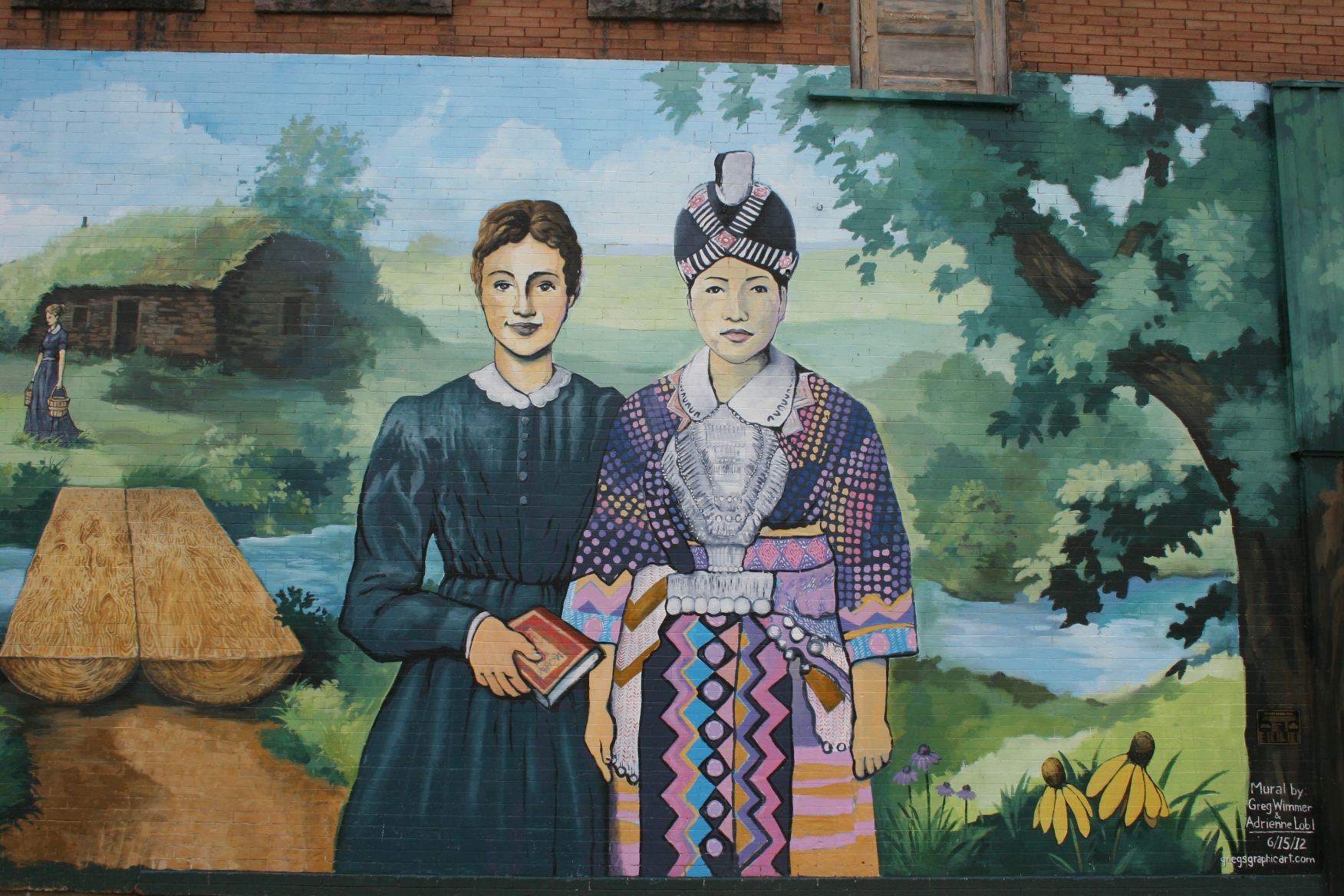
This snippet of the mural shows Laura Ingalls Wilder as a teacher next to a Hmong woman. To the left is the log bridge spanning Plum Creek, where the Ingalls family lived in a dug out.

This snippet of the mural shows Laura Ingalls Wilder as a teacher standing next to a Hmong woman. To the left is the log bridge spanning Plum Creek, where the Ingalls family lived in a sod house.

The painting, Yang says, shows the similarities between Laos and Walnut Grove and also melds the new Hmong culture and the pioneer history of this Minnesota community. For example, Laura Ingalls and a Hmong woman stand side by side, one in a simple lace-collared prairie dress, the other in intricate and colorful traditional celebratory Hmong attire reserved for special occasions like weddings and New Year’s celebrations.

Wimmer worked with the Hmong community, integrating many of their suggestions in to the design. A log bridge spanning Plum Creek, part of an original Ingalls family mural here which had faded and was in need of repair, was incorporated in to the new work and represents the bridging of two cultures, according to the artist.

“My personal opinion is that it (the mural) makes a statement about the changes in the community without saying a word,” Wimmer says.

In the foreground a Hmong man plays a bamboo flute near a rice field as his daughter carries a basket. In the background, a pioneer  busts sod with a an ox and a plow.

In the foreground, left, a Hmong man plays a bamboo flute near a rice field as his daughter carries a basket. In the background, a pioneer busts sod with an ox and a plow.

Yang also references the connections between the two cultures via two farming scenes—of a pioneer man plowing a Minnesota field with an ox, similar to the water buffalo that work the land in Laos, and of a Hmong family near a rice field and shown with a basket for carrying harvested crops from farm to village.

Native prairie plants, like black-eyed Susan and coneflowers, are part of the painting.

Native prairie plants, like black-eyed Susan and coneflowers, are part of the painting.

One of the draws to Walnut Grove, Yang says, is the land available for Hmong to plant gardens. Laotian natives, like native Walnut Grove area residents, are connected to the land.

Yang has always felt welcome in southwestern Minnesota and appreciates the mural showcasing the changes in his community, which now includes, he says, “so many races.”

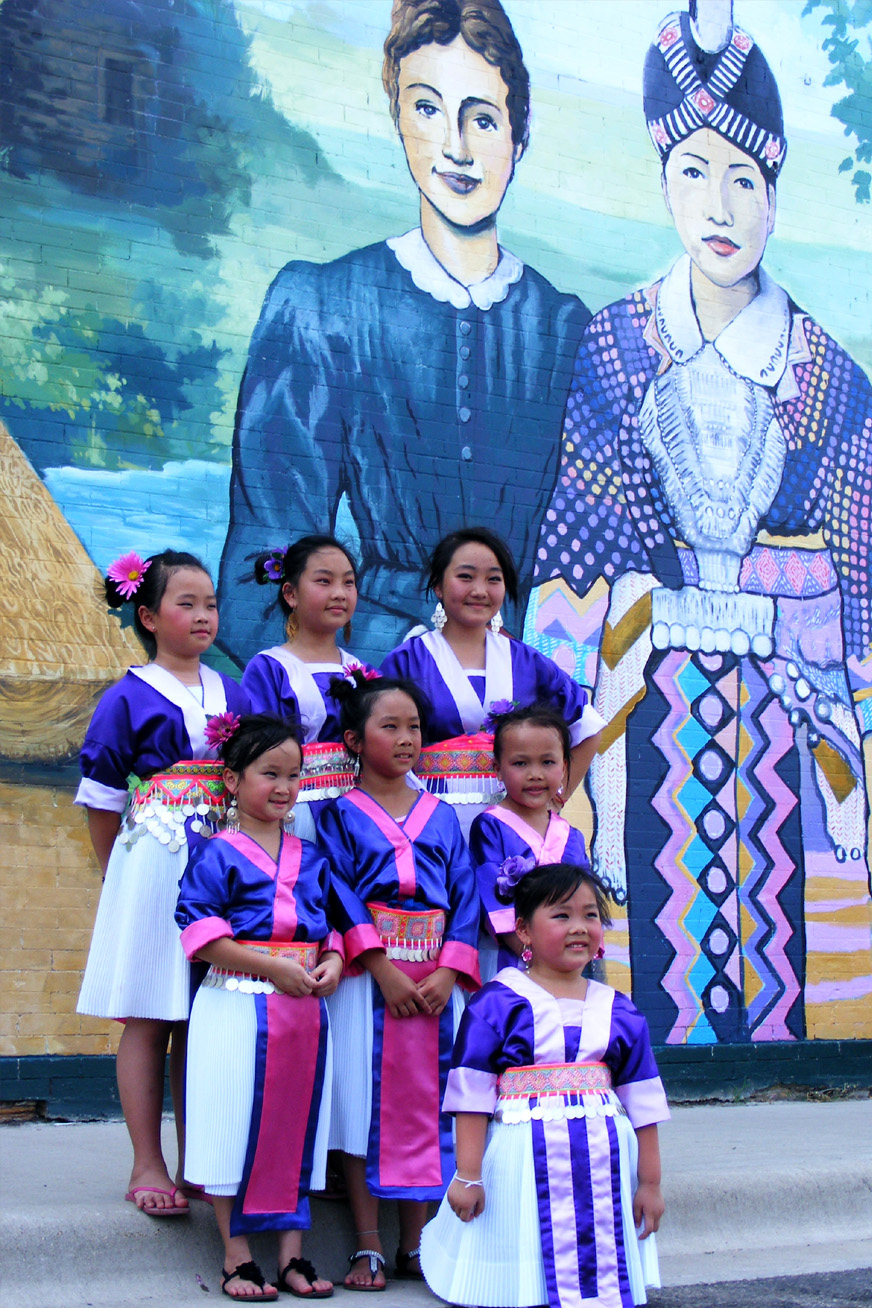
Girls in traditional Hmong dress attended the mural dedication last year.

Girls in traditional Hmong dress attended the mural dedication last year. Photo courtesy of Greg Wimmer.

FYI: Hmong dancers will be among entertainers at the Family Festival from 11 a.m. – 6 p.m. this Saturday, July 20, at the Walnut Grove City Park as part of the festivities celebrating the Little House books by Laura Ingalls Wilder. Click here to see the festival schedule.

And click here for more information about other events at the annual celebration.

BONUS PHOTOS:

Greg Wimmer painted this mural in nearby Marshall. Photo courtesy of Greg Wimmer.

Greg Wimmer painted this mural in nearby Marshall. Photo courtesy of Greg Wimmer.

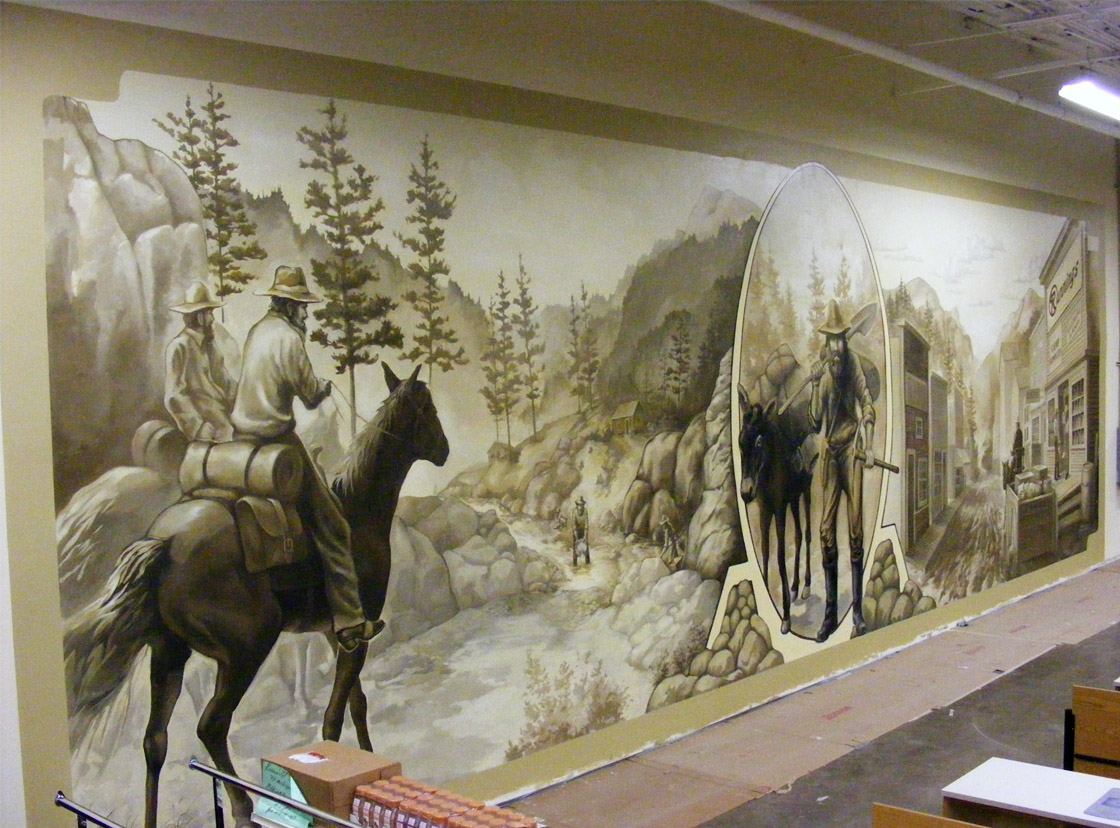
And Wimmer painted this mural in Rapid City, South Dakota. Photo courtesy of Greg Wimmer.

And Wimmer painted this mural in Rapid City, South Dakota. Photo courtesy of Greg Wimmer.

© Copyright 2013 Audrey Kletscher Helbling


Little school on the prairie July 8, 2013

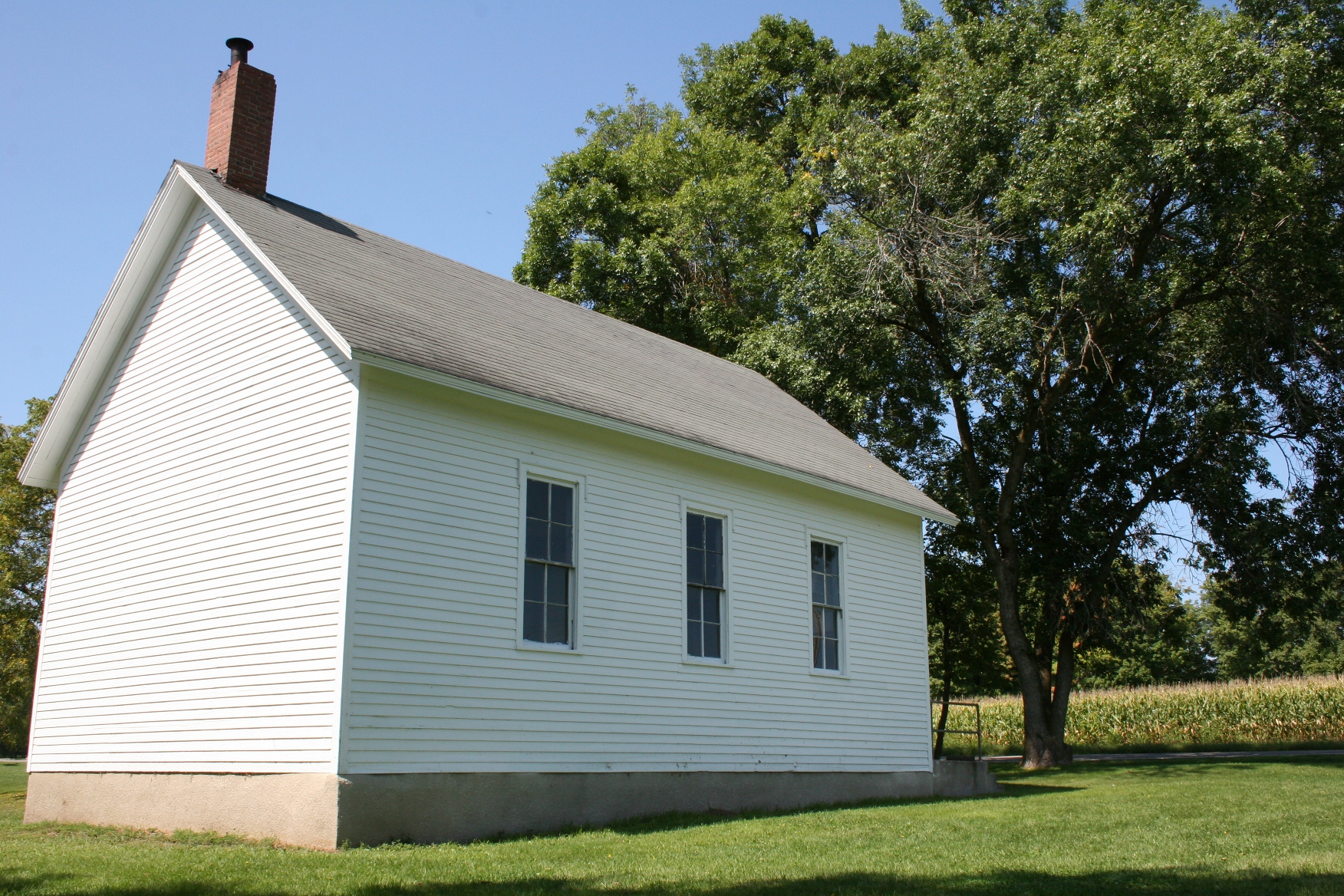
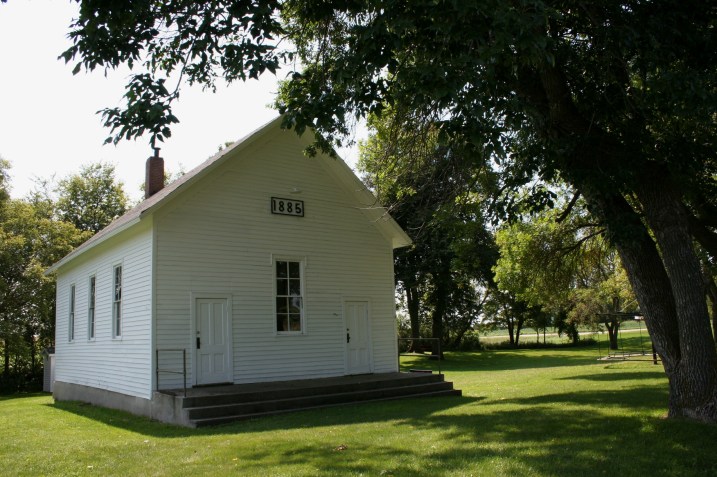
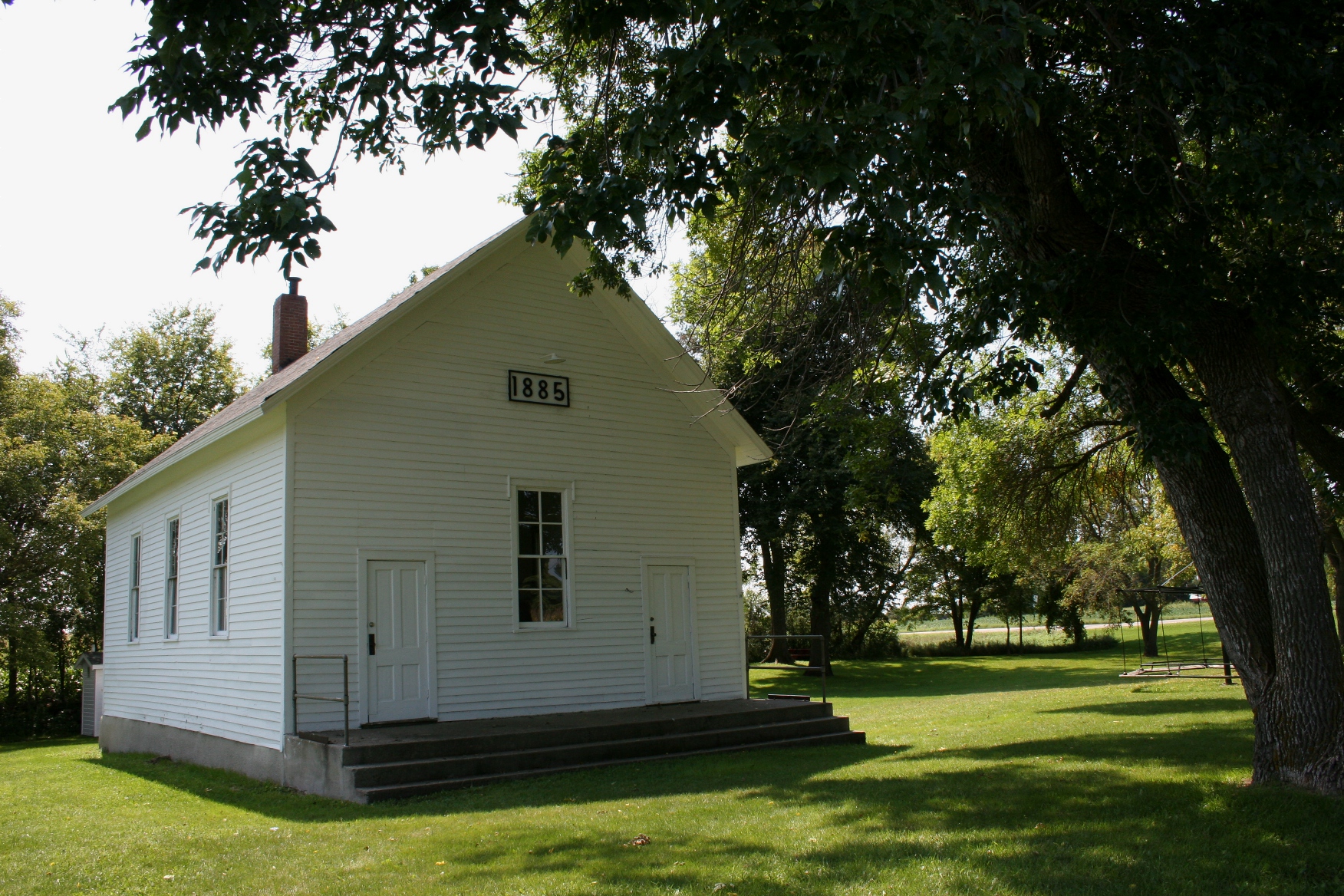
The former Little Prairie School District 15 country schoolhouse near Dundas in rural Rice County Minnesota.

AS THE STORY GOES, and I’ve no reason to believe it’s been embellished, the teacher kept the students inside for recess one afternoon because of coyotes roaming the school grounds.

True story from the one-room Chimney Butte School, rural St. Anthony, North Dakota, in the early 1960s.
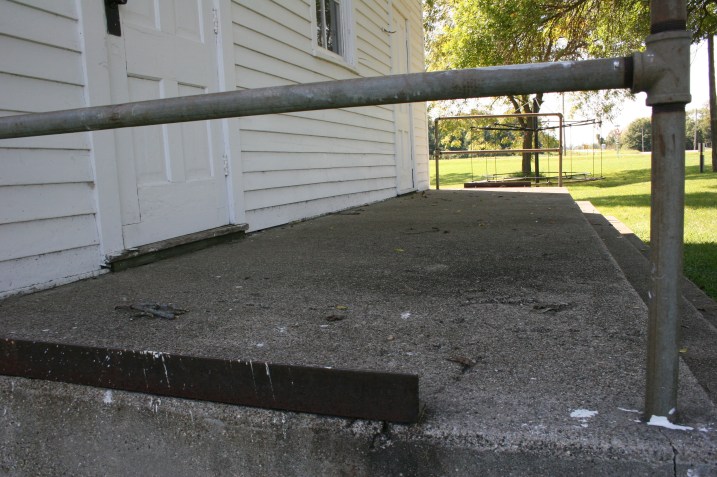
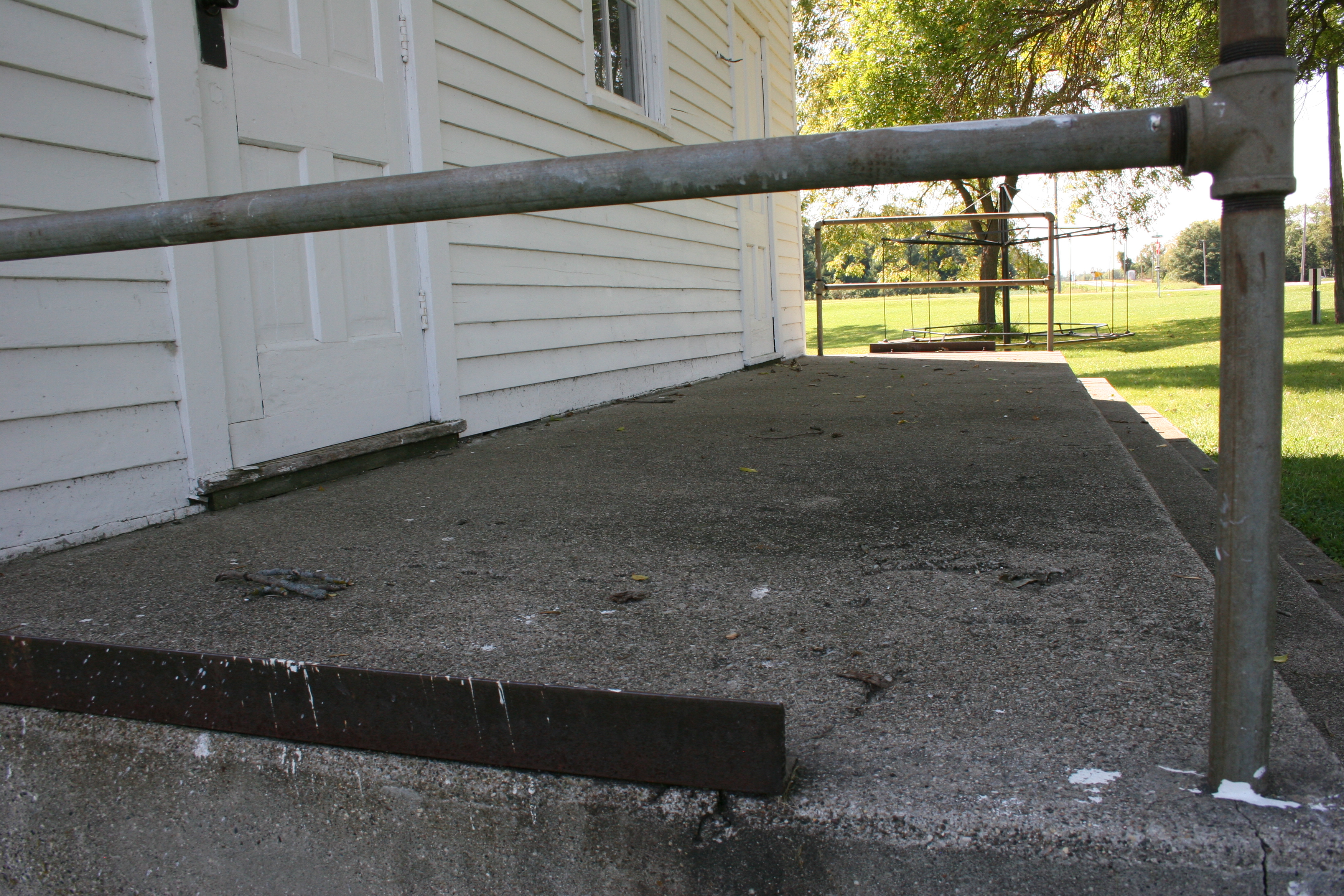
Scrape the mud from your shoes on the metal scraper, left, before stepping inside the Little Prairie school.

This tale, which I suppose does not make it a tale if it’s the truth, flits through my mind every time I step inside a country school, like that at Little Prairie. My husband, one of the Chimney Butte students sheltered from the ranging coyotes, and I came across the 1885 Little Prairie School District 15 country school as we traveled the back roads between Faribault and Dundas.

We’ve previously driven Rice County roads 8 and 77 through the heart of Little Prairie. But I’d only noticed then the historic Little Prairie United Methodist Church and not the old schoolhouse kitty-corner across the tar road.

As I always do, I tried the schoolhouse doors, hoping to get inside, knowing they would be locked. So I cupped my hands around my eyes to reduce the glare and peeked inside the windows, then lifted my camera and shot a few photos.
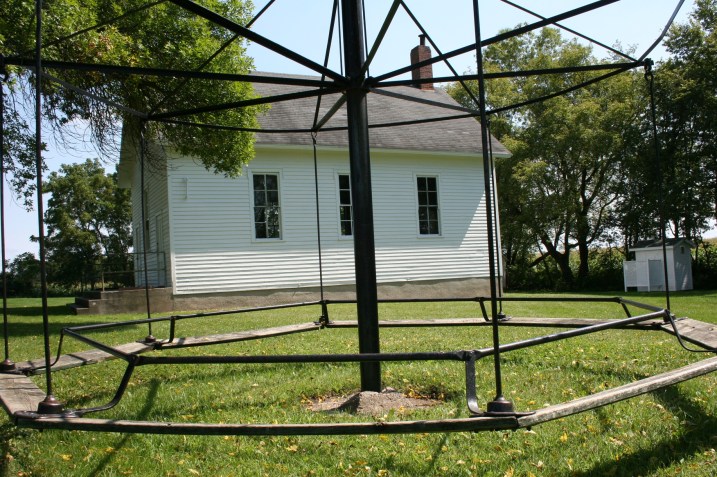
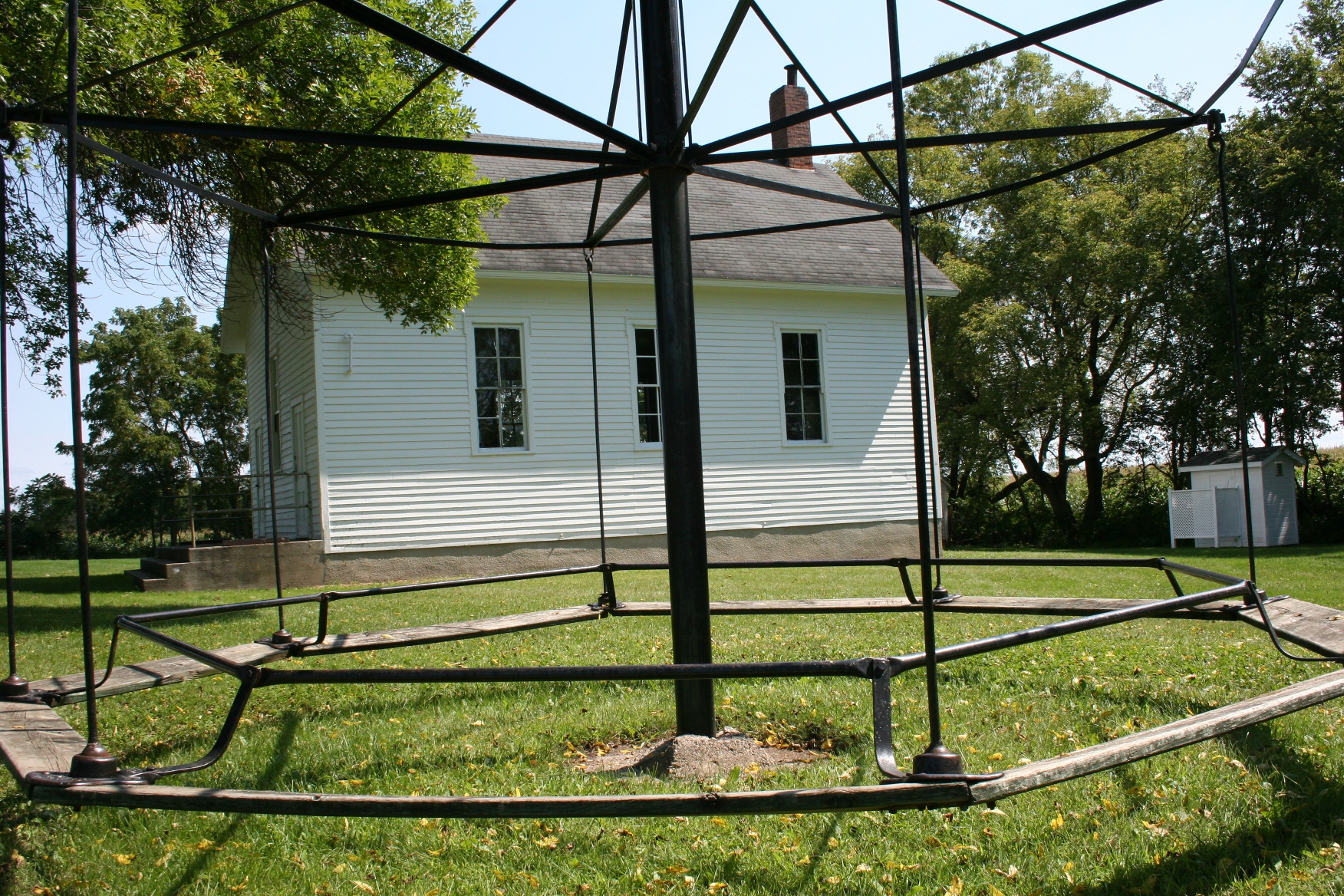
I’ve never seen or ridden a merry-go-round like this one in the Little Prairie school yard. It gently swayed up and down as we circled.

And then, as we spun on the merry-go-round, we noticed the car parked by the church and the man sitting on a bench outside with his back to us. We contemplated that he might be the pastor, a man with a key. Randy even went so far as to suggest that he likely was waiting between appointments to counsel couples engaged to be married.
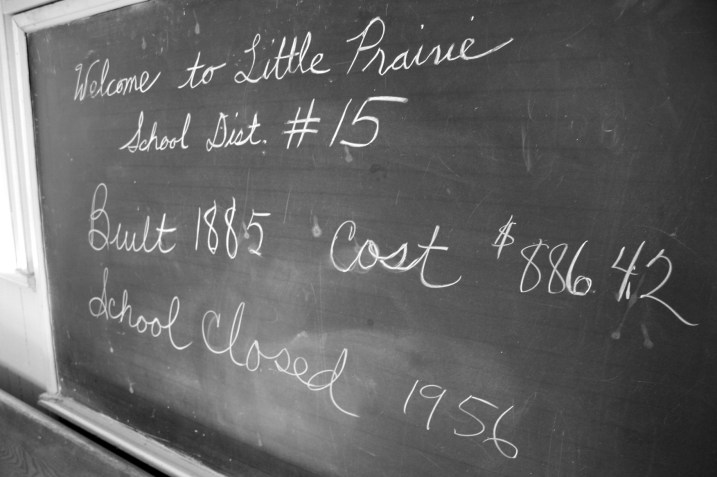
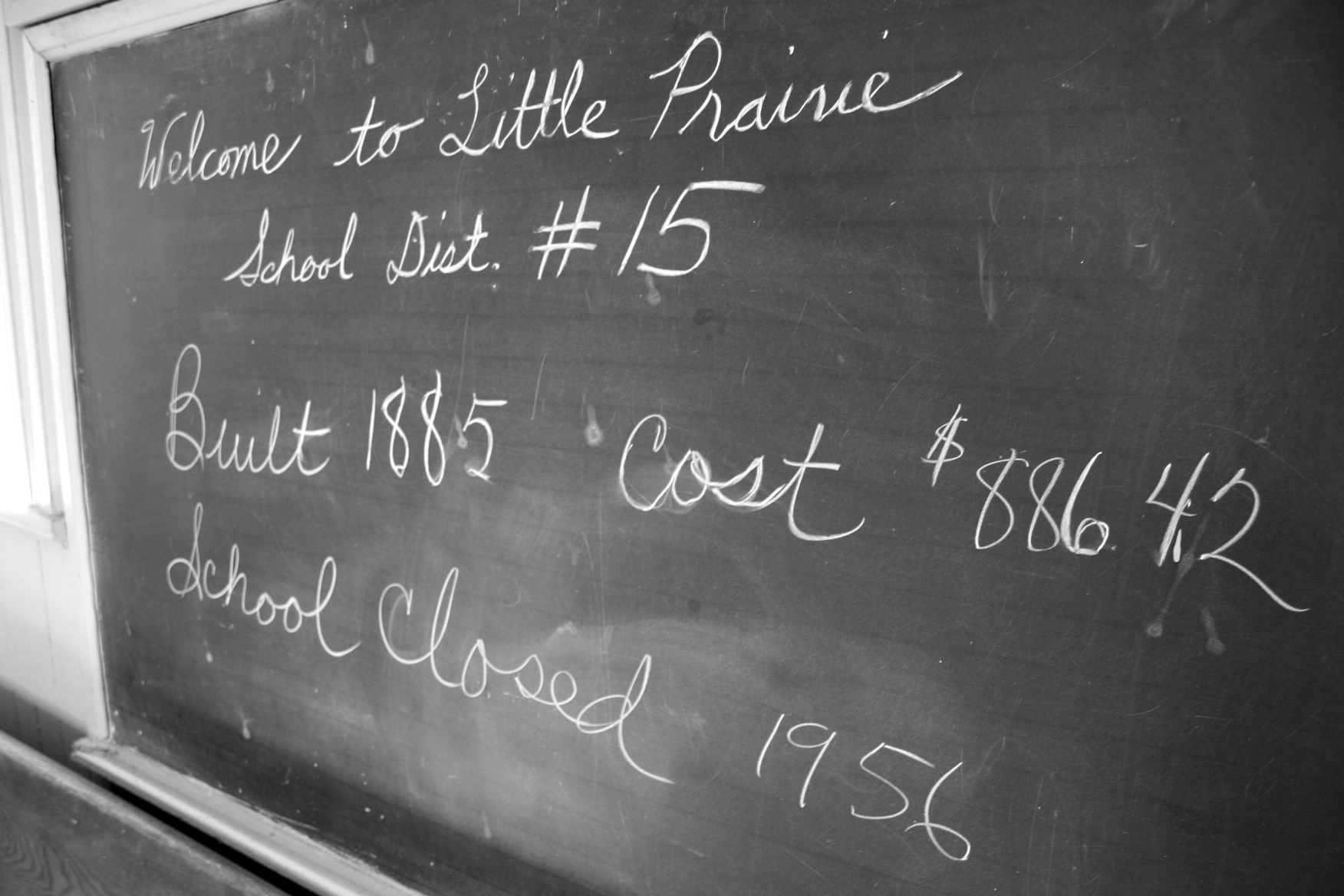
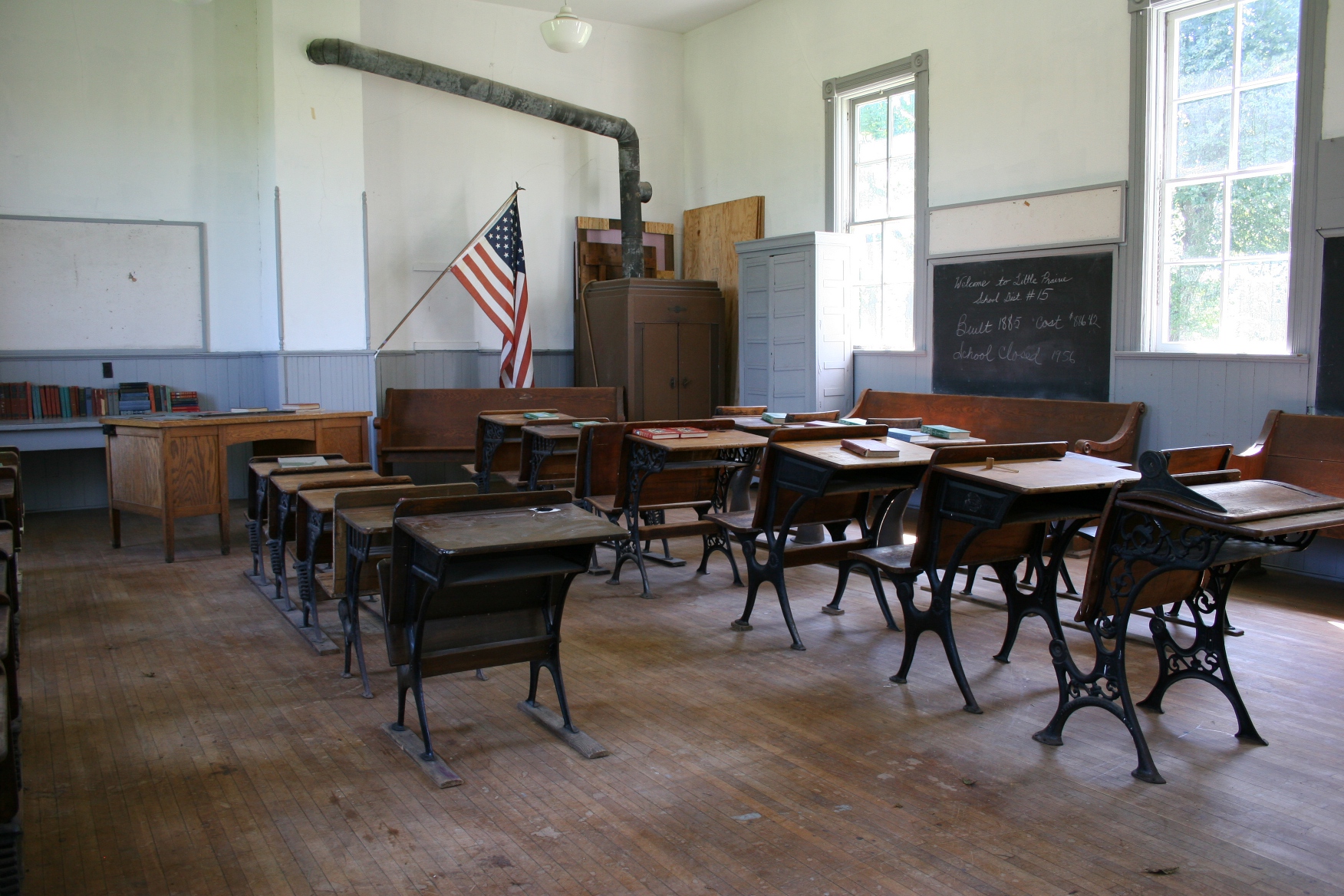
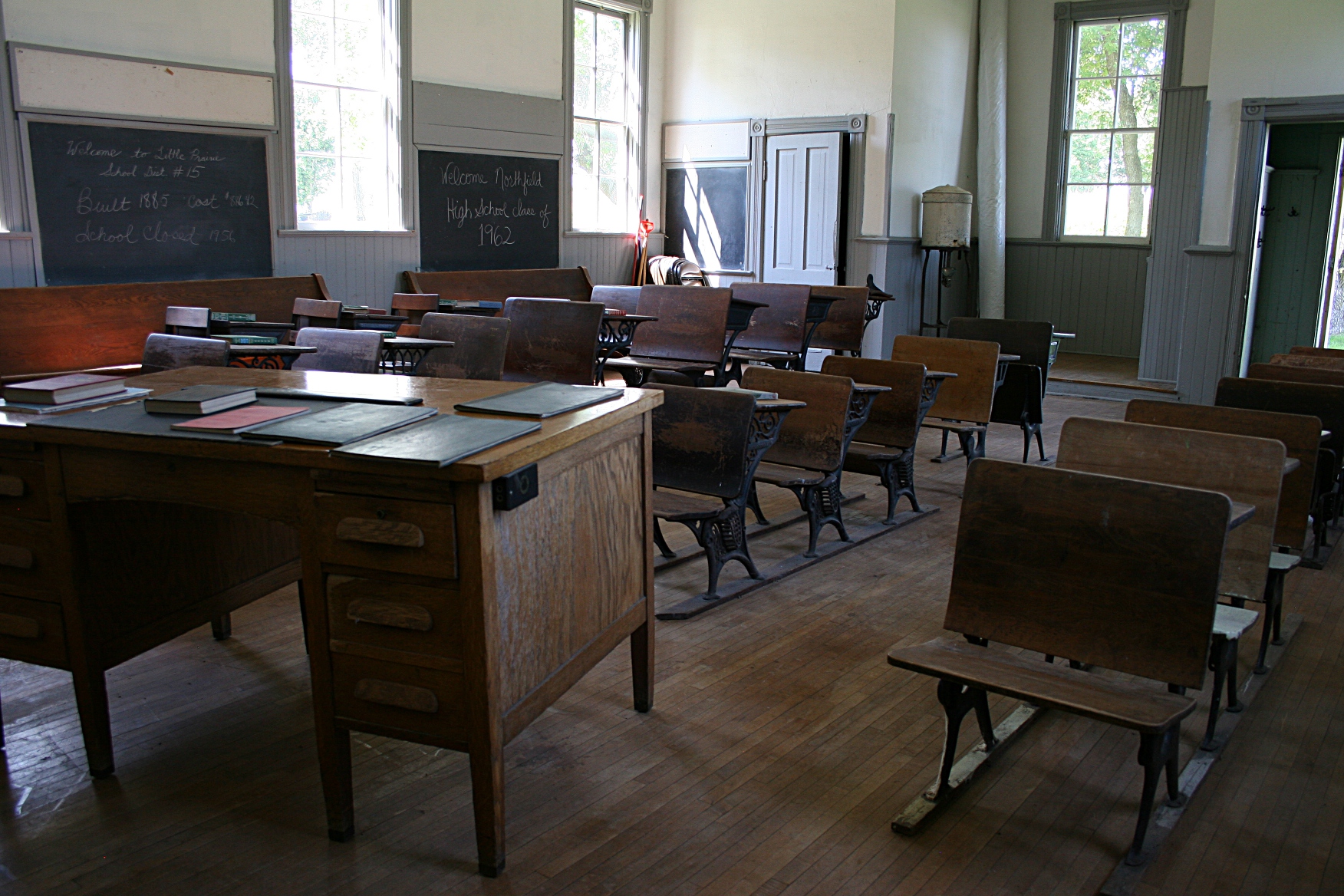
A blackboard, with pertinent historical info about the school.

Eventually the man spotted us, crossed the road and we were in. Pastor Gordon, as he introduced himself, wasn’t leaving us outside for the coyotes, not that we saw any lurking in the vicinity. And, yes, he said, he was between pre-marriage counseling sessions.

Like us, Pastor Gordon Deuel did not grow up in Rice County. Like me, he’s from southwestern Minnesota, except farther west than me, from the prairie town of Hendricks on the Minnesota-South Dakota border. He feels at home here, where he’s pastored Little Prairie for seven years.

I tell you this because he cannot recite the detailed history of the Little Prairie School as a local would. But he possesses, like Randy and me, a deep appreciation for the preservation and history of old buildings such as country schoolhouses and churches.
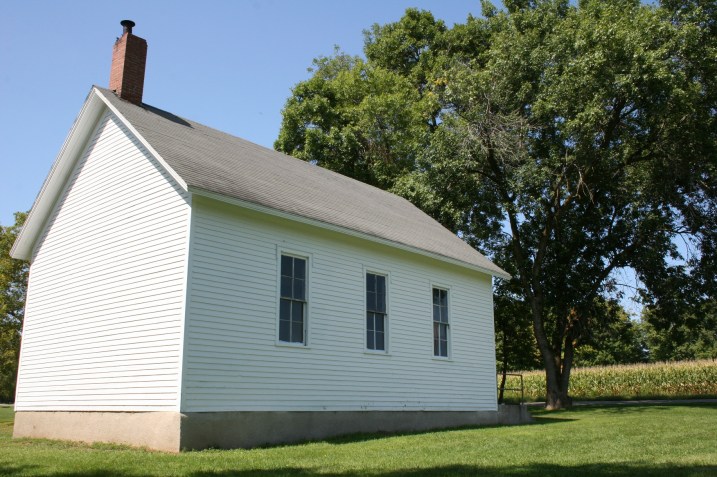
A back and side view of the school, surrounded mostly by cornfields.

Just that morning his congregation had planned to gather in the school yard for a worship service and community potluck picnic. But the heavy dew moved the event into the church. The school is opened several times a year for public touring and occasionally for solo stops like ours or group tours by former students.
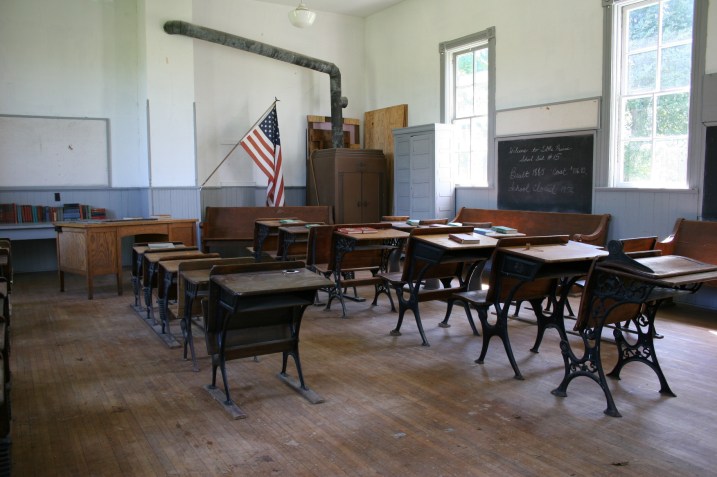
Looking to the front and one side of the school.

We came away from our chat with a realization that the people of Little Prairie care deeply for their little country schoolhouse. Although owned by the church, the school is really a community project embraced by those who live around Little Prairie and/or attend the Methodist church and also by members of the local Full-O-Pep 4-H Club, Pastor Gordon informs us. They form the informal “Schoolhouse Committee” which maintains the building and property.

Pastor Gordon remembers how several terminally ill individuals from the Northfield and Faribault areas wanted to give back to the community. So, for a small fee, they were hired to paint the exterior of the school.
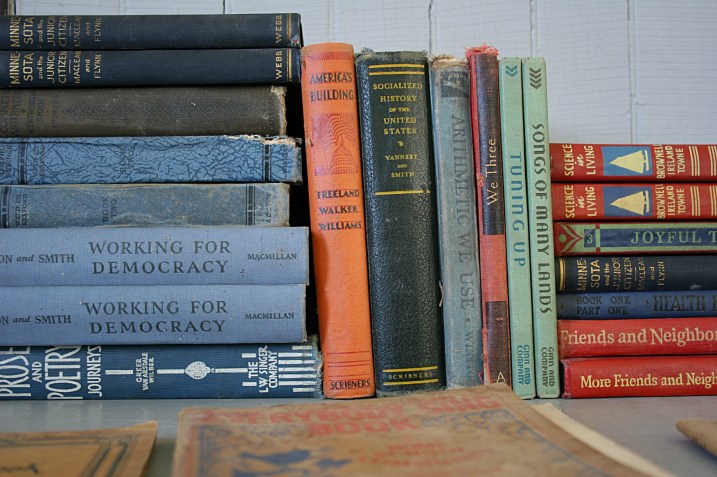
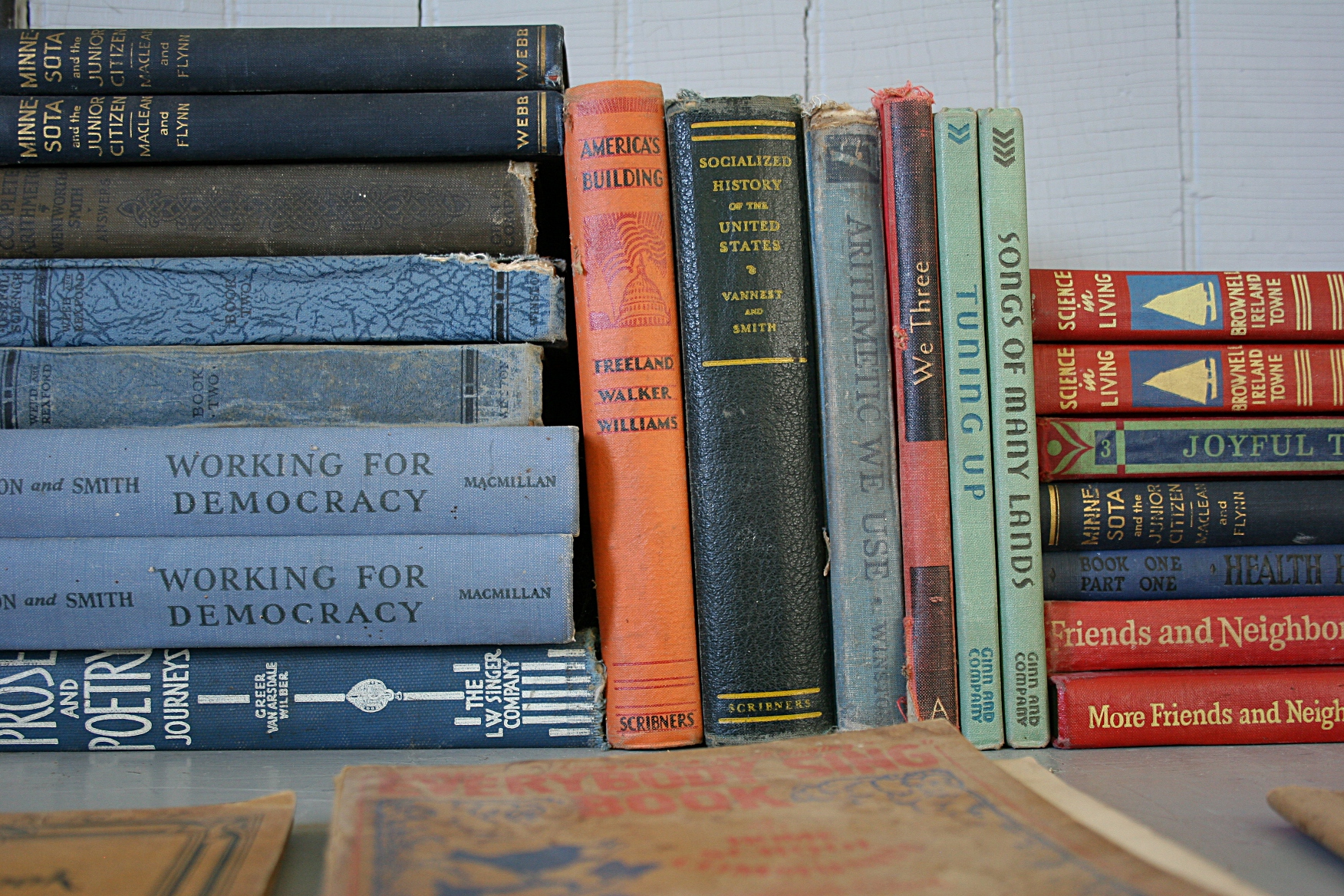
Many old books were lined precisely on a table behind the teacher’s desk.

Such care for country schools is shown likewise at the 1881 District 20 Millersburg School to the north and west near Millersburg. There members of the Christdala Preservation Association have converted the one-room country school into a museum. Randy and I discovered it two years ago, during the annual association meeting and worship service at Christdala Evangelical Swedish Lutheran Church just down Rice County Road 1.

Minnesota photographer Doug Ohman, in his Minnesota Byways series book Schoolhouses of Minnesota, features “120 color photographs that illuminate the simple, often abandoned, sometimes refurbished, and nearly vanishing Minnesota pioneer and early schoolhouses.”
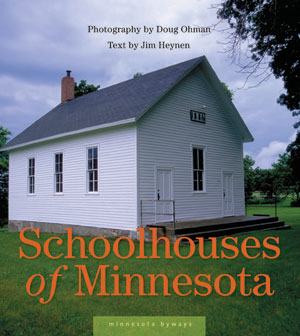
That’s Little Prairie School on the cover of Doug Ohman’s book.

Gracing the cover of that volume—Little Prairie School District #15.
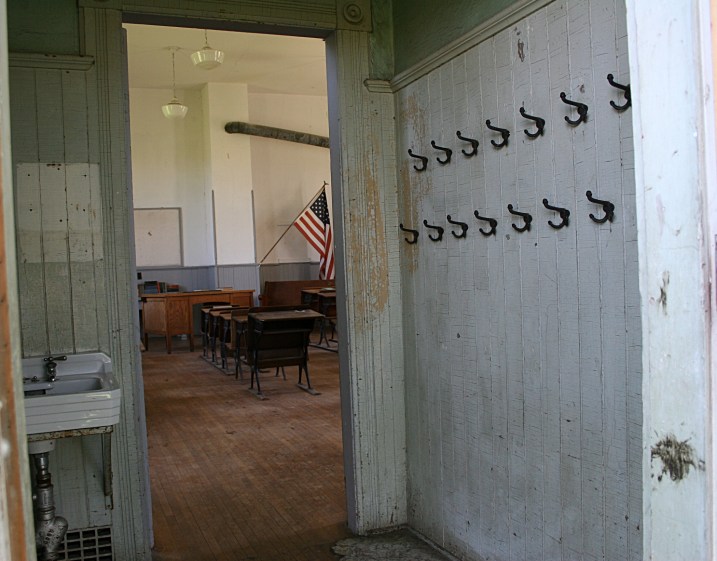
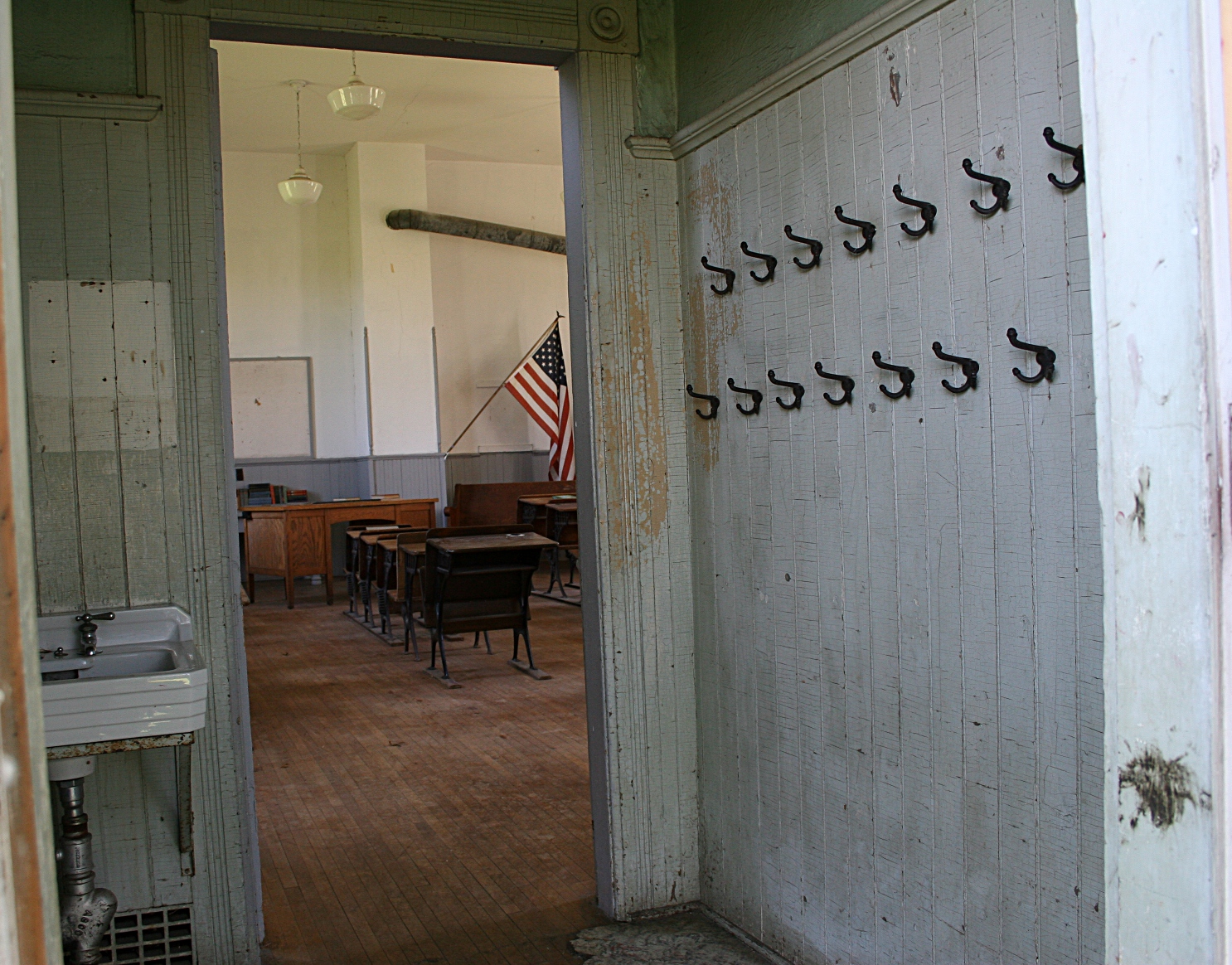
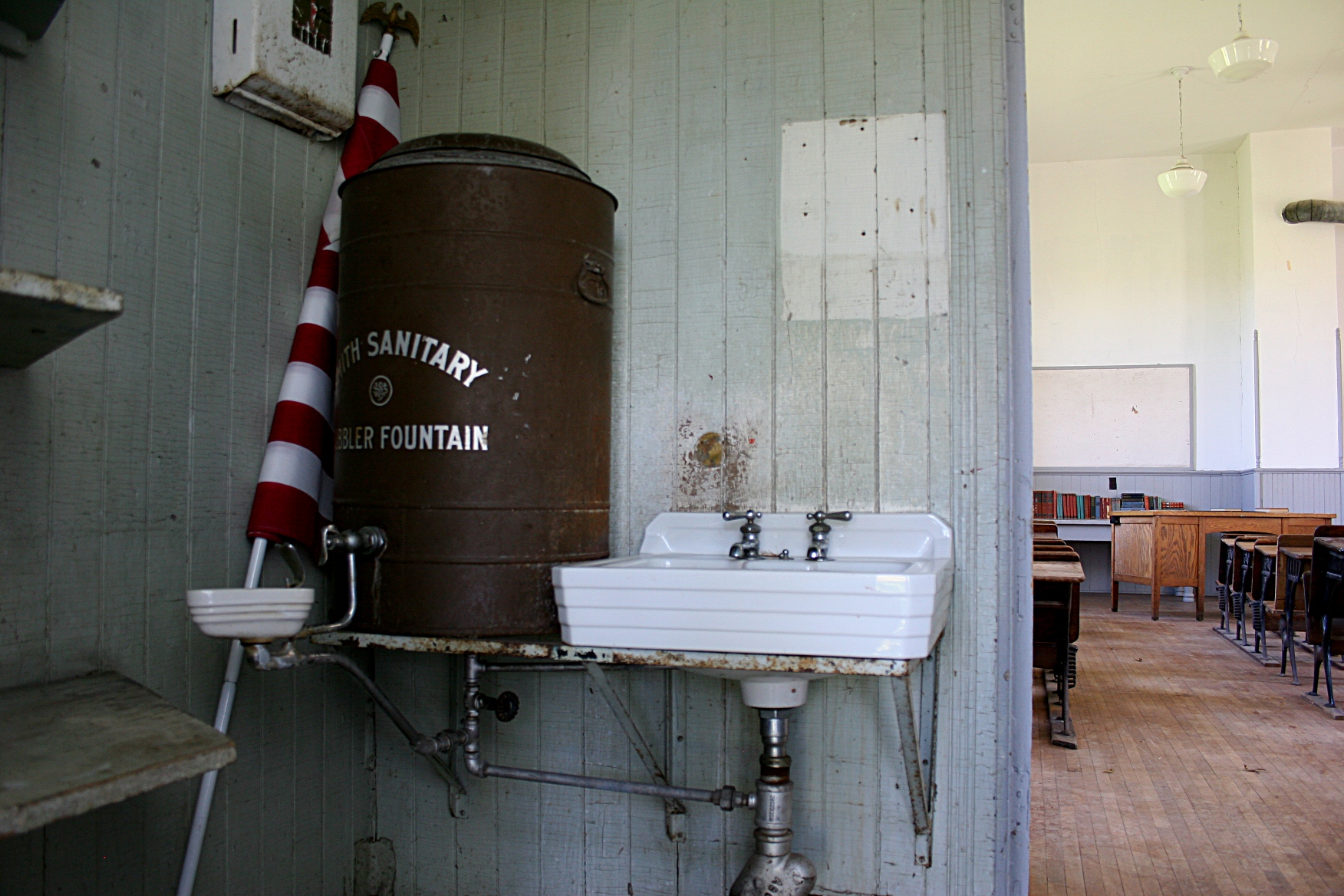
The school entry, with a place to hang coats, right, and a sink to wash up, left.
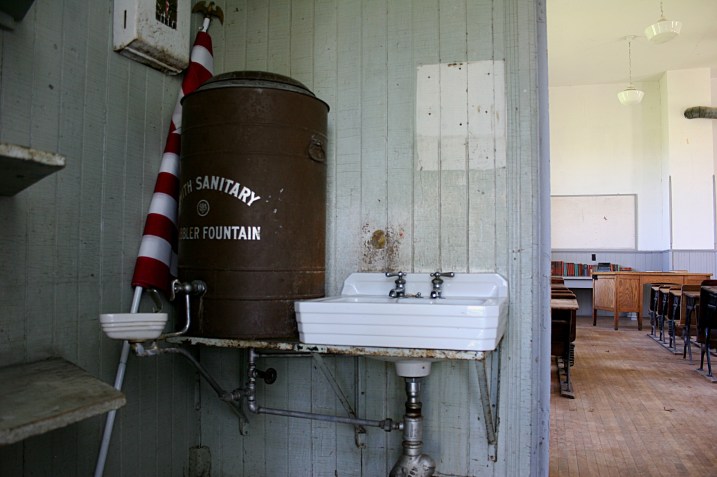
Another view of that same entry with the water fountain to the left of the sink.
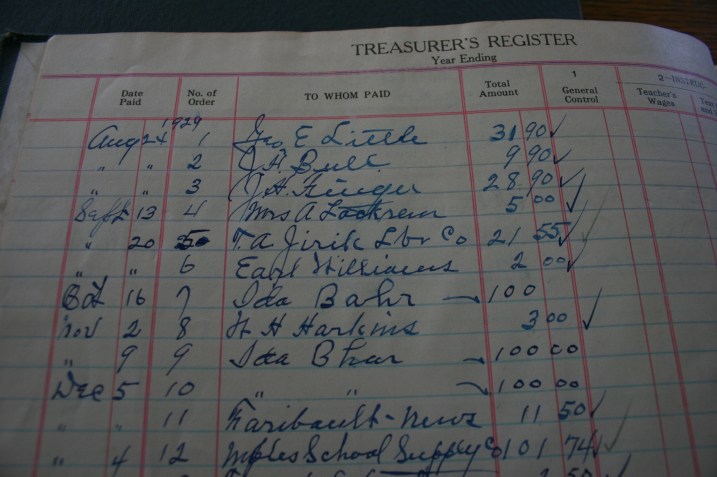
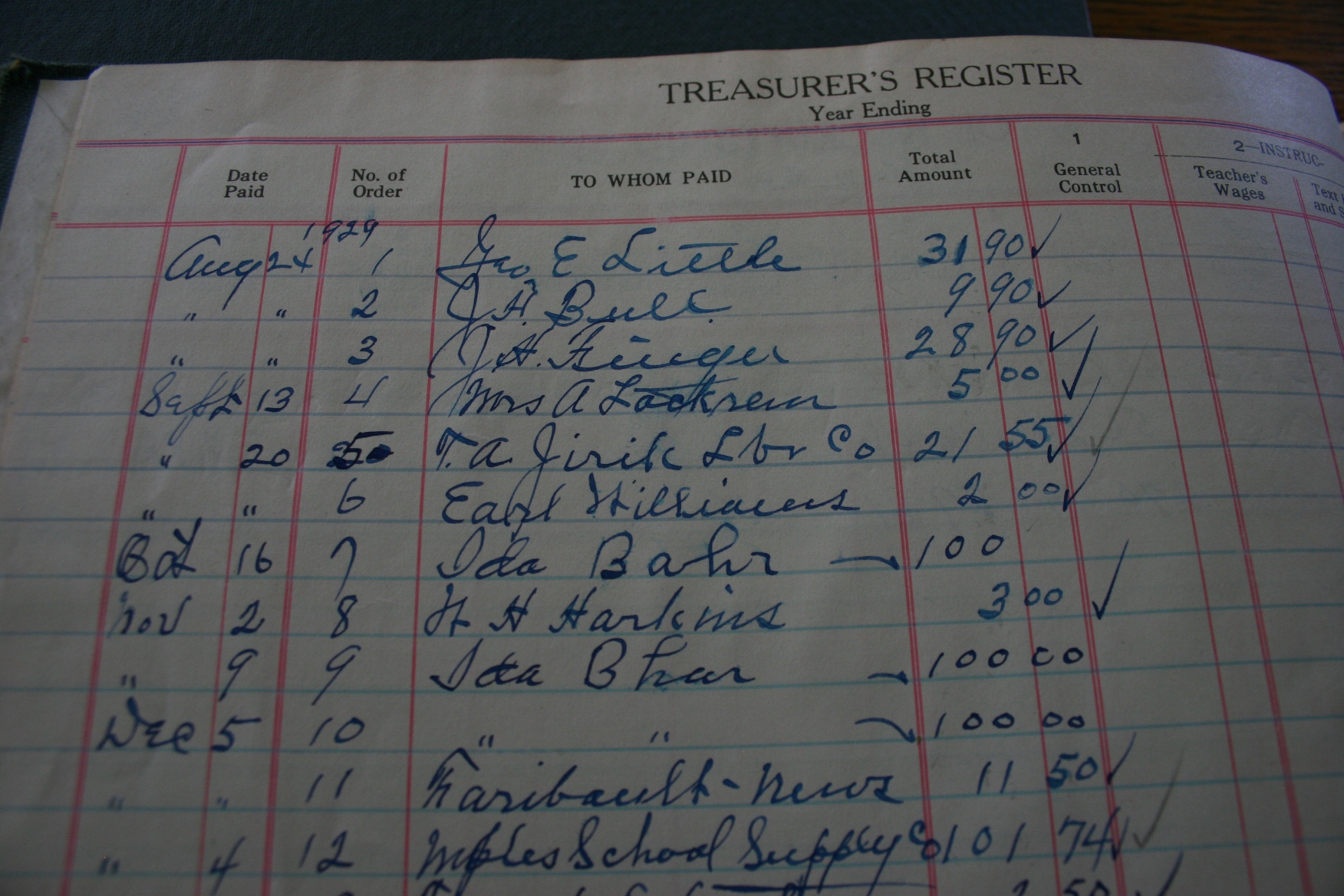
The school treasurer’s bookkeeping register from 1929.
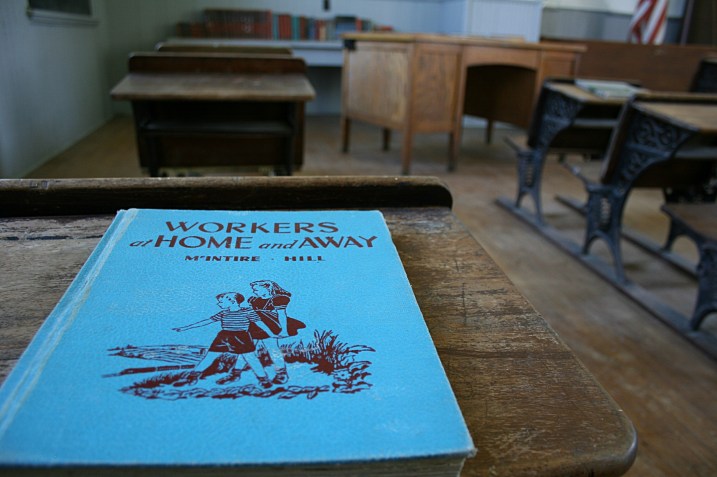
If only I’d had time to peruse all the wonderful old books inside this school.
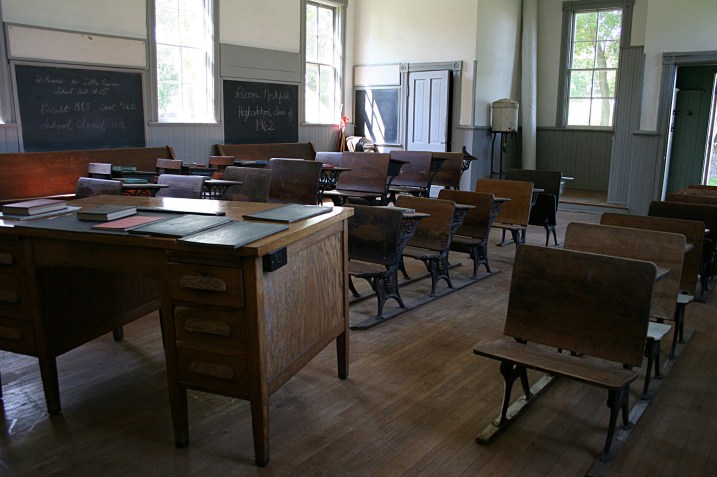
Looking toward the back of the school.
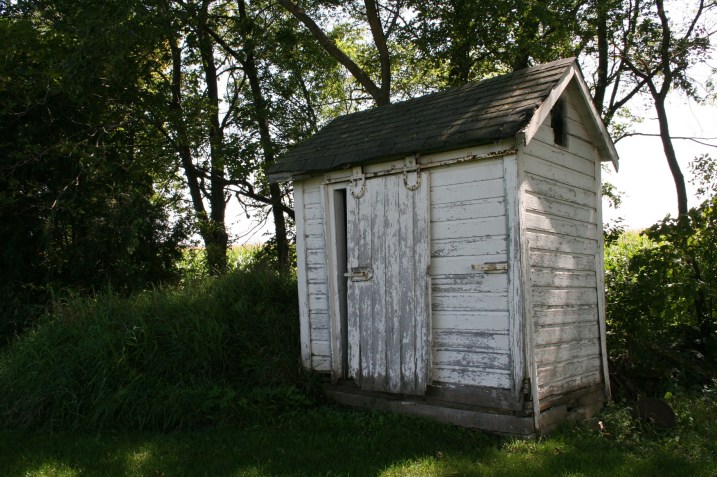
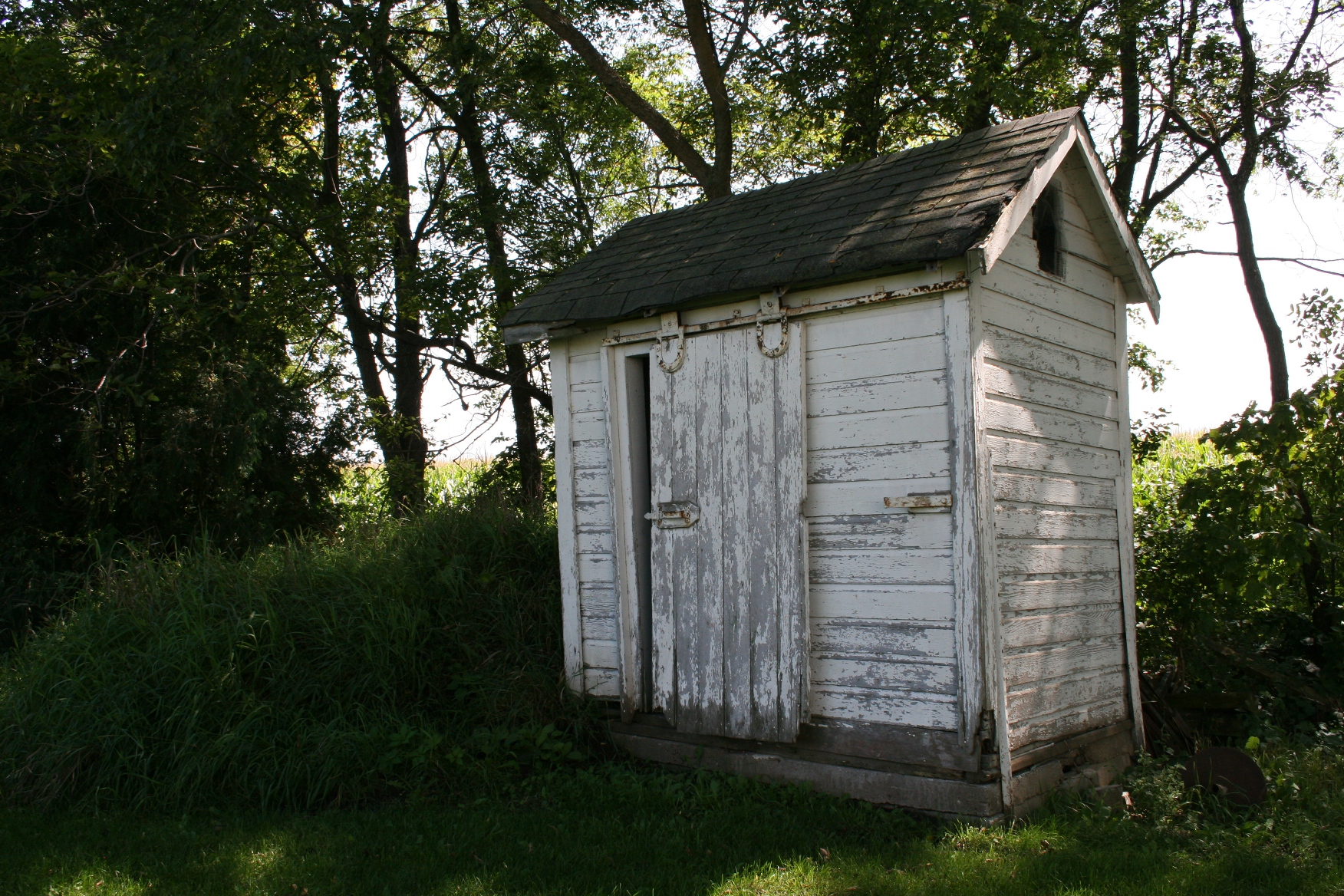
An old shed, I think the outhouse; I did not peer inside.

FYI: These images were shot last summer when my husband and I stopped at the school while on a Sunday afternoon drive.

© Copyright 2012 Audrey Kletscher Helbling


In North Morristown: A photo essay of Minnesota’s oldest July 4th celebration July 4, 2013

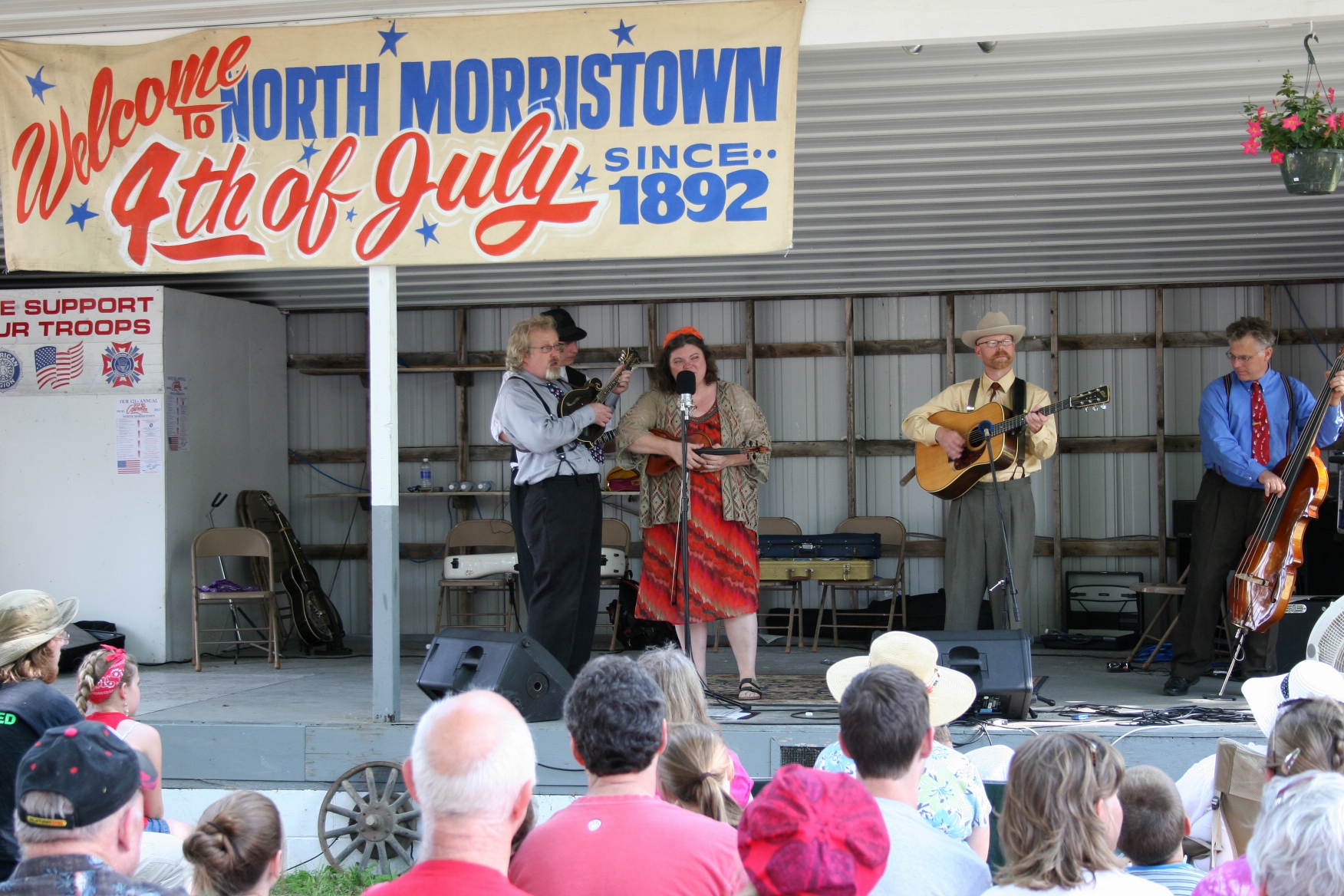
The bluegrass band, Monroe Crossing, has performed at North Morristown the past seven years, presenting two concerts at the celebration.

The bluegrass band, Monroe Crossing, has performed at North Morristown the past seven years, presenting two concerts at the celebration this year.

NORTH MORRISTOWN, MINNESOTA, is about as rural Americana as you’ll find anywhere in these United States of America on the Fourth of July.

The event is held at the North Morristown picnic grounds in southwestern Rice County.

The event is held at the North Morristown picnic grounds in southwestern Rice County.

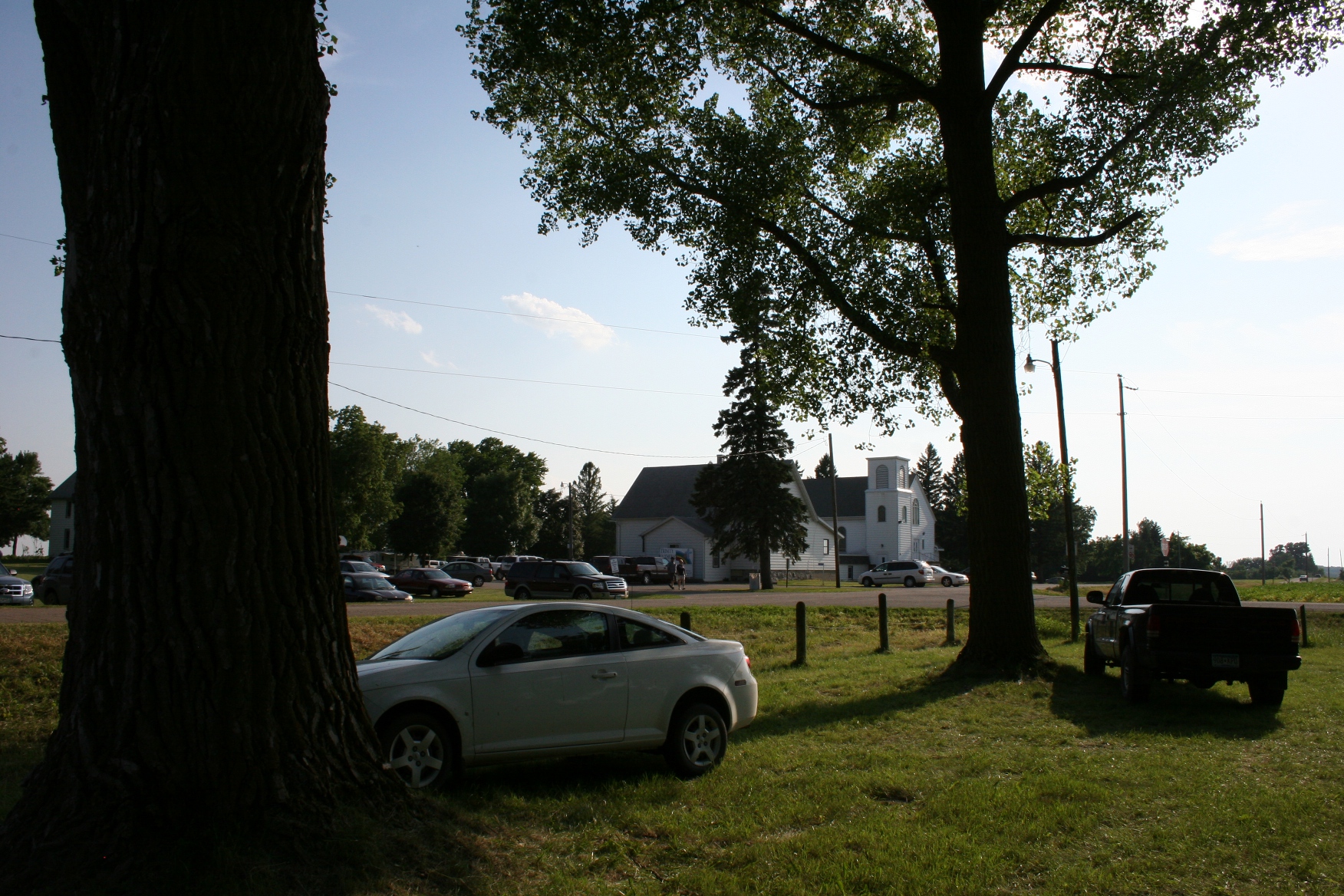
Trinity Lutheran Church and School sit across the road from the picnic grounds.

Trinity Lutheran Church and School sit across the road from the picnic grounds.

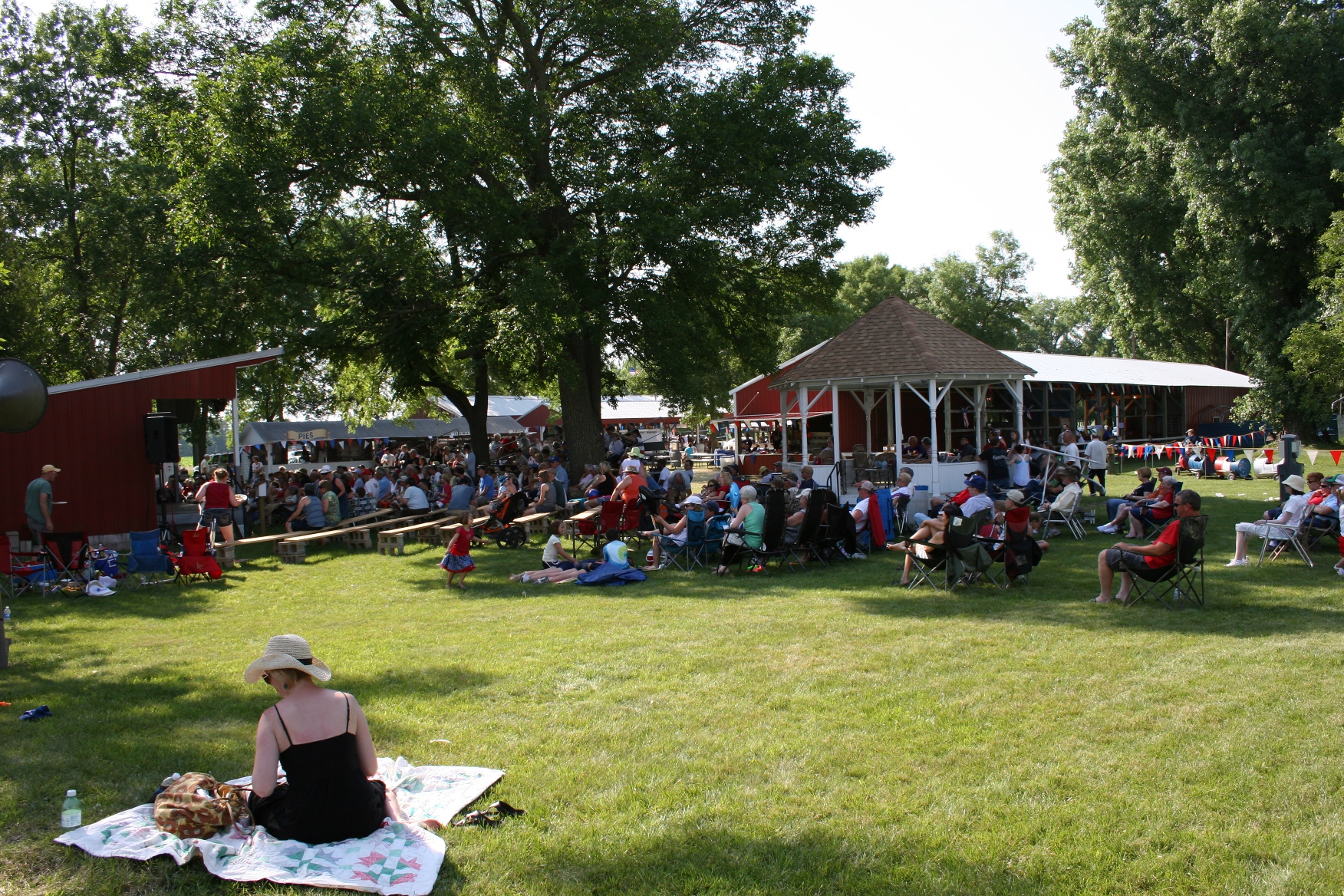
Here, on the picnic grounds of Trinity Lutheran Church and School, generations of families have gathered for 121 years to celebrate our nation’s birthday with family and friends at our state’s oldest Independence Day celebration, begun in 1892.

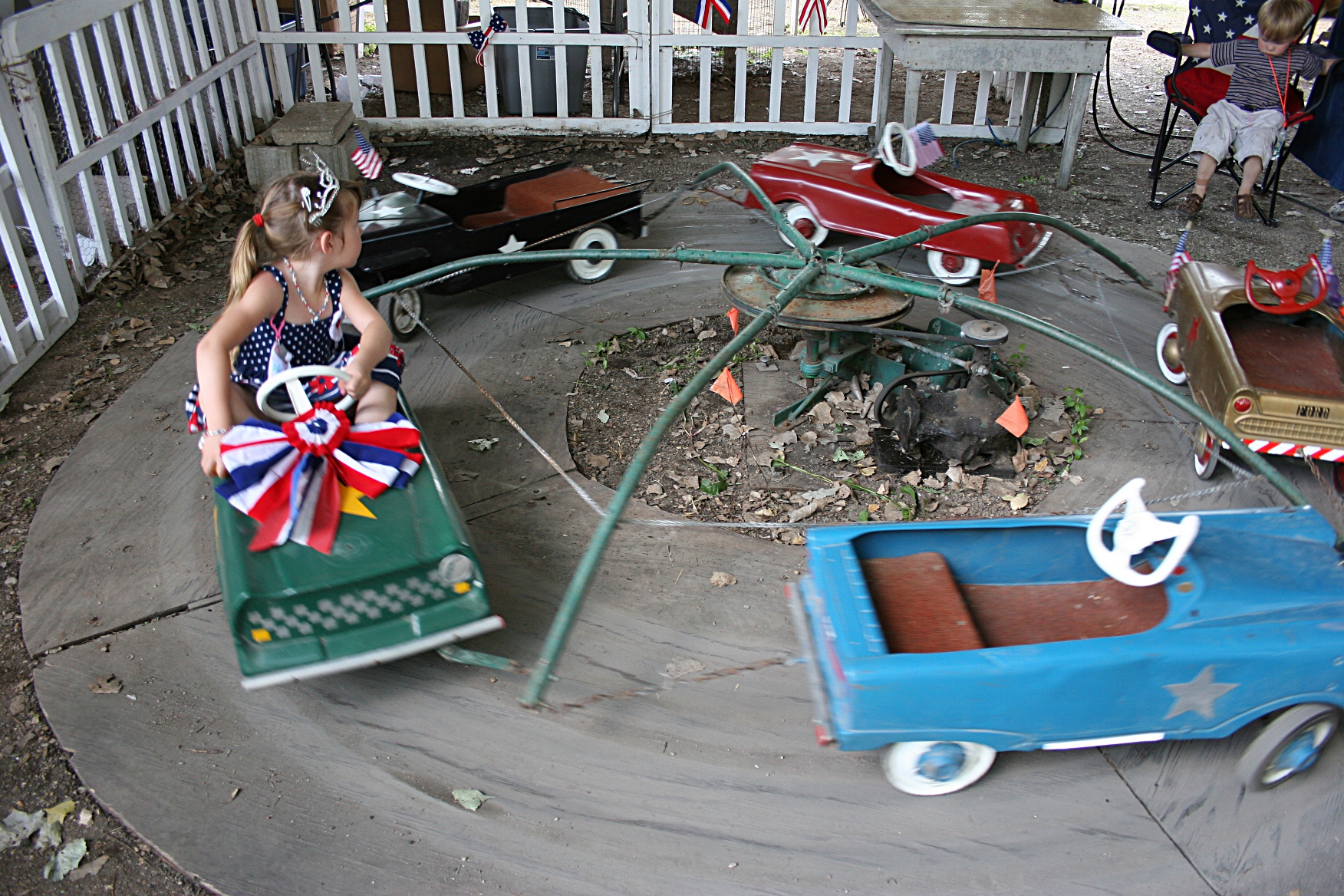
The vintage car ride for kids.

The vintage car ride for kids.

The day brings old-fashioned games and rides for the kids, bingo, music, a scavenger hunt, a parade, a patriotic program and more. Fireworks shot over farm fields cap the day’s festivities.

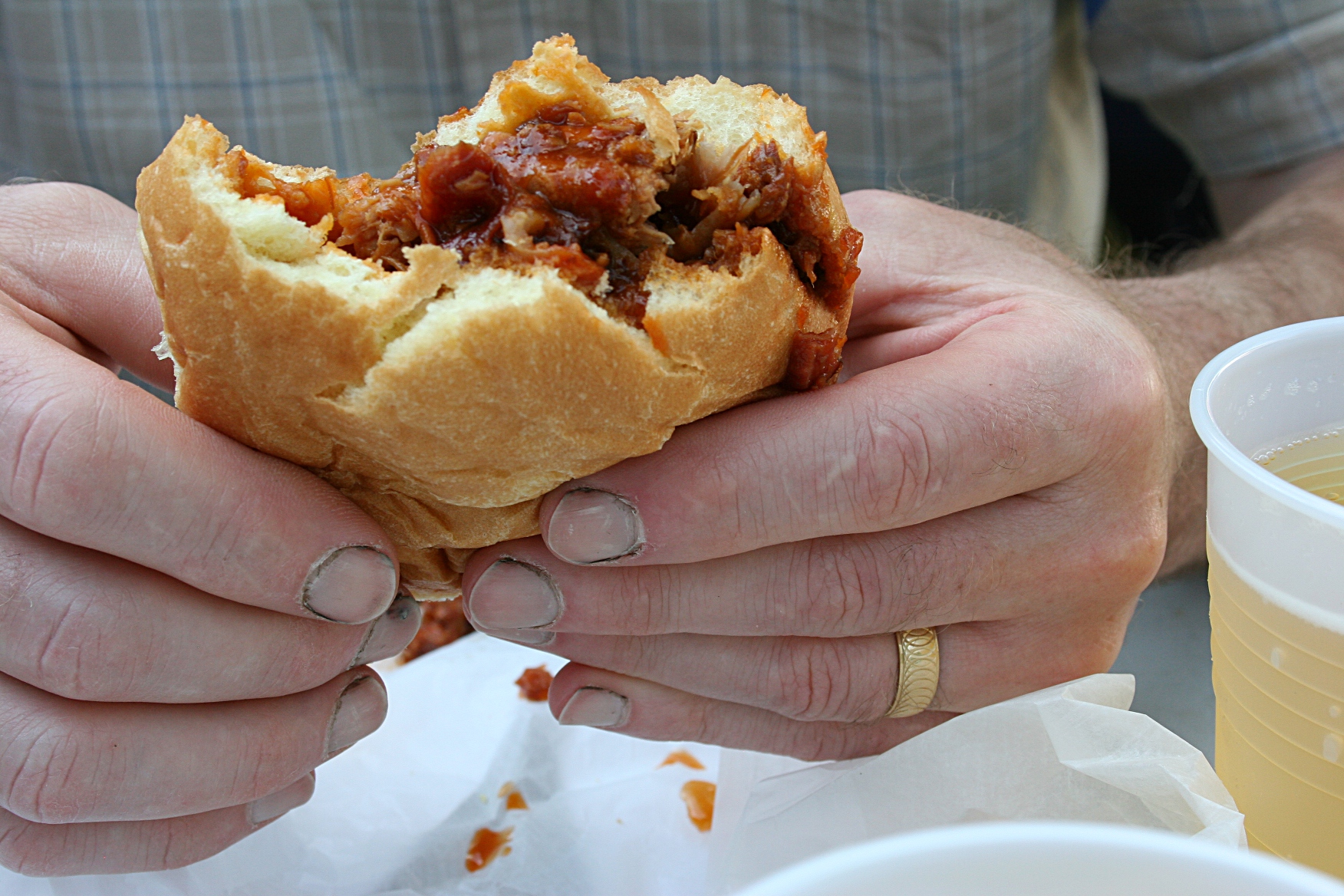
Enjoying a pork sandwich and a beer.

Enjoying a pork sandwich and a beer.

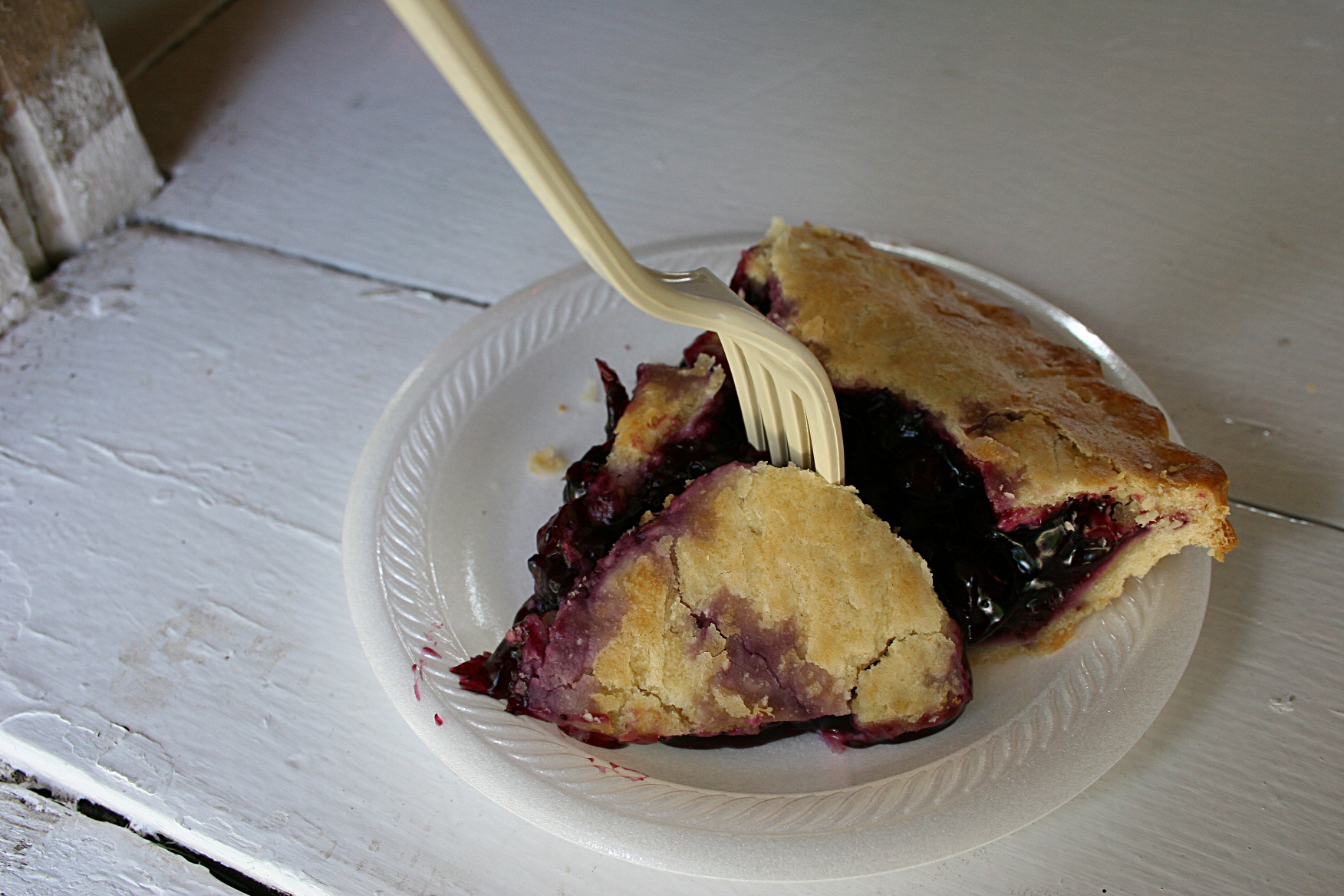
And the food, oh, the food. Homemade pies. Savory hot pork and beef sandwiches, burgers, thick onion rings, and more.

A large crowd enjoys a free afternoon concert by Monroe Crossing.

A large crowd enjoys a free afternoon concert by Monroe Crossing.

What a day. What a celebration.

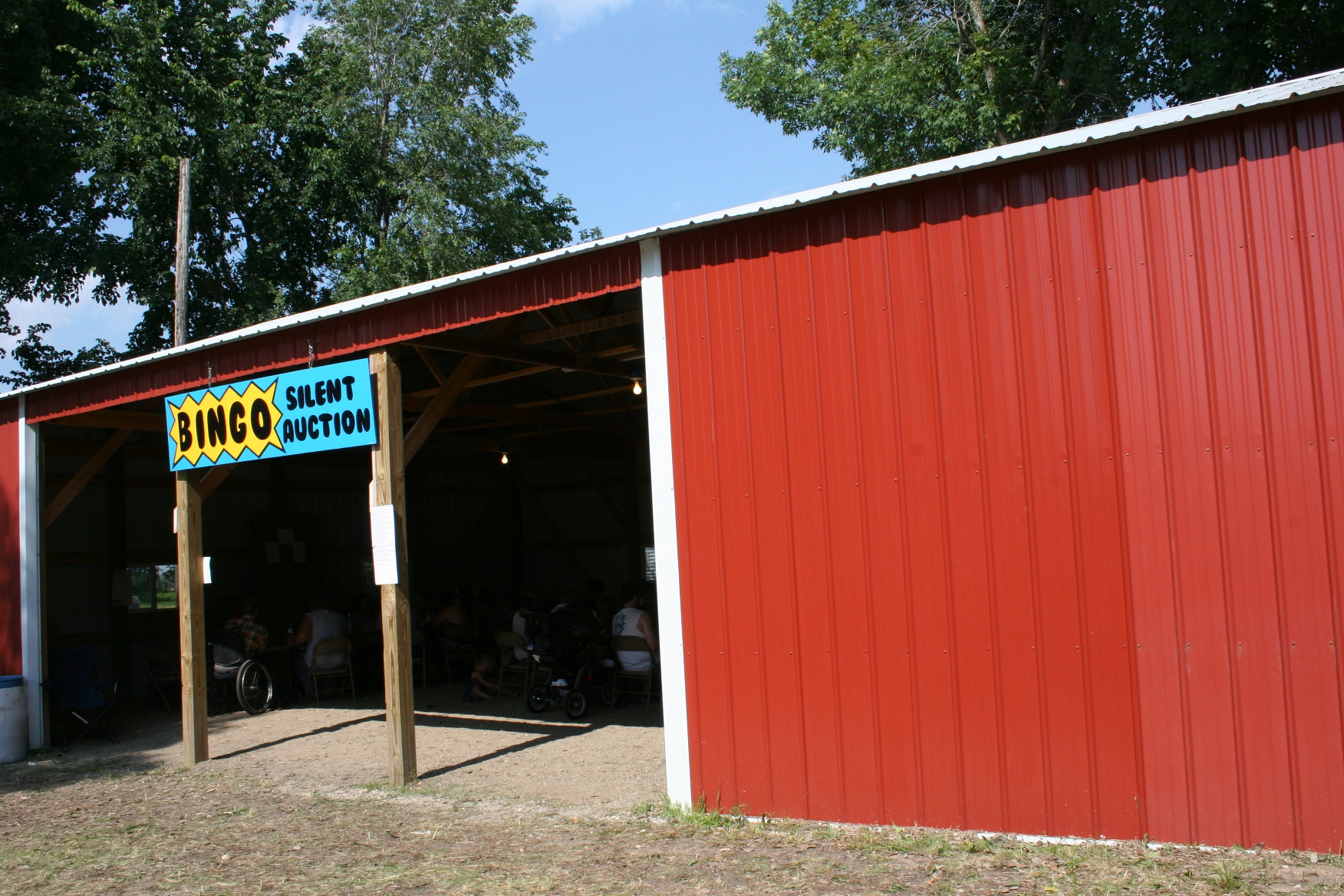
One pole shed is dedicated to bingo.

One section of a pole shed is dedicated to bingo and a silent auction.

The bingo callers.

The bingo callers.

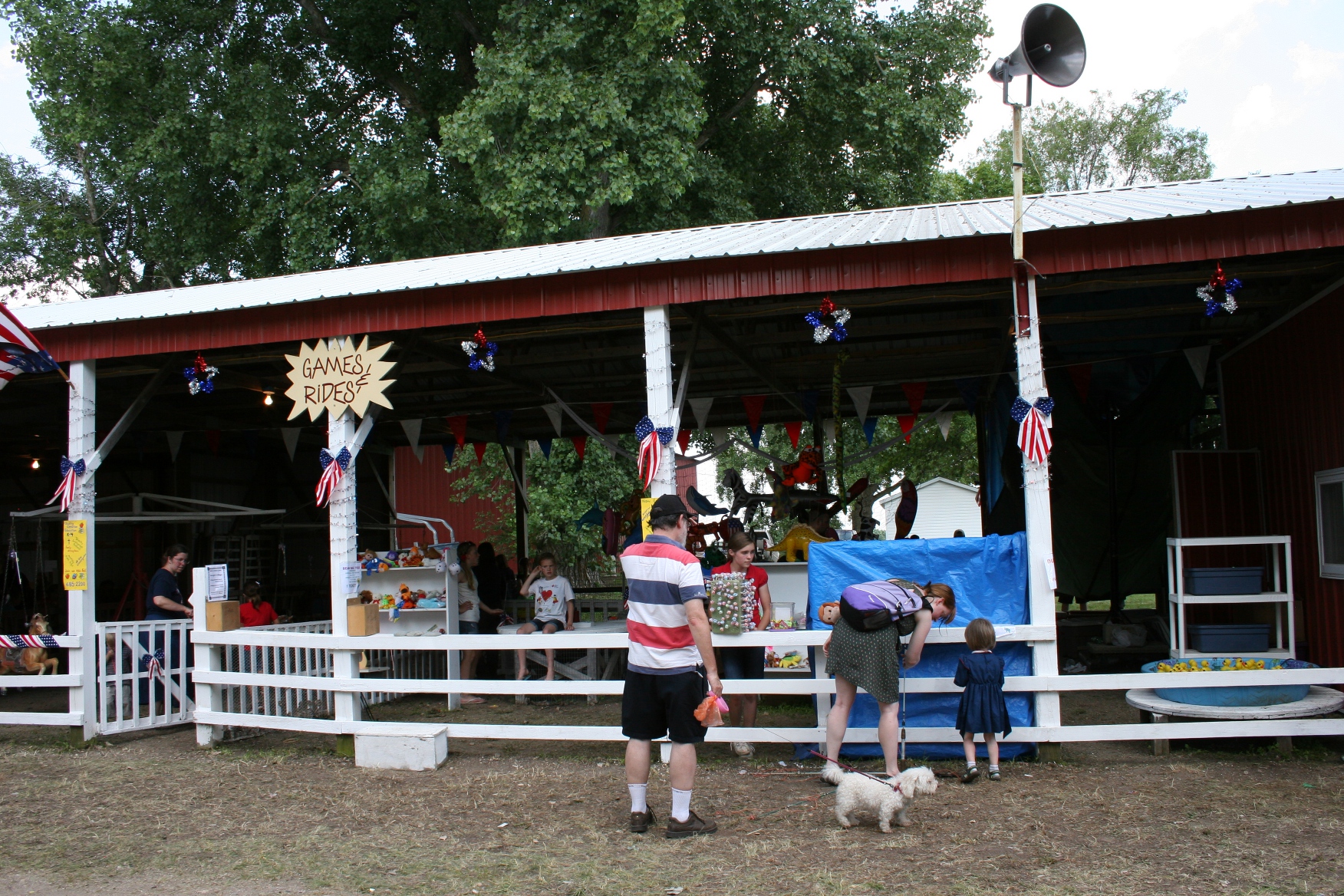
Fun for the kids in the games and rides building.

Fun for the kids in the games and rides building.

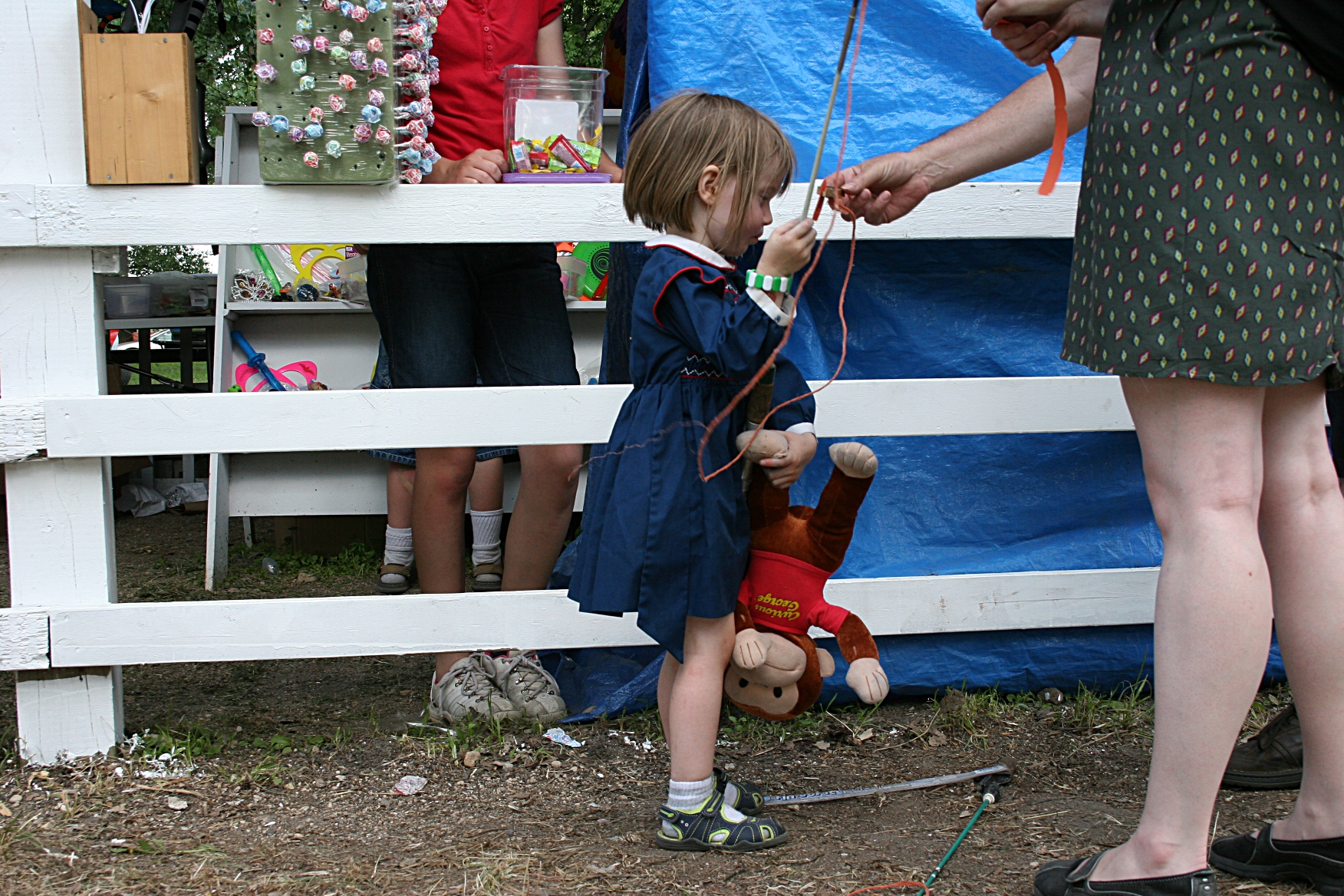
A ticket for the fish pond.

A ticket for the fish pond.

Filling the squirt gun in the duck pond.

Filling the squirt gun in the duck pond.

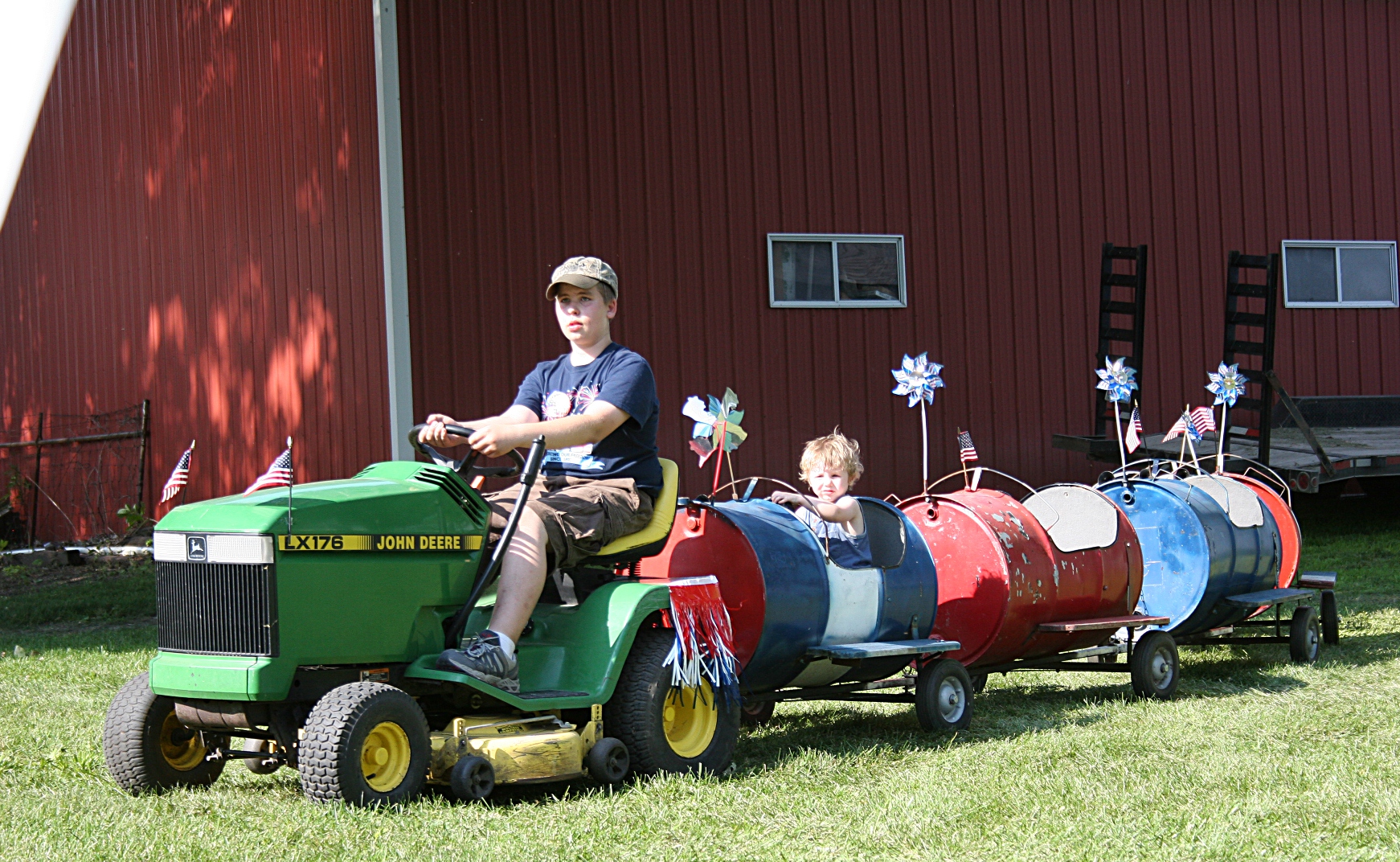
Riding the old-fashioned barrel train.

Riding the old-fashioned barrel train.

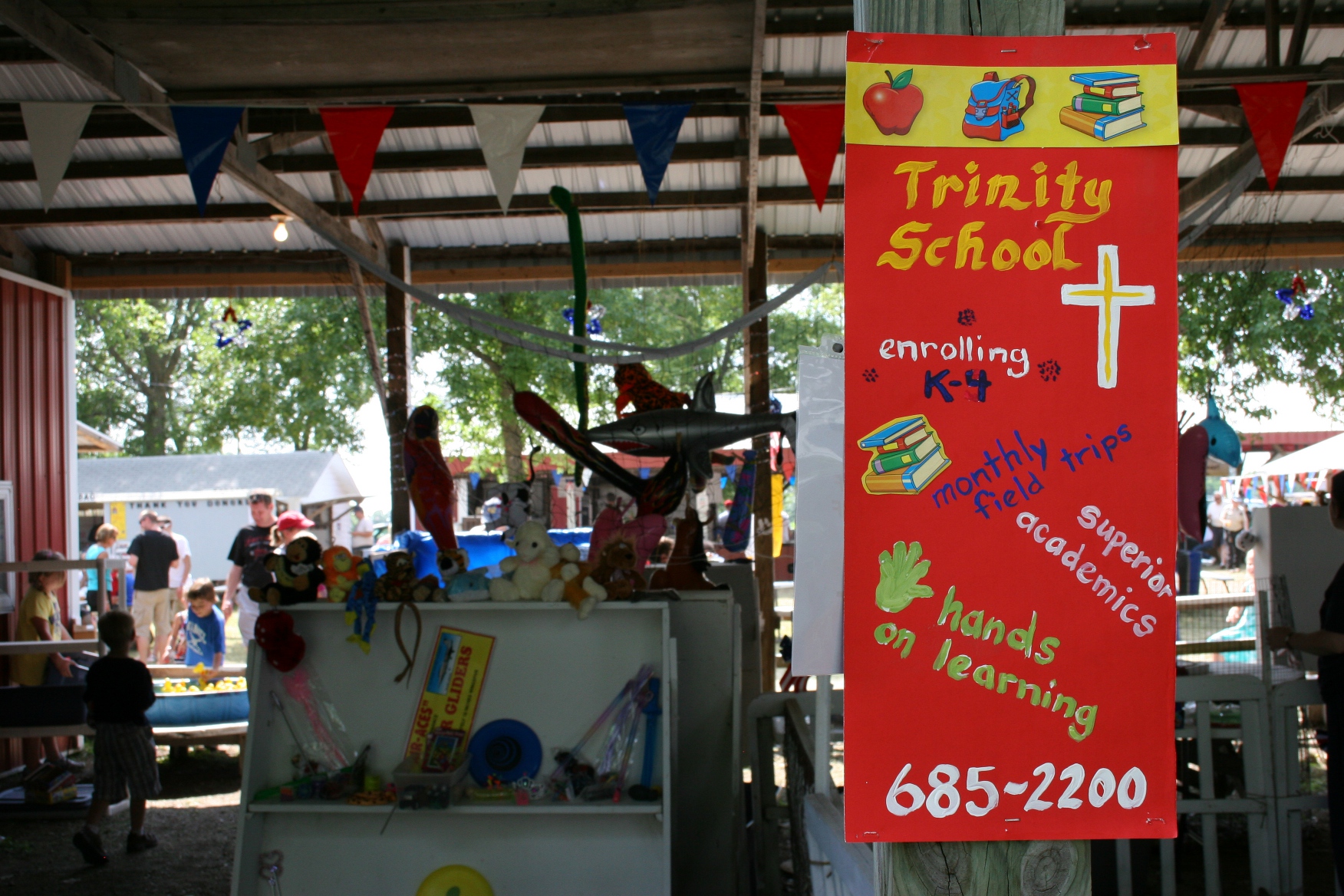
The day's proceeds benefit Trinity Lutheran School.

The day’s proceeds benefit Trinity Lutheran School.

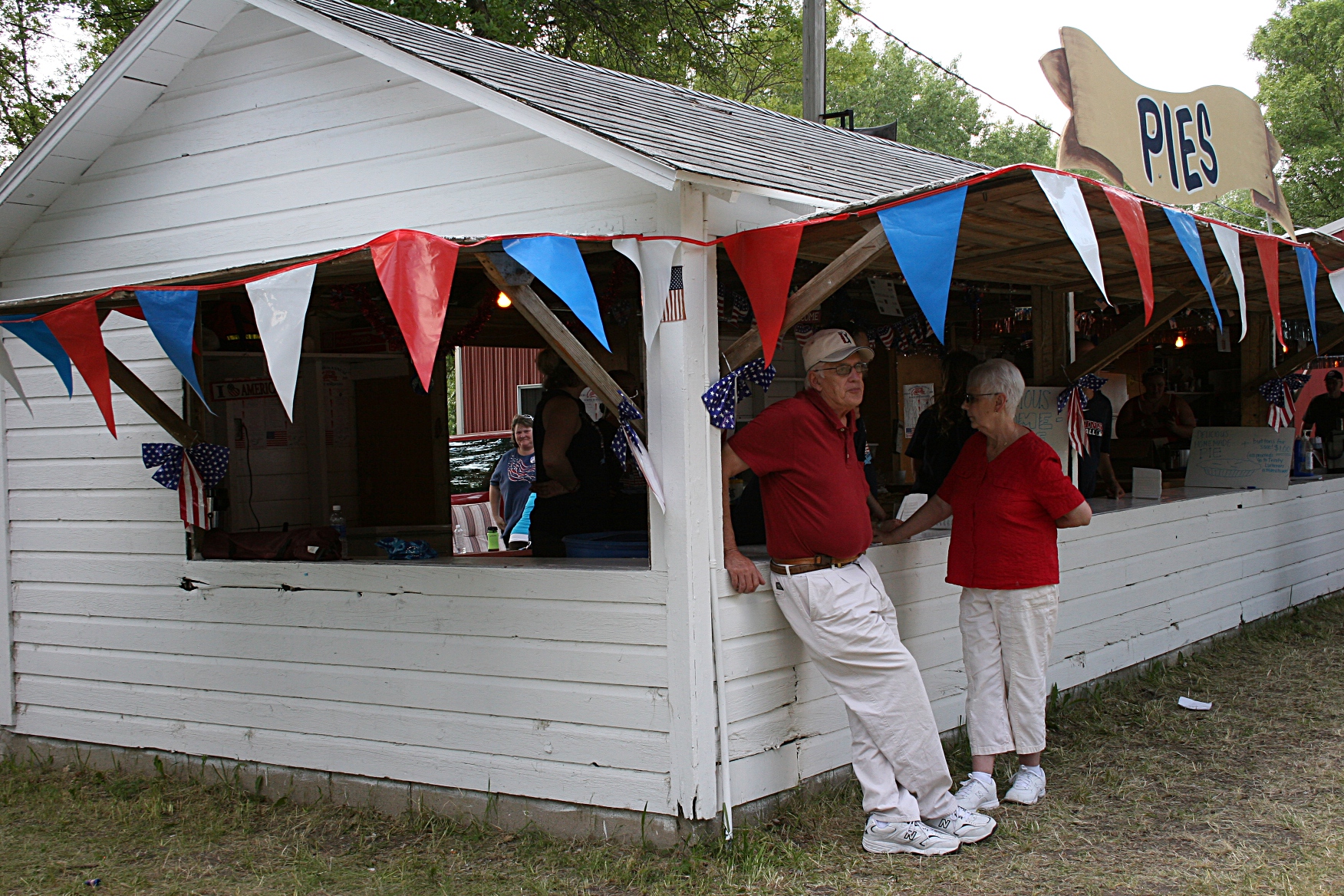
Homemade pies and ice cream are served from the pie building.

Homemade pies and ice cream are served from the pie building.

Blueberry pie.

Blueberry pie.

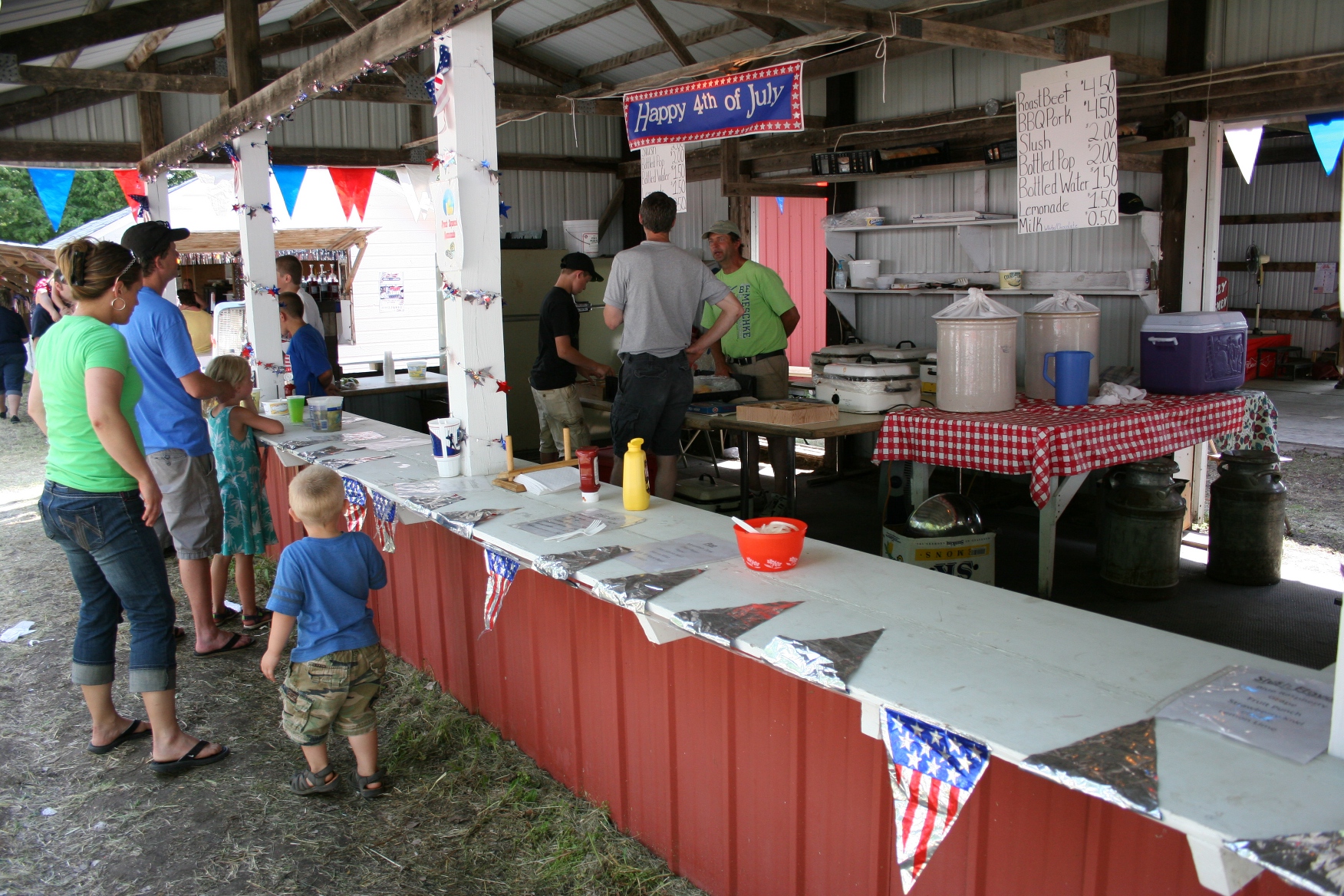
Hot pork and beef sandwiches and cold beverages are served from this stand.

Hot pork and beef sandwiches and cold beverages are served from this stand.

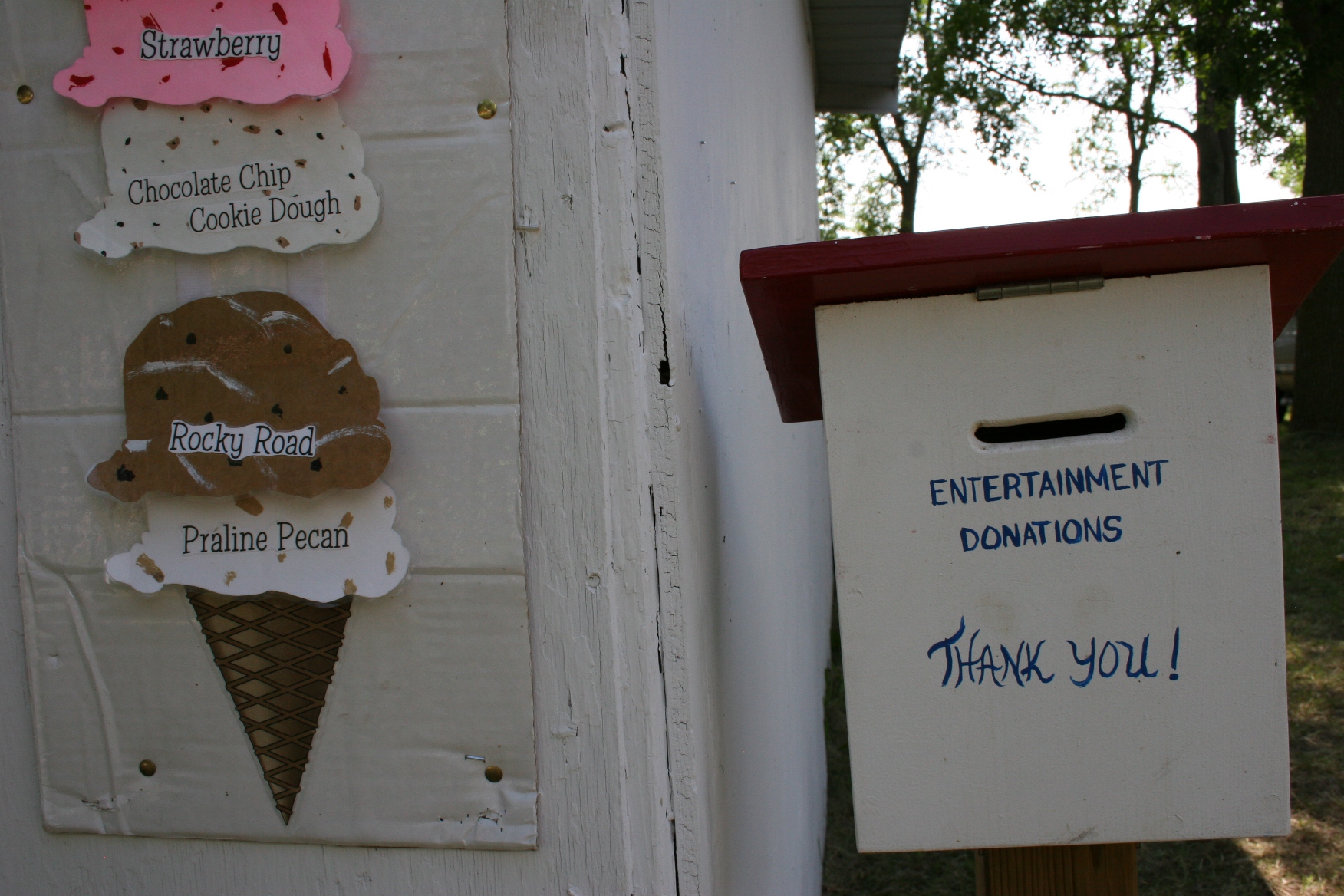
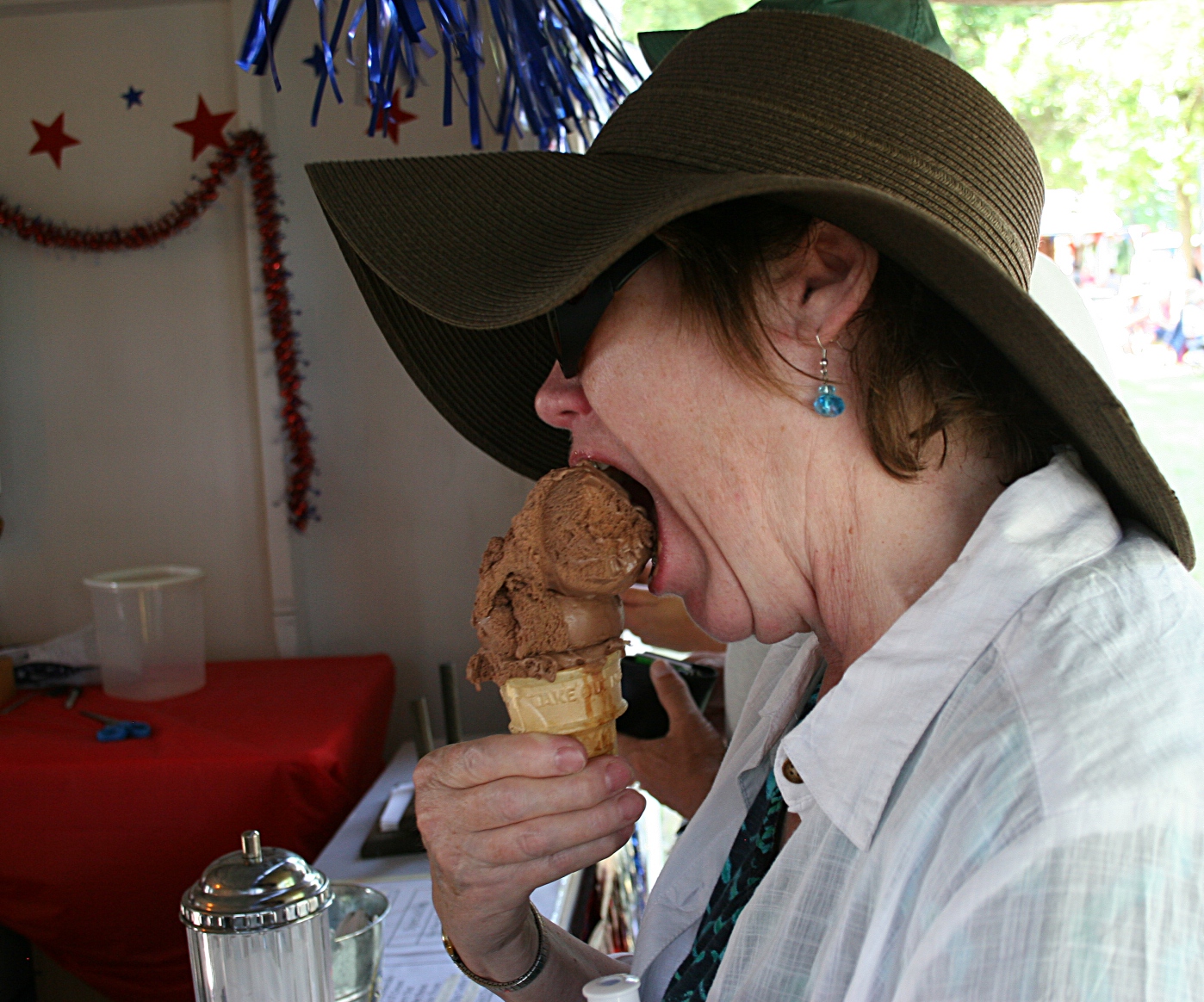
Visitors stopping by the ice cream shop can drop donations for the entertainment into a drop box.

Visitors stopping by the ice cream shoppe can drop donations for the entertainment into a drop box.

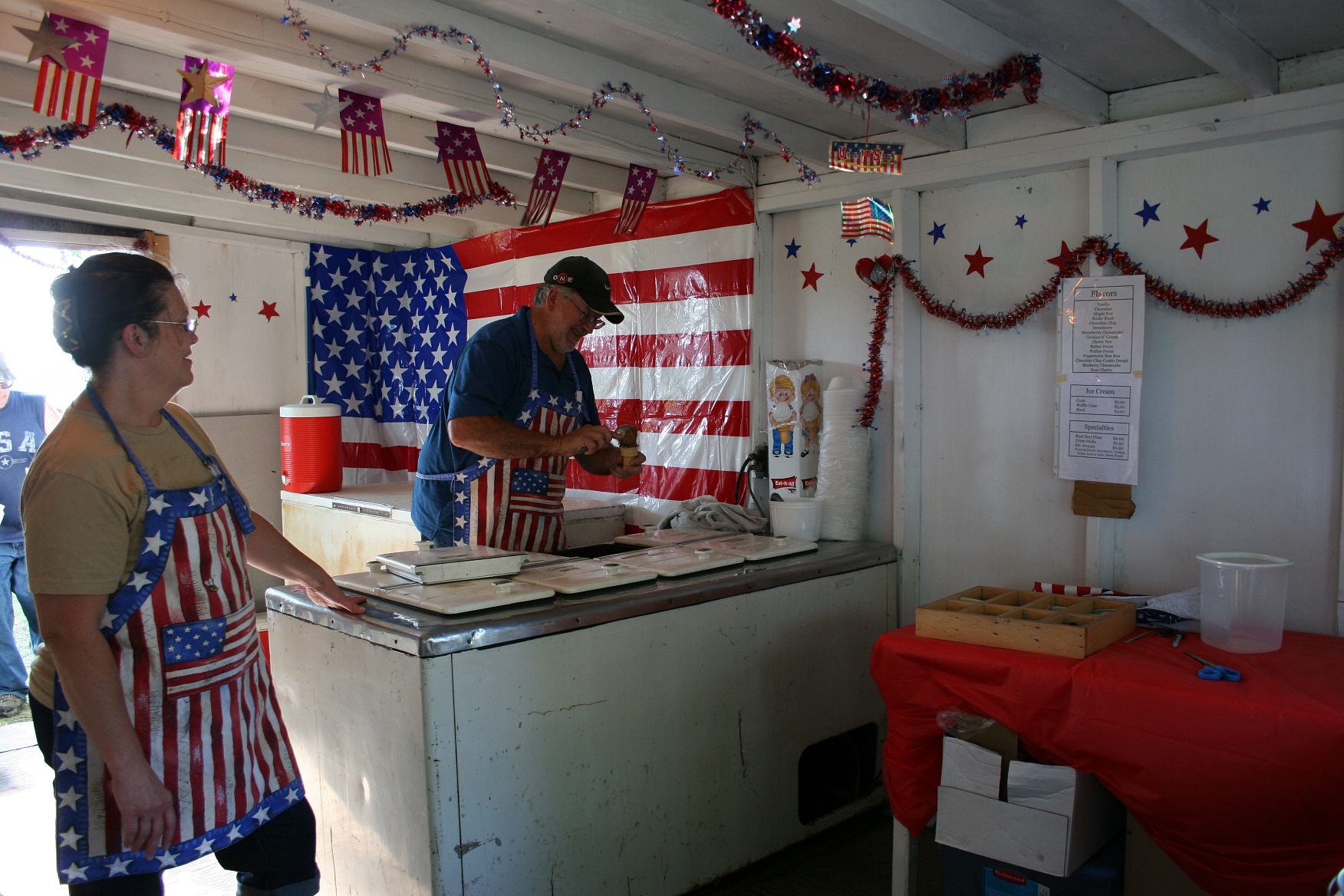
A peek inside the ice cream shoppe.

A peek inside the ice cream shoppe.

Enjoying an ice cream cone.

Enjoying an ice cream cone.

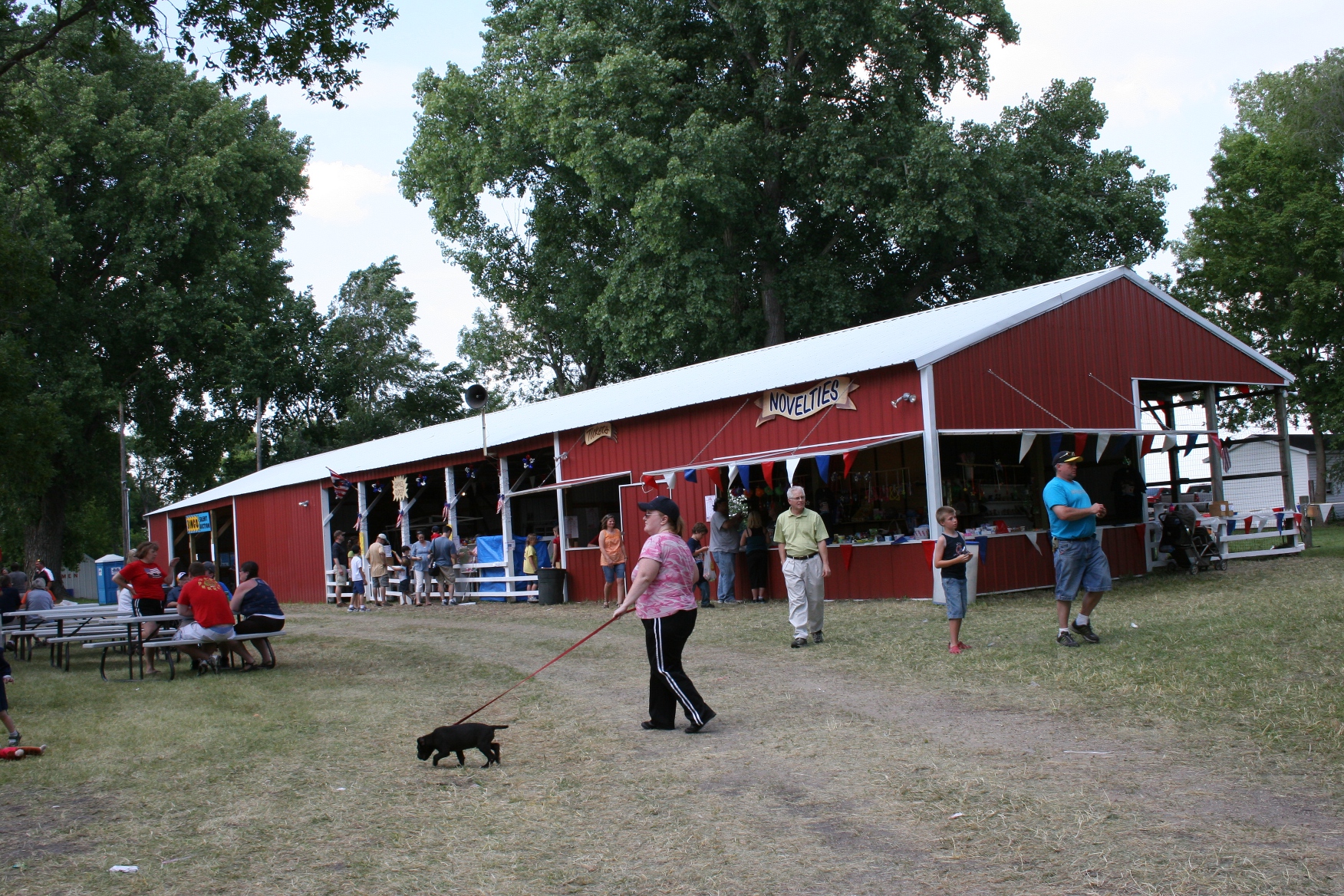
An overview of the novelties shoppe and games and rides building.

An overview of the novelties shoppe and games and rides and bingo building.

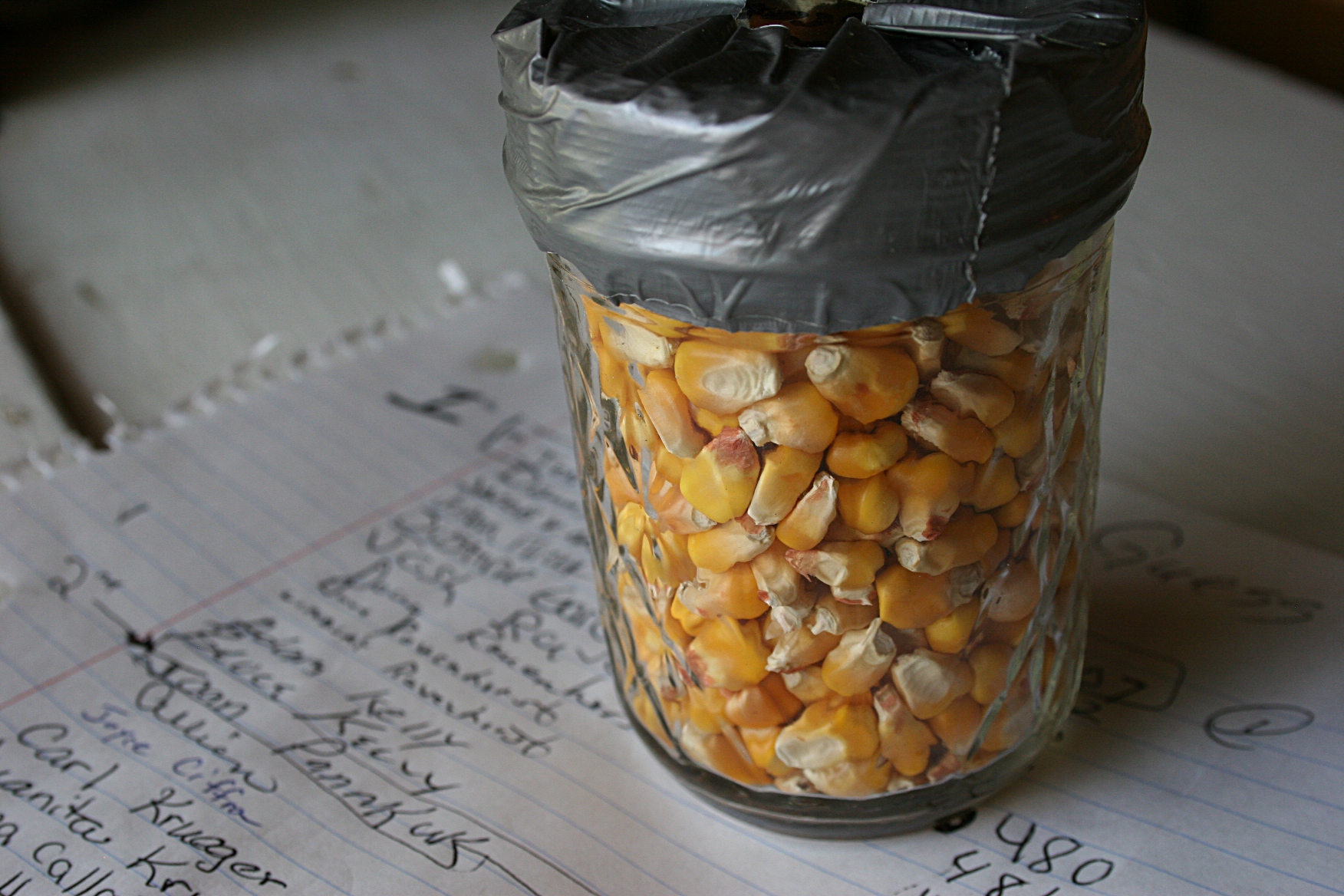
Guess the number of corn kernels in the duct taped jar and win a prize.

Guess the number of corn kernels in the duct taped jar and win a prize.

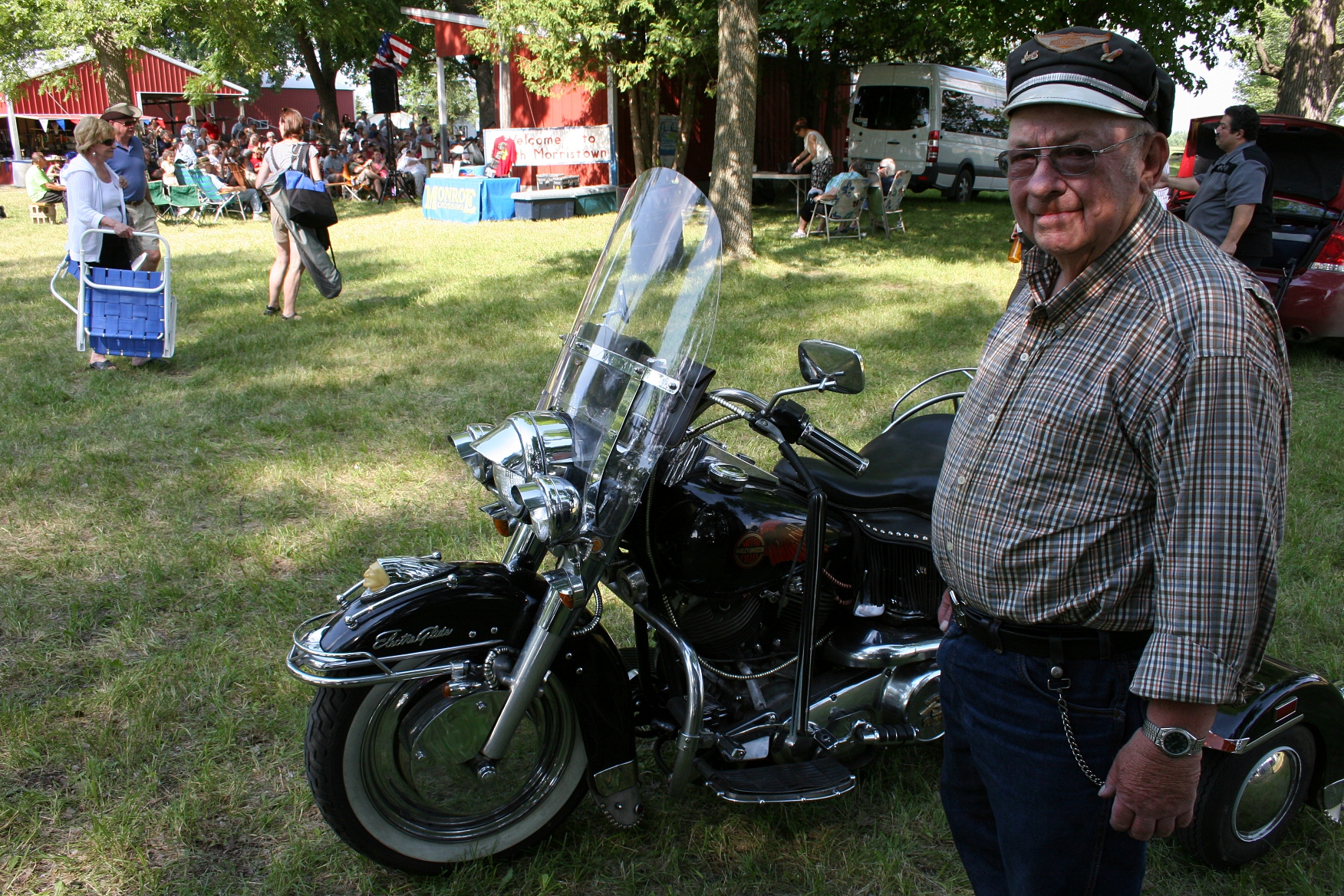
A 75-year-old Harley rider arrives at the celebration late in the afternoon.

A 75-year-old biker arrives at the celebration late in the afternoon on his 1977 Harley.

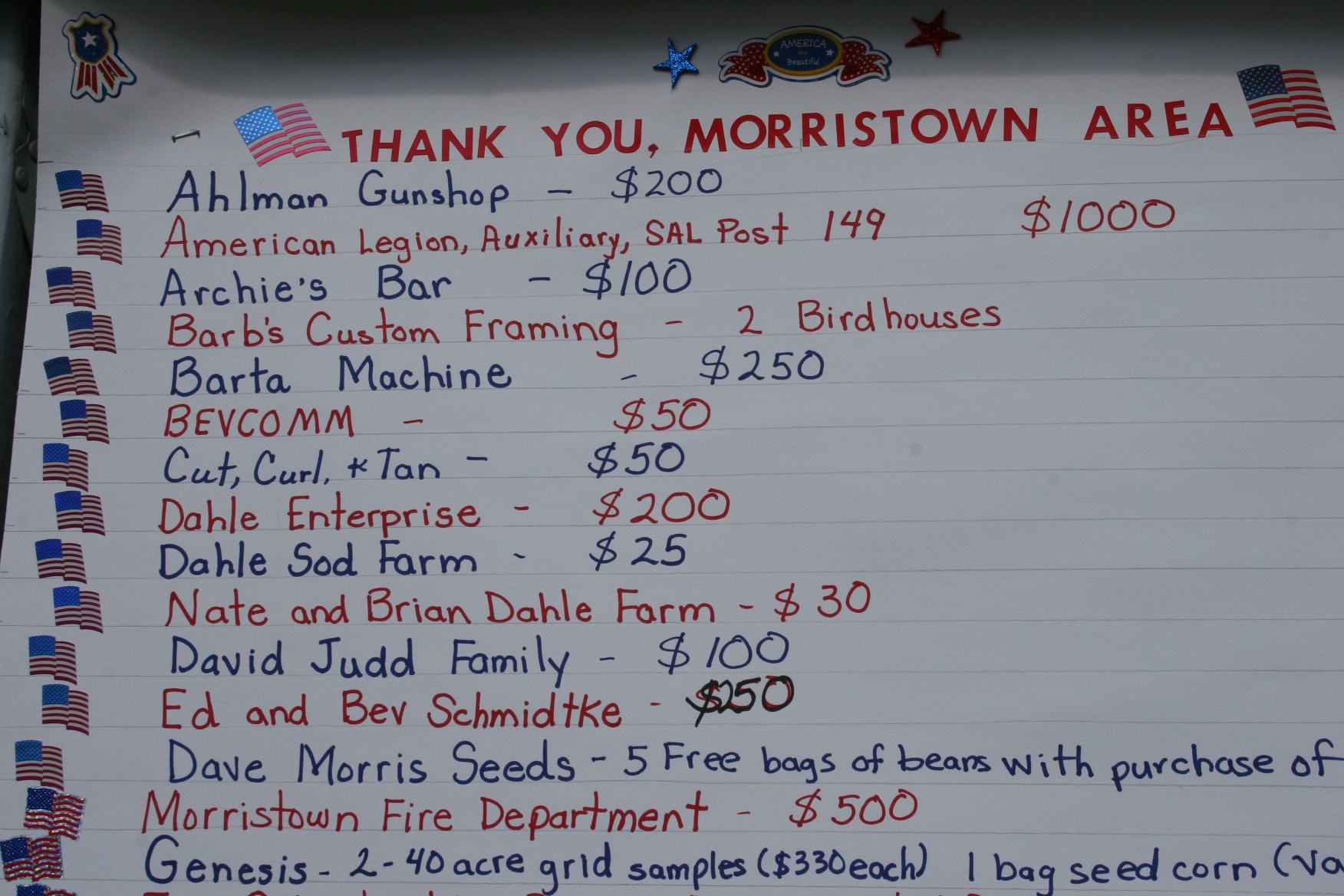
One of several lists thanking supporters.

One of several lists thanking supporters.

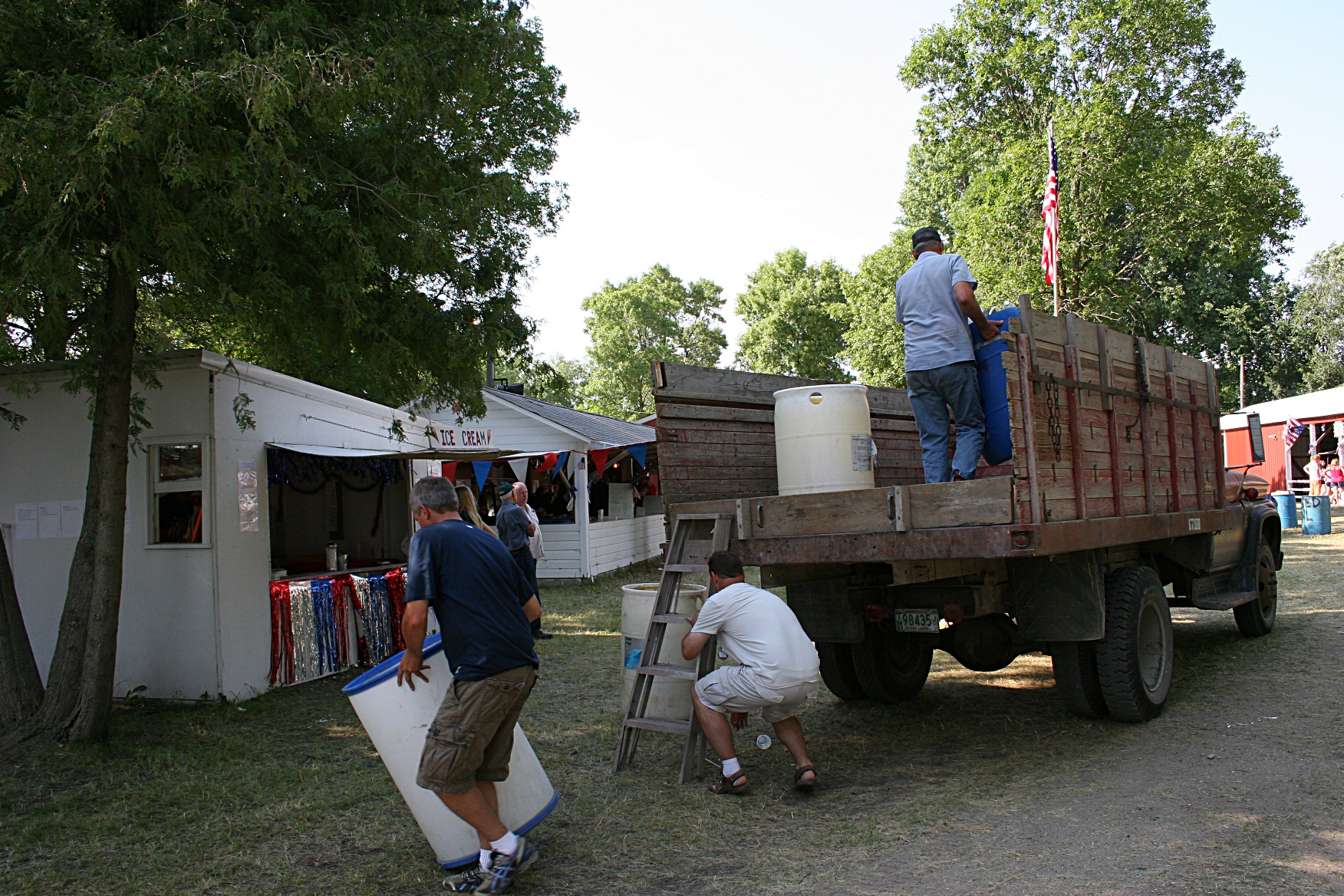
Garbage pick up in a 1964 grain truck.

Garbage pick up by a 1964 grain truck.

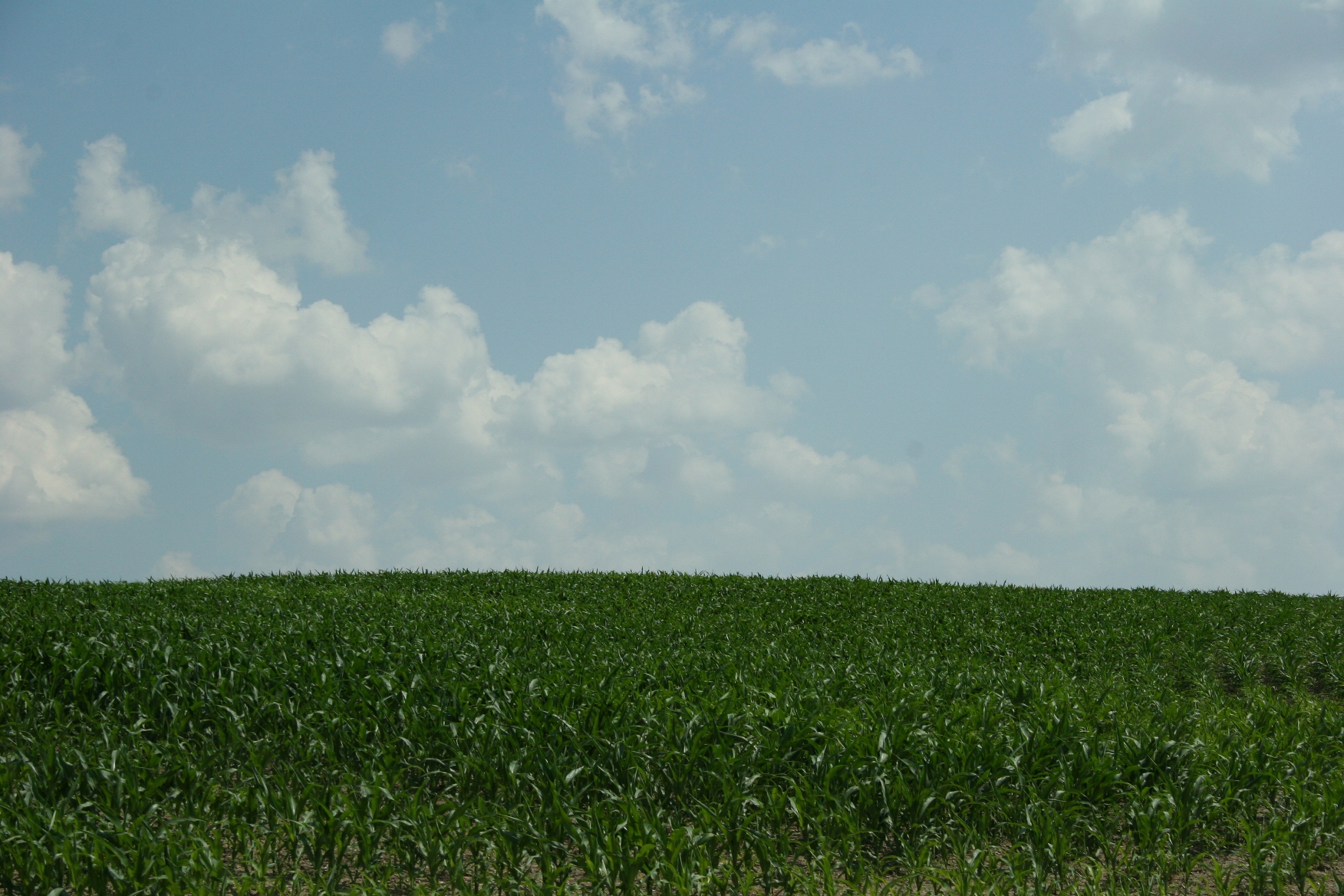
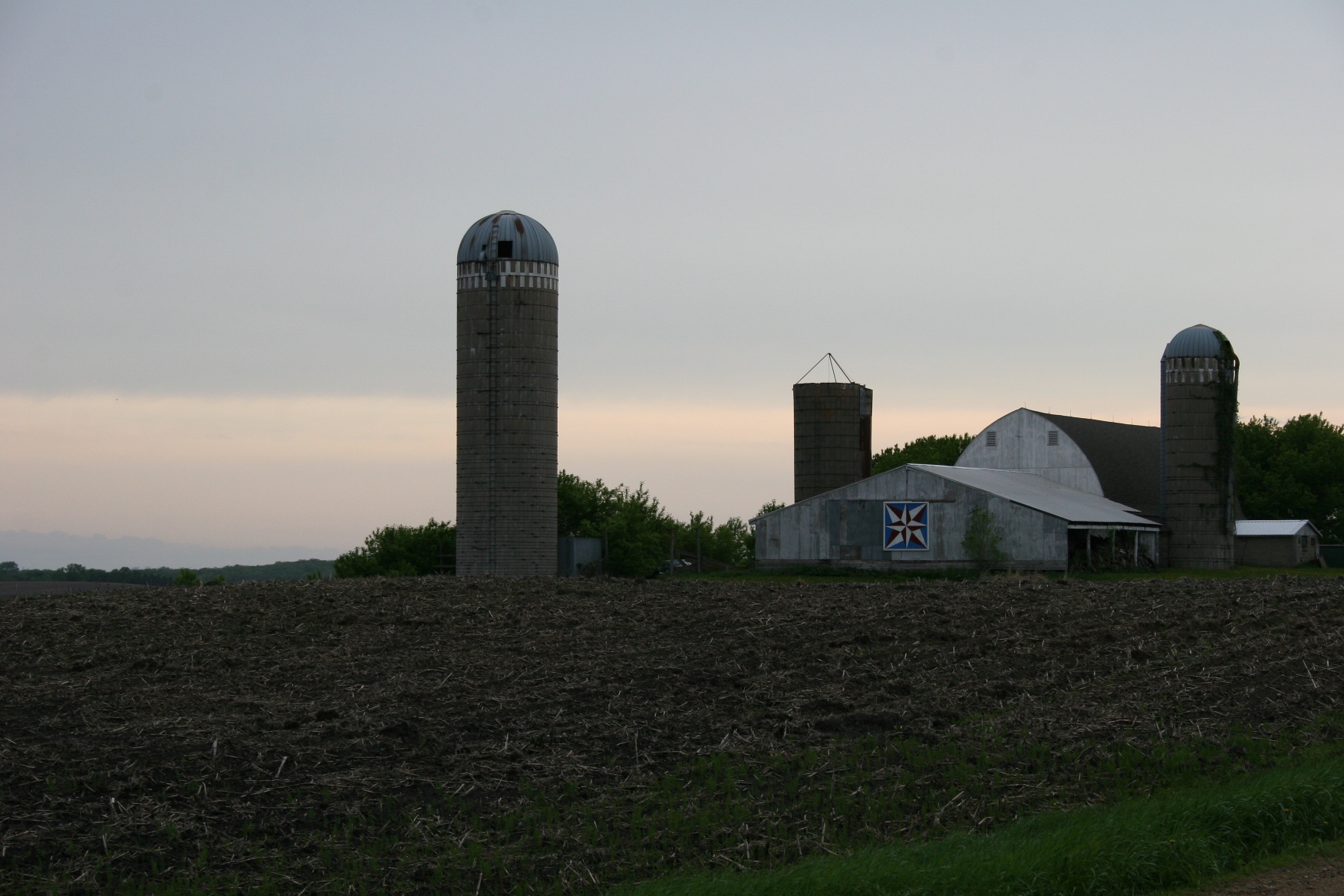
North Morristown is set in the middle of farm fields.

North Morristown is set in the middle of farm fields.

© Copyright 2013 Audrey Kletscher Helbling
 

Quilt art celebrates rural Faribault woman’s passion for quilting July 3, 2013

Filed under: Uncategorized — Audrey Kletscher Helbling @ 6:30 AM
Tags: , , , , , , , , , , , ,
The sun sets as I approach Barb and Bob's farm east of Faribault.

The sun sets as I approach Barb and Bob’s farm east of Faribault.

ON A RECENT RURAL OUTING to forage rhubarb from my friend Barb’s abundant patch, I noticed a work of art I hadn’t previously seen displayed on her farm east of Faribault.

A a display of Americana art.

A display of Americana art.

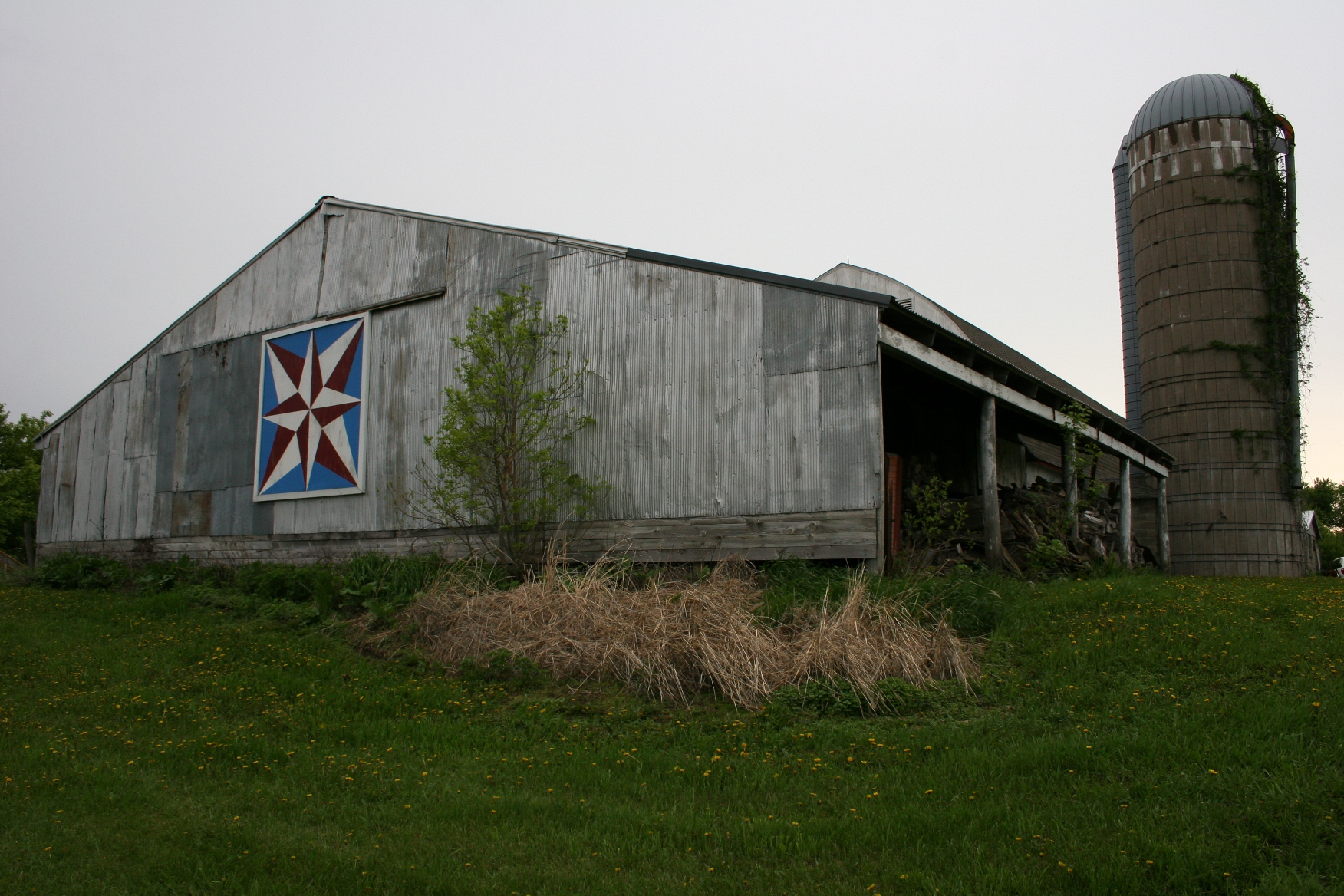
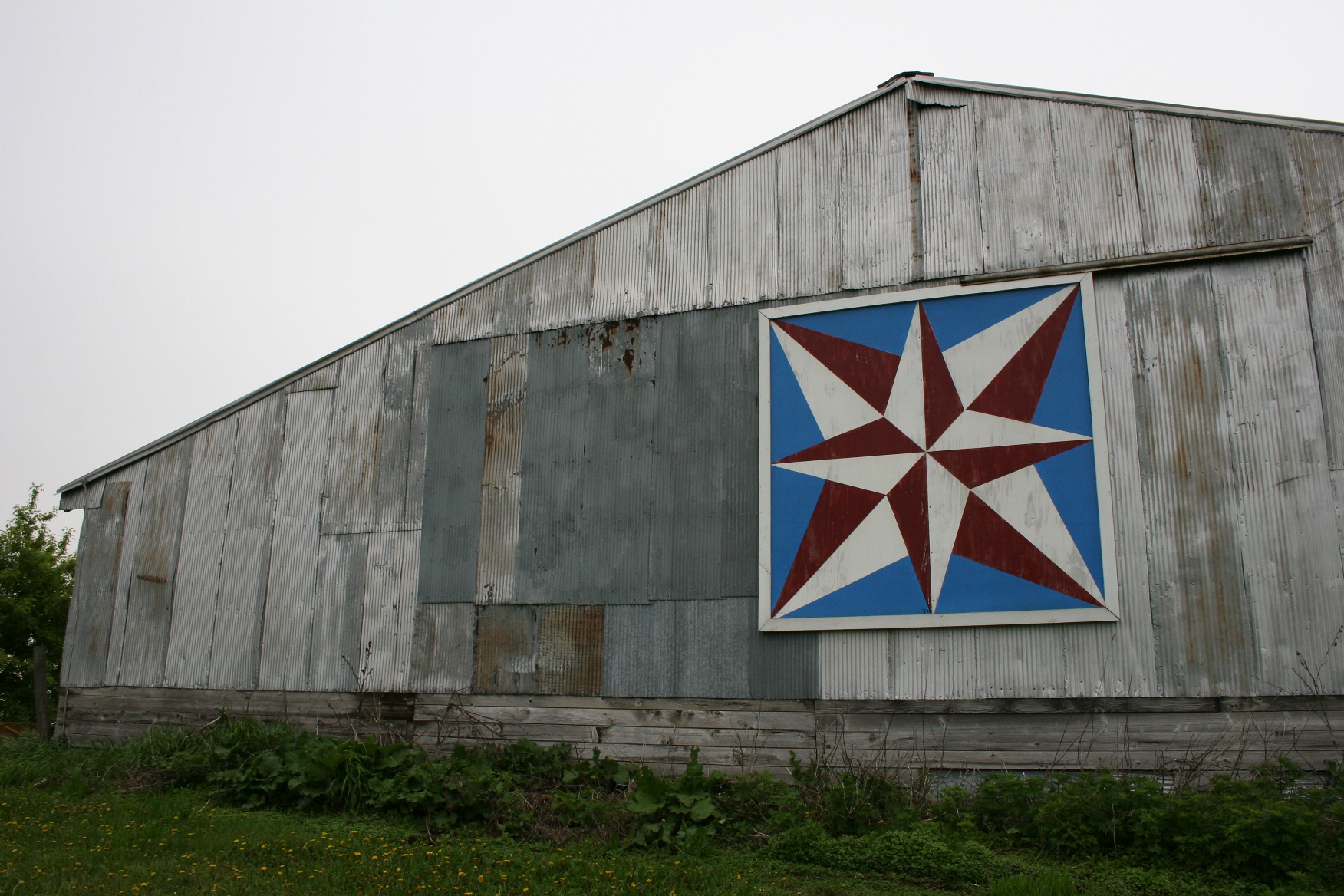
Attached to weathered tin on the end of a pole shed hangs a red, white and blue “Star Shadow” quilt block painted on an eight-foot square of plywood.

The barn quilt is tied to Barb’s passion for quilting, something she’d do all day if only she didn’t have to cook or clean or…

"Star Shadow."

“Star Shadow.”

She’d seen similar painted quilts on barns, always wanted one and a few years ago, along with husband Bob, chose the Star Shadow design for their quilt art. No particular reason for the design—just one they both liked, although they knew the paint hues would be in the trio of patriotic colors.

Barb’s a long-time seamstress who once sewed her own clothes, embroidered and then began making simple block quilts before attempting a tulip quilt. She struggled with the tulip quilt, finishing it in the early 1990s, some 40 years after beginning the project.

Since that quilting success, Barb’s emerged as an avid quilter, stitching countless bed-sized quilts, wall hangings, placemats, table runners and more. She keeps her work or gives it away, including to charities. As a member of the Blue Chicks, a local quilting group that meets monthly, Barb has sewn quilts for the Ronald McDonald House. She also quilts with her sisters once a month and recently joined the quilting circle at her church, Trinity Lutheran in Faribault. That church group donates most of its quilts to charity.

“I’m infected with the pox,” Barb says of her quilting passion. She collects fabric, goes on fabric-shopping road trips with fellow quilters…

Although my friend doesn’t design her own quilt patterns, she enjoys the creative aspect that comes in selecting designs and colors, pulling it all together in a work of art—whether stitched or painted.

BONUS FARM PHOTOS:

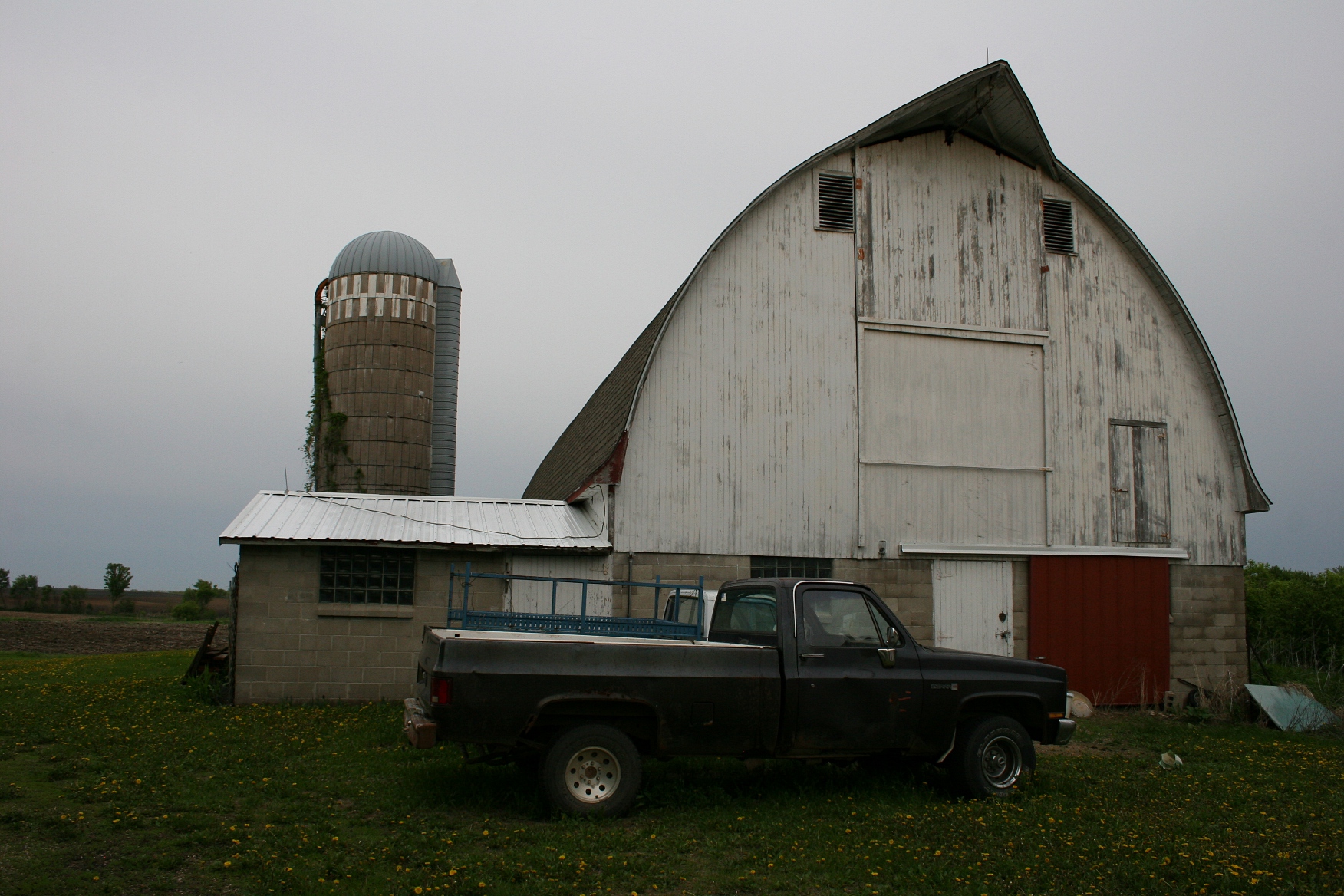
The beautiful barn on Barb and Bob's 100-year-old plus family farm.

The beautiful barn on Barb and Bob’s 100-year-old plus family farm.

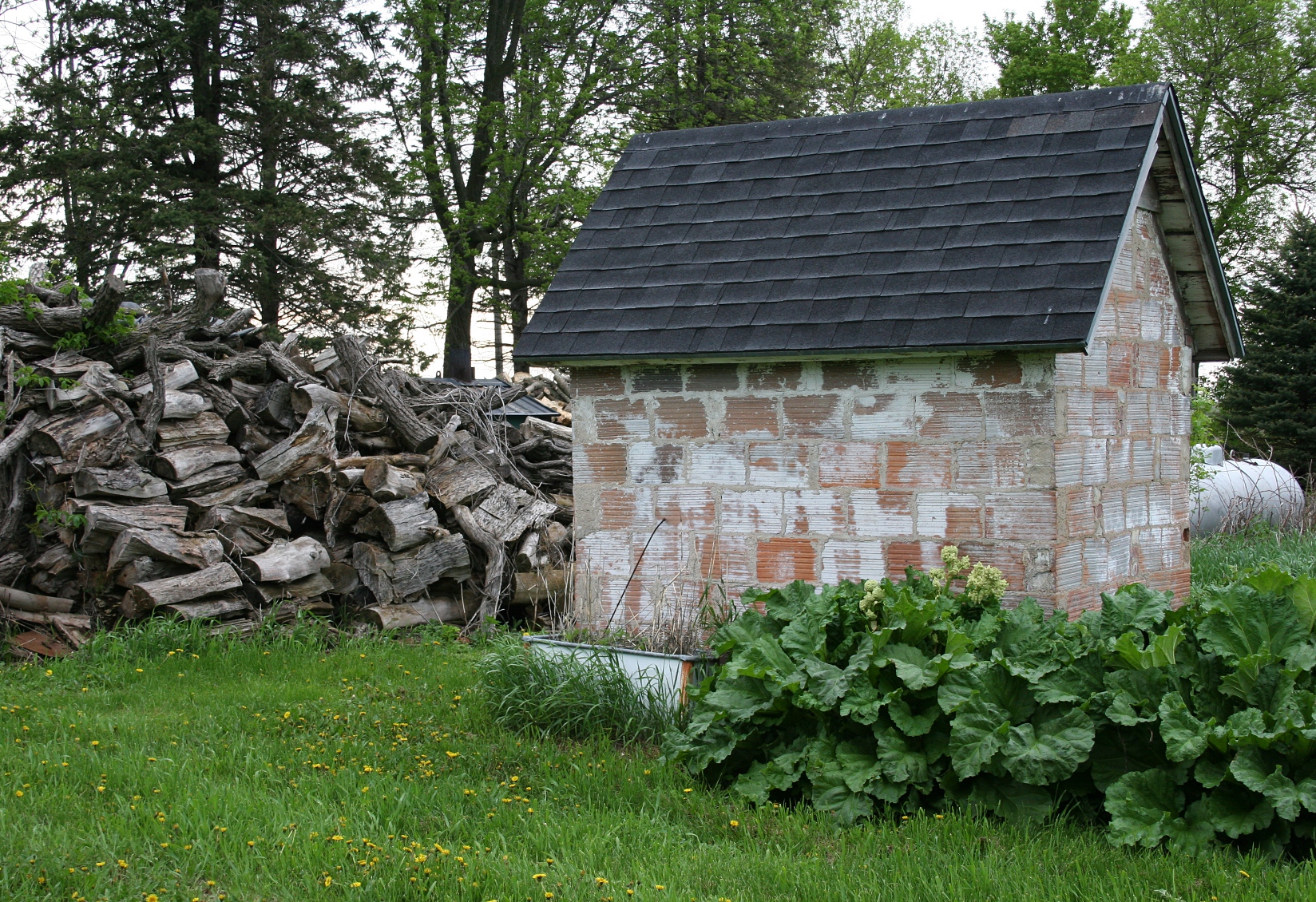
Rhubarb grows by the old smokehouse, which now houses garden tools.

Rhubarb nudges the old smokehouse, which now houses garden tools.

This farm is typical old style farmplace with lots of outbuildings, including the granery on the left, one of the oldest buildings on the farm.

This farm is typical old style farm place with lots of outbuildings, including the updated granery on the left, one of the oldest structures on the farm.

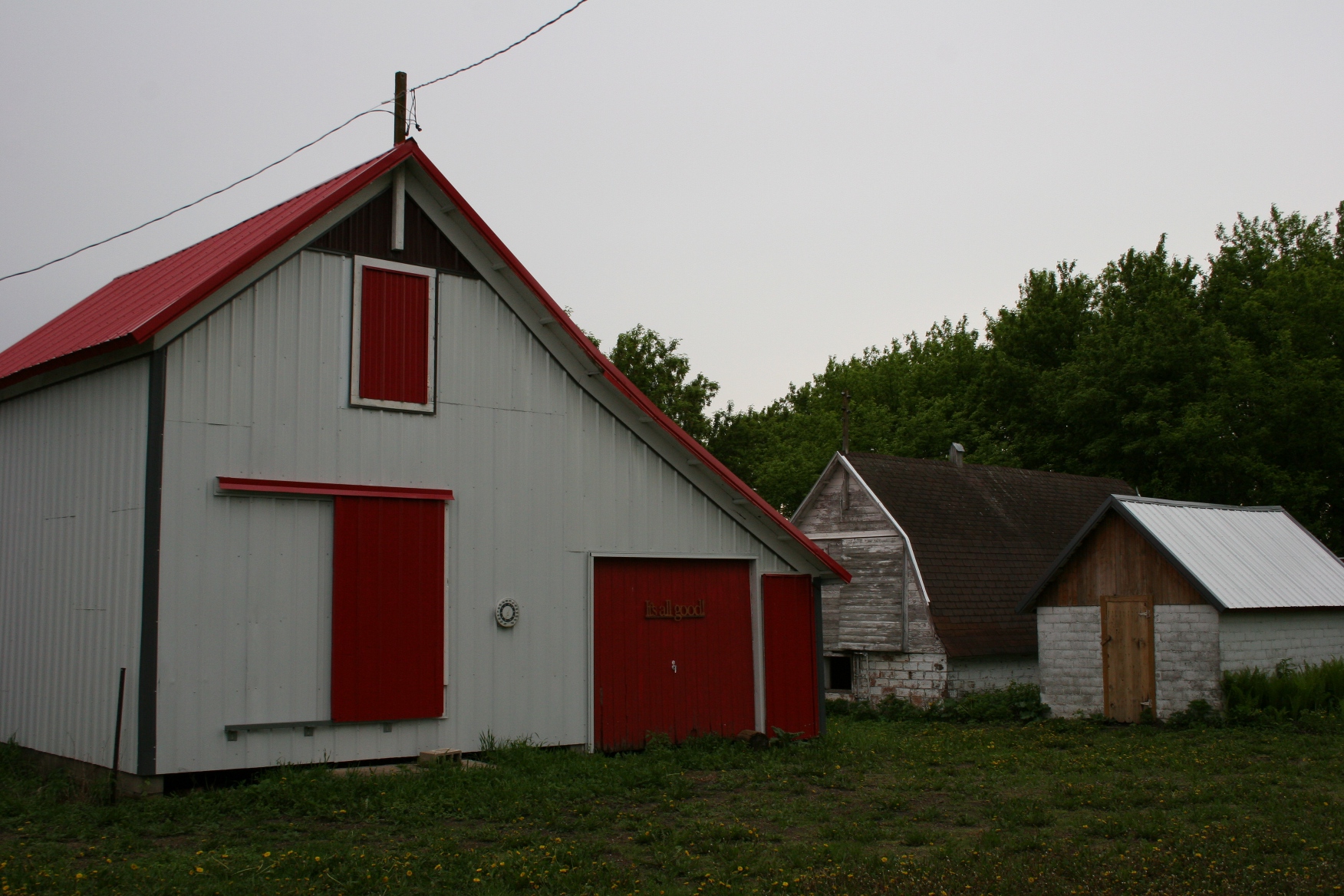
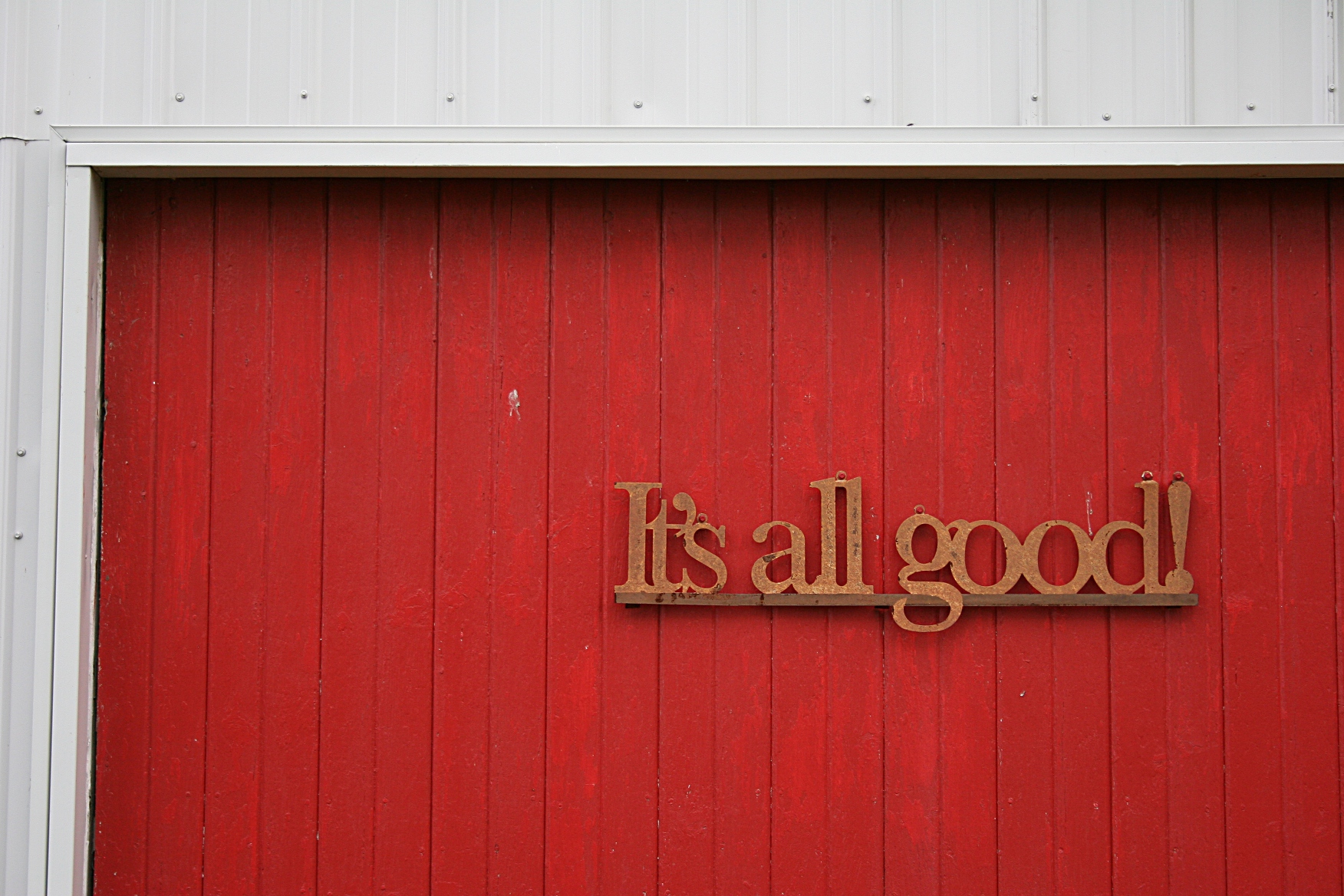
The message on the granery door reflects Barb's attitude: "The sheds are full of stuff and it's all good."

The message on the granery door reflects Barb’s attitude: “The sheds are full of stuff and it’s all good.”

© Copyright 2013 Audrey Kletscher Helbling
 

Reflections on a prairie sunset June 30, 2013

Filed under: Uncategorized — Audrey Kletscher Helbling @ 2:59 PM
Tags: , , , , , , , , ,

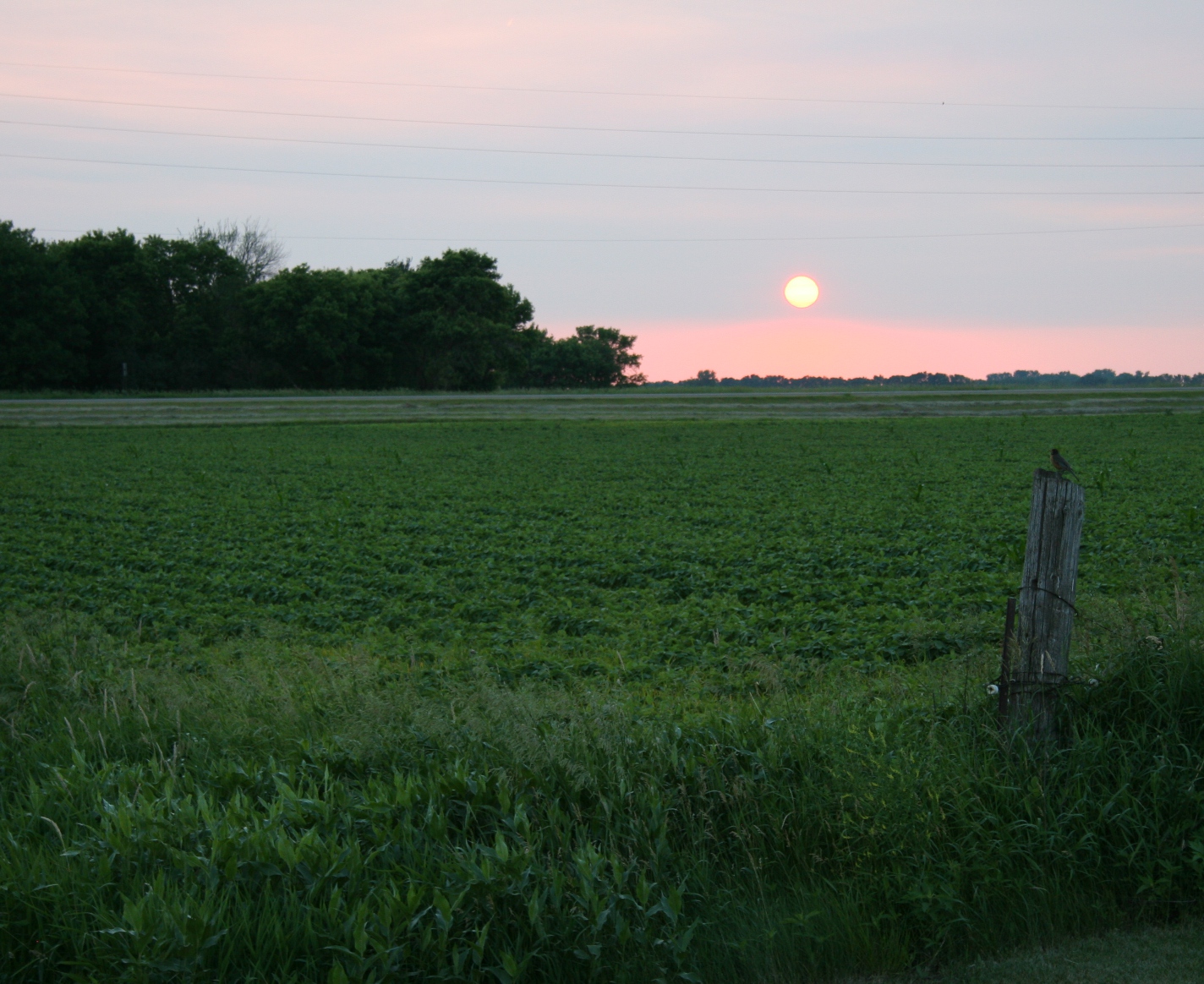
Sunset on the prairie

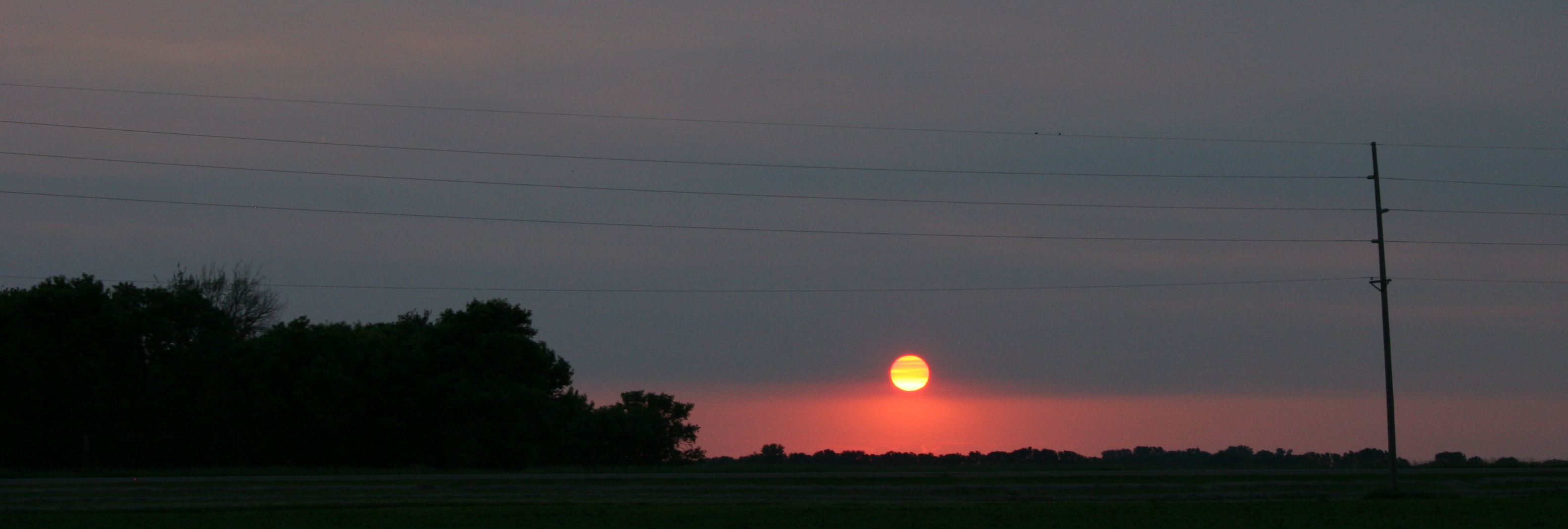
WE STOOD ALONG THE EDGE of the gravel road Saturday evening, my 13-year-old nephew and I, mesmerized by the glorious golden sun pinking the sky above and below a layer of blue grey.

I raised my camera. He lifted his phone. We snapped several photos, compared, wished for better zooms to photograph the prairie sky north of Lamberton in southwestern Minnesota.

Sunset on the prairie 2

“It’s what I miss most about this place, the sunrise and the sunset,” I said.

“And the stars,” Stephen added.

Sun and stars.

He was right. The stars, too.

Copyright 2013 Audrey Kletscher Helbling
 

Appreciating the Sunday afternoon drive June 29, 2013

Filed under: Uncategorized — Audrey Kletscher Helbling @ 6:30 AM
Tags: , , , , , , , ,
Checking out the crops near Moland Lutheran Church in Steele County, Minnesota.

Checking out the crops near Moland Lutheran Church in Steele County, Minnesota.

ONCE UPON A TIME, I thought Sunday afternoon drives were reserved for farmers checking out the crops or for old people with nothing more important to do.

In Merton Township, Steele County, Minnesota.

In Merton Township, Steele County, Minnesota.

No longer do I think that. I now welcome these day trips into the country for the solace, the beauty, the discovery, the photo ops, the joy of whiling away an afternoon with no specific destination.

Along Rice County Road 21 south of Faribault.

Along Rice County Road 21 south of Faribault.

I love wide skies and open fields. I love old barns and gravel roads and cows grazing and tidy rows of corn. I love country.

Making hay, along old U.S. Highway 14 west of Owatonna.

Making hay, along old U.S. Highway 14 west of Owatonna.

In this crazy fast-paced world of scheduled activities and rare free time, such impromptu rural jaunts are to be embraced.

Near Clinton Falls in Steele County, Minnesota.

Near Clinton Falls in Steele County, Minnesota.

If you have not discovered the Sunday afternoon drive, you are missing out on one of life’s simplest and most soul satisfying pleasures.

Northwest of Owatonna along Steele County Road 17.

Northwest of Owatonna along Steele County Road 17.

On a farm site west of Owatonna.

On a farm site west of Owatonna.

A vineyard along Steele County Road 17.

A vineyard along Steele County Road 17.

Southwest of Faribault.

Southwest of Faribault.

FYI: The edited photos featured here are from a recent Sunday afternoon drive south and east of Faribault and then west and north of Owatonna looping back to Faribault. All images were shot from the passenger seat of our van at highway speeds, or slightly under.

Copyright 2013 Audrey Kletscher Helbling


Touring an historic mill in Morristown June 4, 2013

I WISH MY MEMORIES of the old feed mill were imprinted upon the pages of a book. Indelible ink. Words recorded so that I would always remember. The smell. The sound. The sights. The everything encompassing this agricultural business in my southwestern Minnesota prairie town.

I recall so little—the wooden steps leading to the feed mill; the ground feed residue lingering in the air and on surfaces; the ever-deafening grinding noise of machinery chomping grain; handsome operator Wally Anderson with his shock of white hair who lived in a well-kept corner house several blocks north; and the summer a ventriloquist sat in front of Vesta’s feed mill with a dummy perched on his knee.

The Morristown Feed Mill in Morristown, Minnesota.

The Morristown Feed Mill in Morristown, Minnesota.

Those faint wisps of recollection filtered through my thoughts on Saturday as I meandered through an historic 1860 grist mill along the banks of the Cannon River in Morristown. Once a year this rural southeastern Minnesota community opens the mill for tours and grinds wheat and corn.

A replica waterwheel built in 1997 by Theodore E. Sawle.

A replica waterwheel built in 1997 by Theodore E. Sawle.

I won’t even pretend to understand all I viewed and photographed at this mill once powered by a waterwheel, later by electricity.

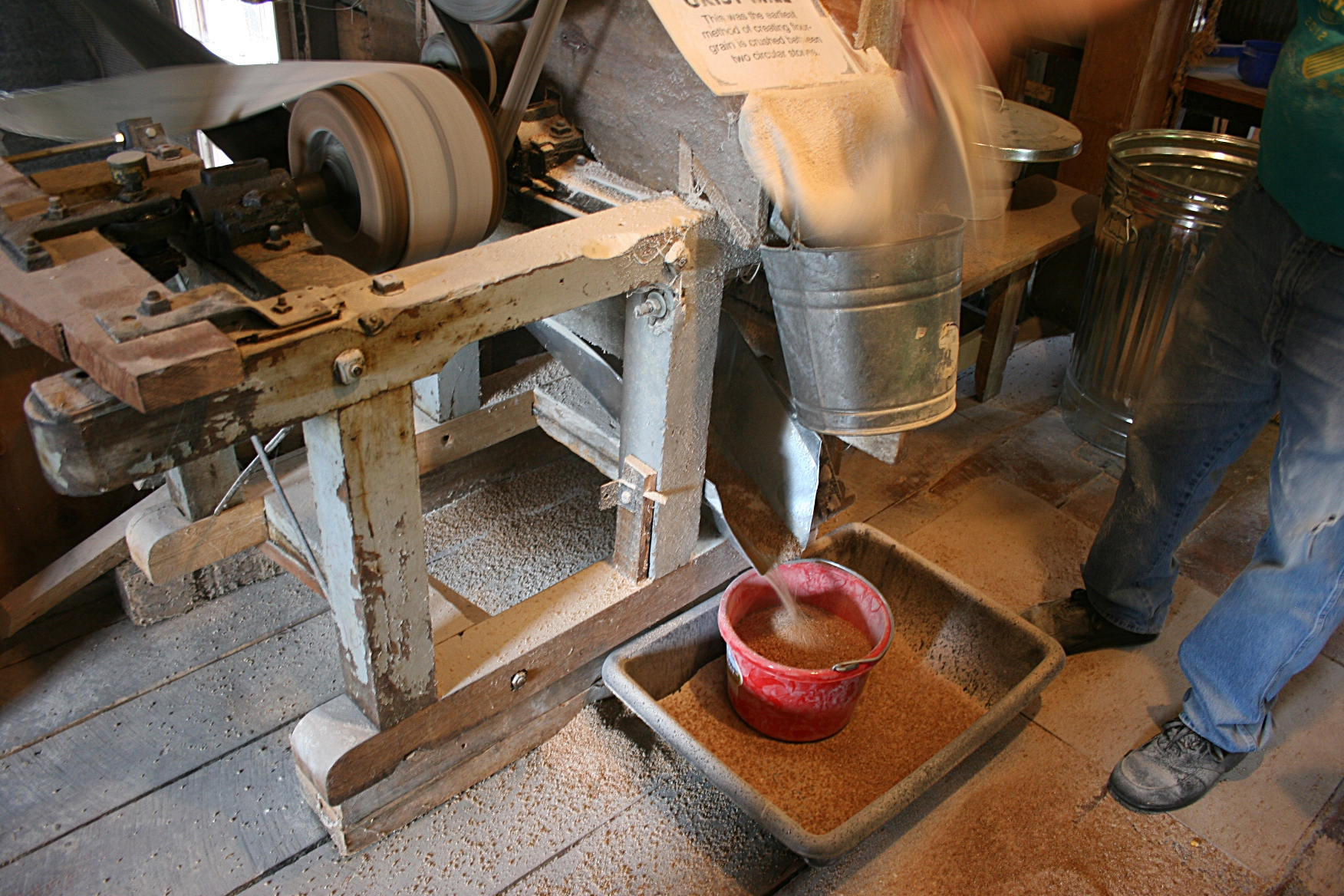
A volunteer grinds wheat into flour in the old grist mill. Each time the waterwheel turns, it spins the millstone 17 times in the process of crushing grain between stones. The volunteer's wife bakes Communion bread for the local Methodist church.

A volunteer grinds wheat into flour in the old grist mill. Each time the waterwheel turns, it spins the millstone 17.5 times in the process of crushing grain between stones. The volunteer’s wife bakes Communion bread for the local Methodist church.

Initially, the mill opened in 1855 as a sawmill. But, within years, the business was replaced by Hershey Grist Mill, a mill for grinding grain into flour and livestock feed. On the afternoon I toured, a volunteer was grinding wheat into flour with the waterwheel powering the grinder. I had intended to buy a bag of the $2 wheat flour, but forgot in the midst of my photographic focus.

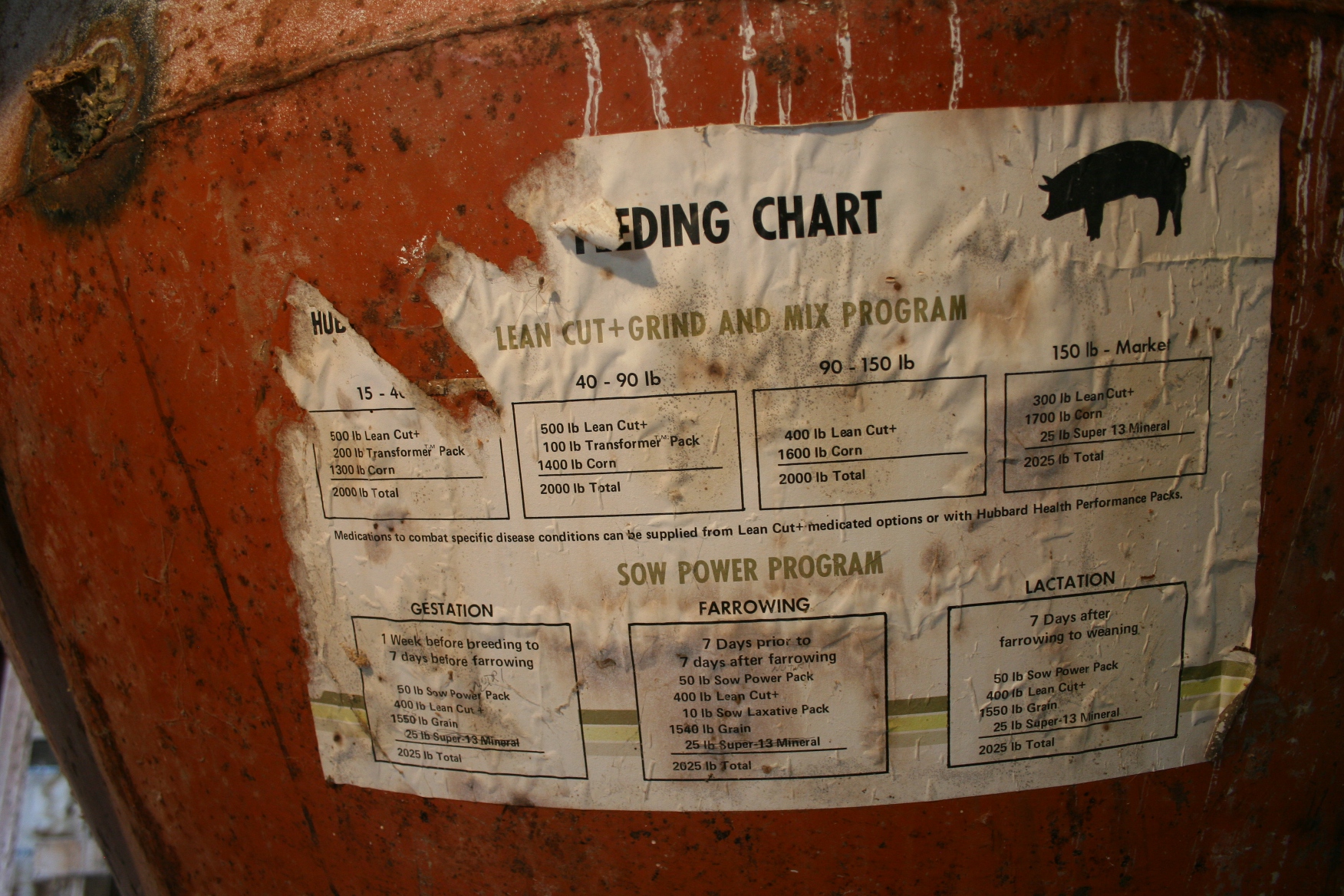
Guidelines for pig feed.

Guidelines for pig feed posted on a mixer.

The Morristown Historical Society today cares for the facility which closed in the 1970s as the Morristown Feed Mill, purveyor of livestock feed. For those like me, who grew up on a farm but have long ago left the land, such endeavors to preserve the rural past are deeply appreciated.

The conveyor belt powered by the waterwheel. This operates the grinder.

The waterwheel turns these pulleys and belts which operate the grinder.

While I walked the old wooden floor of the feed mill, descended stairs into the cluttered utility room where a dangerous conveyor belt cycled and afterward climbed stairs to the second floor, I reconnected with my rural roots.

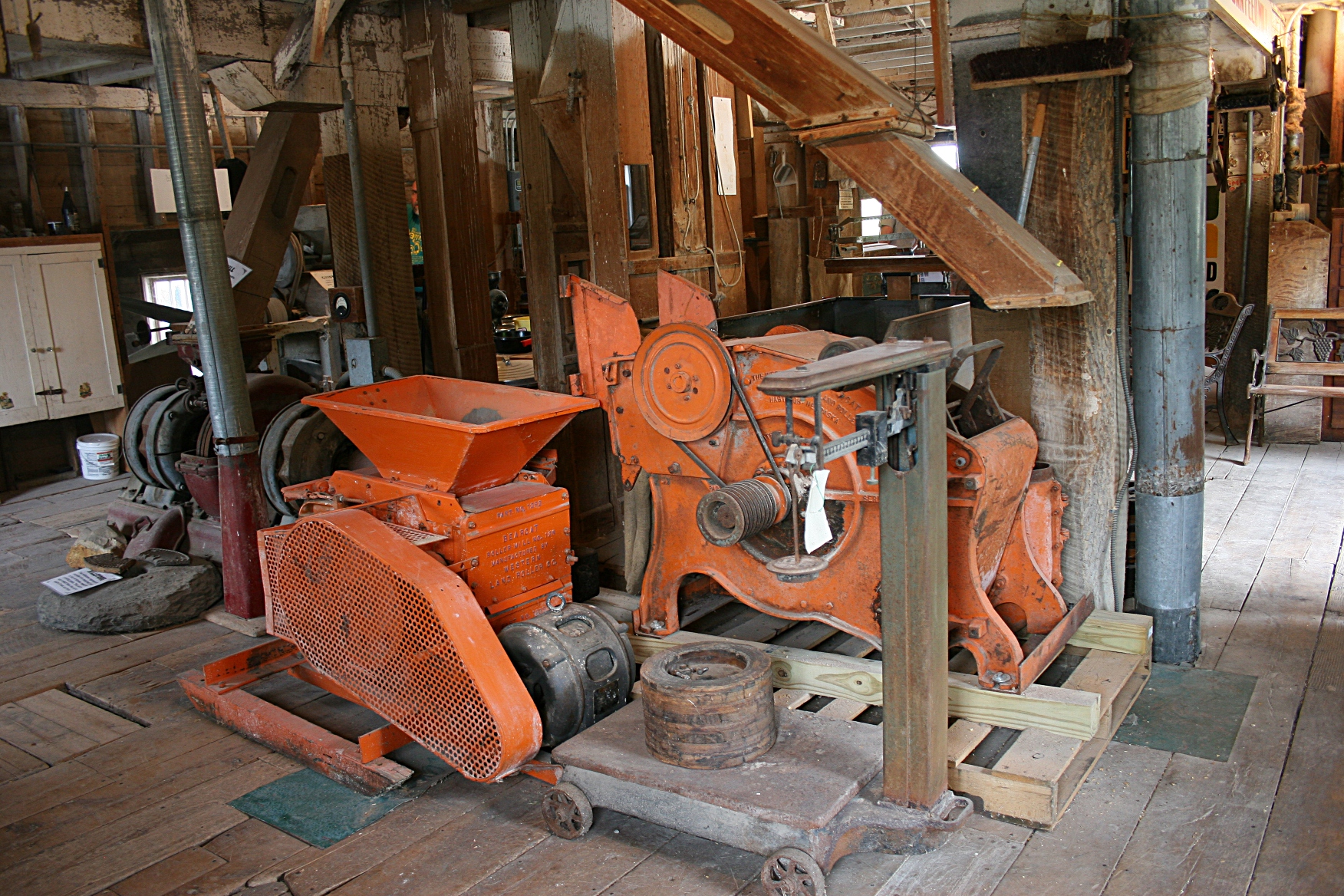
The old feed mill is stocked with lots of vintage grinding equipment.

The old feed mill is stocked with lots of vintage mill equipment.

And it may not have been in the way you most likely would expect. For me, the experience was mostly about the dust—knowing I needed to protect my camera from the fine grain dust which permeates a place like this, layers on the skin, hovers in the air, filters into memories.

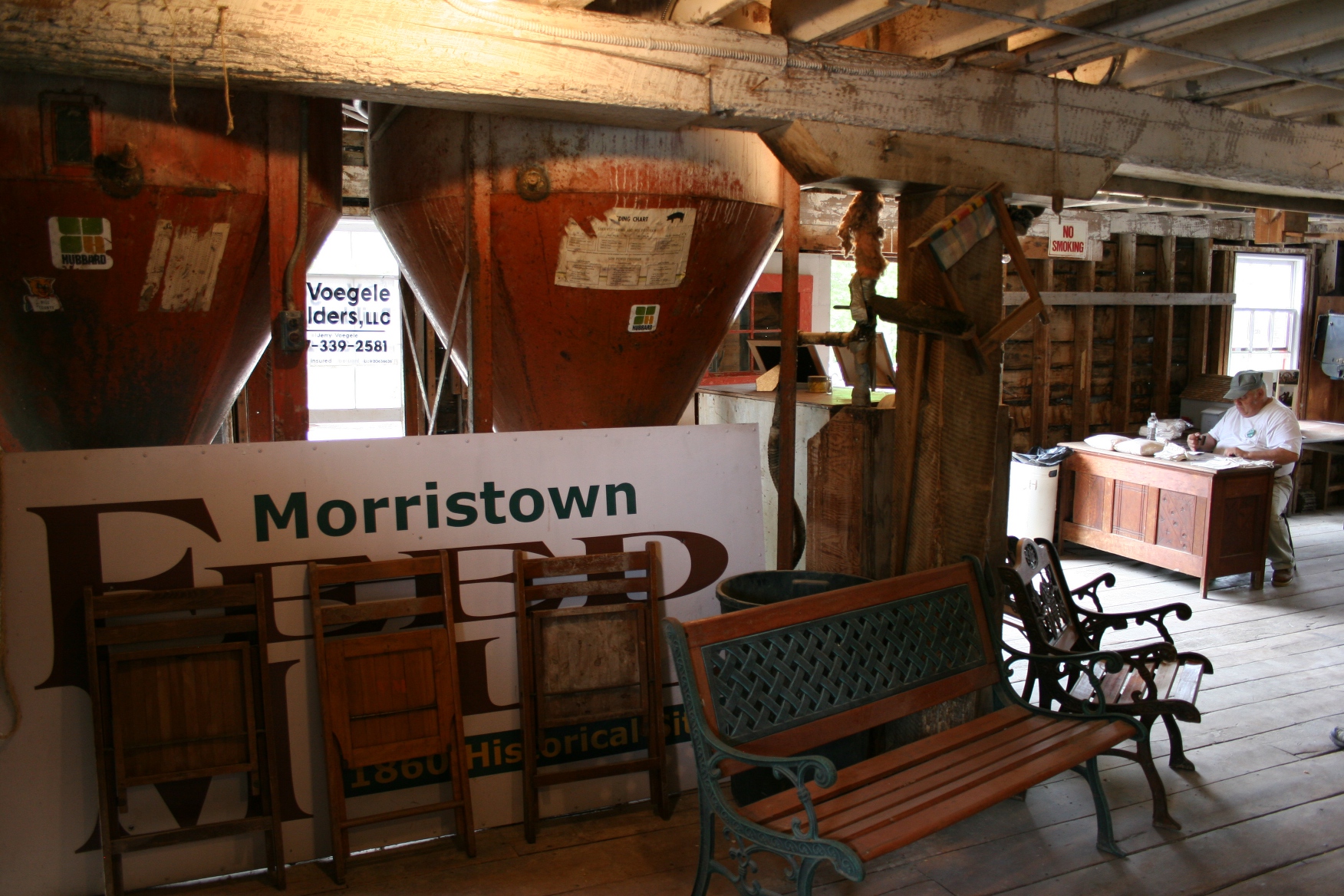
Inside the feed mill, where a volunteer stamps cloth bags with Morristown Feed Mill.

Inside the feed mill, a volunteer stamps cloth bags with Morristown Feed Mill. Behind the sign are two mixers.

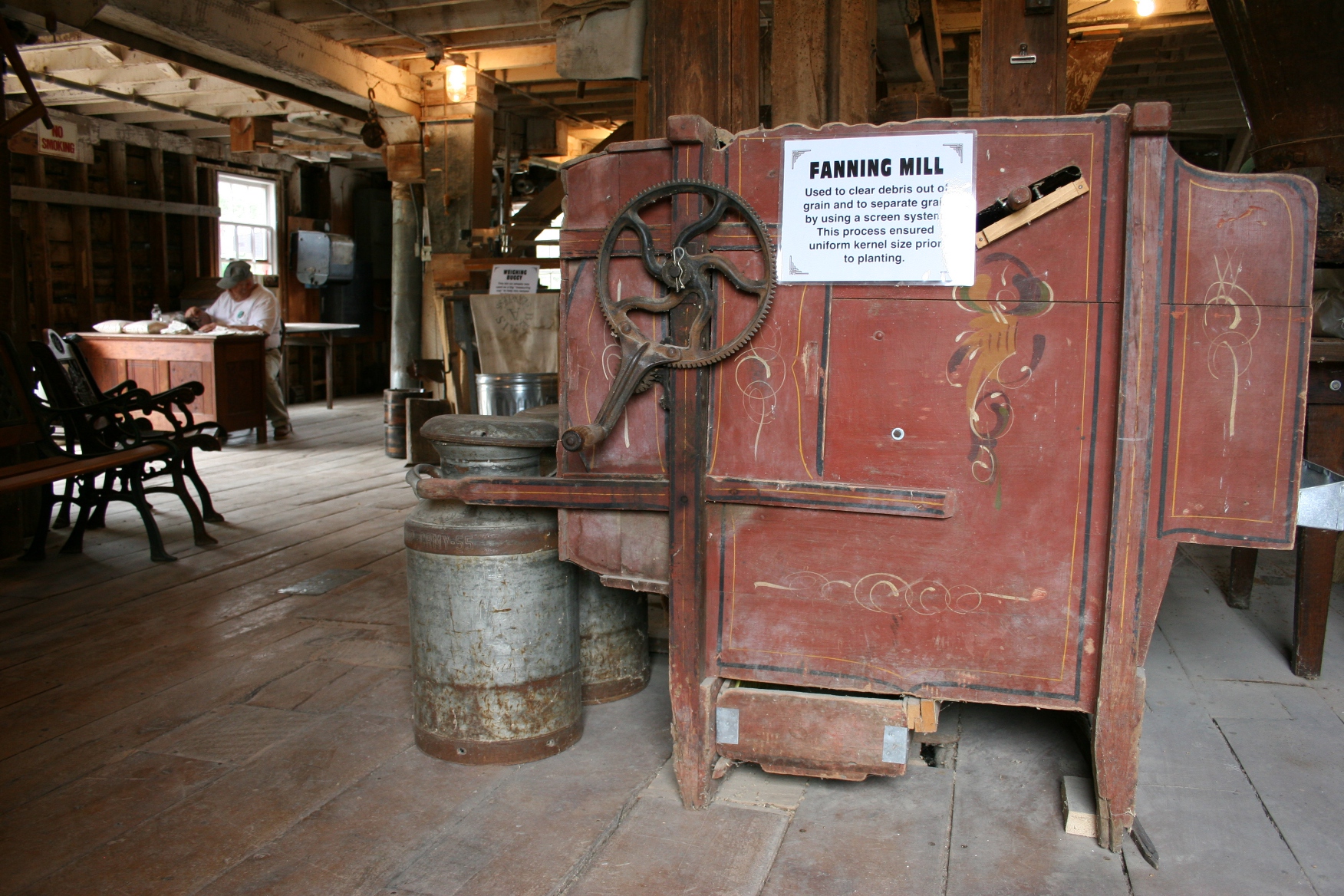
An old fanning mill cleans the grain for planting.

An old fanning mill cleans the grain for planting.

When I heard mention of mice, I was a little nervous about going into the utility room.

When I heard mention of mice, I was a little nervous about going into the utility room.

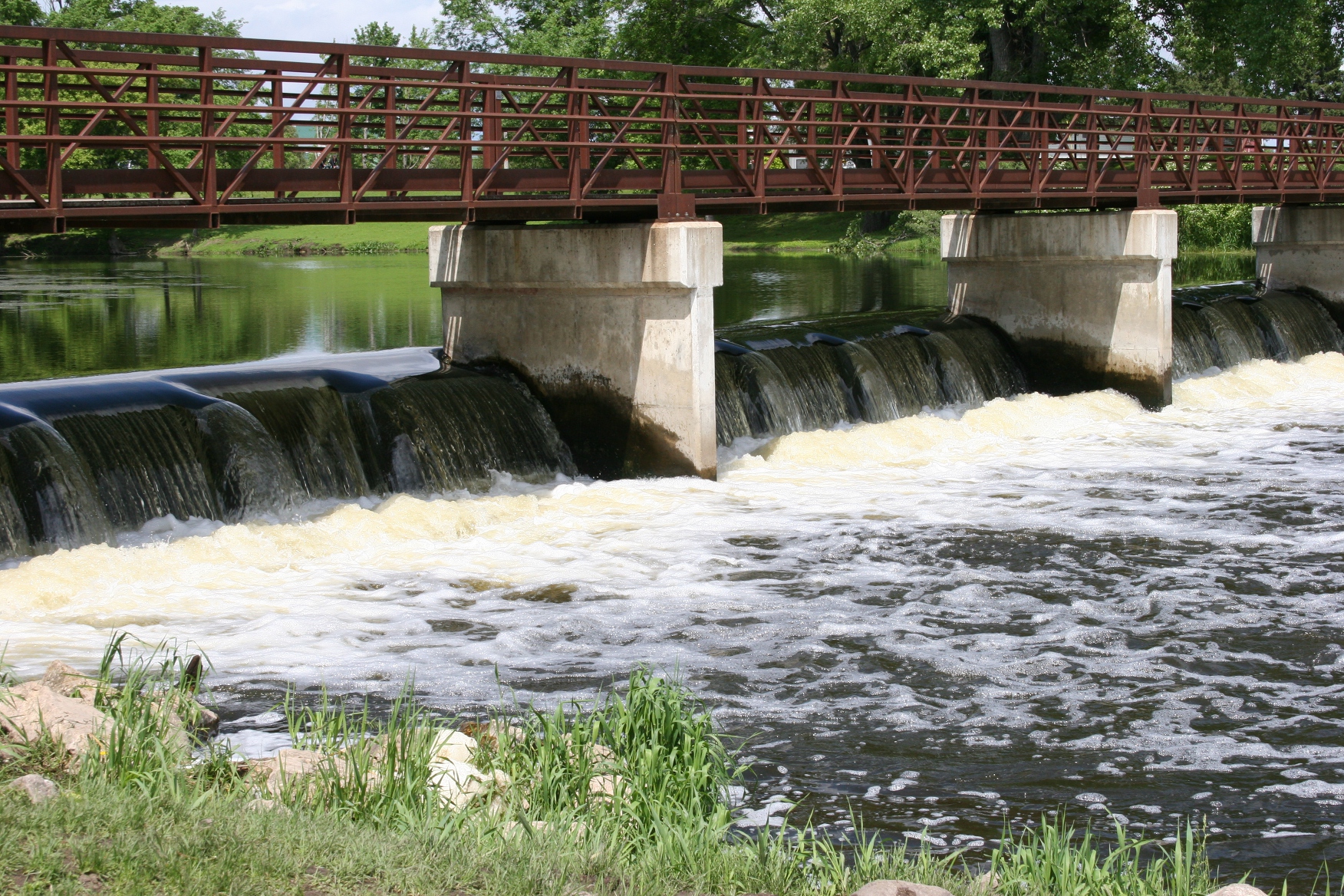
The Cannon River dam right next to the mill.

The Cannon River dam right next to the mill.

FYI: As a side note, the mill sheltered several refugees from the U.S. – Dakota Conflict of 1862.  Check back for more mill photos.

© Copyright 2013 Audrey Kletscher Helbling
 

Celebrating rural America at a kids’ pedal tractor pull in Morristown June 3, 2013

Heavy clouds rolled in from the west as I stood on the west edge of the ball field in Morristown late Saturday afternoon.

Heavy clouds rolled in from the west as I stood on the west edge of the ball field in Morristown late Saturday afternoon.

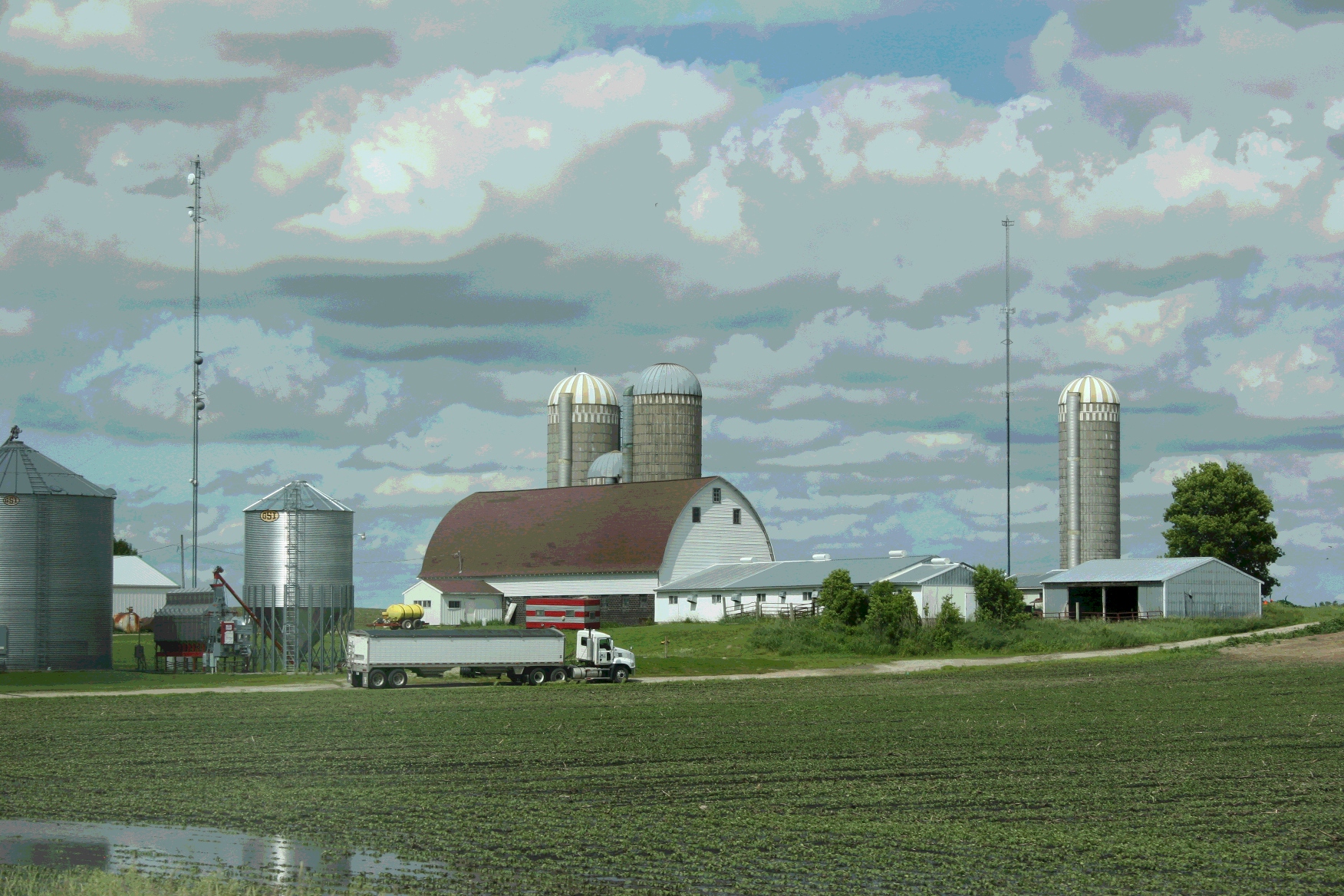
ONLY BLOCKS FROM THE HEART of Morristown, next to Babe Nordmeier Field on the west edge of town, corn sprouts in tidy rows upon the fertile earth.

This southeastern Minneosta community runs rural through and through with businesses centered on agriculture. Farmers live and work on land passed down through generations.

I climbed onto the back of the riser/stage to shoot this photo. In the foreground, behind the Dam Days royalty, are the trophies and ribbons and perhaps other prizes in the bags.

I climbed onto the back of the riser/stage to shoot this photo. In the foreground, behind the Dam Days royalty, are the trophies and ribbons and perhaps other prizes in the bags.

On Saturday afternoon, locals and those who grew up here, and others, like me, gathered under a tent on Main Street to watch the Kids’ Pedal Tractor Pull during the annual Dam Days celebration. It’s a grassroots event that melds a deep appreciation of the town’s rural roots with the connections of family and friendly competition.

Even the Dam Days princesses participated in the pedal pull. Look at the faces in the crowd.

Even the Dam Days princesses participated in the pedal pull. Look at the faces in the crowd.

As I observed the pedal pull, I focused not only on the determined little ones peddling with all their might, but on the proud parents, the equally encouraging grandparents, the enthusiastic siblings, the sweet princesses and more.

Cameras and encouragement abounded.

Cameras and encouragement abounded.

Before me I viewed a competition, yes. But I also noted smiles and felt that sense of community which prevails in the heart of rural America. At this moment in time, in this small town, all is well in the world.

The vehicle of competition, momentarily parked.

The vehicles of competition, momentarily parked.

This little guy cheers on a competitor.

This little guy cheers on a competitor.

...while this preschooler was getting tired. She wasn't sleeping, but...

…while this preschooler was getting tired. She wasn’t sleeping, but…

Cheering on a contestant.

Cheering on a contestant.

Dam Days royalty turned around and flashed their royal smiles when they realized I was behind them.

Sweet Dam Days royalty turned around and flashed their royal smiles when they realized I was behind them.

One word: Determined.

Happy and determined.

© Copyright 2013 Audrey Kletscher Helbling
 

My blogging approach to covering a Minnesota flea market May 29, 2013

An overview of the Rice County Steam & Gas Engine Flea Market Saturday morning near Dundas.

An overview of the Rice County Steam & Gas Engine Flea Market Saturday morning near Dundas.

FLEA MARKETS OFFER an eclectic mix of merchandise and people, the two ingredients which make shopping and photographing these venues especially entertaining and enlightening.

Mr. Socko, the sock guy, vends socks from Fox River Mills, which originated in Appleton, Wisconsin (home to the Fox River), before moving to Iowa.

Mr. Socko, the sock guy,  right, vends socks from Fox River Mills, which originated in Appleton, Wisconsin (home to the Fox River), before moving to Iowa.

For example, I met Mr. Socko of St. Paul peddling American made socks this past weekend at the Rice County Steam & Gas Engines Flea Market in rural Dundas. Ben Suckow’s (his real name) been selling socks for seven years, driving down to Fox River Mills in Osage, Iowa, to pick up these quality socks to vend at flea markets.
Pigs crafts by Gerald Skluzacek.

Pigs crafts by Gerald Skluzacek.

At the same event, I spotted whimsical flying pigs (and other) garden art created by Northfielder Gerald Skluzacek, retired owner of a sandblasting company. He also makes jewelry.
Linda Stadler arrived with her mittens to sell in Gerald Skluzacek's vendor trailer.

Linda Stadler arrived with her mittens to sell in Gerald Skluzacek’s vendor trailer.

On this cold Saturday, his and wife Jane’s friend, Linda Stadler, arrives with mittens she crafted from recycled sweaters. And, yes, the weather was cold enough to warrant mittens. Linda would be minding the Garden Space while Gerald attended a party.
As a bonus, Linda asked if I was “that blogger,” yes, the one who writes about her ventures into small towns. That would be me. Always nice to meet a reader who appreciates your blogging.

Photogenic Albert Remme.

Photogenic and personable Albert Remme.

I also had the honor of meeting and chatting with Albert Remme of Dennison, who was bundled in a warm coat, an ear flapper cap and gloves on this windy 50-something degree day as he waited on bleachers for his nephew.
After seeking permission to photograph him, I asked Albert if he was a retired farmer. He was a farmer and a soldier. Drafted between Korea and Vietnam, Albert was sent to Hawaii and thanks God he never saw combat. “I don’t know how you could kill anyone who’s done nothing to you,” he said.

Then I told him about my dad, a Korean War vet who fought on the front lines. “It was kill or be killed,” I shared. Not easy. And Albert just kind of nodded his head in silent agreement.

And that’s how these photo shoots go—I spot an interesting person or object or scene and I either shoot a few quick frames or I shoot, then pause to learn more.

Shopping the flea market...

Shopping the flea market…

Every time I attend this flea market, I look for a weird piece of merchandise. This year it would be these horns.

Every time I attend this flea market, I look for a weird piece of merchandise. This year it would be these horns. Why, I ask, would anyone save these? Would you buy these horns or try to sell them?

Signs tell a story, too, like this on an auction wagon there for the live auction.

Signs tell a story, too, like this on an auction wagon there for the live auction.

The auctioneer solicits bids from his movable auction wagon.

The auctioneer solicits bids from his movable auction wagon.

I set my camera on the grass to shoot this image of barbed wire that had been auctioned off.

I set my camera on the grass to shoot this image of barbed wire that had been auctioned off as the auction continues.

FYI: Click here and here to read two previous posts from the Rice County Steam & Gas Engines Flea Market. Check back for one final post in which I will show you my purchases.

© Copyright 2013 Audrey Kletscher Helbling