Minnesota Prairie Roots

Writing and photography by Audrey Kletscher Helbling

Amboy: A thriving community in rural Minnesota February 5, 2014

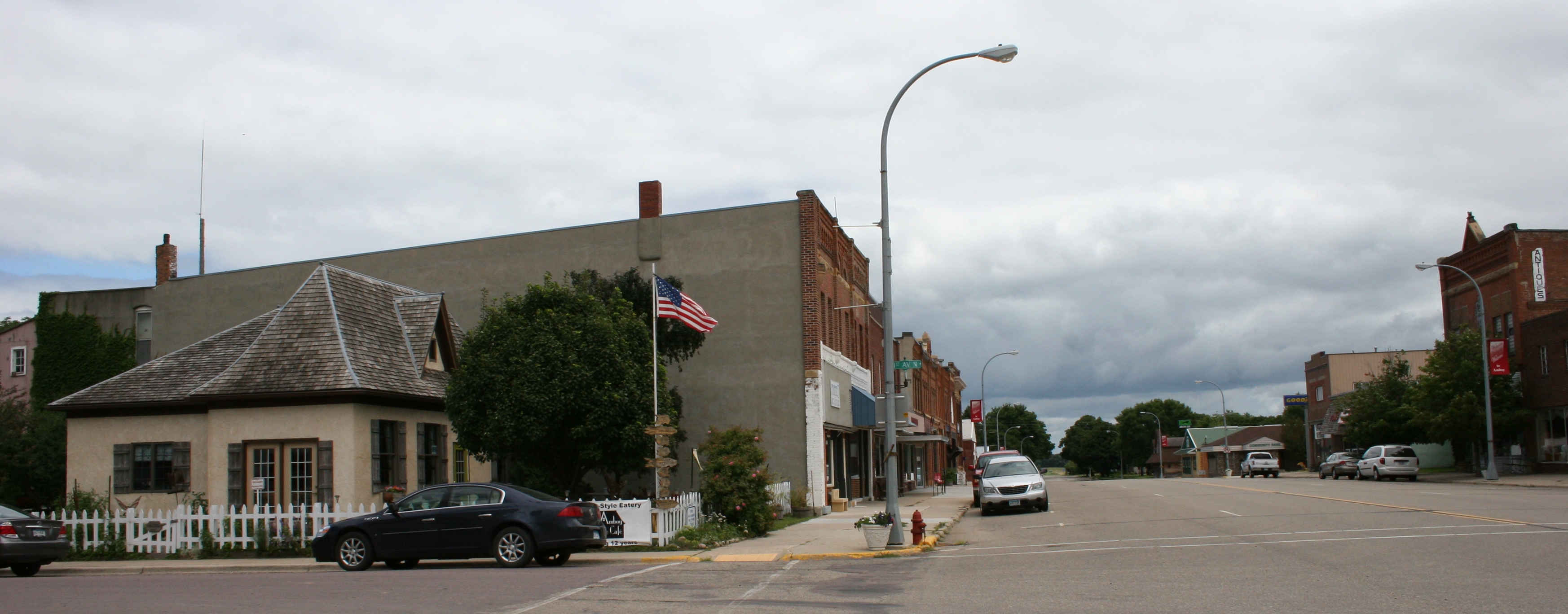
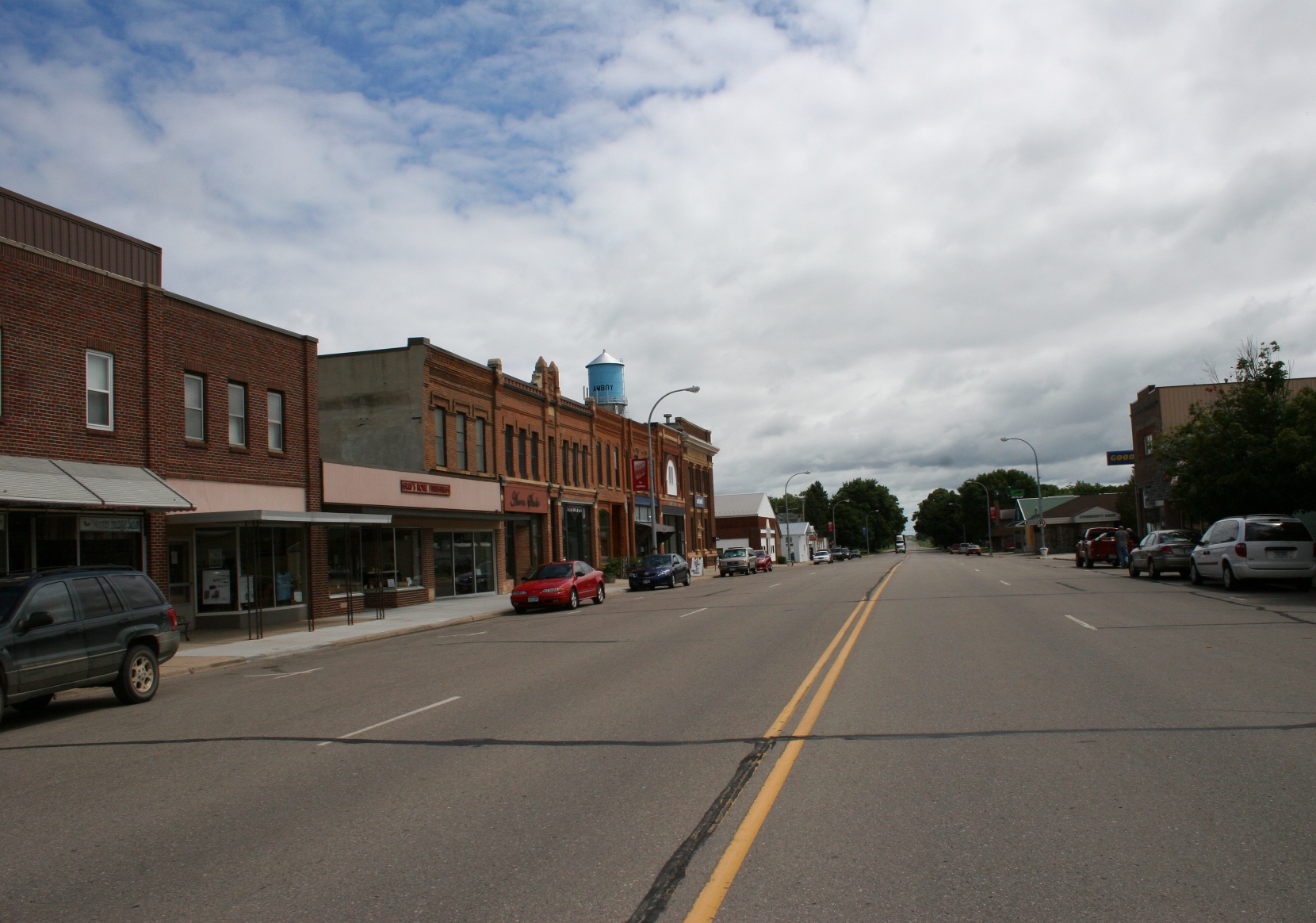
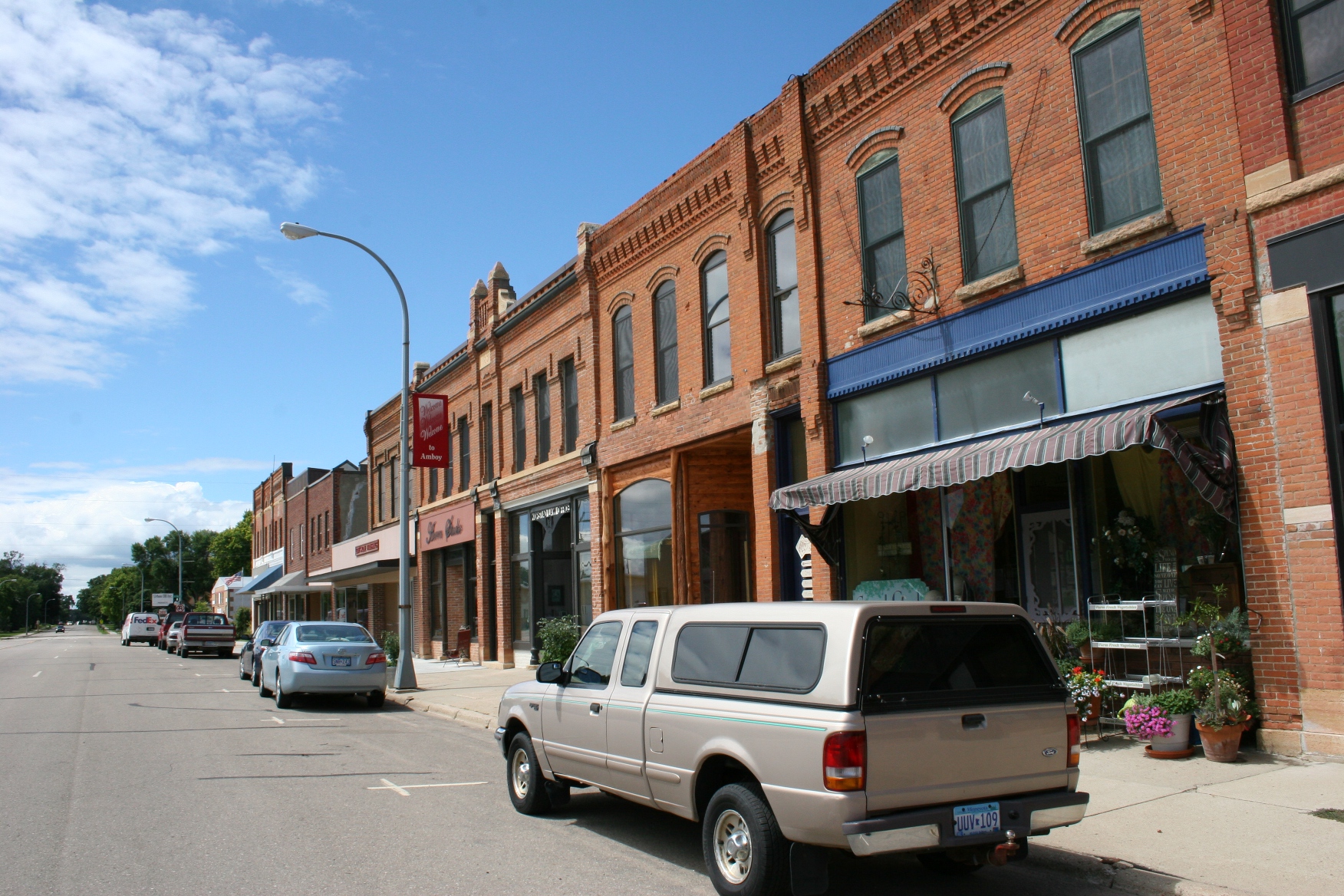
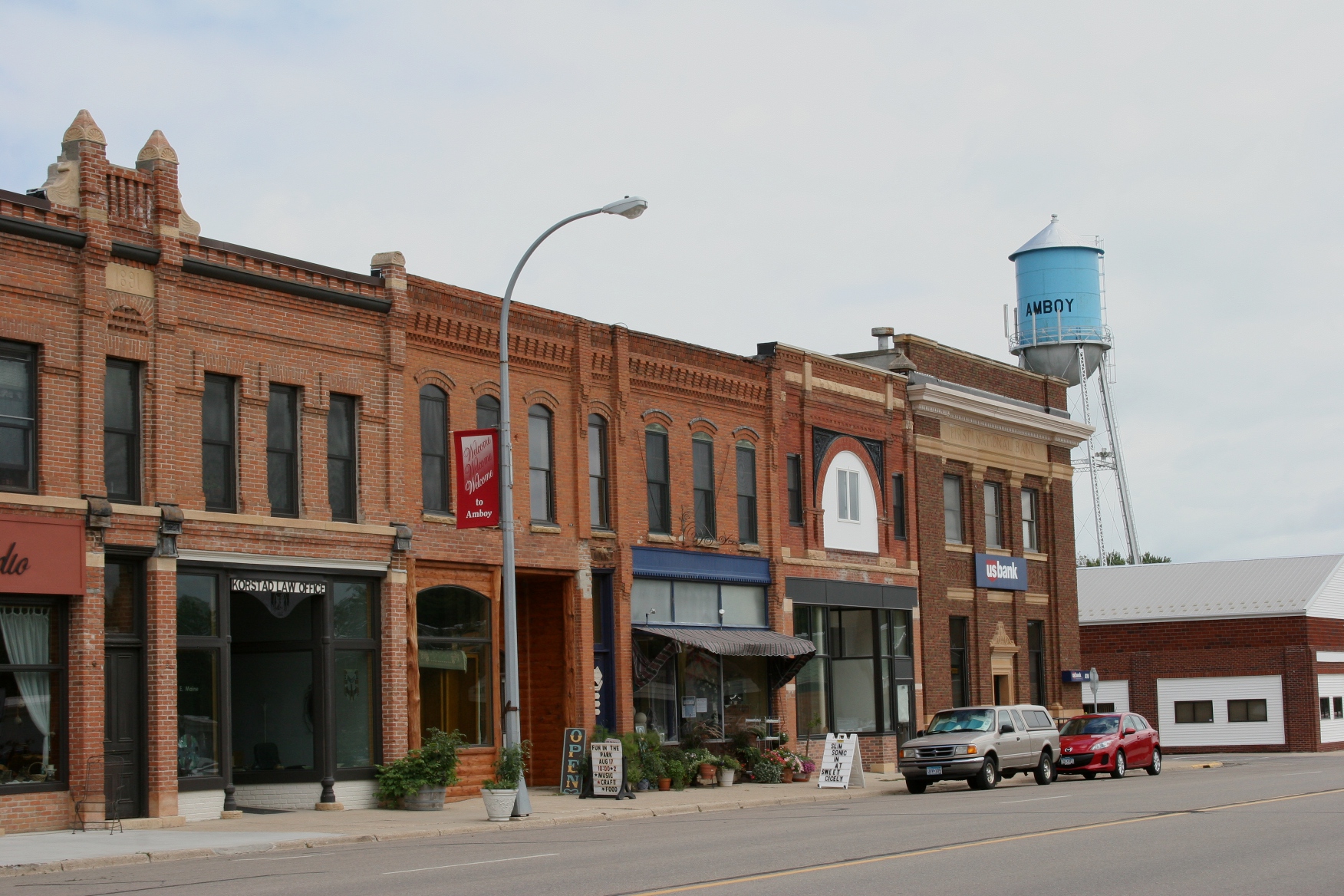
Looking down Maine Street in Amboy, Minnesota.

Looking down Maine Street in Amboy, Minnesota.

FOLKS IN AMBOY understand the importance of building their community’s future, of distinguishing their town as a destination in rural Minnesota.

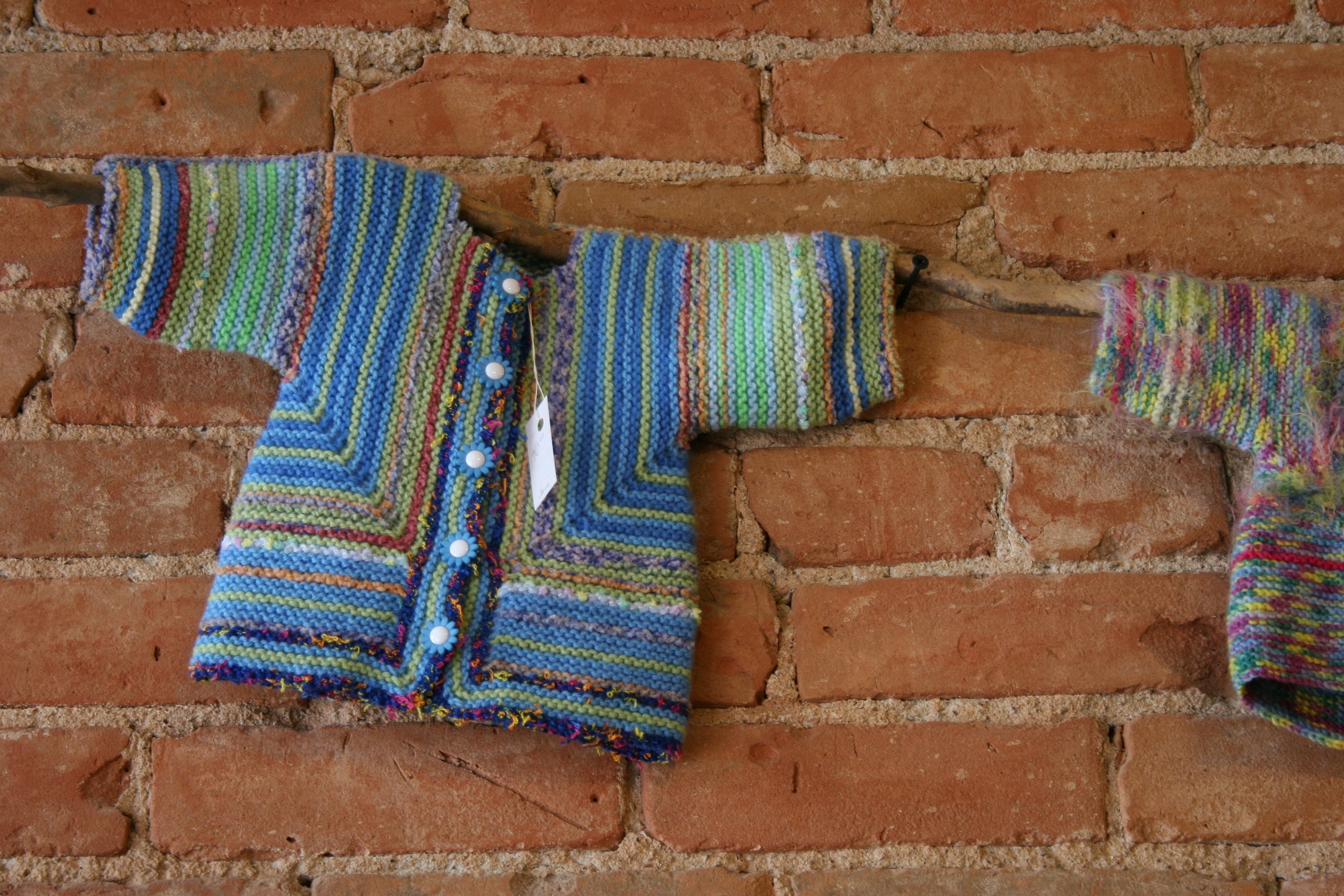
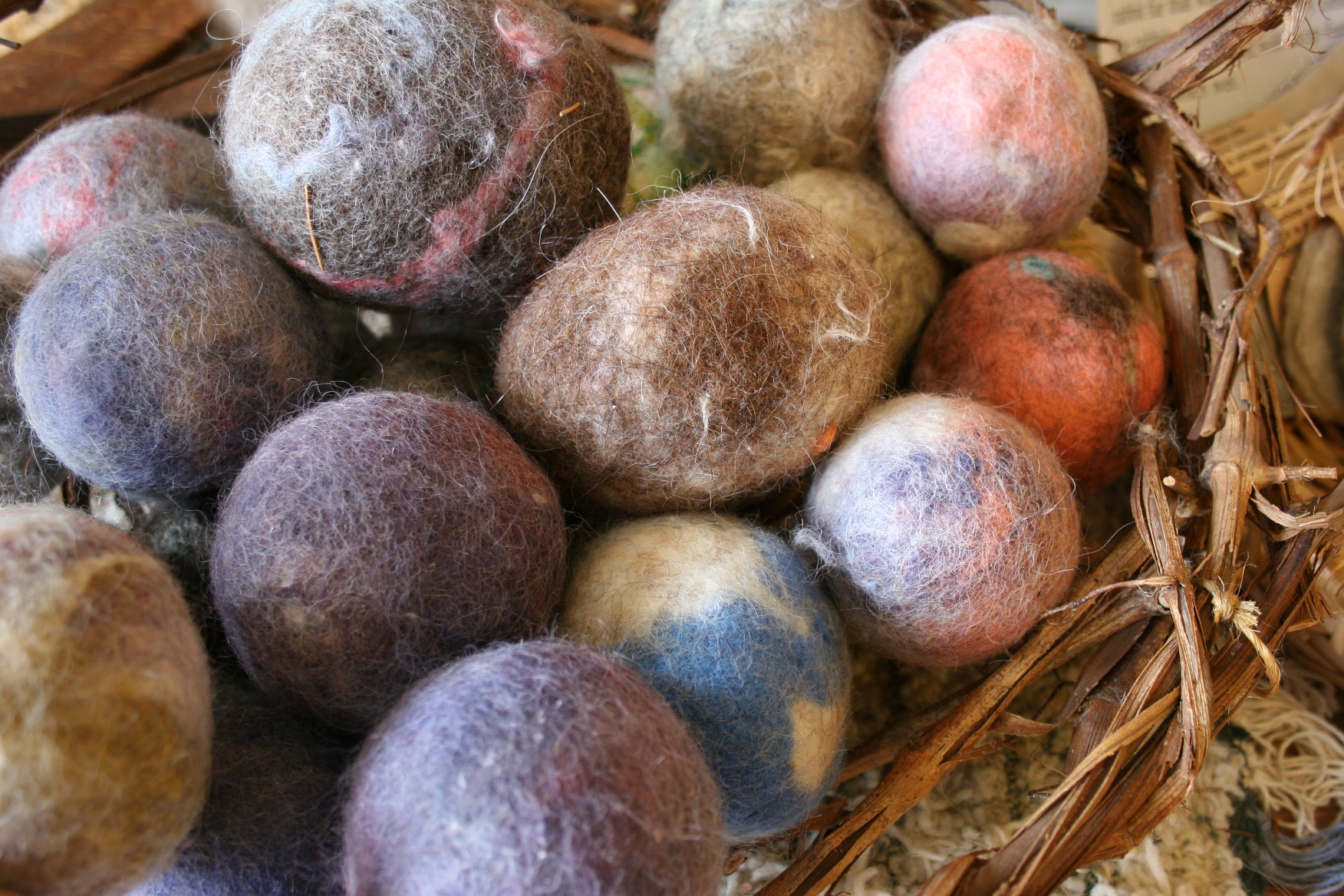
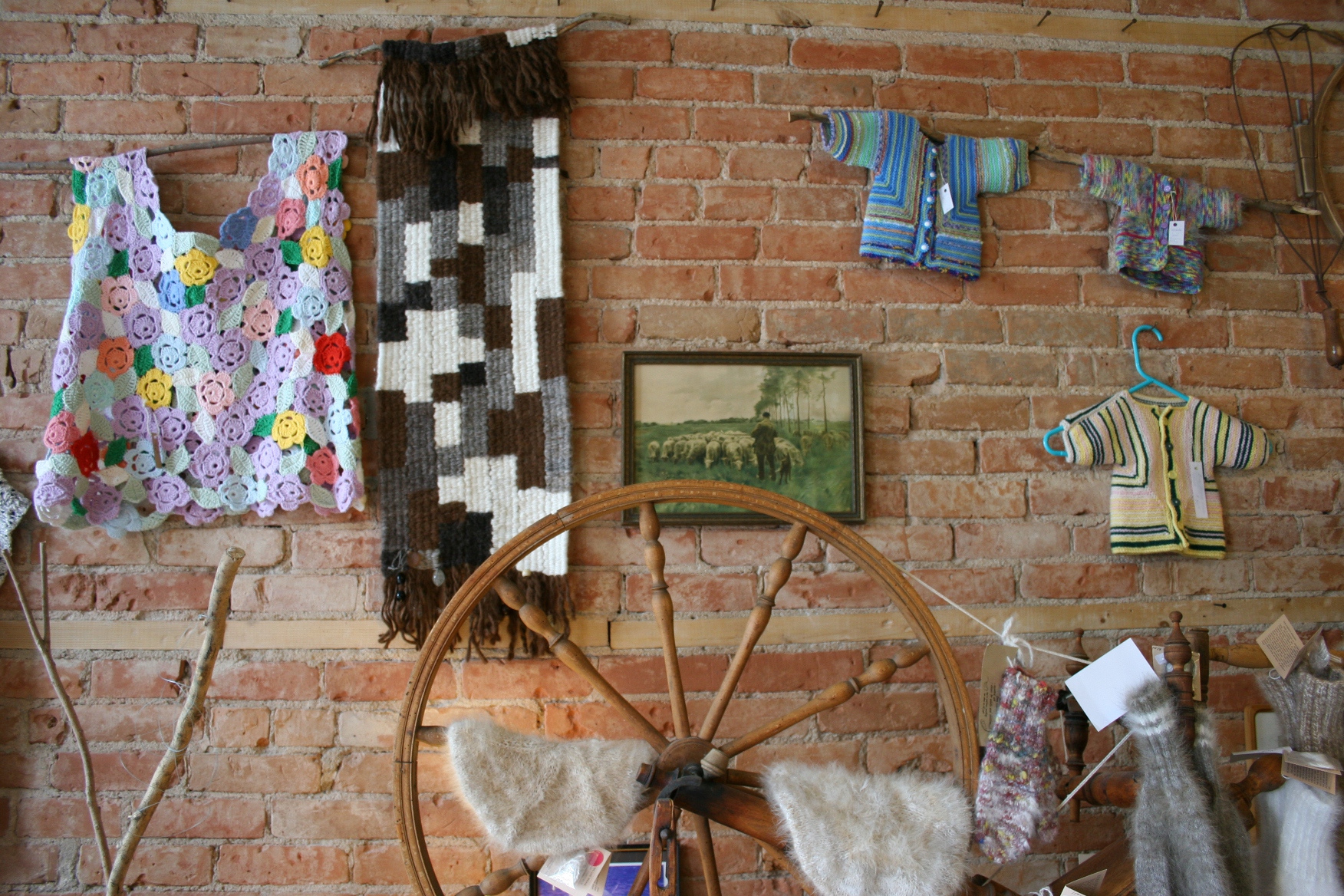
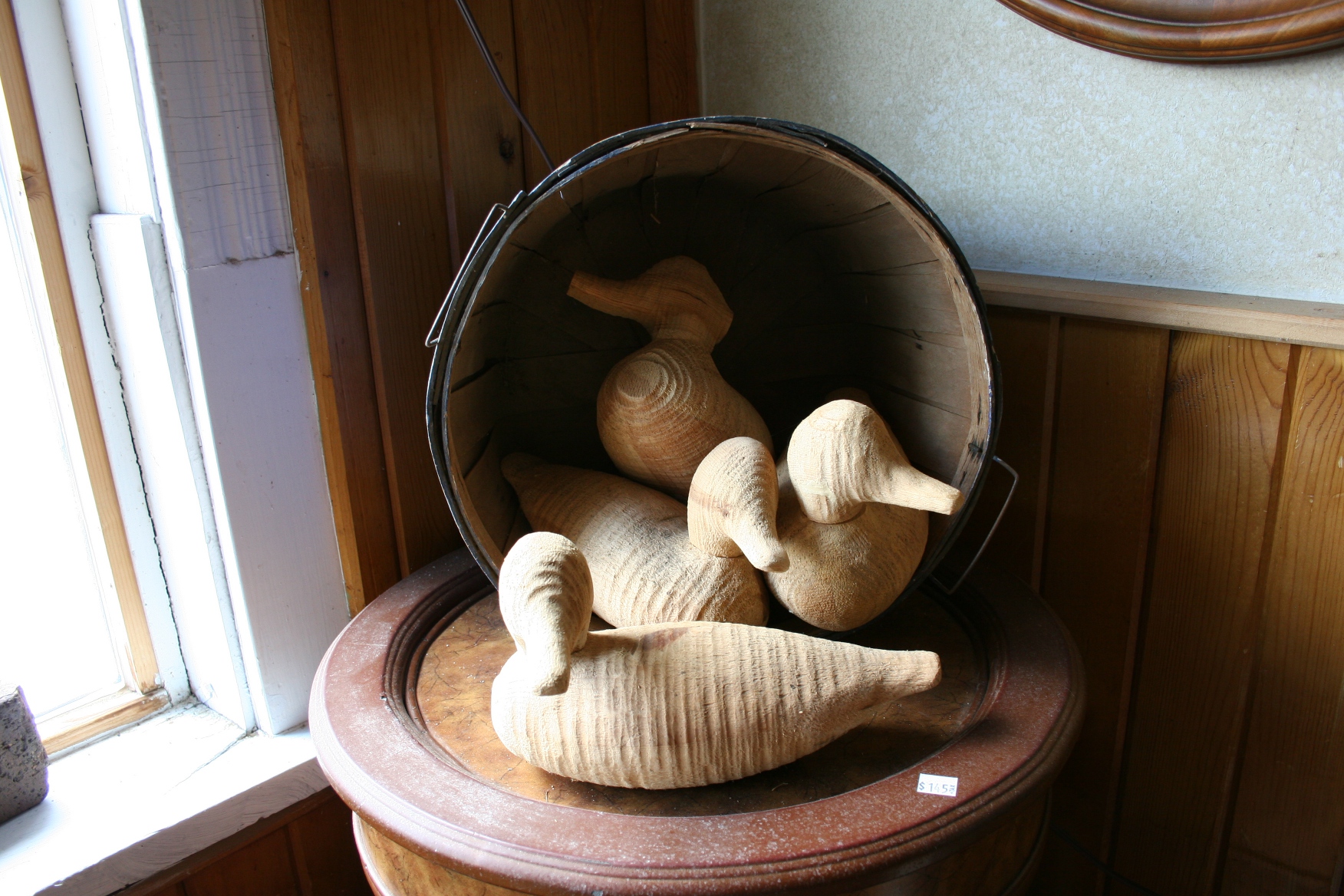
Merchandise displayed inside Oak Knoll Angoras' Acorn Studio. Lisa Lindberg, who owns The Amboy Cottage Cafe, owns this with her mother, Maria Lindberg.

Merchandise displayed inside Oak Knoll Angoras’ Acorn Studio. Lisa Lindberg, who owns The Amboy Cottage Cafe, owns this with her mother, Maria Lindberg. The studio sits just down the block from the cafe.

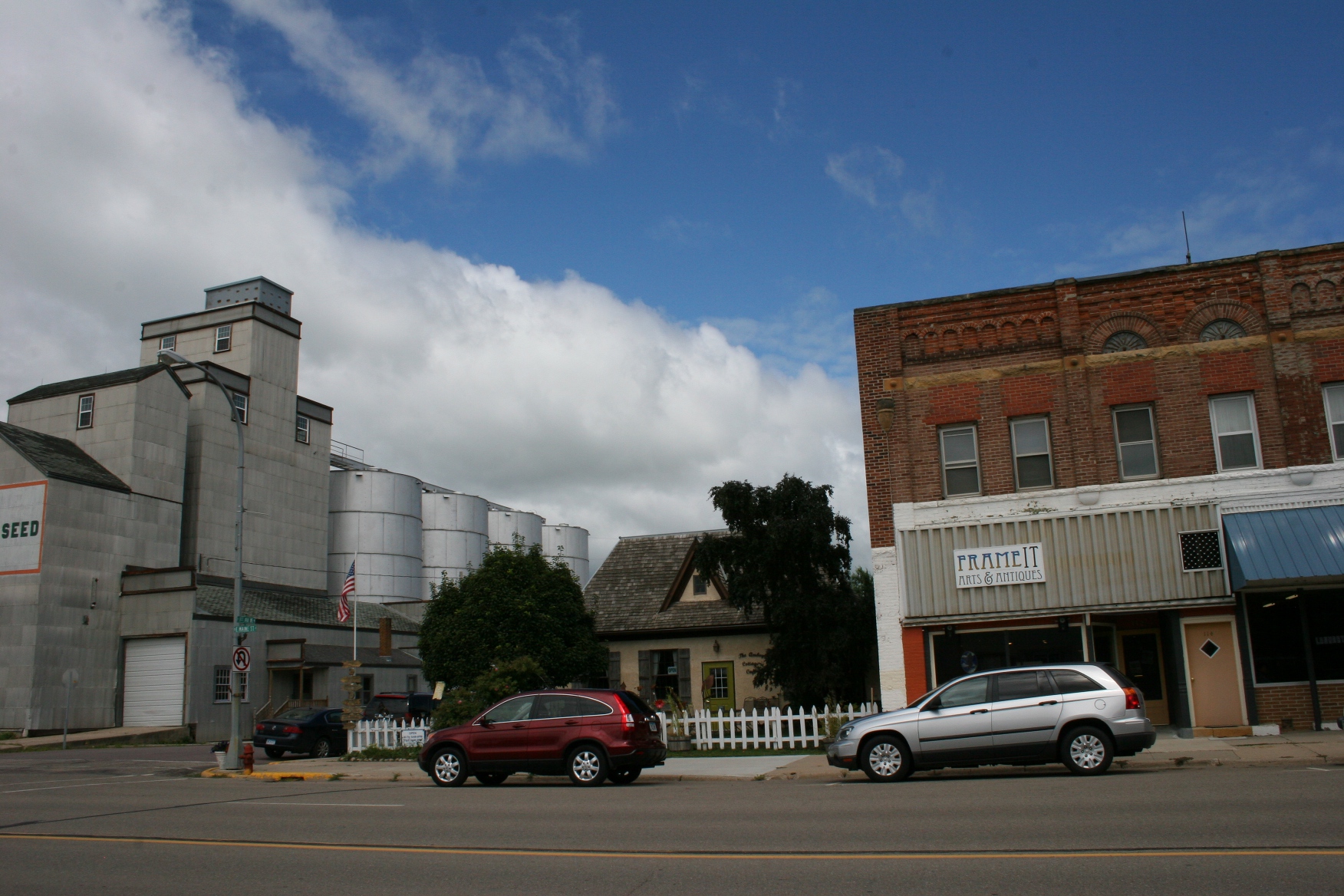
On a brief visit last July to Amboy, population 535 and located 20 miles south of Mankato, I discovered an inviting Maine (yes, that’s the correct spelling) Street defined by sturdy old brick buildings, quaint shops, a one-of-a-kind cafe, and a deep appreciation of history and the arts.

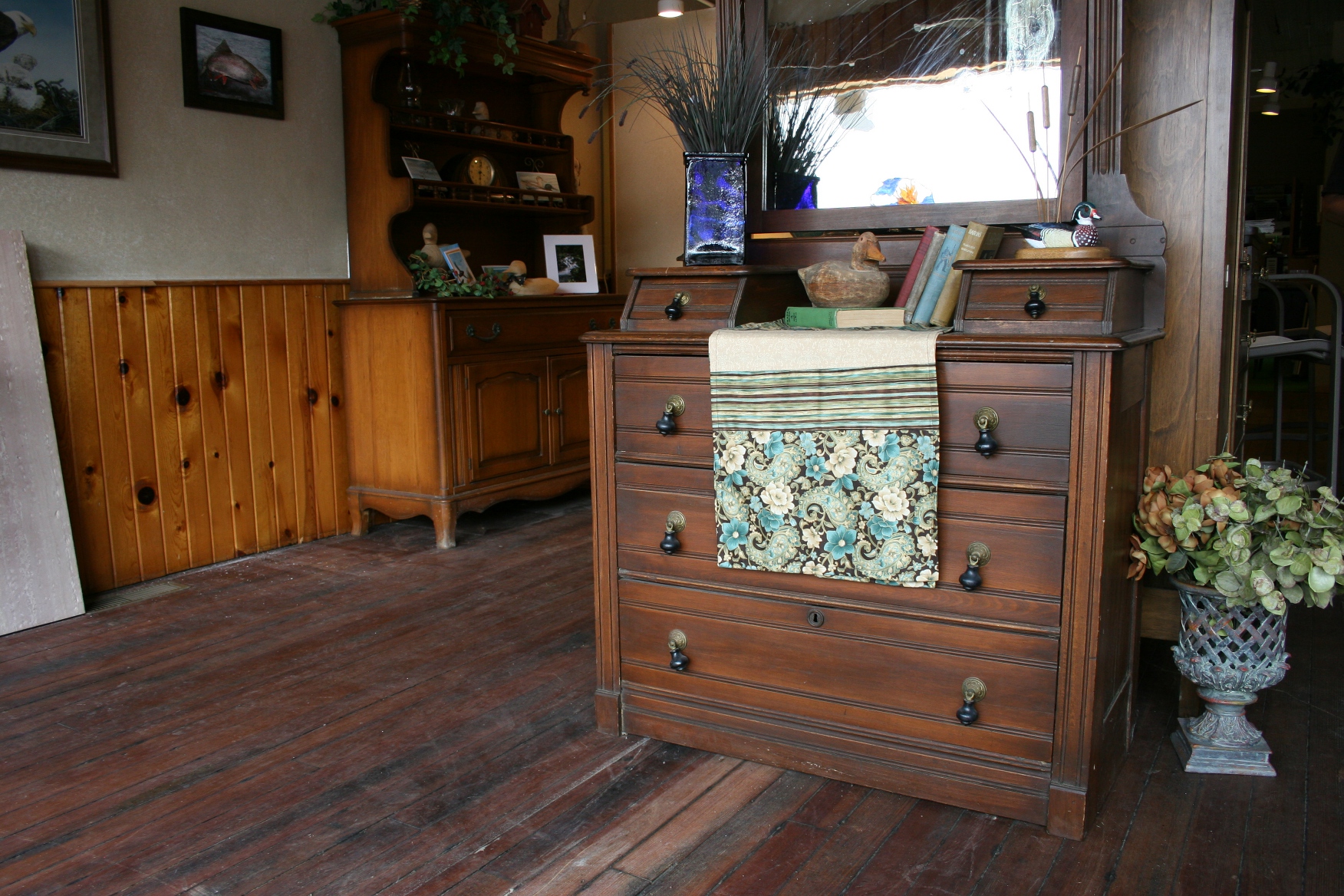
An artsy display inside Frame It Arts & Antiques, 112 East Maine Street.

An artsy display inside Frame It Arts & Antiques, 112 East Maine Street.

This is my kind of small town, one focused on showcasing local talent and history and all that makes Amboy a great community.

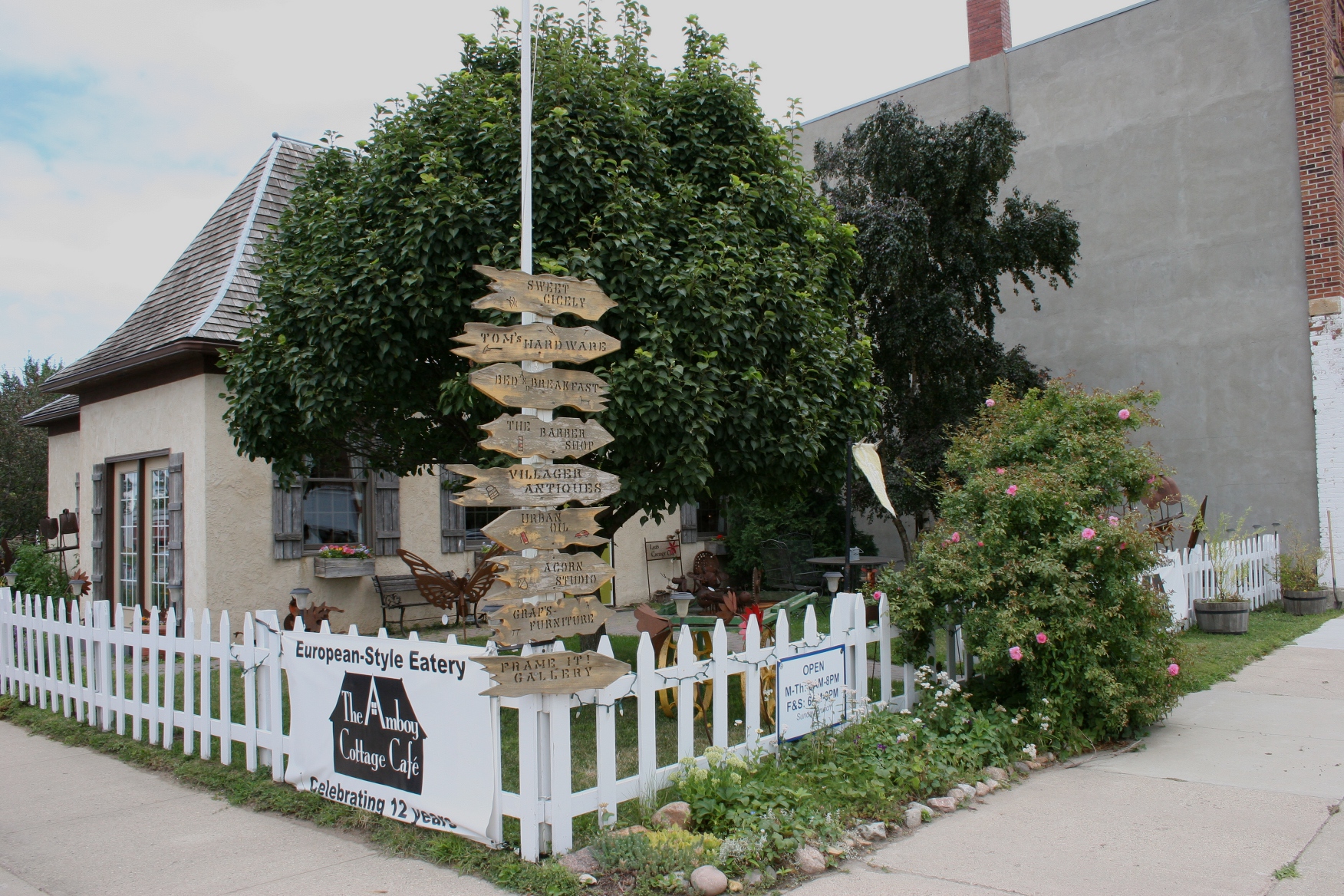
Signage on the fence at The Amboy Cottage Cafe lists downtown businesses.

Quaint signage on the fence at The Amboy Cottage Cafe directs visitors to downtown businesses.

Business owners and others clearly work hard to draw visitors off U.S. Highway 169 onto Maine Street. The Amboy Cottage Cafe initially drew my husband and me here for lunch while en route to Worthington in late July 2013.

Yarn for sale at Acorn  Studio.

Yarn for sale at Acorn Studio.

Afterward, we poked around in several downtown shops before heading out. We were short on time, or we would have explored more.

You'll find lots of businesses open in downtown Amboy.

You’ll find lots of businesses open in downtown Amboy.

Amboy deserves a second look, a few hours of time to check out the businesses and the rest of the town. In rural Minnesota, this community seems determined to survive and thrive, building on its strengths.

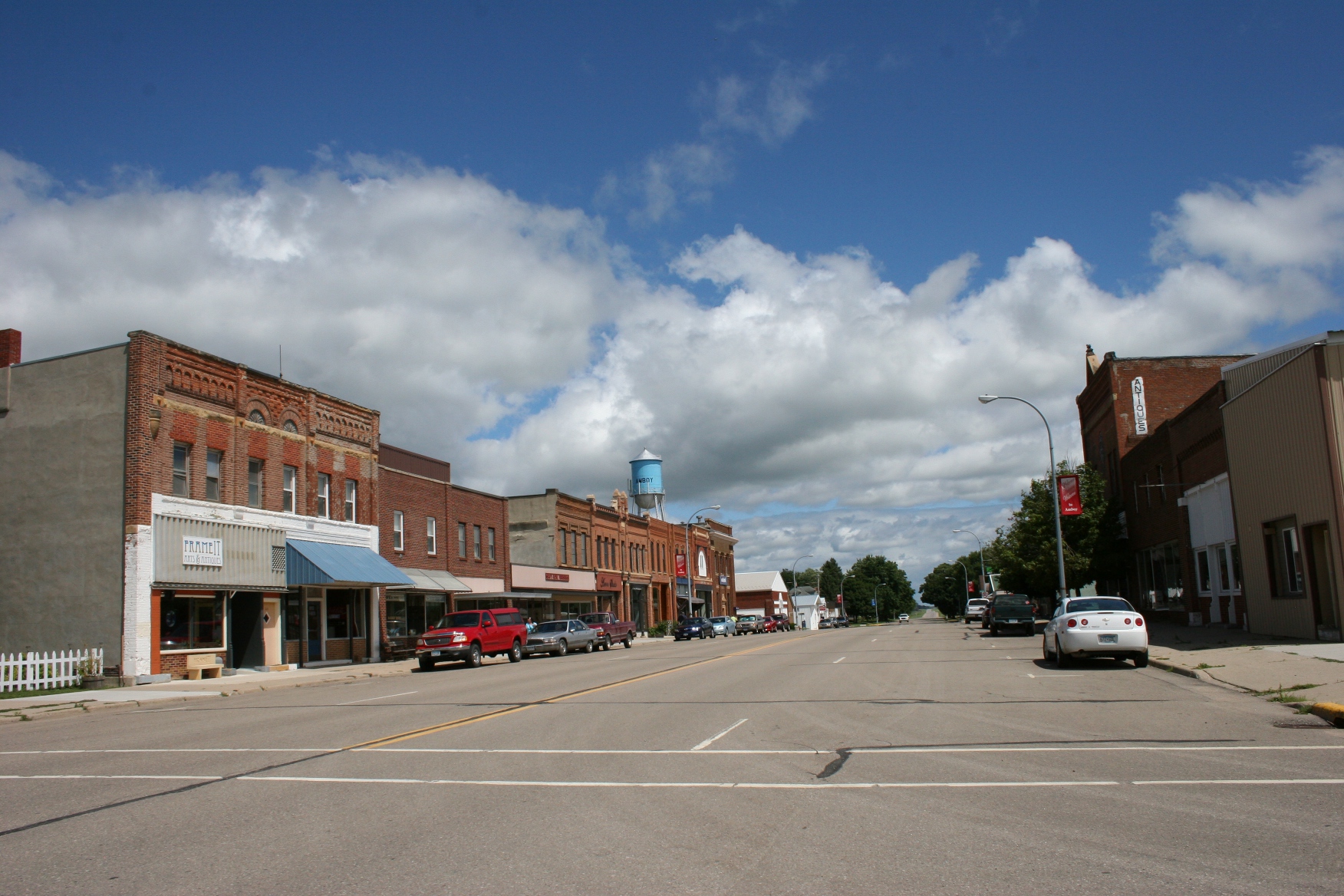
Amboy's Maine Street features mostly well-kept old brick buildings.

Amboy’s Maine Street features mostly well-kept old brick buildings.

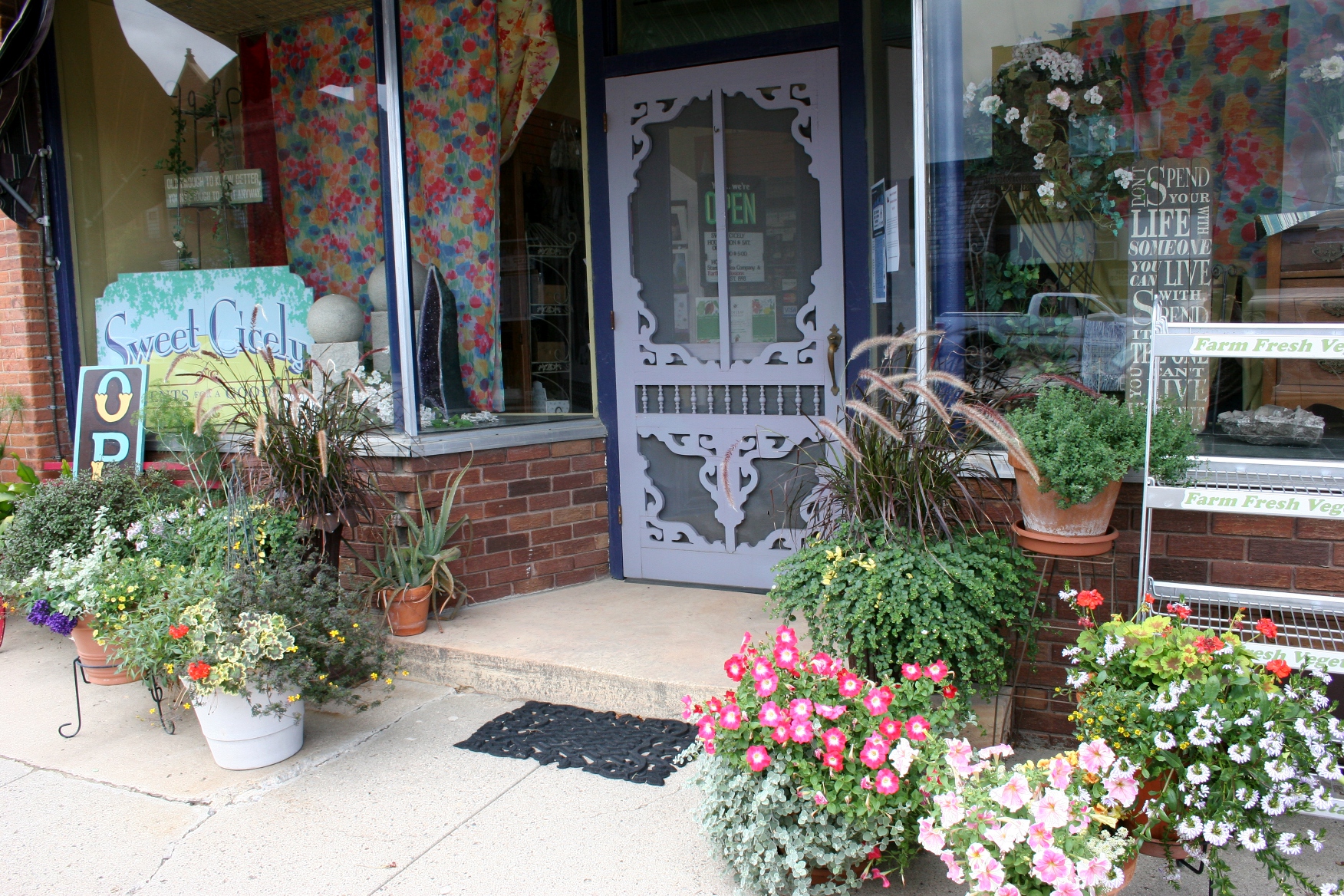
The visually welcoming Sweet Cicely, a boutique offering fine gifts and natural health products.

The visually welcoming Sweet Cicely, a boutique offering fine gifts and natural health products.

Details like well-kept buildings without boarded up windows, pots overflowing with luscious flowers, welcome banners on Maine, a general overall tidy look and more visually impress.

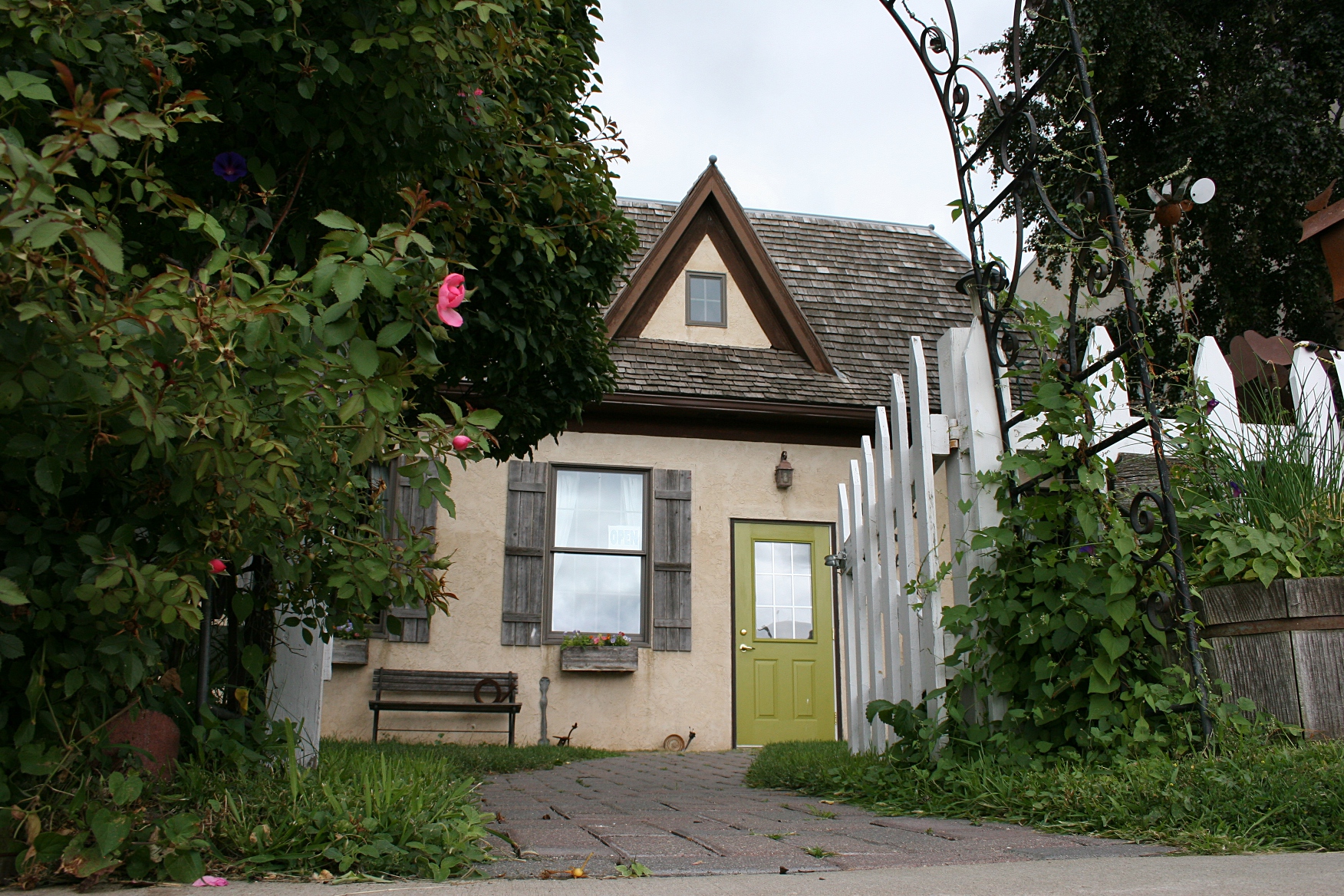
Lisa Lindberg saved this old gas station from demolition, moved it onto a corner of Maine Street and restored it for use at The Amboy Cottage Cafe. The cafe features made-from-scratch food and draws diners from all over the region.

Lisa Lindberg saved this old gas station from demolition, moved it onto a corner of Maine Street and restored it for use as The Amboy Cottage Cafe. The cafe features made-from-scratch food and draws diners from all over the region.

And then there are the old buildings which have been saved, like The Amboy Cottage Cafe, once a gas station.

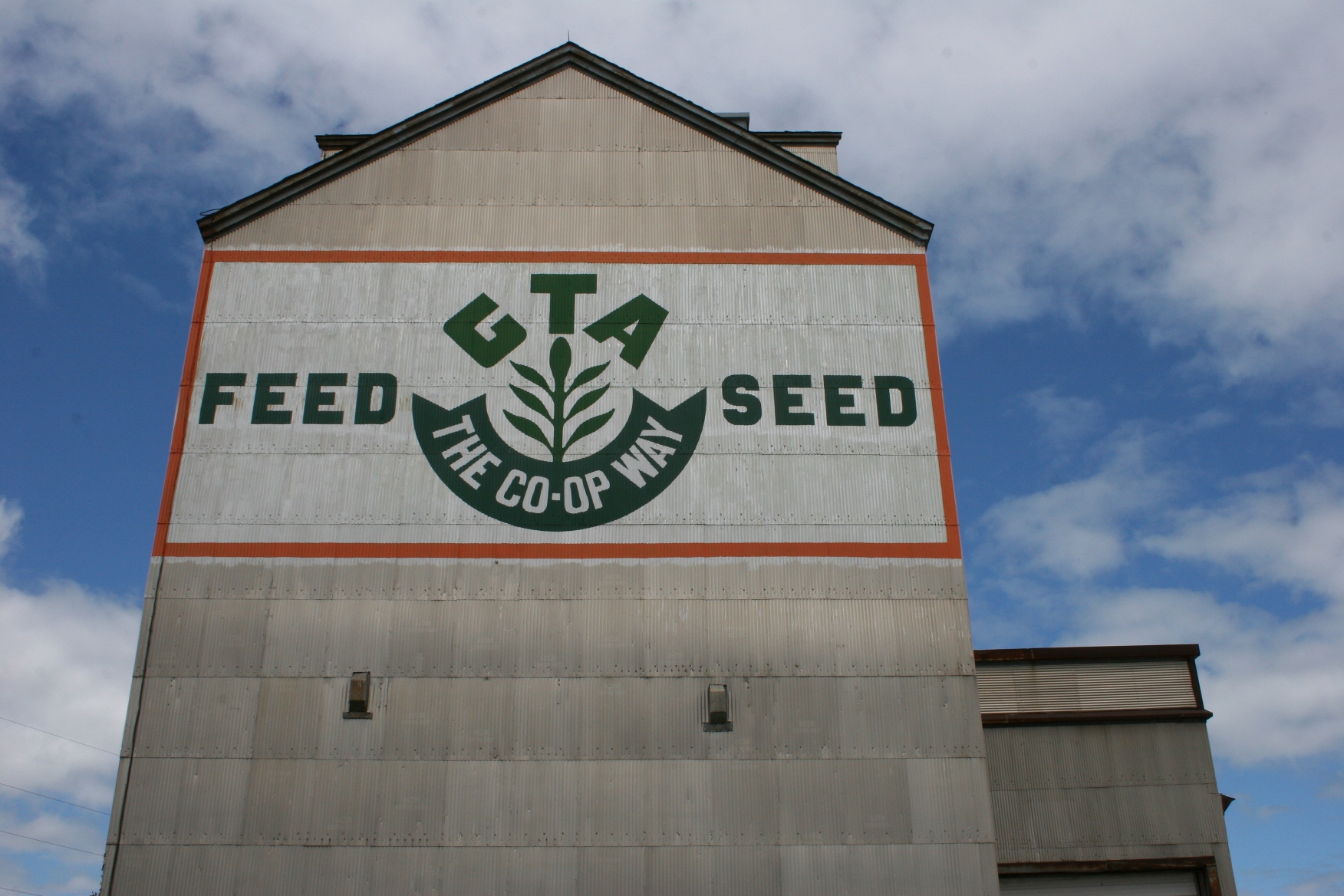
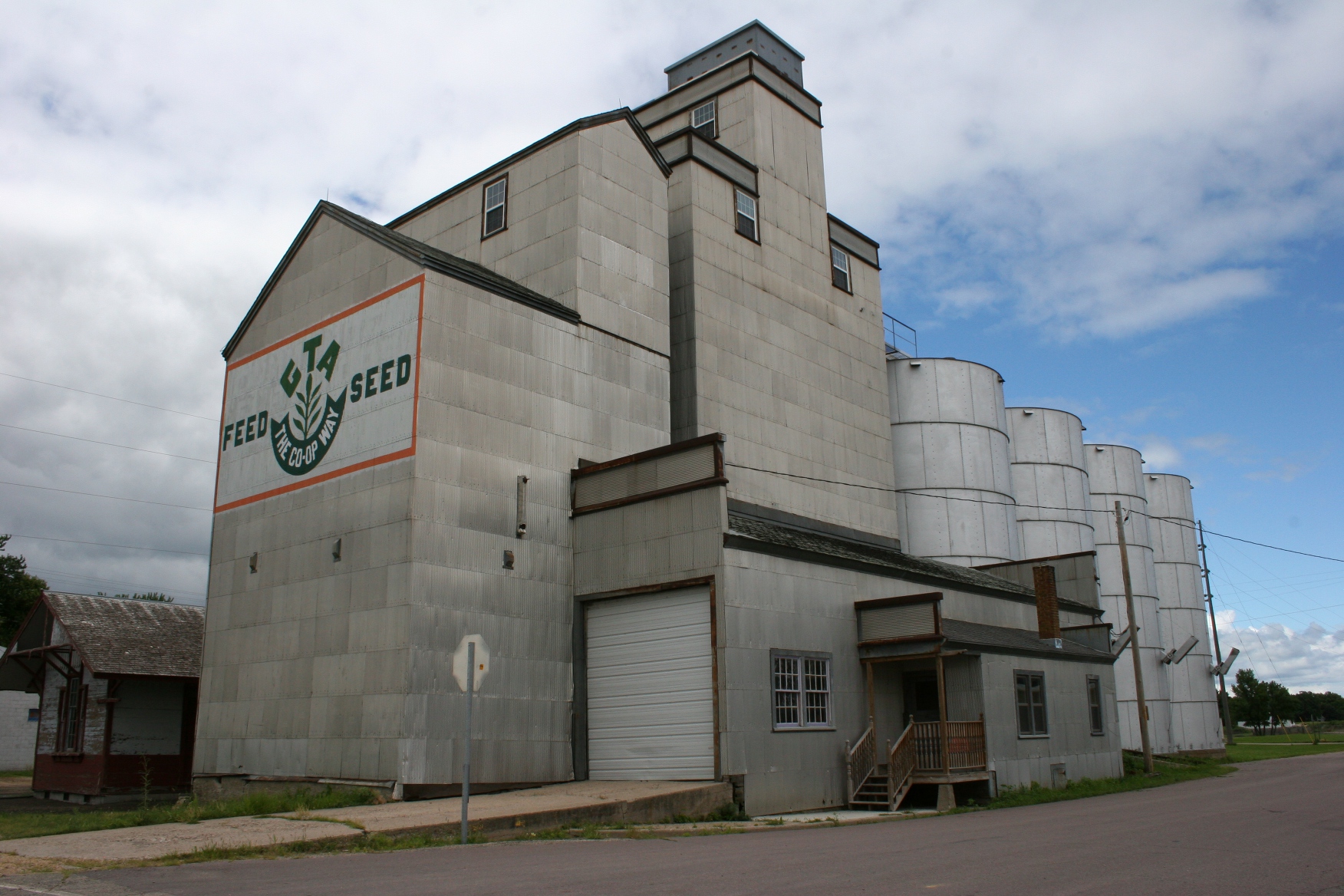
A group also saved the old elevator, now Grainspace LLC.

A group also saved the old elevator, now Grainspace LLC, located across the street from The Amboy Cottage Cafe.

Across the street, the old elevator, slated for demolition, was purchased by a group and is now being restored for use as an arts venue and community gathering spot.

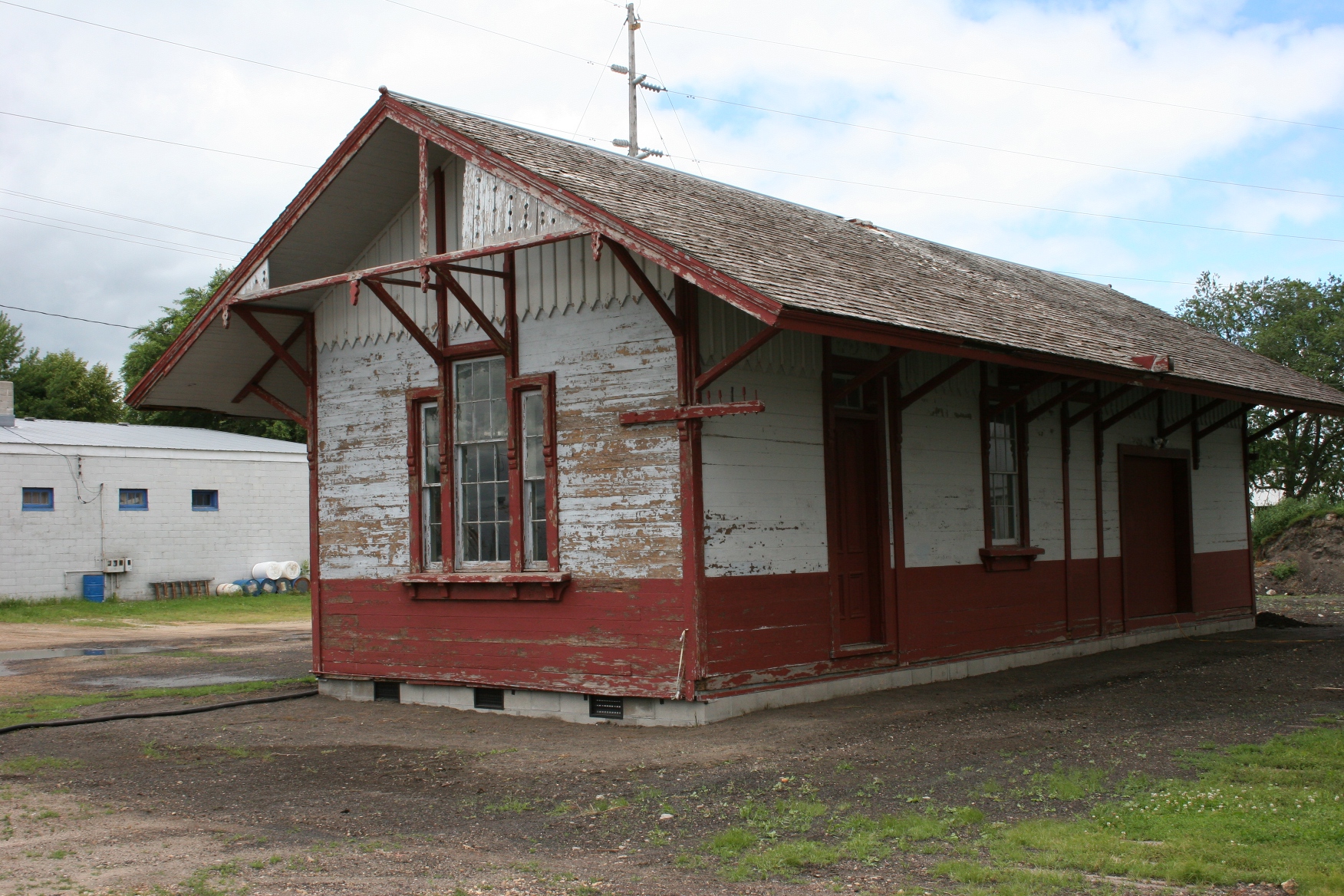
This depot was moved into Amboy from Huntley and now serves as a welcome center for those attending the town's annual Arts 'n' More Festival.

This depot was moved into Amboy from Huntley and now serves as a welcome center for those attending the town’s annual Arts ‘n’ More Festival in September.

The Amboy Area Community Club is supporting restoration of an old depot relocated here from nearby Huntley.

An old country schoolhouse was moved into town, restored and is now an historical education center and site of special community events. The 1901 Dodd Ford Bridge, on the National Register of Historic Places, will be preserved. A historic home houses A Walk Back in Time bed and breakfast while another, Que Sera, serves as a retreat center.

Currently, a project is underway to convert the former Amboy Middle School into “The Junction,” a multi-purpose community building. (Click here to learn about that.)

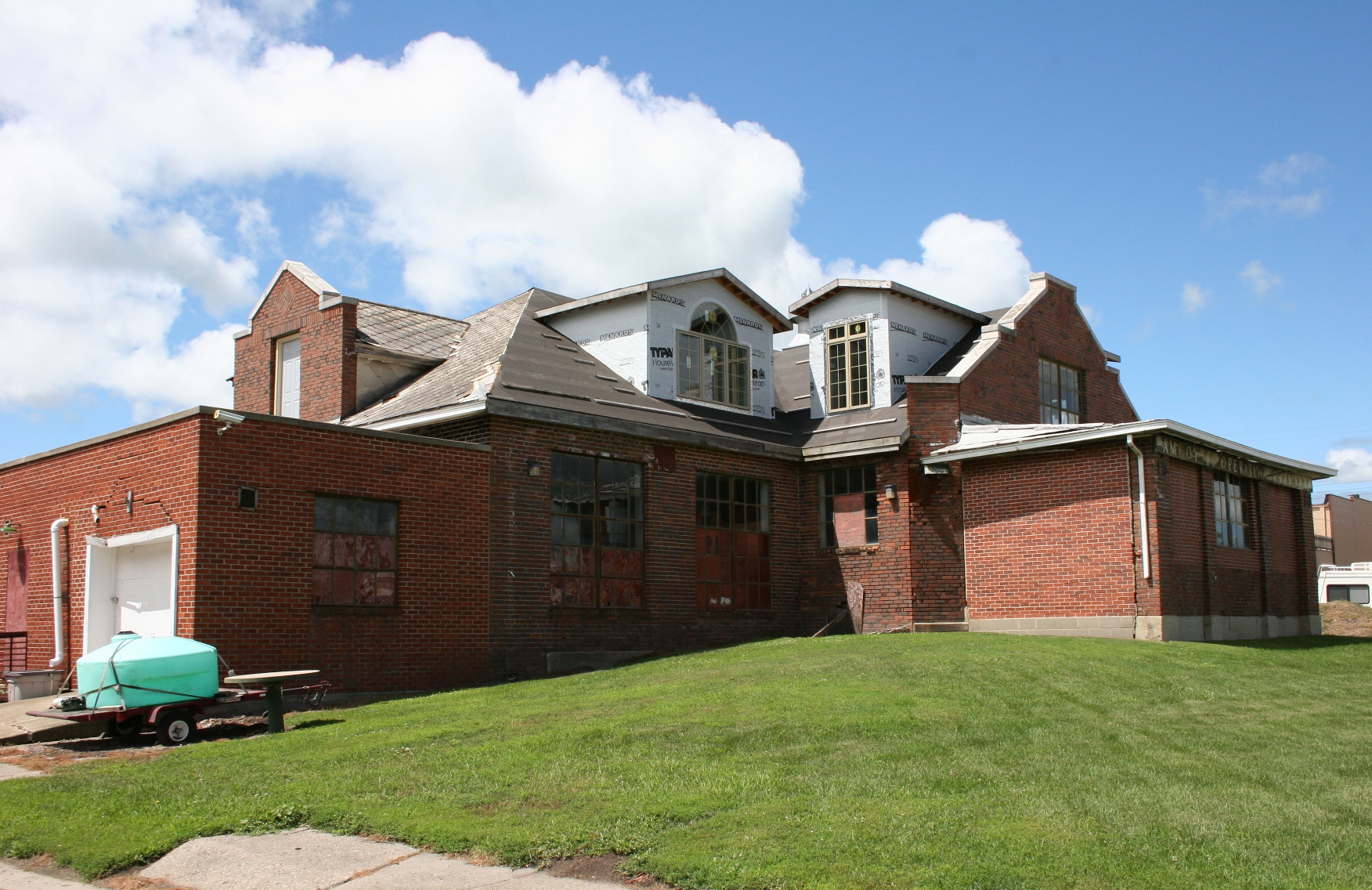
Work in progress last July at this beautiful old creamery just off Maine Street.

Work in progress last July at this beautiful old (former) creamery just off Maine Street.

Although I didn’t check out all of these places, I saw enough to appreciate Amboy and the gumption of the folks who live here. They seem a determined bunch—determined to keep their community thriving in a time when all too many small towns are dying.

FYI: Click here to read my previous post on The Amboy Cottage Cafe. Please check back for one more post with photos from Amboy.

© Copyright 2014 Audrey Kletscher Helbling


Fantastic “from scratch” food at The Amboy Cottage Cafe February 1, 2014

Filed under: Uncategorized — Audrey Kletscher Helbling @ 4:00 AM
Tags: , , , , , ,

MADE FROM SCRATCH with local meats, dairy and fresh produce (whenever possible) using recipes passed down through the generations.

Sound like your kind of food?

Mine, too.

The Amboy Cottage Cafe, across the street from the grain elevator along Amboy's Maine Street.

The Amboy Cottage Cafe, snugged into the corner opposite the old grain elevator along Amboy’s Maine Street.

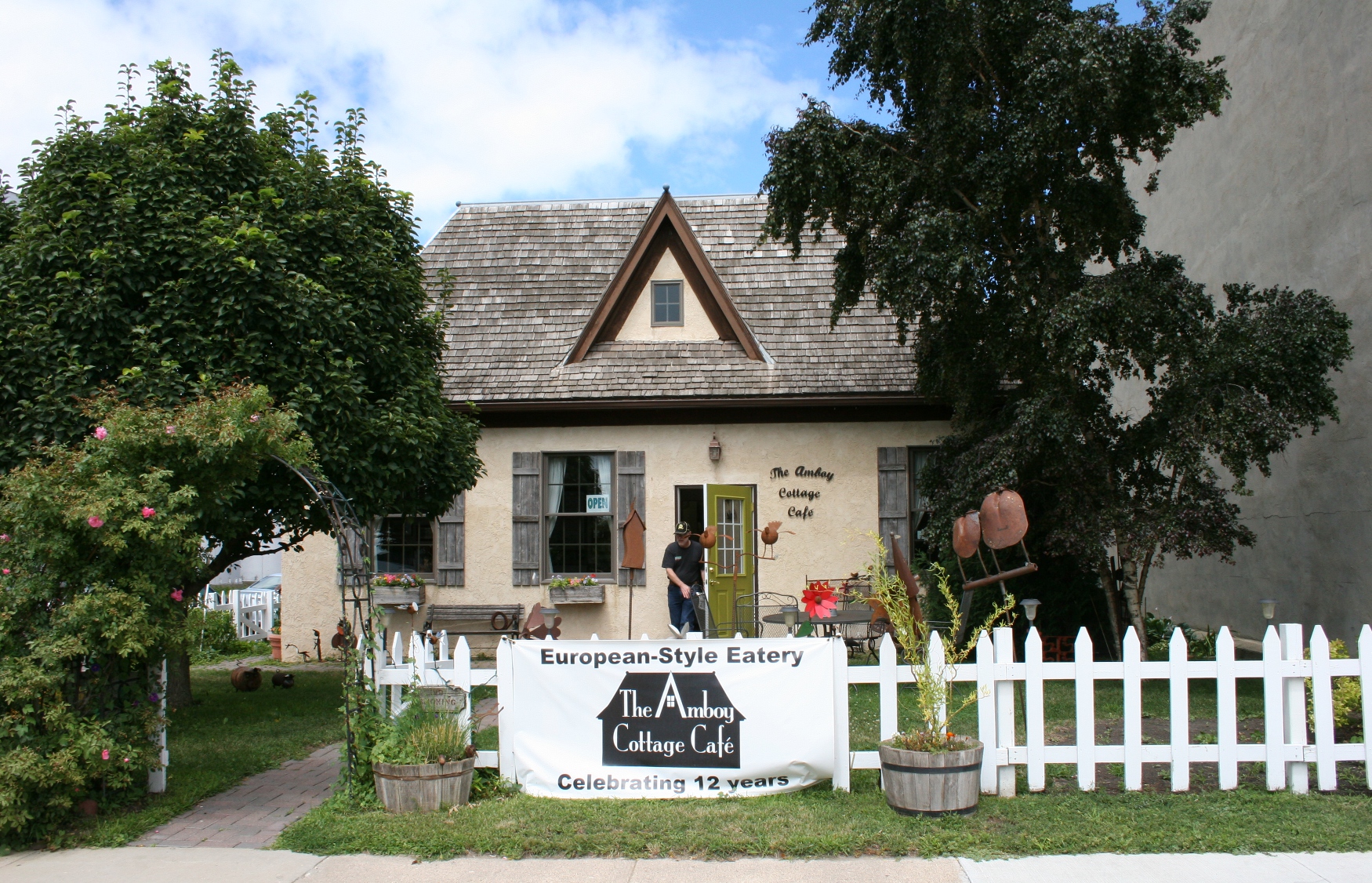
This past summer, my husband and I lunched at The Amboy Cottage Cafe, a charming 1928 cottage style former gas station turned eatery tucked into a corner of Maine Street (and, yes, it’s Maine) in the farming community of Amboy.

A snippet photo of downtown Amboy, Minnesota.

A snippet photo of downtown Amboy, Minnesota.

I love this place as much for its uniqueness and ambiance as for the food. Opened 13 years ago by Lisa Lindberg in this town of some 535 in Blue Earth County in rural southern Minnesota, this cafe is definitely worth the drive.

Lunch at The Amboy Cottage Cafe.

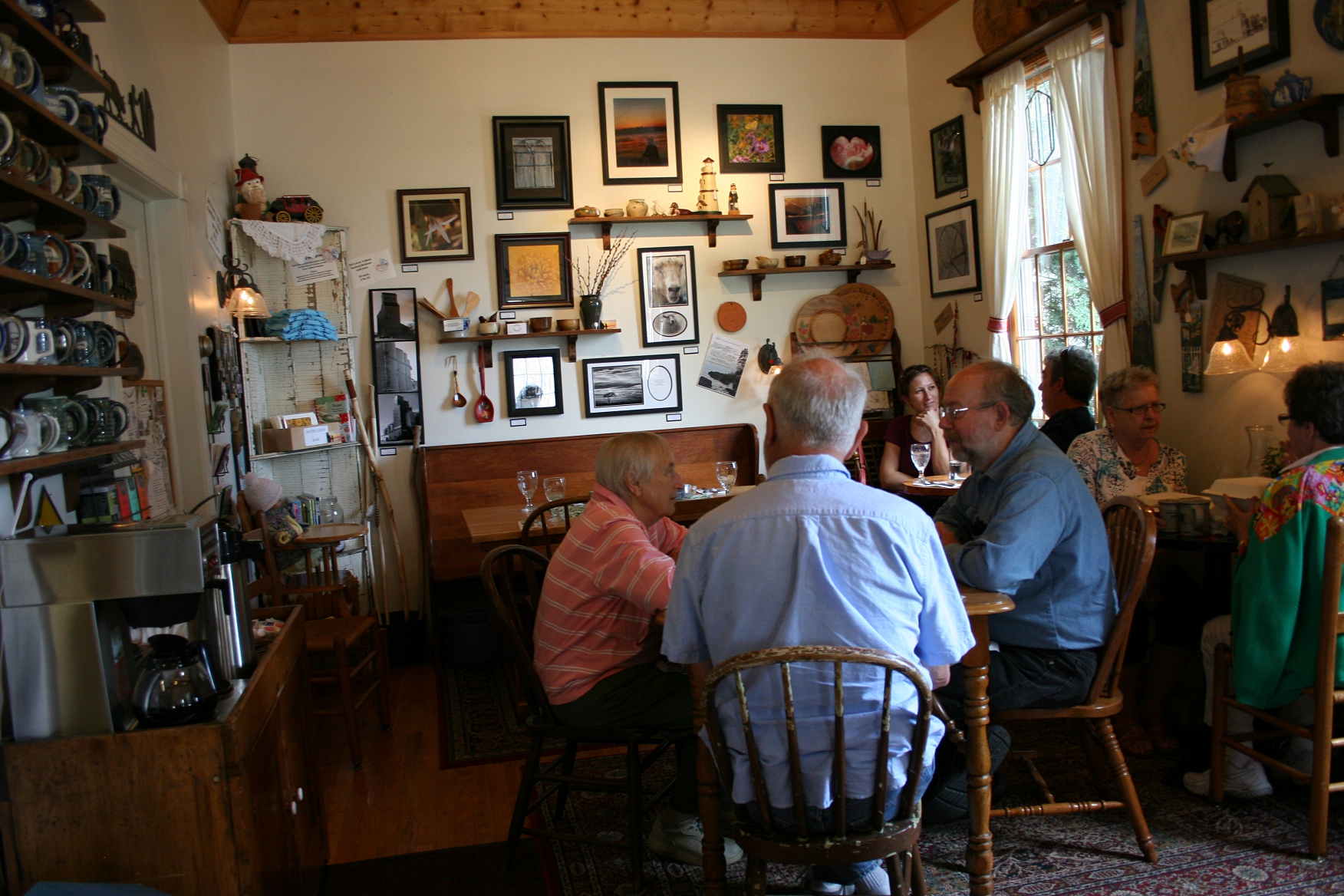
Lunch at The Amboy Cottage Cafe with tables for two and tables for many.

On the other end of the cafe, more diners enjoyed lunch on a July afternoon.

On the other end of the cafe, more diners enjoy lunch on a July afternoon.

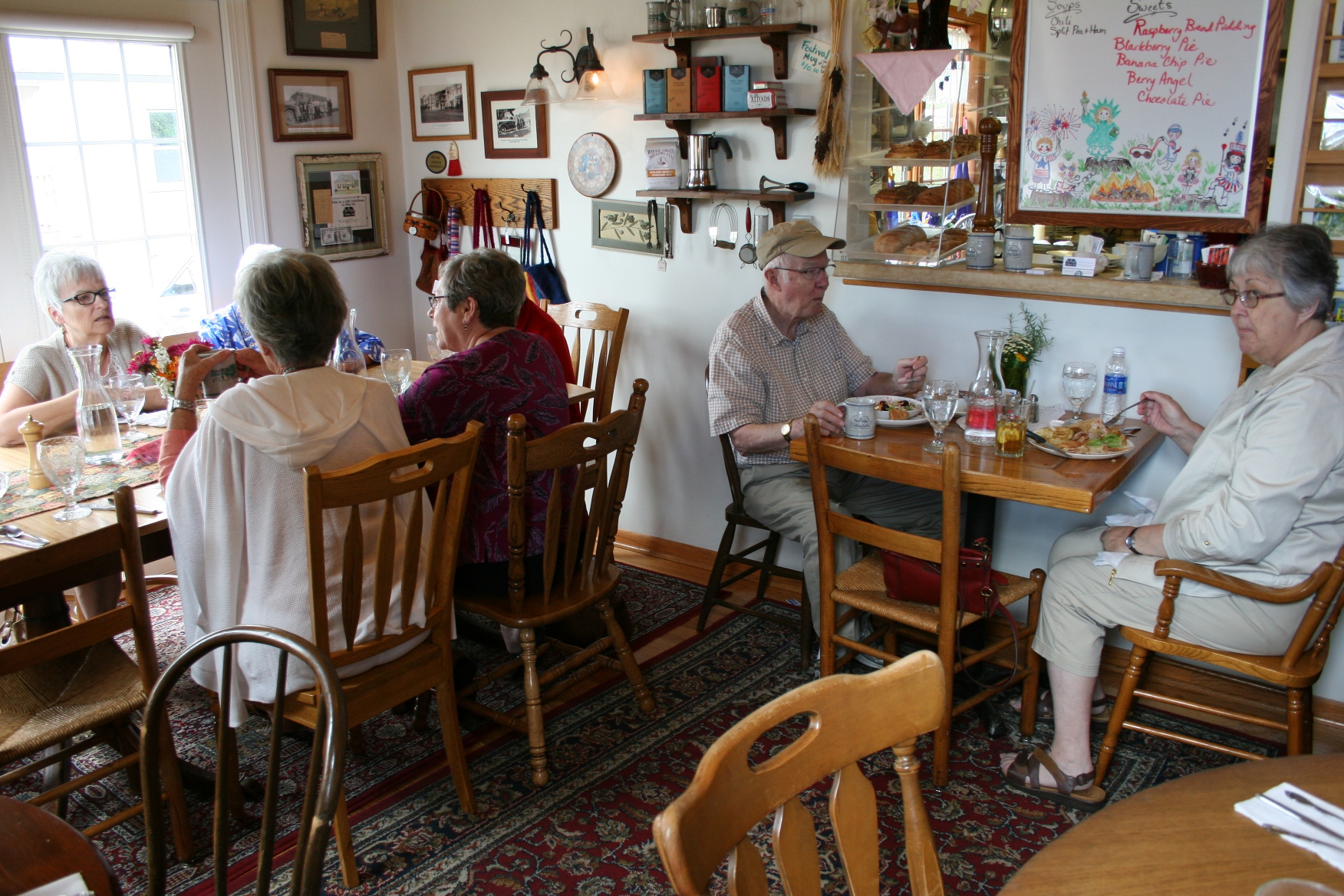
At lunch time on a Friday in late July, the place was packed. We invited a couple from Mankato, 20 miles distant, to sit at our table so they would have a spot to dine.

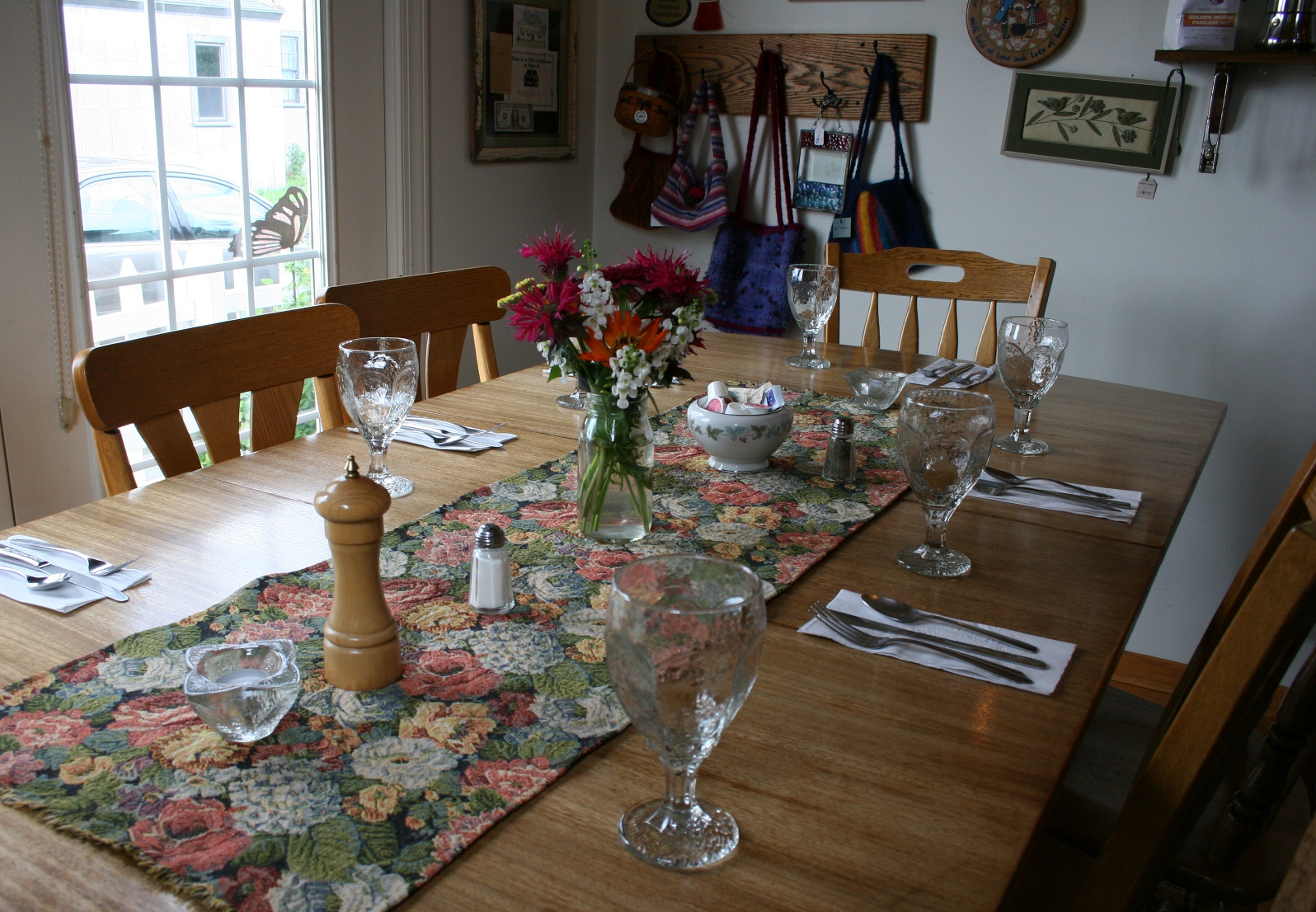
An assortment of table styles and mismatched china make diners feel right at home.

Diners feel right at home in a cafe that features a variety of table styles, mismatched china and fresh garden flowers (during the summer months).

The Cottage Cafe possesses that neighborly kind of intimate feel in a space that’s family dining room/kitchen cozy. Come here for breakfast and you can order a “For the Farmer in You” plate of two eggs (any style and these are locally-produced eggs), three slices of smoked bacon, multi-grain toast with pancake or hash browns, and orange slices.

Spaghetti with homemade meatballs and sauce.

Spaghetti with homemade meatballs and sauce.

My incredible raspberry chicken salad.

My incredible raspberry chicken salad.

On this day, my husband ordered a platter of spaghetti and meatballs while I chose the raspberry chicken salad. We both rated our food as outstanding.

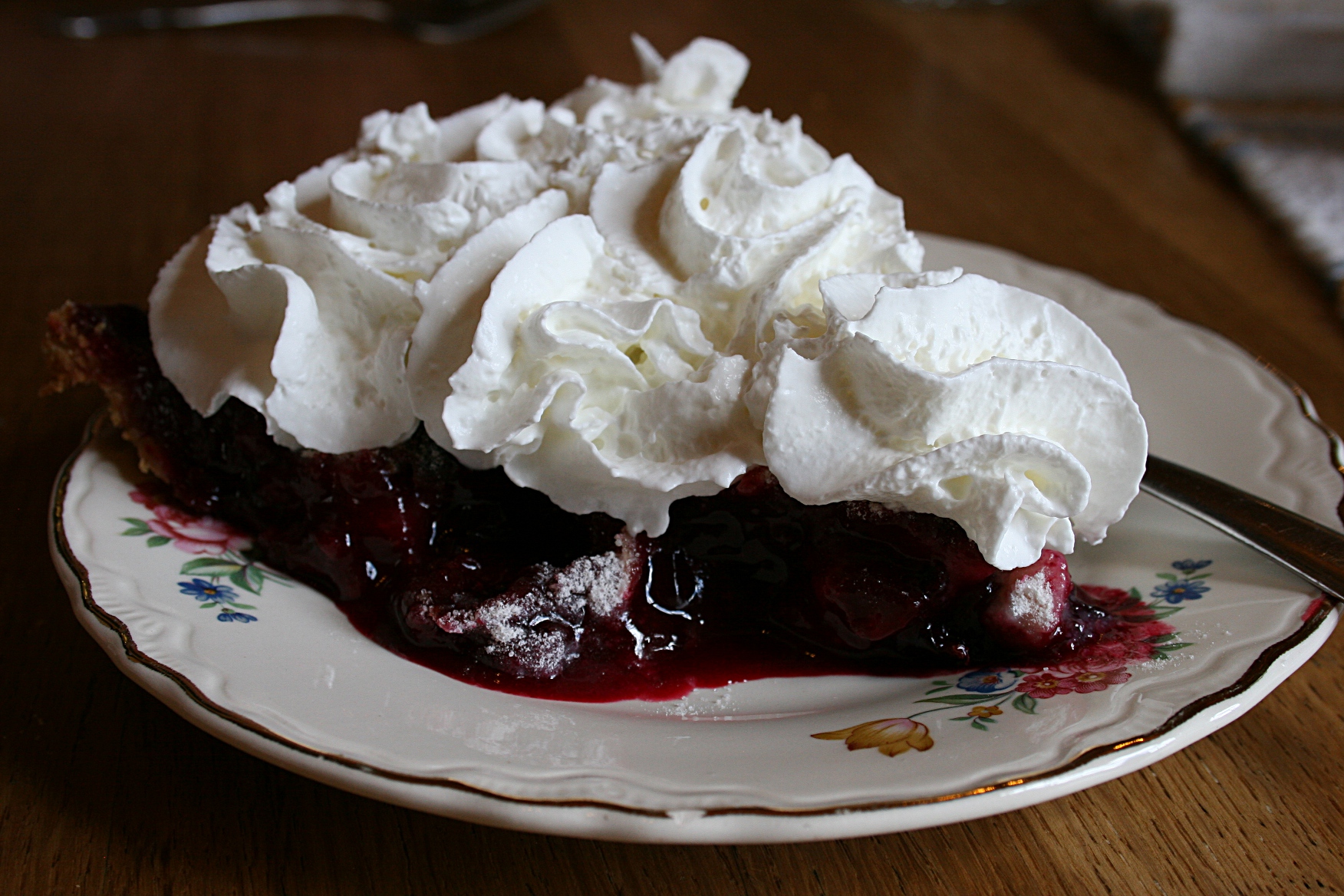
We couldn't pass on the homemade blackberry pie.

We couldn’t pass on the homemade blackberry pie.

With an approach of using fresh local ingredients, whole grains and lots of fresh fruits and vegetables, this cafe offers an array of healthy foods, although you will find sweet treats like caramel rolls, pie and raspberry bread pudding among the offerings. Be assured, though, that you’ll sink your teeth into homemade breads and a pie crust made from Grandma Maria’s recipe. I’ll vouch for the pie as Randy and I shared one incredible slice of blackberry pie.

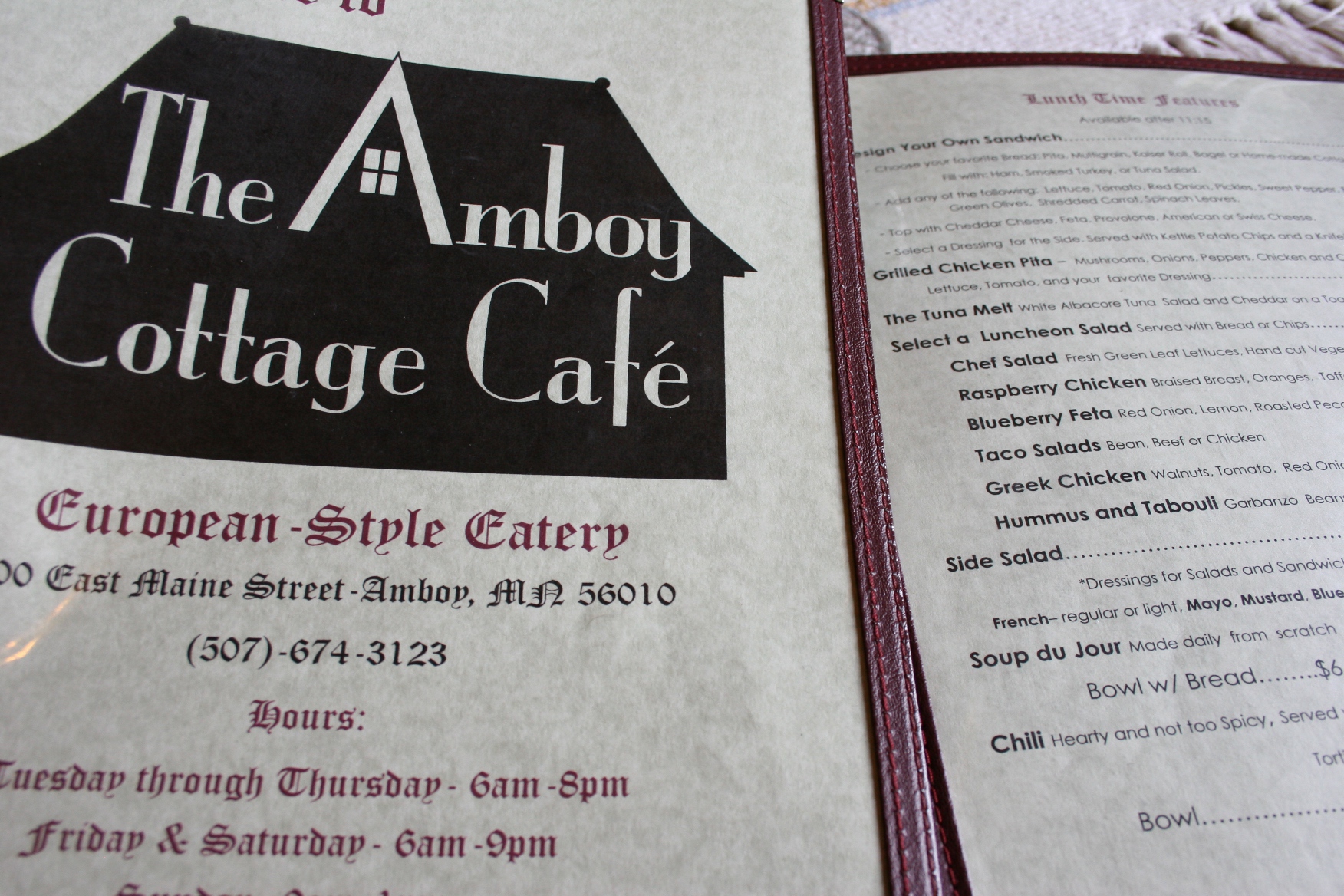
Plenty of healthy options on the menu.

Plenty of healthy options on the menu.

From seasoned coffee-rubbed steak, wild Alaska salmon and olive chicken to burgers, sandwiches, soups, salads, specials and more, you’re sure to find something on the menu that pleases your palate. I had a tough time choosing from the enticing made “from scratch—like your grandmother” selections.

Don’t expect to order fries cooked in a deep fat fryer. The cafe doesn’t own a fryer and uses real butter and canola and olive oils in cooking.

See what I mean about this place? How many kitchen restaurants ban deep fat fryers?

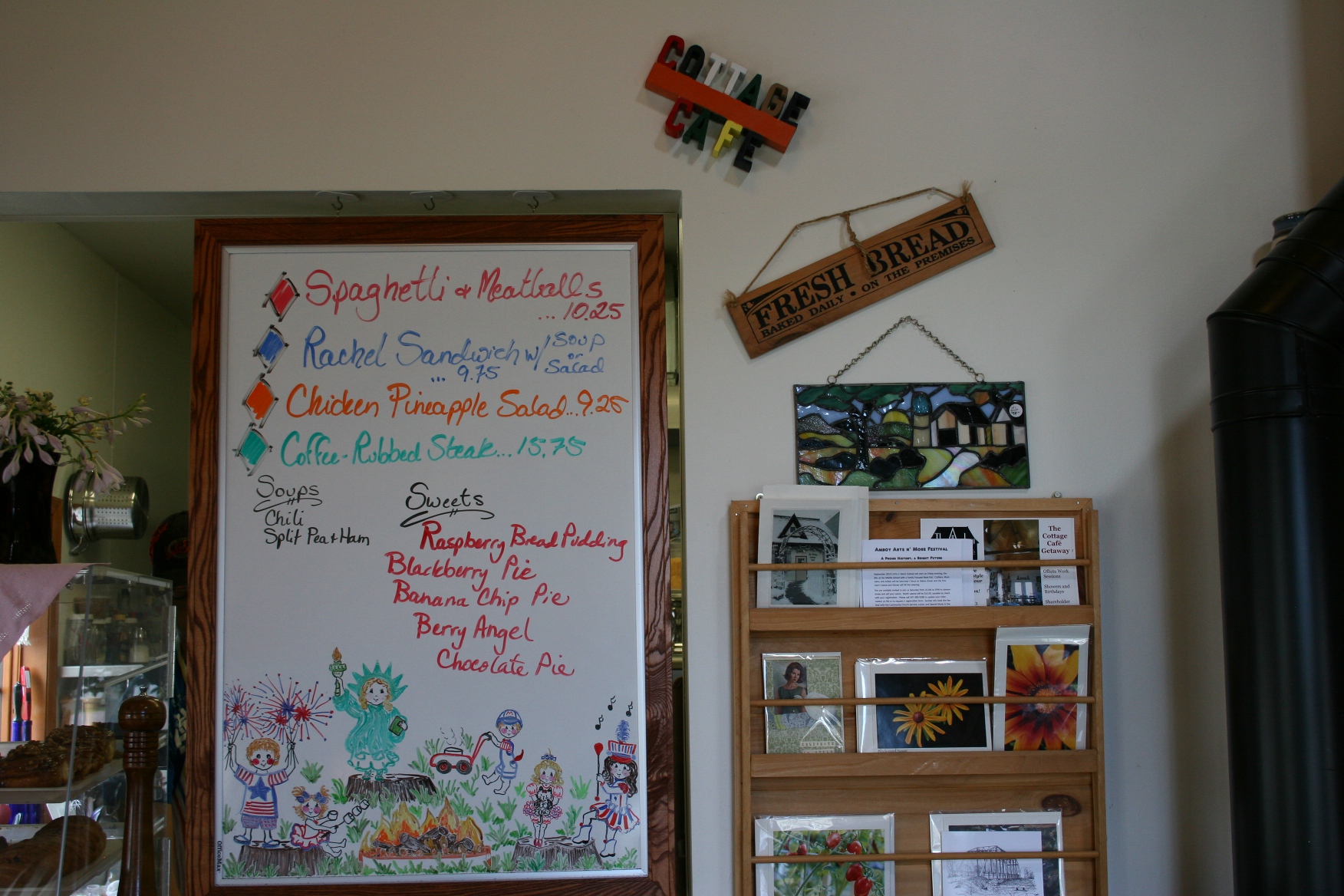
The day's specials and other offerings noted on a menu board.

The day’s specials and other offerings noted on a menu board.

That all said, I’m neither a health nut nor a foodie. But I try to eat healthy and I know good food, really good food, when I taste it. And I tasted it—really good food—at The Amboy Cottage Cafe.

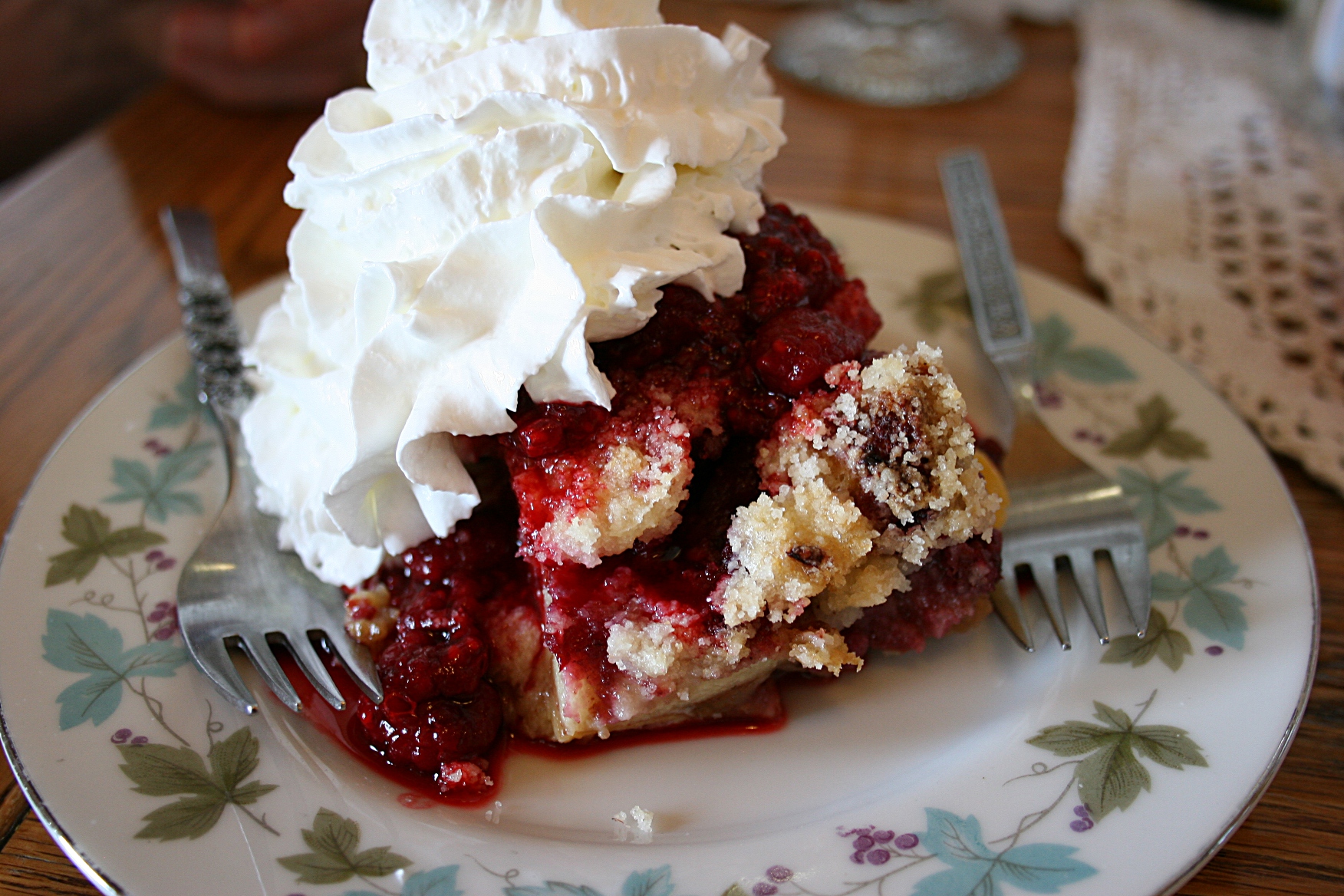
Another couple dining at the cafe graciously allowed me to photograph their raspberry bread pudding.

Another couple dining at the cafe graciously allowed me to photograph their raspberry bread pudding.

FYI: The Amboy Cottage Cafe is currently celebrating its 13th anniversary and is offering a free piece of caramel apple or raspberry bread pudding to diners this weekend. I would expect the place to be packed.

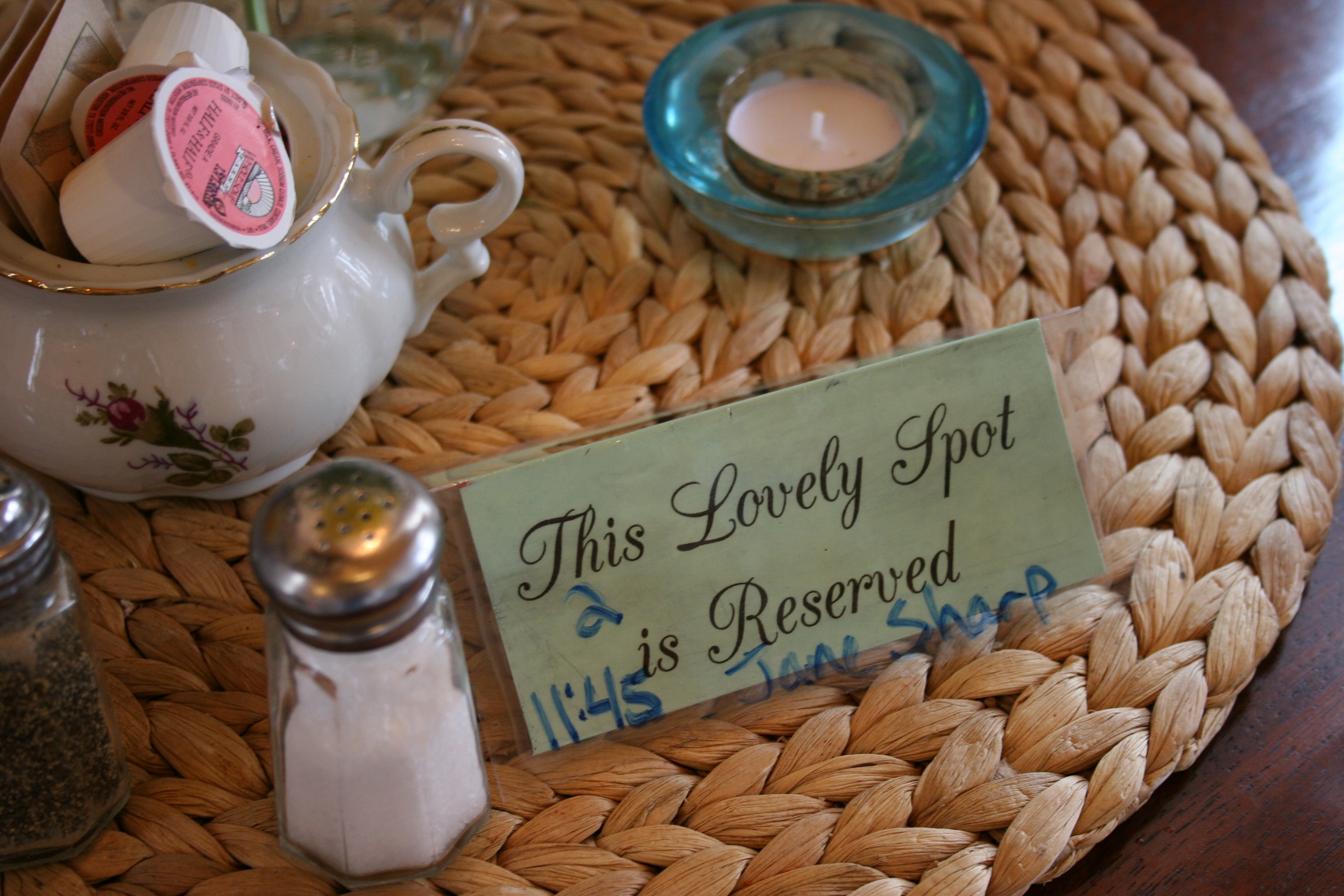
Reservations are taken.

Reservations are taken.

You may want to call ahead (507-674-3123) for reservations if you’re driving from any distance. And I’d suggest that anytime, not just this weekend.

My husband, Randy, exits The Amboy Cottage Cafe on a Friday afternoon in July.

My husband, Randy, exits The Amboy Cottage Cafe on a Friday afternoon in July.

Winter cafe hours are from 9 a.m. – 1 p.m. Sundays, from 6 a.m. – 3 p.m. Tuesday and Wednesday, 6 a.m. – 8 p.m. Thursday, and from 6 a.m. – 9 p.m. Friday and Saturday. The cafe is open on Mondays only during the summer.

Click here to reach the cafe website, and here to reach the Facebook page.

BONUS PHOTOS:

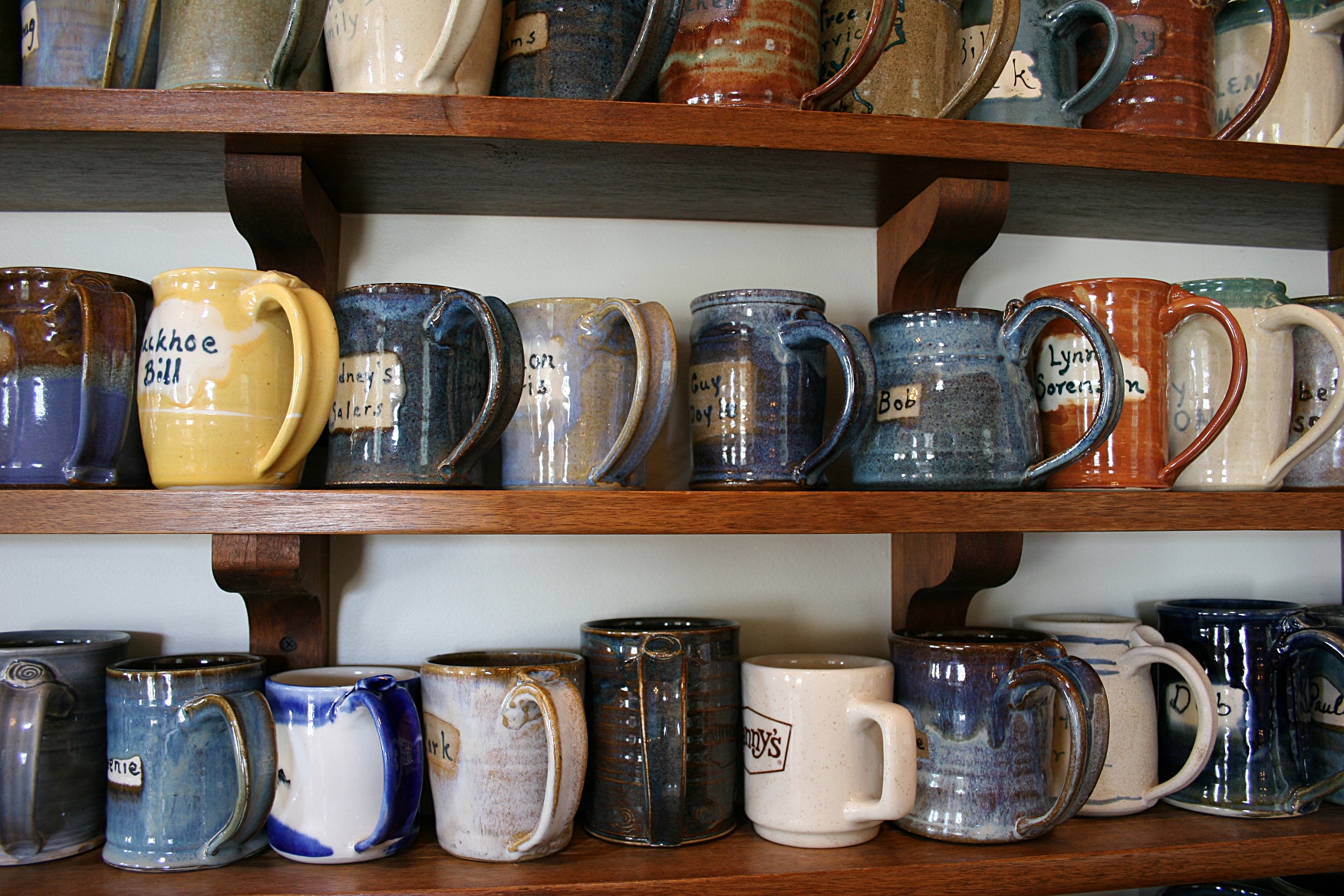
Purchase a personalized homemade mug for $100 entitles you to free coffee.

Purchase a personalized homemade mug for $100 and you get free coffee every time you visit the cafe.

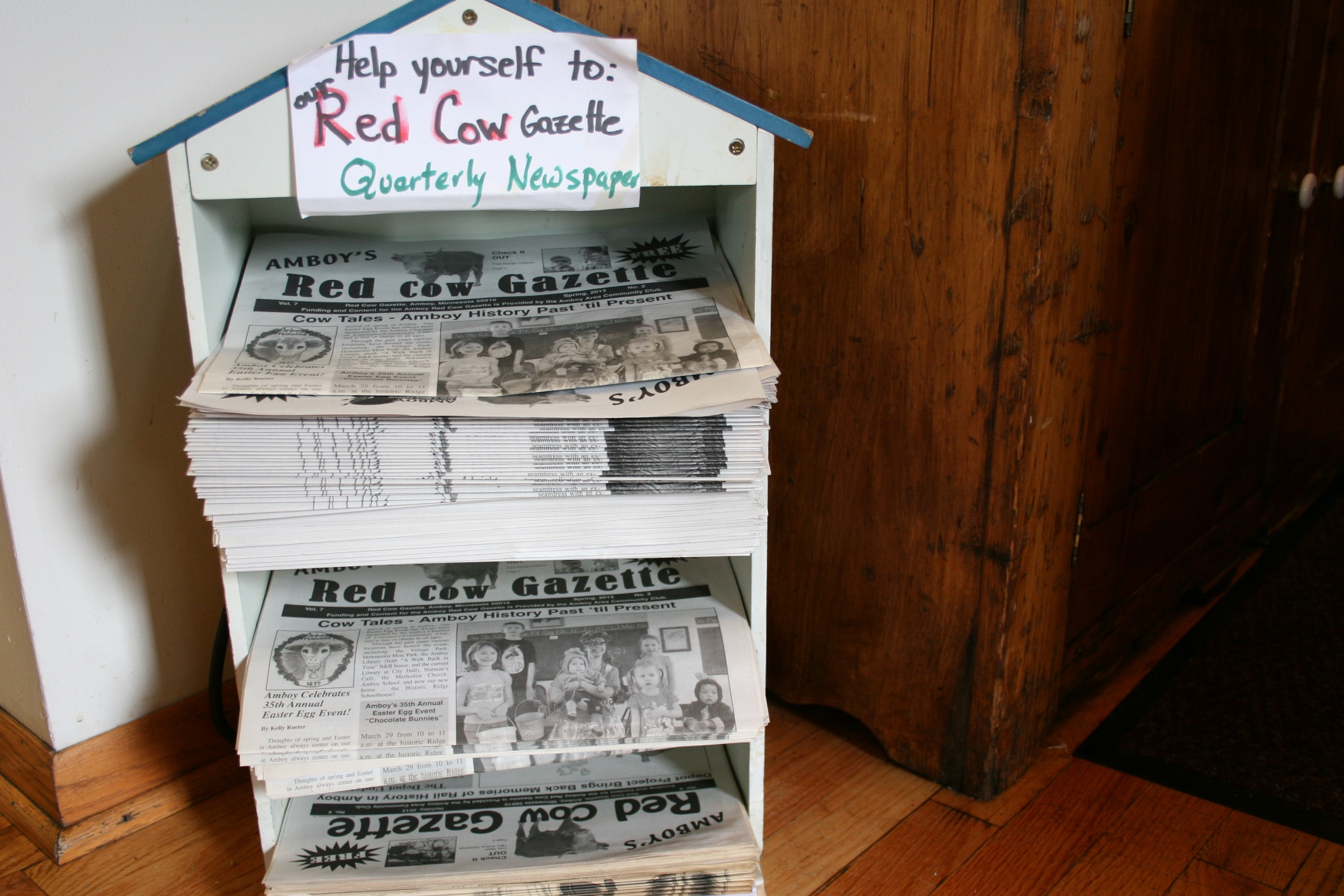
Catch up on the latest in Amboy via the quarterly Red Cow Gazette, funded by the Amboy Area Community Club.

Catch up on the latest in Amboy via the quarterly Red Cow Gazette, funded by the Amboy Area Community Club.

Loved our waitress' red tennies.

Loved our waitress’ red tennies.

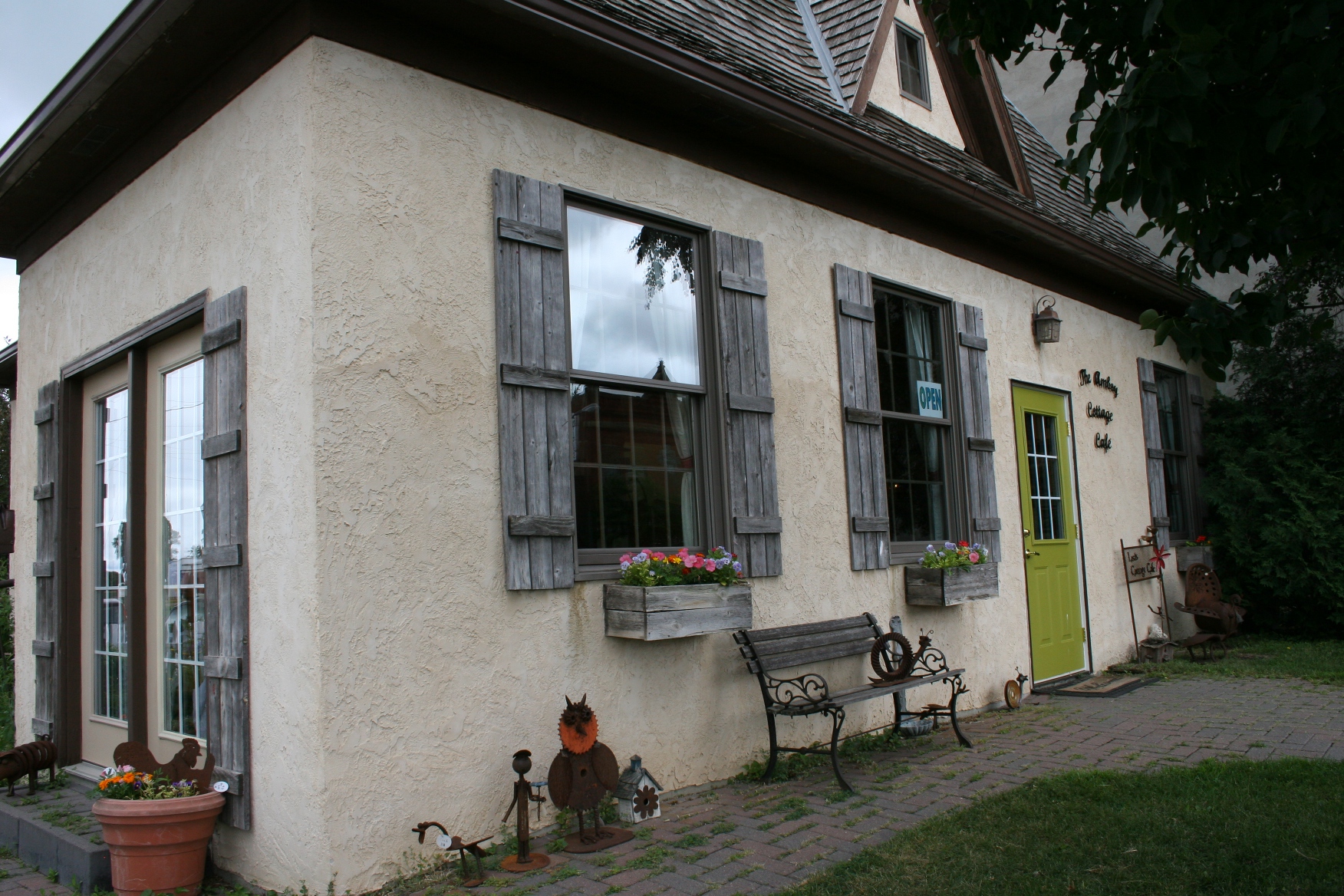
Flowers and garden art define the exterior.

Flowers and garden art define the exterior.

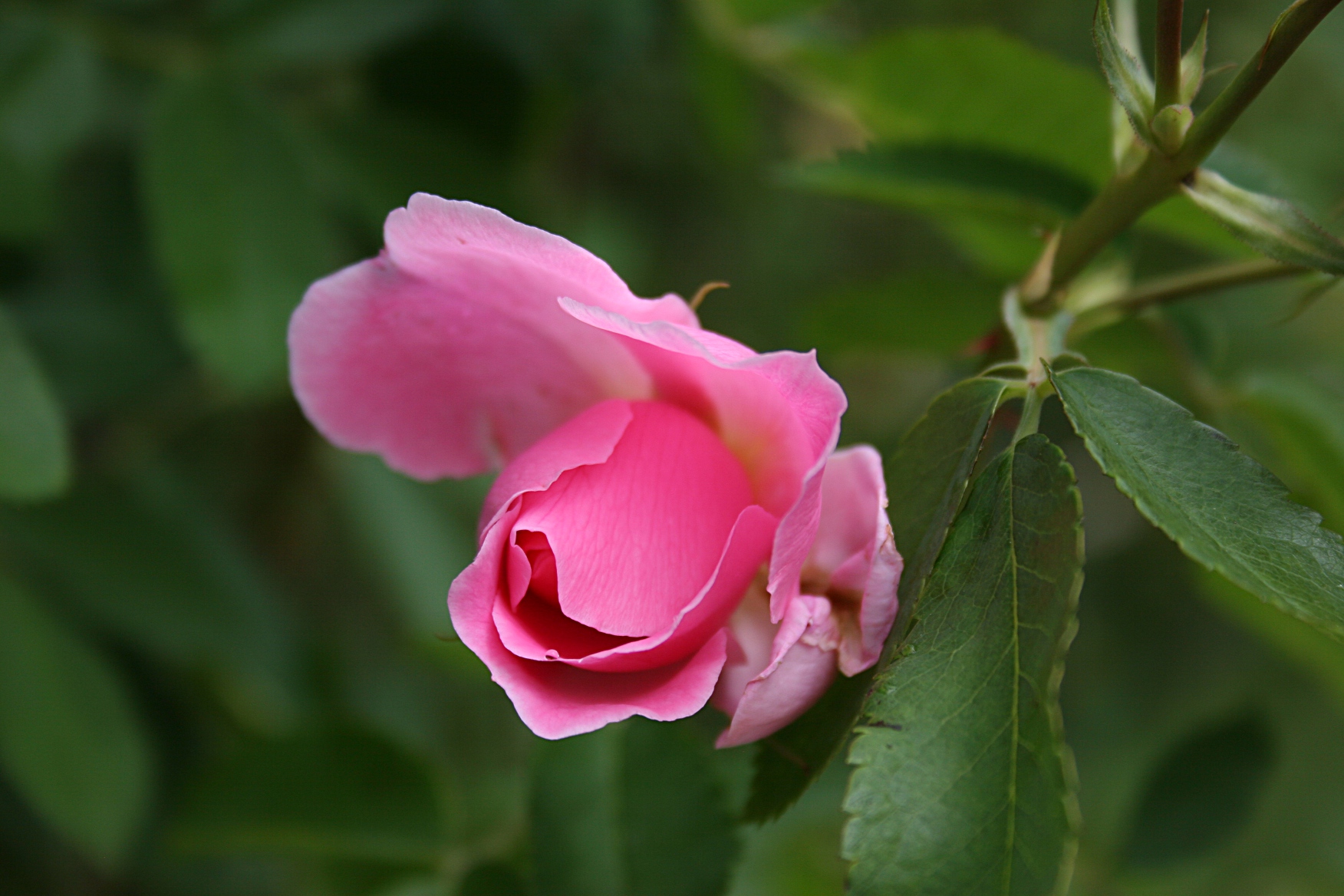
I took time to smell, and photograph, the roses outside of the cafe.

I took time to smell, and photograph, the roses outside of the cafe.

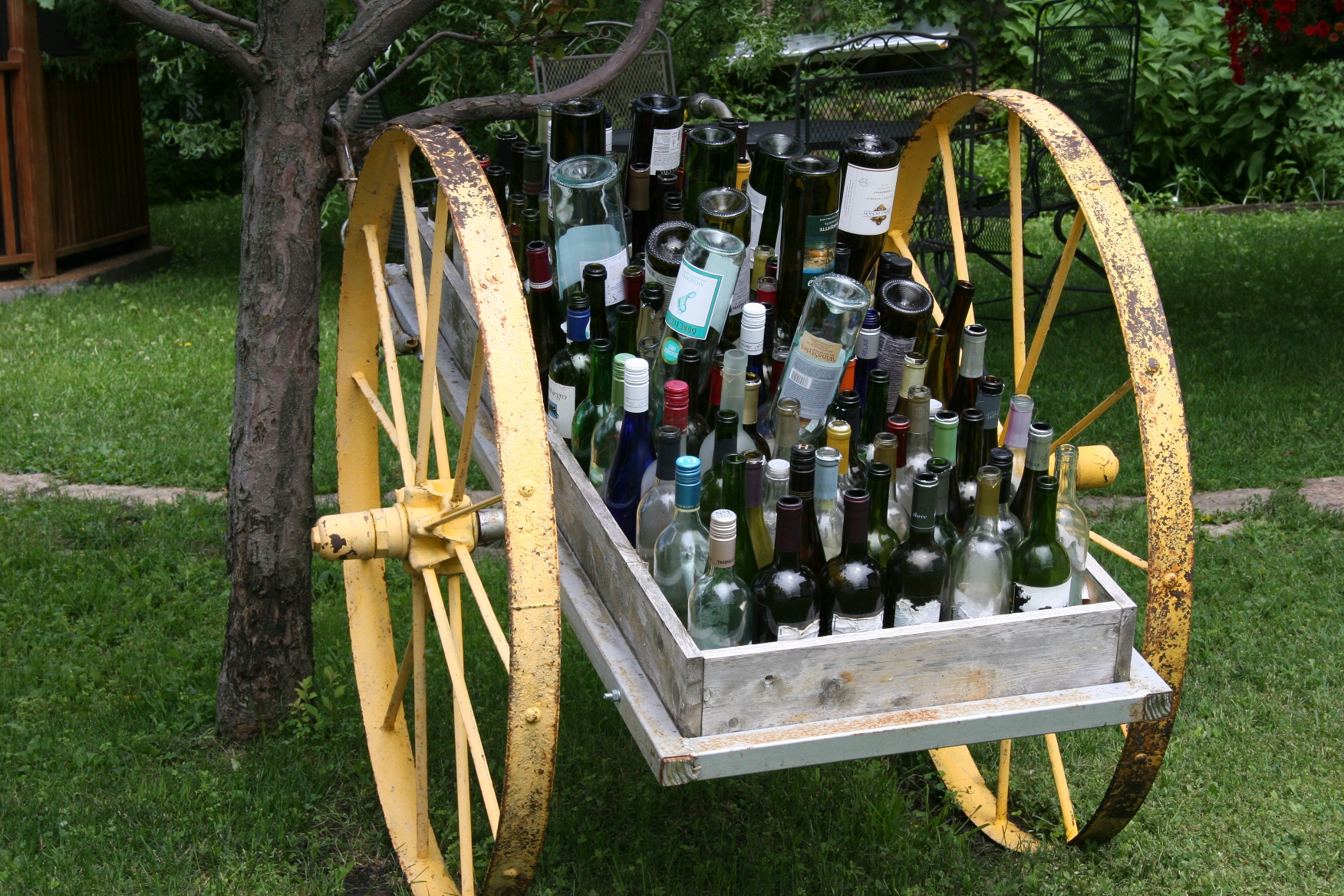
I spotted this bottle art behind the cafe. Evening diners can bring their own

I spotted this bottle art behind the cafe. Evening diners can bring in their favorite alcoholic beverage to have with a meal. There is no corking fee.

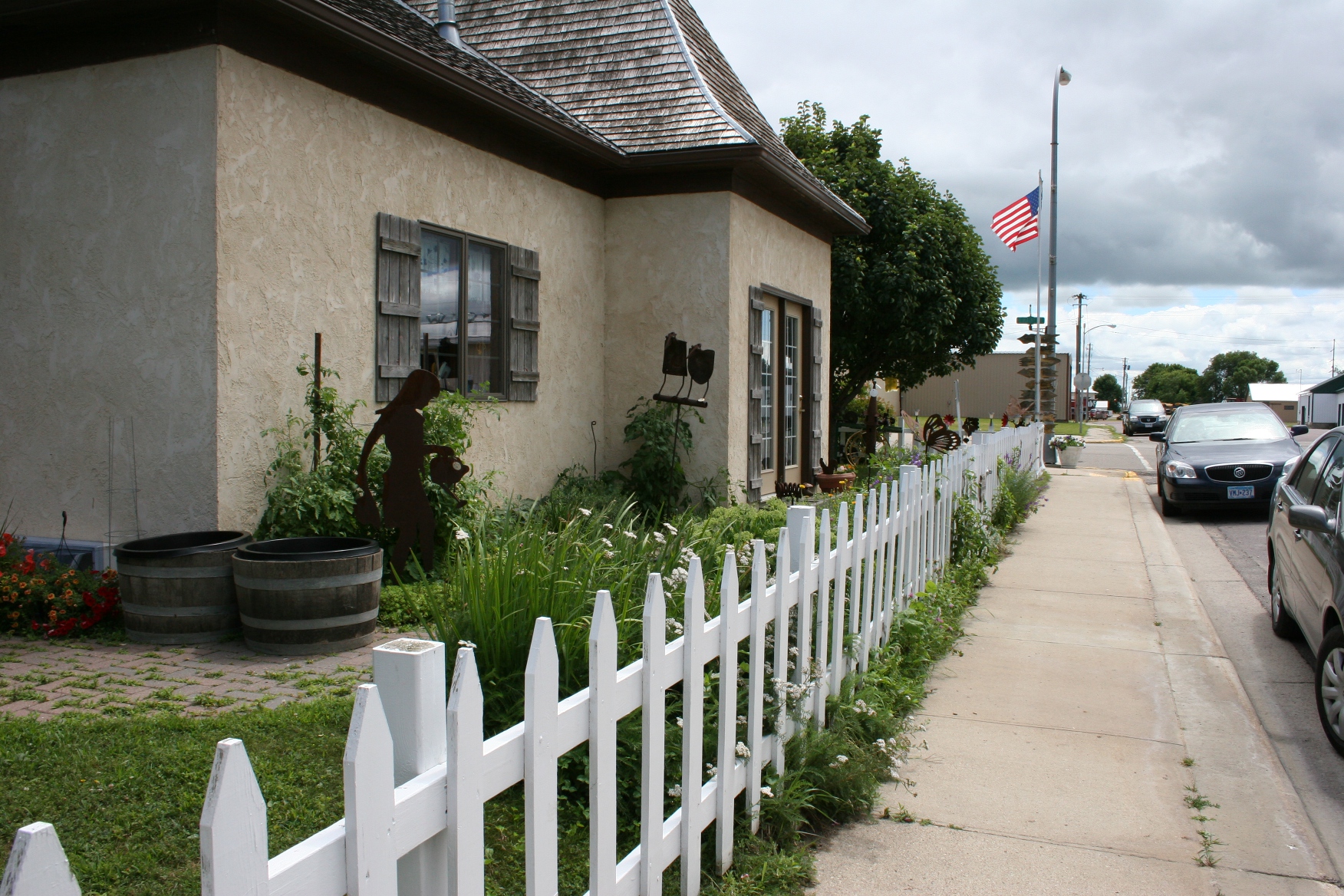
A final parting shot showcases the white picket fence surround this former gas station now turned European style eatery.

A final parting shot showcases the white picket fence surrounding this former gas station now turned European style eatery.

© Copyright 2014 Audrey Kletscher Helbling.
All photos were taken when we dined at the cafe in July 2013. Watch for more photos from Amboy, a community with a strong arts presence and more.


Memories of my uncle’s service station in Vesta, Minnesota January 31, 2014

FOR DECADES, MY UNCLE HAROLD RAN the filling station along Minnesota State Highway 19 in Vesta.
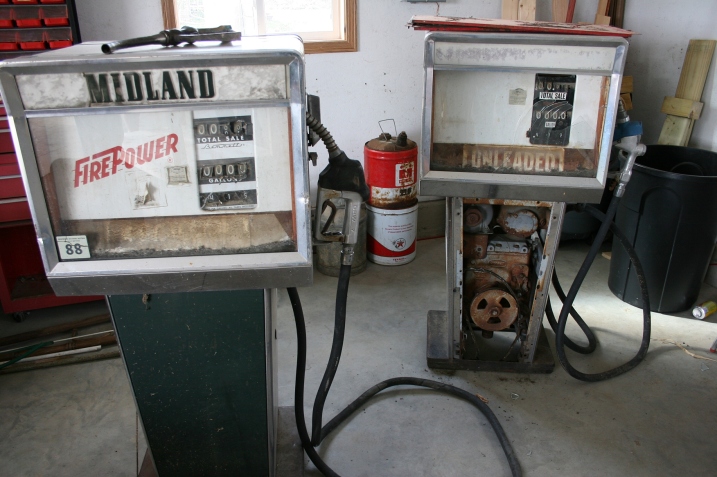
The vintage Midland gas pumps purchased by my Uncle Milan at the gas station auction. My brother Brian recently bought the pumps from Milan with plans to restore them.

The vintage Midland gas pumps purchased by my Uncle Milan at the gas station auction. My brother Brian recently bought the pumps from Milan with plans to restore them.

It’s not the gas pumps nor the tires nor the anything vehicle related, really, that imprinted most upon my memory about his gas station.

Rather, it’s the vending machine that dispensed salted peanuts. And the pop machine, which, when pulled opened, rattled with icy cold bottles of 7-Up and Orange Crush and Hires root beer. Rare treat of soda drunk too fast. Burps stinging my nose. And salty peanuts in hand, their paper thin wrappings wafting to the floor.

I remember, too, the step down from the store interior through the tight doorway into the shop which smelled of oil and rubber and grime. The magical place of the hoist. Vehicles seemingly levitated into the air.
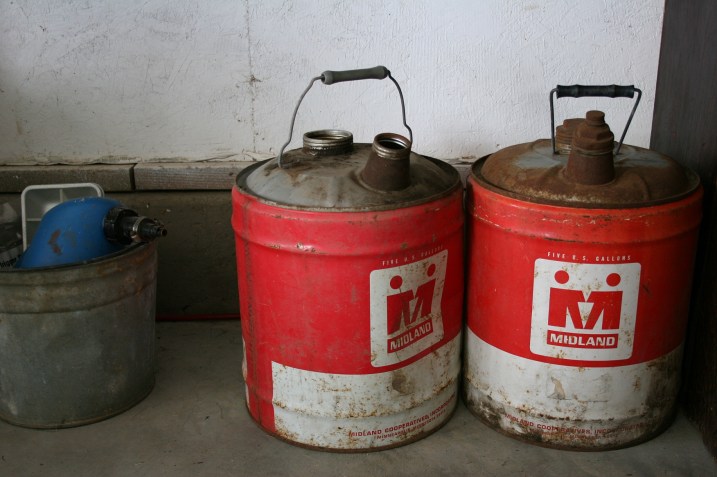
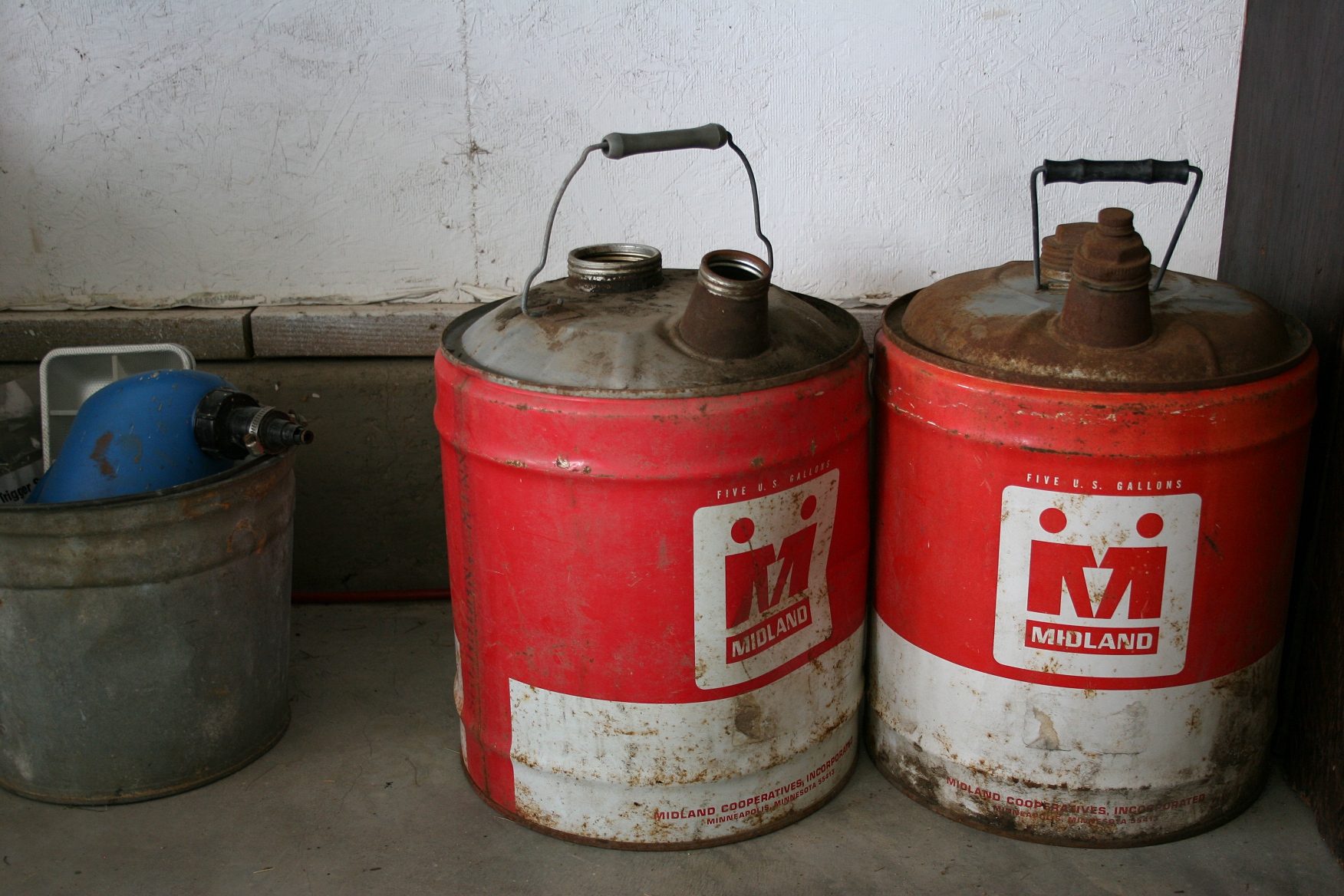
Vintage gas cans in my brother's garage.

Vintage gas cans in my brother’s garage.

This, a garage where my uncle and the mechanic I remember, Gary, changed tires and oil, replaced belts, fixed whatever needed fixing.

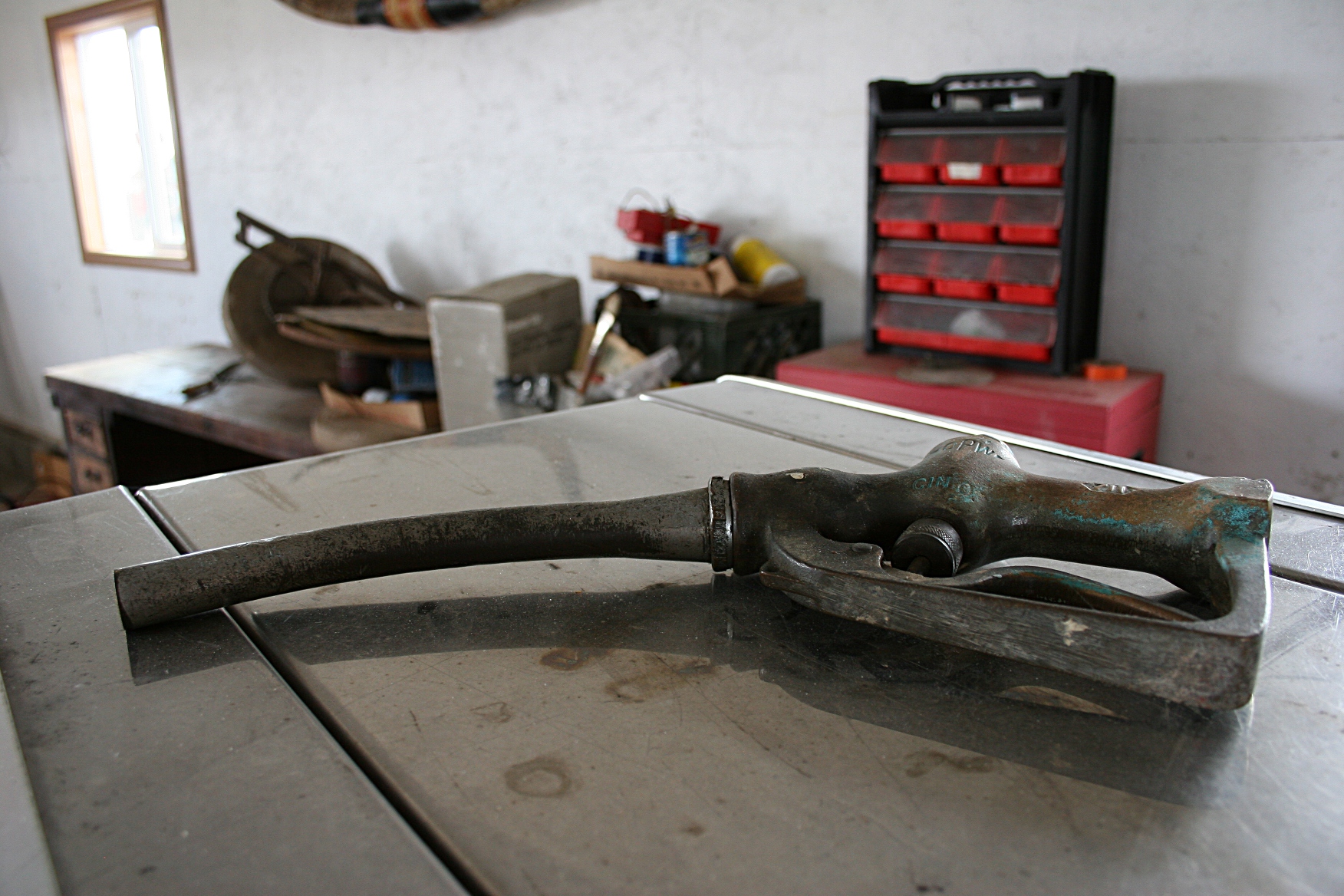
A gas nozzle from the Midland gas pump.

A gas nozzle from the Midland gas pump.

Outside, they pumped gas at this full service station. Rag pulled from back pocket to wipe the dipstick and check the oil. Wipers slapping against windshield as a squeegee washed away dust from gravel roads and crops and remnants of bugs splattered upon glass.

Memories, too, of boarding the Greyhound here, bound for Minneapolis. Me, a young farm girl with blue floral suitcase tucked inside the bowels of the bus, paper ticket in hand, ascending the steps. Alone. En route to visit my Aunt Rachel and Uncle Bob along Bryant.
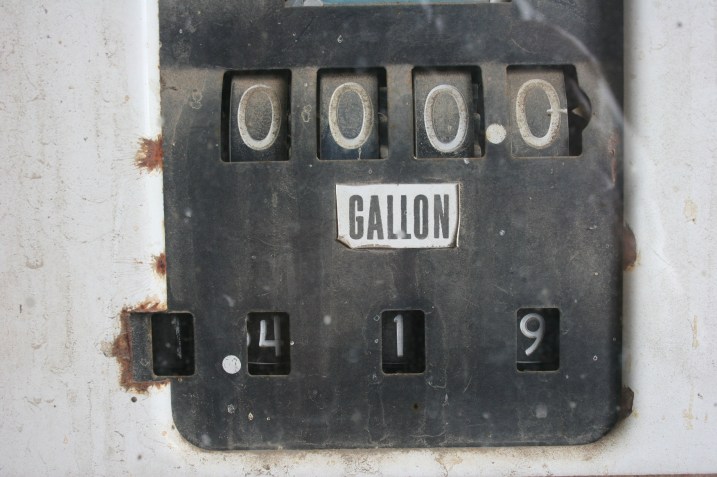
When gas was only

The price on the old gas pump: only $1.41.9 a gallon.

Memories, still holding tight all these decades later, years removed from affordable gas and full customer service.

THOSE ARE MY MEMORIES. My uncle’s differ, yet intermingle with mine. Uncle Harold started driving gas truck part-time in the early 1950s for City Service in Vesta, eventually hired on full-time under new ownership in a new location at The Old Log Cabin. More on that later. He figured, Harold says, that delivering bulk gas for the new Midland service station would be better than farming.
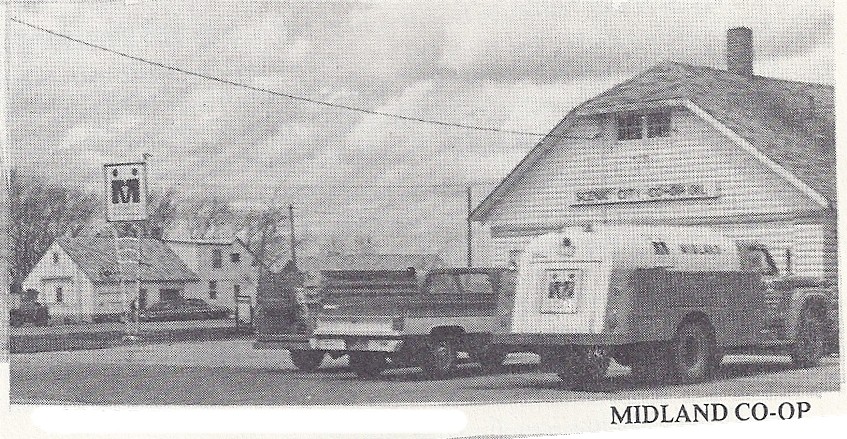
My uncle's gas station with the fuel delivery truck parked by The Old Log Cabin. Photo from Envisioning a Century, Vesta, 1900-2000.

My uncle’s gas station, right, with the fuel delivery truck parked out front. Photo from Envisioning a Century, Vesta, 1900-2000.

Oh, the stories he could tell of his years working at, managing and then eventually purchasing the station, renamed Harold’s Service, in 1966. If I had all day to listen.

Tales of rescuing stranded motorists during harsh winters on the prairie. After he sold the station’s tow truck, Harold and crew would use the bulk fuel truck to pull vehicles from ditches and snowdrifts along Highway 19. He recalls upwards of 20 travelers once waiting out a snowstorm at the station. Another time four stranded motorists played poker until closing time, at which time they were dropped off at snow homes in town, houses with empty beds. This, all before the days of snow gates installed to close the highway.

He sold snow tires and changed oil, washed cars in the east stall of the garage, delivered bulk gas and fuel and even fertilizer (for awhile). Pumped gas. Fixed whatever needed fixing. At one time he employed as many as four mechanics.

Open every day until 9 p.m. Open until noon on Sunday.

Was it a better life than farming? For awhile, Harold says. Before gas prices shot up and it took a lot of money to buy a tanker full of gas to operate his business. Good before three other places in town started selling batteries. Good before the fertilizer plant added gas pumps. Good before car washes.

Decades later, Harold accepted a job as maintenance worker for the City of Vesta, leaving his middle son to run the station. When Randy found a job in nearby Marshall several months later, the station closed. That was in 1991.

Today the service station is gone, replaced by another automotive business. The old building that housed the station was moved west of town and remodeled into a second home.

Oh, the stories The Log Cabin, built in 1937 and for decades operated as a “beer joint”, Harold’s moniker, not mine, could tell. “It was a pretty wild place…with drunks and fights,” my uncle remembers. “It was a pretty rough place for awhile.”

He also recalls delivering gas for City Service to the tavern, which had a single pump. There’d never be money for the gas Harold brought. But the guy who delivered beer had no trouble collecting payment.

I’d like to see The Log Cabin again, the place where I accompanied my dad, boarded the Greyhound, later filled my 1976 Mercury Comet with gas.

I’d imagine, too, the beer drinkers who packed the former tavern, crammed into booths in the area where my uncle had his office and front counter. I’d think about that and all those stranded travelers once waiting out a prairie blizzard at Harold’s Service.

BONUS PHOTO:
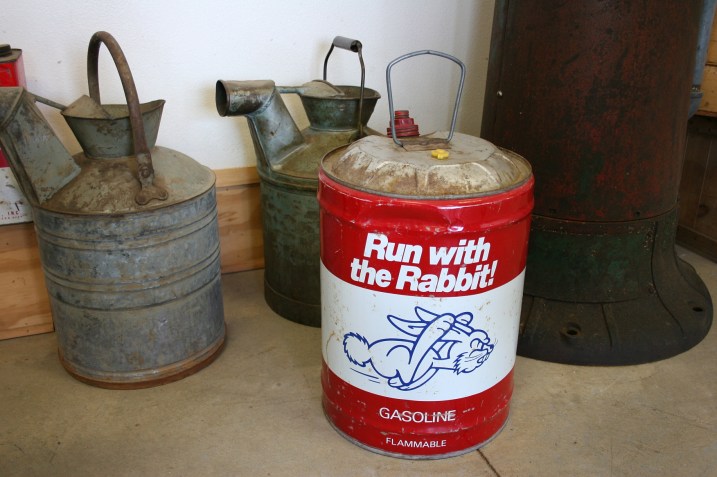
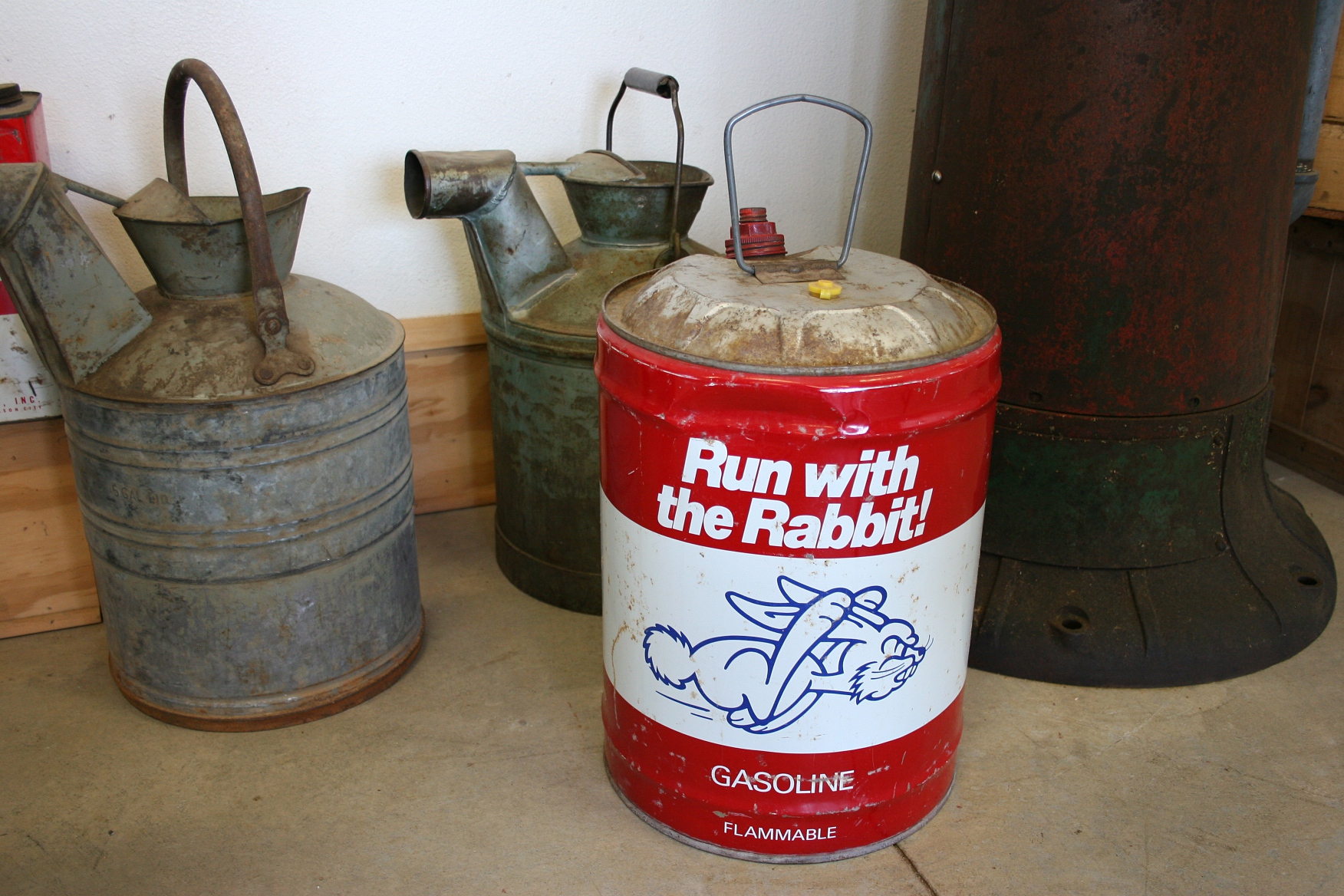
The gas can in my brother Brian's garage that my siblings and I covet because we attended Wabasso High School. Our mascot was a white Rabbit.

My siblings and I covet this gas can in our brother Brian’s garage because we attended Wabasso High School. Our mascot was a white Rabbit.

Copyright 2013 Audrey Kletscher Helbling


Discovering an historic church in Garden City January 10, 2014

I found the doors of First Baptist Church locked while in Garden City this past July.

I found the doors of First Baptist Church locked while in Garden City this past July.

THE FRUSTRATING FACT for me as a photographer, when I come upon an aged church, is that most often I find the doors locked. I understand. Churches need to protect not only their buildings but also the valuables therein.

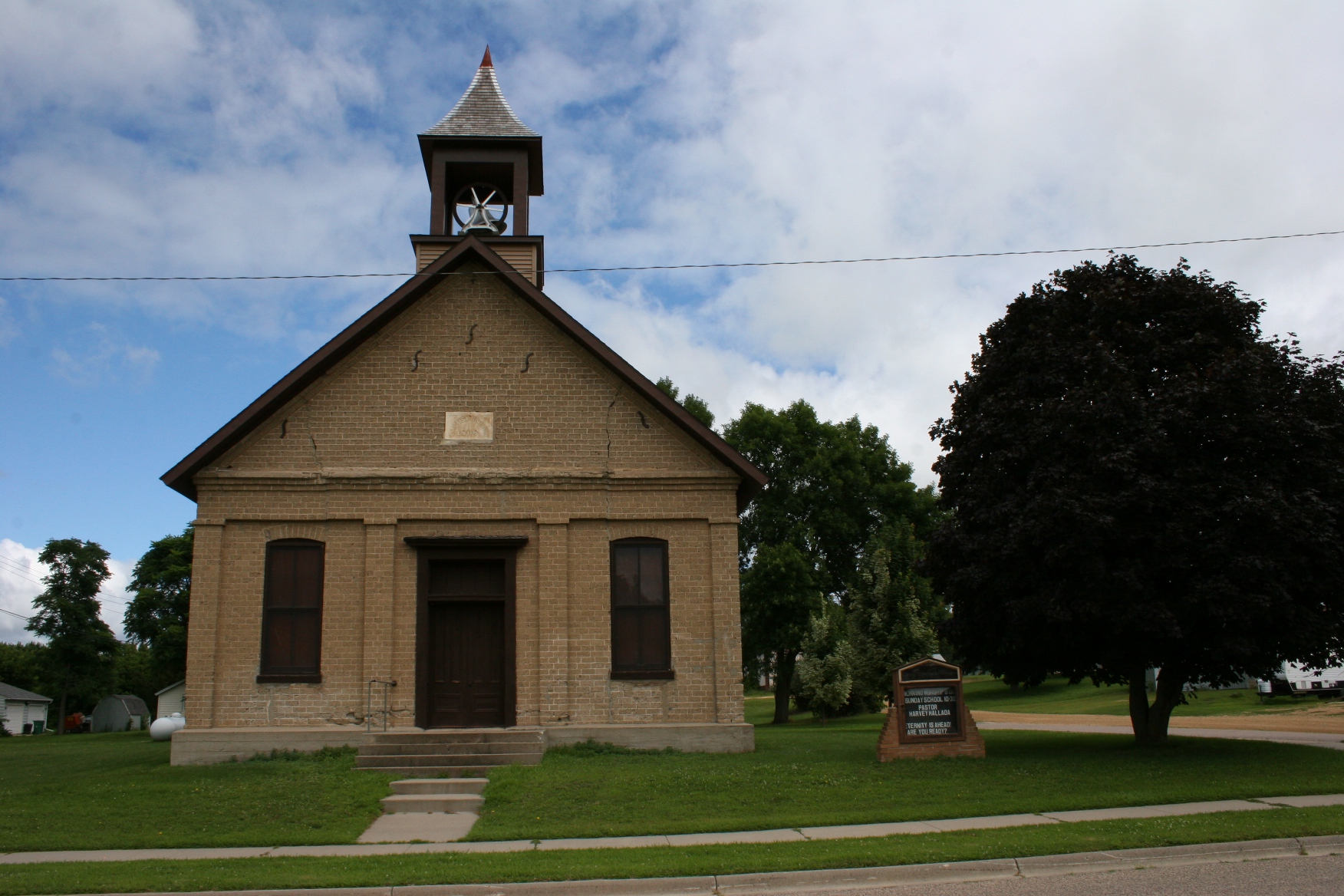
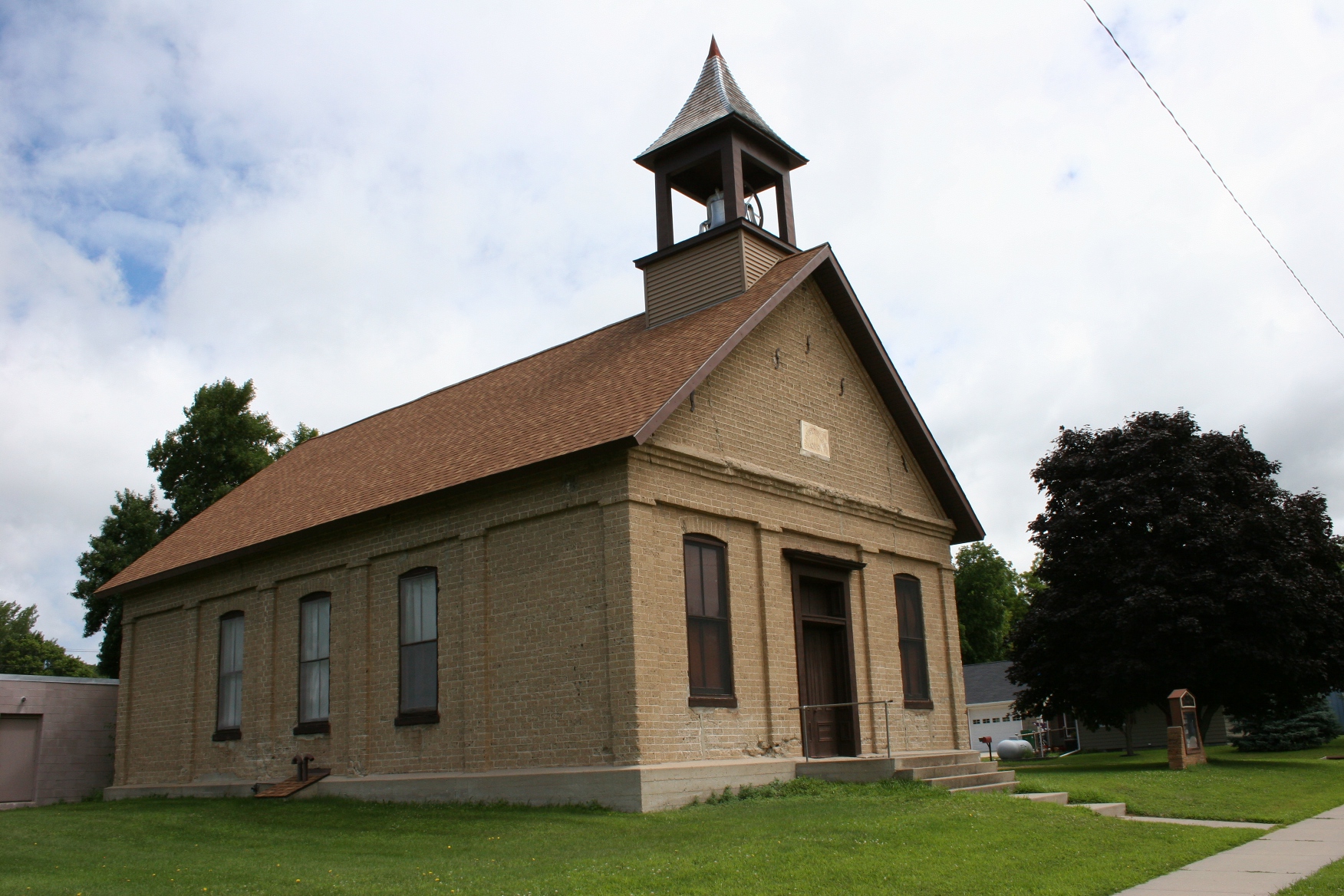
My first glimpse of this historic 1868 church.

My first glimpse of this historic 1868 church.

So, unless you have been inside the First Baptist Church in Garden City or seen interior photos elsewhere, you will simply have to imagine what lies within this church constructed in 1868 a block from the Watonwan River.

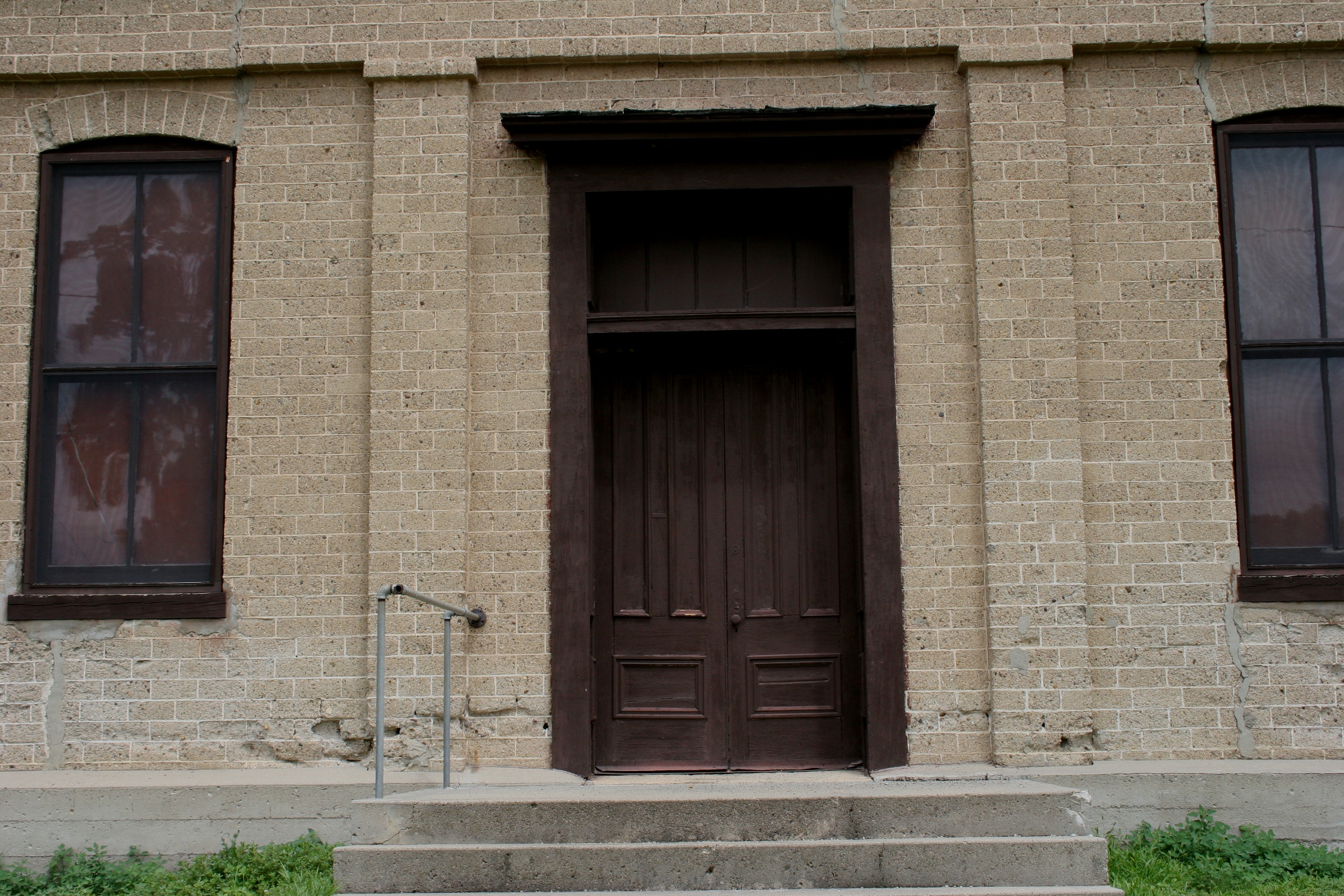
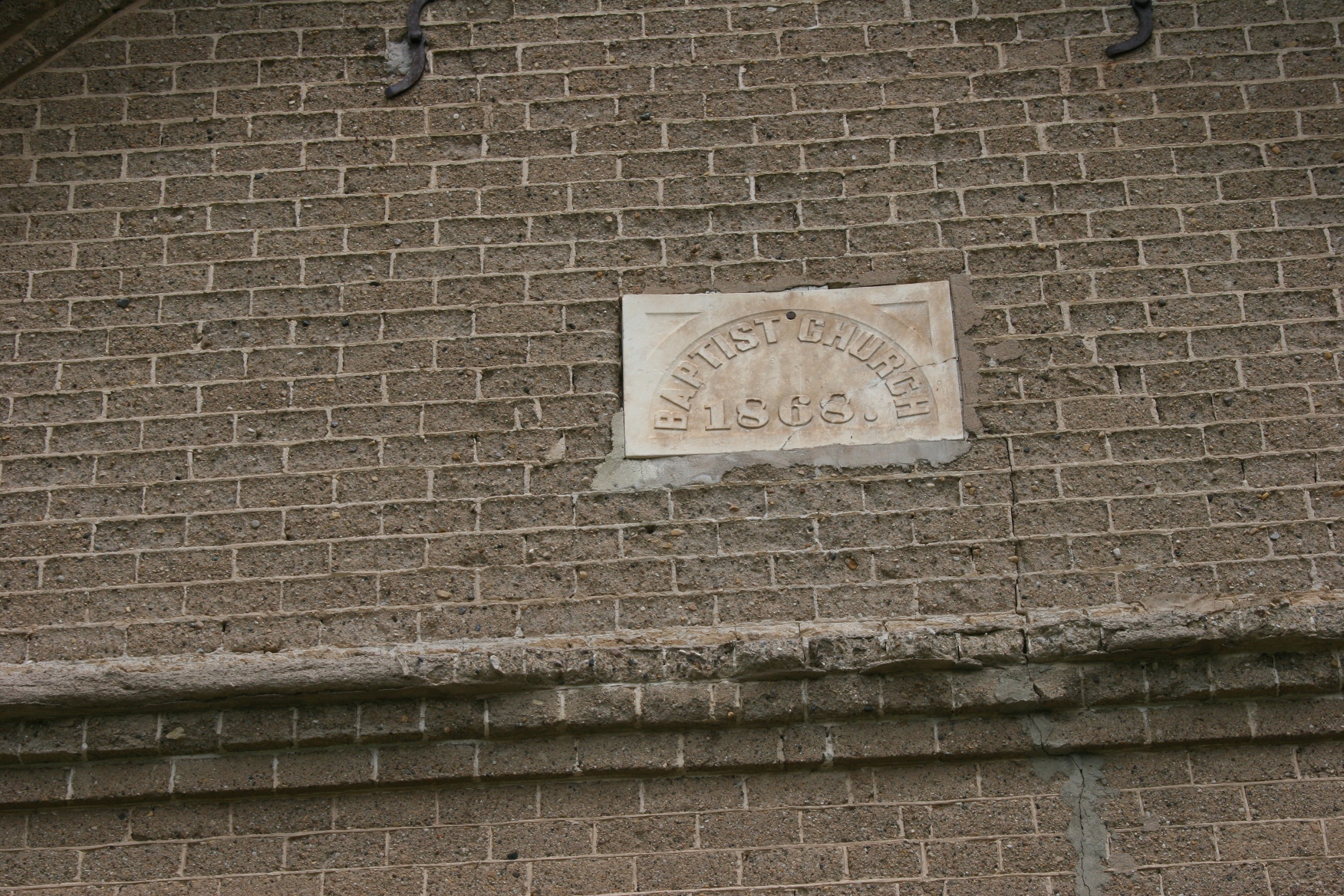
Those 1868 cement blocks, up close.

Those 1868 cement blocks, up close.

Built of locally-made Geist and Huntzelman cement blocks, the building holds special significance as the earliest known use of concrete blocks in Minnesota. In 1980, the church was placed on the National Register of Historic Places.

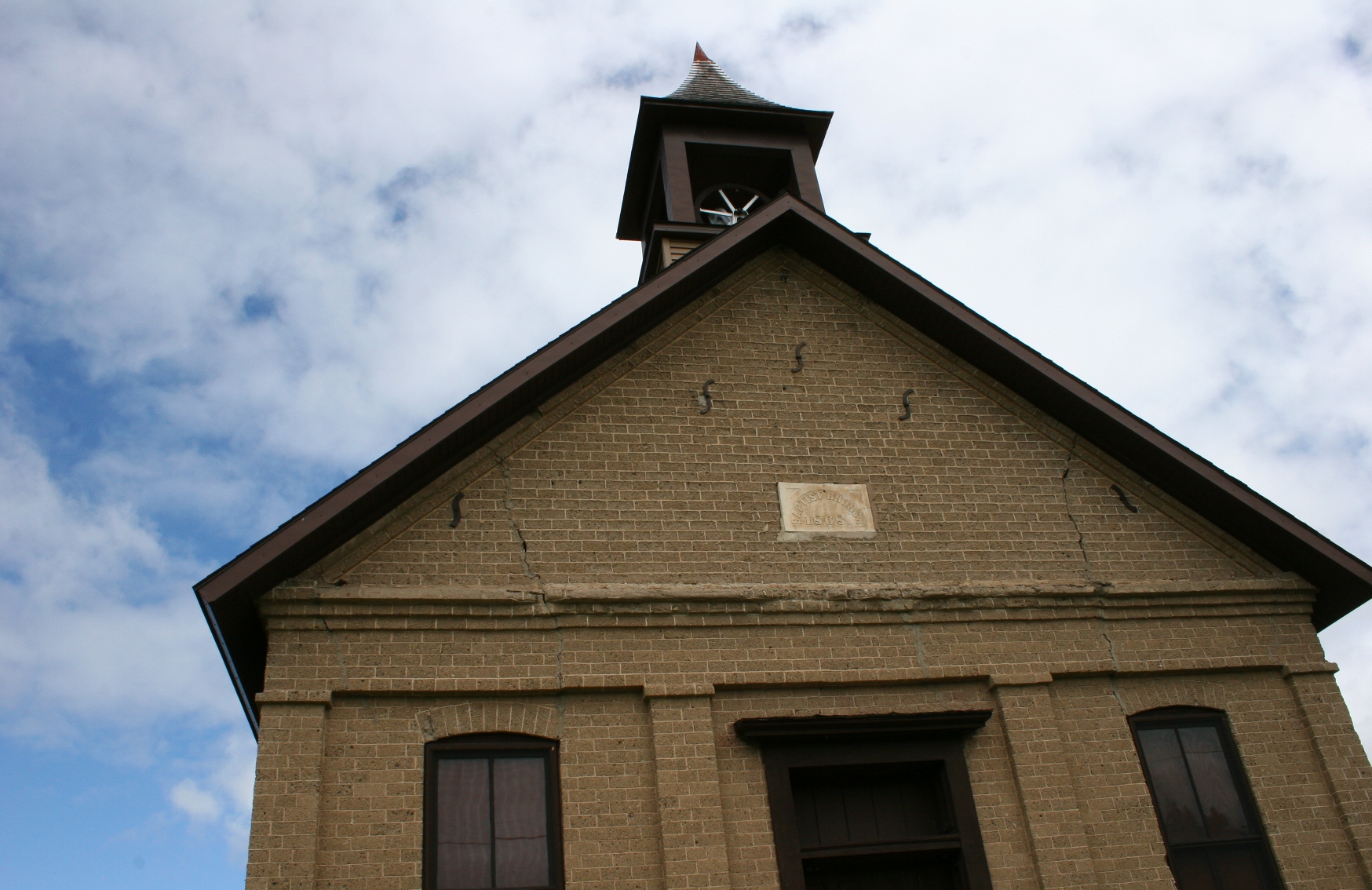
Looking up toward the belfry.

Looking up toward the belfry.

It is built in the Greek Revival style, with a belfry added later. In 1959, a concrete block addition was added at the rear of the church.

How wonderful that this remains a functioning church.

How wonderful that this remains a functioning church.

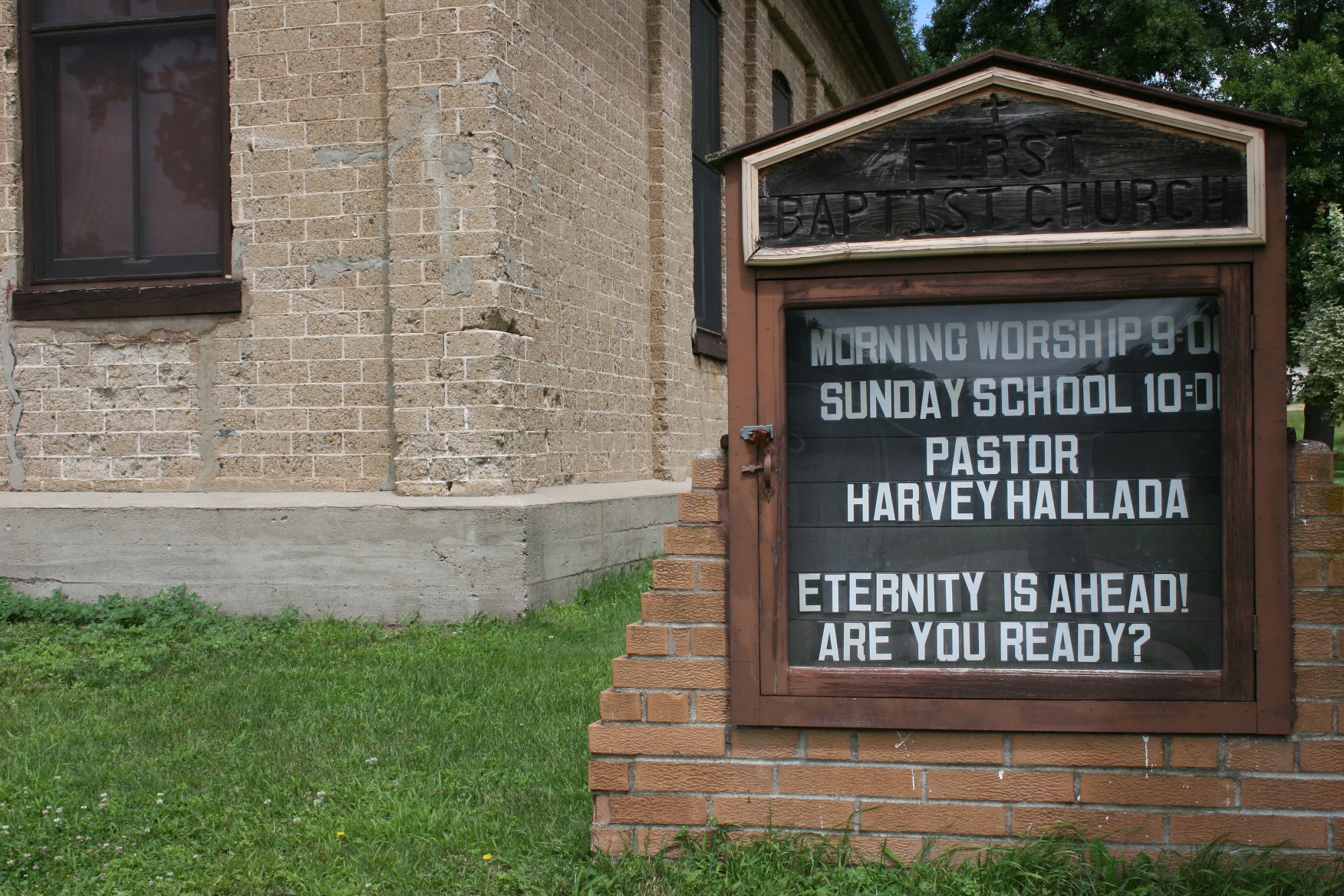
Apparently the structure still functions as a church with the Rev. Harvey Hallada leading 9 a.m. Sunday worship services.

Now sometimes photographers, like my friend Jackie who blogs at “Who Will Make Me Laugh,” find a church door open. Jackie appreciates old churches, barns and drives in the country as much as I do. So be sure to click here to read Jackie’s post showcasing Pilot Mound Lutheran Church in the Chatfield area. She found one gem of a church and several other wonderful old buildings and scenes while on a recent Saturday afternoon drive with her husband.

I’d encourage all of you to follow Jackie and another photo blogger, Dan over at Dan Traun Photography, if you enjoy viewing photographic results of a drive in the country or through the city (that would be Dan).

A side view of the church in Garden City, located 60-70 miles from my home.

A side view of the church in Garden City, located 60-70 miles from my home.

I’d encourage you also to find time in 2014 for country drives. There is much to be discovered nearby, in our own backyards, if only we will take the time to look.

FYI: These photos were taken in July during a brief stop in Garden City, south of Mankato along U.S. Highway 169. See posts from the past two days for additional images shot in Garden City.

© Copyright 2014 Audrey Kletscher Helbling


Zip code 56034 January 9, 2014

Filed under: Uncategorized — Audrey Kletscher Helbling @ 6:00 AM
Tags: , , , , ,

YESTERDAY I SHOWED YOU the quaint 154-year-old Blue Earth County Fairgrounds in Garden City, the fate of which will be decided this evening at a special shareholders meeting of the Blue Earth County Fair Association.

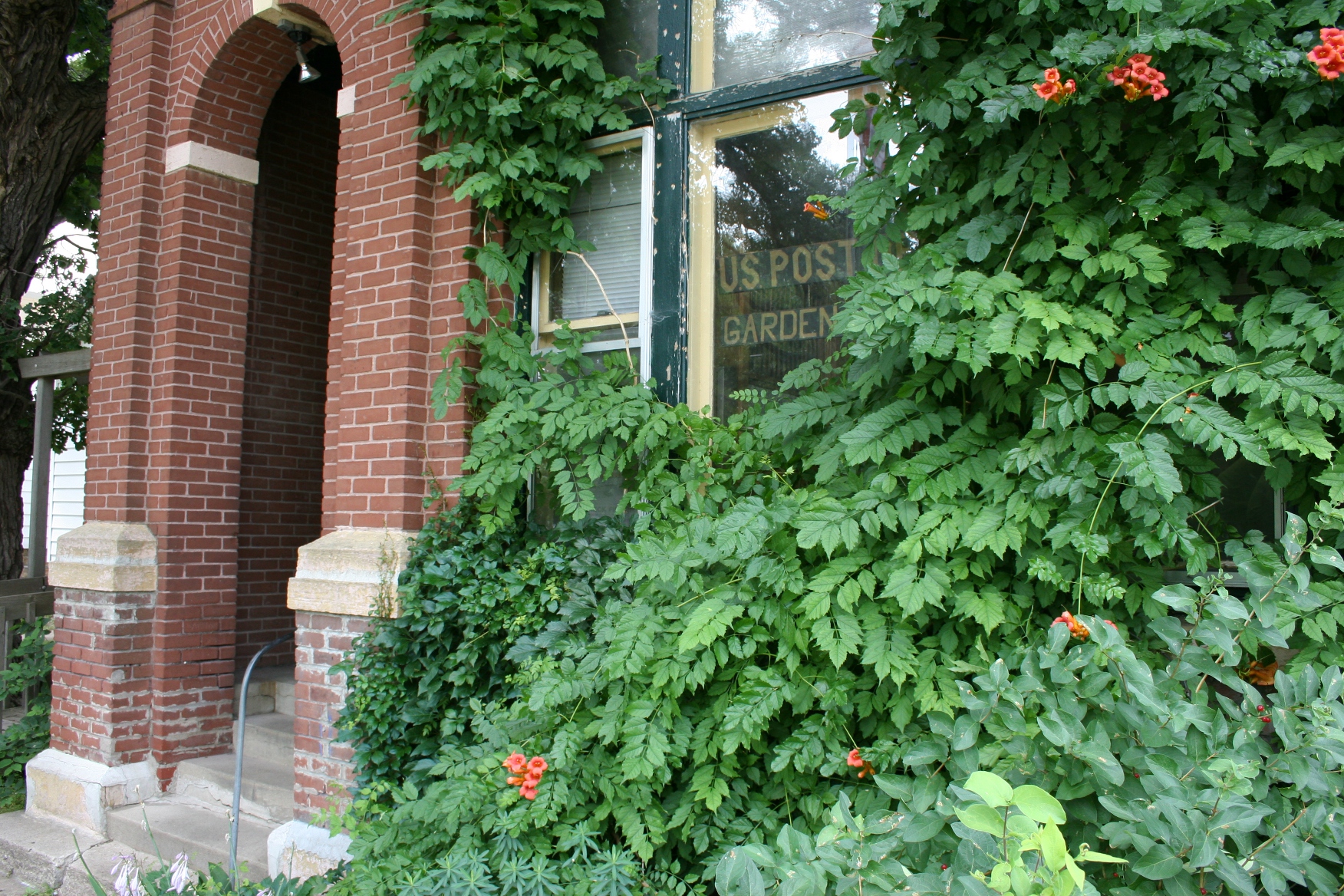
The Garden City, Minnesota, Post Office, housed in a former bank building.

The Garden City, Minnesota, Post Office, housed in a former bank building.

Today, I reveal another gem in this unincorporated village along U.S. Highway 169 south of Mankato. That would be the post office.

Garden City post office, window and boxes

I took my camera inside the post office on a July morning because, well, you just don’t see all that many post offices like the one in Garden City.

Garden City post office, front close-up

According to the postmistress, the post office has been housed in this former bank building since the 1960s.

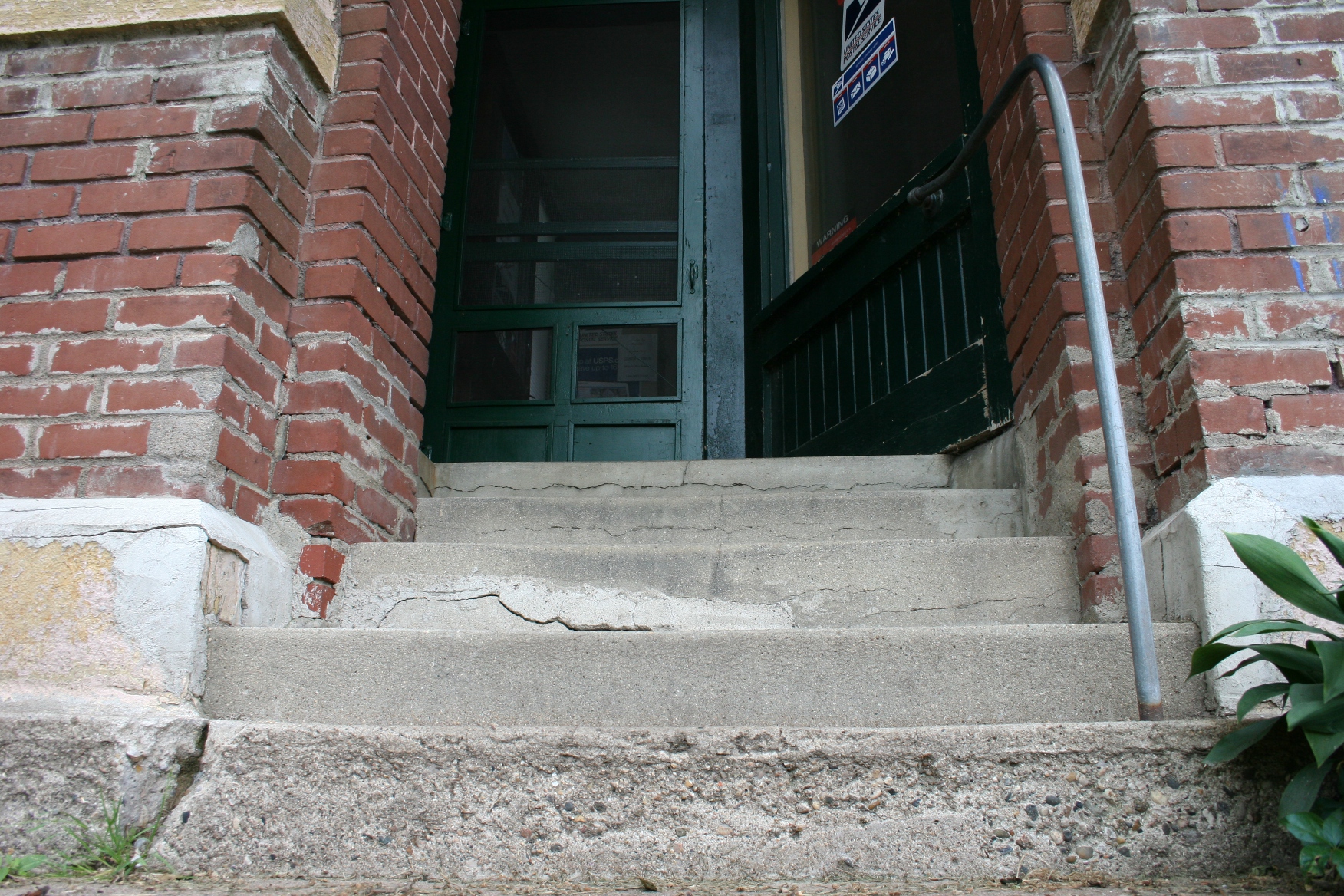
Garden City post office, door and steps

Garden City post office, boxes

Garden City post office, boxes up close

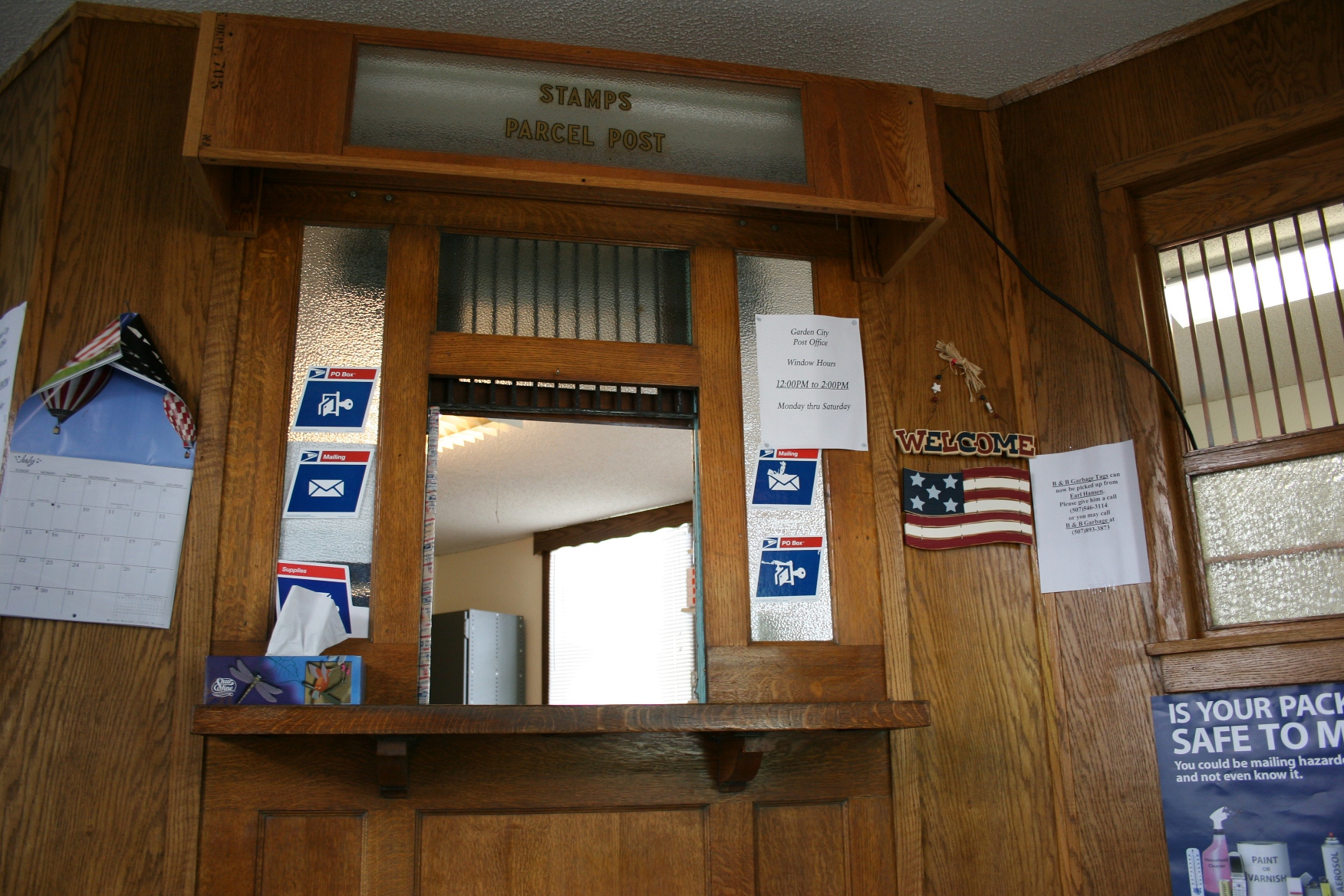
Garden City post office, inside window

It’s a glorious place from the old-fashioned front screen door to the tile floor to the woodwork, glazed windows and rows of vintage post office boxes.

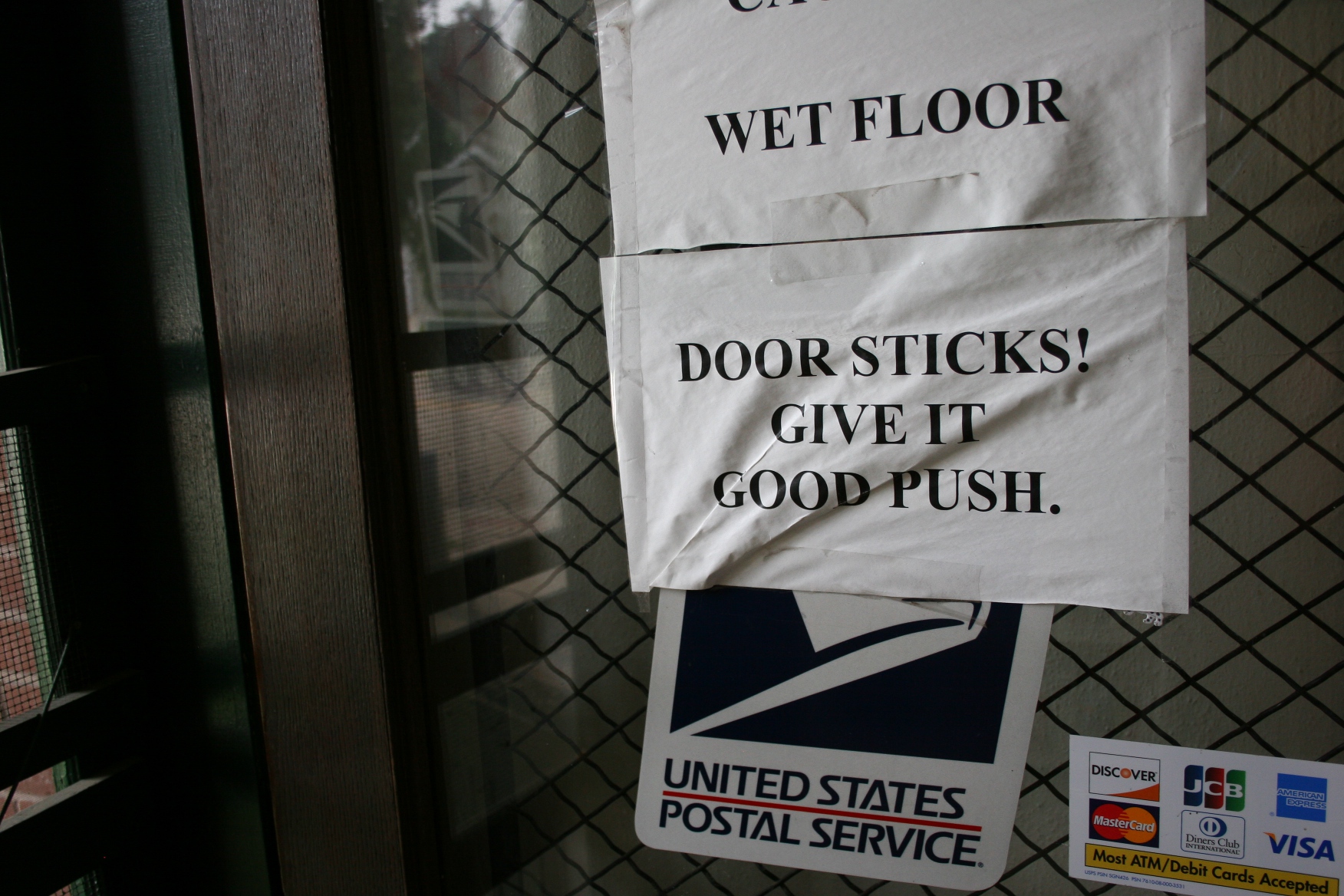
Garden City post office, sign on door

Garden City post office, arch above door

Garden City post office, flowers by

THERE’S ONE MORE THING you should know about Garden City. Ten men, who “went on to be significant contributors to modern day industry giants like Piper, Jaffray, Archer Daniels Midland and GlaxoSmithKline,” once called Garden City home, according to promotional info for the book, The Remarkable Men of Garden City by E. Winston Grundmeier.

How’s that for small-town success?

© Copyright 2014 Audrey Kletscher Helbling


One child dies, another missing & a fireman injured in a farmhouse fire near my hometown December 5, 2013

I AM GRIEVING from a distance for two young children who apparently died in a house fire Wednesday afternoon near Lucan in my native southwestern Minnesota. The body of one child was recovered late Wednesday evening and one child remains missing.

The fire engulfed the home of Bernadette and Matt Thooft who escaped along with several of their children.

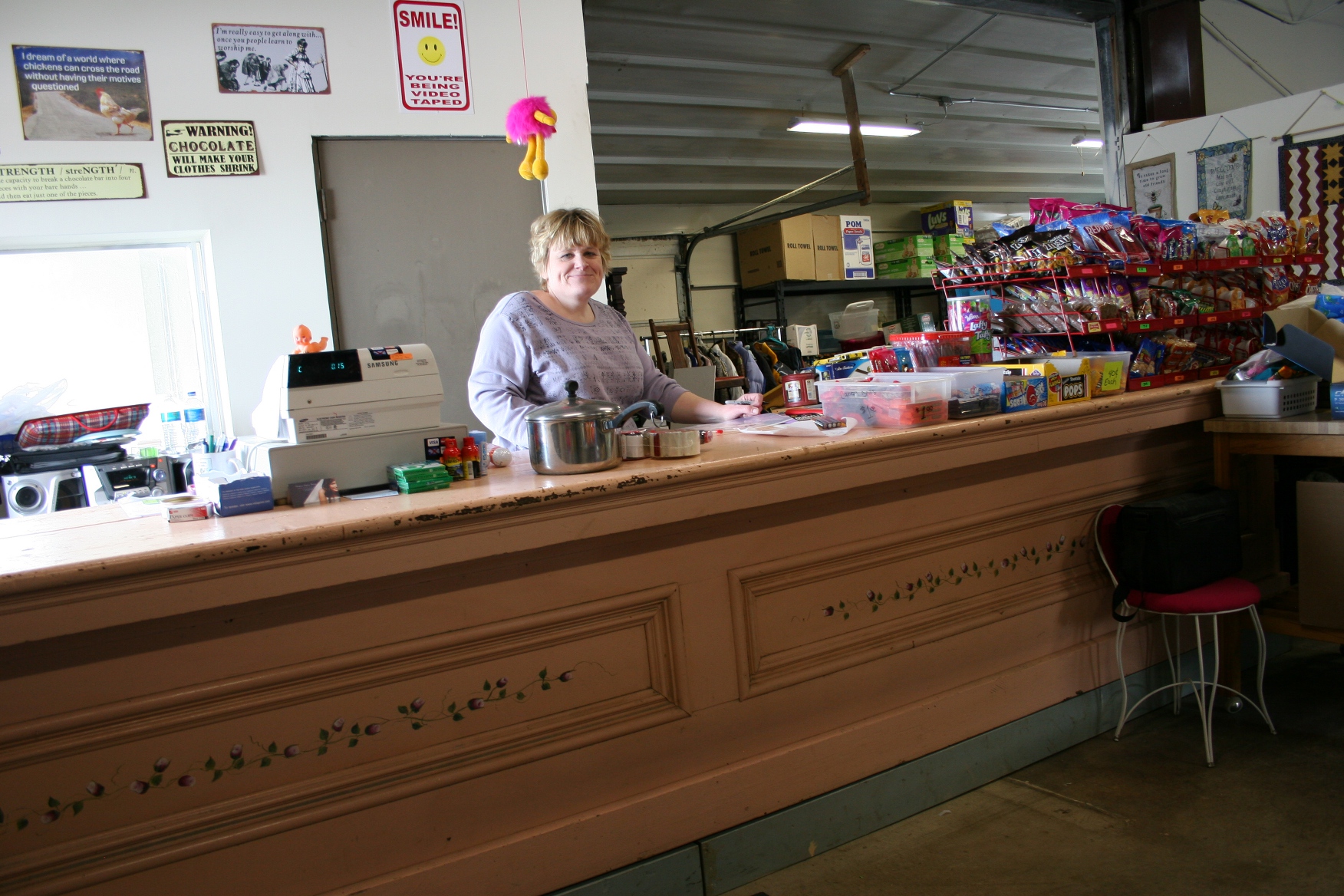
This 1800s general store counter anchors The Store.

Bernadette Thooft poses for a photo in March 2013 in her general store.

I met the Thooft family last March in my hometown of Vesta, where Matt runs Matt’s Frame Repair and Bernadette operates a combination grocery and thrift store next door. I featured Bernadette’s new business, The Store, in a “Little General Store on the Prairie” blog post published March 27. (Click here to read.)

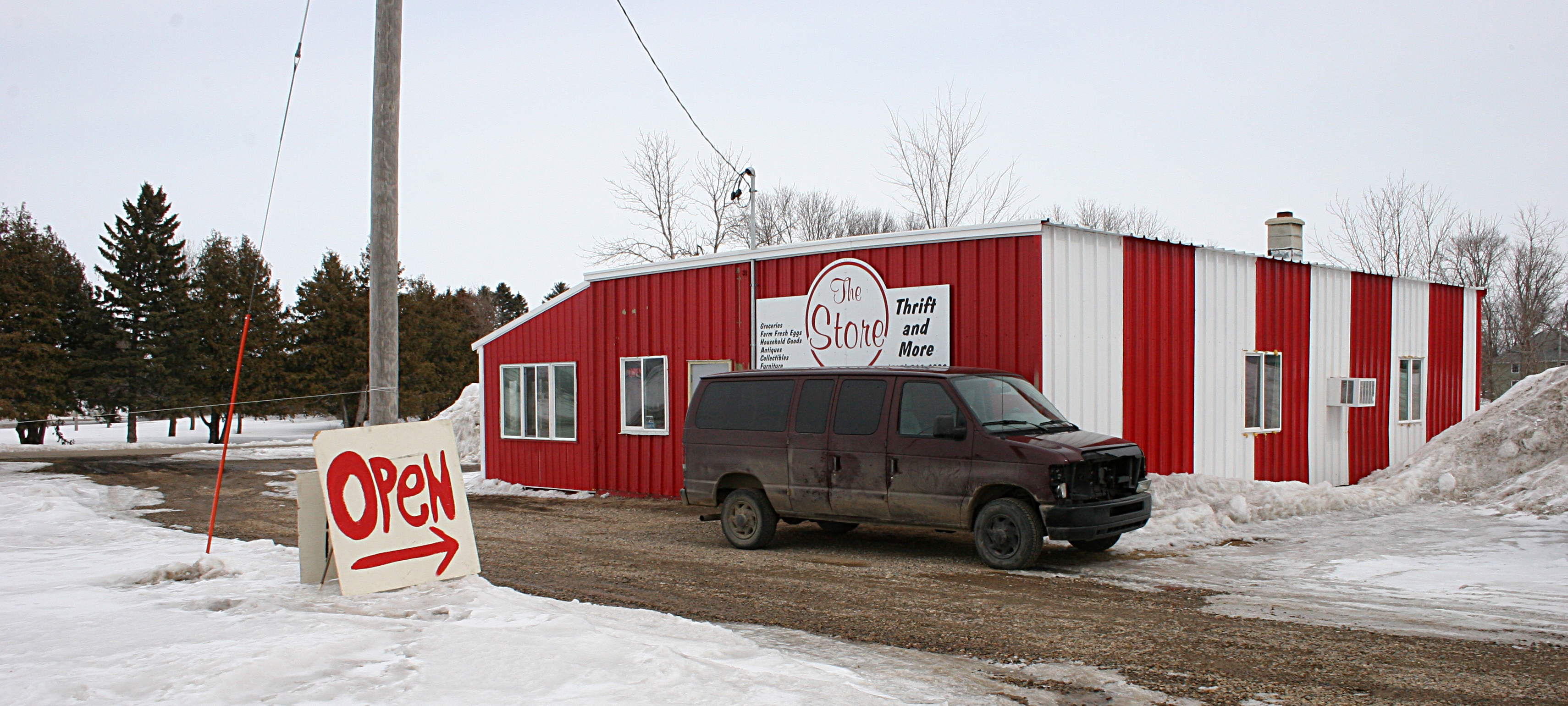
The Store: Thrift and More sits just off Minnesota Highway 19 in Vesta in Redwood County.

The Store: Thrift and More. March 2013 Minnesota Prairie Roots file photo.

It’s not like I really knew the family in any great depth. But in the short time I spent with Bernadette, I learned enough to understand that this former daycare provider possesses a deep love for children. She and Matt had seven, ranging in age (in March) from not quite two to 11. They even built a hang-out space for the kids in a corner of The Store.

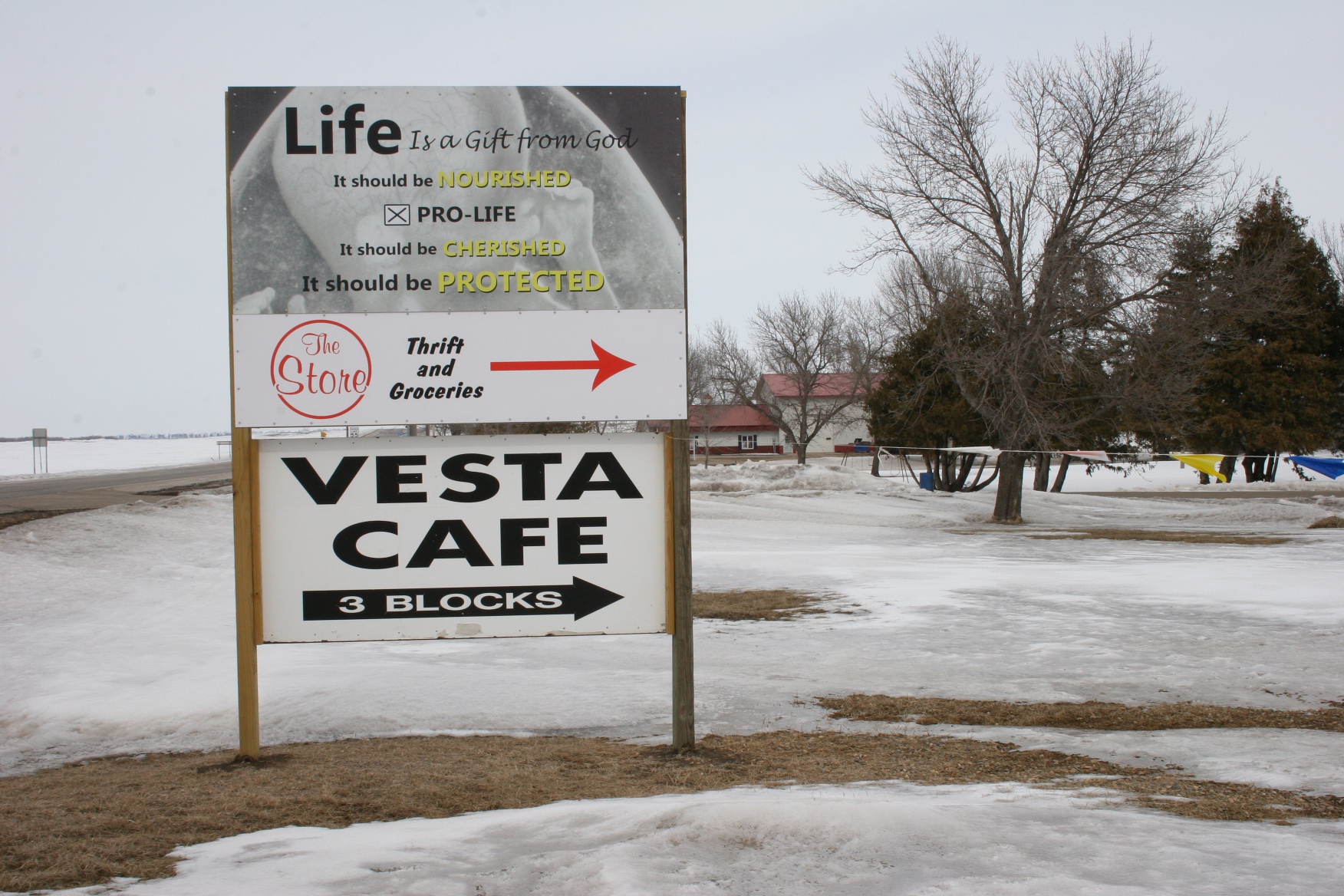
This sign by the thrift store points travelers along Minnesota Highway 19, left, to The Store and the Vesta Cafe.

The Thoofts make a faith statement in this sign which points travelers along Minnesota Highway 19, left, to The Store and the Vesta Cafe.

Bernadette also possesses a deep faith and concern for others. This caring woman donates 10 percent of The Store proceeds to charity and established “Believe in the Backpack,” a backpack program for children in foster care. The Thoofts were former licensed foster care providers.

At the time of our interview, Bernadette fondly tagged her children “the hoodlums” in that kind and loving way that only a mom can.

It breaks my heart that this mother may have lost two of her children. It should be noted that authorities have not yet released information on the ages or identities of the children who did not escape the fire.

The Thoofts lived in a six-bedroom farmhouse on eight acres just 1.5 miles northeast of Lucan. They were in the process of trying to sell their property, according to information on The Store Facebook page. Plans were to relocate to my hometown of Vesta, seven miles to the north.

Vesta firefighters were among volunteers from eight area small town fire departments battling the blaze in harsh winter weather conditions.

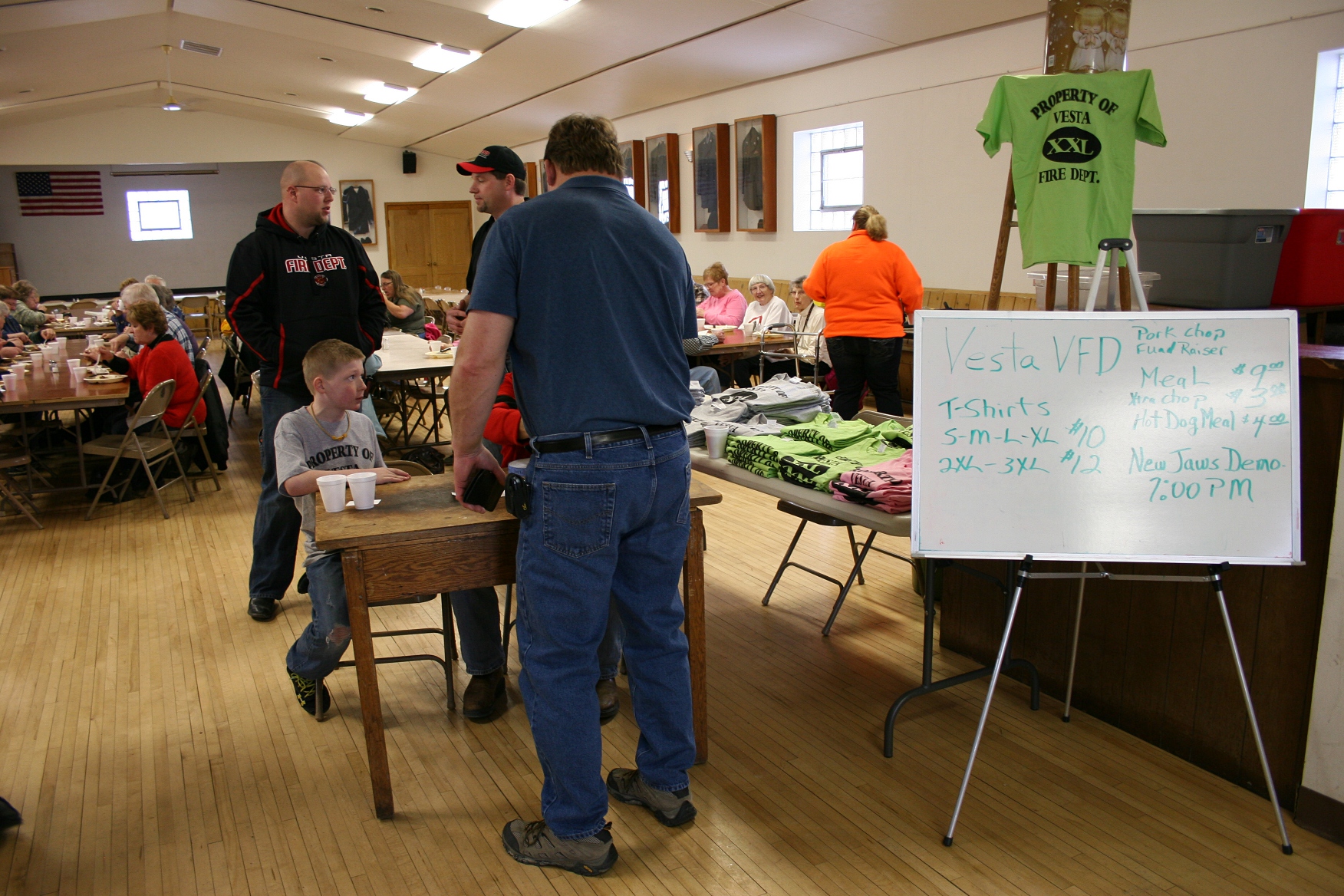
That's Vesta firefighter Neal Hansen to the left behind the table, photographed at the Vesta Fire Department  Pork Chop Feed in March.

That’s Vesta firefighter Neal Hansen standing to the left behind the table, photographed at the Vesta Firemen’s Relief Association Pork Chop Supper in March.

THEREIN LIES THE SECOND PORTION of this tragic story. Vesta firefighter Neal Hansen’s legs were run over by a fire truck after he slipped on ice, according to numerous news sources. He was severely injured and underwent surgery at a Mankato hospital. Initially, he was taken to the Redwood Falls Hospital, but could not be airlifted out because of high winds and snowy conditions at the time, KLGR radio reports.

If you wish to help with expenses for Neal and Tiffany Hansen, both volunteer EMTs for the Vesta First Responders and the parents of a 2-year-old son, please click here and donate through the Hansens’ Giveforward page. By 8 p.m. Thursday, 75 donors had contributed $3,685 to the fund, surpassing the $3,000 goal.

Contributors Ryan and Christie Rudenick commented on the Giveforward page:

Thank you and to all the volunteer firemen, in small, tight knit communities like we have it is even harder to be on call and see horrific things happen to our friends and communities–you and all firemen are heroes!

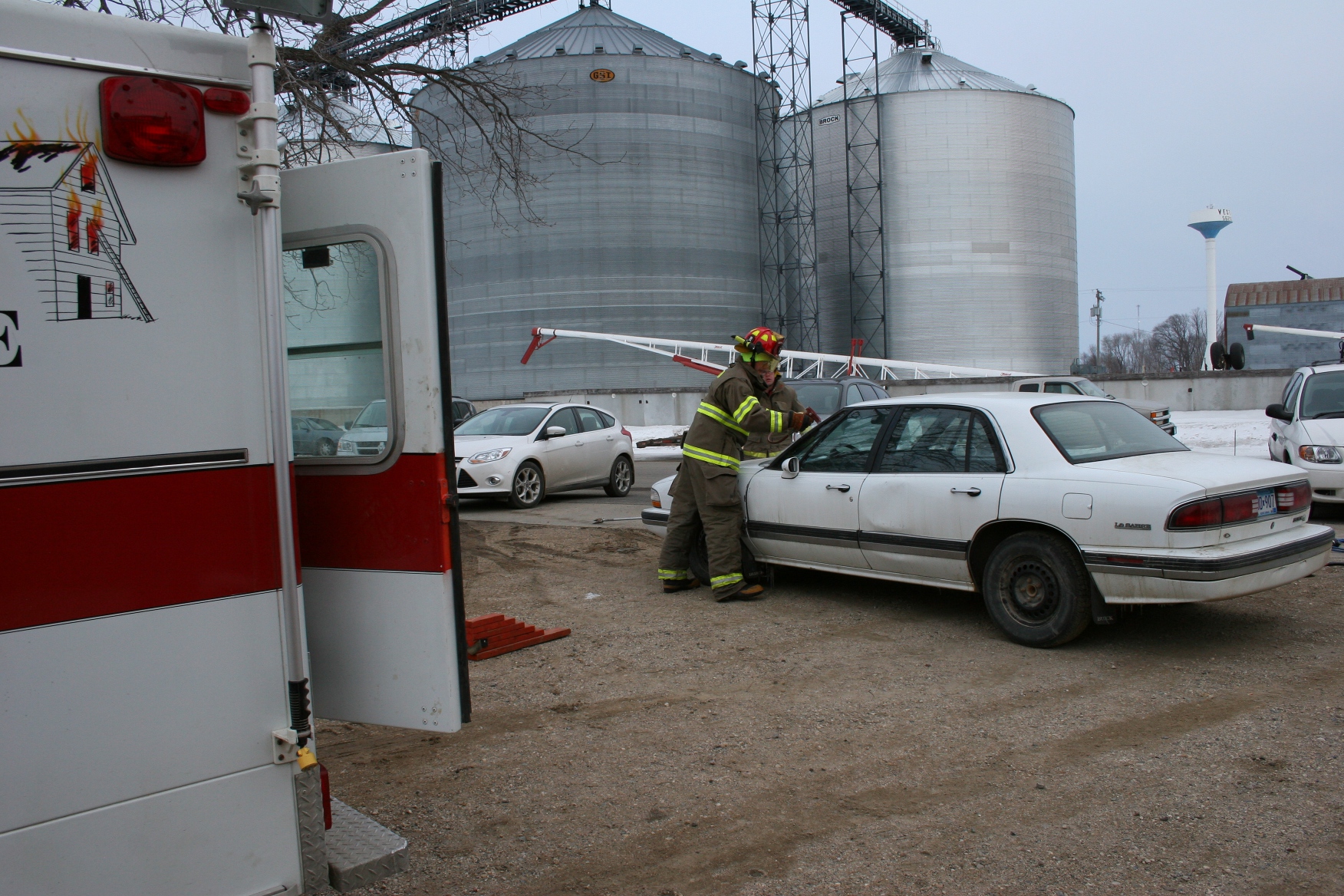
Volunteer firemen remove the windshield from a junk car.

Vesta volunteer firemen remove the windshield from a junk car during a Jaws of Life demonstration in March of 2013 in my hometown of Vesta.

I ditto the Rudenicks’ “thank you.” With extended family members on two of the volunteer fire departments called to the Lucan farmhouse fire, I have a personal connection to these firefighters. My 29-year-old nephew, Adam, a father and elementary school teacher, responded to the fire with the Walnut Grove Fire Department.

Last winter I met several other Vesta firemen while attending a fire department fundraiser. You can click here to read that post.

Imagine the emotional impact this fatal fire is having on these volunteer firefighters from eight communities.

I expect know that the residents of Vesta and Lucan and surrounding areas will rally to assist the Hansen and Thooft families via prayer, emotional support, financial help and community benefit fundraisers. I’ll update you if a benefit is established for the Thoofts. Nothing beats the neighborly care found within small towns like Vesta, population 320, and Lucan, population 190.

This is not the first time the Thooft family has faced difficulties. In April 2008, the Thoofts’ then 6-year-old son, Zachary, was struck by a school bus after being dropped off at his rural home, according to an article in The Marshall Independent. He recovered from those injuries.

And now this, this deadly fire at their home…

© Copyright 2013 Audrey Kletscher Helbling
 

Bins, bars & beer December 4, 2013

THE LAST TIME I WAS in Cobden, I told my husband, I was photographing a burning building.

That was decades ago, when I worked as a newspaper reporter and photographer for The Sleepy Eye Herald-Dispatch. Thirty-plus years later, I can’t recall what burned, but I think a bar.

Apparently little has changed in Cobden since I raced, with camera and notebook, to this community of 36 residents just off U.S. Highway 14 between Sleepy Eye and Springfield. As I remember, I borrowed a pen (because mine ran out of ink and why didn’t I have a spare?) from a firefighter. Interesting how a detail like that sticks with me.

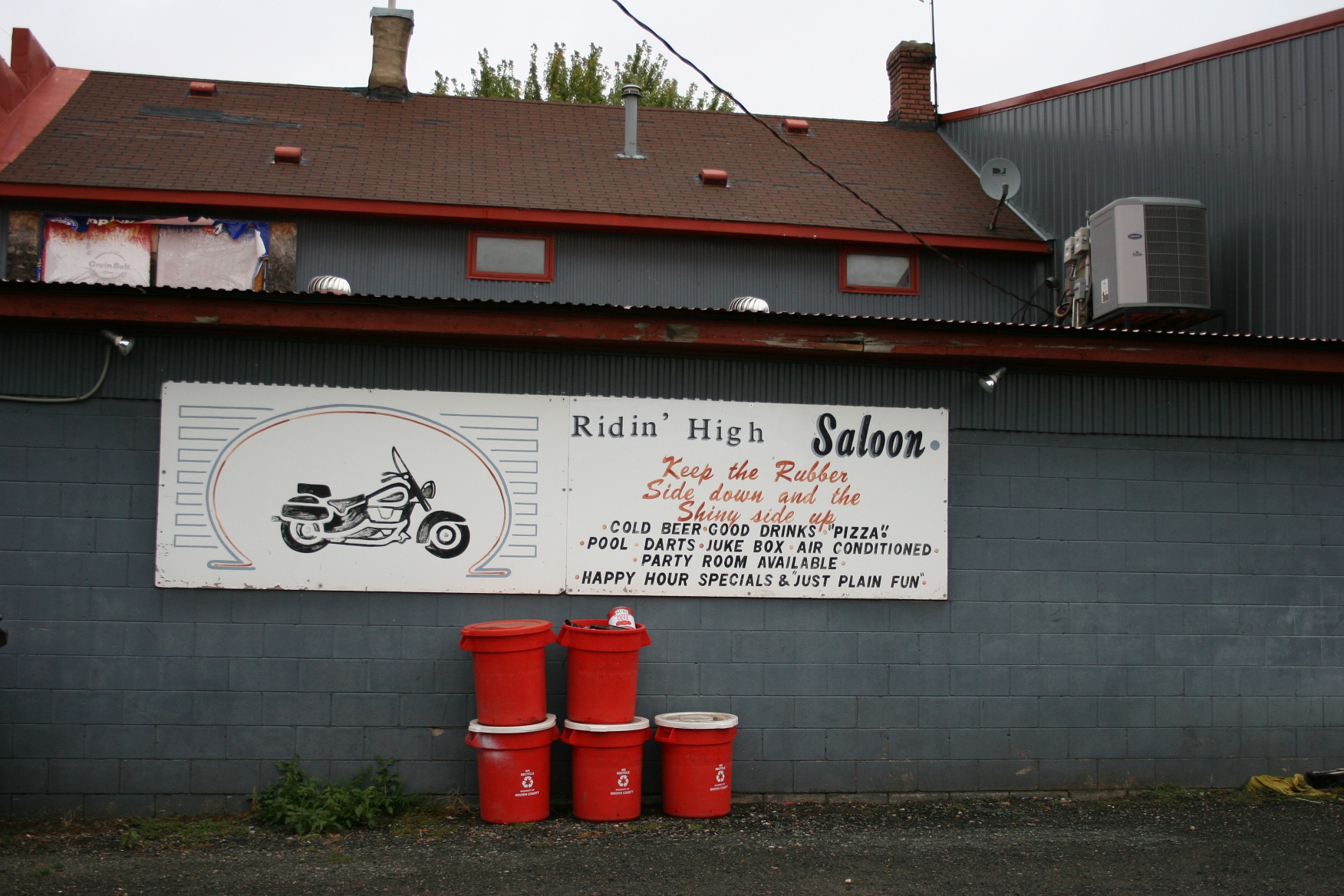
Downtown Cobden with Tubby's to the left and Ridin' High to the right and the grain bins a few blocks away.

Downtown Cobden with Tubby’s to the left and Ridin’ High to the right and the grain bins a few blocks away.

Today, two bars and grain bins define this community in southwestern Minnesota, which boasts some of our state’s best farmland.

A few months ago while en route to Lamberton, my husband turned our van north off the Laura Ingalls Wilder Historic Highway to circle through Cobden, past the grain bins and then between the two bars—Minnesota Tubby’s Bar & Grill and Ridin’ High Saloon—which comprise the downtown.

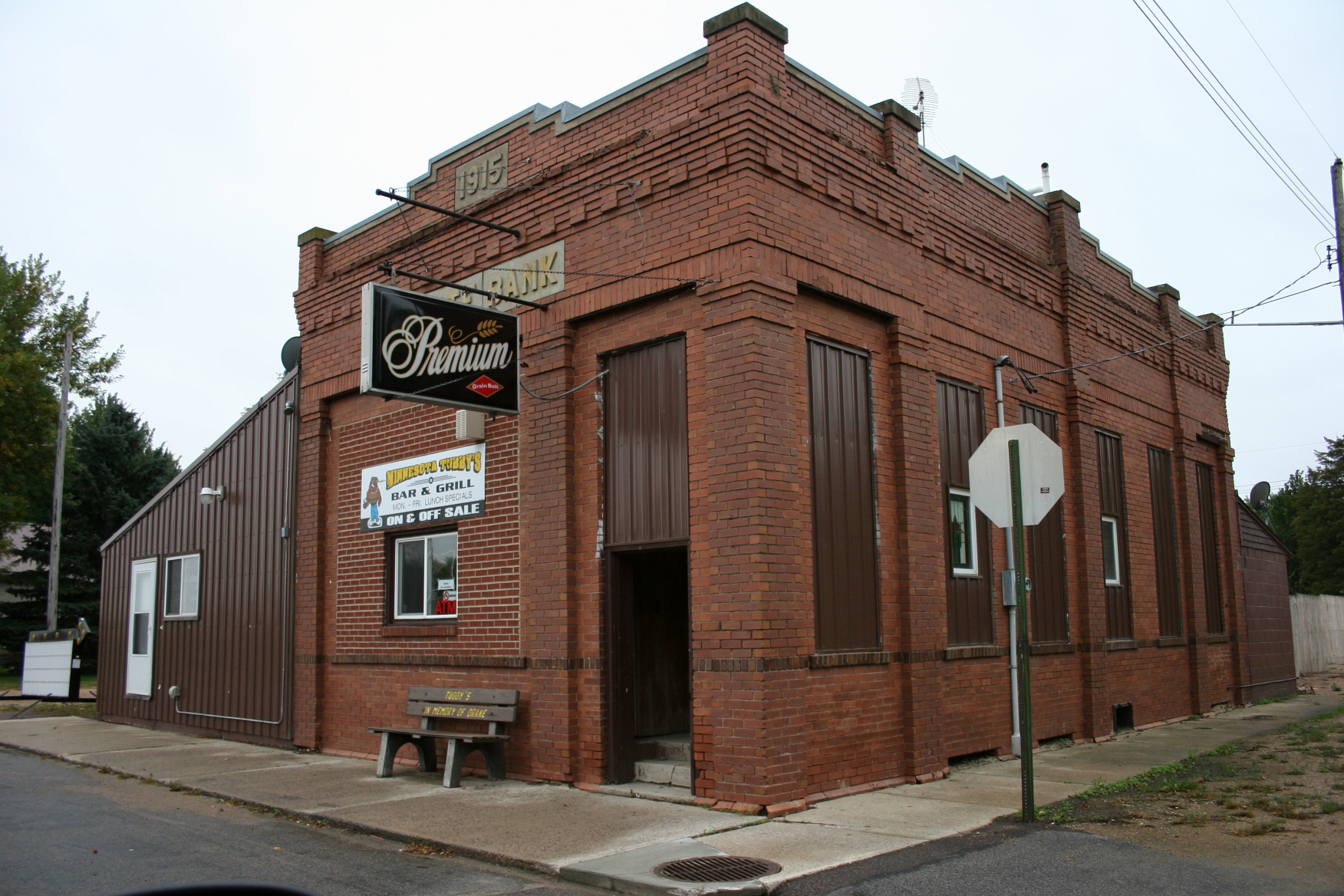
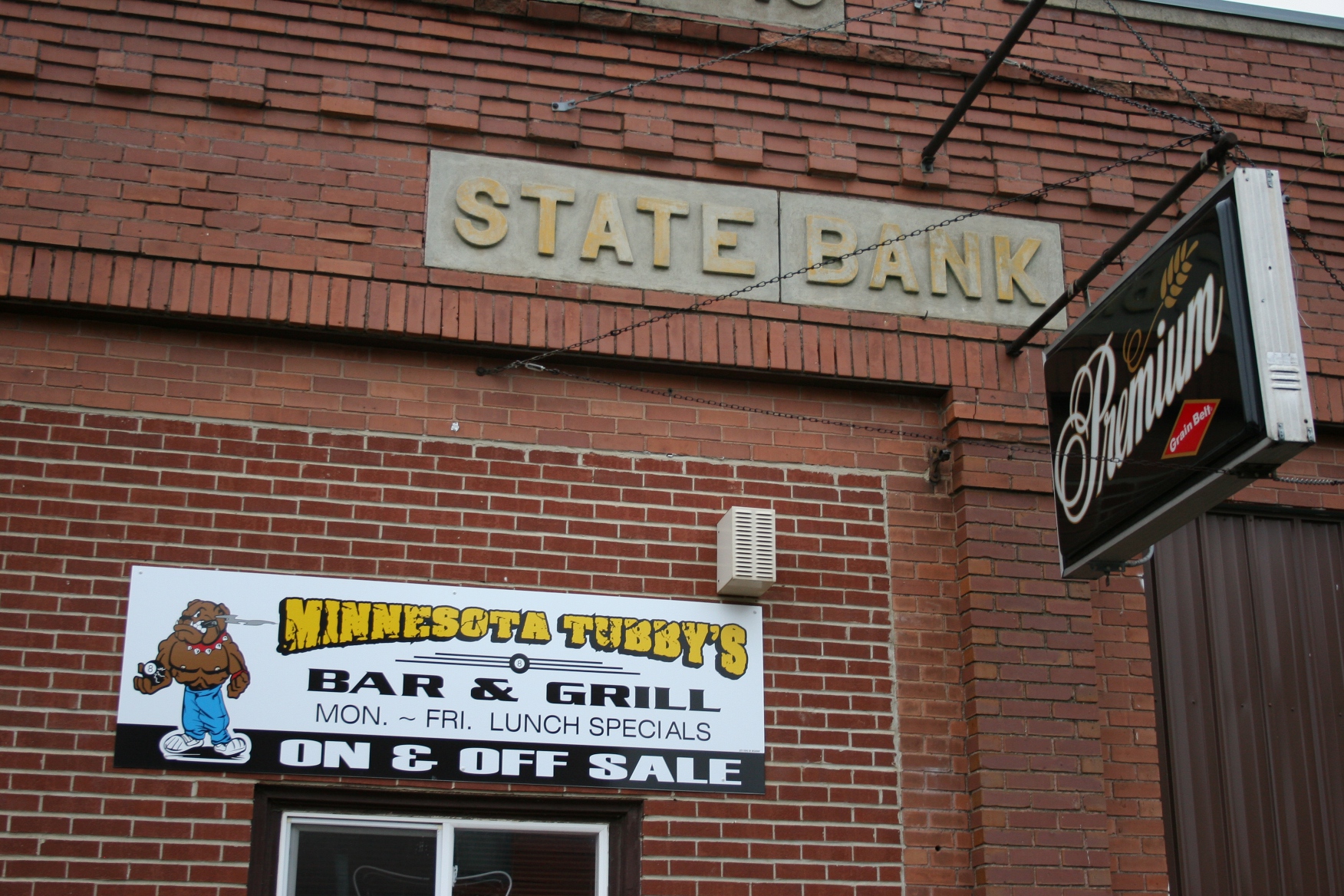
Tubby's, in the old bank building.

Tubby’s, in the old bank building.

There was no time to stop and explore, only a quick roll down of the van window to shoot the building exteriors under grey and drizzly skies. I wished we had time to park and peek inside Tubby’s, housed in the stately 1915 corner brick State Bank building. I wished I could yank away the sheets of brown metal siding that cover the windows. I wished I could see the old bank interior.

Bikers get a hearty welcome at Ridin' High Saloon.

Bikers get a hearty welcome at Ridin’ High Saloon.

Across the street, Ridin’ High Saloon, from the looks of the exterior signage, caters to bikers.

The Saloon connects to the Back Porch.

The Saloon connects to the Back Porch, right.

The outdoor Back Porch hang-out.

The outdoor Back Porch hang-out.

The machine shed style open air Back Porch gives that rough-and-tumble beer drinking impression, a great place to hang out with friends on a warm summer evening.

A close-up of Tubby's signage.

A close-up of Tubby’s signage.

Maybe next stop in Cobden will be the charm with no fire to cover, no schedule to keep. Just time for a beer.

© Copyright 2013 Audrey Kletscher Helbling
 

Antiquing in Wisconsin: A stop in Poy Sippi November 20, 2013

POY SIPPI.

The words roll off my tongue with a sound that pleases me.

Just like this small Wisconsin town. Poy Sippi. Off the beaten path. Sandwiched between busy State Highways 21 and 10. A community discovered a year ago while searching for an alternate route to avoid road construction along U.S. Highway 41 from Oshkosh to Appleton, where my second daughter lives.

Private property or a business? I don't know. But this is one of the first places I notice entering Poy Sippi from the south.

Private property or a business? I don’t know. But this is one of the first places I notice entering Poy Sippi from the south.

This October, my husband and I are back in Poy Sippi, named after the Pine River, called Poygan Sippi by the Pottawatomie because it flows into Poygan Lake, according to the Poy Sippi Public Library website.

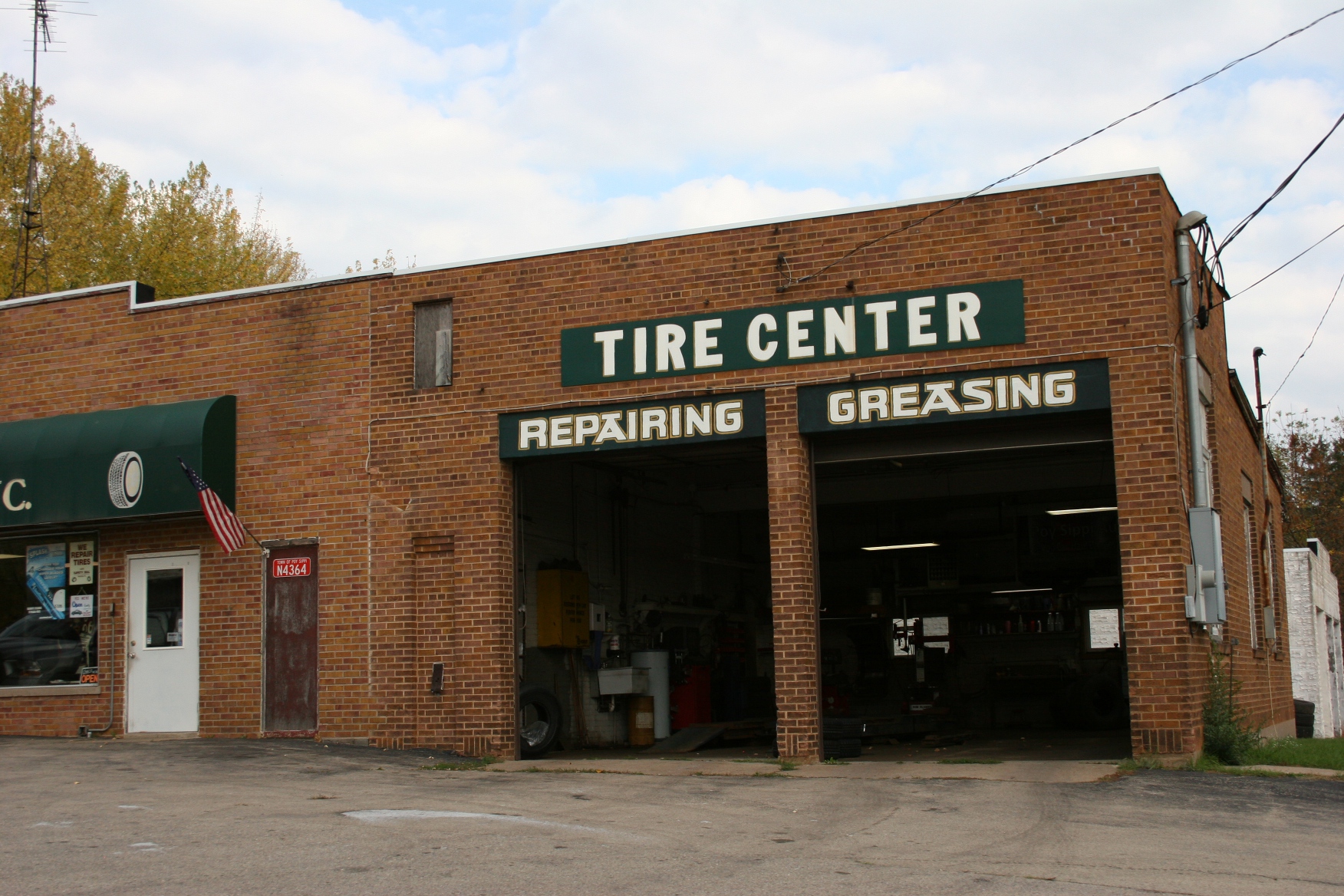
As we drive by the Tire Center, I snap this photo.

As we drive by the Tire Center, I snap this photo.

The uniqueness of the name fascinates me as do the poetically pleasing vowel and consonant combinations in Poy Sippi.

Our first glimpse of The Shop in October 2012. Minnesota Prairie Roots file photo.

Our first glimpse of The Shop in October 2012. Minnesota Prairie Roots file photo.

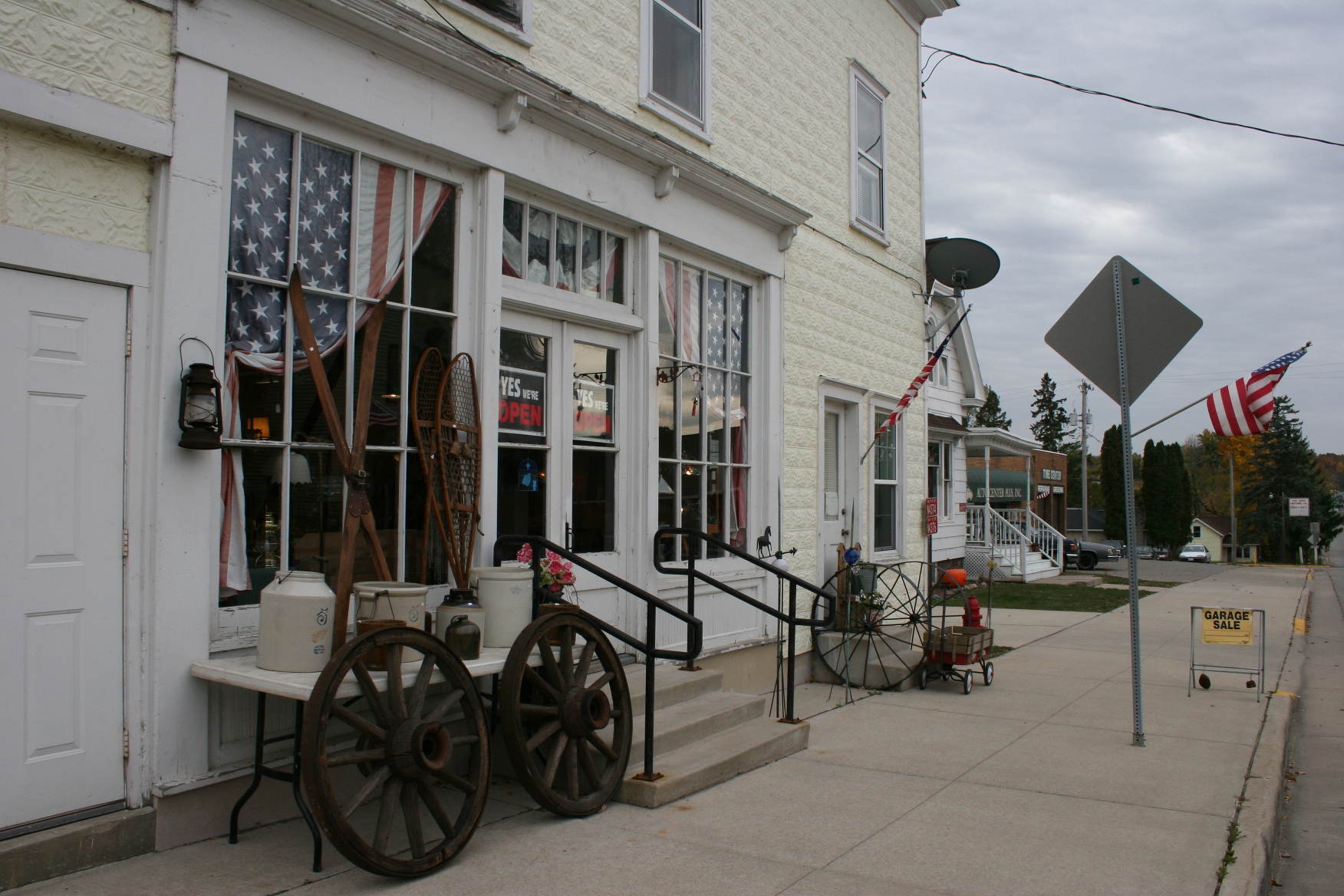
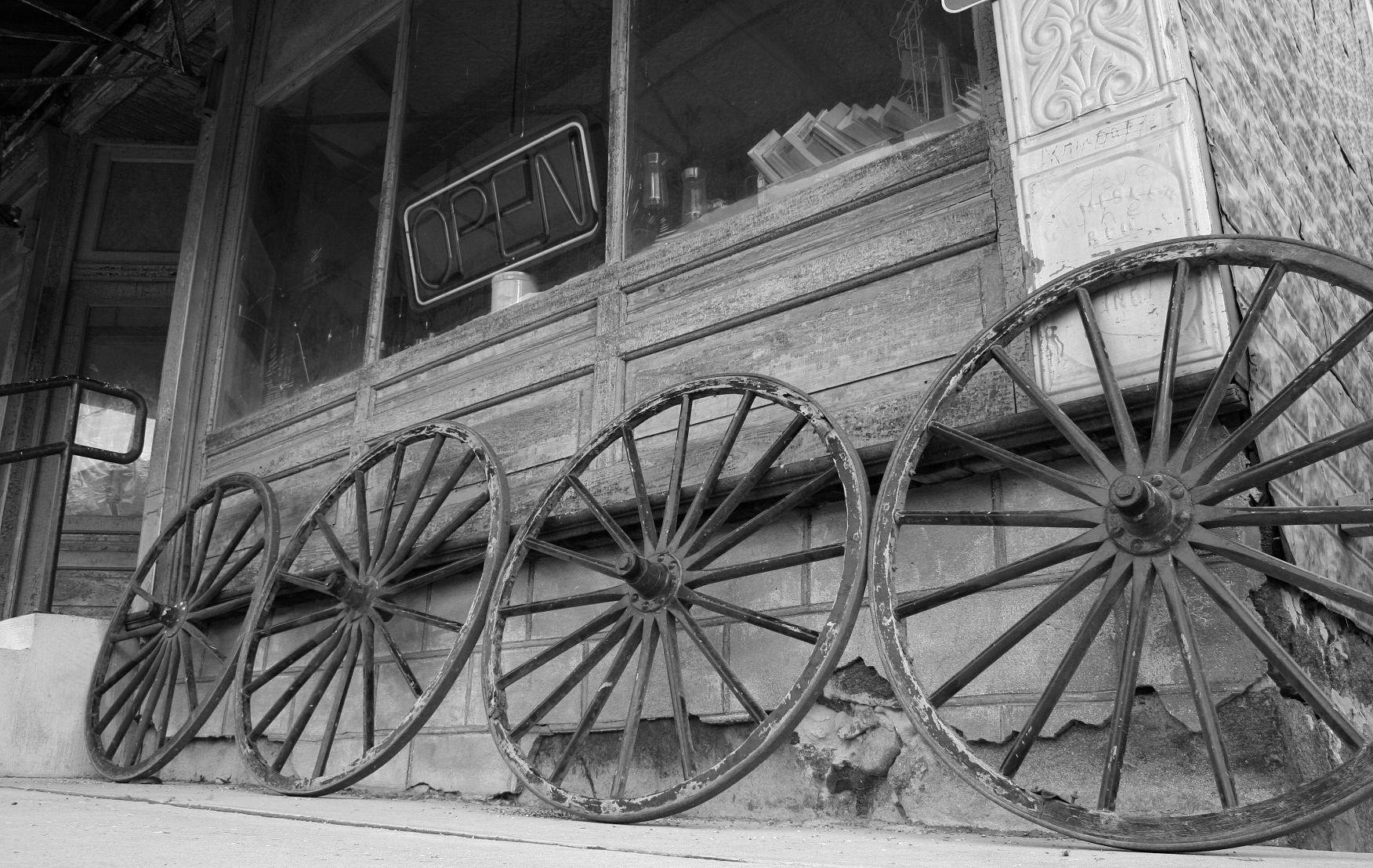
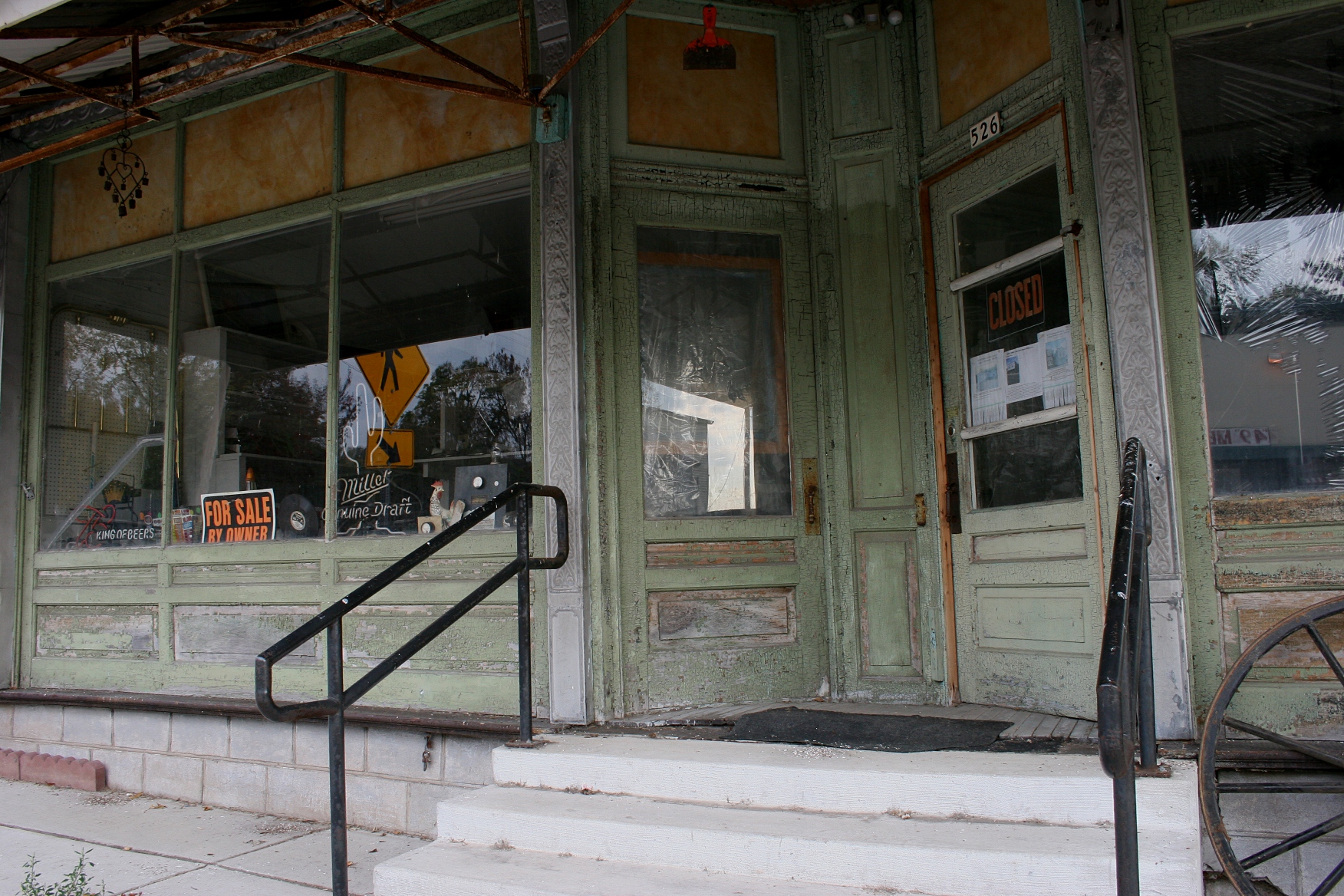
We have not explored Poy Sippi, except for The Shop, a delightful antique shop along Main Street/Highway 49.

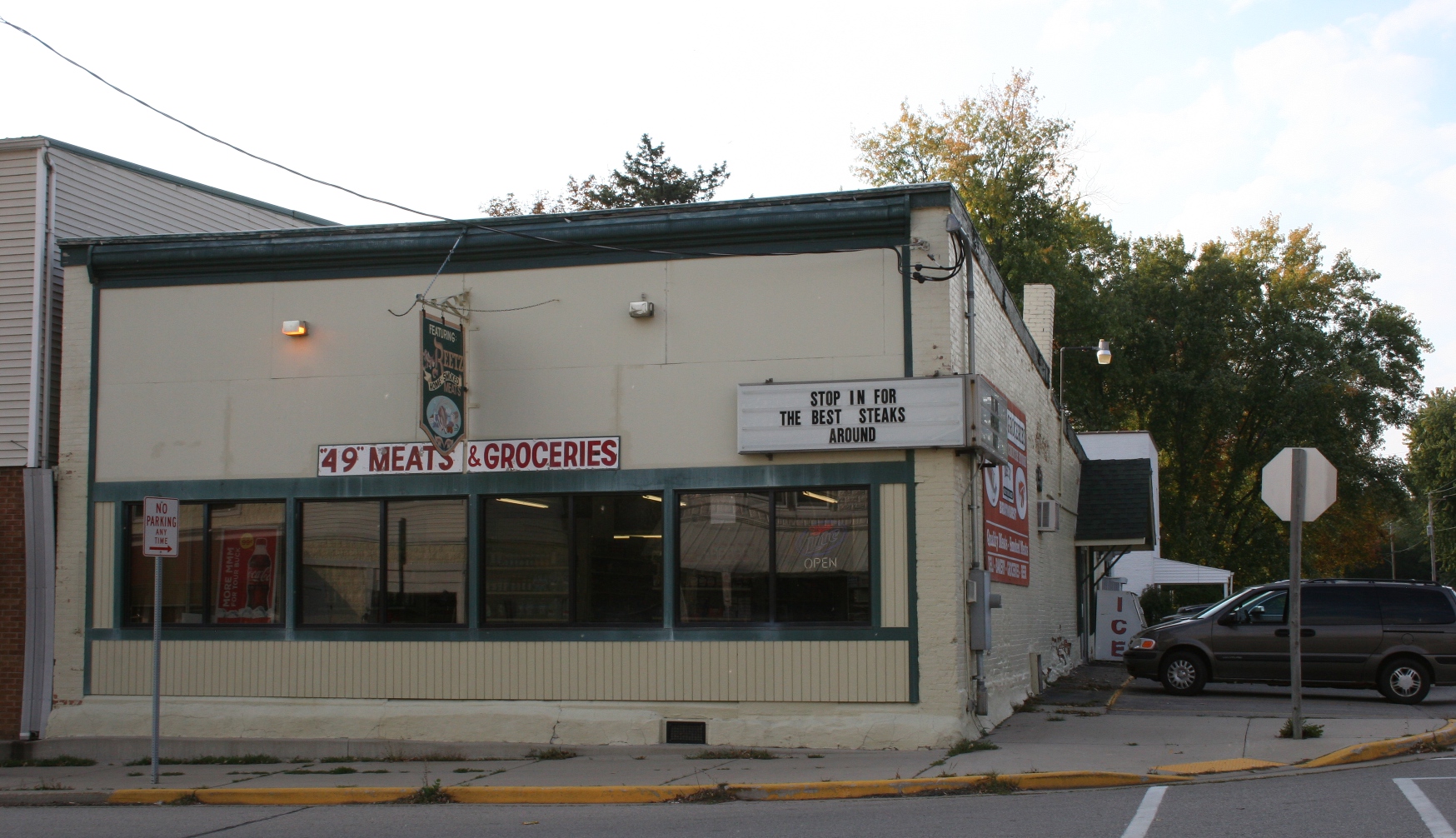
The corner grocery store and meat market.

The corner grocery store and meat market.

Dan Chier and Co. run the place, directly across the road from “49” Meats & Groceries, the corner grocery store/meat market touting “the best steaks around.” And I don’t doubt that. These small town meat markets often do offer the best in meats, this one specifically noting its home-smoked meats.

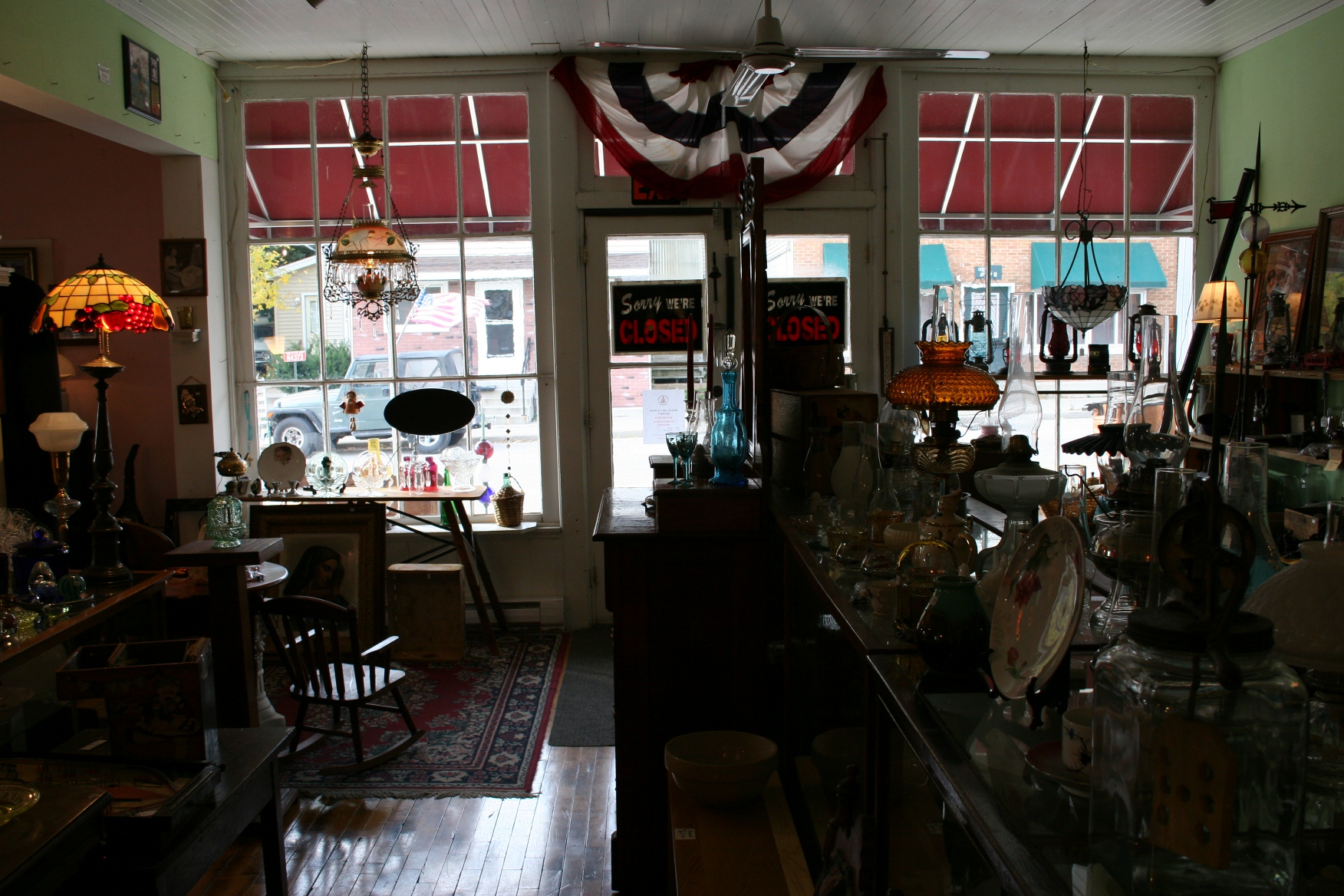
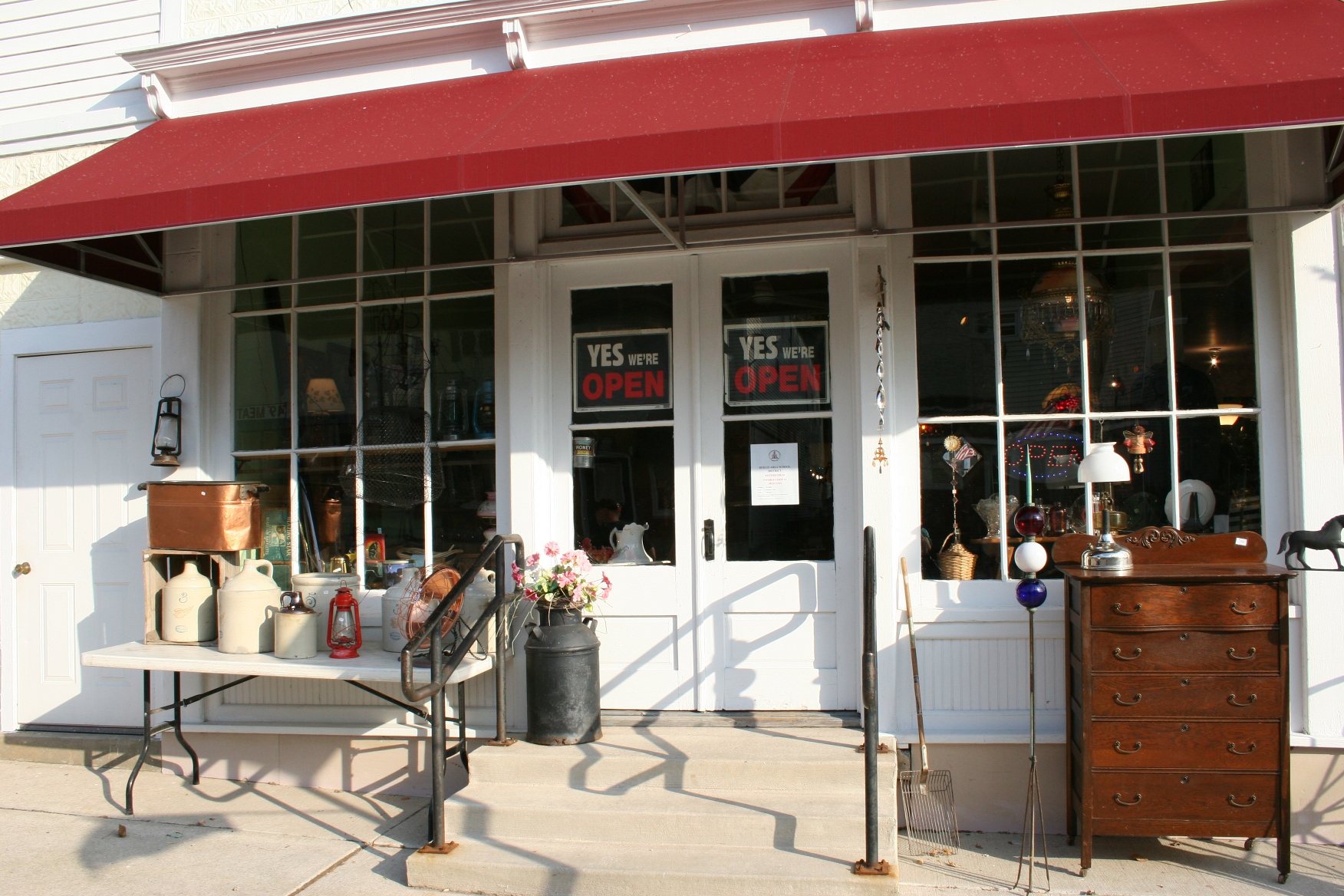
Looking toward the front the antique shop.

Looking toward the front the antique shop.

At one time the building which houses Dan’s shop operated as a general store. Dan shows me photocopies of historic photos. It’s no stretch to imagine the former mercantile occupying this space with the worn wood floor, wainscoting on the ceiling and aged double front doors.

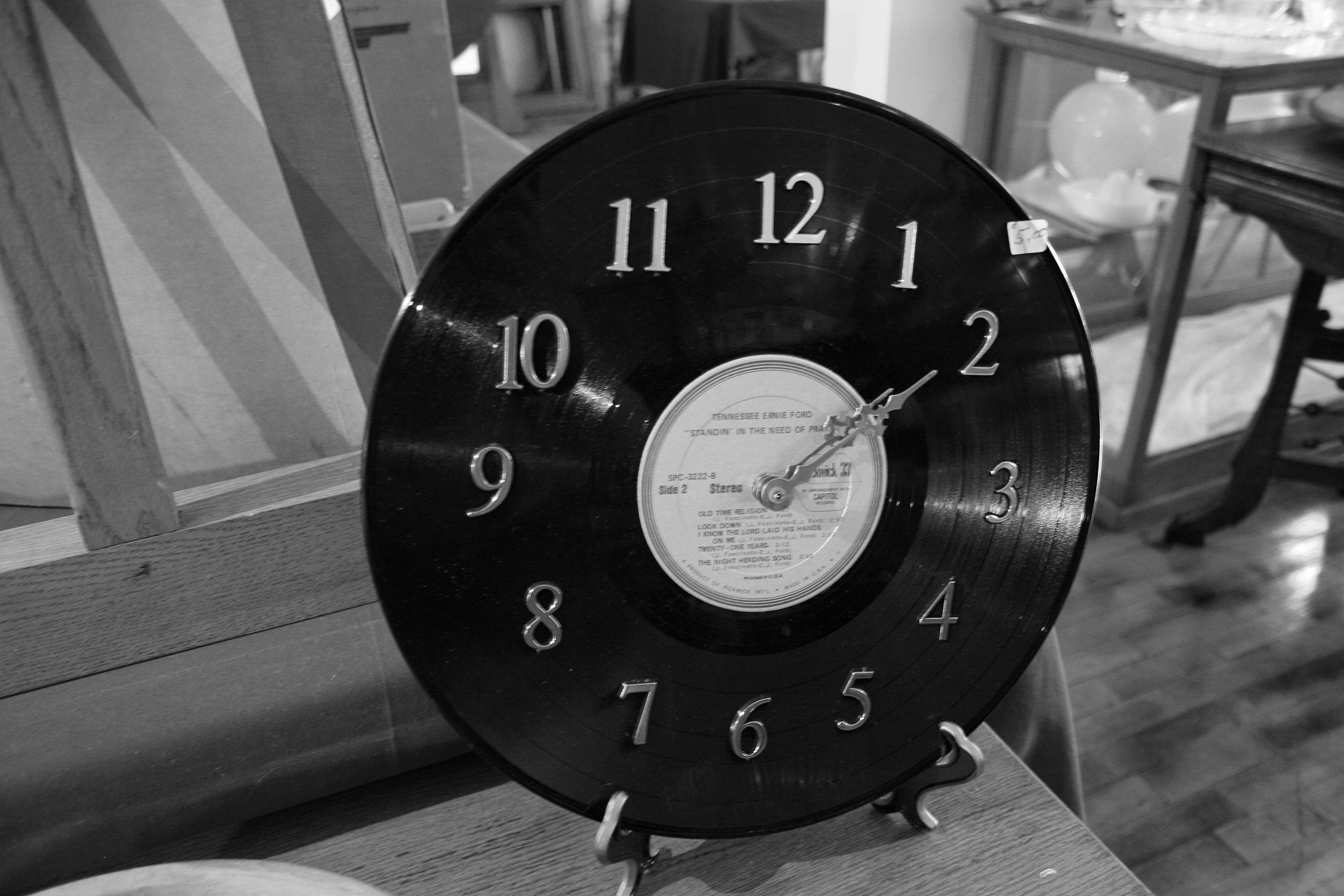
Oh, how I wish I had bought this clock, crafted by Don's mom (recently deceased) from an old album.

Oh, how I wish I had bought this $5 clock, crafted by Dan’s mom (recently deceased) from an old album.

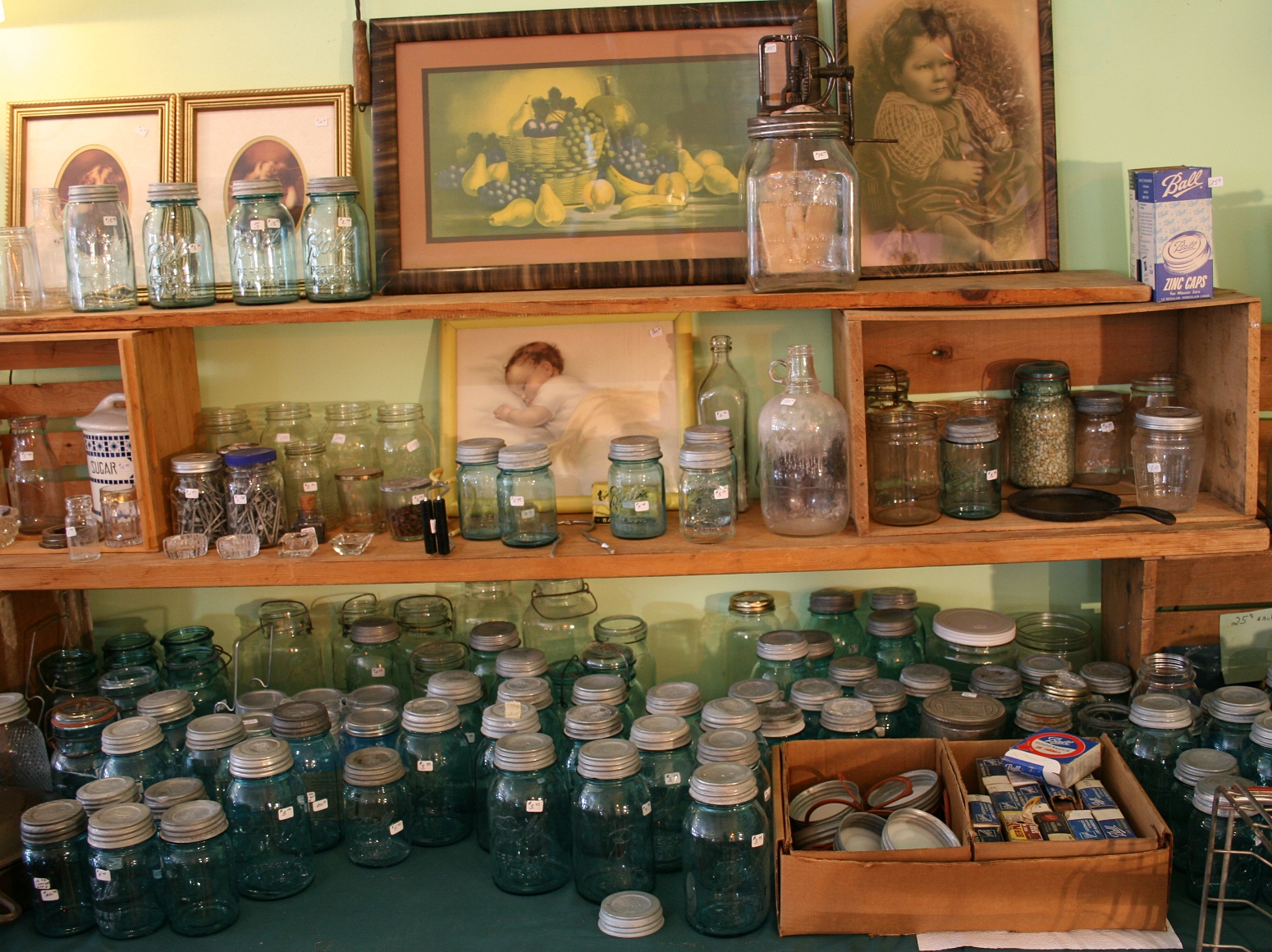
I wish I had known about these vintage blue canning jars when my daughter was planning for her September wedding. I rented quart sized jars like this for $2/each. Don is selling them for $3/each. He sold lots for weddings, he says, but the wedding demand seems to be fading. Now some are using the jars for lights.

I wish I had known about these vintage blue canning jars when my daughter was planning for her September wedding. I rented quart sized jars like this for $2/each. Dan is selling them for $3/each. He sold lots for weddings, he says, but the wedding demand seems to be fading. Now some are using the jars for lights. Oh, and see that fruit print on the top shelf. I spotted that framed piece a year ago, liked it then and still like it now. I should have negotiated a deal with Dan. He’s open to negotiating.

More merchandise.

More merchandise, leaning against the building next door which is for sale.

It’s the perfect place for an antique shop.

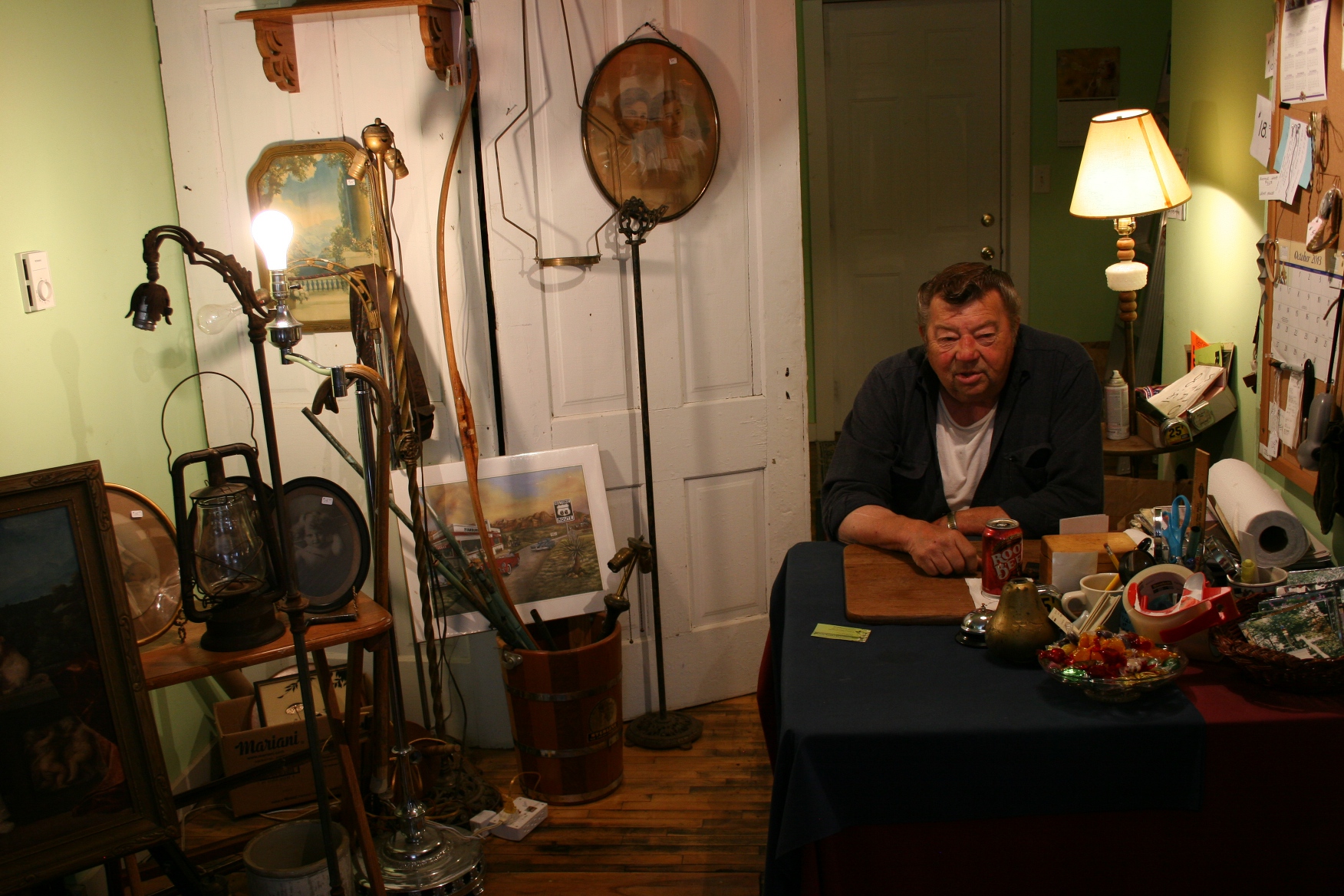
Friendly shopkeeper, Don Chier.

Friendly shopkeeper, Dan Chier.

I appreciate Dan’s warm welcome as much as the old stuff he offers for sale both inside and outside his shop in Poy Sippi. Off the beaten path. A short-cut between two busy highways.

BONUS PHOTOS:

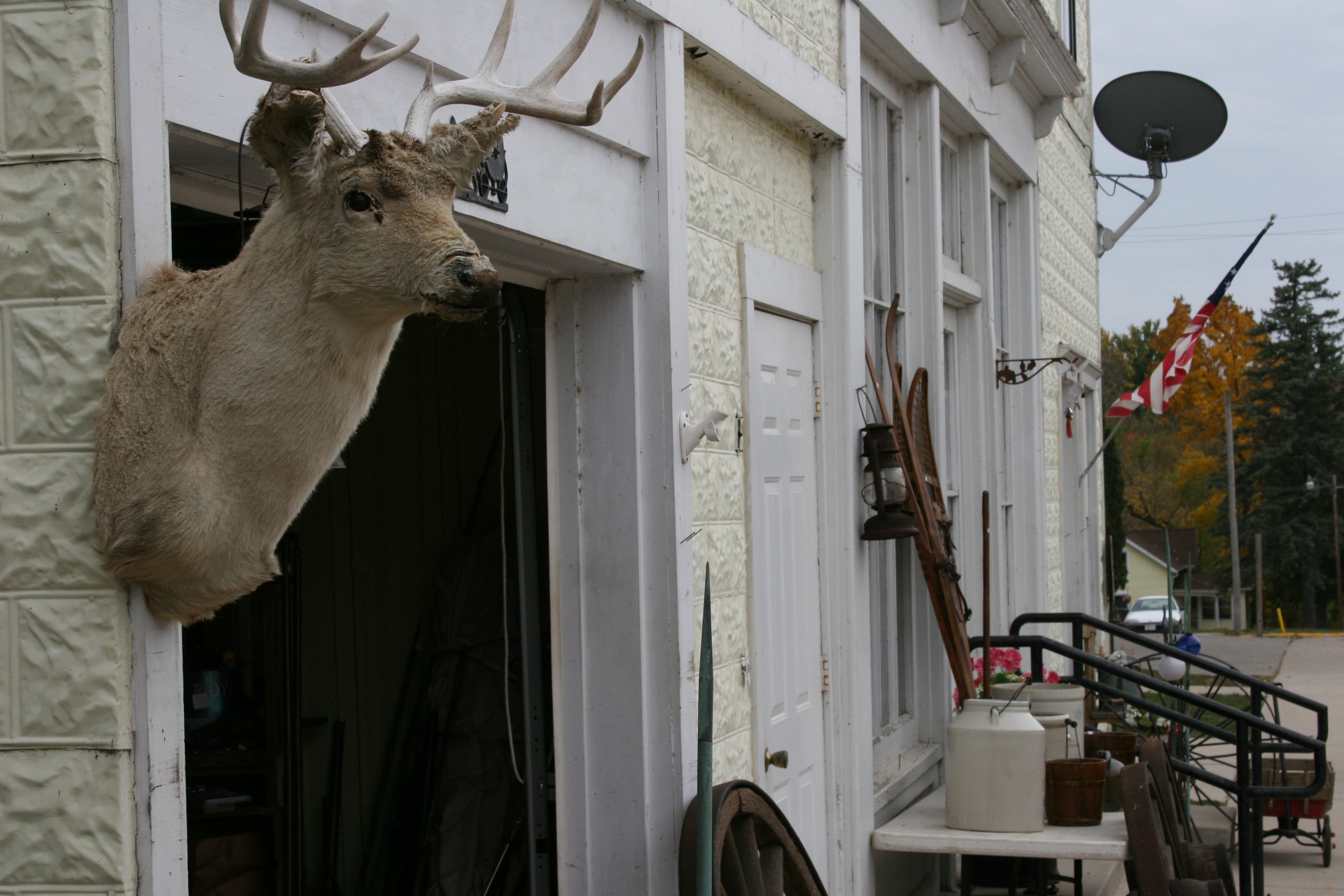
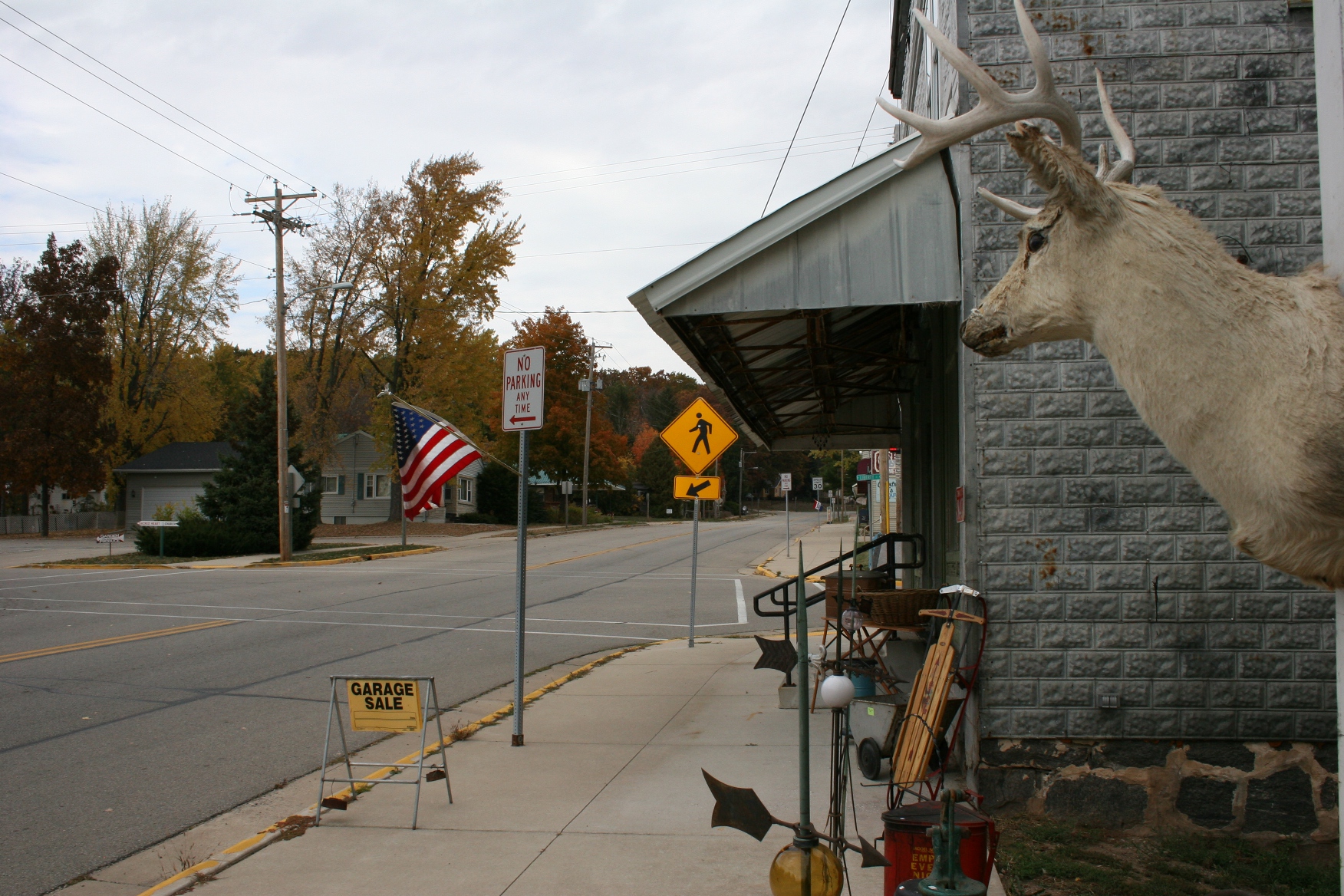
I was a bit creeped out when I spotted this deer head on the garage next to Don't main shop last fall. Minnesota Prairie Roots file photo.

I was a bit creeped out when I spotted this deer head on the garage next to Dan’s main shop last fall. Minnesota Prairie Roots file photo.

Same spot as above, just looking the other direction toward Main Street. Minnesota Prairie Roots file photo 2012.

Same spot as above, just looking the other direction toward Main Street. Minnesota Prairie Roots file photo 2012.

The building to the north of the garage (and deer head) that's for sale.

The building to the north of the garage (and deer head) that’s for sale.

The entry to The Shop.

The entry to The Shop.

© Copyright 2013 Audrey Kletscher Helbling
 

Sunday afternoon drive snapshot: Discovering Theilman & its historic opera house November 17, 2013

WHEN SUNDAY AFTERNOON DRIVES with my husband lead us to undiscovered hamlets and historic treasures, I am especially pleased.

Recently, heading east of Zumbro Falls along Minnesota Highway 60, we turned onto Wabasha County Road 4 aiming south for Theilman. Neither of us had ever heard of Theilman, an unincorporated West Albany Township community. Precisely the type of place we prefer.

Driving into Theilman, we met a lot of trucks pulling horse trailers.

Entering Theilman, located between Lake City and Plainview.

Driving into this settlement, we were impressed. Often times we find such tucked away spots to be unkempt with run-down properties, junk vehicles and a seemingly carefree abandon lifestyle. But not, for the most part, in Theilman.

Well kept homes and a small playground/park border one side of the main drag, where I spotted this mass of signage on the corner by St. Joseph's Catholic  Church.

Well-kept homes and a small playground/park border one side of the main drag, where I spotted this mass of signage on the corner by St. Joseph’s Catholic Church.

Overall, folks here seem to care about this place with well-kept homes, two churches (although both are closed and one appears to be a private residence) and, the most fabulous discovery of all, a restored opera house.

Another truck and horse trailer pass by the old Catholic church.

Passing by the old Catholic church.

As we stopped to investigate, a steady stream of pick-up trucks pulling horse trailers passed through Theilman, exiting the nearby Zumbro Bottoms Horse Campground.

Strong, study and beautiful St. Jospeh's Catholic Church.

Strong, study and beautiful St. Joseph’s Church.

The restored Theilman Opera House.

The restored Theilman Opera House.

I was disappointed, but not surprised, to find the doors to the century old Theilman Opera House and the next door 1903 St. Joseph’s Catholic Church locked. I resorted to peering in an opera house side window, where I spotted a bar area and an apparent kitchen.

Theilman, Opera House close-up

As Randy and I studied the opera hall exterior, he speculated on its use, perhaps as a former livery stable. He noted reinforcing beams on the building’s front. He has a good eye and sense of history. I later learned he was right about the building. The lower level once held horses while folks danced upstairs or were entertained by traveling medicine shows.

According to the Theilman Opera House Facebook page, the building was pretty much falling apart when locals recently stepped up to save it. Today, with those reinforced walls, a new roof, new flooring, electrical work and other improvements, the 100-year-old opera hall is available for event rental.

Fabulous. I love when a community rallies to save an historic landmark.

Now, what about the next door Catholic church? What does the future hold for that building?

BONUS PHOTOS:

We walked the cemetery behind he wood-frame church and found numerous Theilman family graves, including this one. It drew my attention for the words, "lovely consort."

We walked the cemetery behind he wood-frame church and found numerous Theilmann family graves, including this one. It drew my attention for the words, “lovely consort.” And I also noticed that the Theilmann on the marker is spelled with two “n’s” unlike the single “n” in the town’s name.

Theilman's two churches. I believe the wood one is now a private residence as no sign marked it as a sanctuary.

Theilman’s two churches. I believe the wood one is now a private residence as no sign marked it as a sanctuary and it appears to be a home.

St. Joseph's Church, still an active Catholic parish.

St. Joseph’s Church, a closed parish of the Roman Catholic Diocese of Winona, according to info I found online.

Another interesting old building in Theilman. Would love to know its history.

Another interesting old building in Theilman. I would love to know its history.

© Copyright 2013 Audrey Kletscher Helbling
 

I discover Plainview & then the curtain falls November 15, 2013

A snippet of Plainview's downtown.

A snippet of Plainview’s downtown.

ACT I:

It’s not like I live a great distance (60 miles) from Plainview, home of the Jon Hassler Theater and Rural America Arts Center. But I’d never been to this rural town 20 miles northeast of Rochester until recently. A wrong turn on a Sunday afternoon drive led my husband and me into this Wabasha County community of some 3,300.

In the heart of the community, the Jon Hassler Theater and Rural America Arts Center.

In the heart of the community, the Jon Hassler Theater and Rural America Arts Center.

And there we discovered the old farm implement dealership building turned arts center—complete with theater, art gallery, bookstore and writers’ retreat center.
Dean Harrington showed me copies of Green Blade, the annual literary journal produced by writers who gather here.

Dean Harrington showed me copies of Green Blade, the annual literary journal produced by writers who gather here.

We met Dean Harrington, local banker, arts center enthusiast and CEO of the Rural America Arts Partnership, who was manning the front desk during the afternoon production of Ole & Lena’s 50th Wedding Anniversary & Vow Renewal. I swear Harrington could have been noted Minnesota author and former Plainview resident Jon Hassler’s twin right down to his sweater vest.
As close as I got to the theater.

As close as I got to the theater.

I wished right then and there that I was seated in the theater, belly laughing at/with Ole and Lena. But it was near intermission, much too late to join the audience.

Words & Afterwords Book Store sells ne

Words & Afterwords Book Store features more than 4,000 used and selected new titles.

Instead, I settled for poking about the gallery and bookshop and snapping a few photos and thinking, how grand to have a place like this in Plainview that embraces the arts. A return trip for a more in-depth look at this community and theater is definitely needed. Maybe next time with play tickets in hand.

ACT II:

I’ve had the above ACT I in my draft posts for a few weeks. I never expected to be penning an ACT II. But in a story reported Thursday on Minnesota Public Radio (quoting the Rochester Post-Bulletin), I learned that the Jon Hassler Theater is closing at the end of 2014. I didn’t see that coming. Dean Harrington offered no hint of the theater’s tenuous situation when we spoke briefly a few weeks ago.

But apparently the audience just isn’t there to continue supporting a theater in Plainview. Plans are to keep the self-supporting bookstore, the art gallery and the writer’s retreat open.

Just two days ago I received an email from the Jon Hassler Theater inviting me to a reading and Q & A by Northfield writer Scott Dominic Carpenter, author of Theory of Remainders and This Jealous Earth. Carpenter will be the Third Wednesdays guest reader at 7 p.m. on November 20.

And now this, this news about the theater’s closing comes. Before I’ve even seen the curtain rise in the Jon Hassler Theater, I’ve seen it fall. Anytime a rural community loses local access to the arts, it’s not good.

I’m fortunate to live in a community with a strong theater presence (Paradise Community Theatre and The Merlin Players) at the Paradise Center for the Arts in historic downtown Faribault. I don’t have to, and don’t want to, drive to the Cities to see great theater. Yet, I know many local residents who’ve never set foot inside the Paradise, but who regularly travel to the Cities for their arts fix. It’s this type of ambivalence and lack of local support, in my opinion, that lead to an outstate theater’s demise.

Apparently the audience numbers weren’t there in Plainview and now this small town is losing its theater.

ACT III: 

Here are a few more photos of that inviting bookstore inside the Rural America Arts Center and of downtown Plainview.

Theater books for sale.

Theater books for sale.

A cozy bookstore nook.

A cozy bookstore nook.

Loved this bookstore signage by the coffee pot up front.

Loved this bookstore signage by the coffee pot up front.

Across the street from the arts center.

Across the street from the arts center.

Meaningful mural details.

Meaningful mural details.

The back of Auto Value, across the street also from the arts center.

The back of Auto Value. If you walk up the sidewalk, cross the street and go left, you will find the arts center.

A birth announcement in the front window of a downtown business, converted to black-and-white so it's readable.

A birth announcement in the front window of a downtown business, edited to photocopy black-and-white so it’s readable.

© Copyright 2013 Audrey Kletscher Helbling