
FABLES TEACH LESSONS. Fairy tales offer happy endings. And African proverbs impart wisdom.
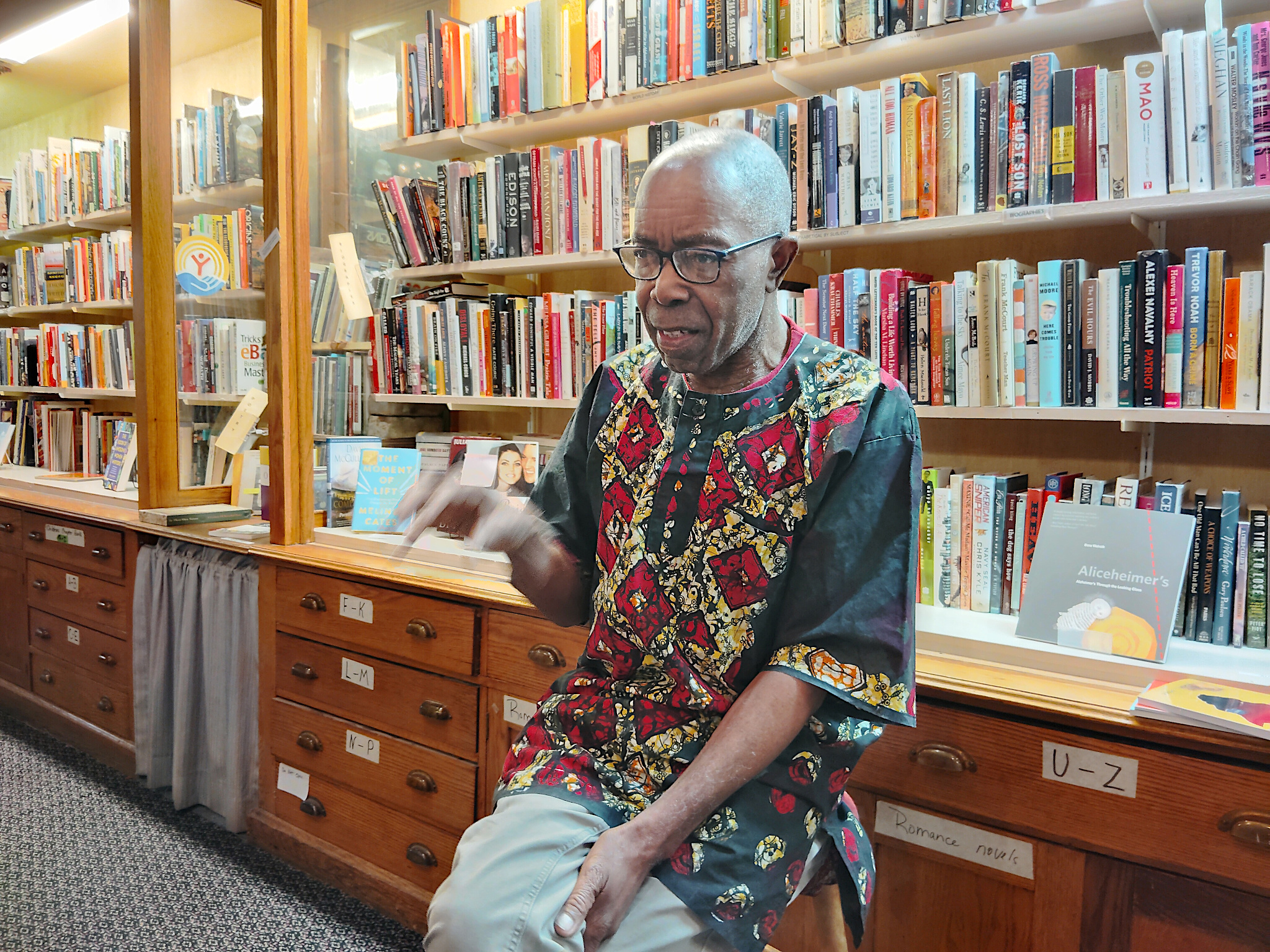
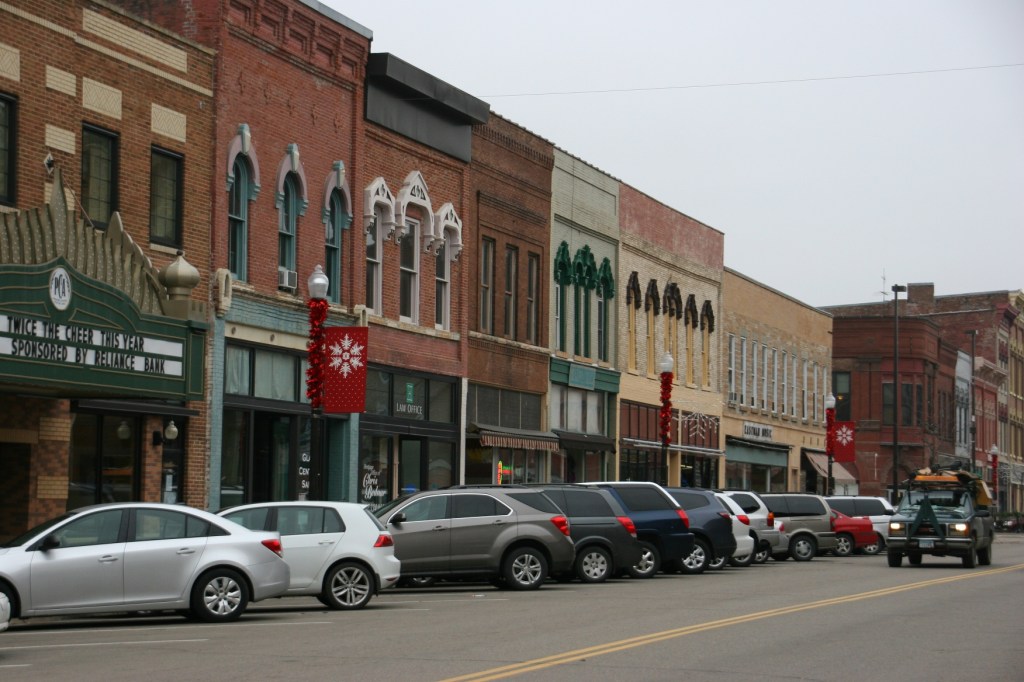
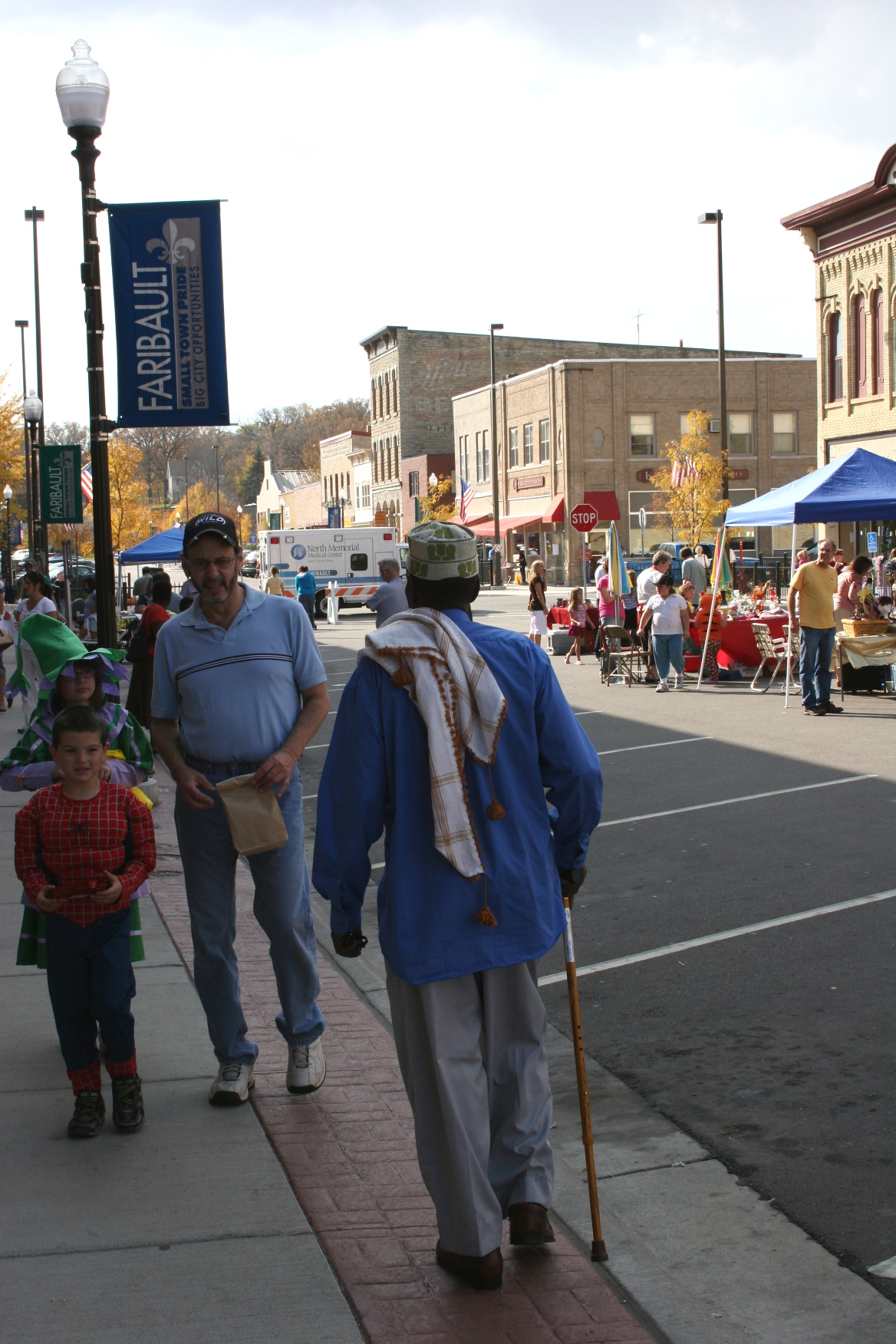
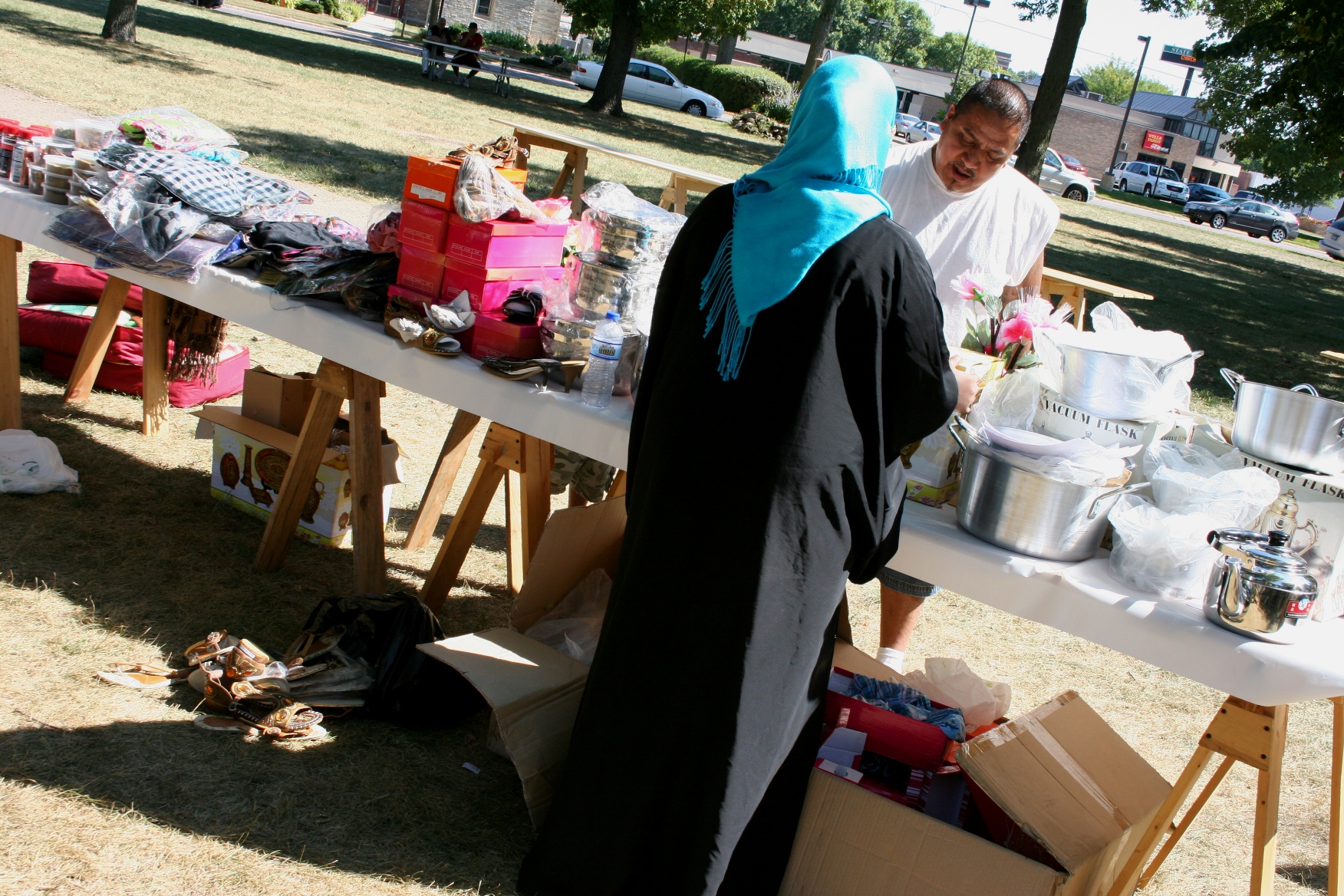
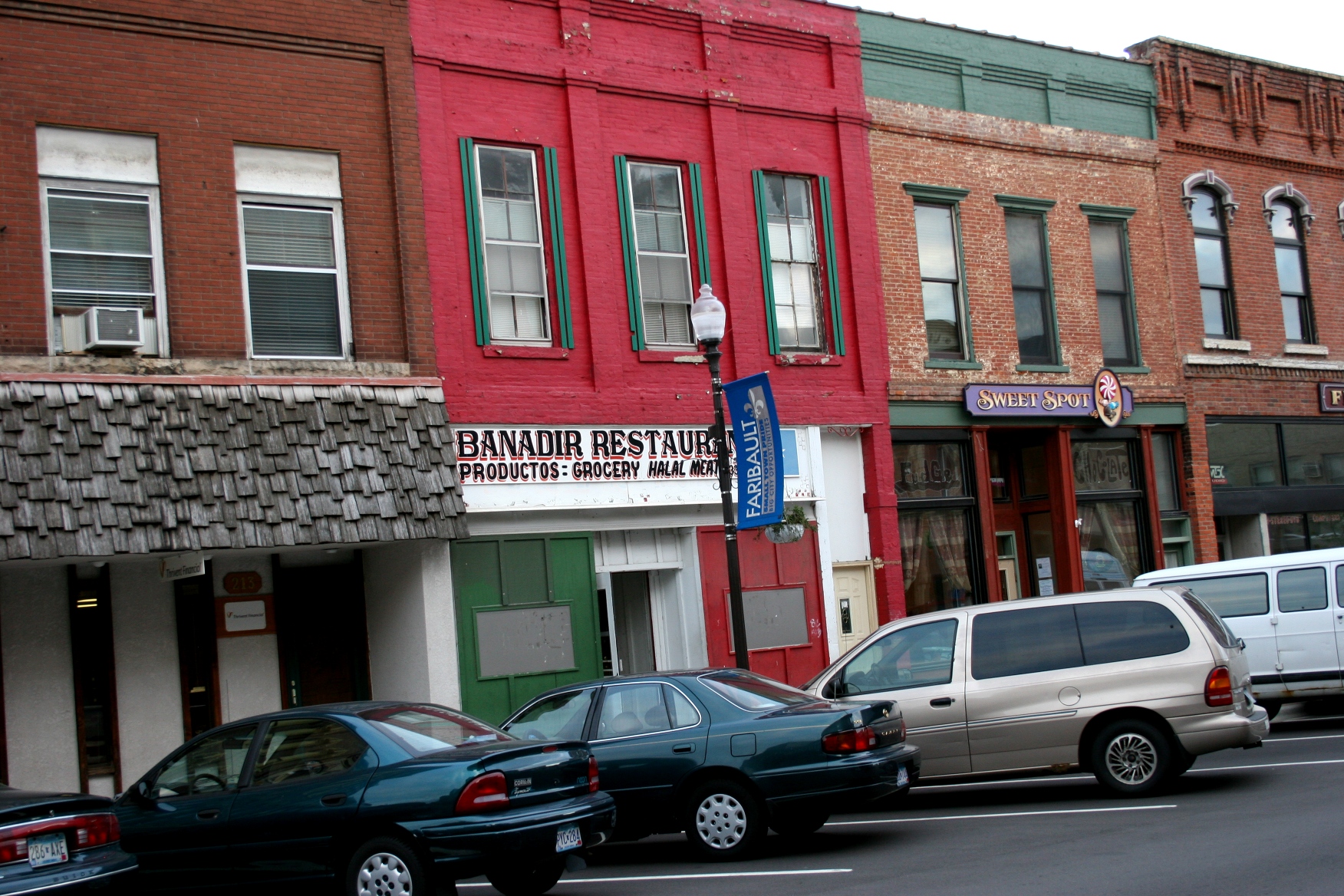
Last Wednesday evening, Joseph Mbele, retired St. Olaf College professor of post-colonial literature, cultural consultant, author and storyteller, shared three African proverbs during a literary event at Books on Central. This man, who calls himself an African and a Tanzanian, held the rapt attention of attendees gathered in the used bookshop in the heart of downtown Faribault, home to many Somalis.
THE CROCODILE
While I enjoyed the two African folktales Mbele told, I really appreciated the proverbs. They are, by nature of a proverb, succinct. A few words carry a whole lot of punch. First up, this proverb: “Before you cross the river, don’t insult the crocodile’s mouth.”
Immediately the image of a crocodile’s sharp teeth popped into my mind. As it should have. This proverb, Mbele explained, is about being respectful to people in our relationships and in life in general. Be anything but respectful and we risk negative consequences. Snap.
THE BLACKSMITH
Second up this African proverb: “It’s because of man that the blacksmith makes weapons.” Thinking in African terms, the weapons would be knives and spears. I thought of guns. Mbele repeated the proverb, letting it sink into our brains. “It’s because of man that the blacksmith makes weapons.” The lesson here, Mbele said, is that we can be better than this—be kind, helpful and supportive—so we don’t need to bear arms/weapons. That’s an oversimplification, of course. But proverbs are not meant to be complex.
THE VISUALLY-IMPAIRED
Third, Mbele recited this proverb: “The one-eyed person only thanked God after he saw a blind person.” As someone with vision issues, that hit home. The proverb is a way of teaching gratitude, Mbele said. The contrast between seeing with only one eye and total blindness put the situation in perspective. The thought that there’s always someone who has it worse probably flitted through the minds of everyone in the bookshop.
THE STORYTELLERS
Mbele talked about the tradition of Africans sitting around telling stories to entertain and teach. Languages like his native Matengo, an indigenous language in Tanzania, are oral, not written. As he spoke, I began to understand the importance of folktales in African life. Stories connect people and, like proverbs, teach lessons.
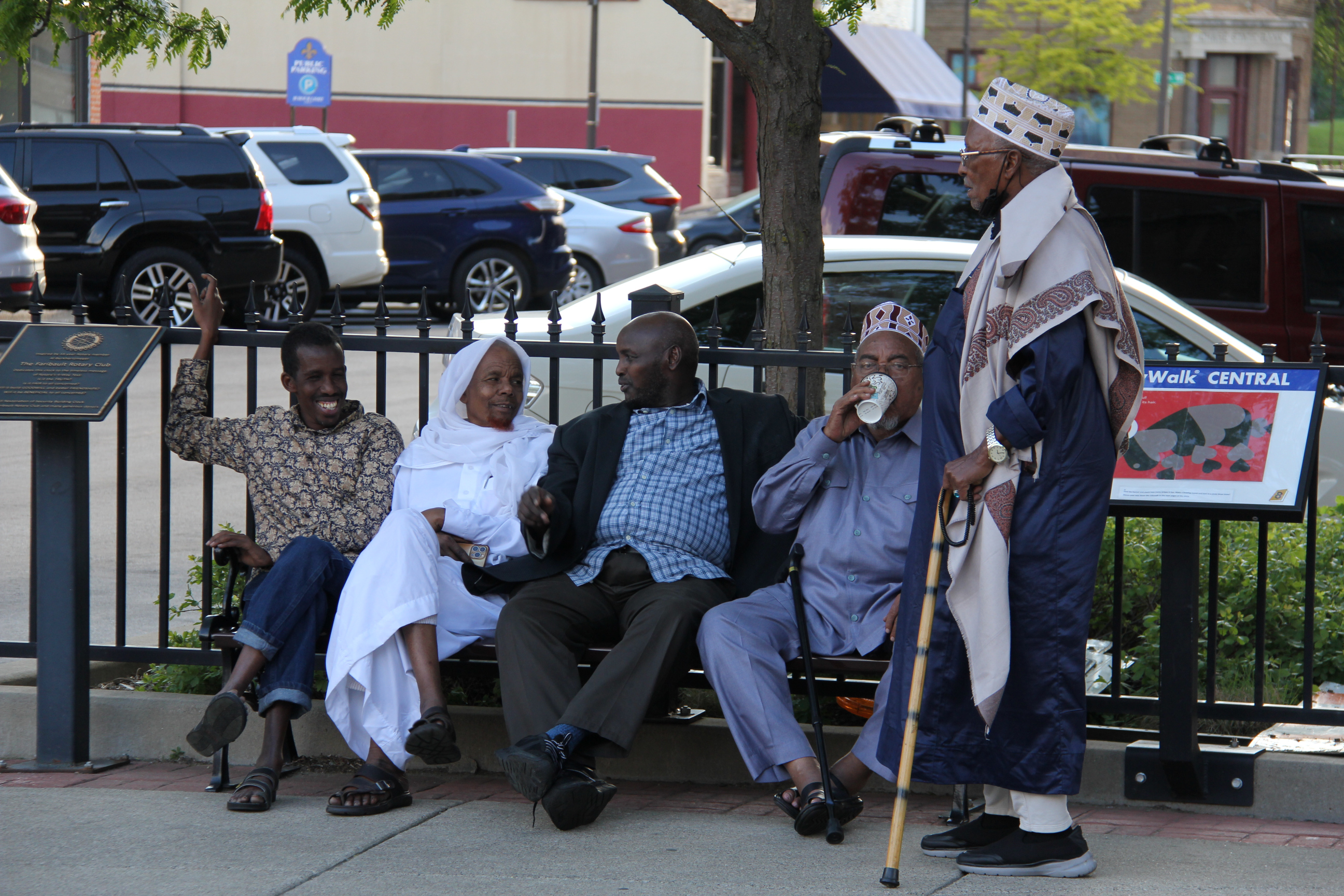
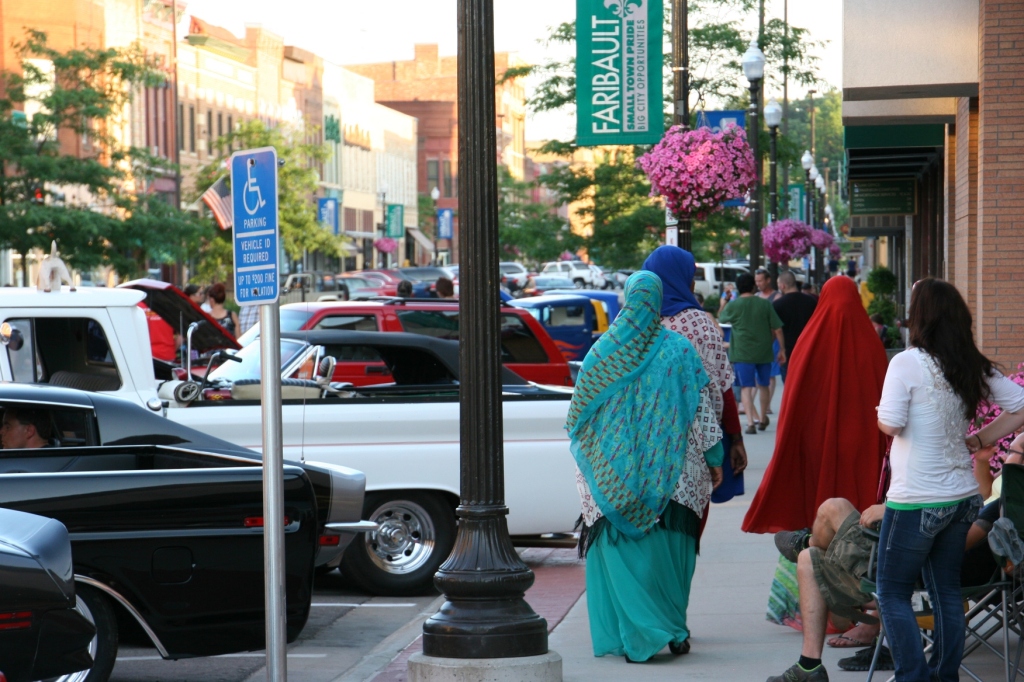
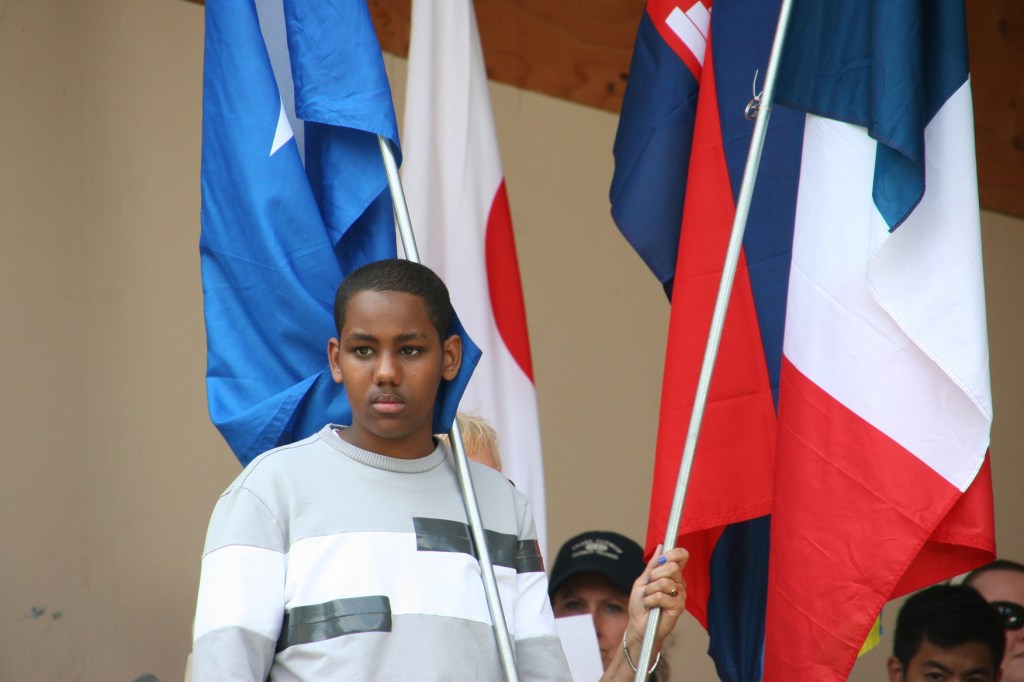
Applied to my own community, Mbele explained that Somali men gathering on downtown Faribault street corners are simply socializing and sharing stories and are not to be feared. “It’s un-African to be by yourself,” he said of a culture that focuses on family and togetherness.
He even went so far as to say an African could be considered evil or a witch if living alone. That surprised me, but drove home the cultural importance of community and family. Now if only everyone in Faribault could hear these proverbs and insights from this native Tanzanian. Then perhaps they would not fear that which they don’t understand, like the Somali elders gathered on street corners downtown telling stories, sharing news or simply sitting in each other’s presence.
© Copyright 2026 Audrey Kletscher Helbling









 Minnesota Prairie Roots
Commentary: I care about my neighbors, a free press, freedom & more December 3, 2025
Tags: America, bullying, censorship, commentary, Faribault, free press, government, journalists, media, Minnesota, news, opinion, Somalis
I CAN’T IGNORE the news. I want to, no, need to, know what’s happening on all levels from local to international. Perhaps it’s my innate curiosity or my journalism background that compels me to read and watch media reports. I feel an obligation, especially in these challenging times, to be as informed as possible.
What I’ve been hearing and reading from the federal government in Washington DC continues to concern me. Deeply. I can hardly believe the rhetoric, the hatred, the awfulness that is flowing like hot lava from fiery mouths upon this land.
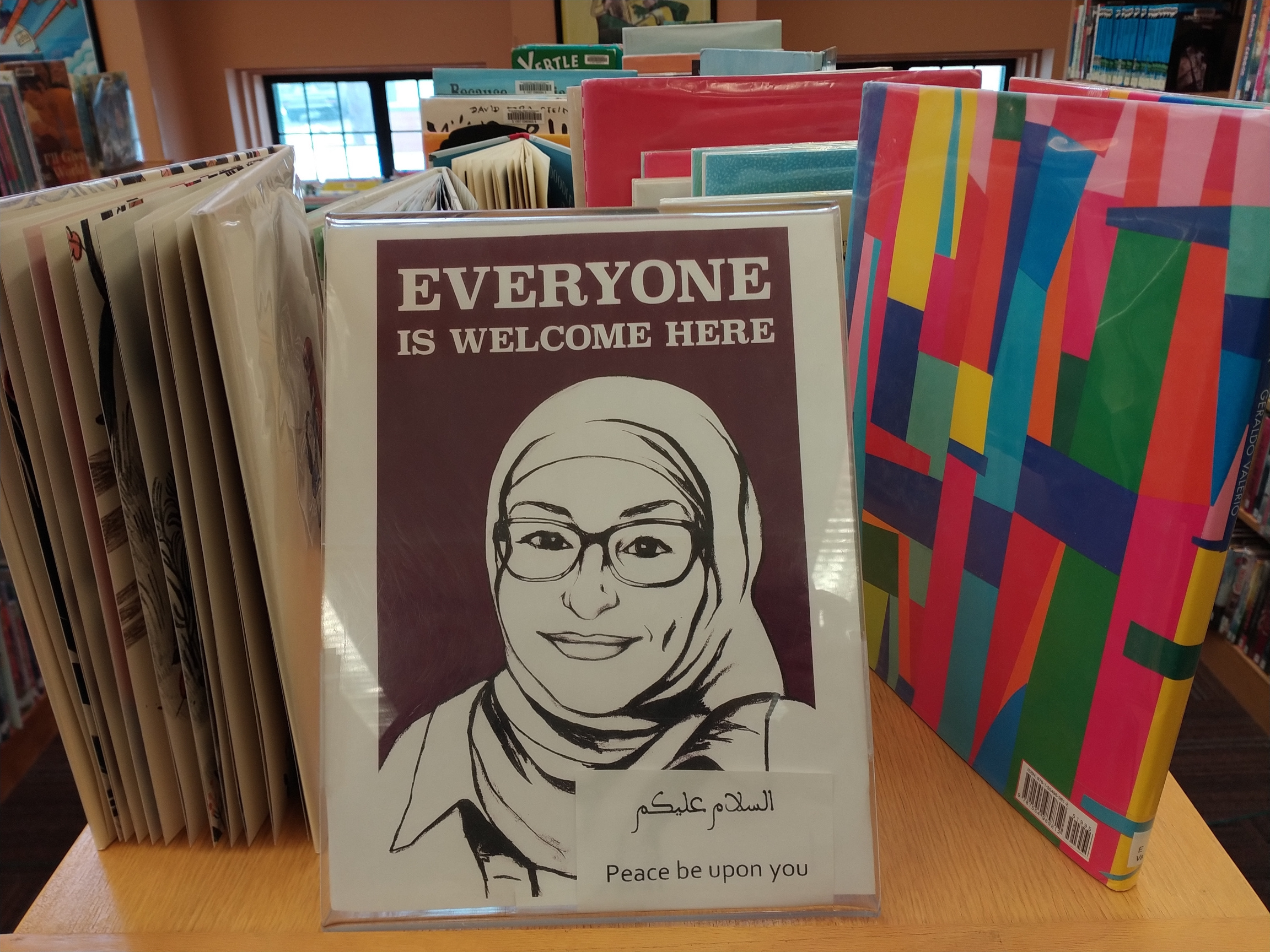
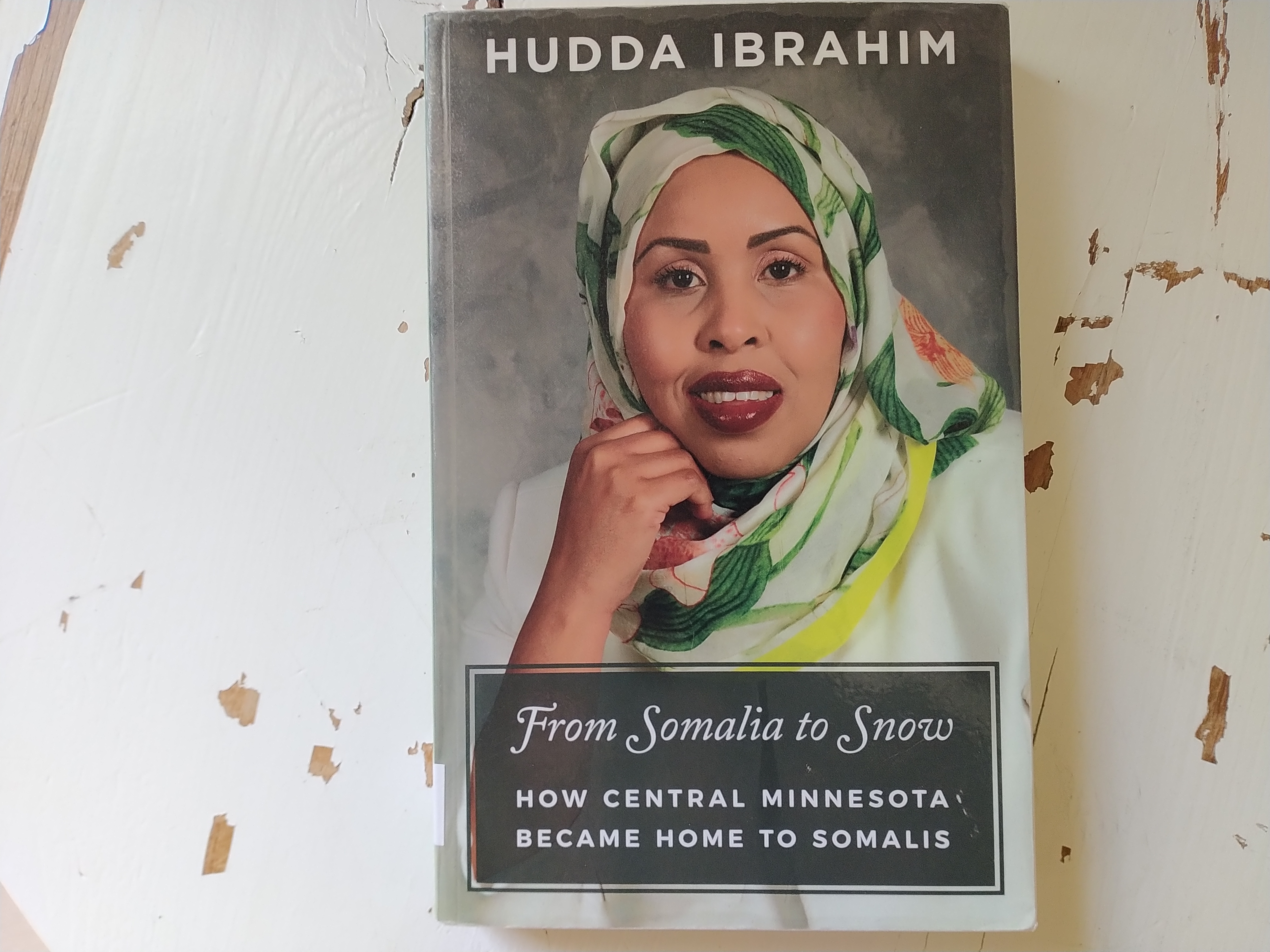
The latest is the hatred directed by our president toward Somalis living in America, including some 80,000 in Minnesota. My community of Faribault is home to many Somali Americans. The president has singled out Somalis in Minnesota with his derogatory words and planned, targeted ICE raids here. I am proud of the mayors of Minneapolis and St. Paul and other leaders, including the Minneapolis police chief, for speaking up and standing strong for the Somali community during a Tuesday afternoon news conference. They recognize the threat to this specific demographic. And they value the Somalis who call Minnesota home.
“Who,” I ask, “will be next? Me, because my eyes are green?” Maybe he doesn’t care for green-eyed people. Or you? Because he doesn’t like something about you.
He certainly doesn’t care for journalists, especially female journalists. I realize a dislike of journalists is nothing new. But this president has gone well beyond “dislike” to outright meanness, bullying and name-calling. I never thought I would see the day when the leader of our country would chastise a reporter with “Quiet, piggy.” I never thought I would hear an American president call a reporter fat or terrible or ugly or any other adjective while hissing “fake news” at the media.
When the U.S. government launched a Media Bias page on the official White House website just days ago, I felt nothing short of outraged. This is the United States of America, where freedom of the press ought to mean something, where the media is independent of the government, where reporters have a right and a duty to accurately report the truth without fear of intimidation, public shaming, recrimination,… This newest tactic of naming a “Media Offender of the Week” ought to anger every single person in this country. I don’t care what side of the political aisle you sit on. This latest action speaks to censorship, to controlling the press, to propaganda, to anything but democracy.
I value freedom. I hope you do, too, enough to stand up for a free press, individual rights, freedom from fear, intimidation, oppression and all that threatens us. These are unprecedented times (yes, I recognize that may be an overused word, but it fits) in our country. I refuse to remain silent.
THOUGHTS?
© Copyright 2025 Audrey Kletscher Helbling