Minnesota Prairie Roots

Writing and photography by Audrey Kletscher Helbling
A mouse in the house August 26, 2024

Filed under: Uncategorized — Audrey Kletscher Helbling @ 10:51 AM
Tags: , , , , , , , , ,
Mouse art displayed in a show at the Owatonna Arts Center many years ago. (Minnesota Prairie Roots copyrighted file photo)

I AWAKENED HOPEFUL this morning. Hoping the mouse that ran into the living room Sunday evening, scurrying into a corner behind a floor lamp when I screamed, was trapped. Dead. That did not happen.

We awakened Monday morning to two unsprung traps still baited with fresh peanut butter. One in the basement, the other between the stove and cupboard.

Have I mentioned that mice terrify me? Or maybe, more accurately, that I am terrified of mice. I detest, hate, abhor them. Always have. I recognize it’s rather ridiculous to be afraid of mice given my size compared to theirs. But they are quick and creepy and varmints I do not want inside my space.

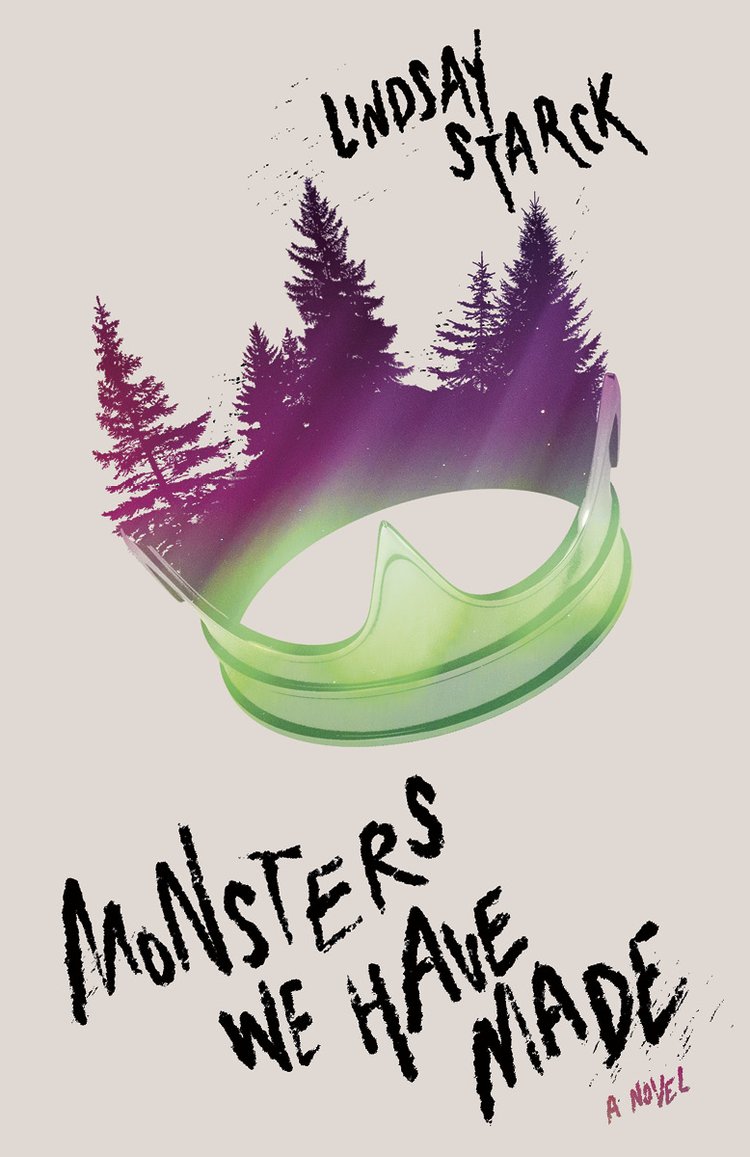
(Book cover source: lindsaystarck.com)

So there I was Sunday evening, feet up in the recliner, semi-watching the 9 pm news between reading Minnesota author Lindsay Starck’s terrifying novel, Monsters We Have Made, when I saw movement out of the corner of my eye. A mouse. Eeeek! I screamed, grabbed my phone, shot to the bedroom, slammed the door and climbed onto the bed. Rats. I forgot my book.

But at least I could Google “why mice come into your house in the summer” while Randy tracked the mouse. Apparently when the temps are as hot as they are now, they, too, want to cool off. Just as in winter, they want to be warm. I can’t fault them for that thinking. Do mice even think?

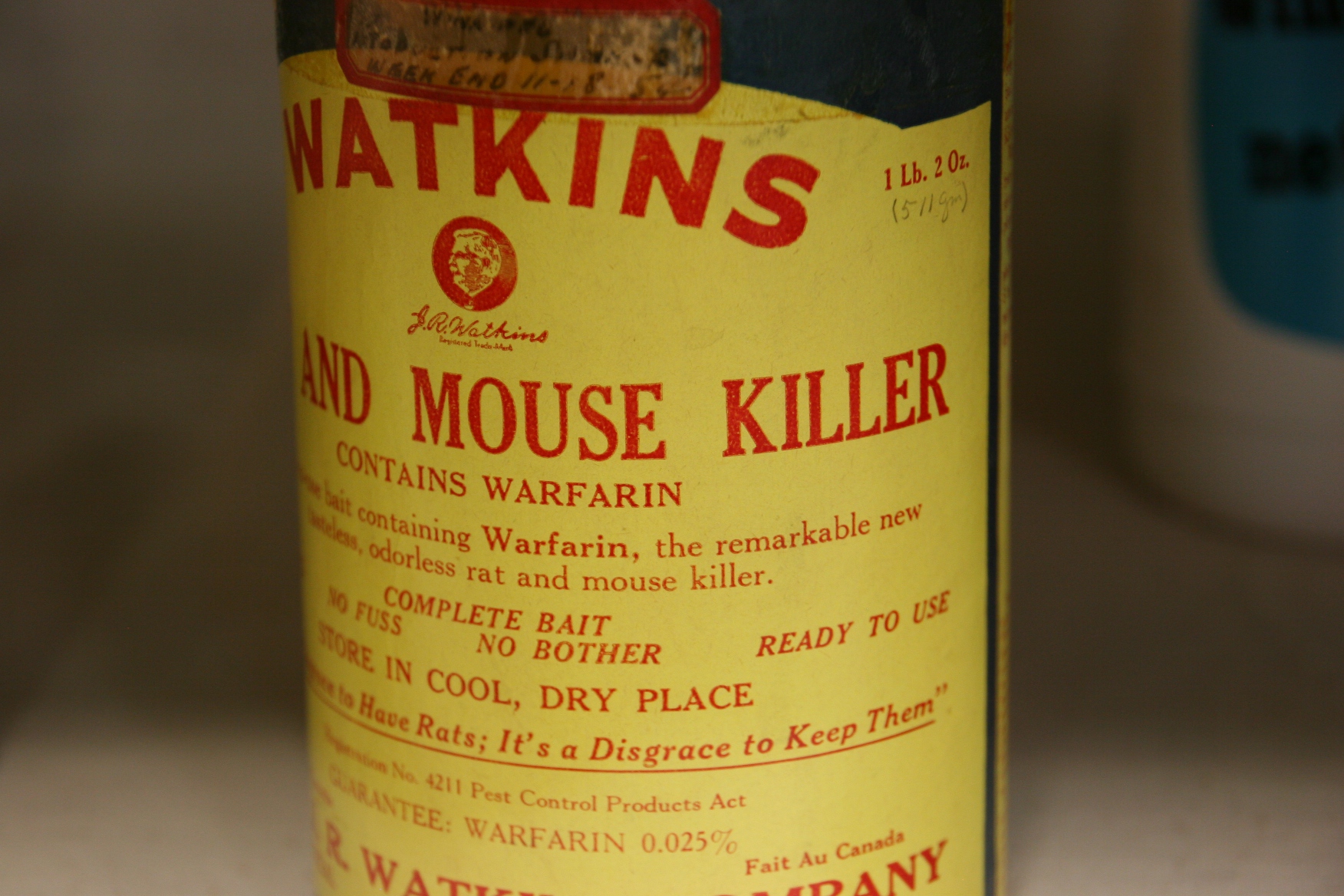
Mouse and rat killer spotted in The Watkins Museum in Winona during a visit years ago. (Minnesota Prairie Roots copyrighted file photo)

As I hunkered atop the bed, I felt hopeful that Randy would find and kill the mouse. I didn’t think that through. How? With his bare hands? Randy observed the mouse hurry behind the fridge. So he moved the fridge. We haven’t seen it since. But he did catch a mouse in the garage overnight. Same mouse? Highly unlikely.

We live in an old house, next to a wooded hillside, with lots of entry points for mice. So I expect mice and we have caught many in our 40 years living here. Typically, though, they stay in the dark basement. I never invited them onto the main floor. The neighborhood mice apparently did not get the warning memo to stay out. They are risking their lives.

Now why do I detest mice? It started with the scritch-scratch of mice running inside the bedroom walls of my childhood farmhouse. Mice in the house. Mice in the barn. Mice in the hay and straw bales. Mice in the granary. Even with a passel of roaming cats.

In college, I opened a silverware drawer to see a mouse staring up at me.

When I was nearly third trimester pregnant with my youngest, I awakened to pee in the middle of the night at my in-law’s farmhouse. There, in that tiny closed bathroom, a mouse circled. Screaming drew no one to my rescue. Eventually, I climbed onto the edge of the bathtub, tossed a pile of wet towels on the mouse and fled upstairs to my sleeping husband. True story.

Years later, I reached into the sink one morning to empty water from a crockpot left soaking there overnight. Atop the water floated a dead mouse. Enough to scare anyone, especially me. At least it was dead, the sole consolation. I slammed the lid on the crockpot, carried it outside and Randy dealt with it after work. That crockpot never cooked another meal.

Yes, I have experienced mouse trauma. Too often. Traps are set. Should I see the mouse again this evening, I will be sure to grab Monsters We Have Made before sequestering myself in my bedroom to read before dreaming nightmares of monstrous, uncaught mice.

TELL ME: Are you afraid of mice? Any mouse stories to share? Or cats to share?


The unwanted birthday gift has its day March 6, 2024

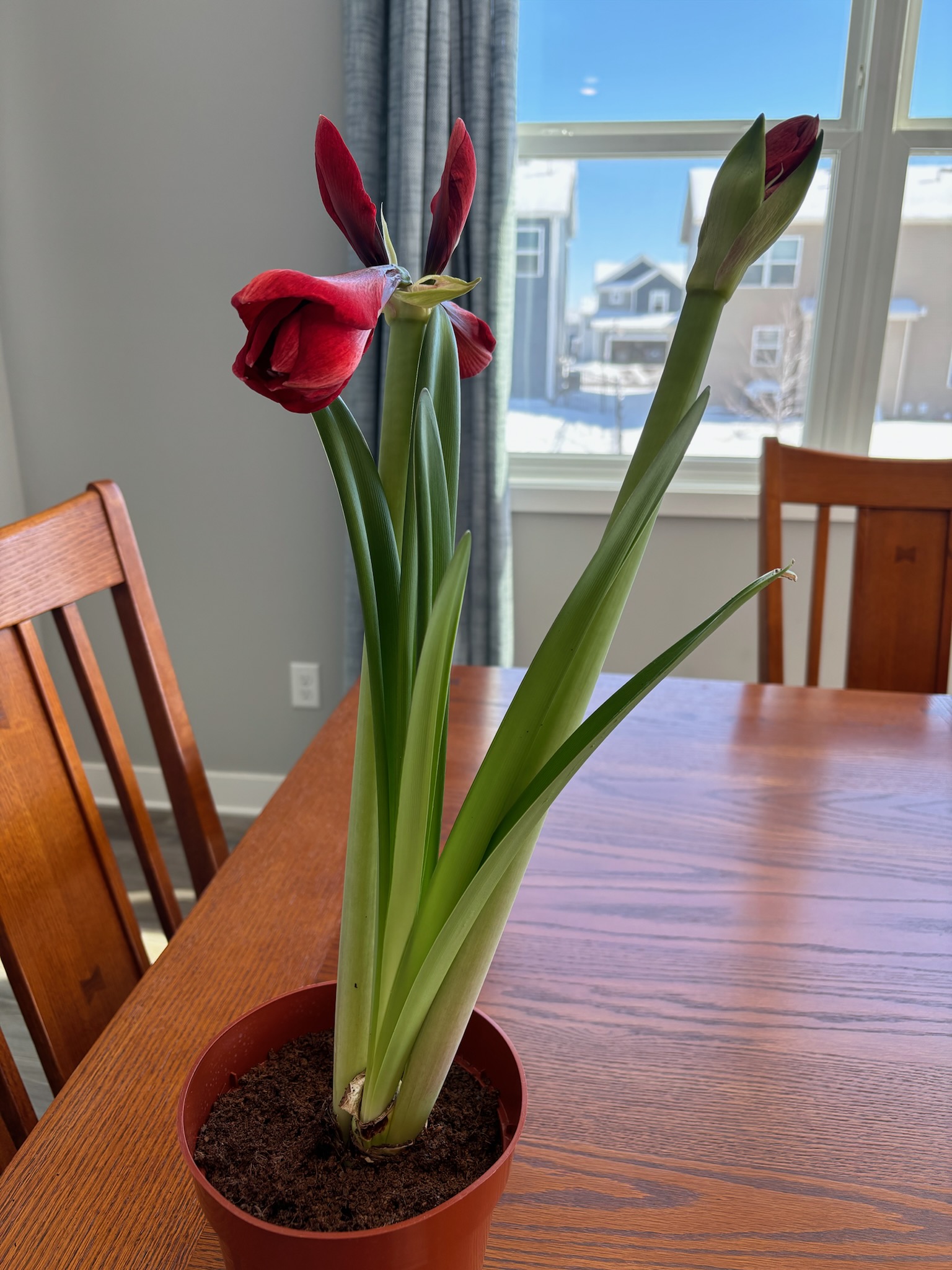
An amaryllis begins to bloom. (Photo credit: Amber Schmidt)

THE BOXED BULBS on an end cap at a big box store caught my eye, as intended. I worked briefly as a grocery store clerk back in the day when cashiers read and punched prices onto cash register keys. I learned then all about moving products by strategically placing them on the end of a shelf row.

So here I was, falling for the age-old marketing gimmick of pushing impulse purchases. But on this day, I was thankful for that end cap display of boxed amaryllis bulbs. This would make the perfect birthday gift for my soon-to-be 5-year-old grandson. Or so I thought.

On Isaac’s birthday in early January, we gathered to celebrate. As Isaac opened his gift stash, it was obvious he liked some presents more than others. That’s the thing about kids his age. They can’t hide their honest reaction, their true feelings. He loved the LEGO sets, the sticker book, the… But when he pulled the boxed bulb from the gift bag, Isaac promptly tossed it aside. Not set the box on the carpet, but threw it. Not even an explanation from Grandma about planting the bulb which would flower in big, beautiful red blooms changed his mind. He didn’t care.

I should back up a minute and explain why I thought this would be a good gift for my grandson. Last spring I gave several packets of seeds to the grandkids. Spinach, carrot and flower seeds, which my eldest daughter planted with her son. He took an interest once the seeds sprouted and the plants grew. Amber called him “Farmer Isaac.”

The farm girl in me felt encouraged. My grandchildren, who live in a sprawling new housing development in the south metro, are far-removed from their rural heritage. It’s important to me that they understand their agrarian roots. Randy and I grew up on crop and dairy farms—farms with large gardens from whence came most of our food. Youth like Isaac and his sister, Isabelle, need to know that food originates on farms, not grocery store shelves. As preschoolers, they loved to dig in the dirt at our house. I would hand them shovels and the dirt would fly. Kids need to touch the earth, splash in mud puddles, gather sticks and pine cones and leaves and do all those activities that connect them to the land. And make their hands dirty.

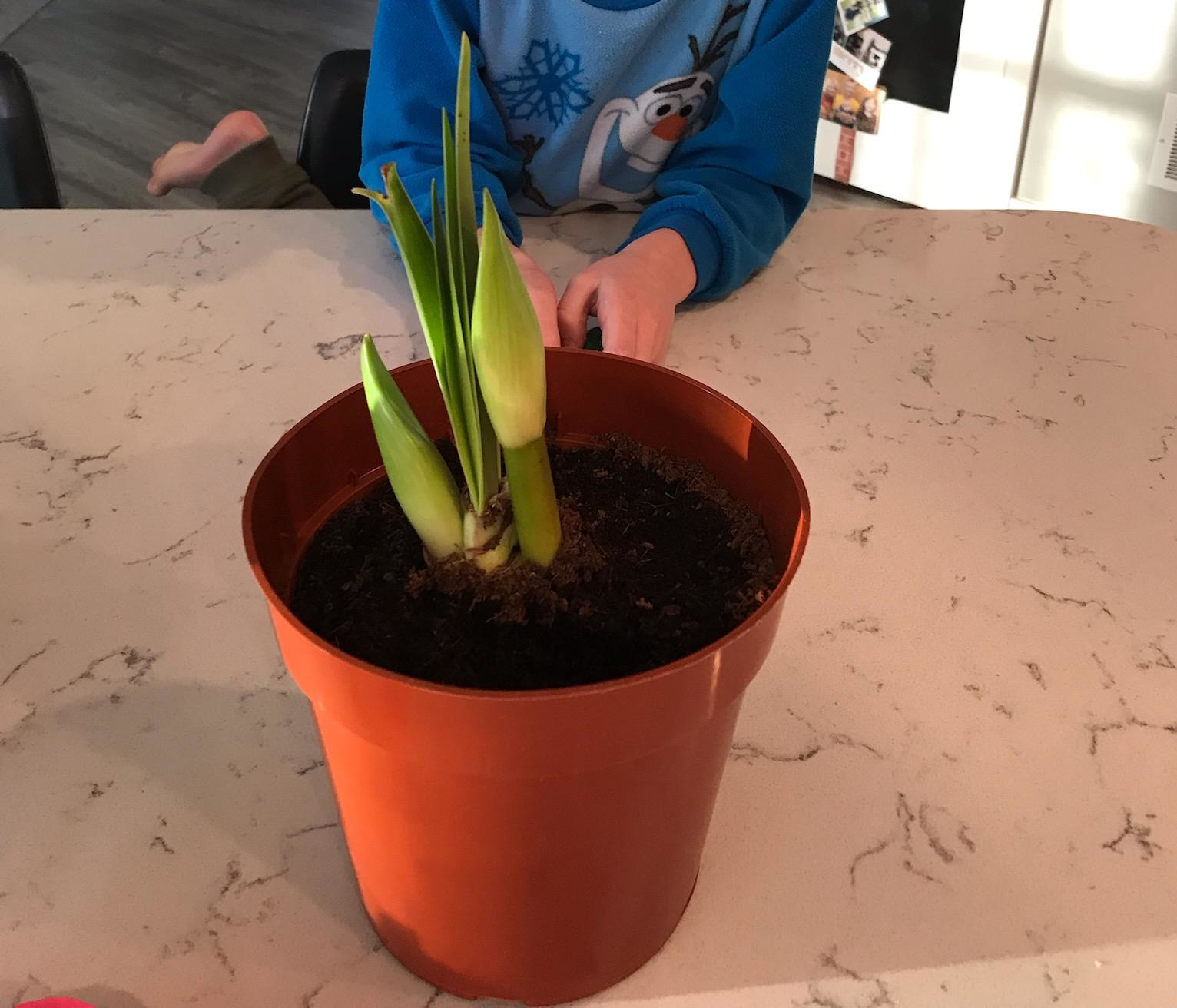
Emerging amaryllis. (Edited photo; Photo credit: Amber Schmidt)

But now here was this dormant amaryllis bulb all ugly and brown and not looking at all like anything that would ever grow. But, once potted, grow it did. When the first green leaves emerged from the massive bulb at the end of January, Isaac suddenly took an interest. “You better take a picture to show Grandma,” he instructed his mom.

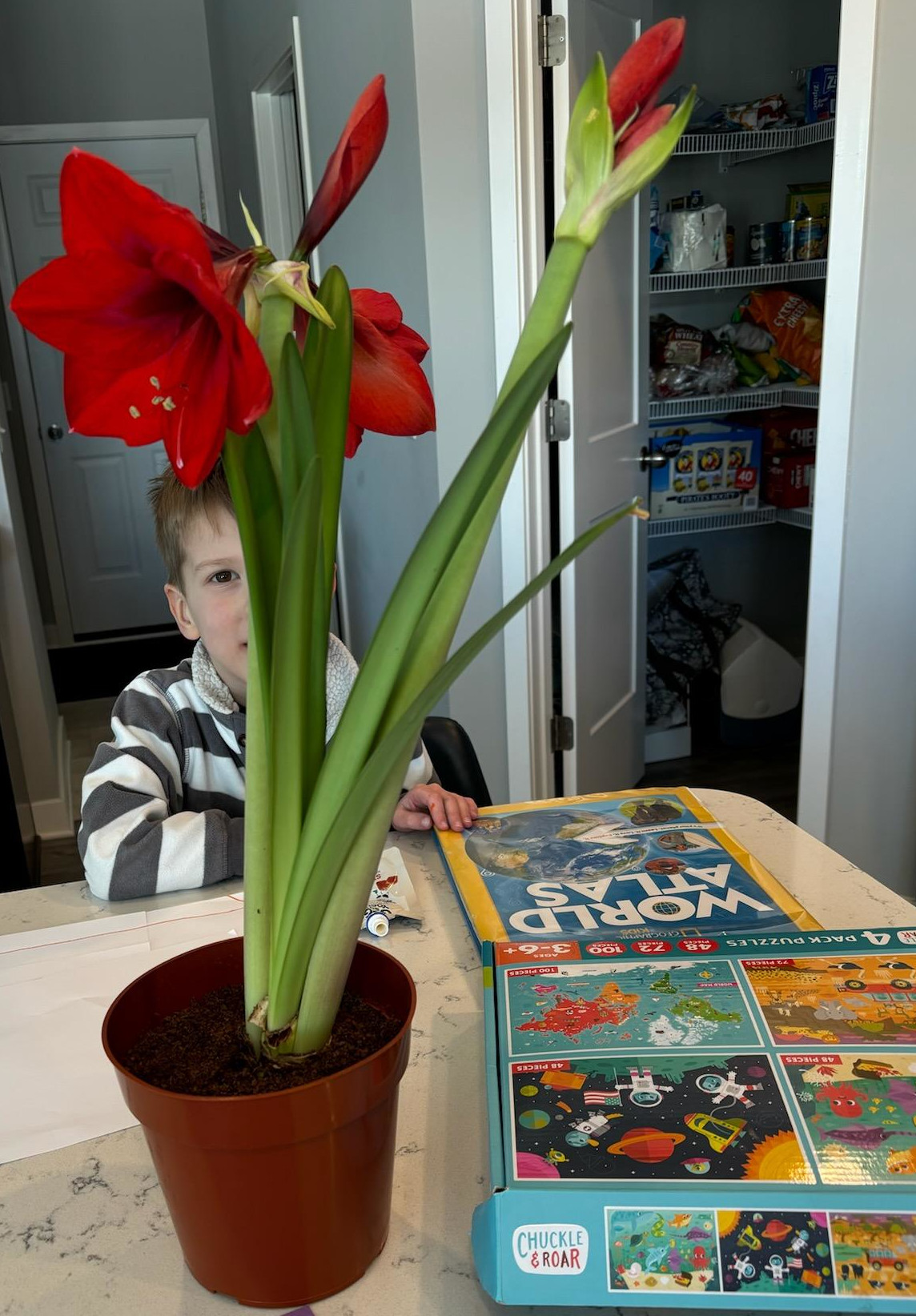
Isaac loves space, puzzles, art and now amaryllis. (Photo credit: Amber Schmidt)

A few weeks later, the first of several flowers bloomed. And there was Isaac again in a photo, right elbow learning on the kitchen island by sheets of paper for his next art project, left hand on his world atlas, jigsaw puzzles and that once dormant amaryllis bulb now blooming in the foreground. His smile was wide, his happiness evident. The amaryllis had its moment. Big. Bold. Beautiful red. No longer tossed aside. Finally and fully appreciated by the birthday boy.

© Copyright 2024 Audrey Kletscher Helbling


Crafting an obituary: Emmett “breathed John Deere” March 5, 2024

A row of John Deere tractors at the 2022 Rice County Steam & Gas Engines Show, rural Dundas. (Minnesota Prairie Roots copyrighted file photo September 2022)

AS A WRITER, a storyteller, I read obituaries. Doesn’t matter if the deceased is known to me or not. I find obits interesting for the stories therein.

Stories weren’t always part of obituary writing. Obit style has evolved since I graduated in 1978 with a journalism degree from Minnesota State University, Mankato. And that is a good thing. Today’s death notices are not just summaries of facts, but rather personalized in a way that helps the reader understand the person as a person. That holds value to those who are grieving and to those of us who hold no connection to the individual.

I need to backtrack for a moment and share that writing an obituary was my first writing assignment in Reporting 101. Although I’ve forgotten details about that long ago college course, I remember the professor stressing the importance of spelling names correctly. That carried through to all types of newspaper reporting. First reporting job out of college, I learned a source was Dayle, not Dale.

Emmett Haala (Photo source: Sturm Funeral Home)

That MSU instructor also imprinted upon me the importance of obituaries. As I age, I find myself drawn more and more to reading obits. Too often now, I know the deceased. Recently, I found a gem in the obituary of Emmett Haala, 87, of Springfield (that would be Springfield, Minnesota), who died on February 28. His funeral is today.

Hanging out by a John Deere tractor at the Rice County Steam & Gas Engines Show. (Minnesota Prairie Roots copyrighted file photo September 2022)

It wasn’t the basic facts about Emmett that captivated me, but rather his interest in John Deere tractors. He, according to his obit, “lived and breathed John Deere.” Now to anyone with a rural connection, the idea of fierce tractor brand loyalty is familiar. This retired mechanic began his career at age 14 at Runck Hardware and Implement in Springfield, eventually opening Emmett’s Shop in 1970. He was a trusted mechanic who serviced all machinery brands, but favored John Deere.

“Nothing runs like a Deere” is the John Deere slogan. (Minnesota Prairie Roots copyrighted file photo September 2017)

That tidbit got me reminiscing and also contemplating the importance of open houses in rural Minnesota. Events that continue today. Emmett, his death notice read, shared many memories of John Deere Days at Runck Hardware and Implement. He “…enjoyed making hot dogs and coffee for the throngs of people attending and showing the newest John Deere movie.”

To this day, I remain a fan of John Deere. Here Randy and I pose aside a vintage John Deere at Bridgewater Farm, rural Northfield in October 2023. (Photo credit: Amber Schmidt)

That was it. I was hooked. I attended John Deere Day at a farm implement dealership while growing up in southwestern Minnesota. While the event was a way for machinery dealers to get farmers inside their shops, the open houses were also a social gathering for rural folks. My siblings and I piled into the Chevy aside Dad and Mom for the 20-mile drive to Redwood Falls and John Deere Day.

Free food—usually BBQs, baked beans, chips and vanilla ice cream packaged in little plastic cups and eaten with a wooden spoon—comprised dinner (not lunch to us farm types). Maybe there were hot dogs, too, like at Emmett’s place of employment. Memories fade over the decades.

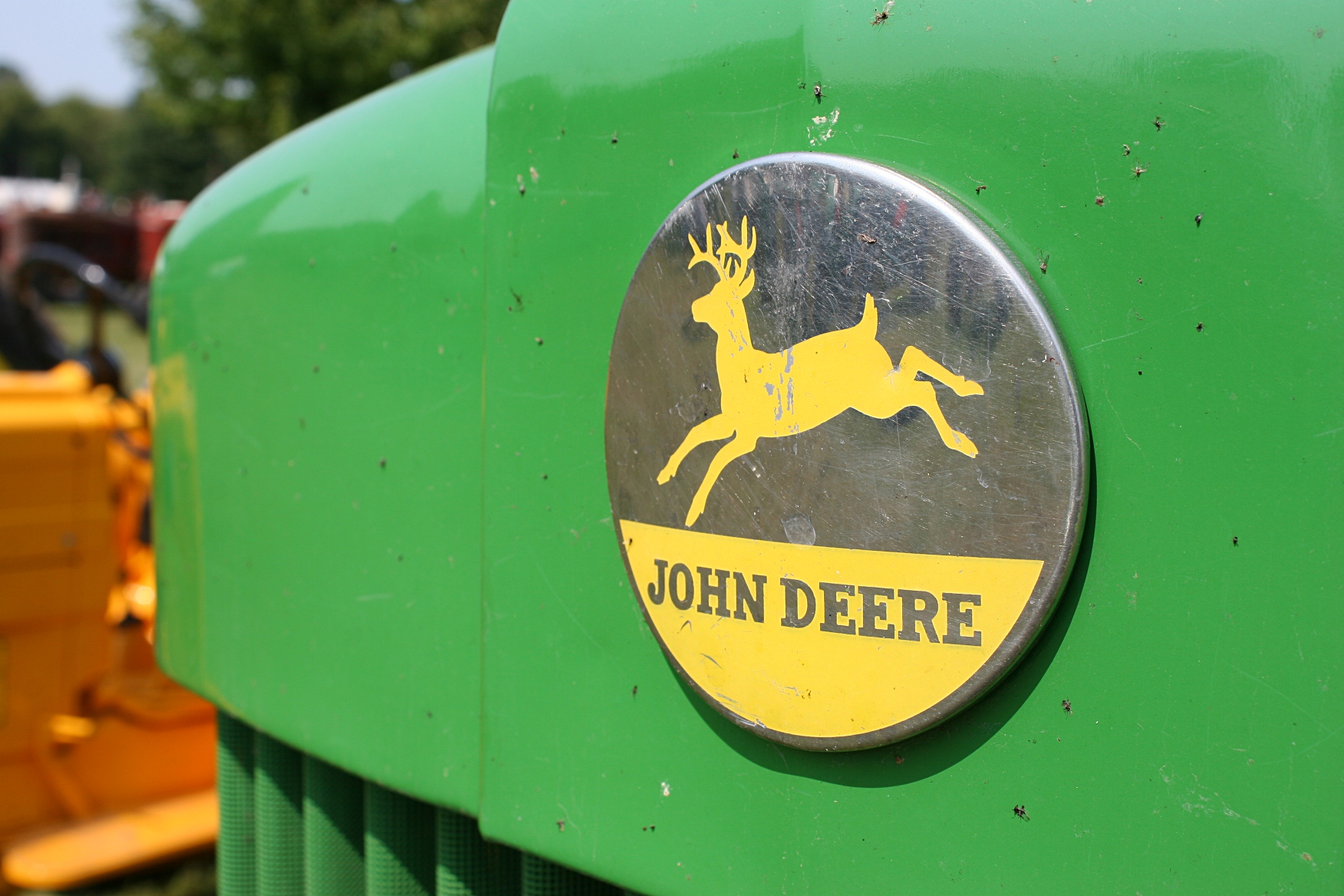
A worn vintage John Deere emblem. (Minnesota Prairie Roots copyrighted file photo September 2017)

But I do recall the John Deere movies shown post meal at the theater in Redwood Falls. Sure, they were nothing but advertisements for “the long green line” of farm machinery. But to a kid who seldom set foot in a theater, the promotional films held all the appeal of a box office hit. Plus, there were door prizes like bags of seed corn and silver dollars. I never won anything. A cousin did.

At the Rice County Steam & Gas Engines Show. (Minnesota Prairie Roots copyrighted file photo September 2017)

And so all those John Deere memories and more—including the distinct pop of my dad’s 1950s John Deere tractor—rushed back. Putt, putt, putt. Emmett belonged to the Prairieland Two Cylinder Club. Nostalgia is powerful. So is the art of crafting an obituary. Many of today’s obituaries feature detailed personal stories, not simply superlatives. Stories that reveal something about the individual who lived and breathed and loved. Stories well beyond life-line basics. Stories of life. Stories that resonate, that connect us to each other. Stories like those of Emmett, who “lived and breathed John Deere.”

(Book cover image sourced online)

FYI: I recommend reading this guidebook to obituary writing by retired The Wall Street Journal obit writer James R. Hagerty: Yours Truly: An Obituary Writer’s Guide to Telling Your Story. Hagerty is the son of Marilyn Hagerty, columnist for The Grand Forks Herald. In a March 2012 “Eatbeat” column, Marilyn reviewed her local Olive Garden and gained instant internet fame.


Stories of kindness, compassion & humor following eye surgery February 27, 2024

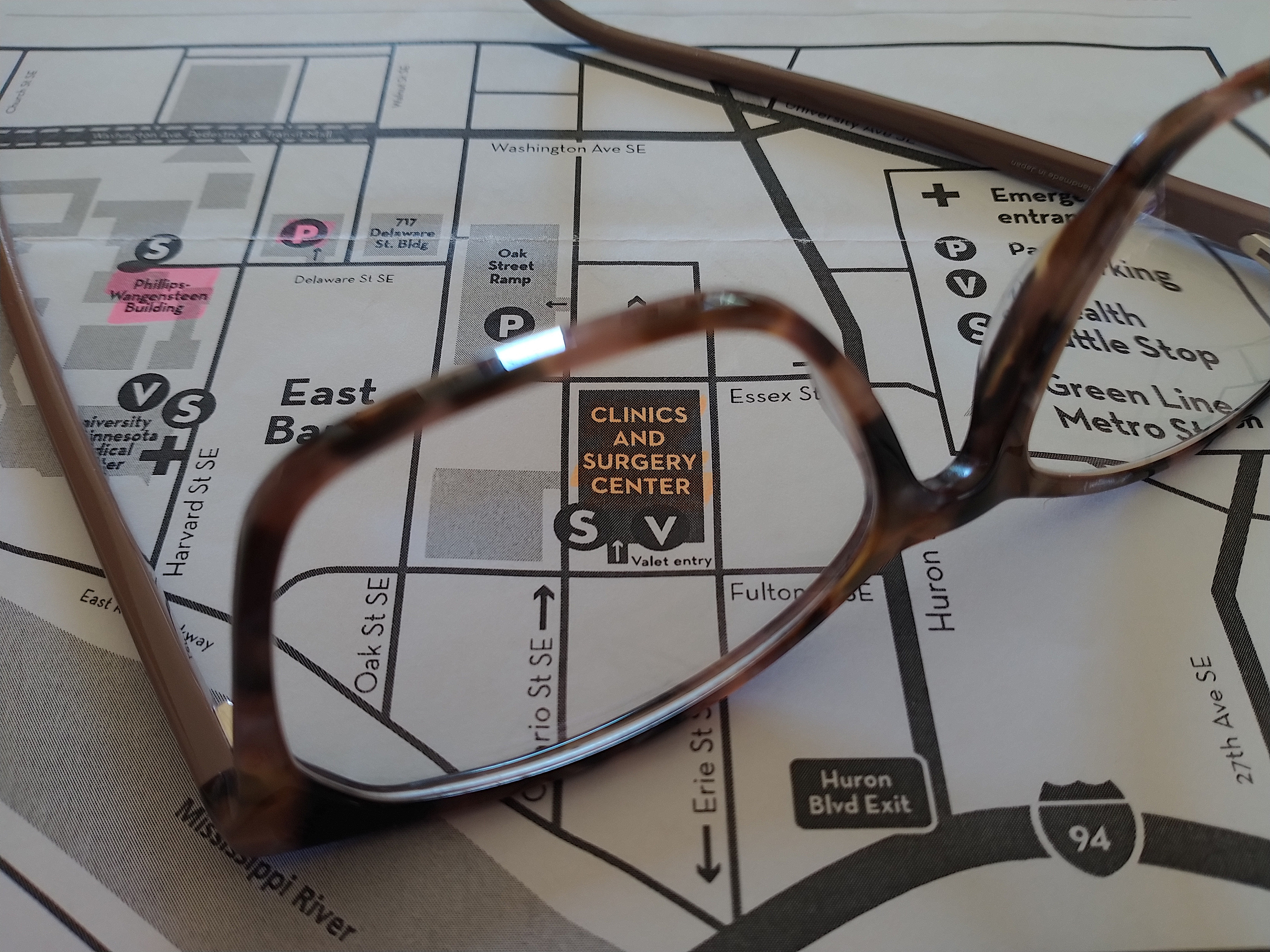
A lens on my new prism-free prescription eyeglasses circles the surgery location in Minneapolis. (Minnesota Prairie Roots copyrighted photo February 2024)

I’M SO HAPPY IT’S OVER.” That, Kat told me, was my first statement post January 22 bilateral strabismus eye surgery at M Health Fairview Clinics and Surgery Center in Minneapolis. I don’t remember saying those words. But I don’t doubt my recovery room nurse.

After a 1 ½-hour surgery to realign my misaligned eyes, I was still groggy. Yet, Kat noted, I was coming out of general anesthesia quickly and well. For that I felt thankful. Not everyone handles anesthesia without side effects.

Given my emerging level of alertness, I don’t recall timelines or all conversations. But I do remember the kindness of Kat. And kindness is key when you’re coming out of surgery.

There was no vodka in the recovery room (nor did I want any; I seldom drink hard liquor). (Minnesota Prairie Roots copyrighted photo February 2024)

HERE, HAVE A DRINK

In addition to compassion and care, Kat gave me food and drink. It was well after lunch and I hadn’t consumed anything (except a few sips of water with Tylenol right before surgery) for many hours. Typically I get hangry when I don’t eat on time. Ask my family. Kat brought cranberry juice along with soda crackers and graham crackers and then ginger ale which she suggested I mix with a second cup of cranberry juice, a cocktail without the vodka. (I think Kat mentioned vodka, but maybe I did.) I shared that my Bible study group has a signature cranberry drink, sans the alcohol. Kat kept a watchful eye on me. I hope she didn’t notice that I didn’t particularly like cranberry juice and ginger ale mixed. Too sweet for me.

But I appreciated the sweetness of my caring nurse, who moved to Minnesota from Missouri, who was named Katherine, called Kathy by her mom and then called Kat in college. Kat suits her, even if she owns three dogs, not cats. More on that later.

At some point, before my surgeon came to see me in recovery, Kat suggested I change from my lavender paper gown into my street clothes. I was all for that. She removed my hospital slipper socks and then helped slip my socks and shoes onto my feet. Can’t have a just-out-of-surgery patient getting all lighted-headed by bending down. I managed the rest of dressing myself, proving I was becoming more alert, alert for the next step in surgery completion.

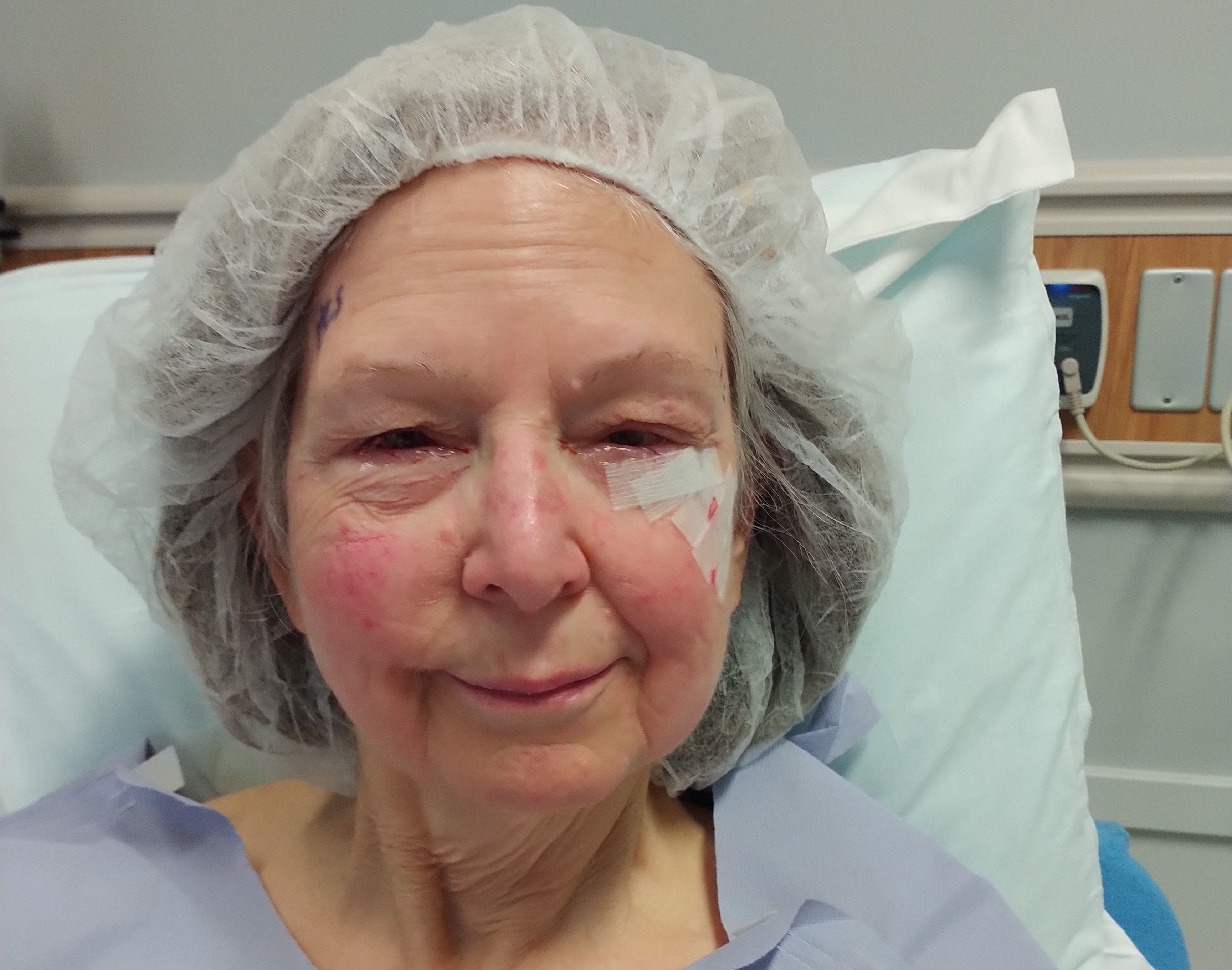
In the recovery room after eye muscle alignment surgery. (Copyrighted photo by Randy Helbling, January 22, 2024)

LOOK AT THAT “E”

Enter my neuro ophthalmologist surgeon, Dr. Collin McClelland, and a second doctor who had been in the operating room. I dreaded this moment when Dr. McClelland planned to tweak his work by pulling an adjustable suture stitched into my left eye.

Alright then. Look at that E across the room. Do you see one or two? Two. (He did some other vision checks, not just with the E, during the alignment process.) After my surgeon dropped a topical anesthetic into my left eye, he removed the steri strips adhering the suture onto my cheek. He hovered over me, his tools and face a blur. Don’t move. Look up to the left. You’re going to feel a tug. Yup. I did. OK, let’s check that E again. One or two? Two. OK, we need to do this again. Tug. Pain. You’re doing great. Check the E for the third time. Mostly one. OK, I’m going to leave it. And then my doctor worked to tie and cut that suture, simultaneously encouraging me with his gentle voice. You’re doing great. The adjustment process took 20 minutes and was made easier by my kind surgeon.

A section of a 1974 album cover from my collection. (Minnesota Prairie Roots copyrighted photo February 2024)

WE’RE OFF TO PROM

Kindness. I felt that in the care I received at M Health Fairview Surgery Center. Skilled care that came with humor and compassion and distractions that enabled me to manage eye muscle surgery. Kind Kat remained after Randy left to get the van from a nearby parking ramp. She escorted me to the restroom, our arms linking as if we were going to prom, Kat said. We needed a song, perhaps John Denver’s “Sunshine on My Shoulders,” theme for my 1970s era prom, I suggested. We laughed, Kat and I.

But I wasn’t laughing when we returned to my recovery room and I noticed Randy’s cellphone and charger lying on a chair, hidden beneath a tote bag. He was supposed to call when he reached the patient pick-up spot. But Randy was long gone, so I grabbed his phone and charger. Then Kat wheeled me onto the elevator that carried us downstairs to await Randy’s arrival, “old people” wrap-around sunglasses protecting my eyes. Thanks, Kat, for the (un)fashionable eyewear.

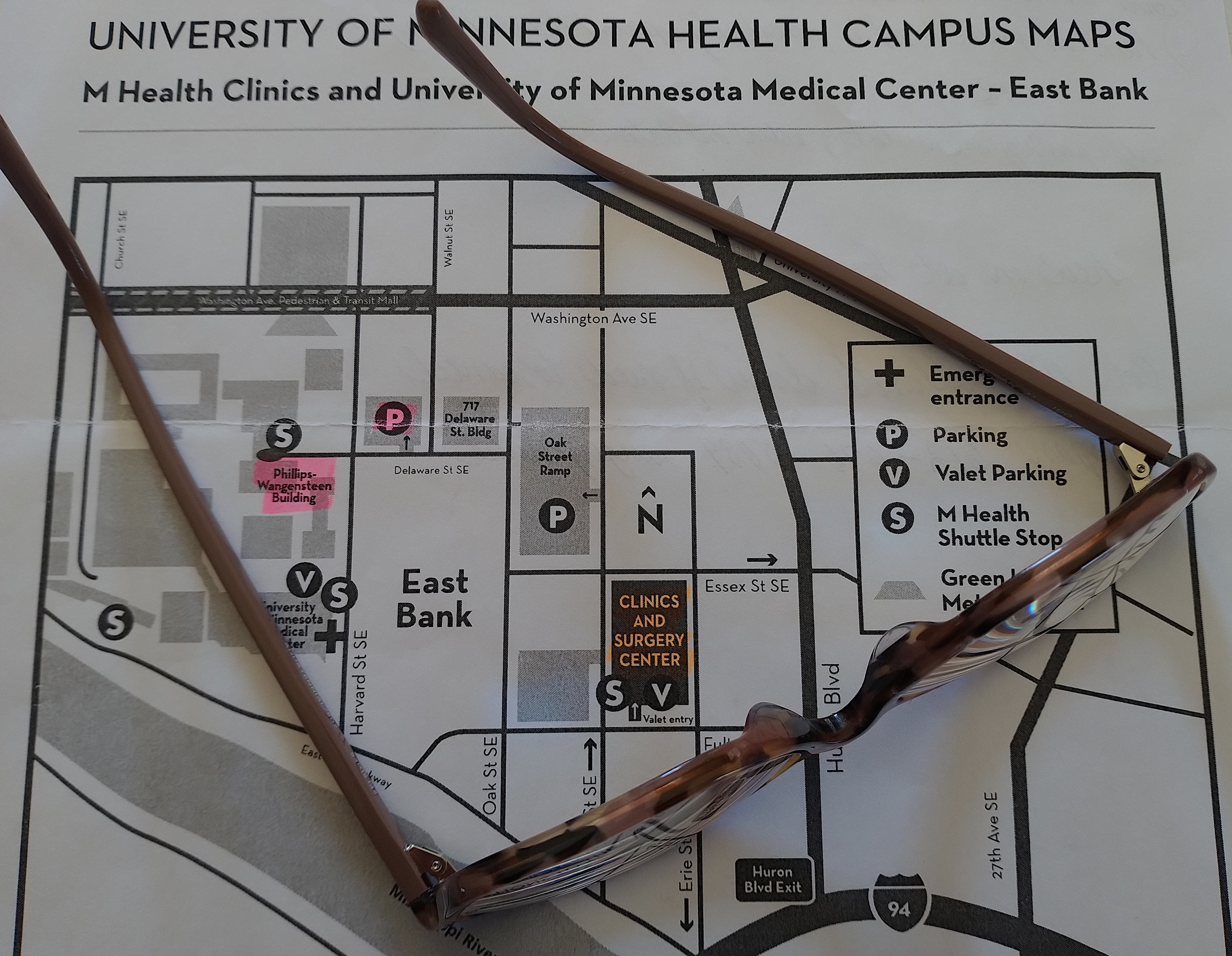
I’m becoming familiar with these two locations on the campus of the University of Minnesota in Minneapolis. (Minnesota Prairie Roots copyrighted photo February 2024)

THE LONG MINNESOTA GOODBYE, SORT OF

I expected Randy to simply drive up. He didn’t. Rather, he retraced his steps in an attempt to find his phone. Kat called someone to clarify I had his phone. As we waited, I grew restless. I just wanted to go home. Kat sensed that, pulling out her phone to show me a picture of her three dogs. Not cats. I appreciated the momentary distraction.

Eventually, Randy arrived and Kat steered me to our van, guiding me into the passenger seat. Then she hugged me. That loving gesture filled me with happiness, as if I was Kat’s sister rather than simply another patient. Happy despite the eye pain. Happy despite the long, exhausting day.

That happiness soon vanished as Randy took a wrong entrance ramp and we found ourselves aiming east toward St. Paul rather than west toward Minneapolis. I was in no mood for a longer trip, even if lengthened by only 15 minutes. But onward, back home to Faribault to rest and begin healing. Five weeks out, I am doing just that, continuing to heal. And I am remembering, too, the many kindnesses and the skilled care given to me by my compassionate medical team.

© Copyright 2024 Audrey Kletscher Helbling
 

Award-winning book addresses slavery in compelling stories, haunting art February 21, 2024

I CAN’T IMAGINE a world without books. From the time I was first read to and then learned to read as a young child, I have loved books. From books, I’ve learned, I’ve escaped, I’ve broadened my world well beyond southern Minnesota.

From reading the writing of others, I’ve grown, too, as a writer. Laura Ingalls Wilder, in her Little House books, taught me the importance of detail, of setting, in writing. I grew up on the prairie, some 20 miles from Walnut Grove, once home to the Ingalls family. A grade school teacher read the entire Little House series to me and my classmates. Books have, in many ways, shaped me.

Book cover image sourced online.

But imagine a world without books. That was a reality for slaves in America, denied access to books and to education. I just finished reading Kin: Rooted in Hope, written by Carole Boston Weatherford and illustrated by her son, Jeffery Boston Weatherford. The young adult book, published by Atheneum Books for Young Readers, was named a Coretta Scott King Author Honor Book 2024. It is a book that ought to be read by everyone not only for its insightful poetry-style storytelling, but also for its haunting scratchboard art.

Looking down on the pages of the book with a mix of black and white paper. (Minnesota Prairie Roots copyrighted photo February 2024)

Adding to the overall subliminal effect is the way in which the book is printed. Black words ink white paper. White words imprint black pages. And the artwork is made by etching away black ink to reveal white. This mixed usage of black and white, reinforces the storyline of slavery and slave owners. Black. White.

As I read Kin, which I pulled from a book display for kids and teens at my local library, I was increasingly horrified by what I read. Sure, I’ve read about slavery in history books. But this approach of historical fiction really brought home the ugliness, the abuse, the violence, the awfulness of slavery in a personal way. Fiction rooted in truth.

Children born into slavery. Whippings. An auctioneer’s gavel. Names written on an inventory list along with commodities. Jemmy. Big Jacob. Lyddia. Tom. Walter. Isaac. Mush ladled into a trough. Swimming banned lest an escape to freedom be attempted. And on and on. Atrocities that seem unfathomable to inflict upon individuals chained in Africa, sailed to Maryland, sold, abused, treated like property by wealthy white families.

Photo used for illustration only. (Minnesota Prairie Roots copyrighted file photo)

But in the all of this, threads of kinship, endurance, strength and hope, even defiance, run. Perhaps my favorite line in the book is that of Prissy, a house servant waiting on a dinner guest. He leers at her, making an inappropriate comment. She wants to tell him that she spit in his soup. At this point half way into the book, I applaud her unstated rebellion. As the chapters unfold, so does the move toward freedom for slaves. The author writes of freedom at last and of current day issues (controversial statues in public places, the murder of George Floyd…), all interspersed with a whole lot of history (including historic figures like Frederick Douglass and Harriet Tubman…).

Even though this book is written for young adults, it should be read by older adults, too, who need to hear Prissy’s defiant voice. Author Carole Boston Weatherford gives voice to those who endured slavery, and to those whose family histories trace to enslavement, including her ancestors. Her son’s detailed scratchboard art reinforces the story, the words which wrench the spirit.

I photographed this scene in 2020 in Kenyon, MN. It remains one of my favorite images of this message given its location in a small town. (Minnesota Prairie Roots copyrighted file photo October 2020)

Kin: Rooted in Hope proves an especially fitting read during February, Black History Month. Through this book of historical fiction, I’ve learned more about a part of U.S. history which is horrendous in every possible way. That humanity can treat humanity so atrociously seems unfathomable…until I consider underlying and outright racist attitudes which continue yet today.

© Copyright 2024 Audrey Kletscher Helbling
 

Reflecting on pre-surgery anxiety & ways I coped February 20, 2024

Information about my eye muscle surgery. (Minnesota Prairie Roots copyrighted file photo 2023)

SURGERY. Most of us would rather not hear that word when it comes to our health. But sometimes surgery is necessary. I’ve had surgery nine times in my lifetime. I’m currently four weeks out from my second bilateral strabismus eye surgery (the first was at age four) to realign my misaligned eyes. Healing and recovery are progressing.

Nearing downtown Minneapolis, the route to M Health Fairview Surgery Center and Clinics. (Minnesota Prairie Roots copyrighted file photo)

Today’s post, though, is not about recovery, but rather about my January 22 surgery day. As a creative, I have stories to tell about my experiences at M Health Fairview Clinics and Surgery Center. Admittedly, I felt anxious as Randy and I aimed north along Interstate 35 to the surgery center about an hour away on the campus of the University of Minnesota in Minneapolis. I detest metro traffic, which added to my pre-surgery anxiety. But on this morning, traffic was not horrible.

Waiting is always the hard part. I waited at check-in behind an angry patient. We’d ridden the same elevator to the fifth level, but she got ahead of me because she knew where she was going. I did not. And so I had to stand there listening to her spew about how she’s never been called about whatever. Her voice volume increased. I felt increasingly frustrated by this hostile woman who should have taken her complaints elsewhere, not to the surgery check-in desk. She was not there for surgery. Finally, I bypassed her to another check-in station, wondering if the first employee would need to call security. This was not off to a good start.

I settled onto a green upholstered chair in a spacious room filled with people, most on their phones, waiting. A bank of tall windows revealed a sunny day. I heard persistent coughing on the other side of a waiting room half-wall, somewhat worrisome to me. I’d been screened for COVID symptoms, but Randy and other caregivers weren’t. That is typical of clinic screenings, it seems. But I digress.

Eventually, after I’d people-watched, tried to work a crossword puzzle, studied abstract fabric artwork, Tatenda called me to begin the process of preparing for surgery. That started with basic questions followed by depression screening. I am thankful this screening is now routine in healthcare and I told Tatenda that. And then I added, “But you didn’t ask about anxiety.” Anyone who says they aren’t anxious about surgery is, in my opinion, not being truthful. Thankfully, Tatenda and others who cared for me understand pre-surgery anxiety and helped ease mine.

One of my go-to Bible verses when I’m worried or anxious. This is displayed at my church, Trinity Lutheran in Faribault. (Minnesota Prairie Roots copyrighted photo February 2024)

There was one point, though, when I had to dig deep mentally to stop myself from fleeing a small room where I waited alone for the next step in surgery prep. Tatenda handed me a lavender paper gown, instructing me to change into that and pull on a pair of purple socks. Then she left. Do. Not. Leave. Me. Alone. I expected her back quickly. As the minutes ticked by, I felt my anxiety rising. I was cold, shivering almost, hugging my folded legs to my body for warmth. The over-sized, one-size-fits-all paper gown that smelled to me of antiseptic provided zero warmth. Maybe I should have wrapped it around my slim body twice. I attempted to calm myself by repeating the words of Psalm 46:10: Be still…be still…be still…

Eventually nurse Amanda arrived and connected a hose to my lovely lavender gown, a hose that blew air inside to either warm or cool me. She explained how I could turn a switch to adjust the temperature. It was a game-changer not only for my comfort level, but also in giving me control. Of. Something.

Signage on The Pearl, a popular ice cream spot in downtown La Crosse. (Minnesota Prairie Roots copyrighted file photo 2015)

As Amanda searched and poked twice for an adequate vein to start an IV, we talked. Conversation distracts me. This nurse, the same age as my eldest daughter, and I chatted about her hometown of Potosi, Wisconsin, where I’ve been to the brewery; our love of La Crosse (and The Pearl ice cream shop); motorcycles; and then how I met Randy and where we went on our first date. “Stir Crazy,” I replied. The movie starring Richard Pryor and Gene Wilder. Amanda said she would ask Randy the same when she brought him to see me shortly before surgery. When he answered “Blazing Saddles” to the first date question, I told Amanda that he was an imposter, that she needed to find my real husband. We laughed. Humor helps.

Once Amanda left, the anesthesiologist and neuro ophthalmologist surgeon arrived for last-minute briefings and questions. I was ready. Soon I was being wheeled down a hallway toward the operating room. I remember nothing until I awoke 1 ½ hours later in recovery. That is another story…please check back for more storytelling.

TELL ME: If you’ve had surgery, how did you cope with pre-surgery anxiety? How did others help ease your anxiety right before surgery?

© Copyright 2024 Audrey Kletscher Helbling
 

The healing power of smiles & laughter January 29, 2024

Filed under: Uncategorized — Audrey Kletscher Helbling @ 5:00 AM
Tags: , , , , , , , , ,
(Minnesota Prairie Roots copyrighted file photo 2018, used for illustration only)

A WEEK OUT FROM BILATERAL STRABISMUS eye surgery to realign my eyes, I am feeling like most people post-surgery. I want this healing and recovery process to move faster. I feel as if I’ve stalled after an initial sprint. So it goes.

In the meantime, this past weekend brought some much-needed laughter into my life. Laughter is healing. It was also the theme of Global Game Jam, a week-long world-wide game development event. My son, who lives and works half a country away in greater Boston, participated, working with three others to create the video game “Addicted to Laughter.” That followed the event theme of “Make Me Laugh.” I love that theme because we need more laughter in this world.

I’ve personally needed extra laughter in the past week during my recovery. Laughter is a good diversion when dealing with eye pain/irritation, headaches, insomnia, distorted/blurry/double vision and a brain that is working over-time to adapt to my newly-aligned eyes. Yes, side effects should lessen, but in the meantime…

Photo I took of the DVD collection

Randy and I have been binge-watching a DVD collection of Blue Collar TV sketches by comedians Jeff Foxworthy, Larry the Cable Guy and Bill Engvall. Some of the content is more redneck and offensive than I like. But all in all, the trio made me laugh. Kudos to Randy for choosing this when I asked him to “find something funny” to check out from our local public library. I’d rather be reading, but my ability to read for any length of time is currently limited.

A smiley face has long graced this building near Roberds Lake, rural Faribault. (Minnesota Prairie Roots copyrighted file photo)

But I have read, and appreciate, the many get well cards I’ve received, including one from my cousin Diane. It’s sunny yellow with smiley face art. Simply reading the words and seeing all those printed smiley faces make me smile and laugh aloud at some of the statements (like turning cartwheels) in this “The Healing Power of the Smiley Face” themed card. And, bonus, I’ve always loved smiley faces and once had a vivid yellow smiley face bulletin board hanging in my lime green basement bedroom with candy striped carpet. Ah, sweet memories of teenage years…

“Tranquil Garden Bouquet” had me smiling broadly Thursday afternoon. (Photo credit: Randy Helbling)

I must sidetrack here for a moment to share that my dear family of three adult children, two sons-in-law and two grandchildren sent me the most stunning flowers Thursday afternoon. I cannot begin to tell you how much that bouquet and the enclosed message lifted my spirits. I felt as if a million smiley faces were floating in a thought balloon around my head.

I felt the same late Saturday afternoon after a visit from dear friends Tammy and Billie Jo. I haven’t seen Tammy in several years; she and her family moved to northwestern Minnesota. When Tammy walked in the kitchen door, we embraced in a fierce hug. And I realized just how much I’ve missed her. I nearly cried at the joy of seeing her again. And so the three of us talked and laughed and talked and laughed and talked and laughed. Laughter heals.

Me, five days after eye surgery, posing in front of Dave Angell’s photo of alligators in Africa. (Photo credit: Randy Helbling)

My grandkids often make me laugh with their observations. Isaac, 5, didn’t let Grandma down after I texted a photo to his mom, my eldest daughter Amber, on Saturday. The day prior, Amber sent an image of Isaac outside the crocodile exhibit at the Minnesota Zoo. So when Randy and I viewed an exhibit by Faribault wildlife photographer Dave Angell at the Paradise Center for the Arts Saturday morning, I knew I needed a photo of me with Angell’s photo of alligators in the wilds of Africa. (Angell’s one gifted photographer.)

Isaac was not impressed by my efforts. “Those aren’t real!” he told his mom. I read his response and laughed aloud. Laughter heals. Oh, yes, it does.

© Copyright 2024 Audrey Kletscher Helbling


In loving memory of Uncle Robin January 14, 2024

Photo used for illustration only. (Minnesota Prairie Roots copyrighted file photo)

HE LOOKED NOTHING like a leprechaun. No pointy ears. No red hair or freckles. Rather he was a slim man with definitive wavy hair. Not at all what I expected given my Aunt Dorothy’s description of her fiancé. Clearly I misheard and in my 10-year-old self’s excitement missed the word “not.” “Robin does not look like a leprechaun,” Dorothy told me and my sister Lanae. We apparently were hoping for a boisterous leprechaun like that pictured on boxes of Lucky Charms cereal.

Instead, we got a soft-spoken Irishman with an Irish brogue who in no way resembled a leprechaun. Robin, born Robert Mathews Bowman in Bangor, Ireland, married my aunt 56 years ago. He died last Sunday, January 7, following a long battle with Parkinson’s.

ENDEARING NAMES

The morning after my uncle’s death, I called Dorothy at her New Jersey home. I needed to talk to her as much as she needed to talk to me. We share a special bond. She’s always called me, “My Little Princess.” I cannot even begin to tell you how loved I feel when Dorothy calls me by that endearing name. I never grow weary of those loving words.

But it is the loving name she had for her beloved Robin that sticks with me also. She always called him “My love” or simply “Love.” Dorothy and I talked about this in our phone conversation, about how the two met at a party at the University of Minnesota where Robin was doing his post doctorate studies. Within the year, they married. I learned from Dorothy that speaking love aloud to a spouse within a stoic German family is not only OK, but quite lovely. That has stuck with me through the decades. To be witness to the love my aunt and uncle shared was a gift.

CREATING A LIFE-SAVING DRUG

In his professional career, Robin gave another gift, one with a broad, life-saving reach. He was the lead chemist in the development of the compound Letrozole (brand name Femara) used to treat certain types of breast cancer in postmenopausal women. As I spoke with Dorothy, she underscored how grateful Robin felt to accomplish this, to potentially save the lives of women via this hormone therapy drug.

Robin was clearly passionate about research. He was also passionate about golf. But of one thing he wasn’t passionate and that was eating leftovers. He didn’t. I don’t know why I knew this or why it matters, but it was something we all simply understood about Uncle Robin.

AN EMBARRASSING MOMENT

That leads to a food story. Once while visiting my childhood farm, Robin’s dinner plate broke in his hands. He was just sitting there in an easy chair in the living room eating his meal when the vintage plate broke. Someone snapped a photo, thus documenting this as part of family lore. I remember the laughter that erupted and the absolute embarrassment this quiet Irishman felt. Perhaps in this moment he wished he could, like a leprechaun, magically disappear.

BLESSED BE HIS MEMORY

In the funeral flowers my youngest brother ordered from our family for Robin’s funeral, Brad included this fitting Irish blessing:

May the road rise up to meet you. May the wind be always at your back. May the sun shine warm upon your face. Until we meet again, may God hold you in the palm of His hand.

Loving words for an Irishman who looked nothing like a leprechaun.

© Copyright 2024 Audrey Kletscher Helbling


Onward with hope post-COVID November 30, 2023

Filed under: Uncategorized — Audrey Kletscher Helbling @ 5:00 AM
Tags: , , , , , ,
My great niece Keira painted this HOPE stone, which sits on my office desk. (Minnesota Prairie Roots copyrighted file photo)

I HADN’T PLANNED on writing a third post related to my health issues following a case of suspected COVID in early January. But then blog readers shared their experiences with the virus and I felt compelled to write more, to offer insights and, most importantly, hope.

In this sharing of stories in the circle of my blog, I’ve learned that some of you have endured symptoms similar to mine. Keith in New York City. Diane in Iowa. And then Beth in Michigan with an altered sense of smell.

In the aftermath of COVID infections, there’s still much to learn. I quickly recognized that during my struggles and also via your stories. Answers don’t come easily. Help can be elusive. Frustration and despair set in and it’s a challenge to be heard, to remain hopeful. Telling our stories is important, necessary.

I received this book in the mail, sent anonymously by a reader. The book and note made me laugh and uplifted me when I really needed uplifting. (Minnesota Prairie Roots copyrighted file photo)

THE NEED FOR VALIDATION, FOR SUPPORT

I remember telling my physical therapist, Ryan, early on that I felt unseen because I was dealing with unseen neurological issues few seemed to understand. But when he compared my symptoms to those of someone with a traumatic brain injury, I felt validated. That’s all I needed, an affirmation that this was real, not just in my head. But it literally was in my head, in my brain.

My sister-in-law Rosie, who endured two concussions following falls, was (and is) among my biggest encouragers. She understands my symptoms, especially my inability to tolerate sensory overload. Having a key empathetic person is, in my opinion, vital. Likewise core family support is essential.

This quarter-sized token, gifted to me by my friend Beth Ann many years ago, lies on my computer desk. (Minnesota Prairie Roots copyrighted file photo)

GETTING HELP & SETTING GOALS

But personal support only goes so far. I am fortunate to have a primary care doctor who listens, shows great compassion, admits when he can’t help me, and referred me to specialists. My many office visits extended well beyond the allotted 20 minutes. Vestibular rehab therapy set me on a course to better health. I started therapy in mid-April. That continued weekly until mid-September. Therapy worked in retraining my brain, in helping me manage my symptoms.

On my final day of therapy in September, I told my therapist that I had three immediate goals: to get my hair cut, to return to worship services at church and to dine in a restaurant. Within two months, I accomplished all three with varying degrees of success. I share this to offer hope.

Here’s how I managed: I alerted my hair stylist to my sensory issues pre-appointment. Donita turned off the salon music and took care overall to minimize sensory input. Worship has proven a bit harder, especially managing the organ music, which often assaults me like a tsunami. Even with an ear plug, I struggle. I’ve learned that my brain struggles most in the early mornings and evenings and in busy environments. Restaurant dining remains challenging, although I managed in a quiet chain restaurant. I have yet to try a homegrown, noisy restaurant.

Inspirational and honoring words are embedded in mosaic tile at a memorial in Faribault. (Minnesota Prairie Roots copyrighted file photo)

HOLDING HOPE

There is hope. Always hope. It is, and has been, my go-to word through many struggles in life. For any of you struggling with post-COVID health issues, I hope I have offered you hope, or at least validated what you are experiencing.

These mini cards were a gift from Roxy, a blog reader from Owatonna who has been one of my strongest encouragers. I have sent these cards to others in need of support, passing along the gift of encouragement. (Minnesota Prairie Roots copyrighted file photo)

WAYS TO ENCOURAGE

For those of you who know someone dealing with long haul COVID, please support your family member or friend. Listen. Mail a greeting card. Text or call with encouraging words. (All helped me mentally; thank you, readers.) What we are going through may not be seen. But it is real, all too real.

#

FYI: To read my first post, “How COVID changed my life,” click here. To read my second post, “Retraining my brain post-COVID,” click here.

© Copyright 2023 Audrey Kletscher Helbling
 

Learning about Indigenous peoples from “The Forever Sky” November 27, 2023
(Minnesota Prairie Roots copyrighted file photo September 2022)

IN THE PAST YEAR, my desire to learn more about Native American culture has heightened. My new interest followed a talk in September 2022 by then Rice County Historical Society Director Susan Garwood about “The Indigenous history of the land that is now Rice County, Minnesota.” This county, this community, in which I live was home first to Indigenous peoples, long before the first settlers, the fur traders, the Easterners who moved west.

This sculpture of Alexander Faribault and a Dakota trading partner stands in Faribault’s Heritage Park near the Straight River and site of Faribault’s trading post. Ivan Whillock created this art which sits atop the Bea Duncan Memorial Fountain. (Minnesota Prairie Roots copyrighted file photo)

I knew that, of course. But what I didn’t know was that the Wahpekute, one of the seven “Council Fires” of the Dakota Nation, used the current-day Wapacuta Park just up the hill from my house for honoring their dead.

This Faribault city park, where my kids once zipped down a towering slide, clamored onto a massive boulder, slid on plastics sleds, was where the Wahpekute many years ago placed their dead upon scaffolding prior to burial. That ground now seems sacred to me.

That it took 40 years of living here to learn this information suggests to me that either I wasn’t paying attention to local history or that my community has not done enough to honor the First Peoples of this land.

(Book cover sourced online.)

Whatever the reason, I have, on my own, decided to become more informed about Indigenous peoples. And for me, that starts with reading. I recently headed to the children’s section of my local library and checked out the book, The Forever Sky, written by Thomas Peacock (a member of the Fond du Lac Band of Lake Superior Anishinaabe Ojibwe) and illustrated by Annette S. Lee (mixed-race Lakota-Sioux of the Ojibwe and Lakota-Sioux communities).

These two Minnesotans, in their collaborative children’s picture book, reveal that “the sky and stars all have stories.” Oh, how I value stories. And the stories shared in this book, these sky stories, are of spirits and animals and the Path of Souls, aka The Milky Way, and…

I especially appreciate the book’s focus on the northern lights, explained as “the spirits of all of our relatives who have passed on.” The descriptive words and vivid images make me view the northern lights, which I have yet to see in my life-time, through the eyes of Indigenous peoples. The changing blues and greens are their loved ones dancing in the night sky. Dancing, dancing, dancing. How lovely that imagery in replacing loss with hope and happiness.

The Forever Sky has created an awareness of Native culture previously unknown to me. Just like that talk a year ago by a local historian aiming to educate. I have much to learn. And I am learning via books found not only in the adult section of the library, but also among the children’s picture books. That writers and illustrators are covering topics of cultural importance in kids’ books gives me hope for the future. My grandchildren, even though they will never see the vast, dark, star-filled sky I saw nightly as a child of the prairie, are growing up much more informed. They will understand cultures well beyond their own heritage. And that encourages me.

© Copyright 2023 Audrey Kletscher Helbling