Minnesota Prairie Roots

Writing and photography by Audrey Kletscher Helbling

Weather update: Tornado touches down near Faribault April 29, 2025

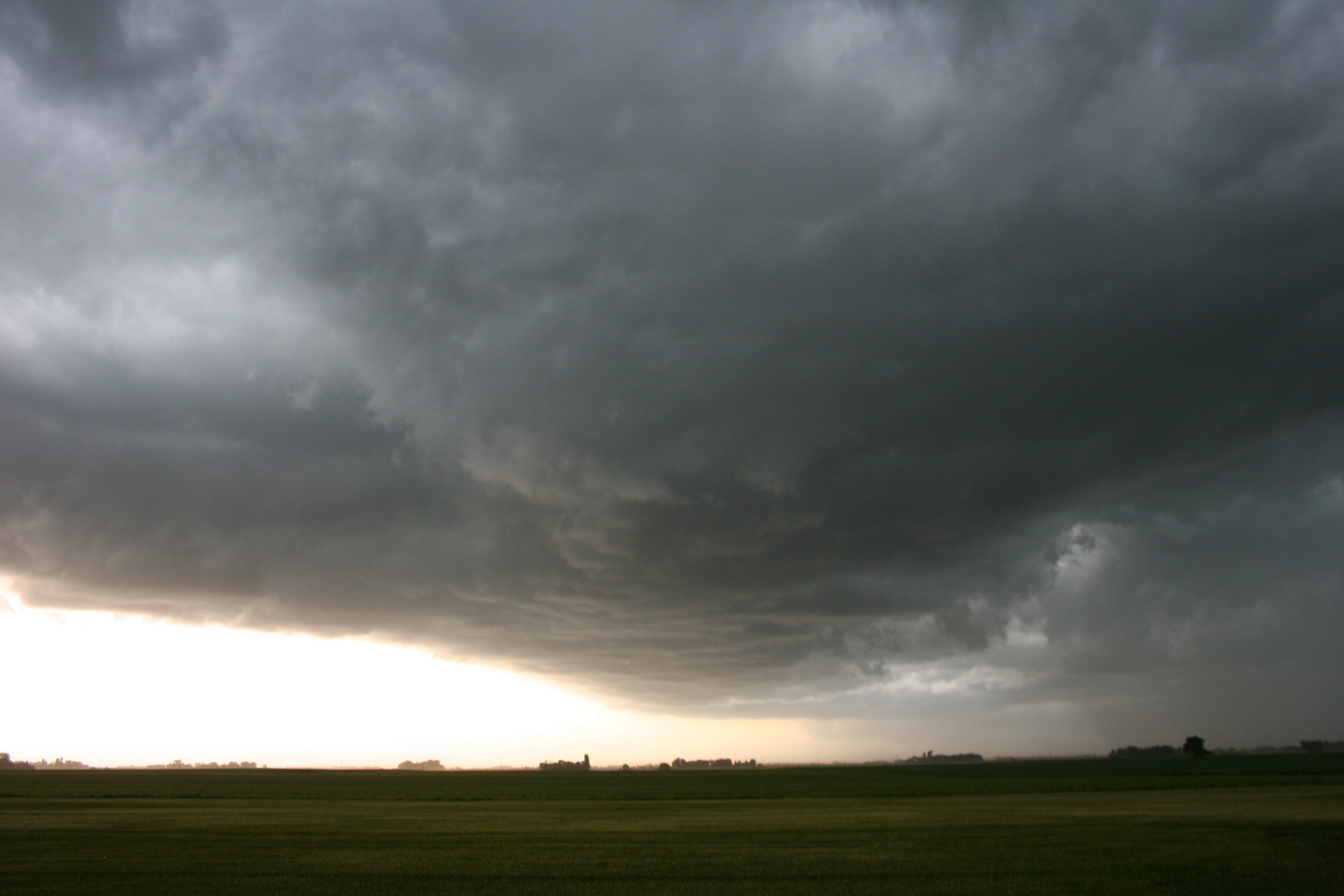
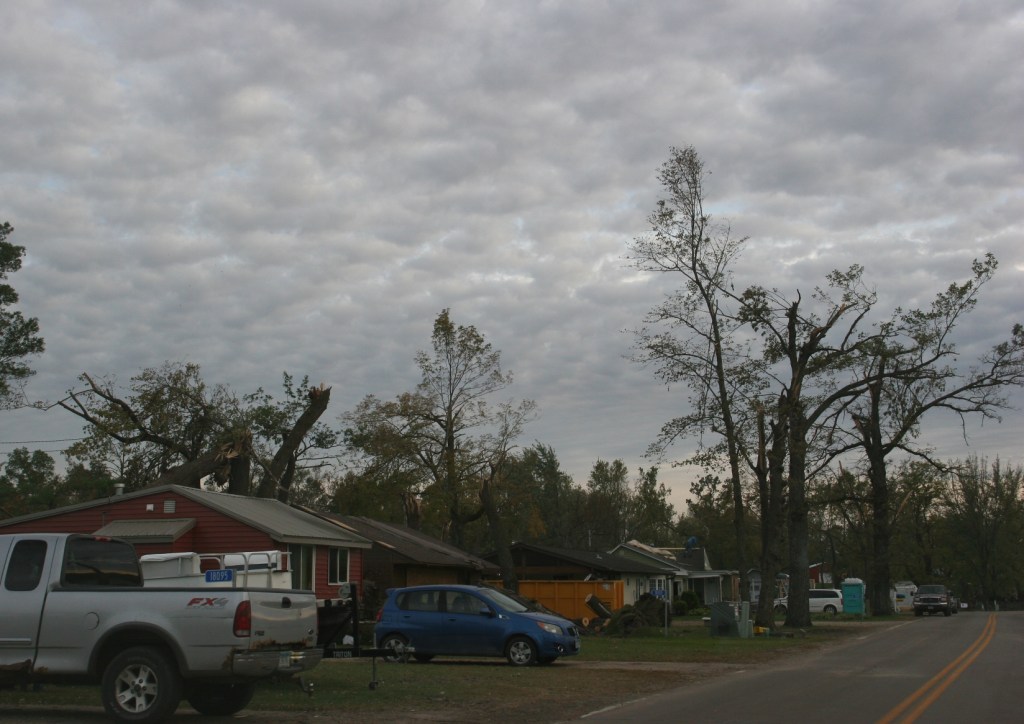
These are the most menacing (at least to me) clouds I’ve ever photographed. I shot this image in July 2011 on a friend’s country acreage between Faribault and Nerstrand. I don’t have any photos from yesterday as I was hunkered in my basement. (Minnesota Prairie Roots copyrighted file photo July 2011)

I OWE YOU a weather report.

The much-touted level 4 risk (out of 5) of severe storms here yesterday did not materialize. At least not in Faribault. But just to the east it did. A confirmed tornado touched down southeast of town in Richland Township, destroying several farm buildings and damaging a silo on a neighboring farm. That’s close enough for me. I feel badly for that farm family. Property damage was also reported by the Rice County Sheriff’s Department near Morristown, which is southwest of Faribault.

While that was happening, Randy and I were sheltering in our basement after warning sirens sounded just before 5:30 p.m. I’d prepared, earlier in the day gathering documents and items (yes, including my camera and Randy’s hearing aids) that I didn’t want blown away in a storm. My retired National Weather Service friend, who grew up in southwestern Minnesota, was keeping me updated on the weather throughout the day.

“PLEASE, JUST GET HOME.”

The biggest issue for me was that Randy was not yet home when the emergency sirens went off. I’d tried several times to reach him at work late Monday afternoon to warn him of the bad weather moving into our area. But his cellphone mostly doesn’t work inside the pole shed style garage in the countryside near Randolph. I texted and called numerous times in hopes that he might actually be in a part of the building with cell reception. I finally resorted to phoning the main garage in nearby Cannon Falls. Ideally, whoever answered could ring up Randy in the machine shop. That didn’t happen.

While I wanted Randy home, I really just wanted him safe. A pole shed, with no place to shelter, offers no protection during a storm. And I had no idea how weather-aware he was staying. Probably not too much given he’s swamped at work. He can’t hear warning sirens either.

In the end, it all worked out. Randy pulled into the driveway after sirens had been sounding for awhile. He’d stopped at the Faribault compost pile to drop off plant debris rather than driving directly home. Really? While sirens are wailing and a storm is moving in?

THREE LAUGHING EMOJIS

I recognize that Randy doesn’t fear storms. He doesn’t have the storm history that I do. I’m the one hustling us to the basement. It’s a bit of a joke with our adult kids. The second daughter, who lives in Madison, Wisconsin, texted yesterday, “Randy, get in the basement!” with three laughing emojis. Humor helps in a tense situation.

Many Minnesotans were not laughing yesterday as storms rolled in with tornado and severe thunderstorm warnings resulting in damaging winds and hail and that confirmed tornado between Faribault and Kenyon.

FEELING GRATEFUL THIS MORNING

This morning the sun is shining, popping through massive clouds in a deep blue sky. Crisp, cool air has replaced the heat and humidity of yesterday. Snow even fell in parts of northern Minnesota. Yesterday’s storms are behind us. I, for one, am thankful that strong tornadoes did not develop, that the National Weather Service and Twin Cities TV meteorologists prepared us and kept us informed, that my NWS friend, Brad, updated me and that Randy finally got home. Now, if only his cellphone would work inside that pole shed a 32-minute drive away. I’d feel much better next time severe weather rolls in.

#

TELL ME: If you live in Minnesota or a neighboring state, did you experience any storms and/or storm damage on Monday? How do you react to storms, including warning sirens going off?

© Copyright 2025 Audrey Kletscher Helbling


Tornado count rises in southern Minnesota October 1, 2018

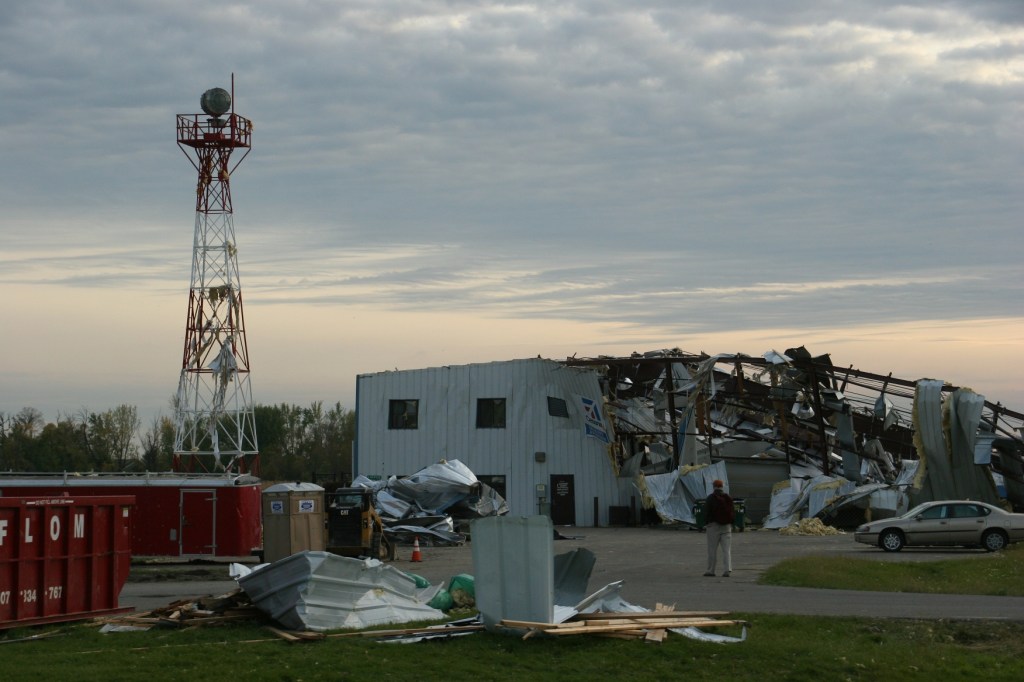
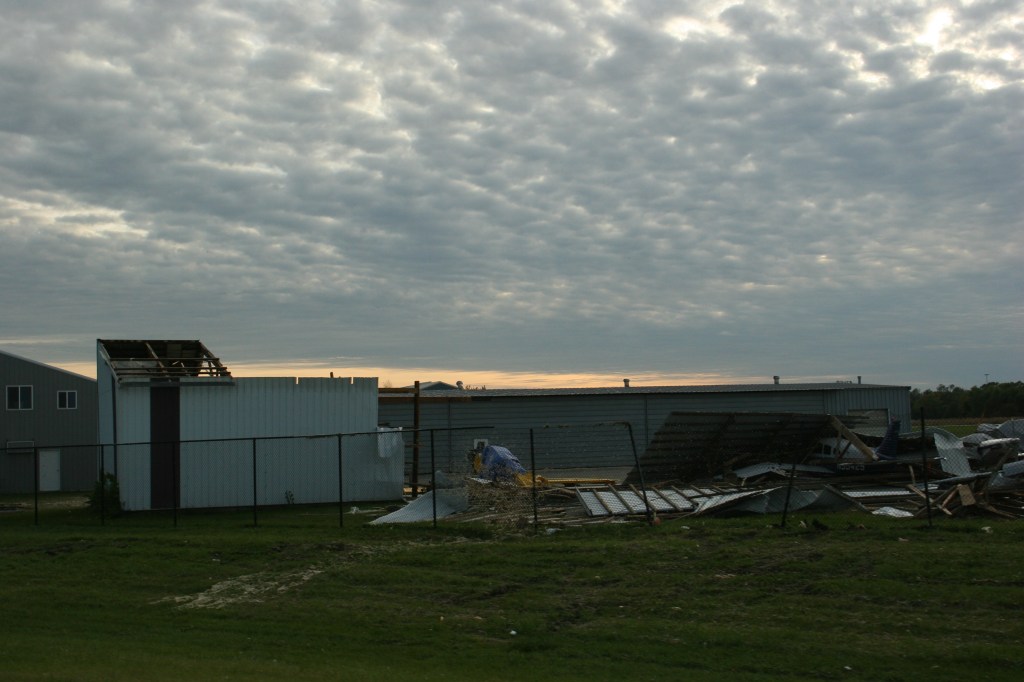
Ten days after an EF2 tornado hit the Faribault Airport, a man surveys the damage just before sunset.


MAKE THAT SIXTEEN. The National Weather Service updated from 10 to 16 the number of tornadoes which touched down in southern Minnesota and western Wisconsin on September 20.


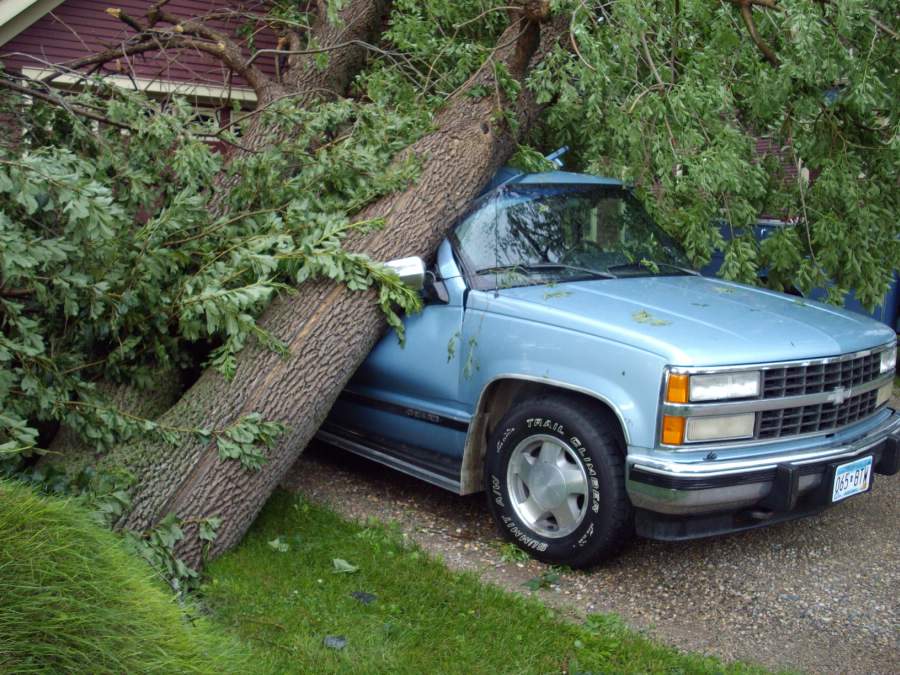
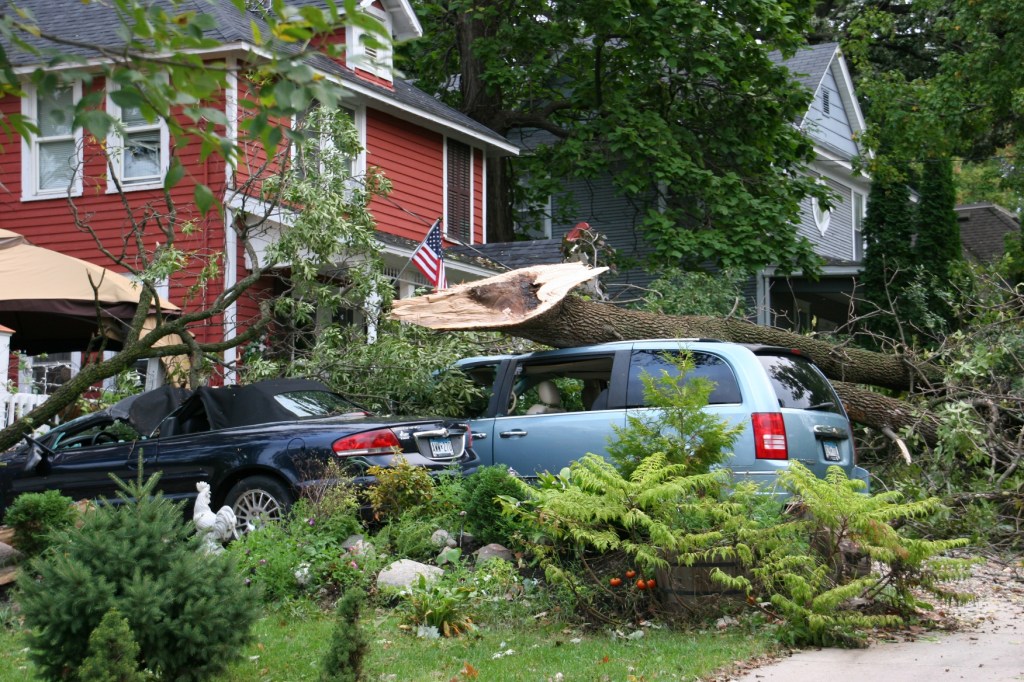
A half block from my home trees fell onto two vehicles. Minnesota Prairie Roots file photo.


The unprecedented massive storm system hit my area hardest with five confirmed tornadoes in Rice County, the strongest an EF2 with wind speeds of 120 – 130 mph, according to the NWS report. That tornado damaged homes in Morristown and along Roberds Lake and destroyed the Faribault airport. Within the city of Faribault, apparent straight line winds felled hundreds of trees, including in my neighborhood, and also damaged houses and other structures. The tornadoes continued north and east of Faribault into Wisconsin causing additional damage.


The tornado at the Faribault Municipal Airport, Liz Wall Strohfus Field flipped airplanes and destroyed buildings.


The Weather Service states in its report that assessments continue and the final tornado count could change.


The single photo I shot along Roberds Lake Boulevard on Sunday evening, 10 days after the tornado. Damage to homes and loss of trees along this section of Roberds Lake is extensive.


Sunday evening, 10 days after the storm, Randy and I drove through the countryside, past the airport and along a short section of Roberds Lake Boulevard. Up until then, we chose to stay away as advised by local authorities. Gawkers early on hampered the work of emergency personnel, utility workers and clean-up crews. After seeing too many gawkers in our neighborhood (including the evening of the storm), I decided to wait until things calmed to view the destruction. No need to get in the way.


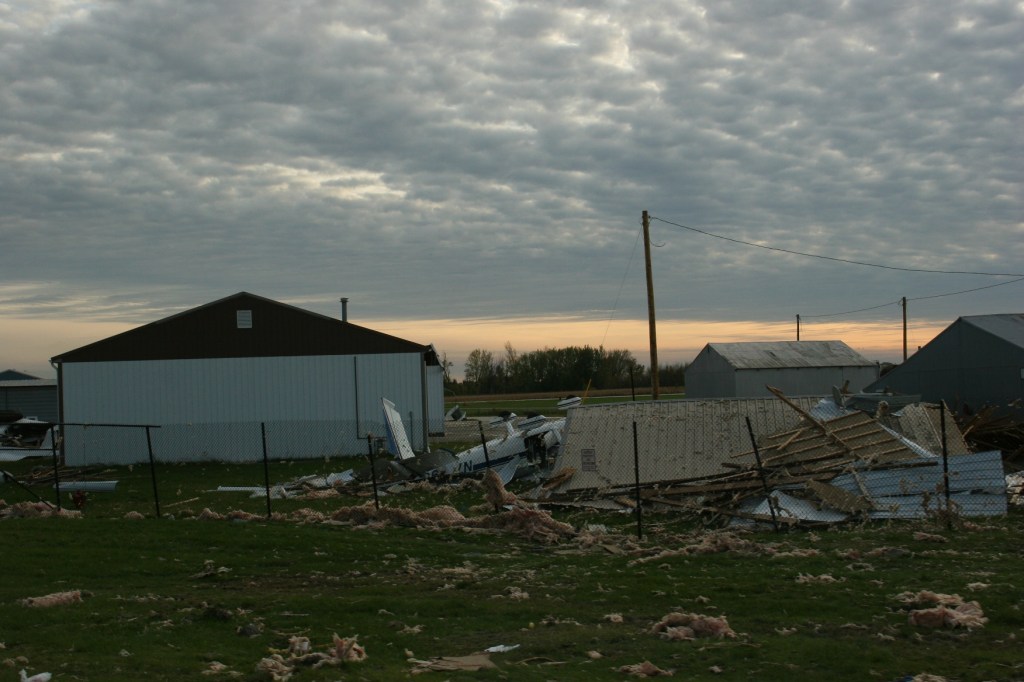
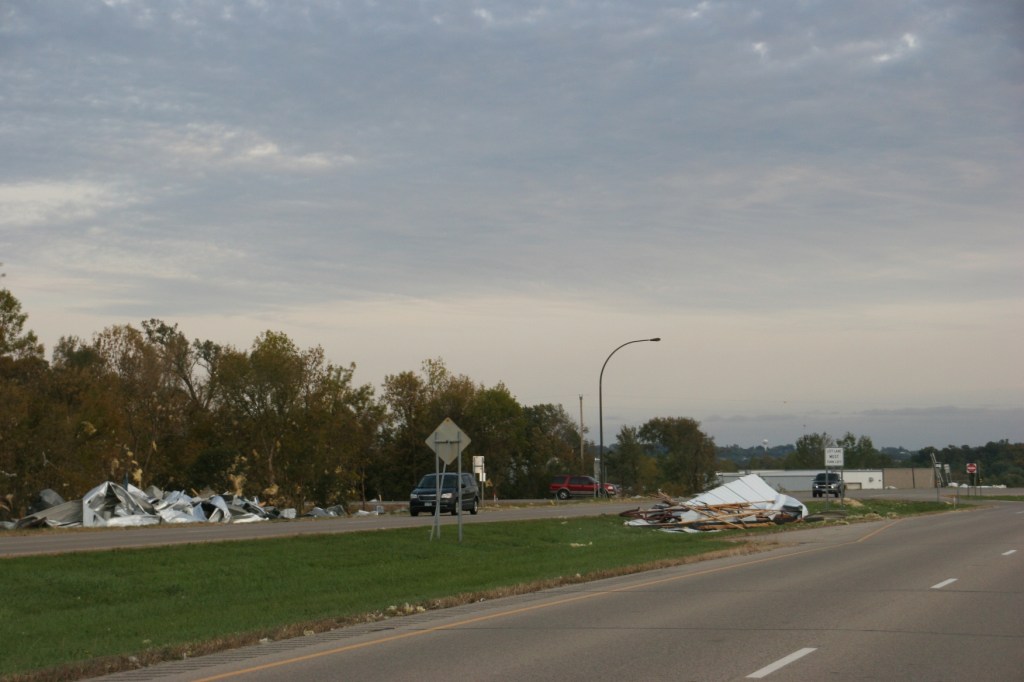
Debris landed on and along Minnesota State Highway 21 by the Faribault Airport. This is right off Interstate 35. I expect the scene was much worse right after the tornado. I shot this 10 days after the storm and shortly before sunset.


Ten days out, plenty of people are still working hard to remove trees, clear properties and repair storm-damaged buildings. Many roofs remain partially covered with tarps. I didn’t take many photos, except of the airport damage, and that as we drove past the airport. Mostly metal debris still lines road ditches and the median along Minnesota State Highway 21. I can only imagine how bad this area looked right after the tornado because it still looks bad.


Look closely and you will see aircraft under the debris.


Yet, in all of this we find reason to remain thankful. Not a single person was killed, which is remarkable given the 16 tornadoes and straight line winds. The NWS credits a Wireless Emergency Alert notification of the approaching tornadoes for saving lives. I agree. I got that alert on my cell phone. But I’d also seen an alert on TV and heard an alert on the local radio station to seek immediate shelter. I take these warnings seriously. There was a reason alerts sounded and emergency sirens blared, here in Faribault off and on for 40 minutes. They save lives. To ignore those warnings is a risk I will never take. Ever.

FYI: Click here to read the updated National Weather Service report released on Friday.

© Copyright 2018 Audrey Kletscher Helbling


Another look at storm damage in Faribault, in & near my neighborhood September 25, 2018

Trees felled by the Thursday evening storm block the entrance to Wapacuta Park up the hill and within a block of my home.


AS CLEAN-UP CONTINUES in southern Minnesota, the National Weather Service has now identified 10 tornado tracks, five of those in my county of Rice. The strongest, an EF2 tornado with winds of 111- 135 mph, occurred in Morristown some 10 miles to the west of Faribault. Folks in that small town lost homes. The remaining nine were identified as EF1 tornadoes with winds of 86 – 110 mph. The nearest tornado occurred northwest of Faribault in the Roberds Lake area up to Interstate 35 by the Faribault airport, which was destroyed.


One of many fallen trees along about a two-block section of Fourth Avenue Southwest.


The damage in Faribault neighborhoods, including mine, was apparently caused by straight-line winds/downbursts. Sunday afternoon Randy and I drove along Fourth Avenue Southwest, a few blocks up the hill from our home. It is one of my favorite neighborhoods with a tree-lined street fronting many stately old houses. The area has always reminded me of the beautiful homes along Lake Harriet in south Minneapolis.


Fallen trees, limbs and branches edge Fourth Avenue Southwest.


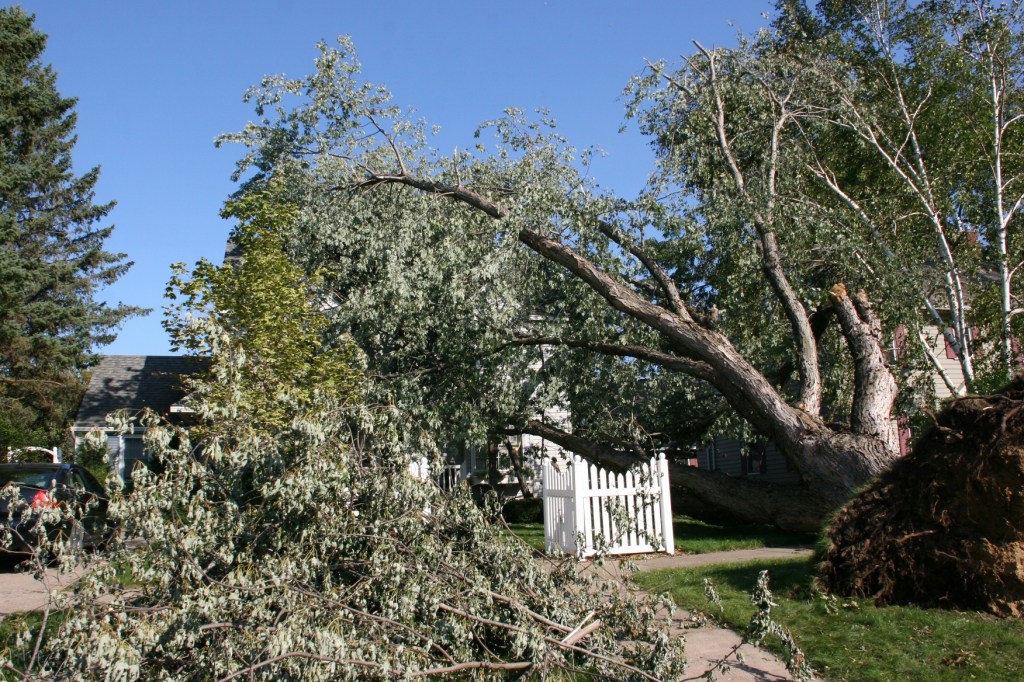
A tree yanked from the ground along Fourth Avenue Southwest.


More fallen trees along the avenue…


Now the landscape of perhaps two blocks of Fourth Avenue looks much different with so many trees fallen or damaged. In many parts of Faribault, there is no evidence that a storm ever hit. I’ve seen only widespread pockets of damage that affect a block or two or three, no more.


Taking a pause from tree removal Sunday afternoon near the Wapacuta Park playground.


Evidence of energy crews working in my neighborhood for 1 1/2 days to restore power.


A look at damage to a neighbor’s property where a tree landed on his garage.


Chainsaws buzz as folks and tree removal services continue with clean-up.


We piled branches from a large fallen limb onto the boulevard for city pick-up next week. Our friend is keeping large hunks of wood (stacked on our driveway) for firewood.


Sunday afternoon Randy and I focused on our own backyard, where a large branch broke off a neighbor’s tree and fell into in a small wooded section of our property. It didn’t hit our garage. But limbs loom above a neighbor’s house. Randy cut branches while I hauled them curbside before our friend Steve arrived with a chainsaw. Steve is Paul Bunyan strong with a heart of gold, always willing to help anyone. Anytime. Saturday he led a crew (including Randy and me) removing a fallen tree from our friend Lisa’s house where three trees uprooted, one landing on her house. Even with 16 people, the job of removing a single tree and branches took several hours.


Along Third Avenue Southwest by Wapacuta Park.


Sunday Randy and I worked several hours on the fallen limb in our yard. After we were well into the project, I learned that the city of Faribault is doing a curbside tree branch pick-up beginning October 1. But they won’t take anything longer than four feet. Alright then. I may be sorting through the pile…

As I write on Sunday evening, Randy is back at our friend’s house helping Steve load chunks of tree trunk and limbs…

© Copyright 2018 Audrey Kletscher Helbling


From Faribault: The storm, the aftermath, the stories of kindness September 22, 2018

A tree fell onto these vehicles in my neighborhood during storms Thursday evening.


TORNADOES TERRIFY ME. So when severe weather, with the possibility of tornadoes, was forecast for southern Minnesota Thursday afternoon into evening, I felt a bit on edge. Not overly worried. But with the underlying thought that storms could happen here.

They did.
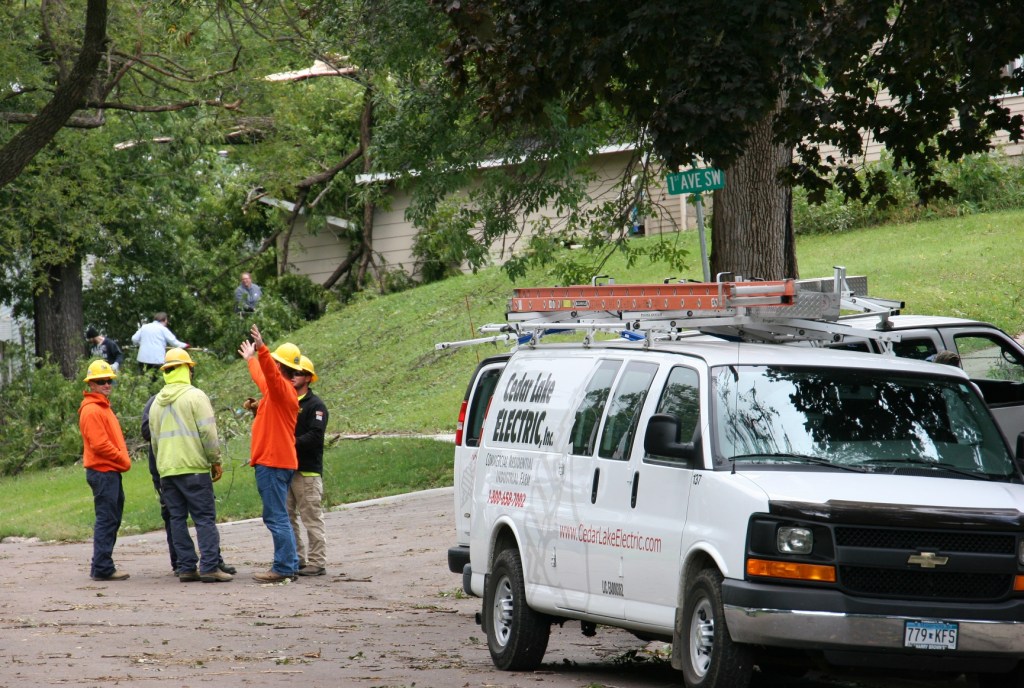
 

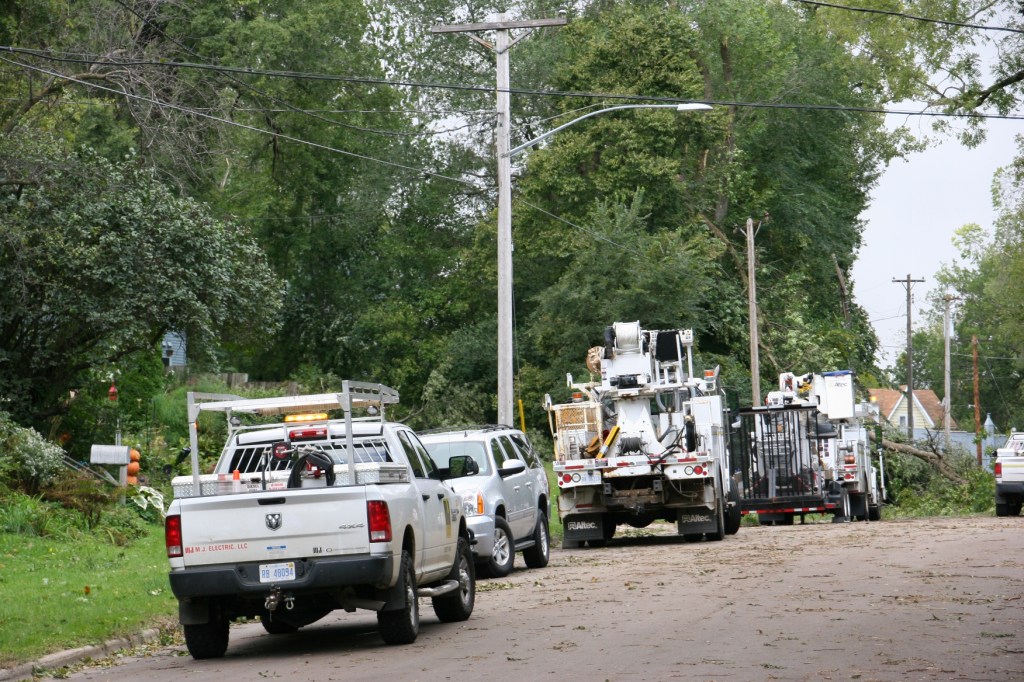
On the side street by my home, crews strategize the day after the storm.


Multiple confirmed tornadoes touched down in southern Minnesota Thursday evening, including one near Faribault. My community of some 24,000 was also hard hit by strong winds of up to 110 mph which destroyed the airport and ravaged my Willow Street/Tower Place/First Avenue Southwest neighborhood and many other neighborhoods.
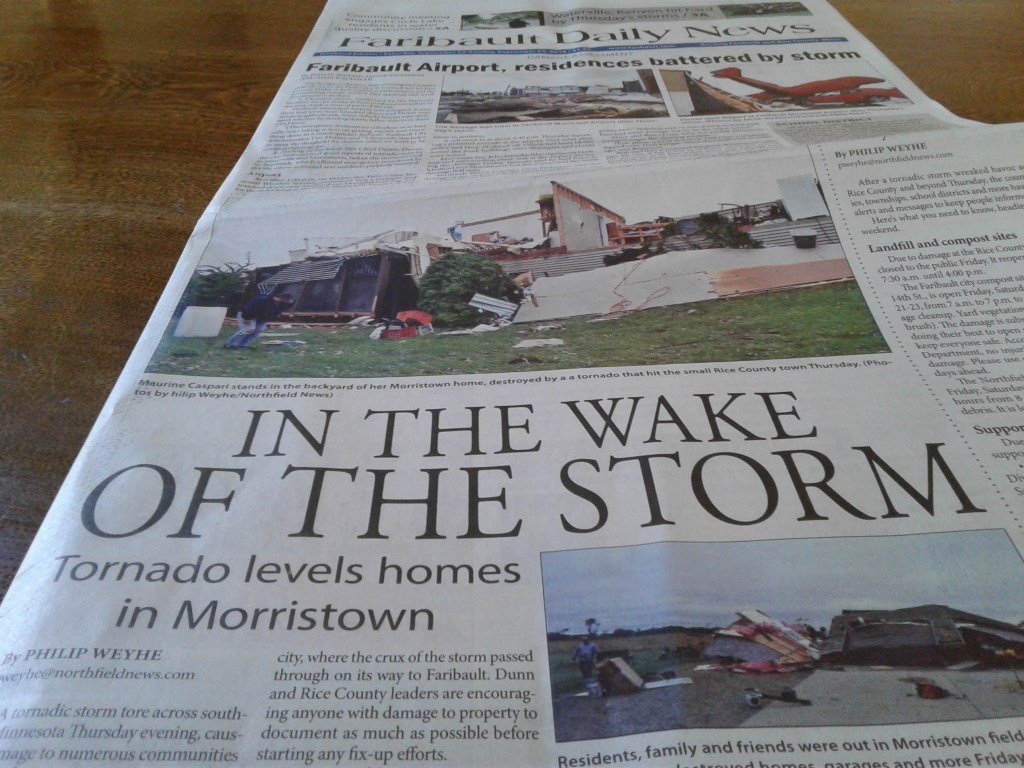
 

The front page of the Faribault Daily News, September 22, 2018.


Two Faribault men are recovering from injuries sustained when a tree fell on them during the storm, according to a report in the Faribault Daily News.

In nearby small towns, it’s a similar story with downed trees and power lines and damage to vehicles and homes. In Morristown, though, homes were leveled and others uninhabitable.

From Granada to Cannon Falls, tornadoes and severe thunderstorms swept a swath of destruction across the landscape—demolishing farm buildings, flattening crops, downing too many trees and power lines to count.

Those stories I’ve read online and in print. The stories I’m sharing today are mine from observations and conversations. These are the stories that touched my heart, that even made me cry. But first, I’ll start with the sirens sounding and then, the storm.

 

My next-door neighbor’s flag was ripped from the pole, landing in the top of an evergreen.


THE STORM

It’s around 6:15 p.m. Thursday and I’ve just finished the dinner dishes. Randy is deciding whether to replace the radiator in our car or head to the basement to work on a stained glass window project for our church. He chooses the window.

He has just stepped into the shower when emergency warning sirens begin blasting. I look outside to a sky that seems anything but threatening. I switch on the TV. A tornado warning for Rice County and many other Minnesota counties scrolls across the bottom of the screen. I turn on the radio. The announcer warns listeners to seek shelter immediately with precise times the storms are expected to hit each community. Target time in Faribault is 10 minutes. I storm into the bathroom. As is typical with Randy, he shows little hurry, little concern, about the storm warning.

I already feel my anxiety rising. He did not witness the aftermath of a killer tornado that claimed nine lives and injured 125 in Tracy, Minnesota, in June 1968. I did. A tornado also hit my family farm and my hometown years after that. I grew up with a respect for tornadoes. I hope I can convince him this is serious.

As Randy showers, I close windows, gather flashlights, scoop up my camera bag and external hard drive. Within that 10-minute time frame we are in the basement with our cellphones, the radio tuned to the local station, airing its usual 6:30 p.m. reciting of the Rosary. I want local up-to-date weather news.
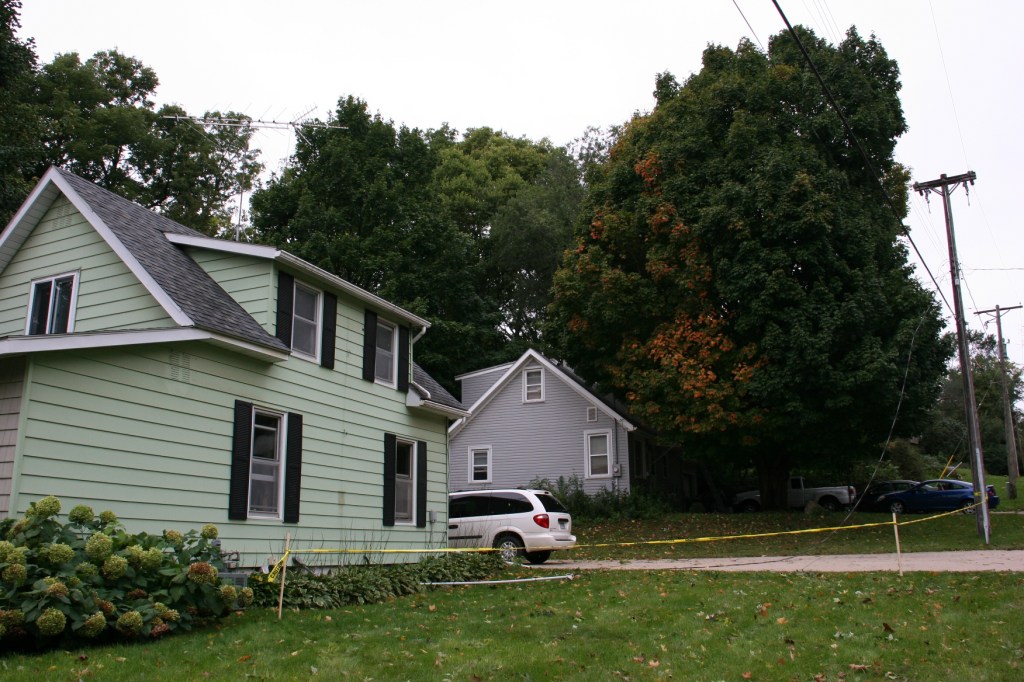
 

This image shows the conduit and power line ripped from our house, the wire lying across the driveway. Randy backed the van across the neighbor’s lawn to get out.


It doesn’t matter. Not long after, a loud bang sounds and the power goes out.

Randy continues cutting stained glass while I worry and text our daughter traveling in California. We hear and see little in our basement with two glass block windows. It’s probably better that way. But when I hear a roar, I ask whether that is rolling thunder or the signature tornado sound of a train. Randy says thunder, but not with significant confidence. Sirens continue to wail off and on for nearly 40 minutes. I’ve never heard emergency warning sirens blare that often for that long. Ever. I understand this is serious.

Our phones blast emergency alerts: Tornado Warning in this area til 7:00 PM CDT. Take shelter now. Check local media.–NWS

To say I am terrified would be accurate. I continue to text family who are keeping us updated from media accounts. We are trying to conserve our cellphone batteries with no way to charge them.

Around 7:10 p.m., we emerge from the basement to survey the damage.
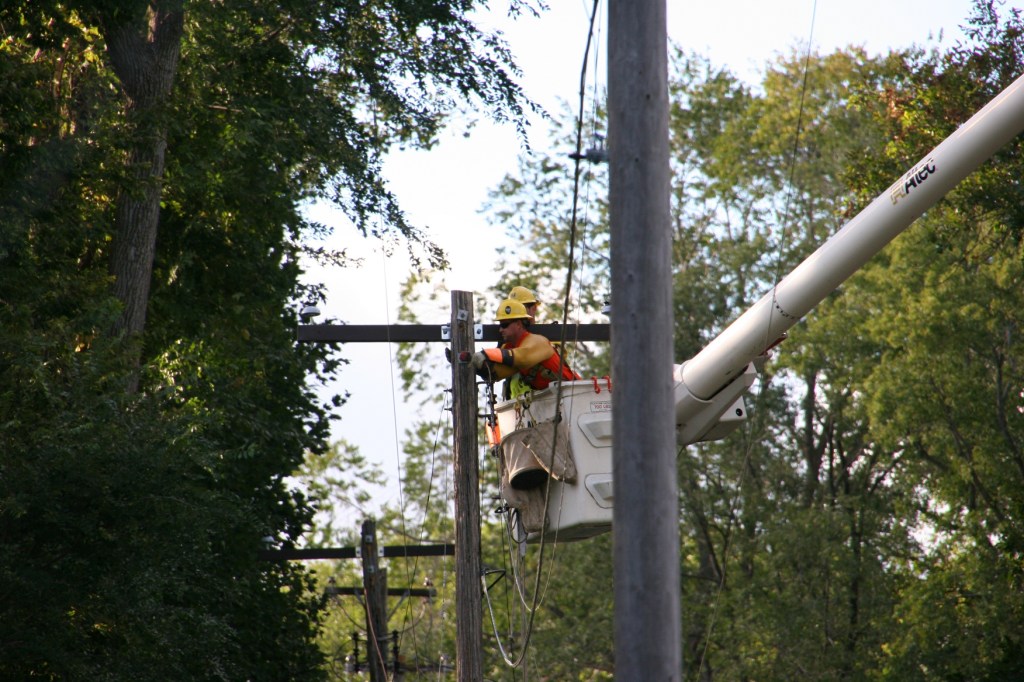
 

Energy crews are working long shifts, up to 16 hours one worker said, to restore power in Faribault and neighboring towns. We were without electricity for 26 hours. Power could be out for 4 – 5 days for some people.


THE AFTERMATH

We are fortunate. In the last remnants of daylight, we see that the power line and meter are ripped from our house, the line slicing diagonally across our driveway behind the van. Everywhere, across our arterial street and up side streets, trees block roadways. It’s a mess.

As rain falls, we walk a half-block in the dark, my concern mounting that we could encounter fallen power lines. I don’t feel safe. Traffic is metro rush hour heavy and I wonder why the heck all these people are out and about. A man directs traffic around a fallen tree blocking a lane of Willow Street.

There is nothing we can do. Damage assessment will come at daybreak.
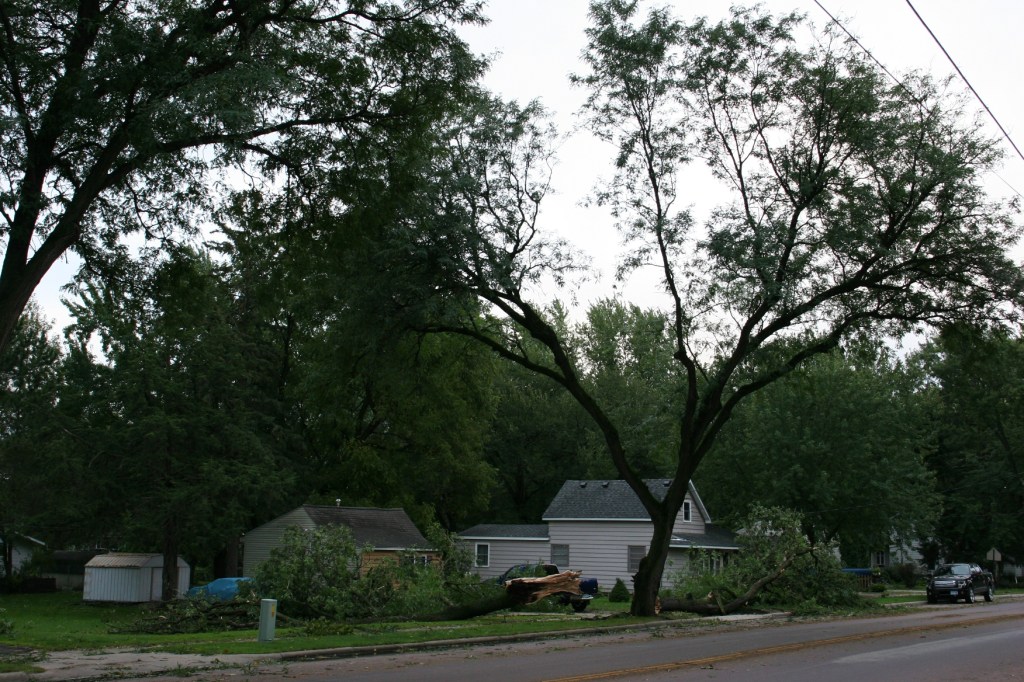
 

Across the street along Willow Street early Friday morning.


DAY BREAKS

We are up early after a restless night of little sleep. In the light of morning, we see trees down everywhere in our neighborhood. Passing by the remnants of a fallen tree, Randy points to three squirrels clinging to the trunk. They are shaking.
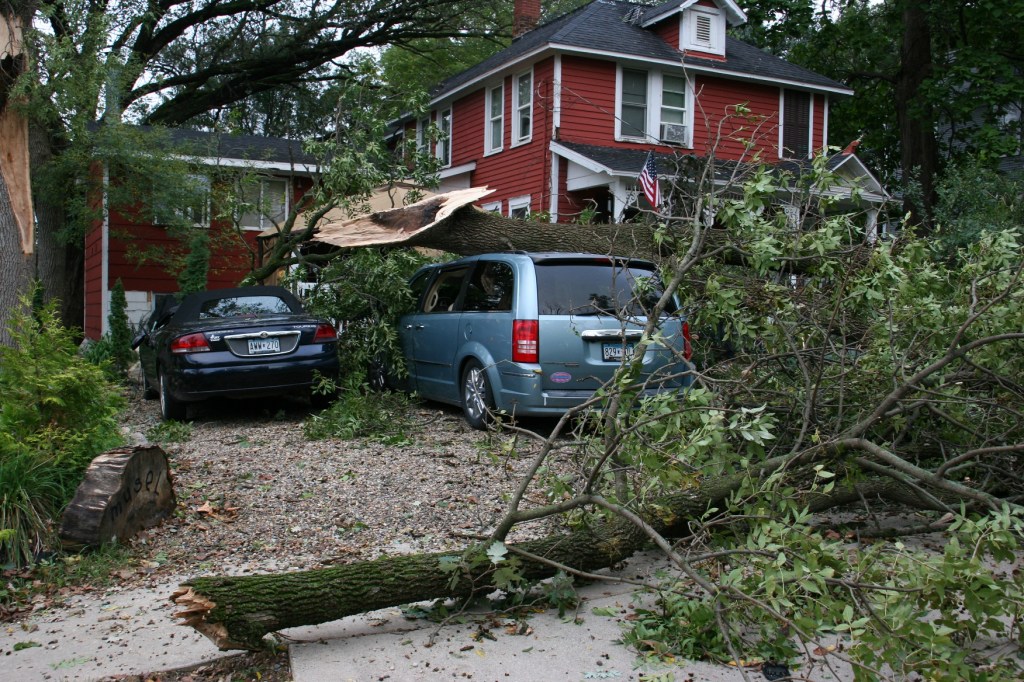
 

A half block from my home trees fell onto two vehicles along First Avenue Southwest.


Up the hill, just a half-block away, a tree lies across a car and a van in a driveway. We chat with the homeowner, who says both can be replaced. Life can’t. It’s a theme we hear repeated.
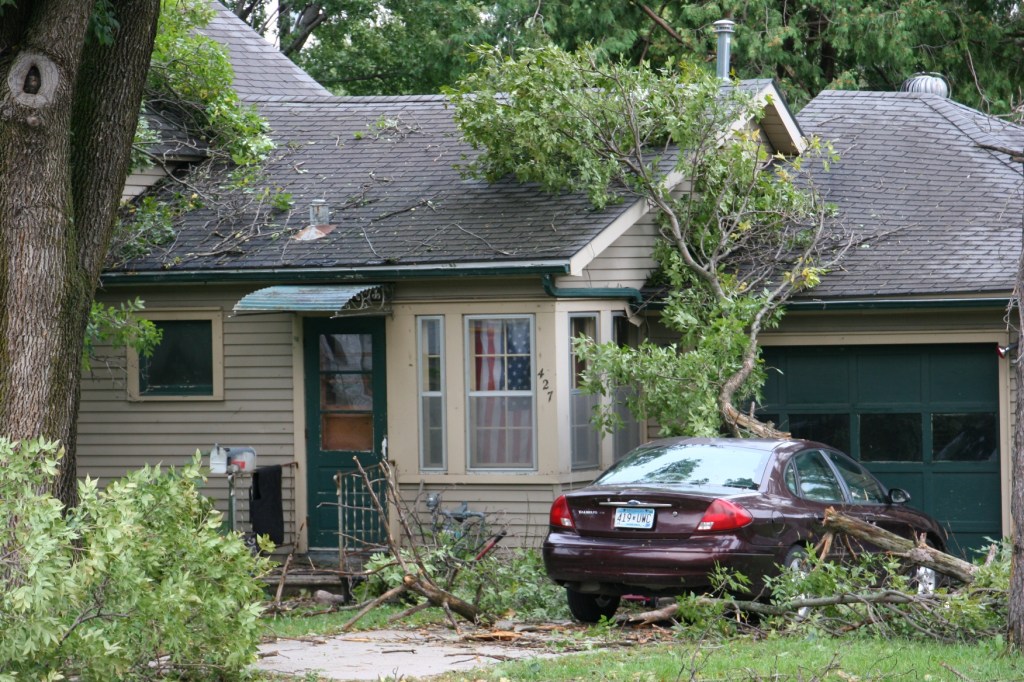
 

Across from our house along Willow Street.
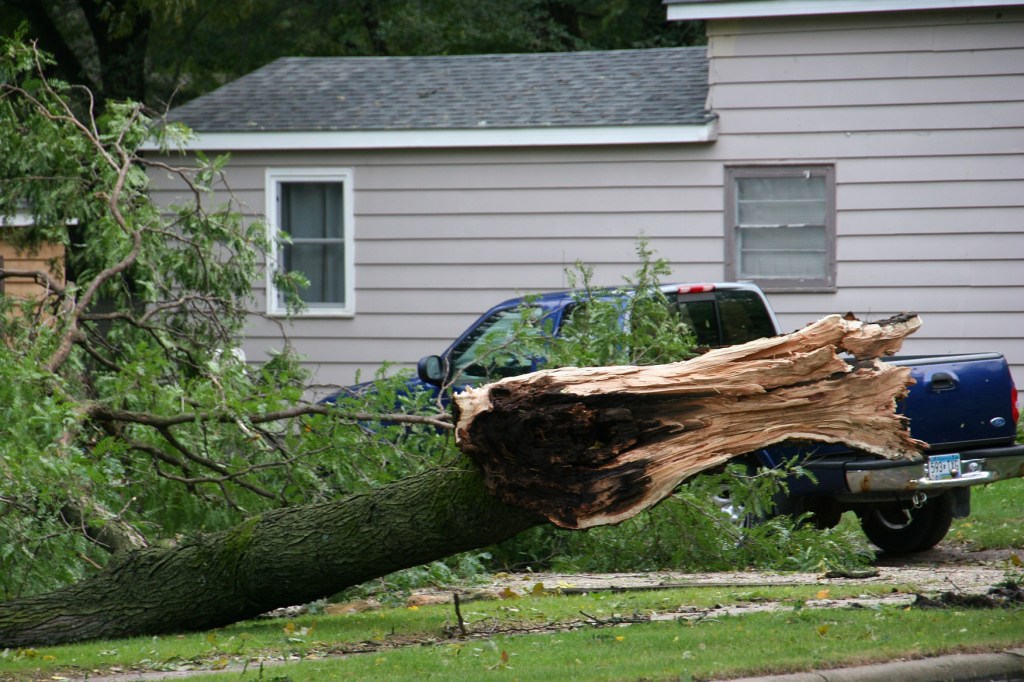


Crews line Tower Place, the side street by my house, as they work all day Friday and also into Saturday.
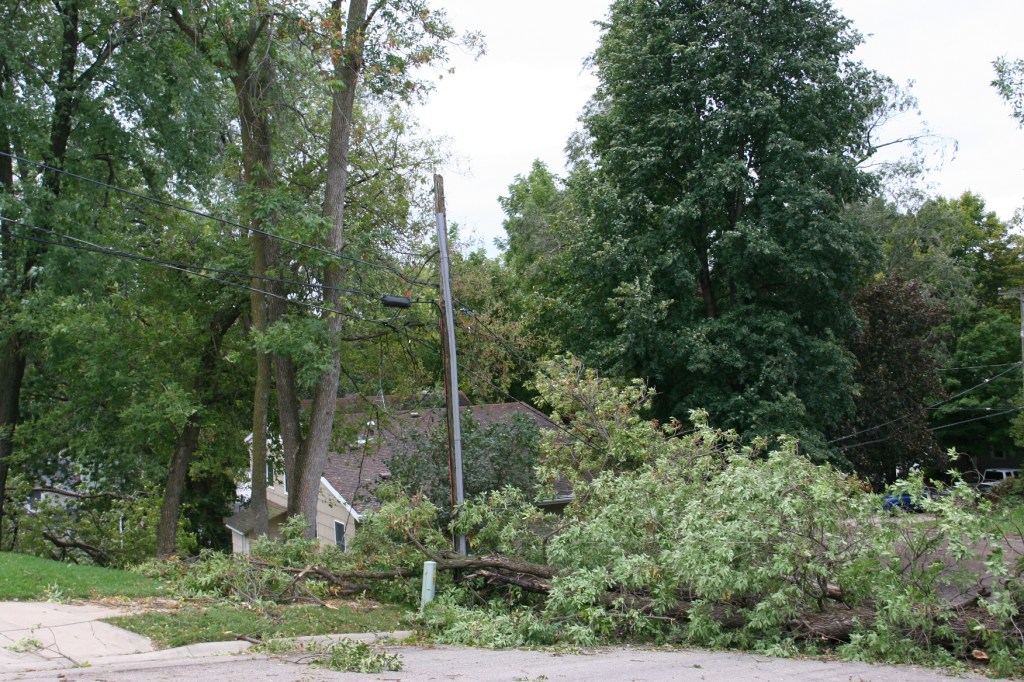
 

A downed tree blocks First Avenue Southwest a short distance from our house at its intersection with Tower Place.


A young man pauses to talk to us. He’s checking on his brother. At one point during our conversation, I mention that we are conserving our cellphone power. He continues up the hill. Within 10 minutes, he approaches us as we chat with an elderly neighbor. “Here, I want you to have this,” Xavion says and hands me a cellphone charger. “God bless you.” I am crying at the kindness of this young father. He asks to pray with us. So there we are, the morning after the storm, standing in our neighbor’s front yard, the four of us circled, hands joined, Xavion praying. It will not be the first time of circled prayer. This marks a profoundly powerful moment for me, this giving of thanks by a kind stranger in the aftermath of the storm.
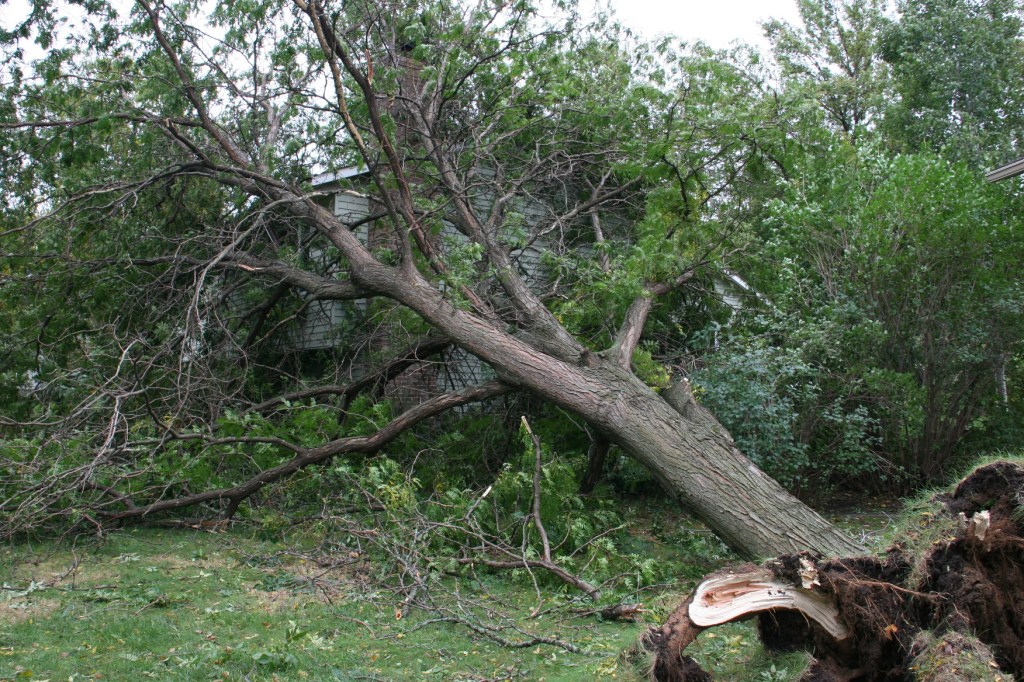
 

Three trees fell at my friend Lisa’s house, one against her house. This tree will be removed by professionals. Two others were removed by a friend and a crew of workers including Randy and me.


MORE KINDNESS

I expect many in my community could share similar stories of kindness. At Basilleos Pizza on Friday evening, Manager Connie tells us how, earlier in the day, staff baked 30 pizzas and then gave them to random people working on storm clean-up.

Saturday morning my friend Lisa’a neighbor drops off bottled water for the crew of 16 assisting with tree clean-up. Several others also bring water and another friend drops off scalloped potatoes, grapes and homemade cookies.
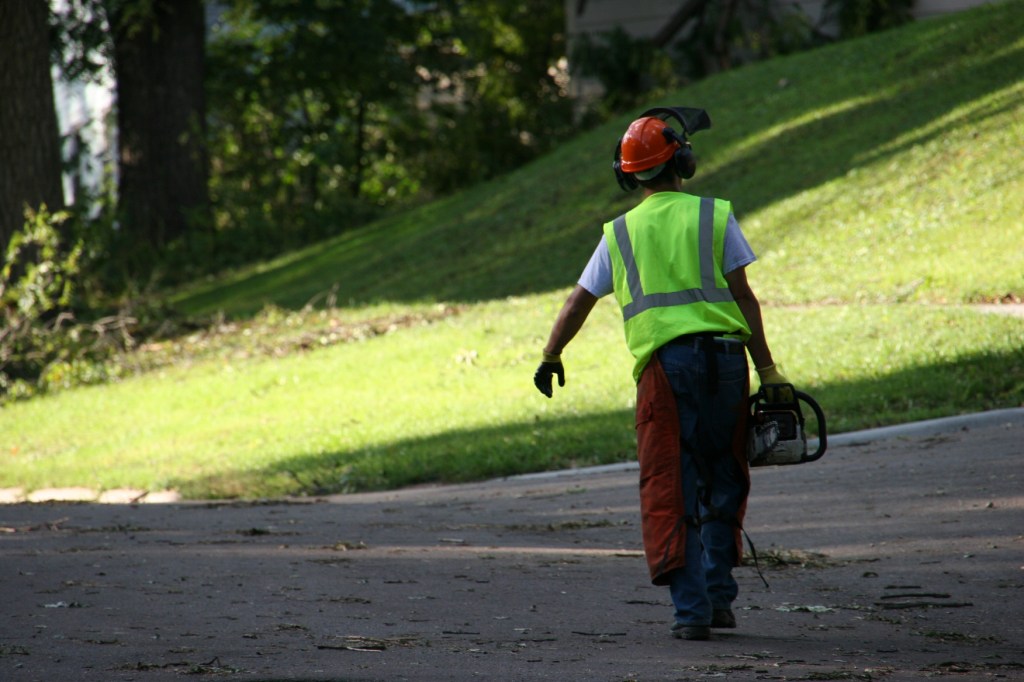
 

A city worker carries a chainsaw to clear a tree from a street in my neighborhood late Friday afternoon.
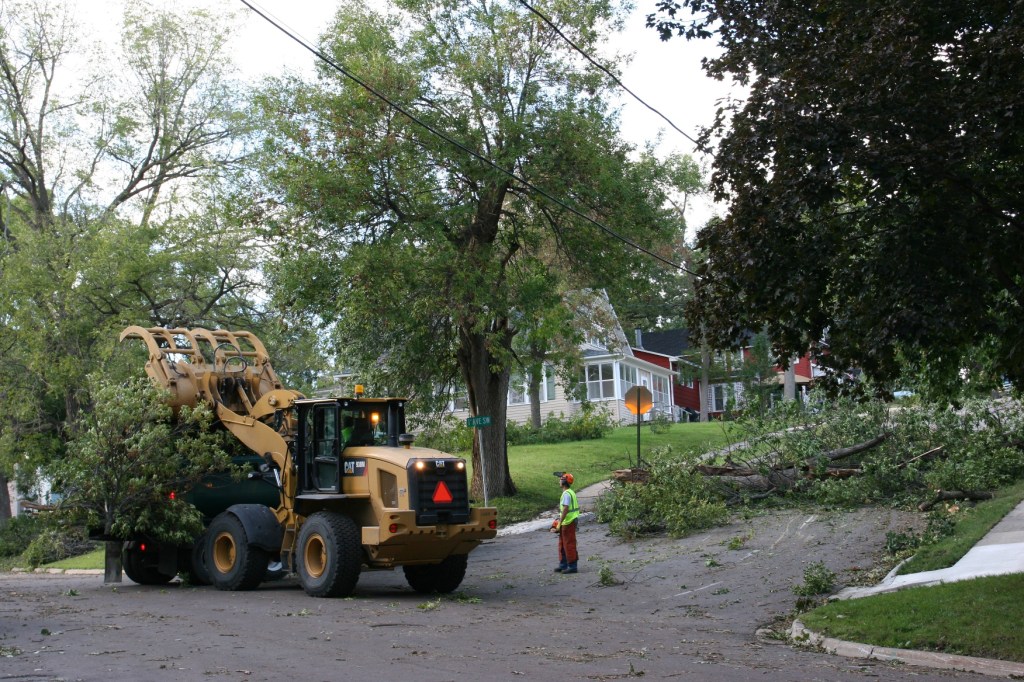
 

City crews clear away a tree blocking First Avenue Southwest.
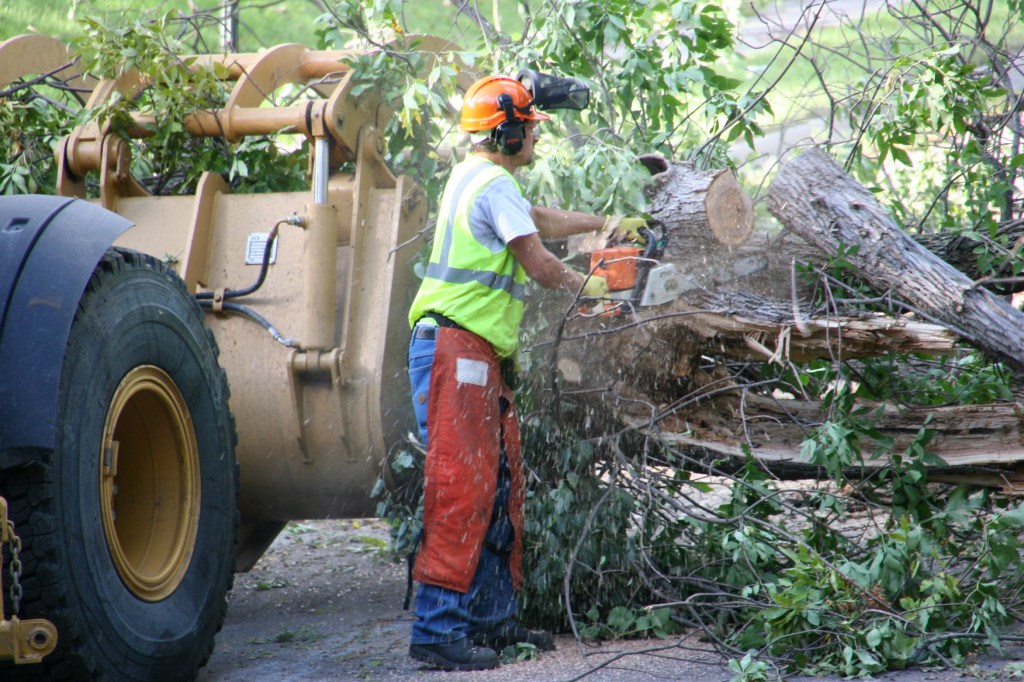
 

The buzz of chainsaws is nearly constant throughout Faribault.
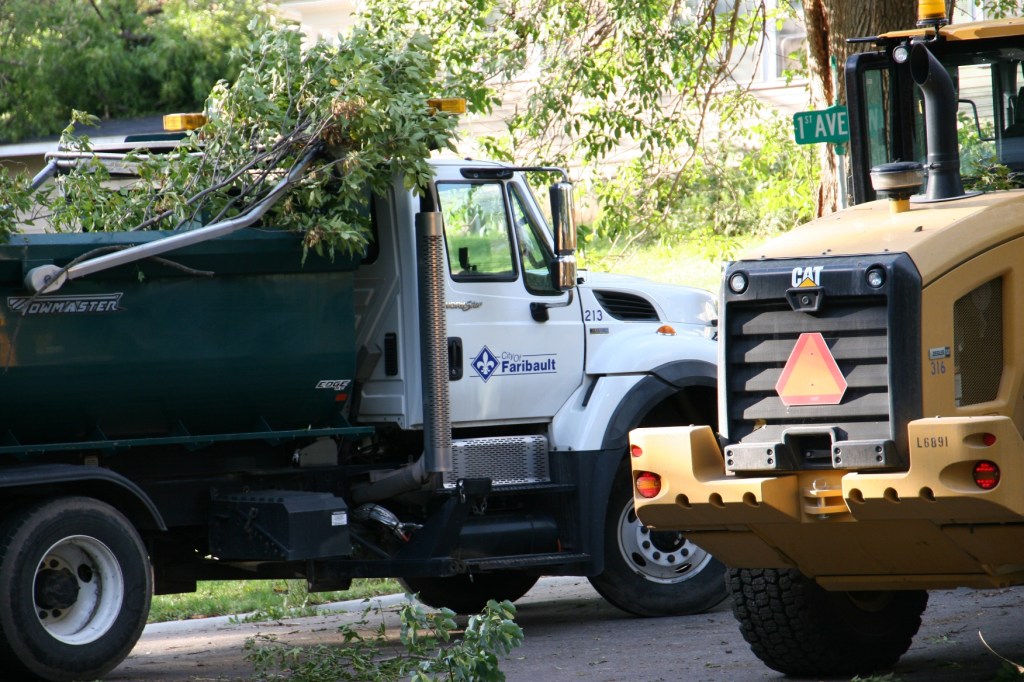
 

City crews continue tree clean-up.


An email went out the afternoon prior to show up at 9 a.m. at Lisa’s house. Three teens arrive with their dad and grandparents. A couple who live nearby also come; they’d stopped by on Friday with Klondike bars after losing power. Hours later when we’ve finished clean-up, we gather in a circle, all of us holding hands, the nearby neighbor—a pastor I would learn afterward—leading us in prayer.
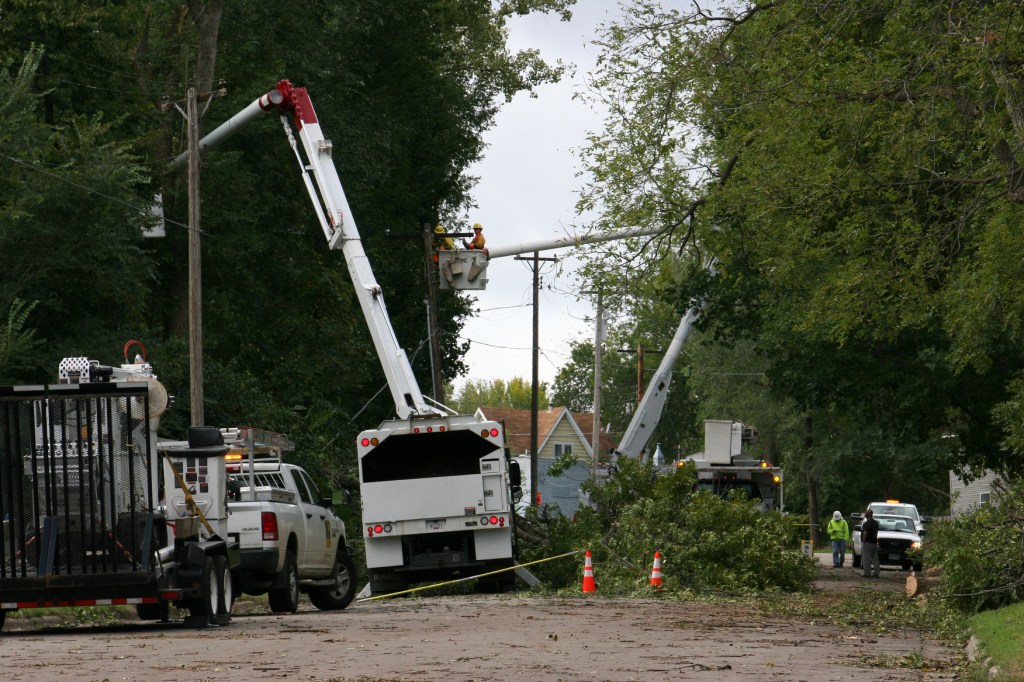
 

Still working along Tower Place.
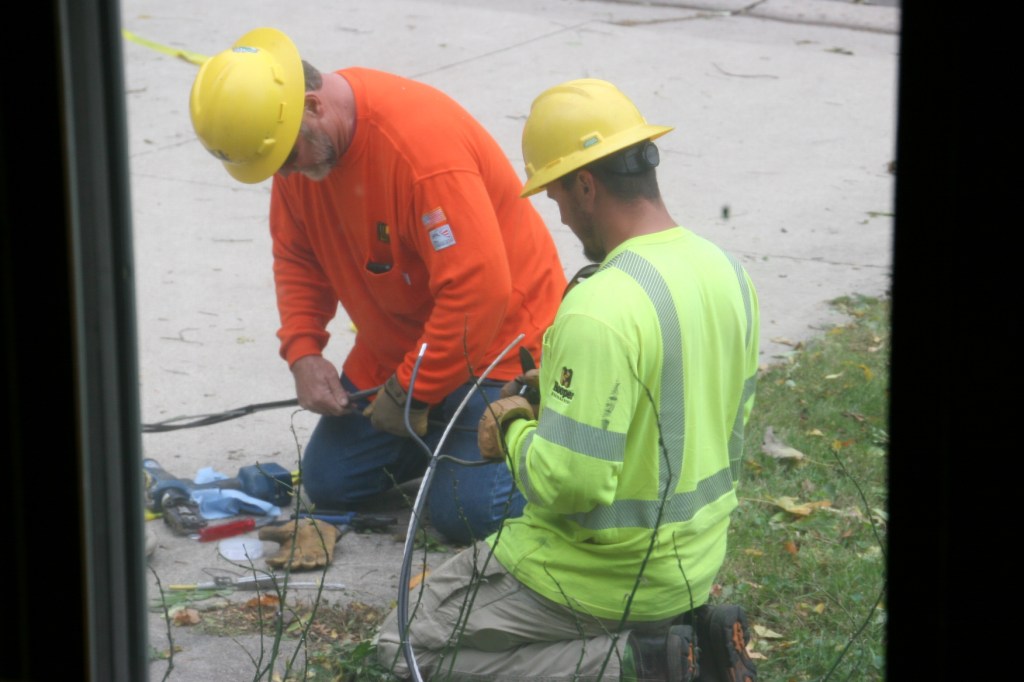
 

A shot through my dining room window of Xcel Energy crew members working on lines to reconnect to our house.
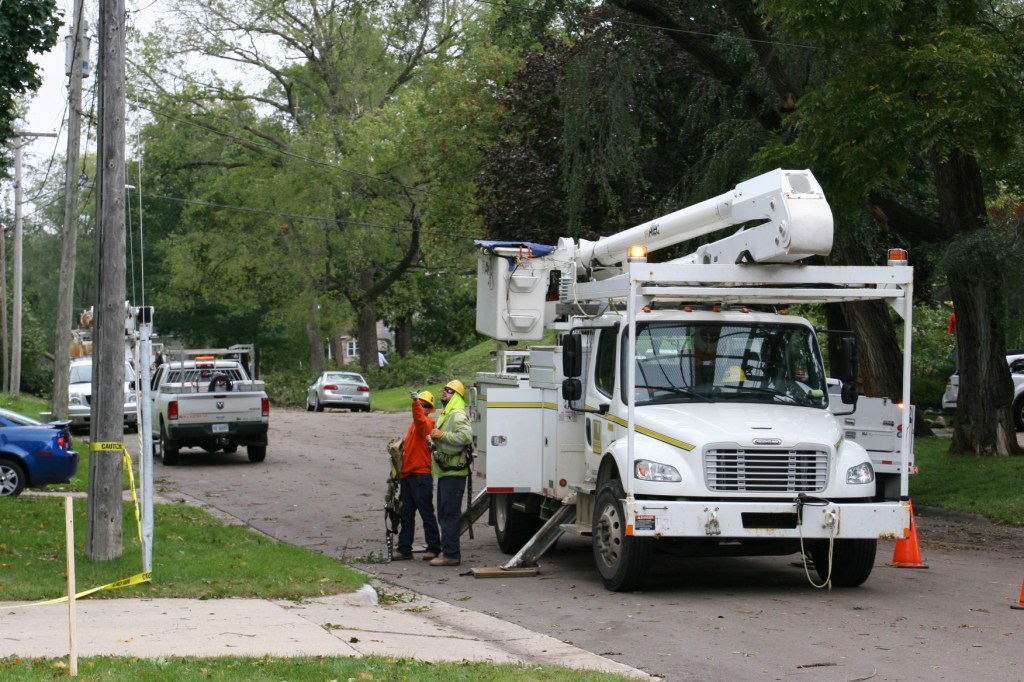
 

At the end of our driveway, workers prepare to string new power lines.


We have much to be thankful for. Each other. Protection. A beautiful Saturday of sunshine. Caring neighbors and co-workers and friends and strangers and professionals. It is said that difficult times bring out the best in people. I witnessed that firsthand in Faribault in the aftermath of this storm.


FYI: You won’t see photos of damage outside my neighborhood (except at my friend’s house) as local officials advise gawkers to stay out of storm-damaged areas.

© Copyright 2018 Audrey Kletscher Helbling


Only in Minnesota: Babe the Blue Ox tops the news following a severe storm August 4, 2016

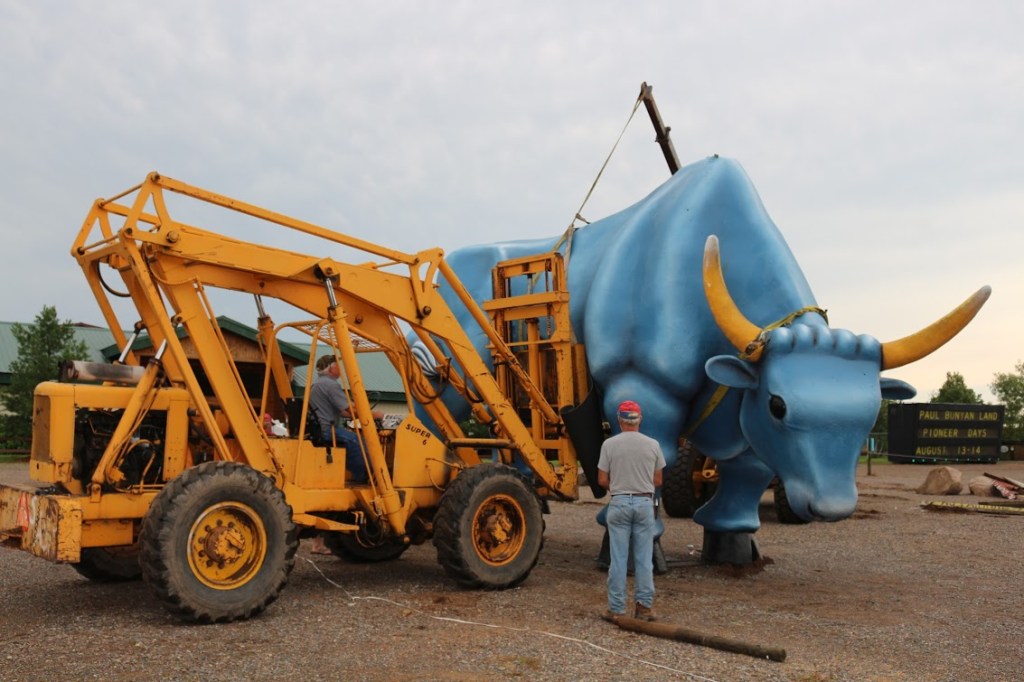
NOT EVEN THE STRENGTH of an ox could match the power of Mother Nature during severe thunderstorms that rolled through the Brainerd Lakes area of Central Minnesota Thursday morning.

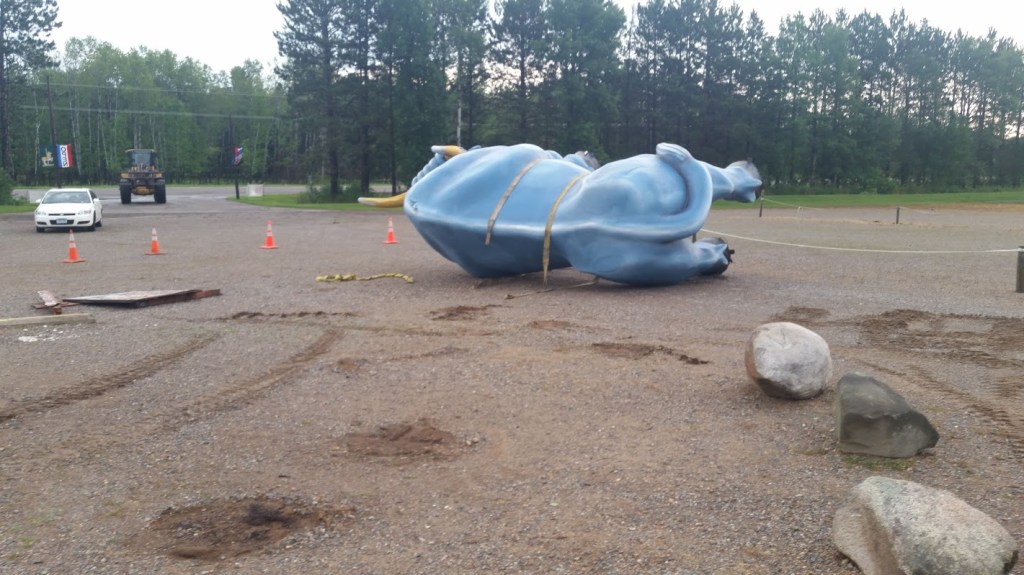
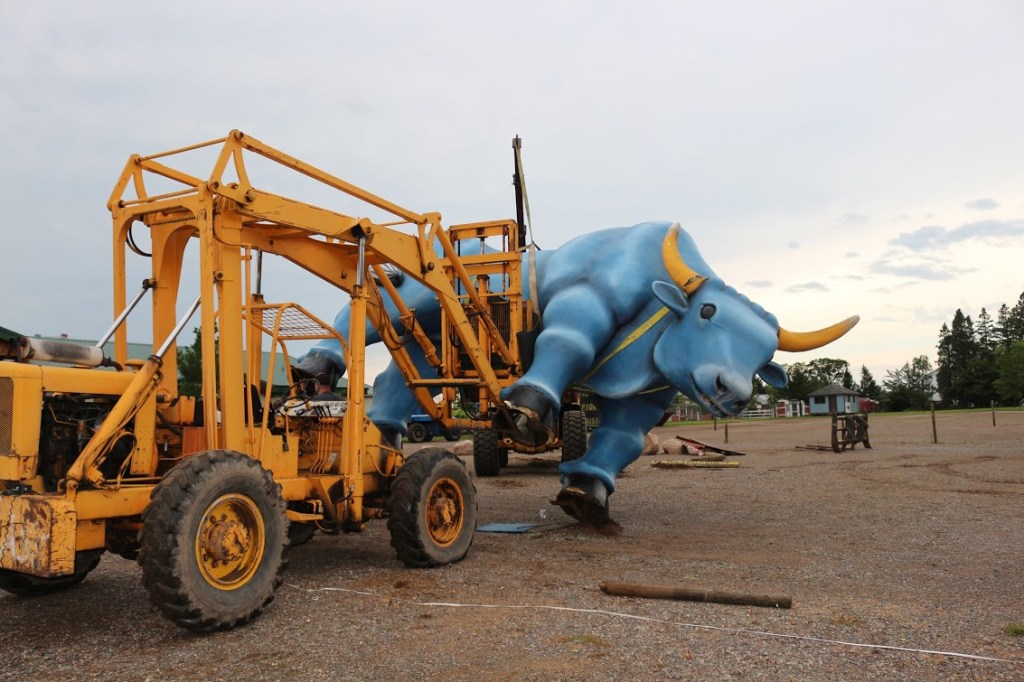
At Paul Bunyan Land along State Highway 18 east of Brainerd, strong winds toppled a 6,000-pound iconic Babe the Blue Ox statue. The 18-foot tall by 24-foot wide ox is “a little dinged up, but in true Paul Bunyan fashion, back up on his feet in no time,” according to an entry on the attraction’s Facebook page.

See for yourself:

Photo by Adam Rademacher and courtesy of Paul Bunyan Land.

Photo by Adam Rademacher and courtesy of Paul Bunyan Land.

Photo by Adam Rademacher & courtesy of Paul Bunyan Land.

Photo by Adam Rademacher & courtesy of Paul Bunyan Land.

Reeds Backhoe Service worked to upright Babe. Photo by Adam Rademacher and courtesy of Paul Bunyan Land.

Reeds Backhoe Service worked to upright Babe. Photo by Adam Rademacher and courtesy of Paul Bunyan Land.

Babe suffered a few dings, including to his flank. Photo by Adam Rademacher and courtesy of Paul Bunyan Land.

Babe suffered a few injuries, including to his rear flank. Photo by Adam Rademacher and courtesy of Paul Bunyan Land.

Babe's horn was also damaged. Photo by Adam Rademacher and courtesy of Paul Bunayn Land.

Babe’s horn was also damaged. Photo by Adam Rademacher and courtesy of Paul Bunayn Land.

Babe, back on his feet. Photo by Adam Rademacher and courtesy of Paul Bunyan Land.

Babe, back on his feet. Photo by Adam Rademacher and courtesy of Paul Bunyan Land.

If you’re from Minnesota or you’ve ever vacationed in the Brainerd Lakes area, you understand the importance of Babe the Blue Ox. He, along with his owner, lumberjack Paul Bunyan, are the stuff of Northwoods legend. Since the early 1950s, statues of the pair welcomed visitors to the Paul Bunyan Amusement Center near Baxter. Parents slipped their children’s names to the ticket taker and soon Paul was personally greeting Johnny or Jane from Wherever. Such is the stuff of summer childhood memories in Minnesota.

In 2003, the long-time tourist attraction closed and Paul and Babe moved to their new home next to This Old Farm Pioneer Village east of Brainerd. This morning, Babe proved his resiliency in adversity. Paul Bunyan Land opened at 10 a.m. Thursday, right on schedule.

BONUS STORY & IMAGE:

Paul Bunyan book cover


Several months ago I purchased Paul Bunyan and Babe the Blue Ox, a slim book (more like a pamphlet) at a used book sale in Faribault. Published by Bang Printing of Brainerd, likely in the 1960s, this book was written by Daphne Hogstrom and illustrated by Art Seiden. I acquired it for the art more than the story. I value such period graphics, especially this publication about a Minnesota legend.

According to the author, Babe the Blue Ox is as wide as the Mississippi River, stands 11 pine trees tall, does the work of 60 men and can pull rivers.

Legend goes and this writer writes, that Paul pulled Babe from a snowdrift in the year of the blue snow, thus the hue of this much beloved ox.

FYI: Click here to view the full gallery of storm damage images. All photos are courtesy of the Rademacher family and available for the public to use, according to the Paul Bunyan Land FB page. Note that Thursday’s storm caused severe damage throughout the Brainerd Lakes area with trees and power lines down. Damage reports are still coming in. This storm, and specifically the toppling of Babe the Blue Ox, is leading Minnesota news stories today.

© Story copyright 2016 Audrey Kletscher Helbling
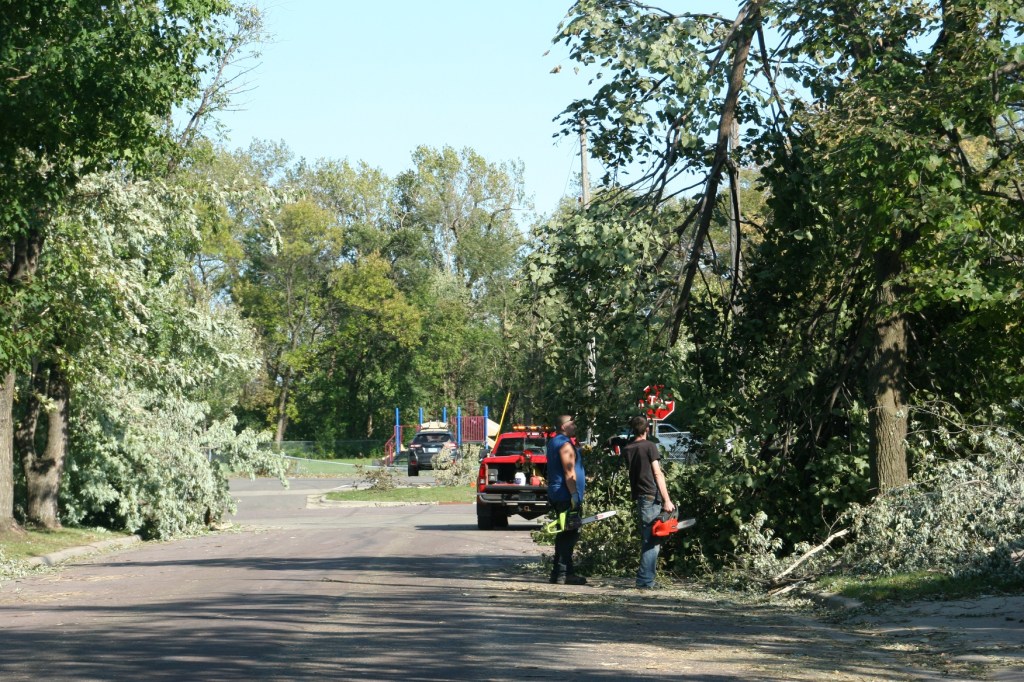
 

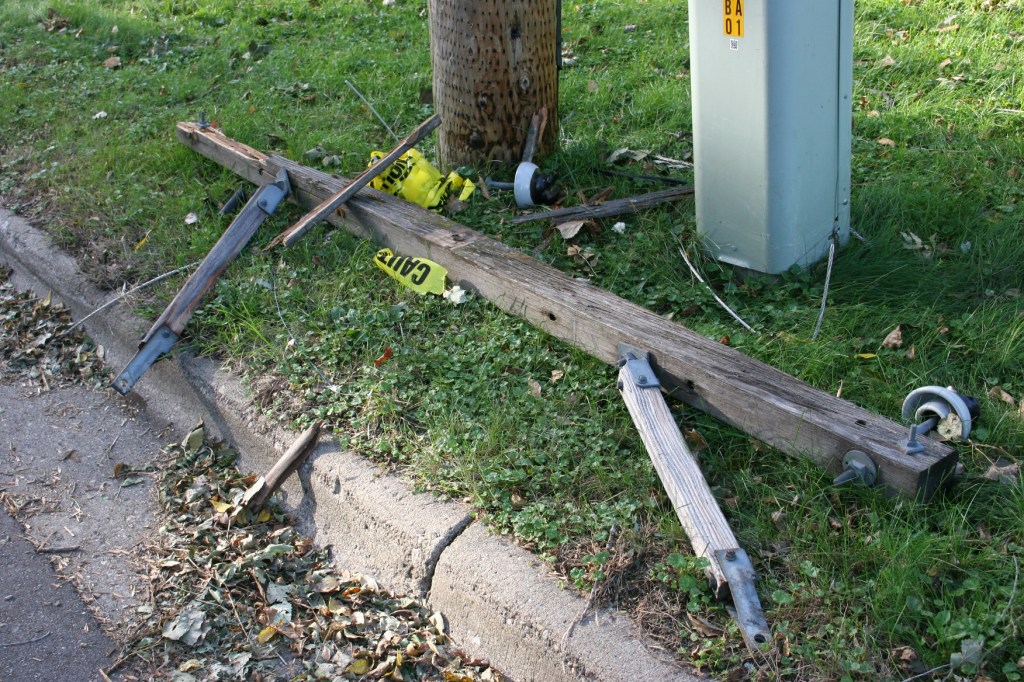
No siren equals misguided storm logic in Appleton, Wisconsin August 7, 2013

Filed under: Uncategorized — Audrey Kletscher Helbling @ 3:29 PM
Tags: , , , , , , , ,

SHE SHOULD KNOW BETTER. After all, I raised her to respect storms, to head to the basement when the siren sounds.

But early this morning, warning sirens didn’t alert residents of Appleton to the severe storm sweeping through this northeastern Wisconsin city. That’s according to my second daughter, who awakened between midnight and 1 a.m. to strong winds whipping and rattling the vertical blinds in her apartment between Northland Avenue and a residential street on Appleton’s north side, the area hardest hit in this community.

Rather than proceed to the basement, she opened her second floor sliding patio door, retrieved her pepper and other plants from the balcony and crawled back into bed. Her reason: No sirens.

Crazy girl. I taught her to respect severe storms like the one early this morning that produced reported “hurricane force” winds of up to 96 mph in Appleton and the surrounding region.

According to numerous online news sources, strong winds snapped more than 100 power lines and damaged the electrical network and transmission system leaving some 62,000-plus customers initially without power. My daughter is among those. It could take up to three days before power is fully restored to the area, according to information on the City of Appleton website.

Just blocks east of my daughter’s apartment, a section of main arterial Northland Avenue is closed due to downed power lines. Trees are down everywhere, she says, and Hortonville to the northwest of Appleton was especially hard hit. She drove by the town this morning en route to New London to interpret at a medical appointment.

Appleton Medical Center, where my daughter often interprets for Spanish-speaking patients, is reportedly operating on back-up power and is bringing in a second generator from Chicago. Surgeries have been canceled.

Residents in the region are dealing with felled trees and damage to buildings.

The Outagamie County (Appleton rests in part of this county) Emergency Operations Center has been activated, an emergency declaration issued and Red Cross shelters opened in New London and Wrightstown, according to the Outagamie County Facebook page.

The need for “great caution” while traveling in north Appleton, Grand Chute, Kimberly, Little Chute, Hortonville and Freedom is recommended because of downed trees and debris on roadways.

Now, after reading all of that, should my daughter have retreated to the basement of her apartment building during this morning’s storm?

This mom thinks so.

Should the sirens in Appleton have been activated?

This mom thinks so.

WEDNESDAY EVENING UPDATE: According to news reports, the National Weather Service has confirmed an EF-1 tornado in Appleton and an EF-2 tornado in the New London area. See this link:

http://www.fox11online.com/dpp/weather/tornados-leave-path-of-destruction

An additional Red Cross shelter has been opened in Appleton.

As of early this evening, my daughter still did not have power and was preparing to throw food and purchase additional candles and a bigger flashlight. She also is without hot water. She lives near the Northland Mall, which sustained roof damage.

© Copyright 2013 Audrey Kletscher Helbling


Rebuilding a rural Minnesota church January 1, 2012

St. John's Lutheran Church in Vesta, hours after a July 1 "series of downbursts" with winds of 90 - 100 mph ripped half of the south roof off. Photo courtesy of Brian Kletscher.

FOR SIX MONTHS NOW, since strong winds ripped half the roof from St. John’s Lutheran Church in my hometown of Vesta, the congregation has been without a permanent place to worship.

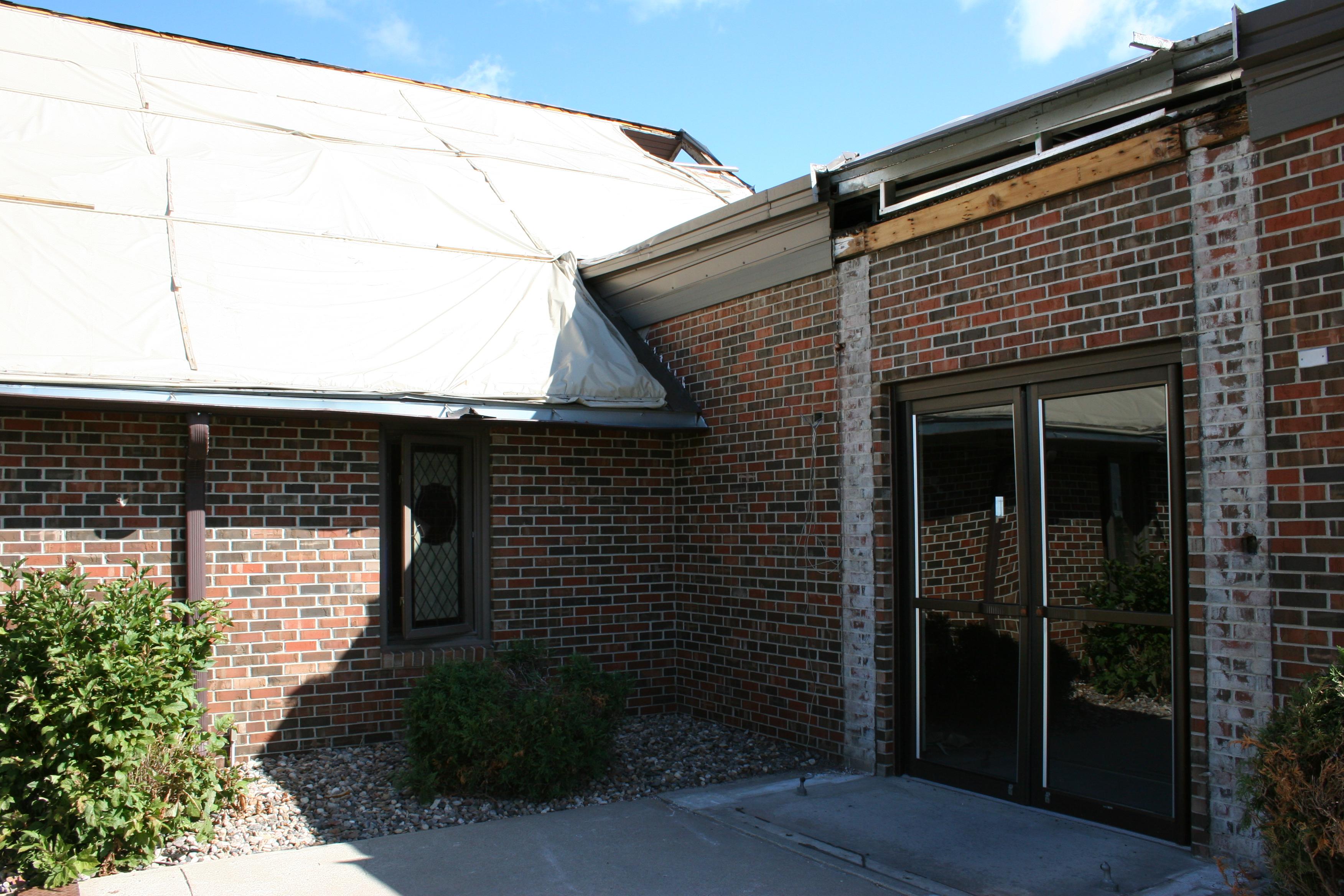
The southern half of the roof was ripped off by high winds and toppled onto the bell tower, which has since been removed. It was attached to the sides of the entry, as seen in this image from September.

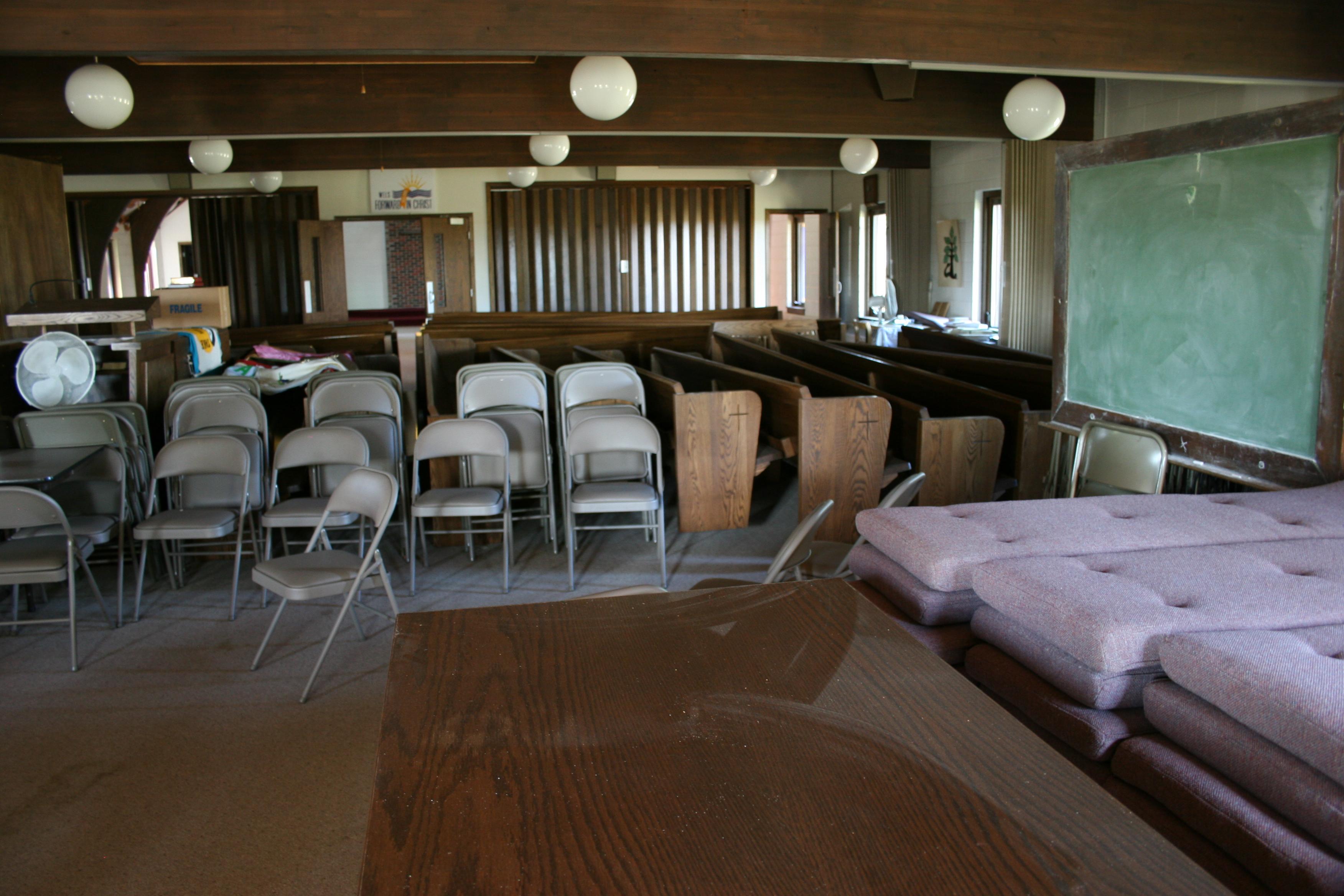
Inside the sanctuary I listened to the wind flap the tarp that covered the damaged roof in September.

The pews and other items from the church were moved into the undamaged social hall.

Ponder that for a moment. If you are a church-going person, how would you be impacted by the temporary closure of your church building?

Here’s how St. John’s members have dealt with the situation: They are worshipping at their sister congregation, Peace Lutheran in Echo, about 10 miles away. They are holding Sunday School classes in the Vesta Community Hall. They are rebuilding and expanding St. John’s.

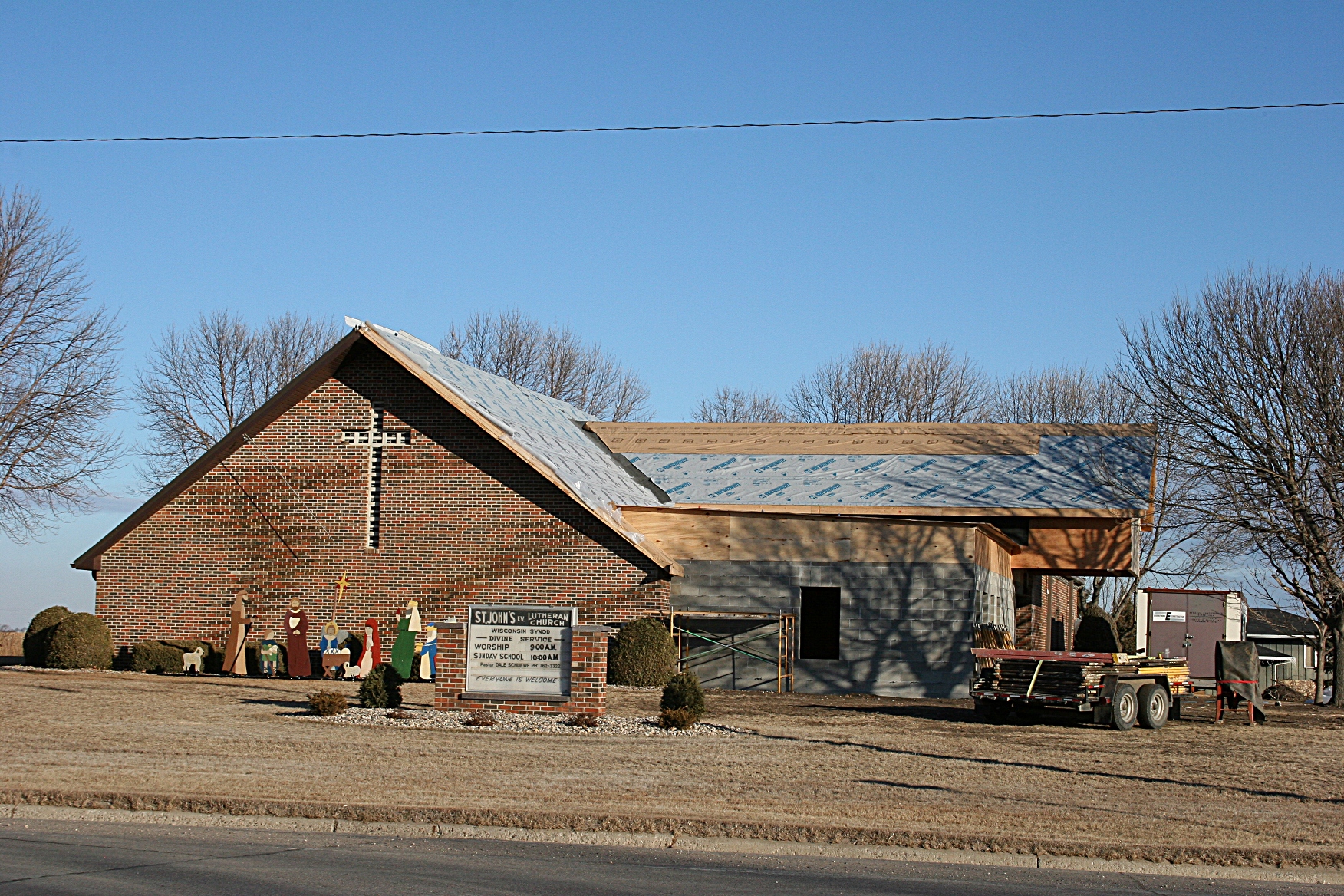
Repairs and building expansion are underway at St. John's in this photo taken on December 23.

The south side church expansion includes an office, handicapped accessible bathroom and an enlarged narthex, according to my mom, who attends St. John's.

Like the strong prairie people they are, St. John’s folks are adapting. They are helping one another, offering rides to those who can’t/don’t wish to drive to Echo, especially during the winter months.

Yet, this absence of their church within their community can’t always be easy. Imagine losing a loved one who attended St. John’s, whose death could not be mourned in the comfort of familiar surroundings. The same goes for celebrating baptisms and weddings.

In a small town like Vesta, population around 330, a church knits people and lives together into a community of care. That still exists. But, without a building, it takes extra effort to maintain that closeness.

For those who call St. John’s home and for those of us who grew up in this congregation, the reopening of these church doors cannot come soon enough.

Will “soon” be Easter?

© Copyright 2011 Audrey Kletscher Helbling
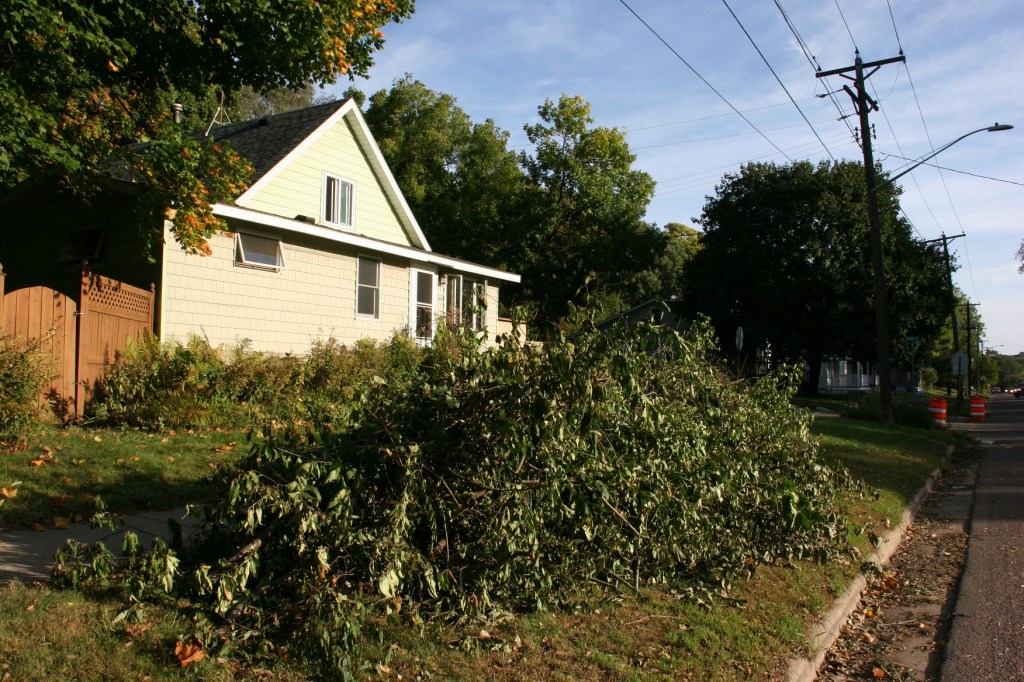
 

The armless Jesus at storm-damaged St. John’s in Vesta August 4, 2011

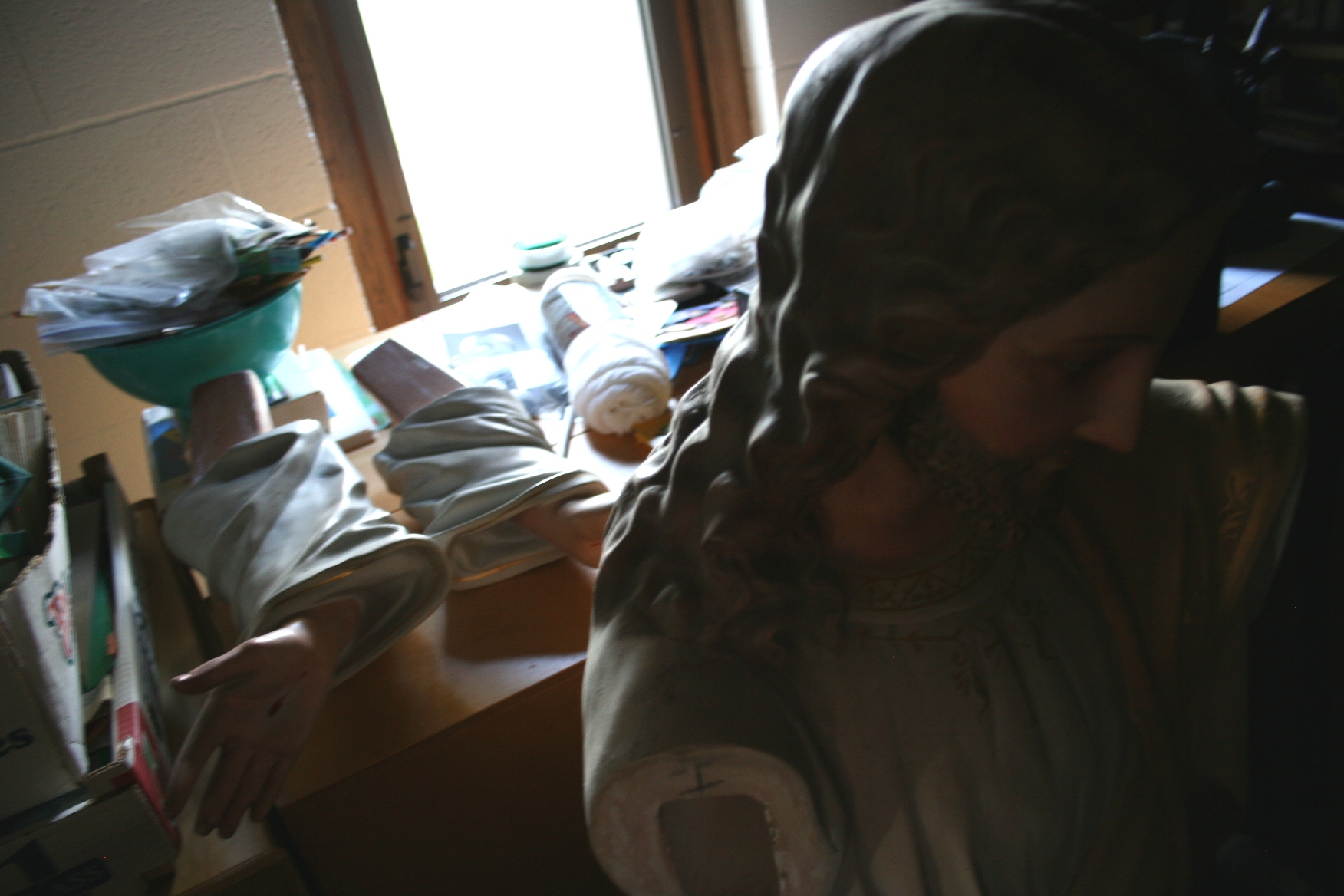
THE ARMLESS JESUS stood there, shoved into the back corner against a desk in the dark fellowship hall packed with misplaced pews.

That’s when I panicked, thought for a moment that Jesus had lost his arms in the July 1 storm, until I realized his appendages had been removed, not broken.

To the right in this photo, stands Jesus. His arms were removed and lie behind him on a desk.

The statue of Christ has been my greatest concern ever since a series of downbursts with winds of 90 – 100 mph ripped half the roof from St. John’s Lutheran Church, exposing the sanctuary and Jesus to the heavens.

One month after that strong windstorm, I returned to my hometown of Vesta in southwestern Minnesota and viewed the damage I’d only seen in photos. The town looks better than I’d feared, although I’m certain if I’d been there right after the storm, I wouldn’t be writing that.

St. John's, hours after the July 1 storm with half of the south roof ripped off by high winds. The roof fell against and cracked the bell tower, which has since been taken down. Photo courtesy of Brian Kletscher.

It’s the damage to St. John’s that I knew would impact me the most emotionally. My worries centered on that Jesus statue, the single remaining visual reminder of the old 1900 church building across town where I was baptized and confirmed and worshipped for the first 18 years of my life. In May of 1982, I was married in the new brick church built in 1974.

Jesus, who once blessed us with outstretched arms from the altar of the old church, was alright. For that I was thankful.

As St. John’s members await word from an engineer on whether the damaged building is structurally-sound or will need to be demolished, they are attending their sister church, Peace Lutheran, in Echo seven miles to the north.

That seems to be working for now. But come winter, when travel can sometimes be difficult and dangerous on the southwestern Minnesota prairie due to blowing snow, options to worship in Vesta may need to be considered. Or maybe not. Pastor Dale Schliewe doesn’t expect the church to be rebuilt by the time the snow flies.

Right now, though, church members are more concerned about getting the building process started. That could include an expansion.

No matter what ultimately happens, this congregation remains a thriving one, attended by many members of my extended family. My great grandfather, Rudolph Kletscher, helped found St. John’s. The first church service was held in his home one mile east of Vesta.

My emotional attachment to this congregation runs deep, rooted in that legacy of faith passed from generation to generation.

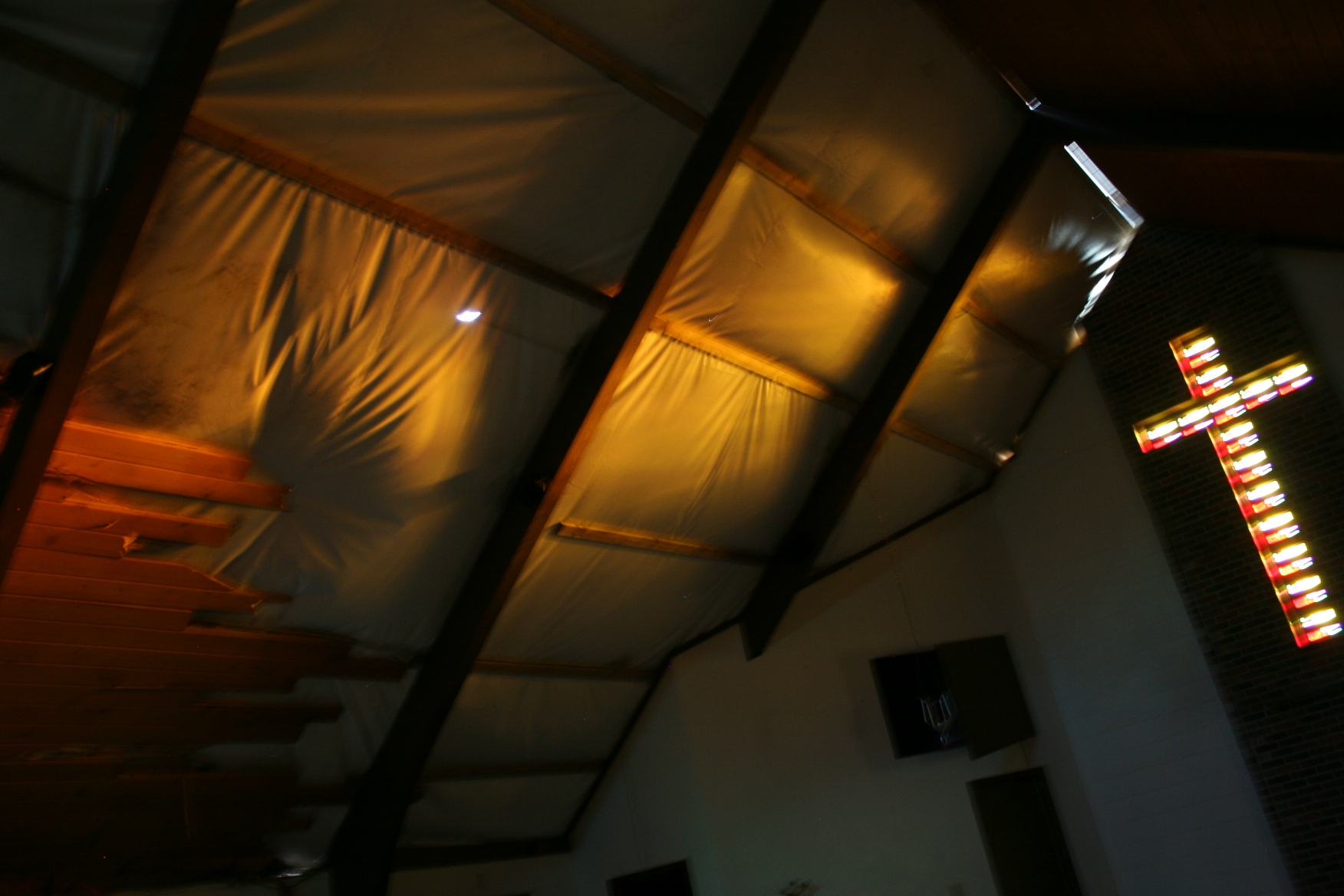
I understand that a building does not comprise a church. Yet, when I walked into the empty sanctuary of St. John’s, gazed upward at the tarp covering the missing roof, saw the splintered wood, walked around the pews jammed into the fellowship hall, noticed Jesus standing armless in the corner, spotted the hymnals stacked on a kitchen counter and skirted the pile of debris in the church parking lot, my soul ached.

Inside the sanctuary, you see the damage to the roof, now covered by a tarp. To the right, a stained glass cross centers the worship area in this photo shot at an angle.

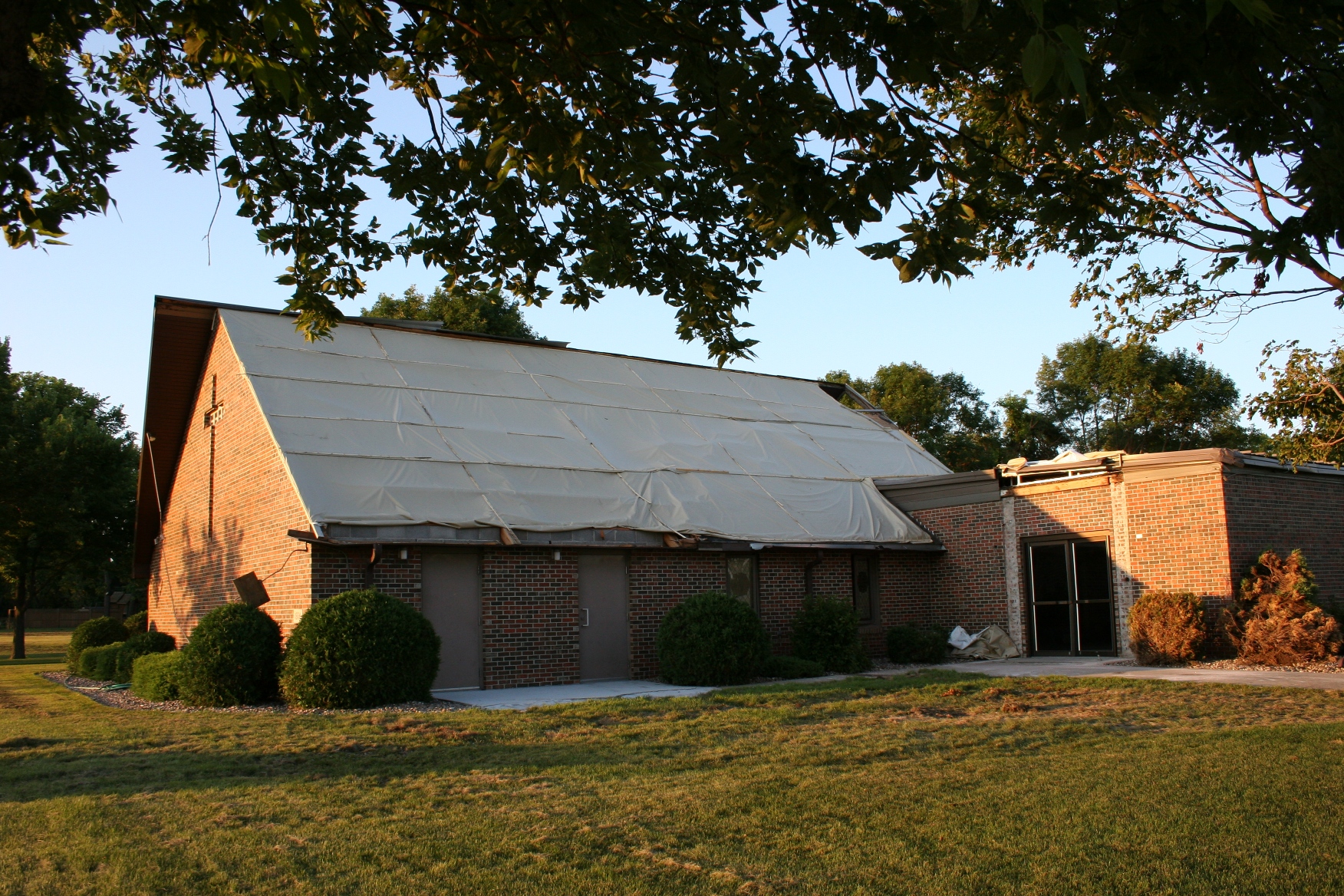
One month after the storm, the south side of the roof is covered with a tarp.

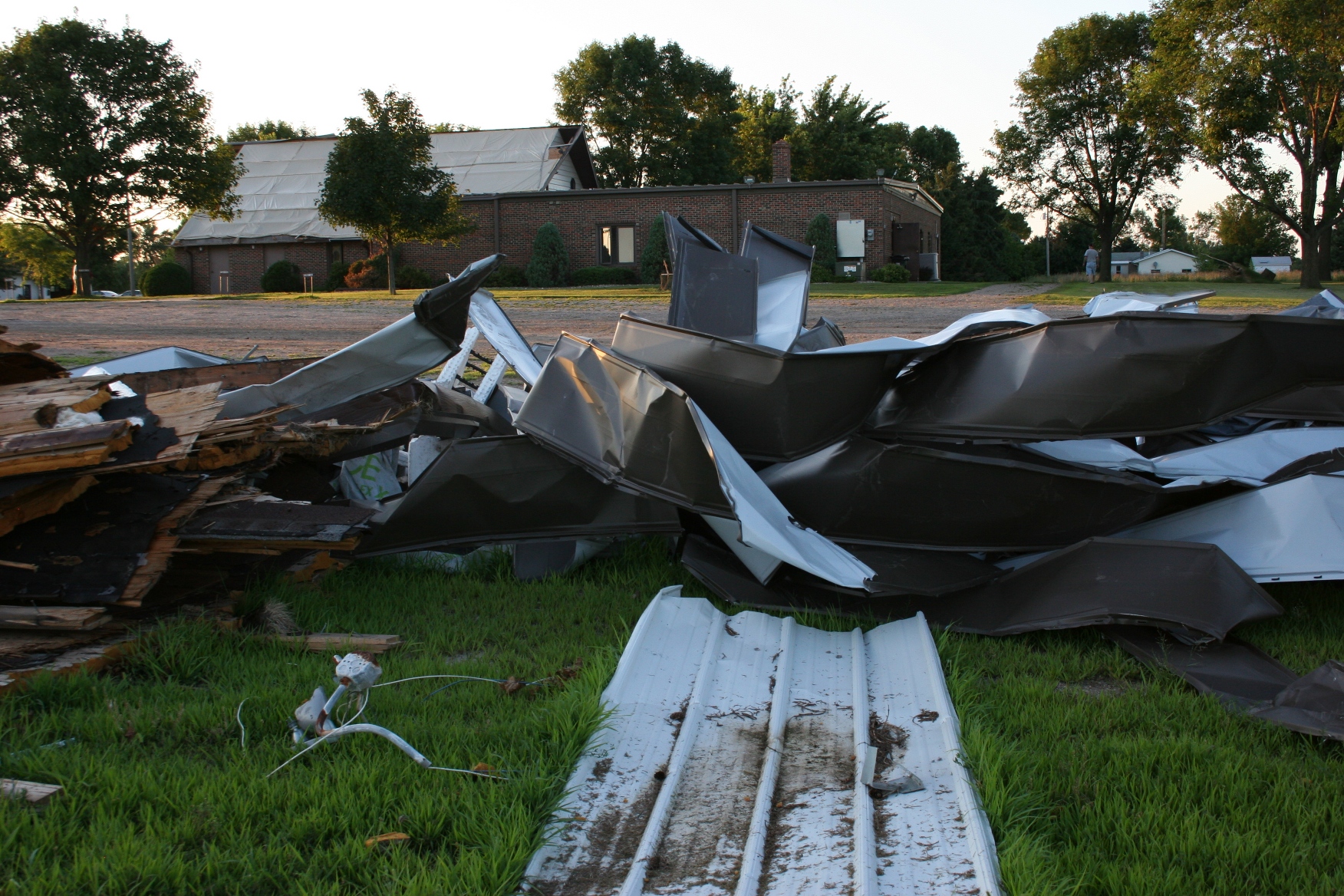
A debris pile on the edge of the parking lot includes pieces of steel from the roof and brick from the bell tower.

Another angle of that debris pile shows uprooted trees and, to the east, a house which was damaged.

© Copyright 2011 Audrey Kletscher Helbling
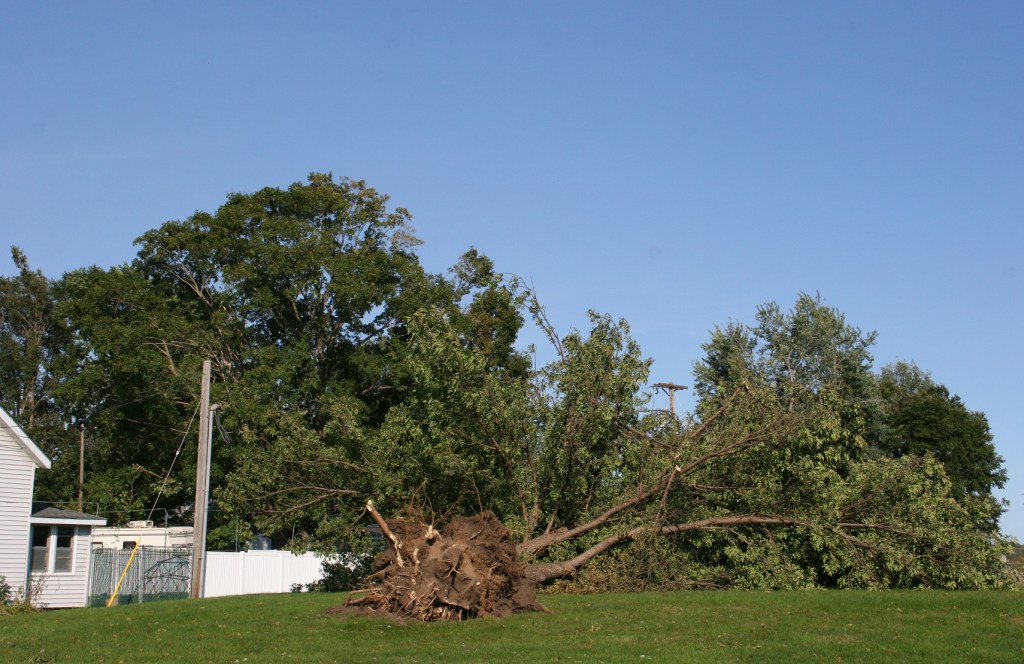
 

Riding out a storm in a camper along Lake Minnewaska August 3, 2011

A MONTH AGO, soon after my cousin Marilyn Schmidt and her husband, Dan, arrived at Lake Minnewaska by Glenwood, their daughter Heather Rokeh called with news that a storm had just swept through the Marshall area.

That was late Friday afternoon, July 1. The Schmidts would return to their farm 17 miles northeast of Marshall to find their home and outbuildings damaged by an EF-1 tornado.

A July 1 tornado caused this damage to the Schmidts' shop on their Wood Lake area farm. Eave troughs were ripped from their house and damage done to the roof and siding.

Fast forward a month to this past weekend, when the Schmidts gathered for a family camp-out at Waska Wood in Long Beach along the north side of Lake Minnewaska by Glenwood. Marilyn and Dan were the only two family members still at the lake when a storm rolled in around 7:30 a.m. Monday, August 1.

Unlike an earlier summer storm at the lake, when they had adequate warning and time to seek safety in a nearby shelter, this time the couple had only a moment’s notice—no warning siren—and no time to reach the shelter.

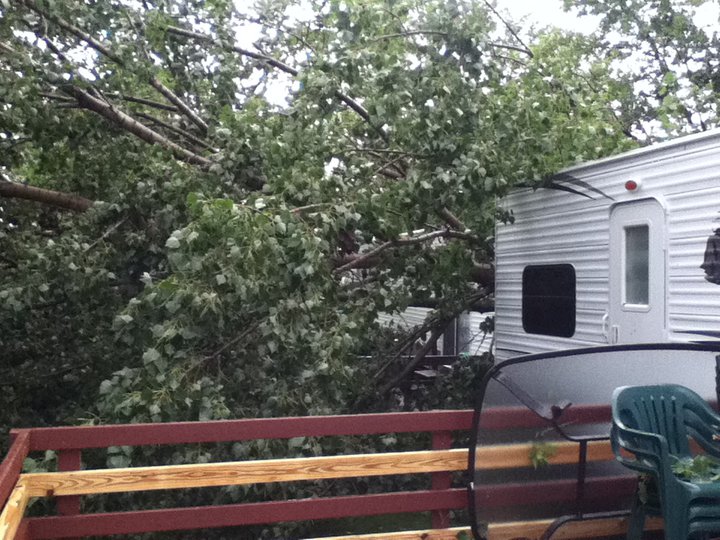
“We saw that we were suddenly in a warning to take cover on TV,” Marilyn says. “The wind hit hard and fast, lasting about one hour. It was scary as we were stuck to ride it out (in their new camper purchased on July 1 and delivered two weeks ago). The branches were flying and soon the trees were snapping and uprooting. We had a large cottonwood uproot behind our camper which fell next to our camper. We felt and heard the thump and the branches brush the trailer.”

The tree that fell behind the Schmidts' camper.

Marilyn, that would scare the you-know-what out of me, too. Last summer I rode out a storm packing 70 mph winds along Redwood County Road 5 north of Walnut Grove and that was scary enough, without the falling trees. You can read about that frightening experience by clicking here.

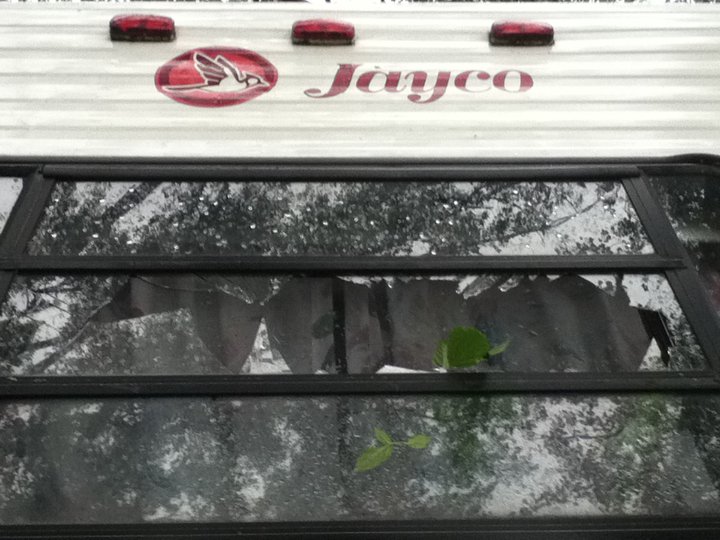
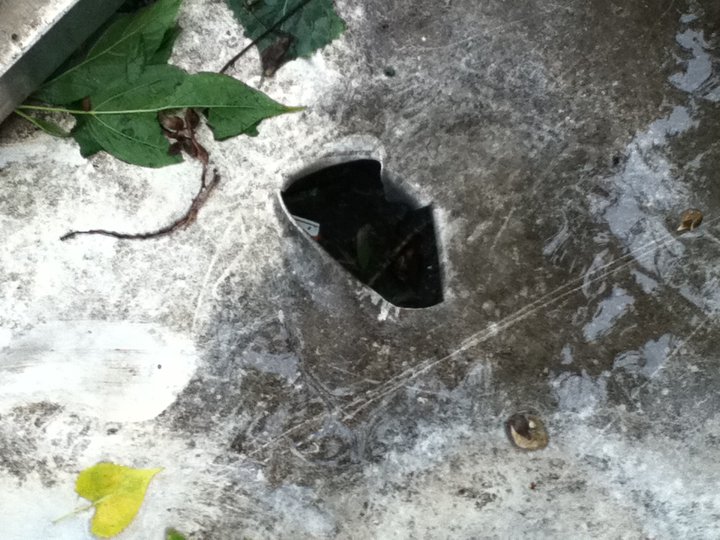
But back to the extended Schmidt family and their experience: Several of their campers were damaged with a tree crushing the front of one, holes punched into the roof on another with rainwater flooding the interior, and windows and deck rails broken.

A hole punched in a camper roof.

A broken bedroom window in a camper.

Despite all the damage, Marilyn’s daughter Heather says, “I’m just so thankful no one was hurt in all of these storms. I thank the good Lord everyday that he keeps us safe.”

Once the winds subsided, the Schmidts emerged from their camper to check on other park residents and to survey the damage. Trees were down everywhere with power lines. Mobile summer homes in the park next door were totaled by the storm. Boats and docks were ravaged.

That’s when Marilyn decided they should drive into Glenwood to buy a rake and help with clean up. They drove through a flooded State Highway 29, with the aid of a Minnesota Department of Transportation pilot car, into town. Glenwood was a mess with trees and power lines down everywhere, she says, and streets teeming with rescue and utility crews, plows and fire trucks.

Upon returning to the campground, the couple worked side by side with other campers cleaning up brush and debris. “I find it remarkable the resilience of people to quickly get to work and clean up everything,” Marilyn says. “…people were telling stories about how they took the storm. Some were emotional and in shock that such a storm would hit so soon again.” The storm a month earlier, with 80 mph winds and heavy rain, also caused significant damage.

Says Heather: “How unlucky can we all get? Seriously!”

I don’t know, Heather. A storm on July 1. A storm on August 1. If I were you, I’d keep a close eye on the sky come September 1.

PHOTOS BY MIKAYLA SALFER

© Copyright 2011 Audrey Kletscher Helbling
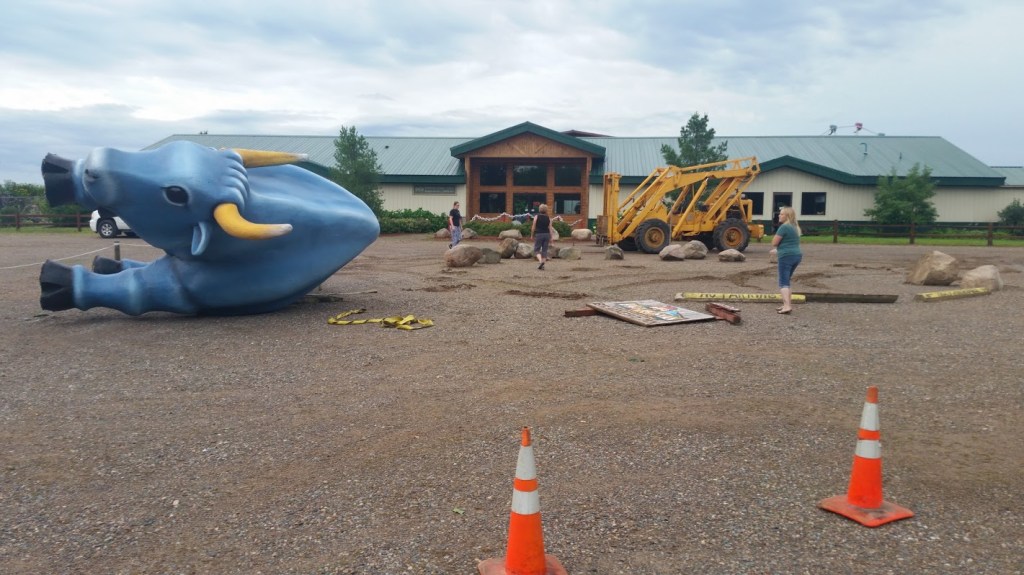
 

An update from storm-damaged Belview July 13, 2011

Entering Belview from Sacred Heart at 9 a.m. on July 2, the morning after the tornado. Photo courtesy of Merlin and Iylene Kletscher.

LESS THAN TWO WEEKS after an EF-1 tornado ravaged the small town of Belview in southwestern Minnesota, I emailed City Clerk/Treasurer Lori Ryer for an update.

I know she’s busy dealing with issues in the aftermath of the July 1 storm, so I asked only for a brief summary, with a specific request for information about Parkview Home. The nursing home, according to Ryer, received major roof damage that resulted in flooding of the building. Initially, 25 residents were evacuated and taken to care centers in nearby Wabasso, Olivia and Redwood Falls.
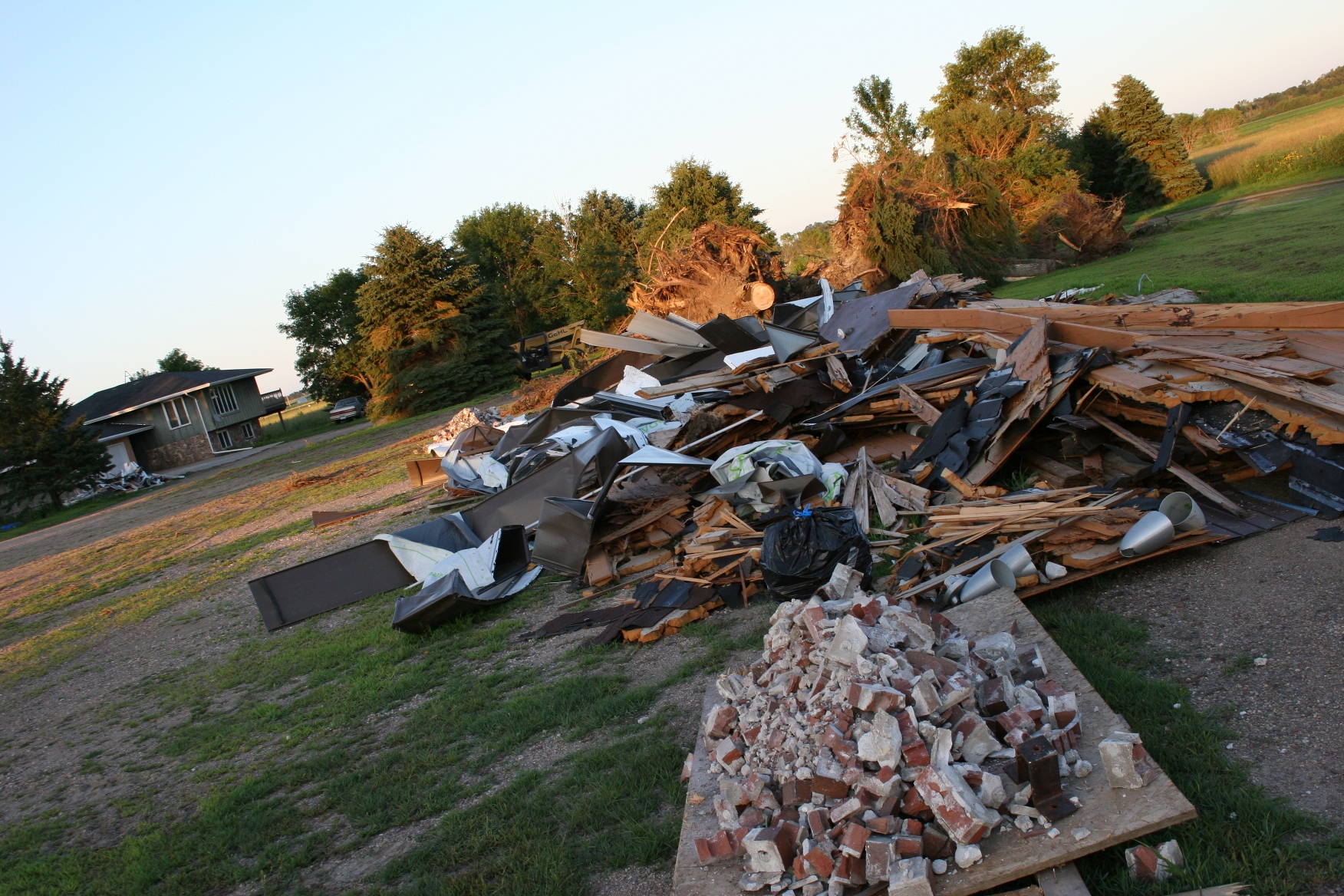
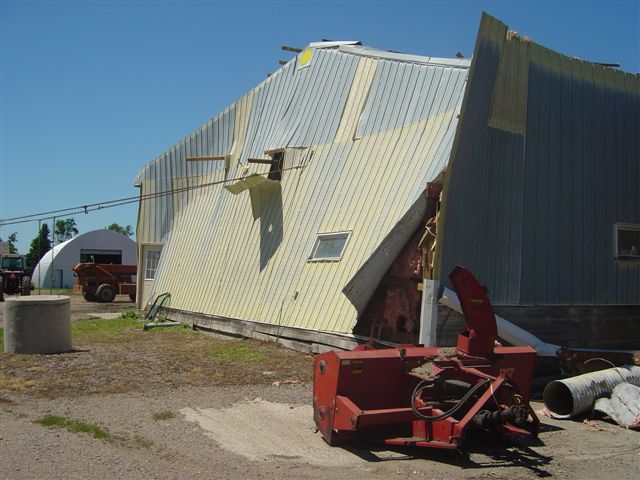
Since then, Parkview has closed for repairs, residents have been discharged and admitted to new nursing homes, and staff has been laid off.

When the nursing home will reopen remains uncertain as assessments are still being made. But Ryer anticipates, after talking to staff on Tuesday, that Parkview will be closed for at least several months.

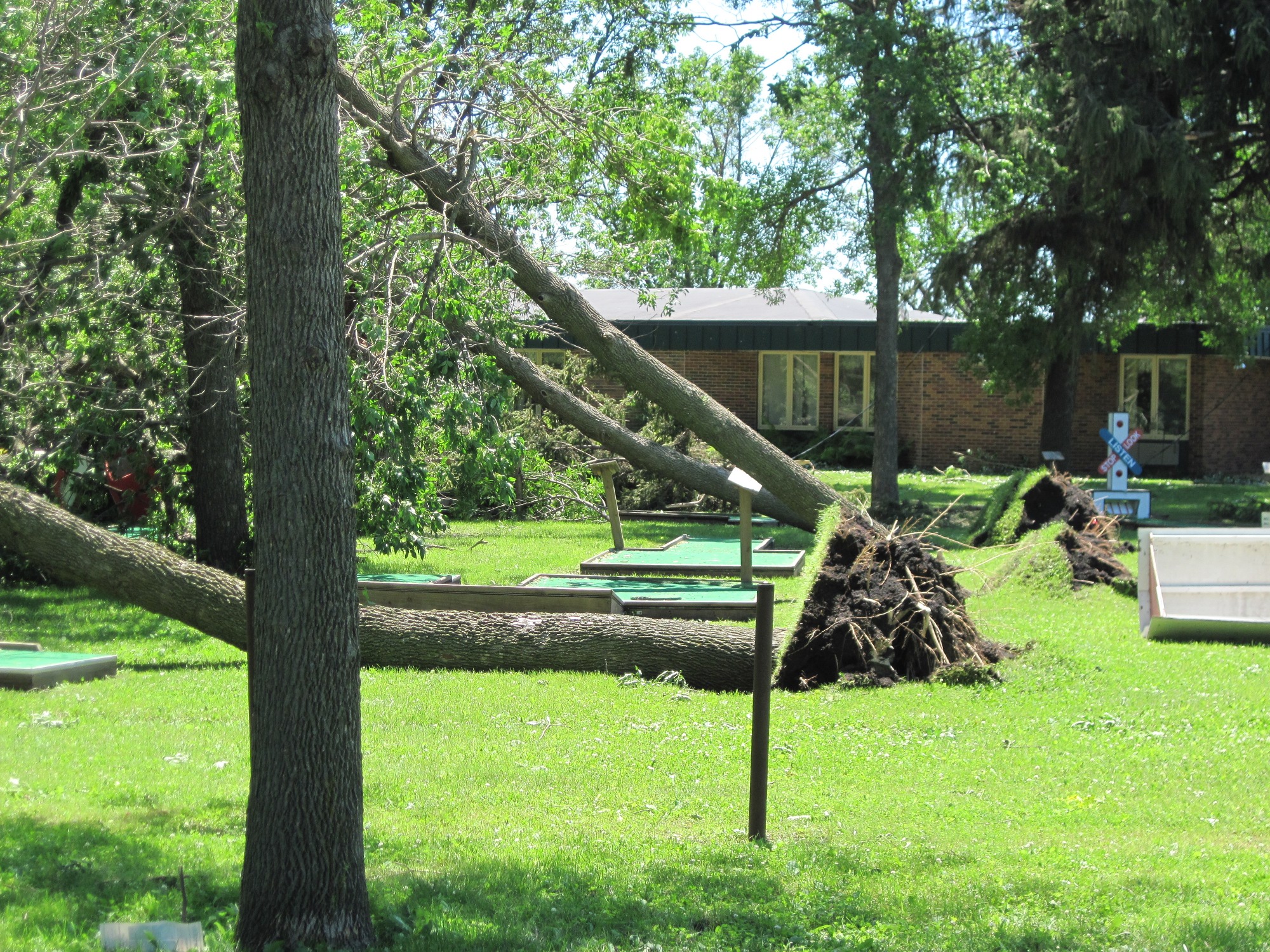
This photo shows Parkview Home and mini golf in the park. Photo courtesy of Merlin and Iylene Kletscher.

Parkwood Apartments, which is attached to the nursing home, was not damaged, but was without power from Friday afternoon, July 1, until the following Monday evening. Some apartment residents left to stay with family members briefly, but everyone has now returned, Ryer says.

Bridgewood Assisted Living was not damaged, but was without power also.

Damage along South Main Street in Belview. Photo courtesy of Merlin and Iylene Kletscher.

Throughout the rest of this community of 375 residents, many home and business owners are still awaiting insurance adjusters. Many homes received minor damage, several moderate, and a few major, damage from results of the 95 – 105 mph tornadic winds, Ryer says.

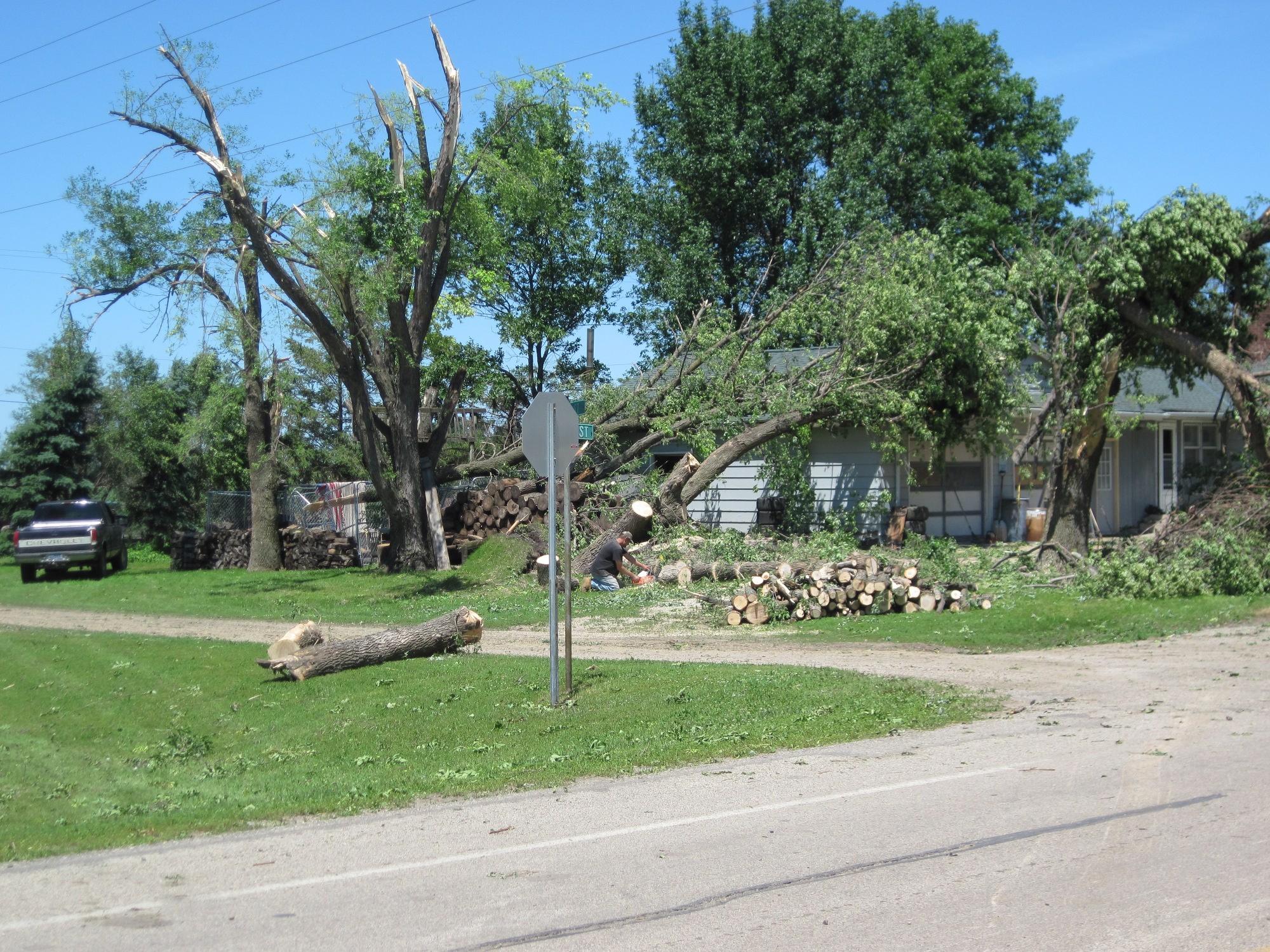
Many garages and sheds were destroyed and quite a number of cars totaled due to trees falling on them, the city clerk continues.

Tom Johnson's SUV was totaled when a tree fell onto it during the Belview tornado. Photo courtesy of Tom and DeLores Johnson.

The Belview school building received major damage, resulting in relocation of the Belview Learning Center summer program. Ryer hopes that program will be up and running in the Belview school building before the new school year begins.

Despite the destruction in her community, Ryer manages to remain positive: “With all that being said, I still marvel at the fact that we had no injuries during the storm or in the days of clean-up afterwards.”

LIKE RYER, I, TOO, marvel that no one was injured or killed by this storm which swept across Minnesota into Wisconsin July 1. My hometown of Vesta, just down the road from Belview, was hit by a series of downbursts with wind speeds of 90 – 100 mph.

I have many family members living in areas affected by the storms. Damage was minimal to their properties, but most lost trees. A cousin living near Wood Lake, however, saw substantial damage to the family’s farm. My home church, St. John’s Lutheran in Vesta, had half the roof ripped off.

St. John's Evangelical Lutheran Church in Vesta with the roof half missing. Photo courtesy of Brian Kletscher.

In a few weeks I’m returning to my hometown for the annual Kletscher family reunion. I’m trying to prepare myself for what I’ll see—my little prairie town with fewer trees, the church where I was married now temporarily closed. I always look forward to worshiping there with my mom when I return home.

I expect it will be the trees, though, that I will miss the most. A friend recently told me that the small towns of southwestern Minnesota are like oasises in a land mostly devoid of trees, except for the trees in those towns and the groves that shelter farm sites. He is right.

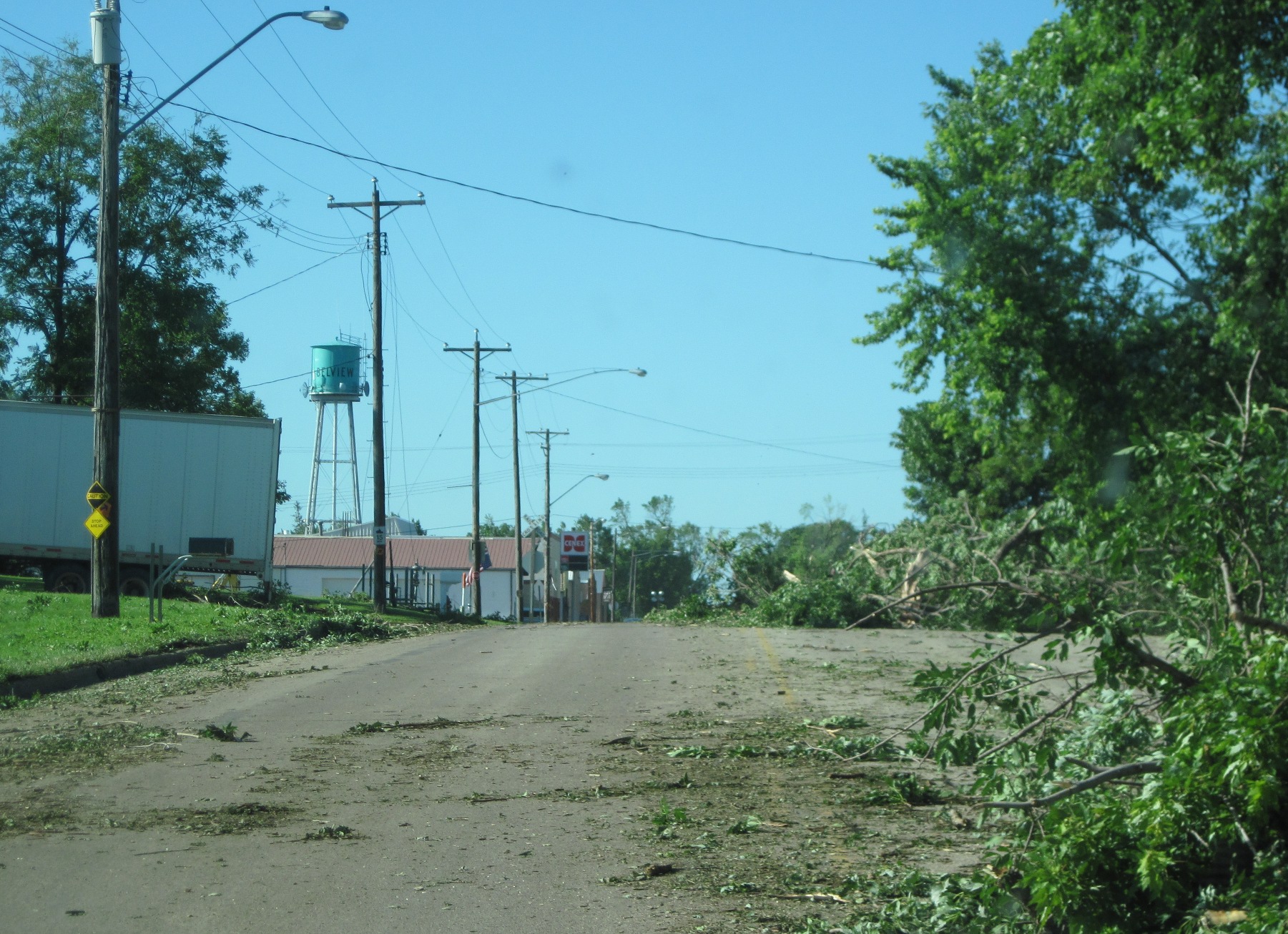
The communities of Belview and Vesta lost many trees in the July 1 storms. This photo is along a Belview street north of the city park. Photo courtesy of Merlin and Iylene Kletscher.

But those of us who grew up on this land, and those who live there, appreciate the wide open spaces, the big sky, the fields of corn and beans and those small towns.

Prairie people are strong, caring, determined folks who come together in time of need. I’ve seen that over and over again in the stories I’ve heard and the comments I’ve received on my blog posts while covering the recent storm damage.

To the residents of Belview and Vesta, Tyler and Ruthton, and all the farm places in between, I know you’ll make it through these challenging days. Your roots reach deep into the prairie and no storm can rip away what you have—each other.

© Copyright 2011 Audrey Kletscher Helbling