Minnesota Prairie Roots

Writing and photography by Audrey Kletscher Helbling

How we can become better at caring for others June 26, 2017

Filed under: Uncategorized — Audrey Kletscher Helbling @ 5:00 AM
Tags: , , , , , , , ,
Perhaps we could learn something from owls, who have a superb sense of hearing. Minnesota Prairie Roots file photo.

Perhaps we could learn something from owls, who have a superb sense of hearing. Minnesota Prairie Roots file photo.

THIS IS NOT ABOUT YOU. How often have you thought that and wanted to tell someone:

This is not about your challenge or difficulty. This is about me, what I’m dealing with right now.

Me. See, the person you’re looking at, the person standing right in front of you, the person emailing you, the person calling you, the person you think you’re trying to help. But you’re not. You’ve shifted the focus to yourself. You.

This is not about you, your personal experience projected onto mine or the impact of my situation on you. This is about me. While I empathize that you, too, have dealt with your share of difficulties, now is not the time to talk about them. I don’t need that kind of “help.” I just need you to listen, to hold the unsolicited advice, to encourage, to simply be there. I don’t need to hear your story.

Because I strive for kindness, I usually hold those thoughts inside.

I’m not a self-centered person. In my life, I strive to be compassionate and caring. Like everyone, though, I fail at times.

But I am convinced that, with some effort, all of us can become better at caring for one another. And that begins with listening. I direct you to one of the best articles I’ve read on the topic:

http://articles.latimes.com/2013/apr/07/opinion/la-oe-0407-silk-ring-theory-20130407

It comes from a 2013 op-ed piece in the Los Angeles Times by Susan Silk, a clinical psychologist, and by Barry Goldman, an arbitrator, mediator and author. Titled “How not to say the wrong thing,” this article is a must-read for everyone. It may change the way you approach family and friends who are dealing with health issues, challenges, difficulties. The authors emphasize listening, really listening, and focusing not on yourself but rather the individual in need.

Please read the article and then share your thoughts.

TELL ME:  How do you help friends, family and others through difficulties in life? How have you been helped? Let’s learn from one another.

FYI: Please note that my thoughts here come not only from personal experiences, but also from my observations of others.  So when I use the words “I” and “me,” I’m referencing more than myself. I am grateful for the many genuinely loving and caring people in my life who truly know how to listen.

(H/T Hope Center Facebook page)

© Copyright 2016 Audrey Kletscher Helbling


On target with my recovery, go gentle on the hugs & other thoughts June 23, 2017

Filed under: Uncategorized — Audrey Kletscher Helbling @ 5:00 AM
Tags: , , , , , , , ,

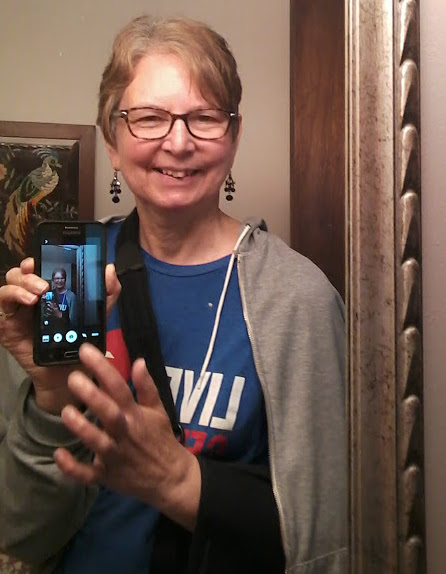
I’m not good at taking selfies. So I turned the camera on my mirrored image. I took this image a week ago, about 3 1/2 weeks into my recovery.


A MONTH AND FOUR DAYS (yes, I’m counting days) into recovery from a broken right shoulder, I am healing on schedule. That’s according to my orthopedic doctor who was all smiles when he saw me Wednesday afternoon.

I was relieved by the good report given I’ve experienced recent shifting and incidences of severe pain in the break area. That’s normal, he said, explaining that I’m feeling muscle and nerve pain related to the injury. Whew. I thought perhaps the crack in my bone had widened.

I’m continuing with two home exercises—elbow flexing and the pendulum swing—with professional physical therapy likely starting the week of July Fourth. And bonus, when I’m in a secure environment at home, I can remove my body hugging arm sling. But I still basically need to keep my arm tight to my side. No reaching to my right.

Mentally, I keep reminding myself that this disability is only temporary and that others deal with far worse injuries. I have a wonderfully supportive husband who helps me with basic caregiving needs and who also is keeping everything up (mostly) on the homefront.


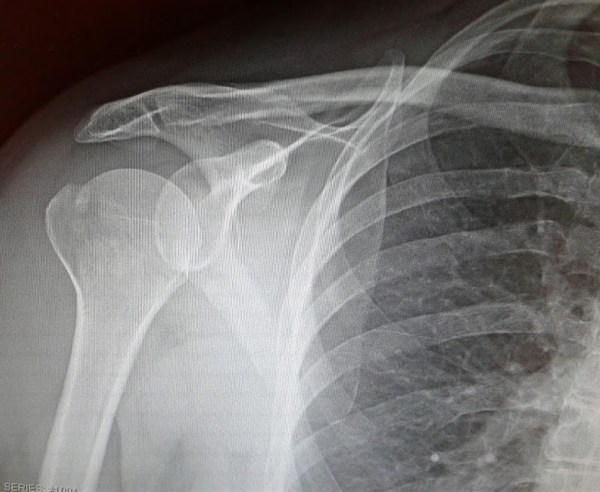
This is a photo of an x-ray of my broken shoulder from several weeks ago. To the untrained non medical professional, it’s difficult to see the fracture. It’s there in the humerus.


I’m not a particularly patient person, but I’m learning. There is always something to be learned in whatever situations we face in life. Good health is not something any of us should assume will always be ours. I never expected to miss a step, fall and end up with a broken shoulder. Just like I never expected to get osteoarthritis and undergo total hip replacement some 10 years ago. And I never expected to spend an entire summer battling whooping cough.

From all of these health issues, I’ve learned empathy, deeper compassion and an appreciation for others. As a woman of faith, I’ve also drawn closer to God. I’ve never asked, “Why me?” I’m not going to tell you it’s always been easy; it hasn’t. I get frustrated and just want to be able to do everyday tasks. Professionally, I’ve had to limit computer usage (thus writing time) due to pain and I can’t take photos with my Canon DSLR. This is prime season for photography.


A month after my fall, I continue to receive get well cards. This ongoing support for someone with a lengthy recovery is so appreciated.


I’ve appreciated the ongoing encouragement via conversations/emails/texts and in cards sent. Do not underestimate the value of a get well card. My personal experiences are useful now as I pen greeting card verses for Warner Press with an end of July deadline.

There are two things, though, that people should note related to my injury. Do not ask, in jest, if Randy pushed me. There is nothing, absolutely nothing, funny about domestic violence. I have written tirelessly on the subject here and have zero tolerance for domestic abuse and violence. I fell; my husband did not abuse me and to suggest such in humor diminishes the crime of domestic violence.

Also, be gentle on the hugs. I am extremely protective of my right side. I’ve had to stop about a half dozen people as they reached out to touch me on my right arm. There is a reason I am wearing a sling.

Last week I simplified one aspect of my life by getting my hair cut super short. I am grateful to the stylist at Sunset Salon who understood my needs. I love my new style which requires only my fingers and mousse to shape it. Randy is appreciative, too.

I am grateful to all of you also for your continuing encouragement and readership of this blog.

Please take what you’ve read here today and do something positive. Reach out with kindness to a stranger or to a friend/family member. Send a card/text/email. Make a phone call. Visit someone in recovery. Prepare a meal. Offer a ride. Hold a door. Offer praise and empathy and support. In these days when we witness so much violence and hatred in the world, it is more important than ever to express compassion and care. We need each other. We really do.


© Copyright 2017 Audrey Kletscher Helbling


A fitting quote as we heal from the baseball field shootings June 15, 2017

This plaque marks a baseball player sculpture at Memorial Park in Dundas, Minnesota. Minnesota Prairie Roots file photo 2014.


THREE YEARS AGO I photographed a plaque at Memorial Park Baseball Field in Dundas. It marks a woodcarving of a Dundas Dukes baseball player.


Minnesota Prairie Roots file photo 2016.


Today, the day after the shooting of House Republican leader Steve Scalise, four others and a gunman on a baseball field near our nation’s capitol, these words by John Thorn seem especially fitting. Thorn is the official historian for major league baseball.


My great niece Kiera painted this stone, which sits on my office desk as a constant reminder to hold onto hope. Minnesota Prairie Roots file photo.


Now, more than ever, as attacks and tragedies like this continue in the U.S. and throughout the world, we need our spirits replenished, our hope restored, our losses repaired, our journeys blessed.


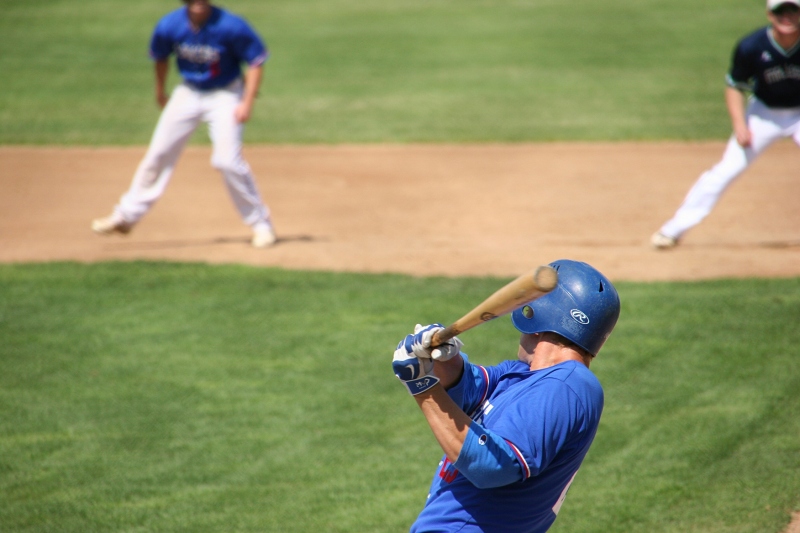
Batter up for the Faribault Lakers. Minnesota Prairie Roots file photo 2016.


We must continue to play ball. Violence can change us. But it cannot steal away the freedom we hold dear.

© Copyright 2017 Audrey Kletscher Helbling


On the road to recovery, an update June 9, 2017

Filed under: Uncategorized — Audrey Kletscher Helbling @ 5:00 AM
Tags: , , , , , , ,

“I DON’T LIKE YOU,” I told him.

“Most people don’t,” he answered.

And we both laughed. Laughed because I really did like him and he wasn’t to blame for the bad news he shared. As a former journalist, I understand well the habit readers have of blaming the messenger. And now I was doing that to a medical professional.


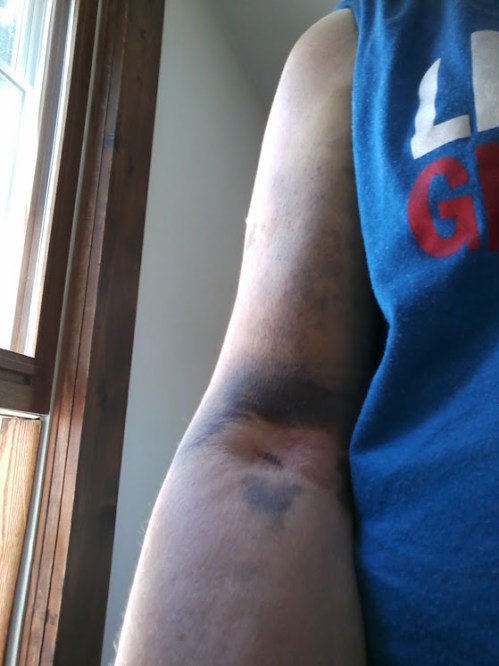
The bruising on my injured right arm has decreased considerably on the front with the bruising (not shown here) shifting to the back of my elbow.


What could I do except joke and laugh when my ortho doctor on Wednesday afternoon revealed that total healing and recovery time from my broken shoulder could stretch up to 16 weeks? That’s four more than he told me during our initial visit two weeks ago. Sigh.

And then, as we chatted about the elbow flexing and pendulum exercises I am now doing at home, I found myself in a bit of trouble. I had been doing more than three flex sessions and arm swings daily. “More is not better,” he said, noting that he had me pegged as someone who would do just that. More. Busted.

I like my doctor. He has a great sense of humor, empathy and a personality that is down-to-earth approachable and friendly. I never feel rushed with him. He listens and he answers. And I’m trying to abide by his admonition to “stop when it hurts.” I’m trying, like he says, to rest. I don’t want my bone break, which widened a bit to 2.8 millimeters, to crack wider. Shoulders apparently take a long time to heal.

After that bit of news yesterday, I felt a tad discouraged. But then, because I can choose to be positive, I remembered his words of “everything looks good” upon viewing my latest x-rays. Good is good.

Good is also the continuing encouragement of family and friends. My eldest daughter sends me photos of my granddaughter nearly daily and that makes me happy. I used Google Hang-outs for the first time the other day and that was great, to see and hear darling Isabelle.


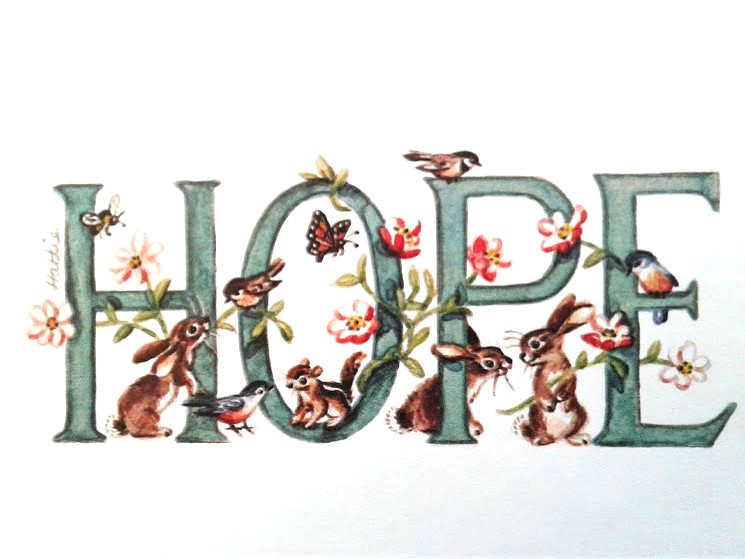
My friend Kathleen sent a lovely vintage card along with the sweetest message. The thing about the card is the specific selection just for me. Kathleen knows I have chosen hope as a focus word in my life. Long before this accident. She remembered.


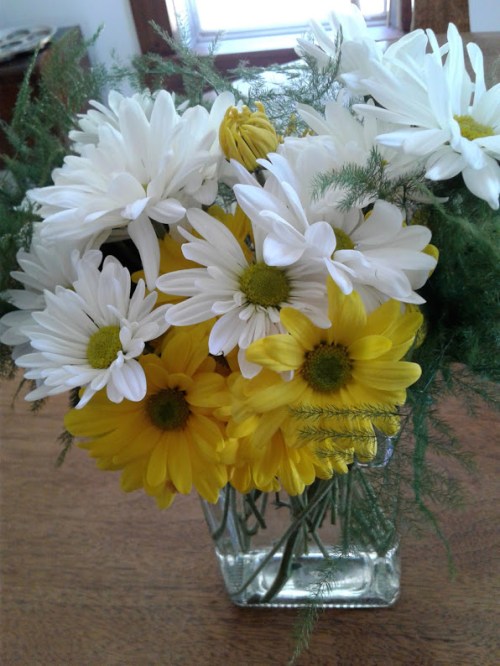
And then Thursday afternoon, I received a bouquet of sunny yellow and white daisies from my sister Lanae and her husband, my niece Tara and her husband and their baby and the couples’ cats.


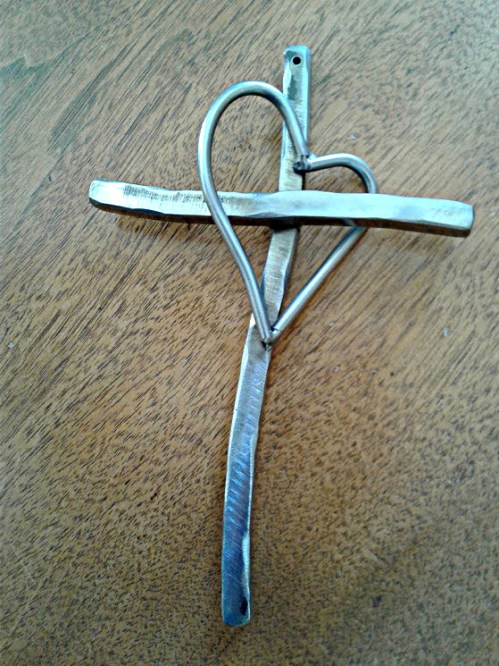
And recently I received a handcrafted metal cross from my artist friend Steve, who in his own quiet and creative way offers such encouragement and support.

We all have our burdens to bear in life. That’s a given. I don’t care who you are. But we are not alone. It is in times like this that I fully realize the importance of being there for each other—whether through a card sent, a word spoken, a gift given, a bouquet of flowers sent, prayers offered, well wishes written.

Thank you, dear readers, for being here for me. I will continue to update you occasionally on my recovery.

Have a wonderful weekend and take the time today to encourage someone inside or outside your circle who is going through a difficult time.

© Copyright 2017 Audrey Kletscher Helbling
 

Scenes from the road in Iowa June 8, 2017

Filed under: Uncategorized — Audrey Kletscher Helbling @ 5:00 AM
Tags: , , , , , , , ,

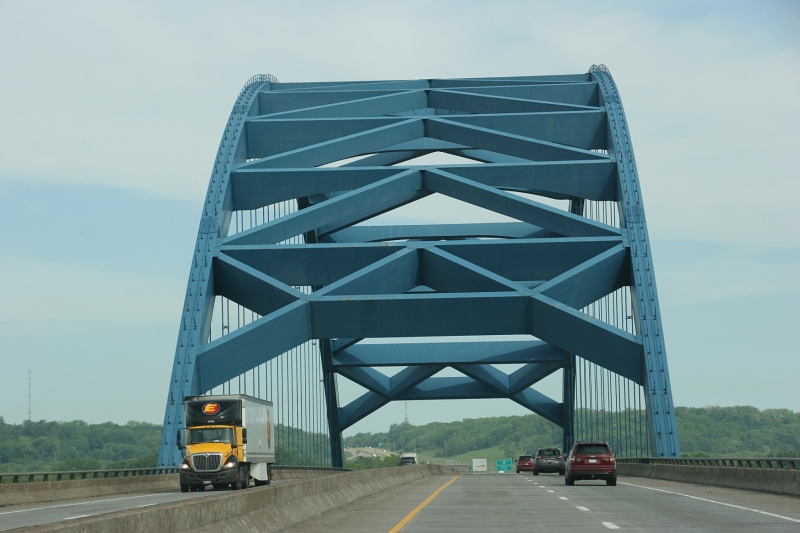
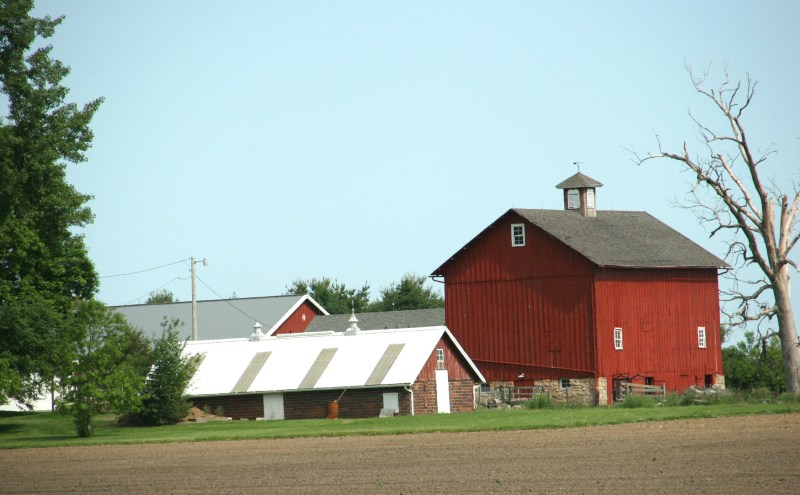
Westbound from Illinois into Iowa along Interstate 80. Minnesota Prairie Roots file photo May 2016.


IN IOWA EXISTS a comfortable familiarity for me. It’s not that I’ve explored much of this state, except the northern fringes. But Iowa feels like a friendly next door neighbor or cousin, the ruralness of this land creating an instant bond.


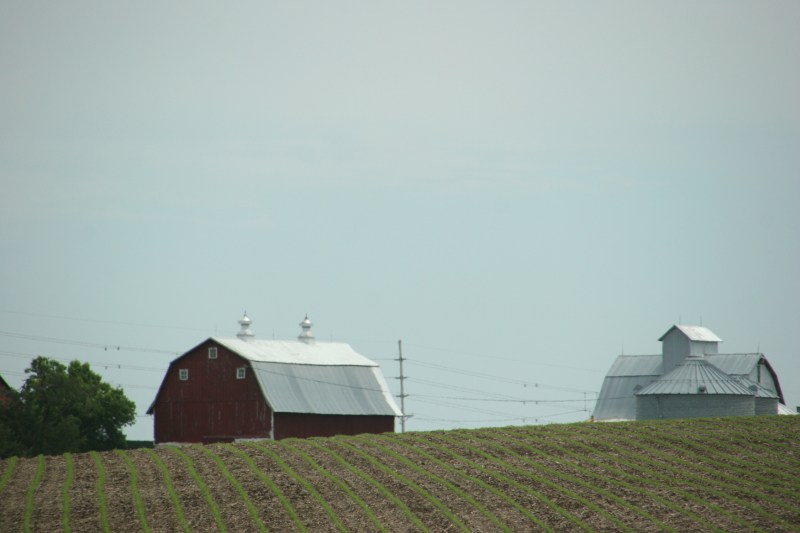
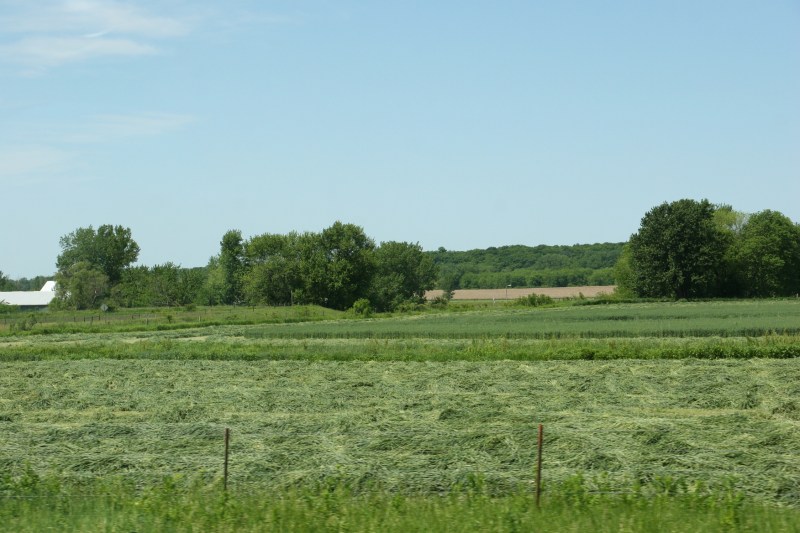
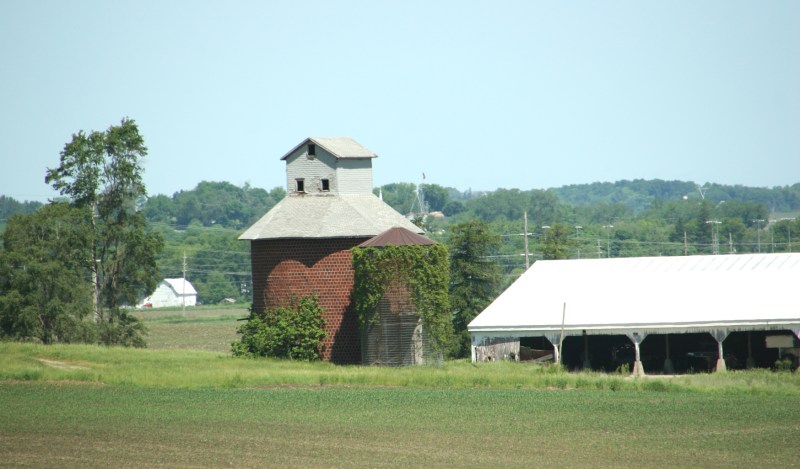
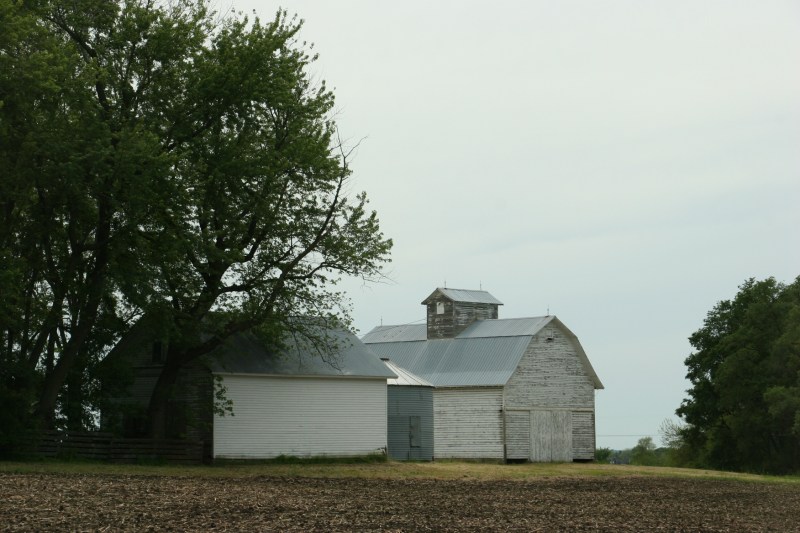
For in Iowa—the Iowa I’ve seen—the lay of the land, the length of the sky, the scenes of barns and fields and small towns connect to my rural southwestern Minnesota roots.


I feel at home in Iowa, the place that is often the butt of Minnesota jokes. Outside the Twin Cities metro and the lakes and woods of northern Minnesota, our landscape mostly duplicates that of our southern neighbor.


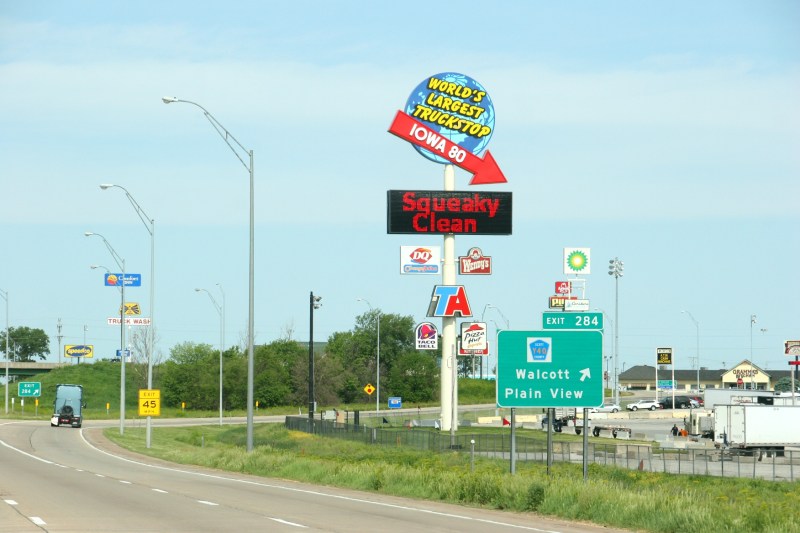
The world’s largest truck stop, with eight restaurants, a movie theater, dentist and much more, has been open near Walcott off I-80 in eastern Iowa since 1964.


It’s OK to admit you like Iowa. Some of my favorite trips have been to Iowa communities—Clear Lake, Mason City, Decorah, McGregor, Marquette and Dubuque. These towns possess character and hold natural and historic interest for me.


Iowa 80, the world's largest truck stop.

Iowa 80, the world’s largest truck stop.


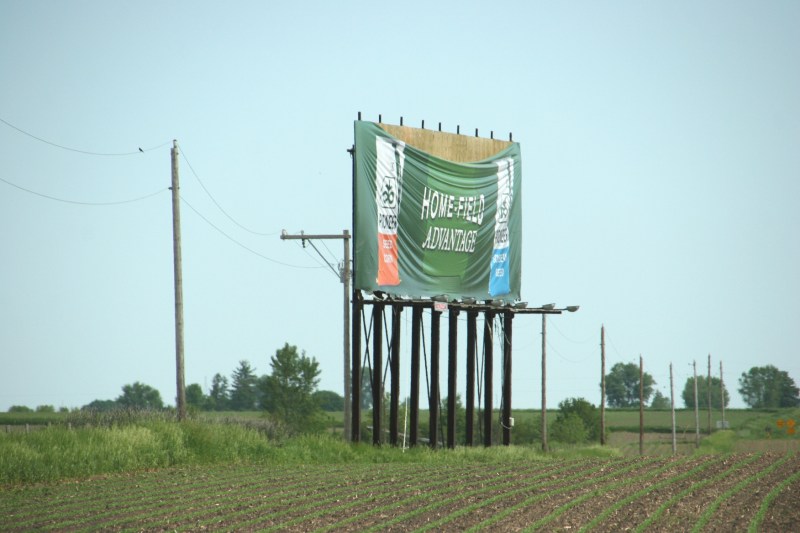
You know you’re in America’s agricultural heartland when you see a billboard advertising Pioneer seed.


Sometimes we need to step outside our boxes of preconceived ideas about a place and simply explore. Leave the metro and drive a gravel road, stop in a small town, delight in the simplicity of a rural landscape. Iowa and many parts of Minnesota are more than the middle of nowhere. If we choose to slow down, we begin to notice the nuances that define a place, that make it worth our time to visit and to appreciate.


TELL ME: If you’ve traveled to Iowa, what community would you suggest visiting and why? Or, if you haven’t been there, tell me what a visitor should see in your state or country?

© Copyright 2017 Audrey Kletscher Helbling
NOTE: All images were taken in late May 2016 on a return trip from Minnesota to Boston.


Grateful for my right hand man, literally June 6, 2017

Filed under: Uncategorized — Audrey Kletscher Helbling @ 5:00 AM
Tags: , , , , , ,


AWHILE AGO my friend Patty gave a white board to Randy and me and to others in our circle of friends. She advised us to exchange loving, caring and encouraging messages with our spouses, just as she does with her husband, Doug. Their white board is posted in their kitchen.

This couple inspires me with their love, their positive attitudes and their resilience. They have been through many difficulties, losing their first spouses to cancer and dealing with their own serious health issues.

Yet, they are not defeated and exude joy in living a happy, faith-filled life.

Following Patty’s directive, I previously penned words of gratitude to Randy, propping the white board on the dresser where he drops his billfold, change and pocket knife after a long, hard day of work. But it’s been awhile since I messaged him via marker.

A few days ago, not quite two weeks into my recovery from a right shoulder fracture, Patty suggested I jot a note of thanks to my husband. I’d forgotten about the board hidden behind a pile of decorative pillows on the bedroom floor. Our bed doesn’t get made now given more important tasks consume Randy’s time.

Patty was right. I needed to thank my husband in writing, not just verbally. So with great effort and some pain, I managed to print my thanks.

It is during times like this that I fully realize how vulnerable we all are, how one minute we can be walking down a flight of stairs and then the next moment our legs are fighting air and we are plunging into a hurting heap upon concrete.

But, in the afterward, love rises to new heights—beyond a kiss or a dozen roses or dinner out. It rises to easing my arm into a sling to swabbing deodorant under my armpit to putting earrings in my lobes to carrying my stack of library books to closing the van door to simply being there when tears of frustration occasionally overtake me.

To my husband, my right hand man, thank you.


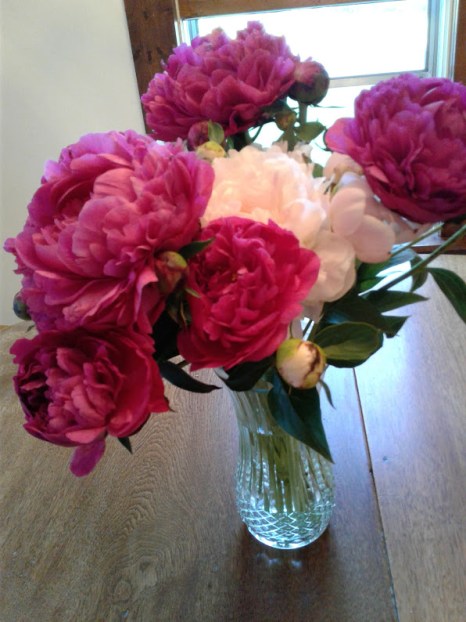
And to Patty and Doug, who Monday evening delivered a bouquet of garden peonies to me, thank you. I am blessed by your care, your love, your prayers and your friendship.

TELL ME: How have you expressed your thanks to a family member or friend who has helped you through an especially difficult time?

© Copyright 2017 Audrey Kletscher Helbling

 

From Faribault: Any “domestic” is one too many June 2, 2017


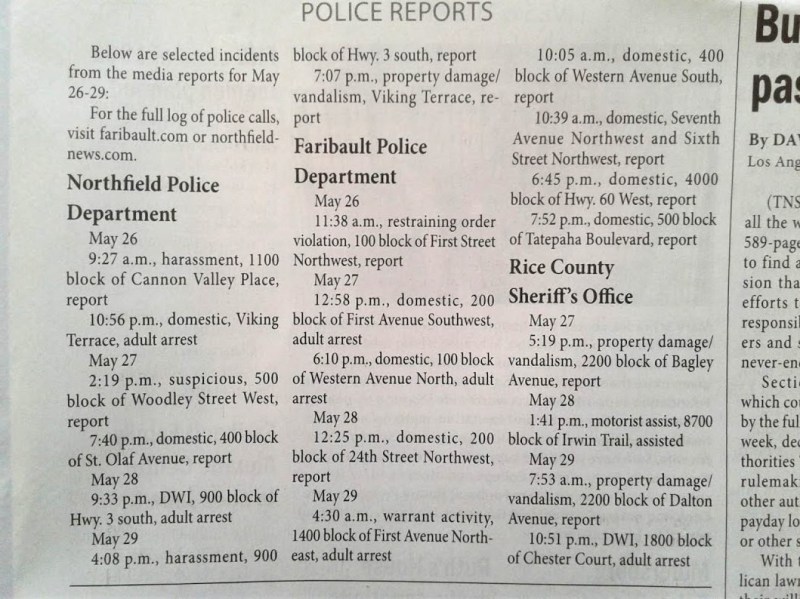
SEVEN DOMESTIC CALLS in four days…and one call for violation of a restraining order.

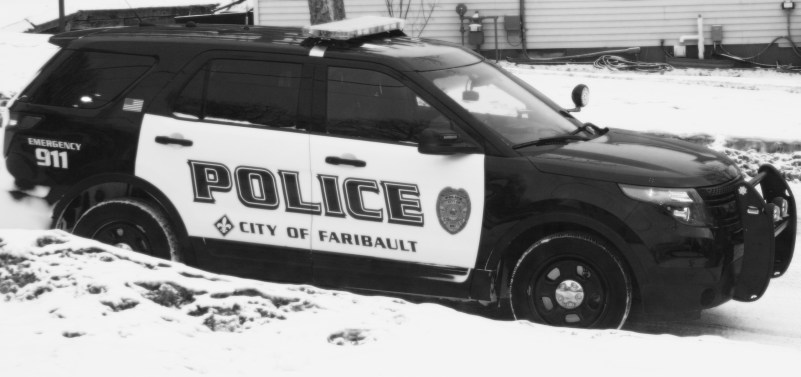
The stats, published on the May 31 Matters of Record page in the Faribault Daily News, shocked me. That’s a lot of domestic-related calls handled by the Faribault Police Department from May 26-29 in a community of some 23,000.

I’ve been especially cognizant of local domestic situations since the late December 2016 high profile murder of Barb Larson by Richard Larson. The former Faribault police officer committed suicide after killing his ex-wife at her workplace, the Faribault Area Chamber of Commerce & Tourism office. She had a restraining order against him, granted within days of her murder.

Just weeks prior to the Larson murder-suicide, Ryan Perizzo murdered 8-year-old Lynnaya Stoddard-Espinoza before killing himself in their Faribault home.

Those crimes shook my community. And they should have.

But the reports I am reading of nearly daily domestic calls within Faribault should shake all of us, too. Four in one day. To all different parts of my community. Domestic abuse and violence can happen to anyone in any neighborhood. And it does. I’ve witnessed such abuse and called police.


Minnesota Prairie Roots file photo 2015.


I recall my Uncle Bob, a retired Minneapolis police officer, telling me domestic calls are the most dangerous. Why? Emotions and passions are running high. Perpetrators of abuse often fail to accept responsibility for their actions and blame others. They desire power and control. All of those factors put victims, and law enforcement, at great risk.

What can we, the public, do? We can educate ourselves (and our kids) so that we understand domestic abuse and violence. We can refuse to remain silent. We can listen to and support victims and connect them with resources to help them escape abusive situations. We can encourage the judicial and probation systems to hold offenders accountable. Too often these abusers walk away with little or no punishment, only to reoffend.

Frankly, I am tired of it.

Consider, too, for a moment how many cases of domestic abuse go unreported. Compare it to the motorist who drives drunk many many times before he is finally stopped for driving while under the influence. Or maybe he’s never caught.

Be aware that domestic abuse is not just physical. It’s emotional, too. That abuse can also be psychological, mental, spiritual, financial and technological. Abusers are often narcissistic. They manipulate and twist and exert their power. They are the center of the world, in their eyes, and you better not challenge that.

I wish I could wave a magical wand and end domestic abuse and violence. But because I can’t, I can at least spread awareness. And there is power in using my voice.


© Copyright 2017 Audrey Kletscher Helbling
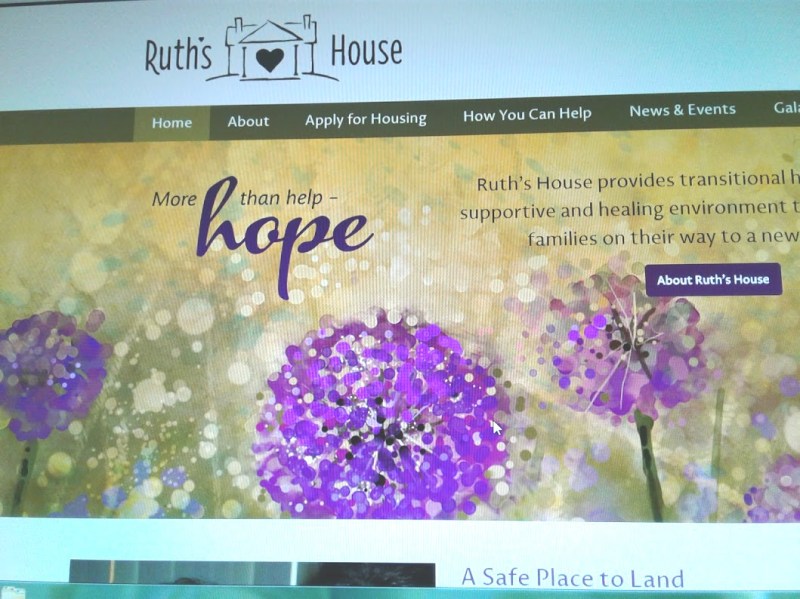
NOTE: My insights into domestic abuse and violence are not specific to the cases cited within this post. Also note that if you are in an abusive relationship or know someone who is, leaving an abuser is the most dangerous time for a victim. Seek professional help to make a safe exit. Know, too, that a restraining order is just that, an order, with no guarantee of protection. 


Warning: Skip this story if you’re squeamish May 31, 2017

Filed under: Uncategorized — Audrey Kletscher Helbling @ 5:00 AM
Tags: , , , , , , ,

Forty-eight hours after I broke my right shoulder, there was considerable swelling.


AT 6:20 p.m. Monday, his cell phone timer pinged. “Time to raise a toast,” he said, or something like that.


The arm is broken at the top of the shoulder (where it rounds). But the bruising is on the inside and spreading down my arm.


“I don’t want to,” I replied. But I should have humored him. At the marked time, exactly one week after I fell and broke my right shoulder, my husband wanted to celebrate a week of recovery with only 11 more to go (maximum).


A selfie of my arm on May 25.


But it was my eldest daughter who made me laugh after I texted her a current photo of my arm, morphing from a deep purple bruise to yellow and green. “Hope you’re not turning into the Grinch!” she replied.


Four days later, on Memorial Day.


Well, yes, I was feeling a bit Grinchy and very much looking the part on my right arm.

I’ve retold my missed-a-step-and-fell story a zillion times already; that’s OK, I appreciate that friends care. I’ve also stopped two friends from tapping me on the right shoulder as they naturally reached out to comfort me. I’ve dodged kids not watching where they were semi-running inside Walmart. I’ve evaded too many distracted shoppers at the grocery store and avoided crowds at public events.

I am overly protective of my right arm and ever so careful when I walk. My orthopedic doctor’s words of you won’t need surgery unless you fall or make your break worse replay warnings in my brain. I do not want surgery. I will listen. Mostly.

He probably should not have told me I can use my computer—if I move only the fingers on my right hand. He demonstrated on his computer mouse, not the keyboard,  in the exam room. Uh, yeah, I am a writer. The single finger pecking method with my left hand is way too slow for me.

But I learned the hard way that I cannot overdo it or the pain will increase. My pain is mostly minimal and handled with Tylenol, although immediately after the fall, I was crying from the pain.

What surprises me most is my fatigue. I feel tired nearly all the time. A friend reminded me my body has experienced trauma. She is right. Plus, my sleep is often fitful with part of the night spent lying on my back in bed and the remainder sleeping mostly upright in a recliner. I nap nearly daily and I am not a person who typically naps.

Along with fatigue comes the frustration typical for anyone dealing with a temporary disability or health challenge. I need assistance with showering and dressing, etc., and even cutting my thick Iowa pork chop. Everything takes longer. That gets exhausting.

I couldn’t do any of this without Randy. He’s been incredibly caring, loving and helpful, patient even when I’m not. We’ve fallen into a rhythm of movement. Even though he arrives home after a long, physically demanding work day, he still does what needs to be done around the house and also cares for me.

My eldest daughter, Amber, and her husband drove down on Saturday with meals and to help Randy plant flowers. I am so so grateful for their assistance and the visit from my one-year-old granddaughter whom I can no longer lift or hold. Sigh. But she still can make Grandma smile.


I am thankful to everyone who has expressed well wishes and offered prayers for my healing. From the comments here to the phone calls, cards, texts and emails, each word has uplifted me. In the scheme of possible injuries, mine is minor. I fully understand that. Yet, as I advised a friend who has endured many health issues and is currently on kidney dialysis, the challenges we each face should not be diminished by challenges others face.

In 11 more weeks (or less), I should be able to swipe antiperspirant/deodorant under my arms, blow dry my hair, hang laundry on the line, wash dishes, make a salad in 10 minutes instead of 30, use my Canon DSLR, hold my granddaughter…cut my own pork chop….

Until then, I may resemble the Grinch with my green right arm. But I don’t have to act like him.

TELL ME: If you’ve dealt with a health issue, how have you managed to get through it? How were family and/or friends especially helpful to you?

© Copyright 2017 Audrey Kletscher Helbling

 

Honoring the war dead in Cannon City May 30, 2017

Folks begin arriving for the 2 p.m. Memorial Day program at the Cannon City Cemetery. Minnesota Prairie Roots file photo.


VEHICLES LINED the narrow gravel driveway, angled into the grassy ditch on one side and edging the roadway on the other.

Randy pulled our lawn chairs from the van and I tucked a fleece throw under my left arm, umbrella in hand as we headed toward the crowd gathering at the Cannon City Cemetery gate. Clouds the color of bruises threatened rain on this 60-some-degree Memorial Day afternoon in rural southeastern Minnesota.


An art appropriate cannon marks a Civil War Veteran’s tombstone in the Cannon City Cemetery. Minnesota Prairie Roots file photo.


But weather would not keep us from this annual commemoration honoring the war dead—a tradition begun some 100 years prior in this wind-swept rural cemetery bordered by fields and pasture. On this Monday, those here would also mark the sesquicentennial of this burial place where a year ago cows moved to the fenceline to watch my friend Lois bury her husband next to his parents and grandparents.


The program opens with singing of “The Star Spangled Banner.” Steve Bonde is on the bugle. Minnesota Prairie Roots file photo.


Randy and I have no family connection to this cemetery. But we have come here each Memorial Day for about the past five because we appreciate the grassroots simplicity of this event. Clustered under spruce and cedar among gravestones, attendees circle their lawn chairs to sing and to listen to patriotic and other readings and to the mournful playing of taps.


A bronze star marks a veteran’s grave. Minnesota Prairie Roots file photo.


As I sat there, snugged under fleece and wishing I’d worn a stocking cap, I considered that my temporary discomfort was nothing compared to war. I remembered the stories my Korean War veteran father, an infantryman on the frontlines, shared of bone-chilling cold. Yes, my ears hurt. But in a short time, I would be back inside my warm home.

I am an observer. To my right, I watched a teenage boy grip a military star, American flag and white carnation with his left hand, bugle in his other hand, as the fierce wind threatened to yank all three away. Earlier, some attendees distributed flowers, provided by the Cemetery Association, to soldiers’ graves. That flower-laying tradition began 100 years ago with students from the nearby Cannon City School marching with floral wreaths to the cemetery.


Song sheets are distributed to those in attendance. Minnesota Prairie Roots file photo.


This memorial service is so much about tradition—from recitation of The Pledge of Allegiance to singing of The Battle Hymn of the Republic to reading names of the 52 veterans buried here to recitation of In Flanders Fields.


Poppies have long been associated with honoring and remembering veterans. Minnesota Prairie Roots file photo.


As Jean Pederson recited the haunting poem of poppies blowing between crosses in a field in Belgium, long-time Cannon City resident Bob Lewis slipped a pot of poppies onto the grass next to Jean’s motorized scooter. He’d dug them from a patch in his yard. That symbolic gesture by this veteran nearly moved me to tears as I watched 10 orange poppies wend in the wind to words of war.

Near Jean, I noticed the word LOVE sparkling along the pant leg of a teenage girl. Love and war. War and love. We love our freedom enough to fight for it.


A message on a retro tray I own. Minnesota Prairie Roots file photo.


Yet, we always strive for peace, a message conveyed in a reading by two women: “Let there be peace on earth and let it begin with you.” Their words rose and fell with the wind, carried away—to the fields, the countryside, beyond, under a bruised sky.


© Copyright 2017 Audrey Kletscher Helbling
I apologize for the lack of current photos accompanying this story. I fell and broke my right shoulder recently so am unable to use my camera. I hope my words provide the visuals for you to see snippets of what I observed in Cannon City on Memorial Day.


In memory of Cpl. Ray W. Scheibe May 26, 2017


Ray Scheibe is pictured (to the left) in this May 1953 photo taken by my dad, Elvern Kletscher.


WHO WILL YOU REMEMBER on Memorial Day?

I will think of my dad’s Army buddy, Cpl. Ray W. Scheibe, killed by an exploding mortar on June 2, 1953, the day before he was to return home from war to his wife and new baby girl in Nebraska.


A story about Cpl. Ray W. Scheibe, published in the July 23, 1953, issue of The Wolbach Messenger.


I will think of this man who served his country on the battlefields of Korea.


I will think of this man who died a horrible death in a region where the threat of war still exists.

I will think of Ray’s daughter, Teri, whom I searched for and found seven years ago in southwestern Iowa but have yet to meet.

I will think of the grief and pain of so many whose loved ones never returned home from war. These are heavy, deep thoughts laced with patriotism and gratitude and conflict.


My dad carried home a July 31, 1953, memorial service bulletin from Sucham-dong, Korea. In the right column is listed the name of his fallen buddy, Raymond W. Scheibe.


My dad came back to Minnesota, walking, living, breathing, yet suffering. Teri’s dad returned to Nebraska. Dead. On Monday, I will remember him and the ultimate sacrifice he made for country.


FYI: Please click here to read my 2010 story about Ray Scheibe and my efforts to find his daughter. 

© Copyright 2017 Audrey Kletscher Helbling