Minnesota Prairie Roots

Writing and photography by Audrey Kletscher Helbling

A glimpse of Northfield on a folk art mural inside the post office February 4, 2025

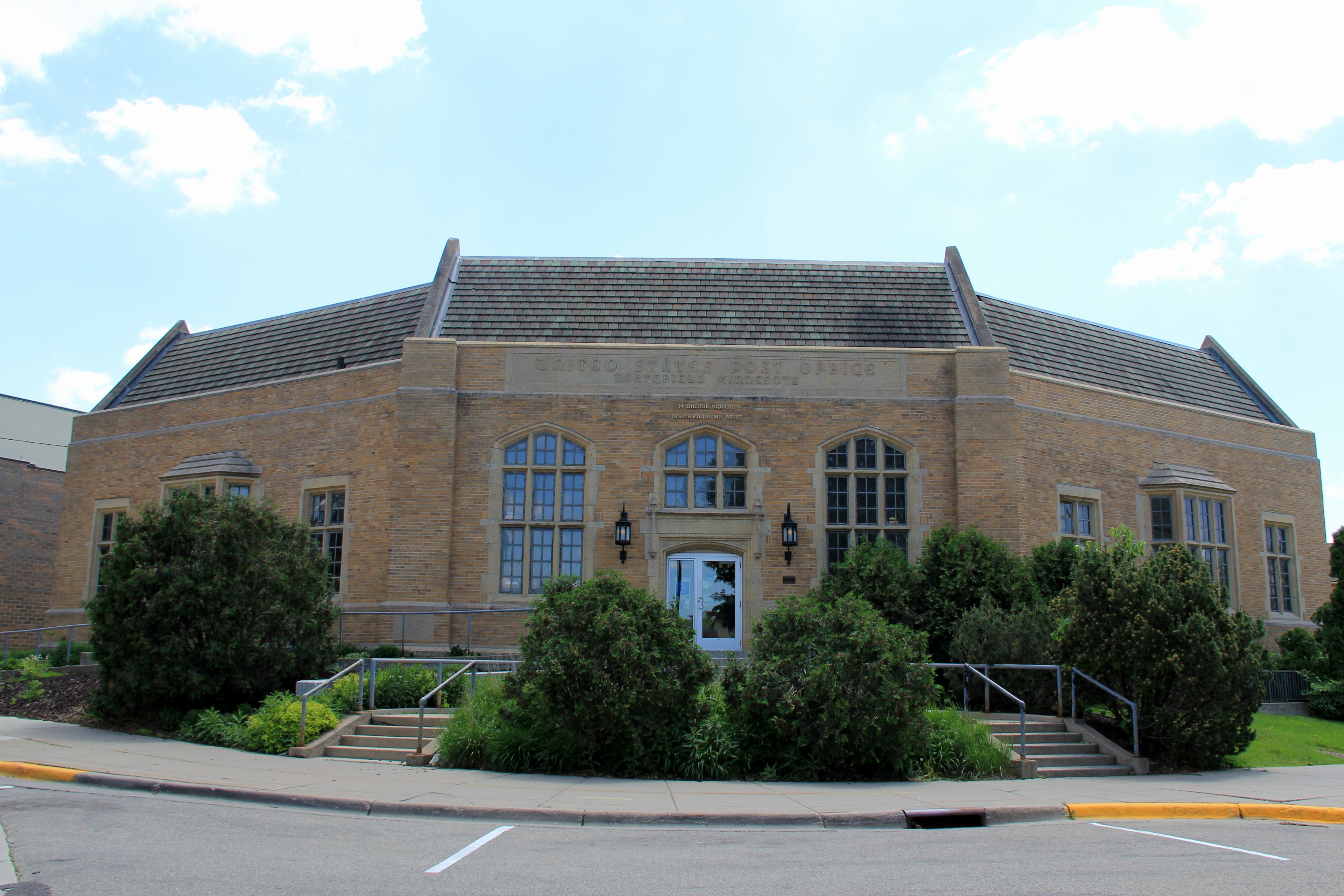
The historic post office in Northfield, Minnesota, holds an art treasure. (Minnesota Prairie Roots copyrighted photo May 2024)

OF ALL THE TIMES I’ve visited neighboring Northfield through the decades, I’d not once stepped inside the downtown Northfield Post Office. Until last May. I’ve frequented Bridge Square across the street, admiring the public art I often find outdoors in this park along the Cannon River. Yet, I never thought to look for art inside the impressive limestone structure angling around a corner of the town center.

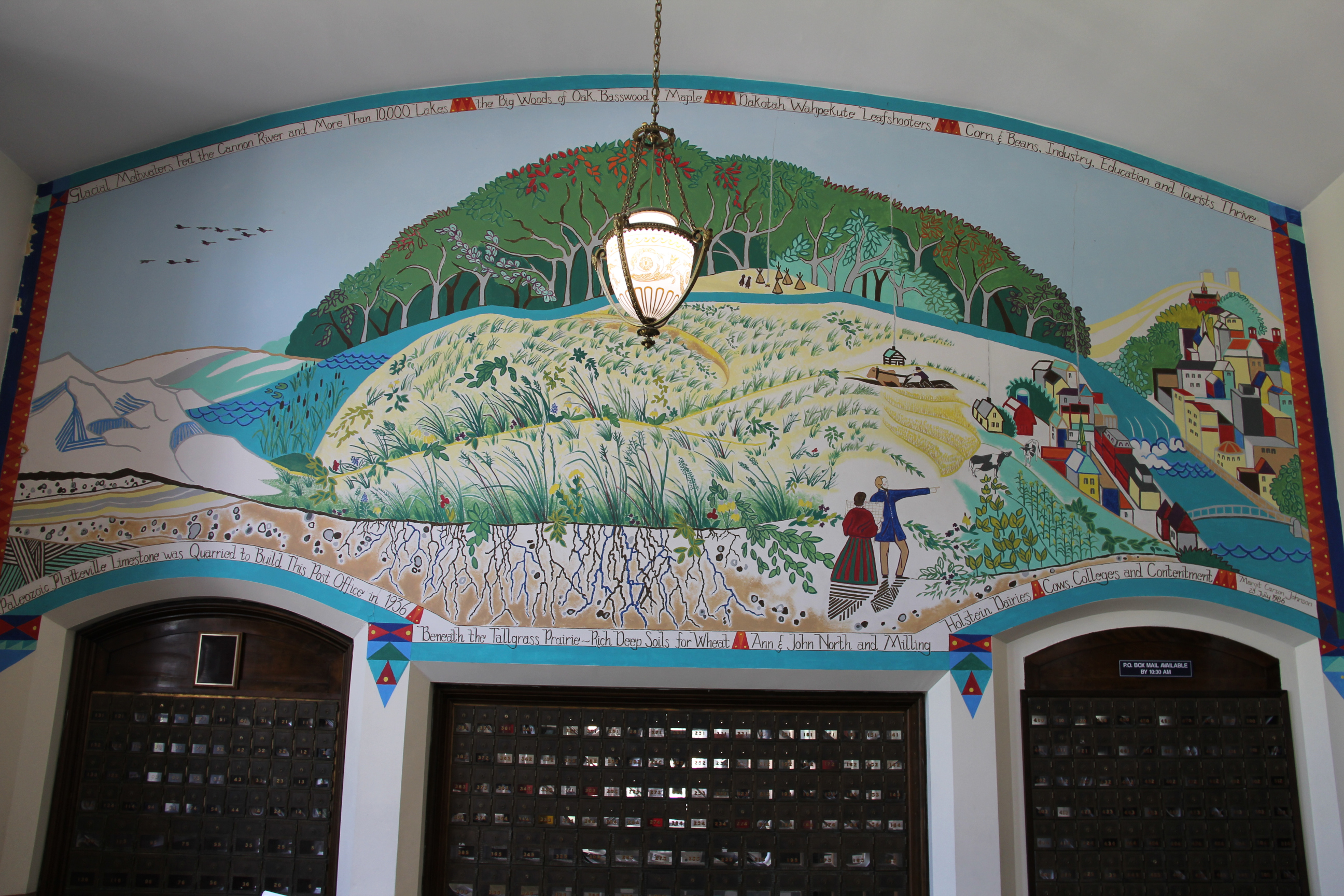
The mural above a row of mailboxes was designed by Margit Carson Johnson. (Minnesota Prairie Roots copyrighted photo May 2024)

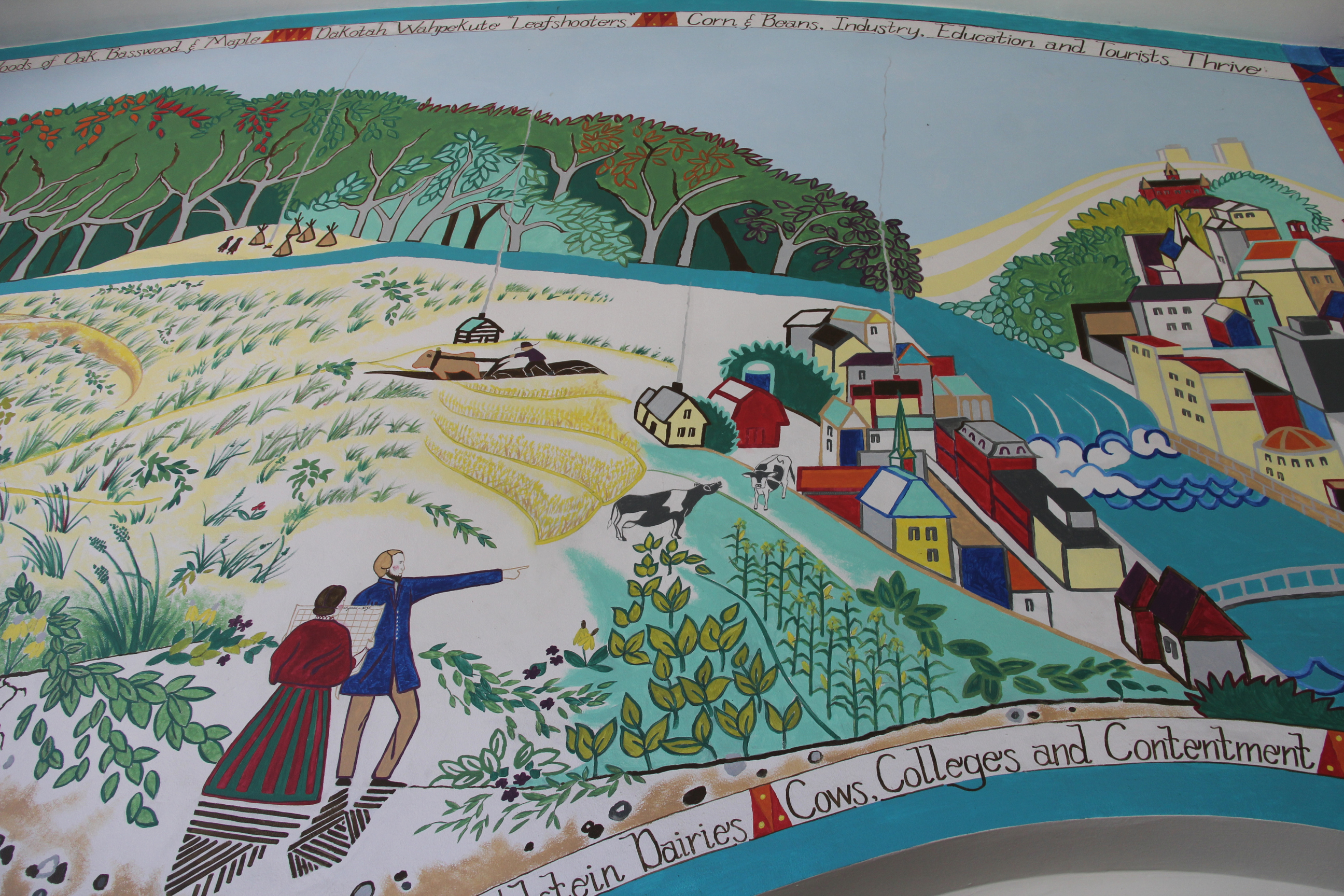
But inside the historic 1936 post office, I found a massive piece of public art designed by Northfielder Margit Carson Johnson. The commissioned work defines the essence of Northfield. The city is perhaps most famously known for the townspeople’s defeat of the James-Younger Gang in September 1876 as the outlaws attempted to rob the First National Bank. Johnson’s 1986 mural, though, doesn’t show that. The entire bank robbery history can be learned a few doors down at the former bank site, now the Northfield History Center.

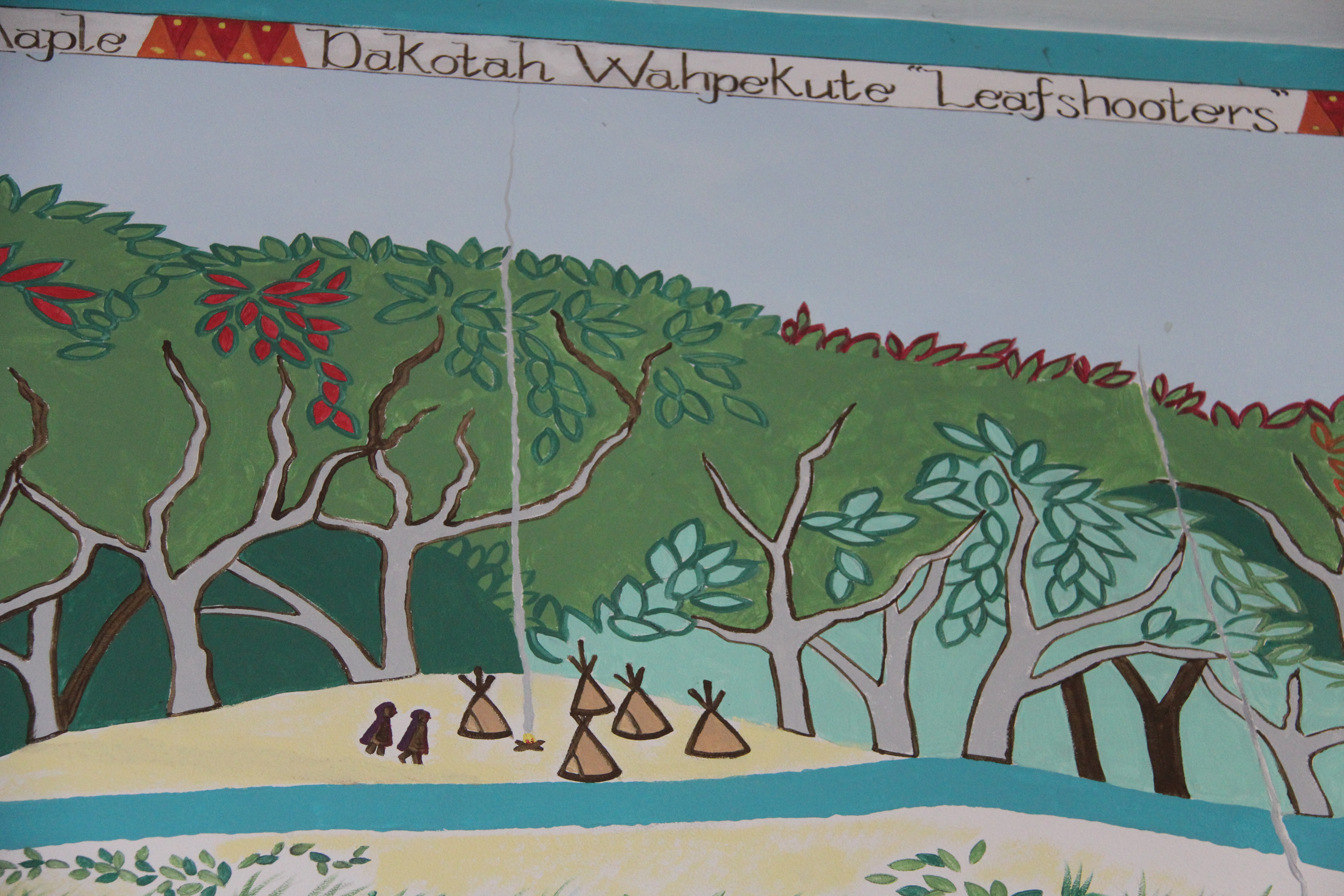
The Dakotah Wahpekute, also known as “Leafshooters,” were the original inhabitants of the land that would become Northfield. (Minnesota Prairie Roots copyrighted photo May 2024)

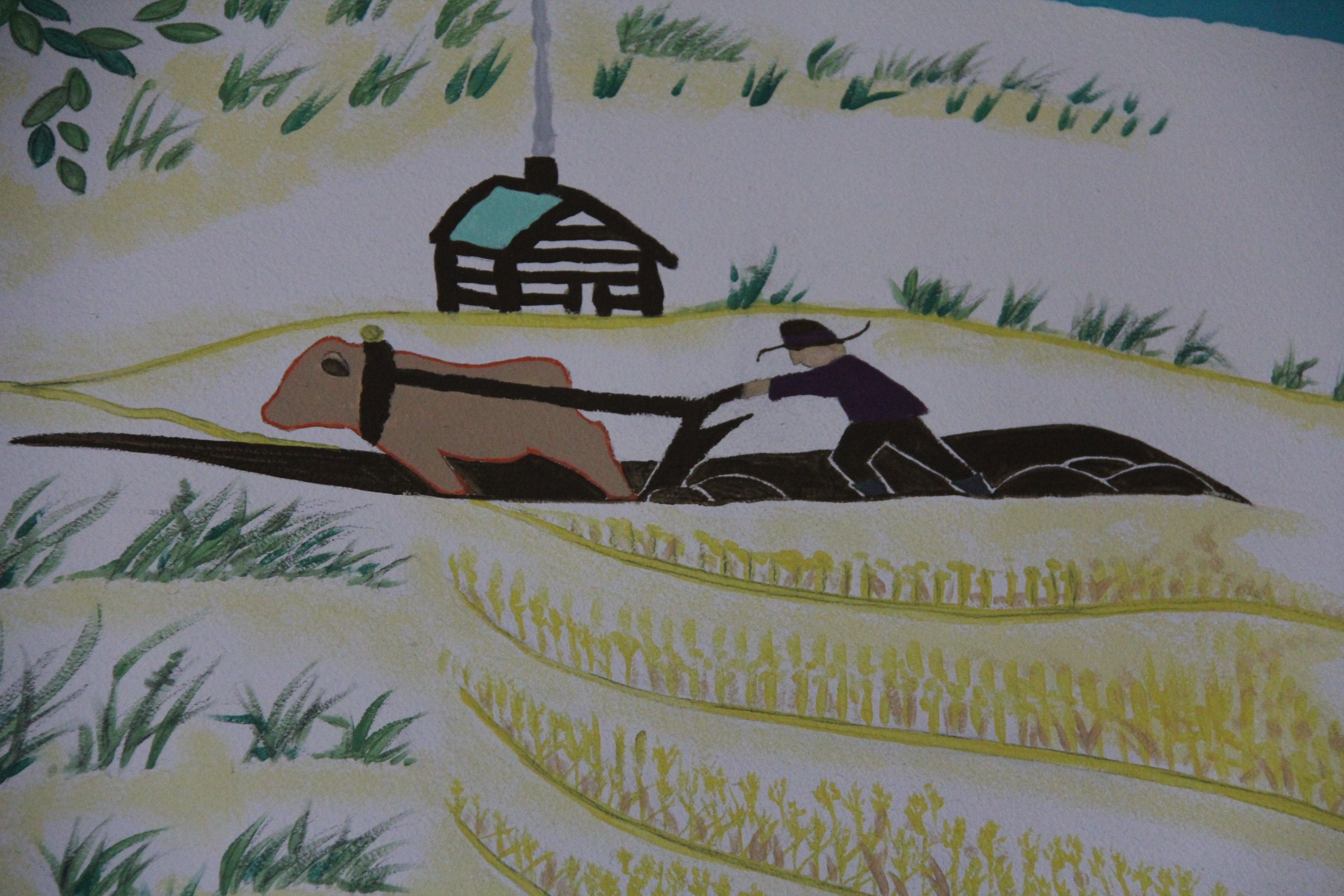
Rather, the mural on the east side of the post office lobby visually summarizes Northfield’s early history as home to the Dakota Wahpekute, then settlement as a farming (dairy and crop) and milling (flour and sawmills) community, followed by growth as a center for education (St. Olaf and Carleton Colleges), industry (including Post Consumer Brands cereal, formerly Malt-O-Meal) and tourism.

Farmers plowed the prairie grass to seed wheat. (Minnesota Prairie Roots copyrighted photo May 2024)

For anyone who knows little to nothing about Northfield, the folk art style painting completed by a team of volunteers is a good starting point to learn the basics about this community. It’s a visual Cliff Notes type of guide.

Founders John and Ann North are depicted in the painting of Northfield. (Minnesota Prairie Roots copyrighted photo May 2024)

Like many early Minnesota settlements, rivers and railroads determined the location for new towns. Northfield sits along the Cannon River, a source of water power for early milling and a route for trade. Today the river continues to center this community, creating a picturesque and engaging downtown core with businesses along Division Street backing to the river. A River Walk leads locals and visitors riverside to appreciate the natural beauty of water flowing through Northfield.

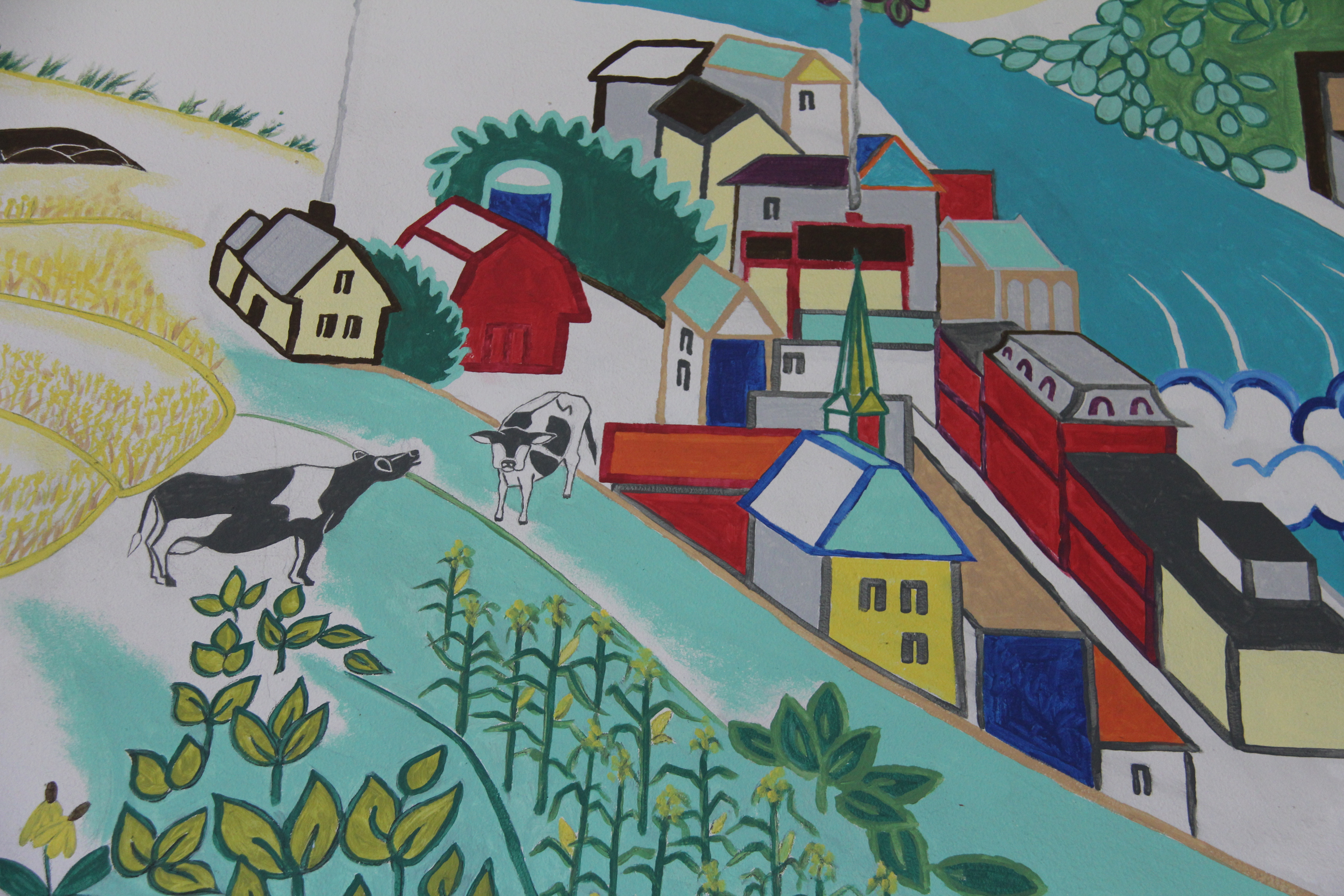
My favorite part of the mural, probably because I grew up on a dairy farm, shows Holsteins. The buildings are actual buildings in Northfield, including the historic Archer House, destroyed in a fire several years ago. (Minnesota Prairie Roots copyrighted photo May 2024)

I love Northfield, once promoted with the theme of “Cows, Colleges and Contentment.” It’s still that, although with fewer dairies than once defined the area. Today the local tourism website tags Northfield as “Close to Home/Far From Ordinary.” That fits, too.

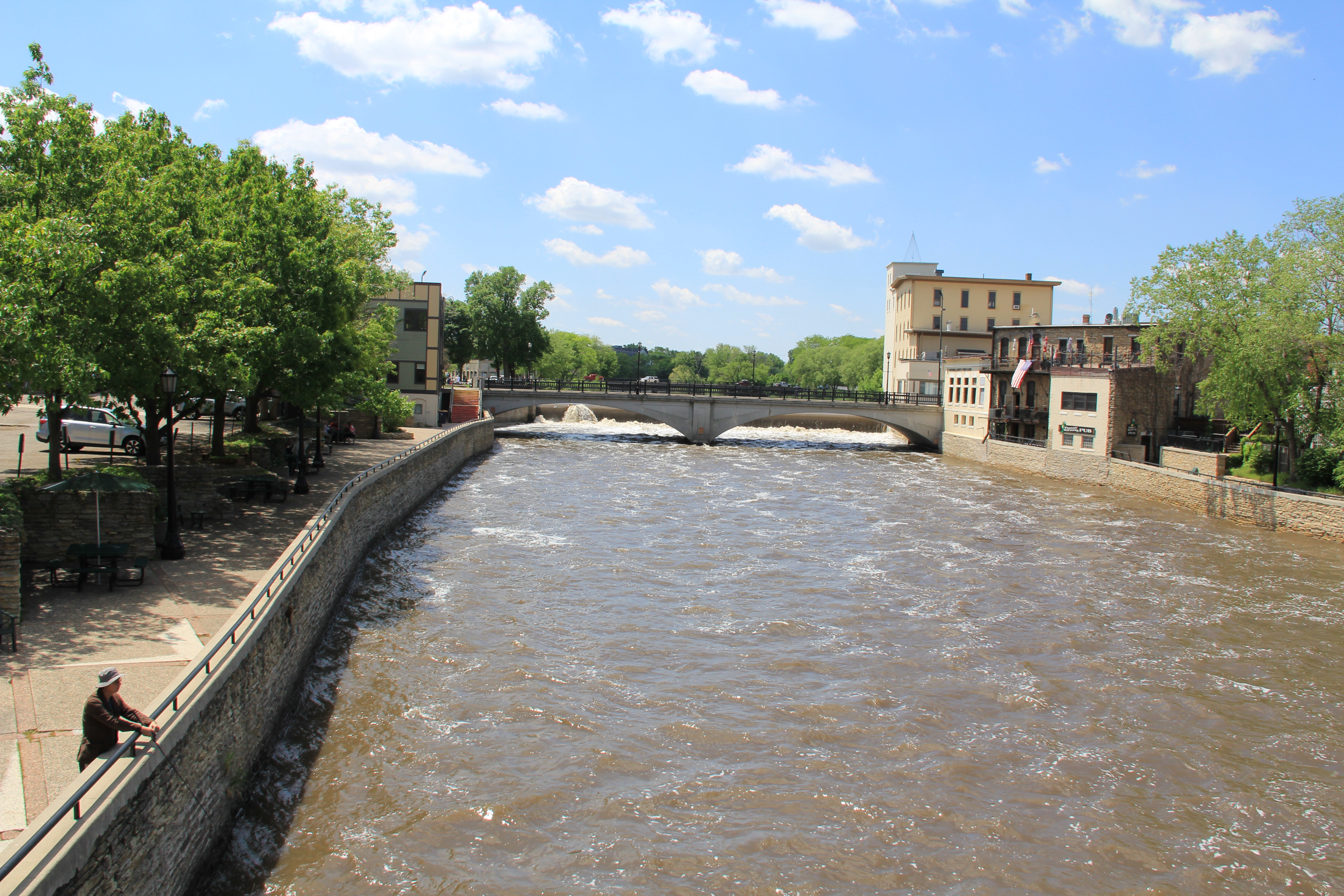
A view of the River Walk and the historic Ames Mill (to the right in the distance) from the pedestrian bridge spanning the Cannon River in the heart of downtown Northfield. (Minnesota Prairie Roots copyrighted file photo May 2024)

Northfield ranks as a popular tourist destination with its James-Younger connection and its many home-grown shops housed in historic buildings in a downtown that fits the definition of “charming.” The setting is decidedly comfortable and homey and as picturesque as a Norman Rockwell painting. There’s a seasonal popcorn wagon in Bridge Square, anglers fishing along the river, an old-fashioned barbershop with barber pole…

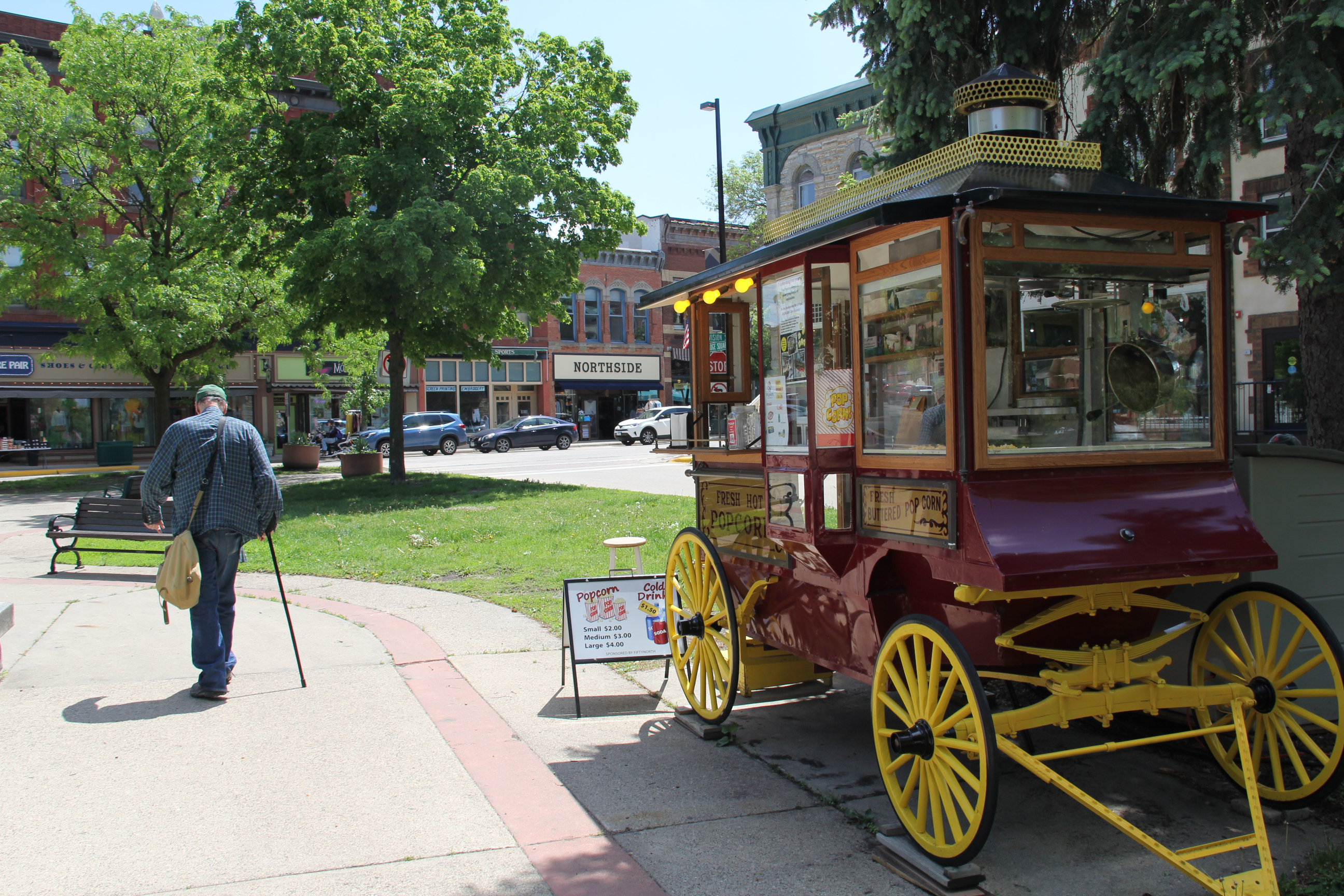
Northfield’s much-beloved seasonal popcorn wagon at Bridge Square. (Minnesota Prairie Roots copyrighted file photo May 2024)

There’s a strong sense of community and of community pride in Northfield. Art matters here. From riverside murals to poetry imprinted upon sidewalks to artwork showcased inside the Northfield Arts Guild to theatre, concerts and much more (including at the two colleges) the arts flourish.

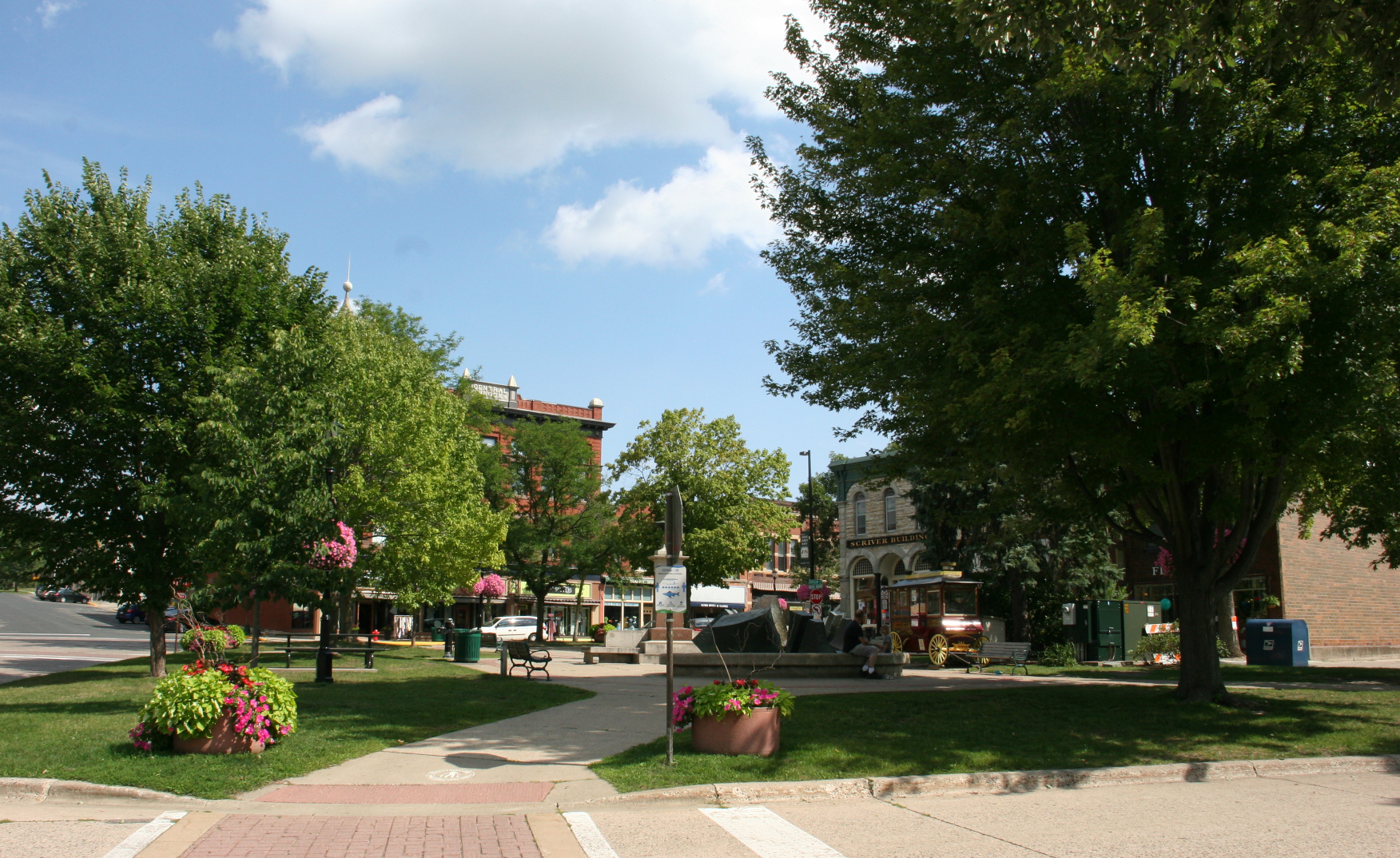
Beautiful Bridge Square, Northfield’s town center. (Minnesota Prairie Roots copyrighted file photo August 2022)

And inside the aged, massive post office, once slated for closing, the folk art mural designed by Margit Carson Johnson stretches above a wall of mailboxes to reveal the core story of Northfield. From the Big Woods to the once glacial meltwater-fed Cannon River, from the Wahpekute to dairy farmers, from tallgrass prairie to the city it is today, Northfield thrives.

© Copyright 2025 Audrey Kletscher Helbling


Revisiting the Surf Ballroom in Clear Lake, Iowa, & “the day the music died” January 30, 2025

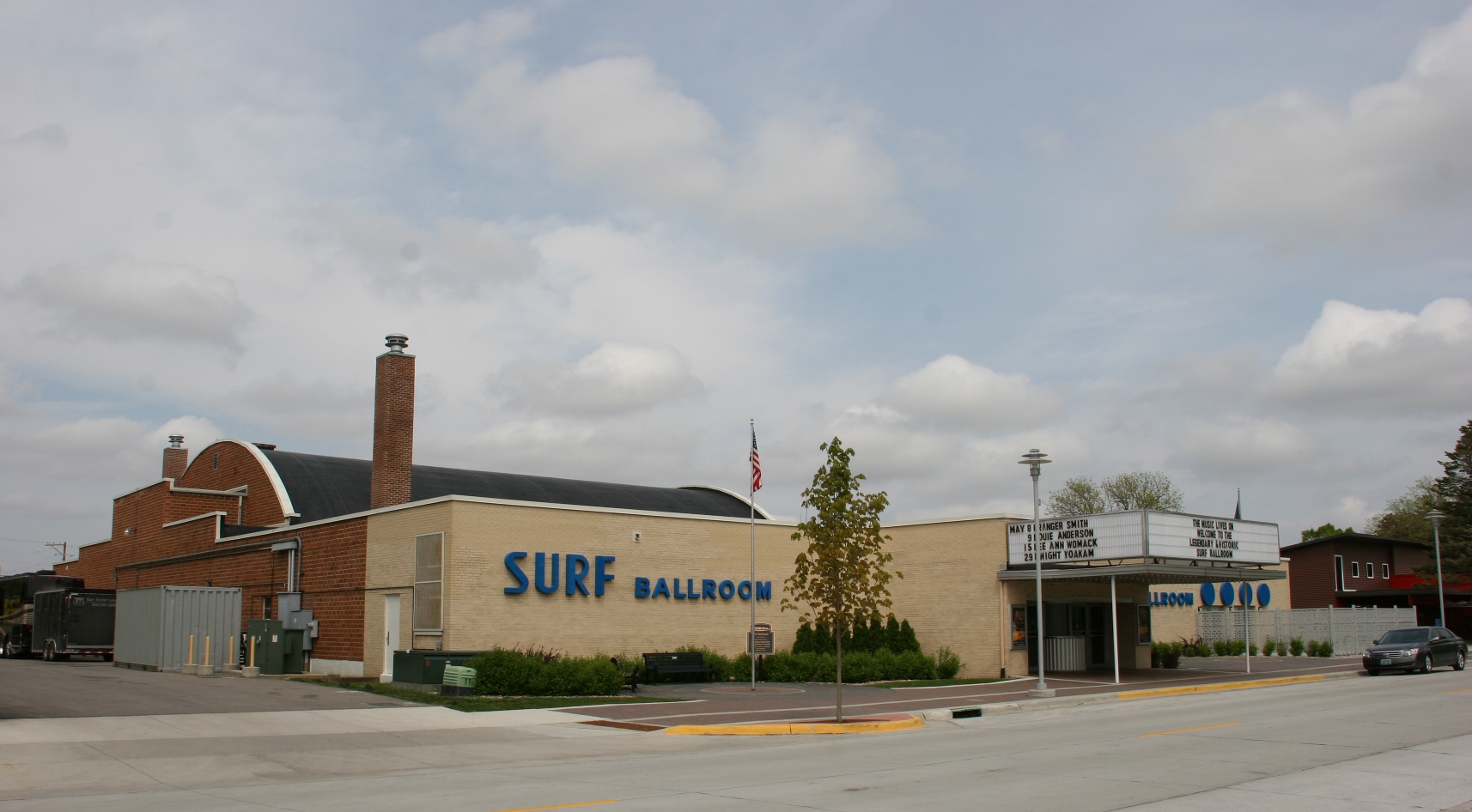
The Surf Ballroom in Clear Lake, Iowa, seats 2,100. (Minnesota Prairie Roots copyrighted file photo May 2015)

A TIME EXISTED when ballrooms centered weekend entertainment and socializing across southern Minnesota: The Monterey Ballroom in Owatonna, no longer a dance hall, but an event center. The Kato Ballroom in Mankato, today primarily a place for banquets, wedding receptions and meetings. The Gibbon Ballroom in Gibbon, once the site of Polka Days, now closed. George’s Ballroom in New Ulm, demolished. The Blue Moon Ballroom in Marshall, destroyed in a 1981 fire. Ballrooms, as they once were in their heyday, are mostly non-existent or altered in usage.

Inside the Surf Ballroom, portraits of Ritchie Valens, left to right, Buddy Holly and J.P. Richardson. (Minnesota Prairie Roots copyrighted file photo May 2015)

But just across the border along Interstate 35 in northern Iowa, an historic ballroom remains open and going strong. That’s the Surf Ballroom in Clear Lake, an 84-mile or one hour and 15-minute drive from my community of Faribault. I’ve been there. Not to dance. But to tour the venue that marked the final performance site for Buddy Holly, Ritchie Valens and J.P. “The Big Bopper” Richardson on February 2, 1959.

This display inside the Surf references “American Pie.” Displays like this line spaces in the museum part of the Surf. (Minnesota Prairie Roots copyrighted file photo May 2015)

The next morning, a chartered plane carrying the trio crashed in a field shortly after take off from the Mason City Municipal Airport, killing the musicians and pilot, Roger Peterson. February 3, 1959, was, according to singer and songwriter Don McClean, “the day the music died.” The tragedy is forever immortalized in McClean’s 1971 “American Pie,” a lengthy song I know well given I was a teen of the 70s.

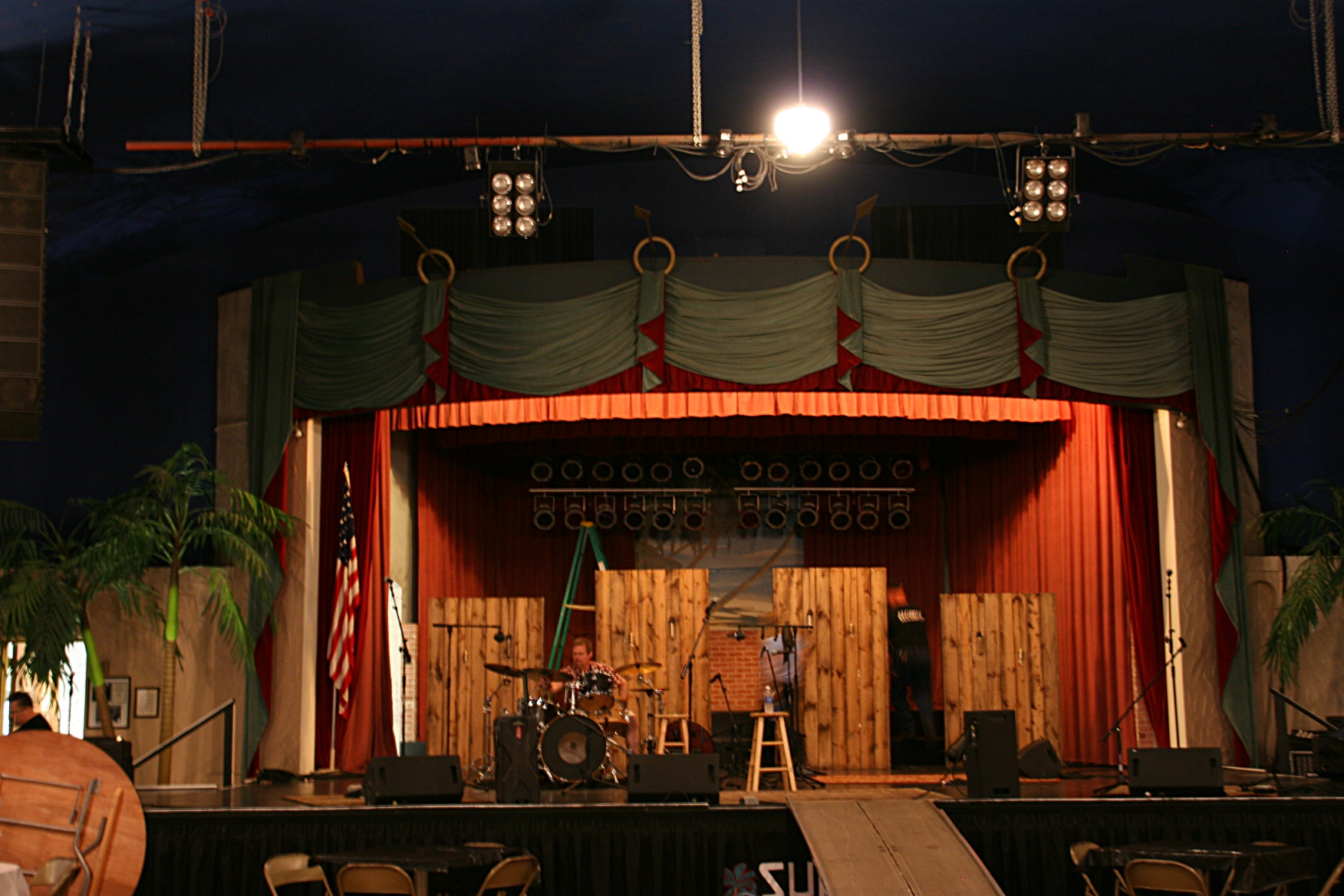
The ballroom stage, where a crew was setting up for a LeeAnn Womack concert during my visit. (Minnesota Prairie Roots copyrighted file photo May 2015)

Ten years have passed since I visited the Surf Ballroom. But nearly every January, I mentally revisit that experience of walking onto the wooden floor of the iconic ballroom and immersing myself in yesteryear. It’s not that I’m a big Buddy Holly fan or even into music all that much. But I can appreciate the significance of this place in rock ‘n roll history.

In the back of the ballroom are layers of booths, all original. (Minnesota Prairie Roots copyrighted file photo May 2015)

The three musicians, plus Dion and the Belmonts, Frankie Sardo, Waylon Jennings, Tommy Allsup and Carl Bunch, were on a 24-day Winter Dance Party tour through Minnesota, Wisconsin and Iowa when they so tragically died. They had been crisscrossing the Midwest in a tour bus, playing in big cities like Milwaukee, Green Bay, St. Paul and Duluth, but also in smaller towns like Montevideo and Mankato in southern Minnesota. That Mankato performance was January 25 at the Kato Ballroom. Following the February 2 gig in Clear Lake, Holly decided to charter a small plane rather than endure the 364-mile bus ride to Moorhead for the next stop on the tour. That decision proved fatal.

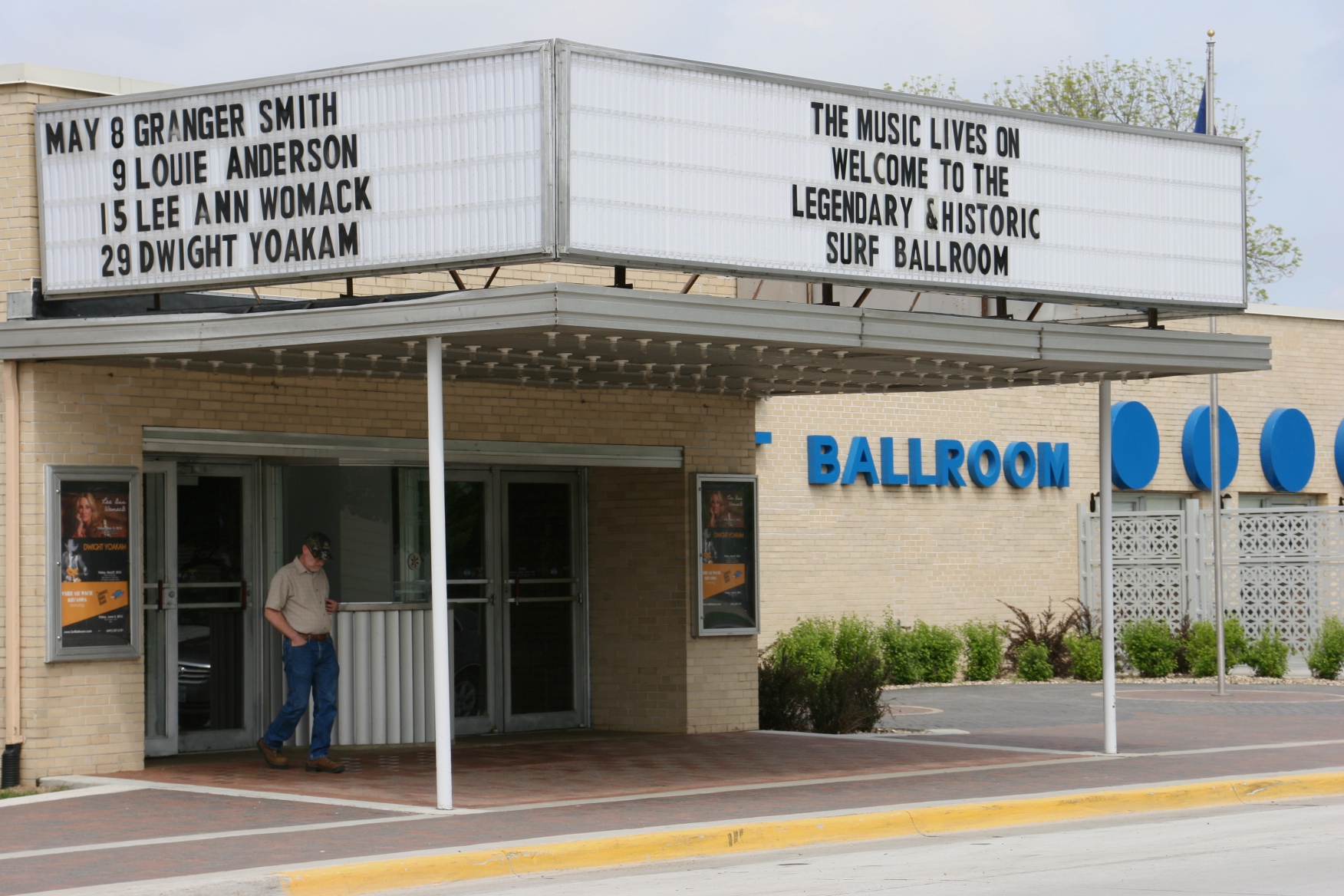
The marquee advertises upcoming events on the day I visited in May 2015. (Minnesota Prairie Roots copyrighted file photo May 2015)

The Winter Dance Party continues to this day at the Surf Ballroom as a way to honor the rock ‘n roll legends. This year’s celebration is January 30 – February 1. Closer to home, the Paradise Center for the Arts in Faribault is hosting “Buddy Holly: Oh Boy!” at 7:30 p.m. Friday, January 31. The next day, Saturday, February 1, the show will be at the State Street Theater in New Ulm at 7 p.m. This is a re-staging of Holly’s Winter Dance Party.

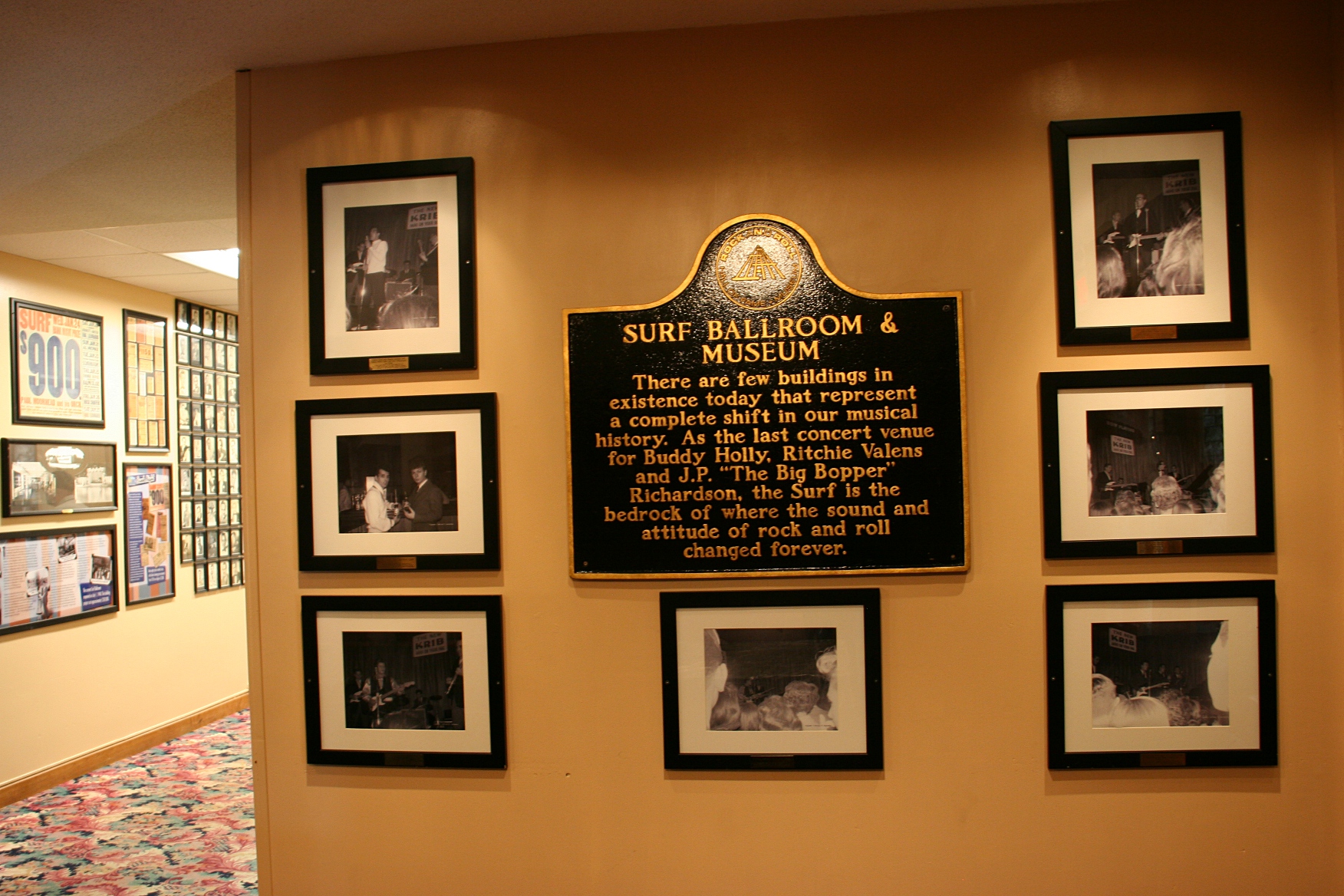
This sign inside the front entry summarizes the importance of the Surf. (Minnesota Prairie Roots copyrighted file photo May 2015)

Whether you’re a fan of Buddy Holly or not, I think it’s important to recognize the significance he held in American rock ‘n roll culture. Music, in many ways, is like an historical account of life. It carries messages, entertains, connects us to memories and events, and touches us emotionally. And when the music died on February 3, 1959, the nation cried.

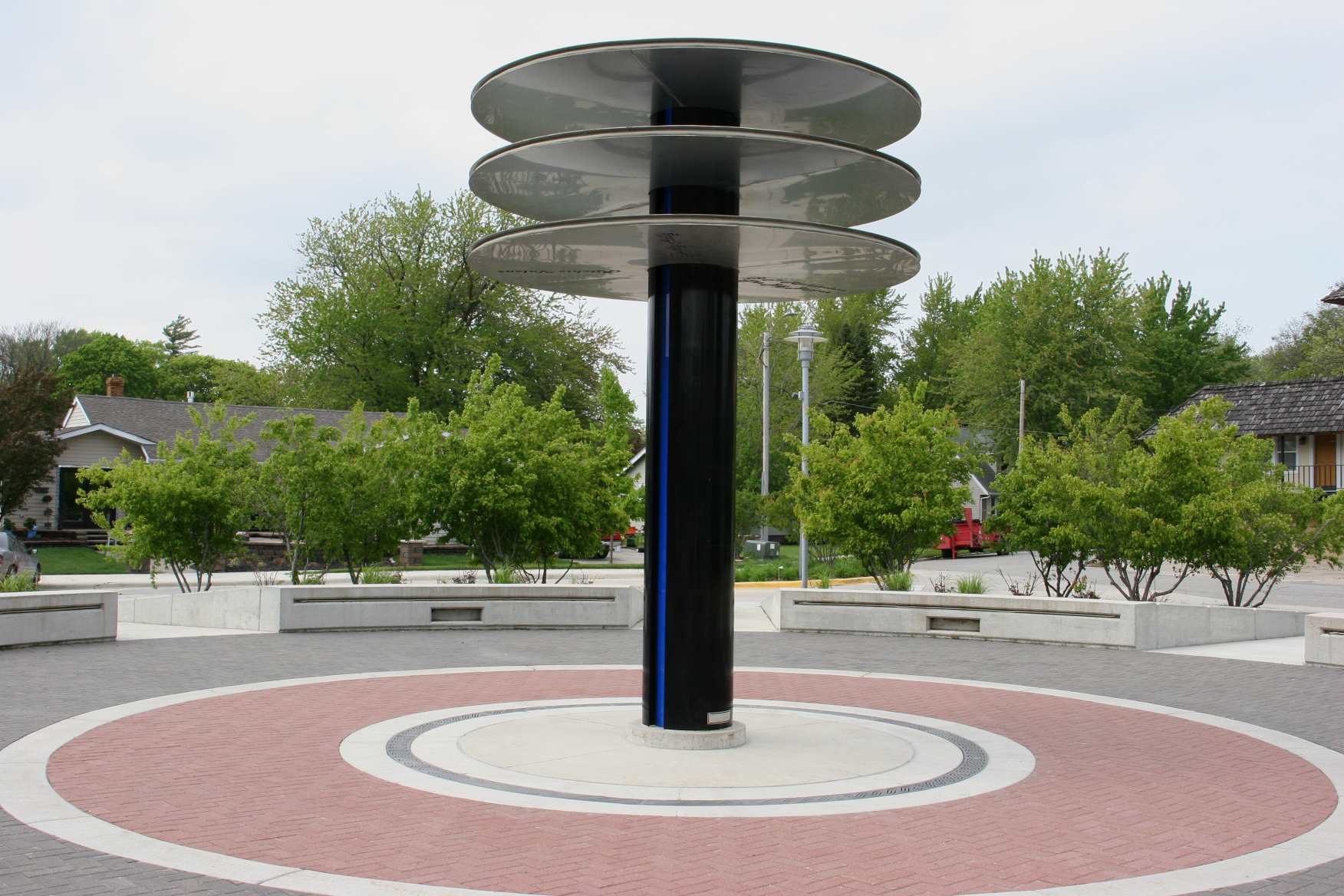
This stacked album sculpture in Three Stars Plaza honors Buddy Holly, Ritchie Valens and J.P. “The Big Bopper” Richardson. (Minnesota Prairie Roots copyrighted file photo May 2015)

FYI: The Surf Ballroom/Museum is open year-round Monday – Friday with additional times during the summer. Always check ahead before visiting as the ballroom can be closed if there’s a rental or concert. Additional related sites are Three Stars Plaza near the Surf and the crash site, about five miles distant.

© Copyright 2025 Audrey Kletscher Helbling


Inspiring garden rocks kindness in Pine River January 28, 2025

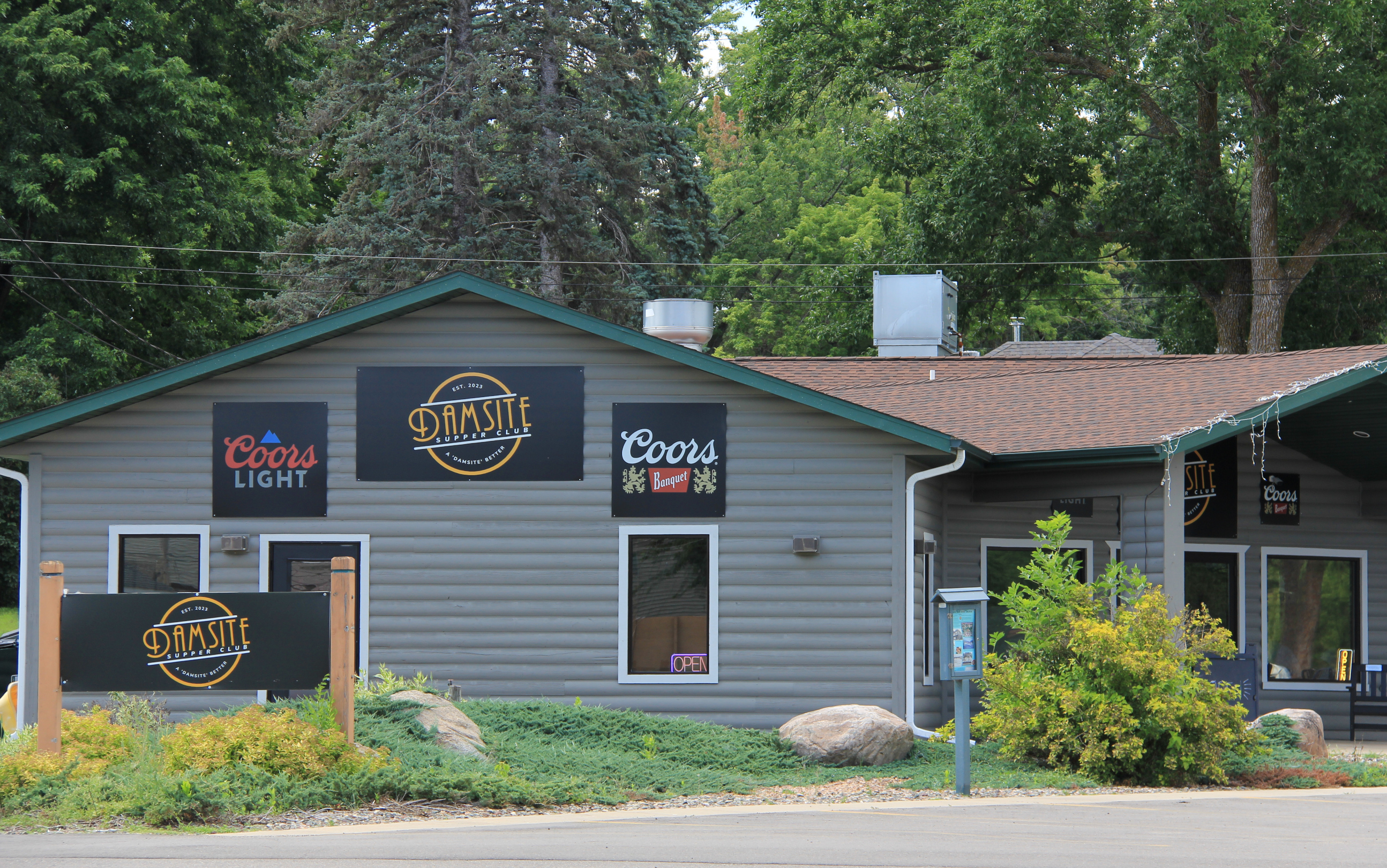
The Damsite Supper Club in Pine River, Minnesota. (Minnesota Prairie Roots copyrighted photo July 2024)

SIX MONTHS AGO, Randy and I met friends, Sue and Charley, for lunch in Pine River while vacationing in the north central Minnesota lakes region. We enjoyed our meals and conversation at the Damsite Supper Club, which really isn’t a supper club by my definition, but which serves damn good food. It sits across the road from the Pine River Dam, thus the restaurant name.

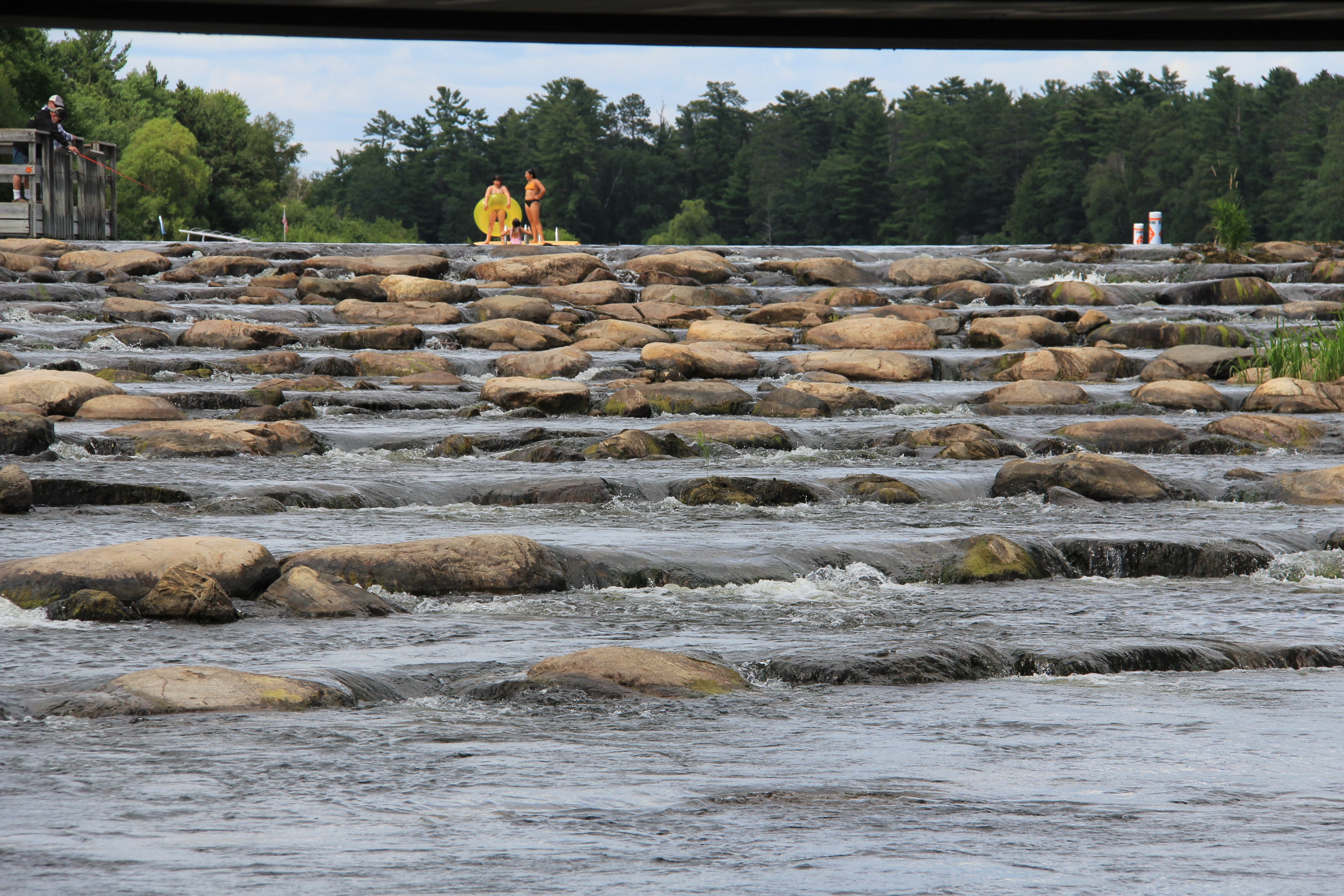
A section of the beautiful rock riffle dam on the Pine River. (Minnesota Prairie Roots copyrighted photo July 2024)

Afterwards, our friends headed back to their Hackensack home while we poked around Pine River. I love exploring small towns for all the treasures they hold. And Pine River holds many, starting with the Kindness Rocks Inspiration Garden, just across from the supper club and river bridge.

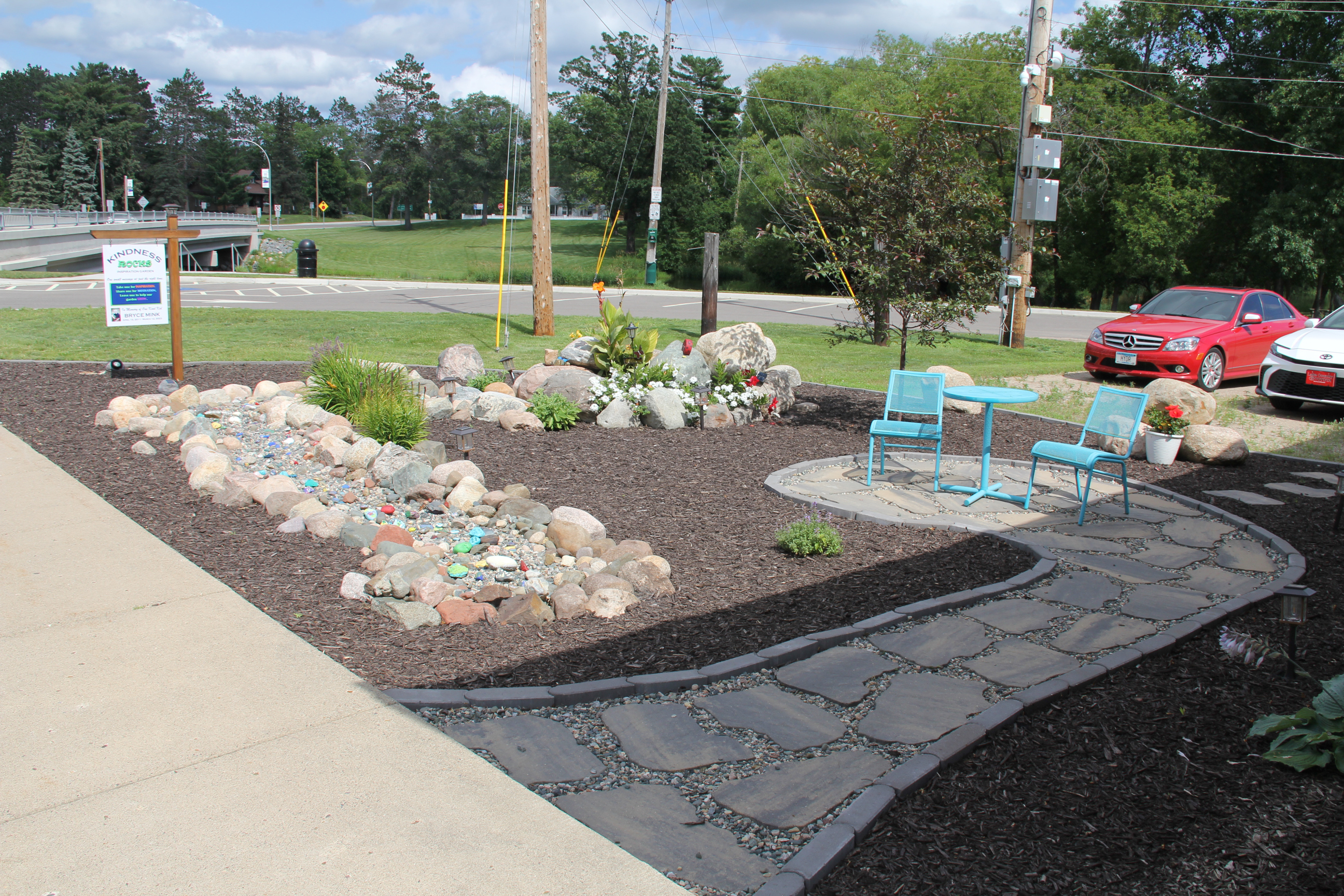
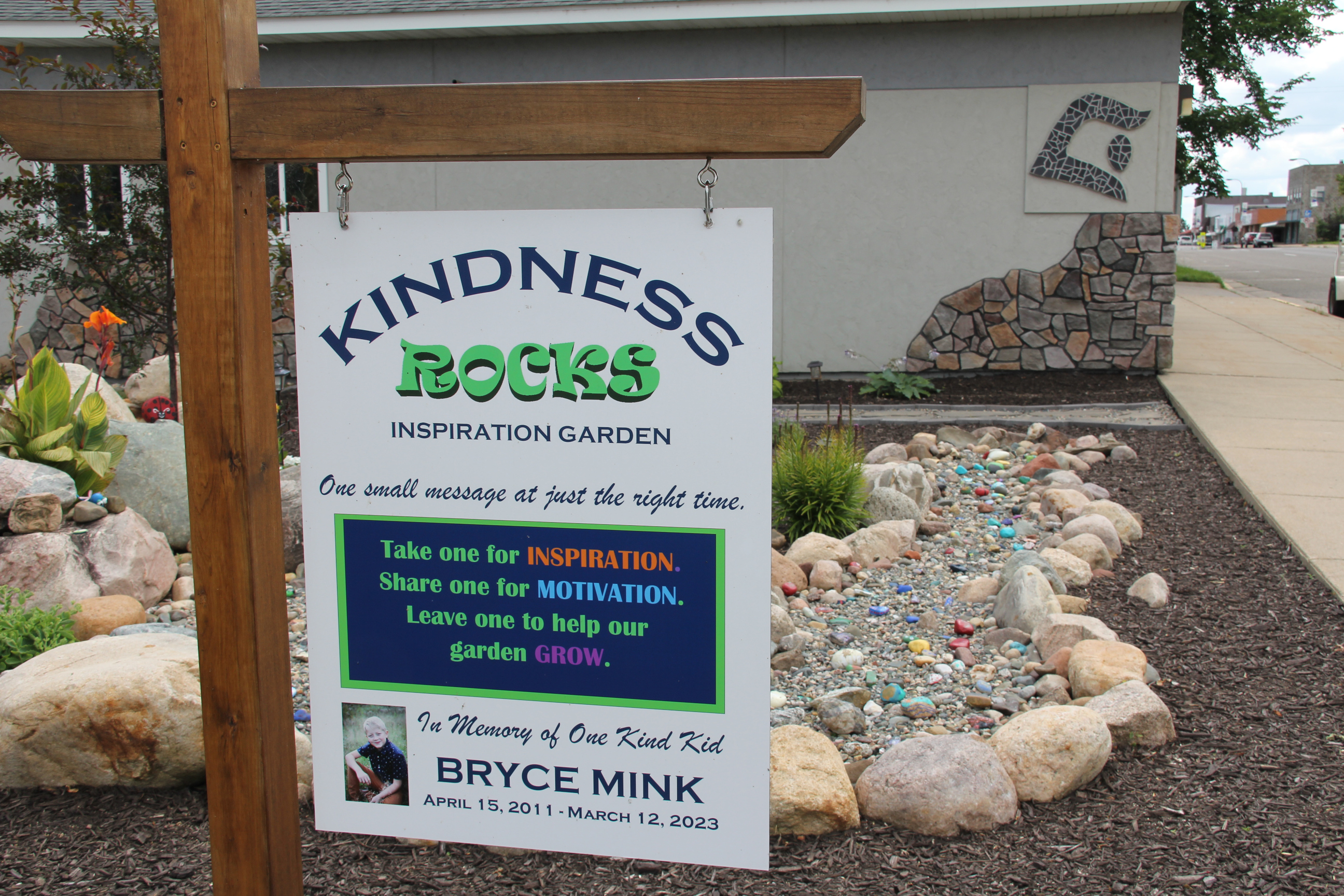
The kindness garden celebrates kindness and Bryce Mink. (Minnesota Prairie Roots copyrighted photo July 2024)
This is what it’s all about–love and loving one another. (Minnesota Prairie Roots copyrighted photo July 2024)
In a bend of the rock river by the lily, a memorial stone quotes Christopher Robin in A.A. Milne’s “Winnie the Pooh”: “Promise me that you’ll always remember that you’re braver than you believe, stronger than you seem and smarter than you think.” (Minnesota Prairie Roots copyrighted photo July 2024)

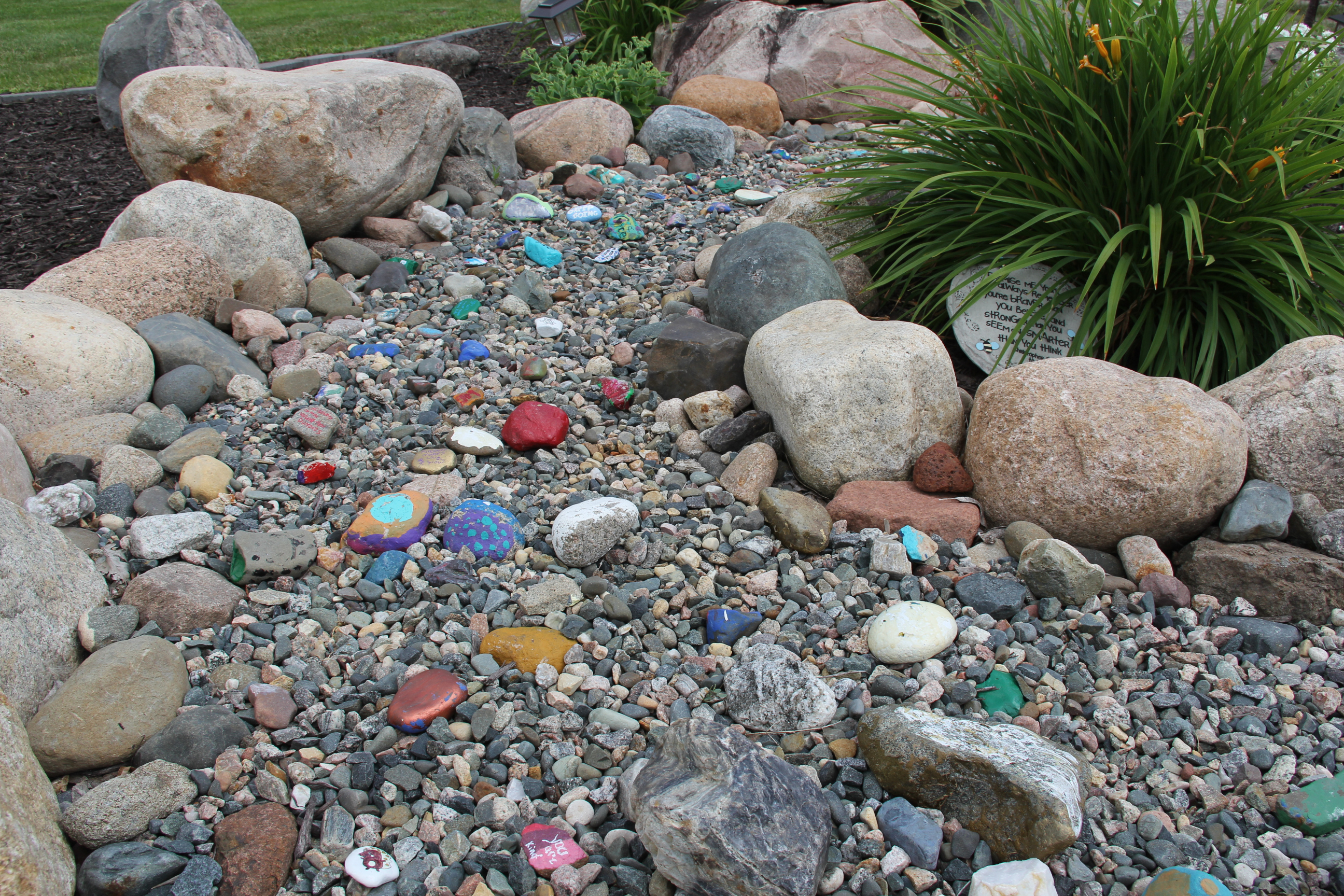
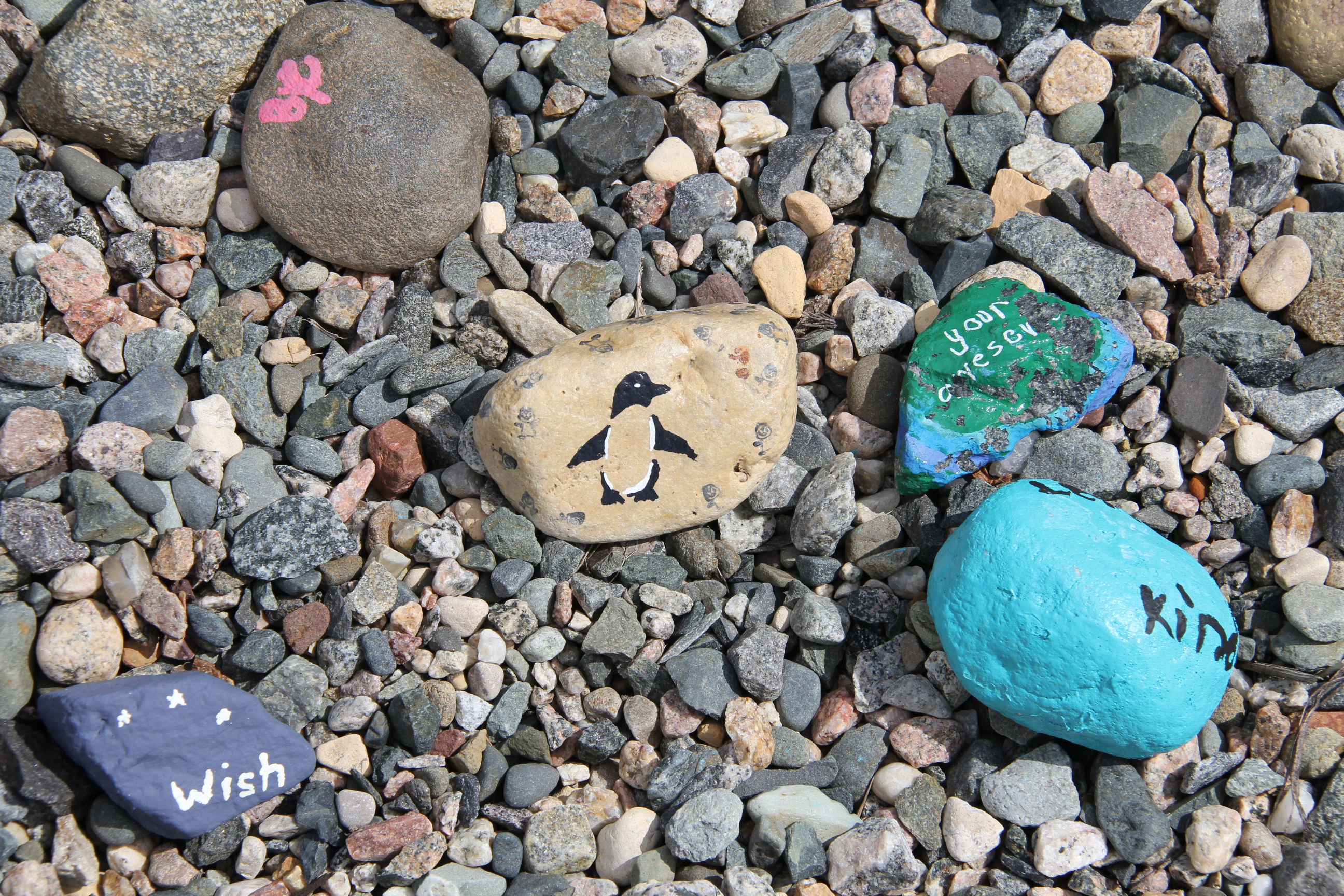
Kindness rock gardens, or simply scattered kindness rocks, are, in my opinion, an inspiring addition to any place. Every time I find kindness rocks, I feel a surge of happiness. The positive messages and art painted, written or drawn onto rocks (technically stones) always uplift me.

(Minnesota Prairie Roots copyrighted photo July 2024)
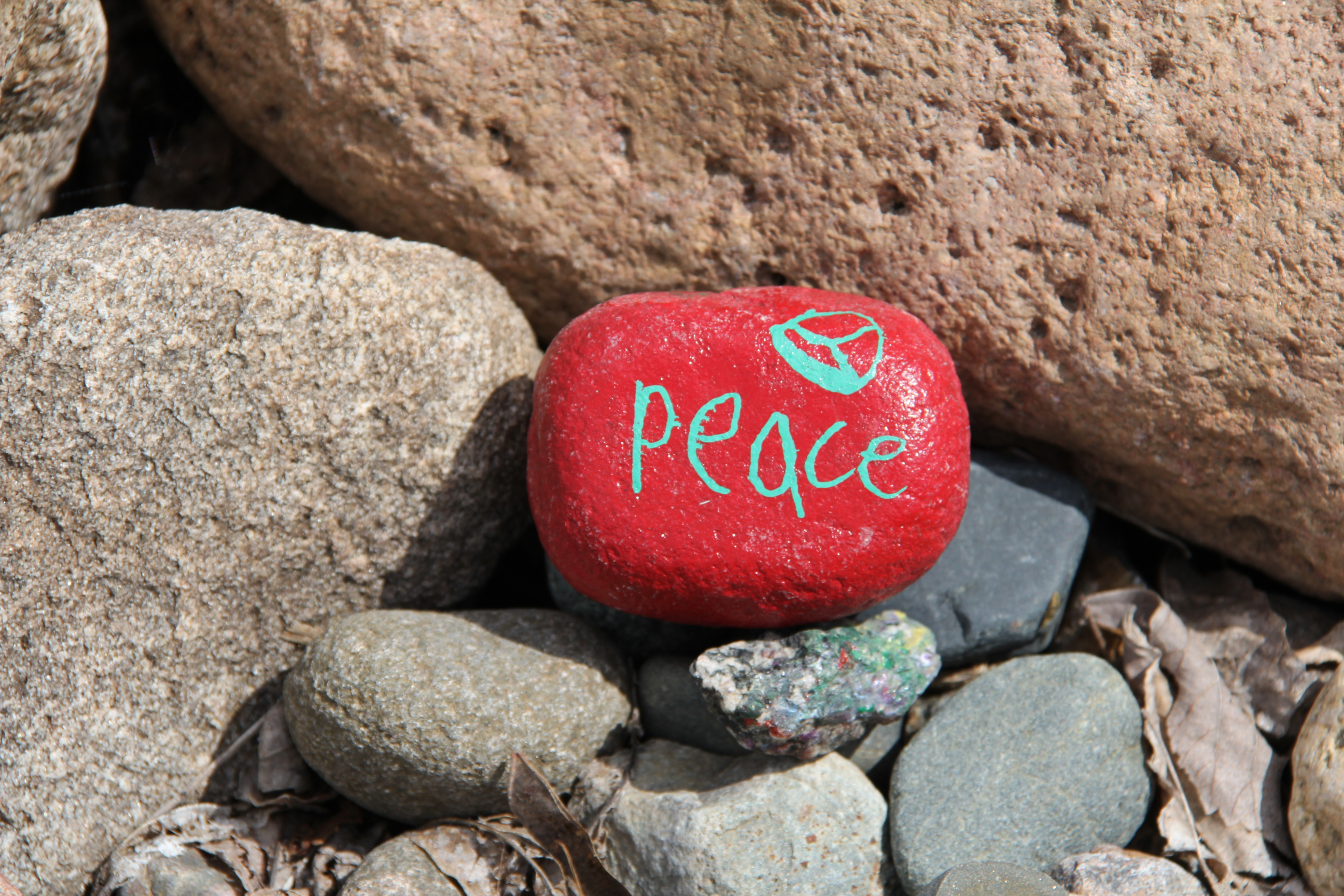
Peace, a universal message, a universal hope, a universal prayer. (Minnesota Prairie Roots copyrighted photo July 2024)
An overview of the kindness rock garden, which curves like a river. (Minnesota Prairie Roots copyrighted photo July 2024)

And right now I feel like we could use a whole lot of kindness rocks in this country. Boxcars full. Truckloads full. Cargo holds full. Dump them upon the land. Let them rise like mountains or flow like rivers. Let inspiring words, followed by acts of kindness, generosity, love, compassion and care, spill upon the soil and take root.

(Minnesota Prairie Roots copyrighted photo July 2024)
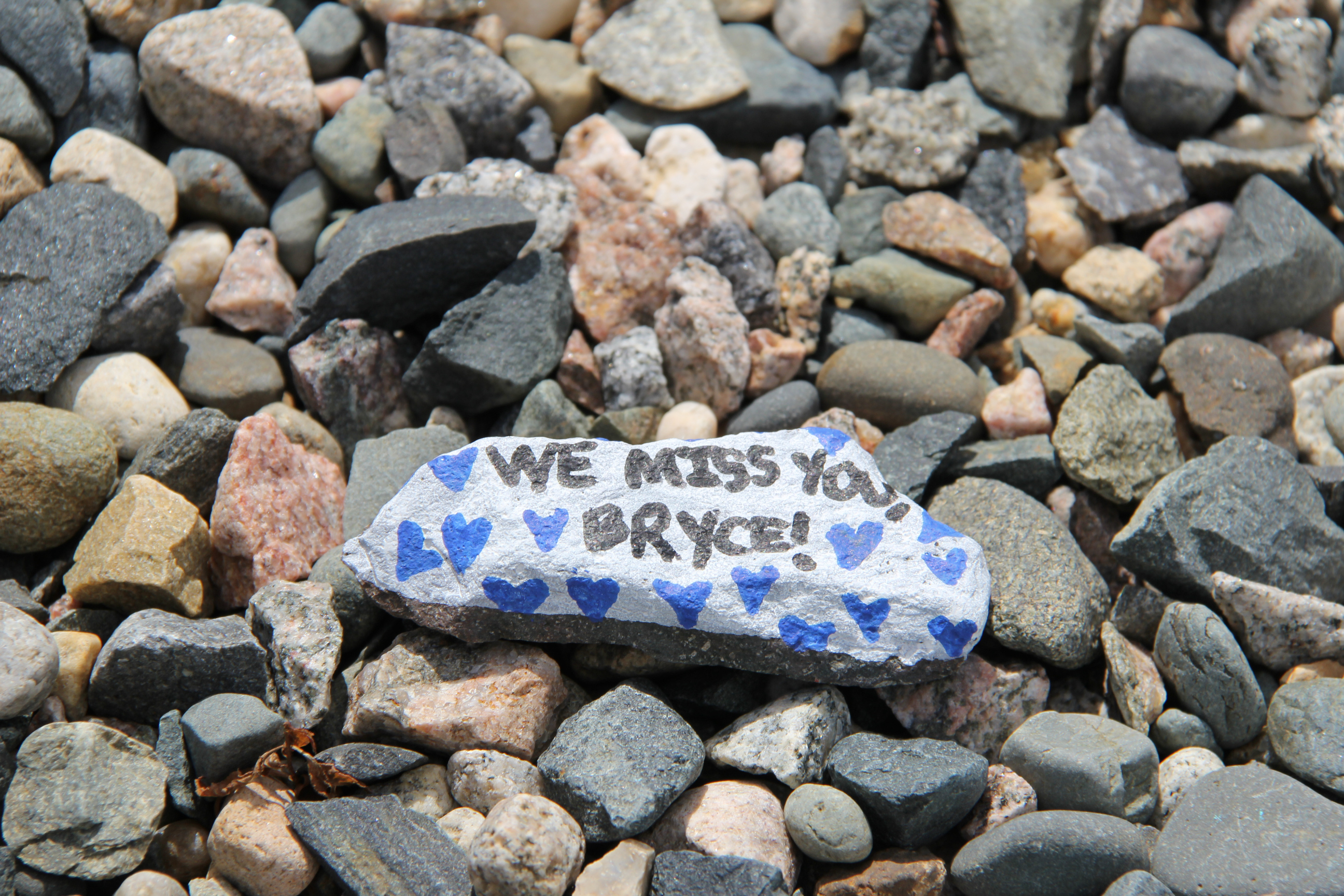
Bryce was known for his kindness. (Minnesota Prairie Roots copyrighted photo July 2024)
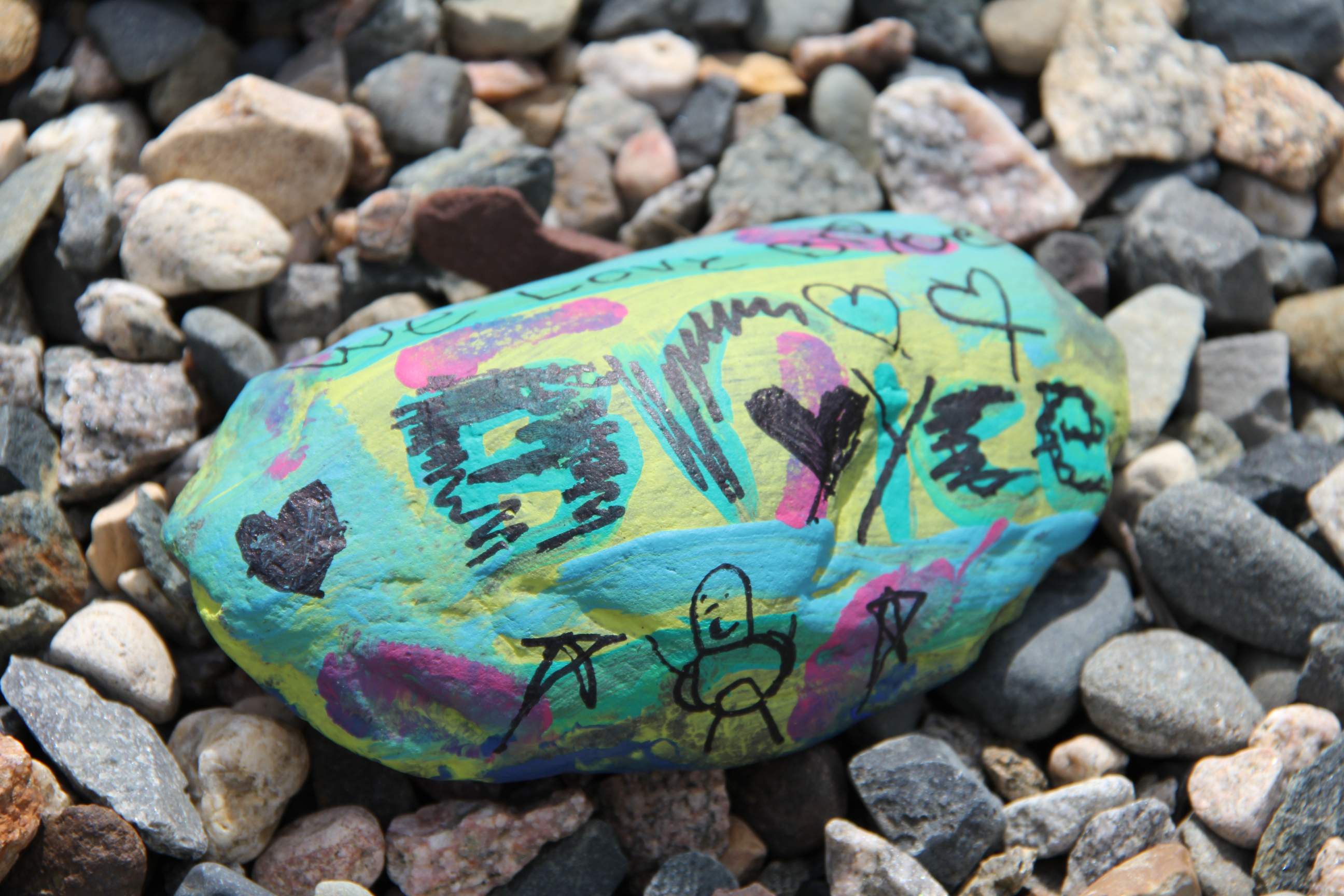
“We love Bryce” kindness rock. (Minnesota Prairie Roots copyrighted photo July 2024)

In Pine River, the Kindness Rocks Inspiration Garden grows from tragedy. The corner community garden honors the memory of 11-year-old Bryce Mink, who died nearly two years ago on March 12, 2023, a month shy of his 12th birthday. Bryce went into cardiac arrest, was airlifted to Children’s Hospital in Minneapolis and died two days later. He had undiagnosed lymphoma with a large mass pressing on his chest, restricting his airway, impeding CPR efforts by his mother and resulting in brain damage.

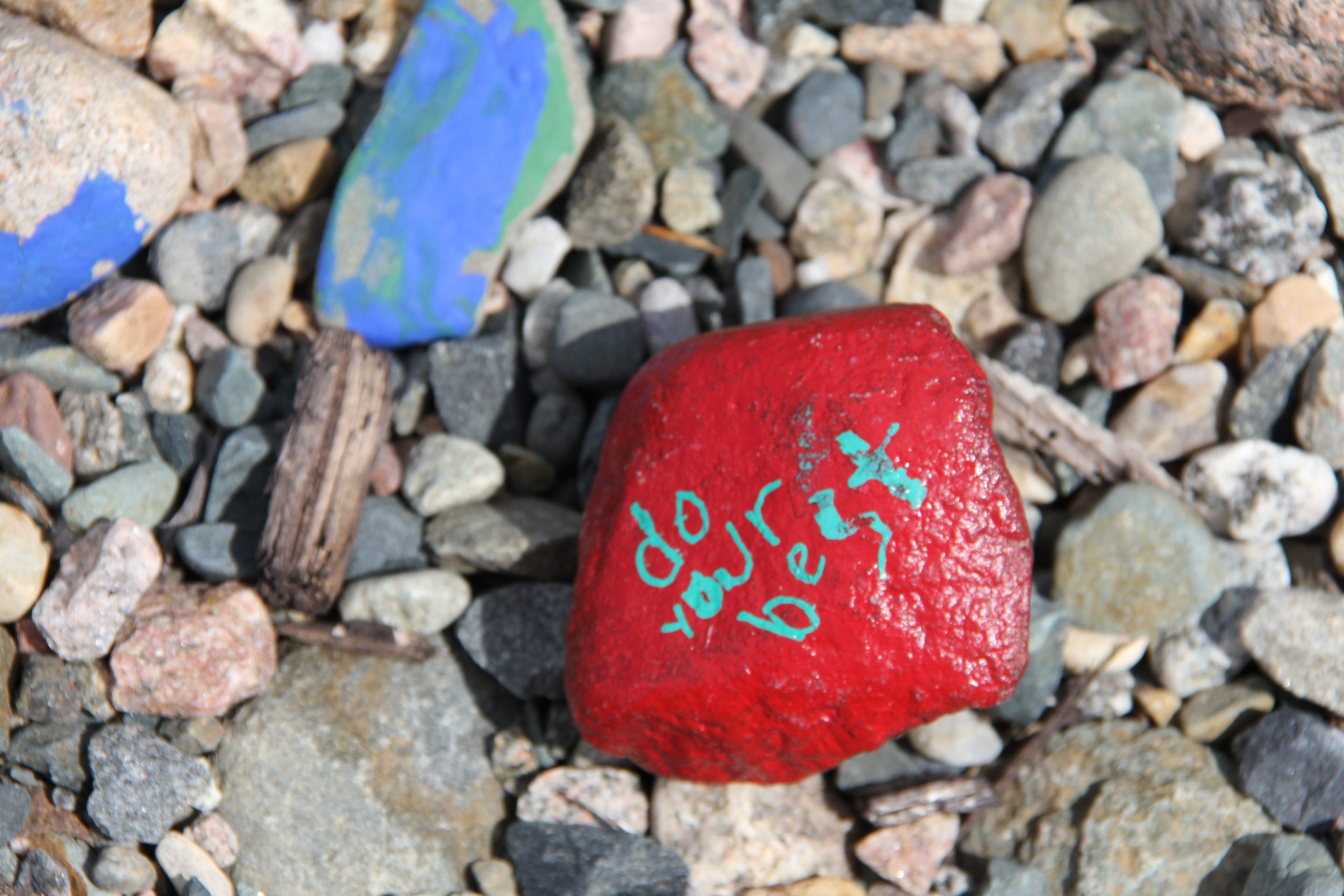
Not only DO your best, but BE your best. (Minnesota Prairie Roots copyrighted photo July 2024)

This is nothing short of tragic, to lose a child unexpectedly, so quickly, so young. But to see Bryce’s legacy of kindness continue in that public park, well, that says something about the impact he made on his community. Bryce was described as “a kind boy and a friend to all.” I believe it. Children, at that age, are often not yet tainted by the unkindness of adults. They live life unencumbered. Make friends easily with most anyone. Play. Learn. Smile and laugh and love and live with exuberance. It’s no wonder we often wish we could still be kids, free of the challenges that come with adulthood.

An encouraging message, even in the most difficult of days. (Minnesota Prairie Roots copyrighted photo July 2024)

It’s tough being a grown-up sometimes, especially now, in a country that seems lacking in the very basics of decency and kindness. Certainly not in everyone and not everywhere, but in too many people and places.

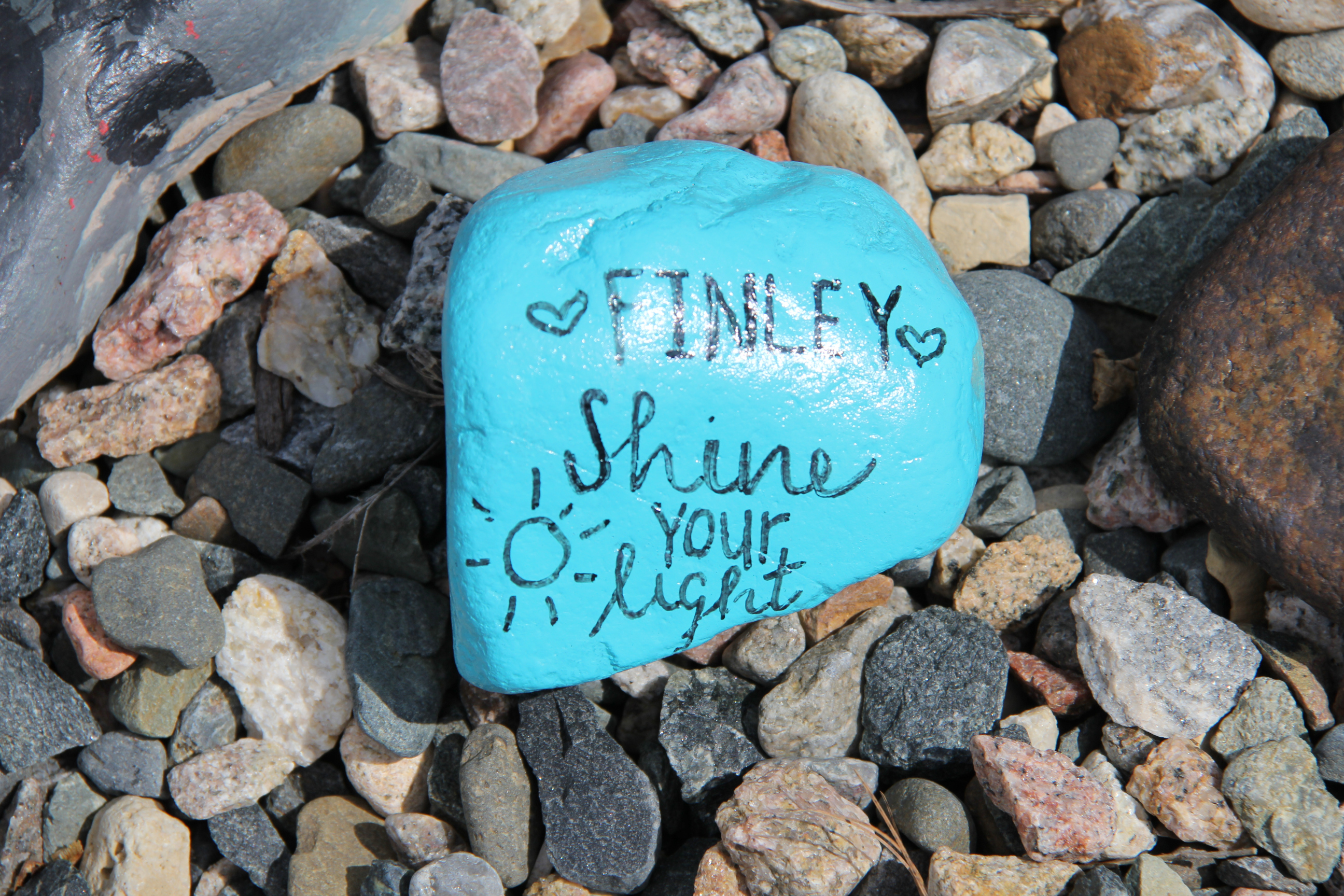
The essence of kindness rocks, to shine your light in a positive way. (Minnesota Prairie Roots copyrighted photo July 2024)

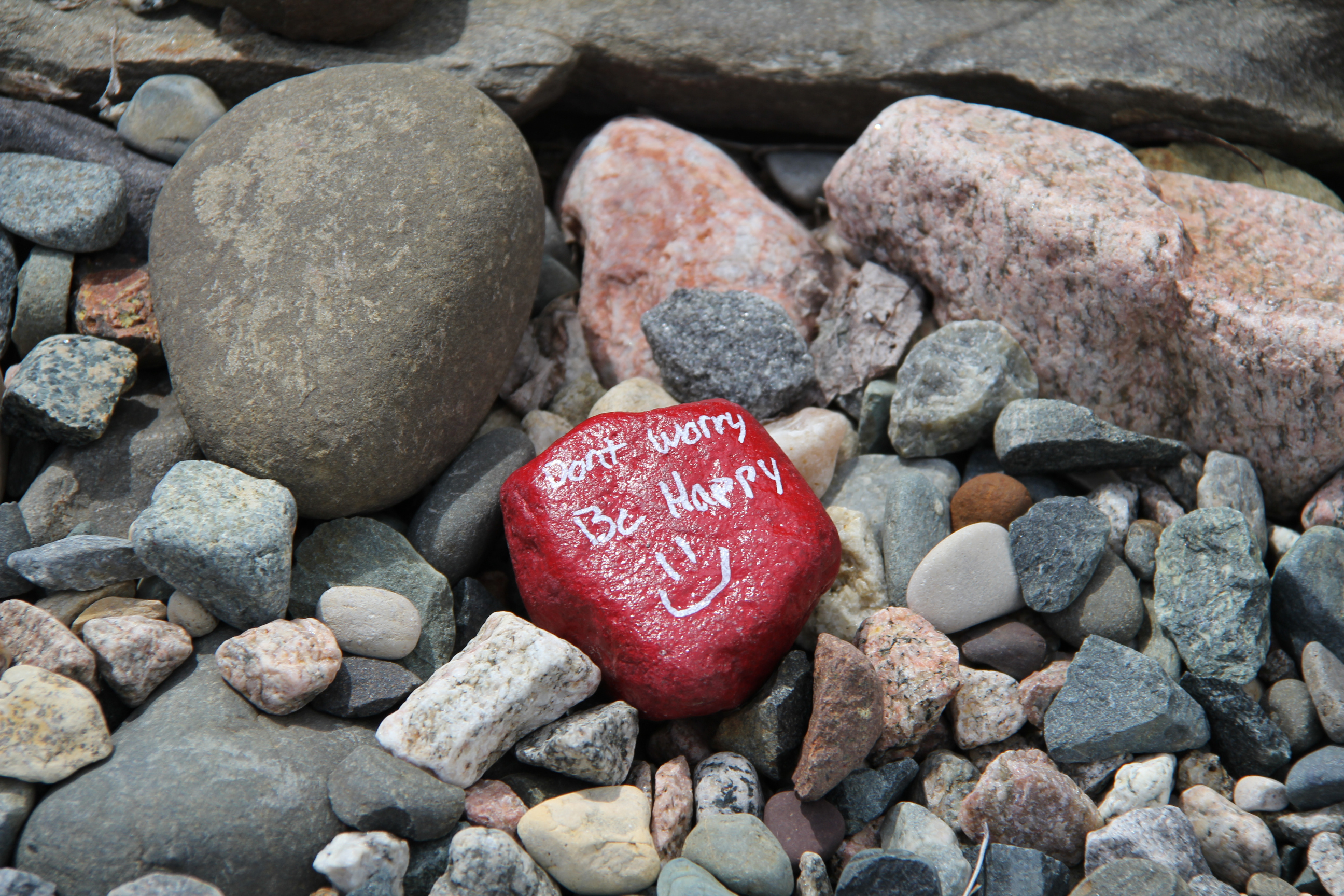
Perhaps it’s time we pick up a rock and, instead of hurling it, print a message of kindness upon it. Write of goodness, generosity, compassion and care: Peace. Do your best. Be kind. Shine your light. Then live those words. Like Bryce did.

© Copyright 2025 Audrey Kletscher Helbling
 

An historic connection between Faribault and Benson January 22, 2025

A scene from downtown Benson, Minnesota. (Minnesota Prairie Roots copyrighted file photo November 2024)

SOME 170 MILES separate my community of Faribault from Benson, a small agricultural community in west central Minnesota near the South Dakota border. At first glance, it seems the two share little in common. But they do, a discovery I made following a brief stop in Benson in late November.

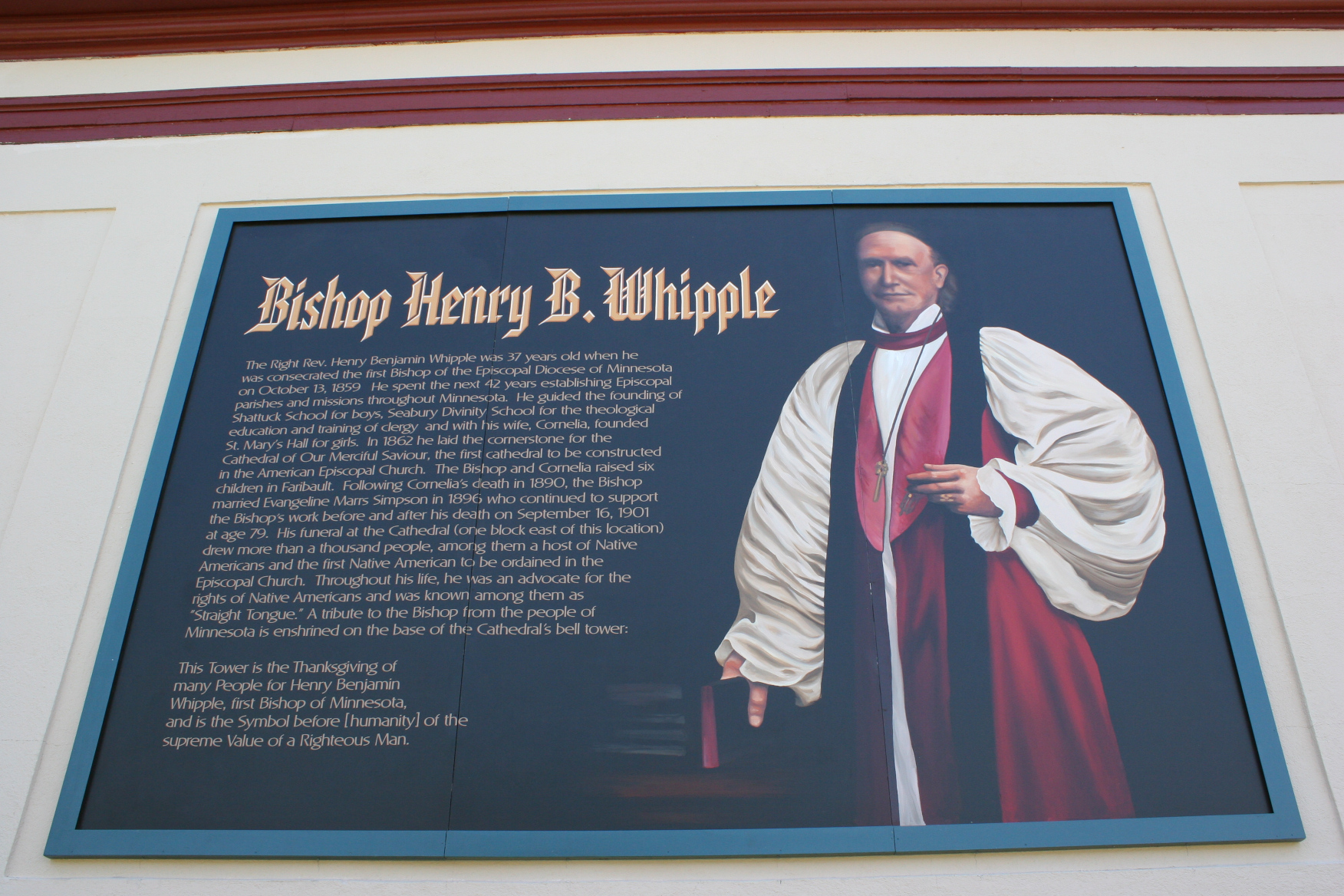
Bishop Henry Whipple, featured in a mural on the bandshell at Faribault’s Central Park, across the street from the Cathedral of Our Merciful Saviour. (Minnesota Prairie Roots copyrighted file photo)

Bishop Henry Whipple, the long ago Episcopal bishop of Minnesota, links Faribault and Benson. Whipple, a missionary based in Faribault, traveled around the Minnesota frontier in the early years of statehood in an effort to spread the Christian faith. That included visits to Benson where, in 1879, Christ Episcopal Church was built for $1,650 by local carpenters. Whipple visited occasionally to lead services and confirm new members.

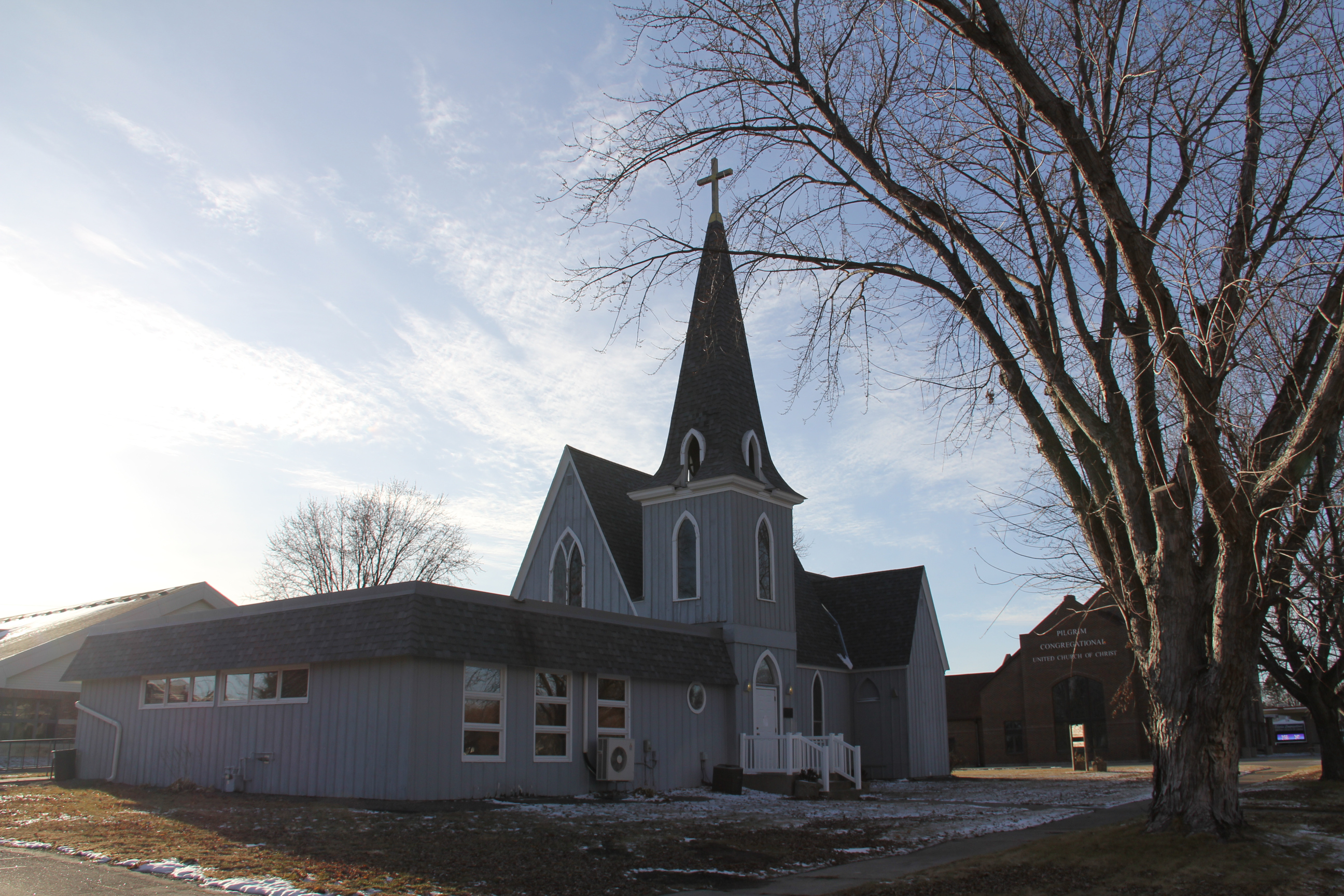
Christ Episcopal Church, Benson. (Minnesota Prairie Roots copyrighted photo November 2024)

That early Gothic Revival style church with gray board and batten siding caught my eye during a brief drive around Benson’s downtown core. More accurately, the seven-story Parkview Manor apartment across the street from the church initially grabbed my attention. The 55-unit high-rise looks very much out of place in this prairie town. It dwarfs residential houses and the historic church. Typically grain elevators and church steeples mark small town skylines, not a towering 1967 apartment complex.

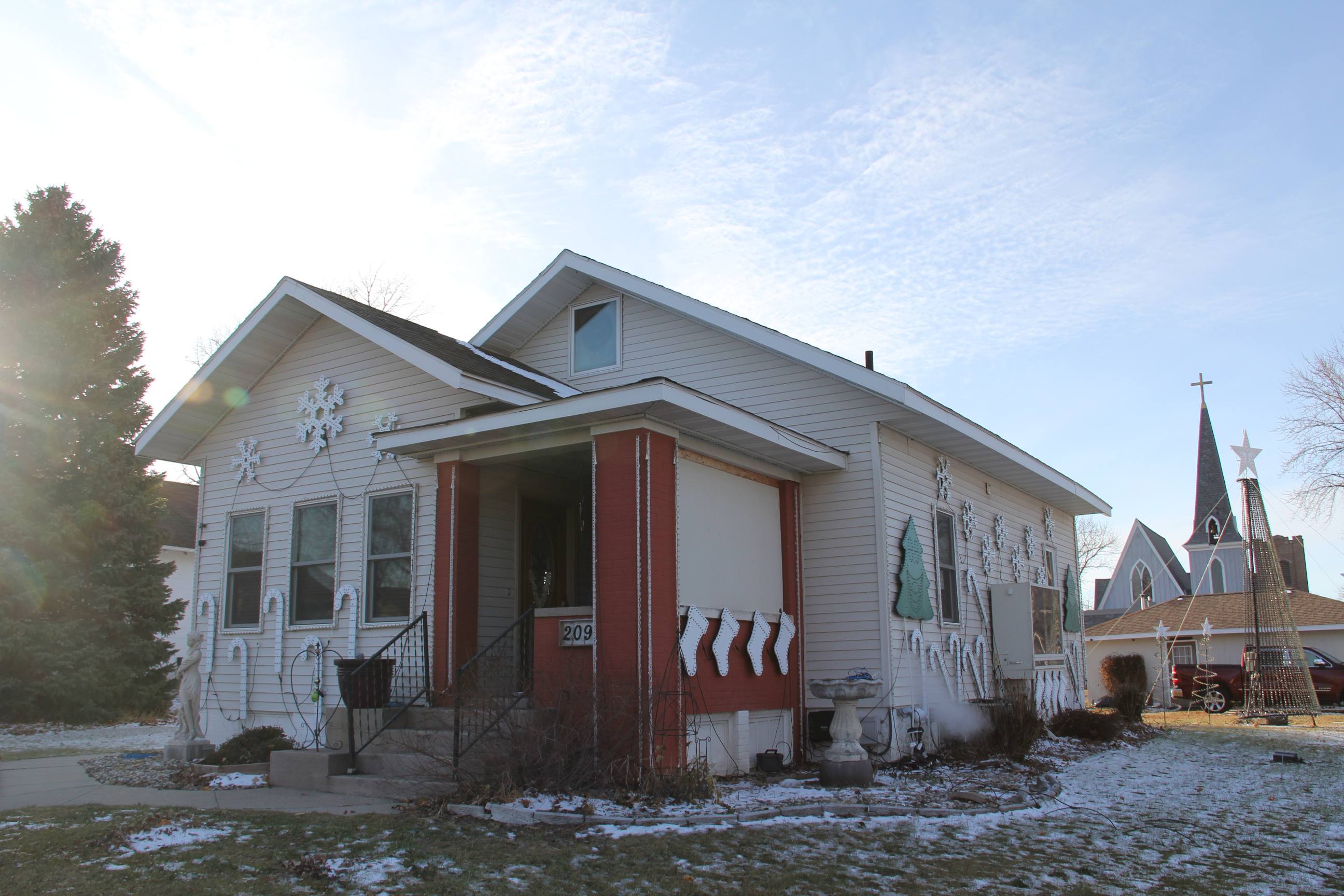
Parkview Manor, where the church was once located. (Minnesota Prairie Roots copyrighted photo November 2024)

Christ Episcopal Church once sat on the apartment land, but was moved across the street after the Housing and Redevelopment Authority bought the property in 1966. At some point the church, founded by English and Yankees (as New Englanders were once termed), closed due to dwindling membership. Today the building serves as the Swift County Drop In Center, “a safe haven for adults to go to experience life free of stigma.” I think Bishop Whipple would have liked that, knowing the former church serves as a gathering place, a safe spot to just be.

The church sits in a residential neighborhood near downtown. (Minnesota Prairie Roots copyrighted photo November 2024)

Some day I’d like to tour the aged church, which was added to the National Register of Historic Places in 1985. Perhaps I would feel the presence of Benson’s early settlers, hear the words of comfort, peace, hope and unity preached by Bishop Whipple.

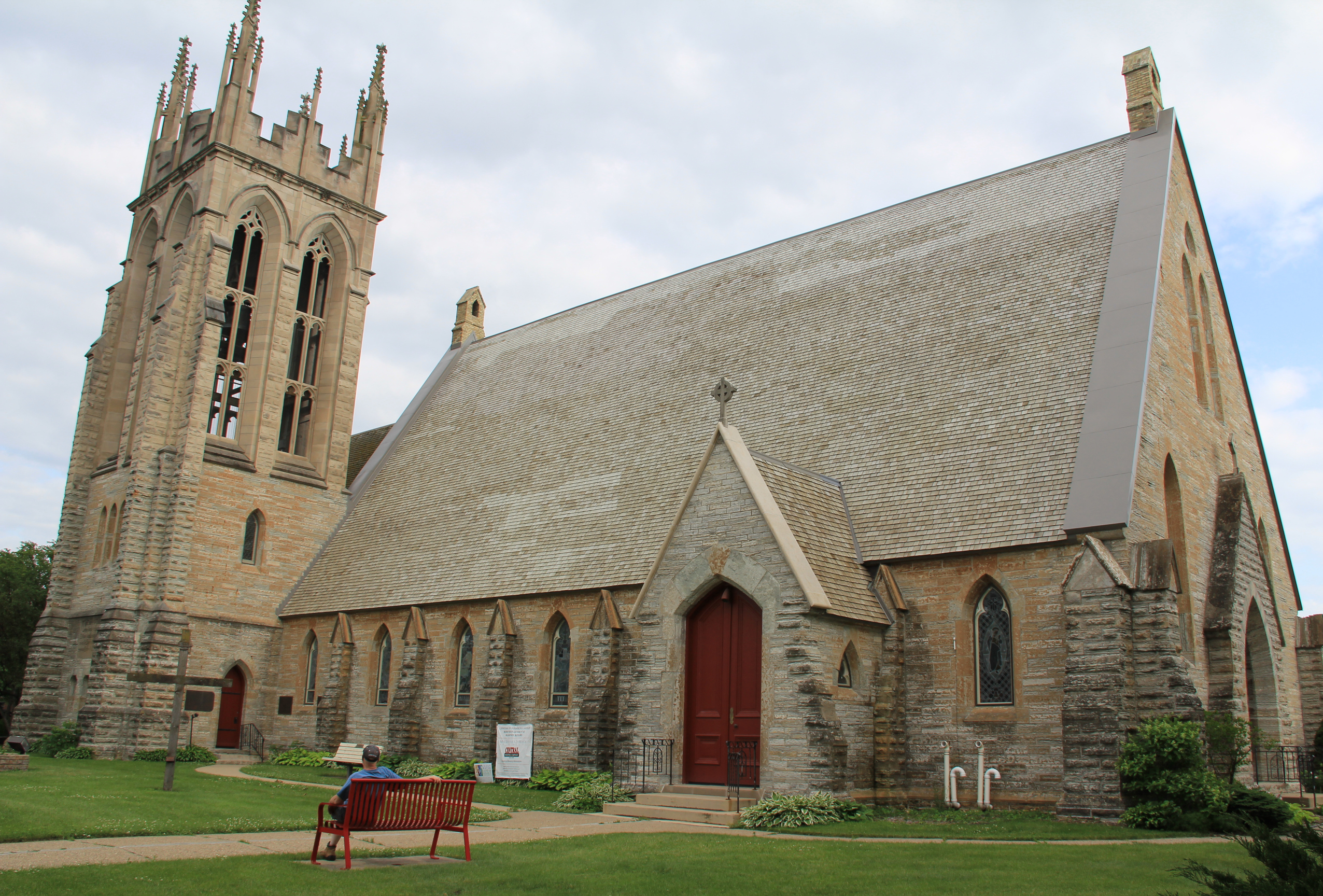
While Whipple is primarily viewed as a man who befriended Indigenous Peoples, he was also part of the long ago mindset to assimilate and “civilize” them. That’s a side not often discussed when talking about a man, a missionary who shared his biblical teachings while also compassionately advocating for Native Americans. Whipple is highly-revered in Faribault, where he is buried beneath the Cathedral of Our Merciful Saviour, an historic cathedral worthy of visiting, too.

The Cathedral of Our Merciful Saviour, Faribault. (Minnesota Prairie Roots copyrighted file photo July 2024)

The immense Faribault cathedral differs vastly from the unassuming small church in Benson. Yet, history and a missionary link the two. To uncover that connection simply because I noticed an out-of-place apartment high-rise and then the old steepled church across the street reveals just how small this world really is if only we pause to notice, then uncover the connections.

© Copyright 2025 Audrey Kletscher Helbling
 

On the road to Fargo through small town Minnesota December 6, 2024

Filed under: Uncategorized — Audrey Kletscher Helbling @ 5:00 AM
Tags: , , , , , , , , , , , ,
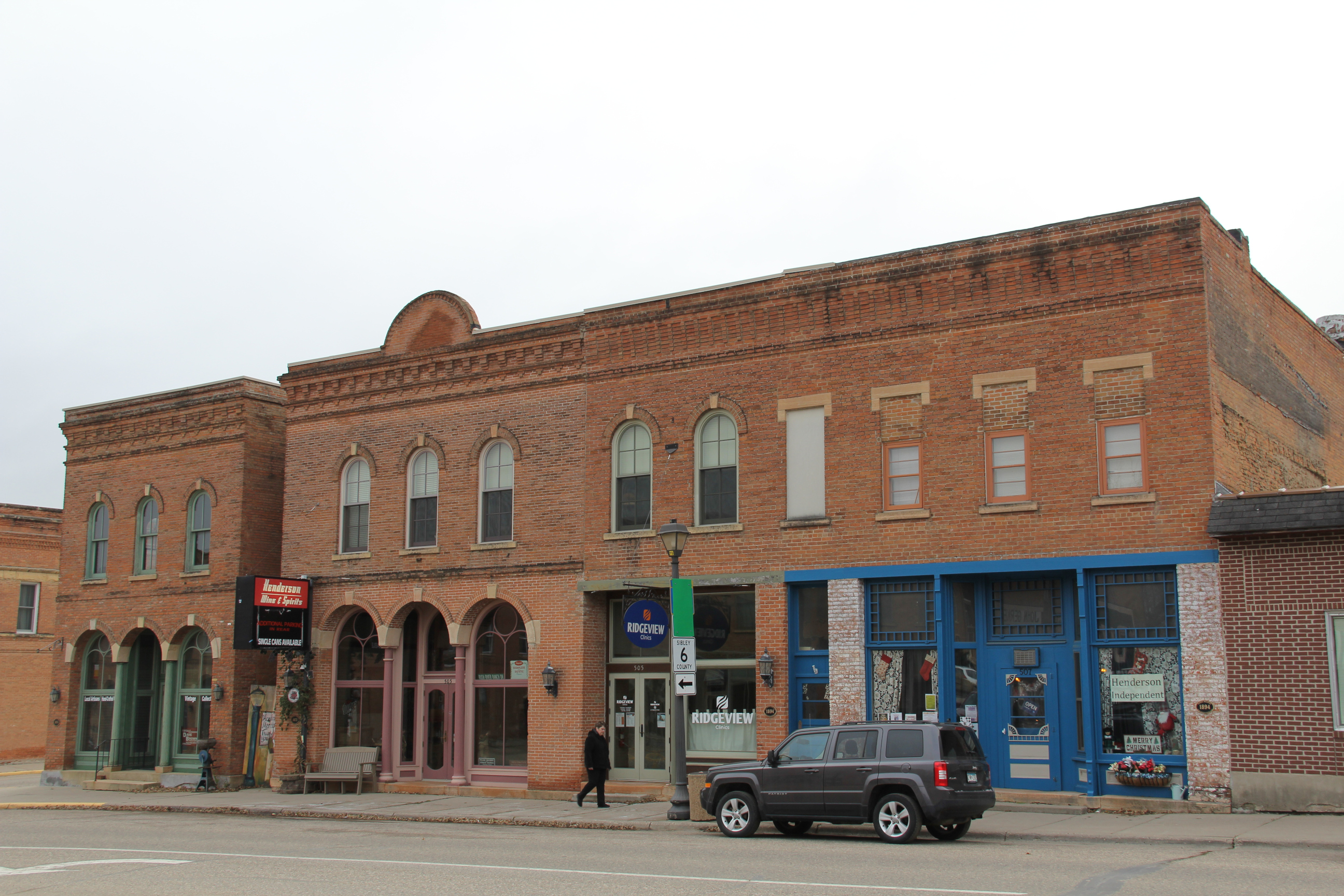
Only an hour from Faribault, we stopped in the Minnesota River town of Henderson so I could take photos. (Minnesota Prairie Roots copyrighted photo November 2024)

LATE NOVEMBER FOUND US on the road, first heading west 285 miles to Fargo, North Dakota, then back home to Faribault, and 1 ½ days later driving east 261 miles to Madison, Wisconsin. That’s a lot of windshield time for Randy and me in the span of one week.

But we did it and delighted in every aspect of our travel, except for the hour when I grew extremely hangry. More on that in a moment.

Henderson is an old river town with beautiful historic buildings. (Minnesota Prairie Roots copyrighted photo November 2024)

We began our Fargo trip on back state highways and county roads, opting for a leisurely pace that would take us through small towns rather than zipping past everything on the interstate. We stopped whenever we wanted as we drove toward Morris, our day’s end destination and an overnight stay with Randy’s sister Vivian and husband, Jerry. The next day we would head to Fargo.

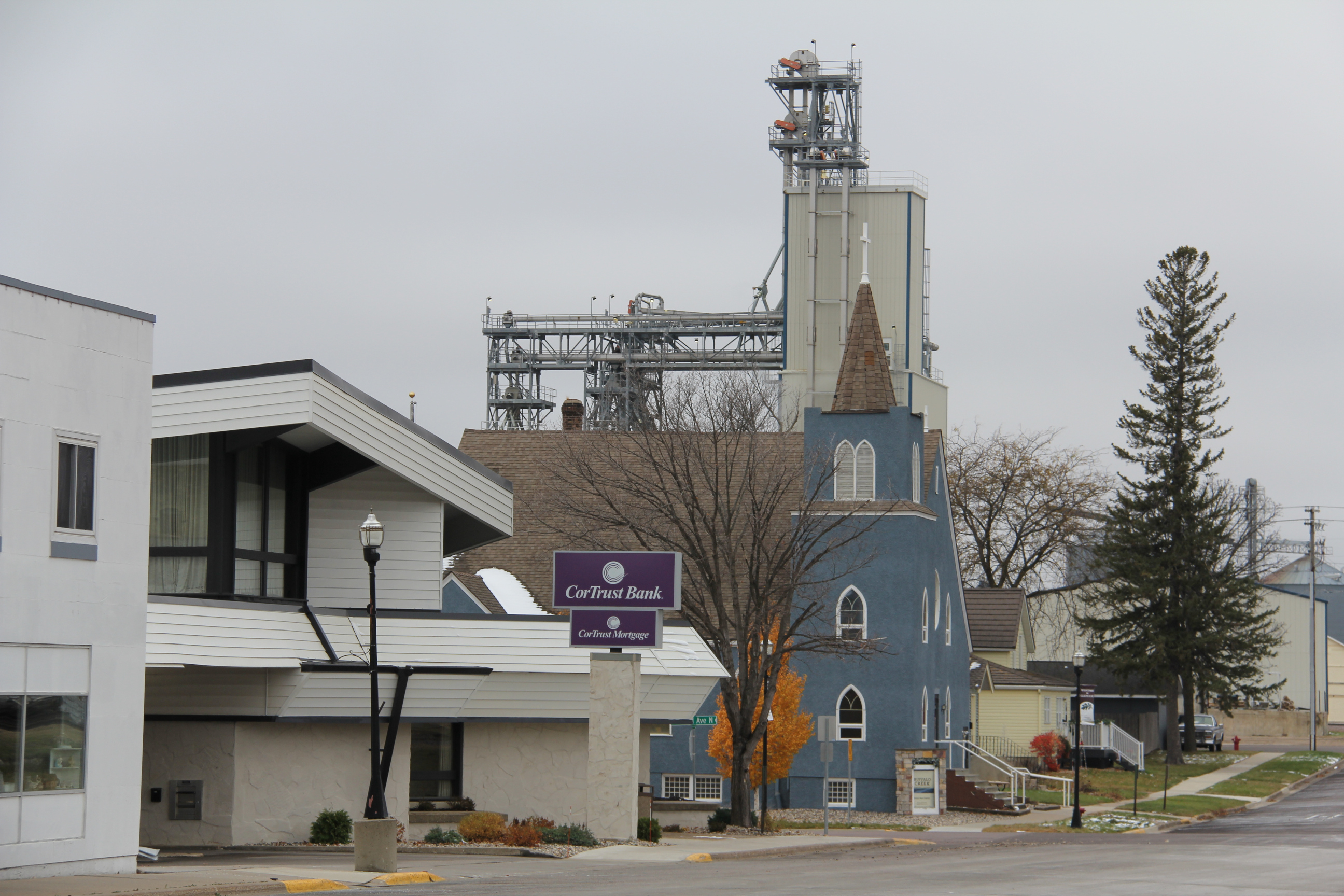
In the heart of small town Glencoe, Buffalo Creek Community Church rises. (Minnesota Prairie Roots copyrighted photo November 2024)

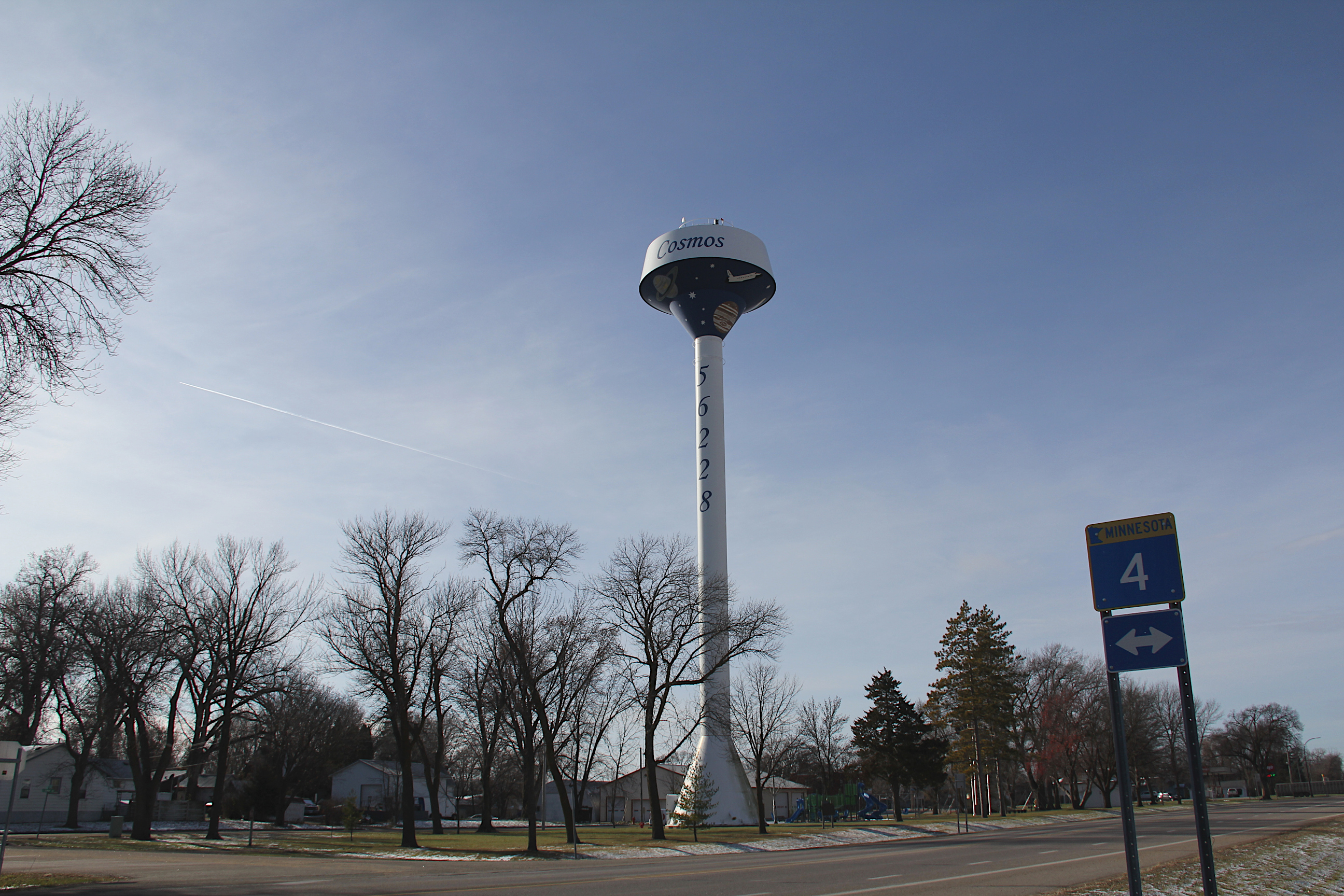
Along the way to Morris, we did, indeed, stop. In Henderson, Glencoe, Cosmos, Willmar and Benson. The Willmar stop was solely to eat fast food. Not by choice, but out of necessity. Our plan to enjoy lunch at a small town cafe never materialized. I envisioned ordering a Beef Commercial (roast beef and mashed potatoes on white bread smothered with homemade gravy) while dining with locals in a cozy restaurant overlooking Main Street. That, it seems, is the stuff mostly of nostalgia. The small towns we drove through either did not have eateries or, if they did, were closed.

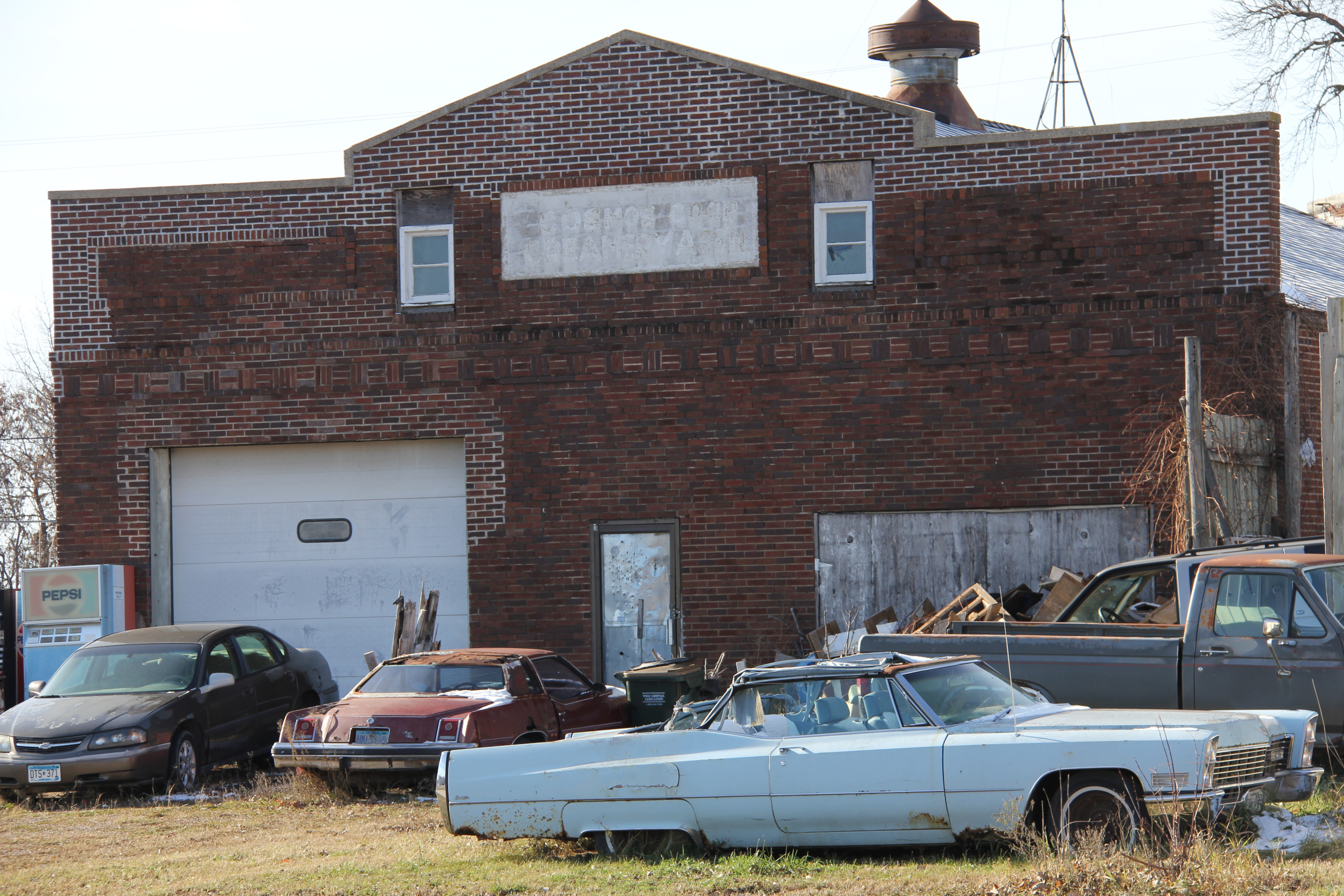
Abandoned vehicles outside what appears to be a former creamery in downtown Cosmos. Love the building. (Minnesota Prairie Roots copyrighted photo November 2024)

Most communities appear only shells of their former selves with abandoned buildings and few businesses. This is reality in many parts of rural Minnesota.

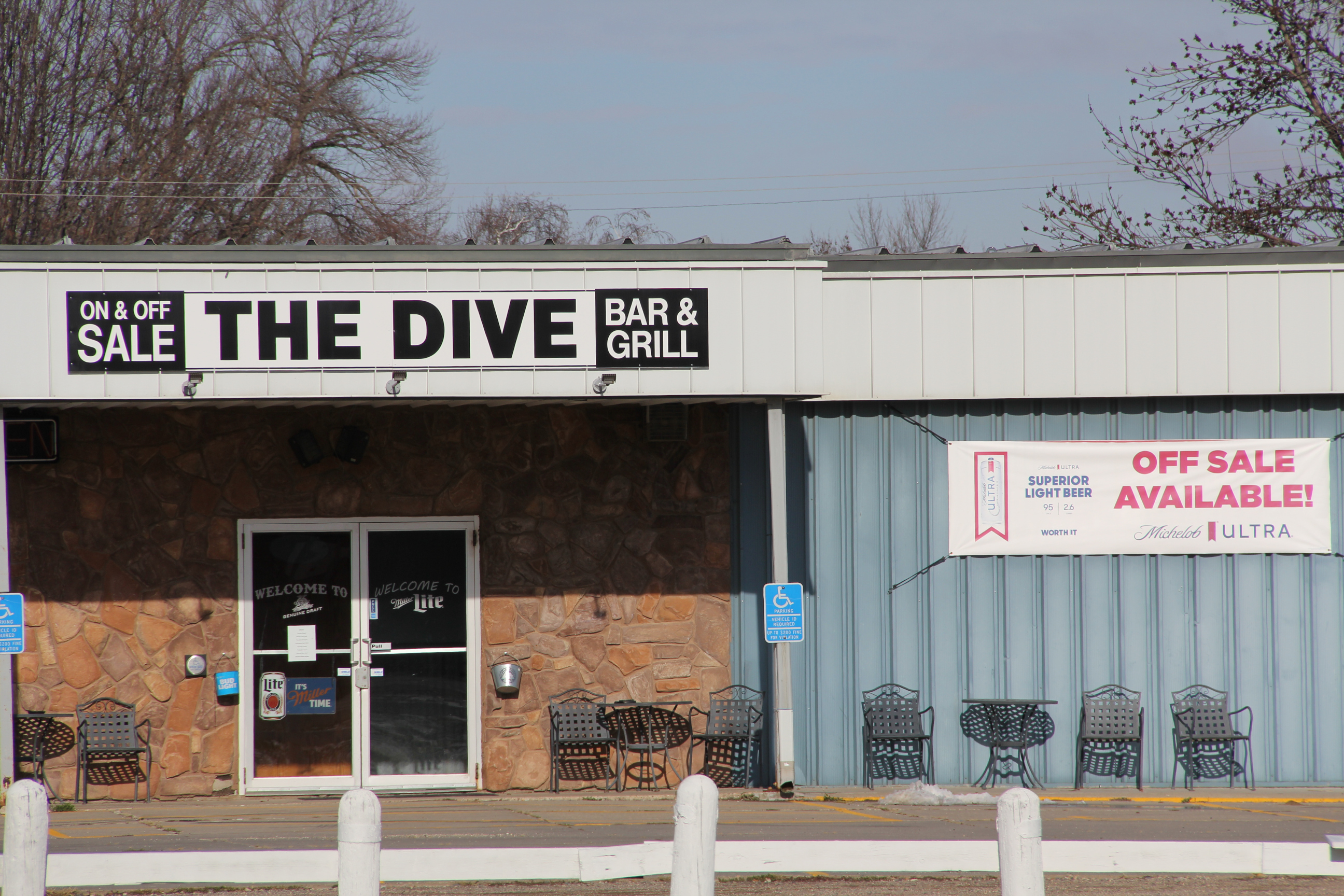
In Cosmos, the restaurant that was closed when we were in town. (Minnesota Prairie Roots copyrighted photo November 2024)

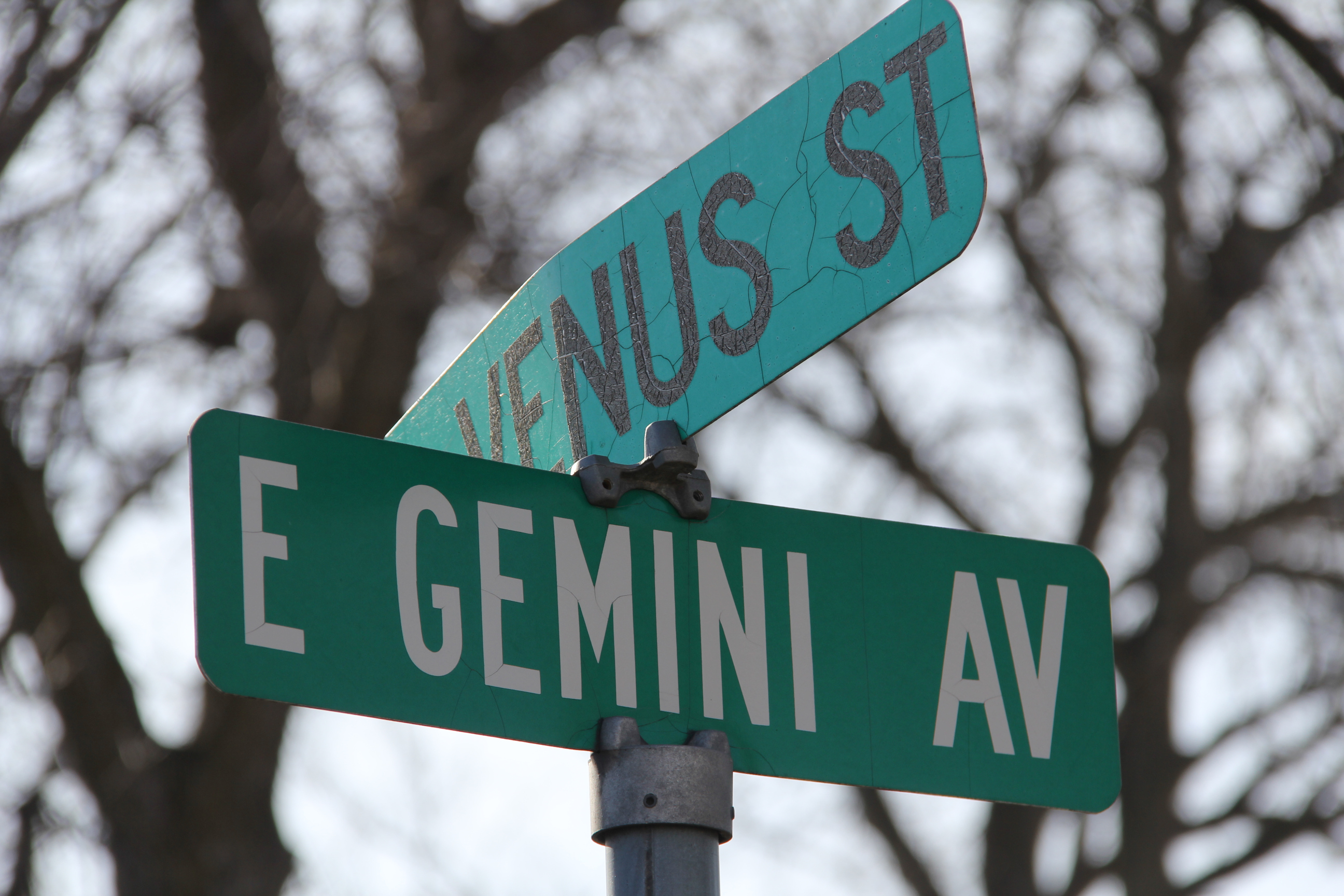
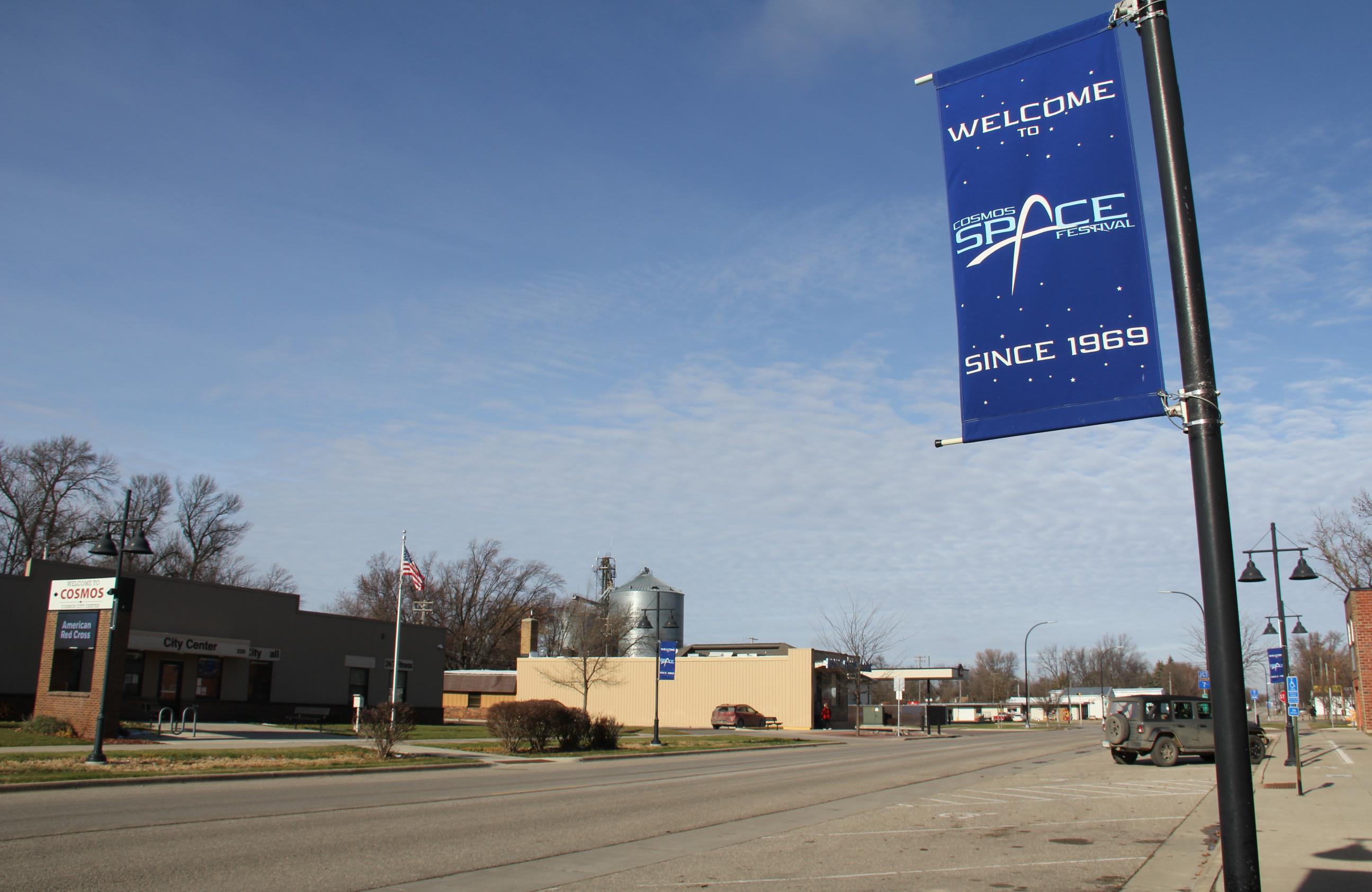
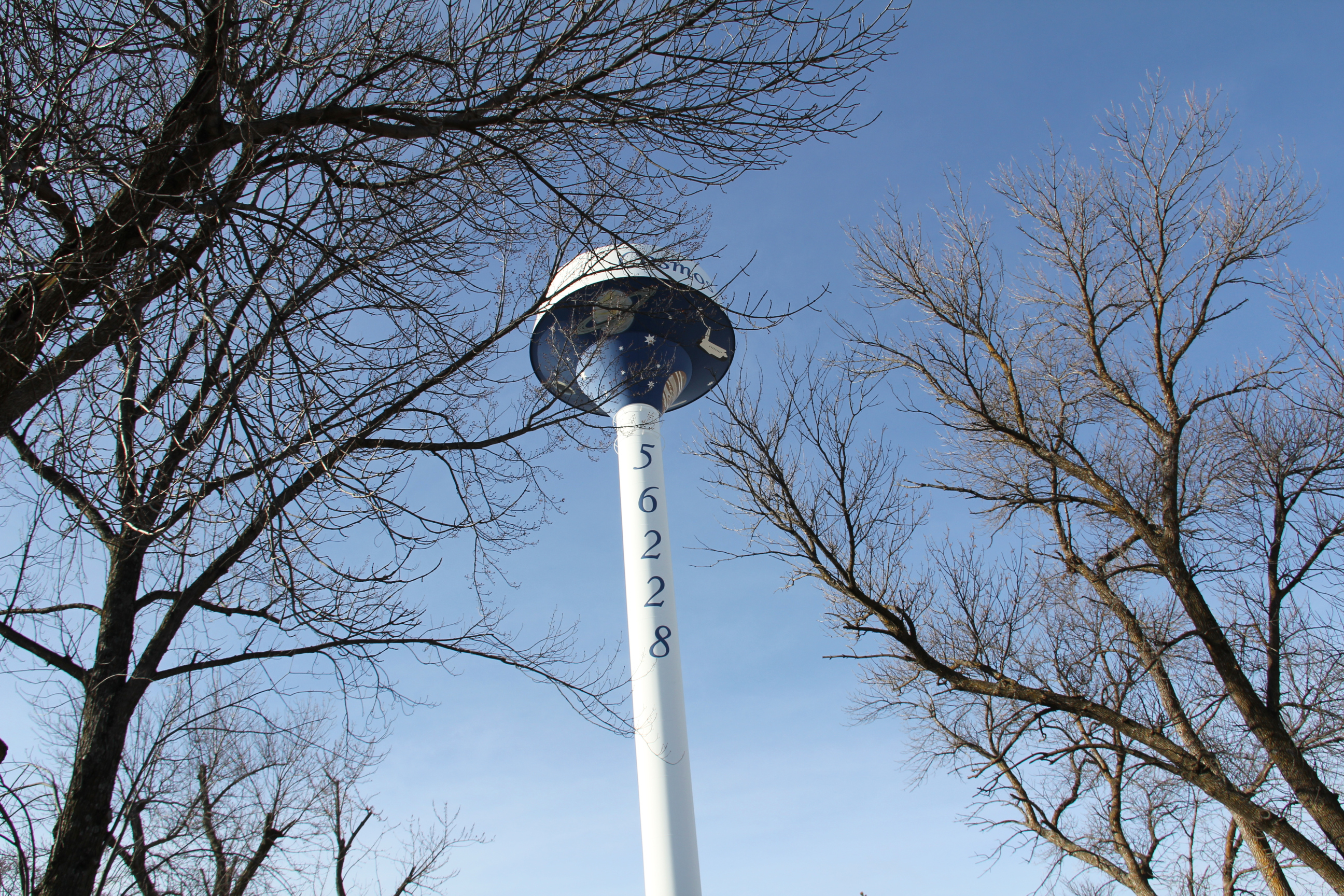
Not even The Dive Bar & Grill in Cosmos was open over noon-time. It’s probably a fine place to eat, even given the unappealing name, but I’ll never know. I hopped out of our van to take numerous photos of space stuff in Cosmos, including the water tower, while Randy searched on his phone for places to eat. He knows I do not do well if I don’t eat on schedule. And I was not doing well, meaning I was irritable and grumpy. Extremely hangry.

Paintings on the underside of the Cosmos water tower celebrate the town name cosmic connection. (Minnesota Prairie Roots copyrighted photo November 2024)

As we left Cosmos heading for Willmar, I realized we’d passed a gas station and convenience store. Why, oh, why didn’t we stop for a snack, a slice of pizza, something I could eat? Finally, in Willmar, I ate, wolfing down fries and a pot roast sandwich.

That evening, at my sister-in-law and brother-in-law’s Morris home, we enjoyed a delicious meal of ribs, cheesy potatoes, green beans and more with a grasshopper for dessert. Grasshopper being the minty green after dinner ice cream drink once served at supper clubs. What a treat. But even more so was the great conversation with much-loved family.

A view of the 300 block on North Broadway in Fargo. (Minnesota Prairie Roots copyrighted file photo November 2012)

Saturday found us on the road to Fargo for the wedding of Hannah and Bryton. Hannah is the daughter of friends, a young woman I mentored in poetry as a teen. To attend her wedding, to see Hannah giddy in love, to watch her and her dad bustin’ dance moves in the father-daughter dance, to embrace Tammy and Jesse on their daughter’s wedding day filled me with absolute joy. Life on that day in Fargo, except for the cold and the snow already pushed into piles in parking lots, doesn’t get any better.

Sunday morning we arose early and hit the interstate, this time with the goal to simply get home. My brother-in-law had wisely handed me two granola bars, which I tucked inside my purse. Just in case I got hangry. I didn’t. But somewhere along I-94, either by Fergus Falls or Alexandria, I spotted a billboard for a restaurant with this singular message: “Hangry?” It was absolute validation for me that feeling irritable when hungry is a real thing. Next long road trip, I will be sure to pack snacks.

NOTE: I’ll share more about my travels in upcoming posts. If you have time, take the road less traveled. And always carry snacks.

© Copyright 2024 Audrey Kletscher Helbling

 

In Henderson: The turkey that made me smile November 26, 2024

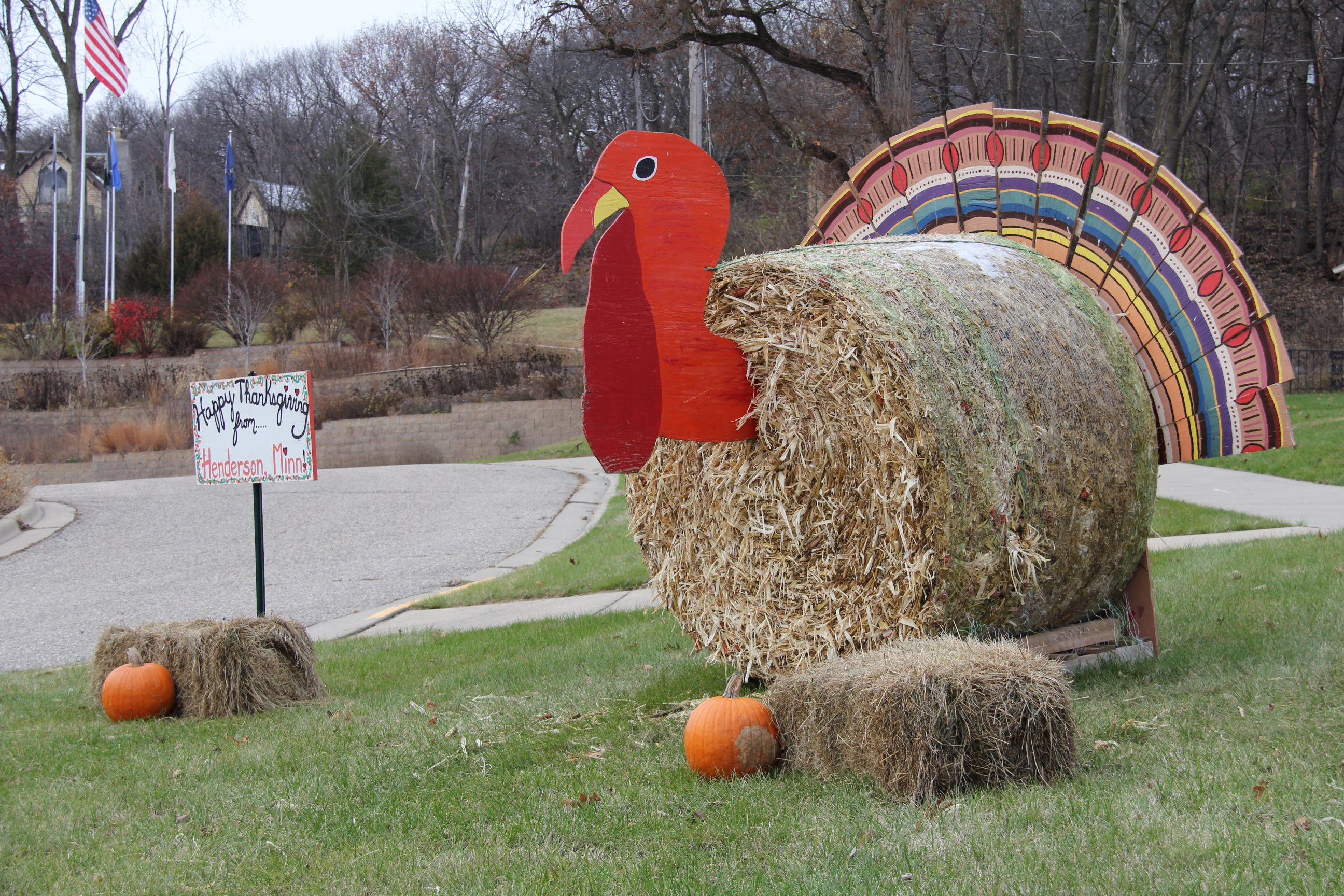
A delightful handcrafted turkey in Henderson, Minnesota. (Minnesota Prairie Roots copyrighted photo November 2024)

INFLATABLE MASS-PRODUCED holiday décor abounds. So when I saw an over-sized handcrafted turkey positioned outside a small town museum, I took notice. And stopped to photograph it.

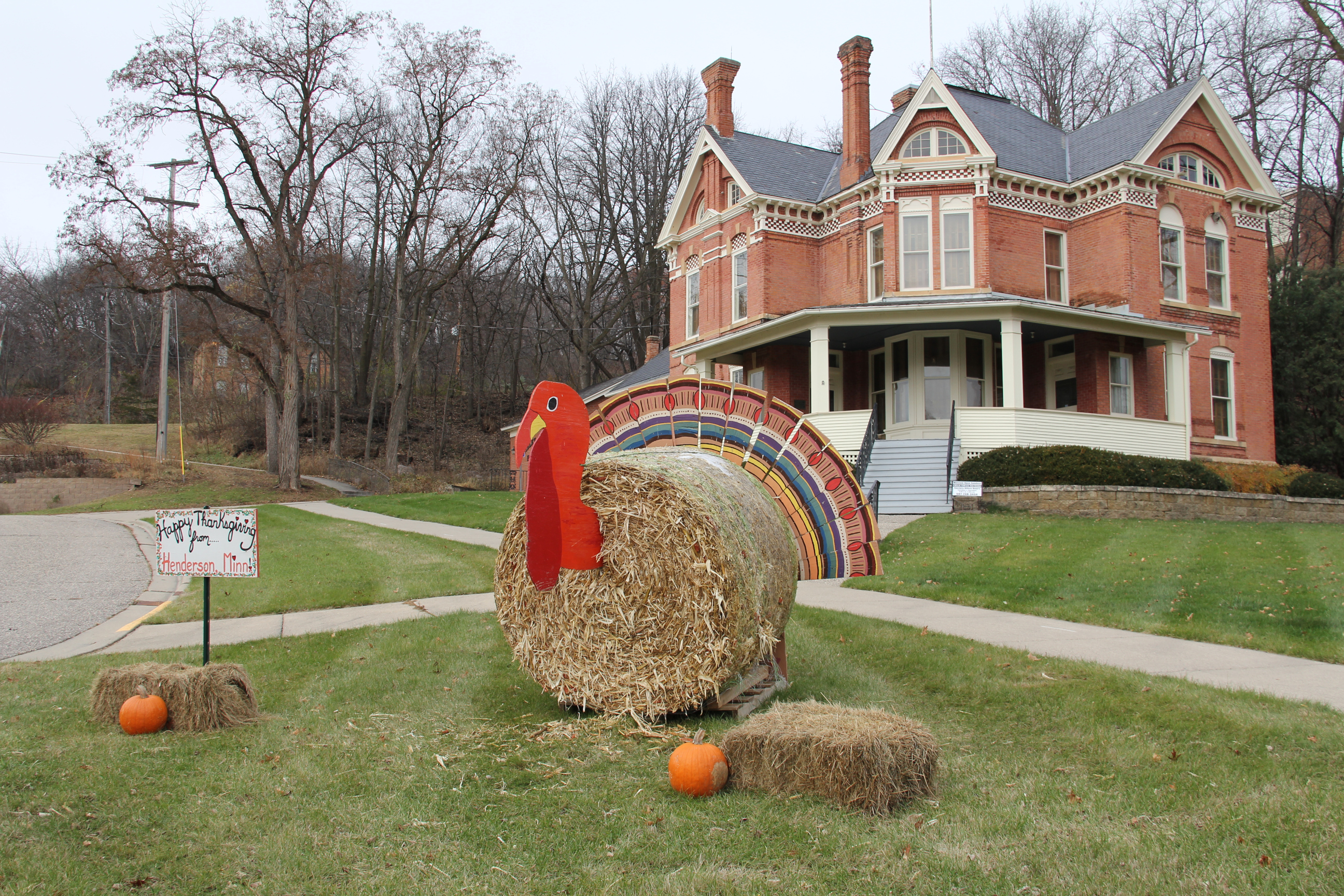
The Thanksgiving scene that drew my attention near the historical society and museum in Henderson. (Minnesota Prairie Roots copyrighted photo November 2024)

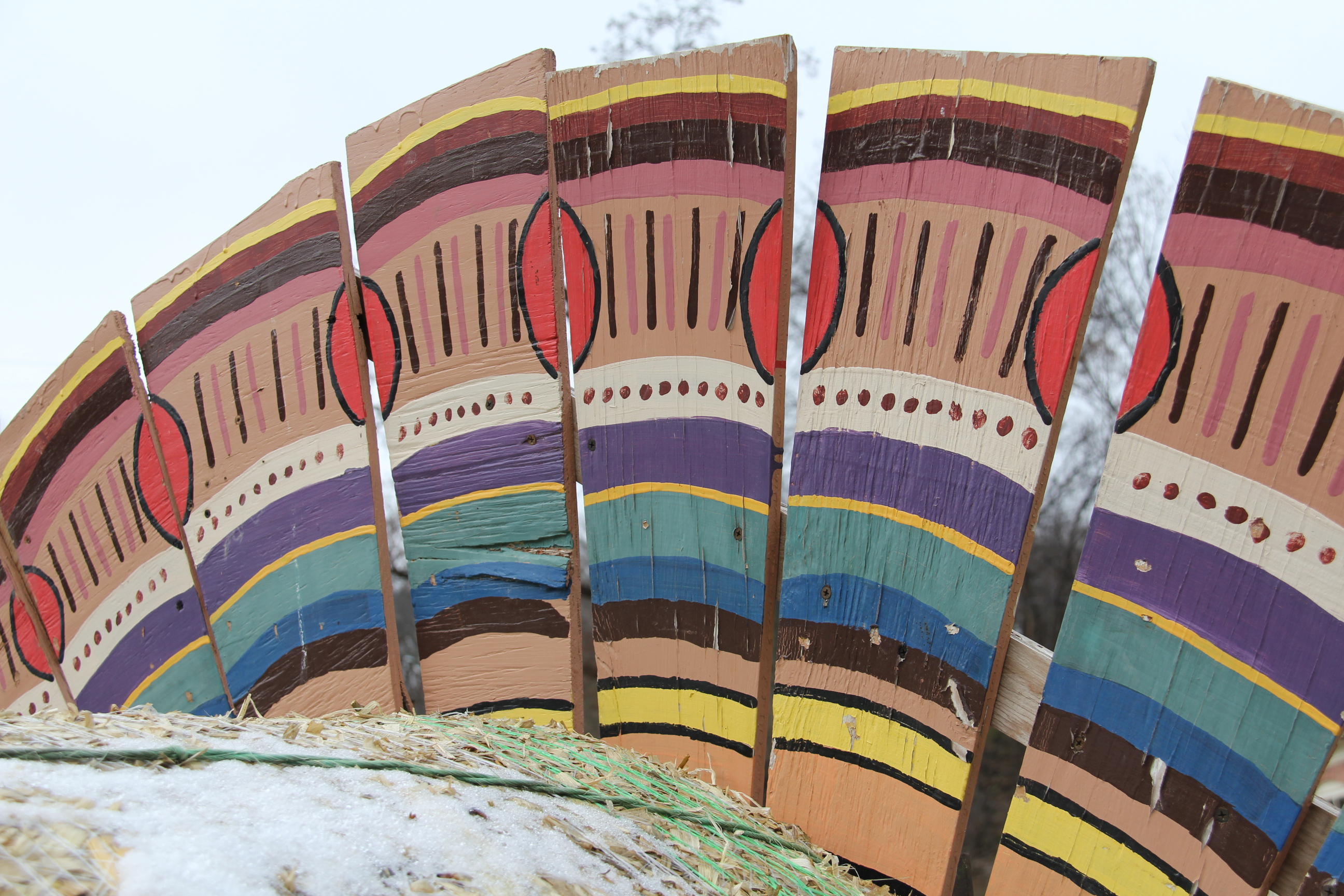
I appreciate that someone took the time to create this turkey with plywood, paint and a single large bale. The turkey truly grabs your attention on the west end of Henderson, just below the hill from the Sibley County Historical Society and Museum.

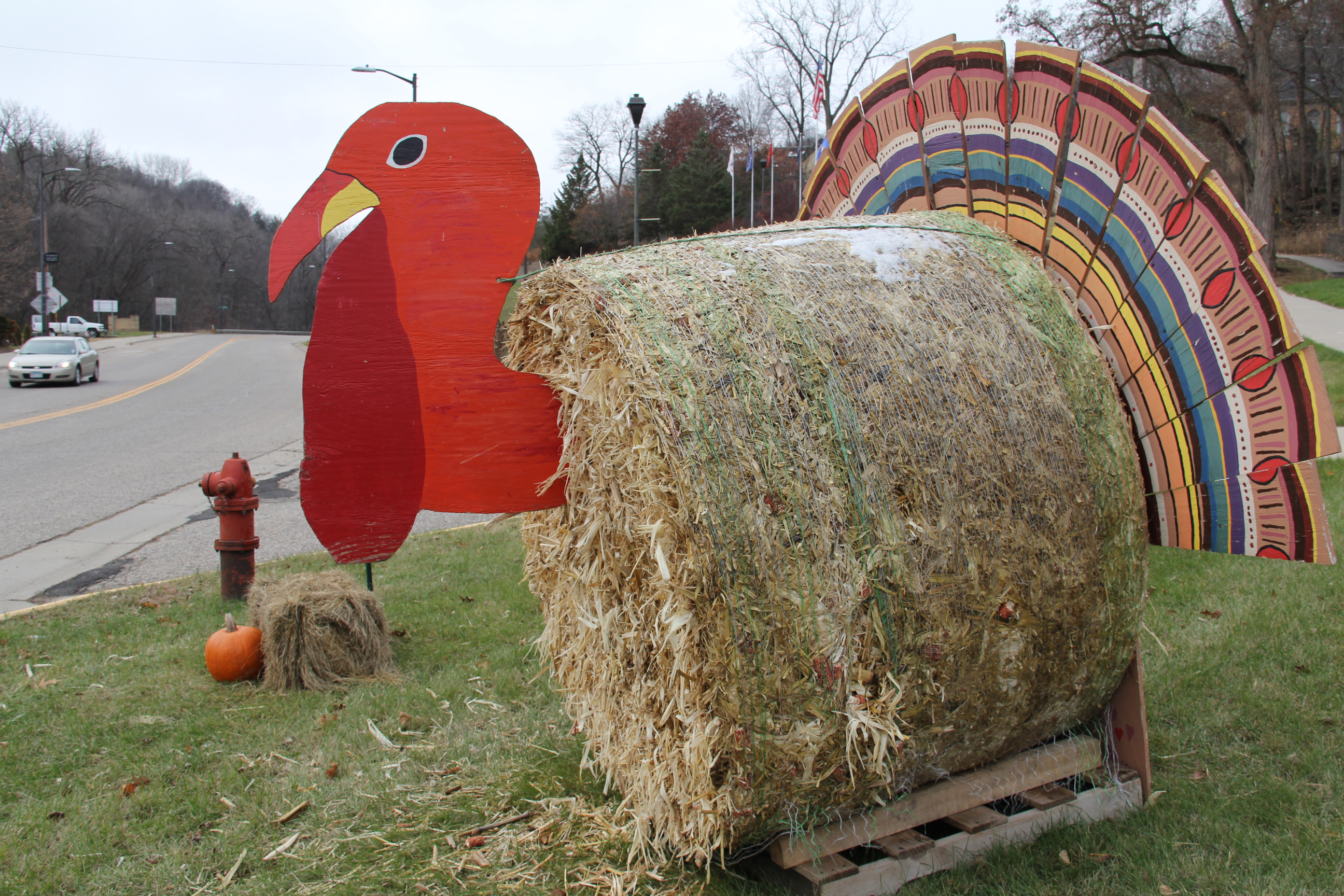
Vehicles pass right by the turkey on highway 19. (Minnesota Prairie Roots copyrighted photo November 2024)

Anyone passing by on Minnesota State Highway 19, a main thoroughfare that runs right through the heart of this Minnesota River town, will certainly notice the colorful lone turkey. And, if they’re like me, they’ll even stop for photos and a closer look.

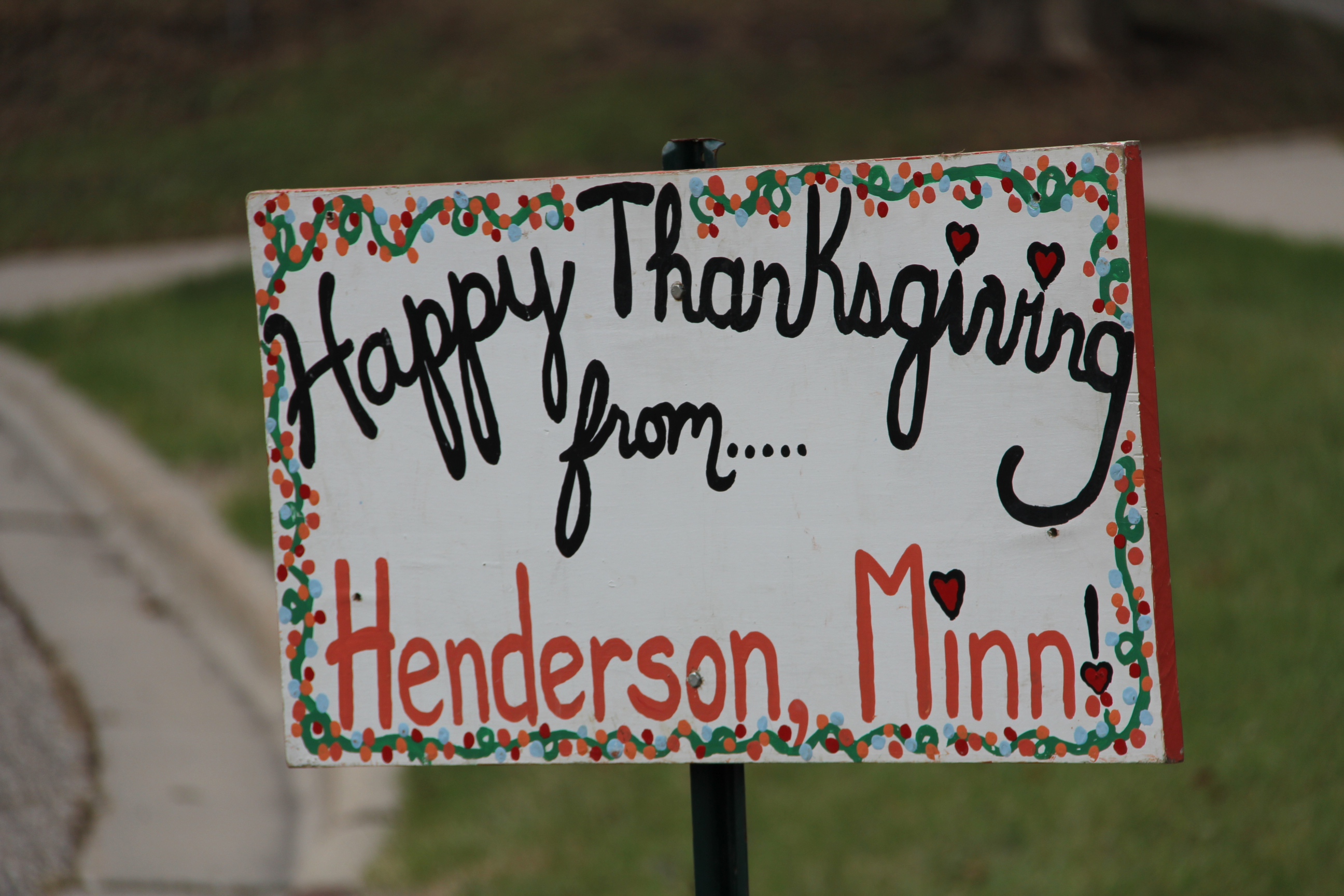
A detailed, festive message next to the turkey. (Minnesota Prairie Roots copyrighted photo November 2024)

The turkey and “Happy Thanksgiving from Henderson Minn!”, complete with red hearts dotting the “i’s” and marking the exclamation point, made me smile. And that’s a good thing. I appreciate things that make me smile.

A closeup of those colorful turkey feathers which clearly took time to cut, paint and attach to the bale. (Minnesota Prairie Roots copyrighted photo November 2024)

During this Thanksgiving week, I hope you find many reasons to smile as you consider all that is good and wonderful in your life—friends, family, community.. Pause to give thanks for your many blessings from food to health to shelter to freedom.

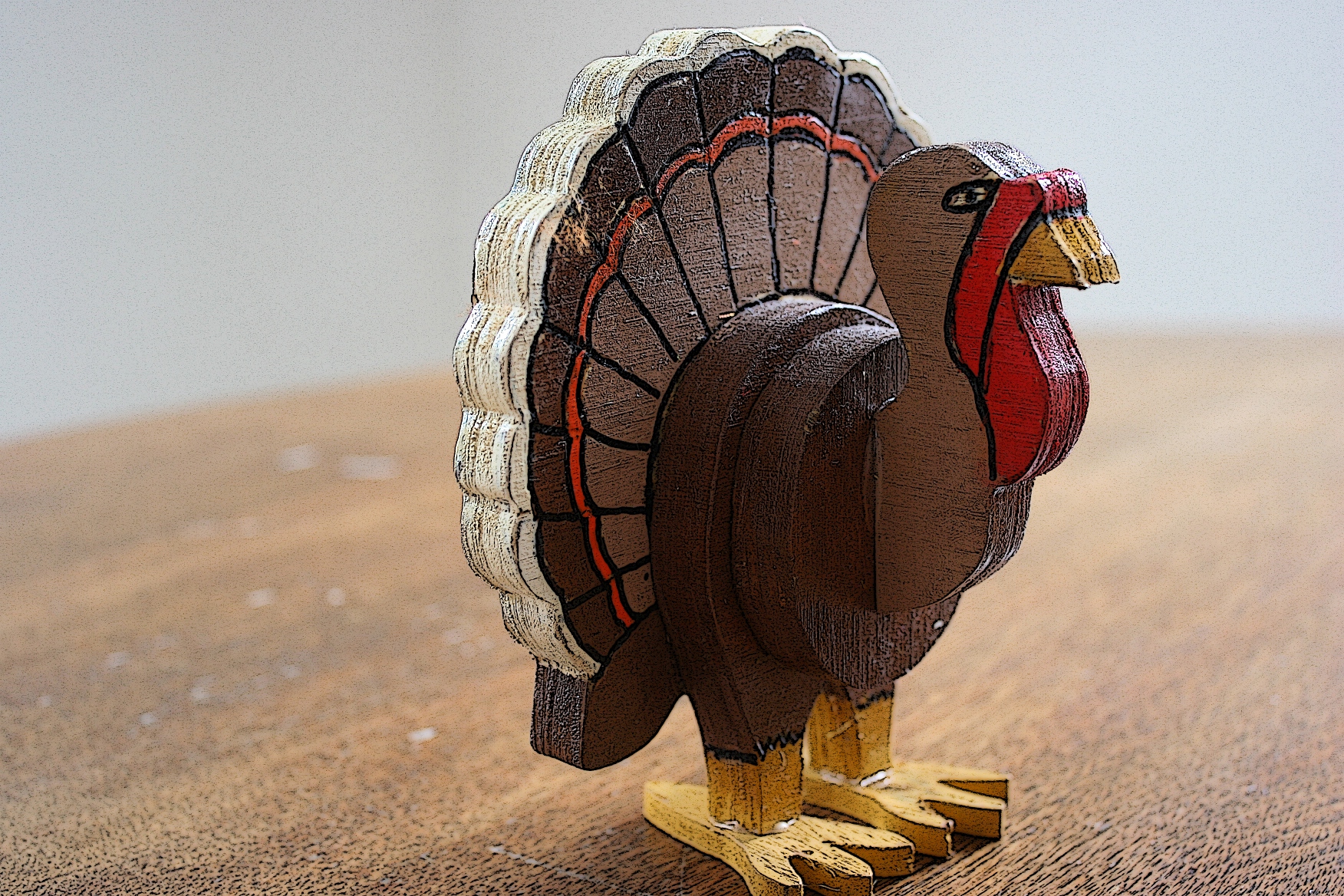
A much smaller handcrafted turkey from my collection. I bought this at a thrift store. (Minnesota Prairie Roots copyrighted file photo)

And if you see a handcrafted holiday decoration like Henderson’s turkey, take notice, appreciate and give thanks for the kind-hearted soul who shared their talents and made you smile.

Happy Thanksgiving, everyone!

© Copyright 2024 Audrey Kletscher Helbling
 

A brief stop in St. Peter, what I saw & learned November 6, 2024

A stunning historic building anchors a corner in the heart of downtown St. Peter along Minnesota Avenue. (Minnesota Prairie Roots copyrighted photo October 2024)

A COLLEGE TOWN. A river town. A town once destined to become Minnesota’s state capital, except for a stolen legislative bill and a judge’s ruling. A town where Jesse James and his gang rode through en route to robbing the First National Bank of Northfield. A town two-thirds destroyed by a March 29, 1998, tornado. The town is St. Peter, population around 12,000, nestled in the Minnesota River Valley.

I felt right at home inside this picnic shelter with the grain bin roof. (Minnesota Prairie Roots copyrighted photo October 2024)
An eagle soars high above the Minnesota River at Riverside Park. (Minnesota Prairie Roots copyrighted photo October 2024)
The Minnesota River shoreline as photographed from Riverside Park. (Minnesota Prairie Roots copyrighted photo October 2024)

Recently I spent a bit of time in St. Peter while on a fall color drive. Randy and I picnicked at Riverside Park—Mill Pond & Campground. I watched volunteers prepare for a haunted hayride along the park’s trails, nearly twisted my ankle in an unfilled hole in the grass, noted how murky the Minnesota River appeared, observed an eagle soaring, and noticed the roof of the small picnic shelter. It looked like the top of an old grain bin, much to my rural roots delight.

I appreciated that books inside the St. Peter Thrift Store were mostly displayed horizontally, making it easier for me to read the titles. (Minnesota Prairie Roots copyrighted photo October 2024)

Following lunch, we stopped briefly downtown when I spotted a thrift store. I always enjoy poking around second-hand shops. Not that I’m looking for anything in particular. Often I leave empty-handed. But this time I picked up a clutch of greeting cards because I’m one of those people who still sends cards on birthdays and other occasions. Randy found a cassette tape of some radio talk show, nothing that interests me.

Outside the Arts Center of Saint Peter. (Minnesota Prairie Roots copyrighted file photo October 2024)
Inside the arts center, I viewed this and other collages by Mankato artist Holly Dodge. Her exhibit has closed. The gallery space now features the work of artists participating in the BUY-AND-TAKE INVITATIONAL and also Bianaca Wilson’s “SIEMPRE BUSCANDO.” (Minnesota Prairie Roots copyrighted file photo October 2024)

We’d parked along busy Minnesota Avenue/US Highway 169 directly in front of the Arts Center of Saint Peter. So, of course, I had to check out the gallery exhibit—collage art by Mankato artist Holly Dodge. The exhibit has since closed. I meandered, photographing some of her pieces. I’m always impressed by the diversity of art, how creative minds work.

Paul Granlund’s sculpture offers a unique perspective through which to view downtown St Peter. (Minnesota Prairie Roots copyrighted photo October 2024)

Once outside, I aimed my camera lens toward the distinctive bronze sculpture, “Mobius Strip,” crafted by Paul Granlund, a noted Minnesota sculptor, 1952 graduate of Gustavus Adolphus College (across town and up the hill), sculptor-in-residence there from 1971-1996, and much more in an illustrious career. Granlund’s sculpture is an eye-catching identifier of the arts center. Only after I returned home did I learn about the artist and about the many Granlund sculptures gracing the Gustavus campus. A return trip just to see those is now on my must-do list. I also found heron and eagle sculptures tucked into a pocket park in this block of downtown.

The heron sculpture is to the left, the eagle to the right (hidden by the shrub) in this pocket park. (Minnesota Prairie Roots copyrighted photo October 2024)

I discovered, too, Poshinate Kiddos, a beautiful baby and kids gift boutique where I looked, but didn’t buy (not this trip). I loved the merchandise and the friendly, helpful shopkeeper.

A row of historic buildings sits along US Highway 169, where a center island divides the roadway in downtown St. Peter. (Minnesota Prairie Roots copyrighted photo October 2024)

Historic buildings lining Minnesota Avenue drew my interest. About a dozen are on the National Register of Historic Places. Rather than cross the wide, wide street where traffic whizzes by at speeds that make me uncomfortable, I zoomed and photographed. I appreciate historic architecture and when a community cares enough to save it.

One of the Embassy signs… (Minnesota Prairie Roots copyrighted photo October 2024)
And then on the other side of the Embassy, this sign. (Minnesota Prairie Roots copyrighted photo October 2024)

Within the single block I walked, I also noticed signage on the Embassy Bar, or Blaschko’s Embassy Bar & Grill, depending on which sign you view. Signs always draws my interest, not only as identifiers but also as works of art.

This and other words tag the windows of the Arts Center of Saint Peter. (Minnesota Prairie Roots copyrighted photo October 2024)

Retracing my steps from River Rock Coffee & Tea, a busy place at the end of the block, I paused at the arts center again. On the second floor I spotted a singular word—writing—spanning a wide window. Now, when you’re a writer like me, you get excited about a word that celebrates your craft. That left a lasting impression on me as we pulled out of St. Peter intent on seeing what we’d come to see, the colorful trees along Highway 169 heading north toward Le Sueur. But the trees weren’t colorful. Not at all. Could have been the timing or the day, which was extremely windy with hazy skies.

I didn’t go into the River Rock. But I looked through the large windows to see the coffee and tea shop teeming with customers. (Minnesota Prairie Roots copyrighted photo October 2024)

Although disappointed, I was not disappointed in the river town, the college town, the historical town of St. Peter. I need to return, devote an entire day to exploring a place that once could have been Minnesota’s state capital…if not for the theft of a legislative bill in 1857 by politician Joseph Rolette and the judicial ruling that followed.

© Copyright 2024 Audrey Kletscher Helbling
 

A wildflower mural blooms in Nerstrand October 30, 2024

Wildflowers bloom on a mural along Main Street in Nerstrand. (Minnesota Prairie Roots copyrighted photo October 2024)

NERSTRAND, POPULATION 295, is one of those small towns where not a lot changes. Until something does, and then you notice.

The mural is painted onto a corner of WildWood of Nerstrand. (Minnesota Prairie Roots copyrighted photo October 2024)

On a recent drive through this community in far eastern Rice County, I noticed something new. A mural. The wildflower-themed painting stretches across a corner of a brick building marked as WildWood.

I found Jordyn Brennan’s signature down low on a lily stem. (Minnesota Prairie Roots copyrighted photo October 2024)
“Love for All,” a mural in Faribault that celebrates my community’s diversity. (Minnesota Prairie Roots copyrighted file photo)

I felt a sense of familiarity with the artwork. And then I saw Jordyn Brennan’s signature climbing the stem of a dwarf trout lily. The Minneapolis artist’s colorful “Love for All” mural, complete with hands signing the word “LOVE” and plenty of flowers, covers a spacious exterior building wall in the heart of downtown Faribault.

Heading east out of Nerstrand, WildWood is located at 315 Main Street, next to Lake Country Community Bank. (Minnesota Prairie Roots copyrighted photo October 2024)

And now her work can be seen in the heart of downtown Nerstrand on WildWood, a restored brick building housing an event space and photography studio. I peered through the window of the locked front door to see more brick and wood. Lovely. Rustic. Down-to-earth visually appealing.

The mural adds an inviting nature-themed backdrop to The Wilderness green space. (Minnesota Prairie Roots copyrighted photo October 2024)

Tricia and Nick Streitz, with the help of family and friends, worked many years to renovate the space, which previously housed a woodcraft business and was then used for storage. Tricia’s business, Sweet Shibui Photography, is now located in a portion of the historic building. The rest is available to rent for gatherings in the 1,800 square foot The Great Room and outdoors in the 2,400 square foot The Wilderness green space.

A Monarch caterpillar spotted among the flowers. (Minnesota Prairie Roots copyrighted photo October 2024)
A bumblebee feeds on a coneflower. (Minnesota Prairie Roots copyrighted photo October 2024)
Way down low on the mural, near the ground, I found this ladybug. (Minnesota Prairie Roots copyrighted photo October 2024)

But on this Saturday afternoon in late October, I focused on the mural of coneflowers, dwarf trout lilies, sunflower, butterfly weed and several other wildflowers unknown to me. I found a Monarch caterpillar, Monarch butterfly, dragonfly and bumblebee interspersed among the florals, almost missing a ladybug.

The mural is on the left side of the WildWood building. (Minnesota Prairie Roots copyrighted photo October 2024)

I love public art, especially in small towns where art is often not easily accessible. This mural splashes color into the few blocks that comprise Nerstrand’s downtown business area. But the mural is also a backdrop for The Wilderness outdoor gathering space. I can easily envision family and friends gathering here and on the concrete patio to celebrate a small wedding, an anniversary, a graduation, a baby or bridal shower, whatever brings people together in life’s celebratory moments. Yard games are part of the package rental. WildWood is hosting an indoor/outdoor Makers Market from 9 a.m. – 1 p.m. Saturday, November 16.

That’s the rare dwarf trout lily to the far left in this section of the mural. (Minnesota Prairie Roots copyrighted photo October 2024)

This day I celebrated the discovery of the wildflower mural on the side of a new business in town. The over-sized art honors nature, including the endangered dwarf trout lily, which only grows in three places (Rice, Steele and Goodhue counties) in the world. That includes in Nerstrand Big Woods State Park just to the west of town.

The WildWood name fits given the nearby Big Woods and Tricia Streitz’s backstory. (Minnesota Prairie Roots copyrighted photo October 2024)

Even the name of the business, WildWood of Nerstrand, is decidedly appealing for the images it brings to mind. A favorite young adult book and treasured childhood memories of playing in the woods inspired the name, Tricia Streitz shares on the company website. Hers is a poetically-beautiful story. Imagine children running free, into the woods, building forts, climbing trees…

A Monarch butterfly lands on a coneflower in Jordyn Brennan’s mural. (Minnesota Prairie Roots copyrighted photo October 2024)

All of this I learned following a drive into a small Minnesota town, a town where not much changes. Until it does. I noticed the change. Stopped. Embraced the beauty of that wildflower mural, public art that reaches beyond art to connecting community in a celebratory space.

© Copyright 2024 Audrey Kletscher Helbling

 

Immersing myself in southern Minnesota’s autumn colors October 23, 2024

This towering maple on the campus of the Minnesota State Academy for the Deaf in Faribault is by far the most vibrant orange tree I’ve seen this fall. I took this photo nearly two weeks ago. The leaves are no longer as brilliant and many have fallen. (Minnesota Prairie Roots copyrighted photo October 2024)

FROM CITY STREETS to gravel roads, Randy and I have traveled many miles in October to view the fall colors. Autumn rates, undeniably, as my favorite season except for the part of knowing what comes next—the cold and snow of a Minnesota winter.

A full view of that MSAD maple, photographed on October 12. (Minnesota Prairie Roots copyrighted photo October 2024)

We’ve stayed close to home, driving around our home county of Rice and also heading into portions of neighboring Le Sueur County, then Nicollet and Blue Earth counties. Admittedly, the lack of color has sometimes disappointed us. Blame the current drought, the too-warm weather or the hazy, dusty skies of windy days. Yet, the color is there, just not as abundant or brilliant as some years.

One of my favorite spots in rural Rice County is Valley Grove, two aged churches atop a hill near Nerstrand. Views and fall colors are beautiful here. (Minnesota Prairie Roots copyrighted photo October 2024)
A colorful tree line backdrops Valley Grove Cemetery. On this visit, skies were mostly cloudy and hazy. (Minnesota Prairie Roots copyrighted photo October 2024)
These beautiful trees hug the bluffs along the Straight River near downtown Faribault. (Minnesota Prairie Roots copyrighted photo October 2024)

Favorite area fall color spots include Valley Grove churches near Nerstrand Big Woods State Park, Dudley Lake in Rice County and right here in Faribault, along city streets, on the campus of the Minnesota State Academy for the Deaf, along the Straight River bluffs and even in our own backyard.

Setting out to fish on Dudley Lake Sunday afternoon. This was photographed from the dock at the public boat landing. (Minnesota Prairie Roots copyrighted photo October 2024)

It’s not too late to catch some of the colors. But they are fading, morphing, with many trees now stripped of leaves.

The Nicollet County Trail Association is hosting a second weekend of the Haunted Hayride from 7-11 p.m. October 28-29 at Riverside Park-Mill Pond Municipal Campground in St. Peter. The ride will wind through woods. (Minnesota Prairie Roots copyrighted photo October 2024)
Every leaf is worth study and appreciation for its fall beauty. (Minnesota Prairie Roots copyrighted photo October 2024)
Fall is a popular time for church dinners, including this one advertised on a flyer taped to the checkout counter at the St. Peter Thrift Store, St. Peter. (Minnesota Prairie Roots copyrighted photo October 2024)

We hope to take one last fall color drive along the Mississippi River in southeastern Minnesota…if it’s not too late. Time is fleeting.

I photographed this bucolic rural scene along Canby Way just outside Faribault. (Minnesota Prairie Roots copyrighted photo October 2024)

Fall color drives are rooted within me. As a child, my parents, siblings and I piled into the Chevy each autumn for a Sunday afternoon meander along the Minnesota River Valley from the Granite Falls area to Morton. That annual outing imprinted upon me the seasonal beauty of September and October in Minnesota. I felt then, and still feel now, a close connection to the land during fall color drives.

More colorful trees, photographed October 12, on the Minnesota State Academy for the Deaf campus. (Minnesota Prairie Roots copyrighted photo October 2024)

There weren’t a lot of colorful trees on the rural southwestern Minnesota prairie where I grew up. There weren’t even all that many trees. Maybe that’s why I appreciate the trees blazing orange, red and yellow into the landscape in this area of Minnesota.

Monday morning I stood in my backyard and aimed by camera lens upward to my neighbors’ trees with the fading moon in the backdrop sky. (Minnesota Prairie Roots copyrighted photo October 2024)

I love slowing down to view stunning tree lines or a single brilliant red leaf. The nuances of nature, of the countryside, of small towns this time of year are worth noticing. And appreciating. Soon winter will be upon us. Stark. Devoid of color.

© Copyright 2024 Audrey Kletscher Helbling
 

A glimpse of Gilman, including Kelash’s Corner October 21, 2024
Amy Kelash ready to serve from her food truck. (Minnesota Prairie Roots copyrighted photo September 2024)

IF ONLY I HADN’T JUST EATEN a picnic lunch, I would have ordered a bag of mini donuts from Kelash’s Corner Food Truck in Gilman. But I wasn’t hungry. Even though I really really really wanted donuts, one of my favorite fair food sweet treats, I stood strong. I shouldn’t have. Life is too short not to occasionally cave to cravings. Especially at my age.

My eyes landed right on this sign. (Minnesota Prairie Roots copyrighted photo September 2024)
Kelash’s Corner is an inviting community-centered space. (Minnesota Prairie Roots copyrighted photo September 2024)
You’ll find garden fresh vegetables for sale here. (Minnesota Prairie Roots copyrighted photo September 2024)

If I lived in or near Gilman, I could pop in at Kelash’s Corner for not only those coveted donuts and other food, but also for garden fresh vegetables and whatever goods twin sisters Ann and Amy Kelash sell at their seasonal business.

The Kelash party wagon was parked on-site. (Minnesota Prairie Roots copyrighted photo September 2024)

My stop was brief, yet long enough to appreciate this home-grown corner set-up of food truck, vegetable/merch stand with a party wagon to boot.
These SMALL TOWNER t-shirts are available in assorted colors. (Minnesota Prairie Roots copyrighted photo September 2024)

The “SMALL TOWNER” tees with grain bin graphics caught my eye given my rural roots. Had the town name of Gilman not been printed on the shirts, I might have bought one. Gilman, located five miles north of Foley off Minnesota State Highway 25, definitely fits the definition of small town with a population of about 220. There’s not a whole lot here, but enough. Catholic church. Municipal liquor store. Bank. Post office and city hall. Gas station and auto body shop. Co-op creamery and feed store. And maybe more, but not much more.

Gilman sits deep in farm country. Here a pickup pulls a load of hay through town. (Minnesota Prairie Roots copyrighted photo September 2024)

It’s the type of small town most would pass by without stopping. I’ve always mostly just passed through as a shortcut route to my husband’s childhood farm, no longer in the family. This trip we were in the area for Randy’s 50th class reunion, aiming for a drive by the Buckman Township farm site, then on to Buckman and Pierz. We hadn’t planned on stopping in Gilman. But then I spotted Kelash’s Corner.

While I photographed Amy, she photographed me. (Minnesota Prairie Roots copyrighted photo September 2024)

When I see a place like this, I feel compelled to document it with my camera…because I love one-of-a-kind/home-grown/small town spots. They are grassroots appealing. I’m a person who always chooses a local eatery over a chain restaurant, who likes small town bakeries, who finds roadside stands Norman Rockwell charming.

This sign was impossible to miss. (Minnesota Prairie Roots copyrighted photo September 2024)
Once upon a time, this building housed a pizza place. I was shooting into the sun, thus a subpar image. (Minnesota Prairie Roots copyrighted photo September 2024)
Although I saw signs, I didn’t see any eggs. These signs were posted on what appears to be a former bank building. There were lots of “interesting” notices posted in the lobby. (Minnesota Prairie Roots copyrighted photo September 2024)

My stop in Gilman was periphery really—a few photos snapped and a quick glance at a town rooted in rural. I watched as a pick-up truck pulled a wagon of hay bales through town. I noticed the fading sign of the former Ball Park Pizza. I spotted a sign advertising farm fresh brown eggs for $3/dozen.

I spent the most time at Kelash’s Corner, perhaps subconsciously because of those mini donuts. The ones I should have purchased…

© Copyright 2024 Audrey Kletscher Helbling