Minnesota Prairie Roots

Writing and photography by Audrey Kletscher Helbling

When bikers seem not to care October 1, 2015

Bikers on I-35 near downtown Minneapolis


AFTER WITNESSING ABOUT A HALF DOZEN motorcycles weaving in and out of traffic on Interstate 35W near downtown Minneapolis on a recent Saturday afternoon, I feel compelled to write.

I honestly feared that, instead of photographing these irresponsible drivers, I would be dialing 911 and photographing one or more of them splayed across the highway in a tangle of twisted metal and bodies.


Bikers on I-35 rounding curve near downtown Minneapolis


“No wonder motorcycle drivers get killed,” I commented to my husband as the bikes zoomed in front of our van, raced around curves and squeezed between vehicles. The bikers were driving in a manner that was, without question, endangering not only themselves but others on the Interstate.

Operator safety tips listed on the Minnesota Motorcycle Safety Center advise bikers to “avoid extreme speeds and dramatic lean angles,” among other precautions. At least these cyclists were wearing helmets. Not that that necessarily guarantees avoidance of serious injury or survival in a crash. But it helps.

I’m not anti-motorcycle. My husband owned a Harley—until a teen driver pulled out in front of him at a stop sign, landing Randy in an ambulance and totaling his bike. The crash happened on a city street less than a block from work. Randy suffered bumps and bruises, but no broken bones or serious injuries.

So I understand that it’s not just how a biker drives his/her bike that can cause a crash. It’s also inattentive motorists and other factors, such as an animal on the roadway, road conditions, etc., that lead to crashes.

This year in Minnesota, the number of motorcycle fatalities—51 as of September 29—has already exceeded the total for the previous year.

I just want everyone to be safe, to drive—whether you’re a biker or a motorist—with care and regard for your life and the lives of others on roadways. We all have people who love us. Please. Remember that.

© Copyright 2015 Audrey Kletscher Helbling


Touring Minnesota’s “other” basilica, St. Stan’s in Winona September 24, 2015

The Basilica of Saint

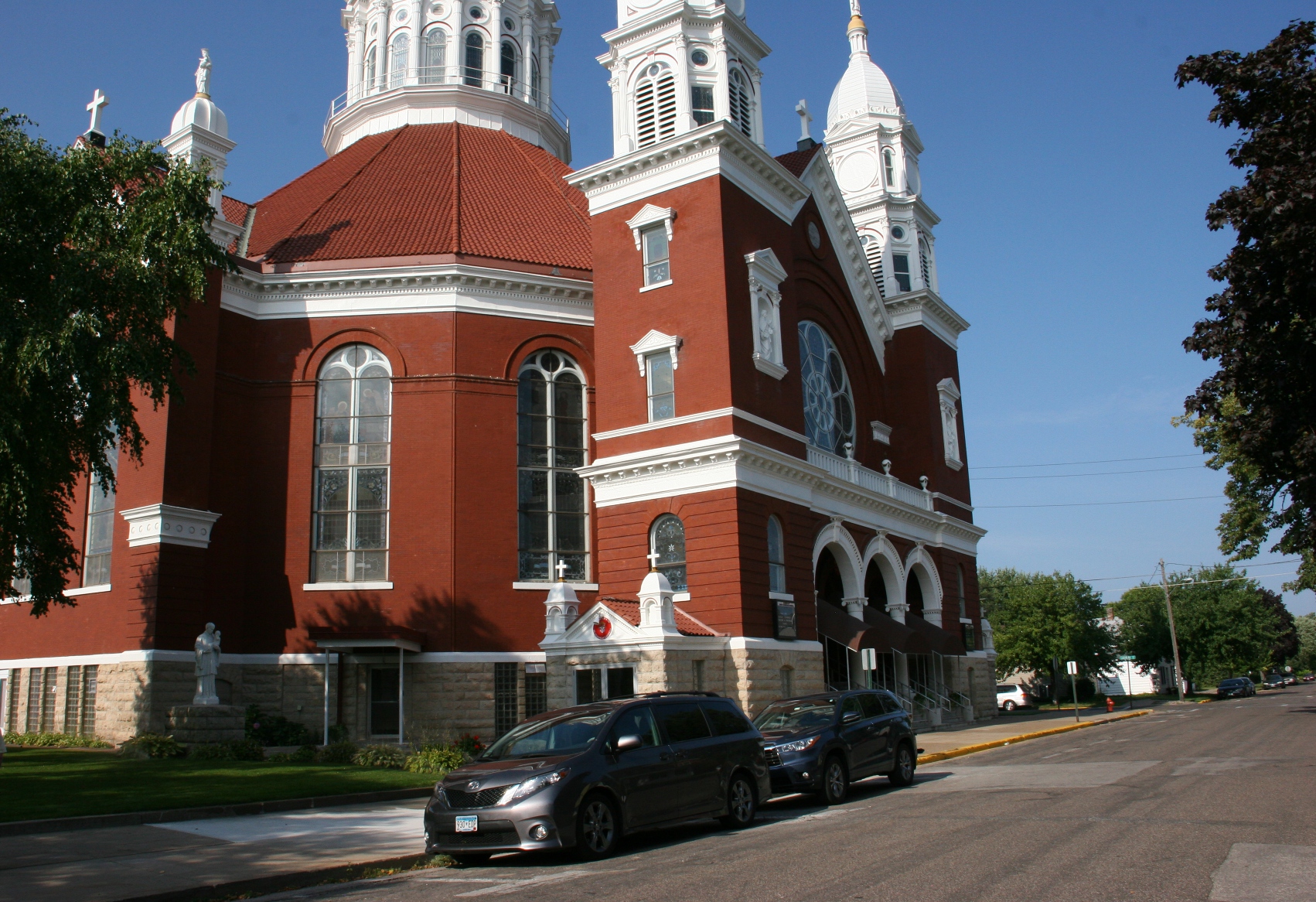
The Basilica of Saint Stanislaus Kostka, named after a popular saint from Poland, is so massive I could not get the entire basilica in a photo. It’s located at 625 East Fourth Street in Winona, Minnesota.

UNOFFICIALLY, PARISHIONERS CALL the basilica St. Stan’s. I like that. It seems fitting in an age when the current pope, Pope Francis, has connected in an everyday sort of way with the faithful, Catholic or not.

I am Lutheran. But denominational affiliation matters not when touring a beautiful house of worship. Or appreciating a man who oversees with a blessed sense of ordinariness. Several weeks ago my husband, a Catholic turned Lutheran, and I visited the Basilica of Saint Stanislaus Kostka, aka St. Stan’s, in Winona. Touring churches interests us from multiple perspectives.

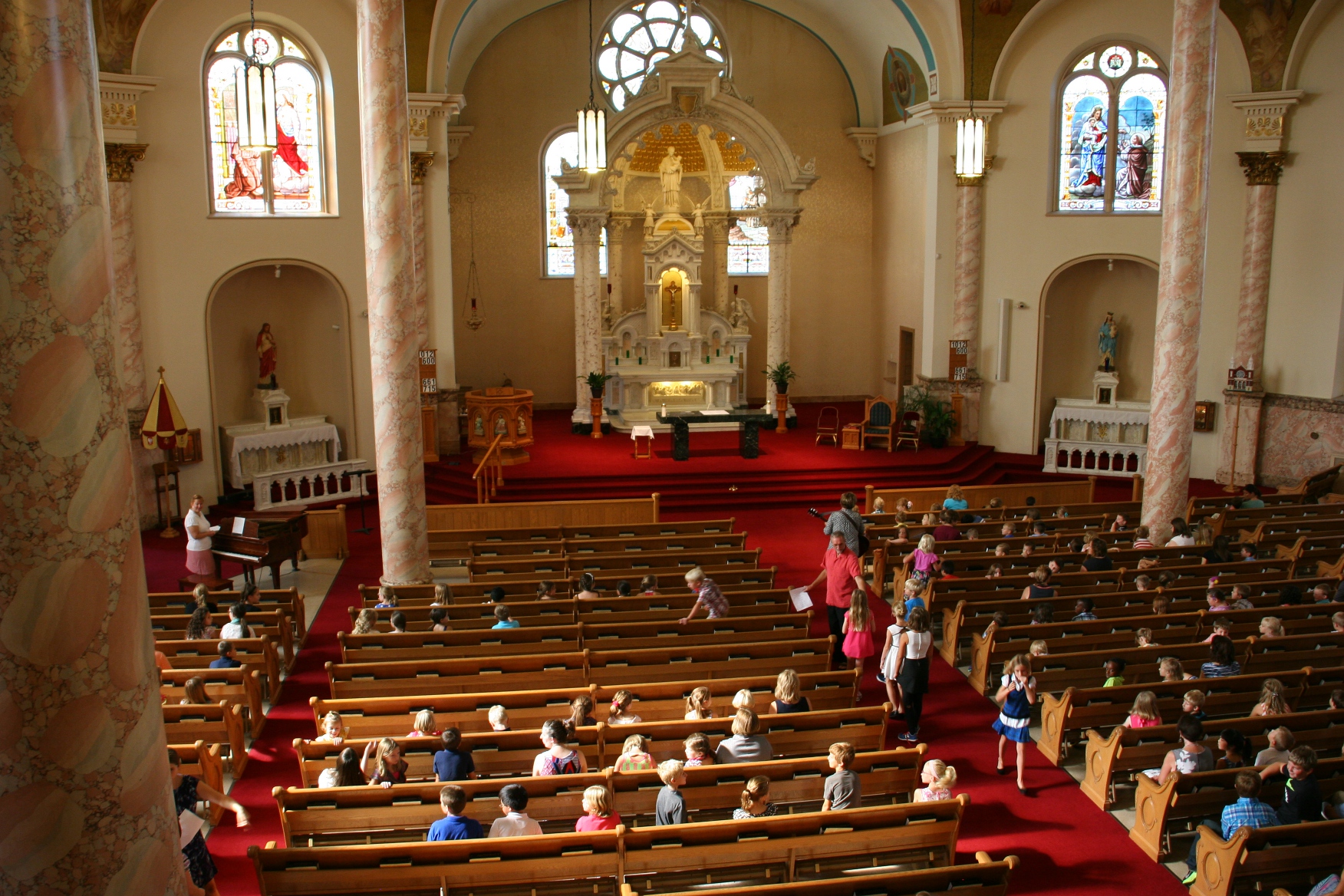
Students from the basilica's school file in for morning Mass.

Students file in for morning Mass.

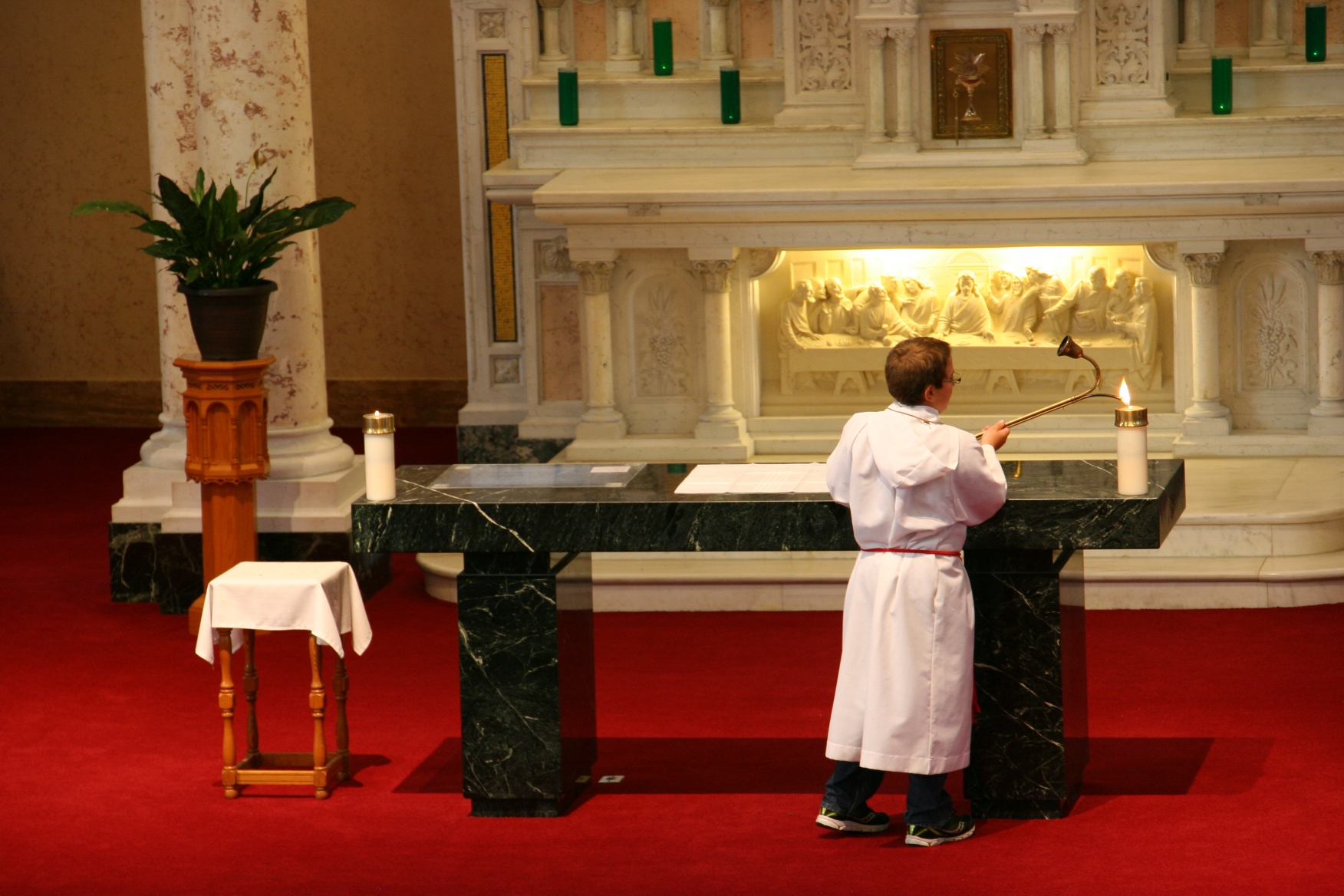
An altar boy prepares for Mass.

An altar boy prepares for Mass.

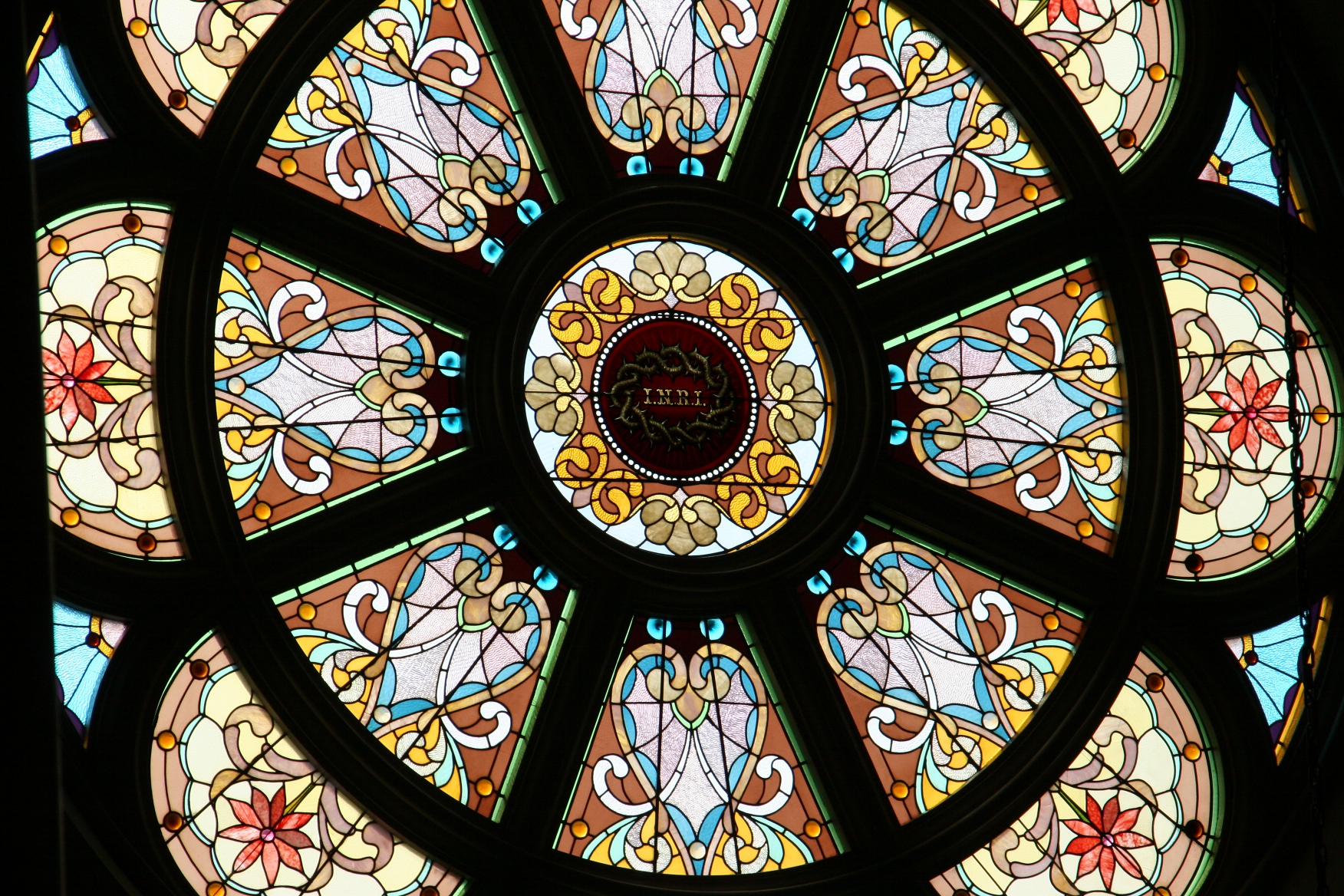
The stained glass windows are incredible in their sacred symbolism and beauty.

The stained glass windows are incredible in their sacred symbolism and beauty.

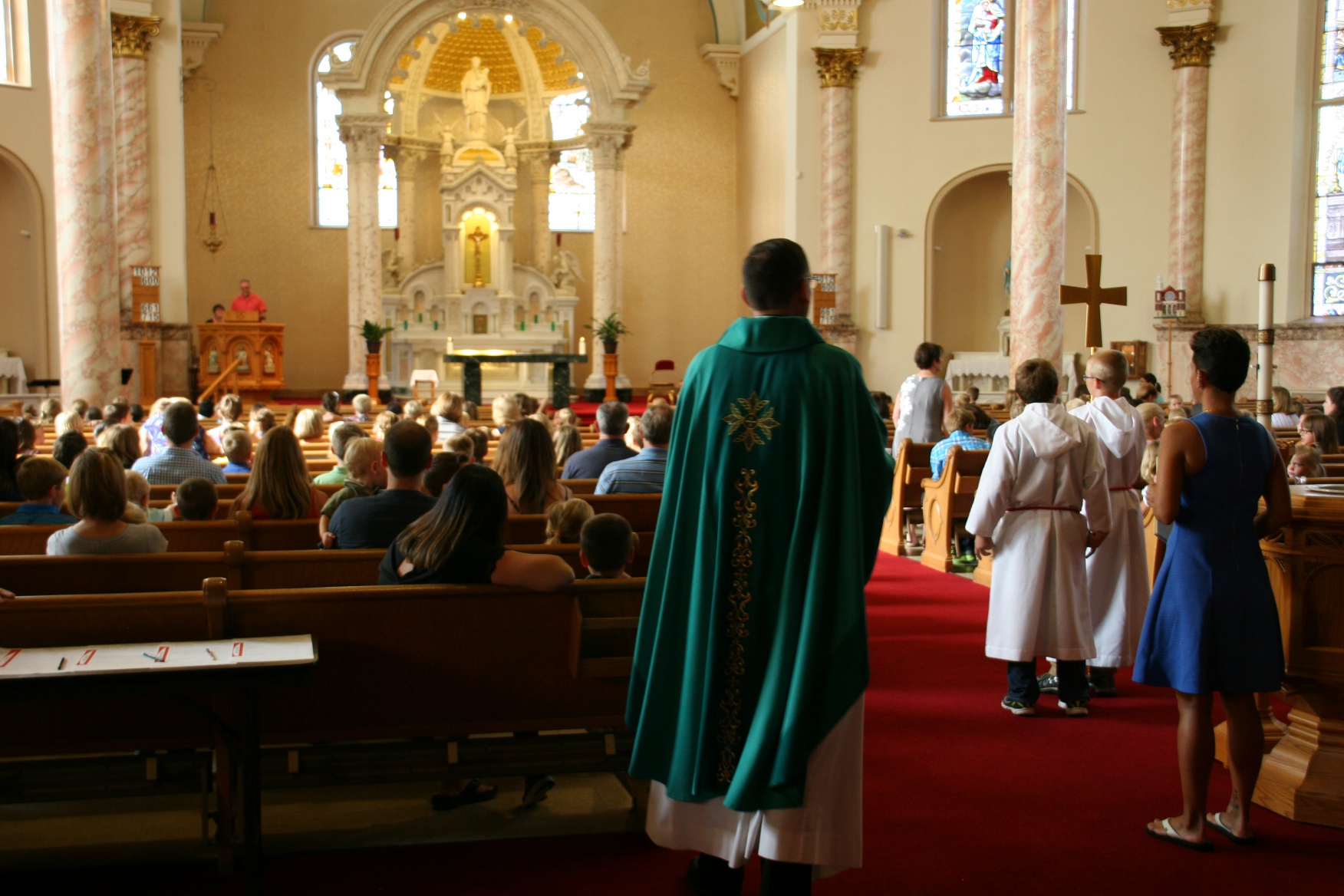
We arrived at St. Stan’s shortly before a children’s Mass, leaving us to observe from the balcony the reverent holiness of an altar boy lighting a candle, the filing of elementary students into pews, the light of a sultry summer morning filtering through stained glass windows.

Beautiful morning light filters through stained glass onto the curving balcony railing.

Lovely morning light filters through stained glass onto the curved balcony railing.

A statue is tucked into a corner below stations of the cross.

A statue is tucked into a corner below stations of the cross.

The paintings inside the dome are exquisite in their detailed beauty.

The paintings inside the dome are exquisite in their detail.

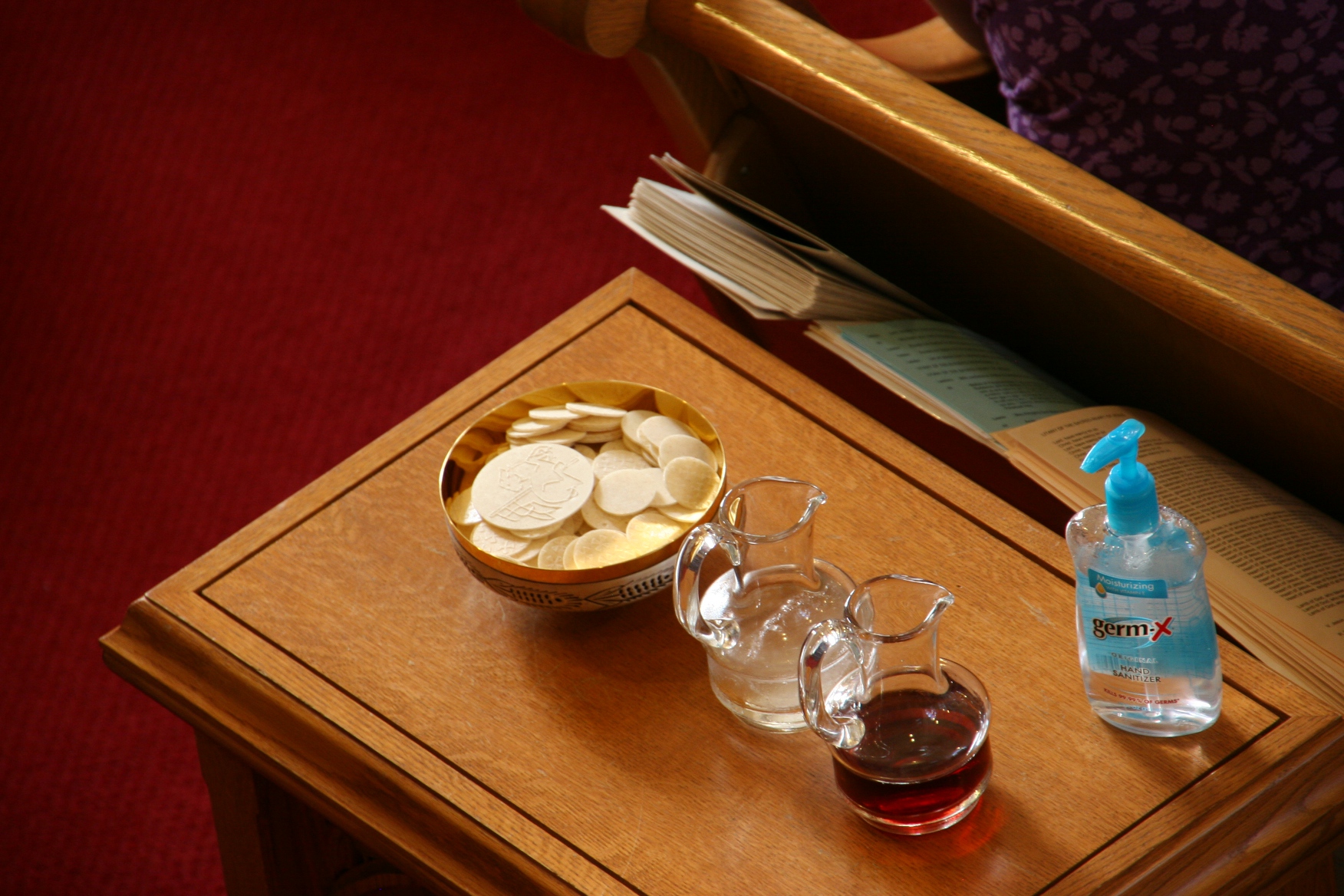
The bread and the wine before it is carried to the front of the sanctuary.

The bread and the wine before they are carried to the front of the sanctuary.

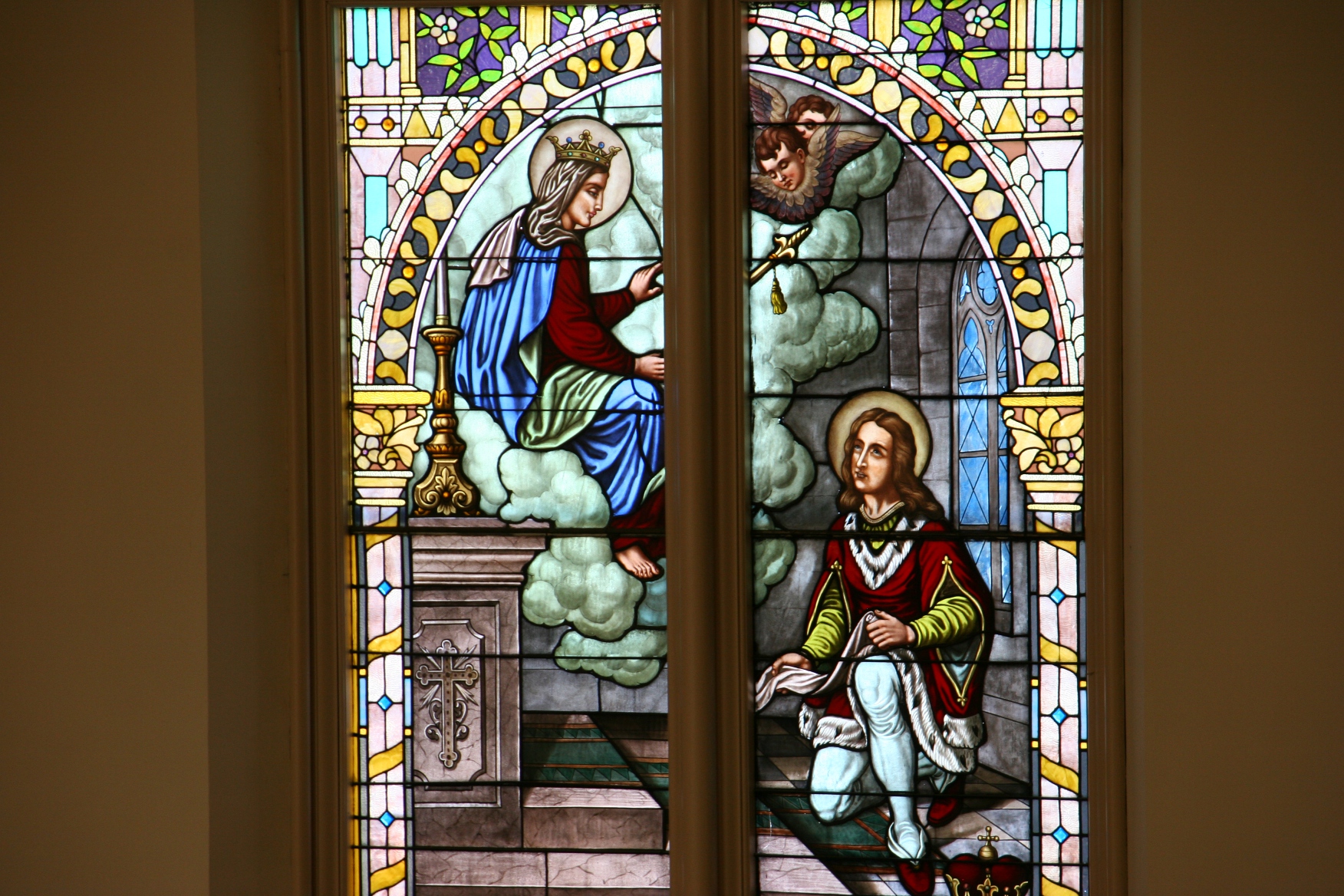
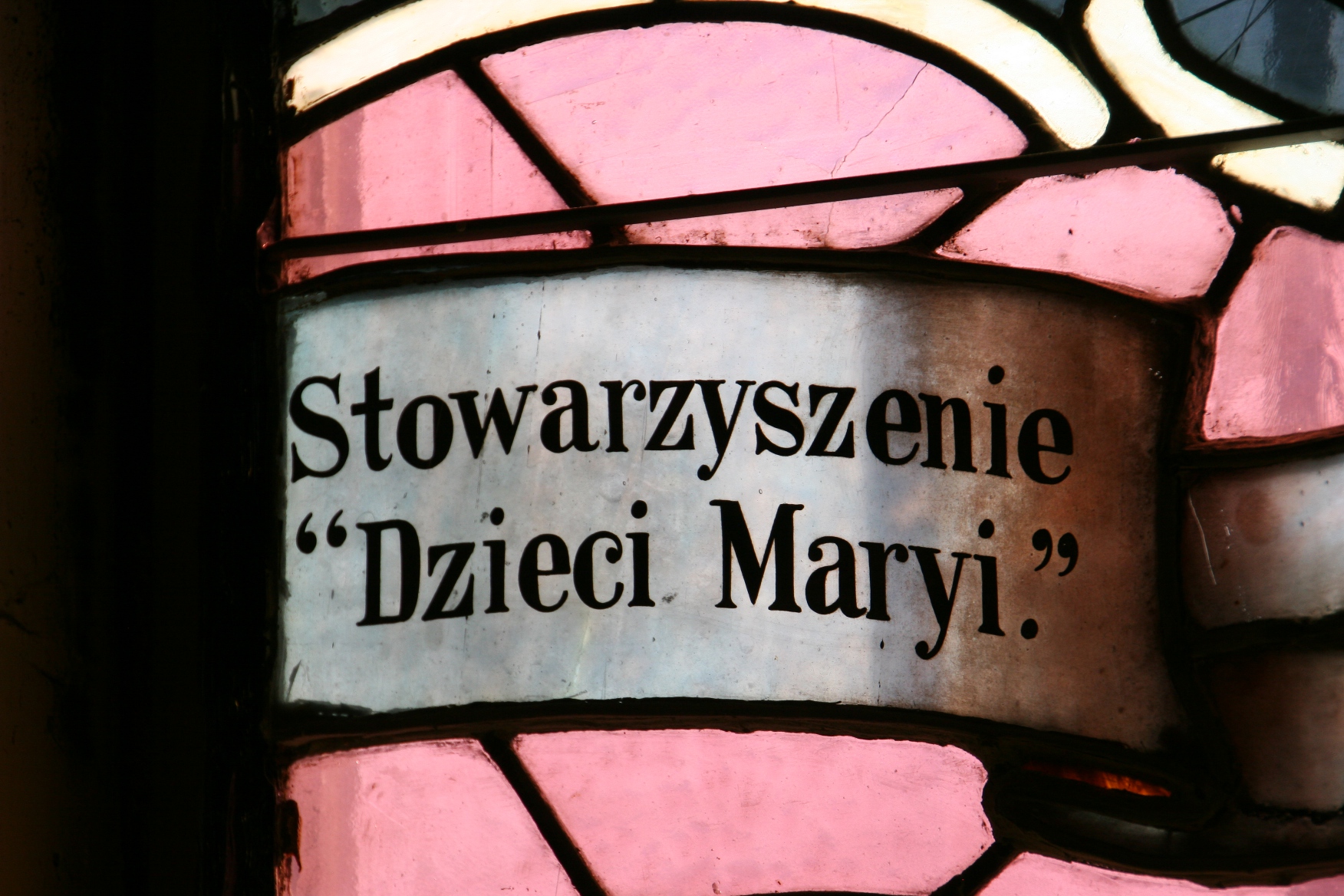
Polish words on a stained glass window translate to

Polish words on a stained glass window translate, according to Google translate, to “”Association of the Children of Mary.”

I stood there in awe, swinging my camera lens toward marble pillars and stained glass, statues and crucifixes, curving wood and paintings, Communion wafers and words in Polish.

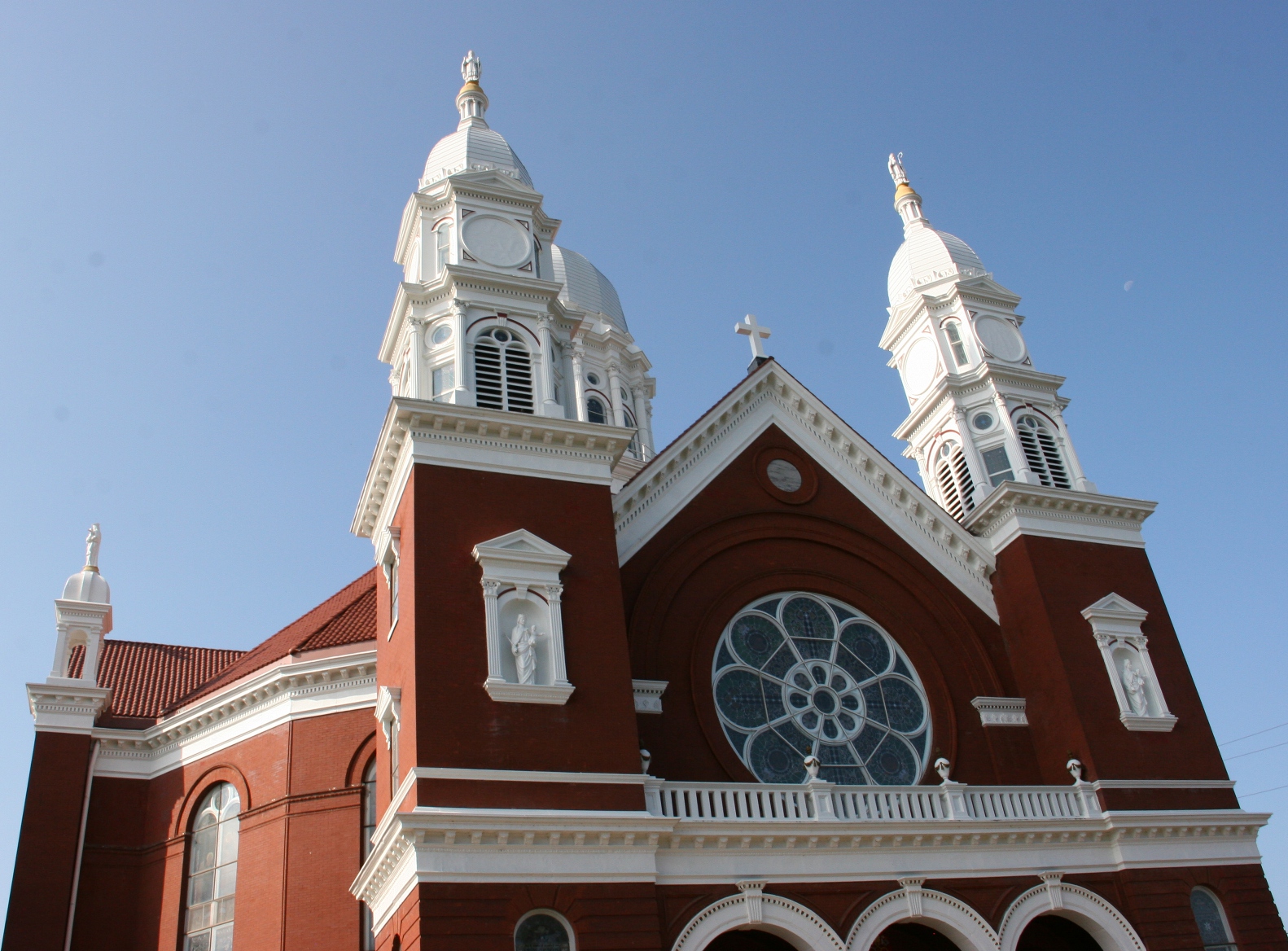
The upper portion of the basilica at its main entry.

The upper portion of the basilica at its main entry.

This is a church of Polish immigrants. Built in 1894 – 1895 of brick and stone in Romansque style (in the form of a Greek cross) by the Winona architectural firm of Charles G. Maybury & Son, the basilica is on the National Register of Historic Places.

With its designation as a basilica, St. Stan's also received a crest symbolic of important events in its history. Click here to learn about the crest.

With its designation as a basilica, St. Stan’s also received a crest symbolic of important events in its history. Click here to learn about the crest.

Not knowing the difference between a regular Catholic church and a basilica, I learned from online research that a basilica has received special privileges from the pope. St. Stan’s rates as a minor basilica , the 70th in the U.S. and only one of two in Minnesota. (The other is the Basilica of Saint Mary in downtown Minneapolis.) The title ties to the extraordinary architectural quality of the building and to the congregation’s significant Polish heritage, according to a 2011 press release from the Roman Catholic Diocese of Winona announcing the designation by the Vatican.

I'm certain the scenes in each stained glass window hold religious significance.

The stained glass windows truly are religious works of art.

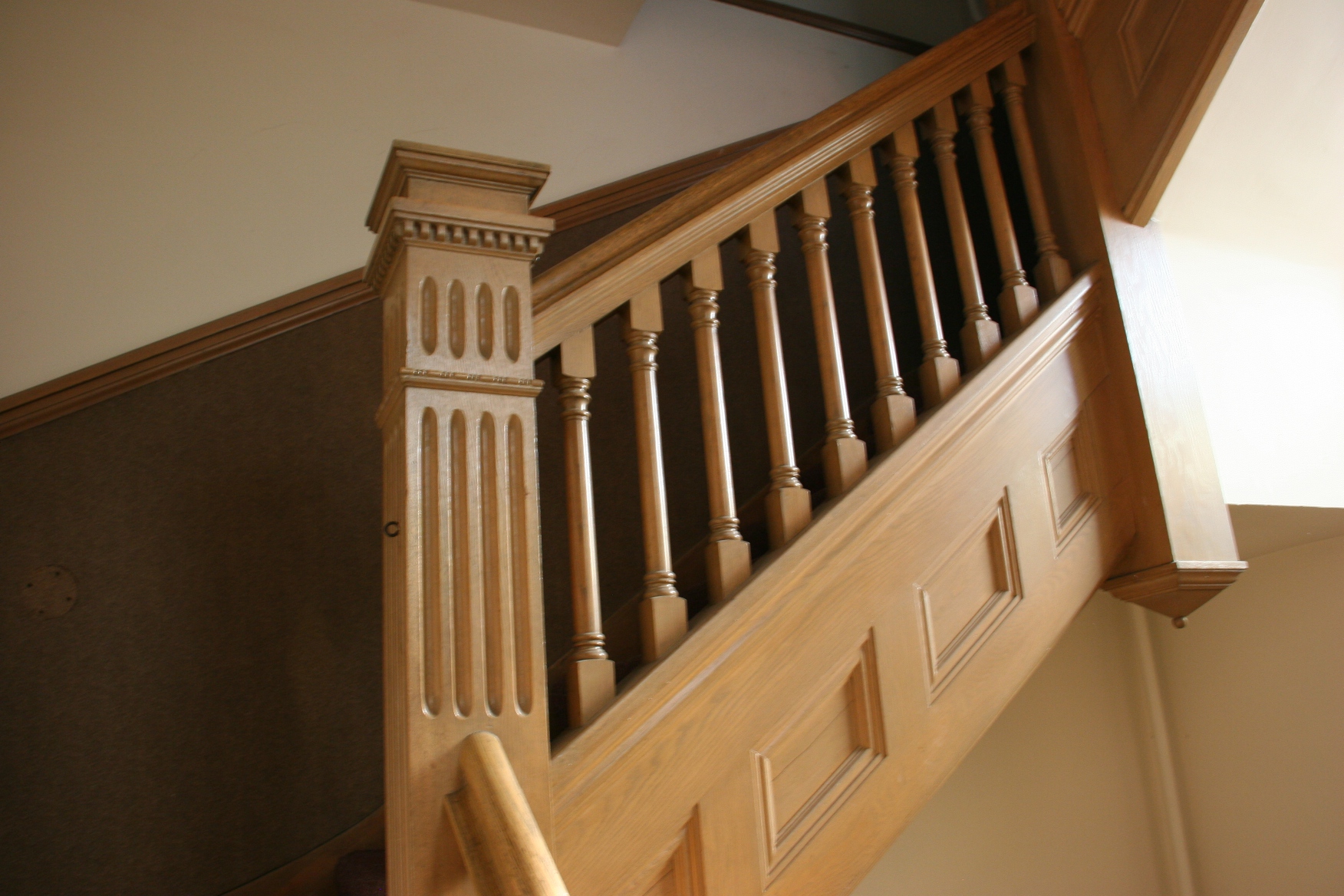
The stairway to the balcony features incredible craftsmanship.

The stairway to the balcony features incredible craftsmanship.

Massive marble pillars impress.

Massive marble pillars impress.

Terminology and privileges aside, this is one impressive house of worship. It’s artful and splendid. Reverent and meaningful. Personal, yet powerful in its sheer size.

I expect many a worshiper has found comfort in these stained glass windows.

I expect many a worshiper has found comfort in these stained glass windows.

This massive place holds generations of family history. Imagine the sins confessed and forgiven here, the blessings bestowed, the holy water sprinkled, the families who’ve grieved and celebrated within the walls of St. Stan’s.

The priest is about to proceed up the aisle to begin Mass.

The priest is about to proceed up the aisle to begin Mass.

To witness the next generation in worship on a Friday morning in God’s house reaffirms for me that the faith of our fathers remains strong. Just like this aged basilica in the Mississippi River town of Winona.

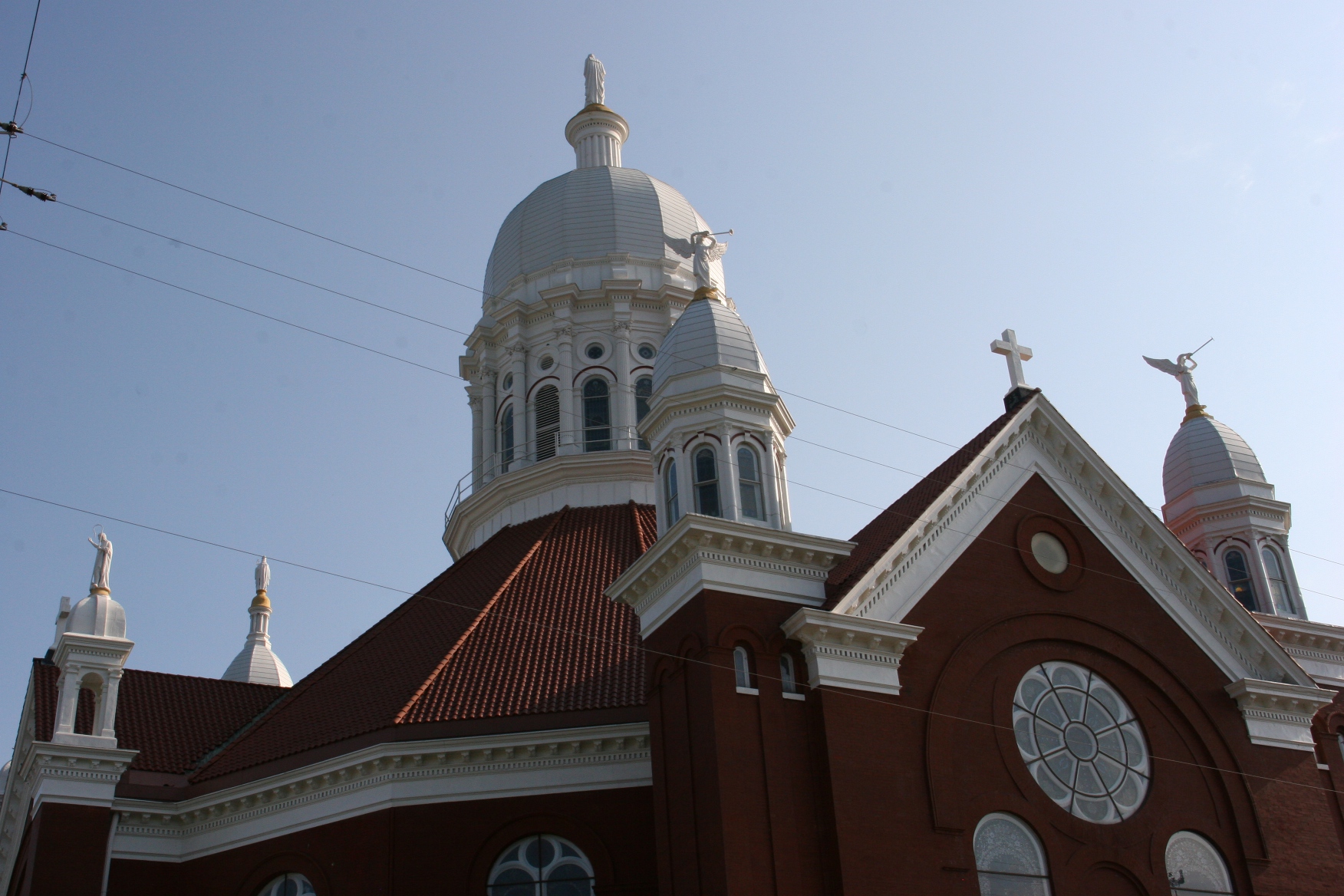
BONUS PHOTOS of the exterior:

A back view of St. Stan's.

A back view of St. Stan’s.

Angel art atop a tower.

Angel art atop a tower.

Roof details.

Roof details.

The main entrance.

The main entrance.

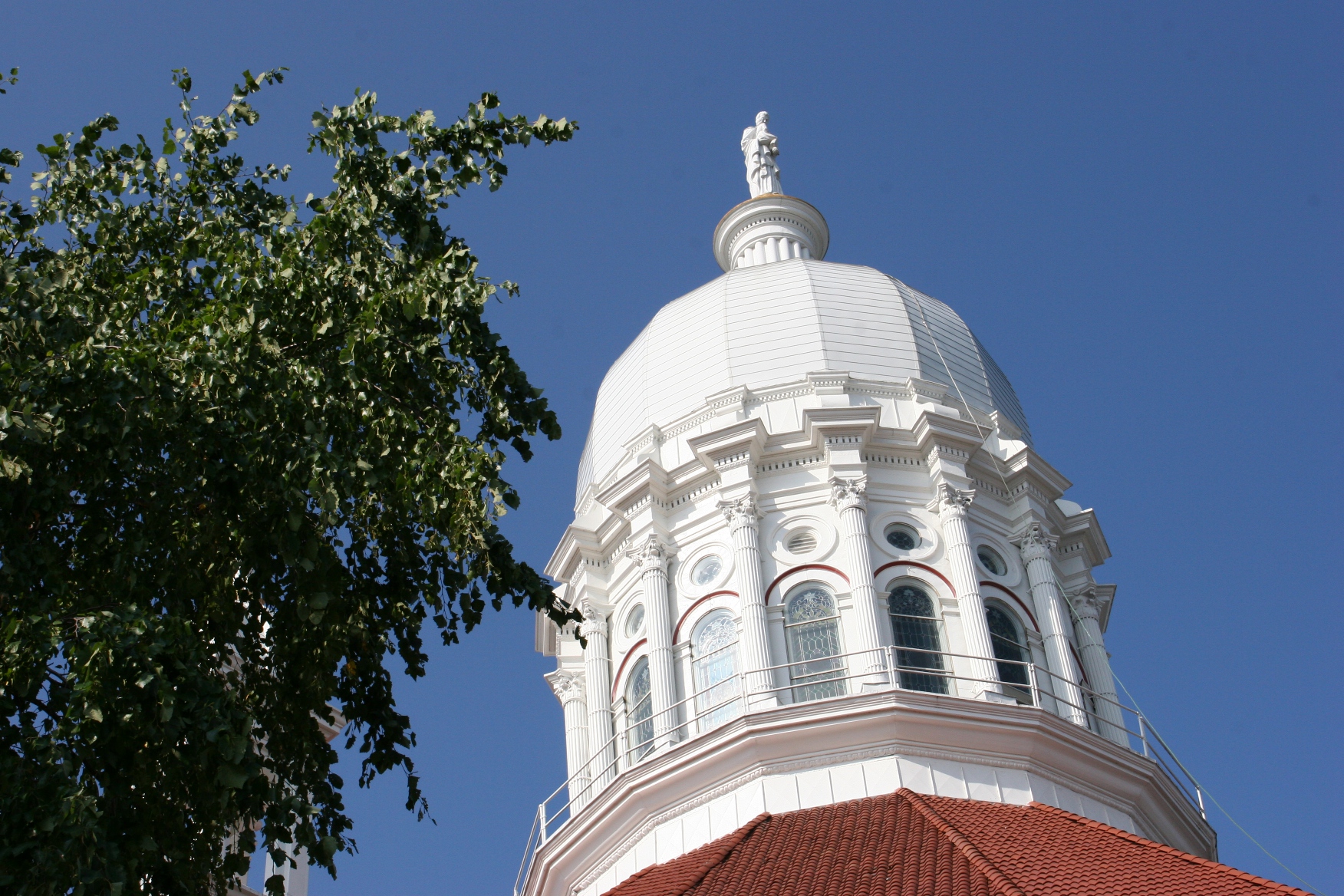
And the landmark dome.

And the landmark dome.

© Copyright 2015 Audrey Kletscher Helbling


Traveling art September 23, 2015

Filed under: Uncategorized — Audrey Kletscher Helbling @ 5:00 AM
Tags: , , , , , , ,

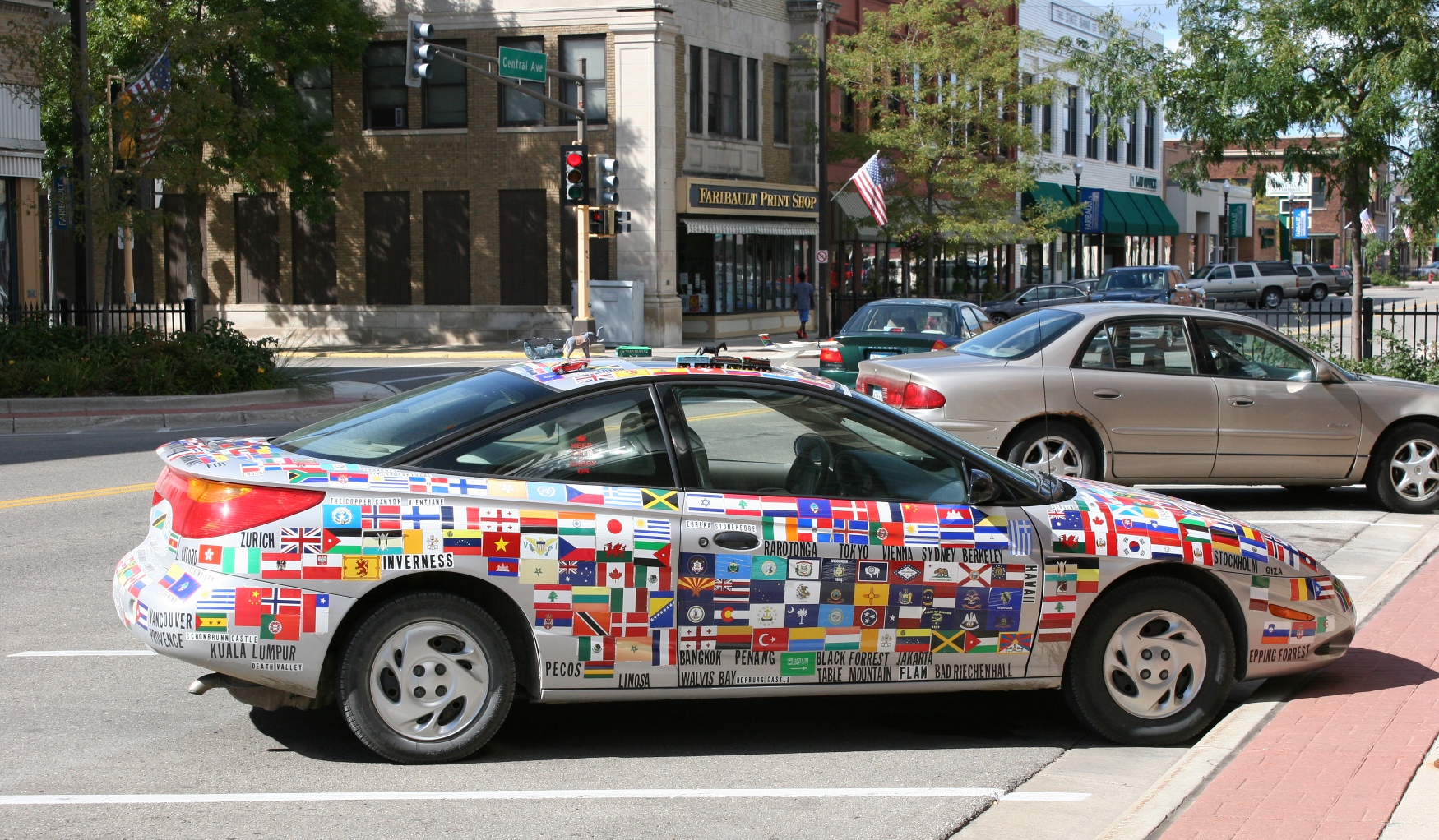
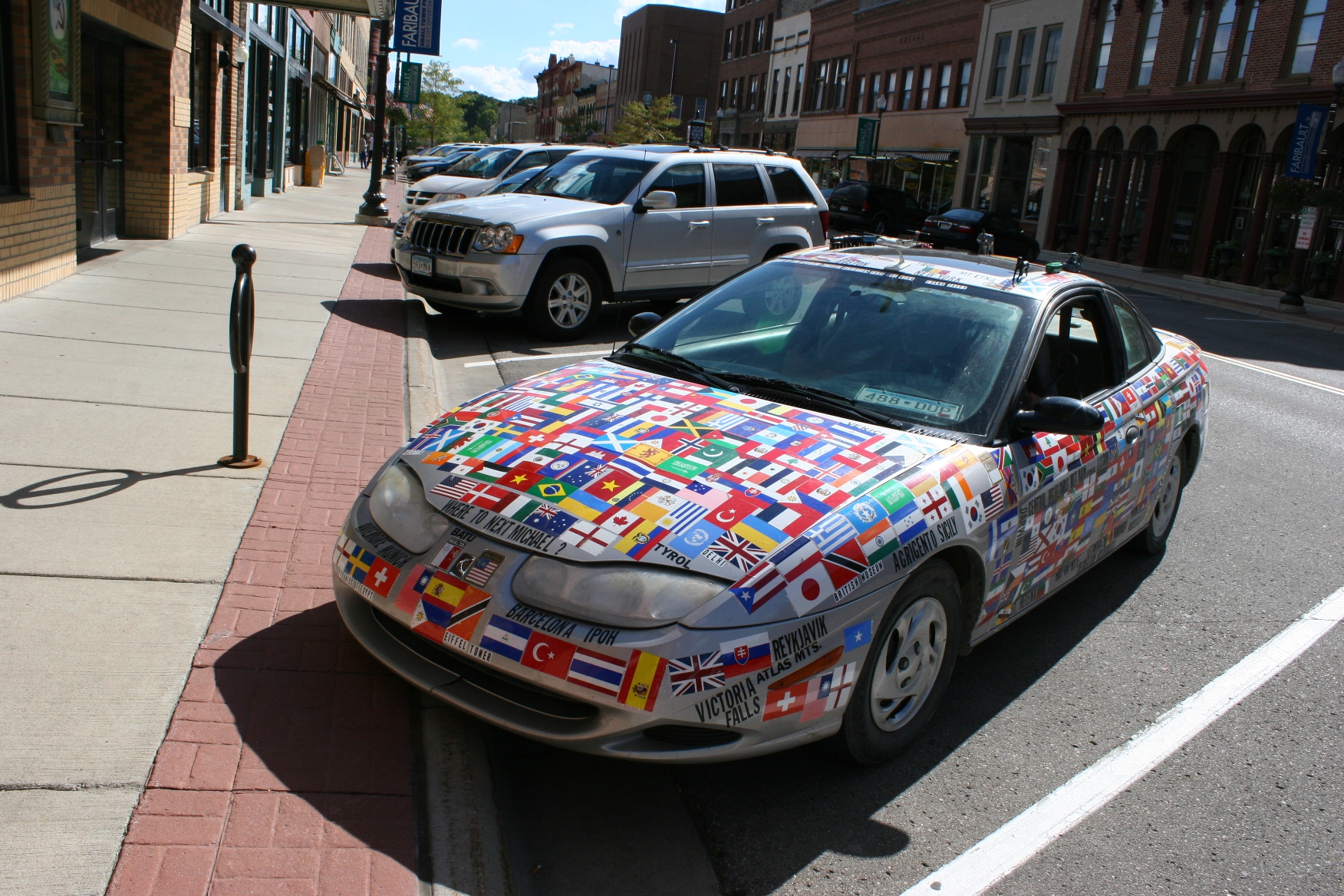
Art car, entire view of #89


I’VE SEEN THIS CAR tooling around Faribault and parked at the local library. It’s memorable. One-of-a-kind. Definitely photo-worthy. But I never had my Canon DSLR with me when I spotted it. On a recent Saturday I did.


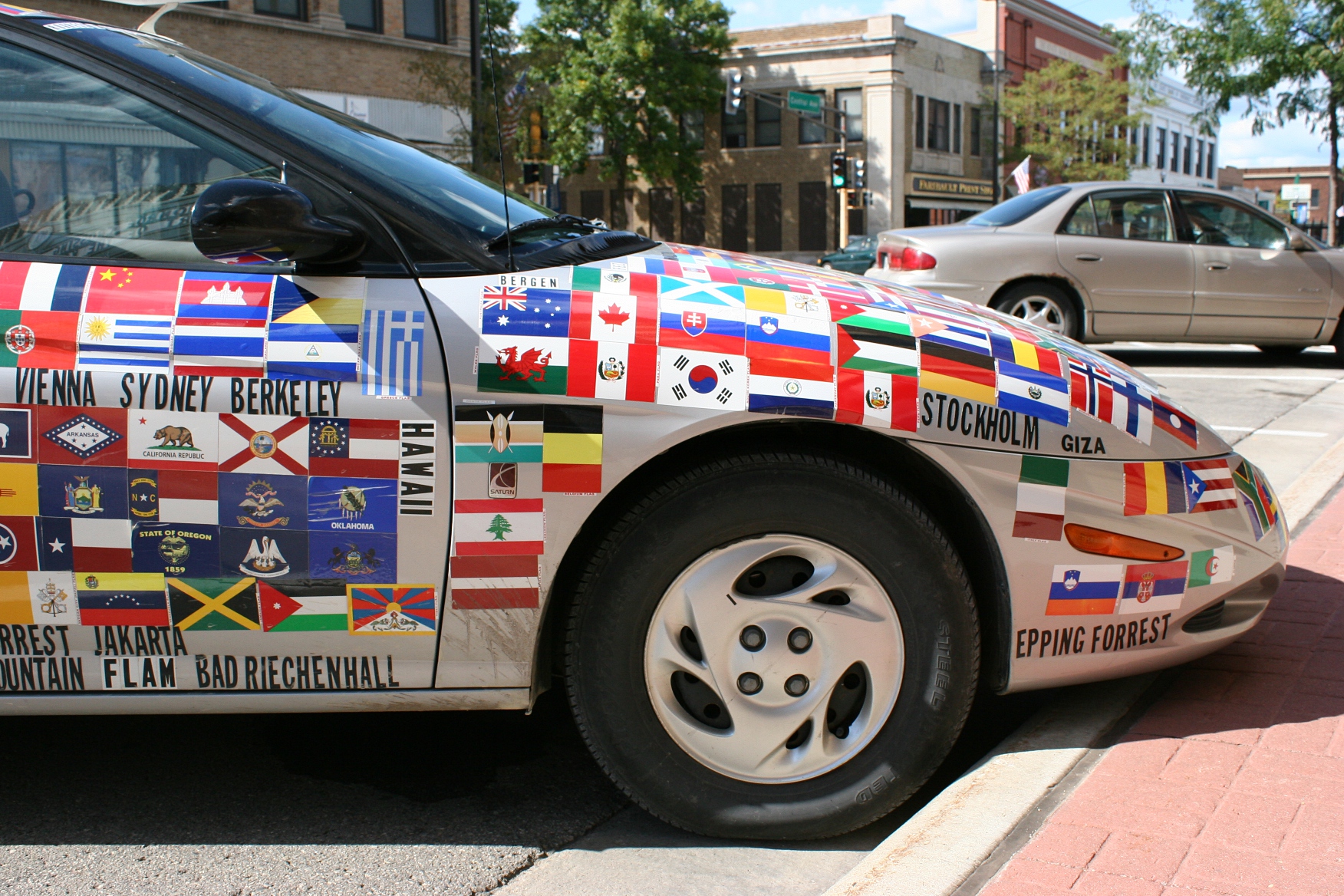
Art car, front of


I practically flew from the van with my camera upon sighting the colorful car parked along Central Avenue in front of the Paradise Center for the Arts. And then, bonus, the owner strode across the street toward his vehicle as I was snapping frames.


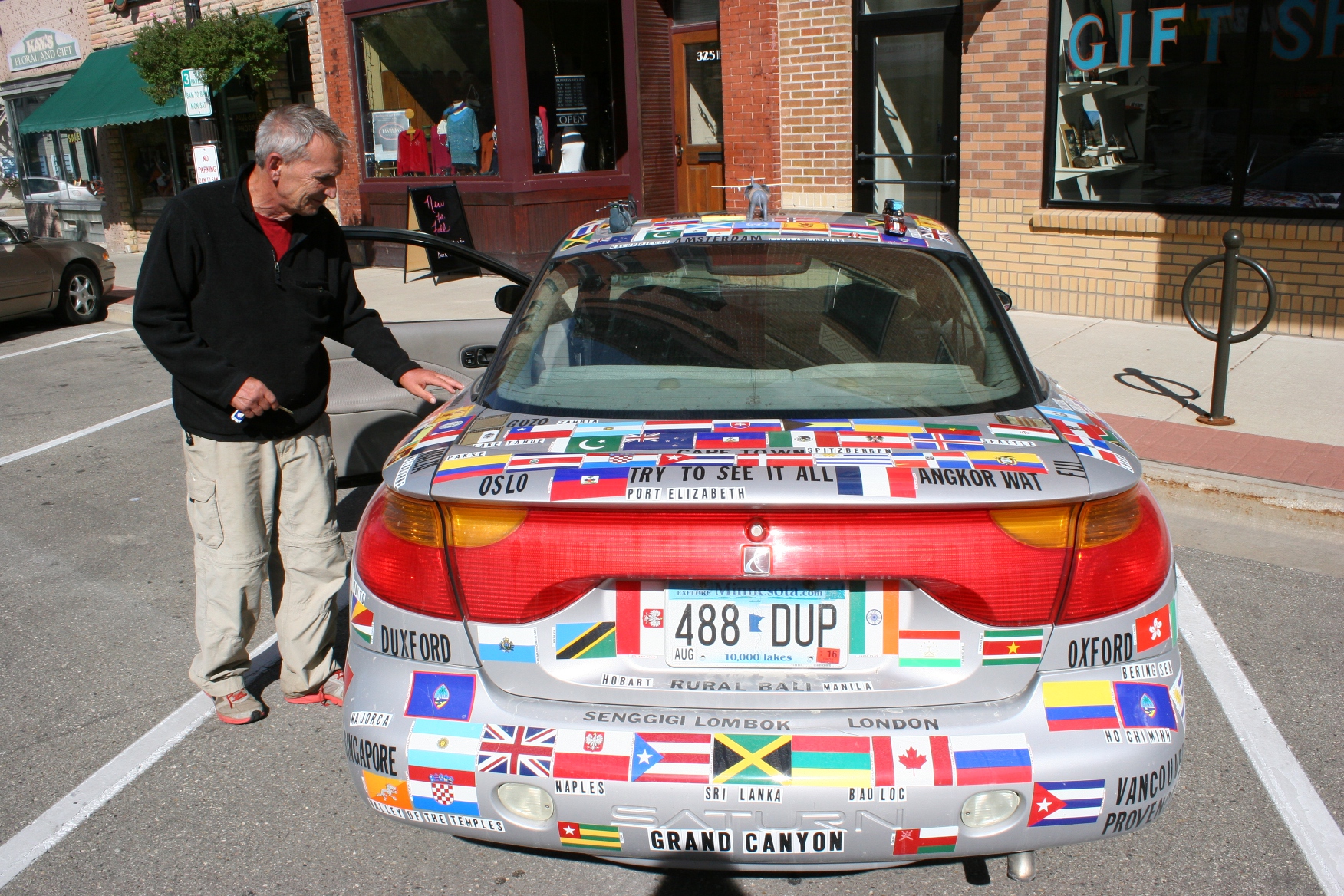
Art car, Michael in photo


He is Michael. No last name given. I didn’t ask. We chatted briefly, enough for me to learn that this former travel industry professional “works to travel.” His words, not mine. He’s been to about 100 countries.


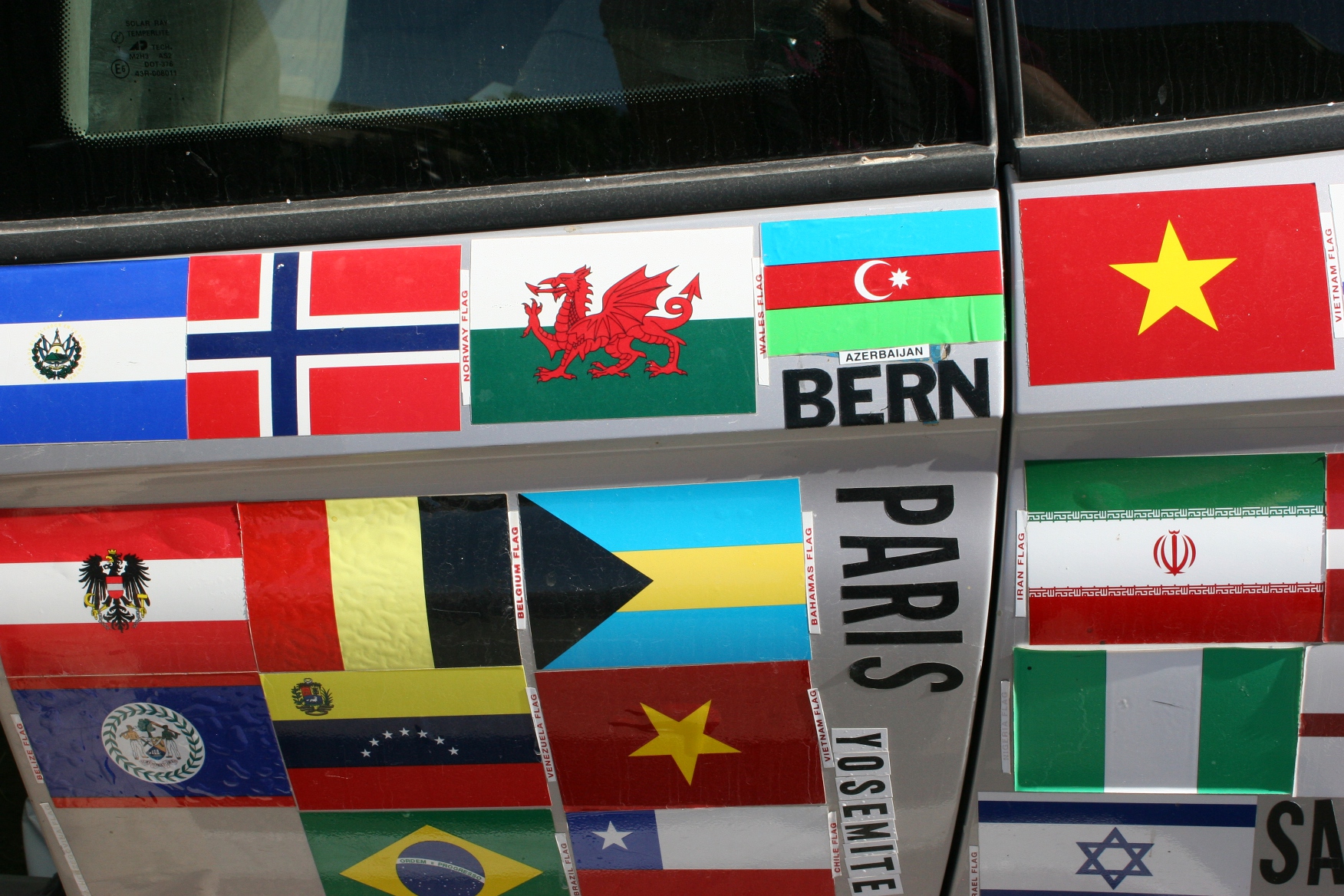
Art car, close-up side


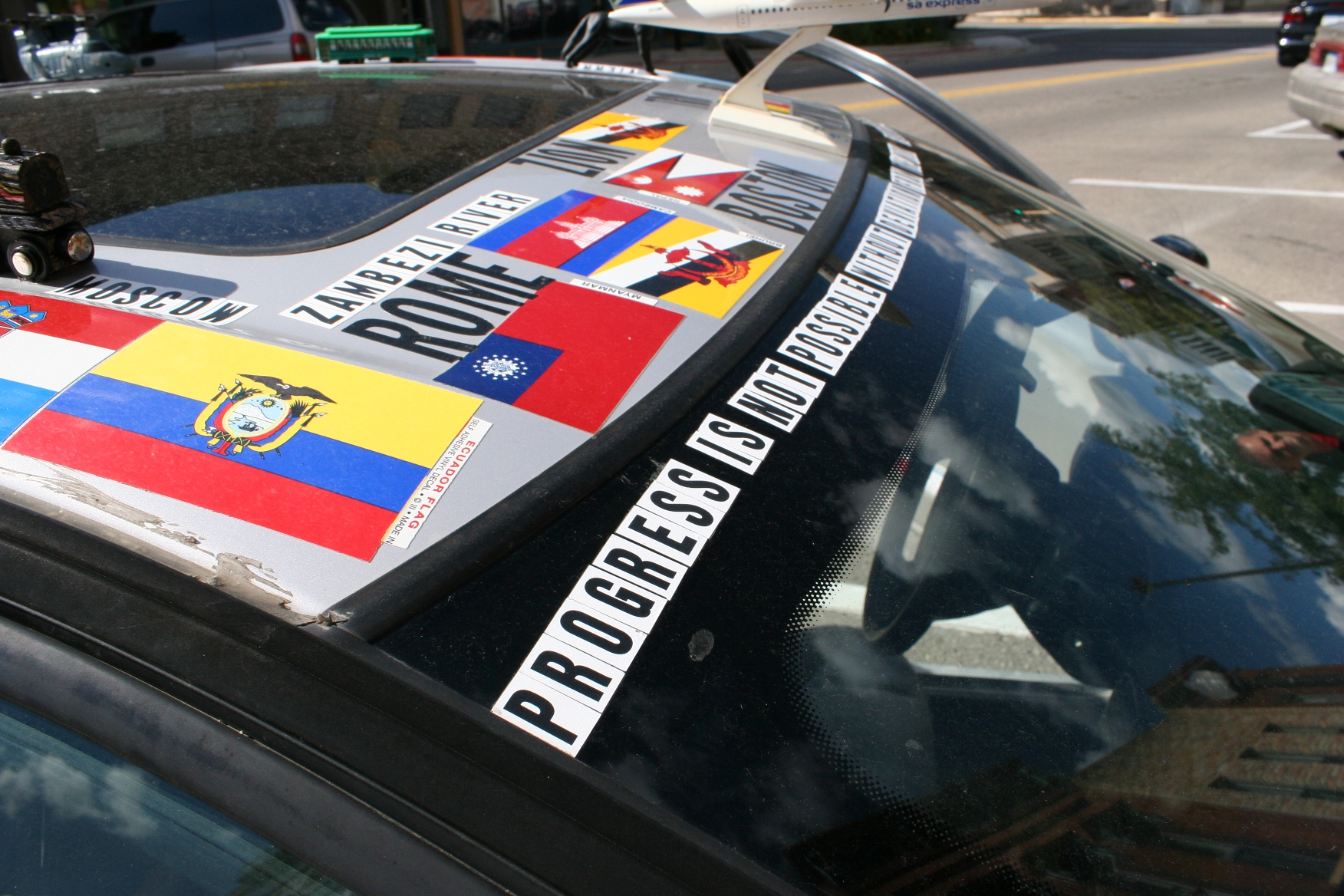
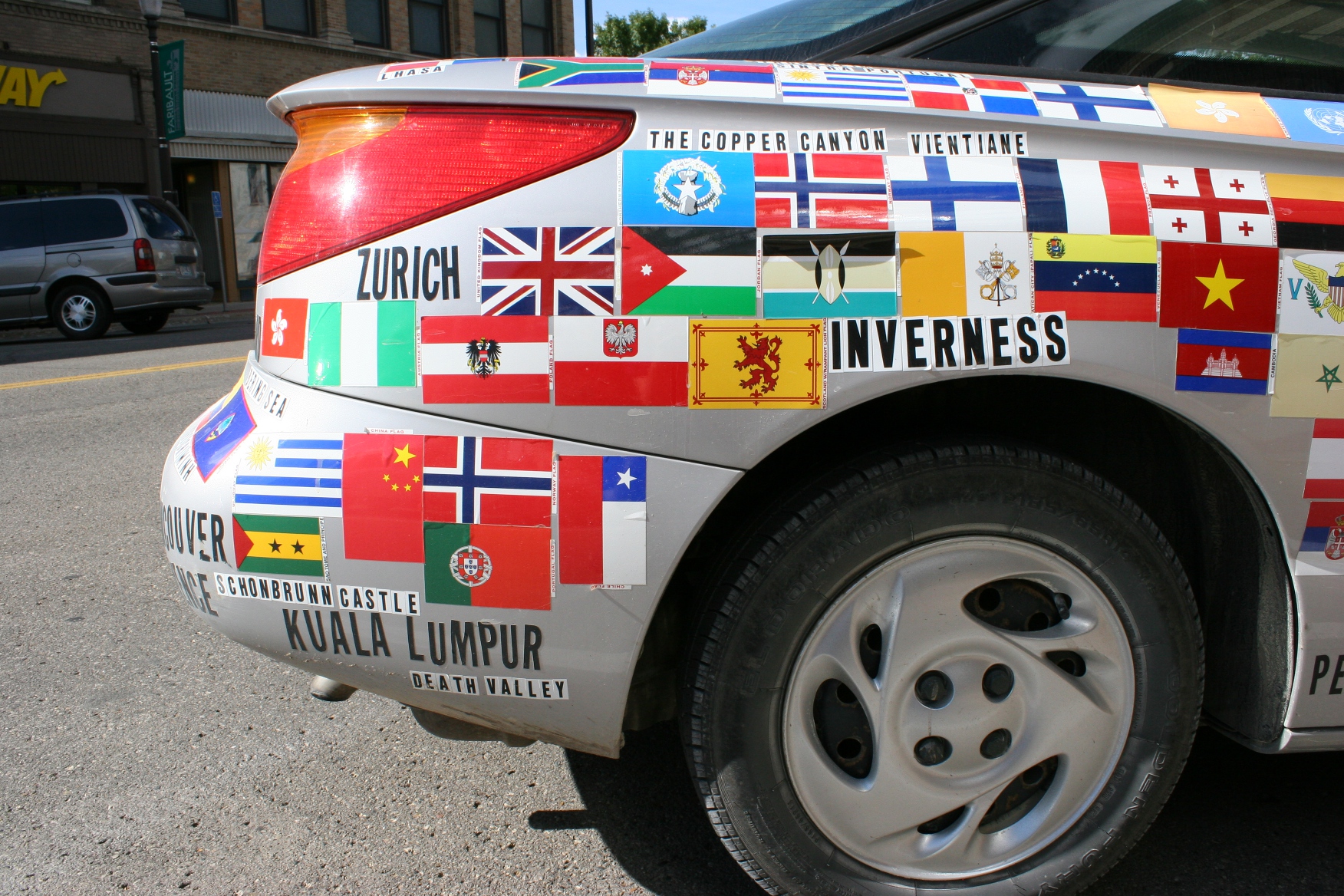
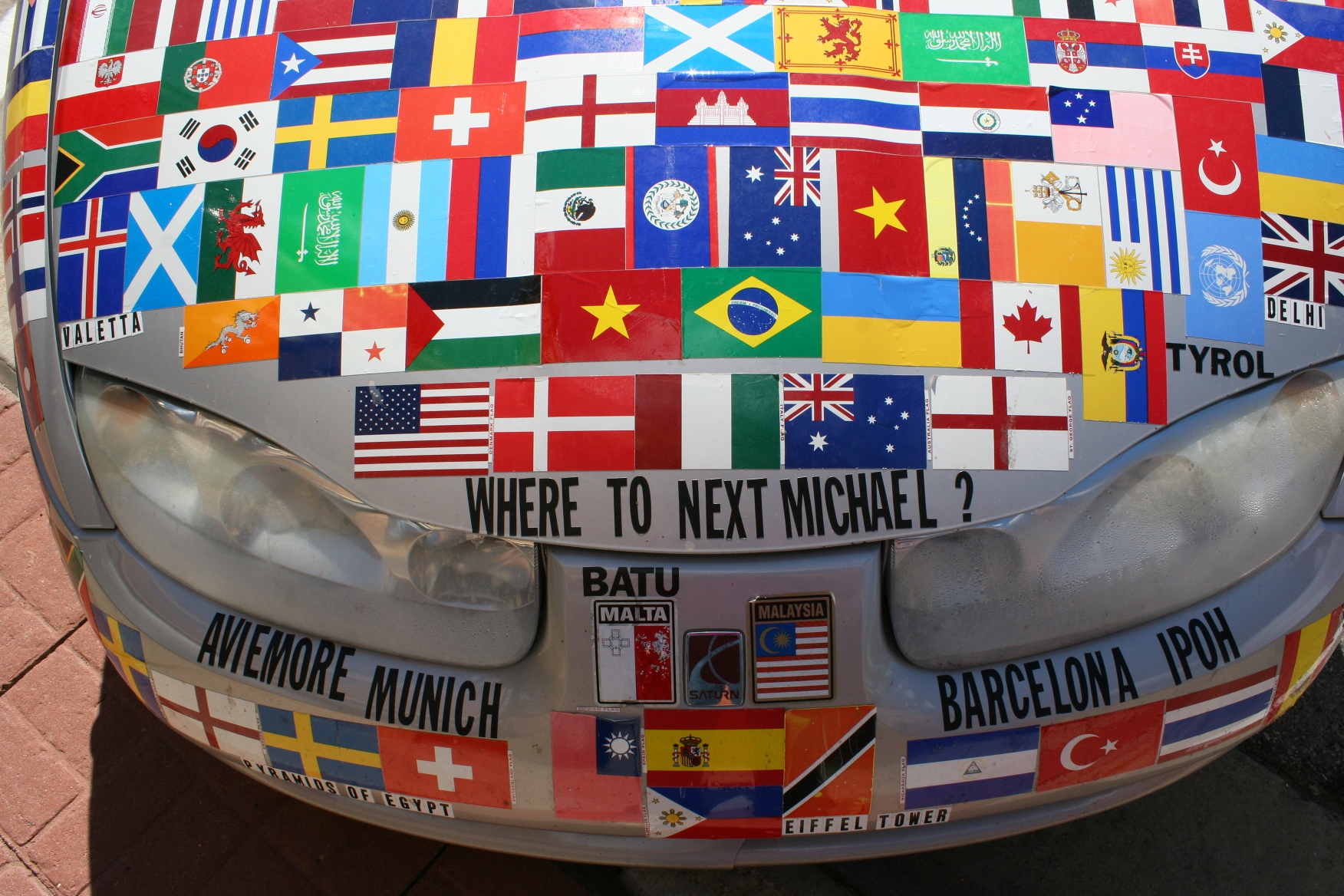
A close examination of the national flags and words pasted onto Michael’s Saturn reveals those destinations: Bangkok, Vienna, Zurich, Barcelona, Hawaii, Paris, Delhi…

“Try to see it all,” the message adhered to the trunk advises.


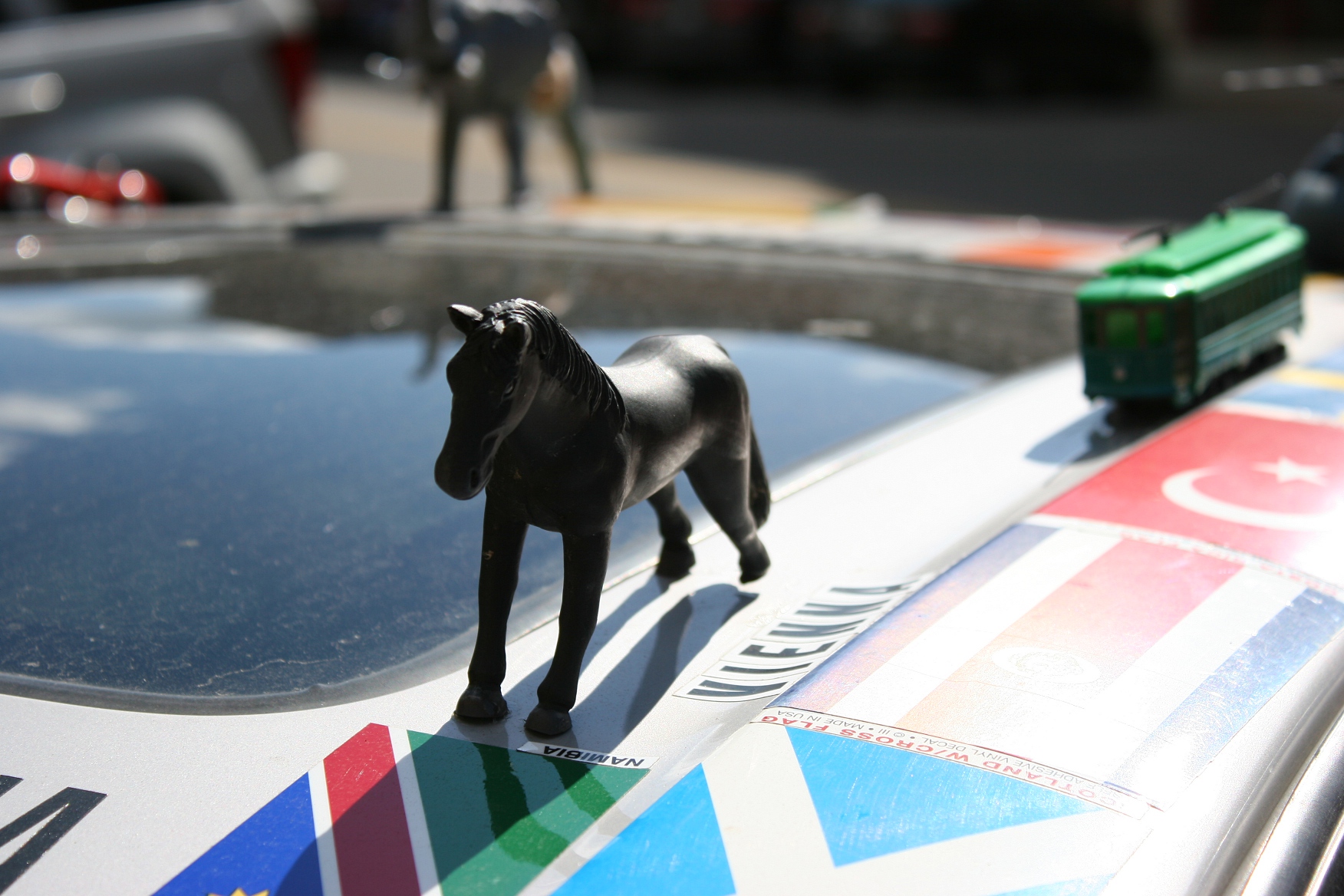
Art car, horse on roof


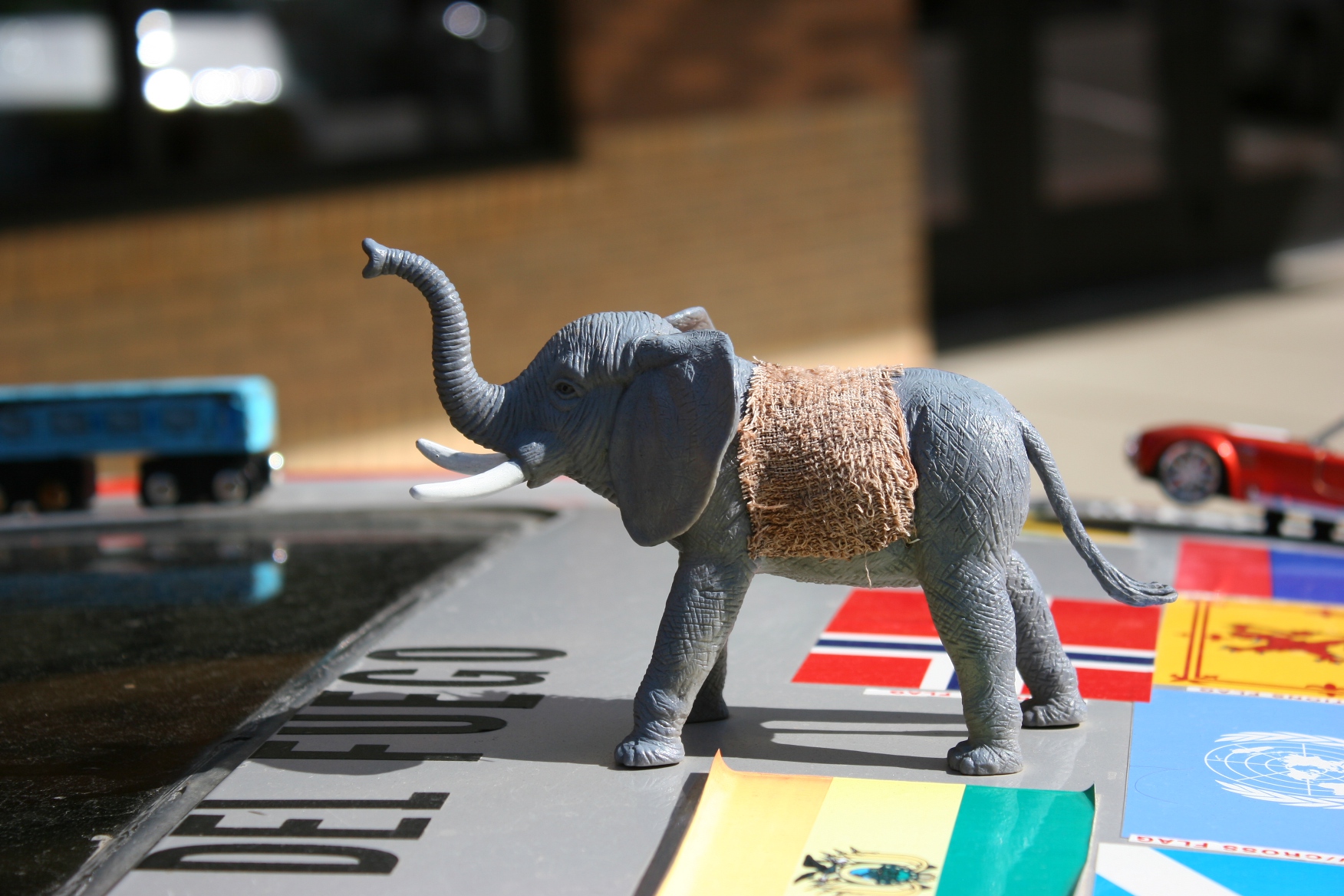
Art car, elephant on roof


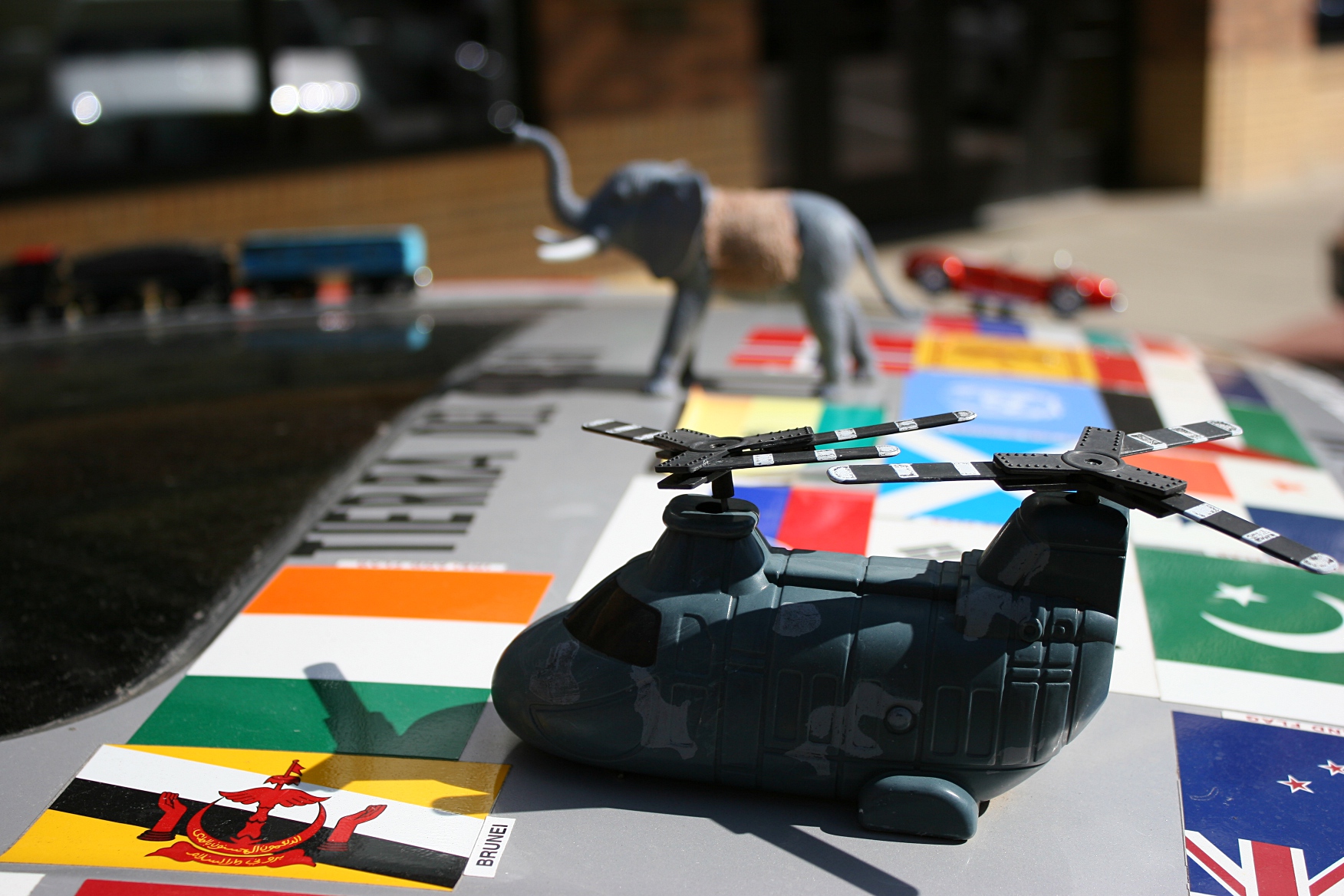
Art car, helicopter


And Michael has, via some interesting, and ordinary, modes of transportation—car, plane, train, helicopter, horse and elephant—documented by toys attached to the car’s roof. He rode the elephant in Laos or Cambodia. I can’t remember which.


Art car, front side close-up #90


Michael, though friendly, seemed reticent to engage in a more in-depth conversation. Maybe he was, like me, on a tight schedule. Or simply reserved, choosing to maintain a level of mystery about himself and his travels. That’s OK.


Art car, Frank Zappa quote


I asked if there was anything specific on his car that I should photograph. He directed me to a Frank Zappa quote on the windshield: “Progress is not possible without deviation from the norm.”


Art car, rear back close-up


Perhaps that reveals more about Michael than anything he could have spoken.


Art car, hood close-up


As does this question, posted on the Saturn’s hood: “Where to next Michael?”

FYI: To read another post about an art car I’ve photographed in Faribault, click here. Then click here to view one I photographed in Northfield. And to view a photo of another art car, photographed by one of my favorite Minnesota documentary photographers, Dan Traun of Red Wing, click here and check out the Sept. 14 entry.

© Copyright 2015 Audrey Kletscher Helbling


Minnesota Faces: Northfield historian September 11, 2015

Portrait #39: Christian Hakala

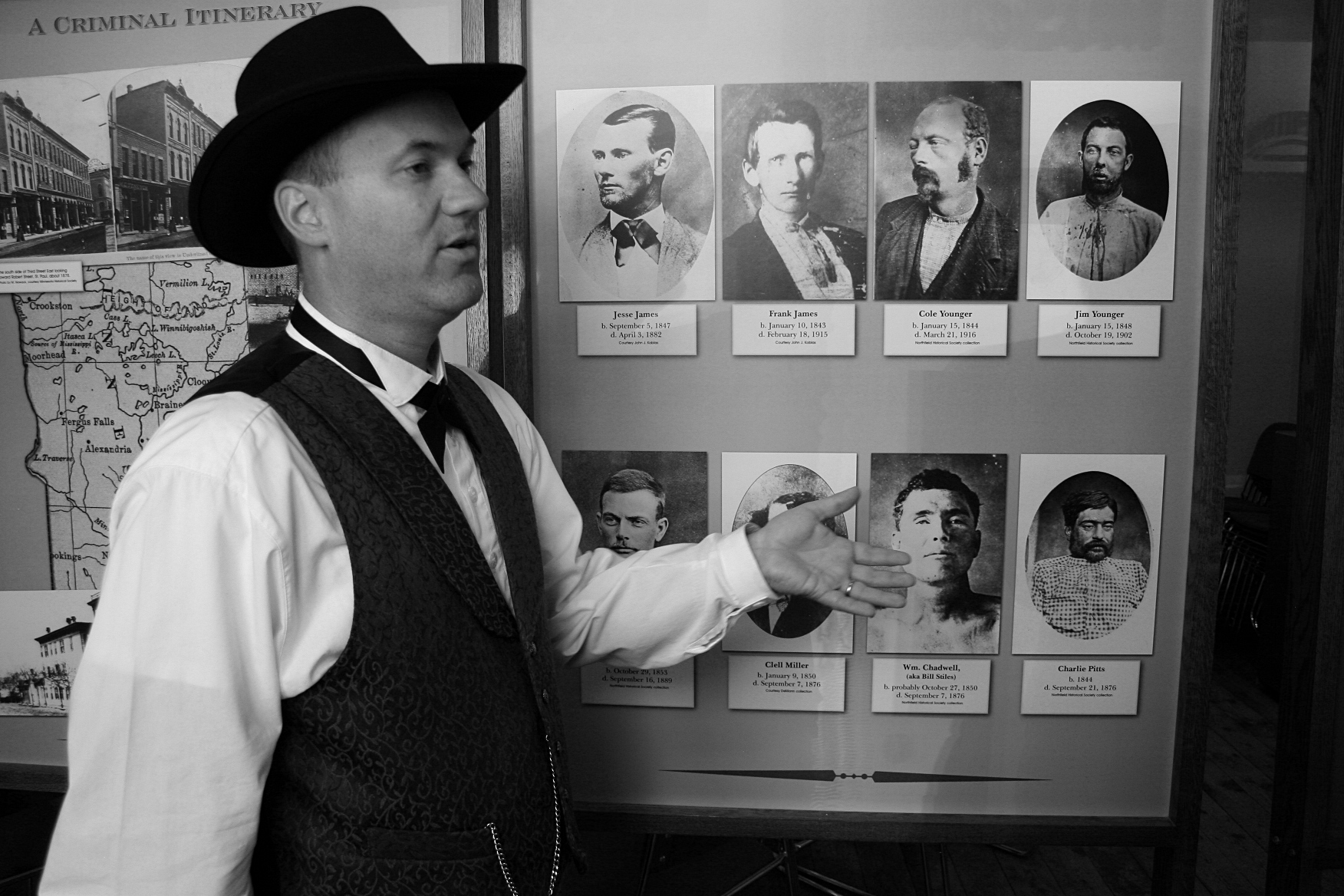
Christian Hakala talks about gang members involved in the Northfield bank raid, pictured to his left: Frank and Jesse James; Cole, Bob and Jim Younger; Clell Miller; William Chadwell; and Charlie Pitts.

Christian Hakala talks about gang members involved in the Northfield bank raid, pictured to his left: Frank and Jesse James; Cole, Bob and Jim Younger; Clell Miller; William Chadwell; and Charlie Pitts. Minnesota Prairie Roots file photo 2012.

To say folks in Northfield, Minnesota, appreciate local history would be an understatement.

Take Christian Hakala. He has a Master of Arts in history, has taught history, has served as Northfield Historical Society Board president and volunteers as a tour guide.

During his day job, he’s Director of Individual Giving at Northfield’s Carleton College.

It was in his capacity of NHS tour guide that I met Hakala in September 2012 as he walked visitors through the “Attempted Bank Raid” exhibit. That would be the September 7, 1876, attempted robbery of the First National Bank of Northfield by the James-Younger Gang. A bank cashier, a Swedish immigrant and two of the outlaws died in seven minutes as townspeople fought back.

Northfield this week is celebrating the heroism of locals during the annual The Defeat of Jesse James Days, an event which is among Minnesota’s most popular community celebrations. DJJD includes bank raid re-enactments. Hakala has participated in those, too, role-playing a townsperson.

If you appreciate history and drama and community celebrations, then head on over to Northfield this weekend. This beautiful historic river city knows how to showcase local history in a big way.

FYI: Click here for more details about The Defeat of Jesse James Days.

Minnesota Faces is featured every Friday on Minnesota Prairie Roots.

© Copyright 2015 Audrey Kletscher Helbling


Labor Day reflections: Jeff’s job isn’t just a job September 7, 2015

Jeff Lerum sands a chair in his shop, where he restores and repairs furniture.

Jeff Lerum sands a chair in his shop, where he restores and repairs furniture.

ON THIS LABOR DAY, a day to rest from our labors, consider the craftsman I met on Thursday in Pine Island, Minnesota. He is Jeff Lerum. And he loves his job. Can you say that about your life’s work?

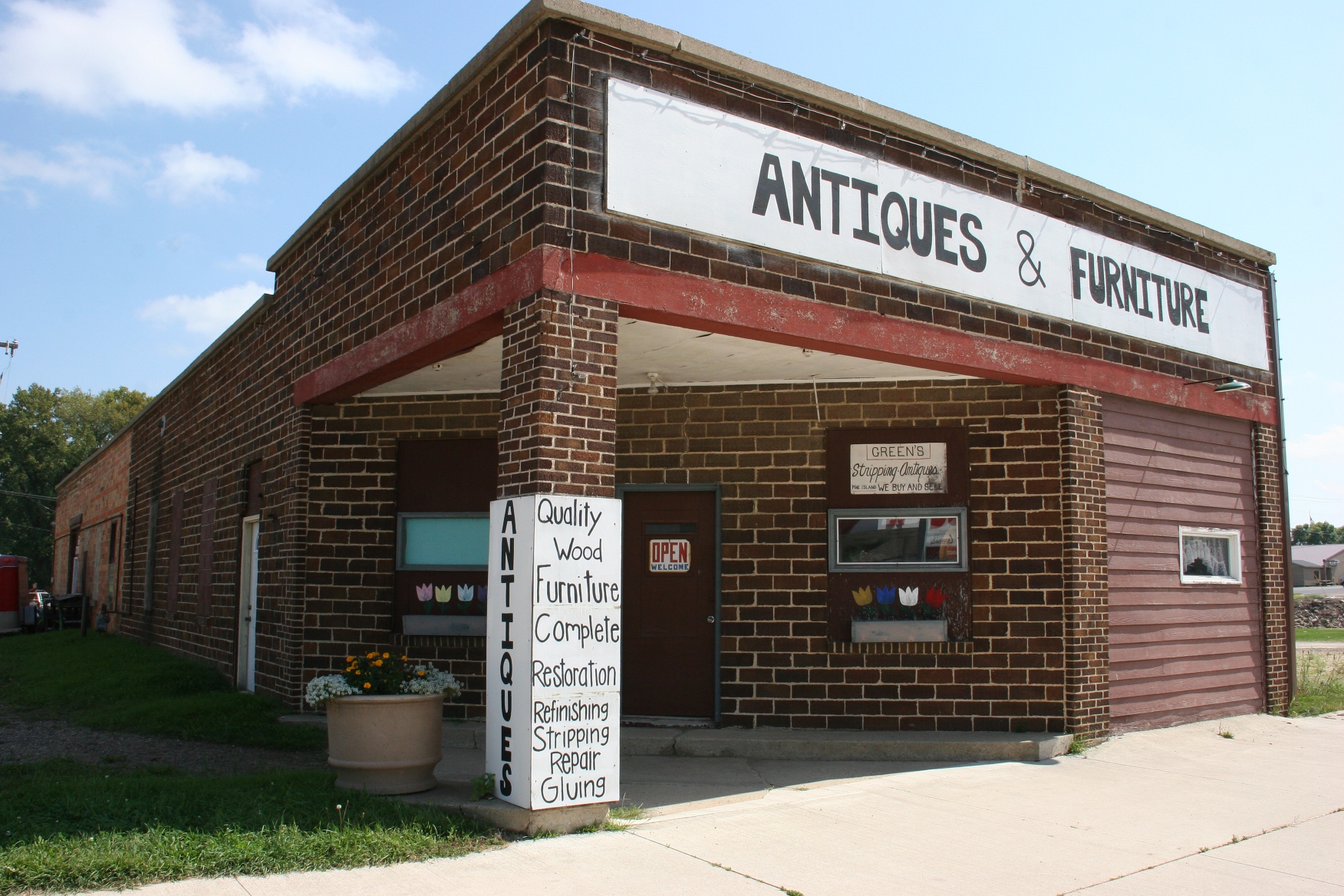
The shop is located in downtown Pine Island, which is north of Rochester.

The shop is located in downtown Pine Island, which is north of Rochester.

For 25 years, Jeff has operated Green’s Antiques and Green’s Stripping and Refinishing. He calls his businesses a “glorified hobby.” That word choice shows passion. As I spoke with Jeff and meandered through his shop, I understood.

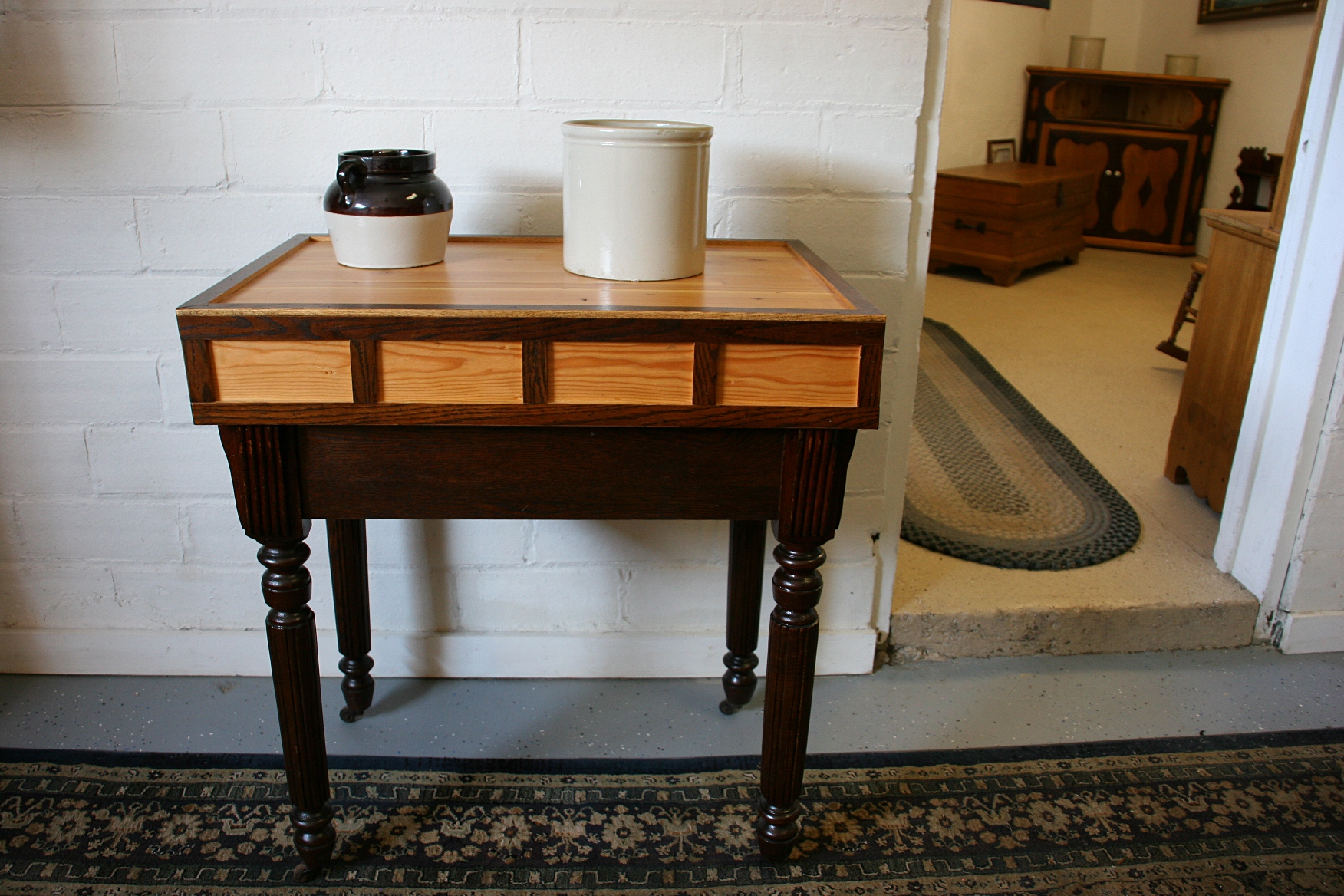
A beautiful handcrafted piece of which Jeff is especially fond because of the unique craftsmanship.

A beautiful handcrafted piece of furniture, unique in craftsmanship.

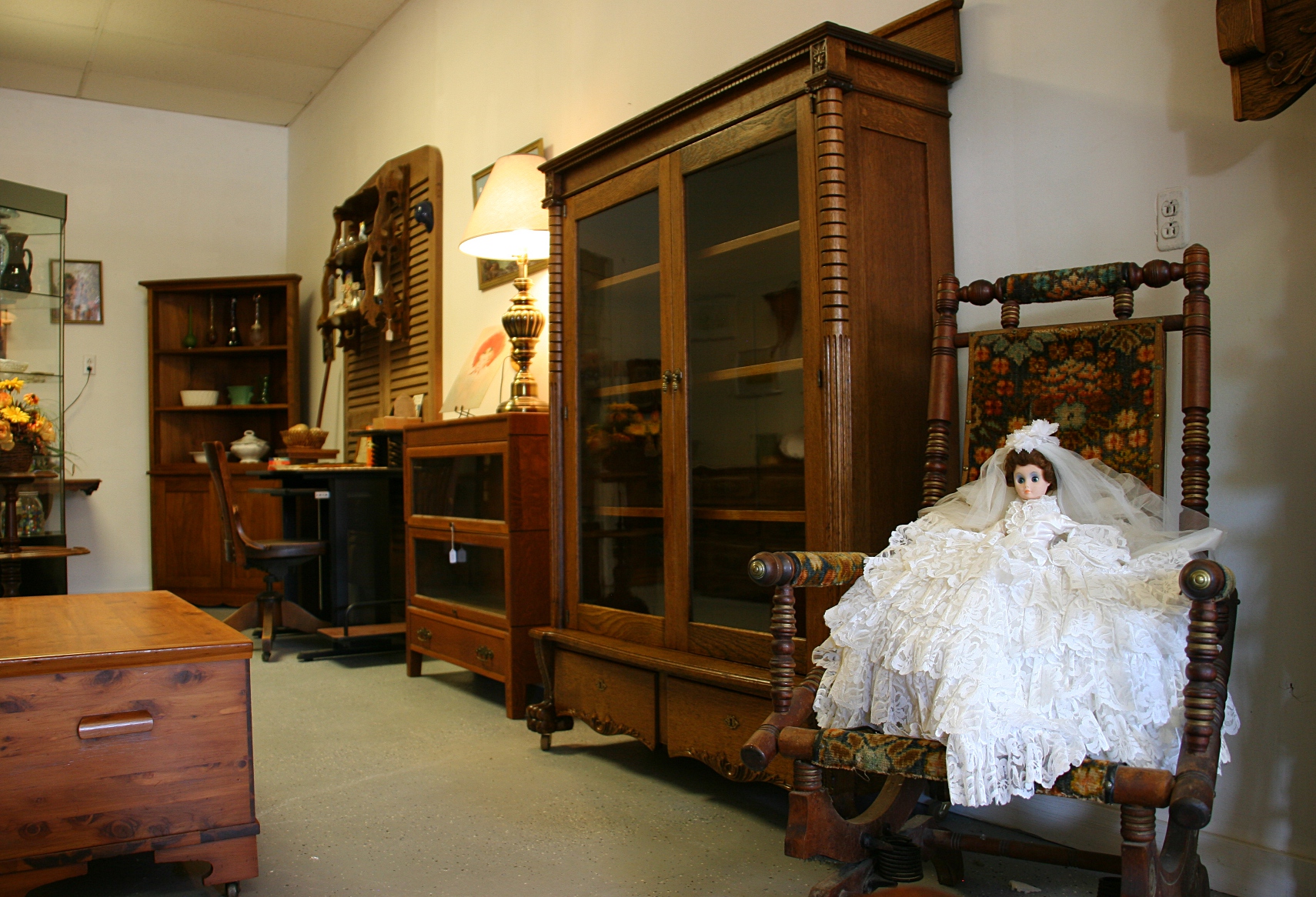
Some of the furniture in the showroom.

Some of the furniture in the showroom.

The side door into Jeff's workshop.

The side door into Jeff’s workshop.

Furniture, finished and unfinished, fills this place. But it’s not just furniture to Jeff. Some are customers’ family heirlooms. Others are treasures he’s rescued from auctions and elsewhere and restored. He especially likes early 1800s handmade furniture. Cupboards are his specialty. He values good solid wood; you won’t find shabby chic style furniture in his shop. Stripping finishes from wood is the main part of his business.

Everywhere there are works in progress, including these stripped chairs.

Everywhere there are works in progress, including these stripped chairs.

He’s a guy who works seven days a week. If he’s not in his shop, he’s making the evening and weekend auction rounds. “I was a picker before there were pickers,” Jeff says.

I spotted this religious icon among all the furniture.

I spotted this crucifix among all the furniture.

He once hit the jackpot with his picking. Inside a cupboard purchased at an estate auction, he found a hidden safe. And $1,700 inside. Jeff checked with the auctioneer on ownership and was told the money was his to keep. As the father of four, I imagine the unexpected windfall was welcome.

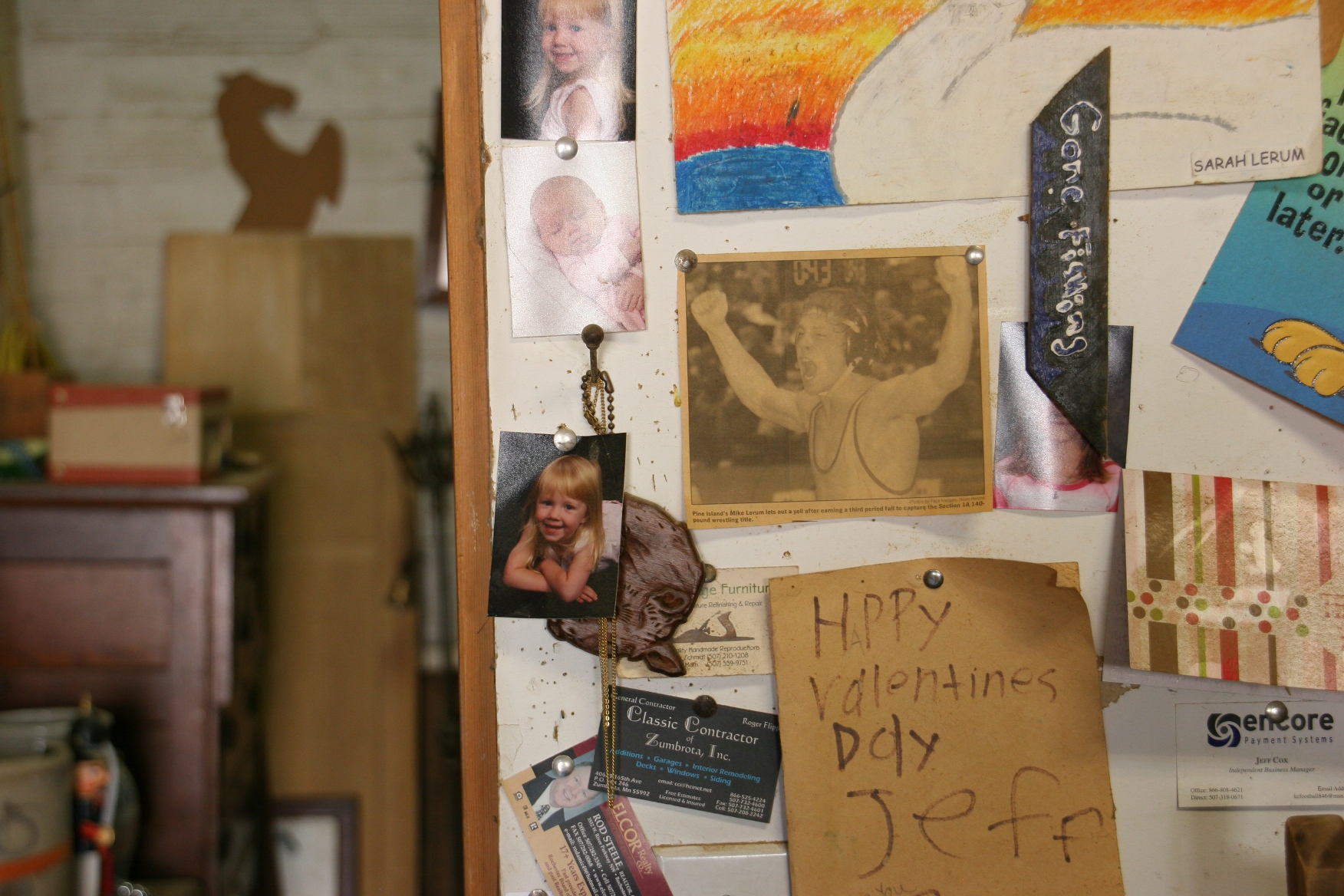
A snippet of family photos and more displayed in Jeff's workroom.

A snippet of family photos and more displayed in Jeff’s workshop.

Family photos, a child’s artwork, handmade cards and more plaster his shop door and a section of wall. That tells me a lot about Jeff and the importance of family to him. His business is a family business of 40 years.

Signage for Jeff's business spotted inside his shop.

Signage for the business inside the shop.

This Baby Boomer appears much younger than his 51 years. And I wonder if that comes from doing what he loves or being his own boss or both. Whatever the reasons, it was a joy to meet someone as genuinely enthusiastic about his labor as Jeff.

Artfully displayed furniture that Jeff has restored.

Artfully displayed furniture that Jeff has restored.

In this photo, you can see the harvest table Jeff built.

In this photo, you can see the harvest table Jeff built.

A beautiful table showcased in the showroom.

A beautiful table showcased in the showroom.

His passion shows. In the front showroom space, where furniture is displayed like artwork in a gallery. In the hefty harvest table Jeff crafted from repurposed posts and lumber. In the way Jeff wraps sandpaper around the leg of a chair and sands the wood.

Even Jeff's business cards are displayed in a way that's simple and unique--in a box on a door.

Even Jeff’s business cards are displayed in a way that’s simple and unique–in a box on a door.

His hands, his face, his personality all convey that contentment that comes from making one’s passion one’s life work.

BONUS PHOTOS:

There are other antiques and collectibles in Jeff's shop besides furniture. I absolutely adore this floral print.

There are other antiques and collectibles in the shop besides furniture. I absolutely adore this floral print.

Love this vintage light, too.

Love this vintage light, too.

This cubby unit was among many many pieces of furniture crammed into a space between the showroom and the workshop.

This cubby unit was among many many pieces of furniture crammed into a space between the showroom and the workshop.

More treasures...

More treasures…

© Copyright 2015 Audrey Kletscher Helbling


The joys & revelations of a Sunday afternoon drive in rural Minnesota September 1, 2015

Filed under: Uncategorized — Audrey Kletscher Helbling @ 5:00 AM
Tags: , , , , ,

THERE IS SOMETHING about late August and early September in Minnesota that is comforting, yet tinged with melancholy. Comforting in the hope of harvest. Melancholy in that summer is all but a closed chapter in our book of seasons.

In the morning, fog lingers after nights that necessitate the closing of windows, the pulling on of blankets. But then, as the day progresses, the chill gives way to heat and humidity. It’s as if summer and autumn are tugging at the weather blanket.

Somewhere east of Northfield.

Somewhere east of Northfield.

Beyond the weather, there exist undeniable visuals of the seasonal changes, best observed during a drive in the countryside. I am a firm believer in the value of a Sunday afternoon drive to notice that which all too often passes unseen and unappreciated. So this past Sunday, my husband and I followed blacktop county and back gravel roads through the up-and-down terrain of rural Rice County.

We have neither smart phones or a GPS, thus rely on our over-sized 1994 Minnesota Atlas & Gazetteer and our sense of direction (the husband’s, not mine) to navigate when necessary. Mostly we just drive, turning when we please.

On the edges of fields, corn leaves are drying.

On the edges of fields, corn leaves are drying. This scene is along a road between Faribault and Dundas.

It doesn’t take much to please me. Simply by being in the country, I experience a sense of peace. All is well in the world as I notice the seasonal changes of corn leaves morphing from green to parched. I can visualize combines roaring across the land, golden kernels spilling into grain trucks.

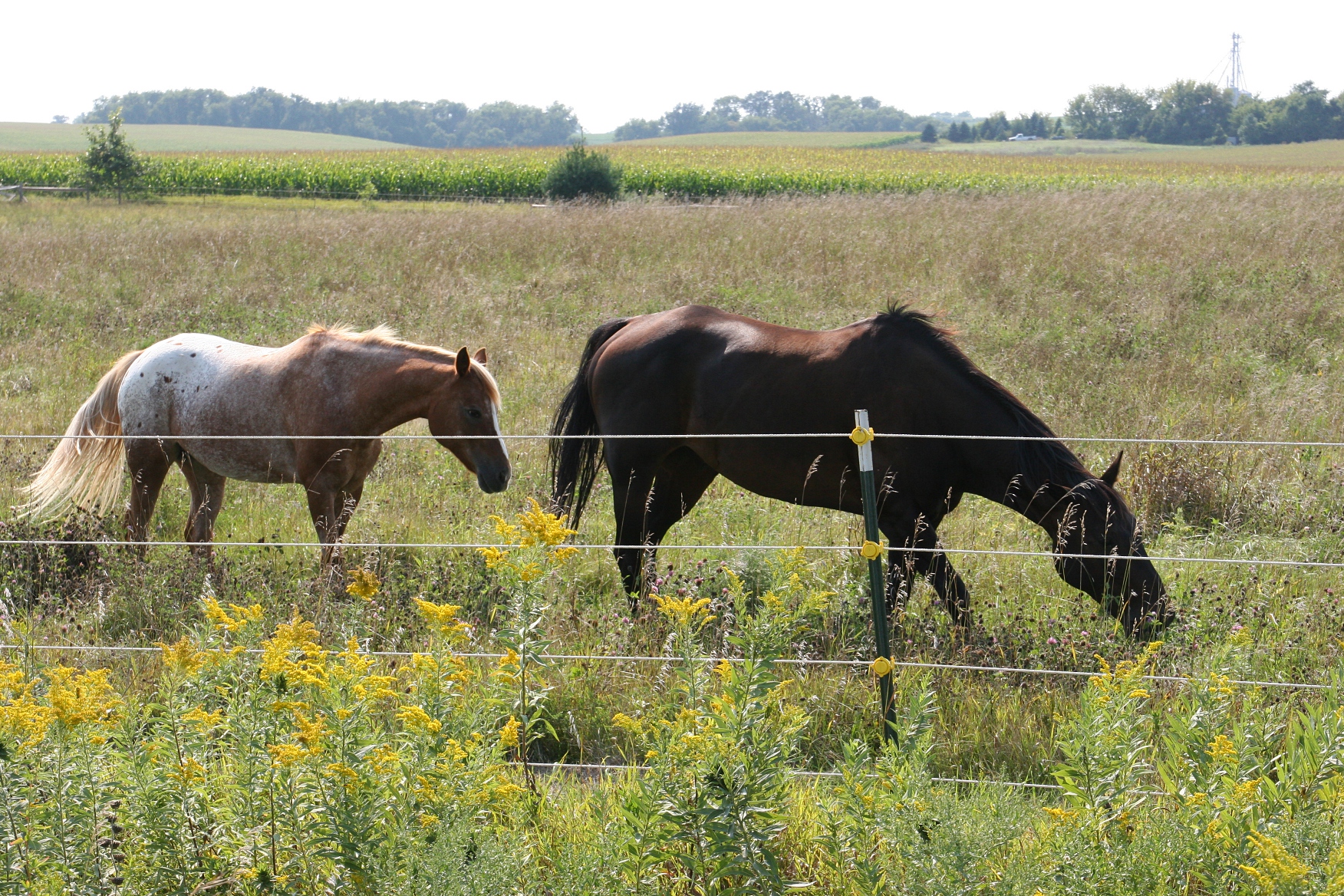
Beautiful horses and beautiful goldenrod somewhere east of Northfield.

Beautiful horses and beautiful goldenrod somewhere east of Northfield.

In and along road ditches, clusters of goldenrod bloom.

Flowers are past their prime, but still lovely, in this vintage Ford pick-up truck parked on the Fossum farm along Rice County Road 28 east of Northfield.

Flowers are past their prime, but still lovely, in this vintage Ford pick-up truck parked on the Fossum farm along Rice County Road 28 east of Northfield.

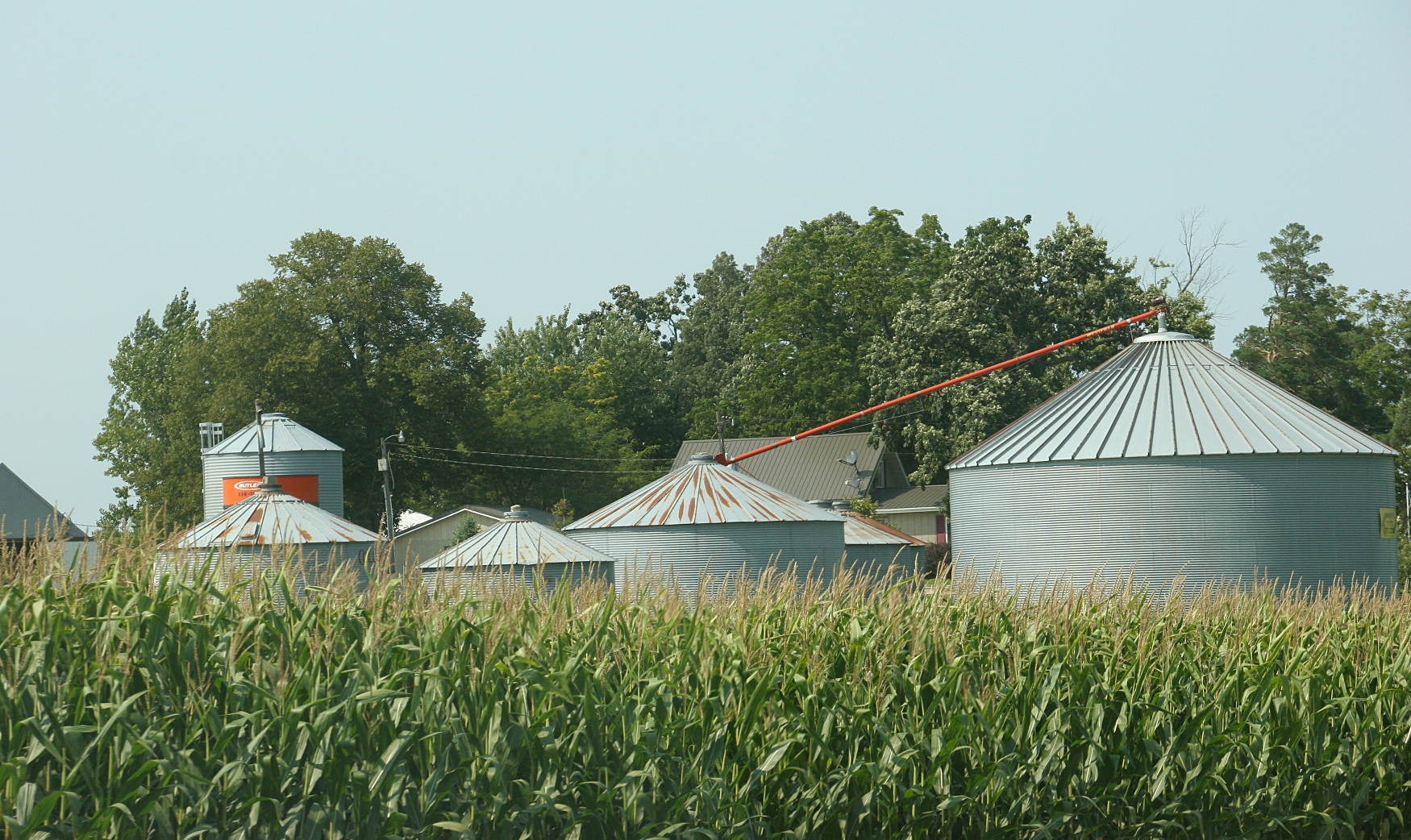
And when I look across the landscape, I see that tinge of color creeping into trees, the browning of the green that teases autumn into our days. Flowers are fading. A red barn seems redder in a land that is growing more subdued and muted. Grain bins stand at the ready.

Bins peek above a cornfield between Faribault and Dundas.

Bins peek above a cornfield between Faribault and Dundas.

I love autumn. It is my favorite season. Yet, I am reluctant for the chapter of summer to end. For I know that all too soon, I will be immersed in the chapters (plural) of winter.

© Copyright 2015 Audrey Kletscher Helbling


An Old MacDonald style park in Mankato August 18, 2015

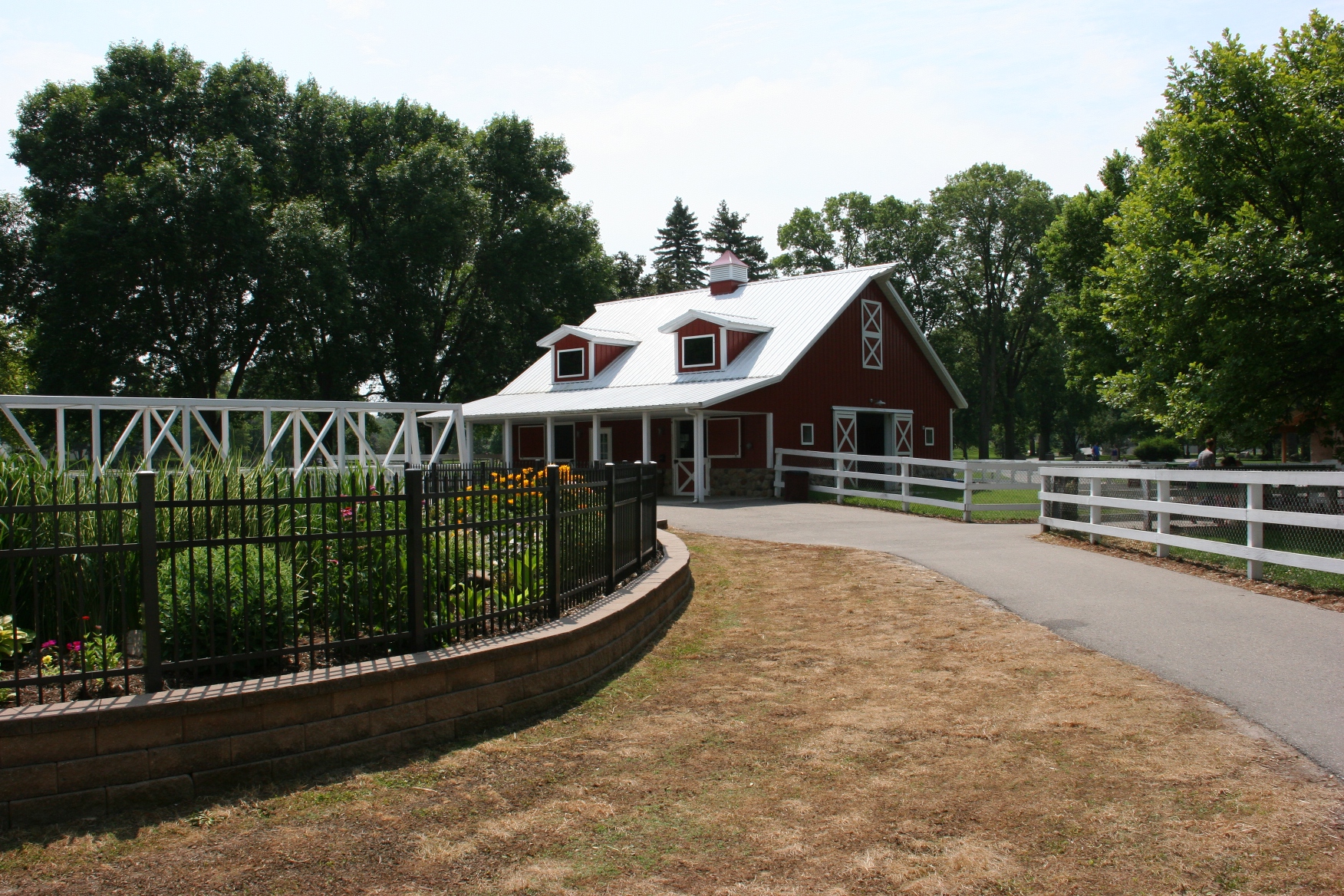
One of two barn style buildings at Sibley Park in Mankato, Minnesota.

The barn style stable at Sibley Farm in Mankato, Minnesota.

GROWING UP, MY DAUGHTERS had a Fisher Price barn that, when the doors opened, “mooed.” For hours they would play with this toy farm. Being a rather unwise mom who determined that everything from their childhood could not be kept, I gave the barn, silo, Little People, tractor and animals to friends with little ones. My eldest once reminded me that was a mistake. I agree.

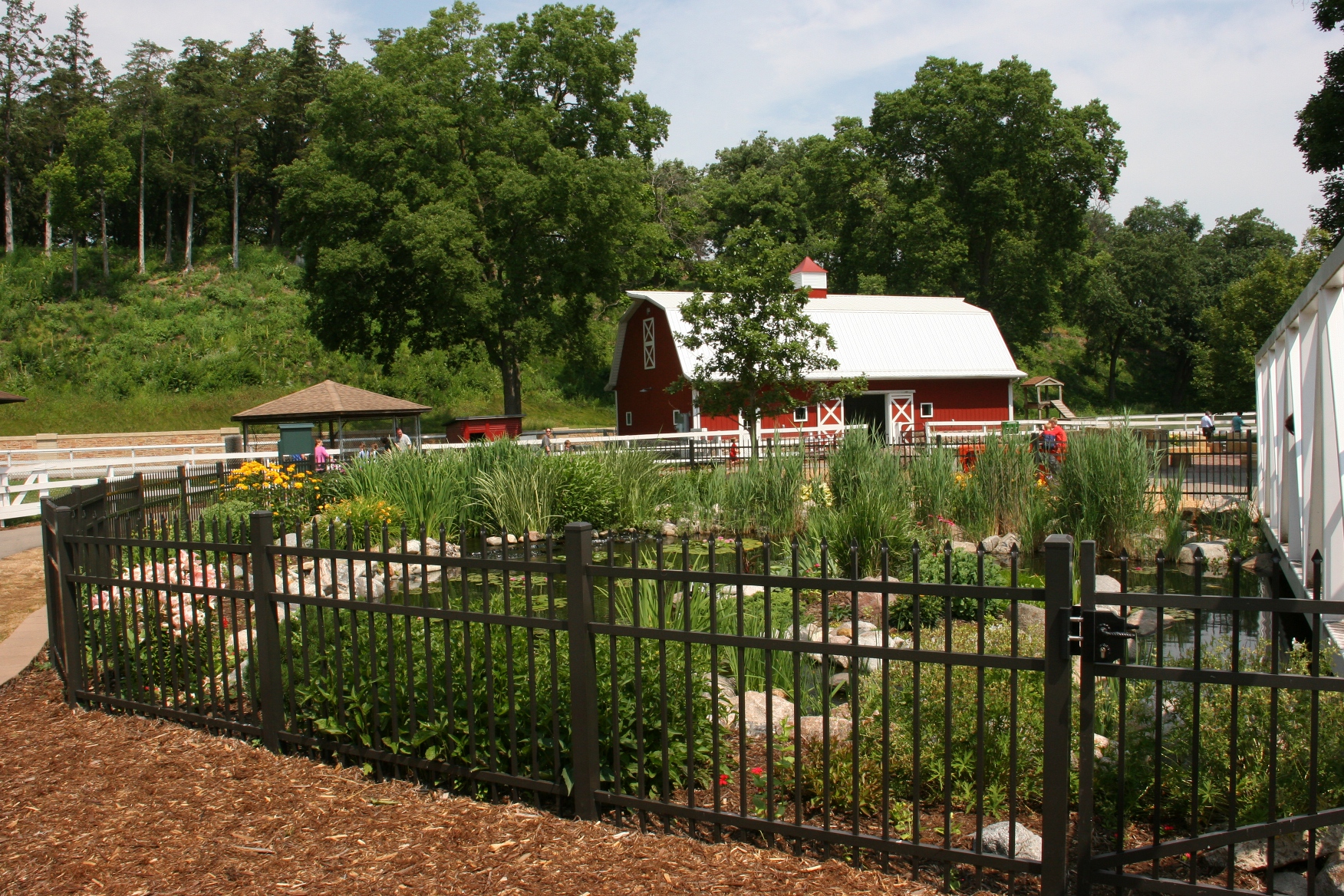
A fenced pond is in the foreground and a second barn type pole shed in the background.

A fenced pond is in the foreground and the farm’s barn in the background.

But now she, and other twenty-somethings who hold fond memories of the Fischer Price barn, can see a similar real-life barn at Sibley Farm in Mankato’s sprawling Sibley Park.

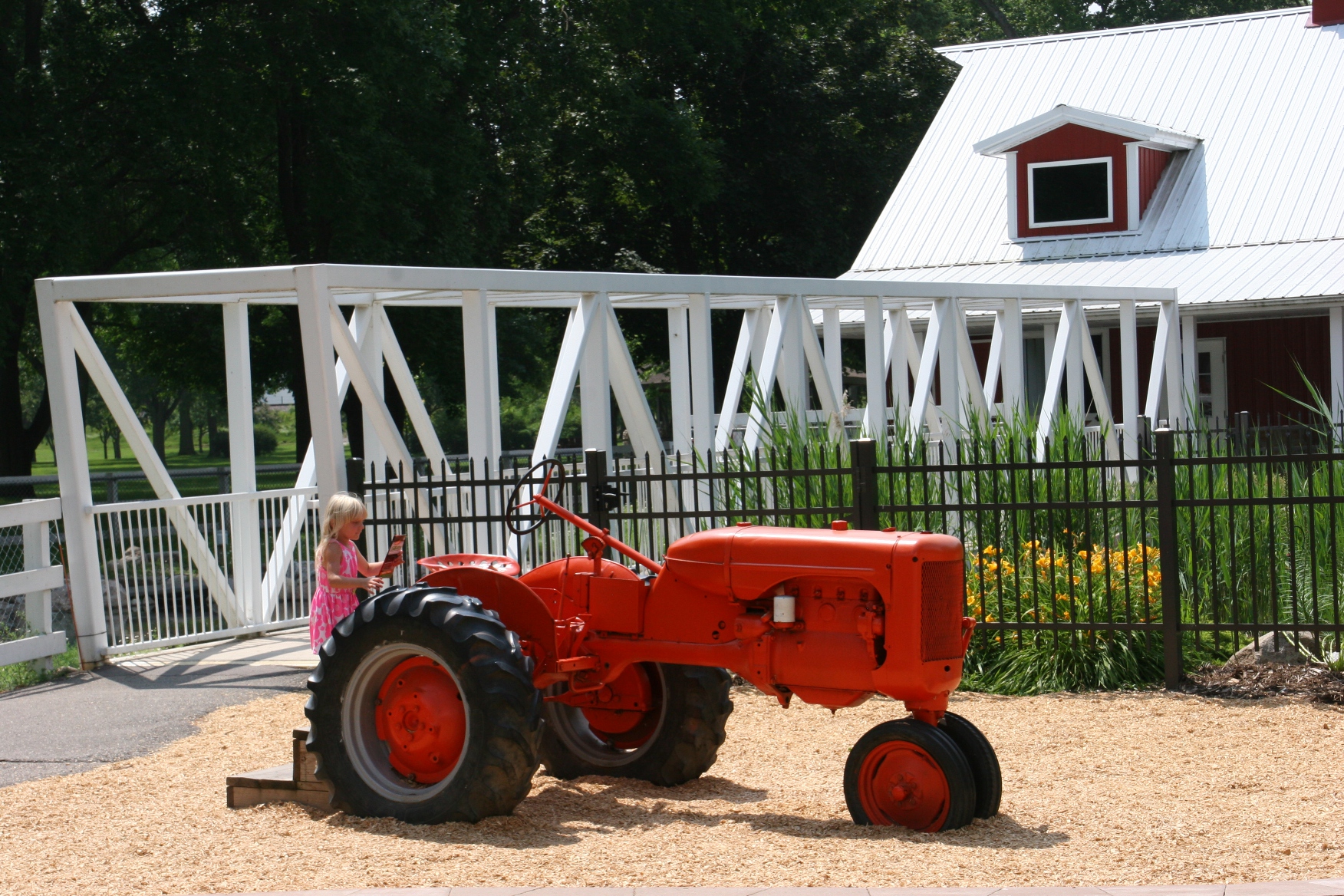
Kids love the tractors, this one located next to the bridge spanning the pond stocked with fish and dotted with water lilies.

Kids love the tractors, this one located next to the bridge spanning the pond stocked with koi and dotted with water lilies.

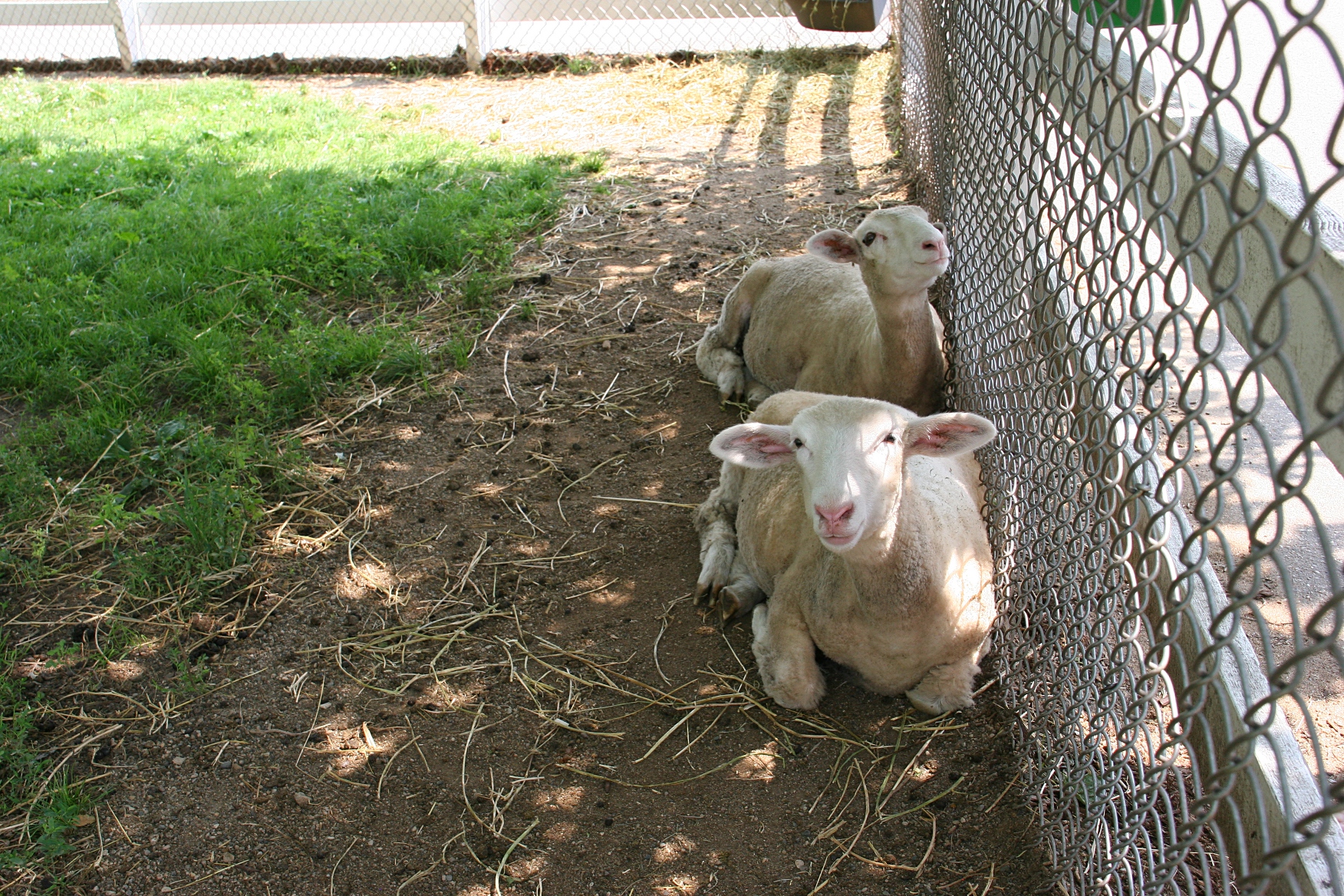
Friendly sheep are a favorite.

Friendly sheep are a favorite.

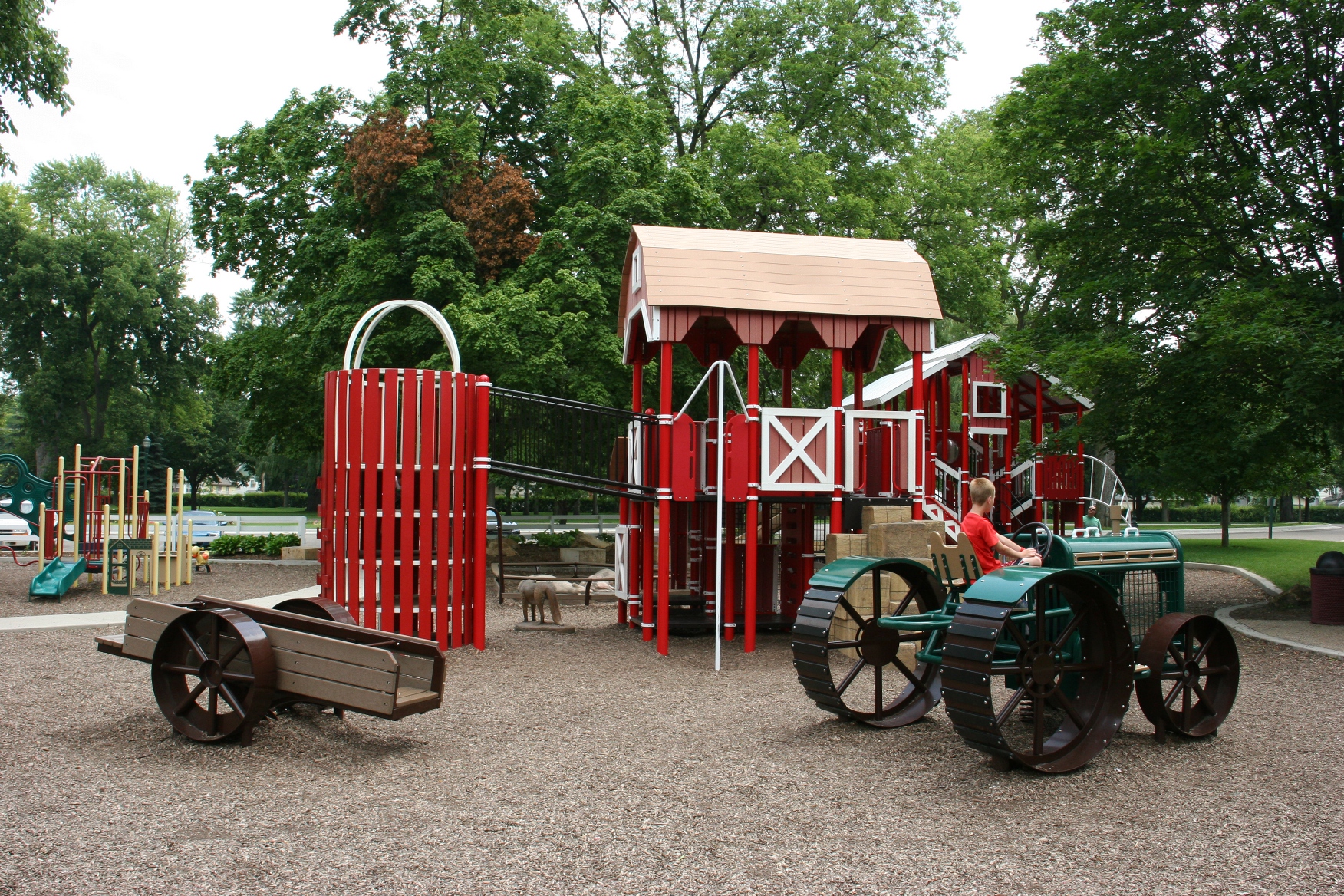
The fabulous farm-themed playground.

The fabulous farm-themed playground. There’s also a traditional playground, shown in the background.

I explored the farm on a recent Sunday afternoon, delighting in the animals, the pond, and the agricultural-themed playground. What a brilliant idea, to create this educational and engaging tribute to the region’s rural roots in the heart of southern Minnesota farm country. The farm park opened in 2008 and was partially funded by a $200,000 gift from the Al and Erla Fallenstein fund through the Mankato Area Foundation.

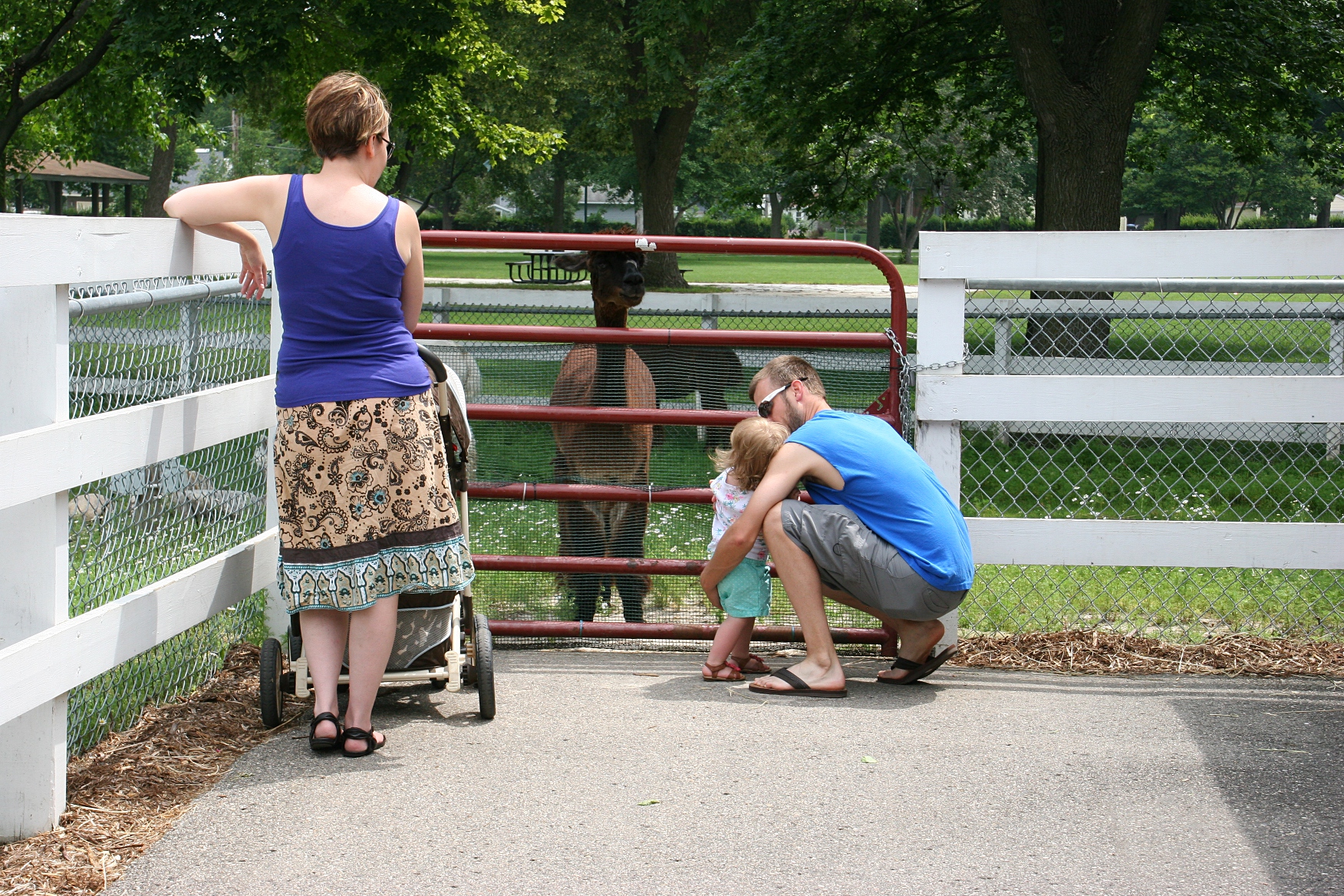
A young family checks out the alpacas.

A young family checks out the alpacas.

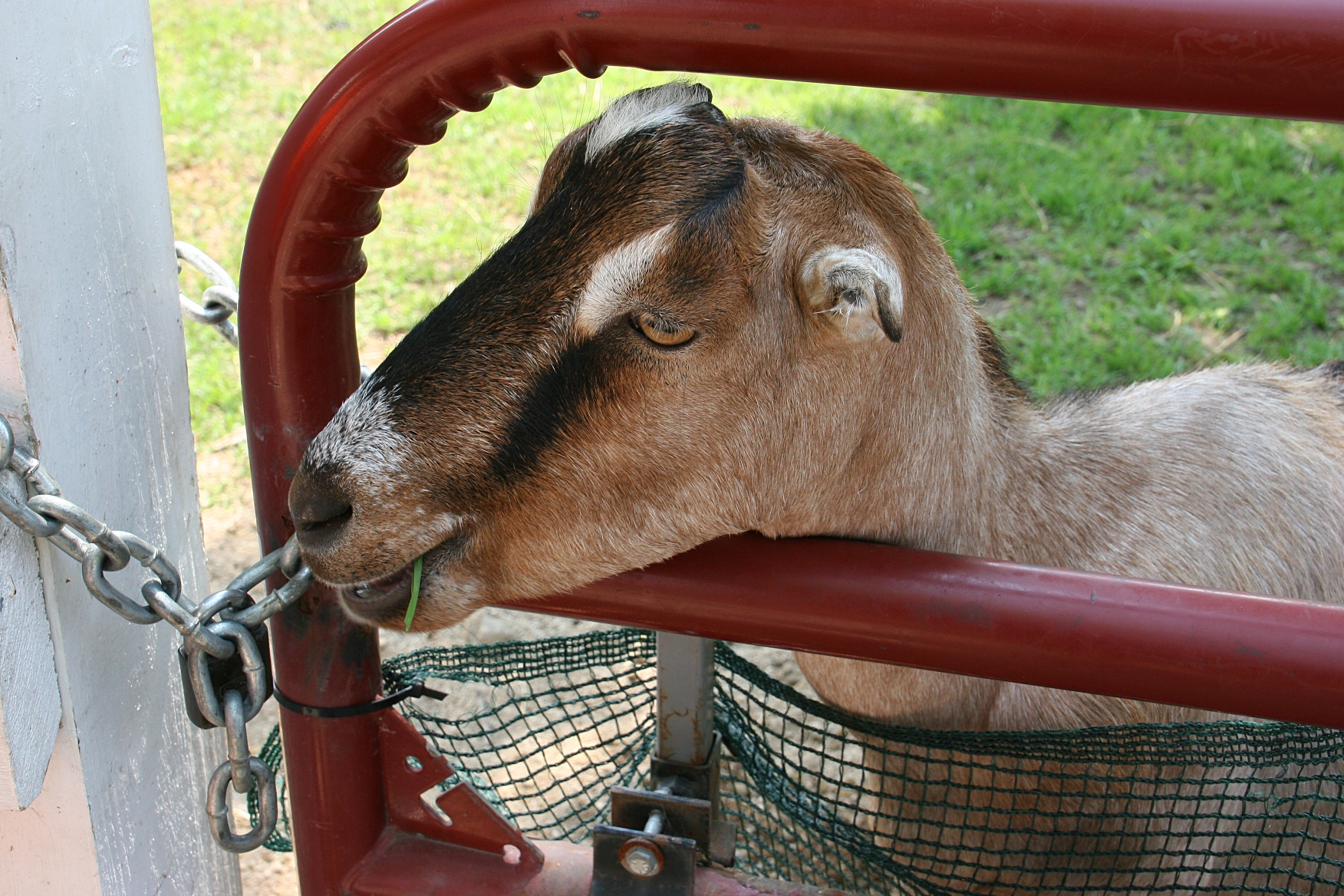
When I got to the pygmy goats, a young boy was feeding them grass.

When I got to the pygmy goats, a young boy was feeding them grass.

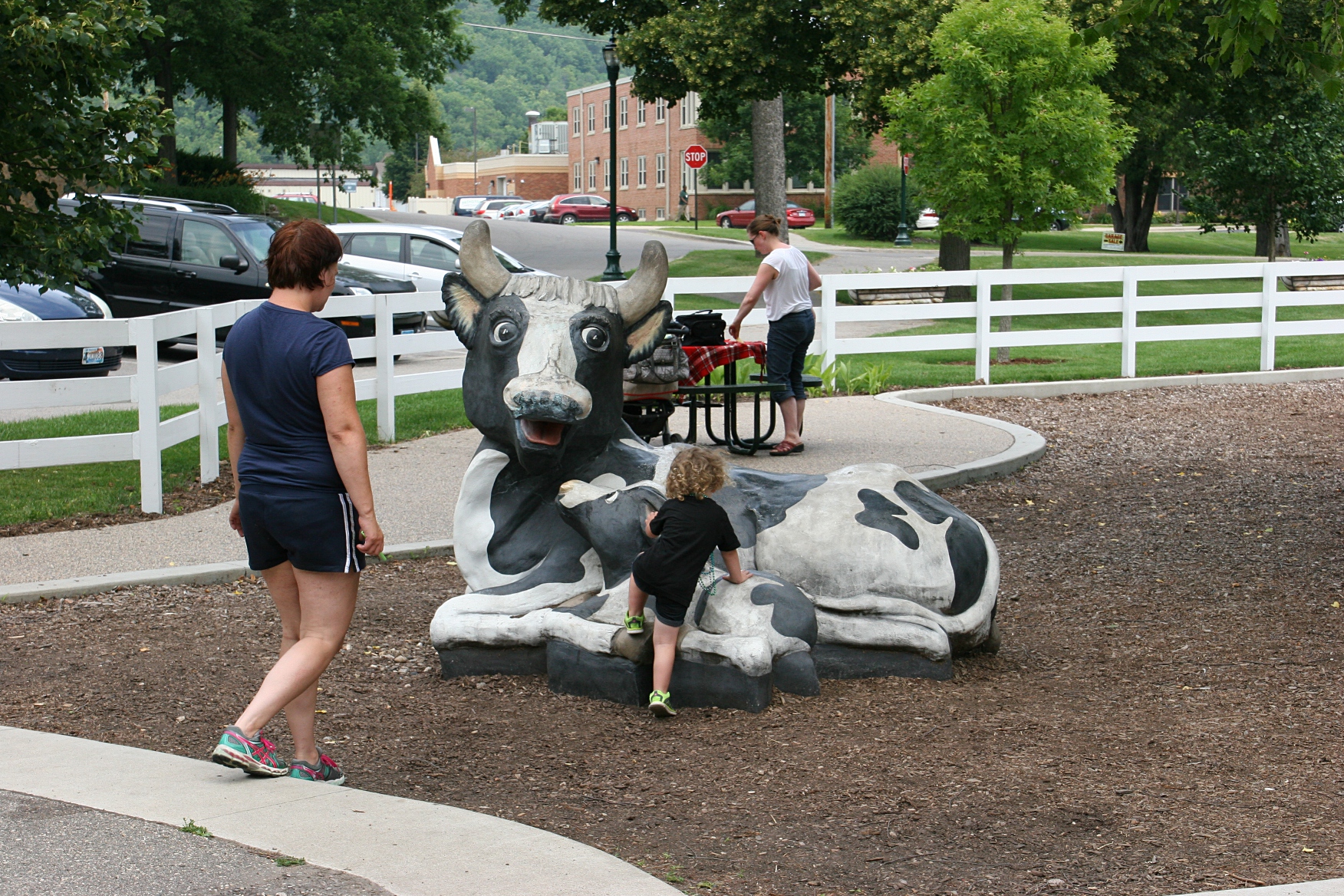
The farm animal sculptures provide perfect photo opportunities.

The farm animal sculptures provide perfect photo opportunities.

This agricultural-themed park makes my farm girl heart happy—to see kids petting farm critters, posing with farm animal statues, racing to tractors, and clamoring onto barn, silo, straw bale and even cornstalk playground equipment. This is a place for families, for anyone who grew up on a farm, and for those who didn’t.

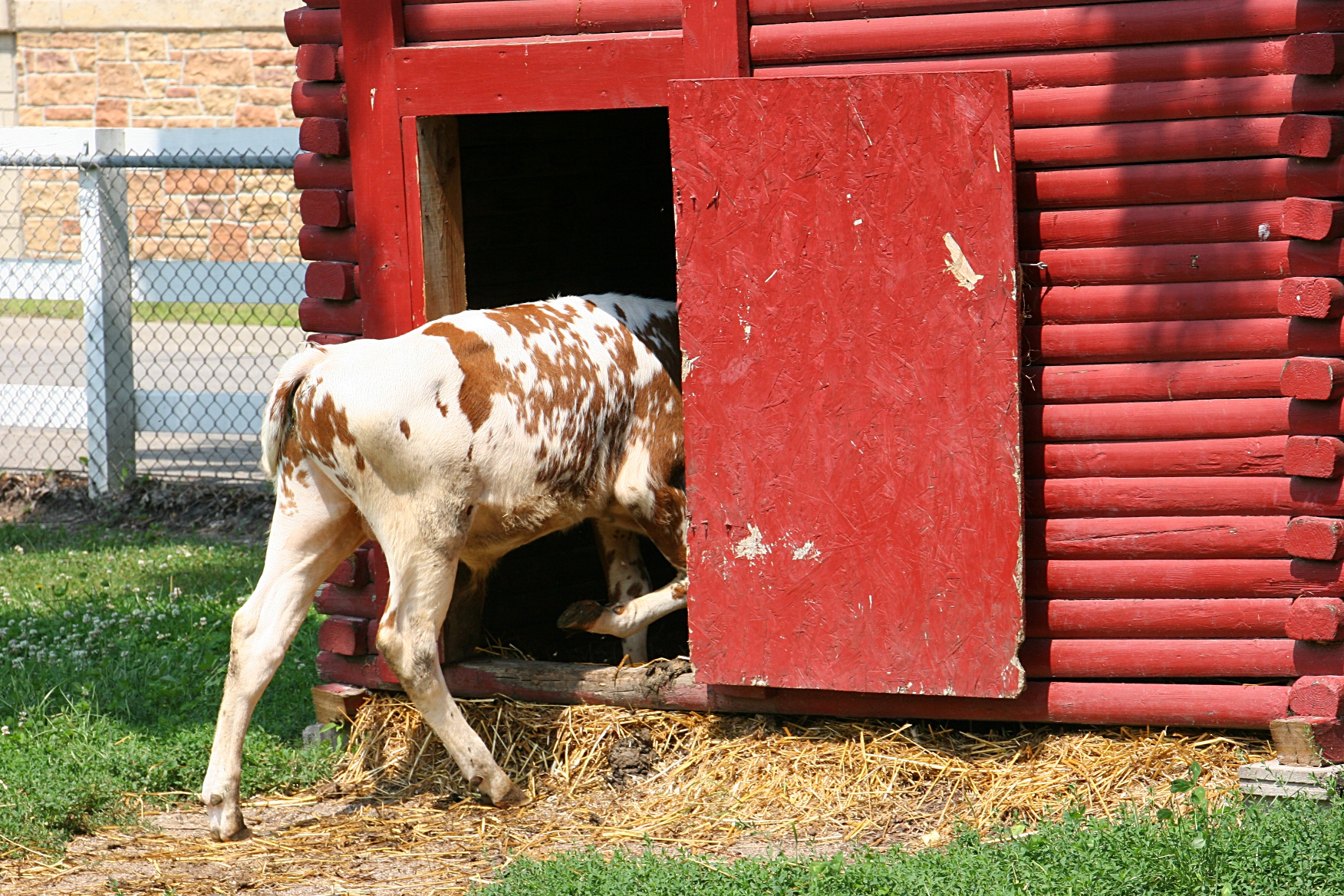
The farm features Ayrshire cattle like this one seeking shelter in the heat of a summer afternoon.

The farm features Ayrshire cattle like this one seeking shelter in the heat of a summer afternoon.

We need to hold onto our rural heritage. And one way to do that is through parks like Sibley Farm.

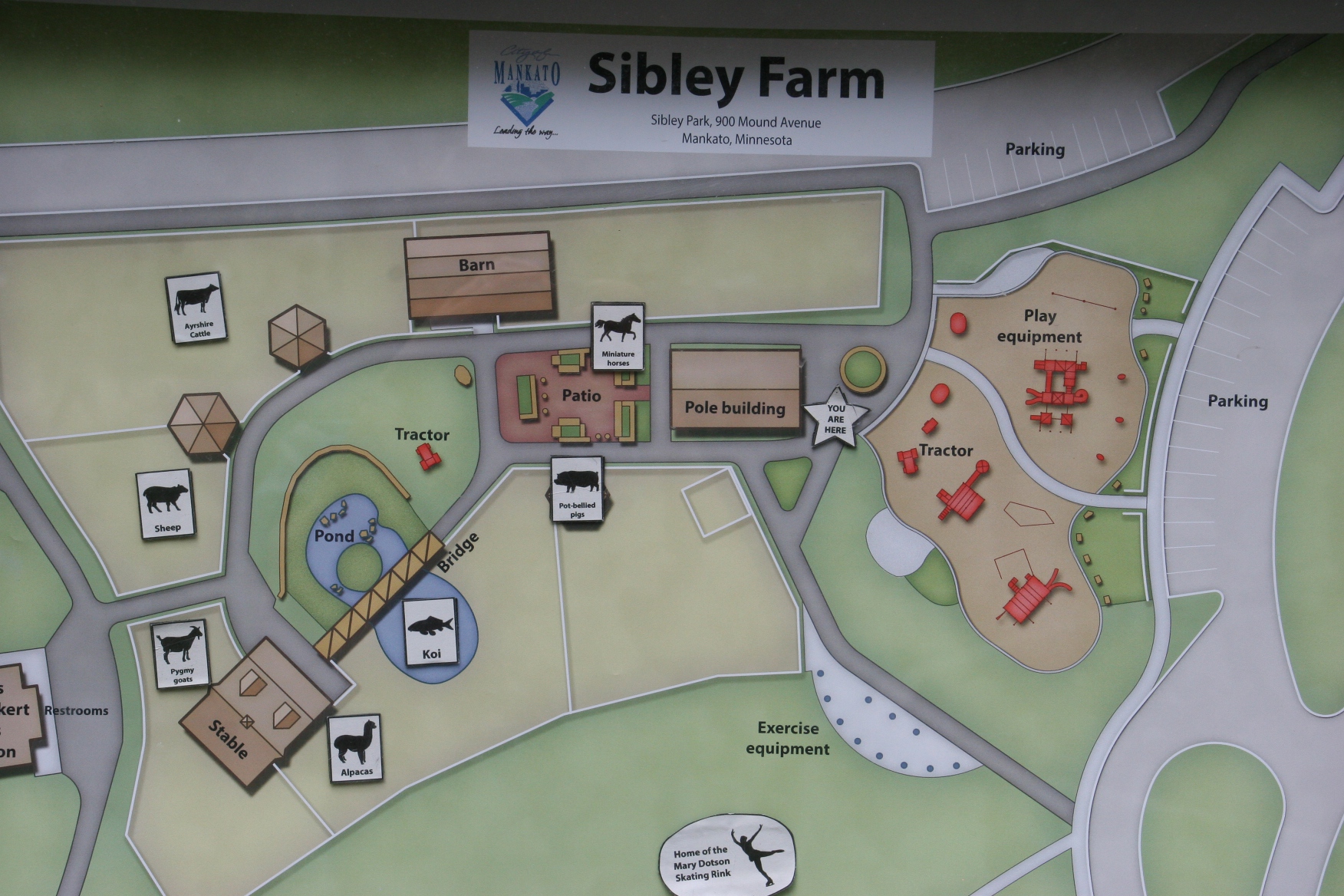
Your guide to Sibley Farm in Mankato.

Sibley Farm’s lay-out.

FYI: Sibley Farm is located at 900 Mound Avenue and is open daily from 6:30 a.m. – 10:30 p.m. mid-spring, summer and early fall. Admission is free. Click here to read a 2011 post I wrote about a goat-napping caper at this very park.

BONUS PHOTOS:

A sign at the playground.

A sign at the playground.

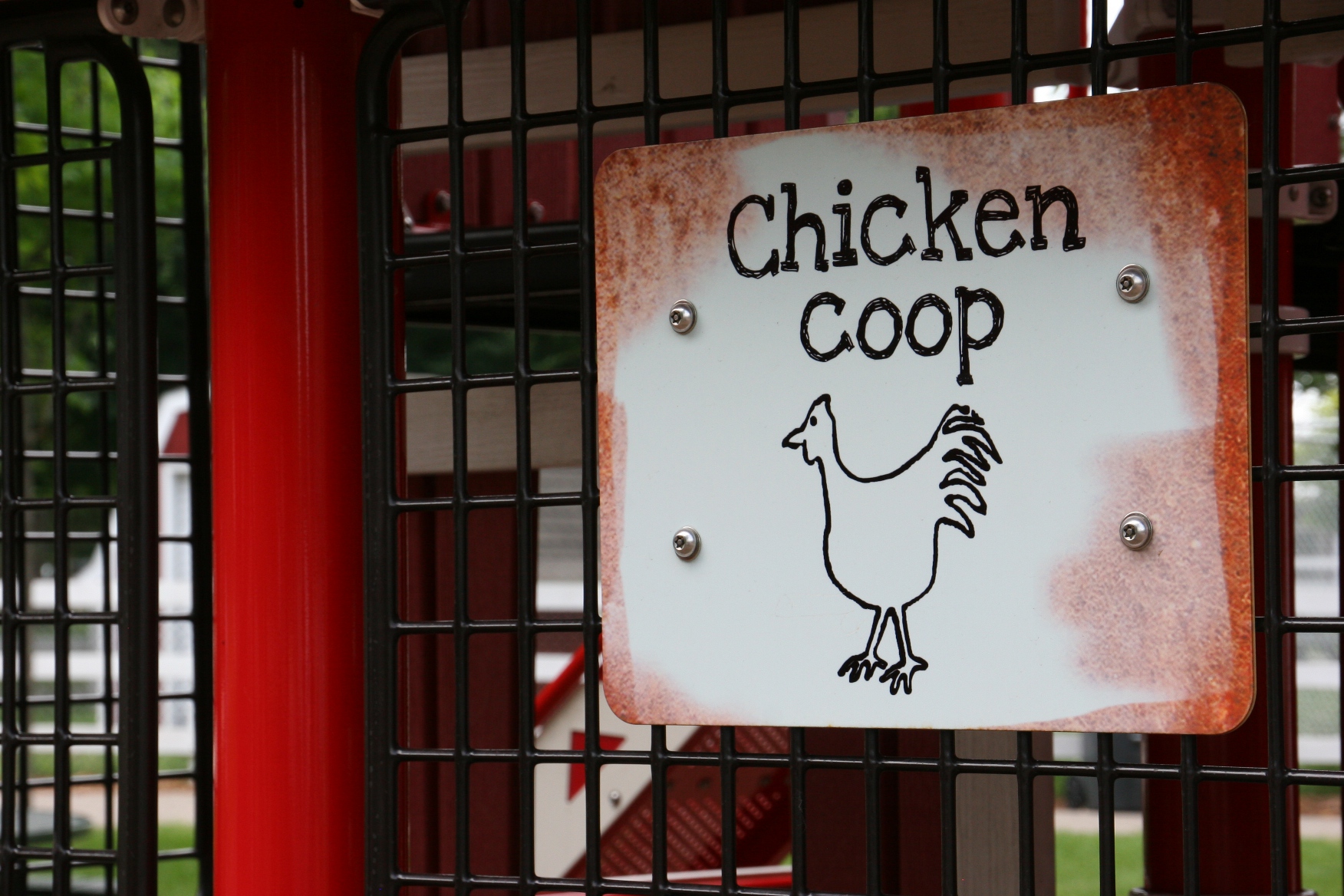
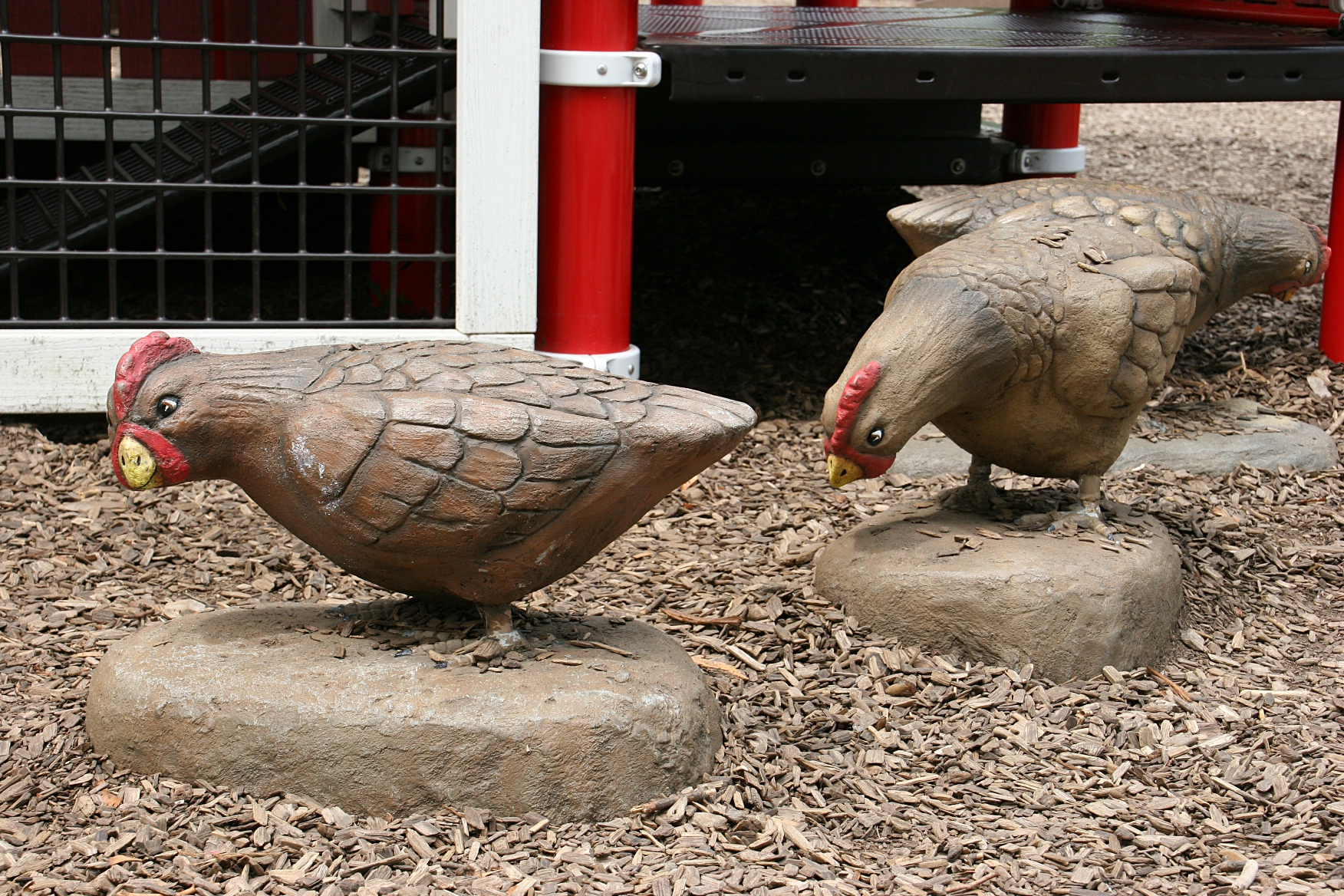
And the chickens.

The playground chickens.

I absolutely love the creativity of the playground cornstalks.

I absolutely love the creativity of the climbing apparatus designed to look like cornstalks.

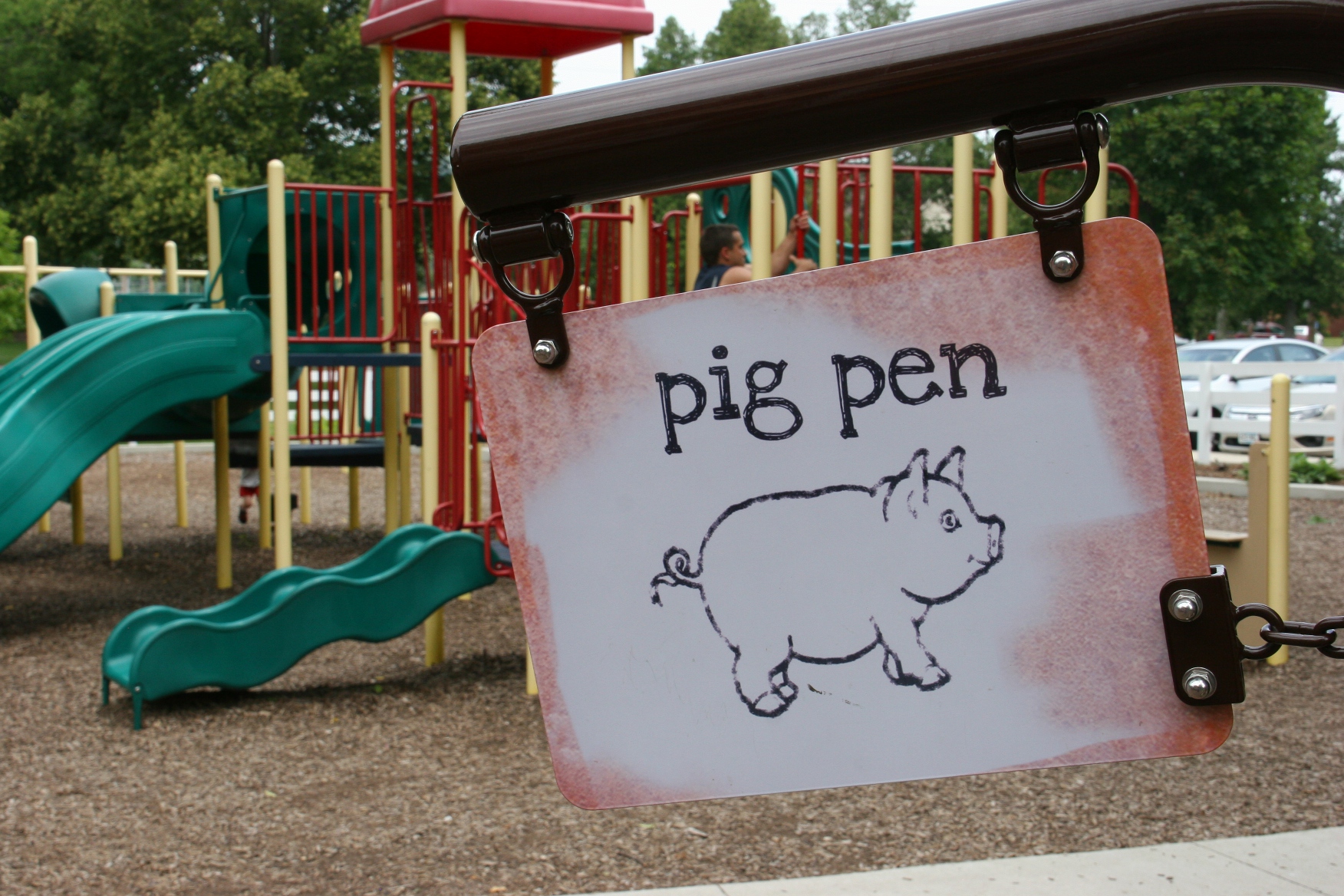
Love the signage at the farm-themed playground. There's also traditional playground equipment, background.

Love the signage at the farm-themed playground. There’s also traditional playground equipment, background.

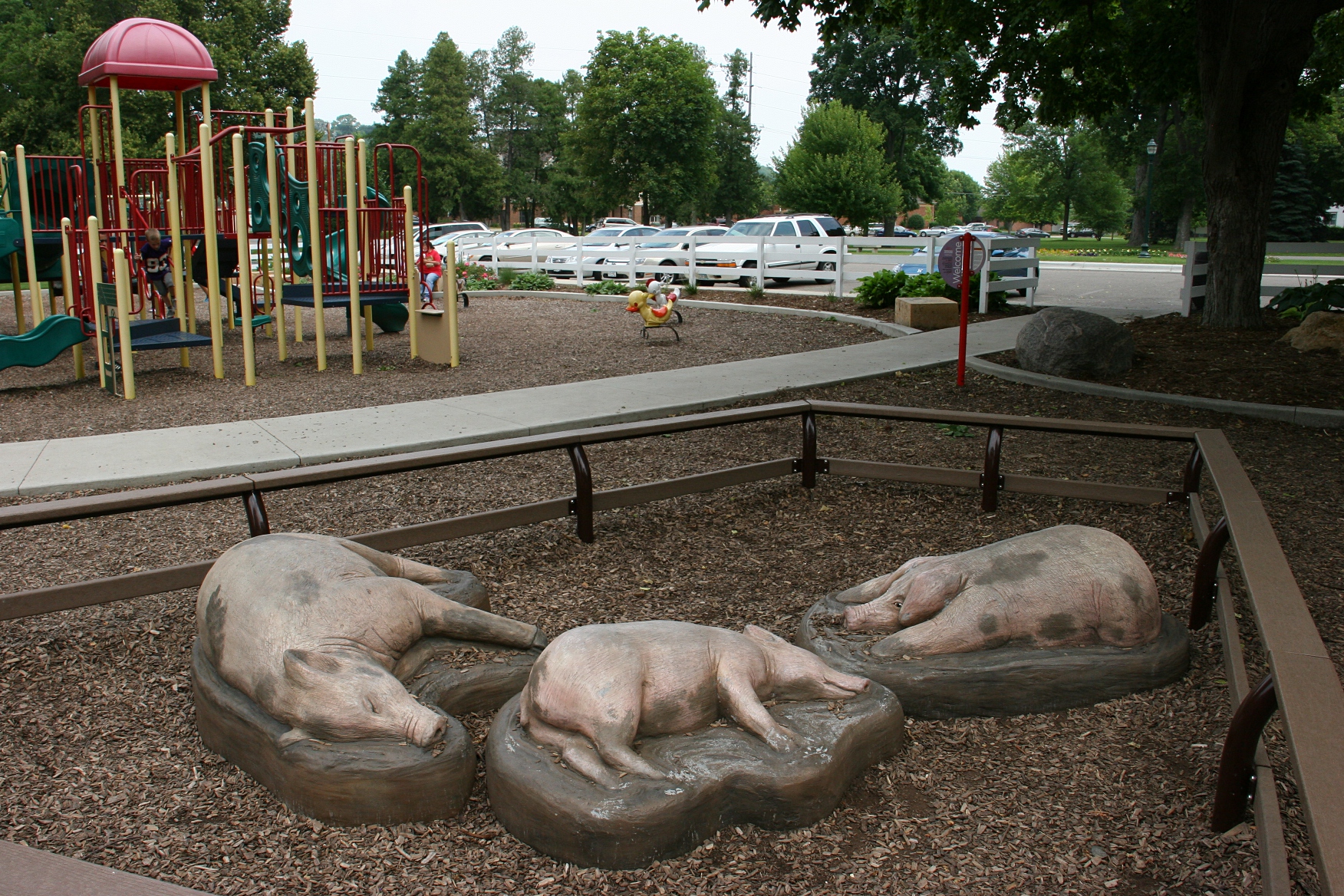
Playground pig sculptures.

Playground pig sculptures.

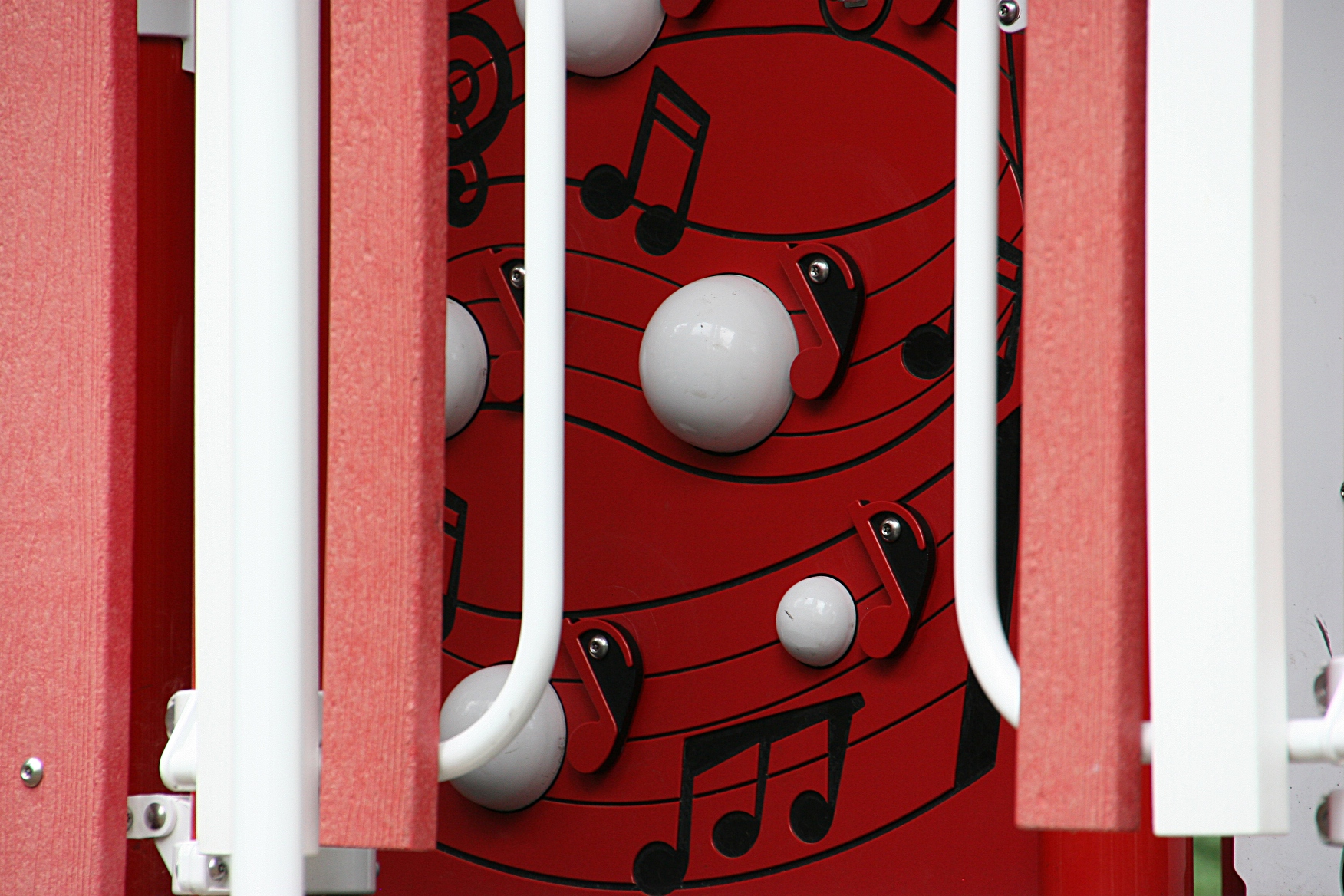
A musical detail on the playground.

A musical detail on the playground.

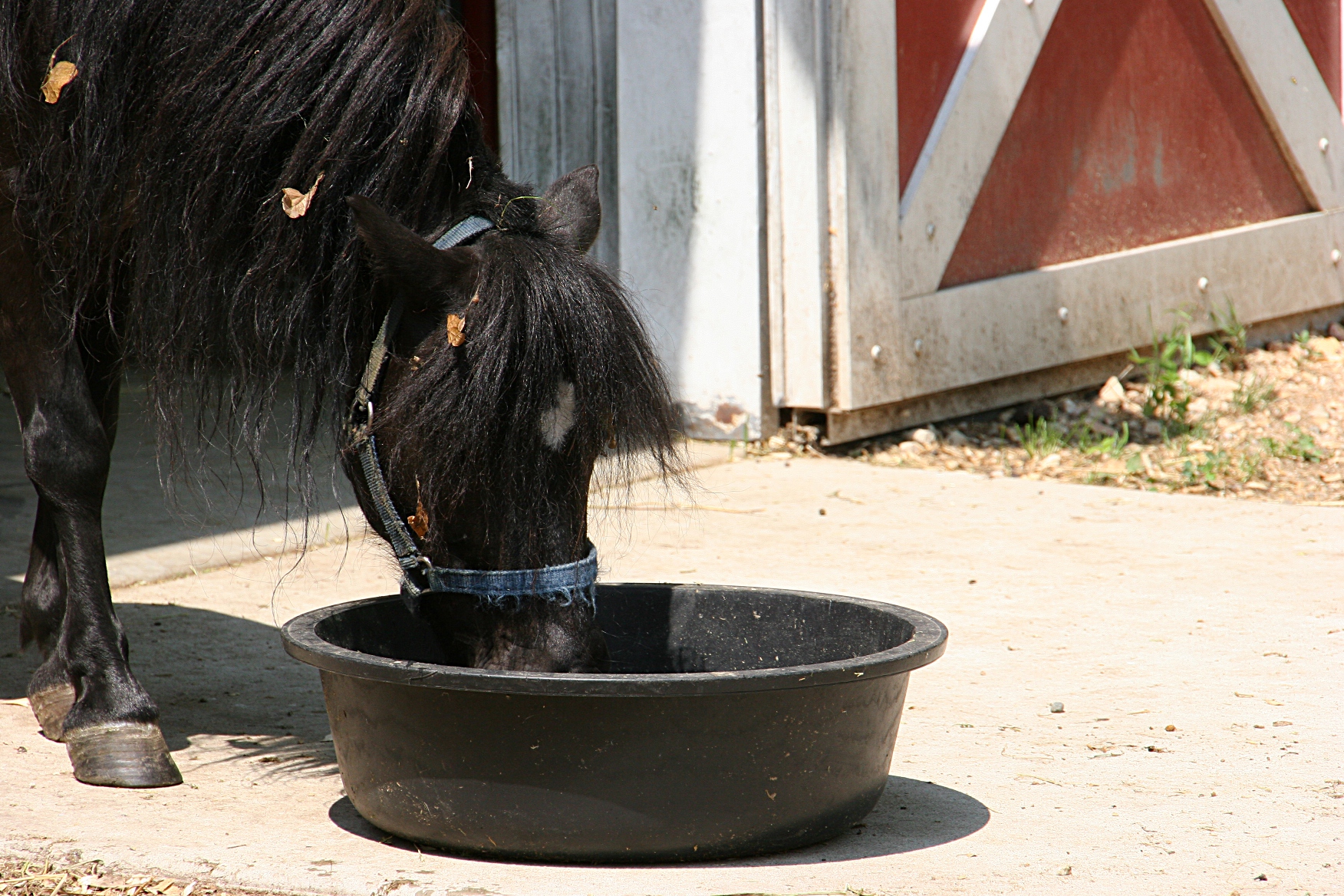
The miniature ponies are kid-sized friendly.

The miniature horses are kid-sized friendly.

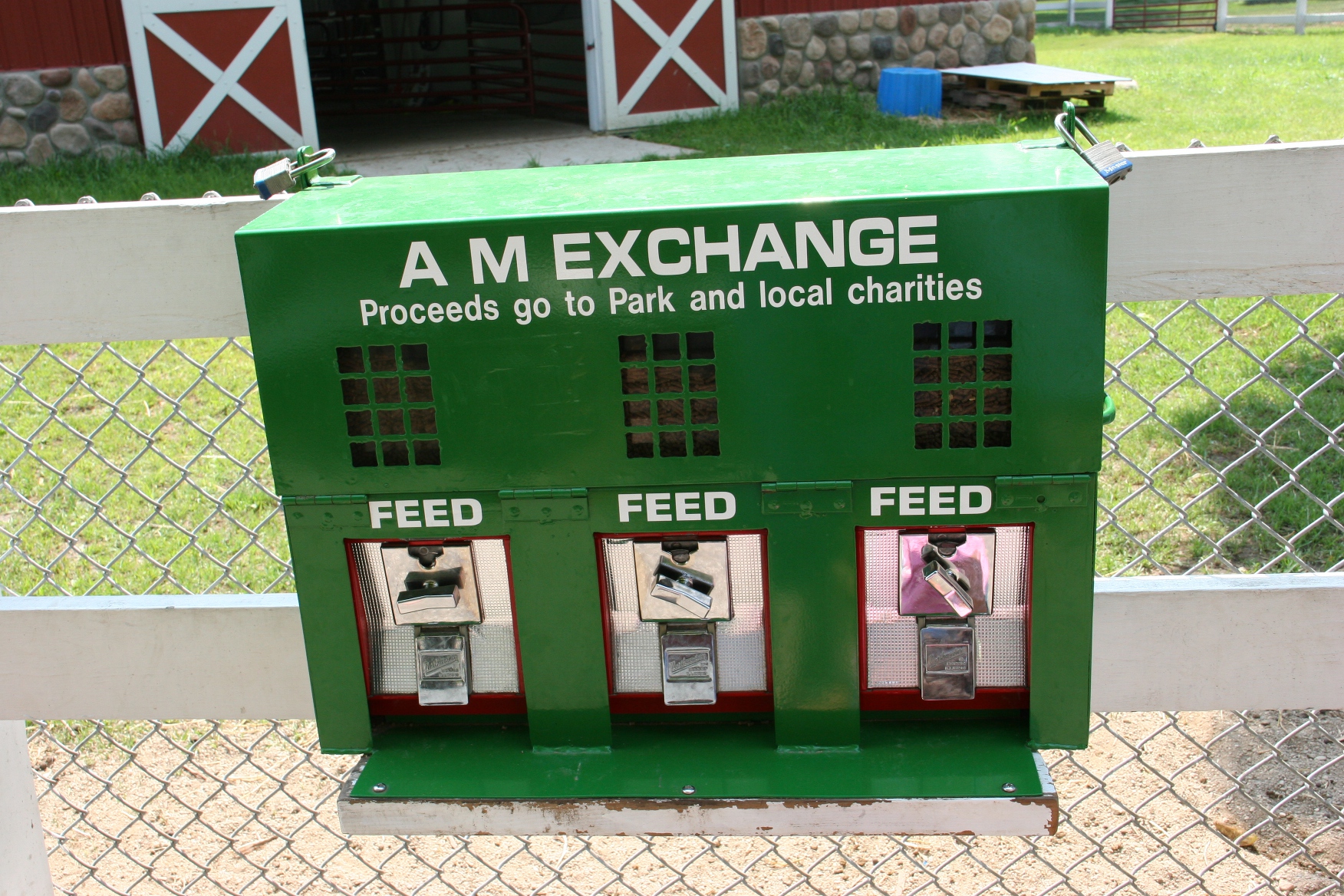
Bring coins so kids can feed the animals.

Bring coins so kids can feed the animals.

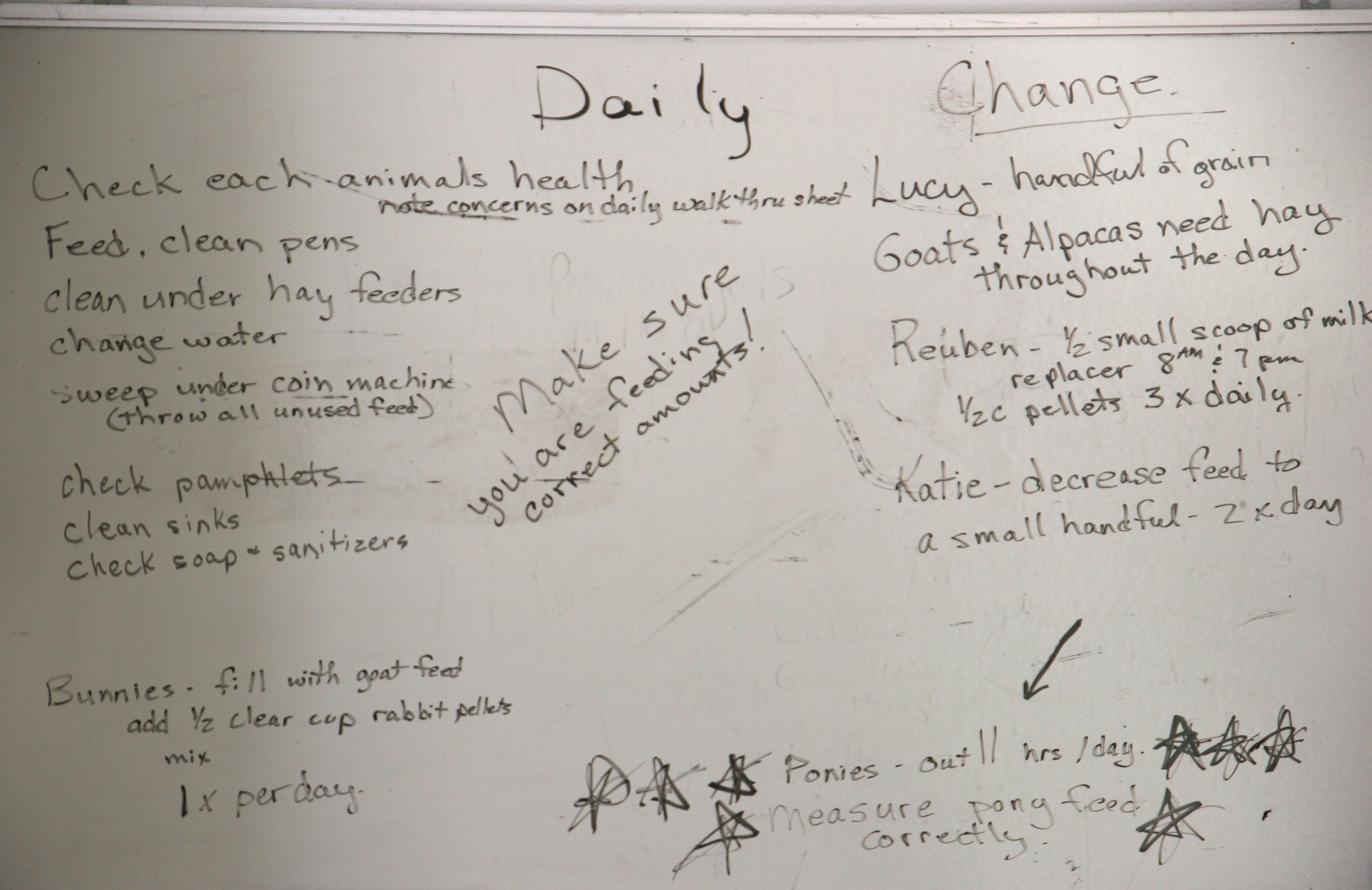
Daily instructions posted inside the barn for employees.

Daily instructions posted inside the barn.

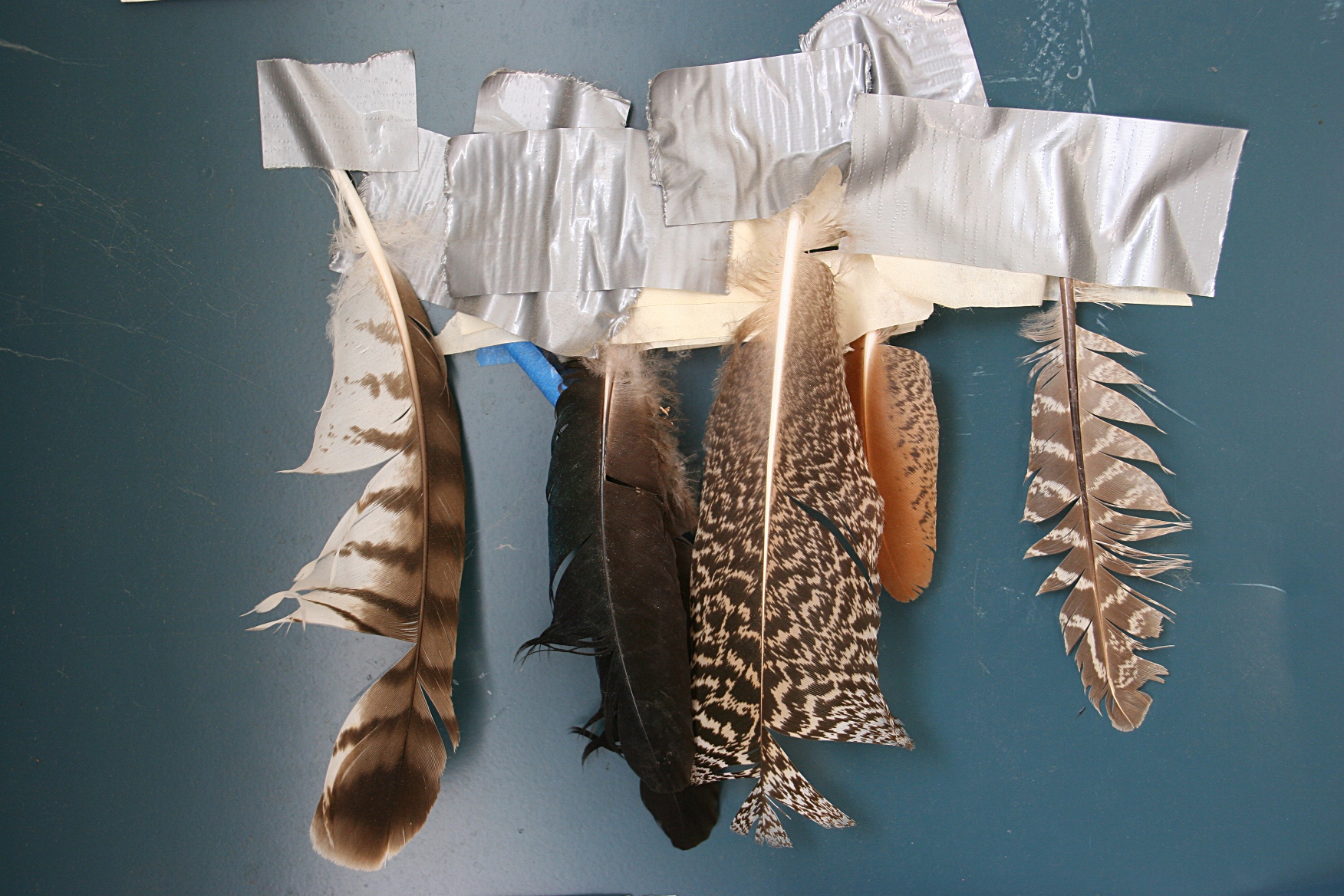
Found feathers displayed in the barn.

Found feathers displayed in the barn.

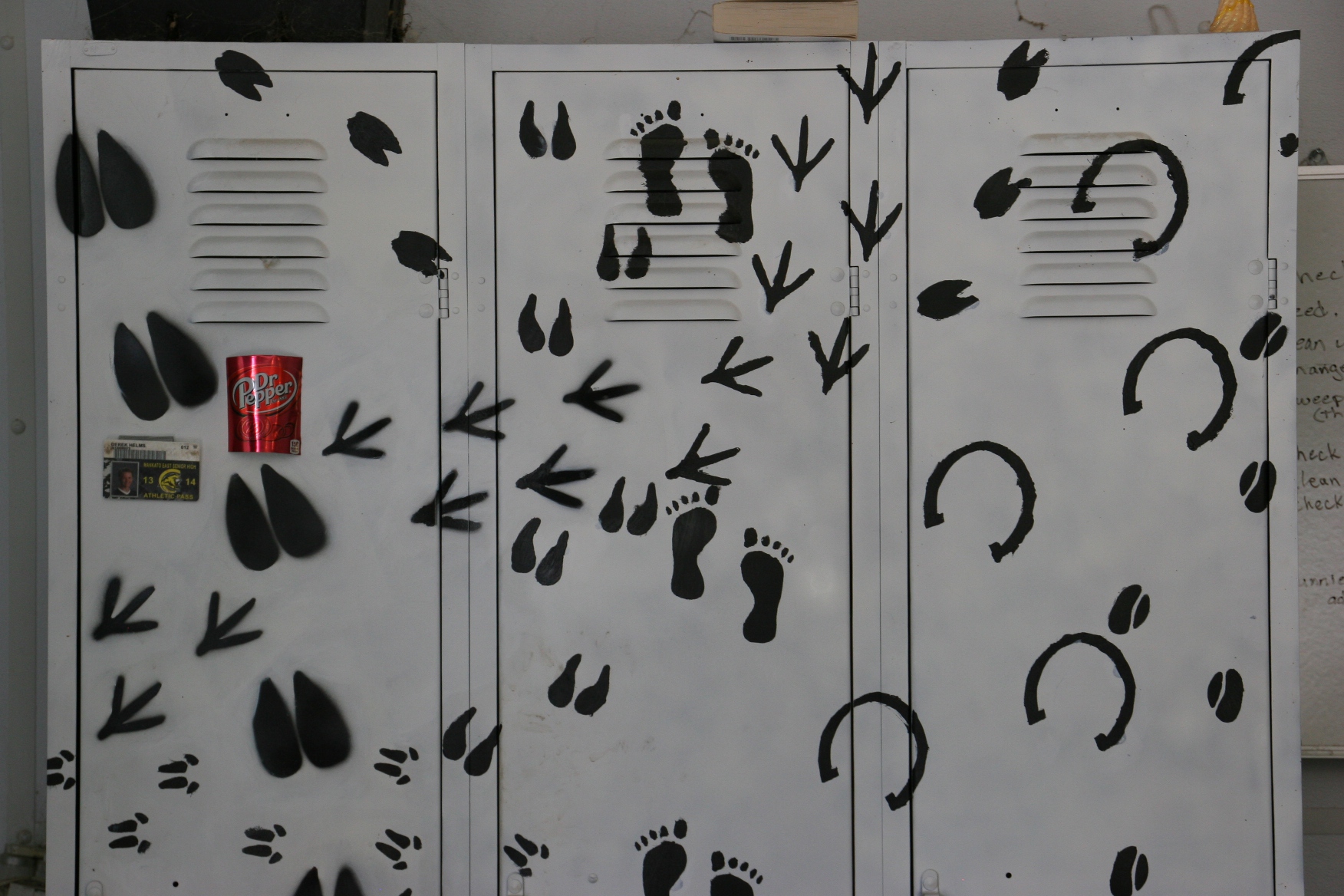
Appropriately printed lockers.

Appropriately printed lockers.

CHECK BACK TOMORROW for a similar, but much smaller, project proposed for the Redwood Falls Public Library.

© Copyright 2015 Audrey Kletscher Helbling


Faribault Woolen Mill celebrates 150th anniversary August 13, 2015

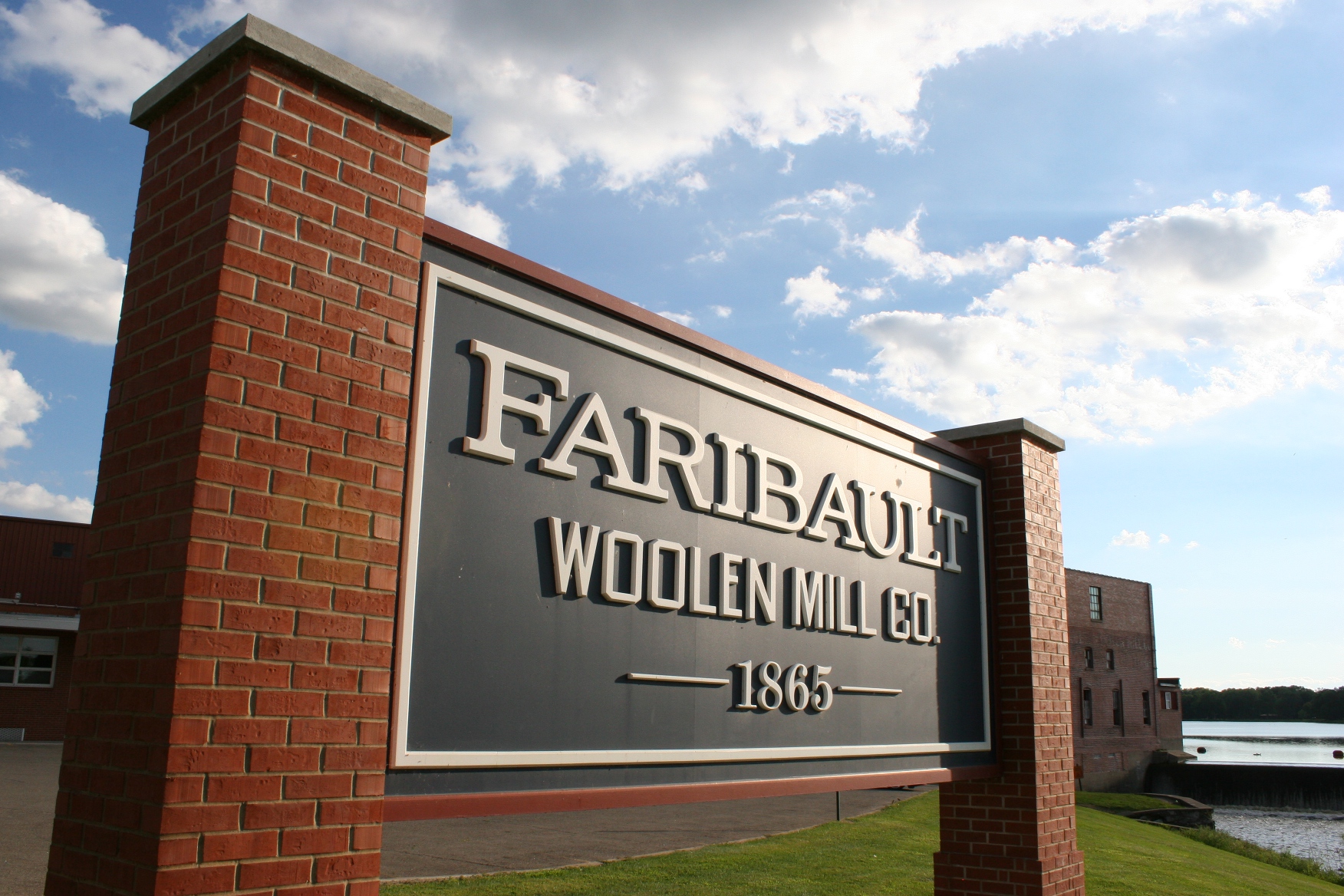
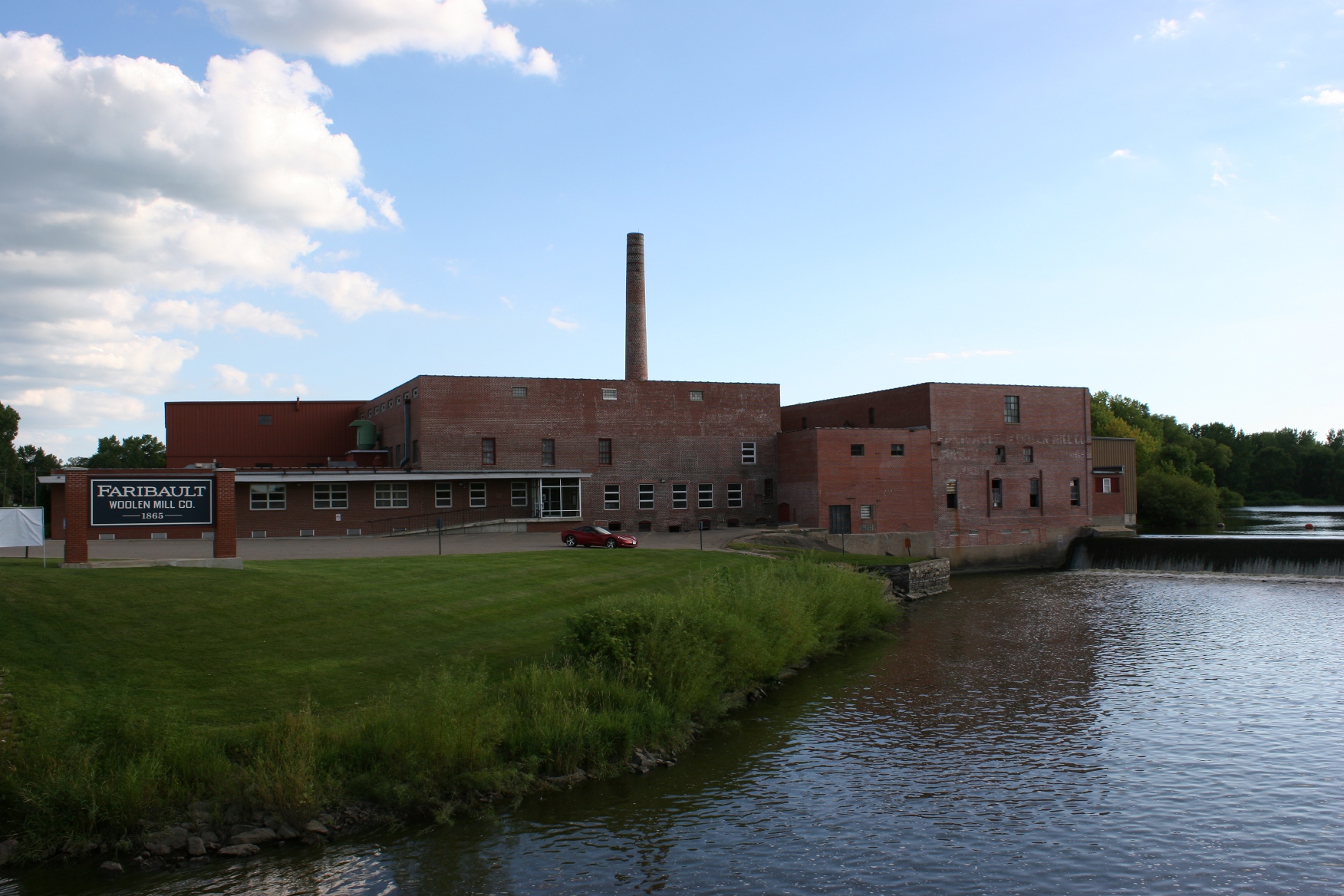
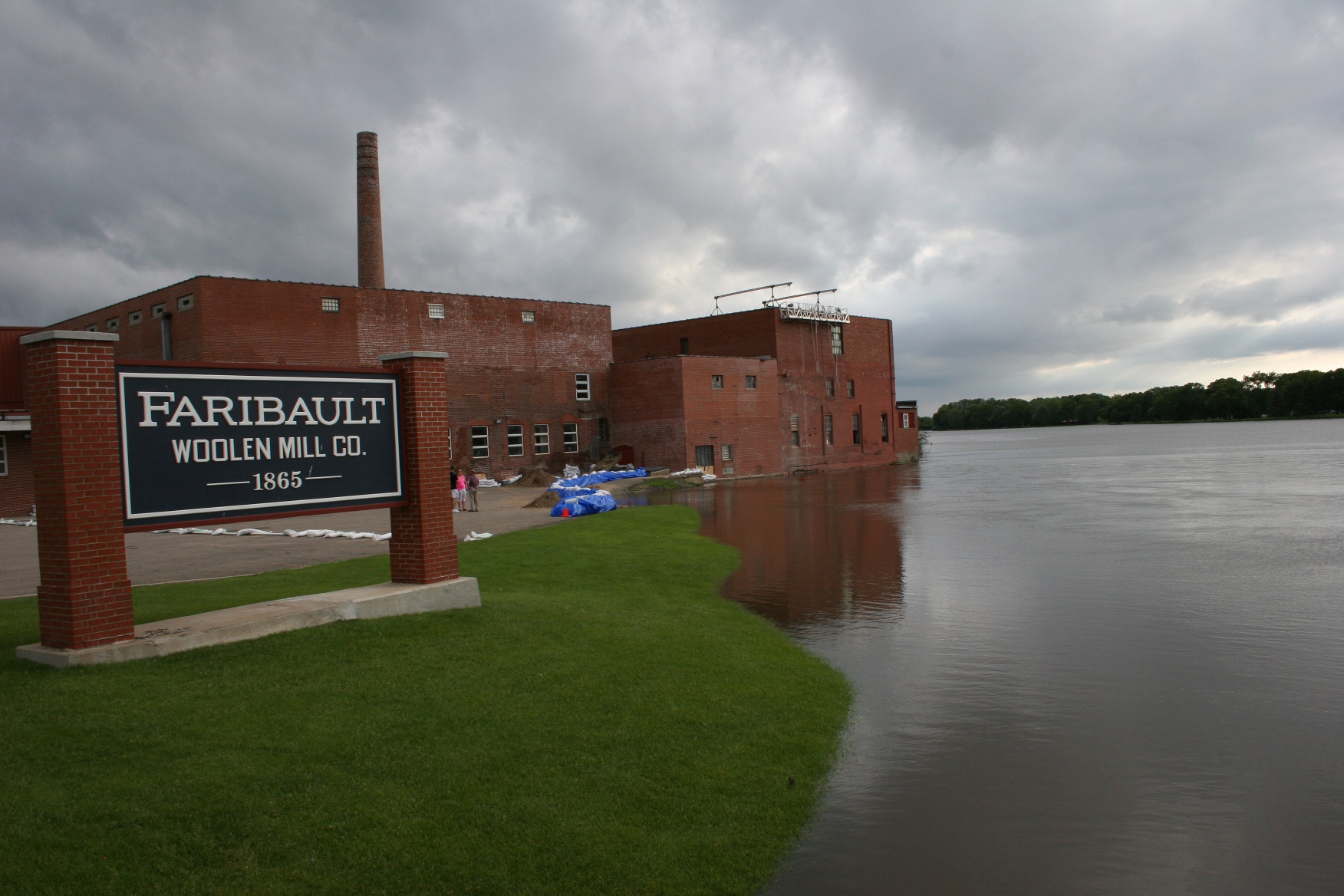
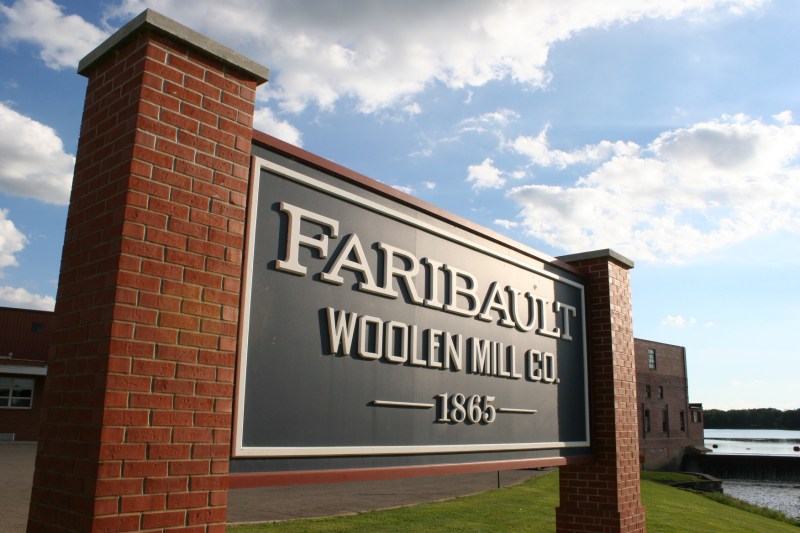
This sign marks The Faribault Woolen Mill, which sits along the banks of the Cannon River in Faribault, Minnesota.

This sign marks the Faribault Woolen Mill, which sits along the banks of the Cannon River in Faribault, Minnesota.

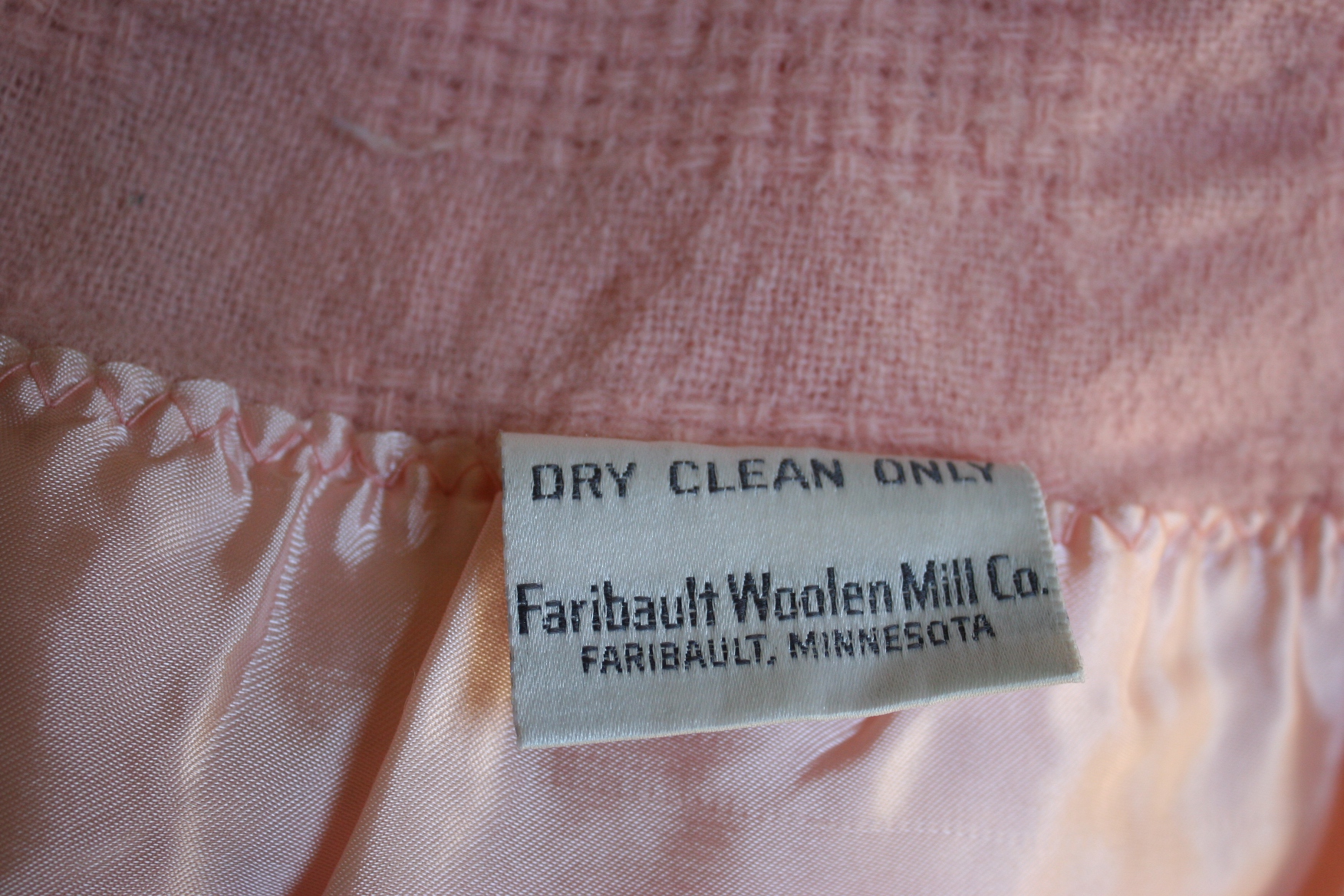
STASHED IN MY BEDROOM CLOSET are two blankets from the Faribault Woolen Mill—one a baby blanket in muted pink and aqua, the other a full-sized pink blanket. Both were gifts from a neighbor who once worked in the mill’s retail store.
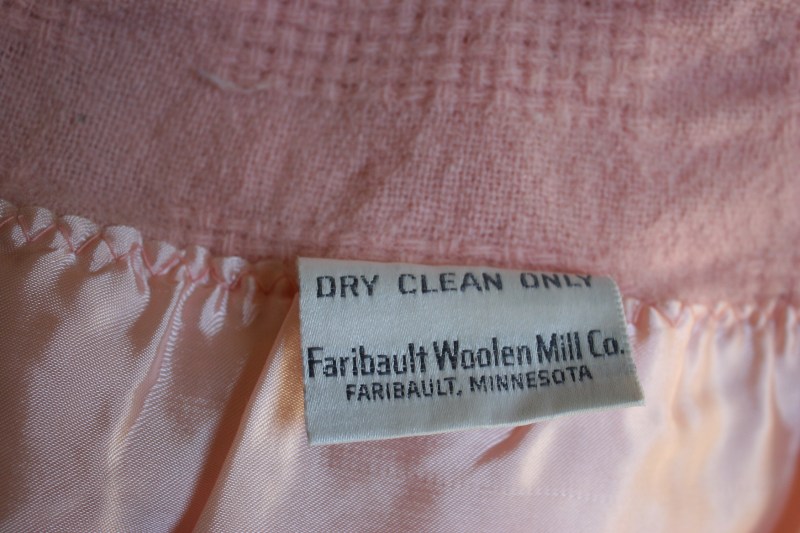
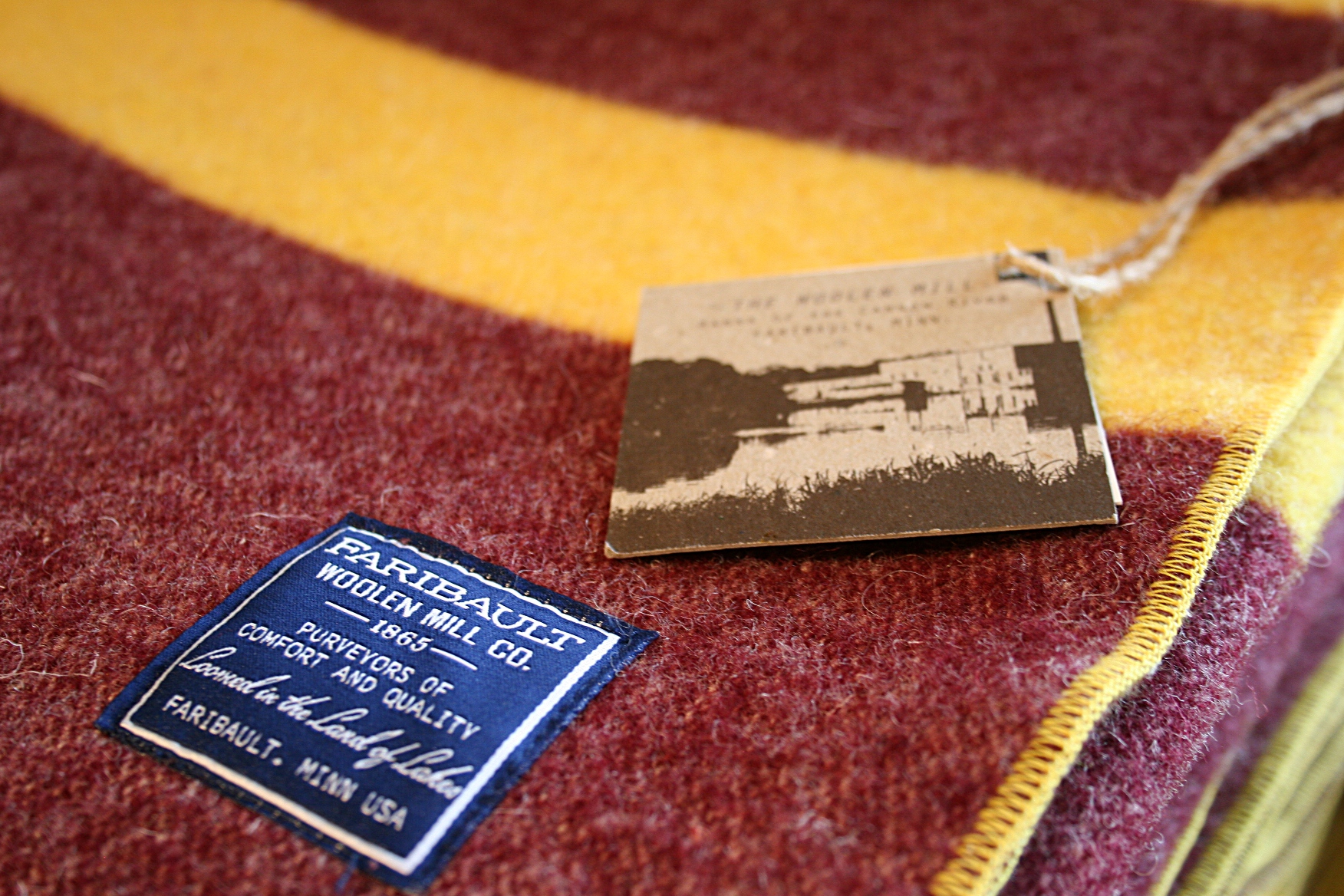
A label on a Faribault Woolen Mill blanket I own.

A label on a Faribault Woolen Mill blanket I own.

I expect in many homes throughout my community, locally-loomed blankets, throws, scarves and more cover beds, warm laps and wrap around necks on the coldest of Minnesota winter days and nights.
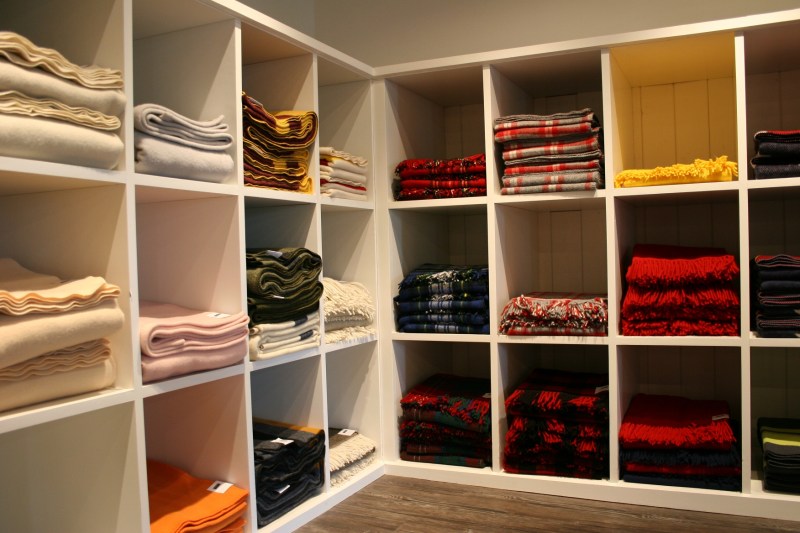
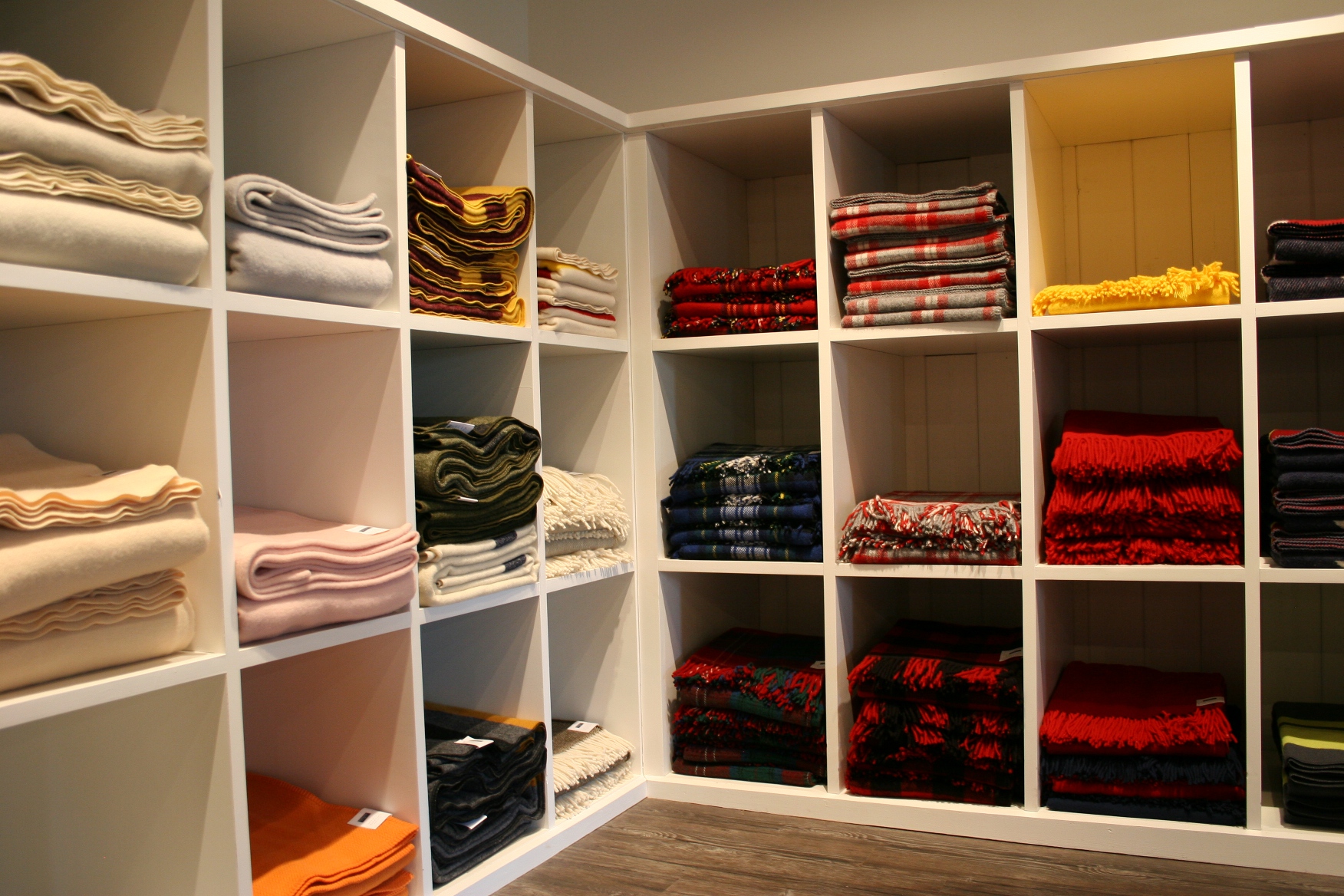
Crisp white cubbies, ever so perfect for showing off blankets/throws.

Crisp white cubbies, ever so perfect for showing off blankets/throws at the Faribault Woolen Mill retail store. Minnesota Prairie Roots file photo June 2012.

While the temperature isn’t exactly wool-worthy here in southern Minnesota in mid-August, autumn is tinging our days with cool nights and the subtlest of color changes in foliage. We realize that summer is waning and, once again, we’ll soon pull out the wool and the flannel.
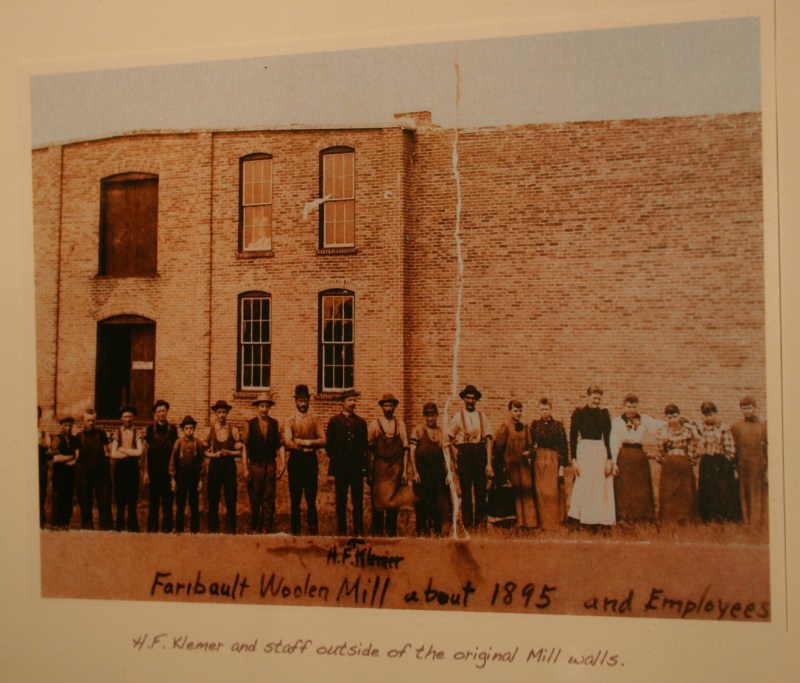
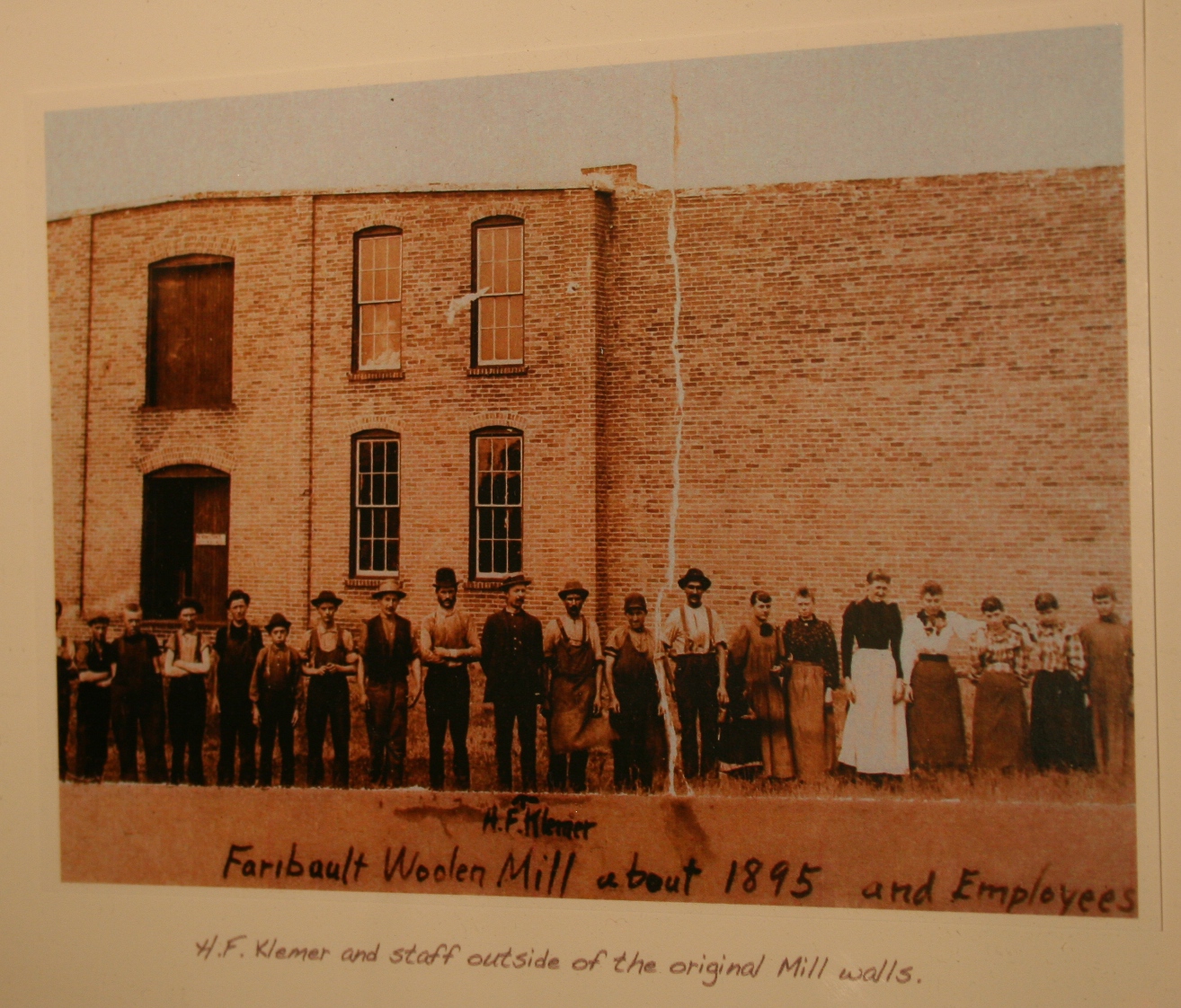
An historic photo from the mill, among those showcased in a mini wall of Woolen Mill history.

An historic photo from the mill is among those showcased in a mini wall of Woolen Mill history inside the retail store. Minnesota Prairie Roots file photo 2012.

This Saturday the Faribault Woolen Mill is pulling out its collection of locally-loomed products to sell in the 150th Marketplace, all in celebration of the mill’s 150th anniversary. Among Marketplace merchandise are the mill’s new 2015 line and special anniversary items, including a limited edition reissue of the 1949 plaid stadium blanket, Faribo Pak-A-Robe. The blanket comes in a carrying case that converts to a seat pad.
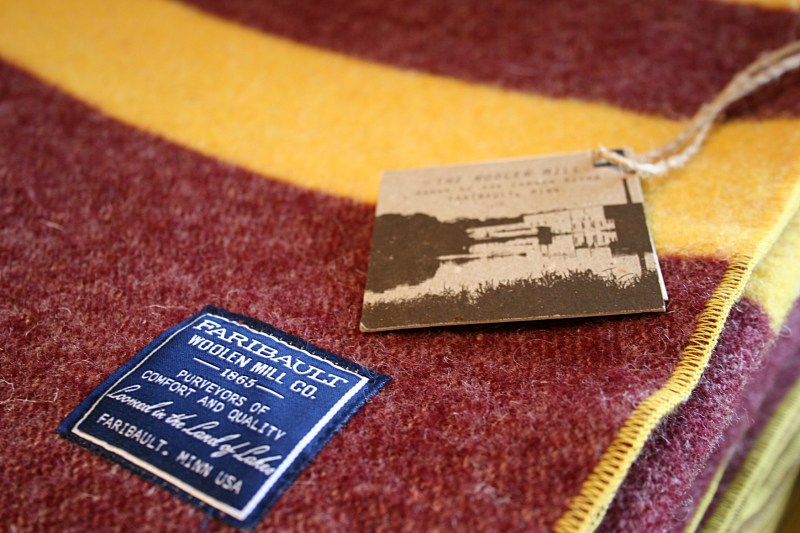
The mill's products are labeled as "Loomed in the Land of Lakes" by "Purveyors of Comfort and Quality." Minnesota Prairie Roots file photo 2012.

The mill’s products are labeled as “Loomed in the Land of Lakes” by “Purveyors of Comfort and Quality.” Minnesota Prairie Roots file photo 2012.

I’ve been to enough Woolen Mill sales to know the outdoor Marketplace will be crowded with those who appreciate the mill’s authentic products. Made in America and craftsmanship appeal to folks. And that’s a good thing for the mill, founded in 1865. One hundred fifty years. That says something about tenacity. This business, which provided blankets for American troops during both World Wars, supplied blankets to airlines in the early 1970s, and, from the late 60s to early 90s, produced more than half of the blankets made each year in the U.S., has survived the ebbs and flows of the economy.
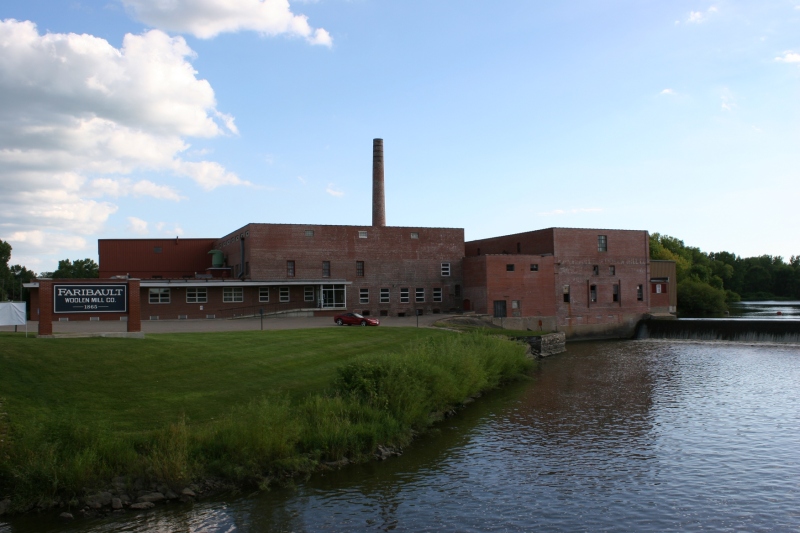
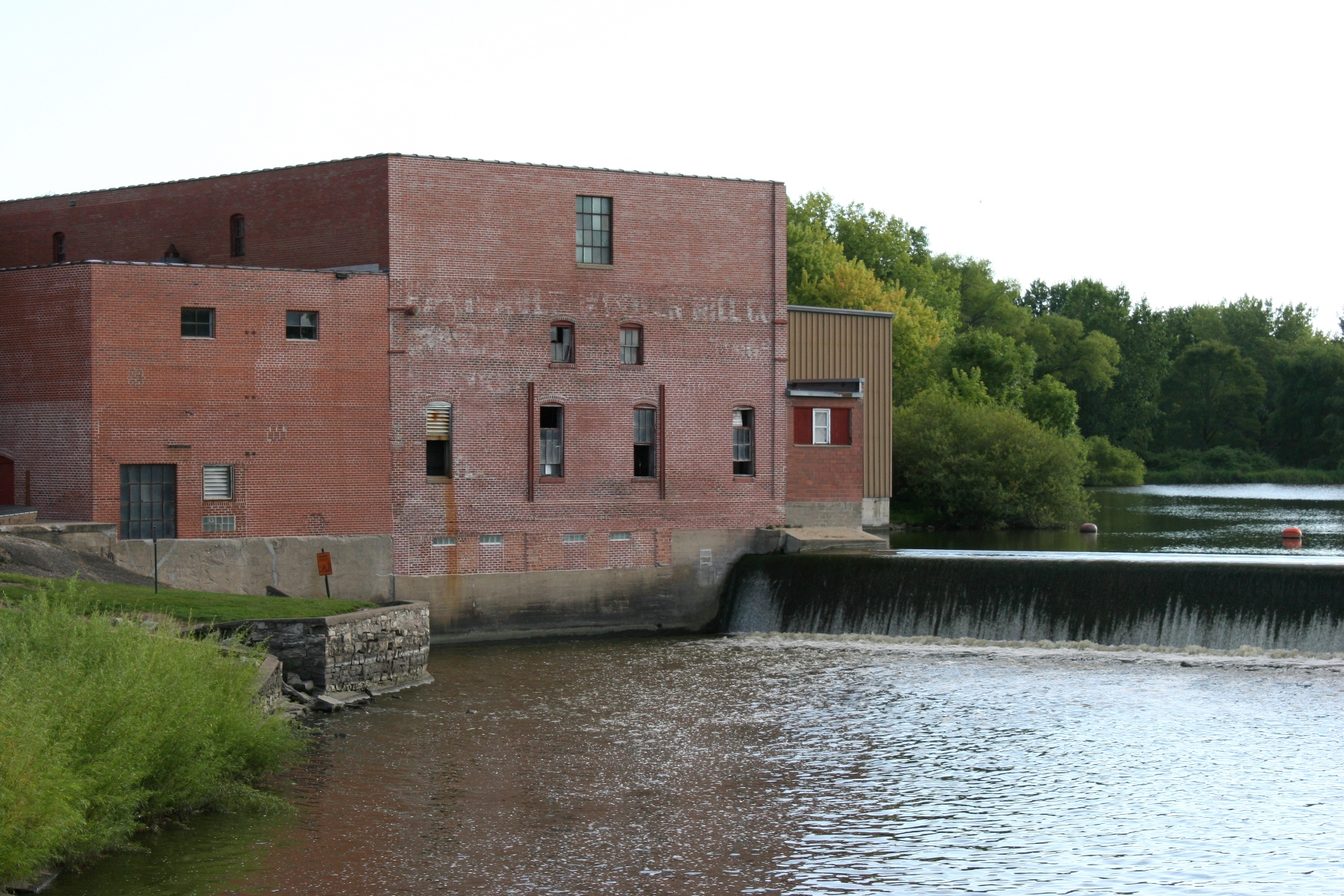
The Faribault Woolen Mill sits on the bank of the Cannon River.

The Faribault Woolen Mill sits on the bank of the Cannon River.

Yet, despite world-wide business success, the Faribault Woolen Mill almost didn’t make it to its sesquicentennial. The mill was shuttered in 2009 due to financial problems. Two years later Minnesota businessmen and cousins, Chuck and Paul Mooty, purchased the mill, revived it and the rest is history.
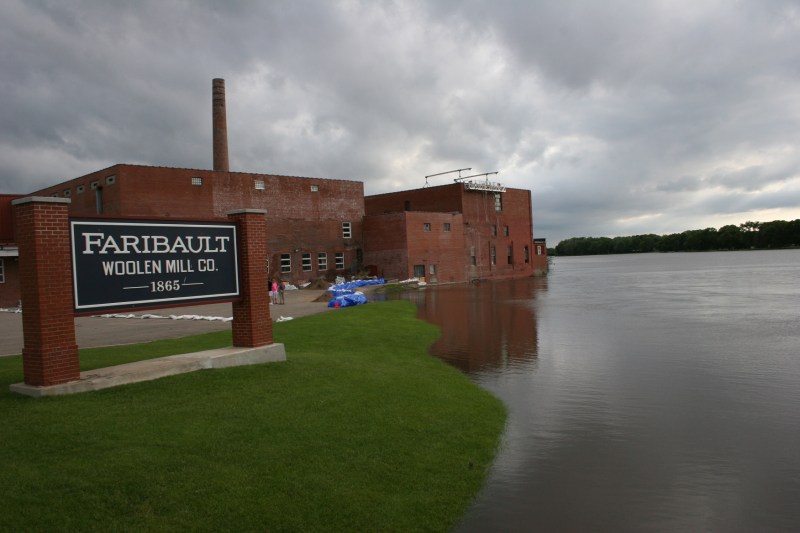
Sandbags protect the Faribault Woolen Mill from the rising Cannon River.

Sandbags protect the Faribault Woolen Mill from the rising Cannon River in June 2014. Minnesota Prairie Roots file photo.

The mill was also threatened twice in recent years by flooding of the Cannon River.
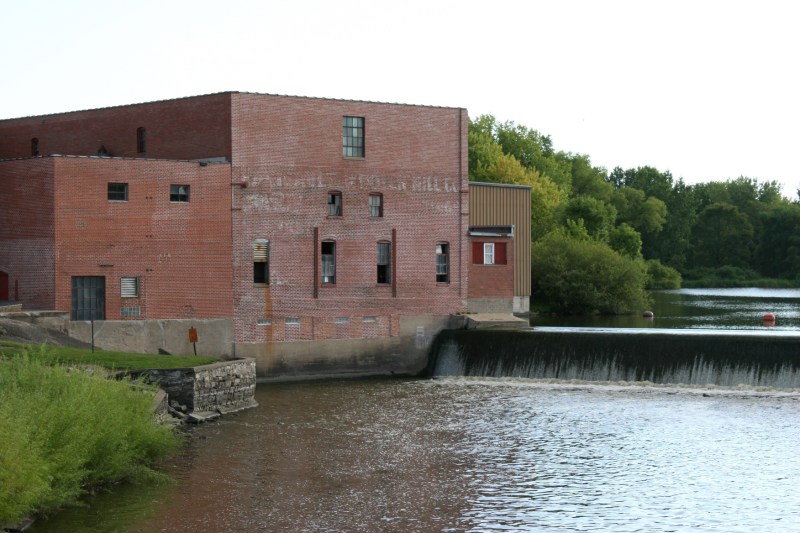
Faint Faribault Woolen Mill lettering remains on the old section of the mill complex.

Faint Faribault Woolen Mill lettering remains on the old section of the mill complex.

For my community, the mill is an important tourism draw and an equally important part of Faribault’s history. The mill, the oldest manufacturing entity in Minnesota, is on the National Register of Historic Places. But it’s likely not the aged building as much as the fine craftsmanship of mill products that brings shoppers here looking for quality and American authenticity.
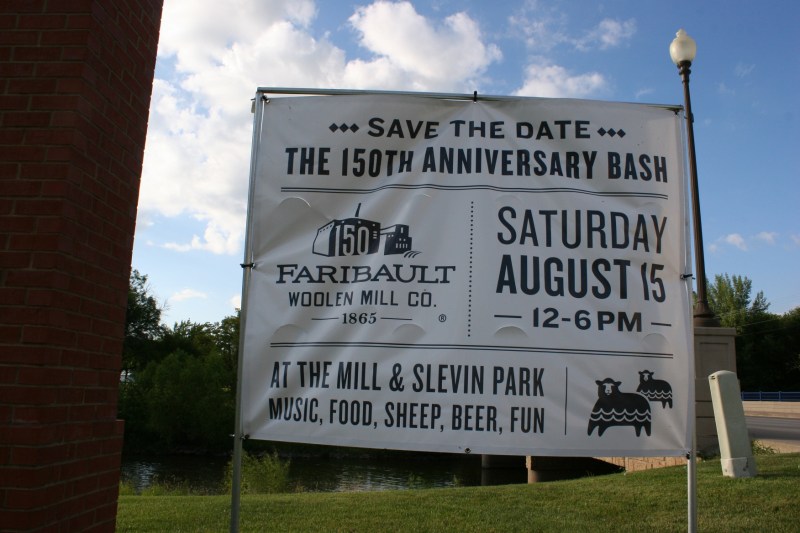
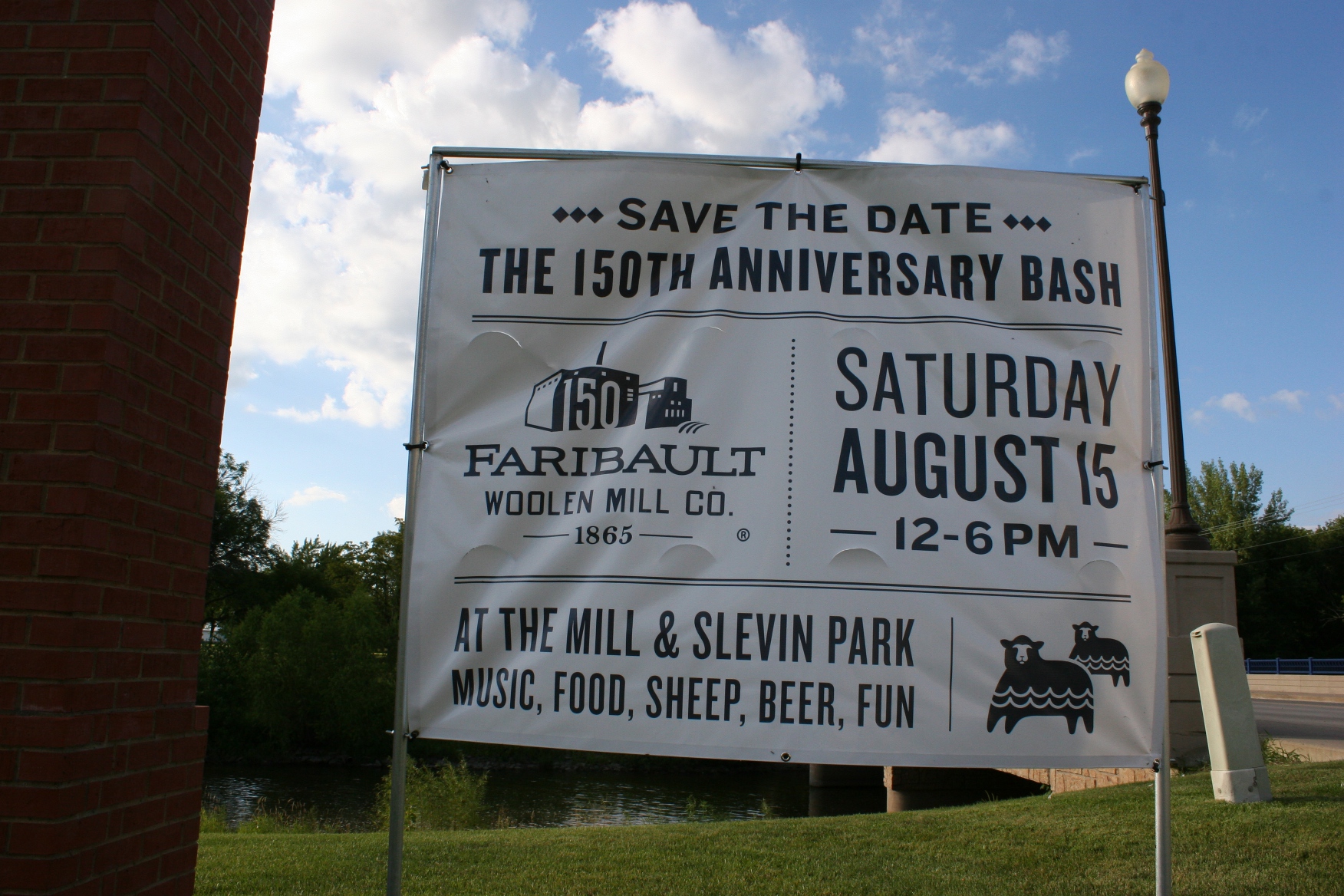
This sign outside the mill advertises Saturday's 150th anniversary festivities.

This sign outside the mill advertises Saturday’s 150th anniversary bash.

Saturday’s celebration will provide a great opportunity for all of Faribault to showcase itself, starting with food vendors at the mill’s outdoor anniversary celebration along the banks of the Cannon River. I’m happy to see a line-up of locals—The Cheese Cave, Uncle B’s Last Chance BBQ Shack, Bashers Bar & Grill/J & J Bowling Center, Lyons Meats and F-Town Brewing. Several other vendors from the Twin Cities metro will be there, too, with brats, cheesecake, coffee and ice cream.

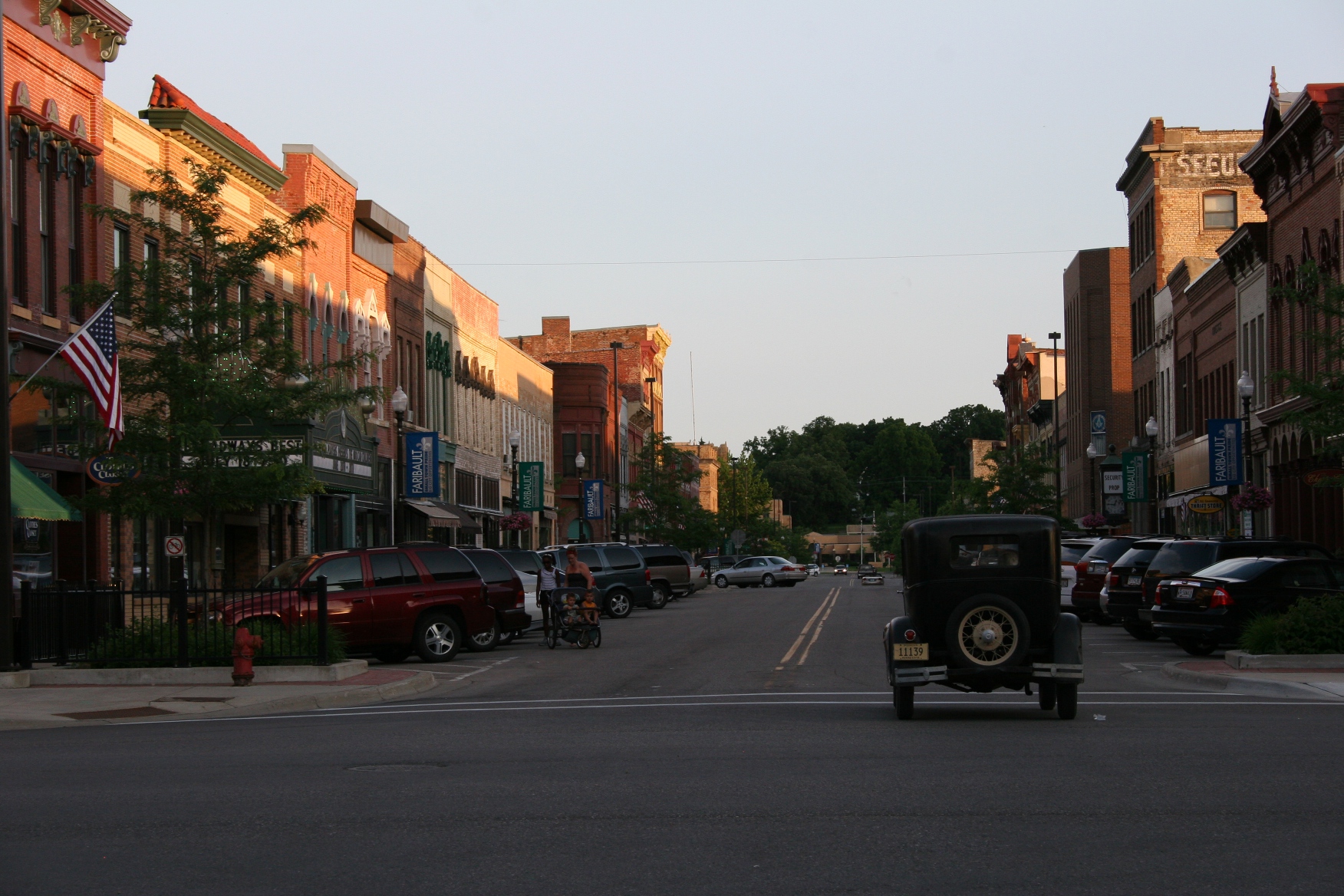
Leaving the show and driving southbound on Central Avenue through historic downtown Faribault.

A section of Faribault’s historic downtown, along Central Avenue. Minnesota Prairie Roots file photo 2014.

I hope visitors will also follow Second Avenue from the mill to Fourth Street and then to Central Avenue to check out our historic downtown and all the local shops. (Click here for a list of downtown shops and their locations.) Located near downtown at 739 Willow Street, Annie Belle Creations crafts Faribault Woolen Mill blankets into capes, coats and other clothing. Owner Lu Ann Heyer started in 1989 as a designer of stuffed animals for the Faribault Woolen Mill.
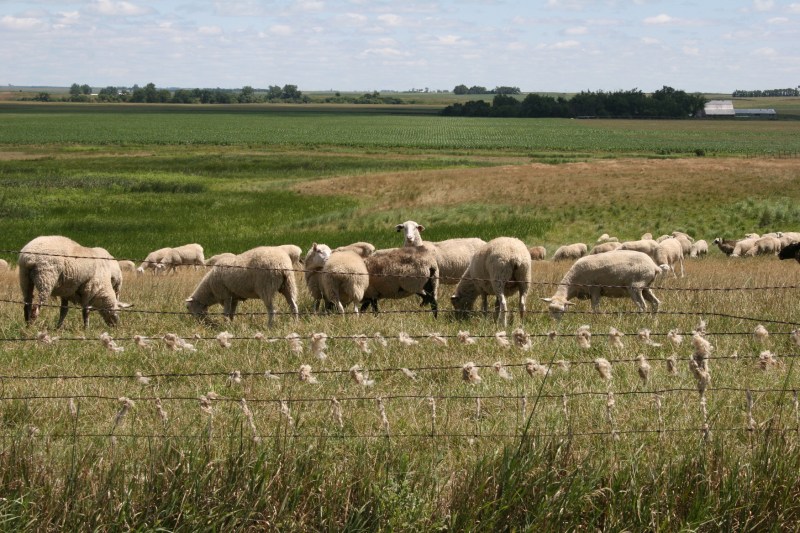
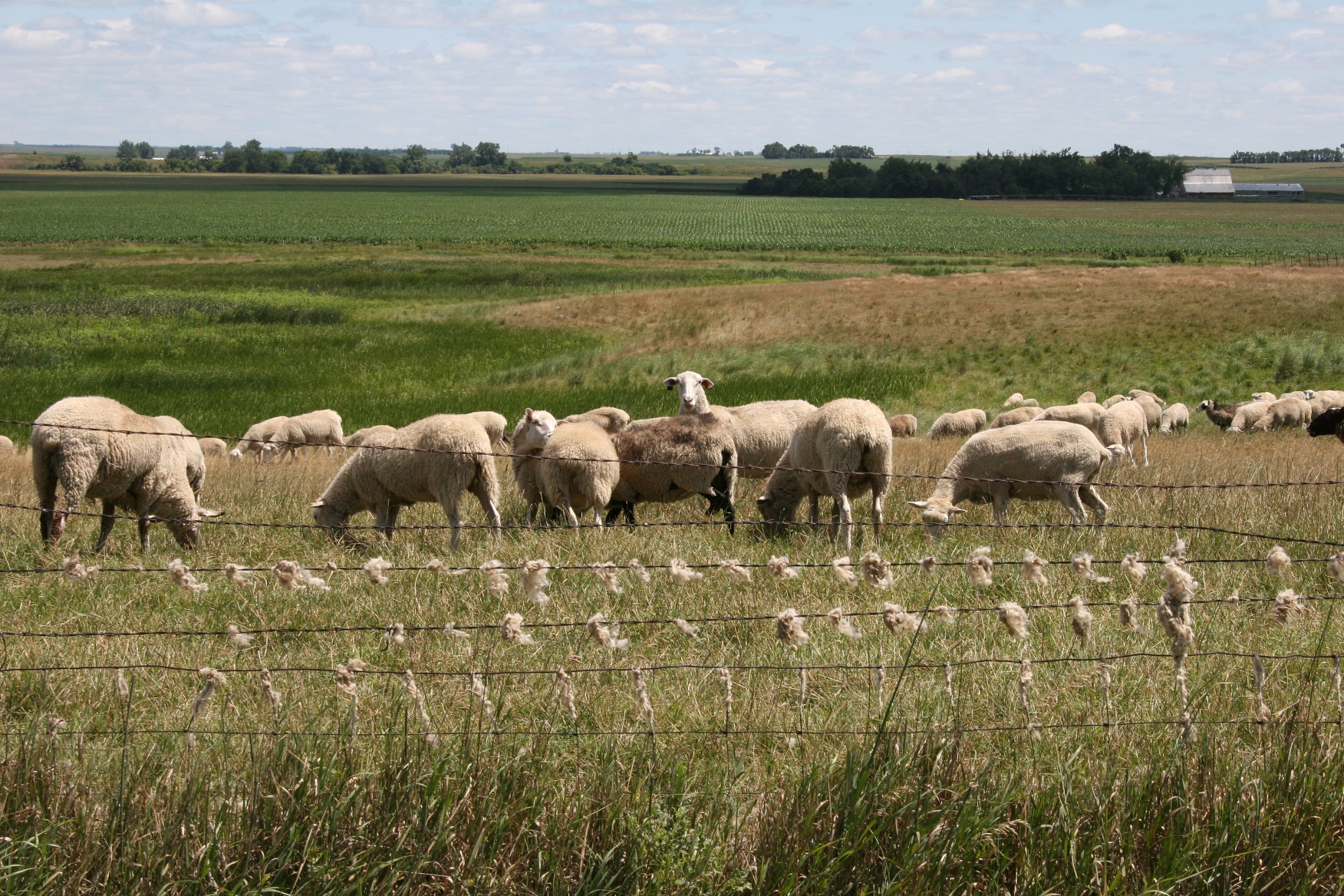
Pasture land near the park for these grazing sheep. Note their wool clinging to the fence.

Sheep graze near Blue Mounds State Park in southwestern Minnesota. Minnesota Prairie Roots file photo used for illustration purposes only.

Back at the mill and Father Slevin Park, there’ll be plenty to do. “The Running of the Sheep,” an event which is exactly as its name suggests, happens at 1 p.m. Other attractions include a petting zoo, games, raffles and more. Between 3 p.m. – 6 p.m. the folk/roots/indie rock group The Pines will perform as will Abracadabra,  a group of musicians who have traveled with the likes of Bob Dylan and The Beach Boys.
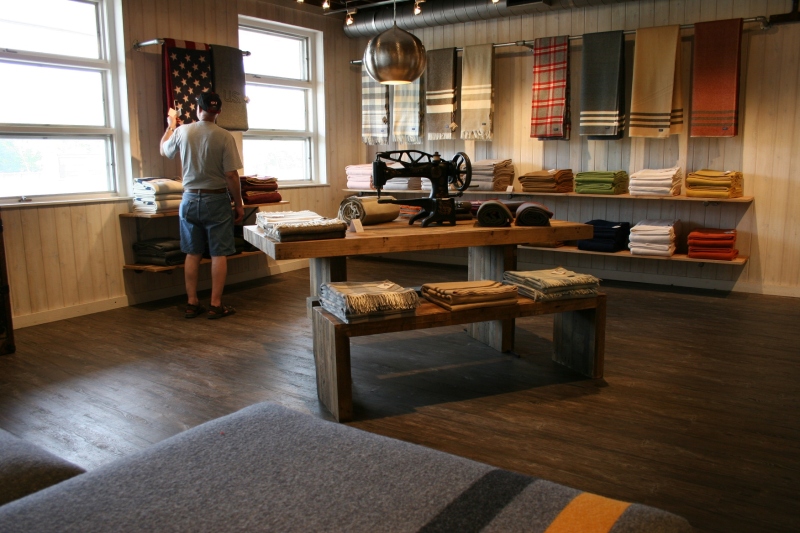
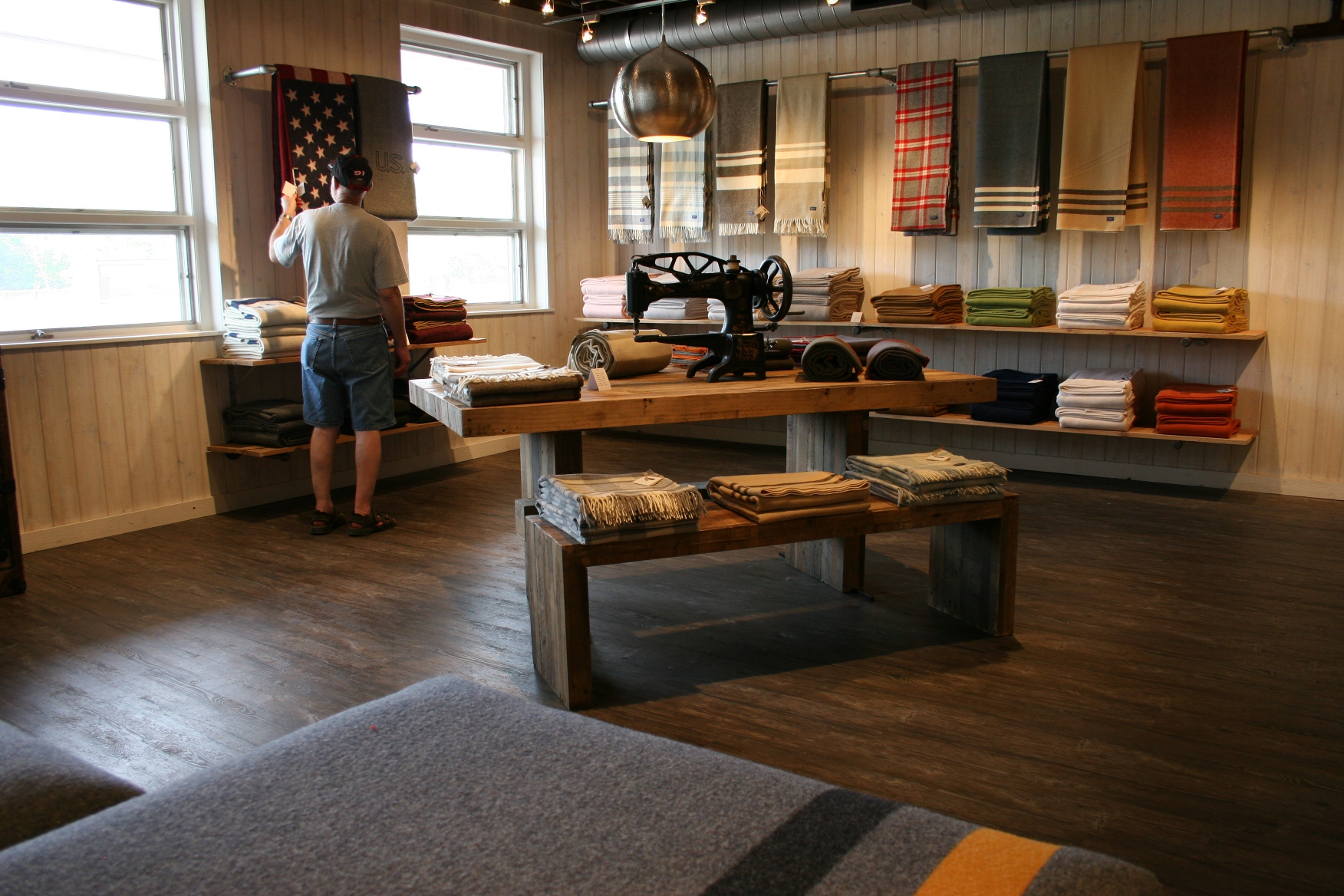
Perusing merchandise at the recently reopened Faribault Woolen Mill retail store.

A view inside the Faribault Woolen Mill retail store shortly after it opened under new ownership in 2012. Minnesota Prairie Roots file photo.

Visitors are encouraged to bring blankets to spread on the lawn while enjoying festivities. I expect Faribault Woolen Mill blankets, in particular, would be appreciated. You can even share your Faribault Woolen Mill blanket stories online at Memory Mill.
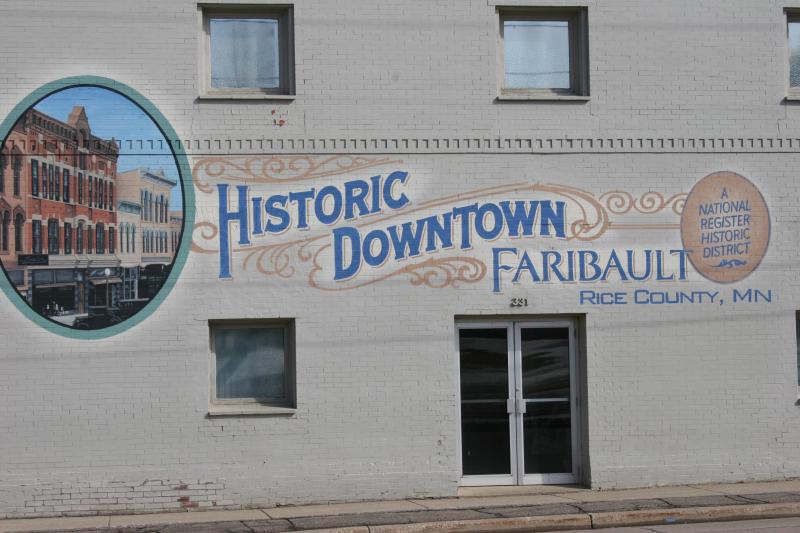
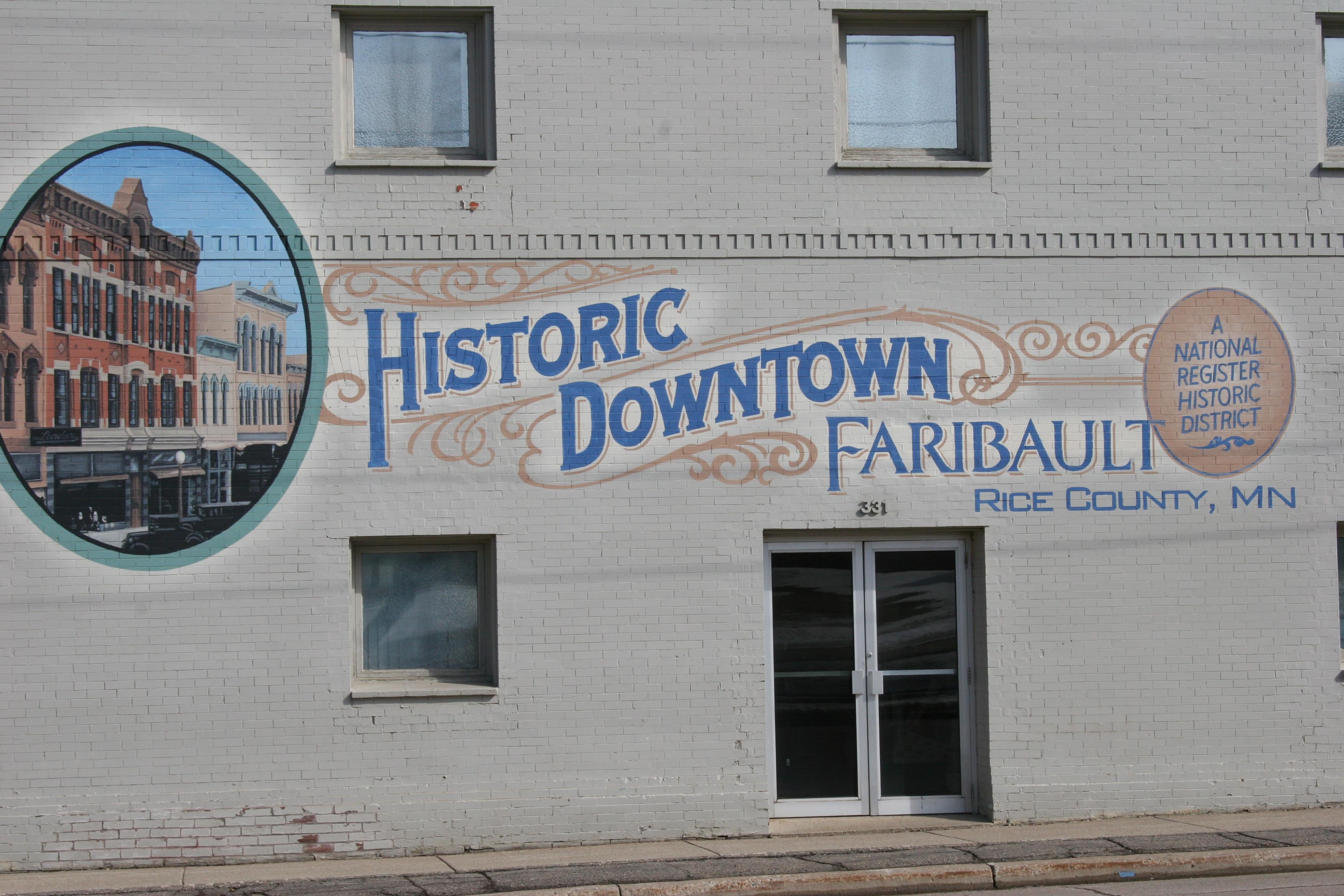
A mural, one of several in the downtown area, promotes historic Faribault.

A mural, one of several in the downtown area, promotes Faribault’s downtown as a National Register Historic District. Minnesota Prairie Roots file photo.

If you’ve never been to Faribault, come early, before the mill party, to poke around town. We’re just a short drive down Interstate 35 from the Twin Cities. Then at noon, join the mill as its celebration begins and continues for six hours.
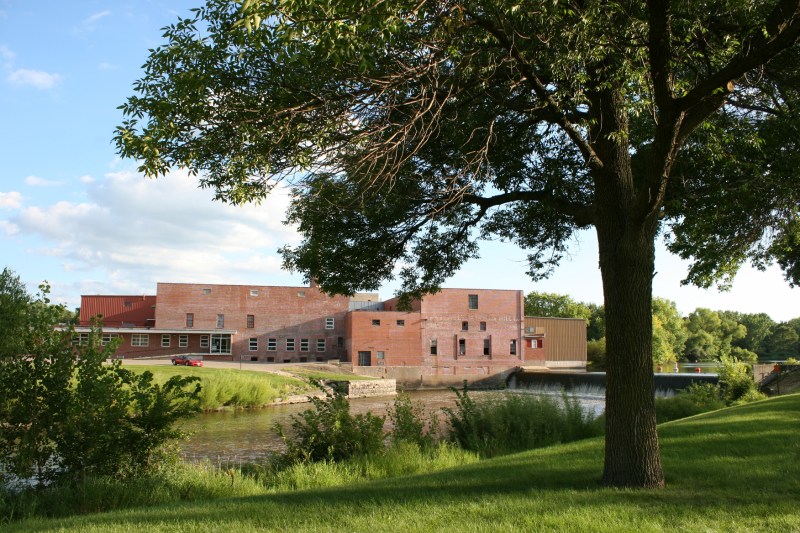
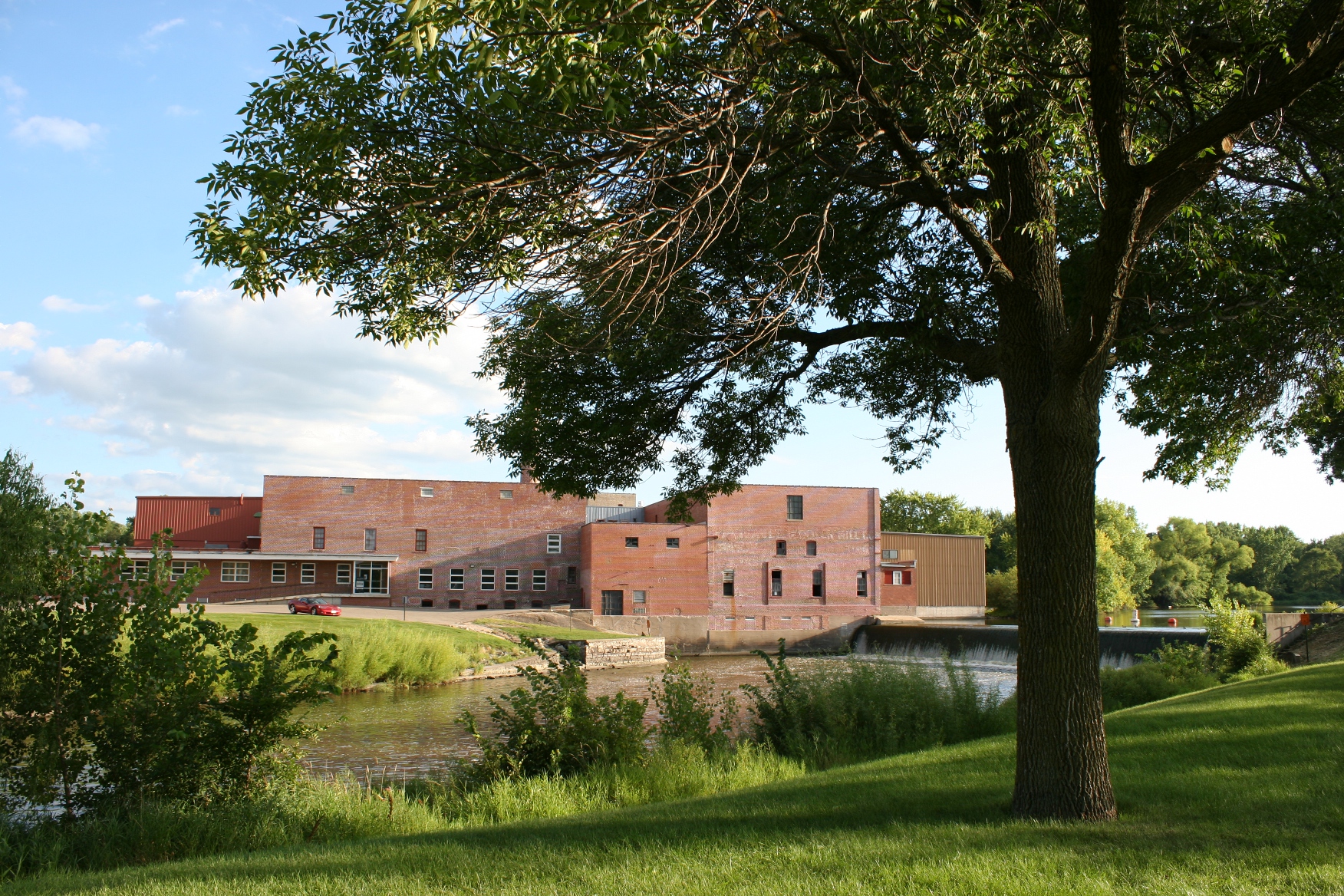
A view of the Faribault Woolen Mill from Father Slevin Park across the Cannon River.

A view of the Faribault Woolen Mill from Father Slevin Park across the Cannon River.

FYI: The Faribault Woolen Mill is located at 1500 Northwest Second Avenue, near the Rice County Fairgrounds and the Rice County Historical Society Museum. The mill’s retail store will be closed on Friday and Saturday, with merchandise sold in the special anniversary Marketplace on Saturday.
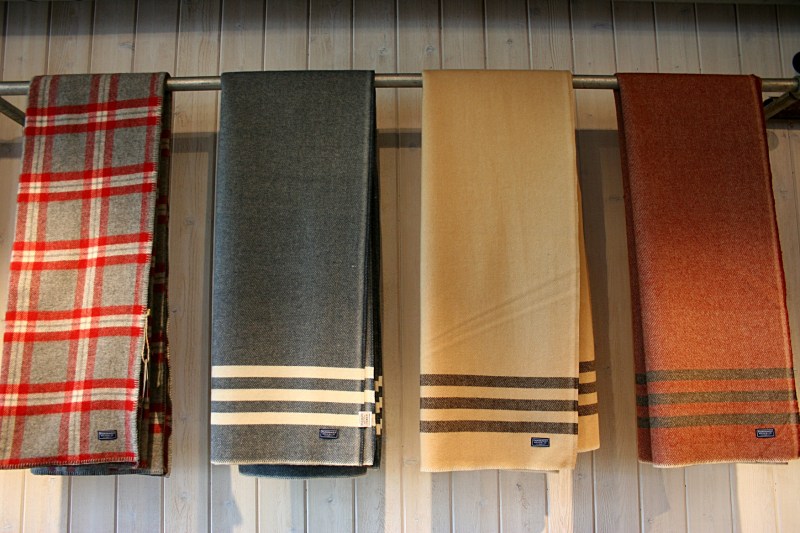
Faribault Woolen Mill blankets/throws are artfully hung on a simple pipe.

Faribault Woolen Mill blankets/throws are artfully hung on a simple pipe in the retail store. Minnesota Prairie Roots file photo 2012.

Small group tours of the mill are offered at 11 a.m. and 1 p.m. on Thursdays. Note that these fill quickly and that you should schedule in advance.

© Copyright 2015 Audrey Kletscher Helbling


Poking around Jim’s shop in Lonsdale August 12, 2015

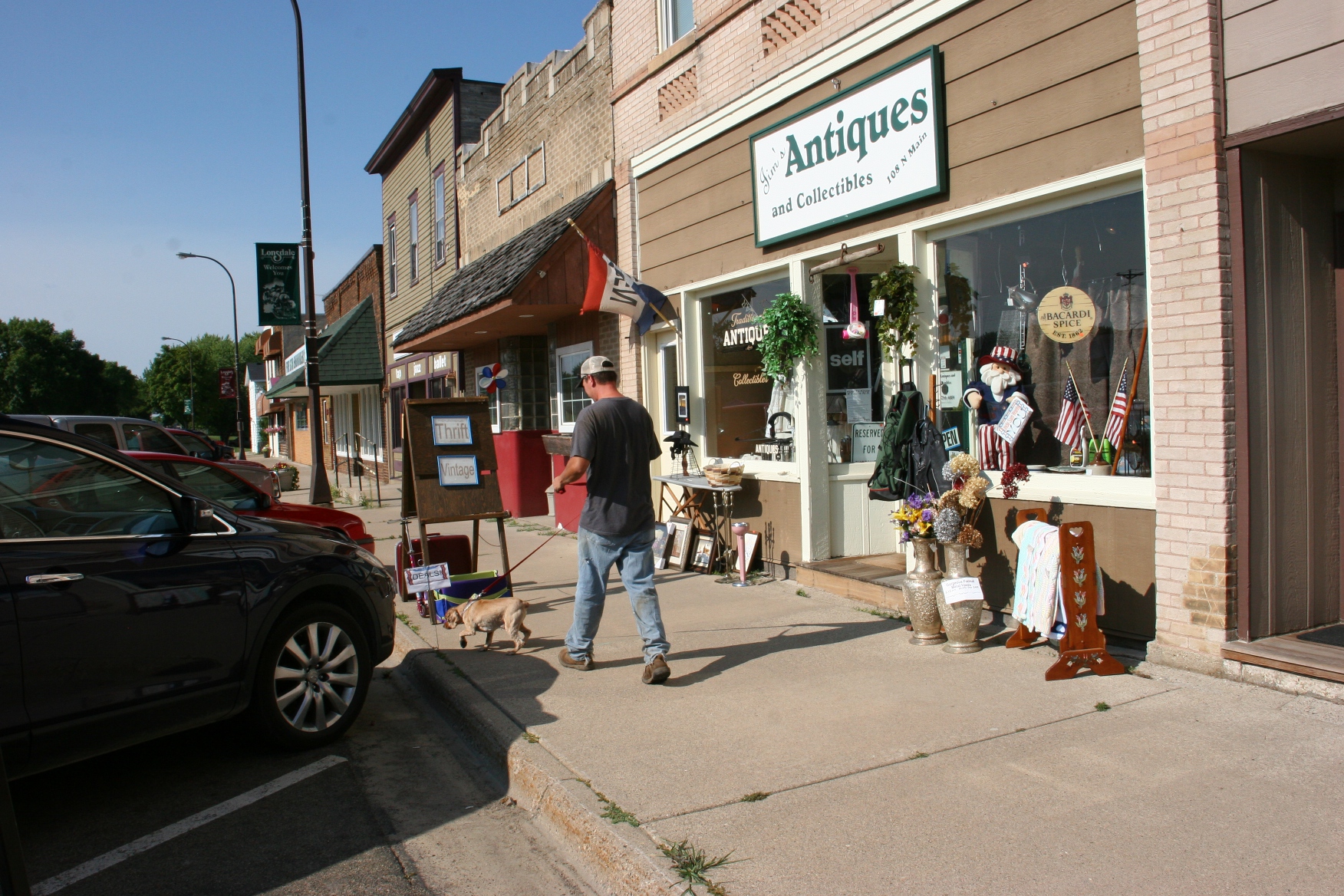
Jim's Antiques and Collectibles located at 108 Main Street North in Lonsdale, Minnesota.

Jim’s Antiques and Collectibles located at 108 Main Street North in Lonsdale, Minnesota.

JIM McKINNON’s BUSINESS CARD notes that he is the proprietor of Jim’s Antiques and Collectibles. I like that word proprietor. It sounds old-fashioned and cordial. Perfect in a small town like Lonsdale.

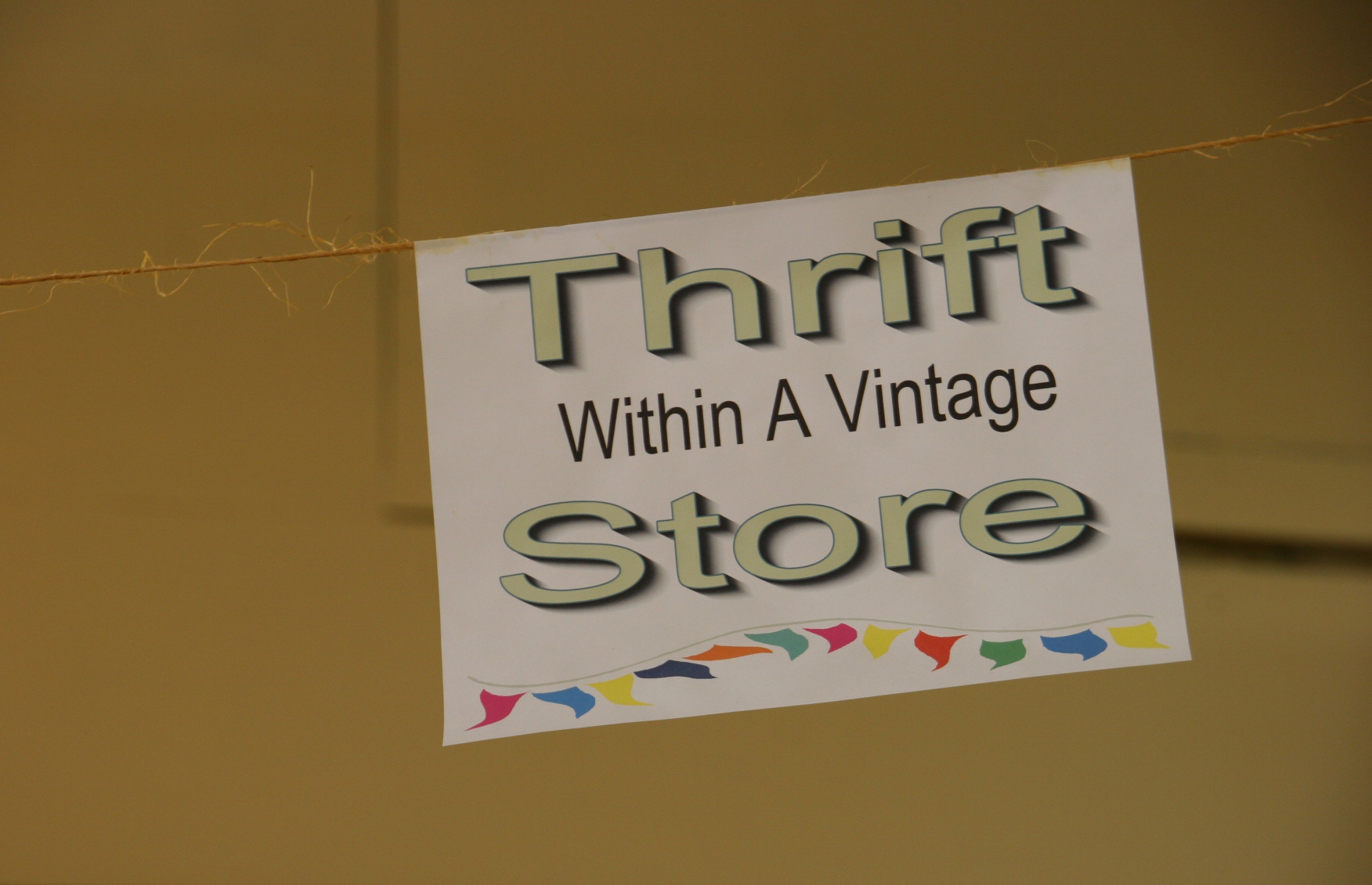
Love this sign in Jim's shop.

Love this sign in Jim’s shop.

A sign suspended from a length of twine in Jim’s shop advertises “Thrift within a vintage store.” I like that, too.

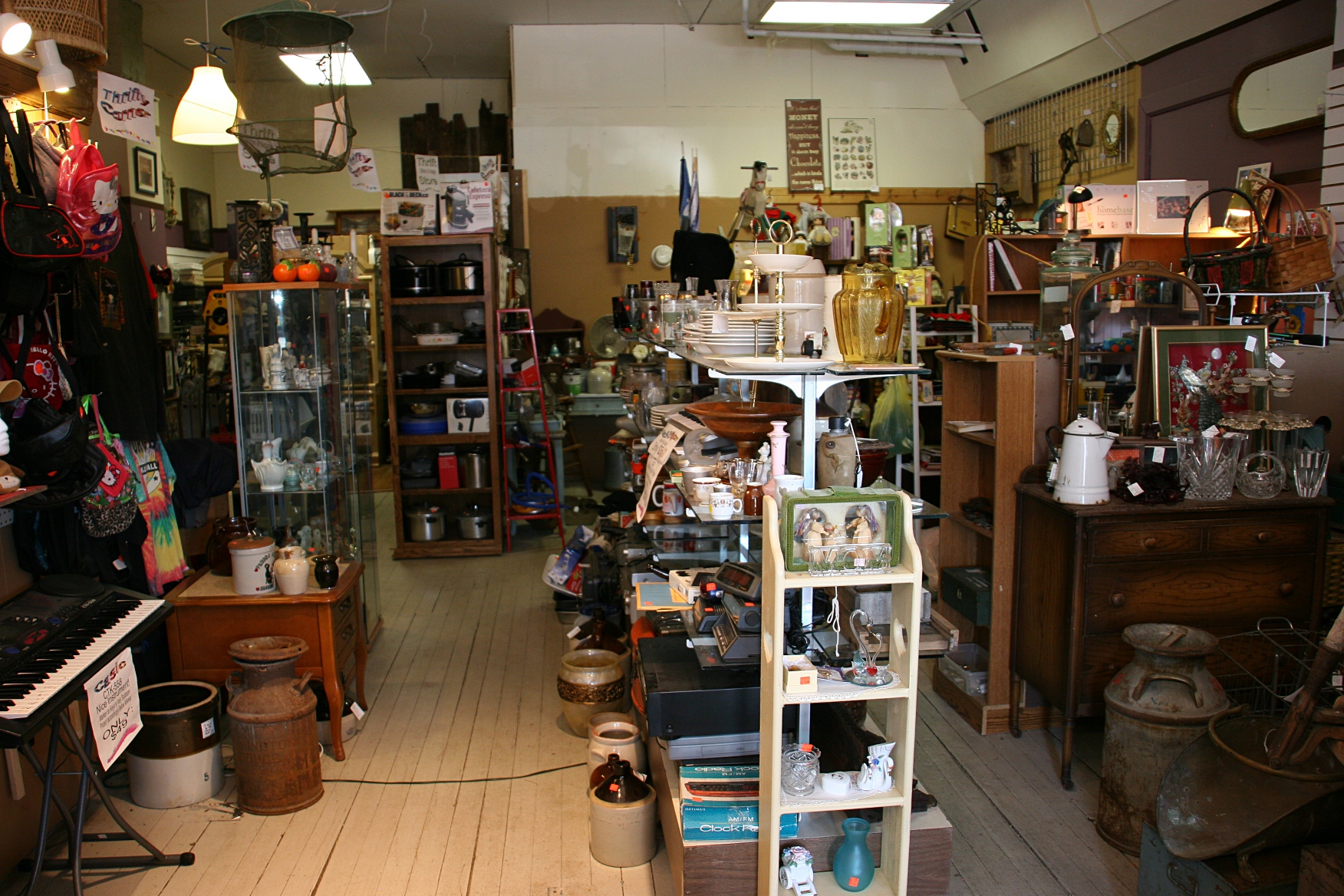
A snippet view of Jim's place.

Jim’s business is housed in a small space.

With over a dozen vendors’ goods crammed into an aged building, Jim’s shop requires poking around.

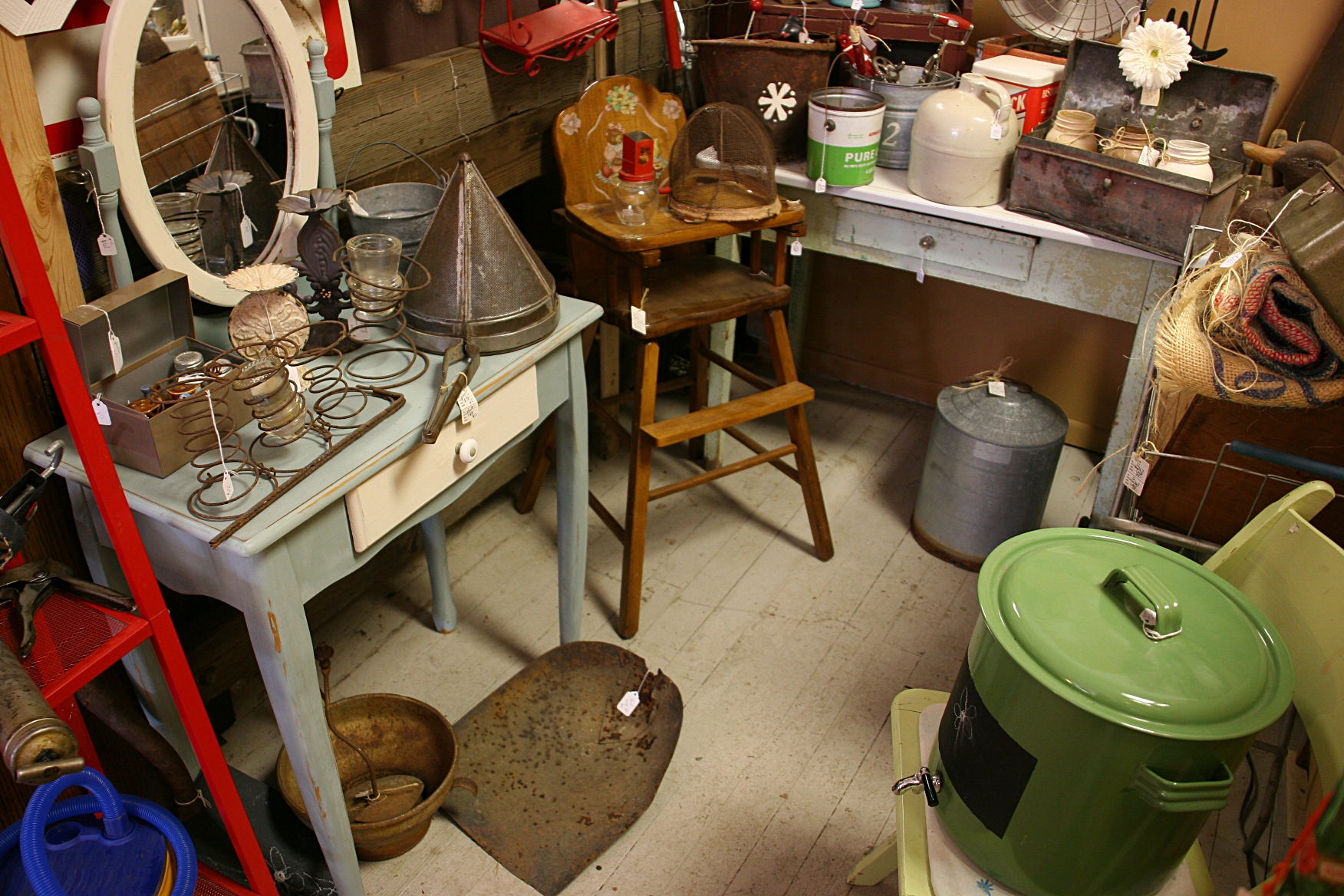
Lots of interesting goods stuffed into this space.

Lots of interesting goods stuffed into this space.

Merchandise layers merchandise. It’s that kind of store, where you have to look, and look again, or you may miss something.

An interesting print...

A print in Jim’s shop.

Jim’s shop is worth a visit as are similar shops in Lonsdale just west of Interstate 35 in southern Minnesota. While I enjoy antique malls in larger communities, I especially delight in small town businesses like those run by proprietors.

BONUS PHOTOS of merchandise in Jim’s shop:


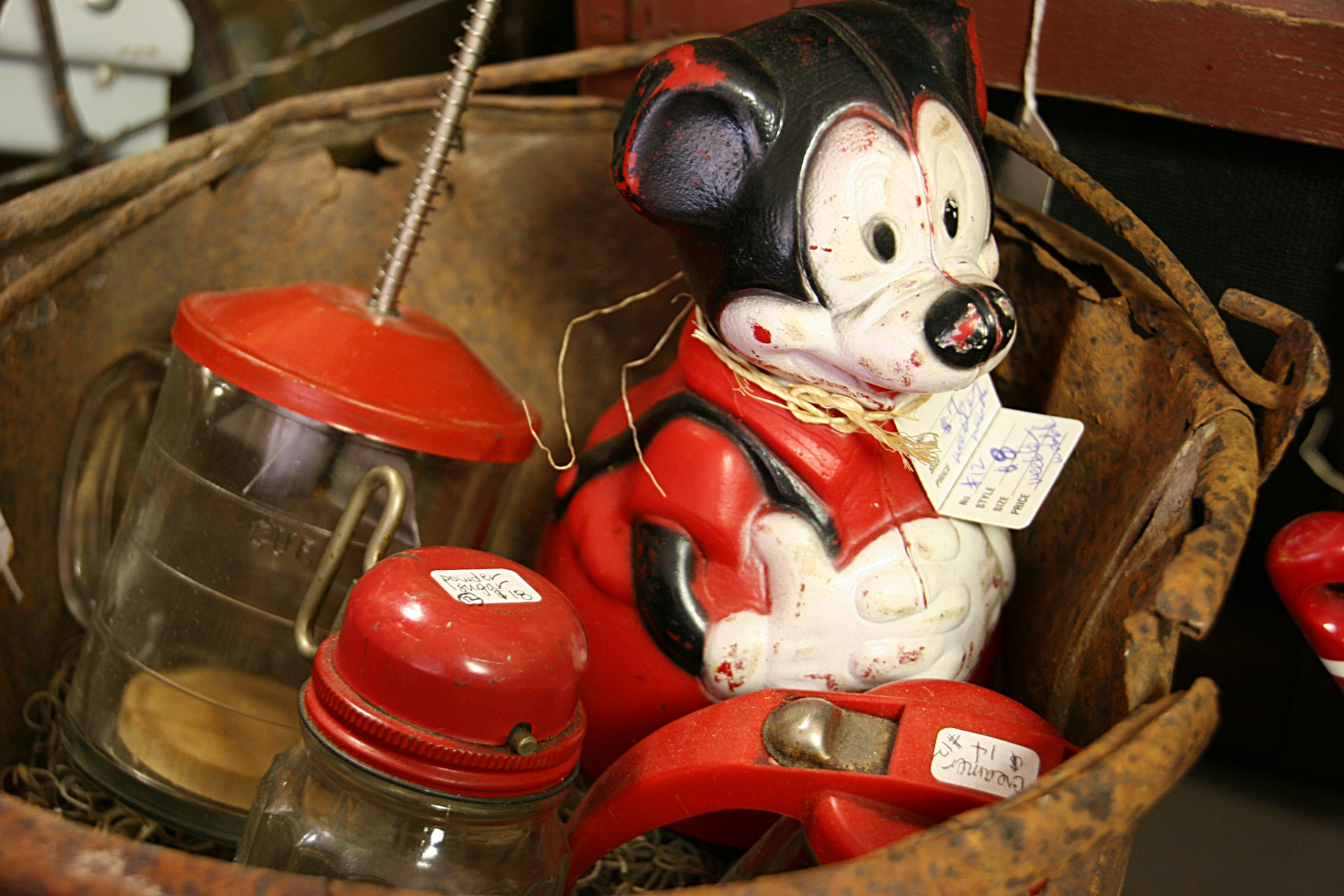
Jim's Antiques, Mickey Mouse


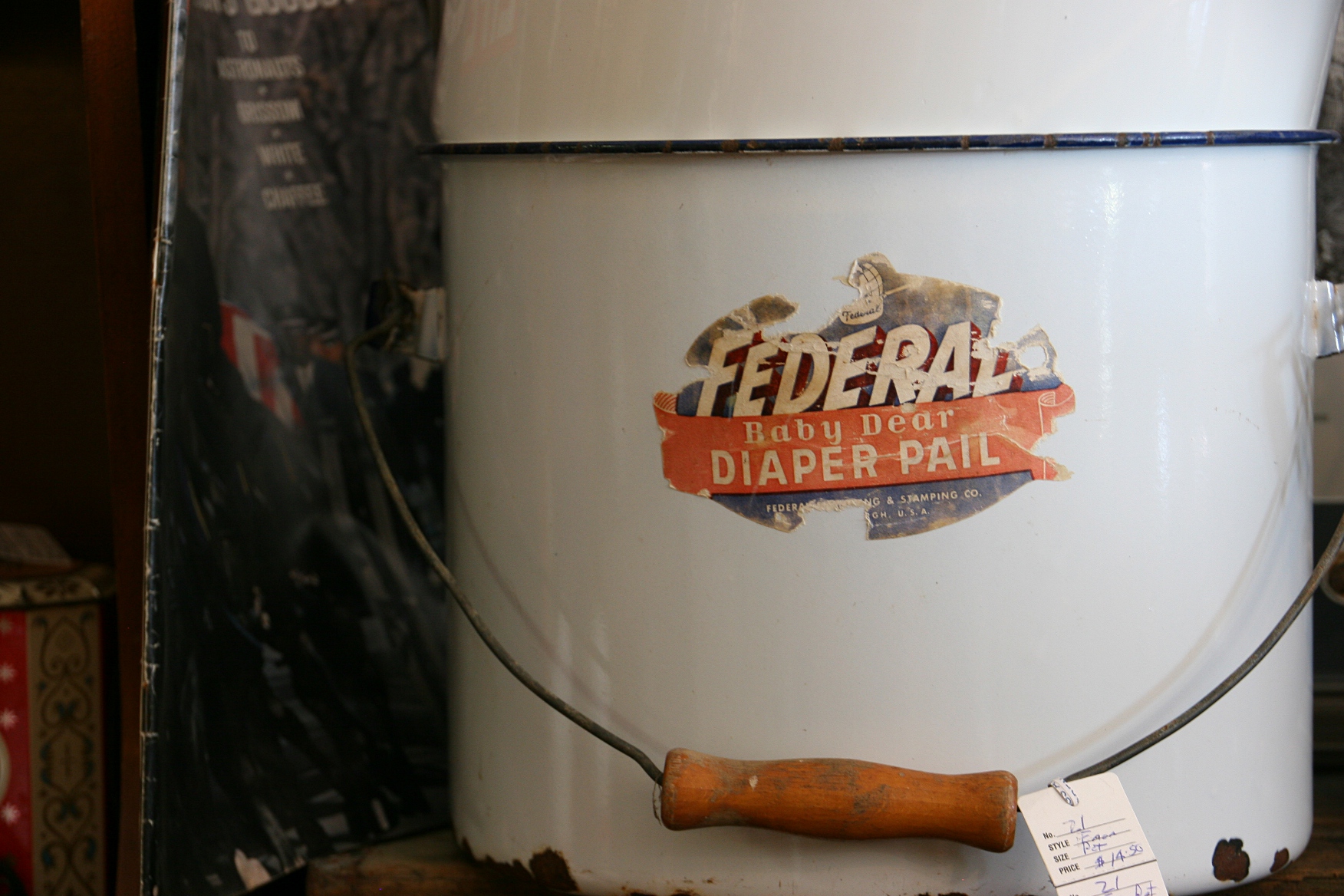
Jim's Antiques, diaper pail


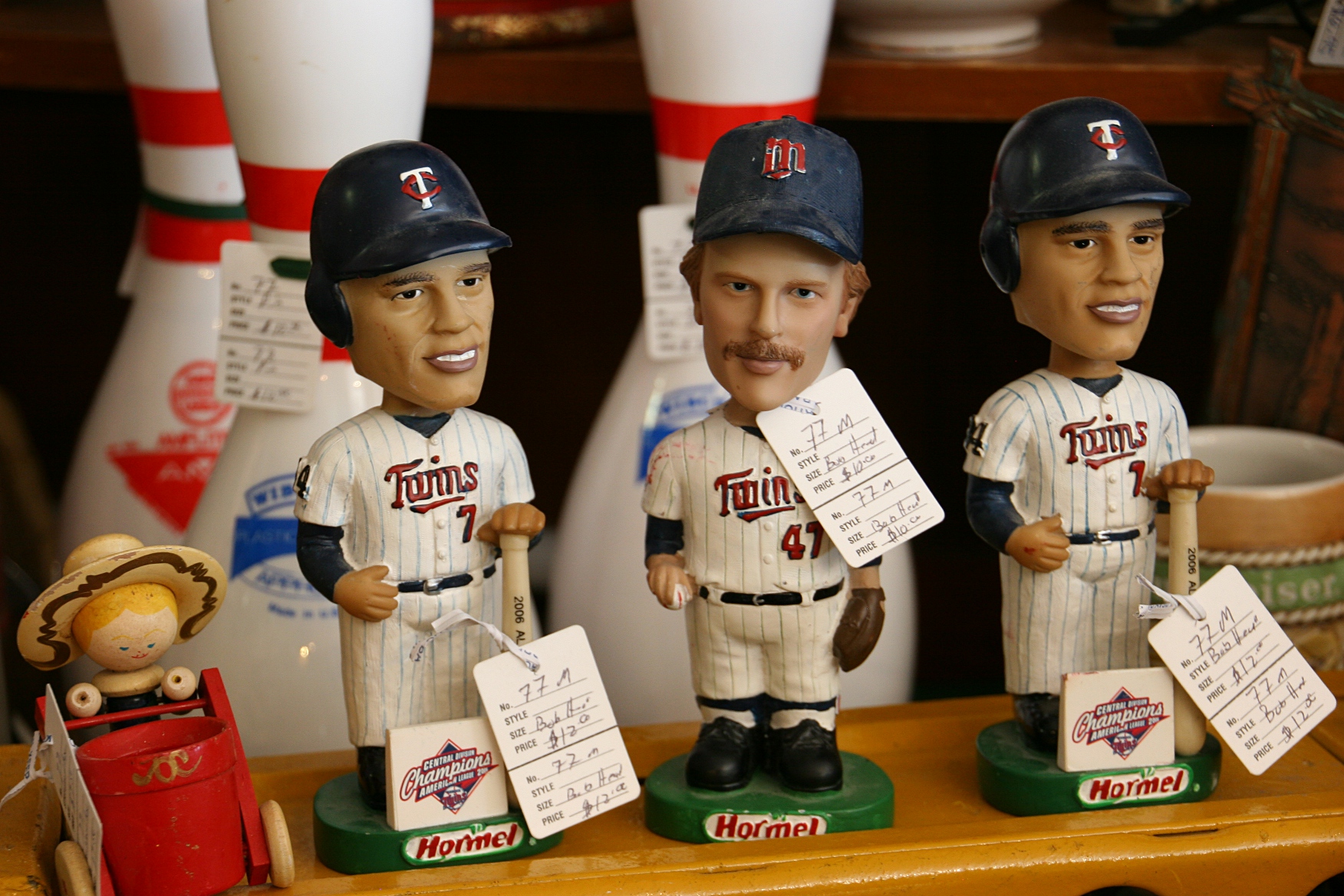
Jim's Antiques, bobbleheads


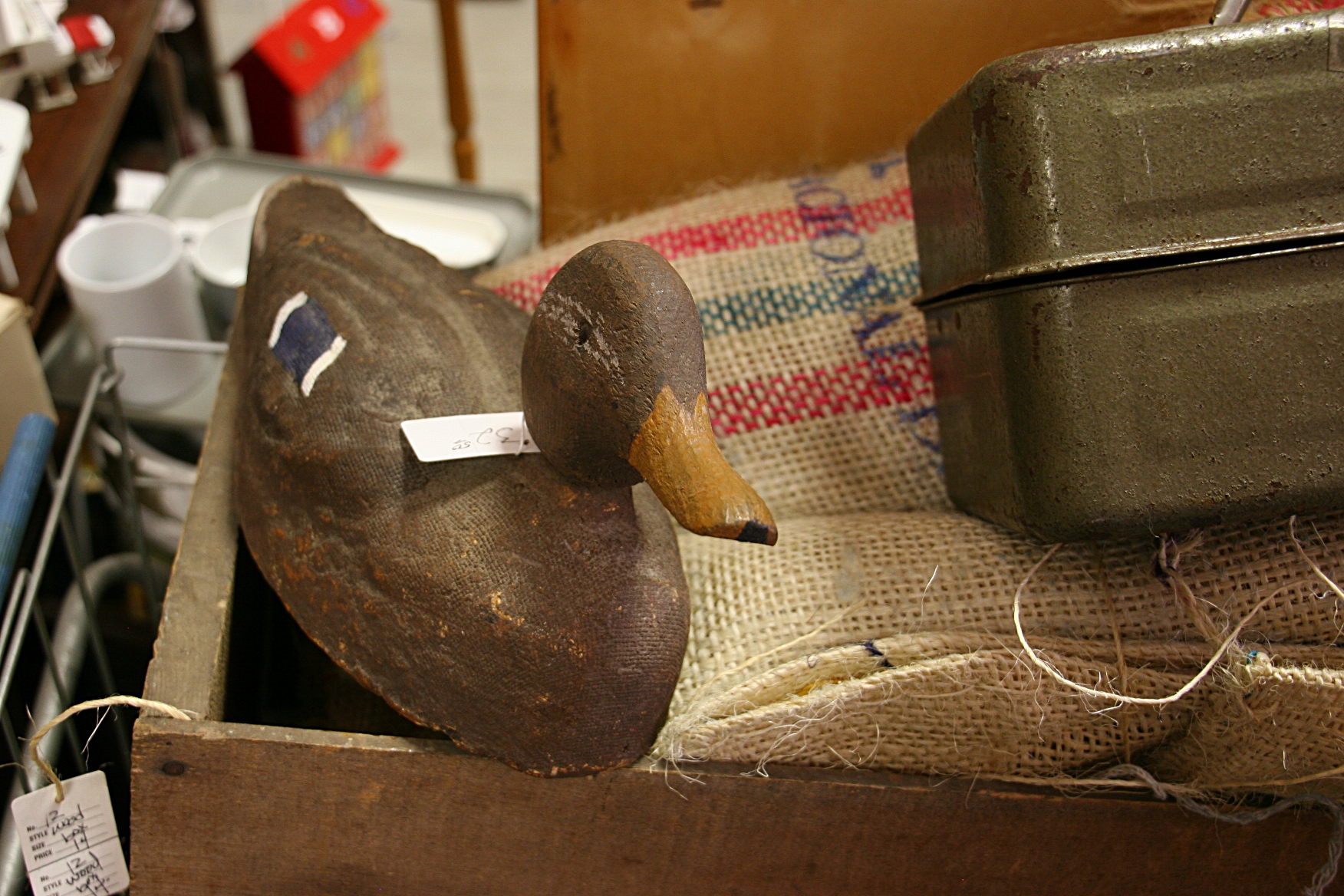
Jim's Antiques, duck decoy


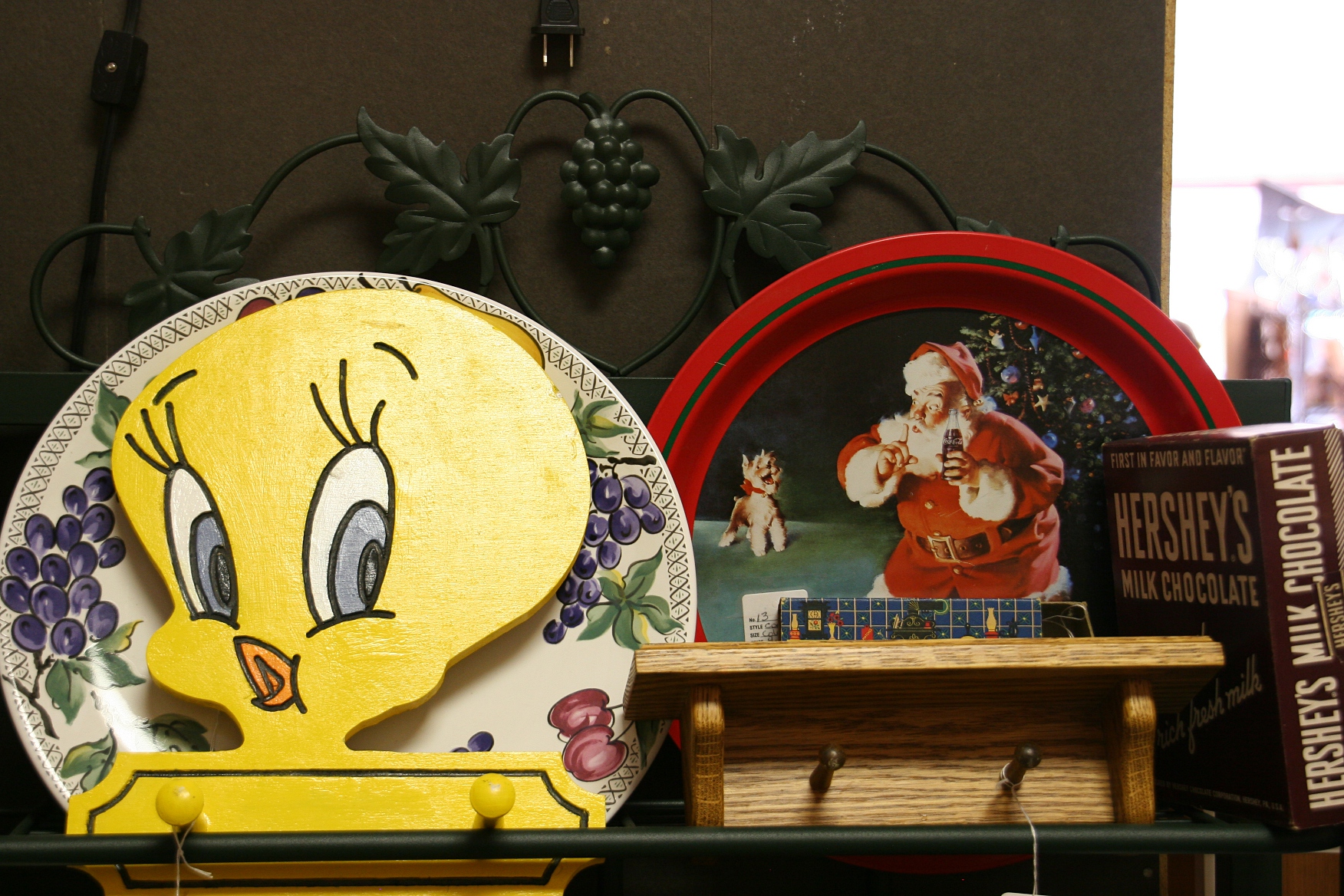
Jim's Antiques, Tweety Bird and more


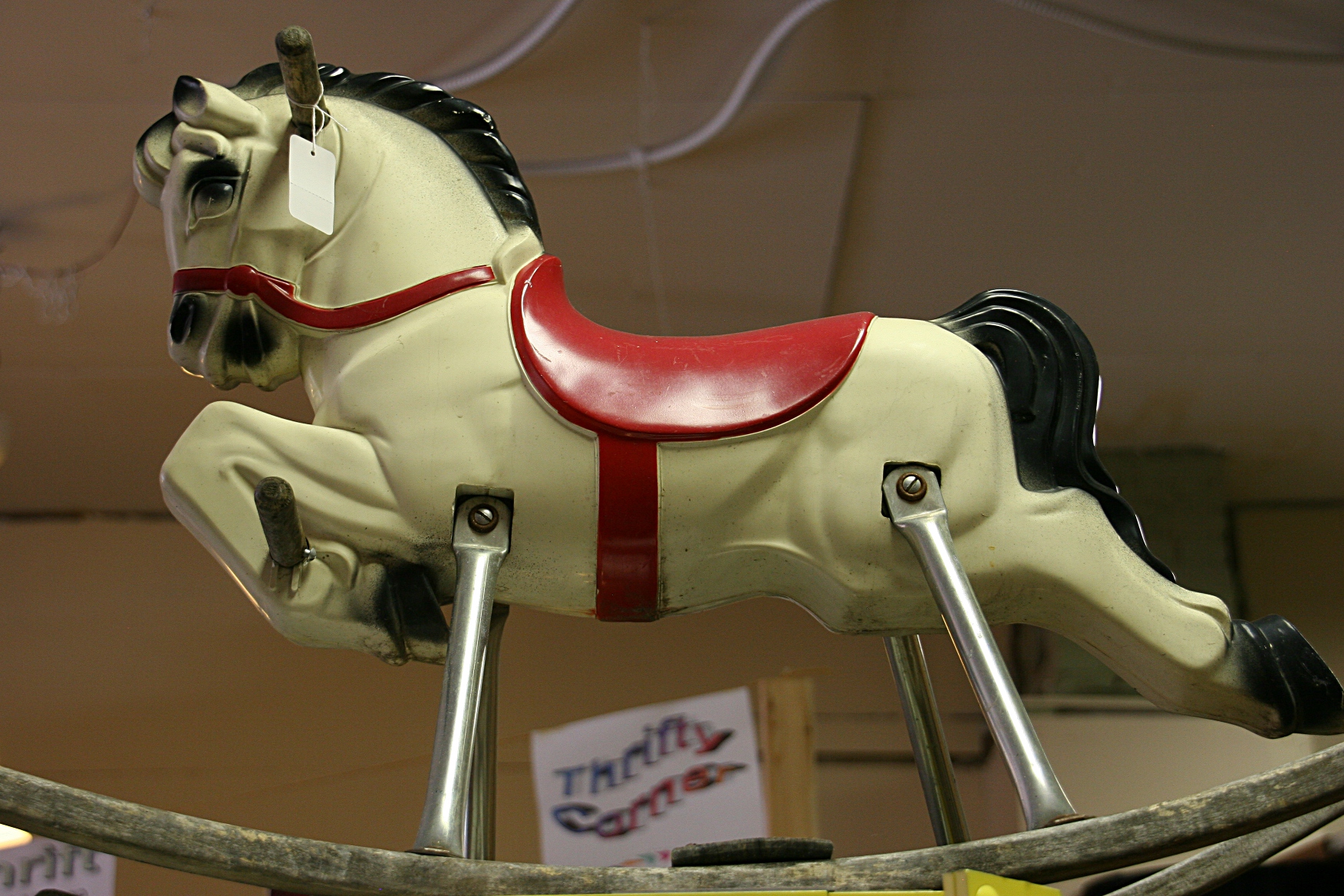
Jim's Antiques, rocking horse


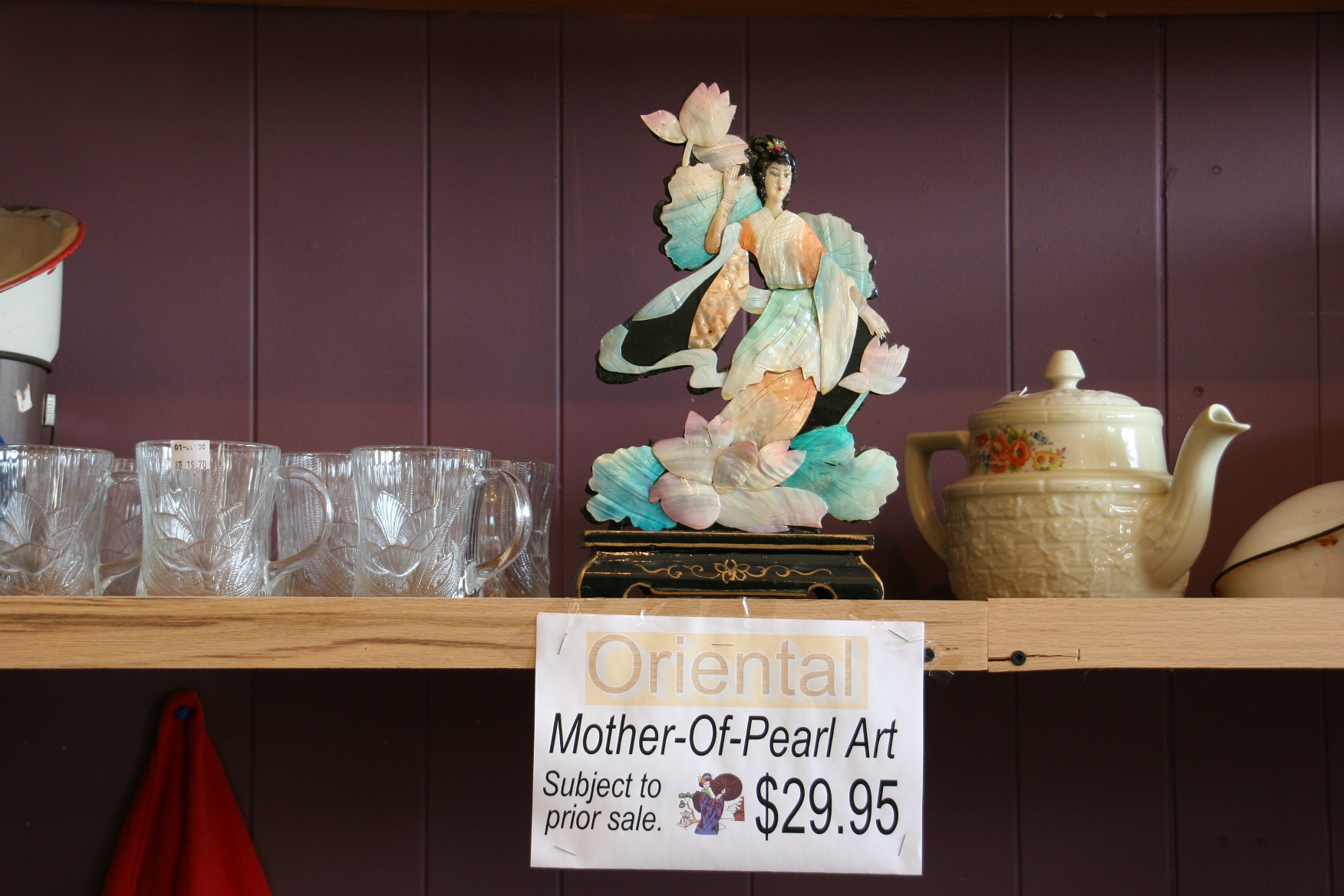
Jim's Antiques, Mother of Pearl merchandise


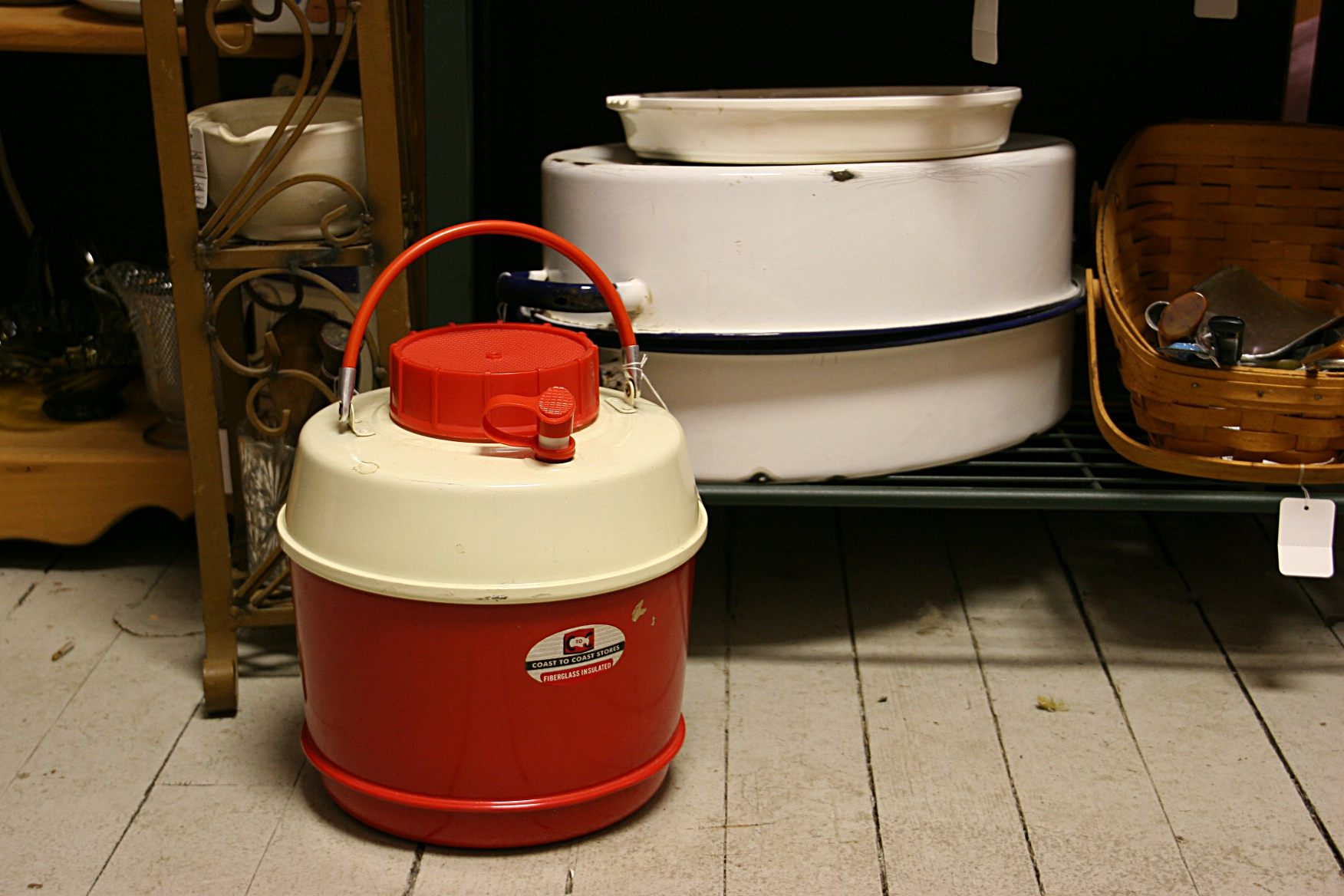
Jim's Antiques, thermos jug


FYI: Click here to read another post about a Lonsdale antique shop.

© Copyright 2015 Audrey Kletscher Helbling


Bingo, bordellos and a shopkeeper named Audre August 11, 2015

Filed under: Uncategorized — Audrey Kletscher Helbling @ 5:00 AM
Tags: , , , , , , , ,
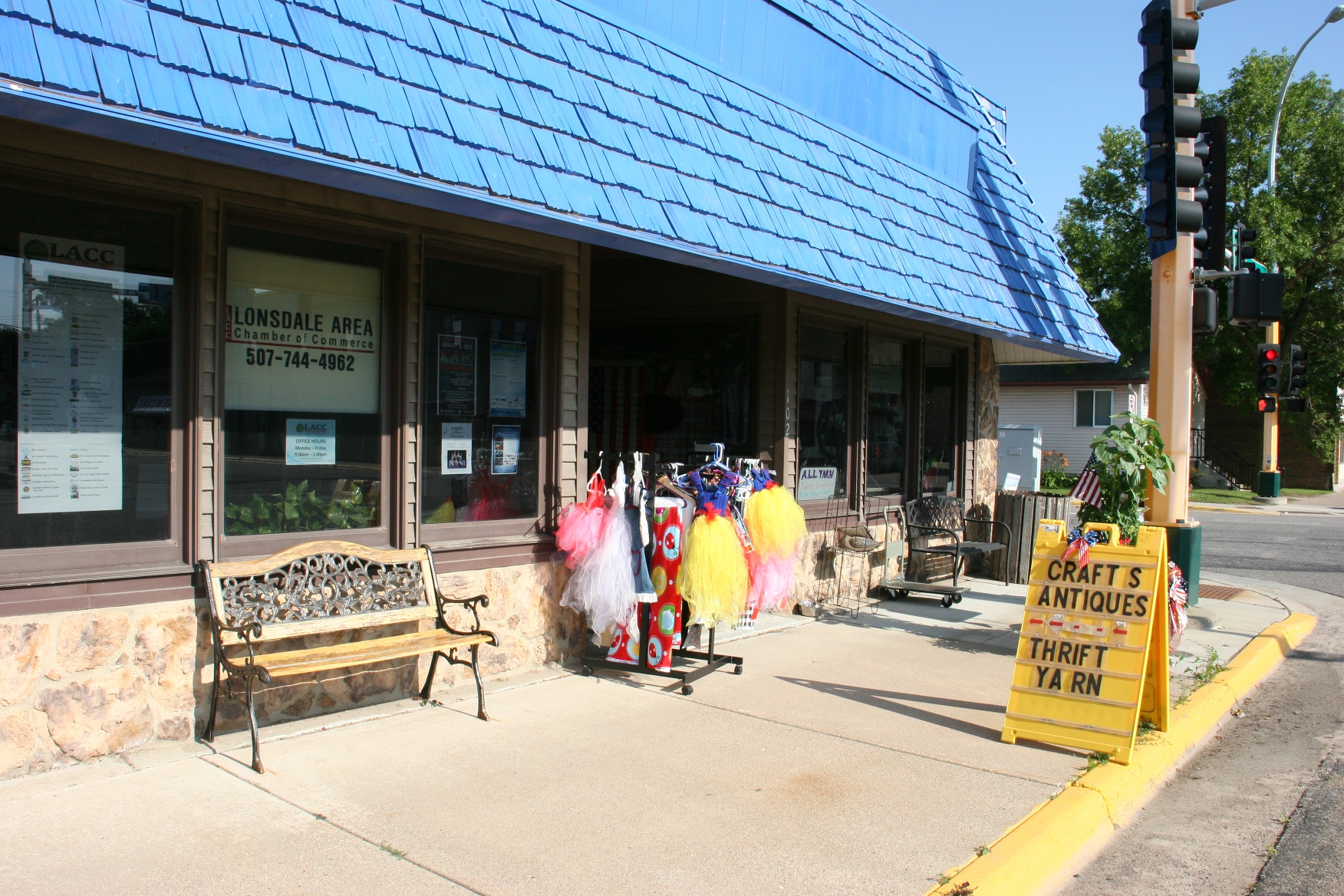
Audre's Attic, 102 Main Street, Suite 6, in Lonsdale is in a mishmash of rooms in a building next to the Lonsdale Chamber of Commerce.

Audre’s Attic, 102 Main Street, Suite 6, is in a mishmash of rooms in a building next to the Lonsdale Area Chamber of Commerce. Shop hours are 10 a.m. – 5 p.m. Thursday – Saturday.

I LOVE A SHOPKEEPER who can talk bingo and bordellos and attempt to persuade me to buy a vintage photo of unknown “relatives” all within the span of about a half hour.

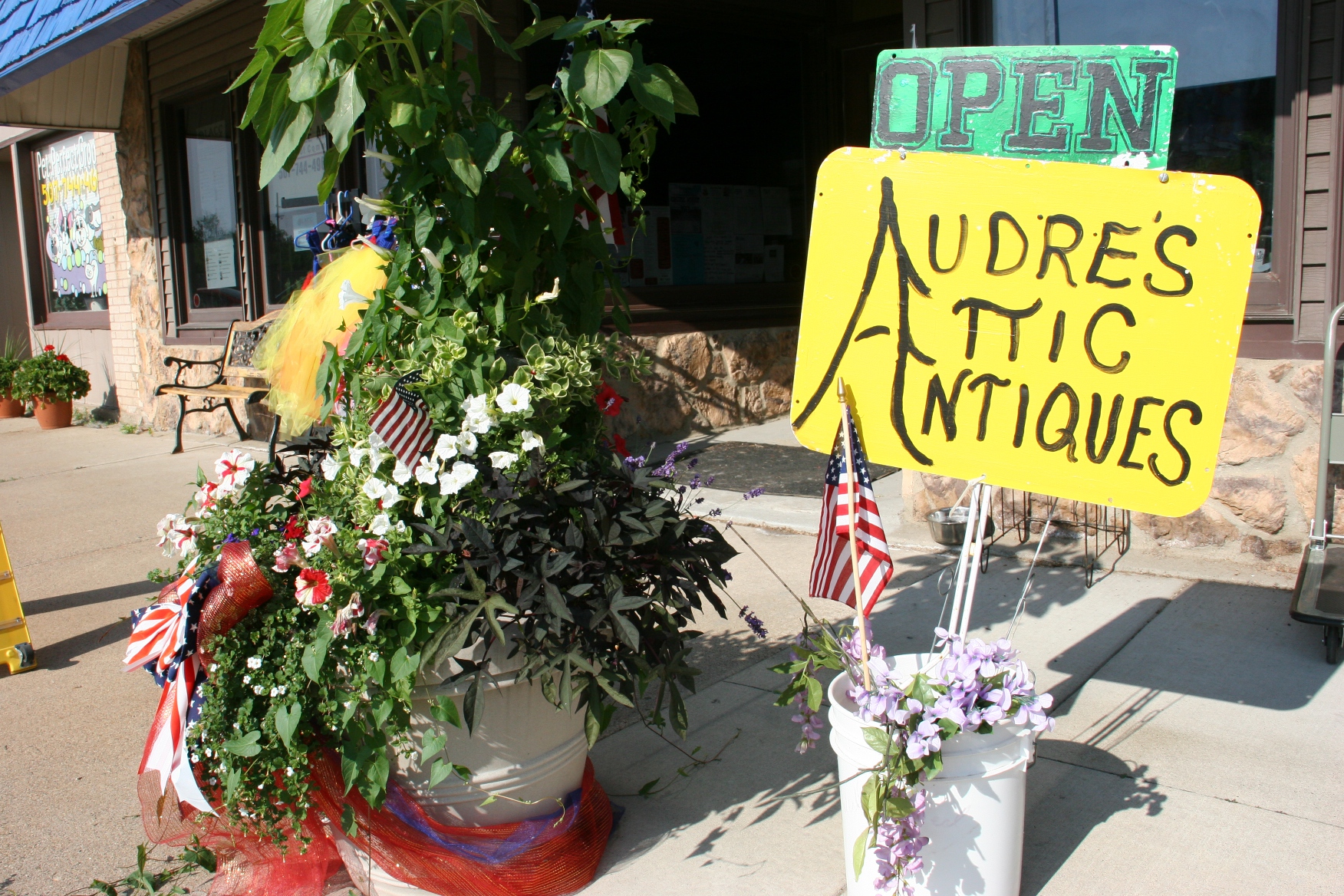
An exterior sign marks Audre's shop.

An exterior sign marks Audre’s shop.

She is Audre, not Audrey, Johnson, owner of Audre’s Attic in Lonsdale. And on a recent Thursday evening, because the farmers’ market was open in this small southern Minnesota community, Audre’s shop was open later than normal. She was, though, about to lock the door when I arrived.

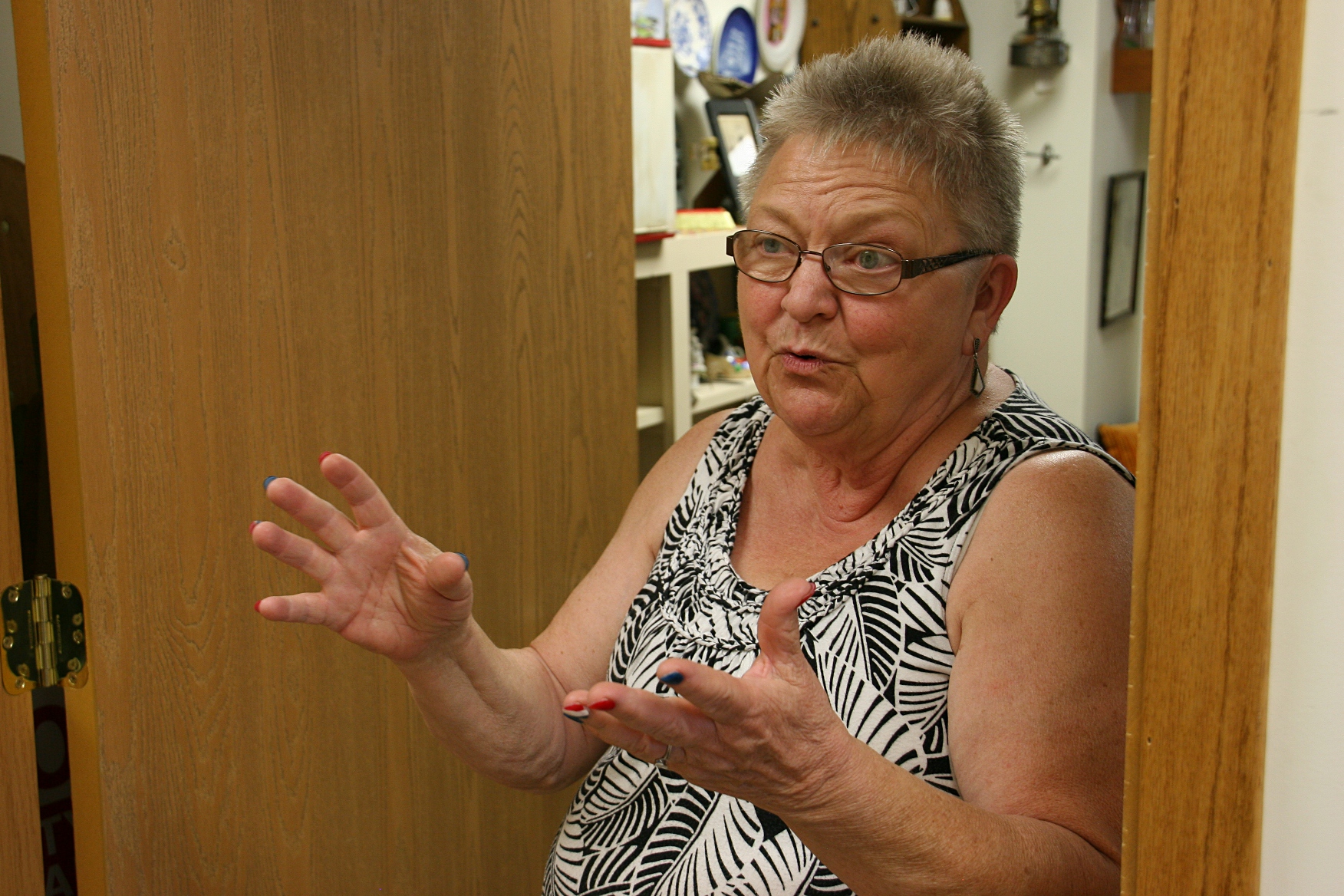
Audre Johnson loves to chat it up with customers. She talks with her hands while she talks. And lovely hands they are, too, with those patriotic red, white and blue polished fingernails.

Audre Johnson loves to chat it up with customers. She talks with her hands while she talks. And lovely hands they are, too, with those patriotic red, white and blue polished fingernails.

About her name. At age ten, when she learned to write cursive, Audrey determined, after an aunt misspelled her name, to drop the “y” and become just Audre. It suits this outspoken and friendly business woman with an engaging sense of humor.

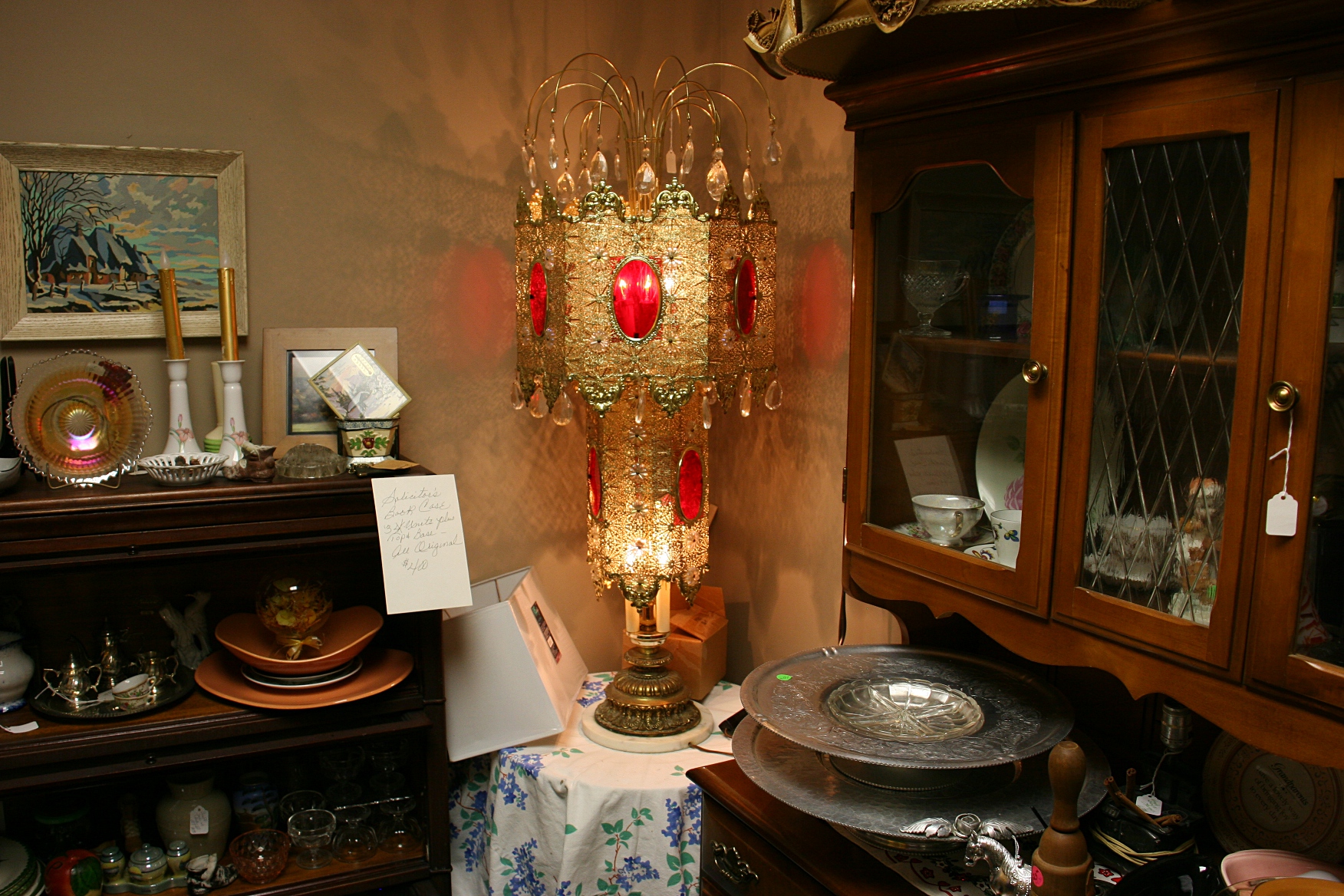
The lamp Audre claims would suit a bordello. She's selling it on consignment for a friend.

The lamp Audre claims would suit a bordello. She’s selling it on consignment for a friend.

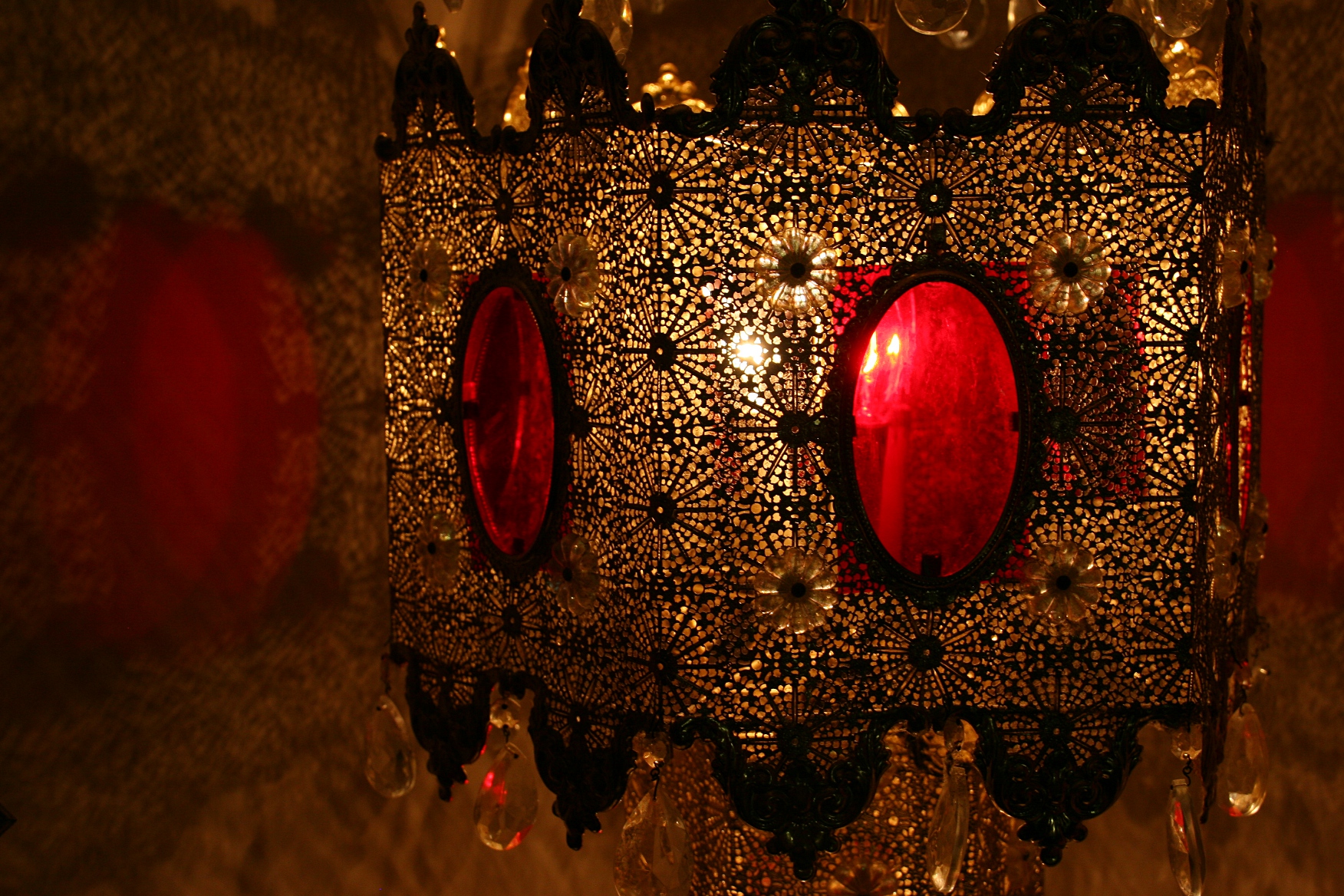
When I discovered an ornate lamp displayed on a corner table, Audre suggested it belonged in a bordello. I wondered if I’d heard right. I had, after all, only met this curator of antiques, collectibles and more miscellaneous junque.

The lamp really shown once the overhead light was switched off.

The lamp really shown once the overhead light was switched off.

Then she switched off an overhead light and I understood her thinking.

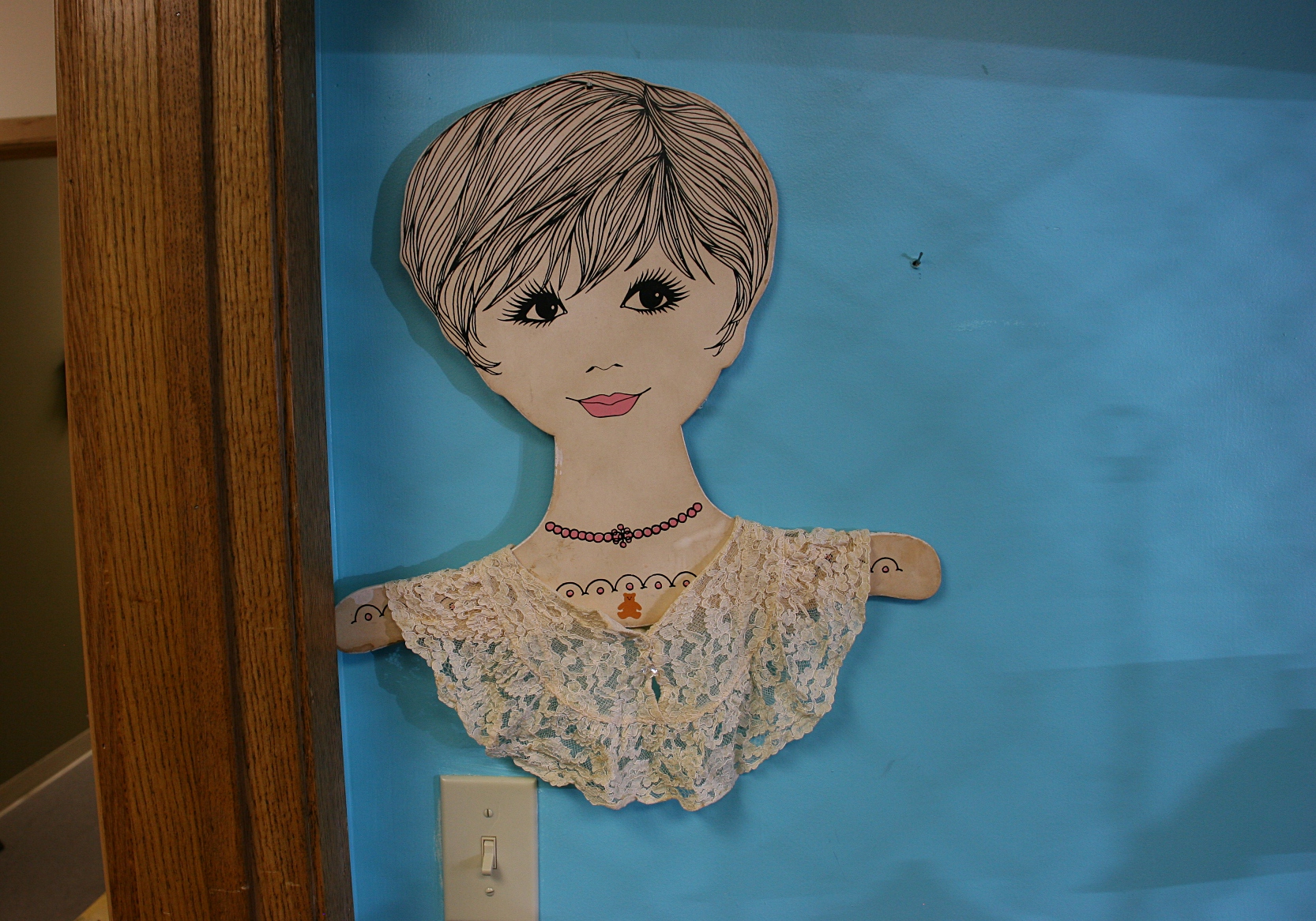
One of my favorite discoveries in Audre's Attic is this 1950s handcrafted bust. It's not for sale. Audre sold a duplicate, but only after a customer wore her down.

One of my favorite discoveries in Audre’s Attic is this vintage handcrafted bust. It’s not for sale. Audre sold a duplicate, but only after a customer wore her down.

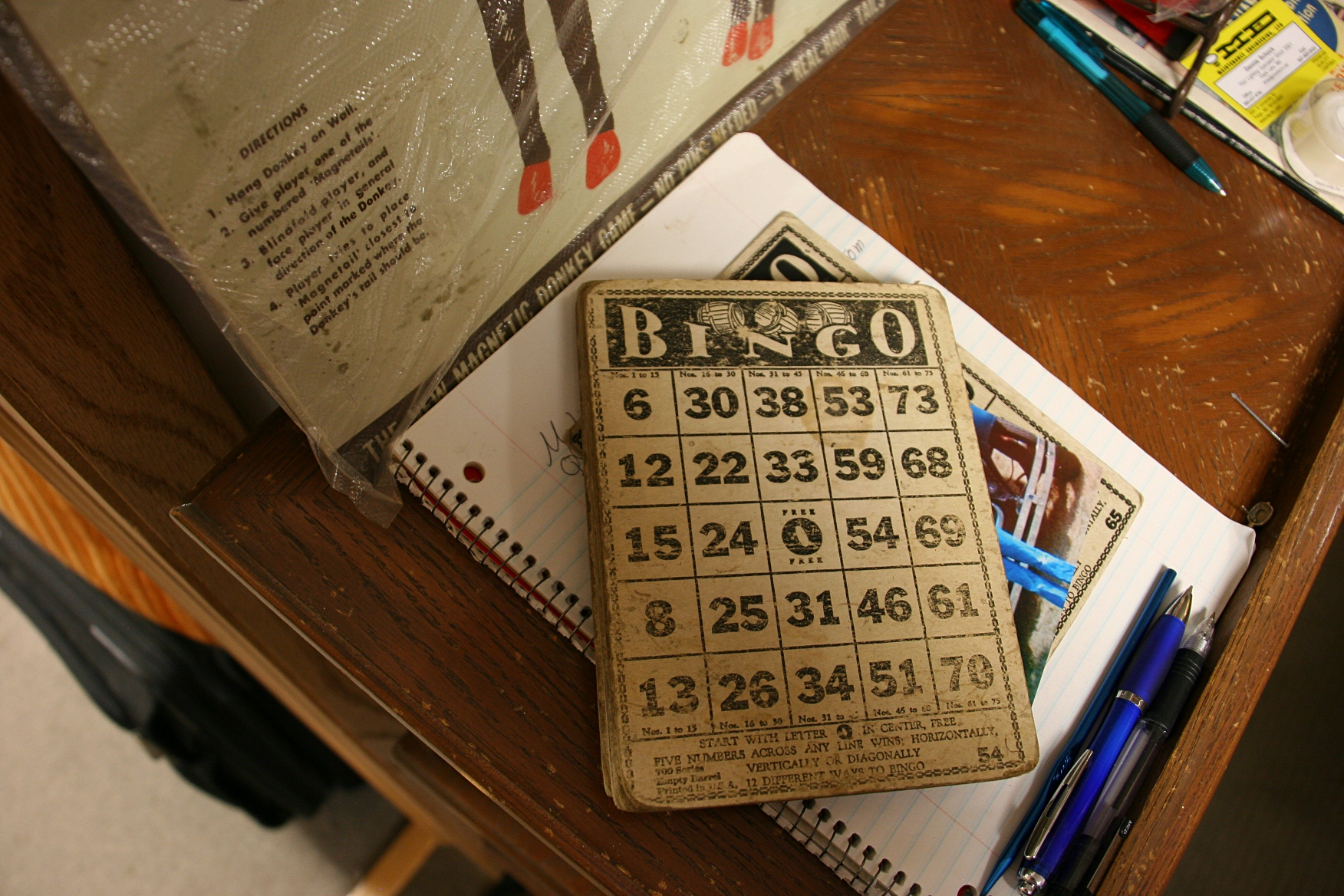
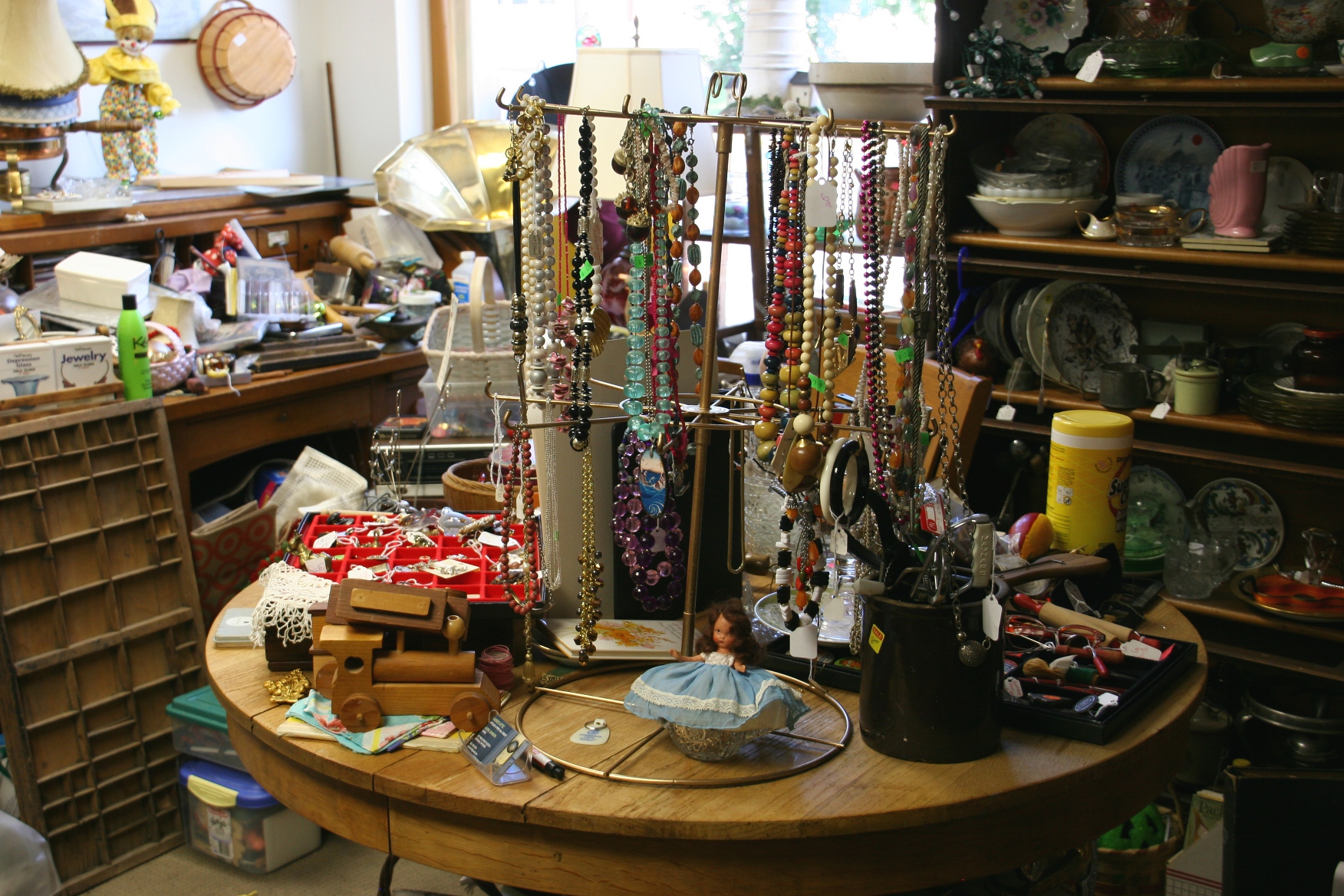
She showed me a vintage hand-painted bust draped with a lace collar and a rabbit pull toy and a child’s toy Singer sewing machine and a rope bed and bingo cards.

Underneath the top bingo card is the bingo card photo frame Audre crafted. And below that is a notebook where customers can jot down items they are searching for.

Underneath the stack of bingo cards is the bingo card photo frame Audre crafted. And below that is a notebook where customers can jot down items they are searching for.

About those bingo cards. A friend told her selling gambling related merchandise is illegal. True or not, Audre wasn’t gambling. She cut a bingo card into a frame, inserted a photo and, ta-da, she’s selling a picture frame.
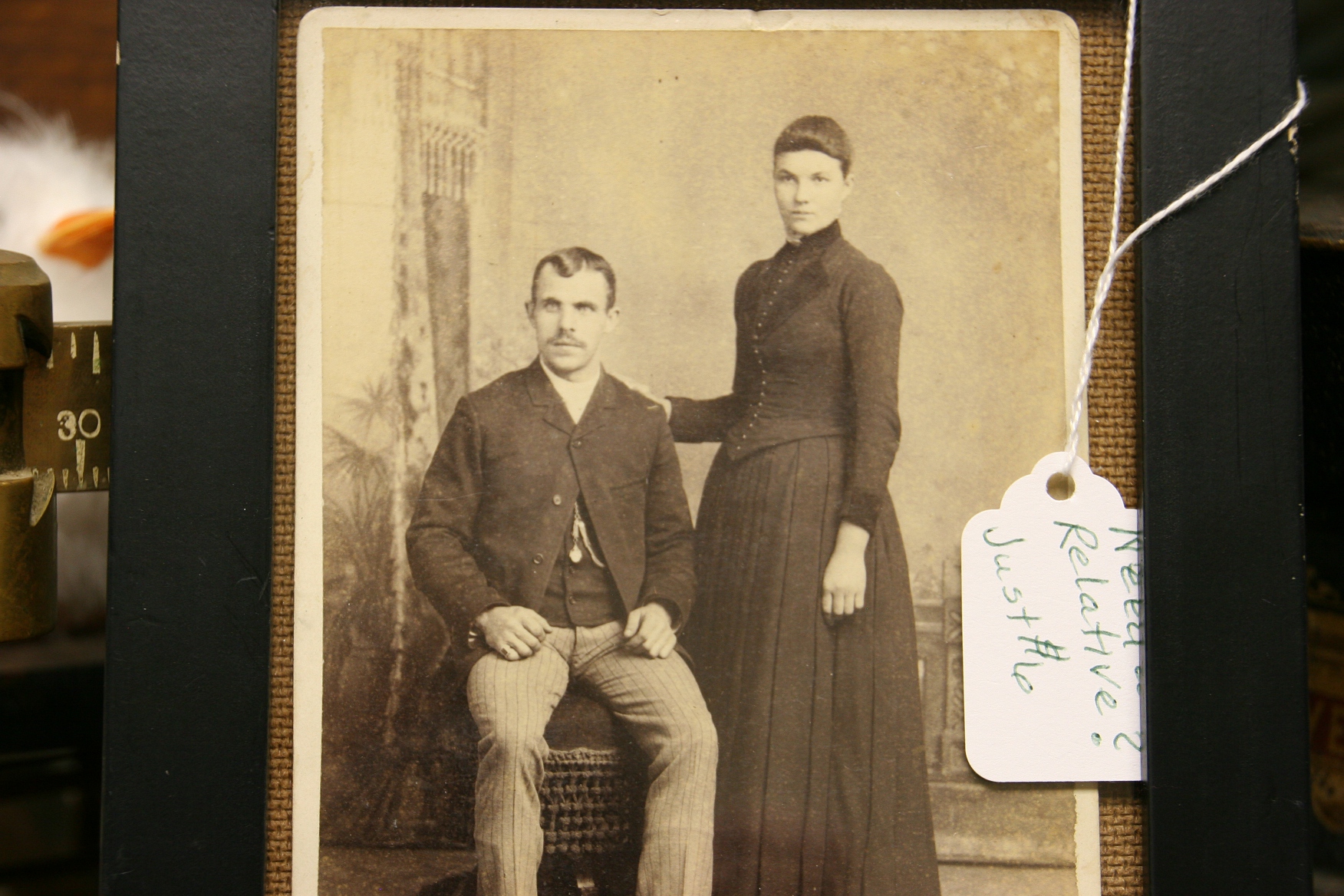
The sales tag on this vintage photo reads, "Need relatives?"

The sales tag on this vintage photo reads, “Need relatives?”

Despite her best efforts, Audre did not persuade me to purchase a framed sepia photo of a handsome couple. I told her I already had enough family.

Audre's office and display space merge in this room.

Audre’s office and display space merge in this room.

And that’s how things flowed, with Audre inserting wit into conversation like we were long-time friends rather than two women who’d just met.
#

BONUS PHOTOS of select merchandise in Audre’s Attic:


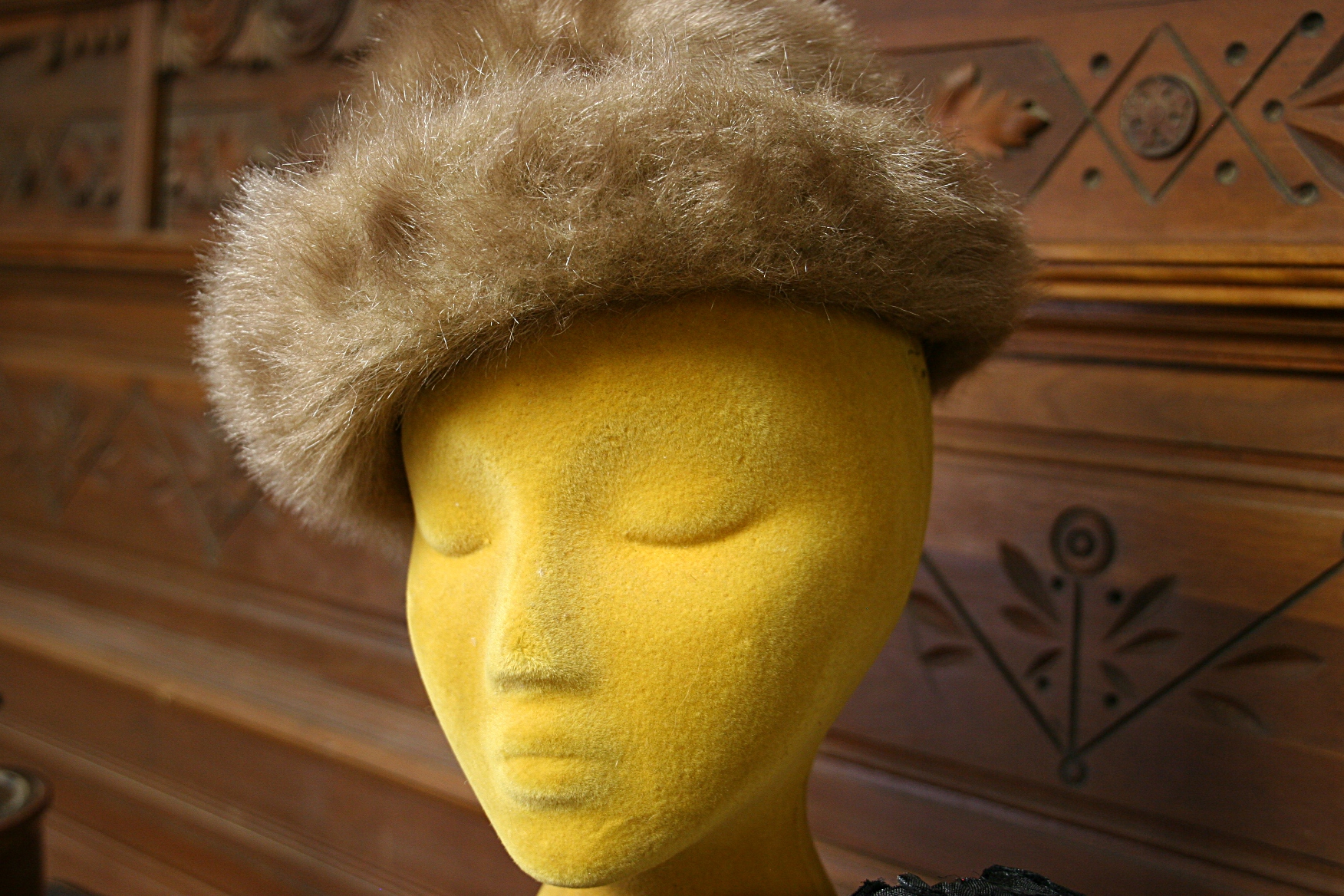
Audre's Attic, hat on yellow head


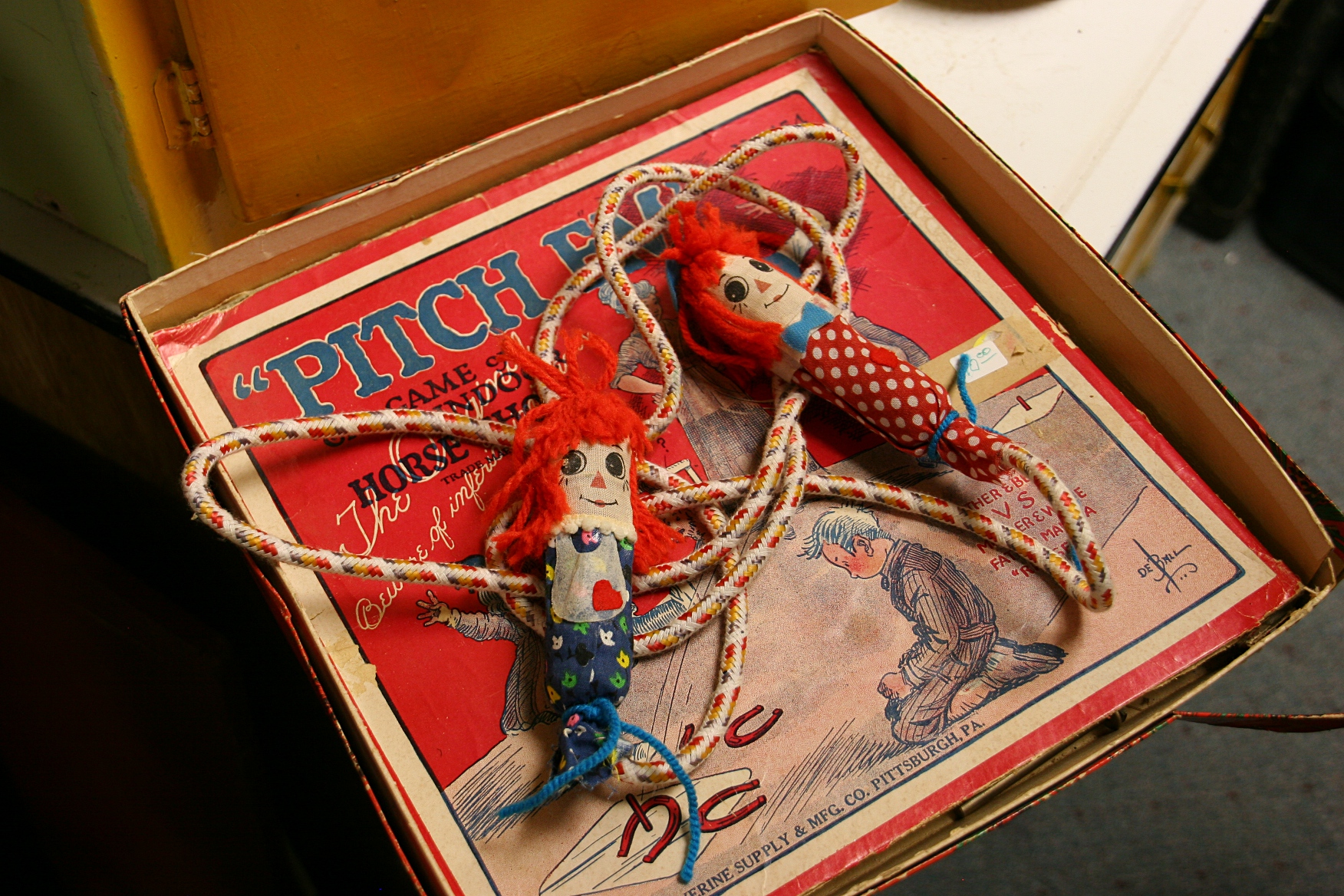
Audre's Attic, jump rope


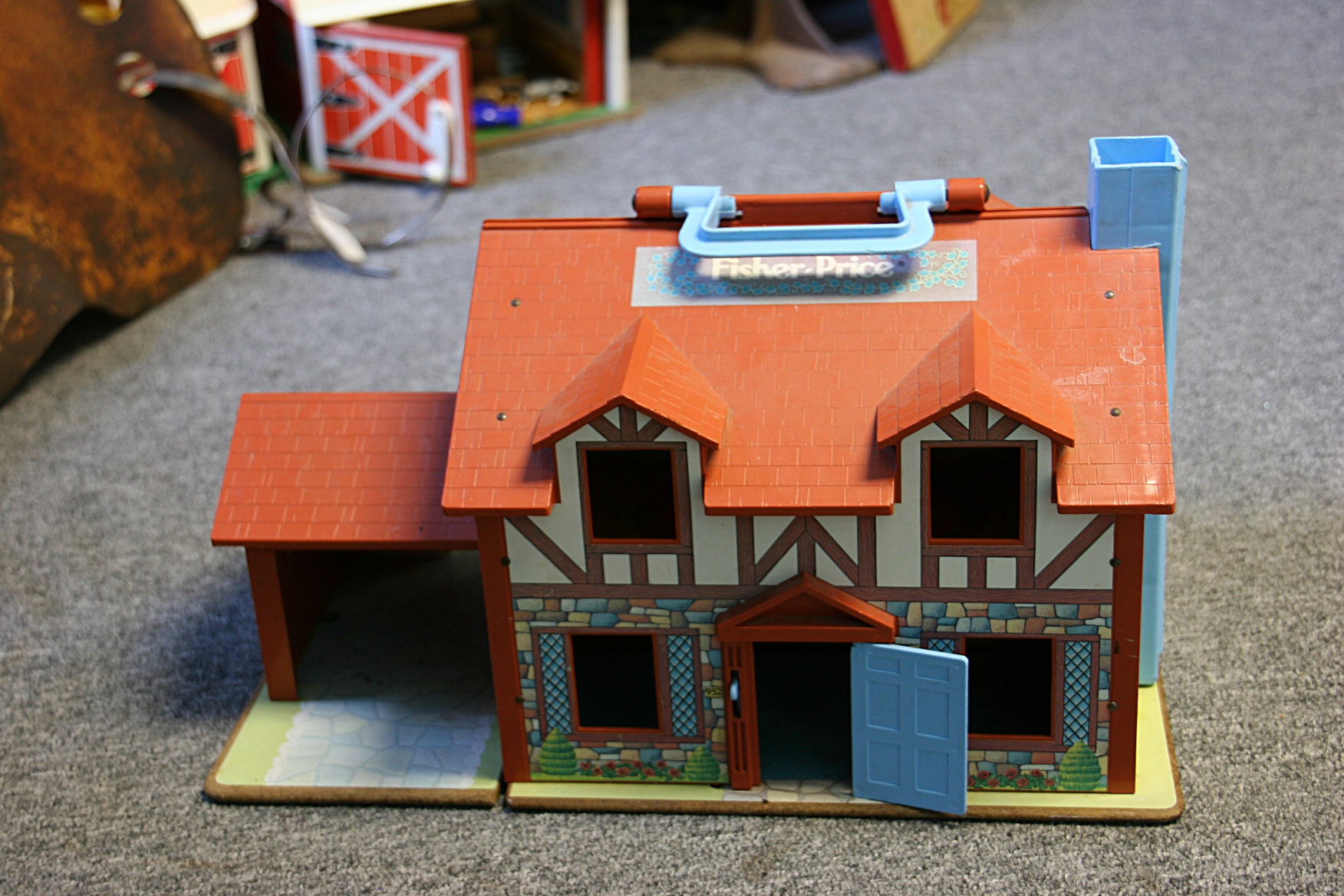
Audre's Attic, dollhouse


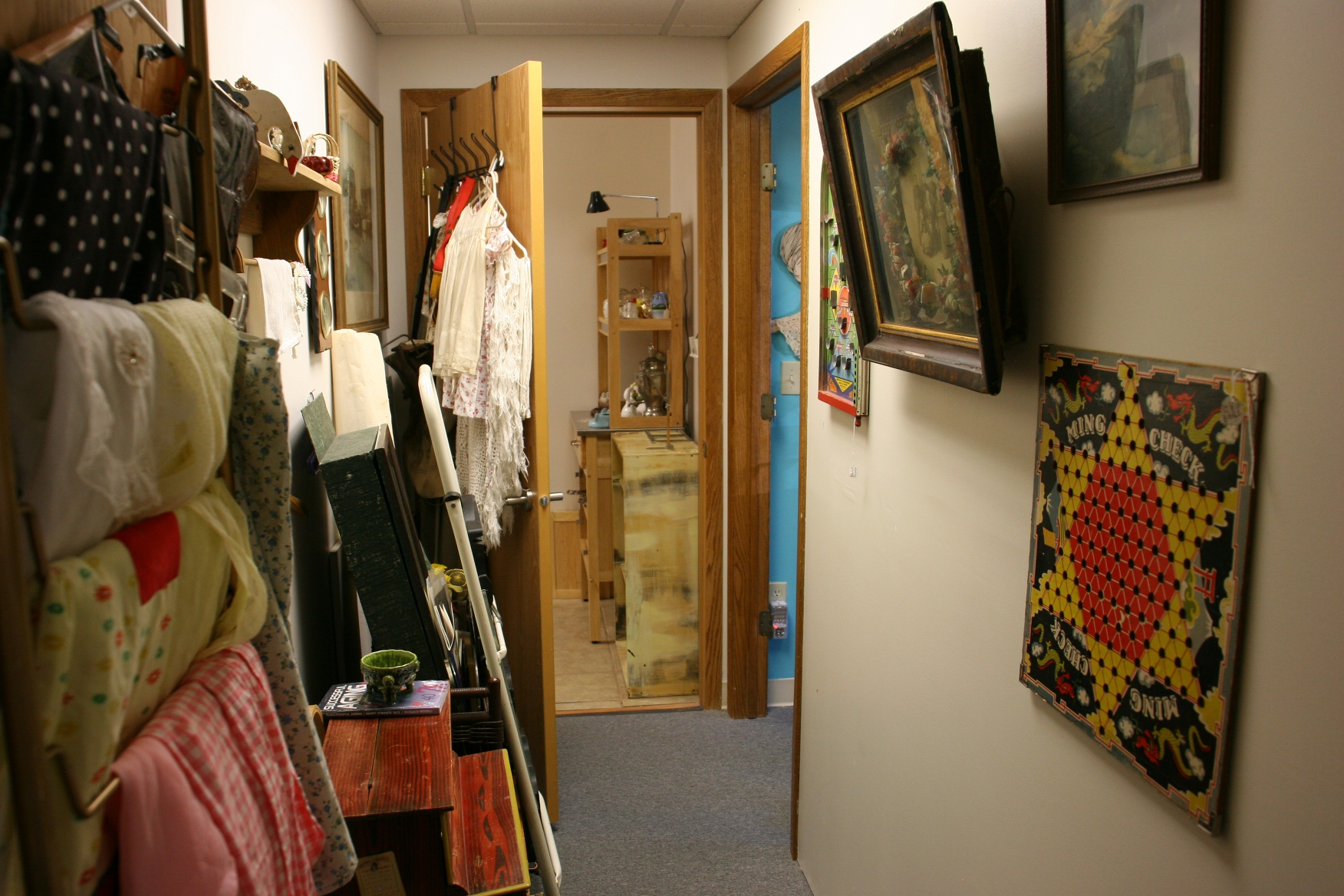
Audre's Attic, hallway displays


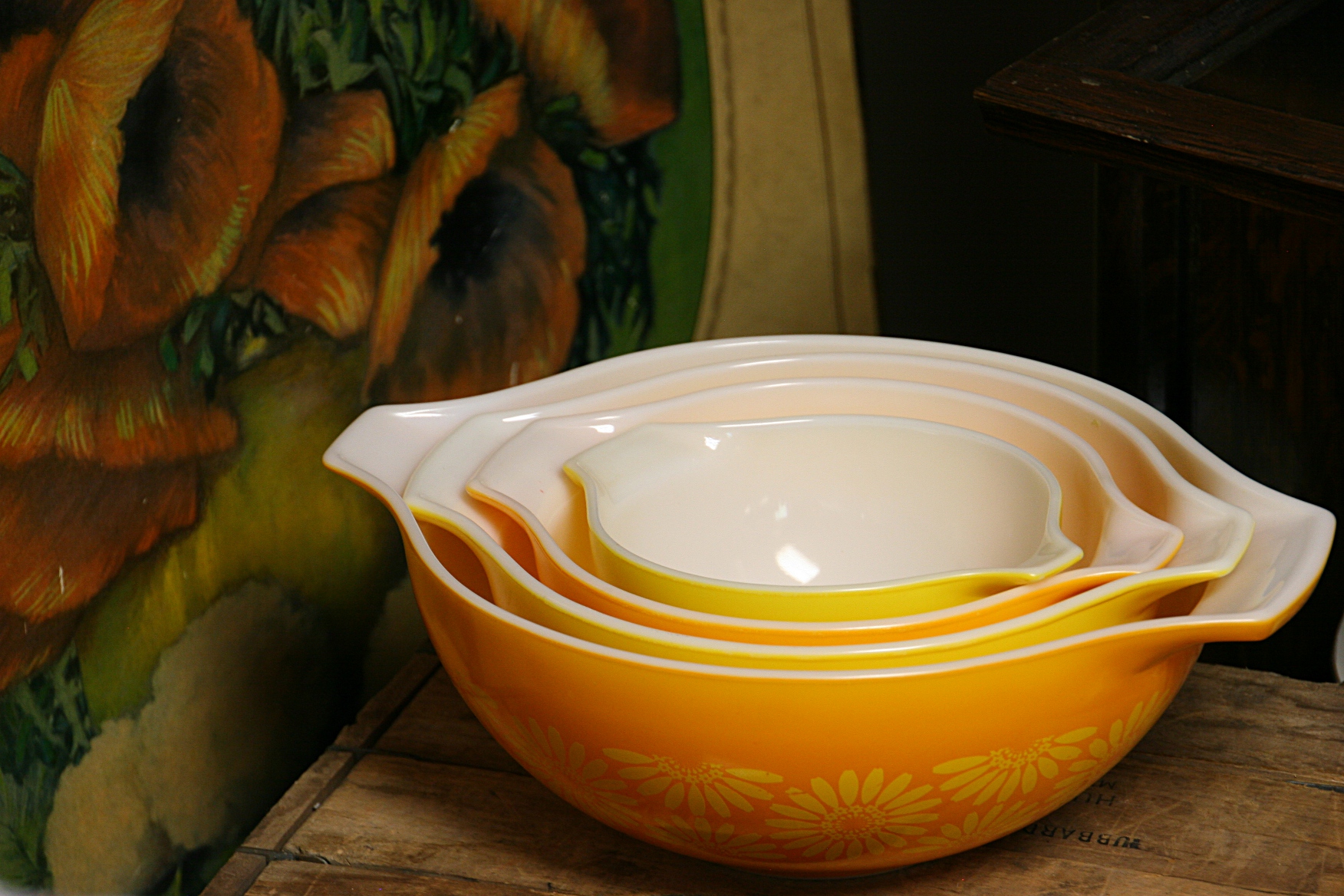
Audre's Attic, bowls


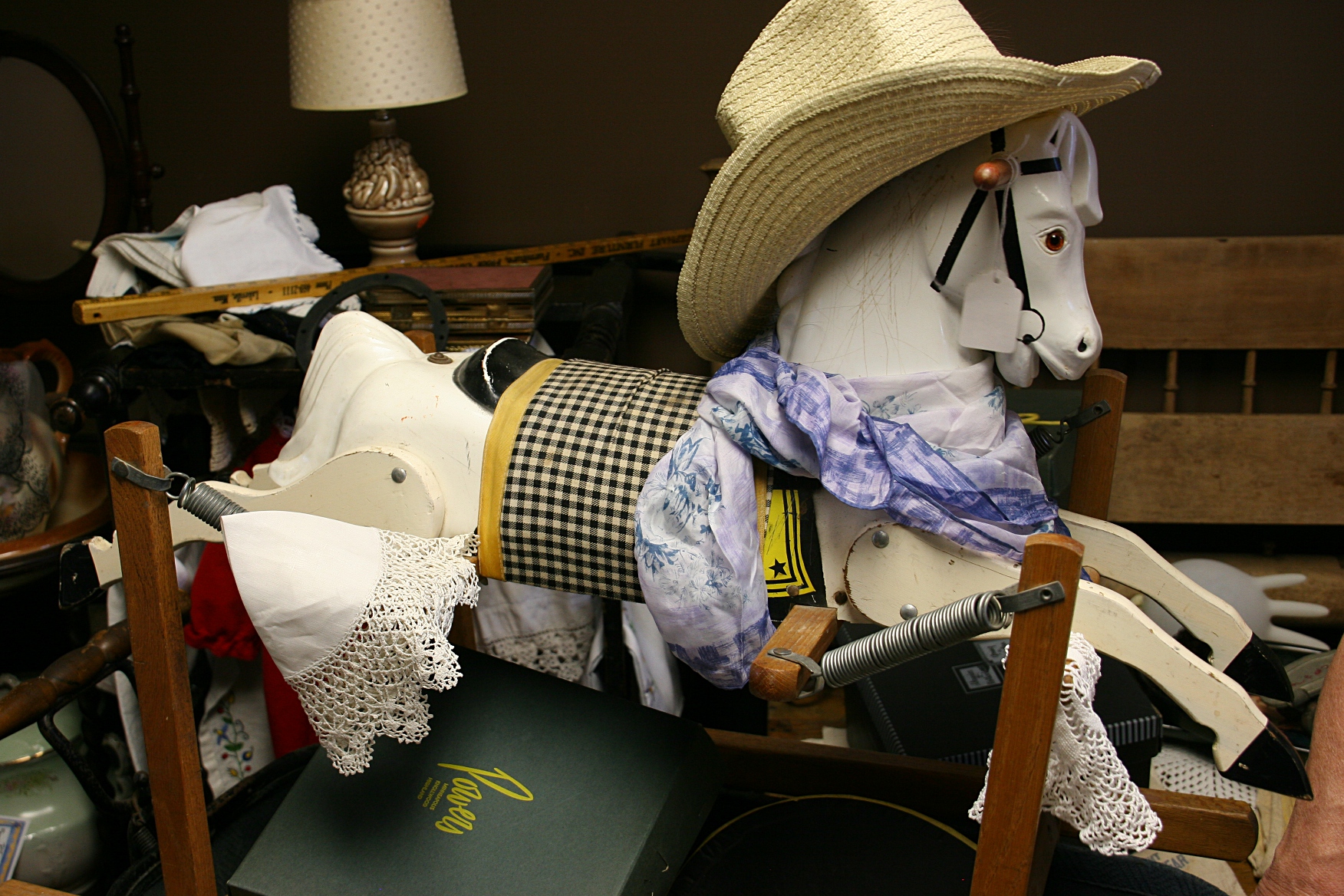
Audre's Attic, horse


Audre's Attic, sign on floor


FYI: Check back for photos from Jim’s Antiques and Collectibles, another Lonsdale shop I visited.

© Copyright 2015 Audrey Kletscher Helbling