Minnesota Prairie Roots

Writing and photography by Audrey Kletscher Helbling

Part III: Oh, the memories, the treasures uncovered in West Concord April 2, 2015

Filed under: Uncategorized — Audrey Kletscher Helbling @ 5:00 AM
Tags: , , , , ,

IT’S EASY, WHEN TOURING a museum like that run by the West Concord Historical Society, to feel overwhelmed by the volume of items displayed.
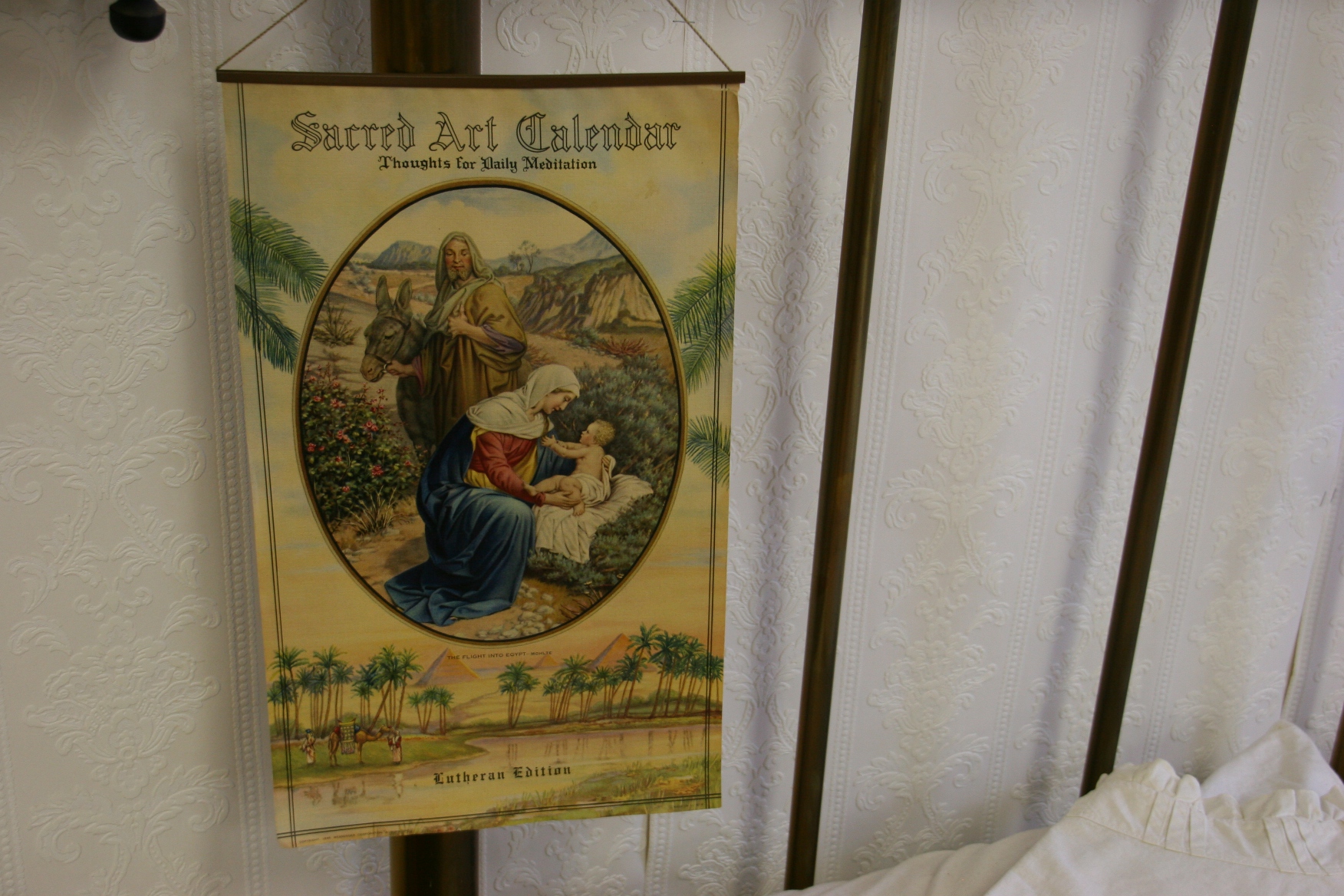
This struck me as particularly humorous: A Sacred Art calendar, Lutheran edition.

The wording on this beautiful piece of art struck me as particularly funny: A Sacred Art Calendar, Lutheran Edition.

But often certain things will imprint as particularly unique or humorous or as a reminder of something from your past.
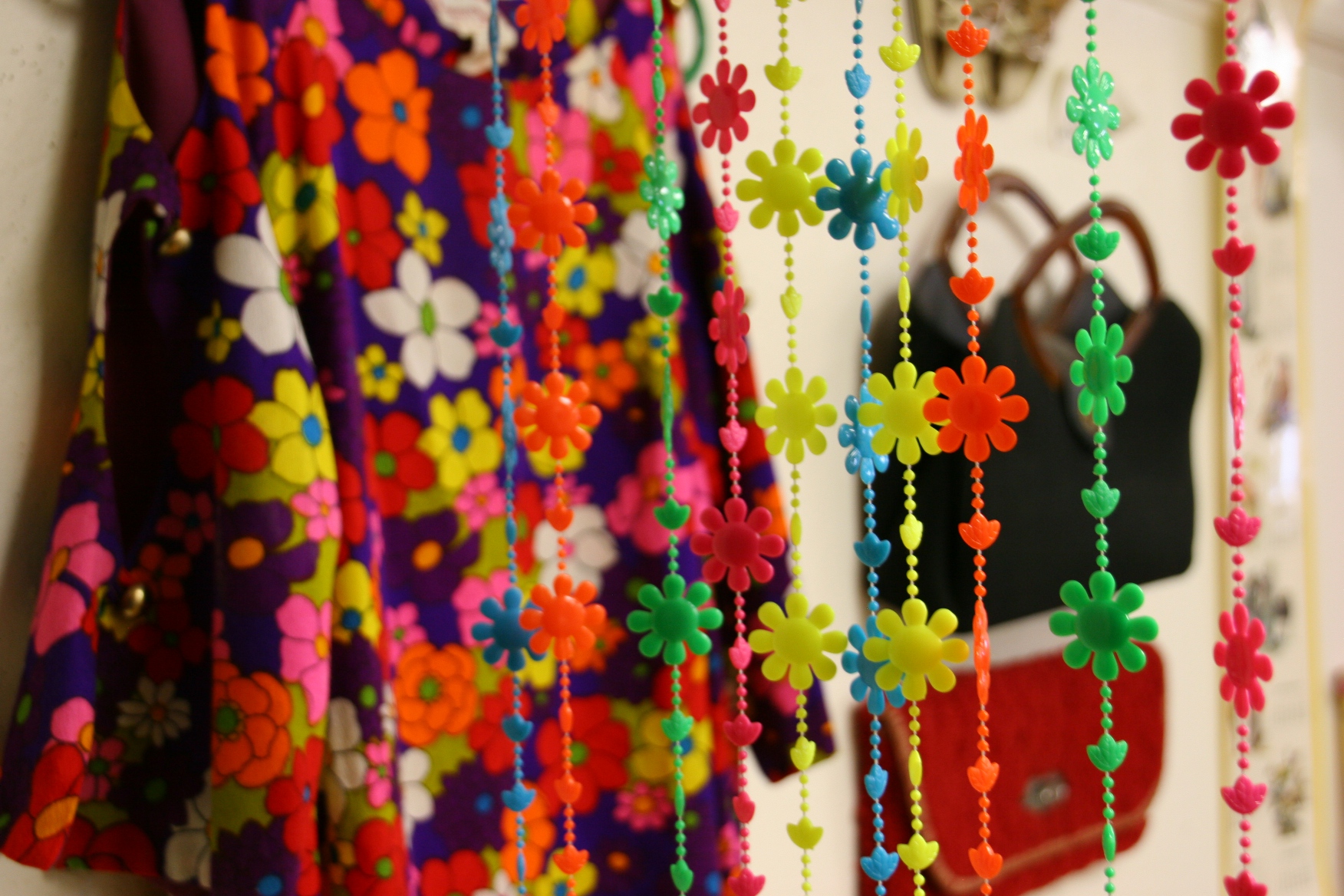
When I nearly ran into these dangling beads inside the doorway to The 50's and 60's Room, I knew this would be my favorite themed room. It was.

When I nearly ran into these dangling beads inside the doorway to The 50’s and 60’s Room, I knew this would be my favorite themed room.

The WCHS’s museum, housed in a massive former school, contains so much stuff that you are sure to find multiple pieces of the past that pop out, no matter your age.
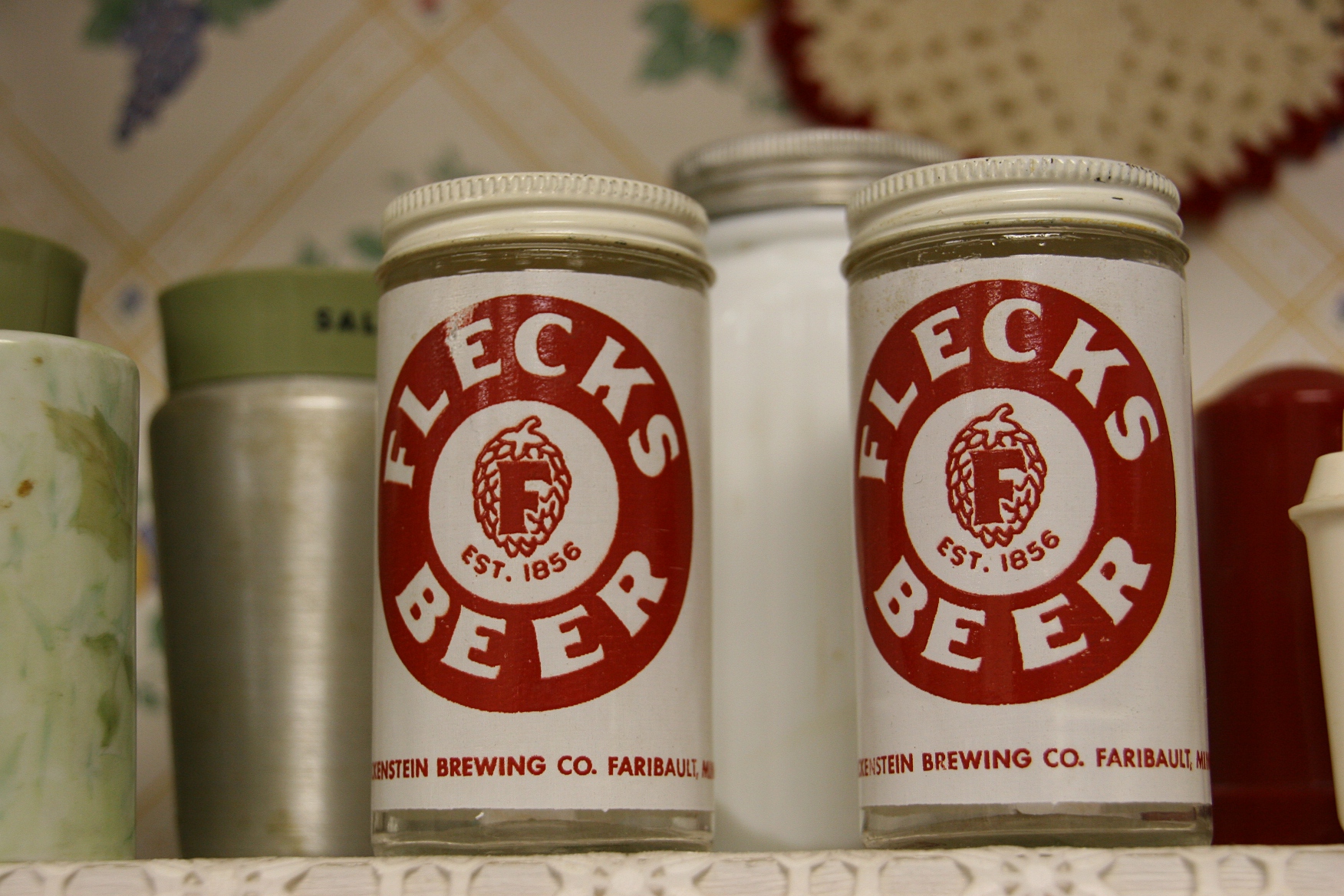
This Flecks beer memorabilia is displayed in the West Concord museum even though the beer was made in my community of Faribault 25 miles away.

This Flecks beer memorabilia is displayed in the West Concord museum even though the beer was made in my community of Faribault 25 miles away.

I have no personal connection to West Concord. Yet I am connected by time and by the geography of living in southeastern Minnesota.

Here are some more of my favorite finds inside the WCHS museum:
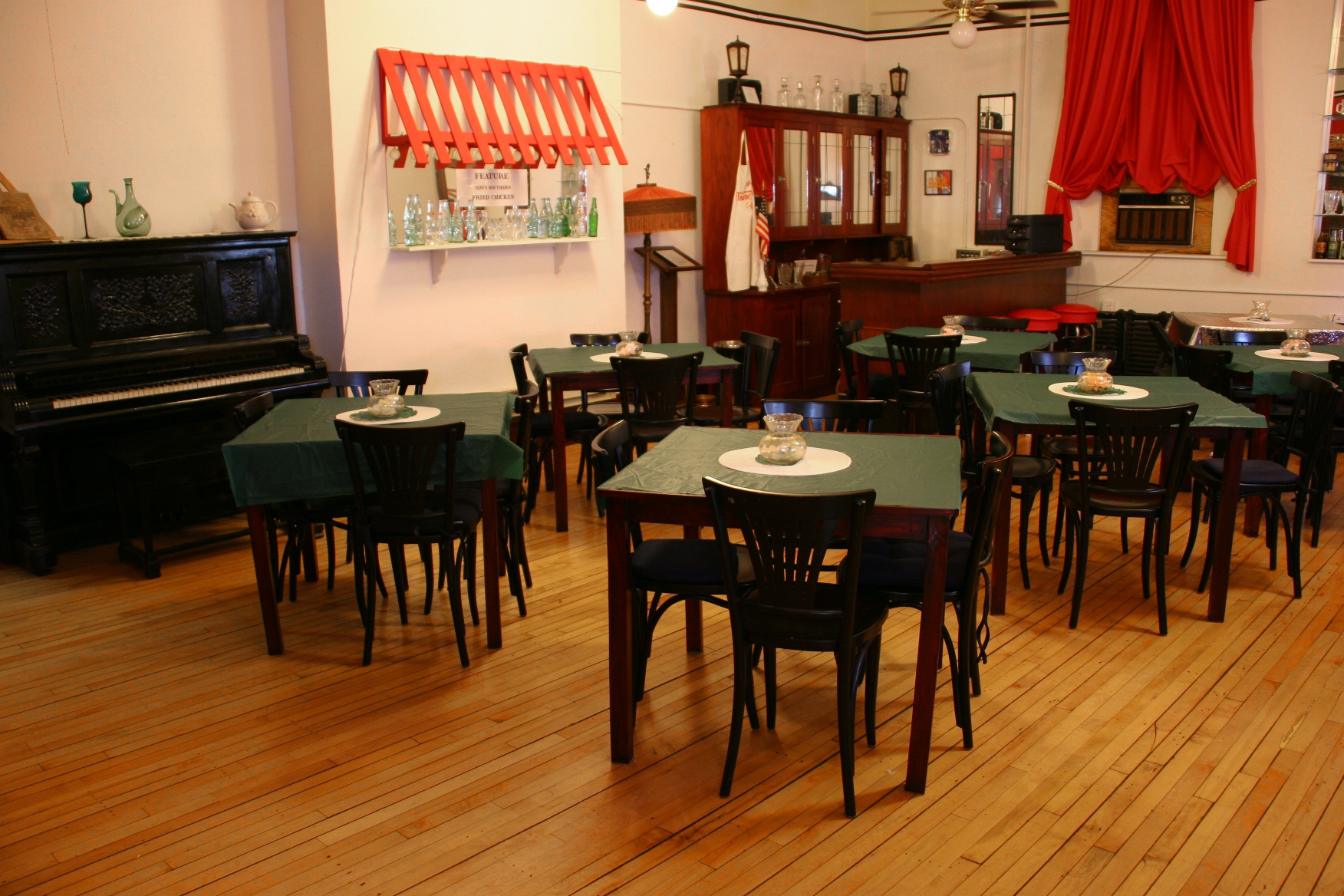
This entire former classroom is set up to look like the 1930s-early 1940s Flame Room once housed in the Concord Hotel. This space can be rented for gatherings.

This entire former classroom is set up to look like the 1930s-early 1940s Flame Room once housed in the Concord Hotel. This space can be rented for gatherings. Locals dined and danced at The Flame.
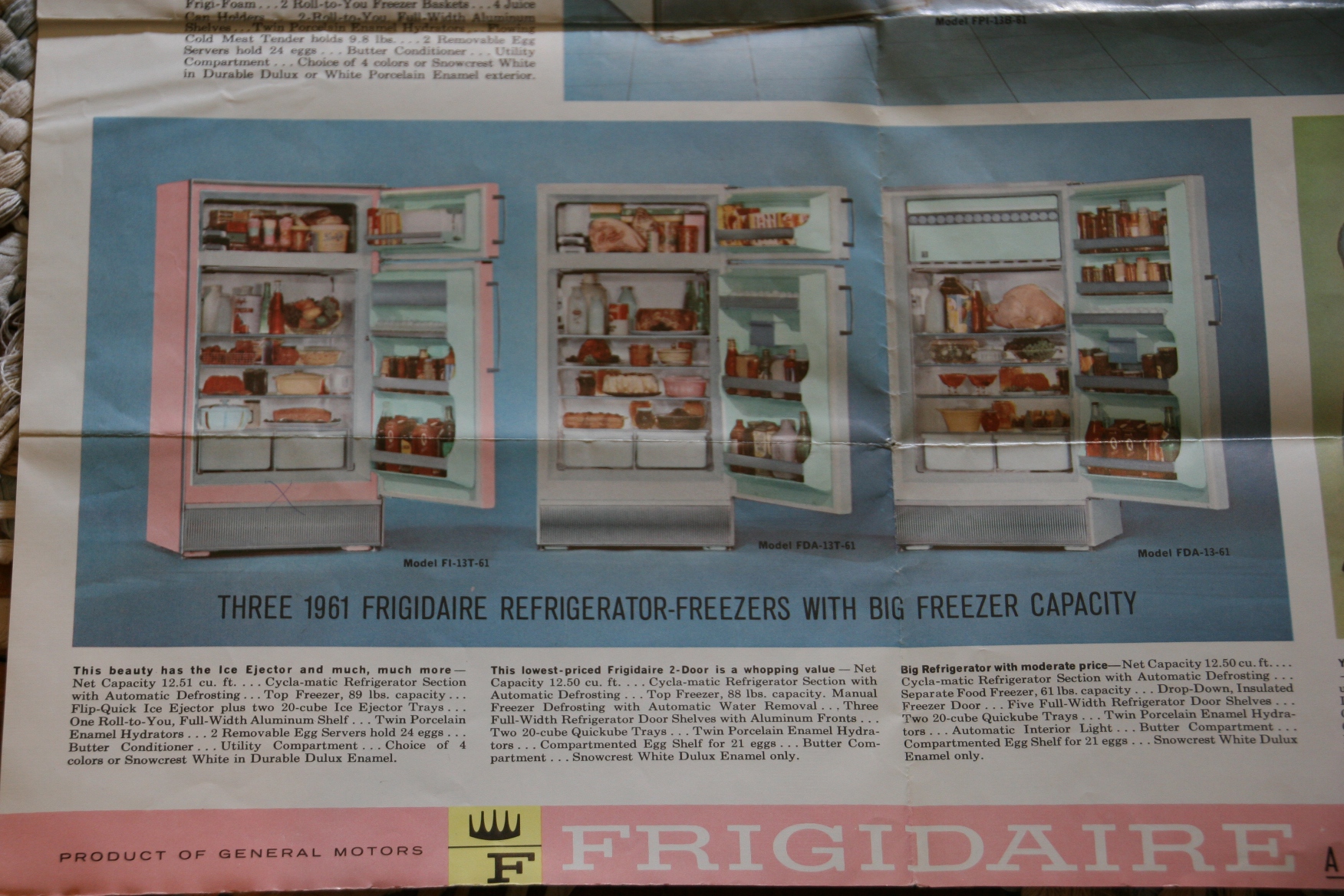
Vintage ads and graphics, like this one for pink Frigidaire appliances, always draw my attention

Vintage ads and graphics, like this one for pink Frigidaire appliances, always draw my interest.
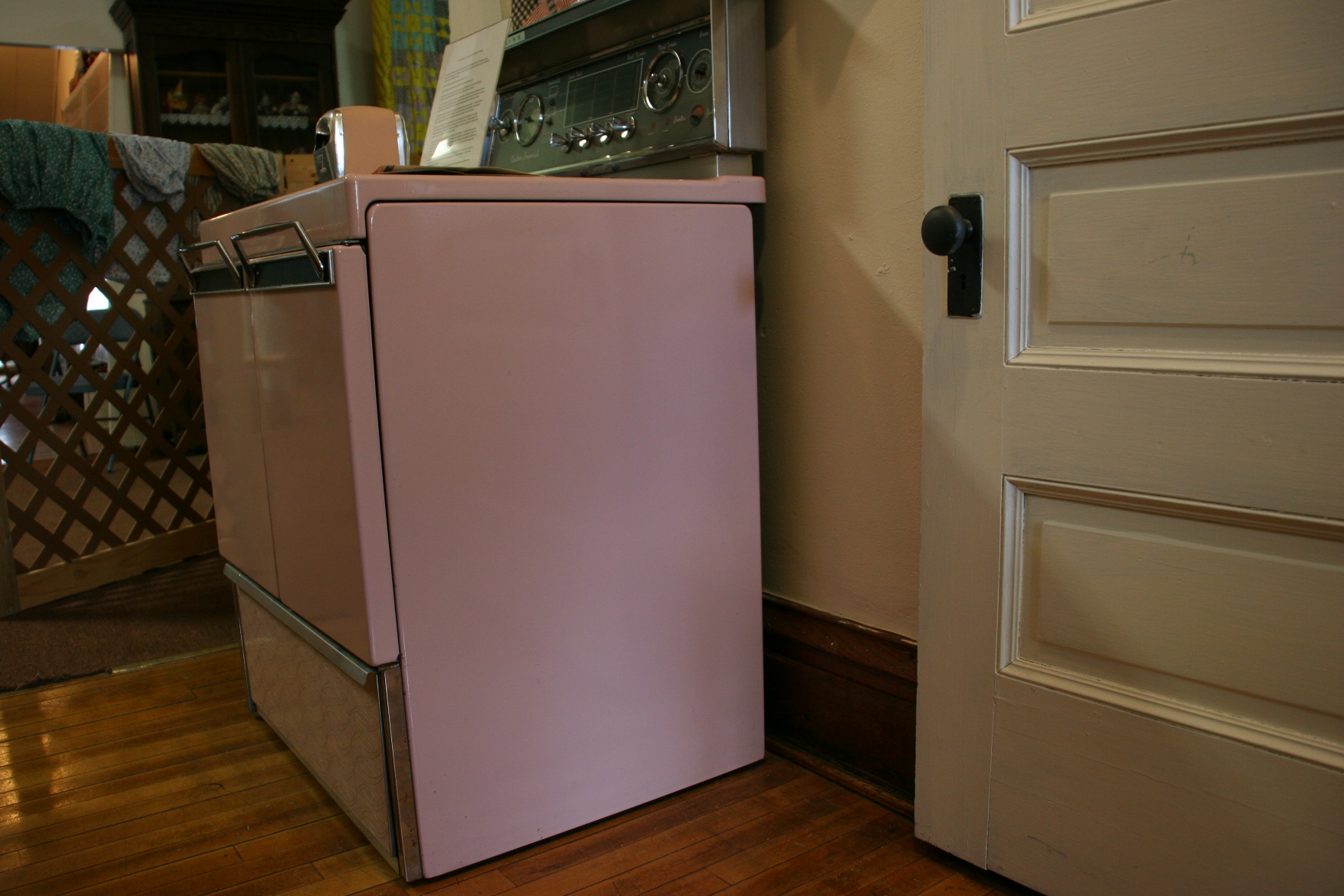
This pink Frigidaire electric stove was purchased by Arthur and Lorraine Spreiter in about 1959 from Pirkl and Hall Appliance along Main Street in West Concord. The stove features double oven doors rather than a drop-down door. The Spreiters also purchased an upright pink refrigerator/freezer.
This pink Frigidaire electric stove was purchased by Arthur and Lorraine Spreiter in about 1959 from Pirkl and Hall Appliance along Main Street in West Concord. The stove features double oven doors rather than a drop-down door. The Spreiters also purchased an upright pink refrigerator/freezer.

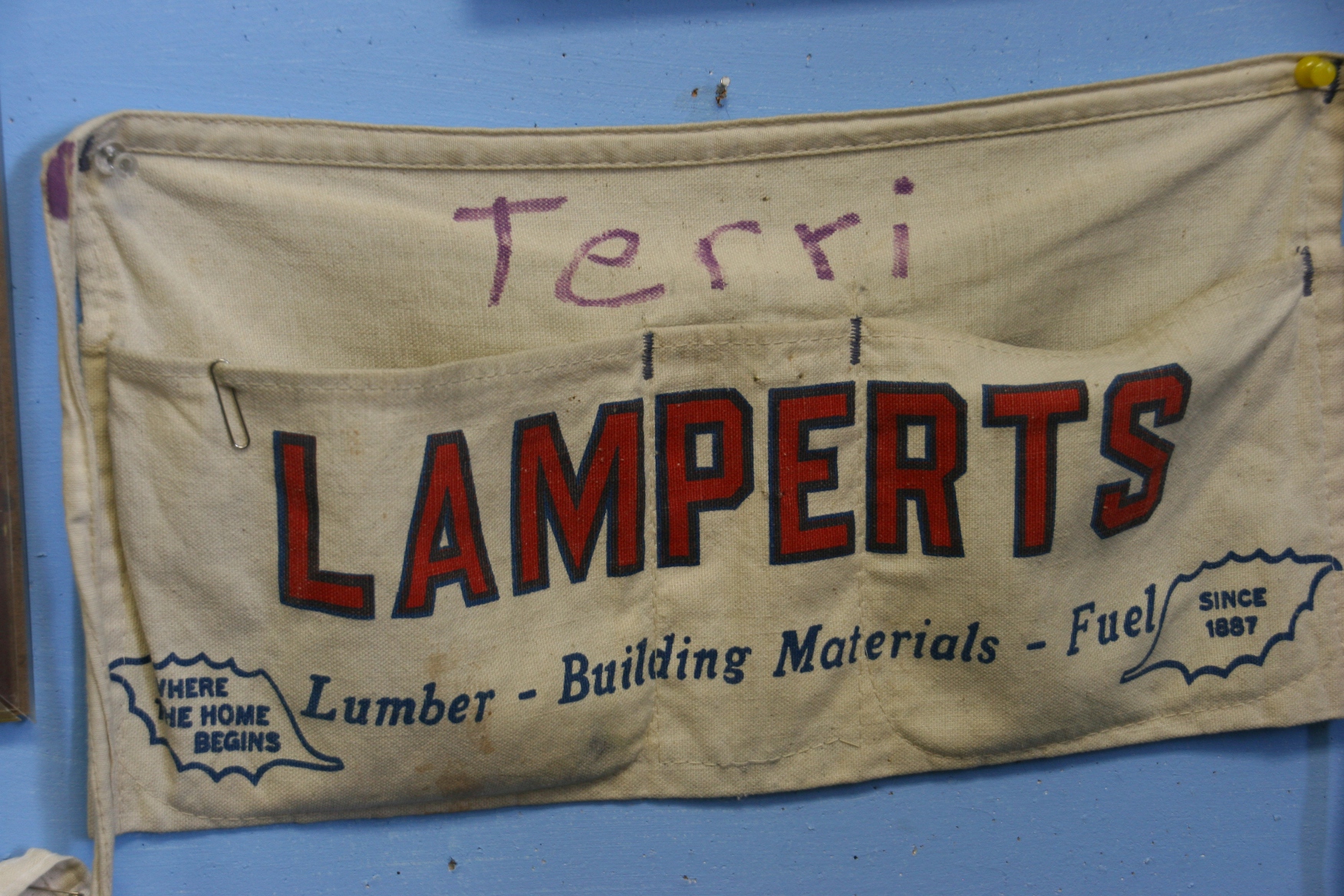
I was delighted that this apron was saved and displayed in The Farmers and Merchants Room. Lumber yards were once such an important business in small towns.

I am delighted that this apron was saved and displayed in The Farmers and Merchants Room. Lumber yards were once key businesses in small towns. Most have closed, replaced by Big Box lumber sources. The apron is so representative of the personal service offered in small towns.

I collect vintage drinking glasses and once had a red spotted one. My Aunt Jeanette has a collection of these. Love.

I collect vintage drinking glasses and once had a red spotted one. My Aunt Jeanette has a collection of these. Love.

I love vintage signs and graphics. And how many Gambles stores even exist any more? This sign was found in the old West Concord Gambles store opened in about 1935 by Clarence Barwald.

I love vintage signs and graphics. And how many Gambles stores even exist any more? This sign was found in the old West Concord Gambles store opened in about 1935 by Clarence Barwald. It hangs in The Farmers & Merchants Room.
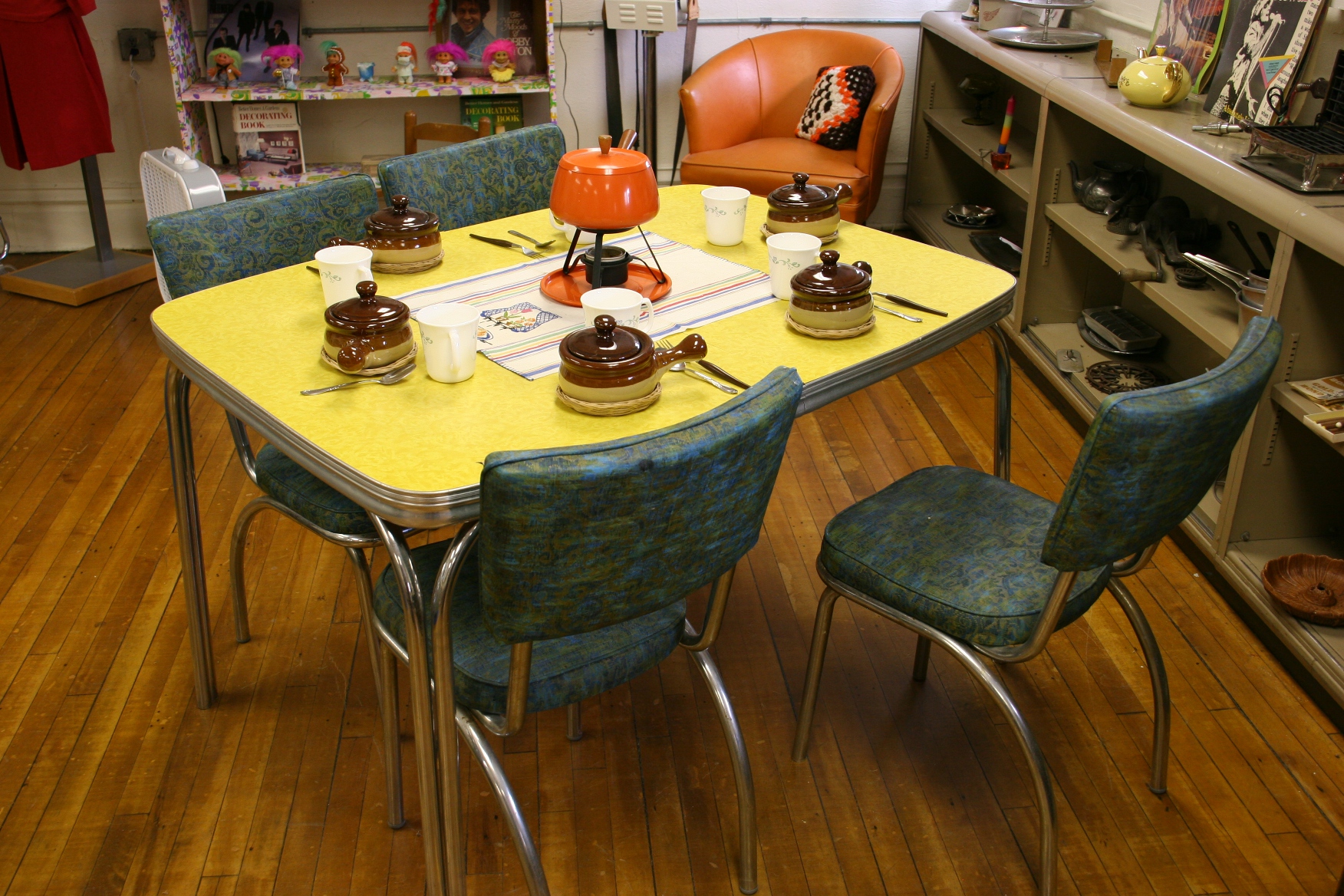
Growing up, I never was impressed by the oil-cloth covered Formica table in our kitchen. But today, well, I feel differently. My husband was especially thrilled to see this yellow table, like the one he remembers from his youth.
Growing up, I never was impressed by the oil-cloth covered Formica table in our kitchen. But today, well, I feel differently. My husband was especially thrilled to see this yellow table, like the one he remembers from his youth.

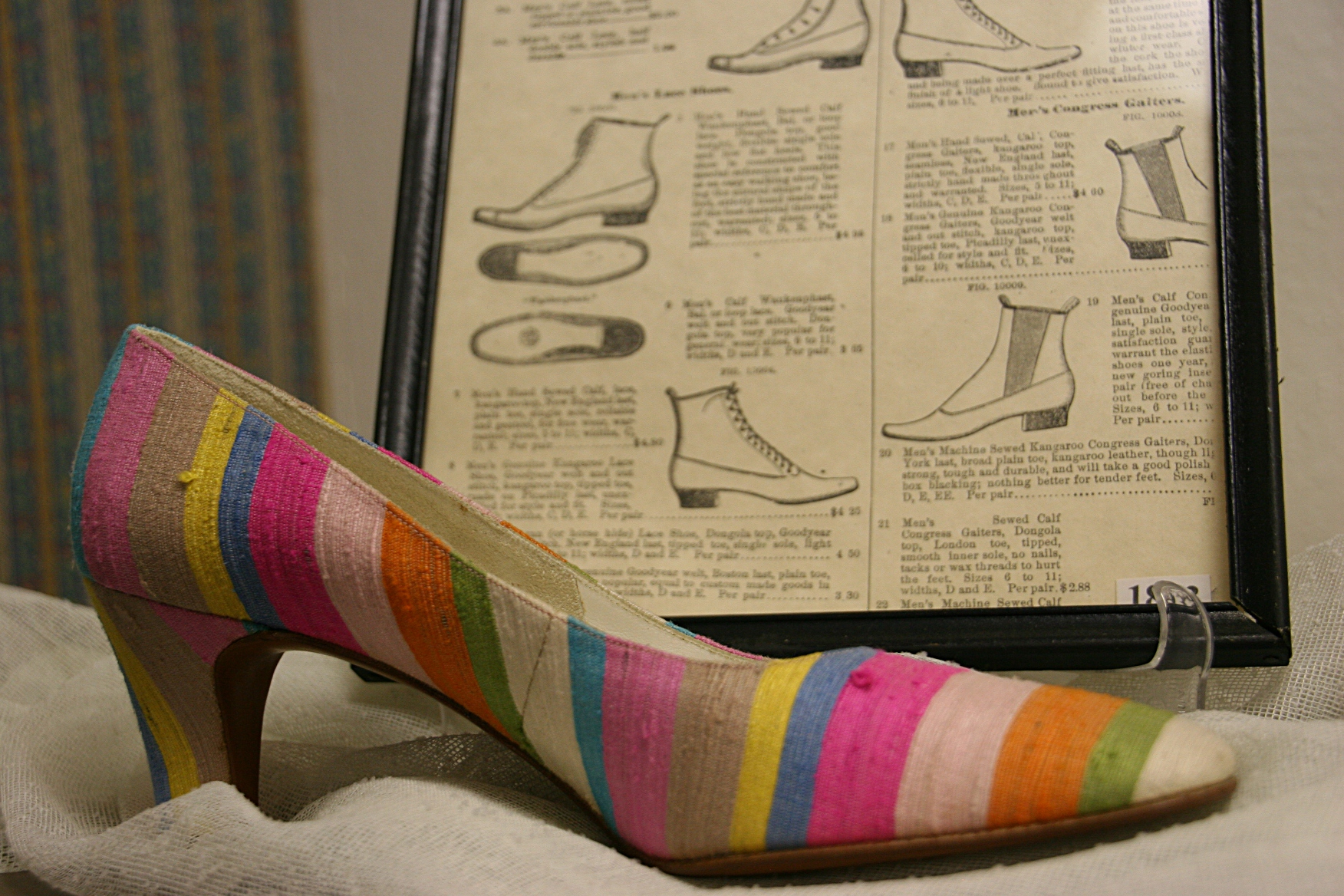
This shoe is the most colorful and memorable one I've ever seen. It's like a work of art, showcased in The Fashion Room.

This shoe is the most colorful and memorable footwear I’ve ever seen. It’s like a work of art, showcased in The Fashion Room.
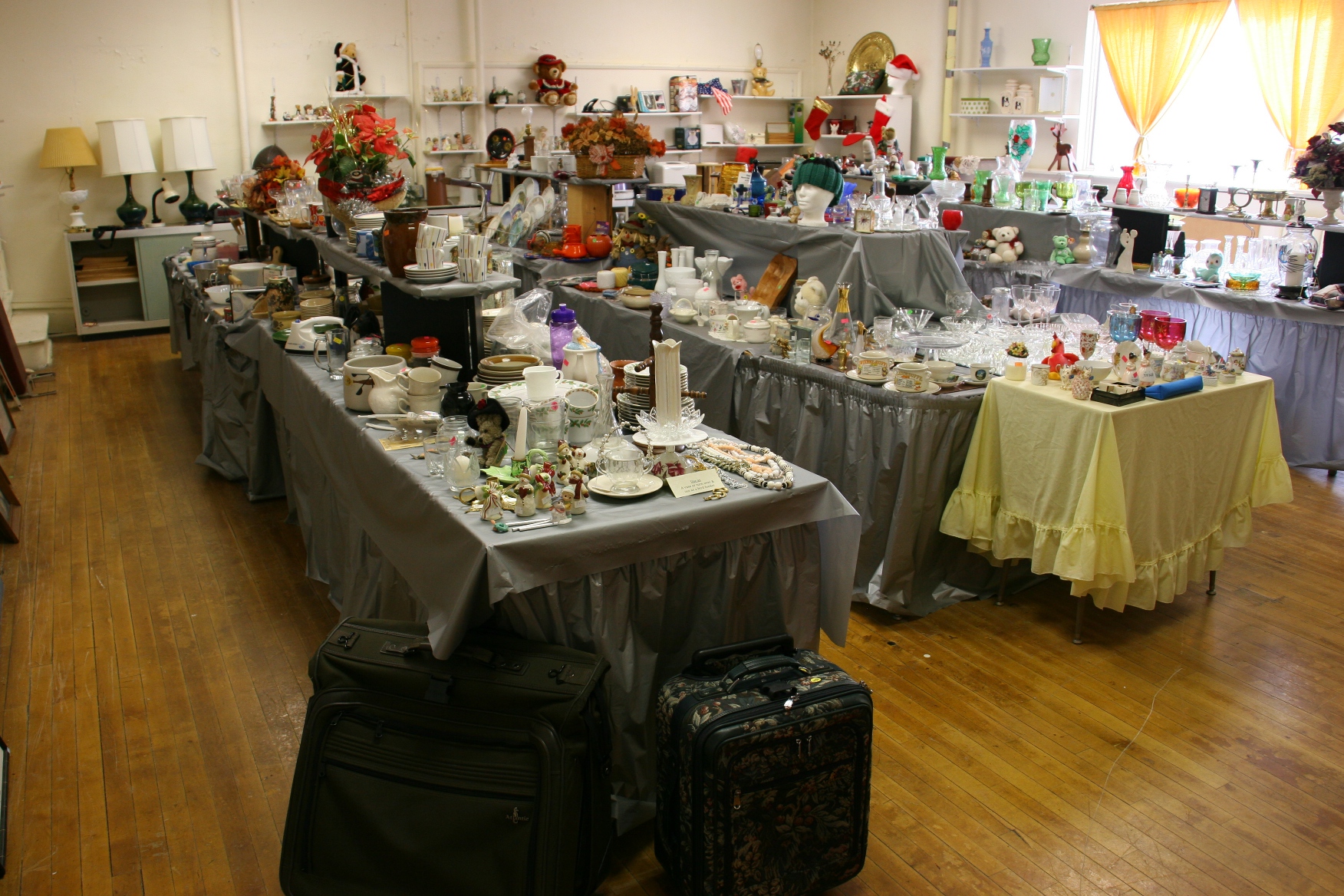
One classroom is devoted to a garage sale type space called Grandma's Attic. Here you can purchase secondhand merchandise

One classroom is devoted to a garage sale type space called Grandma’s Attic. Here you can purchase secondhand merchandise with proceeds going to the museum. I purchased a Fire King bowl for $1.

FYI: Click here to read my initial post and my second post on this small town museum. Thank you for following this three-part series on this incredible collection of West Concord area history.

Here’s an upcoming event at the West Concord Historical Society, 600 West First Street, that may interest you: The Czech Area Concertina Band will perform from 2 p.m. – 5 p.m. on Sunday, April 19. Admission is a free will donation.

© Copyright 2015 Audrey Kletscher Helbling


Part II: Preserving memories in West Concord April 1, 2015

WHAT DEFINES A MUSEUM?

Collections? History? Preserving the past?

All three fit the definition. Yet, it is memories which make a museum personal.

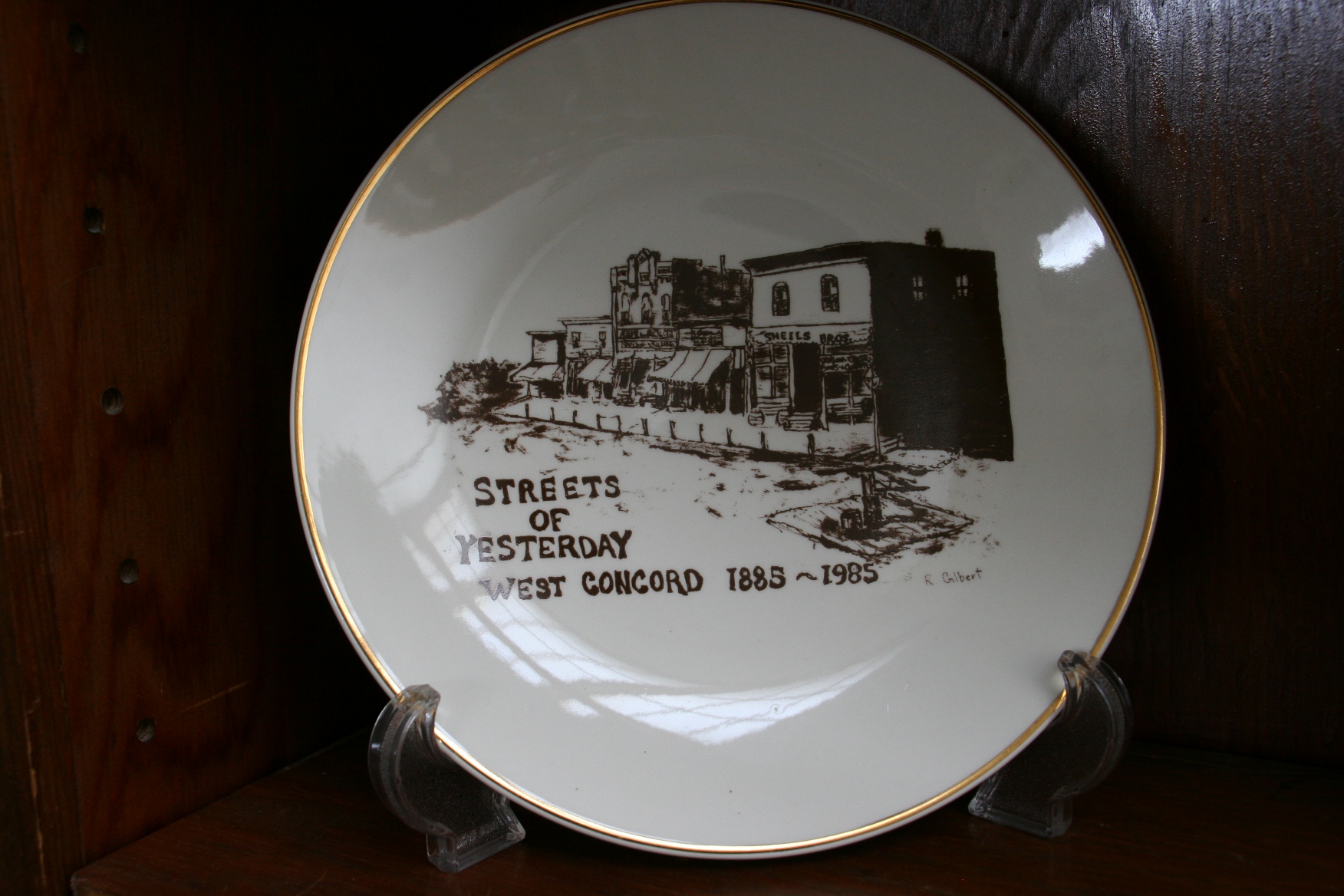
A commemorative plate from West Concord.

A commemorative plate from the small southeastern Minnesota farming community of West Concord.

The West Concord Historical Society, housed in a former school, boasts an incredible museum that showcases West Concord area history. I didn’t grow up here. I don’t live here. Yet, I connected.

Join me on a photo tour showing snippets of what this museum holds.

IN THE HERITAGE ROOM:

I expect many visitors would image Sunday dinner at Grandma's house when viewing this scene.

I expect many visitors will remember Sunday chicken dinners or holidays at Grandma’s house when viewing this scene.

IN THE CARDINAL ROOM:

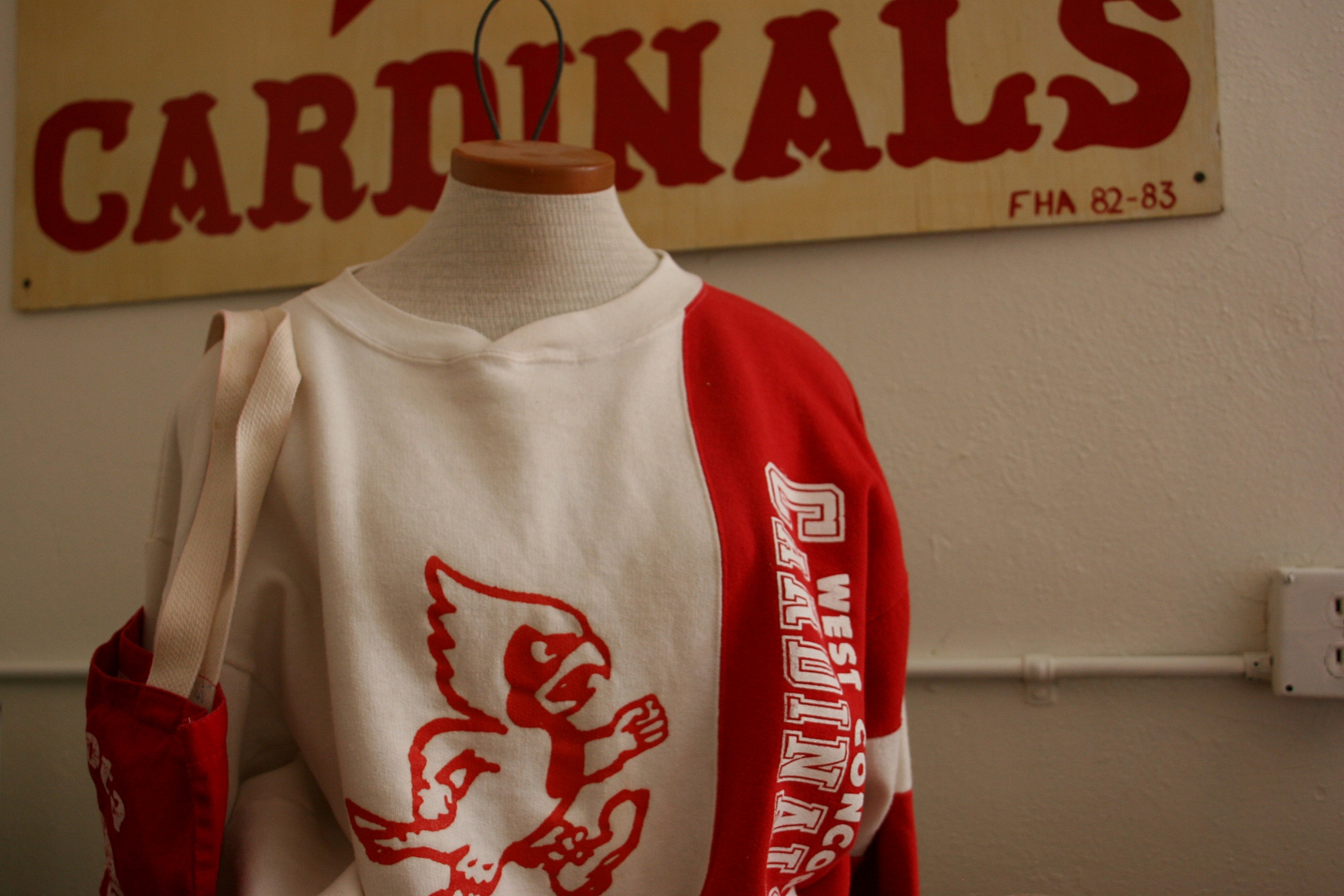
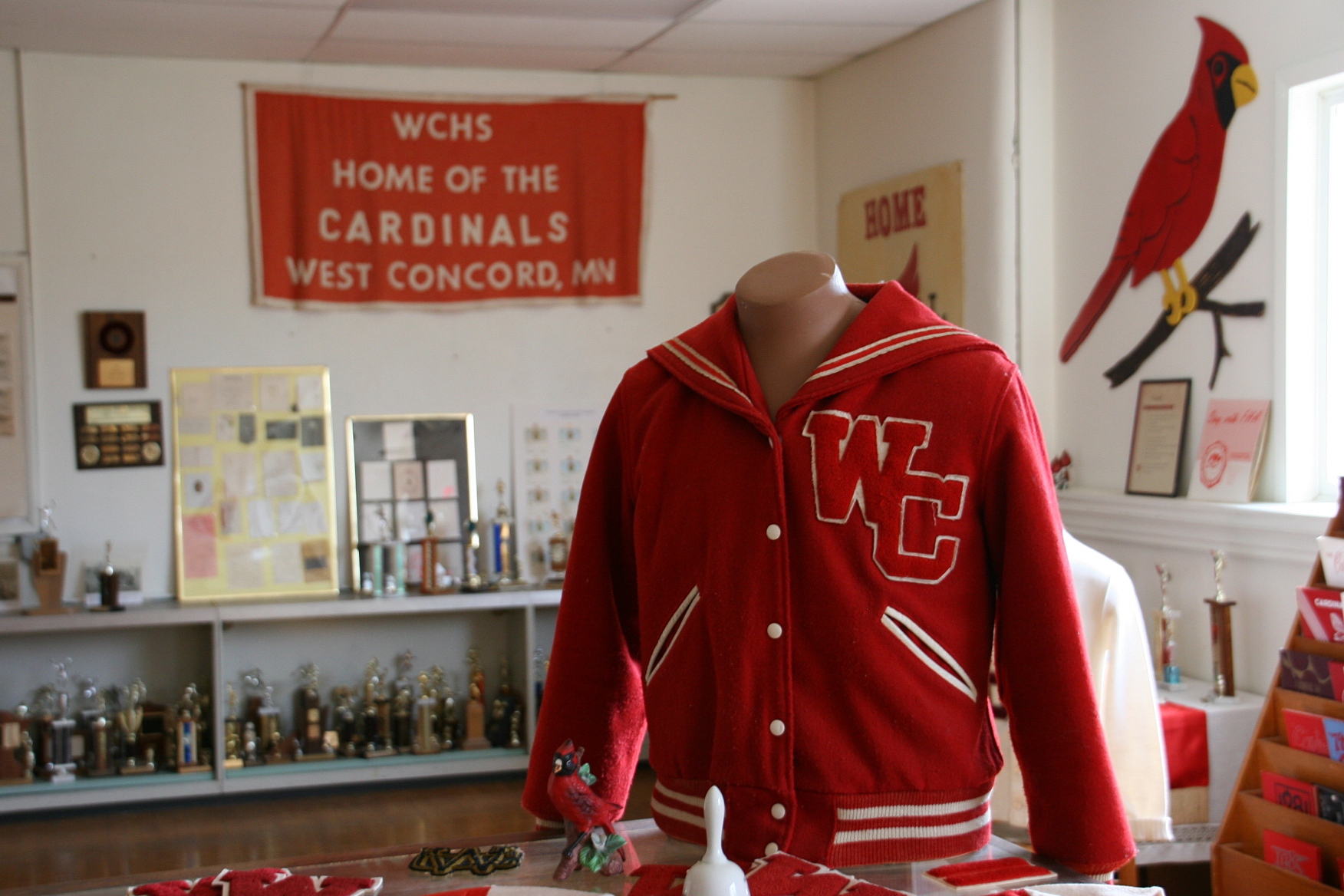
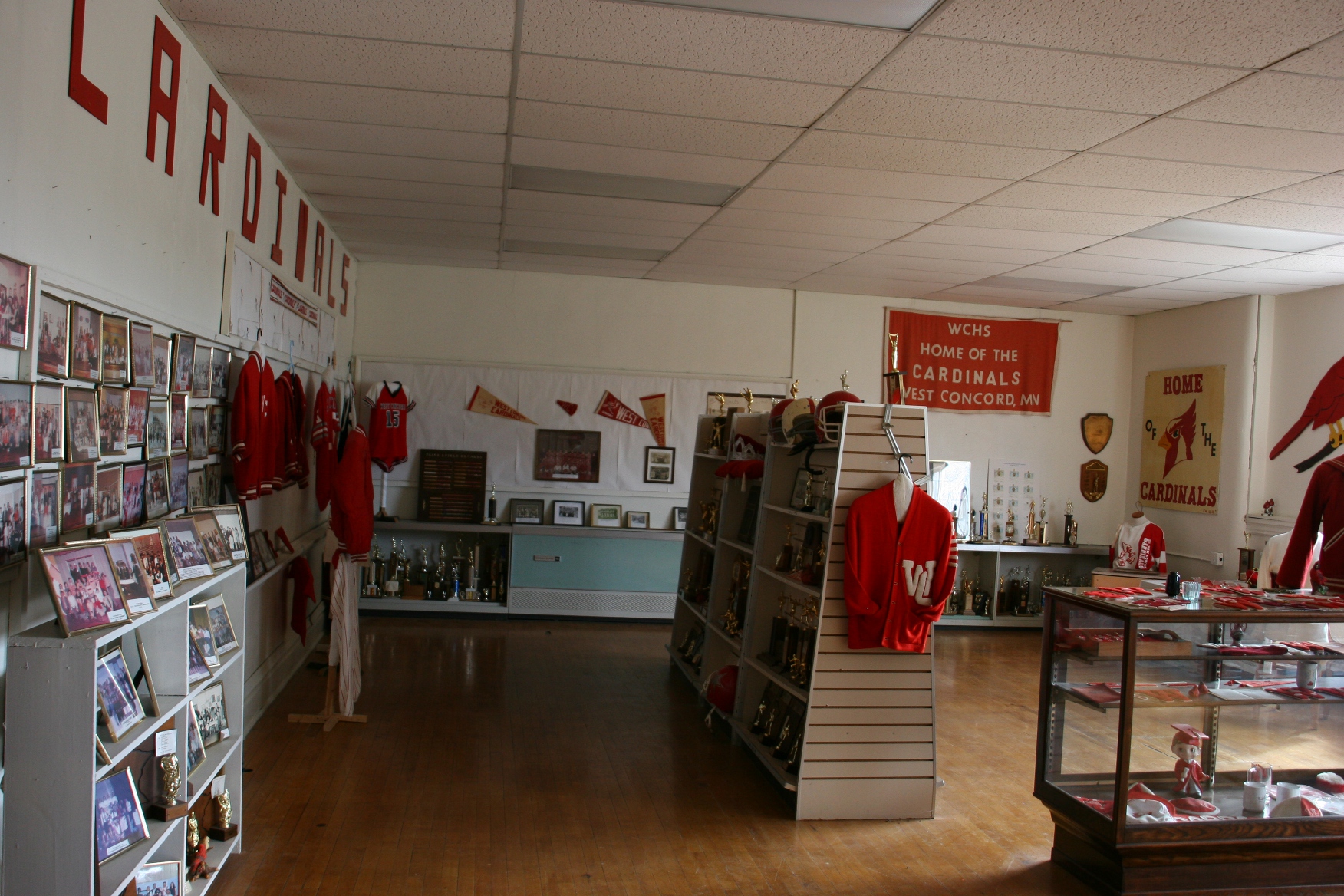
The school was once home to the West Concord school Cardinals. An entire classroom is devoted to all things Cardinal. this proves a popular place during class reunions.

The school was once home to the West Concord Cardinals. An entire classroom is devoted to Cardinals memorabilia. This exhibit proves a popular place to tour during West Concord High School class reunions. The school closed in 1991. West Concord is now part of Triton Public Schools where the mascot is a cobra.

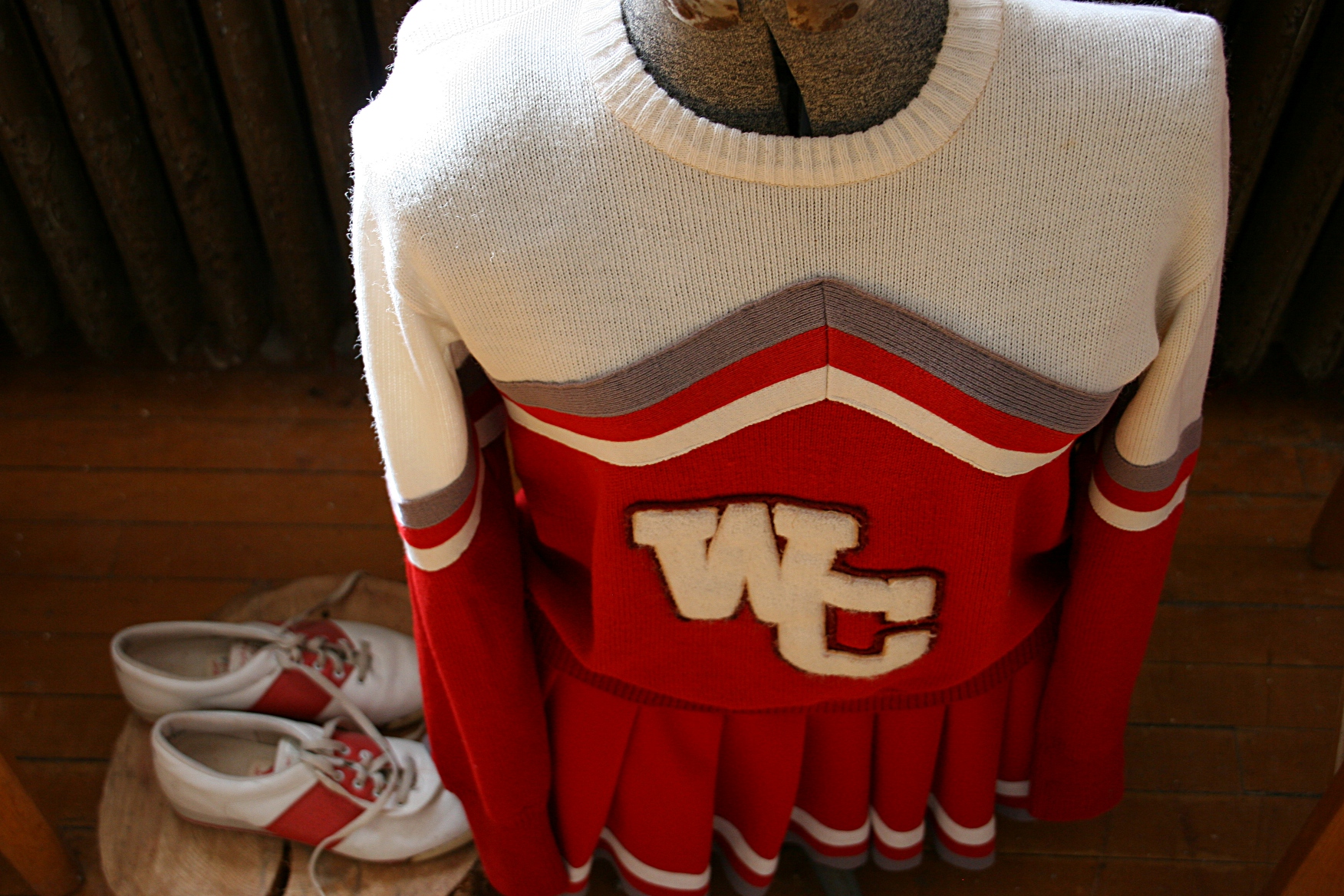
A cheerleading uniform.

A cheerleading uniform.

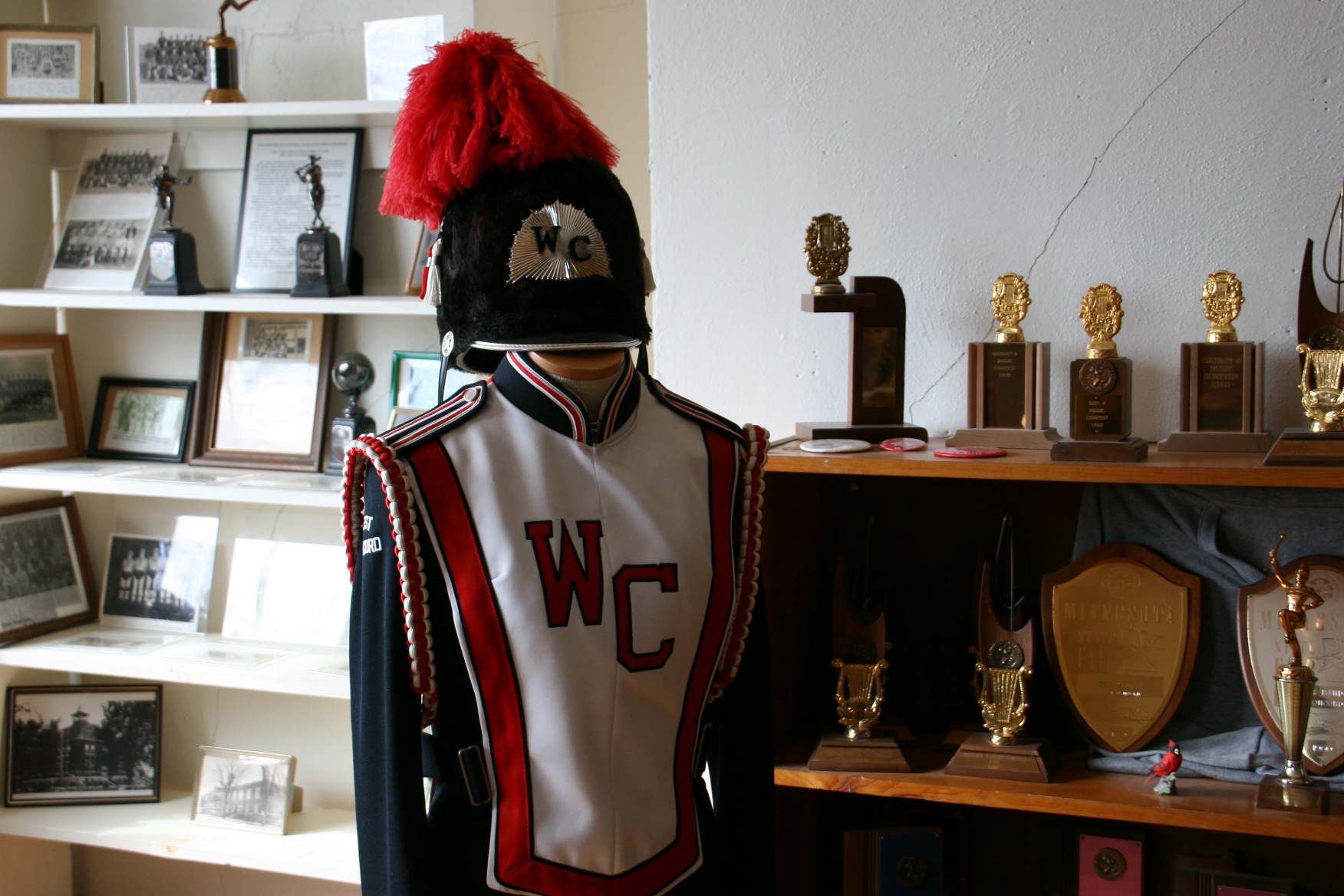
A majestic band uniform preserved.

A majestic band uniform displayed along with school trophies.

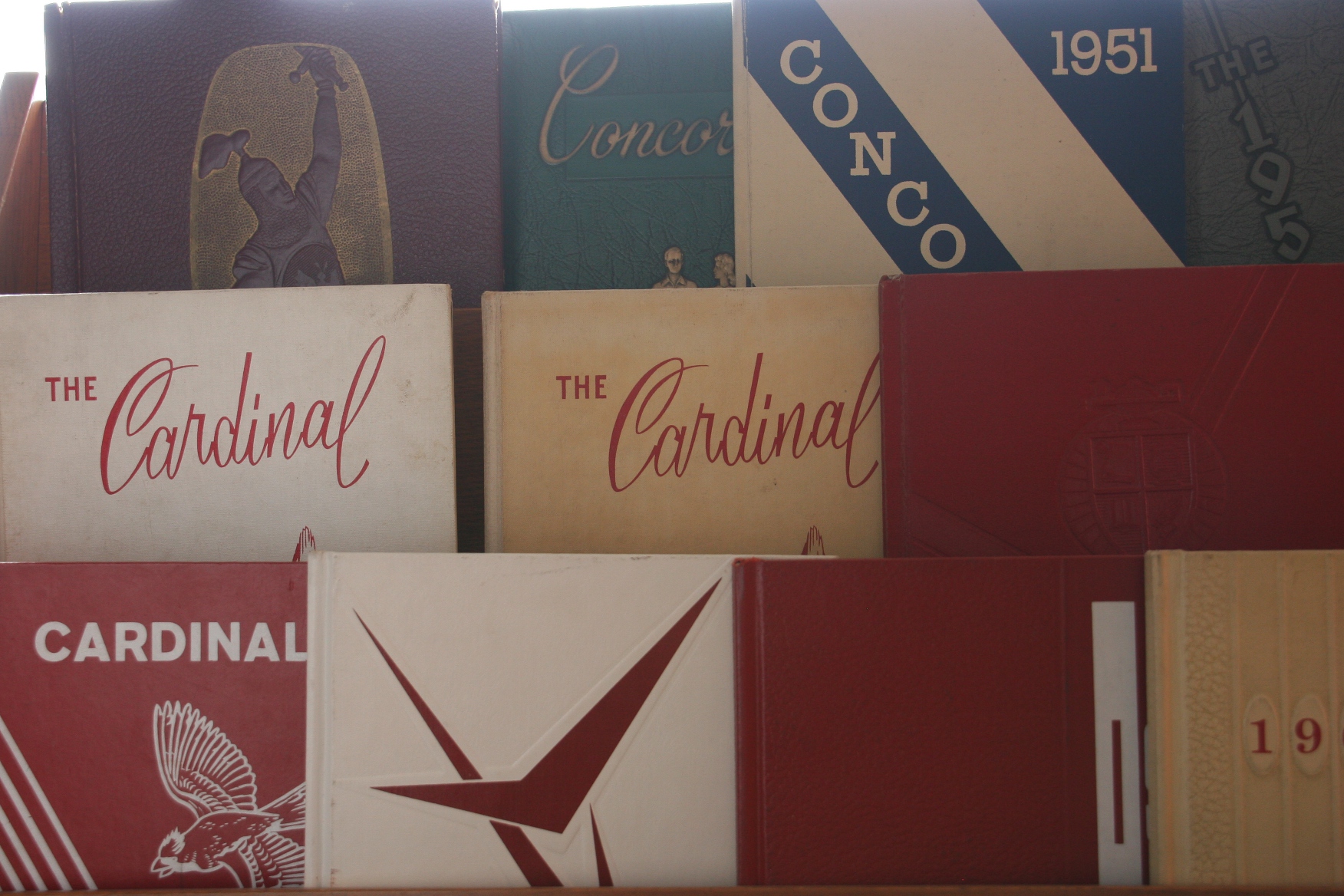
I was thrilled to find a collection of school yearbooks.

I was thrilled to find a collection of school yearbooks.

Wearing Cardinal pride.

Wearing Cardinal pride.

IN THE FARMERS & MERCHANTS ROOM:

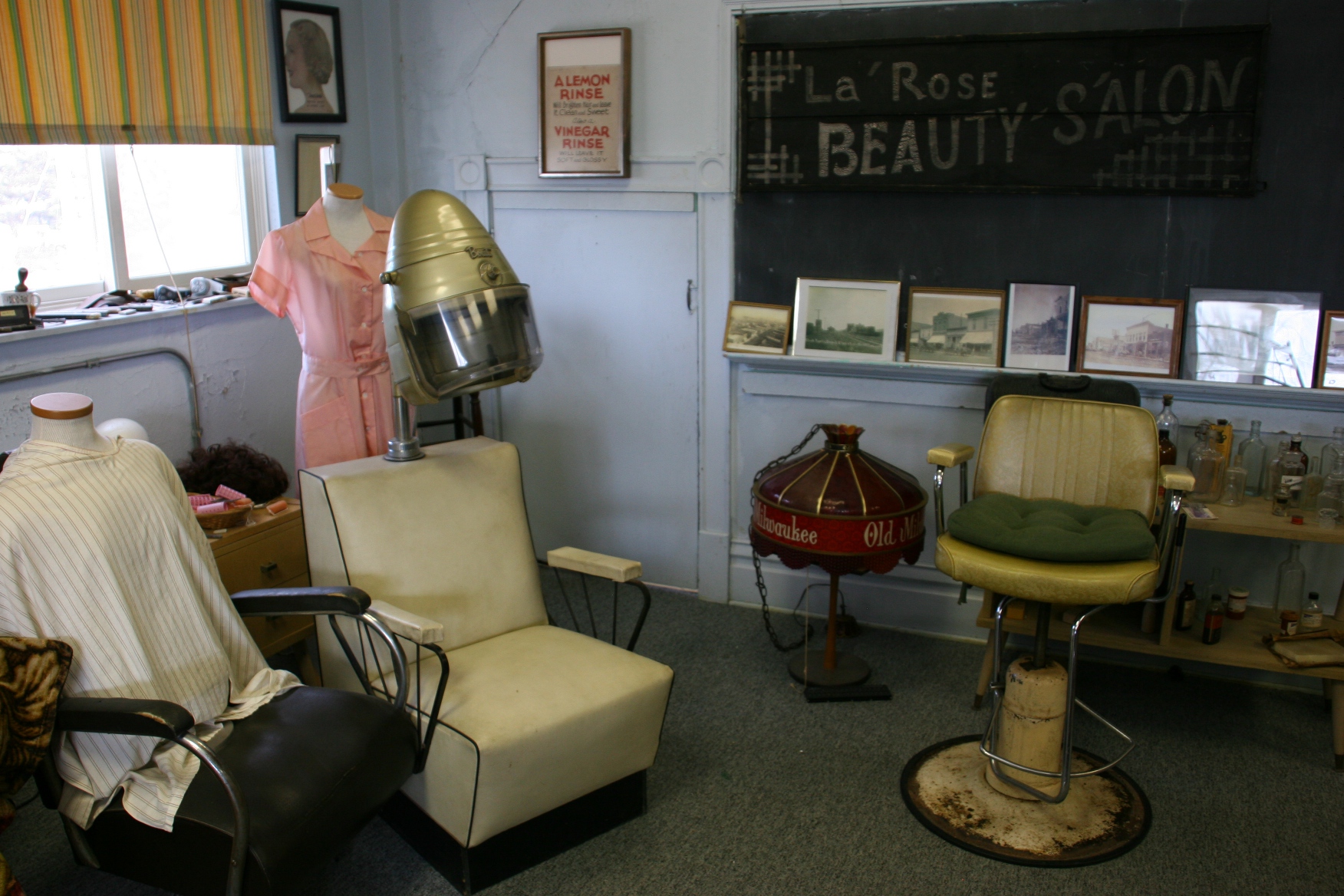
From a local beauty shop.

From a local beauty shop.

IN THE VETERANS ROOM:

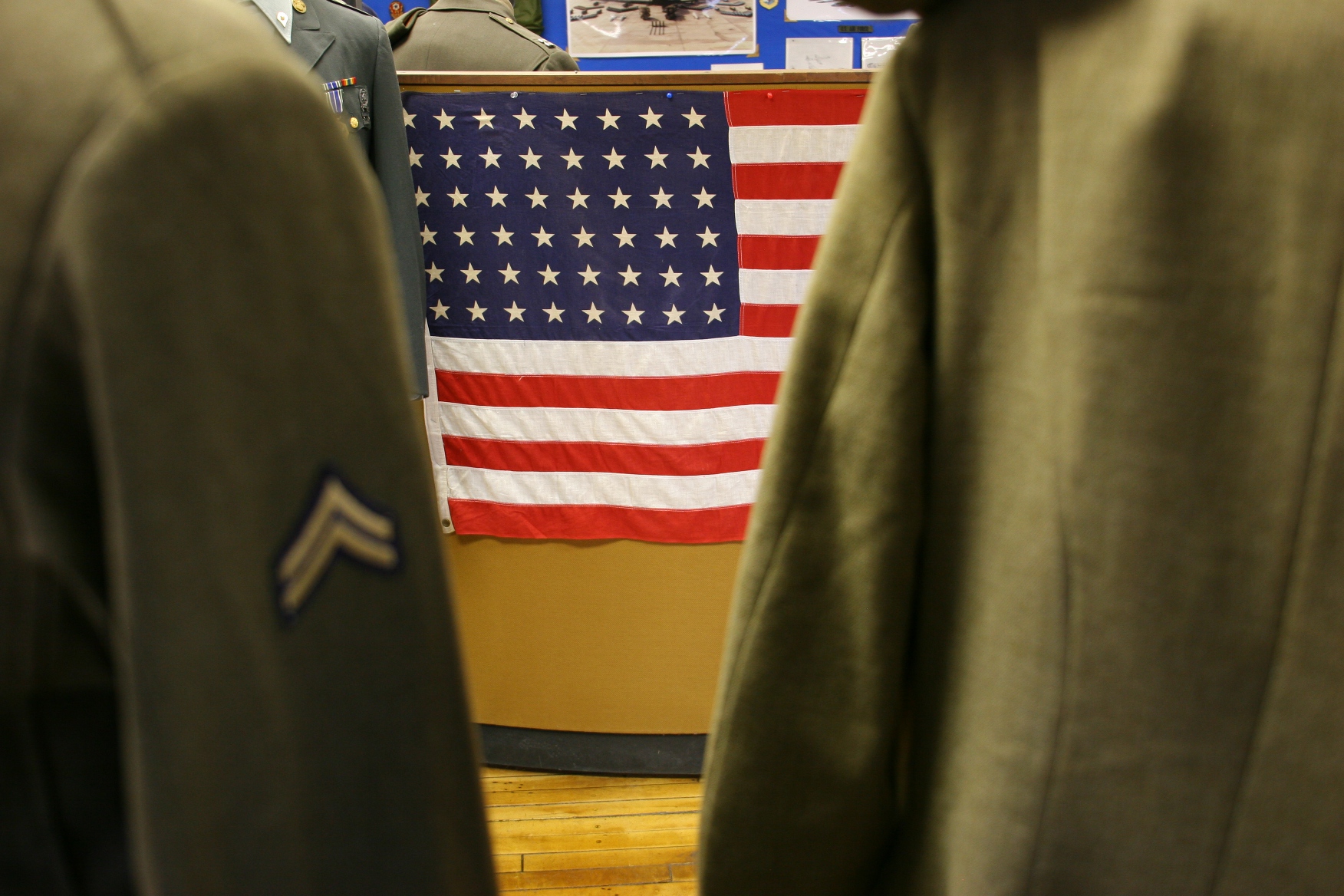
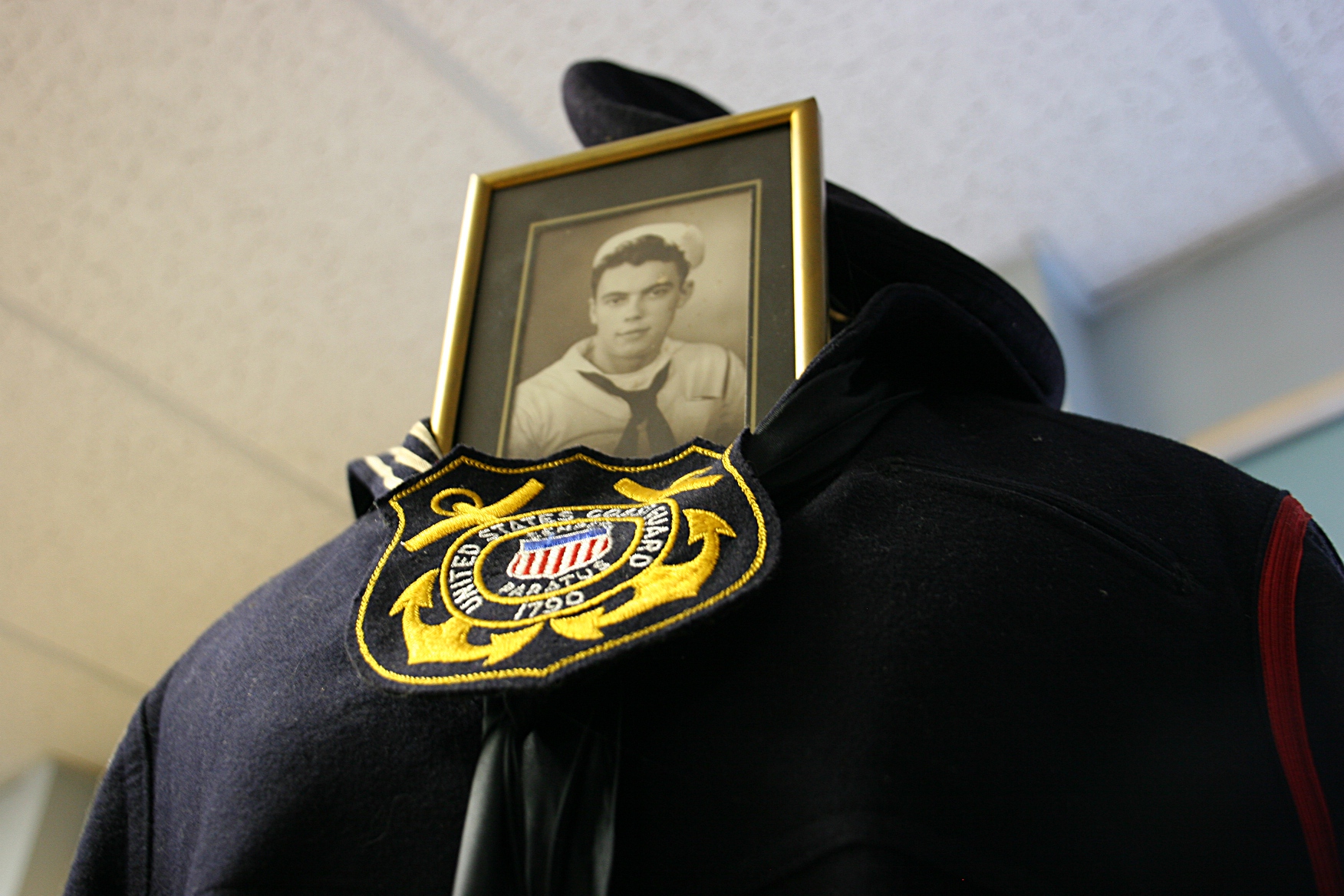
Between two military uniforms, I shot this view of a 48-star American flag.

Between military uniforms, I shot this view of a 48-star American flag.

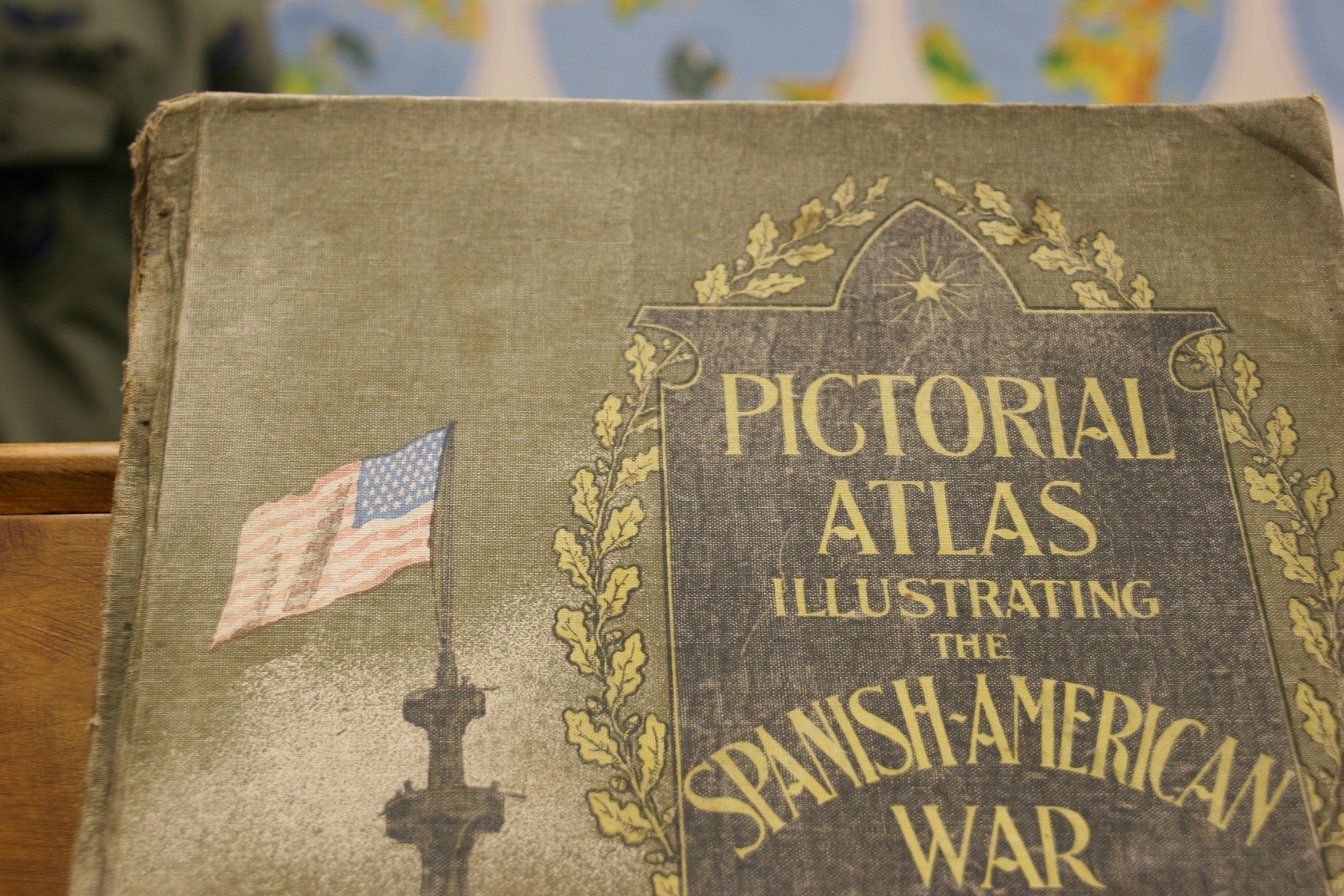
Books and documents are also displayed in The Veterans Room.

Books and documents are also displayed in The Veterans Room.

IN THE SHELL ROOM:

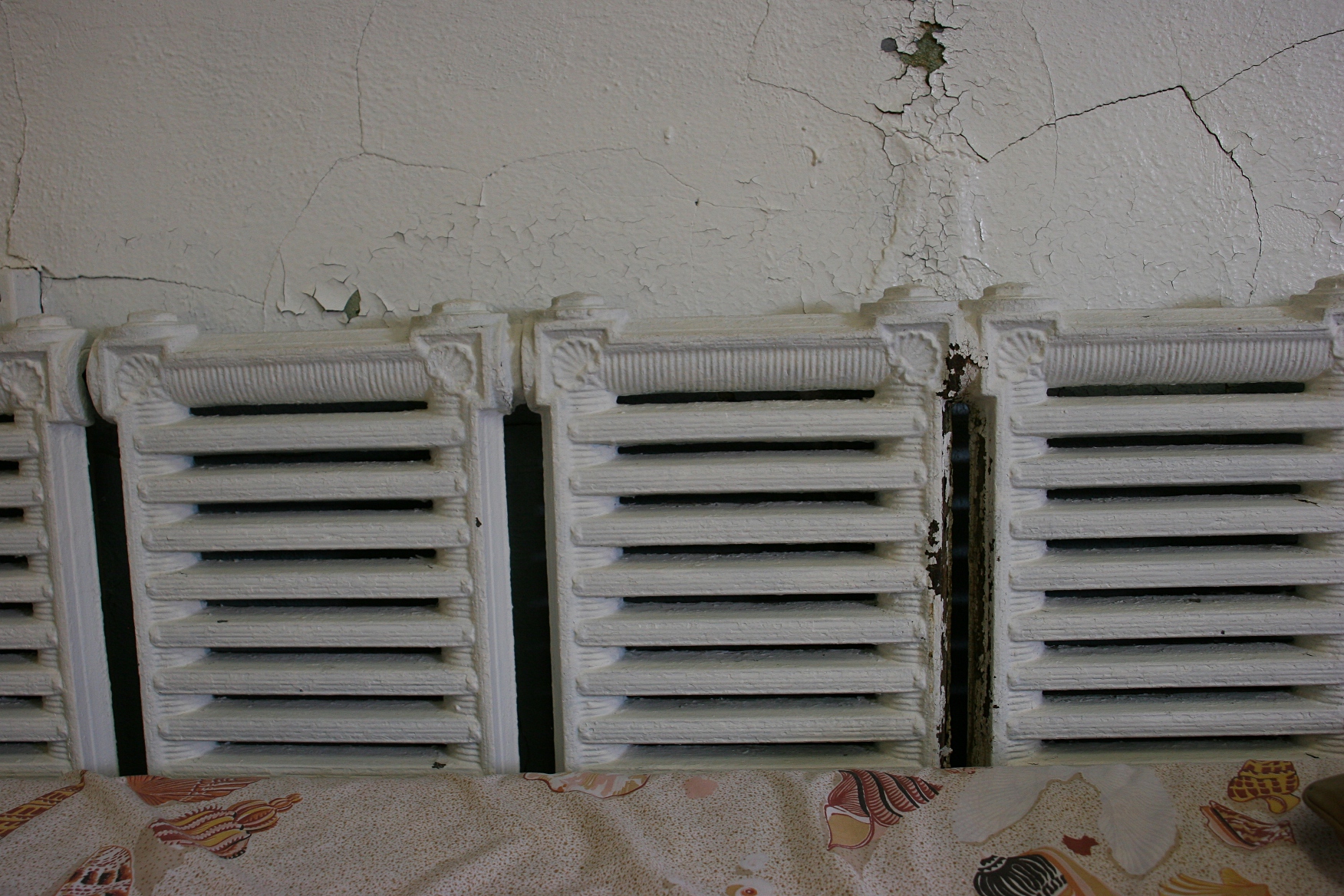
Old radiators in The Shell Room, which features a collection of shells donated by Burton Goddard and Miriam Goddard.

Old radiators in The Shell Room, which features a collection of shells donated by West Concord alumni Burton Goddard and Miriam Goddard.

IN THE 50’s & 60’s ROOM:

Feelin' groovy...a snippet of 1960s art.

Feelin’ groovy…a snippet of 1960s art.

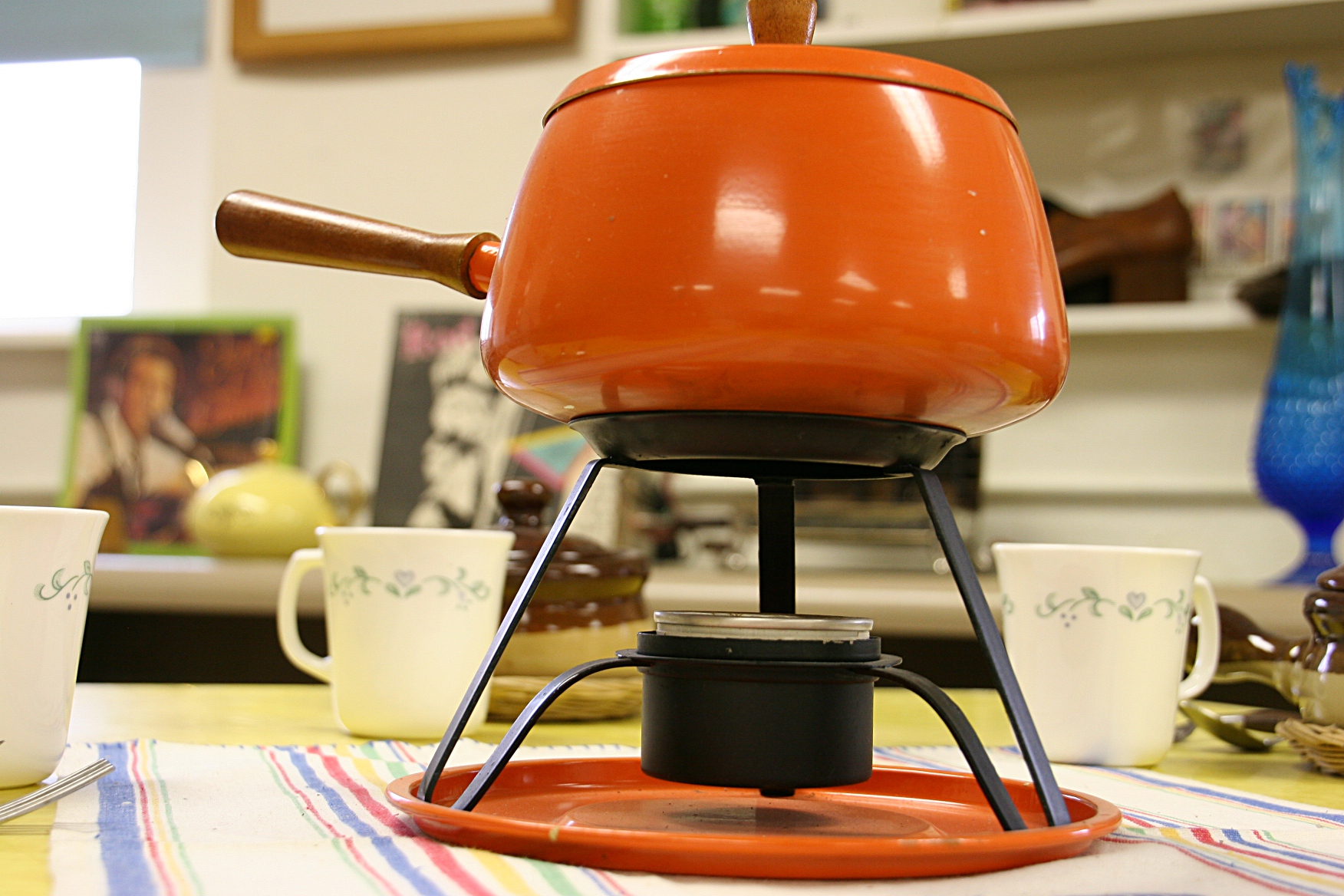
A fondue pot. I remember using a fondue pot in my high school home economics class.

I remember using a fondue pot in my high school home economics class in the 1970s.

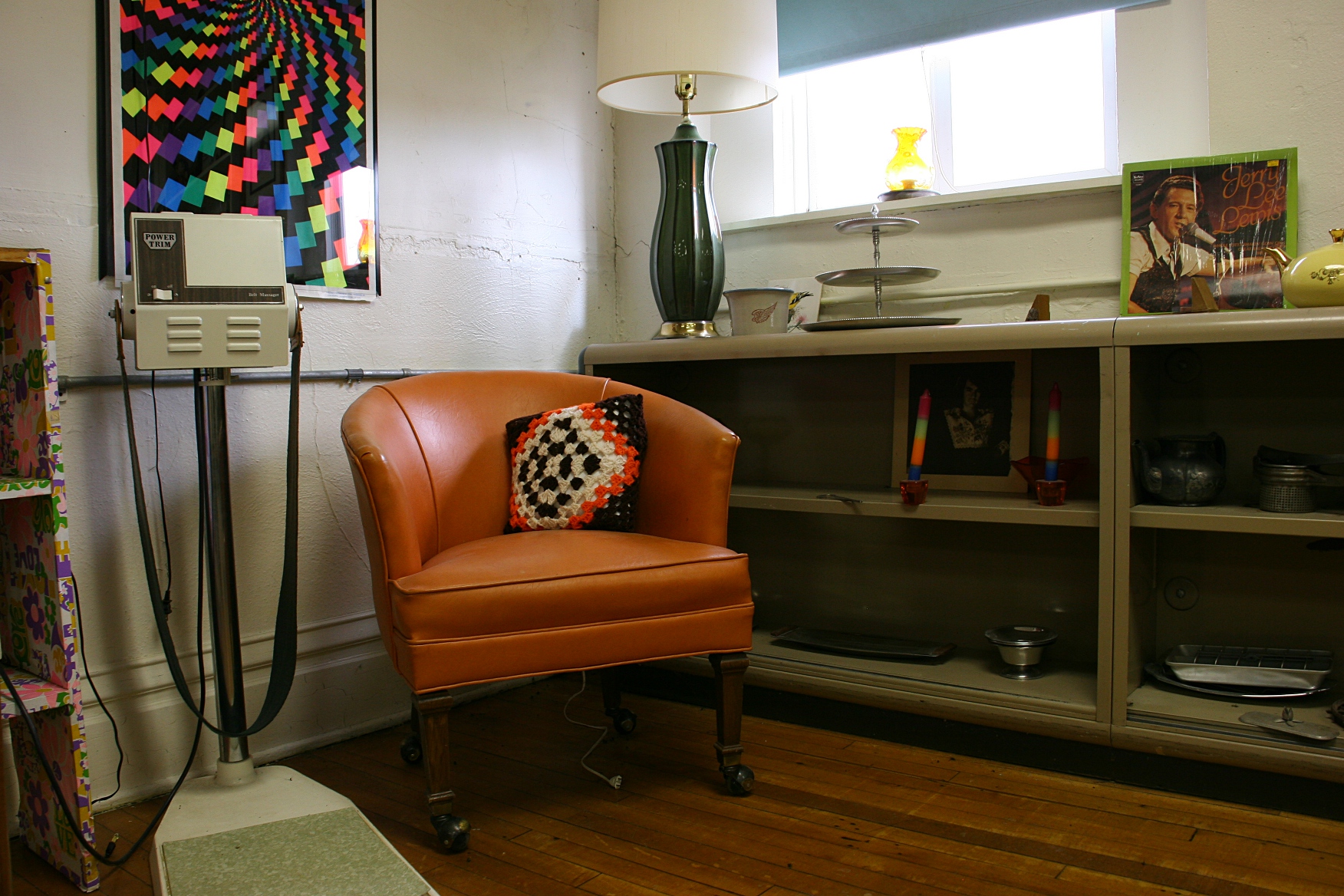
Sit a spell in this 60s corner or lose some inches on that exercise equipment, left.

Sit a spell in this 60s corner or lose some inches on that exercise equipment, left. Well, consider it, but don’t actually do it.

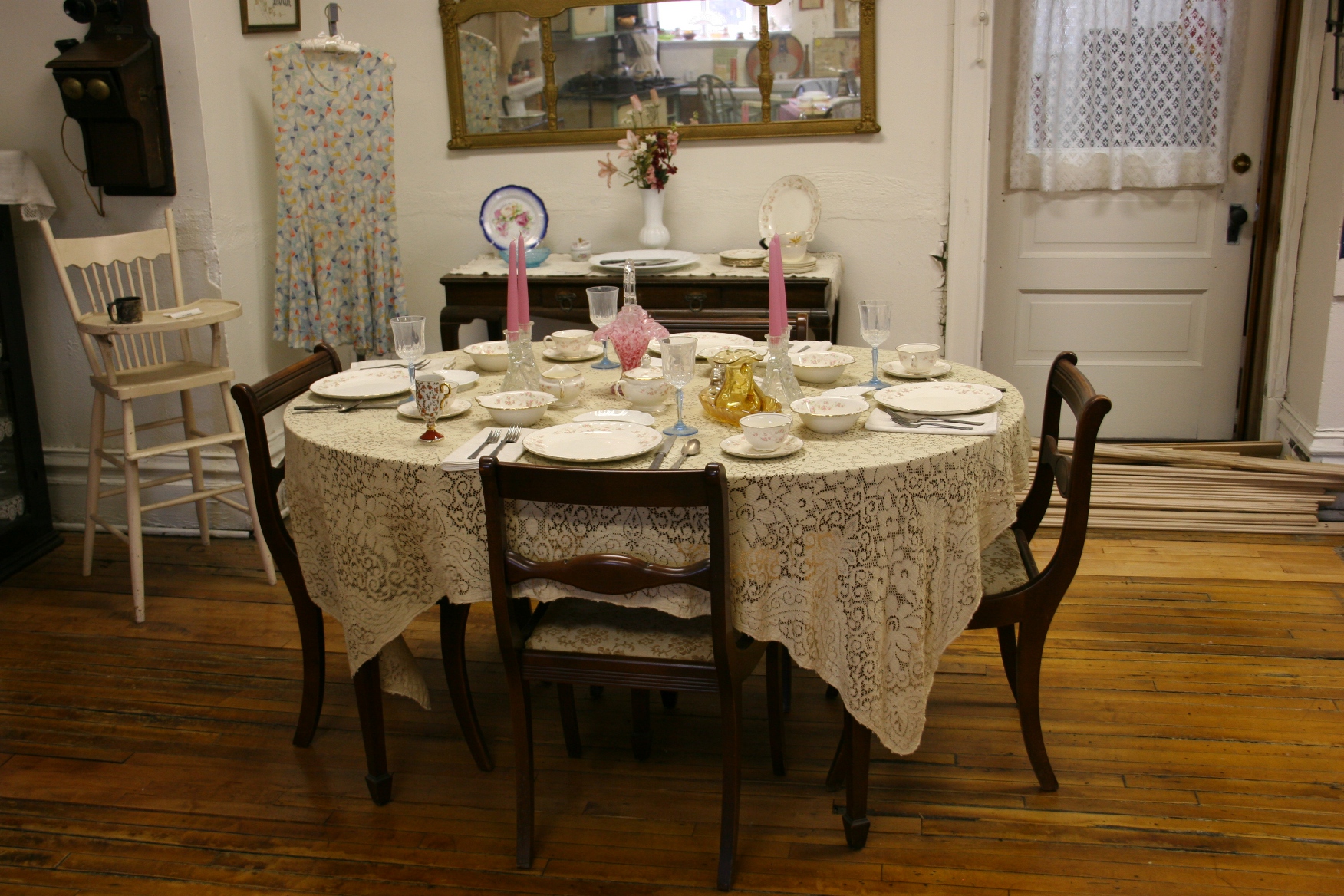
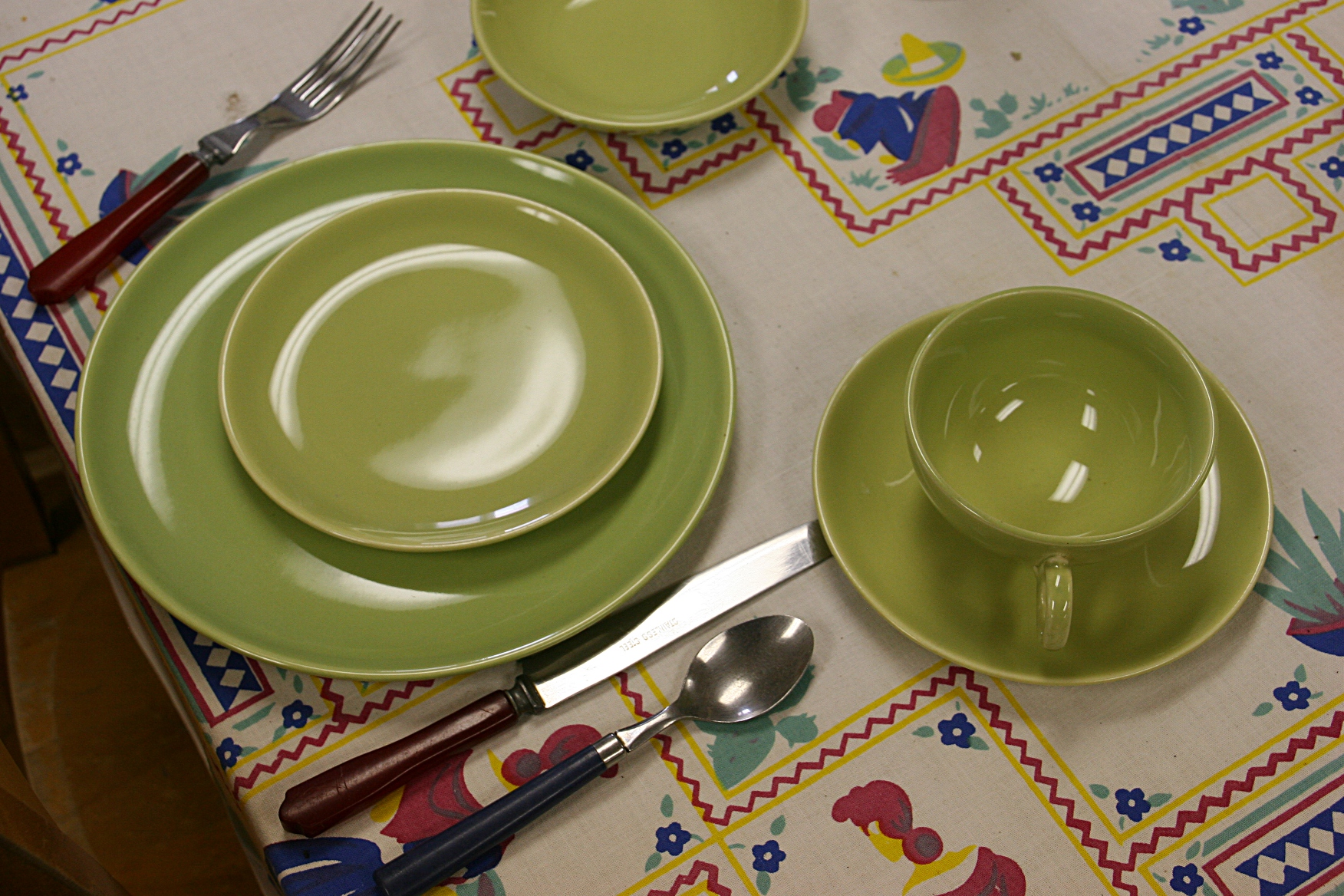
A 1950s place setting. I collection vintage tablecloths.

A 1950s place setting. I collect vintage tablecloths.

IN THE FASHION ROOM:

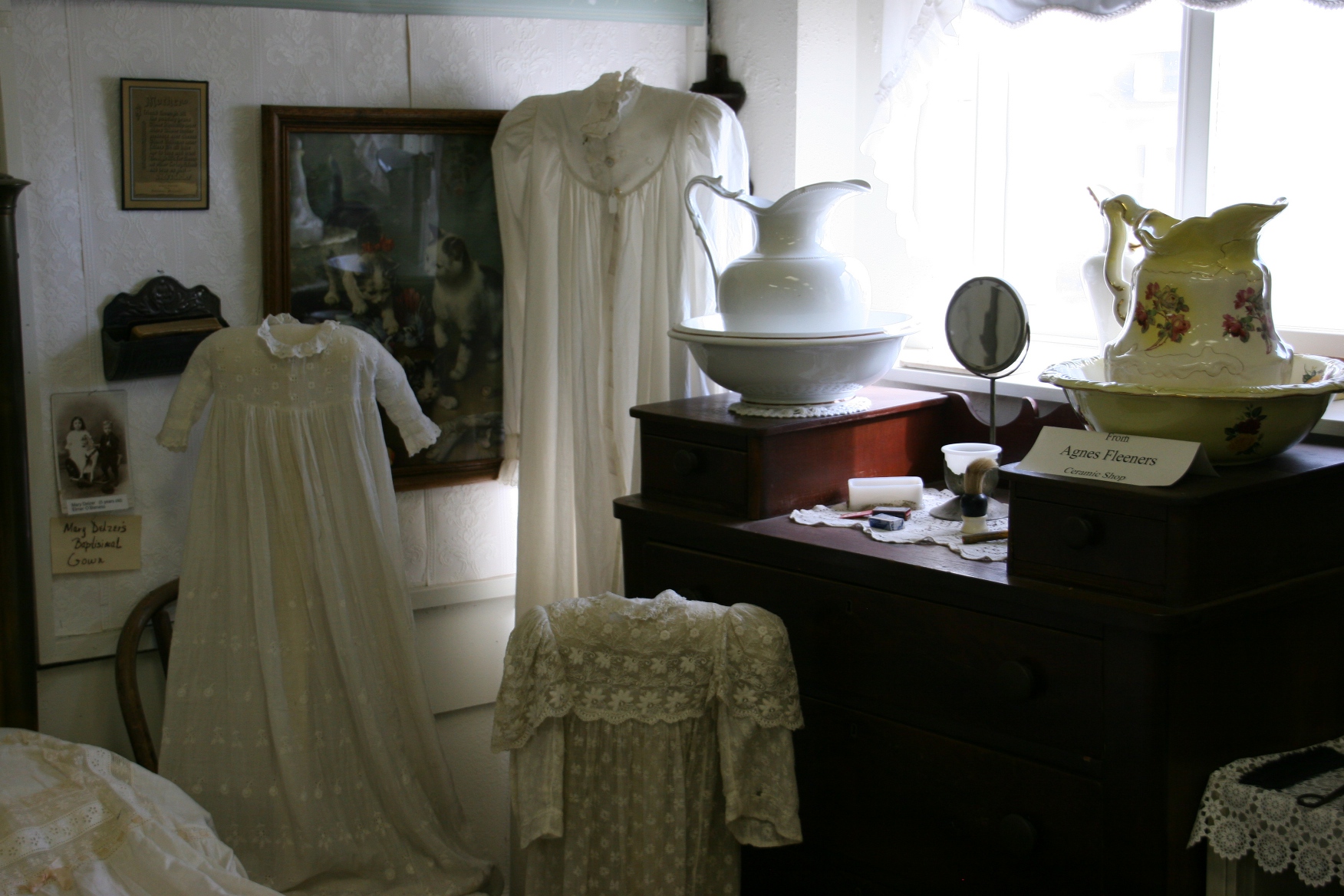
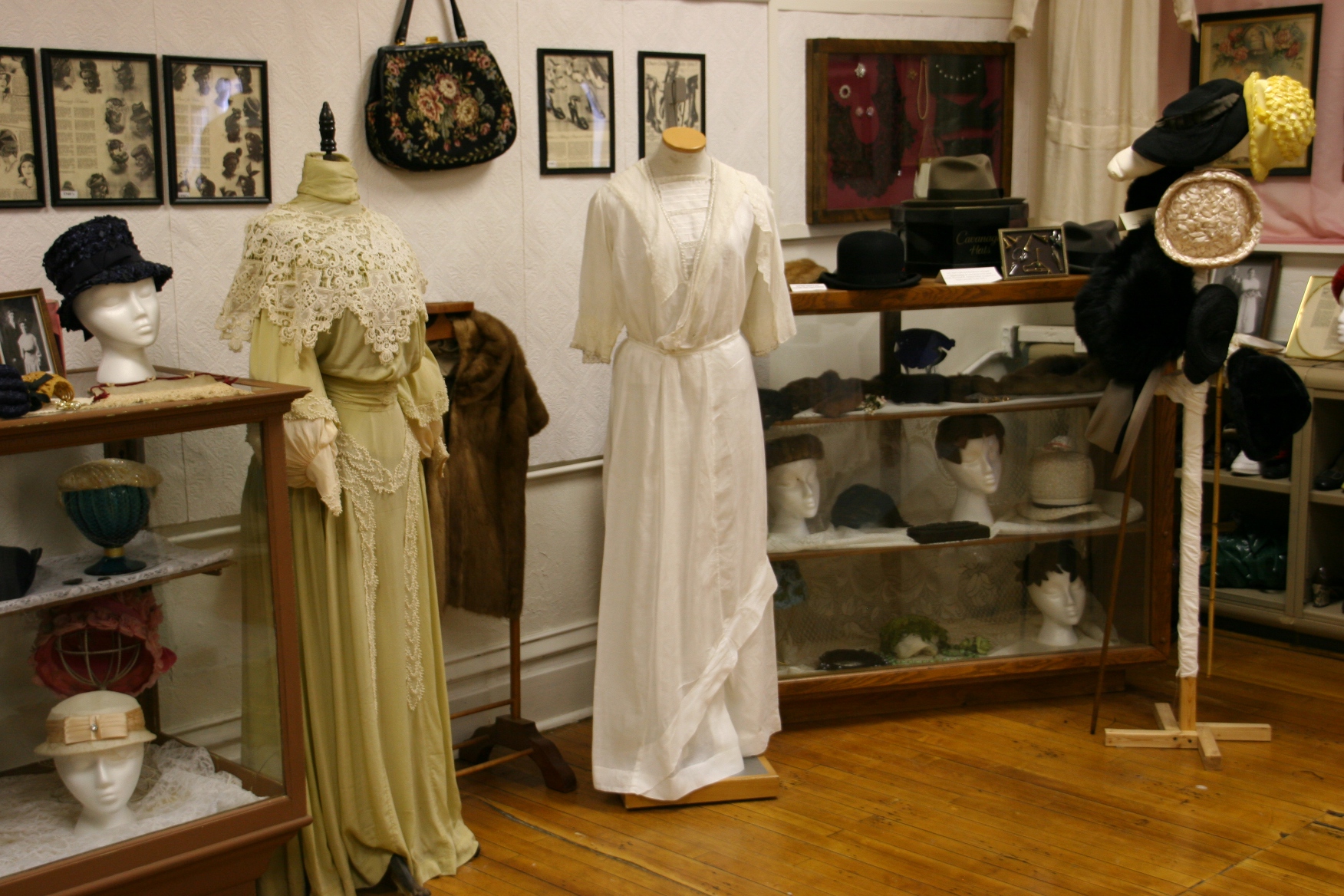
Clothing and sewing equipment from times past suggests how far a generation or two have come.

Clothing and sewing equipment span generations in The Fashion Room.

IN THE HALLWAY:

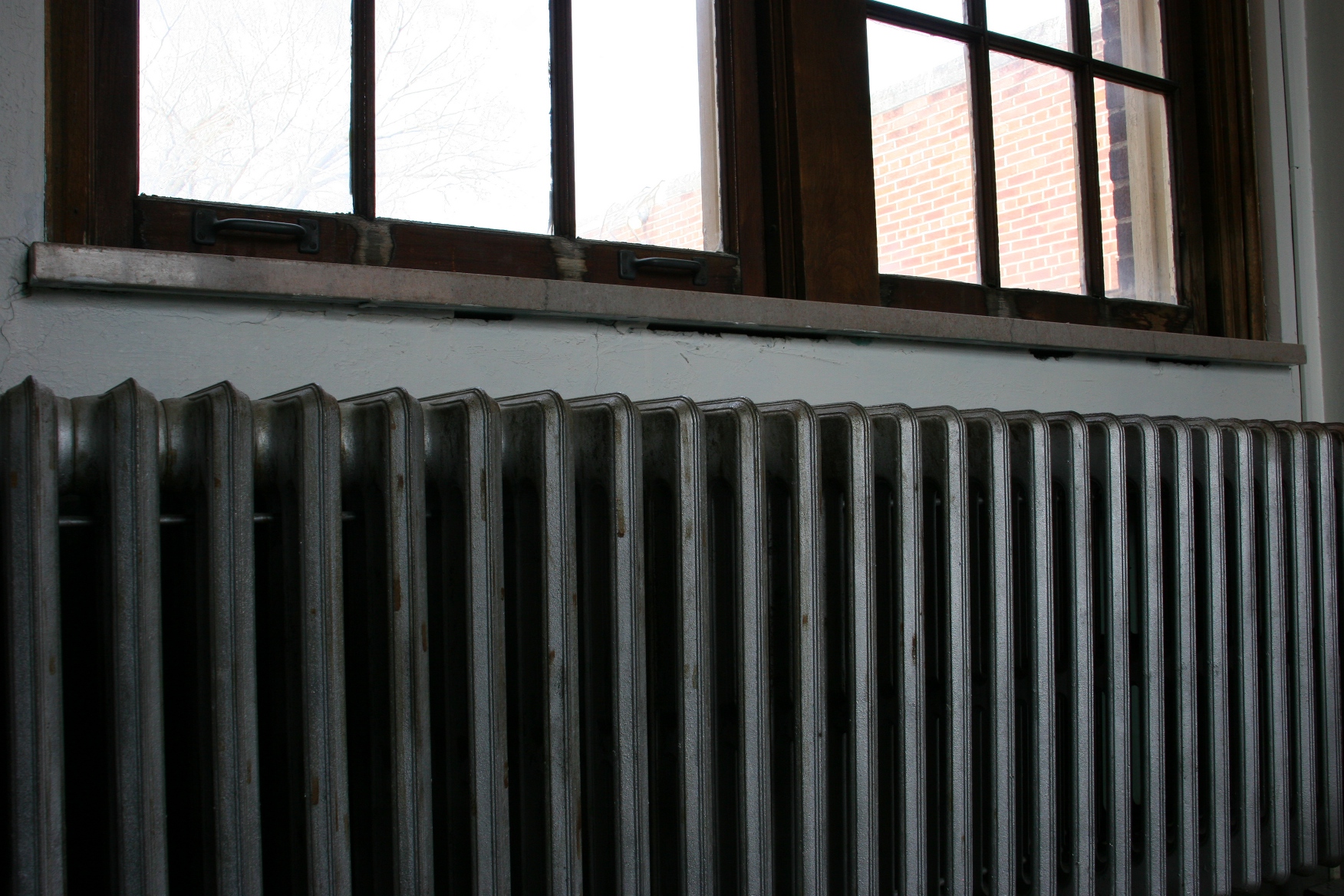
An old radiator and old windows.

An old radiator and old windows show the character of this aged former school.

IN THE MARY DELZER ROOM:

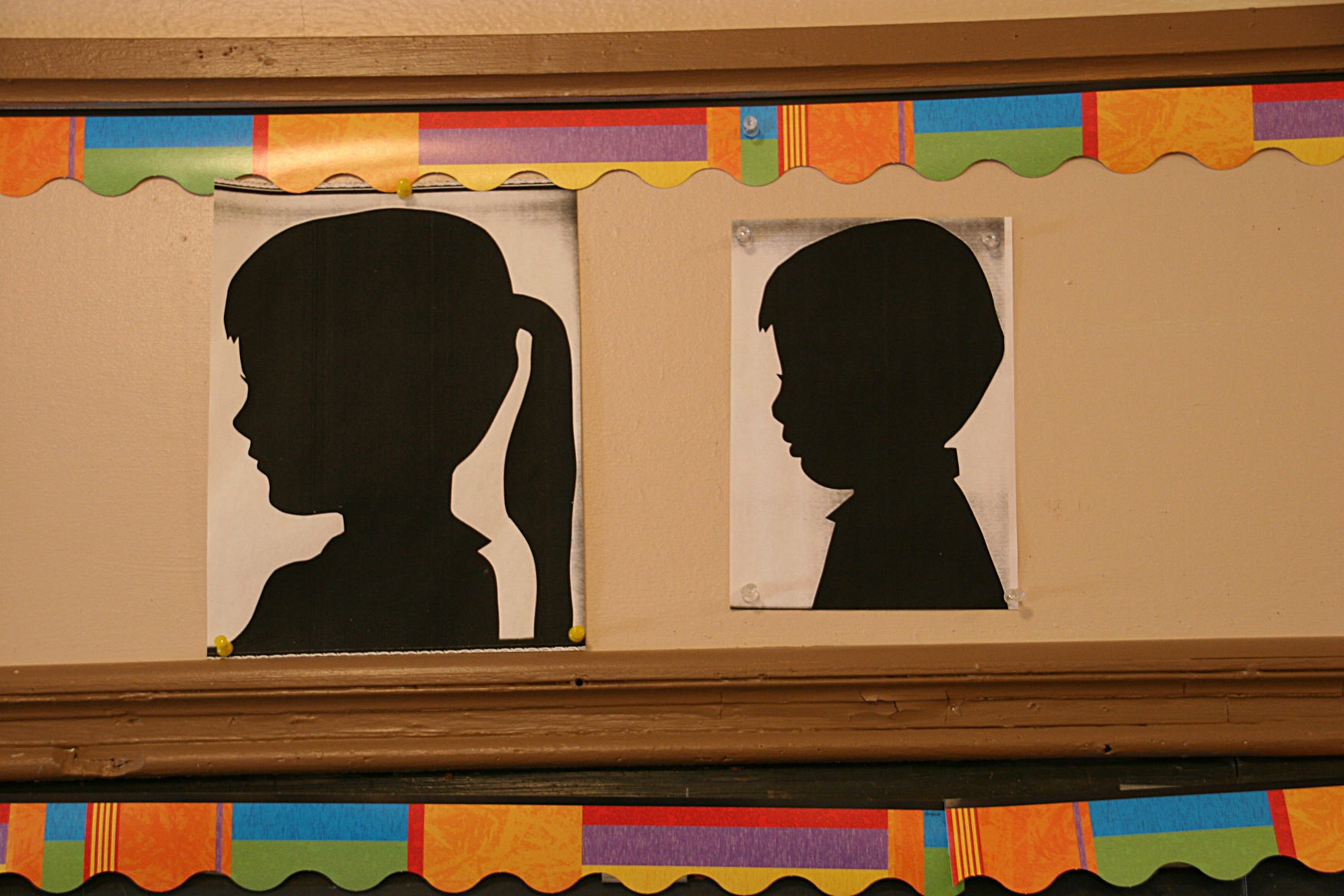
Remember making these silhouettes from black construction paper? I hadn't thought about these in decades. Janis Ray had her students create these profiles each year as a gift to their parents.

Remember making these silhouettes from black construction paper? I hadn’t thought about these in decades. Former educator and WCHS director Janis Ray had her elementary aged students create these profiles each year as a gift to their parents. These are displayed in a room dedicated to education and in which Janis taught.

IN GRANDMA’S ATTIC:

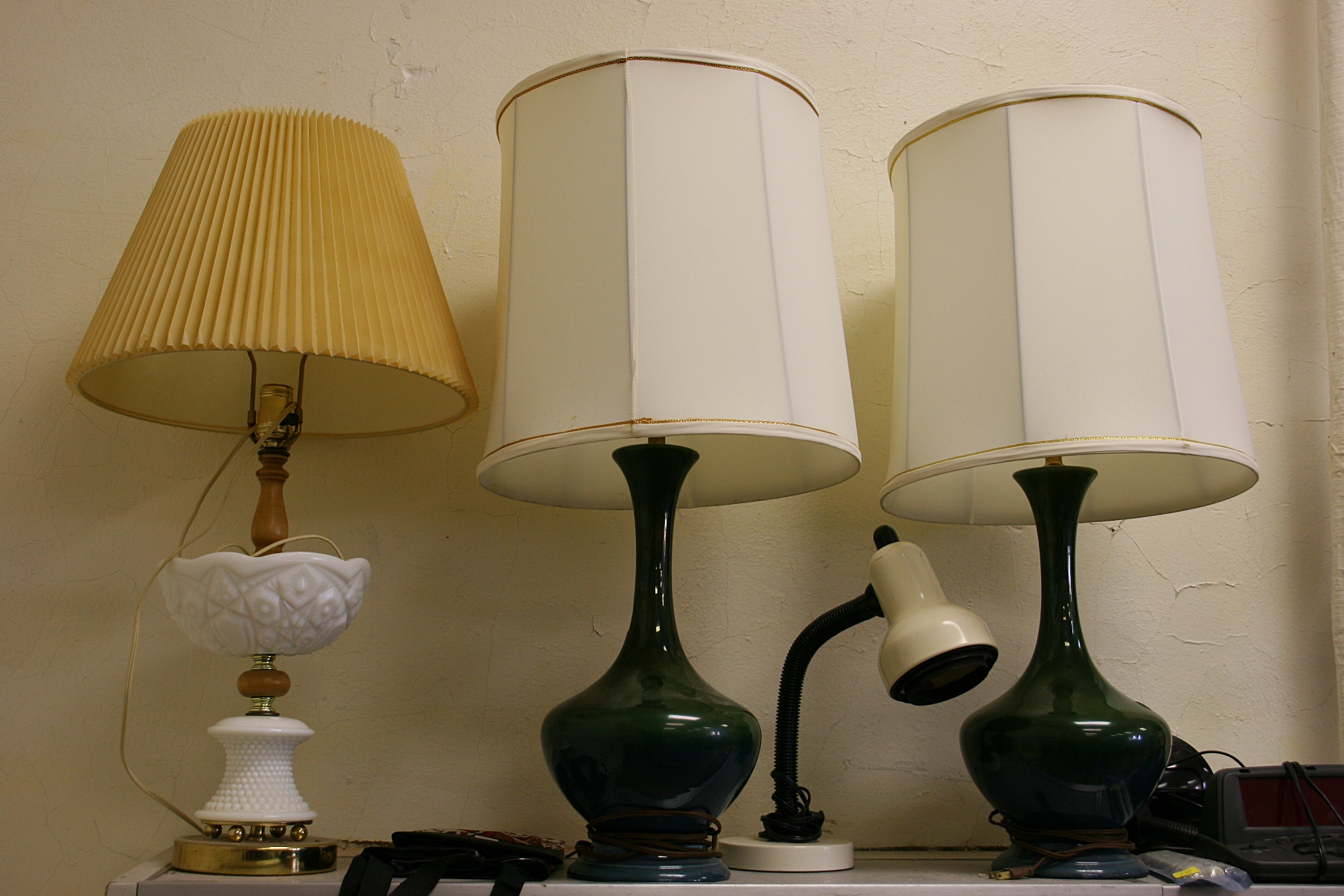
In Grandma's Attic you can buy garage sale type items, like these lamps, with proceeds benefiting the WCHS.

In Grandma’s Attic you can buy garage sale type items, like these lamps, with proceeds benefiting the WCHS. I really should have purchased the two matching lamps. Aren’t they fabulous?

IN THE OFFICE:

A recent donation awaits research and placement.

A recent donation awaits research and placement.

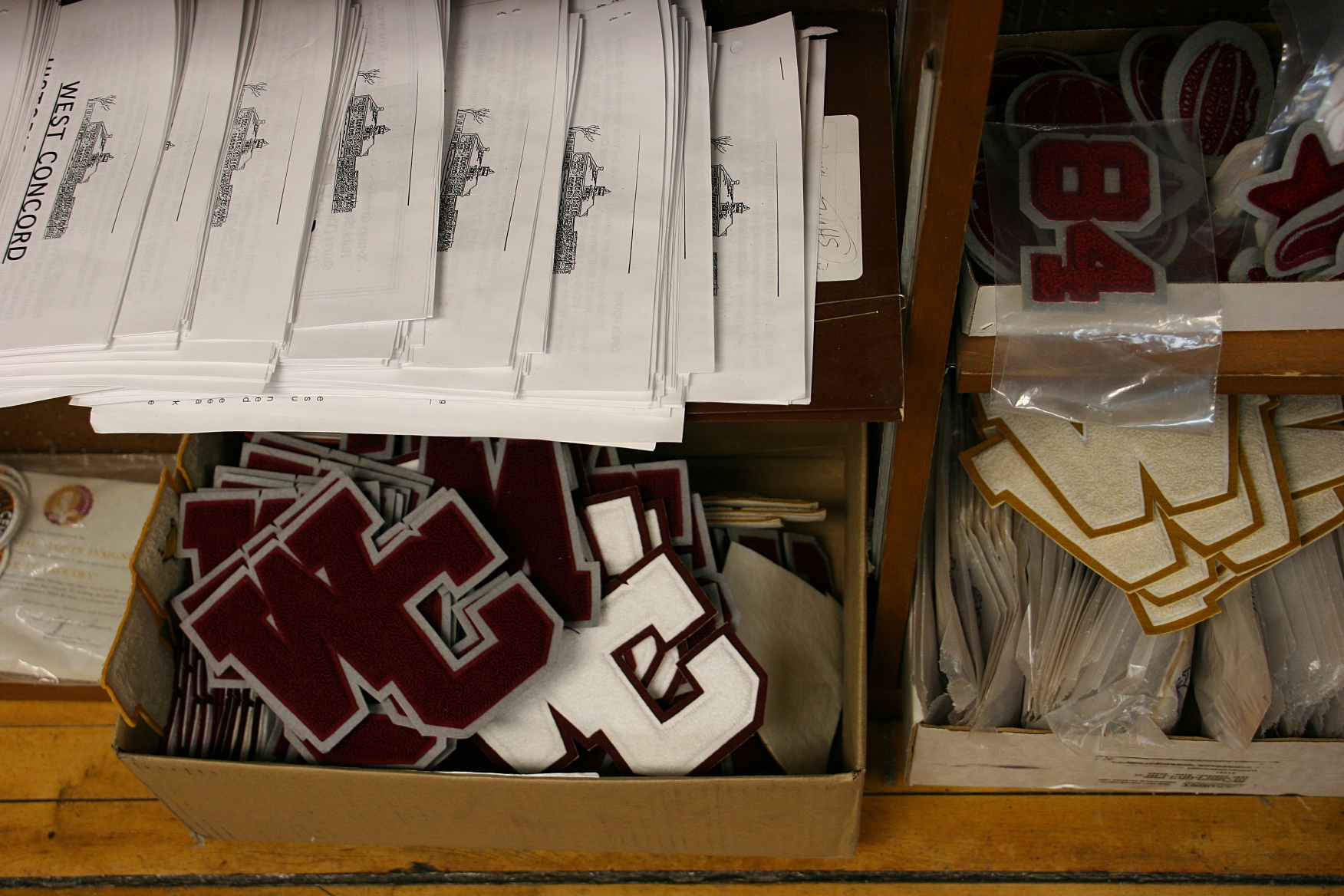
School letters left-over from West Concord High School are available for purchase.

School letters and numbers left over from West Concord High School are available for purchase. West Concord is now part of Triton Public Schools (West Concord, Dodge Center and Claremont). West Concord Public Charter School, however, is open in the community.

FYI: If you missed my first post on the West Concord Historical Society museum, click here. Today’s post is the second in a three-part series.

© Copyright 2015 Audrey Kletscher Helbling
 

Part I: Keeping the history in West Concord March 31, 2015

EVERY COMMUNITY NEEDS a Janis Ray and a team of equally enthusiastic volunteers.

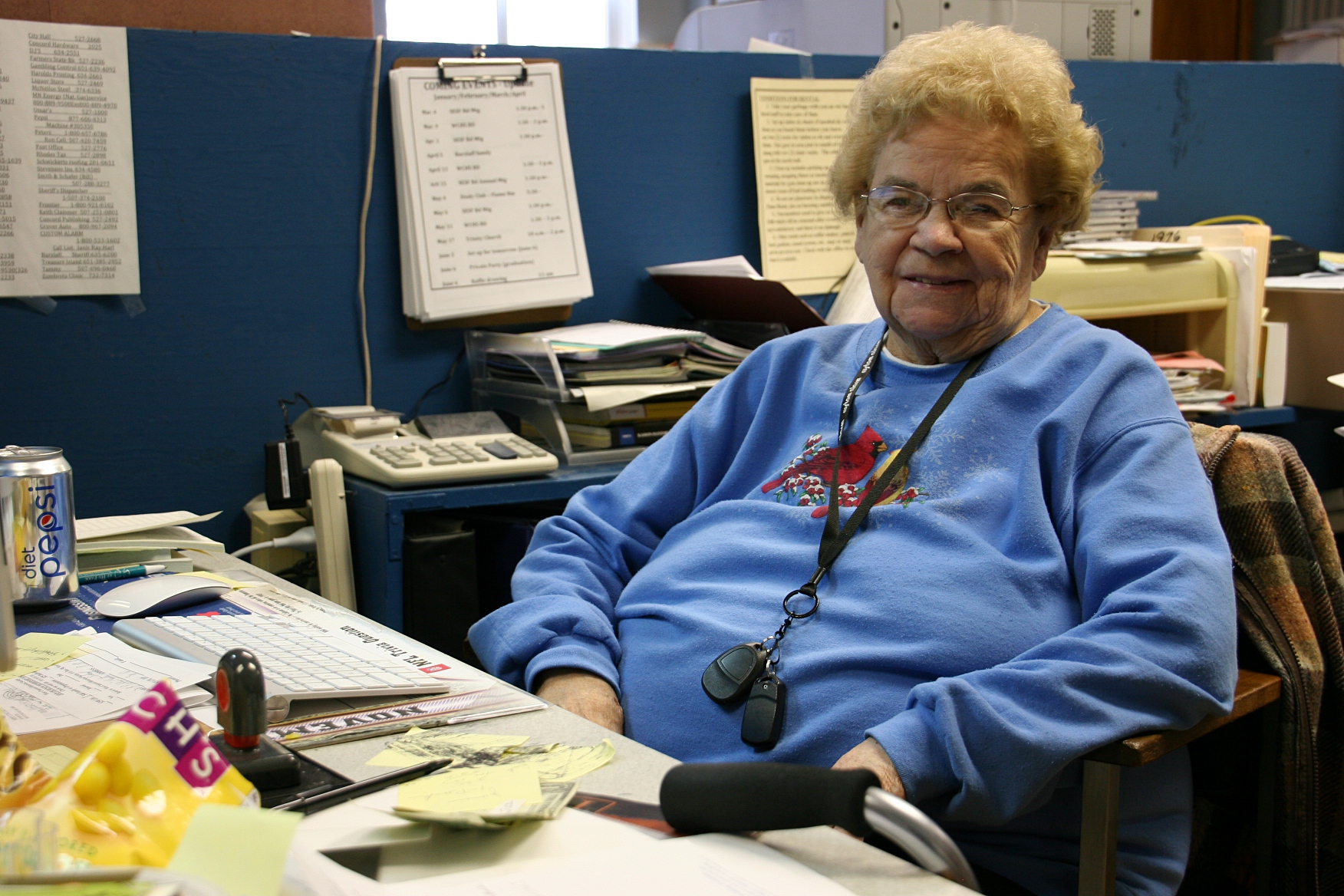
Janis Ray sits at the desk in a former classroom turned office space.

Janis Ray at her desk in a former classroom turned office space.

“We’re the keeper of the history,” says 86-year-old Janis, former educator and a current director/gambling manager of the West Concord Historical Society.

The 1902/1914 school is on the left, the 1936 gym on the right. Museum left, community center right. To enter, use the door between the buildings, in the area where the red car is parked in this photo.

The 1902/1914 school is on the left, the 1936 gym on the right. Museum left, community center right. To enter, use the door between the buildings, in the area where the red car is parked in this photo. The school closed in 1991.

My husband and I met Janis recently while on a meandering day trip to several small towns in southeastern Minnesota. In West Concord, population hovering near 800, we happened upon the historical society and community center housed in an old school. After the school closed in 1991, the WCHS purchased the 1902/1914 building and the attached 1936 gym for $1, saving the complex from planned demolition. Several years later, the museum opened in this hulk of a multi-story brick building, the kind that can never be replaced in character and visual strength by a new facility.

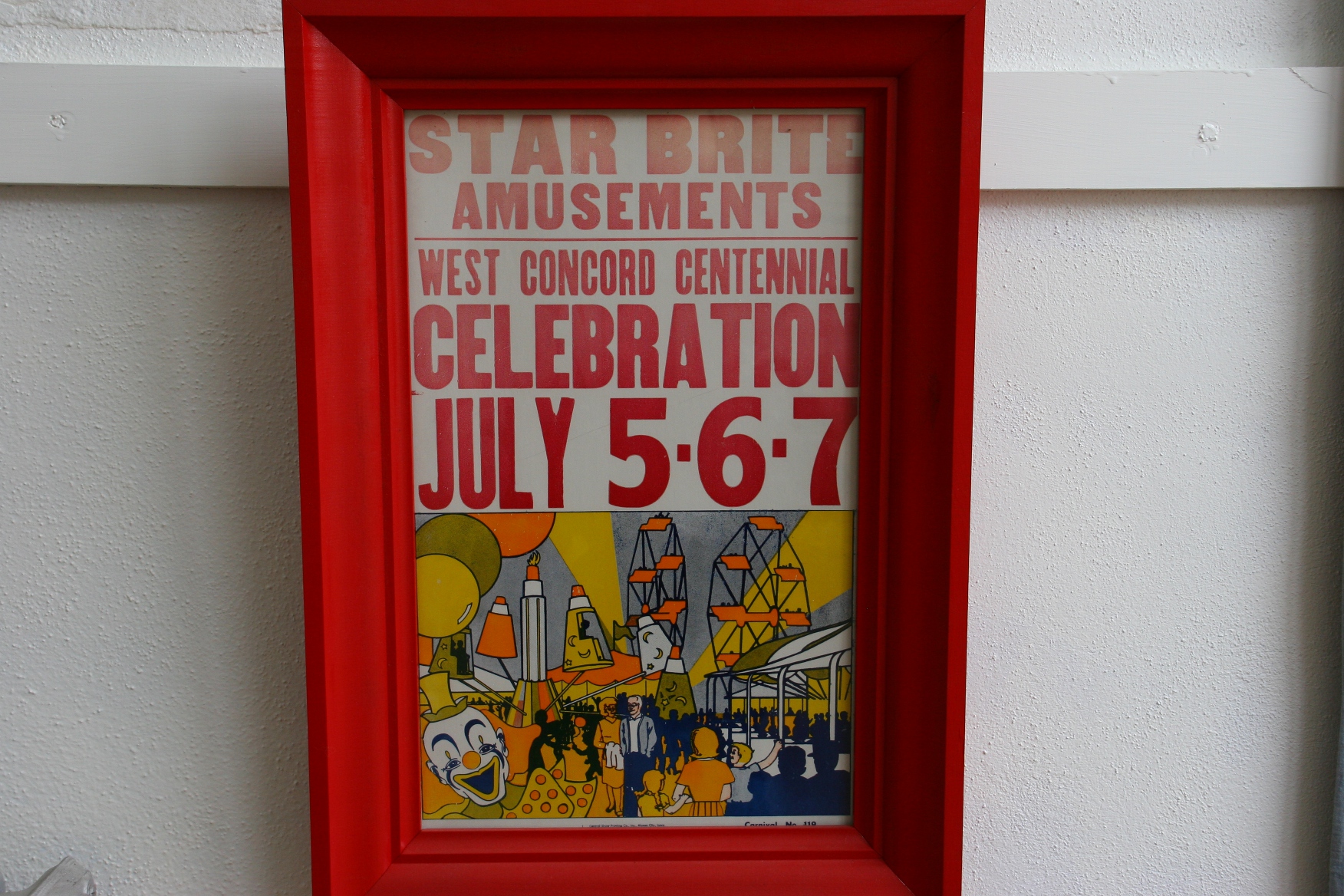
A West Concord Centennial poster hangs in a hallway outside the research room.

A West Concord Centennial poster hangs in a hallway outside the research room.

I appreciate this museum, this building, even though I have no personal connection to the West Concord area.

Clothing and more of yesteryear grace The Heritage Room.

Clothing and more of yesteryear grace The Heritage Room.

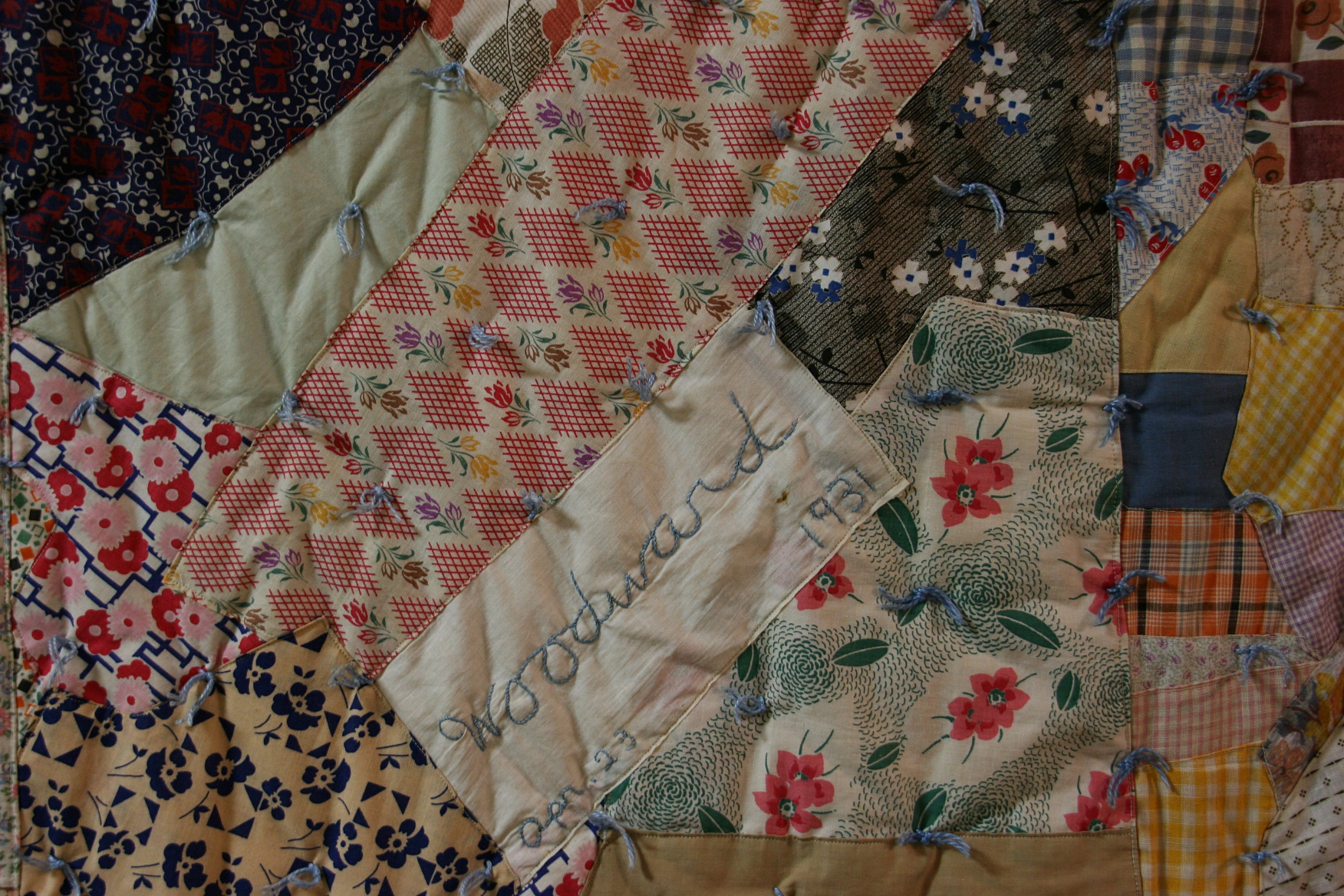
Beautiful handmade quilts are displayed.

Beautiful handmade quilts are displayed.

The Veterans Room honors local men and women who served their country.

The Veterans Room honors local men and women who served their country.

This structure houses not only local history, but everyone’s history. Or at least everyone who grew up in rural Minnesota. I delighted in room after former classroom themed to topics like veterans, fashion, farmers and merchants, education, the 1950s and 60s, heritage and more. Even hallways hold small town rural treasures.

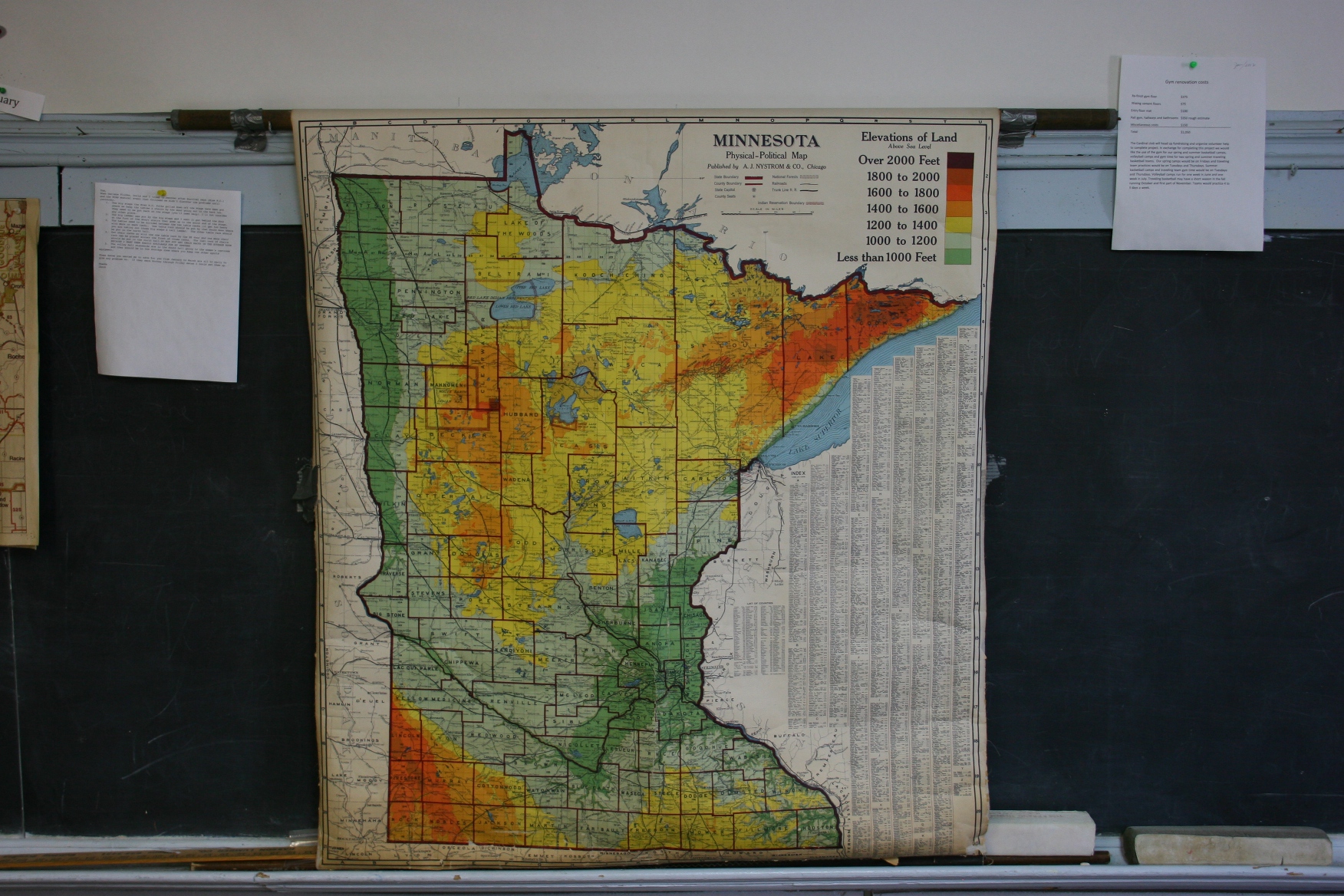
Pull-down maps like this one of Minnesota remain in some classrooms.

Pull-down maps like this one of Minnesota remain in some classrooms.

Reminders of the building’s former use linger in blackboards, globes, pull-down maps and the “Principal’s Office” sign above The Farmers & Merchant Room doorway. You can almost hear students slamming locker doors and shuffling across worn wood floors.

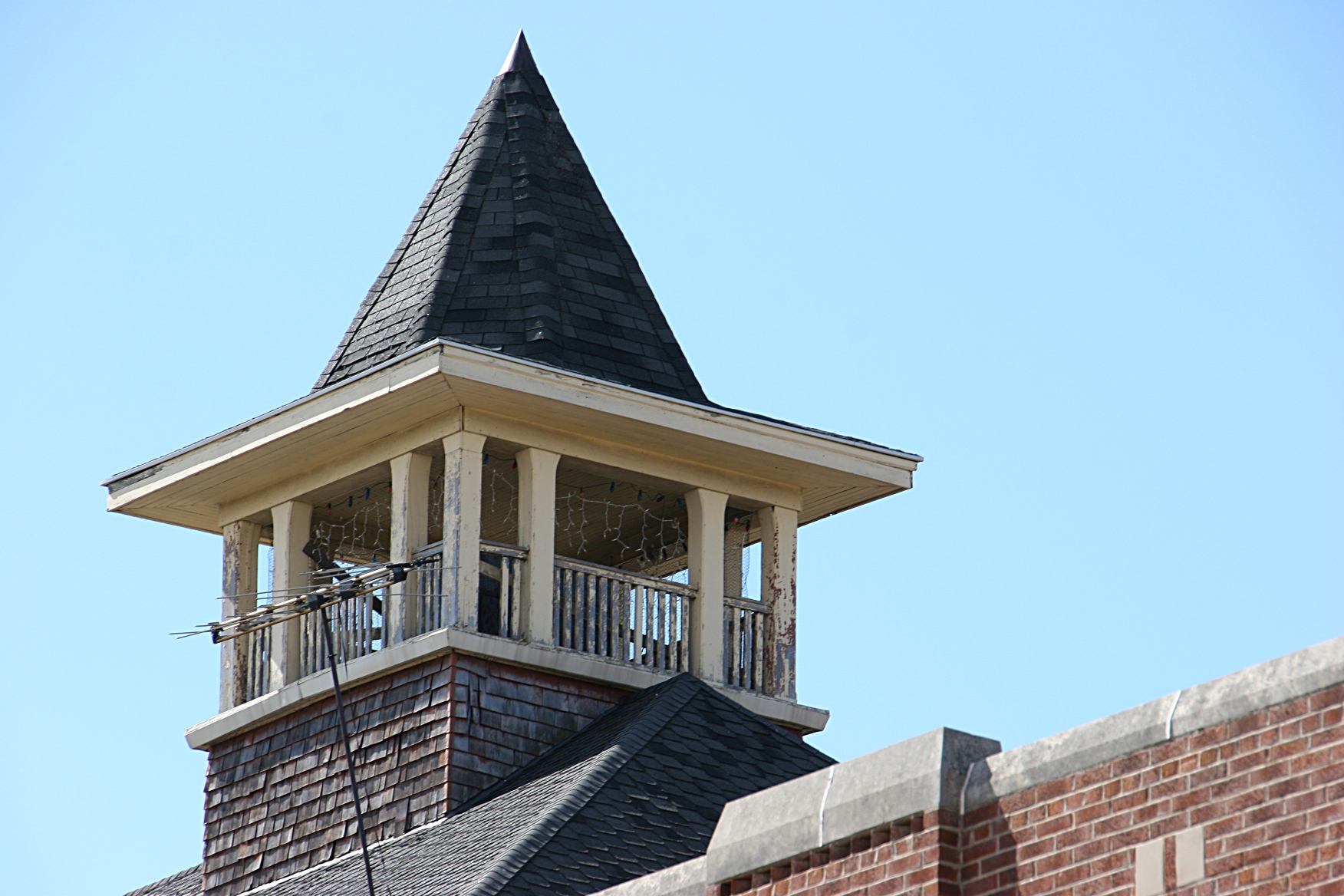
The roof of the aged school is topped with this unique architectural structure.

The roof of the aged school is topped with this unique architectural structure.

I know I missed a lot simply because we arrived too late to study the three stories of collections in detail. The place closes at noon Saturdays and Janis was gracious enough to let us stay a bit past closing. Yet I left impressed. This is one of the finest small town museums I’ve ever toured.

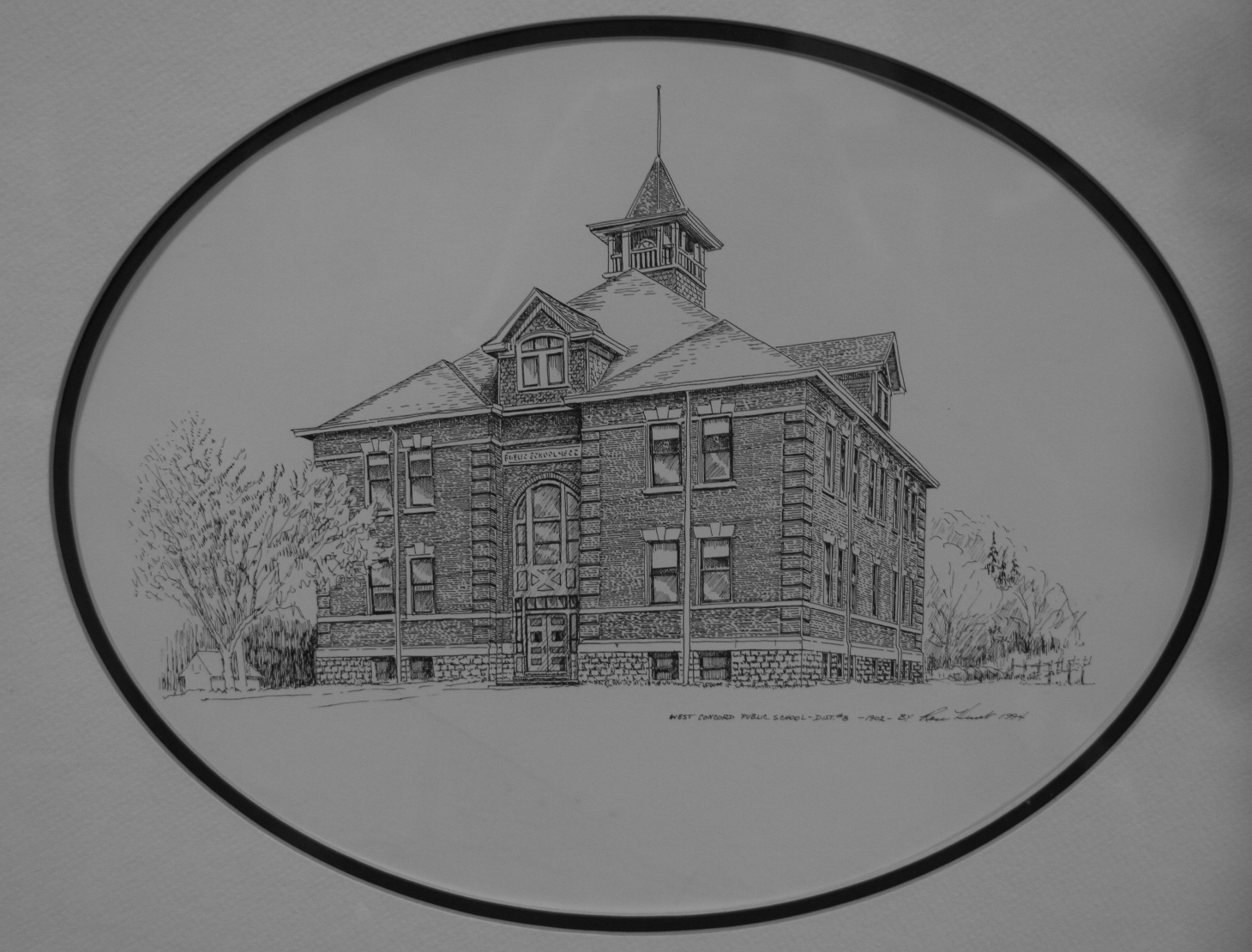
A drawing of the 1902 school hangs in a hallway.

A drawing of the 1902 school hangs in a hallway.

And, Janis will tell you, the largest in the area. She is proud of what this community has created. She graduated from this school and taught elementary school students here for 36 years. Her roots run deep.

Admission cost is a donation.

Admission cost is a suggested $4 or a donation.

Perhaps that is what appeals to me—that personal connectedness spawning passion unquelled. You can’t match small town enthusiasm that brings locals like Janis here to volunteer 25 hours a week. She manages the liquor store pulltab fundraising which brings in $10K-$12K yearly to help meet annual historical society expenses of around $70K. Membership (there are 260 members from 24 states) and donations provide the remaining bulk of financial support. There’s no paid staff.

The museum includes The Cardinal Room filled with West Concord High School activity memorabilia.

The museum includes The Cardinal Room filled with West Concord High School activity memorabilia.

Janis is serious about this business of keeping the history. She delights in young people coming here with their parents or grandparents, generations passing along the histories of this community and building to another generation.

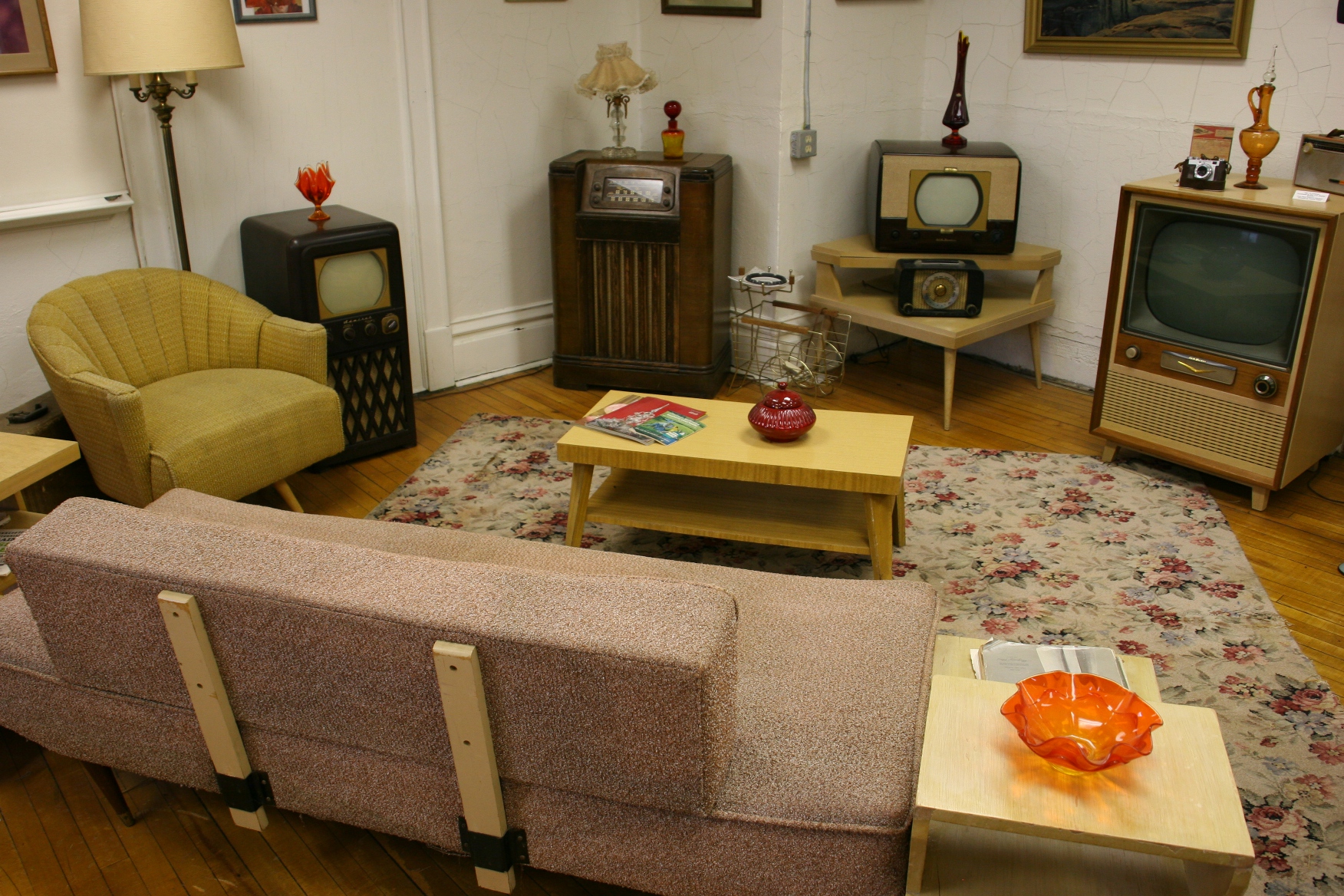
The museum feels living room comfortable, like this 1950s living room set up in The 50's and 60's Room.

The museum feels living room comfortable. This 1950s living room staged in The 50’s and 60’s Room includes the first TV (a 1950 model on the left in this photo) sold in West Concord.

I felt at ease here, unencumbered by rules. Photography is allowed. You can meander among the exhibits; no ropes or half-walls fence you out. There’s a certain comfortableness that prevails, as if everything here belongs to you, even when it doesn’t. But perhaps it does.

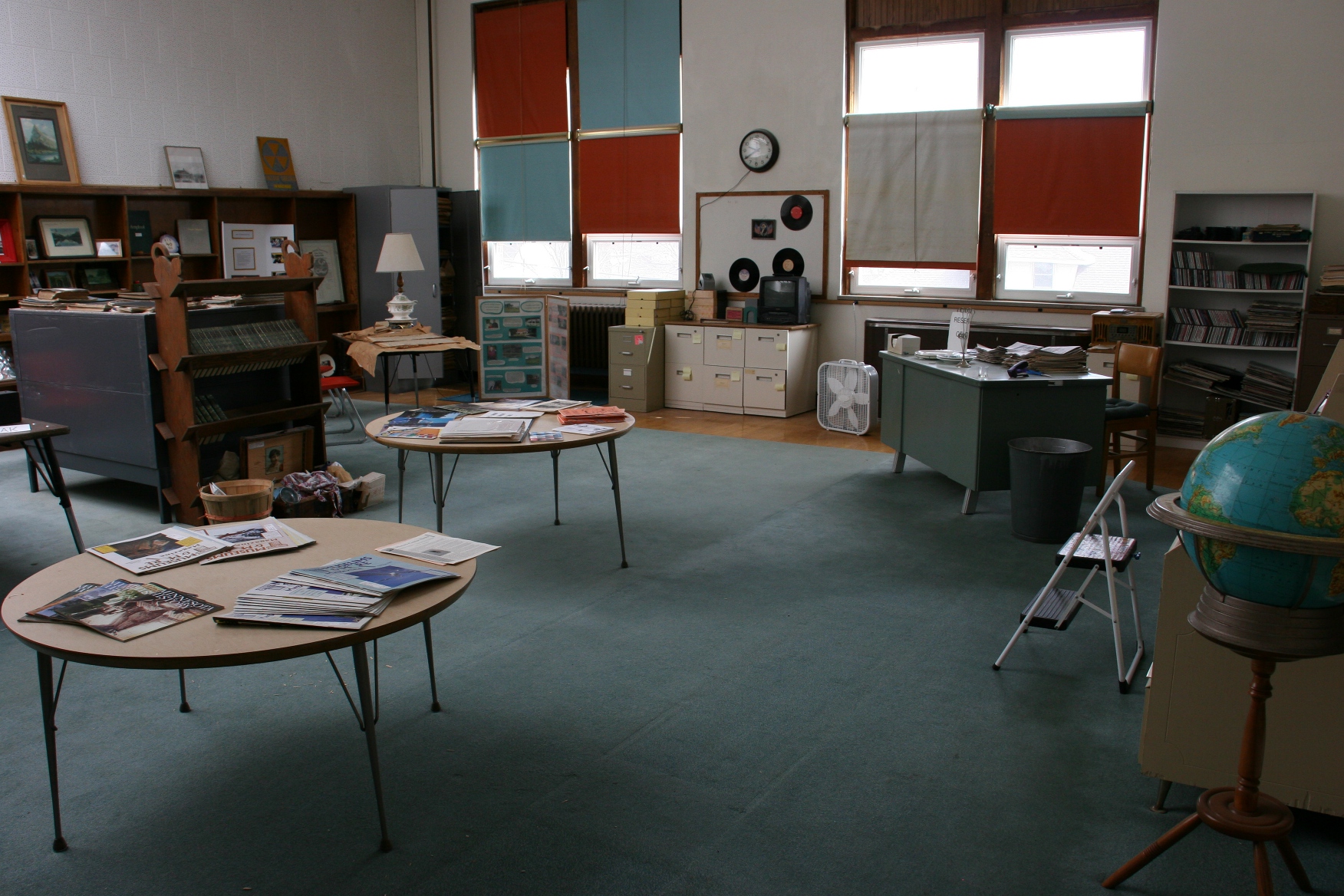
There's even a room to do research.

There’s even a room to do research.

FYI: The museum is open from 9 a.m. – 2 p.m. weekdays and from 10 a.m. – noon Saturdays. Or call 507-527-2628 for an appointment. The museum is located at 600 West First Street, a block west of Highway 56 at the intersection with Olive Street. Click here to reach the WCHS website.

I will showcase the museum in two more posts because I have way too many images for a single story. And then I’ll take you into the West Concord High School gym built as a WPA project in 1936. It’s a treasure, too.

© Copyright 2015 Audrey Kletscher Helbling
 

I was “this close” to Prince Farming’s hometown & more March 17, 2015

MAPPING OUT A ROUTE from Mason City to Dubuque, Iowa, last summer, I routed our drive through Strawberry Point, which is 10 miles from Arlington. Remember that.

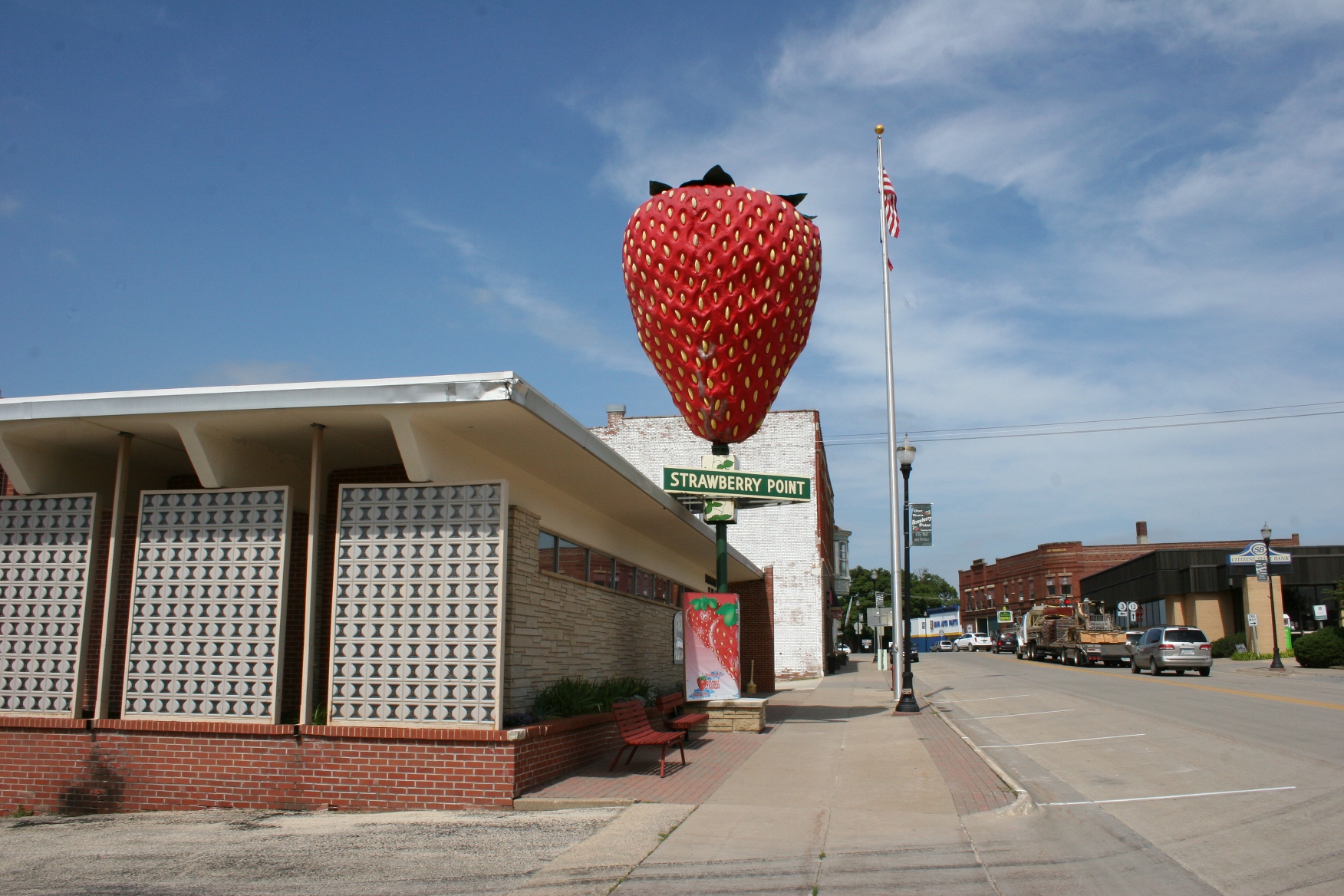
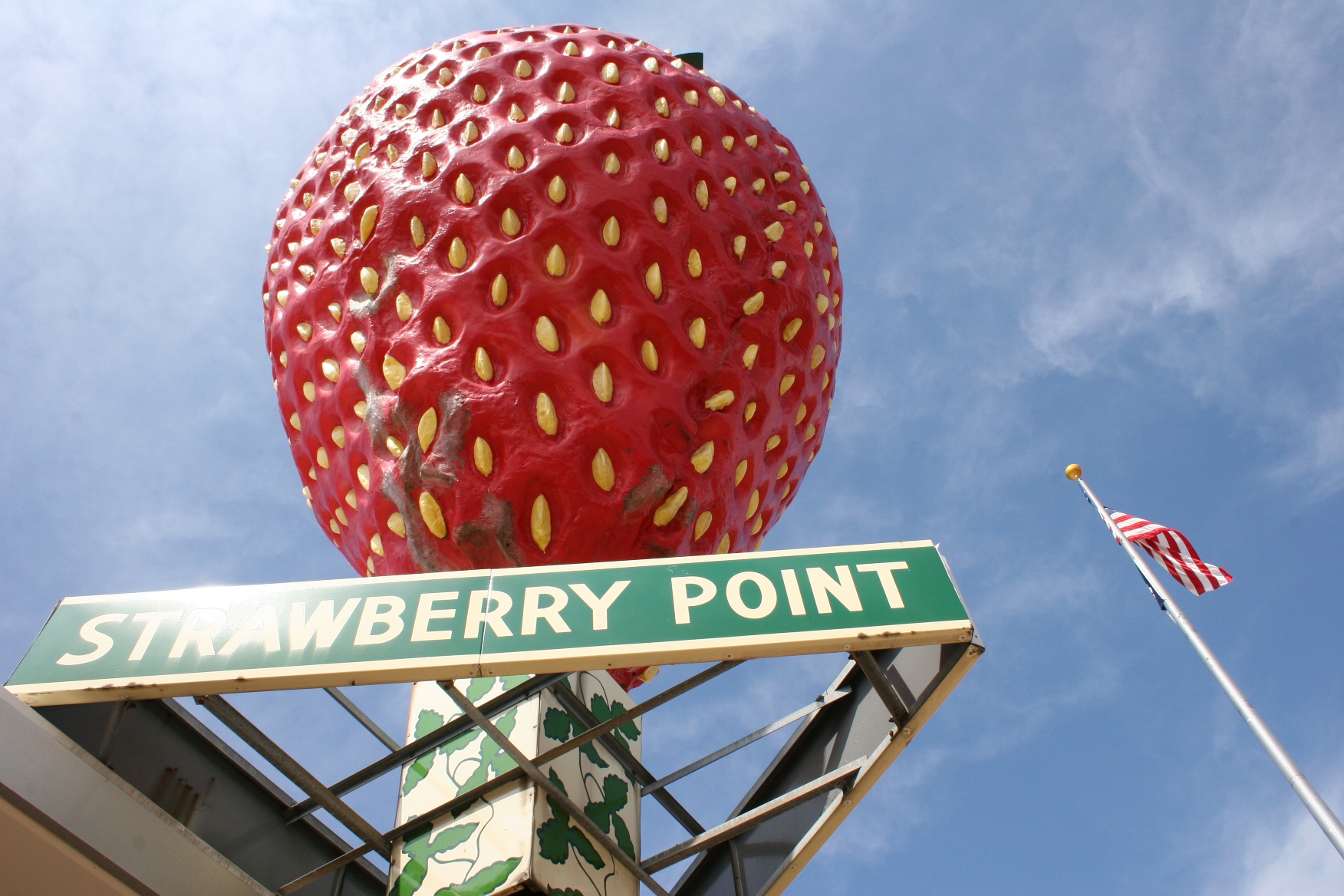
The world's largest strawberry sculpture is made of fiberglass, weighs 1,430 pounds, is 15 feet high, 12 feet wide and was constructed in 1967.

The world’s largest strawberry sculpture is made of fiberglass, weighs 1,430 pounds, is 15 feet high, 12 feet wide and was constructed in 1967.

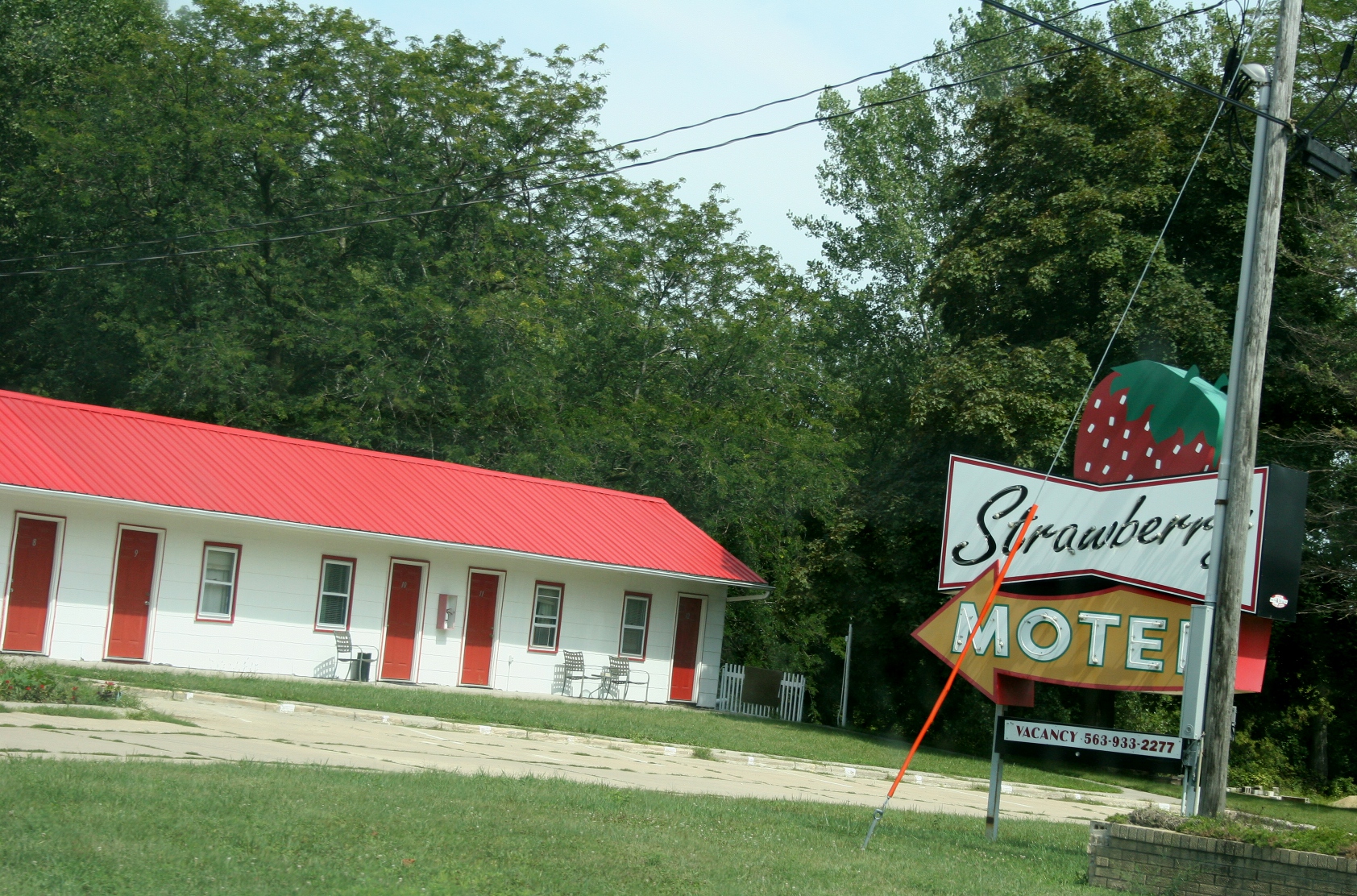
Strawberry Point is home to the world’s largest strawberry. I delight in kitschy roadside art, thus the stop in this town of nearly 1,300.

I'm not sure this motel is open anymore.

There’s even a Strawberry Motel.

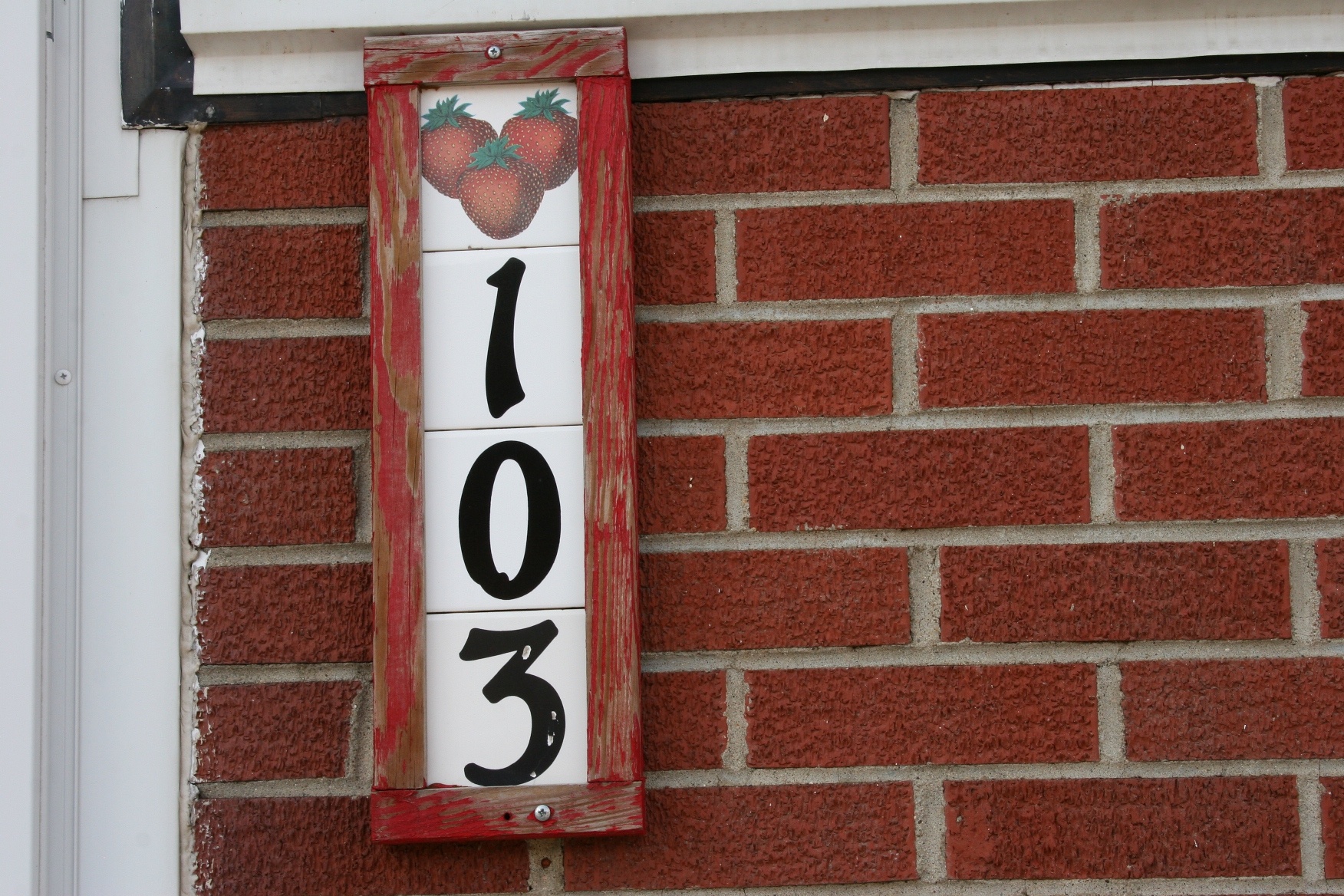
Homespun address signage in Strawberry Point.

Homespun address signage in Strawberry Point.

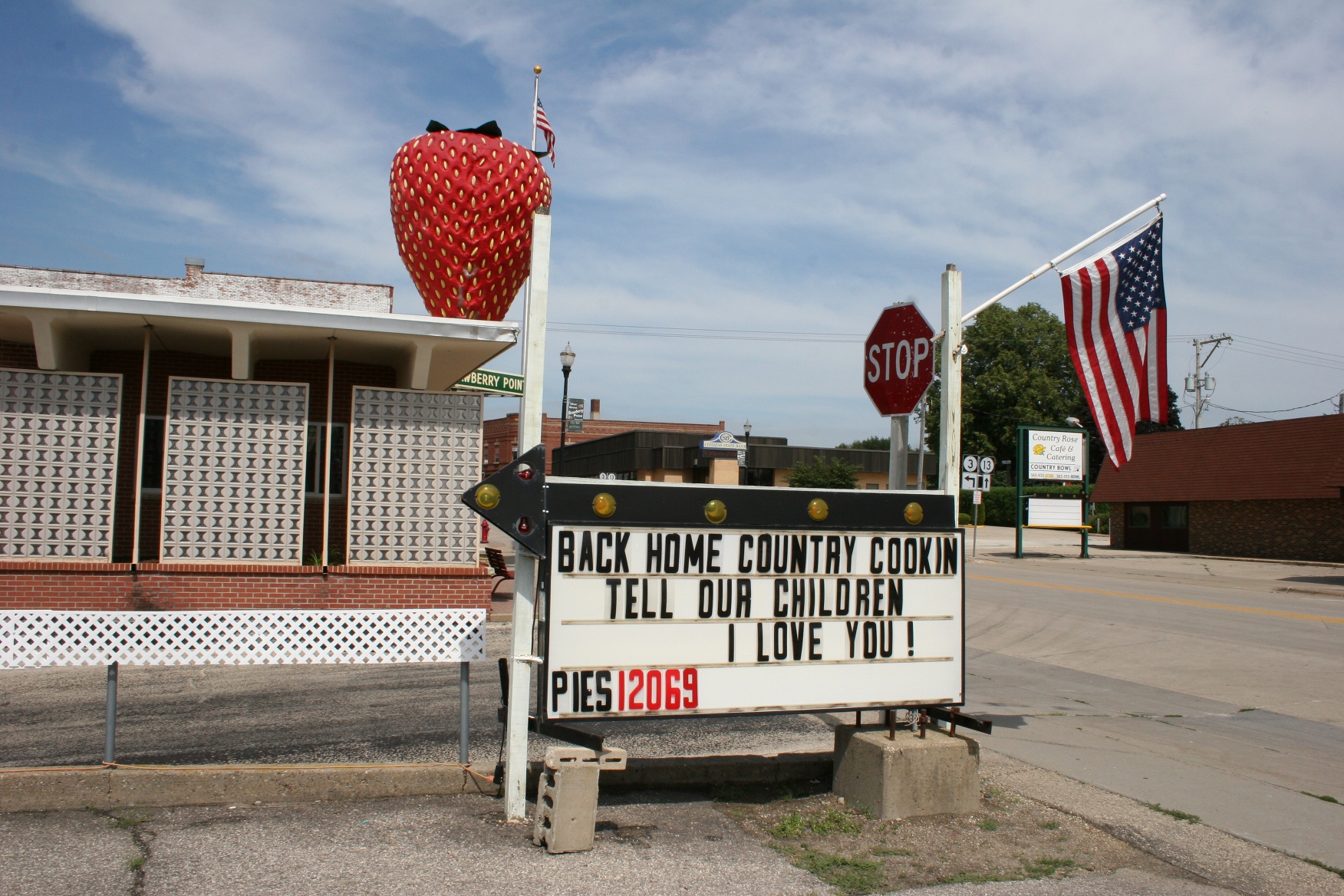
A sweet message.

A sweet message outside a cafe.

Additionally, I find the name, Strawberry Point, charming. Its name history traces to the soldiers, traders and railroad workers who savored the wild strawberries growing along the area’s trails and hillsides.

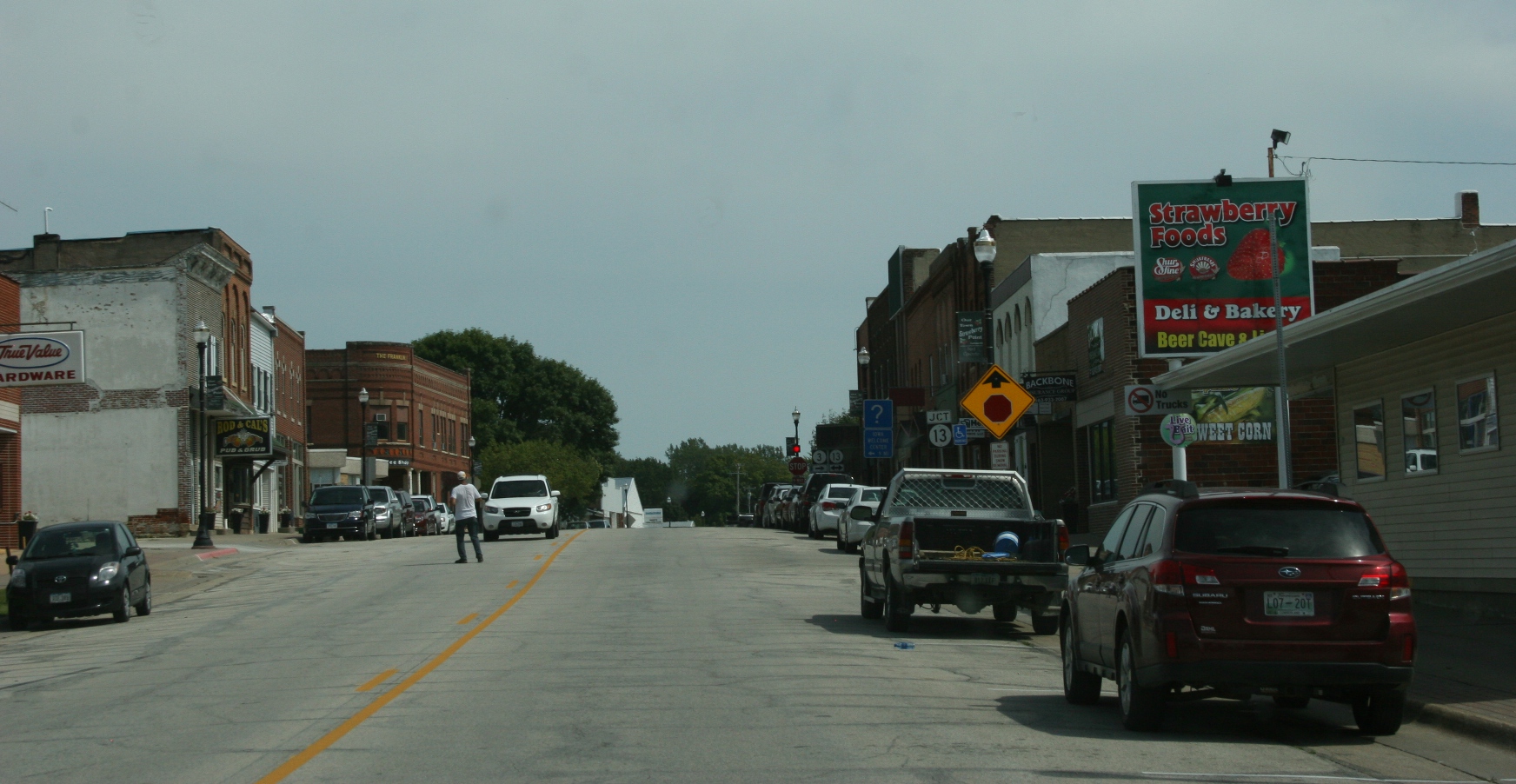
Driving into Strawberry Point.

Driving into Strawberry Point.

On the late August afternoon my husband and I drove into Strawberry Point, I was tired and crabby. Mostly due to the excessive heat and humidity. But also due to the endless travel through an Iowa countryside that seemed monotonous in fields and flatness. This is unusual for me to feel this way given my appreciation for rural prairie landscapes.

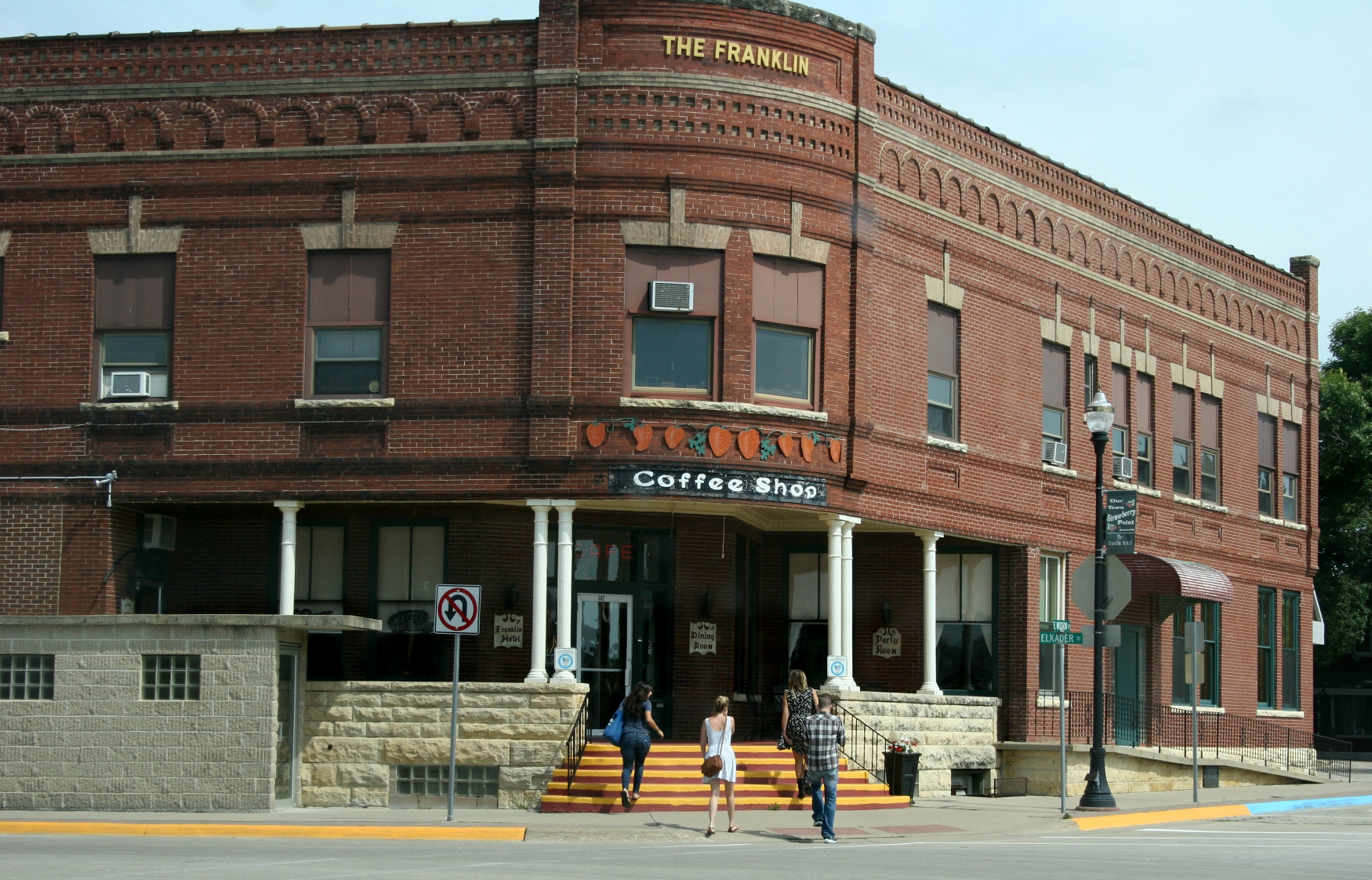
This impressive building anchors a corner in downtown Strawberry Point and houses a coffee shop/cafe and hotel.

This impressive building anchors a corner in downtown Strawberry Point and houses a coffee shop/cafe and hotel.

Had I not been in such a funky mood, I would have explored more. Looking now at my photos from downtown Strawberry Point, I see what I missed. That sprawling brick corner building labeled Coffee Shop/The Franklin Hotel calls for exploration. Just like other places in Iowa.

The strawberry sculpture sits in the heart of downtown Strawberry Point.

The strawberry sculpture sits in the heart of downtown Strawberry Point.

How many of you had heard of Arlington, Iowa, before this season’s reality TV show The Bachelor aired? The star, bachelor farmer Chris Soules, dubbed “Prince Farming”, is from Arlington.

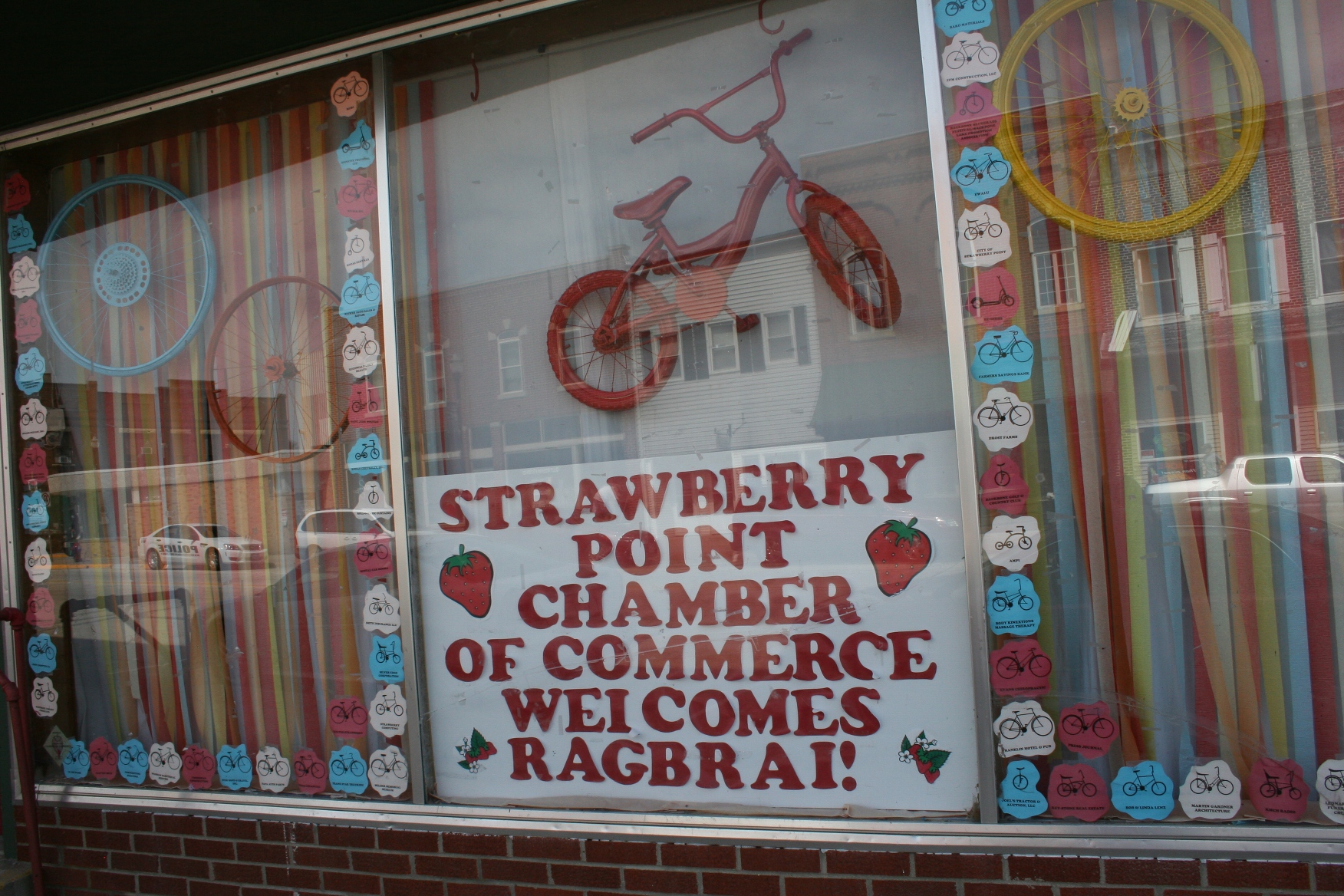
Signage remained from  RAGBRAI, the bike ride across Iowa.

Signage remained from RAGBRAI, the bike ride across Iowa.

Last July Soules met with RAGBRAI bikers in Strawberry Point, greeting folks in a fire department fundraiser. I missed him by a month. Not that I had even heard of him then.

While I don’t agree with the premise of The Bachelor, trying to find true love by dating multiple women simultaneously, I do see the show’s current value to Iowa, specifically, Arlington. That community of less than 500 is using its moment in the spotlight to raise funds for a new community center via sales of “The Other Bachelors of Arlington, Iowa” calendars. Local farmer and community volunteer John Fedeler came up with the calendar idea featuring 12 Arlington bachelors. Brilliant.

From what I’ve read on the campaign’s Facebook page, it’s a tastefully done calendar that can be yours for $14.99 plus $2 for shipping.

For example, here’s the bio on Mr. September, Jordan:

Mr. September was born in Arlington and helps out on his family’s farm. When he is not farming with his father, Mr. September works to grow his computer consulting business and practices his piloting skill. Mr. September is more reserved about details of his love life, but joked that he will be a “bachelor till the rapture”. Mr. September would give you the shirt off of his back if you needed it and is not afraid to reach out a helping hand.

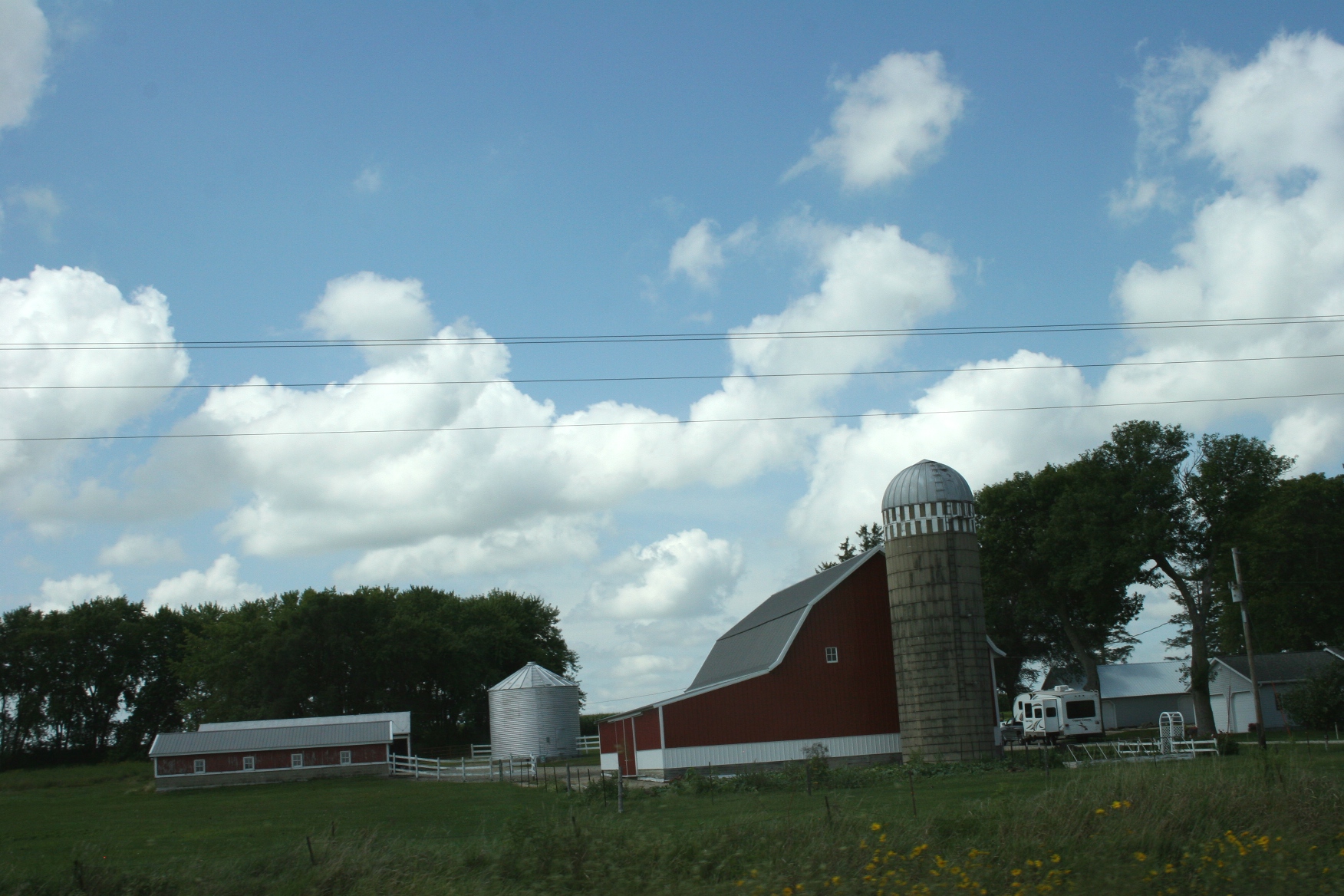
A farm site somewhere in notheast Iowa between Nashua and Strawberry Point.

A farm site somewhere in notheast Iowa between Nashua and Strawberry Point.

He sounds like one wholesome Iowa farm boy to me.

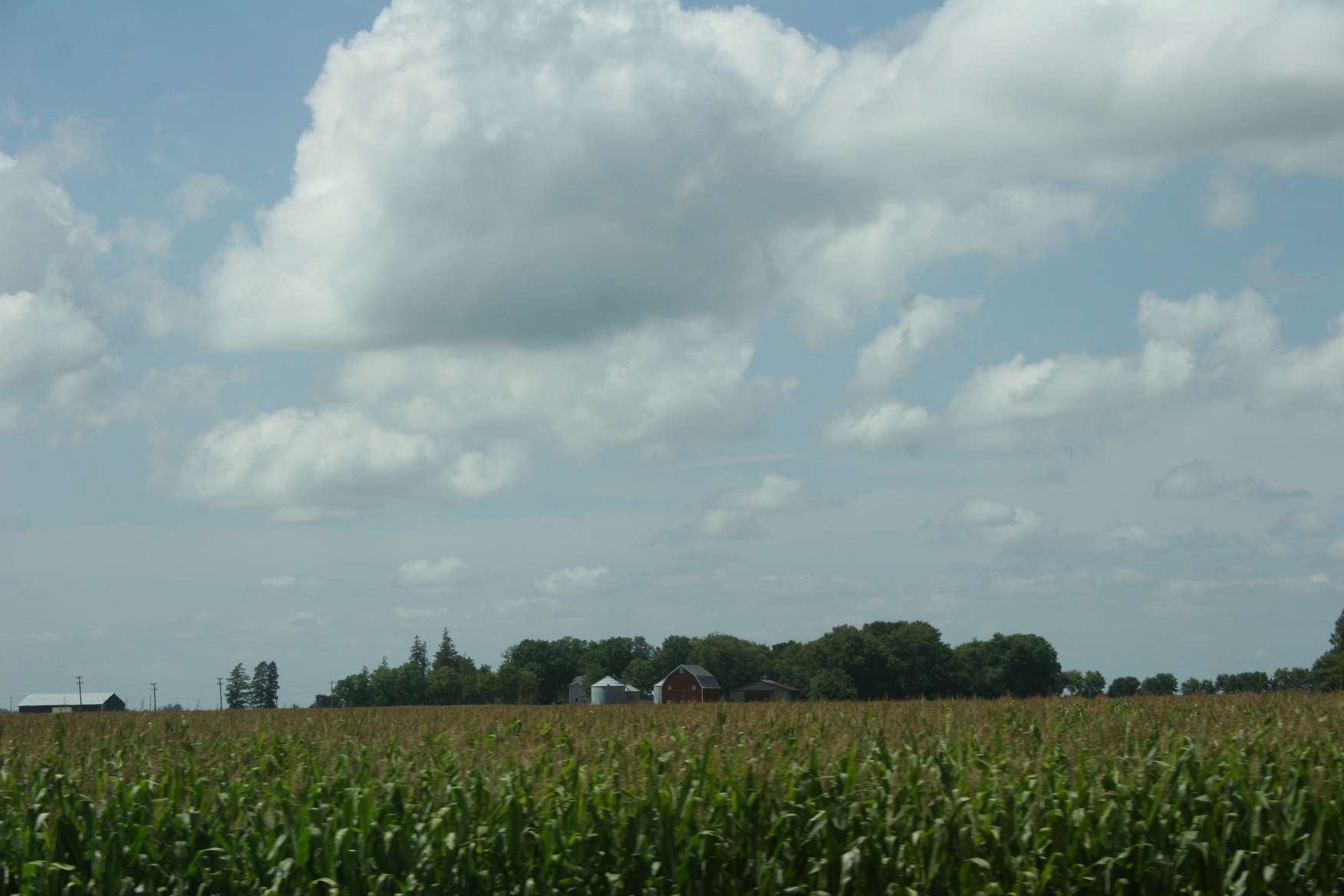
Somewhere in northeastern Iowa.

Somewhere in northeastern Iowa.

And isn’t that the image we have of Iowa—a good, wholesome place of mostly farm fields and small towns? Pigs and corn. Fields of opportunities?

© Copyright 2015 Audrey Kletscher Helbling
 

That Lavender Inn billboard needs to go March 9, 2015

AWHILE AGO, A READER tipped me off to an outdated billboard along Interstate 35 bypassing Faribault.

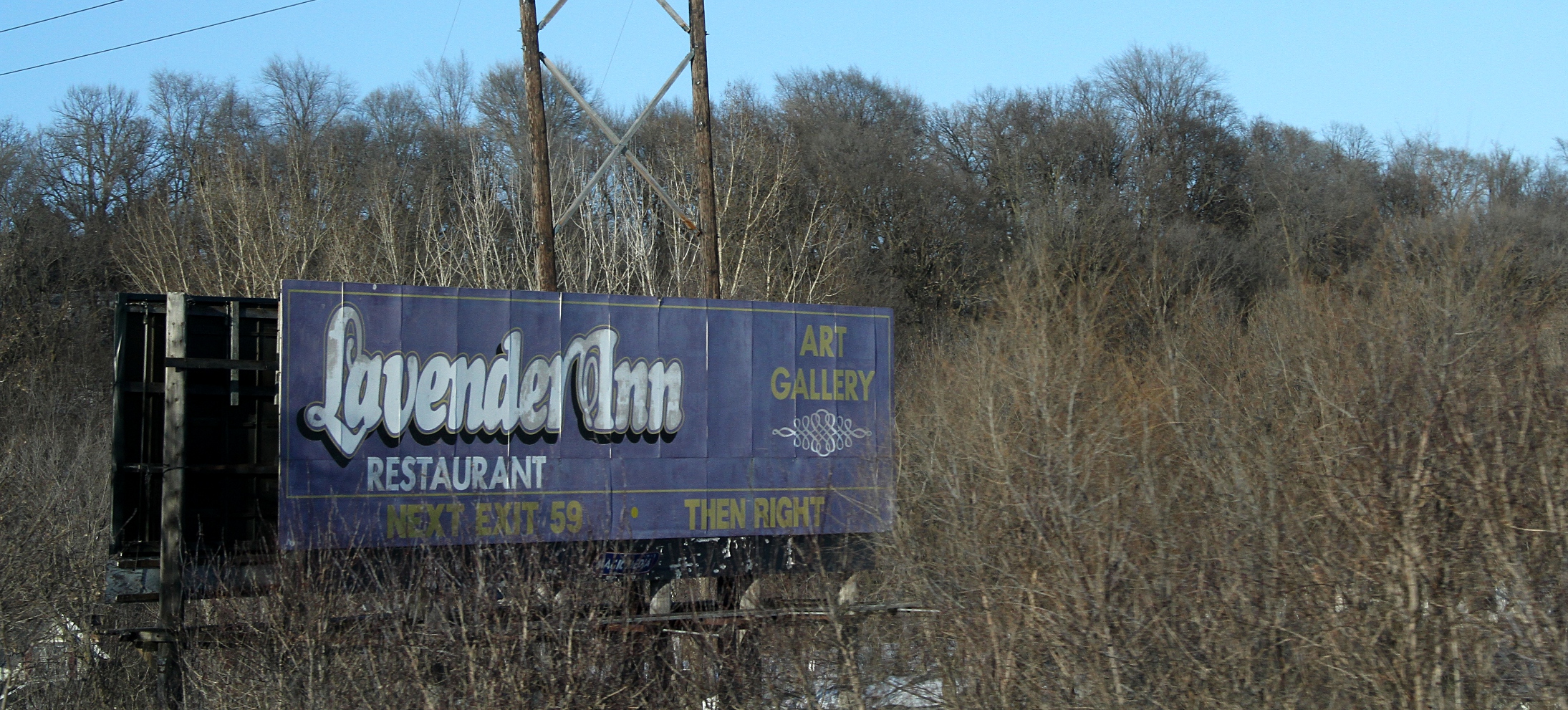
Finally, on purpose, I traveled that stretch of interstate specifically to see this billboard off the northbound lanes:

Not the best photo, but snapped at interstate speed passing by.

Not the best photo, but snapped at interstate speed passing by.

Now imagine you’re a traveler. You’re hungry. You see the sign for the Lavender Inn Restaurant. And bonus, there’s an art gallery. So you take Exit 59.

But then you can’t find the darned place. You see a bank and a liquor store, restaurants, hotels and other businesses in the area, even a housing development. But the Lavender Inn? Nope. Not even along Lavender Drive.

By this time you are frustrated, not to mention hungry and disappointed. You had your heart set on dining at the Lavender and perusing art.

I wonder how many times this scenario has happened. The Lavender Inn has been closed for a long time, although I can’t find the precise date of closure.

But in January 2003, long-time sole owners Gaylen and Bebe Jensen, who opened the eatery first as a drive-in in June 1960, sold the property to investors. Eventually, the restaurant, which was, indeed, painted a distinct lavender hue, was torn down, replaced by business and housing developments.

Why, then, does the billboard remain posted along Interstate 35? Its presence misleads travelers.

For those of us who remember the Lavender, though, the sign jars memories of Faribault’s finest dining establishment. I ate here perhaps less than a dozen times in a restaurant that evolved into a supper club. Remember supper clubs? Folks drove from all over to dine here on Saturday evenings and on Sundays after church.

The Lavender had its regulars, including Rotarians who met here monthly. For My husband and me, this marked a place to celebrate on the rarest of special occasions given the cost of a meal in this fancy setting.

I remember the gallery rich in gilded frames and fine art and big game trophy animals from Gaylen Jensen’s African safari hunts. It all seemed rather foreign to me. And perhaps therein was part of the appeal, along with cloth napkins.

In the digital archives of Northfield’s Carleton College I found a KYMN radio jingle for the Lavender Inn, advertised as “a portrait in fine dining…an original in dining.” It’s worth a listen (click here).

Perhaps the Lavender Inn roadside ad ought to be archived somewhere as an important part of Faribault’s restaurant history. And then replace the sign with an attention-grabbing billboard welcoming visitors to Faribault’s historic downtown.

© Copyright 2015 Audrey Kletscher Helbling
 

Downton Abbey fashions coming to Oshkosh March 3, 2015

WHEN MY WISCONSIN RESIDENT daughter recently informed me that Dressing Downton: Changing Fashions for Changing Times will be on exhibit in Oshkosh, Wisconsin, beginning in late June, I got giddy with excitement. Oshkosh is only a 4 ½-hour drive from my southeastern Minnesota home and on the way to my daughter’s place in Appleton.

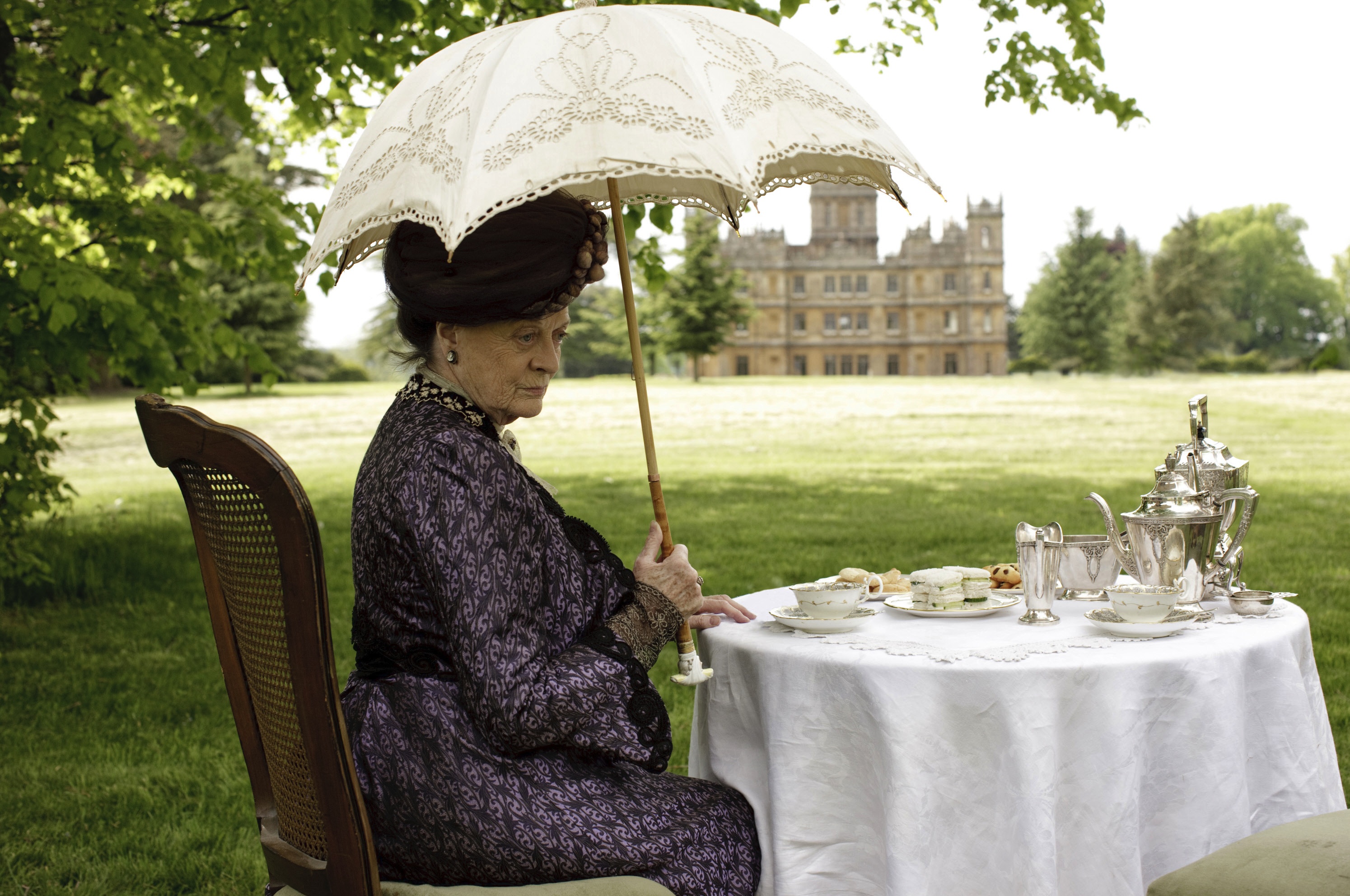
A film still of Maggie Smith's character, Violet Crawley. This costume will be featured in the exhibit. Photo credit: Carnival Films/Masterpiece and courtesy of the Paine Art Center and Gardens.

A film still of Maggie Smith’s character, Violet Crawley. This costume will be featured in the exhibit. Photo credit: Carnival Films/Masterpiece (courtesy of the Paine Art Center and Gardens).

If you’re a fan of the Public Broadcasting System Masterpiece series Downton Abbey, and especially the fashion showcased on this British drama, you understand my enthusiasm. The traveling exhibit wending its way through seven American cities from now into 2017 features 36 period costumes (including jewelry) and a fashion overview from the first four seasons of the show. That covers 1912 to the early 1920s.

From maid Anna Smith’s (Bates) apron-covered black dress to Robert Crawley’s light cream suit to Violet and Cora Crawley’s lovely dresses and more, you’ll see costumes up close. Bustle to flapper style. Simple servants’ attire to elegant attire of the rich.

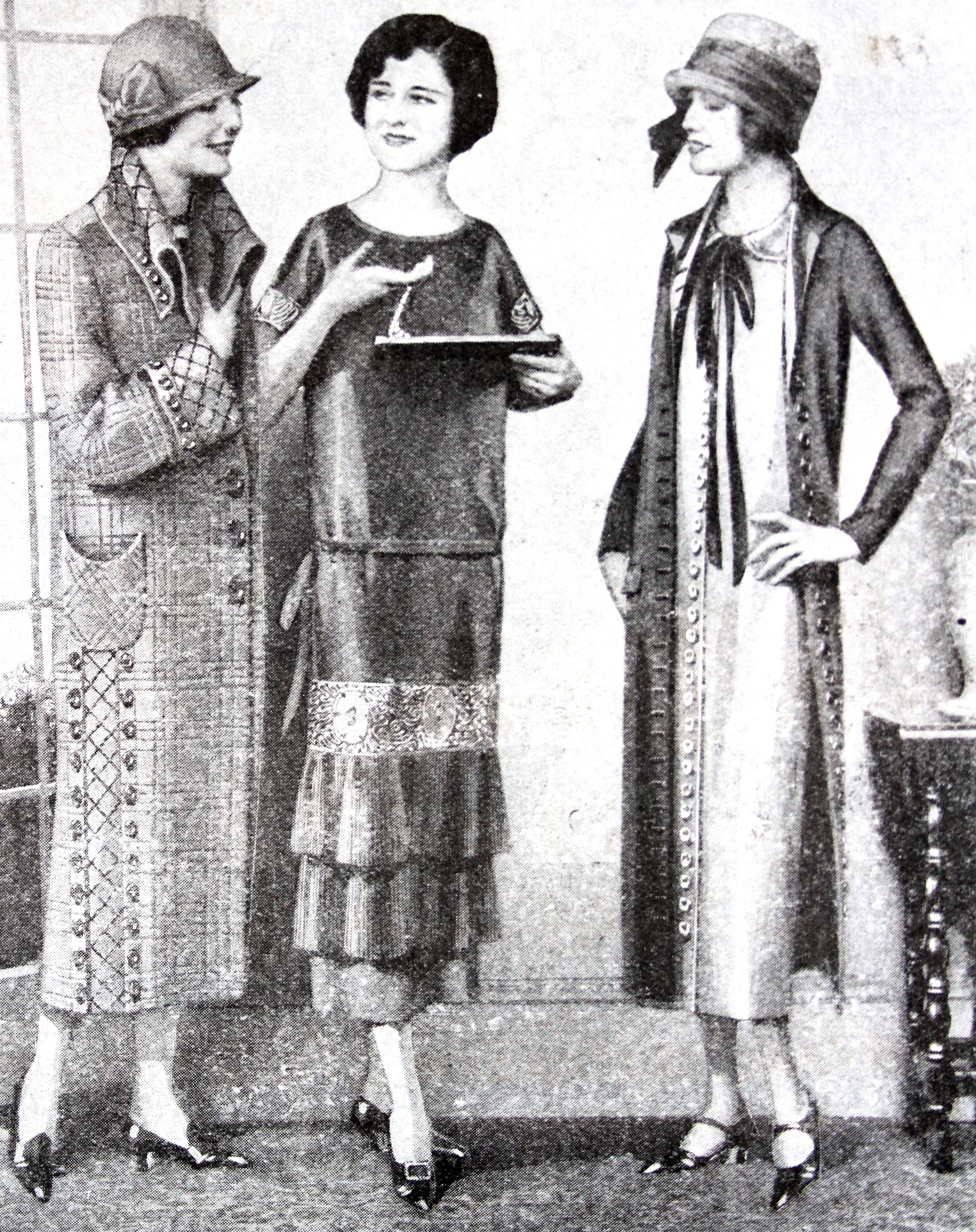
This artwork comes from a Hamilton Garment Company ad published in the February 1925 issue of Needlework Magazine. I recently purchased the magazine at my local Salvation Army.

This artwork comes from a Hamilton Garment Company ad published in the February 1925 issue of Needlework Magazine. I recently purchased the magazine at my local Salvation Army. Fashion styles similar to these were featured in Season 5 of Downton Abbey. That season ended at Christmas 1924.

I’m no fashionista, preferring comfort (think jeans and a cotton shirt) to fashionable clothing. But the fashions of this time period intrigue me as does the aristocratic lifestyle. There’s always an appeal to seeing the other side, to imagining a life of wealth and privilege. I fit more with the downstairs servant standard of living.

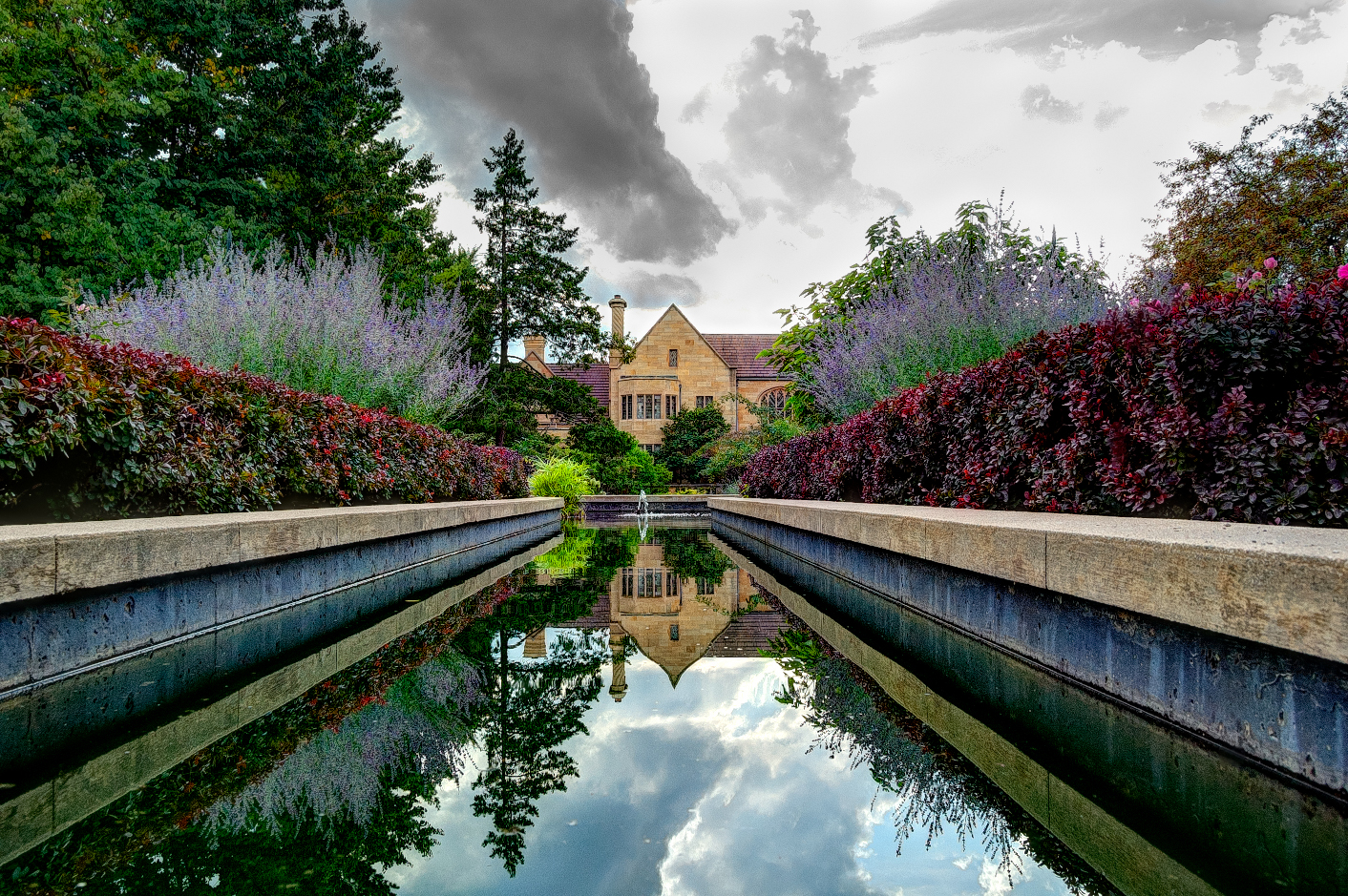
The Paine Mansion. Photo by Eric Reischl and courtesy of the Paine Art Center and Gardens.

The Paine Mansion. Photo by Eric Reischl and courtesy of the Paine Art Center and Gardens.

That the Wisconsin exhibit will be held at the Paine Art Center and Gardens, a Tudor-Revival country estate style mansion and grounds, seems especially fitting. Nathan and Jessie (Kimberly) Paine of the wealthy Paine Lumber Company and Kimberly-Clark companies had the house built between 1927 – 1930. Their English ancestry influenced the architectural and interior designs and furnishings.

According to Laura Fiser, the Paine’s Curator of Collections and Exhibitions, staff first became aware of the proposed exhibit in early 2013. The Paine immediately contacted the organizer, Exhibits Development Group of St. Paul. A review and negotiation process followed. The setting, the beauty and artistry of the costumes, and the passion for the television series are cited as reasons for bringing the fashion exhibit to this historic Wisconsin location.

I agree. This should prove an ideal, elegant setting to display Downton Abbey costumes throughout the more than 24-room mansion. I expect I will be as impressed by the location as I am by the costumes.

“Fans of the series may feel as though they are actually walking on the set of the show and getting a behind-the-scenes look at the costumes,” Paine Executive Director Aaron Sherer said in a press release announcing the exhibit.

And then there are the 19 gardens from shade to rose to woodland and more that certainly will draw my botanical interest.

Touring Dressing Downton: Changing Fashions for Changing Times should reflect life at Downton Abbey from many facets. Fashion. Setting. History. Only the drama will be missing.

FYI: The Downton exhibit at the Paine runs June 20 – September 20. Hours are 10 AM – 5 PM Sunday – Thursday and from 10 AM – 7 PM Friday and Saturday. Admission is $14 for adults and $7 for youth. Click here for more information. Advance tickets are not available; visitors need simply show up to tour the exhibit.

Currently, the traveling exhibit is in Asheville, North Carolina. Other scheduled stops are in Richmond, Virginia; Chicago; Cincinnati; South Bend, Indiana; and Nashville. Click here for more information.

Exhibition produced by Exhibits Development Group in cooperation with Cosprop Ltd., London. Downton™ and Downton Abbey®. ©2015 Carnival Film & Television Limited. All Rights Reserved.

© Copyright 2015 Audrey Kletscher Helbling
The copyrighted mansion and Violet Crawley images are used here courtesy of the Paine Art Center and Gardens, sources attributed.


When roads are slick… February 20, 2015

Filed under: Uncategorized — Audrey Kletscher Helbling @ 11:46 AM
Tags: , , , , ,

THE THUNK JARS my focus from the computer screen to office window.

Through the pane, I notice an overhead wire swaying.

My first view of the crash through my living room window.

My first view of the crash through my living room window.

I grab my camera, always at hand, dash to the living room and focus on a vehicle that has taken out the stop sign.

No need for me to rush outside as several motorists stopped.

No need for me to rush outside as several motorists stop.

I don’t know the circumstances of the crash. But the side street past my corner house feeds into an arterial road. The driver may have curved toward the stop sign and power pole to avoid crashing into traffic during the 8 AM rush hour. And, yes, there are morning, after school and after work rush hours.

Streets are slicked with a layer of fresh snow. Only 10 minutes or so prior, a City of Faribault truck sprayed sand onto the roadway. Even so, these things happen, especially when driving downhill.

The driver documents the scene with his cell phone.

The driver documents the crash scene with his cell phone.

Damage to the vehicle’s front appeared substantial from my sideways glimpse through the window.

A Faribault police officer arrives within minutes.

A Faribault police officer arrives within minutes.

Be careful out there, both on sidewalks and roadways.

A City of Faribault worker removed the downed stop sign and replaced it with a temporary one shortly after the police left.

A City of Faribault worker removes the downed stop sign and replaces it with a temporary one.

Allow extra time to stop, especially at icy downhill intersections.

© Copyright 2015 Audrey Kletscher Helbling
 

For the love of cheese curds January 19, 2015

Filed under: Uncategorized — Audrey Kletscher Helbling @ 5:00 AM
Tags: , , , , , ,

I’M A BIG FAN of local mom-and-pop restaurants. I prefer to eat at a place that’s distinctly home-grown as opposed to chain anything.

The Curdy Stop, Redgranite, Wisconsin.

The Curd Stop, Redgranite, Wisconsin.

On my last trip through central Wisconsin, I spotted a new eatery, The Curd Stop, in Redgranite, west of Oshkosh. I love the name of that community and how Wisconsin State Highway 21 curves right through the town.

How the building looked as an ice cream shop. Minnesota Prairie Roots file photo, May 2014.

How the building looked as an ice cream shop. Minnesota Prairie Roots file photo, May 2014.

In the past, the lavender hue of an ice cream shop, once housed in this building, always grabbed my photographic attention.

The Curdy Stop up close.

The Curd Stop up close.

But this time I noticed the building had been repainted a muted brownish red and was sporting signs about cheese curds. That’s so Wisconsin.

Time did not allow my husband and me to stop at The Curd Stop this trip. But, after checking out the eatery’s Facebook page, I’m determined that we will dine there sometime.

The menu promises farm to table fresh food that’s locally sourced.

For example, on Fish Fryday, you can dine on freshwater Lake Michigan yellow perch from Two Rivers, one of my favorite Wisconsin communities.

Order up The Curdy Classic and you’ll get locally sourced beef with Wisconsin artisan cheese tucked inside and melted on top.

Given the name, you can expect most menu items to include cheese curds or some form of cheese. And I do love cheese.

The restaurant promises that “all menu items are handcrafted fresh, not frozen.” Just how I like my food.

“Wisconsin never tasted so good,” according to The Curd Stop.

If any of you readers have dined at The Curd Stop in Redgranite, I’d love to hear.

Do you have a favorite home-grown eatery? Tell me why and give them a shout out here.

© Copyright 2014 Audrey Kletscher Helbling
 

Sleepy Eye: the man behind the name January 14, 2015

Filed under: Uncategorized — Audrey Kletscher Helbling @ 5:00 AM
Tags: , , , , , ,

WHEN I LIVED AND WORKED in Sleepy Eye for six months in the early 1980s, I didn’t fully appreciate this southwestern Minnesota community.

Mostly, I was too busy laboring away at my more than full-time job as a newspaper reporter and photographer for The Sleepy Eye Herald-Dispatch. Anyone who’s ever worked as a community journalist understands that the profession demands much time, energy and an endless skill set. Basically, I didn’t have a life outside of work.

Now that I’m much older and long ago realized that life should be about more than a profession, I realize what I missed. I may have covered the people, places and events of Sleepy Eye well. But I didn’t really notice. I didn’t take time to personally value sense of place.

A passing shot shows Chief Sleepy Eye's image painted on the water tower.

A passing shot shows Chief Sleepy Eye’s image painted on the water tower.

Like most small towns, Sleepy Eye possesses unique characteristics, most notably its name. The community is named after Sleepy Eye, a long ago chief of the Lower Sisseton Dakota. You’ll spot his image on the water tower, on the town’s welcome sign, on the public school website (the school mascot remains the Indians) and probably additional places.

Sleepy Eye seems to take positive historical pride in its name. And it should.

Painted on the sign, under the image of Chief Sleepy Eye, are these words: "Made possible by OSE member Willie of Kansas."

Painted on the sign, under the image of Chief Sleepy Eye, are these words: “Made possible by OSE member Willie of Kansas.”

On my last pass through Sleepy Eye en route to my hometown area further to the west, I noticed a painting of Chief Sleepy Eye on the side of a downtown building. The sign was strategically placed by a stoplight. So I snapped a quick frame while waiting for the light to turn green.

Later, studying the details of that image and after some Googling, I learned that Ish Tak Ha Ba is Chief Sleepy Eye’s name in his native Dakota tongue. And I discovered that an Old Sleepy Eye Collectors Club exists, focused on preserving Sleepy Eye antiques, memorabilia and collectibles.

One of these times traveling through Sleepy Eye, I am going to stop and explore. And this time I will really see the place I once called home. See and appreciate.

IF YOU KNOW SLEEPY EYE well, what are some must-sees there? Remember, I’m always seeking out the lesser-known, the unusual, the treasures.

Wherever you live, tell me what you would like visitors to see in your community.

© Copyright 2014 Audrey Kletscher Helbling
 

Back to Boston January 12, 2015

Filed under: Uncategorized — Audrey Kletscher Helbling @ 5:00 AM
Tags: , , , , , ,

FRIDAY, 10:30 p.m.

I switch off the lamp. Two clicks. Pull the plug on the Christmas tree lights. Fold the fleece throw.

Then I step toward the couch, wait there until he looks up. He removes headphones, clamps his laptop closed. His arms reach up. Mine extend down. We pull each other close. Linger.

Tears edge my eyes. I cannot bear this moment, this final goodnight hug. He leaves tomorrow. After 23 days at home in Minnesota for holiday break.

I did a photo shoot of the son when he was back home in Minnesota. This was shot at the Minnesota State Academy for the Deaf in Faribault.

I did a photo shoot of my 20-year-old son when he was back home. This was shot at the Minnesota State Academy for the Deaf in Faribault.

I want to snapshot this moment, hold it forever in the memory of my soul. The scent of him. The brush of his curls against my face. The love between a mother and son.

Already I miss him.


SATURDAY, 3:05 p.m.

The son in the front passenger seat, his suitcase and other baggage rests next to me.

The son in the front passenger seat, his suitcase and other baggage next to me as we head to Minneapolis-St. Paul International Airport.

I am seated behind my husband, our son to his, to my, right in the front passenger seat. Beside me rests his backpack. His suitcase leans against the door, butting a cardboard box crammed with board games and other stuff he’s taking back to Boston.

A side mirror on our van reflects traffic along Interstate 35.

A side mirror on our van reflects traffic along Interstate 35.

The Interstate miles roll by. We are mostly silent. Until my thoughts tumble into words. “It’s OK to call me sometimes.”

He turns toward me. “I know.”

In the rearview mirror, I glimpse my husband’s smile. He and the son exchange a look.

Crossing the Minnesota River Valley on Cedar Avenue.

Crossing the Minnesota River Valley on Cedar Avenue.

Soon we are bridging the Minnesota River, skirting the Mall of America, nearing the airport. Airliners roar a reminder of departure.

Fort Snelling Cemetery lies to the right as we near Terminal Two.
Fort Snelling Cemetery lies to the right as we near Terminal Two.
Signage points us toward Terminal Two. We pass by Fort Snelling National Cemetery, seemingly infinite rows of white tombstones unfolding before me. Sorrow. Tears. Sadness. Mothers missing sons.
The road curves. We are there, pulled to the curb. Door slid open. Suitcase out. Box out. We’re all out and then the son reaches inside for his backpack, hoists it onto his narrow shoulders.

Then he is between us, stretching his arms around us. Three into one.

Tears slide down my cheeks as he turns away, pulling his box-topped suitcase into the terminal.

Already I miss him.

A plane flies out of the Minneapolis-St. Paul International Airport.

A plane flies out of the Minneapolis-St. Paul International Airport late Saturday afternoon.


SATURDAY, 8:40 p.m.

Credits roll across the television screen. I turn my face into the corner of the sofa. Crying at the movie. Crying because I want my son home. Crying because I wonder where time goes and why our children must leave.

I turn toward the Christmas tree, lights blurring through the tears. Scent of honeysuckle from a burning candle perfumes the room. The furnace kicks in. I dry my eyes on the cuffs of my sweatshirt.

I pick up my cell phone, reread his messages.

5:35 p.m.: I’m on the plane.

6:52 p.m.: I arrived in Chicago.

He’s not even to Boston yet.

Already I miss him.


SATURDAY, 10:21 p.m.

My cell phone buzzes.

I click on the text message: Just landed in Boston.


© Copyright 2015 Audrey Kletscher Helbling