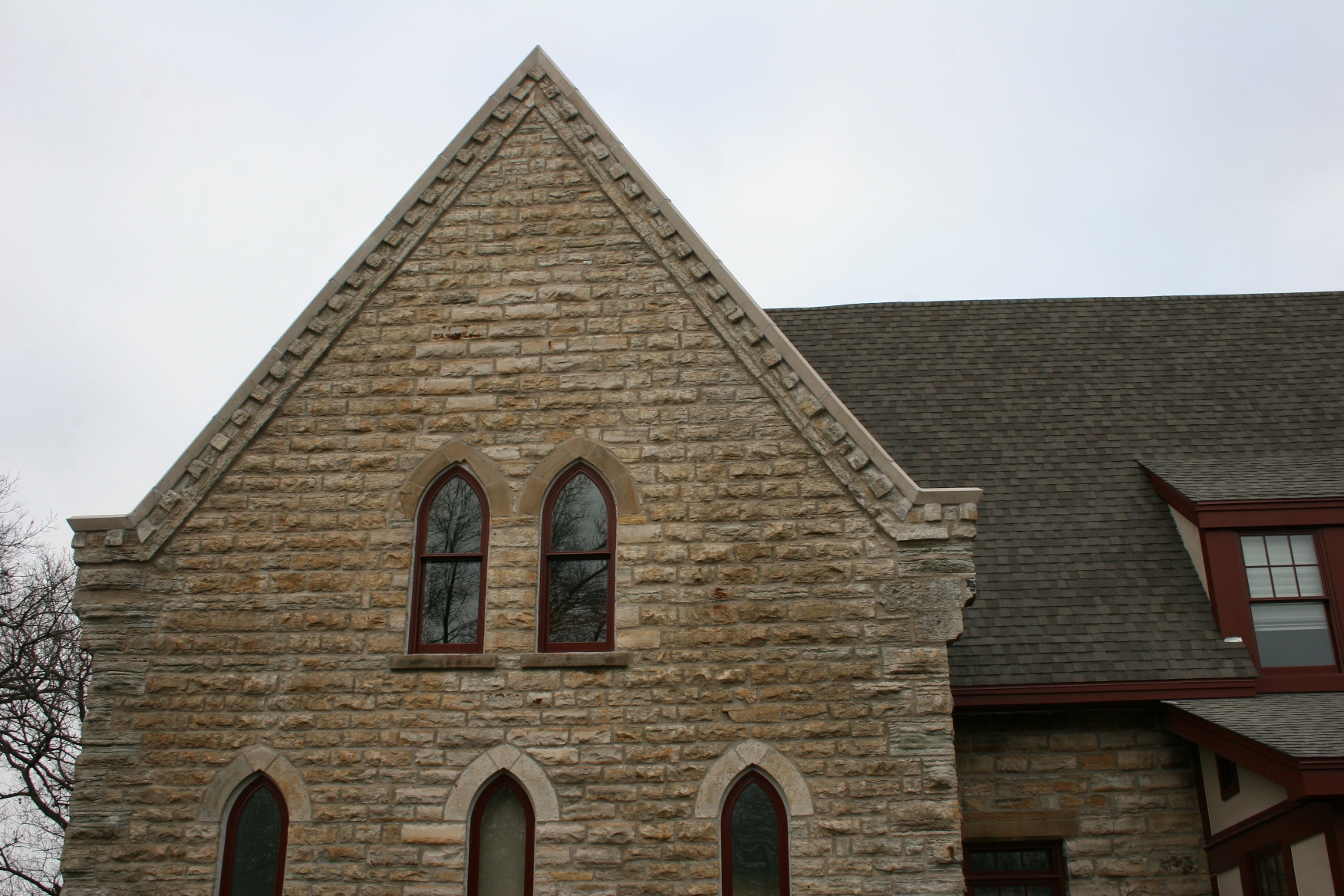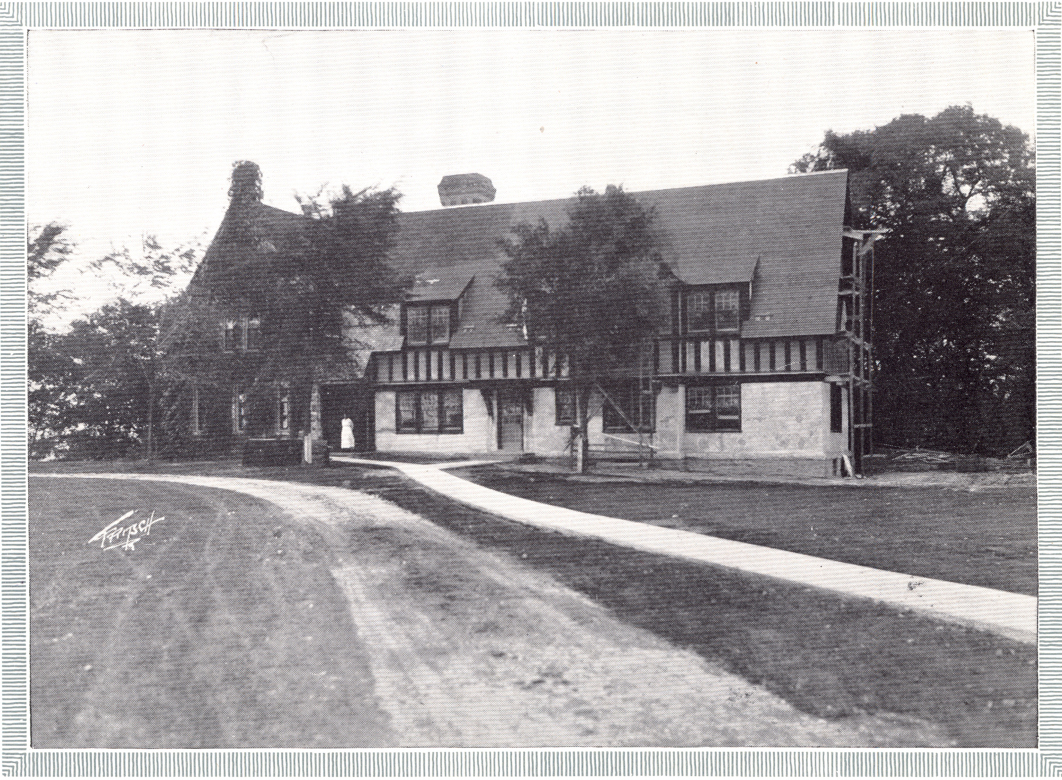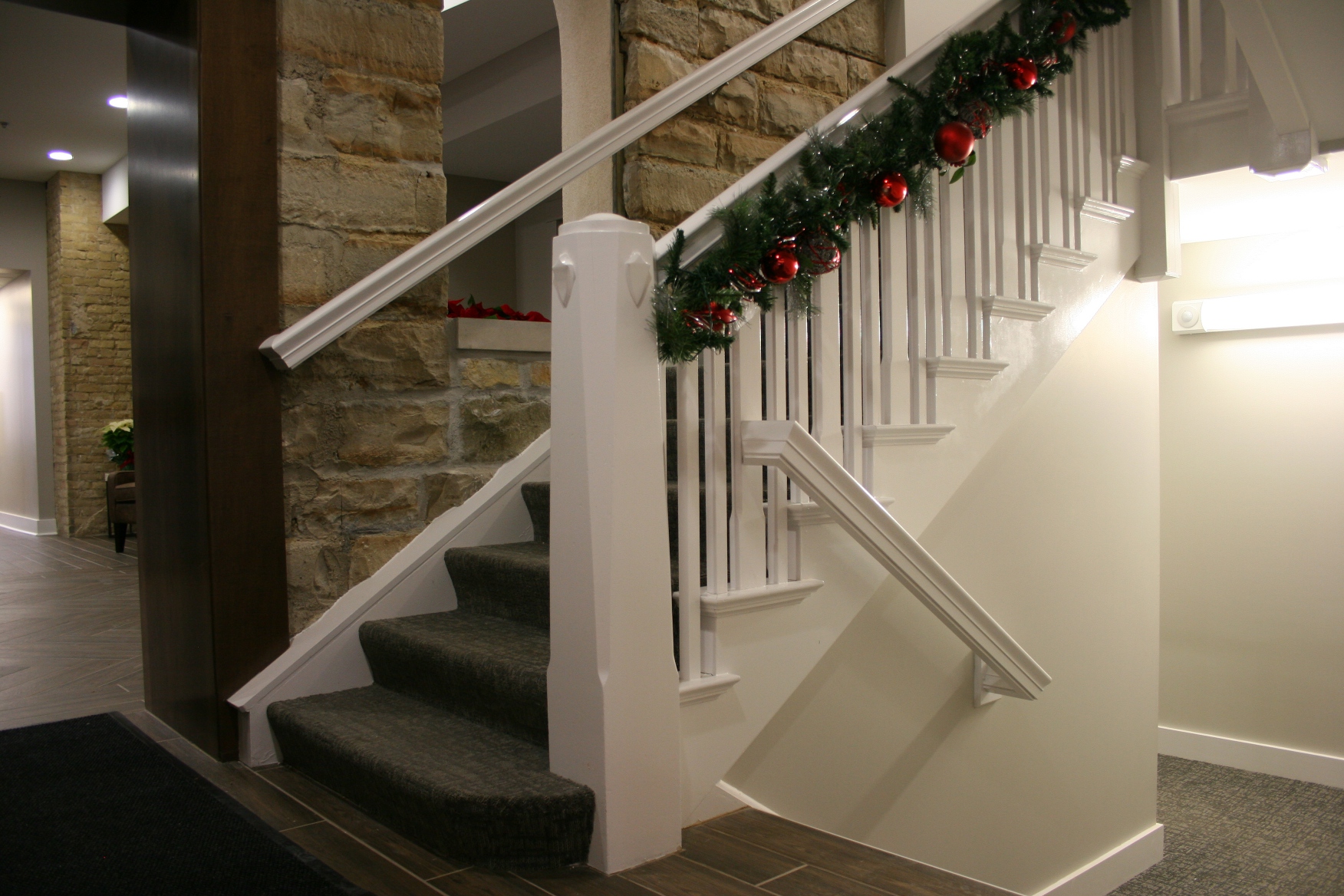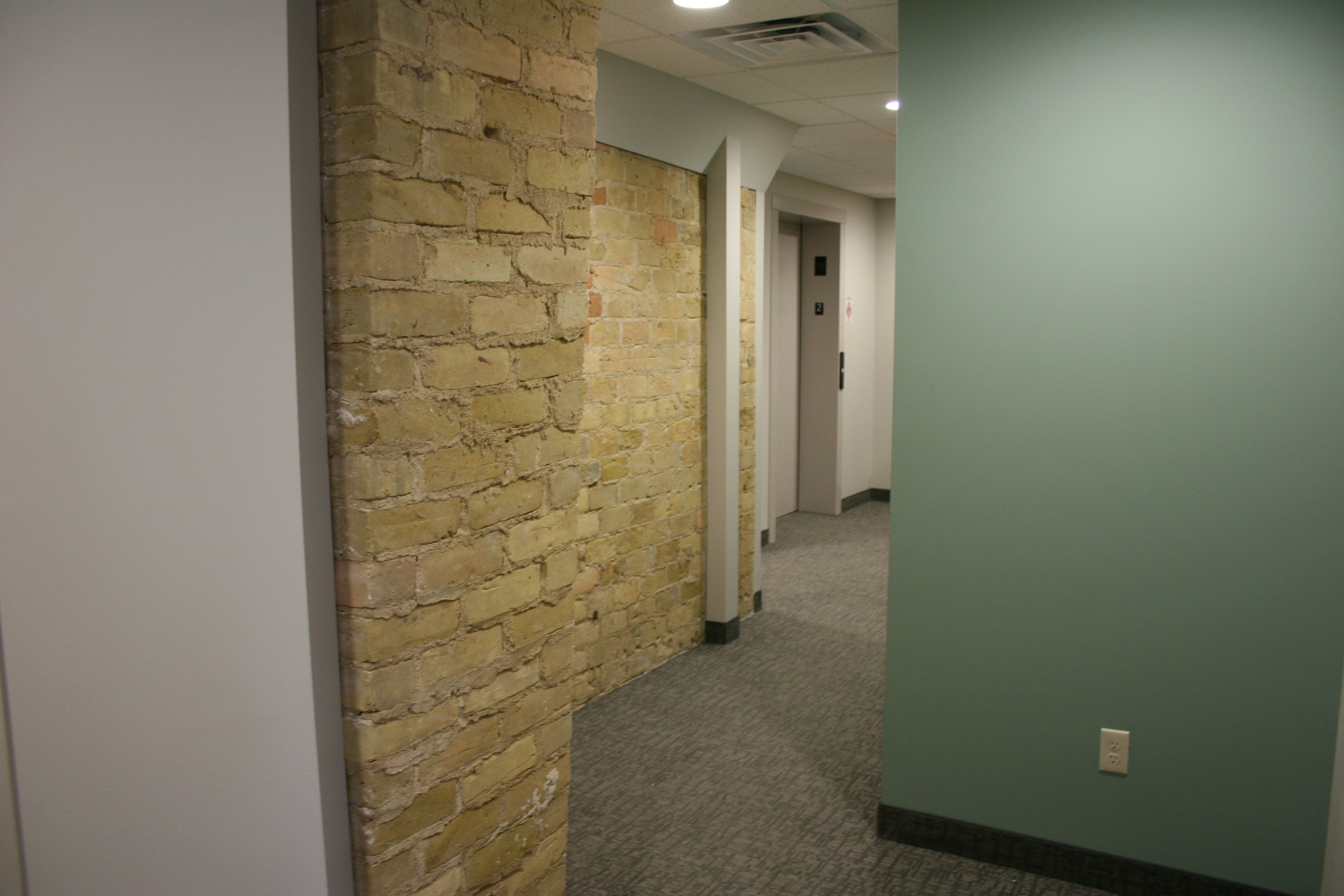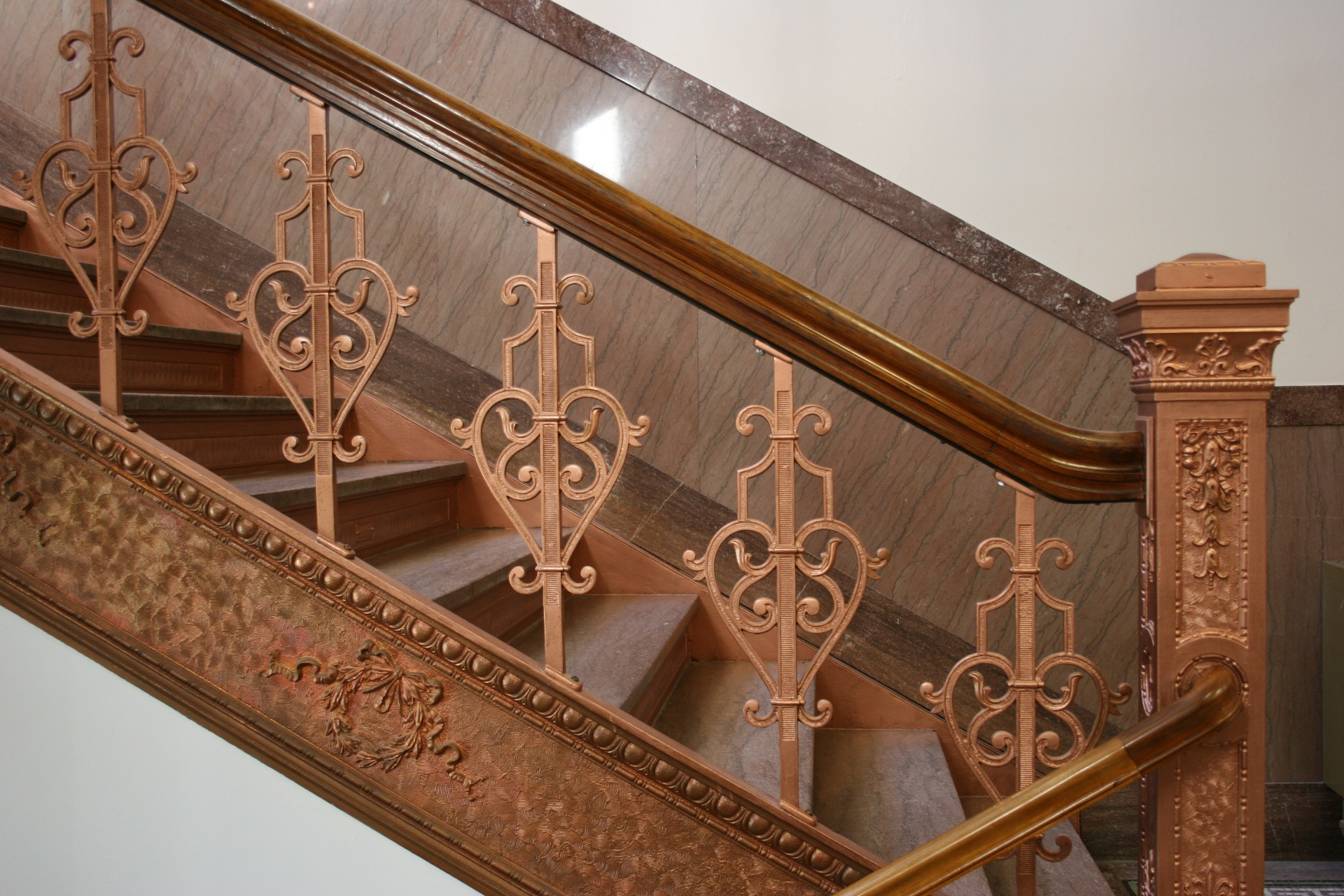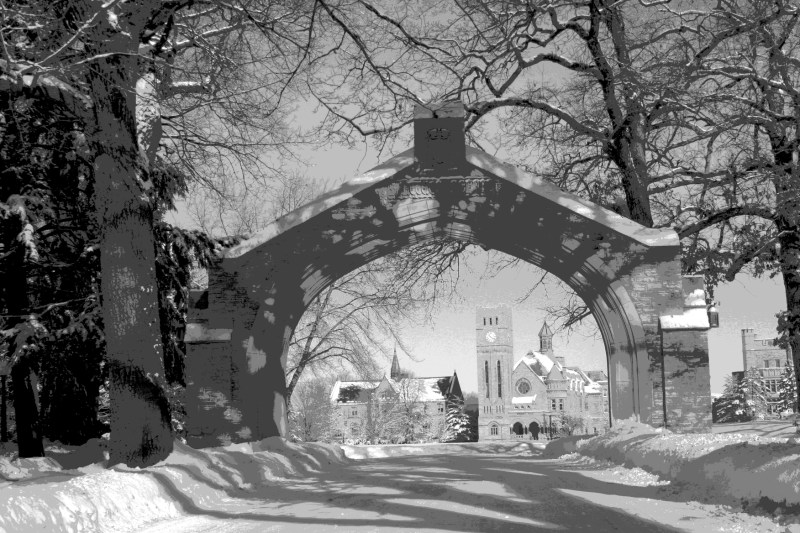
DOWNTOWN OWATONNA, MINNESOTA:
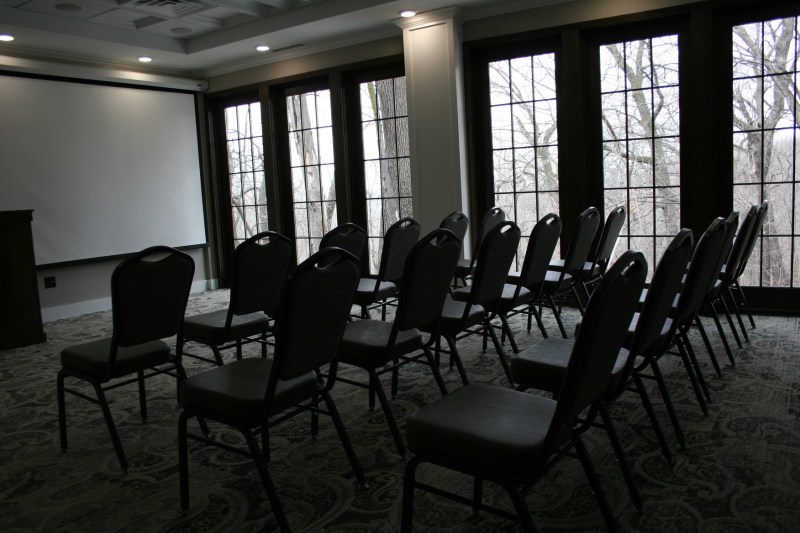
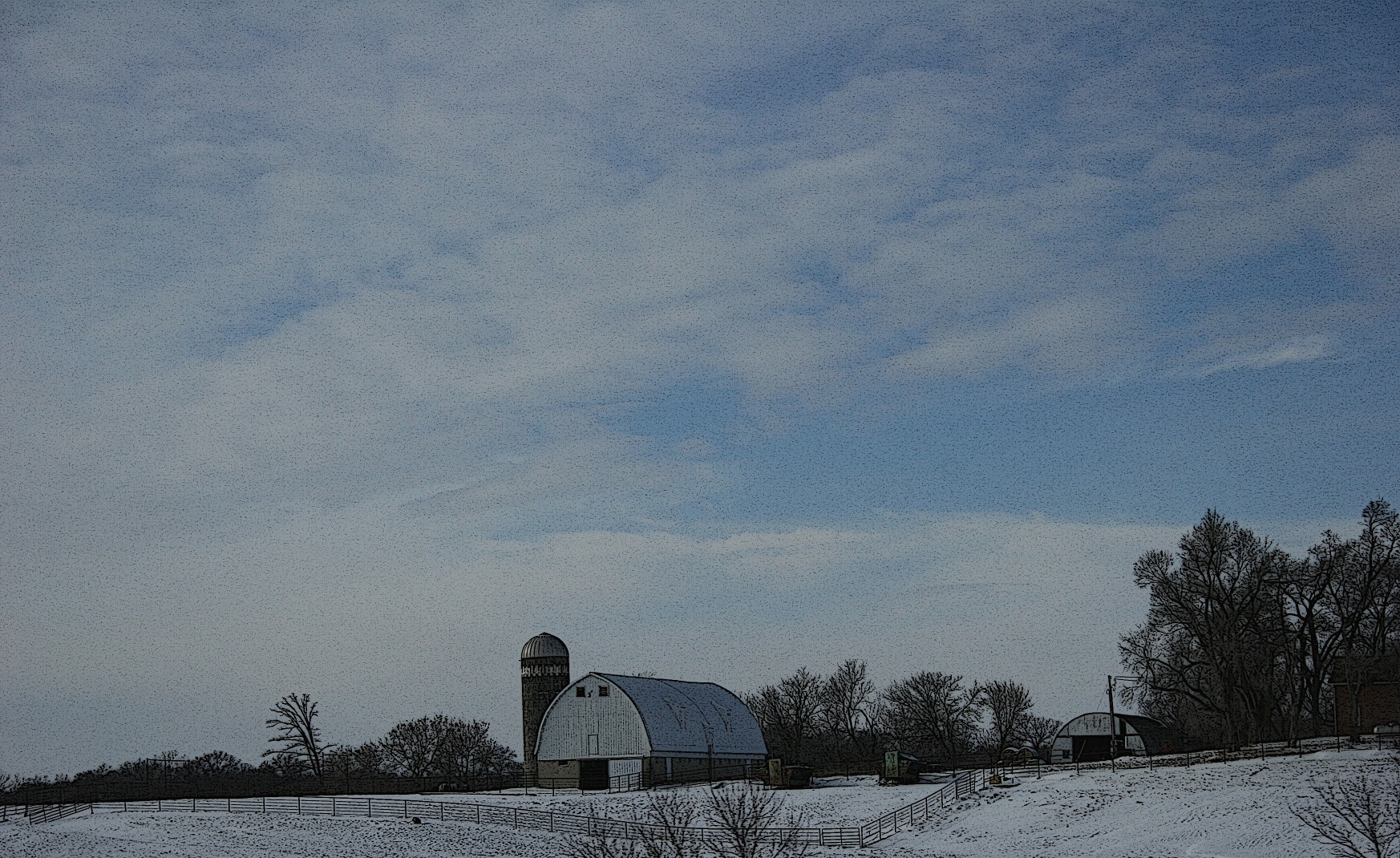
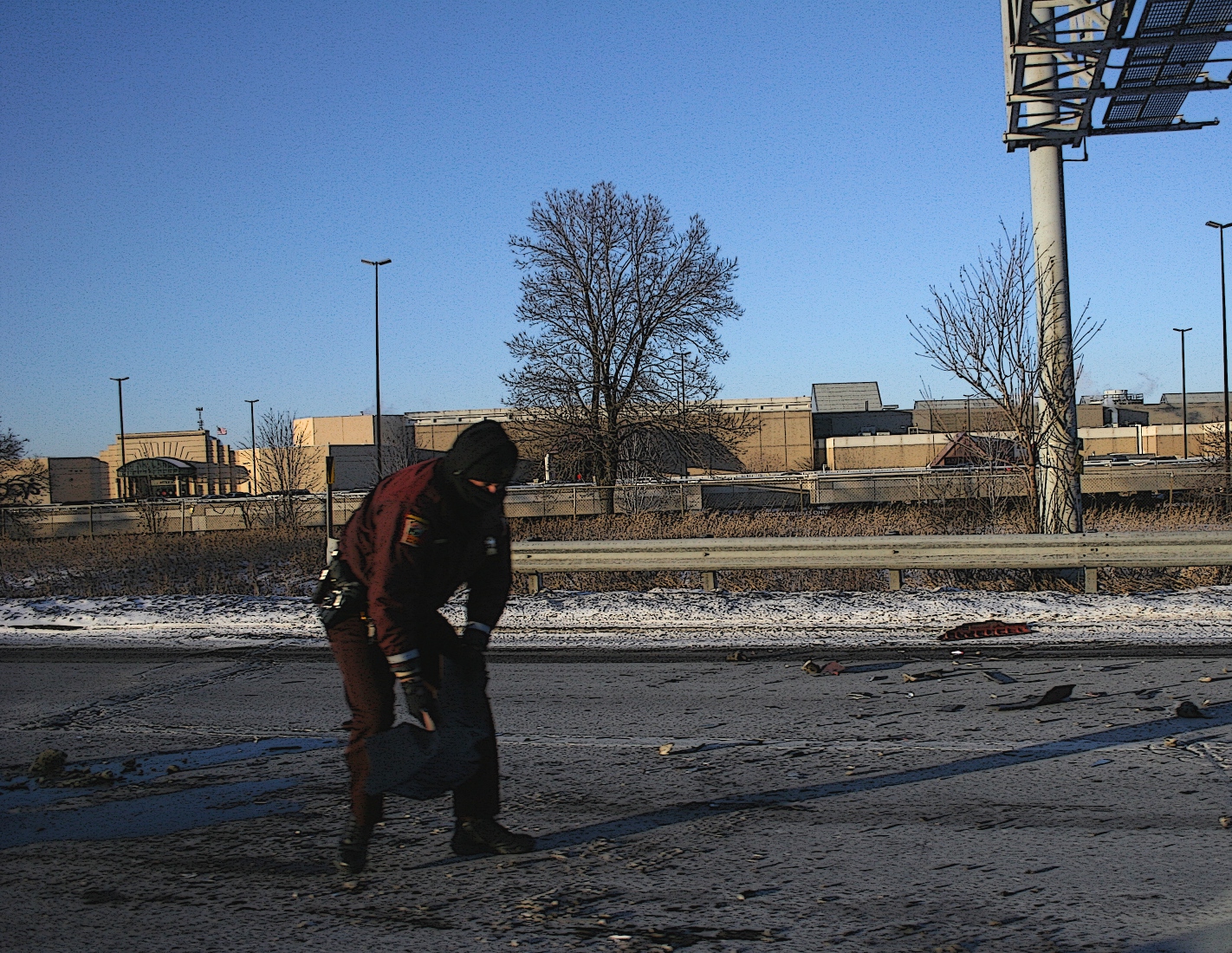
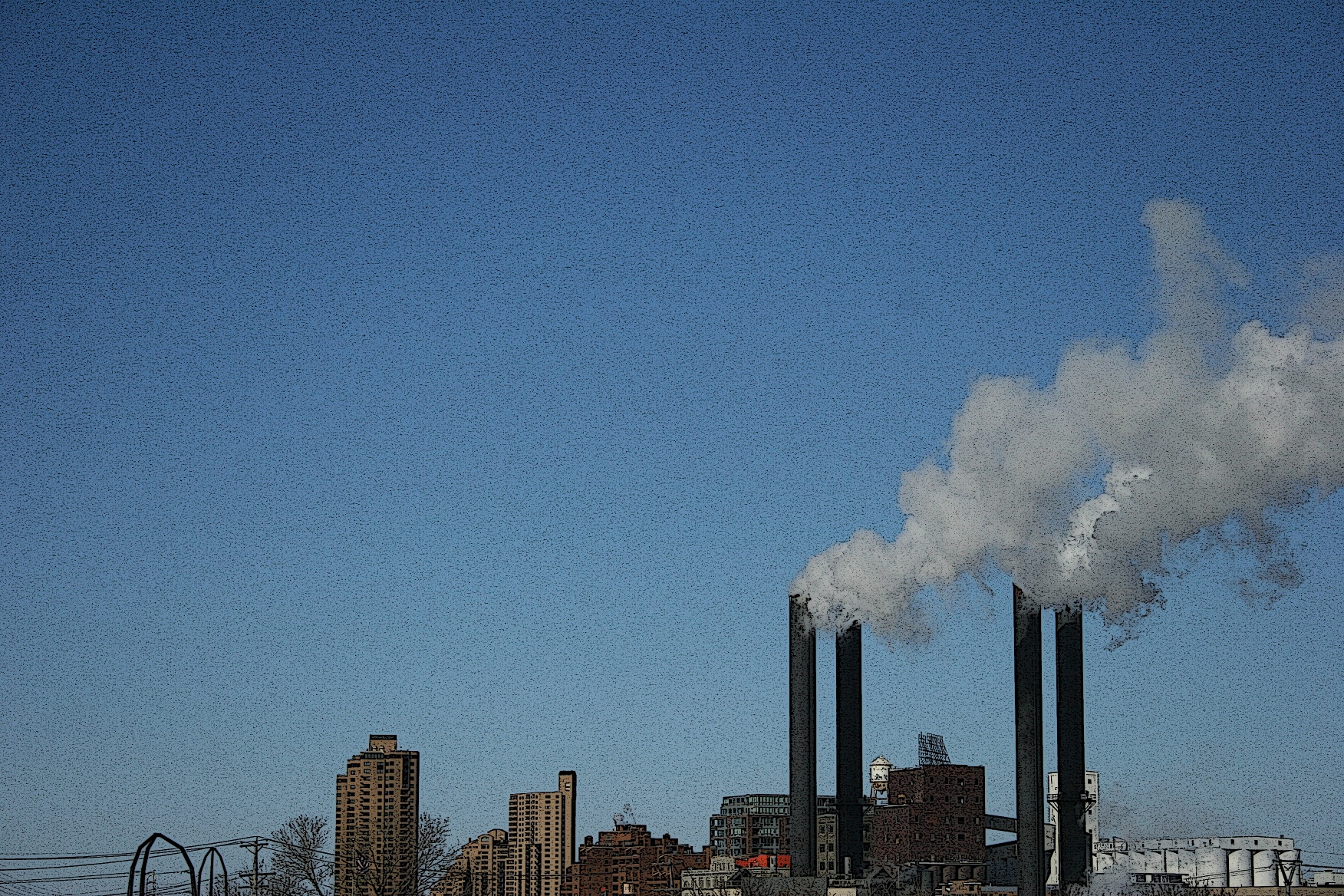
The word reads “GREEN.”
But the visual is blue…
Copyright 2014 Audrey Kletscher Helbling
DOWNTOWN OWATONNA, MINNESOTA:
The word reads “GREEN.”
But the visual is blue…
Copyright 2014 Audrey Kletscher Helbling
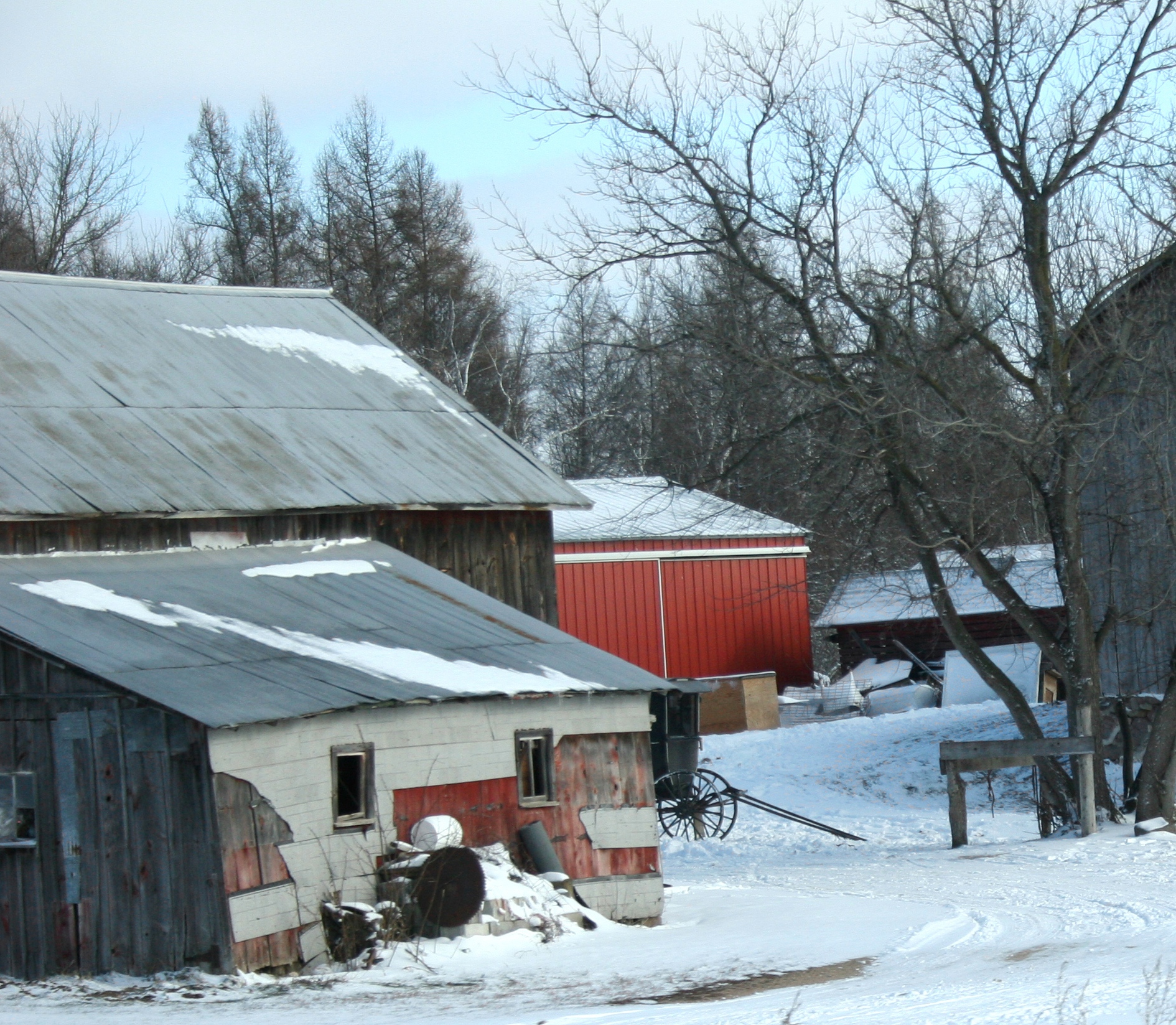
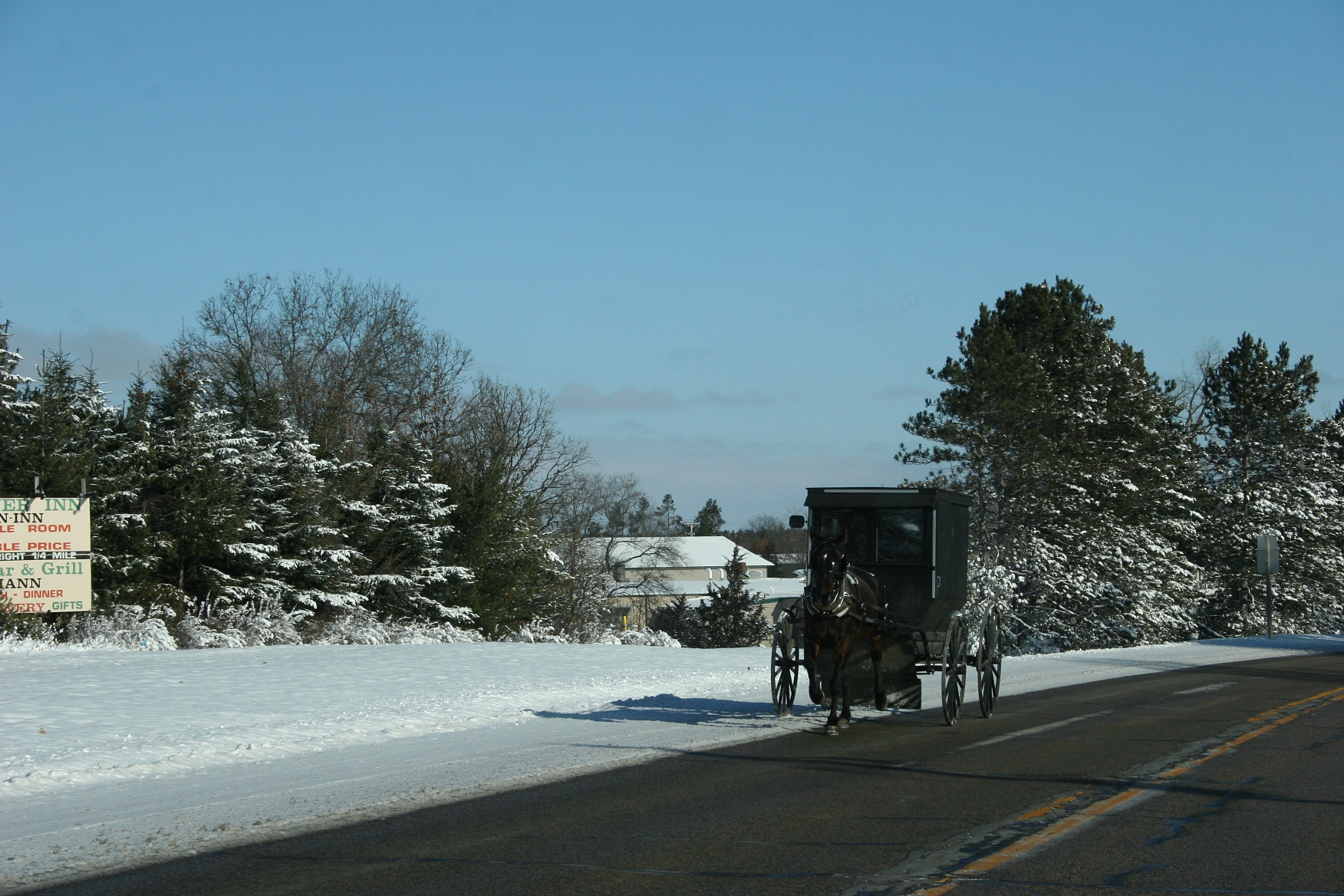
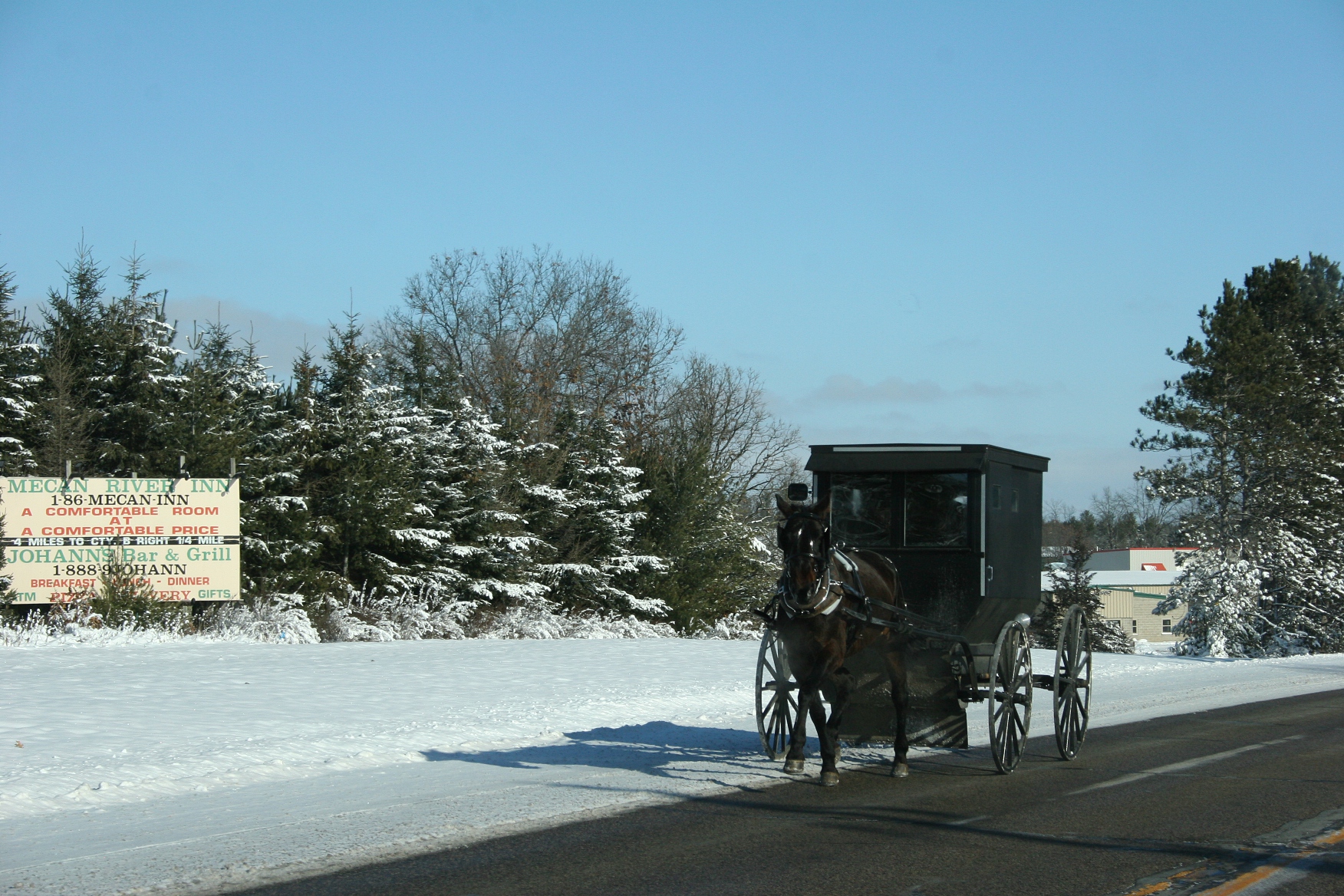
IF BUT FOR A FEW MOMENTS, I feel like I’ve walked onto the Main Street of Mayberry, North Carolina, circa 1960s.
You know, fictional home of Andy Griffith, local level-headed sheriff who dispensed justice and wisdom once a week alongside his inept sidekick, Deputy Barney Fife.
I’d like to believe Mayberry existed, still exists, in places outside my black-and-white television sitcom memories of some 50 years ago.
That could be Andy’s son, Opie, and friend ambling across the highway with fishing poles and bucket in hand. The scene seems more flashback than reality.
But all of these images are reality—in Necedah, a community of some 930 residents located about half way between LaCrosse and Oshkosh on Wisconsin State Highway 21. The town rests near two lakes and the Wisconsin and Yellow rivers. Fishing opportunities abound.
And so does the opportunity to explore the Queen of the Holy Rosary Mediatrix of Peace Shrine. It is here that the Virgin Mary reportedly appeared to Mary Ann Van Hoof, farm wife and mother of eight, on November 12, 1949. Over 34 years, the Mother of God supposedly told Mary Ann to “bring the truth to all people” with a focus on youth.
You can choose to believe this or not. The intention of this shrine seems wholesome enough and I expect many have been blessed simply by visiting this reverent site.
But when I read a sign requesting that women wearing shorts or slacks stop at the office for a wrap-around skirt, I thought surely I must be in Mayberry, North Carolina, circa 1960s.
Shortly thereafter, I left.
(These photos were shot in May 2014 and August 2011.)
© Copyright 2014 Audrey Kletscher Helbling
SHADOWS AND CURVES AND LIGHT.
Sky.
Land.
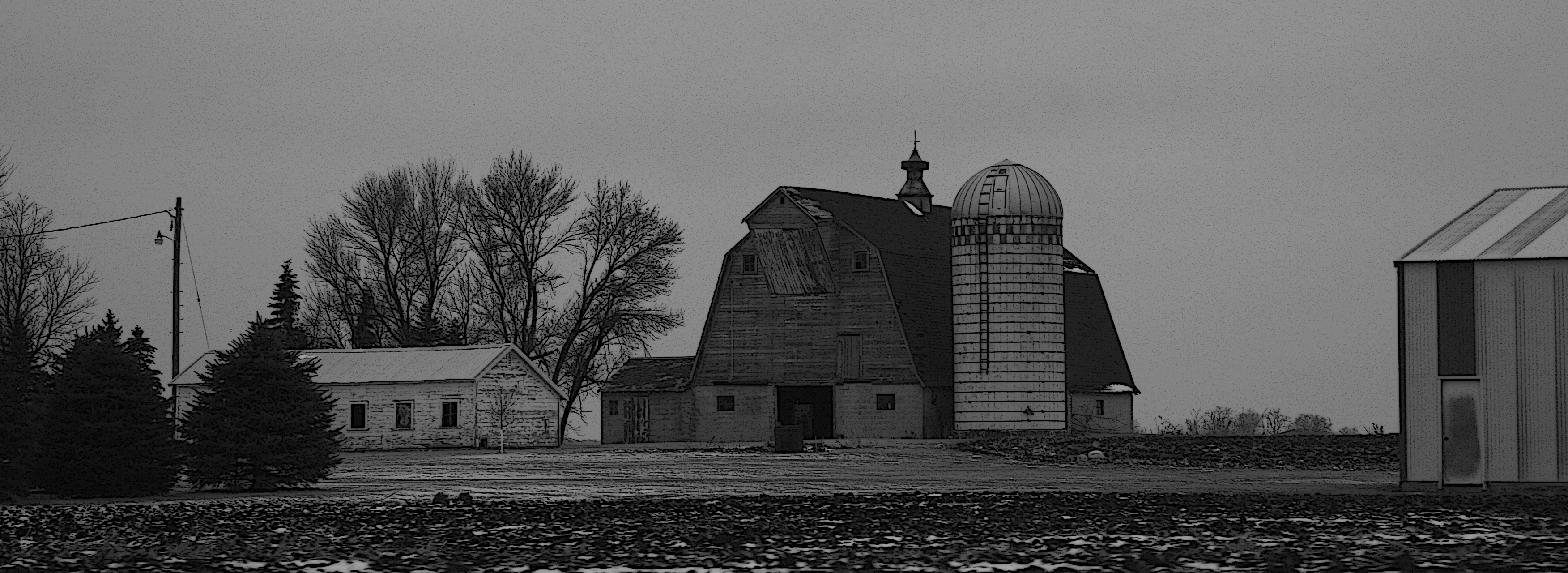
Farm buildings.
All draw my eyes to the landscape, my hand to the camera, eye to the viewfinder, finger to shutter button.
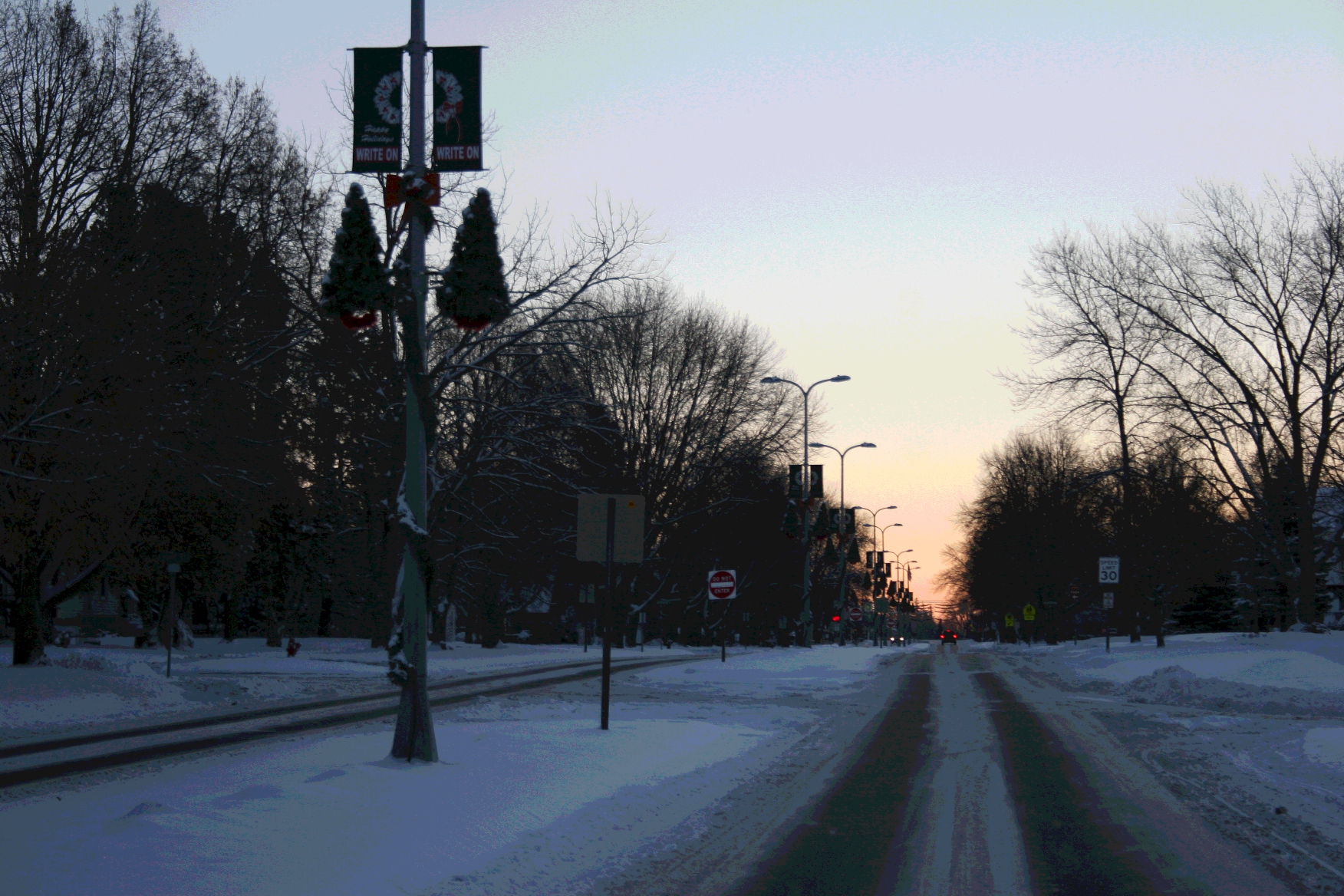
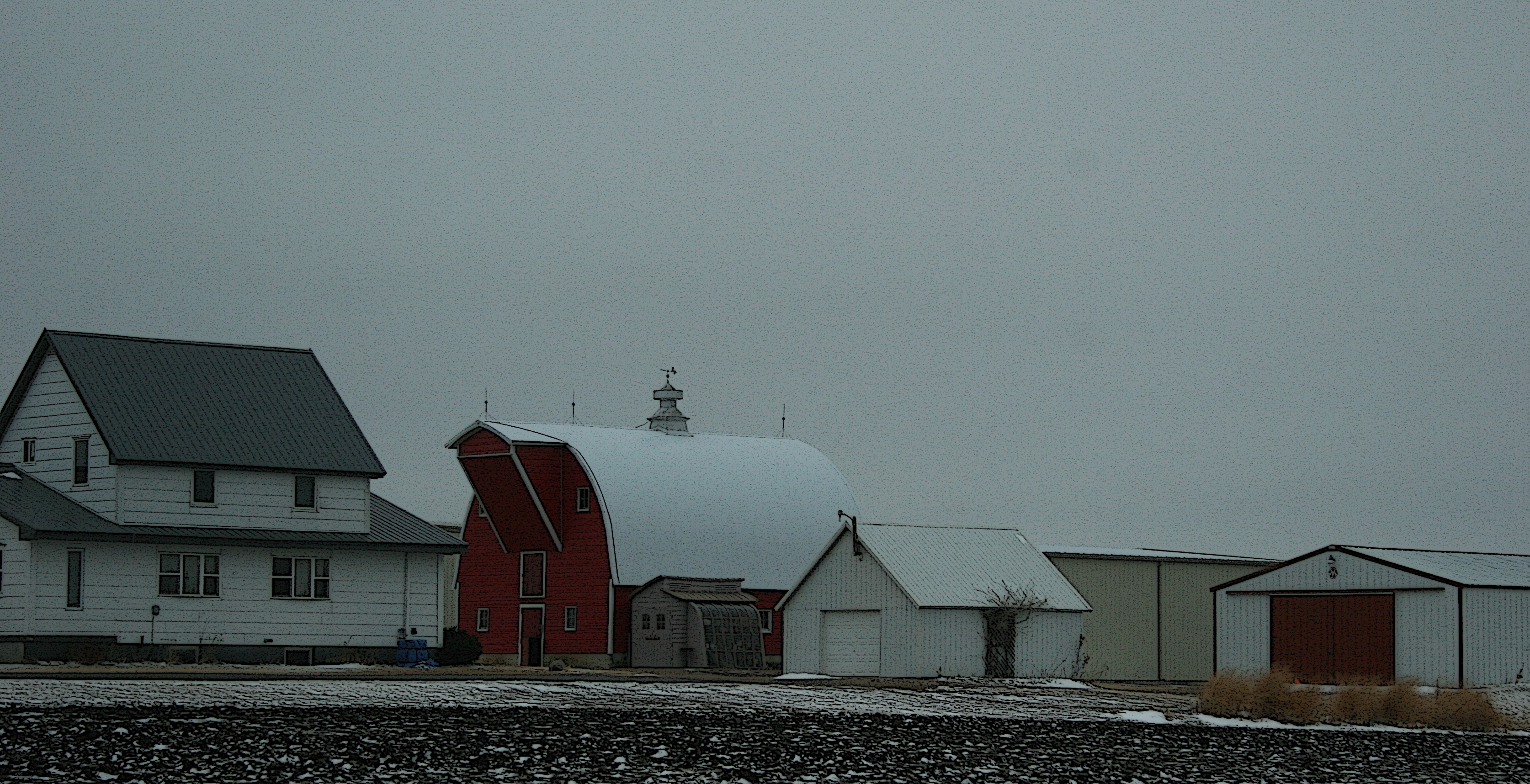
Flash of color: A red barn.
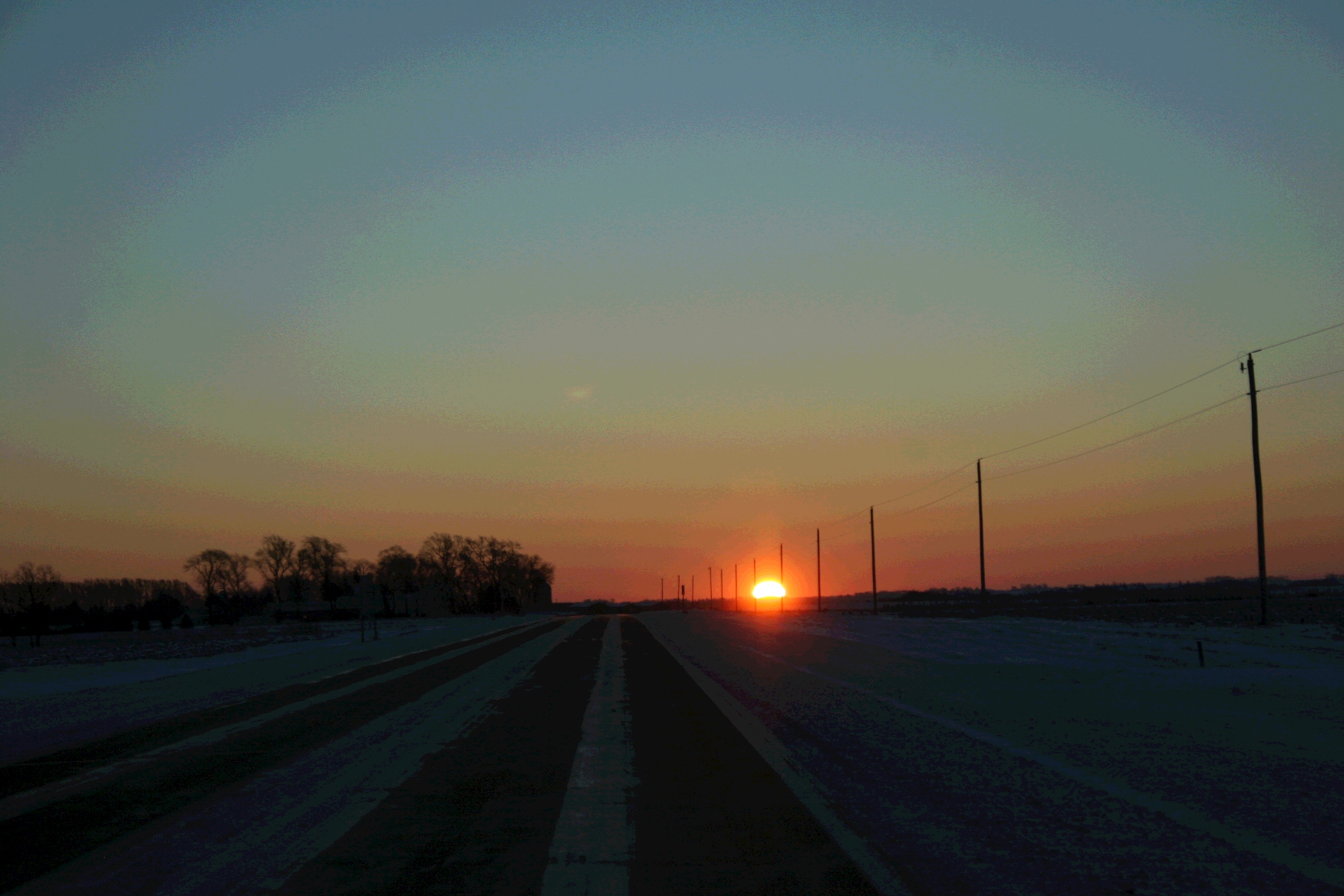
Rural scenes unfold before me on this drive through western Wisconsin, from Nelson north to St. Croix Falls in early October.

I am linked to the land by my past, daughter of a southwestern Minnesota crop and dairy farmer. Even after 40 years away from the farm, fields and farm sites hold my heart more than any grid of city blocks or cluster of homes or urban anything.
If I could, I would live in the country again, close to the scent of dried corn stalks and fertile black soil.
I would live under a sky that overwhelms, inside a white farmhouse with a welcoming front porch. That was always my dream.
But dreams cost money. Instead, I have lived in an old house along an arterial street in a town of some 23,000 for 30 years. I am grateful to have a house, to live in a community I love among dear friends.
Still, a part of my soul yearns, aches for the land I left.
© Copyright 2014 Audrey Kletscher Helbling
AT THE TIME I shot this Ford truck with the “let it SNOW” window sticker, I found the message humorous. It was a hot and humid July afternoon in Northfield, Minnesota.
Now that winter isn’t all that far away and overnight temps are dipping into the 30s, I’m not laughing.
All too soon the snow will fall. Remember the Halloween blizzard of 1991?
Copyright 2014 Audrey Kletscher Helbling

An artist’s rendition of Chief Osceola, after whom Osceola, Wisconsin, is named, stands near the stairway leading to Cascade Falls.
I ALMOST DIDN’T DESCEND the stairs to Cascade Falls in Osceola, an historic community of some 2,600 located along the St. Croix National Scenic Riverway in Polk County, Wisconsin, just an hour from the Twin Cities.
Peering over the edge at the labyrinth stairway to the falls, I hesitated. First, my fear of heights caused me to pause until I realized the stairs simply hugged the side of the Osceola Creek gorge. Then concern about ascending the 156 steps kicked in. In the end, down I went.

A shot of Osceola Creek, bordered by sunlit and shaded woods. The creek rushes into the St. Croix River.
And it was worth the laborious climb back up to listen to the rush of water over rock, to stand mesmerized by the falls, to imagine the history this place holds of mill and brewery. The falls were the reason this river town was founded in 1844.
To find a waterfalls in the heart of a downtown, along a state highway (35) is a bit of a surprise. I expect if my husband and I had explored more of this downtown, which is on the National Register of Historic Places, we would have discovered more surprises.

This attractive signage hangs outside Osceola Antiques, which bills itself as the largest antique mall in northwestern Wisconsin with 11,000 square feet.
However, after delighting in the waterfall, photographing a folk art version of Seminole Chief Osceola after whom the town is named, and perusing the cavernous Osceola Antiques, we headed to the next river town.
What now, I wonder, was our hurry on that Wednesday afternoon?
© Copyright 2014 Audrey Kletscher Helbling

The volunteer fire department is housed in the heart of the one-block, give or take a little, downtown.
MARINE ON ST. CROIX. It sounds so poetic, those four linked words that name a village banking the St. Croix River.
And it is that in the sense of feeling like you could be perhaps in South Shaftsbury, Vermont—although I’ve never traveled there and have no idea if this Minnesota community is at all like Shaftsbury—where Robert Frost penned his most famous of poems, “Stopping By the Woods On A Snowy Evening.”
Marine on St. Croix presents history and nature mingled in a quaint New England type setting. Here the 1870 General Store and 1888 Village Hall still serve this community of 700, although I have no idea where all those residents live. Apparently not near the town’s business district. Perhaps across the roadway which, to the north, will take you to Taylors Falls and, to the south, to Stillwater.
This place has a timeless, poetic feel. Woods and river. Aged wood frame buildings. A history that stretches back to 1839 when this settlement was termed Marine Mills and served as home to the first commercial sawmill along the St. Croix River. That makes Marine on St. Croix 175 years old this year, founded 19 years before Minnesota became a state.
I can almost smell the scent of white pine which once forested this region, see logs bobbing in the St. Croix, hear the screech of saw against wood, domesticating trunks into lumber.
Pausing at the General Store, I imagine deep dark coffee beans and yards of cotton calico and sticks of penny candy.
Marine on St. Croix clings to its past in a good sort of way that makes you want to stay longer, to linger and think poetic thoughts.
BONUS PHOTOS:
© Copyright 2014 Audrey Kletscher Helbling
IF YOU’RE LIKE ME and grew up in a rural area with minimal access to the arts, you appreciate every affordable opportunity to experience art as an adult. For that reason, I often showcase the arts here.
I want you to be aware of the wonderful arts opportunities right in your own Minnesota backyard. To you readers who live elsewhere, I expect you will find local or regional artistic venues unknown to you or unexplored by your for whatever reason.

A snippet overview of Franconia shows “The Harris Project” by Ohio artist Araan Schmidt in the foreground.
That brings us back to the Franconia Sculpture Park which, since its founding in 1996, has supported 735 national and international artists. Impressive. It offers an artist residency program. And to think I’ve never explored this 25-acre park with 100-plus oversized sculptures southwest of Taylors Falls until a few weeks ago.
But then again I’ve never been to the Minneapolis Sculpture Garden either and that’s been around since 1988 and its even closer to my home than Franconia. I really must tour the Minneapolis park sometime. It’s my lack of fondness for urban traffic and urban areas that’s kept me away.
Give me rural any day, one of the reasons I appreciate Franconia so much. It’s located in Franconia Township, which nestles the St. Croix River. The park runs flat and open and stands next to farm fields.
Yesterday I offered you a photo tour glimpse of Franconia, which is open dawn to dusk every day. Here’s one more peek at the art you’ll find there.
Admission is free, although donations are encouraged.
ONWARD, INTO THE TOUR:

It’s interesting to study the light reflecting on these triangles. New York City artist Ryan W. Turley created this sculpture which he calls “Spectacle.”

There’s something about the bend of this sculpture and its positioning that drew my eye. And, yes, that’s a cornfield in the background.

Maryland artist James R. Long calls his sculpture “Vessel with Orbs.” To me it looks like BINGO balls minus the numbers and letters.
CLICK HERE TO READ my first post about Franconia Sculpture Park.
© Copyright 2014 Audrey Kletscher Helbling

Westbound from Wisconsin and about to cross the St. Croix River into Taylors Falls, Minnesota. Interstate Park is just over the bridge to the left.
PUBLISHED IN 1953 in the anthology Minnesota Skyline, the poem “Taylors Falls” by Pearl Nearpass opens with these lines:
Climb higher and higher in the Dalles of the St. Croix
Until you look over the jutting cliffs
Of echoing beauty, the great eternal mounting
For a village linked and timed with history.

From the Wisconsin side of Interstate Park, you can see Minnesota’s Interstate Park to the right of the St. Croix.
History seems chiseled in stone here, rock carved away by forces of nature to reveal the magnificent St. Croix River gorge that divides Minnesota and Wisconsin.
Interstate Park, a duo state park just outside Taylors Falls, Minnesota, and St. Croix Falls, Wisconsin, offers spectacular views of the Dalles of the St. Croix. Towering cliffs of solid rock. Jutting pine trees. River running wild.
Visit both, even though the Wisconsin park ranger suggested if my husband and I had to choose one, we choose hiking the Wisconsin side as it offers more trails. Maybe so. But the experience in each differs. We found the two trails we hiked in our neighboring state to be much more rugged than those in Minnesota.
In Minnesota’s park, railings and asphalt and planked walkways are more accommodating to those who prefer an easier perusal of the land. After following a short, rugged path to view the steep-sided river gorge, we followed a trail that led us down steps and into Devil’s Parlor and The Bake Oven, areas of rock carved away by water.
The Minnesota side of the park also serves as the launch site for river cruises, a popular activity on the day we visited. One can only imagine the steamboats that once docked along this river.
Continues Pearl:
No longer the blasting charges
Drown the voices of loggers and waters.
But lonely and majestic moves the breeze
Above the pot-holes and the Devil’s Chair
Of a village albumed in history.
FYI: To read my post about the Wisconsin side of Interstate Park, click here.
(Poetry excerpts from Minnesota Skyline, Anthology of Poems About Minnesota, published in 1953 by The Lund Press, Inc. and a gift from my eldest daughter.)
HIKING INTERSTATE PARK along the St. Croix River in Wisconsin requires the sure-footedness of a mountain goat, the eagle eye of a bird of prey or, minimal, a walking stick or steady hand of a friend or family member.
I discovered that last week while exploring the park with my husband, Randy, who offered his hand numerous times to guide me safely along rocky paths.
I’ll admit that, with my camera in tow and an artificial right hip, I tend to be more cautious than most.
But we pretty much tossed caution aside when Randy decided we should hike, I mean climb, the .8-mile Eagle Peak Trail to the highest point overlooking the valley. Here’s a description of that path from a park publication: unsurfaced; stone stairs; uneven and steep terrain.
Add to that pine needles and leaves hiding underfoot rocks, plus sticks that roll quite easily under soles, and you have treacherous conditions. I’m not an experienced hiker, so take my comments from that perspective.
In the end, this trail does not live up to the promised end given trees block the valley view. But, if you desire a hiking challenge, this is your trail.
Much easier to traverse is the .4-mile Pothole Trail, the other path we had time to walk during our 90-minute visit to the park. Stone stairs and unevenness also define this trail. But there’s much less climbing and the view of the Dalles of the St. Croix River gorge is spectacular. I even pushed through my fear of heights to enjoy the view.
You’ll also discover potholes here pocking rock. Yes, you’ll want to watch your feet lest you step into one.
Interstate Park deserves more time than the 1 ½ hours we gave it. But daylight was fading and we didn’t want to spend $10 for a single day pass. Once upon a time, a Minnesota State Park sticker would allow you free access to Wisconsin’s Interstate Park, but no more. Interstate Park continues on the Minnesota side of the St. Croix. I’ll take you there, too.

To notice details, you have to stop. Because I was constantly watching my step, I felt like I missed out on a lot.
Wear your hiking shoes.
© Copyright 2014 Audrey Kletscher Helbling

Driving toward Taylors Falls, Minnesota, from the east provides an especially scenic view of this river community.
TWENTY-ONE YEARS AGO in October, my husband and I planned an overnight stay at a bed-and-breakfast in Taylors Falls. We anticipated gorgeous fall colors and rare time alone without the responsibilities of parenting three children.
But then my mother-in-law died unexpectedly a week before the booked get-away and we never rescheduled the trip.
This past week, we finally made it to the twin St. Croix River valley communities of Taylors Falls on the Minnesota side and St. Croix Falls in Wisconsin, staying at a chain hotel rather than a B & B. We found the glorious autumn colors we had hoped for and the freedom that comes with being empty nesters.
Hop in the van and go. Stop when and where we want. Drive along a winding river road. Hike without worry of kids trailing off the trail or plummeting over the edge of a rocky ledge. Eat late. Sleep in.
There’s something to be said for this season of life, this nearing age sixty that causes me to pause, to delight in the view, to reflect and appreciate and yearn for the past while simultaneously appreciating the days I live and those which lie before me.

“River Spirit,” a bronze sculpture by local Julie Ann Stage, embodies the poetry and natural beauty of the St. Croix River Valley. The artwork was installed in 2007 and stands at a scenic overlook in downtown St. Croix Falls.
Perhaps I think too deeply, too poetically sometimes.
But like the trees buffeting the banks of the St. Croix, I see my days reflected in the river of life.
Blazing colors mingling with green.
Changed and unchanging.
Yesterday, today, tomorrow.

Life is like a river, sometimes calm, sometimes raging. A view of the St. Croix River shoreline from Lions Park.
Life.
FYI: Click here for more information about the Taylors Falls and St. Croix Falls area.
© Copyright 2014 Audrey Kletscher Helbling
Recent Comments