Minnesota Prairie Roots

Writing and photography by Audrey Kletscher Helbling

In which I meet a Wisconsin blacksmith November 13, 2014

DARKNESS AND RED-HOT HEAT and banging of metal against metal…

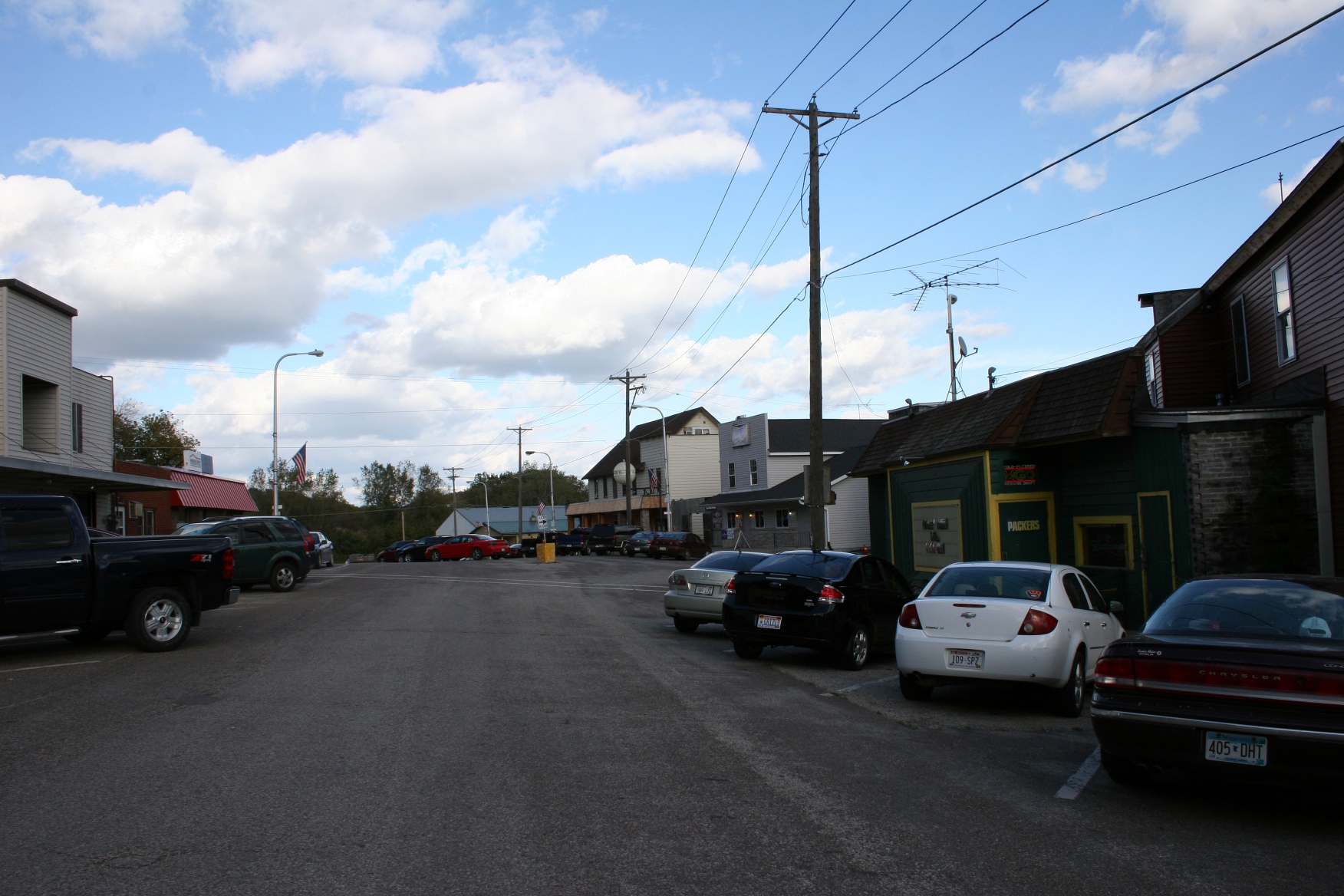
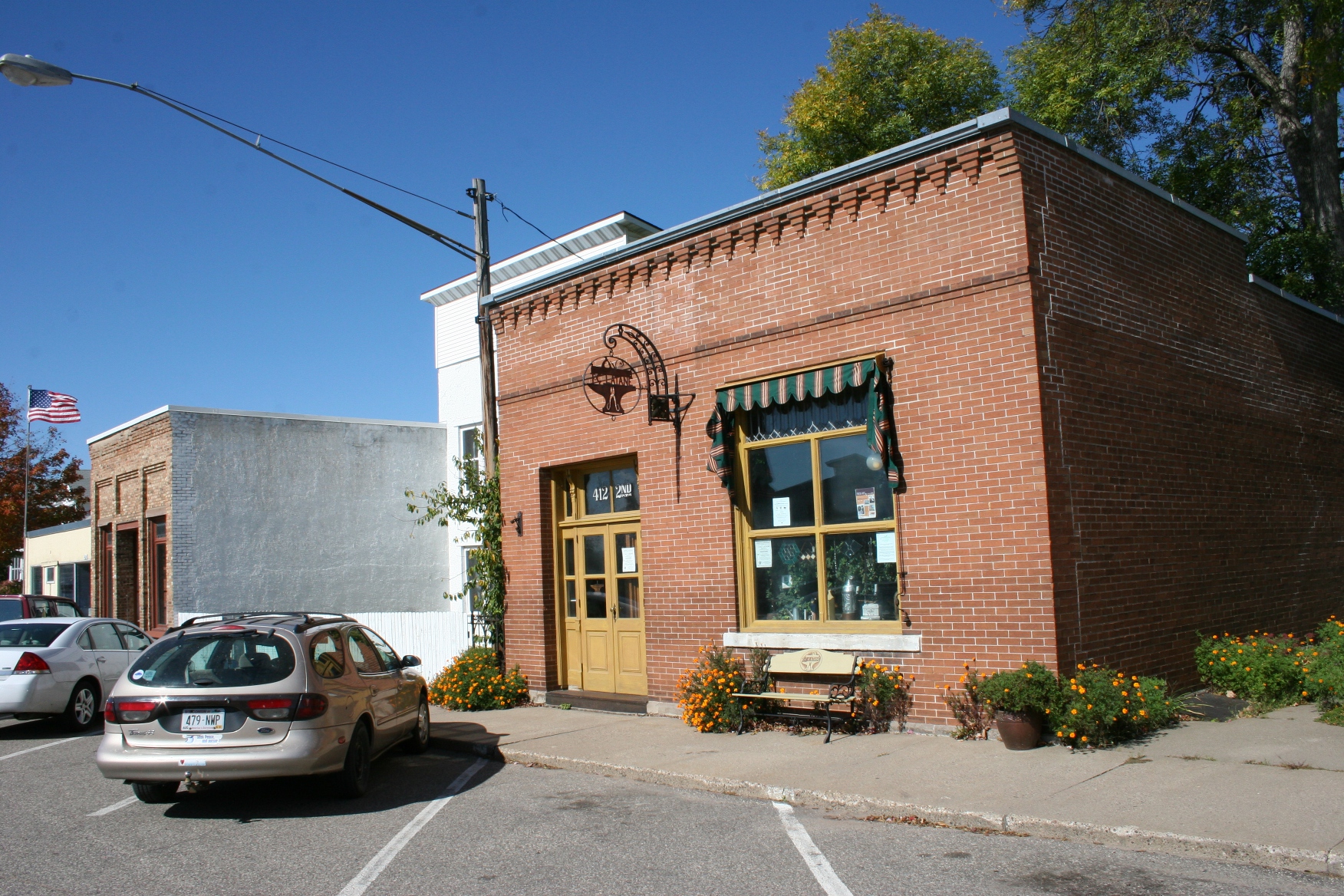
T-C Latane, 412 Second Street in Pepin, Wisconsin.

T-C Latane, 412 Second Street in Pepin, Wisconsin.

Memories of accompanying my farmer father to the blacksmith shop in my hometown of Vesta flash through my mind as I step into the shop of Tom Latané in Pepin, Wisconsin.

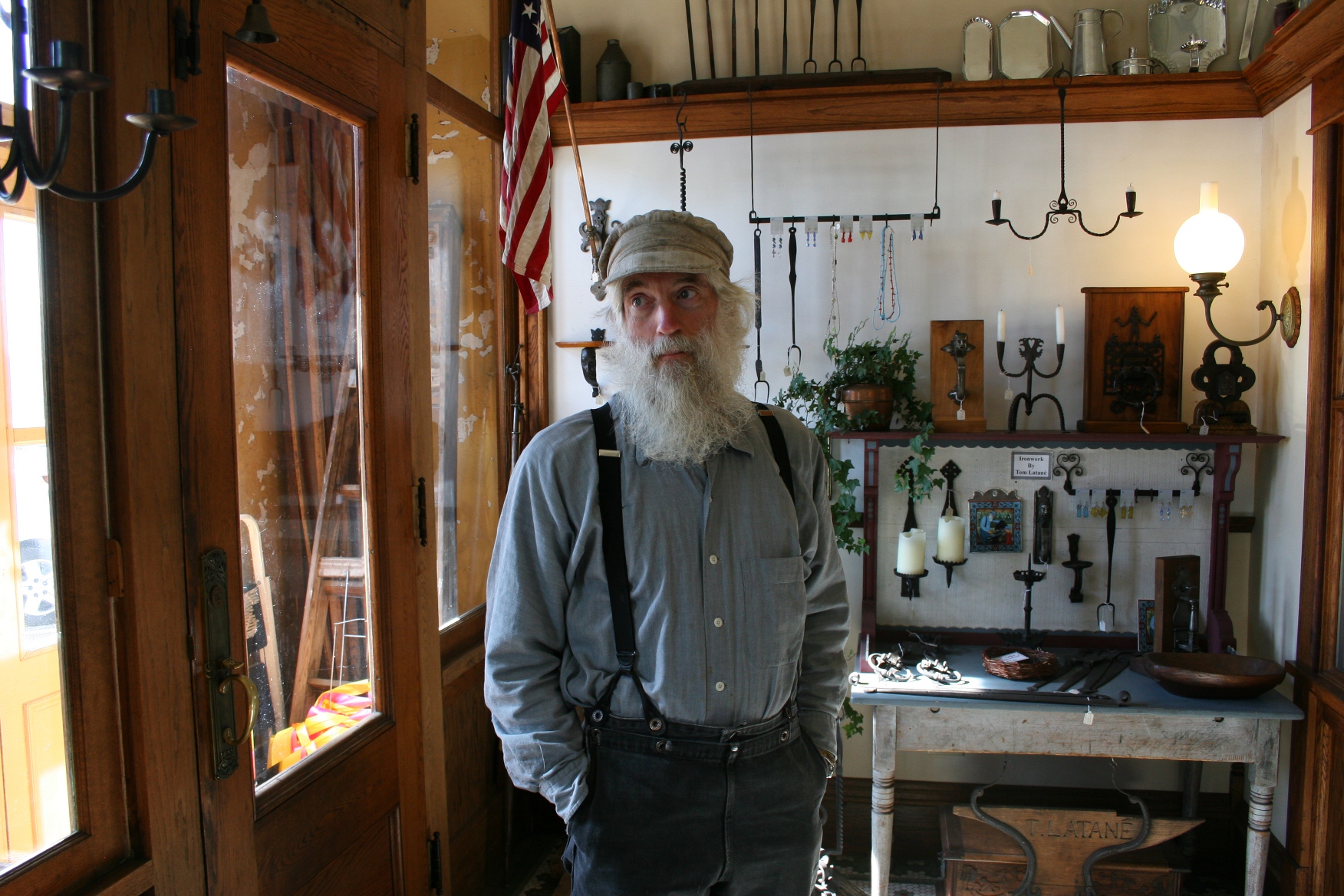
Blacksmith Tom Latane talks about his craft  in the front part of his shop. Behind him are examples of his work.

Blacksmith Tom Latane talks about his craft in the front part of the shop he shares with his wife, Catherine. Behind him are examples of his work. Several artisans sells their wares here.

My husband and I have stopped here on a mid-week October afternoon during a brief get-away. By chance, we have found this life-long blacksmith in his shop where anvils and vises, buckets and axe and tools of the trade crowd the brick-floored space.

Tom splits wood in the area where he blacksmiths.

Tom splits wood in the area where he blacksmiths.

While Tom rapid-splits wood for a forge fire, I scan this grimy room with a good luck horseshoe clamped on brick above a neatly lined shelf of corralled chisels.

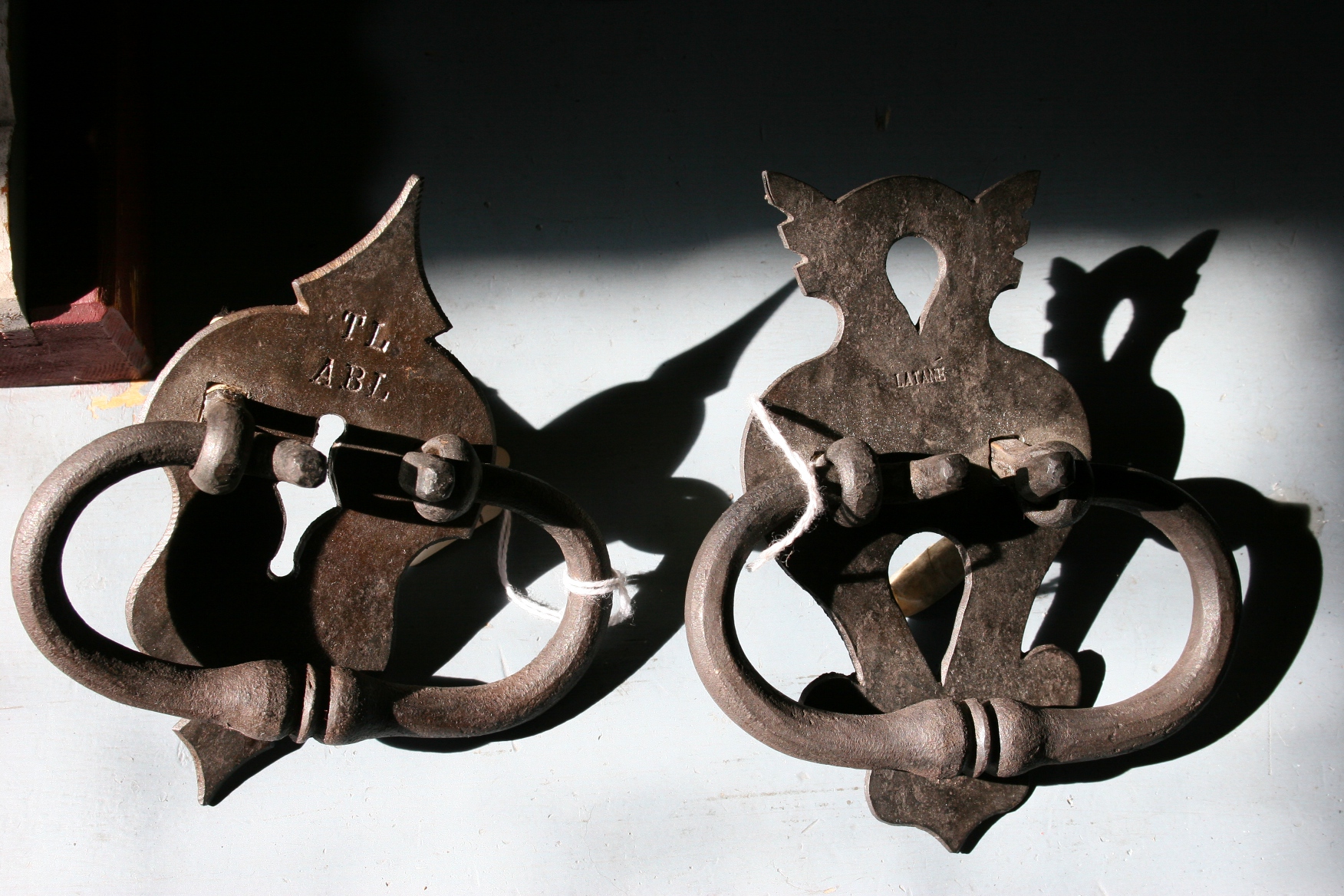
Hardware crafted by Tom.

Hardware crafted by Tom.

Tom also works with wood, sometimes combining wood and metal in pieces.

Tom also works with wood, sometimes combining wood and metal in pieces.

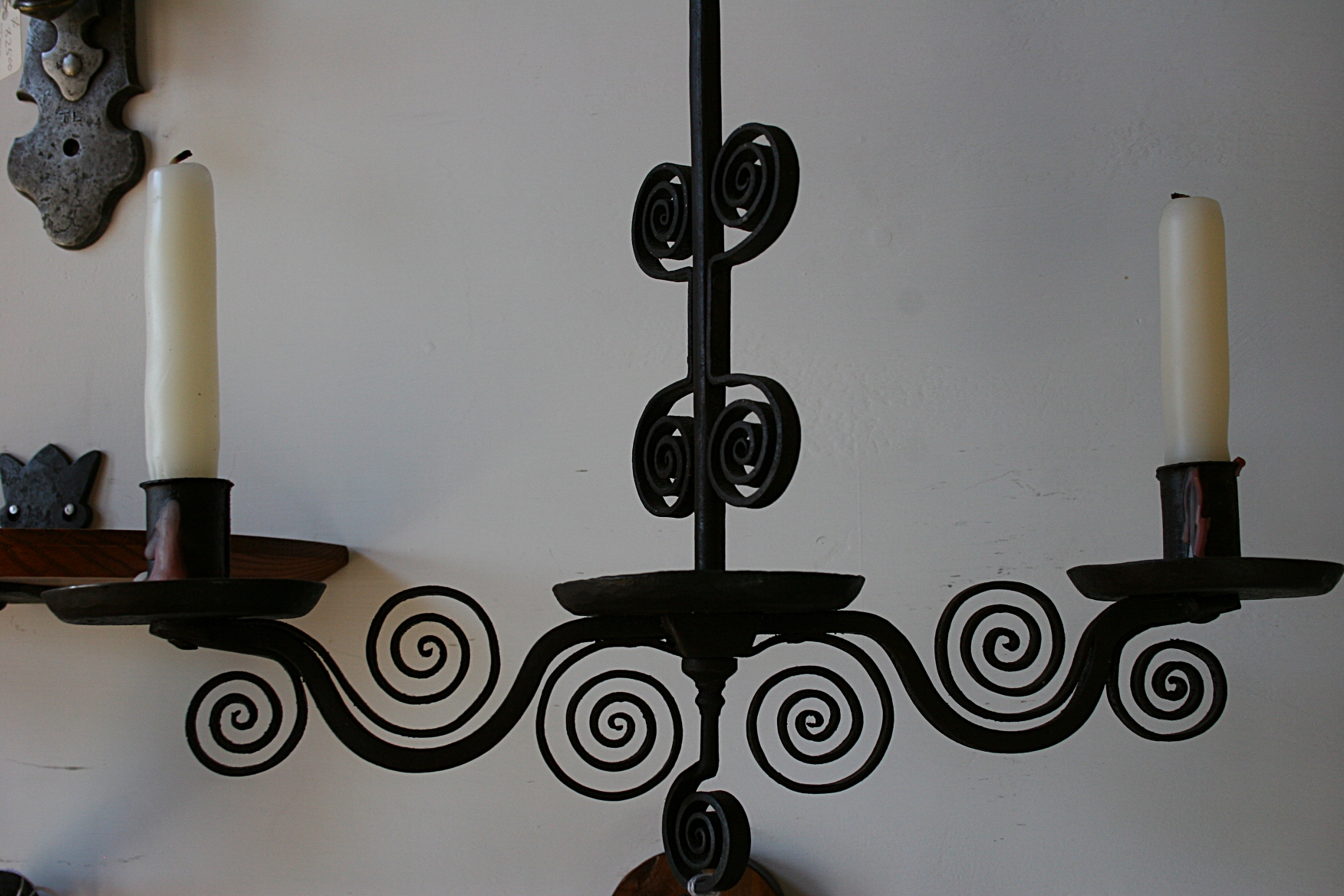
Tom created this candleholder.

Tom created this candleholding masterpiece.

Standing here in this time, in this place, with a man practicing the aged craft of blacksmithing seems almost surreal. But Tom has been doing this all his adult life, relocating from Maryland to open his Pepin shop in 1983 with his wife, Catherine, a tinsmith.

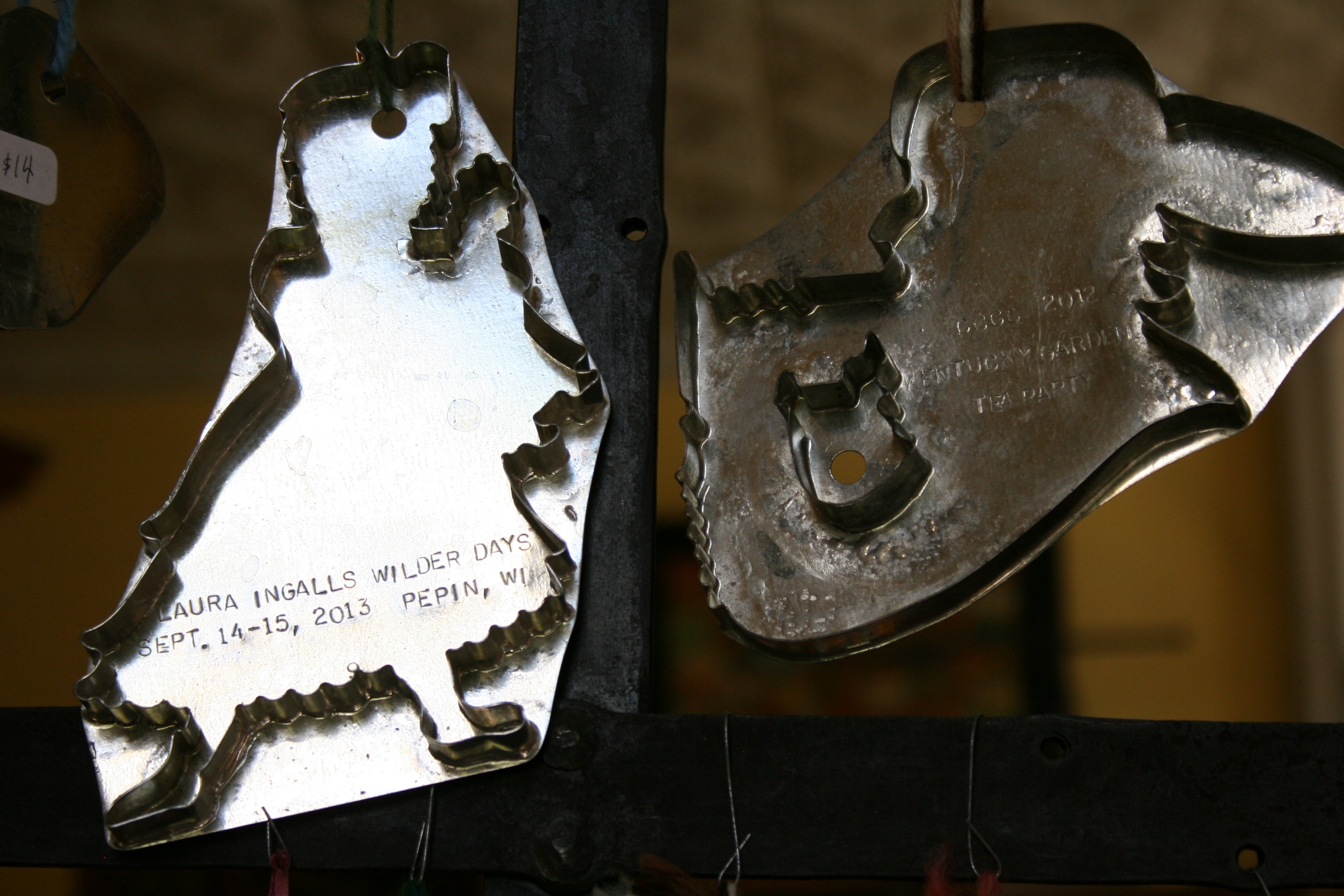
Two of Catherine's cookie cutters.

Two of Catherine’s cookie cutters.

She’s a native of Minnesota, just across the river, and an artist, too, who crafts tin cookie cutters by hand. Catherine is known for her commemorative Laura Ingalls Wilder cookie cutters in a community that each year celebrates its most famous native daughter.

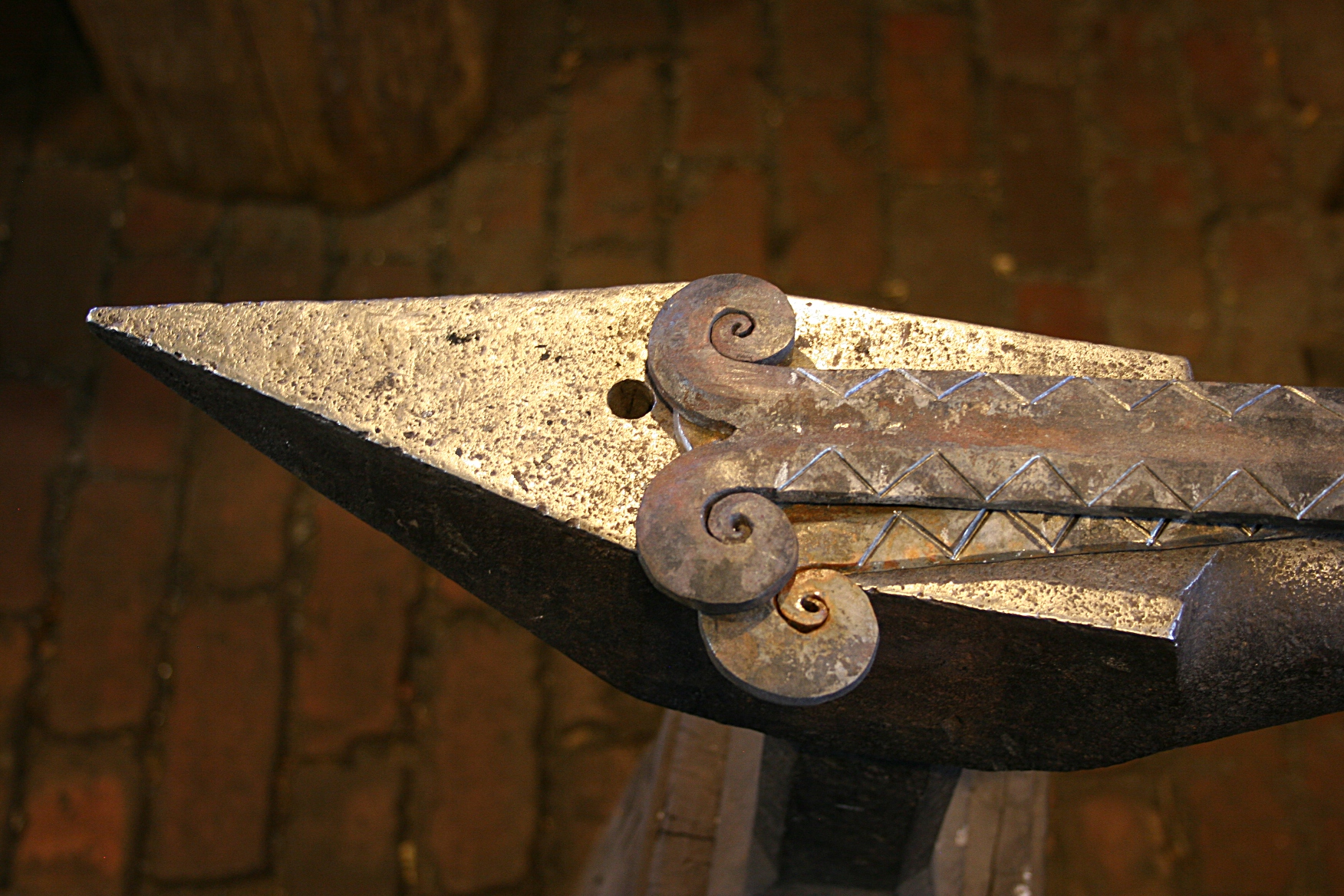
An anvil in Tom's shop.

An anvil in Tom’s shop.

Surely blacksmith shops existed in this area during the late 1860s when Charles and Caroline Ingalls lived with their family in a cabin in the Big Woods near Pepin.

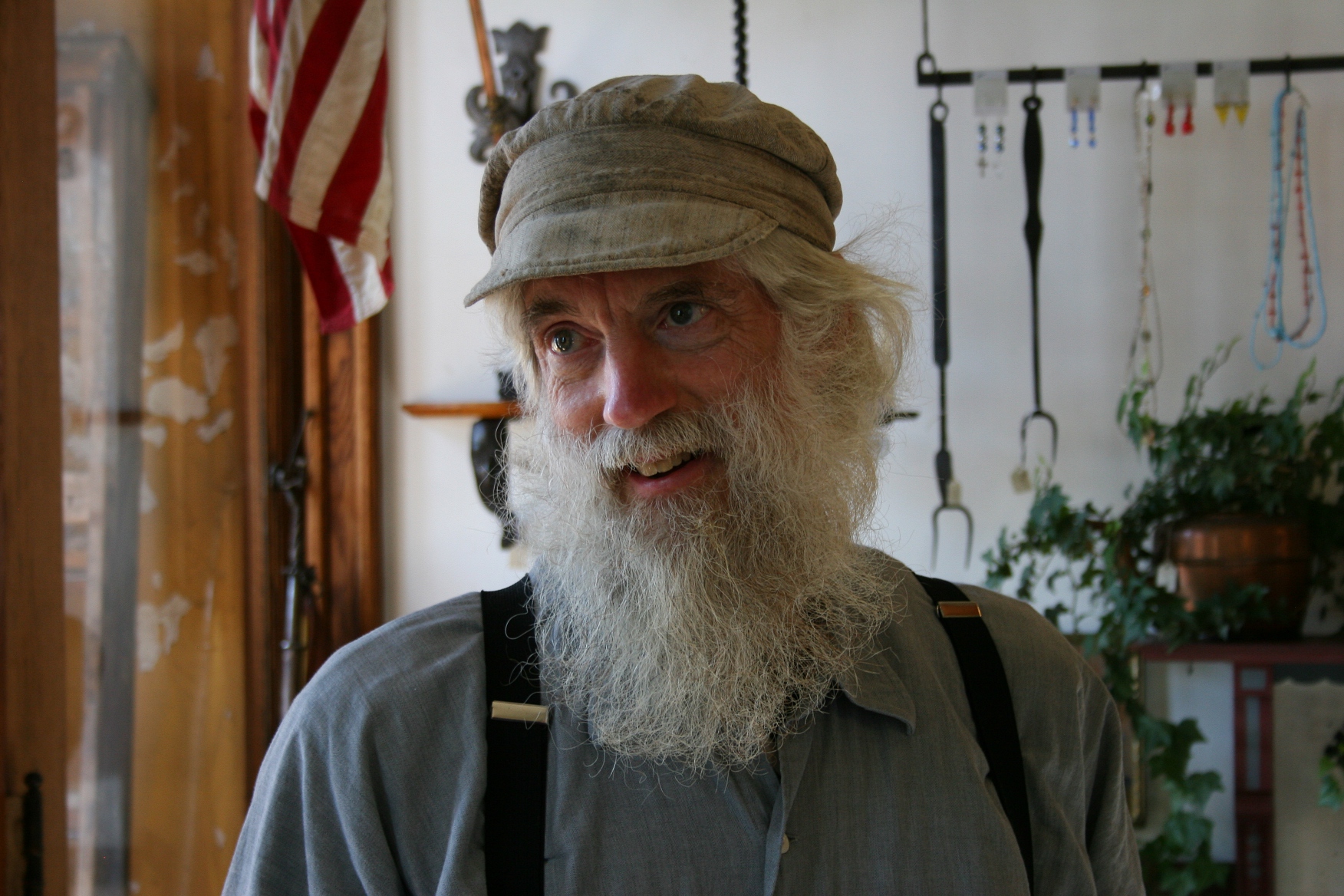
Tom looks the part of a craftsman.

Tom looks the part of a craftsman.

History holds this town. And Tom looks every bit the part of a long ago craftsman, untamed white beard and longish hair and period cap and suspenders giving him the appearance of a historic reenactor. But he is authentic, hand-forging locks, hardware, tools and candle fixtures.

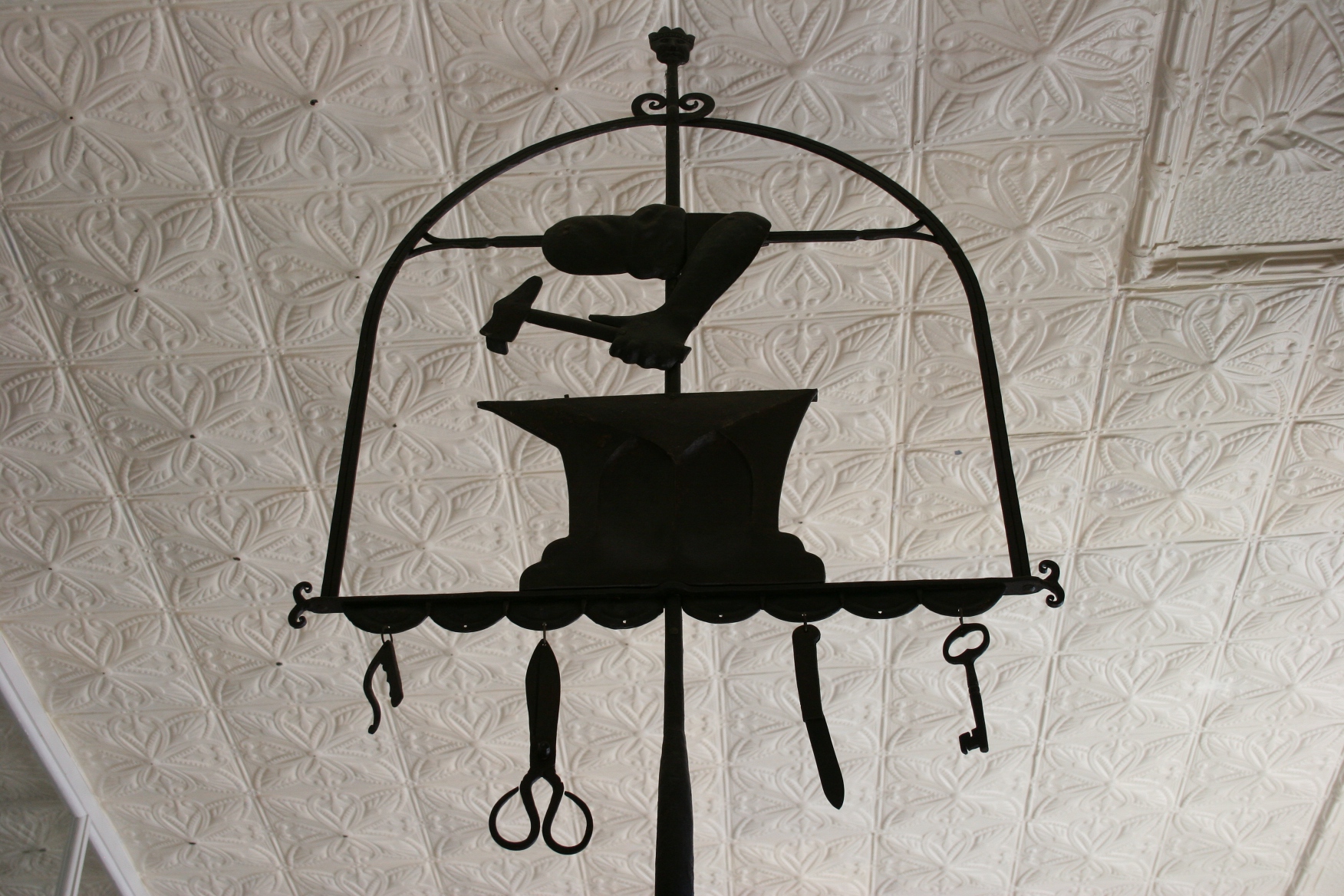
Symbols of the trade for blacksmithing and tin cutting.

Symbols of the trade for blacksmithing and tin cutting.

I almost expect Charles Ingalls to walk in the door.

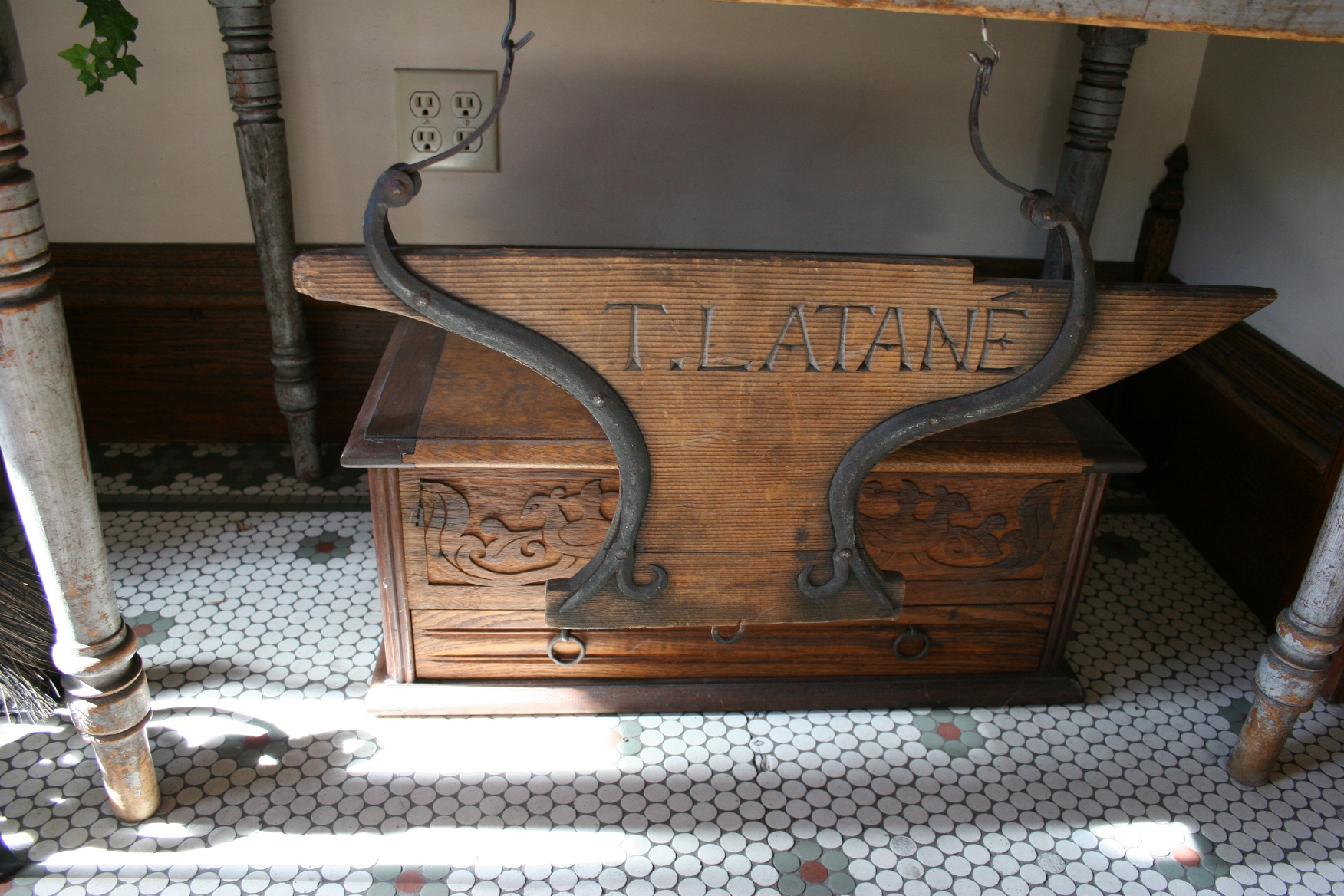
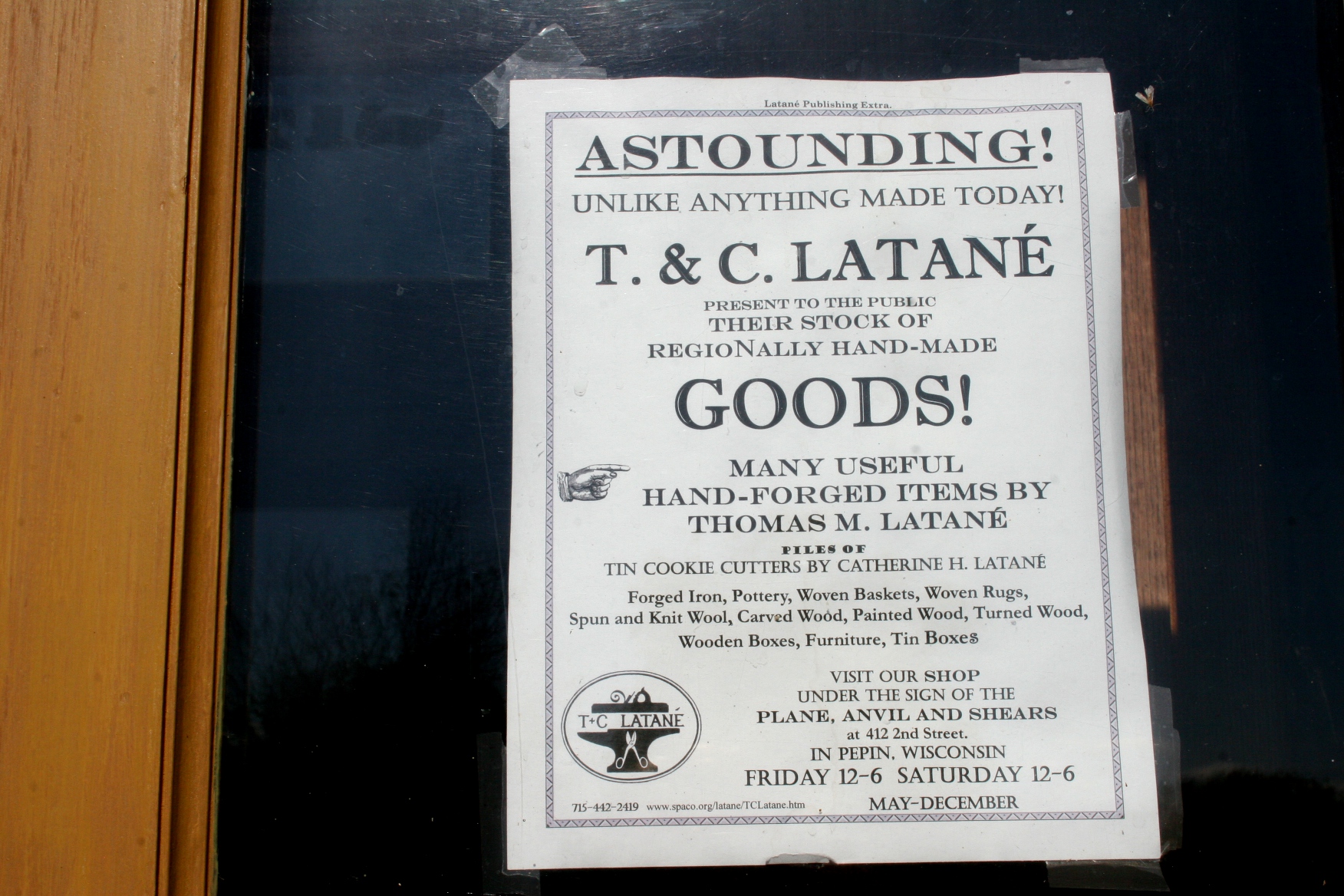
A sign at the shop.

A sign at the shop.

FYI: For more information about T. & C. Latané, as this couple calls their business, click here. The shop at 412 Second Street in Pepin is open from noon – 6 p.m. Fridays and Saturdays, May – December or by chance.

© Copyright 2014 Audrey Kletscher Helbling


A peek at Pepin, Wisconsin November 12, 2014

Filed under: Uncategorized — Audrey Kletscher Helbling @ 6:00 AM
Tags: , , , , ,
Closed on an early October weekday afternoon...

Closed on an early October weekday afternoon…

A MONTH AGO, on a weekday afternoon, Pepin, Wisconsin, already appeared battened up for the long winter.

The scene outside of an eatery.

The scene outside of an eatery.

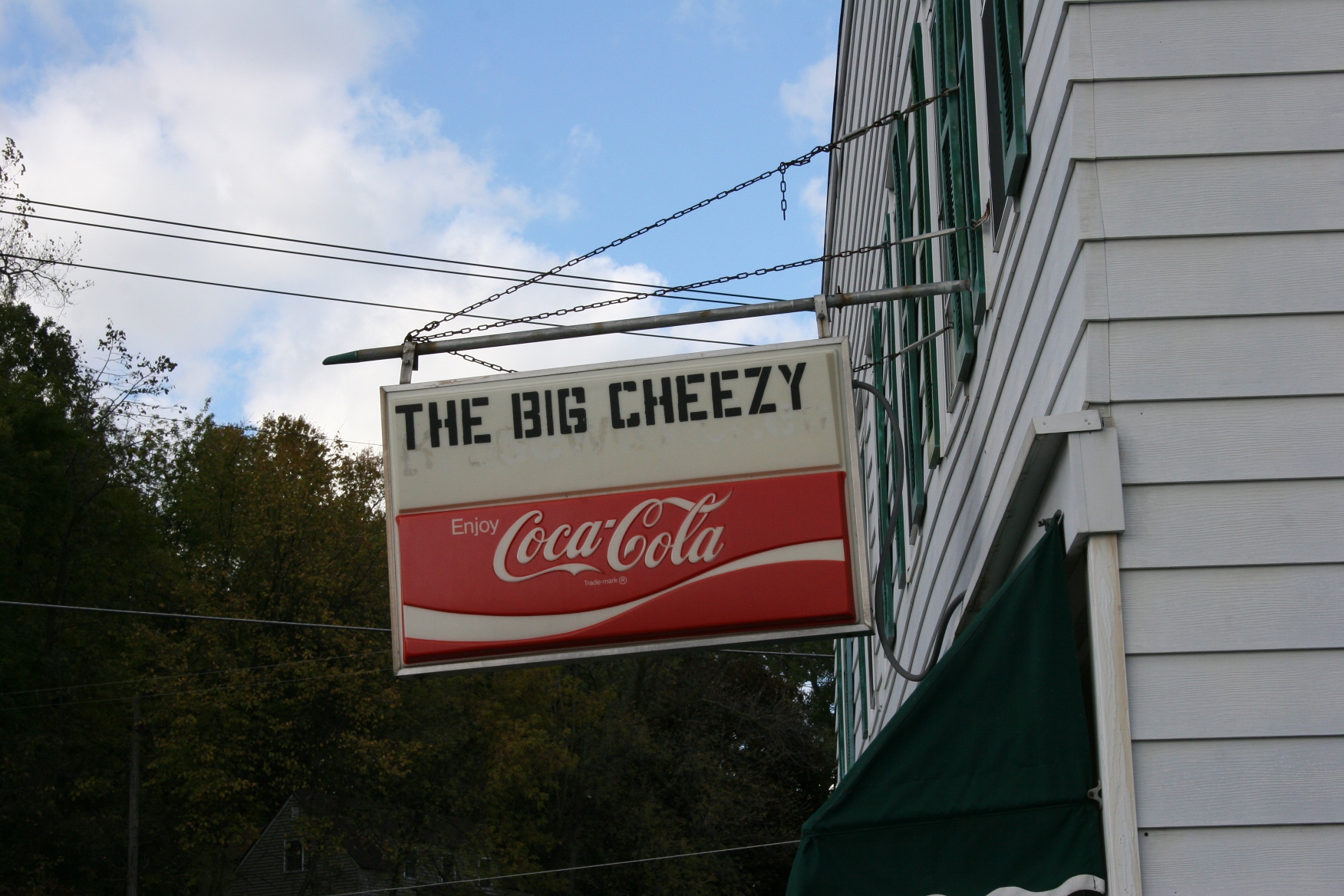
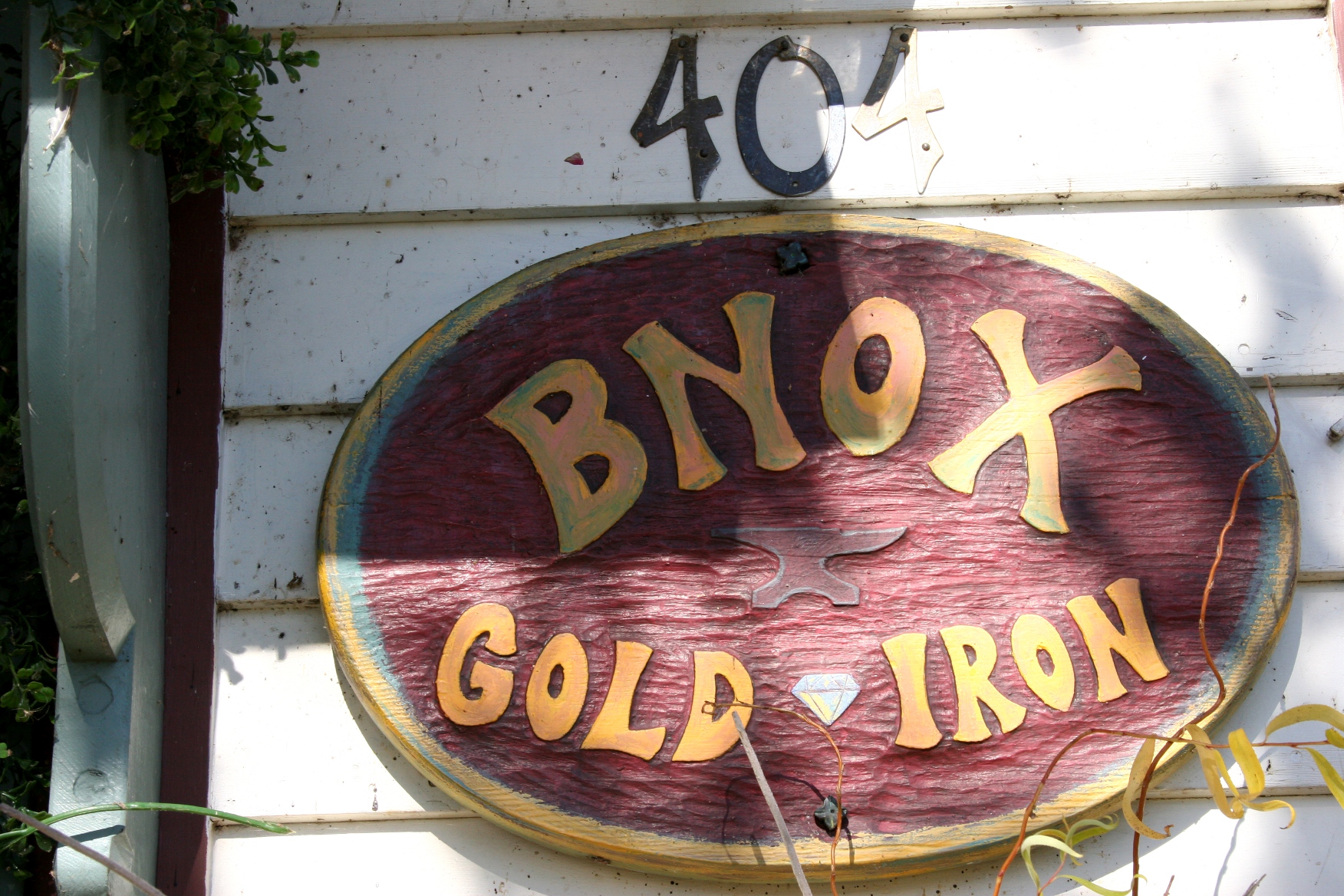
Lovely business signage.

Lovely business signage.

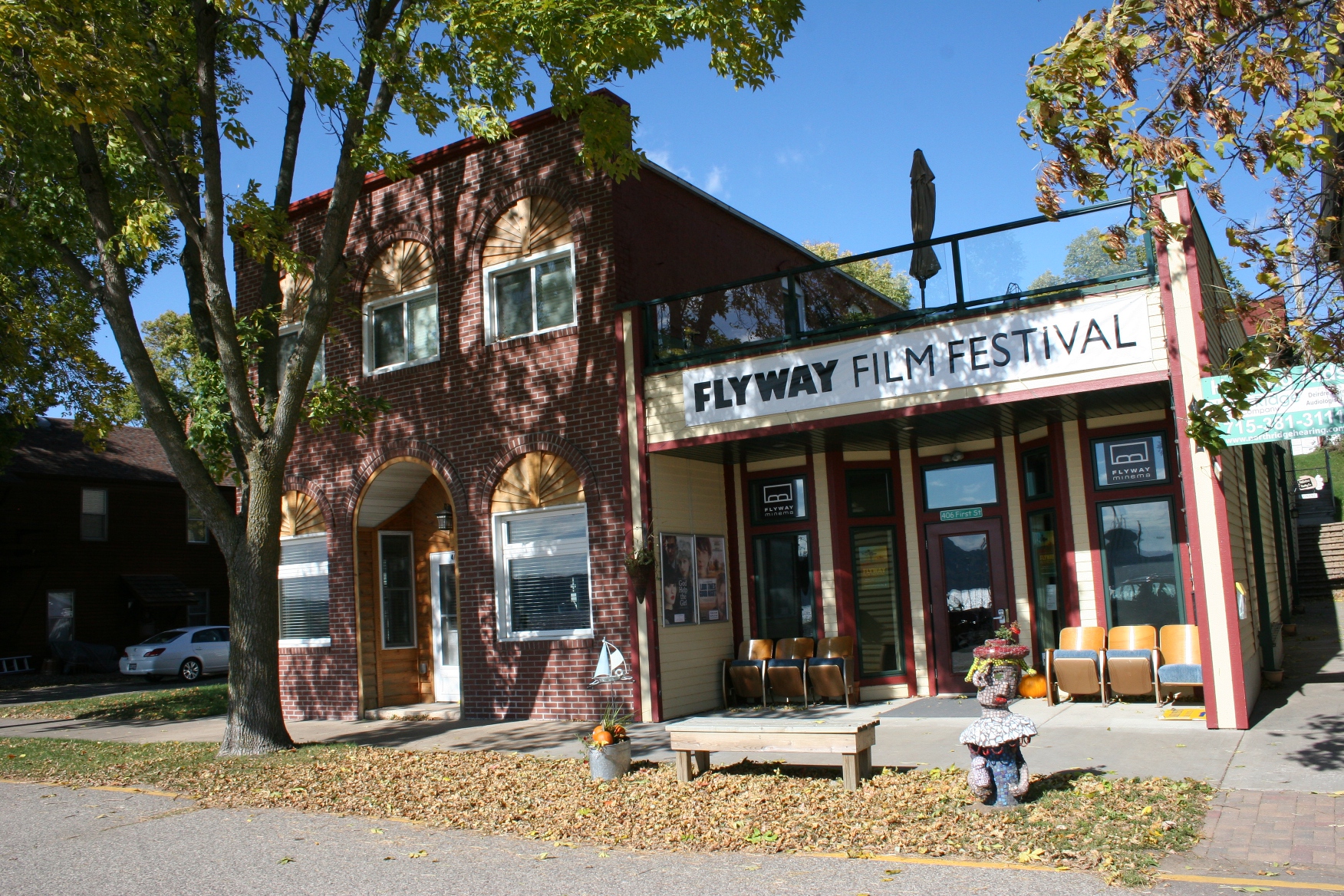
A banner advertised a forthcoming film festival.

A banner advertised a forthcoming film festival.

Lawn chairs stacked. Doors locked. Streets mostly vacant.

Pepin's grocery store.

Pepin’s grocery store.

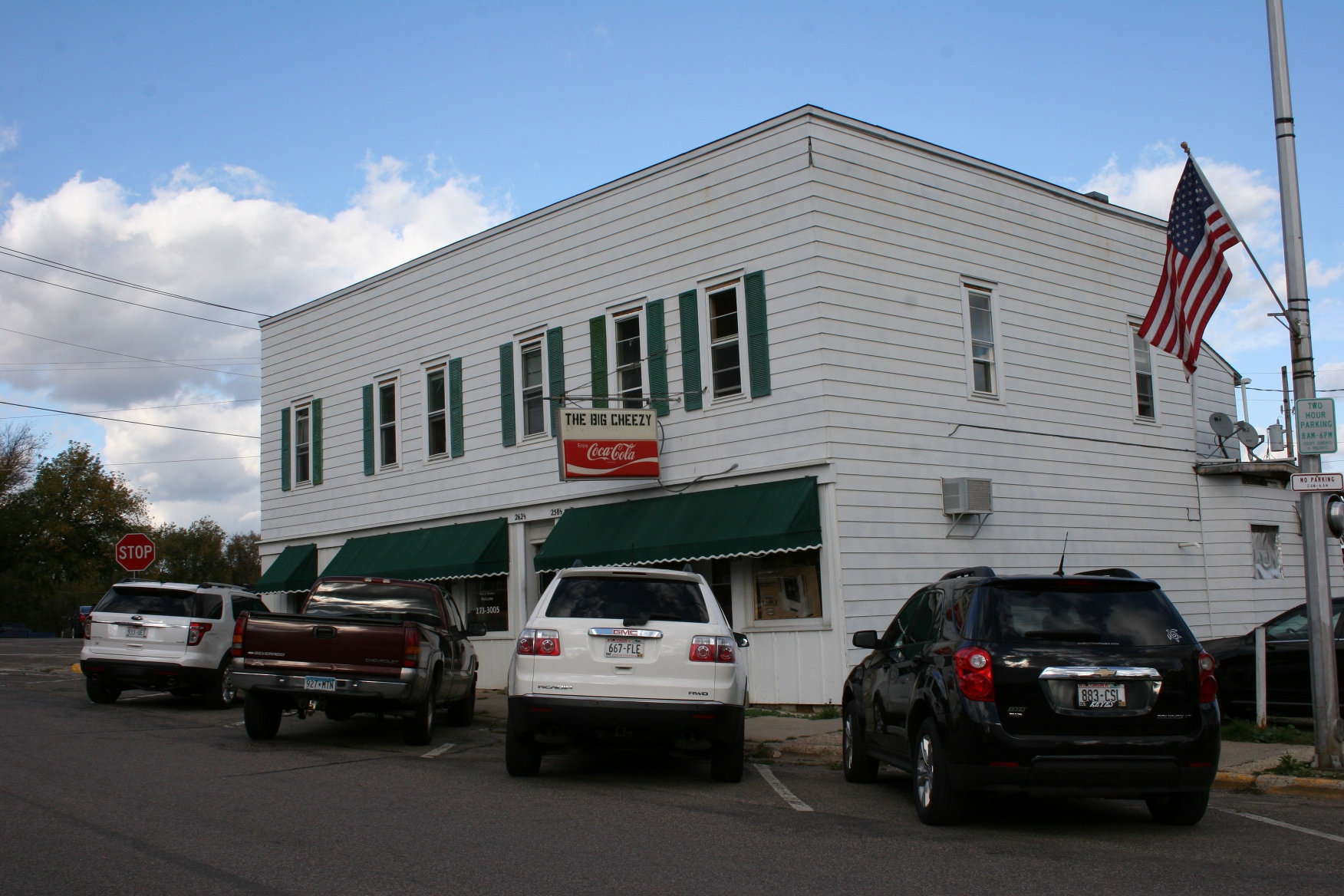
A general sense of abandonment prevailed in the downtown area along Lake Pepin, although the blacksmith shop happened to be open (watch for a story on that) as was the next door grocery.

Street signage indicates lots of places to stop in Pepin.

Street signage indicates lots of places to stop in Pepin.

I expect had it been a summer weekend, more businesses would have been open and the town bustling.

Across the railroad tracks lies Lake Pepin.

Across the railroad tracks lies Lake Pepin.

But, like many lake communities, life slows when the temperature drops and autumn edges toward winter.

Unlike the museum, which closes in October, A Summer Place Bed and Breakfast

Signage advertises A Summer Place Inn.

In this, the birthplace of author Laura Ingalls Wilder, even her museum has closed for the season.

This is reality in the north land, in a river town that relies significantly on warm weather tourism.

#

AND NOW FOR TWO PLACES on the edge of Pepin that were open:

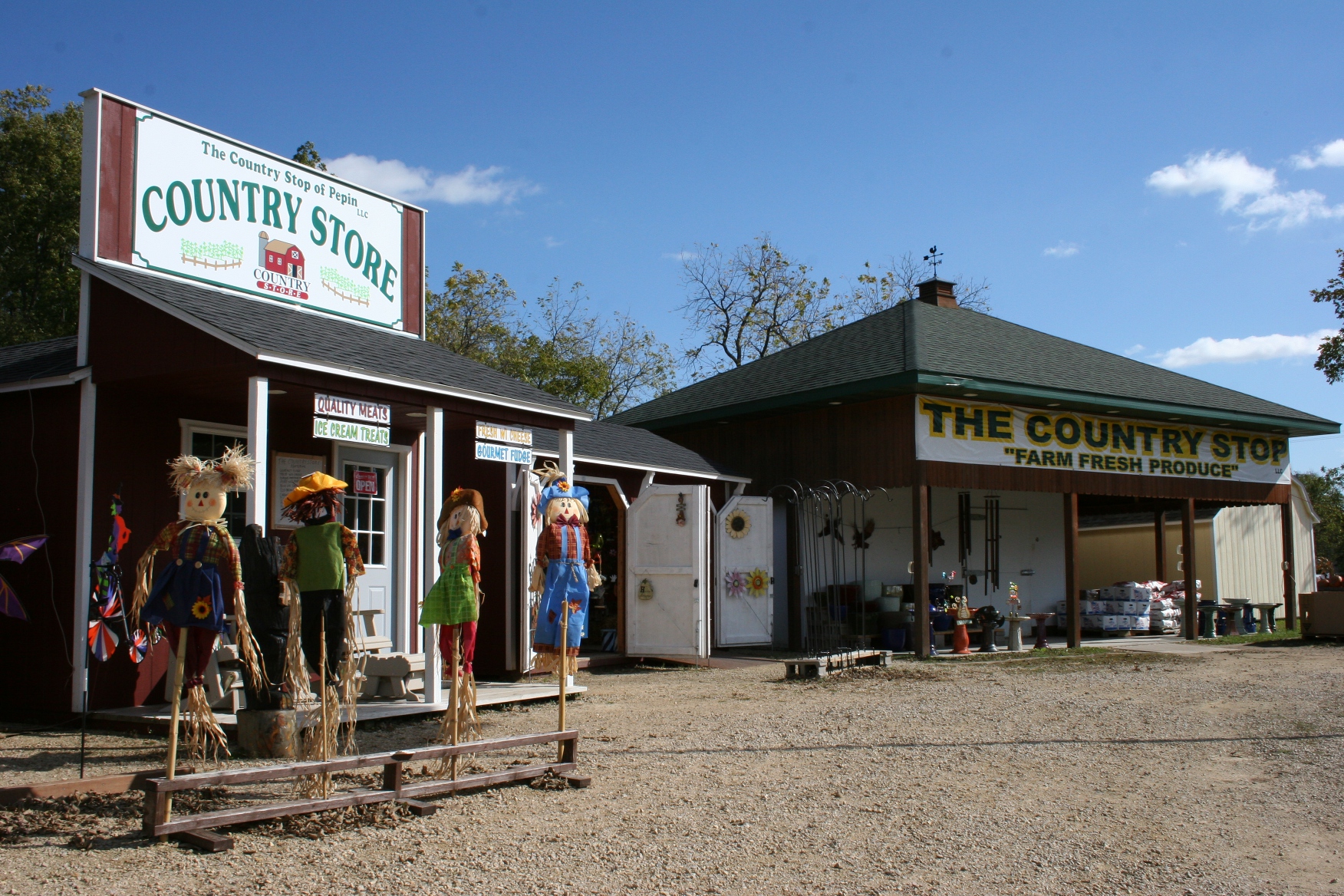
The Country Stop.

The Country Stop of Pepin Country Store.

Villa Bellezza winery.

Villa Bellezza winery.

Beautiful potted flowers outside the winery.

Beautiful potted flowers and plants outside the winery.

© Copyright 2014 Audrey Kletscher Helbling


Color confusion November 7, 2014

Filed under: Uncategorized — Audrey Kletscher Helbling @ 6:00 AM
Tags: , , , , , , ,

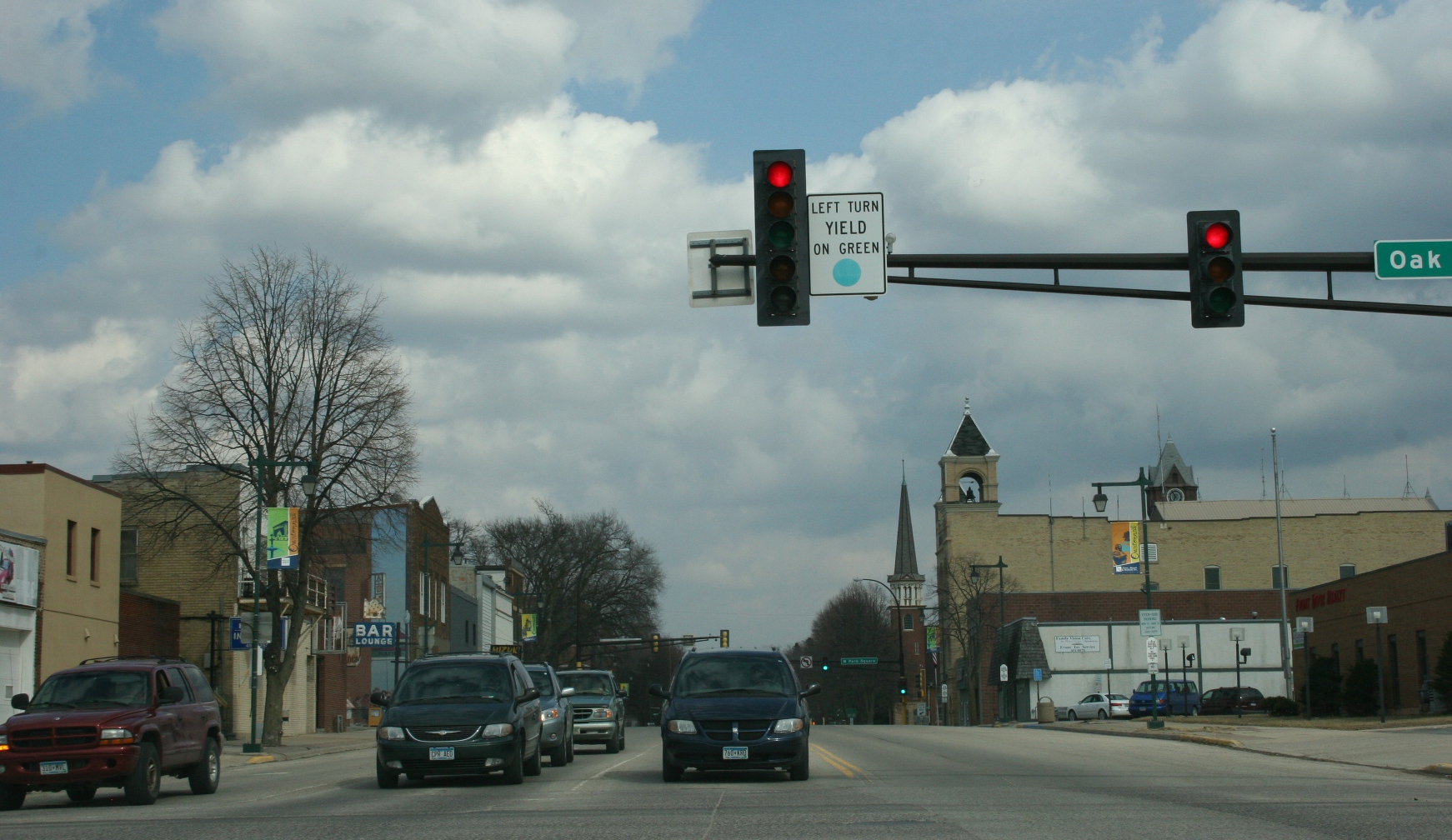
Owatonna stoplight sign

DOWNTOWN OWATONNA, MINNESOTA:

The word reads “GREEN.”

But the visual is blue…

Copyright 2014 Audrey Kletscher Helbling

 

Mayberry, Wisconsin, or not November 6, 2014

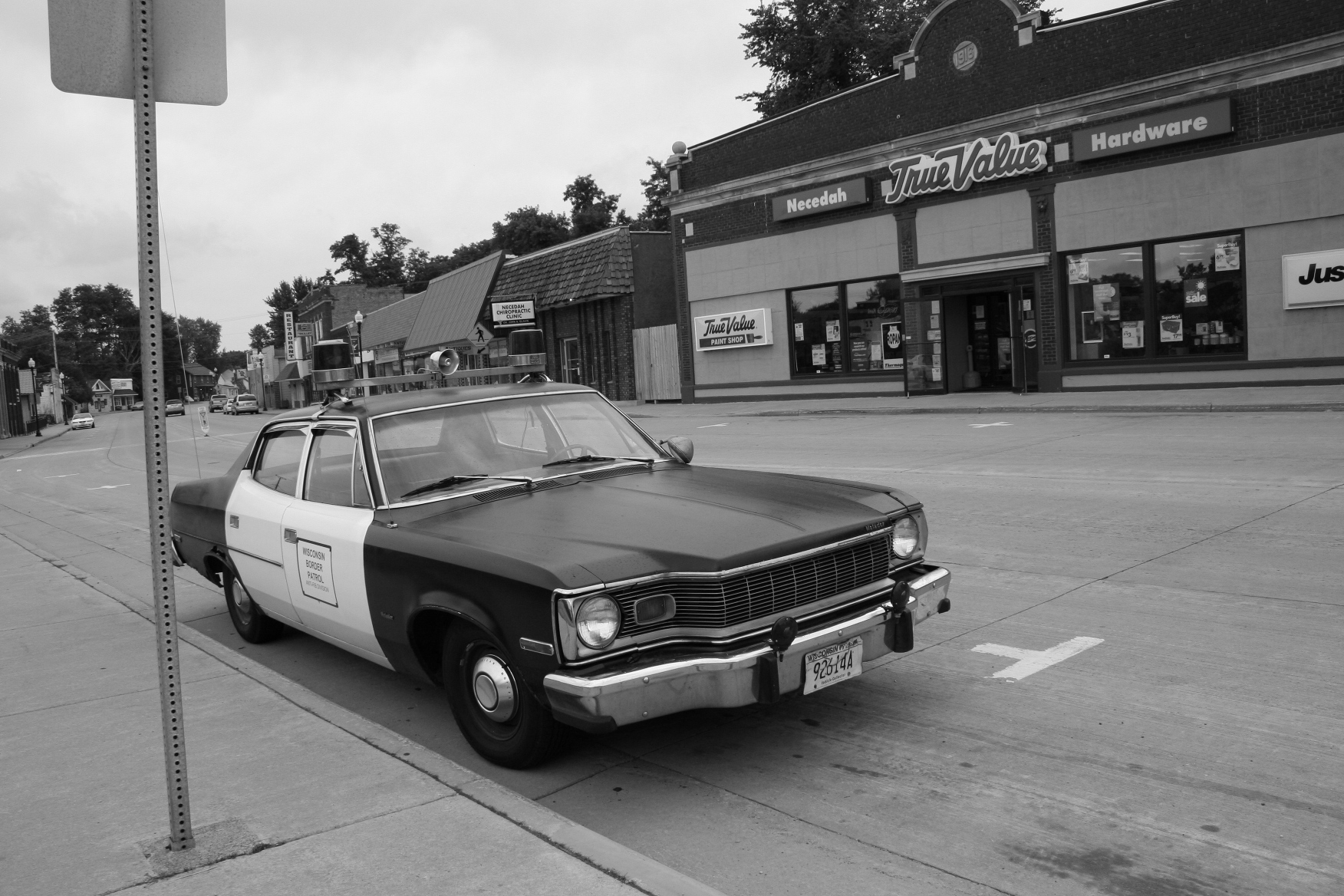
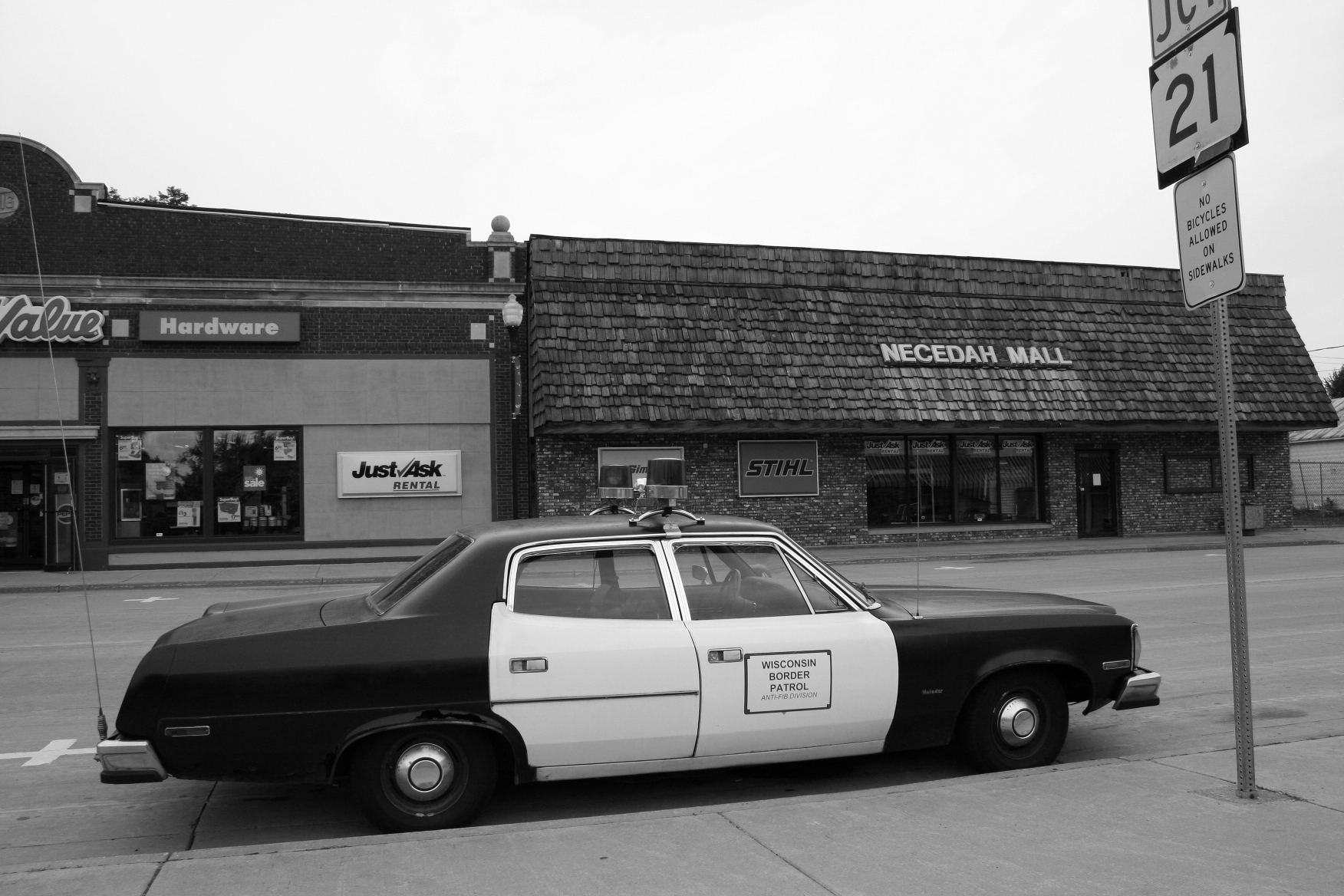
Necedah, downtown and patrol car


IF BUT FOR A FEW MOMENTS, I feel like I’ve walked onto the Main Street of Mayberry, North Carolina, circa 1960s.


Necedah, close-up patrol car


You know, fictional home of Andy Griffith, local level-headed sheriff who dispensed justice and wisdom once a week alongside his inept sidekick, Deputy Barney Fife.


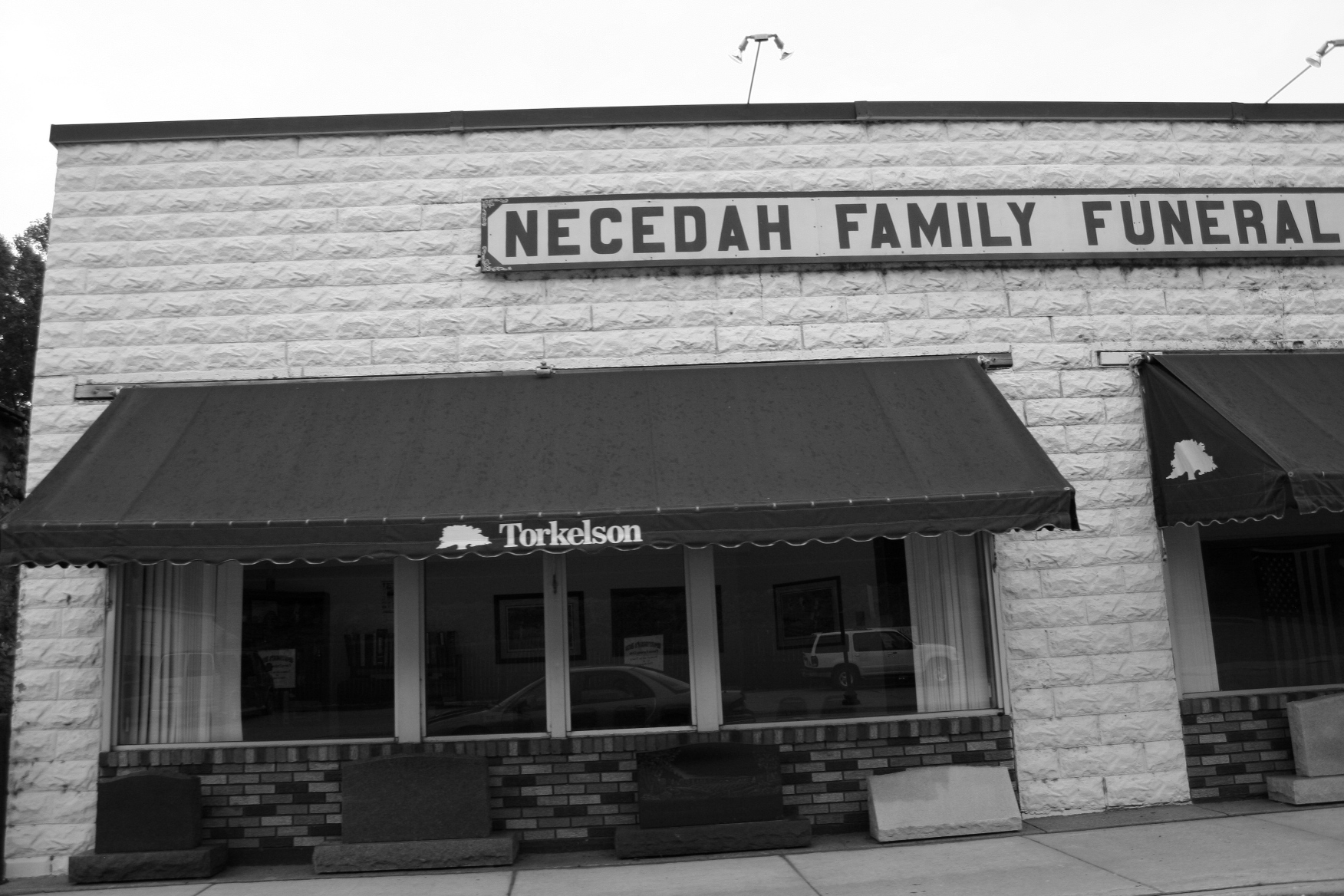
Necedah, funeral home


I’d like to believe Mayberry existed, still exists, in places outside my black-and-white television sitcom memories of some 50 years ago.


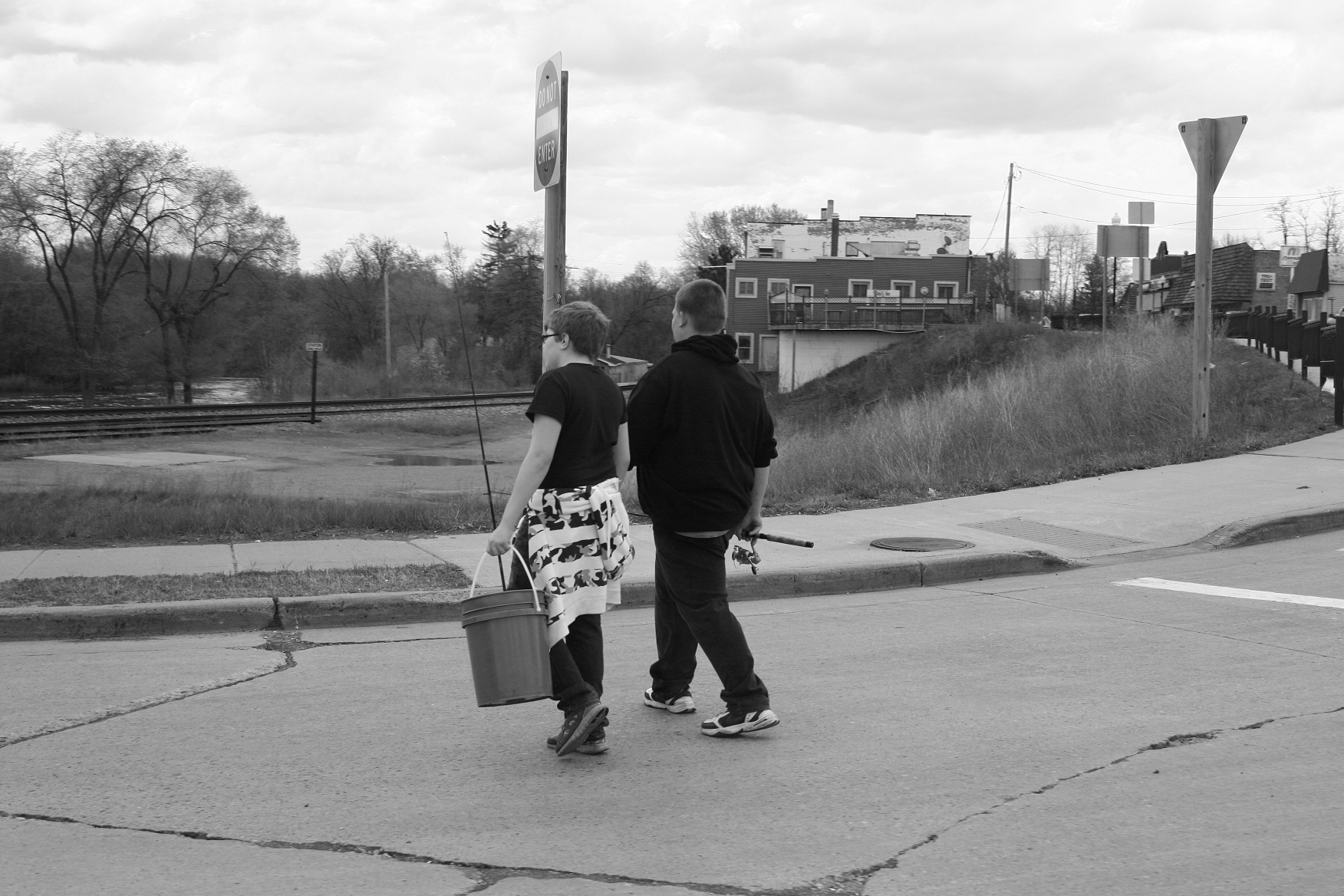
Boys going fishing in Wisconsin


That could be Andy’s son, Opie, and friend ambling across the highway with fishing poles and bucket in hand. The scene seems more flashback than reality.

But all of these images are reality—in Necedah, a community of some 930 residents located about half way between LaCrosse and Oshkosh on Wisconsin State Highway 21. The town rests near two lakes and the Wisconsin and Yellow rivers. Fishing opportunities abound.


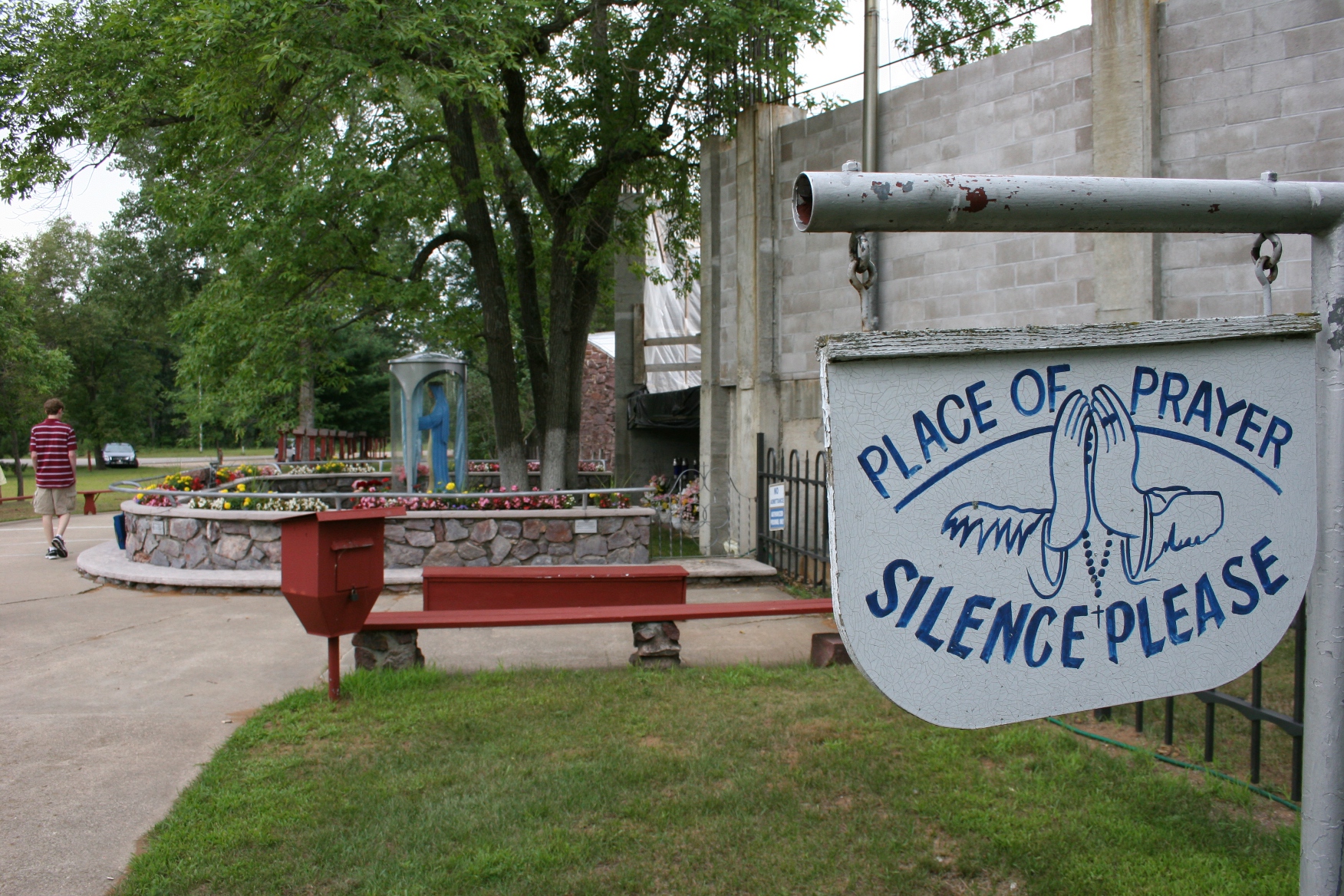
Necedah, shrine


And so does the opportunity to explore the Queen of the Holy Rosary Mediatrix of Peace Shrine. It is here that the Virgin Mary reportedly appeared to Mary Ann Van Hoof, farm wife and mother of eight, on November 12, 1949. Over 34 years, the Mother of God supposedly told Mary Ann to “bring the truth to all people” with a focus on youth.

You can choose to believe this or not. The intention of this shrine seems wholesome enough and I expect many have been blessed simply by visiting this reverent site.

But when I read a sign requesting that women wearing shorts or slacks stop at the office for a wrap-around skirt, I thought surely I must be in Mayberry, North Carolina, circa 1960s.

Shortly thereafter, I left.

(These photos were shot in May 2014 and August 2011.)

© Copyright 2014 Audrey Kletscher Helbling


A photographic journey through rural western Wisconsin November 5, 2014

Filed under: Uncategorized — Audrey Kletscher Helbling @ 6:00 AM
Tags: , , , , , , , ,

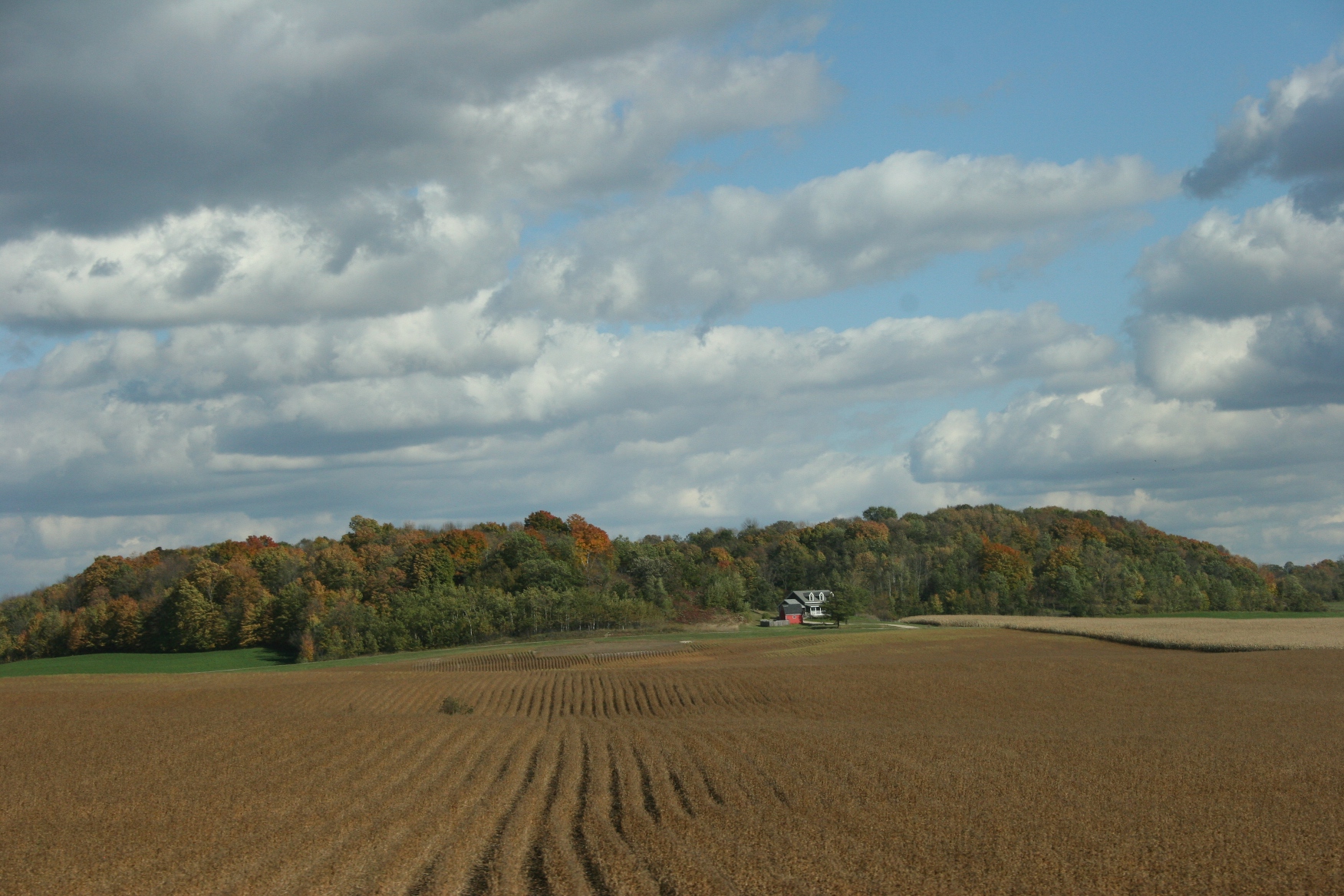
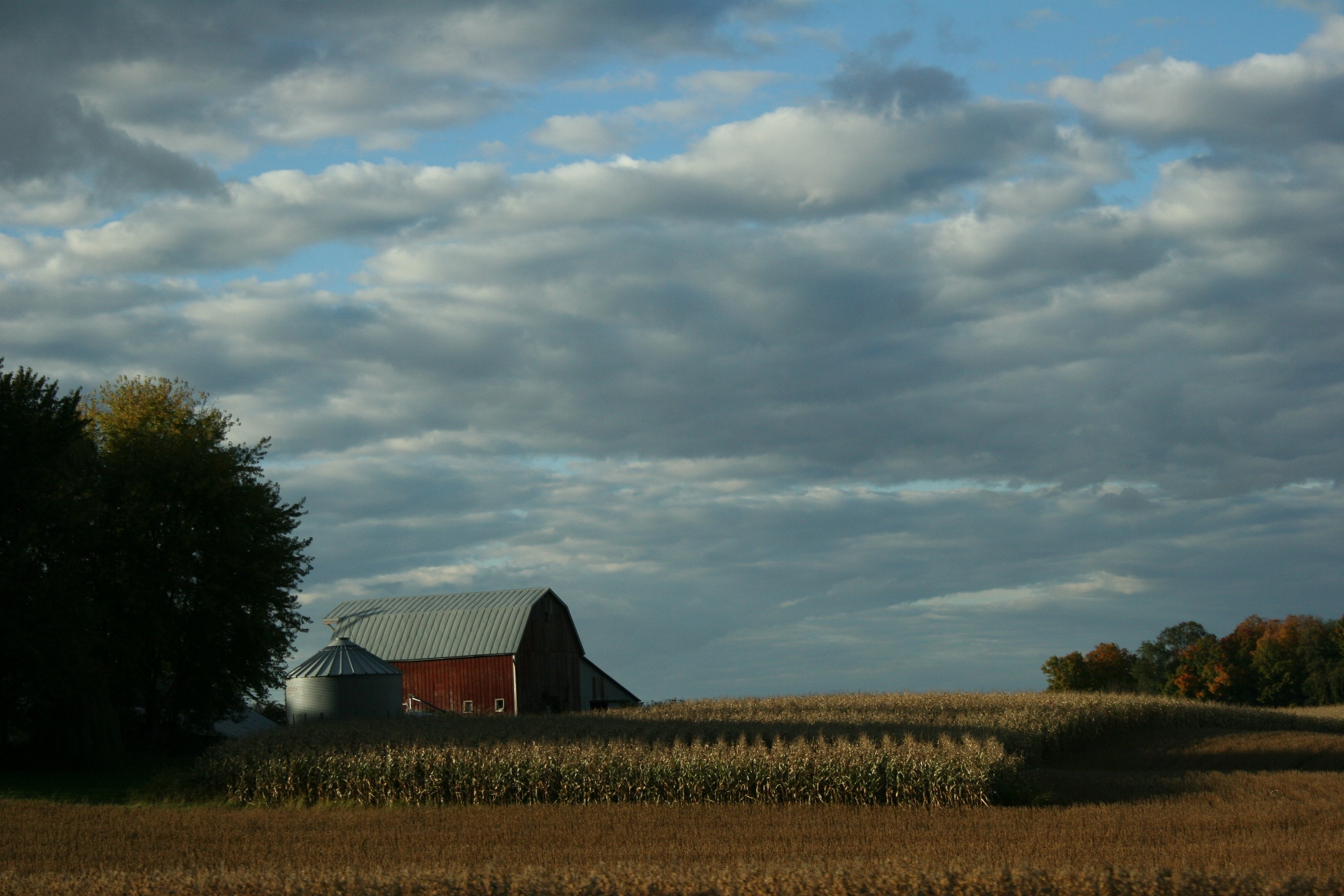
Rural, red barn, bin and field


SHADOWS AND CURVES AND LIGHT.


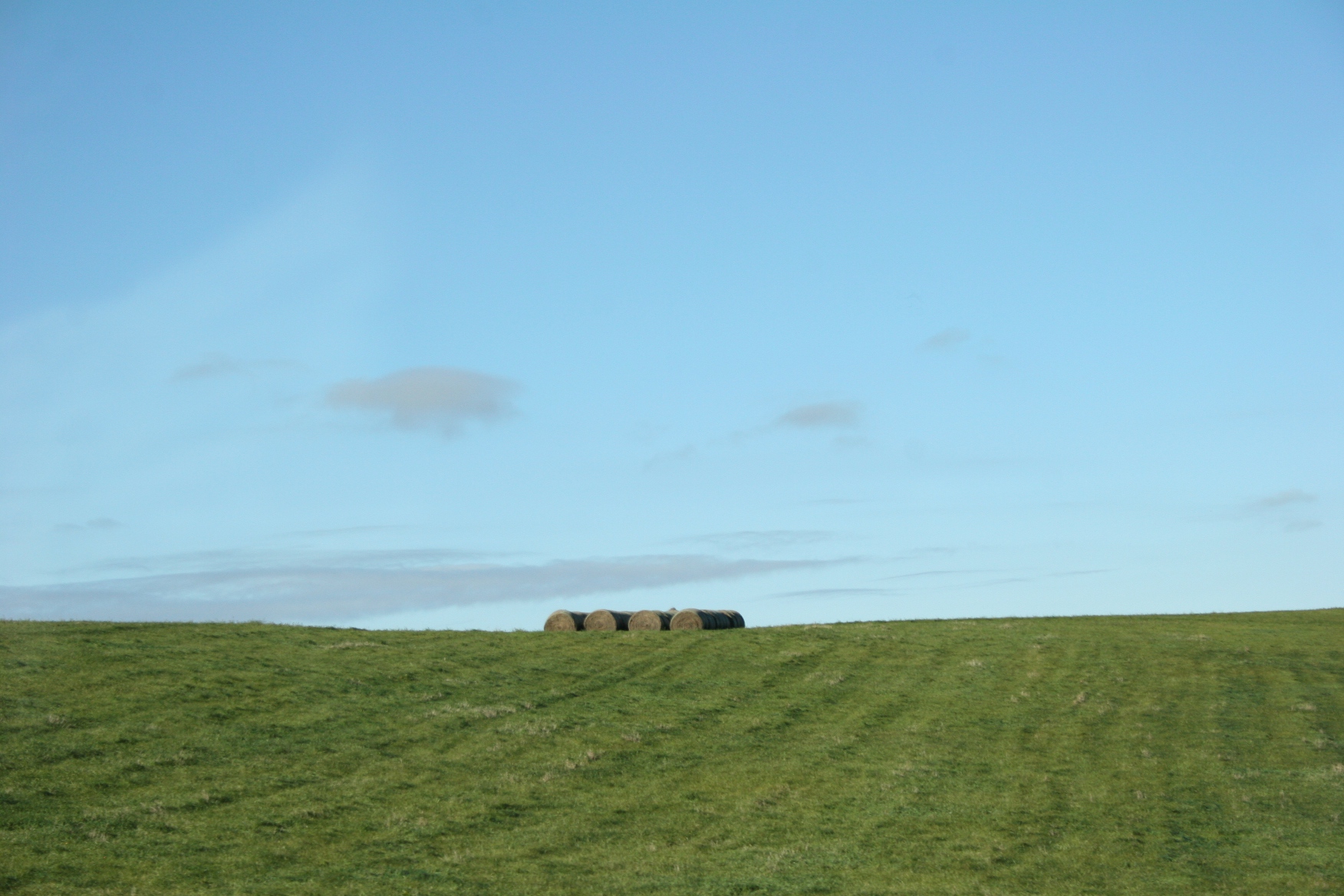
Rural, round bales

Sky.

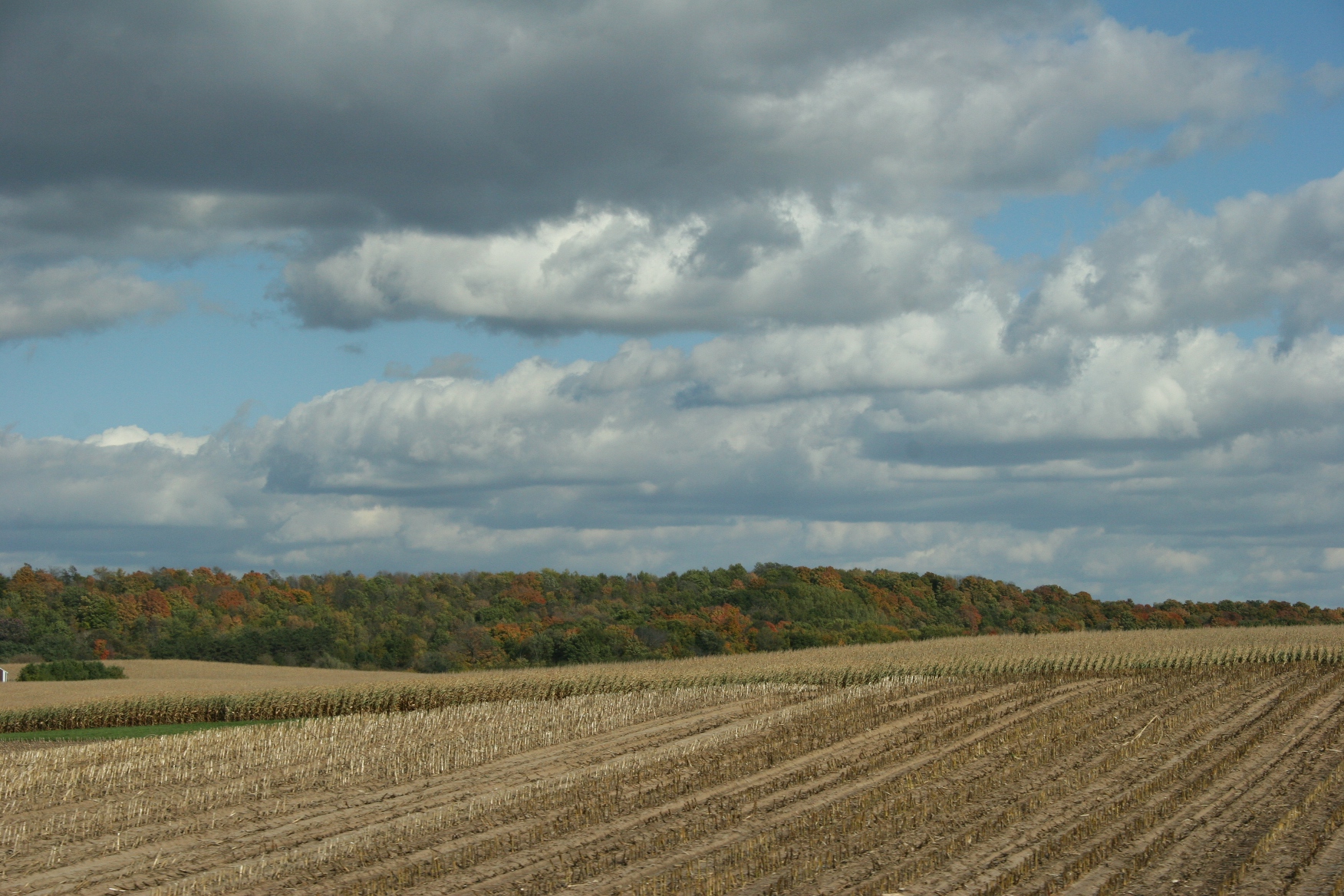
Rural, harvested cornfield

Land.

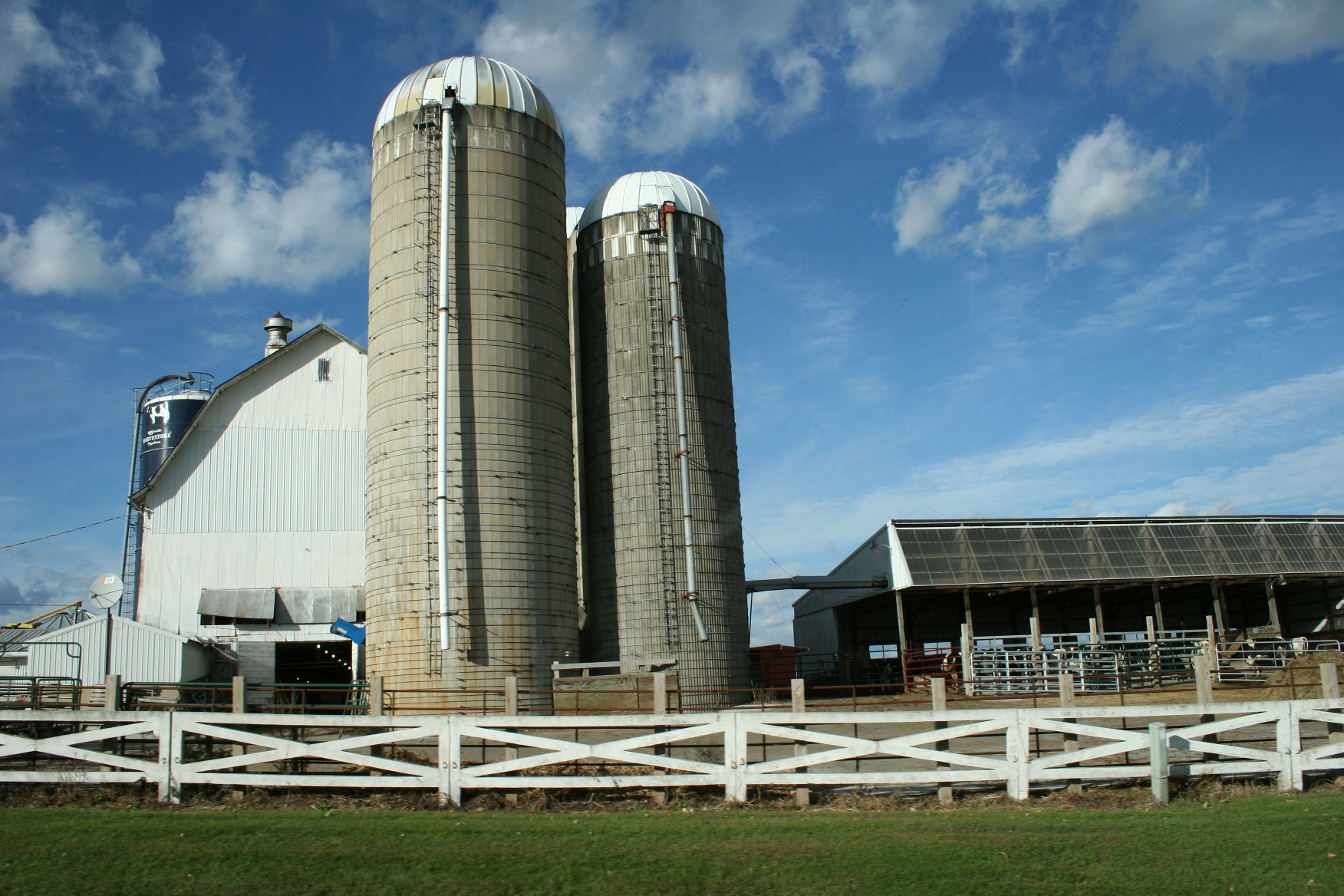
Rural, white barn and silos

Farm buildings.

All draw my eyes to the landscape, my hand to the camera, eye to the viewfinder, finger to shutter button.


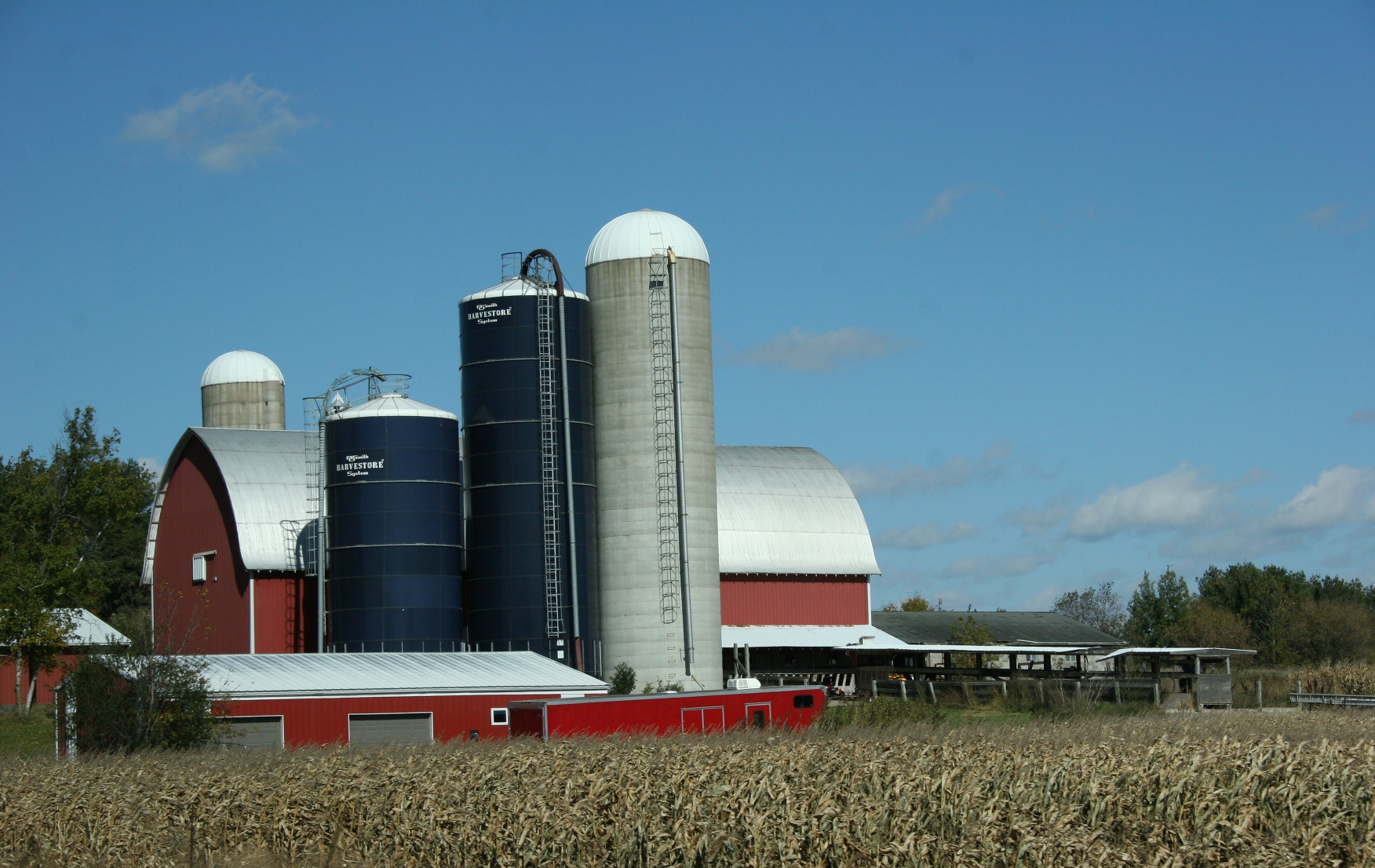
Rural, red barn and Harvestores


Flash of color: A red barn.


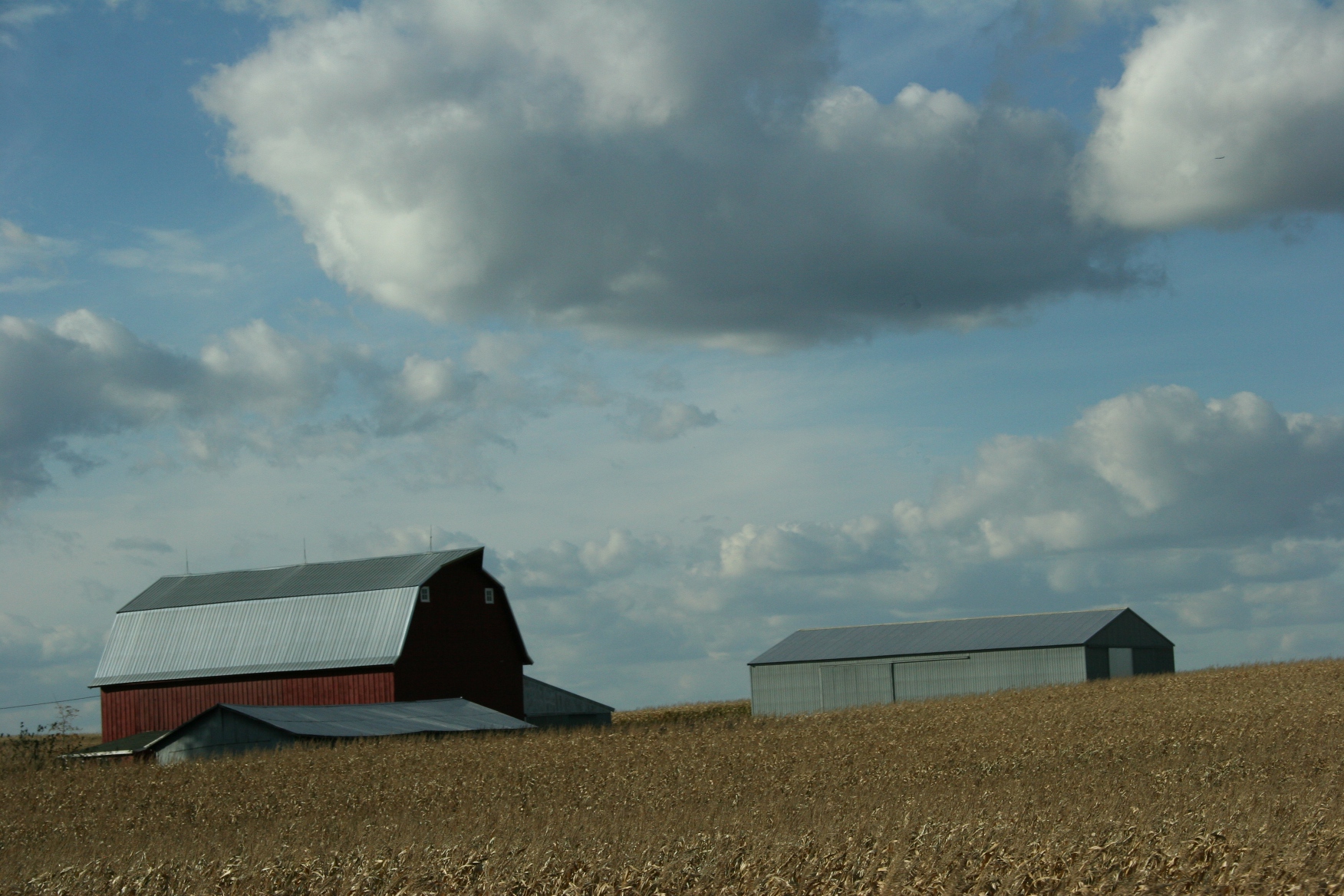
Rural, red barn, fields and grey sheds


Rural scenes unfold before me on this drive through western Wisconsin, from Nelson north to St. Croix Falls in early October.


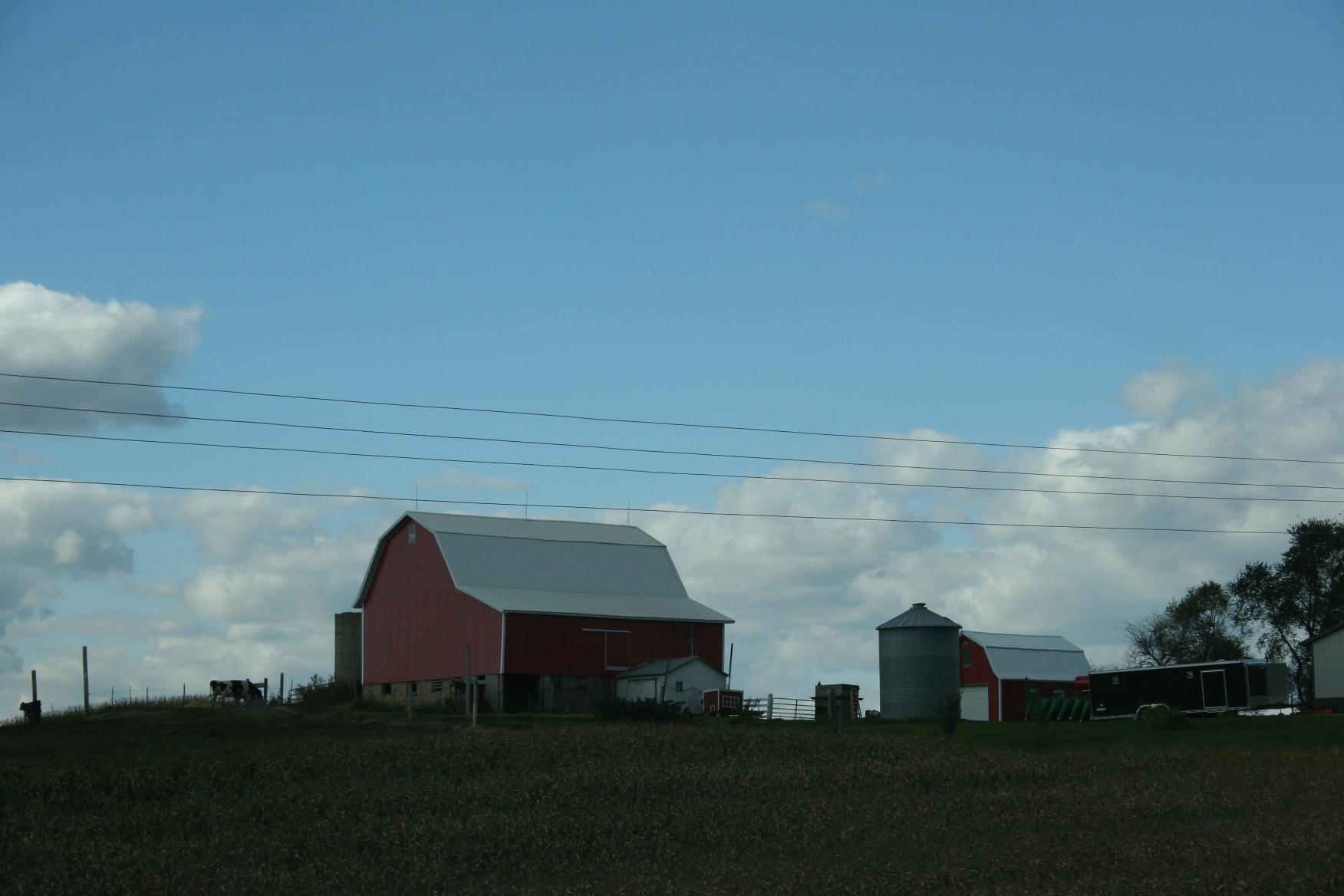
Rural, red barn and lone cow


I am linked to the land by my past, daughter of a southwestern Minnesota crop and dairy farmer. Even after 40 years away from the farm, fields and farm sites hold my heart more than any grid of city blocks or cluster of homes or urban anything.

If I could, I would live in the country again, close to the scent of dried corn stalks and fertile black soil.


Rural, house by trees


I would live under a sky that overwhelms, inside a white farmhouse with a welcoming front porch. That was always my dream.

But dreams cost money. Instead, I have lived in an old house along an arterial street in a town of some 23,000 for 30 years. I am grateful to have a house, to live in a community I love among dear friends.


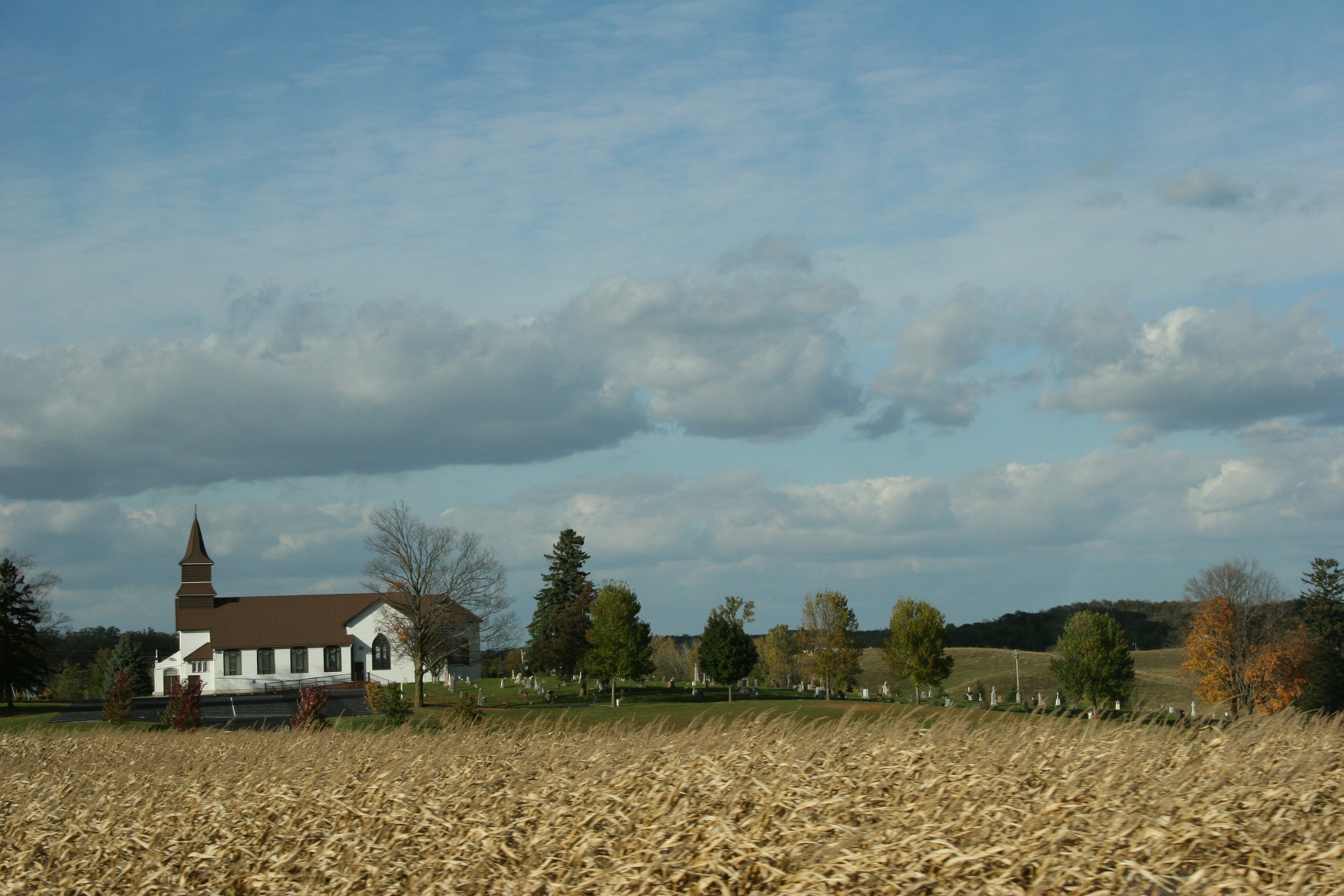
Rural, country church and cemetery


Still, a part of my soul yearns, aches for the land I left.

© Copyright 2014 Audrey Kletscher Helbling


Maybe he plows snow… October 30, 2014

Filed under: Uncategorized — Audrey Kletscher Helbling @ 6:00 AM
Tags: , , , ,
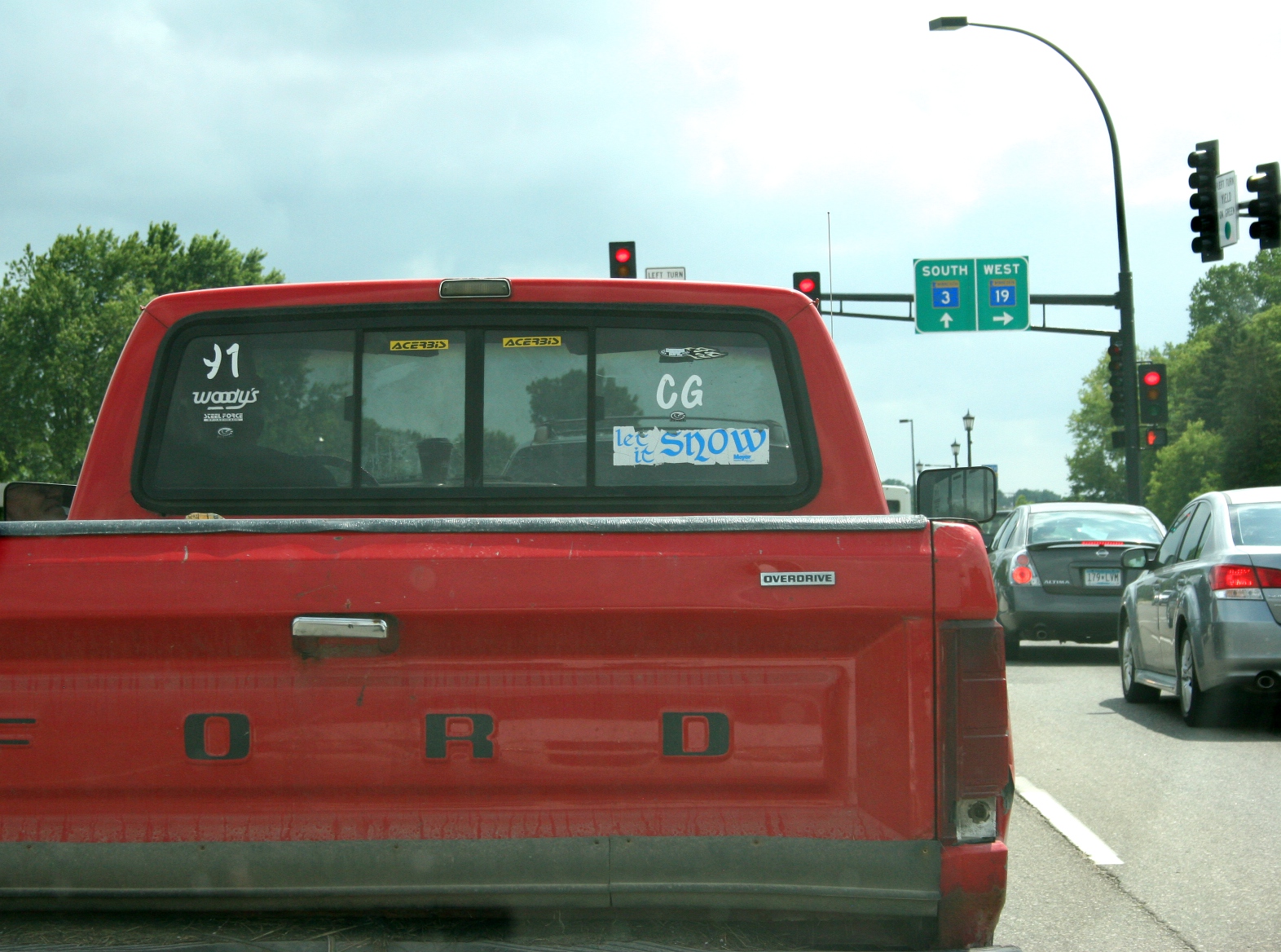
Photographed on a hot and humid Saturday on Minnesota Highway 3 in Northfield.

Photographed on Minnesota State Highway 3 in Northfield.

AT THE TIME I shot this Ford truck with the “let it SNOW” window sticker, I found the message humorous. It was a hot and humid July afternoon in Northfield, Minnesota.

Now that winter isn’t all that far away and overnight temps are dipping into the 30s, I’m not laughing.

All too soon the snow will fall. Remember the Halloween blizzard of  1991?

Copyright 2014 Audrey Kletscher Helbling
 

Discovering Osceola October 28, 2014

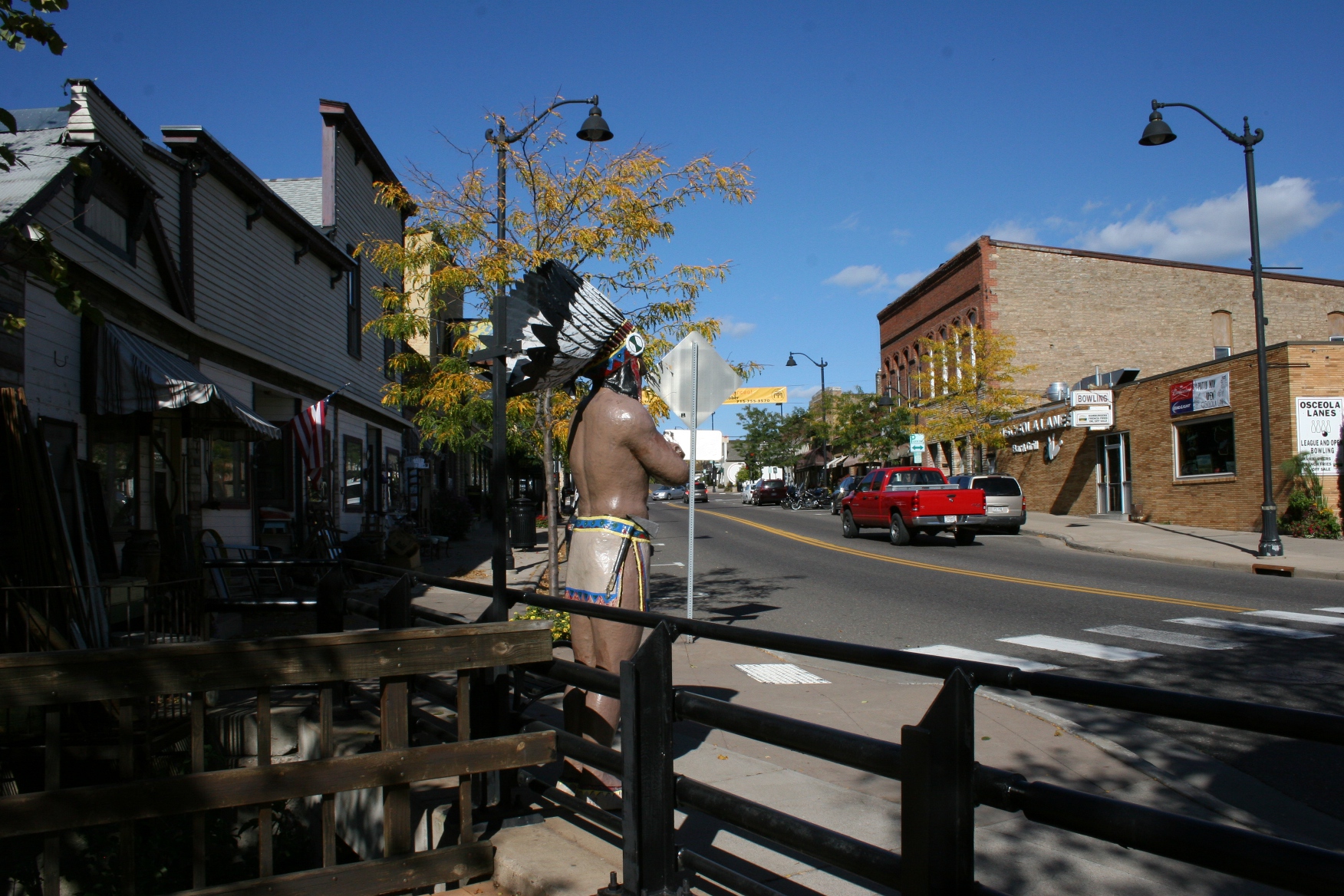
An artist's rendition of Chief Osceola, after whom Osceola, Wisconsin, is named, stands near the stairway leading to Cascade Falls.

An artist’s rendition of Chief Osceola, after whom Osceola, Wisconsin, is named, stands near the stairway leading to Cascade Falls.

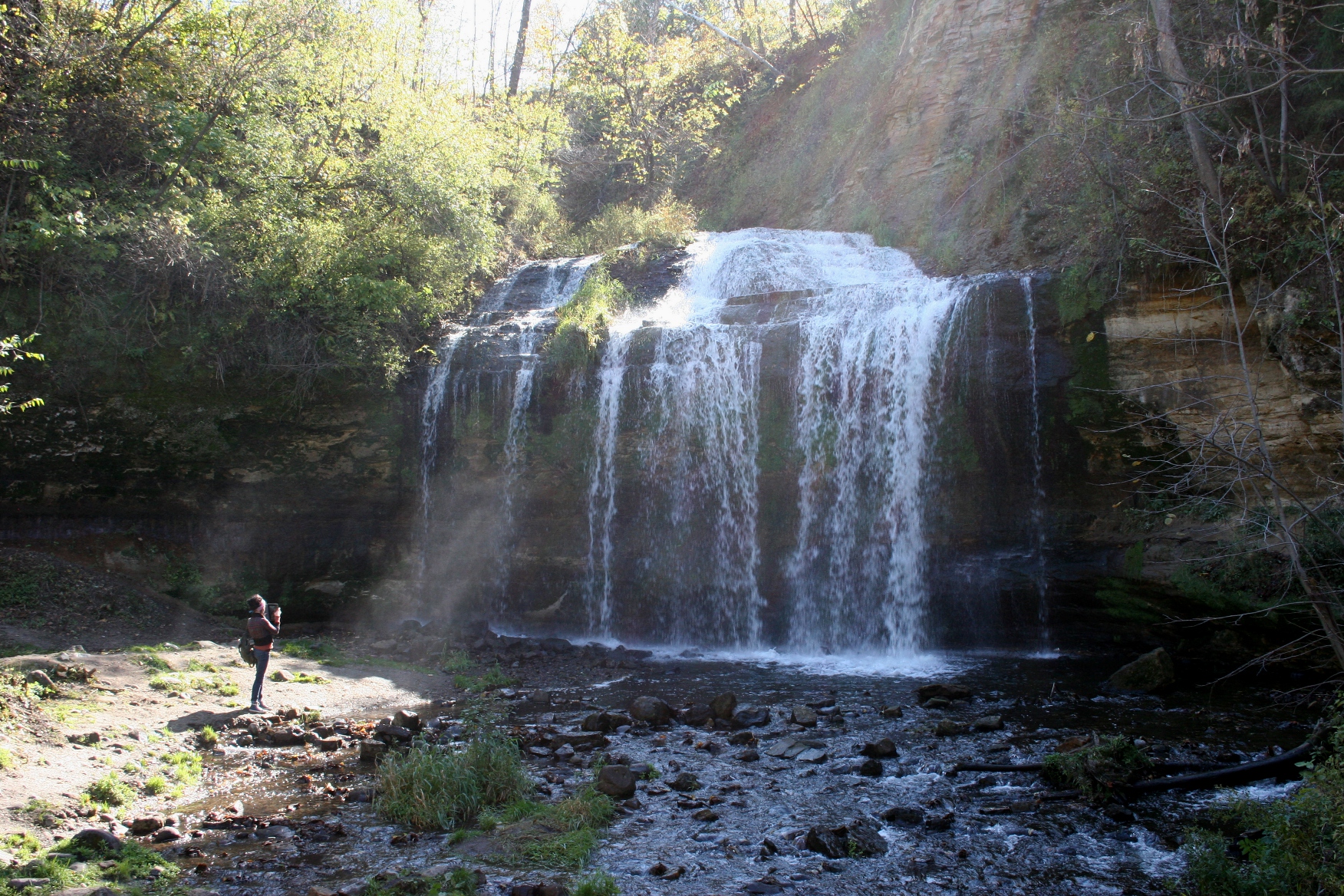
I ALMOST DIDN’T DESCEND the stairs to Cascade Falls in Osceola, an historic community of some 2,600 located along the St. Croix National Scenic Riverway in Polk County, Wisconsin, just an hour from the Twin Cities.

Many are drawn to the natural beauty of Cascade Falls in downtown Osceola.

Many are drawn to the natural beauty of Cascade Falls in downtown Osceola.

Peering over the edge at the labyrinth stairway to the falls, I hesitated. First, my fear of heights caused me to pause until I realized the stairs simply hugged the side of the Osceola Creek gorge. Then concern about ascending the 156 steps kicked in. In the end, down I went.

The falls through the trees.

The falls through the trees.

Sunlight peeked into portions of the gorge, highlighting the mist spraying from the falls.

Sunlight peeks into portions of the gorge, highlighting the mist spraying from the falls.

A shot of Osceola Creek, which rushes into the St. Croix River.

A shot of Osceola Creek, bordered by sunlit and shaded woods. The creek rushes into the St. Croix River.

Detailed autumn beauty on the path to the falls.

Detailed autumn beauty on the path to the falls.

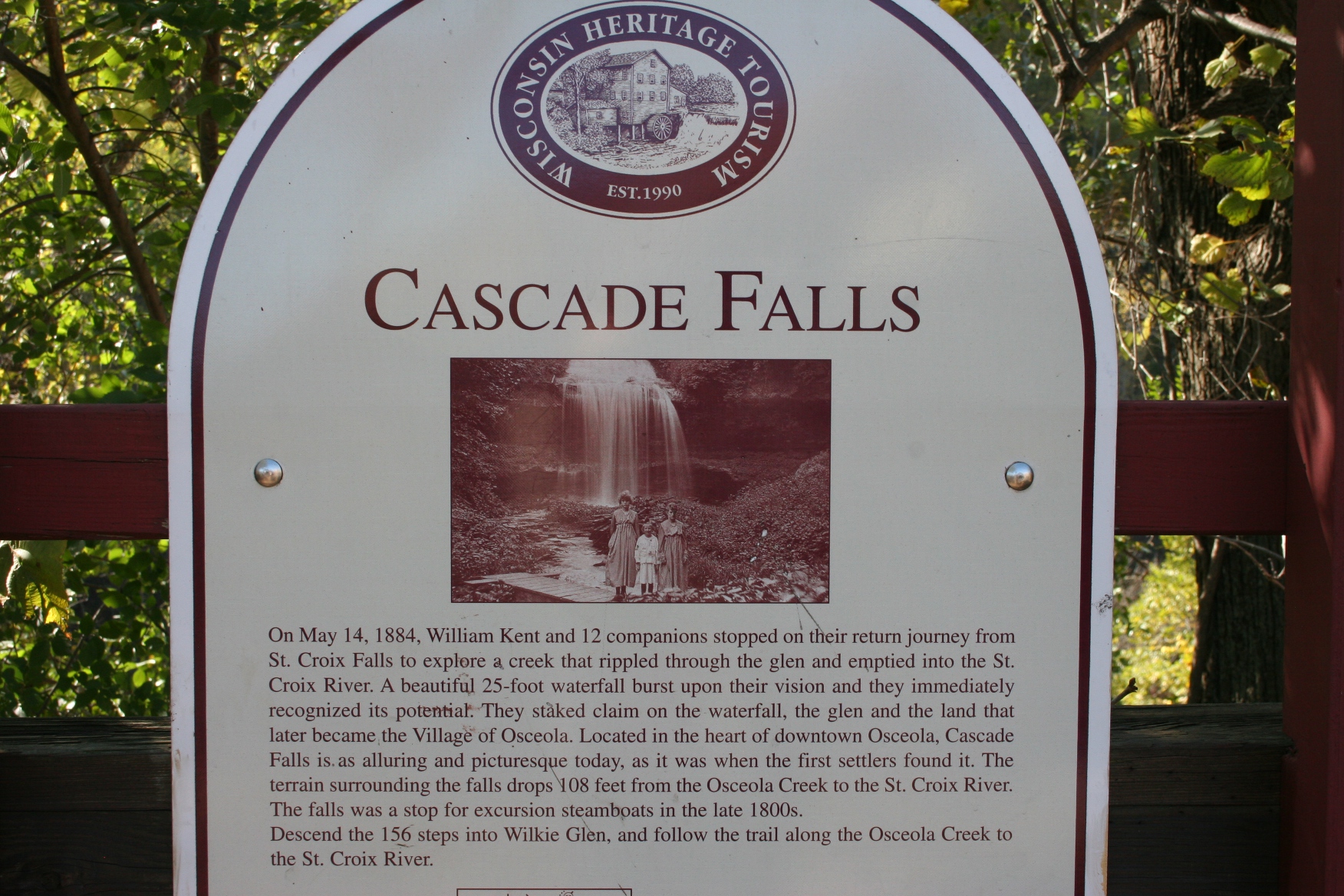
A little history of the falls.

A little history of the falls.

And it was worth the laborious climb back up to listen to the rush of water over rock, to stand mesmerized by the falls, to imagine the history this place holds of mill and brewery. The falls were the reason this river town was founded in 1844.

Downtown Osceola from near the falls. Route 35 runs right through the heart of this town.

Downtown Osceola from near the falls. Route 35 runs right through the heart of this community.

To find a waterfalls in the heart of a downtown, along a state highway (35) is a bit of a surprise. I expect if my husband and I had explored more of this downtown, which is on the National Register of Historic Places, we would have discovered more surprises.

A close-up of the Chief Osceola statue, a beautiful piece of art.

A close-up of the Chief Osceola statue, a beautiful work of art.

Especially impressive are the huge pots overflowing with flowers in the downtown.

Especially impressive are the huge pots overflowing with flowers.

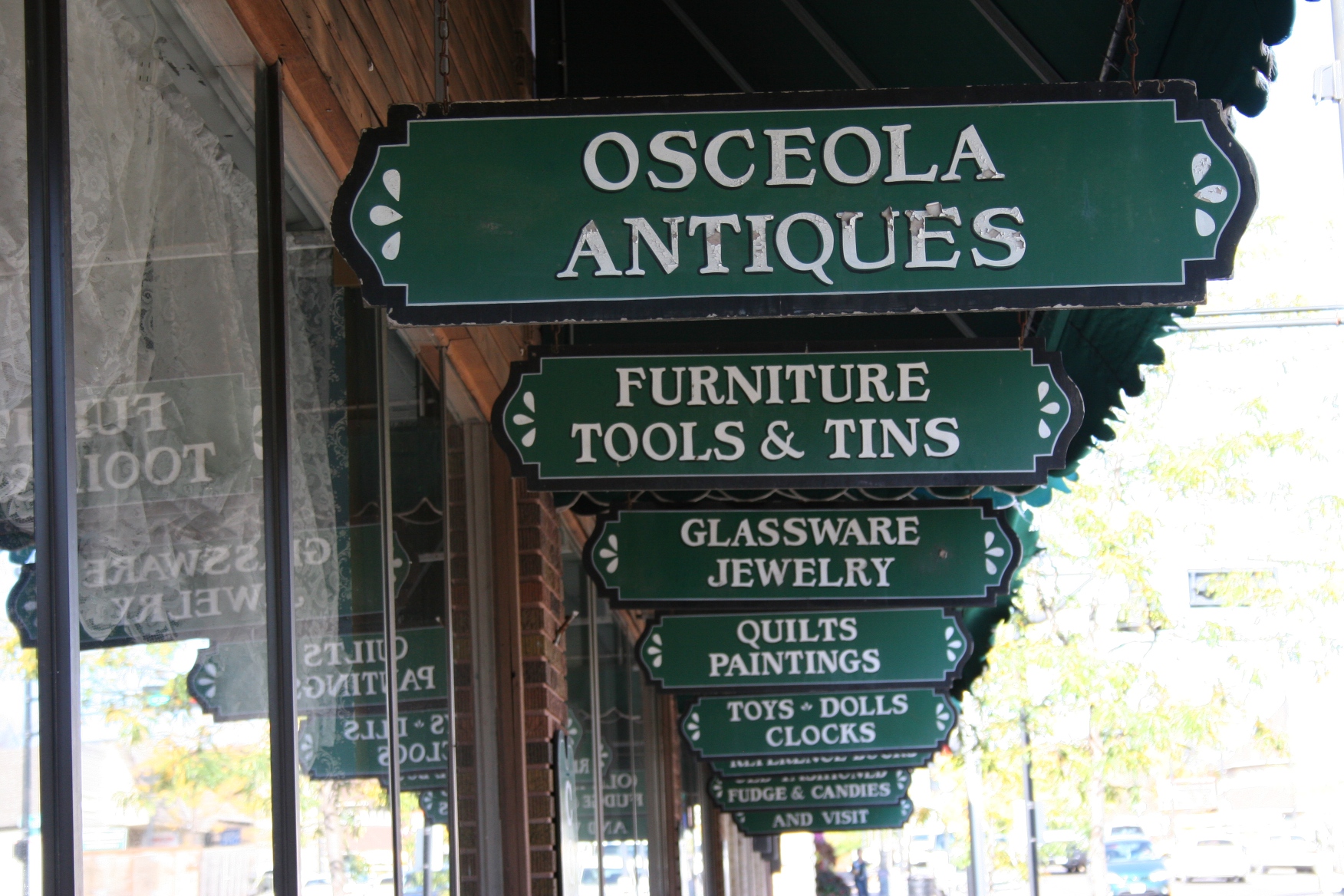
This attractive signage hangs outside Osceola Antiques, which bills itself as the largest antique mall in northwestern Wisconsin with 11,000 square feet.

This attractive signage hangs outside Osceola Antiques, which bills itself as the largest antique mall in northwestern Wisconsin with 11,000 square feet.

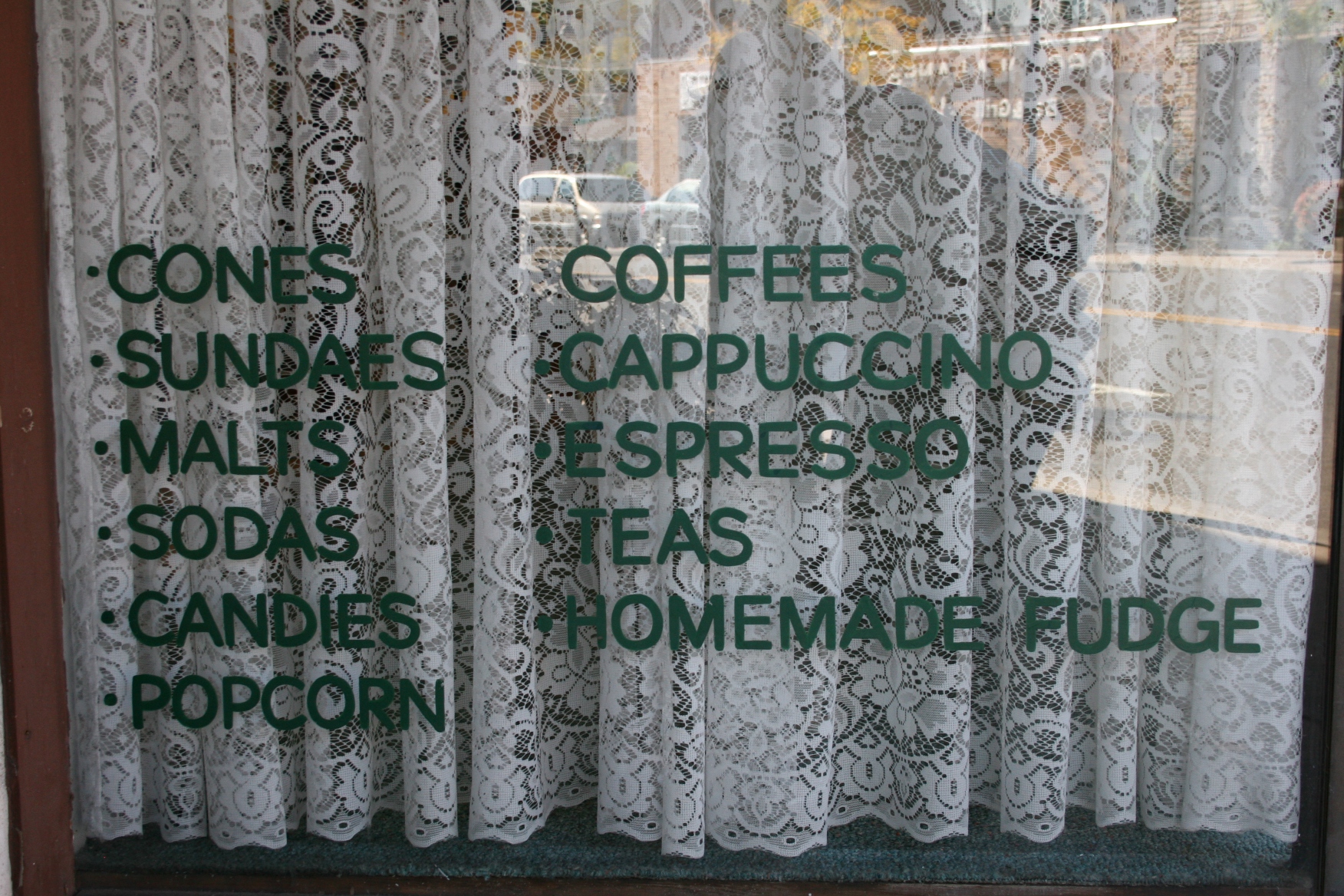
Osceola Antiques also includes a place to get coffee,espresso drinks, candy and ice cream.

Osceola Antiques also includes a place to get coffee, espresso drinks, candy and ice cream.

However, after delighting in the waterfall, photographing a folk art version of Seminole Chief Osceola after whom the town is named, and perusing the cavernous Osceola Antiques, we headed to the next river town.

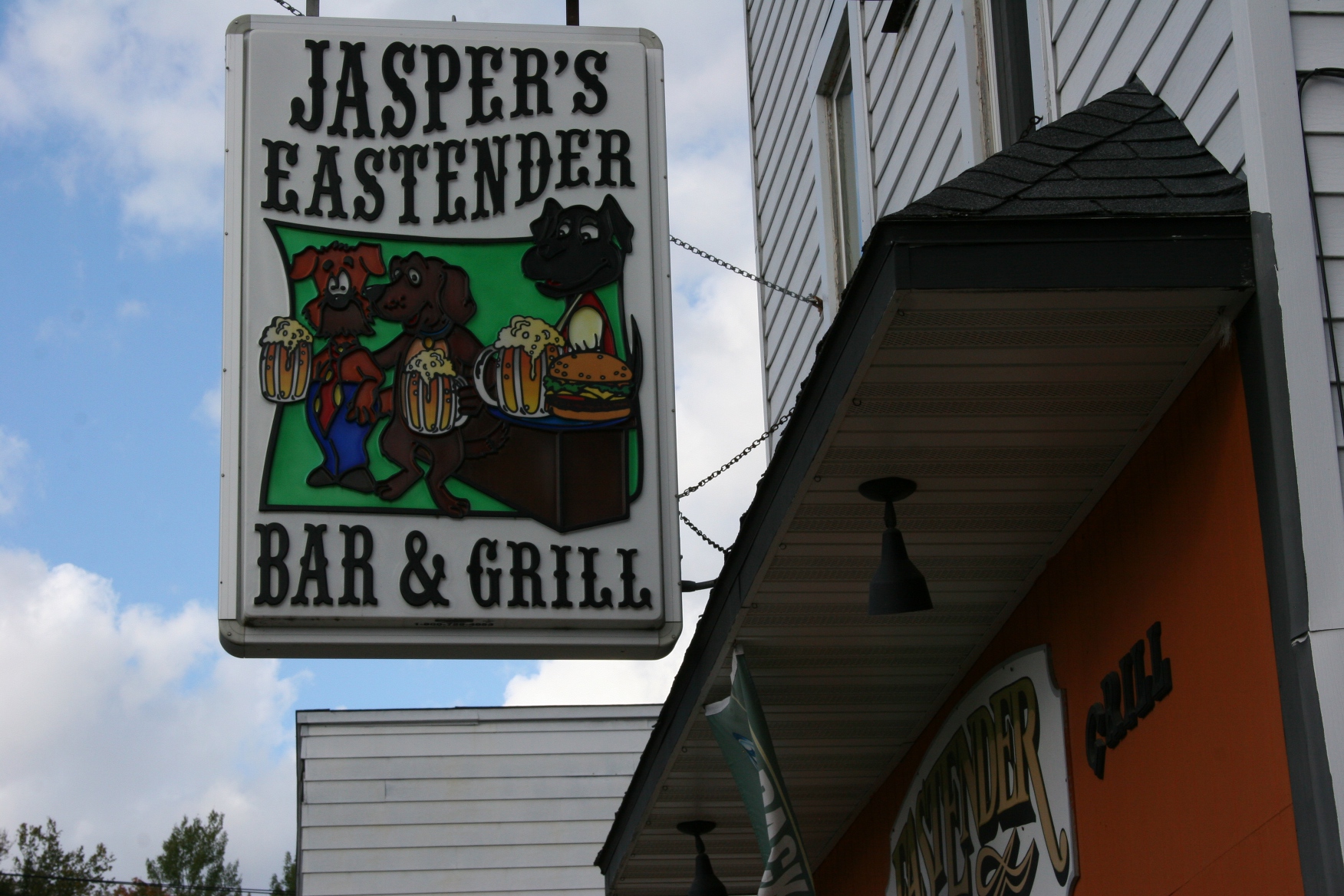
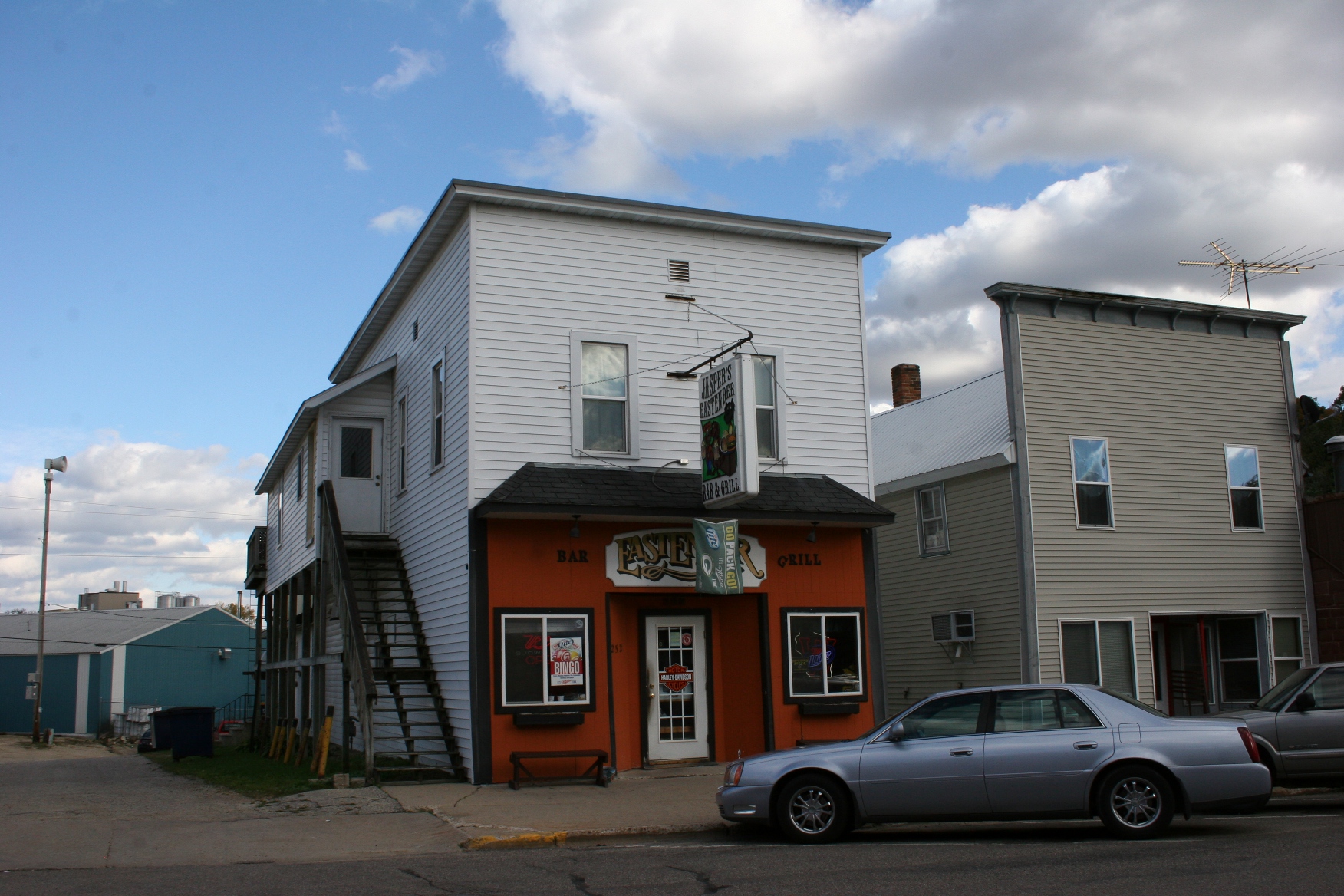
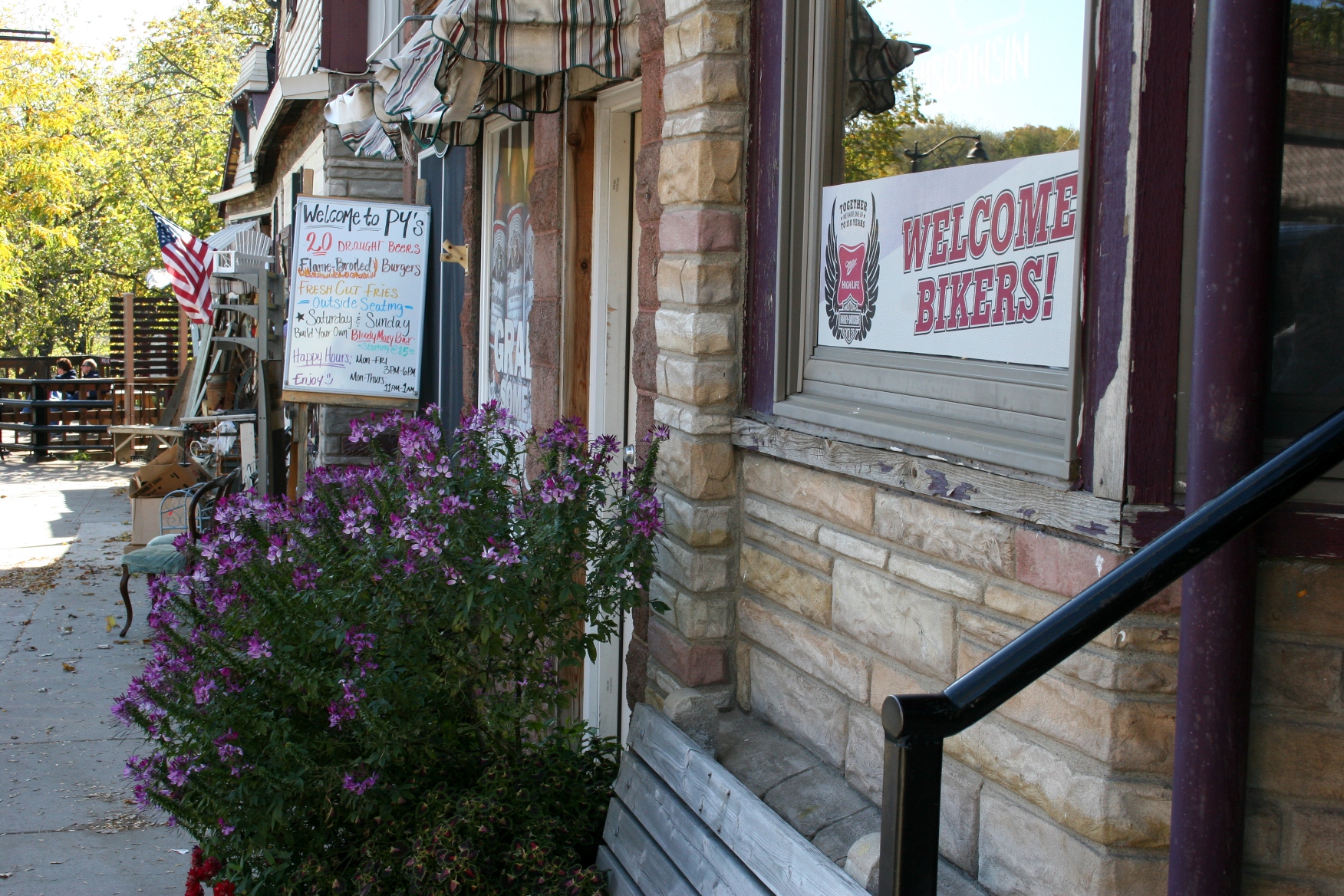
A local watering hole.

A local watering hole and eatery.

What now, I wonder, was our hurry on that Wednesday afternoon?

© Copyright 2014 Audrey Kletscher Helbling
 

My impressions of Marine on St. Croix October 27, 2014

Filed under: Uncategorized — Audrey Kletscher Helbling @ 6:00 AM
Tags: , , , , ,
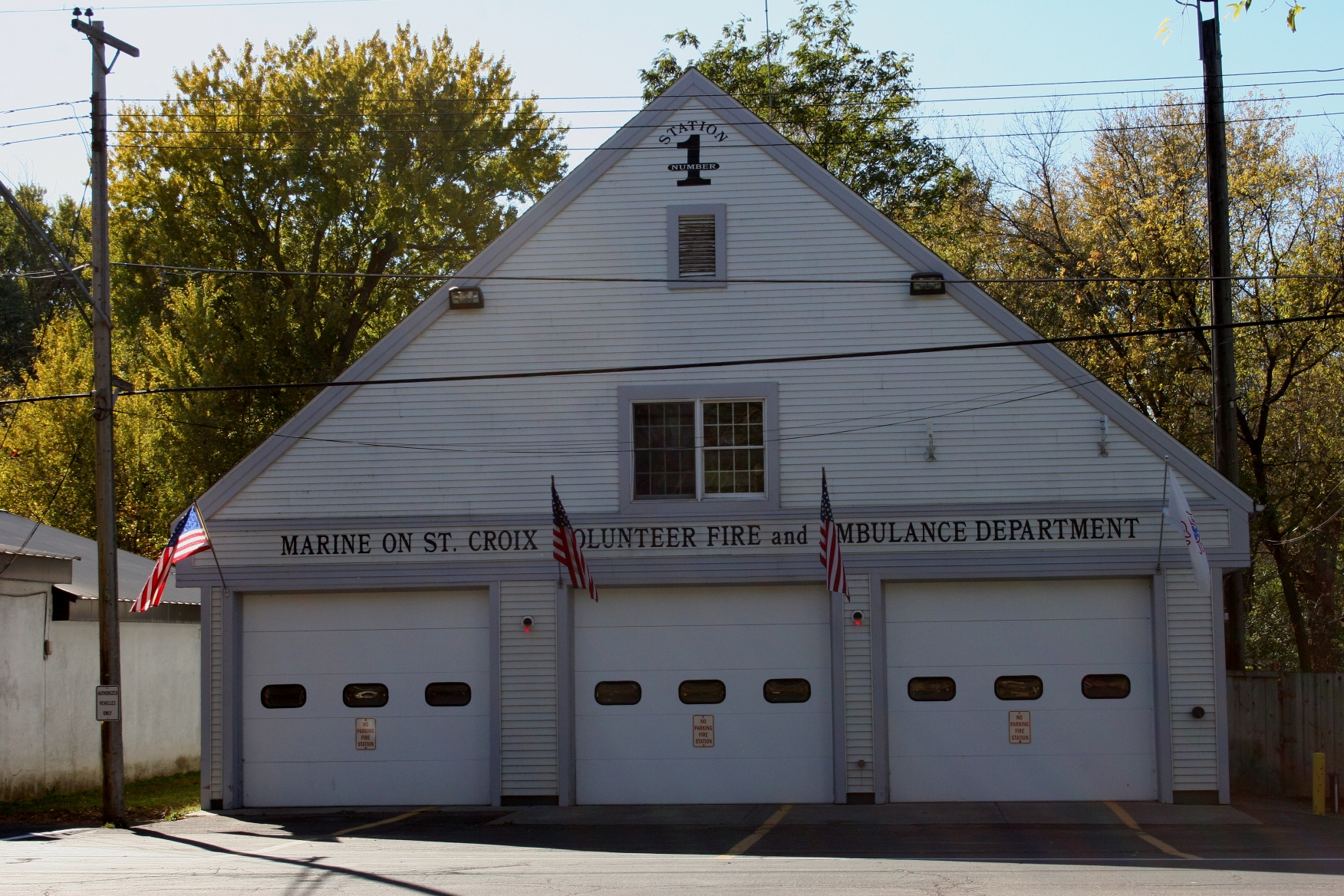
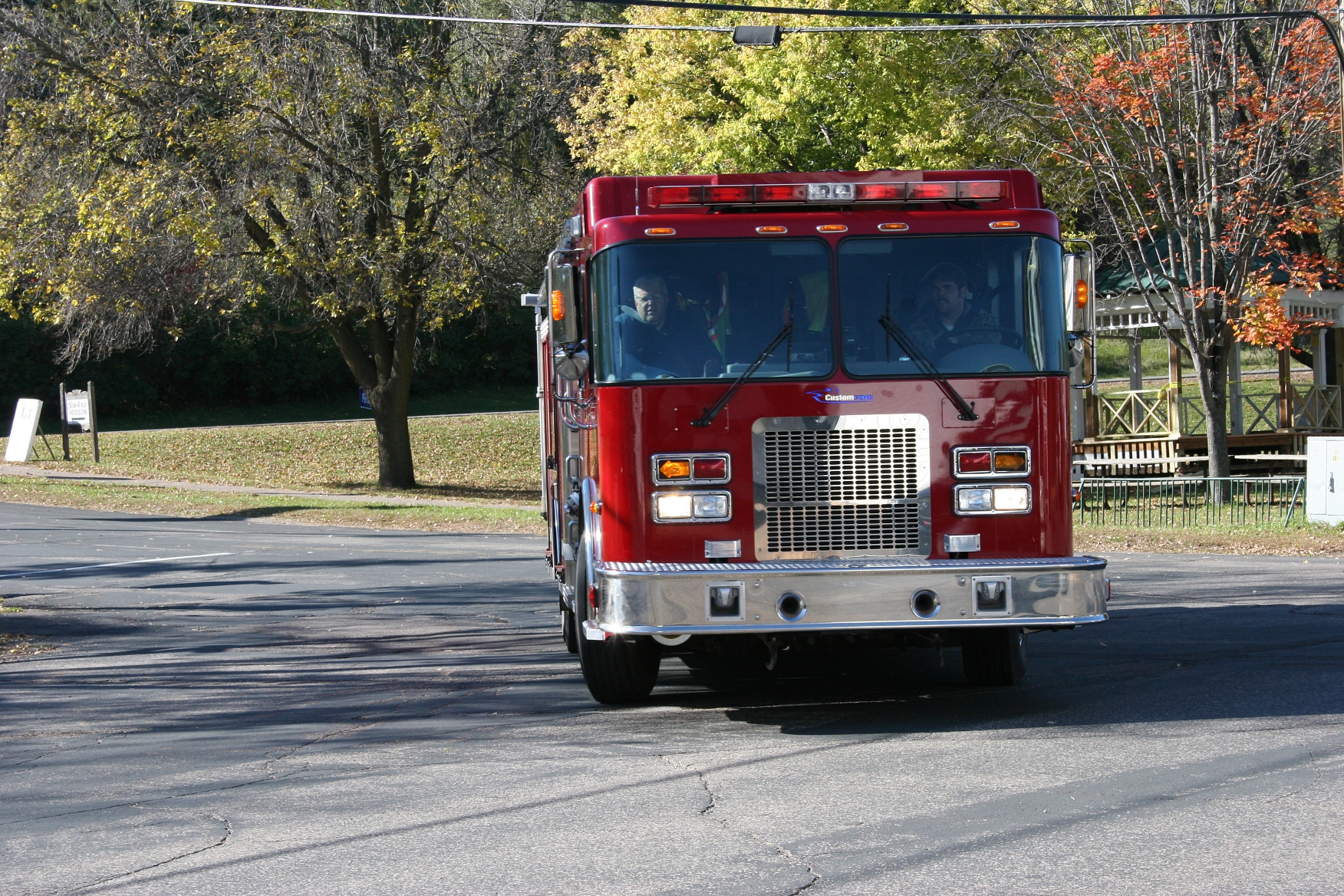
The volunteer fire department is housed in the heart of the downtown.

The volunteer fire department is housed in the heart of the one-block, give or take a little, downtown.

MARINE ON ST. CROIX. It sounds so poetic, those four linked words that name a village banking the St. Croix River.

And it is that in the sense of feeling like you could be perhaps in South Shaftsbury, Vermont—although I’ve never traveled there and have no idea if this Minnesota community is at all like Shaftsbury—where Robert Frost penned his most famous of poems, “Stopping By the Woods On A Snowy Evening.”

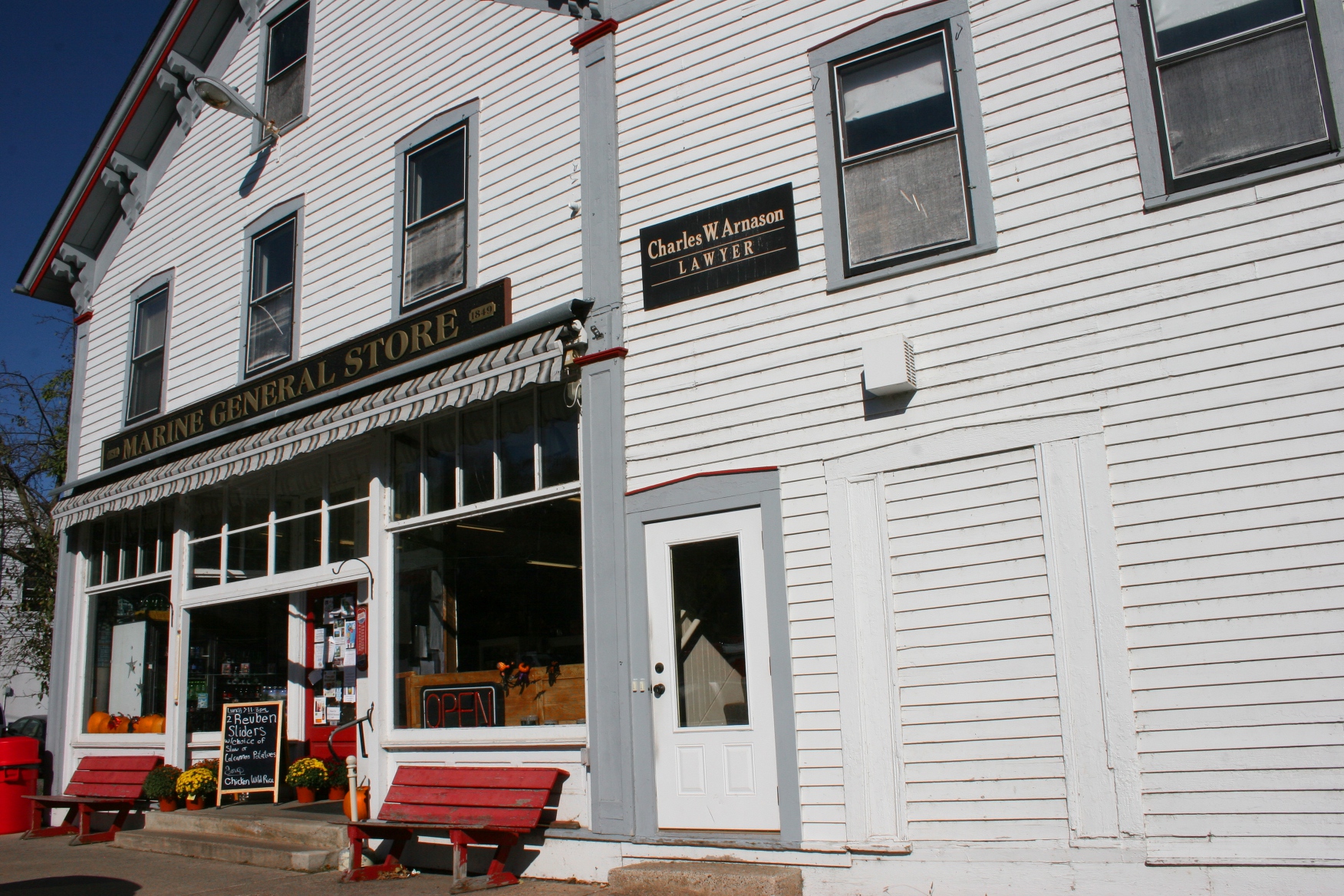
A quick snapshot shows the Village Hall to the right and the Marine General Store on the far left.

A quick snapshot shows the Village Hall to the right and the Marine General Store two doors down.

Marine on St. Croix presents history and nature mingled in a quaint New England type setting. Here the 1870 General Store and 1888 Village Hall still serve this community of 700, although I have no idea where all those residents live. Apparently not near the town’s business district. Perhaps across the roadway which, to the north, will take you to Taylors Falls and, to the south, to Stillwater.

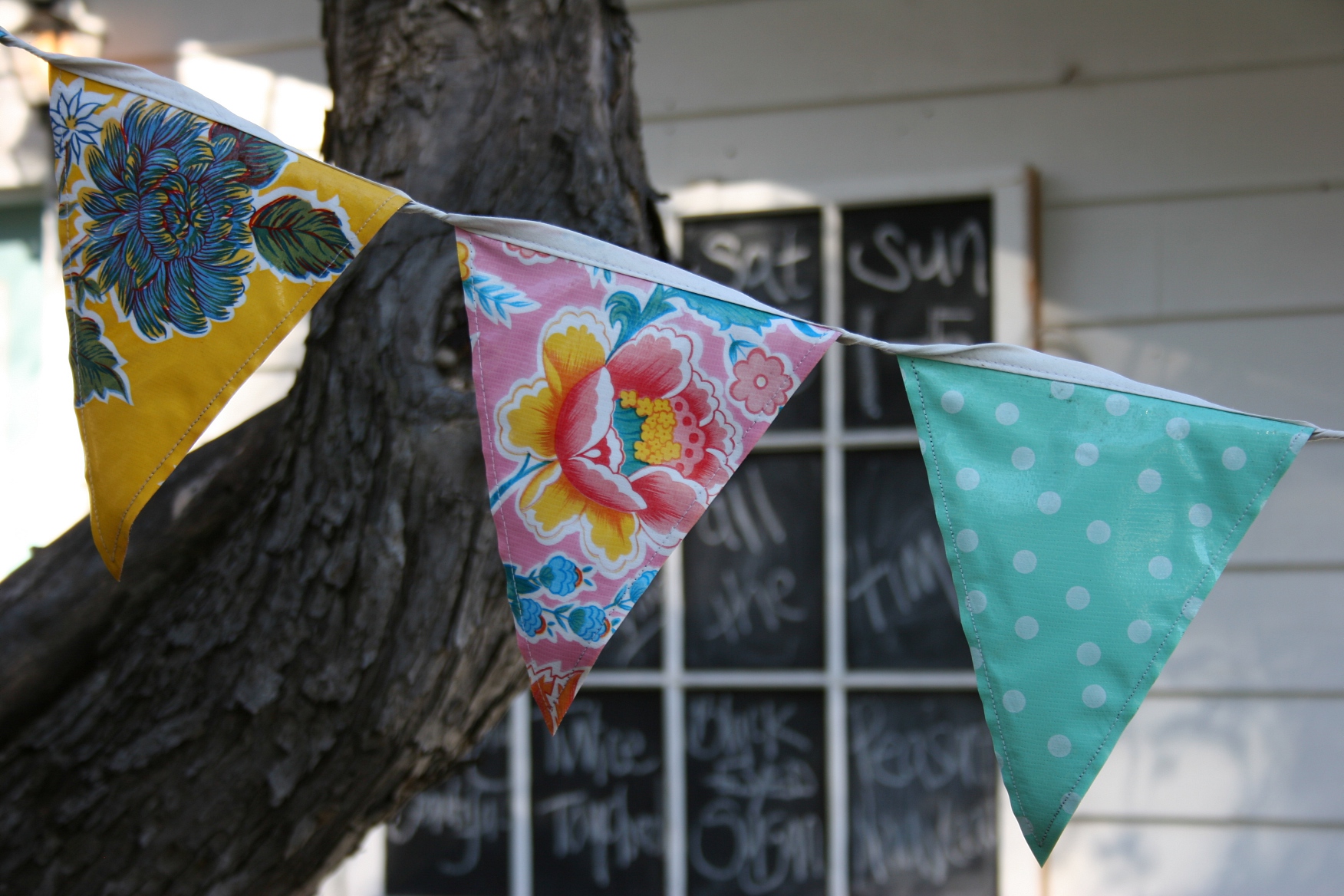
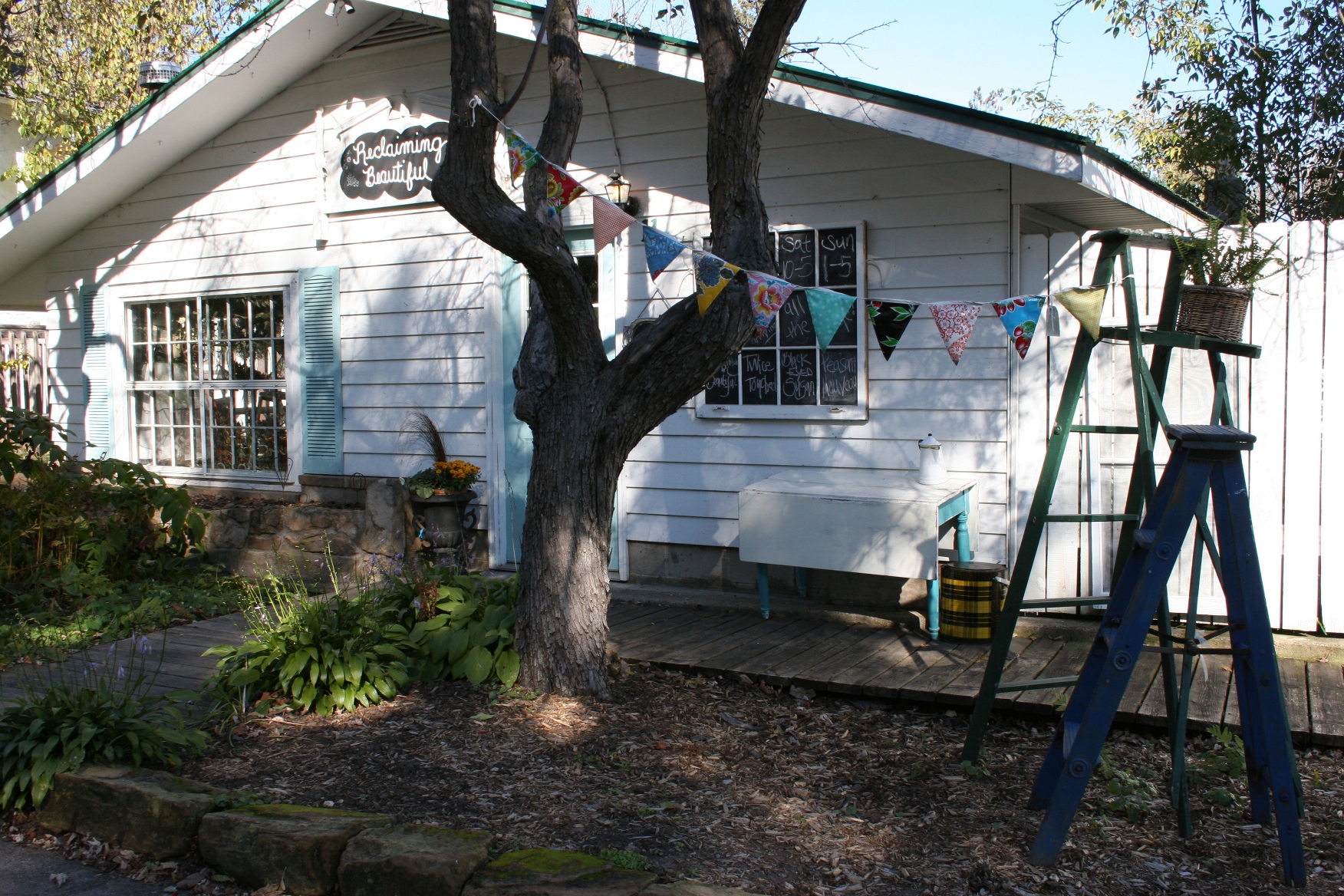
Fabric flags remind me of simpler times.

Fabric flags outside Reclaiming Beautiful remind me of simpler times.

This place has a timeless, poetic feel. Woods and river. Aged wood frame buildings. A history that stretches back to 1839 when this settlement was termed Marine Mills and served as home to the first commercial sawmill along the St. Croix River. That makes Marine on St. Croix 175 years old this year, founded 19 years before Minnesota became a state.

I can almost smell the scent of white pine which once forested this region, see logs bobbing in the St. Croix, hear the screech of saw against wood, domesticating trunks into lumber.

That aged General Store, which I didn't check out, but wish I had. Next time.

That aged General Store, which I didn’t check out, but wish I had. Next time.

Pausing at the General Store, I imagine deep dark coffee beans and yards of cotton calico and sticks of penny candy.

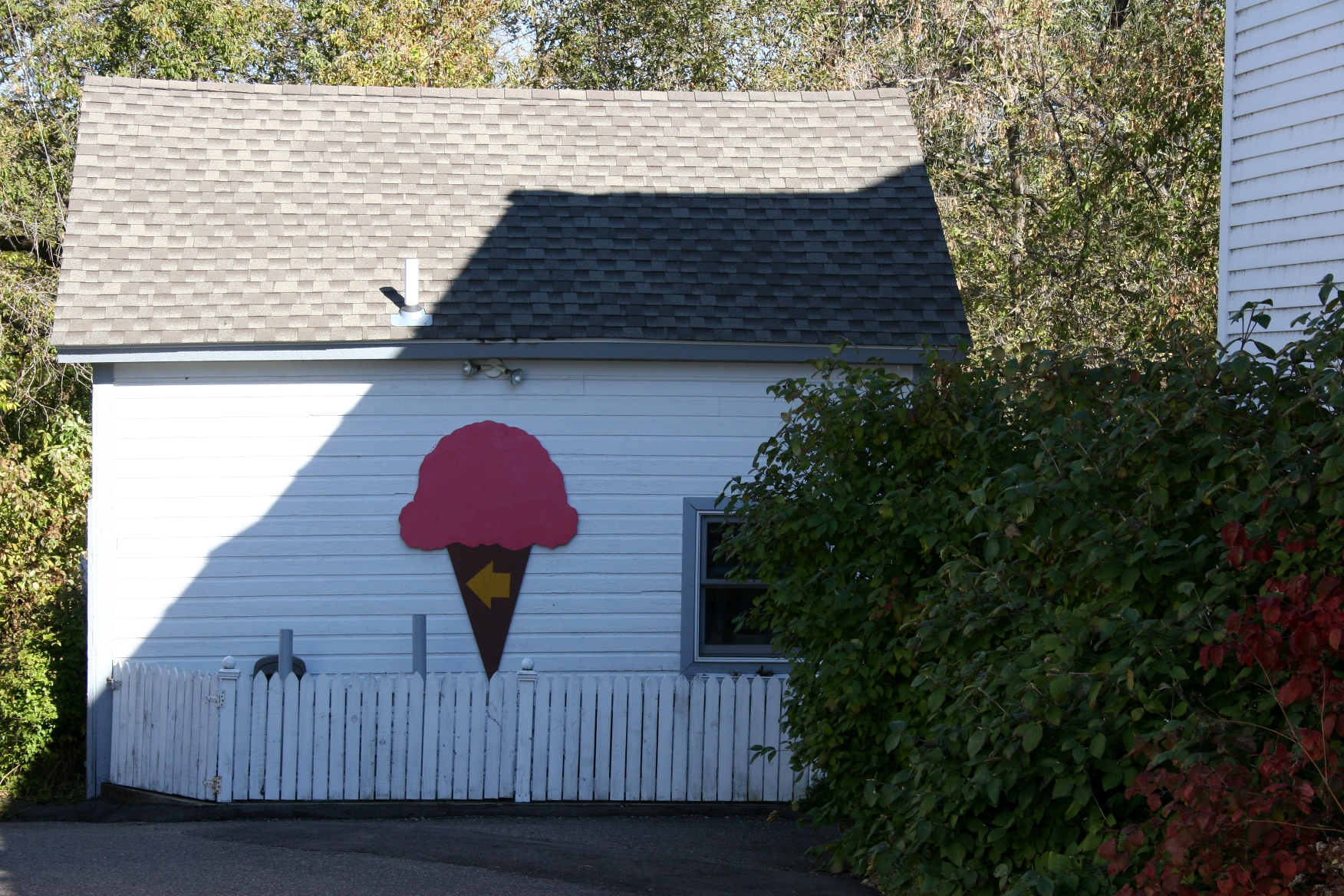
A sign points to ice cream, but...

A sign points to ice cream, but…

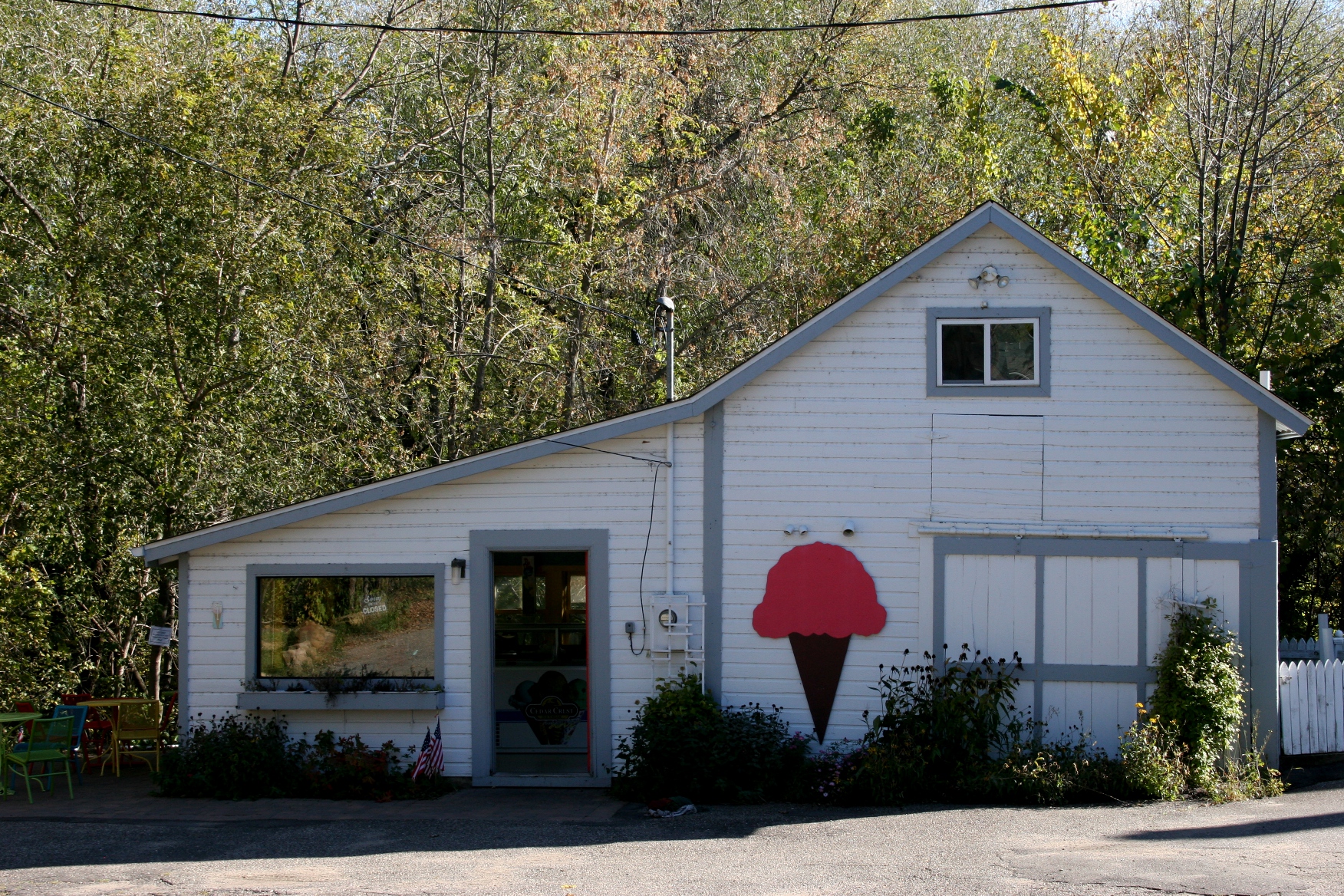
...the shop is closed for the season.

…the shop is closed for the season.

Marine on St. Croix clings to its past in a good sort of way that makes you want to stay longer, to linger and think poetic thoughts.

BONUS PHOTOS:

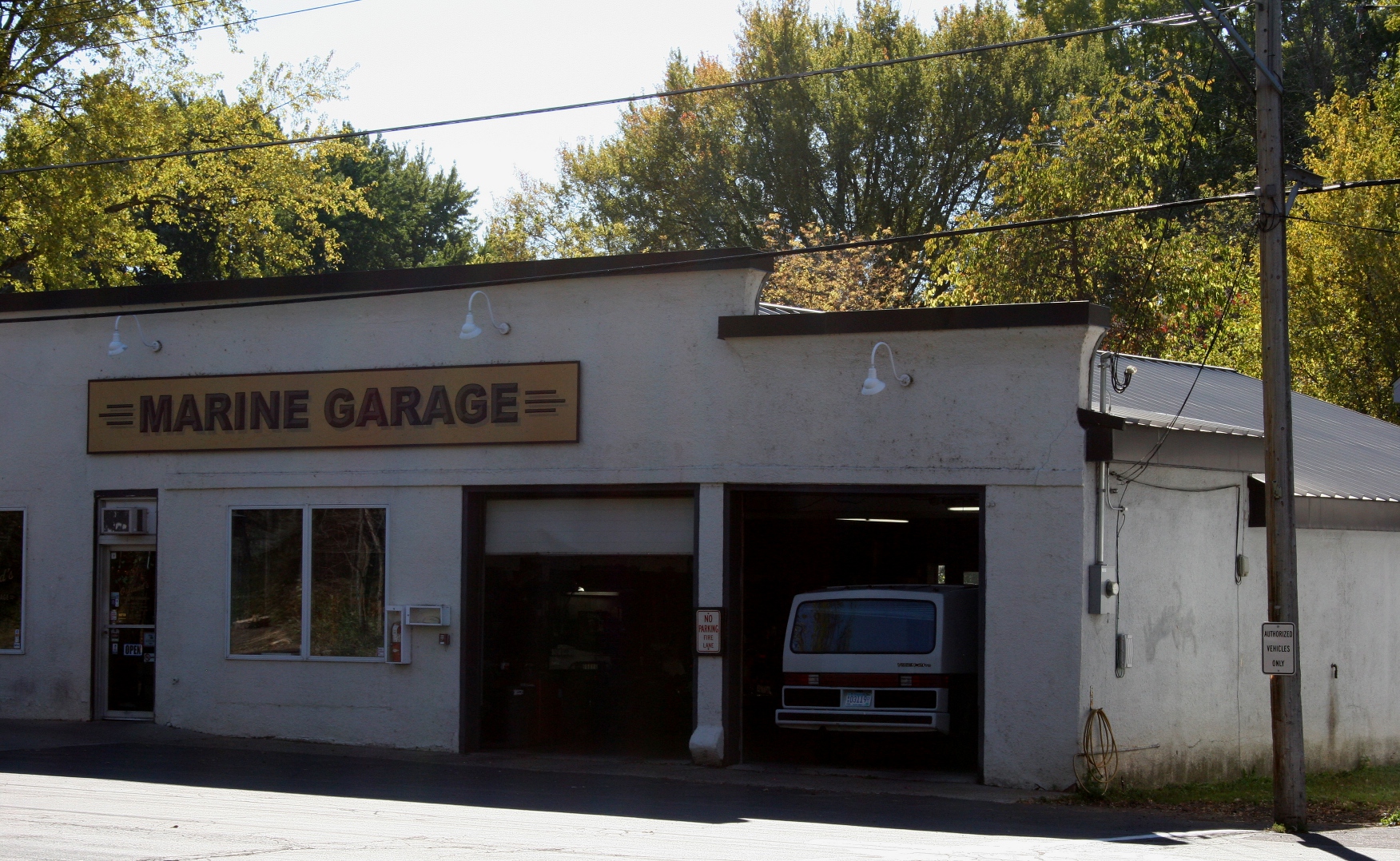
There's a garage in town.

There’s a garage in town.

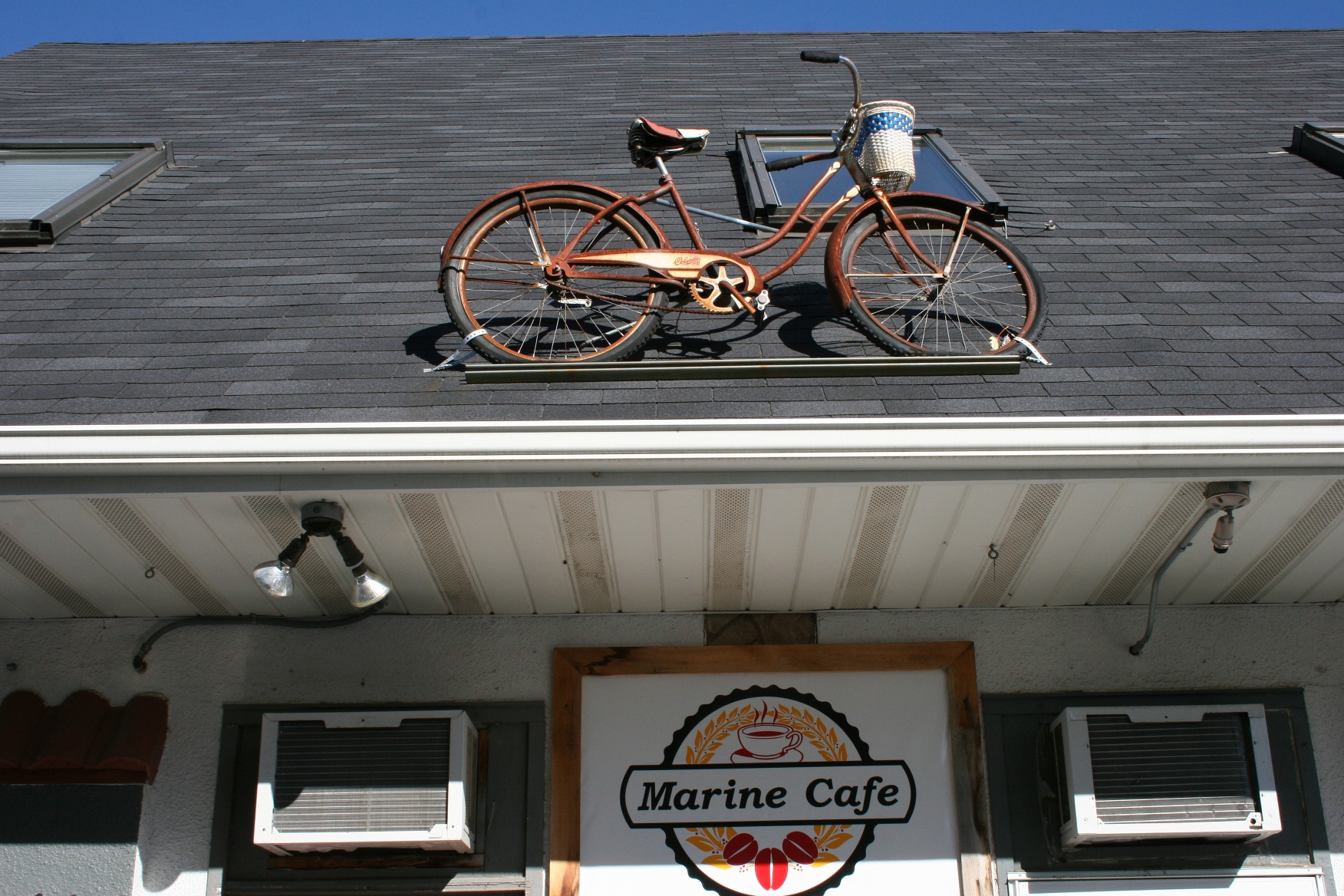
And a cafe with that curious bike marking it.

And a cafe with a bike, minus Toto, marking it.

Reclaiming Beautiful was closed on the day of my visit.

Reclaiming Beautiful was closed on the day of my visit.

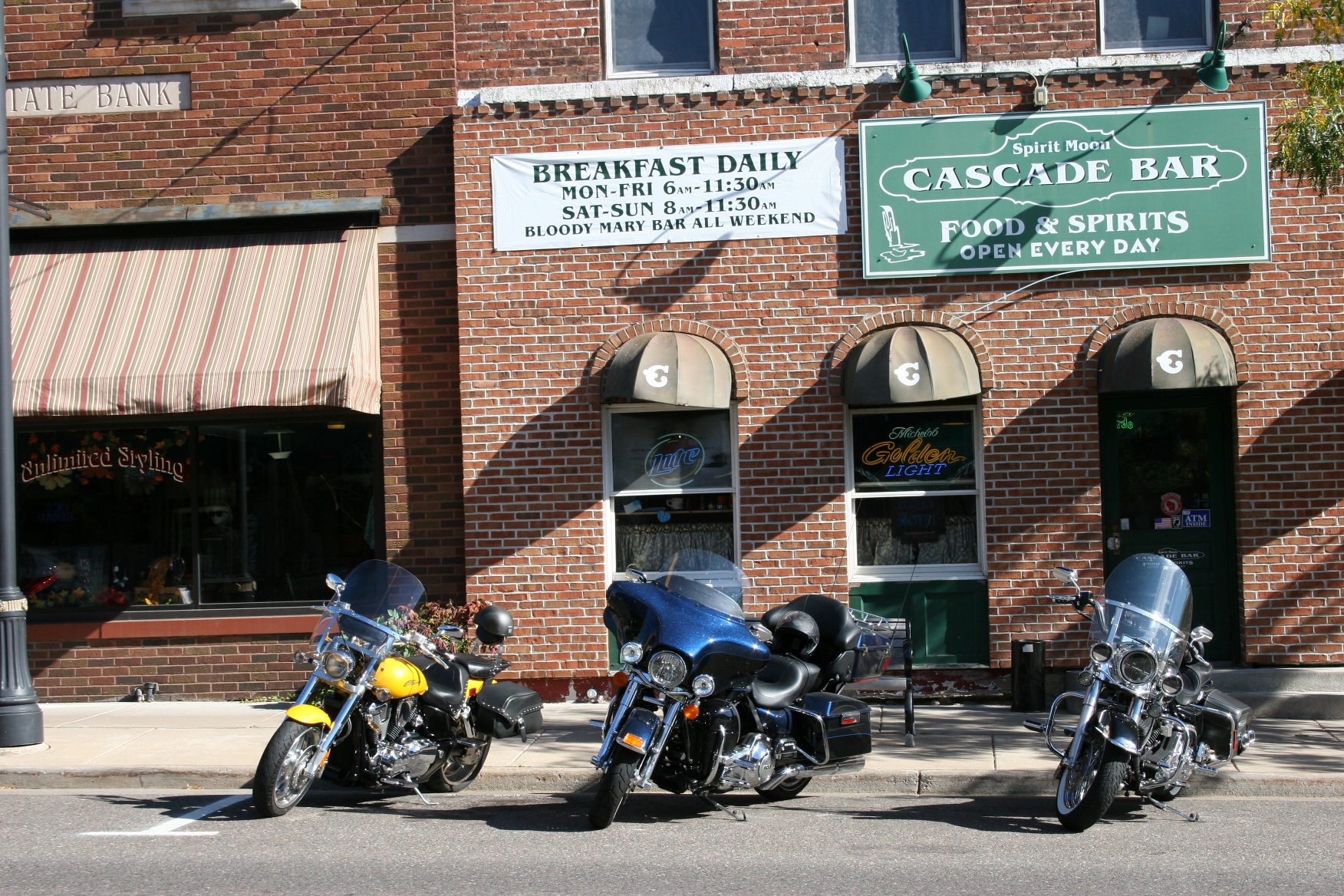
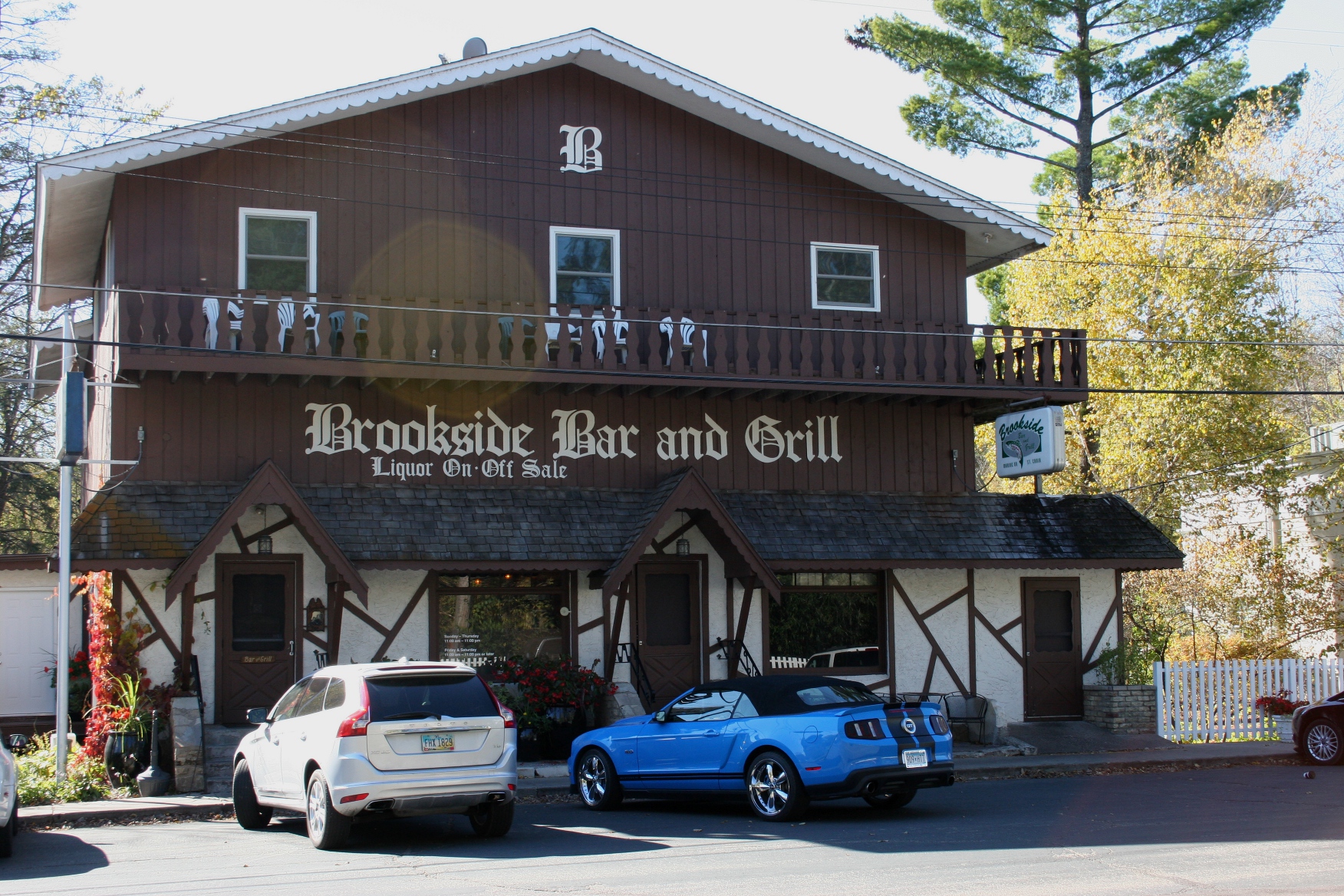
But the bar was open, although I did not check it out.

But the bar was open, although I did not check it out.

And the volunteer firemen were on duty.

And the volunteer firemen were on duty.

© Copyright 2014 Audrey Kletscher Helbling

 

Touring Franconia Sculpture Park, Part II October 23, 2014

Filed under: Uncategorized — Audrey Kletscher Helbling @ 6:00 AM
Tags: , , , , , , ,

IF YOU’RE LIKE ME and grew up in a rural area with minimal access to the arts, you appreciate every affordable opportunity to experience art as an adult. For that reason, I often showcase the arts here.

I want you to be aware of the wonderful arts opportunities right in your own Minnesota backyard. To you readers who live elsewhere, I expect you will find local or regional artistic venues unknown to you or unexplored by your for whatever reason.

A snippet overview of Franconia shows "The Harris Project" by Ohio artist Araan Schmidt in the foreground.

A snippet overview of Franconia shows “The Harris Project” by Ohio artist Araan Schmidt in the foreground.

That brings us back to the Franconia Sculpture Park which, since its founding in 1996, has supported 735 national and international artists. Impressive. It offers an artist residency program. And to think I’ve never explored this 25-acre park with 100-plus oversized sculptures southwest of Taylors Falls until a few weeks ago.

But then again I’ve never been to the Minneapolis Sculpture Garden either and that’s been around since 1988 and its even closer to my home than Franconia. I really must tour the Minneapolis park sometime. It’s my lack of fondness for urban traffic and urban areas that’s kept me away.

Minnesota artist Mary Johnson's "Lizard Lounge."

Minnesota artist Mary Johnson’s “Lizard Lounge.”

Give me rural any day, one of the reasons I appreciate Franconia so much. It’s located in Franconia Township, which nestles the St. Croix River. The park runs flat and open and stands next to farm fields.

With these hours, there's ample opportunity to tour Franconia.

With these hours, there’s ample opportunity to tour Franconia.

Yesterday I offered you a photo tour glimpse of Franconia, which is open dawn to dusk every day. Here’s one more peek at the art you’ll find there.

Donations are encouraged to support the park.

Donations are encouraged to support the park.

Admission is free, although donations are encouraged.

ONWARD, INTO THE TOUR:

It's interesting to study the light reflecting on these triangles. New York City artist Ryan W. Turley created this sculpture which he calls "Spectacle."

It’s interesting to study the light reflecting on these triangles. New York City artist Ryan W. Turley created this sculpture which he calls “Spectacle.”

There's something about the bend of this sculpture and its positioning that drew my eye.

There’s something about the bend of this sculpture and its positioning that drew my eye. And, yes, that’s a cornfield in the background.

There are a few, what one would consider, more traditional sculptures like this one.

There are a few, what one would consider, more traditional sculptures like this haunting one.

Art in progress.

Art in progress.

I couldn't figure out if this was art or the home of a resident artist or both.

I couldn’t figure out if this was art or the home of a resident artist or both.

Maryland artist James R. Long calls his sculpture "Vessel with Orbs." To me it looks like BINGO balls minus the numbers and letters.

Maryland artist James R. Long calls his sculpture “Vessel with Orbs.” To me it looks like BINGO balls minus the numbers and letters.

I really liked this sculpture

My impression of this sculpture: escape.

CLICK HERE TO READ my first post about Franconia Sculpture Park.

© Copyright 2014 Audrey Kletscher Helbling
 

Exploring the Minnesota side of Interstate Park October 17, 2014

Filed under: Uncategorized — Audrey Kletscher Helbling @ 6:00 AM
Tags: , , , , , ,
Westbound from Wisconsin and about to cross the St. Croix River into Taylors Falls, Minnesota. Interstate Park is just over the bridge to the left.

Westbound from Wisconsin and about to cross the St. Croix River into Taylors Falls, Minnesota. Interstate Park is just over the bridge to the left.

PUBLISHED IN 1953 in the anthology Minnesota Skyline, the poem “Taylors Falls” by Pearl Nearpass opens with these lines:

Climb higher and higher in the Dalles of the St. Croix
Until you look over the jutting cliffs
Of echoing beauty, the great eternal mounting
For a village linked and timed with history.

From the Wisconsin side, you

From the Wisconsin side of Interstate Park, you can see Minnesota’s Interstate Park to the right of the St. Croix.

History seems chiseled in stone here, rock carved away by forces of nature to reveal the magnificent St. Croix River gorge that divides Minnesota and Wisconsin.

You can glimpse the St. Croix River through the trees.

You can glimpse the St. Croix River through the trees.

Everywhere walls of rock dominate.

Everywhere walls of rock dominate.

Stunning views of the gorge prevail.

Stunning views of the gorge prevail.

Interstate Park, a duo state park just outside Taylors Falls, Minnesota, and St. Croix Falls, Wisconsin, offers spectacular views of the Dalles of the St. Croix. Towering cliffs of solid rock. Jutting pine trees. River running wild.

Rocks pock the ground in both parks.

Rocks pock the ground in both parks.

Visit both, even though the Wisconsin park ranger suggested if my husband and I had to choose one, we choose hiking the Wisconsin side as it offers more trails. Maybe so. But the experience in each differs. We found the two trails we hiked in our neighboring state to be much more rugged than those in Minnesota.

The path through Devil's Parlor.

The path through Devil’s Parlor.

And an explanation of Devil's Parlor.

And an explanation of Devil’s Parlor.

Railings are welcome along rocky walls.

Railings are welcome along rocky walls.

In Minnesota’s park, railings and asphalt and planked walkways are more accommodating to those who prefer an easier perusal of the land. After following a short, rugged path to view the steep-sided river gorge, we followed a trail that led us down steps and into Devil’s Parlor and The Bake Oven, areas of rock carved away by water.

Nature's peephole with the Taylor Falls Princess awaiting passengers in the river below.

Nature’s peephole with the Taylor Falls Princess awaiting passengers in the river below.

Down the river just a bit, the Taylors Falls Queen was docked, too.

Down the river just a bit, the Taylors Falls Queen was docked, too.

The Minnesota side of the park also serves as the launch site for river cruises, a popular activity on the day we visited. One can only imagine the steamboats that once docked along this river.

Somehow trees grow seemingly right out of the rock.

Somehow trees grow seemingly right out of the rock.

Continues Pearl:

No longer the blasting charges
Drown the voices of loggers and waters.
But lonely and majestic moves the breeze
Above the pot-holes and the Devil’s Chair
Of a village albumed in history.

FYI: To read my post about the Wisconsin side of Interstate Park, click here.

(Poetry excerpts from Minnesota Skyline, Anthology of Poems About Minnesota, published in 1953 by The Lund Press, Inc. and a gift from my eldest daughter.)