Minnesota Prairie Roots

Writing and photography by Audrey Kletscher Helbling

Traveling photo shoots March 26, 2011

BOY, WAS I HAPPY to meet photographer Loretta M. Verbout of Rochester during an opening night gallery reception recently at the Paradise Center for the Arts in downtown Faribault. She is among three photographers and a painter currently exhibiting at the center.

Although I enjoyed all of the art, I was particularly drawn to Loretta’s photos because she photographs the same types of subjects I like photographing. Flowers. Rural scenes. Everyday objects. Her images have a certain down-home quality that appeals to me.

I was especially drawn to her photo of a country church barely visible behind a field of ripened corn. I wanted to know more about the church and where it was located. I enjoy discovering rural churches, then photographing them.

“It’s somewhere between Dubuque and the Minnesota border,” Loretta said.

Then Loretta explained that she shot the image through the passenger window of a moving vehicle.

I didn’t expect that answer.
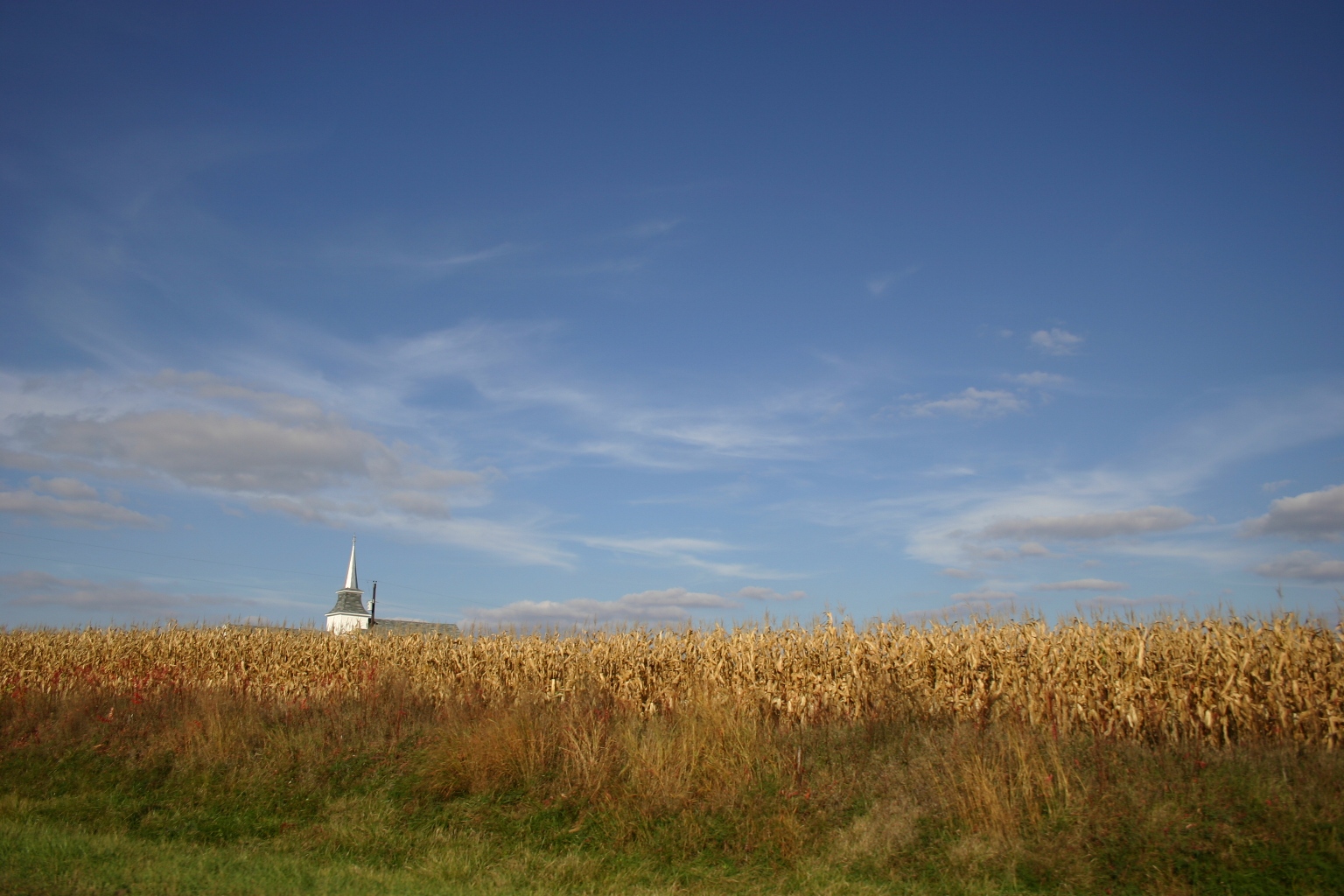
 

Loretta shot this rural church scene while driving roads along the Mississippi River somewhere between Dubuque, Iowa, and the Minnesota border. It's in her gallery exhibit at The Paradise.

Instantly, I bonded with this photographer. I do the exact same thing—set my EOS 20D SLR digital Canon camera on a fast shutter speed and click, click, click while traveling. Loretta also uses mainly Canons.

I called my husband over. He needed to hear this, to confirm that I’m not the only crazy photographer who shoots while riding shotgun.

But apparently I’m not to Loretta’s level of commitment yet. She’s worn out the motor on her vehicle’s automatic window. Typically, I shoot through the window given I don’t want to risk dust filtering into my camera and landing on my sensor, plus sometimes the weather is just too cold for an open car window.

Here are two more drive-by images from Loretta’s Mississippi River road drive:
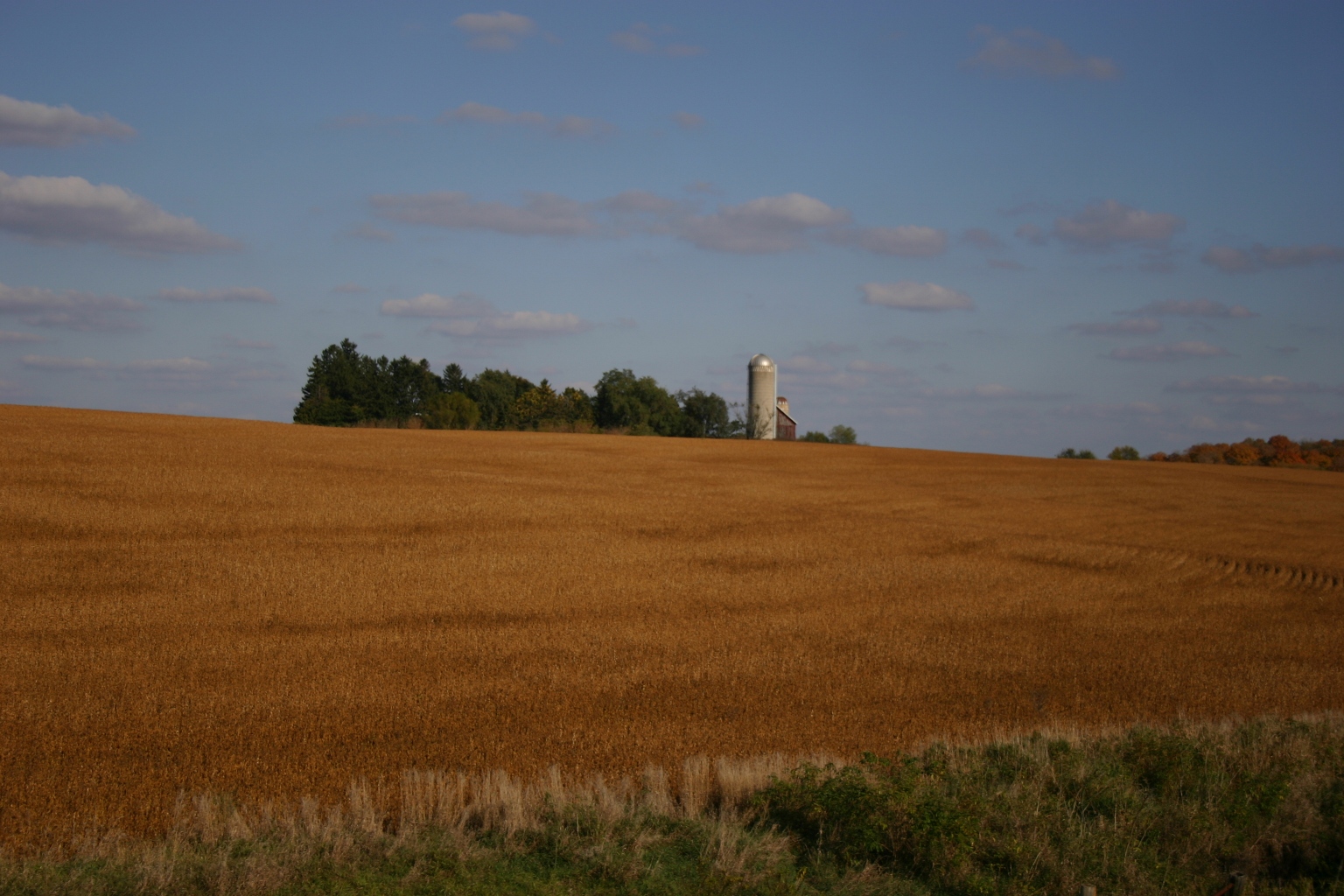
FYI: Loretta’s gallery show, “The beauty in everyday things,” and exhibits by photographers Laura Schenck of Northfield and Catherine Michele Adams of St. Paul will run through April 23 at the Paradise’s Carlander Family Gallery, 321 Central Avenue, in downtown Faribault. Minneapolis artisit Lauren S. Strom’s paintings are also on display in the Lois Vranesh Boardroom Gallery. Paradise hours are 10 a.m. – 5 p.m. Tuesday – Friday and from noon to 5 p.m. on Saturday.

CHECK BACK for a trio of on-the-road farm place photos I shot recently while traveling through southwestern Minnesota.

© Copyright 2011 Audrey Kletscher Helbling


A sweet treasure in downtown Lamberton March 9, 2011

DRIVE INTO ANY SMALL TOWN, U.S.A., and you’ll likely discover a treasure that the locals take for granted.

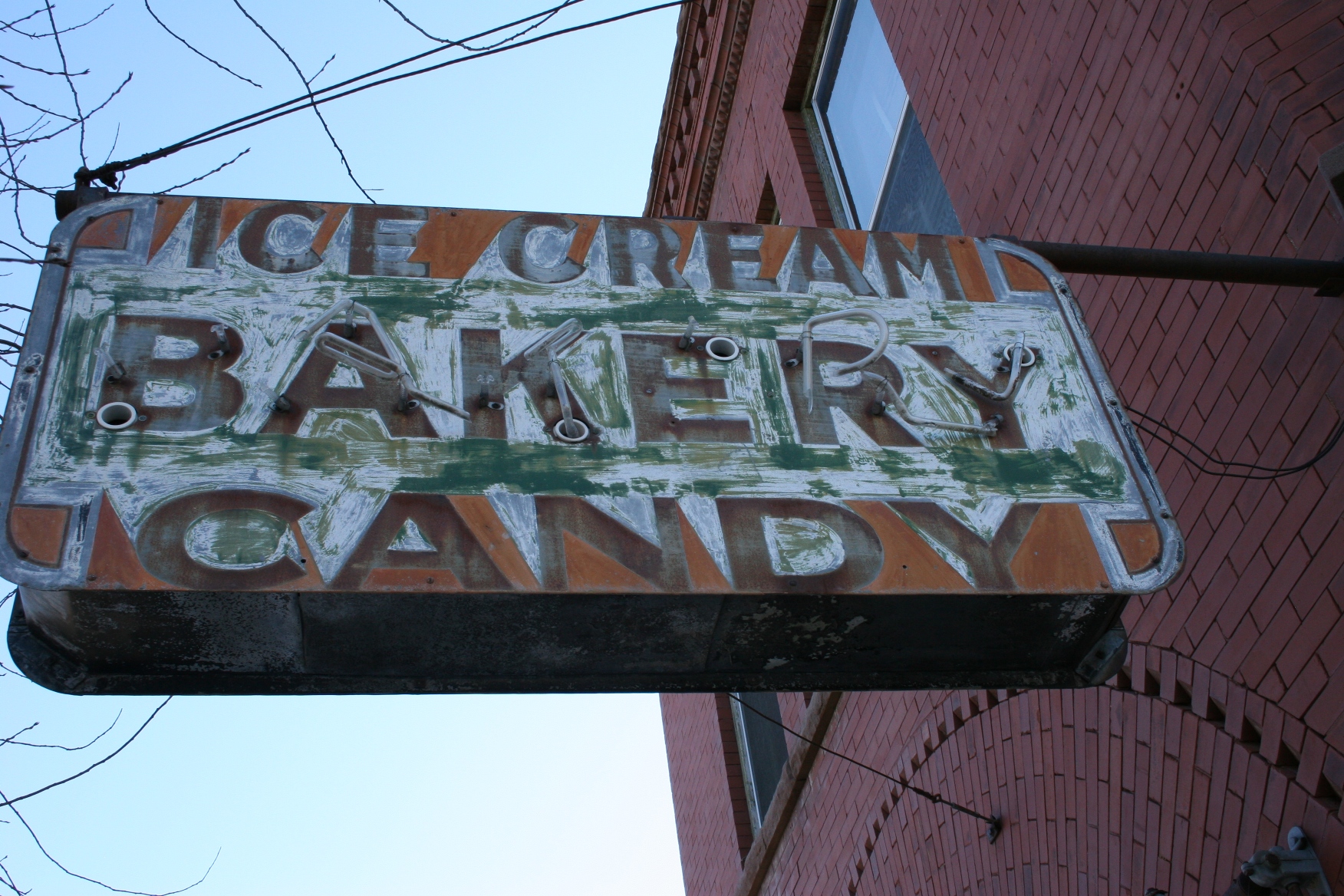
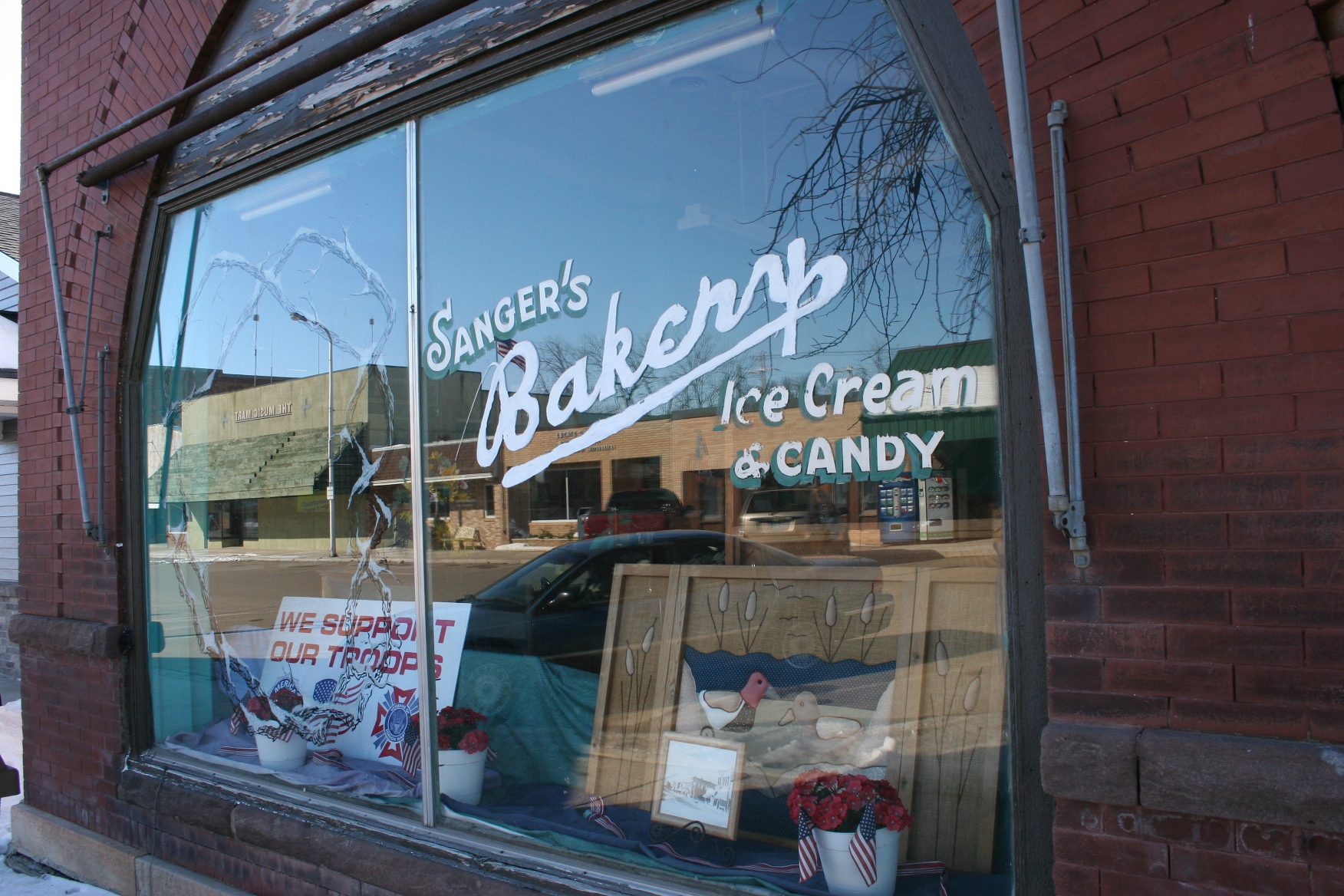
For instance, in Lamberton, Minnesota, I recently spotted a vintage sign on a beautiful brick building along the town’s main drag. I didn’t have much time to investigate as the guys in the car were anxious to keep moving. But we stopped long enough for me to snap a few photos and peer through the front window and door of Sanger’s Bakery.


This sign, suspended from Sanger's Bakery, first drew me to the building.

Inside, time stood still. An old 7-UP clock hung on the wall behind empty glass bakery cases fronted by one vintage stool (that I could see). Boxes of candy sat on the counter. I almost expected the baker aka ice cream and candy seller to walk into view, open the door and let me inside.

That, of course, was wishful thinking.

The bakery is closed, although men gather here in the morning for coffee, I’m told. You won’t find doughnuts or cinnamon rolls or loaves of freshly-baked bread, just coffee and conversation at the coffee klatsch.

Now, if I had discretionary cash, I’d buy this place, spiff it up a bit, but not too much to ruin its charming character, and reopen the combination bakery, ice cream parlor and candy store.

I could see the possibilities in that weathered sign, in the stunning brick building and in that single, empty stool.


The bakery's front window.

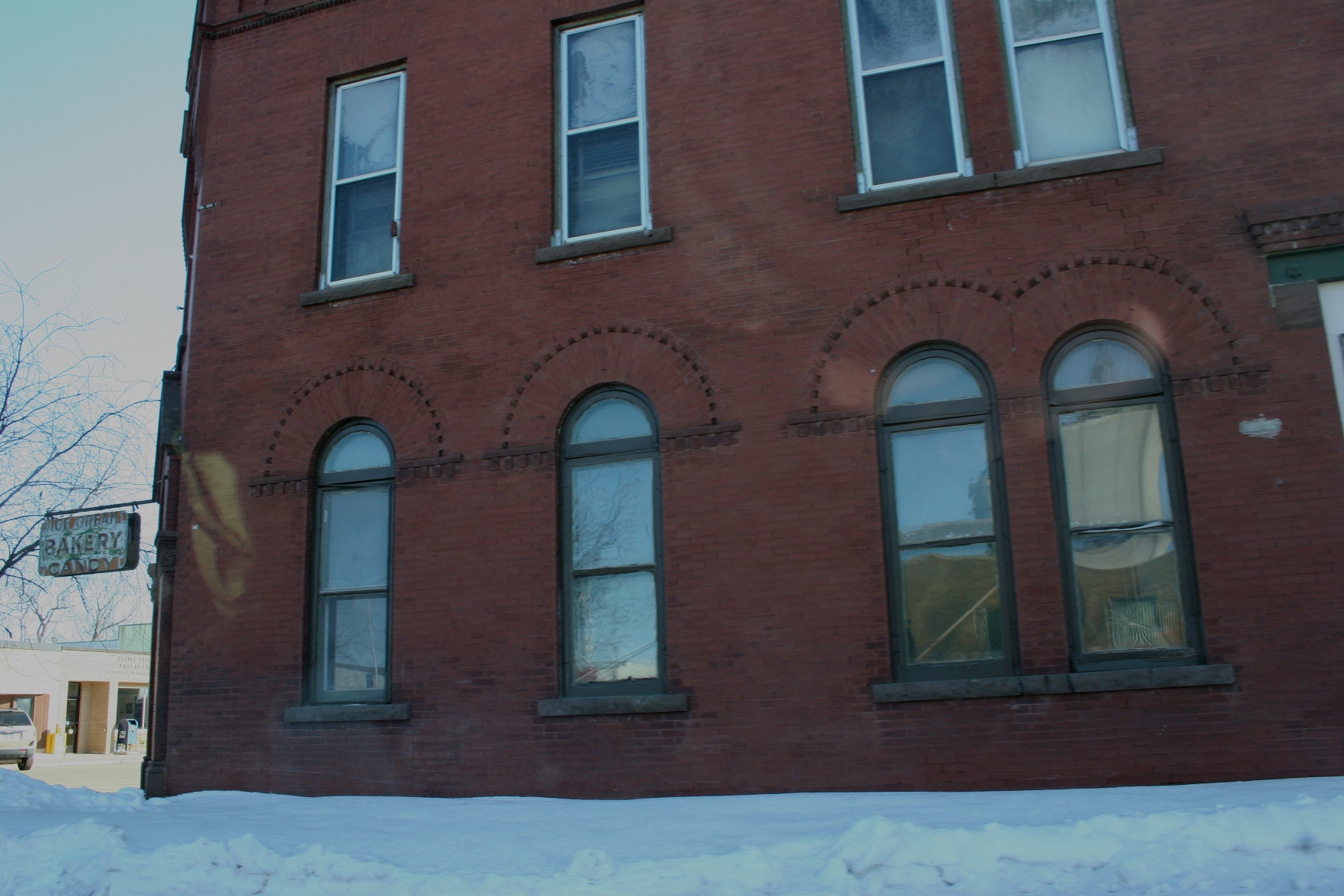
The bakery sits on a corner. I took this building side view through the closed window of the car, after we had driven around the block.

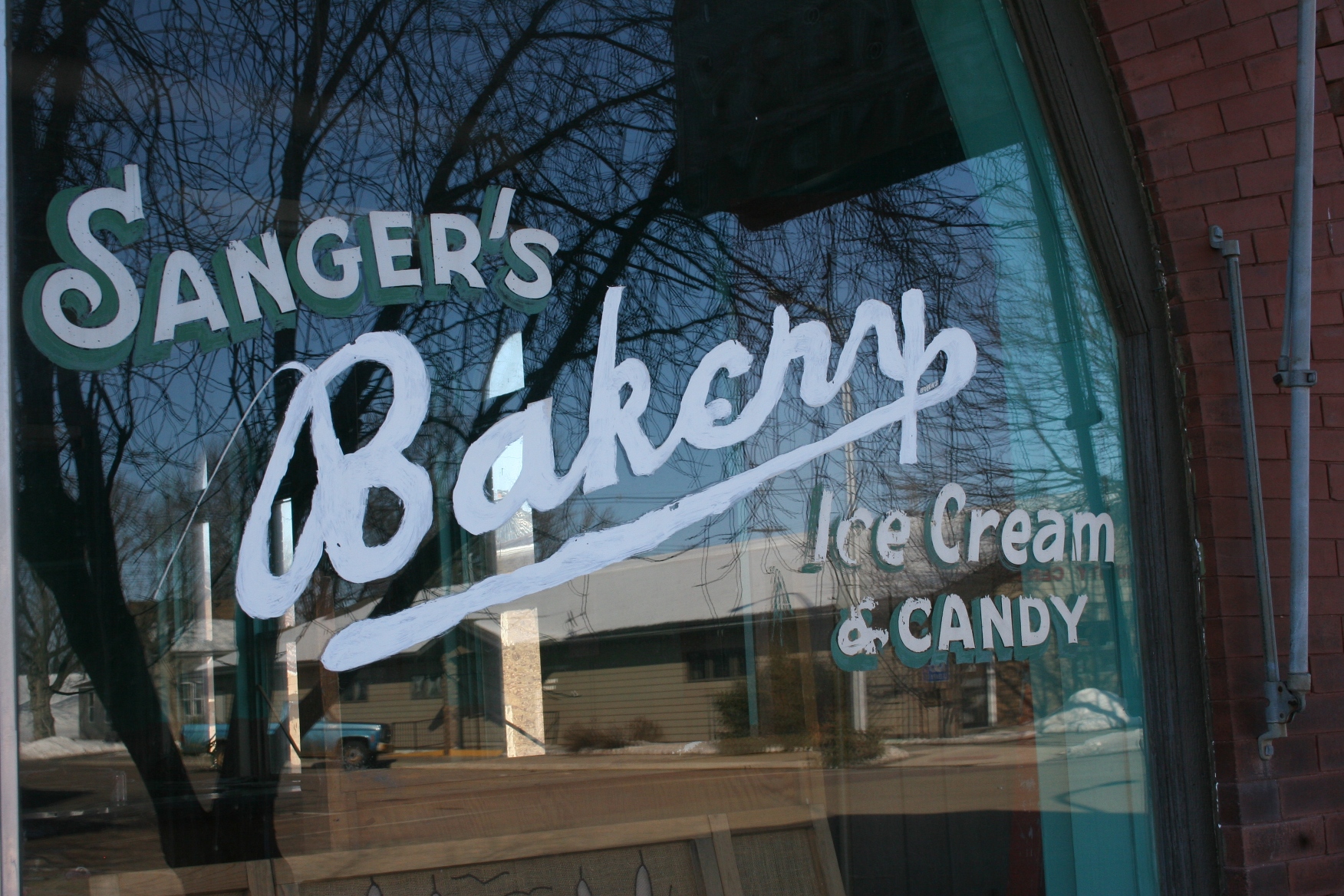
An up-close shot of the lettering on the bakery I wish was still open.

IF YOU KNOW ANYTHING about Sanger’s Bakery or have memories of patronizing this business, please submit a comment. I’d like to learn more about this former bakery which I consider a small-town treasure.

© Copyright 2011 Audrey Kletscher Helbling
 

A glimpse of winter on the Minnesota prairie March 8, 2011


Traveling U.S. Highway 14 west of New Ulm to southwestern Minnesota.

I NEEDED A TRIP to southwestern Minnesota this past weekend, as much to be with extended family as to reconnect with the land where I grew up. I was not disappointed, on both counts.

I embraced the family I love as we talked and laughed and talked and laughed some more while celebrating my middle brother’s 50th birthday until just past midnight on Saturday.

Sometime in between, we joked about the possibility of being snowed in on his Redwood County acreage. Snow was in the forecast and we all know that snow on the prairie, combined with wind, could strand us.

By the time we finished breakfast mid-morning on Sunday, the flakes were flying and U.S. Highway 14 was dusted with snow, enough to cause cautionary travel as my husband, son and I headed east back to our Faribault home.

Fortunately, we drove out of the snow even before reaching New Ulm.

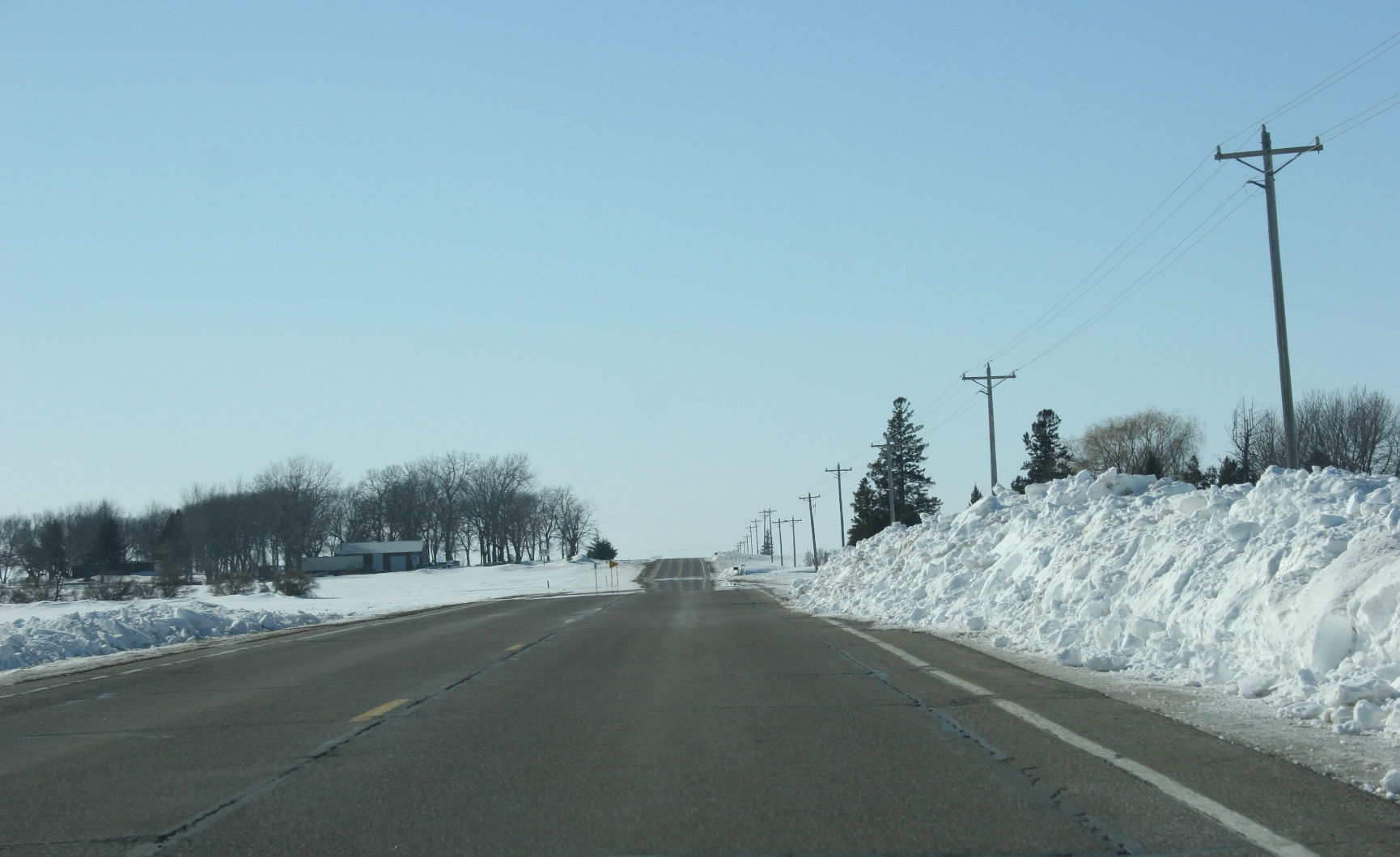
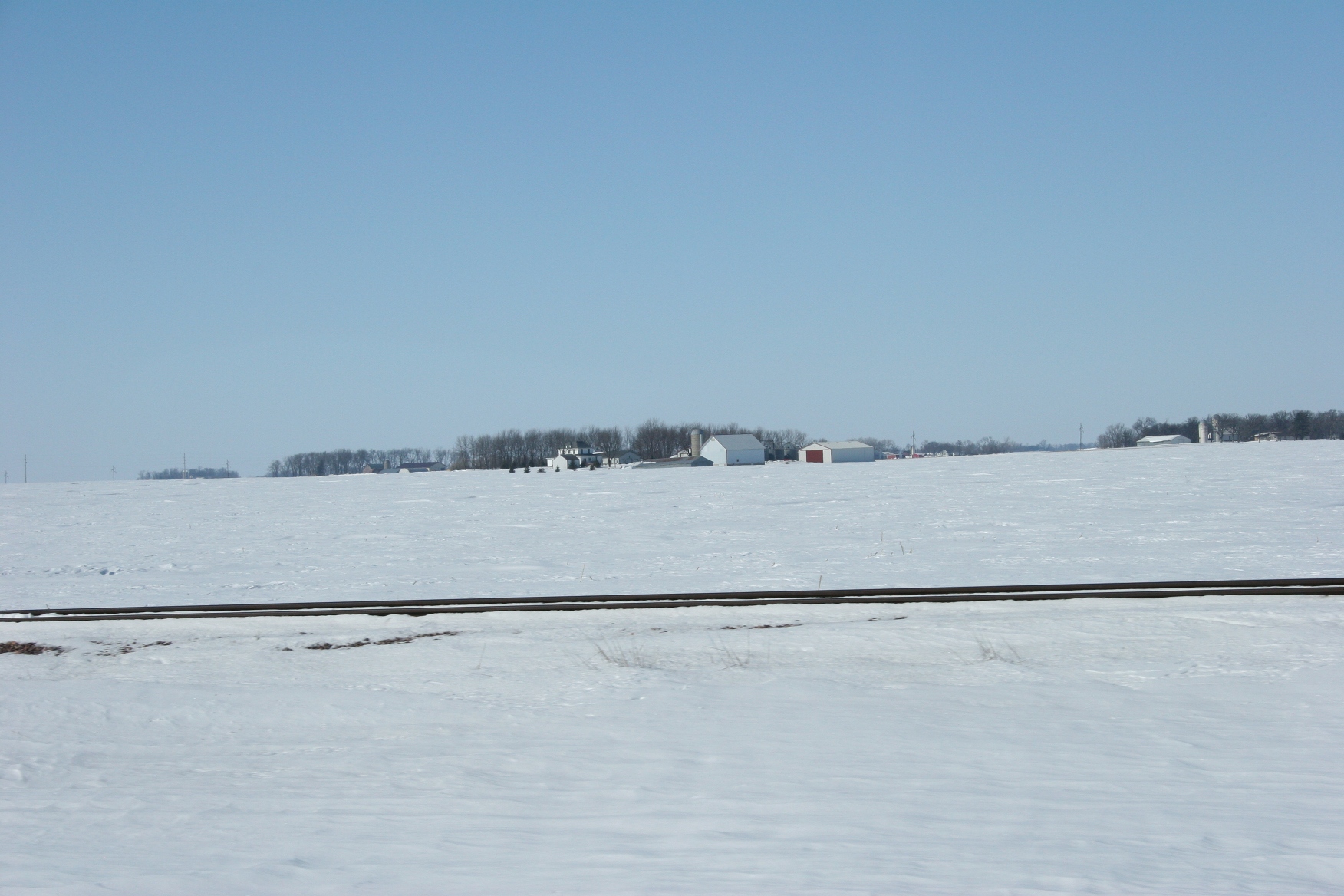
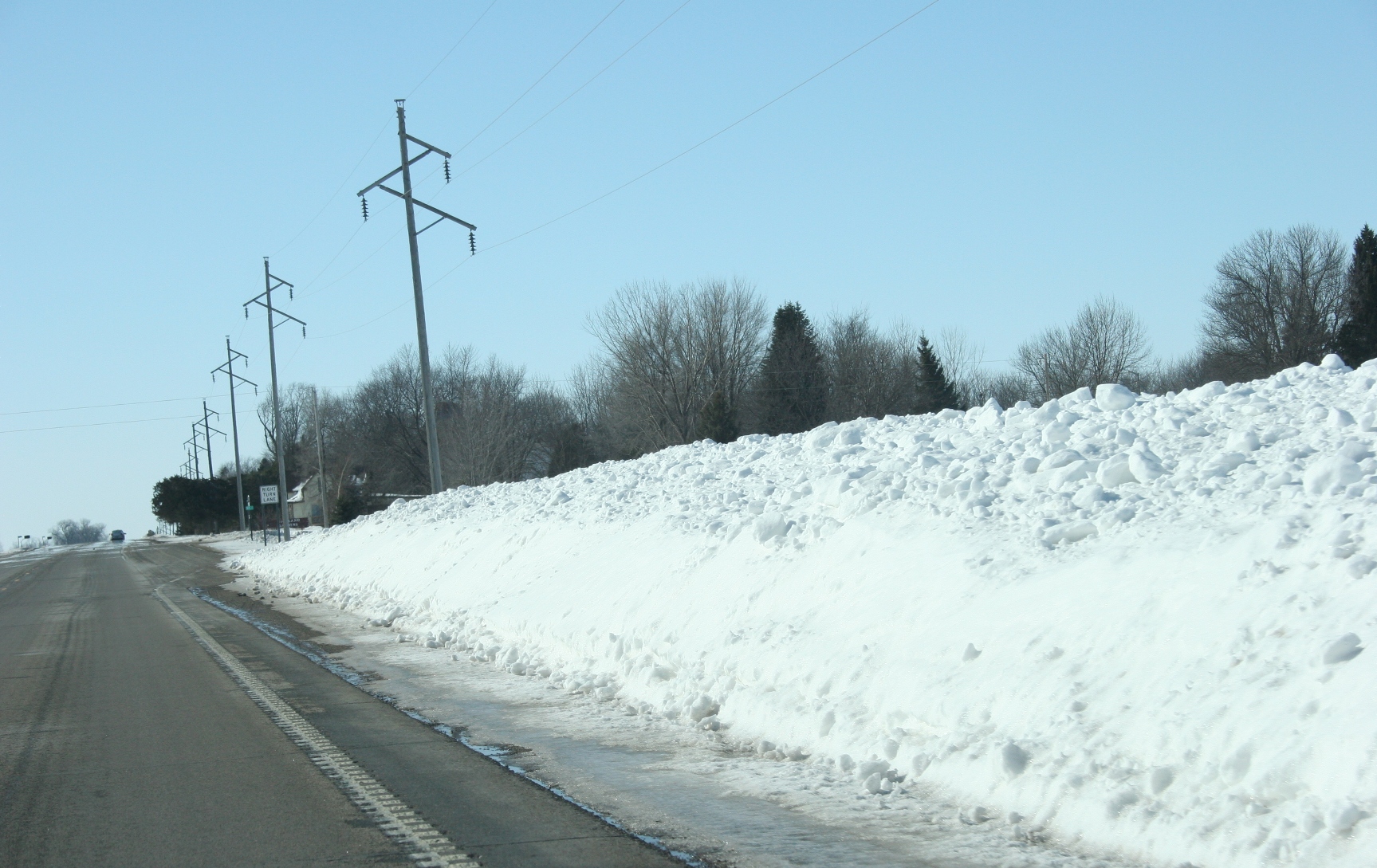
Every time I visit the prairie, I realize all over again how harsh winters are out there and how very different they are from the winters I experience in southeastern Minnesota. Honestly, if you saw the drifts and plowed ridges of snow along Highway 14 and the endless vista of wide open spaces that stretch like a sea of white, you would understand.

Join me on this visual journey along a section of the Laura Ingalls Wilder Historic Highway between New Ulm and Lamberton. These photos don’t even do justice to winters on the prairie because we weren’t traveling in a prairie blizzard. But, in these images, you can envision the possibilities…


Railroad tracks run parallel to Highway 14 as the land stretches under spacious skies.

In some spots along U.S. Highway 14, the snow is piled higher than vehicles.

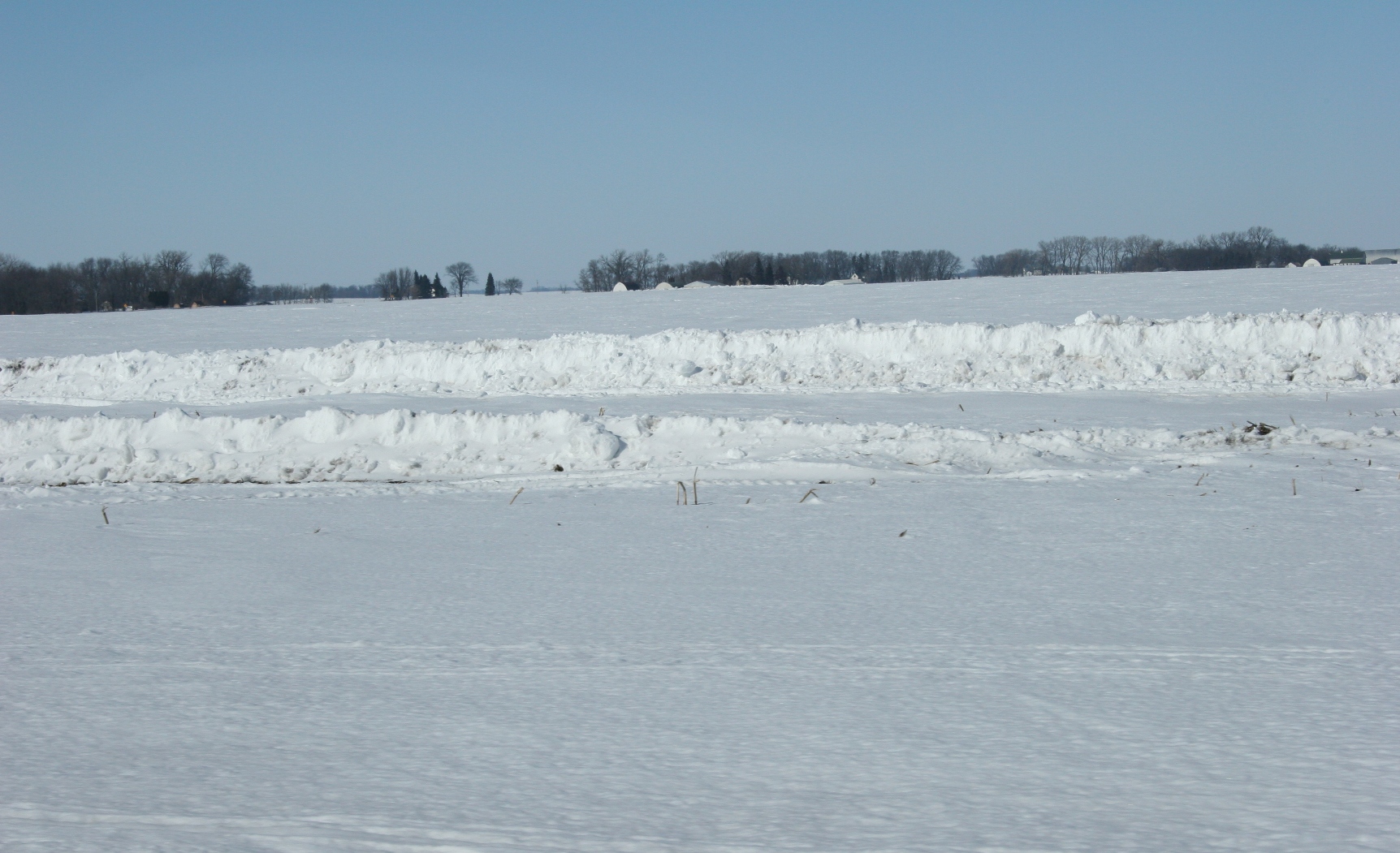
Snow had been pushed into rows in fields along Highway 14, acting as natural snow fences.

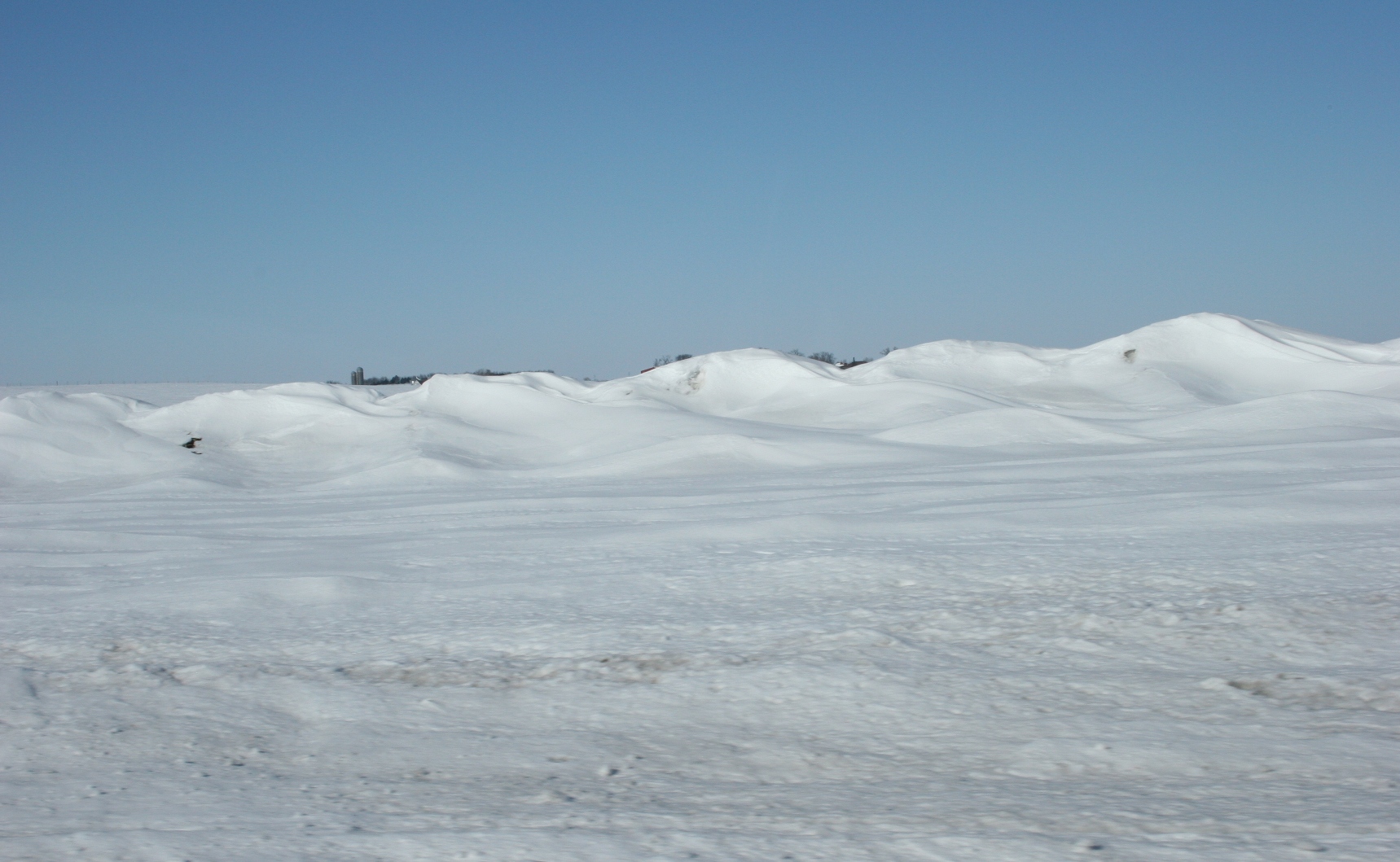
The wind sculpted drifts along the snow fences.

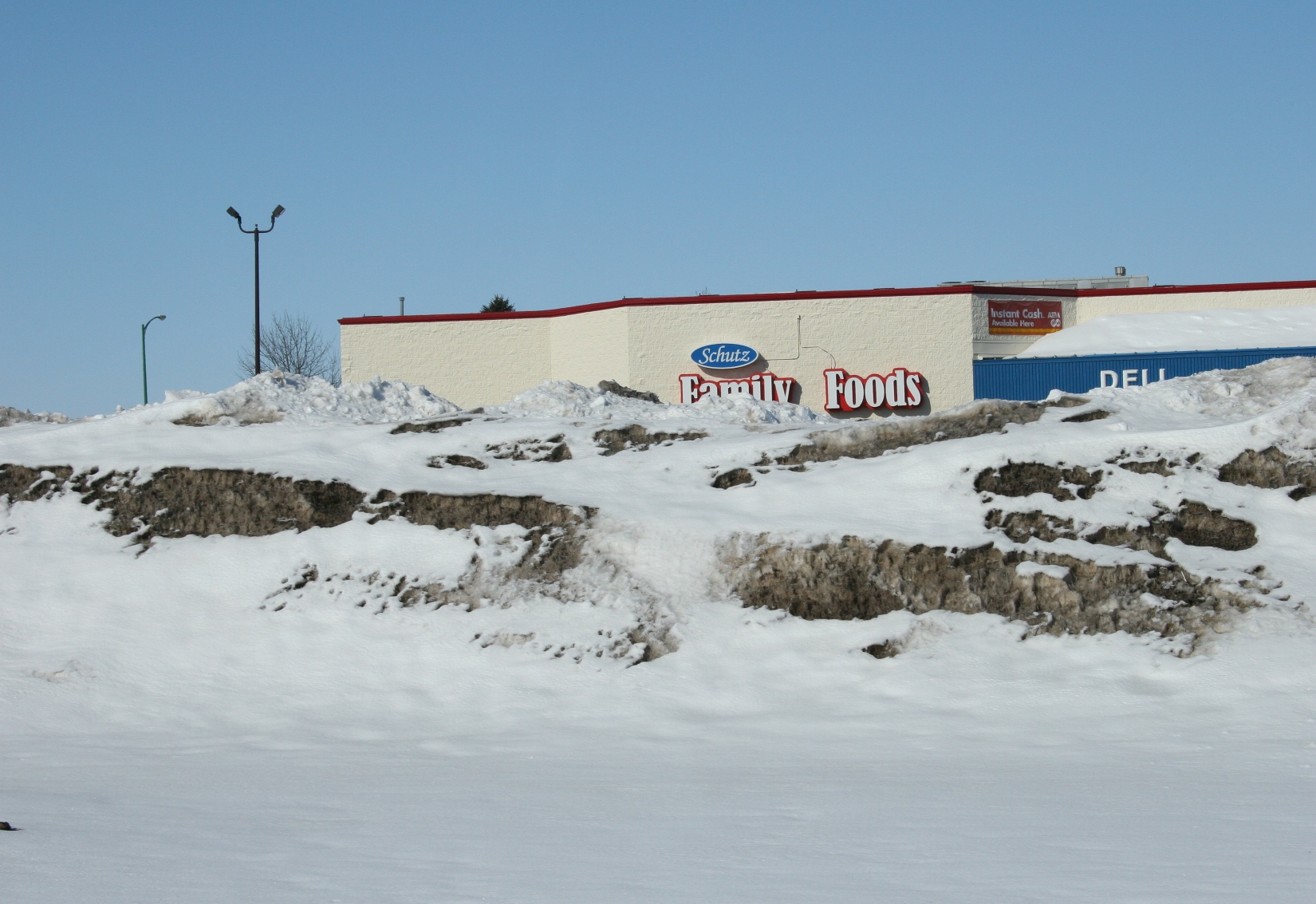
The snow had been pushed into mountains so high that only the top portion of Family Foods was visible from Highway 14 on the eastern side of Sleepy Eye.

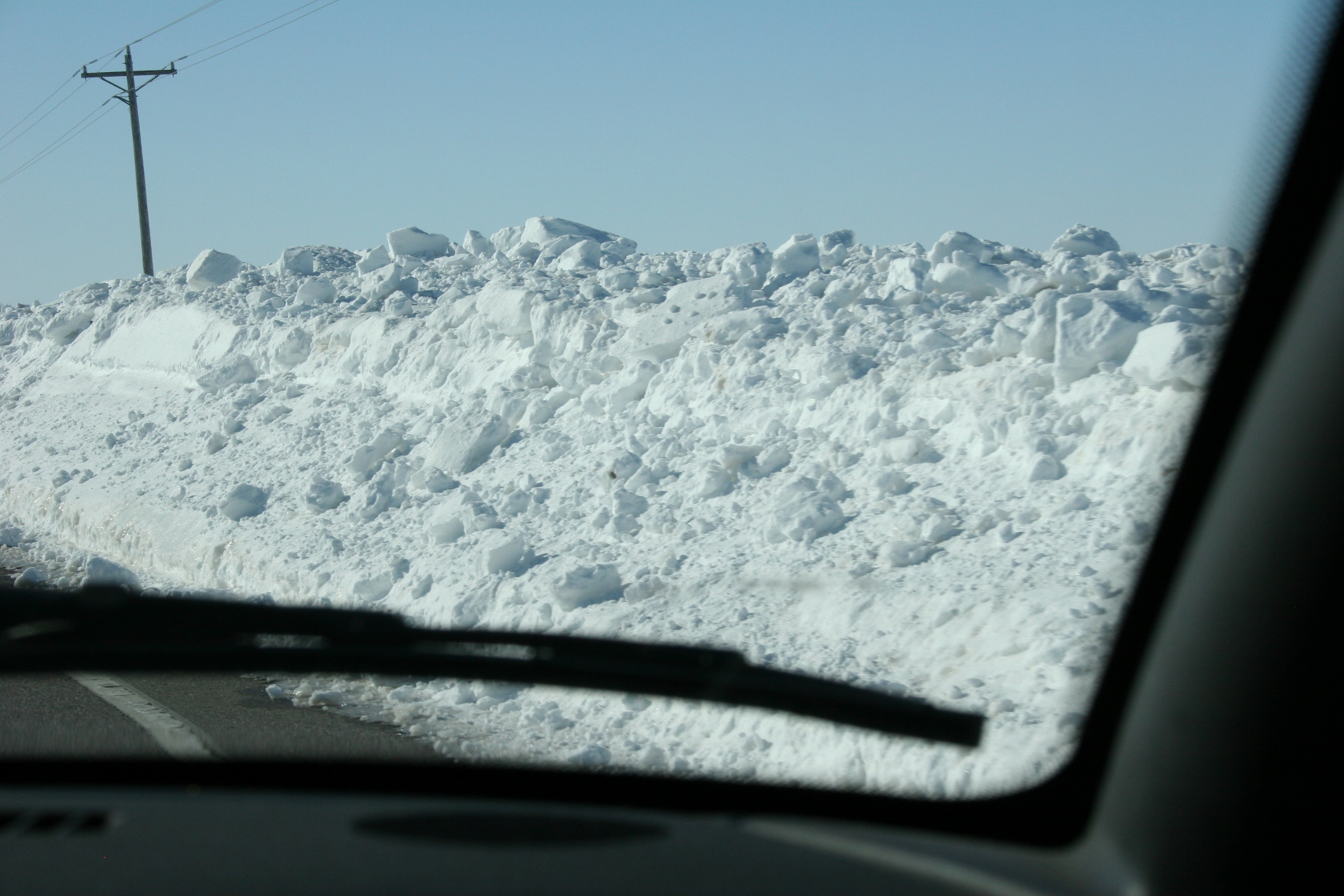
Snow pushed off Highway 14, as seen through the windshield of our car.

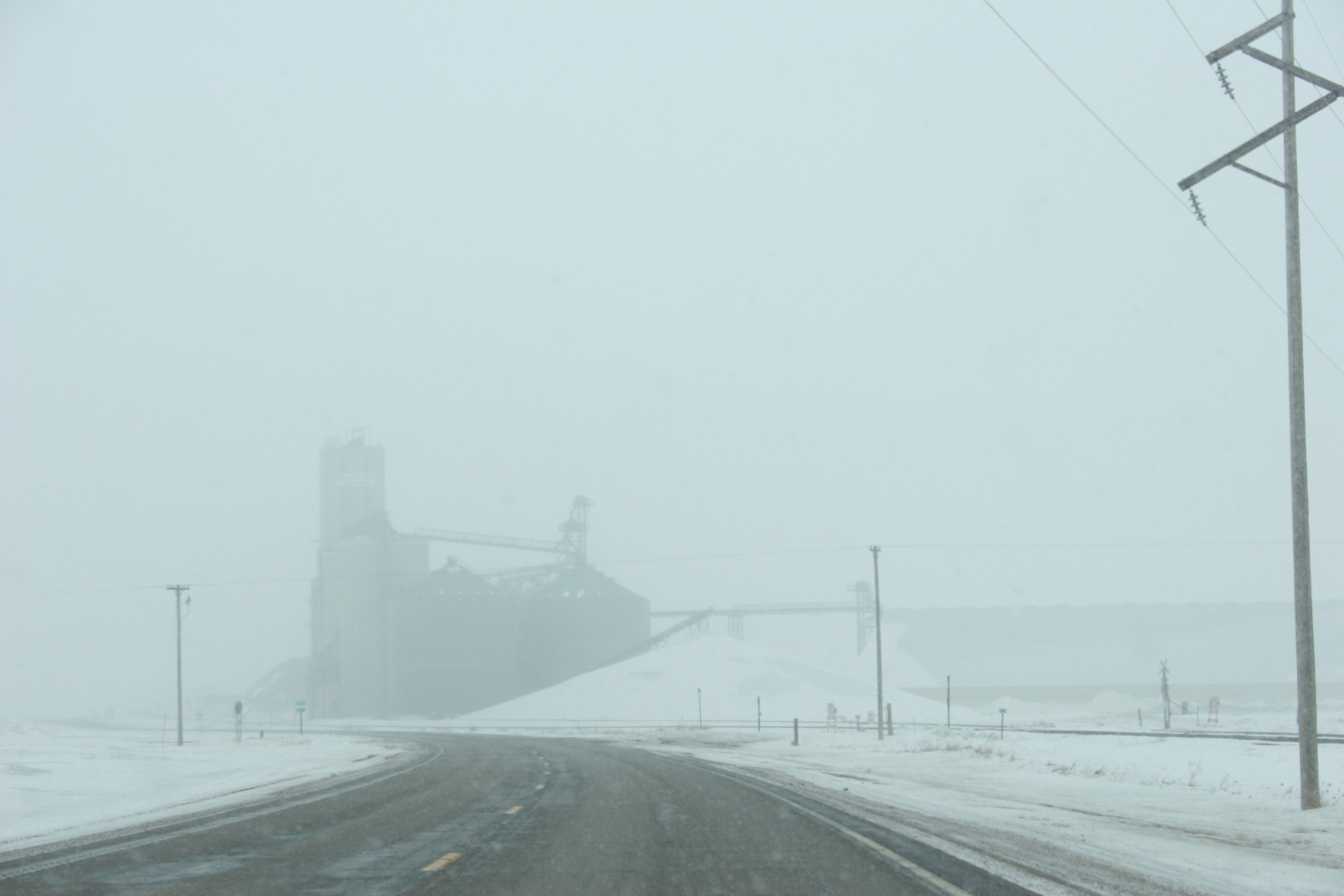
Visibility was reduced as we traveled along U.S. Highway 14 Sunday morning near Lamberton, creating this surreal image of the local grain elevators. The top seven images were taken on Saturday.

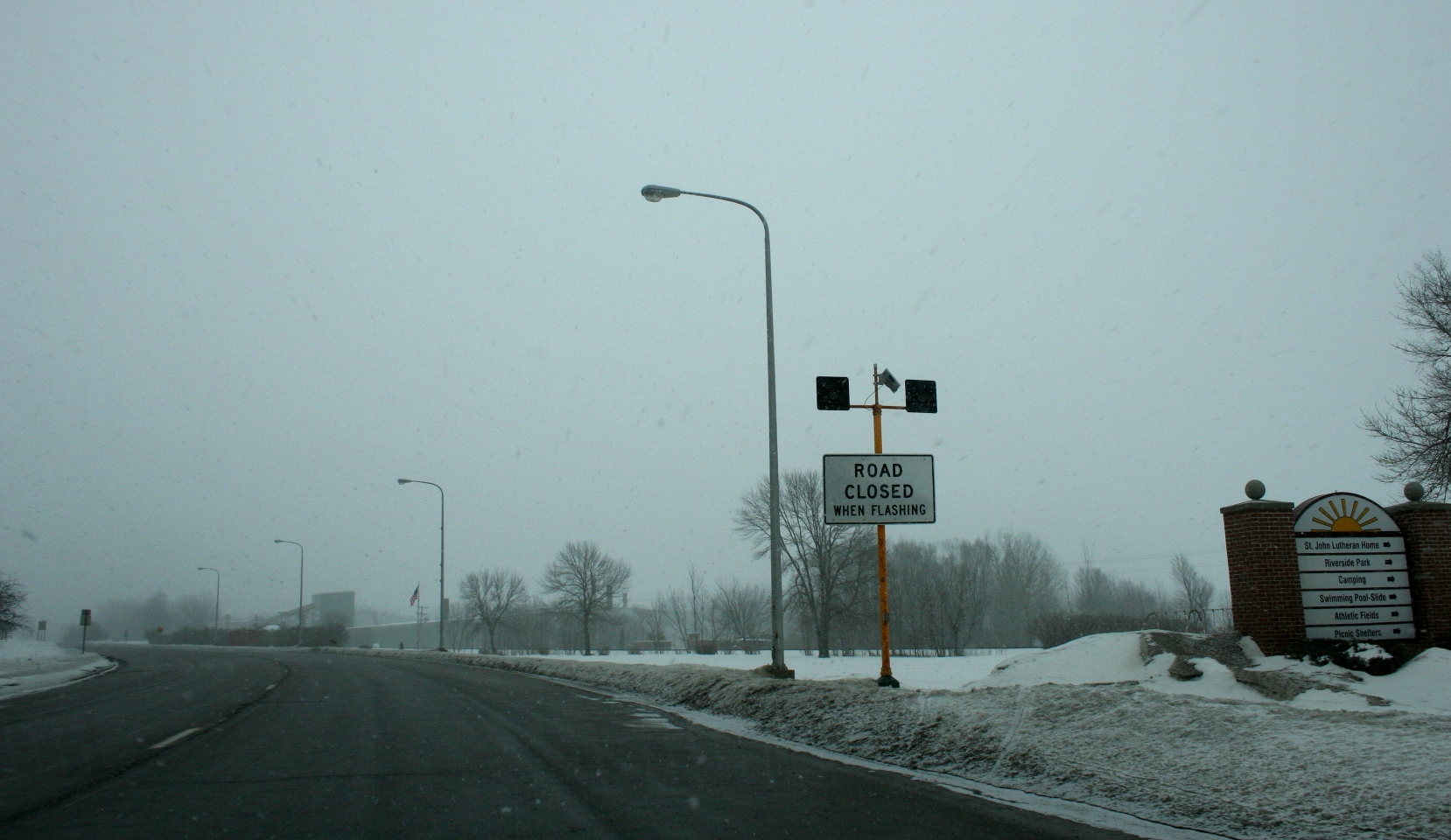
We were thankful the lights on this sign, on the east side of Springfield, were not flashing Sunday morning. During severe winter weather these lights are activated and roads are closed to keep motorists safe.

© Copyright 2011 Audrey Kletscher Helbling
 

Drive-by barn photo shoot February 28, 2011

Filed under: Uncategorized — Audrey Kletscher Helbling @ 11:14 AM
Tags: , , , , , , , ,

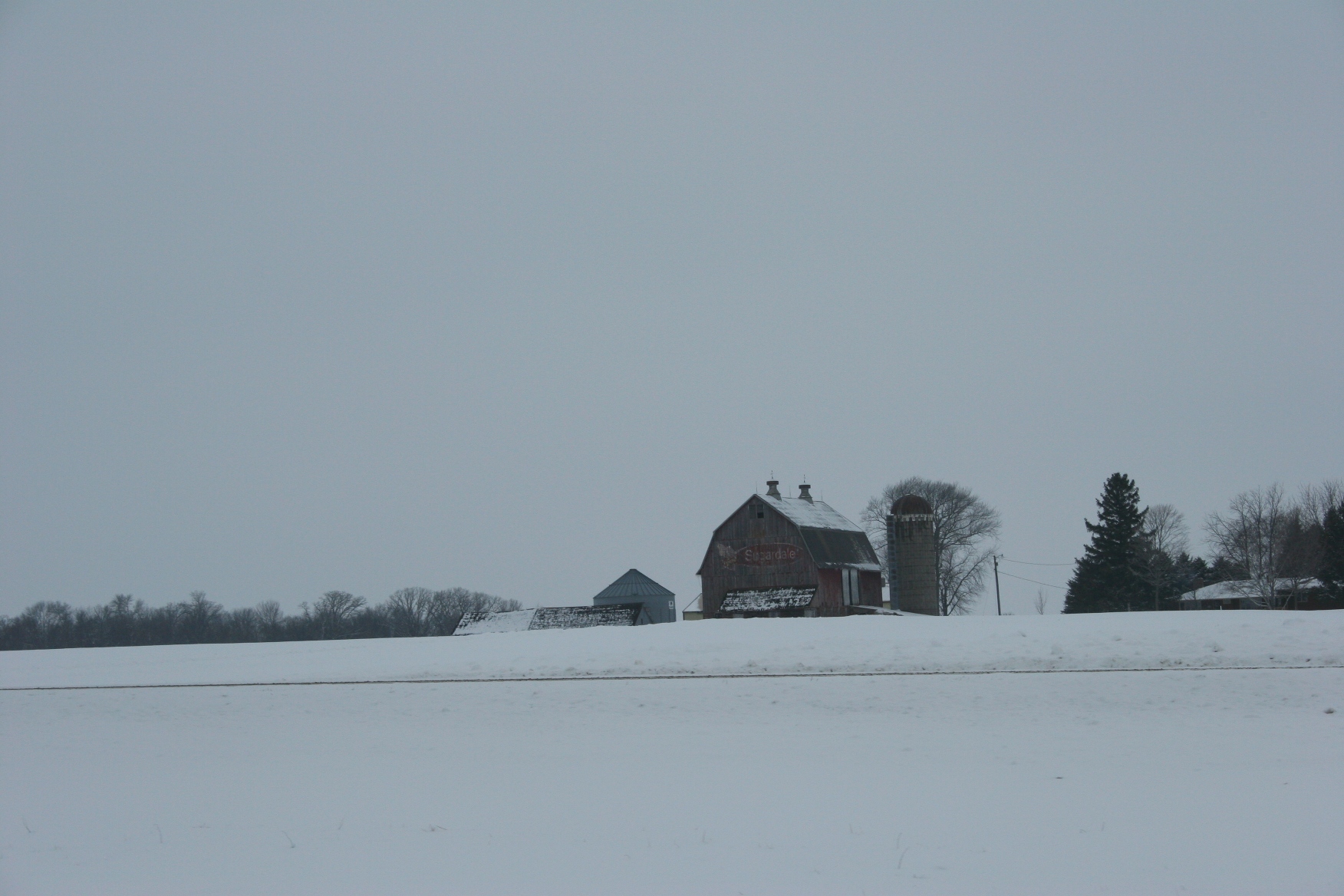
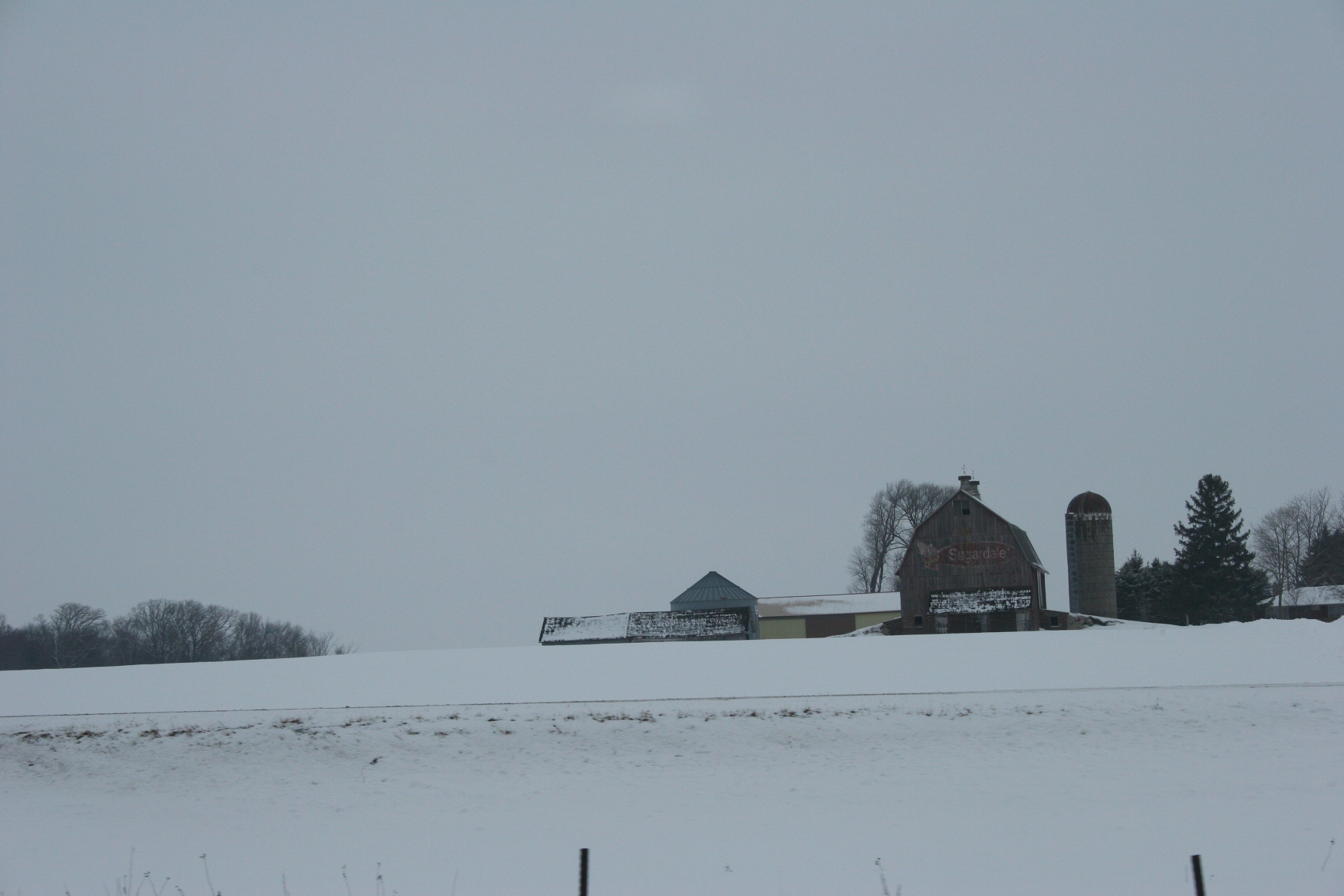
EVERY TIME I TRAVEL Interstate 35 north to the Twin Cities, I think, I need to photograph “that barn.”

That would be the red barn near the Elko/New Market exit with the “Sugardale” lettering painted on the end.

So Sunday afternoon, en route back to Faribault from Burnsville, where I had picked up my camera at National Camera Exchange, I was ready. My fingers were itching to snap more than a few photos since I’d been without my Canon for a week. I had the sensor cleaned.

Anyway, I set a fast shutter speed and hoped for the best as I shot two images through the passenger side window at an interstate speed of 70 mph. That’s all I got before the barn moved out of lens range. My husband asked if I wanted to detour and get a closer shot, but I declined. I was tired and not really dressed for a winter-time photo shoot, meaning I wasn’t wearing boots.

I was pleasantly surprised by the results given I was shooting through a grimy window, at a distance further than I preferred and on a gloomy afternoon.

Here are the results.

Photo one of the "Sugardale" barn.

Photo number two of the "Sugardale" barn. I like how both photos define the starkness of the land on an overcast winter afternoon in Minnesota.

I fully intend to return and shoot the barn close-up. Yeah, I’ve been saying that for years.

In the meantime, does anyone know anything about the history of this barn or Sugardale?

© Copyright 2011 Audrey Kletscher Helbling
 

Main Street America January 25, 2011

Filed under: Uncategorized — Audrey Kletscher Helbling @ 5:04 PM
Tags: , , , , , , ,

Main Street in West Concord, Minnesota, population 836, photographed in the fall of 2010

MAIN STREET. Those two words paint a Norman Rockwell image in our minds of barber shops and lunch counters, of neighborliness and kindness and close-knit families, and all that is good about small town life.

In the real world, such an idyllic place exists primarily in our imaginations.

Yet, if you look closely enough, if you take the time, you can still find those small towns, those special places that hearken to a simpler era.

In these communities, you can walk down the middle of Main Street without concern for traffic.

You can walk into a café, the hardware store, a bar and watch heads pivot toward you, the stranger.

You’ll feel the questioning eyes, the locals wondering what the heck brought you here, to their little town, their Main Street.

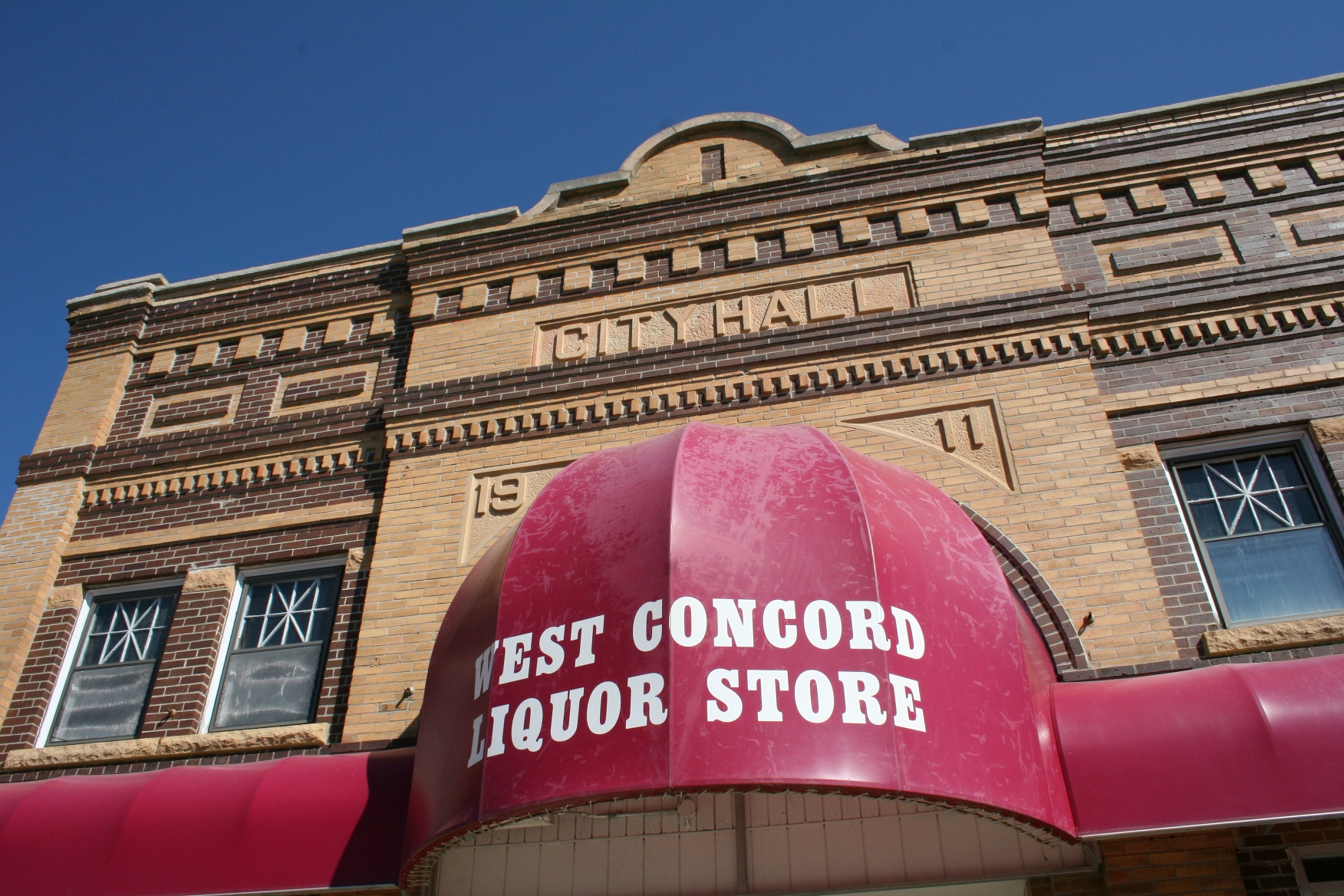
The West Concord Liquor Store in the 1911 City Hall building.

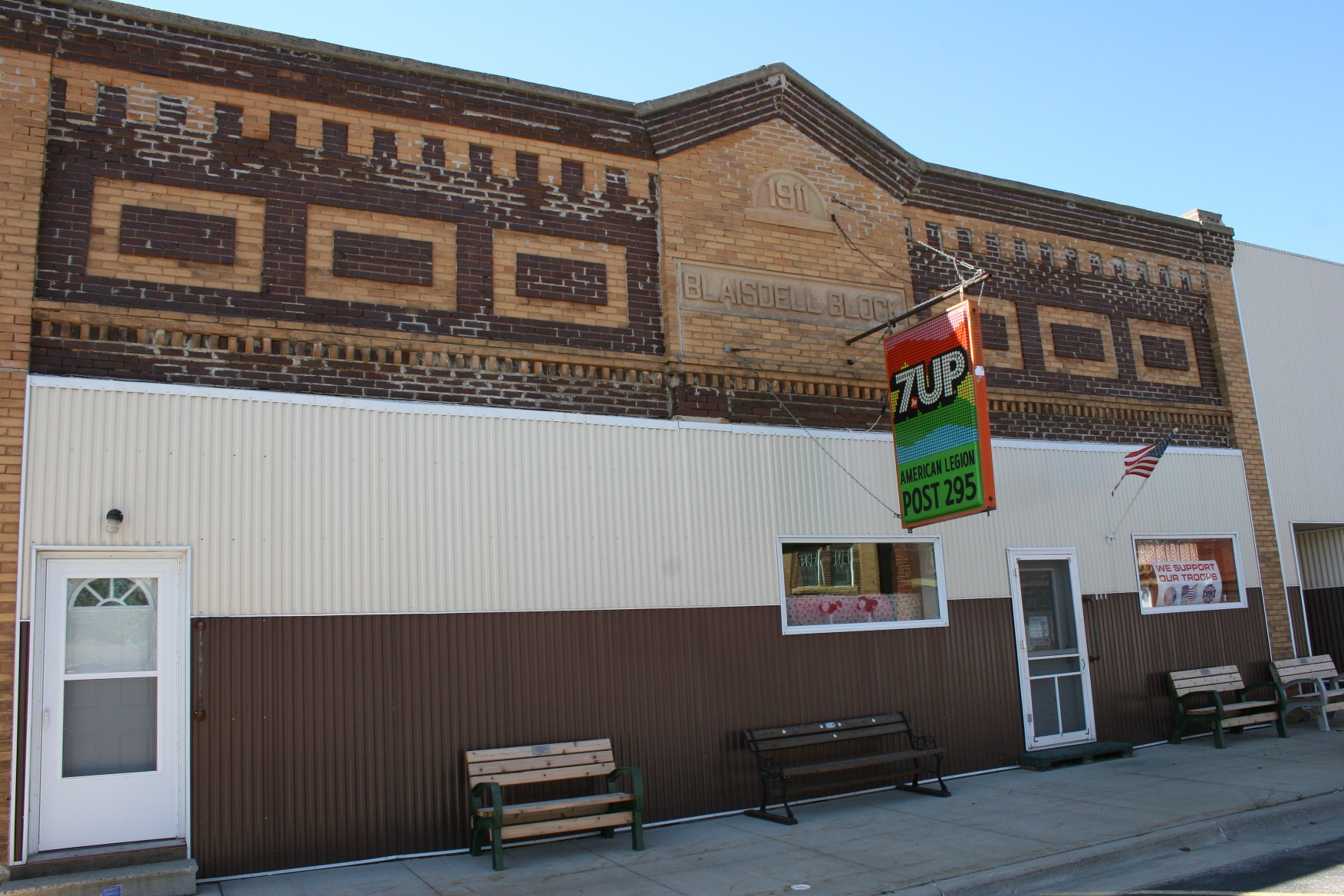
American Legion Post 295 in the 1911 Blaisdell building on West Concord's Main Street. I can only imagine how beautiful this building would be returned to its original glory, minus the siding.

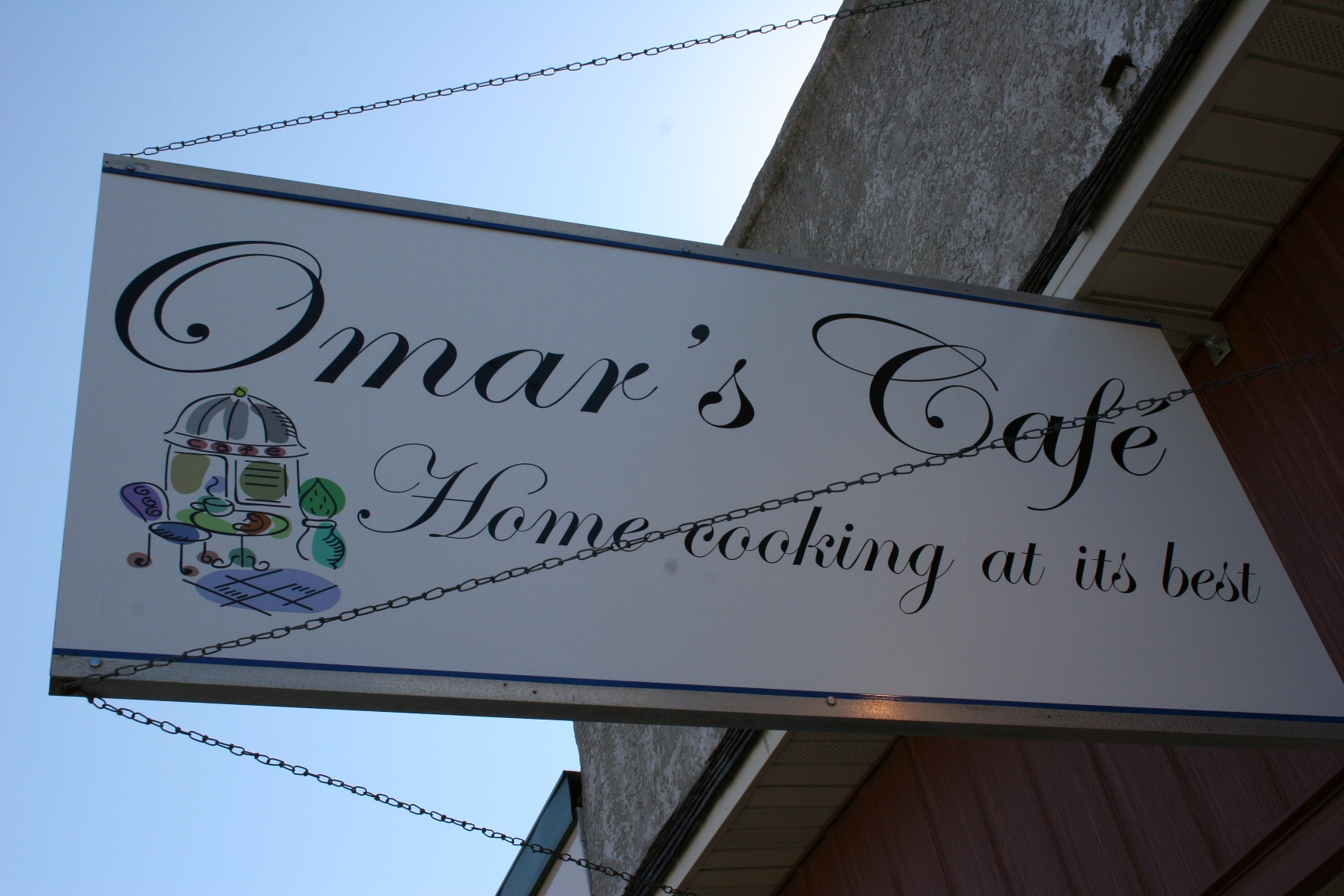
A sign marks one of West Concord's newest businesses, Omar's Cafe. The caramel rolls here are "to die for." I'll share more about this cafe in a future post.

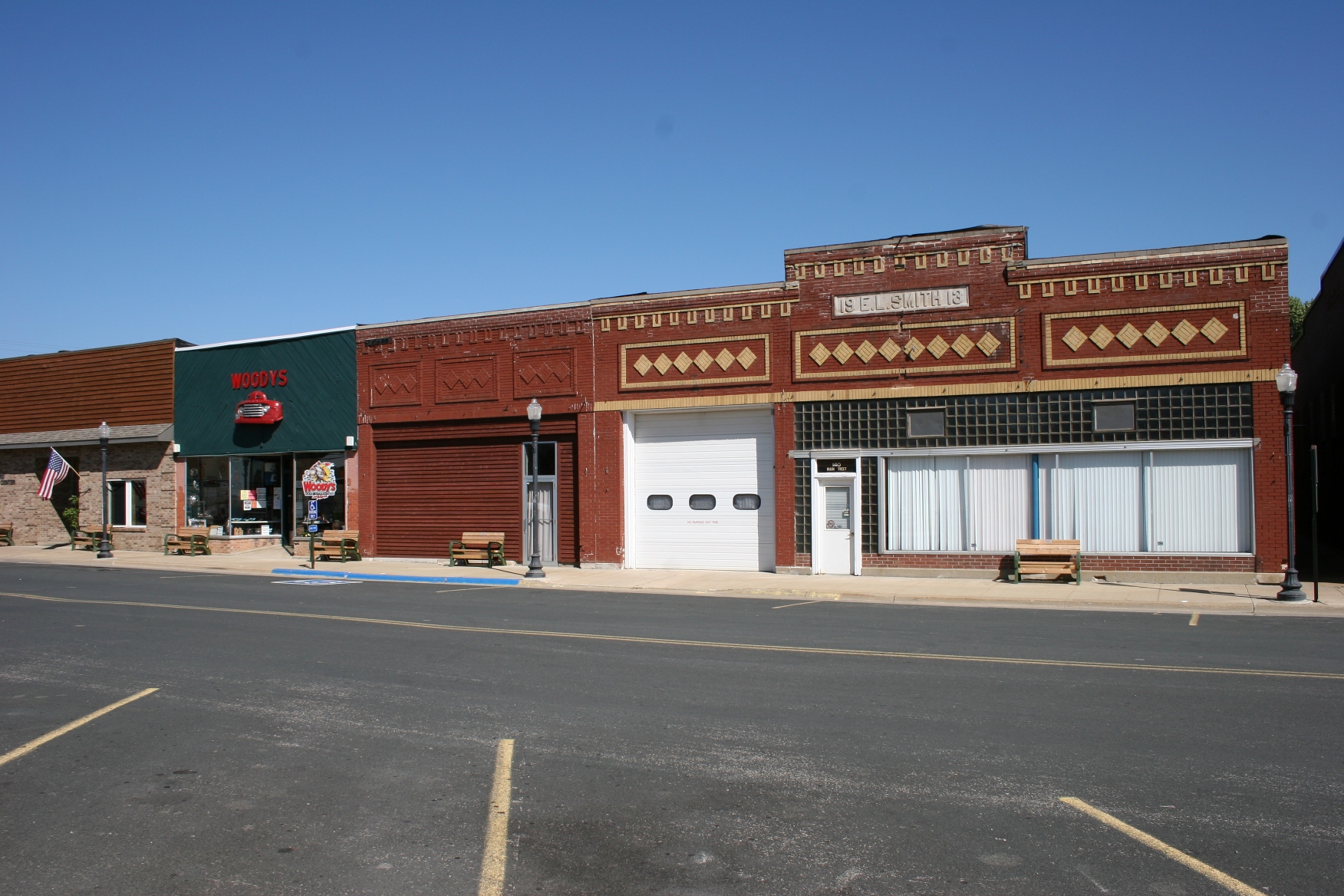
Woody's Auto Literature & More is one of the more intriguing West Concord businesses, located at 150 Main Street. Unfortunately, the business was closed when I was in town last fall.

Businesses along Main Street in West Concord.

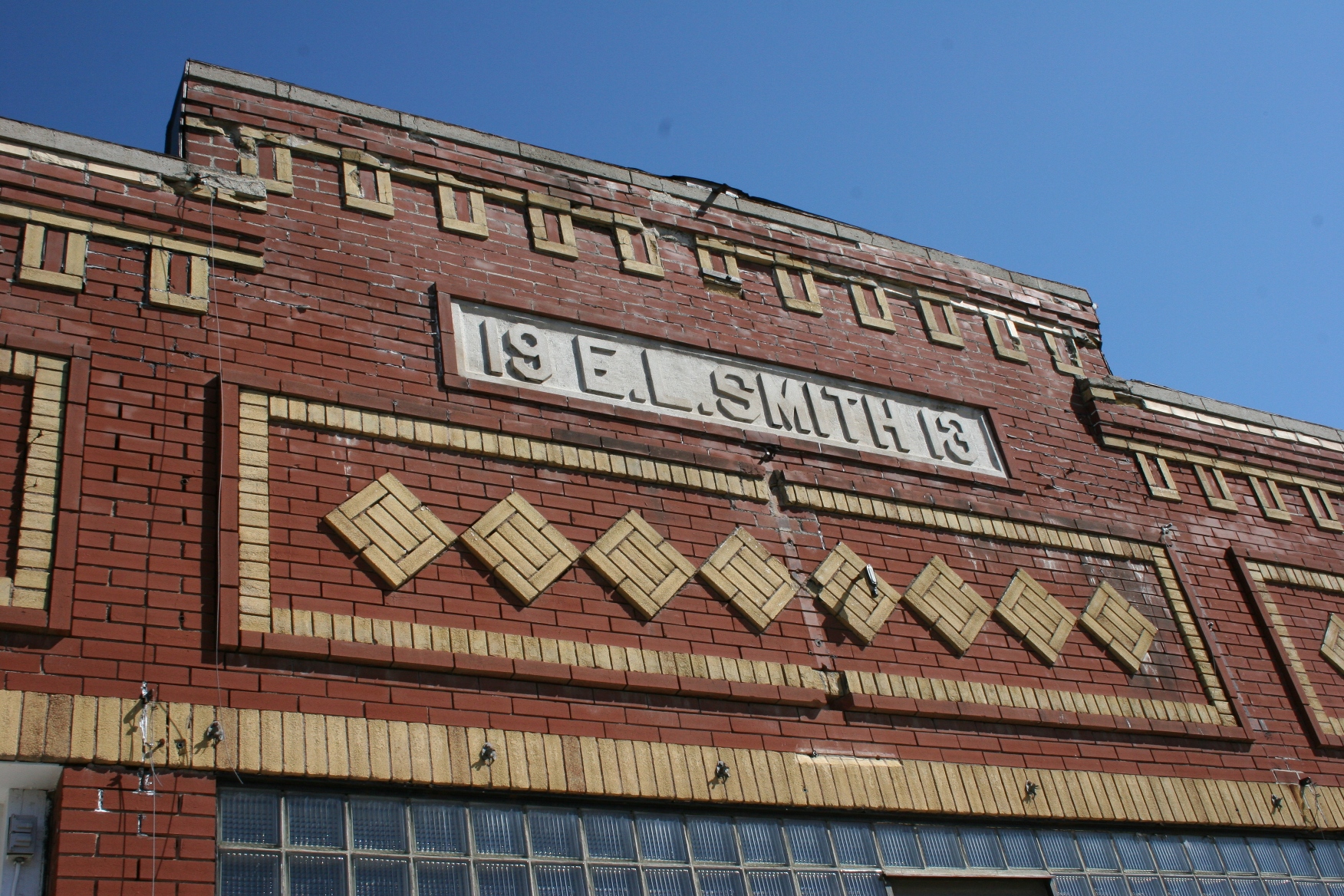
The architecture on some of West Concord's downtown buildings is stunning. I hope the community appreciates these historical treasures like this 1913 Smith building.

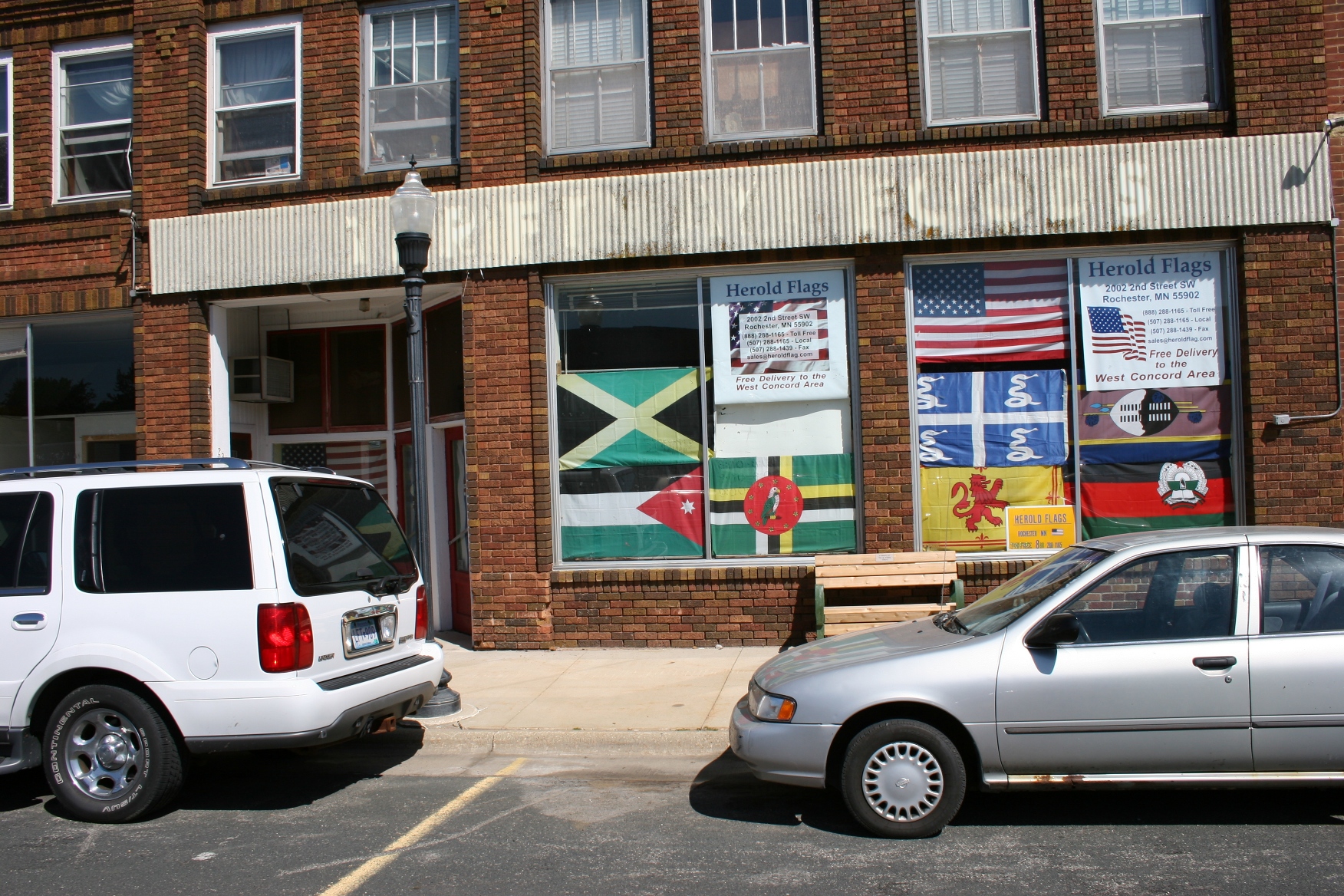
Herold Flags, another unusual business along Main Street in West Concord, sells flags and flagpoles.

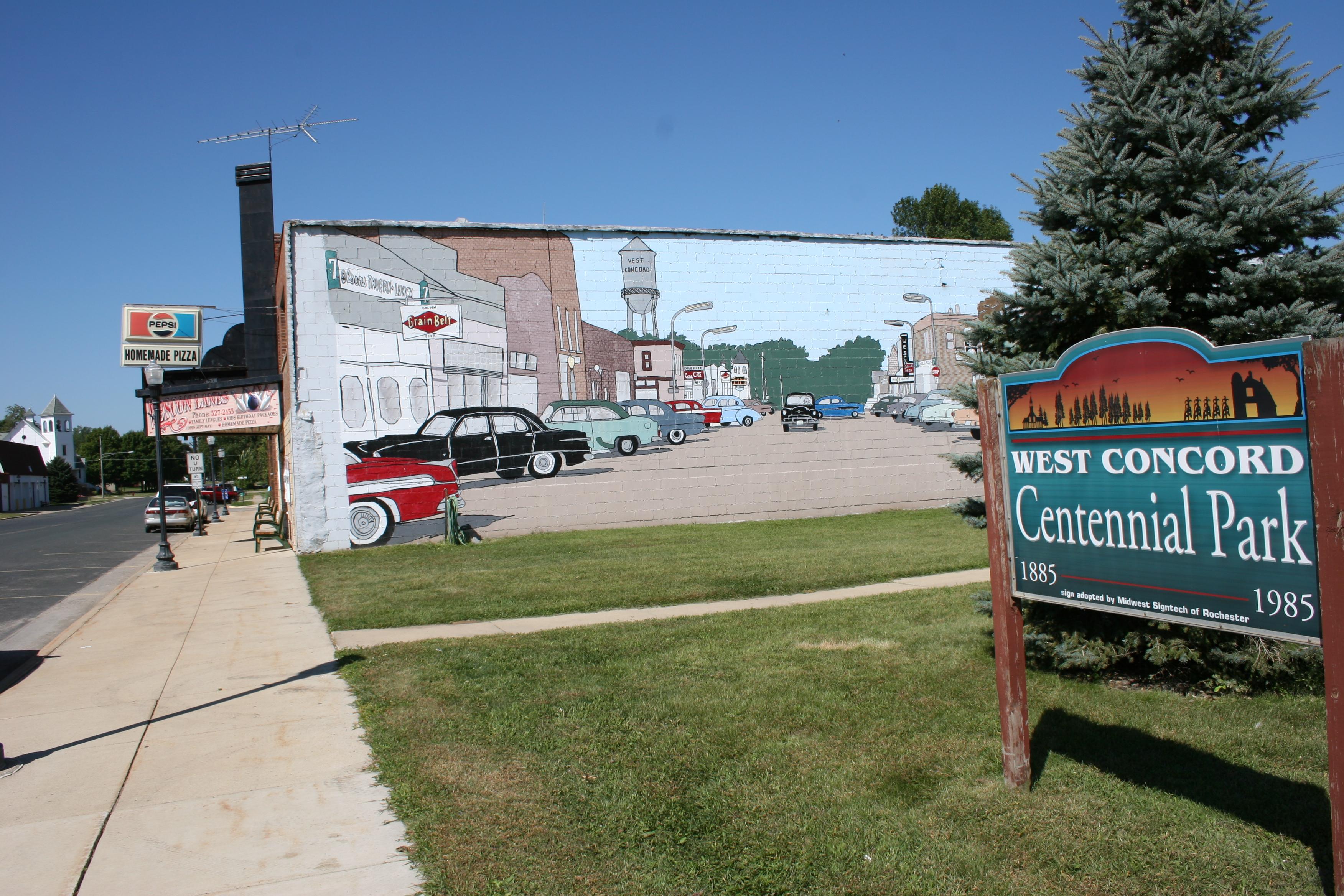
A mural graces the side of a building next to a park along Main Street in West Concord. The community has an annual summer car and truck show and, I think, other car cruises.

DO YOU KNOW of an interesting, or have a favorite, Main Street, U.S.A.?

© Copyright 2011 Audrey Kletscher Helbling
 

Beauty shop dog January 13, 2011

Filed under: Uncategorized — Audrey Kletscher Helbling @ 8:30 AM
Tags: , , , , , , , , , , , ,


Main Street in West Concord, photographed several months ago.

WHAT DO YOU KNOW about West Concord? I’m not talking Massachusetts here. I mean West Concord as in a community of 836 in southeastern Minnesota.

Up until this past fall, I had never set foot in this small town. But, while en route to the historic Dodge County seat of Mantorville, my husband and I detoured into West Concord. The fact that we had never been there prompted the stop. It was as simple as that.

Many times when we travel back roads and drive into small towns, we discover sweet surprises. West Concord was no exception. I found Fonzie there.

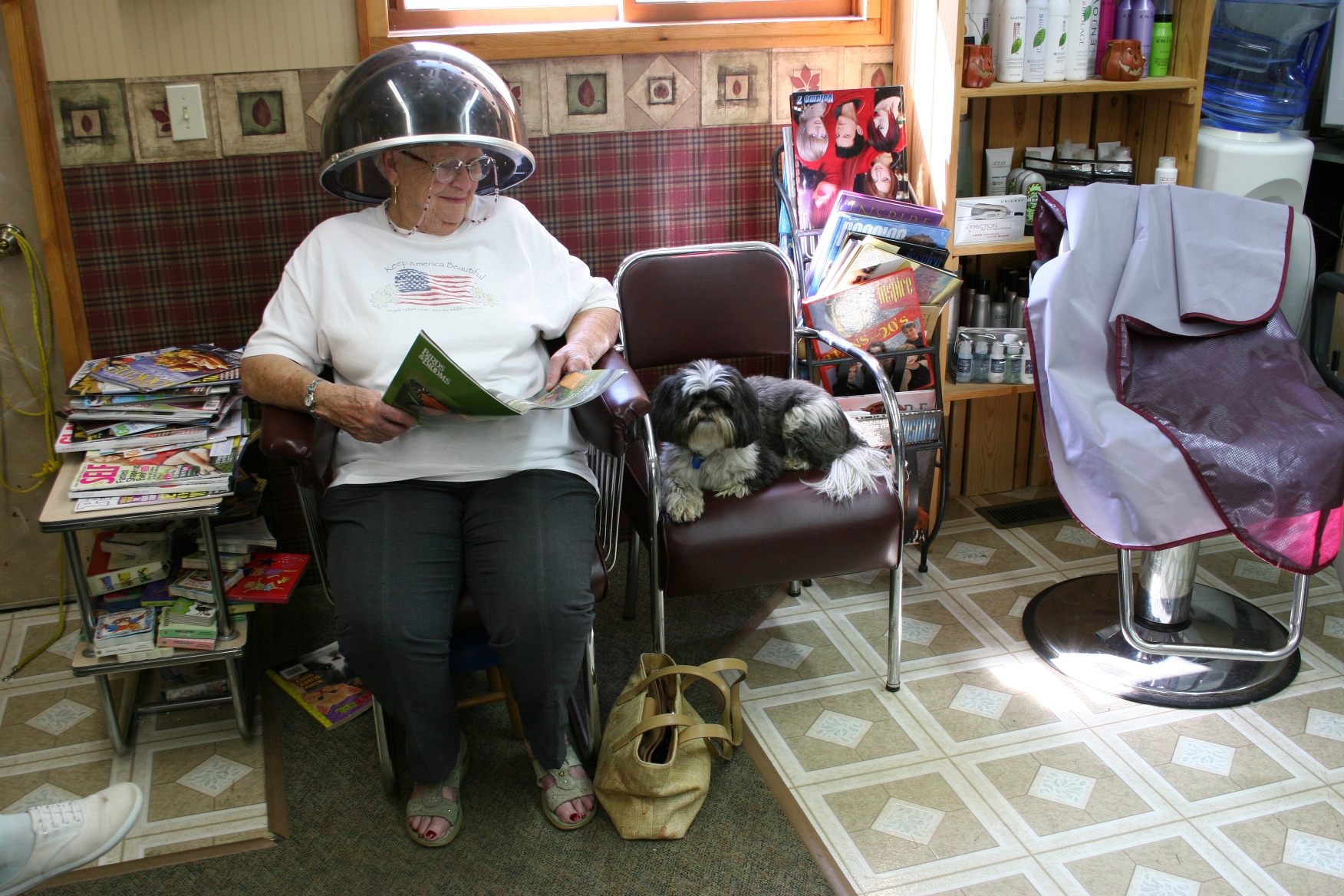
While my husband was exploring whatever men investigate when they’re getting impatient, I ducked into Colleen’s Salon & Gifts on West Main Street. There I met Fonzie, the beauty shop dog. He was lounging in a chair next to patron Charlotte Lurken, who was drying her hair under one of those old-fashioned bubble dryers.

Instantly, I knew this would be a story. And the photo ops, well, let’s just say I was nearly giddy when I considered the possibilities.

I wasn’t sure, though, how the women would react to my request to photograph them since they were in curlers. But, no problem. I snapped away.

Here are the results:


Fonzie relaxes in the morning sunshine next to beauty shop patron Charlotte Lurken.

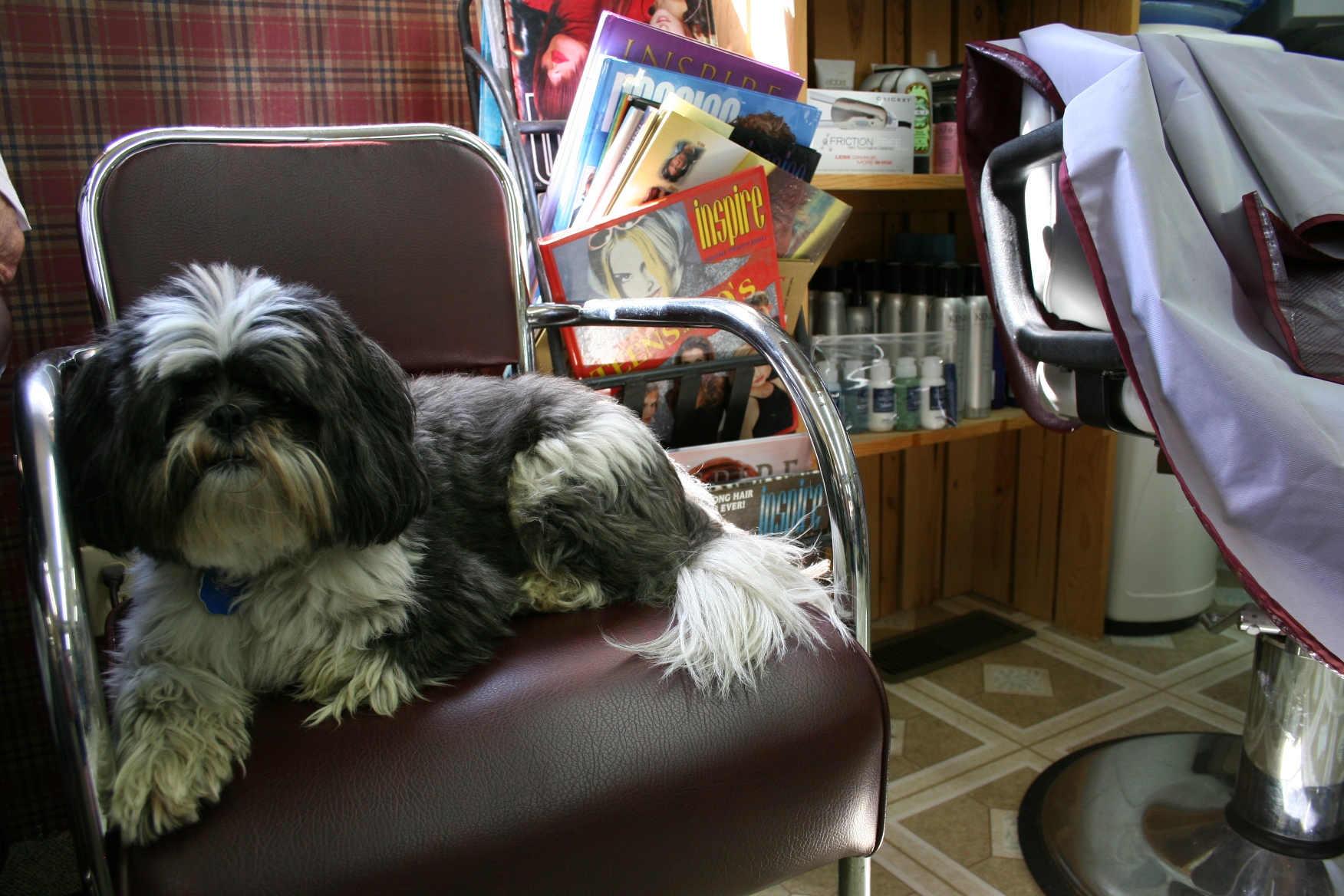
Fonzie didn't even blink an eyelash when I moved in for a close-up.

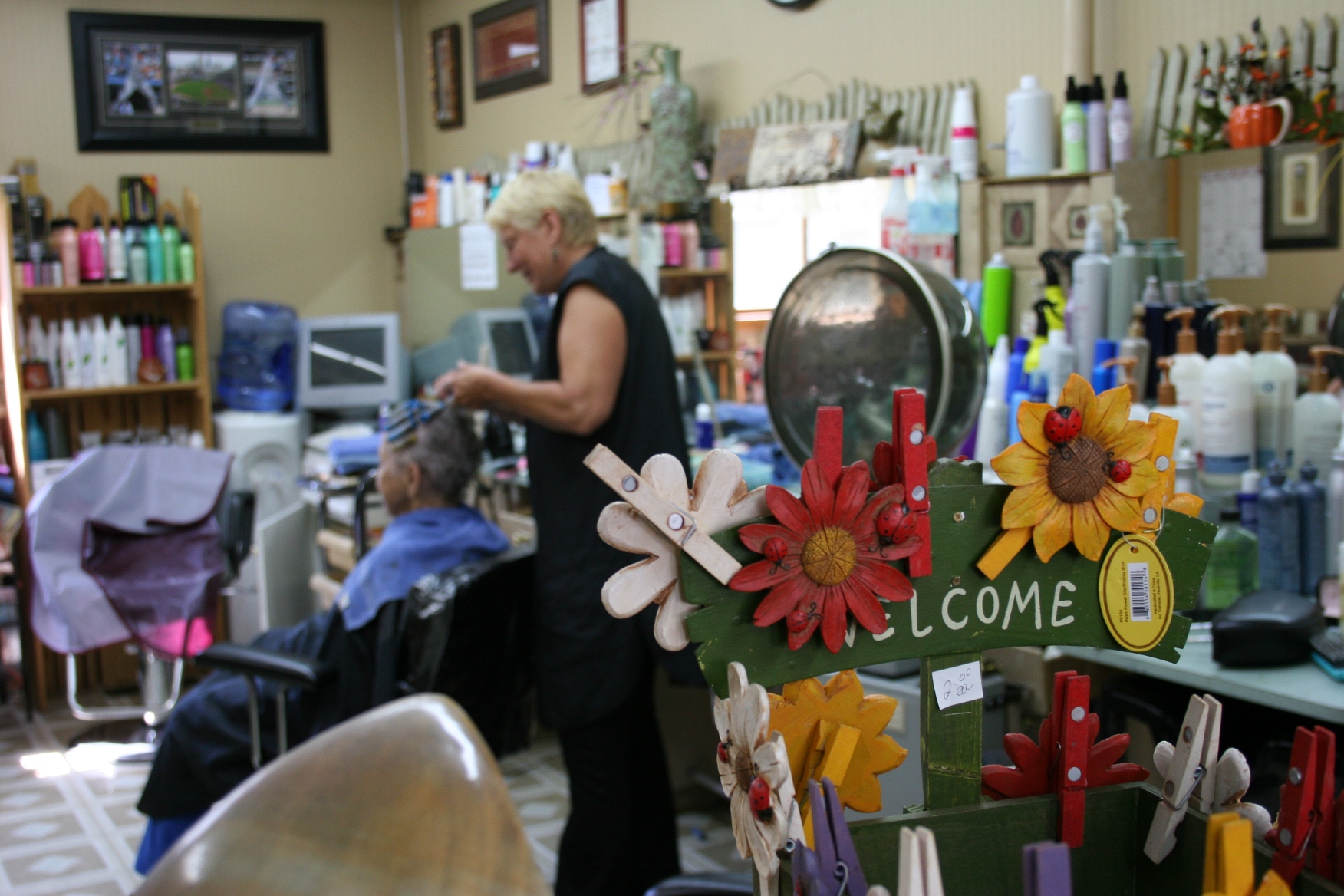
Salon owner Colleen Snaza, framed by a welcome sign in the gift shop, curls a customer's hair.

Pretty sweet, huh?

Fonzie’s been hanging out at the beauty shop for about two years now, ever since owner Colleen Snaza’s husband, John, passed away. Prior to that, the Shih Tzu had spent five years at home with John, who suffered from a heart condition. And before that, the canine stayed home with Colleen for a year while she recovered from breast cancer.

Colleen began taking Fonzie to the beauty shop because she couldn’t leave him alone. He was too used to company.

Now Fonzie’s just part of the beauty shop. “He gets a lot of lovin’,” Colleen says.

And that’s the story I learned when I took the time to check out a small-town beauty shop on Main Street in West Concord.

FYI: An article I wrote about the beauty shop dog just published in the winter issue of Minnesota Moments magazine. Readers often wonder how I find my stories. It’s as simple as going off the beaten path, snooping around, asking questions and finding the simply extraordinary in the seemingly ordinary places of our lives.

WATCH FOR MORE from West Concord in upcoming blog posts.

© Copyright 2010 Audrey Kletscher Helbling
 

Balancing security, freedom and accessibility at the Capitol January 12, 2011


I photographed the Minnesota State Capitol during a fall 2009 tour.

TWICE IN MY LIFE, I’ve toured the Minnesota State Capitol.

The first time was back in the 1960s, when my sixth grade classmates and I traveled some 130 miles from Vesta Elementary School on a field trip to St. Paul.

Then, more than four decades later in the fall of 2009, my husband, teenage son and I toured the Capitol while on a day-trip.


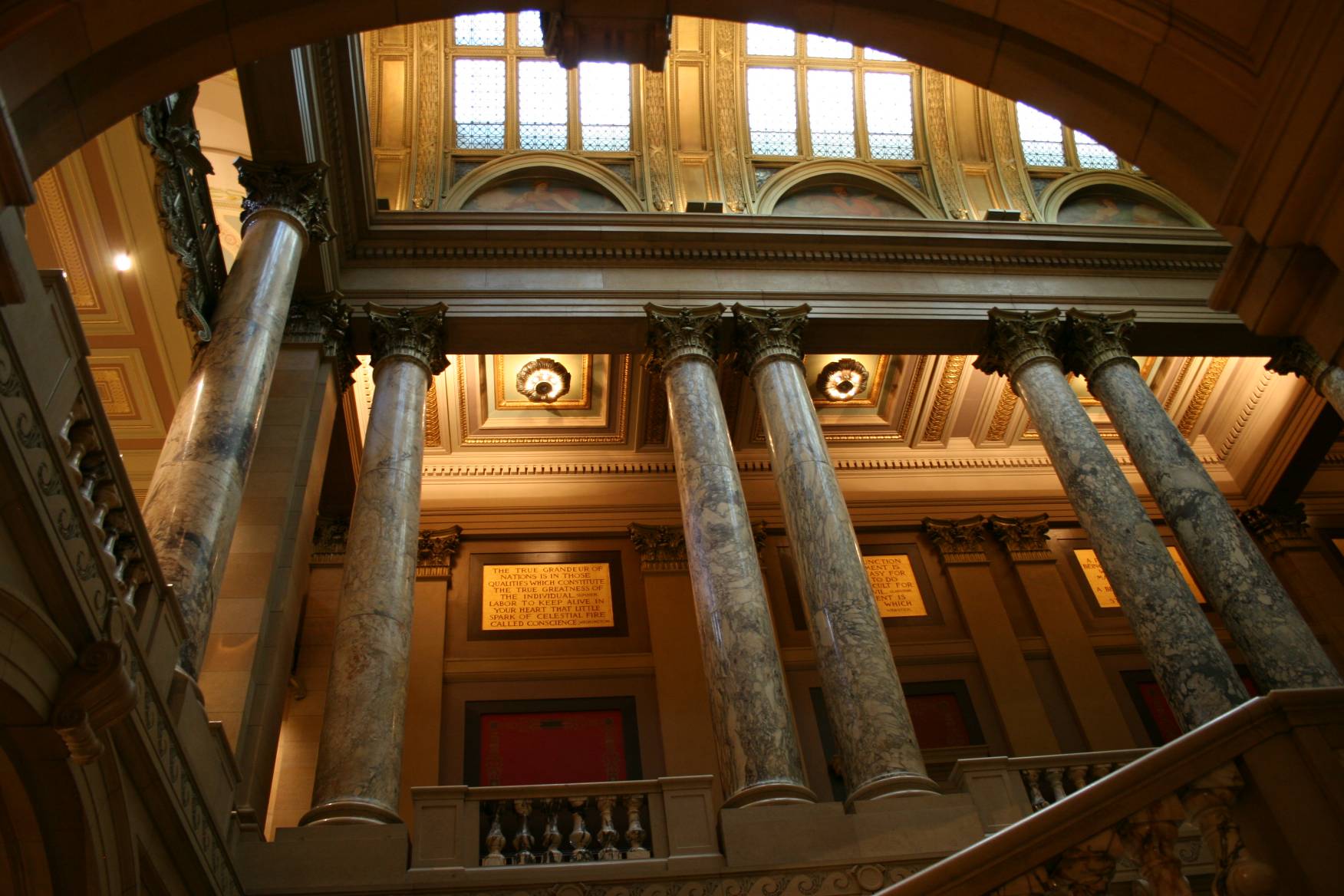
Italian marble columns embrace the Capitol's grand stairway.

While the grandeur of the building with its marble columns and staircases, opulent furnishings, ornate carvings and impressionable art certainly awed me, I was most struck by an assertion from our tour guide.

“This is the people’s place. You own this building,” he told us repeatedly. And, yes, that’s a direct quote. I was taking notes because I later wrote a magazine feature story about my Capitol visit.


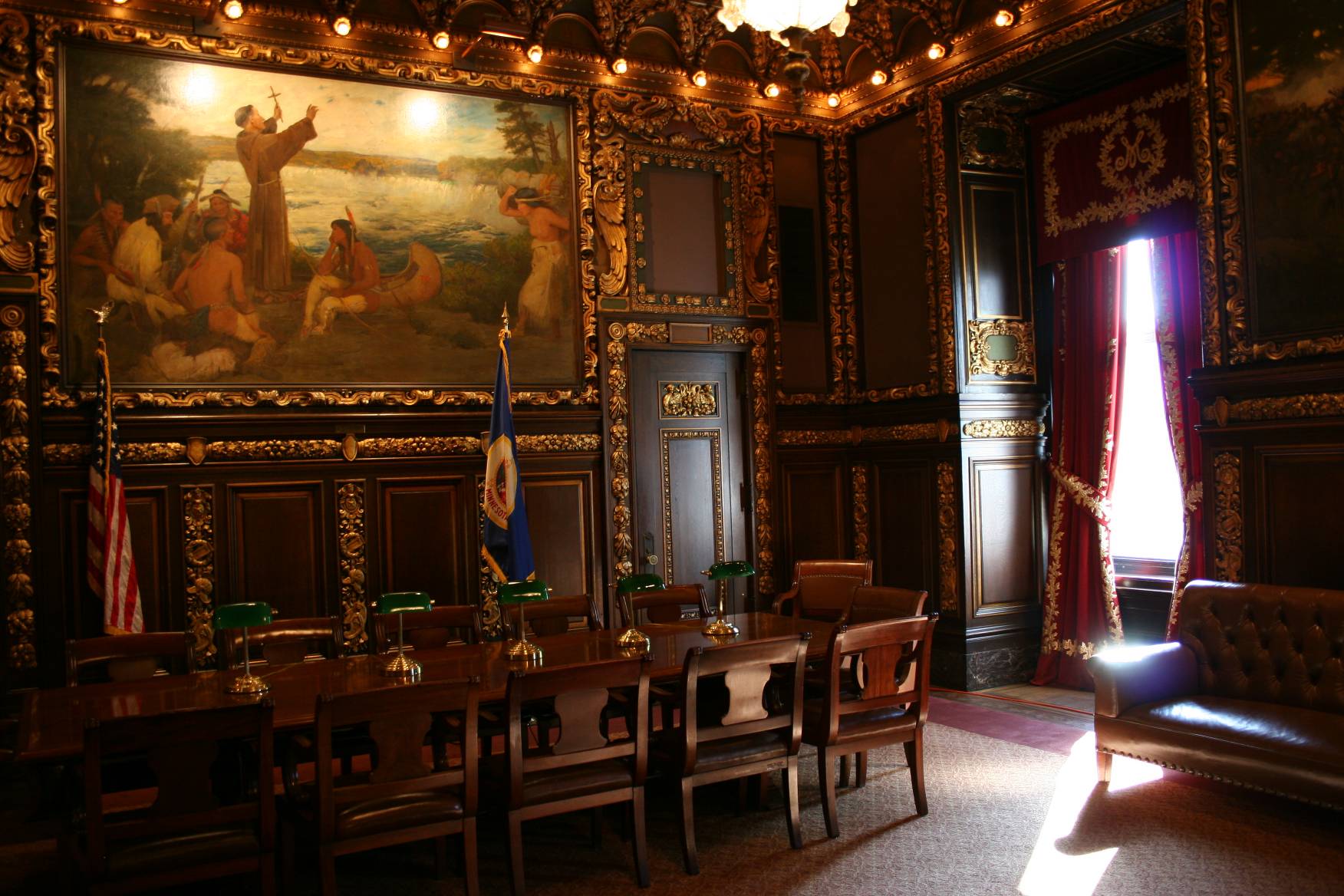
The lavish Governor's Reception Room at the Capitol.

I remember thinking then, and writing later, how I would love to welcome guests into the lavish Governor’s Reception Room with dark wood, leather chairs, extensive carvings, heavy drapes, a fireplace and historic paintings.

I also remember feeling surprised that our tour group could just walk into the reception room. At the time, I also wondered which door would lead me to the governor.

Now, today, in the aftermath of the wounding of Arizona Congresswoman Gabrielle Giffords and 13 others and the shooting deaths of six in last Saturday’s attack, I am rethinking our fall 2009 visit to the Minnesota State Capitol.

Because the legislature was not in session when we were there, the building felt almost abandoned to me. I don’t recall seeing hardly anyone, let alone a security presence, anywhere. And security cameras? If they were there, I didn’t notice them, not that I was looking.

Honestly, I was a bit of a lagger during our fast-paced tour. I dawdled and lollygagged to snap photos. I expect our guide noticed my lingering with only five tourists in our group. But he never said anything and I probably could have slipped inside somewhere I shouldn’t have been if I really wanted to do so.

I felt then like I could have wandered anywhere and that surprised me.

Today, in the wake of the Arizona shootings, security issues are once again, as you know, the focus of concern at places like the Capitol complex. But the dilemma lies, as you also know, in balancing security needs with public accessibility.

Here’s a paragraph lifted from that magazine feature I wrote about my Capitol visit:

“Remember, it’s we the people,” our guide impresses upon us as we sit in the House chamber gallery. After a half hour of listening to him, I am beginning to feel like I own this place, like my voice could make a difference. He speaks of approachable lawmakers, who are open to constituents and who mentor pages. As we stand in a back stairwell, he tells of lobbyists and lawmakers who mingle here during the legislative session.


A view of the Minnesota House of Representatives chamber from the gallery.

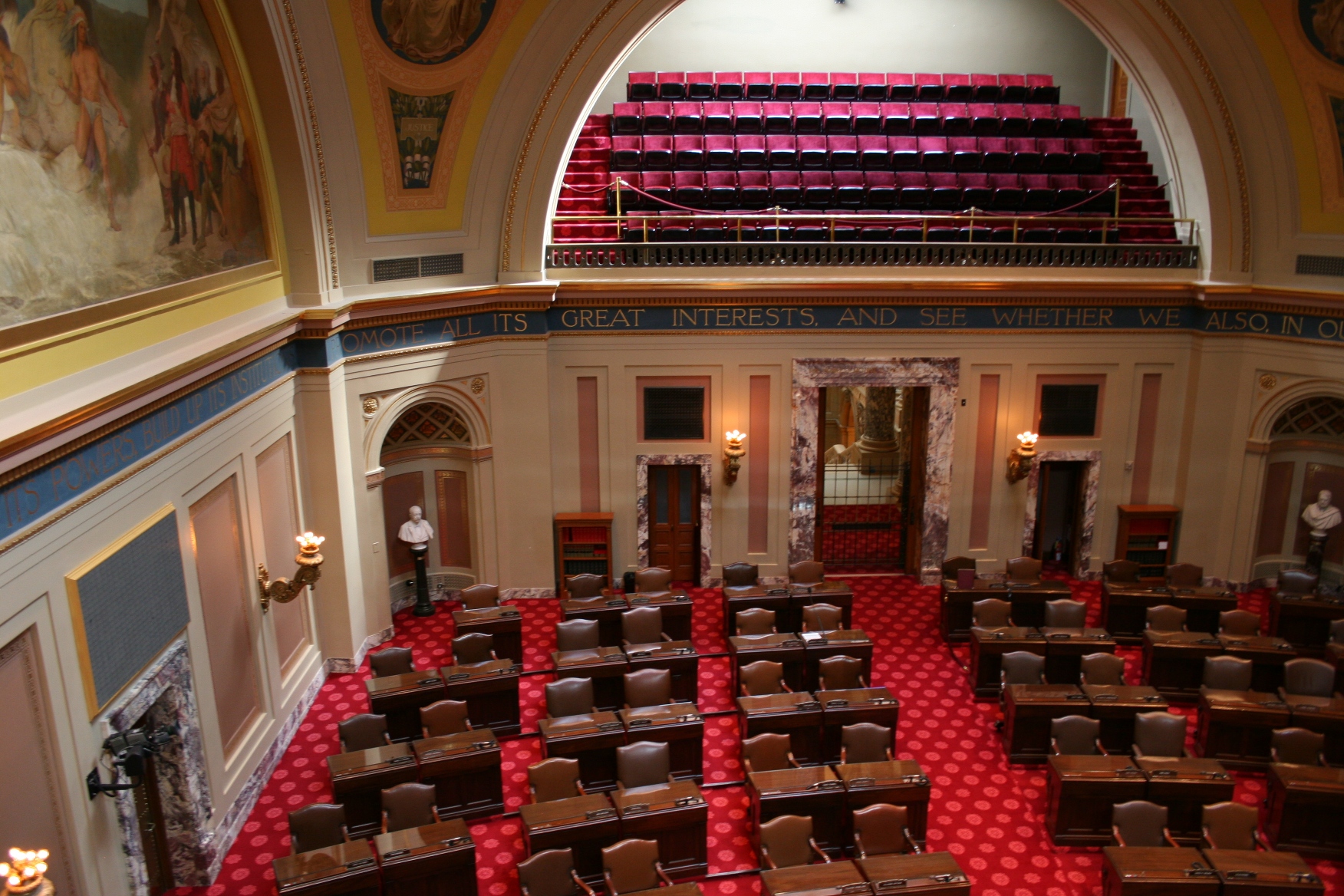
Looking from the gallery onto the Senate floor.

I wonder now if those legislators and lobbyists will mingle so easily in that back stairway.

Will those of us who tour the Capitol still feel as comfortable as we did before the Arizona shooting?

Will the Capitol guides still tell visitors: “This is the people’s place. You own this building.”

If you read these words inscribed in the Capitol, will you take them to heart?

“The true grandeur of nations is in those qualities which constitute the true greatness of the individual. Labor to keep alive in your heart that little spark of celestial fire called conscience.”

Will you wonder about the weight of these words written above the doorway and viewable from the Minnesota Supreme Court bench?

“Where law ends tyranny begins.”

Conscience and tyranny and law.

The Arizona shootings do not qualify as tyranny, but the violence fits the definition of tyrannical—harsh, severe, unjust, cruel.

How do we weigh it all? Security, freedom and accessibility.

I have no answers.


Words from The Declaration of Independence inspire on the House ceiling.

The Star of the North centers the floor of the Capitol rotunda in the "people's place."

© Copyright 2010 Audrey Kletscher Helbling
 

A rural Minnesota billboard packs a powerful message January 10, 2011

IF YOU TRAVEL OUTSTATE Minnesota, otherwise known as any place outside of the Twin Cities metro, check out the billboards.

They’re worth noting because of how they differ from advertising along freeways, where anyone from anywhere will see the signage.

In rural areas, the target audience seems much more localized.

For example, on a recent road trip to southwestern Minnesota, I spotted a billboard along U.S. Highway 14 near New Ulm advertising the Brown County Fair. Never mind that the fair happened last August.

Another sign promoted Chuck Spaeth Ford Mercury in Sleepy Eye and New Ulm. My automotive machinist husband tells me Ford no longer manufactures Mercury.

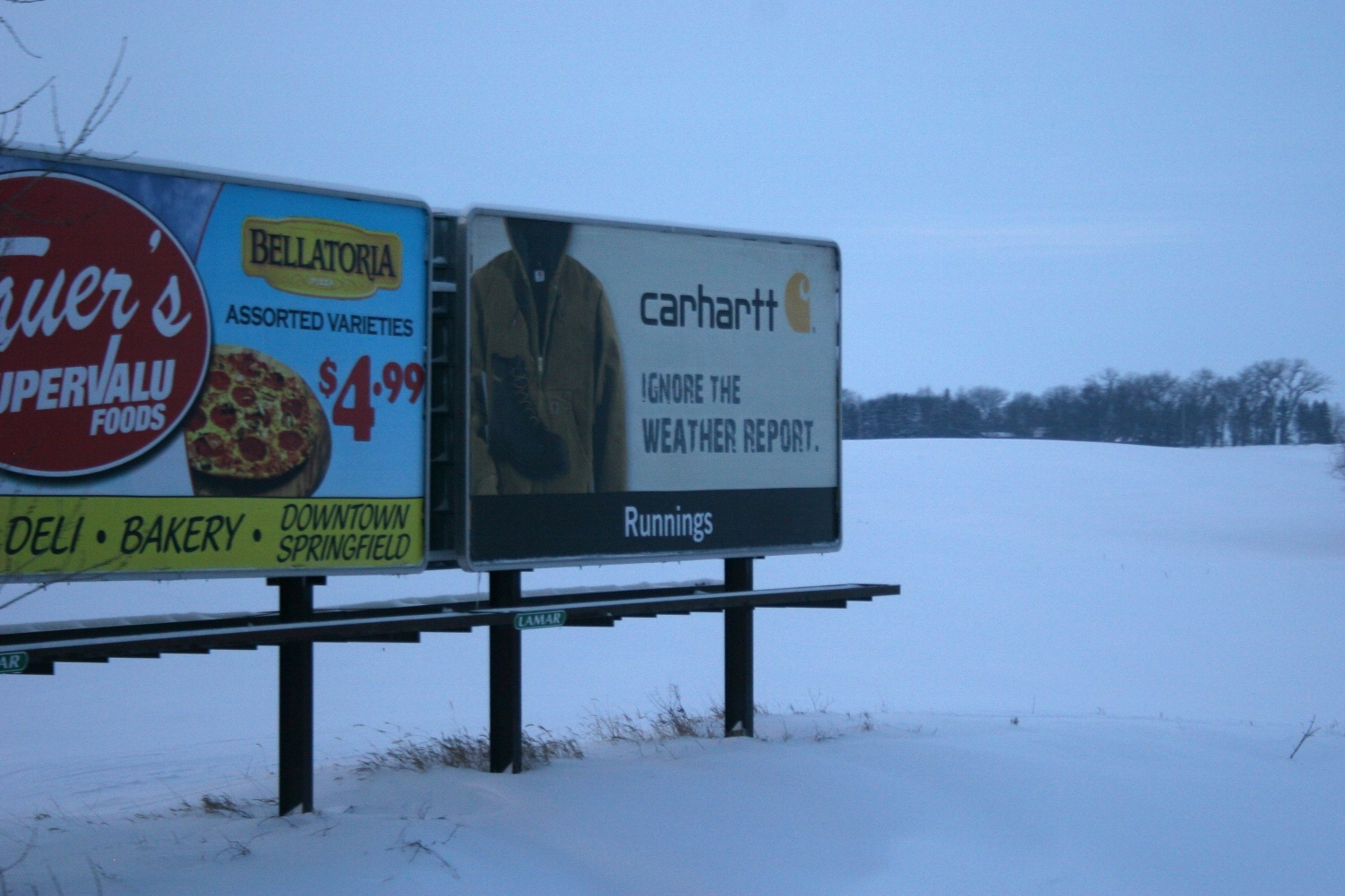
I also saw a billboard advertising Carhartts at the Runnings (“farm”) store in Springfield. This rugged clothing, footwear and more are almost a must-have for rural Minnesotans.


Pizza and Carhartts advertised on billboards along U.S. Highway 14.

Folks in outstate Minnesota like pizza, too. Just buy it at your local SUPERVALU, in this case Tauer’s SUPERVALU Foods in downtown Springfield.

But I spied my favorite billboard of this road trip in Sleepy Eye. Sponsored by the Brown County Underage Substance Abuse Coalition & The Parent Communication Network, this sends a strong message to parents: PARENT YOUR CHILD.


Brown County Underage Substance Abuse Coalition billboard in Sleepy Eye.

I wish such billboards weren’t needed, that underage substance abuse didn’t exist. But we know it does, always has and always will.

I appreciate how the billboard message encourages and empowers parents:

Parents…you are the #1 influence in your child’s life. Talk to your kids today! They really do listen to what you have to say!

I’d like to see replicas of this billboard elsewhere in Minnesota, even Rice County where I live. Rice County is among Minnesota’s most dangerous counties for drunk driving.

Just change the sponsor name on the billboard, and you’re good to go.

© Copyright 2010 Audrey Kletscher Helbling


Photographing the Amish in Wisconsin January 8, 2011

Filed under: Uncategorized — Audrey Kletscher Helbling @ 11:40 AM
Tags: , , , , ,

FOR YEARS, I’VE BEEN fascinated by the Amish. I’m not sure why. I’ve never met an Amish person, never visited an Amish farm. But I’ve read Amish fiction by Christian writer Beverly Lewis.

That fiction likely ignited my interest in learning more about a people who live such a simple life, so different from mine.

If I’m honest with you, I’ll tell you that I also really, really want to photograph the Amish and their way of life and tell their story.

My daughters repeatedly warn me that, “Mom, you’re not supposed to take pictures of them.”

I’ve never quite understood that. I’ve heard everything from an Amish belief that photographs steal souls to a belief that photos are considered graven images. When I googled the topic, I found an interesting article on Amish Country News that seems to support the graven images theory.

Recently I’ve been tempted again by my desire to photograph the Amish. This time the Amish were in central Wisconsin. Twice now my second eldest has seen them in their buggies along State Highway 21 near Coloma. Once at night, the other time near sunset. She knows that if I had been with her, I would have taken photos.

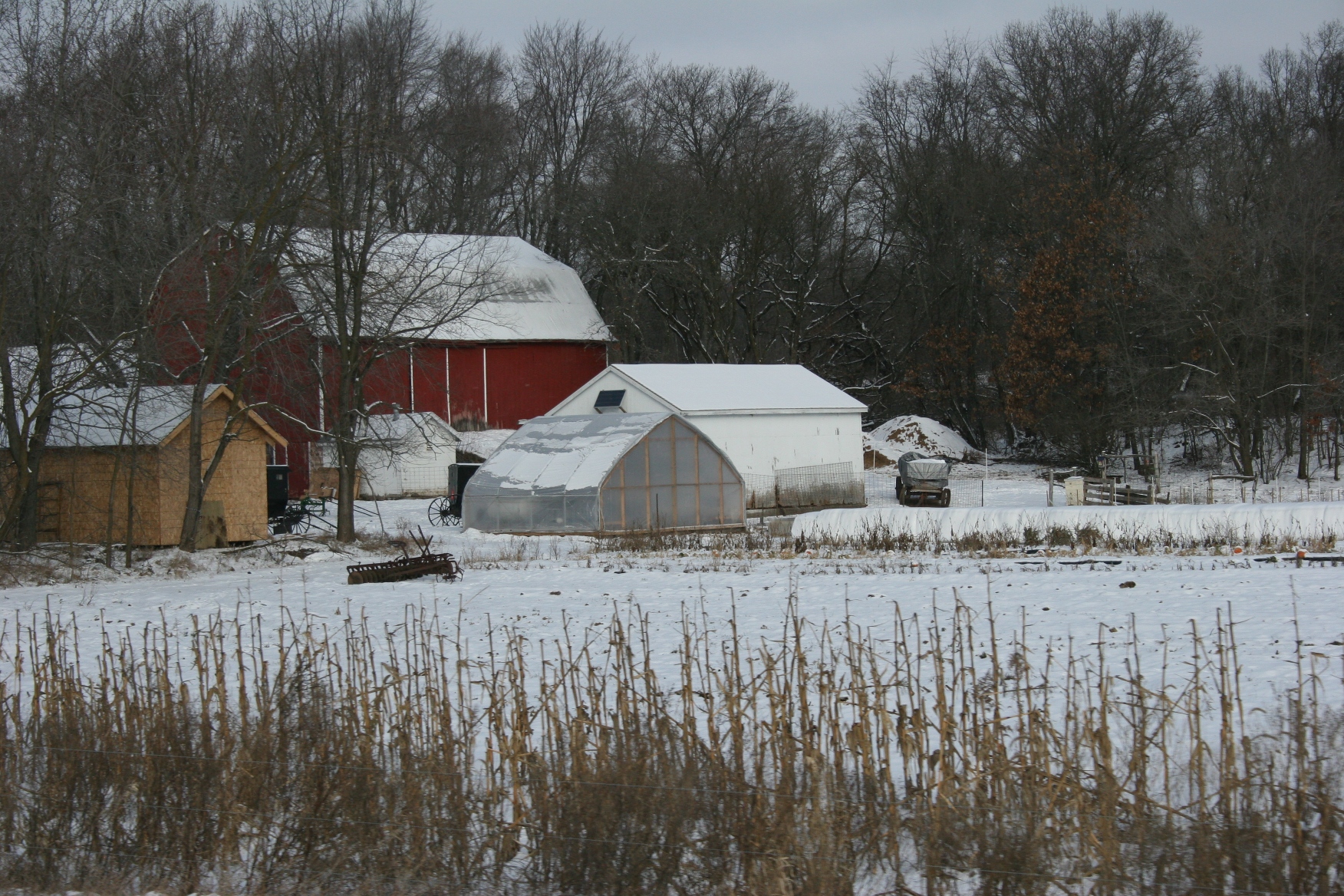
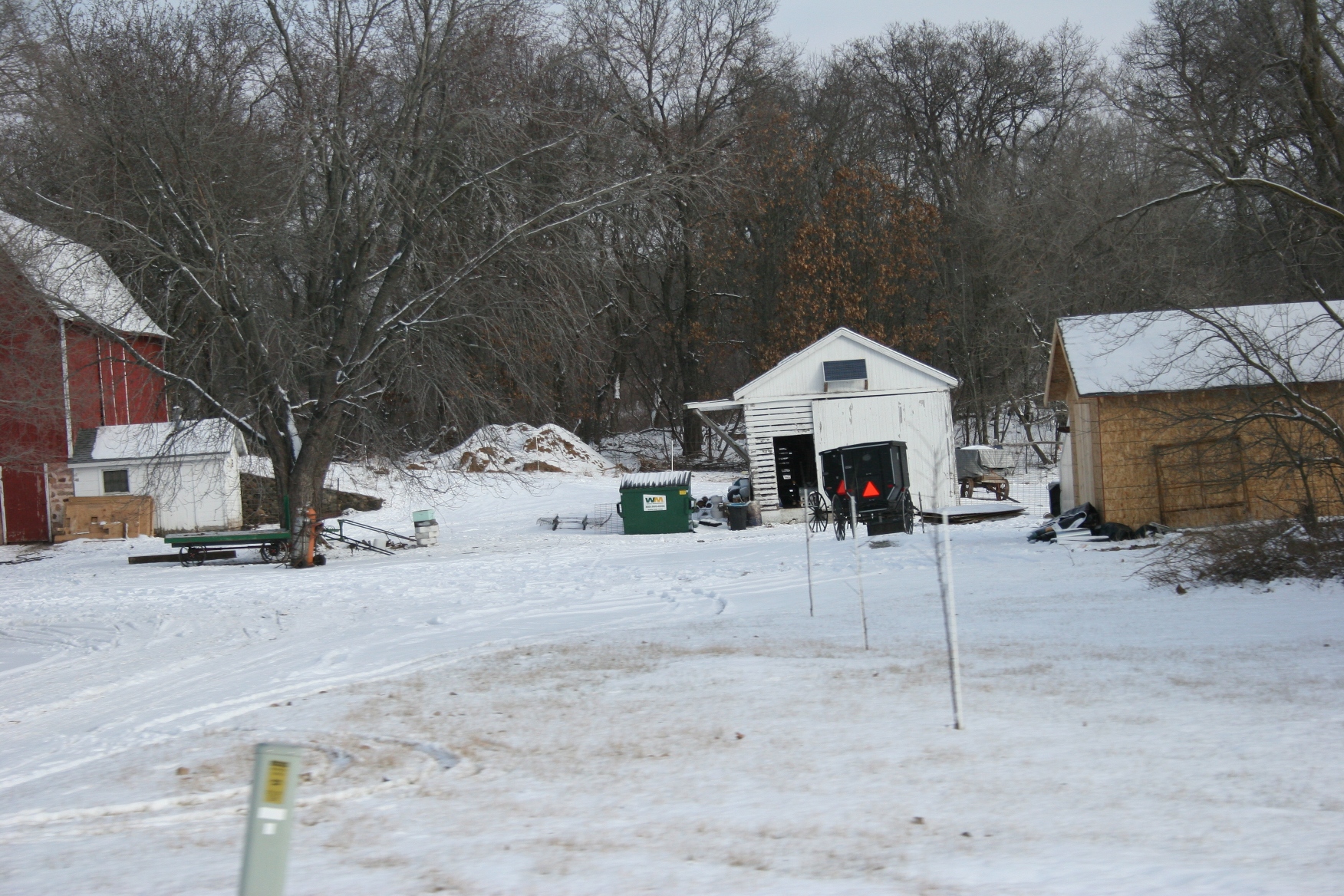
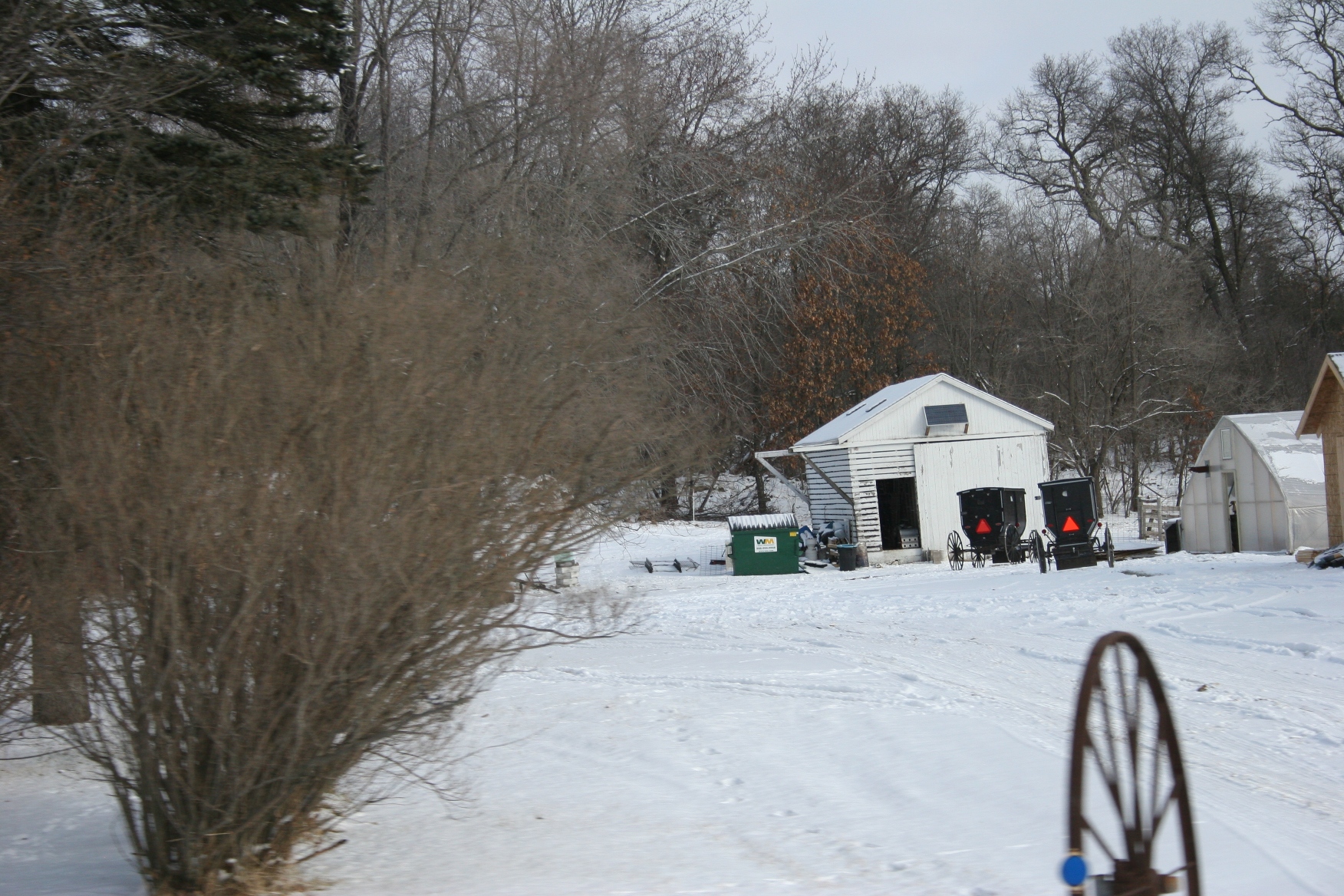
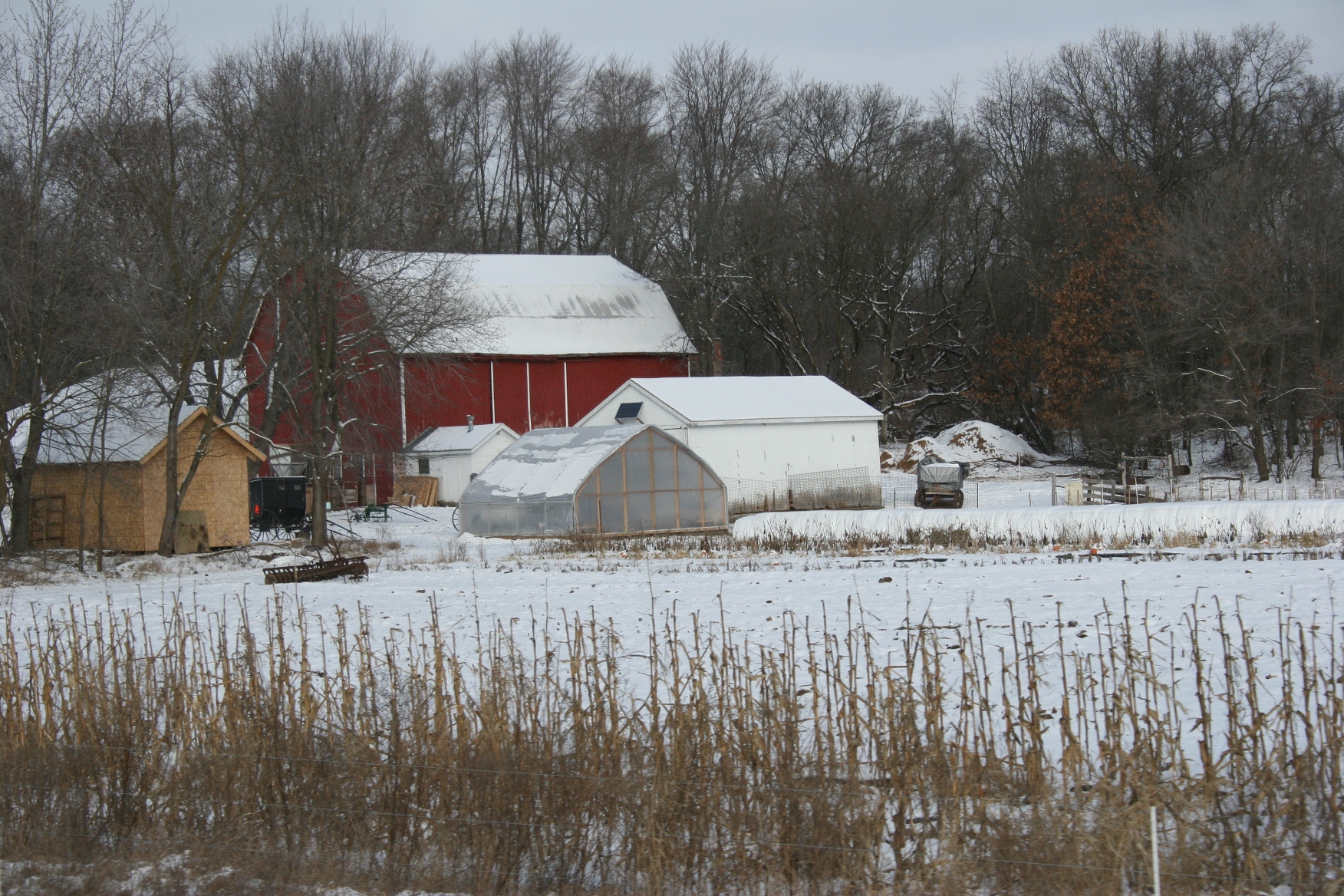
When my husband and I were on that section of highway in early December, I only saw the buggies parked, in a farmyard. I managed, however, by setting a fast shutter speed on my camera, and with rapid-fire clicks of the shutter, to get several images as we drove by. That will have to do for now, until I can return and explore at a horse-trot pace.


Next to the building on the left, I caught my first glimpse of an Amish buggy on this Wisconsin farm.

I continued clicking the shutter as a second buggy came into view behind the building in the middle.

A better view of two buggies parked on the farm place.

My last shot of the Amish farm and buggies, taken from the car as we drove by on Wisconsin Highway 21.

© Copyright 2010 Audrey Kletscher Helbling
 

These businesses have been in Faribault for how long January 7, 2011

EVER SINCE The Faribault Daily News “2010 Year in Review” special supplement published last week, I’ve been meaning to write this post.
Now, you might think that I would summarize the top 10 stories in my southeastern Minnesota community. OK, I will tell you that a late September flood ranked as the top local news event of 2010, according to the newspaper.

A successful season by the Faribault High School Emeralds danceline rated as number 10, although I find that rank as a bit of a stretch for a top 10 news story (no disrespect to the Emeralds intended).

While I found the summary of my community’s top news events to be interesting, I was most impressed by the advertising content. Yes, advertising.
All of the ads in this supplement highlight the number of years that local businesses have been in business. Some have been in Faribault for more than 100 years. Those are impressive numbers in today’s economy and impressive personally to someone like me. My hometown of Vesta in southwestern Minnesota was founded in 1900, while Faribault was founded in 1852. Do the math. That’s a 48-year age difference.

Since those triple digit numbers wowed me, I decided to do a little online research into several of the long-time Faribault businesses that advertised in the special section.

Here’s the scoop on some of our oldest businesses, starting with 134-year-old Parker Kohl Funeral Home, 607 N.W. Second Avenue. As you would guess, the business name reflects the merger of two funeral homes (in 1978). Most interesting to me is the fact that Flora Ray Parker joined her dad, David Ray, in operating the Ray Funeral Home, which originated in the 1870s. Later, her son, John Parker, would join the Parker Funeral Home. Was it common for a woman to operate a funeral home back in the day?


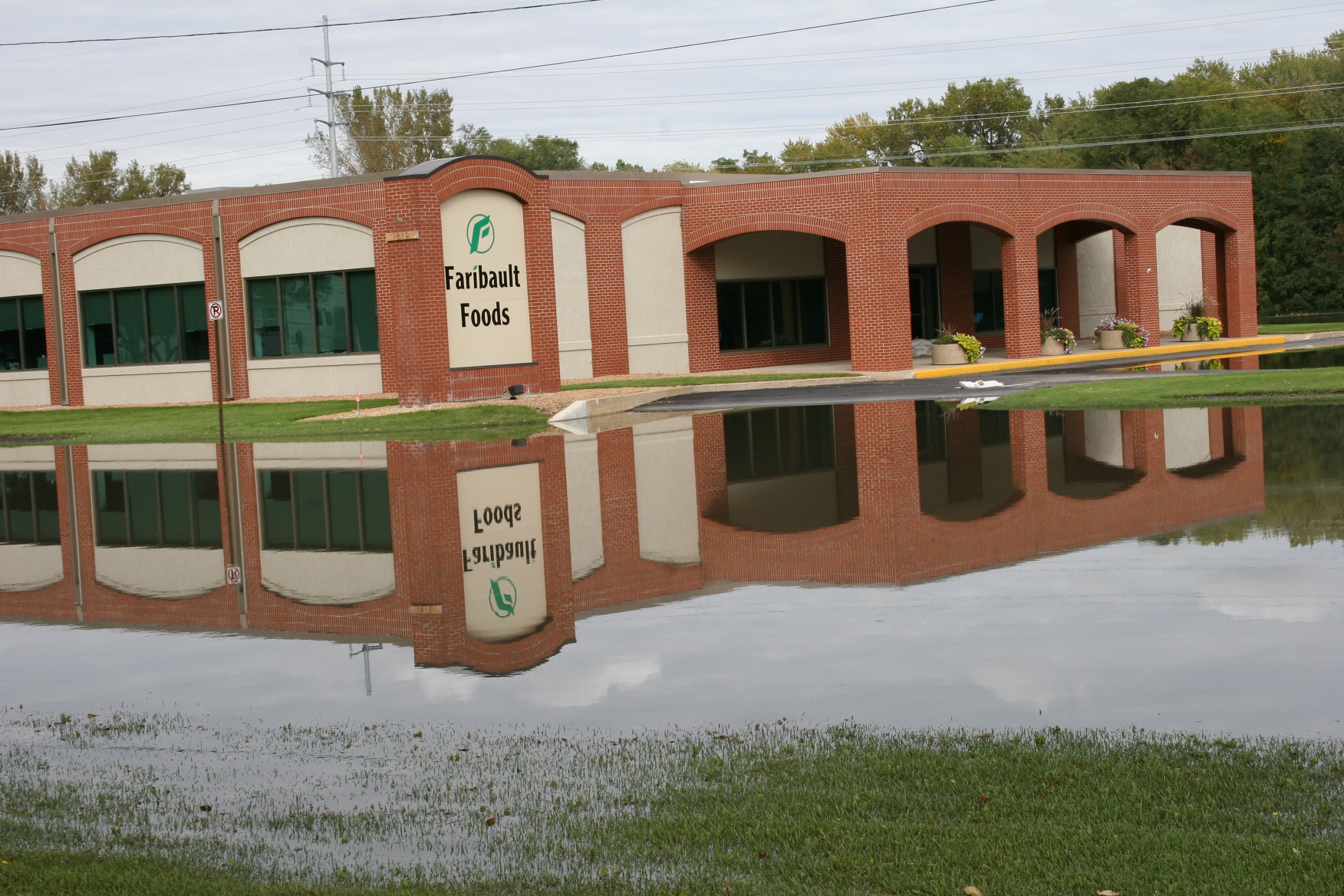
The offices of Faribault Foods, surrounded last September by floodwaters.

Moving on, I clicked onto the Faribault Foods website and found a detailed timeline showing how this 115-year-old canning company has evolved. “Faribault Foods started in 1895 as a vegetable company. We were known for small-sized, juicy corn kernels, tiny ‘petits pois’ peas and a willingness to do everything we could to please our customers,” I read.

Today, according to the company website, Faribault Foods produces canned vegetables; sauced, refried and baked beans; kids’ and family style pasta; soup; chili; and organic and Mexican specialties. In 2007 it became the largest producer of canned organic soups in the country. I did not know that.

Farmer Seed and Nursery, 818 N.W. Fourth Street, has been around for 122 years and is the historic-looking building you’ll see driving along Minnesota Highway 60 from the west toward downtown Faribault. I didn’t find any history on the website except for this statement: “Serving the needs of America’s gardeners for more than 120 consecutive years.”

Yes, this is the company with the seed catalog that Minnesotans (and other northerners) drool over in the dead cold of winter as they plan their gardens and wish for spring.

Some of Faribault’s other long-time businesses include The State Bank of Faribault, founded in 1919; The Community Co-op Oil Association of Farbault, founded in 1925; the Boldt Funeral Home, here since 1927; and Grampa Al’s, established in 1929.

Many more businesses have been around for six or seven decades. Really, that’s impressive, isn’t it?


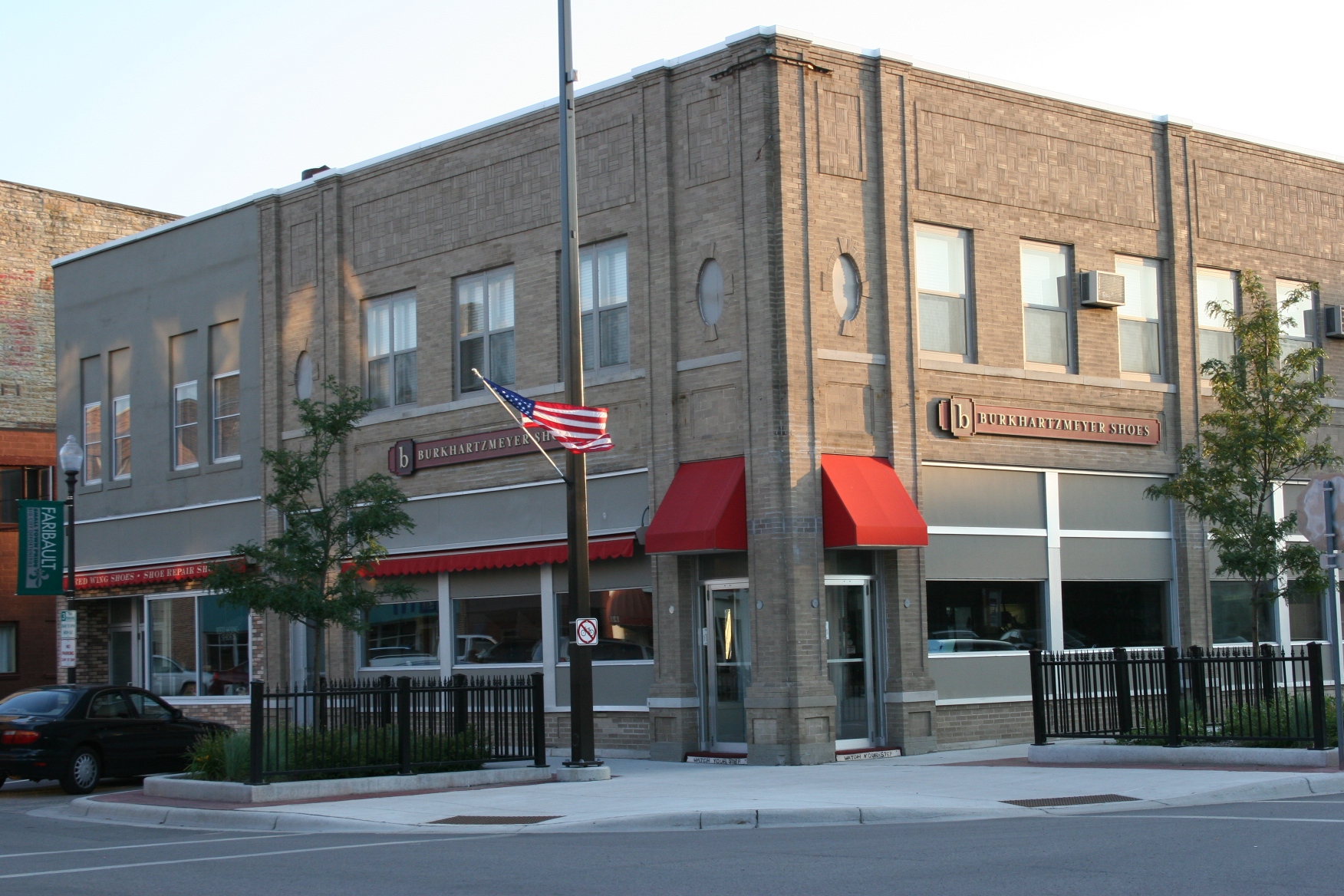
Burkhartzmeyer Shoes, a third-generation family shoe store in historic downtown Faribault.

If you’ve never been to Faribault, come and check out our community sometime. We have a beautiful, historic downtown with interesting shops, like Burkhartzmeyer Shoes, where they fit your feet for shoes, place the shoes in a box and tie the box with cotton string. They’ll even add a lollipop. That’s what I call old-fashioned service from a third-generation family business of 61 years.


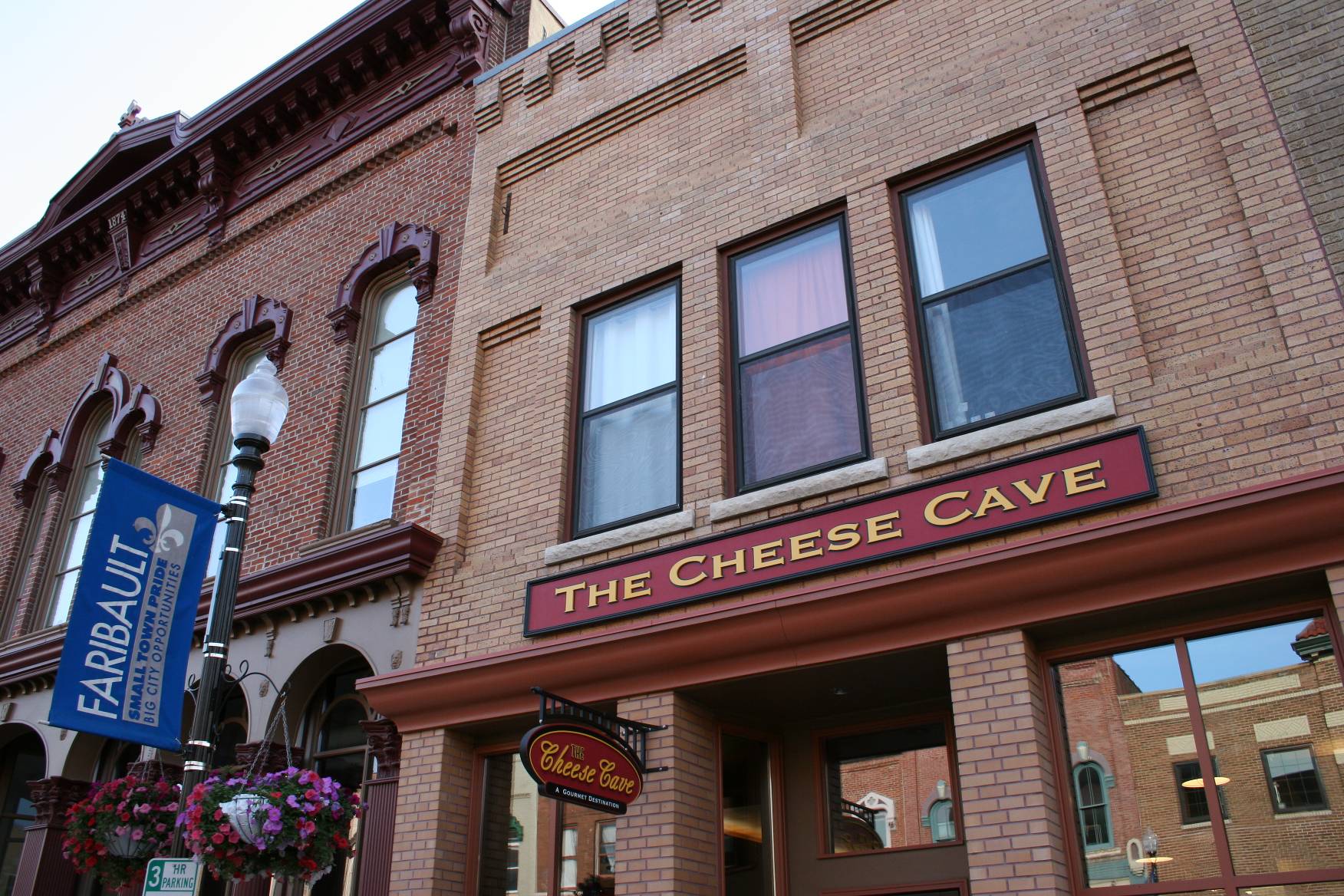
The Cheese Cave serves a limited menu and also sells gourmet products, including cheeses made right here in Faribault and aged in sandstone caves along the Straight River two blocks away.

We also have a cheese store, a candy store, antique and specialty shops, a coffee shop, many ethnic and other restaurants, an art center, thrift stores…enough really to provide you with a day of shopping and entertainment in a historic downtown with a decidedly small-town charm and ambiance.


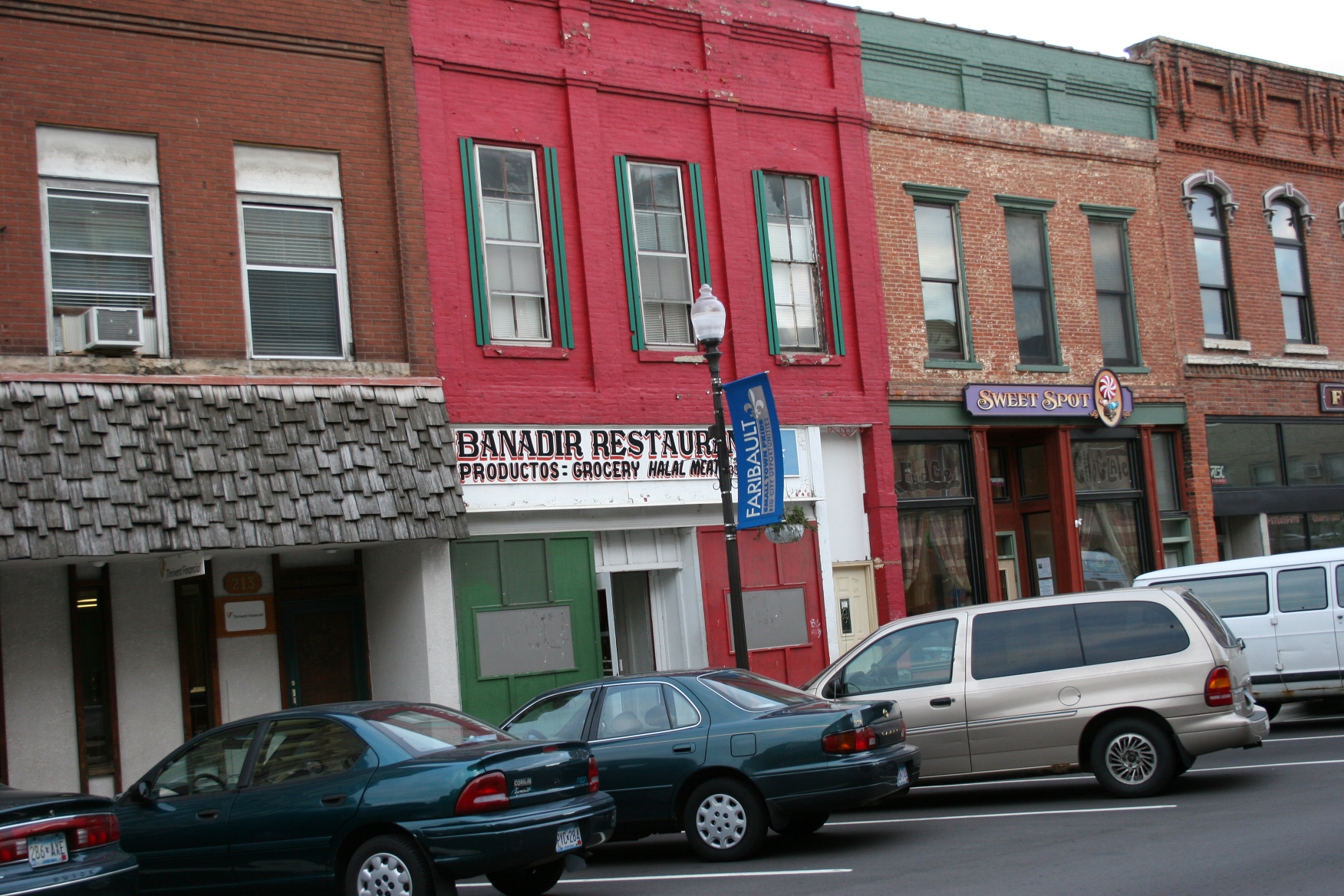
Banadir Restaurant, the red building in the center and one of Faribault's many ethnic eateries, is next door to Sweet Spot Candies, where you can buy homemade and other candies and homemade ice cream.

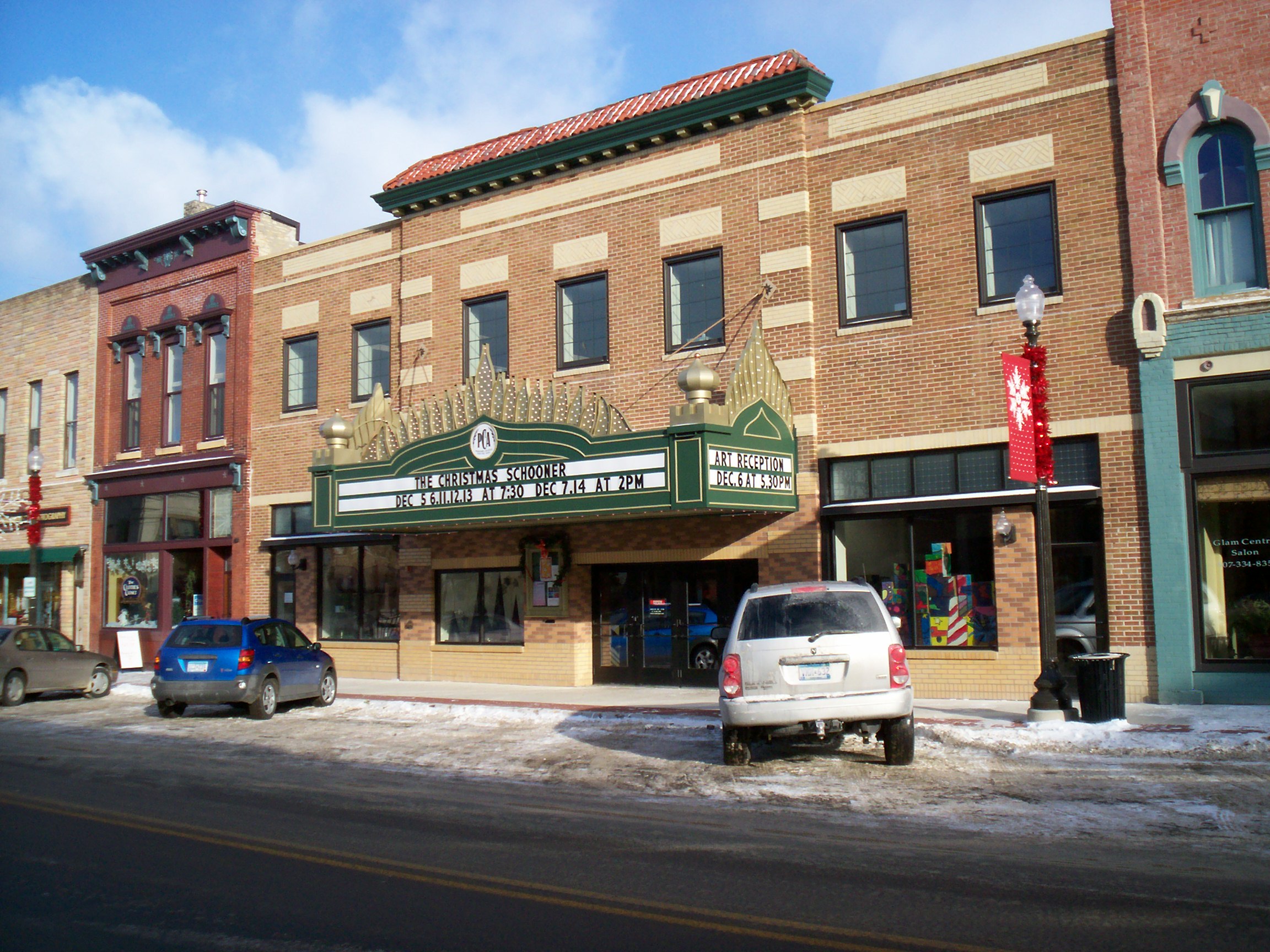
The Paradise Center for the Arts is the cultural hub for theater and art in a historic downtown theater.

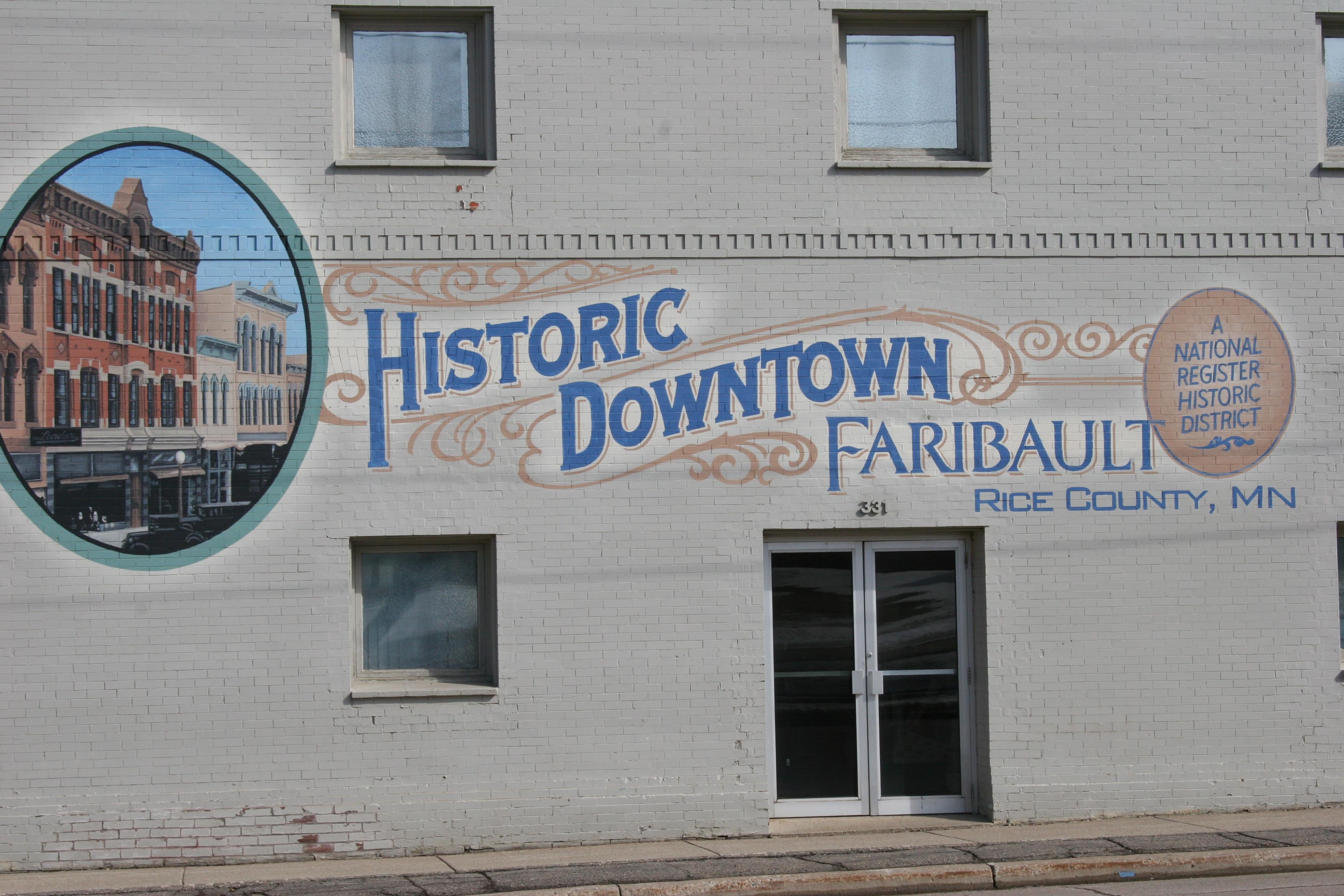
A mural, one of several in the downtown area, promotes historic Faribault.

© Copyright 2010 Audrey Kletscher Helbling