Minnesota Prairie Roots

Writing and photography by Audrey Kletscher Helbling

Immersed in summer at River Bend July 8, 2025

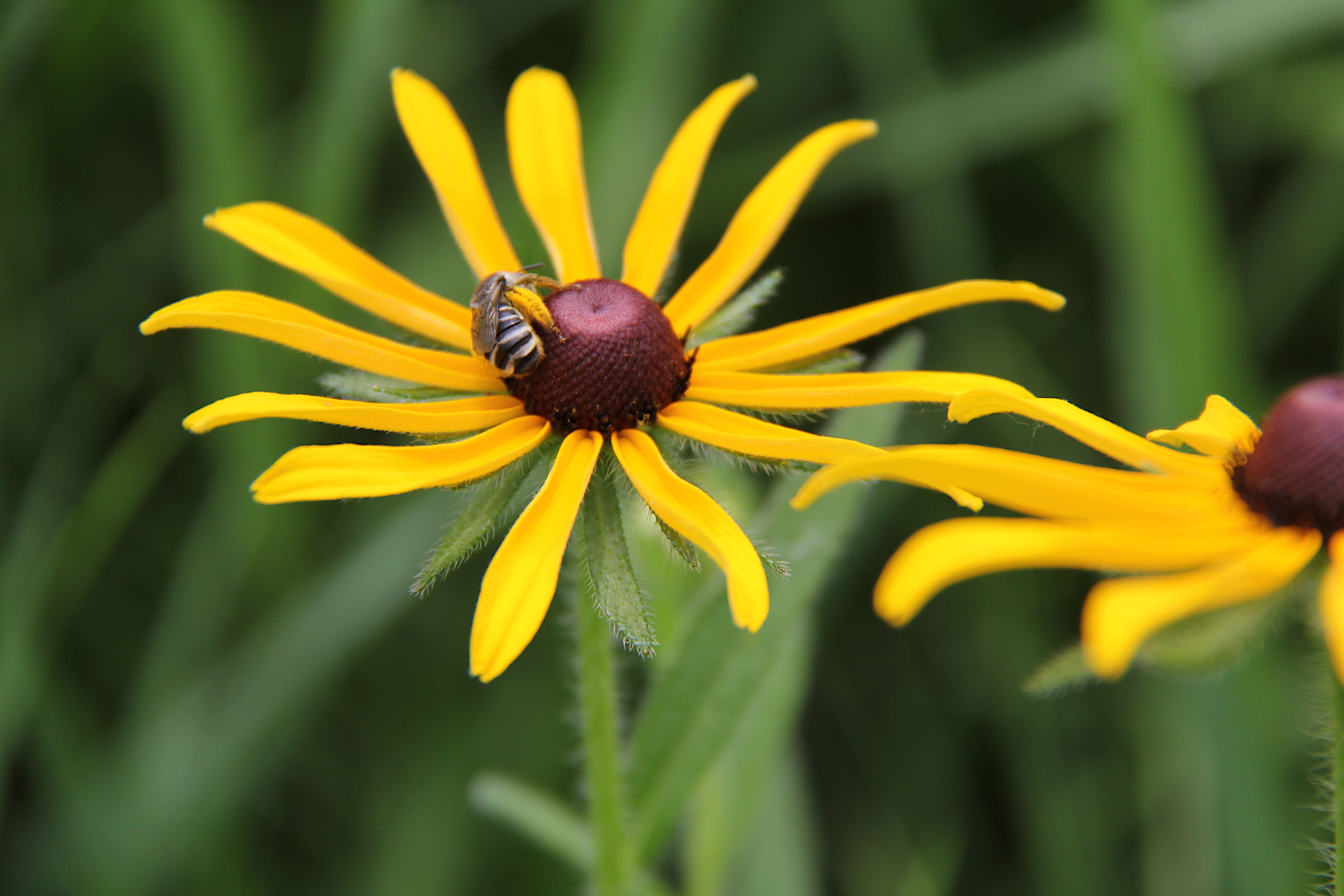
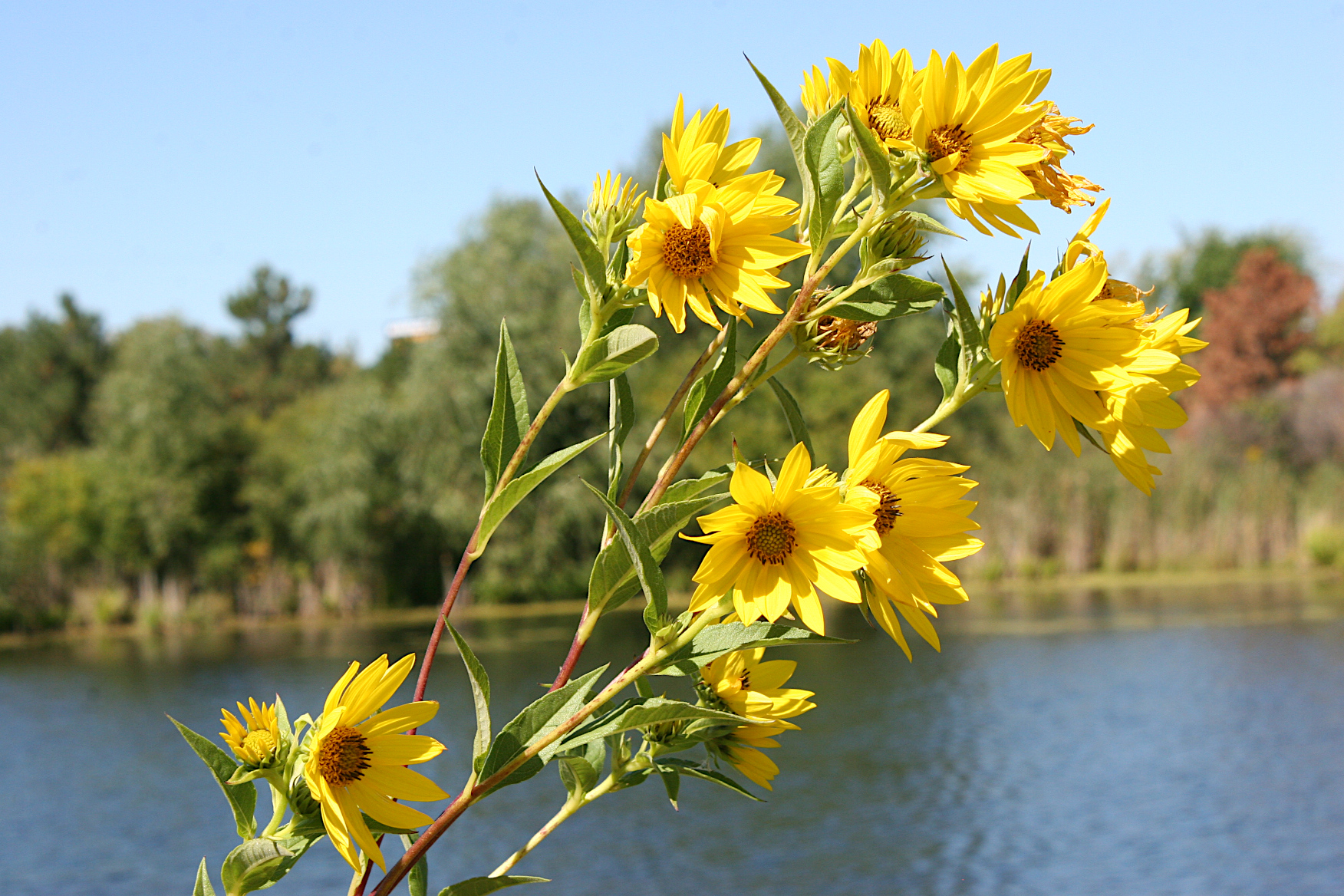
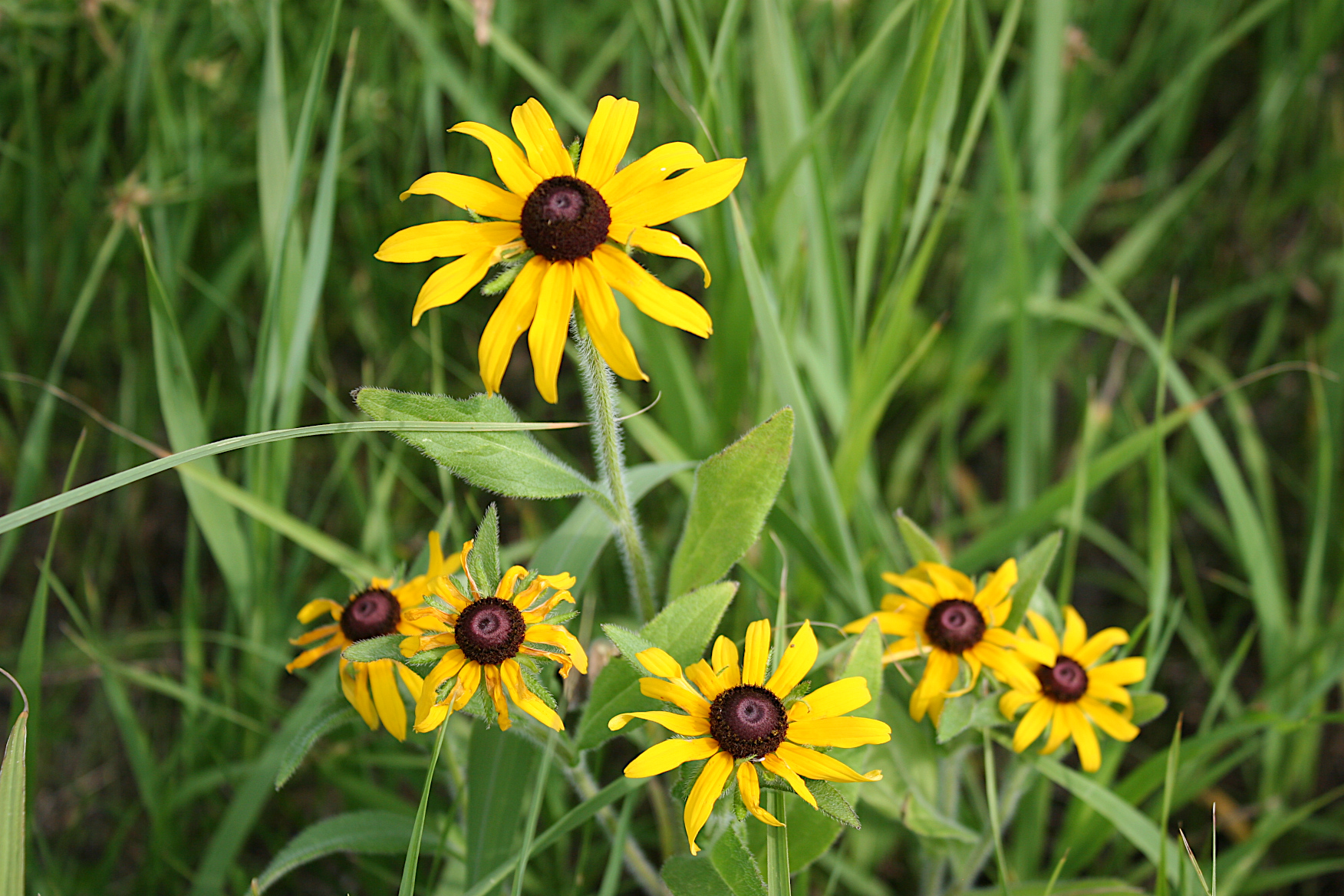
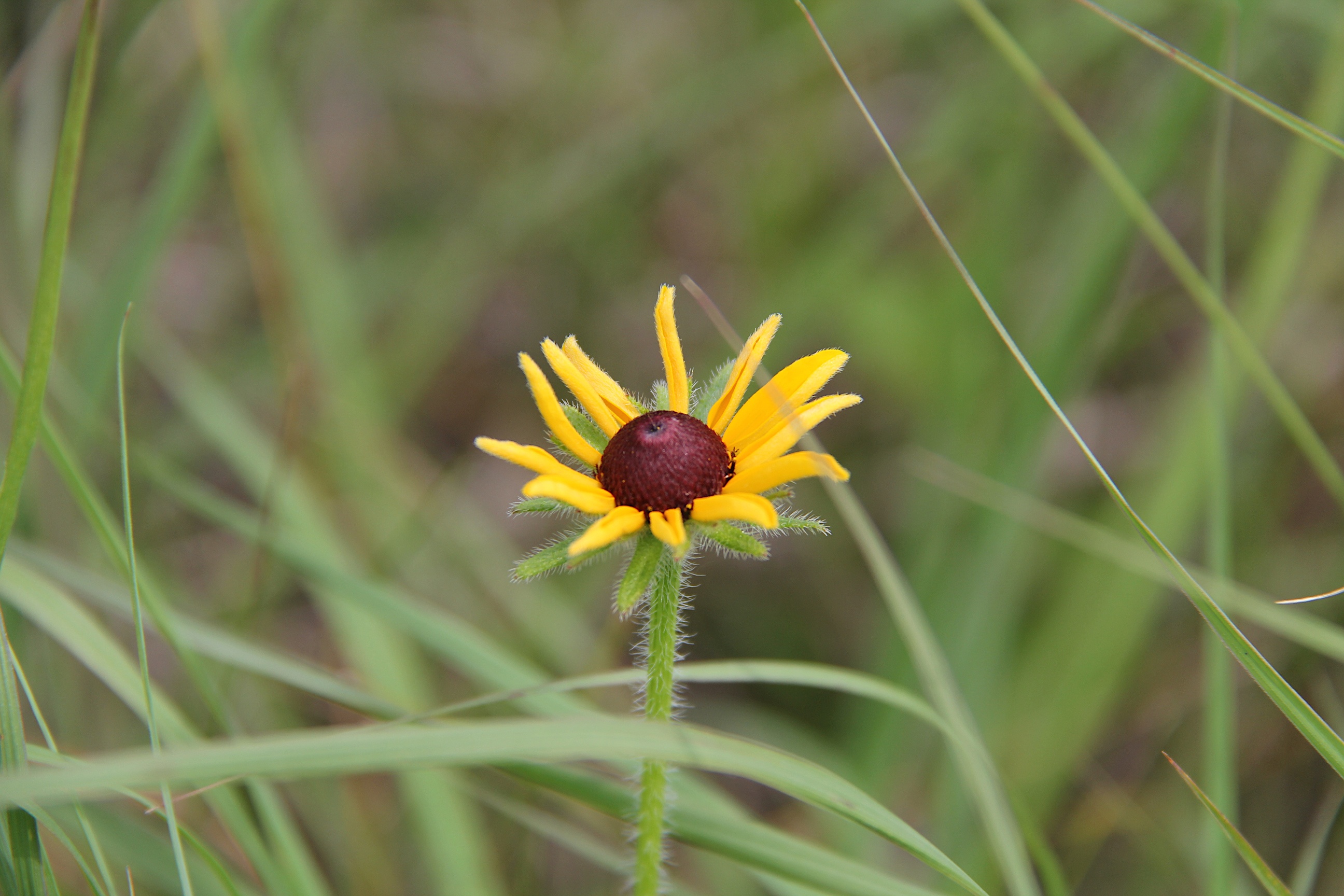
A black-eyed Susan at River Bend Nature Center, Faribault. (Minnesota Prairie Roots copyrighted photo July 2025)

SUMMER, EVEN WITH ITS SOMETIMES excessive heat, humidity and storms, is a glorious season. Especially in Minnesota, when many months of the year are cold and colorless.
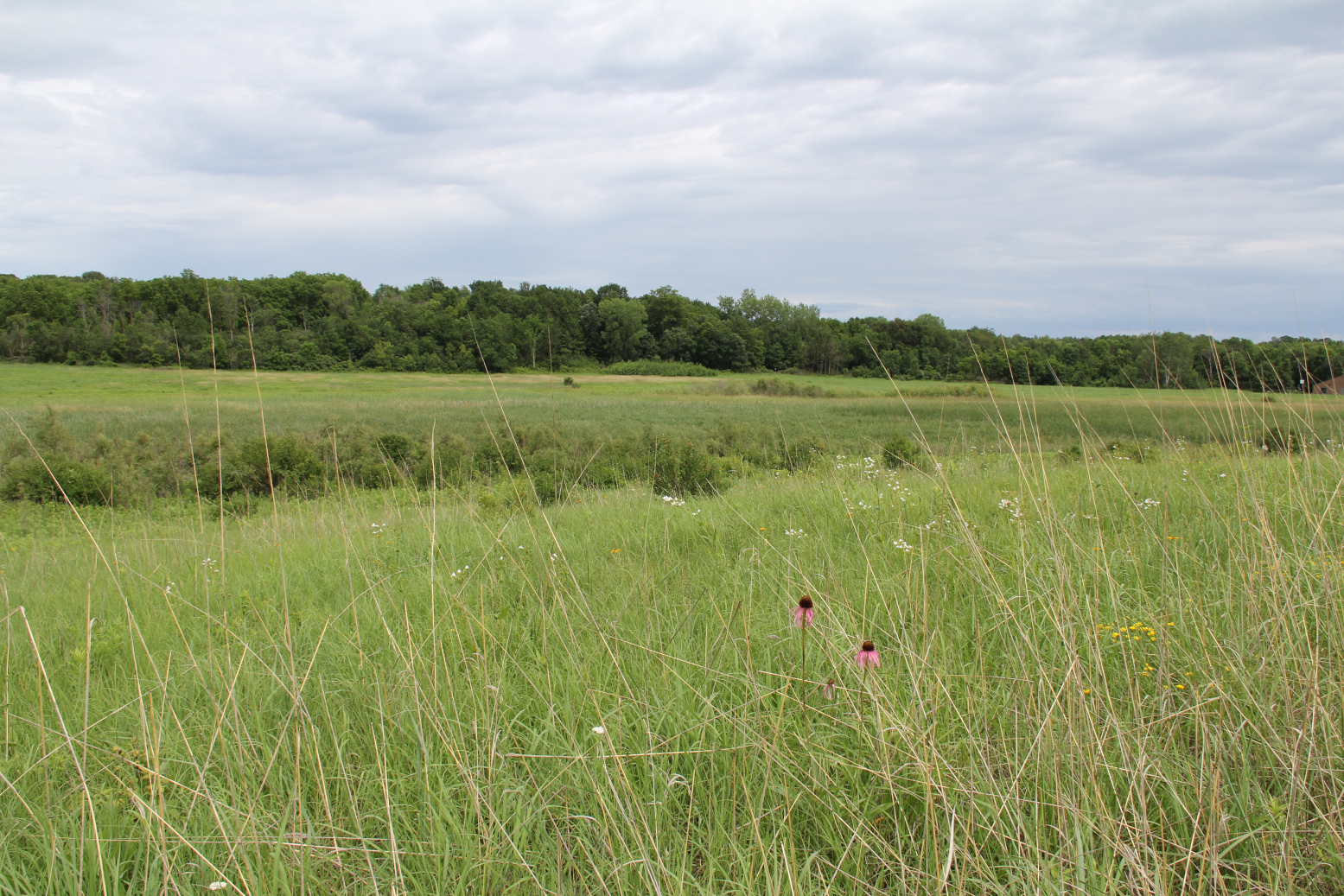
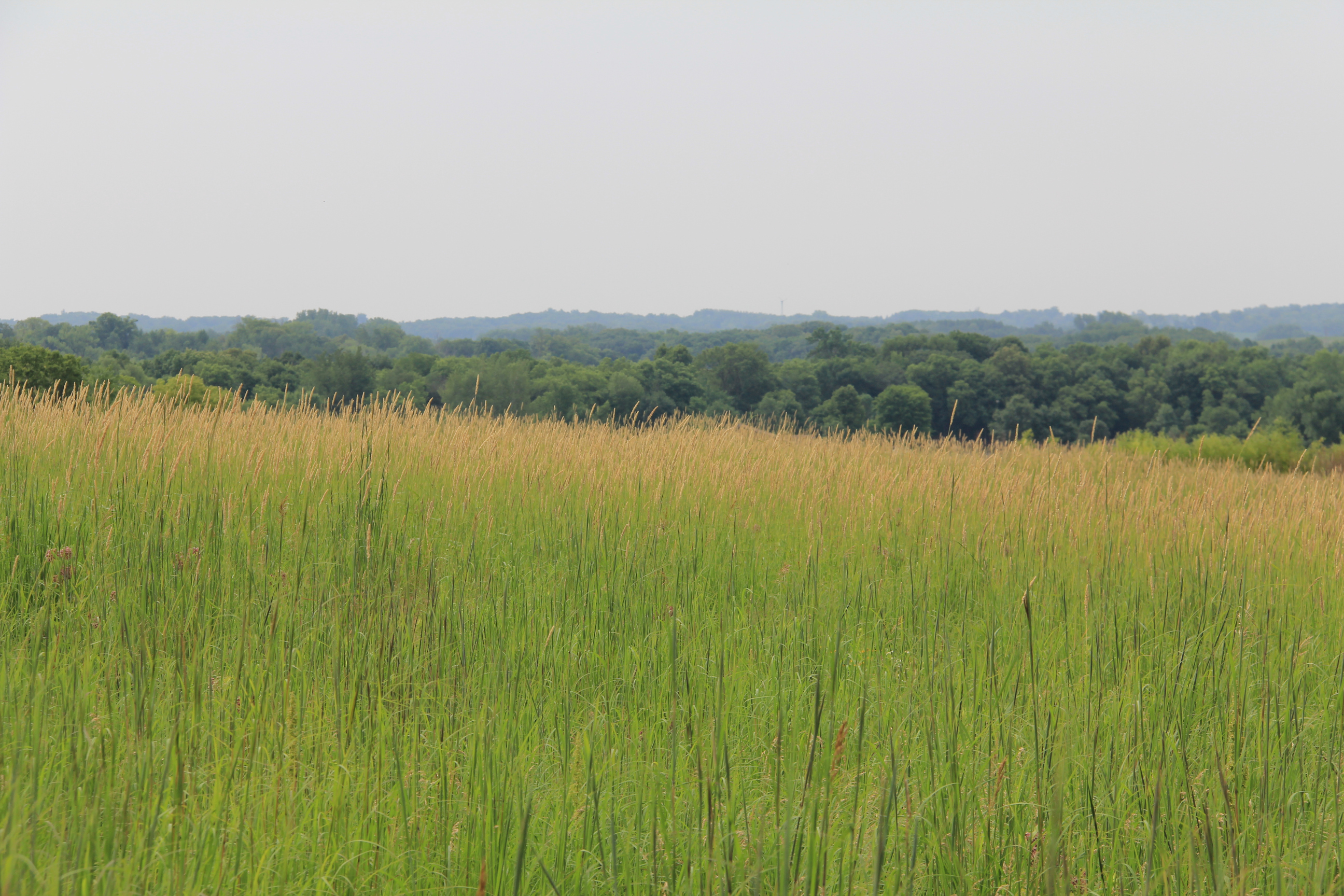
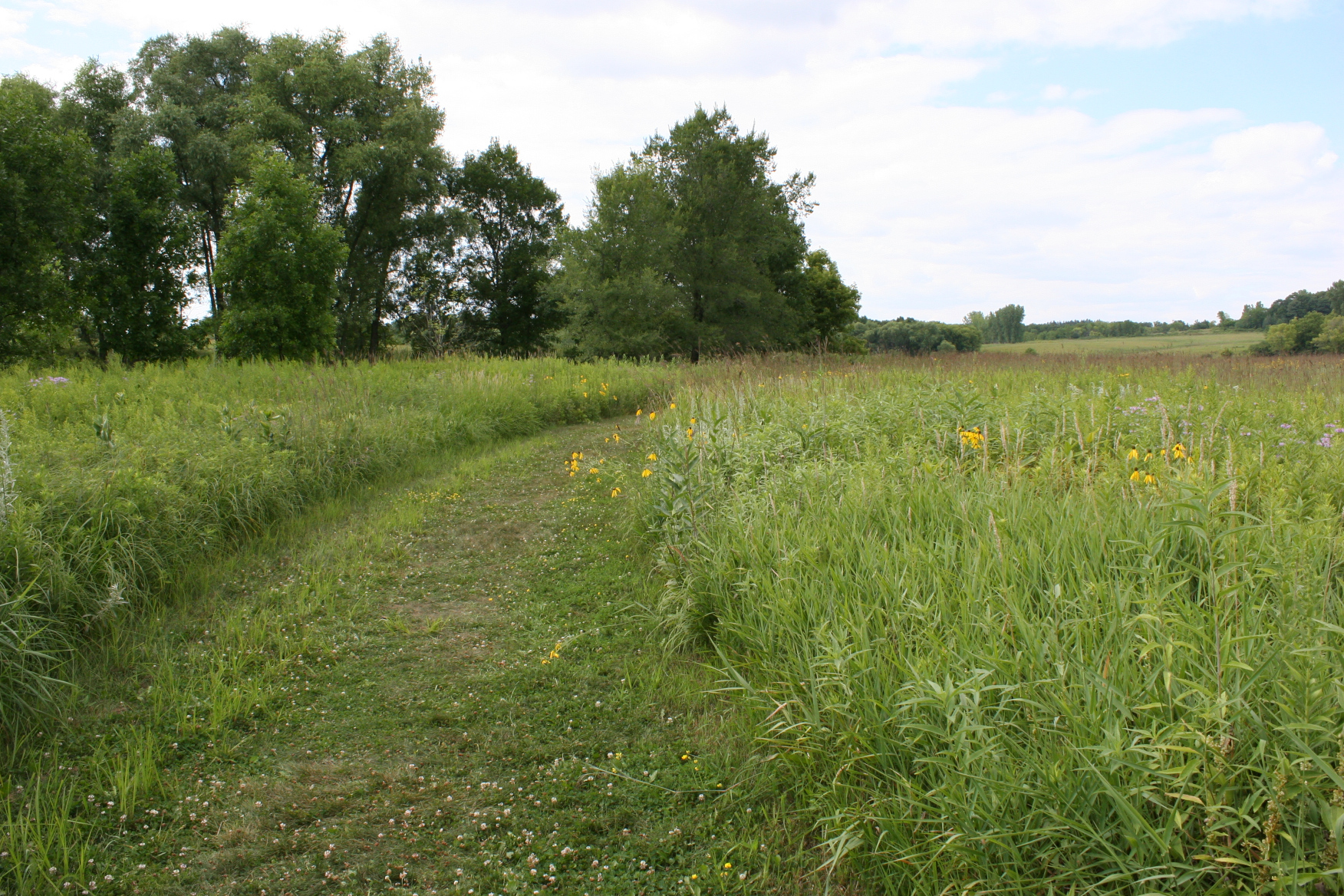
A view of and from the prairie at River Bend. (Minnesota Prairie Roots copyrighted photo July 2025)

This time of year brings a natural world teeming with life in a landscape flush with color. It takes a walk into the woods and onto the prairie—for me at River Bend Nature Center in Faribault—to fully immerse myself in the delights of these July days.
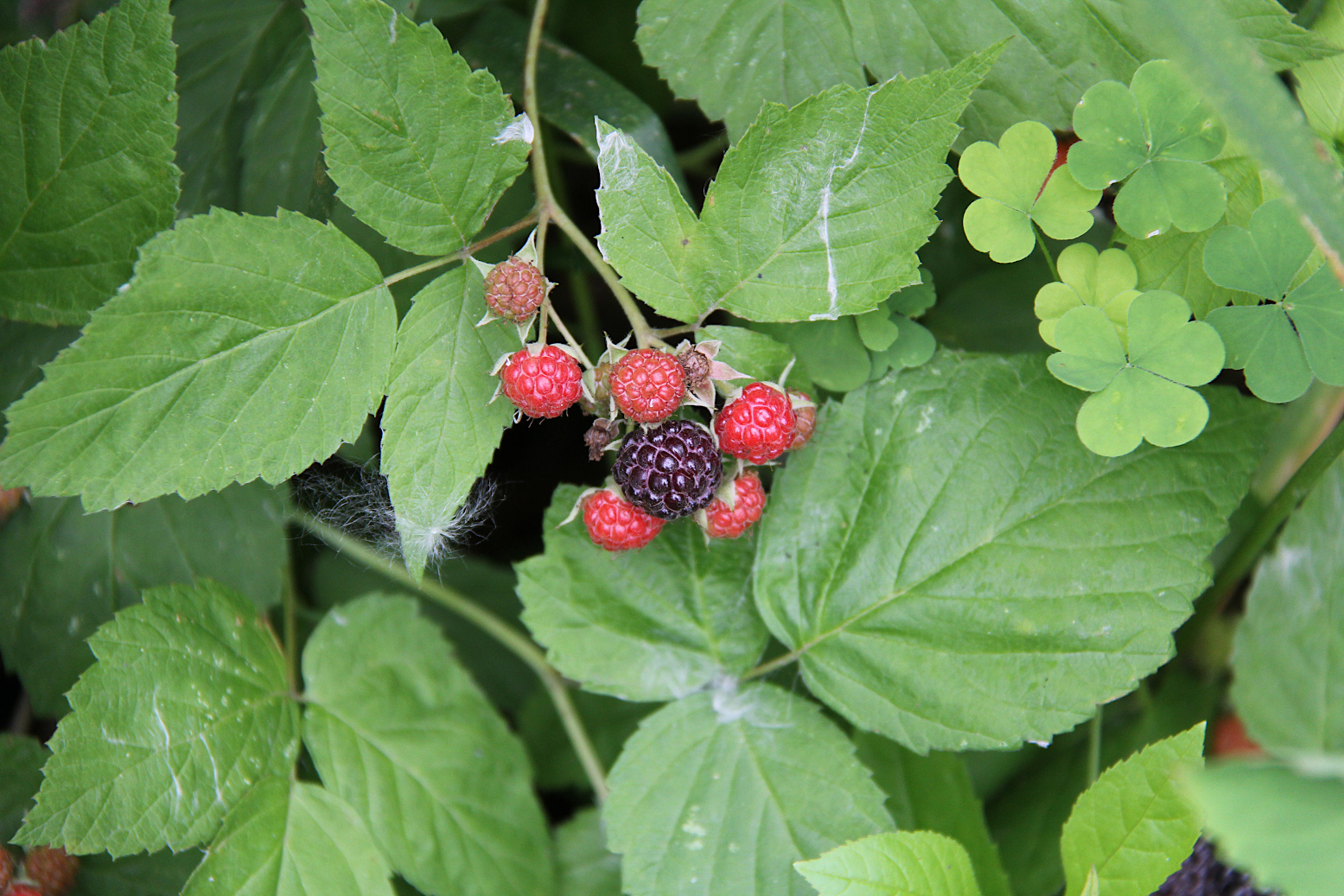
Ripe and ripening black raspberries. (Minnesota Prairie Roots copyrighted photo July 2025)

During a recent hike on River Bend’s north side, I paused early on to sample black raspberries plucked from trailside bushes. I spotted the first ripe ones as Randy and I were about to cross a walkway bridge leading to a trail edging the Minnesota Correctional Facility, Faribault. But before I could get there, two guys on fat tire bikes barreled over the bridge, scaring me. I didn’t see them, so focused was I on picking berries.
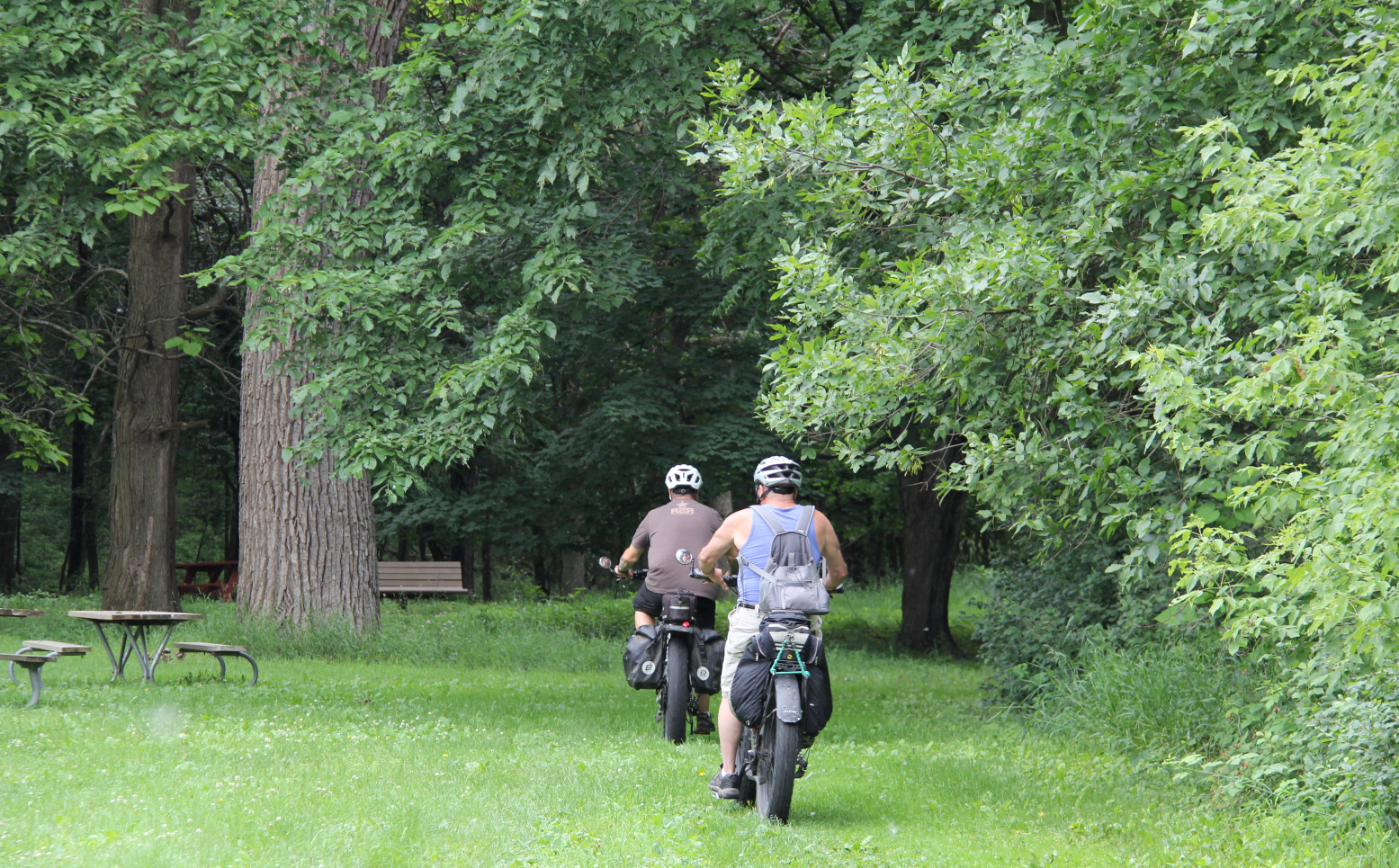
Fat tire bikers head for a trail on River Bend’s north side. (Minnesota Prairie Roots copyrighted photo July 2025)

On the other side of the bridge, a deer stood, trapped between the double fencing of the prison. While many deer at the nature center show no concern for hikers, this one was skittish, bounding away before I could even lift my camera to shoot a picture.
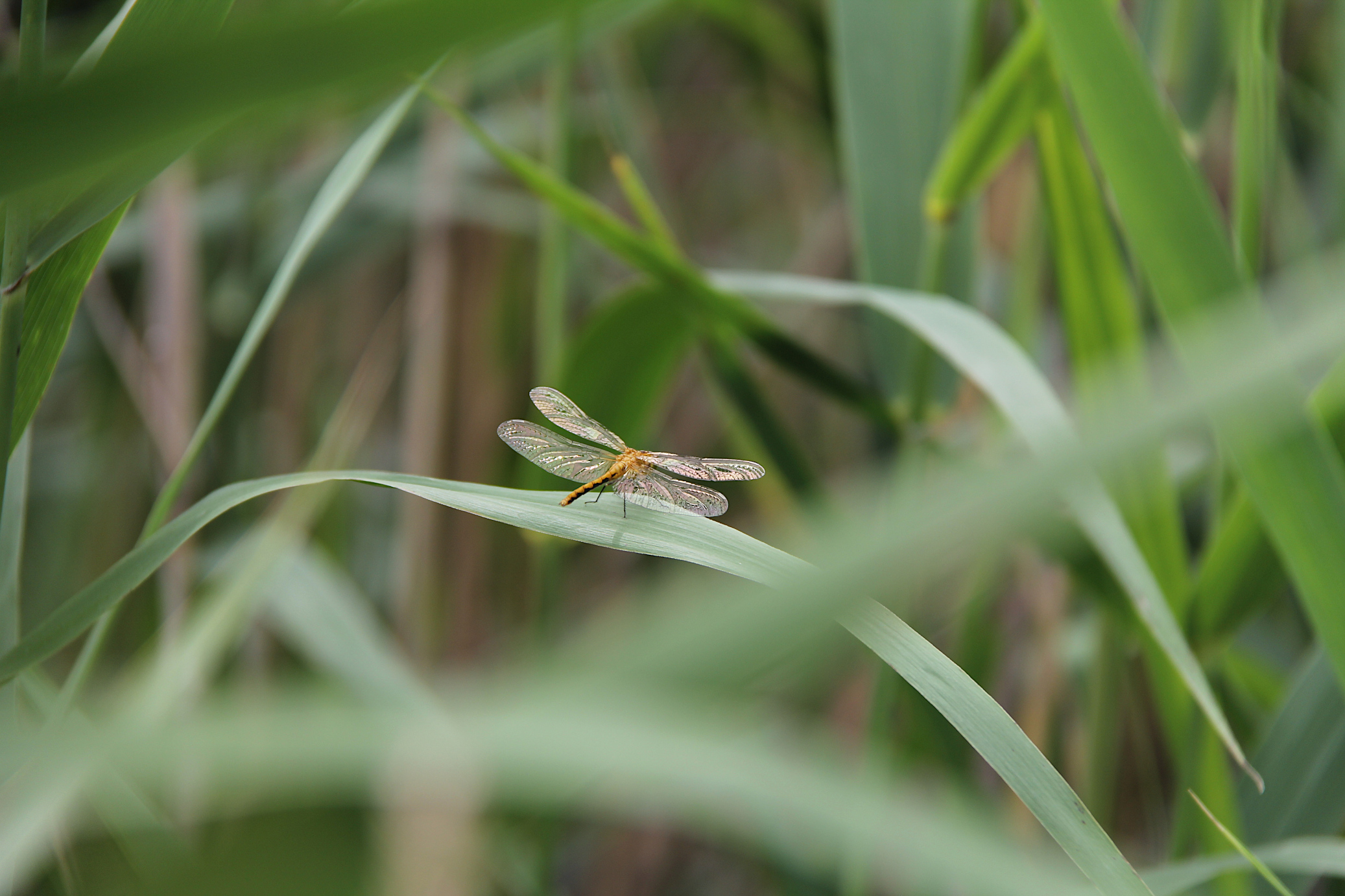
Dragonflies, all in the same hue, flitted about. (Minnesota Prairie Roots copyrighted photo July 2025)

Instead, I focused on the brownish dragonfly flitting, then landing, upon a twig. Later I would spot numerous of these same-hued insects among blades of tall grasses. I find them fascinating with their gossamer wings hearkening of fairies and magic and a child’s imagination.
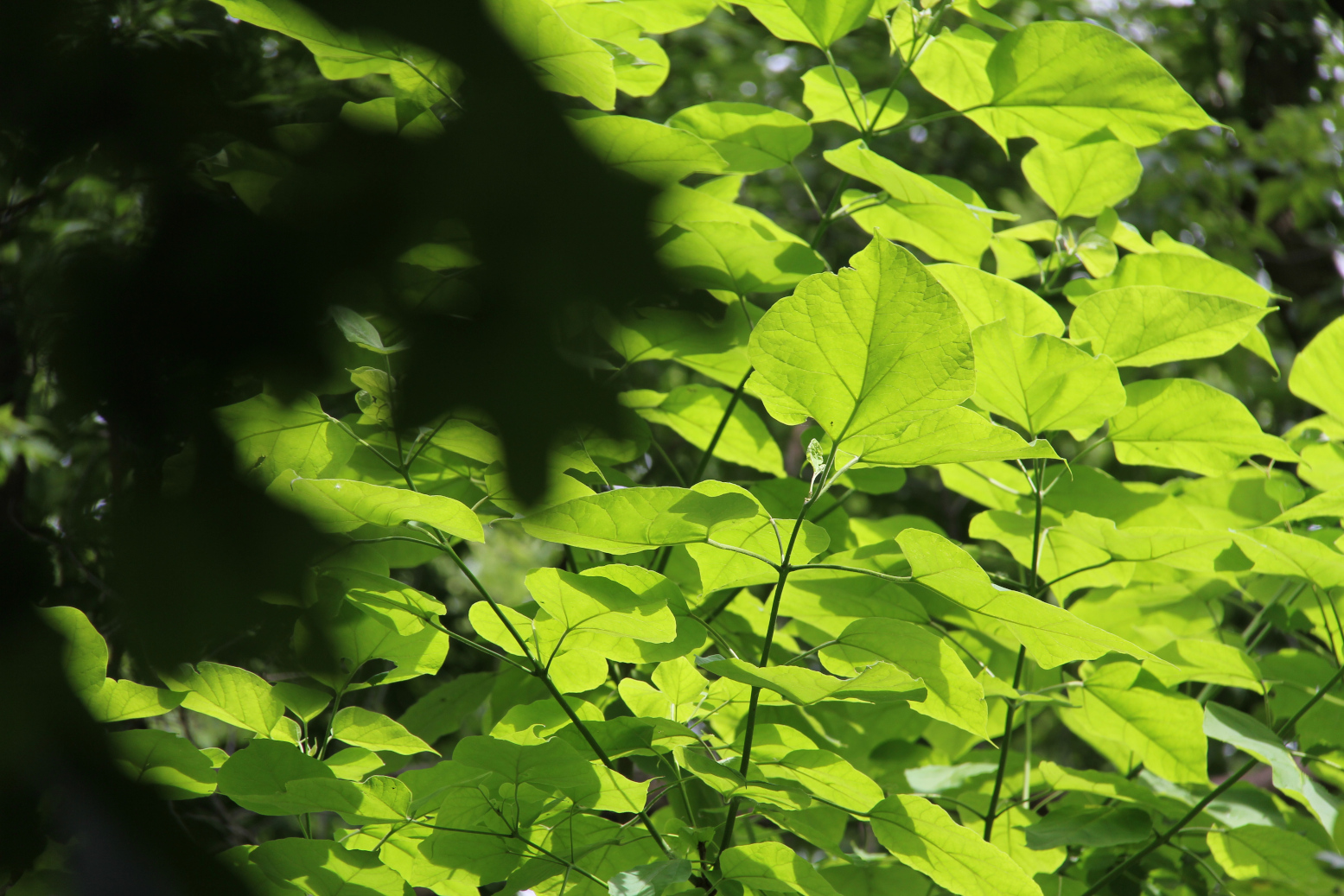
Sunlight plays on leaves in light and shadows. (Minnesota Prairie Roots copyrighted photo July 2025)

Backtracking across the road and into the woods, I observed unidentifiable slimy white fungi lining fallen limbs and trees. I’m always hopeful I will find an intensely bright yellow or orange mushroom like the vivid ones I saw several years ago in the woods of north central Minnesota. But I don’t think those grow in southern Minnesota. I know little about mushrooms except that I like them and buy eight ounces of baby bellas every week at the grocery store. I also know that a fairly-new business, Forest to Fork, grows a variety of mushrooms inside a former Faribault Foods plant on the north side of town.
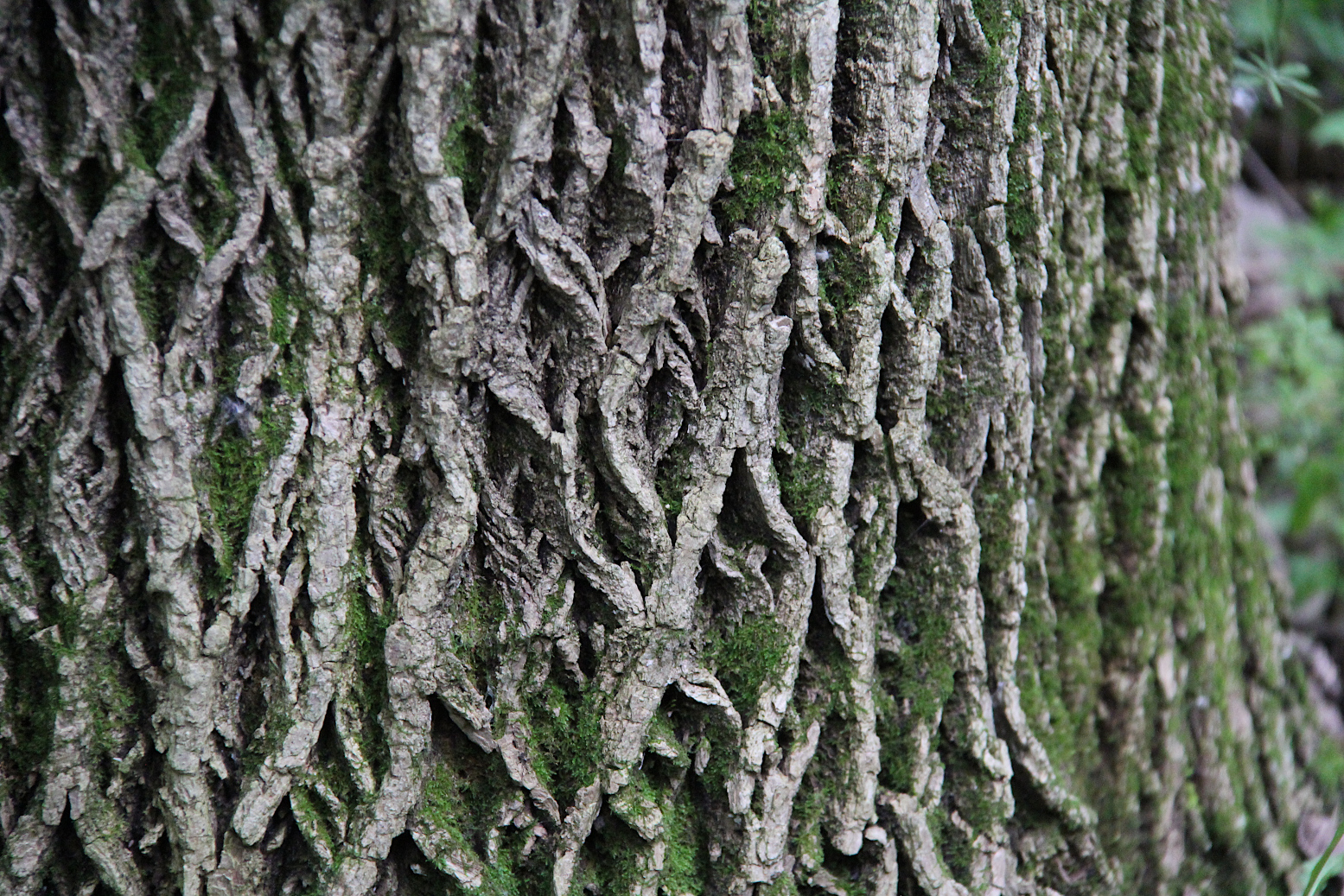
A textured tree trunk up close. (Minnesota Prairie Roots copyrighted photo July 2025)

Also in the woods, I noticed the texture of tree trunks. Natural art. At least to me.
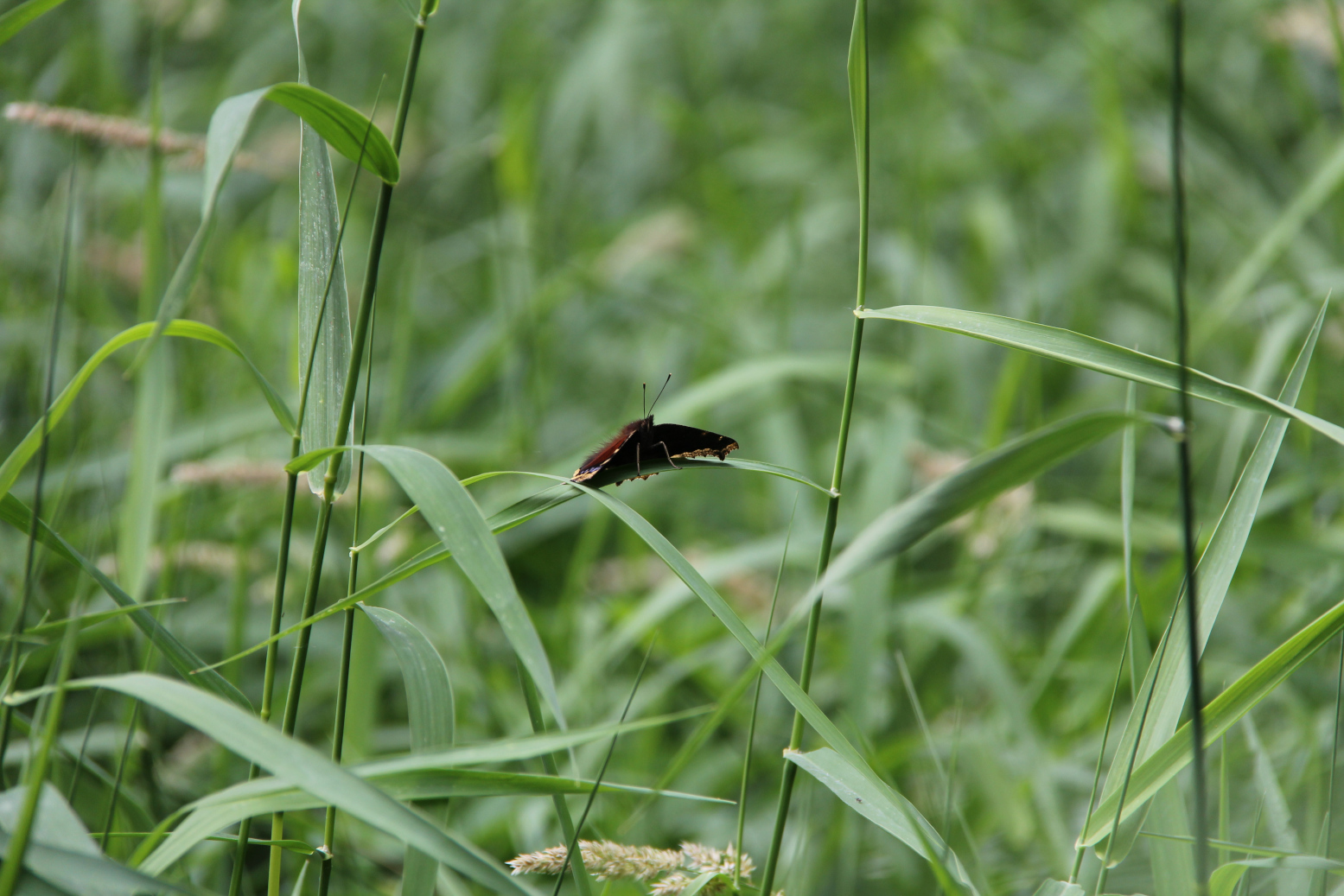
There, among the weave of grasses, a butterfly. (Minnesota Prairie Roots copyrighted photo July 2025)

As we looped back to a main trail, the woods began to open to swampland and then to prairie. Birds raised raucous sound, although I failed to see many. That was until I noticed and attempted to photograph a lone bird on a bush. And failed. The bird took flight. “It’s a bluebird,” Randy exclaimed. He was right given the flash of blue, the smallish size and the nearby bluebird houses. It was my first bluebird sighting. Ever. Rice County is a haven for bluebirds thanks to the efforts of Keith Radel, known as Mr. Bluebird. Keith hails from my hometown of Vesta on the southwestern Minnesota prairie. He’s placed and tended houses throughout the county for 40-plus years, tracking, counting and caring for bluebirds. On this afternoon, numerous bluebirds swooped and danced across the summer sky.
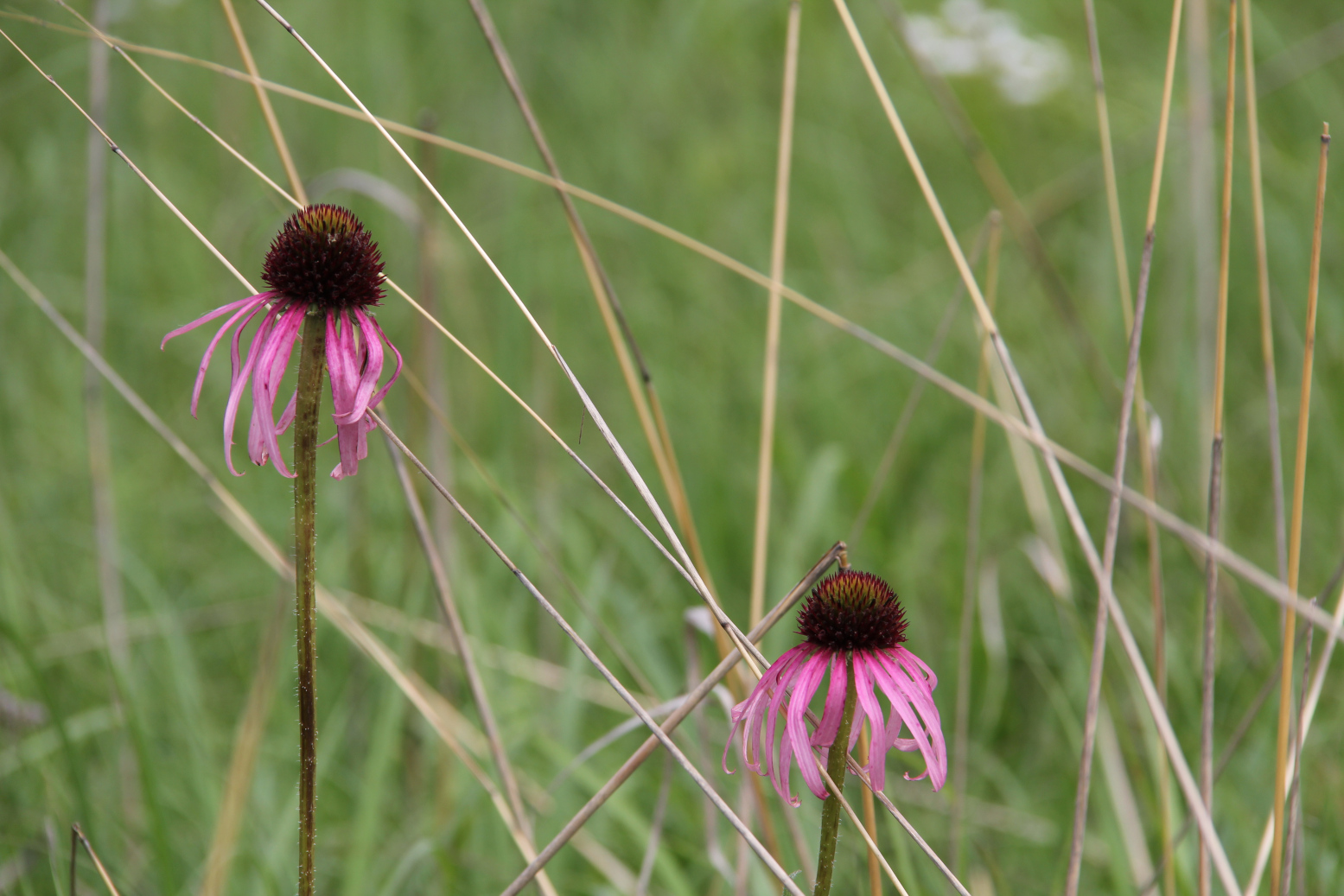
Coneflowers on the prairie. (Minnesota Prairie Roots copyrighted photo July 2025)

Nowhere does summer appear more like summer to me than in the tall grasses of swampland or among prairie wildflowers. I love the messiness of flowers tangled among grasses. I love the wide sky.
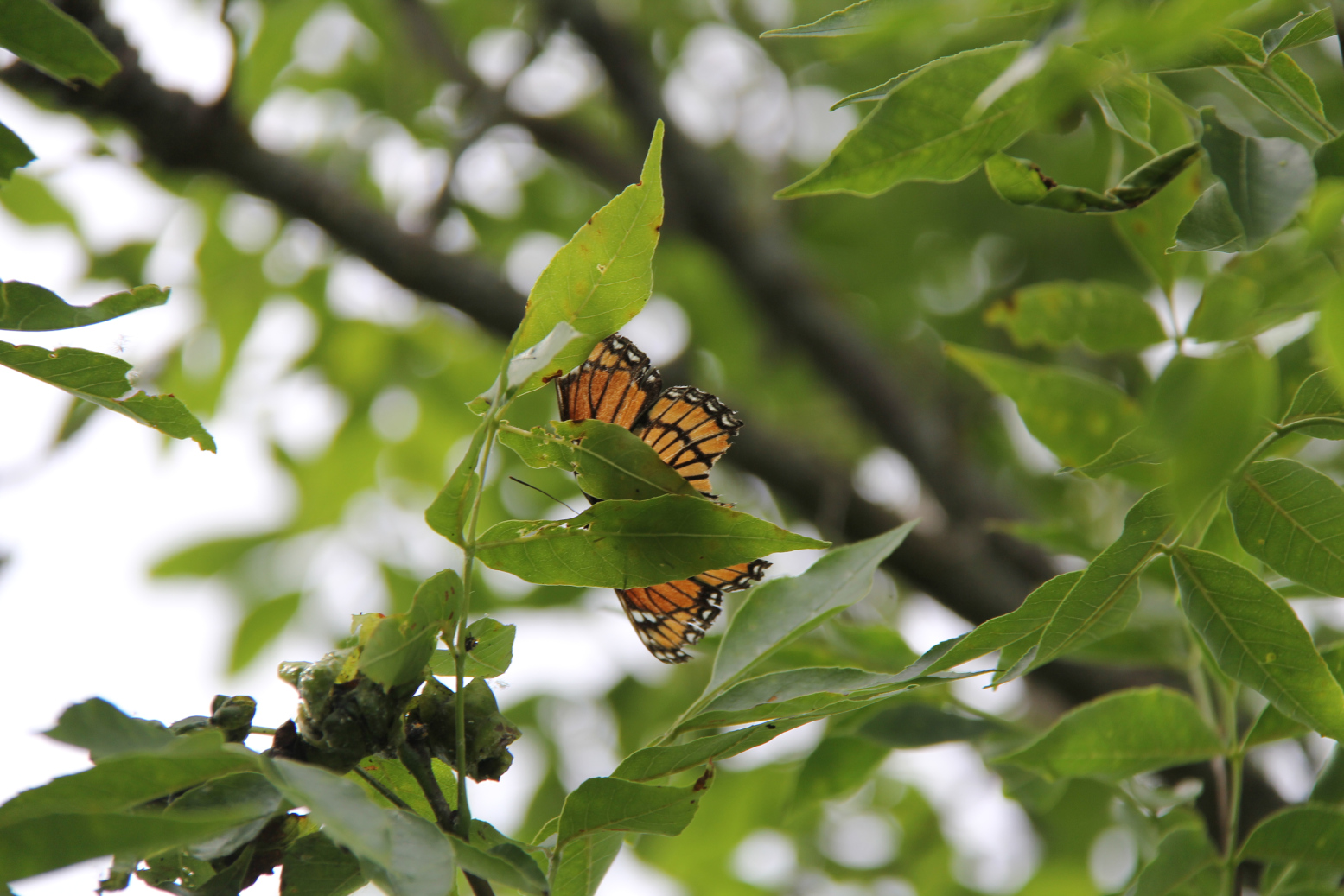
A Monarch, with parts of its wings missing, flies among leaves. (Minnesota Prairie Roots copyrighted photo July 2025)

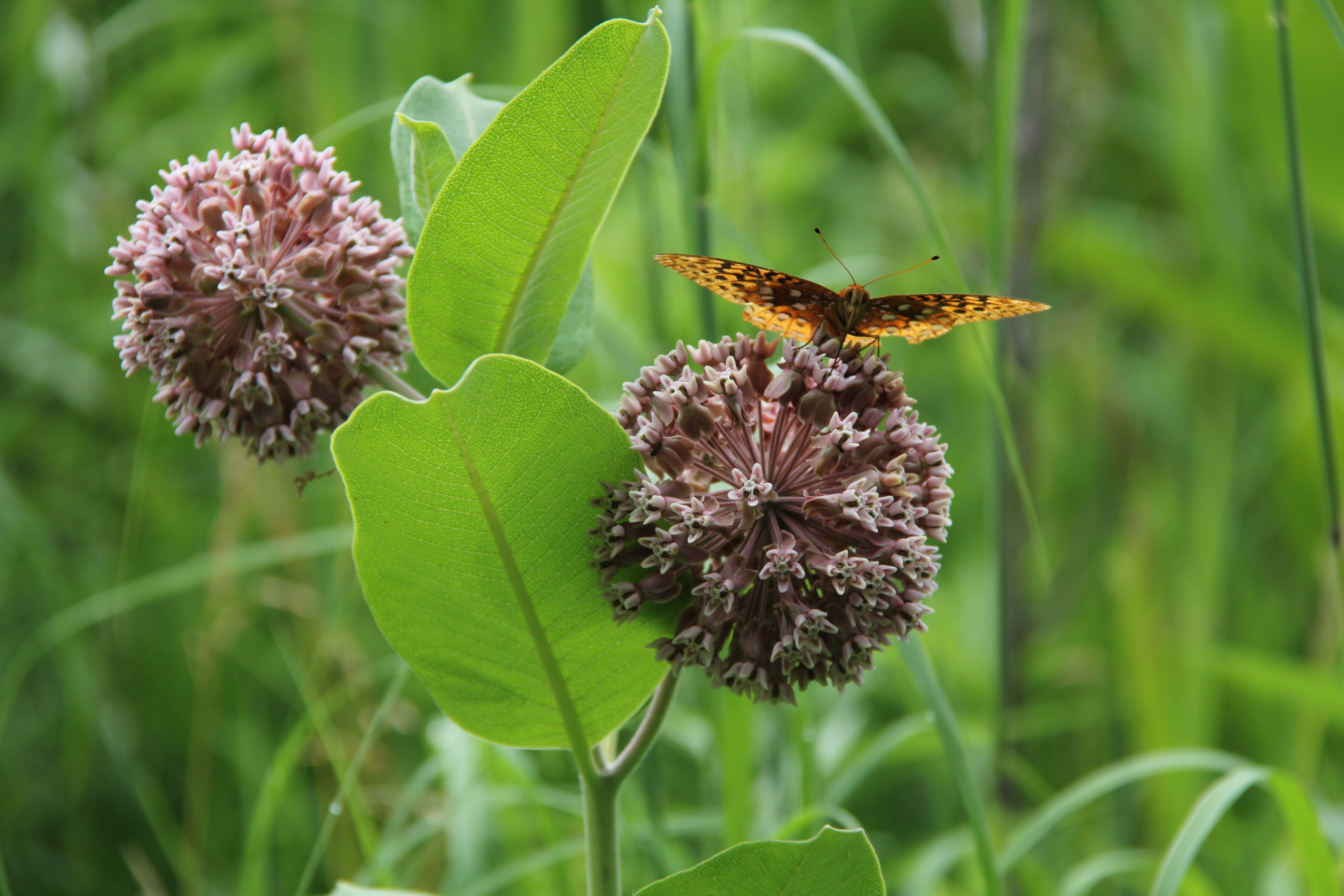
And I love, too, the flitting of butterflies and moths. A flash of orange. Antenna and spindly legs. And on this afternoon, a Monarch with wings partially-eaten by a predator.
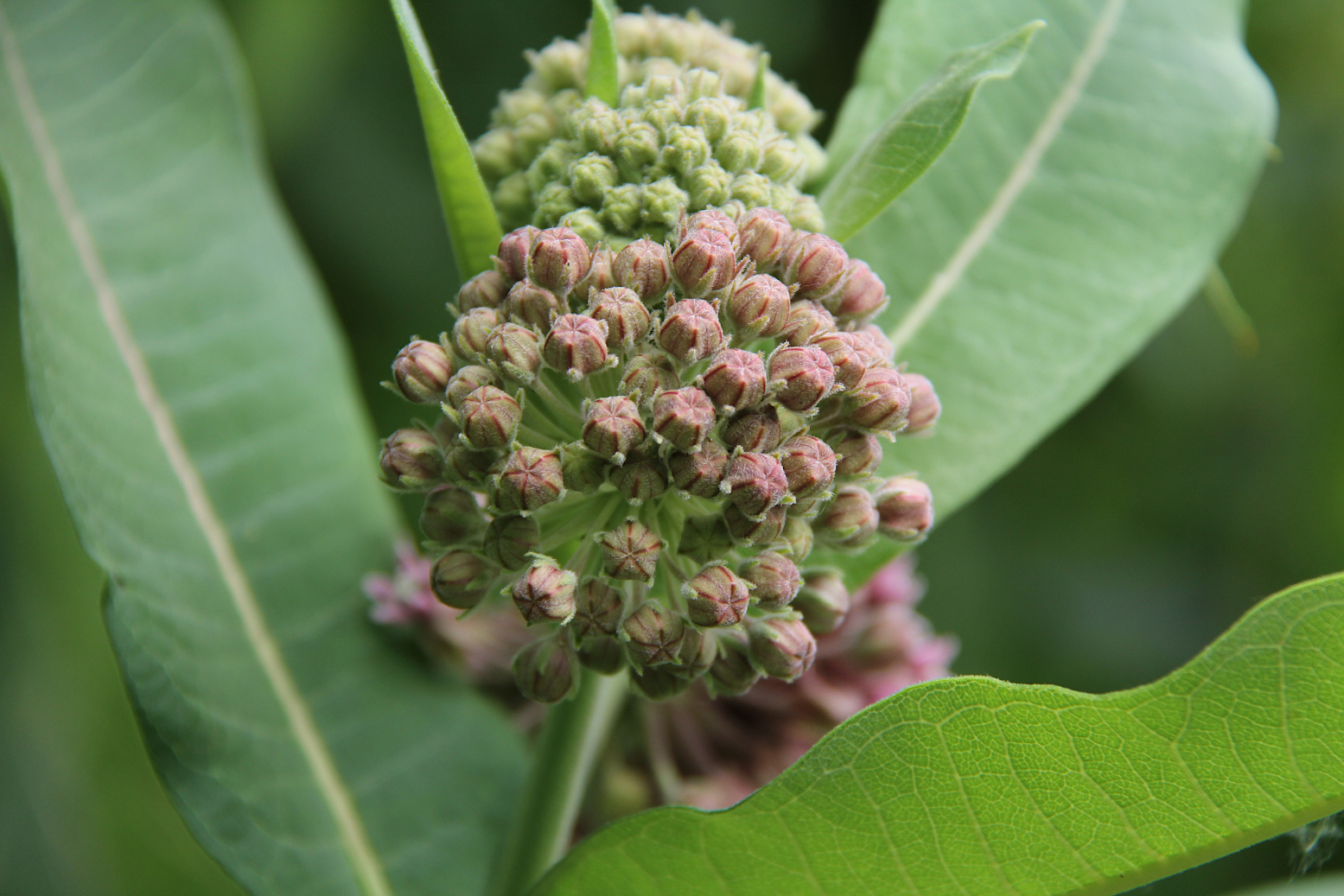
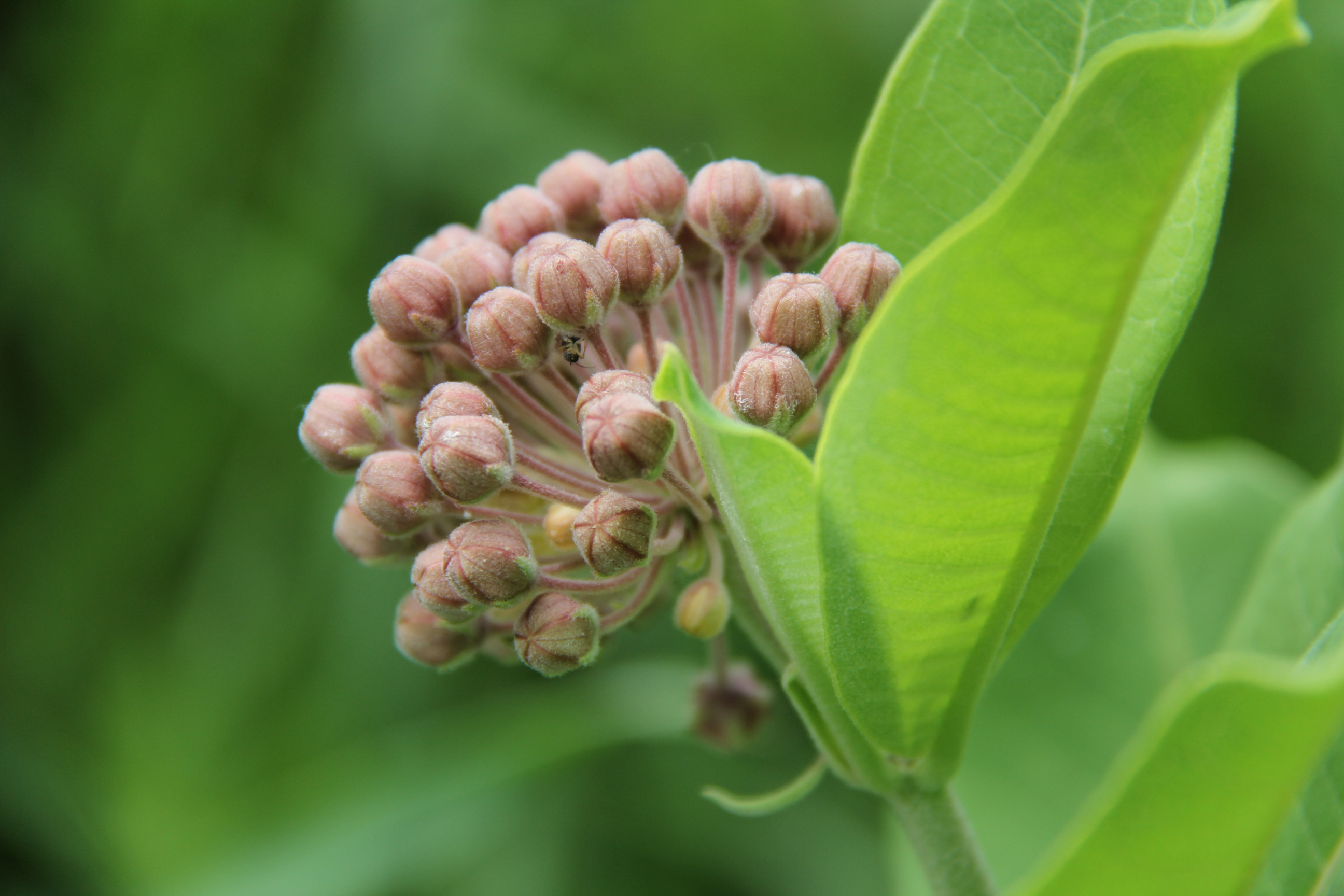
A milkweed flower beginning to open. (Minnesota Prairie Roots copyrighted photo July 2025)

All of this I discovered on a July afternoon at River Bend. Here I dipped my nose into deeply-scented, dusty pink milkweed flowers. Here I tasted sunshine and rain in berries. And here I honored summer in southern Minnesota. Glorious and beautiful.

© Copyright 2025 Audrey Kletscher Helbling


Reflecting on seasons as Minnesota transitions to spring March 19, 2025

The prairie at River Bend Nature Center, Faribault. (Minnesota Prairie Roots copyrighted photo February 2025)

IN THE IN-BETWEEN SEASON of not exactly winter, but not quite spring here in Minnesota (although the calendar says otherwise), I feel like I’m waiting. Waiting for snowfalls to end. Waiting for the landscape to transition from drab browns and grays. Waiting for vibrant colors to appear.

My neighbor’s spring flowers. (Minnesota Prairie Roots copyrighted file photo 2023)

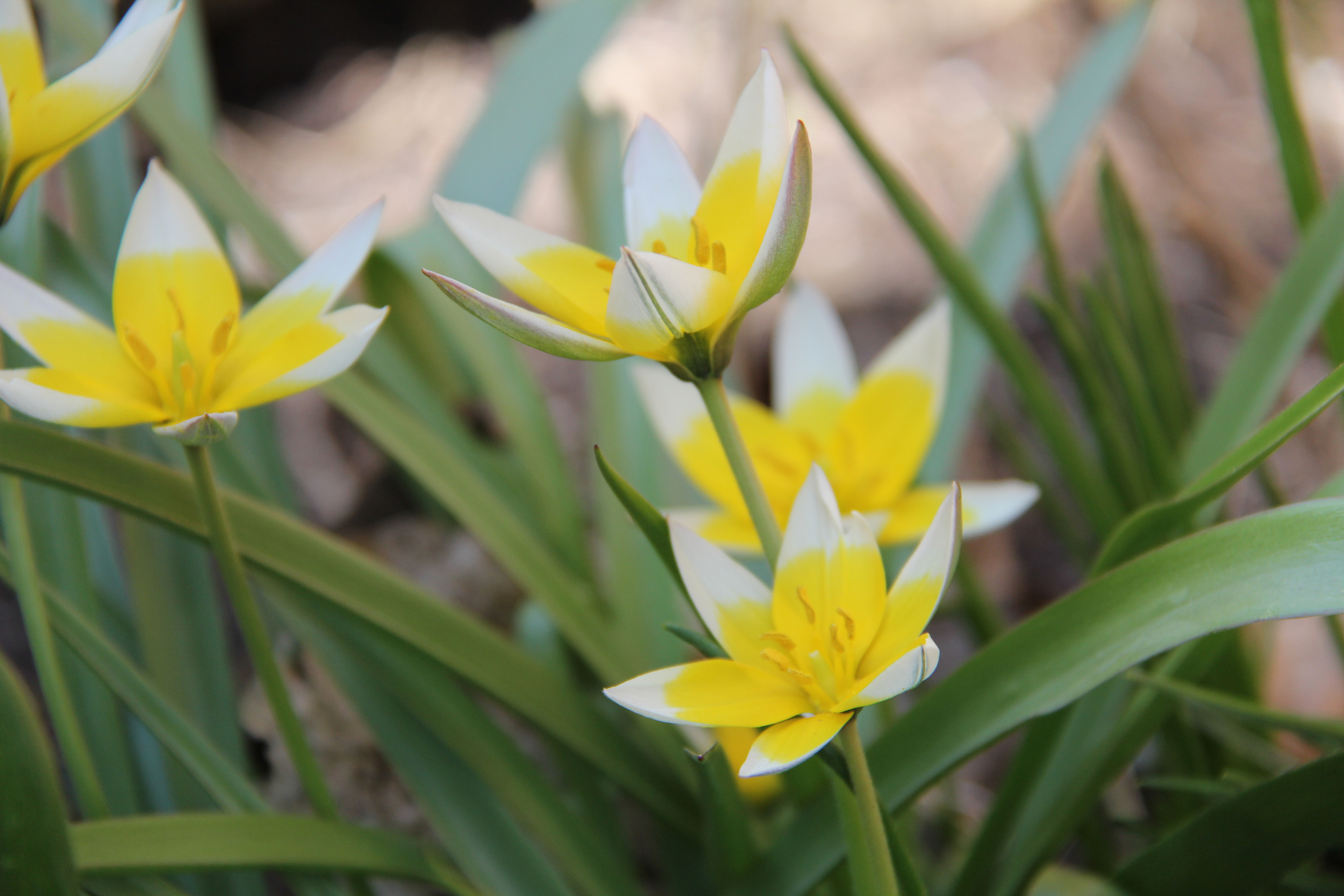
There’s a sense of anticipation and wonder when buds form, when the first tender shoots of spring bulbs emerge from the soil, then flower. Purple crocuses. Sunny yellow daffodils. Followed by tulips and other flowers in a rainbow of hues.

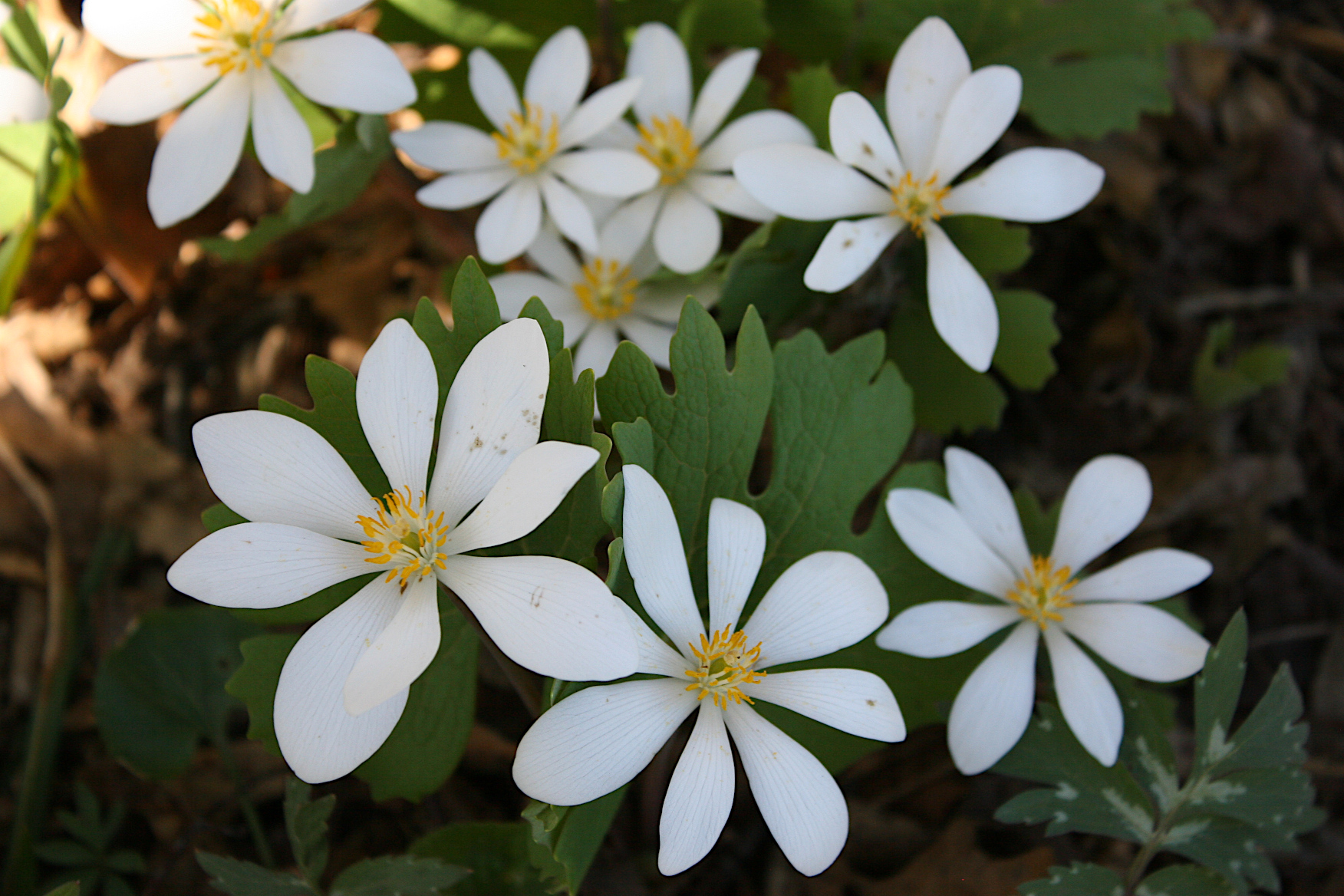
Spring wildflowers at Kaplan’s Woods Park, Owatonna. (Minnesota Prairie Roots copyrighted file photo)

I love the beginning of spring—real spring, not the teasing warm days of early and mid-March or simply a date (March 20) on a calendar.

Spring erupts in Minnesota at Falls Creek Park, rural Faribault. (Minnesota Prairie Roots copyrighted file photo May 2022)

I love when the landscape is flush in green, a green so vibrant that it’s almost indescribable.

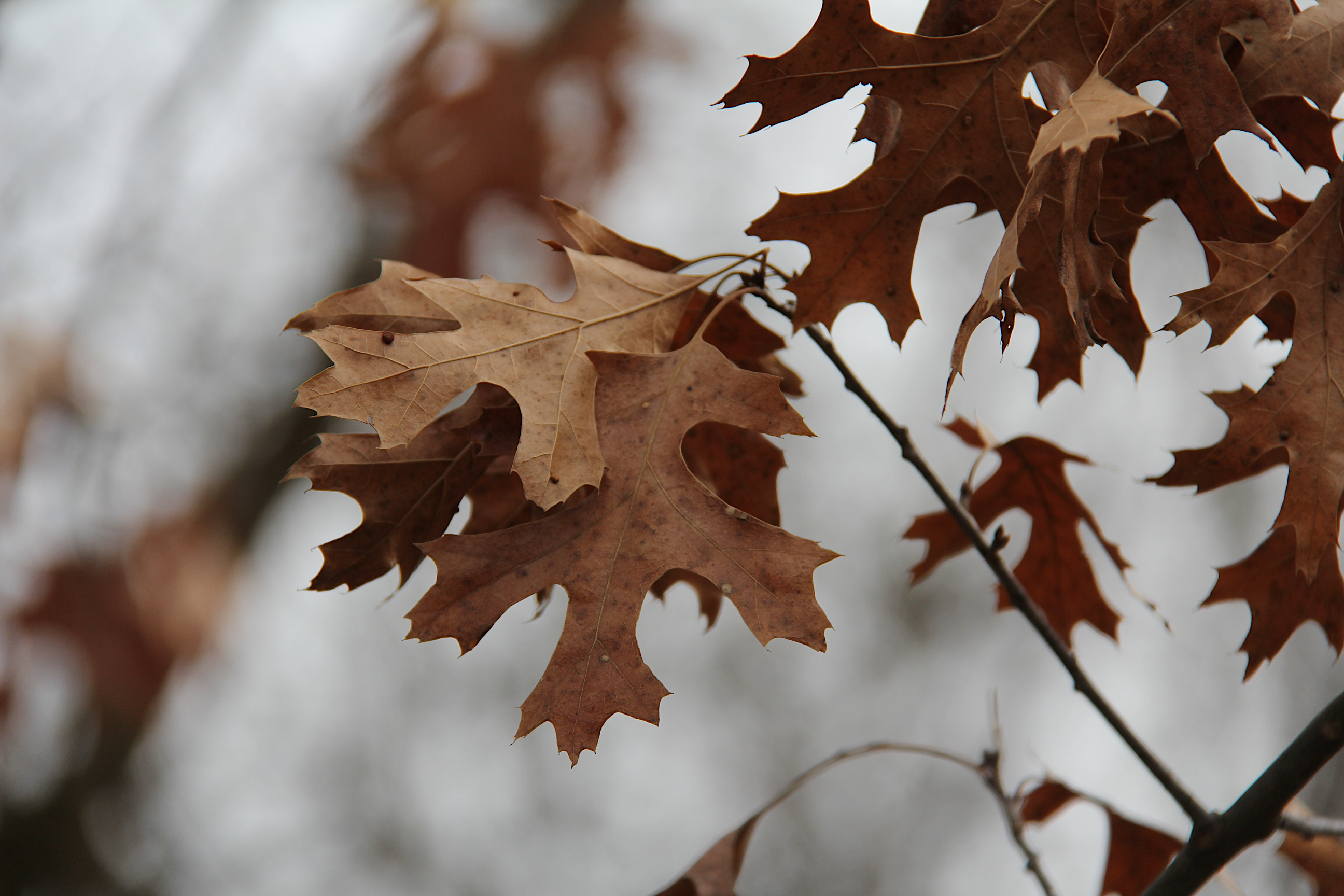
Oak leaves at River Bend. (Minnesota Prairie Roots copyrighted photo February 2025)
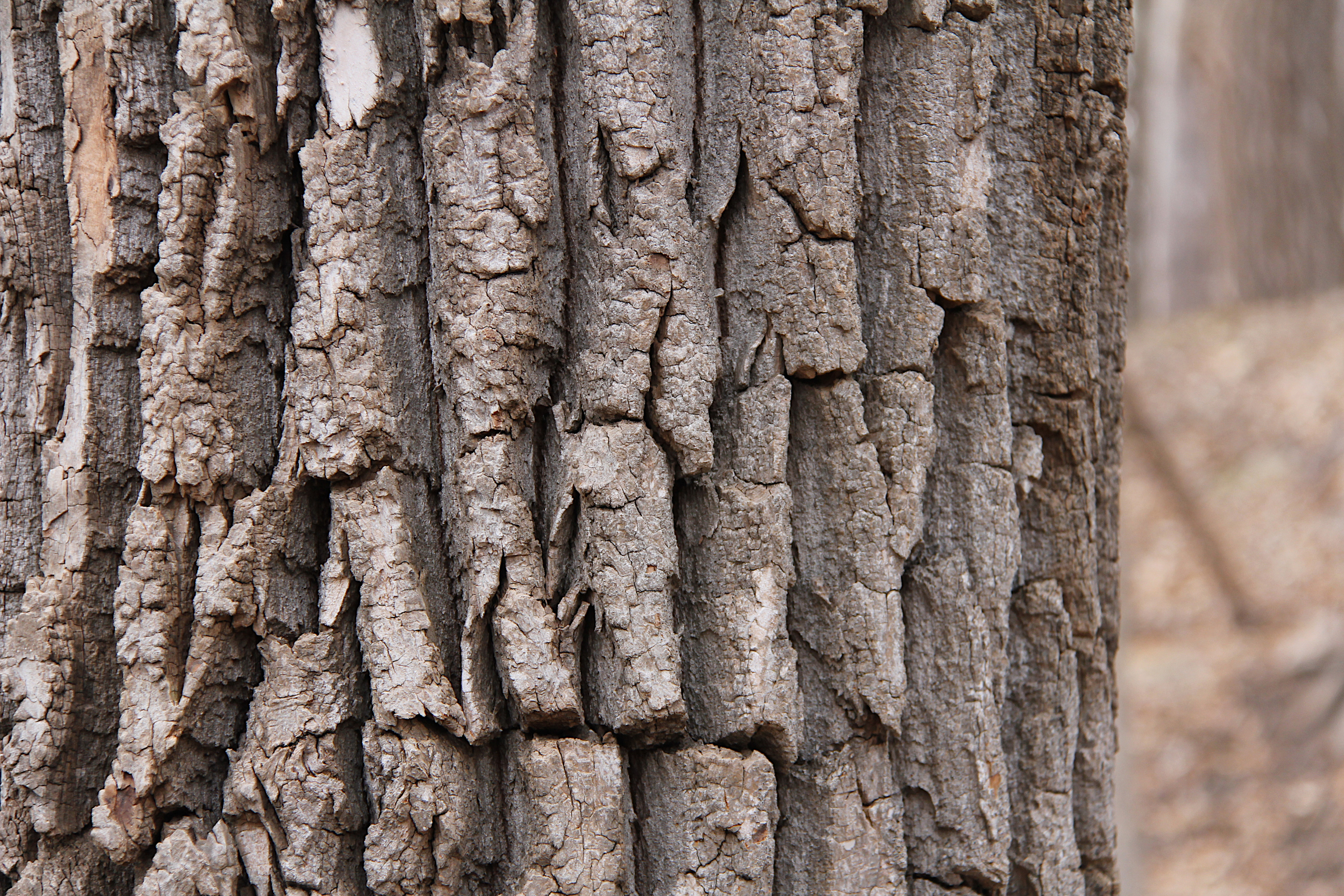
The starkness of this time of year in Minnesota focuses the eye on details, like the rough bark of a tree in the woods at River Bend. (Minnesota Prairie Roots copyrighted photo February 2025)
Dried seedheads at River Bend. (Minnesota Prairie Roots copyrighted photo February 2025)

While I await the greening of the landscape, I remind myself to appreciate the natural world around me as it is now. The stubborn dried oak leaves that clung to branches through the fierce winds of winter. The rough textured bark of a tree. The dried seed heads and leaning swamp and prairie grasses. All hold the seasoned beauty of days, of weeks, of months, of time.

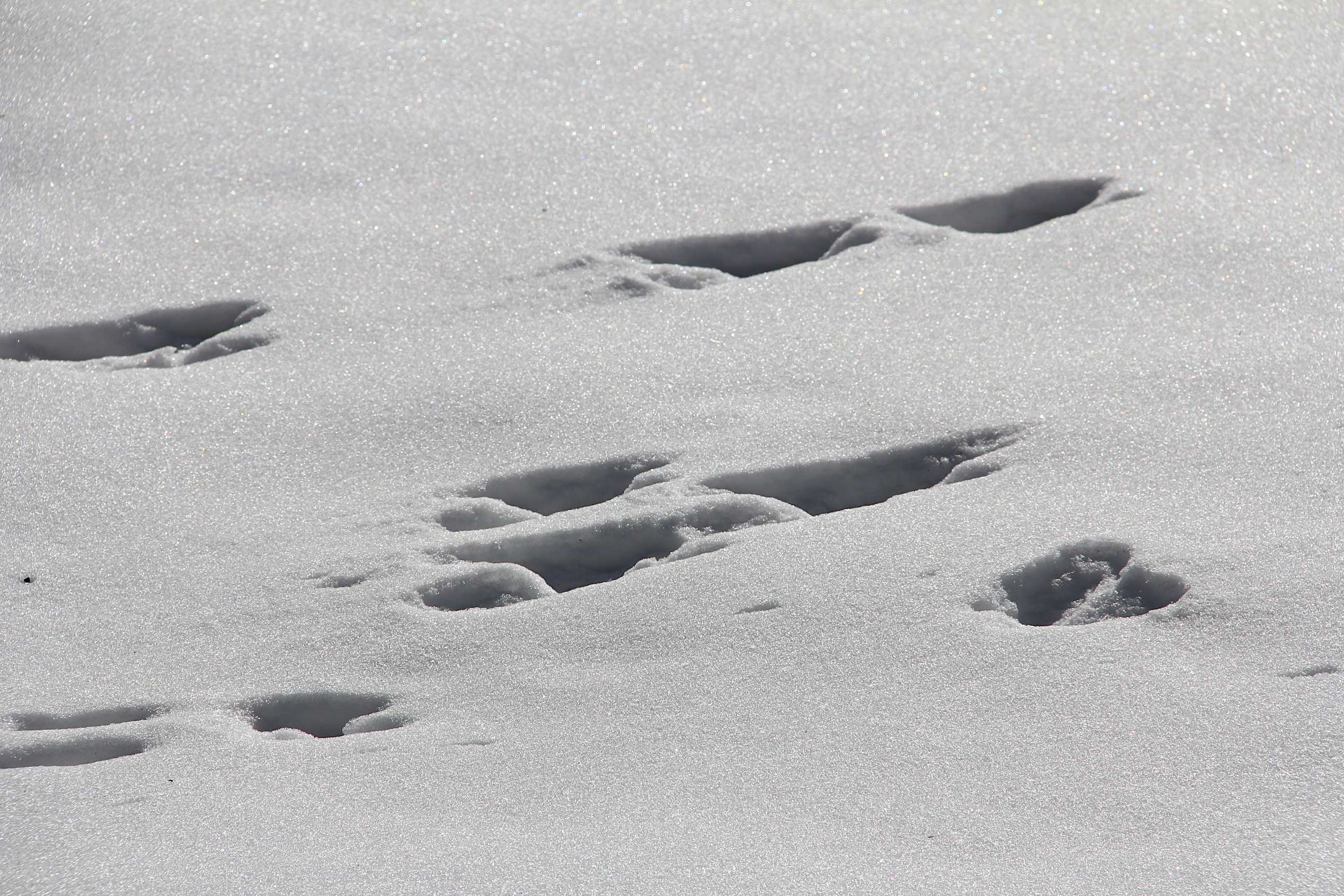
Animal prints in the snow in my backyard. (Minnesota Prairie Roots copyrighted photo February 2025)

Seasons are not timed by a calendar date, but by the natural world. Authentic spring arrives in Minnesota on her own timetable. Often unhurried. But sometimes abrupt.

The woods at River Bend await the budding of spring. (Minnesota Prairie Roots copyrighted photo February 2025)

As I await spring’s bloom and budding, I realize that the seasons of life also should not be hurried. The years pass too quickly, although we are mostly ignorant of that in our younger years. I understand that now in this advancing season of my life.

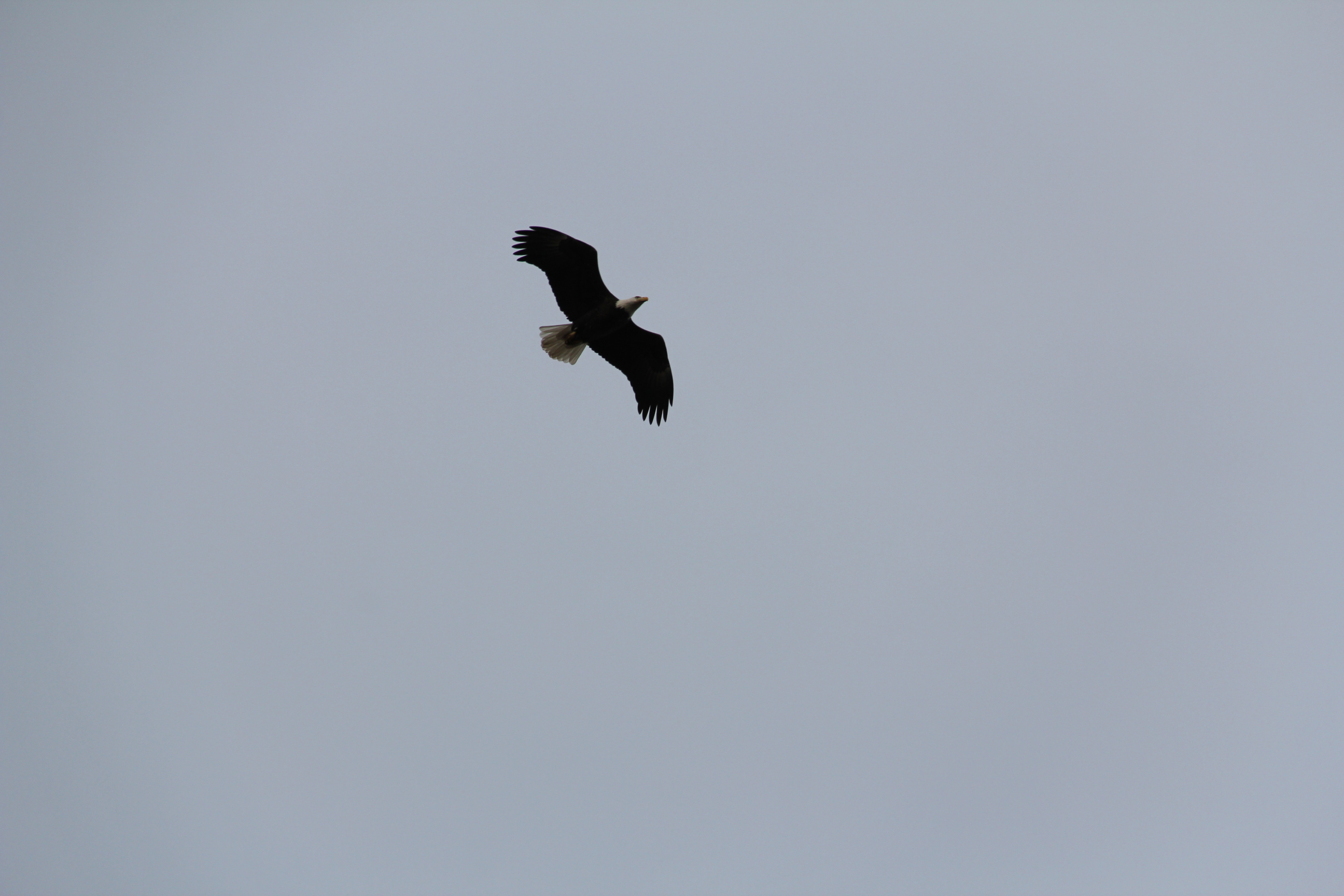
For several minutes, I watched and photographed this bald eagle soaring high above the Straight River at River Bend Nature Center. (Minnesota Prairie Roots copyrighted photo February 2025)

I value the moments more, recognizing that seasons end. And seasons begin.

© Copyright 2025 Audrey Kletscher Helbling
 

A wildflower mural blooms in Nerstrand October 30, 2024

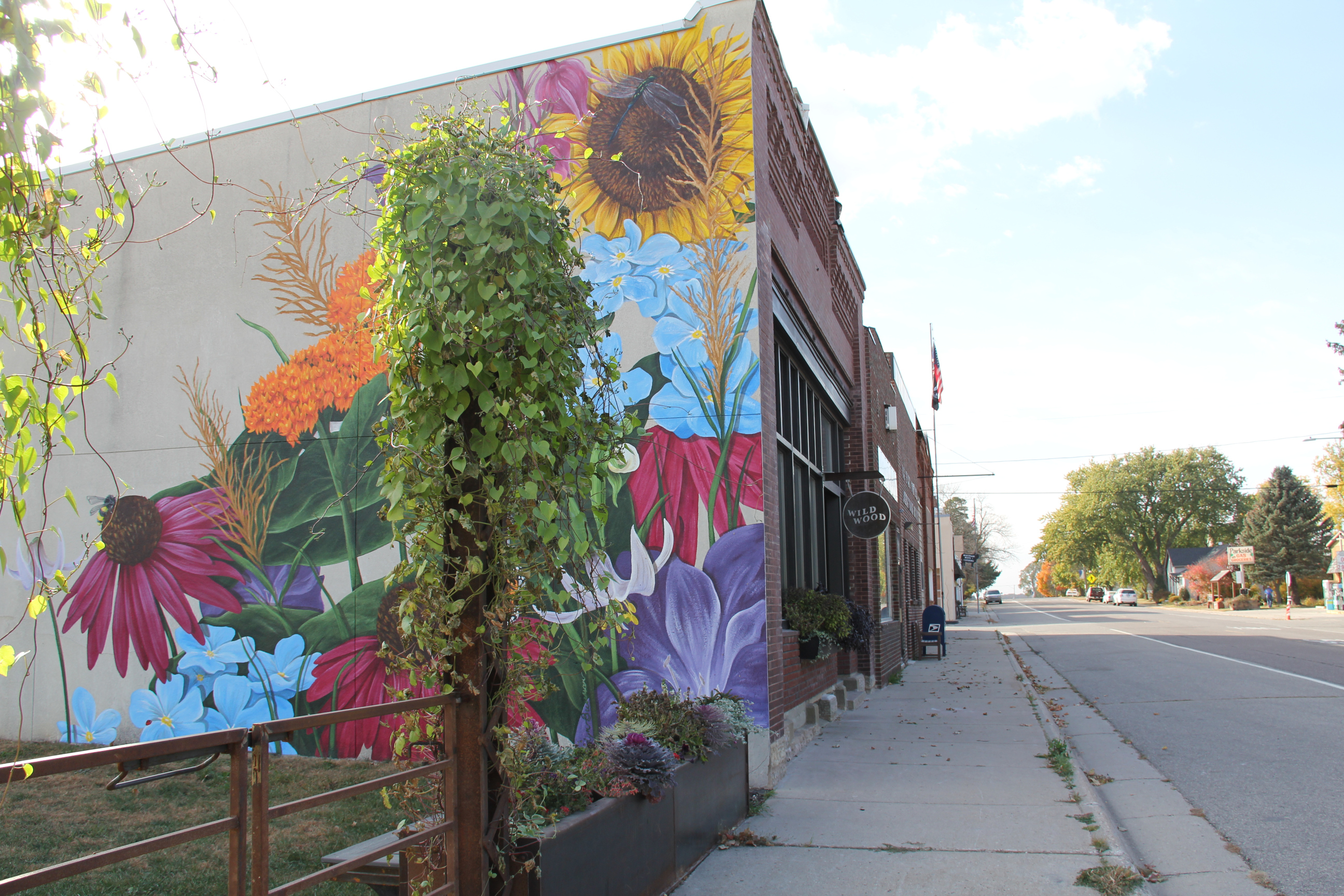
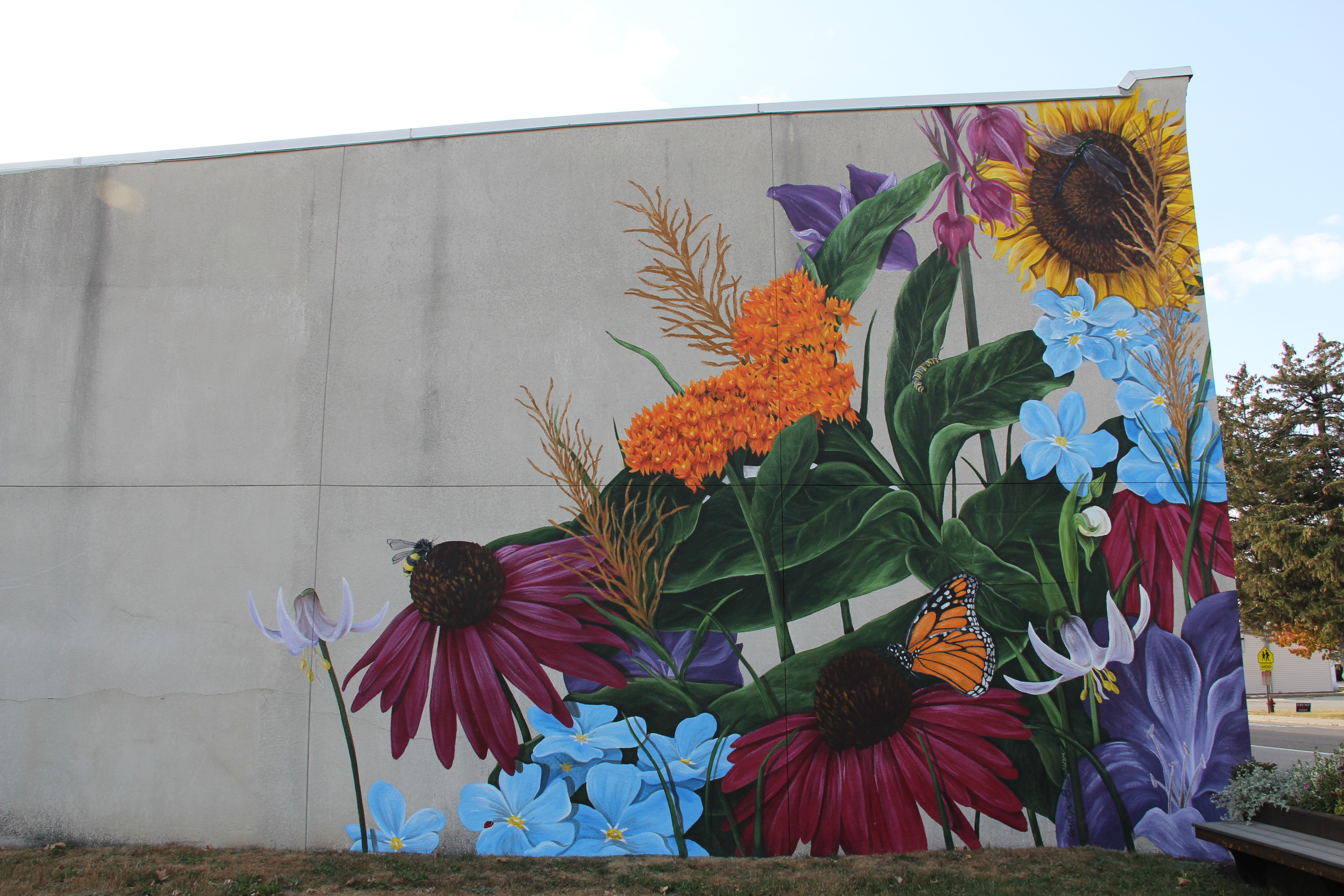
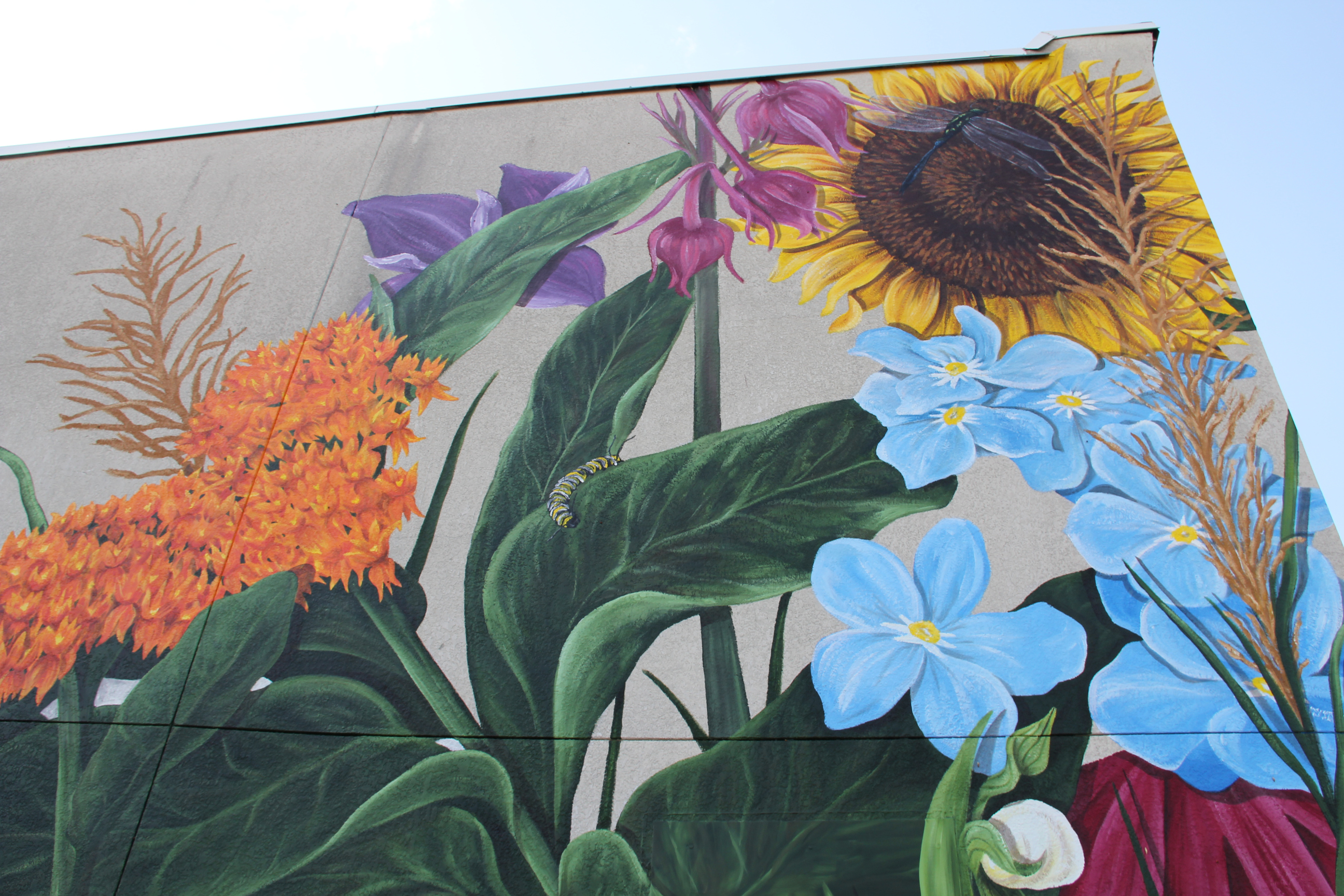
Wildflowers bloom on a mural along Main Street in Nerstrand. (Minnesota Prairie Roots copyrighted photo October 2024)

NERSTRAND, POPULATION 295, is one of those small towns where not a lot changes. Until something does, and then you notice.

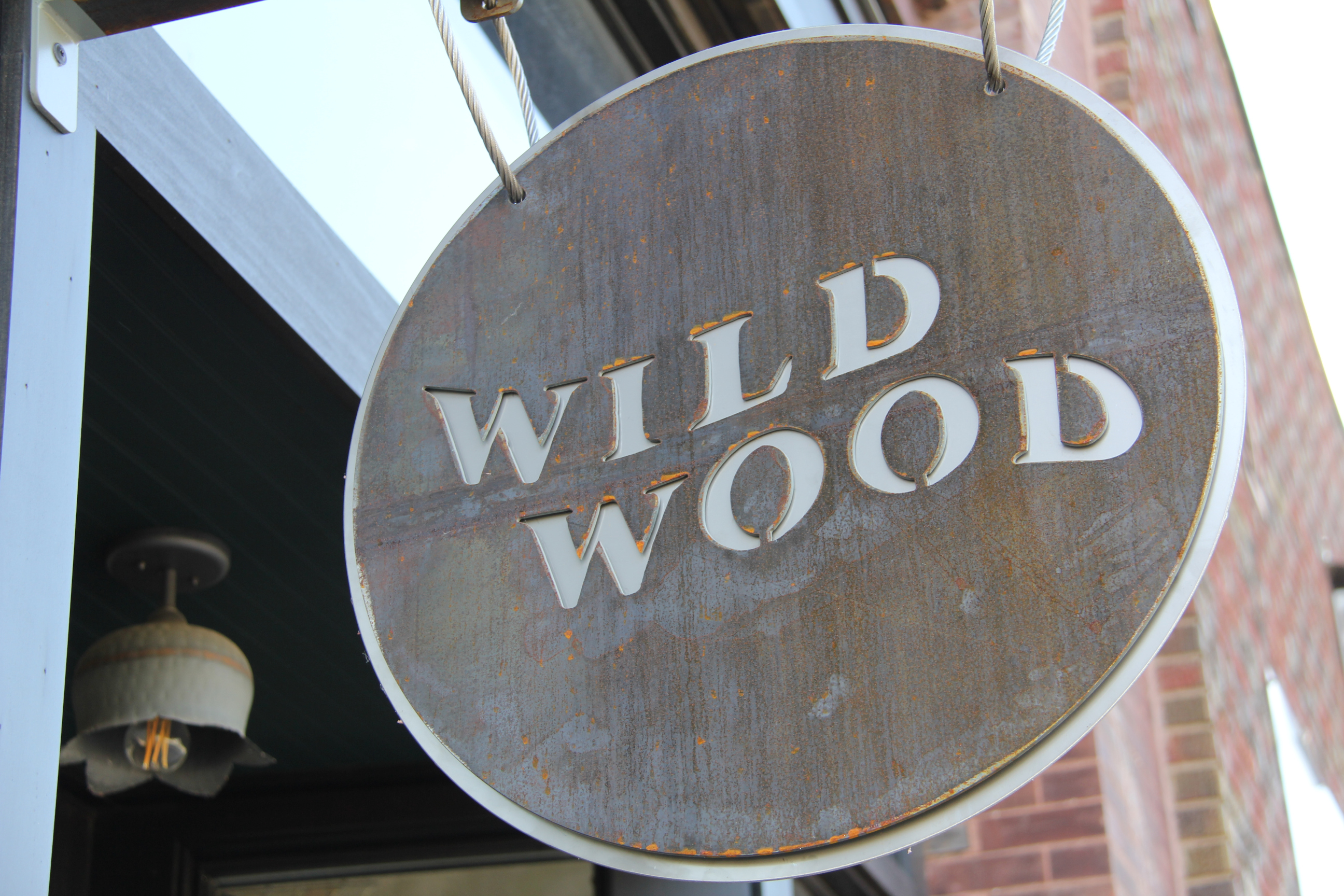
The mural is painted onto a corner of WildWood of Nerstrand. (Minnesota Prairie Roots copyrighted photo October 2024)

On a recent drive through this community in far eastern Rice County, I noticed something new. A mural. The wildflower-themed painting stretches across a corner of a brick building marked as WildWood.

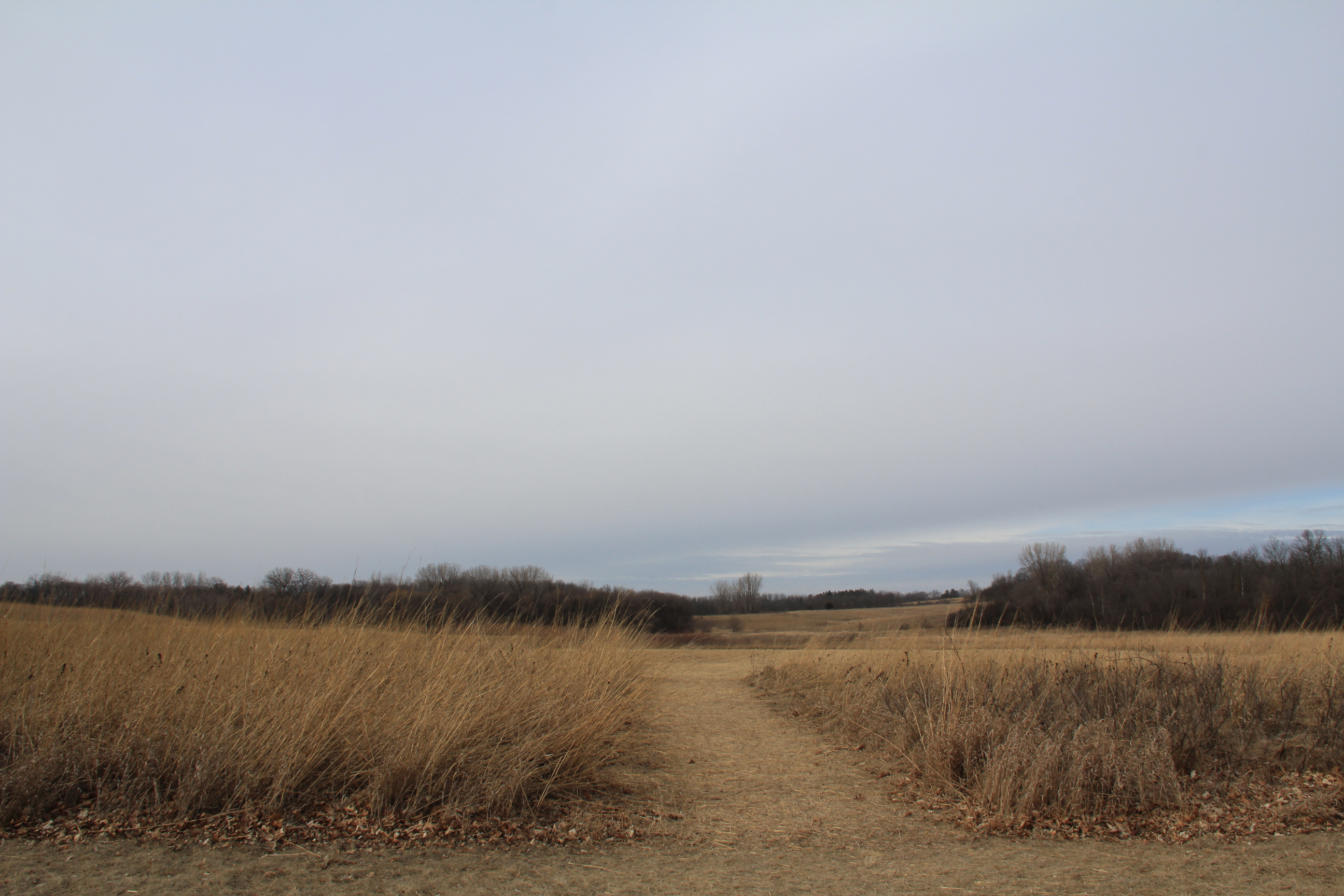
I found Jordyn Brennan’s signature down low on a lily stem. (Minnesota Prairie Roots copyrighted photo October 2024)
“Love for All,” a mural in Faribault that celebrates my community’s diversity. (Minnesota Prairie Roots copyrighted file photo)

I felt a sense of familiarity with the artwork. And then I saw Jordyn Brennan’s signature climbing the stem of a dwarf trout lily. The Minneapolis artist’s colorful “Love for All” mural, complete with hands signing the word “LOVE” and plenty of flowers, covers a spacious exterior building wall in the heart of downtown Faribault.

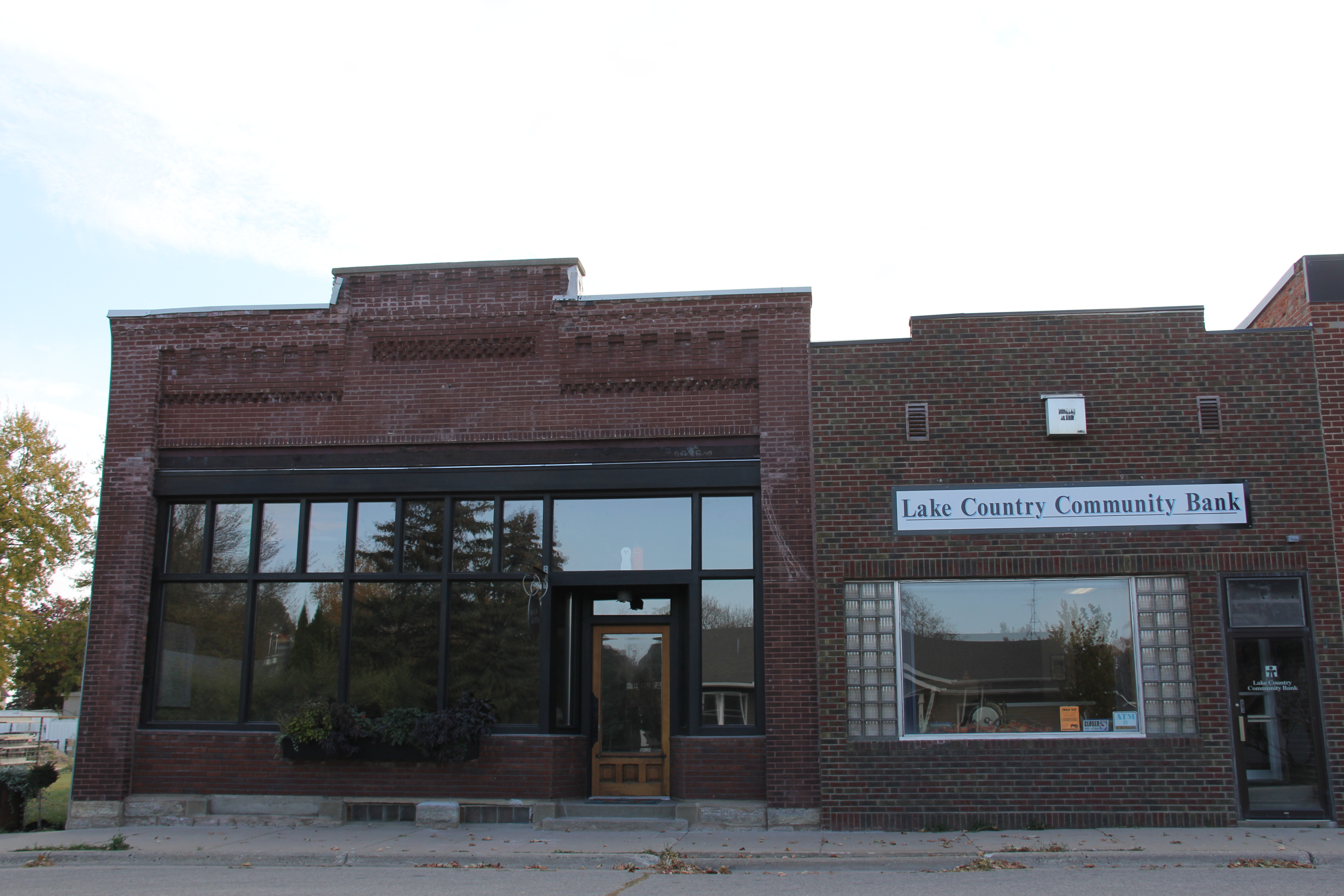
Heading east out of Nerstrand, WildWood is located at 315 Main Street, next to Lake Country Community Bank. (Minnesota Prairie Roots copyrighted photo October 2024)

And now her work can be seen in the heart of downtown Nerstrand on WildWood, a restored brick building housing an event space and photography studio. I peered through the window of the locked front door to see more brick and wood. Lovely. Rustic. Down-to-earth visually appealing.

The mural adds an inviting nature-themed backdrop to The Wilderness green space. (Minnesota Prairie Roots copyrighted photo October 2024)

Tricia and Nick Streitz, with the help of family and friends, worked many years to renovate the space, which previously housed a woodcraft business and was then used for storage. Tricia’s business, Sweet Shibui Photography, is now located in a portion of the historic building. The rest is available to rent for gatherings in the 1,800 square foot The Great Room and outdoors in the 2,400 square foot The Wilderness green space.

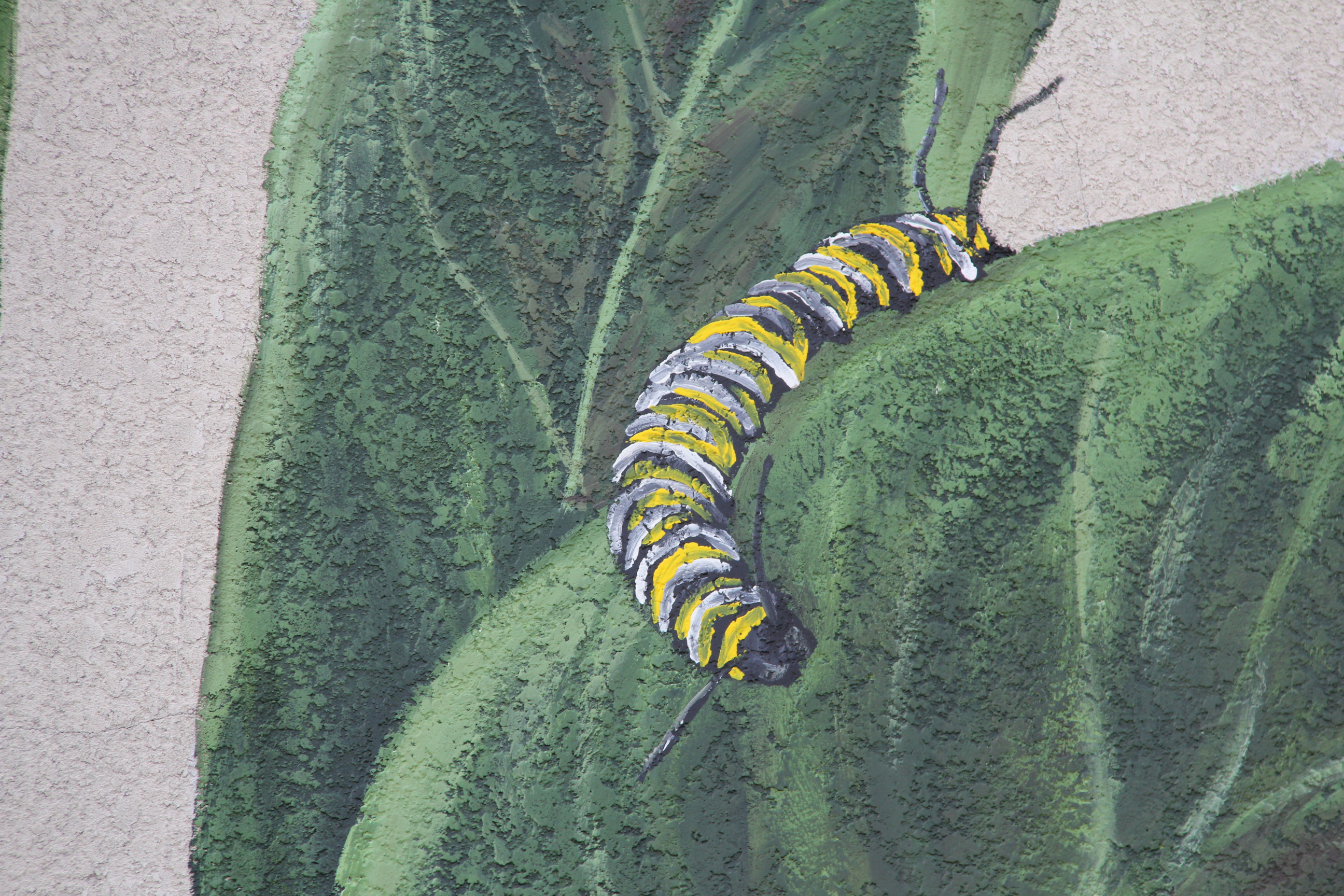
A Monarch caterpillar spotted among the flowers. (Minnesota Prairie Roots copyrighted photo October 2024)
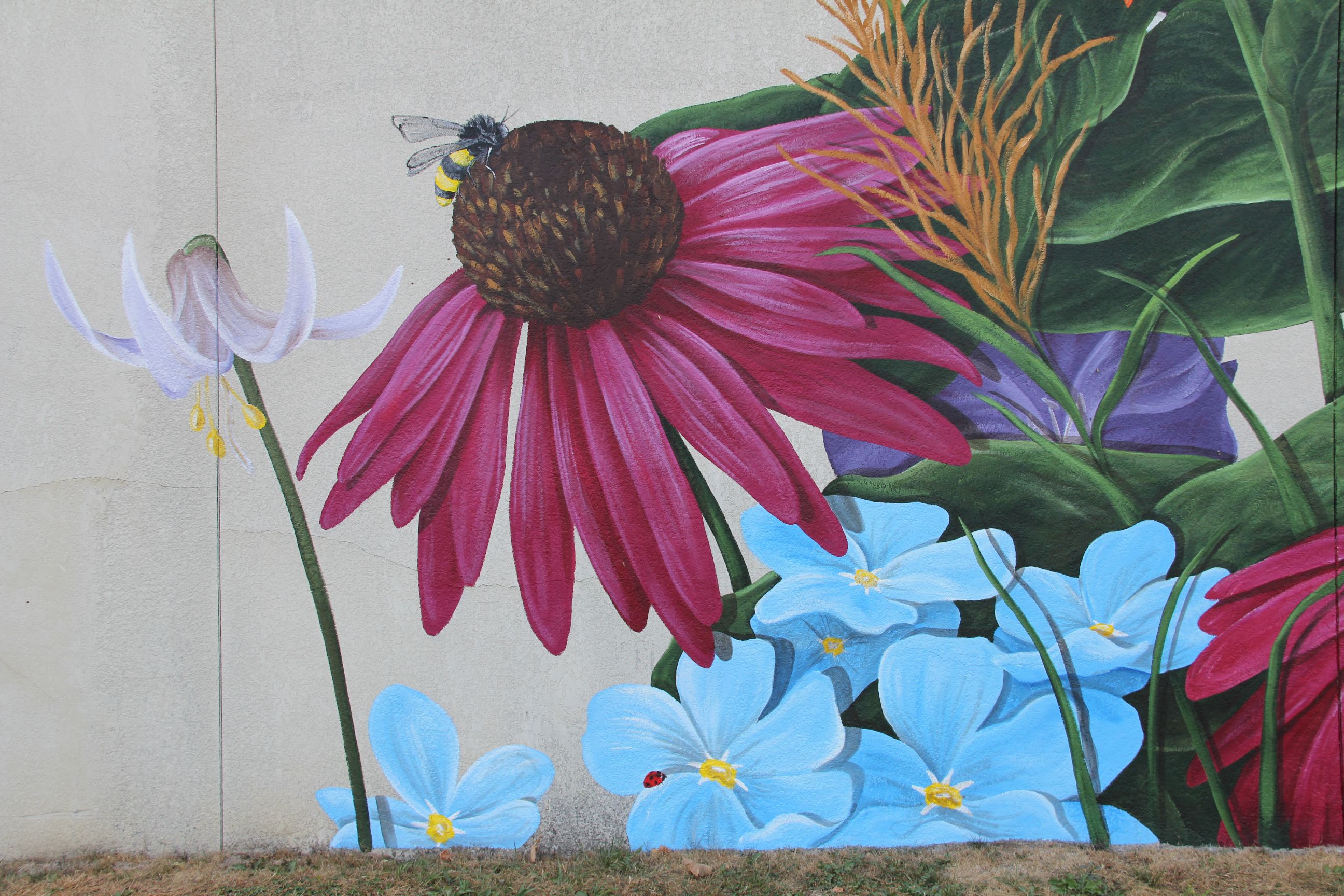
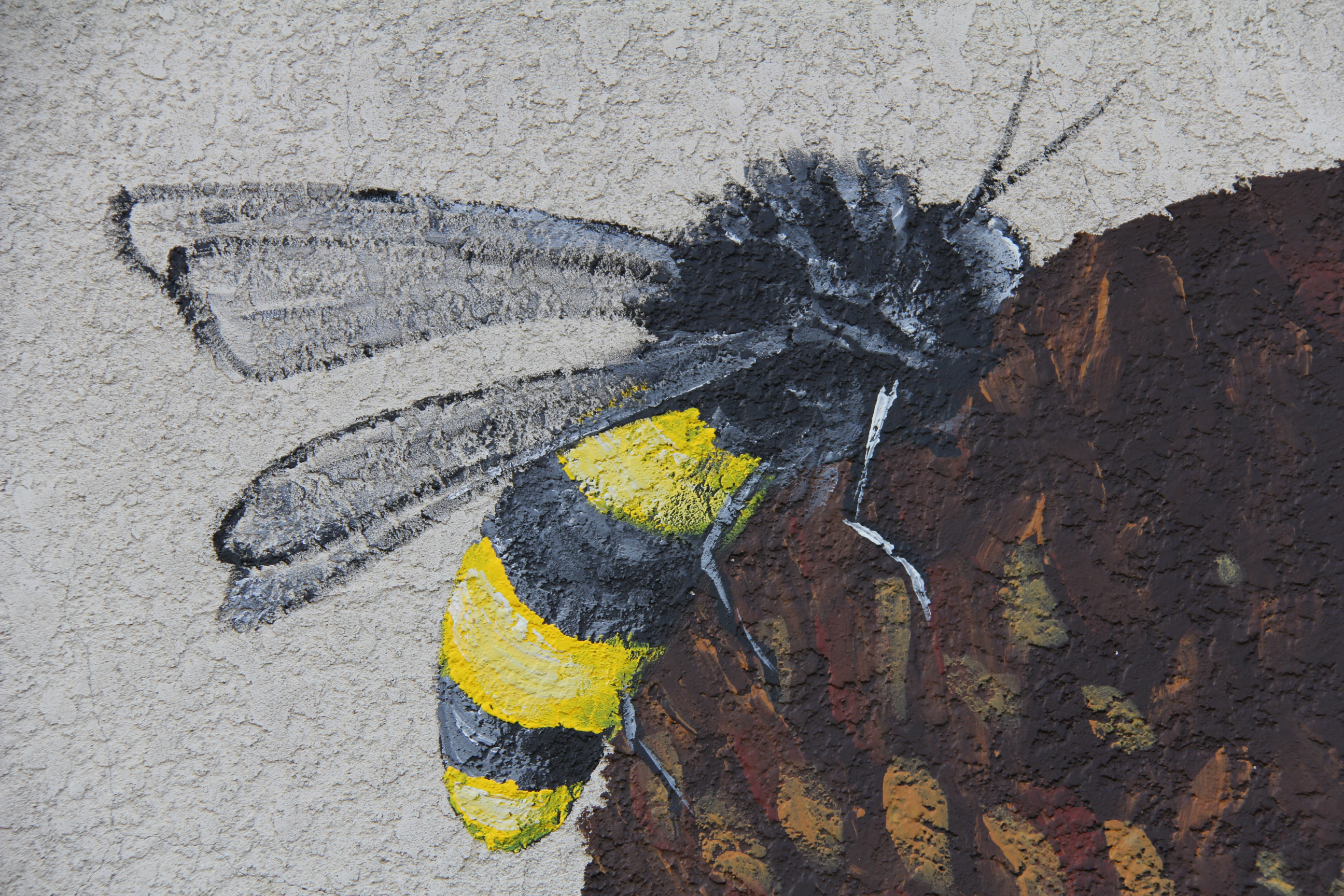
A bumblebee feeds on a coneflower. (Minnesota Prairie Roots copyrighted photo October 2024)
Way down low on the mural, near the ground, I found this ladybug. (Minnesota Prairie Roots copyrighted photo October 2024)

But on this Saturday afternoon in late October, I focused on the mural of coneflowers, dwarf trout lilies, sunflower, butterfly weed and several other wildflowers unknown to me. I found a Monarch caterpillar, Monarch butterfly, dragonfly and bumblebee interspersed among the florals, almost missing a ladybug.

The mural is on the left side of the WildWood building. (Minnesota Prairie Roots copyrighted photo October 2024)

I love public art, especially in small towns where art is often not easily accessible. This mural splashes color into the few blocks that comprise Nerstrand’s downtown business area. But the mural is also a backdrop for The Wilderness outdoor gathering space. I can easily envision family and friends gathering here and on the concrete patio to celebrate a small wedding, an anniversary, a graduation, a baby or bridal shower, whatever brings people together in life’s celebratory moments. Yard games are part of the package rental. WildWood is hosting an indoor/outdoor Makers Market from 9 a.m. – 1 p.m. Saturday, November 16.

That’s the rare dwarf trout lily to the far left in this section of the mural. (Minnesota Prairie Roots copyrighted photo October 2024)

This day I celebrated the discovery of the wildflower mural on the side of a new business in town. The over-sized art honors nature, including the endangered dwarf trout lily, which only grows in three places (Rice, Steele and Goodhue counties) in the world. That includes in Nerstrand Big Woods State Park just to the west of town.

The WildWood name fits given the nearby Big Woods and Tricia Streitz’s backstory. (Minnesota Prairie Roots copyrighted photo October 2024)

Even the name of the business, WildWood of Nerstrand, is decidedly appealing for the images it brings to mind. A favorite young adult book and treasured childhood memories of playing in the woods inspired the name, Tricia Streitz shares on the company website. Hers is a poetically-beautiful story. Imagine children running free, into the woods, building forts, climbing trees…

A Monarch butterfly lands on a coneflower in Jordyn Brennan’s mural. (Minnesota Prairie Roots copyrighted photo October 2024)

All of this I learned following a drive into a small Minnesota town, a town where not much changes. Until it does. I noticed the change. Stopped. Embraced the beauty of that wildflower mural, public art that reaches beyond art to connecting community in a celebratory space.

© Copyright 2024 Audrey Kletscher Helbling
 

Delighting in Nature’s summer glory July 19, 2023

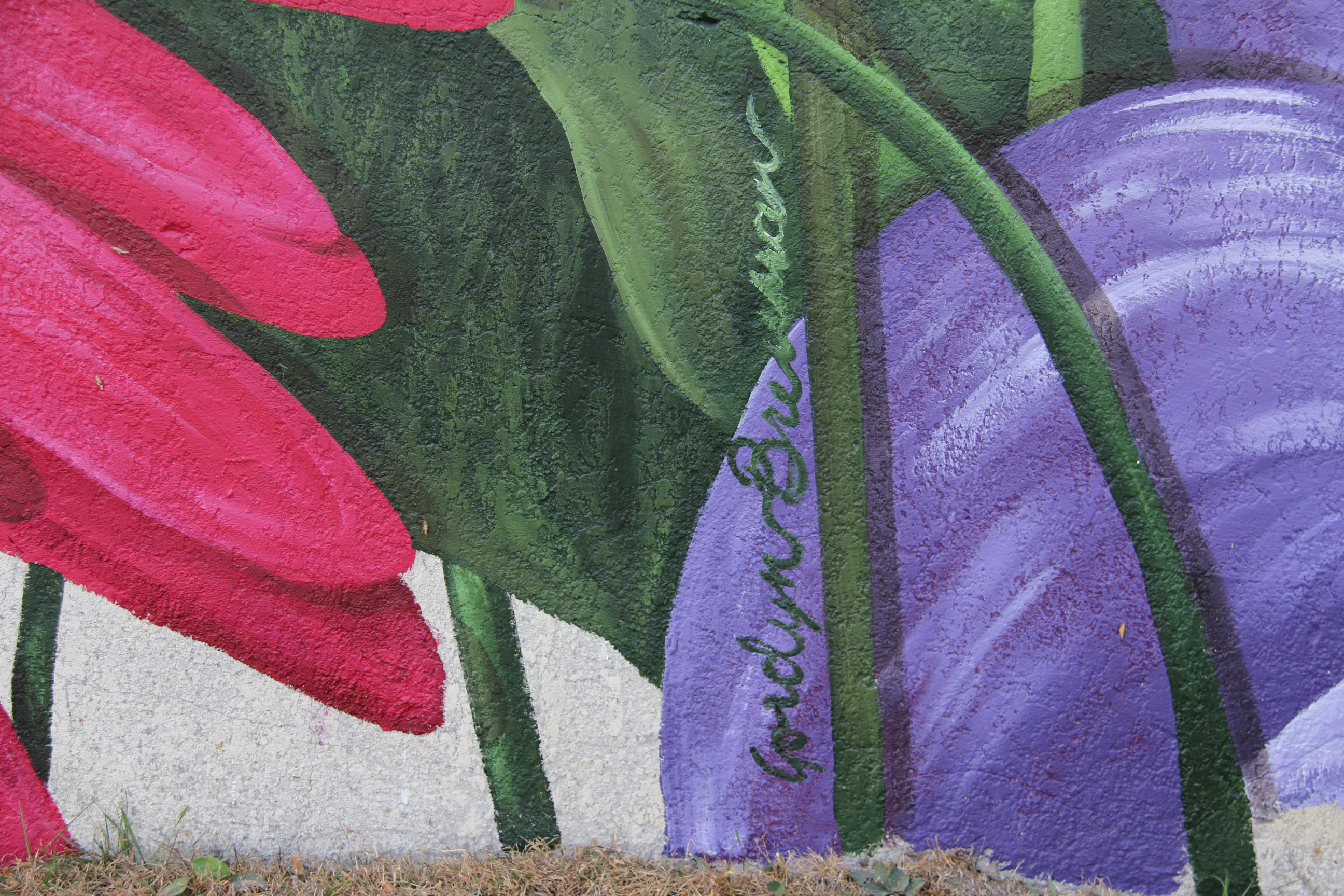
An unopened dusky milkweed brings a soft color into the prairie landscape. (Minnesota Prairie Roots copyrighted photo July 2023)

MID-SUMMER, AND THE MINNESOTA landscape is awash in color, despite the drought.

Walk the prairie or the woods. (Minnesota Prairie Roots copyrighted photo July 2023)

This is the season to get outdoors and explore. Walk the land. Through woods or across prairie. Around a city block or park or public garden. Along a river, upon a beach. Delight in the essence of Nature in all her summer glory.

Black-eyed Susan. (Minnesota Prairie Roots copyrighted photo July 2023)

Flowers flush color.

A butterfly feeds on a milkweed flower. (Minnesota Prairie Roots copyrighted photo July 2023)

Patterned butterflies flit, then pause to unfurl proboscis and drink of sweet floral nectar.

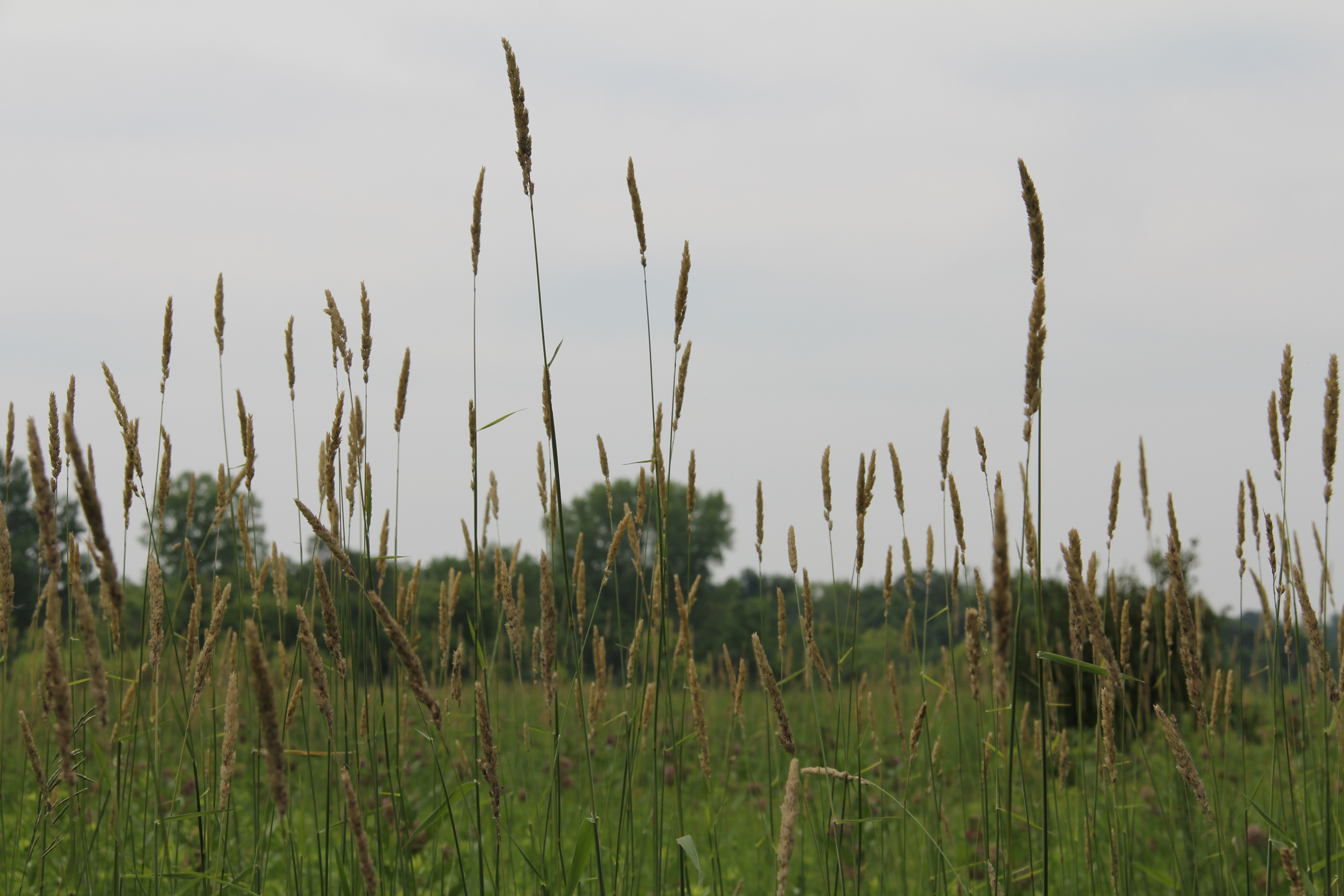
Prairie grasses. (Minnesota Prairie Roots copyrighted photo July 2023)

Long-stemmed grasses stretch toward the July sky.

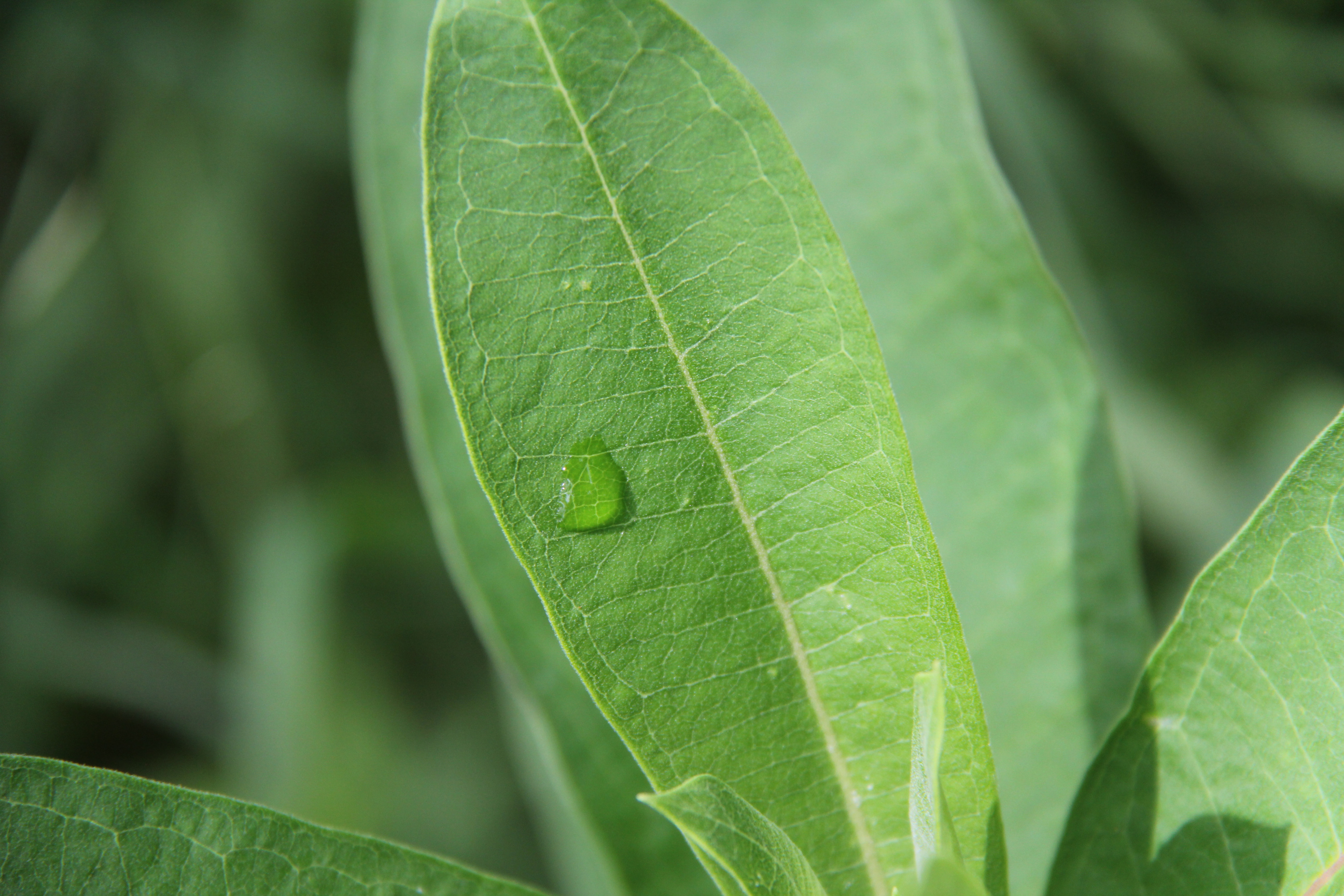
A solitary dewdrop on a milkweed leaf. (Minnesota Prairie Roots copyrighted photo July 2023)
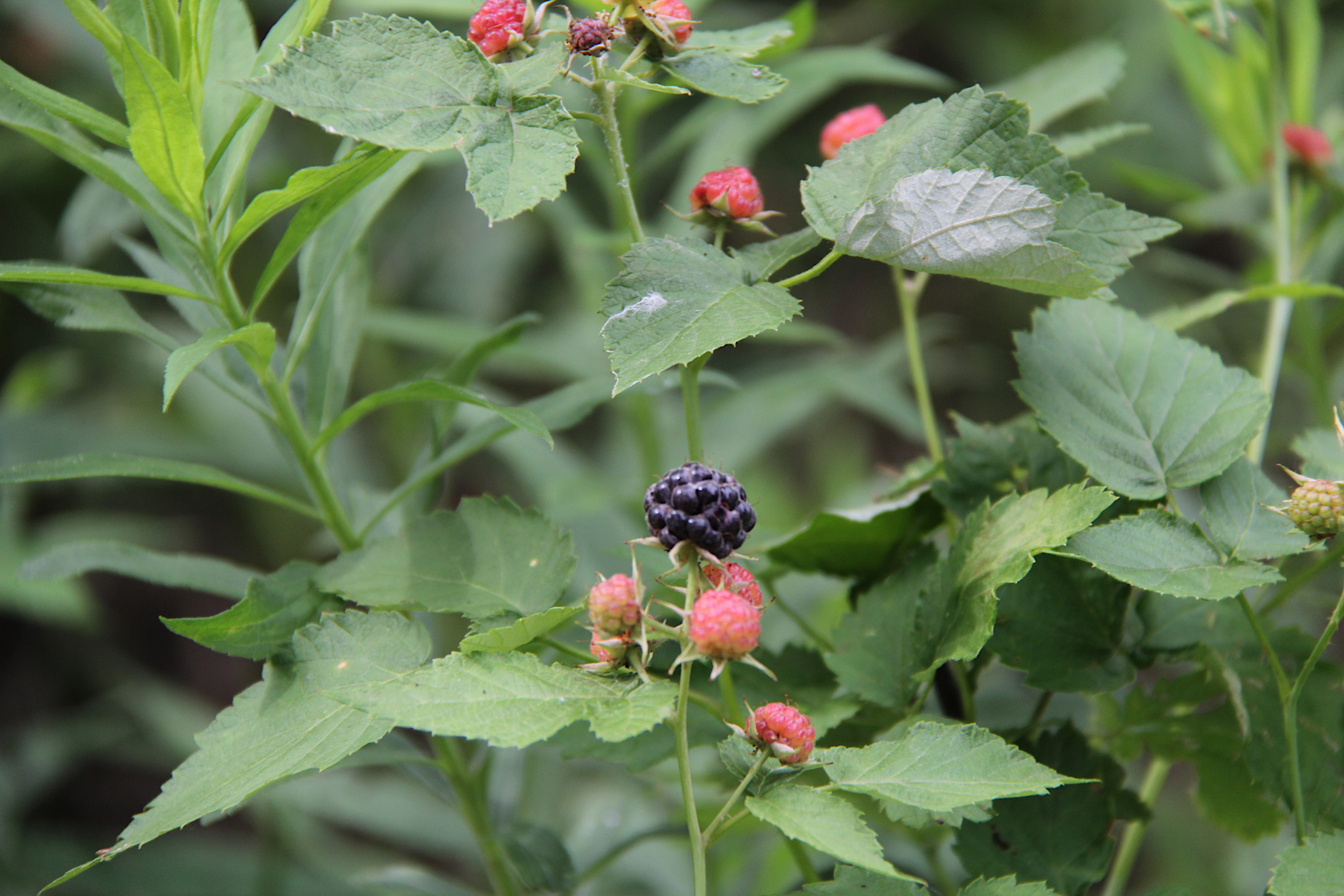
Wild raspberries. (Minnesota Prairie Roots copyrighted photo July 2023)
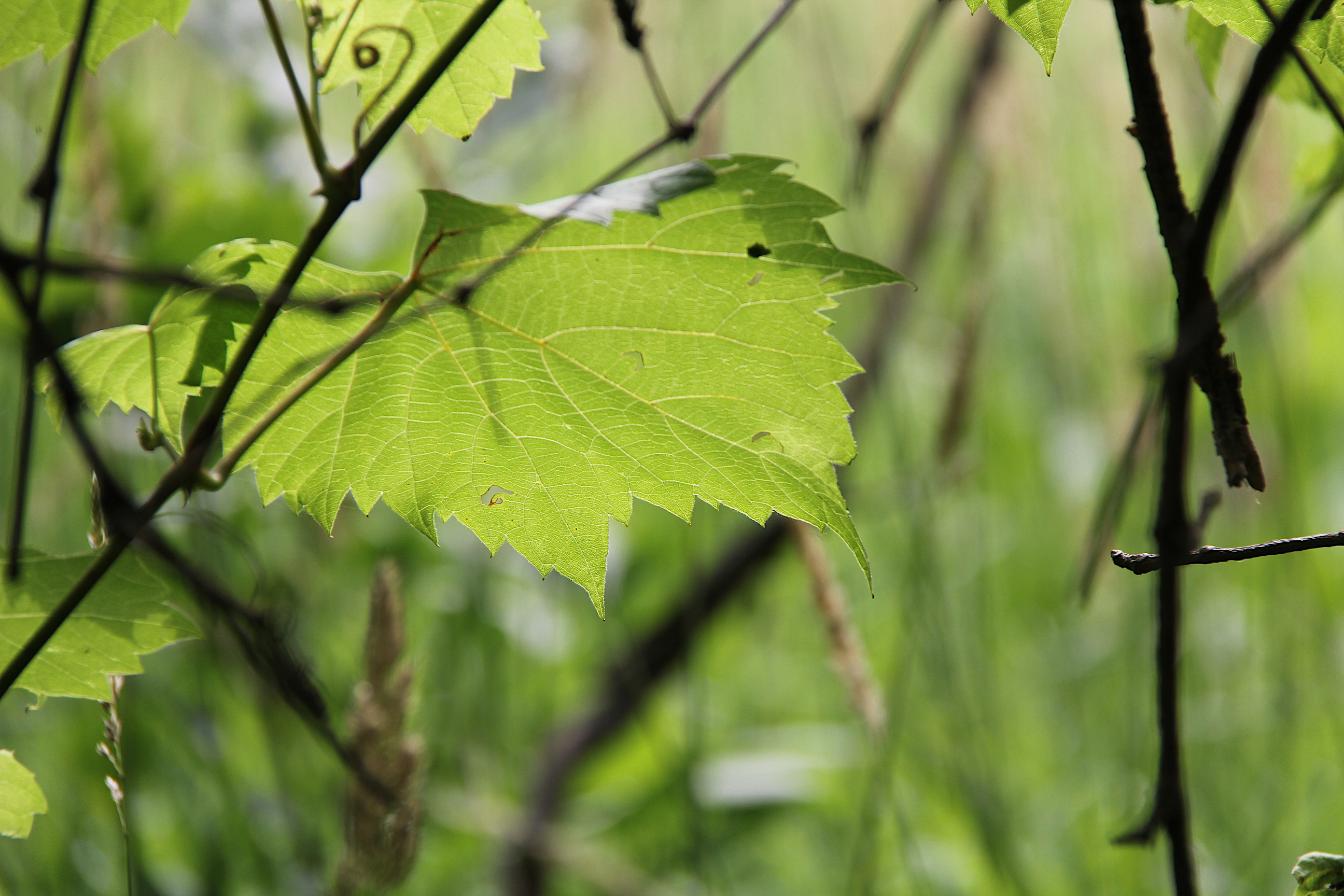
Veins run through the leaves of wild grapes. (Minnesota Prairie Roots copyrighted photo July 2023)

I tend to notice details, especially with camera in hand. And therein, in the part of the whole, is the beauty we often pass by in our hurried lives. I encourage you to slow your pace so as not to miss a solitary dewdrop, the texture of leaves, the deep purple of a plump wild raspberry.

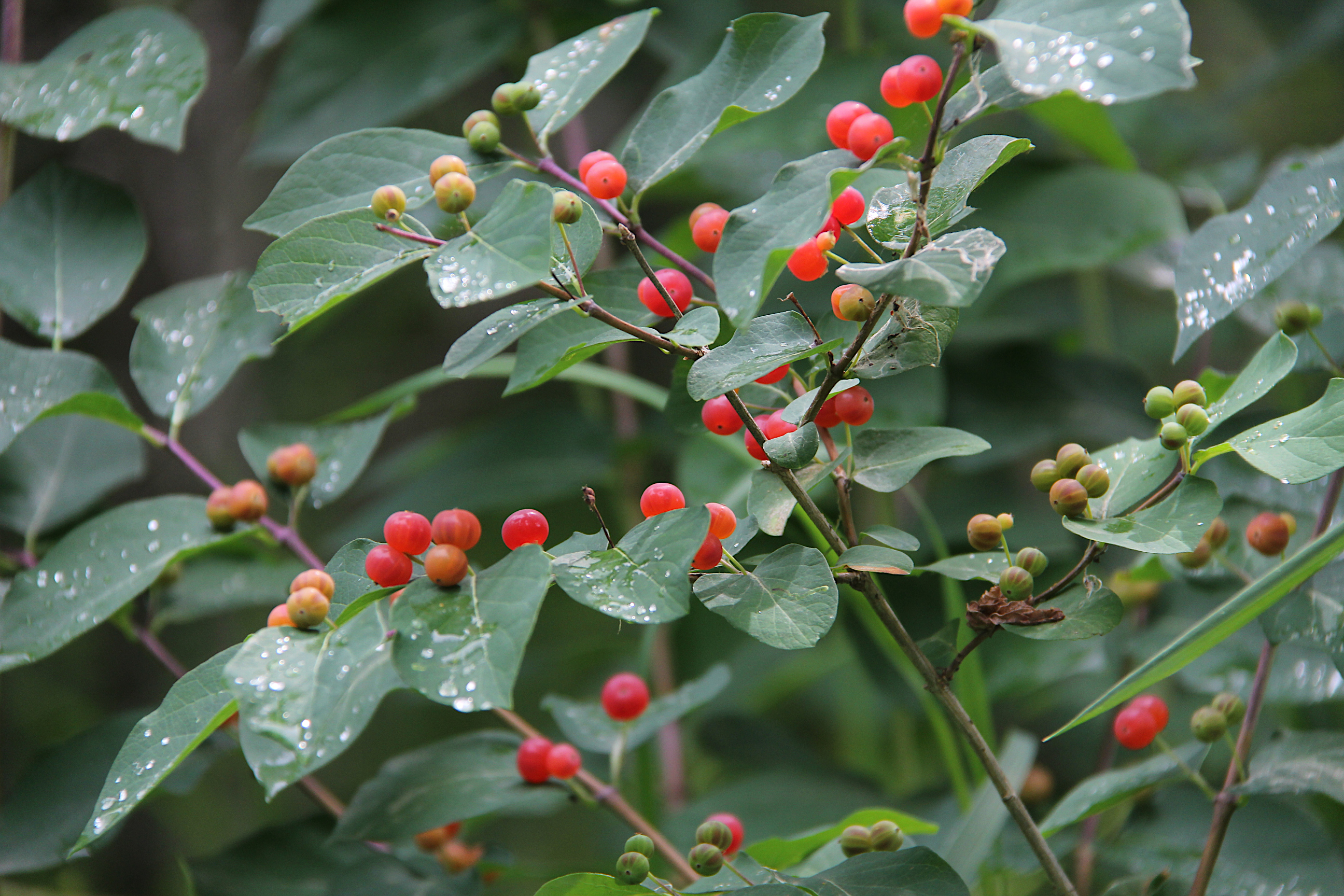
Bold berries jolt color into the greenery. (Minnesota Prairie Roots copyrighted photo July 2023)
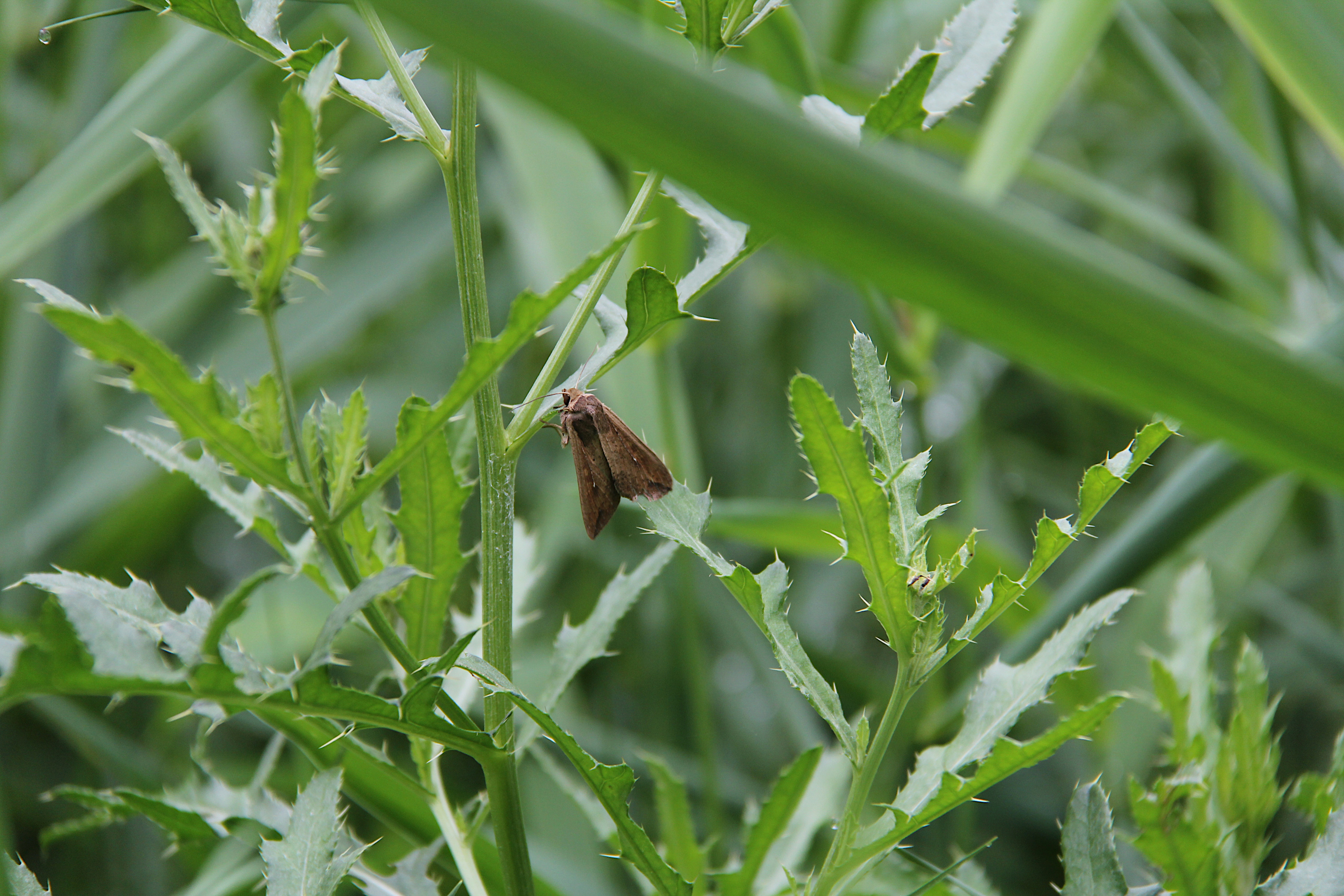
Moth upon thistle holds its own beauty. (Minnesota Prairie Roots copyrighted photo July 2023)
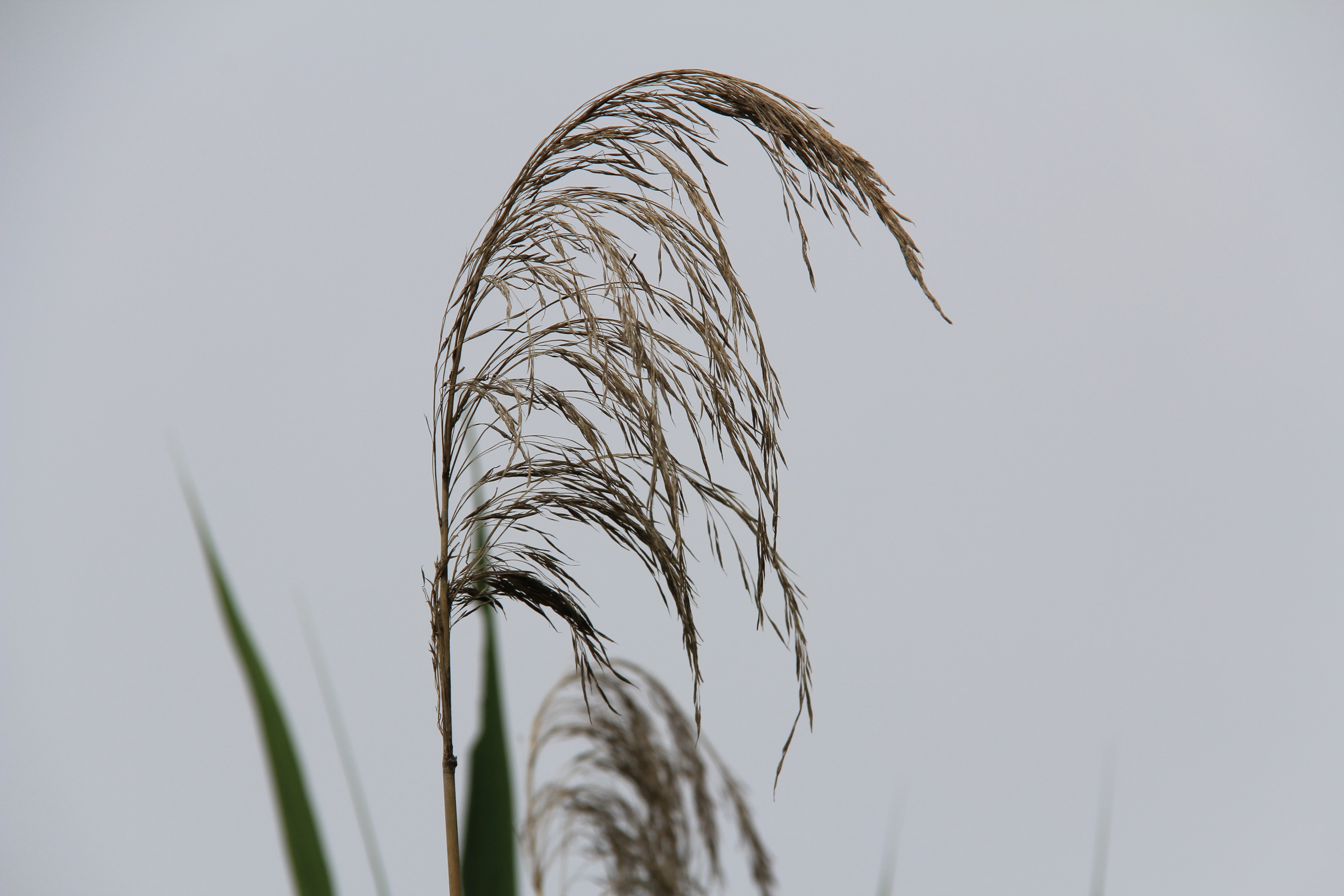
Tall tall grass bends. (Minnesota Prairie Roots copyrighted photo July 2023)

Notice the veins in bright red berries, the dusky moth among thistles, the way grass heads heavy with grain bend toward the earth.

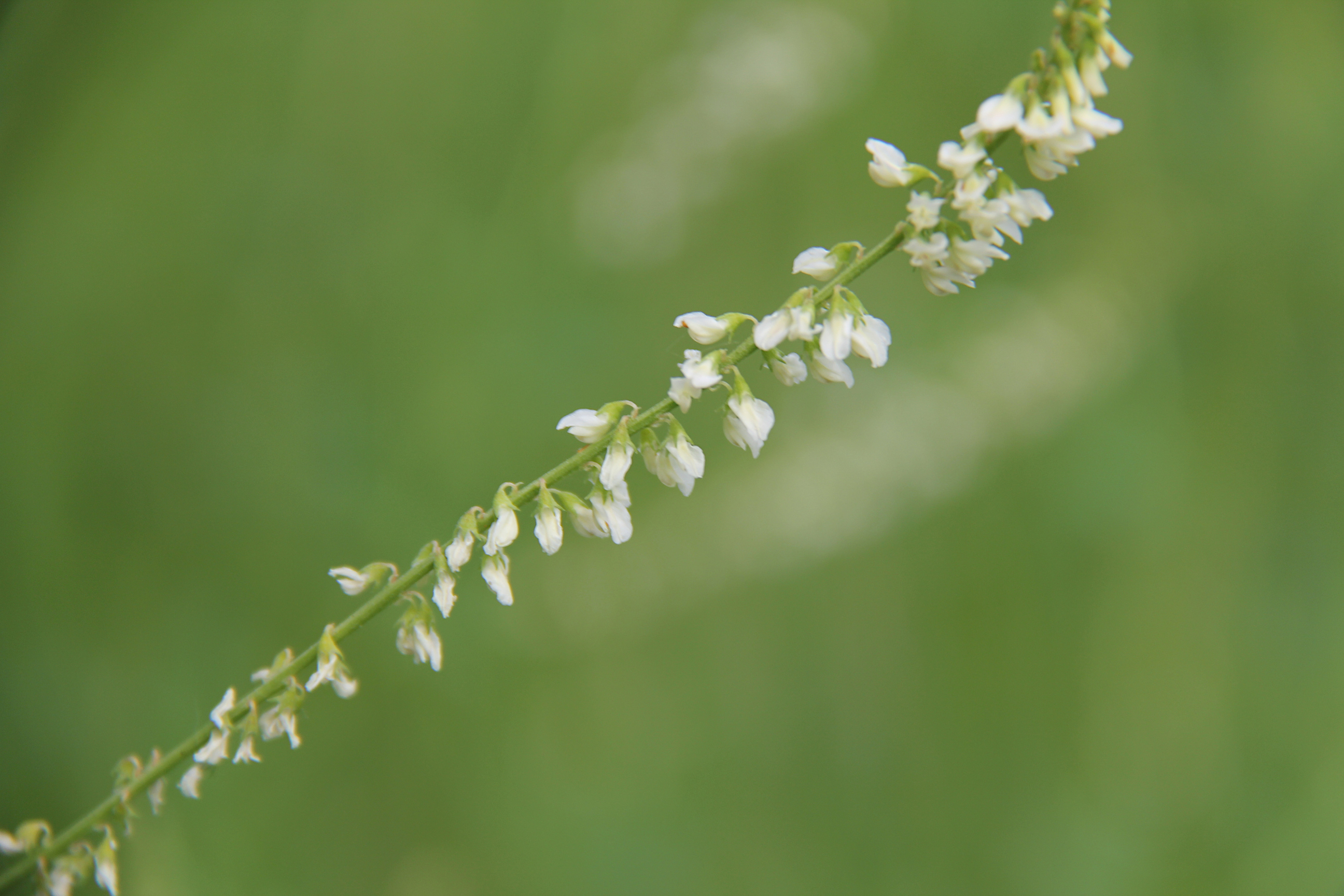
Unidentified white flower. (Minnesota Prairie Roots copyrighted photo July 2023)

From the daintiest of white blossoms laddering a stalk to the bold gold of a prairie wildflower, there is much to see, to appreciate, to embrace in these summer days.

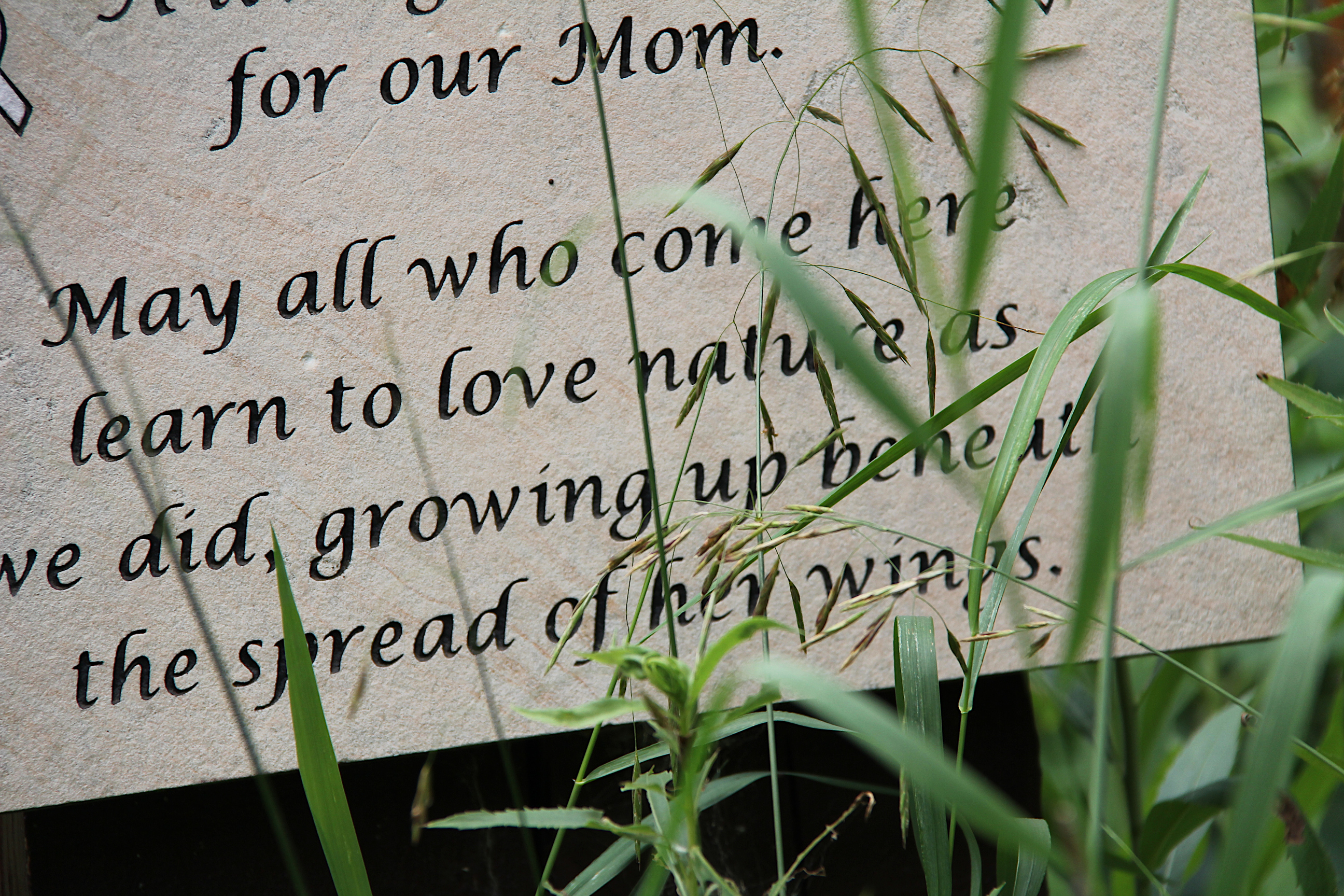
A nature-themed memorial at River Bend Nature Center, Faribault. (Minnesota Prairie Roots copyrighted photo July 2023)

Fill your eyes, your heart, your spirit, your mind with Nature’s beauty. Ride on the wings of the butterflies. Sway in the wind like blades of grass. Then settle, like a single dewdrop upon a leaf. Quiet. Filled with peace. Calmed in the presence of the land.

NOTE: All photos were taken recently at River Bend Nature Center, Faribault.

© Copyright 2023 Audrey Kletscher Helbling


So many reasons to visit Valley Grove, especially in autumn October 13, 2021

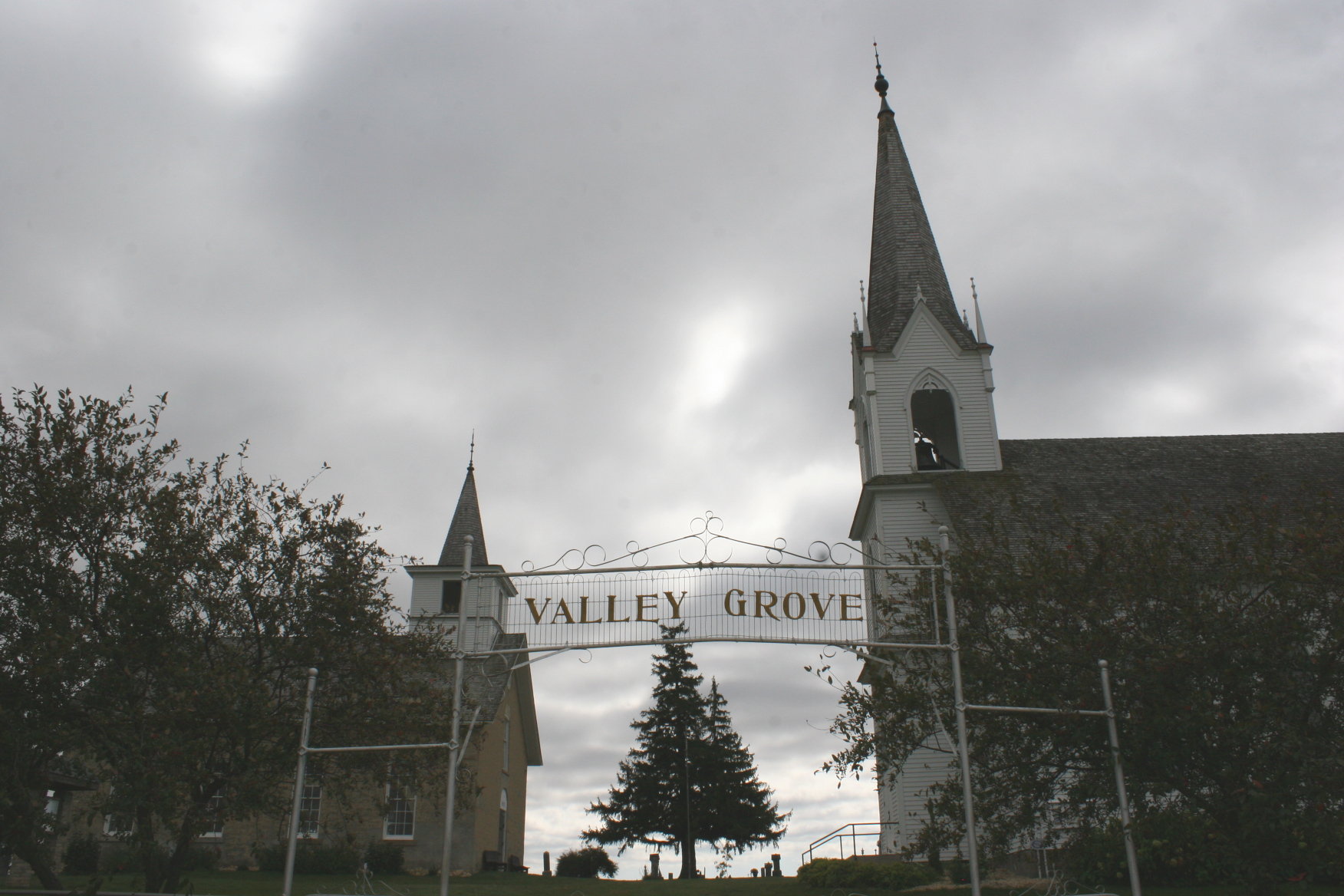
The artful gated entrance to Valley Grove. Minnesota Prairie Roots copyrighted photo October 2021.

I EXPERIENCE SOMETHING SACRED in this place. This preserved parcel of land where two aged churches rise atop a hill in rural Nerstrand.

Looking down the driveway from the hilltop church grounds, a beautiful view of the valley below. Minnesota Prairie Roots copyrighted photo October 2021.

This is Valley Grove, among my most treasured local natural spaces to seek solitude. Beauty. Peace. And a feeling of sacredness that stretches beyond spiritual.

The newer of the two Valley Grove churches. Minnesota Prairie Roots copyrighted photo October 2021.

On a recent Sunday afternoon, Randy and I sat on the front steps of the 1894 white clapboard church eating a picnic lunch. Bothersome bees hovered, drawn by the sweetness of Randy’s soda and fruit-laced yogurt and homemade chocolate chip cookies.

Photographed from a side of the clapboard church, the limestone church a short distance away. Minnesota Prairie Roots copyrighted photo October 2021.

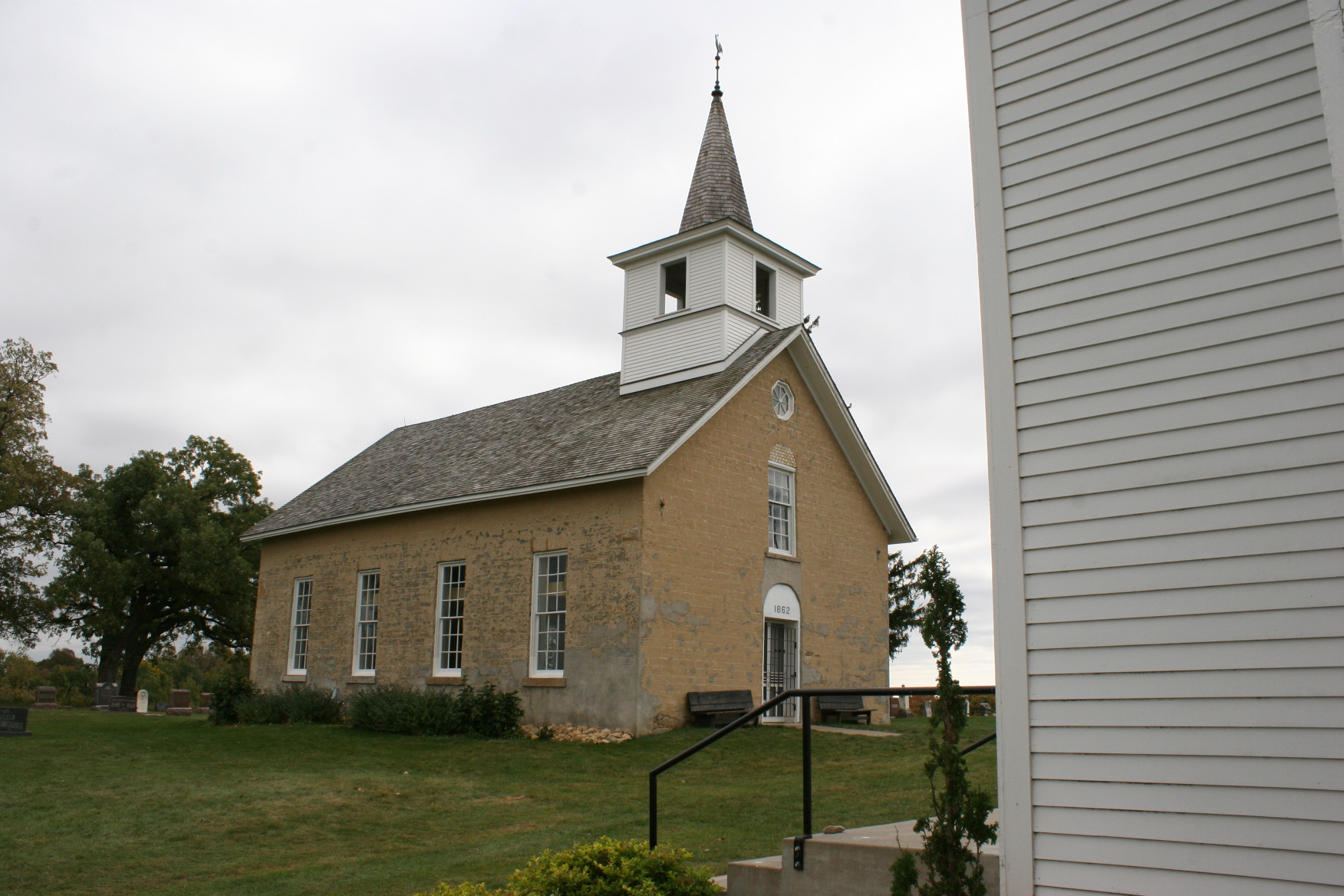
A stone’s throw away across the lawn sits the 1862 limestone church, constructed in the year of the U.S.-Dakota Conflict raging many miles away to the west.

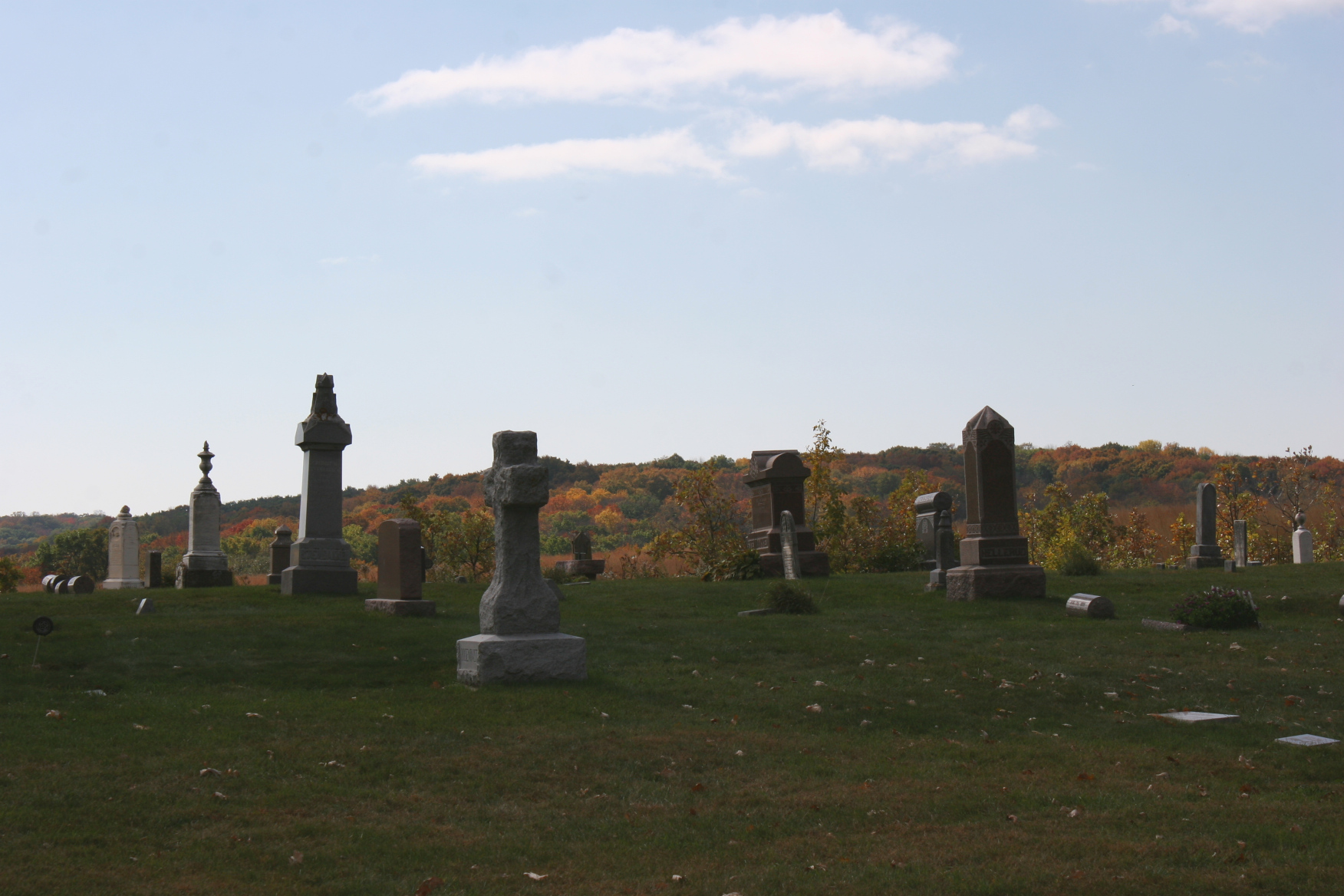
The cemetery offers history, art and a place for quiet contemplation against a beautiful natural backdrop. Minnesota Prairie Roots copyrighted photo October 2021.
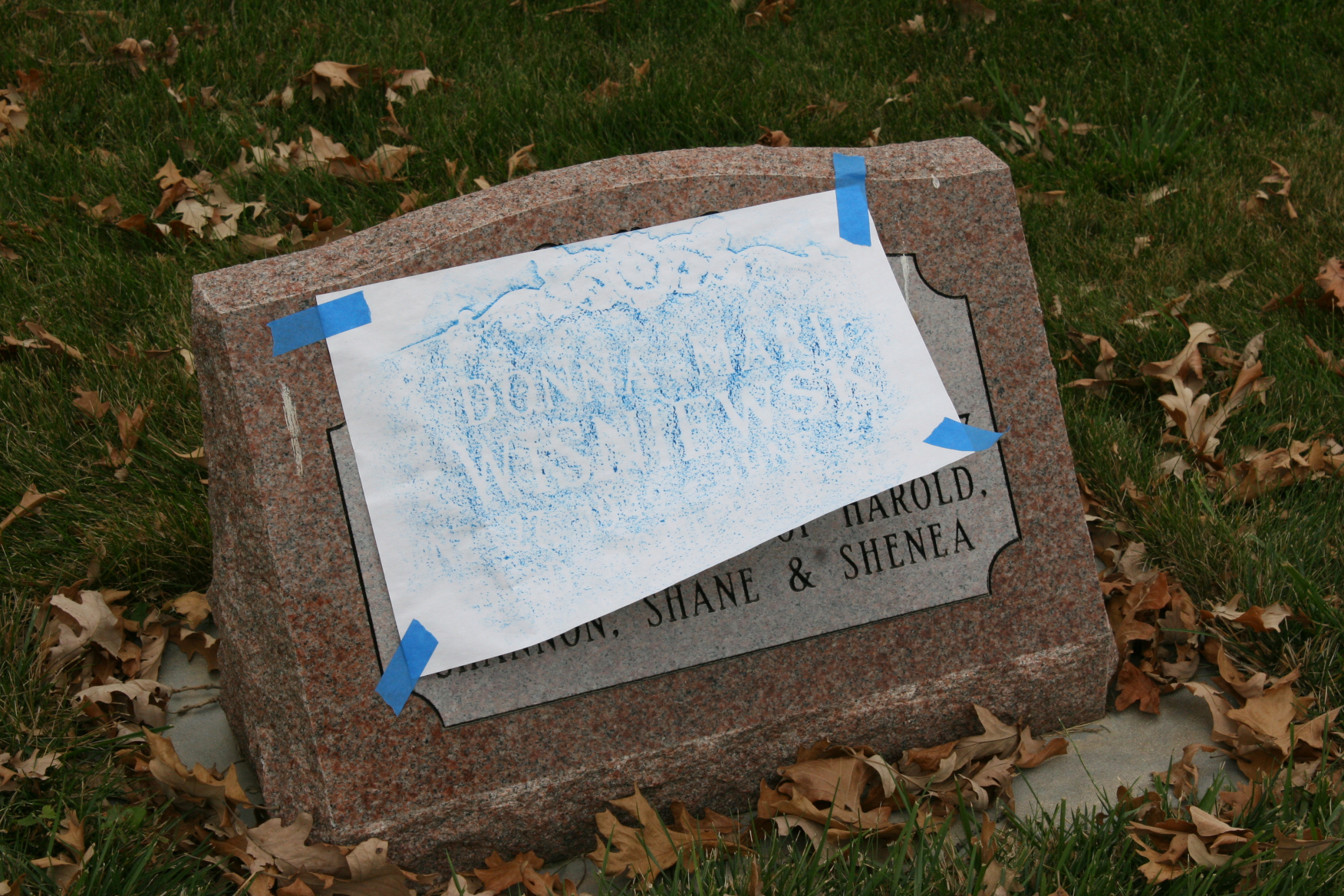
An in-process gravestone rubbing. Minnesota Prairie Roots copyrighted photo October 2021.
I find gravestone engravings especially interesting and often touching. Minnesota Prairie Roots copyrighted photo October 2021.

Valley Grove holds its own history as a community and spiritual gathering place for the area’s Norwegian immigrants. Walk the grounds of the cemetery next to the churches and you’ll read names of those of Norwegian ancestry. The cemetery remains well-used with new tombstones marking the passage of yet another loved one.

Information about Valley Grove is tucked inside a case on the side of the clapboard church. Minnesota Prairie Roots copyrighted photo October 2021.

I have no personal connection to Valley Grove. But I hold a deep appreciation for the history, honored via the Valley Grove Preservation Society. That organization maintains and manages the church and grounds. And its a lovely, especially in autumn, acreage.

Farm sites and farmland surround Valley Grove. Minnesota Prairie Roots copyrighted photo October 2021.

Once I’d finished my turkey sandwich and other picnic foods, I set out with my camera to document. The views from this hilltop site are spectacular. Farm land and farm sites, the low moo of a cow auditorily reminding me of this region’s agrarian base.

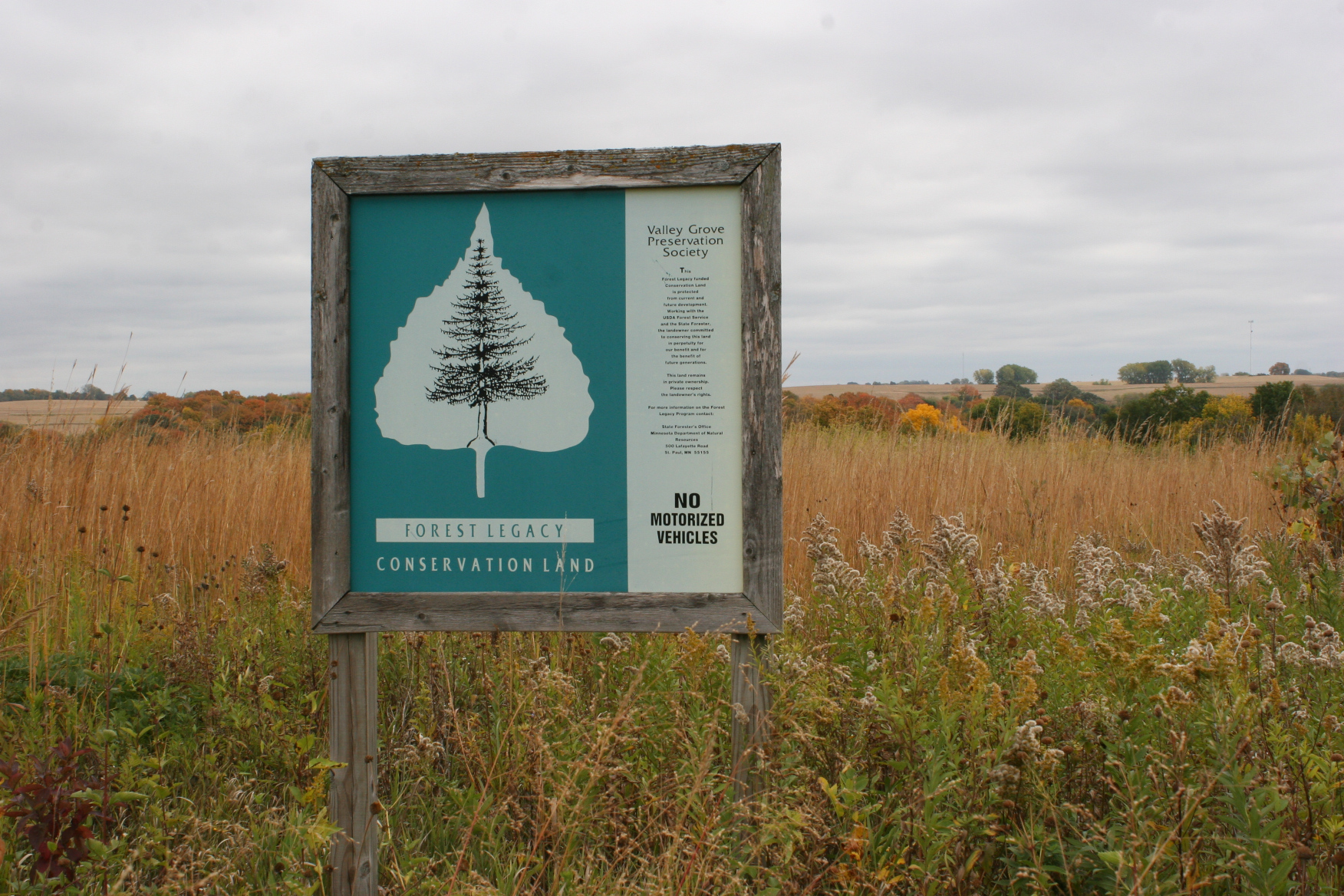
Conservation and legacy are valued at Valley Grove. Minnesota Prairie Roots copyrighted photo October 2021.
Remnants of the Big Woods remain and can be seen from Valley Grove. Minnesota Prairie Roots copyrighted photo October 2021.
Following the prairie path back to the church grounds, just over the hill. Minnesota Prairie Roots copyrighted photo October 2021.

Tall dried prairie grasses frame nearly every view. Those who tend this land value its natural features of prairie and oak savanna. Paths lead visitors along prairie’s edge and onto the prairie to view distant colorful treelines, part of the Big Woods. The hilltop location offers incredible vistas.

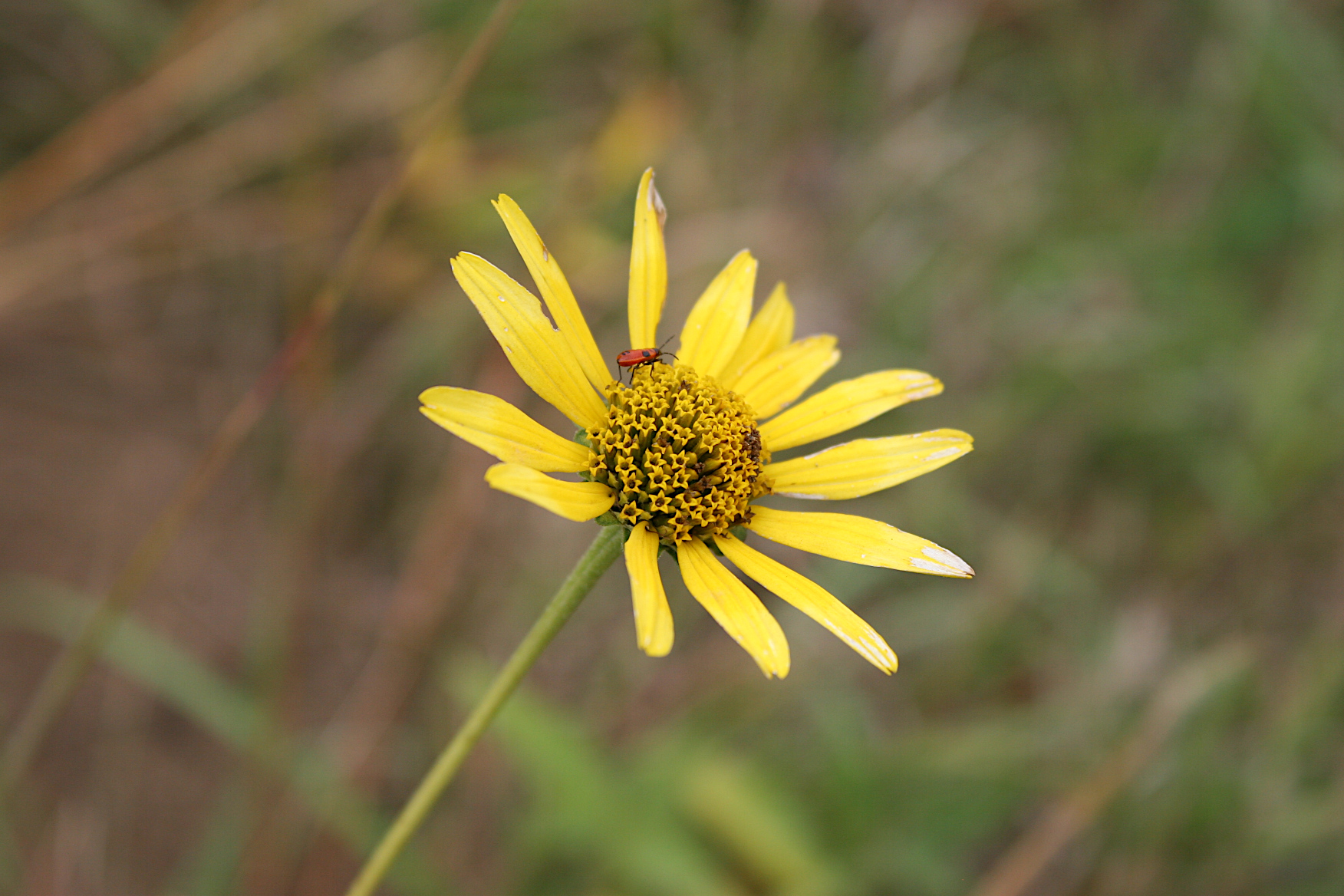
On a mixed October afternoon of sun and clouds, a wildflower jolts color into the landscape. Minnesota Prairie Roots copyrighted photo October 2021.

But up close is worth noting, too, especially the wildflowers.

An unexpected delight in the cemetery was an old-fashioned rosebush in full bloom. Minnesota Prairie Roots copyrighted photo October 2021.

And in the cemetery I found an old-fashioned rosebush abloom in pink roses. Just like a rosebush that graced my childhood farm far away in southwest Minnesota where settlers and Native Peoples once clashed. I dipped my nose into blossom after blossom, breathing in the deep, perfumed, intoxicating scent.

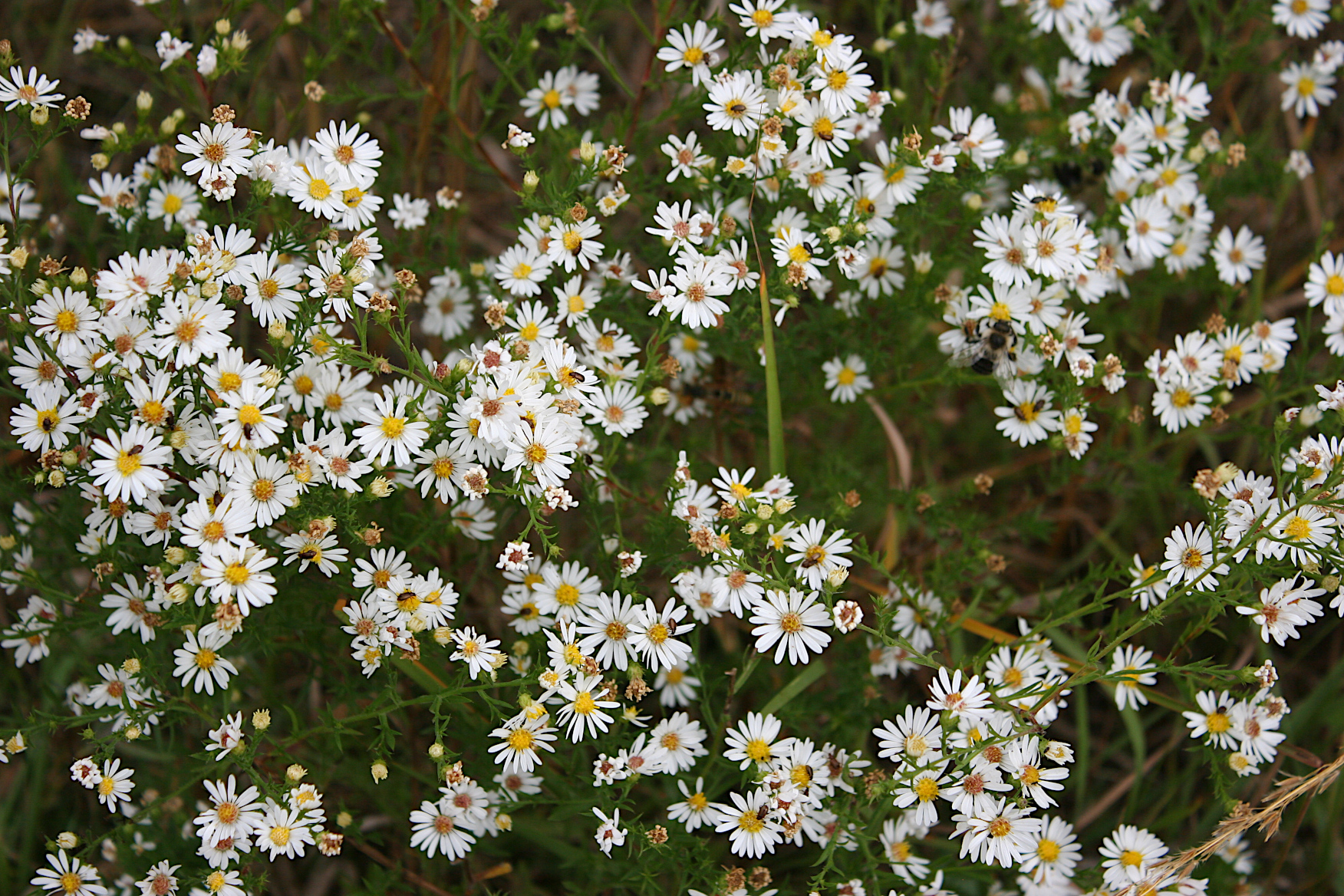
Lots of wildflowers to enjoy. Minnesota Prairie Roots copyrighted photo October 2021.

Spending time at Valley Grove, even when church doors are not open, seems sacred. I feel the peace of this rural location. The quiet. My smallness, too, within the vastness of sky and land and spires rising.

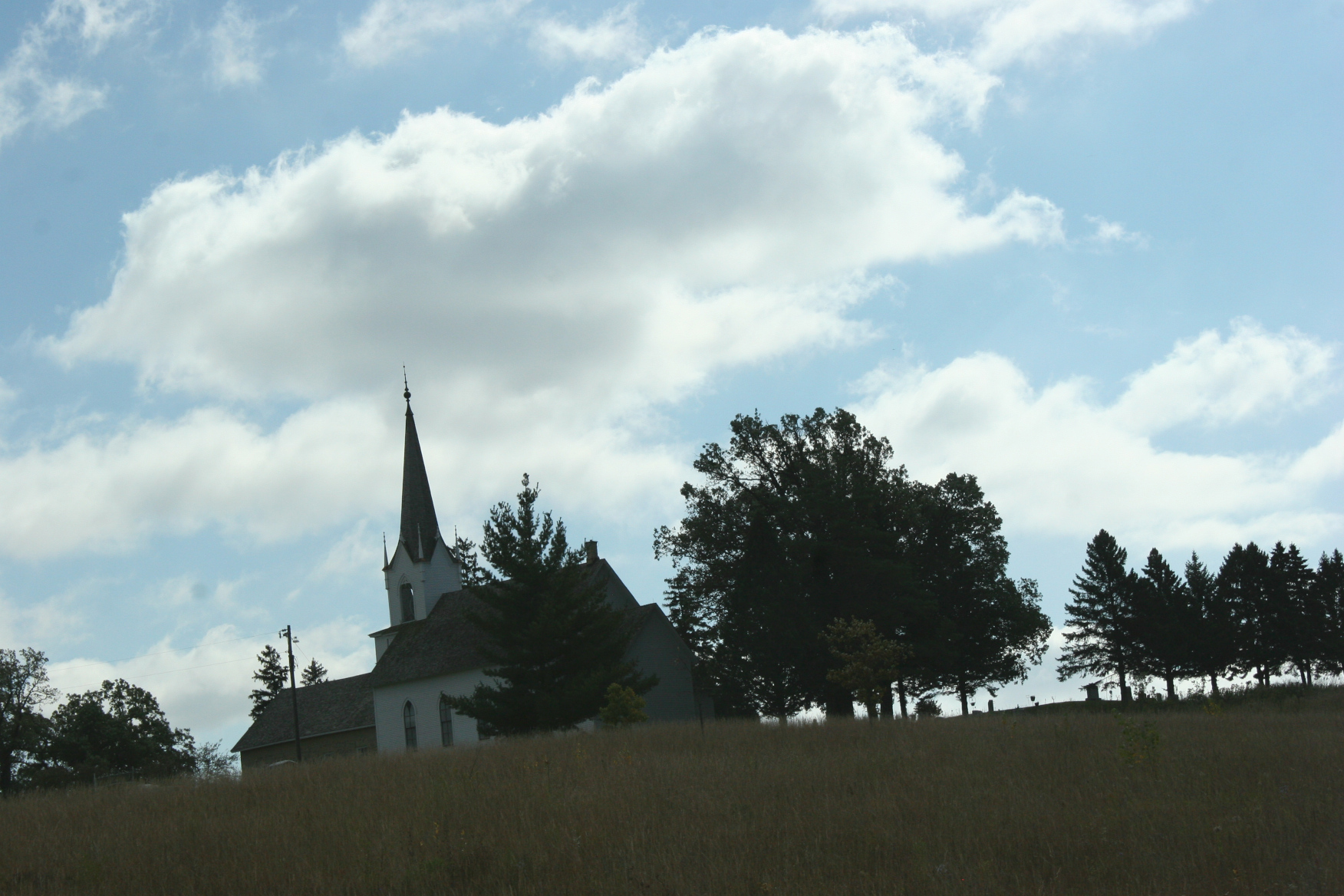
High on the hill…Valley Grove churches. Minnesota Prairie Roots copyrighted photo October 2021.

To walk here, to sit on the front steps of a church on the National Register of Historic Places is to feel a sense of gratitude for those who came before us. For those who today recognize the value of sacredness and continue to preserve Valley Grove. Who understand that the spiritual stretches beyond church doors. To the land. To the memories of loved ones. And to future generations.

© Copyright 2021 Audrey Kletscher Helbling
 

Poetic reflections from Faribault Energy Park September 14, 2021

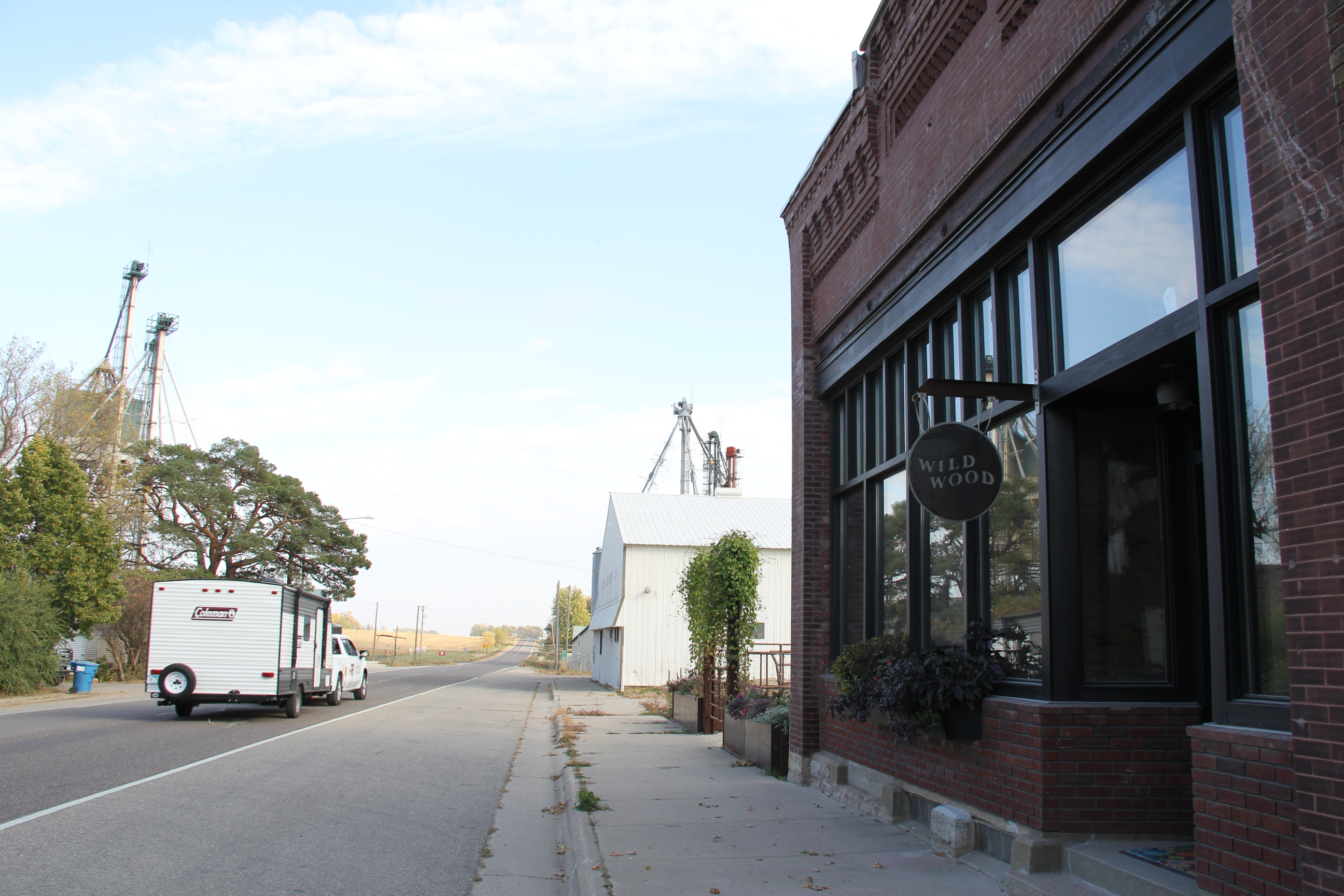
Among the many beautiful wildflowers growing at Faribault Energy Park. Minnesota Prairie Roots copyrighted photo September 2021.

DESPITE THE STEADY THRUM of traffic along adjacent Interstate 35 and the drone of the power plant, Faribault Energy Park remains a favorite place to walk. Not because it’s quiet—because it’s not, not at all. But because of the dirt trails that wind through 35 acres of wetlands and ponds.

Dirt trails ring the ponds. Minnesota Prairie Roots copyrighted photo September 2021.

Here, when I put sneaker to ground, I feel connected to the land. There’s something satisfying and comforting about earth directly beneath my soles.

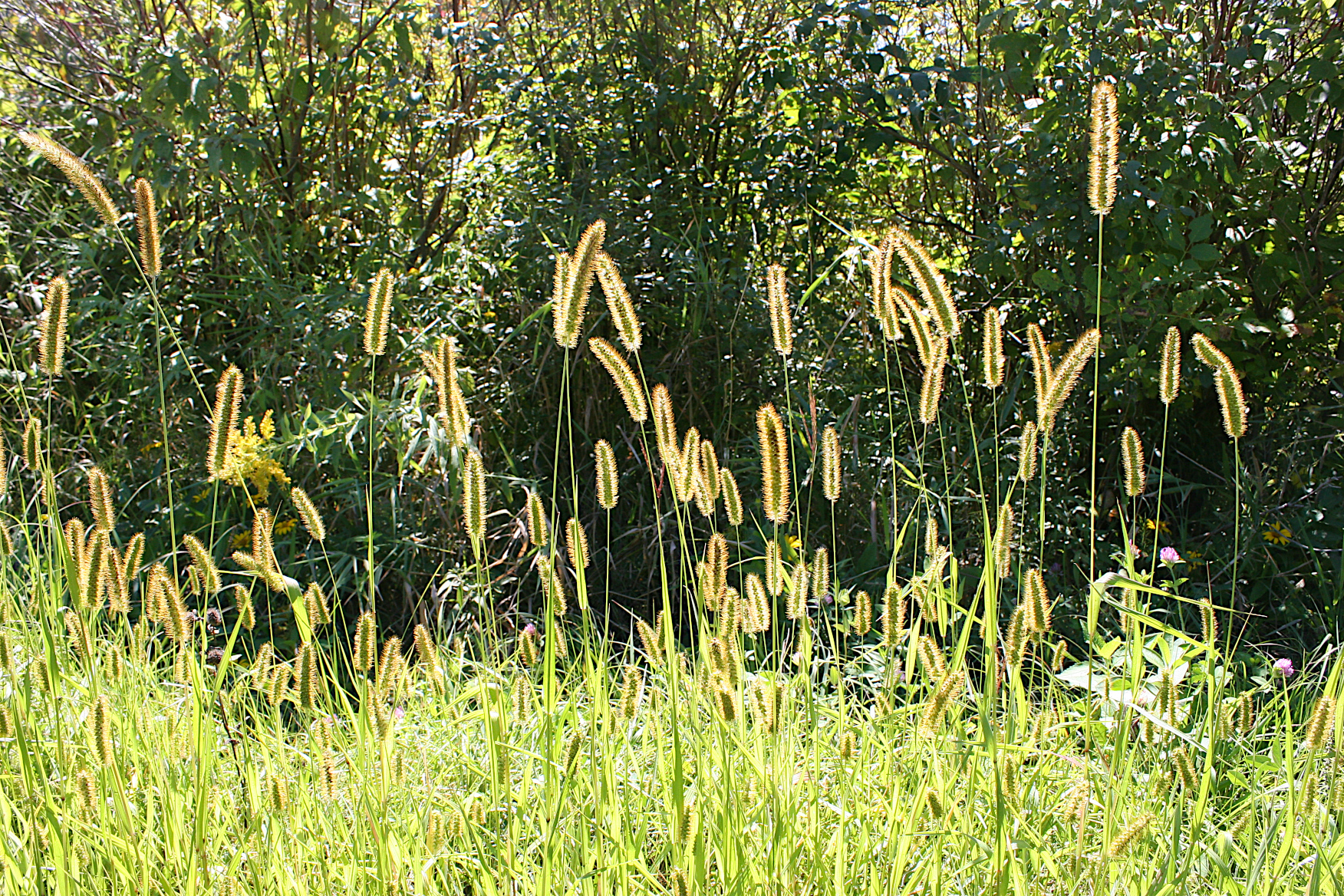
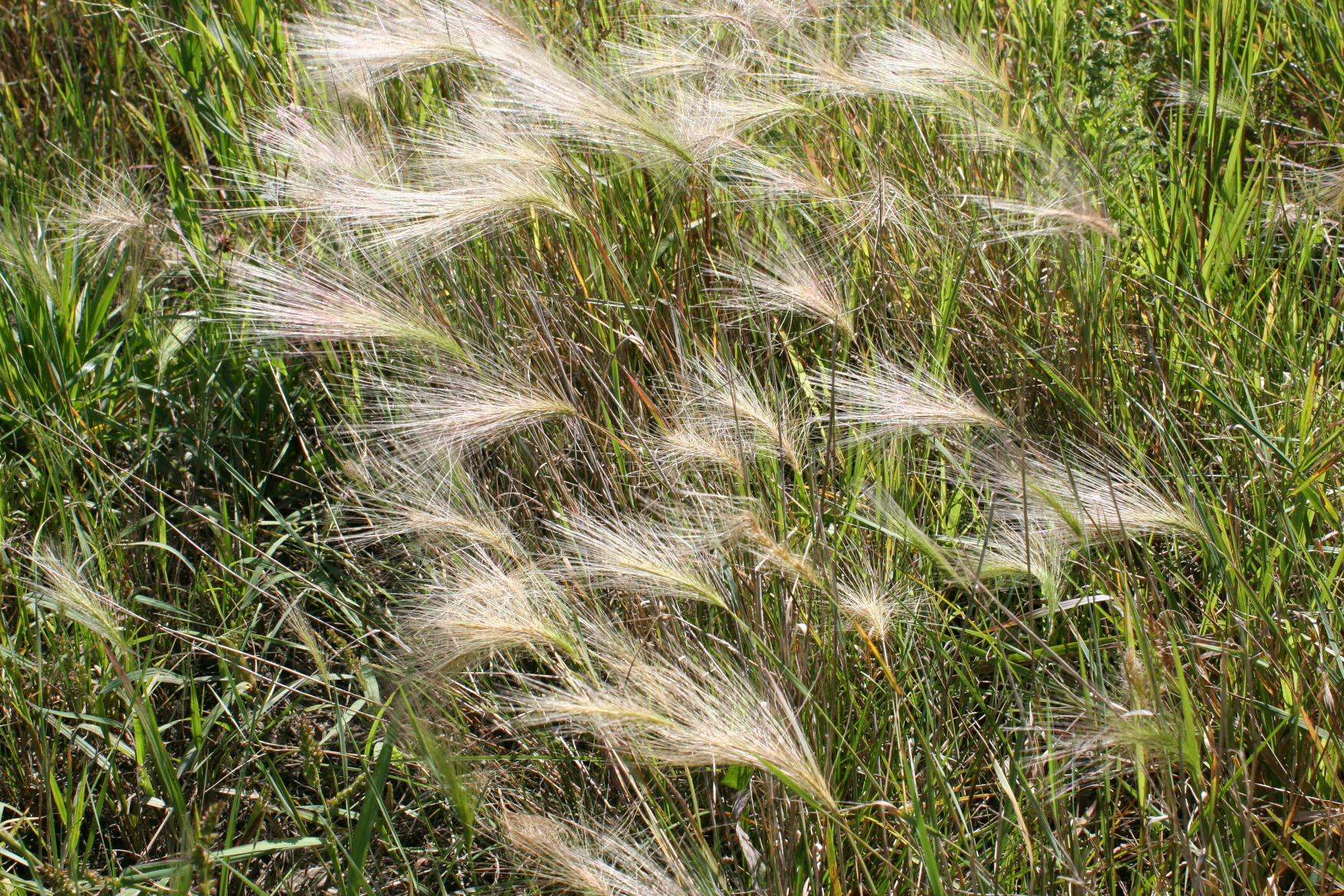
The foxtail, especially, remind me of the prairie. Minnesota Prairie Roots photo September 2021.

And although this isn’t prairie, the openness of this park appeals to me. It reminds me of my prairie roots, of the gravel drives and roads I biked and walked while growing up in southwestern Minnesota. Sometimes my heart hurts for missing those familiar wide open spaces and spacious skies.

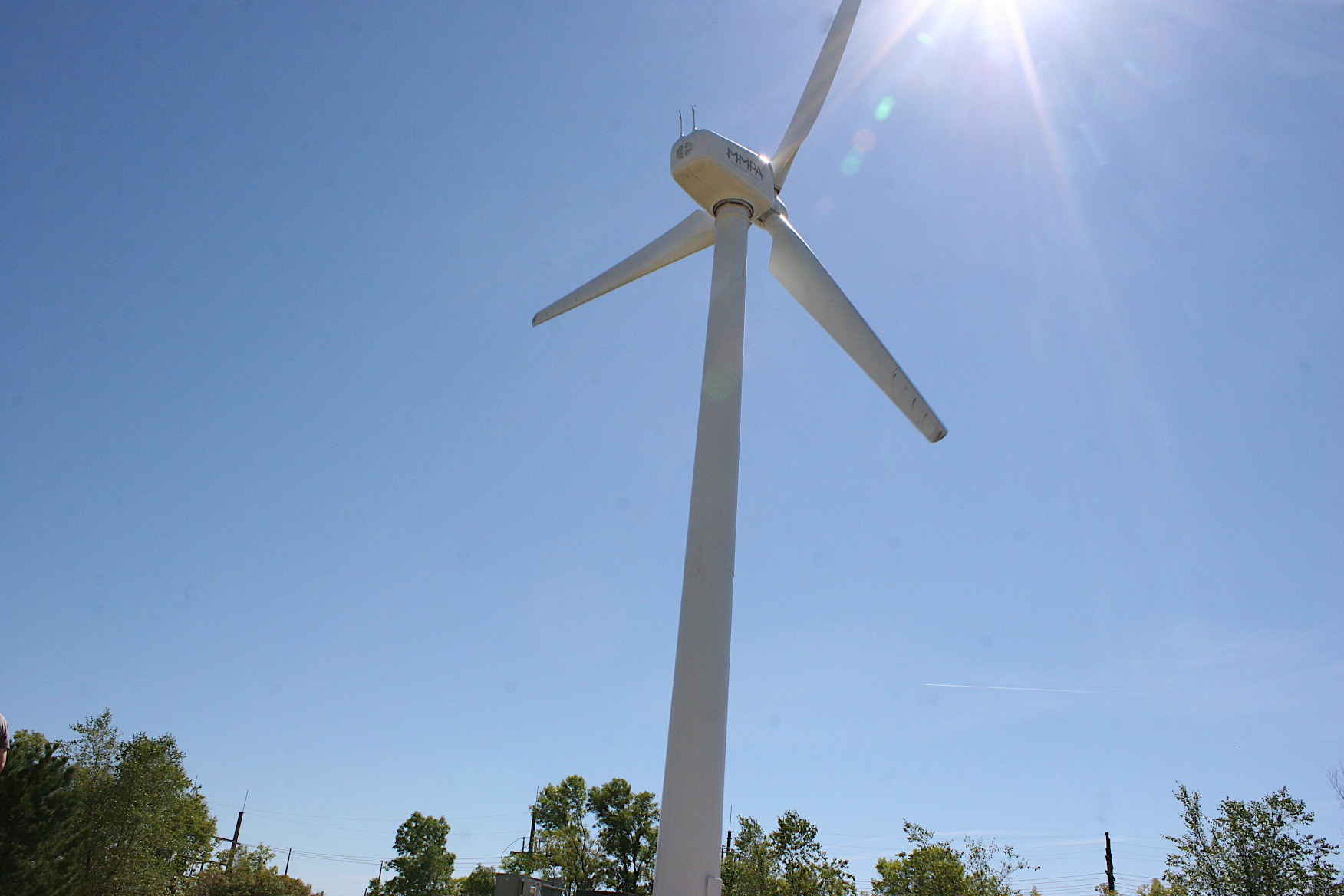
The park’s single wind turbine. Minnesota Prairie Roots copyrighted photo September 2021.

At Faribault Energy Park, I pause occasionally to look skyward, to the expanse of blue. Or toward the churning arms of the wind turbine which, during my most recent visit, spun shadows across the land.

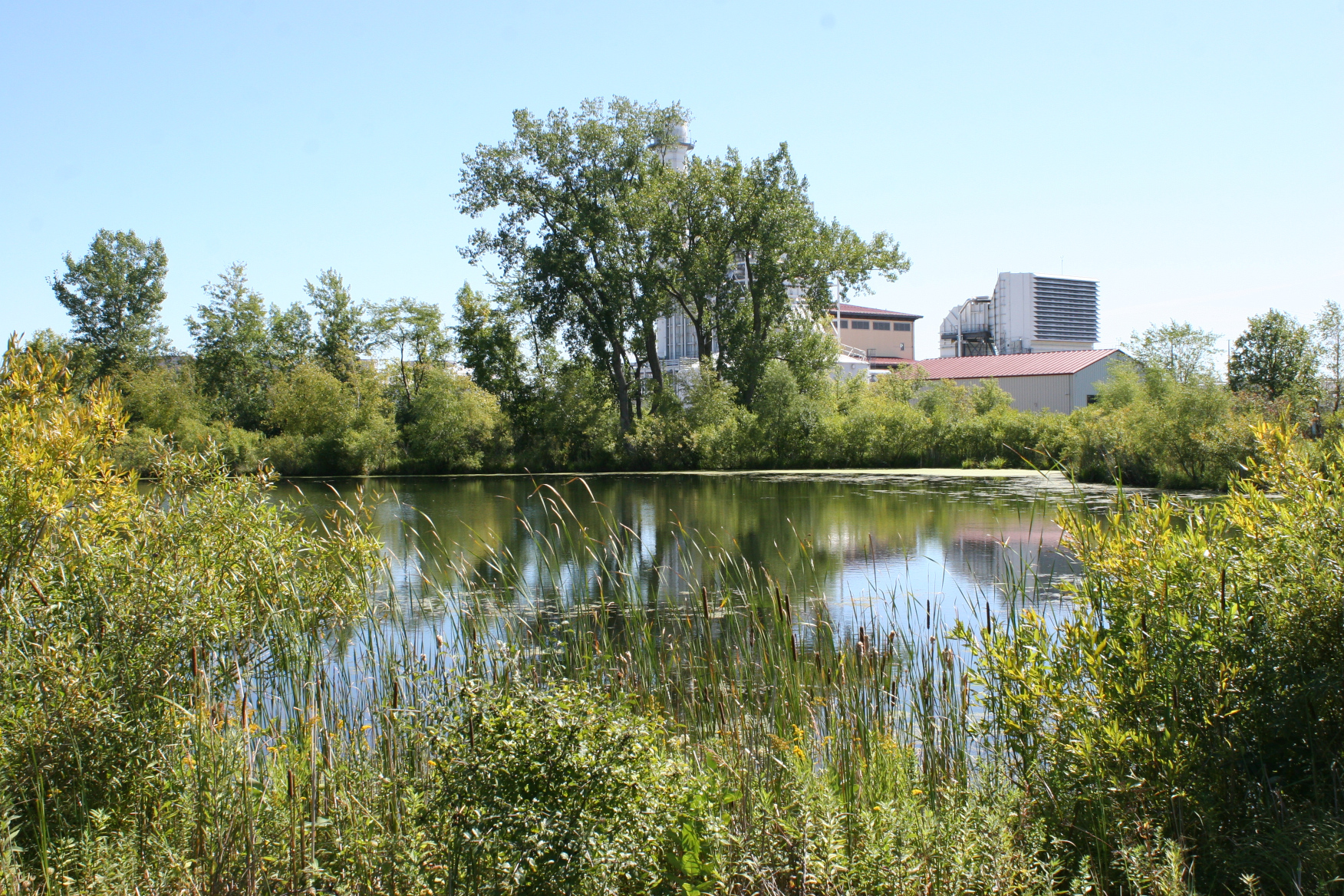
A view of the power plant from across the pond. Minnesota Prairie Roots copyrighted photo September 2021.

It should be noted that I’m not particularly fond of wind turbine fields. I understand their importance, but don’t like their visual intrusion upon the landscape. Like visual pollution, they detract from the beauty of the land. They seem out-of-place, invasive to my eyes. I feel the same about massive solar panel fields planted on farmland. But here at Faribault Energy Park, only one wind turbine stands, across the road from a solar garden (not field).

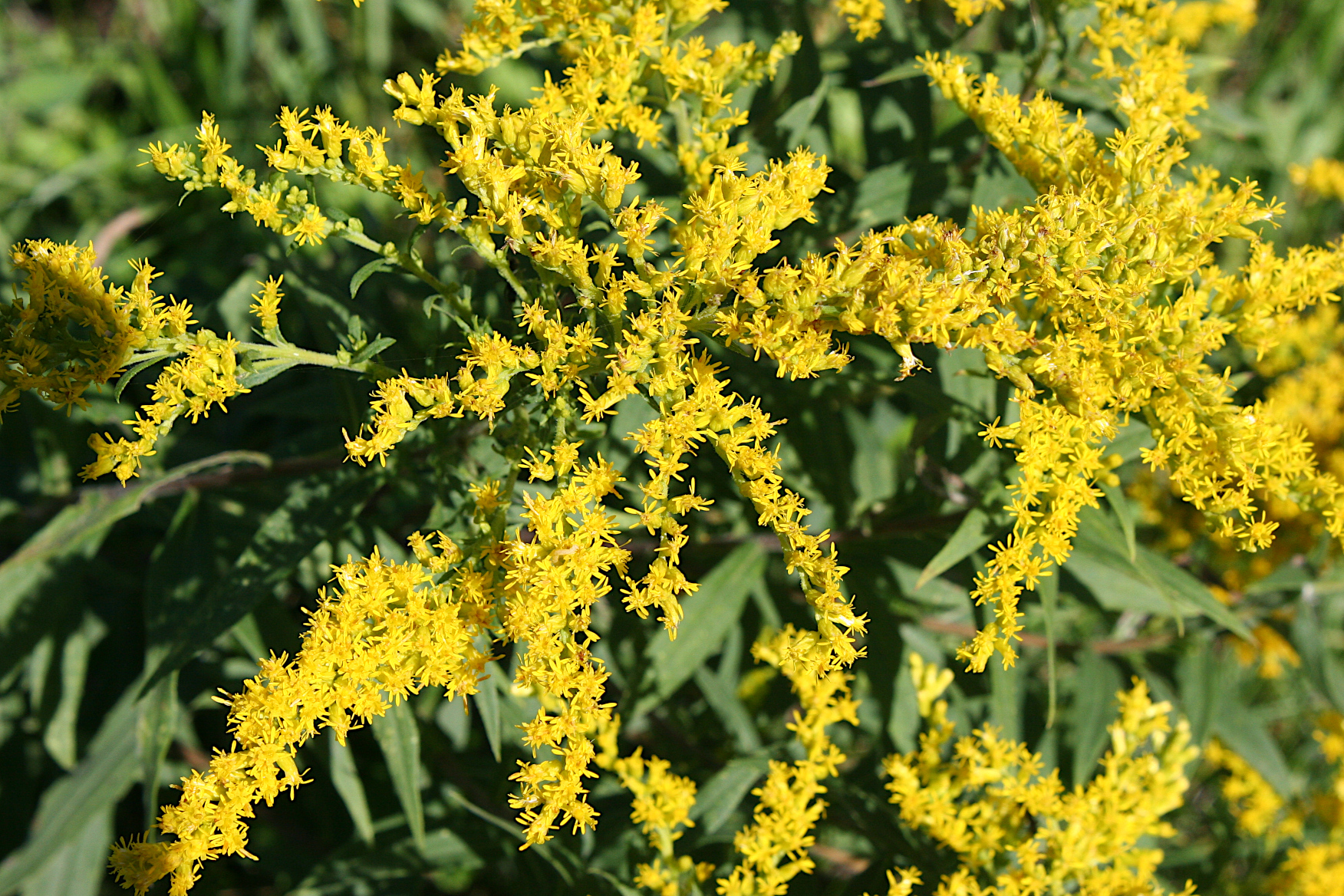
Goldenrod, one flower I can identify. Minnesota Prairie Roots copyrighted photo September 2021.
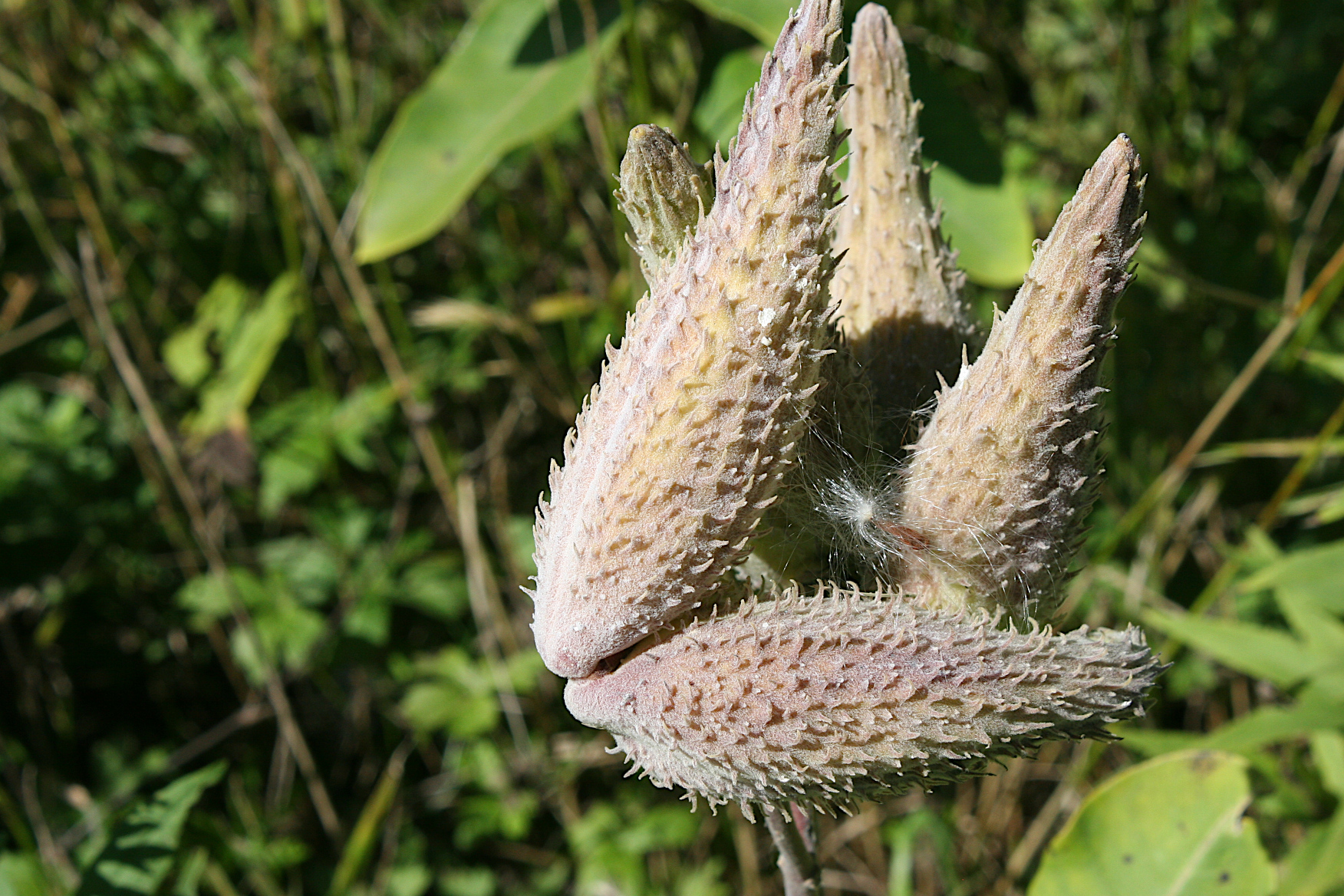
I’ve always loved milkweeds from fluff to pods to how they are necessary for the monarch butterfly population. Minnesota Prairie Roots copyrighted photo September 2021.
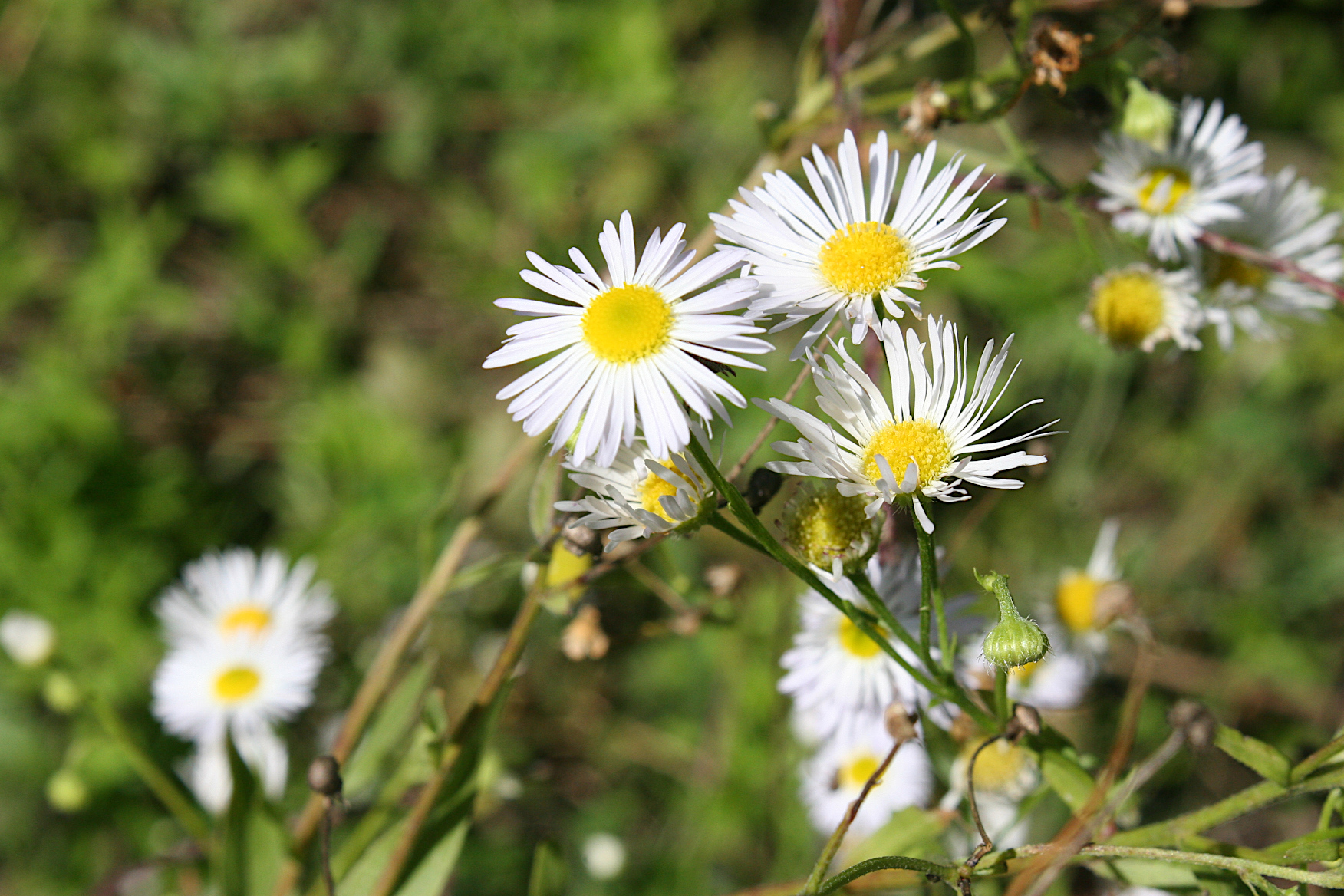
Dainty wildflowers. Minnesota Prairie Roots copyrighted photo September 2021.

Mostly, I notice the wildflowers and grasses. Goldenrod. Black-eyed Susans. An endless variety of plants that I should take time to research for identification. Rather, I settle for photographing them and appreciating their beauty. How they sway in the wind. How they appear in the sunlight. How they splash color into the landscape.

I especially love how these grass plumes bend and blow in the wind, like poetry. Minnesota Prairie Roots copyrighted photo September 2021.
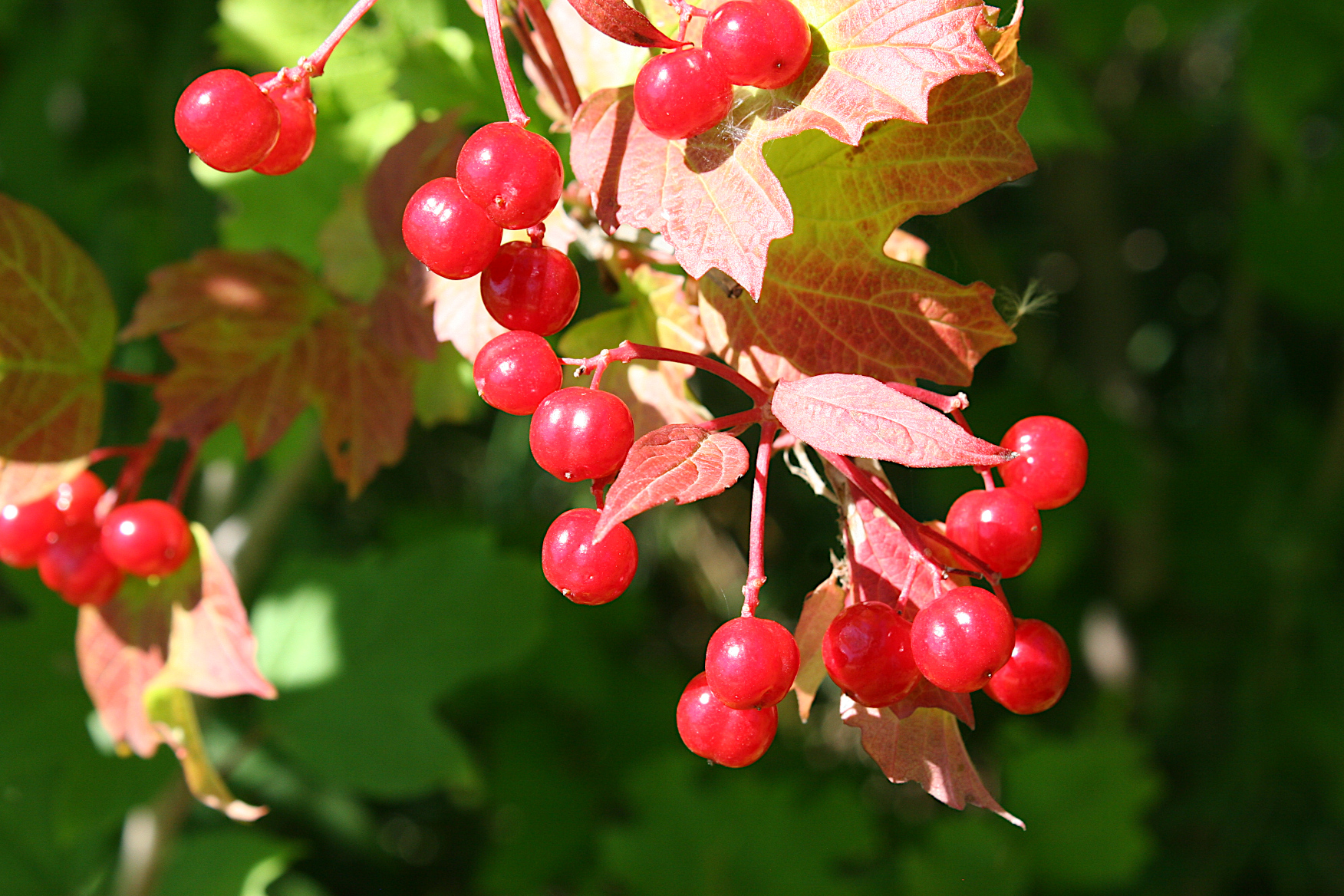
Bold berries jolt color into the landscape. Minnesota Prairie Roots copyrighted photo September 2021.
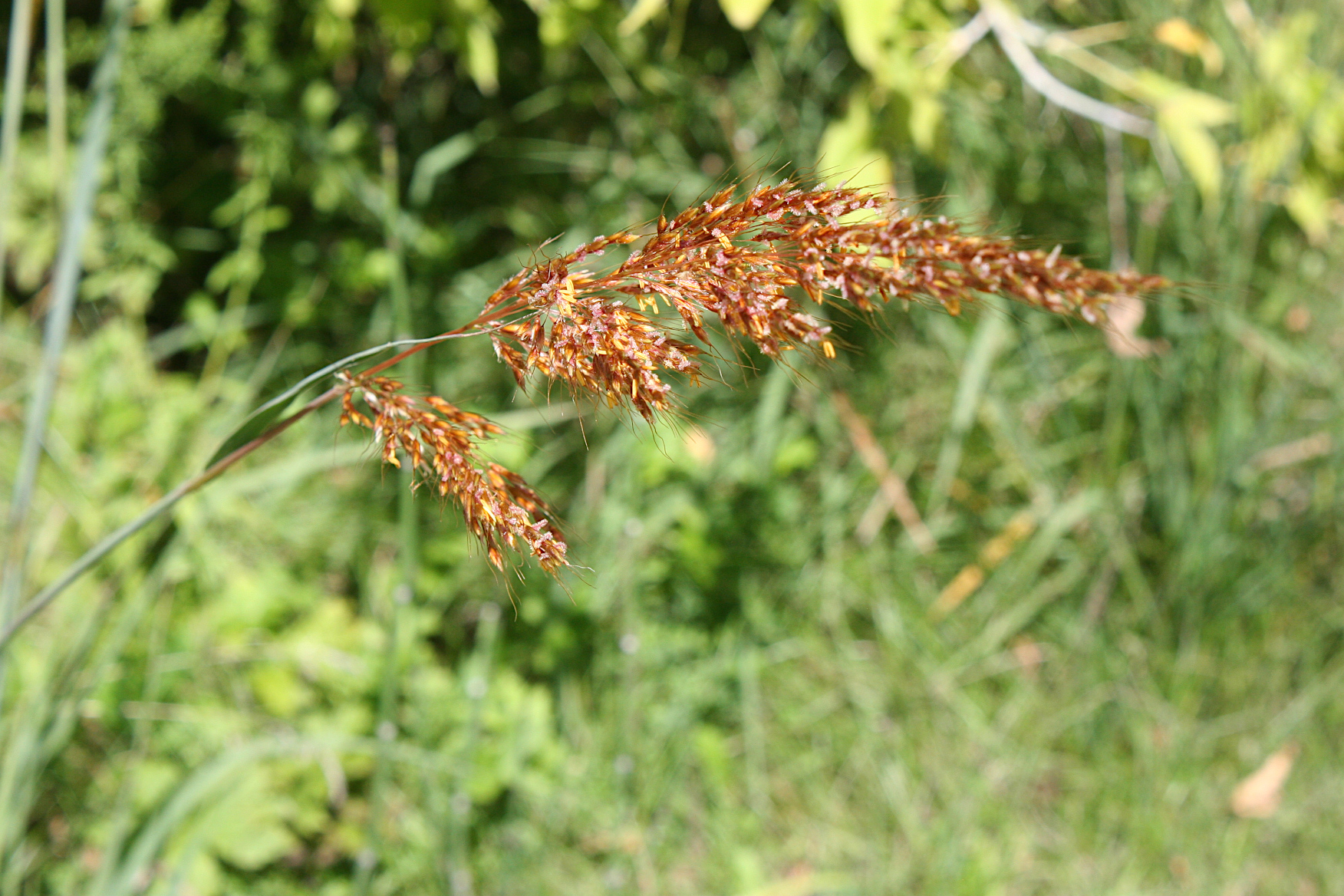
I love the hue and texture of this grass, whatever it may be. Minnesota Prairie Roots copyrighted photo September 2021.

If my current photos were poems, they would write of Autumn and her floral dress flowing, billowing as she walks the runway of Faribault Energy Park. (My poetic interpretation of all those colorful wildflowers edging trails.) Audience applause rising. (My poetic interpretation of the droning traffic on I-35 and the noisy power plant.) I imagine that as easily as I recall prairie memories.

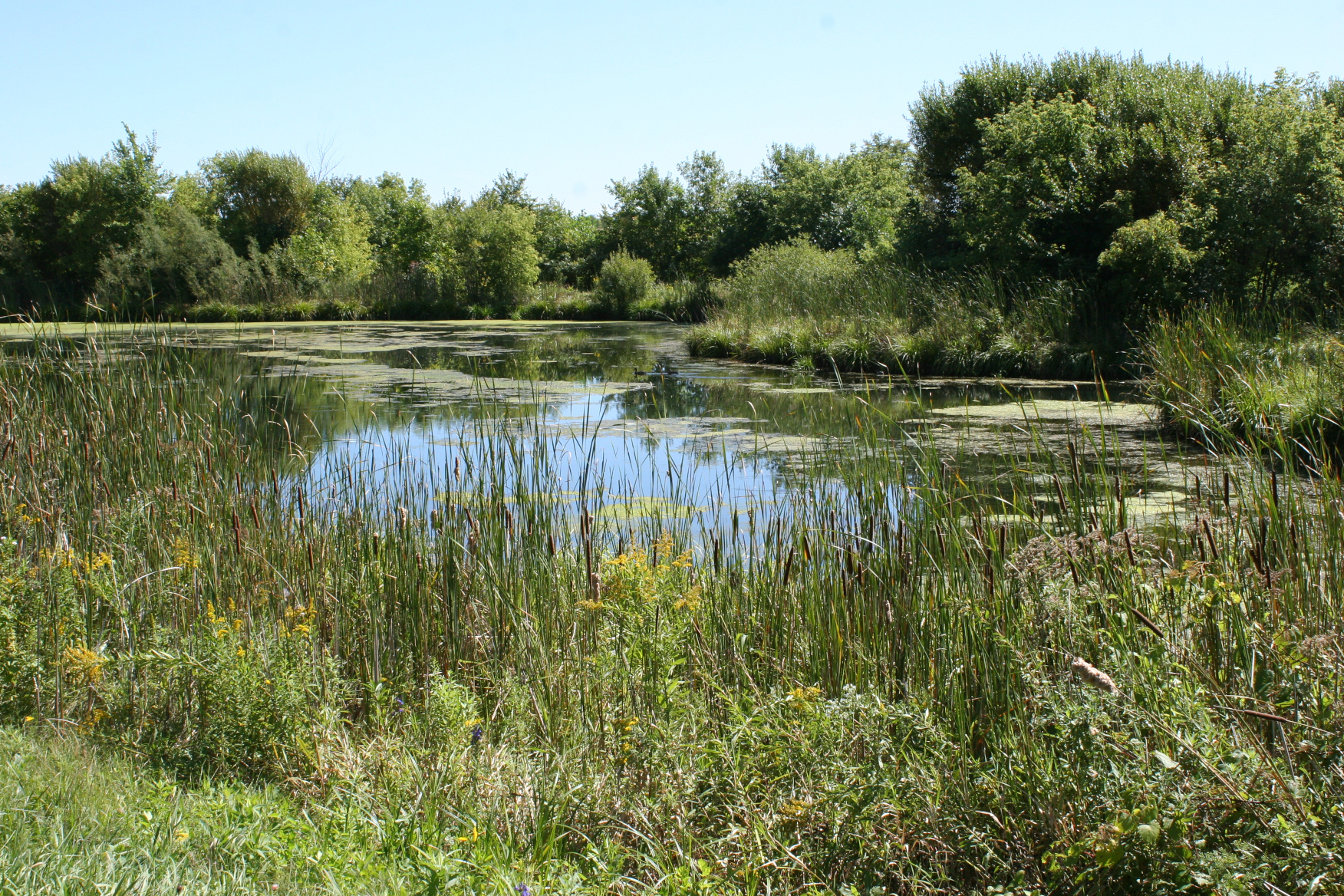
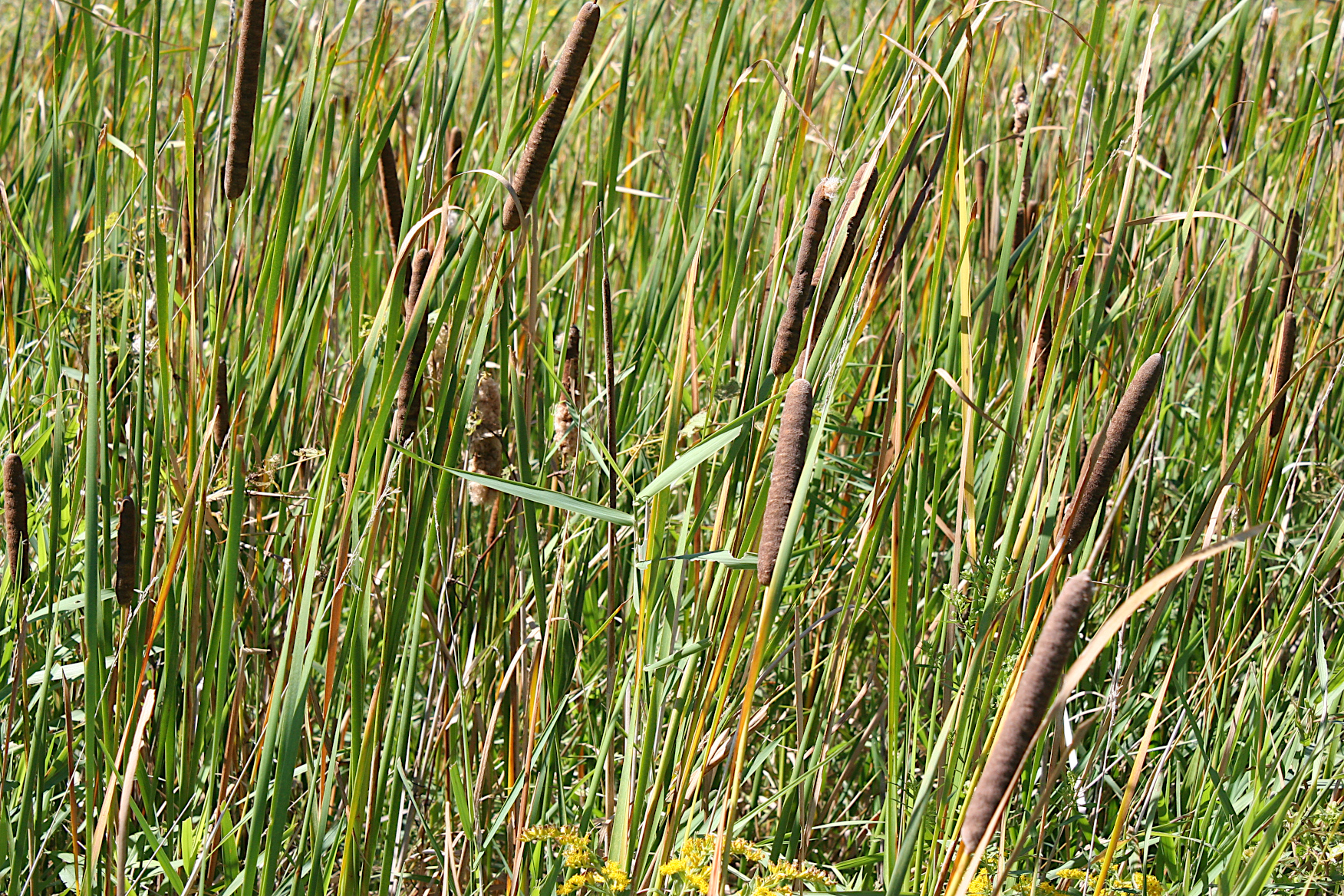
There is an abundance of cattails at Faribault Energy Park. Minnesota Prairie Roots copyrighted photo September 2021.

Faribault Energy Park, 4100 Park Avenue North, keeps drawing me back. To follow the dirt trails. To appreciate the landscape. To, for a short while, escape, even if quiet remains elusive.

© Copyright 2021 Audrey Kletscher Helbling
 

Minnesota mining disaster up close & personal at Milford Mine Memorial Park September 2, 2021

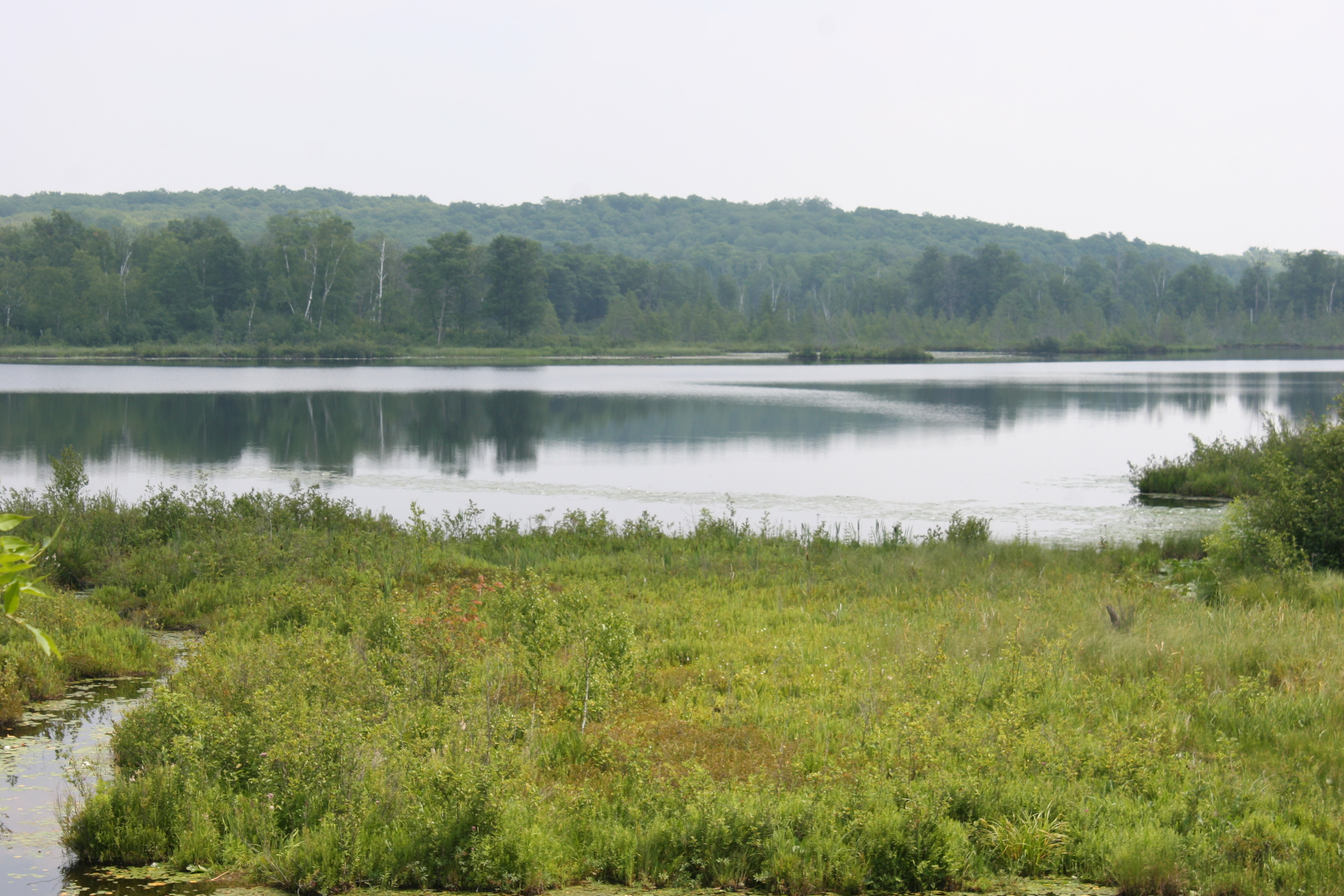
A peaceful and lovely scene at Milford Mine Memorial Park on a hazy July afternoon, rural Crosby. Minnesota Prairie Roots copyrighted file photo July 2021.

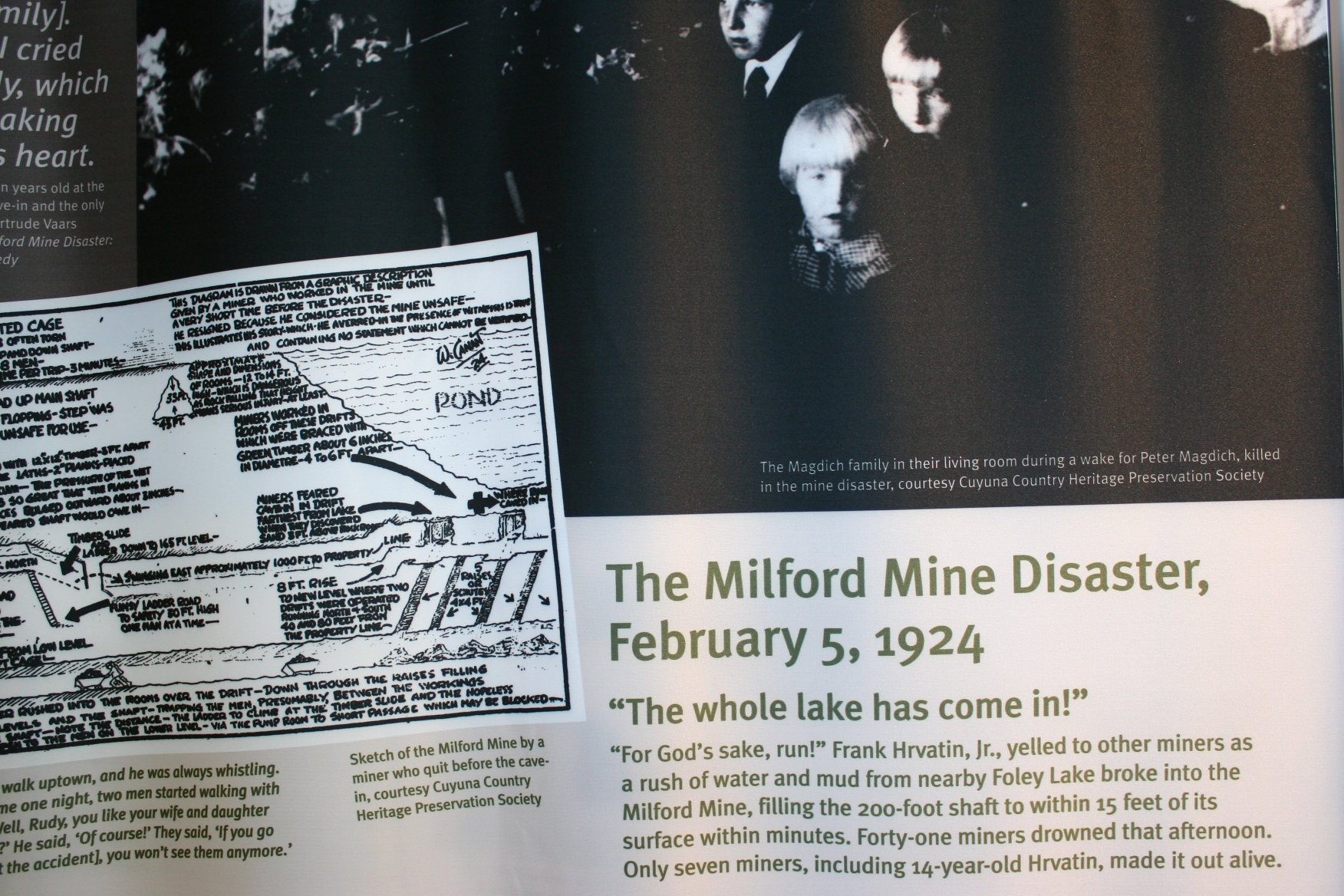
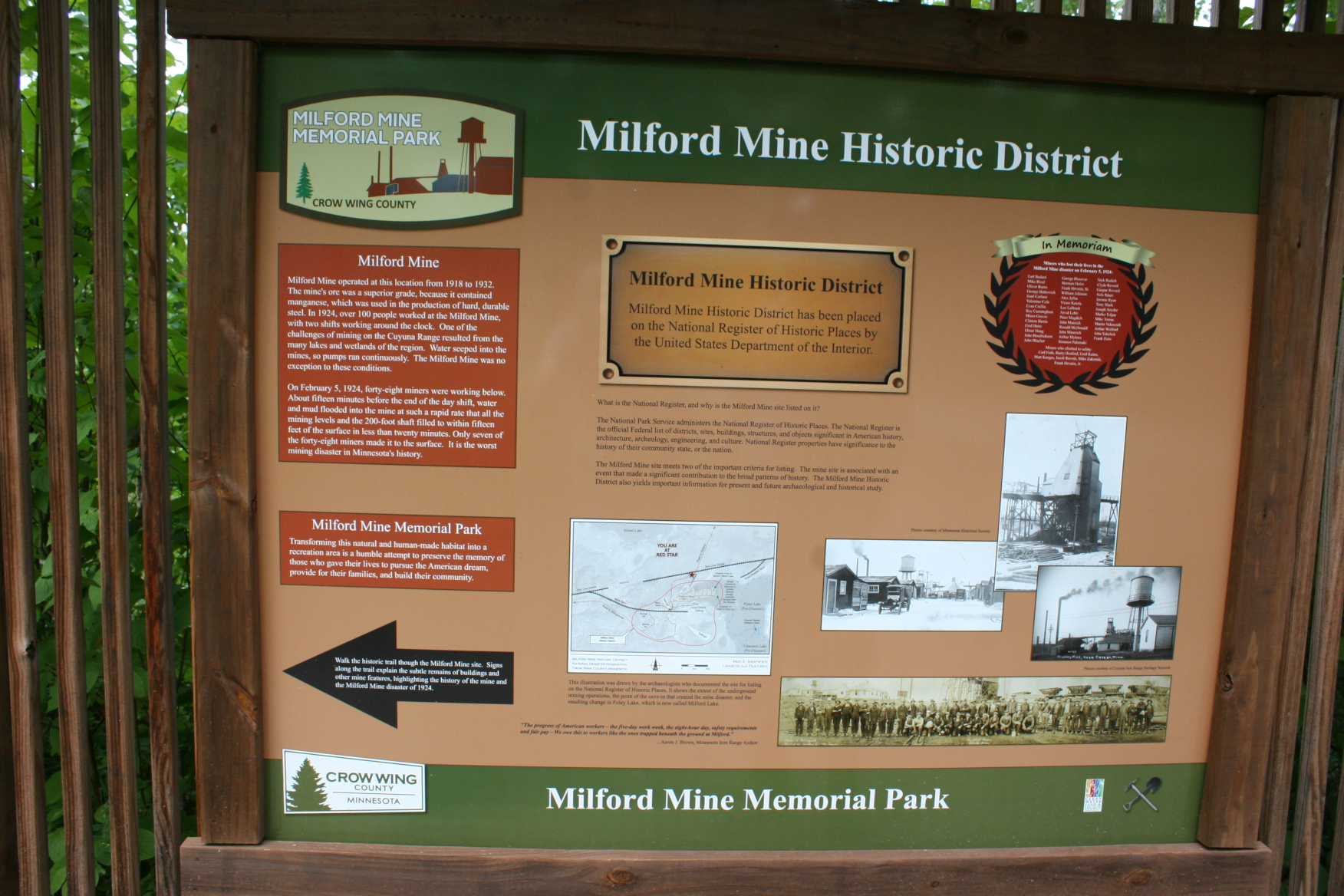
IN A BEAUTIFUL NATURAL SETTING, among the woods and water and wetlands, an American tragedy unfolded nearly 100 years ago on the Cuyuna Iron Range. In the late afternoon of February 5, 1924, water seeped into and then flooded the Milford Mine near Crosby, killing 41 miners in Minnesota’s worst mining disaster.

Information about the mine disaster is included in a traveling exhibit from the Minnesota Historical Society. I photographed this at the Steele County History Center in Owatonna several years ago. Minnesota Prairie Roots file photo.

Their deaths left 38 women without husbands. And 83 children without fathers.

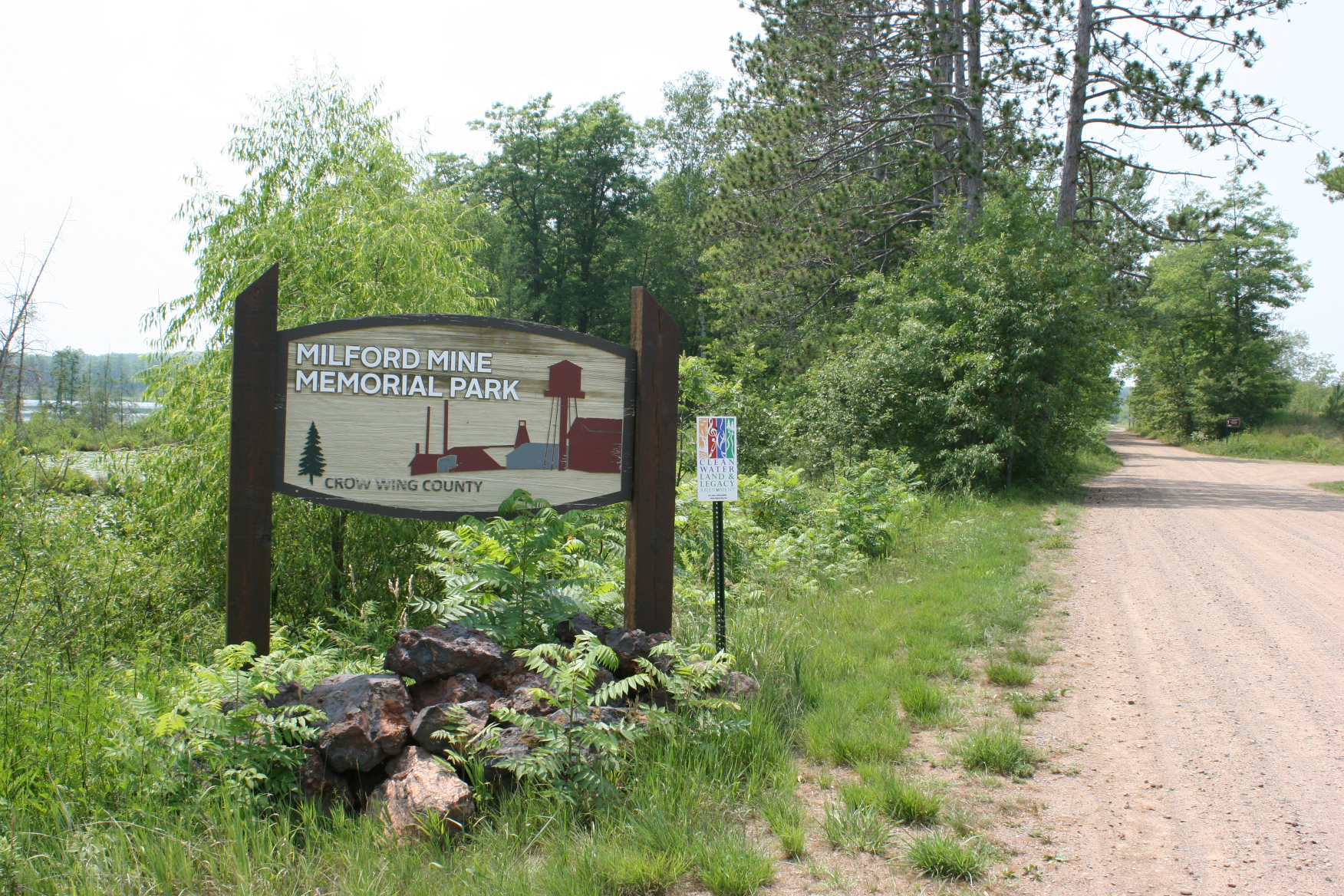
This sign marks the gravel road entry to the memorial park. Minnesota Prairie Roots copyrighted file photo July 2021.

Today the memories of those 41 hardworking iron ore miners, and the seven who survived the mine collapse, are honored at Milford Mine Memorial Park. The Crow Wing County Park is located four miles north of Crosby, just off County Road 30. The Milford Mine Historic District is on the National Register of Historic Places, so important is this to the region’s mining history.

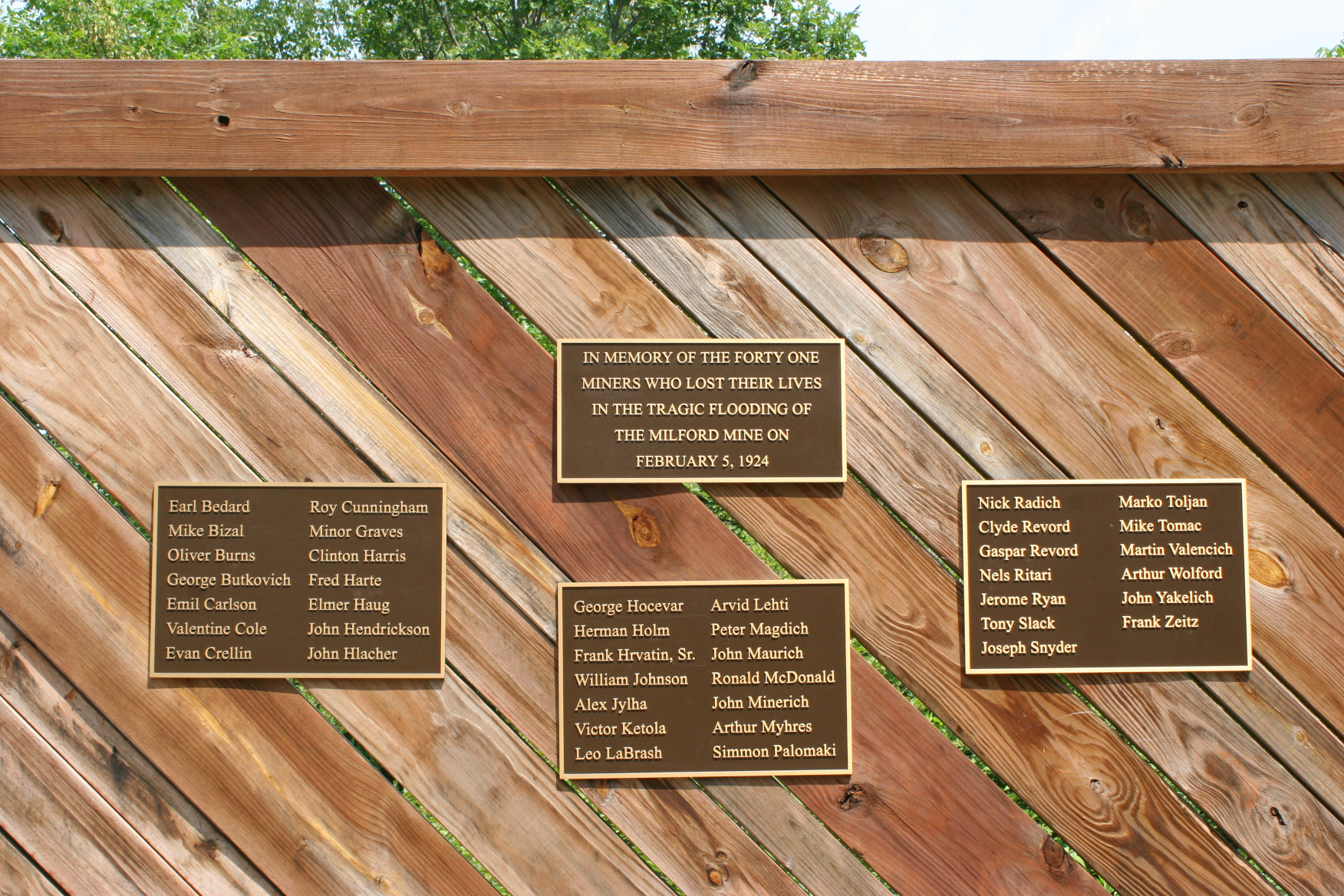
Those who died in the mine. Minnesota Prairie Roots copyrighted file photo July 2021.
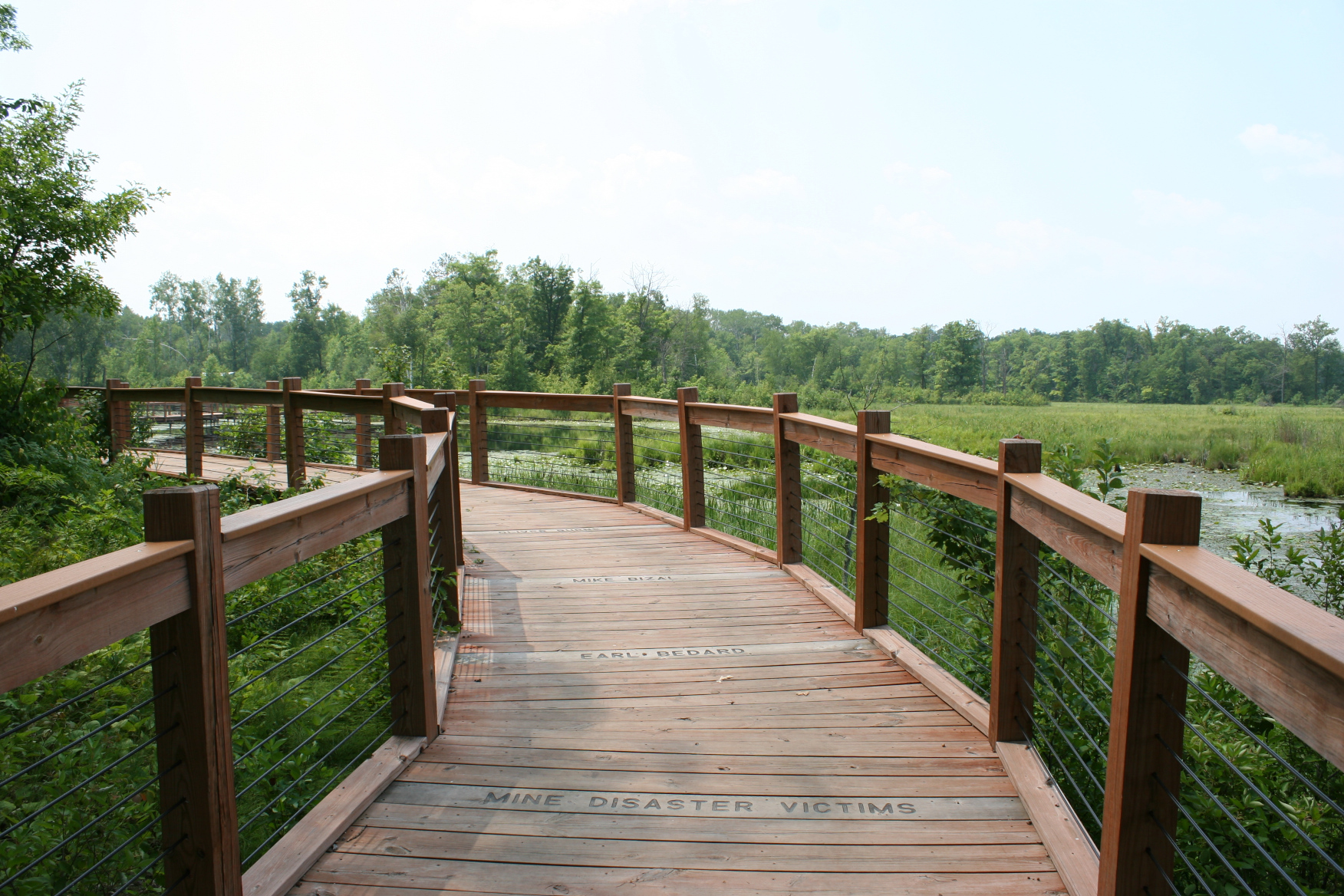
The first boardwalk lists the victims’ names, spaced along the path. Minnesota Prairie Roots copyrighted file photo July 2021.
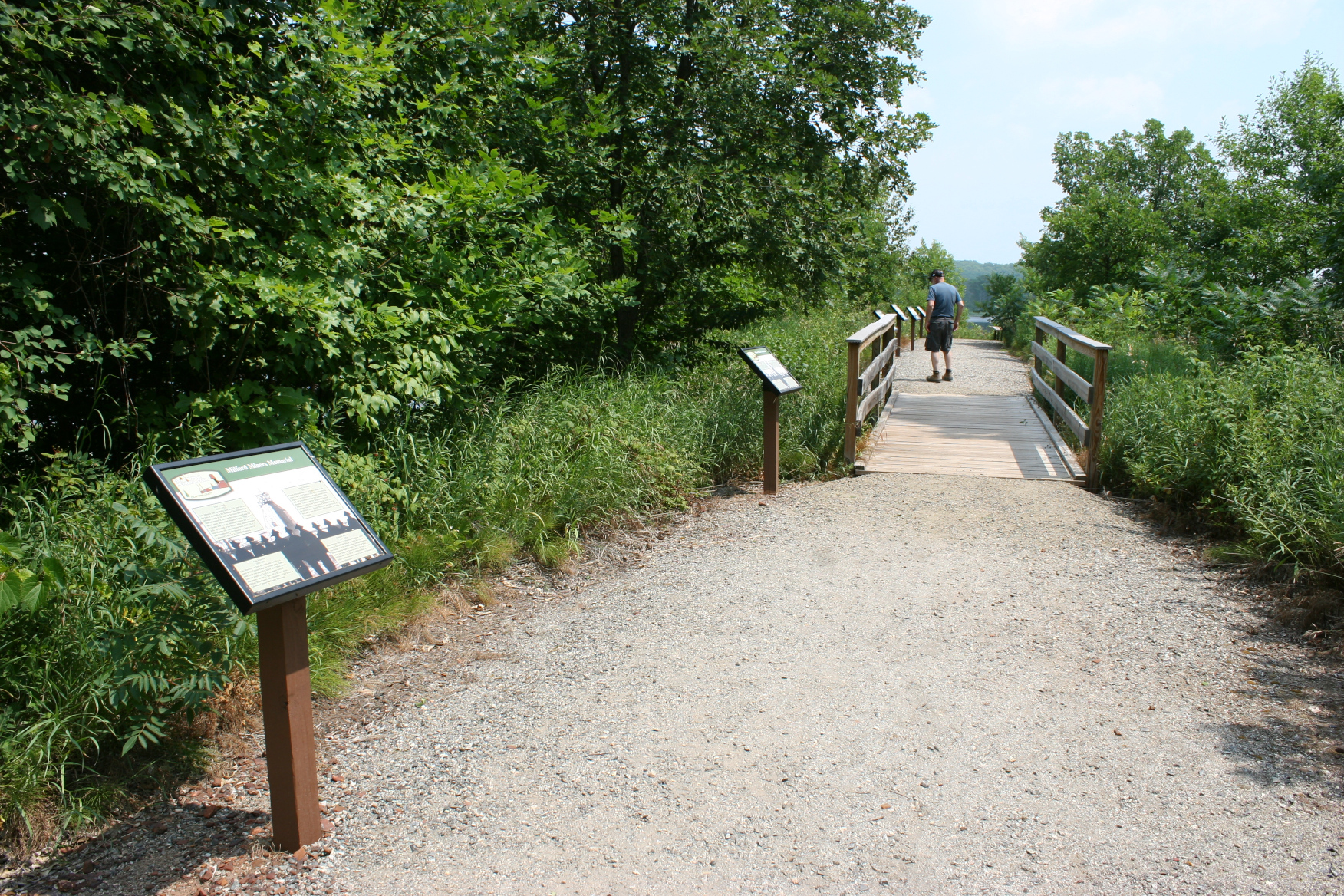
Signs along the trail honor each miner. Minnesota Prairie Roots copyrighted file photo July 2021.

This is truly a remarkable park that covers the history of this event in a deeply personal way. Through names on boardwalks and brief bios on signs, this park moves this disaster beyond statistics. Only then do we begin to understand, to feel the loss.

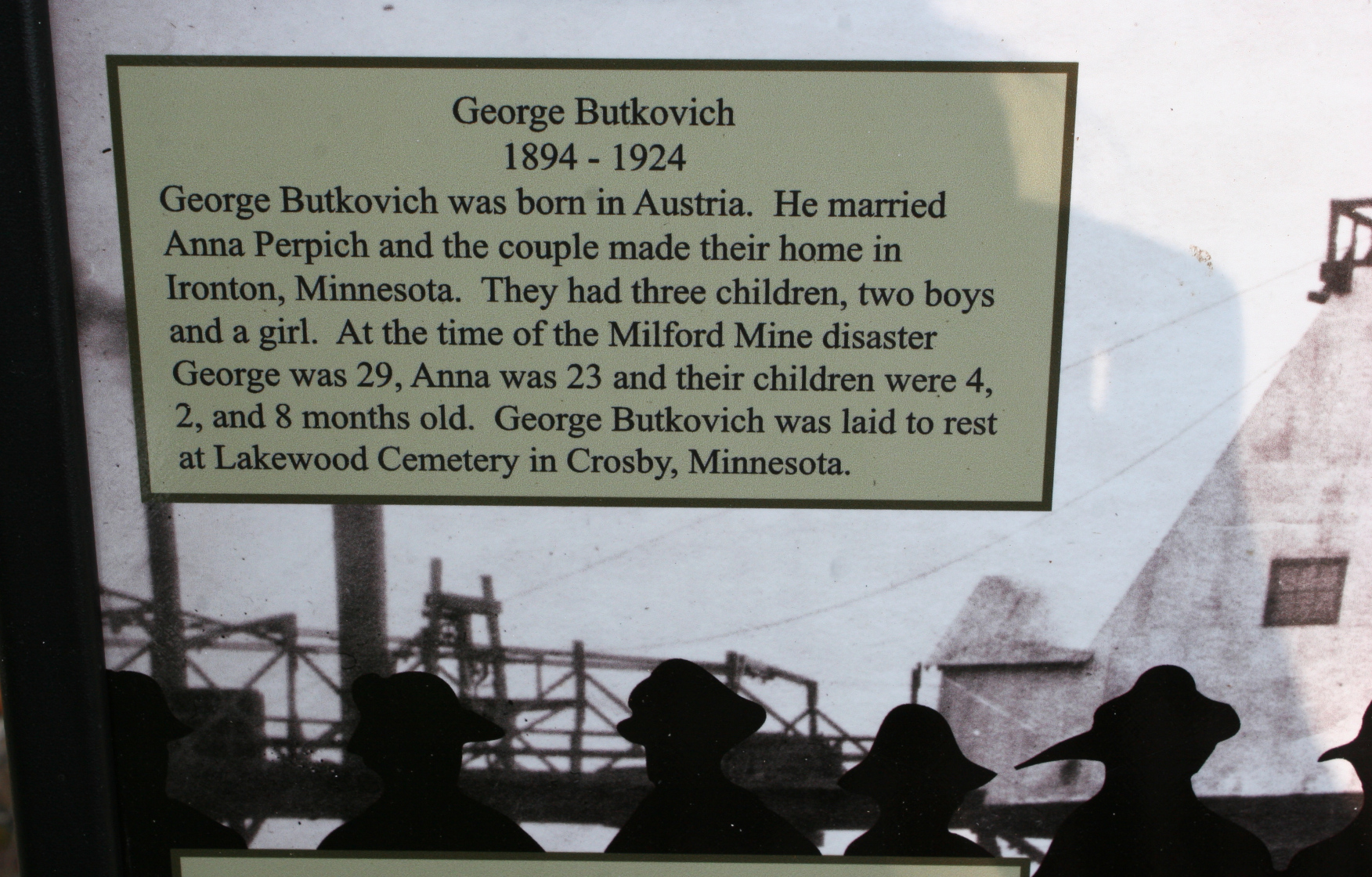
Honoring George Butkovich. Minnesota Prairie Roots copyrighted file photo July 2021.

George Butkovich, 29, an Austrian immigrant married to Anna Perpich (a well-known name to Minnesotans who remember our 34th and 36th governor, Rudy Perpich, a native of the Iron Range) died in the mine. He lived with Anna and their three children in Ironton.

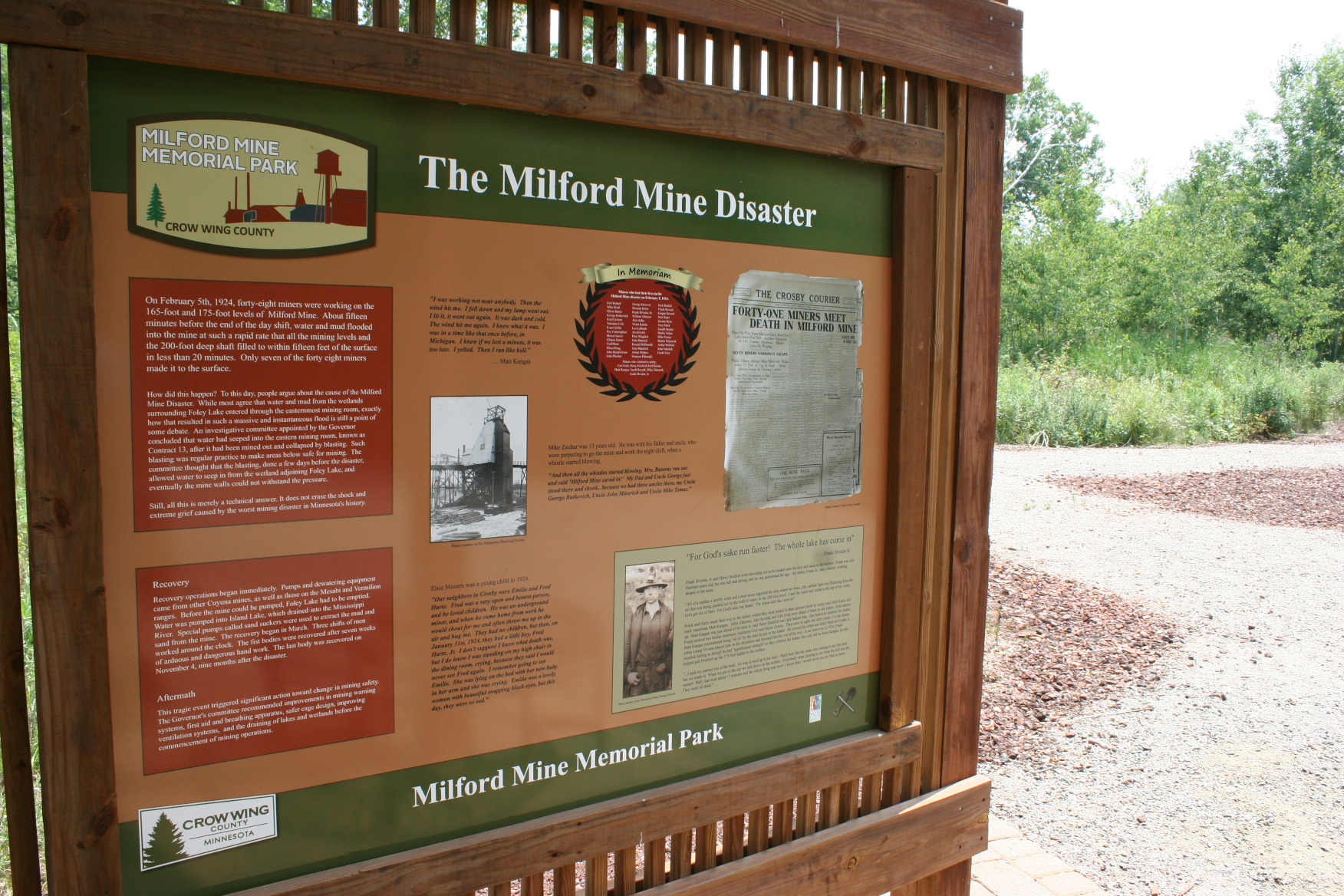
A summary of the disaster. Minnesota Prairie Roots copyrighted file photo July 2021.

Emil A. Carlson, 29, from Finland, was the father of four and married to Elma. They lived in Crosby.

The bios of four who died in the mine. Minnesota Prairie Roots copyrighted file photo July 2021.

Nels R. Pitari, 37, also a Finnish immigrant, was married to Hilda. They lived in Brainerd and had four children, one only five months old at the time of his father’s death.

The park is not only a great place to learn about history, but also a great place to hike and enjoy nature.
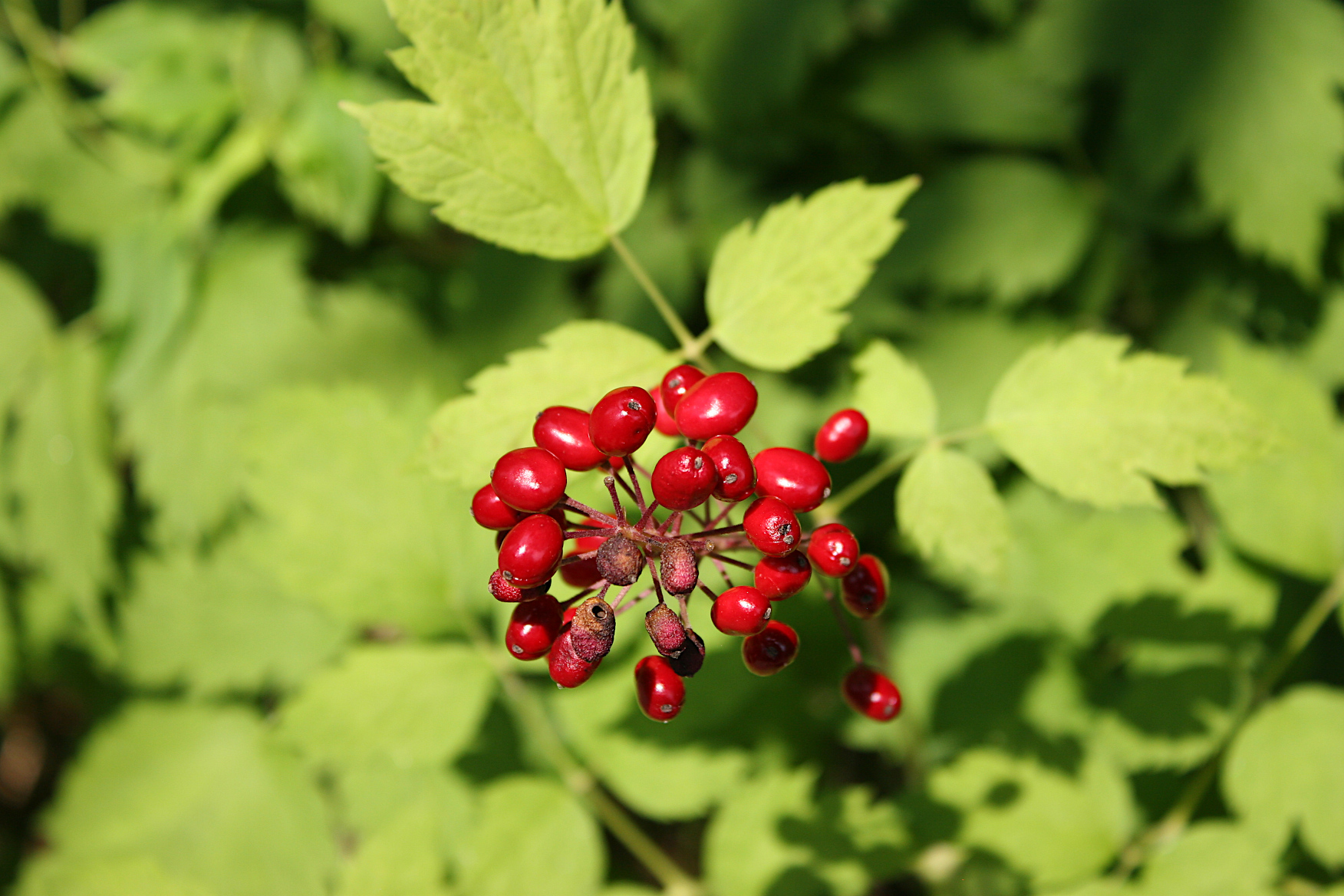
Bold berries pop alongside the trail. Minnesota Prairie Roots copyrighted file photo July 2021.
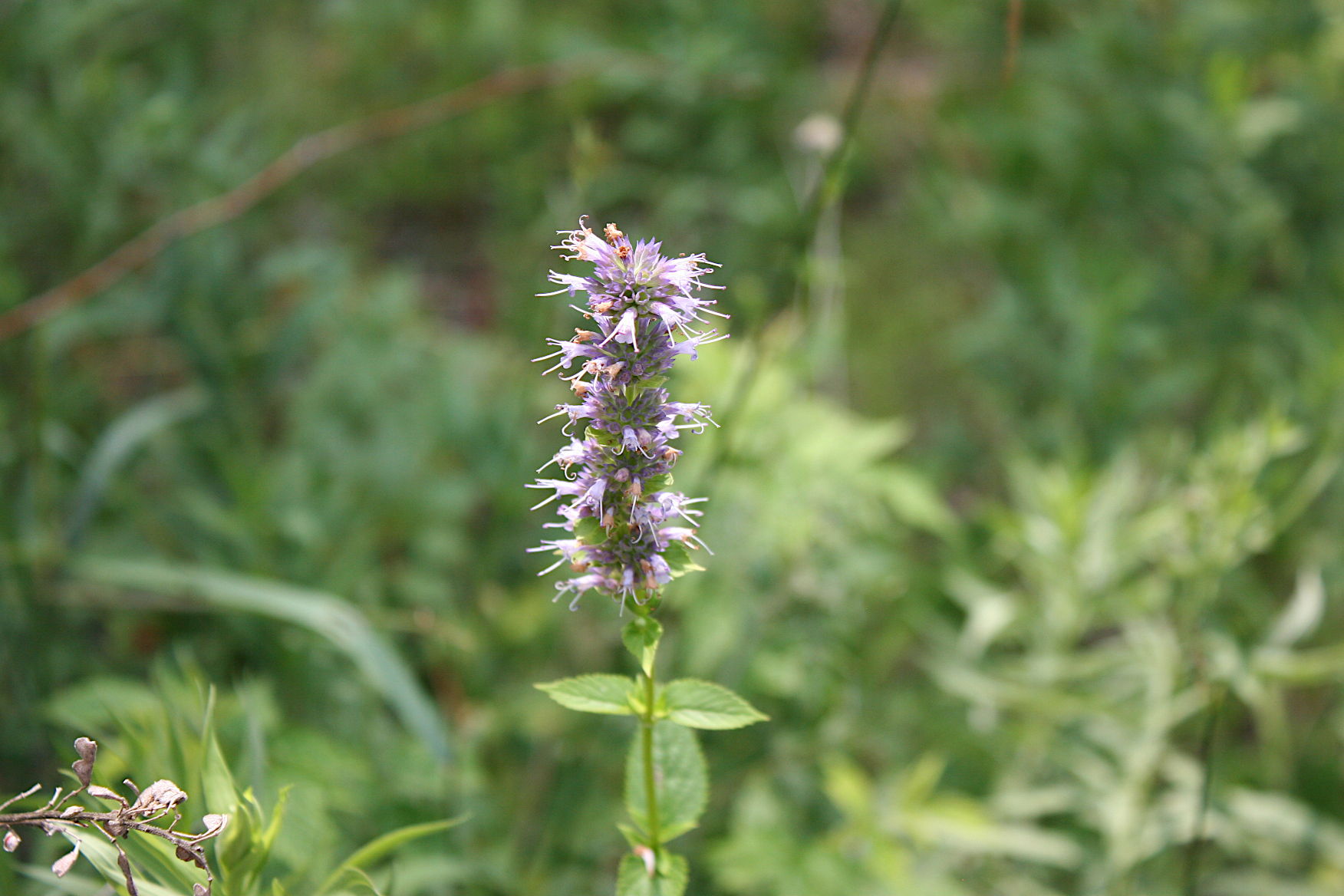
Not to be missed, the many wildflowers gracing this park. Minnesota Prairie Roots copyrighted file photo July 2021.

According to signage at Milford Memorial Park, the park “is an attempt to preserve the memory of those who gave their lives to pursue the American dream, provide for their families and build their community.” That’s necessary to understand given the importance of iron ore mining in this region. The high grade ore from the Milford Mine was used in the production of steel. This region of Minnesota was built around iron ore mining.

History honored and shared… Minnesota Prairie Roots copyrighted file photo July 2021.

Many who came to this area arrived from across the US, Canada and the European continent. They were a diverse group, looking to better their lives, to raise their families in a new place, to build strong communities.

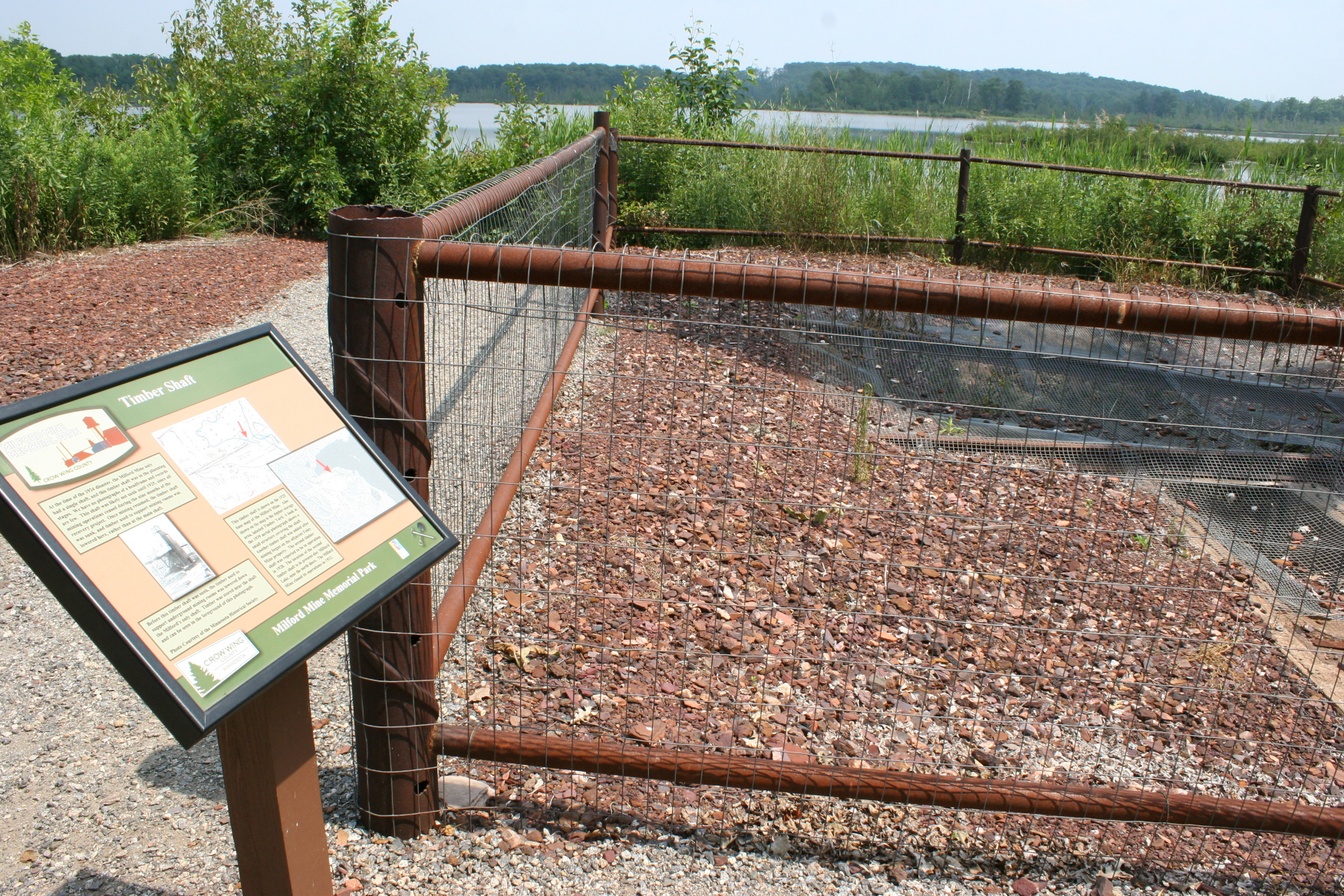
Site of the timber shaft. Minnesota Prairie Roots copyrighted file photo July 2021.
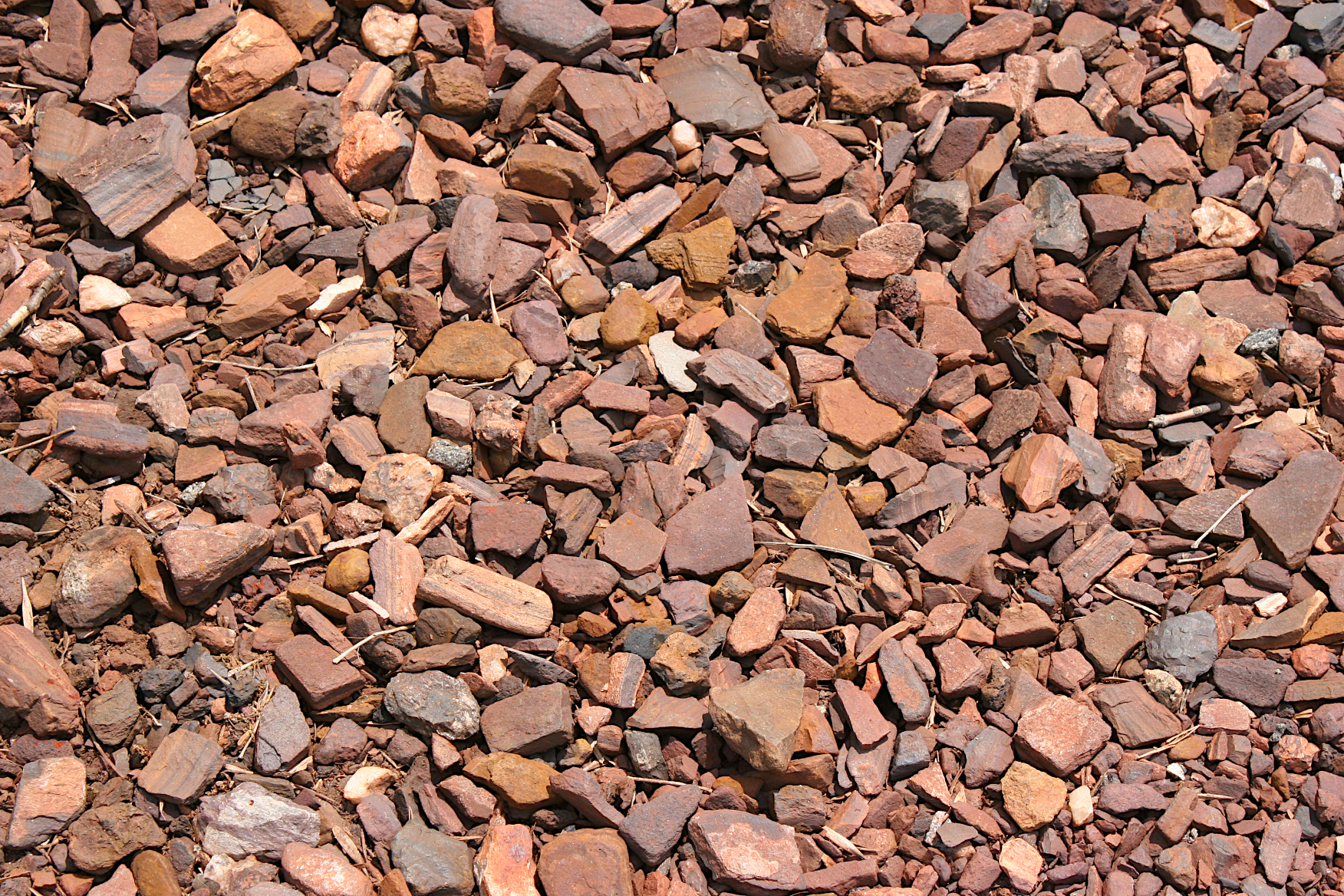
What I presume to be iron ore. Minnesota Prairie Roots copyrighted file photo July 2021.
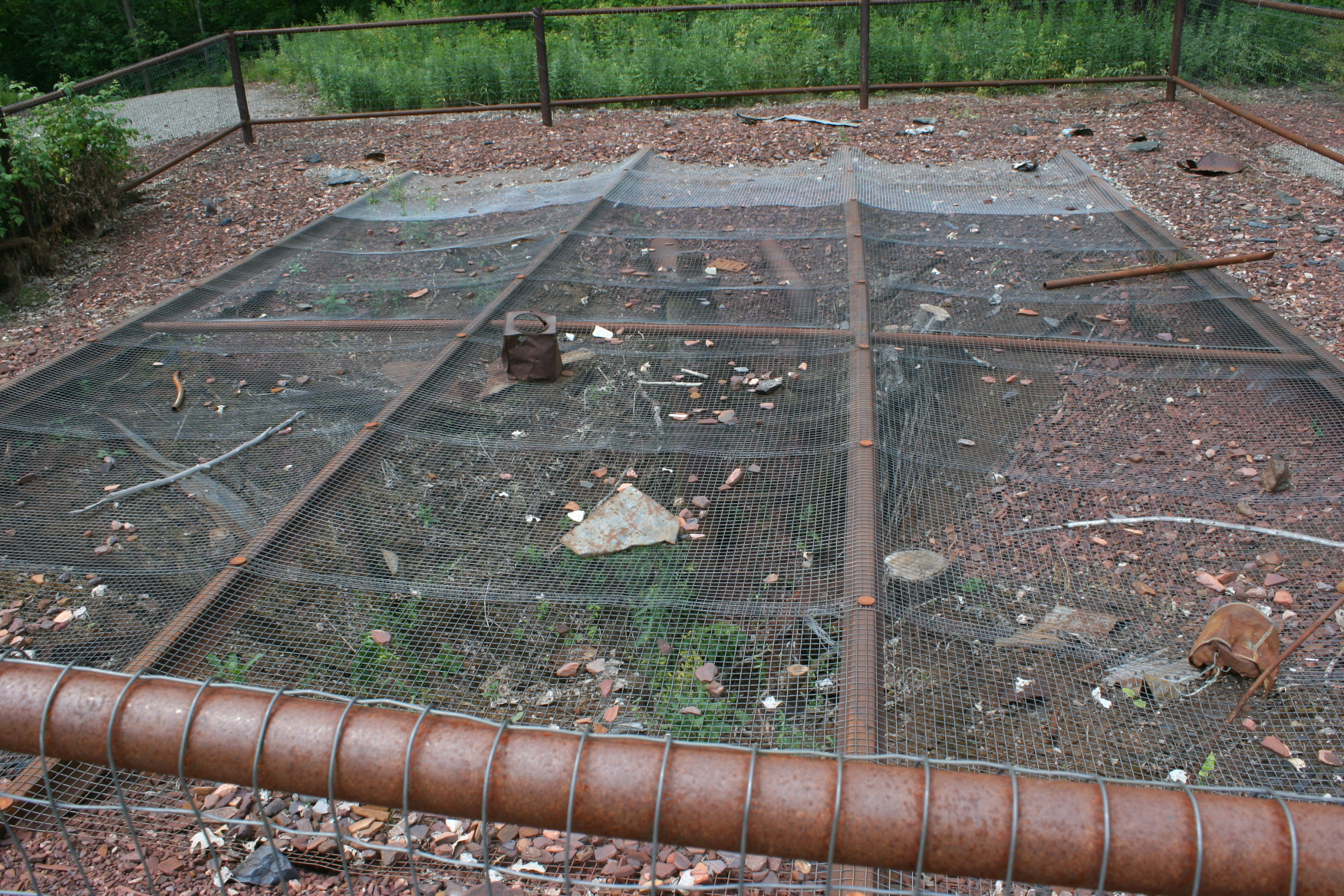
The entry to the mine shaft is fenced around and over. Minnesota Prairie Roots copyrighted file photo July 2021.

In walking through the park, pausing often to read the history of this place and to view marked sites like the machine and blacksmith shops and the mine and timber shafts, I felt a sense of reverence, a sense of understanding of the loss connected to this land.

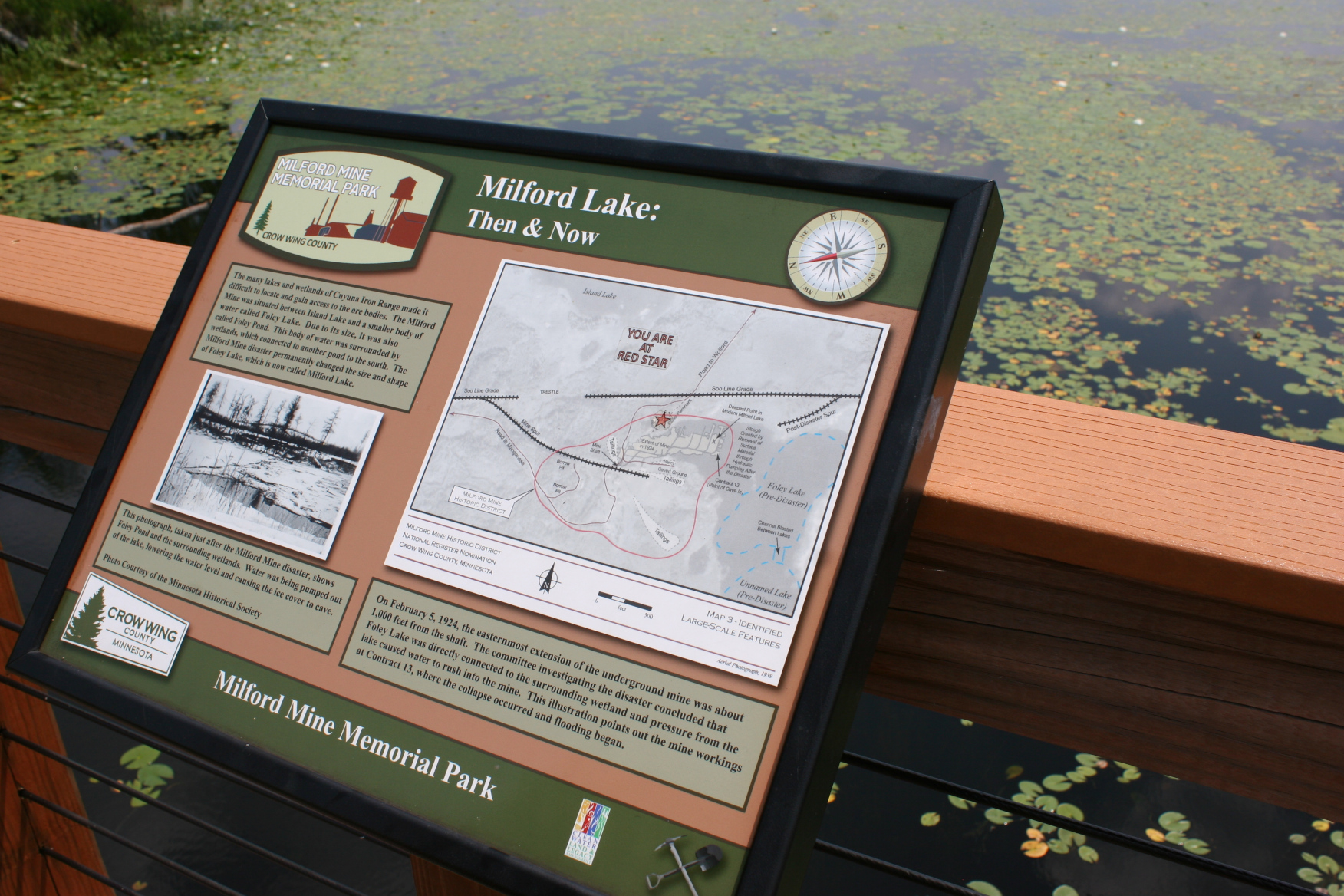
Originally named Lake Foley, the lake has since been renamed Milford Lake. Minnesota Prairie Roots copyrighted file photo July 2021.
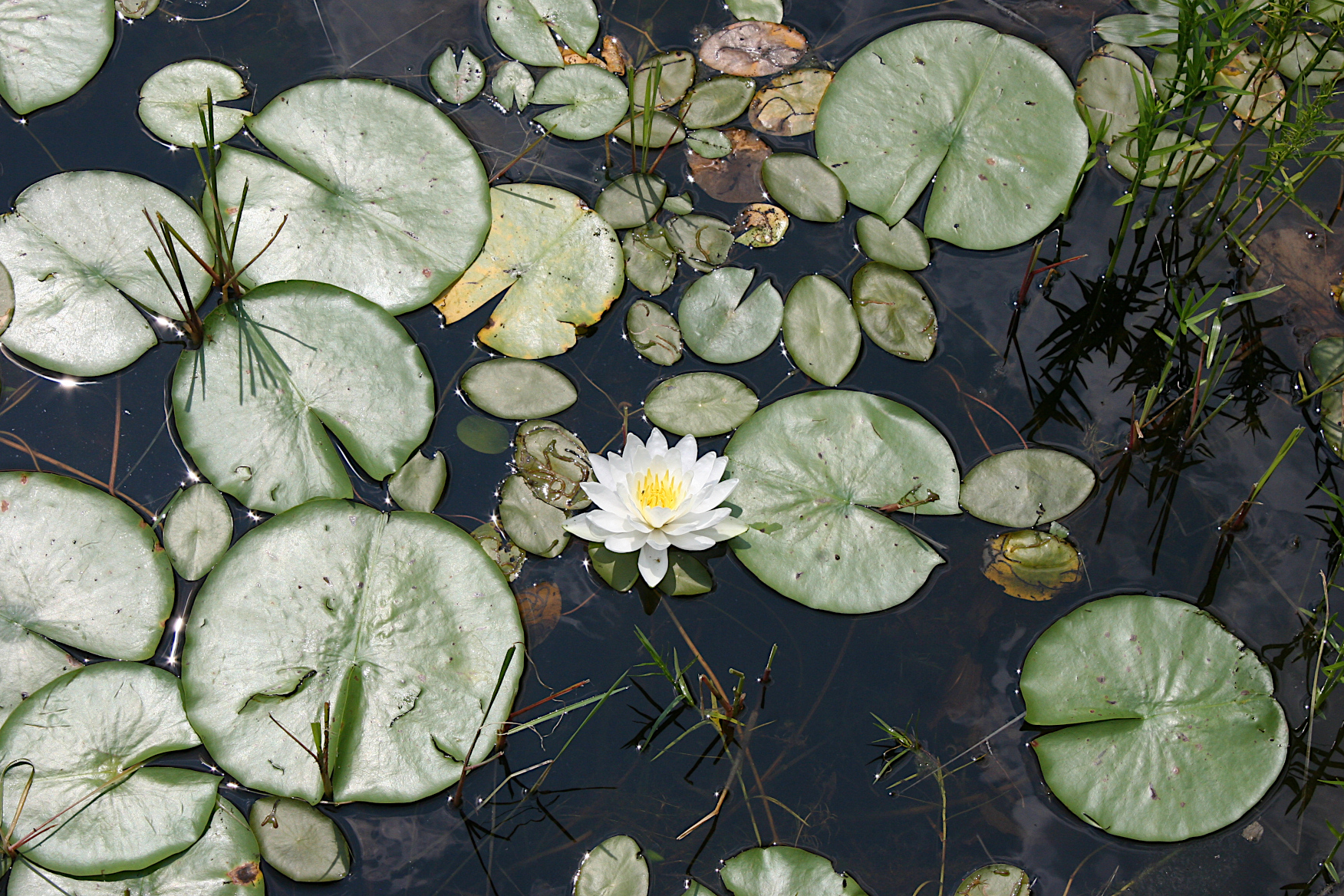
Water lilies in Milford Lake, Minnesota Prairie Roots copyrighted file photo July 2021.
A flower brightens woods’ edge near the lake. Minnesota Prairie Roots copyrighted file photo July 2021.

Investigators determined that pressure from Lake Foley, connected to adjoining wetlands, caused water to rush into the mine resulting in the collapse of the mine’s walls. Within 20 minutes of that occurrence, the 200-foot deep mine shaft filled to within 15 feet of the surface. That allowed only minimal time for the miners to attempt an escape. Only seven got out. They, too, are recognized at the memorial park on a survivors’ boardwalk: Carl Frals, Harry Hosford, Mike Zakotnik…

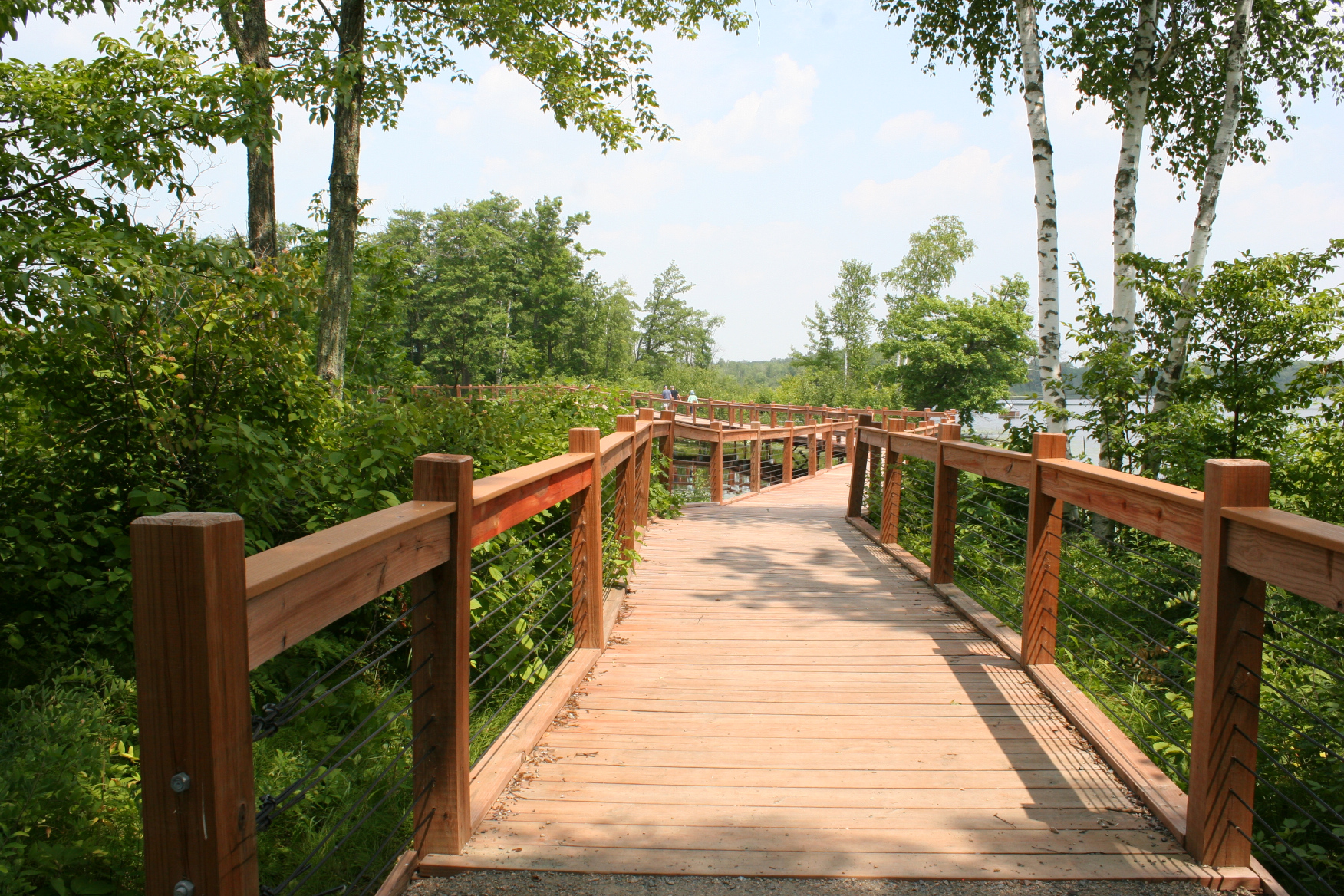
Lengthy memorial boardwalks curve into the park. Minnesota Prairie Roots copyrighted file photo July 2021.

As I walked the boardwalks and trails, I felt sometimes overwhelmed by the sheer tragedy of the Milford Mine Disaster. So much loss. So much grief and pain. So many father-less children. And it is that, perhaps, which touched me the most.

NOTE: Milford Mine Memorial Park is open daily from sunrise to sunset. I encourage you to visit, to experience this important part of Minnesota history.

© Copyright 2021 Audrey Kletscher Helbling
 

Appreciating River Bend Nature Center in Faribault August 11, 2021

Black-eyed susans on the prairie at River Bend. Minnesota Prairie Roots copyrighted photo 2021.

WHENEVER I NEED TO CONNECT with nature nearby, my go-to destination is River Bend Nature Center, just across the Straight River on Faribault’s east side.

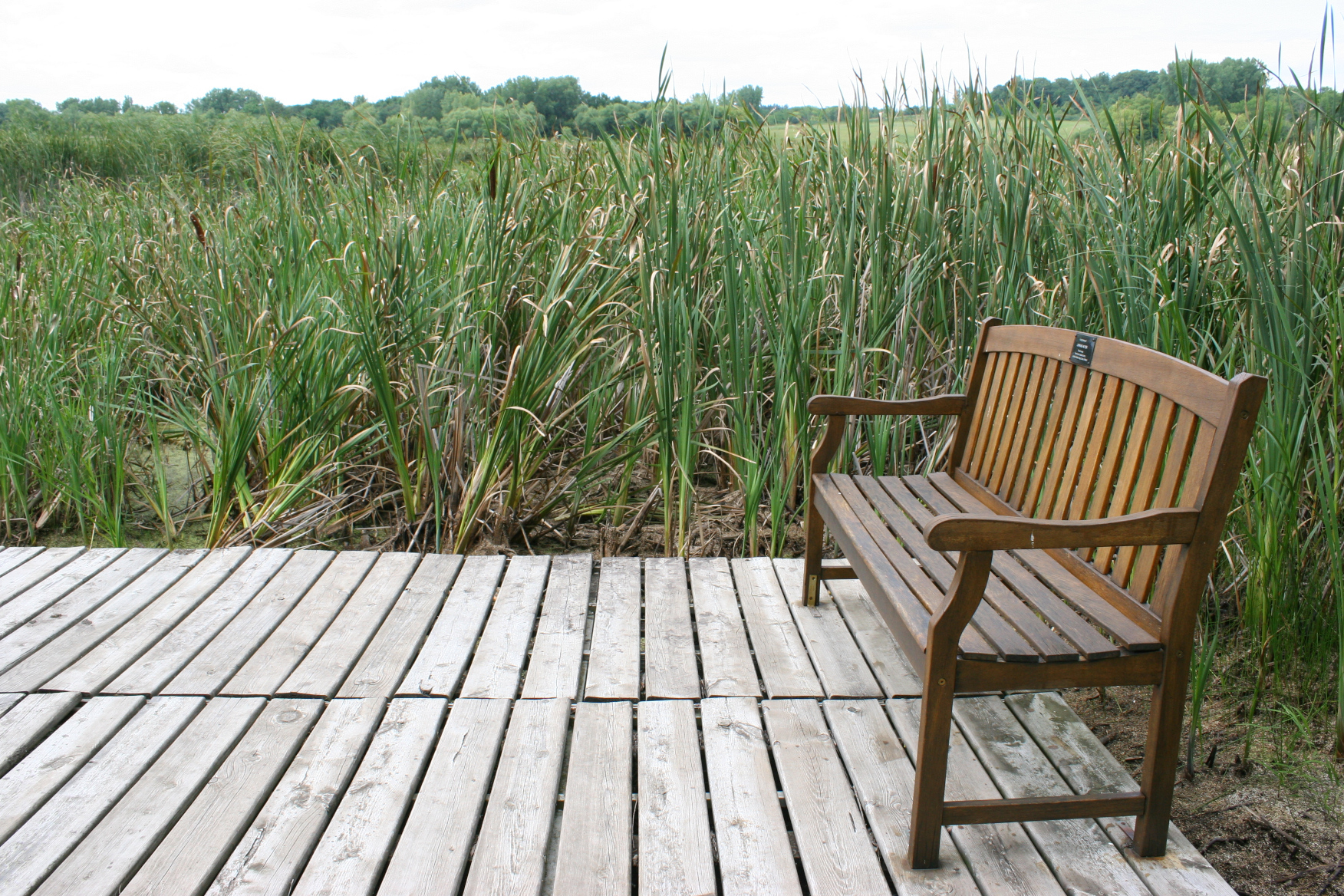
A viewing and resting spot by the prairie wetlands, now drying up due to the drought. Minnesota Prairie Roots copyrighted photo 2021.

In this 743-acre natural space, I can immerse myself in a diverse landscape of woods, prairie and wetland. Each setting provides not only a sensory change from the noise and motion of living along a busy street, but also a much-needed mental break.

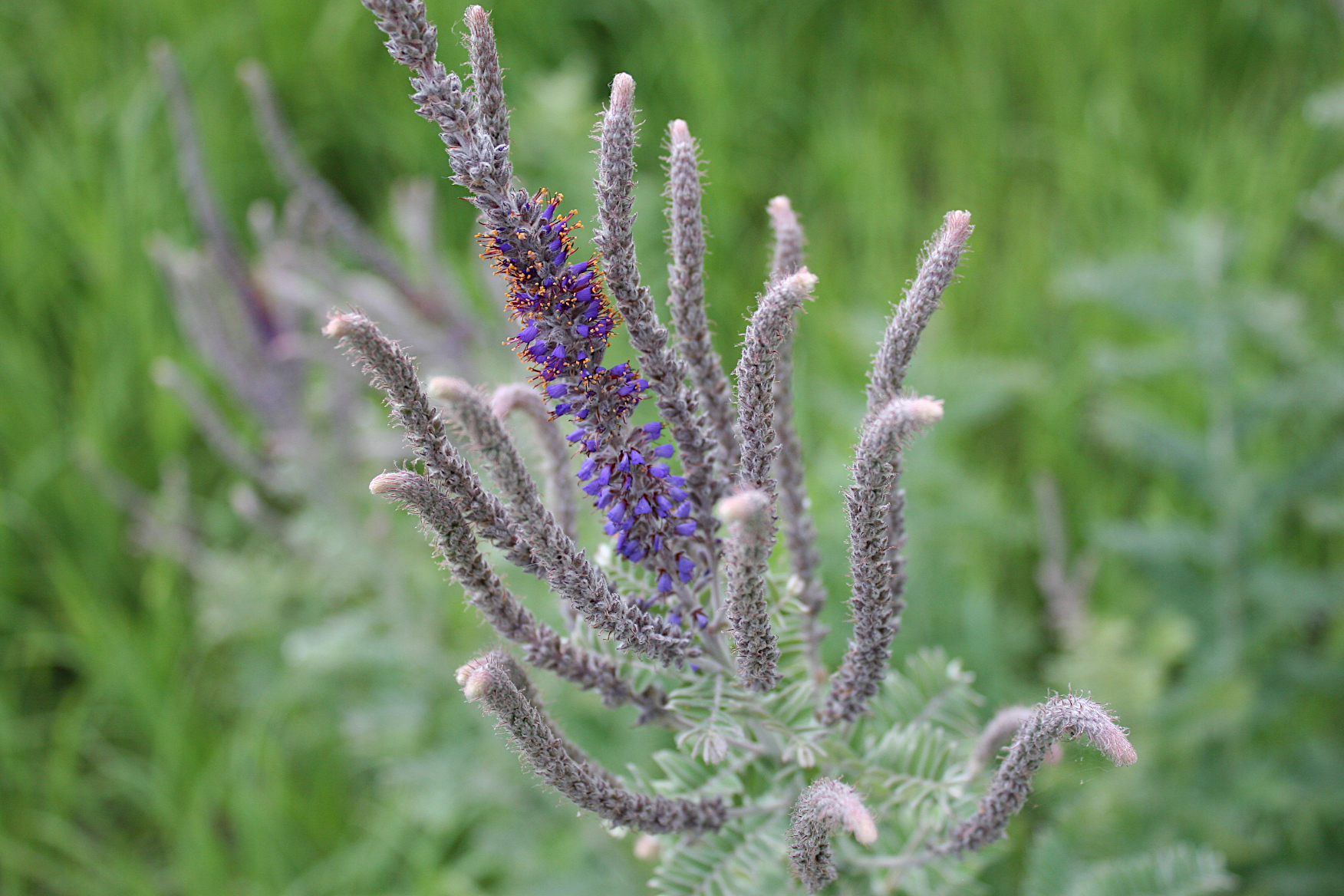
An unknown to me prairie plant. Minnesota Prairie Roots copyrighted photo 2021.

When I’m at River Bend, I forget about what’s happening in my life or the world. Rather, I focus on being present in nature. Listening. Observing. Connecting.

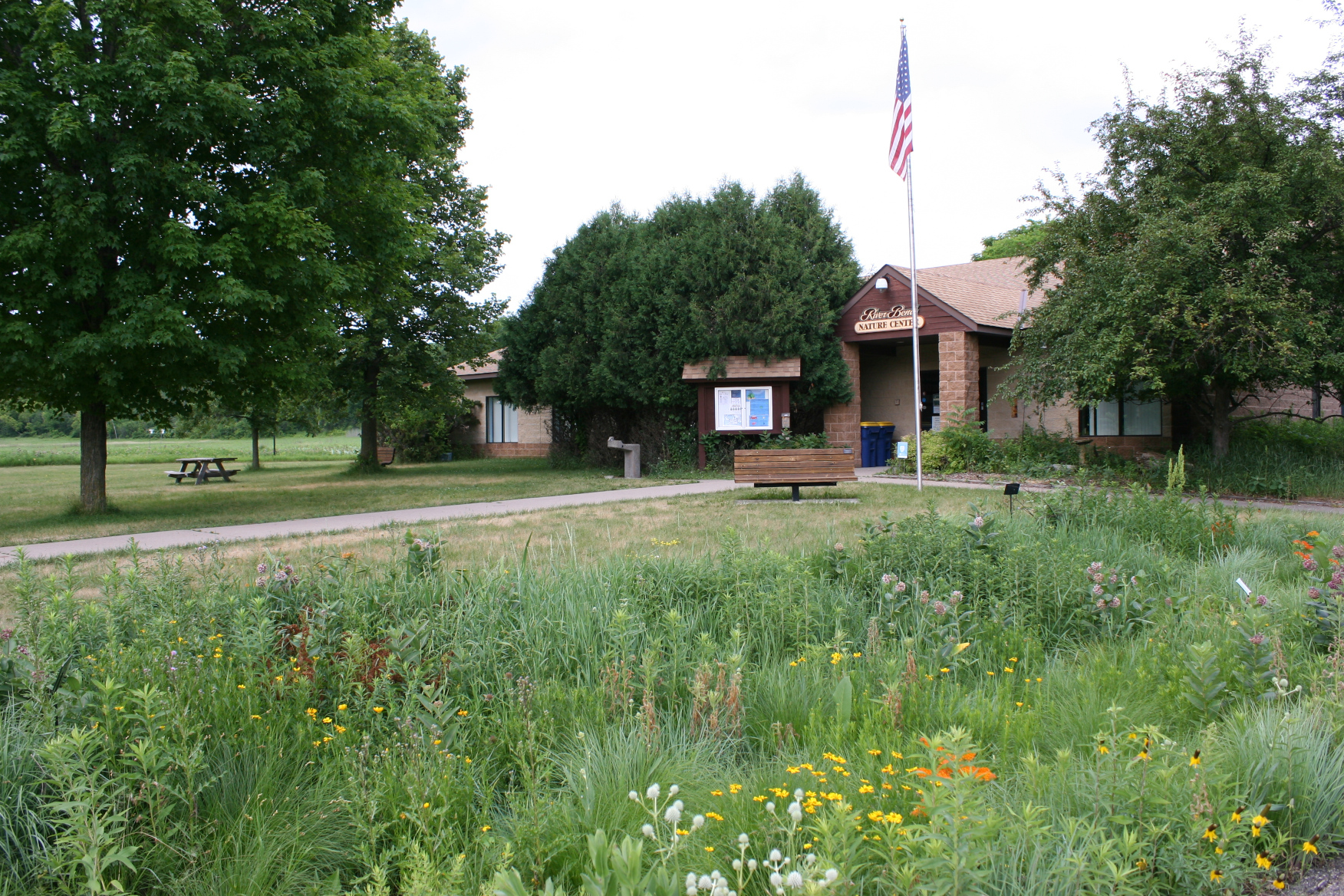
Rain gardens front the RBNC interpretative center. Minnesota Prairie Roots copyrighted photo 2021.

That word, connecting, fits River Bend, which emphasizes its purpose as helping connect people to outdoor education, recreation and natural resource conservation close to home.

River Bend has an extensive trail system, some paved, some not. Minnesota Prairie Roots copyrighted photo 2021.

My own children, while growing up and attending school in Faribault, went on many field trips to River Bend. I remember also one winter evening when our then-young son delighted in a star-gazing event, complete with telescopes, on prairie’s edge. Today I occasionally take my grandchildren to walk RBNC’s trails. Randy and I also hike the paths.

A prairie path. Minnesota Prairie Roots copyrighted photo 2021.

Perhaps my favorite part of this spacious nature center is the prairie. It reconnects me with my prairie roots. With southwestern Minnesota, the land of open spaces and spacious skies. I love to walk through the path sliced into the prairie at River Bend. The path edged by tall prairie grasses and wildflowers. The path where I can pause to take in the vast sky with no trees blocking my view. I need to visually breathe.

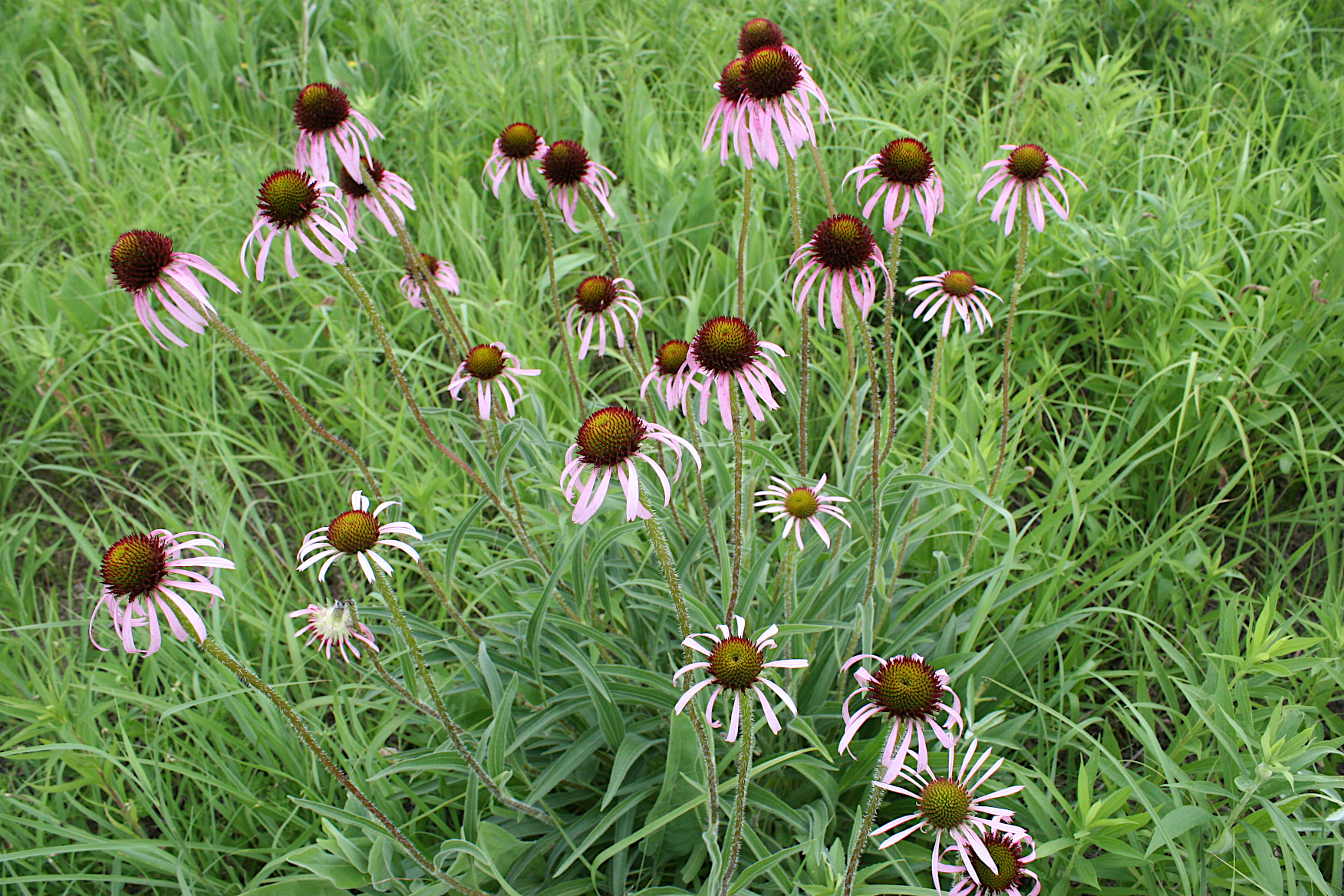
Coneflowers, one of my favorite prairie flowers. Minnesota Prairie Roots copyrighted photo 2021.
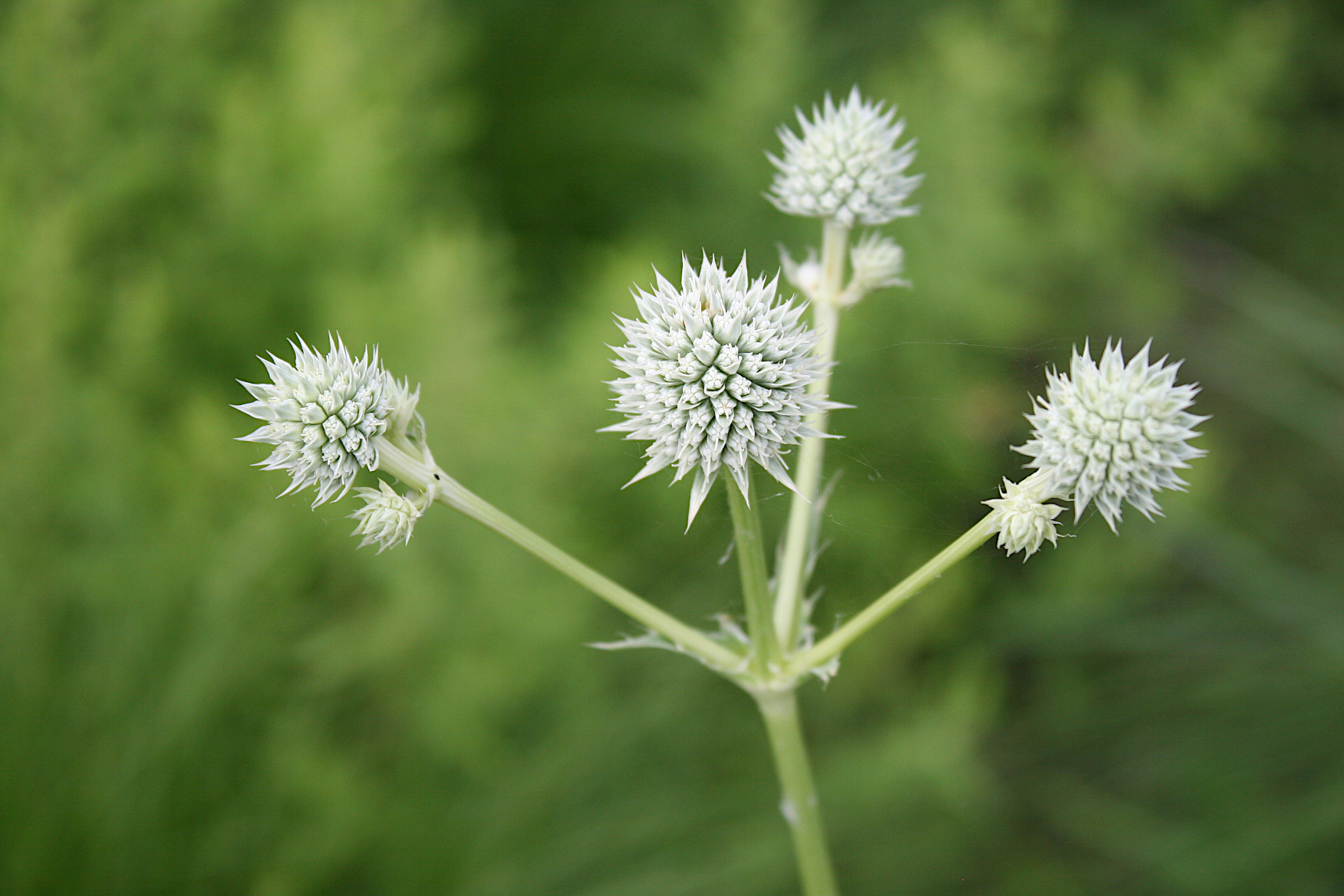
“Rattlesnake Master,” Minnesota Prairie Roots copyrighted photo 2021.
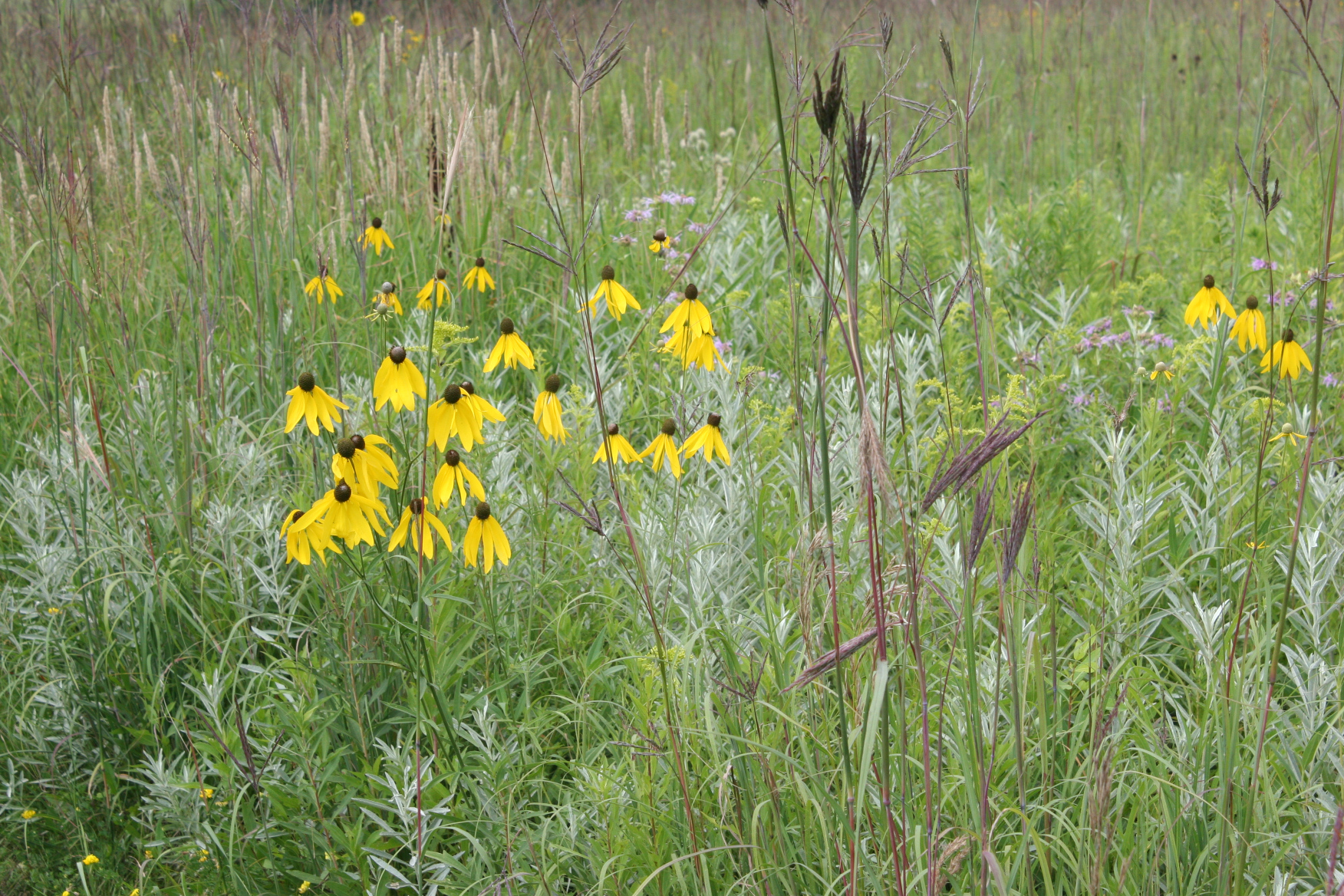
Wildflowers and grasses mix on the prairie. Minnesota Prairie Roots copyrighted photo 2021.

On my most recent visits, the prairie has focused my attention. Specifically the wildflowers—those interspersed among the grass and those planted in the rain garden near the interpretative center. While fading, the flowers remain an integral part of the prairie eco-system as they form seeds and then grow and/or re-sprout in the spring.

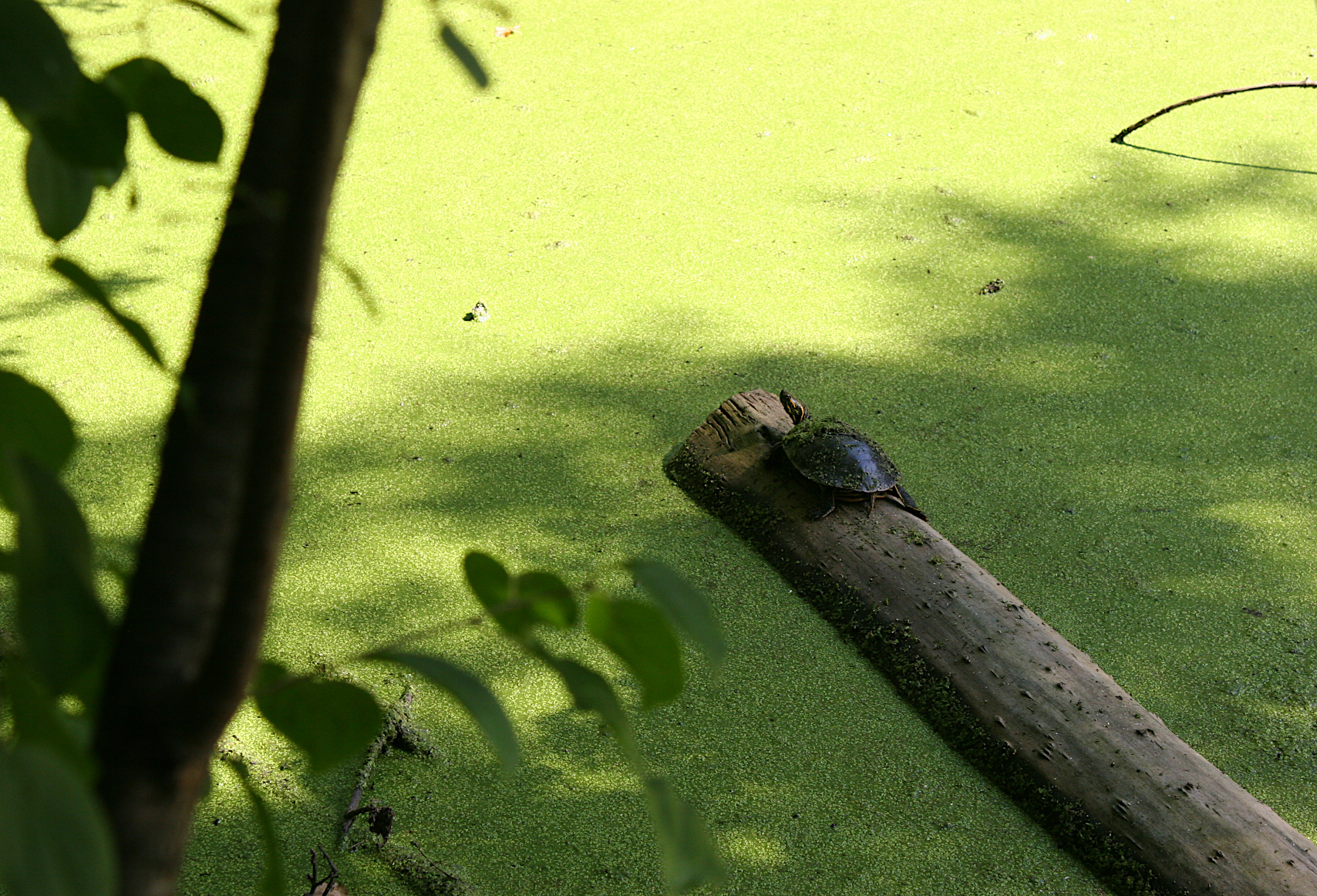
A lone turtle suns itself on a log. Minnesota Prairie Roots copyrighted photo 2021.

I also spent time in the nearby woods, stopping at the Turtle Pond to photograph turtles sunning on logs. They delight me and generations of kids, including mine, fascinated by those lazing turtles.

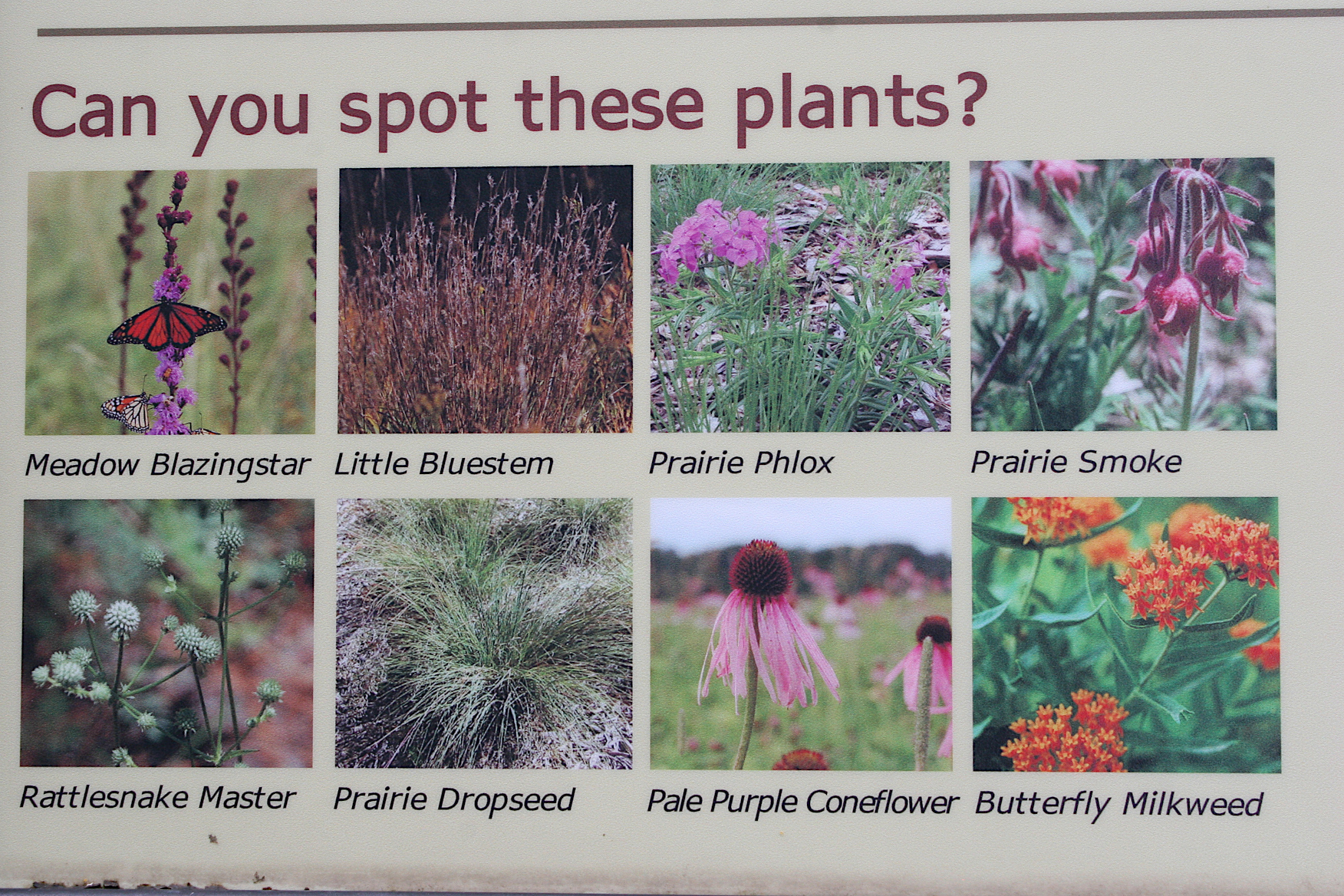
Signage helps visitors identify plants and flowers. Minnesota Prairie Roots copyrighted photo 2021.

River Bend holds generational appeal. I’ve seen young families pushing babies in strollers, teens driving remote-controlled vehicles on limestone shelves, older couples like us walking, and much more.

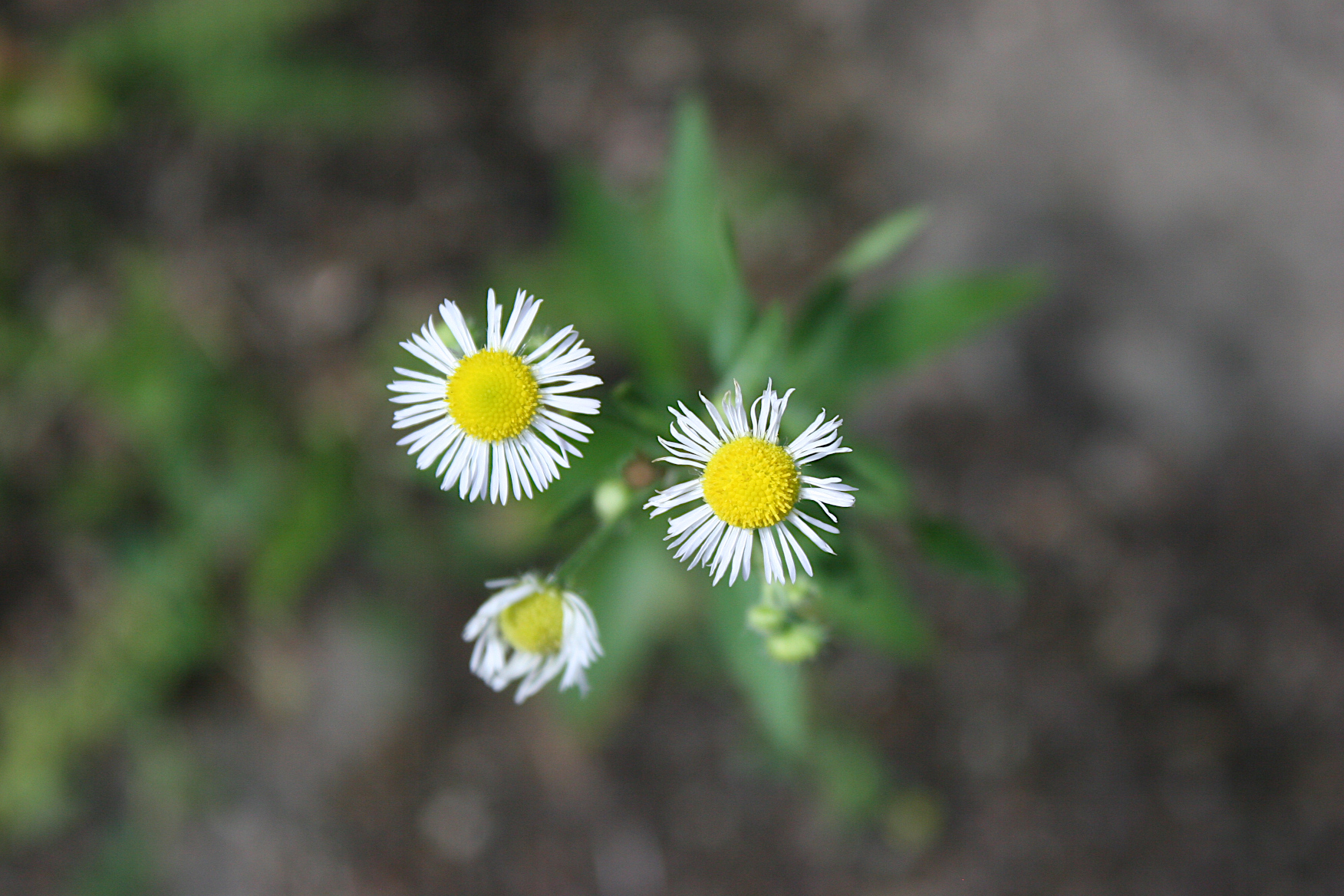
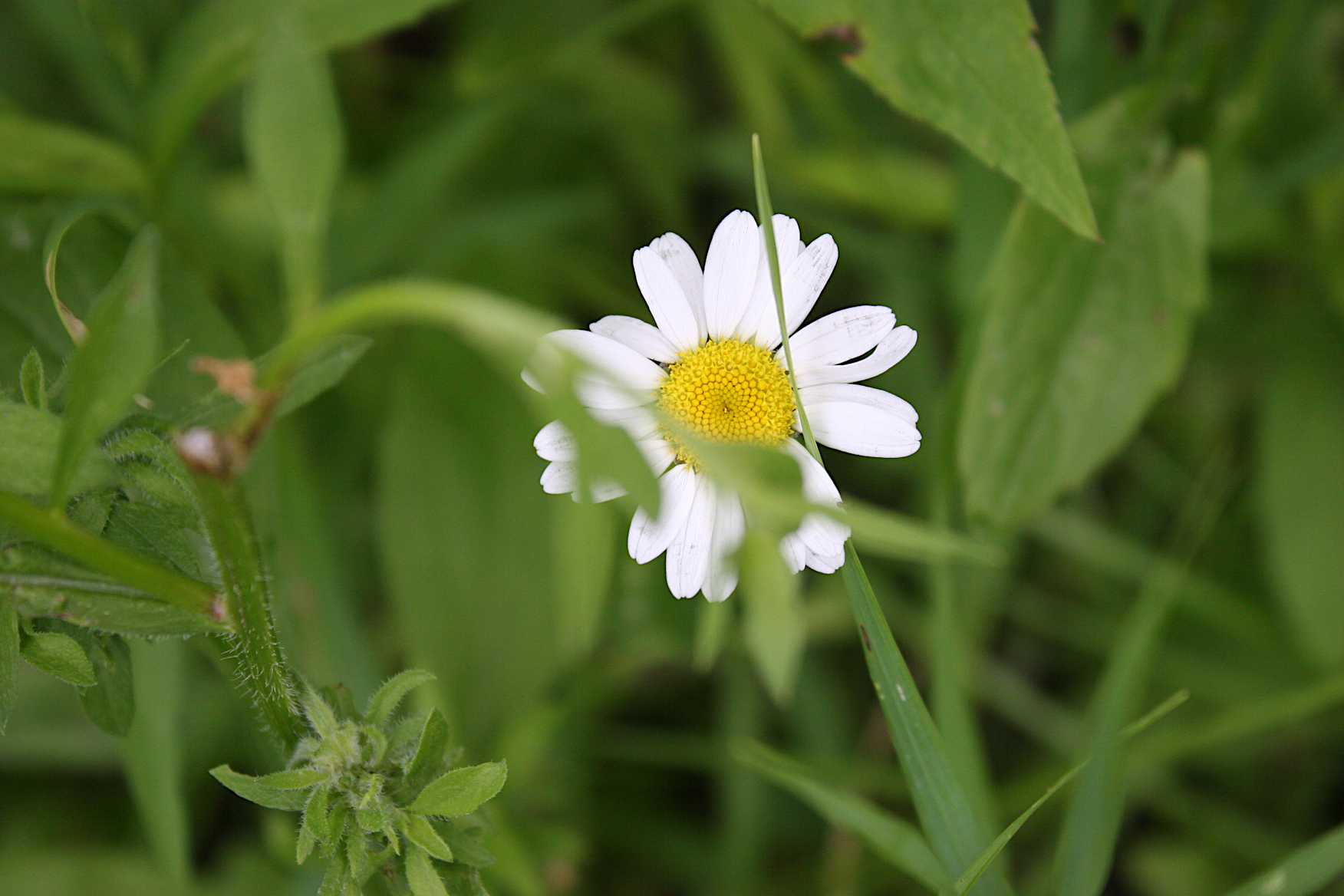
A lone daisy blooms among the prairie grass. Minnesota Prairie Roots copyrighted photo 2021.

Next week, August 16-20, River Bend focuses on its annual Ramble fundraising campaign. As a nonprofit, RBNC relies on fundraising, donations and memberships to keep the center open and operating. For more information about the Ramble, visit the RCNC website.

TELL ME: Where’s your favorite place to escape into nature near your home?

© Copyright 2021 Audrey Kletscher Helbling
 

Take time at River Bend July 15, 2021

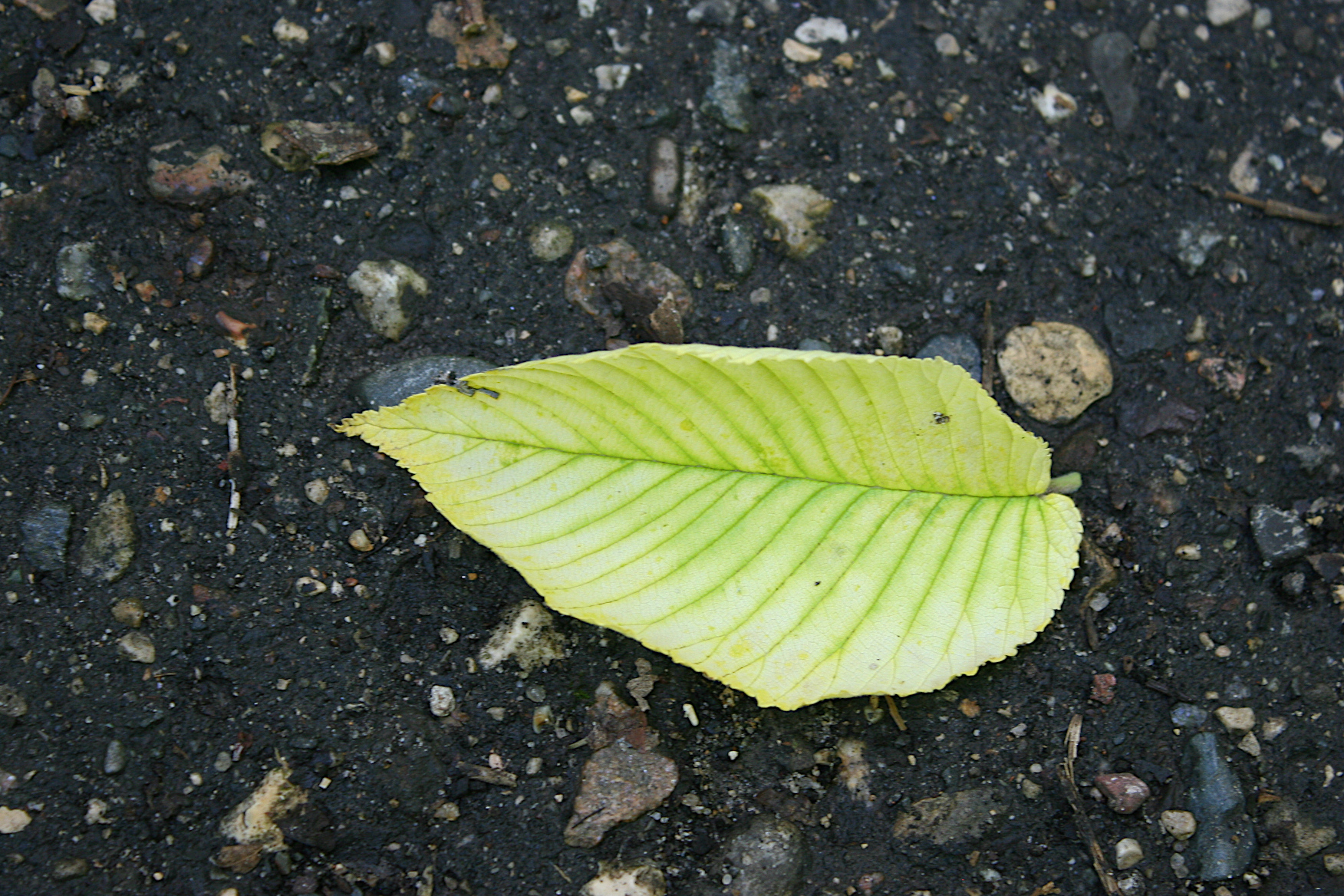
I noticed this beautifully veined leaf lying on a trail at River Bend. Minnesota Prairie Roots photo June 2021.

TAKE TIME. Two simple words. Take time to pause. To look and truly see. To focus on the details. To appreciate the beauty of our natural world.

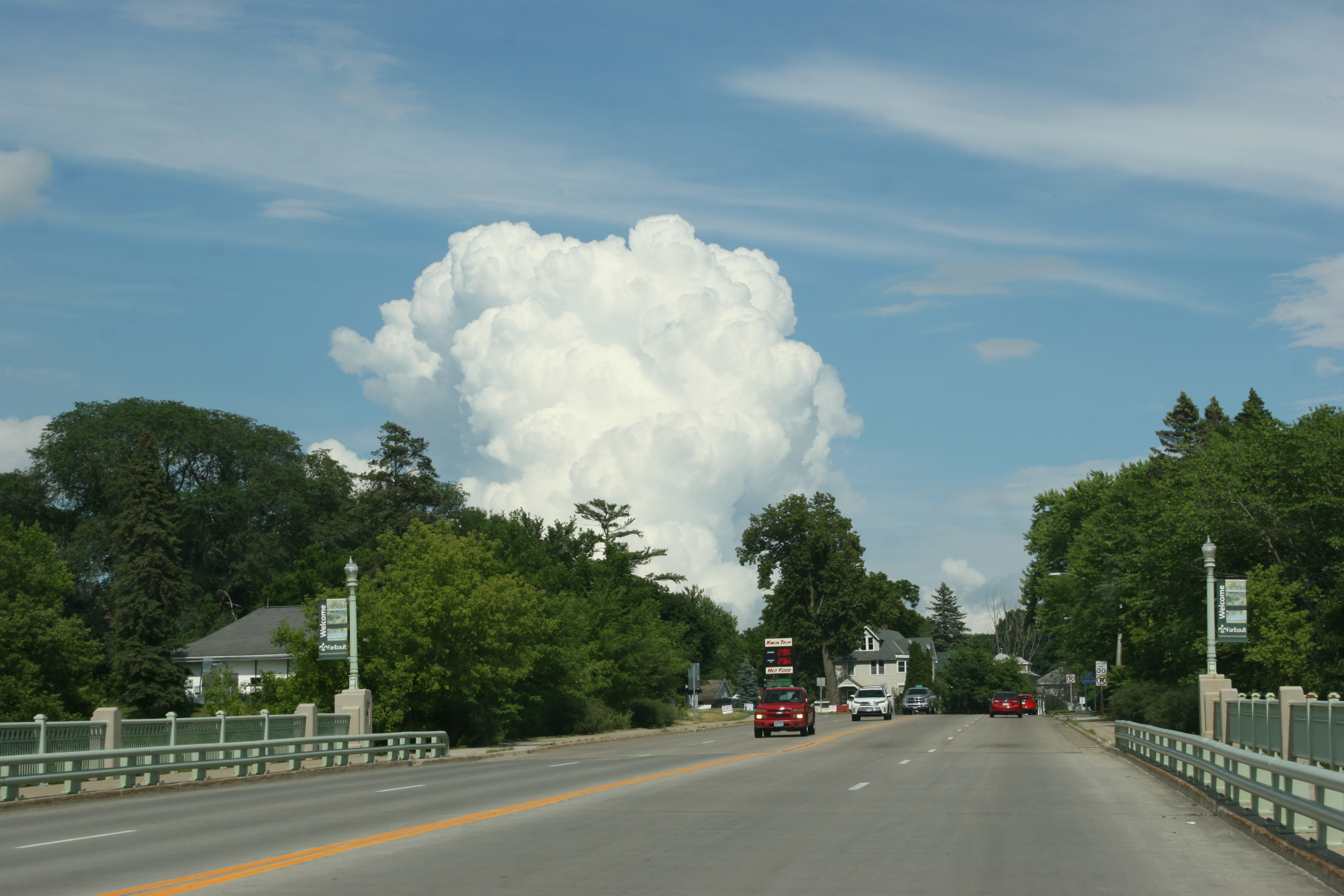
Crossing the viaduct on the way to River Bend Nature Center on Faribault’s east side. Minnesota Prairie Roots photo June 2021.

In Faribault, River Bend Nature Center offers a prime place to immerse one’s self in nature. And I did just that on a recent walk through the woods and then into the prairie.

Flowers… Minnesota Prairie Roots photo June 2021.
A jolt of color in the woods. Minnesota Prairie Roots photo June 2021.
Lacey flowers. Minnesota Prairie Roots photo June 2021.

I usually carry my camera while at River Bend. That causes me to really notice my surroundings. This most recent visit, I spotted an abundance of wildflowers. From woods to prairie, flowers thrive in the summer heat.

Minnesota Prairie Roots photo June 2021.

A plaque on a bench reminds hikers to take time to smell the flowers, although I didn’t dip my nose into any blossoms. Rather, I appreciated the simple beauty of color splashed in the otherwise green woods.

On the way to the Turtle Pond, I spotted this interesting grass. Minnesota Prairie Roots photo June 2021.
Maple leaves. Minnesota Prairie Roots photo June 2021.
Minnesota Prairie Roots photo June 2021.

Even the greenery holds visual appeal in the rolling droop of grass, the lace of maple leaves, the woods that hug trails.

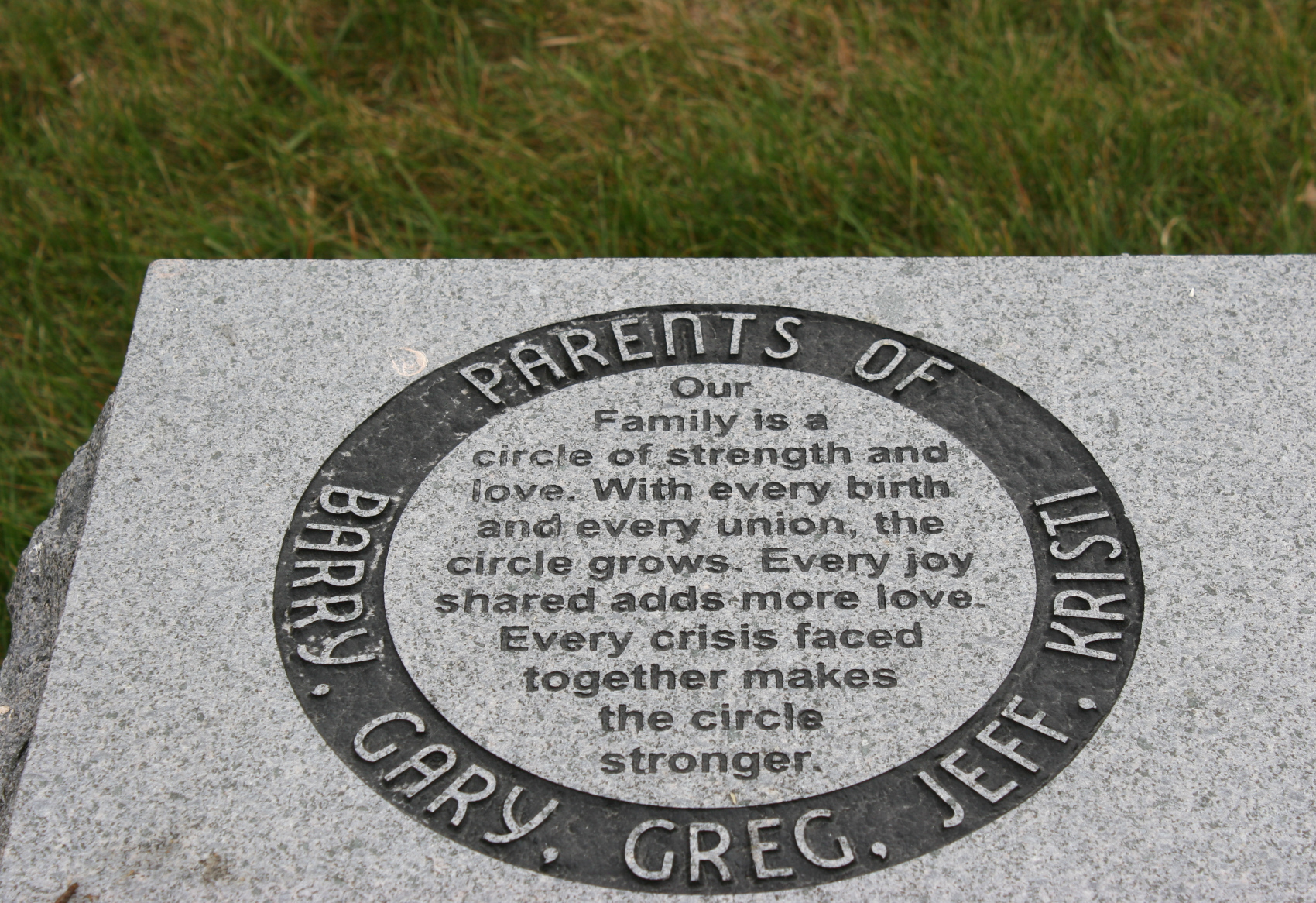
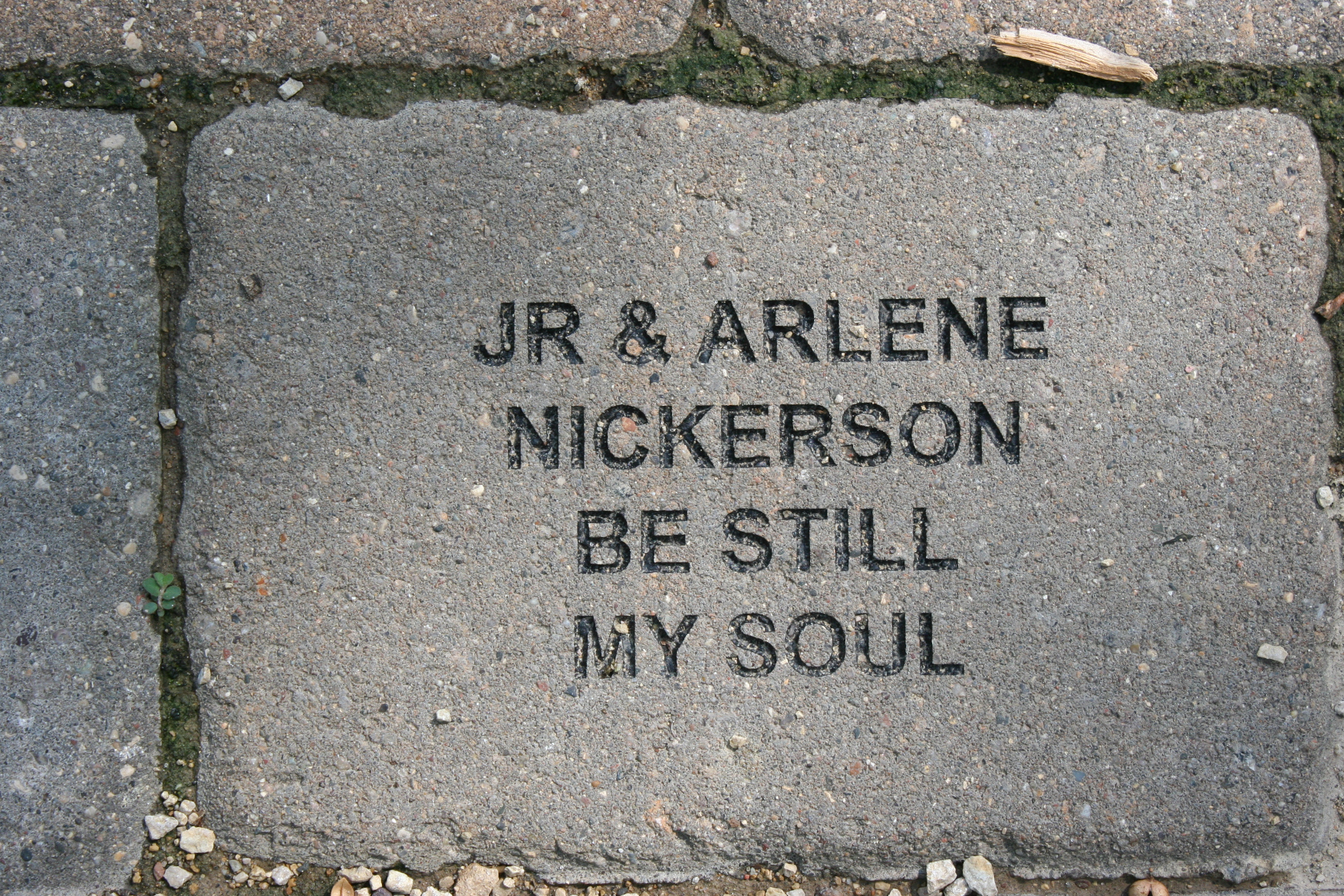
This paver in honor of my friend’s parents reminds me of Psalm 46:10. Minnesota Prairie Roots photo June 2021.

Messages on pavers at Honor Point, overlooking the Straight River, inspire. Be still. Pause. Appreciate.

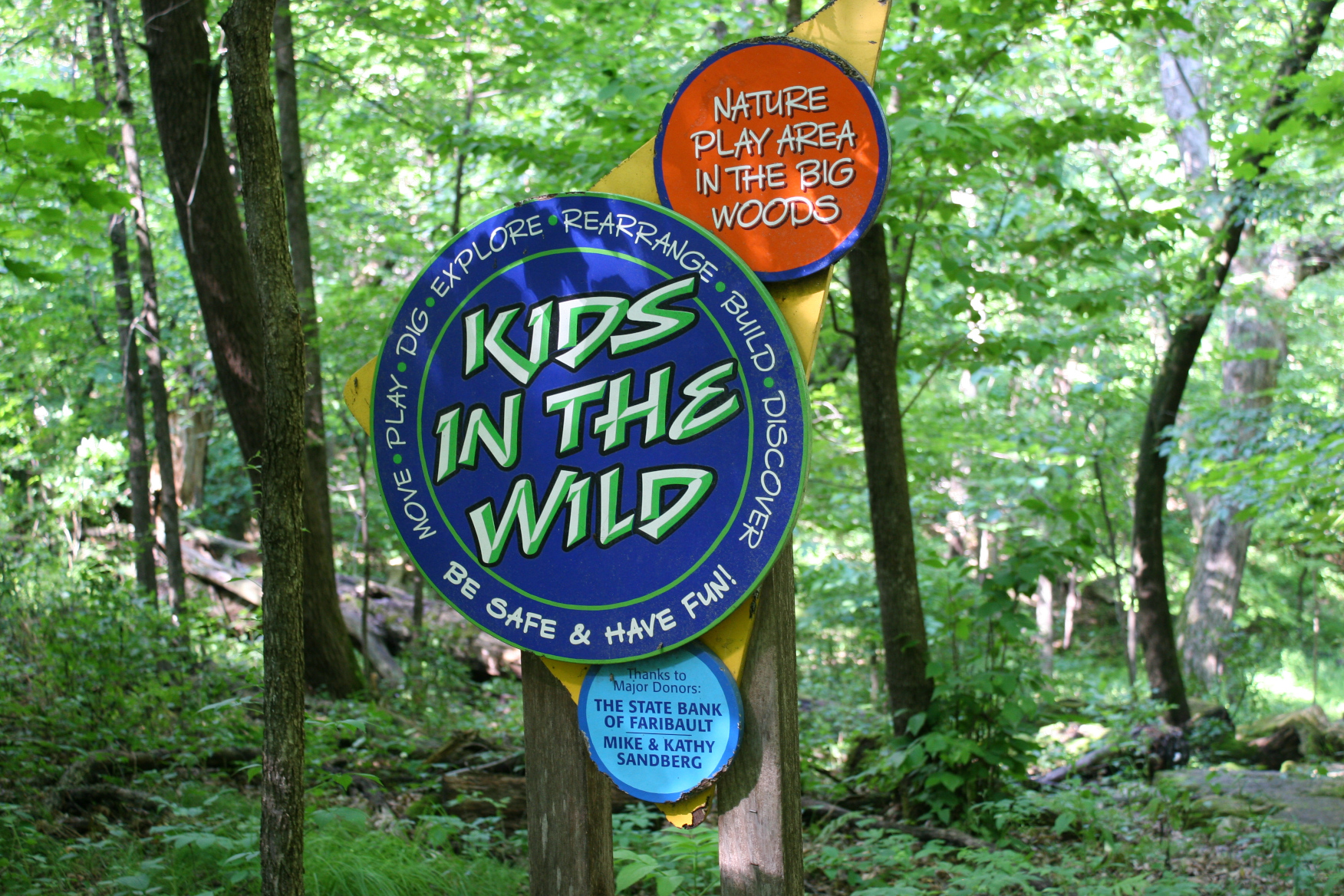
River Bend features a natural play space for kids in the woods. Minnesota Prairie Roots photo June 2021.

There’s something to be said for being still. Simply being. Listening. Connecting to the earth. Perhaps remembering how you felt as a child, exploring.

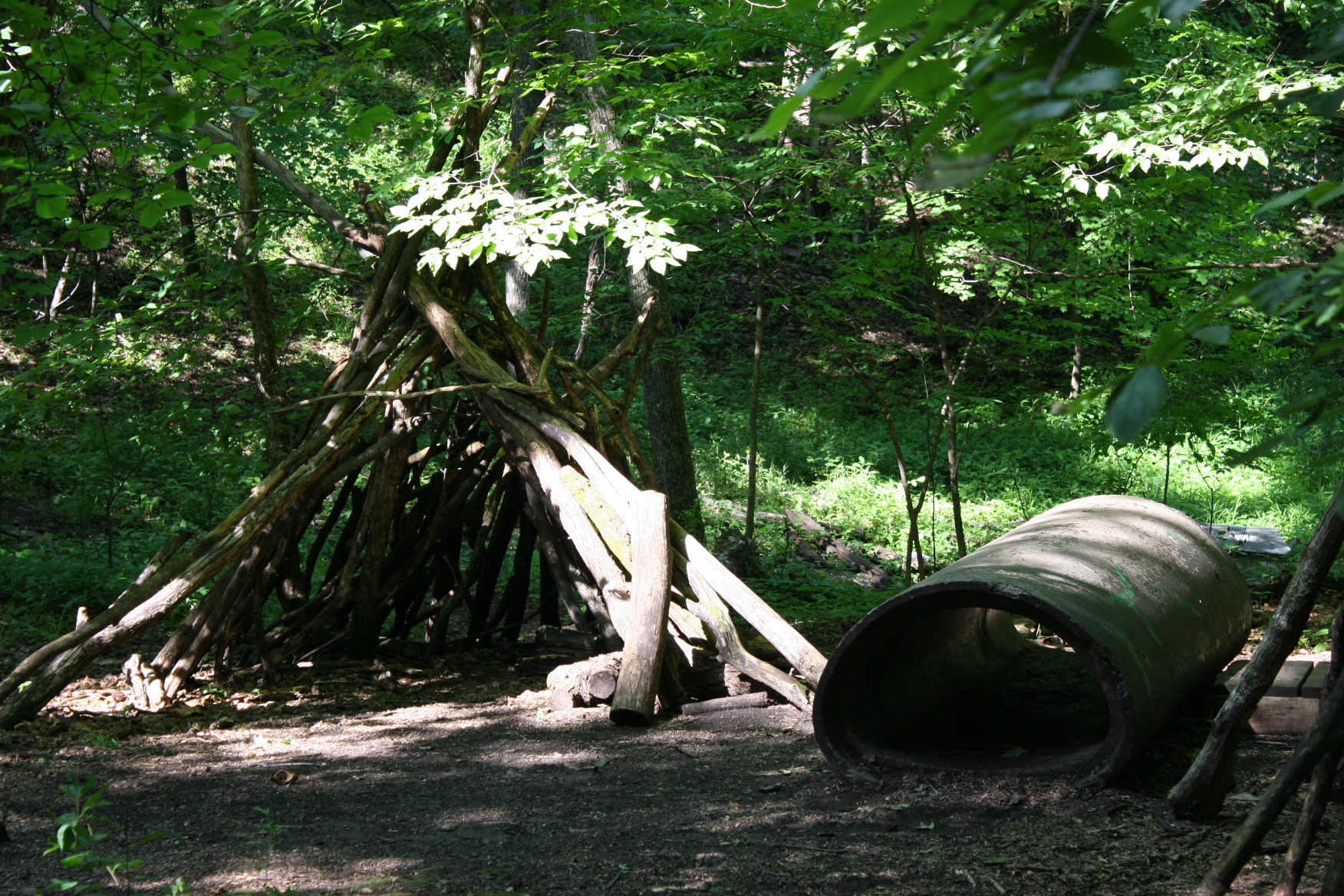
A fort and “tunnel” in the kids’ play area. Minnesota Prairie Roots photo June 2021.

In my youth, I “lived” outdoors, coming indoors only to eat and to sleep. With my siblings, we built forts in the grove, rode our bikes along dirt trails, hid in prairie grasses higher than us.

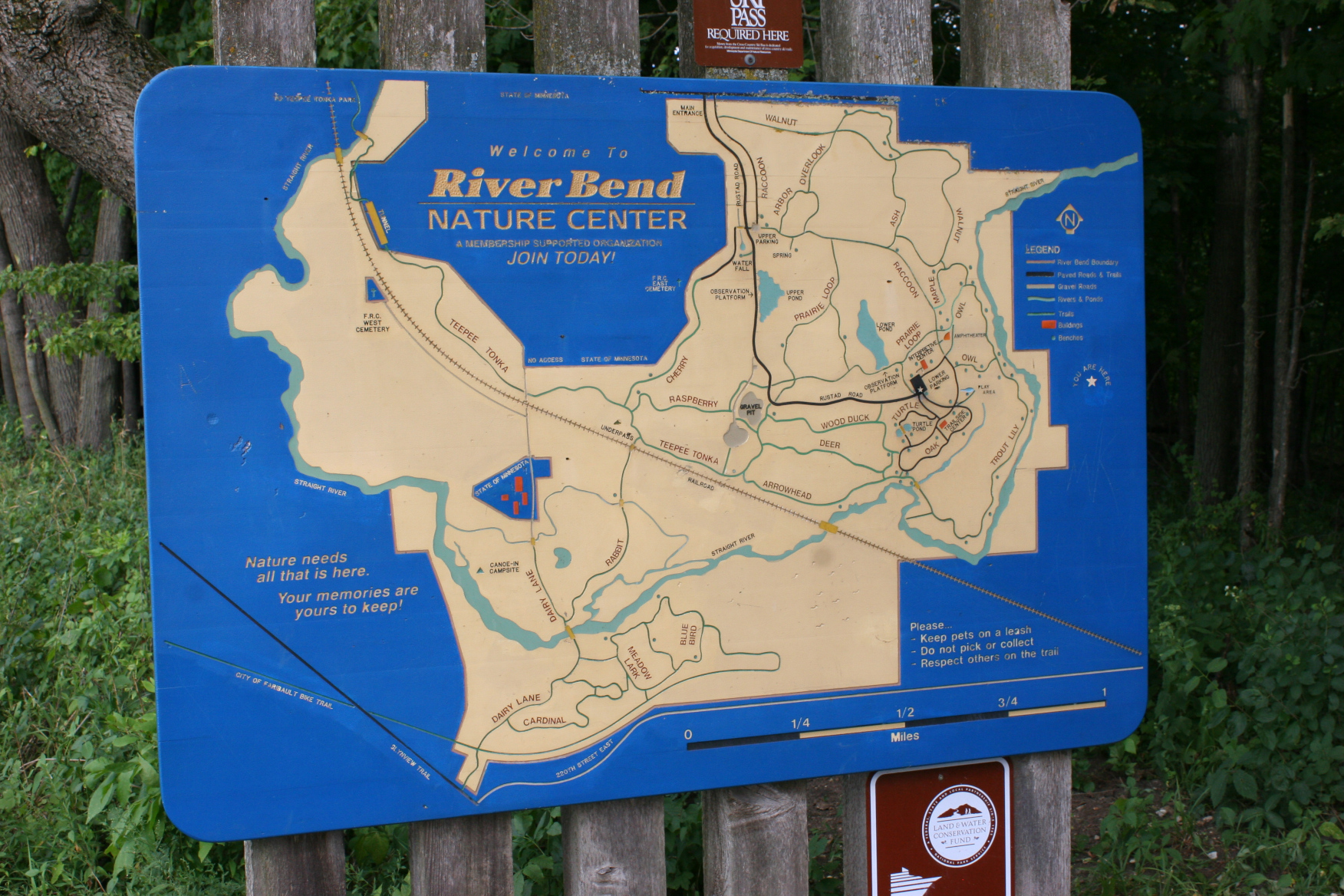
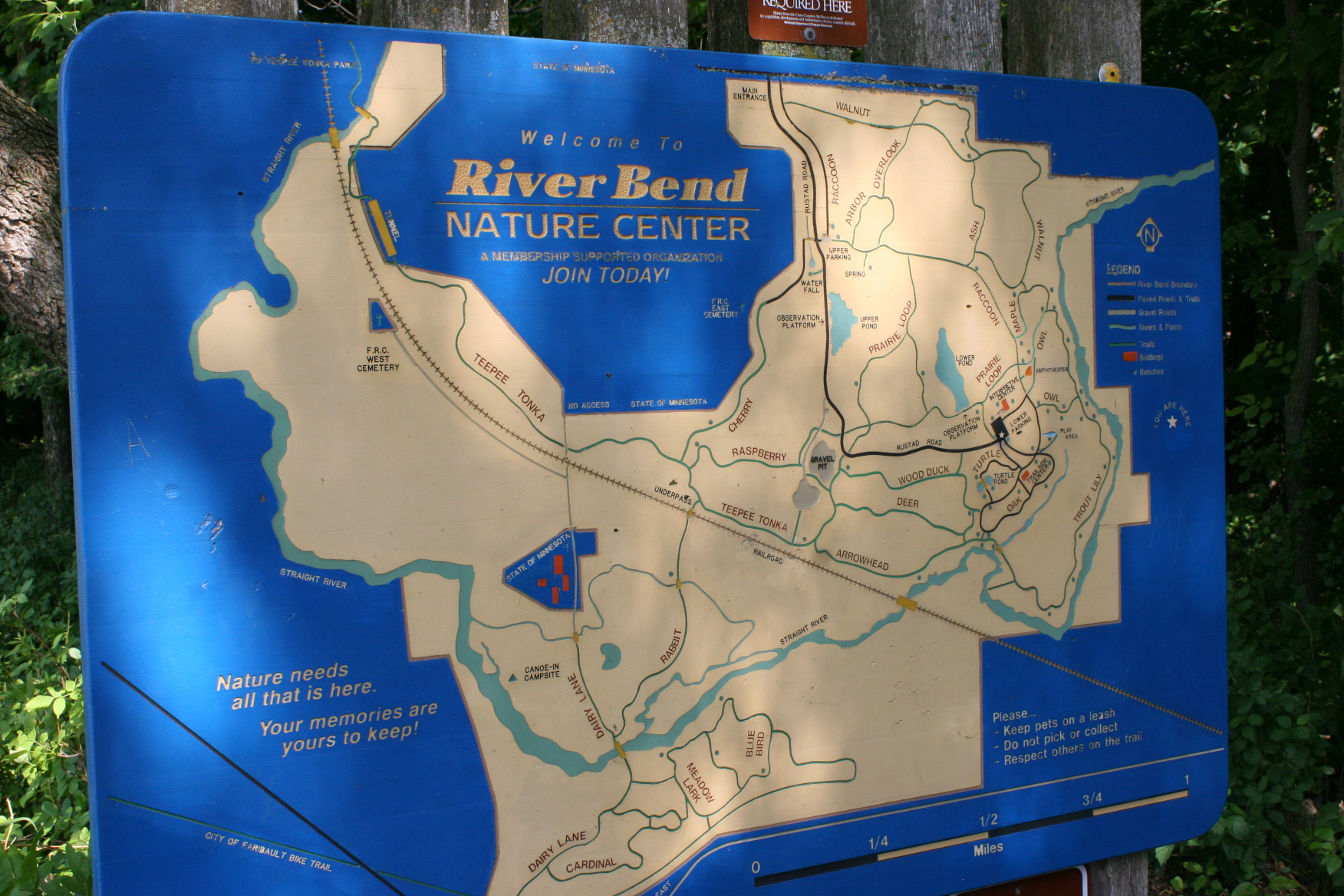
At the edge of the woods, a map details River Bend. Minnesota Prairie Roots photo June 2021.

I took time. Time to play in nature. To become part of it. To imagine. When I hike at River Bend, I reclaim that childhood joy.

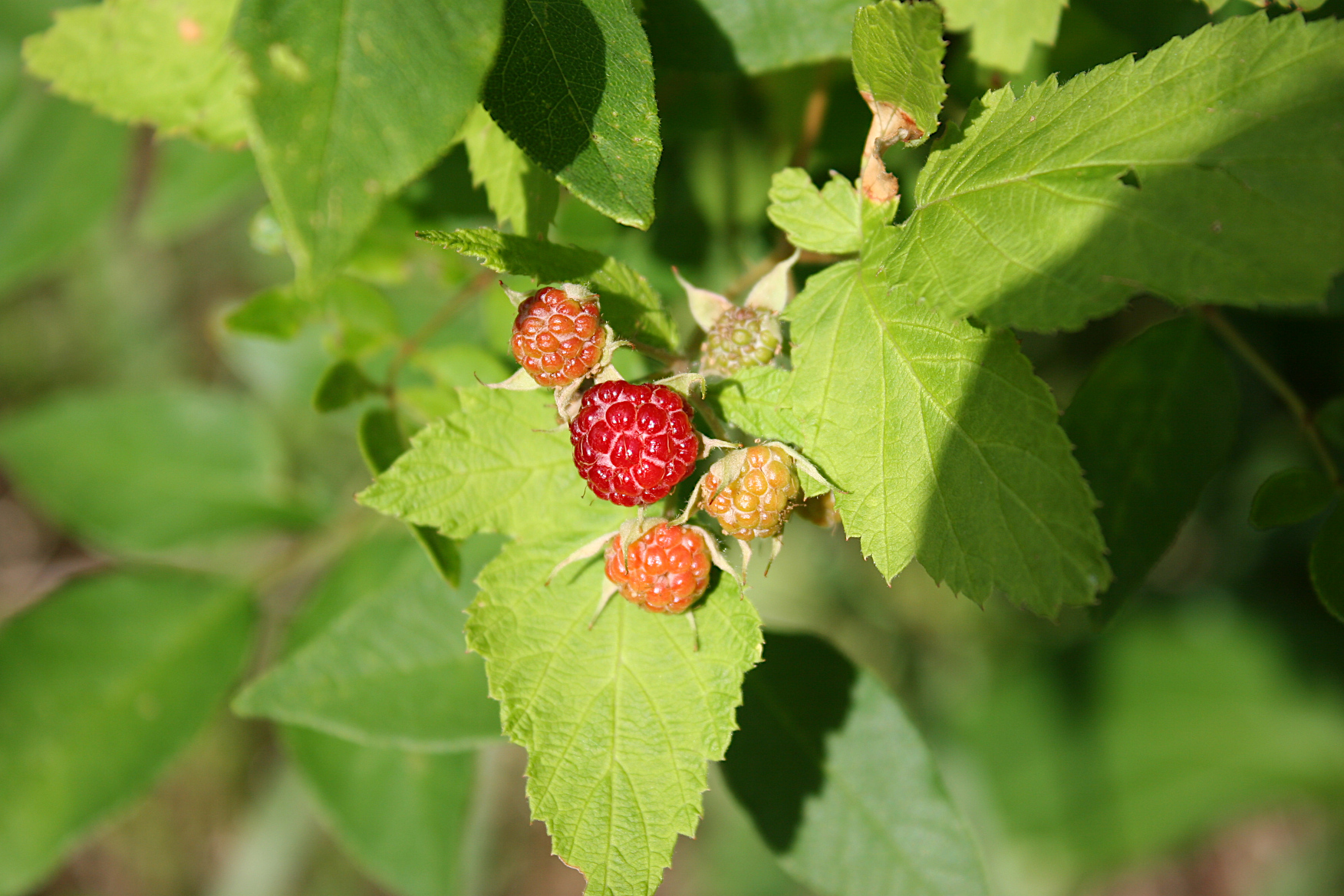
Wild raspberries edge the woods near the prairie. Minnesota Prairie Roots photo June 2021.

I savor the moments. The sights. The tastes. The scents. The sounds. All that which defines the natural world.

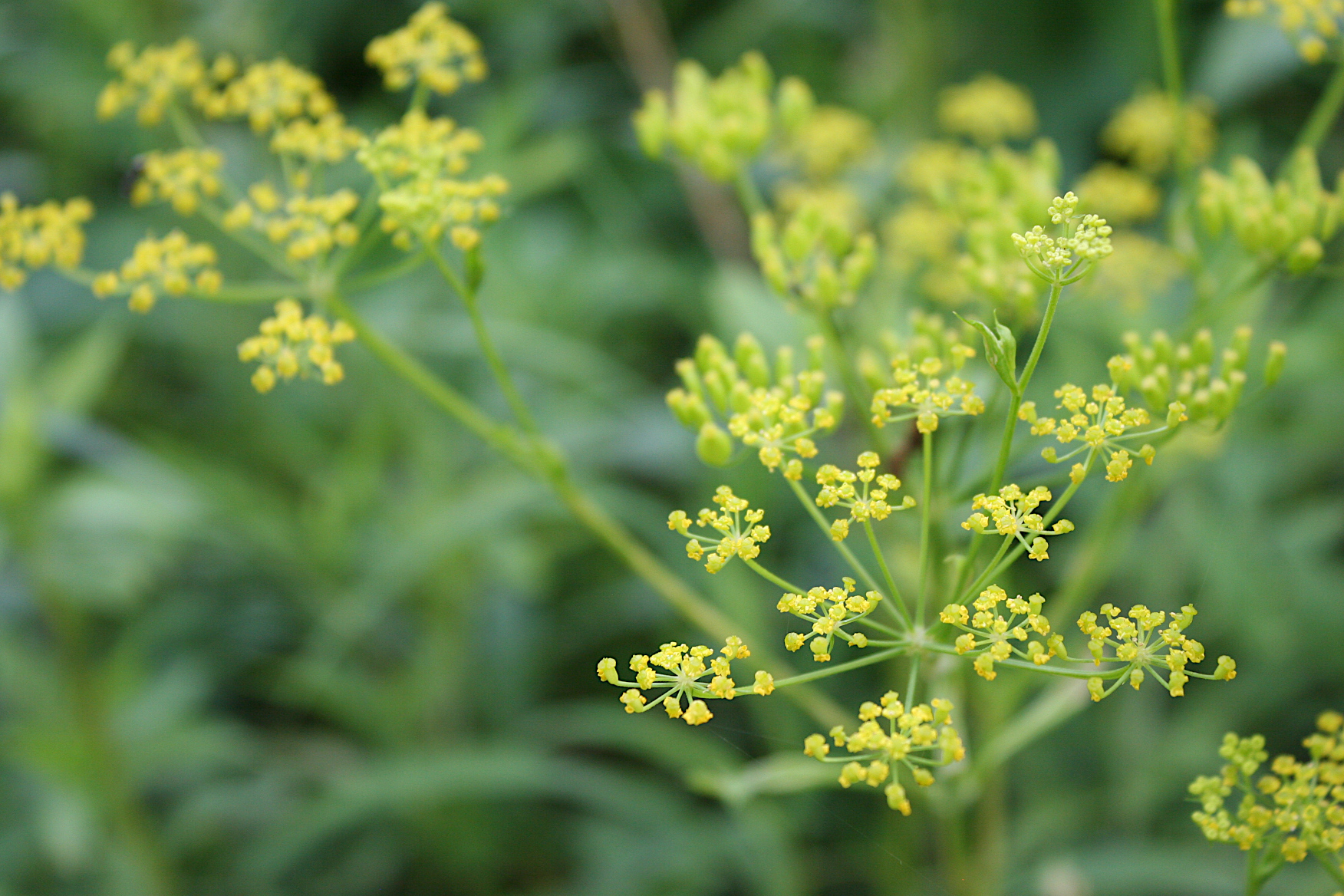
To be avoided: wild parsnip. Minnesota Prairie Roots photo June 2021.

WARNING: Stay away from this plant, wild parsnip. It looks a lot like dill and is growing alongside trails. Wild parsnip will burn your skin. Do NOT touch it.

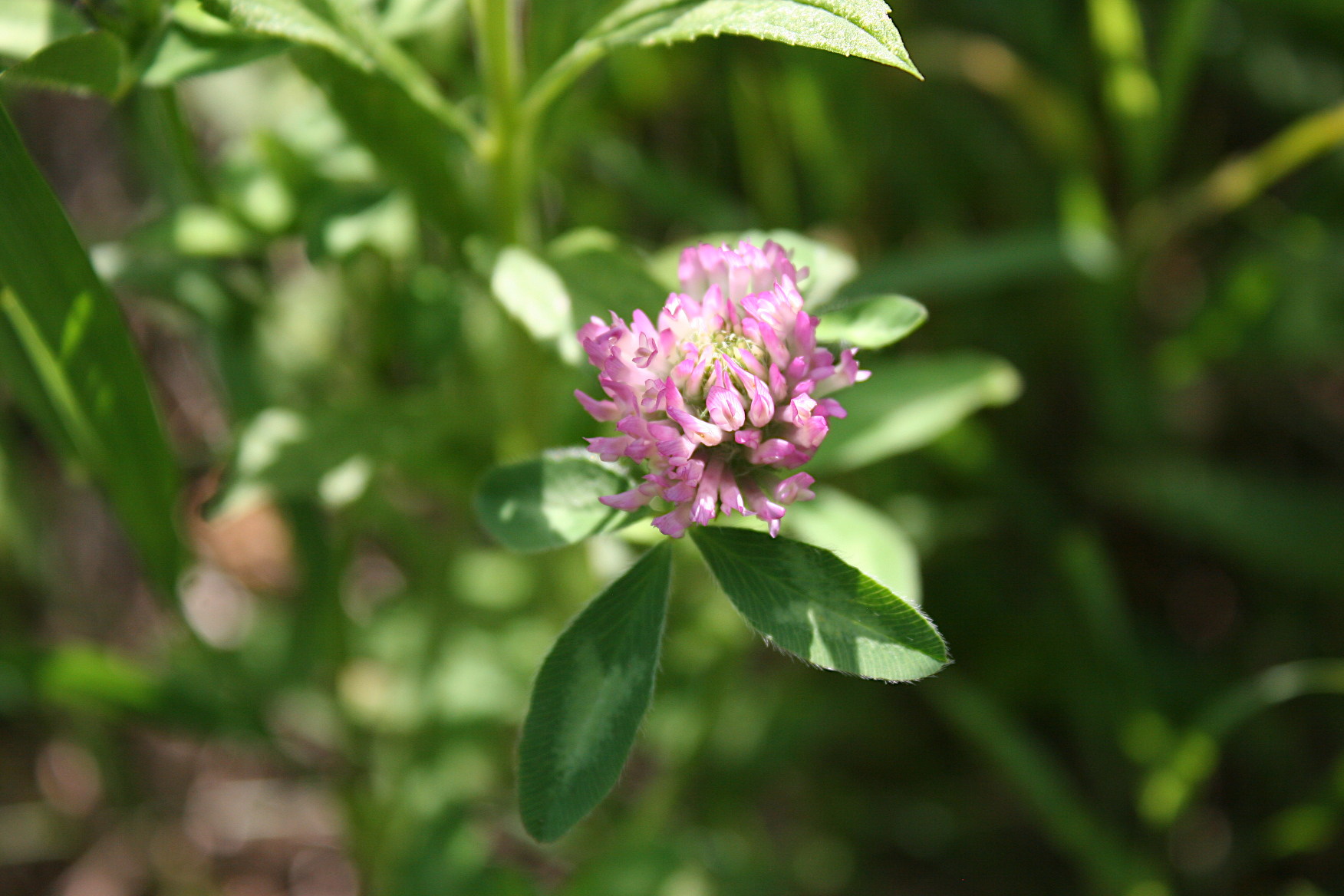
Clover grows in sun dappled spots in the woods by the prairie. Minnesota Prairie Roots photo June 2021.

PLEASE CHECK BACK for more photo rich posts from my recent visit to River Bend. Next, I’ll take you into the prairie.

© Copyright 2021 Audrey Kletscher Helbling

 

Into the woods & among the flowers at Grams Regional Park June 30, 2021

Into the woods via a boardwalk at Grams Regional Park, Zimmerman, Minnesota. Minnesota Prairie Roots copyrighted photo May 2021.

AFTER MULTIPLE VISITS to Grams Regional Park, Randy and I feel comfortably familiar with this 100-plus acre natural area. The Sherburne County park in Zimmerman has become a lunch-time stopping point on our way to a family lake cabin south of Crosslake.
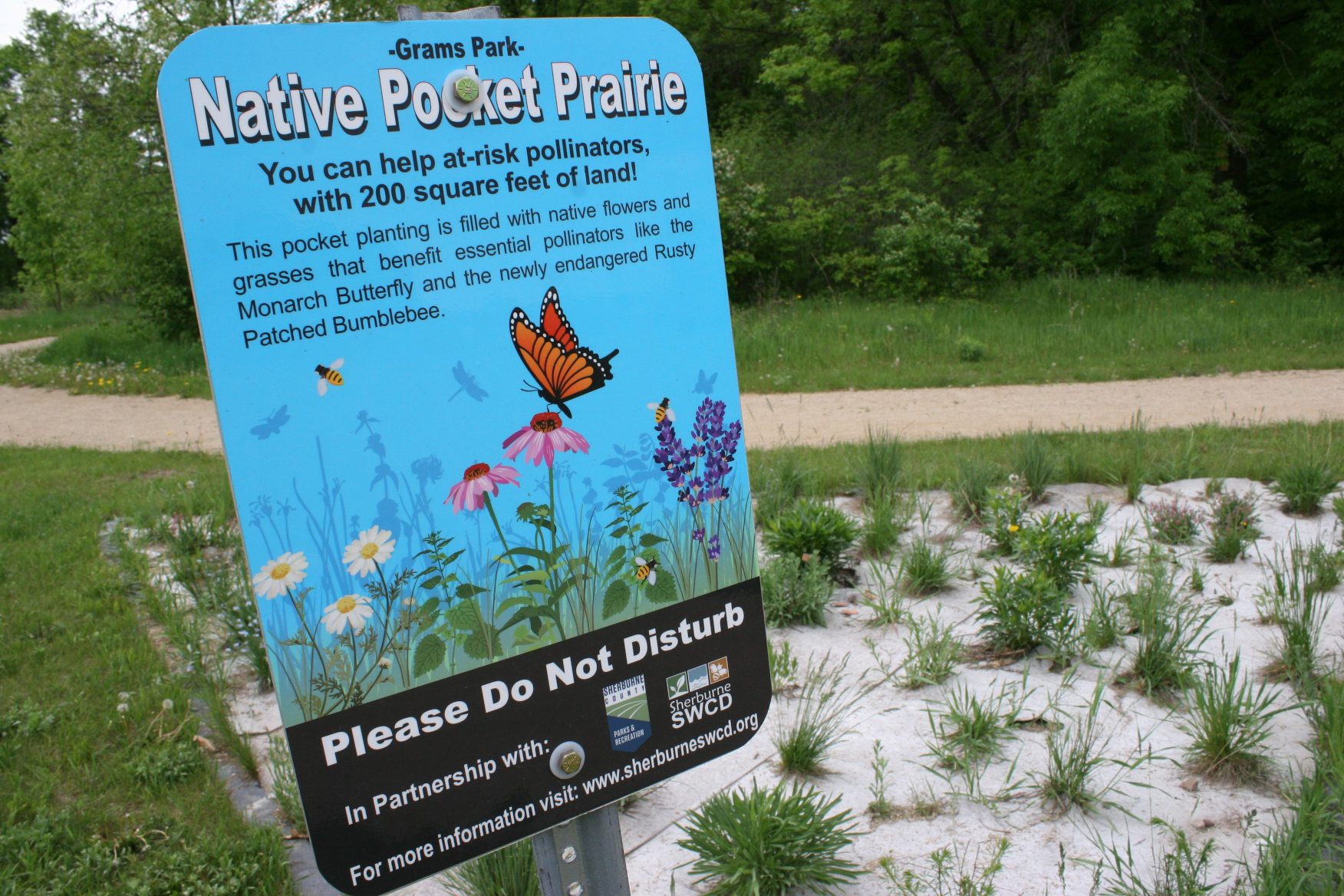
Flowers bloom in a Native Pocket Prairie Garden at Grams. Minnesota Prairie Roots copyrighted photo May 2021.

We exit US Highway 169 onto county road 4, drive a short way, then turn left and snake back to the park across the road from Lake Fremont. Here, among the oaks, we eat our picnic lunch before stretching our legs.
Into the woods at Grams Park. Minnesota Prairie Roots copyrighted photo May 2021.

The park features two miles of trails and boardwalks in a diverse landscape of open natural space, oak forest, tamarack bog and wetlands.

Wildflowers bloom in the woods in mid-May. Minnesota Prairie Roots copyrighted photo May 2021.
An overview of those same purple flowers. Minnesota Prairie Roots copyrighted photo May 2021.
Flowering in the Native Pocket Prairie Garden. Minnesota Prairie Roots copyrighted photo May 2021.
We’ve enjoyed the wildflowers of spring, the wild raspberries of summer and the flaming hues of autumn here in this quiet natural setting.
I appreciate this aspect of the park. Minnesota Prairie Roots copyrighted photo May 2021.
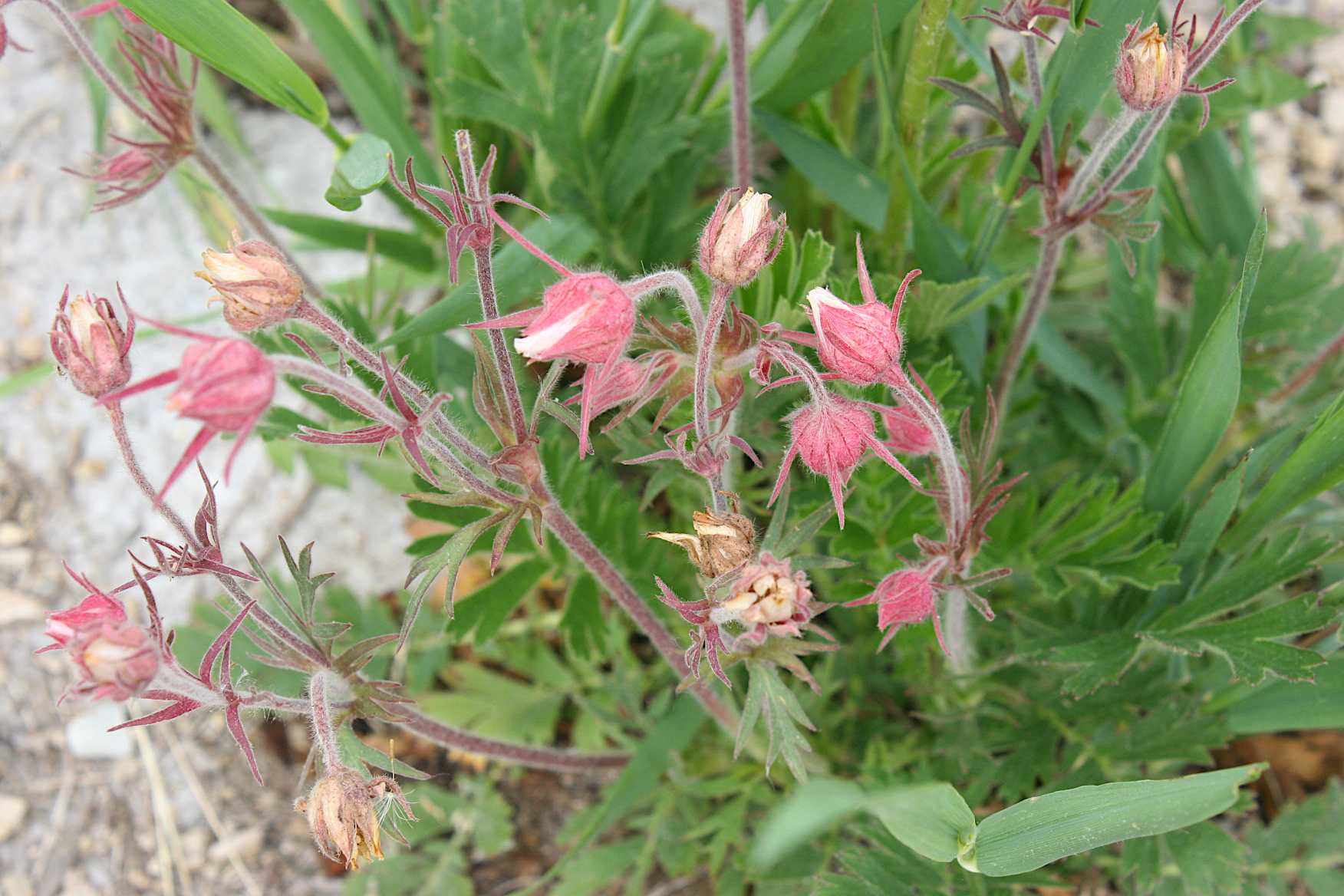
Beautiful prairie flowers in the garden. Minnesota Prairie Roots copyrighted photo May 2021.
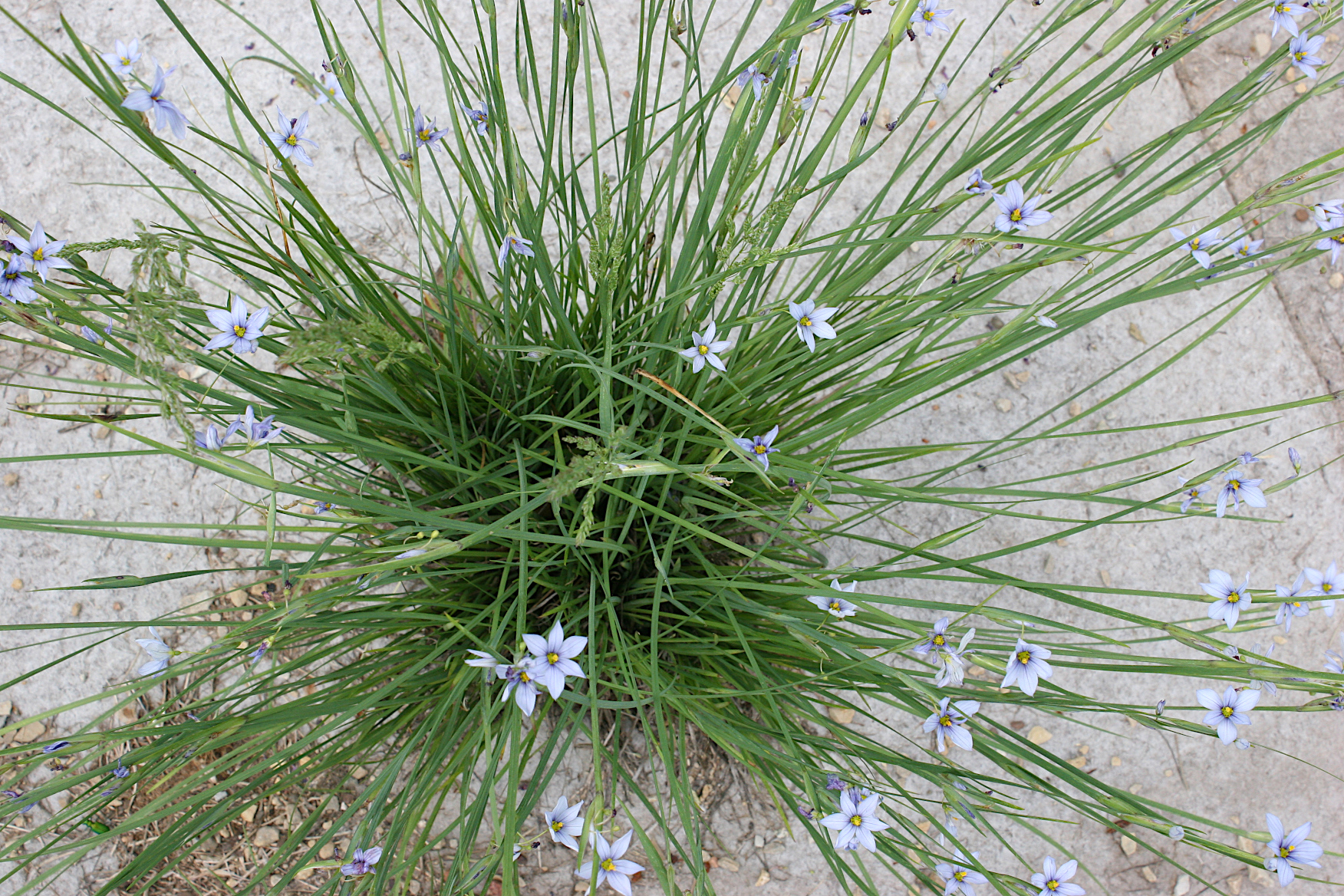
A flowering prairie grass in the prairie garden. Minnesota Prairie Roots copyrighted photo May 2021.
On our most recent stop in late May, we met a couple, Connie and Dale, lunching at the same picnic table we’d used prior to a hike through the park. It was a chance meeting which turned out to be a history lesson. Connie’s grandparents moved onto this land in 1919. She grew up here and eventually convinced her mother to sell the property to Sherburne County. The county, according to information on its website, acquired the park land from Howard and Marvel Grams in 2002.

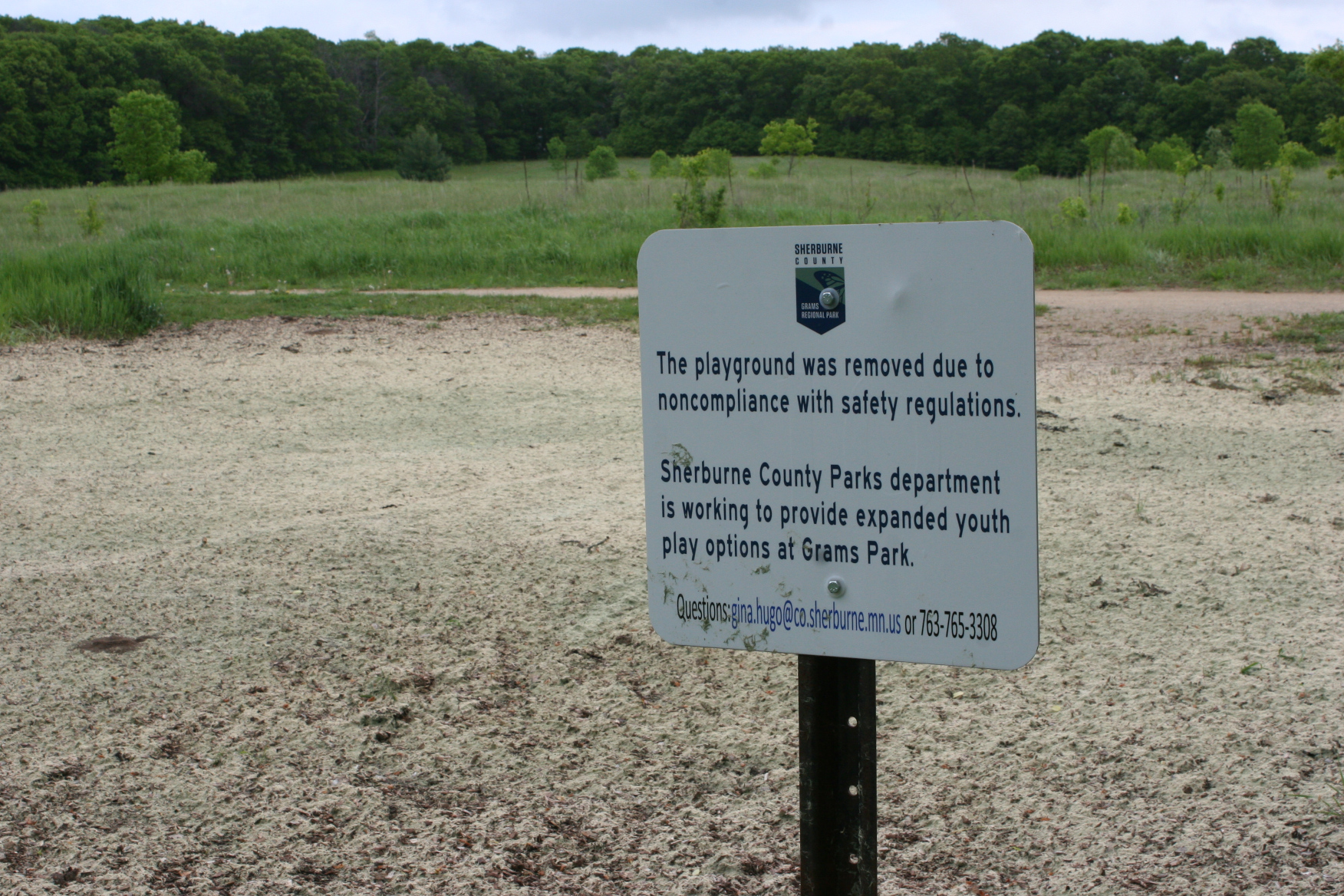
A work in progress at Grams Park. Minnesota Prairie Roots copyrighted photo May 2021.
Spotted while walking in the park. Minnesota Prairie Roots copyrighted photo May 2021.
Photographed in an educational/play space for kids. Minnesota Prairie Roots copyrighted photo May 2021.

Had the property not been sold to the county, it would have become a housing development, Connie said. I could hear her gratitude that the Grams family legacy is one of a park and not of houses. I shared how much we enjoy this natural space.

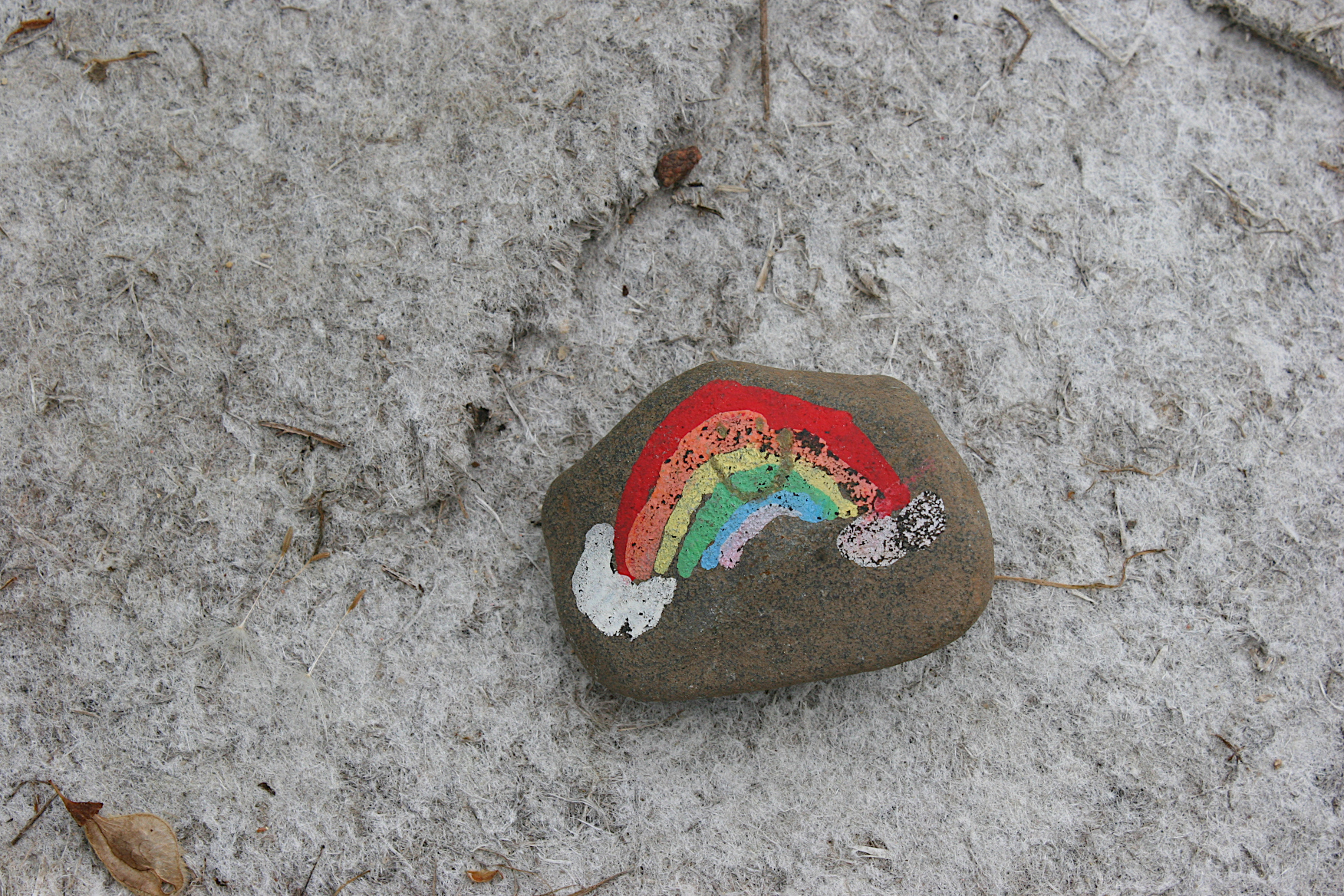
Another found, painted stone in the park. Love this. Minnesota Prairie Roots copyrighted photo May 2021.

Connie also pointed to a nearby 200-years-plus-old oak tree, now under study. I couldn’t help but think how an oak often symbolizes a family tree. The Grams family may have owned this land at one time and grew their family here. But now the branches have spread to include the broader family of those of us who appreciate this place among the oaks.

© Copyright 2021 Audrey Kletscher Helbling