Minnesota Prairie Roots

Writing and photography by Audrey Kletscher Helbling

After the flood: “A long way from normal” in Hammond September 22, 2011

HOW DOES A DEVASTATING flash flood change you and the place you call home?

I posed those and other questions to Tina Mann from Hammond, a southeastern Minnesota community ravaged last September by the overflowing waters of the Zumbro River. A year later, what is life like in Hammond for residents such as Tina, now a member of the Hammond City Council?

Here, in her words, are Tina’s reflections one day before the one-year anniversary of the flood which left her and her family living in three hotels and a rental house for three months before they could return to their Hammond home.

Tina, on her June 25 wedding day, in the bridal gown she saved when she had to evacuate her home last September. Photo by Sherwin Samaniego Photography.

How has Hammond/life in Hammond changed since the flood?

Hammond is a lot quieter now. A lot of our long time residents have left, and a lot of our regular crowd has been sporadic. But, they are slowly starting to trickle back in.

Hammond has made some new friends along the way, and we see some of them come back down from time to time, too. I predict, though, that as winter draws close, that it may taper off. I think we may be in for another very quiet Hammond winter. There are fewer children, too, which makes it hard for the few that are still here. I hope that sometime down the line, Hammond will start to see more families coming down here.
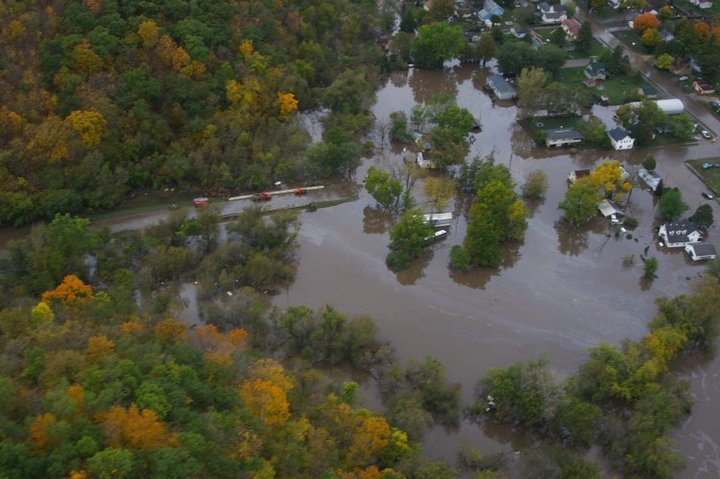
An aerial view of Hammond during the flash flood of September 2010. Photo courtesy of Micheal and Tina Mann.

What still needs to be done in terms of recovery in your community? Be specific.

For the most part, weather permitting, the city should be done with the municipal repairs by the end of the month. We were able to get the park building repaired and fully restored.

On the residential end, however, things are different. FEMA and the State funded the programs to repair the Municipality of Hammond and, with some careful planning and negotiating, we were able to come very close to a pre-flood state.

But the residents did not get any FEMA aid at all. Some only qualified for a state grant, which just barely covered expenses to repair their homes. Some qualified for low-interest loans and depending on the amount of damage to the home, they may have been able to replace a few of their possessions. But without FEMA funding, most people were not compensated for their personal belongings and it may well be many years before they feel they are ‘recovered.’

Then there are those still waiting for their buy-outs. The residents on the state program have begun receiving their offers, but are still in the ‘red tape’ part of the process and have not received any funding yet, and those on the federal list (50 percent or more damage, in flood way and flood plain) have been put on hold by the federal government, and no one knows how long that is going to take.

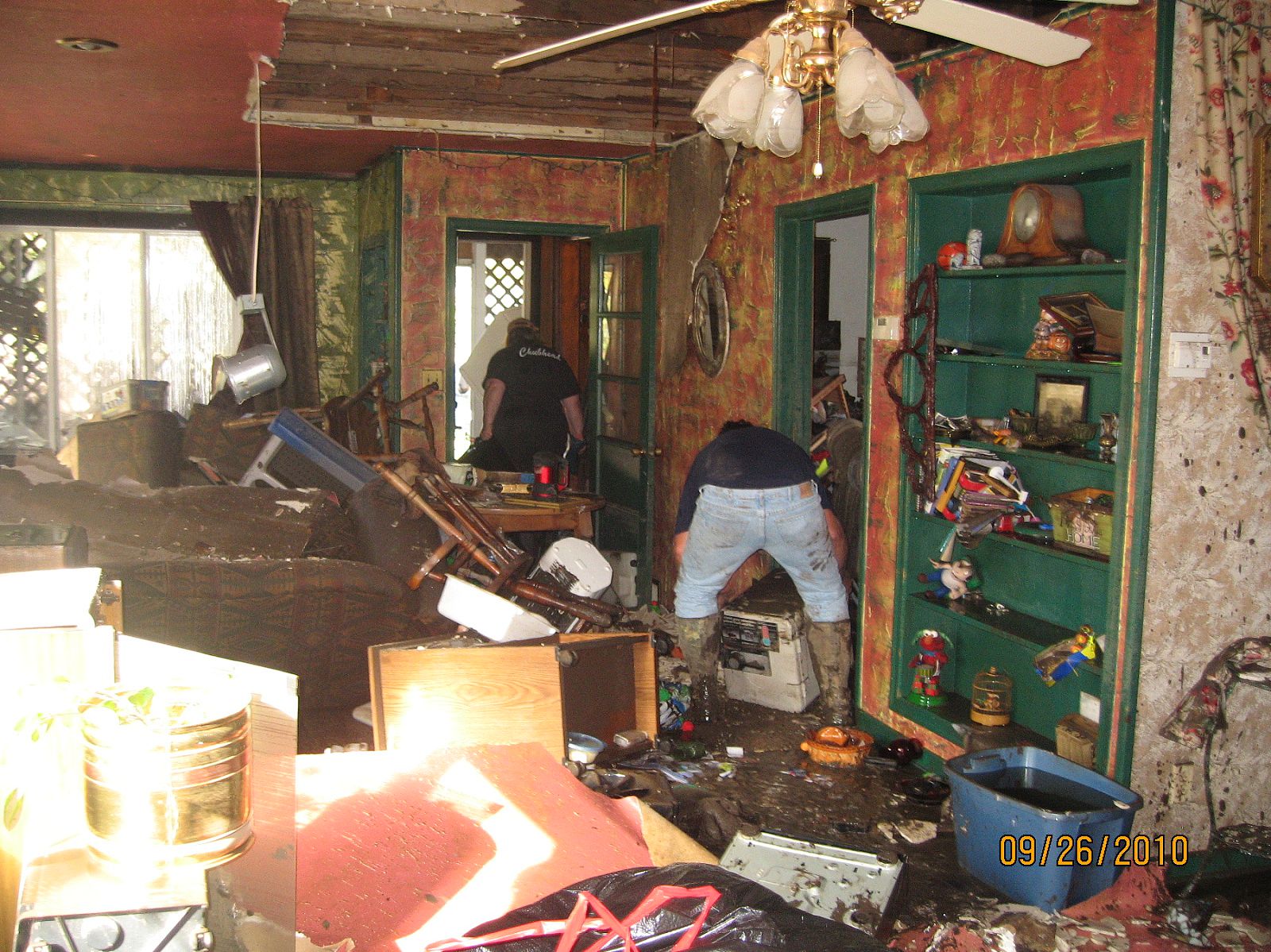
After the flood, the gutted home of Dallas and Vicki Williamson, who relocated 35 miles away to an 1882 hilltop farmhouse in rural Cannon Falls. Photo by Sheri Ryan.

Do you need additional funding for Hammond recovery projects? Volunteers still needed? I’m wondering how that park rebuilding is going.

The ‘city’ is pretty well rebuilt and I am happy to say that we no longer need volunteers unless we decide to start some new projects.

Financially, however, we are still trying to find ways to compensate for some shortfalls. There are city employees that have not been compensated for personal expenses, such as cell phone overages, incurred while working for the city during the immediate aftermath. Although it is realized that it is a responsibility of your position, we also feel that if we can find a way to do it, it really is the right thing to do.

We also have employees who worked well beyond the normal scope of their position and they really do deserve compensation for their time, services, and personal expenditures. Although most of them haven’t asked for it, it still would be nice if somehow we could work it out. These people did a phenomenal job taking care of our city!

And we have the future to look at, too. We are probably going to loose 6-8 residential properties to the 100 percent buy-outs. There are another 10 or so on the 50/50 buy-out list And those who choose the 50/50 but do not rebuild, of course their property value will decrease dramatically.

This is going to have financial consequences to our tax base, which is going to result in higher property tax and water and sewer bills for every business and property owner in Hammond.

And we need to take a look at what we are going to do with all of the new green space in town. When we lose the residents to the 100 percent buy-outs, those properties become ‘green space’ by law. That means that the lots become city property that cannot have permanent structures built on them. Many of these lots are centrally located in the middle of a residential area. The city is going to be moving into phase two of the recovery, which is the long-term aspect…and we do have a lot of things to think about and consider.

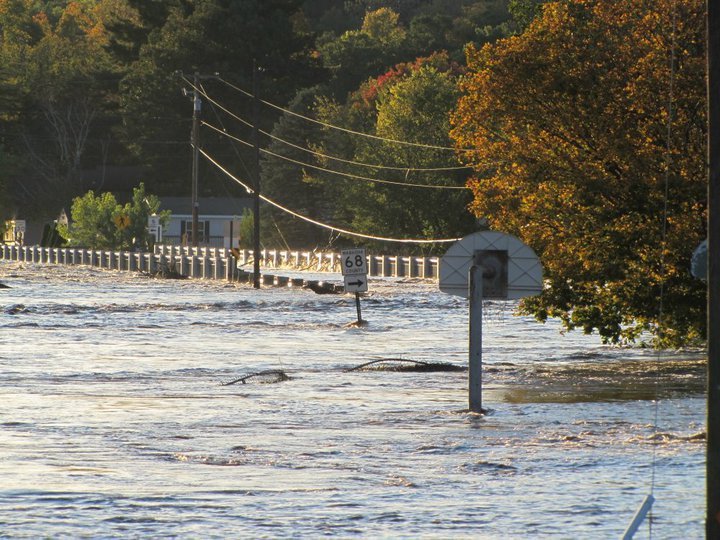
This photo shows the destroyed road that goes from Wabasha County Road 11 to the business area on the east side of Hammond. Waters were receding in this photo taken mid-morning on Saturday, September 25, 2010, by Jenny Hoffman.

Is there a sense of frustration about anything or are things going well?

Yes, there has been, and is, a lot of frustration. It has been a very long, hard process trying to filter through the red tape to realize what is the ‘city’s’ responsibility, what is the ‘residents’” responsibility, and what programs are responsible for what.

A lot of phone calls from residents, confused about who they should be speaking to. Frustration because the process is very slow. The city has very few answers for the residents who are working with the buy-out program and it’s been hard to convey the message that the city has nothing to do with that part of it and we really have no answers for them. All we can do is direct them back to the agencies they are working with.

We have lawns that are not being mowed, properties that have been abandoned since the flood. The residents that have rebuilt are frustrated because the ‘clean-up’ won’t be complete until these issues are resolved, and we don’t know how long it is going to take.

Our city is coming together, but we really are still a long way from being back to normal.
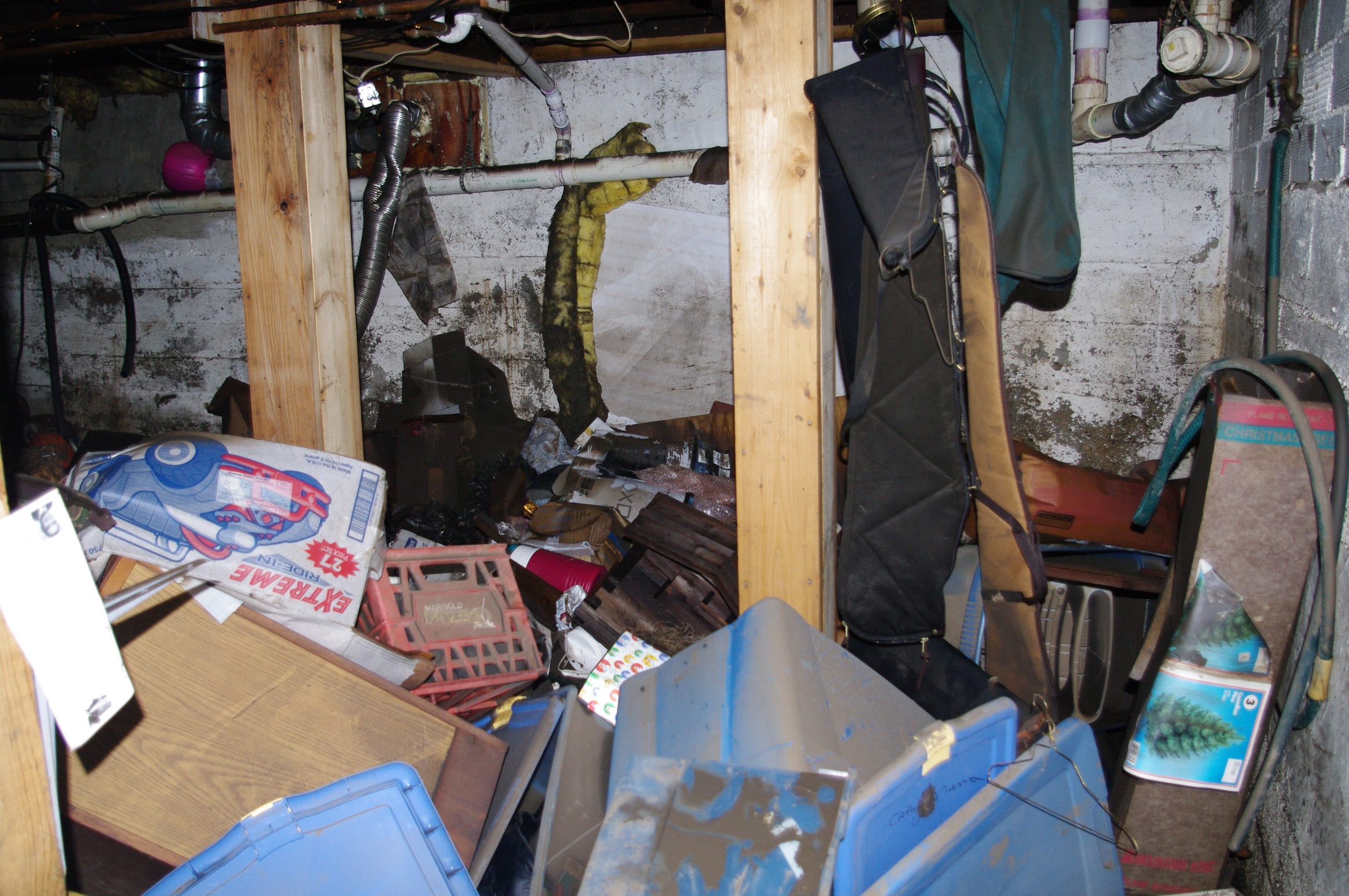
Floodwaters destroyed everything in the basement of the house where Tina, Micheal, Cassie and Christian and Bob and Cathy Mann live. Photo courtesy of Micheal & Tina Mann.

What was the biggest single impact of the flood on you emotionally? Did it change you in any way?

Watching the hurricanes and flooding in the east was really hard and I realized that my emotions are still very raw. I could not control my weeping as I watched the news and saw the devastation in the eyes of those people. I know how that feels, I’ve been there….. It still hurts very much. I doubt that feeling is ever going to go away.

Becoming involved with the city on the council has opened my eyes to a lot, and yes, it has changed me. This flood and the impact it is going to continue to have on this area for years to come is bigger than what the eye can see. We are going to be dealing with this for a long time.

On a personal level, I am dealing with the impact by being involved with the revolution of Hammond. I have been very busy planning the Anniversary Party (set for Saturday, September 24) and working on the council ‘learning the ropes’. I plan to be involved in finding the solutions to the challenges that are before us, and help guide Hammond into the future.
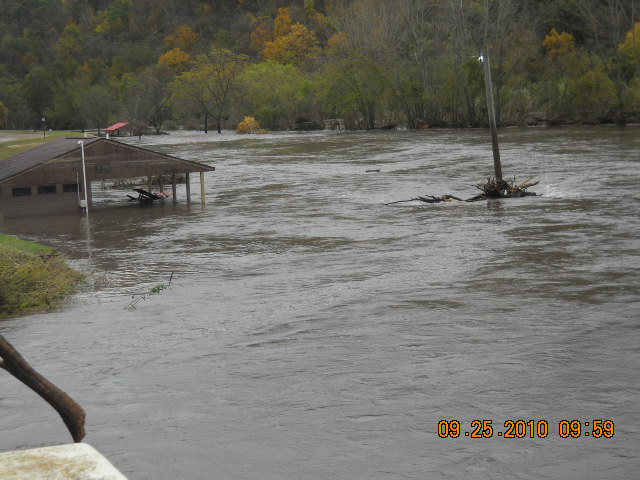
Hammond's riverside park was all but destroyed by the flood. Marks on the shelter roof show how high the water rose. A baseball field next to the shelter, with a fence around it, is covered by receding floodwaters. Jenny Hoffman took this photo at 10 a.m. on Saturday, Sept. 25, 2010.

THANK YOU, TINA, for sharing your thoughts. You have always been open and honest, never holding back, and I appreciate that. We can all learn a thing or 10 from you about the strength of the human spirit and the strength of community.

READERS, PLEASE CHECK BACK for another post featuring thoughts from Hammond resident Katie Shones.

© Copyright 2011 Audrey Kletscher Helbling


One year later: A thank you party in flood-damaged Hammond September 21, 2011

An aerial view of Hammond during the flash flood of September 2010. Photo courtesy of Micheal and Tina Mann.

NEARLY A YEAR AGO, residents of  Zumbro Falls and nearby Hammond were evacuating their homes during a devastating flash flood.

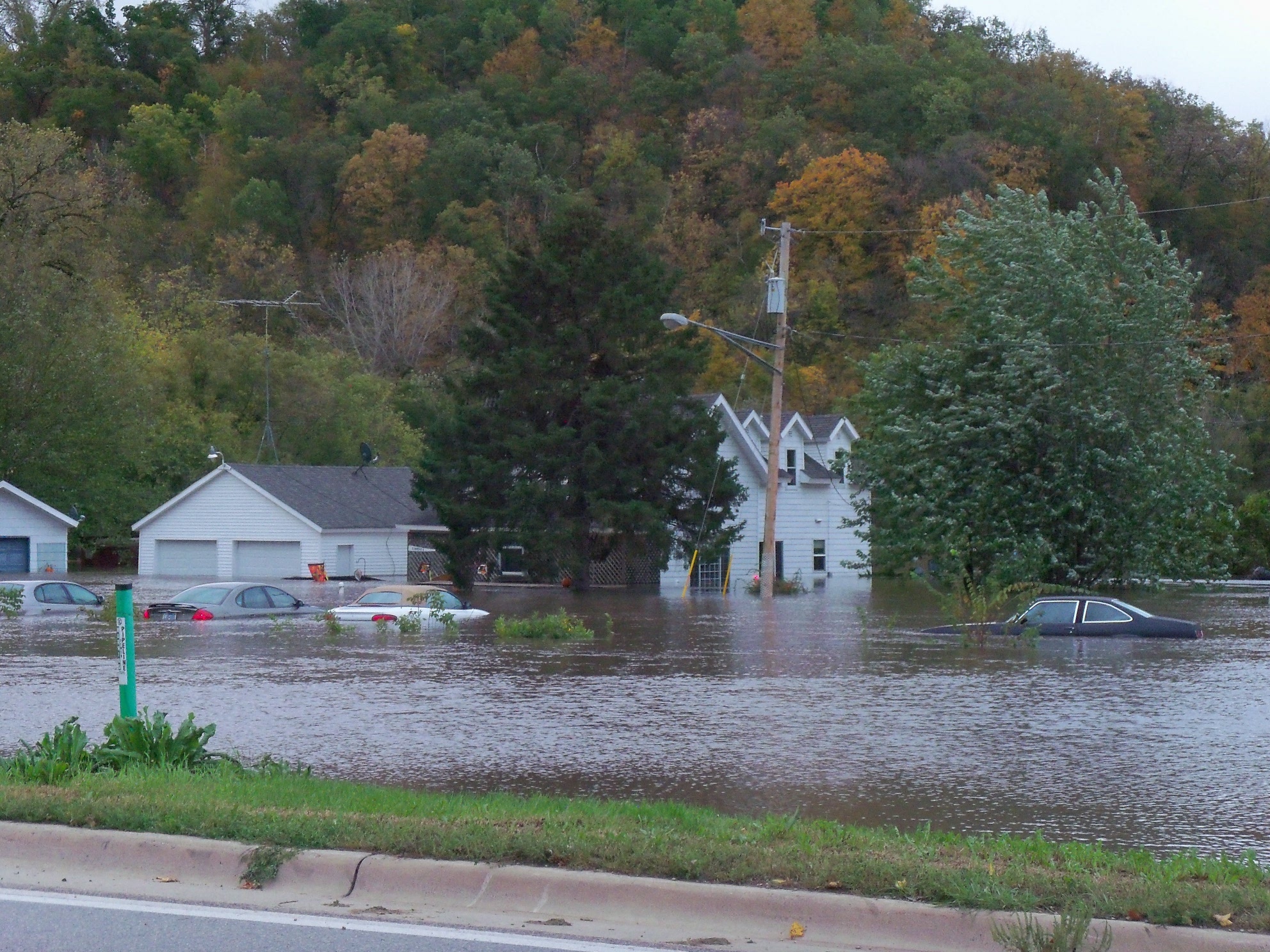
They were not prepared—could not have been prepared—for the rapidly rising Zumbro River that would inundate their homes and businesses on September 23/24, displacing them for months and many of them permanently.

Within three weeks of the flooding, while on a Sunday afternoon drive to view the fall colors, my husband and I drove into Zumbro Falls. There I met Jackie, Tracy and Susie. Just down the road in Hammond, I met Katie.

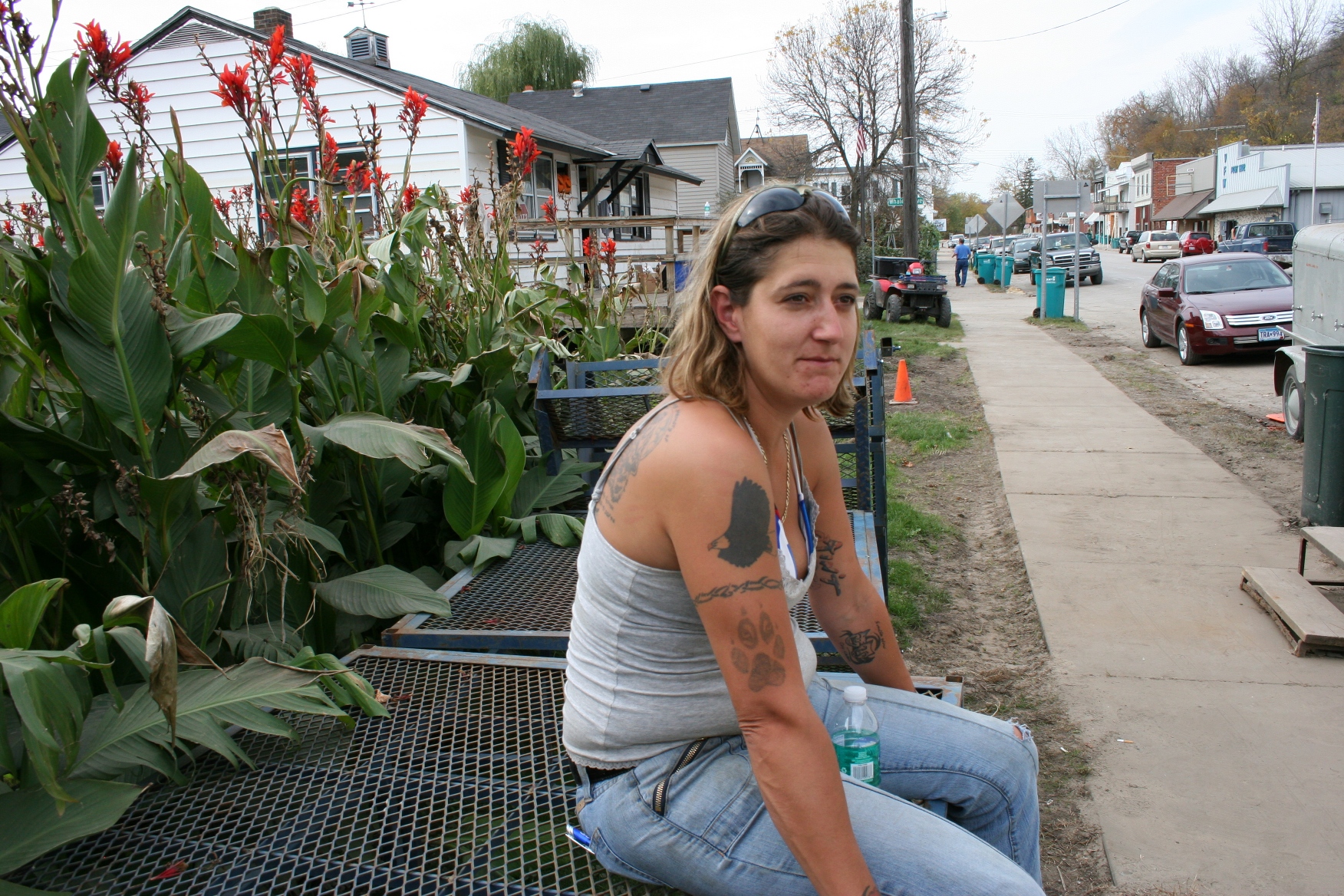
Tracy Yennie of Zumbro Falls, whom I photographed shortly after the flood which left her without a home and living temporarily in a shed.

These four women shared their stories and frustrations and worries with me. In return, I published what I today consider some of the most powerful posts I have ever written. Click here to read this flood series published on October 11, 2010.

Flooding in Hammond, one year ago. Photo by Susie Buck.

My coverage of the flood did not end then. These women so impressed me with their fortitude, their strength and their outspokenness that I continued to follow one of them, Katie Shones of Hammond, throughout the year. Katie was my go-to person any time I wanted an update from her Wabasha County community of 230. Not once did she suggest that I was intruding into her life. In fact, she has gone above and beyond in answering my many questions. She also introduced me to her dear friend, Tina (Marlowe) Mann.

Tina and I have never met, but we’ve corresponded numerous times via e-mail. Like Katie, Tina has always, always, been forthright and open with me. She allowed me to share her story in a March 13-19 series. Click here to read the first of those six posts.

Via my connections with Katie and Tina, I was able to inform you of the need for volunteer help in Hammond. And at least two readers responded with crews to assist in Hammond. Others of you may have responded in ways that I’ll never know.

This weekend Hammond is celebrating its recovery with a “Thank You” party. “We would like anyone who was impacted, donated, volunteered, or showed compassion for Hammond to come back down and see how far we’ve come and allow us to show our appreciation – the Hammond way!!!” Tina wrote in a recent e-mail. She invited me to attend and said I could spread the word.

So, if you fall into that “impacted, donated, volunteered or showed compassion for Hammond” category, make your way to this picturesque riverside berg on Saturday, September 24, to celebrate with Tina and Katie and their families and the other residents, and former residents, of Hammond.

The first day back into their flooded Hammond home, Vicki and Dallas Williamson had 20 minutes to grab whatever they could carry on the back of a four-wheeler. The family did not move back. Photo by Sheri Ryan.

Tina, who now serves on the city council; Hammond Bar co-owner Janice Farris; Hammond Café co-owner Cindy Campbell; former Mayor Judy Radke; and flood-affected resident Beau Mischke did the initial planning for the party and pulled in many local residents to help with activities, according to Tina.

Here’s the schedule of events:

  • 2:30 p.m., park dedication
  • 2:45 p.m., Kiddy Carnival
  • following the carnival, horseshoes at the Hammond Bar & bean bags at the Hammond Cafe
  • 3 p.m., corn husking in the park
  • 5 p.m., free sweet corn and hot beef sandwiches
  • Also, live music by Led Penny and Bad Logic and fireworks at dusk.

As you might guess in a small town, the entire event and door prizes are being covered by donations from businesses, residents, friends of Hammond and clubs. I’m not going to list them for fear of omitting someone.

Suffice to say you would be impressed.

And just one more thing. Tina tells me that by the end of the month, 12 crab apple trees will be planted on Main Street and in the east end of the park in honor of the children of Hammond affected by the flood.  Those, too, have been donated, by a Rochester nursery and garden center. Click here to read an earlier post about the affect of the flooding on Katie Shones’ children.

I never doubted that the folks of southeastern Minnesota would rebound from the devastating flood of September 2010. I knew it when I met Jackie, Tracy, Susie and Katie. These are strong, determined women. Nothing would stop them from reclaiming their communities.

The bridge connecting east and west Hammond is barely visible during the flood, which also overtook the town's park. Photo courtesy of Micheal and Tina Mann.

CHECK BACK FOR A POST tomorrow in which Tina Mann shares her thoughts on the past year and how her community has worked toward recovery. As in the past, Tina speaks with an honest, open voice that will touch your heart.

© Copyright 2011 Audrey Kletscher Helbling
 

Hurting hearts in need of prayer

Filed under: Uncategorized — Audrey Kletscher Helbling @ 7:30 AM
Tags: , , , , , ,

WHAT DO YOU SAY? What do you say? What do you say to your sister-in-law who has just learned that her father has died in a single-vehicle accident in southwestern Minnesota?

What do you say when your heart hurts, when all you can do is cry and you need to console someone who is hurting more than you?

What do you say?

“I’m sorry. I’m so sorry… I love you.”

As your voice breaks and the tears fall and there is silence on the other end of the phone line, you pull yourself together. Not because you can, but because you must. You want your sister-in-law to hear you speak, to feel your love embracing her, in your words, on the worst day of her life.

This was my Tuesday.

First came the phone call early Tuesday morning from my other sister-in-law with the news which sent me reeling, my heart racing, the tears flowing in a river of grief.

“… dad was killed in a car accident last night…”

Sketchy details that don’t matter because they won’t bring him back—the husband, the father, the grandfather, the brother, the uncle, the man loved by so many.

It is my duty to inform three of my younger siblings, my mom… What do I say? How can I tell them?

So I phone my husband first, barely able to still my trembling fingers to punch the numbers into my cell phone. I can hardly get the words out, to tell him the awful, awful news. He offers to call my family. But I tell him, “No, I can do this.”

And I do. First my brother, who is on vacation and whom I am unable to reach. In my voice message I instruct him to call me, that it is important.

Then I speak to my sister, who will contact my other sister.

I call my eldest daughter, leave a message with the other daughter. My son will get the news when he arrives home from school.

And then I must tell my mom. But I don’t want her to be alone, so I call my aunt—her neighbor—to deliver the news in person. I phone my mom 10 minutes later, after my aunt has arrived, and my grief breaks through again in words overwhelmed with emotion.

Later my aunt phones to tell me we reached my mom just in time, before a friend called with the news of Steve’s death. In a small town, word travels quickly.

And so my Tuesday ebbed and flowed with grief in more than a dozen phone calls made and fielded. The message left with my youngest brother, mourning the tragic death of his father-in-law. The husband and father trying to be strong for his wife and their children.

I cry for my young nephew and my teenage niece and their mom and her mom and my youngest brother. All of them. A family hurting.

And then when I can calm myself, if but for a moment, I bow my head in prayer, asking for God’s comfort and peace to bless this grieving family.

It is all my sister-in-law has asked of me—to pray.

And now I am asking you. Please pray.

© Copyright 2011 Audrey Kletscher Helbling
 

Appreciating the little things at a barn dance & in life September 20, 2011

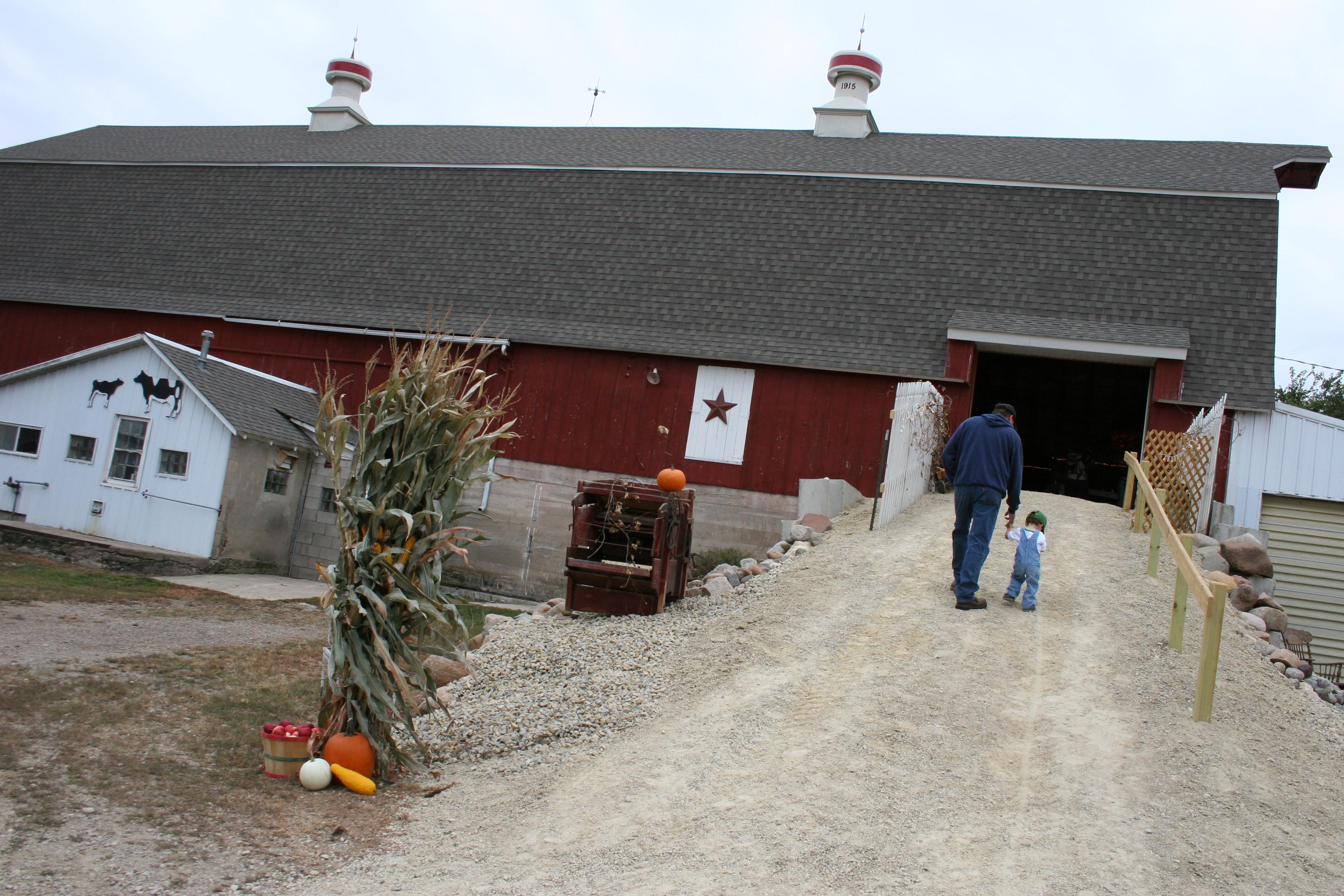
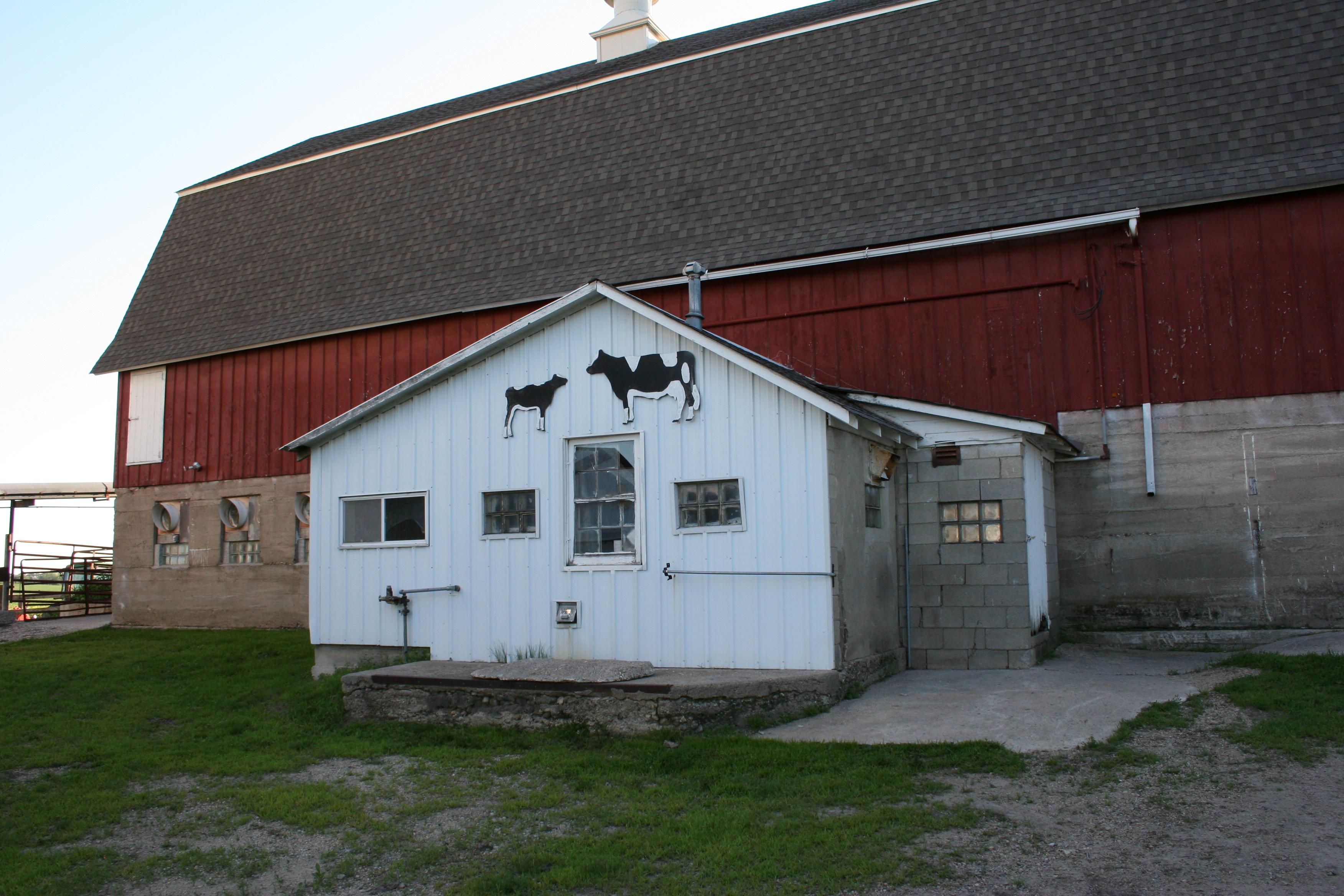
COUNTLESS TIMES my husband and I have driven into John and Debbie Becker’s rural Dundas yard for bible study and not given their barn a second thought. Maybe we’ve glanced toward it, noticed the 1915 date on the cupola or the cow art on the exterior milkhouse wall. But beyond that and John’s occasional comment that he’d like to have a barn dance, we really haven’t focused too much on that building which centers the farm (although I did photograph the exterior one evening this past summer).

Notice the cow art on the milkhouse in this image taken several months ago.

That all changed Saturday when the Beckers hosted their first-ever Harvest Time Barn Dance. I was there with camera in tow trying to capture the essence of the event via my photography.

That involved not only taking the general overall photos you would expect, but zooming in on the details. It is the details, like chapters in a book, that combined tell the complete story.

So today, in this post, I want you to see the “little things” I noticed. And I want to encourage you, as you go about your daily, busy lives, to pause and see the details. They make life interesting and fun and joyful and memorable.

All too often we hurry here and there, filling our minutes and hours and days and weeks—and then months and years—with activities and work and busyness. We miss out on so much of life by living that way.

We all need a barn dance to appreciate the sweet details of life.

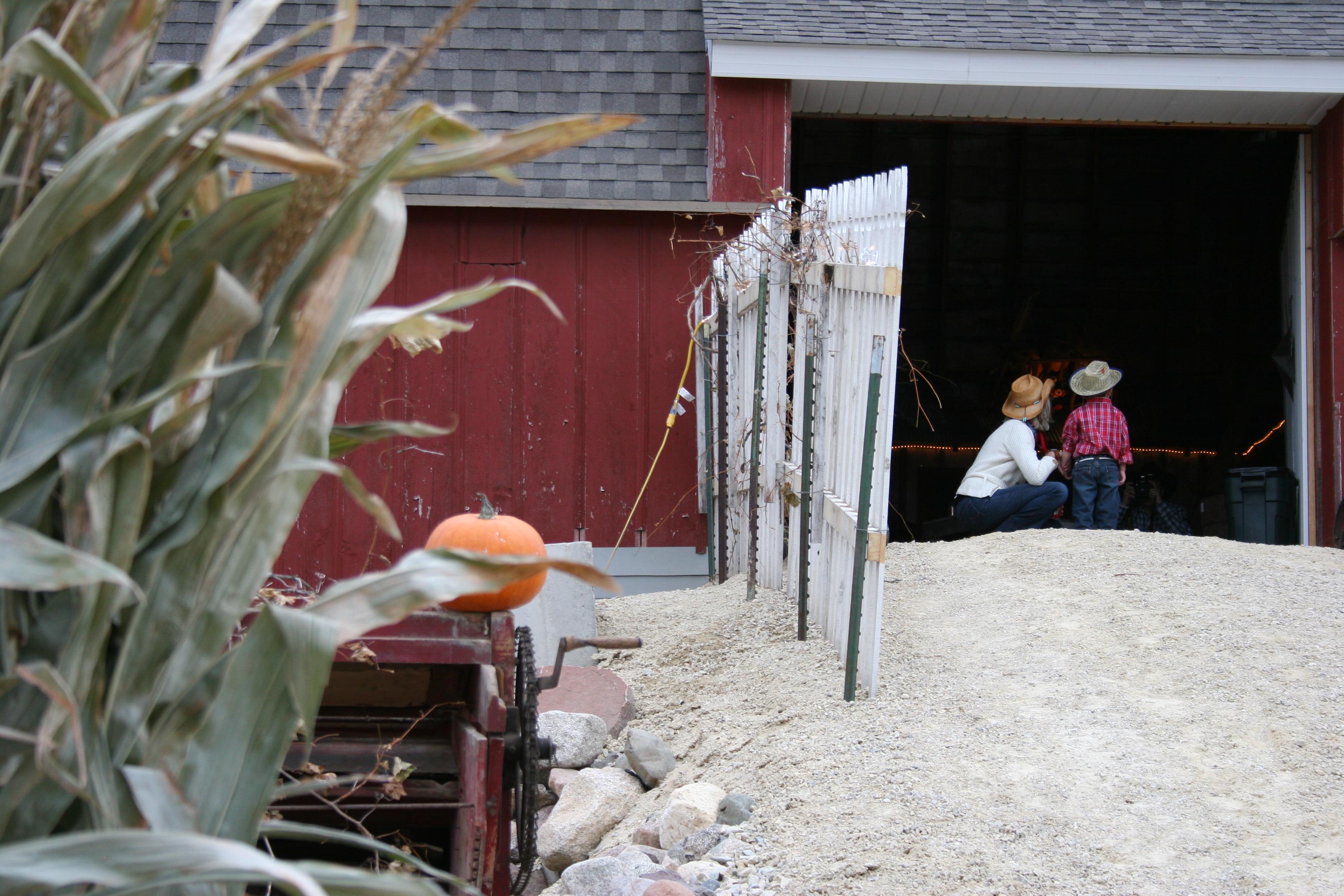
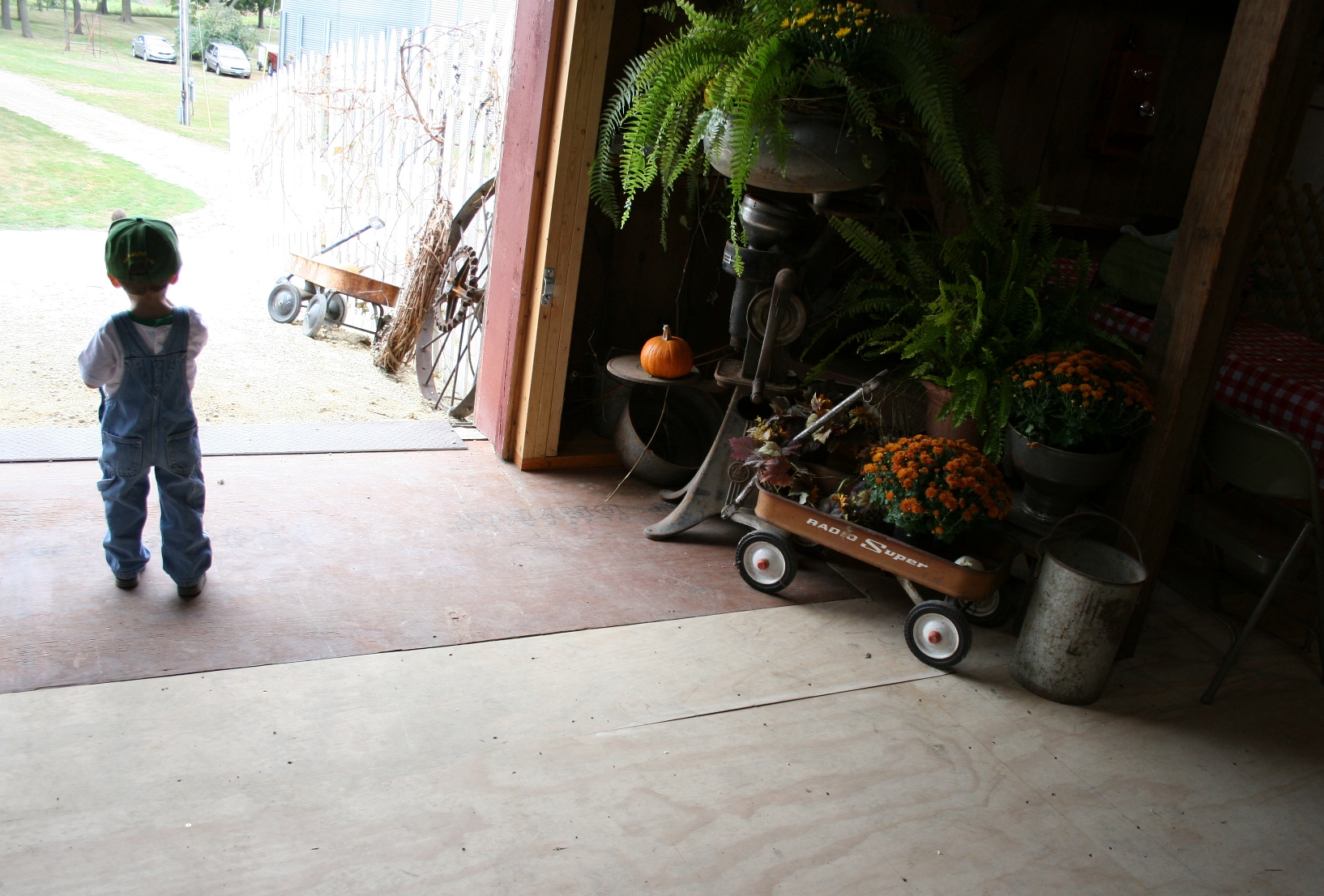
There's something about this "boy in bibs looking out the barn door" that is sweet and endearing.

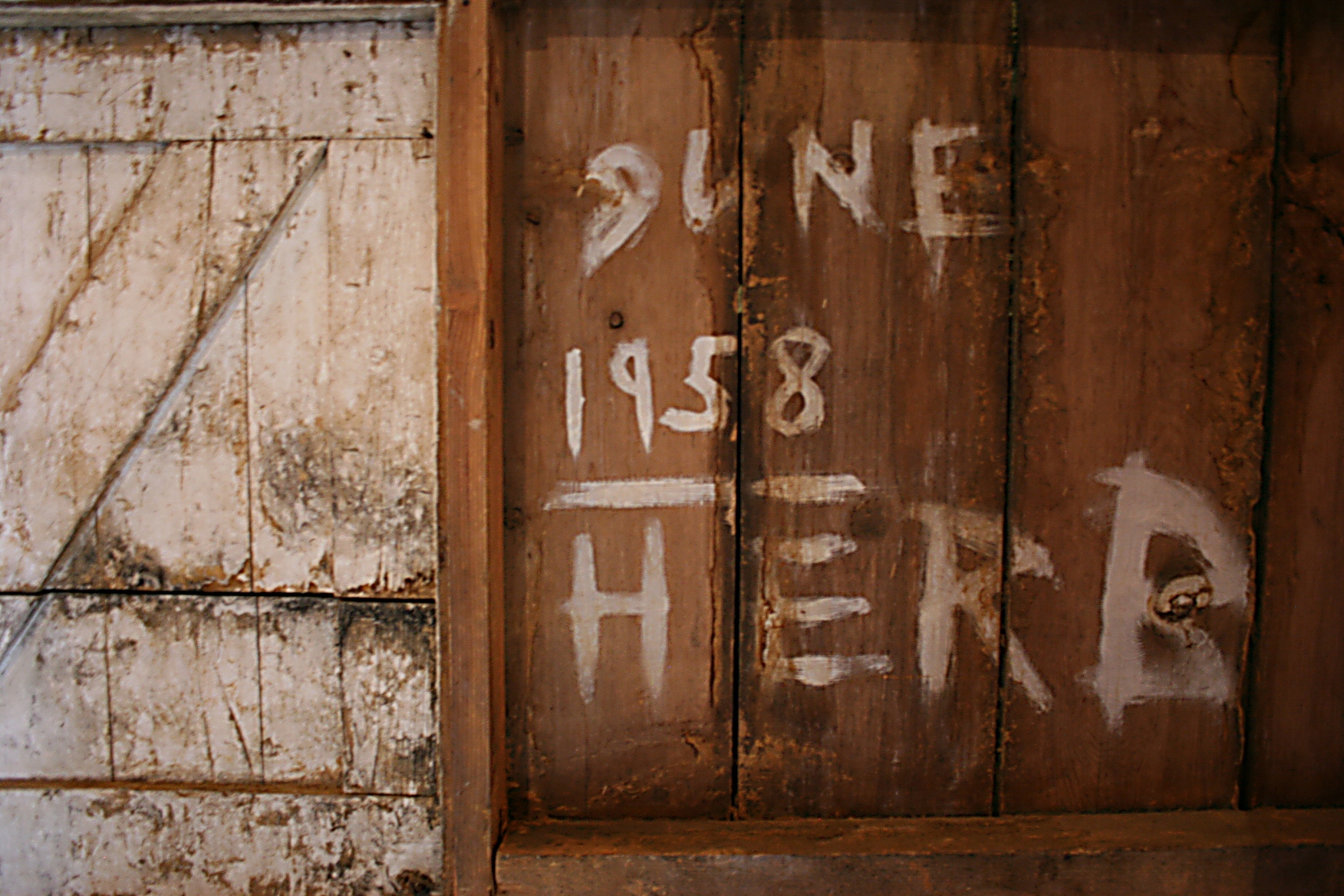
Herb Becker painted this on the west end of the barn interior in 1958. Family members are uncertain what it means, but John Becker thinks it may have something to do with his mom being pregnant with him then.

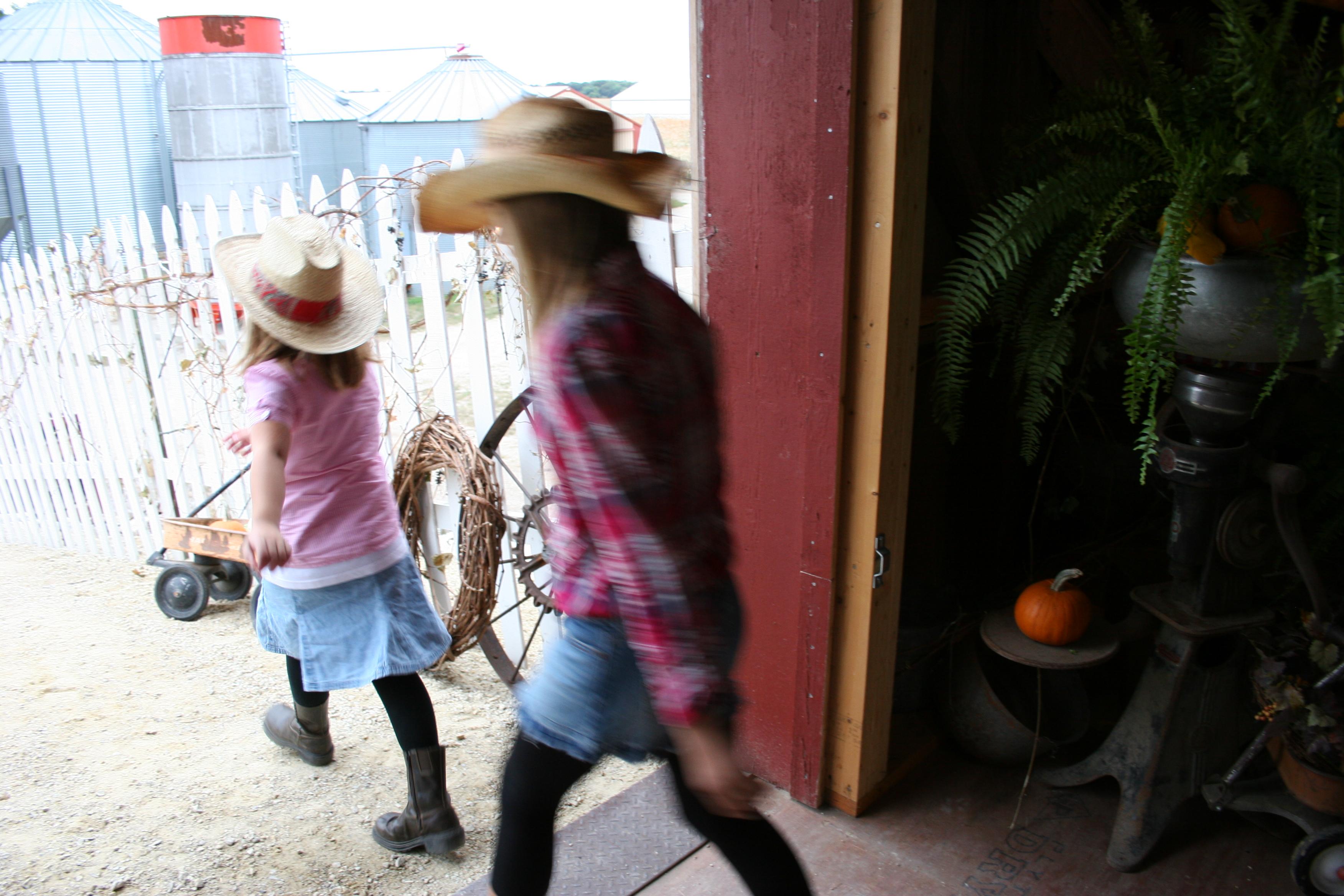
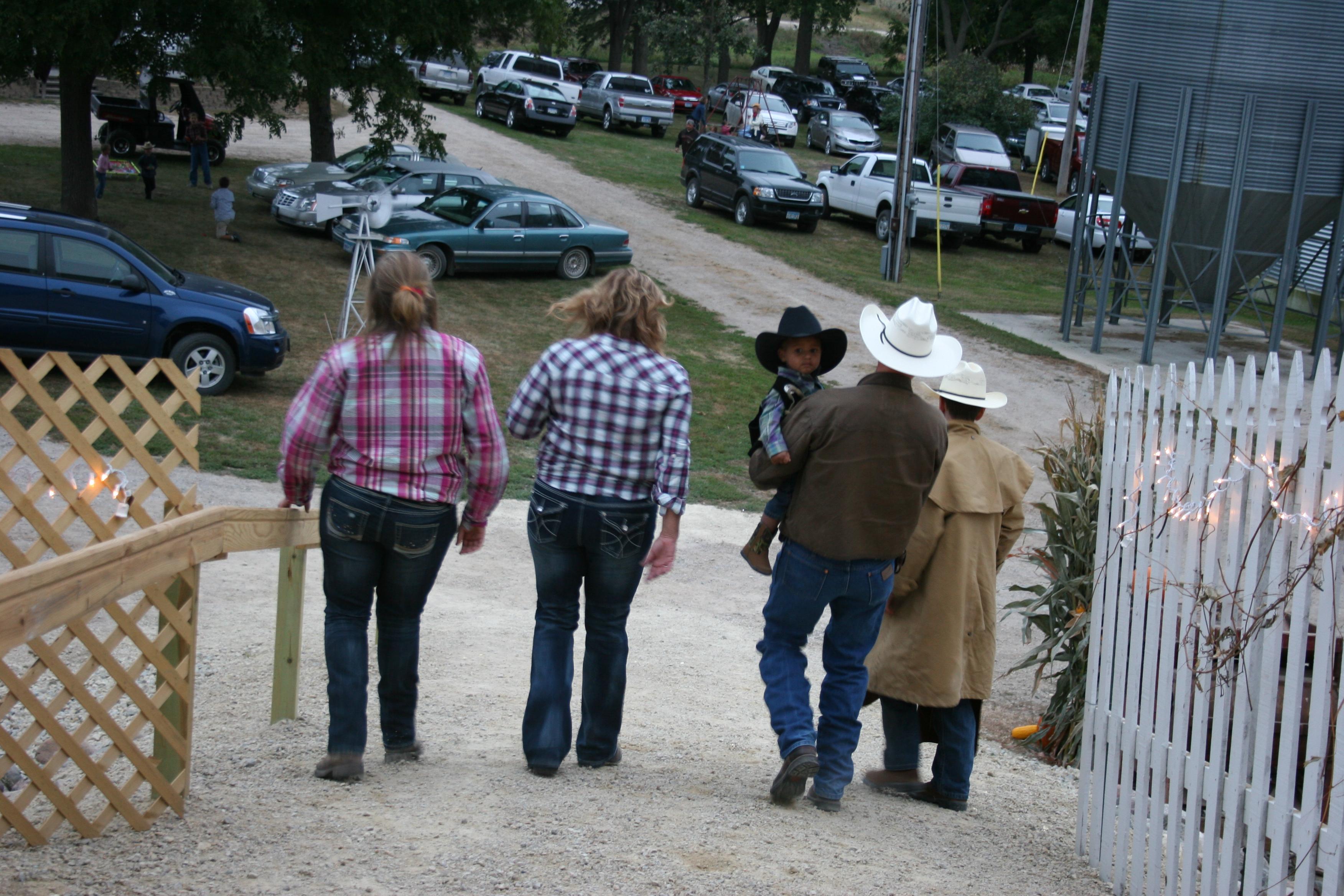
Most of the kids dressed in western attire, right down to the tips of their cowgirl/cowboy boots and hats.

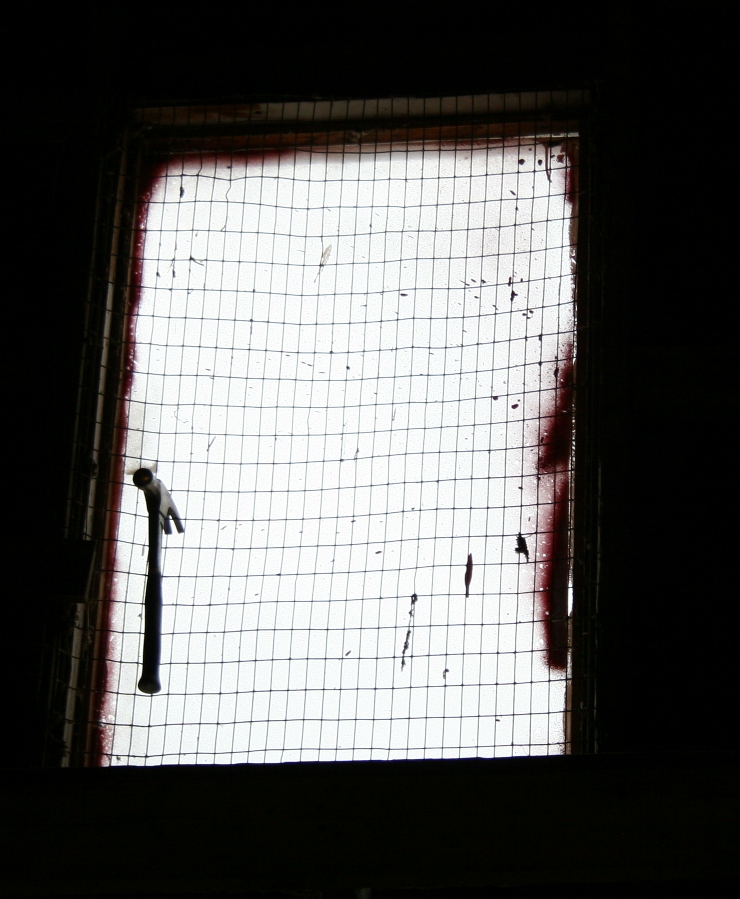
A hammer high on a screen has hung there for 40 - 50 years and is used to close the barn window, John Becker says.

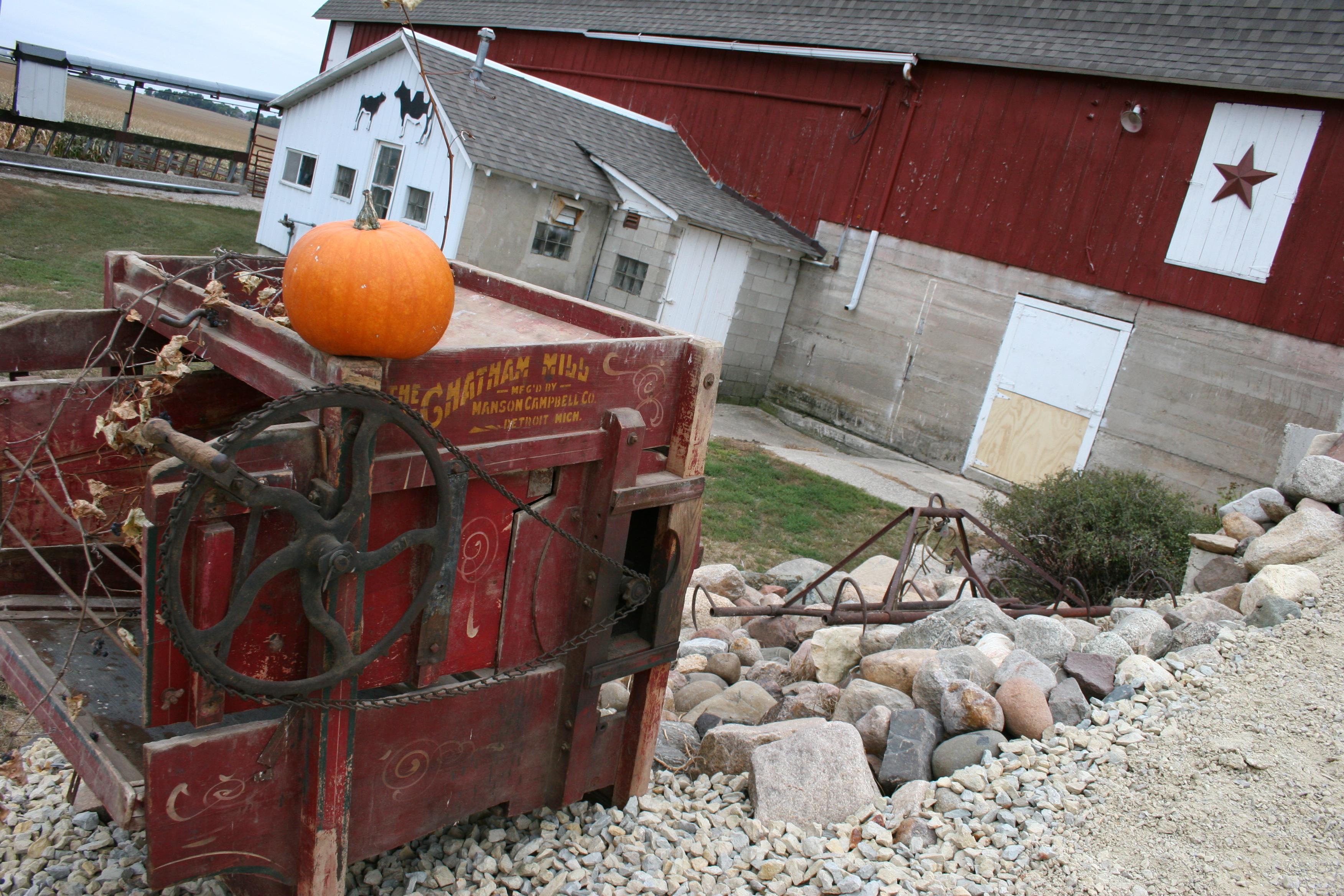
A vintage fanning mill was displayed along the pathway into the barn.

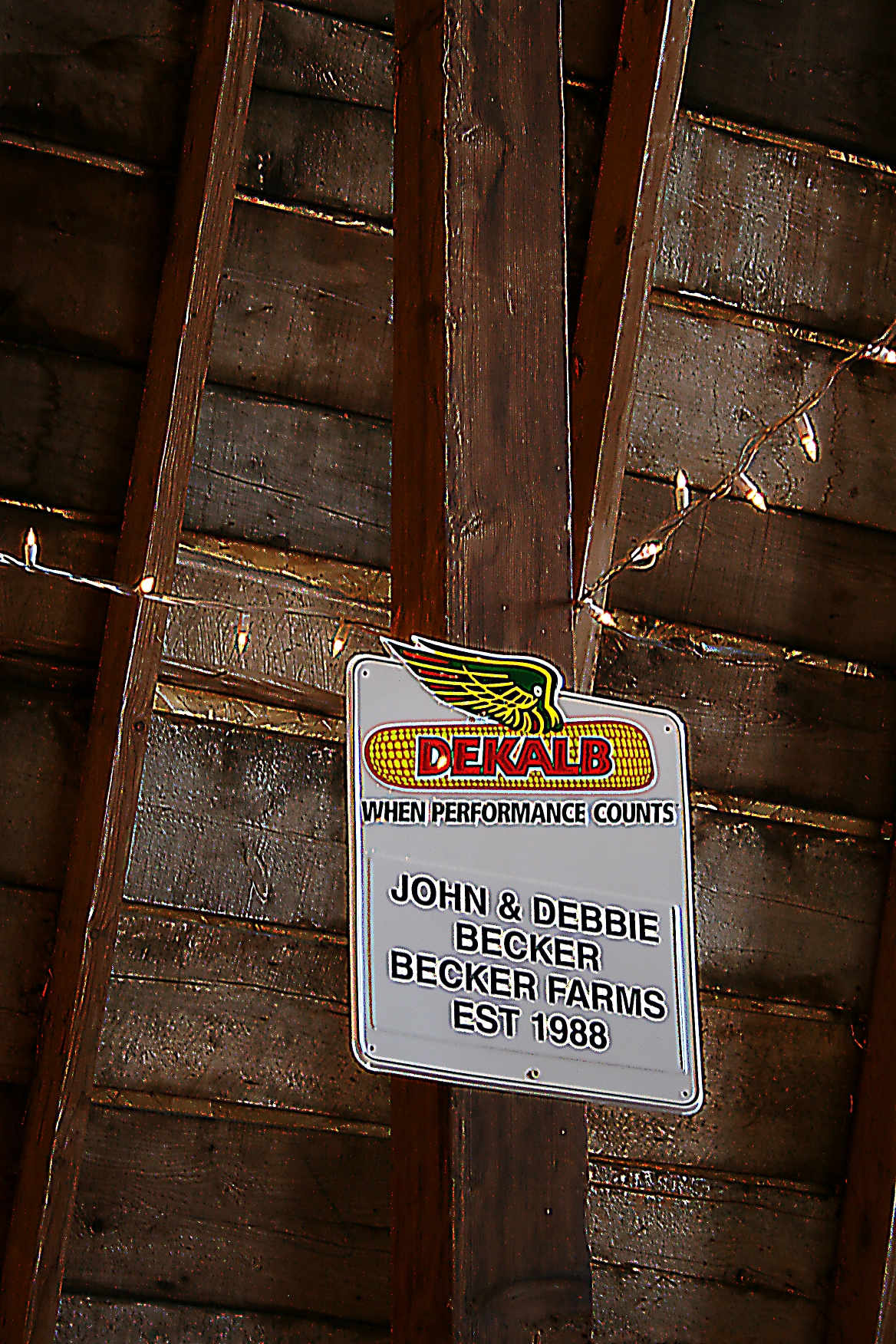
Among the signage decorating the barn interior: the Beckers' seed corn sign

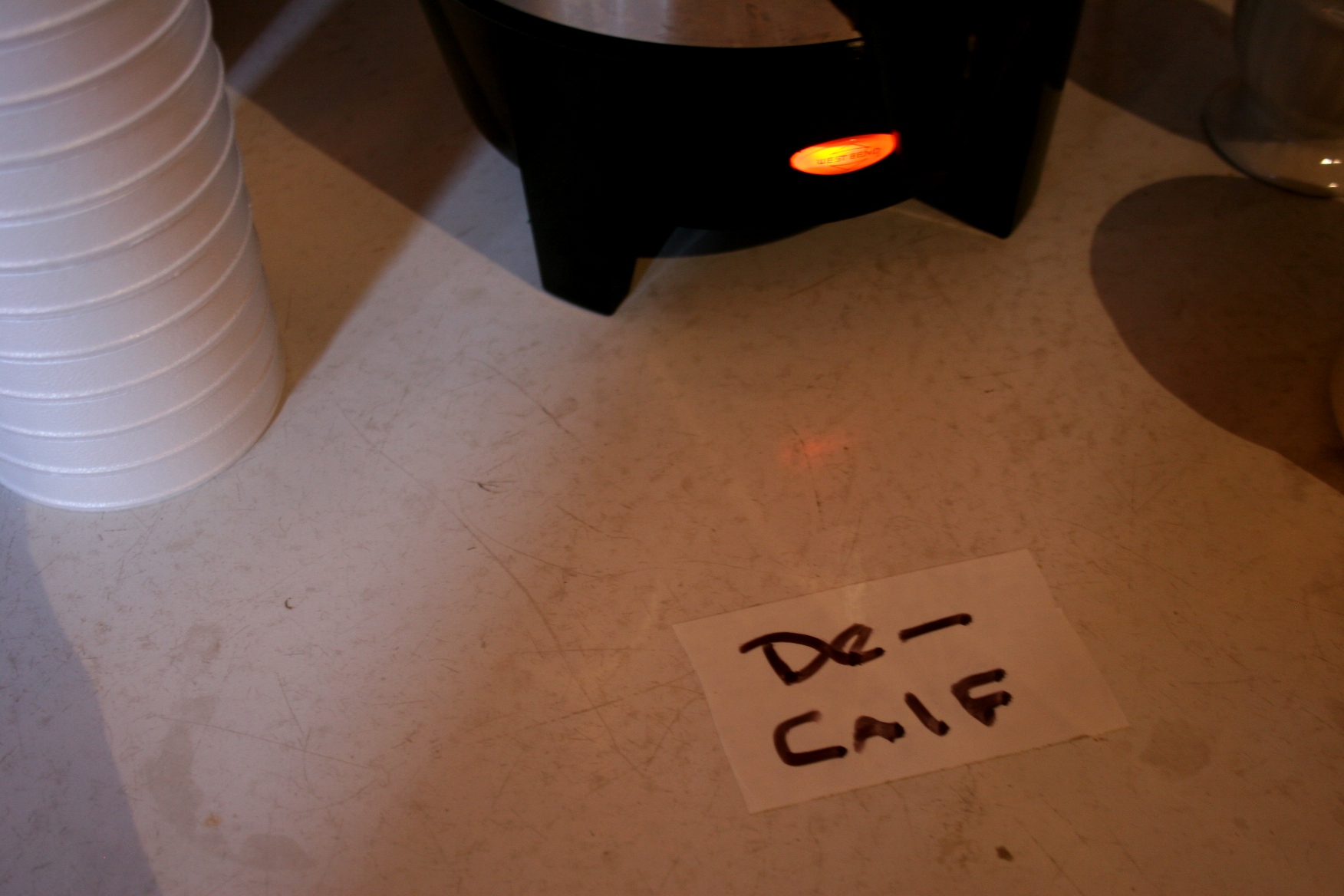
Farm humor: "De-CALF coffee

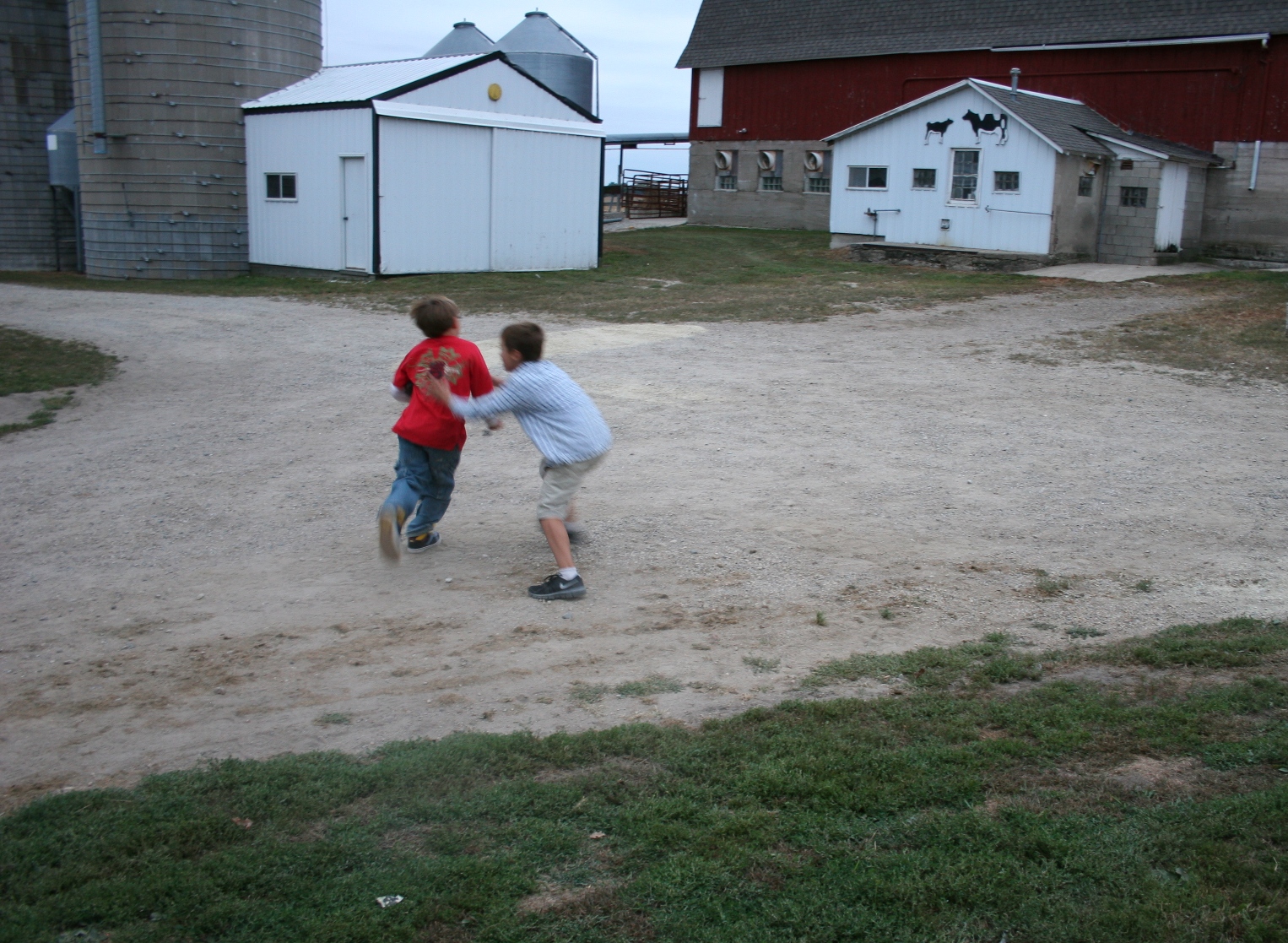
Kids played in the farmyard...just using their imaginations. No electronics, toys, etc., necessary.

Kids weren't the only ones carrying cap guns. I managed to pull the pistols from this deputy sheriff's holsters twice before he pulled out his handcuffs and threatened to cuff me.

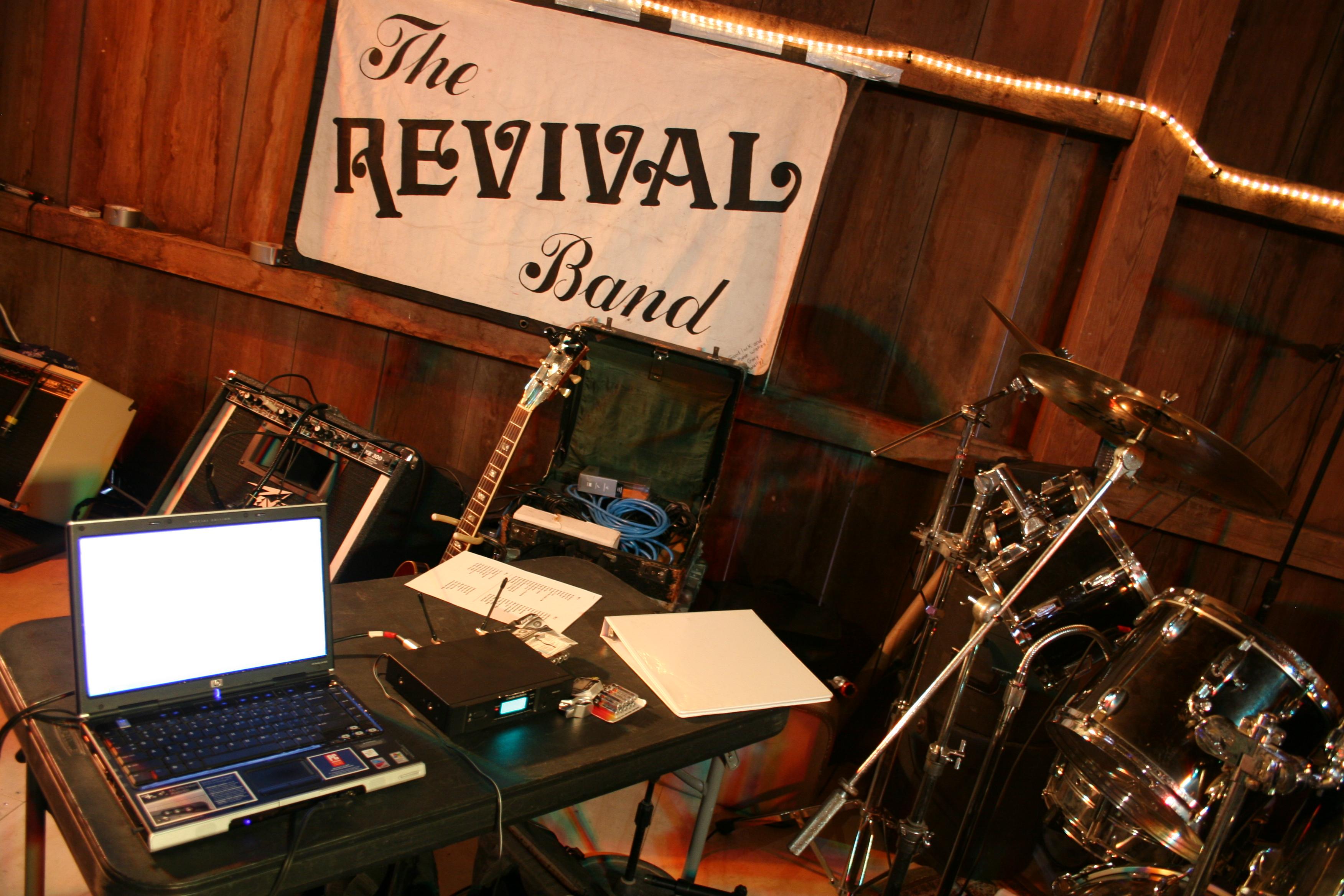
When I composed this frame, I considered the barn dances held here in the 1930s and how bands have changed with computers and high tech instruments. The contrast between old and new was not lost on me in this setting.

In one of my favorite images, I captured this sweet interaction, the bending down to the child's level, the care, the love and concern shown in this simple act. I saw that repeatedly at the barn dance, in the clasp of a child's hand, in a child atop her dad's shoulders, in hands joining on the dance floor...

© Copyright 2011 Audrey Kletscher Helbling
 

Harvest barn dance celebrates family, friends and yesteryear September 19, 2011

A father and son were among the hundreds of guests attending a dance in this 96-year-old barn.

IN THE 1930s, at the height of The Great Depression, a young Herb Becker attended dances in the sprawling red barn along Rice County Road 1 several miles west of Dundas.

Herb didn’t know it then, but in 1948 he and his wife Dorothy would buy the “Faber farm” site with the 36-foot by 100-foot barn.

Today his youngest son John and wife Debbie own the farm, purchased in 1988. Saturday they hosted their first-ever Harvest Time Barn Dance.

John and Debbie Becker have reshingled and done other work to their barn to keep it from deteriorating.

“It’s a dream come true,” John said several times through-out the event which brought the barn back full circle to his father Herb—who died in 2009—and those long-ago barn dances.

I bet Herb would have been pleased with the party that drew family, friends and neighbors of the Beckers together on a cool autumn evening to visit, eat and dance the night away in the old hay mow. My husband Randy and I were among our friends’ invited guests.

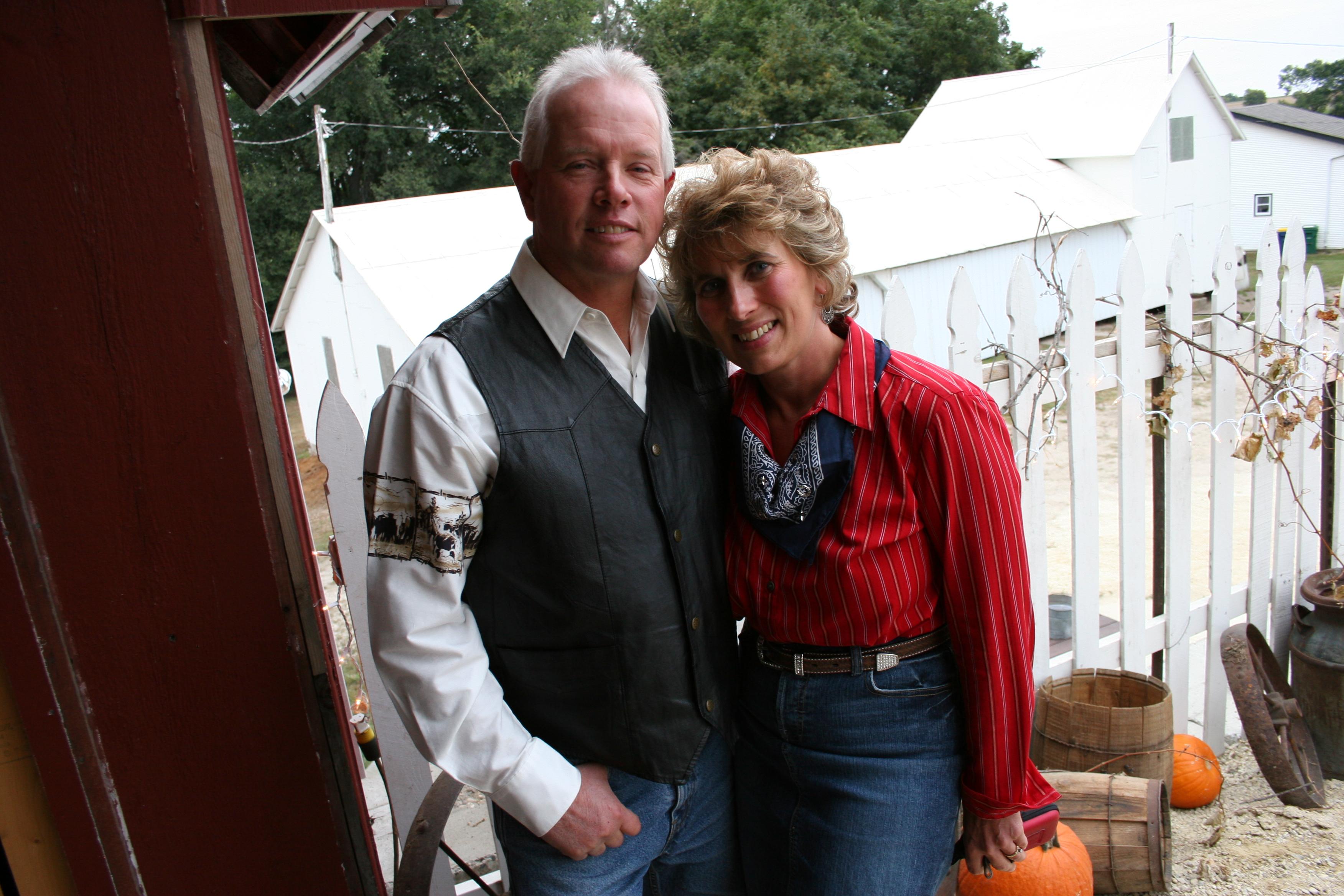
Everything about the celebration in this 1915 barn spoke to the kind of down-home neighborliness and love of family that define the Beckers and the Malechas (Debbie’s family). These are good, honest, hard-working people of faith with their roots planted deep in the earth. I doubt I stopped smiling all evening.

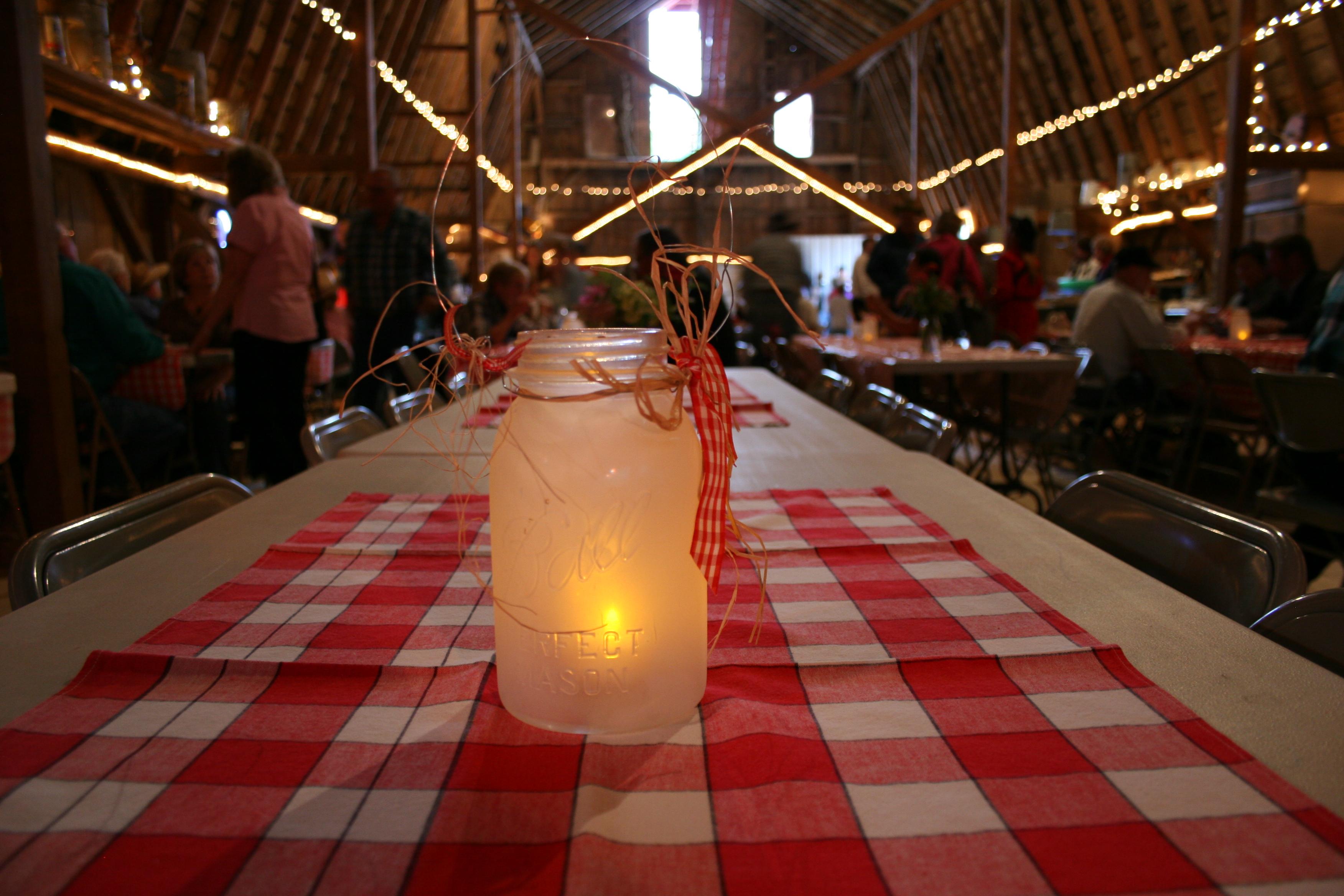
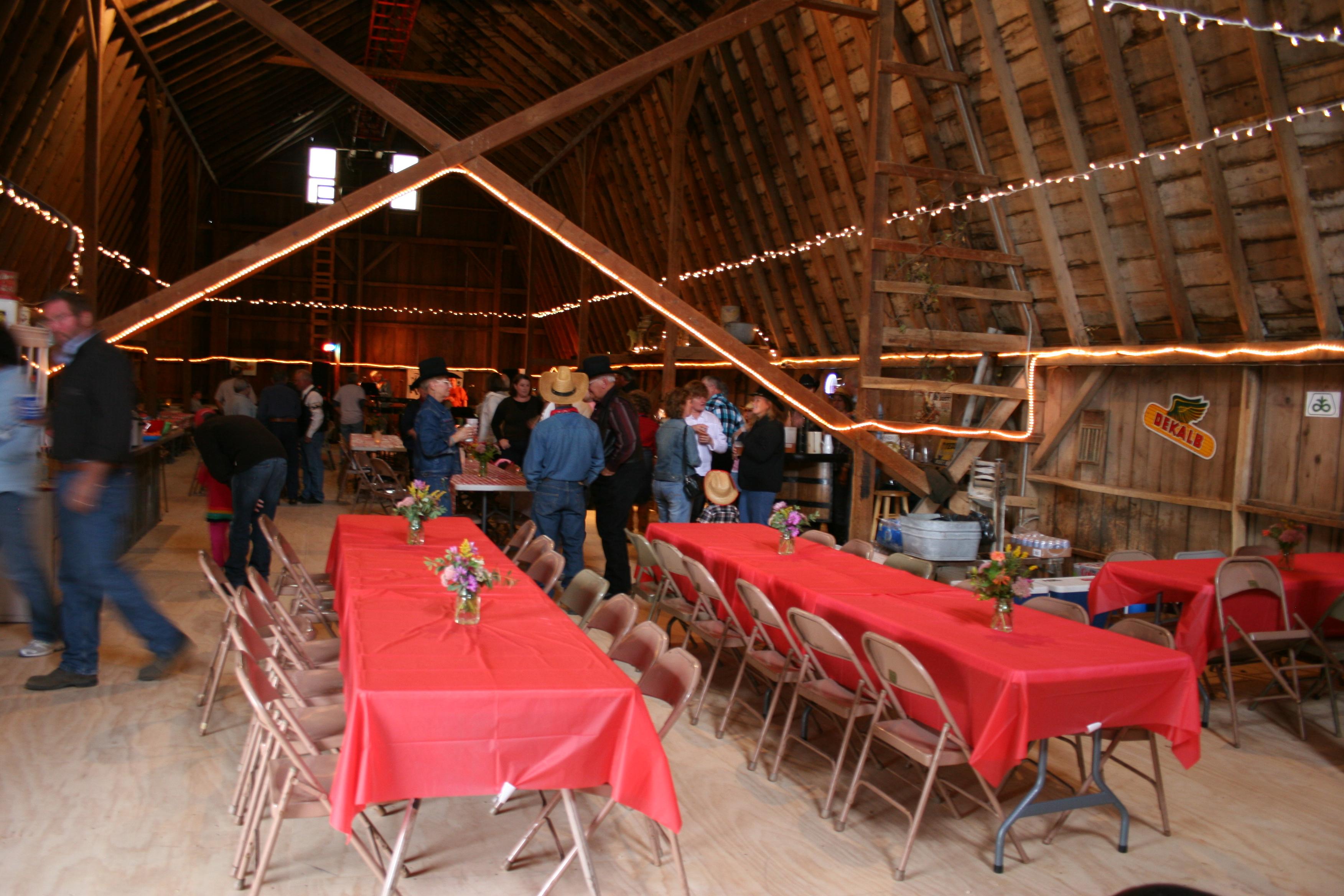
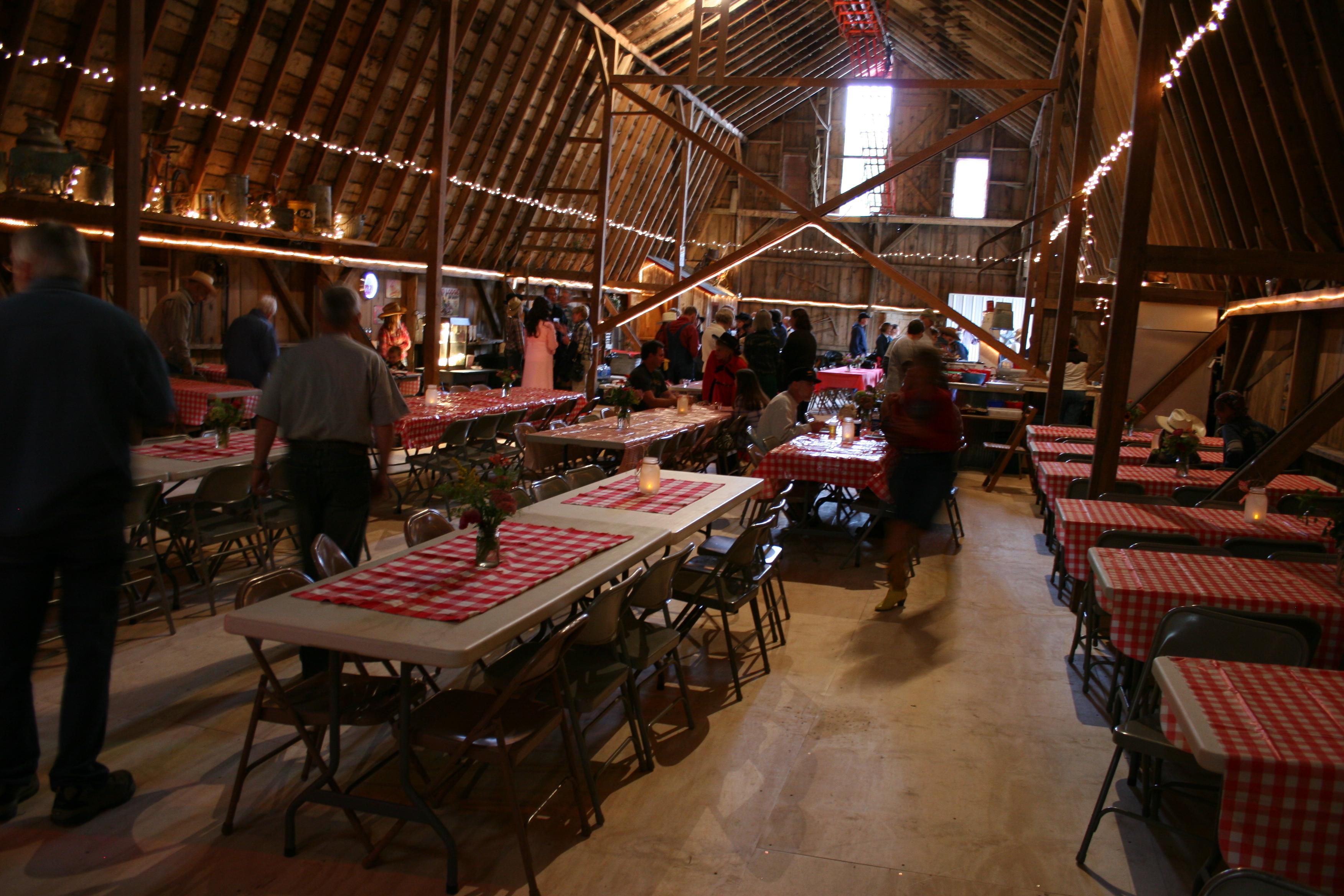
And there was plenty to smile about—from the country-style decorated barn complete with red-and-white checked tablecloths, zinnias/sedum/golden rod in fruit jars, pitchforks, bushel baskets, seed corn signage, wooden barrels, cream separator, horse harness and lots more to the kids and adults sporting cowboy hats, cowboy boots and other western attire to the welcoming, sometimes boot-stomping, music of The Revivals band.

Battery-operated tea light candles and flowers in quart jars decorated tables covered with red and/or red-and-white checked cloths. This photo looks toward the west end of the hay mow.

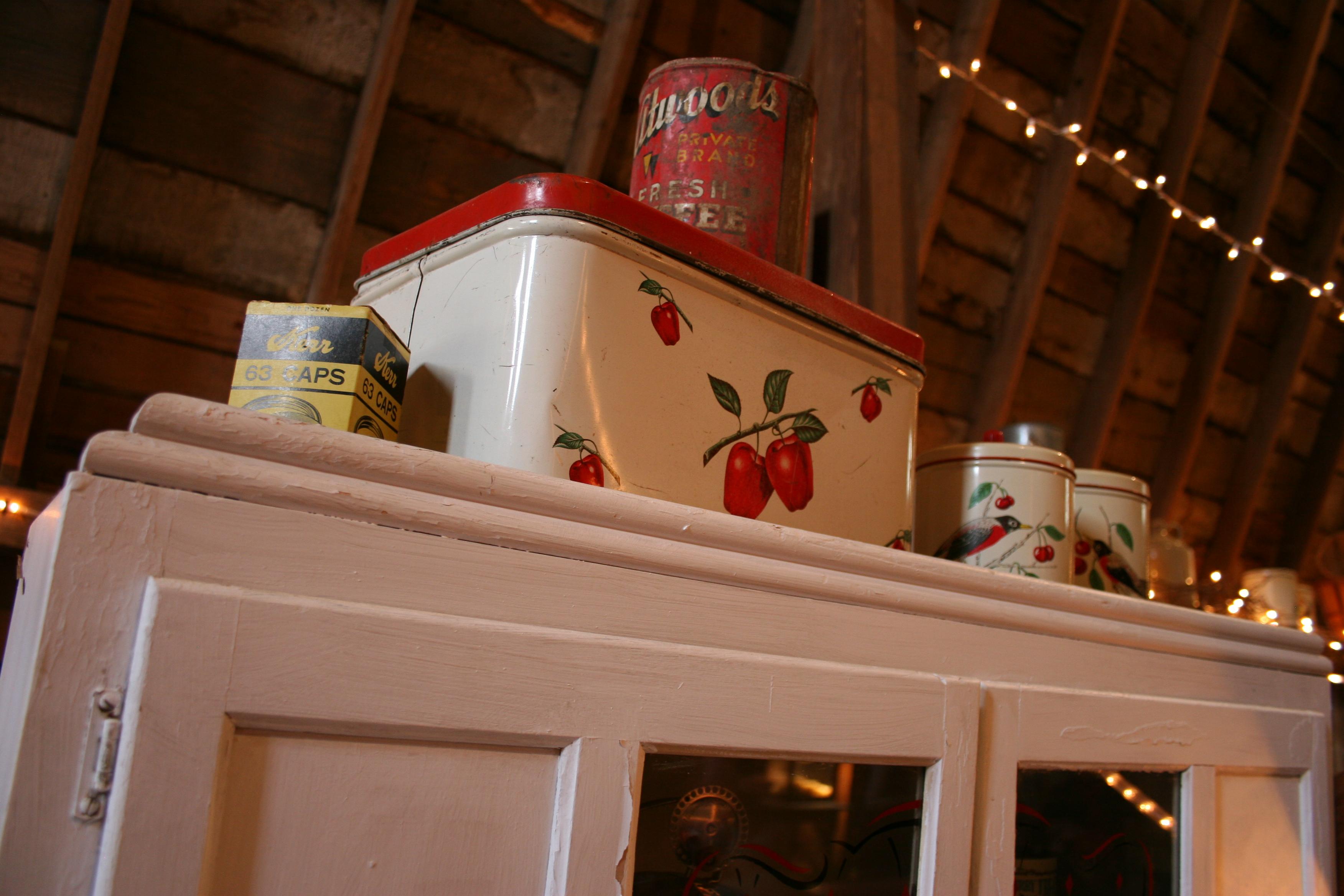
Everywhere collectibles and antiques were on display, creating a setting of simple country charm.

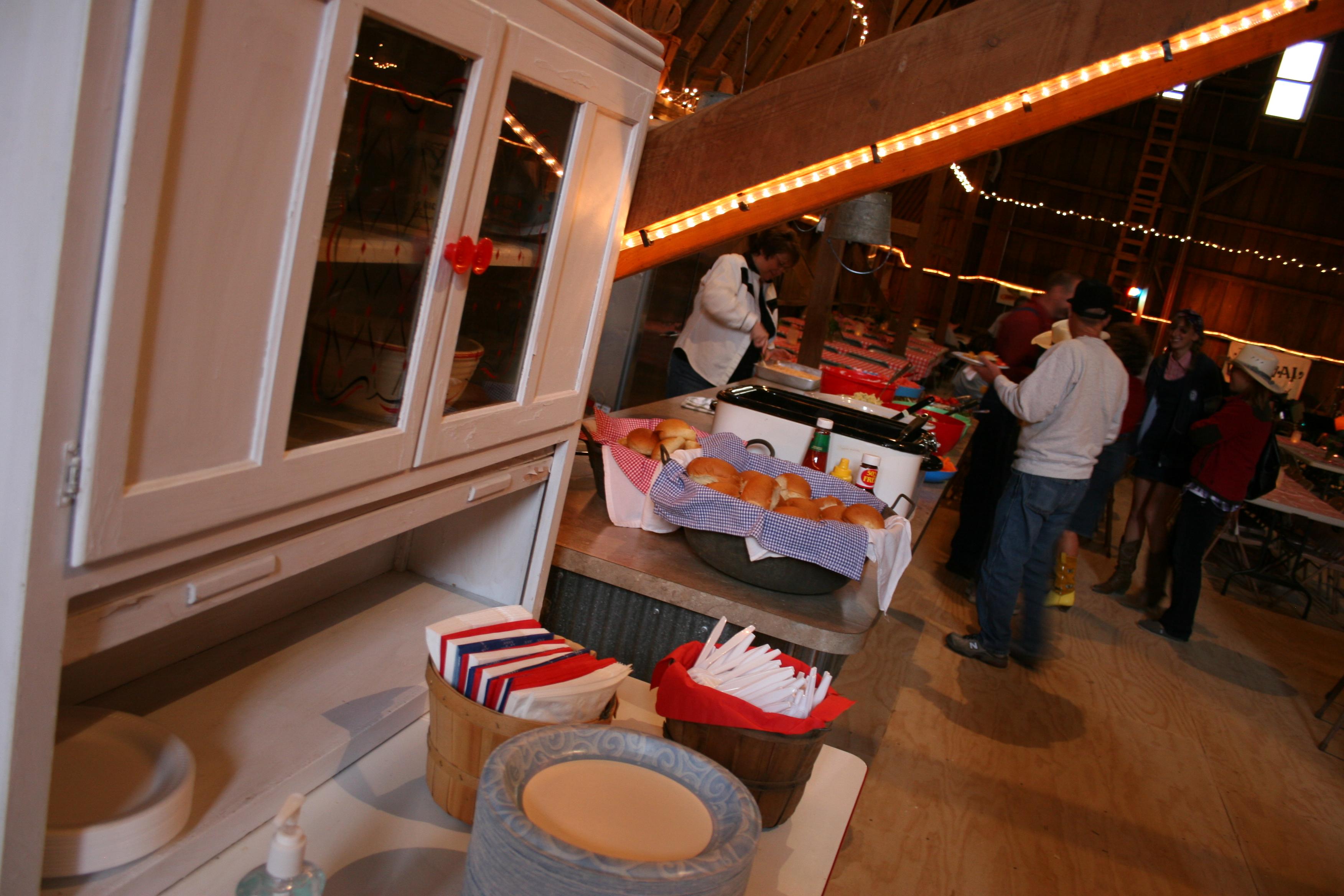
Guests indulged in tasty roast beef sandwiches, calico beans, an array of salads and bars.

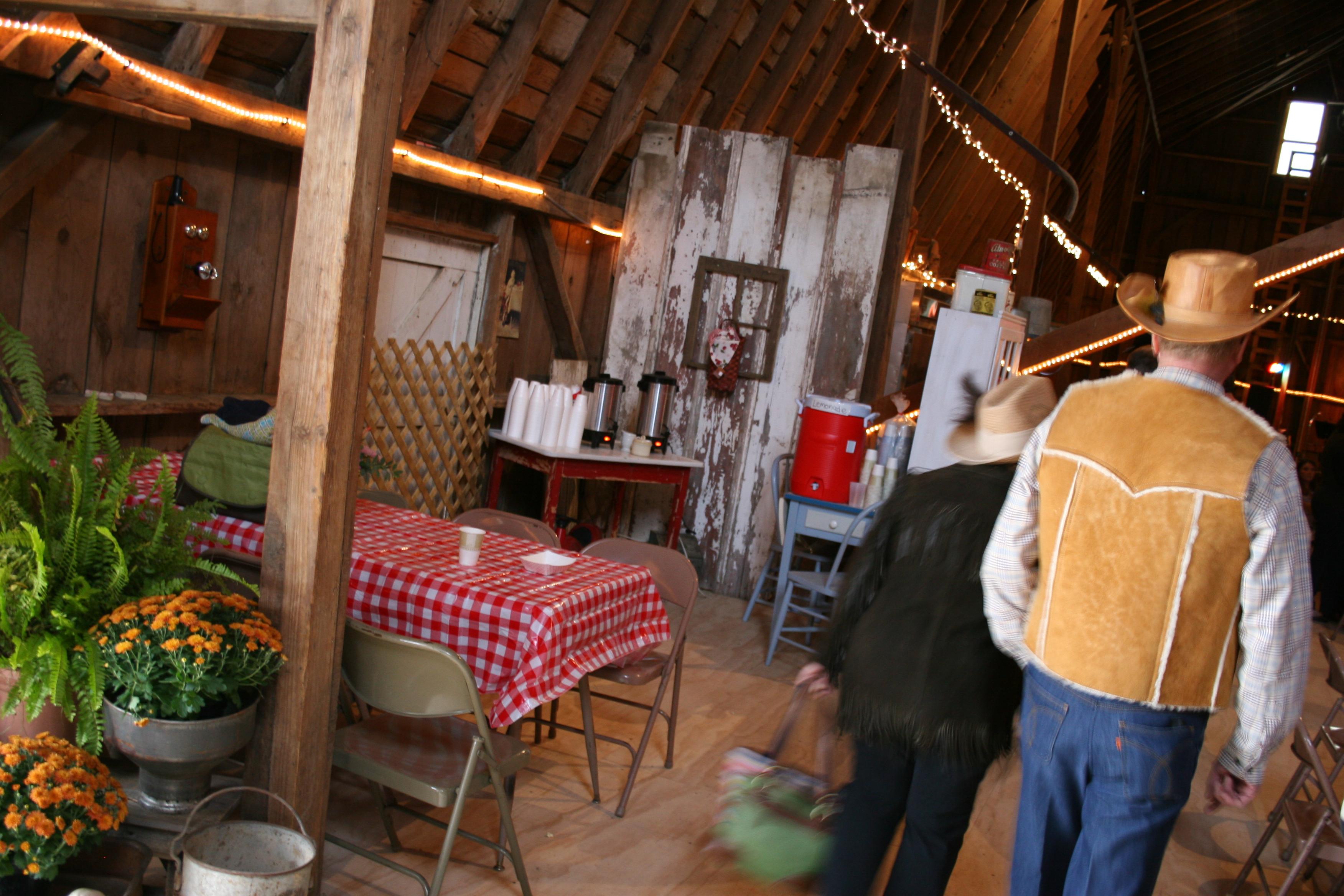
The Beckers created a coffee corner, where guests could grab some "De-Calf" or "Real Calf," visit, maybe even pull a deck of cards from the shelf for a game of Euchre.

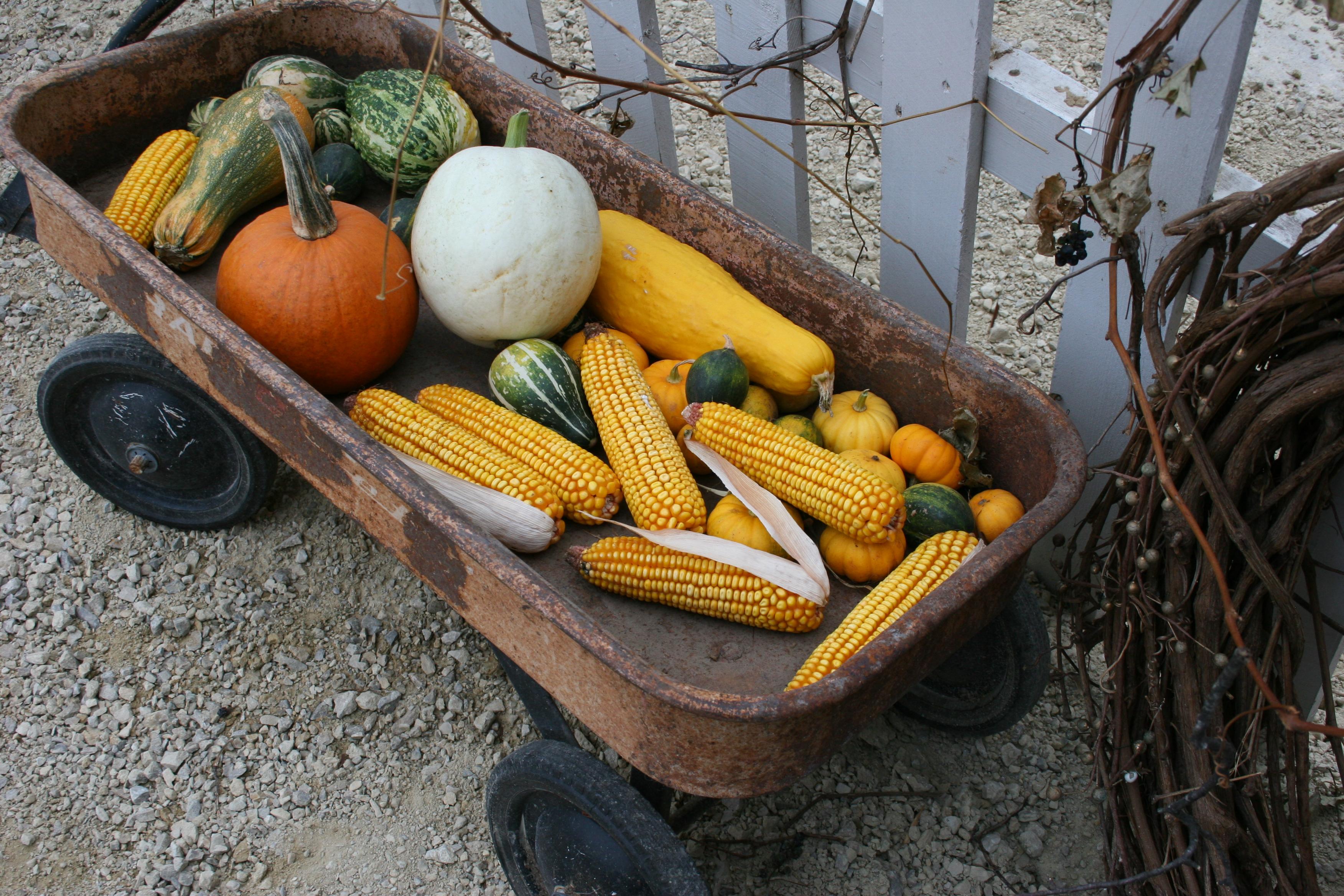
Fall and vintage decorations lined the pathway leading into the barn.

It was the type of evening reminiscent of the old-fashioned gatherings of yesteryear, when adults could visit while the kids played with carefree abandon. And they did on Saturday. Tag and hide-and-seek. Pick-up football in the dusty farm yard. Make-believe, chasing each other with cap guns blazing.

Kids ran and played and ran and played--all night.

Heading out the barn door...

The kids, and a few adults, brought cap guns.

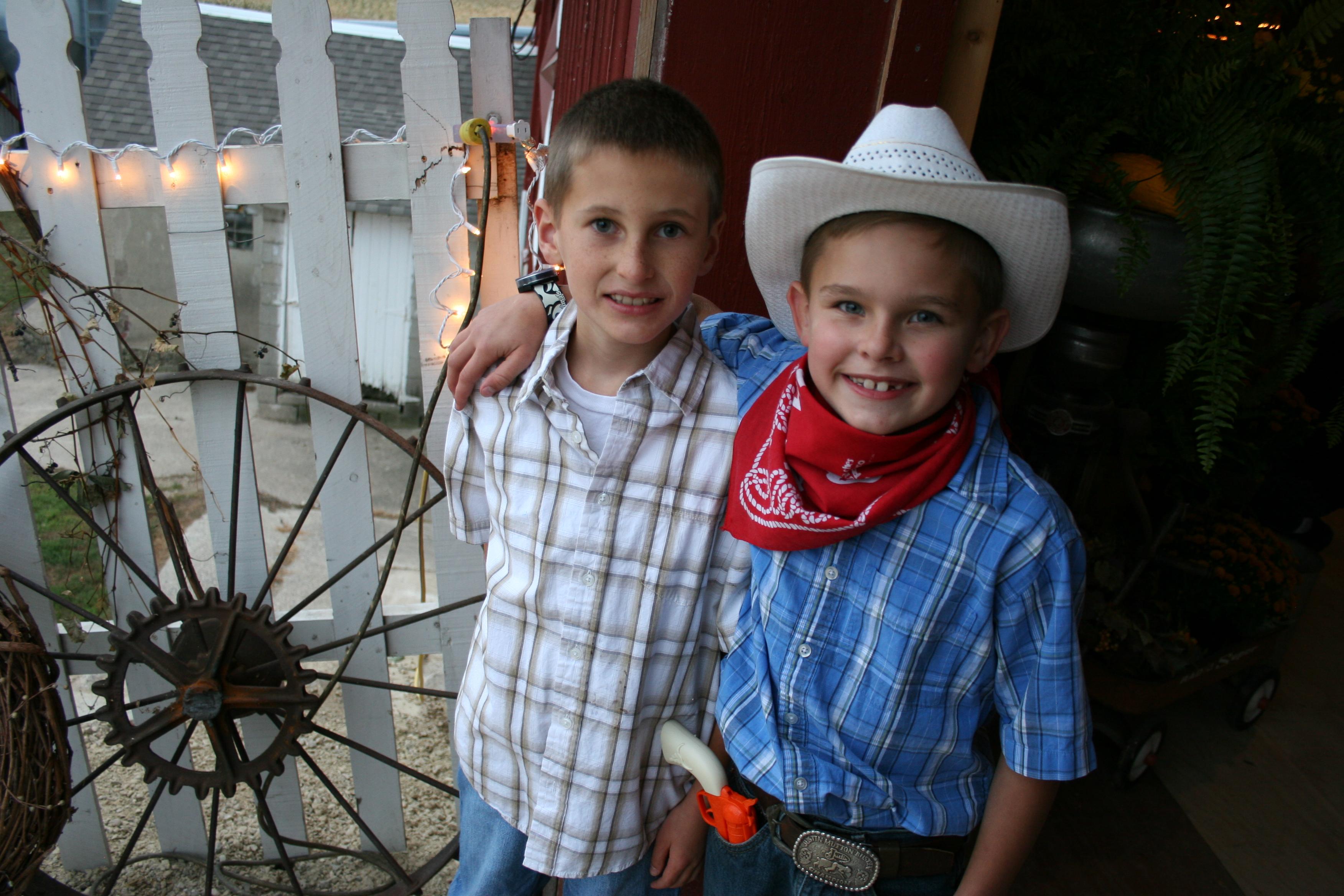
Probably my favorite image of the evening...no words necessary to describe these happy boys.

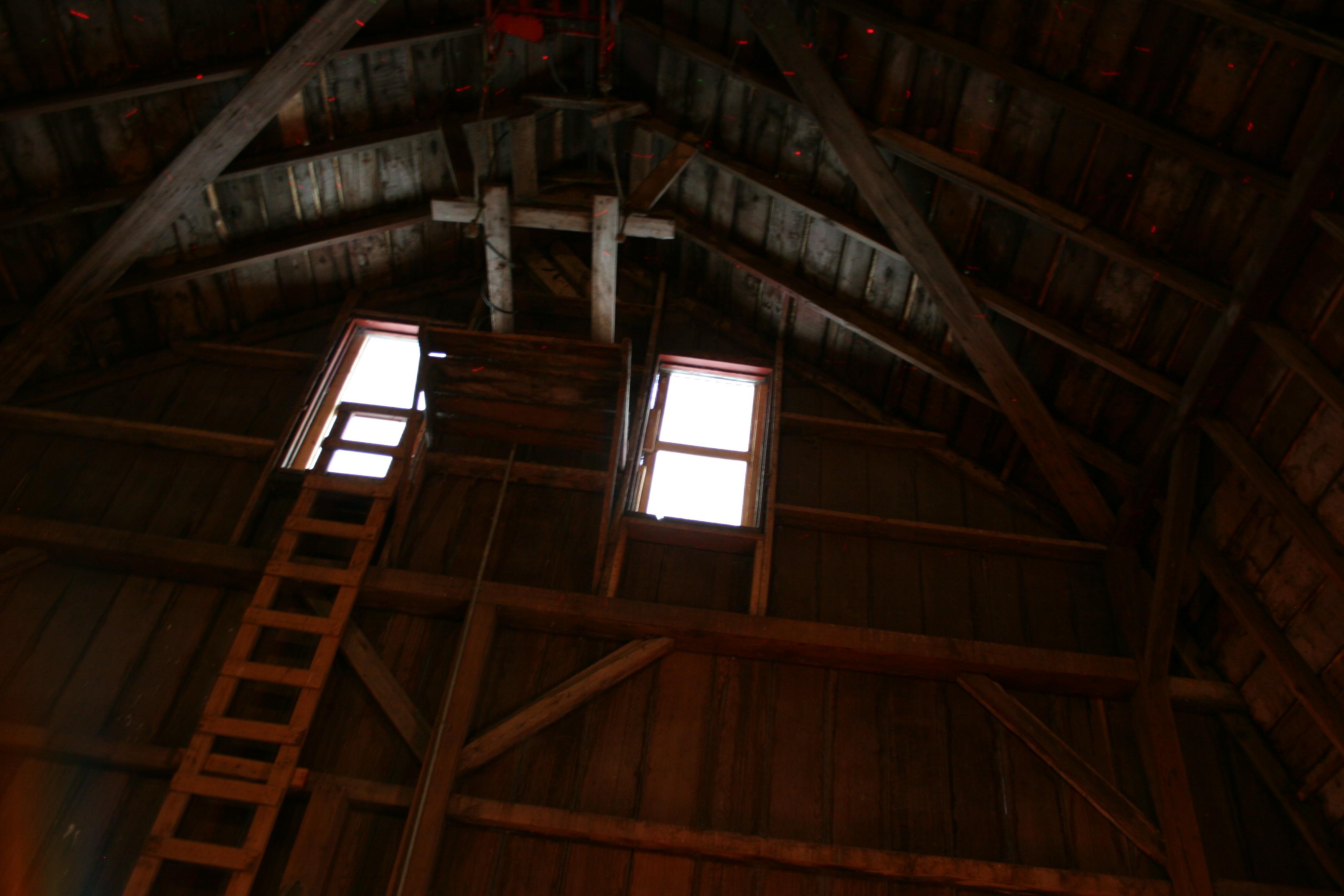
Inside, the adults admired the architectural bones of the barn, cranking necks upward toward the skeletal rafters, toward the conveyor that once carried hay bales across this dairy barn hay mow. And before that, the hay fork, on display outside the barn. They imagined climbing the ladder on the east end of the barn, like daring trapeze artists, to a platform above.

Looking toward the east end of the hay mow.

The east end of the hay mow with the ladder and platform and highlighting the barn's framework.

Looking toward the west end of the hay barn.

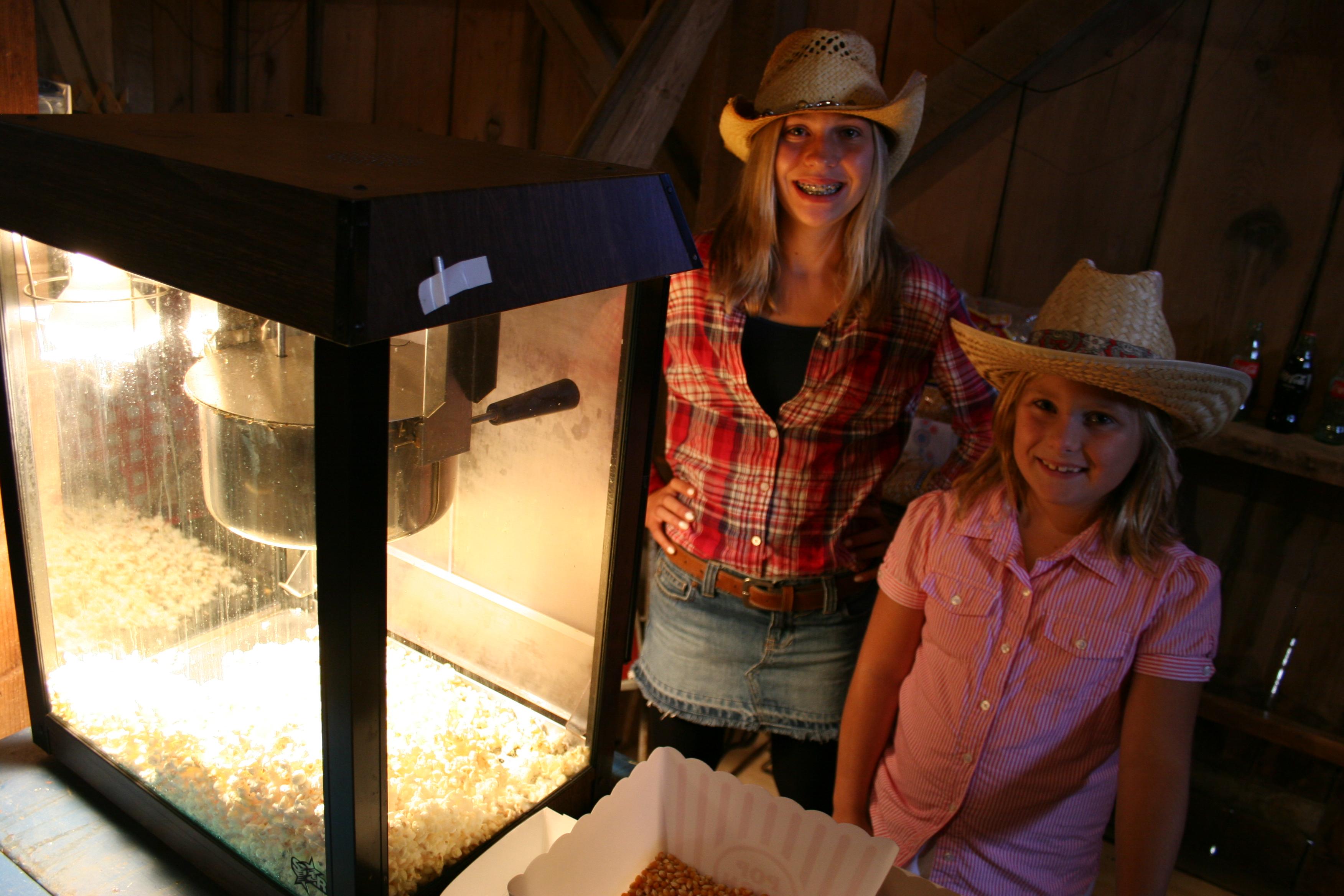
Pulling popcorn duty at the barn dance.

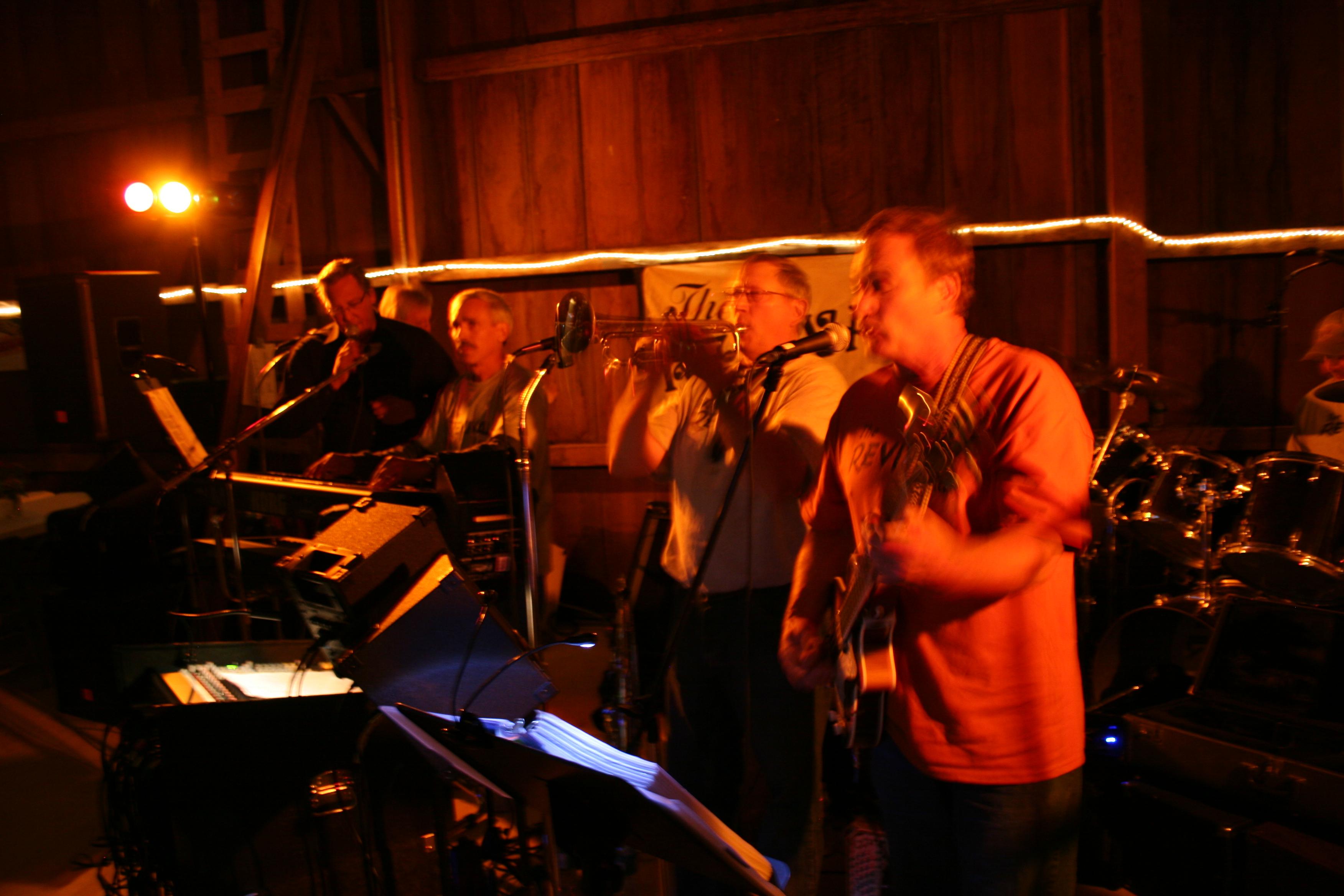
And later, when The Revivals from New Prague rocked the rafters with music that spanned polkas and waltzes to country and 1950s-1970s hits, adults and kids alike slid their feet across the corn meal-slicked plywood covering the maple floor that was too unsalvageable for refinishing. They twirled and shook and twisted.

And they danced like Herb would have wanted them to dance, celebrating life.

The Revivals from New Prague played a mix of music from old-time to rock.

Leaving the barn dance. Vehicles packed the farm yard.

CHECK BACK FOR MORE barn dance images. I won’t have photos of the dancing; once I had my band shot, I put away the camera.

HAVE YOU EVER attended a barn dance? If you haven’t, you might want to become friends with the Beckers. I bet they’ll have plenty of requests for a repeat harvest dance next fall. Thanks, John and Debbie, for an absolutely memorable and fun evening.

© Copyright 2011 Audrey Kletscher Helbling
 

God’s beauty blooms in Richard’s art September 18, 2011

I HAVE NOT MET Richard Vilendrer, only spoken with him briefly on the phone.

Yet, I feel a connection to this 72-year-old Faribault man, this artist who creates art for the pure joy of doing so. I understand that. It is the same reason I write and take photos for this blog.

You can see that joy in Richard’s art, which I discovered Saturday morning at the Faribault Farmer’s Market. I had passed only a few vendors’ booths—laden with the typical fresh produce, flowers and baked goods you would expect to find in this venue—when I noticed the pen-and-ink and colored pencil drawings vended by Carol Vilendrer, Richard’s wife of 35 years.

I stopped and just stood there. And it flashed through my mind that this Christian-themed art would be a good fit for Christian greeting cards. And when I looked further, I saw that Richard had already made cards. But I write greeting card verses for an Indiana-based publisher and I asked Carol then and there if I could direct my editor to Richard’s work. So I am. I don’t know if this will go anywhere; I have to try, though.

There’s a certain passion in Richard’s art and you can sense that when you speak with the man. He doesn’t do this for the money—although he’s sold some pieces—but for the pure enjoyment of creating art.

Since grade school this former Faribault Regional Center employee, who worked with handicapped children until the center closed, has put pencil to paper. As a youth, when he should have been listening in English class, he was instead inspired by textbook images—of Indians and of soldiers in helmets and of airplanes—to duplicate those drawings.

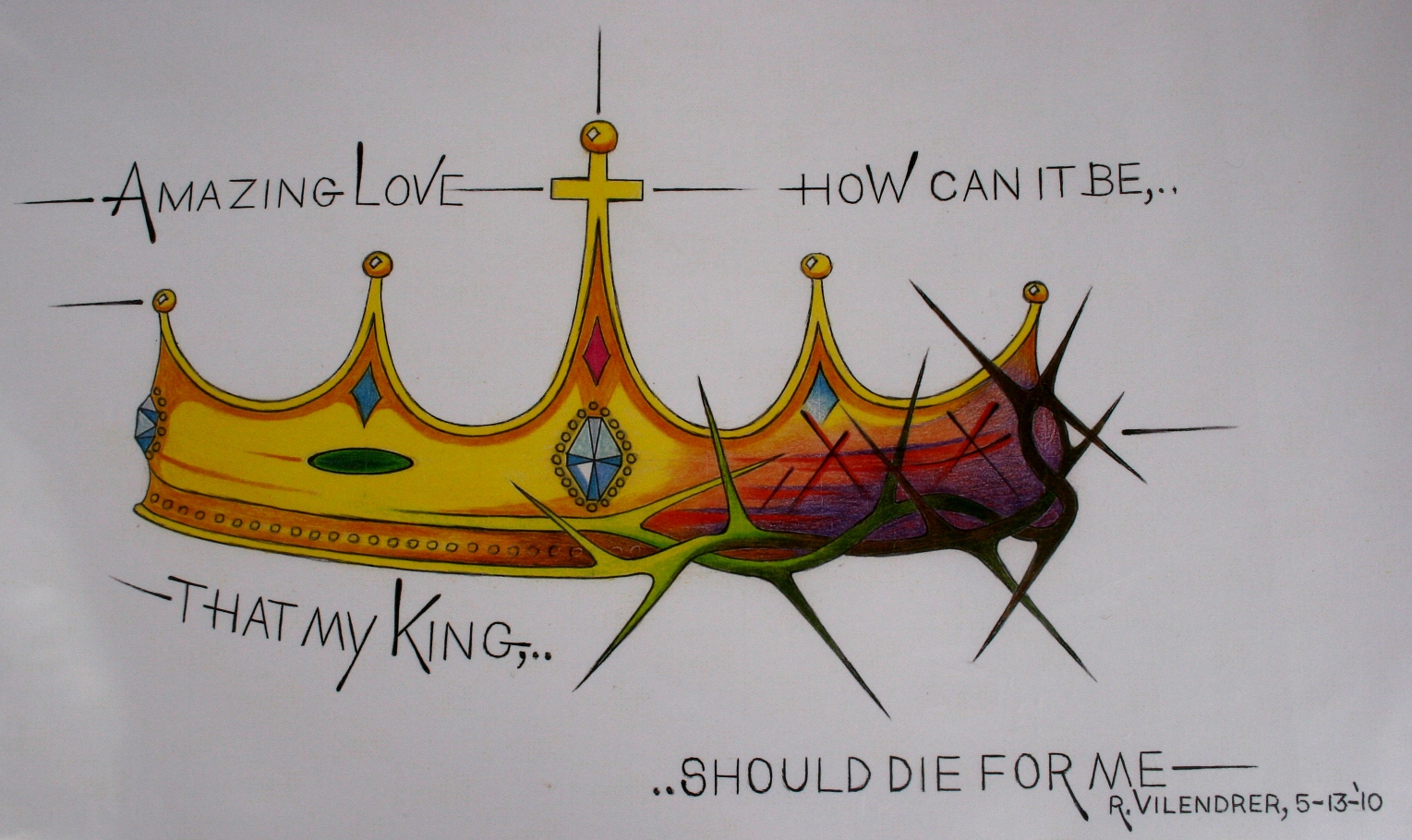
Scripture and Christian songs inspire Richard.

Today words from a song heard on Twin Cities-based Christian radio station KTIS, or words from Scripture or a found feather on a nature walk inspire him to first draw in pencil, then go over the pencil with ink and finally fill in with colored pencil.

He prefers to draw small, detailed subjects like his hand or a feather or a maple leaf. Yet, he’s also drawn John Deere tractors and buildings and classic cars.

Richard uses a technique called cross hatching—to perfect shading—by using a ball point pen to draw lines close together in one direction and then crosses in an opposite direction. He learned that in high school. Mostly, though, he’s self-taught, without formal training. He calls his artistic skills a “God-given talent.”

This man of faith has used that gift from God to create artwork for fundraisers at his church, Divine Mercy in Faribault.

A year ago, he suffered a stroke. But even in that he sees the blessing—the stroke affected his entire right side, not his left. Richard, the artist, is left-handed.

Nature and faith inspire his detailed art.

A pen-and-ink drawing of a building at the former Faribault Regional Center where Richard worked.

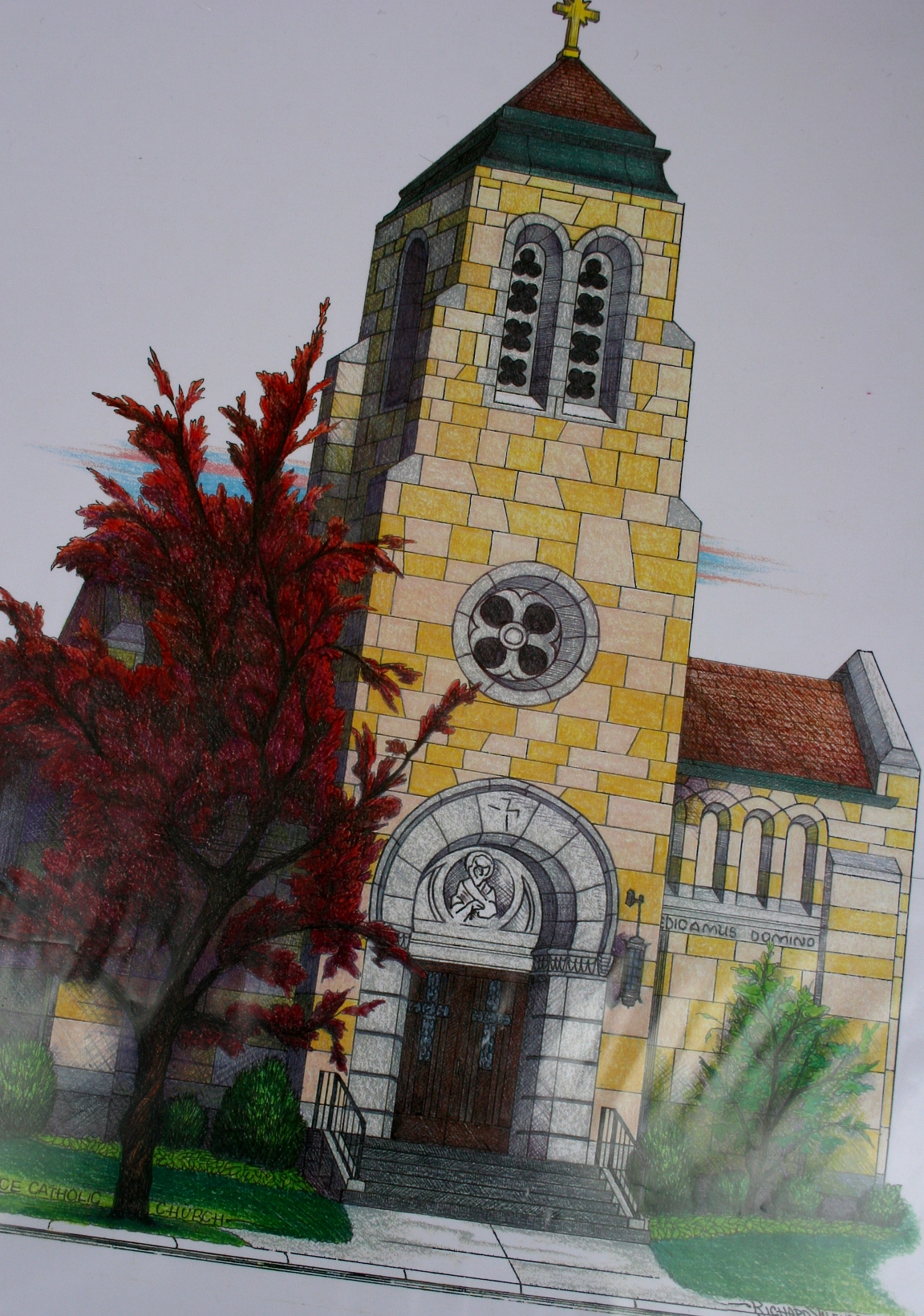
St. Lawrence Church in Faribault where Richard and Carol Vilendrer were married 35 years ago this coming October 1.

IF YOU ARE INTERESTED in purchasing Richard’s art or learning more about him, submit your contact information (which I will not publish) in a comment and I will pass that along to Richard.

PLEASE NOTE THAT the photos in this post are not 100 percent accurate to the true colors of Richard’s work. His drawings were wrapped in plastic, which filtered the colors and which created some glare. I edited each image somewhat to overcome those challenges.

© Copyright 2011 Audrey Kletscher Helbling
 

A firefighter’s praise for “Ted from Owatonna” September 16, 2011

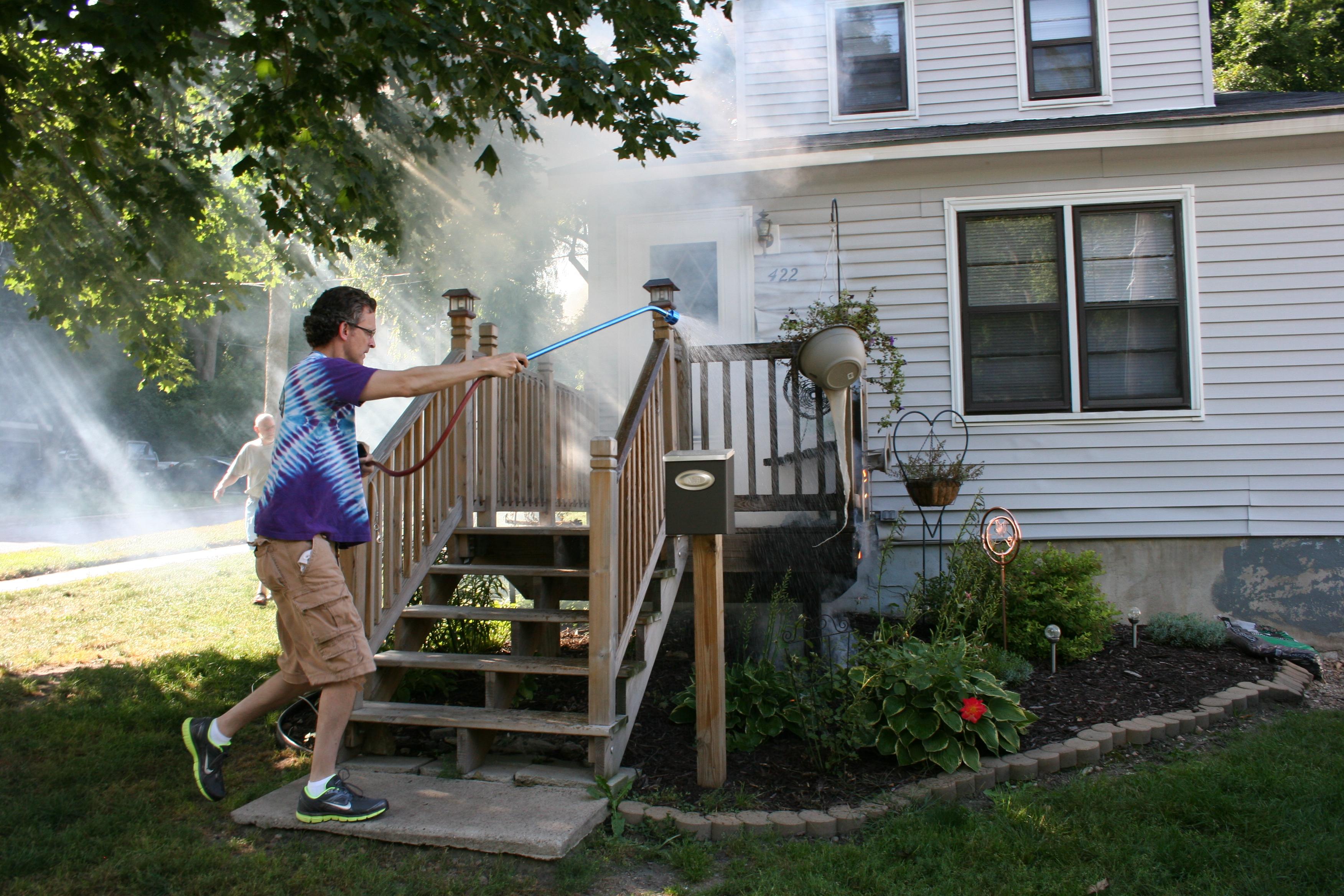
Ted Leon, initially known only as "Ted from Owatonna," extinguishes the fire on and under my neighbor's deck with water from a garden hose late Saturday afternoon. Ted was the first on the scene.

FIVE DAYS AFTER Ted Leon of Owatonna, the passerby who extinguished a deck fire at my neighbor’s house with water from a garden hose, I spoke to a Faribault firefighter who responded to the scene. As you recall, my initial post about Ted sparked a whirlwind of media coverage to find “Ted from Owatonna.”

I wanted to hear what professional Joel Hansen, whom I’ve personally known for years, thought of Ted’s actions. I was finally able to connect with Joel late Thursday morning; he had been off-duty for several days.

“What he did was very heroic, very courageous,” Joel says.

Ted ran onto the burning deck and banged on the front door to alert the Klocek family of the late Saturday afternoon fire before putting out the blaze himself. Kristin Klocek and her young daughter escaped through a side door into the garage.

“He went way and above what a normal person would do. I’m encouraged to see someone who got that involved,” Joel says, emphasizing that dialing 911 to get the fire department en route should be the first course of action in any fire. Ted’s wife, Kathe, made that call.

Joel praises Ted for stopping, getting that emergency call in via Kathe, focusing first on the safety of the residents, and then having the presence of mind to look for a garden hose to put out the fire.

“Life safety is first,” Joel says. “We want people to be safe.”

Ted, he says, seemed to be aware of his safety, to know what he was doing and to understand that he had options—like leaping over the deck railing—had that become necessary to escape the flames.

“I wouldn’t encourage someone to put themselves in harm’s way,” Joel says, “but I wouldn’t say I wouldn’t have done the same thing (as a passerby like Ted).”

In this photo you can see the scorched deck and how the heat of the fire melted the vinyl siding.

If Ted hadn’t extinguished the fire when he did, there would have been “substantially more damage” to the deck and home exterior before firefighters arrived, Joel says. The Kloceks live about six blocks from the fire station, mere minutes away. Damage to the home was limited to a partially-burned deck and wood chips underneath and to the front door and siding, which were warped due to the intense heat.

Statistics show that a fire doubles in size every three minutes, according to Joel.

BESIDES TED’S HEROISM, Joel and I talked in general about how people react to a fire. Some panic. Others call 911 and then leave. Some have no concern for personal safety… Then he mentioned “tunnel vision.”

I told Joel I was so focused on making sure my neighbors were safe and Ted was so focused on getting the blaze out (after he knew the family was aware of the fire) that we didn’t communicate. Joel wasn’t surprised.

Then he asked if I looked for traffic before crossing Tower Place as I ran toward my neighbor’s home during the fire. I did. I distinctly remember telling myself to stop and look for cars.

But I don’t recall hearing emergency sirens, although I watched two police cars and a fire truck race down Willow Street toward the scene. My husband assures me the sirens were blaring.

In contrast, I remember sidestepping a pile of dog poop in the Kloceks’ yard and reminding myself to avoid that patch of grass. I was barefoot.

I recall seeing a woman on her cell phone in the Kloceks’ side yard. I also recall a young man in the front yard, someone my husband later noted as a motorist who had pulled over in his truck and parked along Tower Place.

FOR NIGHTS AFTER THE FIRE, I didn’t sleep well. The first night I was twice awakened by emergency sirens. We live along an ambulance route, an arterial street through town, and I’ve become so accustomed to sirens that I often sleep right through them. But not Saturday night.

At 5:30 a.m . Sunday I awoke to the smell of smoke and flew out of bed to check if the fire at my neighbor’s house had rekindled. It hadn’t. Later I realized the smoke odor likely came from a smoldering campfire.

For days afterward I felt emotionally-drained. Talking with Joel on Thursday proved cathartic. He understood how my emotional involvement—knowing the family—affected my reactions at the fire. He understood my lingering thoughts and emotions even days afterward.

I shared with him that I have a new appreciation for how rapidly a fire can spread.

He’s heard it all—how people think a fire can never happen to them, how they intended to replace the batteries in a smoke detector…

Before Joel and I ended our conversation, I asked him about an award for Ted. He can’t speak publicly about that possibility, he says, because such an honor would be routed through the local union (not the fire department) and that involves a specific process.

But you can read between the lines here. I fully expect Ted to be honored. And you can bet I’ll be there thanking him. Again.

CLICK HERE to read a story on today’s The Northfield News website about a fire just outside Dundas that sounds all too-recently familiar. The Thursday morning fire also involved a passerby, a garden hose and a cigarette.

CLICK HERE to read my first fire post.

CLICK HERE to read my interview with Ted Leon, whom I’ve termed our “Willow Street neighborhood hero.”

© Copyright 2011 Audrey Kletscher Helbling
 

Would you buy a Vanuck or…? September 15, 2011

Filed under: Uncategorized — Audrey Kletscher Helbling @ 7:36 AM
Tags: , , , , , , , , , ,

TYPICALLY, MY HUSBAND and I don’t meddle in our two adult daughters’ lives. We don’t intrude or hover like helicopter parents. Advice is given only when sought. We’ve learned it works best that way.

But when it comes to cars, well, that’s entirely different. I can’t even count how often the phone has rung with one daughter or the other on the line saying:

  • “My car is making a funny noise.”
  • “My car won’t start.”
  • “I have a flat tire.”
  • “I need my oil changed.”

And so their dad, an automotive machinist, steps in to help whenever he can, in person or with advice over the phone. He has the knowledge and the skills to problem-solve nearly any mechanical issue.

Yet, though, because of distance—our second daughter now lives in eastern Wisconsin—or circumstances (like a broken down car parked at a St. Paul gas station), he can’t always assist. He’ll offer his suggestions and the daughters have to take it from there.

Recently our 25-year-old daughter, the one who lives in Minneapolis, decided she wants to purchase a different car to replace her 1995 Geo Prizm. She’s driven her Geo since high school and it’s starting to show its age.

While she’s been researching cars online, we did a little car shopping of our own for her when we were back in my hometown of Vesta recently. We found three possible vehicle replacements. Here they are in no particular order, with as much information as was available about each.

CHOICE A:

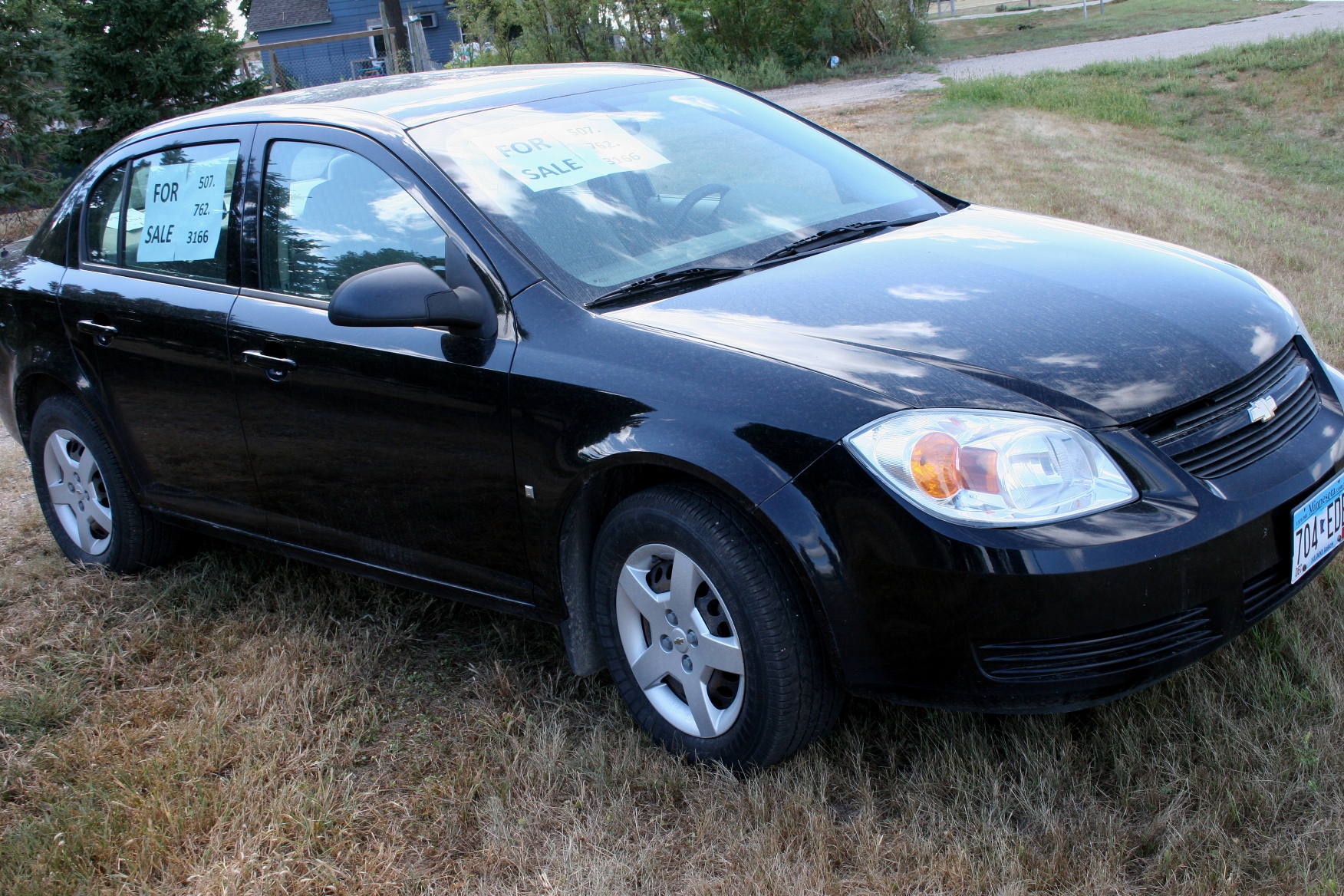
Chevy Cobalt

A 2002 – 2006 (the automotive machinist was uncertain) Chevy Cobalt. Clean interior.

CHOICE B:

2008 Ford Focus

A 2008 Ford Focus one-owner, never-smoked-in (yeah, important point), with new tires (plus), clean interior (bonus), 34 – 40 mpg (yahoo), and only 57,000 miles (nice number). However, the car was priced at $12,000, about double our daughter’s budgeted amount.

CHOICE C:

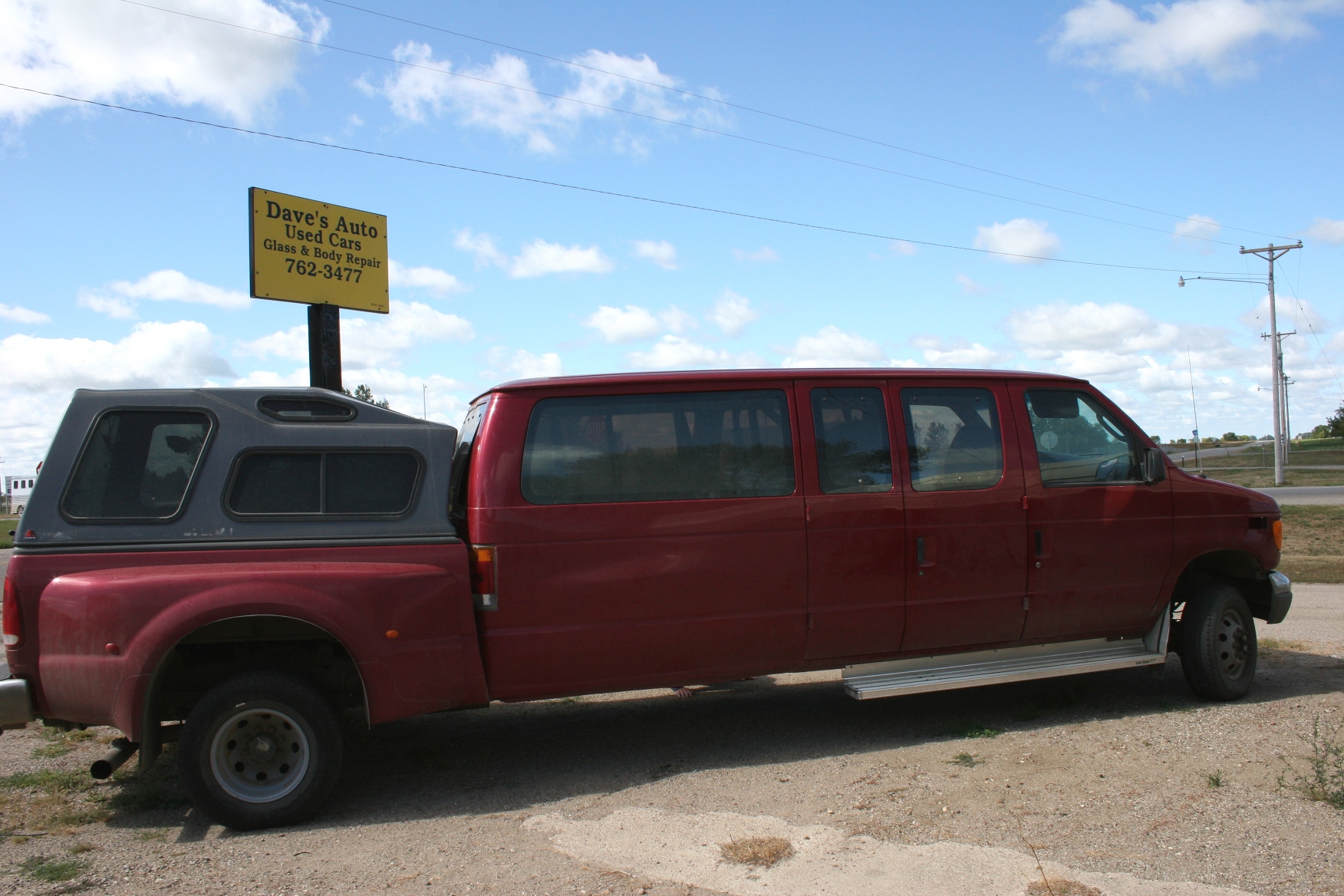
The "Vanuck," which did not have a "for sale" sign posted on it, but sat in the Dave's Auto Used Cars lot.

A truly one-of-a-kind Ford vehicle that cannot be defined, so let’s call it a Vanuck. Front features a roomy 11 – 12-passenger van (great for transporting our daughter’s many friends). Back features a spacious storage area for bikes, tents, groceries, whatever (bonus). Appears well-constructed with a strong weld and new under-body framework (good safety features). However, back door of van section cannot be opened (negative for passenger safety in event of an emergency). Mileage uncertain, but probably low (two thumbs down). Not likely to be stolen (two thumbs up). Size may make it difficult to maneuver (ahem, back up) or navigate through metro traffic.

SO, WHICH OF THE ABOVE should we recommend to our daughter? Or should she/we keep shopping? Submit a comment. I’d like your helpful input.

© Copyright 2011 Audrey Kletscher Helbling
 

Window-shopping in Janesville, Minnesota September 14, 2011

Filed under: Uncategorized — Audrey Kletscher Helbling @ 7:06 AM
Tags: , , , , , , , , ,

I ENJOY WINDOW-SHOPPING. But when I window-shop, I’m not typically perusing merchandise to purchase. Rather, I’m shopping for signs to photograph. It’s cheaper that way; you don’t spend money except on your gas to reach whatever destination you choose.

For me, that is Main Street in Smalltown, Minnesota. Signage regulations are less strict in these rural communities, folks more trusting. I discover the most intriguing/interesting/unusual/creative signs here. Pick your adjective—all three would apply.

So let me take you today to Janesville, population 2,100, located along U.S. Highway 14 only 15 miles east of Mankato. I stopped there several weeks ago on my way to and from (yes, we stopped twice) Indian Island Winery with my husband.

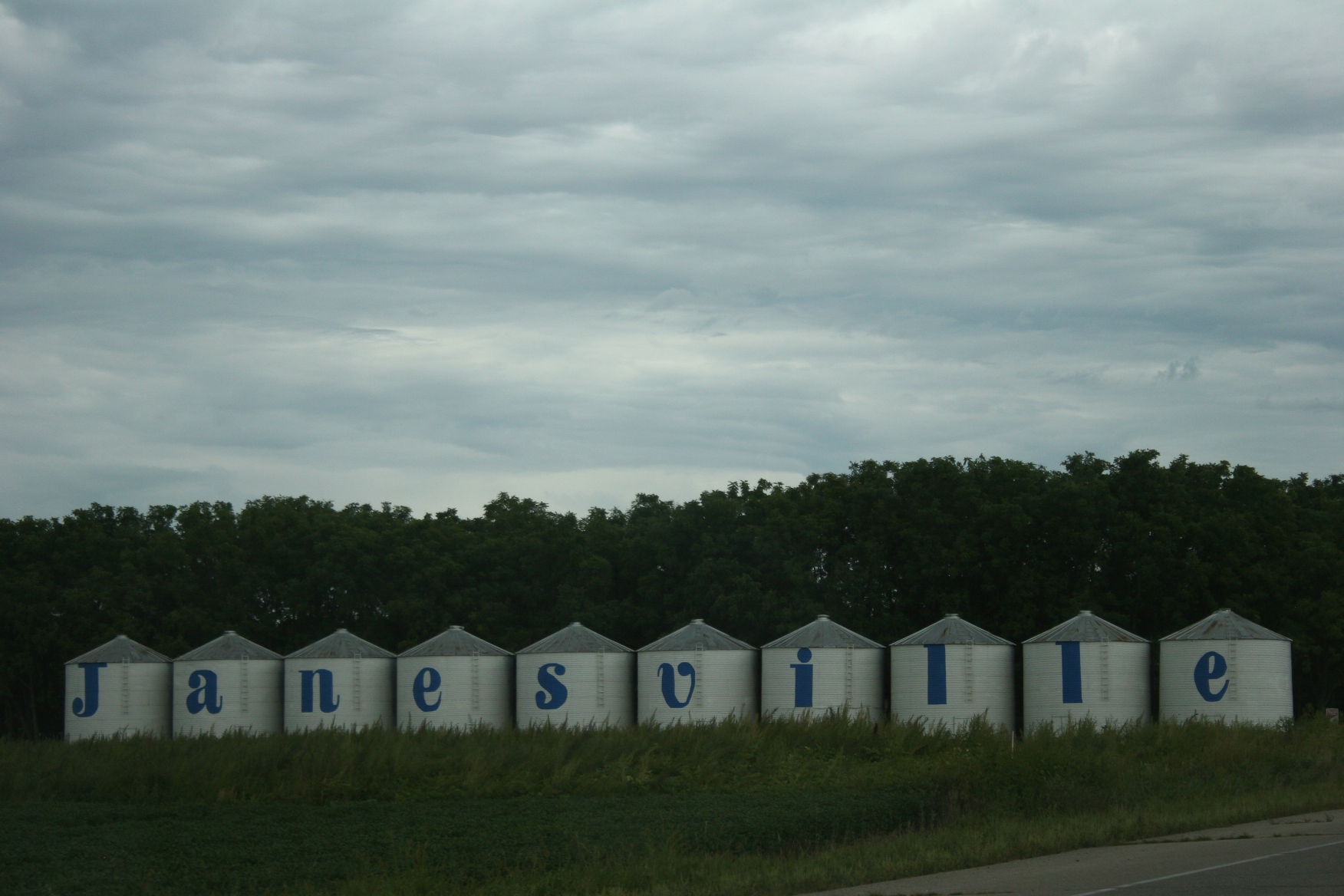
Entering Janesville from the west along old Highway 14, you'll see this grain bin signage welcoming you to town. I've always wondered: Did the farmer specifically build 10 bins to fit the town name? Or did someone come up to him after the fact and say, "You know, J-A-N-E-S-V-I-L-L-E would fit on your bins."

But before I show you my discoveries, here are two interesting tidbits about Janesville: The town has a nine-hole reversible golf course, one of among only a few in the U.S. If you know what that means, you know more than me. I am not a golfer.

Secondly, in a house near downtown Janesville, along old Highway 14, you’ll see a dummy peering through an upstairs attic window. It’s been there for years. Why? No one seems to know the truth. But its placement there has led to all sorts of speculation as imaginative as an imagination allows.

Now, moving along, I’m pleased to present photos of signage from Main Street, Janesville, Minnesota, for your entertainment. Enjoy.

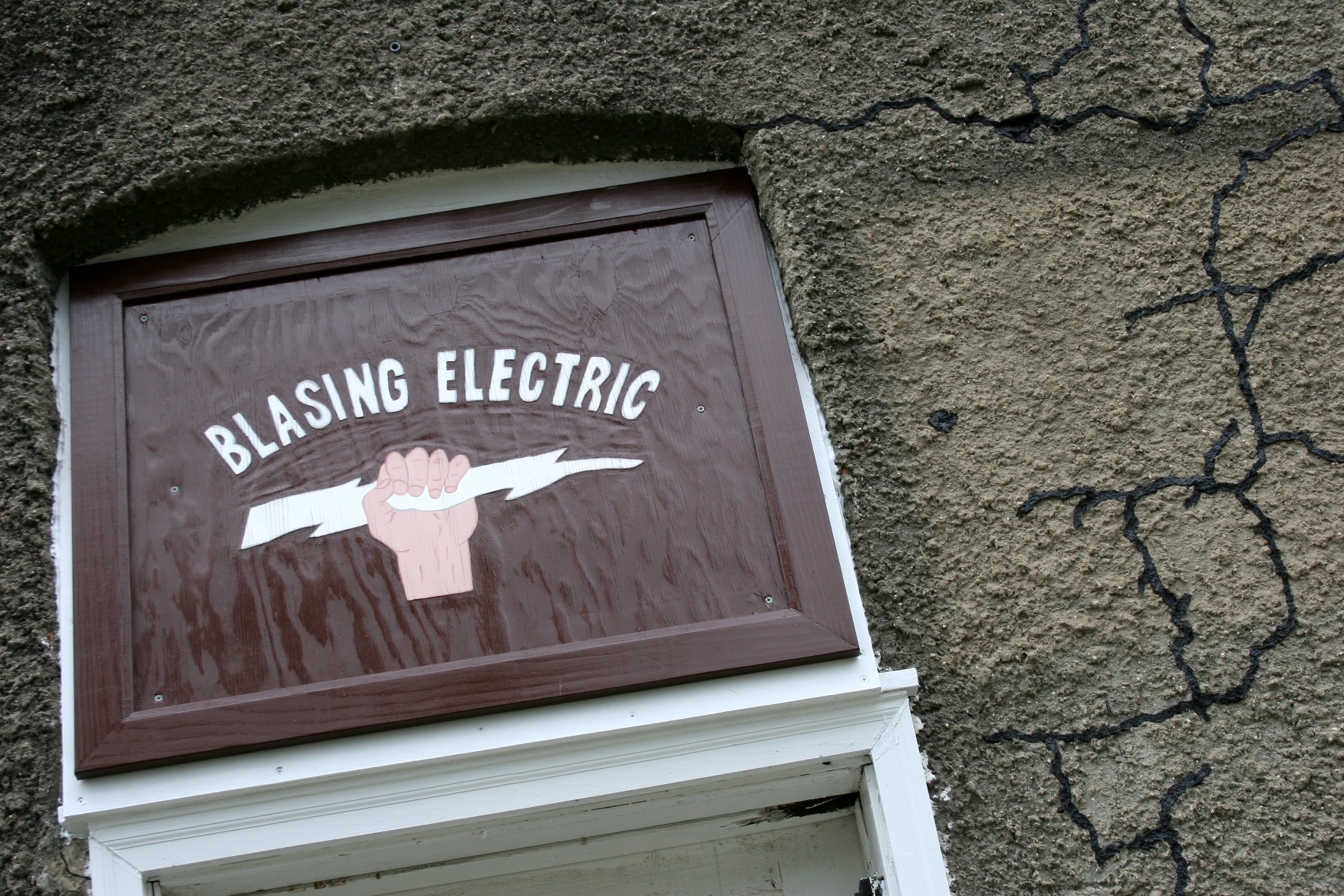
This handcrafted graphic sure makes for a memorable Blasing Electric sign hung on the side of a building across the street from the library.

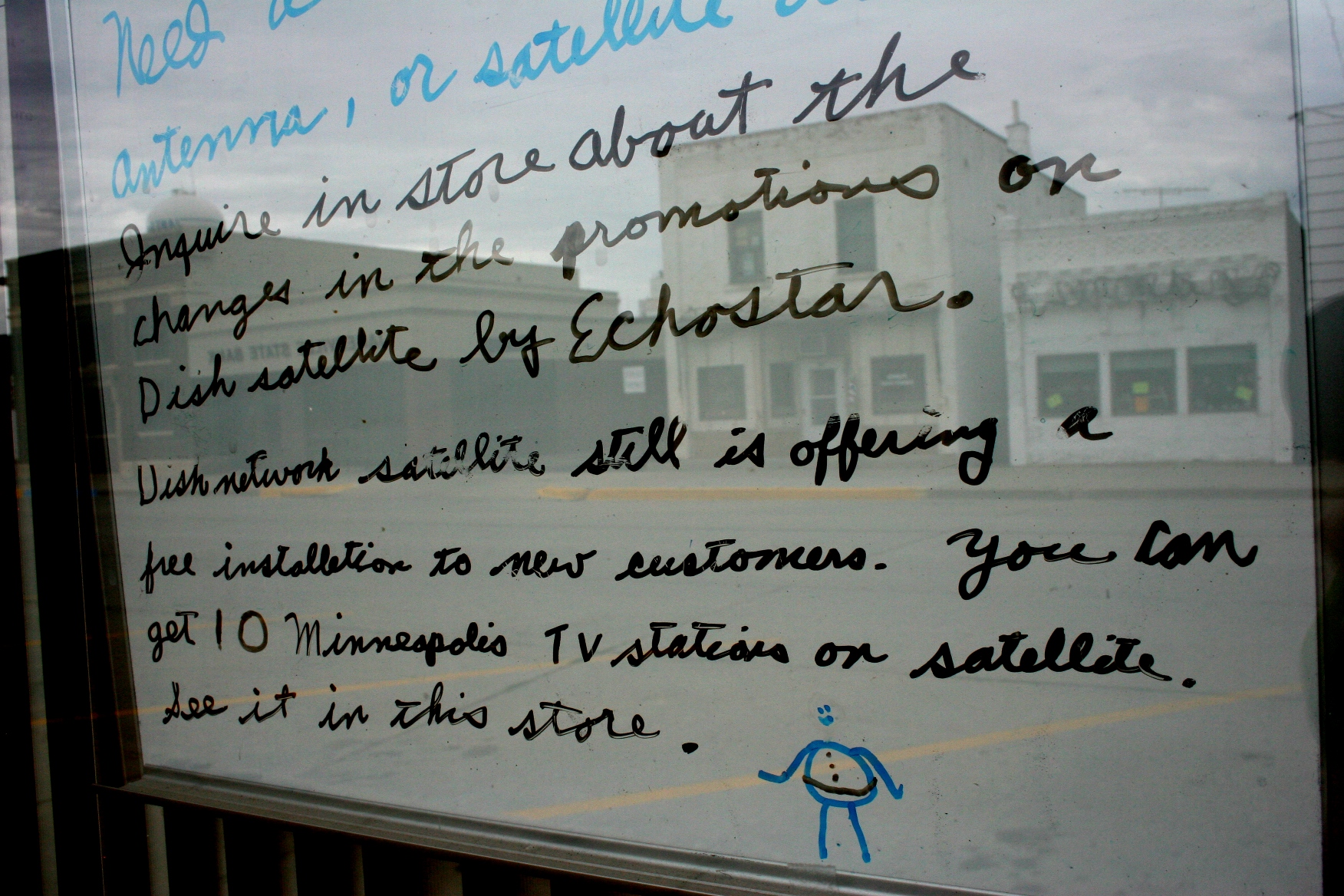
I know you folks in bigger towns, especially in the Twin Cities metro, take your television access for granted. But not so in rural Minnesota. Here's a pitch for better service posted on a window at Will's Radio & TV.

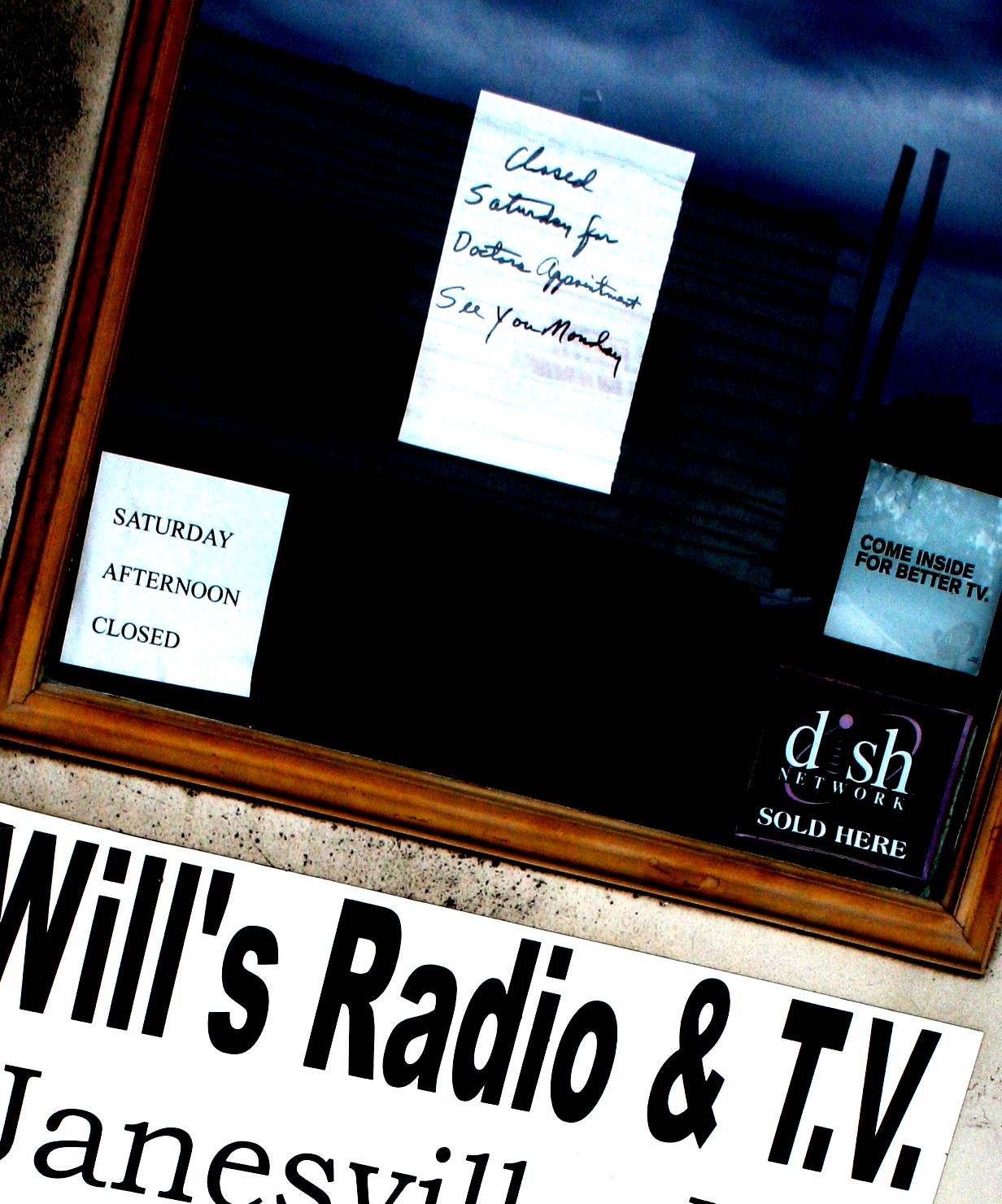
But you might not want to stop and check on that satellite service until Monday, according to this sign posted on Will's front door. Will is at a doctor's appointment.

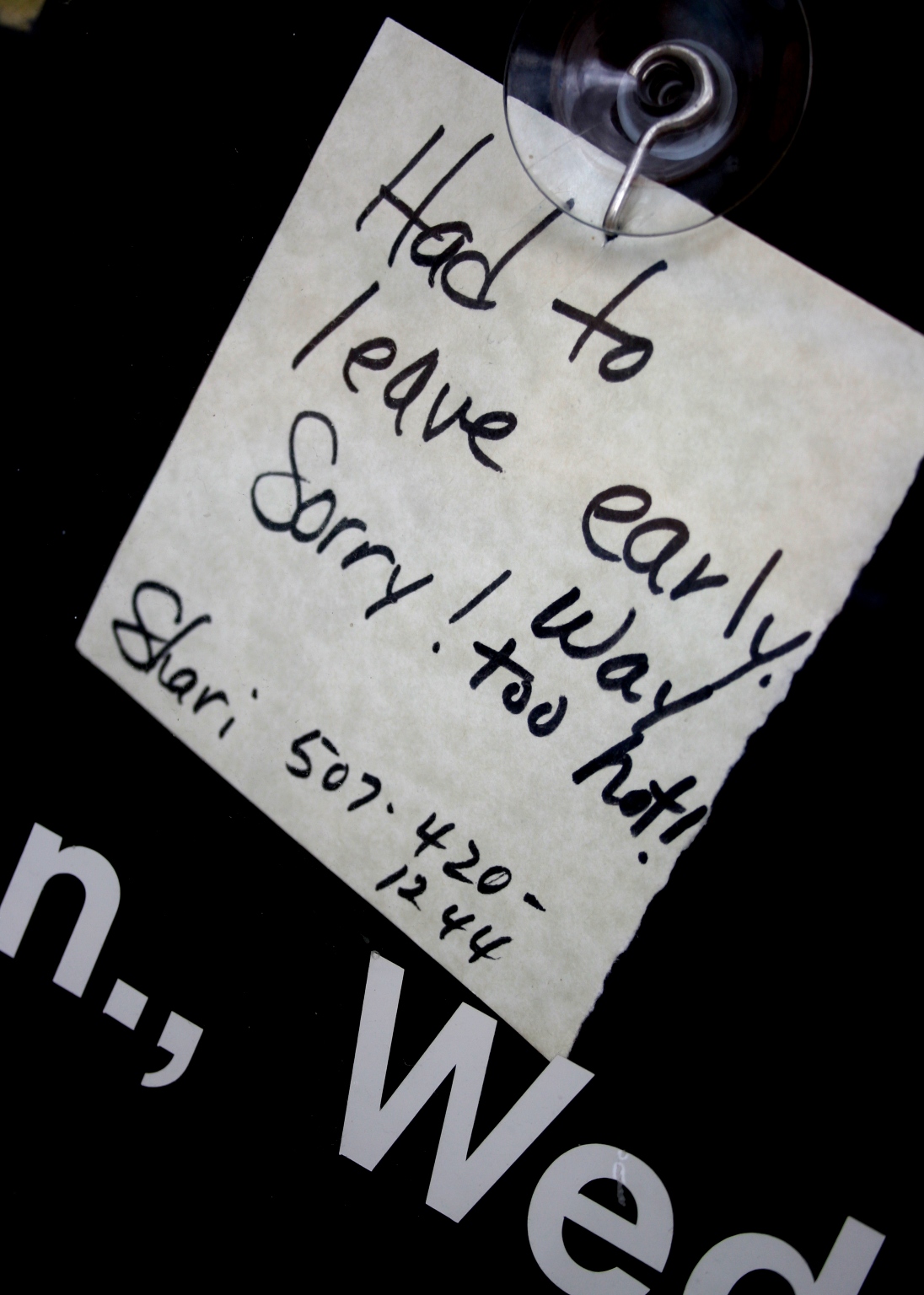
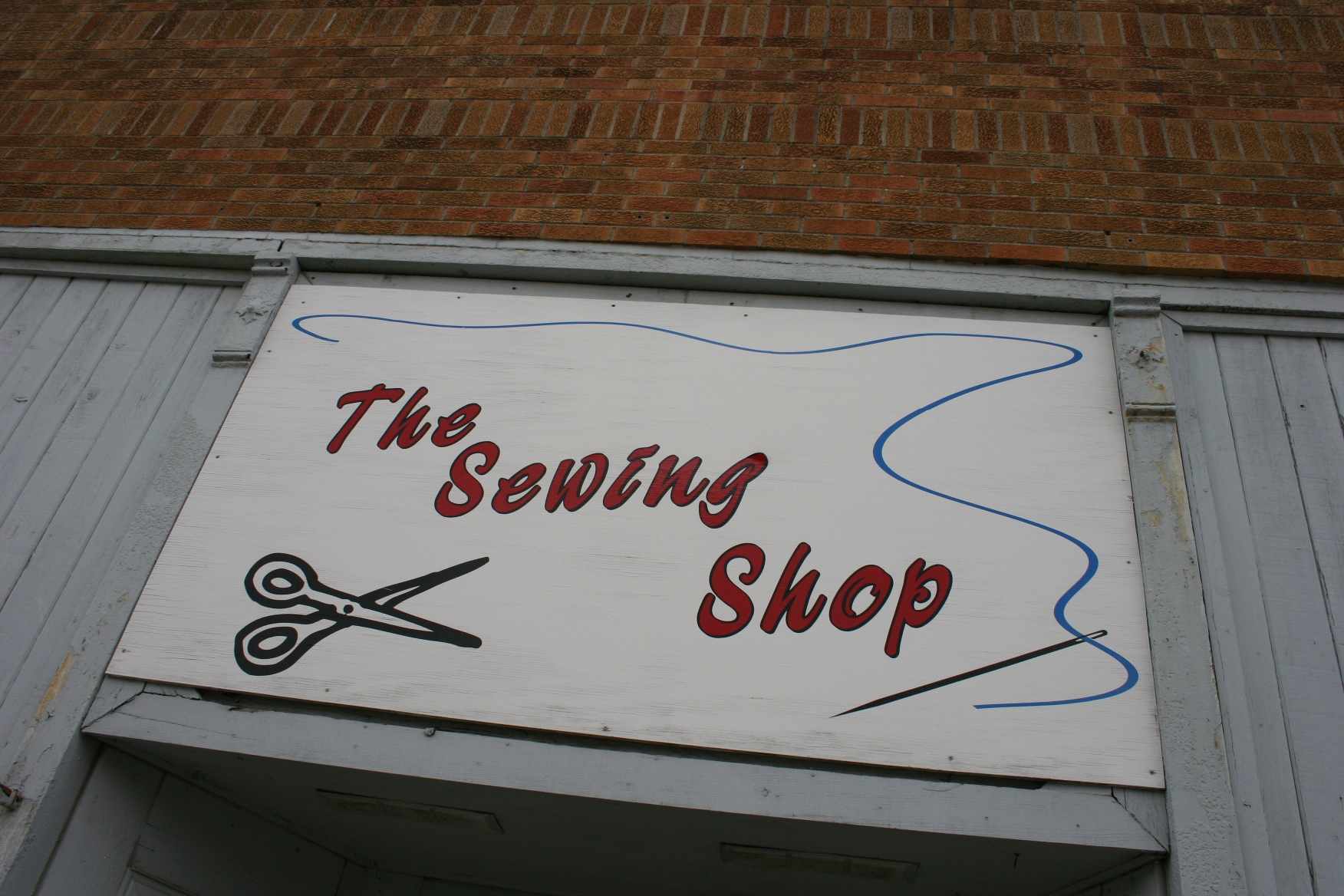
Hot weather also offers a good excuse to close up shop. I can't recall where this note was placed, but either on a beauty or sewing shop door.

Homemade signs like this one are always a bonus find on small-town Main Street.

Jethro's Soda Shop, which is no longer open, sports a misspelled word. Can you spot it?

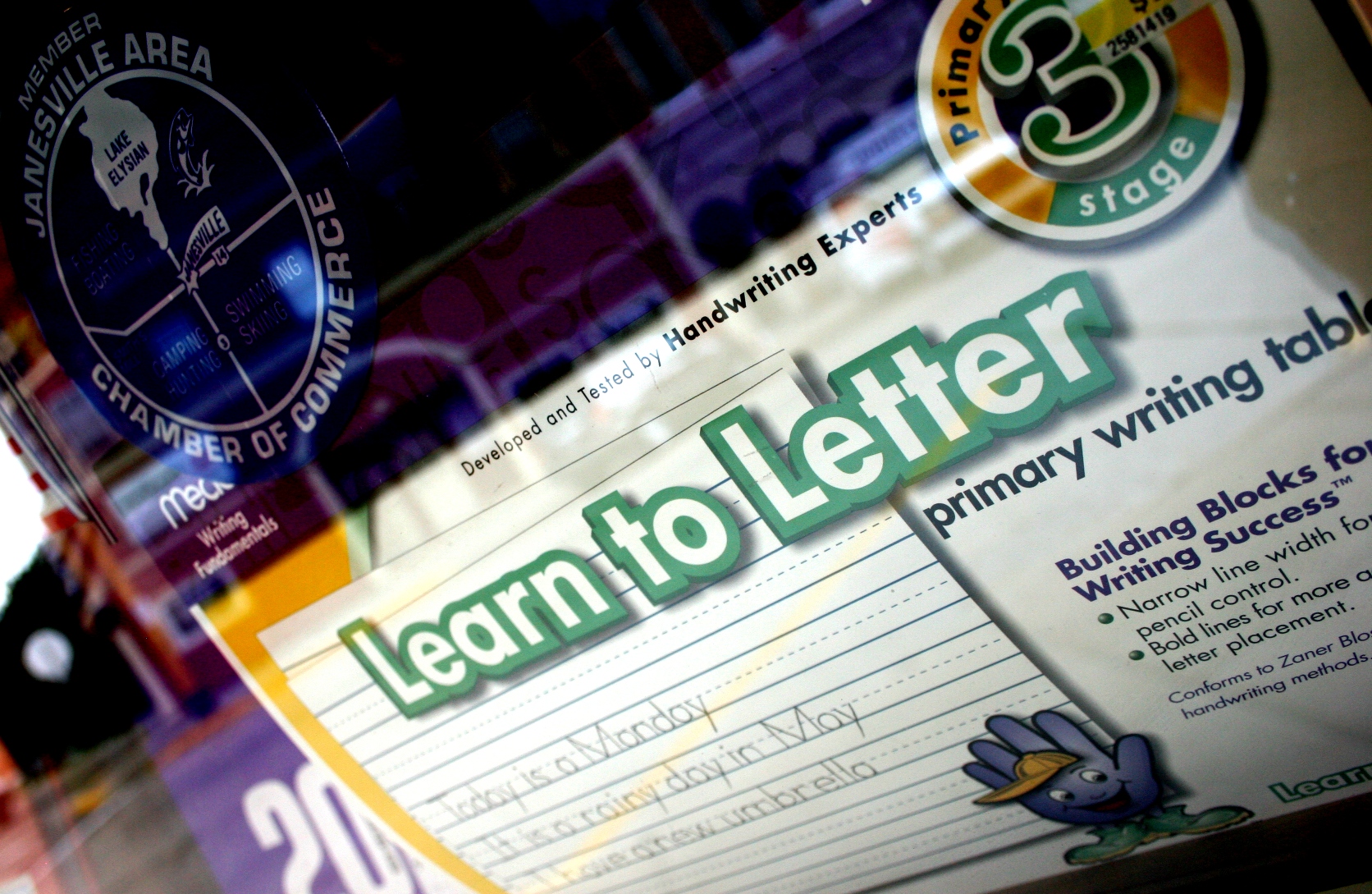
Finally, my last photo, which is not a sign, but merchandise in a window of the corner drugstore. The ruled tablet brought back grade school memories for me. Gotta love it. Main Street in Smalltown, Minnesota.

DID YOU FIND the incorrectly spelled word on the window of the former Jethro’s Malt Shop? That would be “BRAUT.” My husband contends that is the German spelling of “brat.” I contend he is wrong as my research shows that “die braut” in German translates to “bride” in English.

(NOTE: I edited most of the above images to better showcase the words.)

© Copyright 2011 Audrey Kletscher Helbling


Found: Citizen firefighter Ted Leon from Owatonna September 13, 2011

Filed under: Uncategorized — Audrey Kletscher Helbling @ 4:07 AM
Tags: , , , , , , , , , ,

READERS, WE’VE FOUND “Ted from Owatonna,” the passerby who Saturday afternoon stopped to extinguish a quickly-spreading fire on my neighbor’s deck.

Thanks to the quick action of Ted Leon, 47, an attorney at Federated Insurance in Owatonna, Kristin and Kevin Klocek’s Faribault house was saved from what both Ted and I believe could have been a devastating fire. (Click here to read my first blog post about the fire.)

Up until late Monday afternoon, I did not know Ted’s last name because he identified himself only as “Ted from Owatonna” when he left the scene, telling me he had to get going. He told me that much only because I asked. He was the first to arrive at the fire, to grab a garden hose.
But before I get into details about Ted’s firefighting, let me first tell you how we found Ted. And I say “we” because this was a joint effort that initially involved my blogging about the fire, followed up by Minnesota Public Radio’s Bob Collins linking to my story in his News Cut column, Faribault Daily News Managing Editor Jaci Smith learning of my post via Collins’ post and then the Faribault newspaper and its sister paper, The Owatonna People’s Press, publishing a “Do you know this man?” community alert on their websites that included a photo I shot once the fire was under control.
This photo was posted on the newspaper websites in an effort to locate "Ted from Owatonna."

A friend of Ted’s saw the online photo and contacted the Owatonna paper with Ted’s name and number. This I learned from Jaci Smith, who had called me earlier Monday for permission to use my photos and to ask me about the whole event.

Early Monday evening Ted called me, before I had an opportunity to phone him.

So, how then did Ted end up on Willow Street in Faribault at the precise moment the smoldering fire flared up on Kevin and Kristin’s deck?

He, his wife Kathe and their three youngest sons were on their way from The Defeat of Jesse James Days re-enactment in Northfield to 4 p.m. Mass at Divine Mercy Catholic Church. They are not members of the Faribault parish—they attend Sacred Heart in Owatonna—but because Kathe was participating in a St. Paul bike ride Sunday morning, they opted to attend the Saturday afternoon service in Faribault en route home. Their Owatonna church does not have a Saturday Mass.

Kathe told her husband she knew how to get to Divine Mercy and, says Ted, “That put us right in the path of the fire.”

It was nearing 4 p.m. when the Leons were driving in the 400 block of Willow Street. “I looked to the right and saw the fire pretty much engulfing the front deck,” Ted recalls.

As his mind computed the situation, he didn’t quite believe what he was seeing until he realized, “Oh, my goodness, that thing is on fire.” He pulled over, asked Kathe to call 911. Concerned that a grill and propane tank might be involved (they weren’t), Ted told his family to remain inside their van while he raced toward the fire.

He remembers only, in those initial moments, being “really focused in” on the fire and worried that people were inside the house. Ted had reason for concern. Kristin and her daughter Kaylee were inside, unaware of the blaze. As Ted ran up the steps and onto the deck toward the front door, he felt the intense heat of the actively-spreading fire.

He pounded on the screen door, peered through the screen and saw a little girl with her back to him. He ripped the screen and pounded again on the interior door and hollered “Fire, get out!” (or something like that; he doesn’t recall his exact words) until she noticed him.

In this photo you can see how the heat of the fire melted the vinyl siding.

“Once I knew they were aware of the fire, I ran around the house looking for a hose,” Ted continues.

He found two hoses connected to a single water spigot and grabbed one. As he pulled the hose toward the burning deck and the burning wood chips below the deck, the hose jerked from his hand. It was too short. He ran back to the spigot, flipped a lever that sent water to the second hose and “said a prayer it would be long enough.”

It was. The fire responded quickly to the water.

Days after the fire, Ted seems humbly surprised at the media attention. “I didn’t feel like it was a big deal,” he says of his actions.

Anyone would have done what he did, Ted claims. “It was my turn (to help someone).”

I agree with Ted, to a point. I’m not sure I could have gone onto that deck with the actively spreading fire. I saw those intense flames when I arrived just as Ted was grabbing that second hose.

“It’s nice to be able to put your faith into practice and help someone,” this Good Samaritan says.

Later, while worshipping at Divine Mercy, he offered prayers of thanksgiving. His clothes reeked of smoke, he says, and his legs felt sunburned from the intense heat of the fire.

Ted doesn’t remember me several times screaming, “Kristin and Kevin, get out!” He was, as he says, totally focused on extinguishing the fire and making sure everyone was out of the house.

I remain convinced, and so does Ted, that the entire house soon would have been engulfed in flames had he not spotted the deck fire and taken immediate action.

While on the scene of the fire, I spoke with Faribault firefighter Joel Hansen, who was very much interested in finding “Ted from Owatonna” and possibly presenting him with an award for his actions.

I told Ted Monday evening that I would see him at the awards ceremony.

FYI, A LITTLE BACKGROUND if you have not yet read my first post: I was working in my home office Saturday afternoon when my 17-year-old son, who was sitting on the couch working on his laptop, heard a car horn, looked up and saw the fire directly across the street. “The neighbor’s house is on fire!” he shouted.

I grabbed my camera, which was right next to my desk and raced out the front door, not even stopping to slip on shoes. Because of my background as a former newspaper reporter and now a current freelance writer, it was simply a natural instinct for me to grab my camera.

My first concern was for the safety of my neighbors, not photographing the fire. By the time I got to the front yard, Ted was pulling the second hose toward the fire. At that point flames were shooting up from the wood chips and from the deck.

Because there was nothing I could do at this point to help Ted fight the fire, I remained focused on my neighbors getting out. I was unaware that Ted had already pounded on the door and that the family knew about the fire.

When Kristin and Kaylee rounded the corner of the house after exiting via a door into the garage, I comforted them and made sure they were OK. By then the fire was under control and nearly out. Only then did I begin photographing the scene. At one point I also spoke on the phone with Kristin’s husband. She had called him earlier, but I wanted to assure him that his family was alright and update him on the situation.

A smoldering cigarette butt under the deck has been indicated by fire officials as the likely, as-yet unofficial, cause of the fire.

FOR THE LOCAL news story by Jaci Smith, click here to an article in The Faribault Daily News.


TO READ BOB COLLINS News Cut column, click here and check his Monday morning 5×8 entry.

© Copyright 2011 Audrey Kletscher Helbling