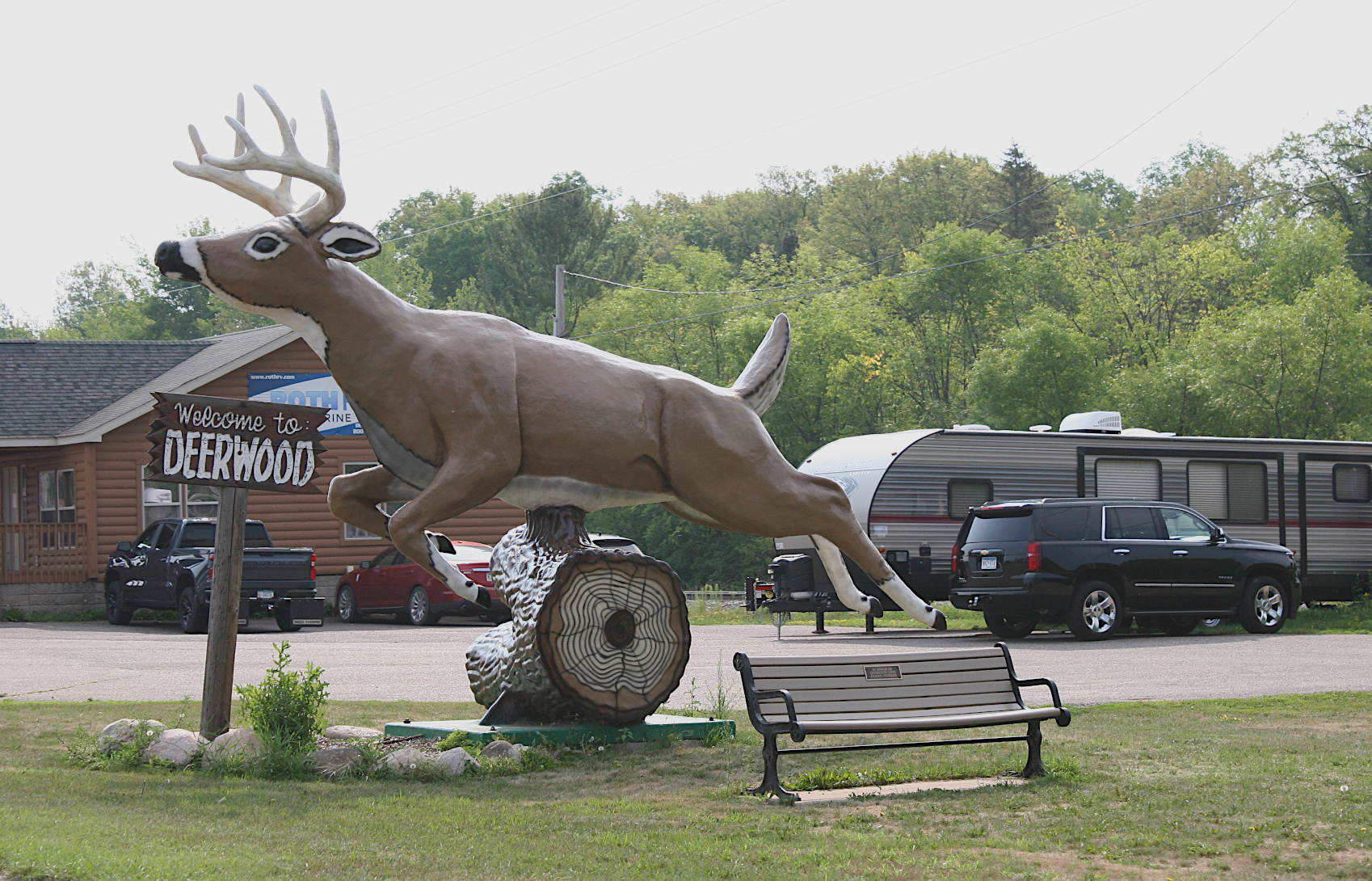
Leaping whitetail deer art in Deerwood, Minnesota. Minnesota Prairie Roots copyrighted file photo July 2021.
I APPRECIATE OUTDOOR public art. That includes kitschy roadside sculptures that define communities. The walleye in Garrison. The prairie chicken in Rothsay. The otter in Fergus Falls. Babe the Blue Ox in countless Up North Minnesota towns.
And in Deerwood, a Crow Wing County community of around 550, a leaping whitetail deer. The jumping deer, located in Elmer Park, is visible from Highway 6. I snapped a shot of it from the road last trip through this town in mid-July.
A little poking around online revealed that Deerwood was originally known as Withington. But, after being too often confused with Worthington in the southwestern corner of Minnesota, it was officially named Deerwood. That makes sense given its location among the lakes and hardwoods of central Minnesota where deer abound.
I learned a bit more history. Cuyler Adams of Deerwood discovered the iron ore which led to mining in this region. Thus the name Cuyuna Range—a combination of Adams’ first name and the name of his dog, Una.
Oh, the things you learn upon seeing, and photographing, a memorable deer sculpture next to a roadway.
TELL ME: Do you have a favorite roadside sculpture? I’d like to hear.
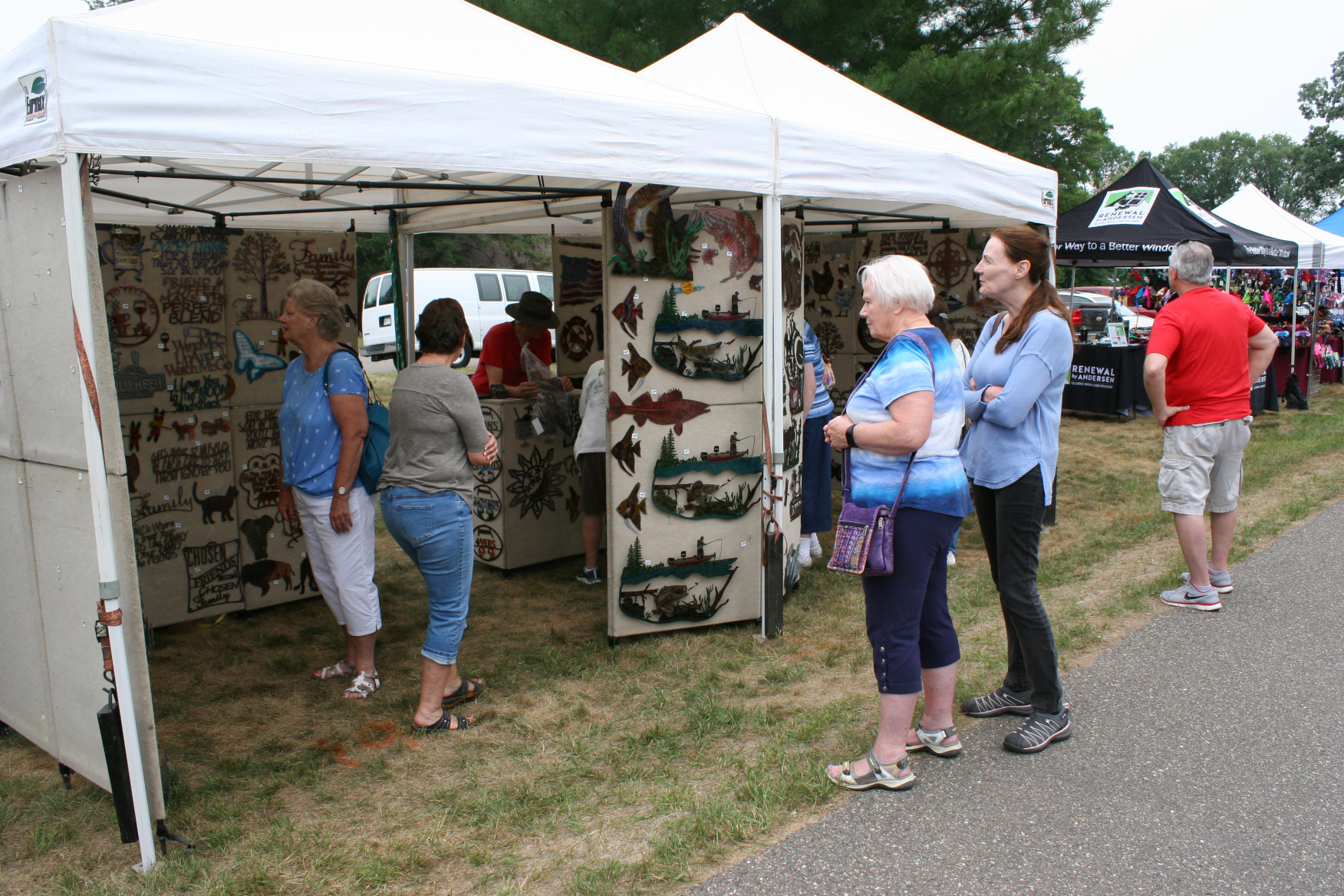
Lots and lots of arts and crafts, some with outdoor themes for cabin country. Minnesota Prairie Roots copyrighted photo.
While beans, baked in massive kettles in an underground pit, highlight this festival, the Arts & Crafts Fair adds another appealing dimension. I always enjoy meandering among vendor booths, occasionally chatting it up with these creatives.
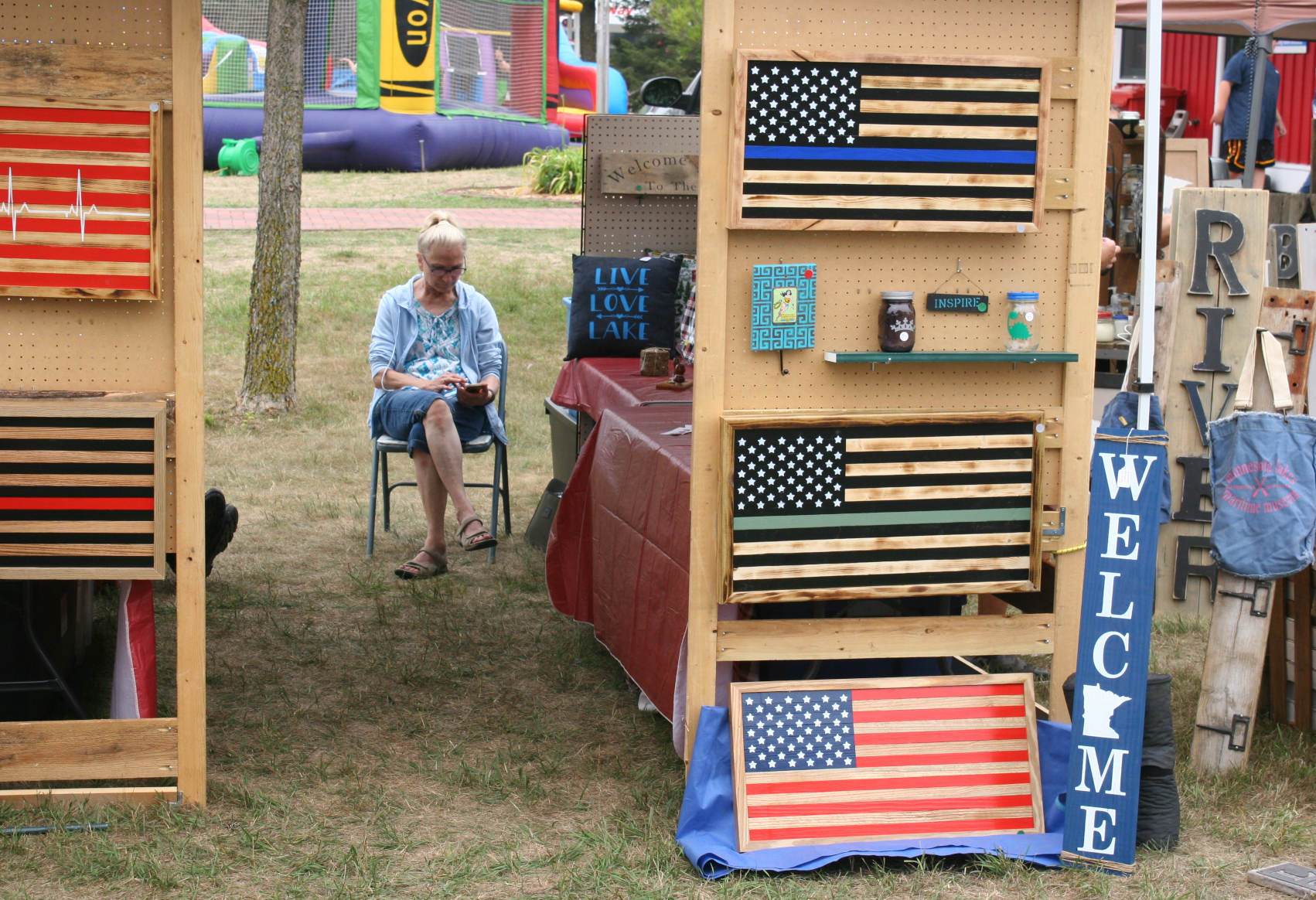
Featuring flags crafted from wood. Minnesota Prairie Roots copyrighted photo.
A time existed when I, too, created with my hands. As a teen, I sewed nearly all my clothes. I also stitched dresses for my paternal grandmother. I loved sewing. But college, life as a working professional and then motherhood ended that. Perhaps some day I’ll return to sewing and embroidery, two favorite hands-on crafts. For now I keep my hands primarily on my keyboard and DSLR camera.
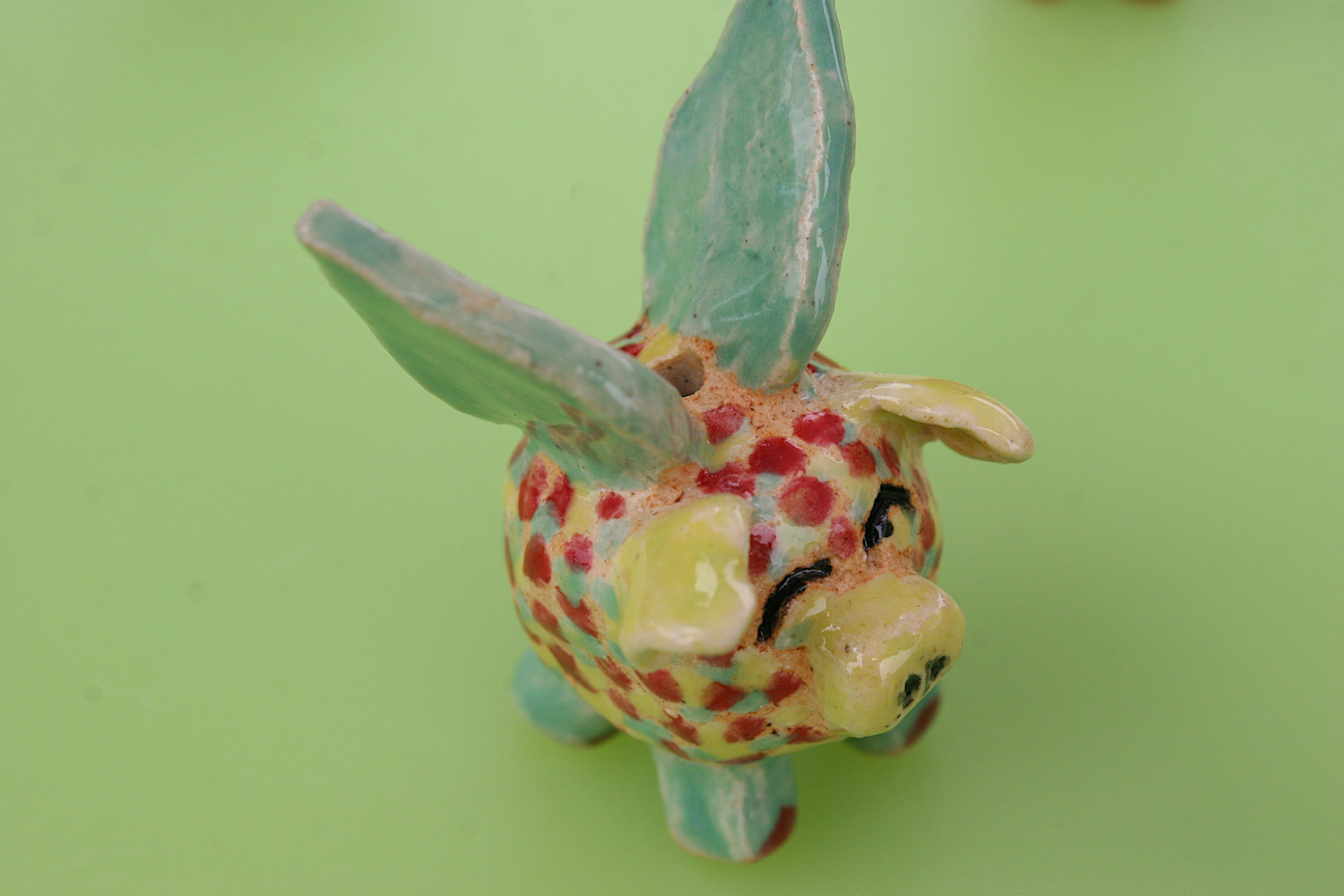
A Flying Pig by Alice Harris. Minnesota Prairie Roots copyrighted photo.
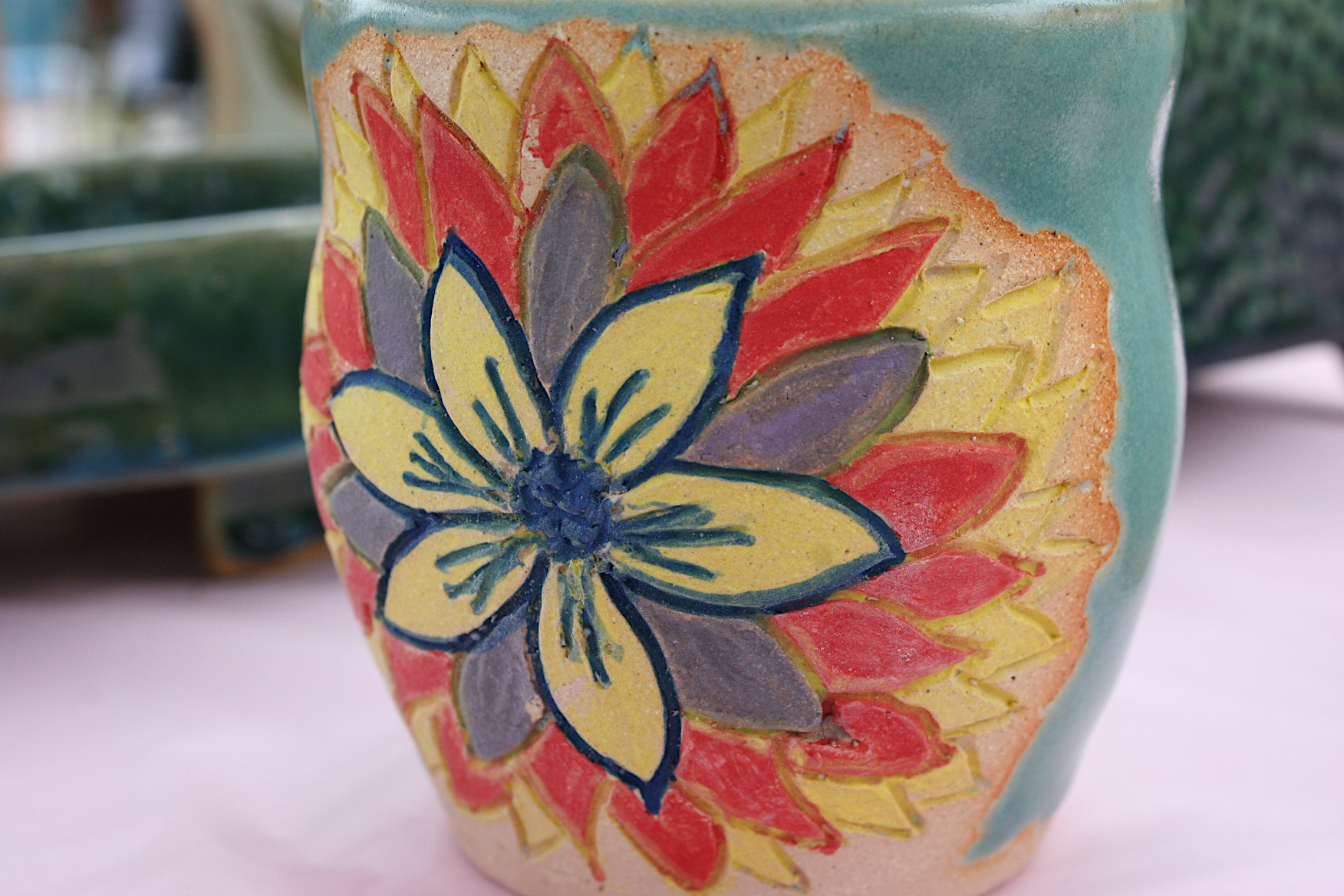
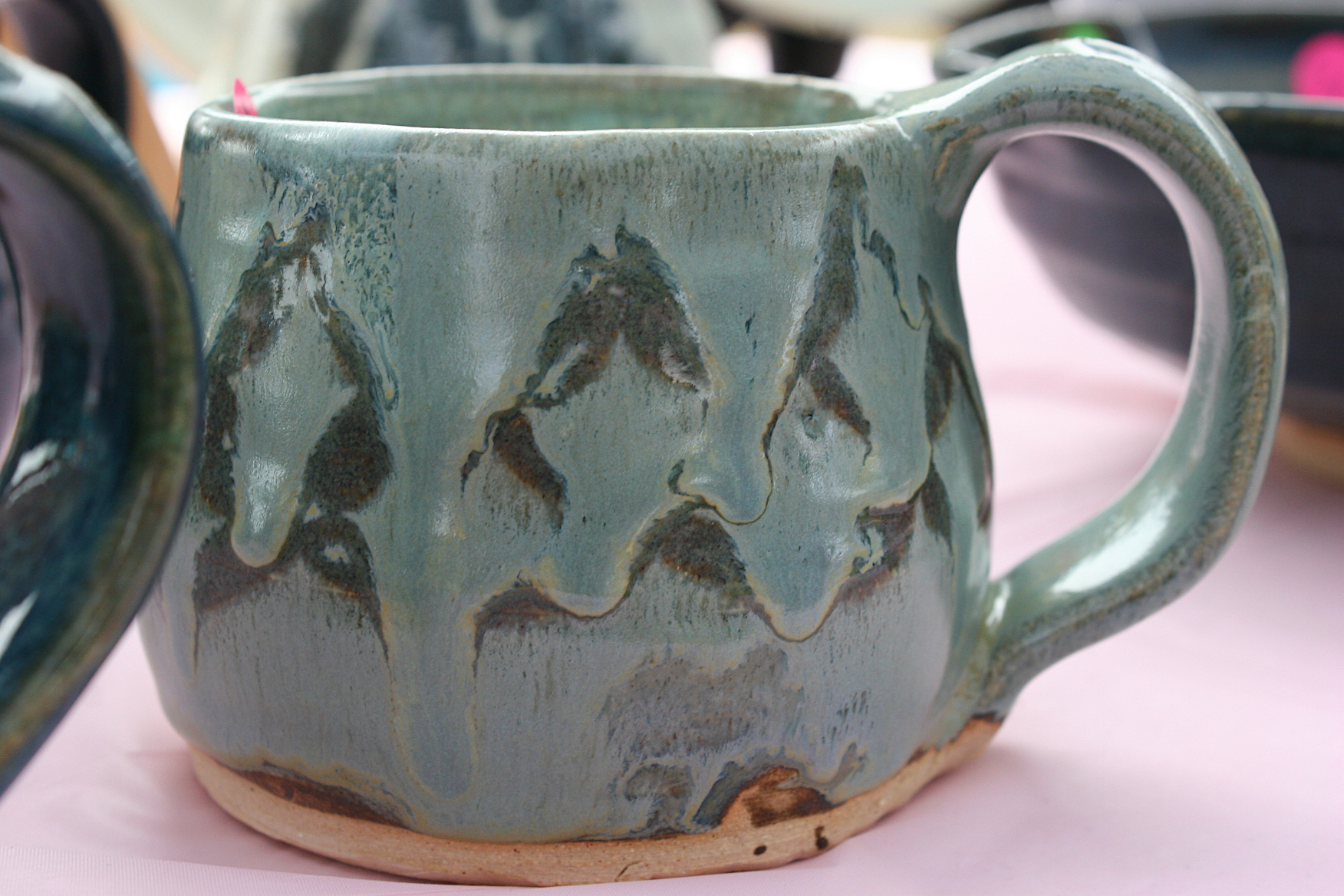
A mug by Dale Goodhue. Minnesota Prairie Roots copyrighted photo.
I admire the creative work of others, including those vending in Pequot Lakes. Like the pottery of Alice Harris and Dale Goodhue, Minnesota residents in the summer, Georgia residents in the winter. They create out of their When Pigs Fly Studio in Nisswa. Alice crafts the pigs while Dale creates more practical pottery pieces like mugs and plates. What a difference in approaches to pottery.
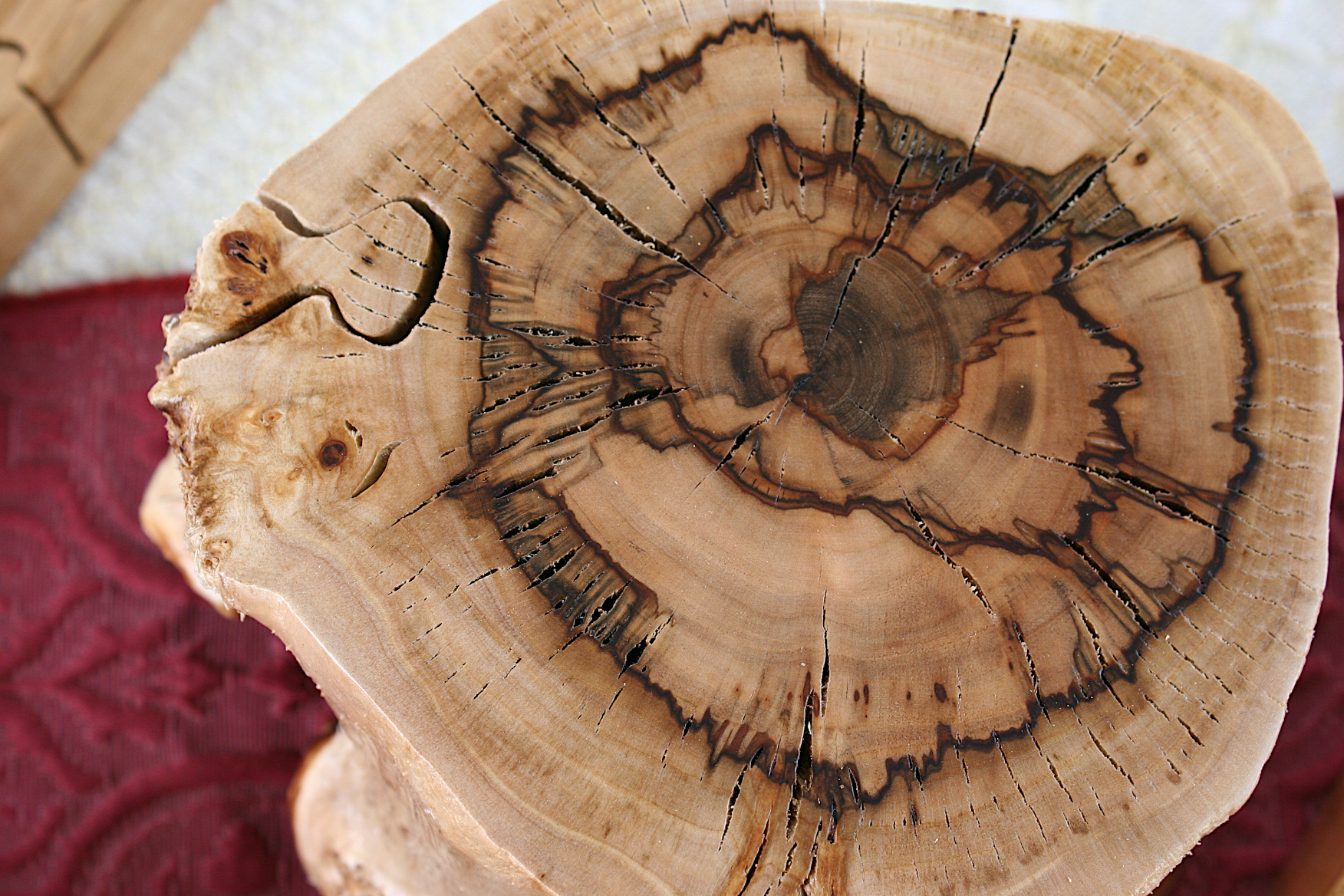
A Puzzle Box crafted by Ken Spurlin. Minnesota Prairie Roots copyrighted photo.
Perhaps the most unusual art I discovered are the Puzzle Boxes crafted by Ken Spurlin of Nevis. He takes a chunk of wood and then saws it into a puzzle with a hidden space inside. It’s magical.
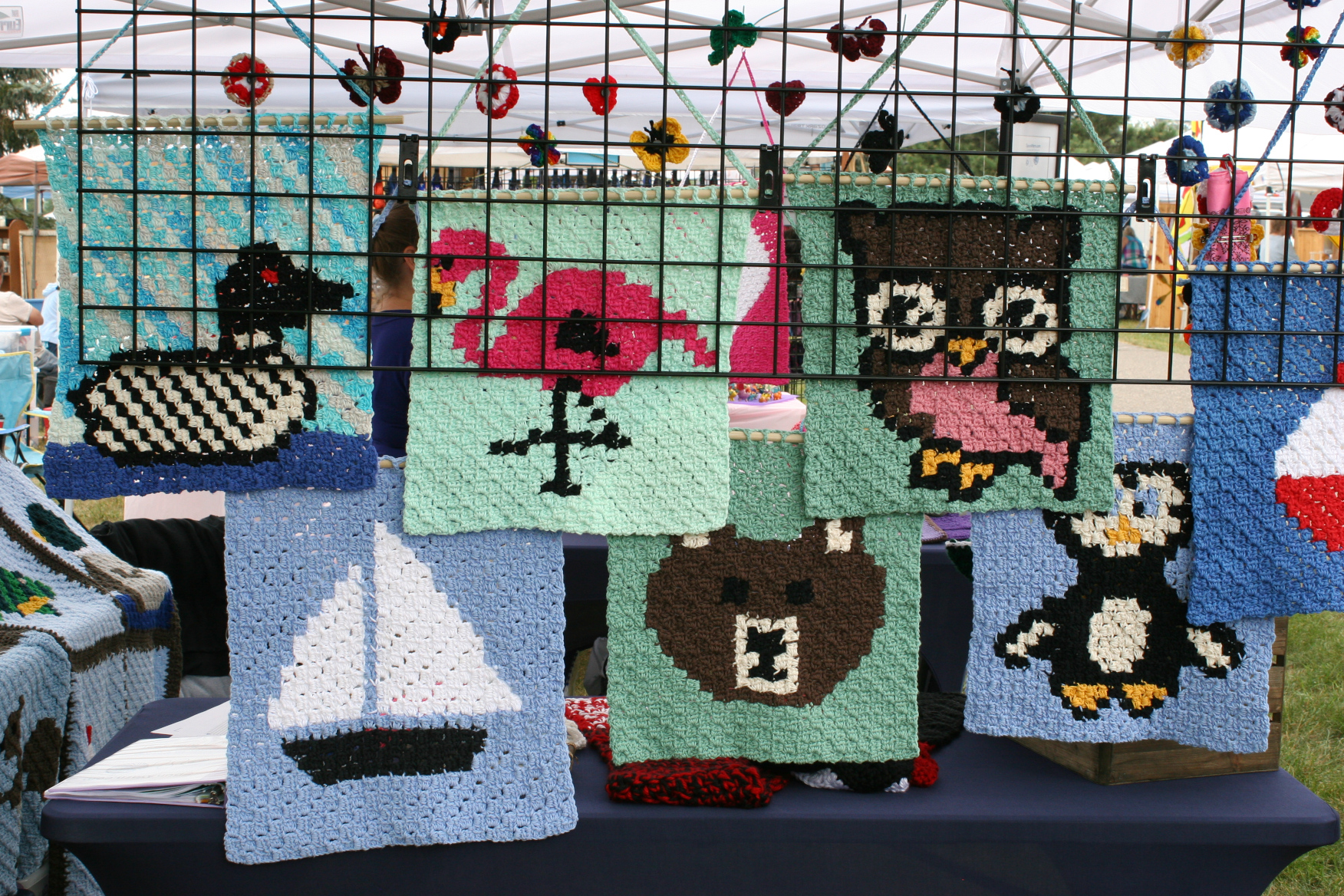
Crocheted art from Spun A Yarn. Minnesota Prairie Roots copyrighted photo.
When I spotted crocheted panels in the Spun A Yarn booth, I engaged in conversation with the artist, who, as it turns out, is also a freelance fiction editor and writer. Miranda Darrow (her pen name) creates “crochet with character.” Her crocheted loon panel caught my eye given the northwoods location of the Arts & Craft Fair. Loons are common on area lakes.
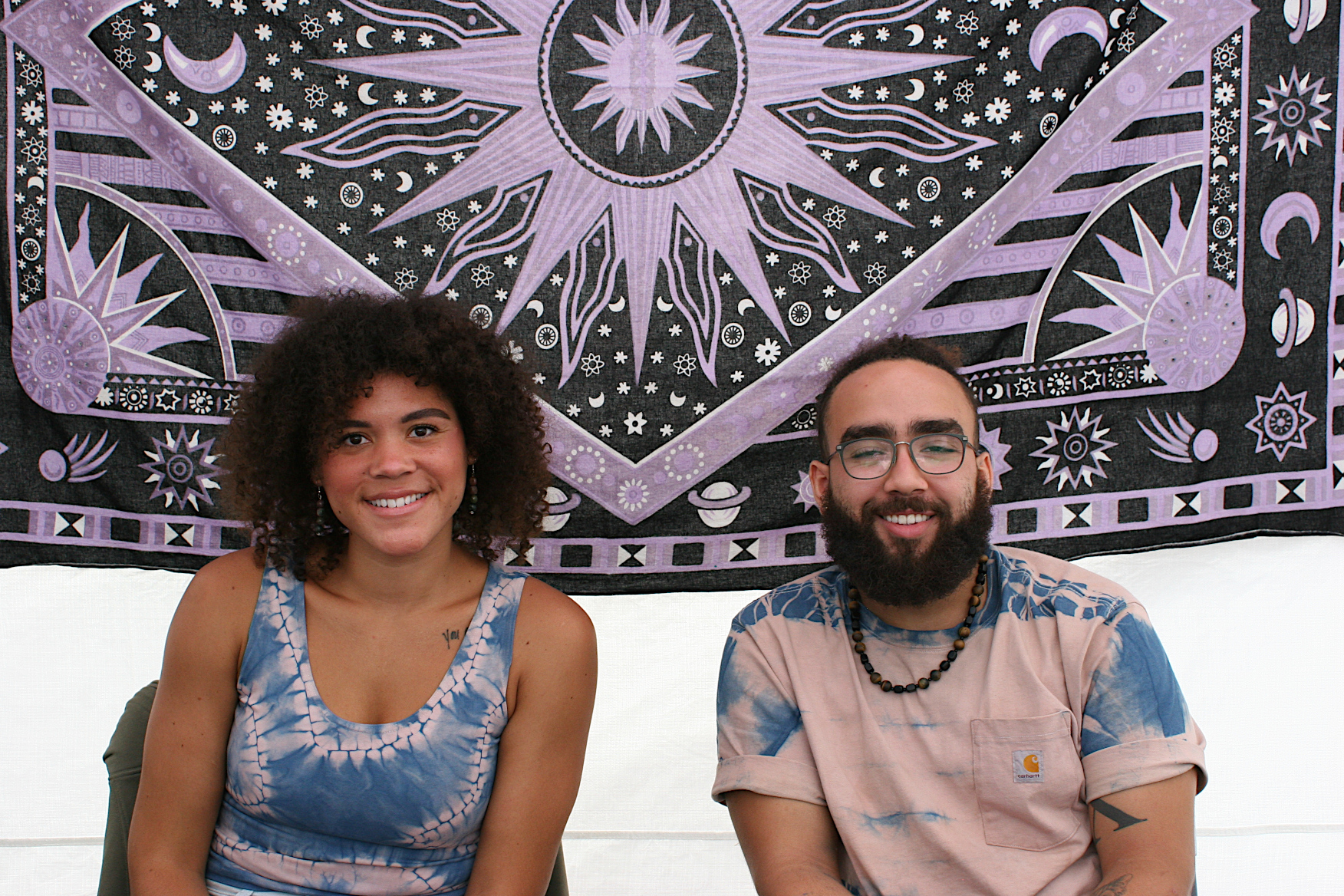
Vending dyed goods and other art. Minnesota Prairie Roots copyrighted photo.
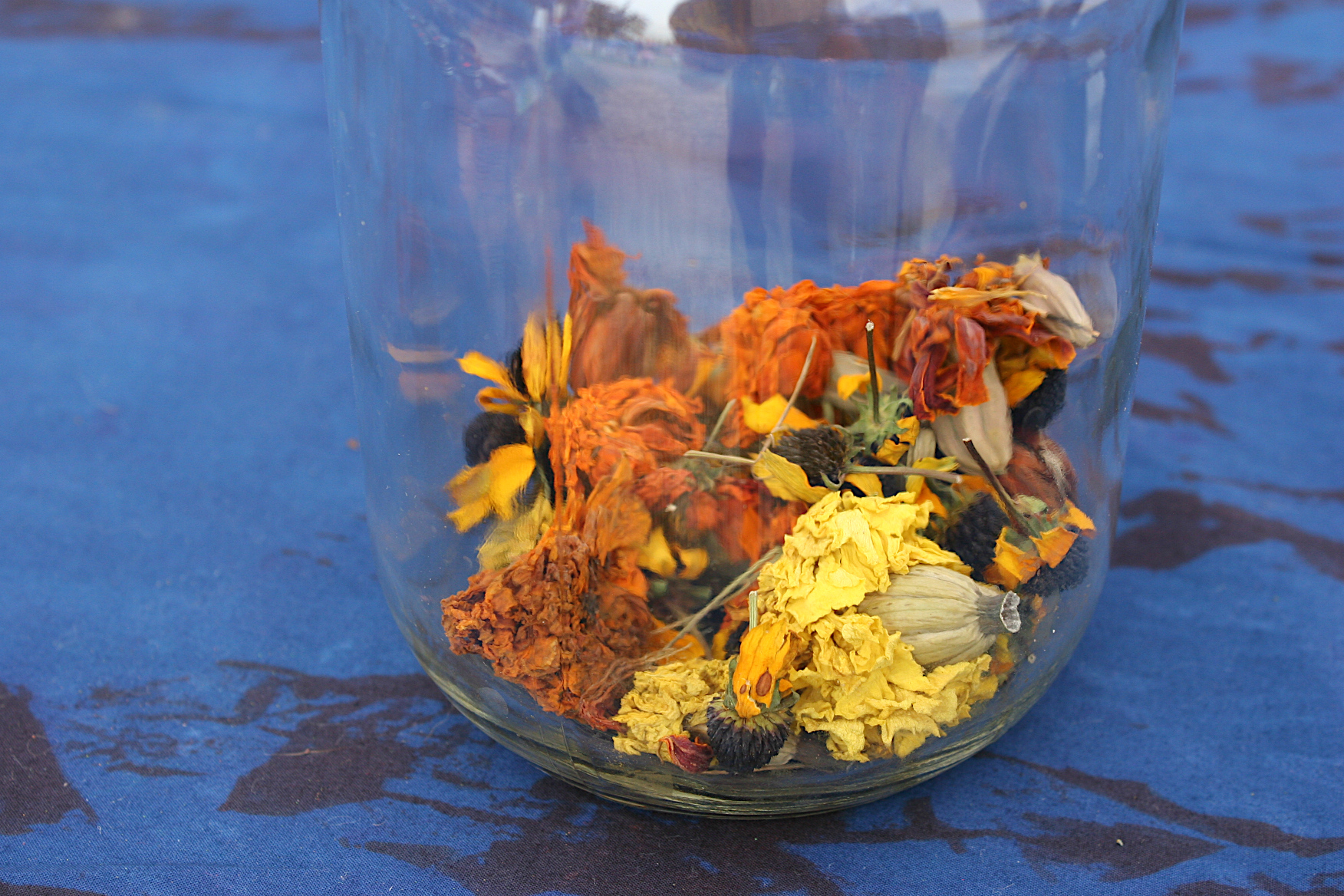
Used for natural dyes. Minnesota Prairie Roots copyrighted photo.
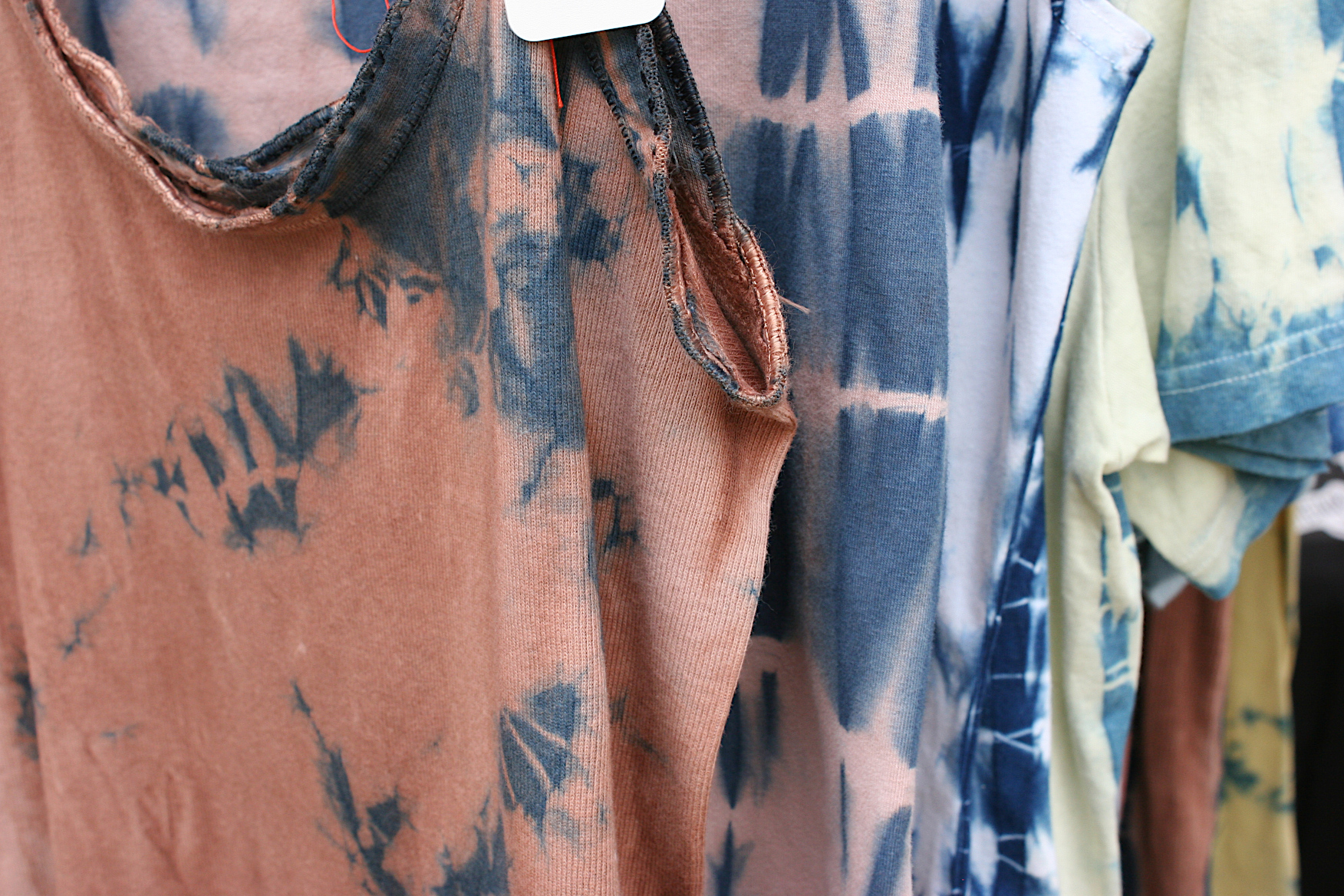
A sampling of the dyed clothing. Minnesota Prairie Roots copyrighted photo.
A creative backdrop and vendors dressed in dyed clothing caused me to stop and peruse the art of Shea J Maze and Diaspora Textiles. Memories of tie dying in the 70s flashed back. But unlike the chemicals I used to dye tees, these items are dyed naturally. A jar of dried flowers sitting on the table proved that. Beautiful, soft hues define this natural dying method.
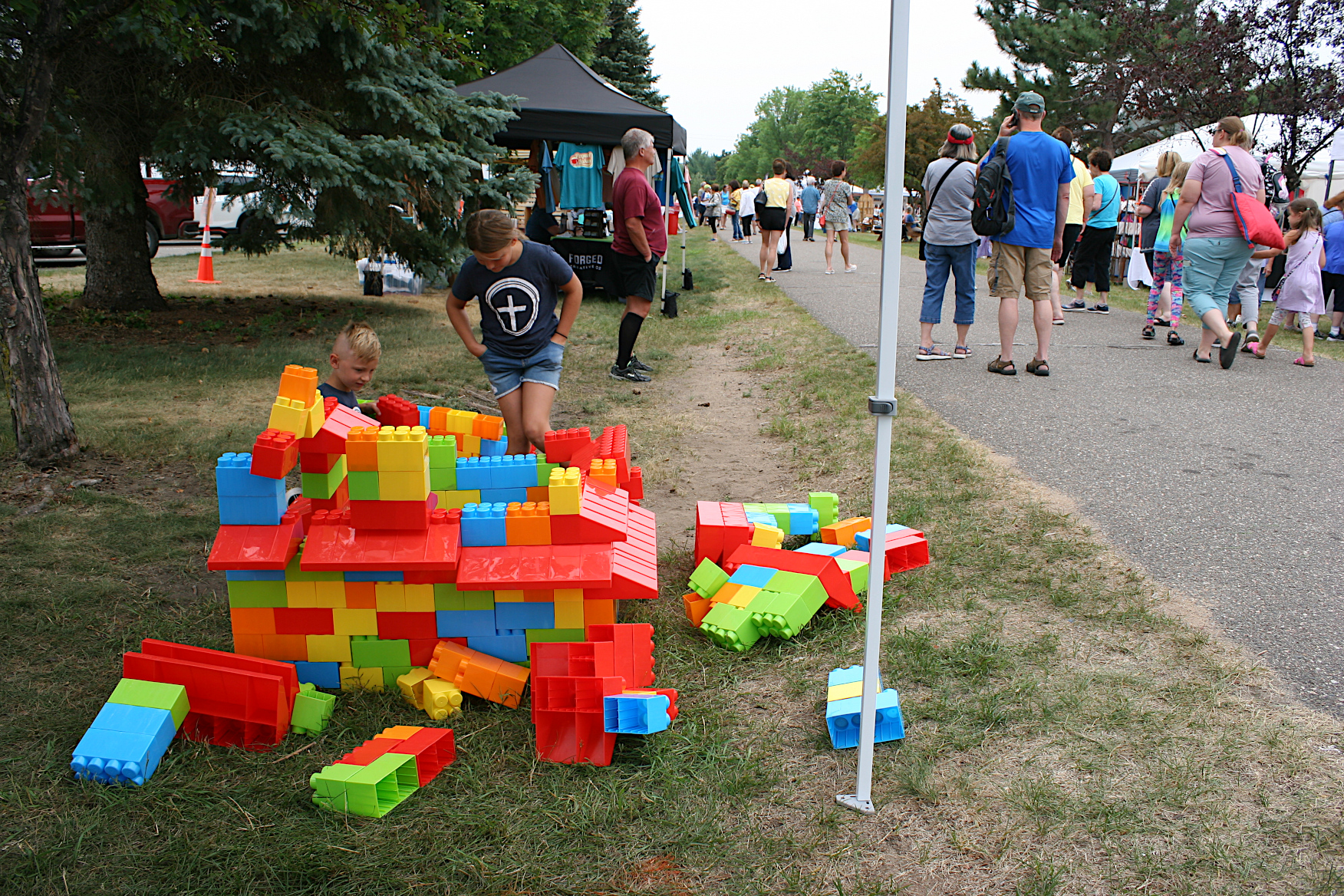
Kids play at the Wondertrek booth. Minnesota Prairie Roots copyrighted photo.
Farther along the trail, the bold colors of mega blocks drew kids (and me) to the booth of Wondertrek Baxter Children’s Museum. The museum is an in-process undertaking.
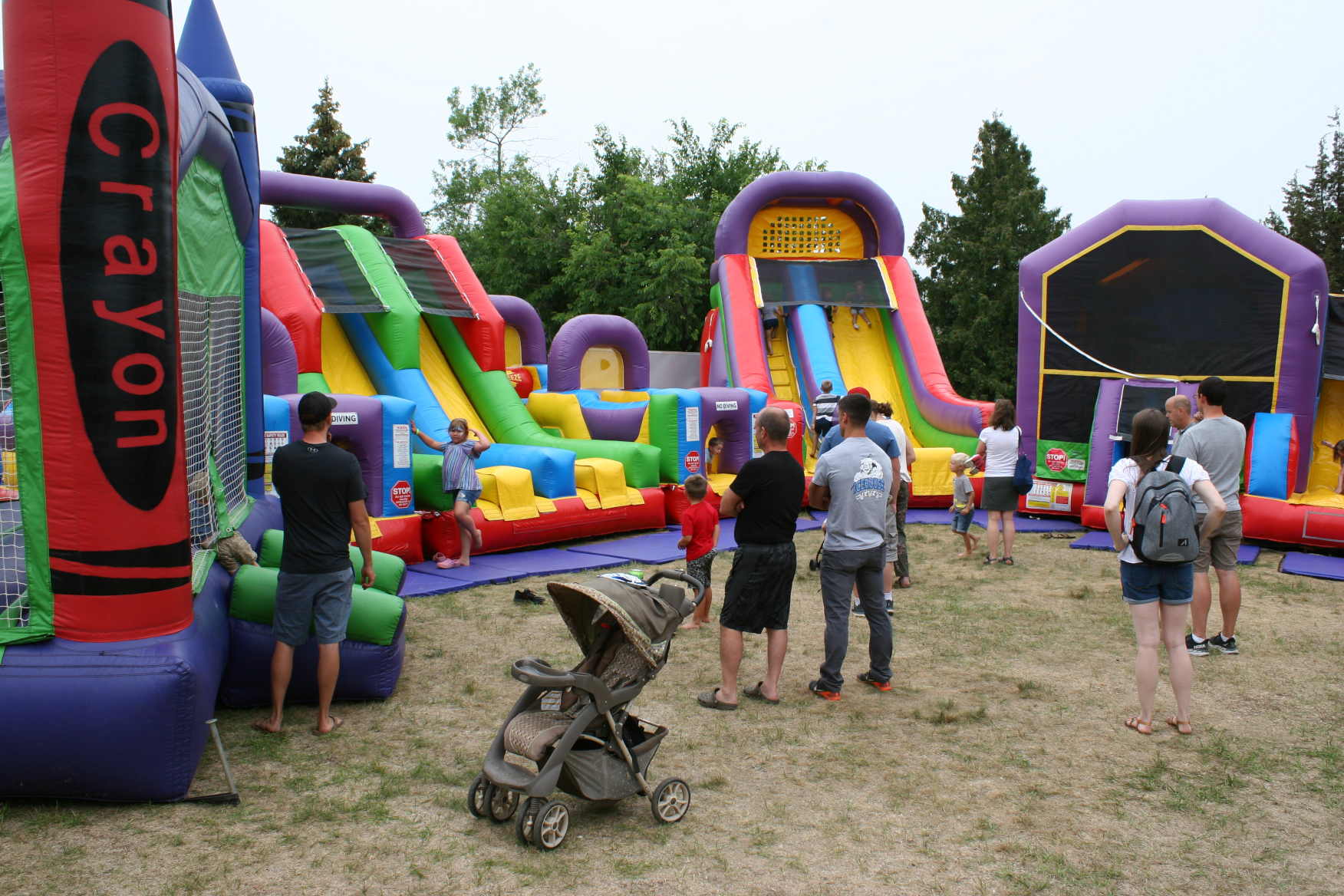
Bean Hole Days included a small carnival. Minnesota Prairie Roots copyrighted photo.
Across the park, inflatables splashed color into the landscape in temporary, interactive public art.
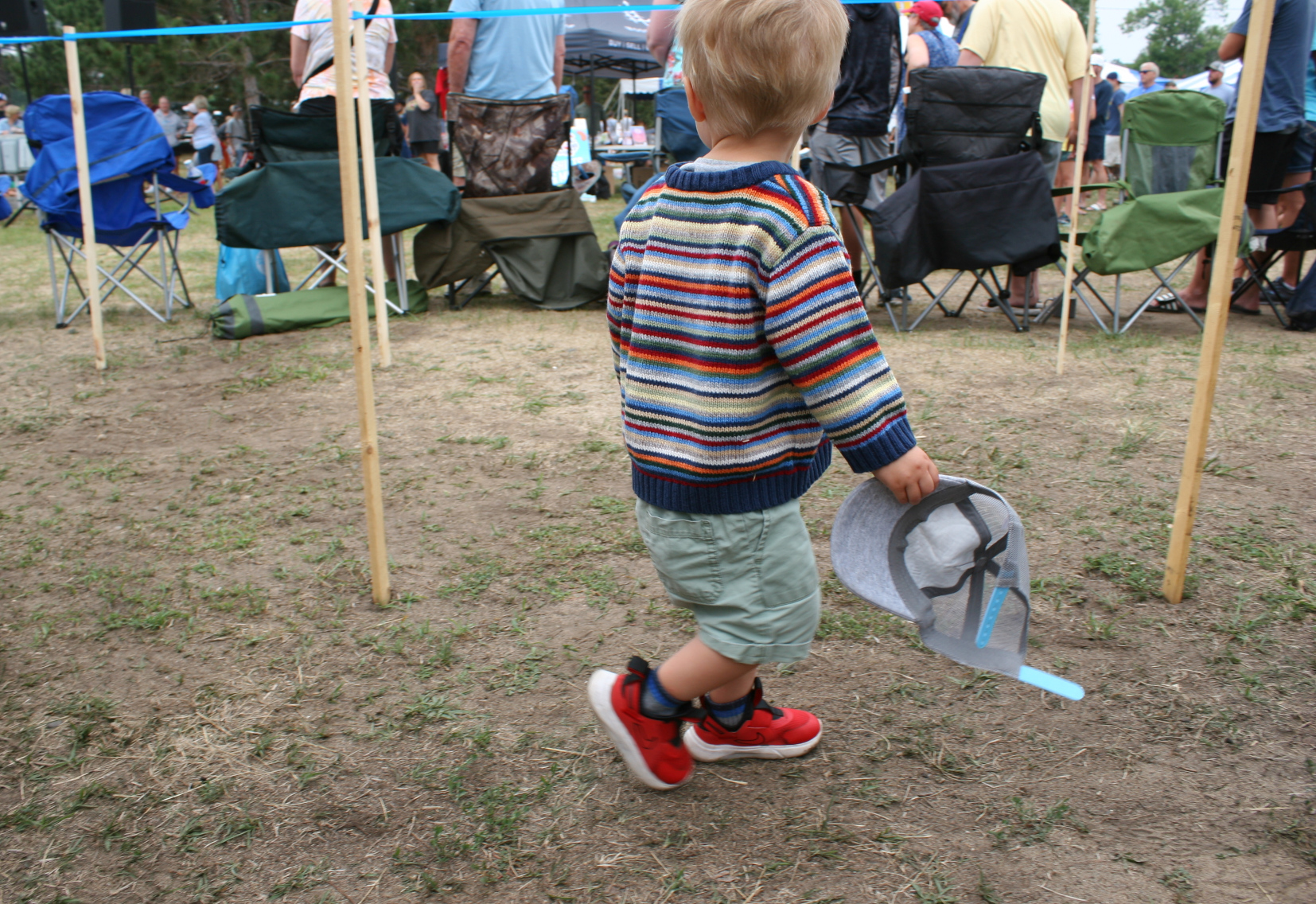
Loved this little guy’s colorful sweater. Minnesota Prairie Roots copyrighted photo.
I can see art most anywhere, including in the striped sweater worn by a preschooler wandering the fest grounds. Handcrafted or not, I don’t know. But I found it visually appealing, albeit seemingly too warm for the hot and humid July day.
Oh, the sweetness of this little girl, providing entertainment as people waited in line for free baked beans. Minnesota Prairie Roots copyrighted photo.
While I’ve only shown you a sampling of the arts and crafts featured in Pequot Lakes, I hope this entices you to attend Bean Hole Days next summer. Not only for the delicious baked beans but also for the art.
#
Please check back for one final post (of three) on Pequot Lakes Bean Hole Days.
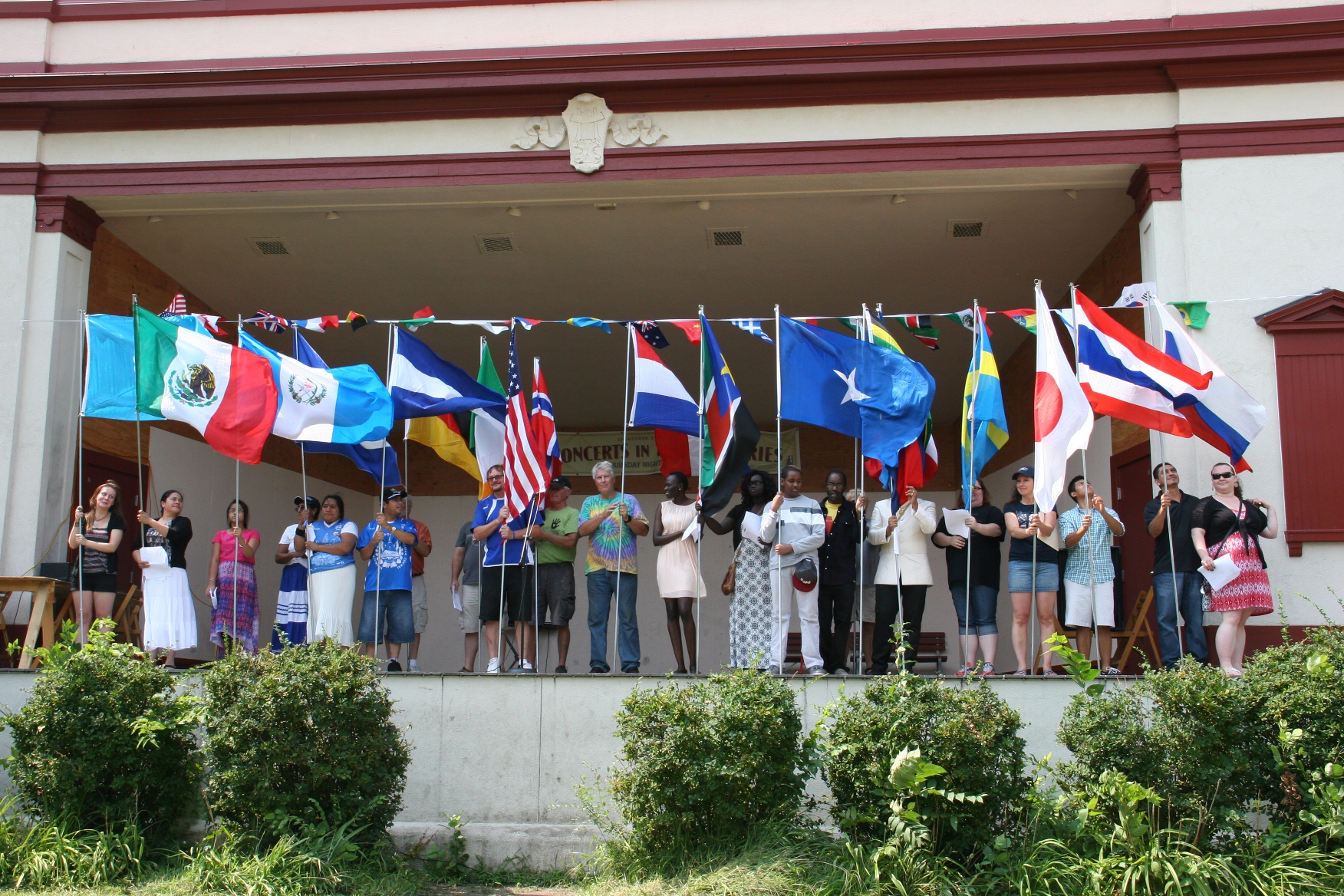
Flags representing the many countries from which Faribault residents came are displayed at a past International Festival Faribault. Minnesota Prairie Roots file photo.
DECADES AGO, in high school and then in college, I studied the German language. I grew fluent in the native tongue of my forefathers. I felt a sense of accomplishment as my skills advanced. I decided I would major in German in college, until I determined journalism would be a better path. I’ve never regretted that decision because I love words, no matter the language.
My second daughter, though, pursued a foreign language major, earning her college degree in Spanish (much more practical than German) and then becoming a Spanish medical interpreter. Until the pandemic ended that career.
Friends, Nimo Abdi, a sophomore at Faribault High School, left, and Nasteho Farah, a senior when I photographed them in 2012 at the International Festival. Minnesota Prairie Roots file photo.
I share this to lay the foundation for my personal appreciation of other cultures. I’ve never traveled internationally and not all that much domestically, so I welcome the opportunity to experience other countries and cultures locally. From 10 am – 4 pm this Saturday, July 10, diverse cultures focus the 16th annual International Festival Faribault in Central Park.
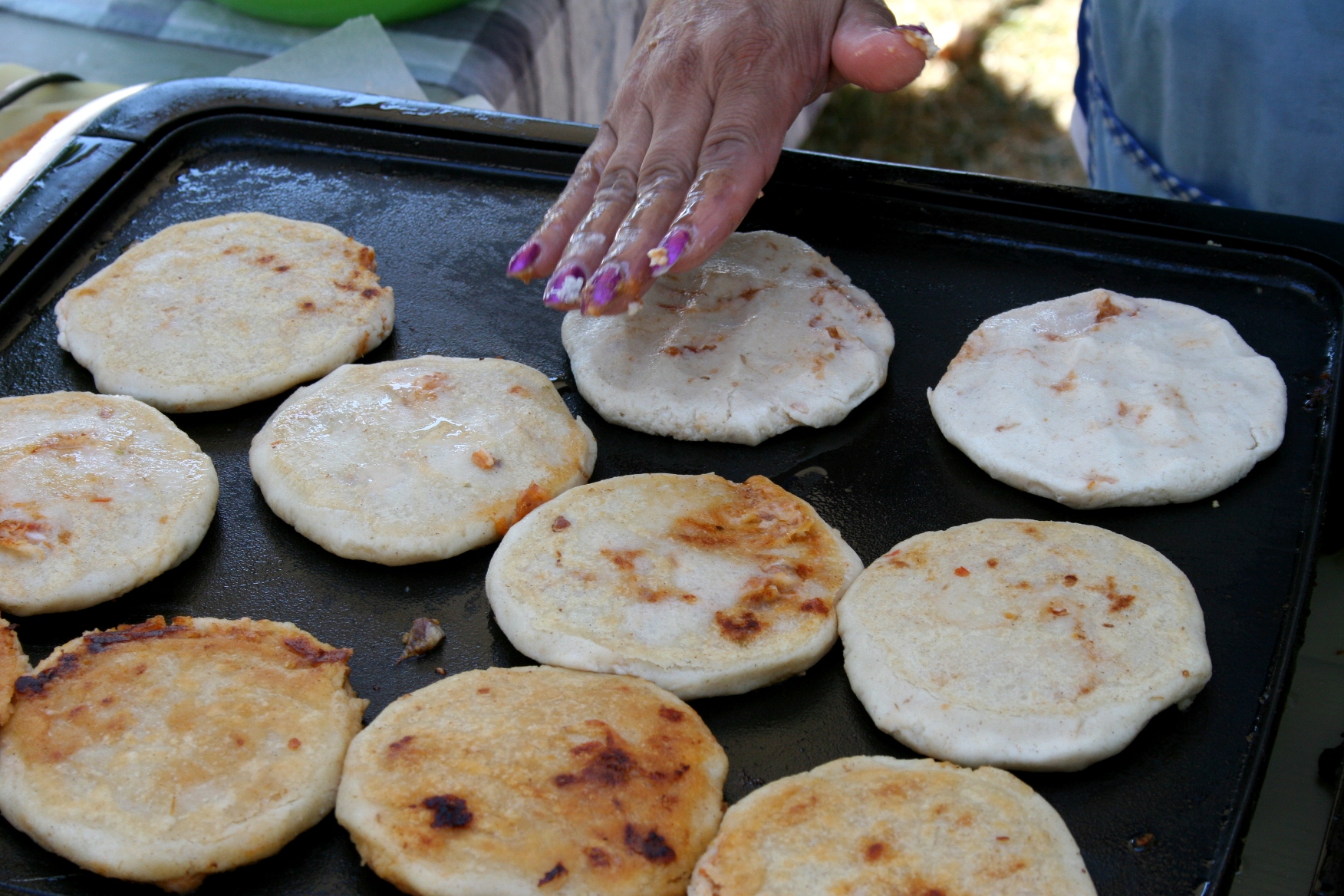
Pupusas served at the 2011 International Festival. Minnesota Prairie Roots file photo.
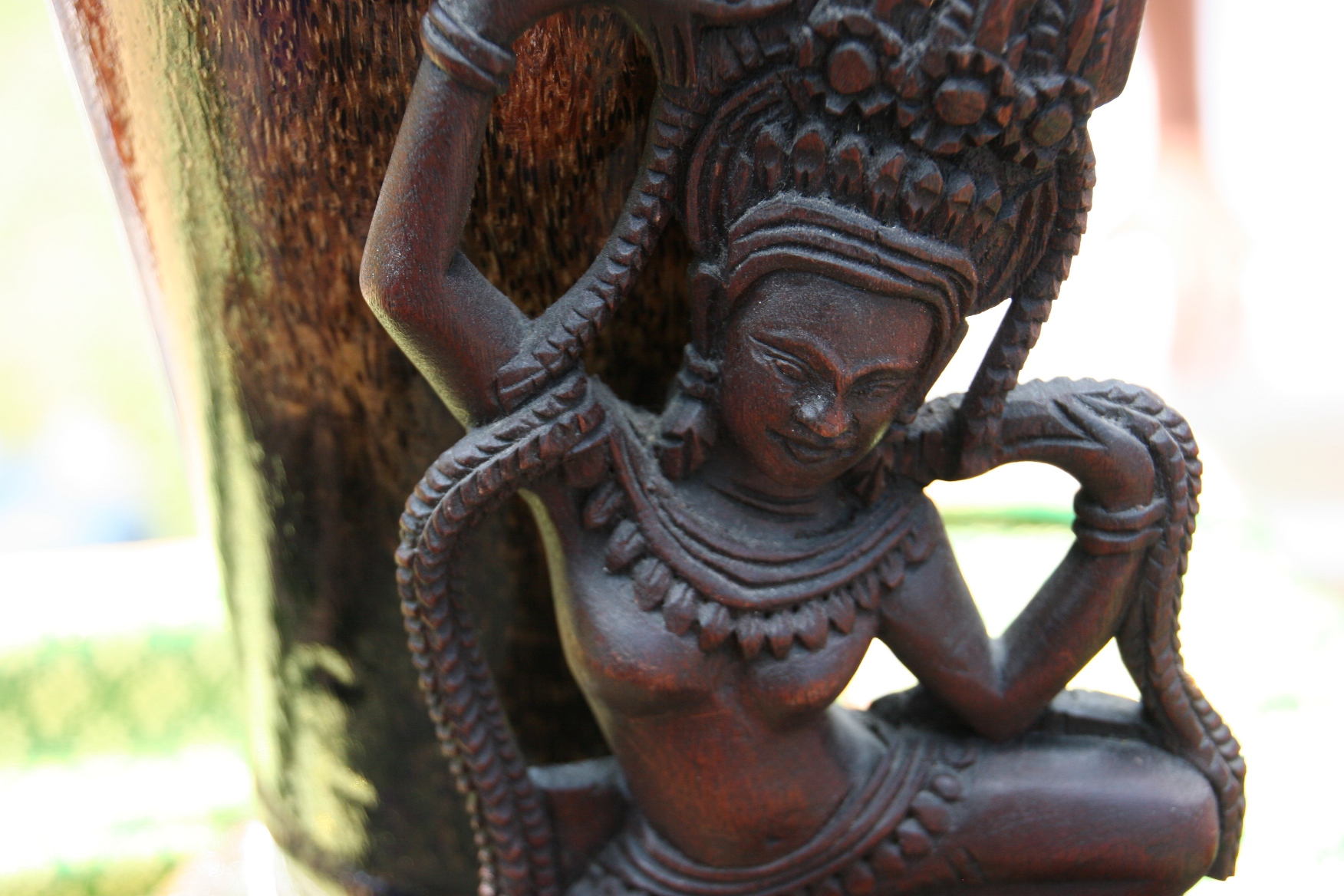
Cambodian art at the 2015 fest. Minnesota Prairie Roots file photo.
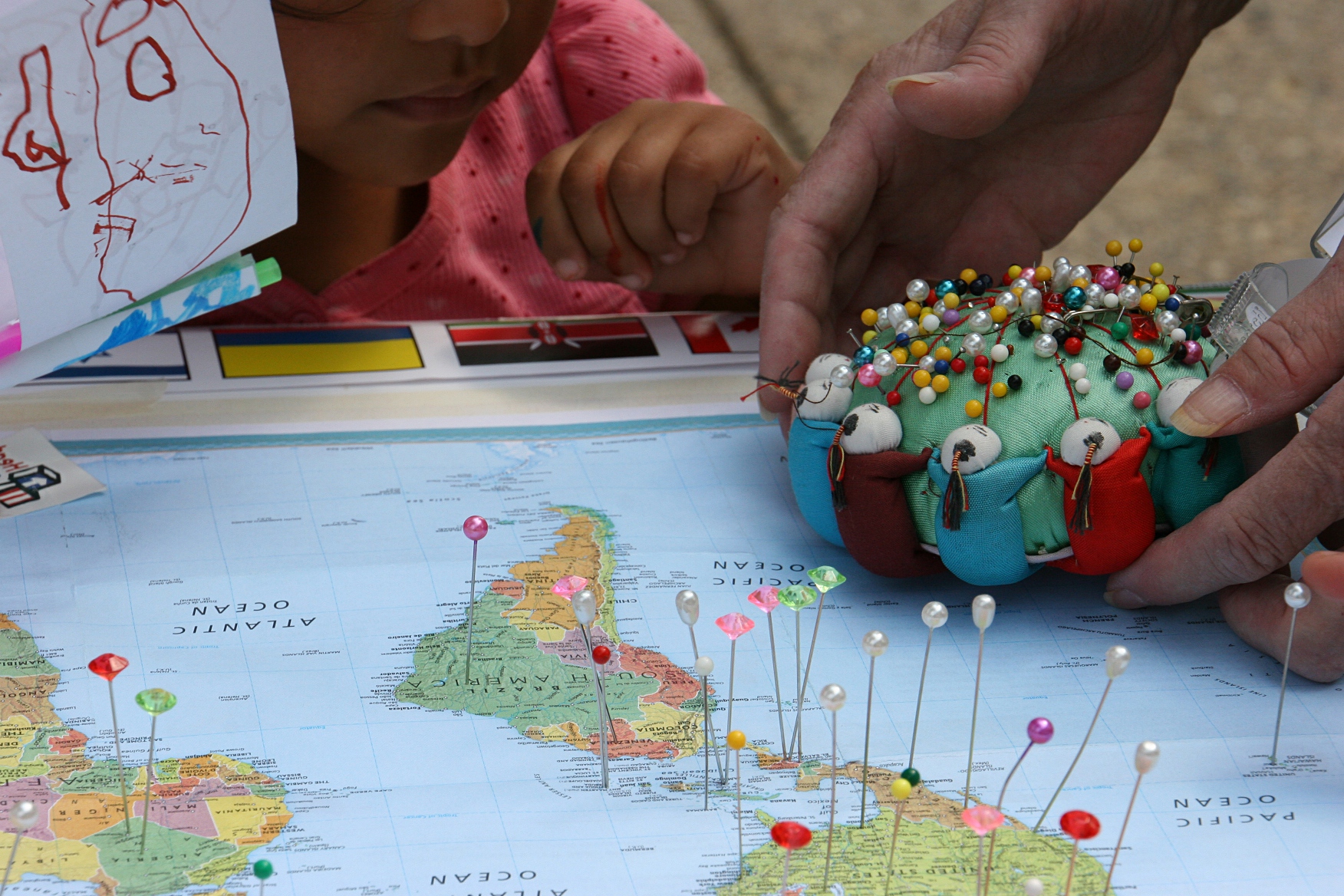
Attendees marked a world map with their countries of origin during a previous festival. Minnesota Prairie Roots file photo.
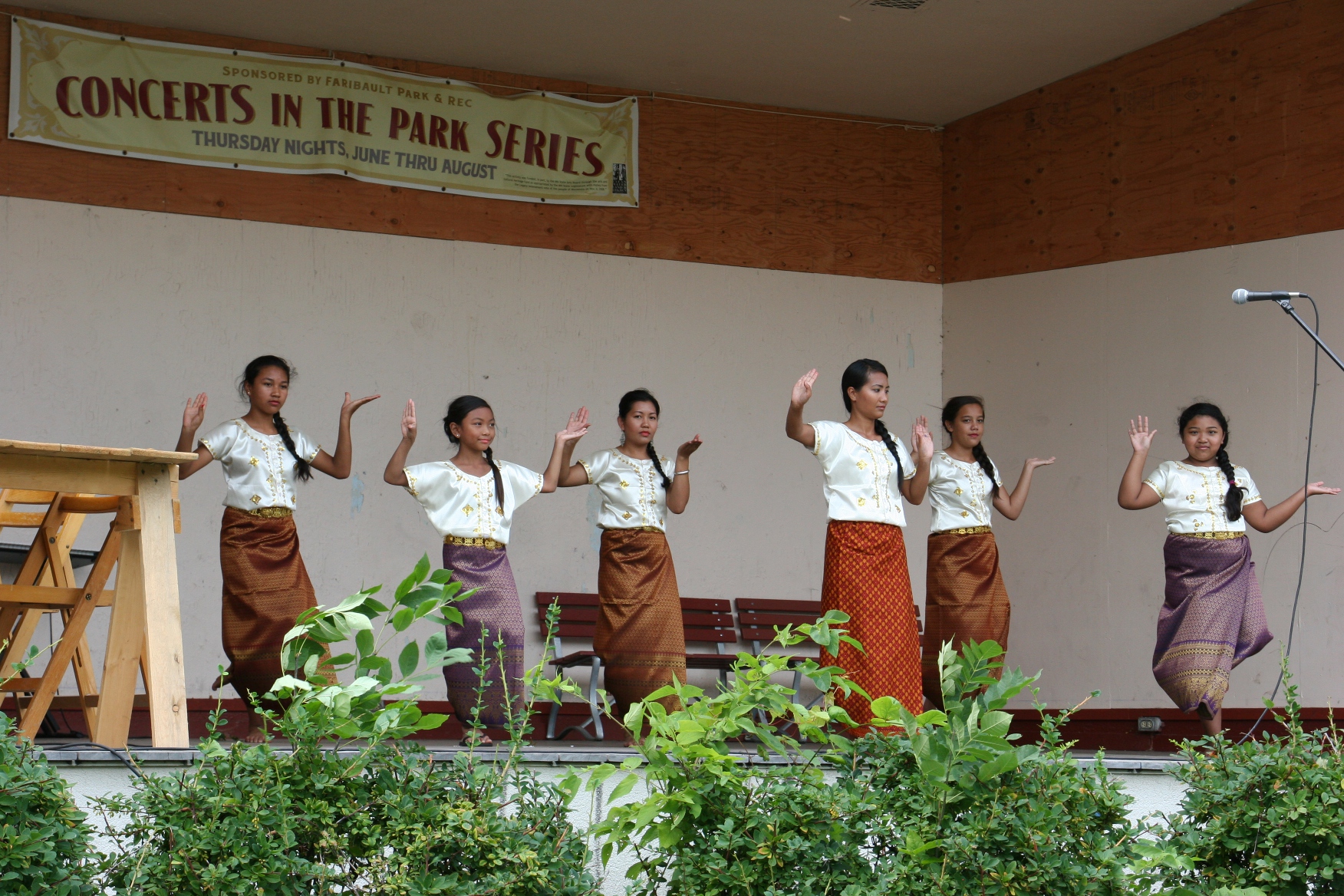
The fest is promoted as “a global bazaar-style event featuring food, music, dance, presentations and goods from around the world.” I’ve attended several times, although not recently, and always enjoyed this Neighbor Meeting Neighbor celebration. Many of those participating in the fest are local residents, shopkeepers and vendors.
This sculpture of Alexander Faribault trading with a Dakota trading partner stands in Faribault’s Heritage Park near the Straight River and site of Faribault’s trading post. Faribault artist Ivan Whillock created this sculpture which sits atop a fountain known as the Bea Duncan Memorial Fountain. Minnesota Prairie Roots file photo.
Faribault truly is an ethnically diverse community with a size-able immigrant population and with long-time residents rooted in many countries. Founding father Alexander Faribault, for example, was of French-Canadian and Dakota heritage. Our newest residents come from places like war torn Somalia.
A recently-completed mural in downtown Faribault, LOVE FOR ALL, celebrates our city’s diversity. Minnesota Prairie Roots file photo 2021.
While we’ve struggled in the past to accept one another, I feel like things are settling, that we are beginning to celebrate our differences and recognize the value of those differences.
Downtown Faribault during a Car Cruise Night in 2015 reflects our diversity. Minnesota Prairie Roots file photo.
Newcomers to Faribault are here to stay. They live, work and play here. Attend school. Own businesses. And that’s reason to celebrate. We are a stronger community because of our diversity.
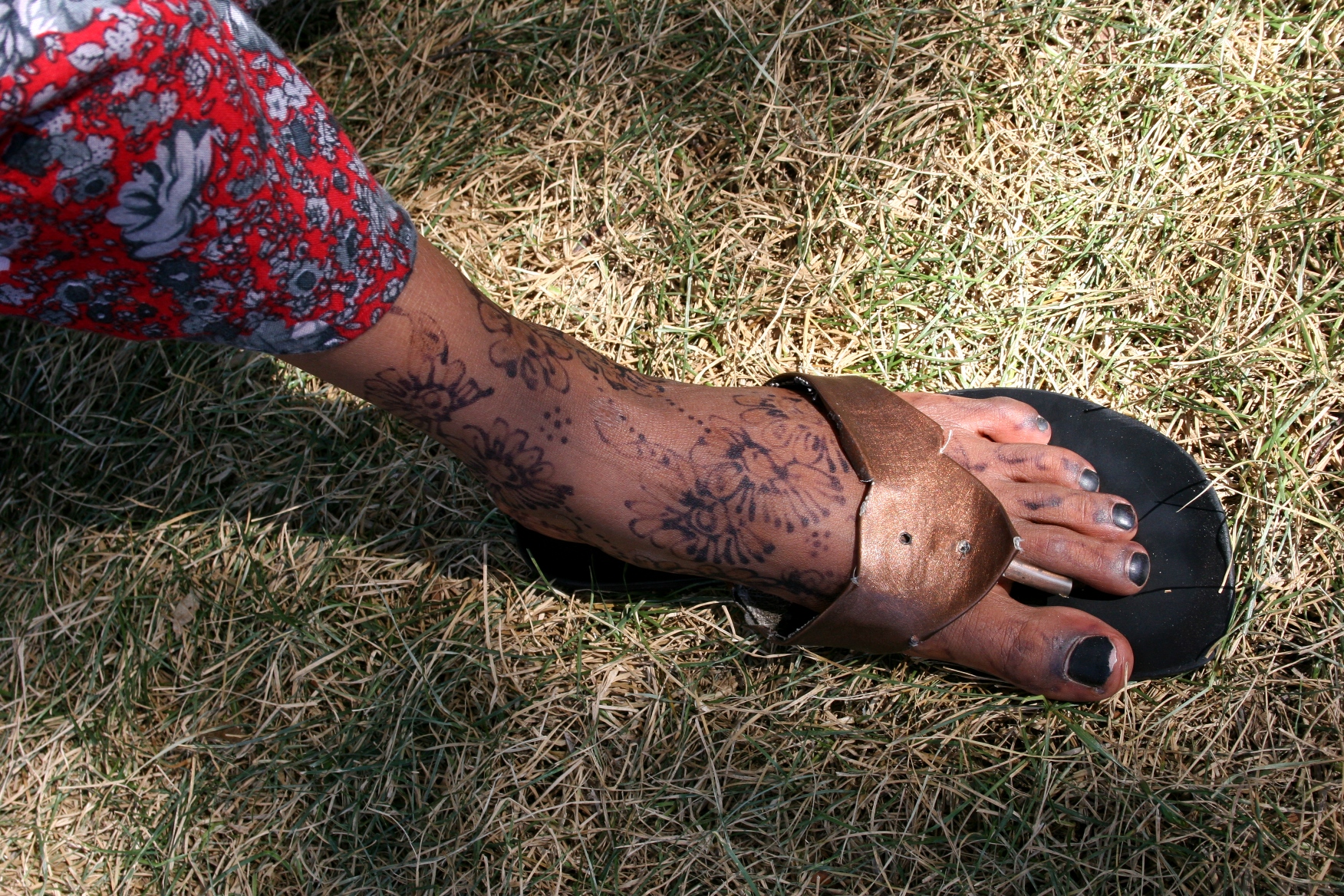
A young girl’s henna stained foot, photographed at the 2011 fest. Minnesota Prairie Roots file photo.
A little girl stands on the opposite side of the group of children waiting to swing at the pinata. Minnesota Prairie Roots file photo.
I encourage locals and people from out of town to attend Saturday’s International Festival Faribault. International dancers, music, a flag ceremony, arts and crafts, kids’ activities (including the popular pinata breaking), henna and food from around the world will be among the offerings. Perhaps someone will represent the German heritage by serving sauerkraut and brats or pumping out polkas on an accordion…
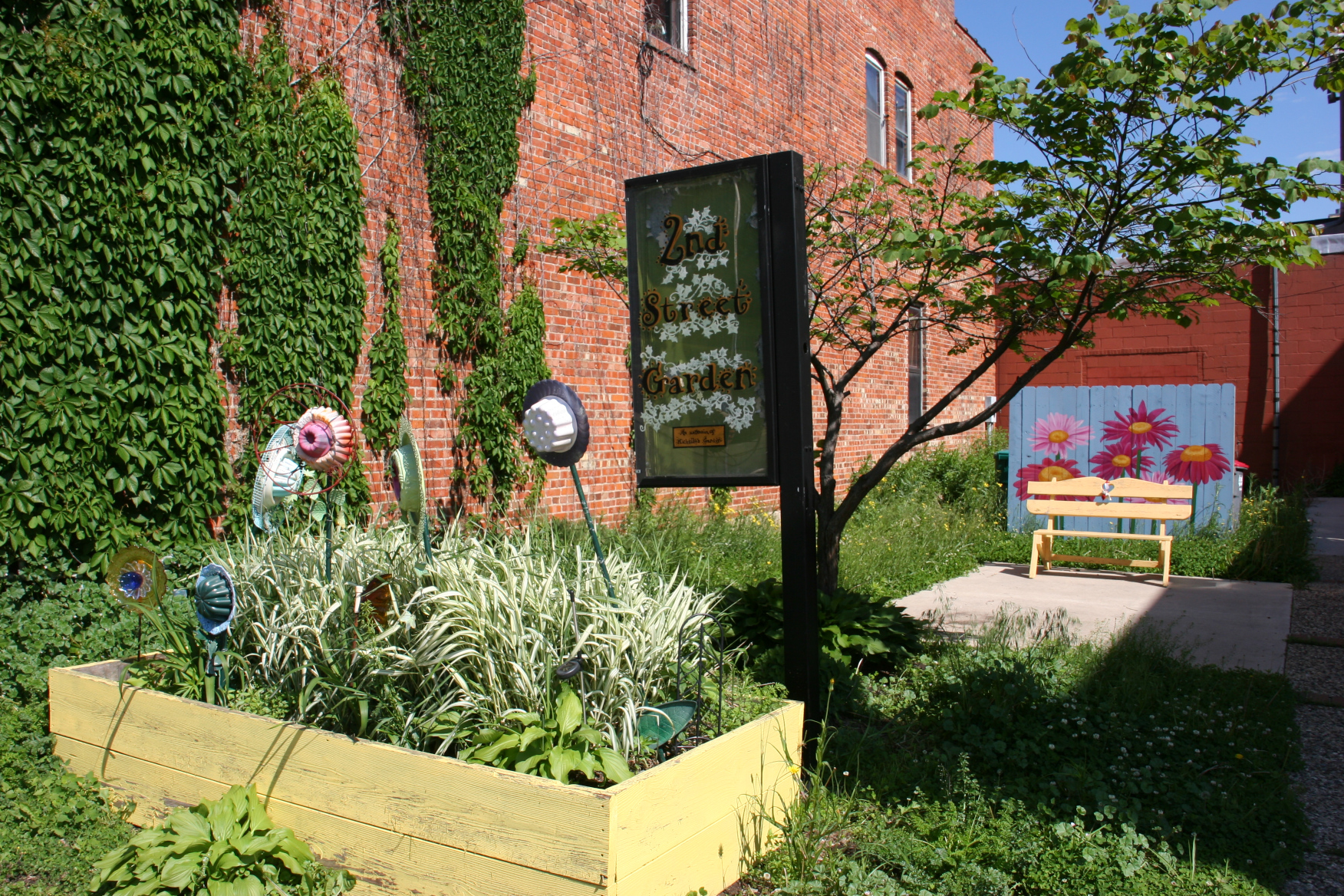
2nd Street Garden in downtown Faribault. MN Prairie Roots copyrighted photo.
WHEN YOU CONSIDER THE WORDpocket, what flashes into view? A side or back pocket in your jeans? A place to tuck your cellphone or keys? A slip of fabric stitched to the front of a shirt? How about a garden? Yes, a garden.
Downtown Faribault features a pocket garden, a mini garden sandwiched in an open space between buildings. I love the concept, the artsy and practical use of a spot that might otherwise exist as unused and unsightly.
In 2018, two sisters and two artists created the 2nd Street Garden next to DuFour’s Cleaners thanks to funding from Faribault Main Street. That downtown-focused group secured a $15,000 grant from the Preservation Alliance of Minnesota and the Bush Foundation for six creative placemaking art projects, including the pocket garden.
With financial support, sisters Dee Bjork and Beth Westerhouse (who has since died) and husband-wife team Ann Meillier and Dave Correll (Brushwork Signs) designed and created the garden. It incorporates metal flowers, real flowers and plants, a bench and floral art.
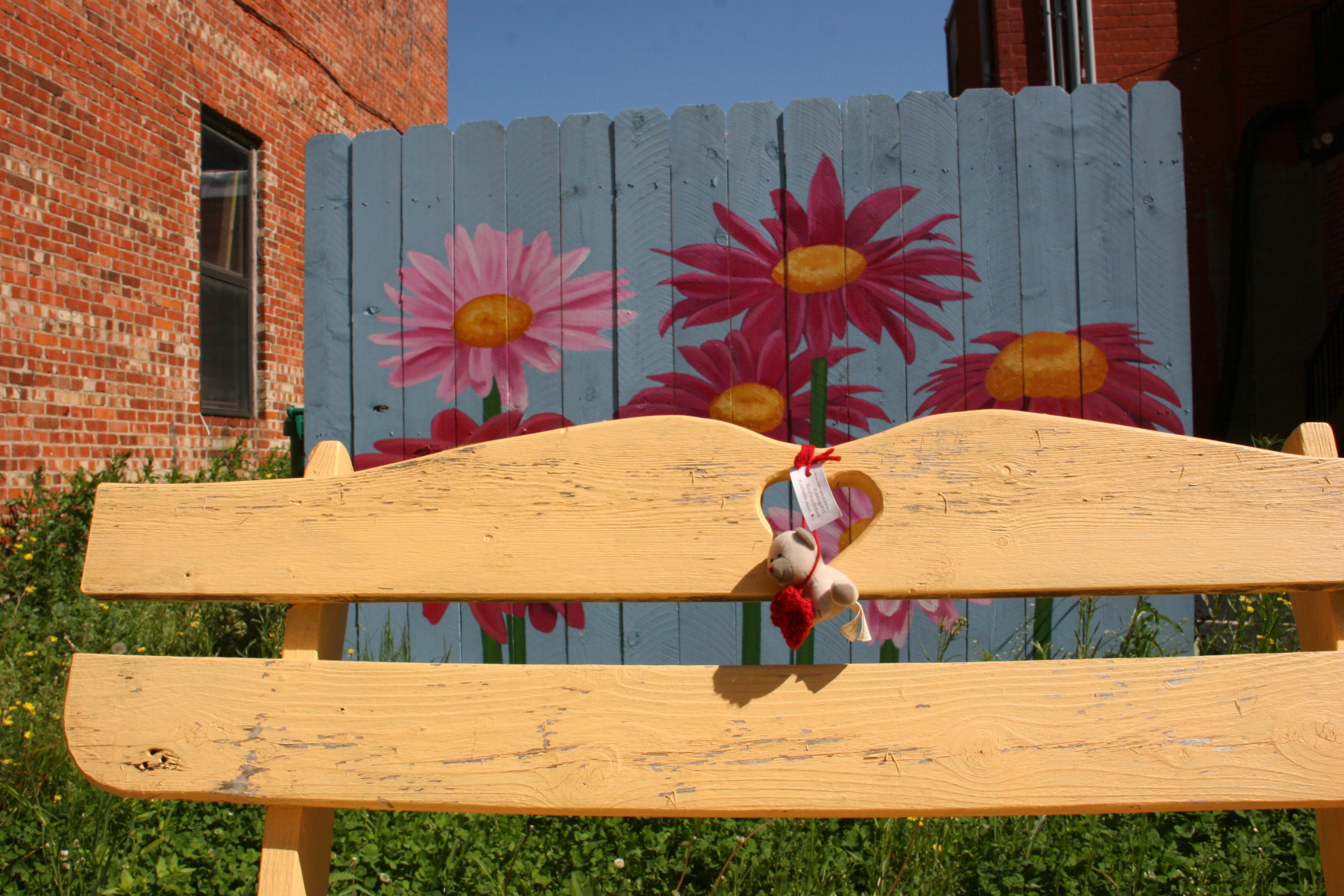
A bench offers a place to rest and ponder. MN Prairie Roots copyrighted photo.
The result is an inviting oasis that feels tranquil and welcoming. And unexpected.
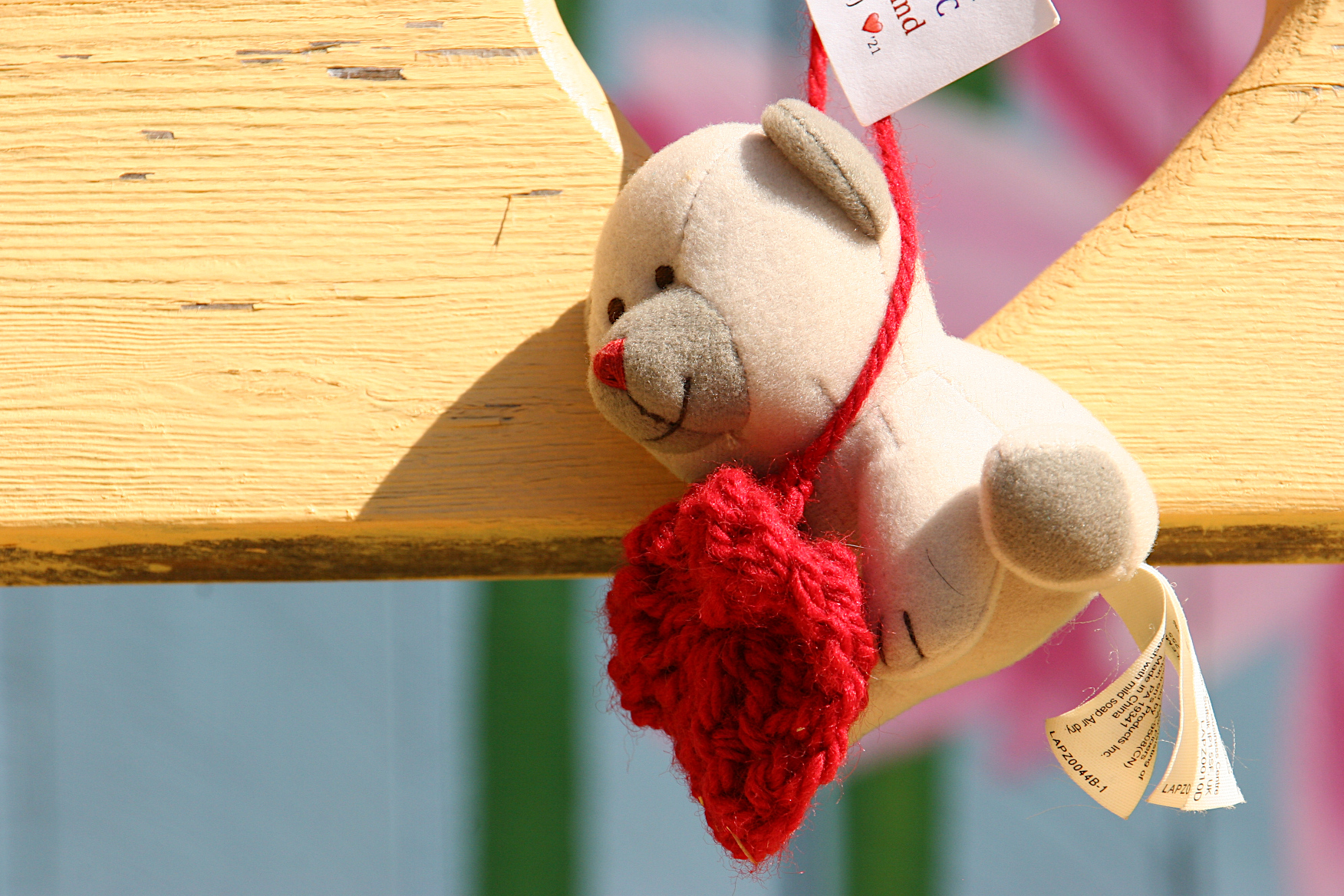
Left behind by a recent visitor to inspire kindness. MN Prairie Roots copyrighted photo.
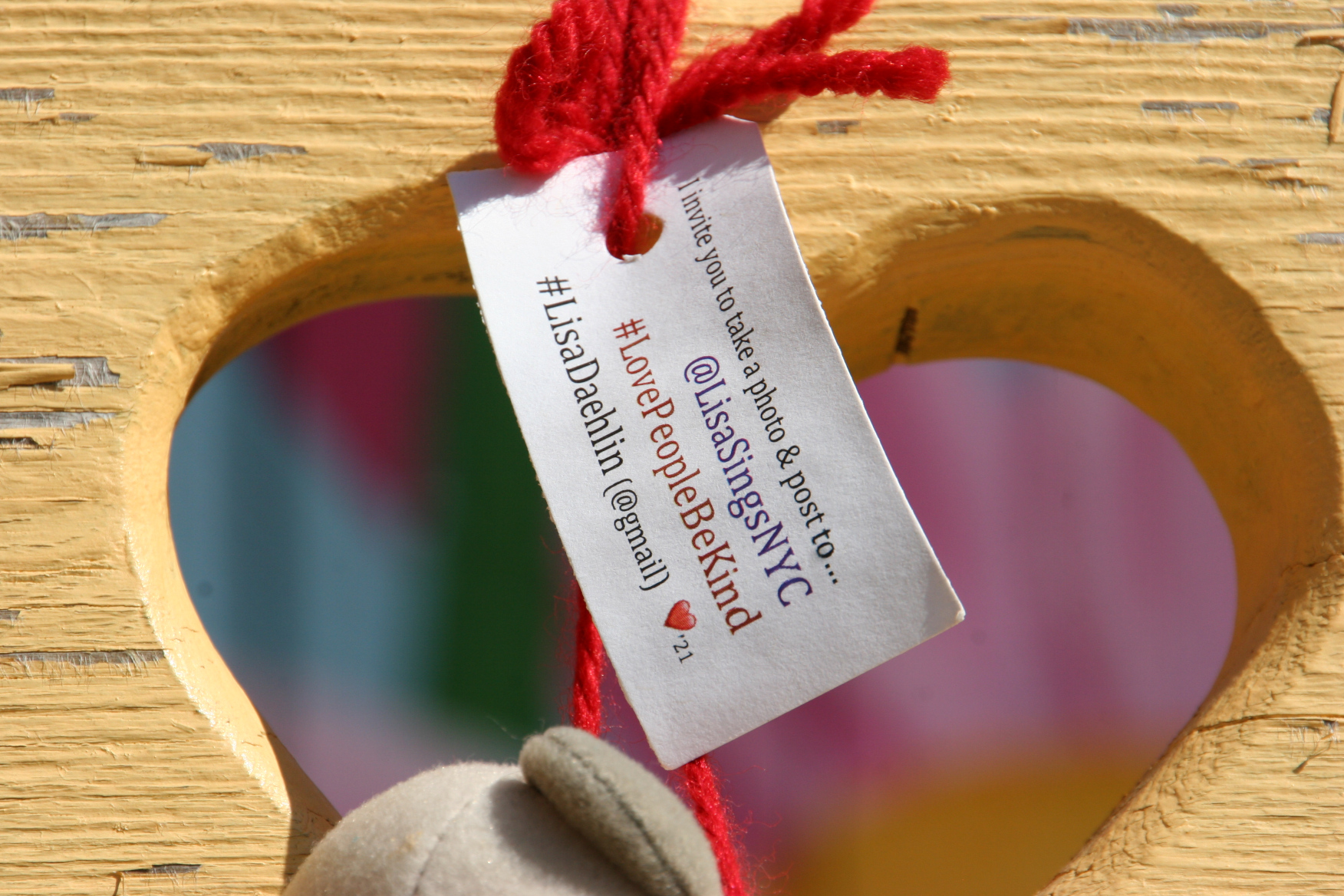
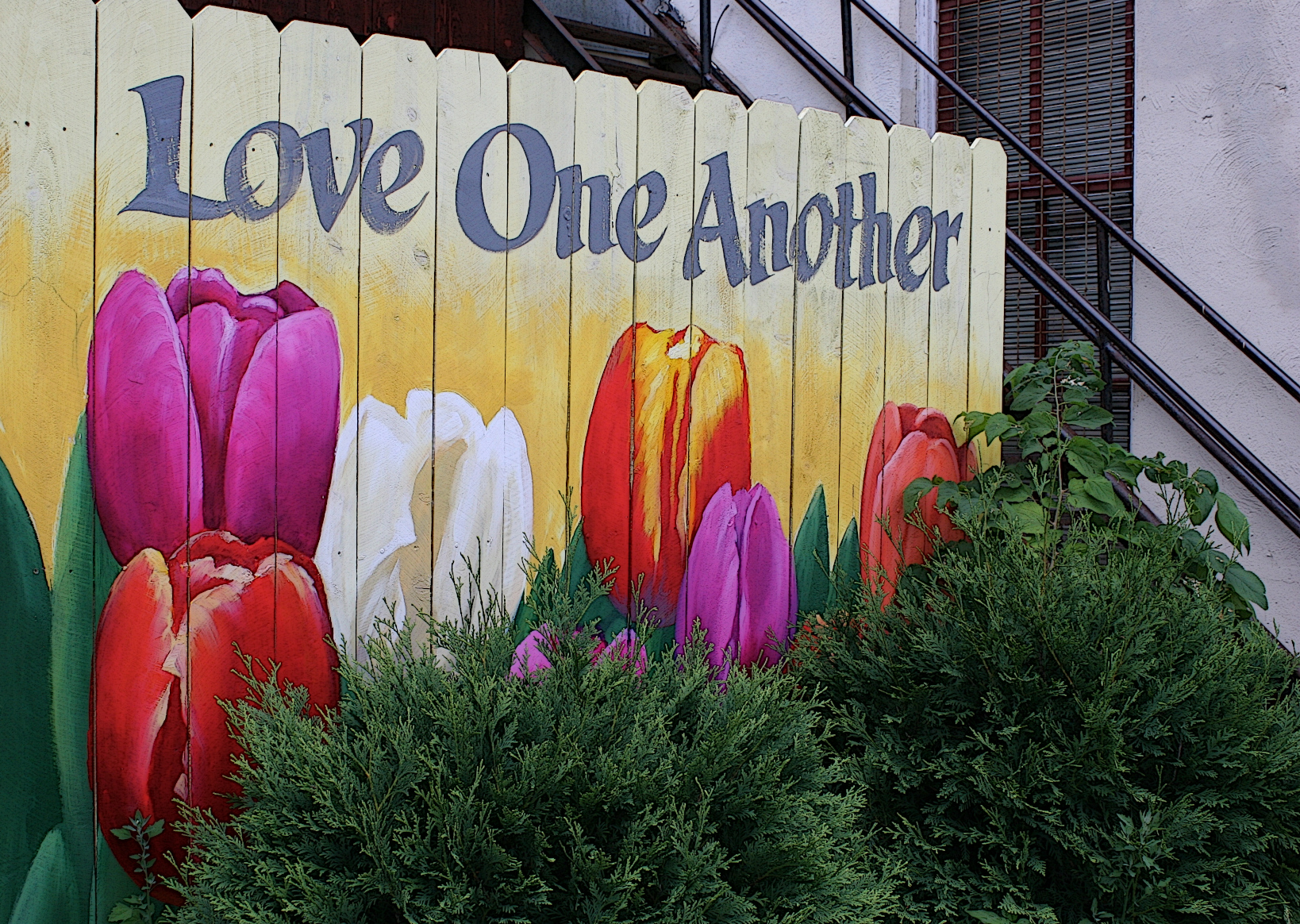
Recently, I revisited the garden and discovered a mini stuffed bear on the park’s bench. An attached tag invited visitors to take a photo and to use #LovePeopleBeKind. The bear, with red heart connected, fits the garden’s theme of Love One Another.
An important message tagged to the bear. MN Prairie Roots copyrighted photo.
It’s such a simple concept: Love One Another. But it’s not always easy to do. We say and do things that hurt others. We fail to listen. We blame and criticize and jump to conclusions. And with technology, it’s easier than ever to fire off words in the heat of the moment. Without thinking. Without considering. Without putting our fingers and mouths on pause.
The positive message painted onto a fence panel in the garden. MN Prairie Roots copyrighted and edited photo, August 2019.
I’d like each of us to step into a pocket garden. To sit on a real or imaginary bench, surrounded by natural and artistic beauty, and to contemplate. To think beyond ourselves. To think of ways we can grow more loving and caring. To consider that what we say, write and do matters. In either a positive way or a negative way. We can hurt people. Or we can choose to love one another. We can choose to show, and grace others with, kindness, love, care, empathy and compassion.
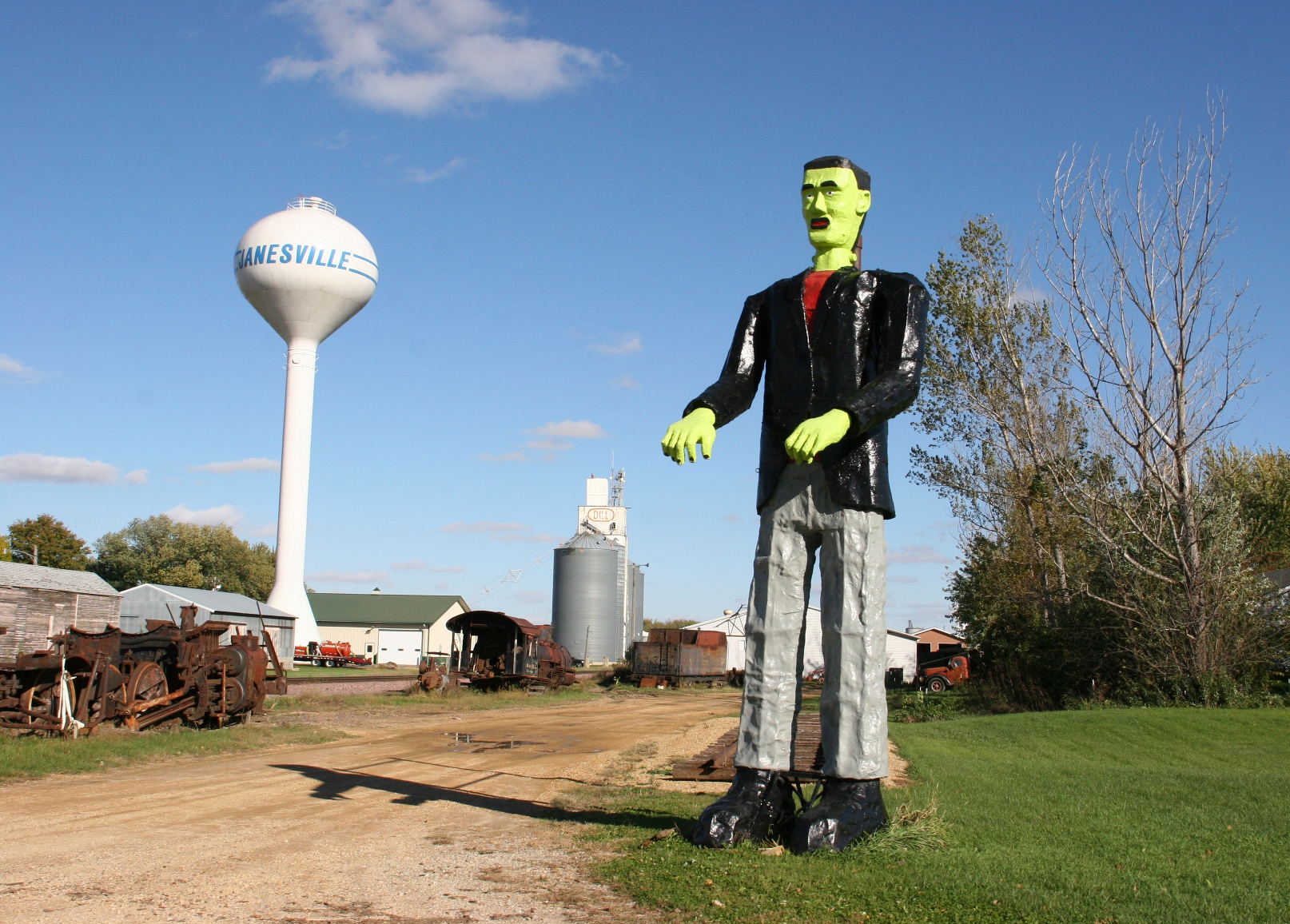
Frankenstein in Janesville, MN. Minnesota Prairie Roots file photo 2016.
FOR THE GOOD FOLKS of Janesville, the fiery “death” of Frankenstein last Saturday morning equates the loss of a community icon.
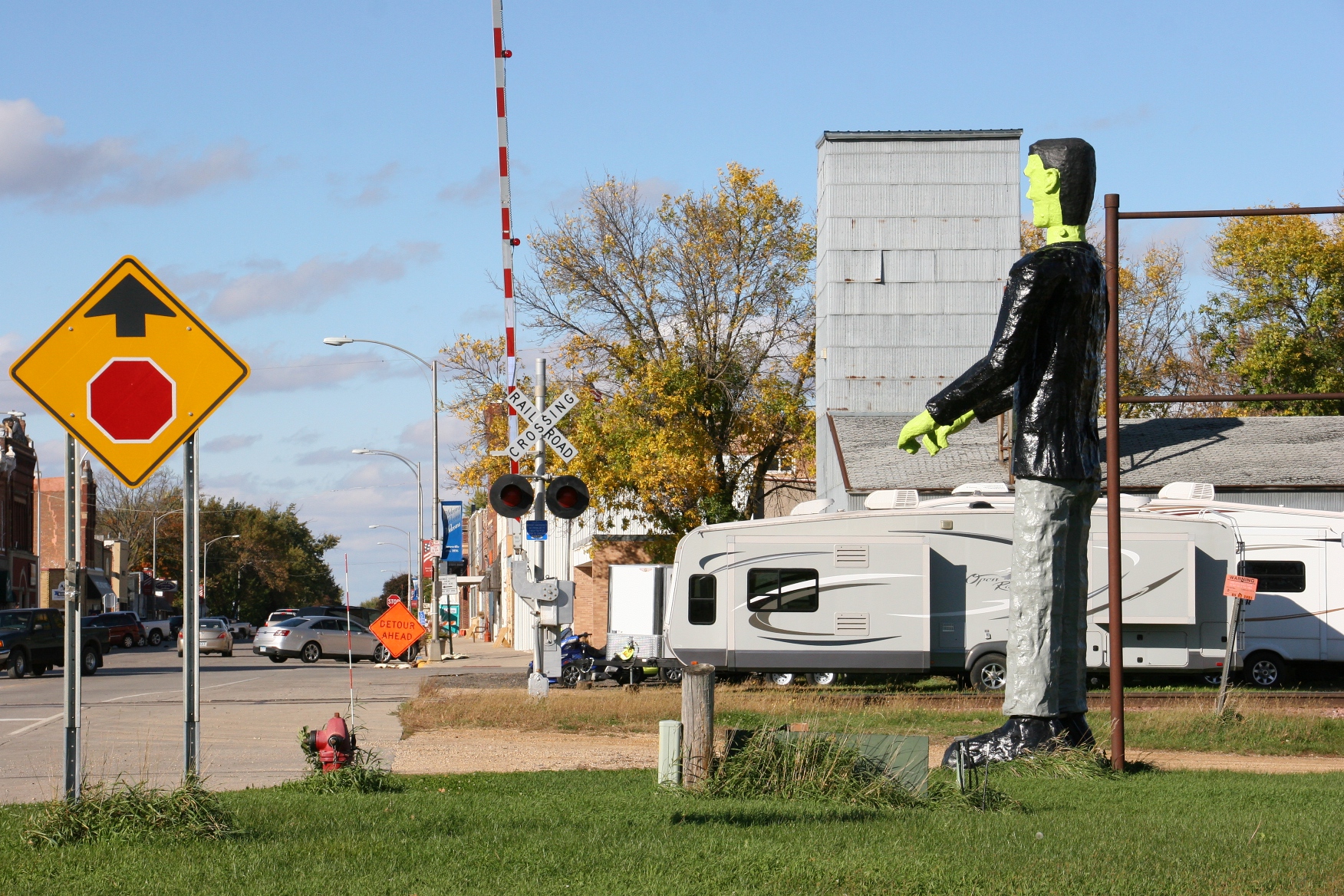
The 20-foot tall fiberglass and steel interpretation of Mary Shelley’s monster loomed on a downtown street corner in this southern Minnesota town of some 2,500. Until the early morning hours of June 12, when a 35-year-old man who lives nearby allegedly torched Frankenstein. He’s been charged with felony arson and damage to property. Only the skeleton remains of the sculpture valued at an estimated $14,000.
A side view of Frankenstein photographed in 2016. Minnesota Prairie Roots copyrighted file photo.
Janesville’s Frankenstein, originally a Vulcan displayed at the 1988 St. Paul Winter Carnival, was reinvented as a Halloween attraction in the metro before a local businessman purchased him from an auction in 2012. I photographed Frankenstein in 2016, finding him an oddity in this small Waseca County town.
But “odd” isn’t new to Janesville. For decades, “The Doll in the Window” was Janesville’s noted attraction. The mannequin, positioned inside an attic window and visible from well-traveled U.S. Highway 14 (which now bypasses the town), was the stuff of creepy legends. The man who displayed the doll died long ago and, from what I found online, a lot of unknowns remain.
Whether Frankenstein is resurrected remains to be seen. For now, folks are honoring him with flowers and other mementos placed at the base of his skeleton, drawing attention once again to this rural Minnesota community.
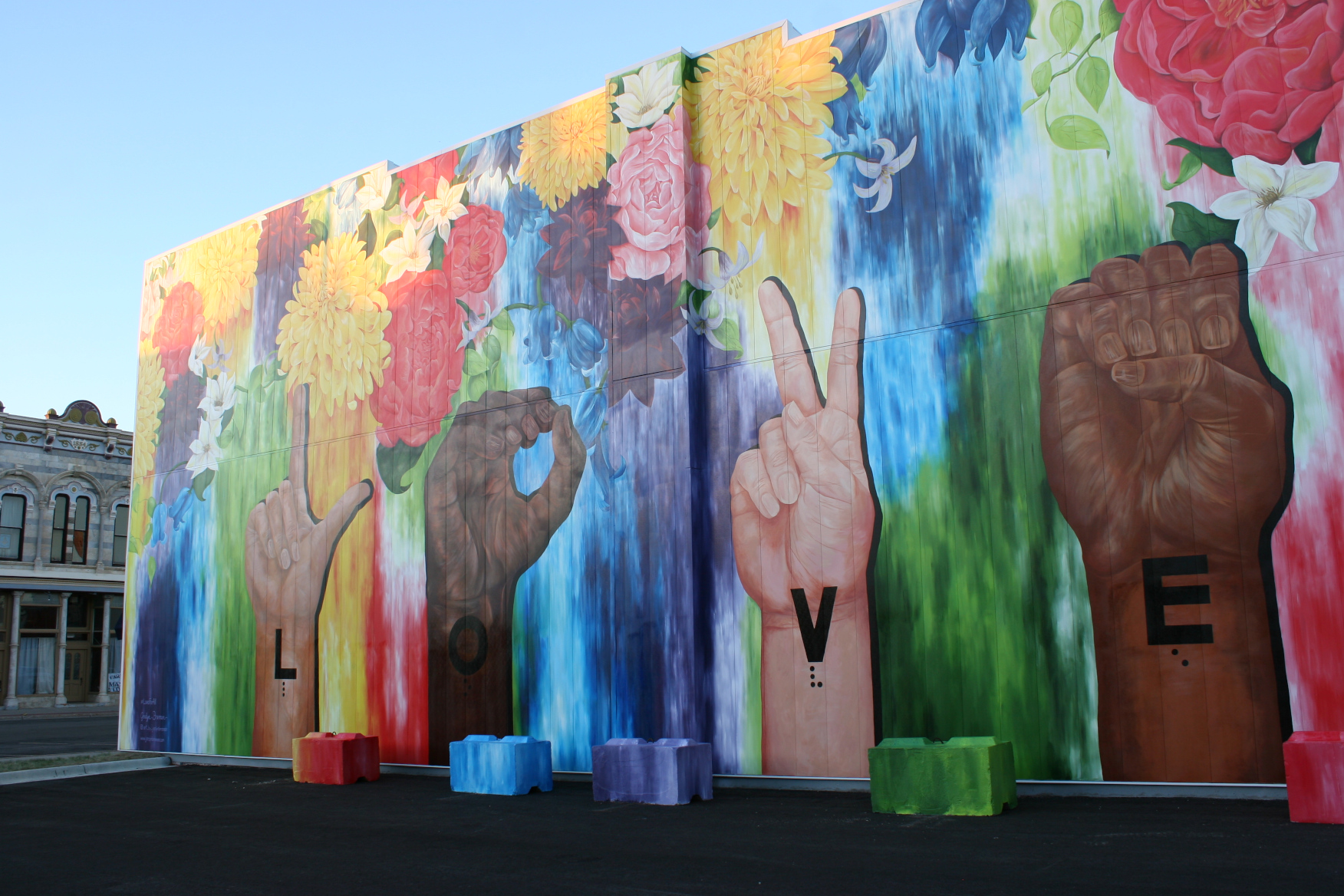
“LOVE FOR ALL” created by Jordyn Brennan. MN Prairie Roots copyrighted photo.
THE POWEROF VISUAL ART can’t be underestimated. It heals. Uplifts. Infuses joy. Creates a sense of peace. Brings people together. And so much more.
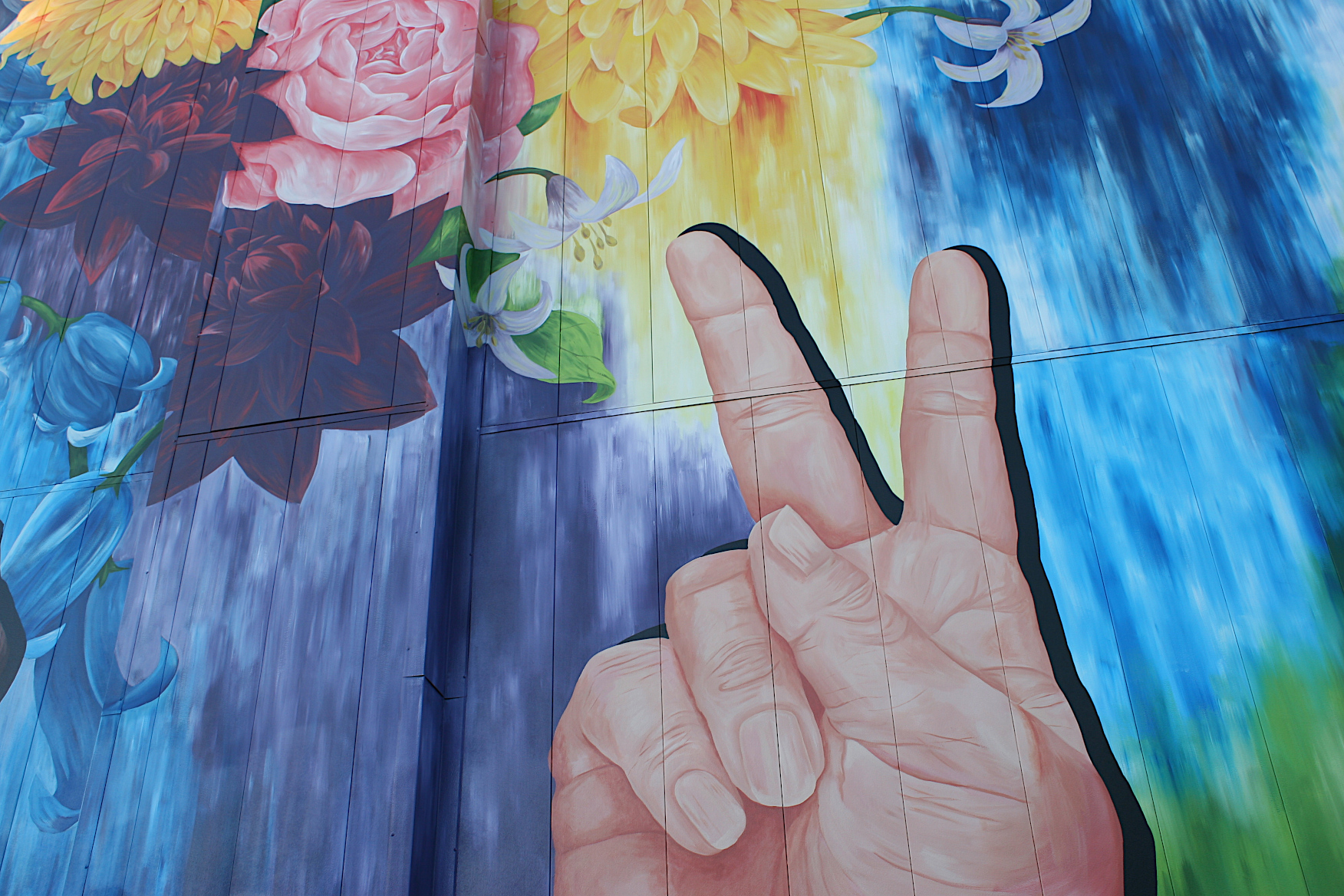
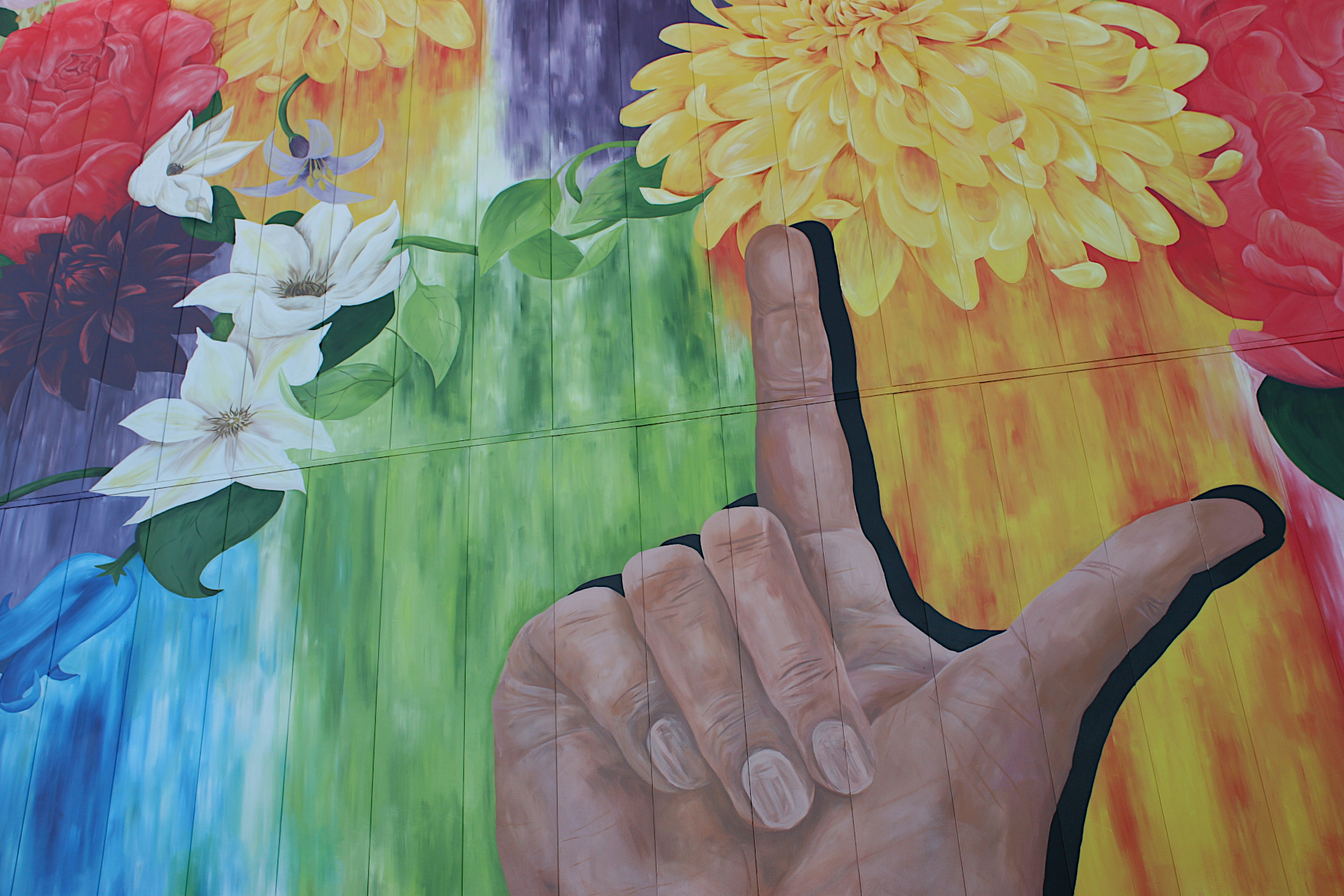
The ASL symbol for “v” and the peace symbol. MN Prairie Roots copyrighted photo.
In Faribault, “LOVE FOR ALL,” a just-finished mural designed and painted by Minneapolis artist Jordyn Brennan, shows the positive power of art in a way that reflects my southern Minnesota community. Yet, the mural’s universal theme of love appeals to everyone.
Jordyn Brennan signed her “LOVE FOR ALL” mural. MN Prairie Roots copyrighted photo.
I love this 85-foot by 35-foot mural which sprawls across the side of a building (and next to a city-owned parking lot) at the corner of First Avenue NW and Third Street NW in the heart of downtown Faribault. The City of Faribault commissioned Brennan to create the public art. It will be celebrated this week during Faribault Heritage Days with a ceremony at 3:30 pm Thursday, June 17, at the mural site. Guest speakers include city officials, representatives from the Minnesota State Academies for the Deaf and Blind and Faribault Main Street, and the artist.
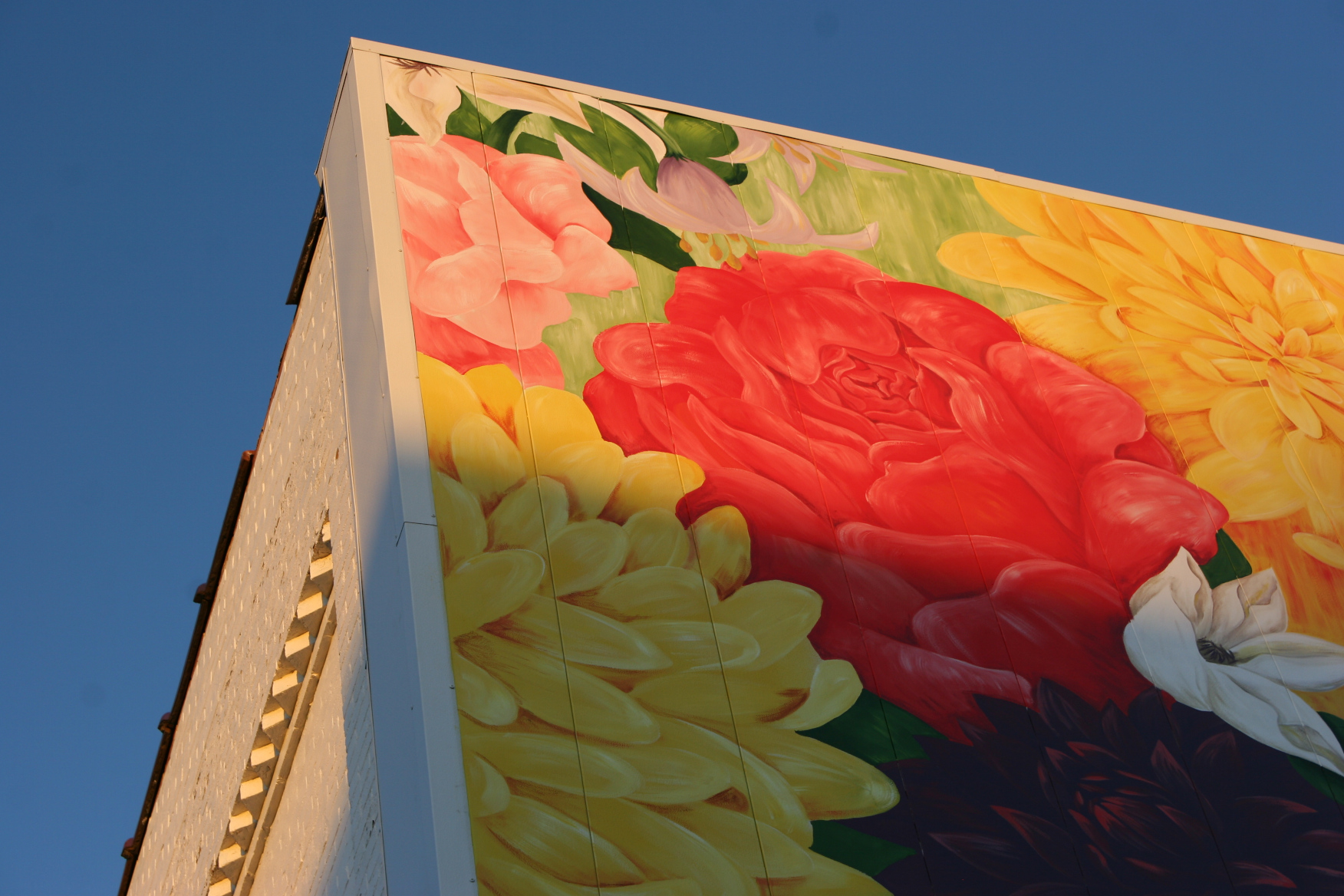
The setting sun shines on the northwest corner of the mural. MN Prairie Roots copyrighted photo.
When I say I love this mural, I should explain, right? I love the vivid hues defining this art. To look at “LOVE FOR ALL” simply makes me happy. And who doesn’t need to feel happy after these past difficult 14 months-plus of living in a pandemic?
LOVE in assorted colors and languages. MN Prairie Roots copyrighted photo.
But beyond that basic appreciation, I value the message of an inclusive Faribault. Mine is a diverse community. Diverse in culture and ethnicity. Diverse, too, in that deaf and blind students come here from all over Minnesota to attend the Minnesota State Academies for the Deaf and Blind. Some of their families live here. A global student population also attends Shattuck-St. Mary’s School, an historic private boarding and day school on Faribault’s east side.
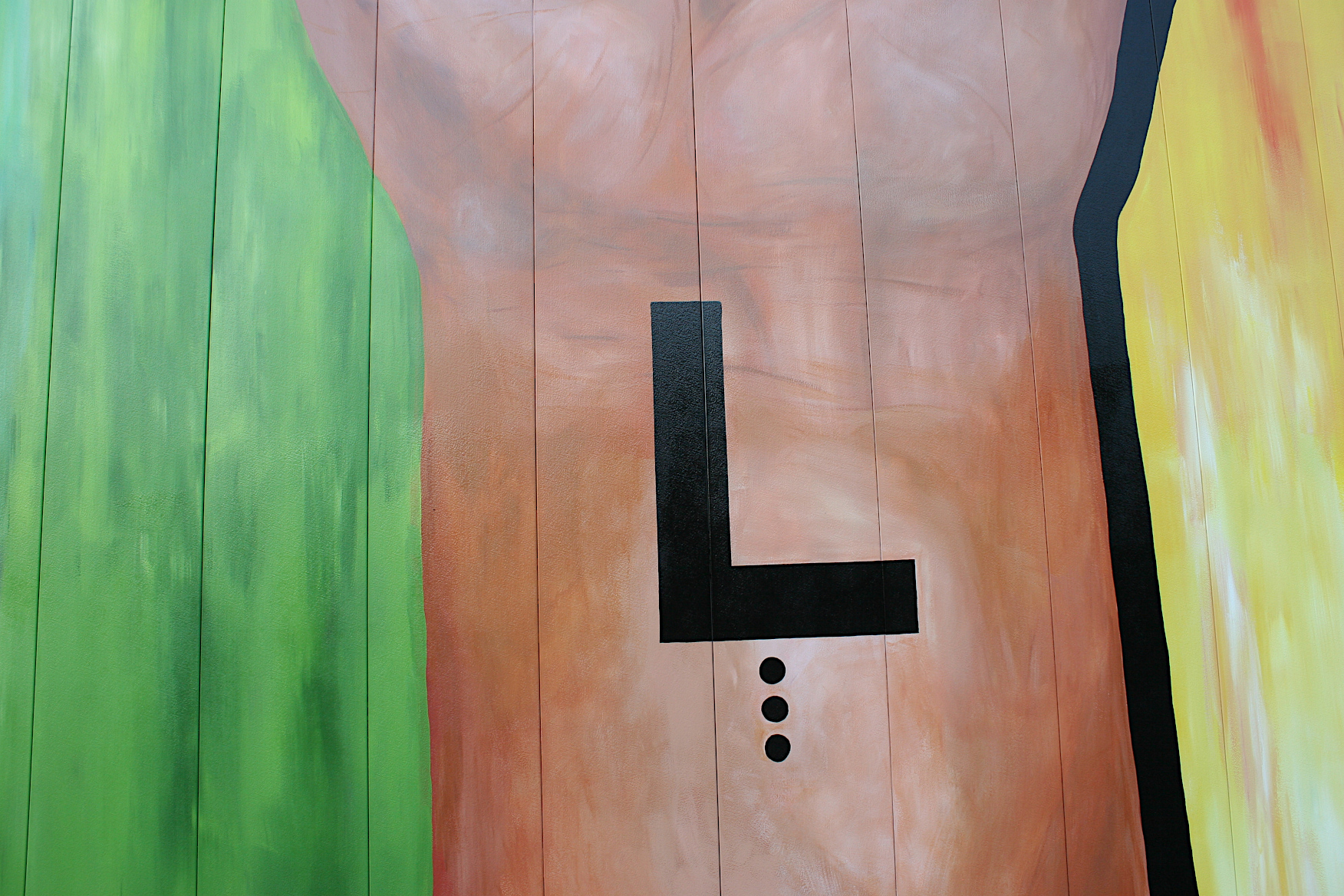
The three dots below the L are L in Braille. MN Prairie Roots copyrighted photo.
The artist took those facets of Faribault and incorporated them into her artwork. You’ll see that in the hands communicating love in American Sign Language with the Braille spelling below. The hands are painted in varied skin tones.
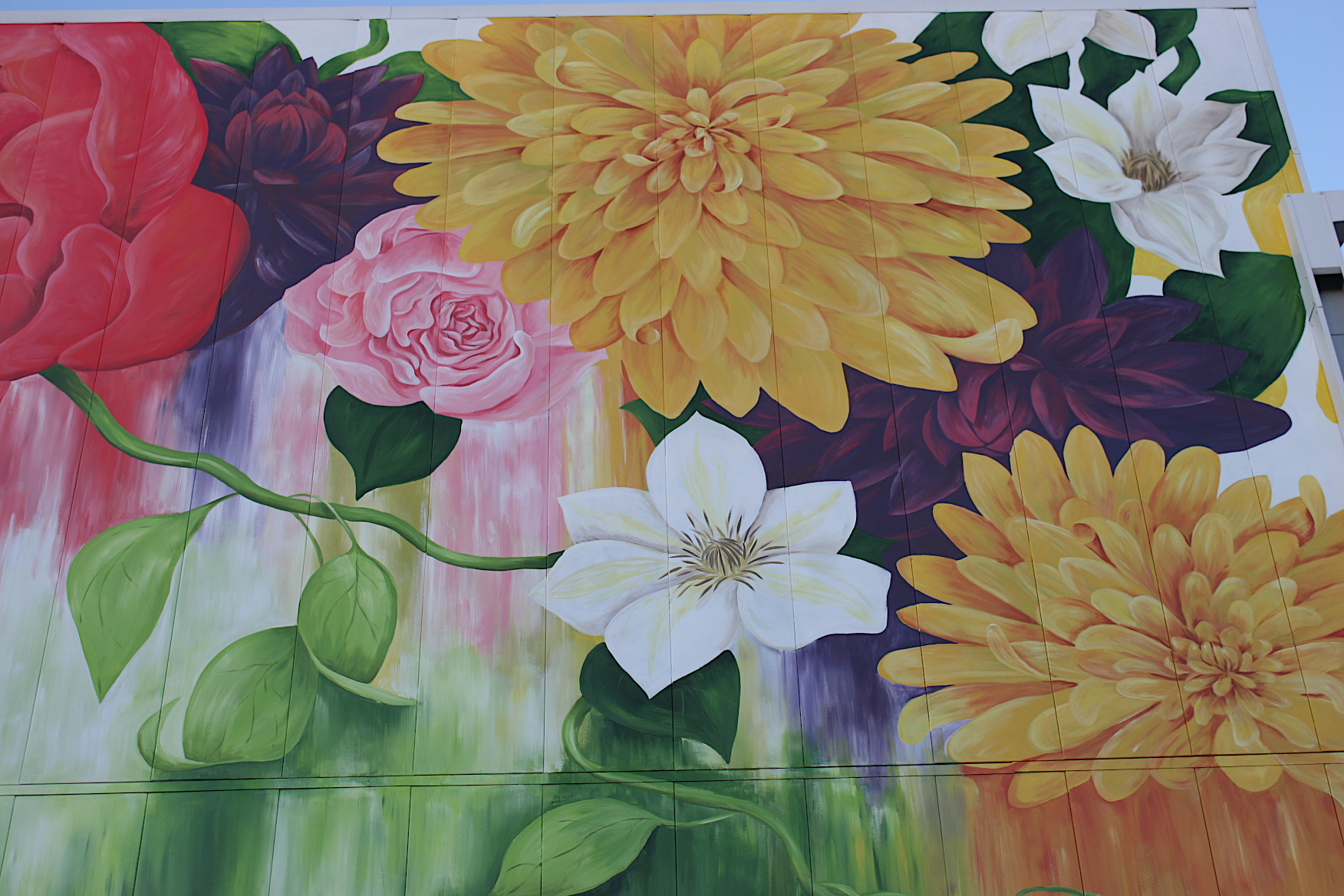
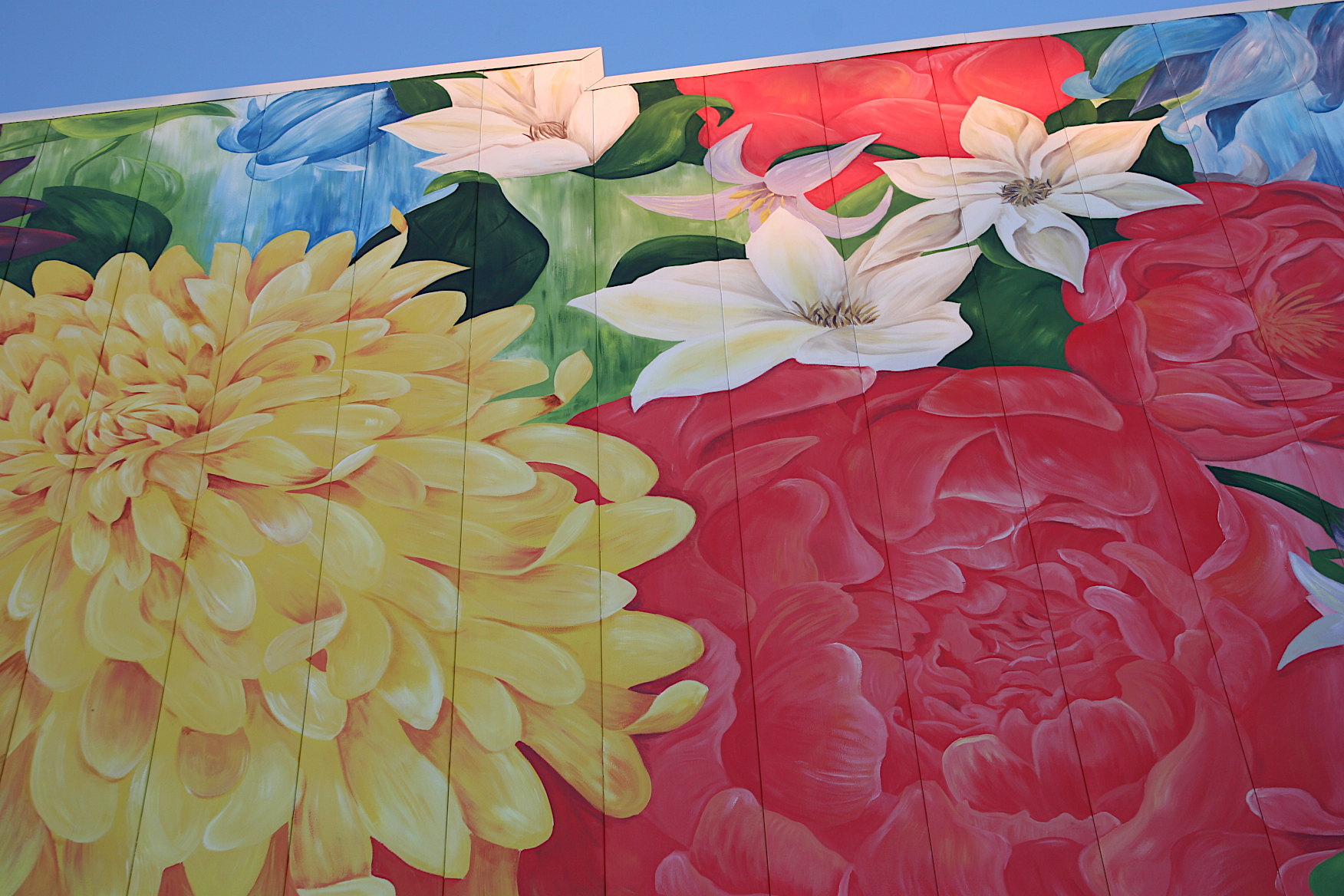
Mums, peonies and clematis. MN Prairie Roots copyrighted photo.
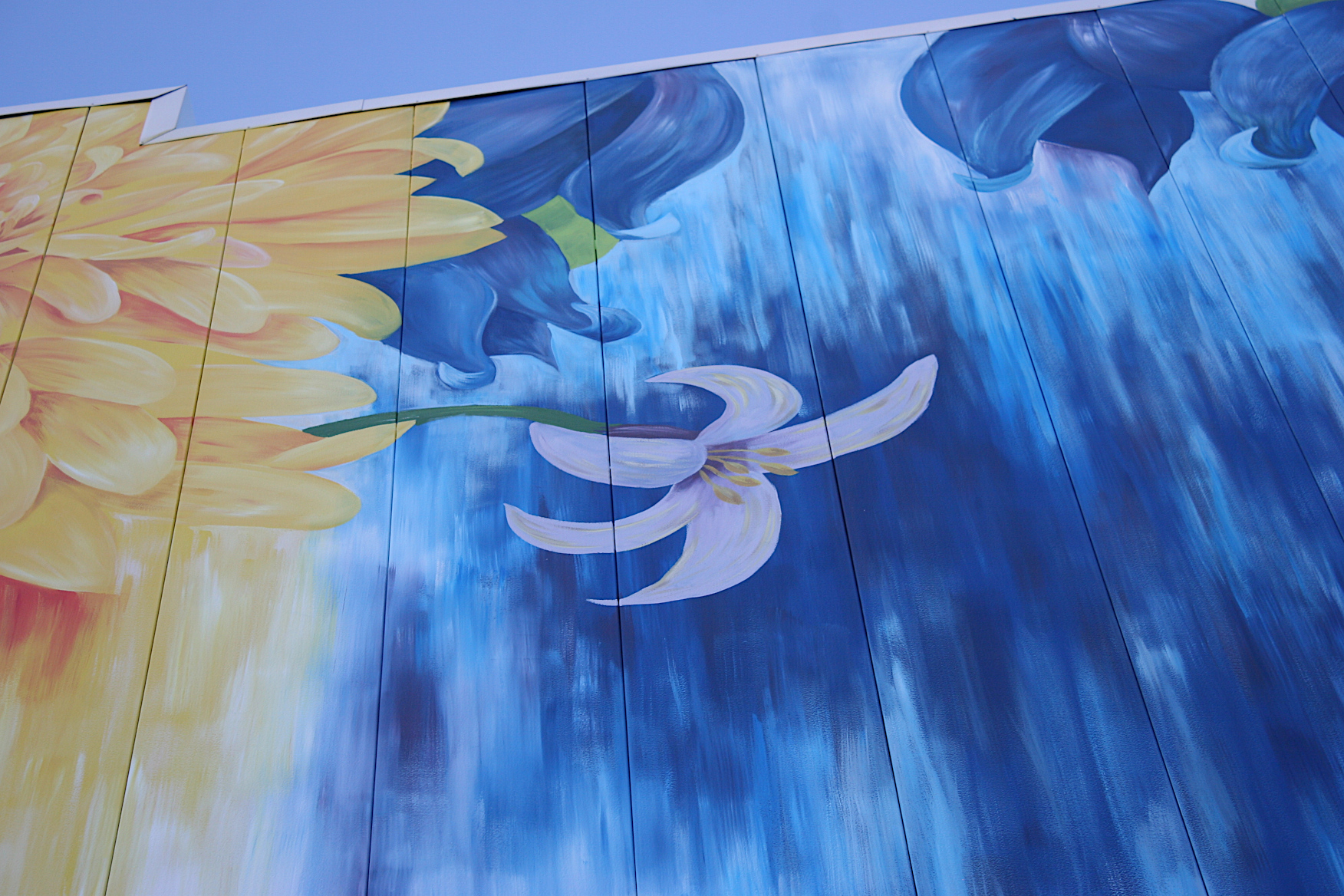
The rare Dwarf Trout Lily. MN Prairie Roots copyrighted photo.
The letter L in ASL. MN Prairie Roots copyrighted photo.
As a creative and a member of this diverse place I’ve called home for 39 years, I celebrate this newest piece of art. I hope it sparks conversations, creates a strong sense of community and positivity, and reminds all of us that art is powerful. And so is love.
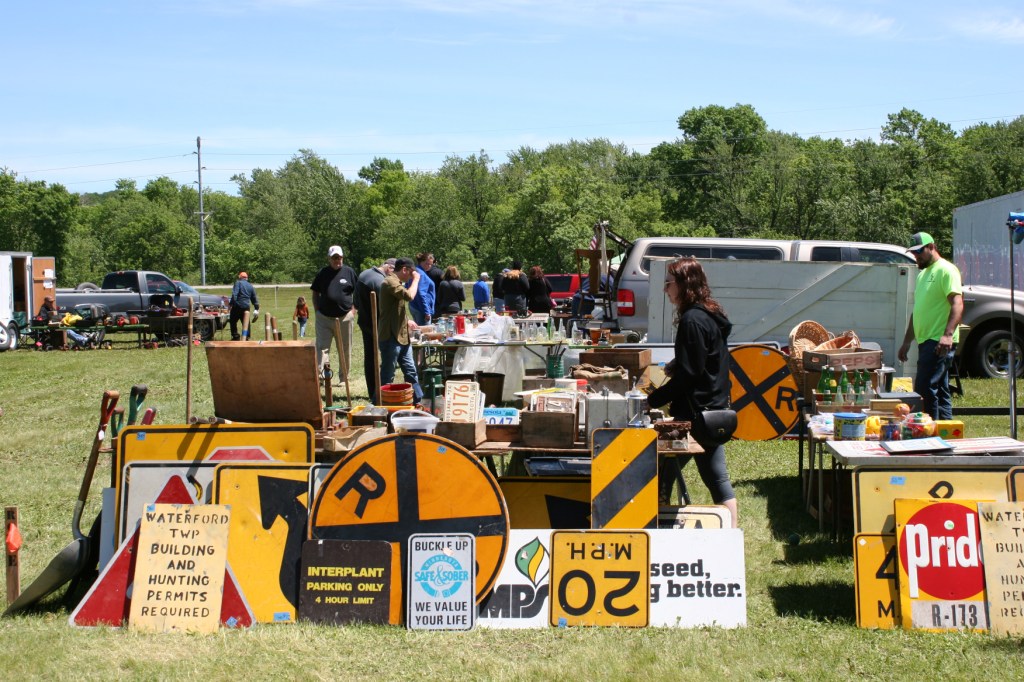
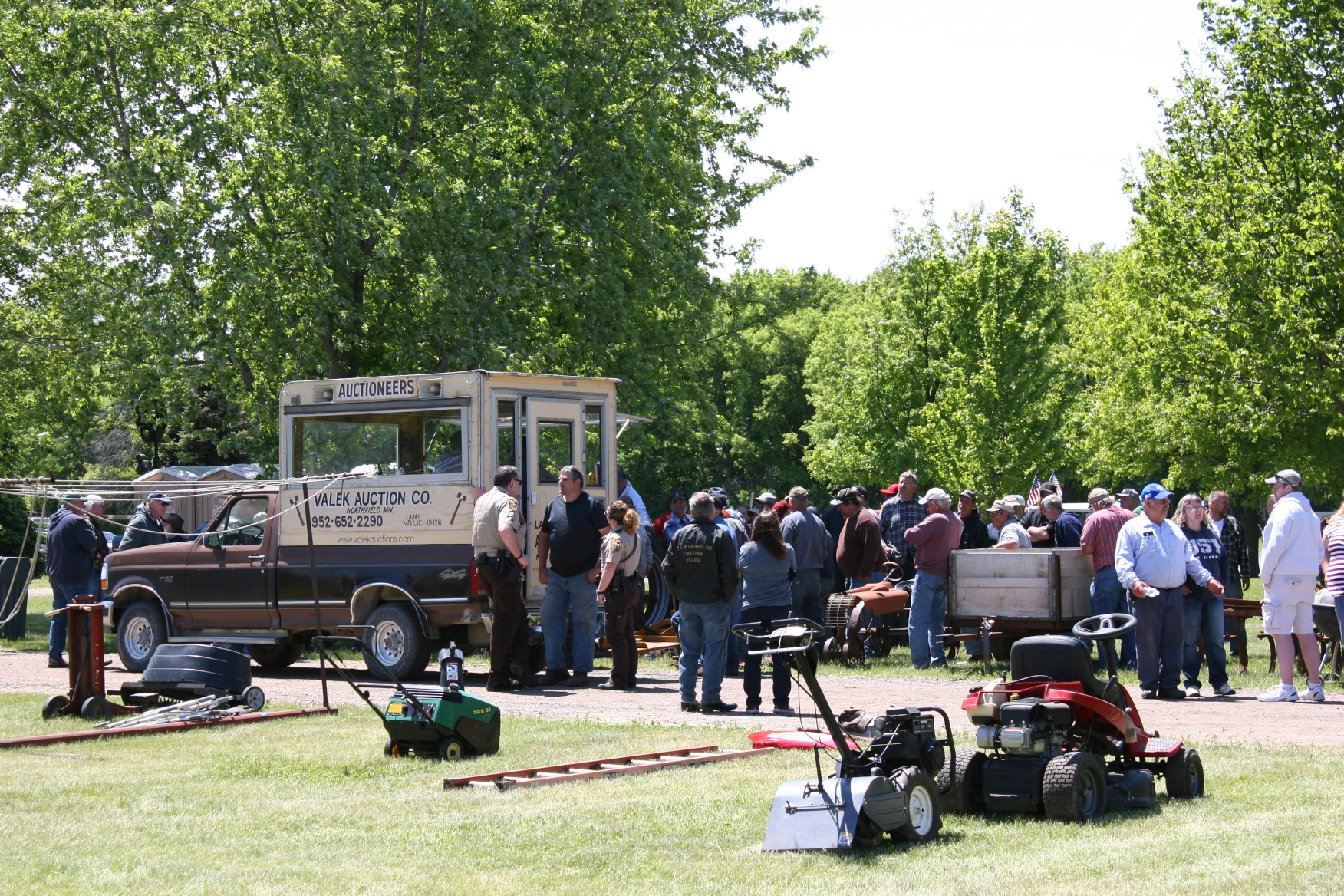
An overview of vendors at the Rice County Steam & Gas Engines Swap Meet & Flea Market on Memorial Day weekend.Minnesota Prairie Roots file photo May 2021.
I’VEREACHED THAT STAGE in life where I don’t need more stuff (although I would like an updated kitchen). But I’m talking about all the miscellaneous that fills our homes. Not necessarily necessary, but stuff that we like, whether art, antiques, collectibles or whatever.
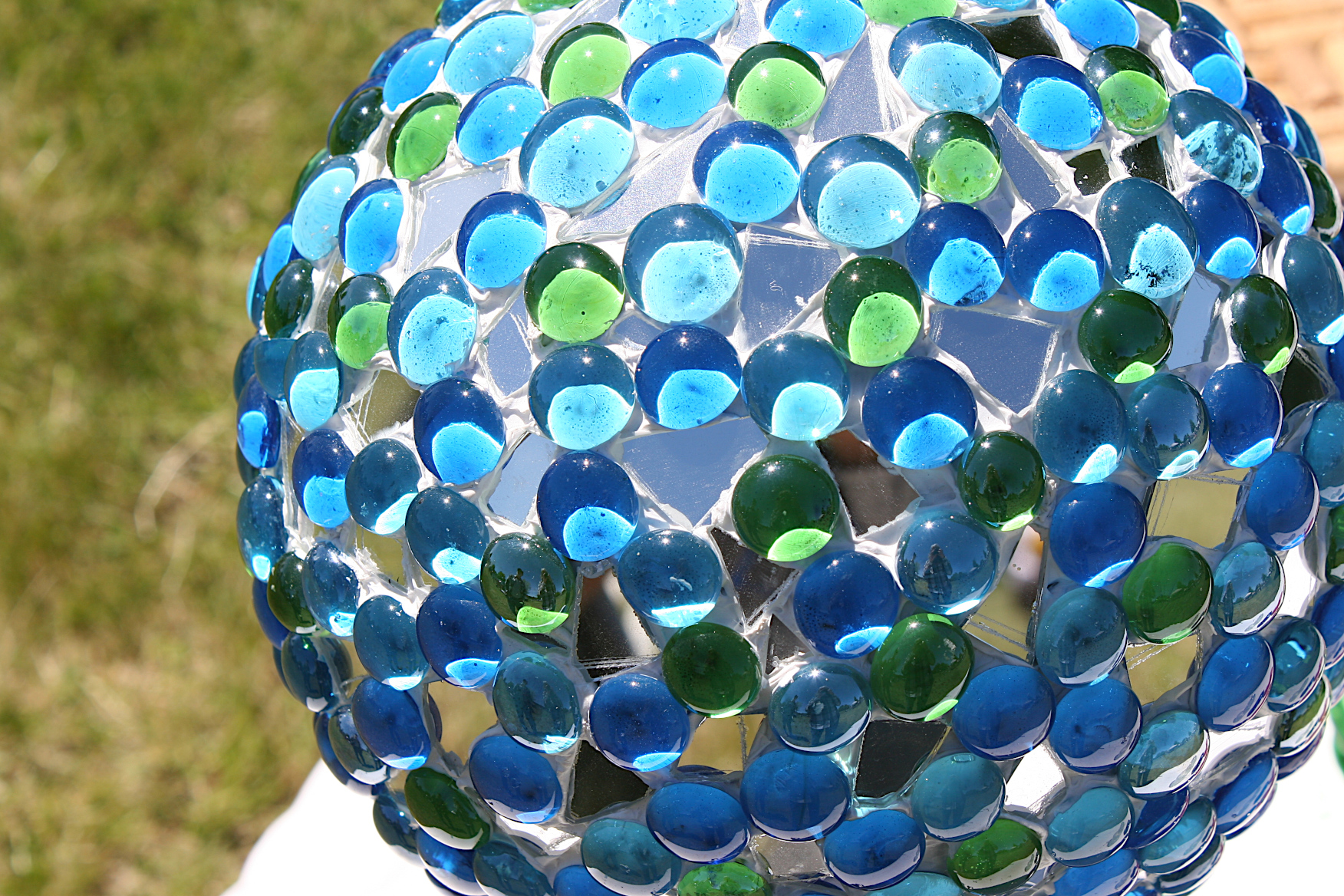
A beautiful mirrored gazing ball offered by a crafter. Minnesota Prairie Roots copyrighted photo May 2021.
I’ll always appreciate those extras which personalize our houses and outdoor spaces, which make a place a home.
The event also included a live auction. Minnesota Prairie Roots copyrighted photo May 2021.
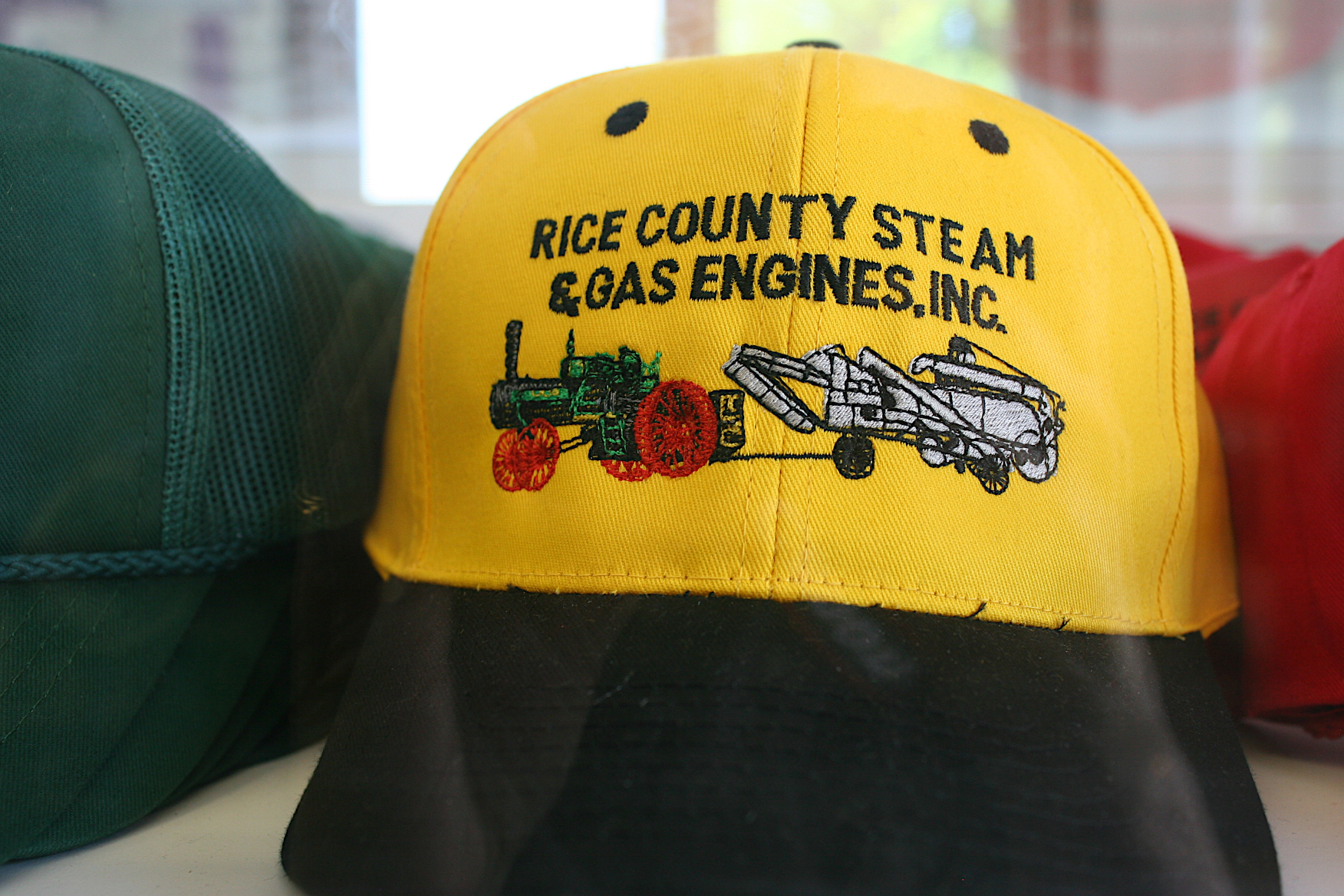
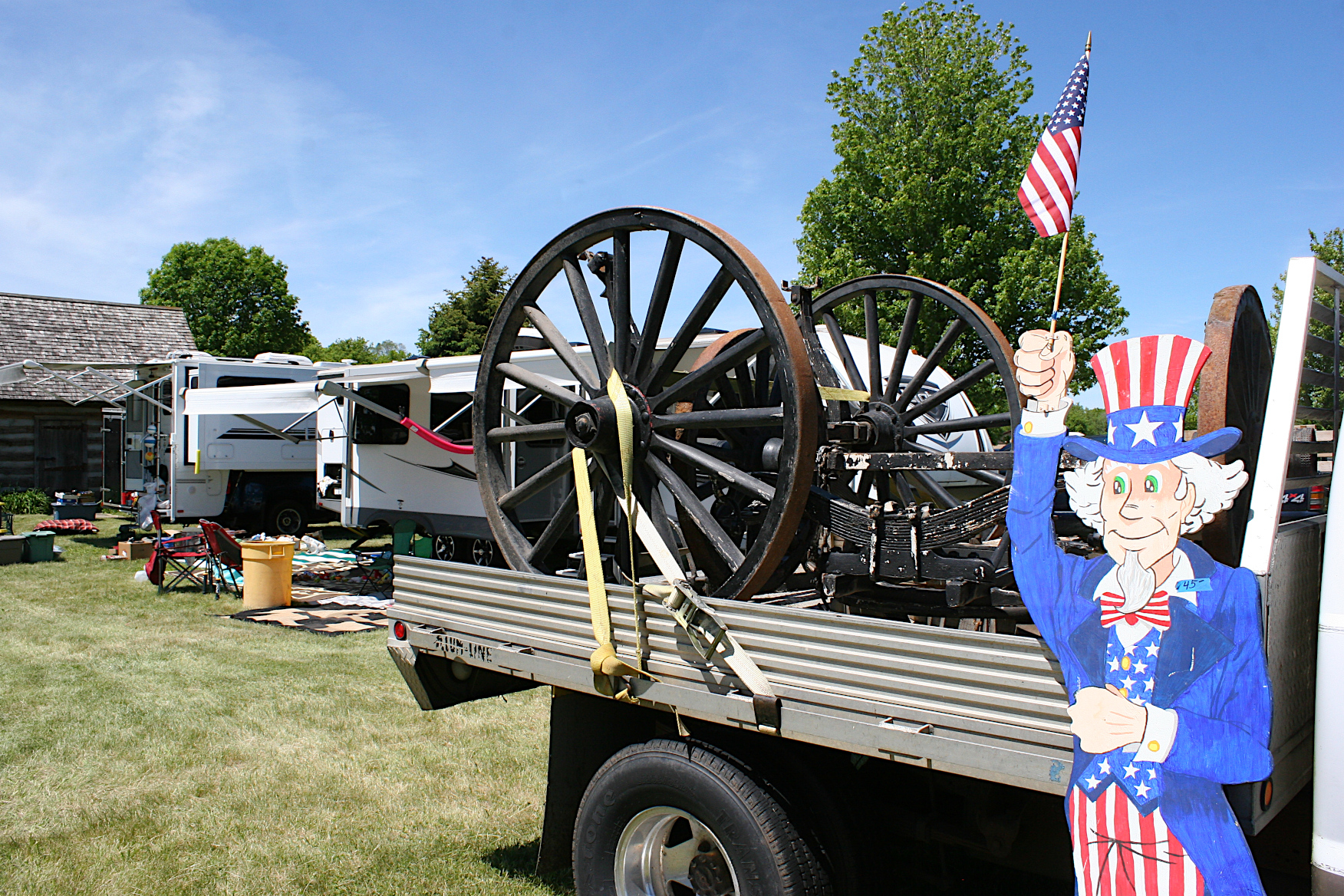
And I’ll always appreciate swap meets and flea markets, a good source for unusual finds. Flea markets, after a year’s hiatus due to COVID-19, are back in my area of southern Minnesota. And recently I attended my second of the season, this one hosted by Rice County Steam & Gas Engines, Inc. in rural Dundas.
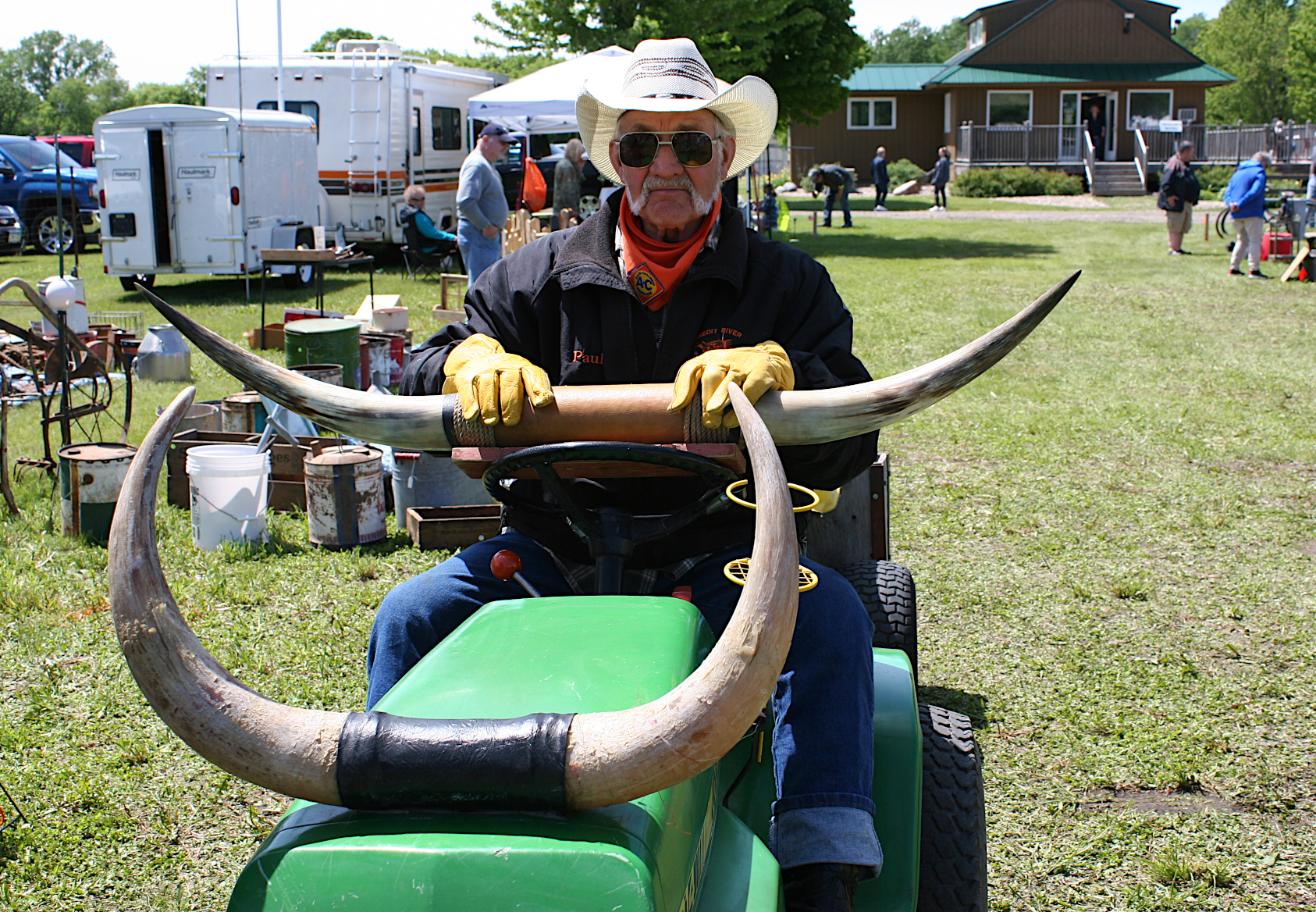
My favorite “character” at this year’s flea market. Minnesota Prairie Roots copyrighted photo 2021.
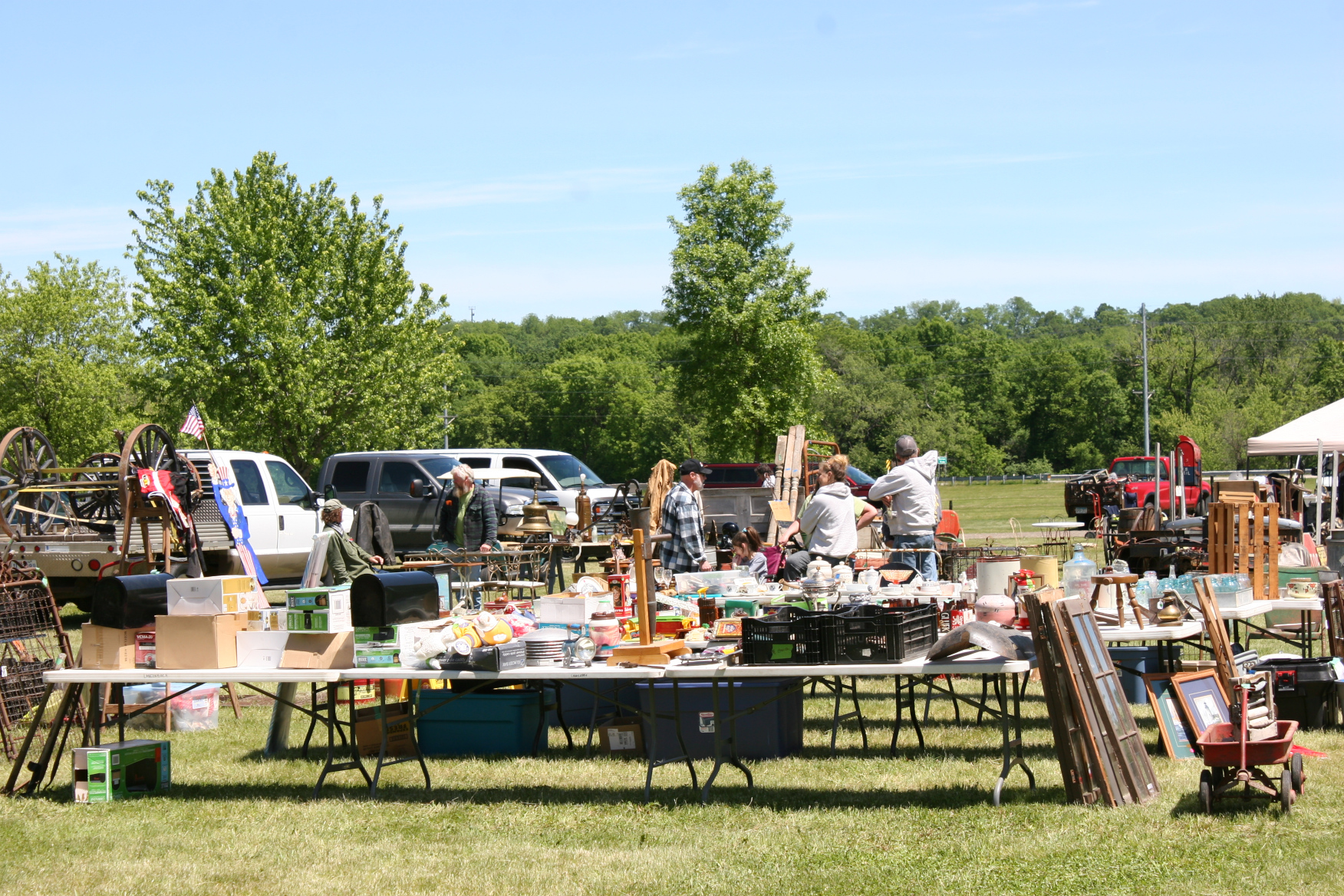
I delight in walking among vendors on this spacious acreage. I enjoy the people-watching and the array of merchandise.
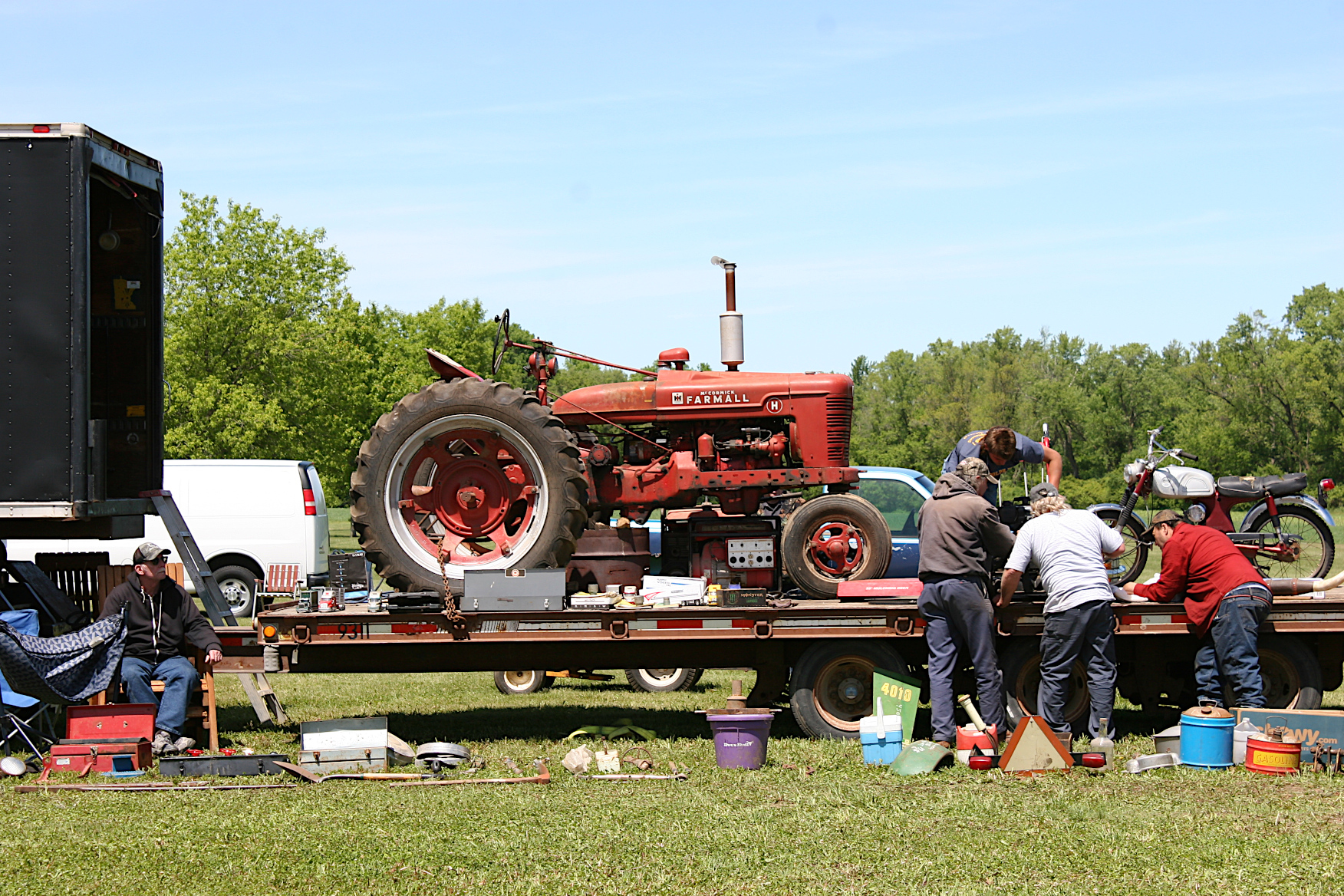
Minnesota Prairie Roots copyrighted photo May 2021.
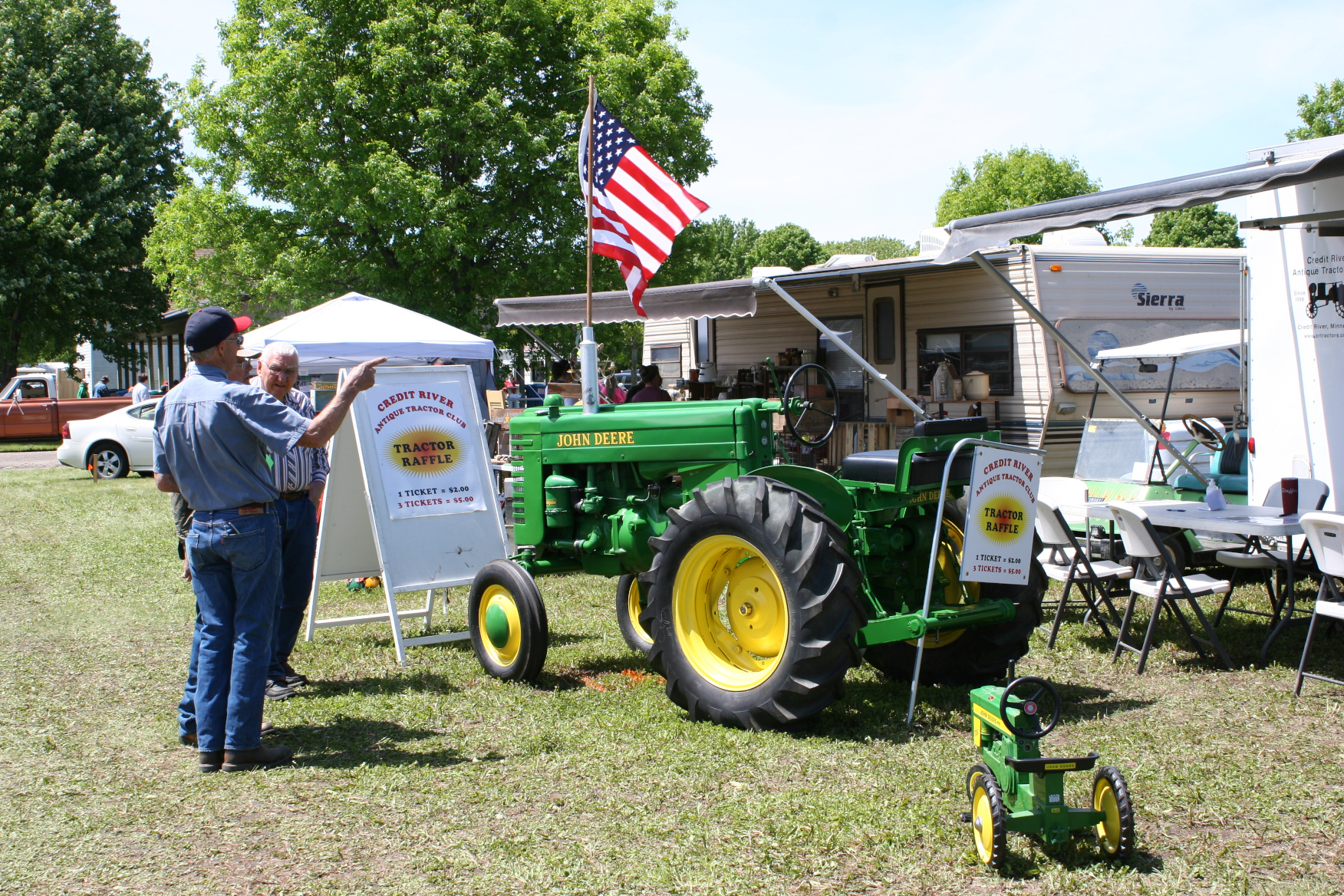
A tractor raffle. Minnesota Prairie Roots copyrighted photo 2021.
And I welcome spotting a tractor or two, which takes me back to the farm.
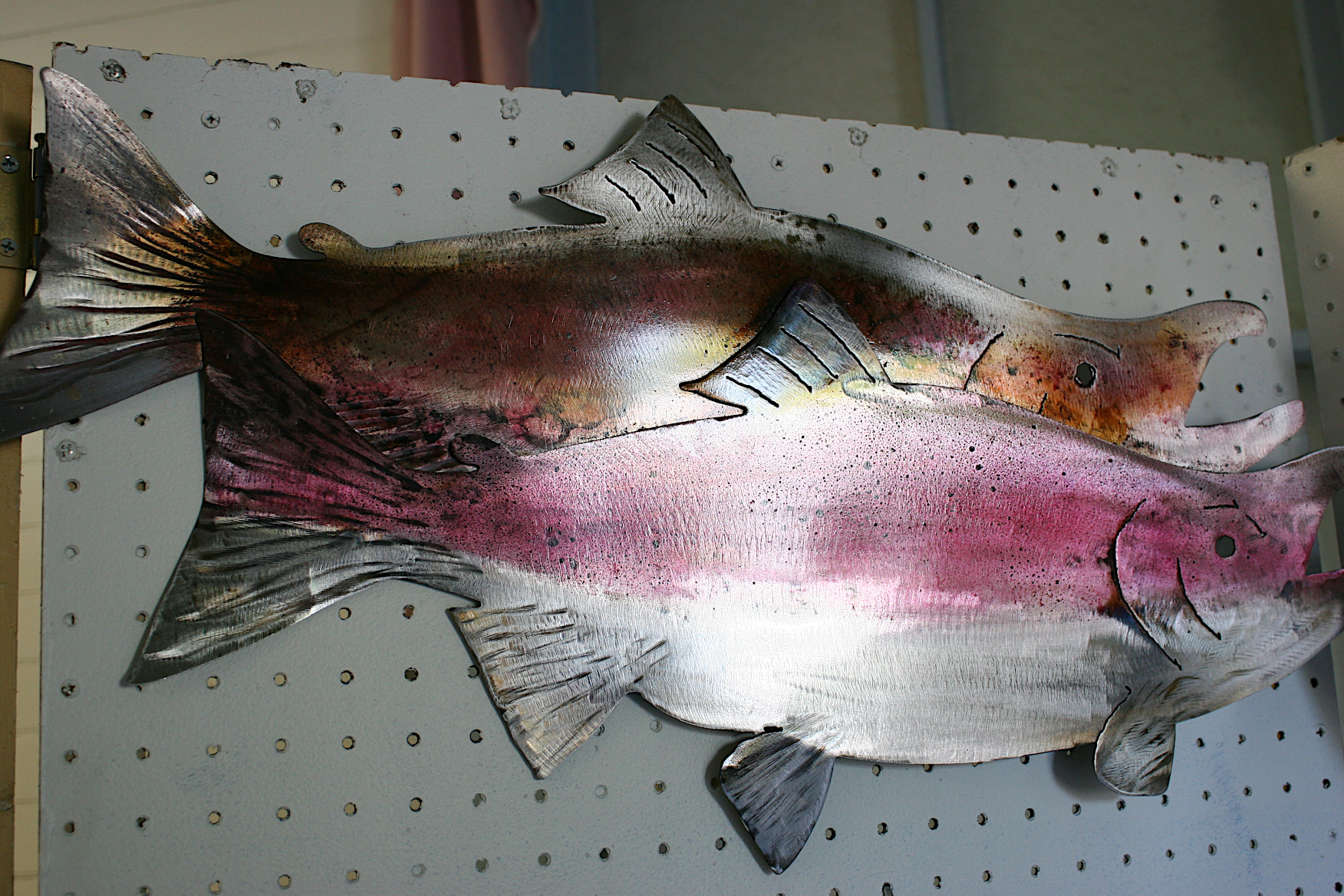
Love this fish art by Ron Hammond Artworks of Faribault. Minnesota Prairie Roots copyrighted photo May 2021.
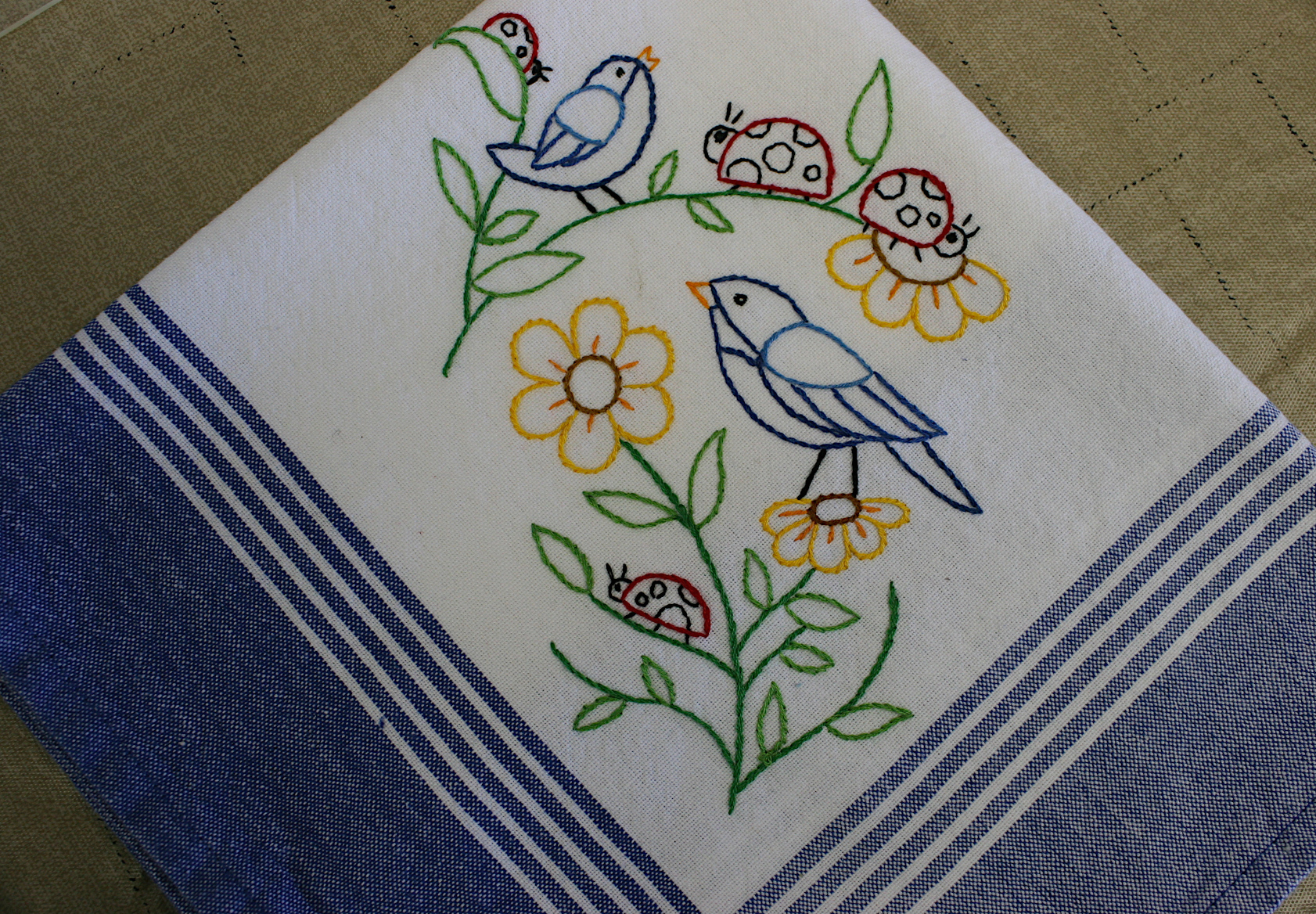
Darlene Wondra of G & D Sales in Montgomery did this handstitched dish towel embroidery. Minnesota Prairie Roots copyrighted photo May 2021.
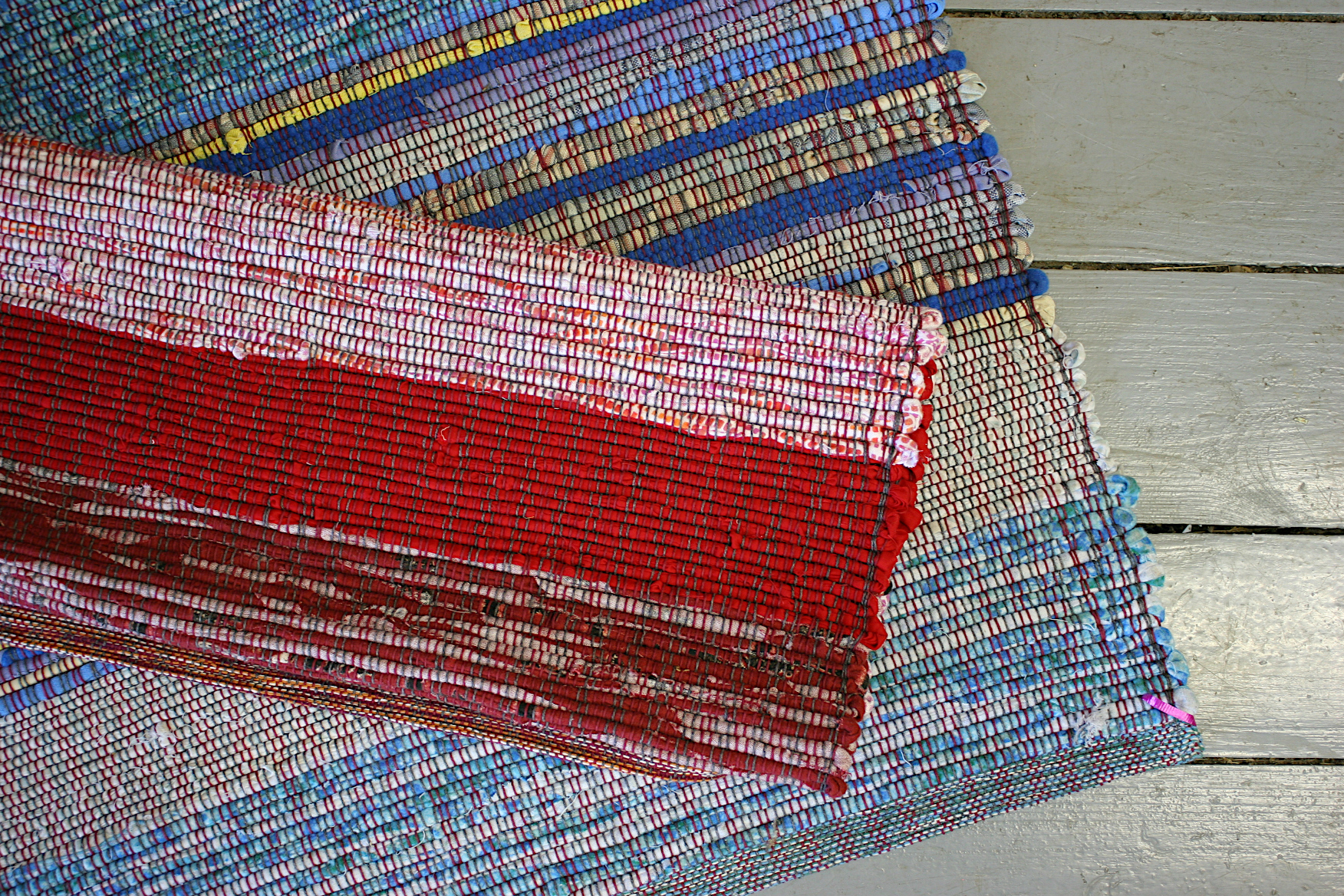
Beautiful rag rugs crafted by Lito Xydous Hufford of CA2 BY LITOUS. Minnesota Prairie Roots copyrighted photo May 2021.
Often, I pause to chat with vendors, including those who sell crafts or art.
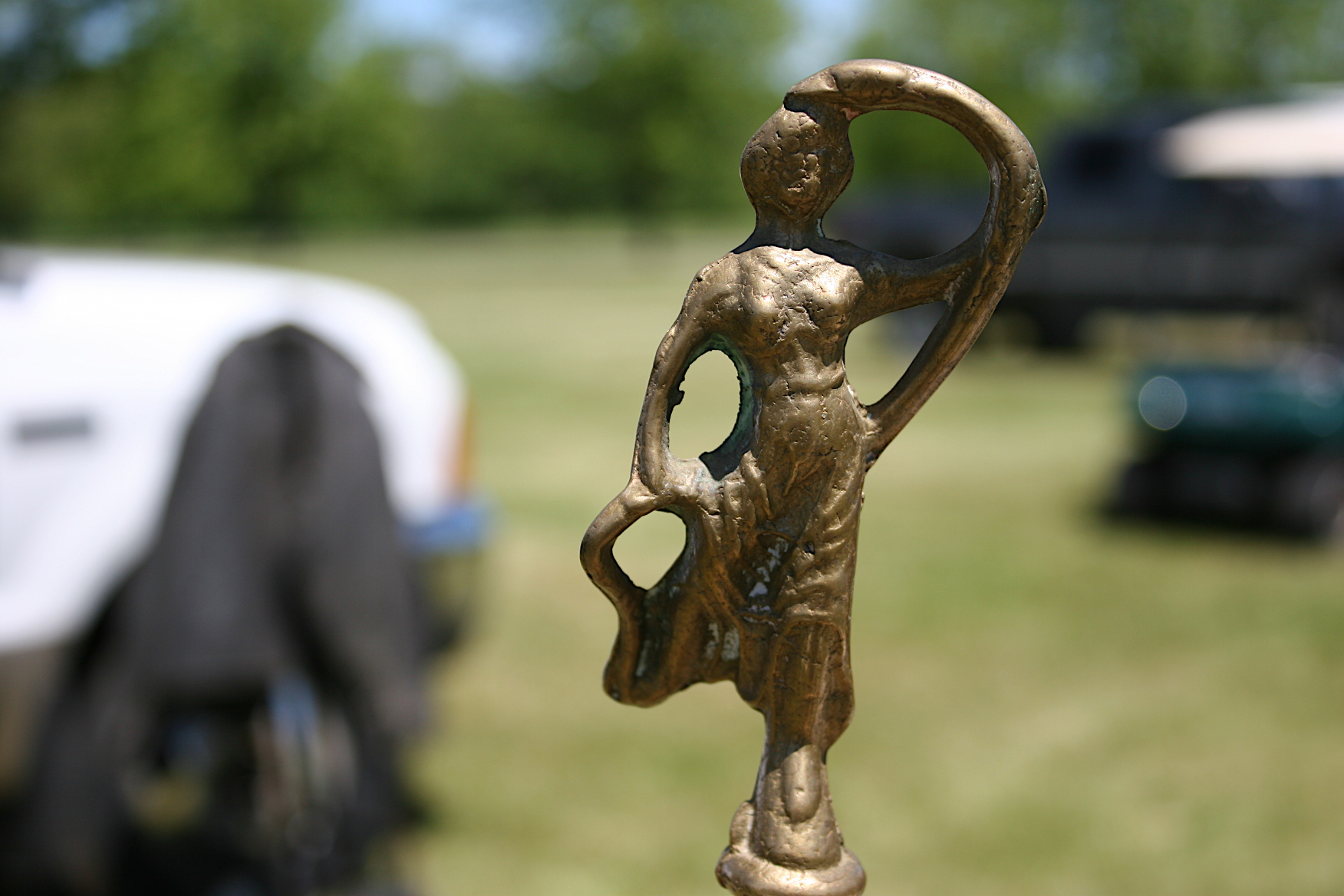
“Snake woman,” found at the booth of Daniel Bell. Minnesota Prairie Roots copyrighted photo May 2021.
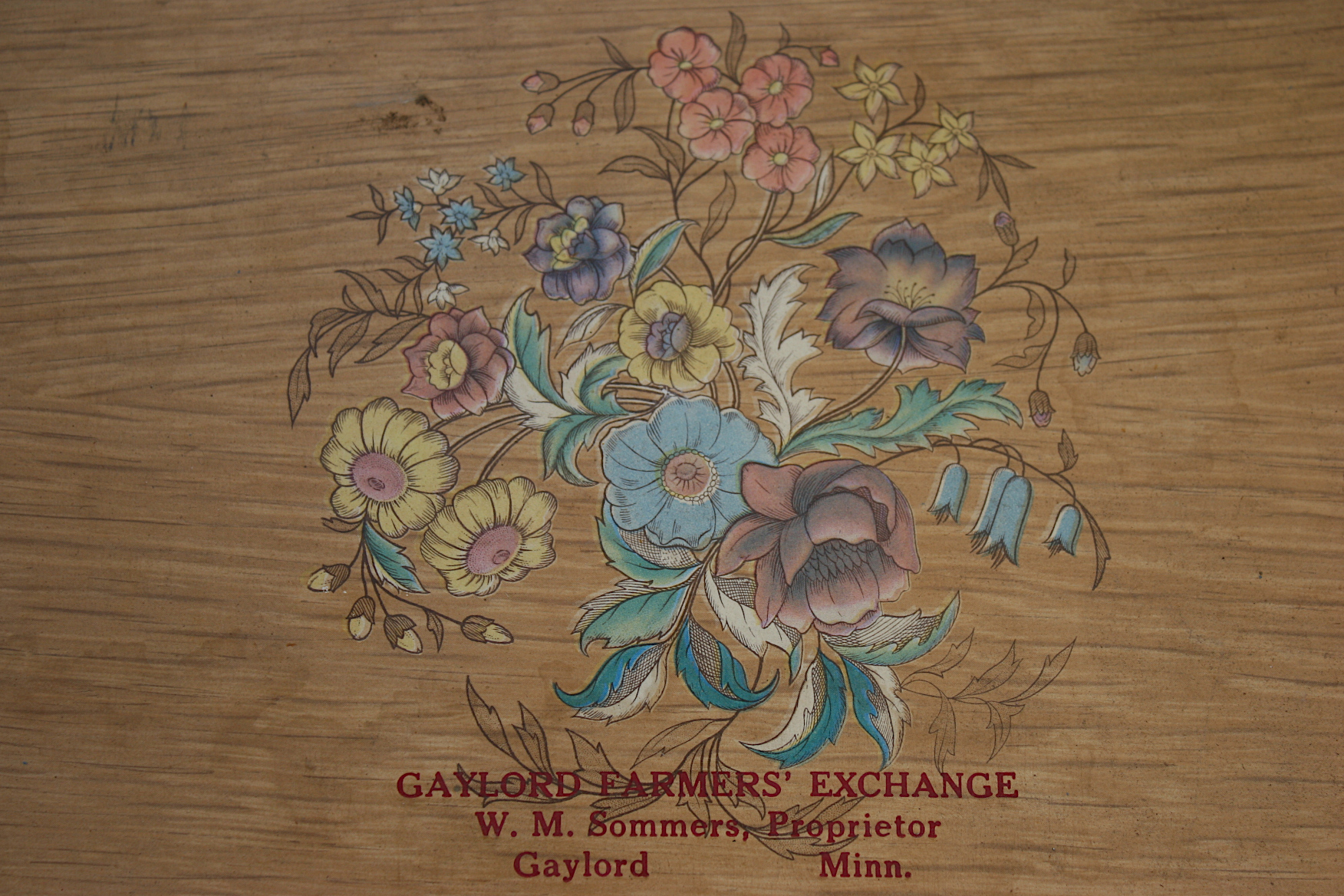
I also search for art in the used merchandise available for purchase. As a creative, I view the world through an artful lens.
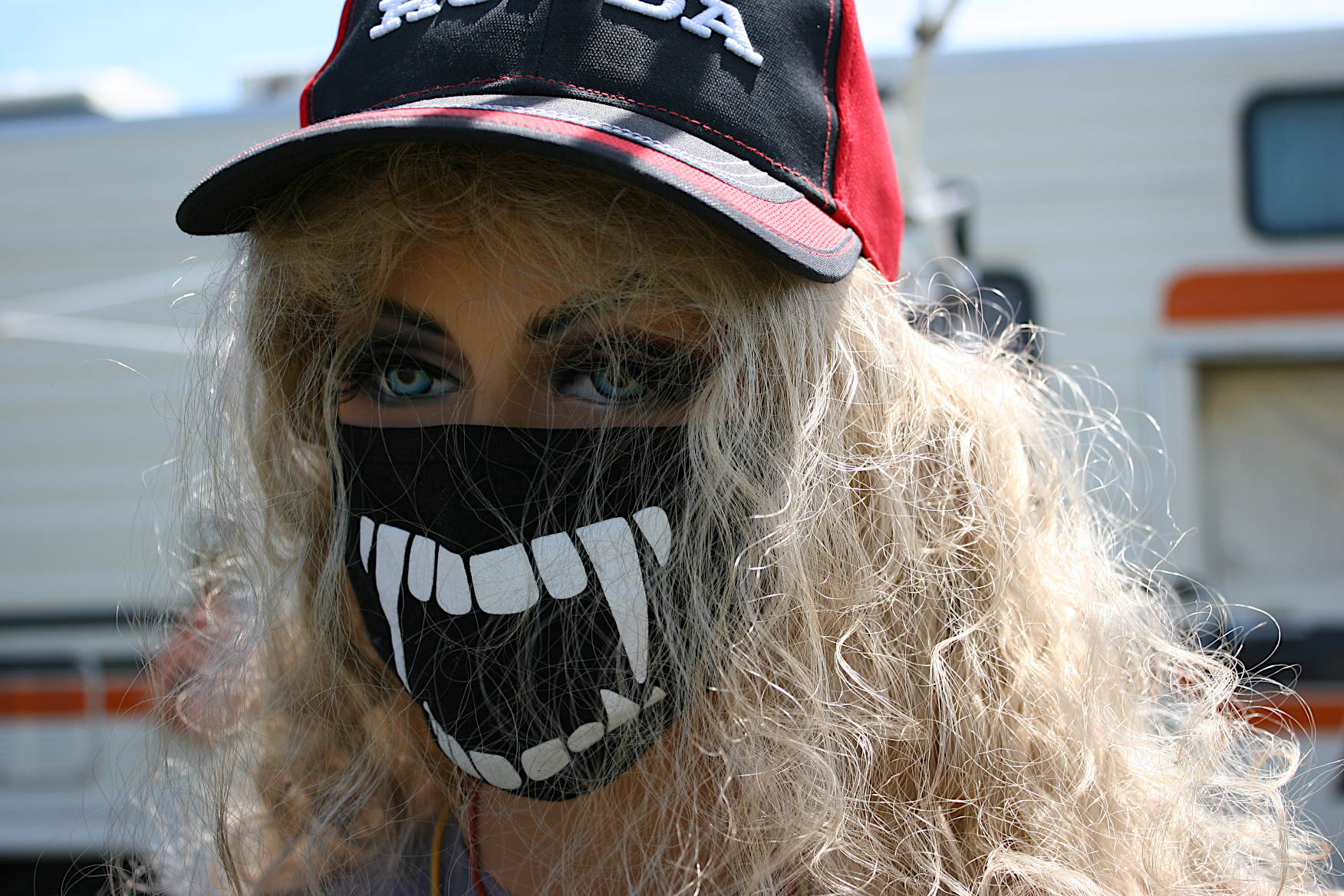
Among the unusual merchandise: wigs for sale. Minnesota Prairie Roots copyrighted photo May 2021.
The unusual, the oddities, the unique draw my focus.
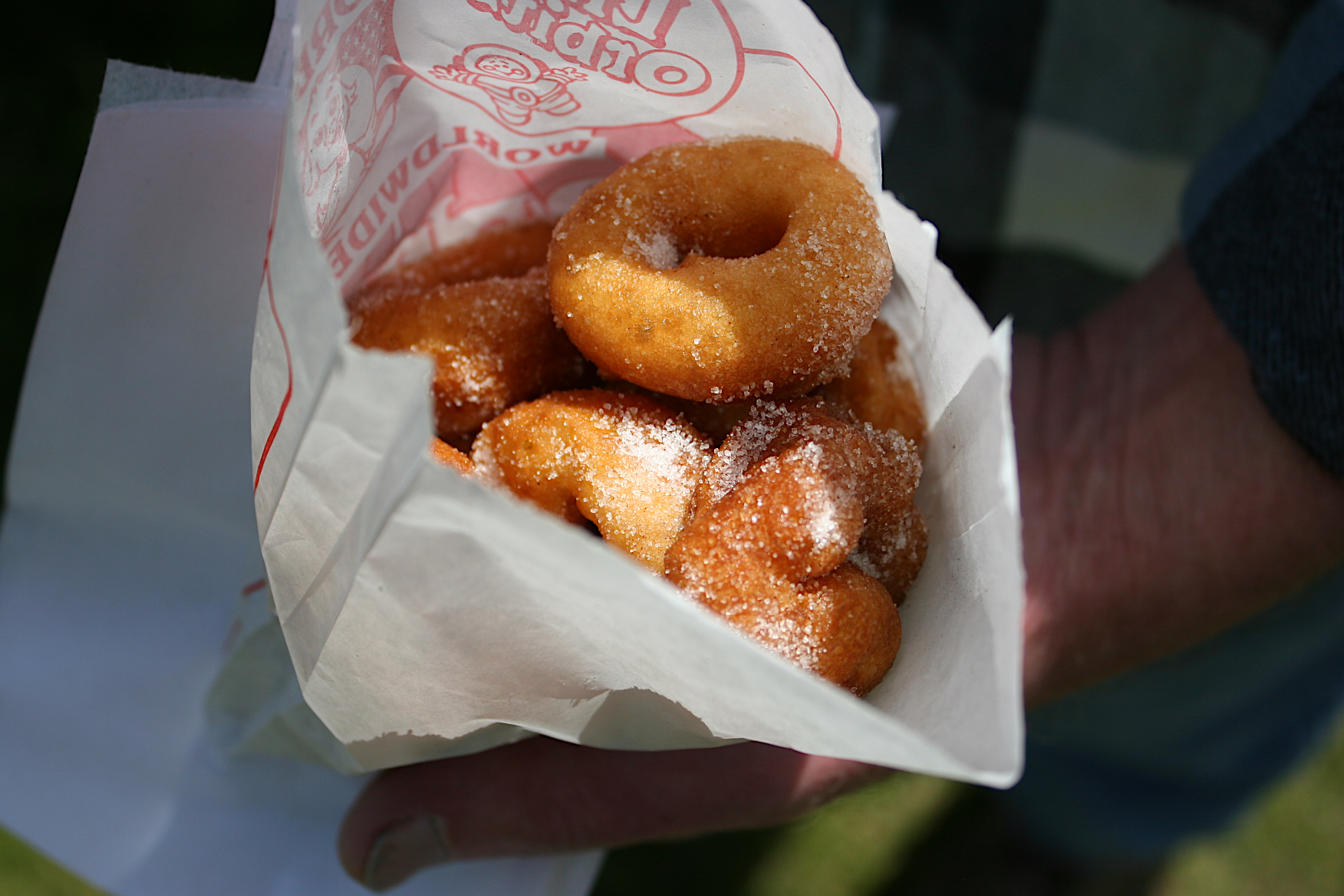
And then there’s the food, this time mini donuts, my long-time fair food favorite. These were especially good. Warm. Sugary. And not at all greasy.
Some of vendor Daniel Bell’s offerings. Minnesota Prairie Roots copyrighted photo May 2021.
There’s so much to enjoy about flea markets, even if I’m only looking and not buying. And this year, especially, it feels exceptionally good to be out and about. Meandering. Reminiscing over merchandise. Admiring creativity. Simply appreciating life and being among people again.
“LOVE FOR ALL” mural photographed on May 29, 2021. Minnesota Prairie Roots copyrighted photo.
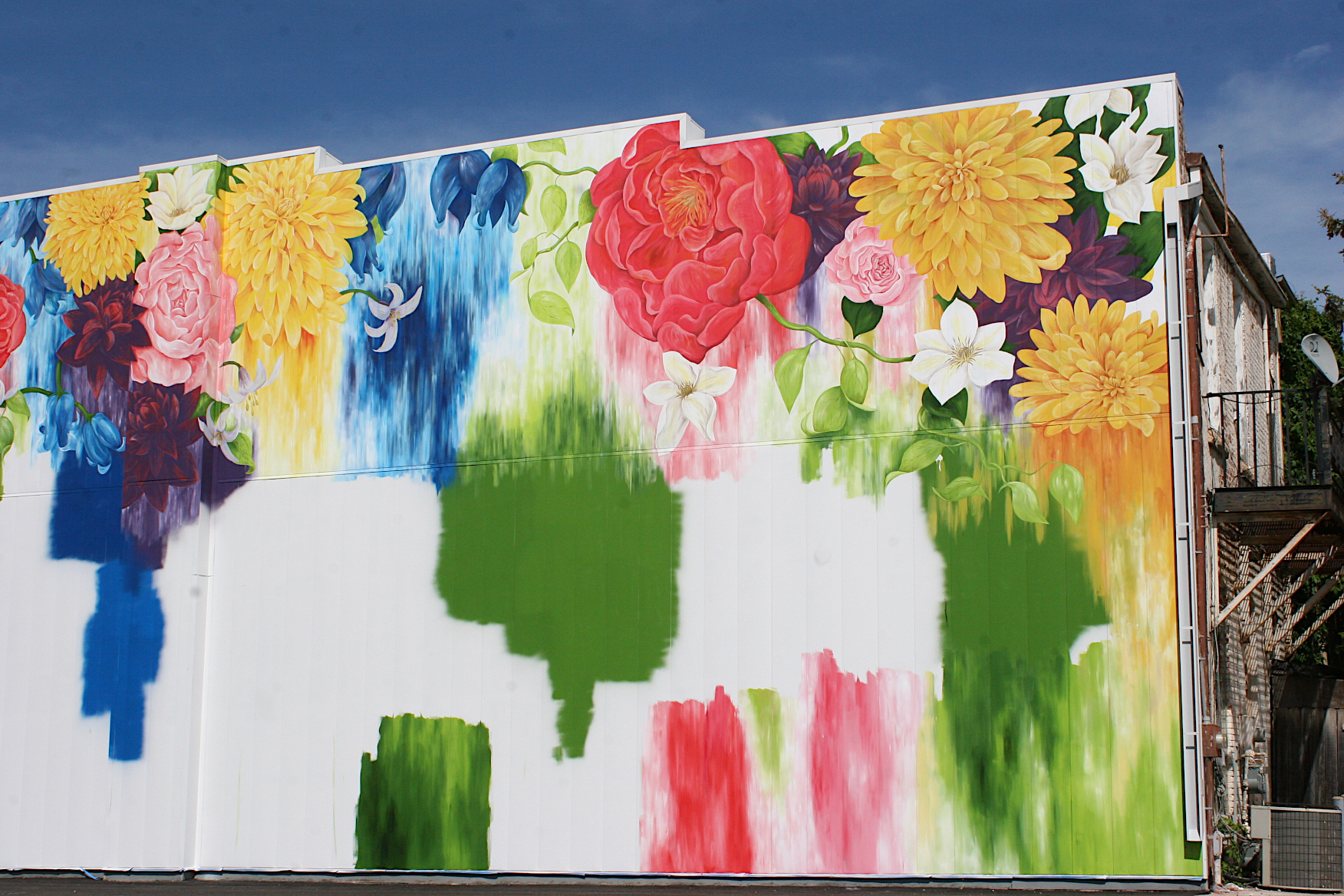
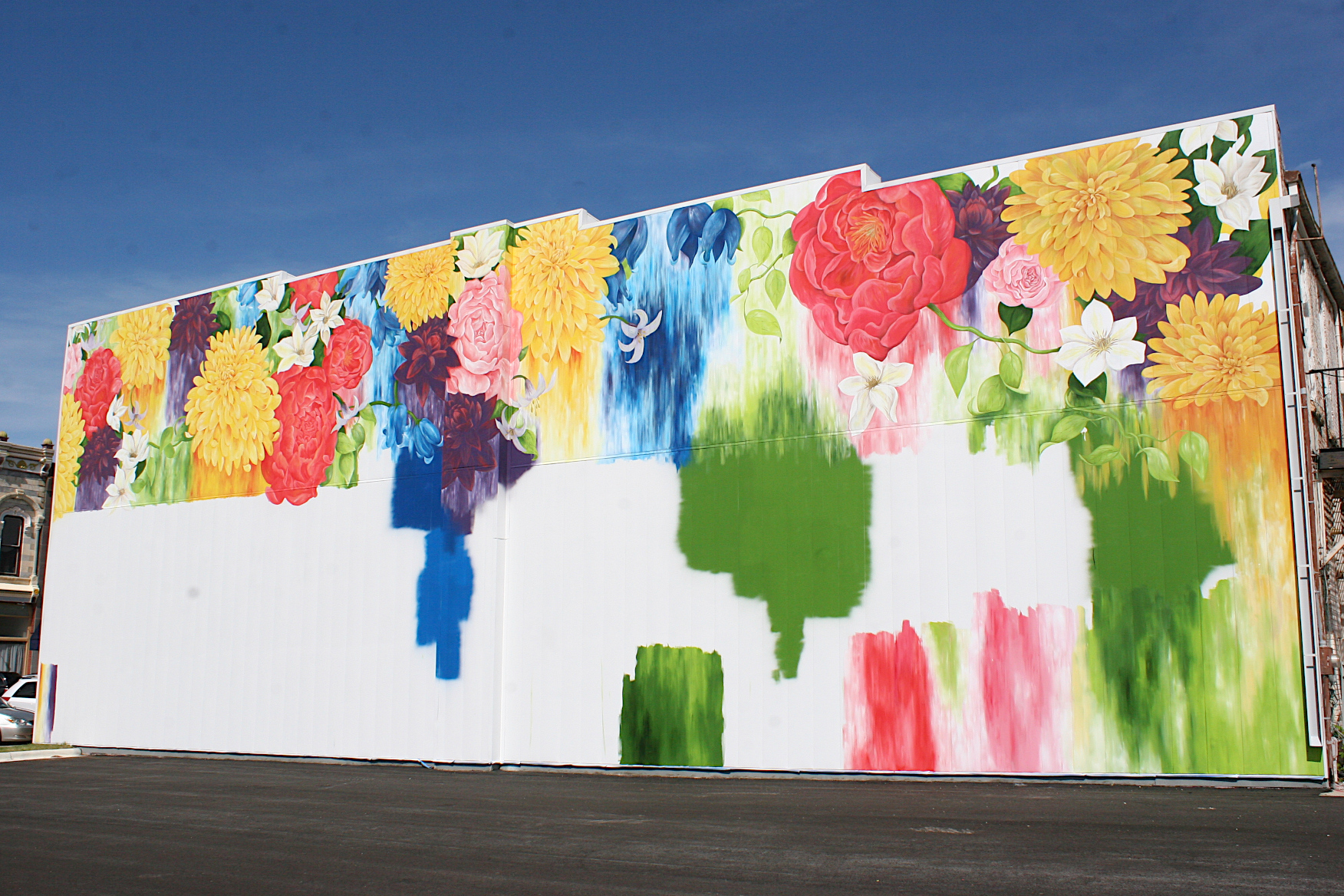
ART BLOOMS ON A MASSIVE white canvas, brightening a street corner in the heart of downtown Faribault with flowers in vibrant hues.
It’s an in-progress floral delight created by Jordyn Brennan. The Faribault City Council selected the Minneapolis-based visual artist to paint the 85 x 35-foot instagrammable mural on a blank wall next to a parking lot on the corner of First Avenue NW and Third Street NW.
A big space to fill. Minnesota Prairie Roots copyrighted photo May 2021.
The peonies painted into the mural honor the long ago Brand Peony Farm, no longer in existence. The nationally-renowned peony grower/developer earned Faribault the title of “Peony Capital of the World.” The community celebrated with an annual peony festival and parade, and brides stored peonies in caves along the river. In many Faribault residential neighborhoods you’ll see peonies bushes, currently in bloom.
Brennan also painted another Faribault famous flower, the clematis, in to her mural. Donahue’s Greenhouse, just blocks from my home, grows one of the largest selections of clematis in the country.
Finally, the rare, endangered Dwarf Trout Lily also earned a spot in this floral garden. The mini lily grows in only three places in the world—in Rice, Steele and Goodhue counties—and can be found locally at River Bend Nature Center.
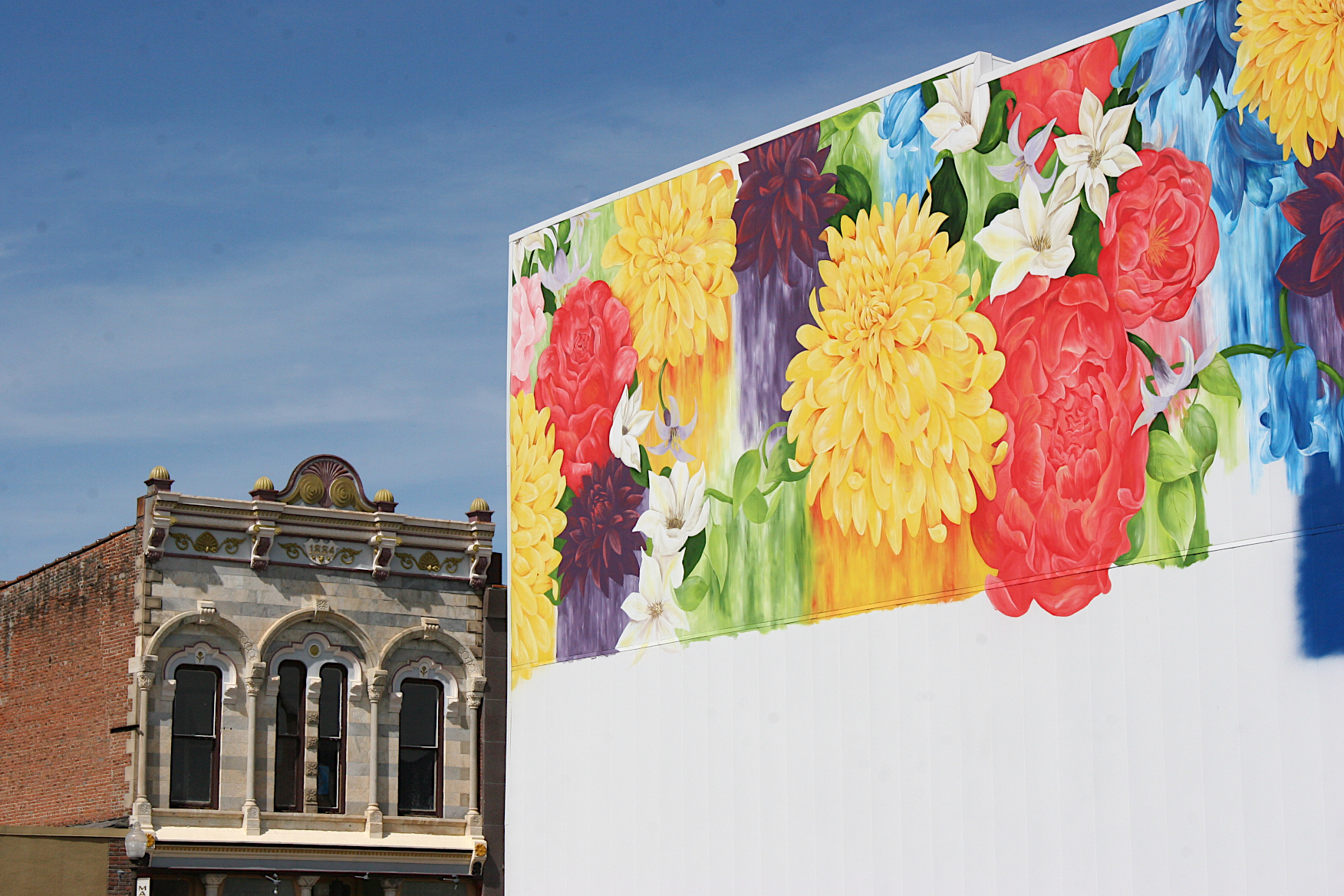
To the left in this image, you can see one of the architecturally beautiful historic buildings that define downtown Faribault. Minnesota Prairie Roots copyrighted photo May 2021.
I love how this young Minneapolis artist put so much thought into designing a vibrant mural that is universally appealing yet reflective of Faribault. I expect this oversized public art piece will provide the backdrop for many a fun photo opp. For visitors and locals alike. Maybe even for brides clutching peony bouquets.
FYI: Jordyn Brennan, who holds a Bachelor of Arts degree in Studio Arts, has been working hard on the mural with a goal of completing it by mid-June, just in time for Faribault’s Heritage Days celebration. She’s painted more since I took these photos. I will do a follow-up post when the mural is done. This talented young artist is also pursuing a Master of Fine Arts degree from the Minneapolis College of Art & Design. She’s completed other flower and nature-themed murals. Be sure to visit her website.
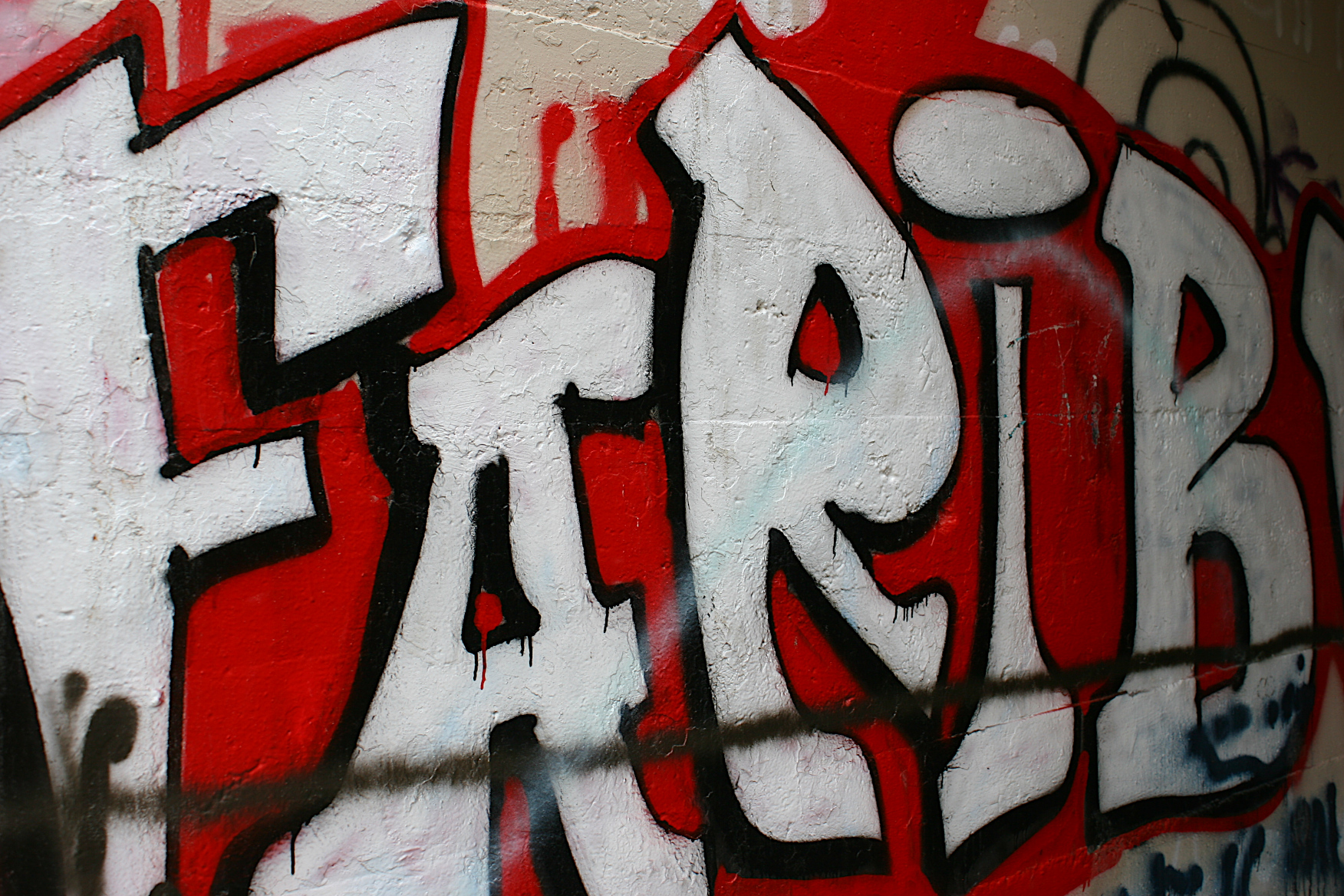
Graffiti on the Teepee Tonka Tunnel. Minnesota Prairie Roots copyrighted file photo May 2021.
SIX DAYS AGO I PUBLISHED a post, “From Faribault: When Graffiti Overtakes Nature & History,” which generated intense local interest. A Facebook group for people who grew up in Faribault linked to my post. And, no, this is not my hometown and I’m not on Facebook. But I have lived here for 39 years.
I appreciate the more than 1,500 views of that May 6 post. But I don’t appreciate some of the comments that followed. Let me explain.
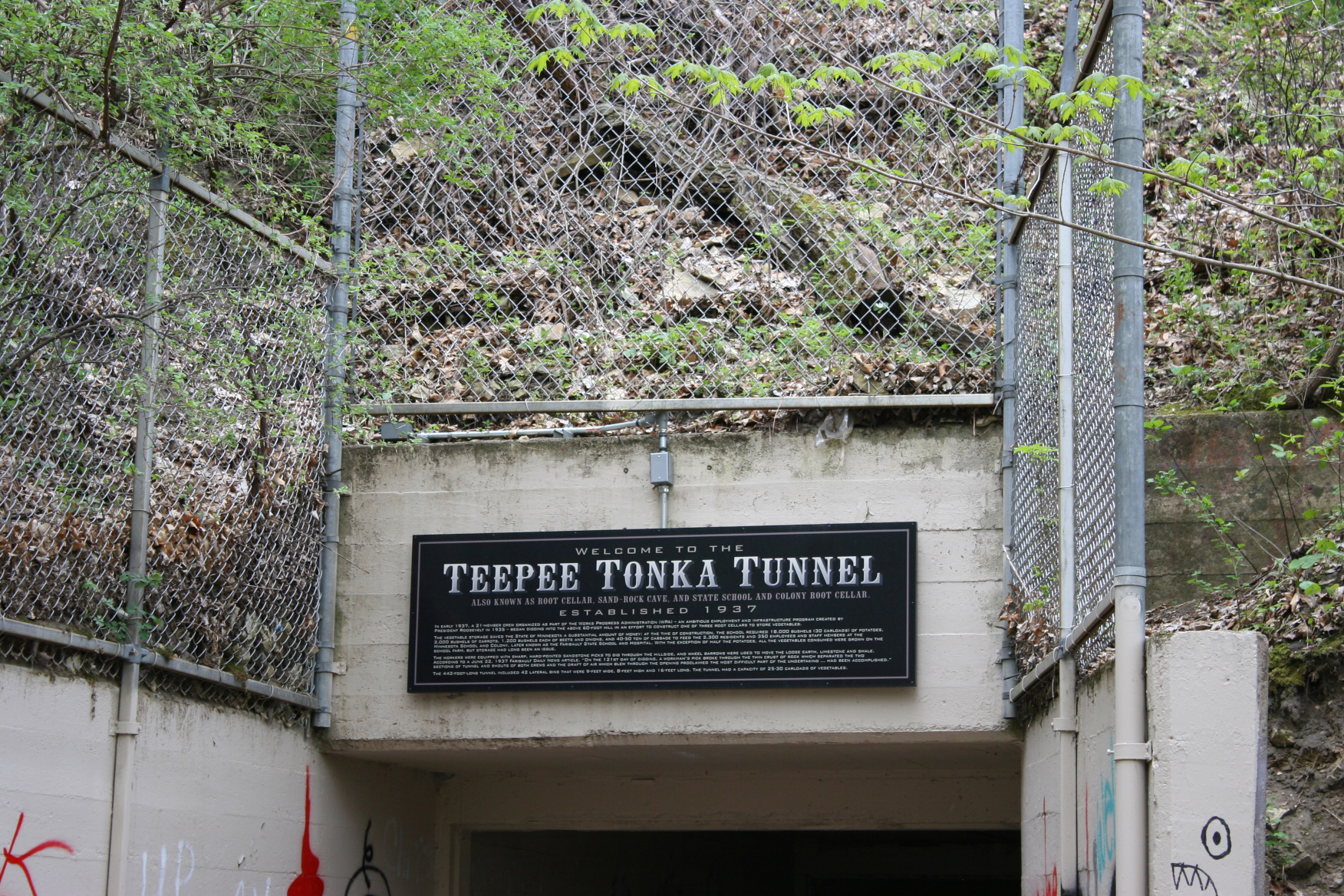
The entry to the tunnel now covered with graffiti. Several years ago, the city installed lights inside the tunnel and painted over the graffiti. But the “art” is back. Minnesota Prairie Roots copyrighted file photo May 2021.
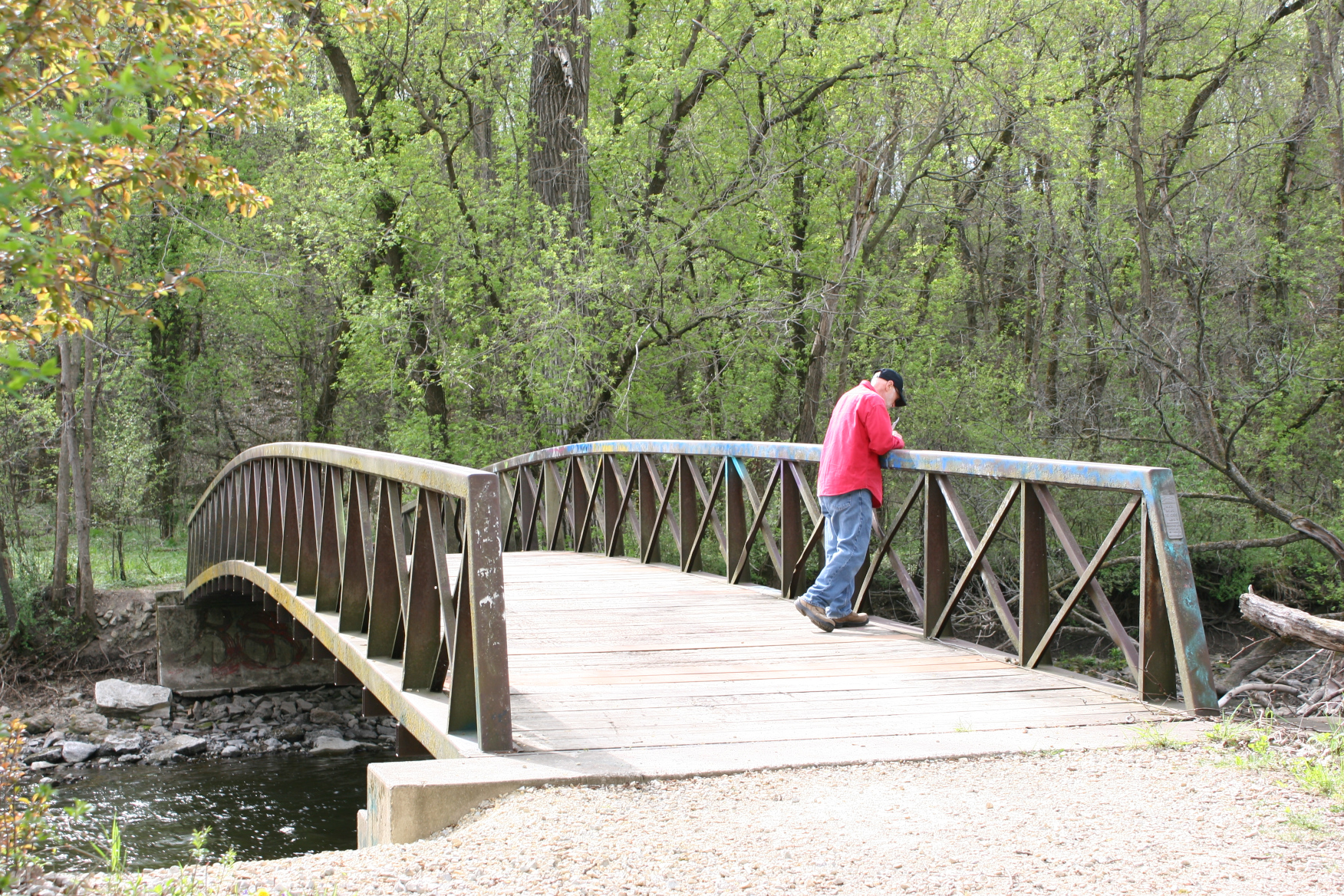
Initially, comments on my story about graffiti along the Teepee Tonka Trail leading into River Bend Nature Center, specifically inside an historic tunnel and on a footbridge over the Straight River, came from regular Minnesota Prairie Roots readers. They have no connection to my community. But I have an already established relationship with those readers, who comment often. So I approved their comments. Yes, I moderate replies to my posts.
Graffiti mars this footbridge across the Straight River along Teepee Tonka Trail. Minnesota Prairie Roots copyrighted photo May 2021.
PUSHING PAUSE ON COMMENTS
When comments began rolling in from those who followed the Facebook link, I pushed pause. I didn’t like much of what I was reading. The first comment, in fact, was threatening. I won’t give voice to those words here. But suffice to say that I felt uncomfortable with the message written by this anonymous individual.
Other writers used derogatory words to describe Faribault and the individuals creating graffiti. I may not like what these taggers are doing, but I also don’t like name-calling.
And I don’t like the negativity that all too often prevails about Faribault. Yes, people are entitled to their opinions. But it does no good to continually criticize. Every single community faces issues. Amplifying the negative rather than working toward improvement and resolution only perpetuates problems, or perceived problems.
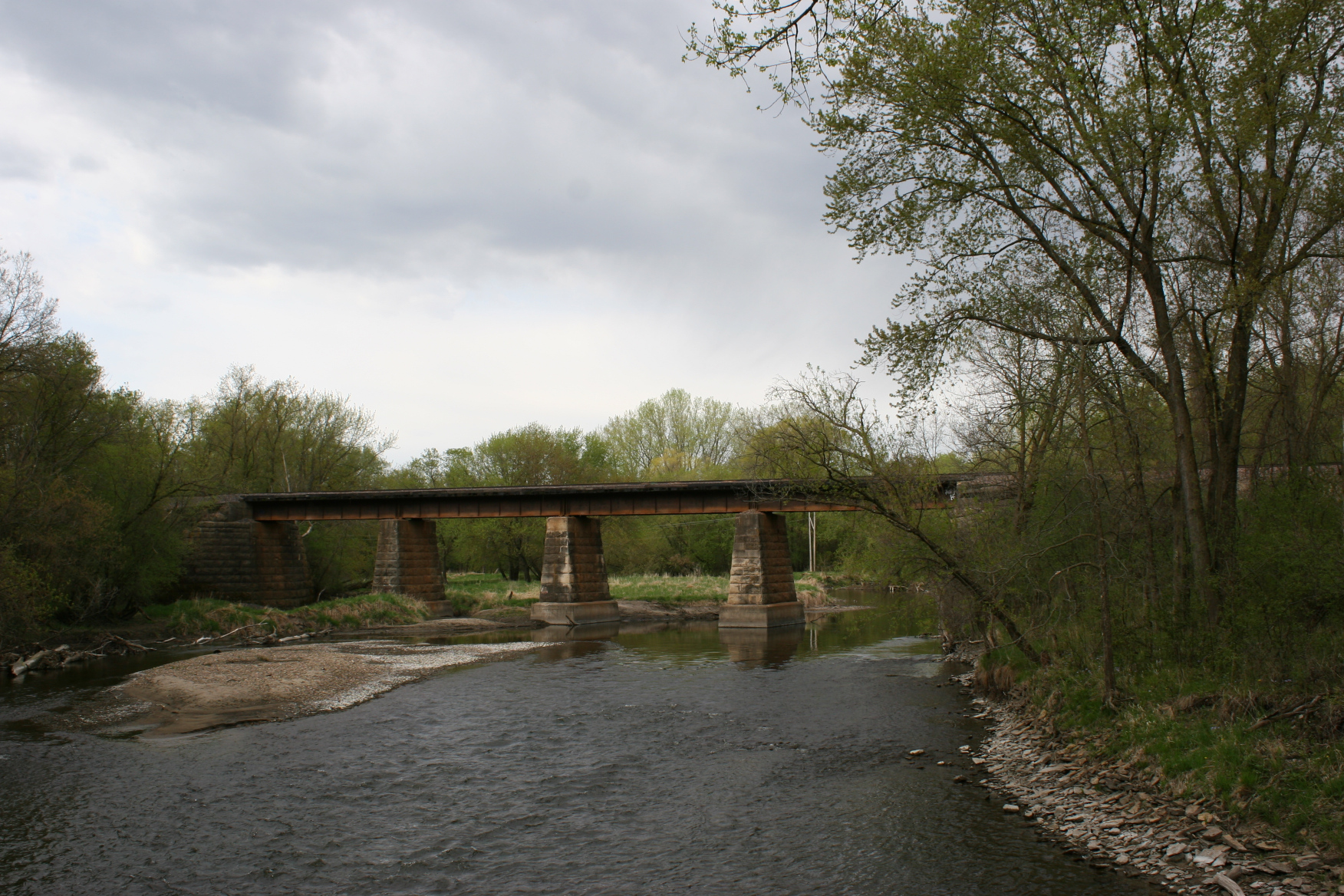
The Straight River, as photographed from the footbridge along Teepee Tonka Trail. Minnesota Prairie Roots copyrighted photo May 2021.
THE POSITIVES OF FARIBAULT
Faribault is a place of incredible natural beauty from our many parks to the two rivers that run through to, yes, even that trail tracing to the tagged tunnel.
Faribault is a place where history matters, as evidenced in our downtown historic district, historic homes scattered throughout the city, aged churches, Shattuck-St. Mary’s School, Buckham Memorial Library and many more buildings. Even our viaduct. And the Central Park Bandshell. And the historic Faribault Woolen Mill. And, yes, even the 1937 Teepee Tonka Tunnel, hand dug by Works Progress Administration workers as a root cellar for the Minnesota School and Colony.
Faribault is a place of diversity. I welcome our immigrants, who often fled horrendous situations in their native countries. I value opportunities to learn more about their cultures and have always appreciated the work of The Faribault Diversity Coalition.
Faribault is a place of family and community connections. Although I am not rooted here by birth or upbringing, I see generations of families who have called Faribault home. And I wonder sometimes if that’s partially why negativity rises. Sometimes it takes leaving a place, and then returning, to appreciate its good qualities.
Faribault is a place of art. From the many downtown murals to the Tiffany stained glass windows in some historic buildings, to the Paradise Center for the Arts and more, we are a community filled with art and creatives. And, yes, that includes the graffiti artists. When I viewed their art, I couldn’t help but appreciate their talent. Not the content (especially the profanity) or the location of their art, but their skills as artists. If only their art could be channeled into something positive. Yes, perhaps that is a Pollyanna perspective.
An especially bright spot in the heart of downtown Faribault is the Second Street Garden, a pocket garden with positive messages like this one. Minnesota Prairie Roots copyrighted file photo August 2019.
BEYOND WORDS
Some who commented on my initial blog post called for painting over the tunnel graffiti and one (a professional painter) offered to take on that task. That seems a good start, or restart as it’s been done before. Of course, that requires time, money (perhaps via a Community Pride Grant from the Faribault Foundation), effort and tenacity. But, as one individual commented, “This town could use a lot of TLC everywhere.” I don’t disagree.
It’s up to each of us to make that happen. To care. To act. To love. To go beyond words typed on a keyboard.
Note: I moderate all comments on my blog. Because this is my personal blog, I decide whether or not to publish comments.
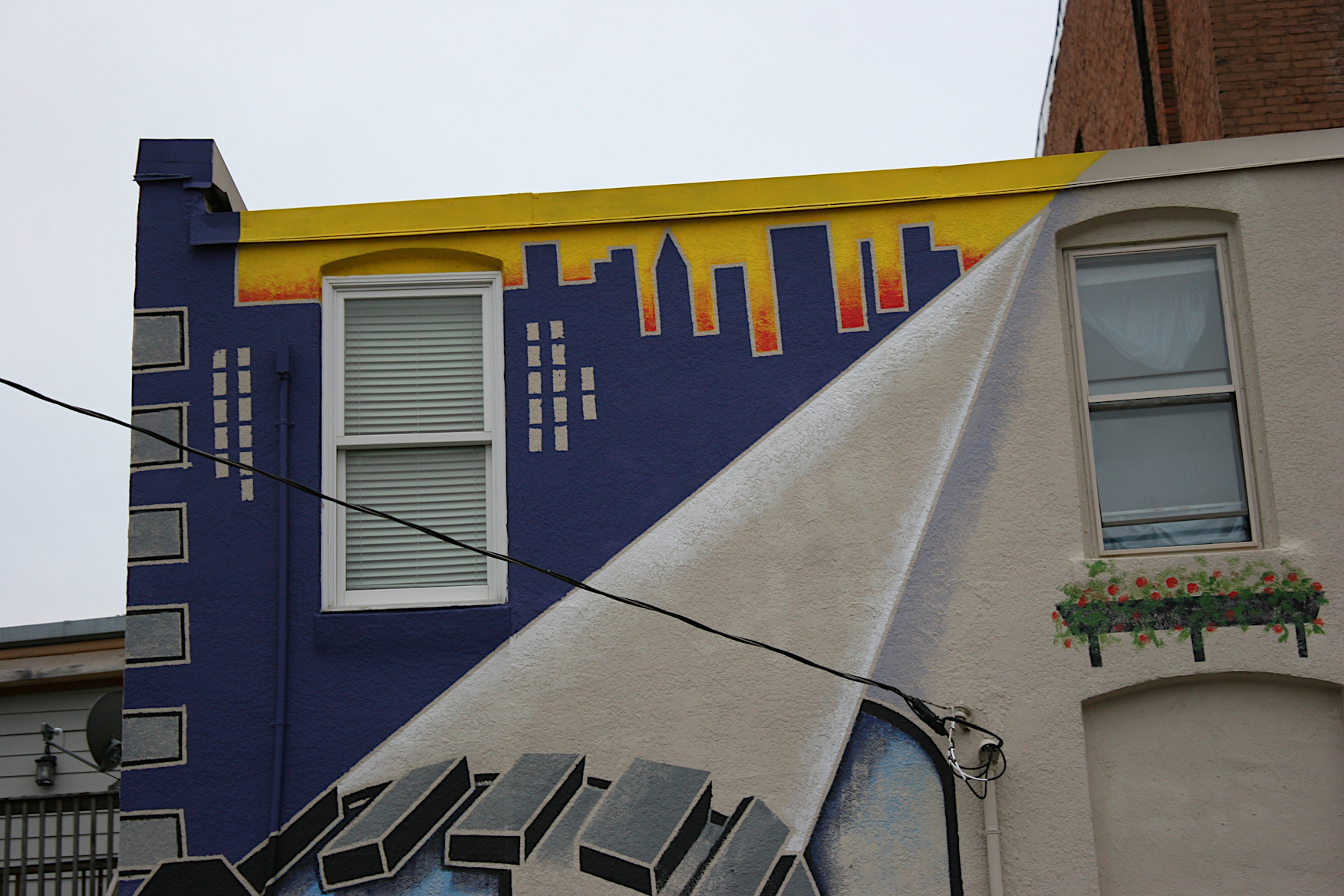
Faribault’s newest mural, completed late last year.
OUTDOOR PUBLIC ART enhances a community. It provides an outlet for creativity, adds interest to place and often brings joy. At least that’s my assessment.
As someone who grew up in rural southwestern Minnesota with minimal exposure to the arts—or perhaps more accurately minimal opportunity in the arts—I deeply appreciate the arts.
This sculptor of Alexander Faribault trading with a Dakota trading partner stands in Faribault’s Heritage Park near the Straight River and site of Faribault’s trading post. Faribault artist Ivan Whillock created this sculpture which sits atop a fountain known as the Bea Duncan Memorial Fountain. Minnesota Prairie Roots file photo.
My community of Faribault, where I’ve lived for the past 39 years, embraces creativity, centered today at the Paradise Center for the Arts. Yet, the visual arts extend well beyond the walls of the Paradise to stained glass windows in our historic churches, an art collection at Buckham Memorial Library, sculptures, architecture, home-grown shops, historic-themed murals and even the graceful curves of the historic viaduct.
In this January 2016 photo taken from the viaduct, you can see the back of The Upper East Side (white stucco building) before the mural was added. The historic building originally housed W.H. Stevens Drug. Minnesota Prairie Roots file photo.
You can see Faribault’s newest addition to the outdoor art scene from that viaduct, which offers a sweeping view of the downtown area.
The Upper East Side mural, a project of owner Suzanne Schwichtenberg and Jarvis, is more modern and graphic with strong lines. Less detailed. Bold. With unexpected pops of color. I find the zipper painted into the mural to be especially creative—the unzipping of history, of stories, of past and present. The mural invites introspection rather than simple reflection on an historic place or memory.
That’s my take. Not as someone with an art education, but rather as a creative who has grown to appreciate the arts in her community and beyond.
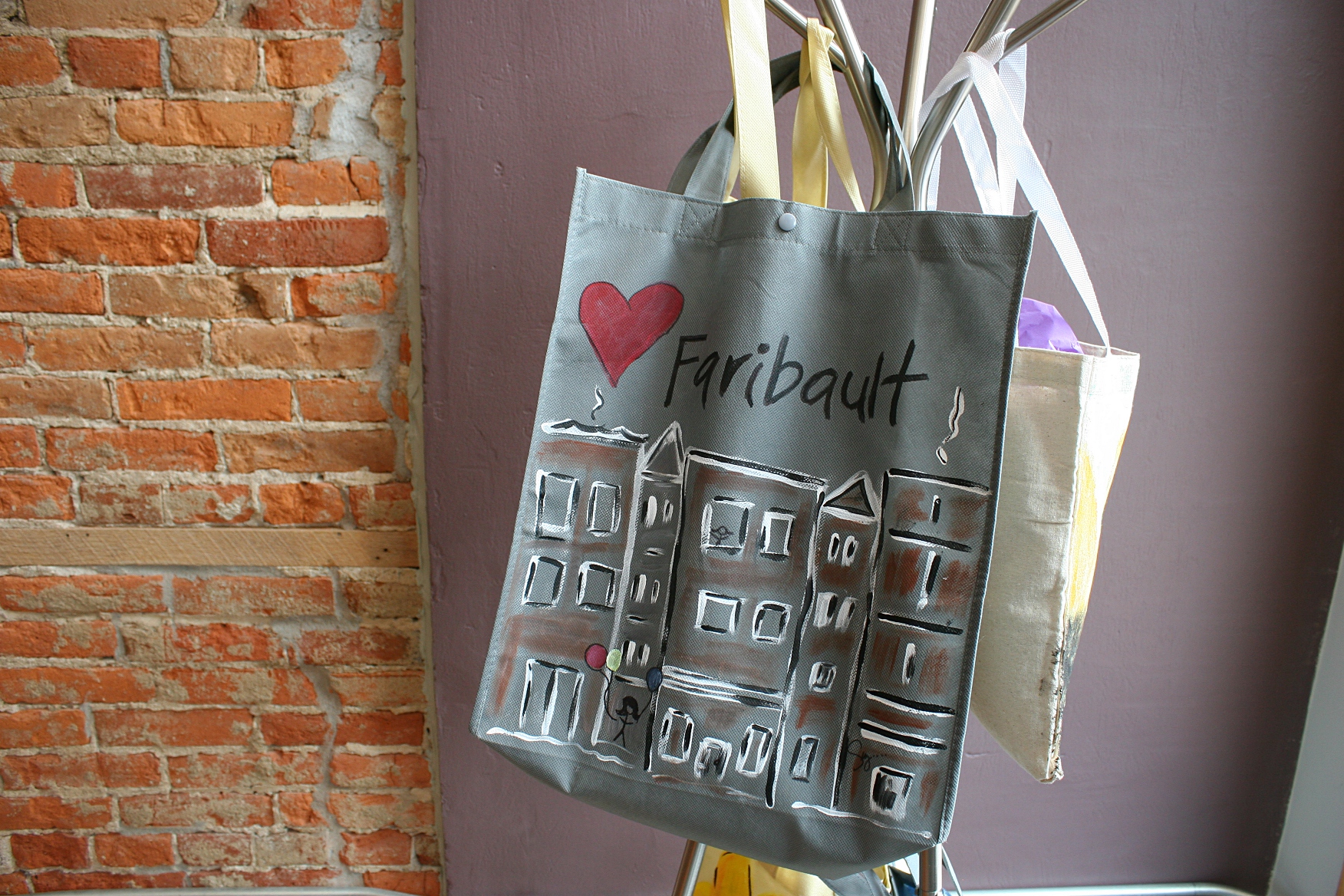
A locally-themed tote displayed at The Upper East Side. Minnesota Prairie Roots file photo September 2018.
FYI: Suzanne Schwichtenberg leads paint-and-sip events and other painting sessions at The Upper East Side and also takes painting/social gatherings on the road. Jarvis is a third-generation artist specializing in historical sketches and scenes from everyday life. He is passionate about local and regional history, authoring a book on the area’s mill history.













Recent Comments