Minnesota Prairie Roots

Writing and photography by Audrey Kletscher Helbling

Noticing details at Faribault’s historic woolen mill February 23, 2017

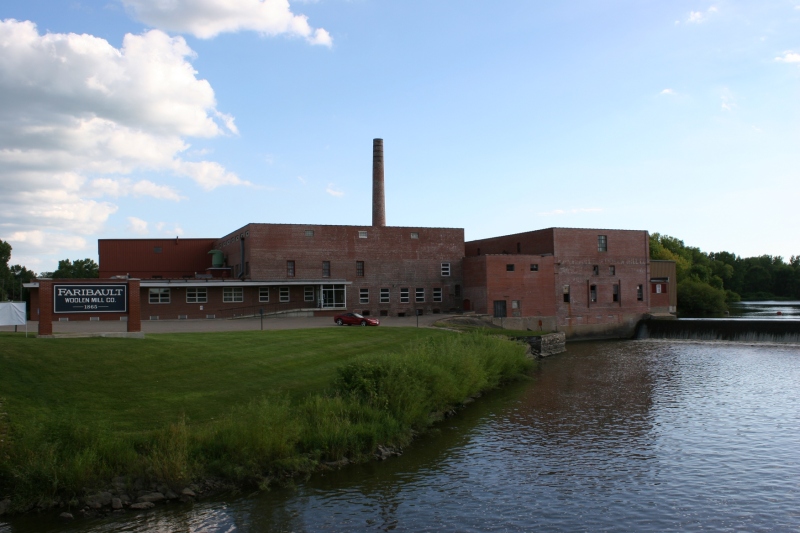
The Faribault Woolen Mill sits on the bank of the Cannon River.

The Faribault Woolen Mill sits on the bank of the Cannon River. Minnesota Prairie Roots file photo.

SNUGGED ALONG THE BANKS of the Cannon River in Faribault, the 150-year-old Faribault Woolen Mill stands as a noted local landmark and a nationally-recognized producer and purveyor of high quality wool blankets and more.

Faribault Woolen Mill blankets/throws are artfully hung on a simple pipe.

Faribault Woolen Mill blankets/throws are artfully hung on a simple pipe. Minnesota Prairie Roots file photo.

In recent years, with the acquisition of the briefly-closed mill by successful and marketing savvy Minnesota businessmen, the mill has experienced growth and significant national exposure. Many times I’ve picked up a magazine to see the mill’s products featured.
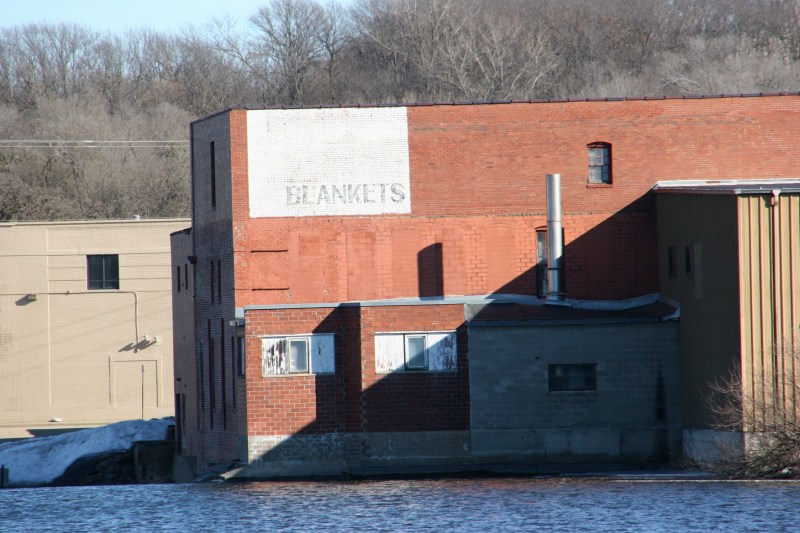
In the upper left corner of the mill, the sign unnoticed by me until several days ago.

In the upper left corner of the mill, the sign unnoticed by me until several days ago.

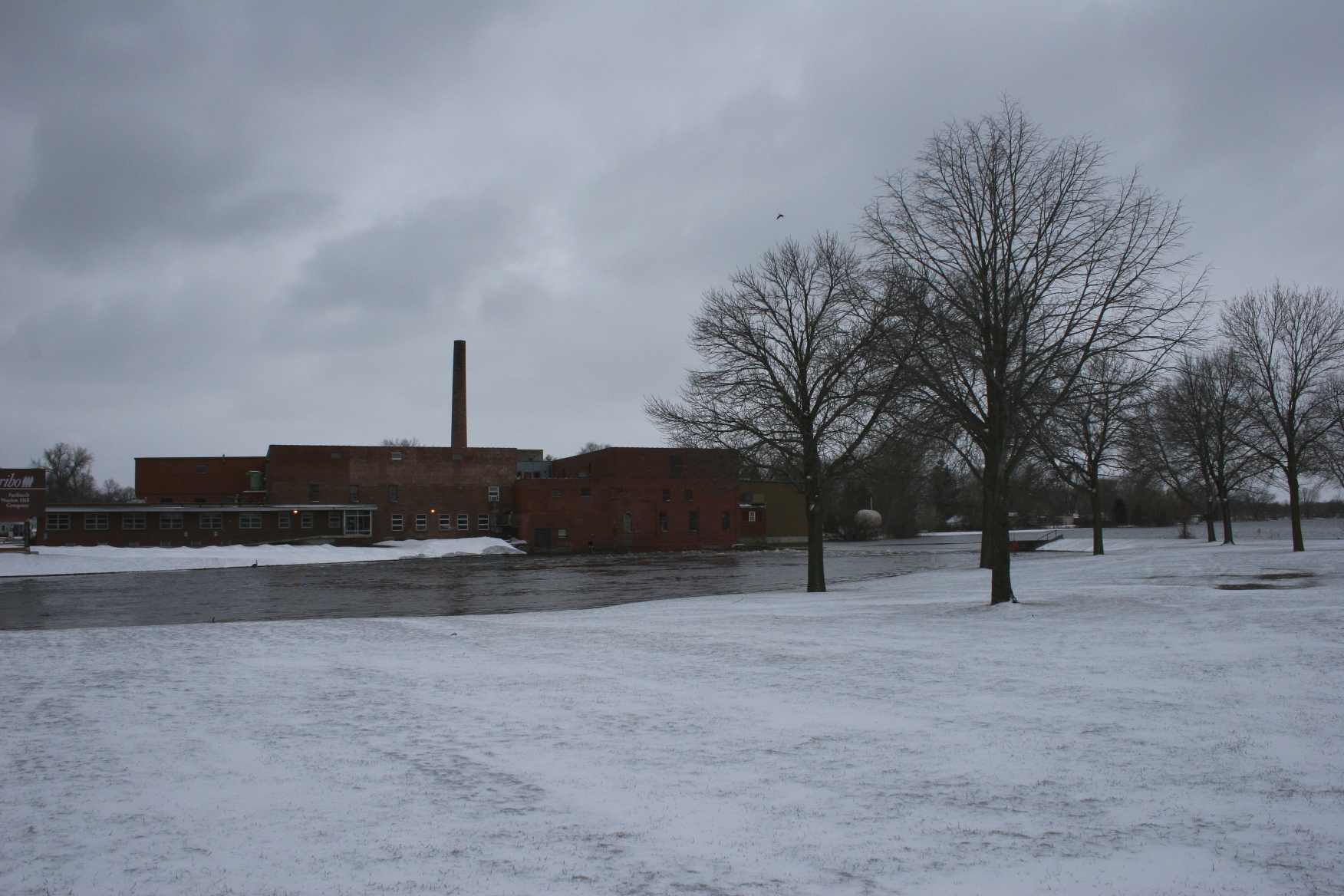
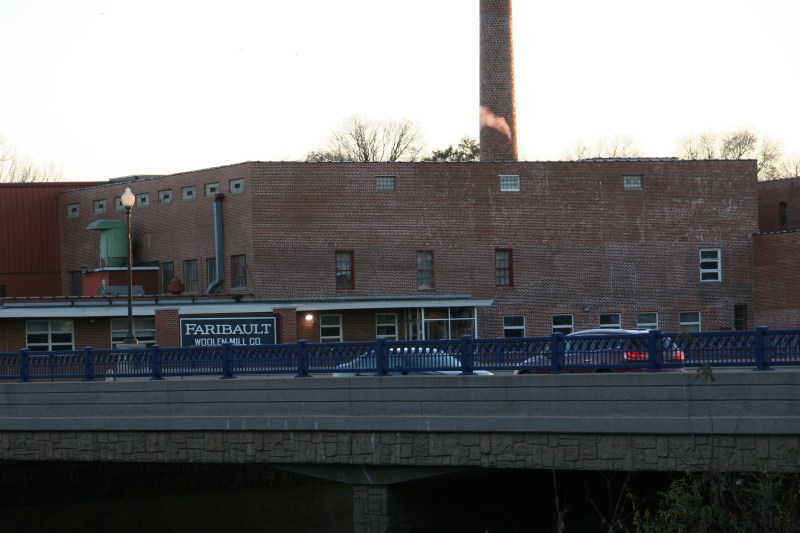
What I’d not noticed until recently was a faded sign along the back side of the historic mill, the side visible from North Alexander Park. My view of the mill complex is typically the public side motorists see while driving by on Second Avenue.
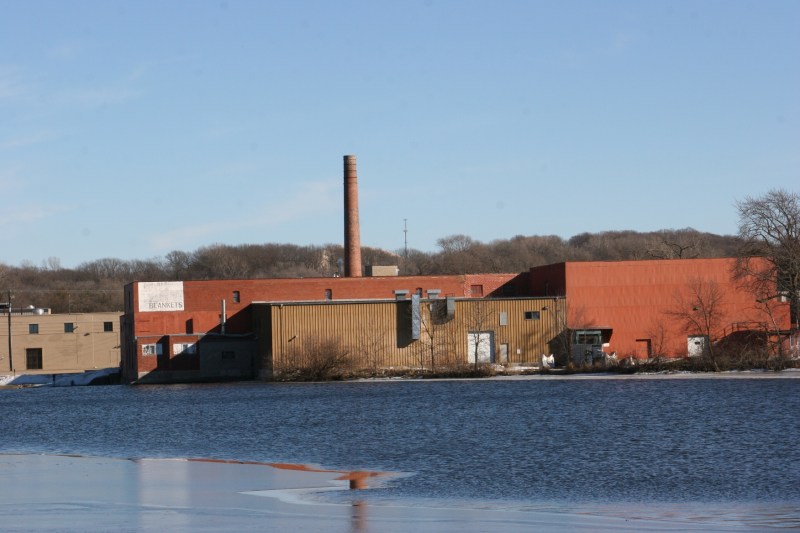
The back of the mill as photographed from the North Link Trail. The mill is on the National Register of Historic Places. Several years ago the city of Faribault received a $300,000 Minnesota Historical Cultural Heritage grant for rehab of the smokestack.

The back of the mill as photographed from the North Link Trail. The mill is on the National Register of Historic Places. Several years ago the city of Faribault received a $300,000 Minnesota Historical Cultural Heritage grant for rehab of the smokestack.

But this time I was walking, following the North Link Trail that runs through the park and is part of a city-wide recreational trails system. I paused to appreciate the inky blue waters of the Cannon on a brilliantly sunny afternoon when my gaze drifted to the mill. There I focused on white sign advertising BLANKETS. Faded, indiscernible lettering hovered over that key word.
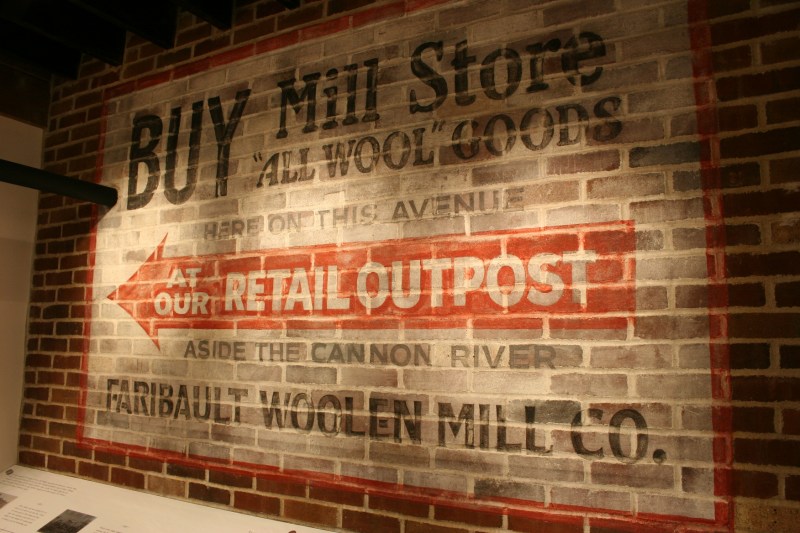
A replica of an original sign is now in the Woolen Mill's historic display area.

A replica of an original sign is now in the Woolen Mill’s historic display area. Minnesota Prairie Roots file photo.

I wondered how, in my 35 years living in the area, I failed to notice the vintage signage. Sometimes familiarity of place creates a lack of visual awareness. We become so accustomed to our usual surroundings that we fail to truly see. And to appreciate.

TELL ME: Have you ever felt the same upon discovering something (what?) in your community that’s been there forever but you didn’t see?

© Copyright 2017 Audrey Kletscher Helbling


History, mystery & more along the Straight River November 30, 2016

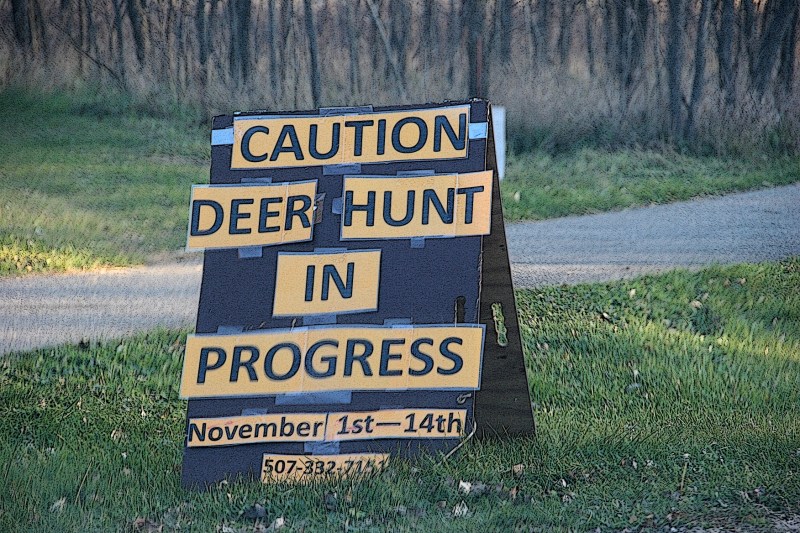
trail-1-deer-hunt-sign


THERE WOULD BE NO HIKING in the River Bend Nature Center as the sun shifted toward dusk on a recent Sunday afternoon.

The sign, “CAUTION DEER HUNT IN PROGRESS,” caused Randy to step on the brakes, back up the car and exit the entry road. “I don’t think I want to be in the woods this time of day,” he said, explaining that hunters prefer to hunt at dusk and dawn. I wasn’t about to disagree with him.


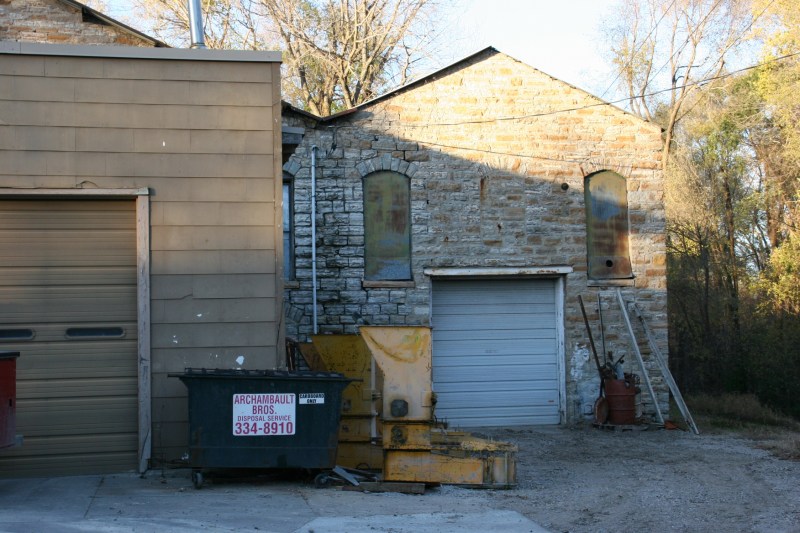
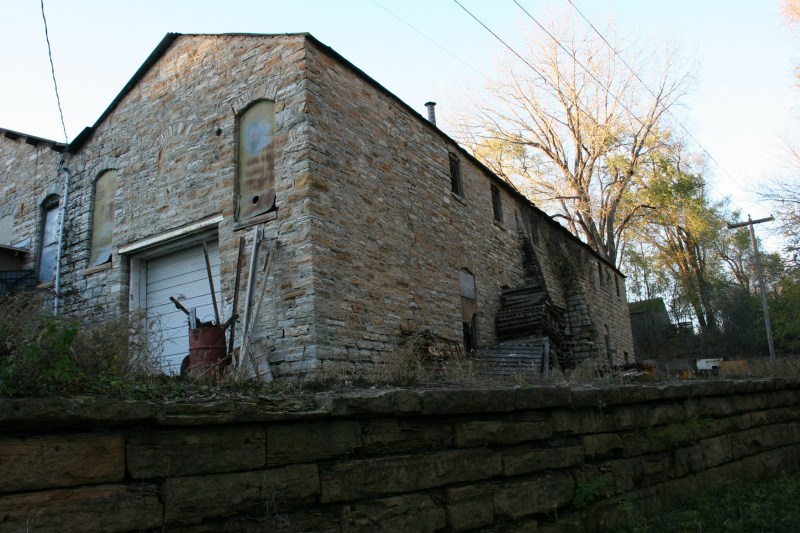
trail-3-limestone-buildings-up-close


So off we drove to find another trail, parking on a dead end street near the Straight River Trail in the northern section of Faribault. Our entry point started near an aged limestone building. We wondered aloud about the history of the structure so in need of repair.


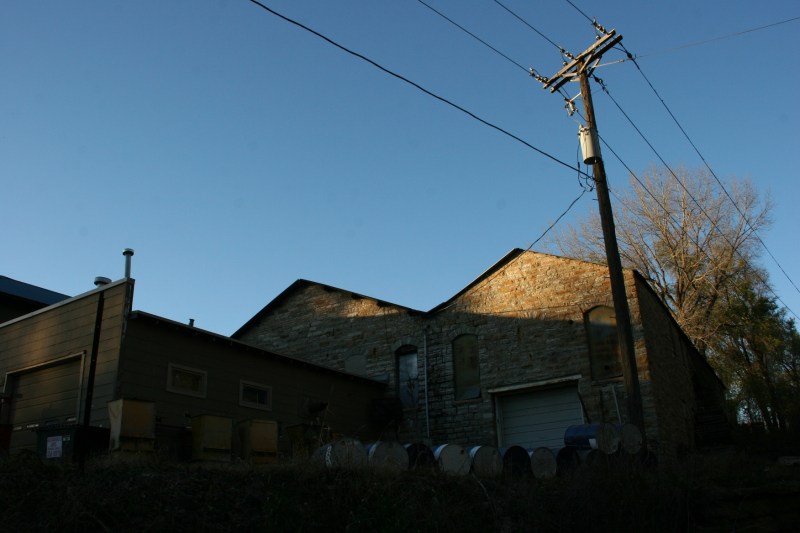
trail-4-side-of-limestone-building-with-barrels


I would later learn from Jeff Jarvis, local historian and community enrichment coordinator for the City of Faribault Parks and Recreation Department, that the building was constructed from local limestone in 1903 as the Faribault Gas and Electric Company. Electricity was transmitted by wire from the Cannon Falls hydroelectric facility to the Faribault plant and offered to Faribault customers, he said.


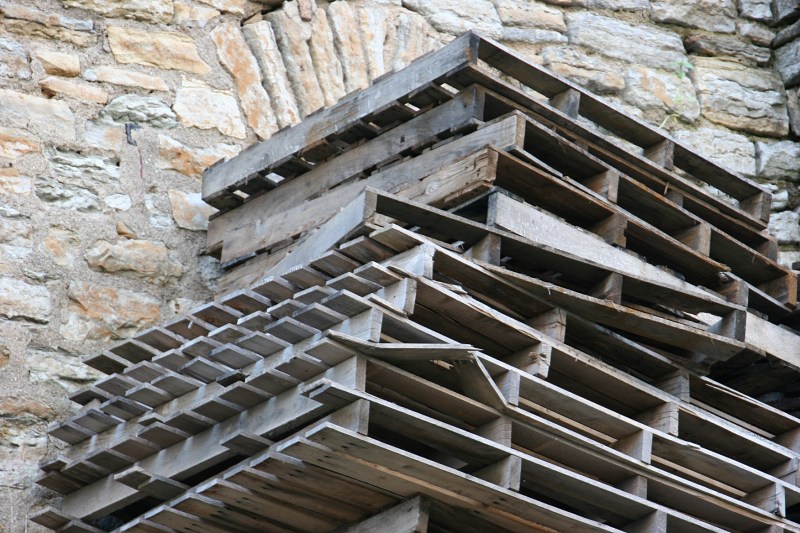
trail-10-pallets-stacked-by-limestone-building


I knew none of this as I studied the historic structure, noting the blocked window openings, the crumbling limestone, the detailed workmanship, the piled pallets, the empty barrels. Melancholy seeped into my thoughts. I’m always dismayed when buildings like this, an important part of local history, succumb to weather and near abandonment.

After snapping photos, I continued along the paved trail, stepping aside as a biker whizzed by. In the distance a trio of walkers approached, one gripping a dog. I am often wary of meeting canines. But this service dog posed no threat.


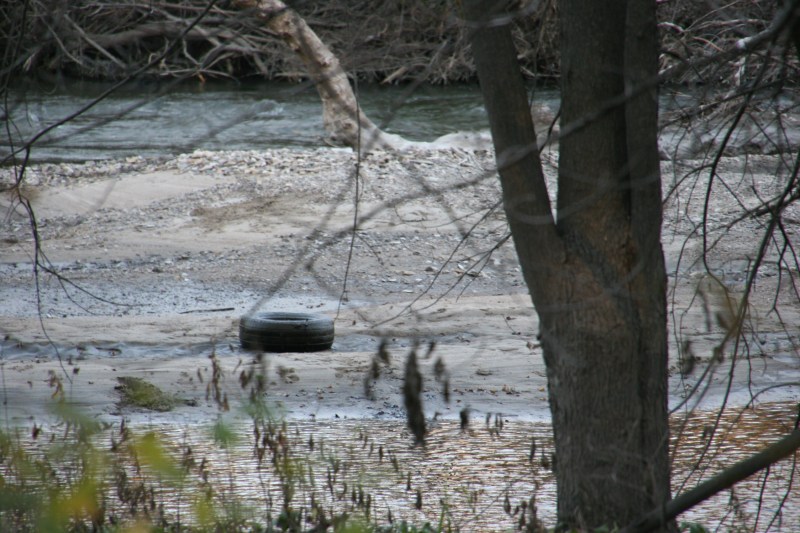
trail-8-tire-by-river


Eventually, Randy and I veered from the paved path to a dirt trail leading to the Straight River. A massive fallen tree blocked us from reaching the river bank. We could only surmise that September flooding or past floods uprooted the many fallen trees in this flood plain.


trail-9-single-leaf-on-tree


I noticed a tire on a sandbar, a man in a blue jacket walking his dog on the other side of the river, a single leaf clinging to a twig.


trail-12-limestone-wall-and-limestone-building


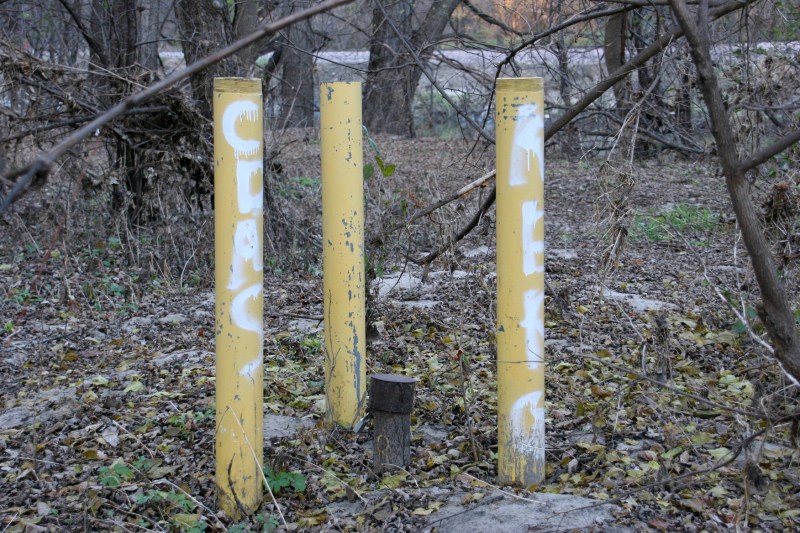
trail-22-posts-in-woods


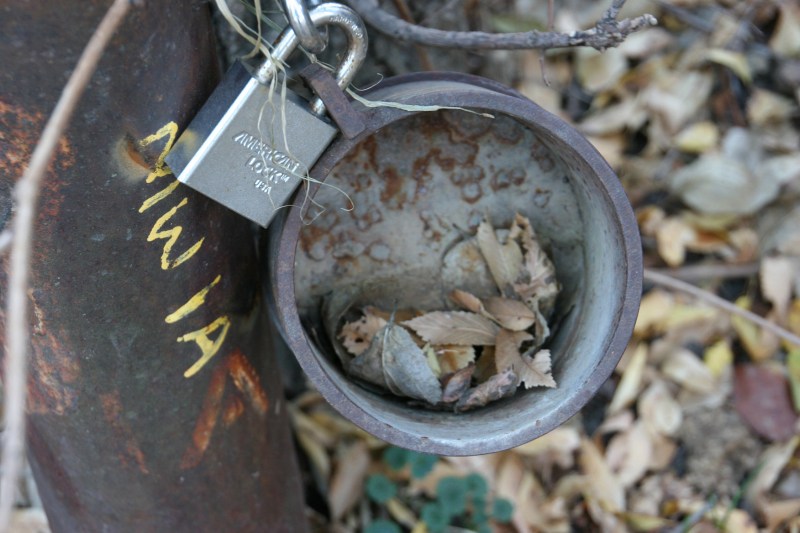
trail-13-padlock-on-pipe


Pink edged into the day, the light softening. Ideal for photography. We hiked back to the paved path, back toward the aged limestone building and then down once again toward the river along a rock hard trail. Clusters of pipes pocked the woods. We wondered about those and the padlocks fastened to some. A mystery.


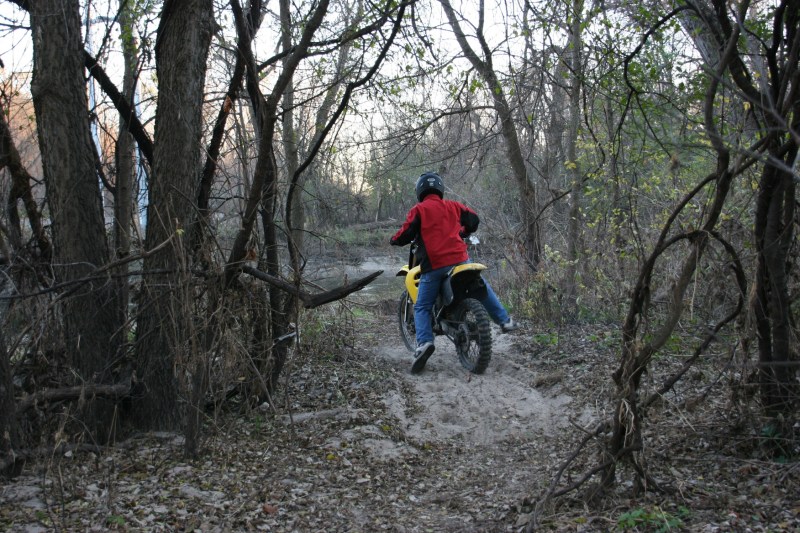
trail-17-dirt-bike-in-woods


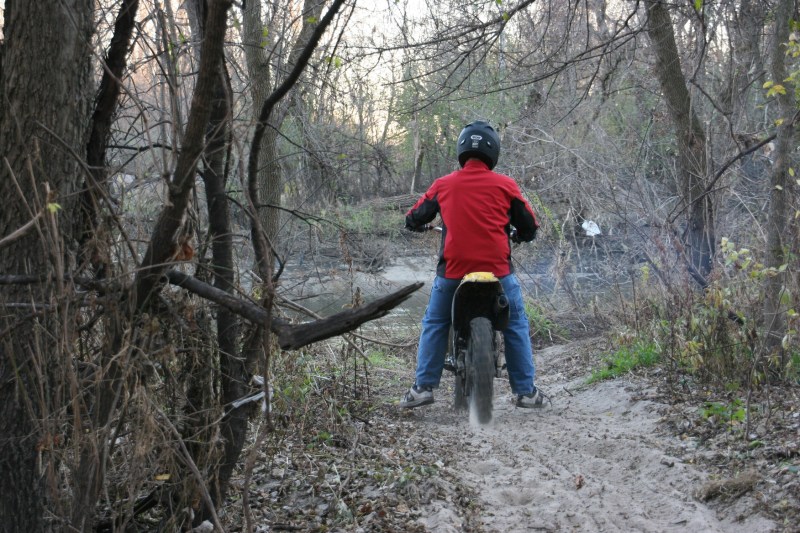
trail-19-dirt-bike-spinning-wheels


Soon the earth softened to river sand as the trail twisted. A buzz of noise cut through the silence, headlights flashing through the woods as an ATV approached, followed by a dirt bike. We stepped aside, allowing the vehicles to skirt us. And we wondered whether they should be there, near the river. Probably not.


trail-26-fishing


trail-30-faribault-woolen-mill


trail-32-sunset-over-the-cannon-river


We ended our outing at Two Rivers Park, the convergence of the Cannon and Straight Rivers. Men fished. On a nearby path, another man pedaled a three-wheeler, his wheelchair strapped to the back. A woman walked her dog. And I paused on a bridge to photograph the Faribault Woolen Mill and the golden sky.


trail-41-duck-swimming-in-cannon-river


And then, after crossing under Second Avenue via a recreational trail, I photographed a duck rippling water and light in the Cannon River. Lovely in the gloaming of this November day.
© Copyright 2016 Audrey Kletscher Helbling
 

Documenting Faribault’s latest flood, the third since 2010 September 22, 2016

Filed under: Uncategorized — Audrey Kletscher Helbling @ 9:55 PM
Tags: , , , , , , ,
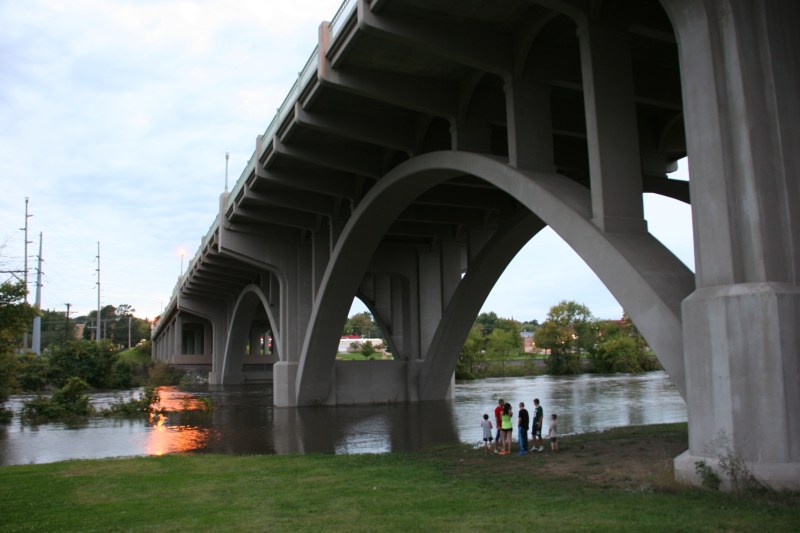
Locals are drawn under the viaduct that links the west and east side of Faribault during yet another flood in our community caused by excessive rainfall. Here the Straight River runs

Locals are drawn under the viaduct Thursday evening during yet another flood in our community caused by excessive rainfall. Here the Straight River runs over its banks. A flood warning continues until 5 a.m. Friday.


THE SCENES ARE ALL TOO FAMILIAR.


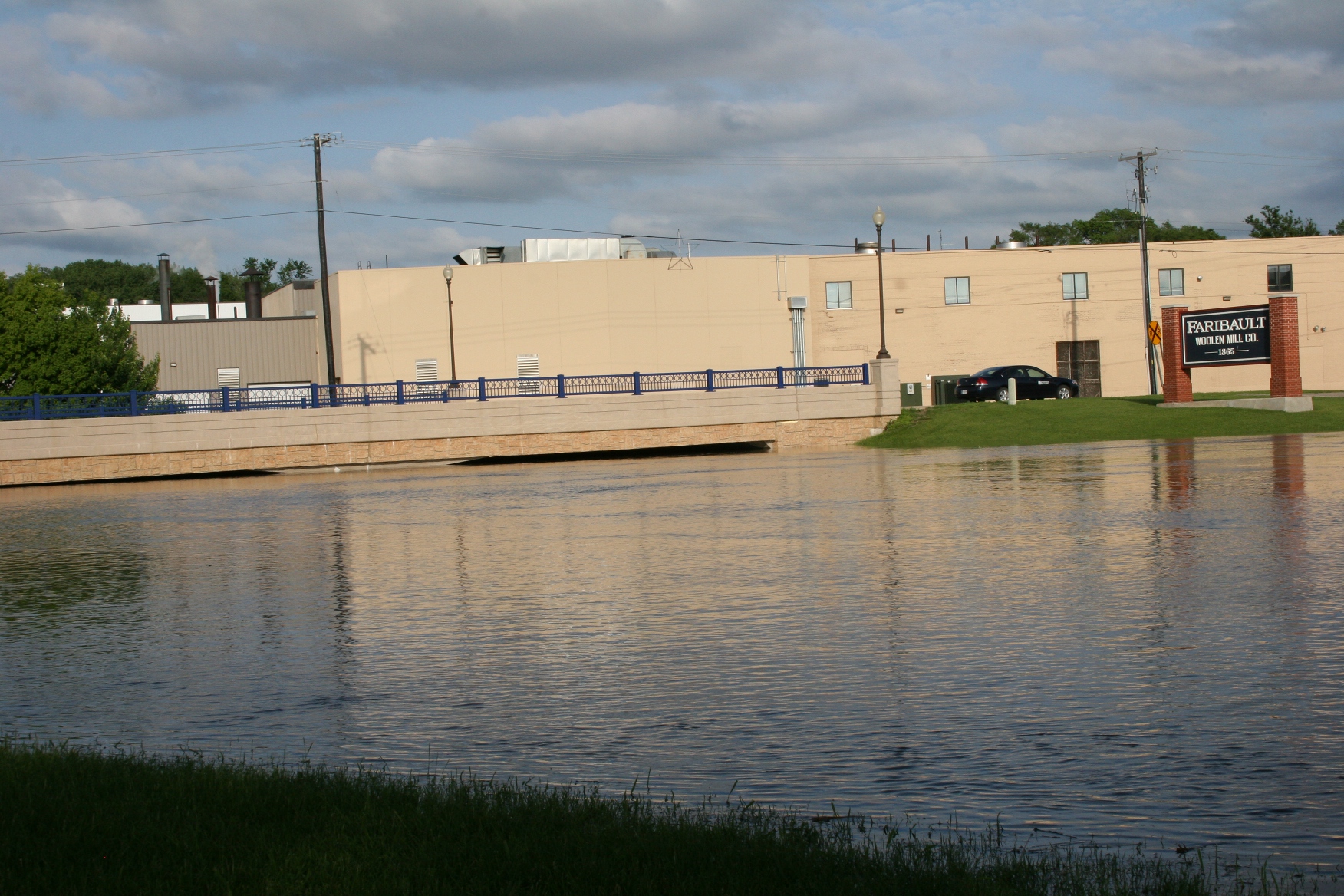
The water has risen so high that the Cannon River dam is no longer visible next to the Faribault Woolen Mill.


The dam no longer visible.


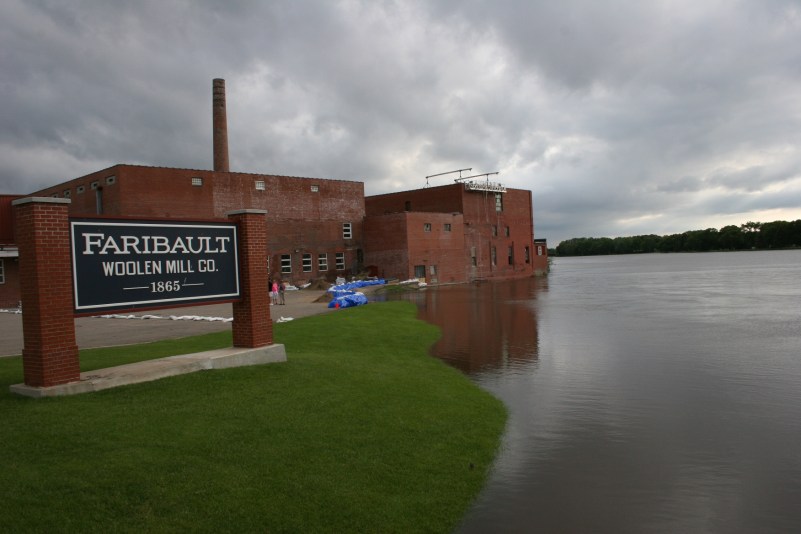
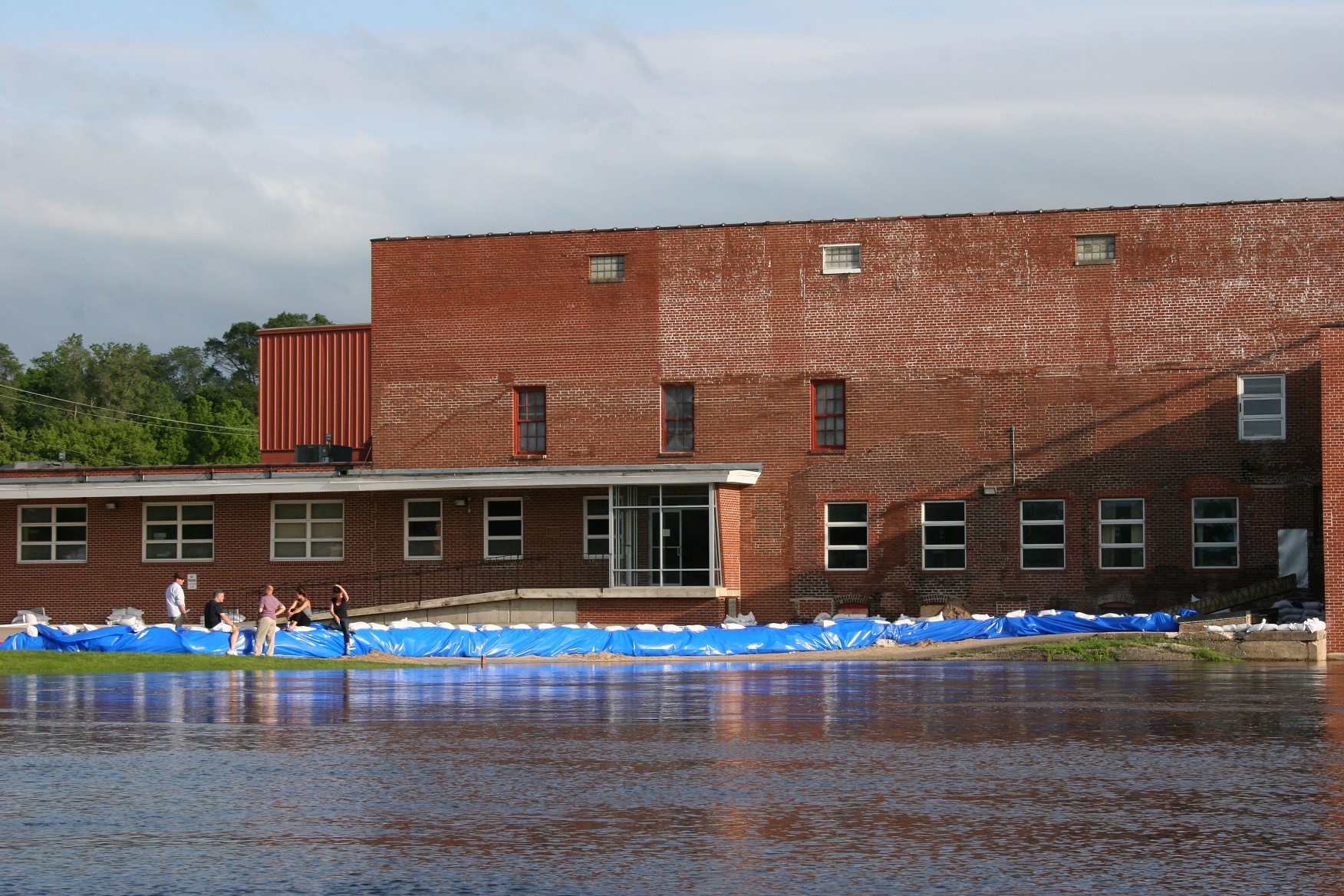
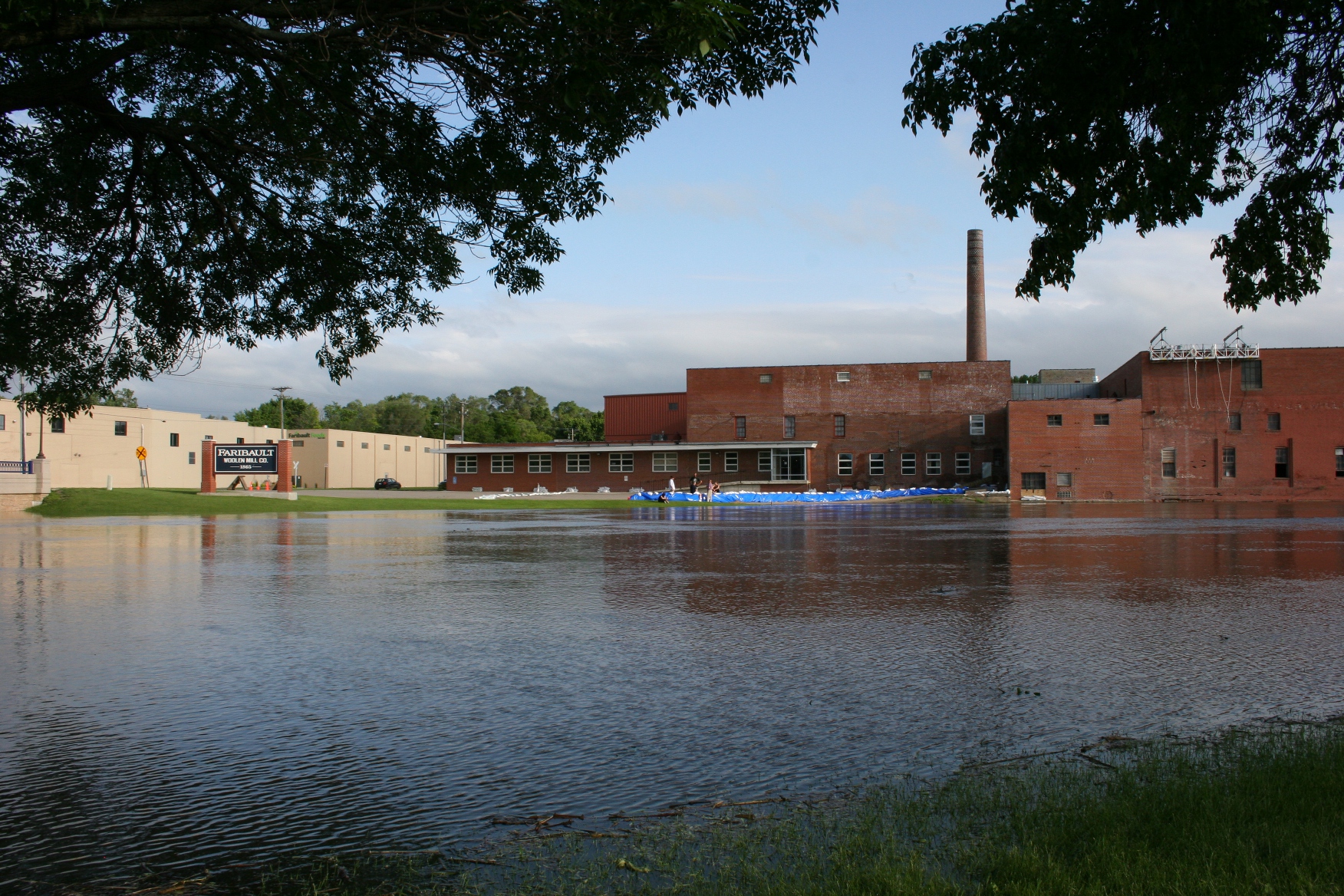
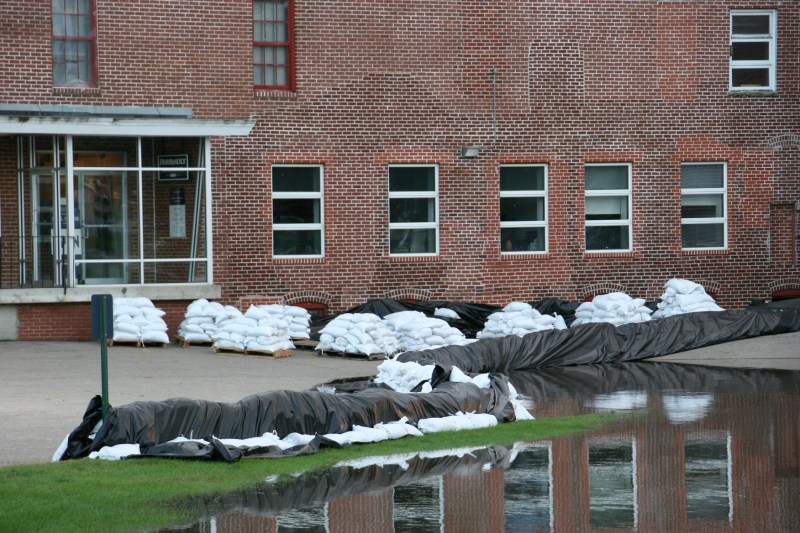
A line of sandbags protect the mill operation and retail store along the banks of the Cannon River.


Sandbags stacked outside the Faribault Woolen Mill.


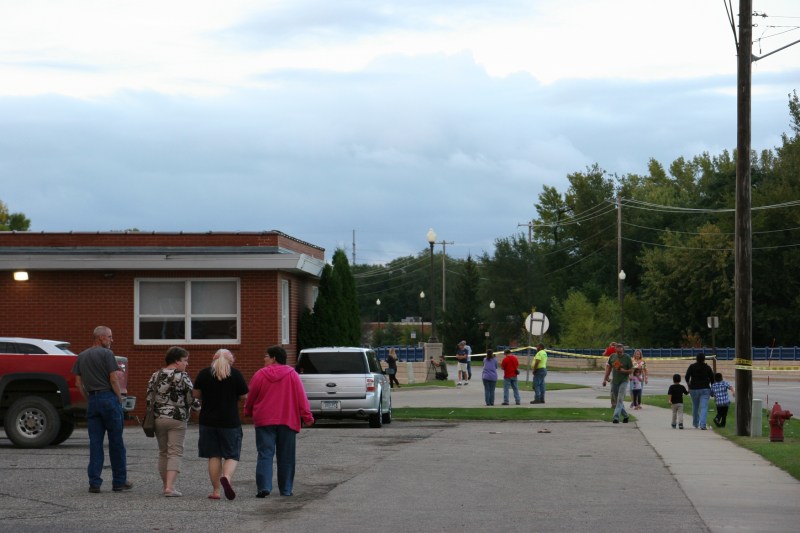
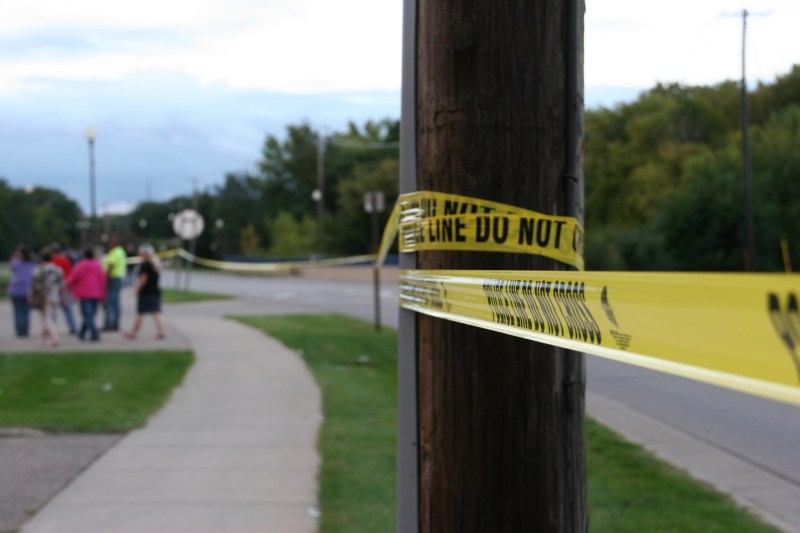
Police tape runs along the sidewalk on Second Avenue between the Faribault Woolen Mill and Faribault Foods.

Second Avenue between the Faribault Woolen Mill and Faribault Foods.

Police tape.

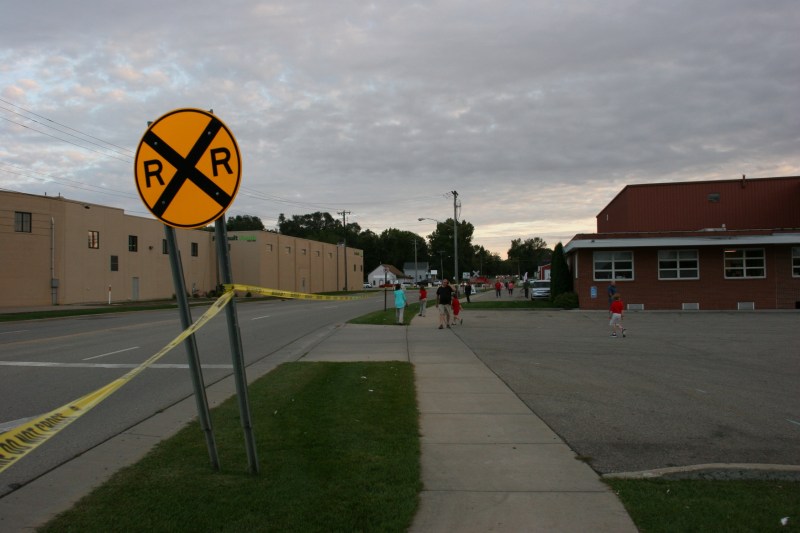
Several blocks of Second Avenue by the Cannon River are closed.

Several blocks of Second Avenue from Faribault Foods (left), past the Woolen Mill (right) to Caseys General Store were closed. The street runs past the Cannon River.

Roads barricaded.

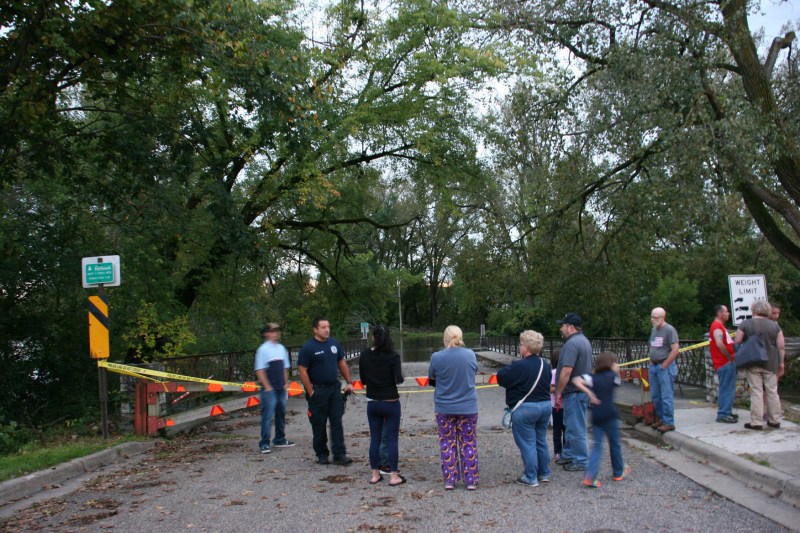
Onlookers gather at the bridge entry to Teepee Tonka Park, now flooded by the Straight River.

The bridge entry to Teepee Tonka Park, now flooded by the Straight River.

And locals gathered by the dozens to document the scenes, to see how the mighty Cannon and Straight Rivers have once again overflowed their banks.


This Twin Cities news crew, parked near the Rice County Fairgrounds entry Thursday evening, was filming at the Faribault Woolen Mill.


A Twin Cities TV crew comes, too, pulled by the current of a news story.


Locals headed across the Faribault Woolen Mill parking lot toward the rising Cannon River.

Locals head across the Faribault Woolen Mill parking lot toward the rising Cannon River.


While the gawkers gawk, the sun draws a slim line of gold between grey clouds and glassy water.


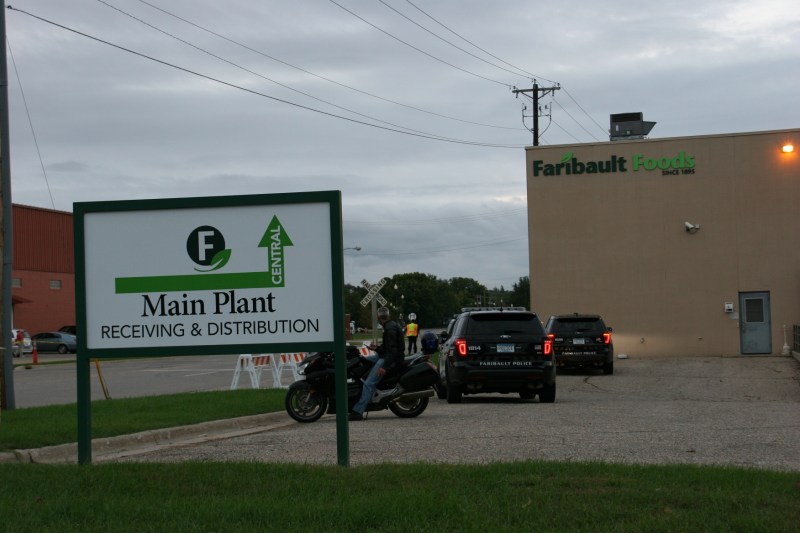
Three police vehicles pulled into the Faribault Foods parking lot to check on folks checking out the flooded river along Second Avenue.


Police and firefighters watch the river watchers.


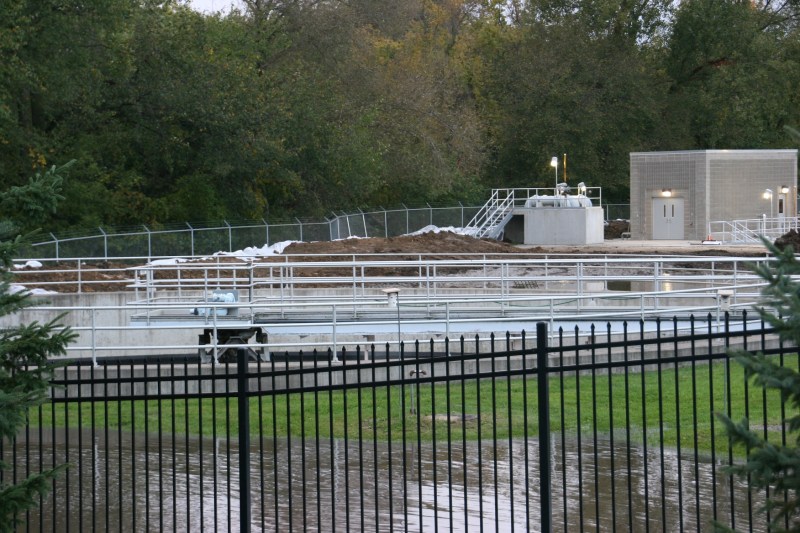
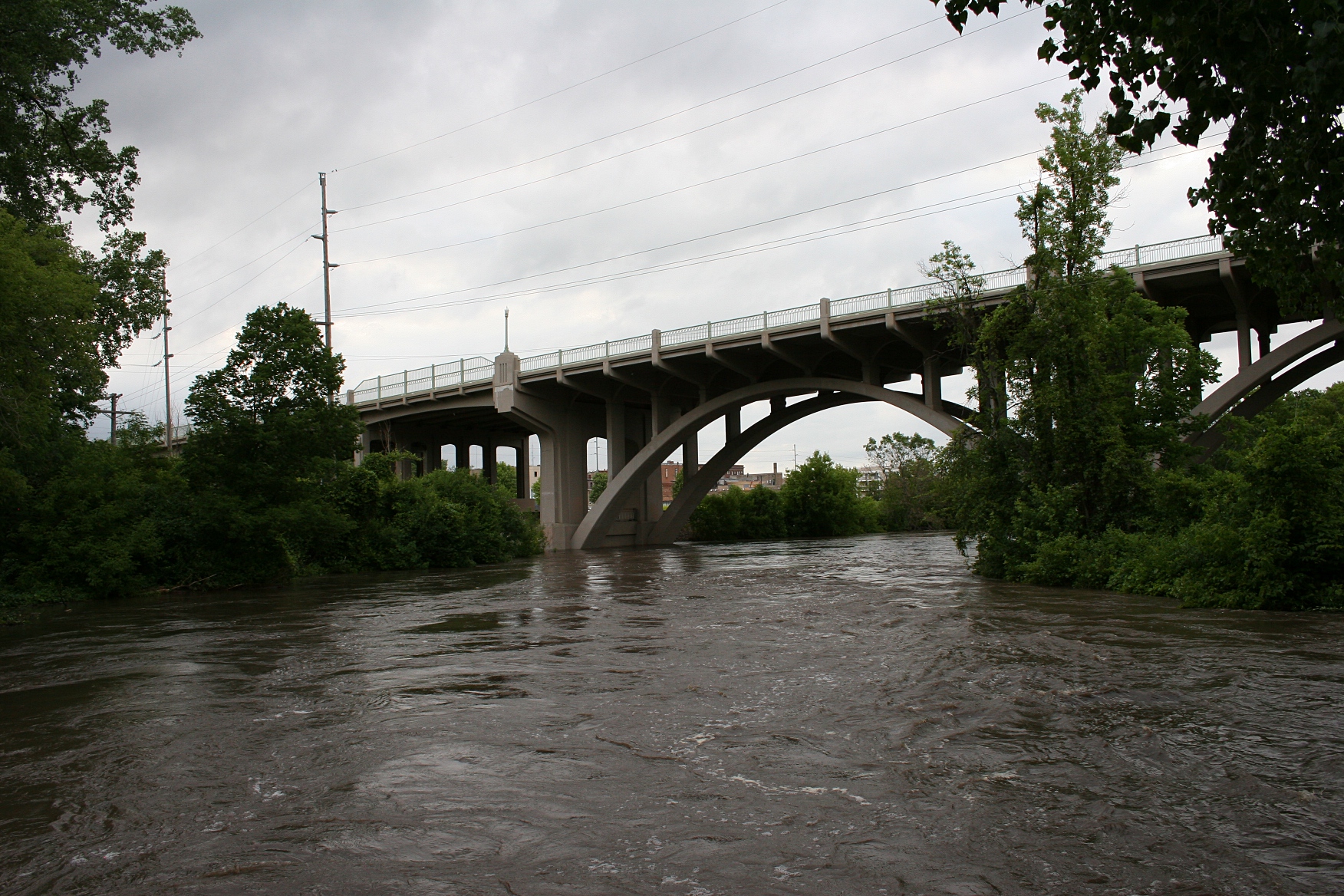
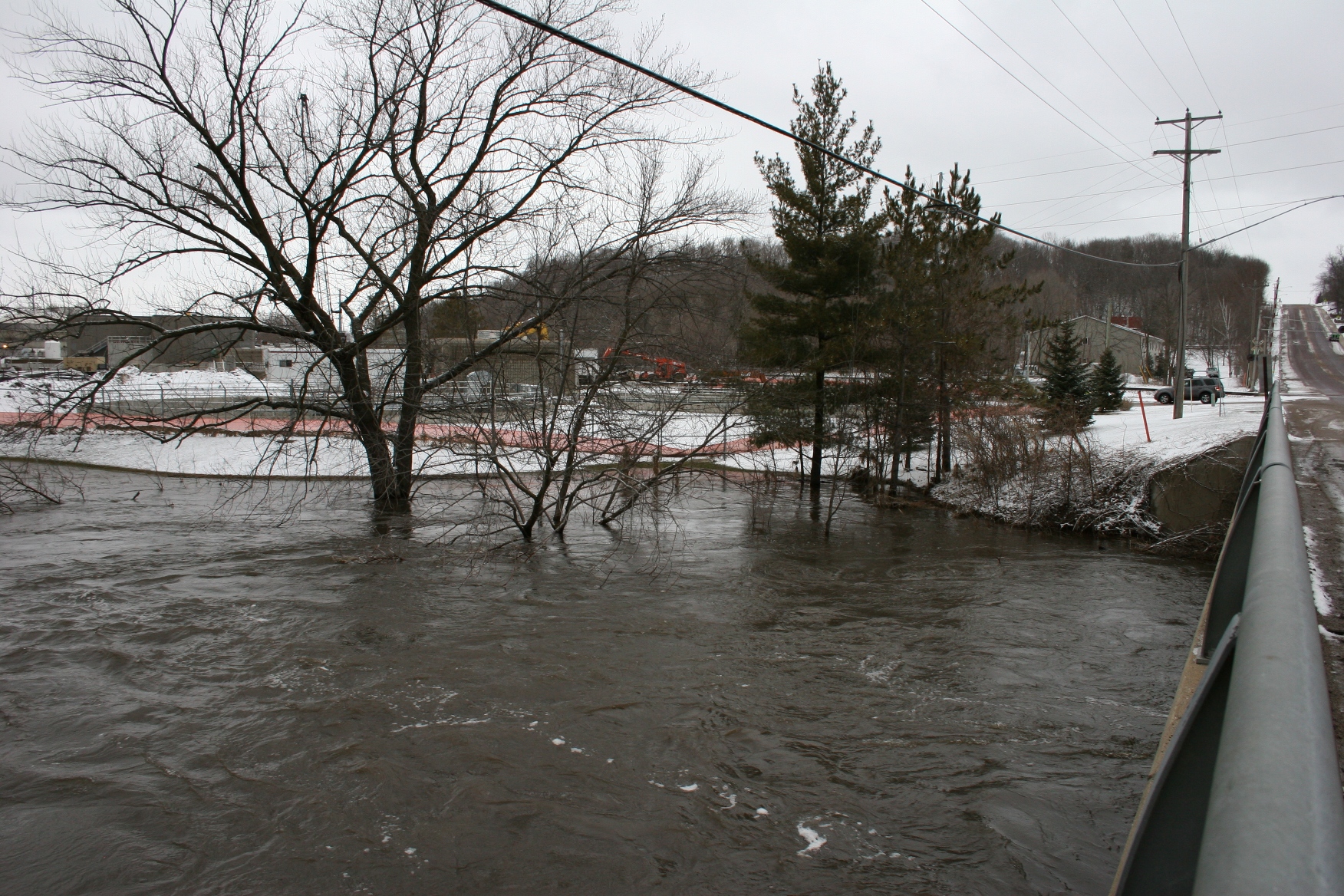
The Straight River rages toward the Faribault wastewater treatment plant.


Blocks away the Straight River churns muddy brown, raging under the bridge near the wastewater treatment plant.


A hastily built berm and sandbags protect the treatment plant.


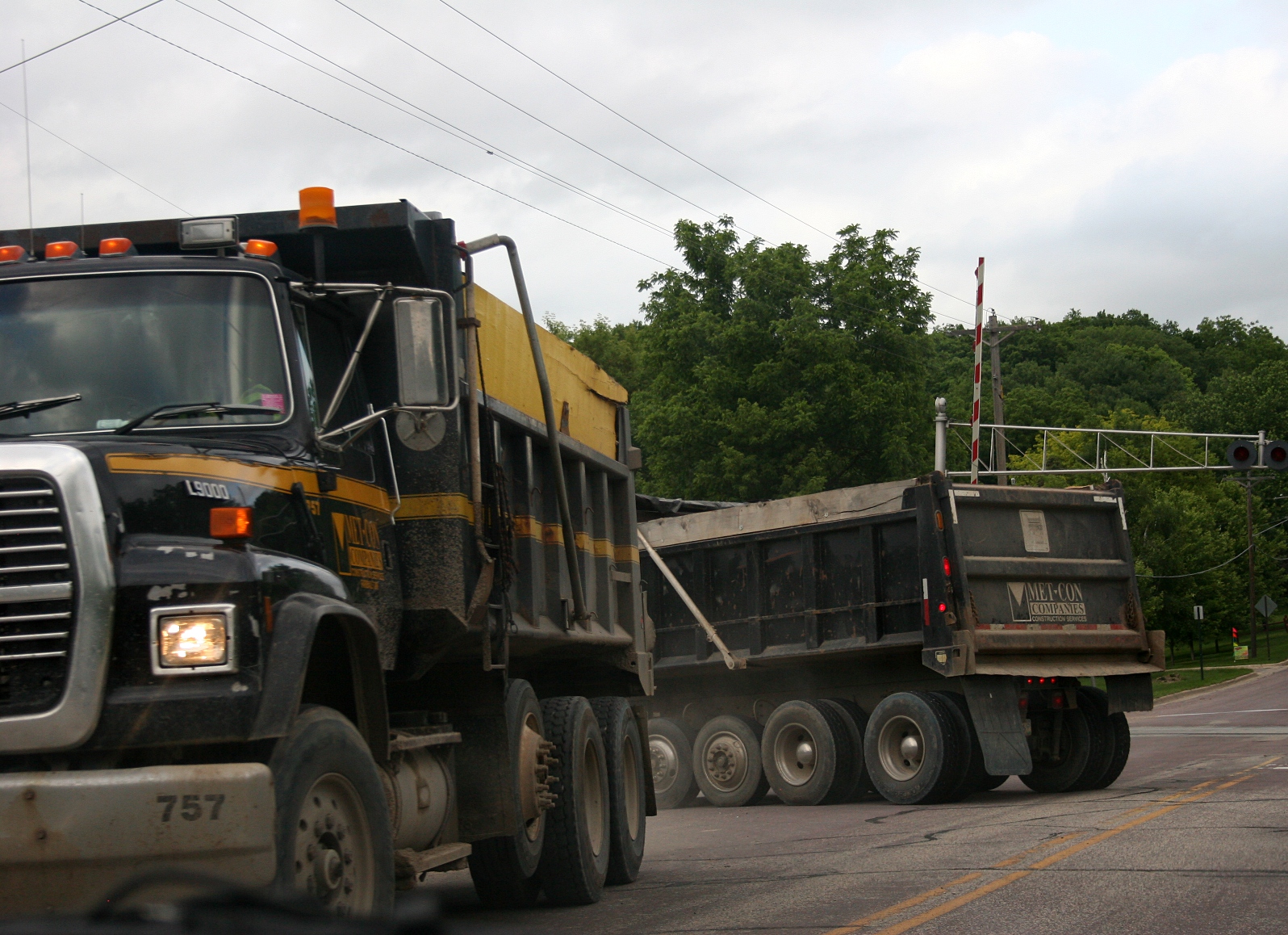
Truckers haul dirt to construct a make-shift temporary berm protecting this city infrastructure.


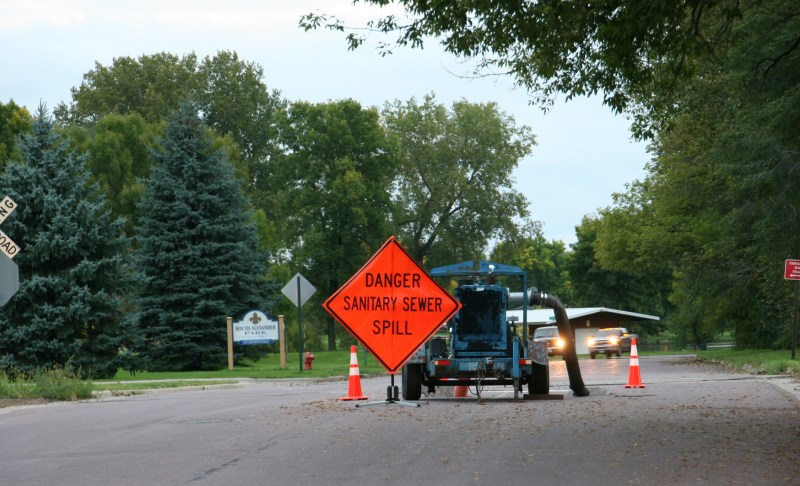
During past floods, there have been issues with the sewer system.

As in past floods, the city has had to deal with sewer issues. This scene is by South Alexander Park.

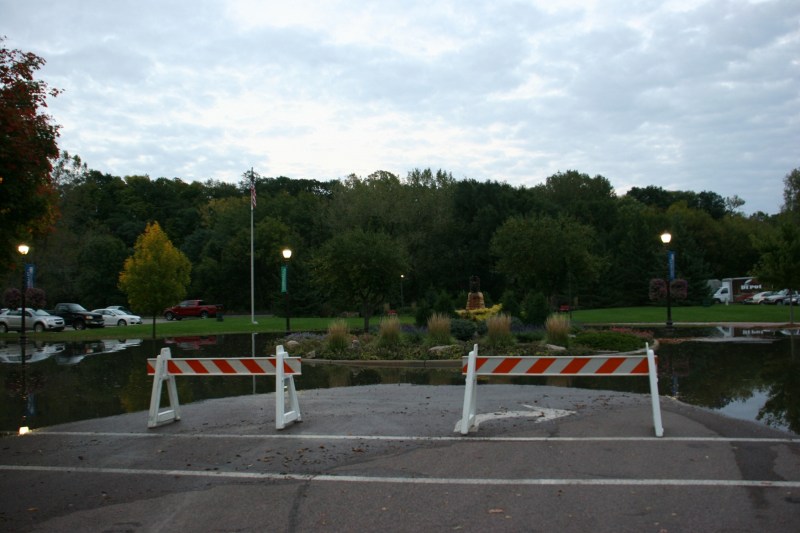
Memories of the September 2010 and June 2014 floods linger.


A flooded street by Heritage Park near the Straight river close to downtown.

A flooded street by Heritage Park near the Straight River close to downtown.

I’ve walked these roads, these sidewalks, these parking lots, this grass before, documenting the flooding.


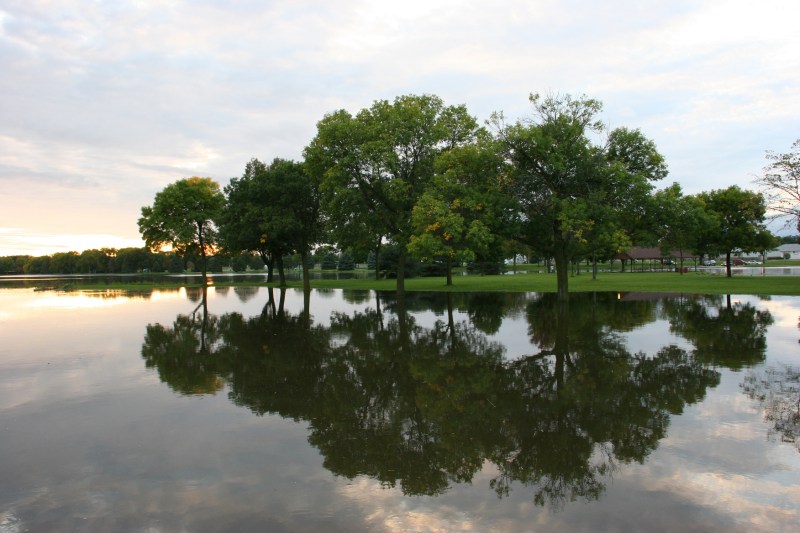
In the midst of the flooding, beauty is reflected, here on the Cannon River.

In the midst of the flooding, beauty is reflected, here on the Cannon River near the Faribault Woolen Mill.

Still the scenes pull me here, into the quiet of an autumn night for the third flood in seven years.

© Copyright 2016 Audrey Kletscher Helbling

 

Dealing with flooding in Faribault

Filed under: Uncategorized — Audrey Kletscher Helbling @ 11:51 AM
Tags: , , , , , ,
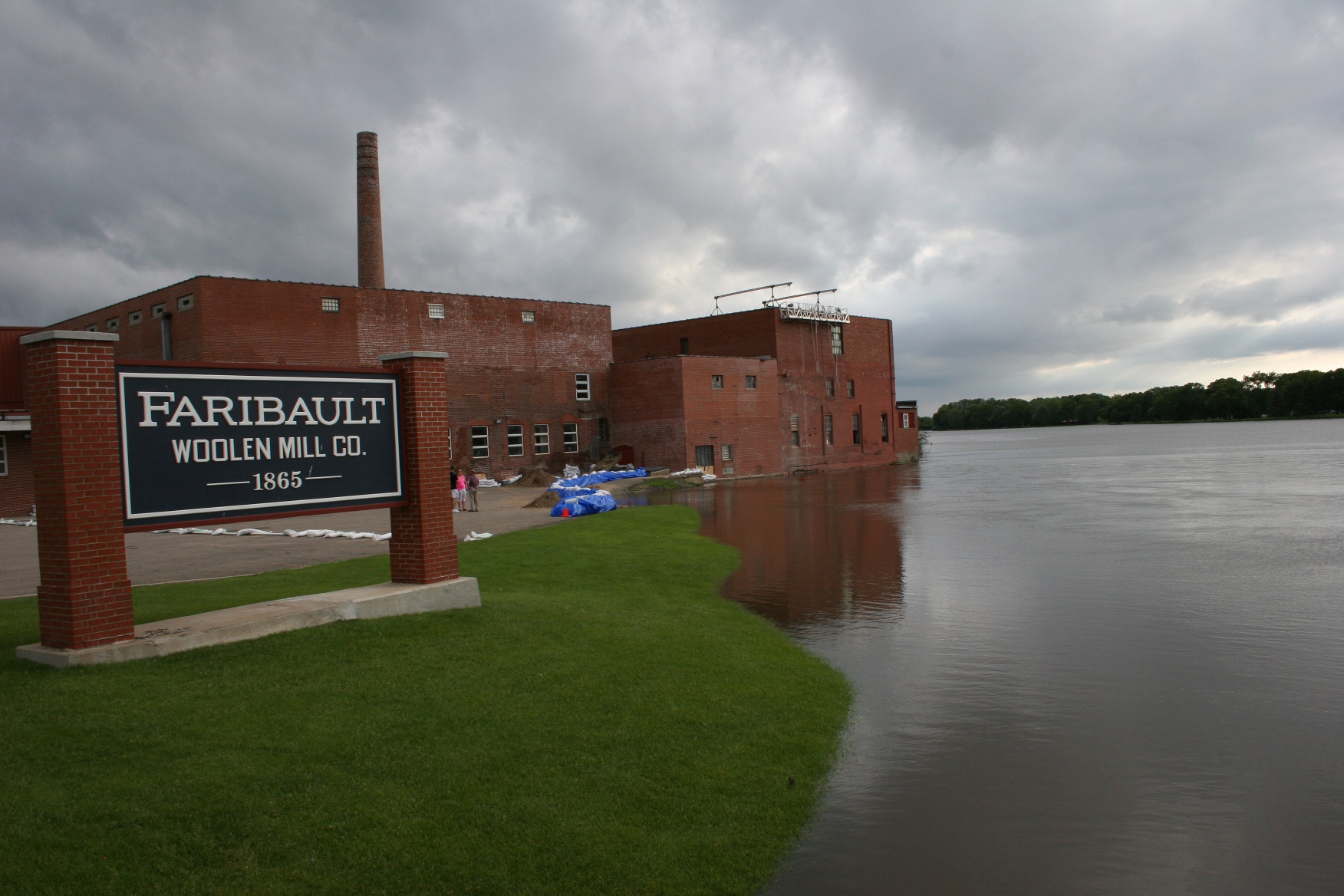
Sandbags protect the Faribault Woolen Mill from the rising Cannon River.

Sandbags protect the Faribault Woolen Mill from the rising Cannon River in this June 2014 file photo. A similar scene is unfolding today.

AS I WRITE, SANDBAGGING is underway at Faribault’s historic woolen mill along the banks of the rising Cannon River.

At noon, the Faribault City Council will meet during an emergency session to declare a State of Emergency in my community. That allows the city to deal immediately with flooding caused by heavy rainfall.

The City of Faribault has issued an emergency alert, ordering motorists not to drive through or around barricades. With two rivers—the Straight and the Cannon—running through town, there are major flooding concerns.

We’ve seen this all before, in September 2010 and in June 2014. My community appears ready as we continue under a flood warning through tonight.

Be safe wherever you are/travel in flooded Minnesota today.

© Copyright 2016 Audrey Kletscher Helbling
 

Flood prep underway in Faribault June 18, 2014

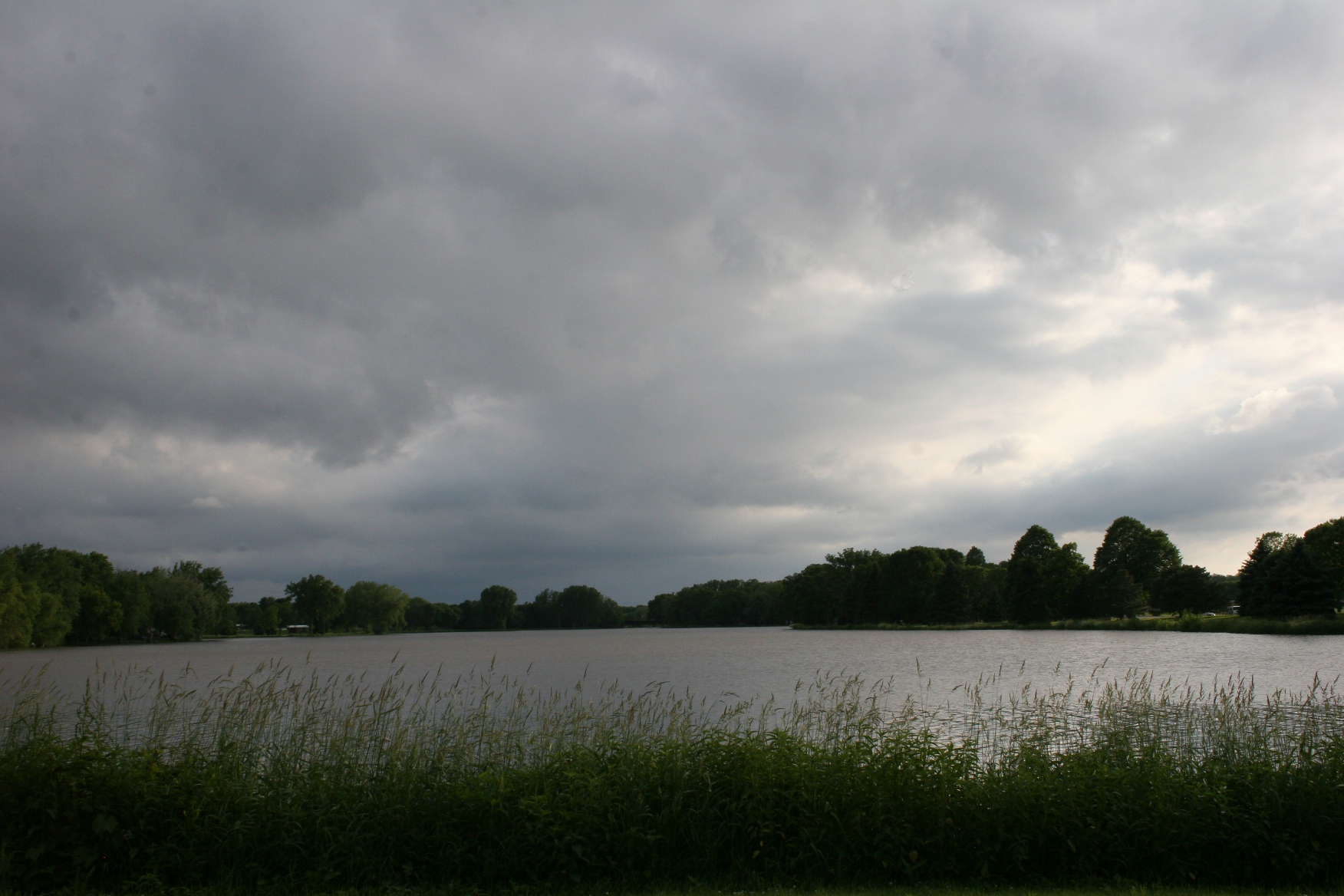
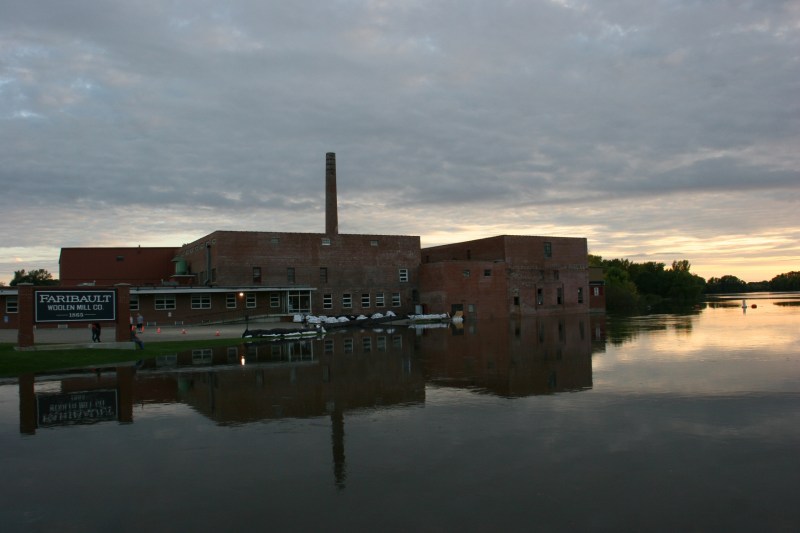
Early Thursday evening along the banks of the Cannon River in Faribault, clouds build to the west.

Early Wednesday evening along the banks of the Cannon River in Faribault, rain clouds build to the west.

FARIBAULT HOLDS ITS COLLECTIVE breath Wednesday evening as grey clouds hang heavy over this southeastern Minnesota city, once again threatening rain.

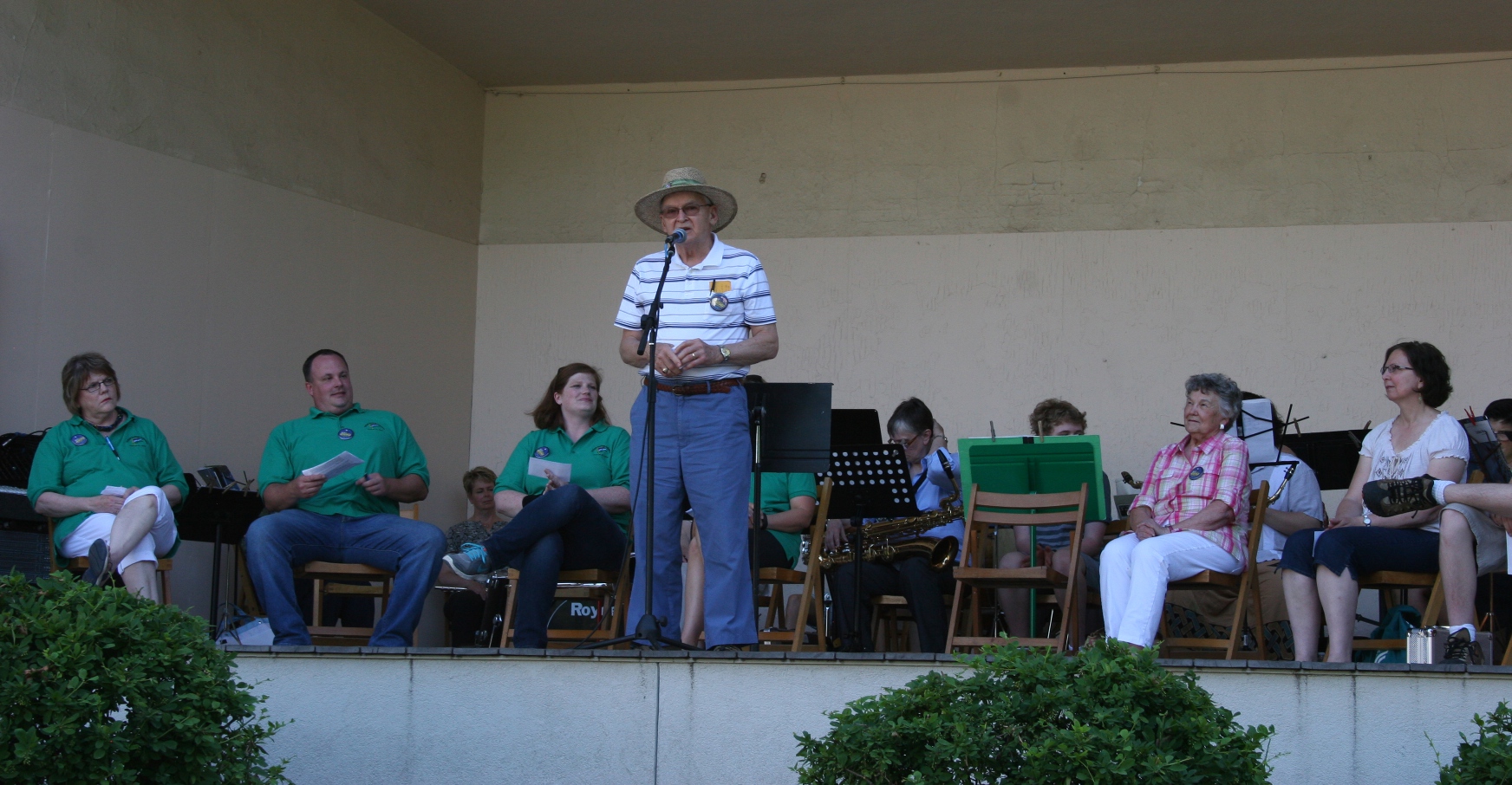
Co-honorary parade grand marshall Roy Anderson addresses the crowd at the opening of Heritage Days.

Co-honorary parade grand marshal Roy Anderson addresses the crowd at the opening of Heritage Days.

At Central Park, where the annual Heritage Days celebration kicks off with an opening ceremony, Mayor John Jasinski cuts short his welcome. He’s got more serious matters on his mind—tending to a community where a State of Emergency was declared Wednesday morning.

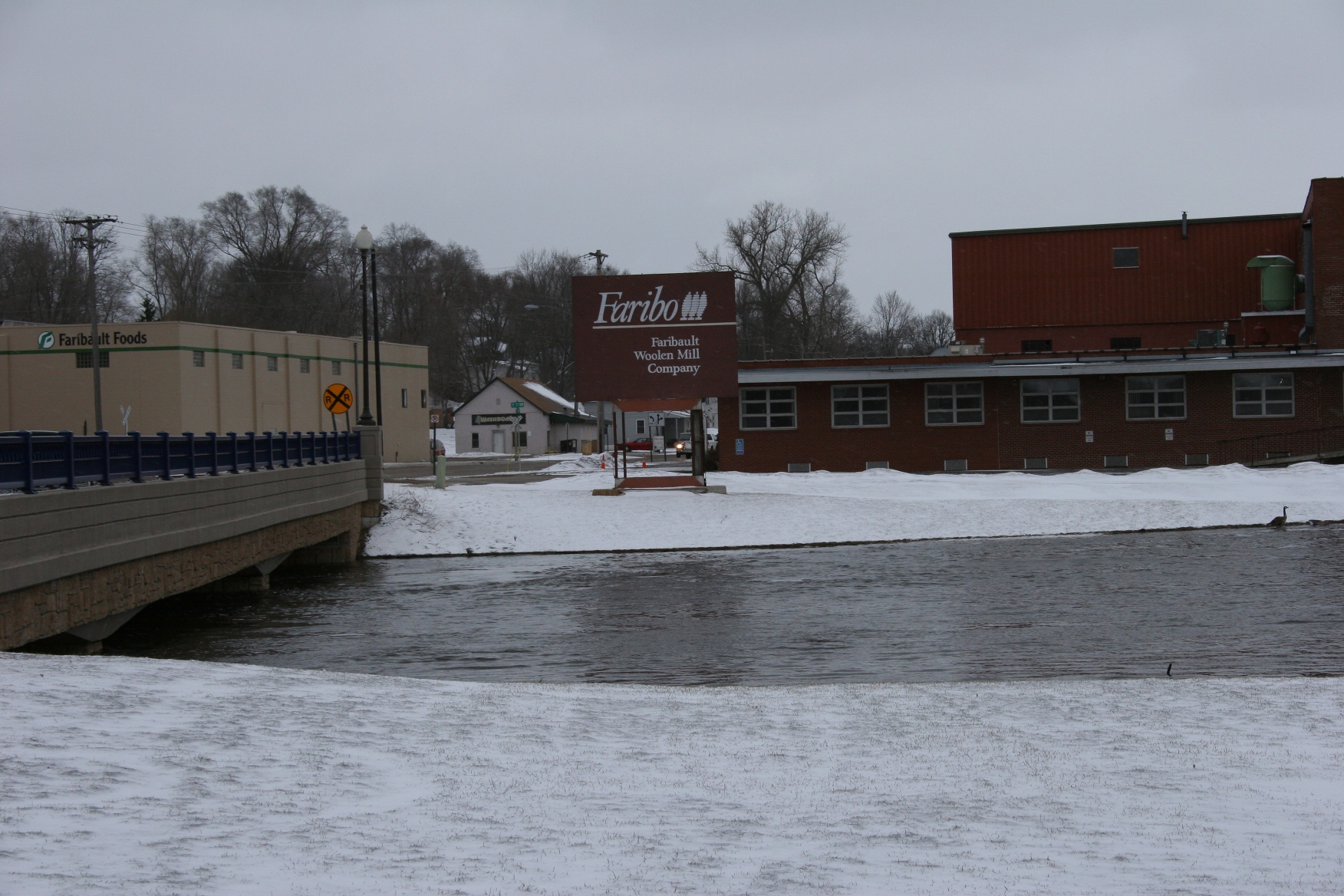
The rising Cannon River along Second Avenue nearly skims the bridge. Faribault Foods is in the background and the Faribault Woolen Mill is to the right.

The rising Cannon River along Second Avenue nearly skims the bridge. Faribault Foods is in the background and the Faribault Woolen Mill is to the right. This is near the Rice County Fairgrounds along a major roadway through the city.

The waters of the Straight and Cannon rivers, which run through town, are rising. And the city is preparing for possible flooding, with reminders of the September 2010 flash flood ever present.

Sandbags have been placed in the mill parking lot next to the Cannon River.

Sandbags have been placed in the mill parking lot next to the Cannon River.

At the Faribault Woolen Mill, Heritage Days tours have been canceled with the focus instead on sandbagging and protecting the historic building that sits along the Cannon River.

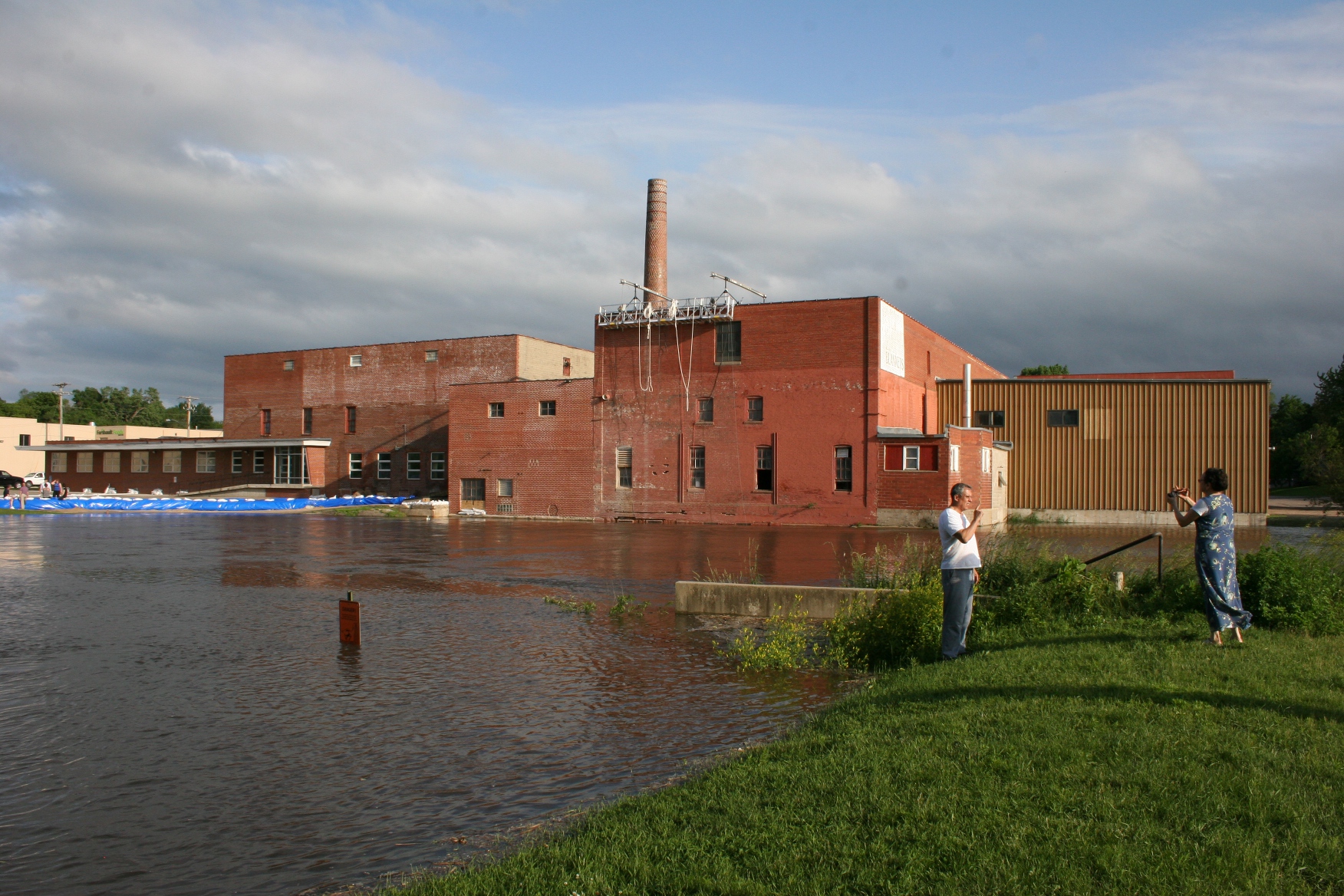
Photographing the rising Cannon River. The dam here is no longer visible.

Photographing the rising Cannon River. The dam here is no longer visible. Typically, the river does flow against the rear of the mill.

Locals flock to Father Slevin Park, next to the Cannon, next to the Woolen Mill, Wednesday evening to photograph the scene. The Cannon River dam is no longer visible.

Sandbags protect the Faribault Woolen Mill from the rising Cannon River.

Sandbags protect the Faribault Woolen Mill from the rising Cannon River.

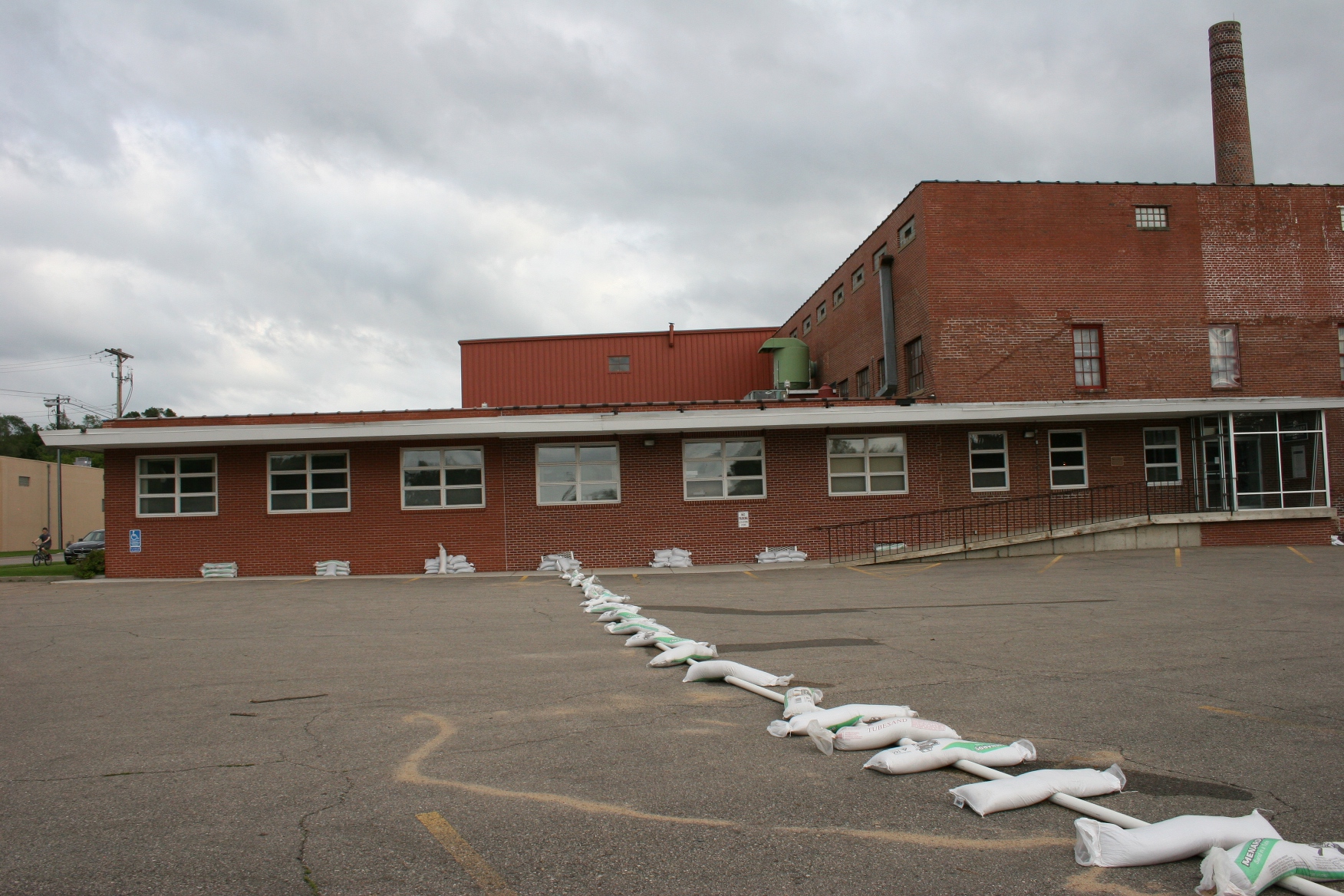
Sandbags hold down a pipe at the Faribault Woolen Mill factory and retail store.

Sandbags hold down a pipe at the Faribault Woolen Mill factory and retail store.

An overview of the Cannon River, looking south from Father Slevin Park to the Faribault Woolen Mill.

An overview of the Cannon River, looking southeast from Father Slevin Park to the Faribault Woolen Mill and Faribault Foods.

Several layers of sandbags rim the parking lot next to the factory store.

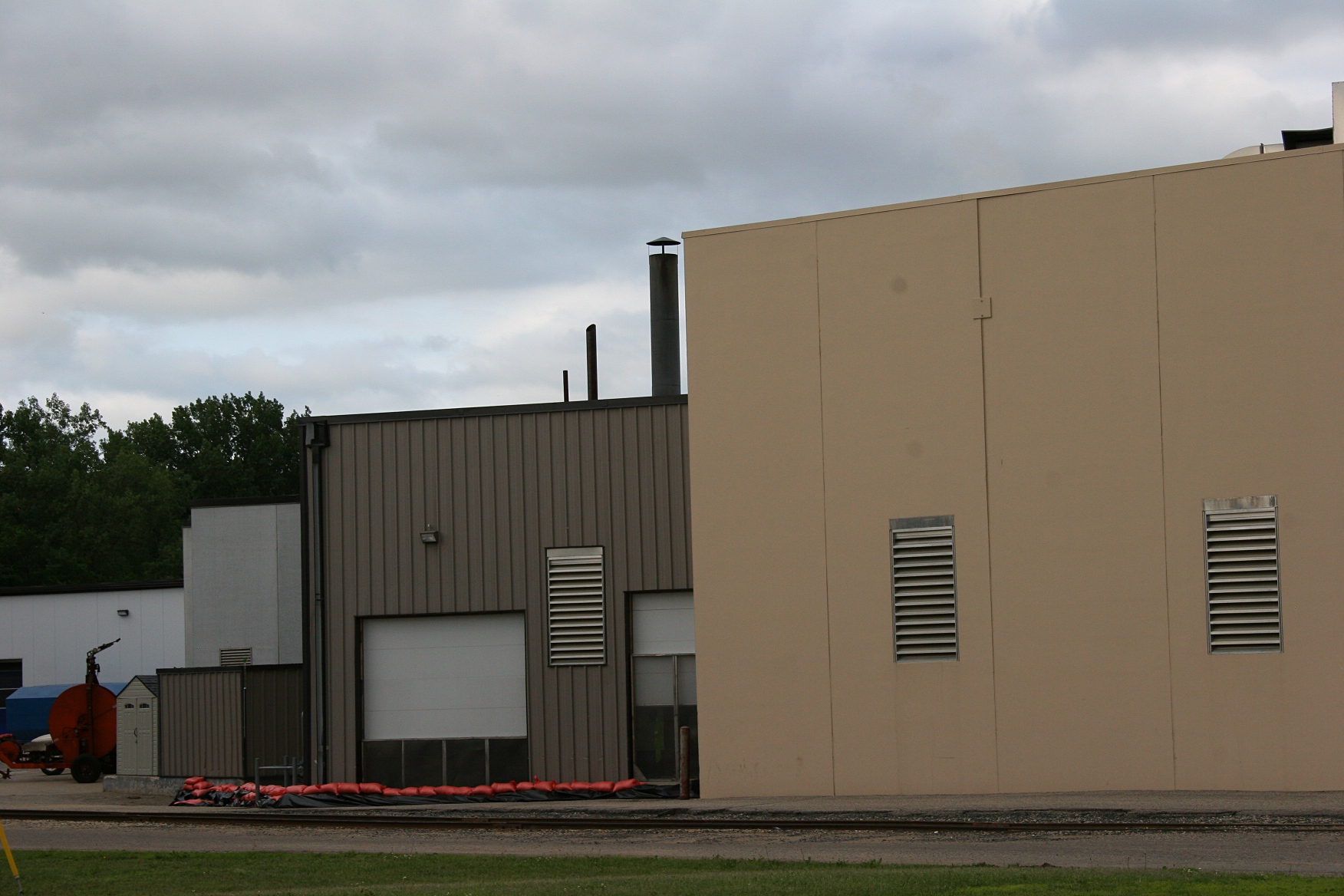
Sandbags also protect Faribault Foods.

Sandbags also protect Faribault Foods.

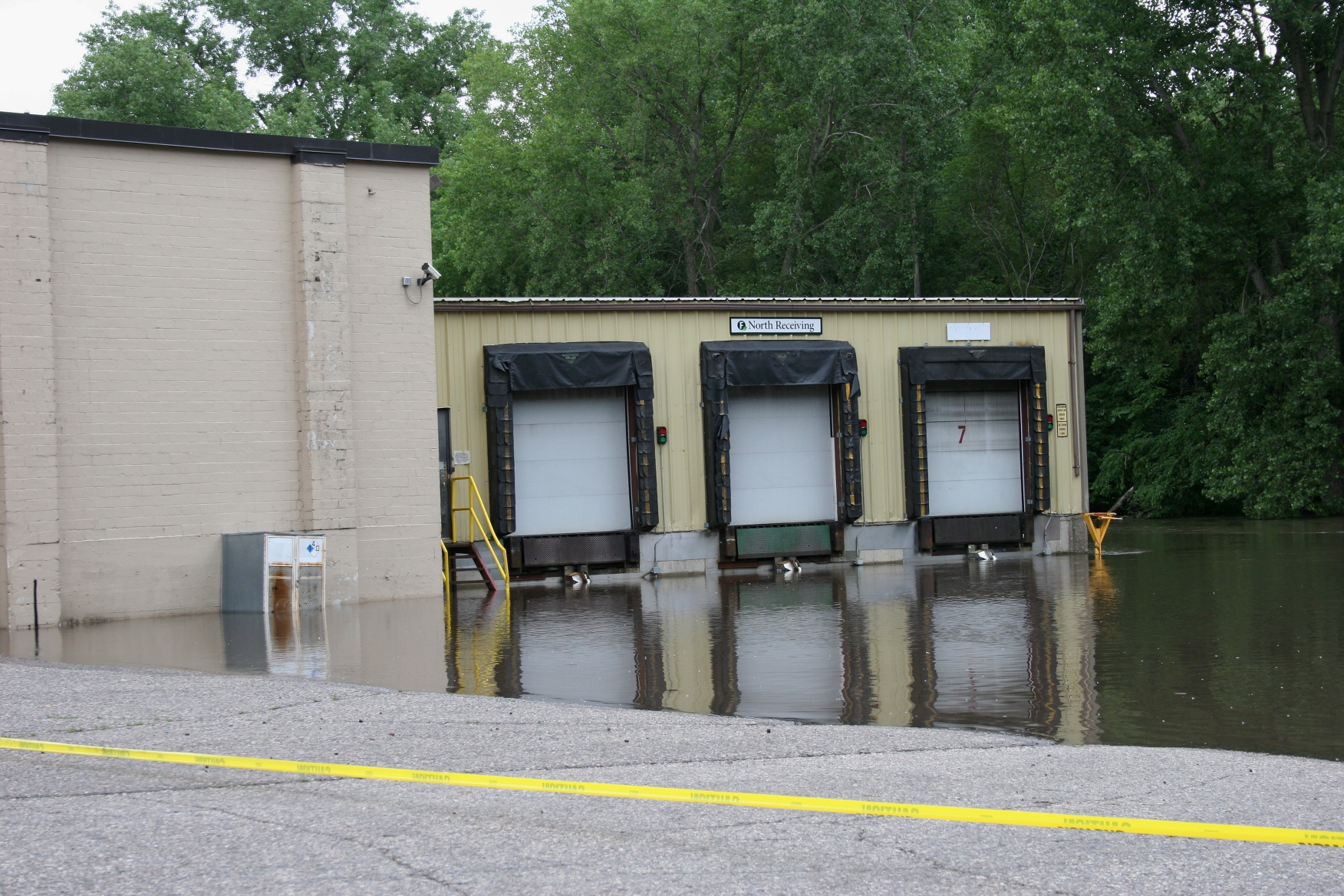
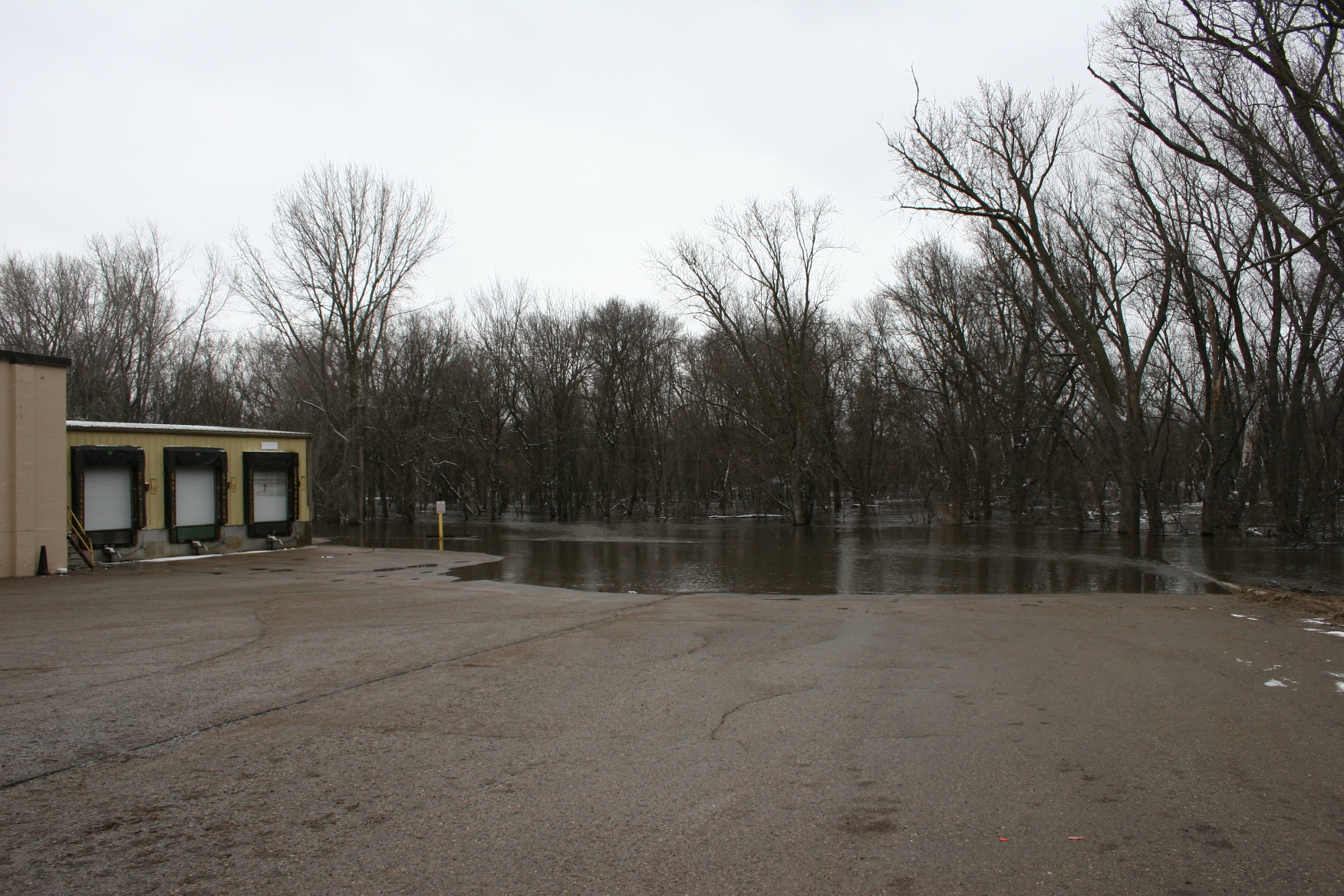
Straight River floodwaters block access to a Faribault Foods loading dock.

Straight River floodwaters block access to a Faribault Foods loading dock.

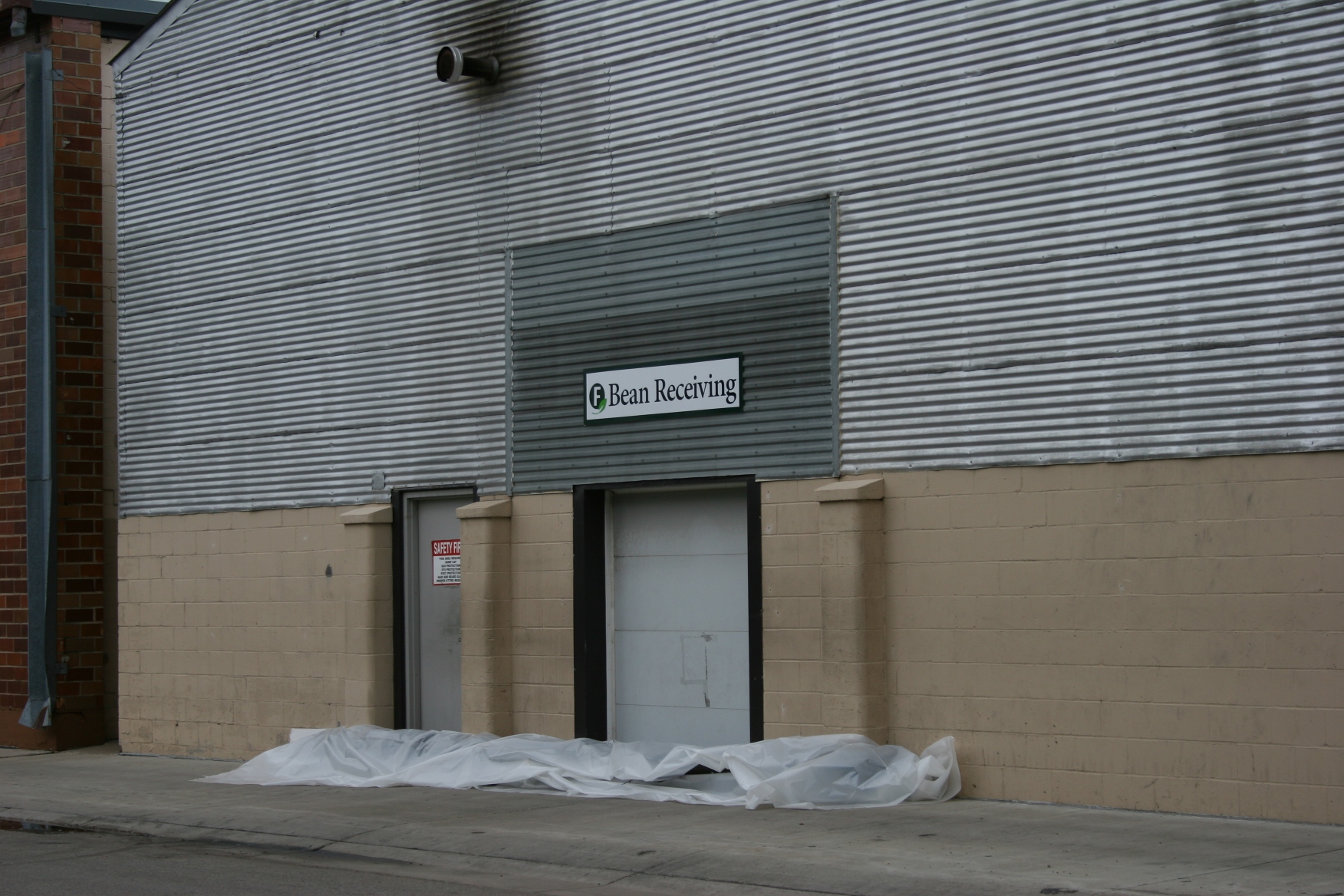
Sandbags border the door to bean receiving at Faribault Foods.

Sandbags border the door to bean receiving at Faribault Foods.

Directly across Second Avenue, sandbags likewise protect Faribault Foods. Behind the canning company, the rising Straight River has already blocked access to loading docks. Other doors are also barricaded with plastic-covered sandbags.

Working to protect the city's wastewater plant, which sits along the Straight River.

Working to protect the city’s wastewater plant, which sits along the Straight River.

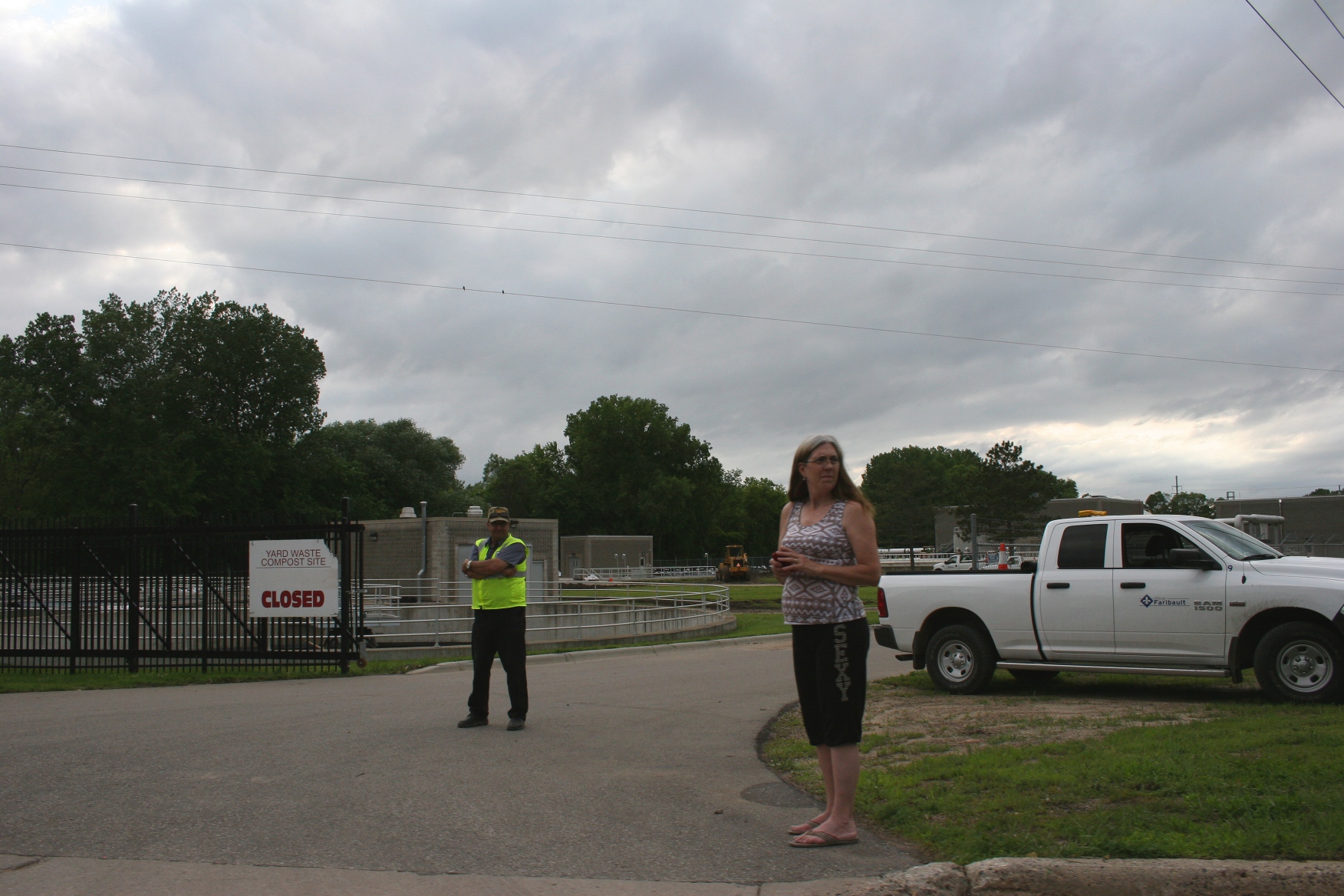
The entry to the city's treatment plant.

The entry to the city’s treatment plant.

Just down the road, at the city’s wastewater treatment plant, a steady flow of dump trucks enter and exit the facility, presumably delivering sand. Sandbags are already in place here.

Sandbag central.

Sandbag central.

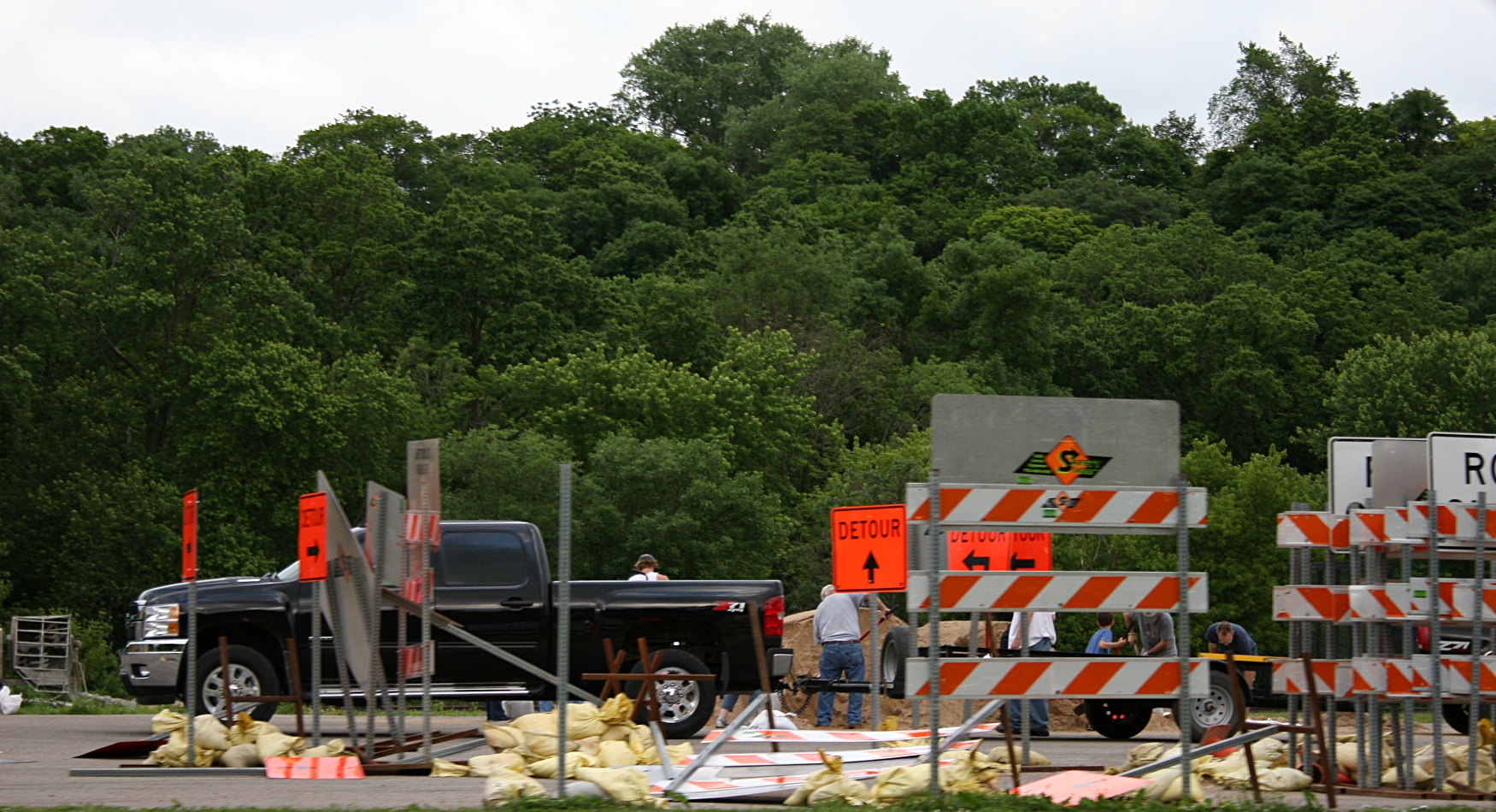
Near the Faribault American Legion, just a block off the historic downtown, workers shovel sand into bags at the city’s sandbag central. Road closed signs are at the ready.

The Straight River has flooded Teepee Tonka Park and churns here toward the Highway 60 viaduct connecting the east and west sides of Faribault.

The Straight River has flooded Teepee Tonka Park and churns here toward the Highway 60 viaduct connecting the east and west sides of Faribault.

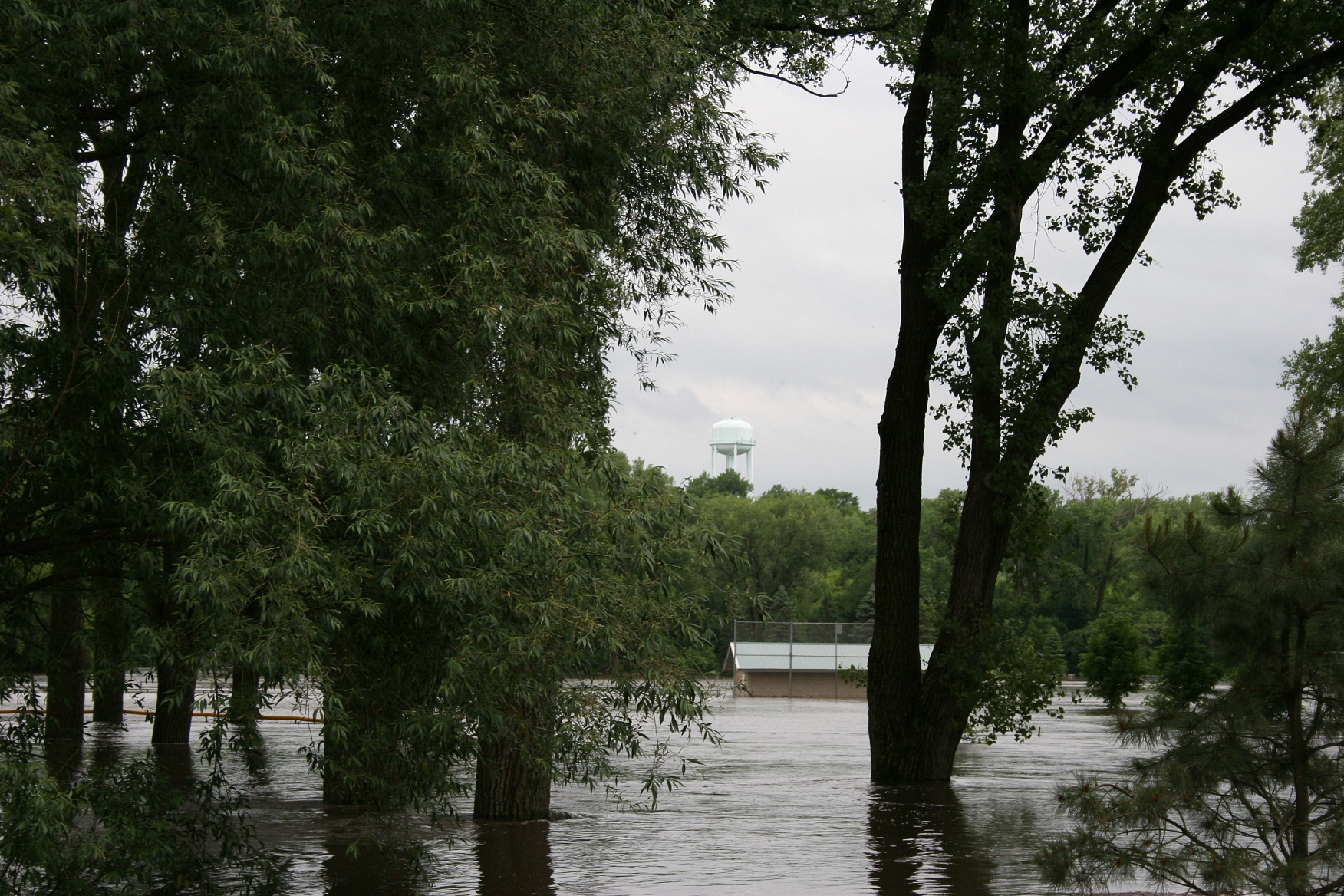
Flooded Teepee Tonka Park.

Flooded Teepee Tonka Park.

Across the Straight River in Teepee Tonka Park, the bridge into the park is blocked and the river rushes in a frenzy.

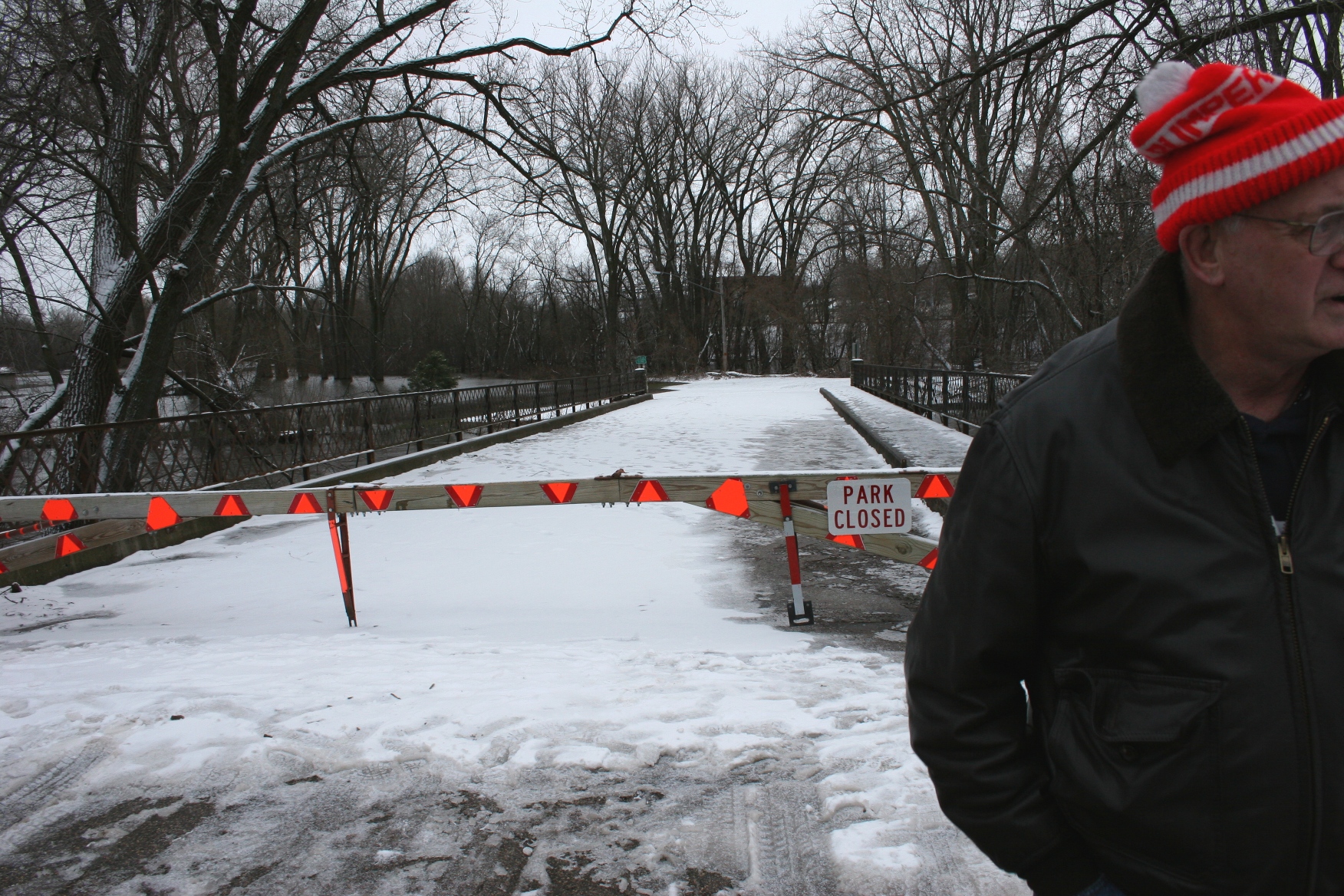
The bridge into Teepee Tonka Park is partially flooded and thus closed.

The bridge into Teepee Tonka Park is partially flooded and thus closed.

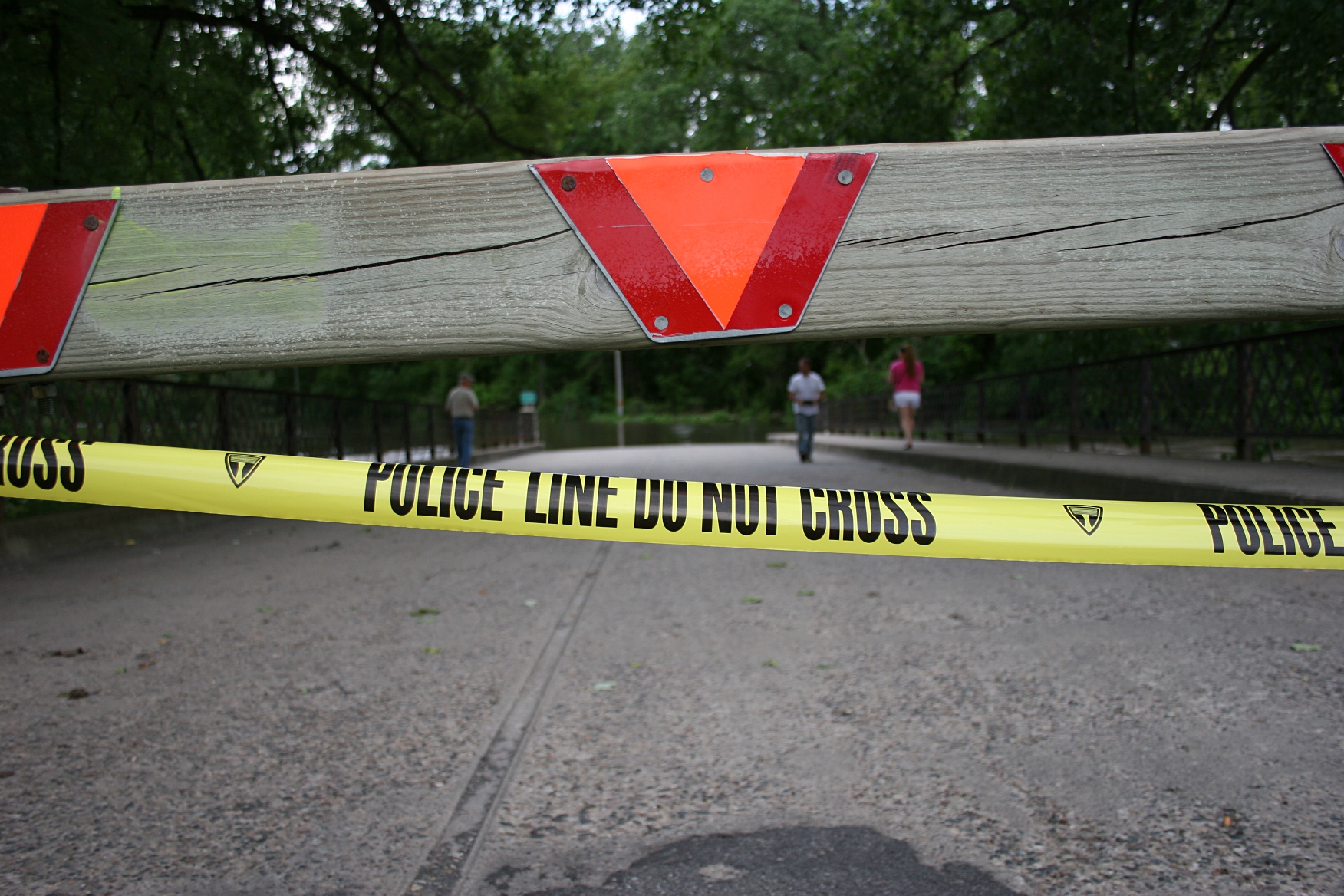
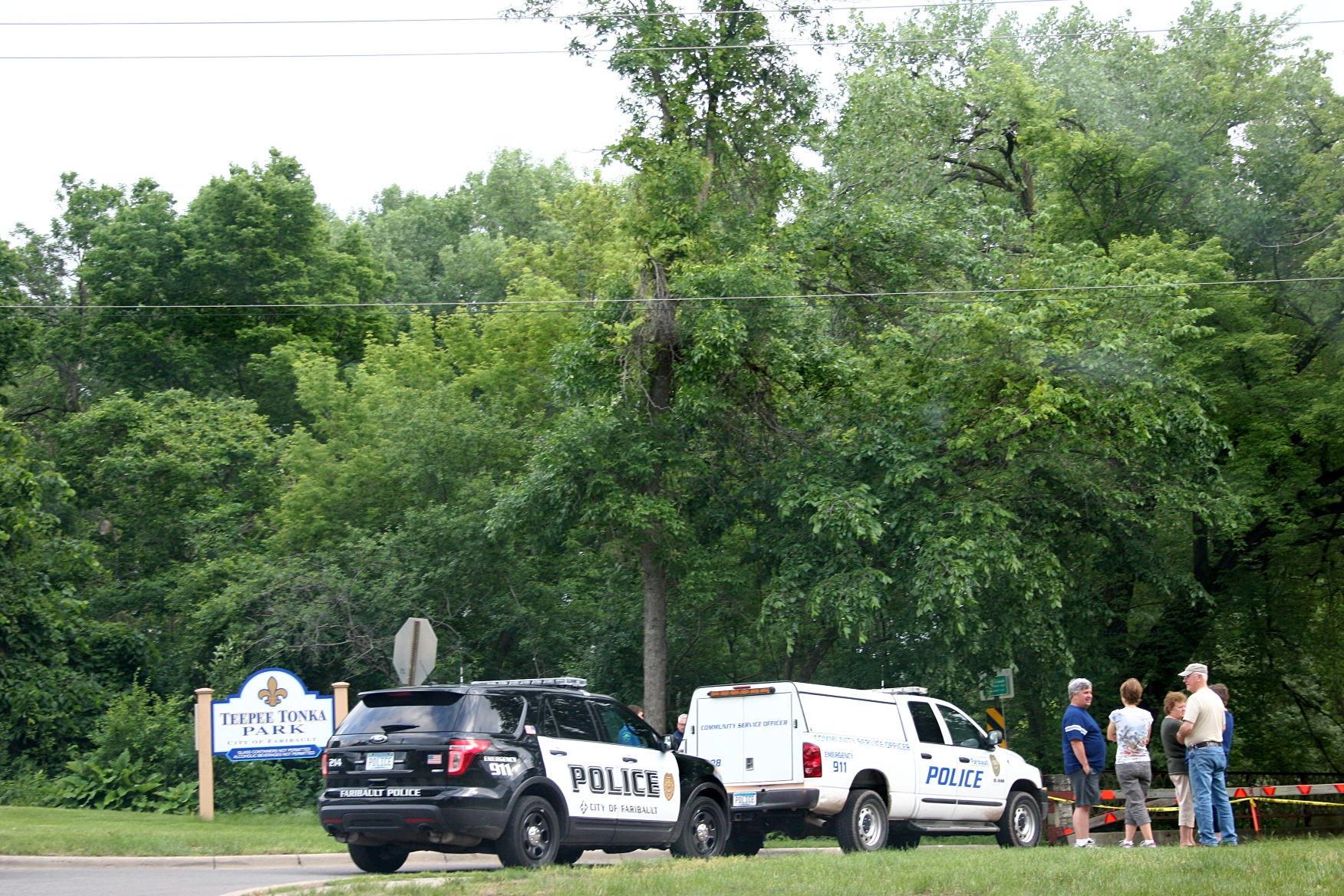
Onlookers step across police tape to photograph the scene—until the cops cruise up and advise that “the tape is there for a reason.” They don’t want anyone tumbling into the muddy, raging waters.

Police arrive to protect the curious public at Teepee Tonka Park.

Police arrive to check out the situation at Teepee Tonka Park.

Darkness falls and Faribault waits.

© Copyright 2014 Audrey Kletscher Helbling
 

Touring an historic mill in Morristown June 4, 2013

I WISH MY MEMORIES of the old feed mill were imprinted upon the pages of a book. Indelible ink. Words recorded so that I would always remember. The smell. The sound. The sights. The everything encompassing this agricultural business in my southwestern Minnesota prairie town.

I recall so little—the wooden steps leading to the feed mill; the ground feed residue lingering in the air and on surfaces; the ever-deafening grinding noise of machinery chomping grain; handsome operator Wally Anderson with his shock of white hair who lived in a well-kept corner house several blocks north; and the summer a ventriloquist sat in front of Vesta’s feed mill with a dummy perched on his knee.

The Morristown Feed Mill in Morristown, Minnesota.

The Morristown Feed Mill in Morristown, Minnesota.

Those faint wisps of recollection filtered through my thoughts on Saturday as I meandered through an historic 1860 grist mill along the banks of the Cannon River in Morristown. Once a year this rural southeastern Minnesota community opens the mill for tours and grinds wheat and corn.

A replica waterwheel built in 1997 by Theodore E. Sawle.

A replica waterwheel built in 1997 by Theodore E. Sawle.

I won’t even pretend to understand all I viewed and photographed at this mill once powered by a waterwheel, later by electricity.

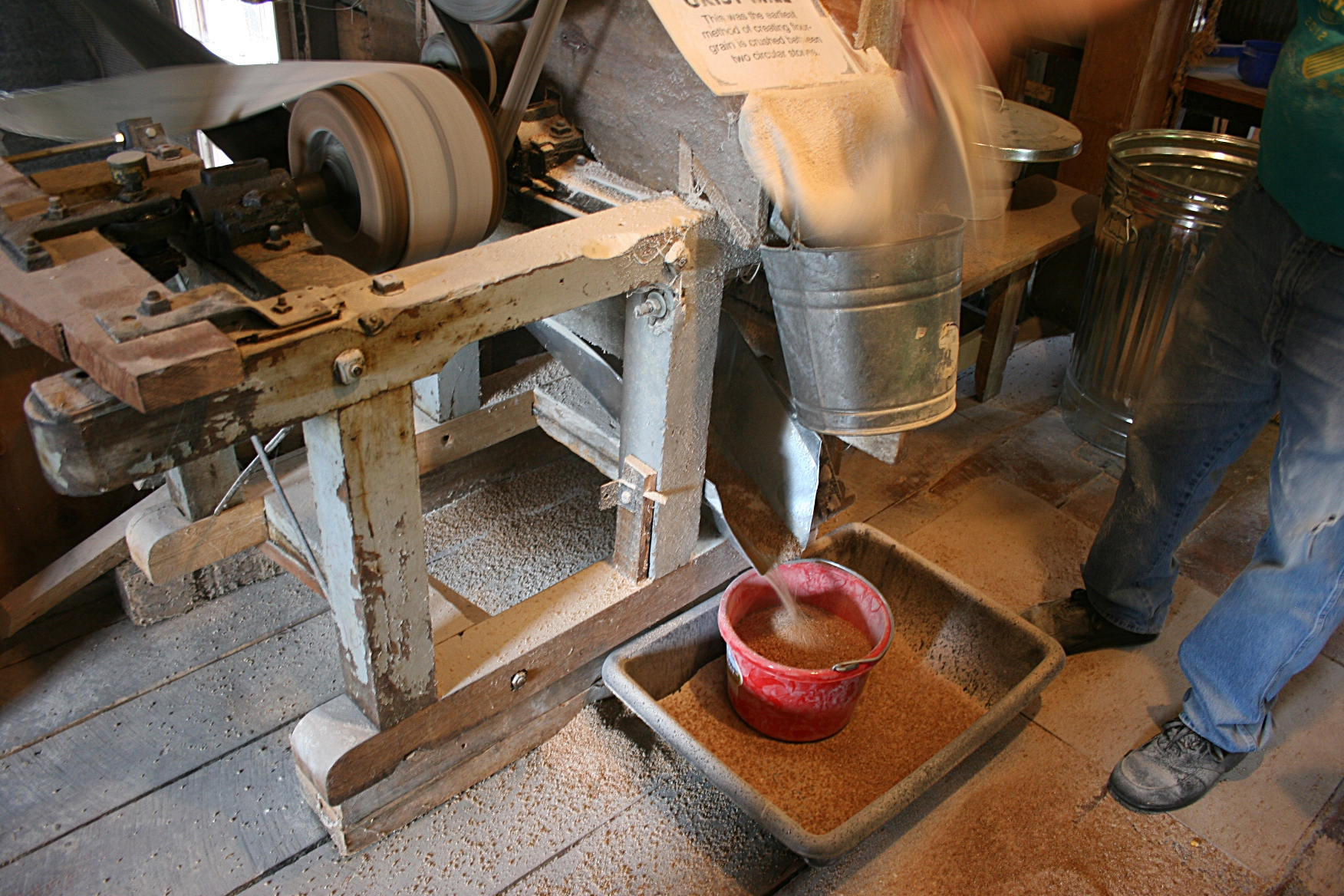
A volunteer grinds wheat into flour in the old grist mill. Each time the waterwheel turns, it spins the millstone 17 times in the process of crushing grain between stones. The volunteer's wife bakes Communion bread for the local Methodist church.

A volunteer grinds wheat into flour in the old grist mill. Each time the waterwheel turns, it spins the millstone 17.5 times in the process of crushing grain between stones. The volunteer’s wife bakes Communion bread for the local Methodist church.

Initially, the mill opened in 1855 as a sawmill. But, within years, the business was replaced by Hershey Grist Mill, a mill for grinding grain into flour and livestock feed. On the afternoon I toured, a volunteer was grinding wheat into flour with the waterwheel powering the grinder. I had intended to buy a bag of the $2 wheat flour, but forgot in the midst of my photographic focus.

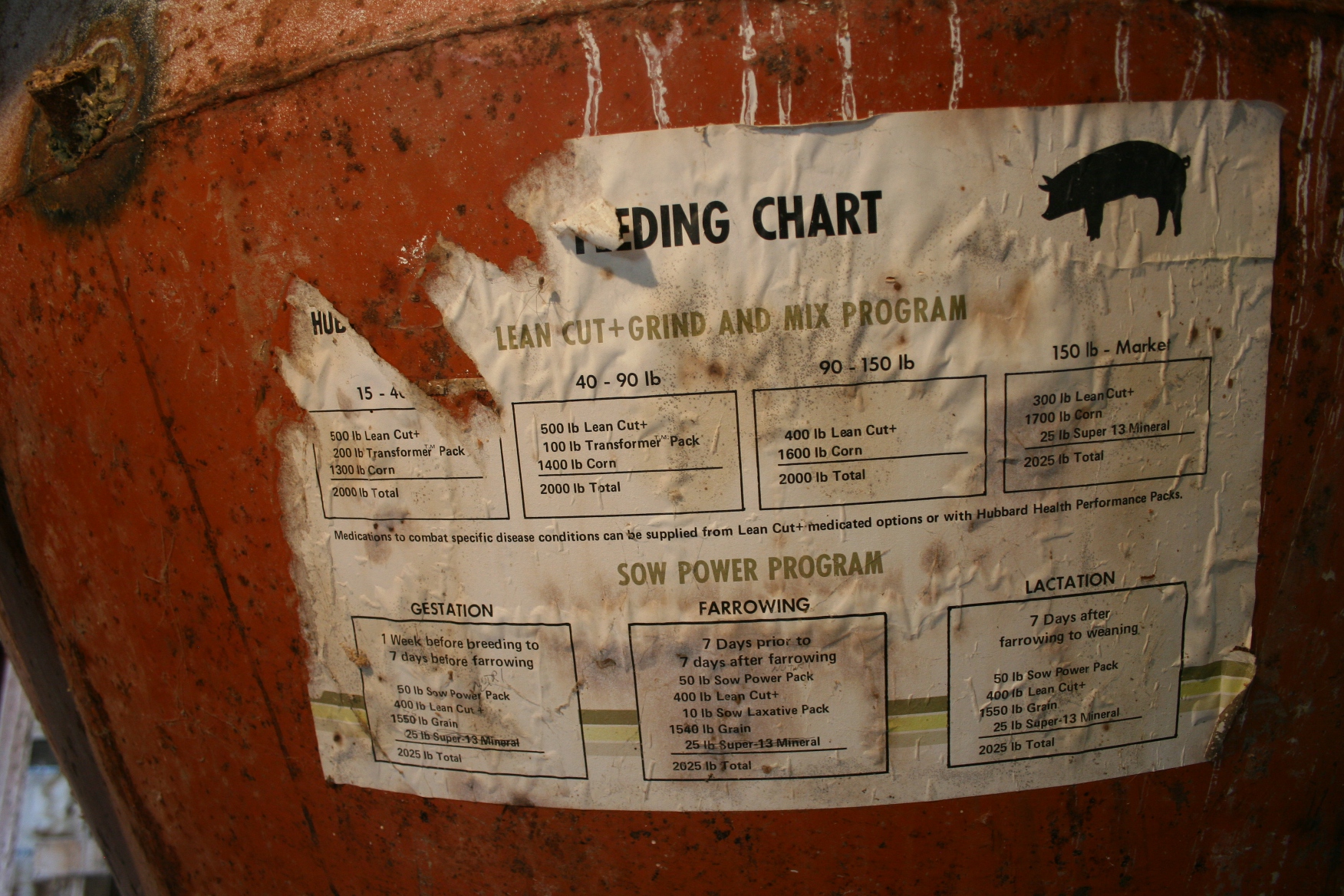
Guidelines for pig feed.

Guidelines for pig feed posted on a mixer.

The Morristown Historical Society today cares for the facility which closed in the 1970s as the Morristown Feed Mill, purveyor of livestock feed. For those like me, who grew up on a farm but have long ago left the land, such endeavors to preserve the rural past are deeply appreciated.

The conveyor belt powered by the waterwheel. This operates the grinder.

The waterwheel turns these pulleys and belts which operate the grinder.

While I walked the old wooden floor of the feed mill, descended stairs into the cluttered utility room where a dangerous conveyor belt cycled and afterward climbed stairs to the second floor, I reconnected with my rural roots.

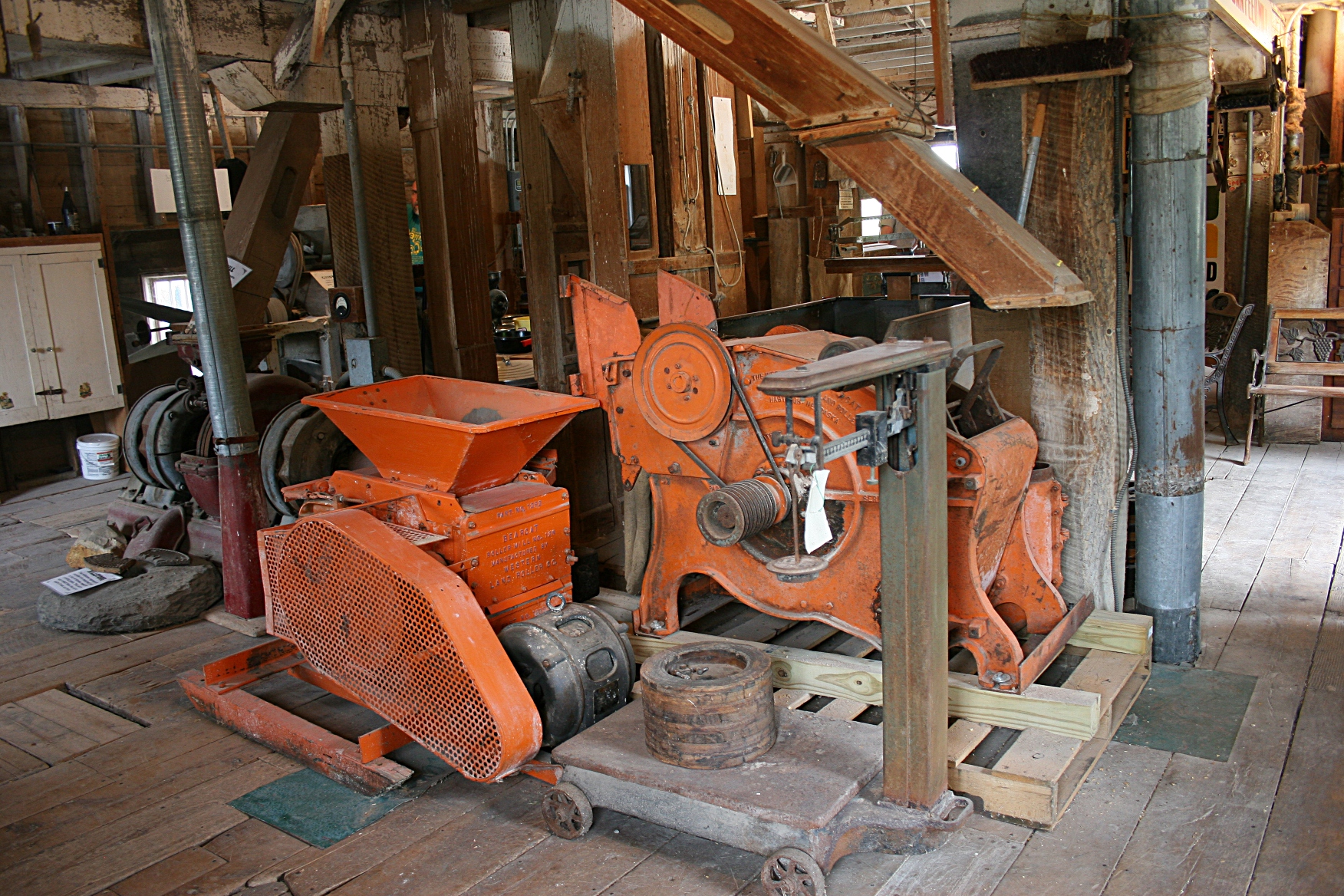
The old feed mill is stocked with lots of vintage grinding equipment.

The old feed mill is stocked with lots of vintage mill equipment.

And it may not have been in the way you most likely would expect. For me, the experience was mostly about the dust—knowing I needed to protect my camera from the fine grain dust which permeates a place like this, layers on the skin, hovers in the air, filters into memories.

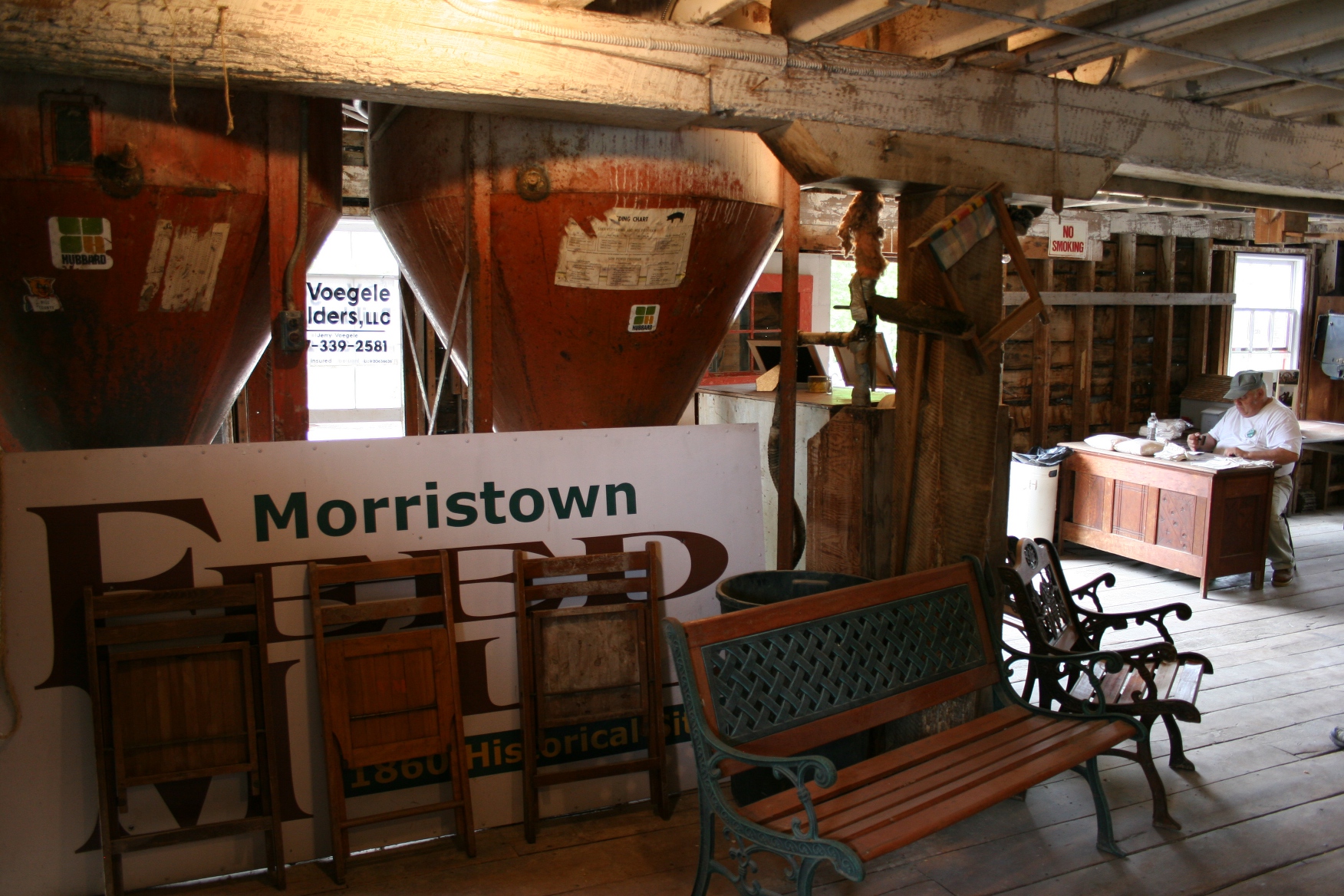
Inside the feed mill, where a volunteer stamps cloth bags with Morristown Feed Mill.

Inside the feed mill, a volunteer stamps cloth bags with Morristown Feed Mill. Behind the sign are two mixers.

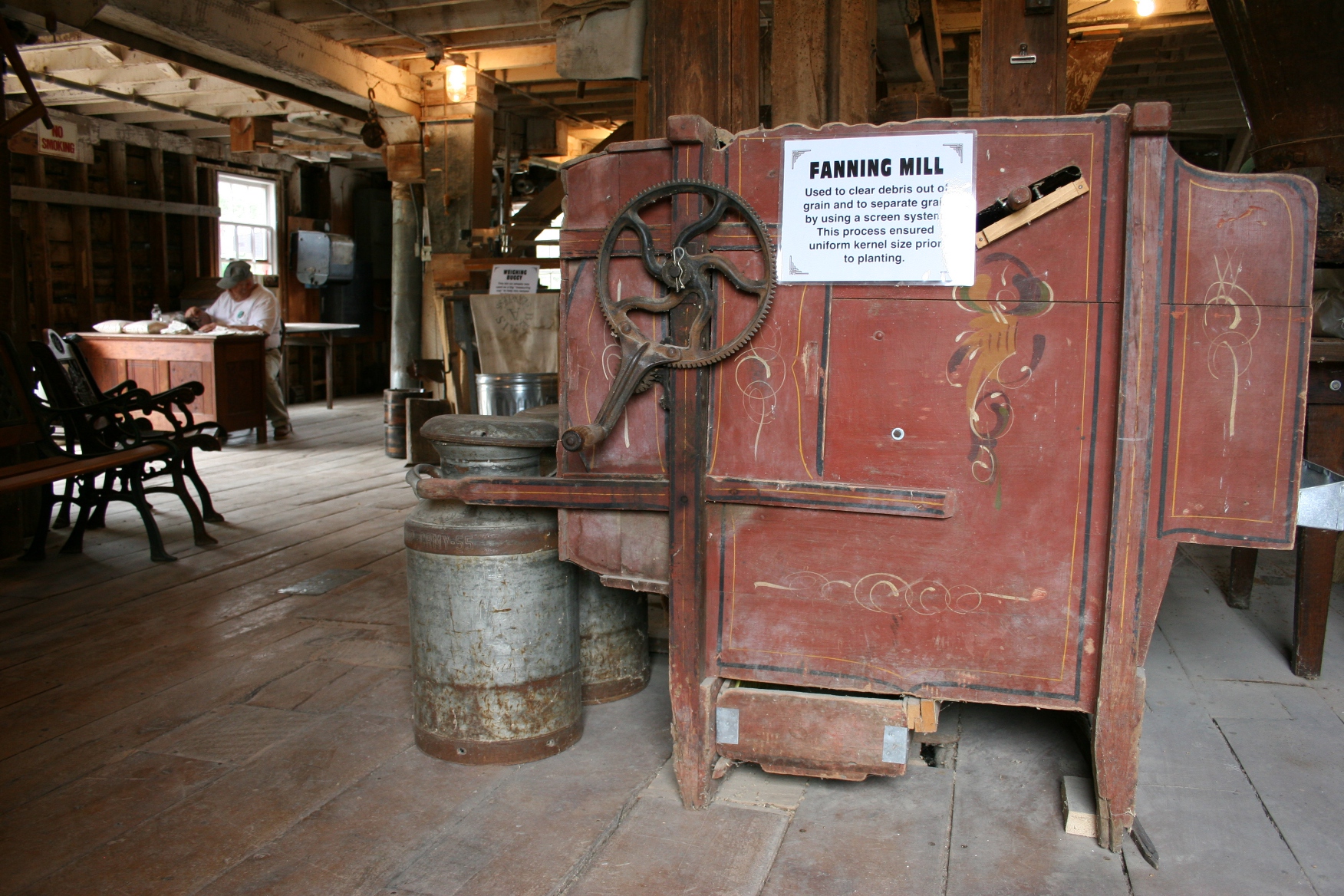
An old fanning mill cleans the grain for planting.

An old fanning mill cleans the grain for planting.

When I heard mention of mice, I was a little nervous about going into the utility room.

When I heard mention of mice, I was a little nervous about going into the utility room.

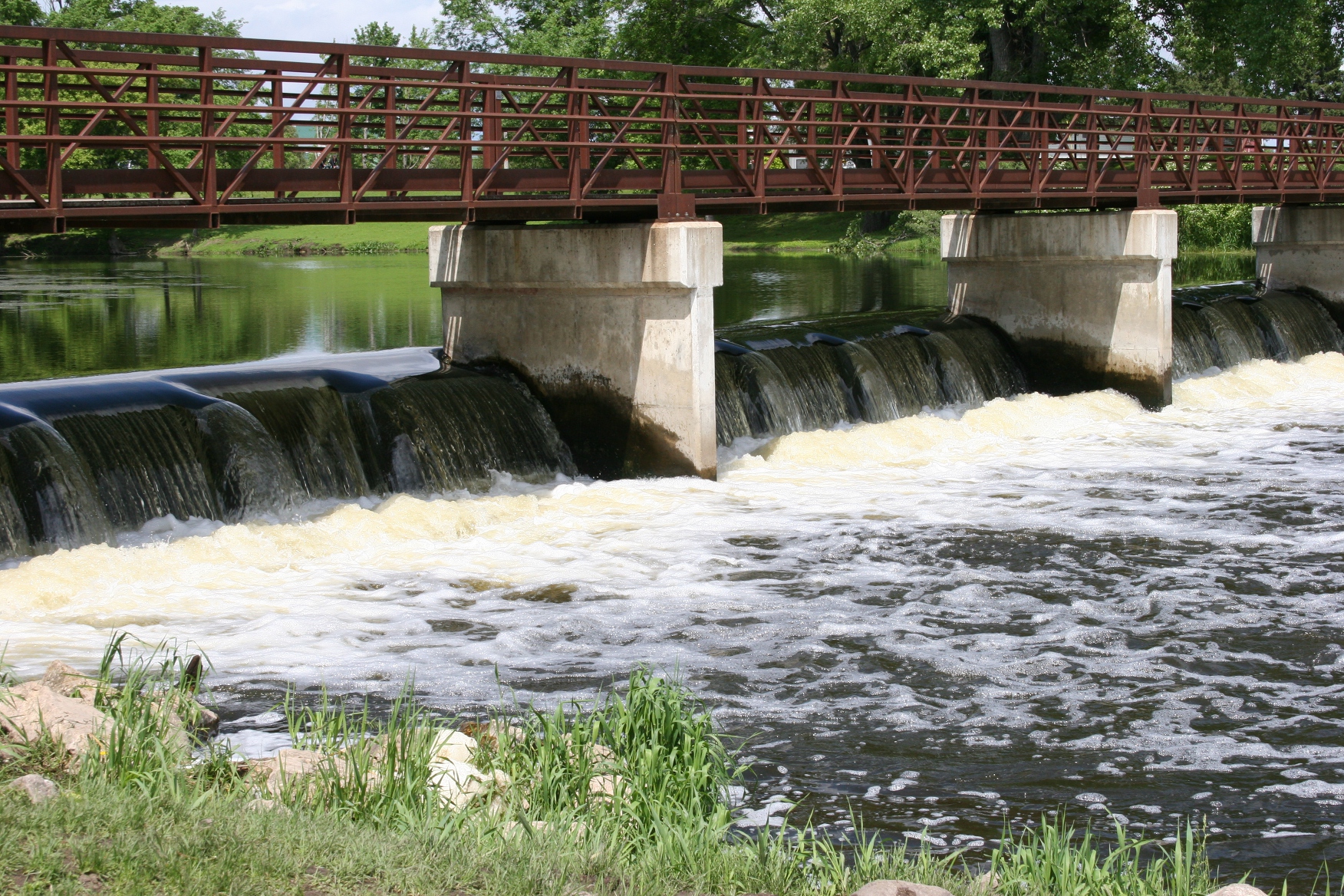
The Cannon River dam right next to the mill.

The Cannon River dam right next to the mill.

FYI: As a side note, the mill sheltered several refugees from the U.S. – Dakota Conflict of 1862.  Check back for more mill photos.

© Copyright 2013 Audrey Kletscher Helbling


Preparing for the floods, which haven’t arrived, yet, anyway March 25, 2011

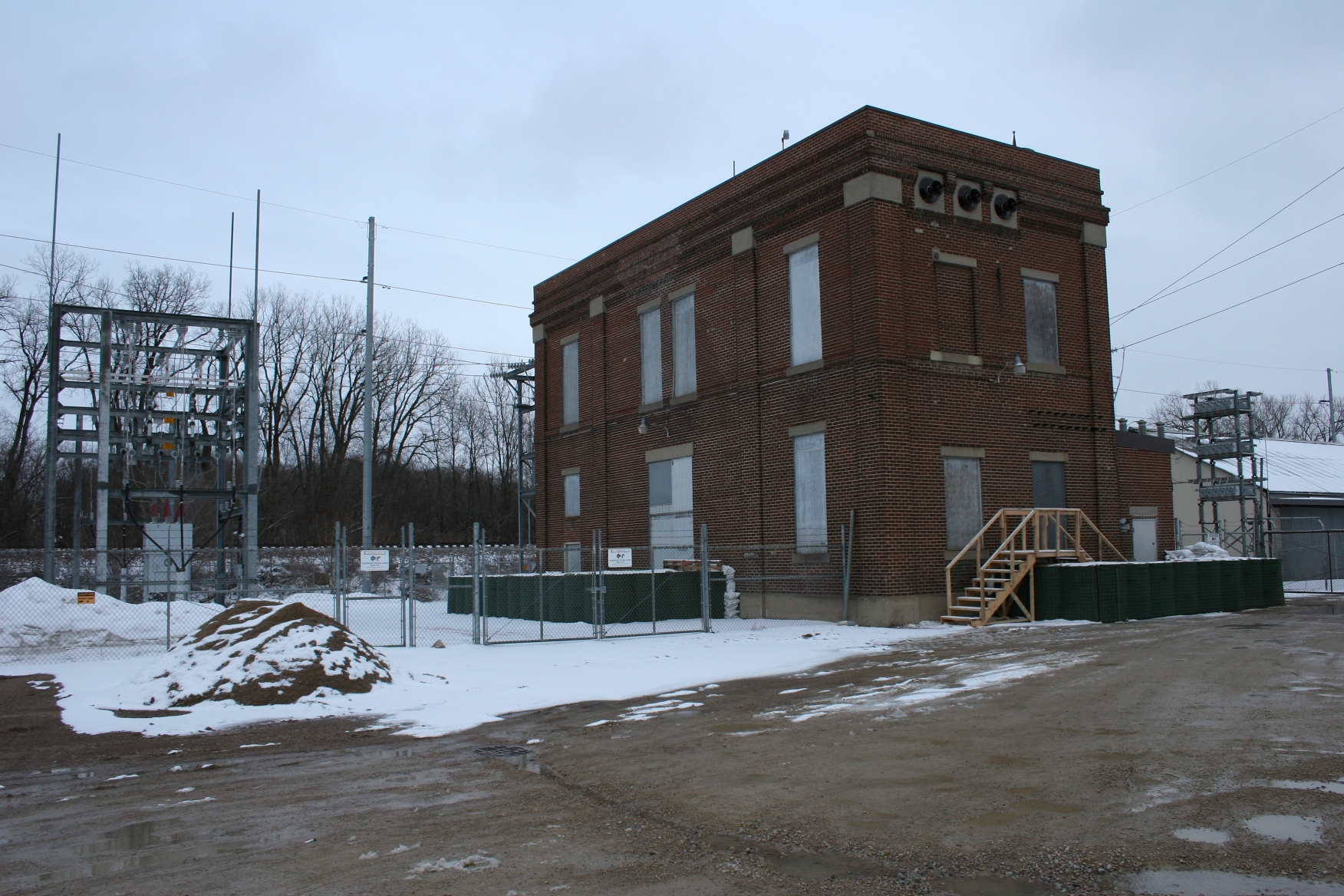
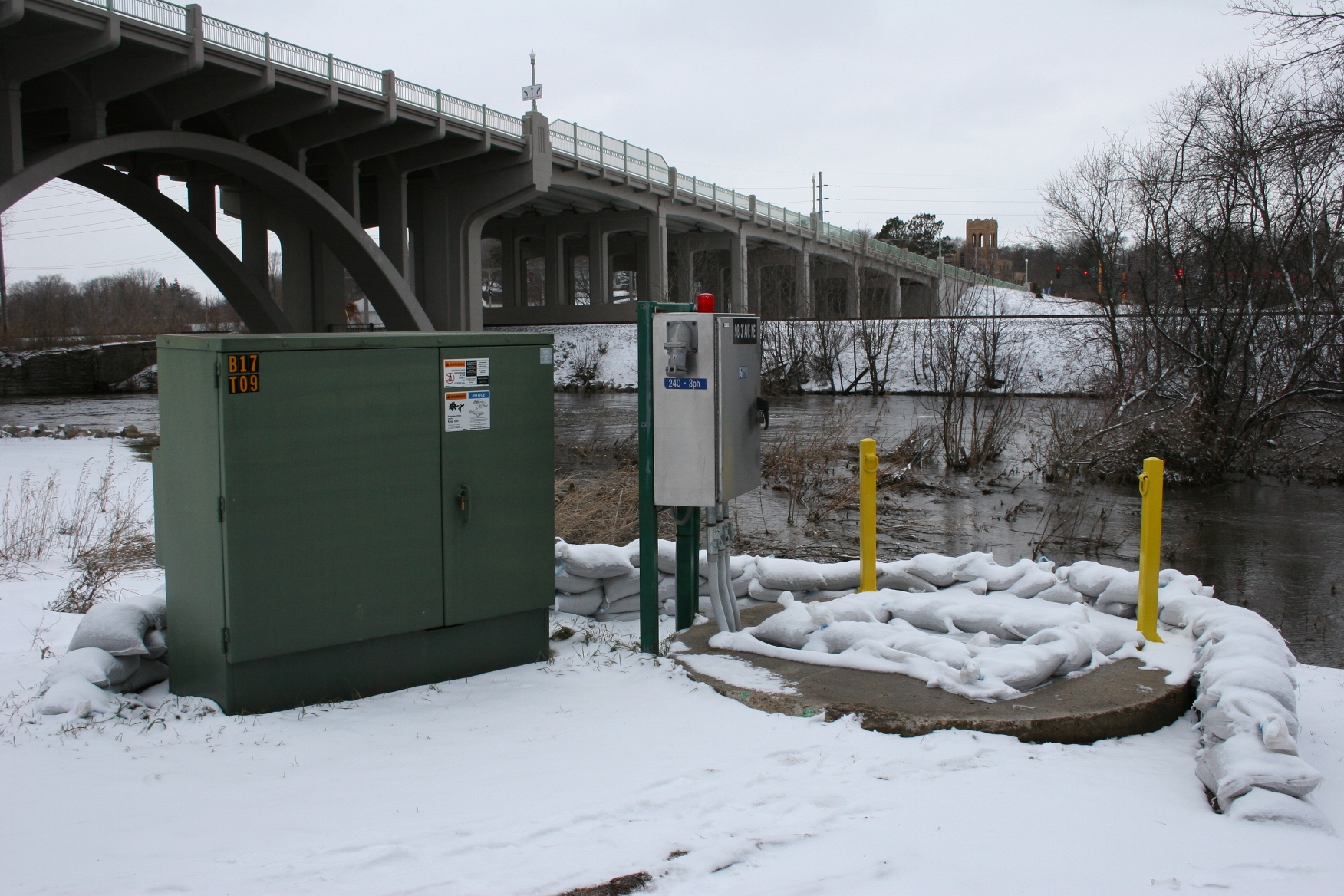
Xcel Energy sandbagged its electrical substation near the Straight River in preparation for spring flooding. See the green, fenced enclosures next to the building. Last fall this substation flooded during a flash flood.

UNLESS THE NATIONAL WEATHER SERVICE changes its forecast, a flood warning that covers Rice County expires at 3:30 p.m. Friday.

That’s good news for Faribault, where residents and officials have been nervously watching the rising, and now receding, Cannon and Straight Rivers that run through town.

Six months ago, those rivers rushed over their banks during a September flash flood, threatening homes and businesses and actually flooding some. Sewage also backed up in to homes and the city’s wastewater treatment plant was compromised. Because of the sudden nature of that flood, my community was not fully prepared.

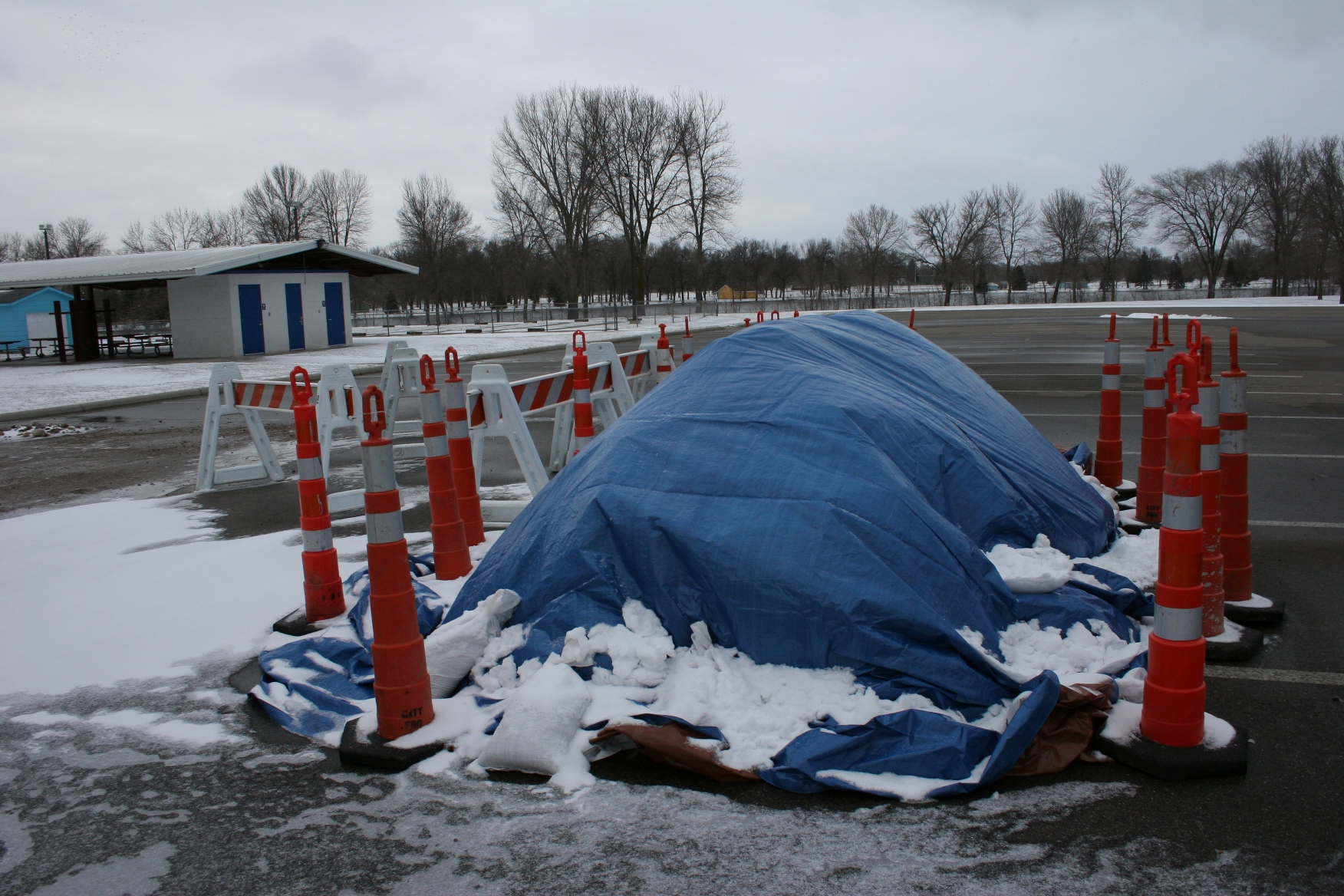
This spring, though, following a winter of heavy snowfall and then a quick snow melt, officials had emergency plans in place to deal with possible flooding. They had even recruited students to fill sandbags, stockpiled at a local park for residential use.

They were ready. Ready is good.

Better to be safe than sorry.

Here’s a look at some river and preparedness scenes I shot near the Cannon and Straight Rivers Wednesday evening.

If we don’t get another major storm—rain or snow— and the weather stays cold, slowing the snow melt, I think we should be OK here in Faribault, meaning no need to worry about flooding.

But then that can change on a dime, and I’ve heard predictions of another possible river crest next week.

And so we wait…prepared.

Student volunteers and others filled sandbags, available to residents who needed them. These were stockpiled at South Alexander Park by the Cannon River when I shot this image Wednesday evening.

River waters rise close to Faribault Foods. Last fall floodwaters reached as far as the overhead doors.

The Straight River encroaches on Faribault's Water Reclamation Plant, which now appears "safe" from floodwaters.

A sandbagged utility area along the Straight River by the viaduct and Teepee Tonka Park on Faribault's east side.

CLICK HERE to view images from last September’s flash flood in Faribault, comparing the situation then to today. River levels are much lower than six months ago.

© Copyright 2011 Audrey Kletscher Helbling
 

The Cannon River today and six months ago

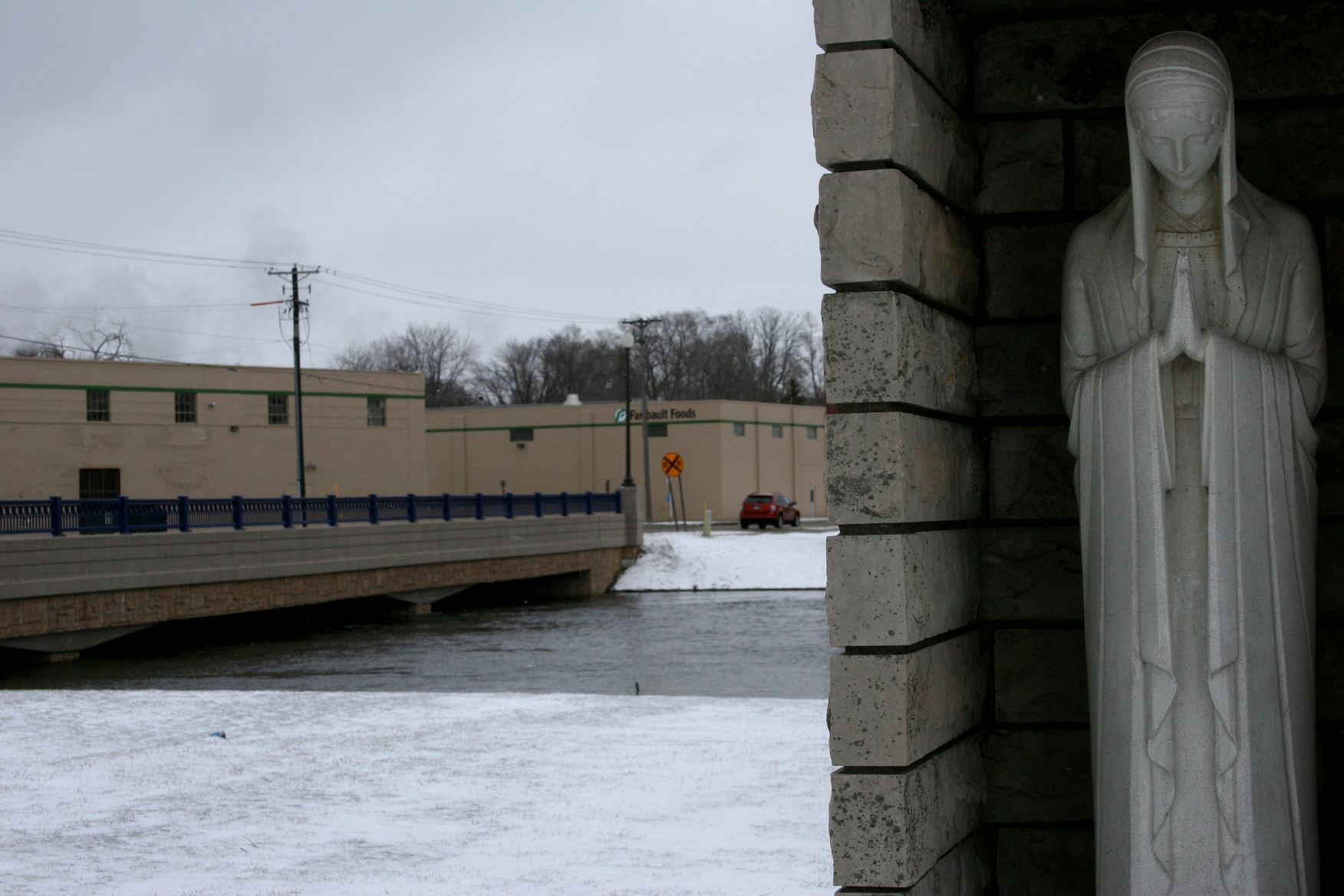
A view of the Cannon River from Father Slevin Park, looking toward the former Faribault Woolen Mill factory on the right and Faribault Foods on the left.

SIX MONTHS AGO I would not have been standing on this wedge of park land photographing the rising Cannon River by the Faribault Woolen Mill dam.

Here, by this dam, most locals judge the river level. And Wednesday evening, only the slightest hint of the dam showed beneath the roiling river. I kept a safe distance as I photographed scenes I had shot in September when a flash flood sent the Cannon spilling over its banks.

A statue in Father Slevin Park (I believe she is the Virgin Mary) next to the Cannon River.

Back then, this park, Father Slevin Park, was engulfed in water that had risen all the way to the roadway into the Rice County Fairgrounds and North Alexander Park in Faribault.

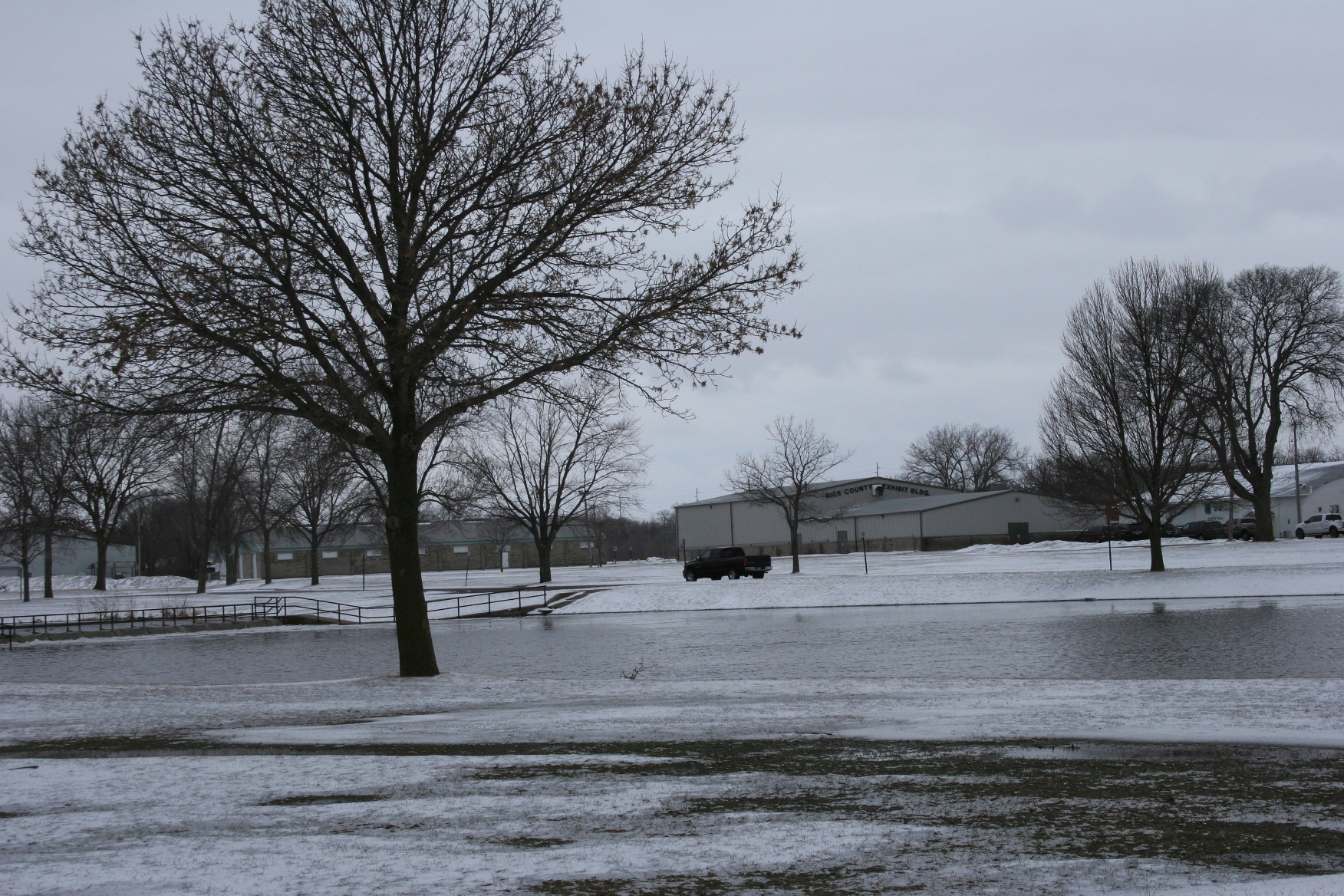
Father Slevin Park splits the Cannon. This is the other side of the river, looking toward the fairgrounds. The river was nearly out of its banks Wednesday evening.

The situation was not the crisis of six months ago, not at all. Just being here, beside the river, eased my fears about flooding in my community.

My husband, who travels by the Cannon daily on his way to and from work in nearby Northfield, tells me the river level dropped since I took these photos. That is good news for my town, for residents like me who had wondered and worried as the Cannon and Straight Rivers rose.

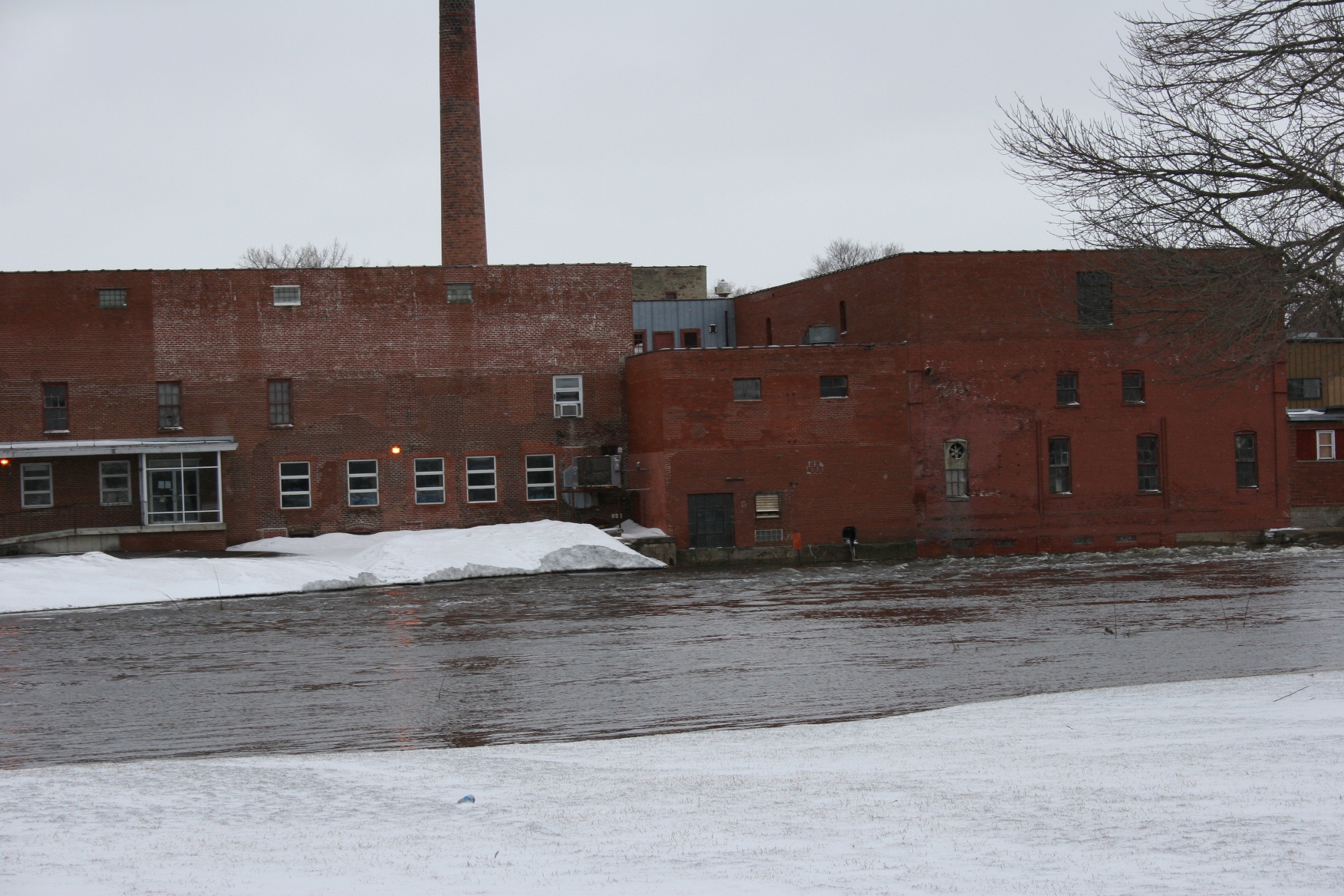
The former Faribault Woolen Mill building along the banks of the Cannon River.

A view of the Cannon River and the Faribault Woolen Mill from Father Slevin Park.

CLICK HERE to see images of the Cannon taken during the late September 2010 flash flood.

© Copyright 2011 Audrey Kletscher Helbling
 

Watching the Straight River in Faribault March 24, 2011

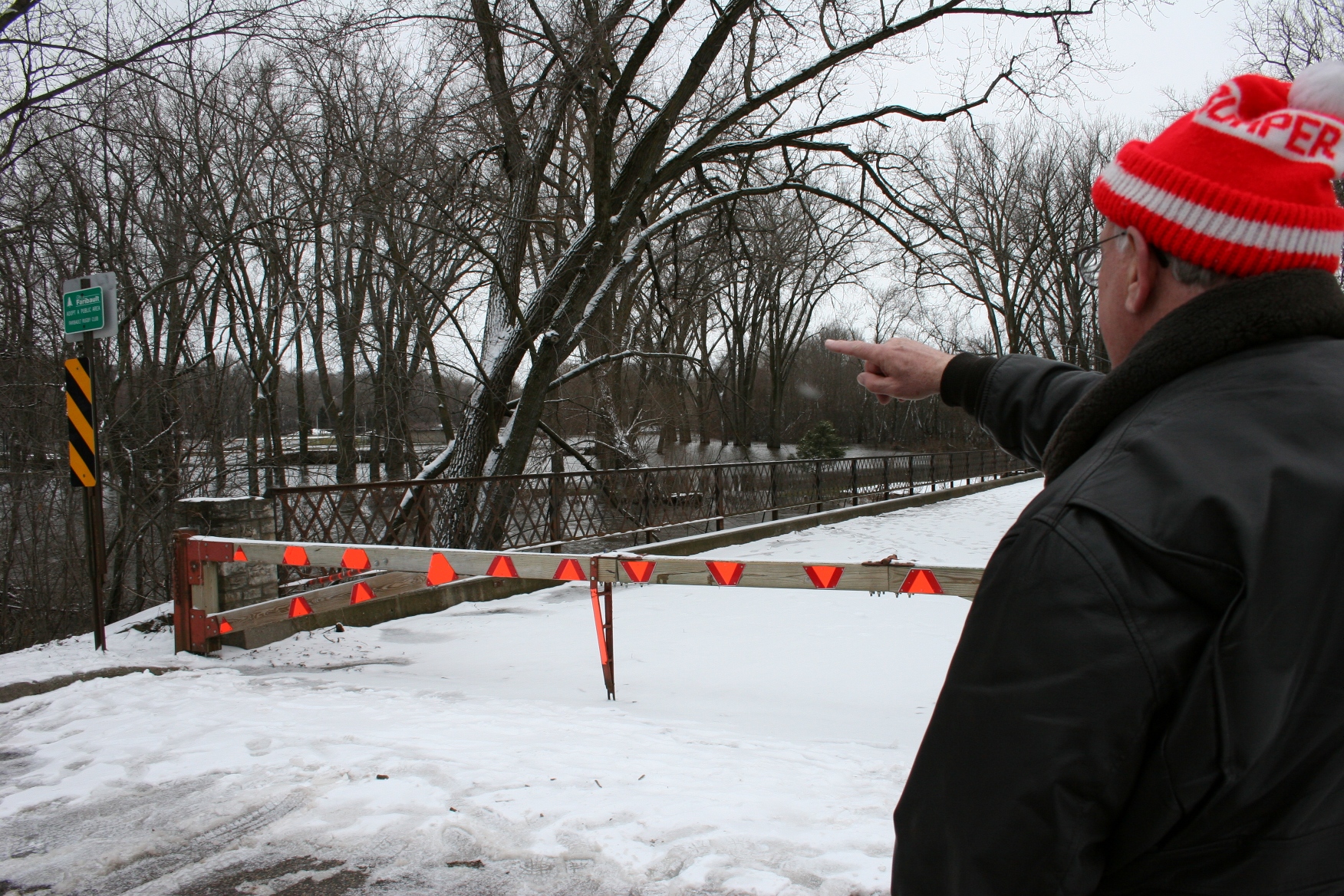
The river watcher points to the Straight River that has flooded Teepee Tonka Park and tells me how much the water has already gone down. The park often floods in the spring.

DAILY HE’S TREKKED across town from his north-side home to the downtown area and then crossed the bridge to check on the river.

I met him early Wednesday evening near the banks of the Straight River at Faribault’s east-side Teepee Tonka Park.

We didn’t waste time on chit chat, didn’t even introduce ourselves. We simply talked about the river and flooding and how he’s driven here daily recently to watch the river rise.

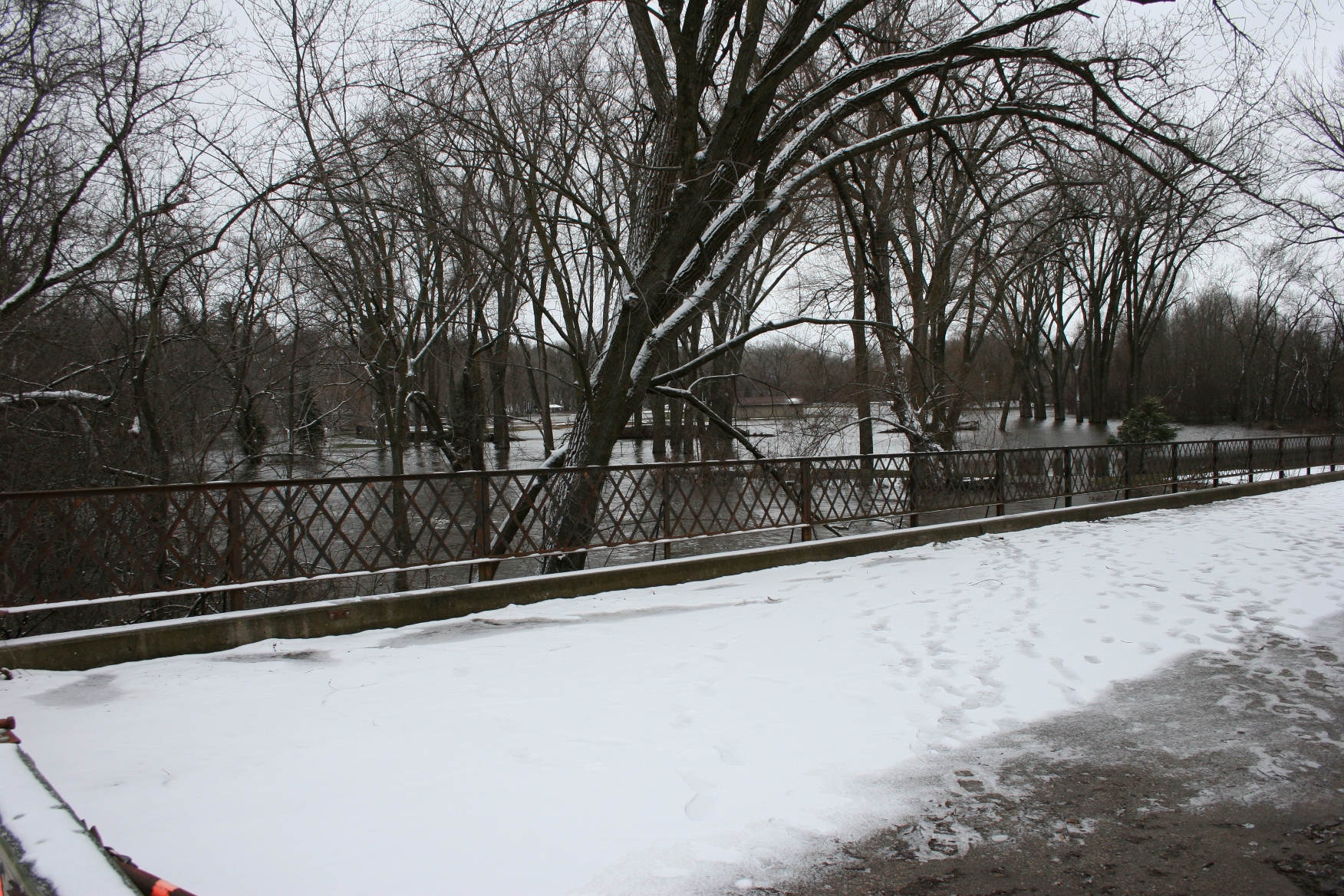
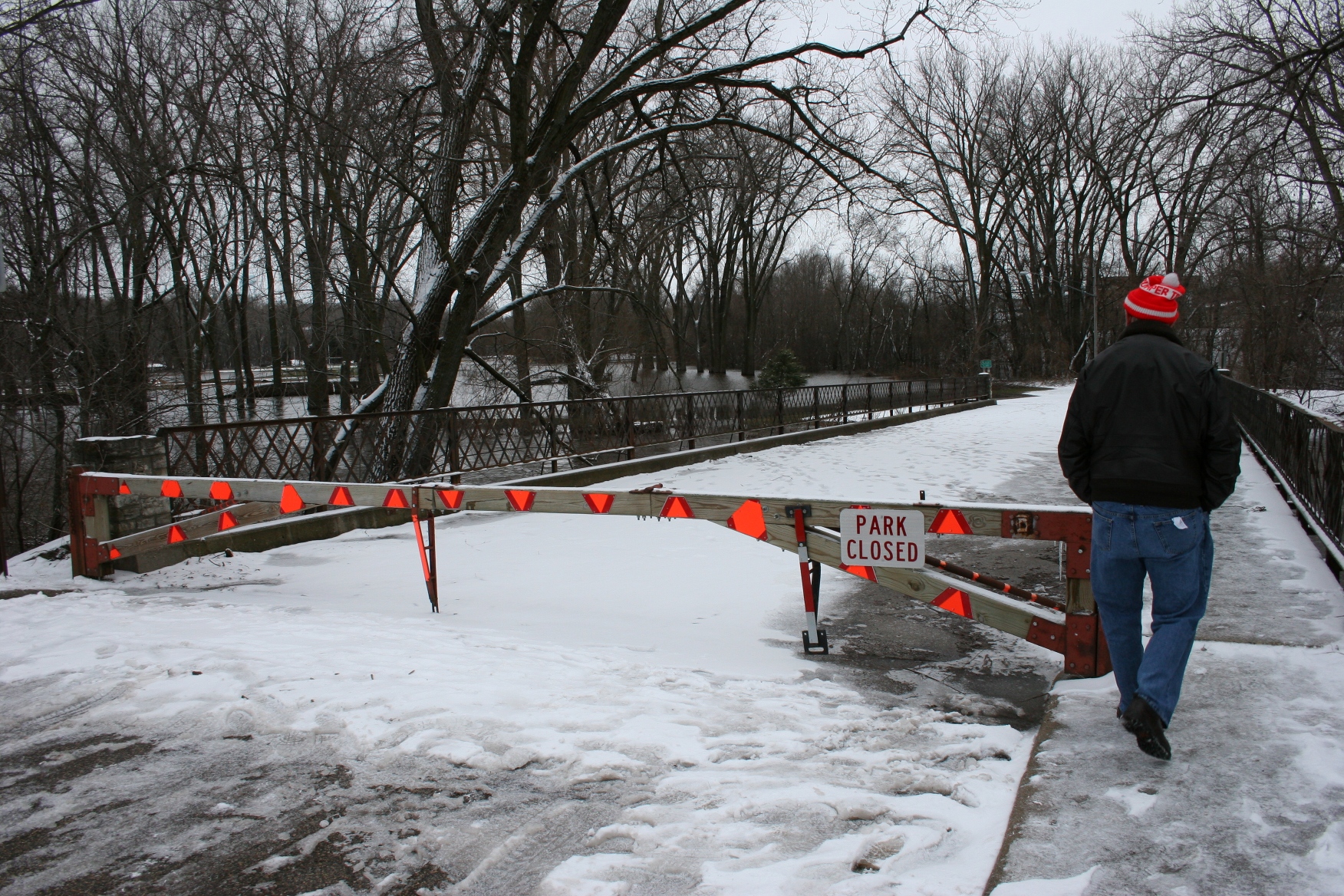
We look from the bridge toward flooded Teepee Tonka Park, where waters have already begun to recede.

He has reason for concern. During last September’s flash flood in Faribault, sewage backed up into his home from the sanitary sewer causing $15,000 in damages. He doesn’t live on a river. The Rice County Fairgrounds on one side, buildings and land on the other across a roadway, sit between his home and the Cannon River. His 20th Street Northwest home is buffered from the rivers, the Cannon nearest his home and the Straight that joins it nearby, flowing north past Teepee Tonka where he’s kept a watchful vigil.

He was optimistic, though, on Wednesday evening, telling me the Straight River had crested that afternoon and gone down. He wasn’t worried. The water was no where near the level during last fall’s flash flood. I could see that and so could he.

We turned away from the park bridge, toward the viaduct, to check the river level.

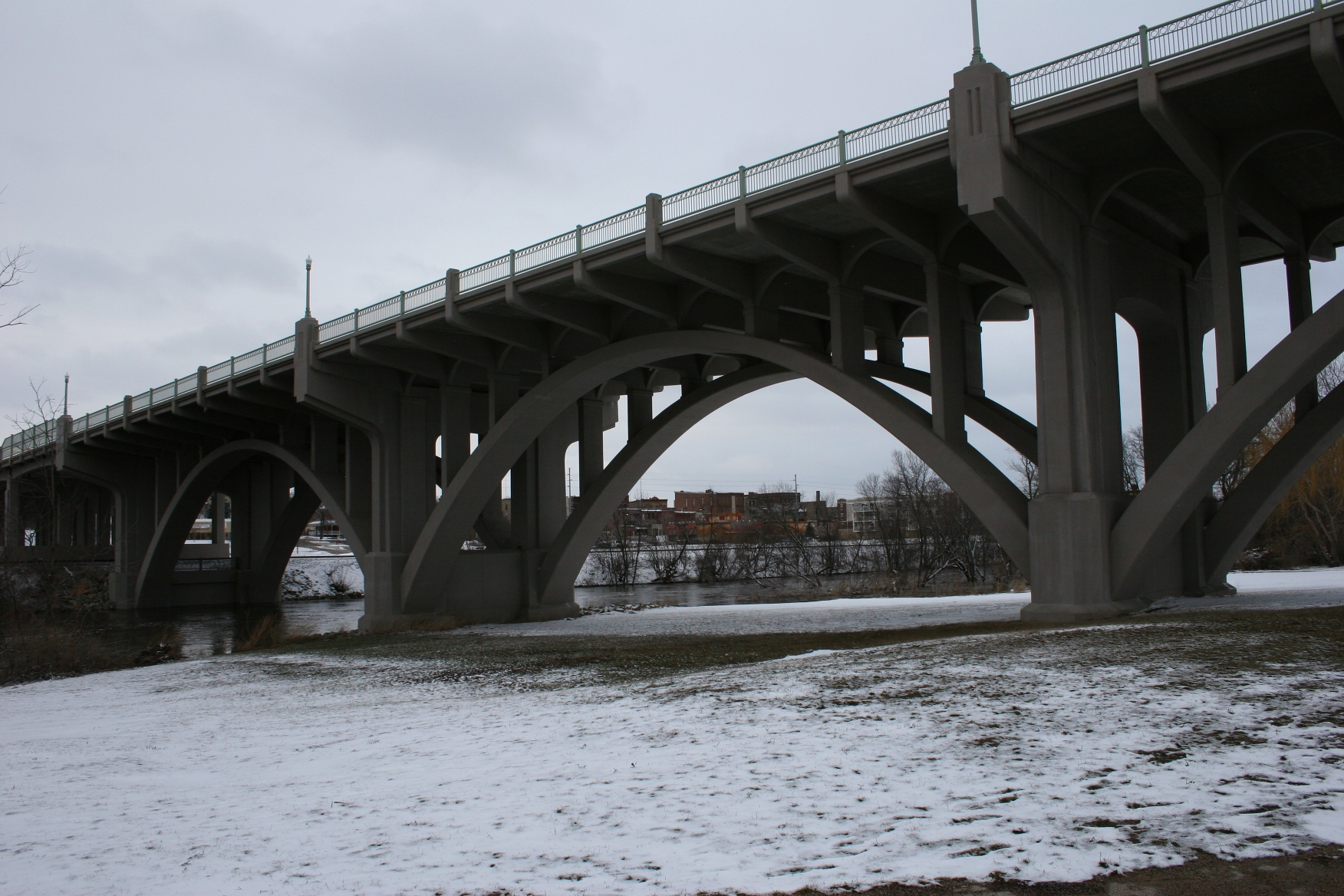
The Straight River has stayed mostly inside its banks near the historic viaduct.

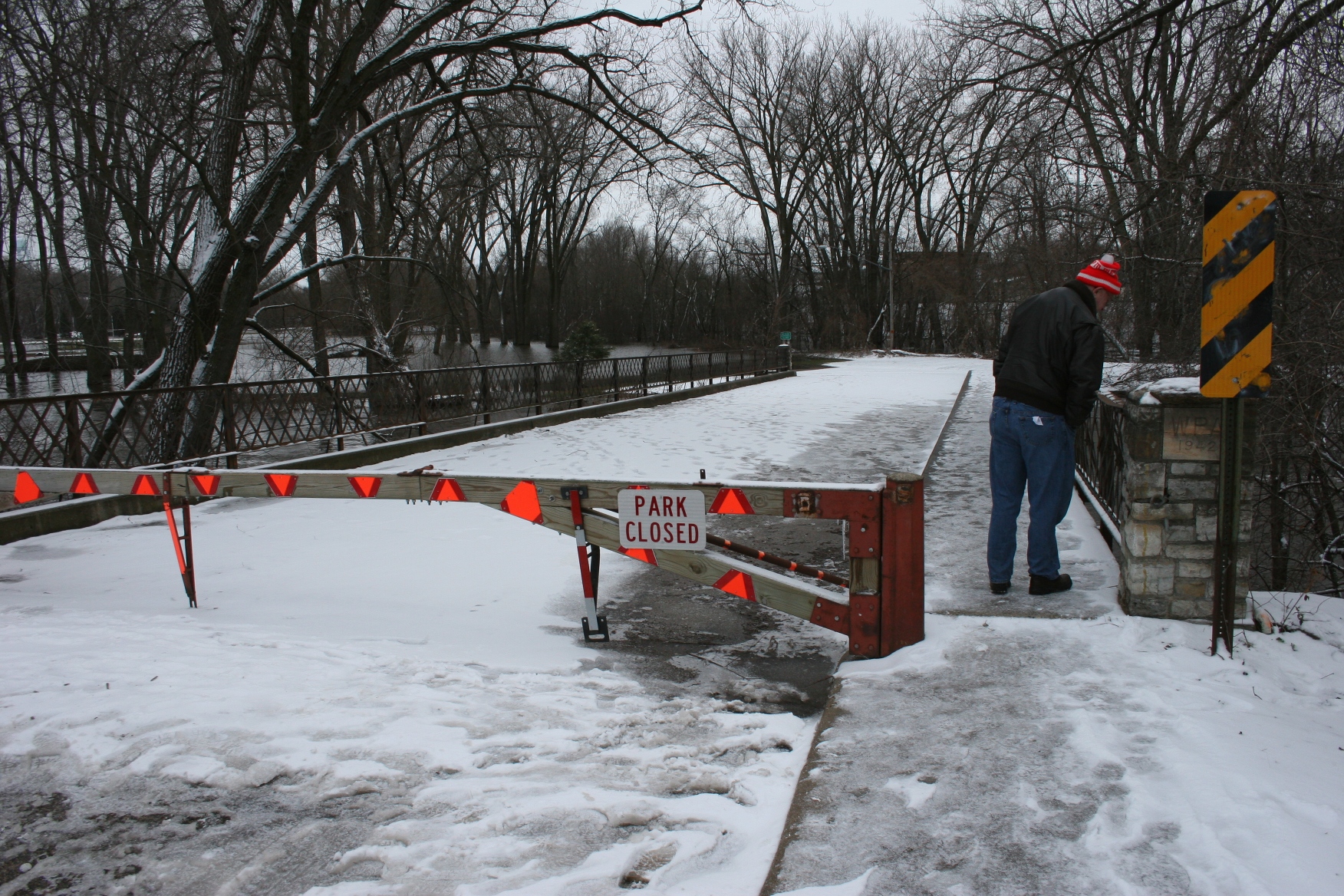
And so I left this river watcher, braving the slippery, iced sidewalk to step onto the park bridge and peer into the raging waters of the Straight River.

The river watcher turns and walks back to his post on the bridge.

I leave the river watcher peering over the bridge at the churning Straight River.

CHECK BACK for more river images from Faribault.

© Copyright 2011 Audrey Kletscher Helbling
 

As rain and snow fall, the flood threat rises in Minnesota March 22, 2011

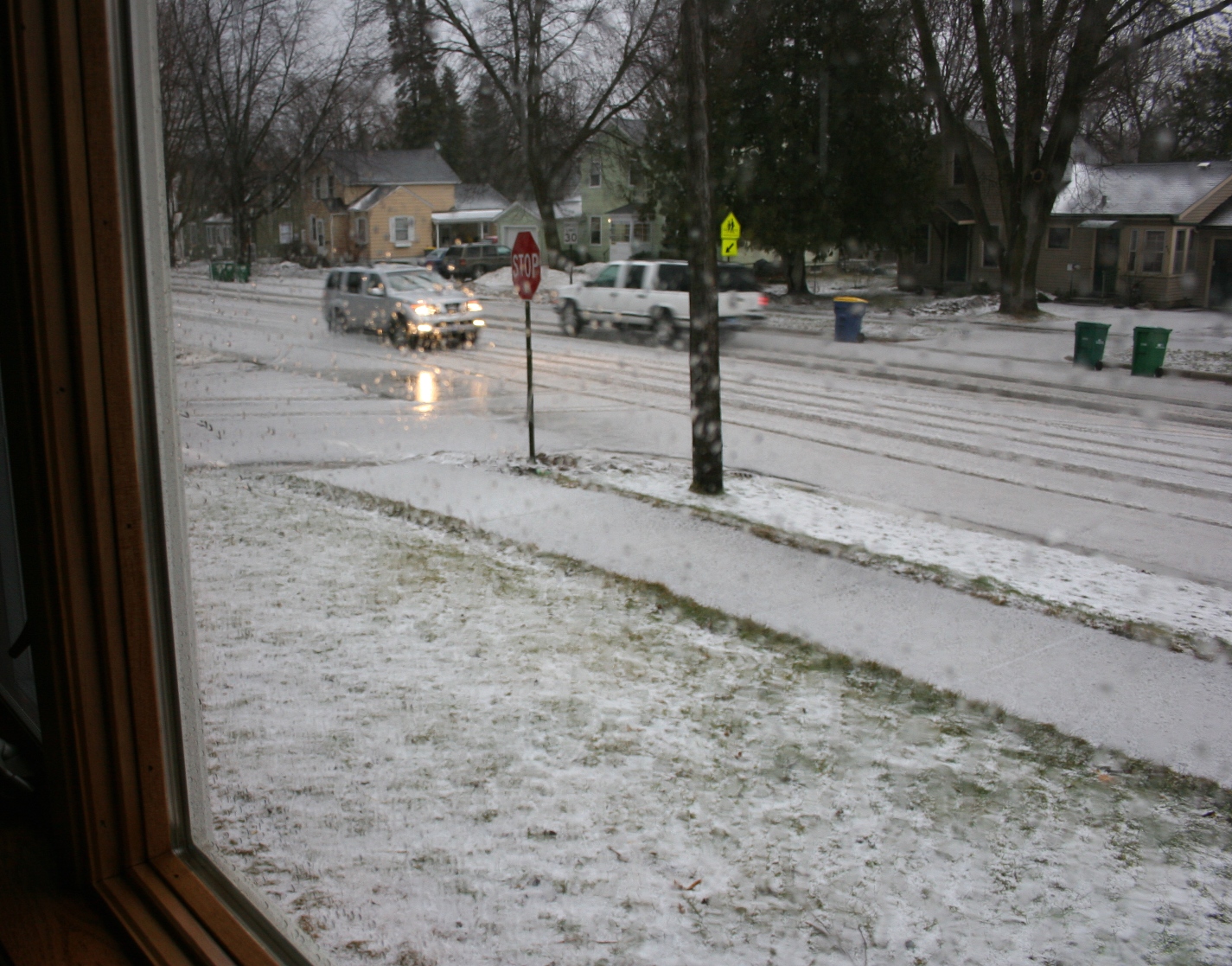
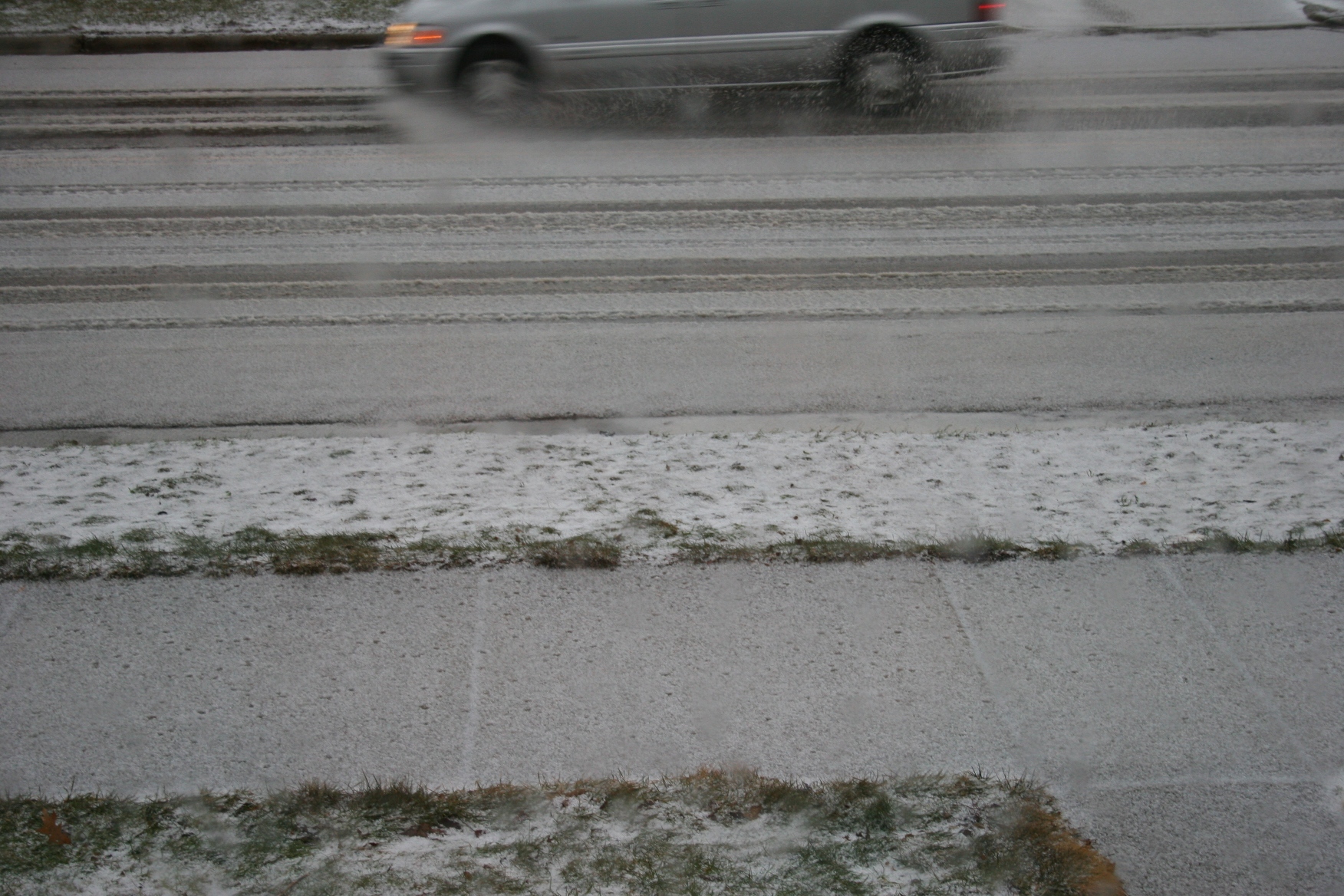
The view from my front window at 8 a.m. today as sleet pelted Faribault.

I AWOKE THIS MORNING to a world of gray and white and sleet pelting in sheets against the windows.
So much for spring…

When I plucked the The Faribault Daily News from the front steps, shook off the water droplets soaking the paper’s plastic sleeve, removed and opened the paper, I read this headline: STILL RISING—National Weather Service declares flood warning for Rice County as Straight River closes in on 10 feet.
And so the spring flood season has begun here in Minnesota with road closures in the Henderson area southwest of the Twin Cities, between Windom and Fulda in southwestern Minnesota and probably other places of which I am unaware.

Here in Faribault, officials are keeping a close eye on the rising Straight and Cannon Rivers. Sandbags are filled and plans are in place to put them in place should the need arise. Of major concern is the riverside wastewater treatment plant which was flooded during a flash flood last September. During that flood six months ago, many homes and some businesses were inundated with floodwaters. A local riverside park, which often floods in the spring, was also under feet of water.

Upon checking the National Weather Service Twin Cities, MN., website map, I see most of the southern half of Minnesota falls under a flood warning.

For the north, winter storm and blizzard warnings have been issued. The last I heard, several inches of snow are expected to fall in my area sometime today and/or into tomorrow.

A car passes by my home at 8 a.m. as heavy sleet fell. Sleet also pelted Faribault during the night.

Rain continues to fall here as we approach the noon hour with temperatures hovering several degrees above freezing.

Personally, I’ve been affected by this wet weather with some minor water seeping into a corner of the basement—enough to soak up, move belongings and turn on the fans. It’s a hassle, but certainly nothing compared to the issues some folks will face as the snow and rain fall and the rivers rise.

PLEASE SUBMIT a comment with any information you have about rising rivers/creeks/streams and/or flooding in your area of Minnesota. I would like to share your stories with Minnesota Prairie Roots readers.

© Copyright 2011 Audrey Kletscher Helbling