Minnesota Prairie Roots

Writing and photography by Audrey Kletscher Helbling

Art of the crucifixion April 14, 2017


ART MOVES IN A WAY sometimes that words cannot.


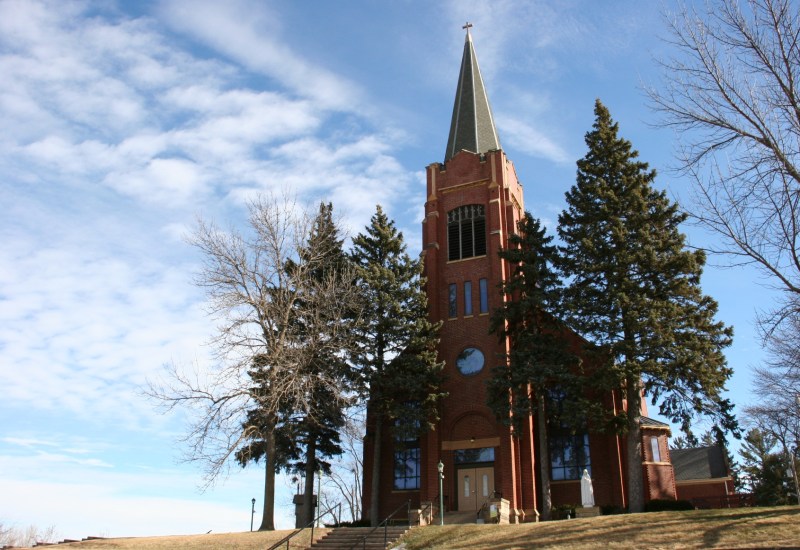
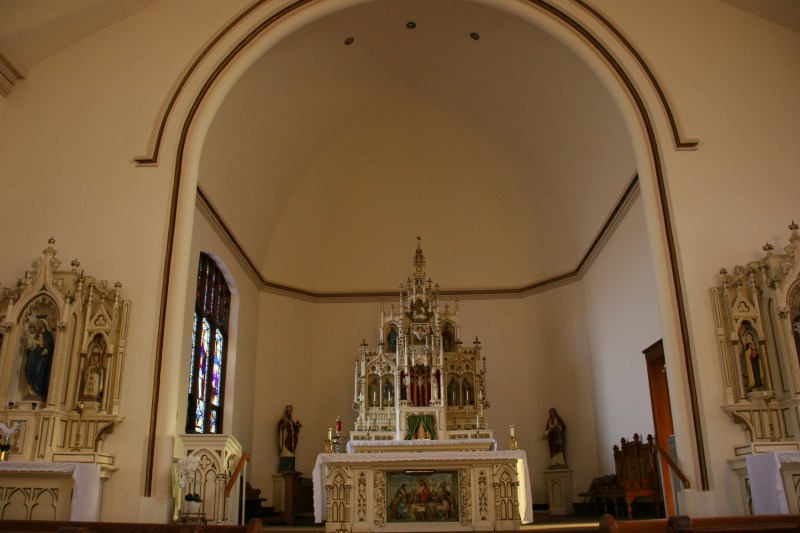
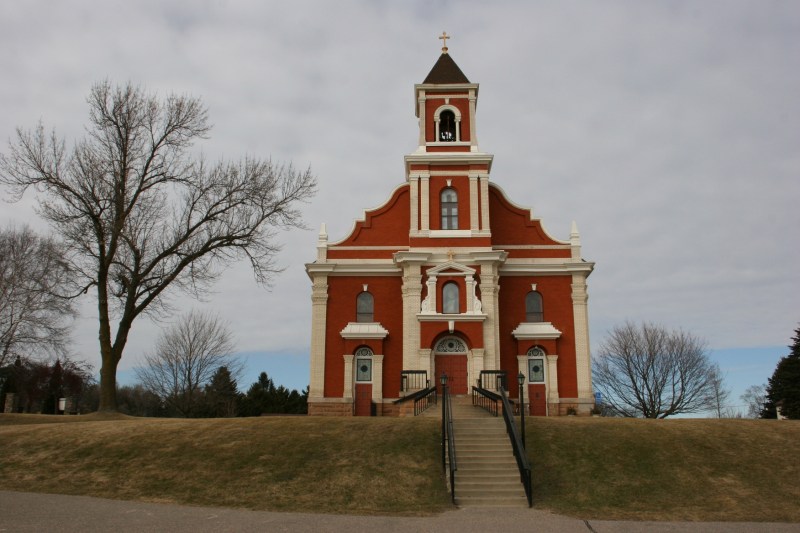
St. Mary’s Catholic Church sits atop a hill in New Trier, a small town north of Cannon Falls.


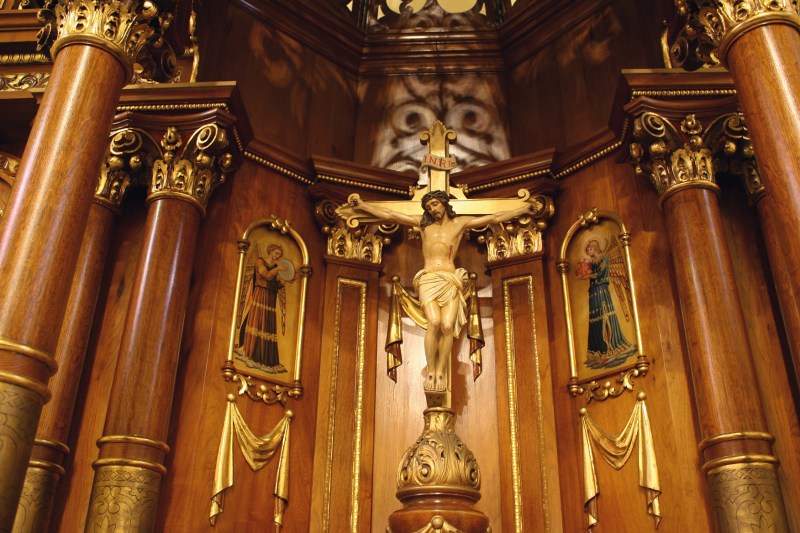
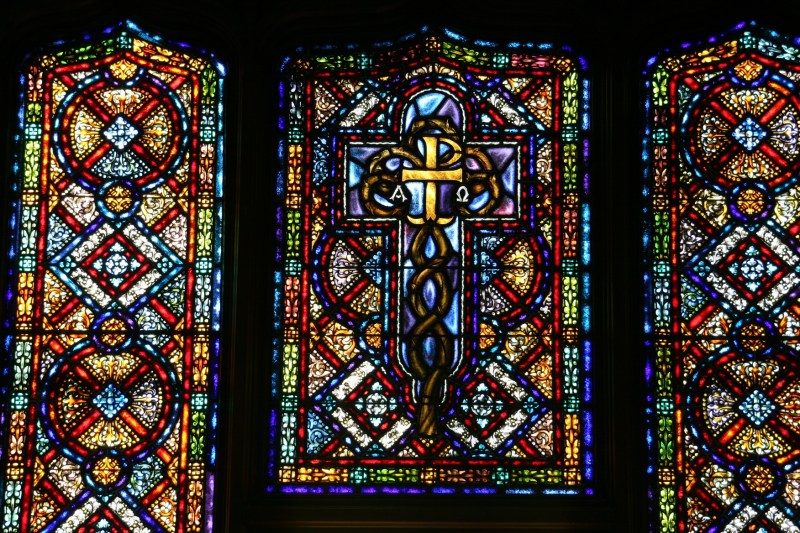
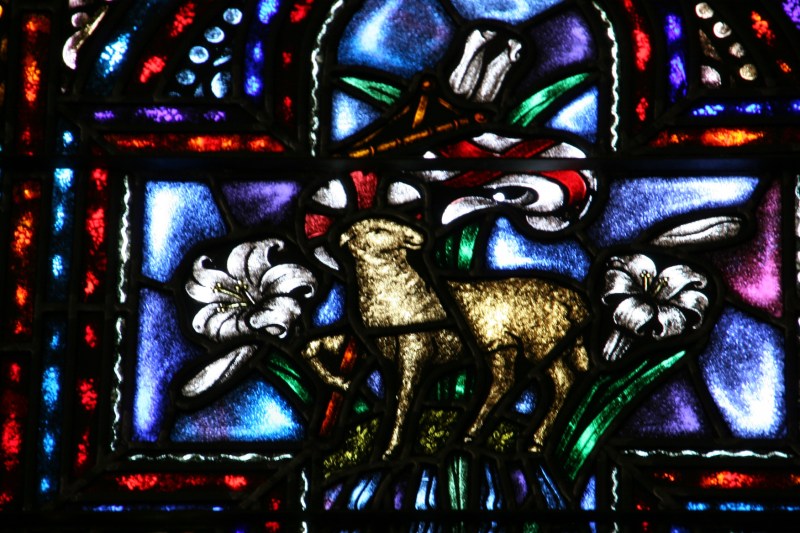
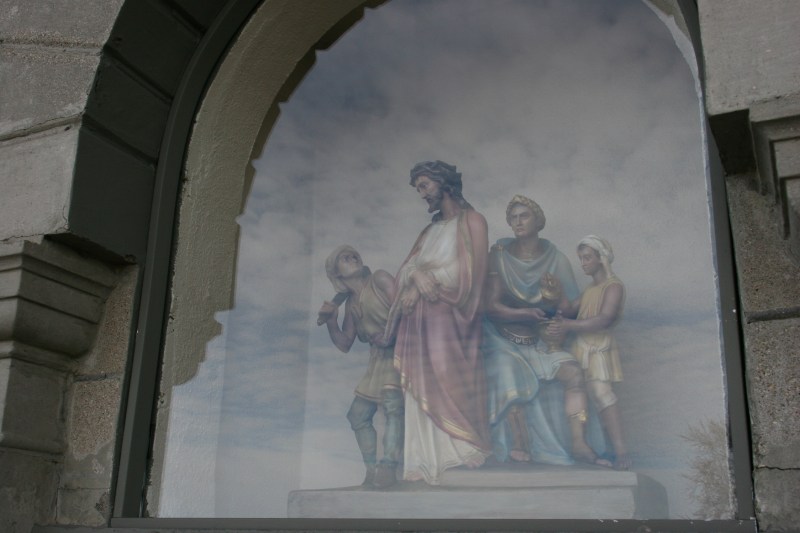
Today I present to you selected art that depicts the crucifixion of Christ. I discovered this collection inside St. Mary’s Catholic Church, New Trier, Minnesota.


Centering the ornate altar is this depiction of Jesus’ crucifixion.


The art ranges from simple to elaborate. I know nothing of the artists. But in viewing each of their works, I experience a wide range of emotions. And with that comes a deep sense of gratitude for those who share their faith through art.


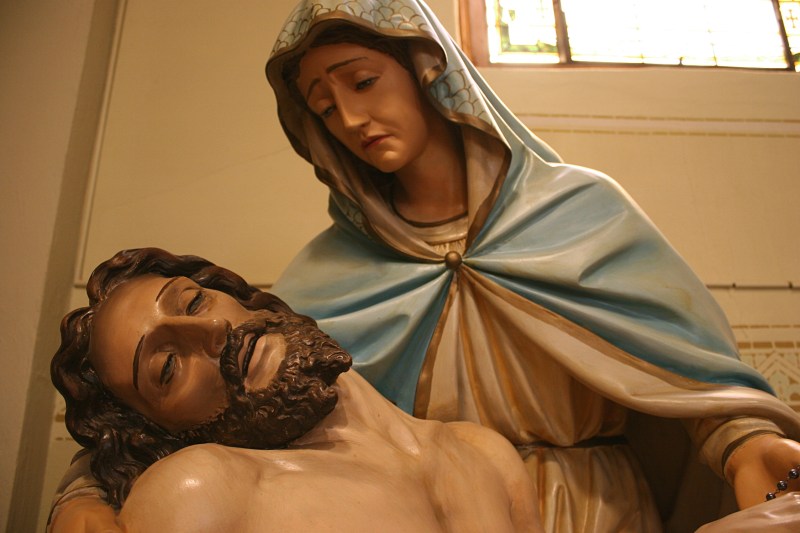
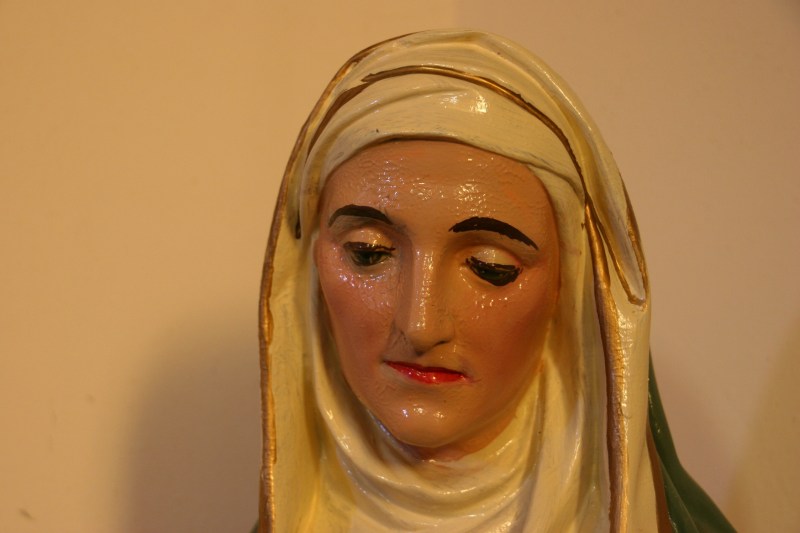
In the face of Mary, I see profound grief in losing her son.


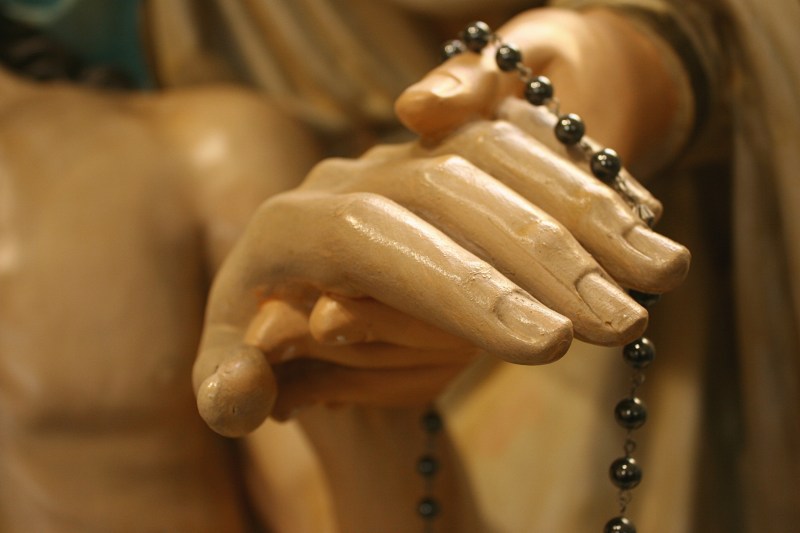
Hands convey so much love; here Mary holds Jesus’ hand.


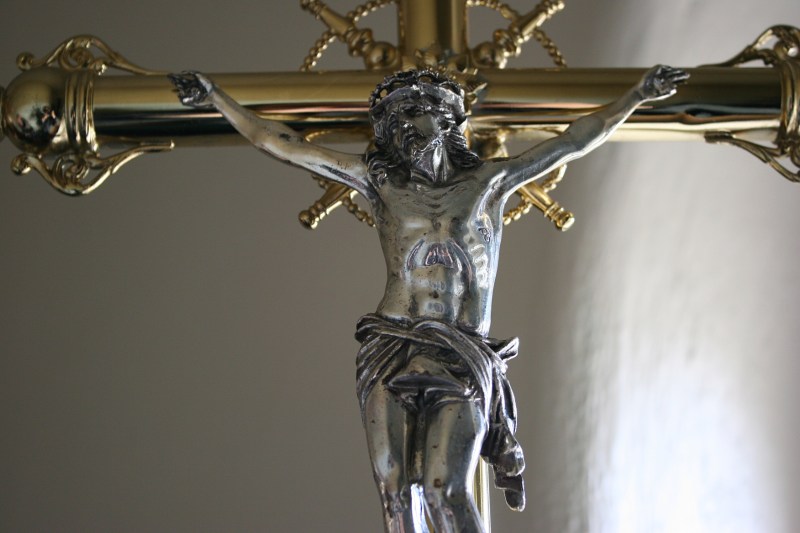
The detail in this work of art presents the visual depth of Christ’s suffering.


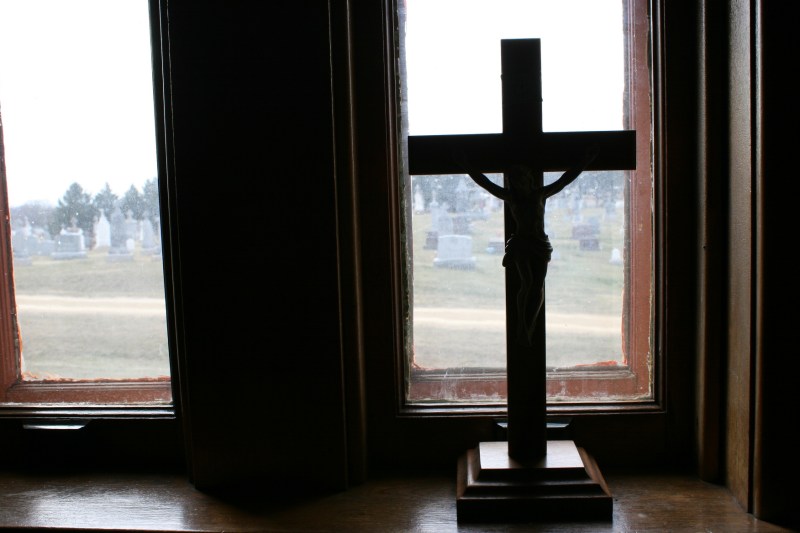
This simple crucifix is set against the window backdrop of St. Mary’s Cemetery.


When I toured St. Mary’s recently, I was overwhelmed by the beauty of this place, just as today I am overwhelmed by gratitude to Christ.

FYI: Please check back for future posts of my visit to St. Mary’s.

© Copyright 2017 Audrey Kletscher Helbling


Rural Faribault church continues 55-year tradition with The Last Supper Drama April 7, 2017

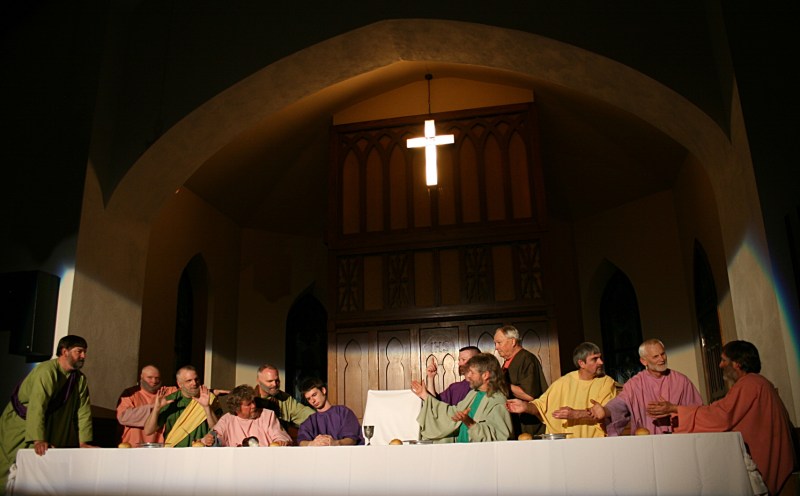
St. John’s members portray the disciples in this undated vintage photo, the first record of a photograph from The Last Supper Drama. Actors, from left to right, are Luverne Hafemeyere, Earl Meese, Vicgtor Luedke, Howard Meese, Virgil Bosshart, Arnold Keller, P.L. Golden, Alvin bosshart, Paul Bauer, Elmer Covert Sr. and Arnold Bauer. Photo courtesy of St. John’s.


AS A WOMAN OF FAITH, I appreciate the opportunity to begin Holy Week in a visually memorable and contemplative way by attending “The Last Supper Drama” at St. John’s United Church of Christ, Wheeling Township. The drama begins at 8 p.m. on Palm Sunday, April 9, as darkness falls.

For 55 years now, parishioners past and present, playing the roles of Jesus’ disciples, have presented this interpretation of Leonardo da Vinci’s The Last Supper painting. Each disciple actor stands and speaks of his personal relationship with Christ. It is moving, powerful and emotional to hear these monologues in the darkness of an aged limestone country church.


St. John’s 50th presentation of The Last Supper Drama in the sanctuary. Minnesota Prairie Roots file photo 2012.


While the actors alternate from year to year, the script and music remain unchanged from the original of 1963. There is comfort in that, in tradition, in the unchanging story, in the reverent respect and in the focused spotlight on Christ.

It’s an inspirational way to start Holy Week, in a mindset of contemplation.


The parking lot at St. John’s United Church of Christ, Wheeling Township, is nearly full 20 minutes before the congregation’s annual performance of The Last Supper Drama. Minnesota Prairie Roots file photo.


FYI: Click here to see photos and stories from past performances of this drama.

St. John’s UCC is located east of Faribault at 19086 Jacobs Avenue, a county road off Minnesota State Highway 60.

© Copyright 2017 Audrey Kletscher Helbling


The art of St. Nicholas brought to you on St. Patrick’s Day March 17, 2017

St. Nicholas Catholic Church in Elko New Market, Minnesota.

St. Nicholas Catholic Church in Elko New Market, Minnesota.


IT’S SELDOM THESE DAYS that I find a church door unlocked while on a leisurely, non-destination drive.


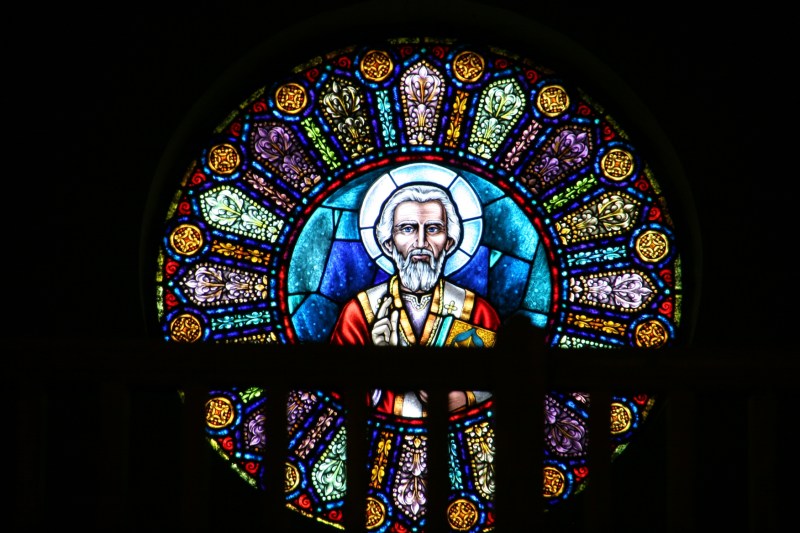
The stained glass window of St. Nicholas, the patron saint of this congregation, is situated in the balcony. I didn't go into the balcony as a sign banned unapproved visitors per insurance requirements.

The stained glass window of St. Nicholas, the patron saint of this congregation, is situated in the balcony. I didn’t go into the balcony as a sign banned unapproved visitors per insurance rules.


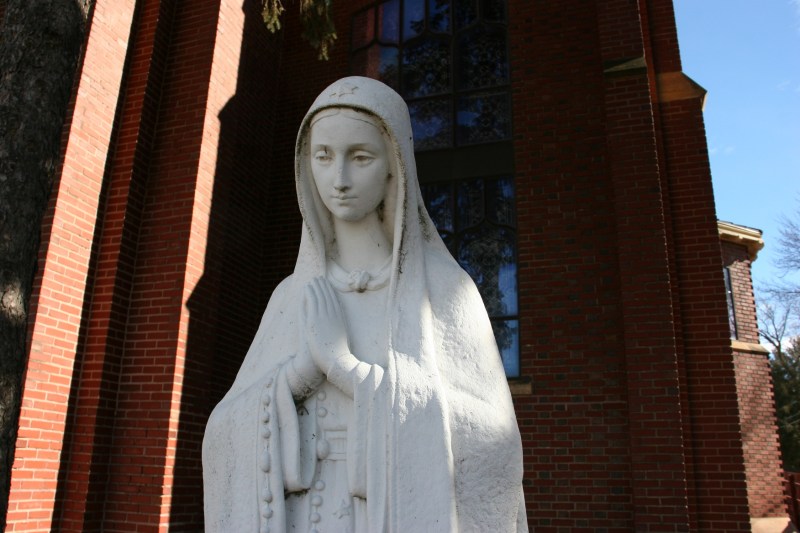
A statue of Mary outside the front of the church.

A statue of Mary outside the front of the church.


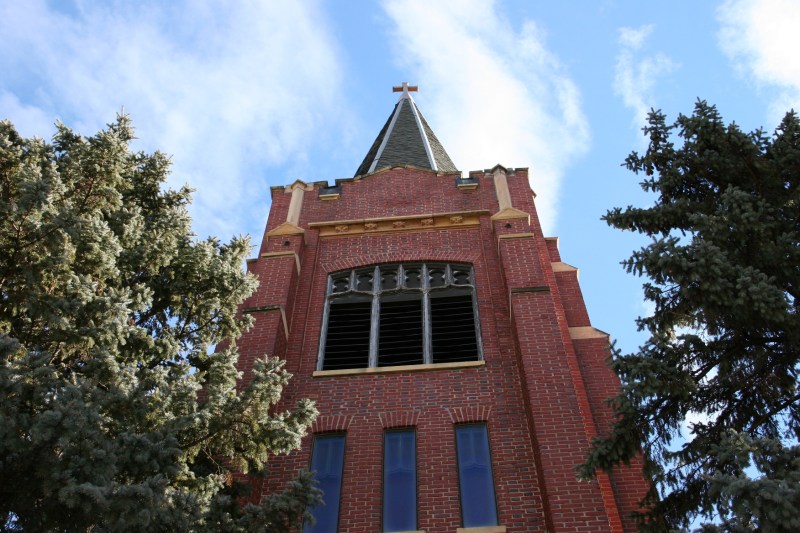
Looking up at the tall tall steeple.

Looking up at the tall tall steeple.


So when Randy and I stopped in Elko New Market and found the front doors of St. Nicholas Catholic Church open late on a recent Saturday morning, we were surprised. During our brief visit, not a soul appeared, except images of the saints patronized therein.


Statues like this one of Mary fill the church.

Statues like this one of Mary fill the church.


How lovely the stained glass.

How lovely the stained glass.


Just look at that altar.

Just look at that altar.


As a life-long Lutheran, I’ve always been fascinated by the ornateness of Catholic churches. Statues, flickering candles, detailed stained glass windows, grand arches and more contrast sharply with the plainness of most Lutheran churches. I often direct questions to Randy, Catholic raised and educated, but a Lutheran now for 35 years. Rituals and tradition are such integral parts of Catholic worship.


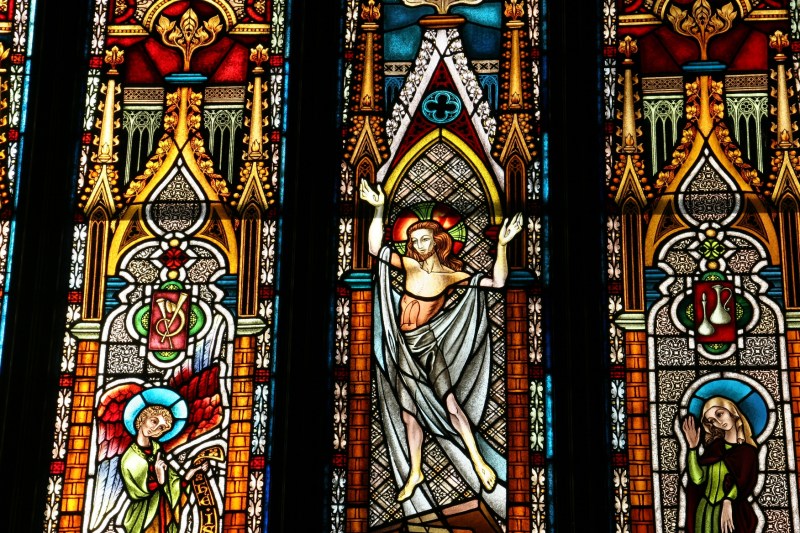
The stained glass at St. Nicholas is exceptional in its detail, design and workmanship.

The stained glass at St. Nicholas is exceptional in its detail, design and workmanship.


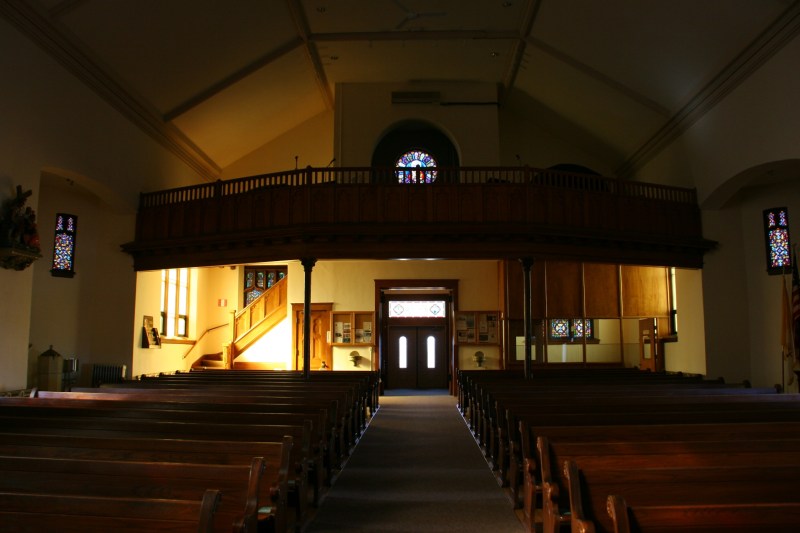
Looking toward the balcony and back of the sanctuary.

Looking toward the balcony and back of the sanctuary.


More stunning stained glass.

More stunning stained glass.


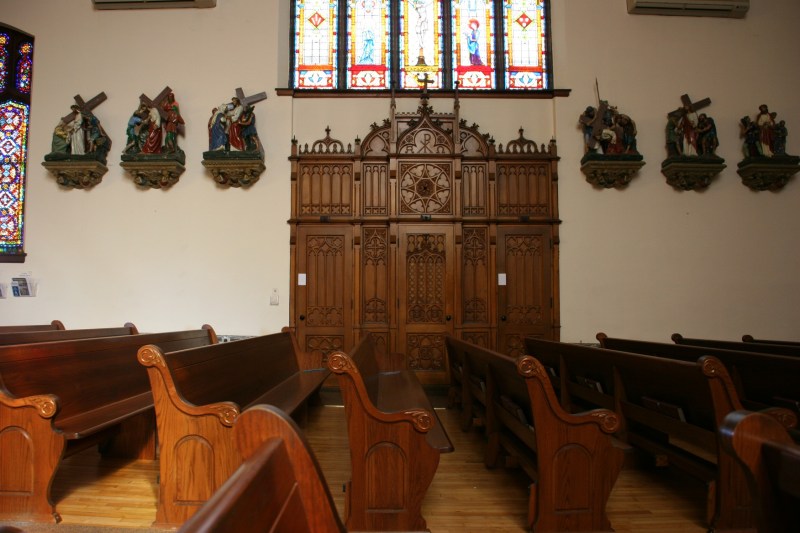
Impressive woodworking on a confessional, one of two.

Impressive woodworking on a confessional, one of two. The other is now a storage space.


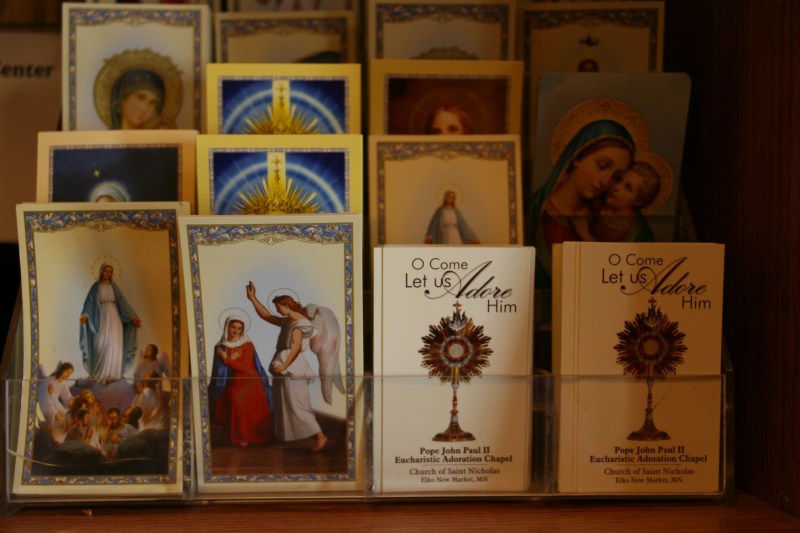
I found art even on these cards on a rack inside the entry.

I found art even on these cards on a rack inside the entry.


My appreciation for aged sanctuaries runs strong. I find in the art of stained glass and sculptures, in the architecture of a church, a certain reverence and peace that comforts and uplifts me. And that, I suppose, is why I am so drawn to churches like St. Nicholas, anchored atop a hill along Church Street in Elko New Market.


Art outside St. Nicholas.

Art outside St. Nicholas.


TELL ME: Are you drawn to aged churches? Why?

© Copyright 2017 Audrey Kletscher Helbling


The art of Dana & Judy in the Paradise March 13, 2017

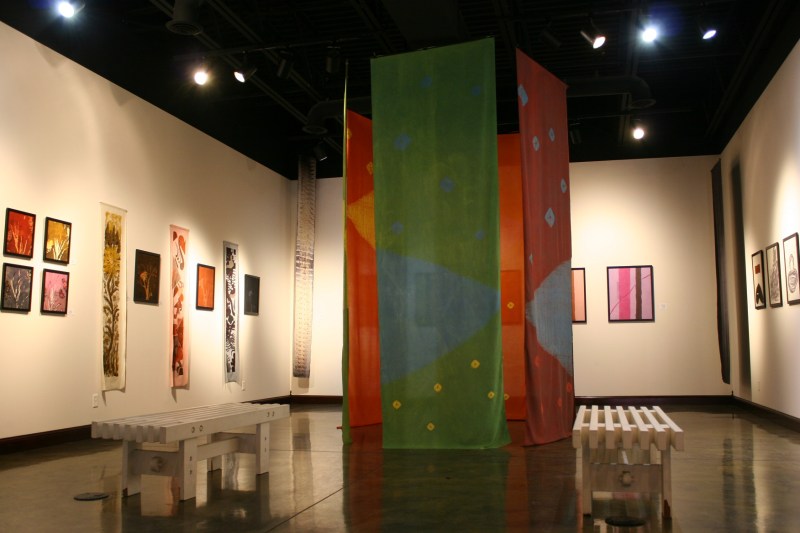
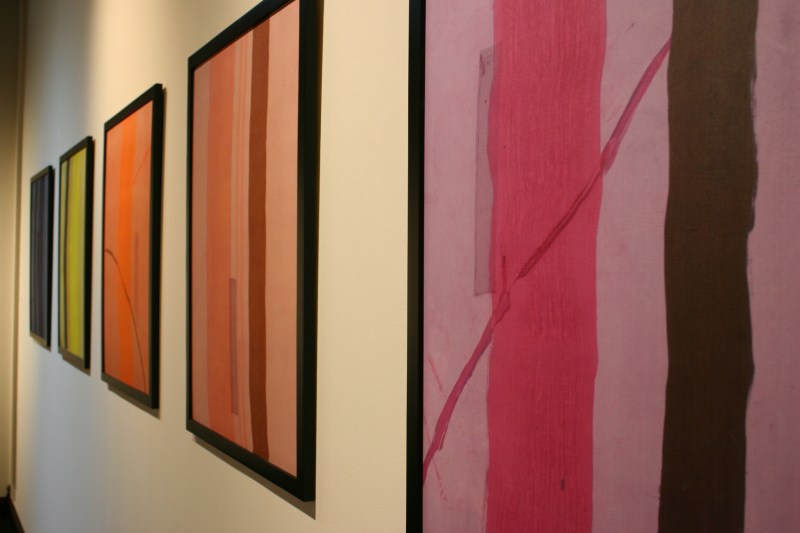
An overview of Judy Saye-Willis’ exhibit, “From Garden to Gallery: Natures Gentle Colors.”


EVERY ARTIST, whether a sculptor, painter, wordsmith, photographer or anything in between, brings values and background into his/her work.


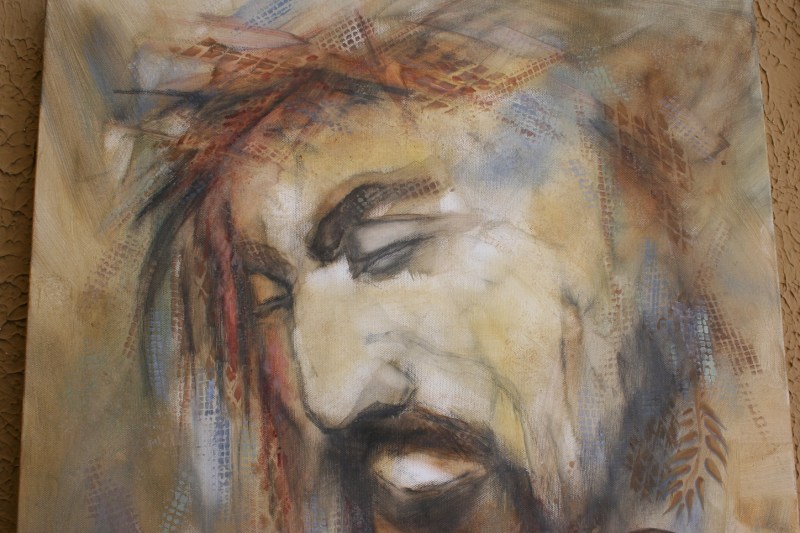
A section of Dana Hanson’s portrait of Christ, titled “All For You.”


For Faribault artist Dana Hanson, faith clearly inspires her art.


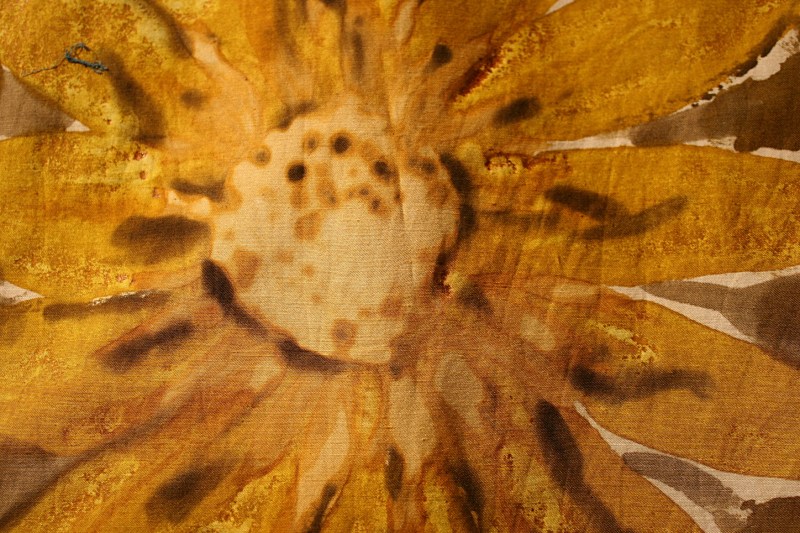
Nature’s influence is seen both in the subject and in the weld (a plant) dye used in this art by Judy.


For Northfield artist Judy Saye-Willis, the natural world seems the most influential.


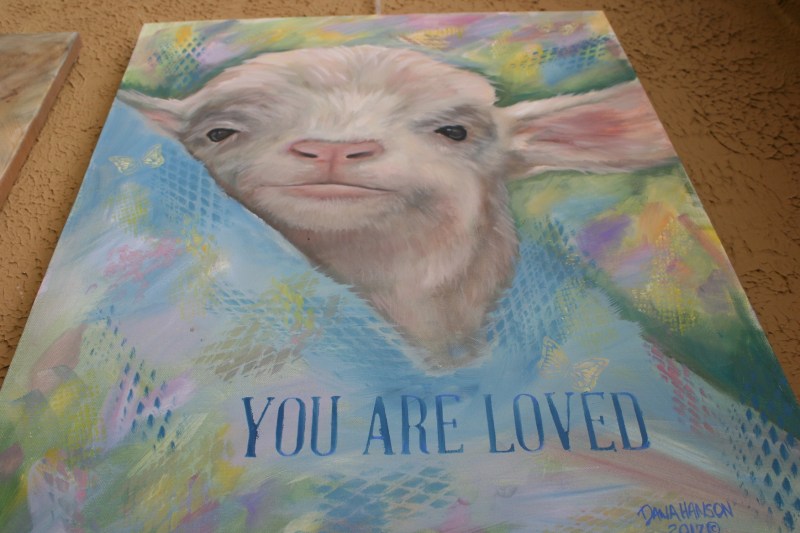
Dana’s “You Are Loved” faith-based painting.


They are two diverse artists currently exhibiting at the Paradise Center for the Arts in Faribault. Dana paints with a brush, oil on canvas. Judy works with fabric and dyes as a fiber artist in this particular From Garden to Gallery—Natures Gentle Colors collection.


In her One Color Series, Judy dyed each piece in a single color dye bath.


Both infuse passion and devotion into their work. Judy uses natural dyes to color fabric. Rhubarb root, black walnut, sumac, goldenrod, prairie wildflowers and more are dye sources for this artist who, like me, grew up on a southwestern Minnesota farm. Judy played in the fields and pastures of the prairie and I can see that in her art. She holds a closeness to the land.


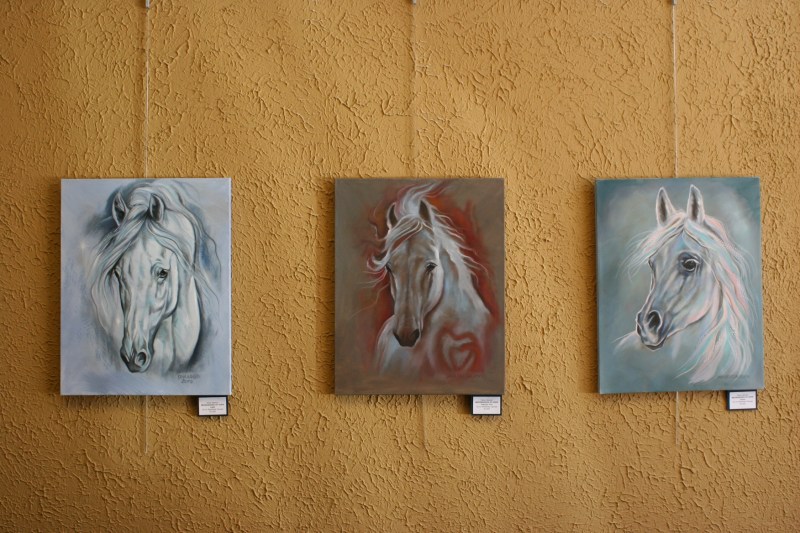
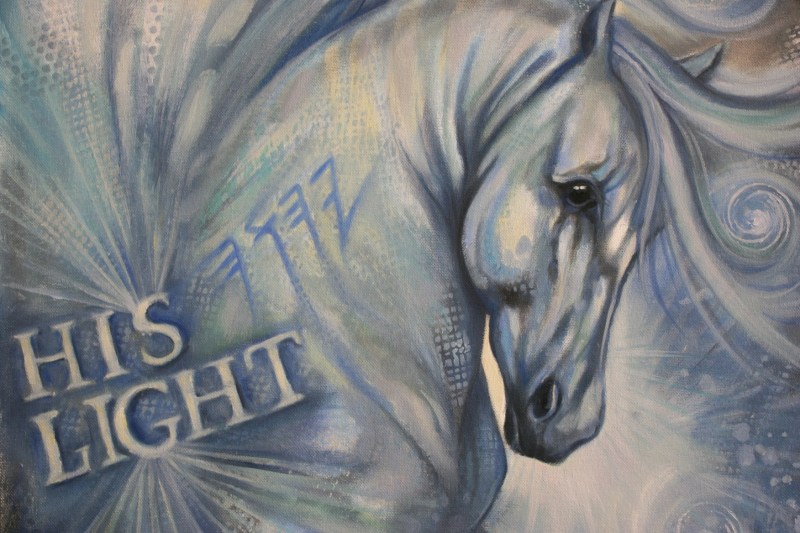
This trio of paintings is titled MESSENGERS OF HOPE with the horses subtitled, from left to right, “Light,” “Passion Fire” and “Grace.”


Dana’s art sometimes comes to her, she says, in visions—her faith-based horse paintings inspired during worship. There is symbolism in her work, threads of light and hope. Her art is her visual ministry, Dana writes on her website.


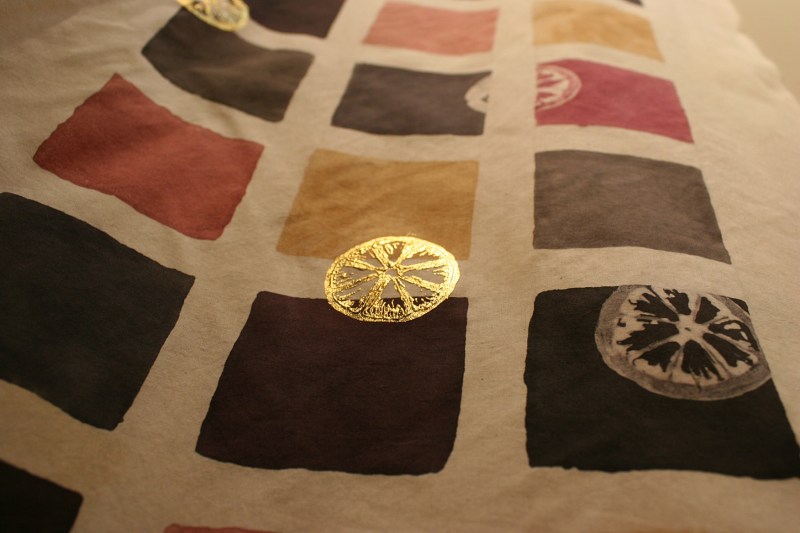
A close-up of Judy’s panel tagged as “When Life Gives you Lemons make Art.” She used lemon juice for a discharge and dyed in cochineal. The repetition in the art is in the style of Andy Warhol.


I appreciate the artistic talents of both artists. I appreciate also their dedication to the craft. I appreciate the strength of their work.


“His Light” by Dana.


How I interpret their artwork may or may not match their intentions. But that’s the thing about art. We each bring to art our values, our backgrounds, our experiences. When our eyes lock on a piece of art, we react as only we can, with introspection that is uniquely and individually ours.


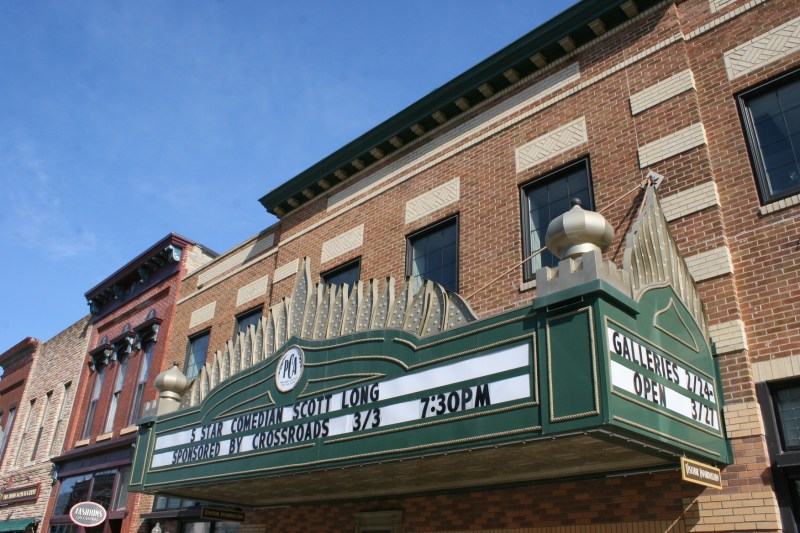
The Paradise Center for the Arts is housed in an historic former theater in downtown Faribault.


FYI: Dana and Judy’s exhibits will continue through March 27 in the main floor galleries at the Paradise Center for the Arts, 321 Central Avenue, Faribault. These photos are only a sampling of the artwork in their exhibits.

© Text copyright 2017 Audrey Kletscher Helbling
Artwork copyrighted by the artists and photographed with permission.


No limit on Minnesota fish fries March 3, 2017

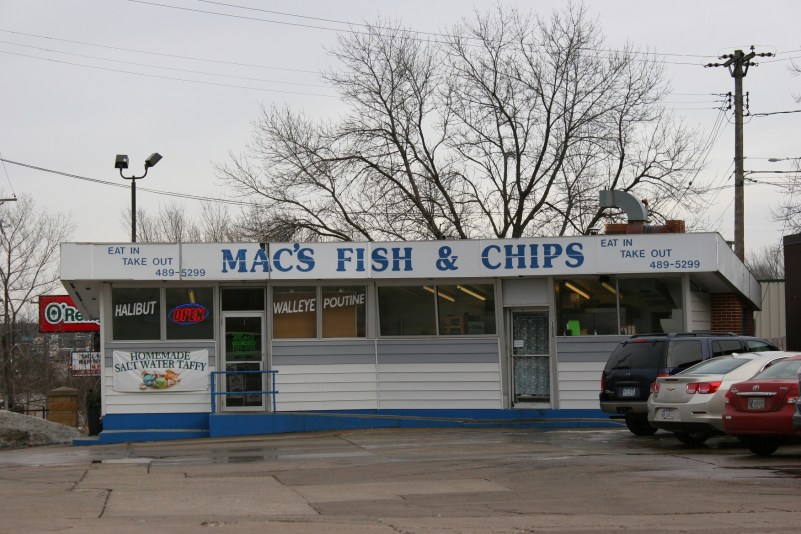
This recent roadside photo I snapped of Mac's Fish & Chips, on the corner of Hamline and Larpenteur in St. Paul, prompted this blog post. Mac serves deep-fried halibut, walleye, cod, shrimp, clams and, yes, chicken, along with a few sides in this former Clark Gas Station building. You can also buy Mac's battered walleye at Target Field in Minneapolis.

This recent roadside photo I snapped of Mac’s Fish & Chips, on the corner of Hamline and Larpenteur in St. Paul, prompted this blog post. Mac’s serves deep-fried halibut, walleye, cod, shrimp, clams and, yes, chicken, along with a few sides in this former Clark Gas Station building. You can also buy Mac’s battered walleye at Target Field in Minneapolis.

IT’S THE SEASON of the Friday Night Fish Fry in Minnesota.

As a life-long Lutheran, I’ve never been part of the Catholic-based tradition of eating fish on Fridays during Lent. But I respect that deep-rooted practice of shunning meat, although I will admit I’ve always considered fish to be meat. Catholics have a different opinion.

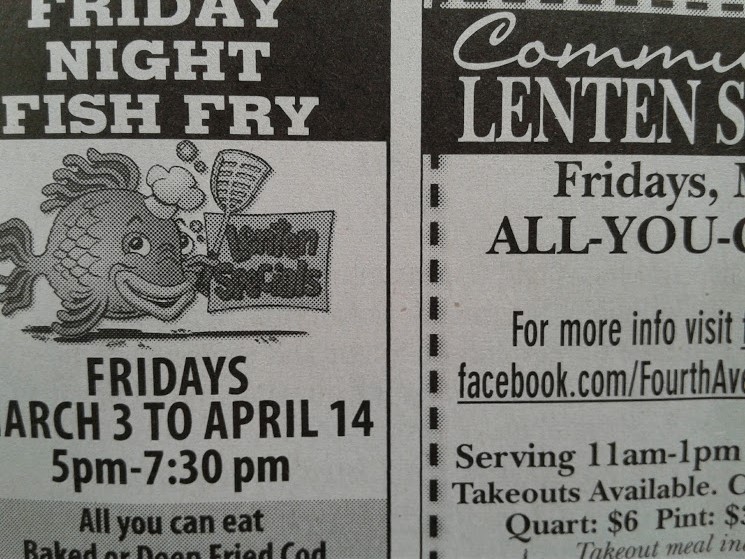
A snippet of two side-by-side ads that published on Thursday in the Faribault Daily News.

A snippet of two side-by-side ads for a Friday Fish Fry and for a Friday Lenten Soup Luncheon that published in the Faribault Daily News.

That aside, the beginning of Lent this week kicks off church and community fish fries, not to mention Friday fish specials at restaurants and Knights of Columbus halls. The Twin Cities-based The Catholic Spirit contacted all of the parishes in the St. Paul-Minneapolis Archdiocese for a list of fish fries and Lenten meals. Ninety-one responded. From Our Lady of the Prairie in Belle Plaine to St. Bridget of Sweden in Lindstrom to St. Albert the Great in Minneapolis, congregations will be serving fish aplenty and accompanying side dishes.

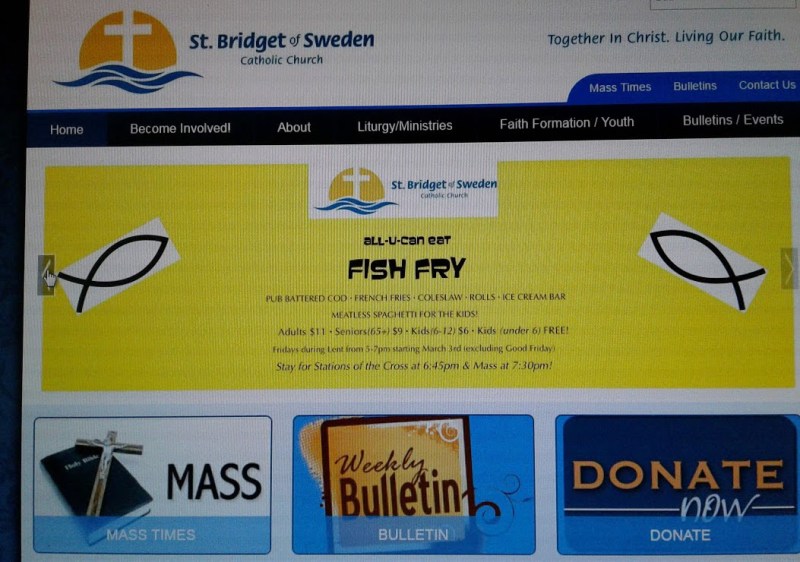
Fish Fry details from the St. Bridget of Sweden website.

Fish Fry details from the St. Bridget of Sweden website.

I’ve dined at enough church dinners—Catholic, Lutheran and otherwise—to know that food prepared by the faithful is often some of the best and tastiest. Perhaps it’s time I tried a fish fry.

TELL ME: Have you dined at a church-hosted fish fry? Where? Here’s your opportunity to recommend a fish fry.

FYI: Click here for the list of fish fries and Lenten meals compiled by The Catholic Spirit.

© Copyright 2017 Audrey Kletscher Helbling


Part III from Pleasant Grove: Saddle up for church February 3, 2017

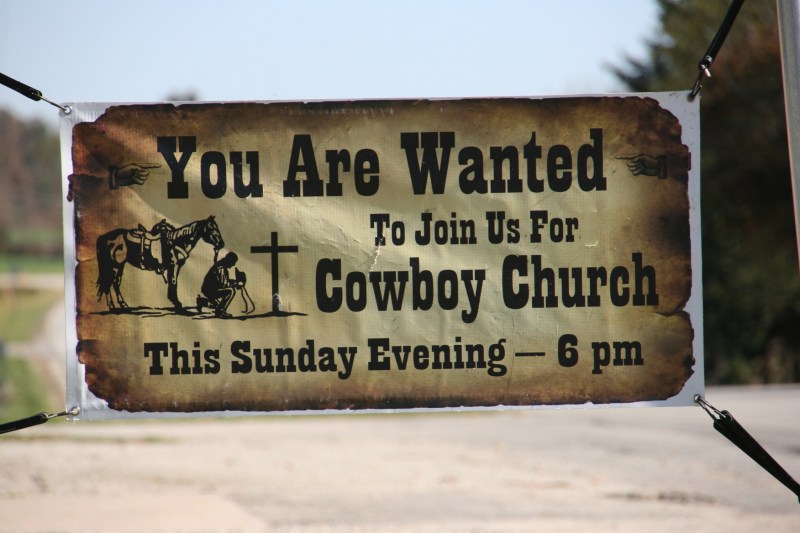
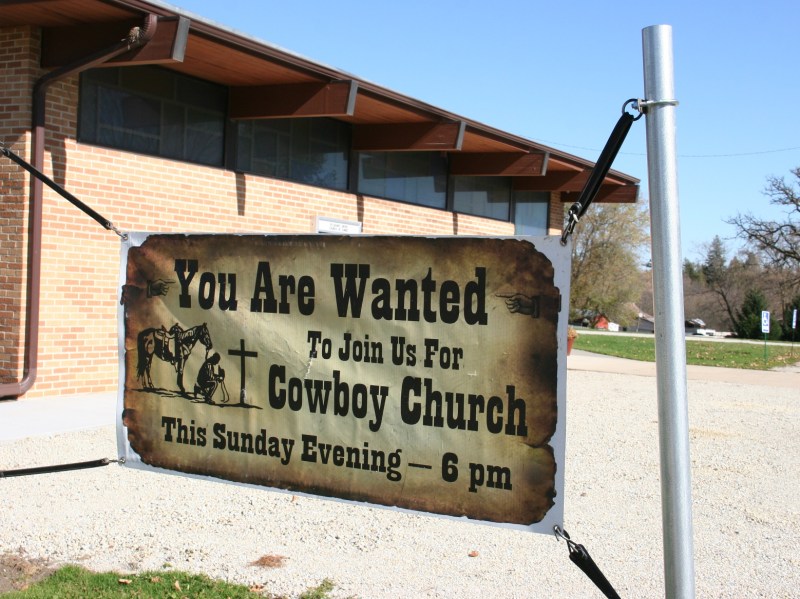
cowboy-church-95-sign-close-up


PUT ON YOUR TEN GALLON HAT, pull on your cowboy boots, and sattle (sic) up your horse or just come as you are in your horseless carriage.

That’s the invitation extended on the Pleasant Grove Church of Christ website for Cowboy Church. Cowboy Church? What exactly is that?


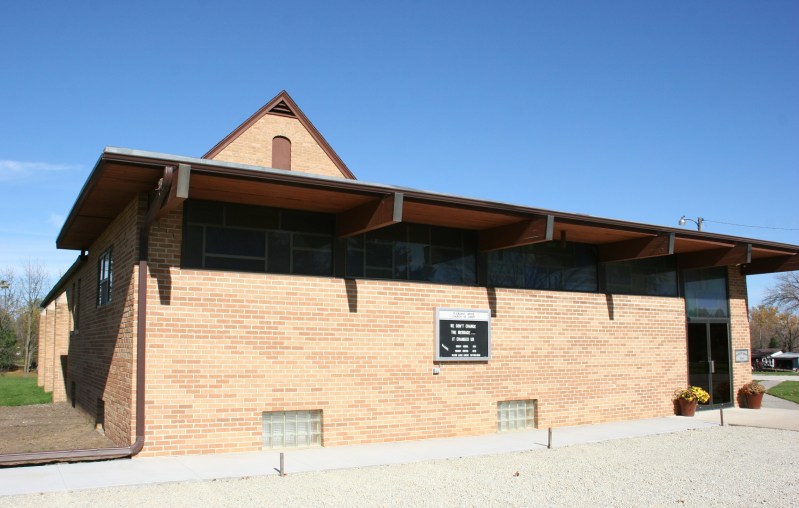
cowboy-church-97-church-building


I wondered the same when I happened upon a banner outside the church in the unincorporated village of Pleasant Grove, yet another interesting place discovered on an autumn day trip to southeastern Minnesota. Pleasant Grove. What a lovely sounding name.


cowboy-church-96-sign-with-church-in-background


But back to that sign. Cowboy Church, according to the website, is a casual bluegrass worship service held at 6 p.m. on the fourth Sunday of the month. It apparently features cowboy musicians and western music, which seems logical given the name. And a meditation.

Past events at Cowboy Church have included an ice cream social; serving of a cowboy’s favorite dessert, pie; and a beef stew supper. Sounds like a good time to me.

TELL ME: Have you ever heard of, or attended, Cowboy Church? Or share a unique church experience outside traditional worship.

This concludes my three-part series from Pleasant Grove, located east of Stewartville or southeast of Rochester. Click here to read Part I and click here to read Part II.

© Copyright 2016 Audrey Kletscher Helbling


A Nigerian civil war story untold until now & my emotional reaction January 31, 2017

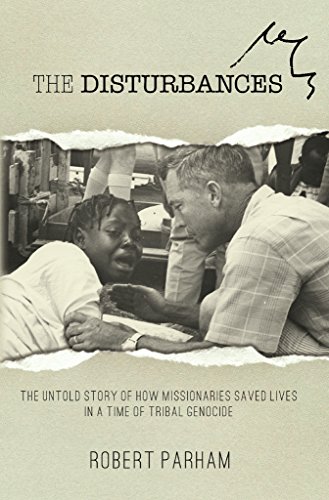
"The Disturbances" is told in both book and film.

The Disturbances is told in both book and film.

I NEVER EXPECTED to find myself on the verge of crying while watching a documentary about a civil war in Nigeria in 1966. But I did on Sunday afternoon as I viewed The Disturbances at Redeemer Lutheran Church in Owatonna.

Produced by the Baptist Center for Ethics, the film tells the stories of missionaries and their families who, caught in the middle of a civil war, helped save the lives of Igbos, a tribe victimized by genocide. Thousands upon thousands of tribal natives died, many hacked to death by machetes.

The letter calling the Rev. Paul Griebel and his family to the mission field in Nigeria.

The letter calling the Rev. Paul Griebel and his family to the African mission field.

I’ll admit, I’m not the best with history and geography and, until recently, knew nothing of this strife in Nigeria 51 years ago. But then my pastor-friend, the Rev. Kirk Griebel of Redeemer, alerted me to the documentary. He was an “MK,” as missionary kids were tagged, living in Nigeria with his Lutheran Church Missouri Synod pastor father, mother and five siblings at the height of the violence. He was only eight when his family arrived from Minnesota, thus recalls little.

But plenty of others do remember the civil war and spoke openly about it for the first time in The Disturbances, the film titled after the code name the missionaries gave to the conflict. Their experiences were horrible. And memorable. Even 50 years later, their words and faces reveal the trauma of witnessing such violence.
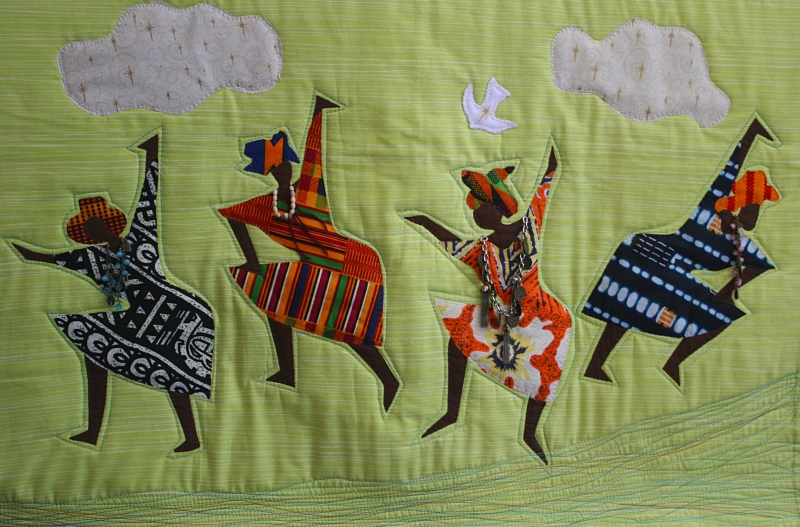
Artist Susan Griebel crafted this quilted art from fabric her mother-in-law, Margaret Griebel, had gotten in Africa.

Artist Susan Griebel crafted this quilted art from fabric her mother-in-law, Margaret Griebel, acquired in Africa.

The featured missionaries (including pastors, teachers and others from many denominations) lived in and around the city of Jos, a cultural melting pot and the epicenter of the violence. They were warned, “Tomorrow there will be trouble.” The next day the phone rang followed by a three-word declaration: “It has started.”
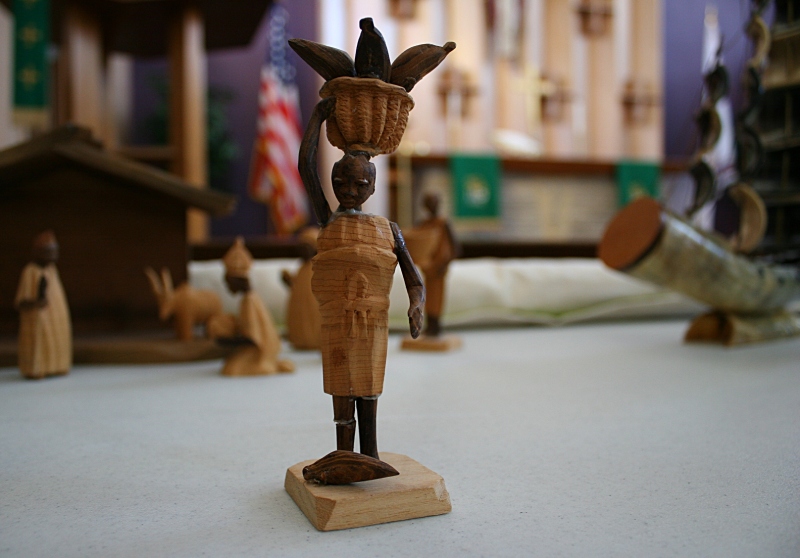
A beautiful carving from Africa, among those the Rev. Paul and Margaret Griebel brought back to the U.S. from Africa.

A beautiful carving from Africa, among those the Rev. Paul and Margaret Griebel brought back to the U.S. from Africa.

And so the stories emerged of Igbos hiding in fields and in rafters of the church sanctuary and in a store room. Stories of Igbos escaping with the help of missionaries. Stories of missionaries hiding a body in elephant grass. Stories of murdered Igbos picked up by trash trucks and buried in mass graves. Stories of the teen children of missionaries tending the wounded inside a police compound. Stories of missionaries lighting a runway with the headlights of their cars during an evacuation effort.

As I listened, I felt my grief rising, heightened perhaps by the unsettling current events in our own country regarding refugees. I wonder what stories they might tell, what violence many have fled/desire to flee for safety in America.

Two stories in particular imprinted upon me from The Disturbances. A victim of the attacks asked a young woman tending him whether she would be his daughter. His entire family had been slaughtered. She agreed, reciting Psalm 23 (The Lord is my shepherd…) and The Lord’s Prayer to the dying man. The woman, 50 years later, still remembers his final words. “I’m going home, my daughter.”
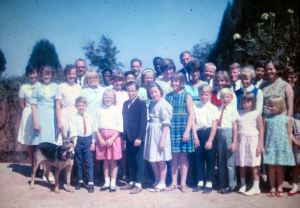
Missionary children at ELM House (Evangelical Lutheran Mission House) in Nigeria. Missionary children lived in the hostel so they could attend boarding school in Jos, Nigeria. The Rev. Paul and Margaret Griebel served as houseparents. Three of their children, including Kirk, are pictured in this group photo.

Missionary children at ELM House (Evangelical Lutheran Mission House) in Nigeria with teacher Carl Eisman in the back row. Missionary children lived in the hostel so they could attend boarding school in Jos. The Rev. Paul and Margaret Griebel served as houseparents. Three of their children, including Kirk, are pictured in this group photo. Photo courtesy of the Rev. Kirk Griebel.

And then there’s the story shared by Carl Eisman, a Lutheran teacher at Hillcrest School (a boarding school in Jos) and friend/co-worker of the Rev. Paul Griebel. After evacuating children from a hostel, the two men remained hidden there with tribal members. As an angry mob approached ELM House, Eisman hid in the shadows with a hunting knife. And, as he recounted, Rev. Griebel sat at a nearby table reading Scripture and praying. Eventually, the mob dispersed and the men emerged to find a body, one they temporarily hid in elephant grass.

My friend, the Rev. Kirk Griebel, doesn’t recall his father (or mother; both now deceased) ever talking about the violence they witnessed. He remembers only an angry mob and waiting outside a fenced police compound where the injured and dying were taken.
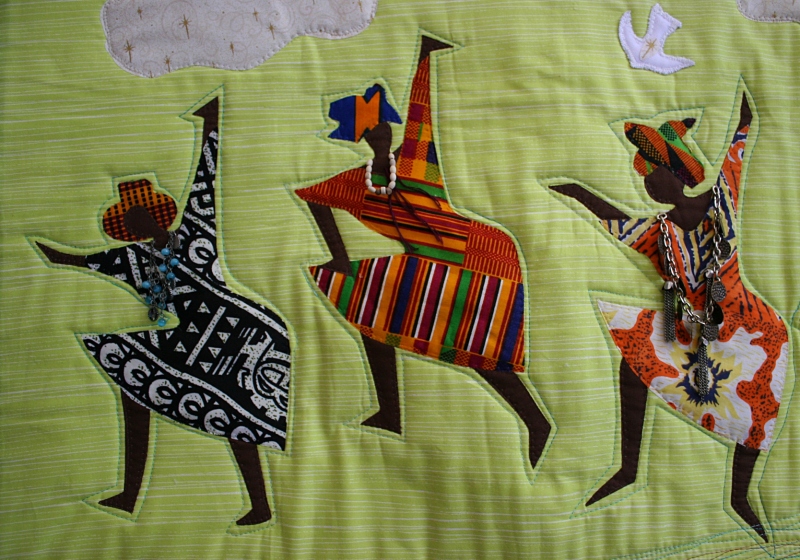
This close-up of Susan Griebel's Nigerian-themed art shows the dove she incorporated as

This close-up of Susan Griebel’s Nigerian-themed art shows the dove she incorporated as representing the Holy Spirit. In the film, one interviewee said the missionaries had only one resource–that of prayer.

The film explains why the missionaries didn’t speak openly about the violence, even to family and church staff back home. They felt caught without resources in the middle of a civil war. As foreigners, they thought it best to lie low. They desired, too, to protect the children, to normalize their lives. And so they remained mostly silent. Until now and the documenting of their experiences in The Disturbances.

Given the time period and their foreigner status, I understand the guarded position. Missionaries and Nigerian pastors met, though, for two days in October 1966 to discuss “the disturbances” privately. I am thankful that these long-ago missionaries and their family members have now chosen to speak publicly about their experiences. For it is through the telling of personal stories that we learn and begin to understand suffering, courage, compassion and faith in times of violence. And for those who witnessed such atrocities, talking begins the process of healing.

FYI: Upcoming screenings of The Disturbances are scheduled in Missouri and Alabama. Click here for details. The Rev. Kirk Griebel will present the film this Wednesday, February 1, at 6 p.m. at King of Kings Lutheran Church, 1701 NE 96th St. in Kansas City, Missouri.

© Copyright 2017 Audrey Kletscher Helbling


Documentary focuses on missionaries’ life-saving roles in Nigerian civil war of 1966 January 27, 2017

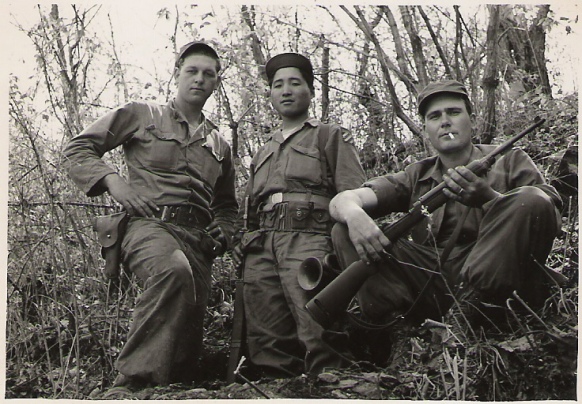
My father, Elvern Kletscher, on the left with two of his soldier buddies in Korea.

My father, Elvern Kletscher, on the left with two of his soldier buddies in Korea.

I’VE EXPERIENCED WAR. Not first hand, but through the words of my soldier father who fought on the front lines during the Korean War. And through photos he took. Through textbooks, too, and the stories of veterans and immigrants. And in memorials I’ve visited, poems I’ve read, songs I’ve heard.

"The Disturbances" is told in both book and film.

“The Disturbances” is told in both book and film.

Now I have an opportunity to learn more about a civil war—one in Nigeria in 1966—through “The Disturbances,” a feature-length documentary. The film is screening at 2 p.m. Sunday, January 29, at Redeemer Lutheran Church, 1054 Truman Avenue, Owatonna.

Missionary children at ELM House (Evangelical Lutheran Mission House) in Nigeria. Missionary children lived in the hostel so they could attend boarding school in Jos, Nigeria. The Rev. Paul and Margaret Griebel served as houseparents. Three of their children, including Kirk, are pictured in this group photo.

Missionary children at ELM House (Evangelical Lutheran Mission House). Missionary children lived in the hostel so they could attend boarding school in Jos, Nigeria. The Rev. Paul and Margaret Griebel served as houseparents. Three of their sons, including Kirk, are pictured in this group photo. He is in the front row, third in from the right. Carl Eisman (tall man in the back) is featured prominently in the film. He taught at the boarding school.

What brings a film like this to southern Minnesota? The answer, in short, is the pastor of Redeemer, the Rev. Kirk Griebel. He moved, as a second grader, from Minnesota to Nigeria with his missionary father and family in February 1966. They stayed until June 1969, took a furlough and then returned for two more years, leaving in 1972. The Griebels and other Christian missionaries found themselves caught in the middle of violent tribal atrocities. “The Disturbances” is their story—the story of how missionaries and Nigerian pastors saved lives.

Back then, missionaries did not openly discuss the situation. Now they are, in this documentary produced by the Baptist Center for Ethics. The stories of missionaries from various denominations, including those of the Rev. Paul and Margaret Griebel of the Lutheran Church Missouri Synod, are included.

I look forward to learning more about these brave souls who stretched their missionary skills beyond preaching, teaching, training and serving to acts of heroism that saved lives.

Kirk Griebel with his parents, the Rev. Paul and Margaret Griebel, on his Confirmation Day in 1972. The family left Nigeria shortly thereafter.

Kirk Griebel with his parents, the Rev. Paul and Margaret Griebel, on his Confirmation Day in 1972. The family left Nigeria shortly thereafter.

The Rev. Kirk Griebel plans to share memories of his experiences from that time in Nigeria. He was only eight years old when war erupted, but remembers a mob of men with clubs and machetes as the violence unfolded, according to a January 15 interview with “Faith of Steele.” I expect I will learn more about my pastor-friend who holds a strong interest in social issues. I surmise his experiences and observations in Nigeria helped shape his willingness to publicly tackle and participate in issues beyond simply preaching from the pulpit. War changes people.

Redeemer Lutheran Church, Owatonna. Minnesota Prairie Roots file photo 2016.

Sunday’s screening is at Redeemer Lutheran Church, Owatonna. Minnesota Prairie Roots file photo 2016.

FYI: Please consider attending this free screening of “The Disturbances.” I always appreciate opportunities like this to learn and then relate what I learn to my life.

© Copyright 2017 Audrey Kletscher Helbling
Photos from Nigeria are courtesy of the Rev. Kirk Griebel.


My Christmas wish for you December 24, 2016

Filed under: Uncategorized — Audrey Kletscher Helbling @ 5:00 AM
Tags: , , , , , ,
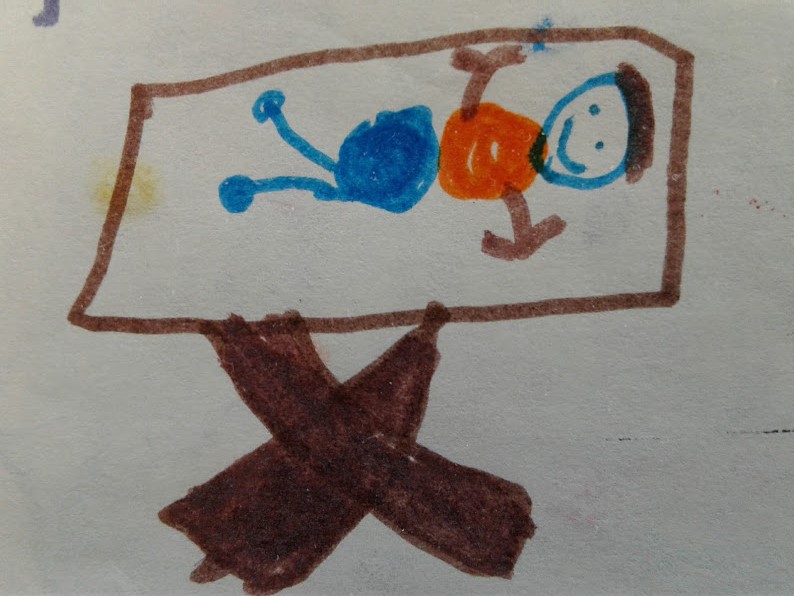
One of my children (probably my second daughter, Miranda) drew this baby Jesus on a card decades ago. I display that card each Christmas as a reminder of the reason I celebrate Christmas and as a reminder of how very much I love my three children.

One of my children (probably my second daughter, Miranda) drew this baby Jesus decades ago. I display this card, which also includes Mary and Joseph, each Christmas. It’s a reminder of the reason I celebrate Christmas and a reminder of how very much I love my three children. They each signed the card. It’s a treasure.

For unto you is born this day in the city of David a Savior, who is Christ the Lord.

MY DEAR READERS, I wish for you this Christmas the blessings of peace and happiness.

Wherever you are this weekend and with whomever, may you experience joy. Appreciate others. Hold close those you love most. Be thankful for them.

Realize that everything and everyone will not be perfect. So laugh instead of stressing. You’ll feel better.

Relax and delight in the moments—the hug of a son come home, the sweet scent of a baby on her first Christmas, the gathering of family at worship services and around your table.

These are the moments that matter. Merry Christmas!

© Copyright 2016 Audrey Kletscher Helbling
 

Experiencing the spirit of Christmas at a community dinner in Faribault December 20, 2016

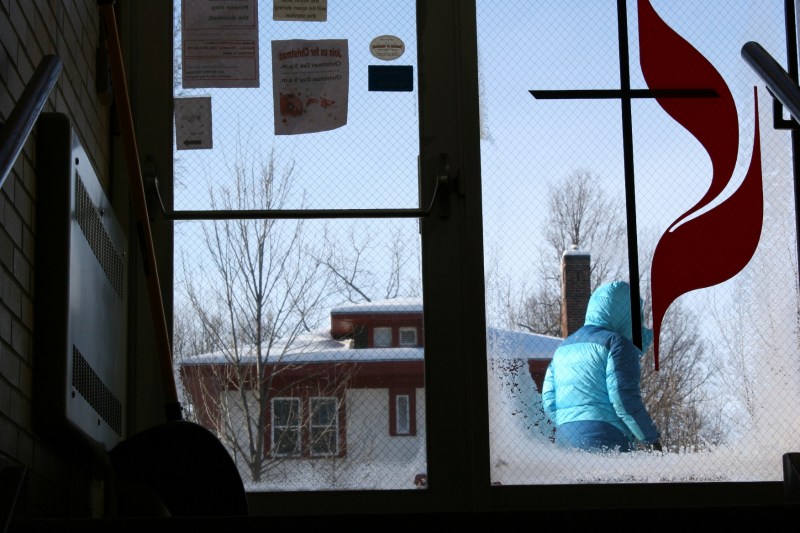
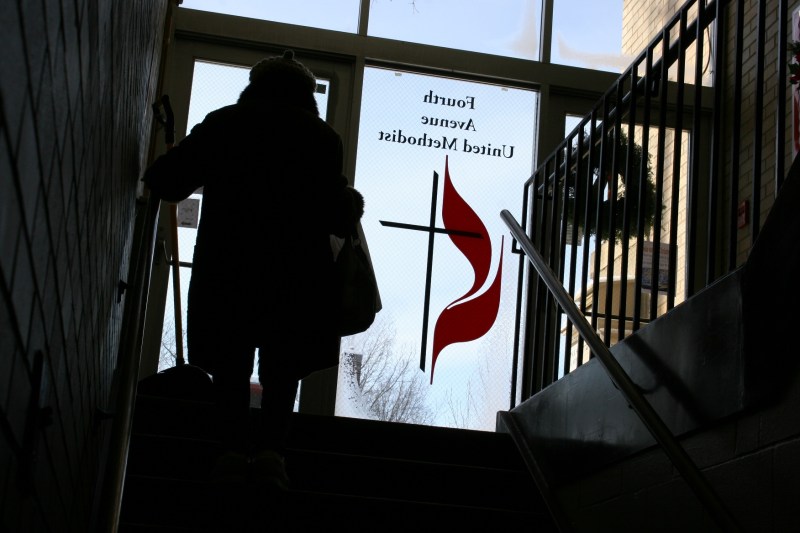
Despite temperatures in the double digits below zero, people braved the cold to attend the Community Christmas Dinner. Here a diner leaves the church.

Despite temperatures in the double digits below zero, people braved the cold to attend the Community Christmas Dinner. Here a diner, bundled against the frigid cold, leaves the church

OUTSIDE FOURTH AVENUE United Methodist Church, a 1990s Ford Fiesta with 300,000 plus miles idled in the bitter cold early Sunday afternoon. Indoors, brothers Tom and Joe, bellies full from a holiday meal of turkey and all the fixings, waited. They hoped their car would warm for the 15-mile ride back home to Owatonna in minus zero temps.

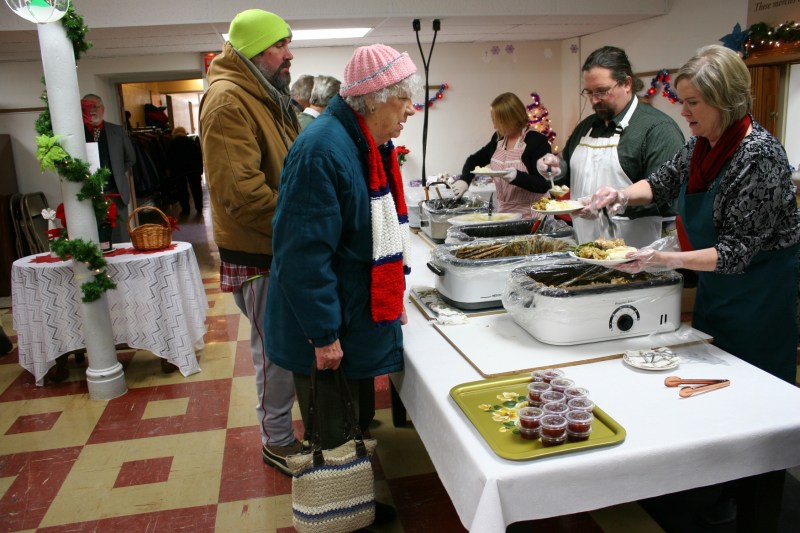
Volunteers plate a meal of turkey, mashed potatoes and gravy, stuffing, meatballs and green beans for diners. Additionally, cranberries and Christmas Cake were on the menu.

Volunteers plate a meal of turkey, mashed potatoes and gravy, stuffing, meatballs and green beans for diners. Additionally, cranberries and Christmas Cake were on the menu.

They’d driven here for the free Community Christmas Dinner served by volunteers from this Faribault congregation. Joe wondered aloud whether he’d need to eat later at an Owatonna church which serves a free meal each Sunday evening.

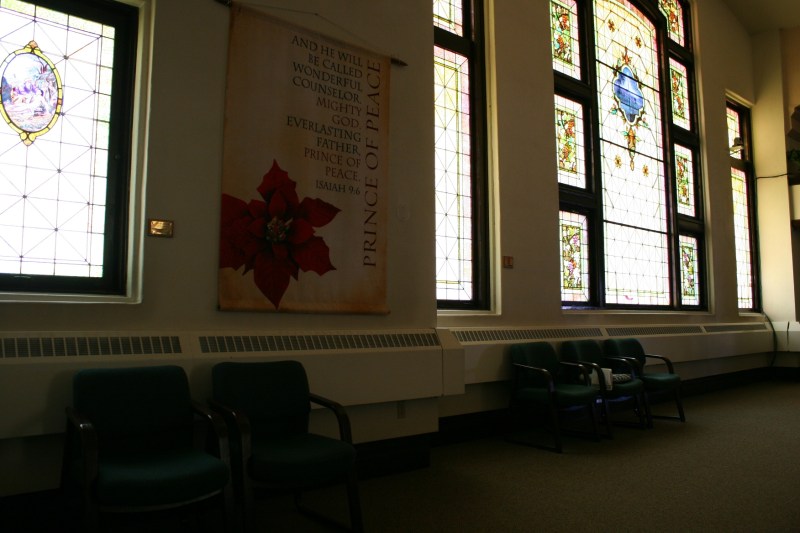
Stunning stained glass windows at the back of the sanctuary.

Stunning stained glass windows at the back of the sanctuary.

While the two waited, I encouraged them to step inside the sanctuary to view the beautiful stained glass windows. The brothers admired the art, Tom pointing to a smaller pane resembling one in his childhood home, the house that became his after their father’s passing. Soon, I bid them farewell, wishing them both a Merry Christmas.
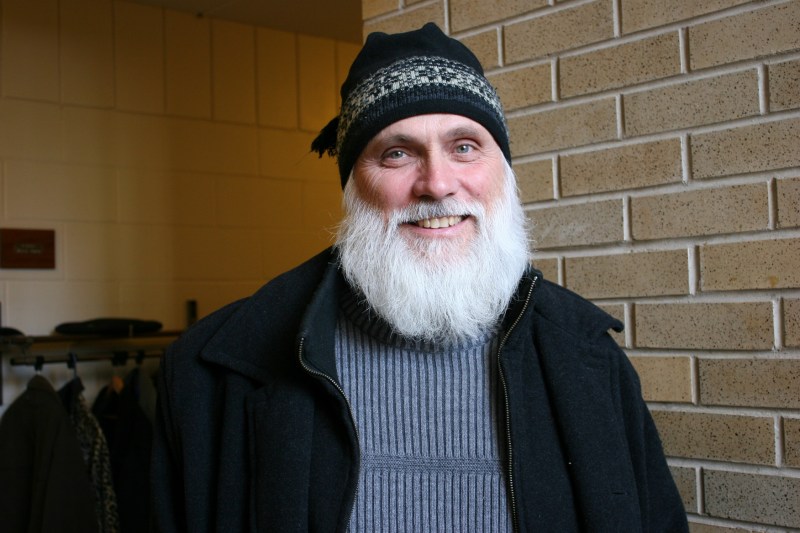
Doesn't he look just like Saint Nick?

Doesn’t he look just like Saint Nick?

Back in the church basement hallway, I came face-to-face with Santa Claus. Not in his suit, but looking every bit the part with a full white beard and a twinkle in his eye. The guy (whose name I didn’t get because who asks Santa for his “real” name?) plays Santa occasionally—for his step-daughter’s special needs class. He clearly enjoys the opportunity to bring joy to these students.
Exiting the church after dinner.

Exiting the church after dinner.

Later, I observed an elderly woman climb the basement stairs, plastic bag in hand with meal left-overs inside. I watched as my husband held the door for her, stepped outside and helped her across the snow-packed sidewalk to her car.

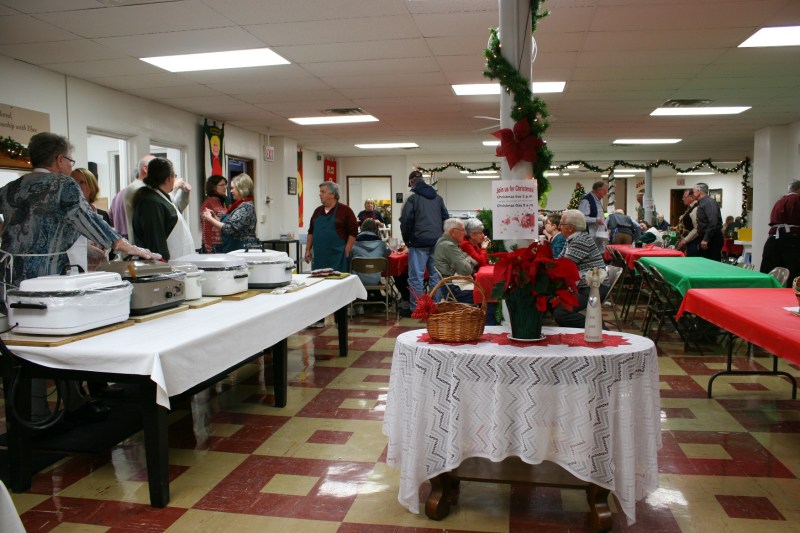
Diners sat down to a holiday meal in the church basement.

Diners sit down to a holiday meal in the church basement.

In all three instances—in the conversations with brothers Tom and Joe, in the quick photo shoot of Santa, in the care Randy showed to the elderly woman, I experienced the spirit of Christmas. Gratitude and giving. Giving and gratitude.

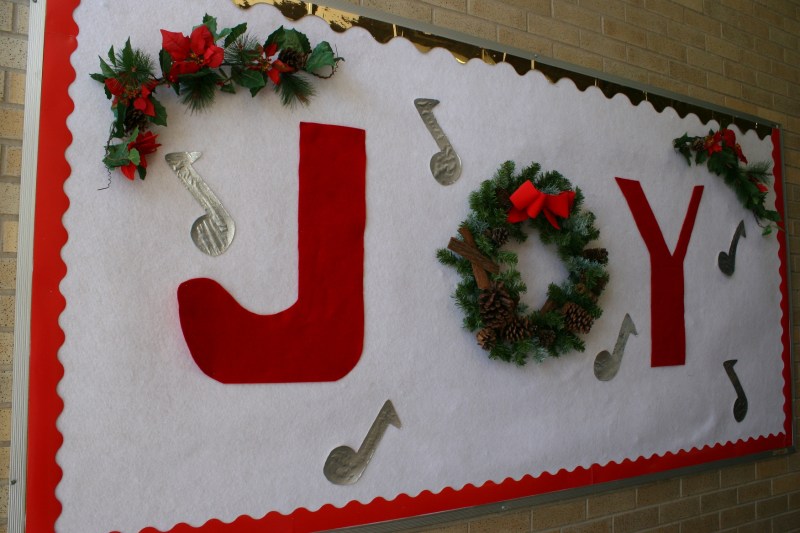
This bulletin board, just inside the side entry to the church basement, proclaims holiday joy.

This bulletin board, just inside the side entry to the church basement, proclaims holiday joy.

To the many volunteers who prepare, serve and clean up after this holiday community meal, thank you. You provide more than food for the body. On this Sunday, in your church basement, you blessed me and others with Christmas joy. In conversations. In smiles. In helping hands. What a gift.

BONUS PHOTOS:

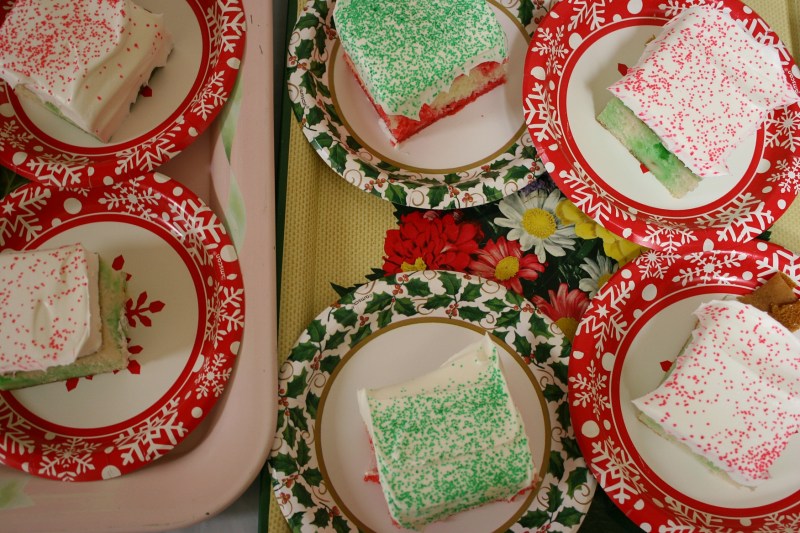
Volunteers served Christmas Cake (aka Poke Cake) and brought left-overs to the Cake Room following the meal.

Volunteers serve Christmas Cake (aka Poke Cake) and return left-overs to the Cake Room following the meal.

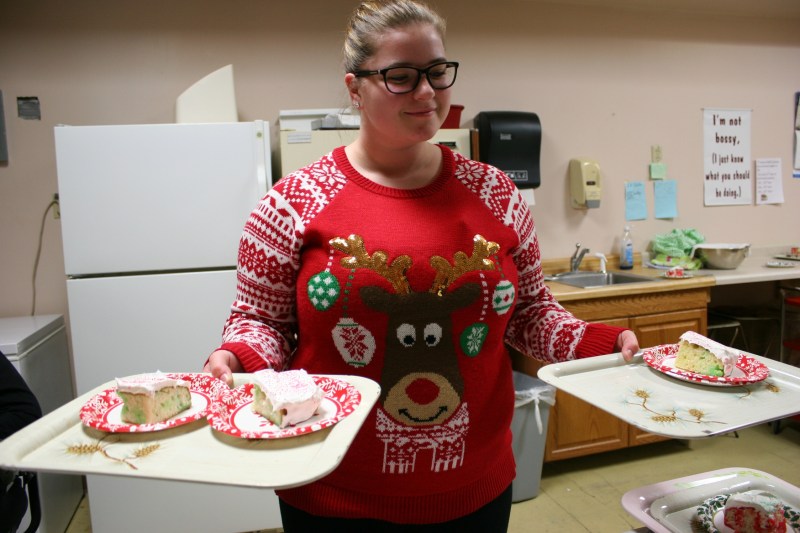
Slices of Christmas cake are plated and then delivered to diners on vintage trays.

Slices of Christmas cake are plated and then delivered to diners on vintage trays.

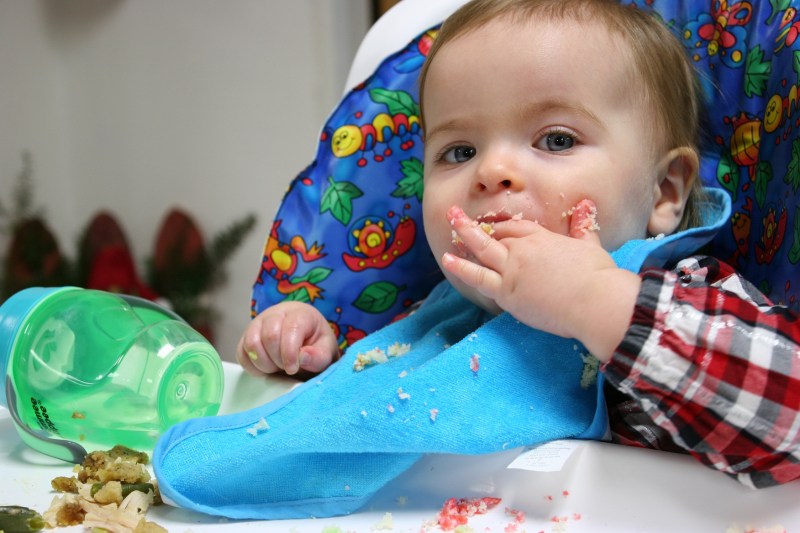
Baby Whitney with her Christmas Cake.

Baby Whitney enjoys Christmas Cake.

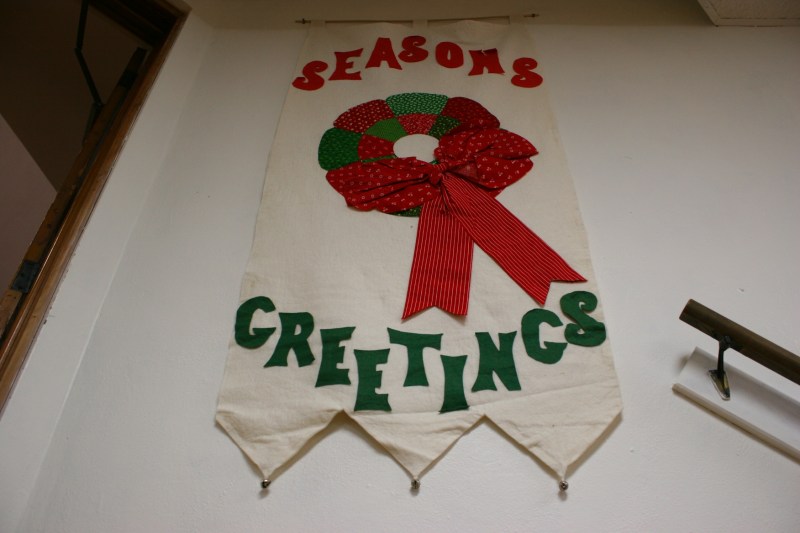
Holiday banners hang from basement walls.

Holiday banners add a festive flair to basement walls.

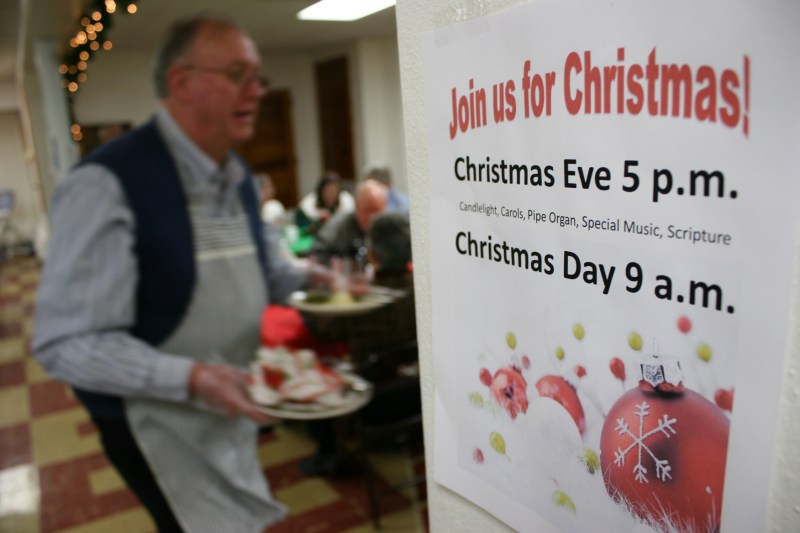
Signs posted throughout the basement welcome guests to Christmas worship services.

Signs posted throughout the basement welcome guests to Christmas worship services.

Volunteers can reach into this tub for aprons.

Volunteers can reach into this tub for aprons.

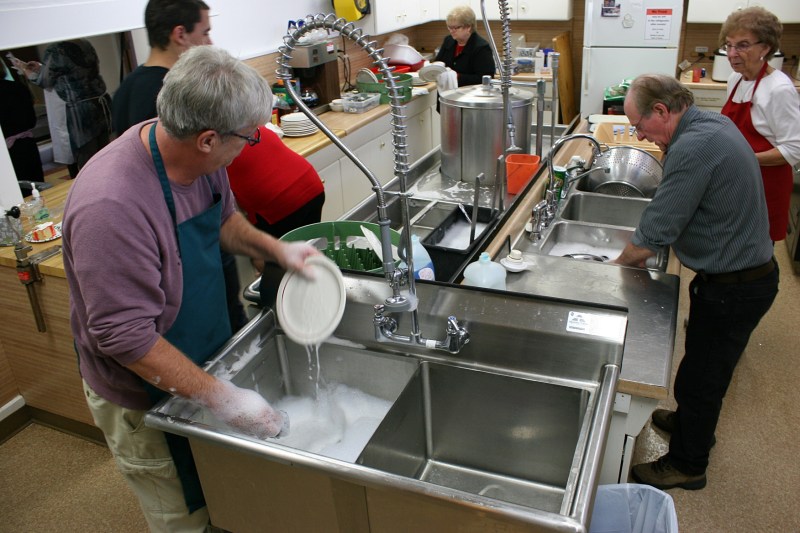
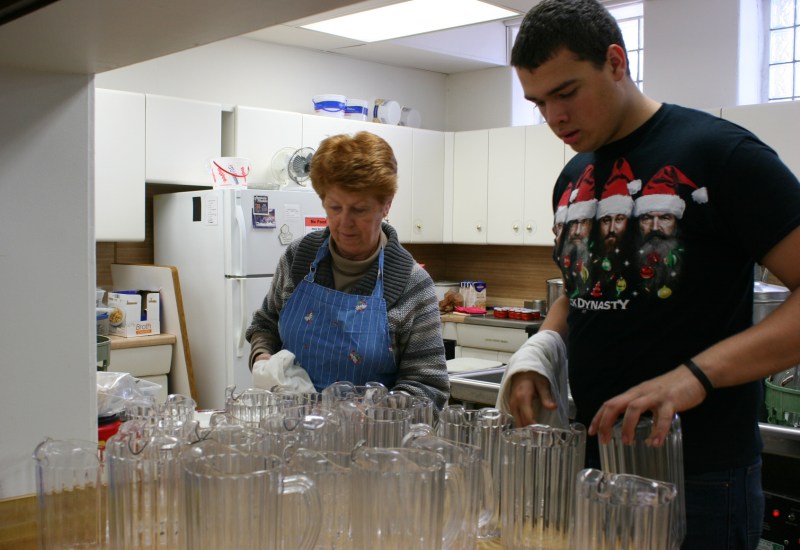
Behind the scenes, volunteers are busy washing dishes.

Behind the scenes, volunteers are busy washing dishes.

Each table is decorated with unique and festive holiday decor.

Each table is decorated with unique and festive holiday decor.

This is the view walking into the dining hall. Diners can leave a free will offering, a portion of which goes to Rice County charities.

This is the view walking into the dining hall. Diners can leave a free will offering in the basket, a portion of which goes to Rice County charities.

Christmas decorations grace a shelving unit.

Christmas decorations grace a shelving unit.

Back in the kitchen, the crew continues to work.

Back in the kitchen, the crew continues to work.

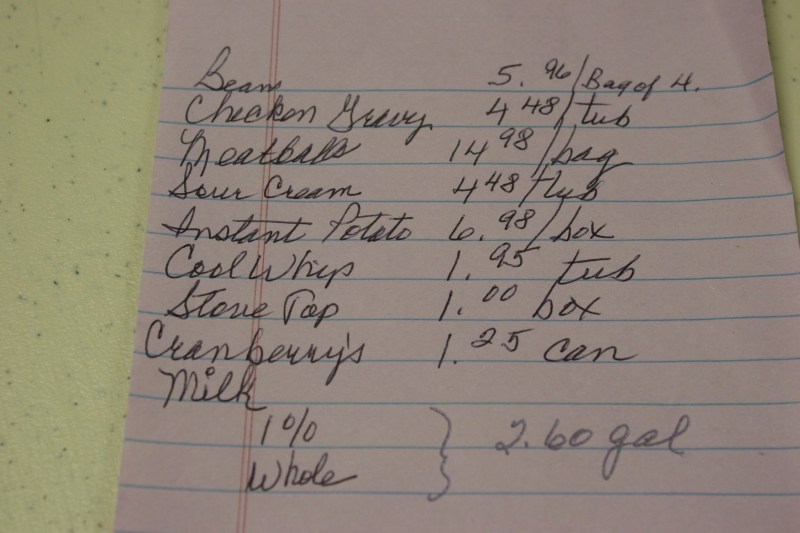
After serving ended, I spotted this food list on a table.

After serving ended, I spotted this food list on a table.

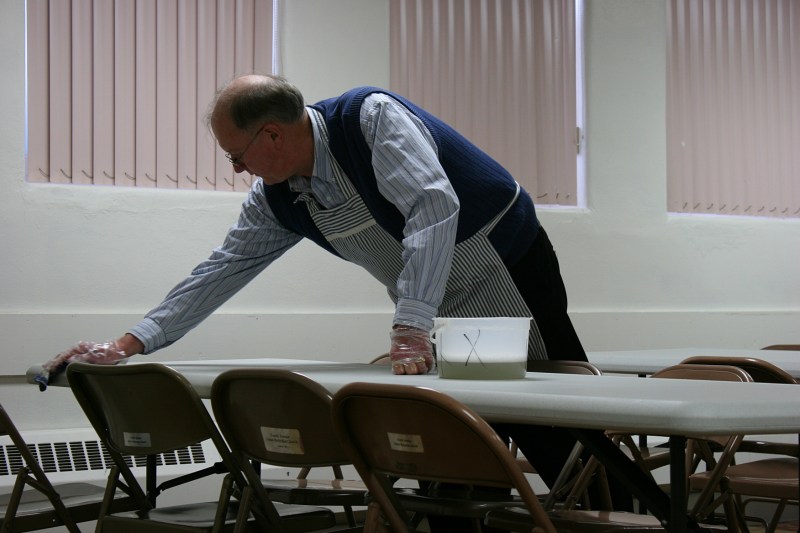
Washing tables after 210 meals were served.

Washing tables after 210 meals were served.

© 2016 Audrey Kletscher Helbling