Minnesota Prairie Roots

Writing and photography by Audrey Kletscher Helbling

My joyful experience ringing bells for the Salvation Army on a bitterly cold Minnesota day December 9, 2013

Filed under: Uncategorized — Audrey Kletscher Helbling @ 6:00 AM
Tags: , , , , , , ,

SNUGGED IN A FLANNEL SHIRT and jeans, layered under my husband’s insulated coveralls and sweatshirt, and with wool socks, insulated winter boots and mittens covering my extremities and a festive hat adding a holiday flair, I reported to my post at noon Saturday to ring bells for the Salvation Army.

Randy snapped this photo of me upon our return home from ringing bells. One donor suggested we receive "hazard pay" for ringing on such a bitterly cold day. There's no pay; this is a volunteer opportunity.

Randy snapped this photo of me upon our return home. One donor joked that we should receive “hazard pay” for ringing bells on such a bitterly cold day. This was a volunteer “job.”

The temperature hovered around zero degrees Fahrenheit (-18 Celsius) in Faribault as I tied on my red apron, secured a scarf around my neck (I would add a second later) and took over bell ringing duties from my friend Barb. My husband, Randy, replaced her husband, Gary.
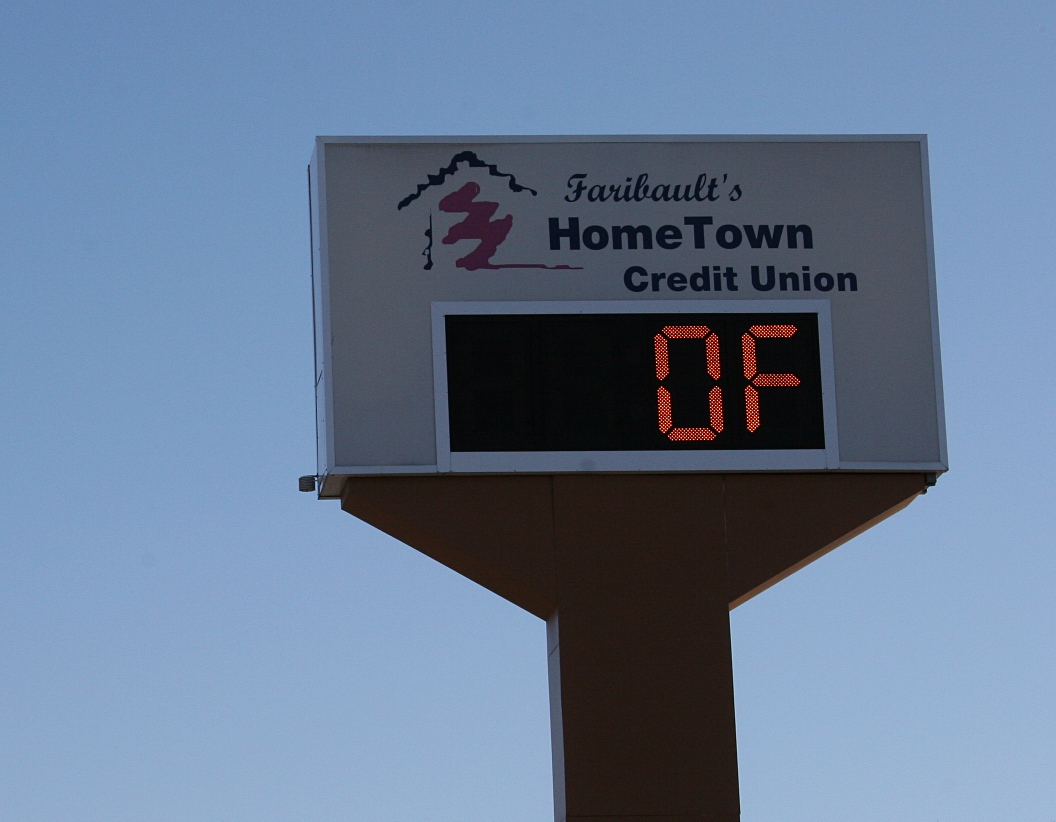
The temperature at 11 a.m. Saturday in Faribault, just an hour before Randy and I began ringing bells.

The temperature at 11 a.m. Saturday in Faribault, just an hour before Randy and I began ringing bells.

For the next two hours, in bitter cold temperatures which challenged even the hardiest of life-long Minnesotans like us, we greeted visitors at the Walmart south entrance.

Now you might think I would never again want to ring bells given my fingers and toes and cheeks got uncomfortably cold. At one point, per friend and north Walmart bell ringer Virgil’s suggestion, I retreated to the women’s bathroom to warm my icy red fingers under the hand air dryer. Heat never felt so good.

Gary and Barb work the 10 a.m. to noon bell-ringing shift at Walmart south.

Gary and Barb work the 10 a.m. to noon bell-ringing shift at Walmart south.

I will ring bells again, though.
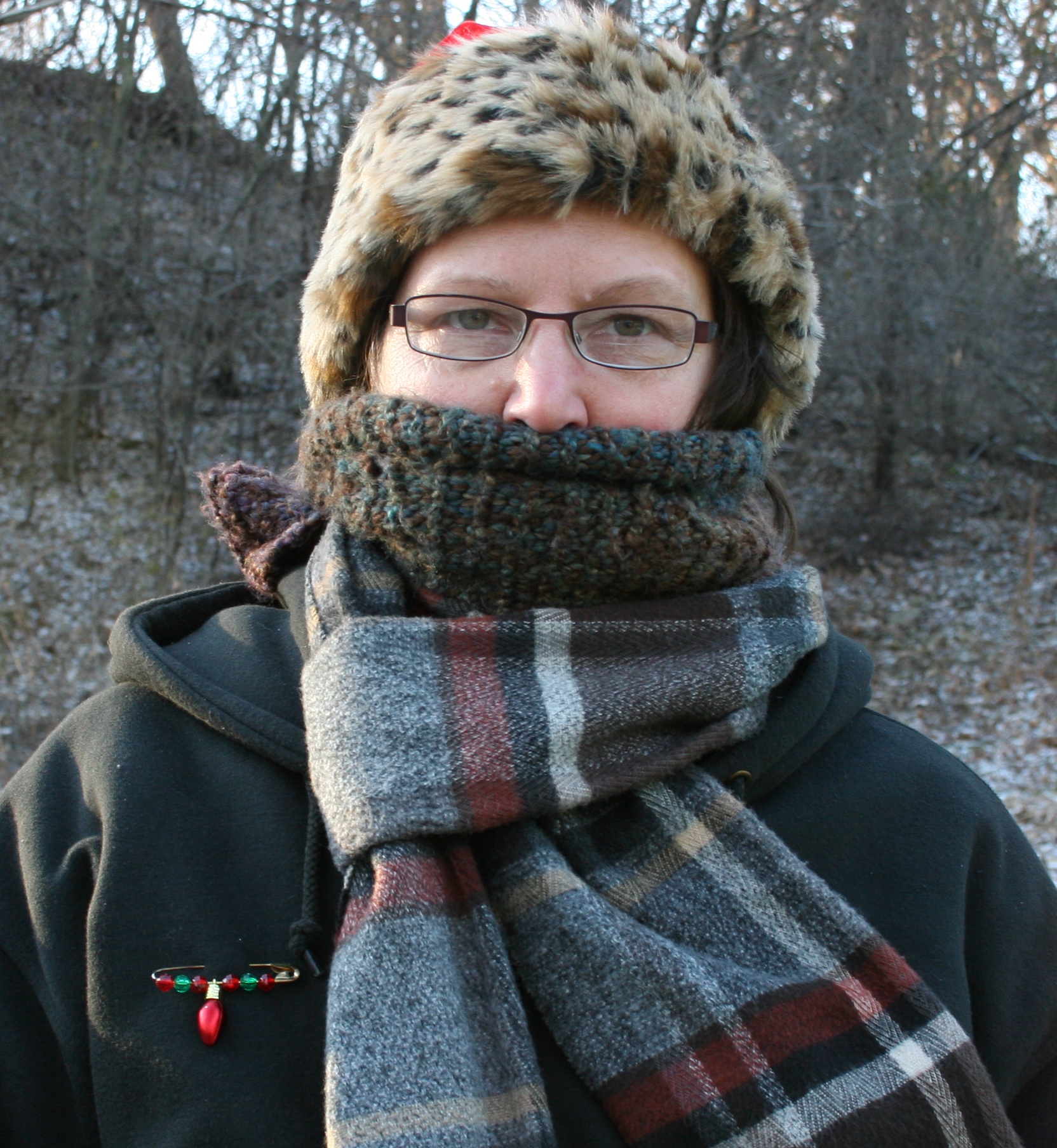
When my cheeks started hurting and flaming red, I added a second scarf.

When my cheeks started hurting and flaming red, I added a second scarf.

I will ring bells again because the temporary discomfort I experienced is nothing compared to the challenges faced by those who benefit from Salvation Army services. Funds help those in emergency situations cover gas, housing, medical and other expenses. Donations also finance the “Shop with a Cop” program assisting children in need.

Nearly 90 percent of the monies dropped into kettles in Rice County stay in the county. This year the county chapter hopes to raise $50,000. In 2012, nearly $40,000 were raised, which was not enough to meet local needs.
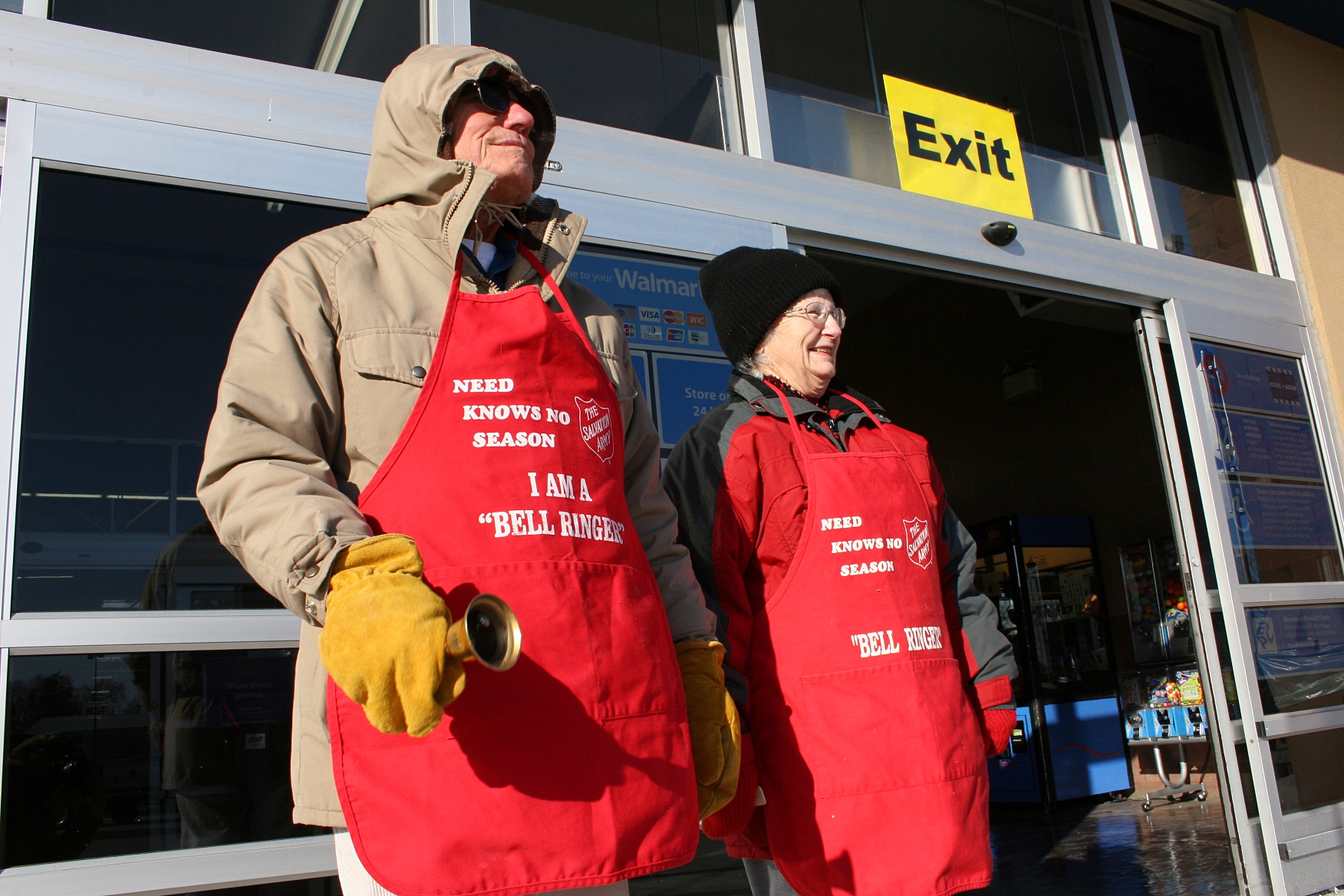
Gary and Barb welcomed a stranger's cups of coffee.

Gary and Barb, an hour into their two-hour shift, were getting cold, but still smiling.

To be a small part of the Salvation Army’s mission, by giving two hours of my time, proved humbling and rewarding. Friend Virgil rang for 1.50 shifts while Linda, another ringer from my church, Trinity Lutheran in Faribault, pulled a double shift. That’s four hours. Outside. In the bitter cold.
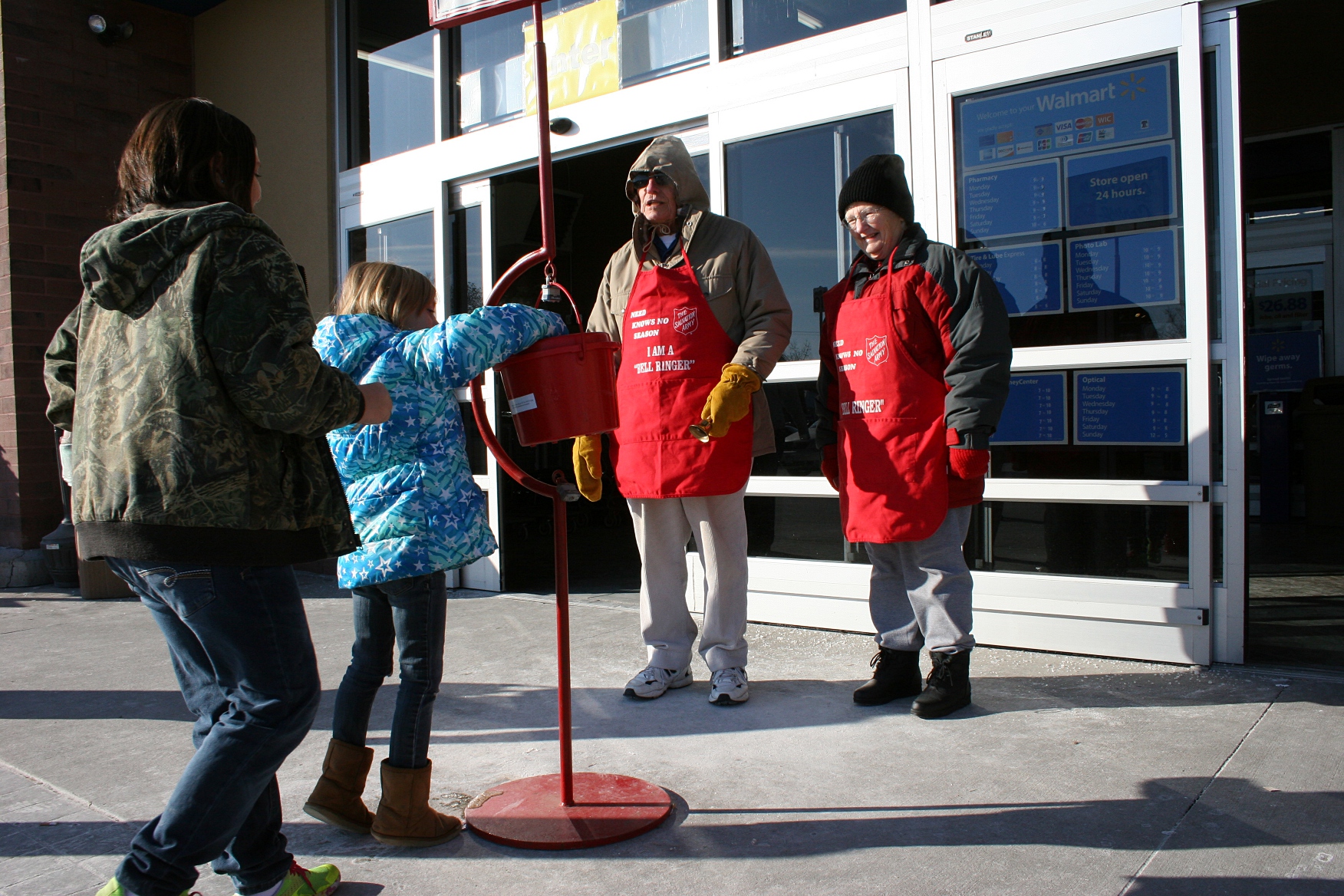
Two girls give to the Salvation Army on Gary and Barb's shift.

Two girls give to the Salvation Army on Gary and Barb’s shift.

I was especially moved by the young parents who are teaching their children the joy of giving. Several times I watched as youngsters barely tall enough to reach the kettle dropped coins into the slot, sometimes spilling the change onto the sidewalk. We rewarded 14 youngsters with candy canes for their generosity.

One particular boy, about nine, exuded extra energetic enthusiasm. “Have a good day!” he shouted to us after placing money in the kettle.

Moments like that are priceless as is the story one mother shared while her little boy put coins in the bucket. They had seen a Toys for Tots television ad, she said. He then wanted to donate a toy, if he could get one for himself, too. I thanked this mom for teaching her son about giving at such a young age.

Randy and I were also the recipients of gratitude. Numerous donors thanked us for ringing bells, especially on such a cold day. “Bless your heart,” one woman said. Those three words most assuredly warmed my heart.

And then, near the end of our two-hour shift, another woman exiting Walmart handed me two packs of chemical hand warmers to slip inside our mittens and gloves. I was incredibly moved by her thoughtfulness.
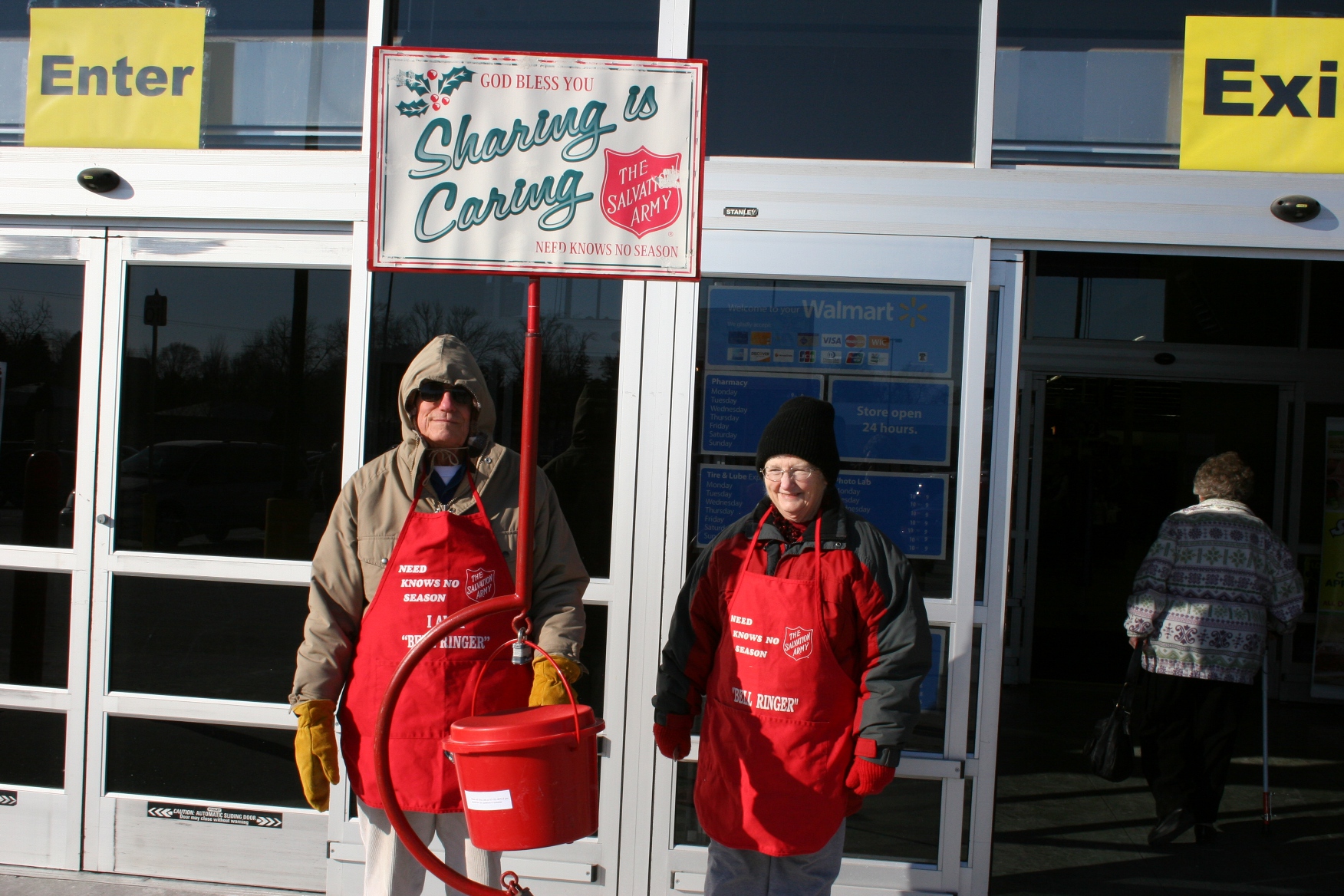
What a great mission as noted on the sign,

What a great mission as noted on the sign: “Sharing is caring…need knows no season…God bless you.”

In the previous shift, another stranger purchased coffee for Gary and Barb and doughnuts for Virgil and Linda. Again, such kindness.

When our shift ended, we handed our bells and aprons and hand warmers, and the remaining 22 candy canes reserved for kids, over to our friend Leann. She was ringing the Salvation Army bell with joyful enthusiasm as we walked away.

I learned later that Virgil retrieved his wife’s boots from his car for Leann, whose boots weren’t warm enough. Leann distributed 14 candy canes to giving children, just like us, then passed the remaining four treats to fourth-shift bell ringer, Dennis.

I asked Leann if she’d had any particularly memorable moments and she shared how a teen, who’d just purchased gifts and wrapping paper, paused to pull bills from his pocket and donate. Not only that, he told her how happy he was to give.

That, my friends, represents the true spirit of charitable giving.

© Copyright 2013 Audrey Kletscher Helbling


Car art December 3, 2013

Filed under: Uncategorized — Audrey Kletscher Helbling @ 6:00 AM
Tags: , , , , , ,

I WAS NEAR GIDDY as I crossed the Buckham Memorial Library parking lot.

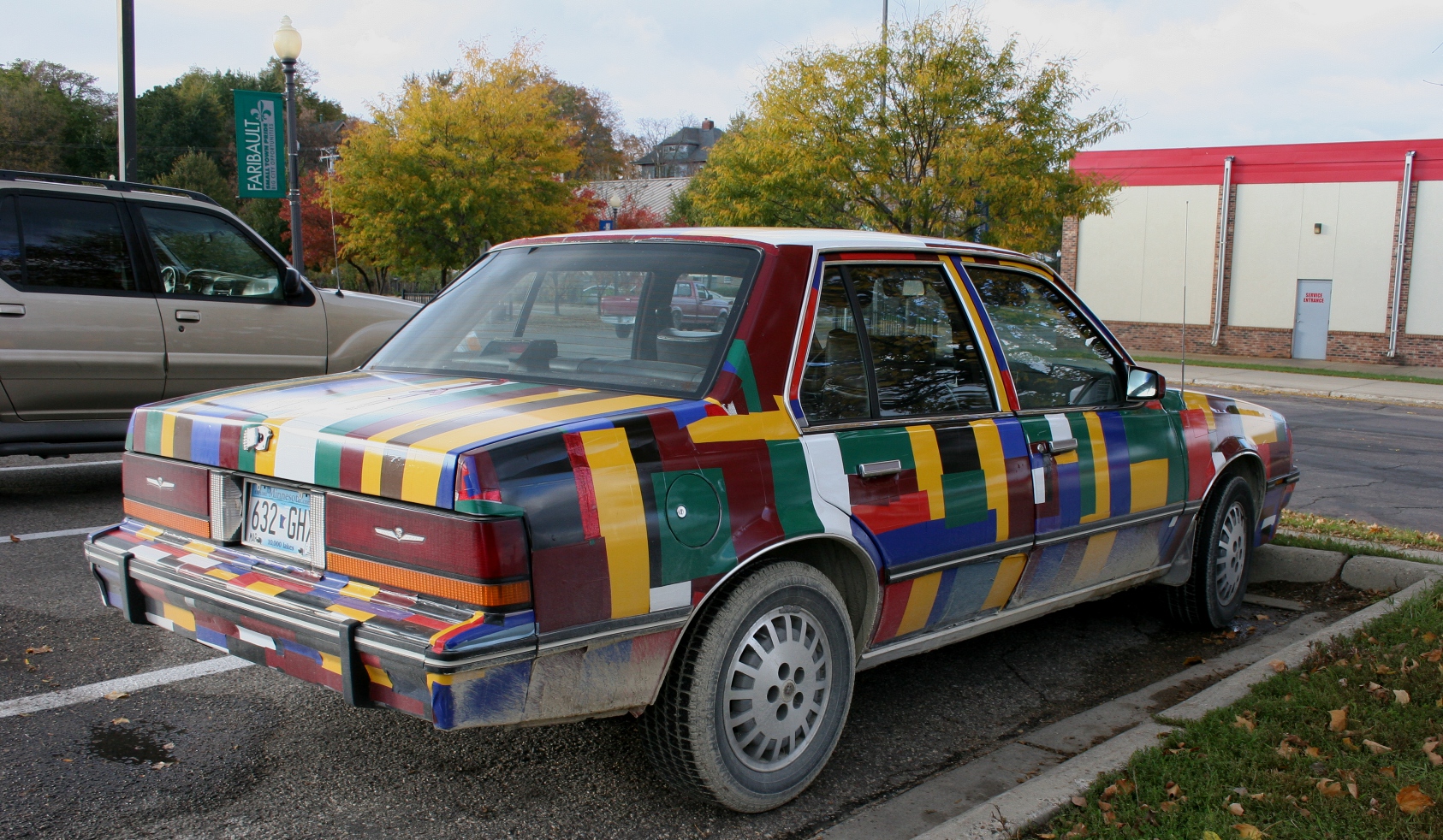
Car art, side view

There, there sat that car. That car. The one I’ve watched zoom up the street past my Faribault home many times.

I’ve always wanted to photograph this Joseph’s coat of many colors automobile. And now, with my camera available, I could.

Car art, side view 2

But wouldn’t you know, just as I grabbed my Canon from the van, droplets of rain spurted from the sky. I folded my camera inside my cardigan and hurried toward the car to snap a few quick frames.

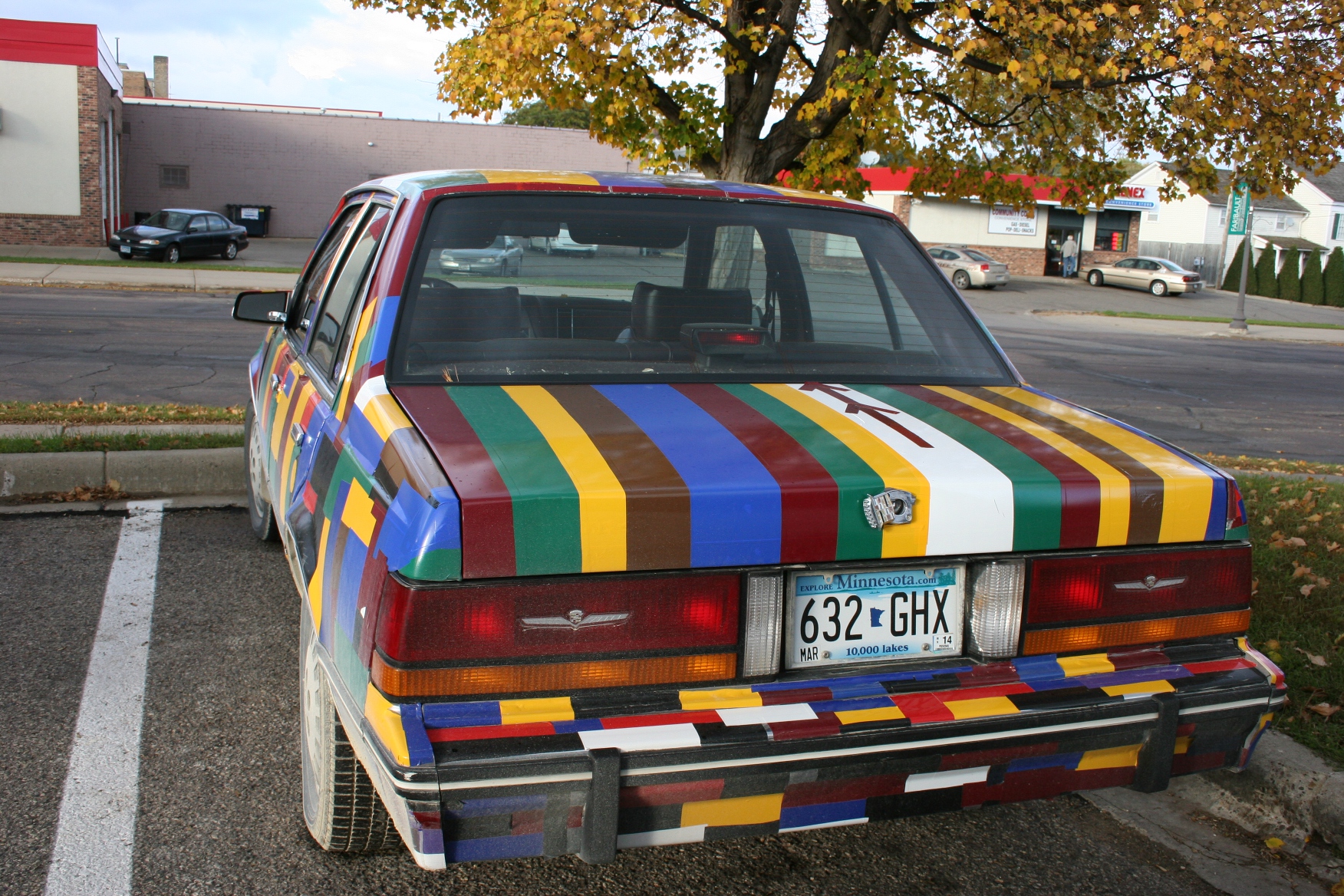
Car art, back of

Close up, I noticed that what I thought to be duct tape was, instead, reflective tape in primary colors plus black, white and brown adhered to this Cadillac Cimarron.

I got my photos. Now I need the story.

Who owns this work of art?

Why is this Caddy covered in tape? Is the owner making an artistic statement? Or was this tape adhered for some practical reason?

Thoughts? Let’s hear.

© Copyright 2013 Audrey Kletscher Helbling


What I’ve learned about shoplifters November 29, 2013

Filed under: Uncategorized — Audrey Kletscher Helbling @ 6:00 AM
Tags: , , , , , , , , ,

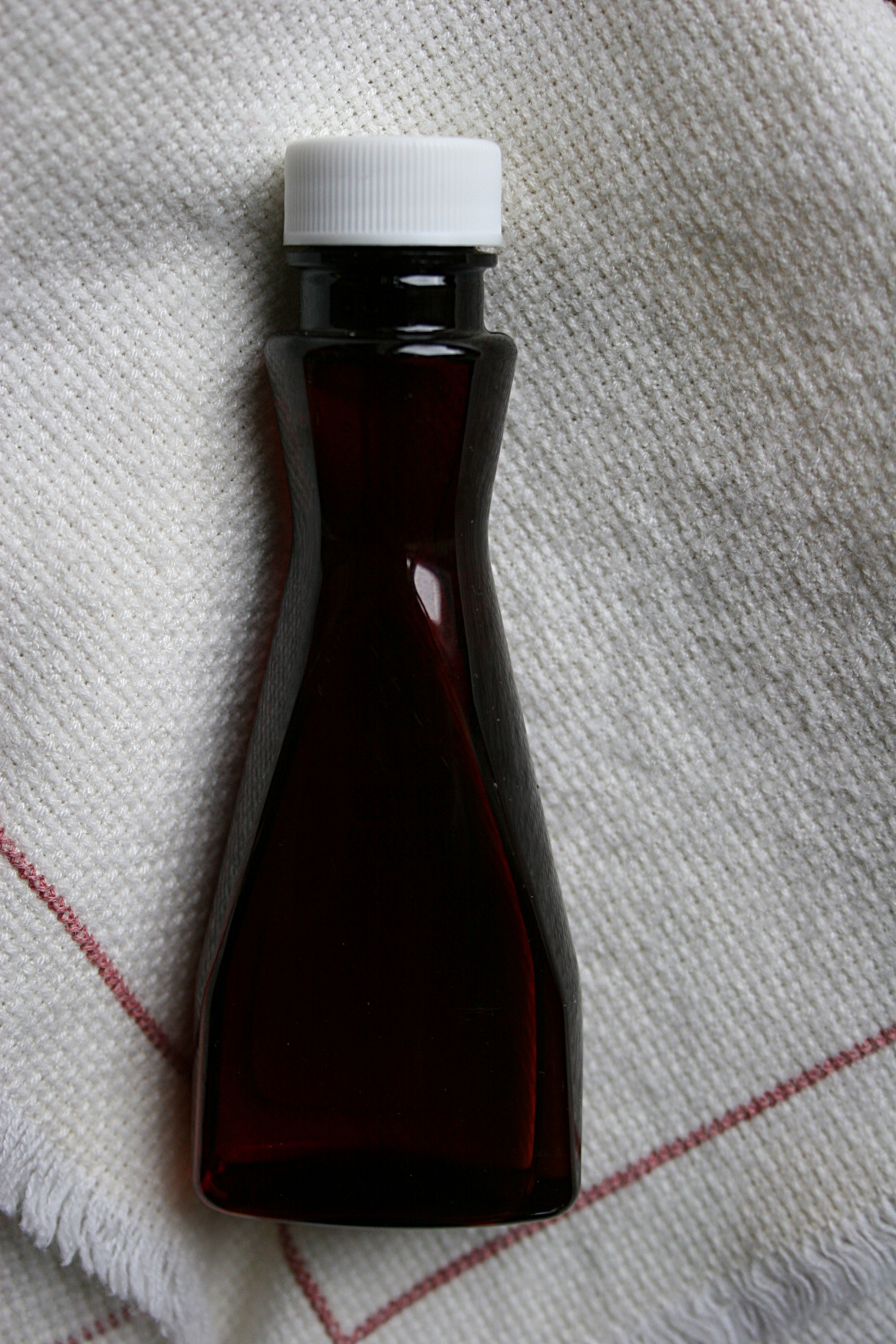
VanillaI’VE HAD SOME EXPERIENCE with shoplifting. Not that I ever shoplifted. But some 30 years ago, when I worked at a local grocery store, a customer stole a bottle of vanilla as she passed through my check out lane.

The manager directed me and the suspect to the office to wait for the police. There I had to pat down the woman, a duty which to this day did not seem mine to perform. Today I would refuse to do so.

That initial encounter, though, erased any preconceived stereotype of shoplifters. This was an ordinary looking young woman, not someone who appeared down and out and in desperate need of stuffing vanilla, of all things, under her shirt. She could have been your sister.

Not long after, another customer tried to steal groceries via distraction. She engaged me in friendly conversation while I punched the prices of food, pulled from her cart, into the cash register. (This was in the days before bar codes.) “Pulled from her cart” are the key words here. She purposely failed to place the merchandise stashed under her cart onto the conveyor belt. The store manager, or maybe it was the security guy, noticed. Busted.

I learned two more key lessons about shoplifters. Always check under the grocery cart. And don’t be fooled by a friendly customer.

Fast forward three decades. My husband and I are shopping at Walmart in Faribault for, among other items, charcoal filters. When Randy finally locates the right number to match our room air purifier, he opens the box to assure the proper fit.

But there is no four-pack of filters inside. Rather, Randy finds two hard plastic shells in the shape of pliers. Except the pliers are missing. And so are the filters.

Who does this anyway?

And how did the thief manage to open that hard-as-steel clear plastic packaging right there in the aisle of Walmart without getting caught? Wedging open those molded casings is no easy feat, even in the comfort of your home.

I felt it my duty to report the theft to an associate in the hardware and paint department. He expressed no surprise at the method of stealing. “Happens all the time,” he said.

HOW ABOUT YOU? Have you had any experience with shoplifters or shoplifted merchandise?

© Copyright 2013 Audrey Kletscher Helbling
 

Thank you for not crashing into my house November 23, 2013

Filed under: Uncategorized — Audrey Kletscher Helbling @ 6:00 AM
Tags: , , , ,

FOR 29 YEARS, MY HUSBAND AND I have lived in a modest 1 ½ story corner house at the bottom of a hill along an arterial street in Faribault.

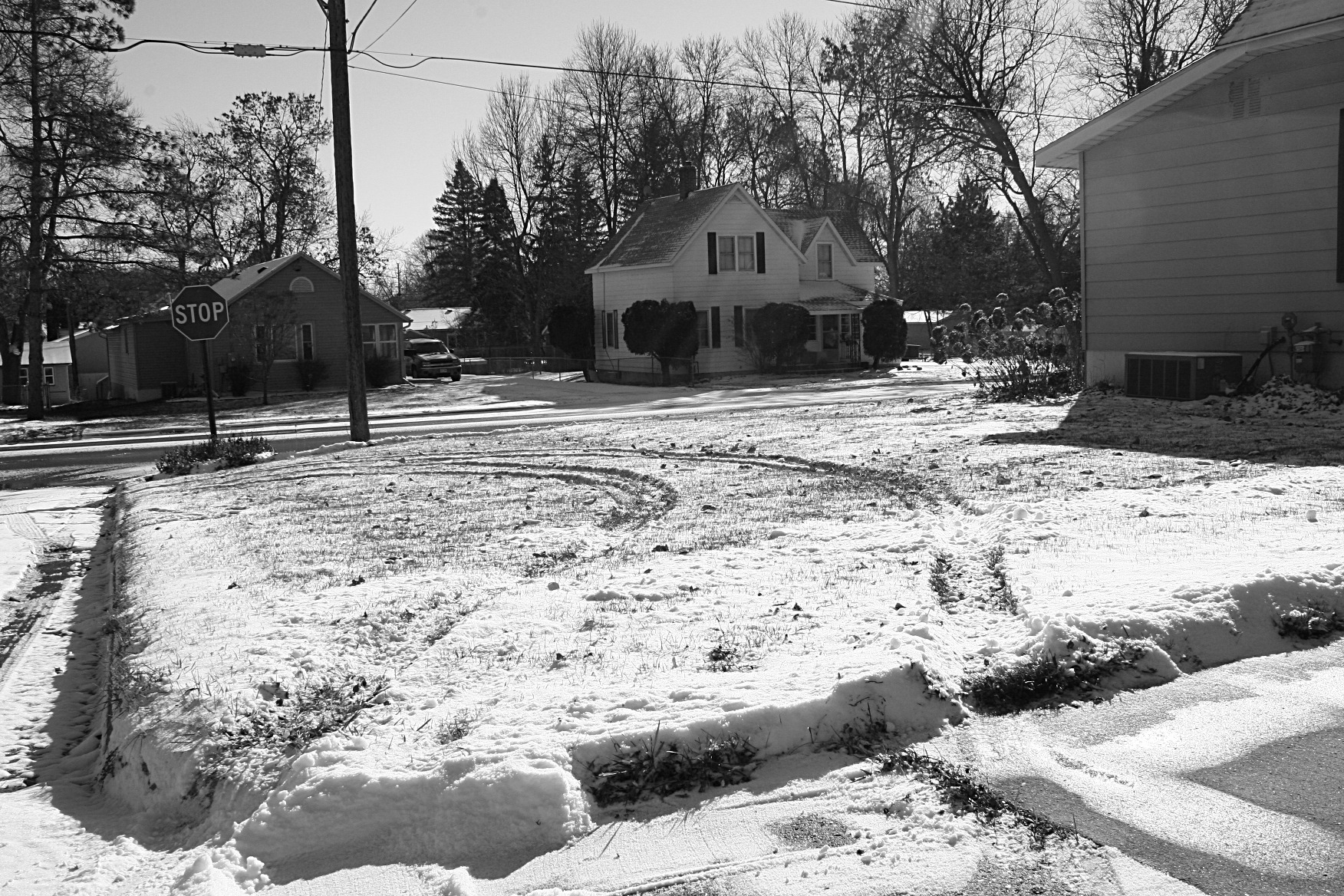
Living in a home at the bottom of a hill is not the most desirable location during a Minnesota winter. I was reminded of that again Friday when, between 7 a.m. – 7:45 a.m., someone drove onto our side yard from the side street.

That's the corner of my house on the right with the vehicle tracks in the snow nearly half way into my side yard.

That’s the corner of our house on the right with the vehicle tracks swerving into the side yard.

I did not witness this incident, thus can only conclude that the driver swerved across the end of our driveway, onto the lawn and back into the street to avoid a collision. We’d received a dusting of snow the previous day and city streets were slippery.

This makes me ever so slightly nervous, to see tire tracks within 15 feet or so of our house.

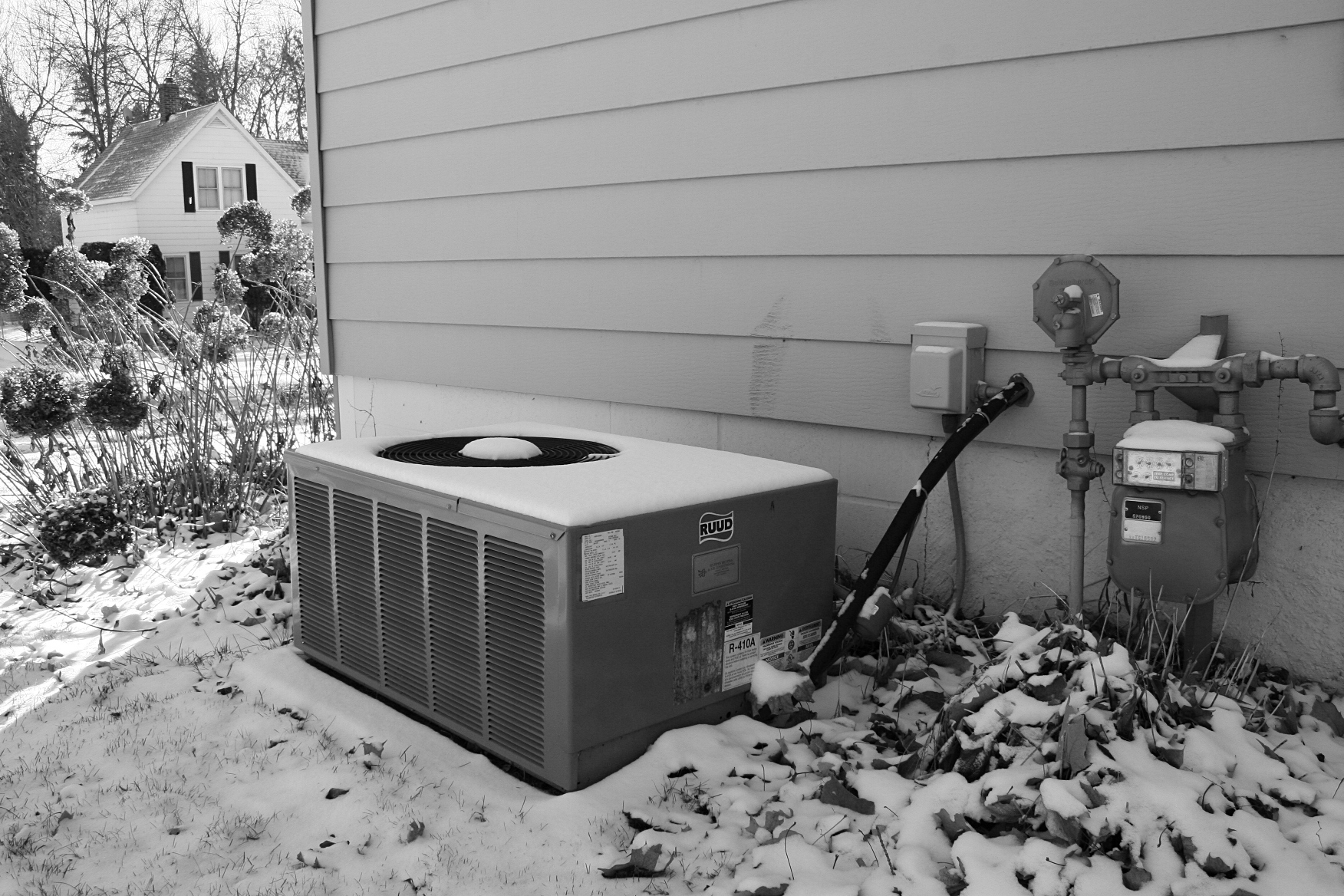
Look just to the left of the meters and above the air conditioned and you will see marks from where a tire hit our house.

Look just to the left of the meter and electrical box and above the air conditioner and you will see marks from a runaway tire that hit our house years ago.

And I am justified in feeling unsettled. I’ve actually watched a tire fall off a vehicle and then careen down the hill, the tire picking up speed and rolling smack dab into our house, barely missing the gas line. The tire marks are still there on the siding.

But even worse, a decade or more ago, an unattended parked car rolled down an intersecting street a half a block away and crashed into my neighbor’s house. I don’t recall specifics of the damage, except some foundation repair was needed.

Yes, living in a corner house at the bottom of a hill and along a busy street presents potentially dangerous situations. We’ve even had chunks of snow, thrown by a snowplow, hit our front windows.

Yet, what I dislike most about living in the valley has nothing to do with traffic or road conditions. I miss seeing the sun set.

© Copyright 2013 Audrey Kletscher Helbling
 

Giving bikes to kids November 13, 2013

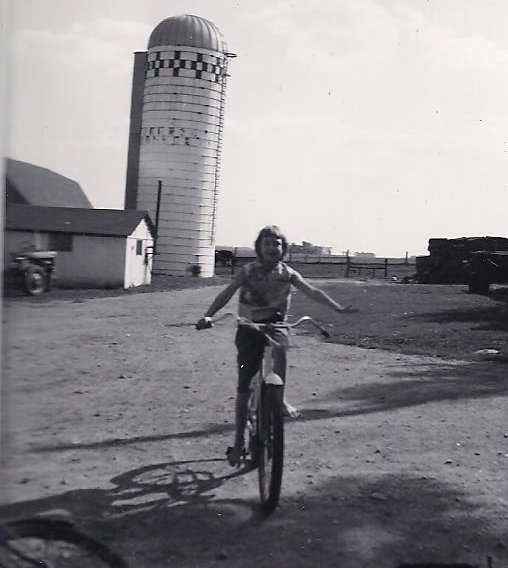
Me, riding Sky Blue at age 10 on the farm where I grew up in southwestern Minnesota.

Me, riding Sky Blue at age 10 on the Redwood County farm where I grew up in southwestern Minnesota. Photo taken in 1966.

LOOKING BACK ON MY CHILDHOOD, I cannot imagine life without a bicycle. My bike was my imaginary horse, my daredevil stunt car launched off makeshift ramps, my mode of transportation down county and township roads.

If not for my maternal grandfather, though, I never would have owned a bike. My parents could not afford bikes for their kids. So Grandpa would scavenge the local dump for bikes he could repair, repaint and deliver to me and my five siblings.

It mattered not that my bike, which I named Sky Blue, wasn’t new. I owned a bike. I was a happy kid.

That childhood memory bubbled to the surface Monday morning when Dee Bjork at The Crafty Maven in downtown Faribault handed me a flier about the Free Bikes 4 Kidz program. I wanted, no, needed, to learn more about this partnered local give-away by So How Are the Children and Allina Health (presenting sponsor for the non-profit Free Bikes 4 Kidz). So I phoned SHAC Director Carolyn Treadway.

The give-away “targets kids whose families couldn’t otherwise afford bikes,” says Treadway. Kids just like me and my siblings decades ago.

As Treadway and I concur, a child’s desire to own a bike is universal, transcending time.

On December 7, Treadway expects SHAC and Allina to give away 65 – 75 bikes to pre-registered Faribault youth. She’s actively searched for kids—handing out fliers to teachers, drawing on her connections through SHAC and dropping in at places like St. Vincent de Paul, a childcare center and a laundromat to find families needing bikes. She’s currently placing names on a waiting list.

Kids from Northfield and Steele County will also get new or gently-used and refurbished bikes at the Faribault Middle School pick-up site. All told, Treadway anticipates 150-175 bicycles to be distributed along with new bike helmets, compliments of Allina Health.

Among those expected to show up are an east-side Faribault woman who will claim seven bikes, Treadway says. The bicycles are for her neighbor children whose father, in a state of inebriation, destroyed their bikes. The woman will store the bikes in her garage until spring.

Treadway enthuses about such a neighborly caring spirit and about the volunteers who repair the used bikes and assist with the give-away. She’s also grateful for those who donate bikes, some of which were collected at the Faribault Bike Rodeo in October. Allina Health coordinates numerous collections of bikes to be distributed in Minnesota and western Wisconsin.

Another local recipient is a Faribault father who signed his 12-year-old and 14-year-old up for Free Bikes 4 Kidz. When the dad asked if he could also get a bike for his 18-year-old, Treadway assured him he could. The older teen attends the Faribault Area Learning Center and a bike will enable him to stay in school because he will now have a way to get there.

Stories like that truly show the humanity of this program aimed at getting bikes to kids so they will have, as Treadway says, “access to safe and healthy physical activity.” Or, in the case of the 18-year-old, access to education.

The program also builds connections and a sense of community care.

Yet, the bare bones basics benefit of Free Bikes 4 Kidz is to get bikes into the hands of children who otherwise would not have a bike of their own. The program has grown significantly in Faribault, where only a dozen free bikes were distributed two years ago.

“Owning a bike,” Treadway says, “is very near and dear to a child’s heart.”

It is the universal childhood desire which transcends time. Just ask me. I’ve never forgotten Sky Blue or the grandpa who scavenged the dump so I could have a bike.

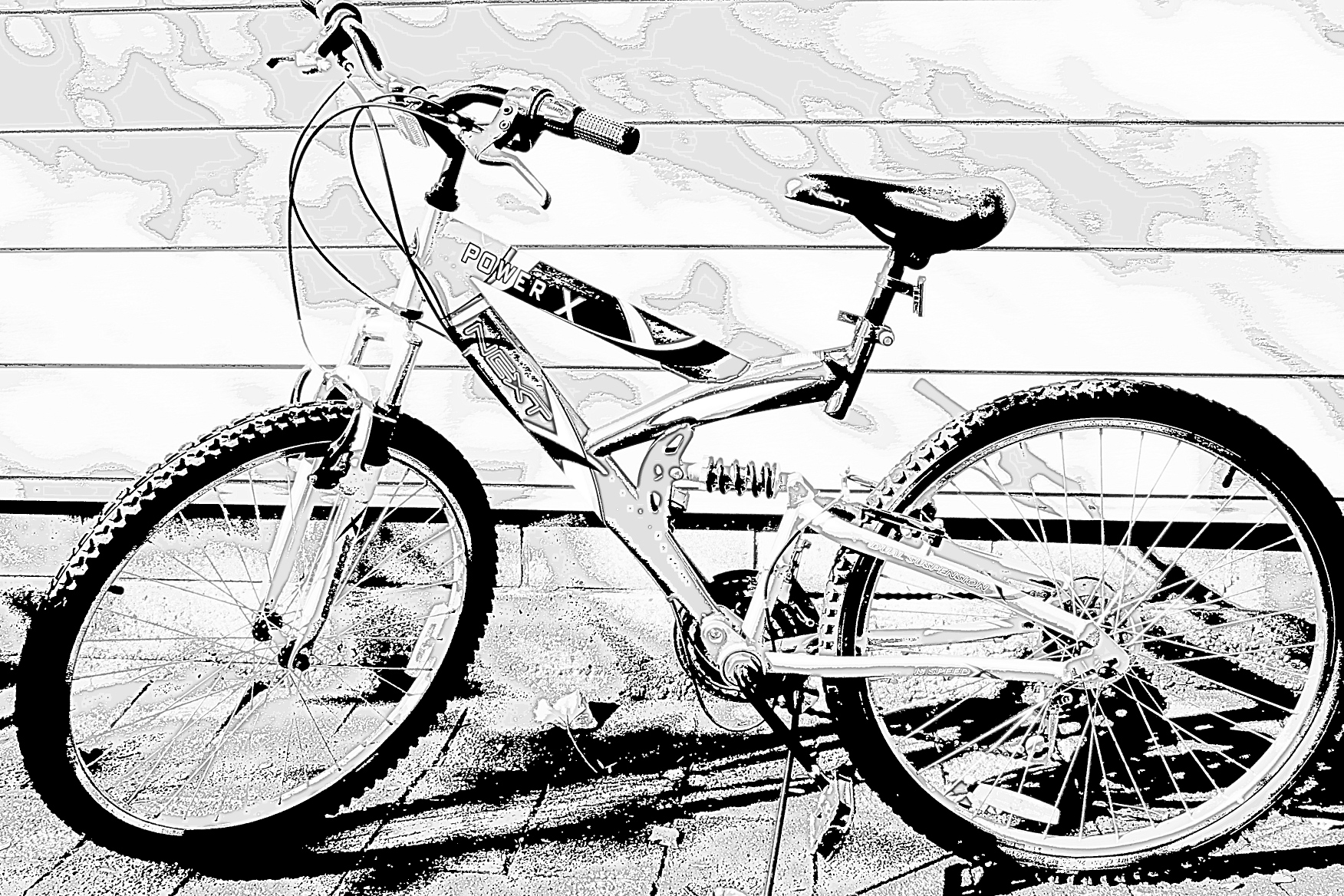
 A bike pulled from my garage.

A bike pulled from my garage and photographed. I then edited the image to illustrate this story.

FYI: To learn more about the non-profit Free Bikes for Kidz, click here.

For more information on Allina Health’s partnership in the program, click here.

To learn more about So How Are the Children, click here.

© Copyright 2013 Audrey Kletscher Helbling
 

My thoughts on the changing streets of Faribault November 6, 2013

Filed under: Uncategorized — Audrey Kletscher Helbling @ 6:00 AM
Tags: , , , , , ,

I DON’T LIVE on a Bay, a Circle or a Drive.

I live along Willow Street.

That alone should tell you that my home sits in an old neighborhood. After all, cities don’t name streets after trees anymore or even attach the word “street” to a new roadway. If there are willows growing along my street, I haven’t noticed them.

But I’ve noticed, in the 29 years my husband and I have been in our modest three-bedroom, one-bath Willow Street home, that there’s a certain stigma attached to our arterial street, to our part of Faribault.

And I’m not happy about that.

For example, a few evenings ago, we joined friends around a backyard bonfire. The conversation ebbed and flowed with intermittent laughter, until a friend remarked, “I see your neighborhood is getting more diverse.” I knew the comment stemmed from a drive-by shooting several months ago within two blocks of my home.

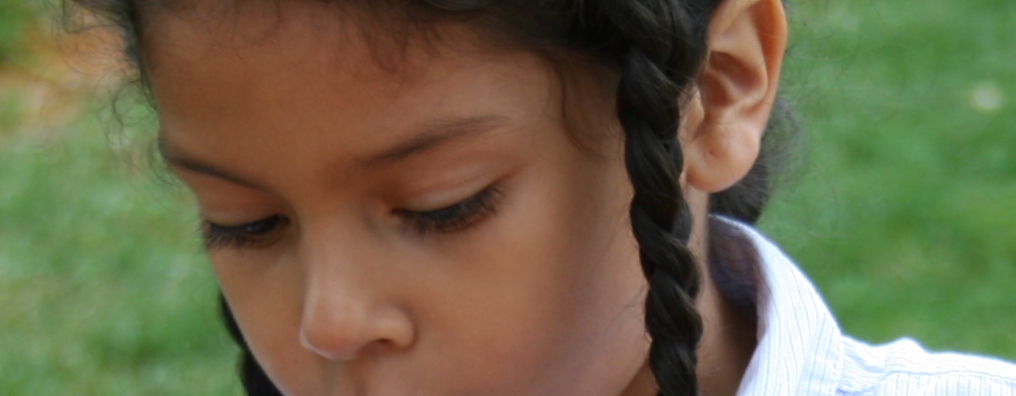
These young Somali women represent the changing face of Faribault. Minnesota Prairie Roots file photo.

These young Somali women represent the changing face of Faribault. Minnesota Prairie Roots file photo.

My defenses kicked in and I was prepared for an unpleasant exchange about the ever-growing cultural diversity of Faribault and the perceived “problems” in my neighborhood. My husband responded and the topic was dropped. I didn’t find myself, once again, championing for those of color, although you’ll never find me defending criminal behavior committed by anyone, whether white, black, green or purple.

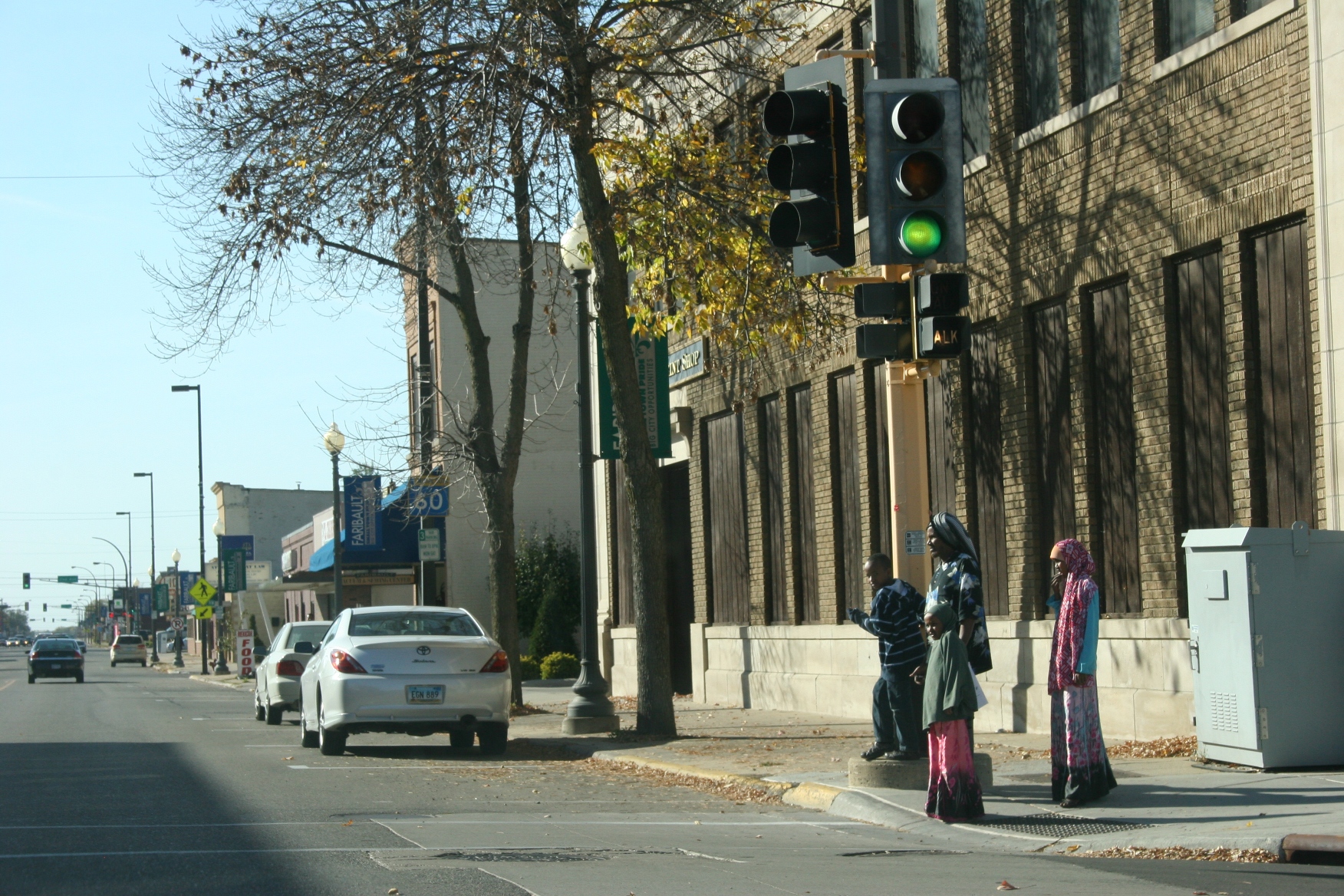
In this file photo, a Somali family waits to cross a downtown Faribault street.

A Somali family in downtown Faribault. Minnesota Prairie Roots file photo.

Honestly, I tire of the underlying, and often blatant, prejudicial jabs I hear and read about in my community. The Hispanic, Somali, Sudanese, Asian, African American and other minorities who now call Faribault home are here to stay. And some of them happen to live in my neighborhood. So what? Does this make my neighborhood less desirable? Apparently to some. Not to me, unless these neighbors disrupt the neighborhood with illegal and/or undesirable criminal activity and/or behavior.

And, believe me, I’ve had “bad neighbors” whose skin is white, just like mine.

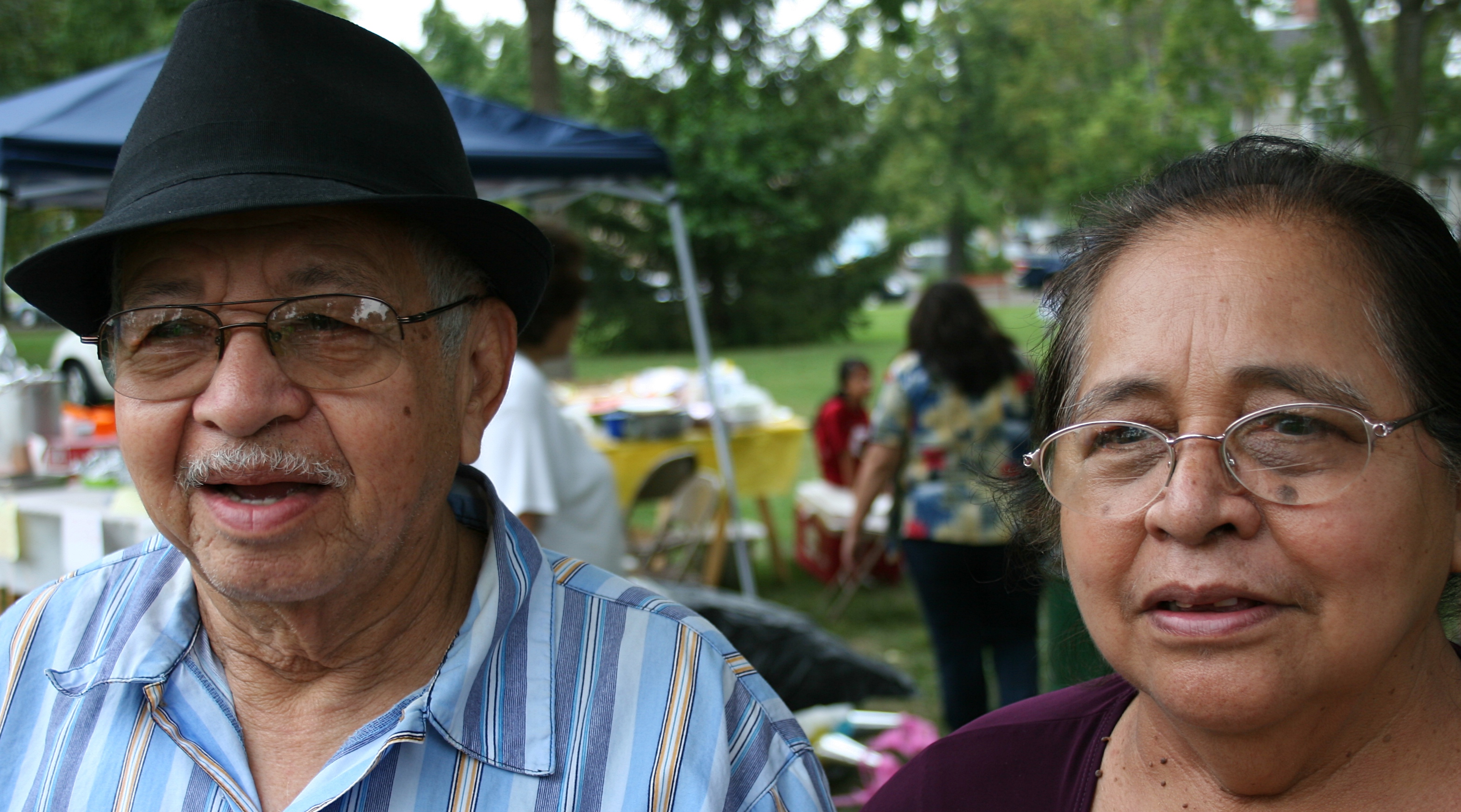
Many Latinos call Faribault home. Minnesota Prairie Roots file photo.

Many Latinos call Faribault home. Minnesota Prairie Roots file photo.

Oftentimes I want to grab life-long locals by the shoulders and tell them that the Faribault they knew growing up is not the Faribault of today. These newcomers are here to stay. Welcome them. Get to know them as individuals and as families, for in so doing misconceptions and fears fall by the wayside. Be kind. Embrace them.

When I moved to the Faribault area in 1982, it took a long time for me to feel welcome and a part of the community. Sometimes I still feel like an outsider because I didn’t grow up here, don’t have family here, nor does my husband. I can only imagine how those of other cultures, those who’ve fled war-torn homelands an ocean away, must sometimes feel. Isolated. Scared. Unwelcome.

Latinos represent a large part of Faribault's diverse population. Minnesota Prairie Roots file photo.

Latinos represent a large part of Faribault’s diverse population. Minnesota Prairie Roots file photo.

Of those who suggest the newcomers just leave, I want to ask, and sometimes do: “Weren’t your great grandparents once new here, arriving from the Old Country, speaking in a language others could not understand?”

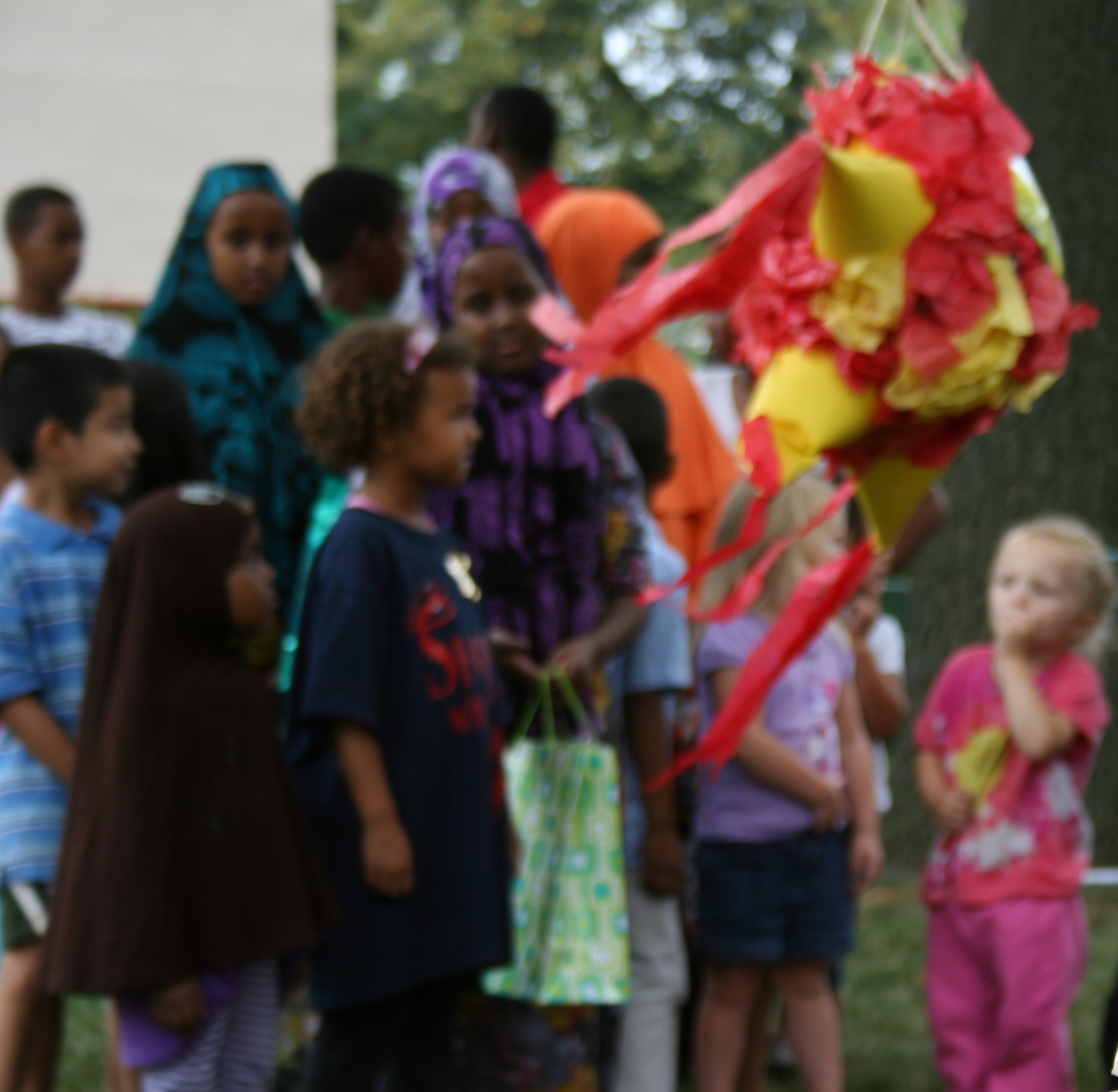
This intentionally blurred image, taken of children waiting to break a pinata at the International Festival Faribault, represents the many cultures within my community. Skin color mattered not to these kids. Why does it matter so much to adults? Minnesota Prairie Roots file photo.

This intentionally blurred image, taken of children waiting to break a pinata at the International Festival Faribault, represents the many cultures within my community. Skin color mattered not to these kids. Why does it matter so much to adults? Minnesota Prairie Roots file photo 2012.

Oftentimes, too, I want to grab life-long locals and others by the shoulders and tell them that my diverse Willow Street neighborhood is worthy of their respect. This is my home, my neighborhood, the place I choose to live, an important part of this community we call Faribault.

© Copyright 2013 Audrey Kletscher Helbling
 

Reflecting on Minnesota’s rural landscape November 5, 2013

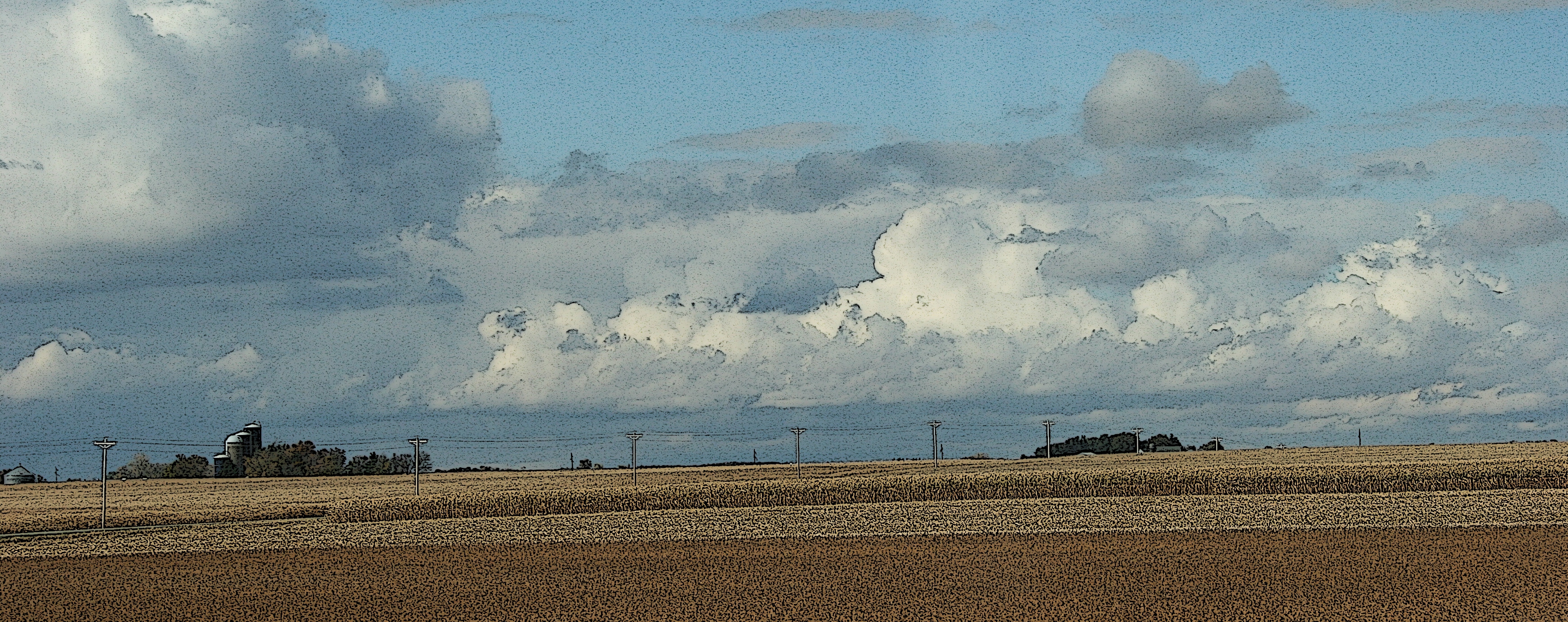
Expansive sky and land inspire the poet in me. Photographed, as are all photos here, along Minnesota State Highway 60 between Faribault and Kenyon.

Expansive sky and land inspire the poet in me.

WHAT DRAWS YOUR EYE in a rural landscape?

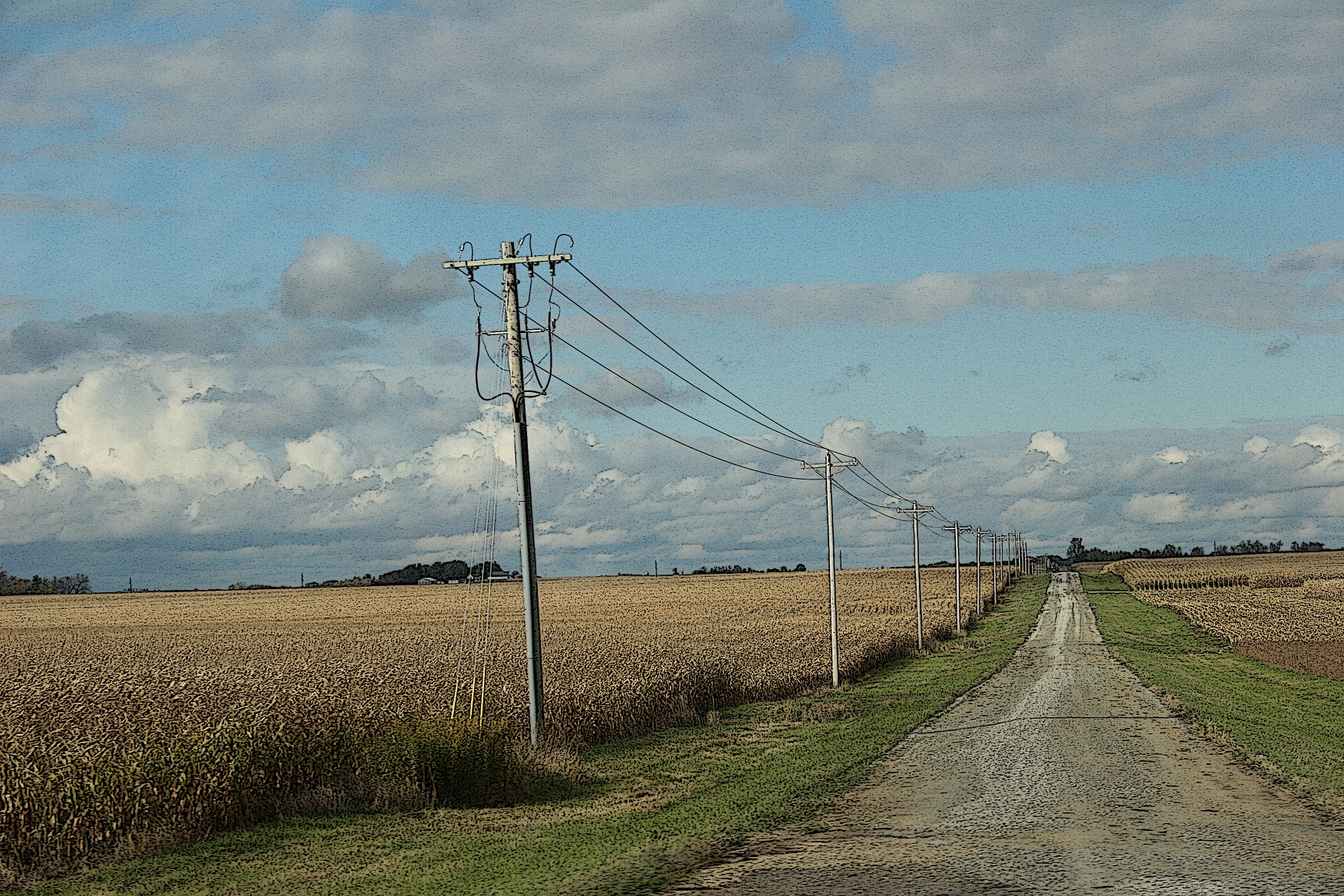
Strong lines pull me in, lead me to wonder where that gravel road would take me.

Strong lines pull me in, lead me to wonder, “Where would that rugged gravel road take me?”

Or do you even notice your environment as you travel from point A to point B?

Noticing the geometry in these buildings clustered on a farm site.

I notice the geometry in these buildings, how they cluster and fit together on this farm site.

I challenge you, the next time you drive through rural Minnesota, or rural Anywhere, to truly see your surroundings. Don’t just look with glazed eyes. See. Once you see, you will appreciate.

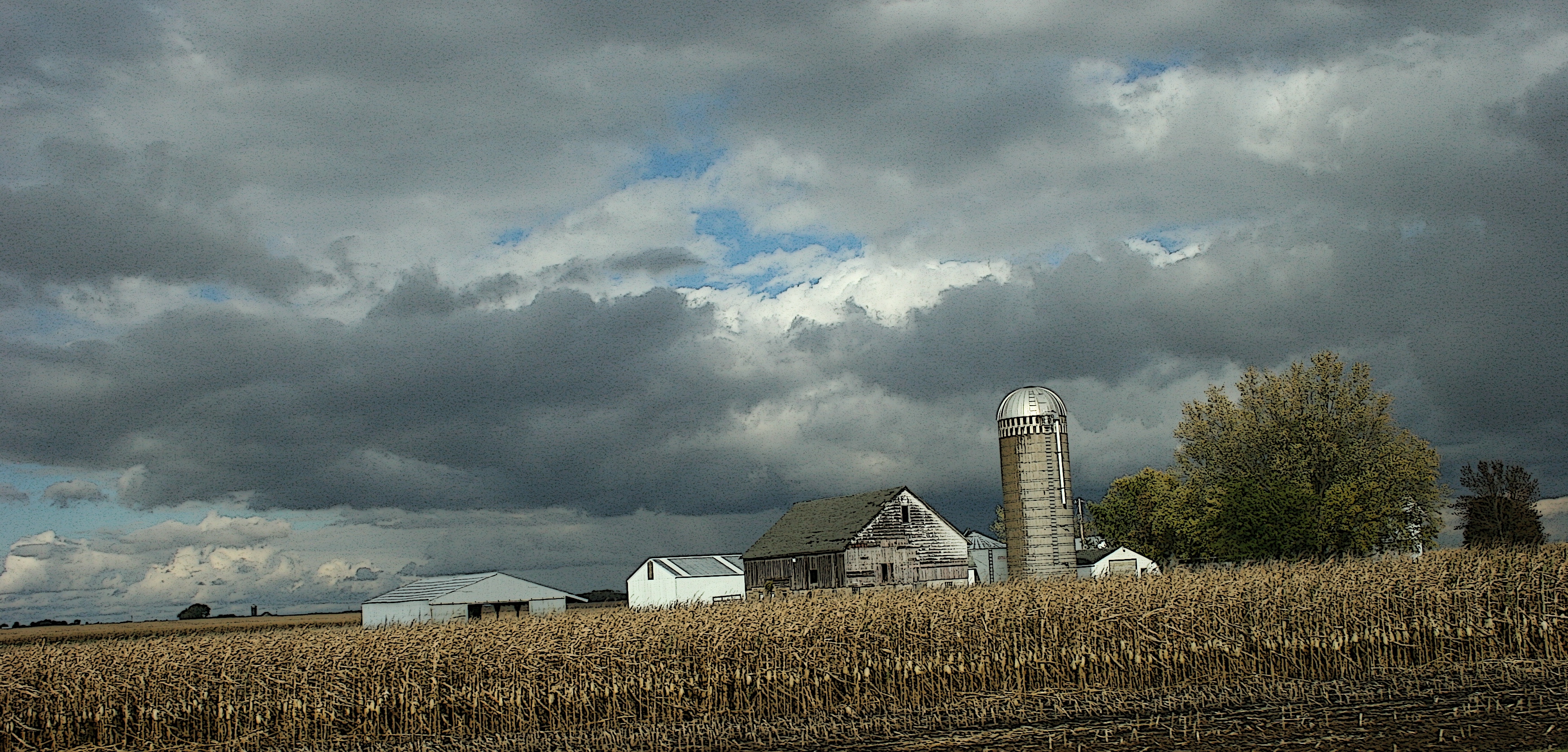
A sense of history defines this farm in that strong barn which dominates.

A sense of history defines this farm in that strong barn which dominates and in the mishmash roof lines of the farmhouse. Both cause me to reflect upon my rural upbringing, upon my forefathers who settled 150 miles from here on the southwestern Minnesota prairie.

History, point in life, memories, even your mood on a given day, will influence how you view the rural landscape, what draws your focus.

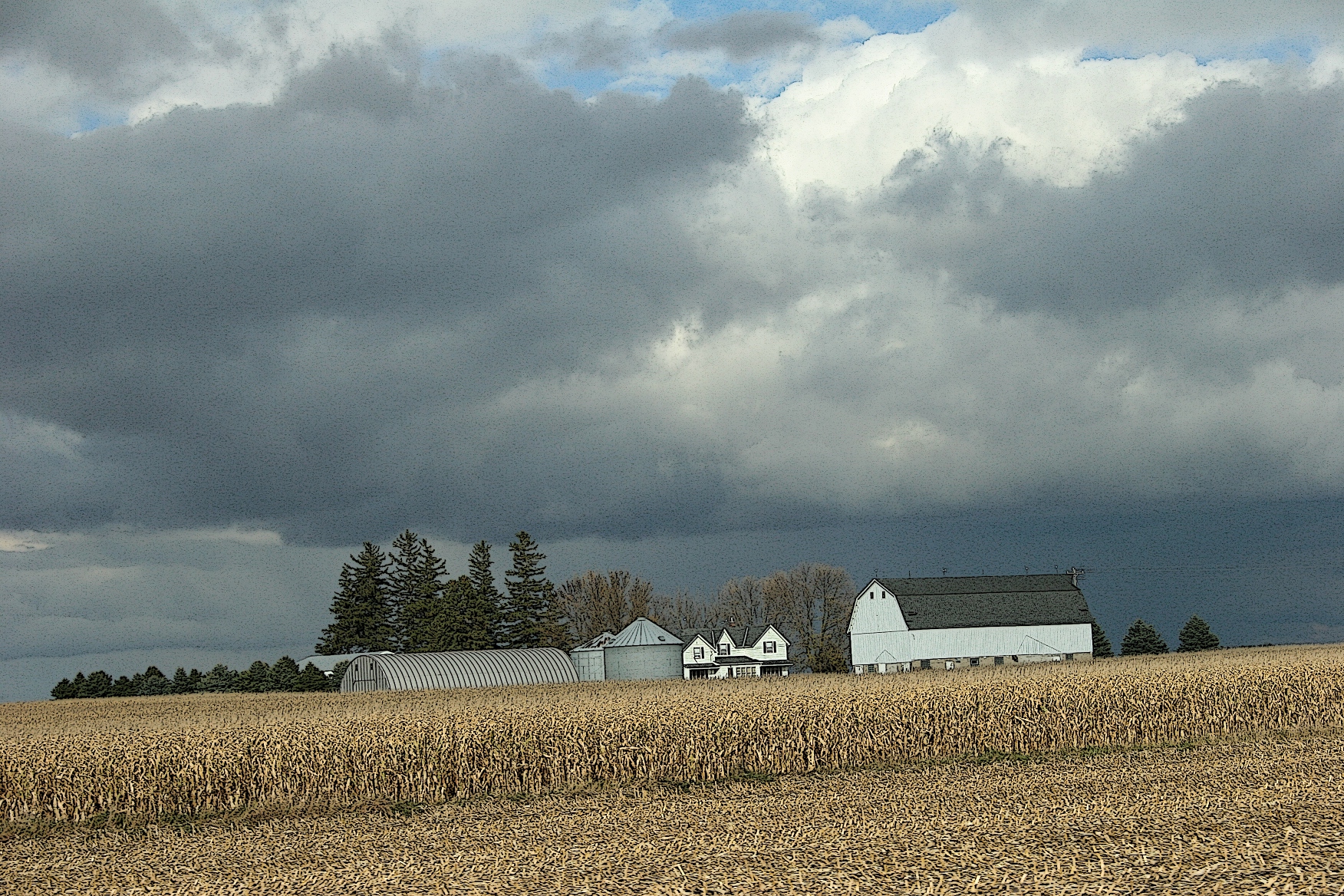
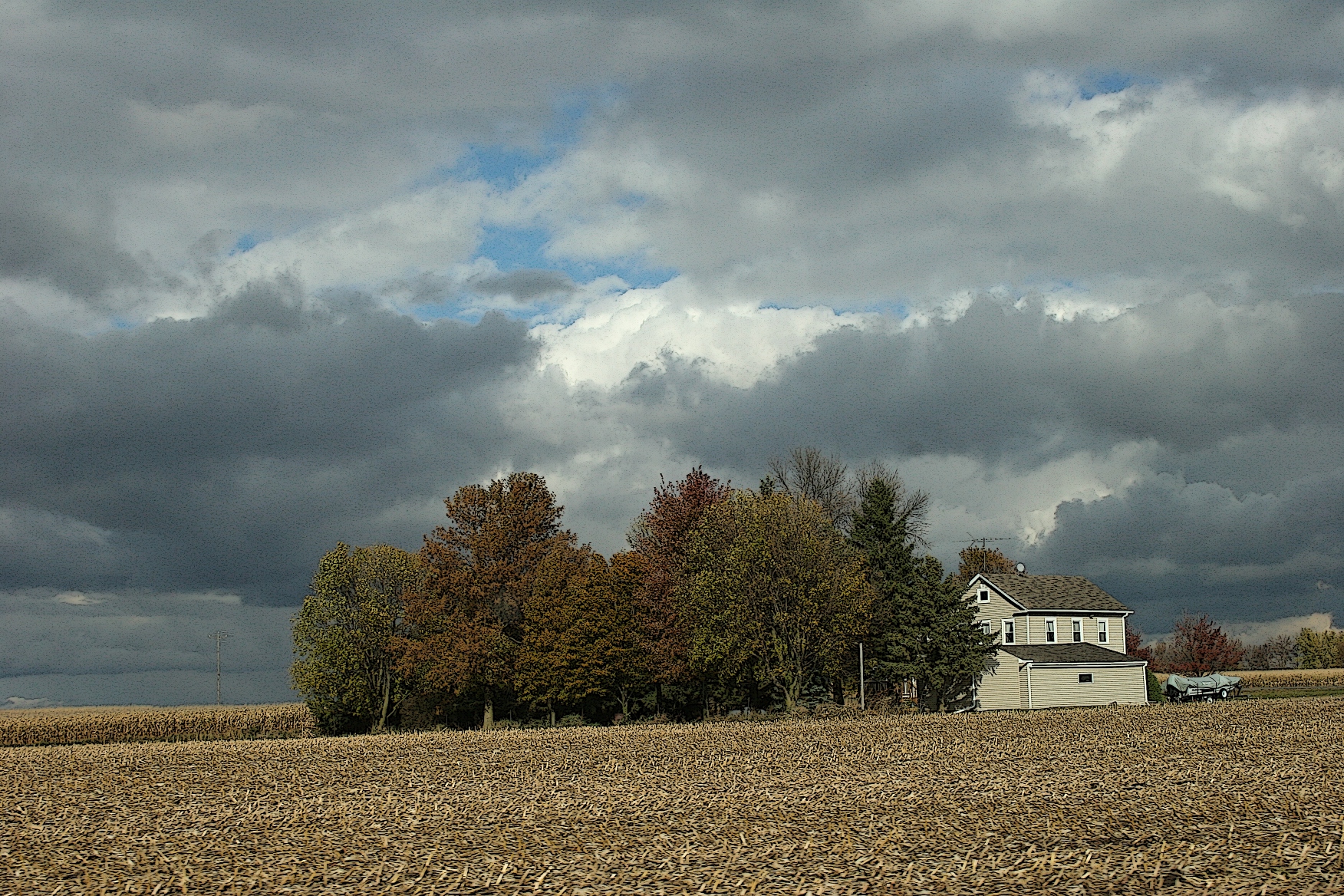
I see here trees huddled, protecting and sheltering that house from the elements. My thoughts turn introspective at this scene.

I see trees huddled, protecting and sheltering that house from the elements, from that threatening sky. My thoughts turn introspective as I consider how we are all sometimes vulnerable and huddled, drawn into ourselves.

Whether a writer or photographer, architect or historian, teacher or retiree, stay-at-home mom (or dad), a farmer or someone in between, you will lock onto a setting that inspires creativity or prompts thought or perhaps soothes your soul.

There is much to be said for noticing details, for understanding that the miles between small towns are more than space to be traveled.

FYI: These edited images were photographed nine days ago while traveling along Minnesota State Highway 60 between Faribault and Kenyon. In just that short time, the landscape has evolved with crops harvested, trees stripped of their leaves by strong winds and now, today, snow in the forecast.

© Copyright 2013 Audrey Kletscher Helbling
 

Kommen Sie for a taste of Deutschland in Faribault November 2, 2013

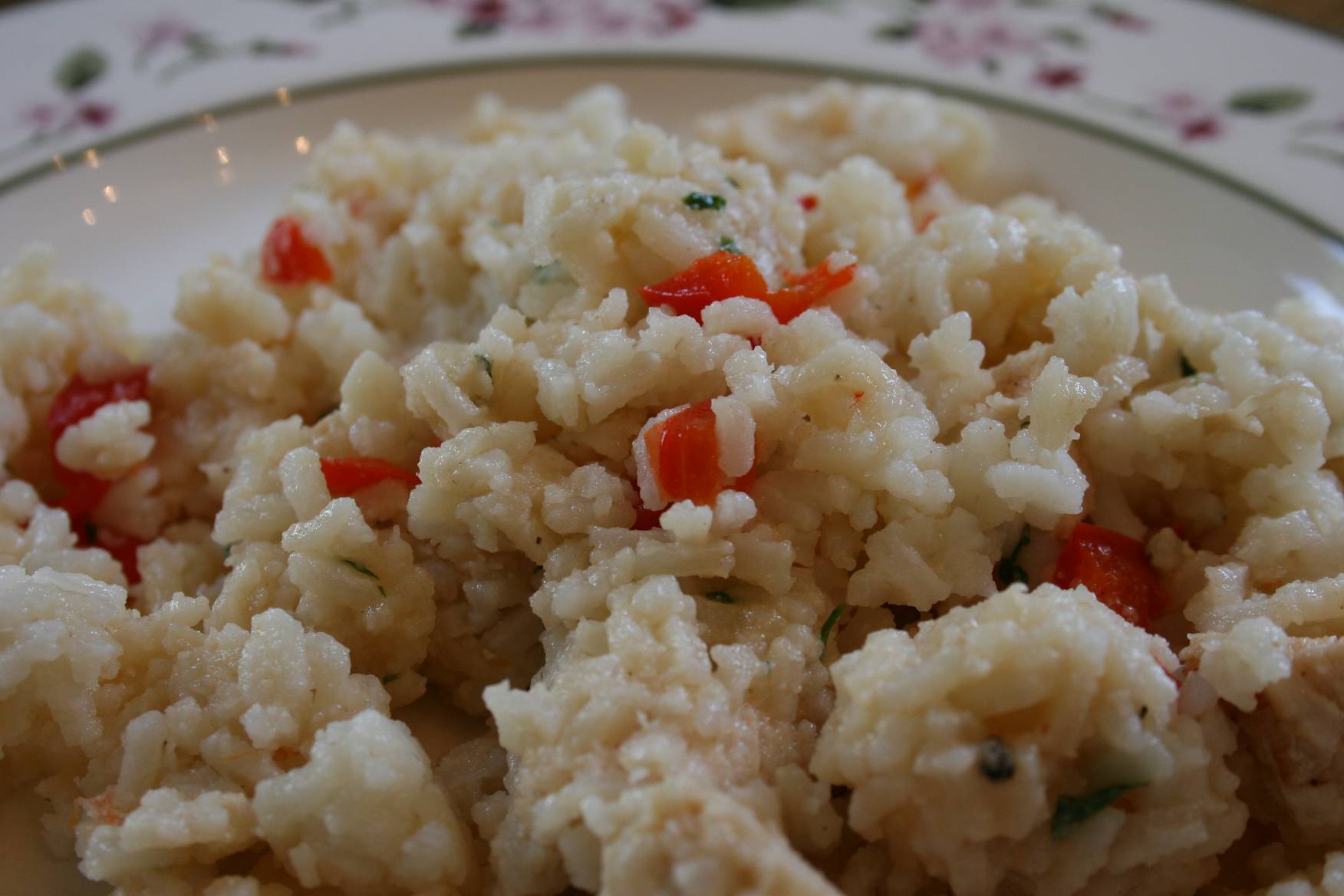
Arroz con pollo tastes much better than it looks.

Arroz con pollo, a Latin American dish of chicken and rice seasoned with fresh garlic, onions, red peppers and cilantro. The perfect comfort food as Minnesota transitions into winter.

EVERY YEAR ABOUT THIS TIME, I find myself craving comfort foods. Homemade mac and cheese. Beef roast and mashed potatoes. Steaming bowls of soup laced with thick chunks of vegetables. Fiery chili. Even hotdish.

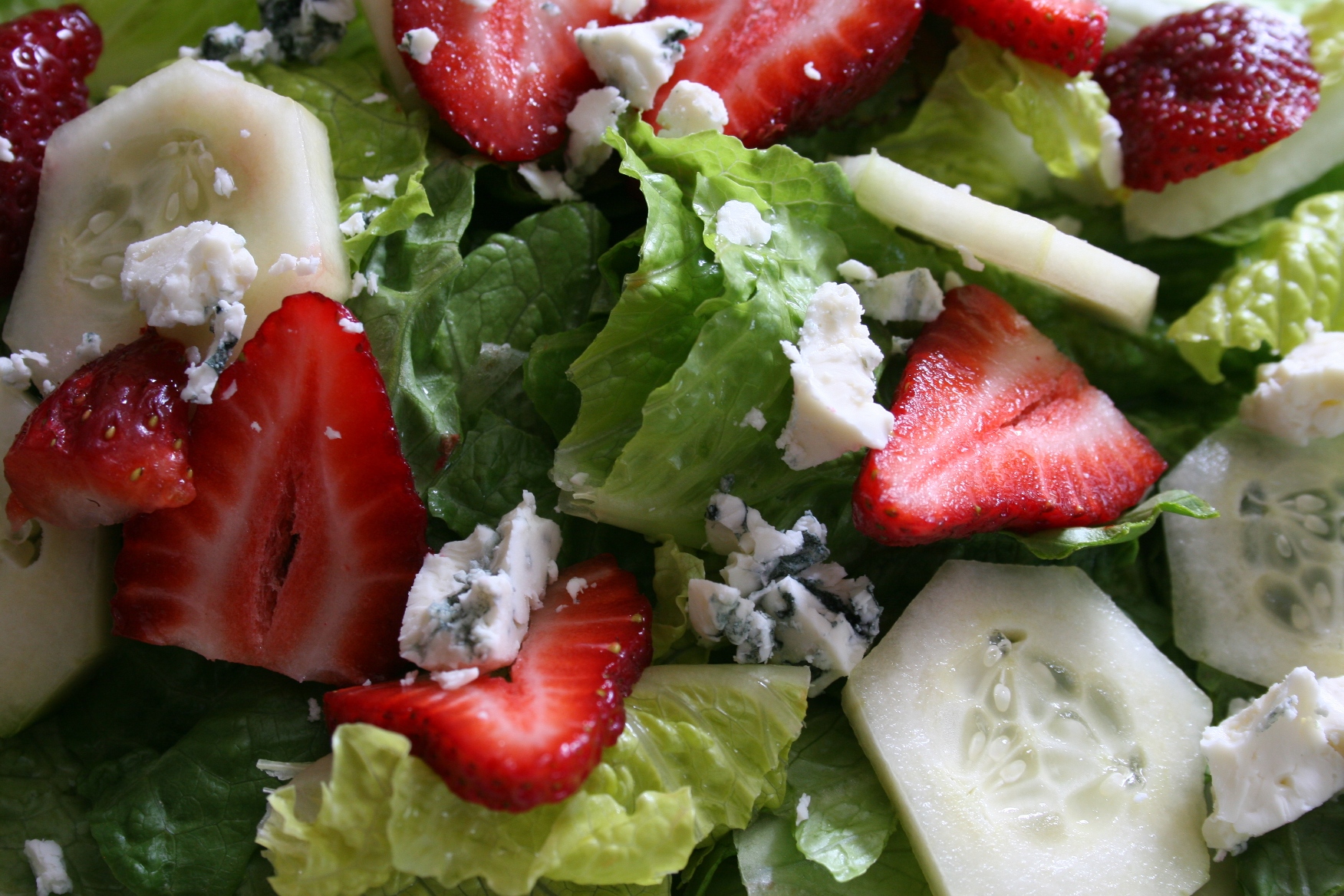
Sliced strawberries, cucumbers and Amablu Gorgonzola cheese added to Romaine lettuce made a perfect salad. I topped the salad with lemon poppyseed dressing.

Sliced strawberries, cucumbers and Amablu Gorgonzola cheese added to Romaine lettuce make a delicious salad, often a meal for me during the summer months.

I eat fewer salads, place less fresh produce in my shopping cart, fight the urge to bake cookies.

The cycling of the seasons, transitioning into the long, dark and cold days of winter in Minnesota, imprints upon my body and psyche. Call of comfort foods. Snuggling on the sofa under a fleece throw, book in hand. Limited trips outside the house once the curtain of cold and darkness falls upon the land.

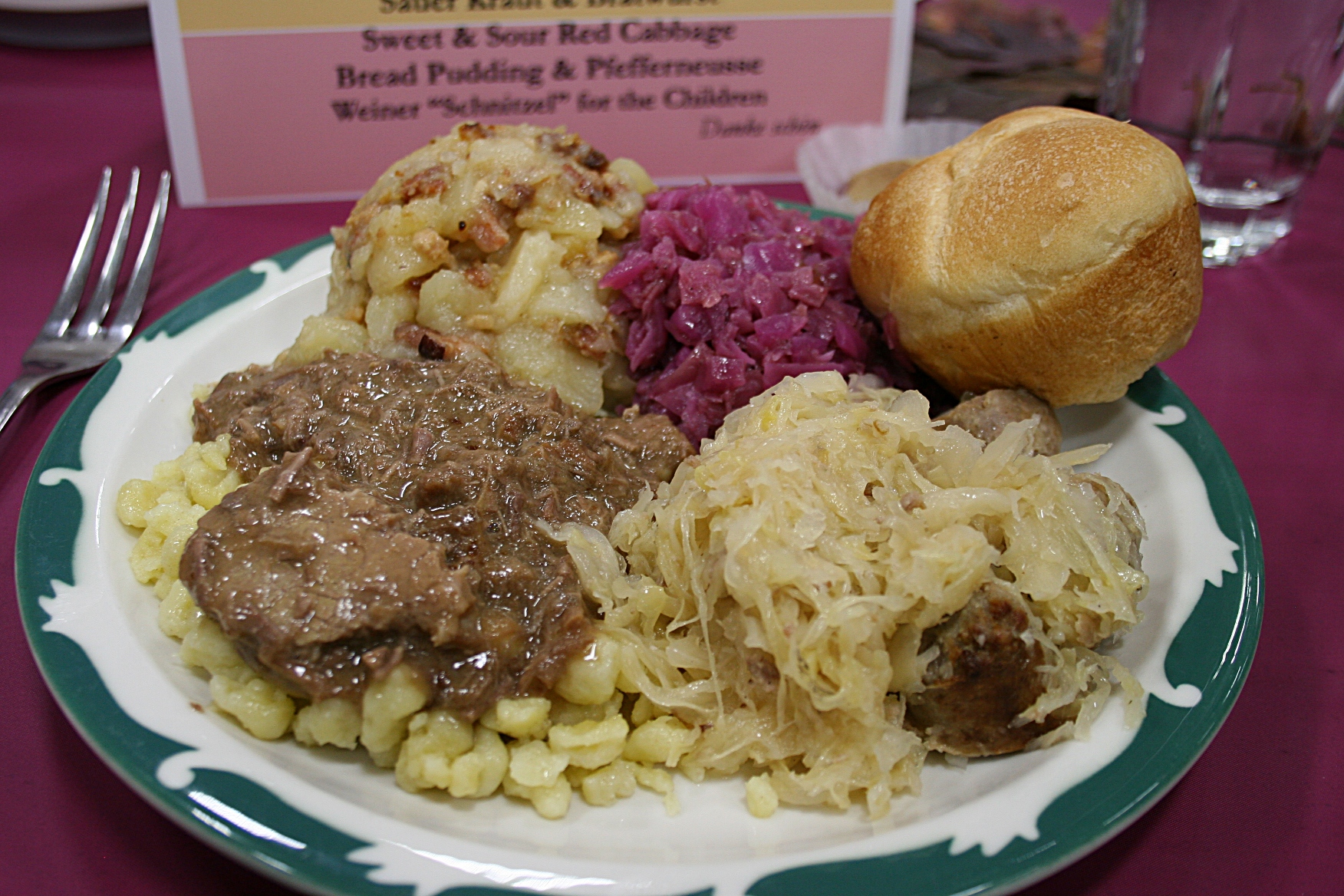
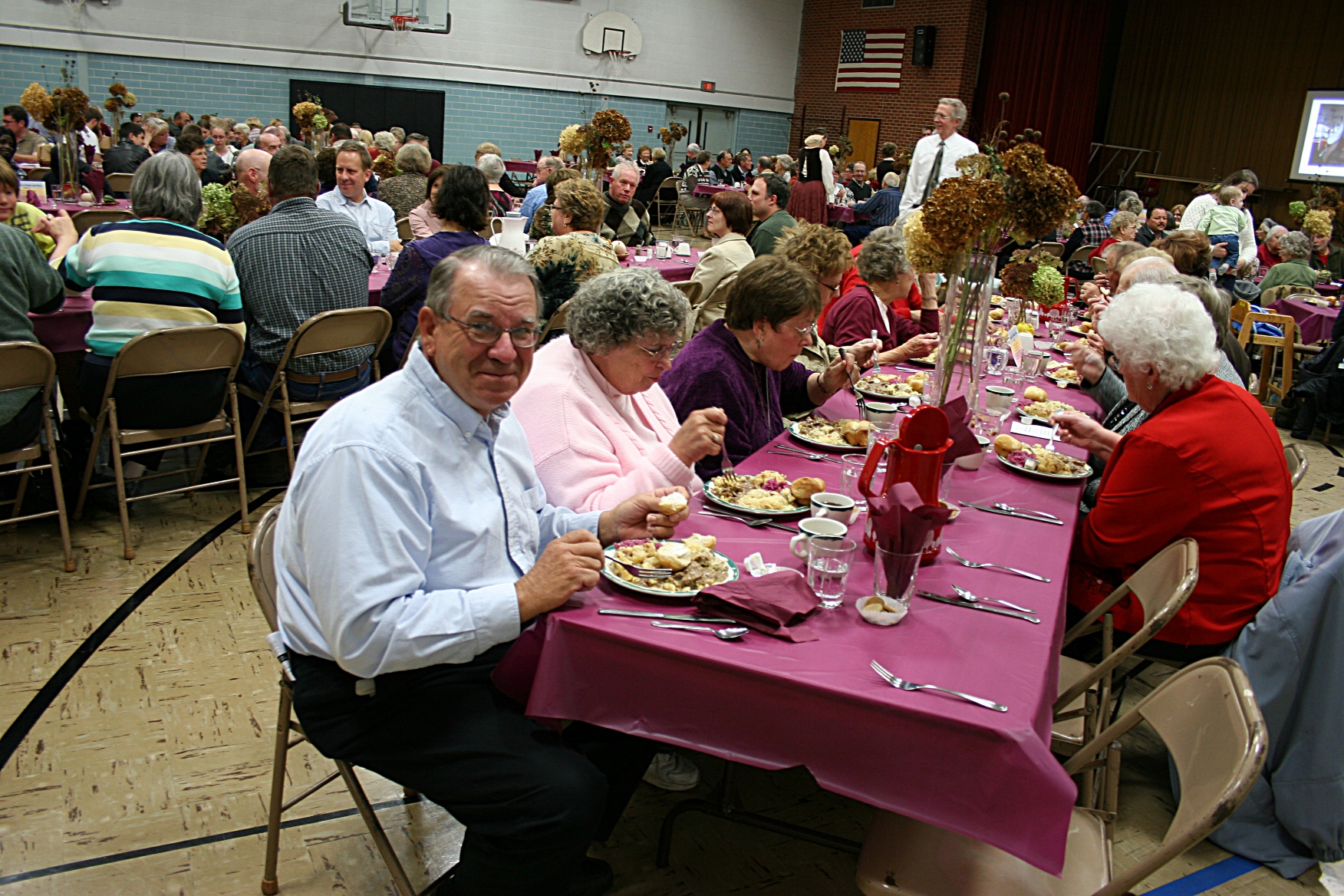
The German meal: sauerbraten and spaetzle on the left, German potato salad, sweet and sour cabbage, dinner roll and sauerkraut and brats.

The German meal: sauerbraten and spaetzle on the left, German potato salad, sweet and sour cabbage, dinner roll and sauerkraut and brats. Minnesota Prairie Roots file photo.

And so this seems the perfect time to partake of the food of my forefathers at Cannon Valley Lutheran High School’s annual German Fest: Sauerbraten mit spaetzle, Deutsche potato salad, sweet & sour red cabbage, bratwurst mit sauerkraut and the, oh, so delectable bread pudding.

Diners enjoy the ethnic meal at the second annual CVLHS German Fest in 2011.

Diners enjoy the ethnic meal at the second annual CVLHS German Fest in 2011.

Tickets are now on sale for the Sunday, November 10, German Fest Supper, served from 5 p.m. – 5:45 p.m. in the Trinity Lutheran Church gym, 530 Fourth St. N.W., Faribault. Cost is $13 for ages 11 – adult; $7 for ages 5 – 10; and free for preschoolers with a paid adult. Call (507) 685-2636 for tickets. You may also purchase tickets at the door.

If you appreciate German food, you will enjoy this ethnic meal served after the free German Fest of Thanks & Praise, which begins at 4 p.m. in the Trinity sanctuary. From songs and prayers in German to the music of an accordion trio, a harmonica player and a 12-piece band, the program offers an opportunity to reflect on our blessings.

The German Fest presents a perfect prelude to Thanksgiving and to this season when Minnesotans crave comfort foods.

FYI: The German Fest Supper is a fundraiser for Morristown-based Cannon Valley Lutheran High School, which serves students in grades 9 – 12 from around the region. Classes were suspended this school year, among other reasons, to pay off the school’s operating debt with plans to reopen in the fall of 2014.

© Copyright 2013 Audrey Kletscher Helbling
 

I’m not anti pumpkin, but… October 30, 2013

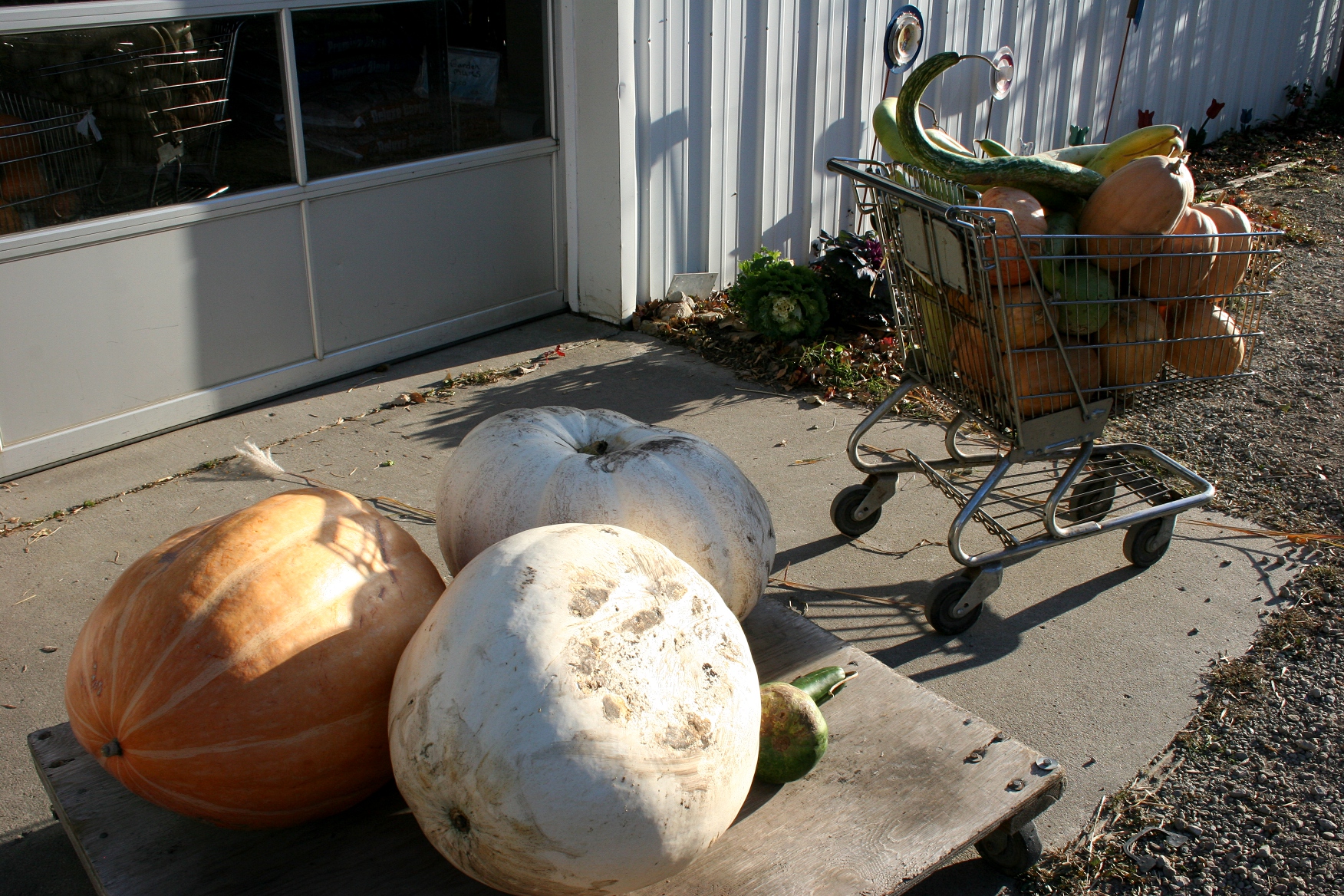
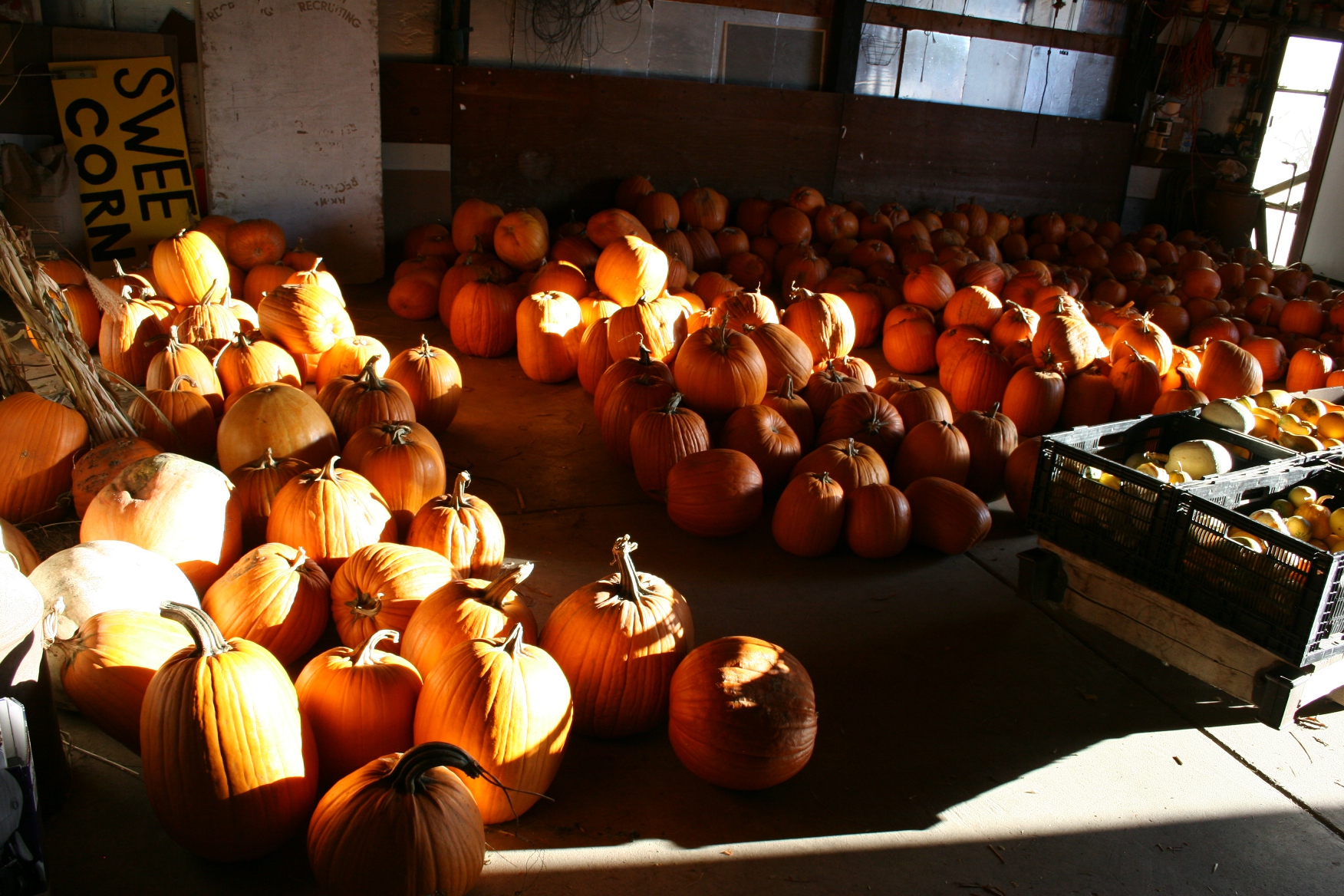
The $10 ginormous pumpkins.

The ginormous $10 pumpkins.

JUST DAYS BEFORE HALLOWEEN, Steve Twiehoff of Twiehoff Gardens, a family run produce business on Faribault’s east side, was trying to pitch an 85-pound pumpkin to me. For $10, the pumpkin would be mine and Steve would even load it into the van.

“The neighbor kids will love you,” Steve encouraged.

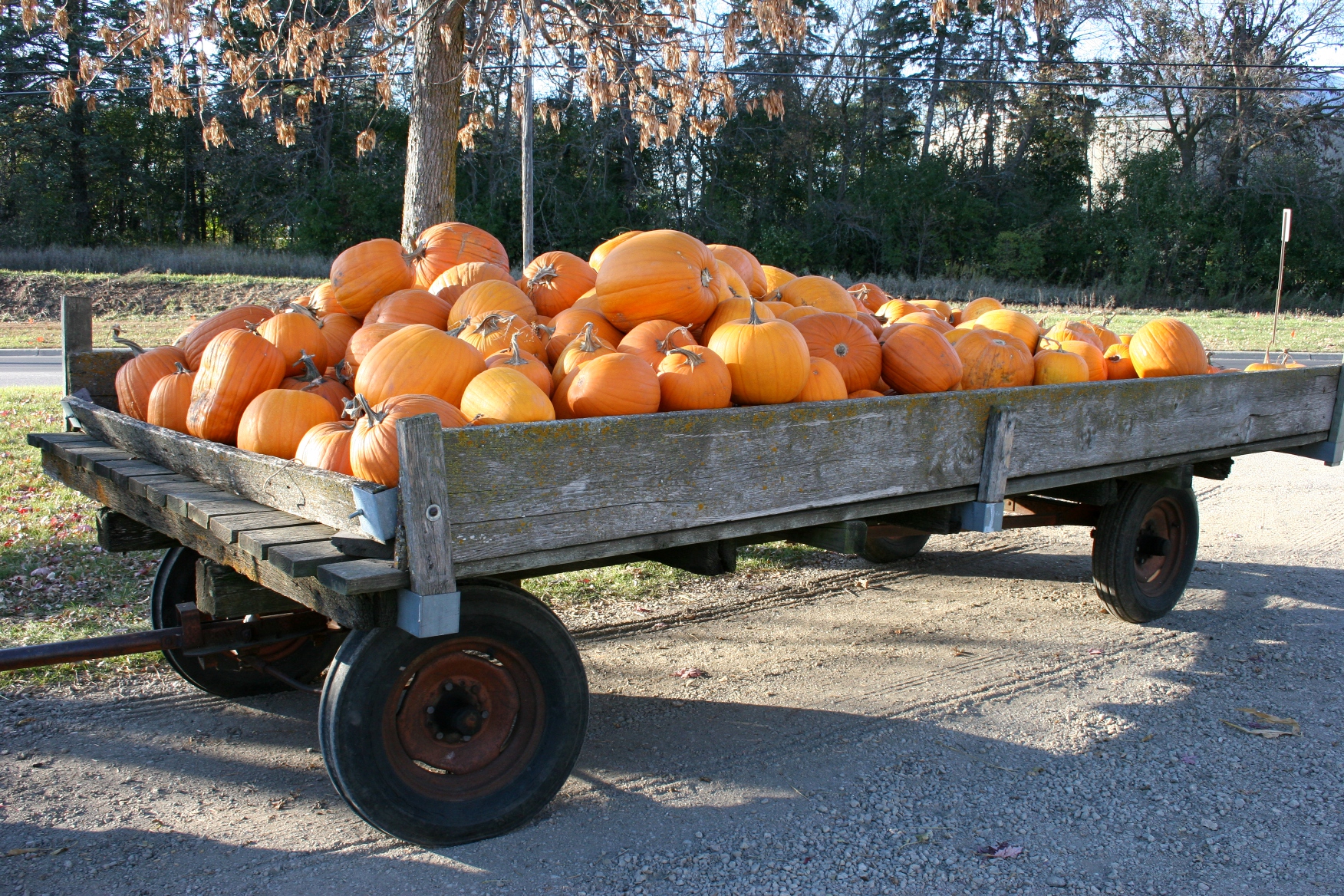
One of two wagonloads of pumpkins at Twiehoff's Garden.

One of two wagonloads of pumpkins at Twiehoff’ Gardens.

But truth be told, I don’t intend to purchase a pumpkin, big or small, this year.

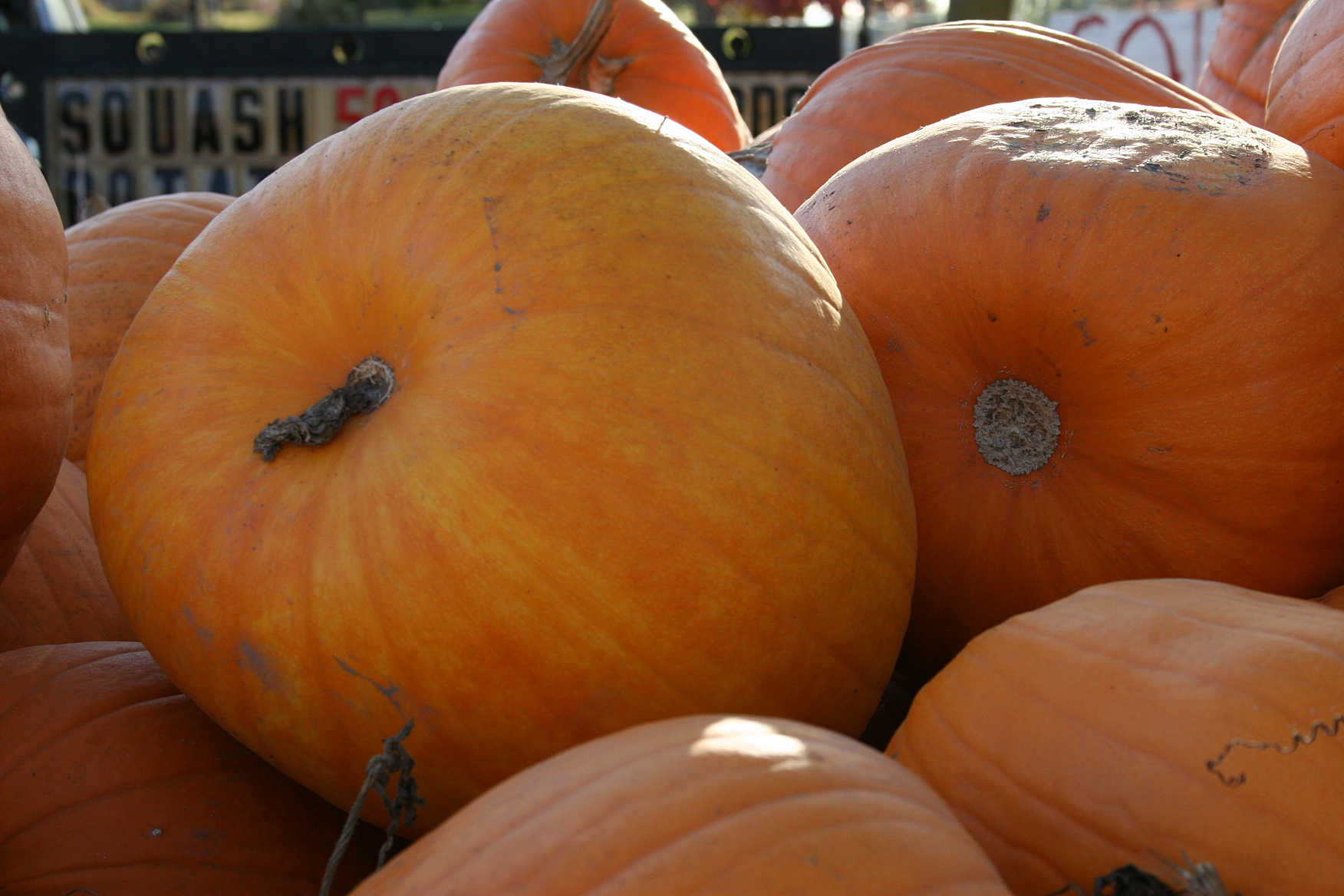
All sizes of pumpkins are available.

All sizes of pumpkins are available.

Does that cast me in the role of a pumpkin Grinch? Maybe.

Late afternoon sunshine slants through the open poleshed door, spotlighting pumpkins for sale at Twiehoff Gardens.

Late afternoon sunshine slants through the open poleshed door, spotlighting pumpkins for sale at Twiehoff Gardens.

In reality, the lack of a pumpkin purchase projects my present life phase as an empty nester. With no kids in the house, there’s no need to carve a jack-o-lantern. Not that I ever did; that was my husband’s job.

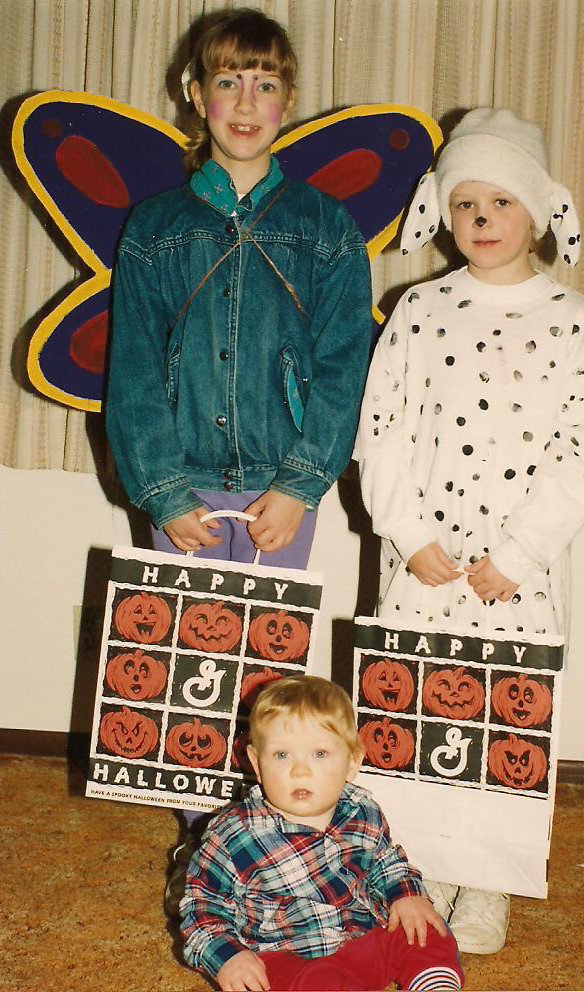
In 1994, my daughters, Amber, left, and Miranda, right, dressed as a butterfly and Dalmatian respectively. Their 10-month-old brother, Caleb, was too young to go trick-or-treating.

In 1994, my daughters, Amber, left, and Miranda, right, dressed as a butterfly and Dalmatian respectively. Their 10-month-old brother, Caleb, was too young to go trick-or-treating.

I focused, instead, on creating homemade costumes for our trio. Those ranged from taping hundreds of cotton balls onto a garbage bag for a sheep costume to stitching strands of red yarn onto trimmed panty hose for Raggedy Ann’s hair to dabbing black spots onto a white t-shirt for a Dalmatian to painting butterfly wings. What moms won’t do.

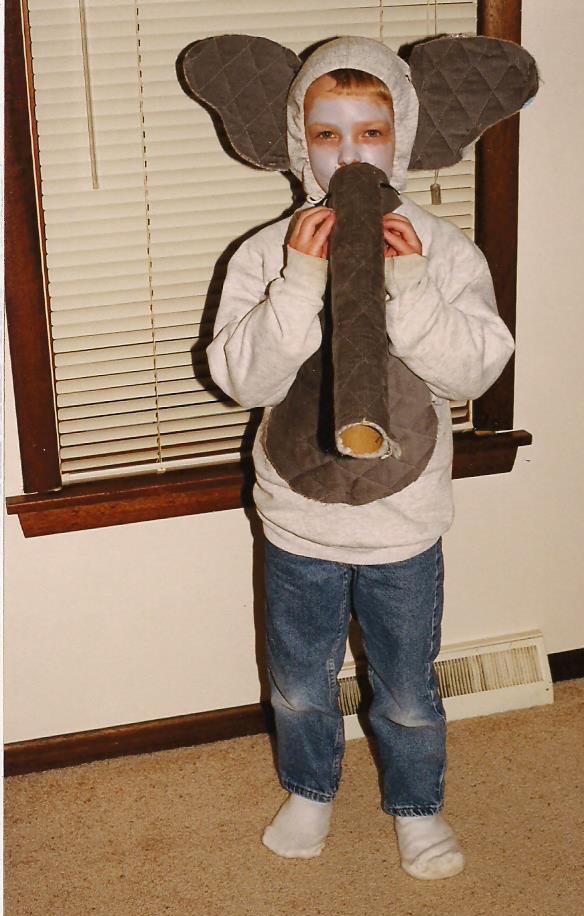
Five years later Caleb headed out the door dressed as an elephant.

Five years later Caleb headed out the door dressed as an elephant.

I also transformed kids into an elephant, angel, pirate, cowboy and even a skunk, plus a few more characters/animals I’ve long forgotten.

Yes, I’ve done the Halloween thing. So, if for a few years I fail to buy a pumpkin, please excuse me.

© Copyright 2013 Audrey Kletscher Helbling
 

My Night at the Museum October 28, 2013

HISTORY BROUGHT TO LIFE pleases me, for I am an interactive learning history type of person.
I often get overwhelmed and impatient reading information in traditional museum displays.
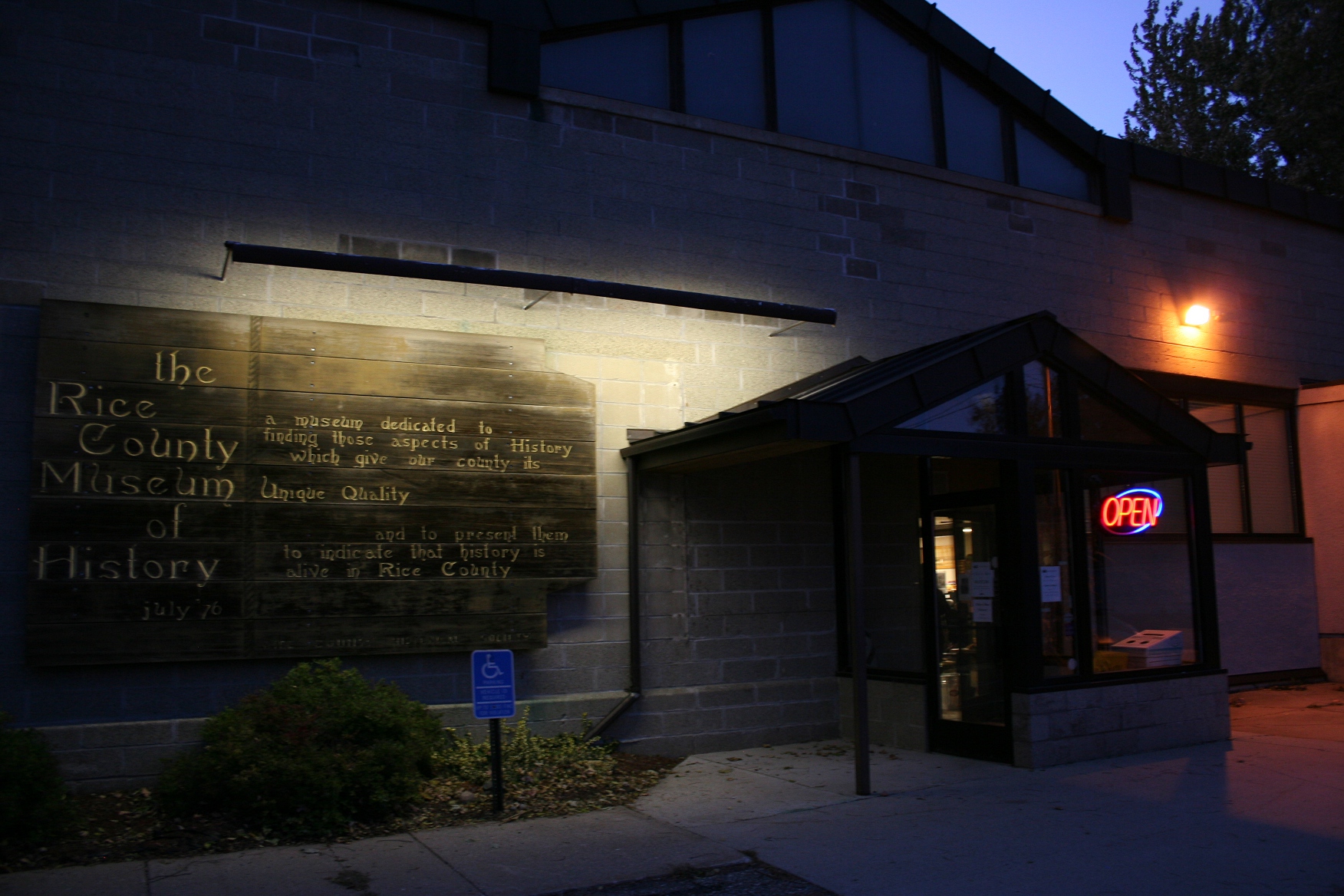
Arriving around 6:30 p.m. Friday for A Night at the Museum at the Rice County Historical Society in Faribault.
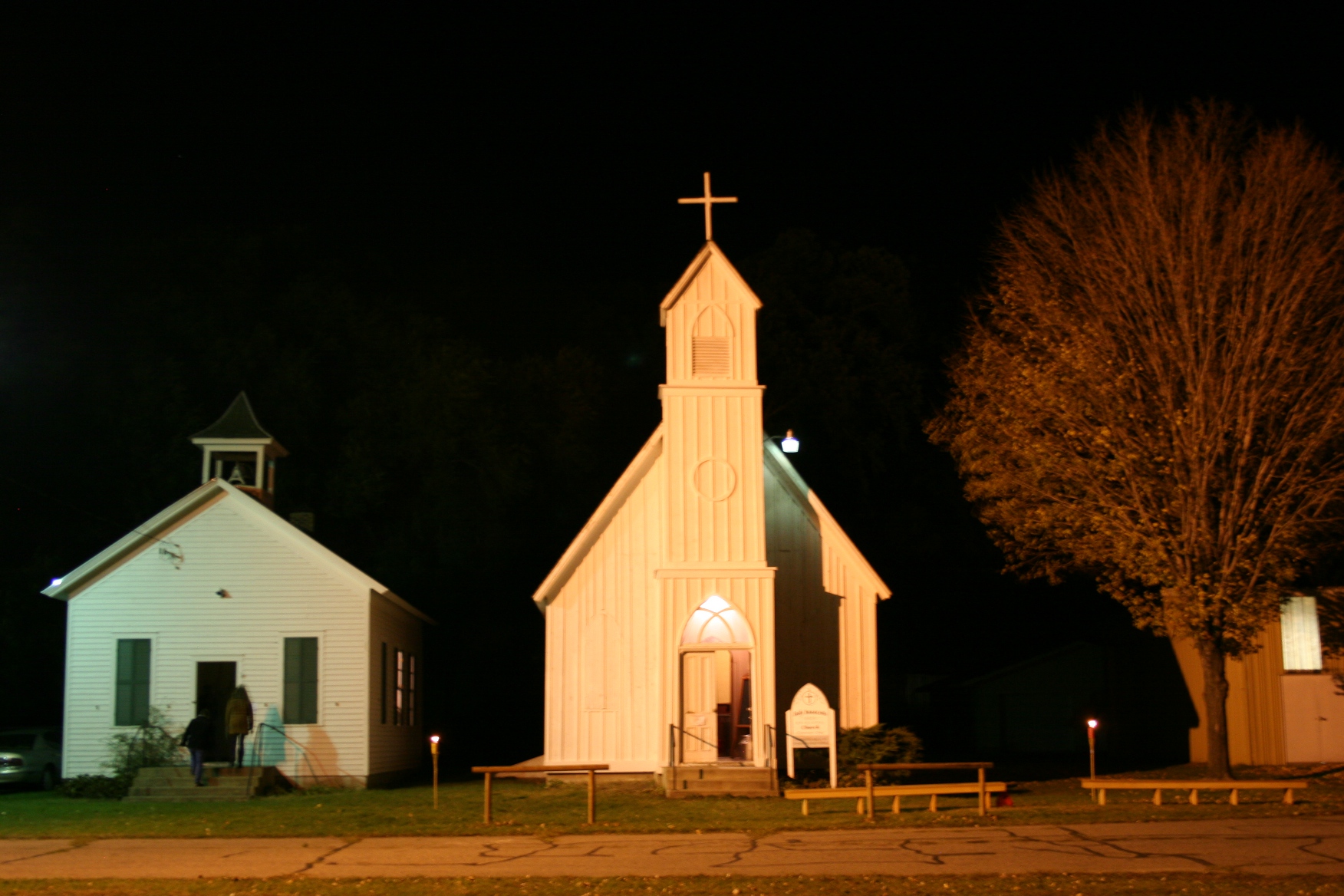
Arriving around 6:30 p.m. Friday for A Night at the Museum at the Rice County Historical Society in Faribault.

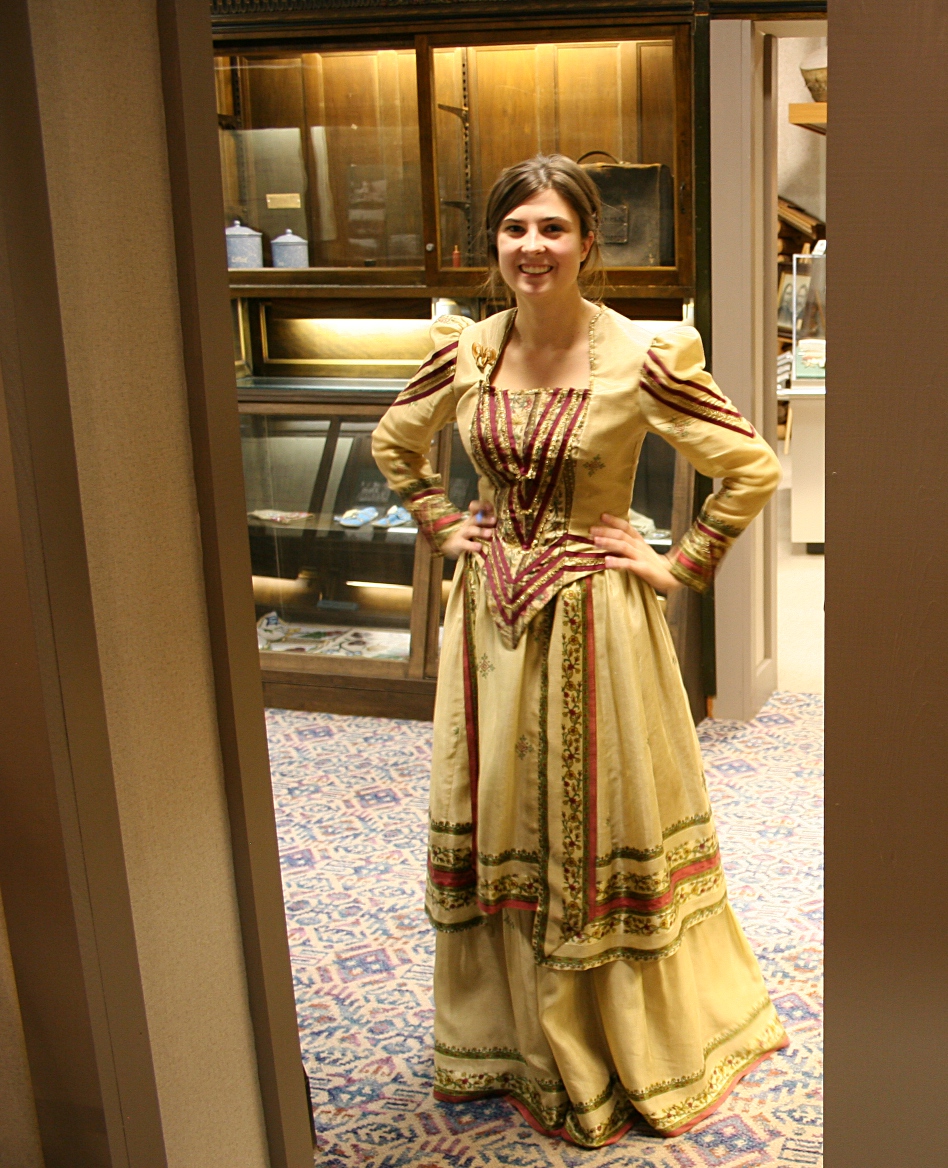
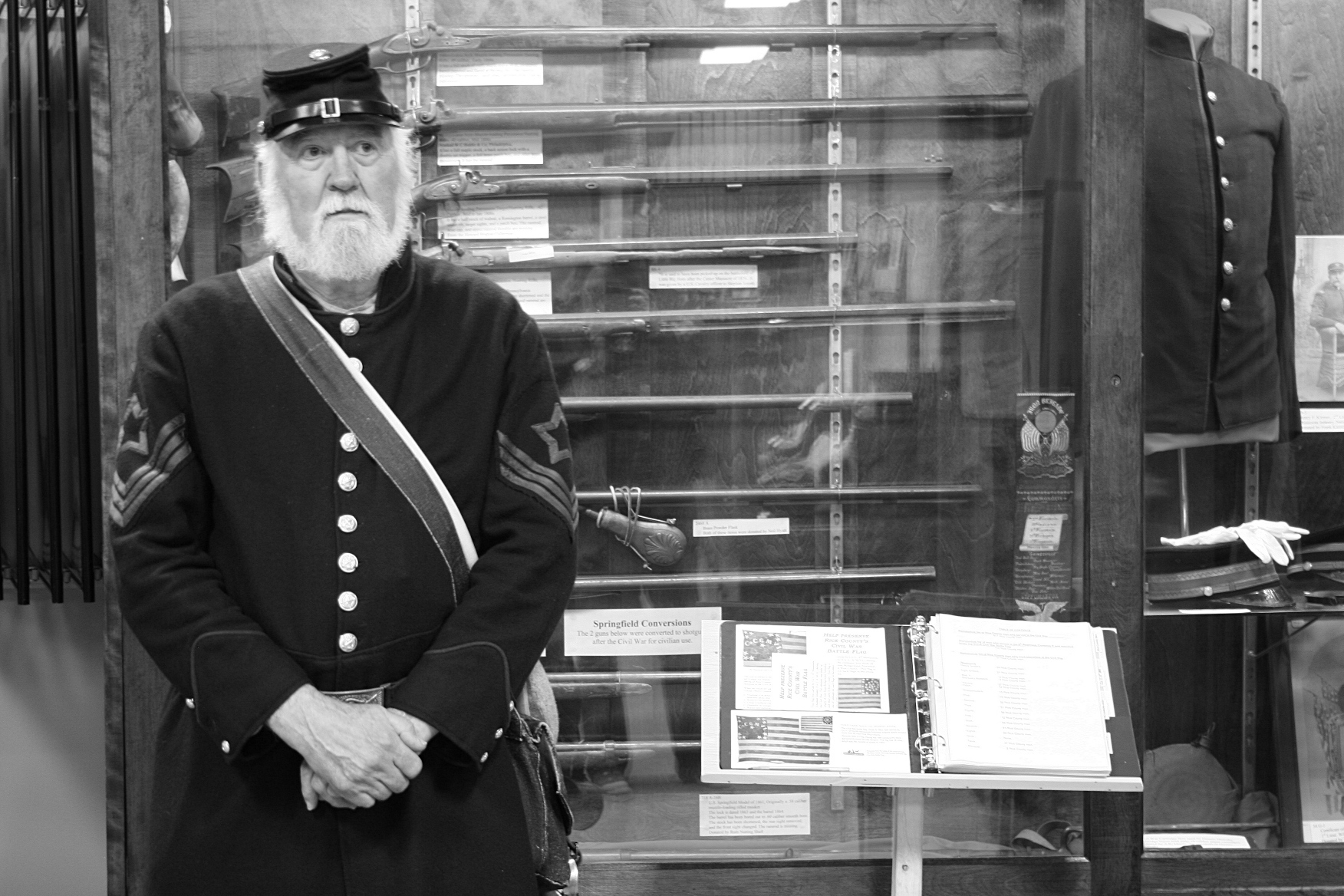
So I was excited Friday evening to attend the Rice County Historical Society’s first ever A Night at the Museum in which costumed men, women and children played the roles of historical figures. Like Evangeline Whipple, second wife of Bishop Henry Whipple, and Ordinance Sargent Jones, stationed at Ft. Ridgely during the U.S. – Dakota Conflict of 1862:

Role-playing Evangeline Whipple.

Role-playing Evangeline Whipple.

Playing the role of Ordinance Sgt. Jones.

Playing the role of Ordinance Sgt. Jones.

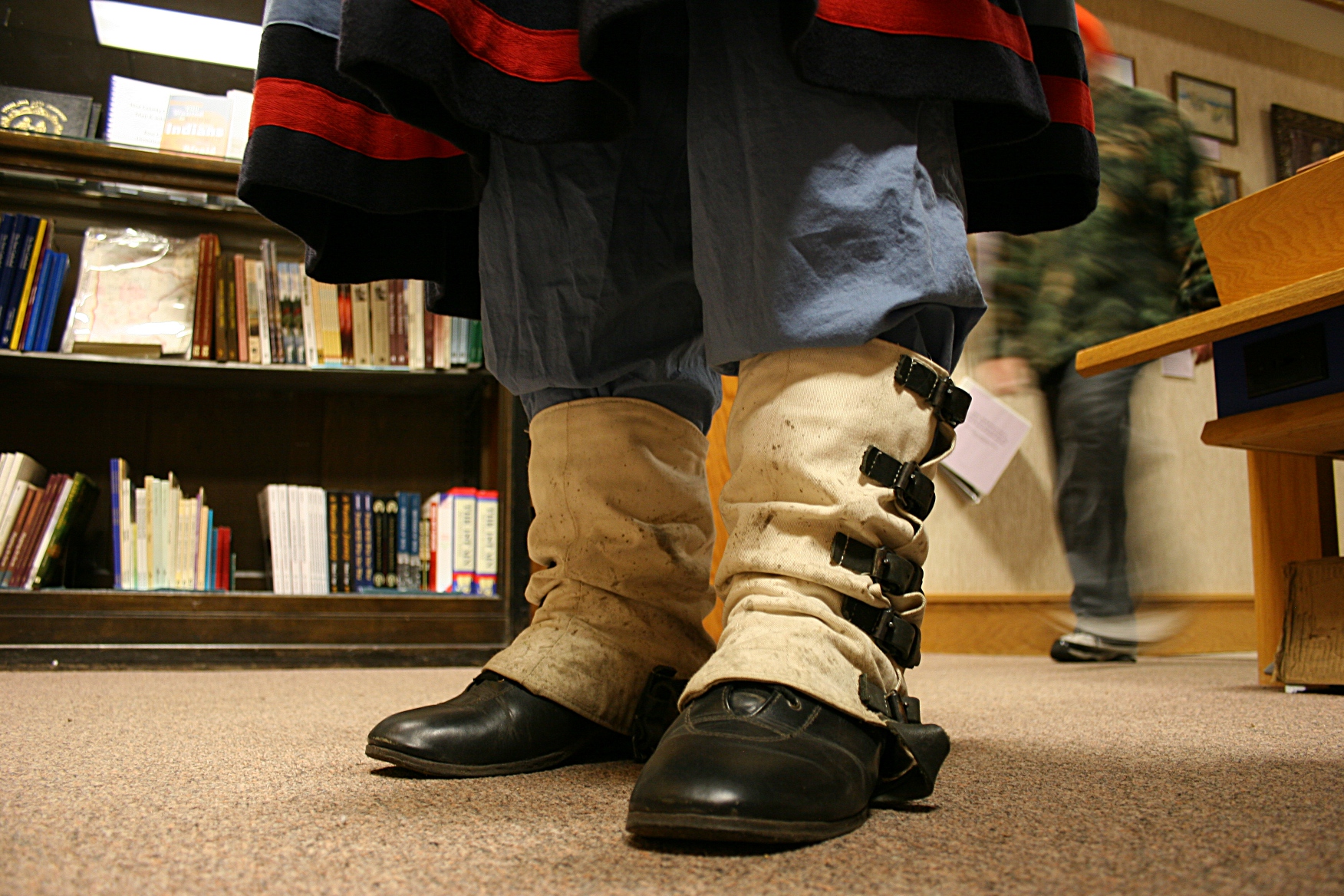
The buckled cloth covering worn by French Mary keeps mud from boots.

The buckled cloth covering worn by French Mary keeps mud from boots.

I spoke with “French Mary” Tepe about her role as a vivandiere with Pennsylvania volunteers in the Civil War. Vivandieres carried a canteen of spirits and more and attended to the sick and wounded. I’d never heard of vivandieres prior to meeting French Mary.

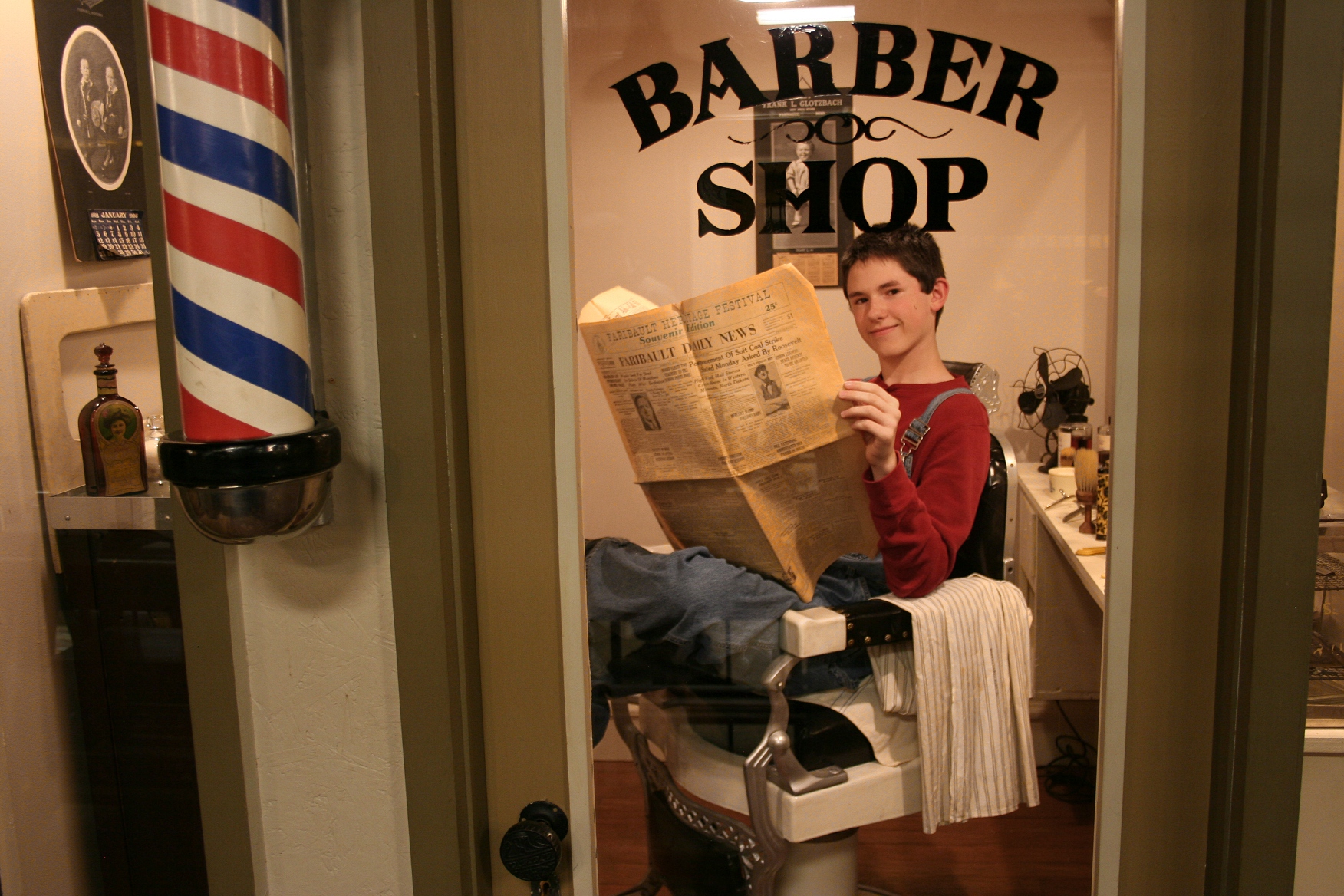
Noah, who volunteers at the library through its youth program, sat in the museum's barbershop chair during A Night at the Museum. in the museum barbershop.

Noah, who volunteers at the library through its youth program, sat in the museum’s barbershop chair.

Noah read a souvenir edition of the Faribault Daily News in an old-time barbershop while Leroy bathed in a second story room above.

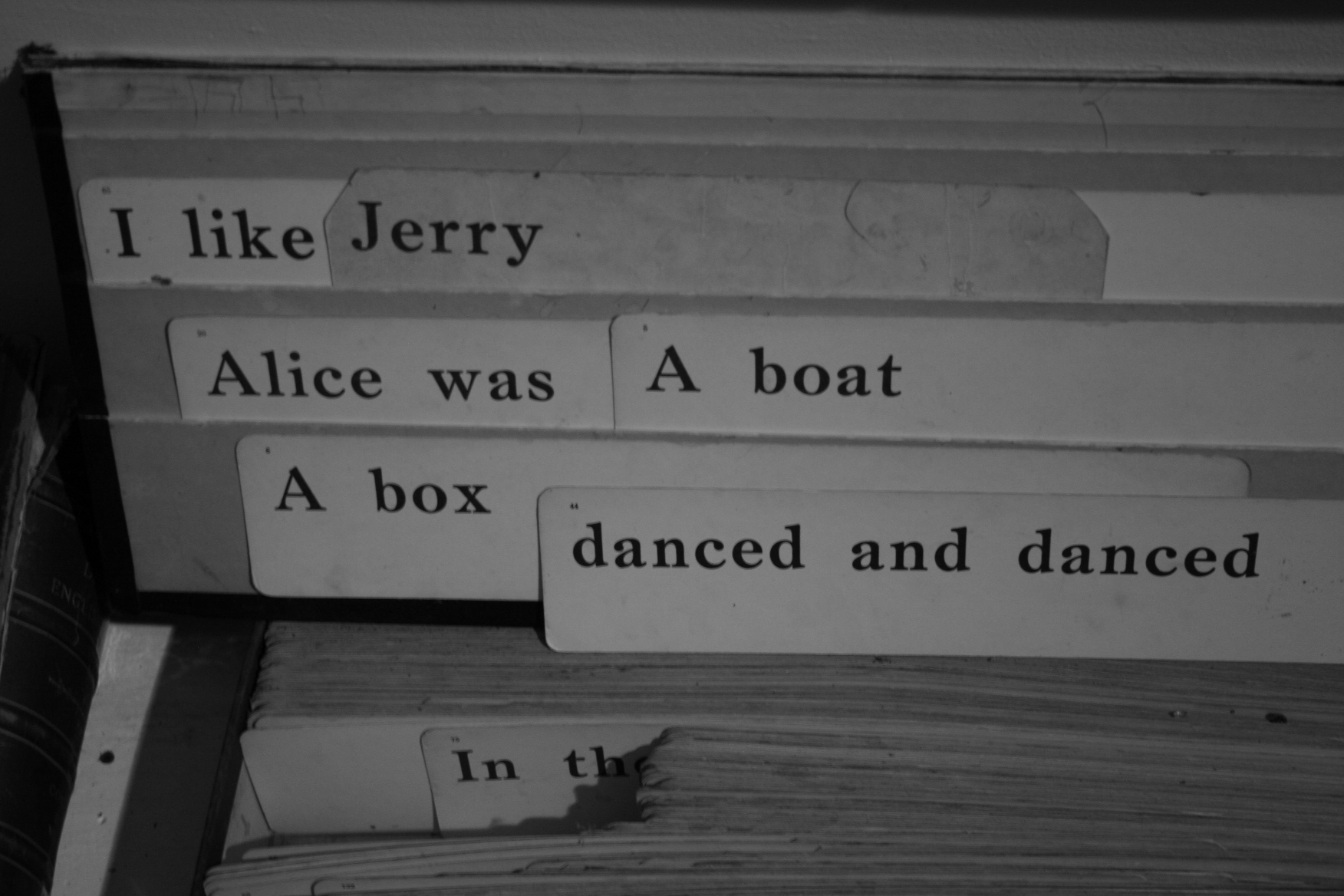
Flash cards in the one-room school.

Flash cards in the one-room school.

Mrs. Sweet taught arithmetic in the late 1850s one-room Pleasant Valley School where Noah’s sister, Hannah, along with others, assumed the roles of students.

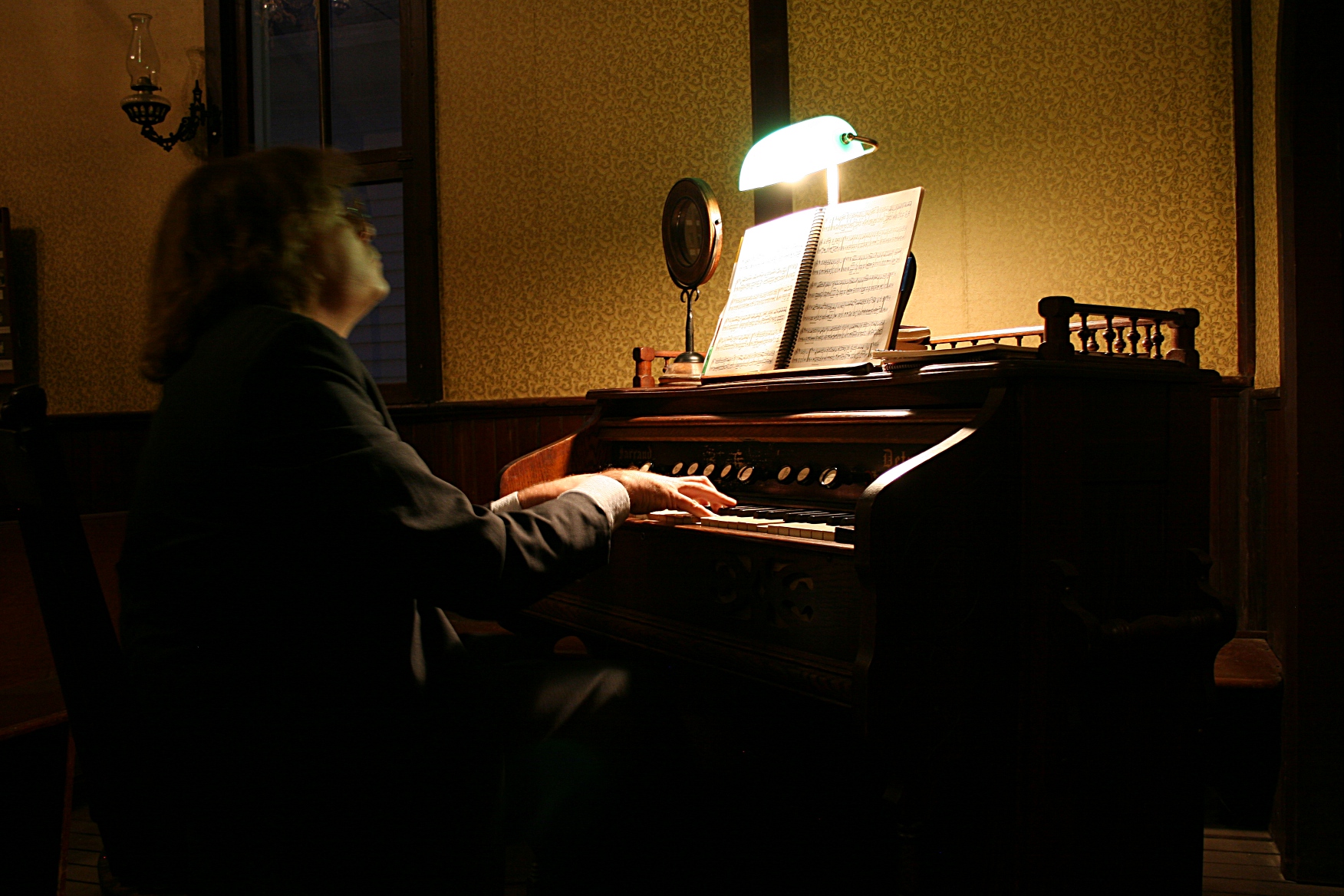
Playing the old pump organ.

Playing the old pump organ.

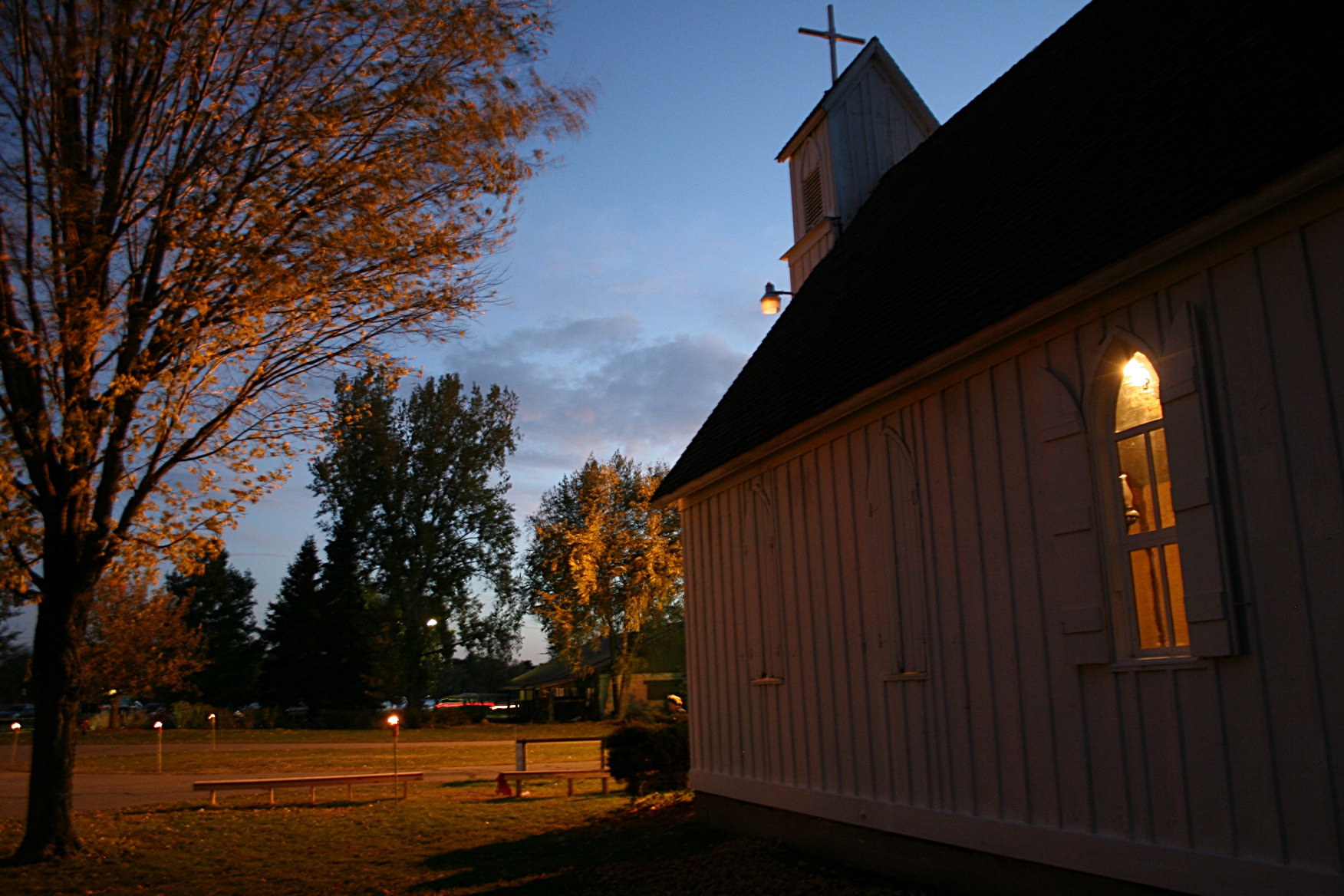
Holy Innocents, from the side.

Holy Innocents.

I listened to music played on the pump organ in Holy Innocents Episcopal Church built in 1869 in Cannon City and consecrated by Bishop Whipple.

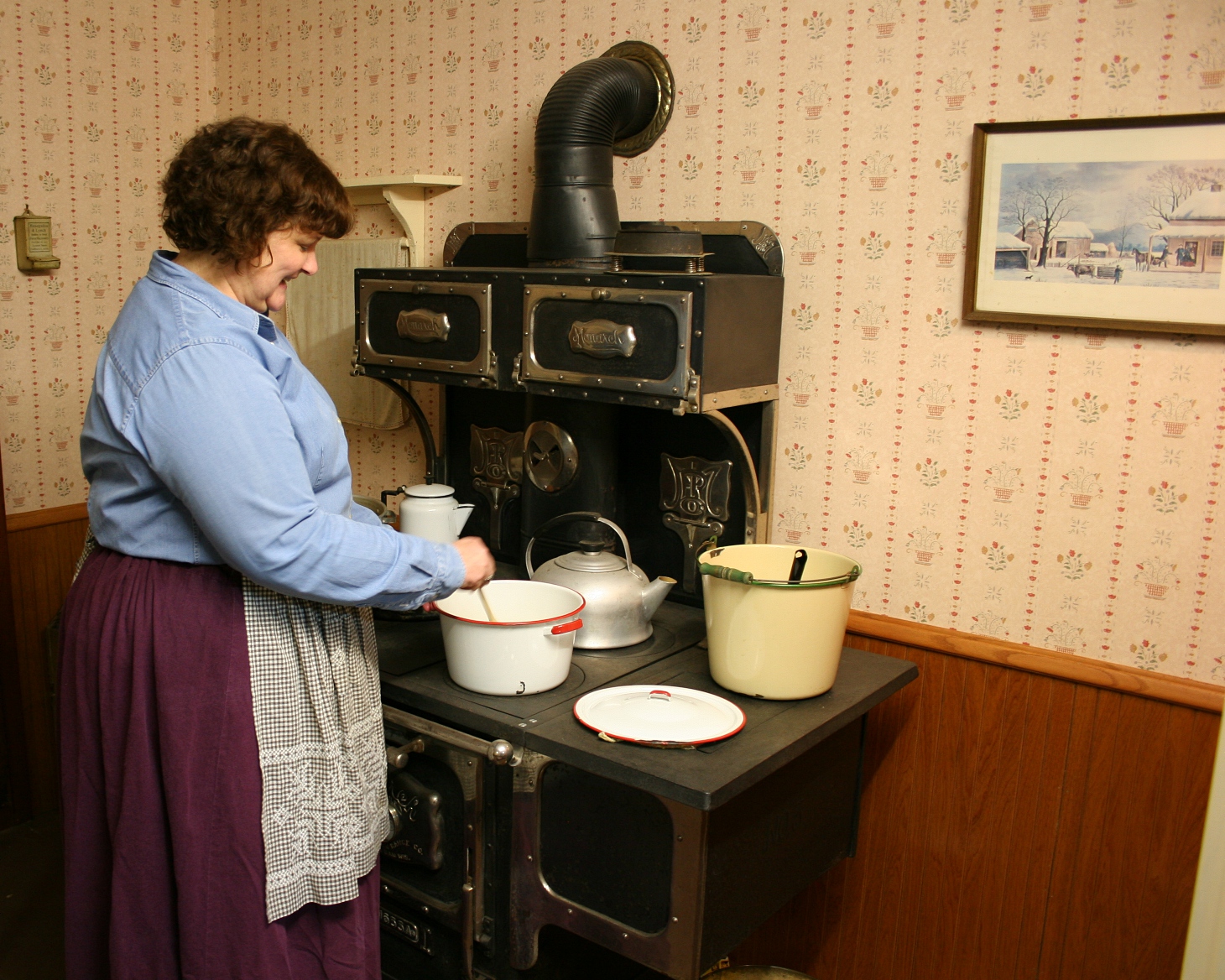
Mrs. Morris supposedly cooking applesauce.

Mrs. Morris “cooking” applesauce.

Next door I spoke with Mrs. Morris who was “cooking” applesauce in her 1920s kitchen. Except she wasn’t really using the old cookstove. The inviting scent of apples wafted, instead, from apple slices heating in a kettle on a mostly out of sight hotplate. Ingenious.

This multiple engaging of the senses added to the experience. In the old log cabin, built in the mid 1800s by a Scandinavian immigrant in the Nerstrand Big Woods, I savored the yeasty aroma of bread baking—not in the old stove—but rather in a bread machine hidden away. Ingenious.

The setting for A Night at the Museum.

The setting for A Night at the Museum.

Outside, several tiki torches flickered, many snuffed out by the strong early evening breeze. Nearby, visitors gathered around a small campfire to sip apple cider, eat hot dogs and/or munch on cookies.

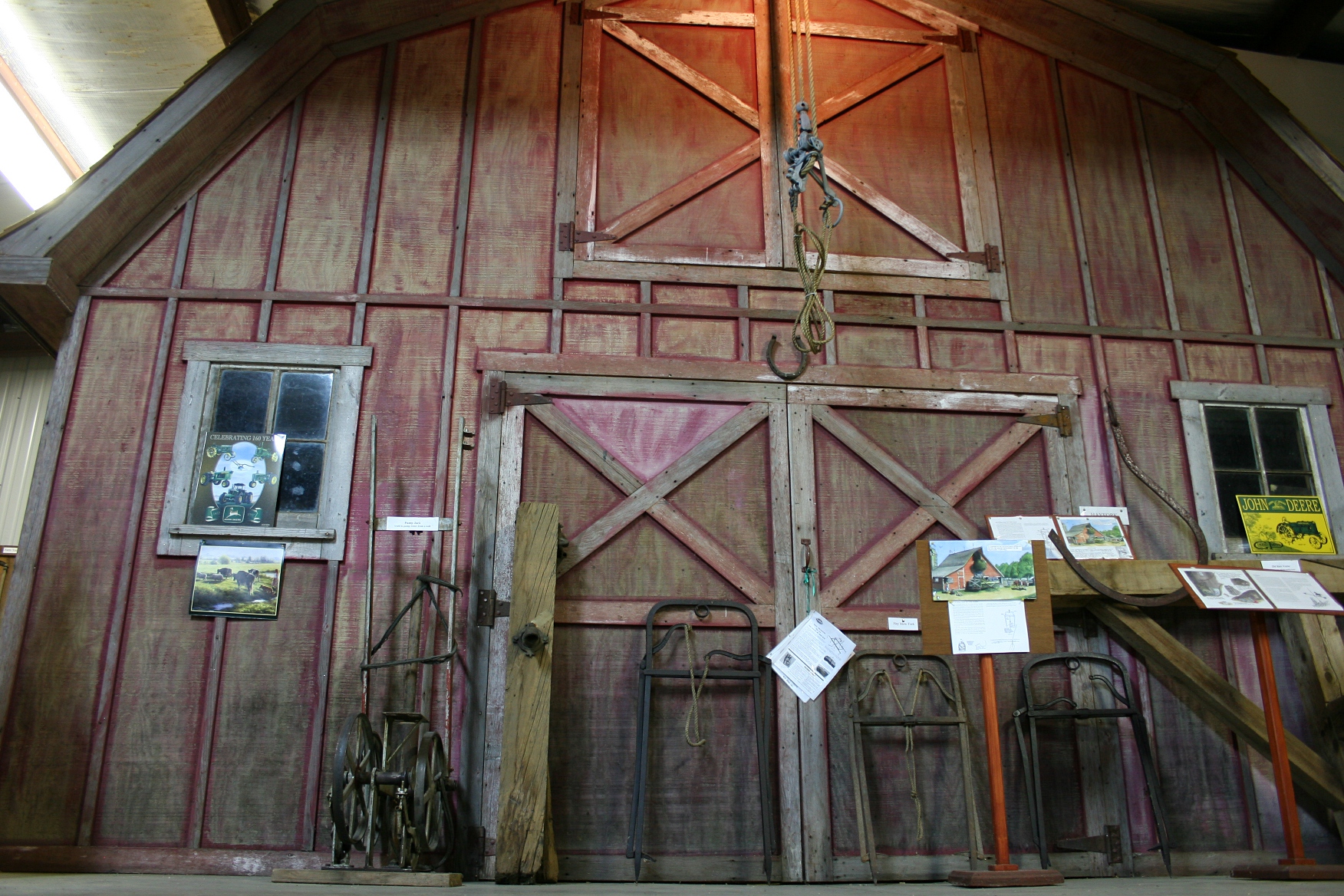
A barn front forms a backdrop in Harvest Hall, where visitors can learn about the area's agricultural heritage.

A barn front forms a backdrop in Harvest Hall, where visitors can learn about the area’s agricultural heritage.

Horses hooves clopped on the pavement as visitors were treated to a wagon ride around the adjoining county fairgrounds.

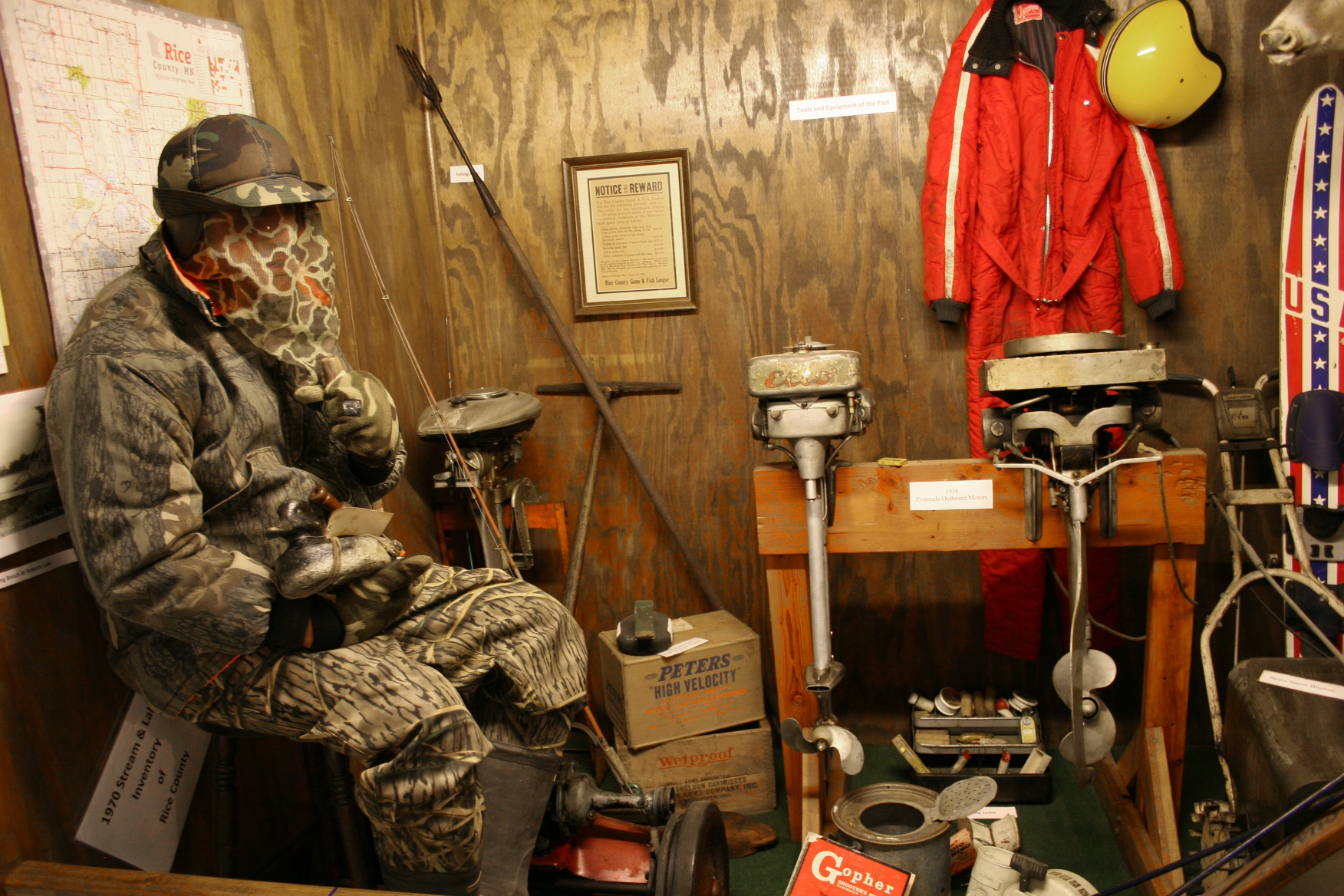
Brian Schmidt dressed as a hunter, not to be confused with a mannequin.

Not a scene from Duck Dynasty.

But the most memorable event of the evening for me, and likely Brian Schmidt who serves on the historical society board, occurred inside Heritage Hall. I stopped briefly at a display on outdoor recreational activities in the county and noticed what I assumed to be a camouflaged duck hunter mannequin in a corner. Except he wasn’t. As I walked away, a duck call sounded. Startled, I turned back, peered more closely at the masked face and realized I’d been fooled. By Brian.

A peek at Heritage Hall.

A peek at Heritage Hall.

Excellent. This Night at the Museum was not billed as a Halloween event. But in that moment, for me, it was.

© Copyright 2013 Audrey Kletscher Helbling