Minnesota Prairie Roots

Writing and photography by Audrey Kletscher Helbling

A Minnesota student art show viewed through a COVID-19 lens April 20, 2020

An overview of one small section of the student art shown at the Paradise Center for the arts, second floor gallery.


BEFORE COVID-19 BROKE here in Minnesota, before we began to social distance and isolate at home, I toured the annual Faribault Area Student Art Exhibit at the Paradise Center for the Arts in historic downtown Faribault.


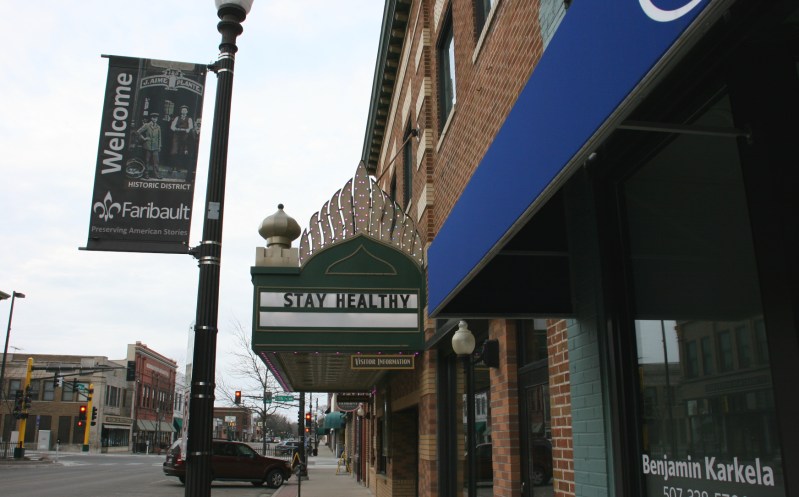
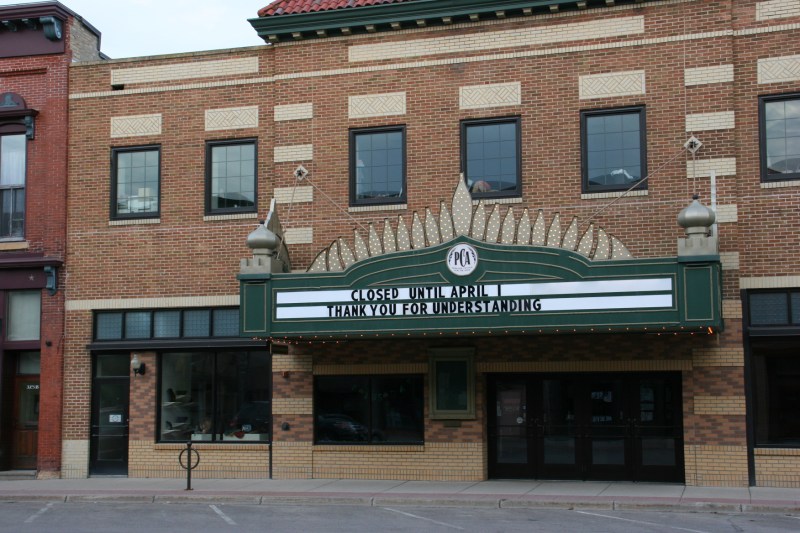
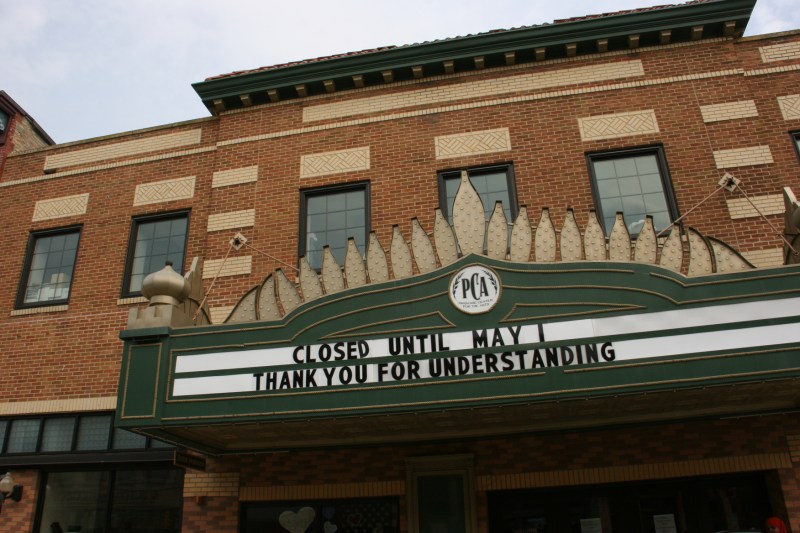
The Paradise marquee shows the arts center is closed until May 1, maybe longer.


As I do each year, I photograph some of that art to showcase here, as a way to celebrate these talented young creatives and to encourage people to view the exhibit. But the Paradise is closed now and that show by elementary through high school students inaccessible.


COVID-19 seems so relentless, breathing a firestorm of infection around the world. Art by sixth grader Eric from Cannon River Stem School.


Much has changed in the world since I toured this exhibit a month ago. Viewing it now, through the lens of COVID-19, I see the art from a different perspective. Not as the artists created pre-global pandemic, but interpreted in light of today’s crisis.


The virus rolls, overwhelms, overtakes. Yet, in the distance are the bright colors of hope. Art by Avery, fifth grader, Cannon River Stem School.


I think we’re all feeling this way. We just want this pandemic to stop, for everyone to be safe and well, and for life to return to normal. Art by Nico, second grader, Cannon River Stem School.


This art by Henrik, Nerstrand Elementary School second grader, reflects the #aworldofhearts movement to spread the love via placing hearts in windows to show care and love.


That’s the thing about art. It’s open to interpretation. We all bring our stories, our histories, our experiences, our insights, our observations, to art. No matter when it’s made or by whom, art is subjective.


A month ago, students would have been thrilled to miss a day of school. But now I expect they all wish they were back in class rather than distance learning. This art was created by Jazz, Faribault Middle School seventh grader.


While I will always view Lady Liberty as a symbol of freedom, I now also think specifically of New York and how hard this city has been hit by COVID-19. My heart breaks for New York. Art by Wendy, Faribault Middle School eighth grader.


I love Minnesota. And I’m thankful for the strong leadership shown by our governor, commissioner of health and others in leading us during this crisis. Art by Max, Jefferson Elementary School fifth grader.


Today, while scrolling through my photos from the student art show, I selected art that holds an entirely different meaning than it would have a month ago.


We are all hoping for this at some point–a return to normalcy, to doing the things we love. Like camping. Art by Alex, Jefferson Elementary School fifth grader.


Take your time to study this student art. Consider your reaction. And read my thoughts (in the captions under each photo) about the art in the light of today’s COVID-19 reality.


This superhero art by Audrey, third grader at Lincoln Elementary School, represents all the heroes out there on the frontlines. The doctors, nurses, first responders, grocery store workers…scientists who are working hard to develop a COVID-19 vaccine.


THOUGHTS? I’d like to read your reactions to any of the art featured here.

Please check back for more photos from this student art exhibit.

© Copyright 2020 Audrey Kletscher Helbling


My nature escape in Faribault April 17, 2020

Filed under: Uncategorized — Audrey Kletscher Helbling @ 5:00 AM
Tags: , , , , , ,

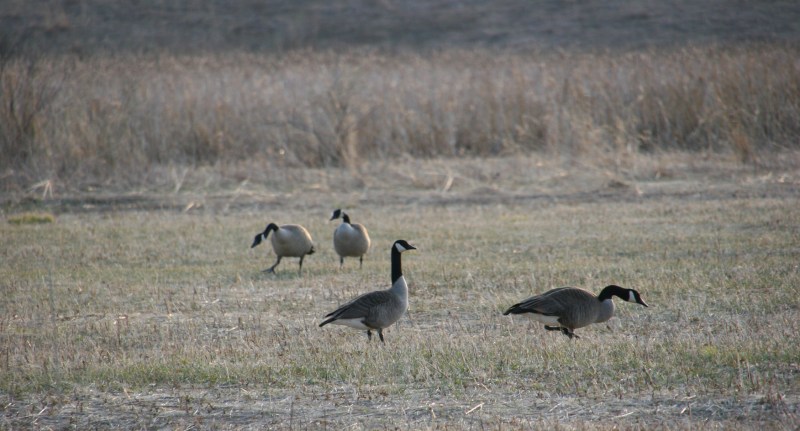
Geese take flight from one of several ponds at Faribault Energy Park in this edited photo.


LAST SATURDAY, WHEN I NEEDED an escape into nature, Randy and I drove to the northwest side of Faribault and a favorite outdoors destination, the Faribault Energy Park.


I especially enjoy walking at Faribault Energy Park near sunset. The buidling in the distance is across Interstate 35 from the park.


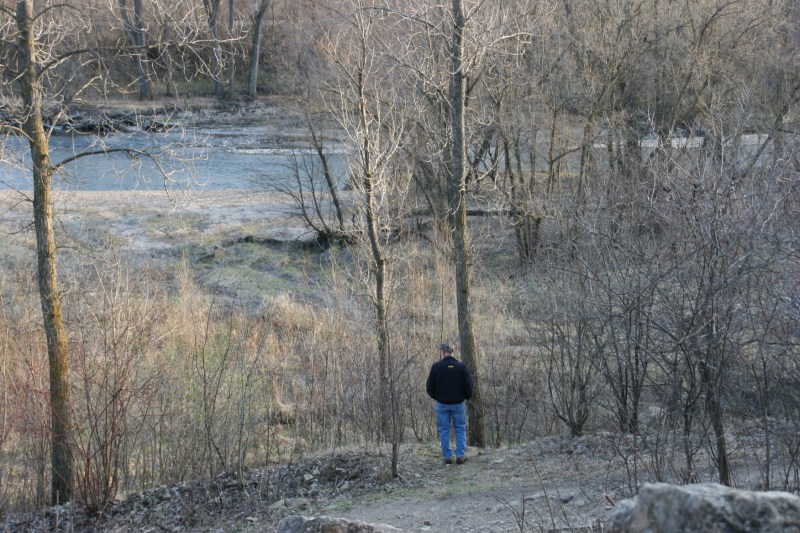
I anticipated our walk there along dirt trails that wind past ponds. Even with Interstate 35 in sight and traffic droning in the background, I still enjoy this spot.


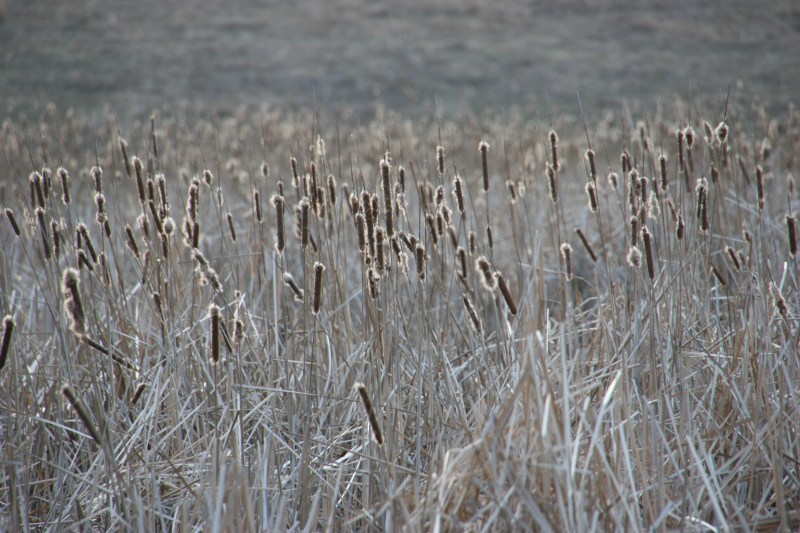
Cattail remnants edge a pond.


The openness of the landscape, the tall grasses and wildflowers (when in season) and the mix of wetlands remind me of the prairie.


I always hear birds here, even above the noise of I-35 traffic.


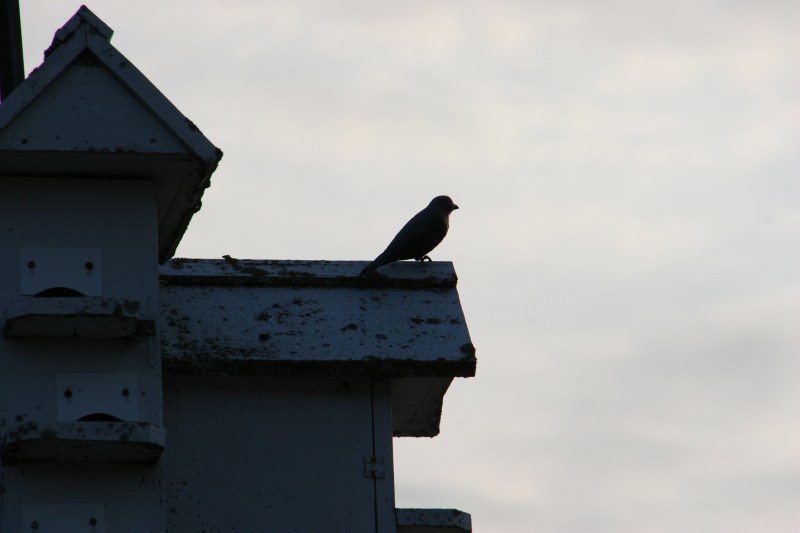
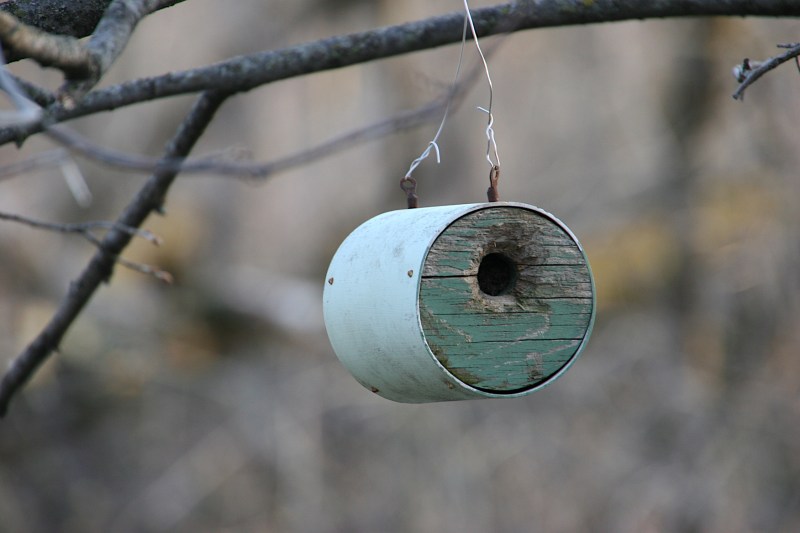
An on-site birdhouse.


A creek runs through the property with plenty of places for birds.


I delight, too, in the birdsong and the glimpses of red wing blackbirds, waterfowl and other birds. I don’t like, though, the dogs sometimes unleashed here by irresponsible dog owners. This isn’t a dog park. On one occasion, a large dog jumped on me, slicking me in mud. This is not OK and it angers me when people have no respect for others.


I notice details, like these dried, curled leaves that survived our harsh Minnesota winter intact.


Dried milkweed pods, too, have always seemed artfully beautiful to me.


Like a fossil, a leaf in the muddy trail.


But on this Saturday, there would be no walk through the Energy Park, no dogs to dodge. The gate into the park, typically open from sunrise to sunset daily, was closed and locked. I didn’t understand, until I observed police vehicles and a group of law enforcement officers gathered nearby. Later I would learn of a shooting in a local hotel parking lot and the hunt for a suspect in the northern industrial park where the Energy Park is located.


The graceful arc of sumac drew my attention (photo edited).


My plans to escape into this natural setting vanished and so we went to Plan B, a walk along the trail in North Alexander Park, a favorite spot bordering the Cannon River. Seems others had much the same idea. The park and trail were busy.


The beautiful sunset filters through the cloud bank.


I still prefer the mostly undiscovered Energy Park. I hope the gate will be unlocked this weekend, when the weather forecast calls for sunshine and 60 glorious degrees.


Berries add a splash of color to the mostly drab mid-March landscape.


Note: I took the above photos in mid-March at Faribault Energy Park, which is owned by the Minnesota Municipal Power Agency.

© Copyright 2020 Audrey Kletscher Helbling

 

My story: Insights learned from whooping cough April 16, 2020


The gravestone of Deloris Edna Emilie Bode, my aunt who died of highly-contagious whooping cough at age nine months. A great aunt, Ida, also died of pertussis at the same age. Minnesota Prairie Roots file photo.


FROM THE BLOG ARCHIVES

In the summer of 2005, when I was 48, I came down with what I initially thought was a bad cold. Turns out the horrific sore throat, followed by the equally horrific cough, was actually whooping cough. After three doctor’s visits and a misdiagnosis of bronchitis, I was correctly diagnosed with pertussis, the first case my physician had ever seen in his longtime career.

When he informed me that pertussis is also known as the 100-day cough, he was not joking. I was racked by uncontrollable fits of coughing from around July Fourth until well after Labor Day.

For me, the summer of 2005 was spent languishing on the couch, feeling like absolute crap, exhausted from lack of sleep (ever try sleeping when you are constantly coughing), utterly worn down, unable to barely function.

The worst, and I mean absolute worst, moment came when I awoke one night gasping for air, my windpipe narrowed. In retrospect, that asthmatic type attack warranted a 911 call and I now consider myself fortunate to have survived. Yes, it was that bad and necessitated another visit to the doctor for a regiment of the inflammation reducing steroid prednisone and an inhaler.

I don’t know why I experienced a particularly bad case of whooping cough. Typically the young and elderly are most harshly affected. Unvaccinated infants can even die.

Nor do I know how I got a disease I thought had vanished decades ago and which claimed the life of my Aunt Deloris in 1935 at nine months old. My doctor speculated that I could have been exposed waiting in the check-out line at the grocery store. I’ll never know.


FAST FORWARD TO 2020

Why do I share this experience, which I first blogged about in 2010? I reblog this because it’s a very real example of how easily I became infected with a highly-contagious bacterial disease simply by being out and about in public. To this day, I have no idea where I picked up whooping cough and then passed it along to two family members. Since then, I’ve learned that the vaccine for pertussis, a serious respiratory tract infection, wears off and re-vaccination is needed.

When I consider how ill I became from whooping cough at age 48, I can only guess how the much more serious COVID-19 might affect me 15 years later at age 63. I recognize the two differ—one is bacterial, the other viral, for example, with many other differences. But some similarities.

Having contracted pertussis via community spread illustrates and underscores the importance of social distancing, of staying at home, of recognizing how quickly and easily the highly-contagious and potentially deadly COVID-19 virus can spread.


WHAT I’M SEEING

I shop at the grocery store weekly because, you know, I eat. I’ve seen too many people who don’t seem to care about social distancing. I can tell right away. They hog the aisle, don’t move over, come too close. In all fairness, many people are being safe, careful and respectful and I appreciate that.

While en route to the grocery store or to a park (about the only places I go now days), I’ve observed groups of obviously unrelated people chatting, even leaning into car windows. No social distancing. I’ve seen landscapers clustered around the back of a pick-up truck.

I recognize that we live in a free country and that people will make choices that are unwise, unsafe and not in the best interests of their health. But when those decisions affect the health of the general public, it’s different. We are all aware that COVID-19 is highly-contagious, even deadly. Every single one of us ought to care because our lives, and the lives of those we love, of our friends, our neighbors and, yes, even the woman in the grocery store, depend on us caring. Whether we live in New York or Minnesota, this virus does not distinguish between rural and urban. No one is immune.

© Copyright 2020 Audrey Kletscher Helbling
 

With gratitude for community newspapers April 15, 2020

Published in the Faribault Daily News in August 2017 as part of a “Whiteout” campaign by Minnesota newspapers during Minnesota Newspaper Week. Minnesota Prairie Roots file photo 2017.


NOW, MORE THAN EVER, our community newspapers need our support. They, like so many businesses, have been negatively affected by COVID-19.

Ad revenue has plummeted due to business closures. One only need page through a local newspaper to notice the drop. Advertising, and subscriptions, pay expenses from printing to payroll.


The Faribault Daily News on my front steps, when it was still delivered by carrier. Today the paper lands in my mailbox, delivered by the post office. Minnesota Prairie Roots file photo.


Already in Minnesota, several newspaper—The Hastings Star-Gazette and the Bulletin, serving Woodbury and Cottage Grove and owned by River Town Multimedia—will cease publication in early May. In Fargo/Moorhead, The Forum is no longer publishing a print paper on Mondays and Fridays.

In my community and throughout the region, Adams Publishing Group employees’ hours have been cut. And more. I’ve lost work as a freelancer and columnist for an APG arts/entertainment/lifestyle magazine that has temporarily suspended publication.

I view this issue from an insider perspective, having earned a degree in journalism and with experience as a small town newspaper reporter and photographer, albeit decades ago. I understand the importance of community journalism. I understand how hard these reporters and editors work to bring you local news. I understand the long and odd hours and the low pay. I’ve been there. Now, more than ever, newspapers are an essential business in keeping communities informed.


Published as part of the “Whiteout” campaign in 2017. Minnesota Prairie Roots file photo 2017.


Journalists commit to bringing you the stories that matter in your community. Think about that for a moment. Stories that matter in your community. The feel-good stories. The watchdog stories about public meetings. The hard news. Only in a local paper will you see those stories and photos targeted specifically for your community or region.


The front page of the Faribault Daily News following a devastating tornado in September 2018. Local news found only in community newspapers. Minnesota Prairie Roots file photo 2018.


I am grateful to the reporters, editors, page designers, ad reps and more at my local paper, the Faribault Daily News, who continue to invest their time and energy in community journalism. All too often, people criticize their work. Complain. Please, don’t kill the messenger who delivers bad news, along with the good. The reporter is just doing his/her job.

Rather, we should be grateful. We should thank these hard-working men and women for all they do. And today that means making sense of COVID-19 on a local level—writing about locals sewing face masks, hospital staff cuts and, yes, even the difficult stories about people infected with the virus. You won’t necessarily hear or read those stories in other media outlets. Our community newspapers are just that, all about community. Your community.

Please support community journalism by subscribing to your local newspaper, by purchasing ads (if your budget and situation allow), by saying “thank you.”


What if your community lost its newspaper? This is the front page of the Faribault Daily News during the 2017 “Whiteout” campaign. Minnesota Prairie Roots file photo 2017.


FYI: I invite you to read my August 2017 post about a “Whiteout” campaign by 200 Minnesota newspapers reminding people about the importance of local newspapers in their communities. It’s worth a read. Click here. And remember that a free press is a vital part of our democracy. We need reporters asking tough questions, gathering information and presenting the facts.

JOIN ME in expressing your gratitude for community newspapers in the comments section below. Tell me what you appreciate about your local newspaper and those who work there. Thank you.

© Copyright 2020 Audrey Kletscher Helbling
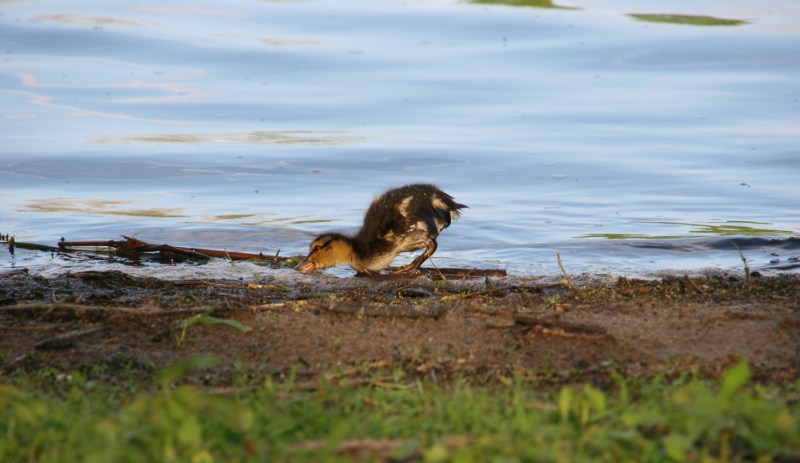
 

The poetry of trees at sunset April 14, 2020


SUNSET. I FIND IT profoundly beautiful. Poetically beautiful.


Last week while walking a tree-lined trail in Faribault’s North Alexander Park, I stopped to appreciate the sunset through the trees.


I aimed my camera lens skyward, toward treetops. Branches, like lines drawn in wide chisel and felt tip markers, traced the sky. Sharp against backdrop canvases of blue, pink and orange. Lovely. The literary and visual work of an artist.


Scenes like this are so ordinary, yet extraordinary. Nature, when viewed in pause mode, seems even more stunning these days.


When I lift my camera and look through a viewfinder to frame a photo, I see so much. I notice details. Shapes. Colors. Patterns. Light.


It’s a process similar to writing poetry. I immerse myself in creating something beautiful. Poetry requires sparse, well-chosen words. Photography requires that, too, but in a visual way.


In this unprecedented time of social distancing, isolation and concern about COVID-19, I feel especially grateful for a quiet place to walk, to appreciate the art of nature and then create my own art via photography.


April is National Poetry Month. Celebrate by reading a poem, writing a poem or finding a poem in nature, like I did at North Alexander Park on a cold April evening with strong winds gusting from the northwest, sometimes shaking my camera lens.

© Copyright 2020 Audrey Kletscher Helbling
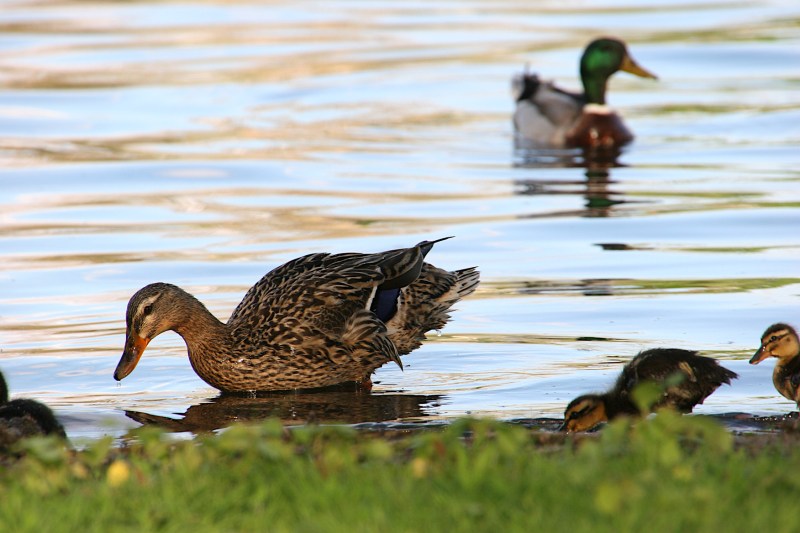
 

Palm Sunday thoughts & messages from Minnesota April 5, 2020

St. John’s 50th presentation of “The Last Supper Drama” in 2012. Minnesota Prairie Roots file photo.


PALM SUNDAY. It’s a noted day in the church year as we remember Jesus’ ride into Jerusalem followed this Holy Week by The Last Supper, the betrayal of Jesus and then His crucifixion. And, a week from today, we celebrate His resurrection on Easter morning.

Typically this Palm Sunday evening, Randy and I would head out of town to a country church to watch “The Last Supper Drama” at St. John’s United Church of Christ, Wheeling Township, rural Faribault. This would have marked the 58th year St. John’s folks present this depiction of The Last Supper, the final time Jesus gathered with all His disciples.

But this year, because of COVID-19, there will be no drama.


Judas grips the bag of silver, his reward for betraying Christ. Minnesota Prairie Roots file photo.


Attending this drama has become tradition for us. And for many. The script, penned long ago by a St. John’s pastor, remained unchanged through the decades. I’ve always appreciated this mini-play in which each disciple speaks of his personal relationship with Christ. It gave me a new perspective.

I appreciated, too, the time invested in bringing this message to those of us gathered at sunset in this small country church. There’s something incredibly comforting in the sameness of it all—in the same narrative and monologues, the same music, the same costumes, the same fake beards (for those that don’t grow real ones), the same props, the same movement of the creaky spotlight… Only the actors vary from year to year.

In a time when we are all struggling, I reflect on those “The Last Supper Drama” presentations at St. John’s with gratitude. I can draw on memories of those messages to uplift me on this Palm Sunday.

Click here to see past posts I’ve written about “The Last Supper Drama.”


Photographed a week ago at Fourth Avenue United Methodist Church, Faribault.


Minnesota Prairie Roots photo.


MORE MESSAGES

Last week I photographed this message posted outside Fourth Avenue United Methodist Church, Faribault. It’s always interesting to see what local churches post on their outdoor signage. Words can be powerful.


Minnesota Prairie Roots file photo.


MORE WORDS

I invite you to read my message posted earlier this week on the Warner Press blog. Click here to read “From Darkness to Light.” I lead the blogging ministry at this Indiana-based Christian publisher and am humbled to use my writing skills to help others during these trying times.

Many blessings to you and those you love today and in the Holy Week ahead and beyond. Be well, my friends.

(Disclaimer: I am paid for my work with Warner Press.)

© Copyright 2020 Audrey Kletscher Helbling
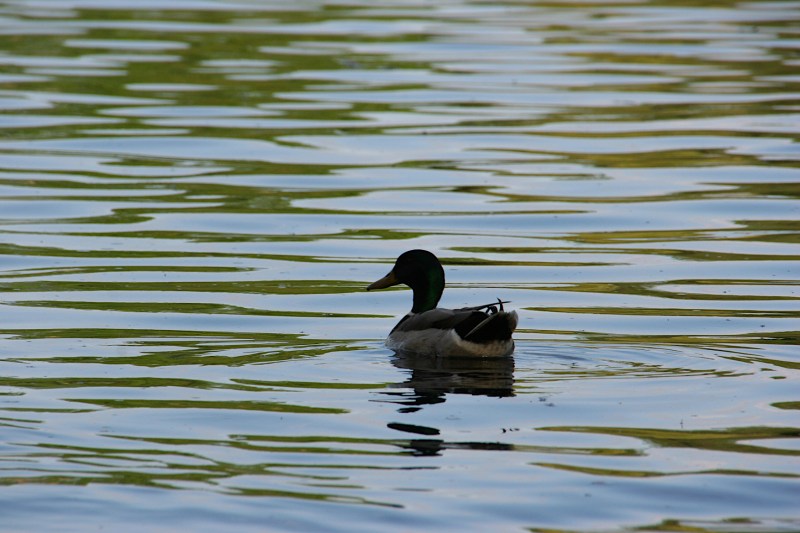
 

Five people, two dogs, no kids April 1, 2020


Ducks swim in the Cannon River at North Alexander Park, Faribault.


NOW, MORE THAN EVER, the desire to get outdoors, to stretch my legs, to connect with nature, to escape all things COVID-19 related intensifies. I need the mental break, the sense of calm that prevails when I distance myself from the current crisis.

I live in a city of some 24,000 with an extensive recreational trail and park system and a sprawling nature center. We can spread out within city limits or quickly drive into the countryside for a rural escape.


Walking the dog along the trail in North Alexander Park.


On Saturday morning, before a day of rain began, Randy and I drove to North Alexander Park on the other side of Faribault to walk the Northern Link Trail connecting with the Straight River Trail. The paved path hugs the Cannon River, curving past trees, playgrounds, picnic shelters, and clusters of ducks and geese.


A section of the trail passes through a space populated by trees, and birds.


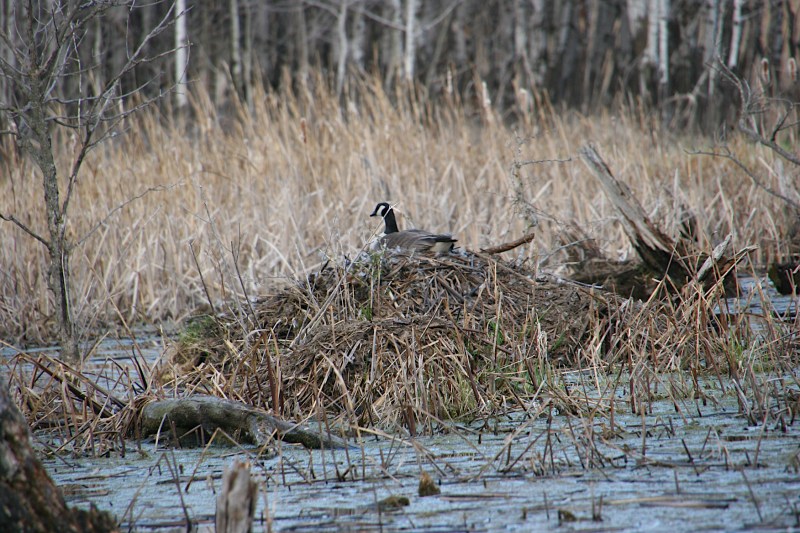
I enjoy this section of trail for several reasons—the river, the waterfowl, the diversity in open and wooded spaces, and the minimal number of people walking or biking here. It’s always been that way, even pre-coronavirus. While the trail is typically uncrowded, the park itself is usually busy. Teens shoot hoops. Families picnic. Athletes play baseball and softball. Kids use the playgrounds. But not now. Not during the COVID-19 pandemic.


Fences block picnic shelters.


A broad view of the now off-limits playground.


Stay off the playground.


With a “Stay at Home MN” executive order and social distancing in effect, park amenities can no longer be used. Orange snow fences wrap picnic shelters and playgrounds. When I saw those, I stopped. Sadness swept over me to see these places, where families often gather, where kids swing and slide and climb, closed. This is our new reality. Intellectually, I understand. Mentally, I rebel.


In my mind’s eye, I see a little one swinging.


A playground near the Cannon River.


No sliding here…


I want to hear the laughter of children. I want to see kids run and slide. And swing sticks at pinatas during family celebrations, as I have during past walks here.


Geese line the bank of the Cannon River in North Alexander Park.


But on this Saturday I saw none of that. Heard none of that. Instead I observed only three other adults (besides Randy and me) and two dogs. And I heard the warning honks of nesting geese, breaking the morning silence.

© Copyright 2020 Audrey Kletscher Helbling
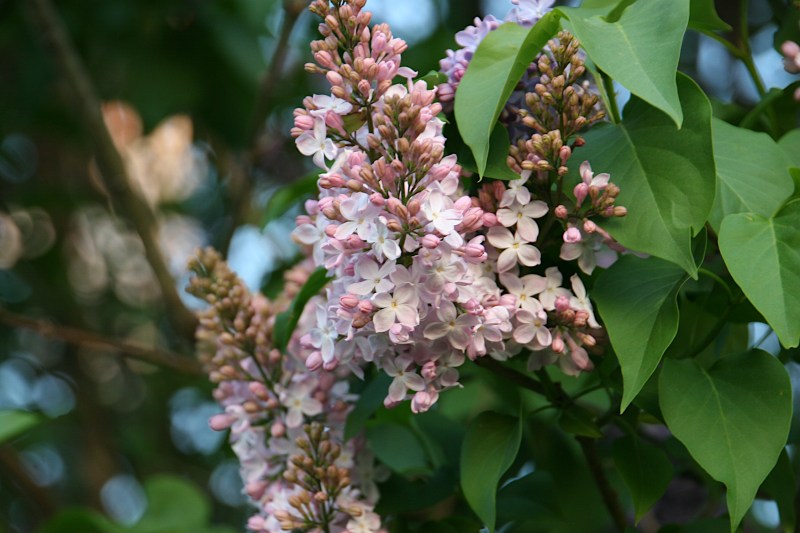
 

Hunting for teddy bears March 31, 2020

The 30th anniversary edition of Michael Rosen’s book, We’re Going on a Bear Hunt, published in 2019.


WE’RE GOING ON A BEAR HUNT. We’re going to catch a big one.

Those words from the 1989 children’s picture book, We’re Going on a Bear Hunt written by Michael Rosen and illustrated by Helen Oxenbury, are inspiring the latest global movement unifying the world during the COVID-19 pandemic. Teddy Bear Hunts.

Worldwide, families are searching for teddy bears in windows during walks about their neighborhoods and communities. Minnesota Public Radio reports in its March 30 Daily Dose of Sweetness series that Rochester, home to the world-renowned Mayo Clinic, is already heavily involved in the Teddy Bear Hunts. My friend Jackie, a nurse at Mayo, confirms that.


A teddy bear sighting in the window of a house at the corner of Fourth Avenue and Division Street in Faribault.


Here in Faribault, I haven’t searched much for bears, only watched for them while out and about on Saturday to pick up groceries and to later walk a city trail. Randy spotted one bear, in a house window at the corner of Division Street and Fourth Avenue.


A close-up of the Fourth Avenue teddy bear with a cross above it.


I find these hunts a great idea to distract kids, and grown-ups, from the scary realities of the current health crisis. Shifting our focus onto something fun seems vital to our mental health. I often wonder how much our kids are picking up on our concerns, on the seriousness of the situation. When I asked my eldest awhile ago what she’s told her 4-year-old about COVID-19, my daughter said only that “a lot of people are sick.” Isabelle can understand that. I’m thankful my grandson, at a year old, is too young to comprehend any of this.

For us grown-ups, movements like Teddy Bear Hunts help us cope by shifting our attention to engaging the youngest among us. Kids have always held that ability to refocus our minds, to make us smile, to remind us of life’s simple joys. Like reading a book and going on a bear hunt in the middle of a global pandemic.

© Copyright 2020 Audrey Kletscher Helbling
 

Simple, yet powerful: The paper heart March 30, 2020

Minnesota Prairie Roots photo.


IN A WORLD THAT TODAY needs all the love we can give one another, the simple act of cutting out and posting paper hearts in windows is spreading the love. Right here in my Minnesota community.


In the window of a house along Second Avenue NW in Faribault.


While en route to the grocery store and to a local park to walk a recreational trail on Saturday, I spotted paper hearts. In the front window of a house. On the windows of a bank. And covering doors and windows at Rice County Government Services. Those bright displays made me smile.


Hearts cover the doors leading into the Rice County Social Services building in Faribault.


I had no idea then that this heart art is part of a movement, spread on social media via “A World of Hearts” and “Hearts in the Window” Facebook pages. A woman from Bismarck, North Dakota, started #aworldofhearts. And another from British Columbia started the second group.


Minnesota Prairie Roots photo.


What a great idea. To uplift spirits. To give joy. To connect people in a time when we are all social distancing and staying home due to COVID-19. To spread the love via a world-wide movement. We need this sense of togetherness.

TELL ME: Have you seen heart art in windows in your community? What’s your reaction to this movement? Are you, or will you, join this effort?

© Copyright 2020 Audrey Kletscher Helbling
 

Sunday thoughts about worry, connecting & faith March 29, 2020

On the Trinity Lutheran Church Facebook page, you will find daily inspirational bible verses such as this one posted last week.


I TEND TO BE AM a worrier. I overthink things. I consider all angles and possibilities. Maybe my journalism persona is partly to blame. Lessons learned in college classes and in my days of news reporting called for balanced, unbiased reporting. Consider all sides of a story.

But, in all honesty, my personality is such that I ruminate. I don’t particularly like change. I like to feel some sense of control. I expect that applies to many of you. Especially now.

These are days that challenge us in so many ways. The uncertainty. The fears. Separation from loved ones. The reality of COVID-19 touching us personally. Our families. Our friends.

Now, more than ever, I rely on my faith. To calm me. To give me hope. To reassure me.

This morning I listened, for the second week in a row, to worship services online, live-streamed from my church, Trinity Lutheran in Faribault. This was a gospel service with violin and piano music and old familiar hymns. Volunteers and staff practiced social distancing during that service. Not to worry.

As I listened to the music, the sermon and Scripture read, and prayed, I remembered the pastor’s opening words that we can still be “spiritually present with one another.” Yes, we can. I miss my faith family, people who mean a great deal to me. People who have supported me during really difficult times. People who have celebrated with me. People whom I care for deeply.

I care about you, too.


A photo of Christ’s face from a stained glass window in my church, Trinity Lutheran, Faribault. Minnesota Prairie Roots file photo.


While listening to the songs played today in the Trinity worship service, I jotted down these especially meaningful snippets:

O Mighty God, great is your love.

All to Jesus I surrender, Lord, I give myself to thee.

Let trials turn us not aside.

In the children’s message and pastor’s sermon, we were encouraged to “go” (without “going”) and do what we can—even in this time of isolation—to spread the love of Jesus. Make cards. Call people. Connect.


Vintage art from the Trinity radio room. Minnesota Prairie Roots file photo.


We all have the power to do exactly that. From our homes. Even when ordered to stay home, to social-distance, to isolate, we can support and encourage each other. Be there for one another. Work together through the fear, worry and anxiety. I turn to Scripture, too, to uplift, encourage and give me peace. I pray.

And I write, because writing is a way to help myself and others through the COVID-19 crisis. Click here to read my latest Warner Press blog post, “Past Plagues Remind Us of God’s Power & Compassion,” published as part of our new Sunday “Scriptures of Hope” series.

These all help me deal in these difficult days… Be well, my friends.

PLEASE SHARE WITH ME ways you are connecting with others, dealing with your personal concerns, etc. I’d like to hear. We can all learn from on another. Watch this week for posts showing ways people in my community are sharing the love.

FYI: To hear this morning’s Trinity worship service and more, click here, for Trinity Radio and Video YouTube videos.

Disclaimer: I am paid for my work as the Warner Press blog coordinator. 
© Copyright 2020 Audrey Kletscher Helbling