Minnesota Prairie Roots

Writing and photography by Audrey Kletscher Helbling

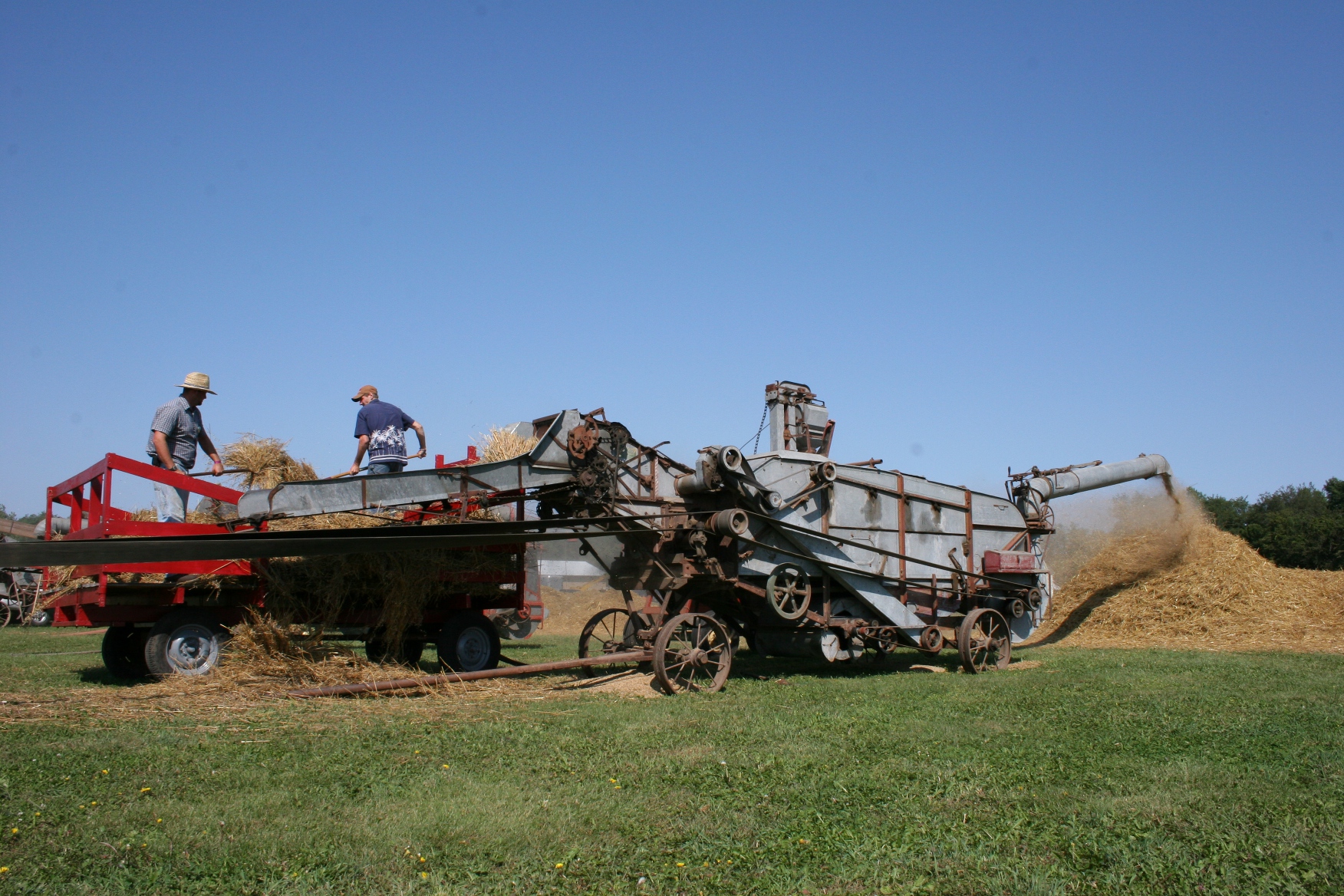
Threshing oats at the Rice County Steam & Gas Engine Show September 4, 2012

Filed under: Uncategorized — Audrey Kletscher Helbling @ 6:42 AM
Tags: , , , , , , , ,

Grayden Moorhouse of Randolph holds freshly-threshed oats.

GRAYDEN MOORHOUSE unfurls his palm, revealing some two dozen oat kernels before dropping several into my hand.

He wants me to try them, to separate the meat from the hull with my teeth and spit the shell onto the ground.

I try, without success, and then he hands me a single kernel already hulled.

All the while I am thinking this:

I shoveled plenty of oats in my day growing up on a dairy and crop farm. And why would I want to eat raw oats, which I associate with cattle feed?

But Grayden is one of those guys who seems convincing and I like the strong sound of his name and, heck, what’s life without trying something new occasionally?

So I eat the single oat kernel and that is enough for me. I’d rather eat my oats in oatmeal.

Now that I’ve ended that introductory narrative, let’s follow the path of how those oat kernels ended up in Grayden’s hand via this photo essay from the Rice County Steam and Gas Engine Show this past weekend in rural Dundas.

Shoveling the raw oats into the conveyor system.

An overview of the threshing equipment and process of separating the oats kernels from the stem.

Bill Becker of rural Northfield mans the Minneapolis Moline which powers the threshing operation.

More shoveling of oat bundles, a dusty, dirty job.

The dust flies as men and machine work.

Plenty of farmers and retired farmers watch, remembering…

While horses plow a nearby field (left), the threshing crew continues working.

And the straw pile grows.

Finally, meet Grayden Moorhouse, whose strong name, it seems to me, belongs in a western.

FYI: Please check back for more posts from the steam and gas engine show. You’ll meet one interesting character and an incredible teen, plus ride along with me on the back of a truck.

© Copyright 2012 Audrey Kletscher Helbling


A sweet surprise: An old sorghum mill on a southern Minnesota elk farm & more August 10, 2012

HOW MANY TIMES HAS MY FAMILY driven Minnesota Highway 60 east of Elysian, unaware of Okaman Elk Farm to the south not far from the highway? Too many.

My husband Randy and I almost missed Okaman’s again last Sunday as we traveled along Waseca County Roads 3 and 5. If not for the colorful miniature train transporting kids and adults along the shoulder of the road, we likely would have passed right by.

Passing by the Okaman Elk Express in our car on a Sunday afternoon.

But that train stopped us in our tracks and caused us to turn around and drive back to the farm.

There we discovered much more than a plain old elk farm. We also found family-friendly activities, a farmers’ market, art, animals and history.

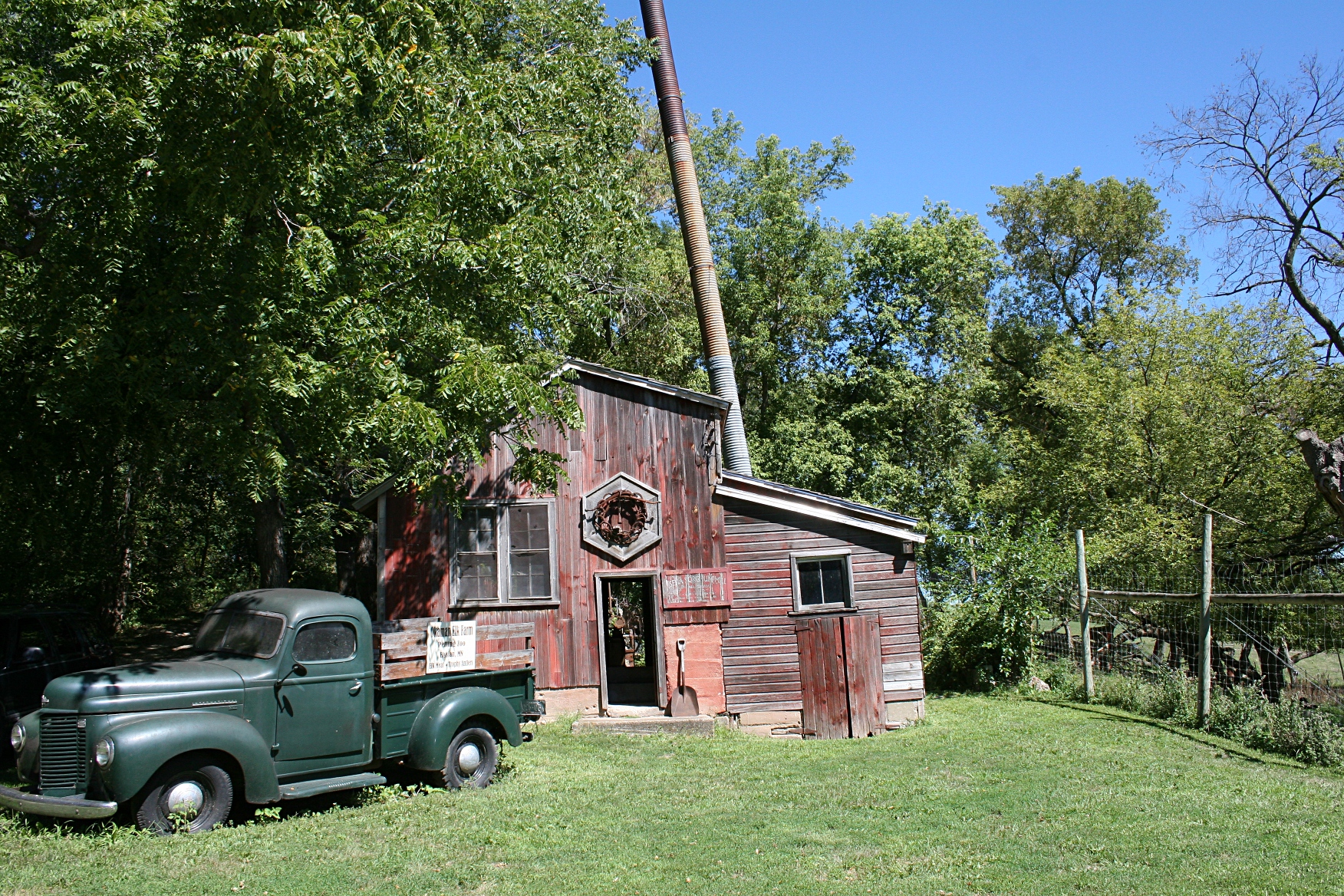
The historic Seha Sorghum Mill.

In 1991, Don and Joyce Kaplan bought this historic place to raise elk and then sell the meat. Their business sits on the site of Okaman, a town established in 1855 between Lake Elysian and Lily Lake. Here, according to a posted sign, several hotels, a theater, the Buckout Flour Mill, the Okaman School and the Seha Sorghum Mill were located.

Inside the sorghum mill.

It is that 1895 sorghum mill, which produced and sold sorghum syrup until 1953, that most interested me. Randy and I poked our way through and around the old mill trying to determine how the whole operation worked. I think he understood the process much better than me.

Apparently wagons of sorghum were unloaded atop the hill behind the mill where the canes were crushed and the juice then flowed into steam-heated cookers, or something like that.

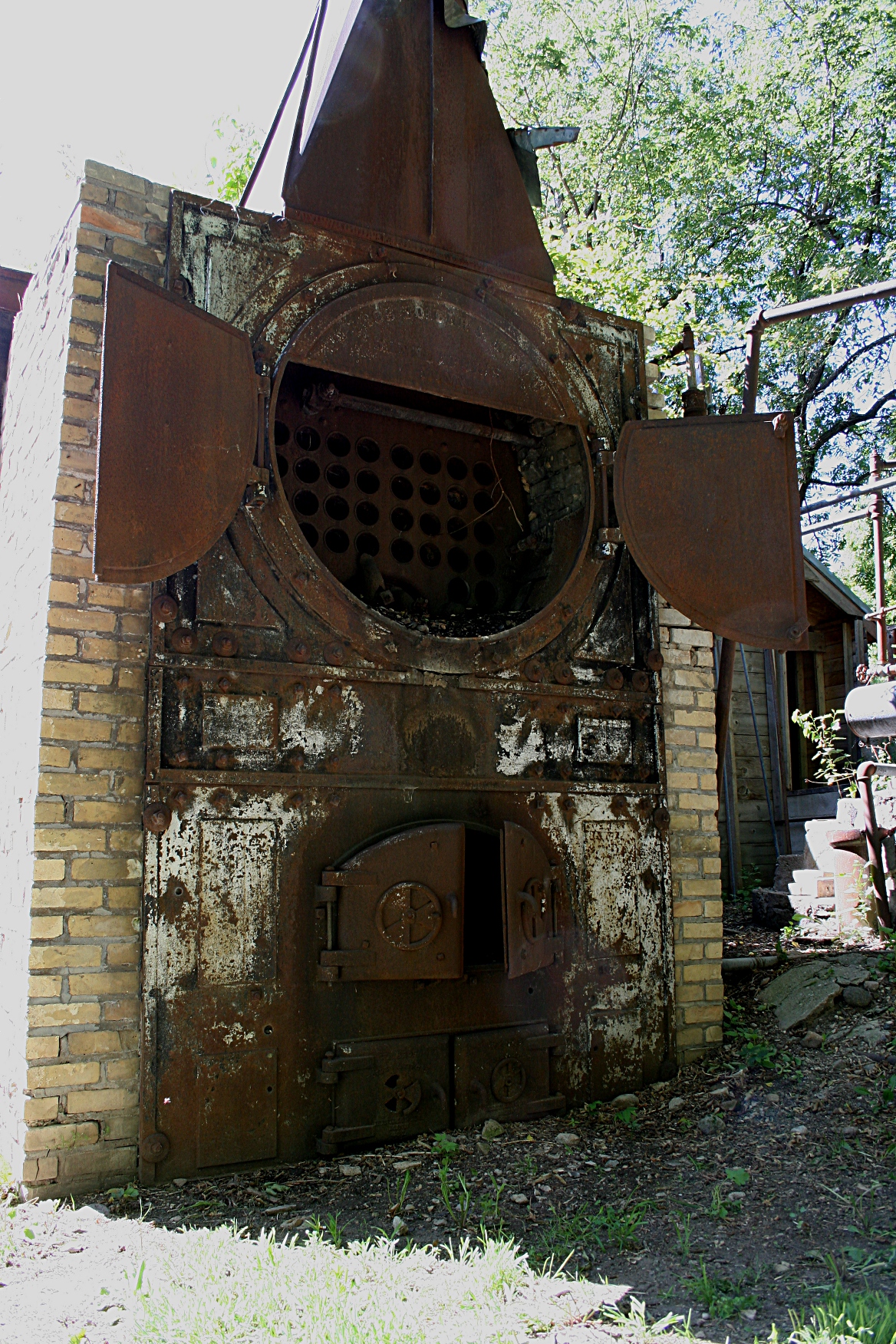
The original steam boiler stands behind the sorghum mill.

According to the Waseca County Historical Society website, Cornelius L. Seha built the mill, today the only known historical sorghum mill remaining in Minnesota and added to the National Register of Historic Places in 1979.

Because the mill today is basically an old building and steam boiler with weeds and brush growing around the holding tanks, equipment and structures, everything is left open to self-interpretation. Perhaps someday this historic site can be restored and specific educational information posted.

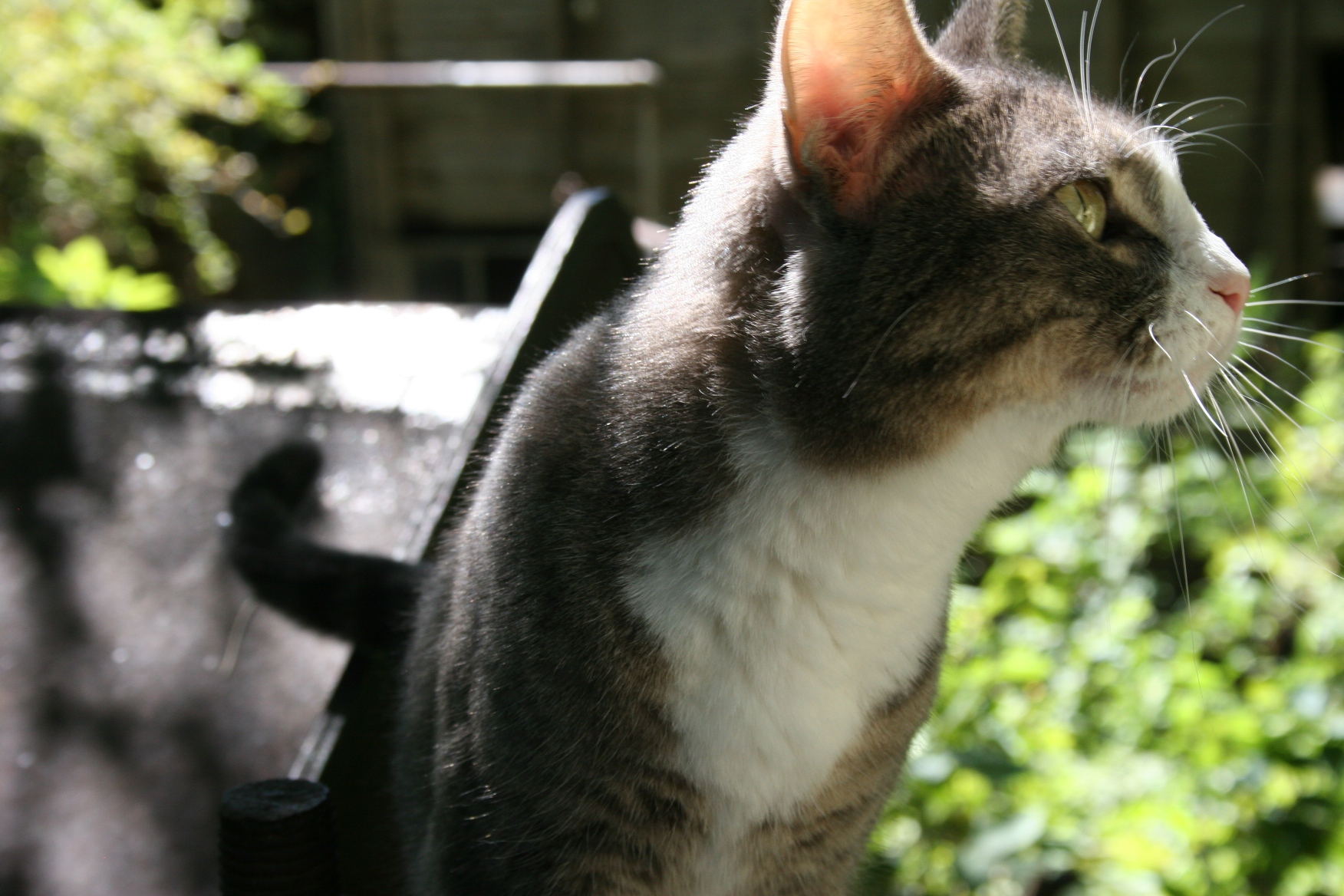
Cats roam the farm.

Then, perhaps, the younger farm visitors will be more interested in the historic buildings. They are, for now, focused on  the donkeys and alpacas, the goats and elk and dog, and especially, the cats and kittens. Or perhaps the playground equipment.

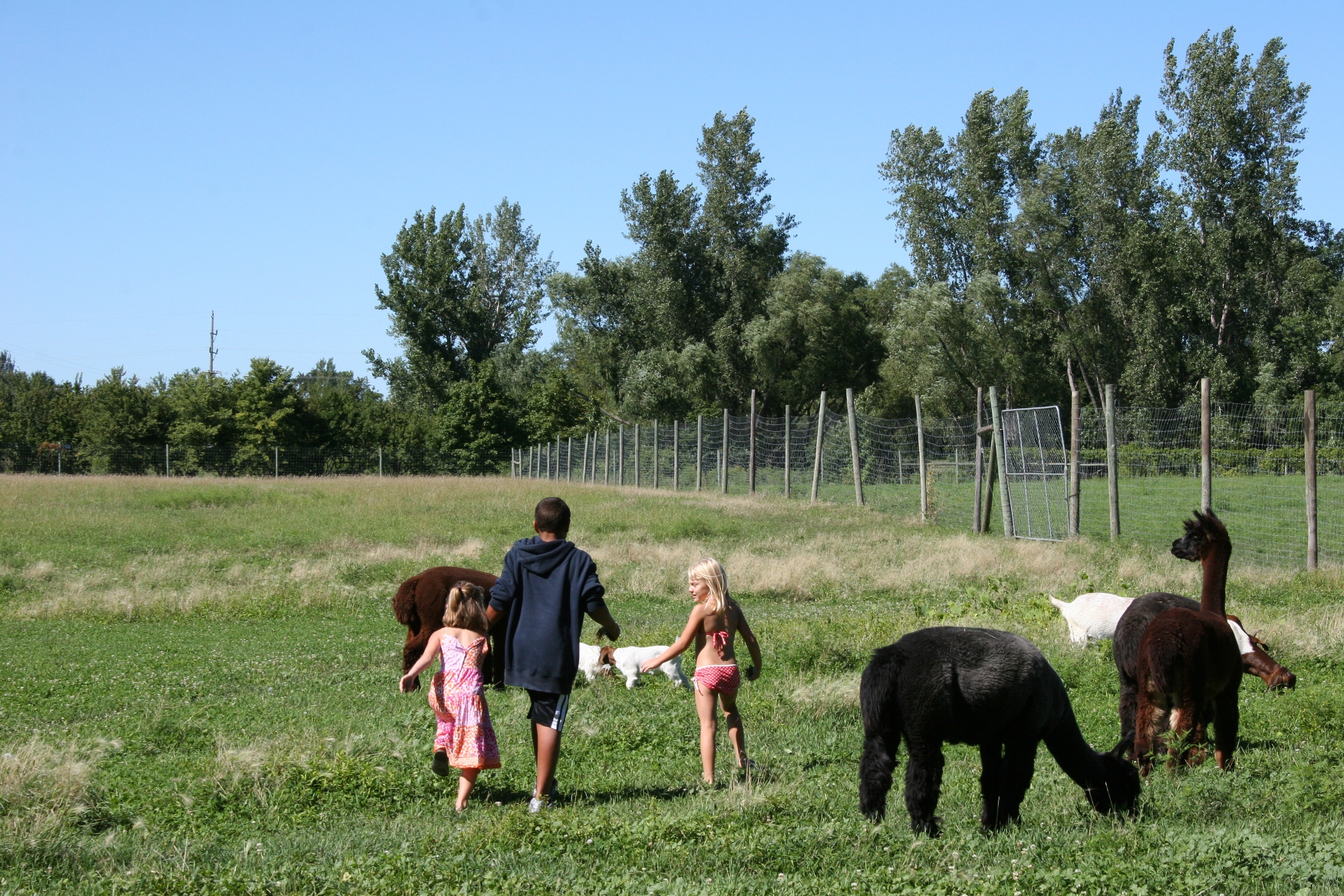
Visitors are free to wander the pasture with the alpacas, donkeys and goats.

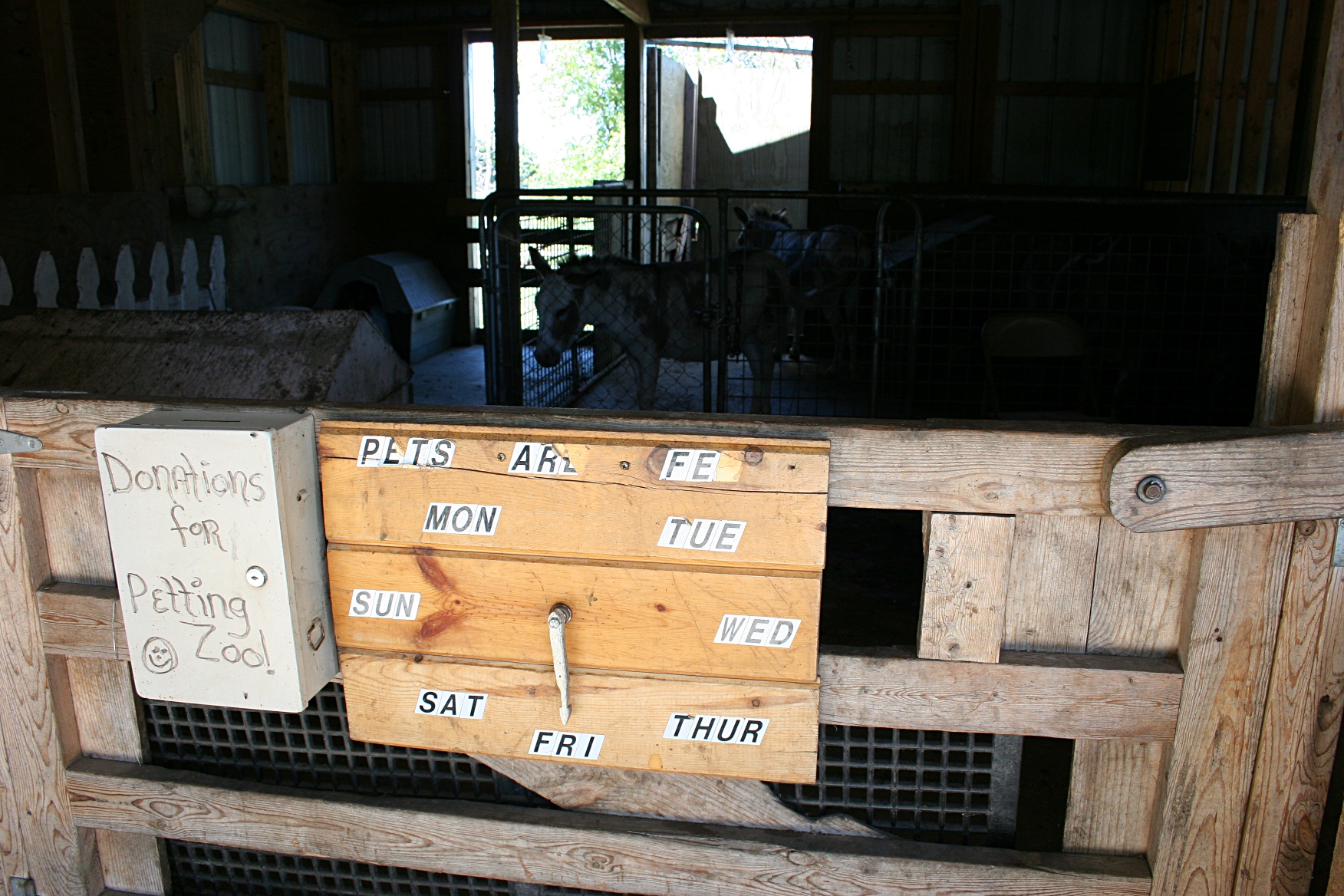
Loved this sign at the petting zoo telling visitors that the animals are fed daily.

The farm is open seven days a week to the 3,000 – 4,000 visitors who stop by annually, says Joyce Kaplan. The Kaplans may not always be around, but guests are invited to peruse the place on their own. Just follow a few rules like:

You can enter the petting zoo pens or pastures at your own risk. Please don’t allow children to chase the animals and no dogs allowed. Close gates behind you.

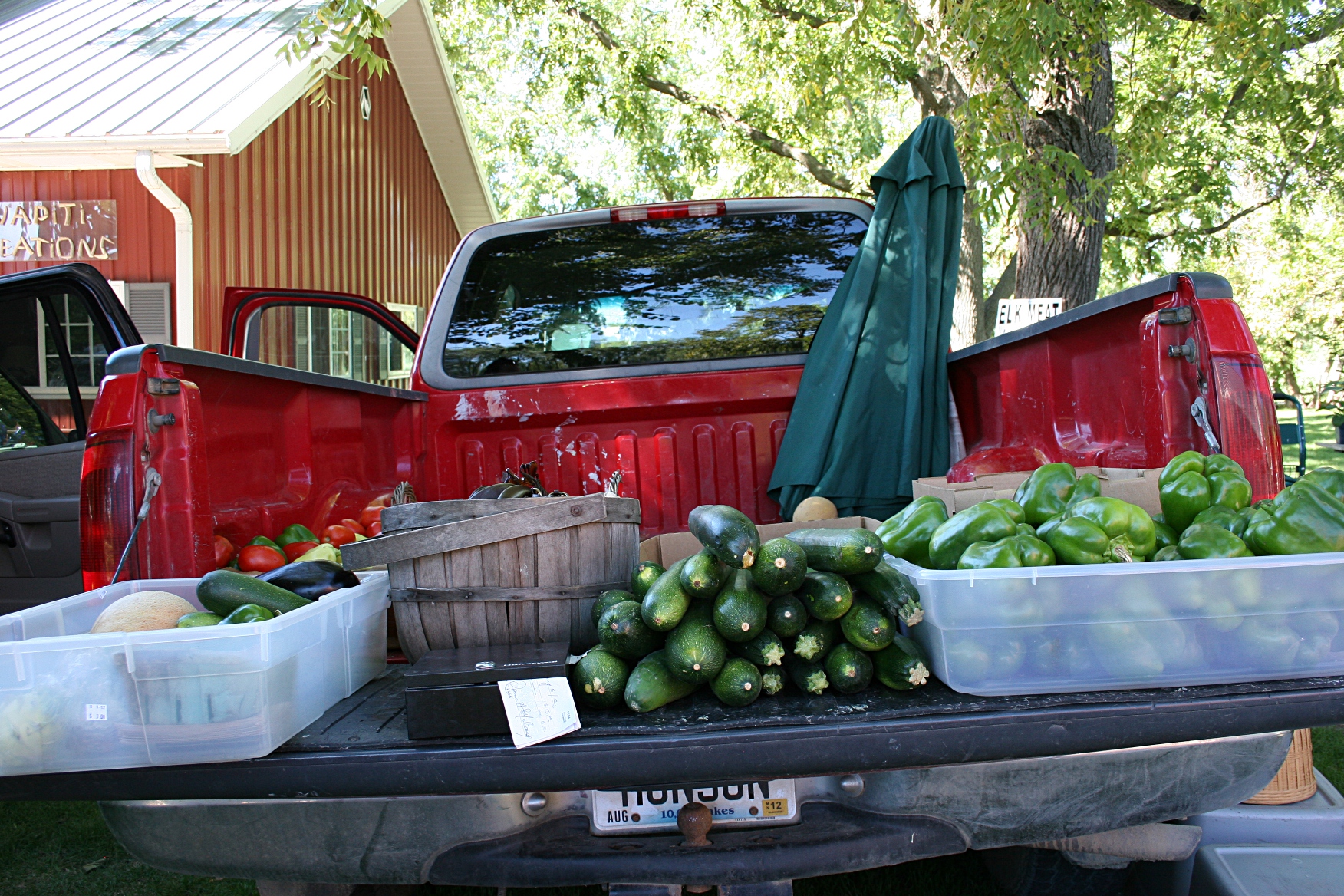
Veggies from R & C Produce of Otisco.

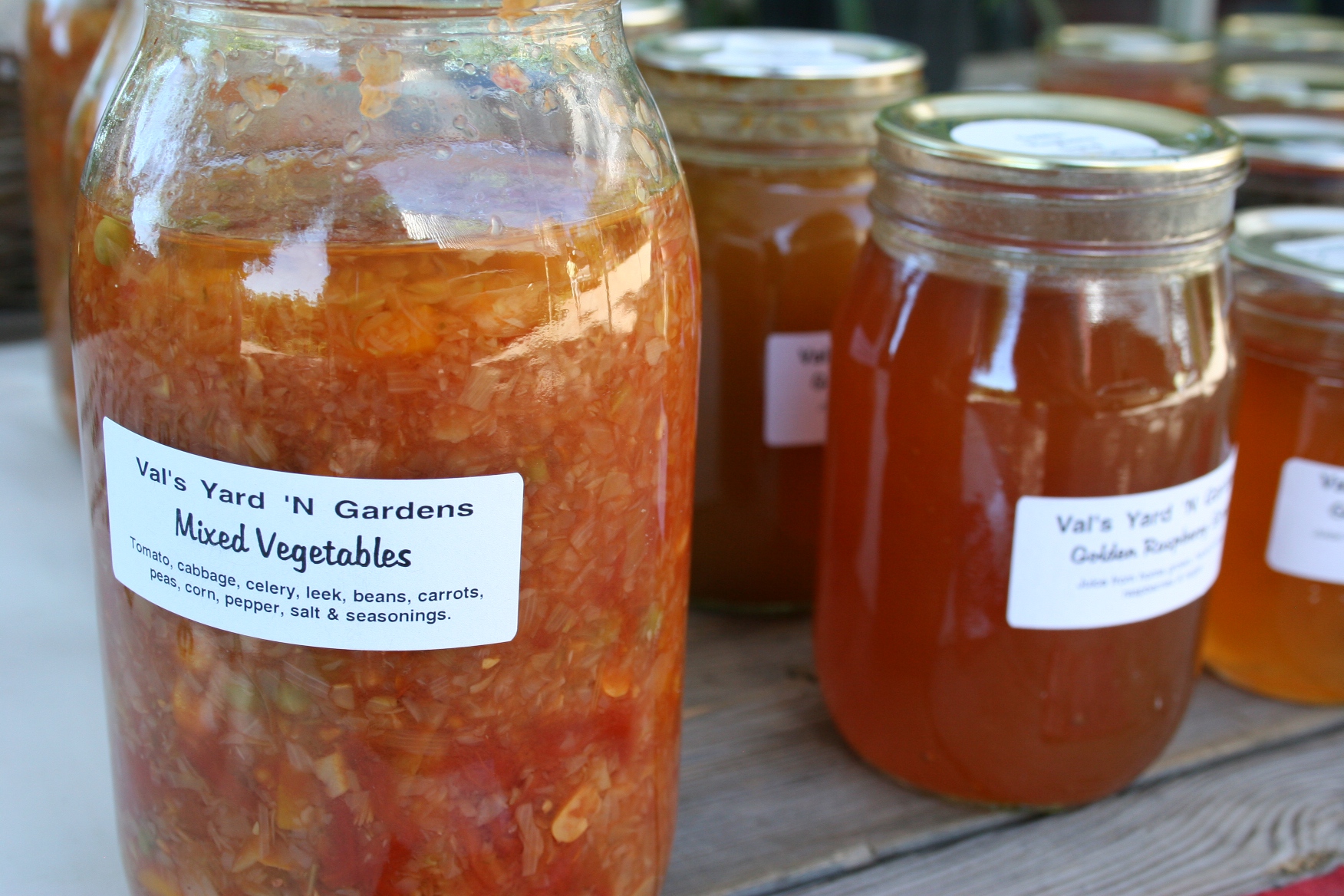
Canned mixed veggies from Val’s Yard ‘N Gardens (Joe & Val Zimprich of Le Center).

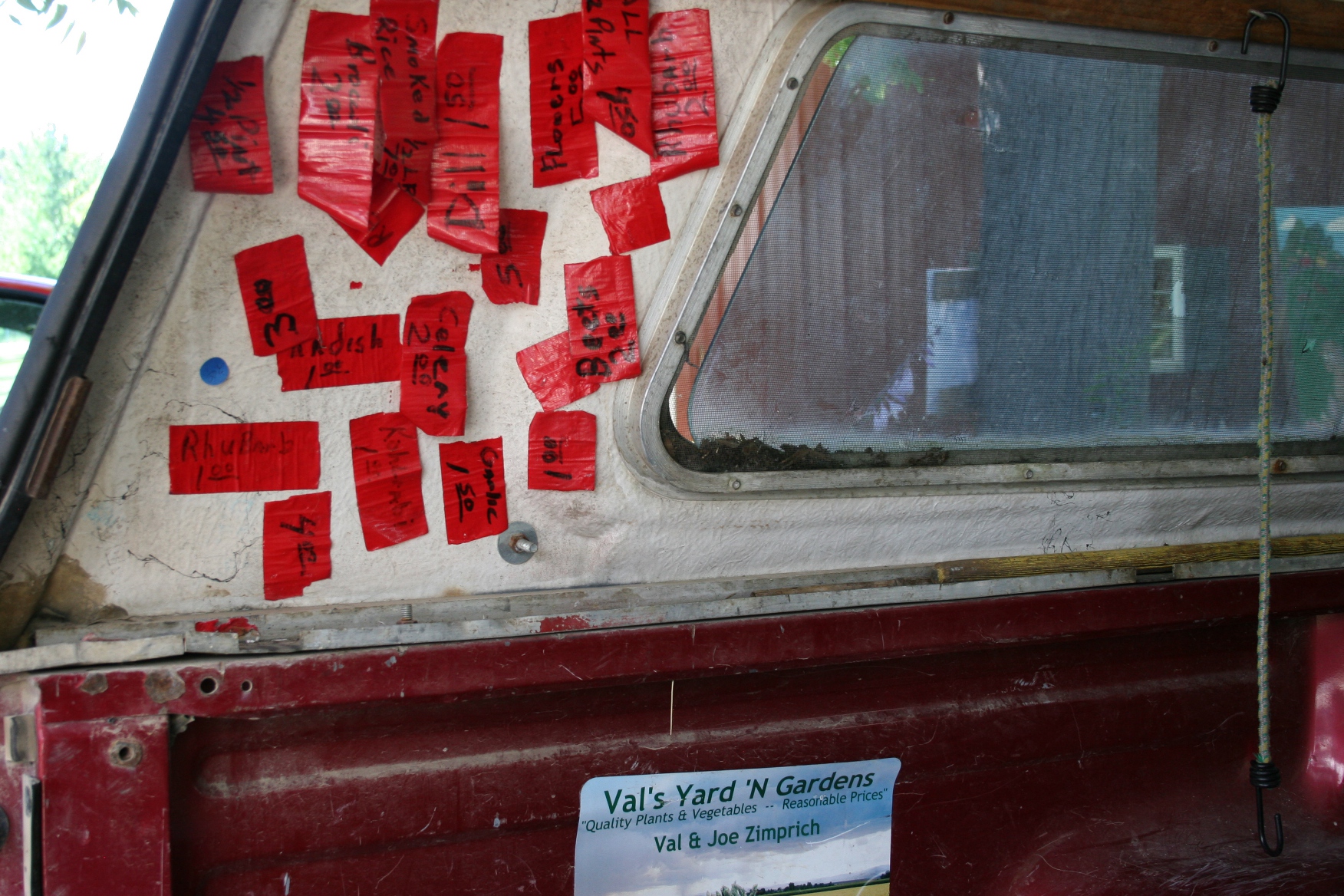
Reusable price stickers in the back of the Zimprichs’ truck.

While the farm is always open, on Sundays from 1 p.m. – 4 p.m. during the summertime harvest and into October, farmers’ market vendors set up in the farmyard peddling their garden fresh produce and other products.

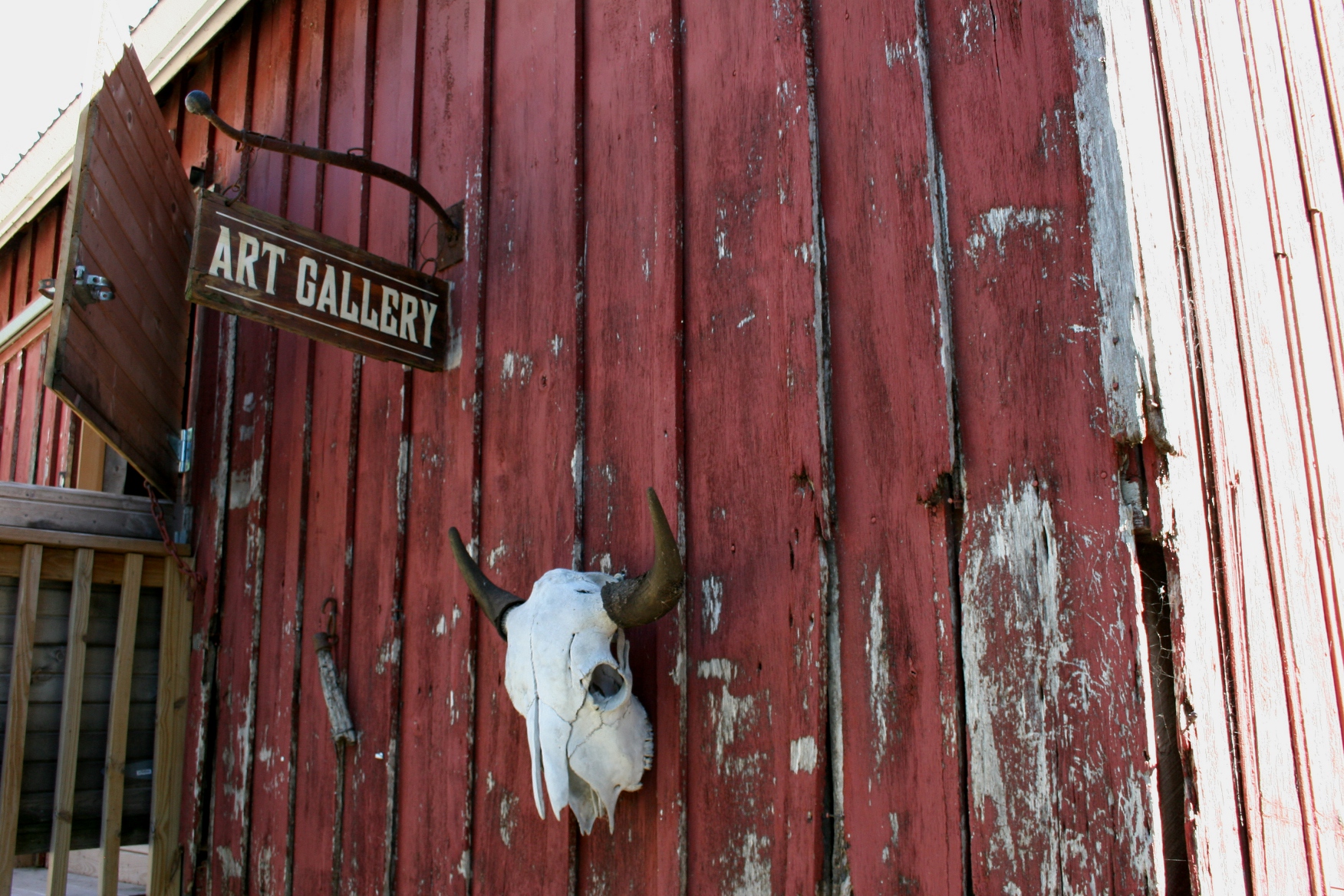
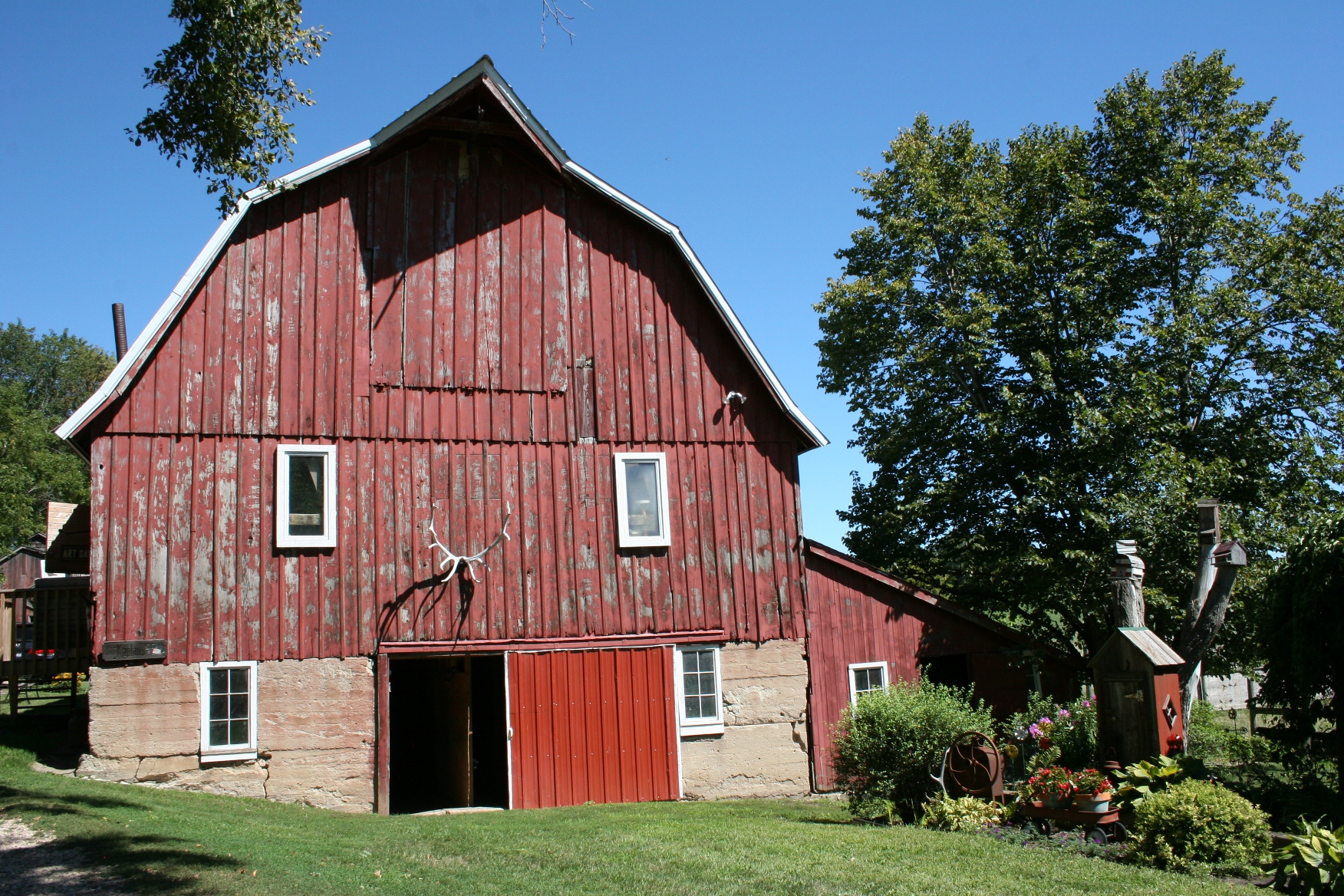
An art gallery is housed in an old barn.

That beautiful old barn, with an art gallery and studio in the haymow.

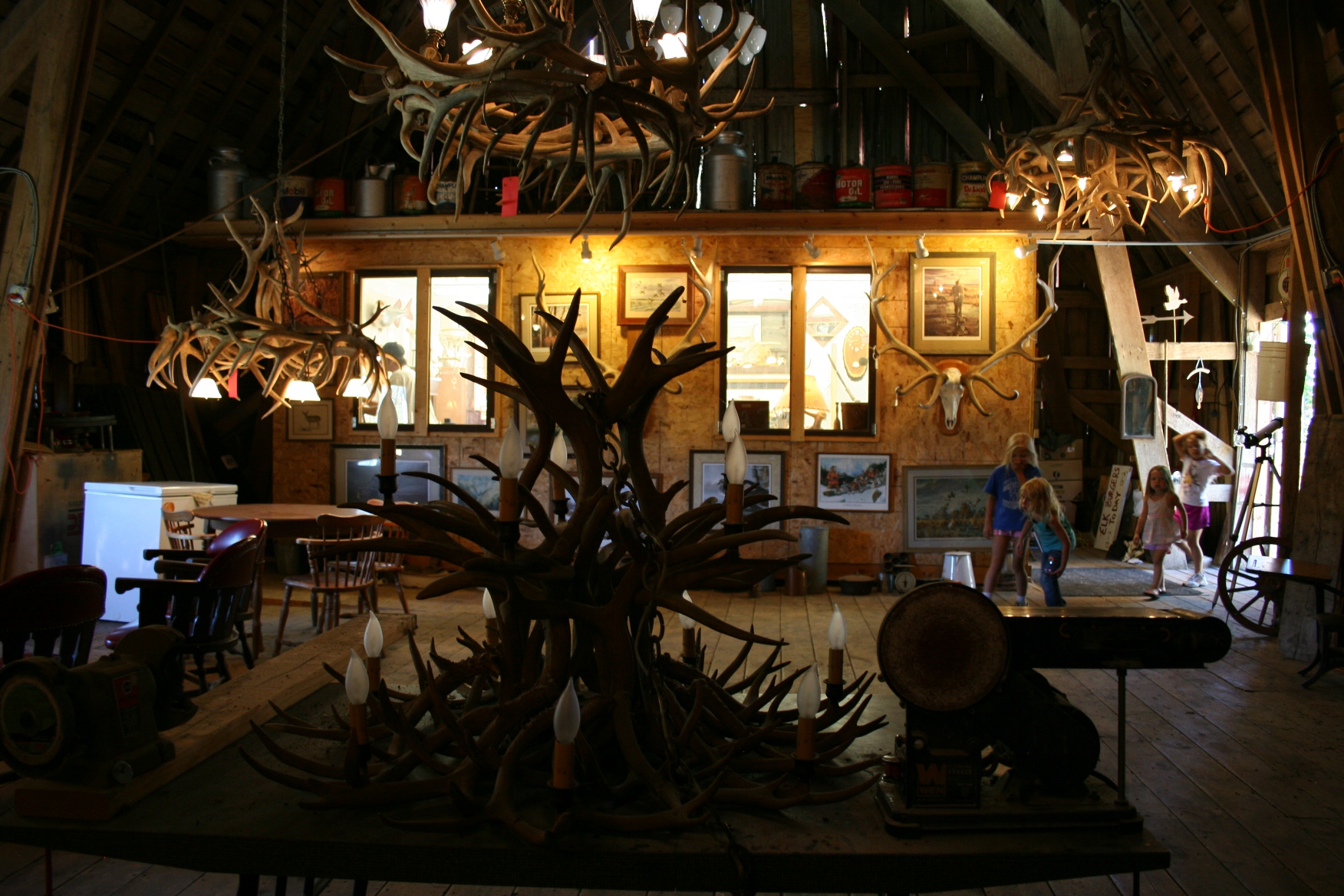
Antler art, including chandeliers, inside the art gallery with Paul Ristau’s art studio behind the windows pictured here.

Inside the gift shop and adjacent art gallery, you’ll find gifts anytime and the creations of artist and craftsman Paul Ristau, who renovates homes and businesses and is a mason specializing in stone fireplaces. He was doing some tile work for the Kaplans and ended up as their in-house artist focusing on the creation of antler art. He has a workshop in the haymow-turned-art-gallery where his elk antler chandeliers are a focal point.

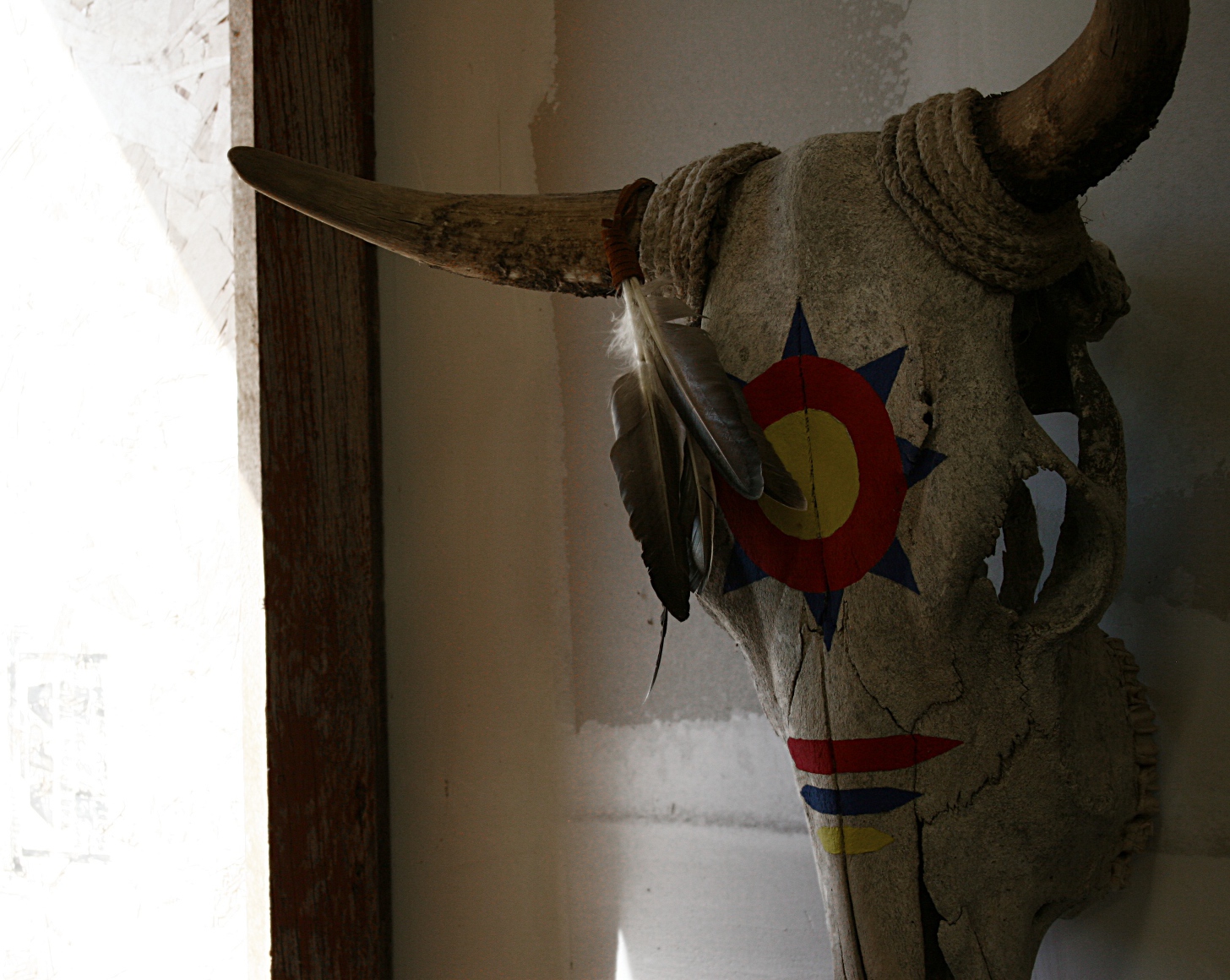
A Native American influence on art hung in Paul Ristau’s studio.

A Native American influence is visible in Ristau’s art given his interaction with those living on the White Earth Indian Reservation where he once drove bus.

Of course, the farm also sells elk meat, inside the original 1893 homestead. The farm is now down to 23 elk, according to Joyce Kaplan who says she grew up on a farm and has been cleaning barns all her life and maybe it’s time soon to stop cleaning barns.

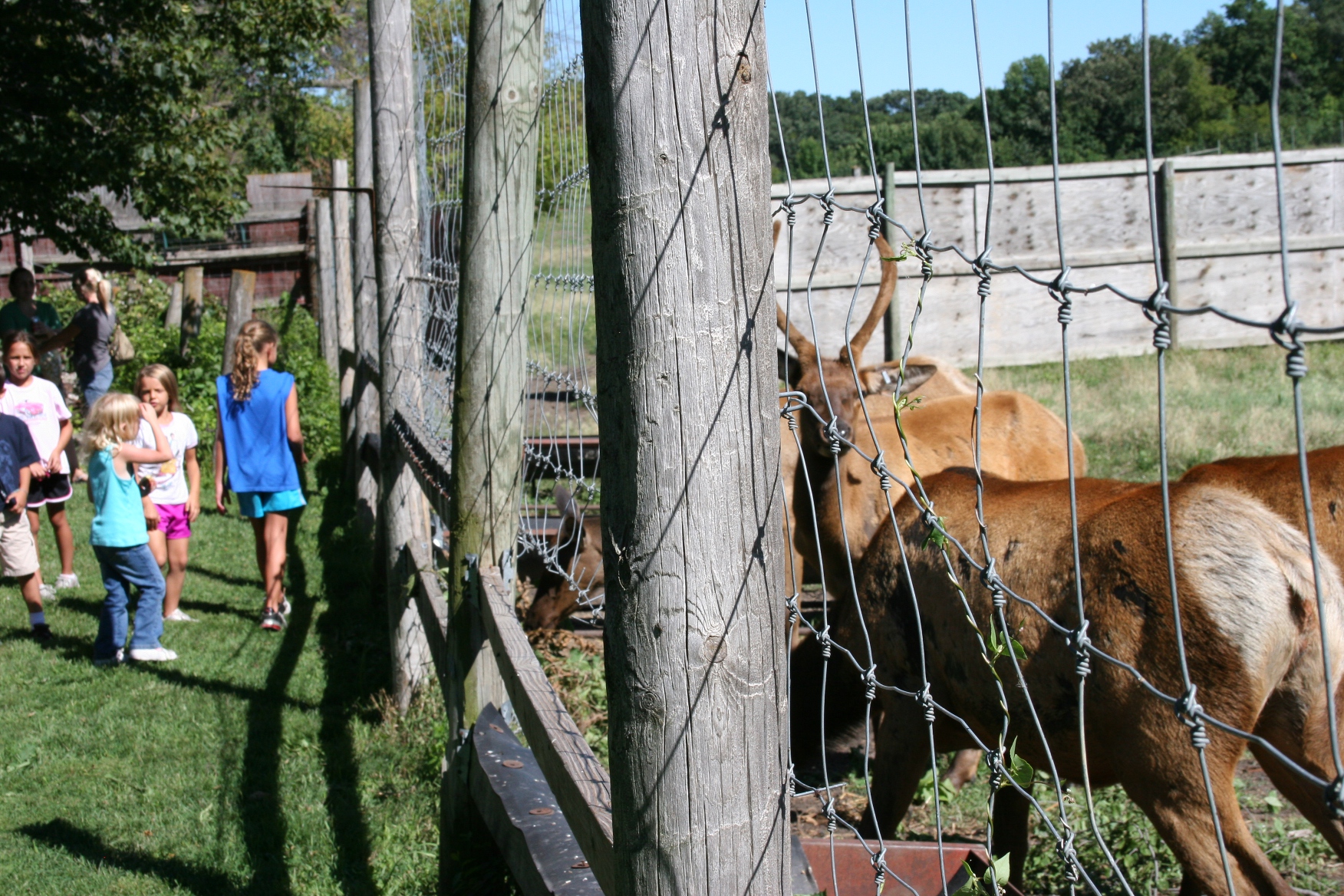
The final activity of the day, feeding apples to the elk.

On the Sunday I visited, her husband was handing out apples so the kids could feed the elk.

And the Okaman Elk Express was chugging along the shoulder of the roadway, thrilling the kids and, bonus, drawing in visitors like my husband and me.

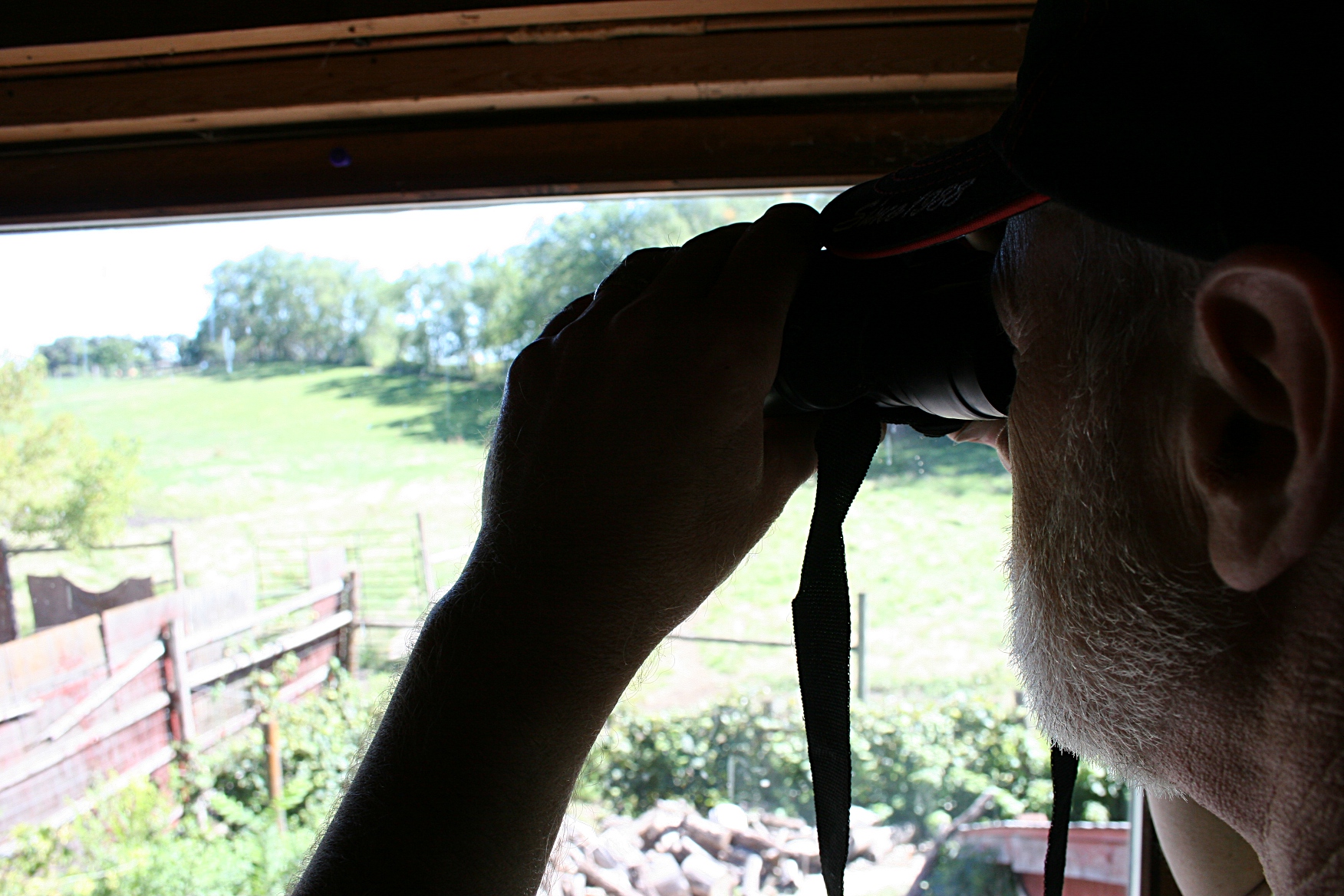
You’ll find binoculars in the barn to view the elk in the pasture.

FYI: To find Okaman Elk Farm, take Minnesota Highway 60 east of Elysian 1 ½ miles and then turn south to the intersections of Waseca County roads 3 and 5. The farm is open year-round. Click here to reach the farm’s website.

© Copyright 2012 Audrey Kletscher Helbling


Minnesota Museums Month: The Minnesota Machinery Museum, on the prairie May 1, 2012

THINK OF MUSEUMS in Minnesota, and what pops into your mind?

Probably the Science Museum of Minnesota or the Minnesota Children’s Museum or the SPAM Museum in Austin or any other such notable museum.

During May, “Minnesota Museums Month,” I challenge you to think beyond the obvious to those small town museums that are tucked away in nondescript buildings or along back roads or are mostly unknown except to those living within a region.

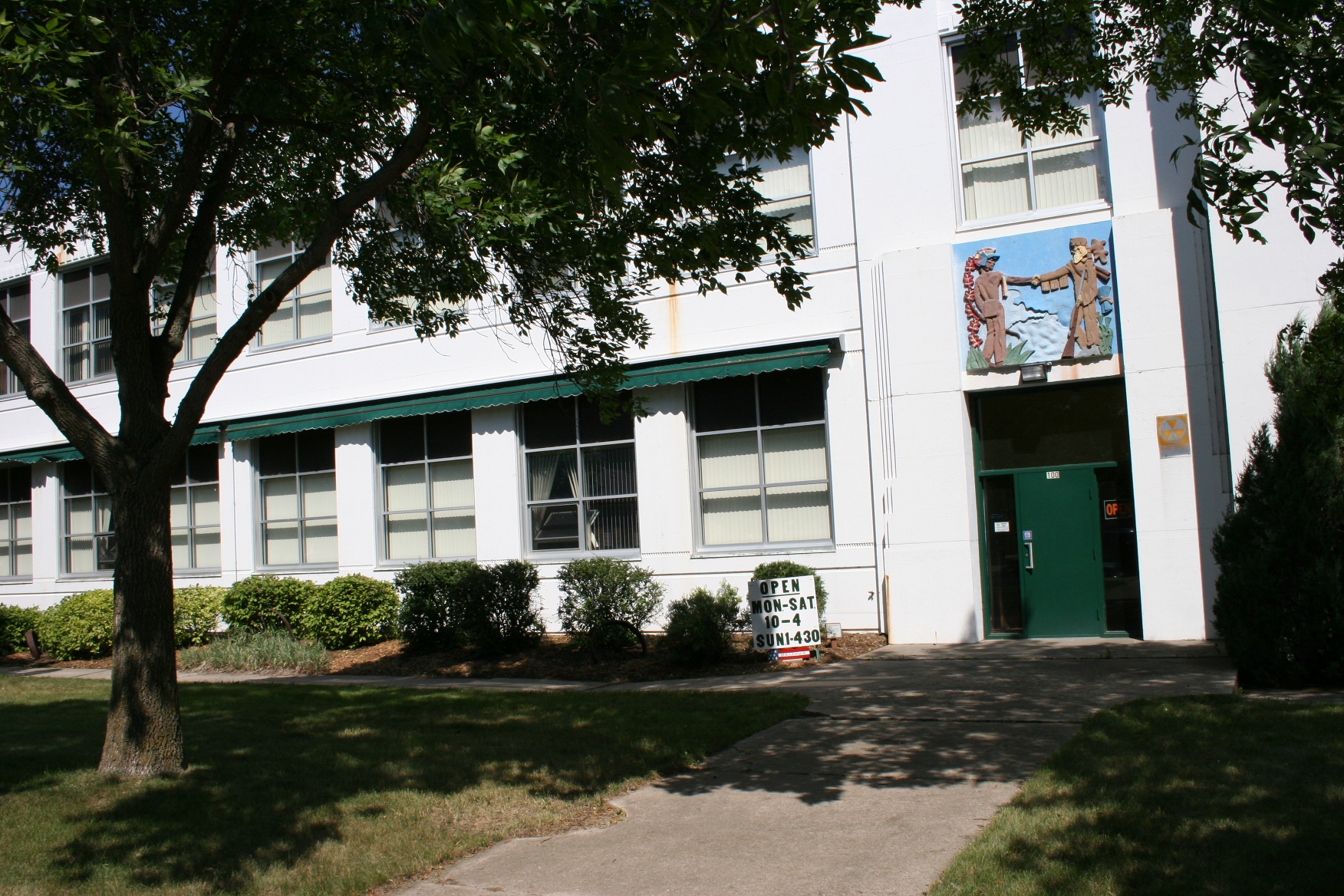
The Minnesota Machinery Museum in a 1939 WPA school building in Hanley Falls.

That leads me directly to Hanley Falls, home of the Minnesota Machinery Museum.

I expect already most of you are asking, “Where the heck is Hanley Falls?”

Hanley Falls, a small farming community, sits along State Highway 23 in southeastern Yellow Medicine County, nine miles south of Granite Falls on the southwestern Minnesota prairie.

It is one of those “blink and you miss it” type towns all too often dismissed by travelers simply flying by on the highway. Let me tell you, Hanley Falls is worth several hours of your time to tour this rural life museum which opened as the Yellow Medicine County Agricultural and Transportation Museum in 1980 and in 1994 became the Minnesota Machinery Museum.

For anyone who appreciates our state’s rich agricultural heritage, this museum rates as a must-see in the heart of our state’s richest farmland. I grew up in this strong agricultural region, in Redwood County next door to the east, and toured the museum for the first time in 2009. Yes, even I was unaware of its presence, having left the prairie in 1974 for college and subsequent employment.

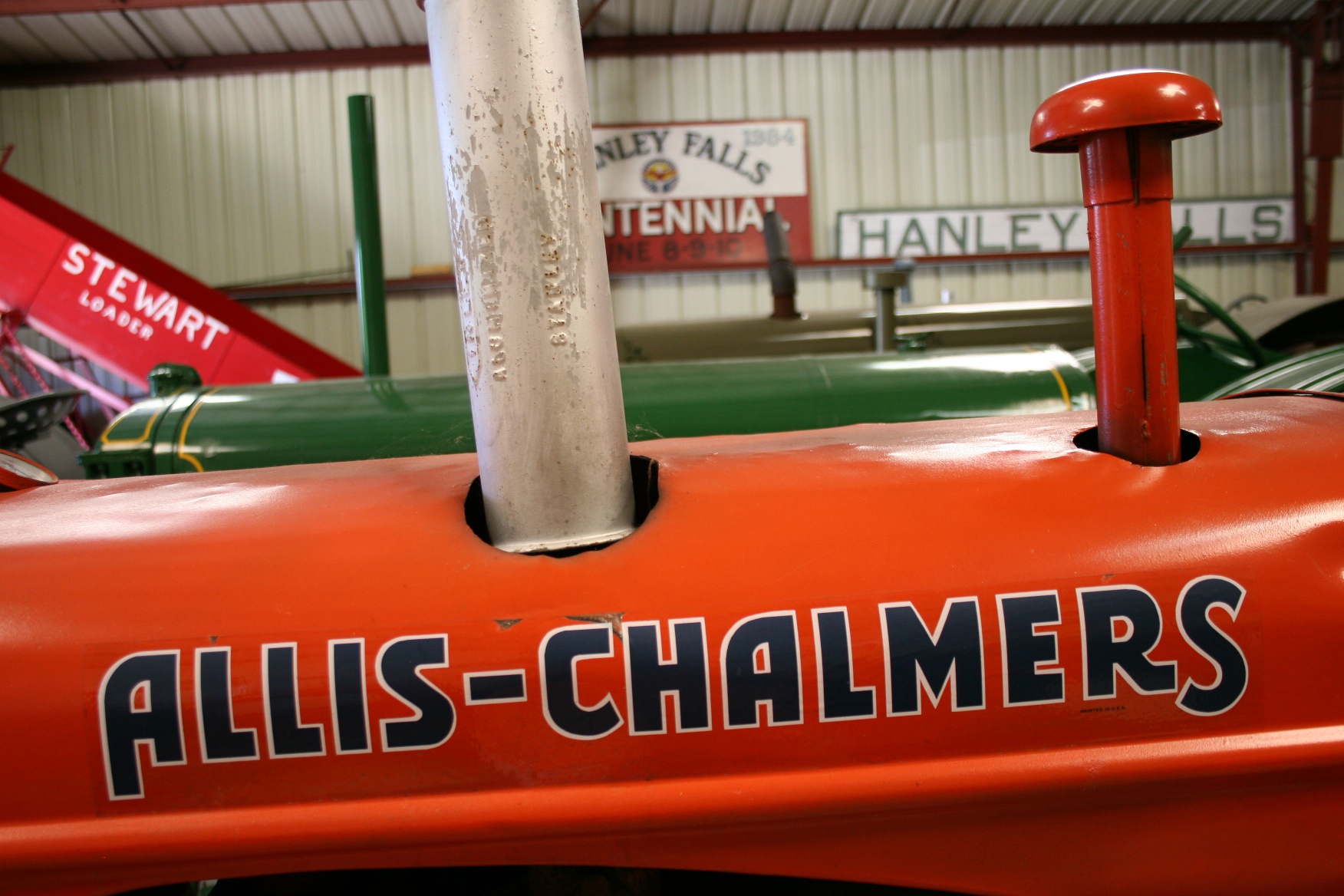
You'll see plenty of old tractors and farm machinery, along with vintage cars and trucks.

The Minnesota Machinery Museum, which is somewhat of a misleading name because it’s not all about farm machinery, reconnected me to my rural roots and educated me on the area’s agricultural history. During my 2009 visit, I learned that visitors will discover “the things you would find on a typical farm before the 1950s” with thousands of artifacts primarily from surrounding communities in a several-county area.

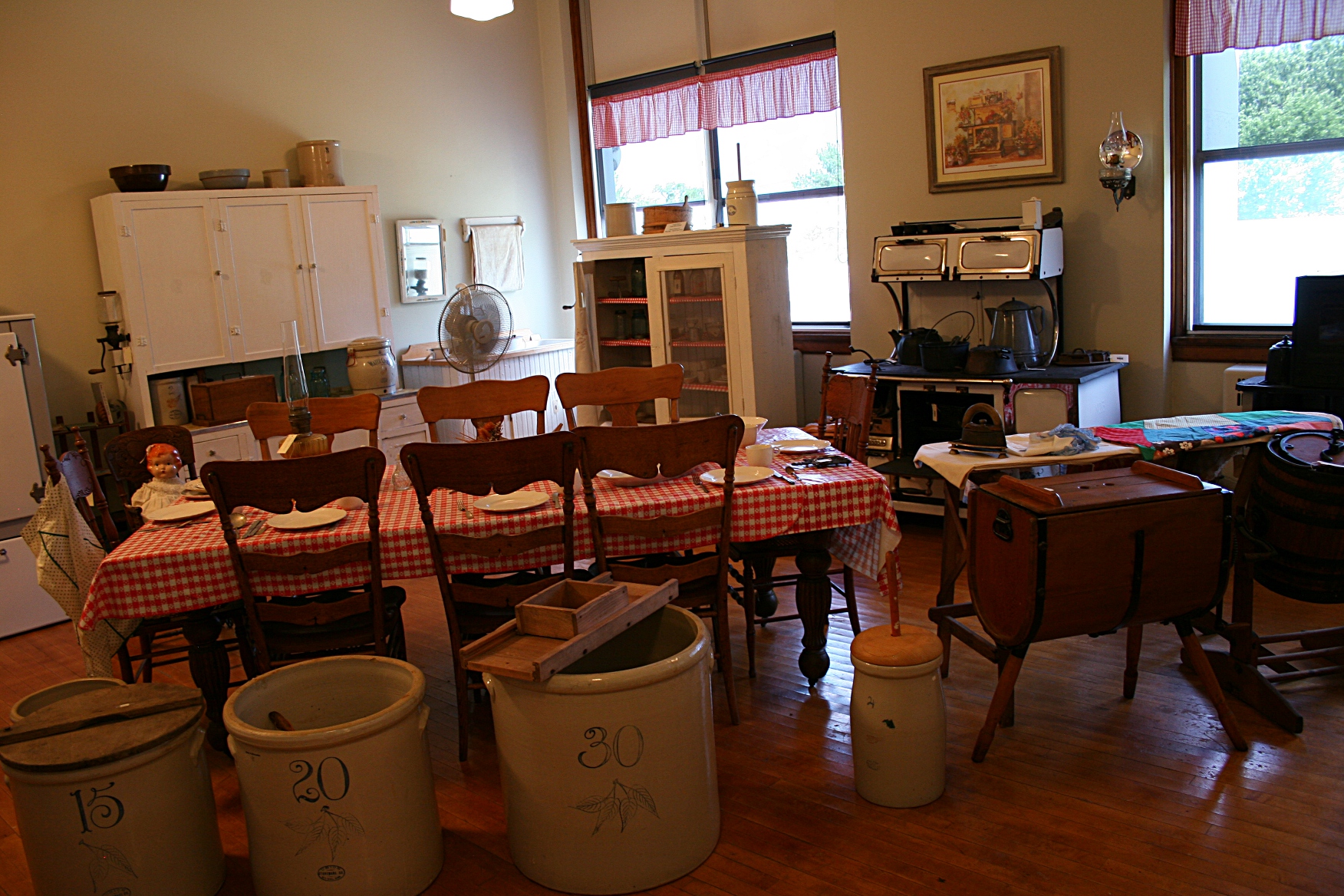
An old-style farm kitchen on the second floor of the museum.

All of those artifacts are housed in five buildings, including a sprawling two-story 1939 Works Project Administration school, on six acres. The first floor of that former school, during my visit, was packed with mostly farm-related equipment while the second floor housed the domestic side of rural life.

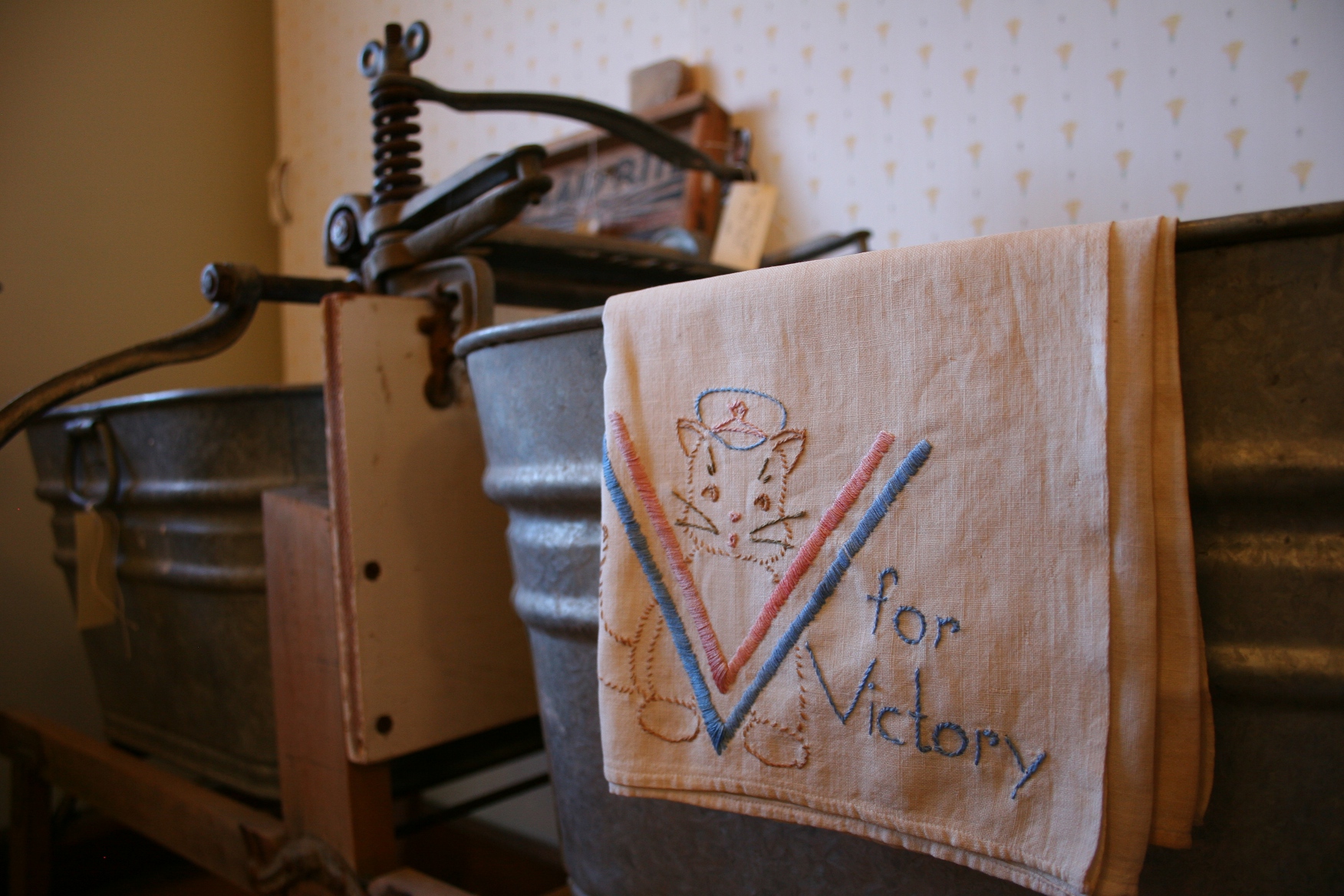
A vintage embroidered dish towel and old wash tubs, both familiar to me. My mother used a wringer washer with wash tubs during the early years of my life on a southwestern Minnesota dairy and crop farm.

It is the mission of the museum, according to its website, “to recapture a century of stories about farm life. Implements, tools, tractors and gas engines in mint condition along with rural art help you look back to an era when neighbors worked together to harvest their crops, raise barns and build a better life for their families.”

Read those words again. They are the essence of this place—the feeling of community, the sense of neighborliness, the embodiment of that which defined rural life at one time. Yes, that life has changed. Neighbors don’t always know neighbors. Oversized farm machinery has, for the most part, replaced the need for neighbors to work together. Barns are falling into heaps of rotting wood. This museum preserves a way of life that exists mostly in stories now.

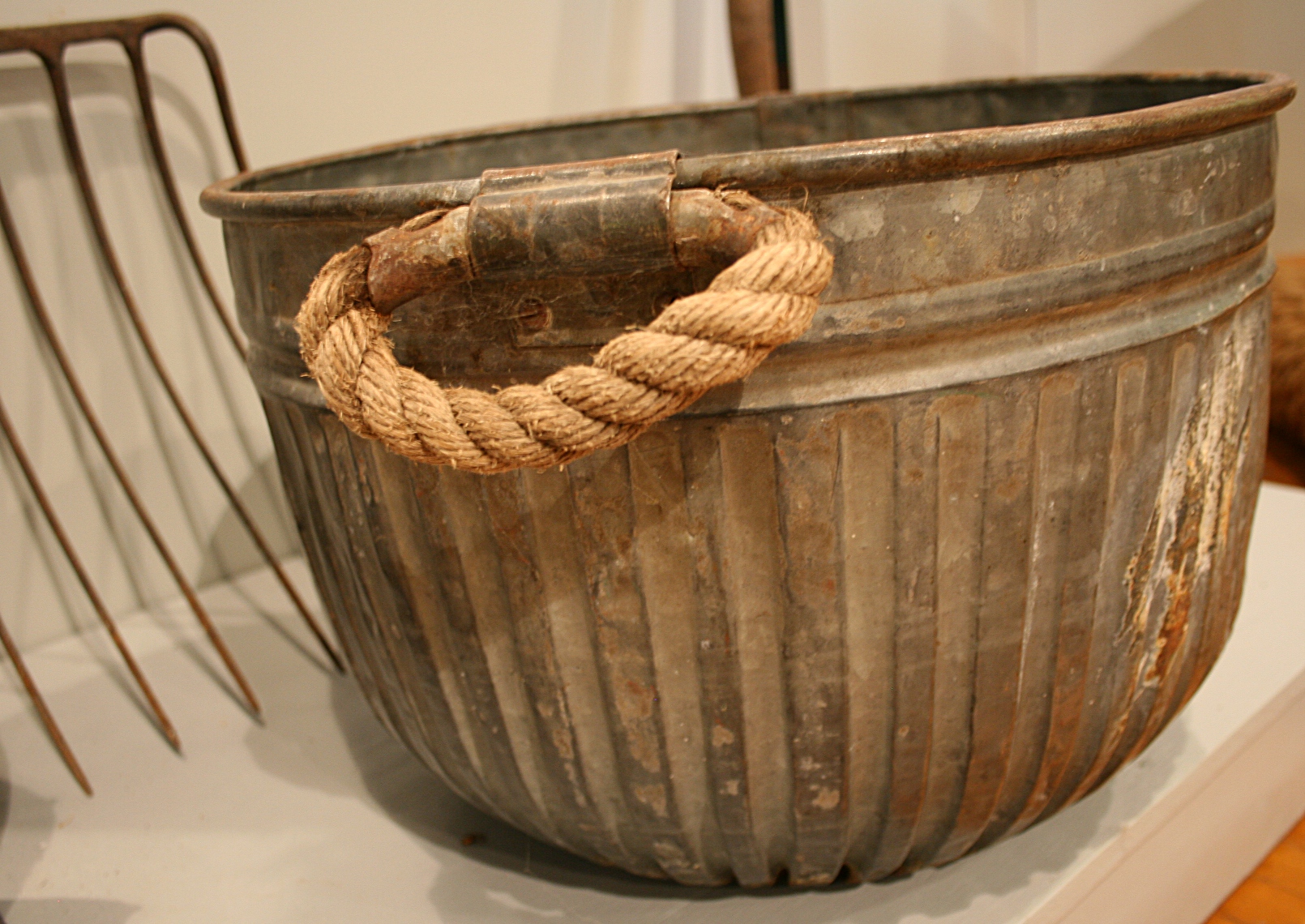
This bushel basket in the museum brought back memories of feeding cows.

The Minnesota Machinery Museum is as impressive as any you’ll visit in Minnesota. Take time to seek it out, to turn off the highway into Hanley Falls rather than driving by without even a thought of the historical treasure that lies within this small southwestern Minnesota prairie community.

FYI: The Minnesota Machinery Museum is open May – September from 10 a.m. – 4 p.m. Monday – Saturday and from 1 p.m. – 4:30 p.m. on Sunday and is closed on holidays. Click here for more information about the museum.

© Copyright 2012 Audrey Kletscher Helbling


Tom at the organ March 7, 2012

Filed under: Uncategorized — Audrey Kletscher Helbling @ 7:41 AM
Tags: , , , , , , ,

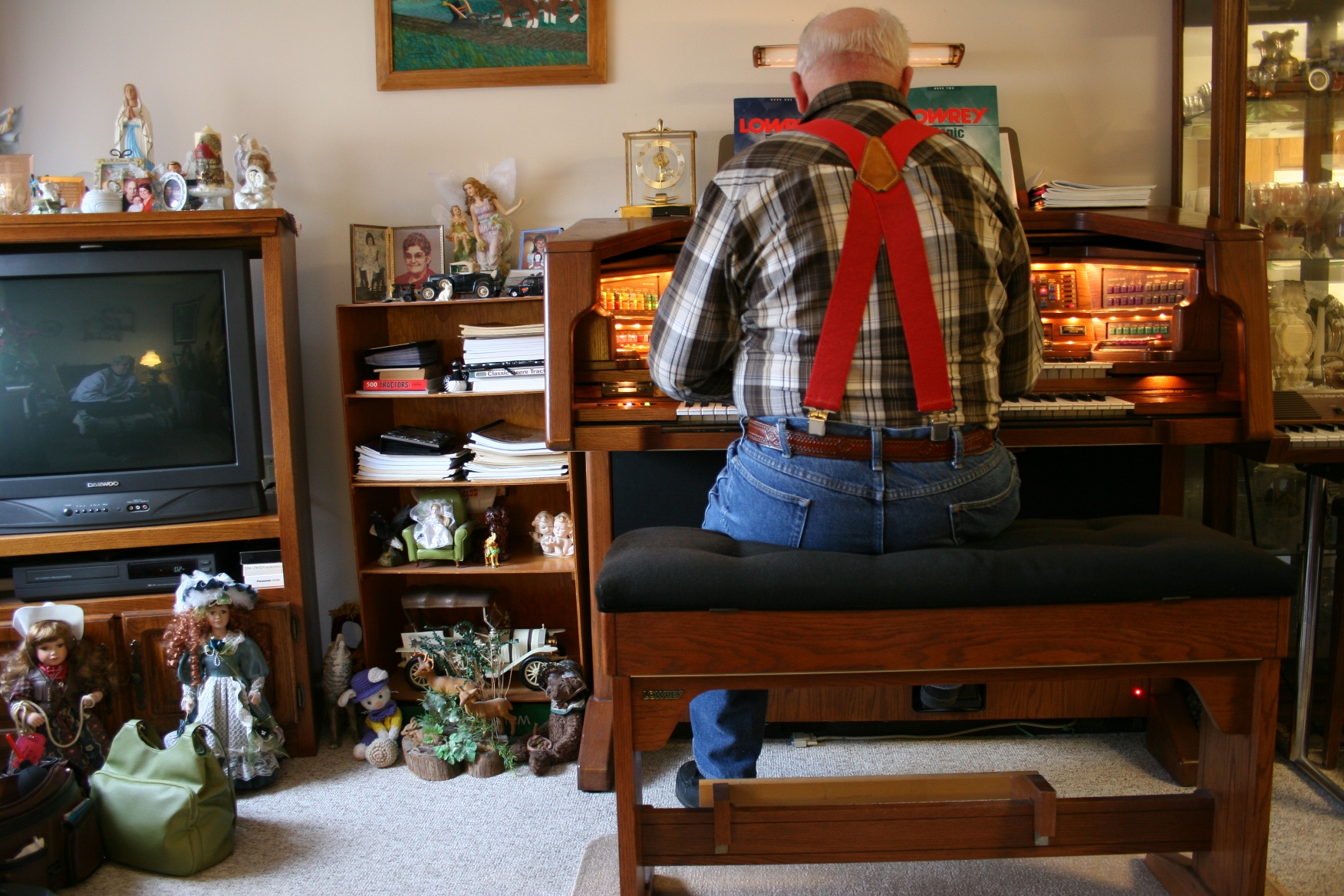
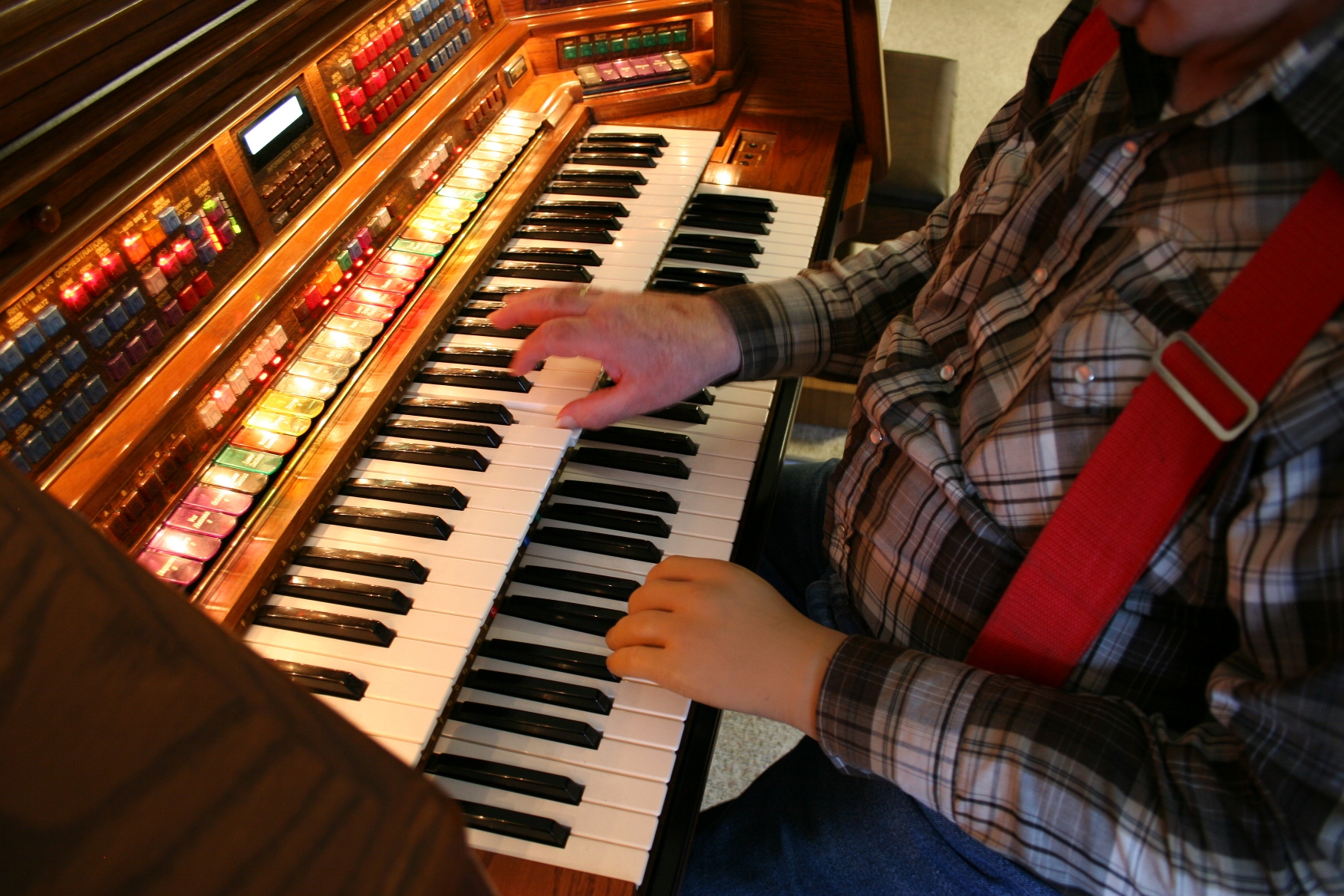
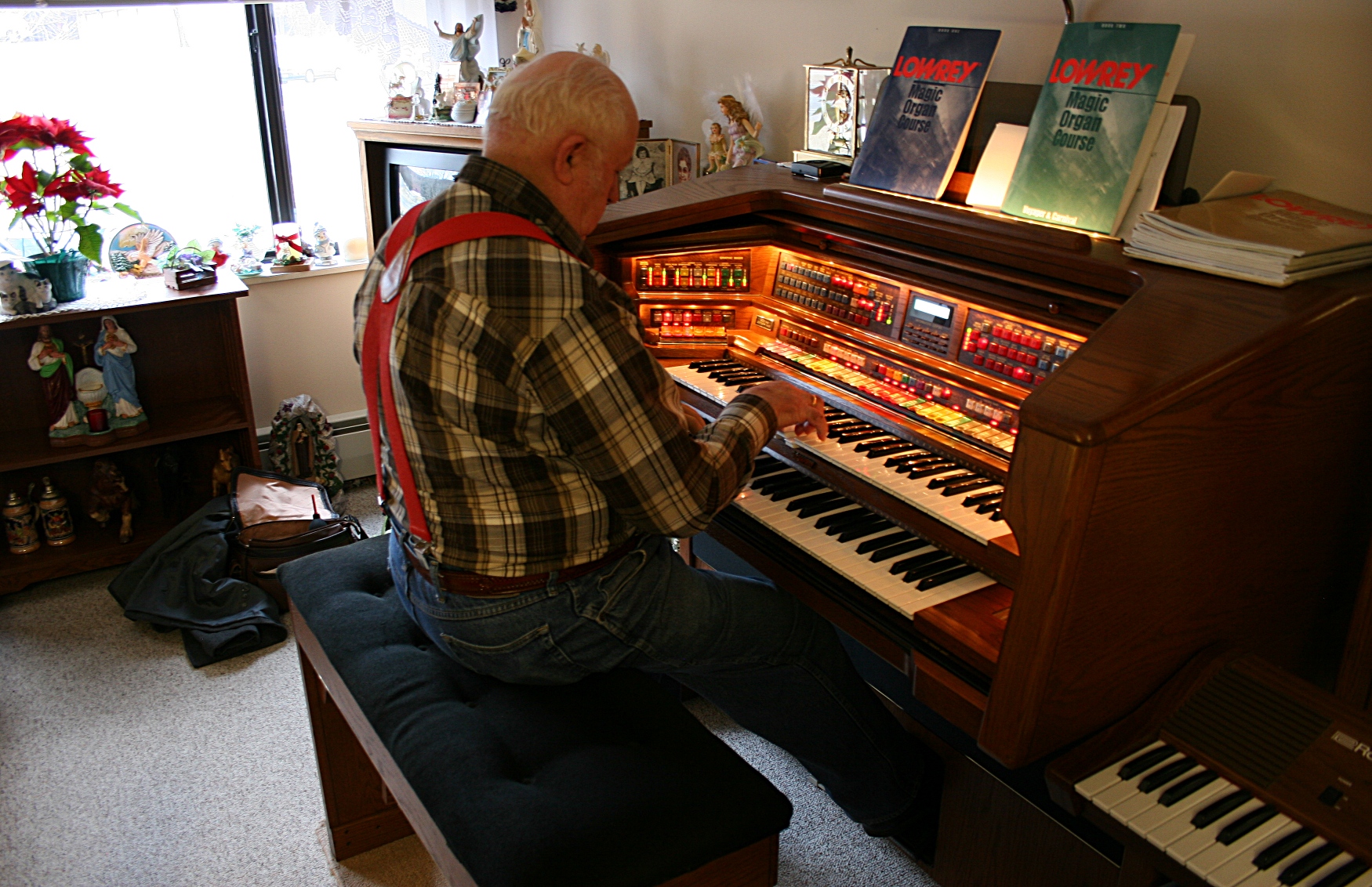
My father-in-law, Tom, at the used Lowrey organ he purchased a few years ago.

THE CONSOLE LIGHTS UP like a Christmas tree or the Vegas strip or a carnival midway as my father-in-law settles onto the bench of his Lowrey organ and flips switches.

I’ve asked Tom to play a tune or two during a brief visit at his St. Cloud apartment.

He’s taking organ lessons. I find that particularly admirable given he’s 81. Not that he’s a musical novice. Tom isn’t. He once played an accordion and piano and even an organ and tuned and repaired pianos. He typically plays music by ear, including on this occasion.

Playing the organ, with his artificial hand, left, and his real hand.

Hank Williams’ “Your Cheatin’ Heart” and “Somewhere My Love,” from the movie “Doctor Zhivago” flow from the keys like music at a supper club all sugary and sweet and smooth. We should be dining in the dark corner of a long ago Saturday night destination, backs pressed against walls pasted with flocked red wallpaper, slicing our serrated knives through pink steaks and sipping our whiskey sours.

But instead, we are cramped into a tiny apartment among a hodgepodge of doll and angel collectibles, beer steins and toy tractors, and a clutter of miscellaneous knickknacks. We’re sipping water in a room flooded with light.

The organ takes up considerable space in the tiny apartment.

In the corner, my step mother-in-law pauses from circling words in a word search book to listen to the organ music, until, finally, she requests that the music stop.

We leave her there, with her words, as we descend several floors to my father-in-law’s art studio, a corner in the basement community room. Just over from a cluster of outdated exercise bicycles, Tom has stashed frames he’s recycling for his own art. Finished and in-progress works lean against each other and we file through them—elk in the mountains, loons, raccoons…

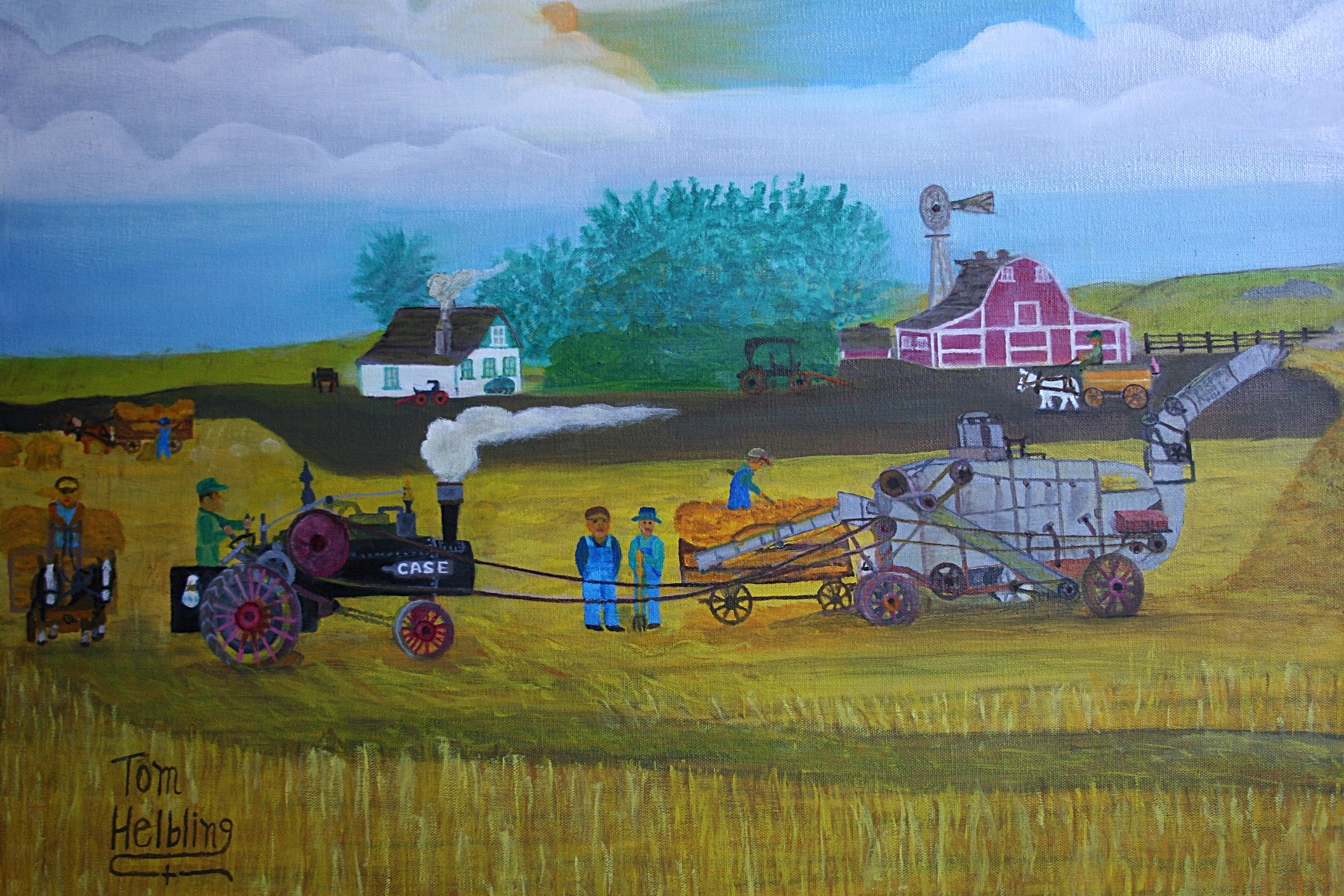
Threshing on the home place, a painting by my father-in-law. While growing up here, Tom already played organ.

He unrolls a scroll onto a table, revealing a sketch of the home place near St. Anthony, North Dakota. His second oldest daughter wants a painting of the farm where Tom grew up with his parents, Alfred and Rosa, and siblings, then later lived with his bride.

My husband studies the drawing, points out the summer kitchen and the creek, the details he remembers of Sunnybrook Farm, the place he called home until moving with his parents to central Minnesota in the early 1960s.

In moments like this, I begin to glimpse the history and the roots of this family I married into 30 years ago.

And in moments like photographing my father-in-law at the organ and in sifting through his paintings, I see the artistic side of this man. The man who once attended Catholic boarding school and worked the land and lost his left hand to a corn chopper in 1967, but never lost his desire, or ability, to pursue his passion to create music and art.

© Copyright 2012 Audrey Kletscher Helbling


Preserving central Wisconsin’s rural heritage via on-the-road photography January 5, 2012

Each time I see this Wisconsin barn, I think of the biblical story of Joseph's coat of many colors.

ON OUR FOURTH TRIP through central Wisconsin in a year along the same route—Interstate 90 to Interstate 94 in Tomah then on Wisconsin Highway 21 to Oshkosh, up U.S. Highway 41 to Appleton—I’m getting to know the Dairyland state from her western to near eastern borders.

She’s a beautiful state of rolling hills, flat marsh land, stands of packed pencil-thin pines, too many towns whose names end in “ville,” infinite piles of stacked firewood, cranberry bogs and potato patches, muskrat mounds, cheese stores, Packers fans, small-town bars and barns—oh, the barns that I love to photograph.

One of my favorite barns along Wisconsin Highway 21 because of the stone walls.

As I’ve done on every 600-mile round trip to and from our second daughter’s Appleton home, I capture the scenery via on-the-road photography, meaning I photograph through the passenger side window or windshield of our vehicle at highway speeds. Sometimes I manage to snap a well-composed image. Other times I fail to lift my camera, compose and click in time and miss the photo op.

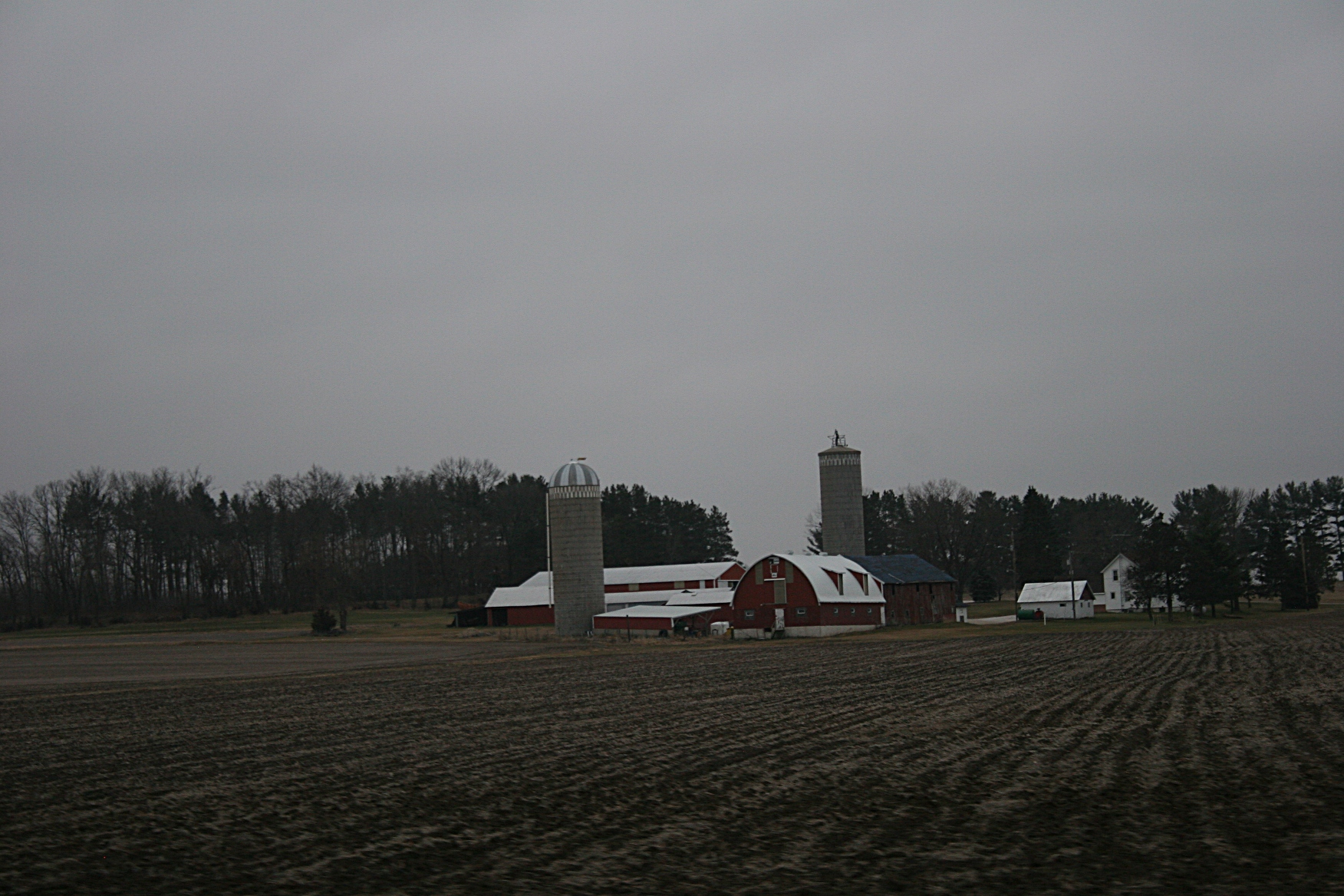
Journey after journey, I find my eyes drawn to the many old barns that are so much a part of Wisconsin’s landscape and heritage. And mine. Only in Minnesota.

I’ve seen every type of barn, from the well-preserved to the crumbling, pieced-together-with-tin structure. I know that any barn, once left to fall into a rotting pile of boards, will never be replaced by an equally grand structure.

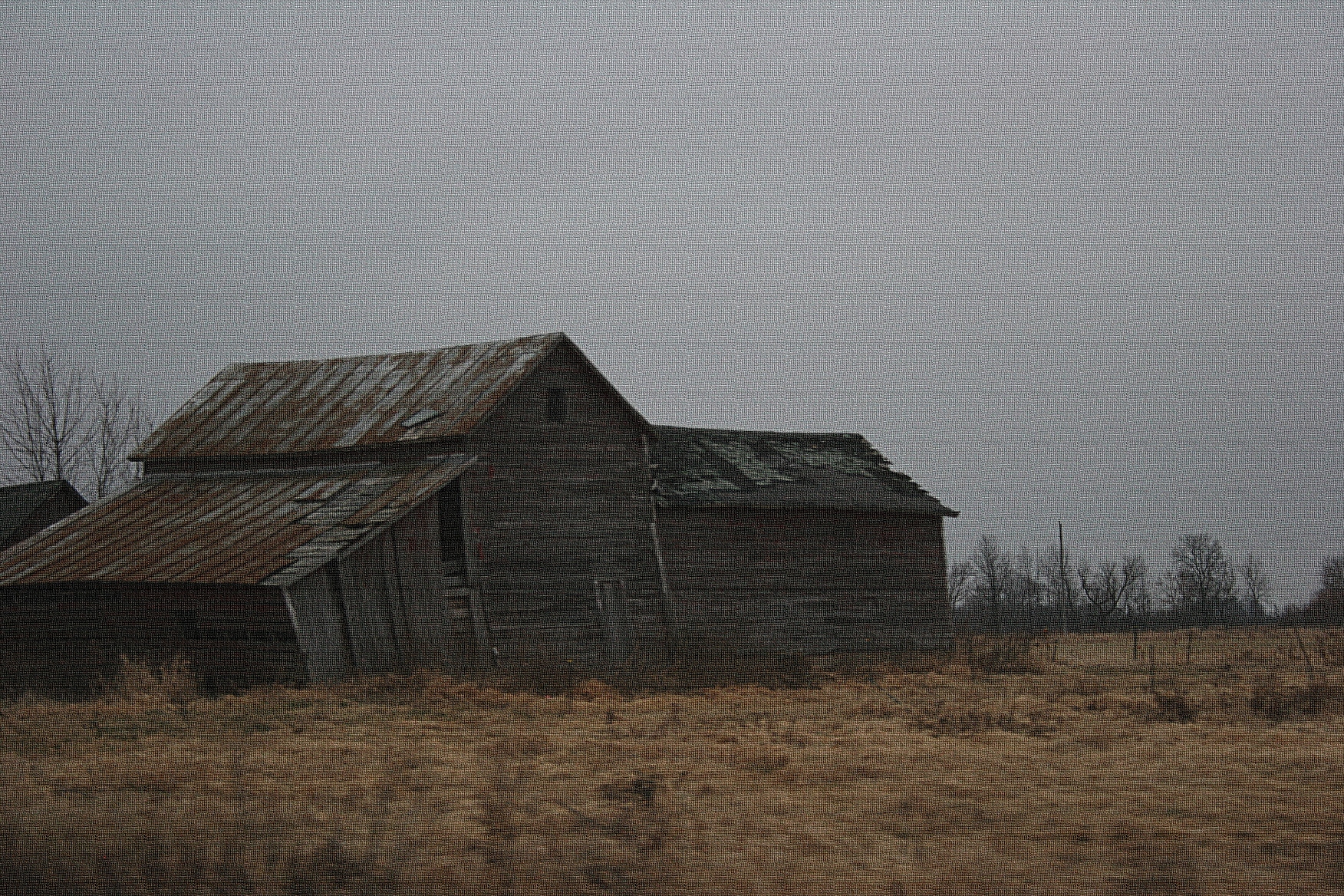
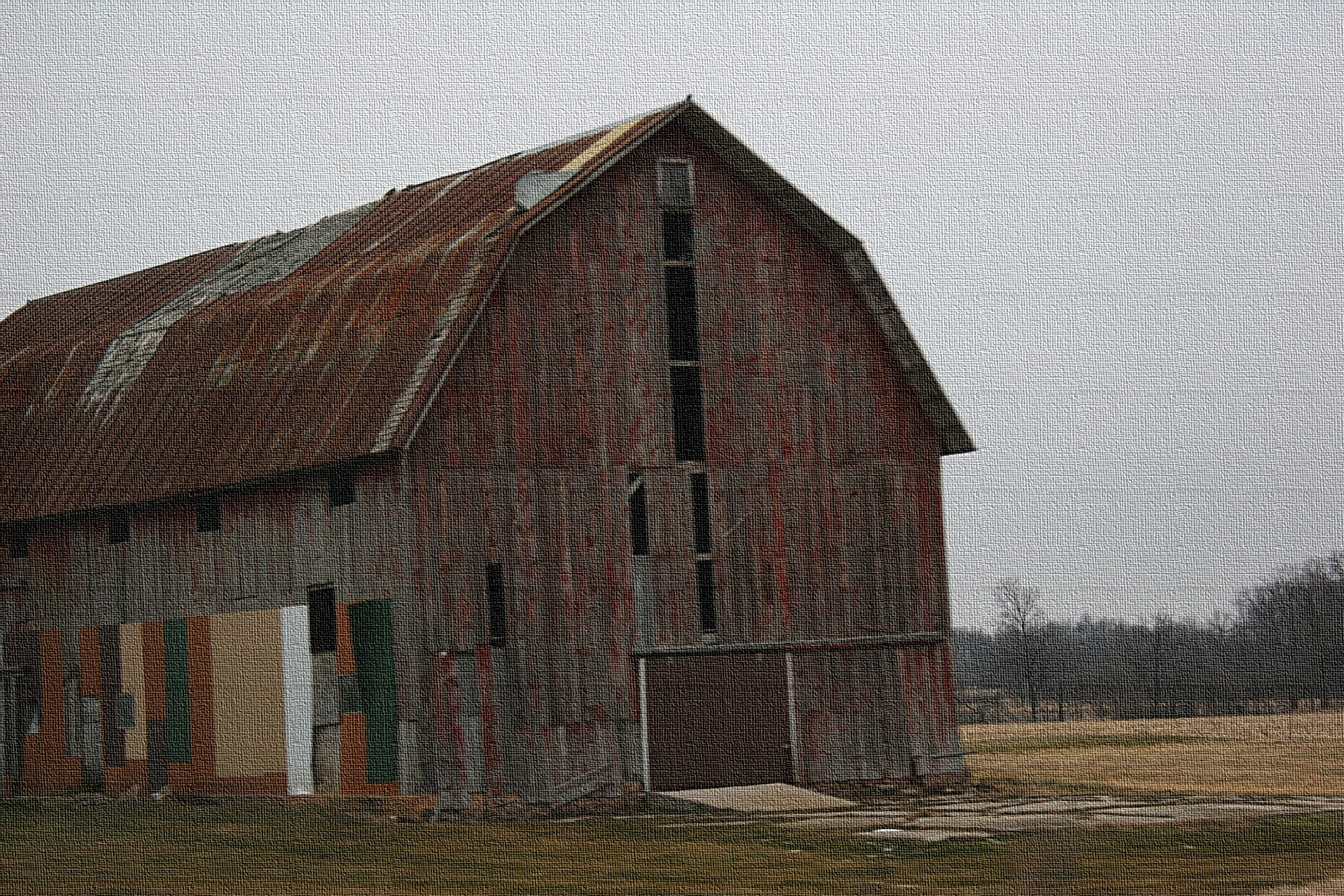
A pieced together weathered barn blends into the gray landscape on a dreary winter afternoon.

A once grand barn shows the first signs of falling into disrepair.

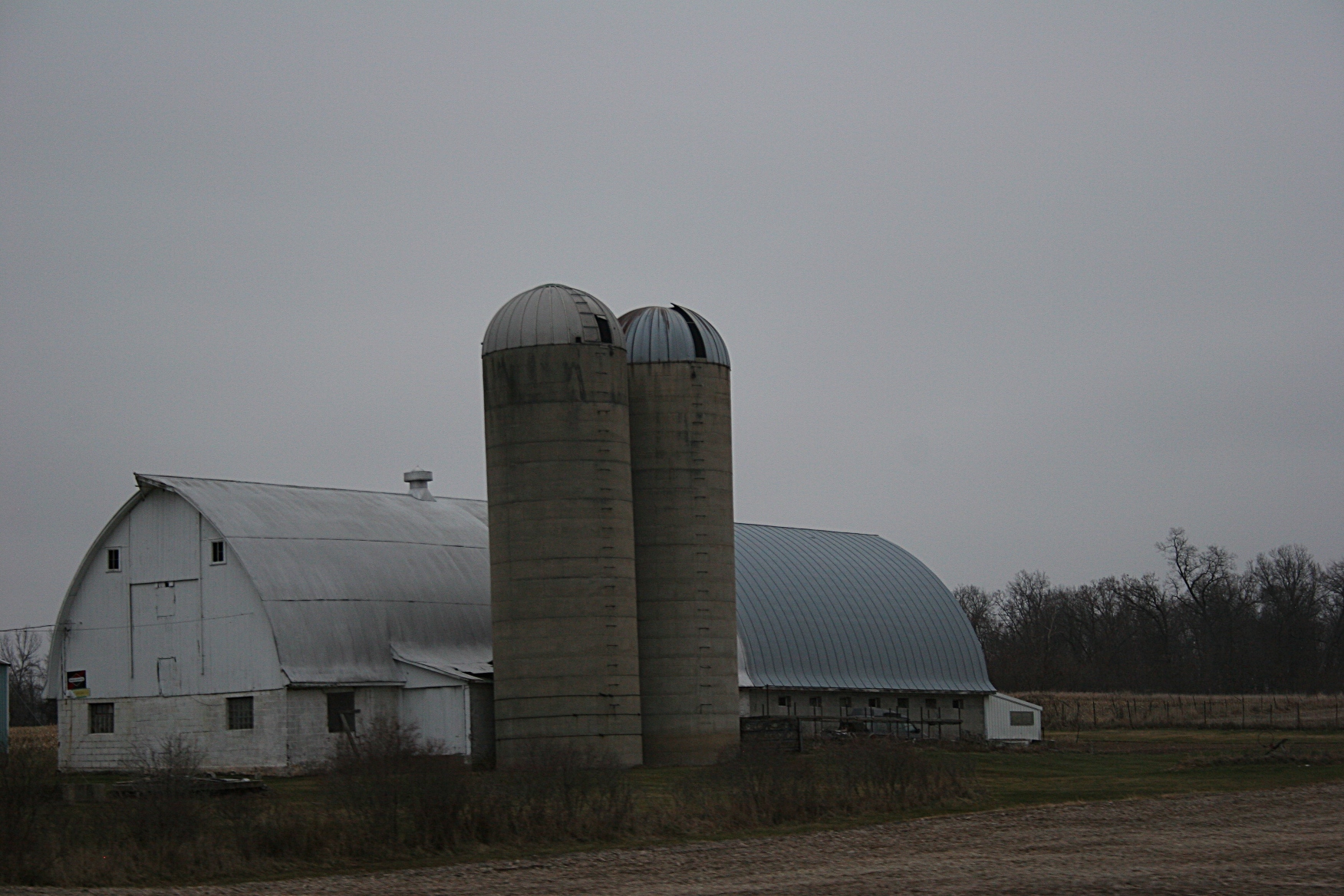
The occasional white barn pops up among the characteristically red barns.

Majestic barns, rising sturdy and proud above the land, are seldom crafted anymore. Instead, mundane metal rectangles sprawl, without any character or beauty, across the landscape. Such structures hold no artistic, but only practical, value on the farm.

Via my barn photography, I am documenting for future generations a way of life—the family farm—which, in many places, has already vanished.

If my photos inspire you to appreciate barns and rural life and the land and our agricultural heritage and the men and women who work the soil and their importance in this great country of ours, then I will have passed along to you something of great worth.

An especially picturesque farm site along Wisconsin Highway 21.

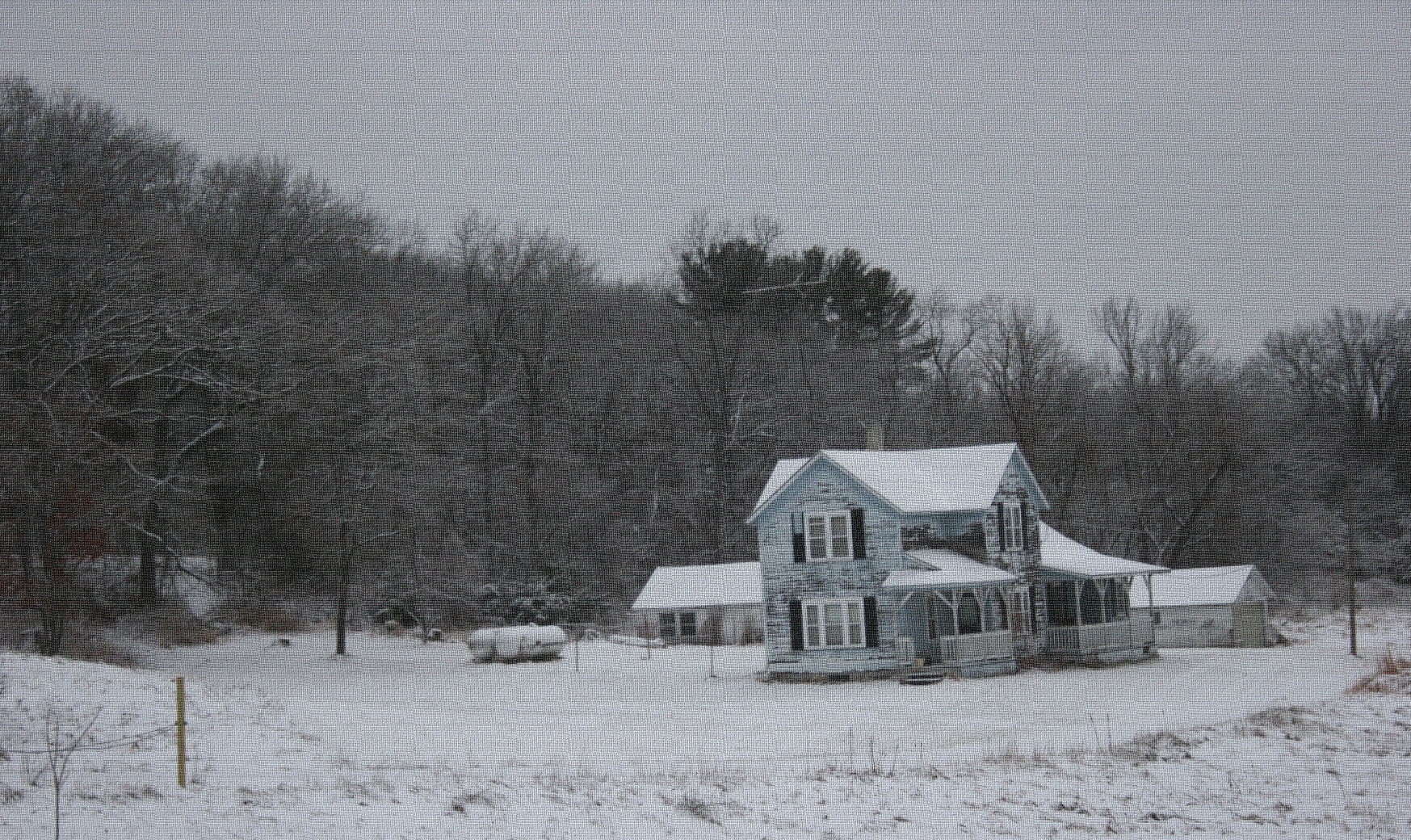
The muted blue-grey of this old farmhouse blends seamlessly with the dreamy landscape on a snowy New Year's Day afternoon in central Wisconsin.

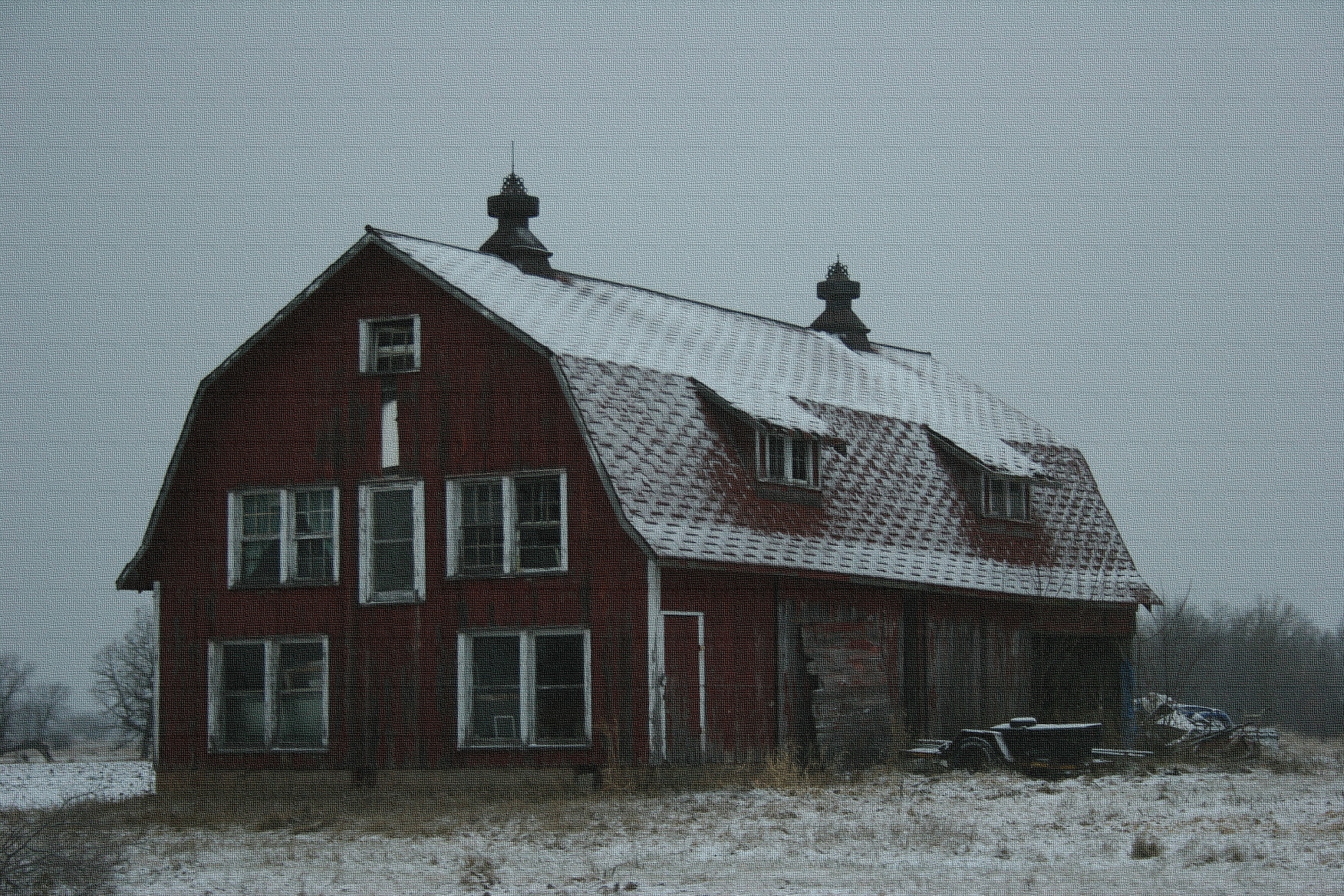
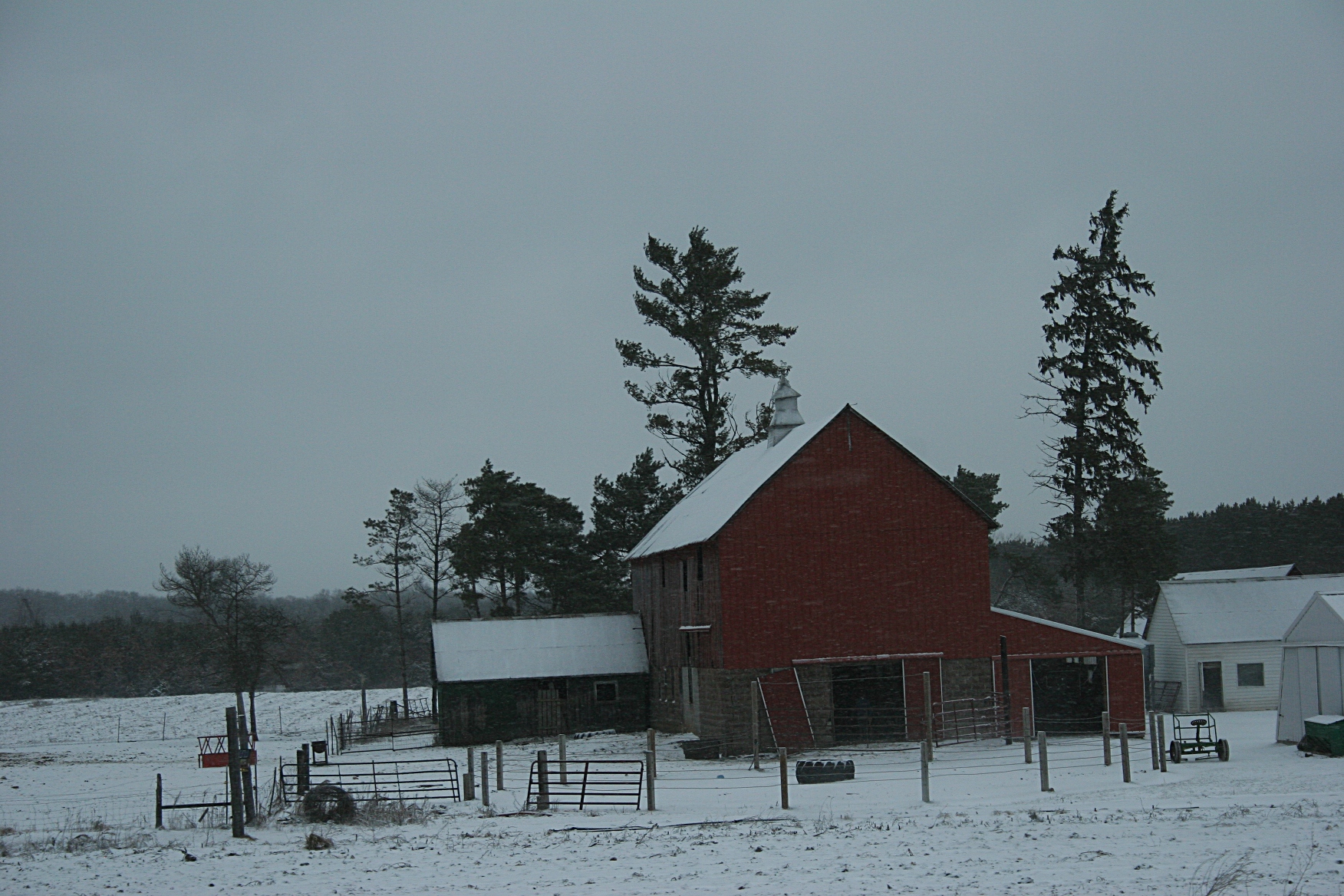
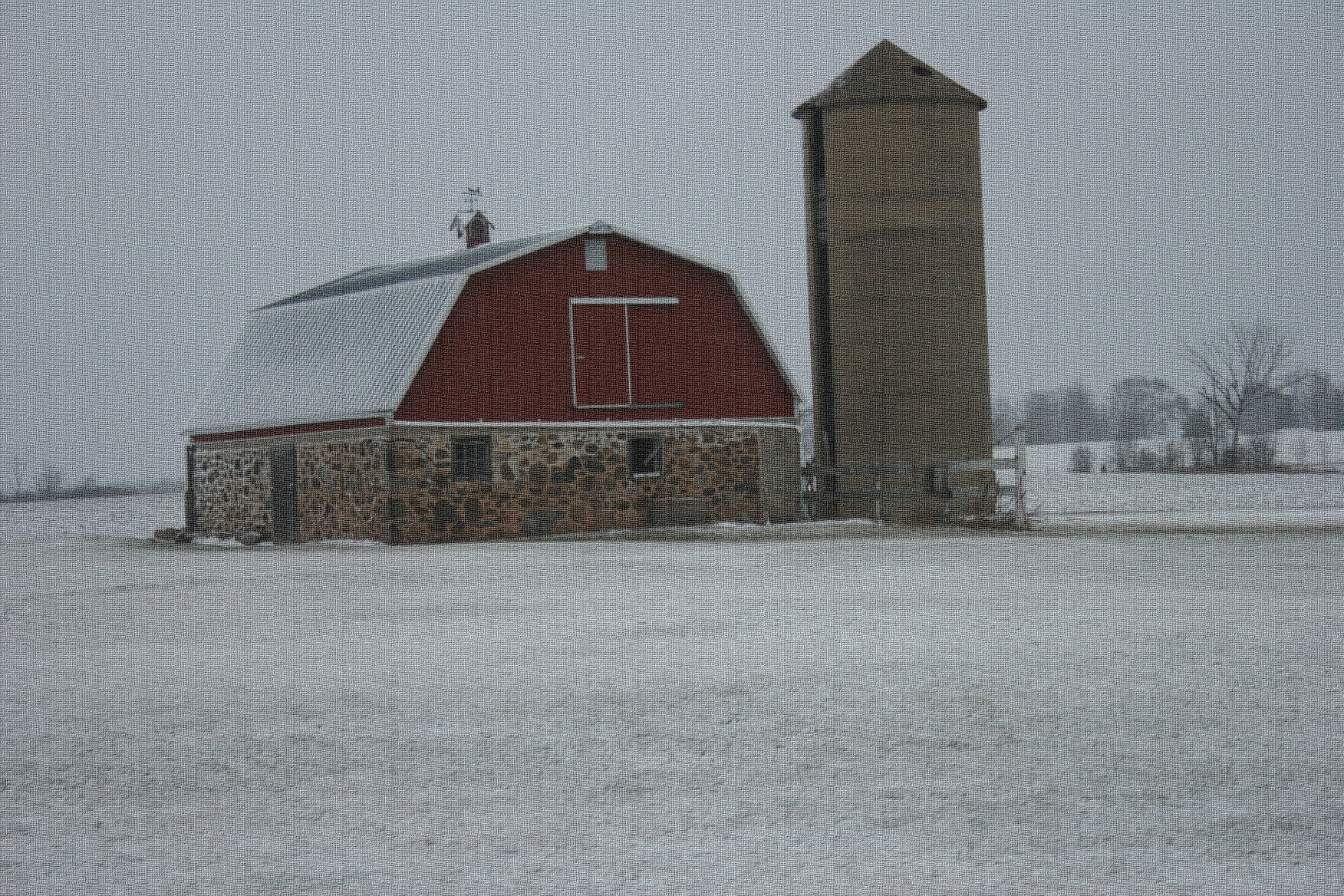
Contrasted against snow, red barns are particularly visually appealing.

NOTE: The above photos were taken on December 30, 2011, and January 1, 2012, along Wisconsin Highway 21 in the central part of the state primarily between Wautoma and Oshkosh.

I have applied a canvas style editing technique to most of the images, creating a quality that is more painting than photo.

© Copyright 2012 Audrey Kletscher Helbling


Tough tilling in Minnesota farm fields November 9, 2011

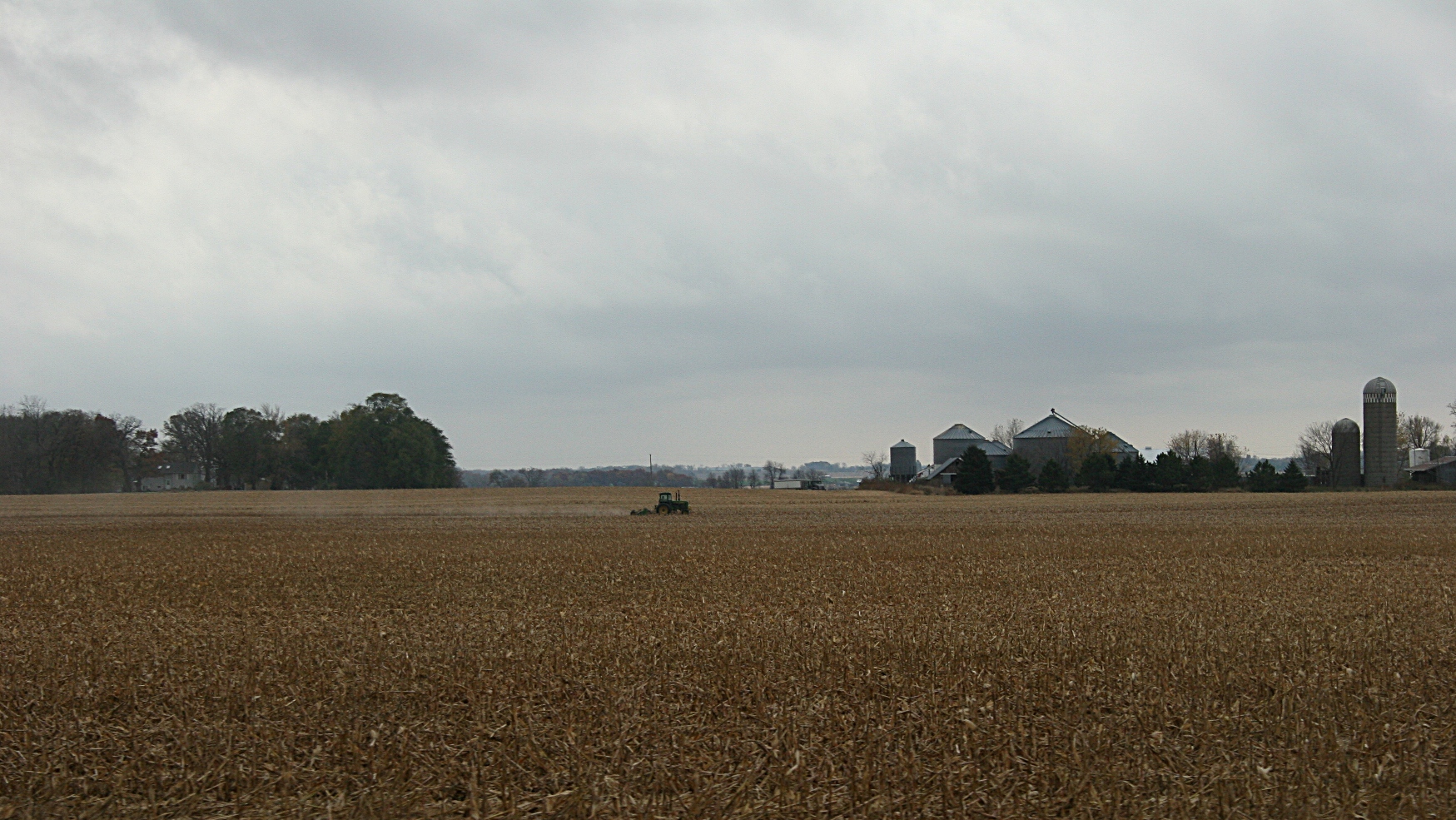
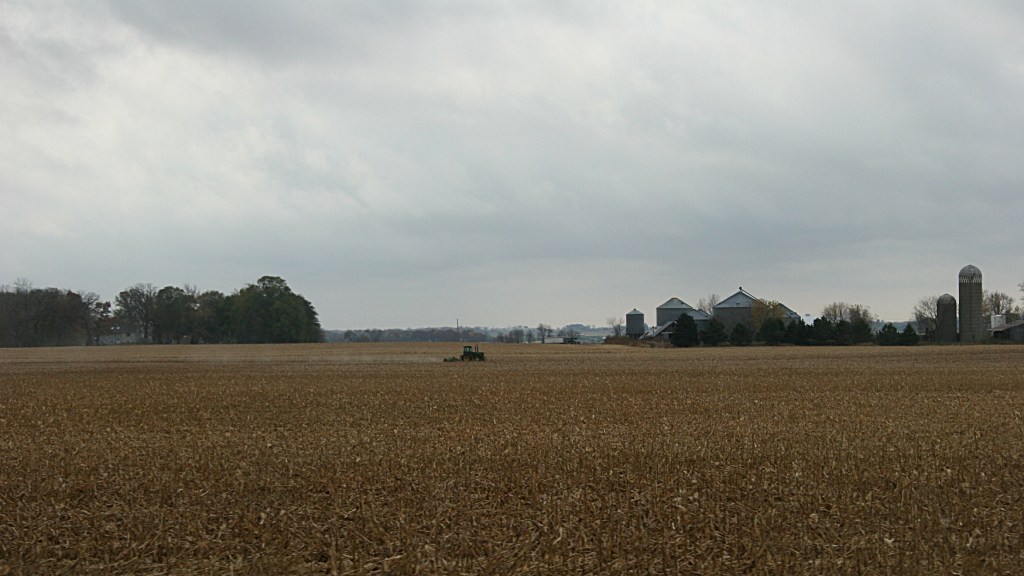
A farmer works the field recently in this scene shot in southeastern Minnesota.

HAVE YOU TRIED DIGGING into the ground lately? Takes some effort, doesn’t it? This soil in Minnesota rates as rock hard right now given the lack of moisture.

I’m hesitant to admit it, but I don’t think about soil conditions and moisture nearly as much as I once did, when I was not so long-removed from the farm.

But last week when a carpenter, who is also a farmer, was working on a project at my house, we chatted briefly about crops, soil conditions and weather.

Kenny shared how fall tillage has been especially trying this year. Farmers in his area around Owatonna in southeastern Minnesota have been breaking implement parts with all-too-often frequency in the dry, hard earth. He mentioned shanks, which he claims never break.

Some parts are in short supply, Kenny says, meaning farmers sometimes need to wait. That’s not a good thing when you’re trying to finish fall tillage before the snow flies.

Friends of mine who farm near Dundas finally halted all tillage work for the season, leaving some 300 acres, of 700, untilled. The rock hard dry soil proved too difficult to work and too tough on their equipment.

IN SOUTHWESTERN MINNESOTA, my brother Doug Kletscher, the parts manager at Westbrook Ag Power in Westbrook, confirms that tillage is tough there, too, and farmers are going through the parts. “We ran out of ripper points and they have been back-ordered for a good month. I have heard of a few farmers that have pulled their rippers in half,” Doug says. “We have sold at least five years’ worth of chisel plow spikes in one year. Bolts have also been in very high demand.”

On the flip, positive side, farmers haven’t had to deal with mud, Doug reports, and the corn has been very dry with 14 percent or less moisture content (a significant cost savings on corn drying).

However, farmers are facing another issue related to moisture-depleted conditions. “The fertilizer companies are not putting on any anhydrous as it is too dry to hold the anhydrous in the ground,” my brother continues. “Anhydrous needs moisture to adhere to keep it in the ground; also it (the soil) is pulling so hard that they would break their anhydrous bars.”

Doug reports the last rain over a half inch fell on July 14 with .78 inch. Since then any rainfall has been .10 inch or less. That makes for extremely dry soil conditions for farmers trying to prep the soil for next spring’s planting season.

LIKEWISE, IF YOU’RE a gardener, digging vegetables has been anything but easy this autumn. Take my friend Virgil Luehrs, who lives along Cedar Lake west of Faribault. Unearthing potatoes proved tough, he says. But then he got to the carrots:

“First I tried the garden spade, then a round-point shovel and then a tiling shovel. I had to dig a trench beside the rows to loosen the soil around the carrots to get them loose enough to pull out.  Finally I resorted to a pick to loosen the soil and that was easier but still a lot more work than normal.”

Tilling the garden, even with a powerful Troybuilt rear tine tiller, proved equally challenging. “I could not get down deep enough,” Virgil reports. “Hopefully next spring.”

When Virgil talks soil and weather, I listen. He’s not just your average Minnesota gardener. He’s also a retired high school science teacher with a Masters in biology, a former interim and assistant director at River Bend Nature Center in Faribault, and a volunteer rain gauge reader for the Rice County Soil Water Conservation District (SWCD) and the state Climatology Lab.

In other words, he’s a knowledgeable resource.

So then, exactly how much rainfall has Virgil recorded at his Cedar Lake home (where the lake water level is the lowest in 20 years, but not as low as in the drought years of 1988- 1990). Thus far since April, Virgil has taken these rain gauge readings:

April:  3.14”

May:  4.63”

June:  5.26”

August:  1.38”

September:  1.00”

October:  .58”

TOTAL during the past six months: 15.99”

Says Virgil: “This year we had a much wetter spring and that probably helped to carry us through the dry fall. Recall that last fall we had record rainfalls.”

His 2010 readings were as follows:

April:  1.35”

May:  2.75”

June:  4.76”

July:  5.49”

August:  3.91”

September:  9.13”

October:  1.91”

TOTAL during those six months: 29.3”

According to information Virgil passed along from State Climatologist James Zandlo and University of Minnesota Climatology/Meteorology Professor Dr. Mark Seeley, 2010 was the wettest year in Minnesota modern climate record. The 34.10-inch state average precipitation total was roughly 8 inches more than the historical average.

But here we are in November 2011, desperately short of moisture.

What will winter bring here in Minnesota? A continued shortage of precipitation? Or more snow than we care to shovel?

WHAT’S YOUR PREDICITON for snowfall in Minnesota this season? Submit a comment with a forecast and the reasoning behind your prediction.

IF YOU’RE A FARMER, an implement dealer or a gardener, have you faced any special challenges this year due to dry (or other) weather conditions? Submit a comment. I’d like to hear, whether you live in Minnesota or elsewhere.

CLICK HERE to link to climate.umn.edu for detailed statistics and information about Minnesota weather.

© Copyright 2011 Audrey Kletscher Helbling


Farm Rescue: Like neighbors helping neighbors November 7, 2011

NO ONE EVER expects to need help. But then an accident happens or sickness befalls us or tragedy strikes. And we suddenly realize how much we need each other.

Back in October of 1967, neighbors rallied after a corn chopper sliced off the fingers on my father-in-law’s left hand. Not just the tips, but so much that amputation was required between the wrist and the elbow.

An Allis Chalmers corn chopper like this one exhibited at the 2010 Rice County Steam & Gas Engines Show, claimed my father-in-law's left hand and much of his arm in a 1967 accident. That's my husband, Randy, who saved his dad's life by running for help.

In the week after the accident, neighboring farmers came with plows to work the fields of my father-in-law’s Morrison County farm.  Others arrived with tractors and manure spreaders to haul away a manure pile. A week or two later, the neighbors were back to pour a slab of cement at the end of the barn.

Several farmers and a high school student continued to assist the family with twice daily milkings and other farm chores while Tom recovered and adapted to farming with his prosthetic hook hand.

Neighbors helping neighbors in need.

This fall, farmers gathered south of Lucan in Redwood County to harvest corn and soybeans on the farm of their friend and neighbor, Steve, my sister-in-law’s father who was found dead at the scene of a single-vehicle accident on September 20.

Neighbors helping a grieving family in their time of need.

Stories like this are not uncommon in rural Minnesota.

Harvesting corn this fall in southern Minnesota.

But it wasn’t until this past week that I learned about Farm Rescue, “a nonprofit organization that plants and harvests crops free of charge for family farmers who have suffered a major illness, injury or natural disaster.”

Founded in 2005 by a former North Dakota farm boy, this Jamestown, North Dakota-based nonprofit has assisted 155 farm families, mostly in the Dakotas, but also in western Minnesota and eastern Montana, the states within the organization’s coverage area.

In early October, Farm Rescue harvested beans for Renville area farmer Kurt Kramin who is recovering from serious burns sustained while he burned debris following a July 1 severe storm that passed through southwestern Minnesota. (Read a story published in the Morris Sun Tribune about the Farm Rescue assistance provided to Kramin by clicking here.) 

All of this I learned from Paul Oster, a Farm Rescue videographer. Oster read my July blog posts about the tornadic and strong wind storms that swept through southwestern Minnesota and contacted me last week about using several photos in a video he was preparing about Kramin.

Before agreeing to his request, I first checked out Farm Rescue. I wanted to assure that the storm photos my brother, uncle and I had taken would be shared with a respected organization.

My photo of the July 1 storm damage at Meadowland Farmers Co-op in Vesta which Paul Oster included in his video of Kurt Kramin. Renville, where Kramin lives, is north of Vesta.

No problem there. Farm Rescue accepts applicants from farmers in need, reviews the applications and then, if approved, coordinates volunteers to plant or harvest crops. It’s like neighbors helping neighbors.

Click here to read all about Farm Rescue and how this nonprofit truly shines at neighbors helping neighbors in need.

Then, click here to see the videos about farm families aided by Farm Rescue in 2011.

If you want to contribute in any way to this worthy organization, do. Because you never know when you, too, may need your neighbors’ help.

© Copyright 2011 Audrey Kletscher Helbling


On our way to church in North Morristown October 12, 2011

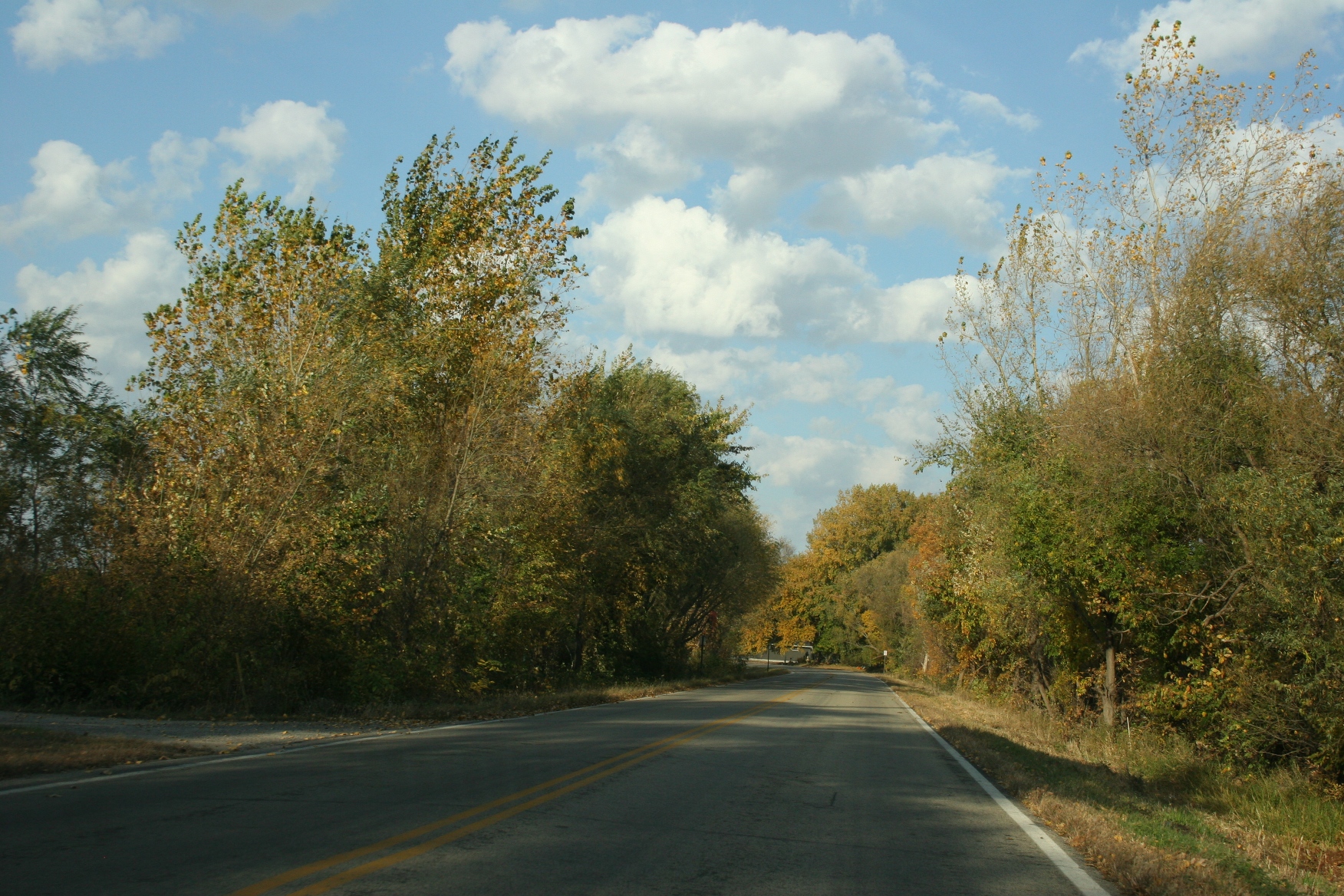
ON OUR WAY TO CHURCH on Sunday morning in North Morristown, my husband and I drove through some mighty fine country.

Past…

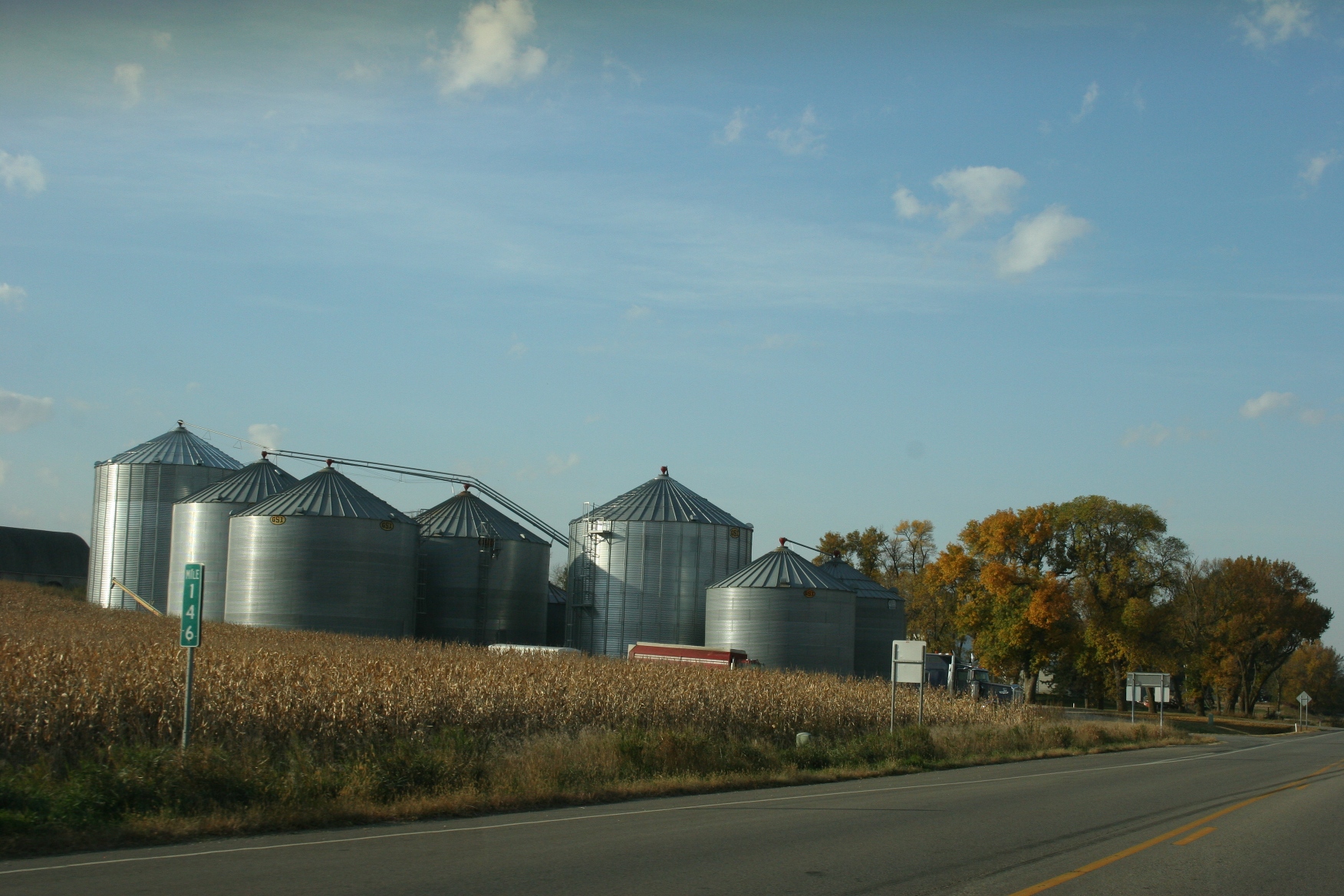
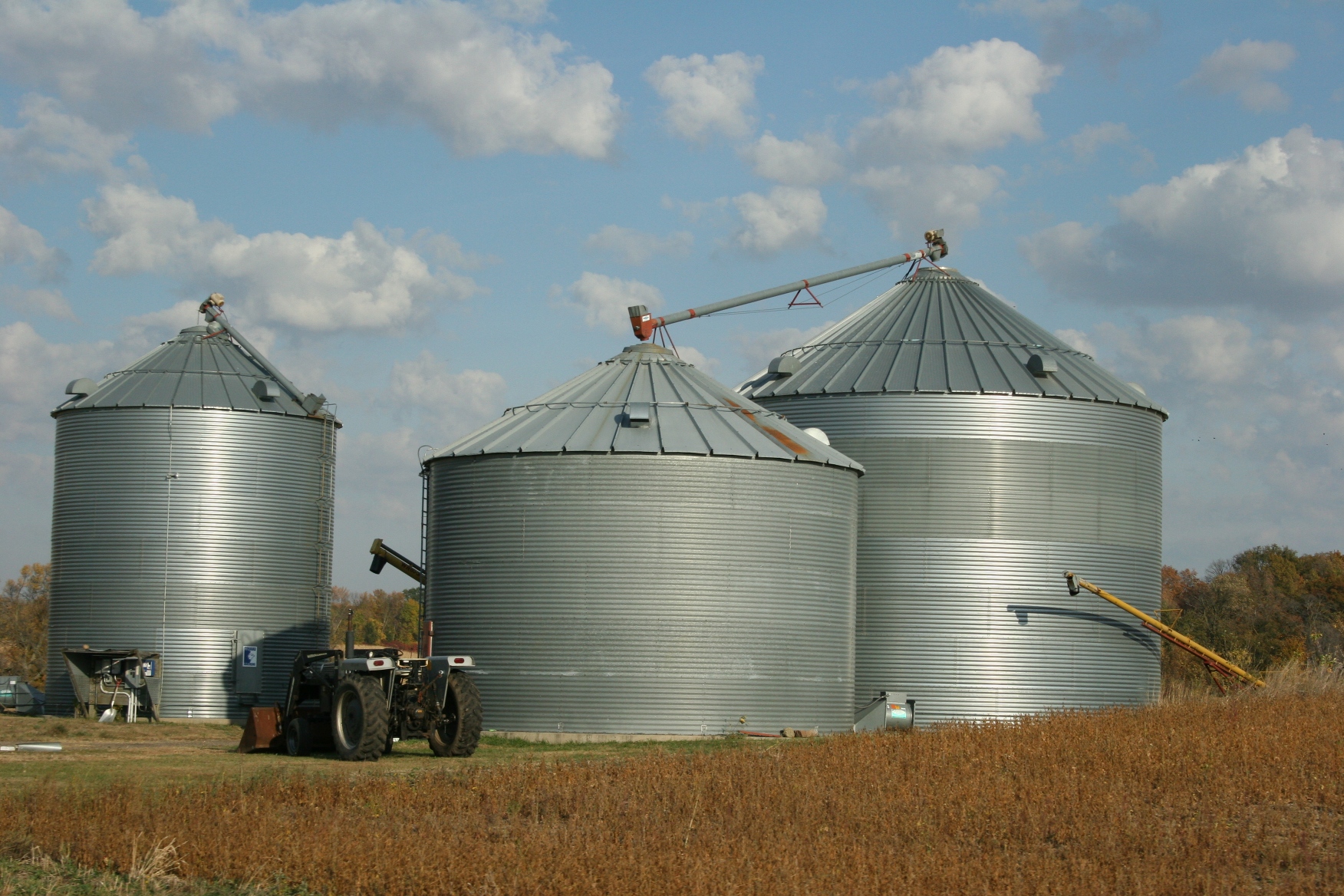
grain bins awaiting the season’s yield

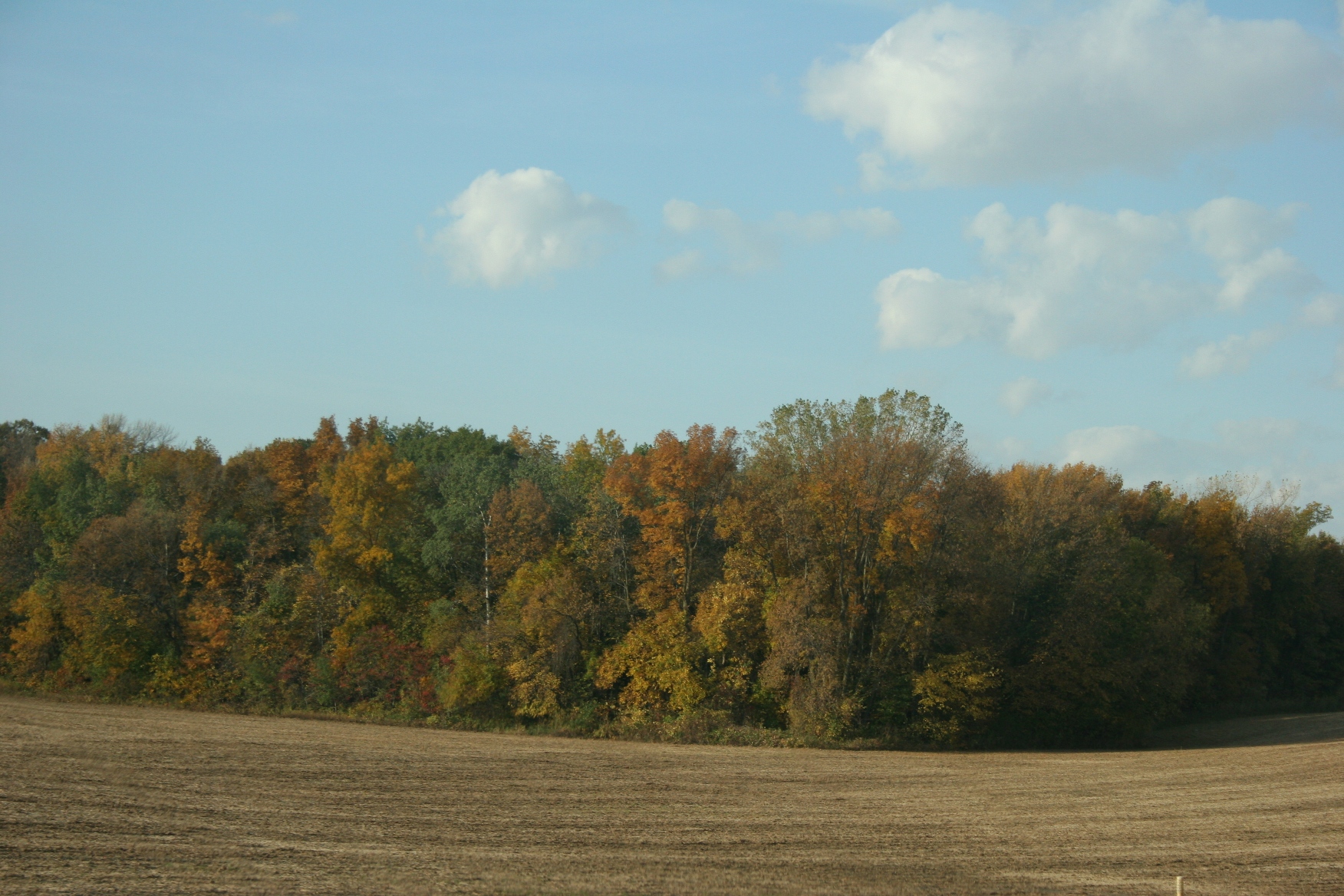
autumn’s glory edging Cannon Lake

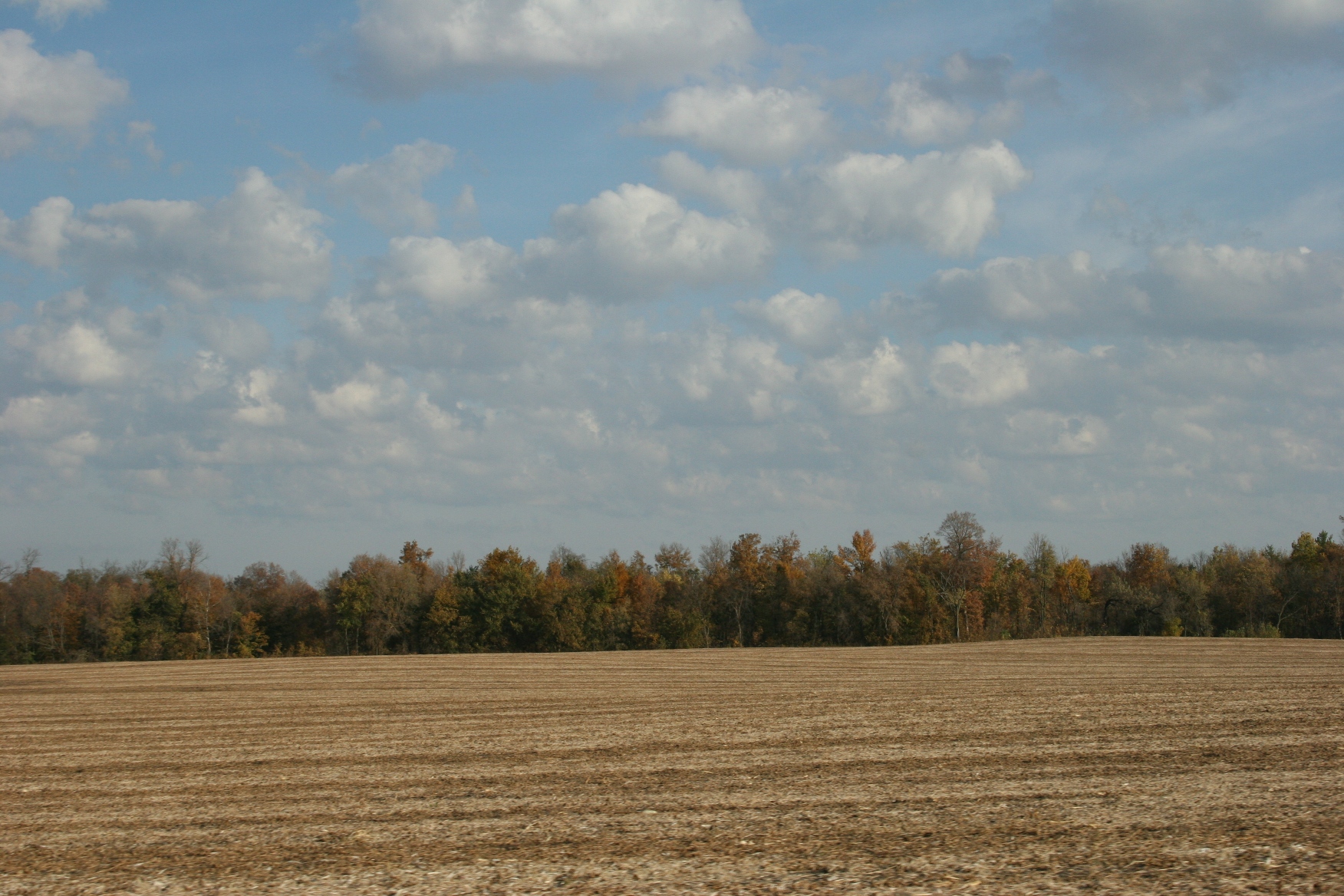
harvested corn fields

tree line and crop line

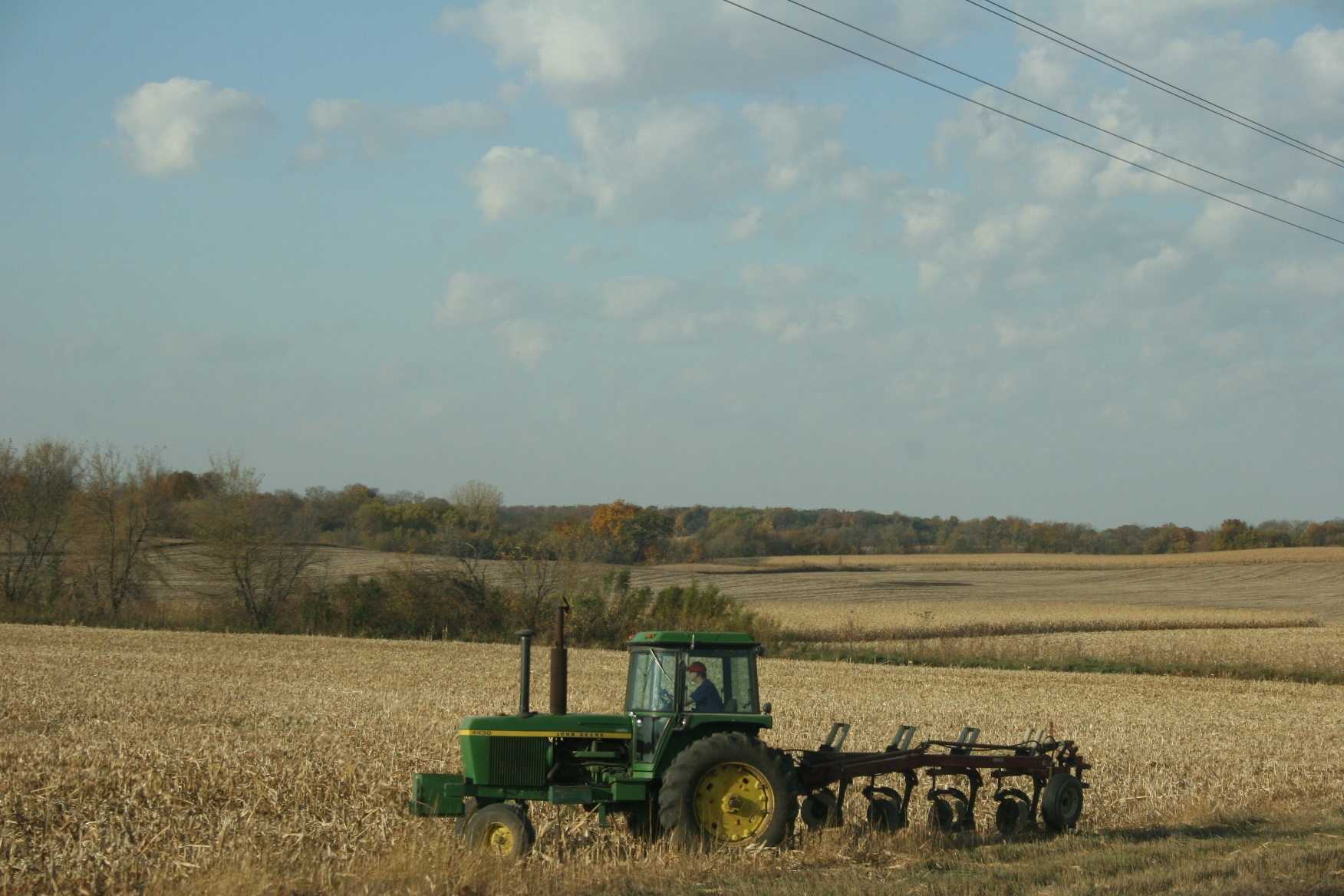
a farmer laboring

beauty and bounty

a clutch of bins

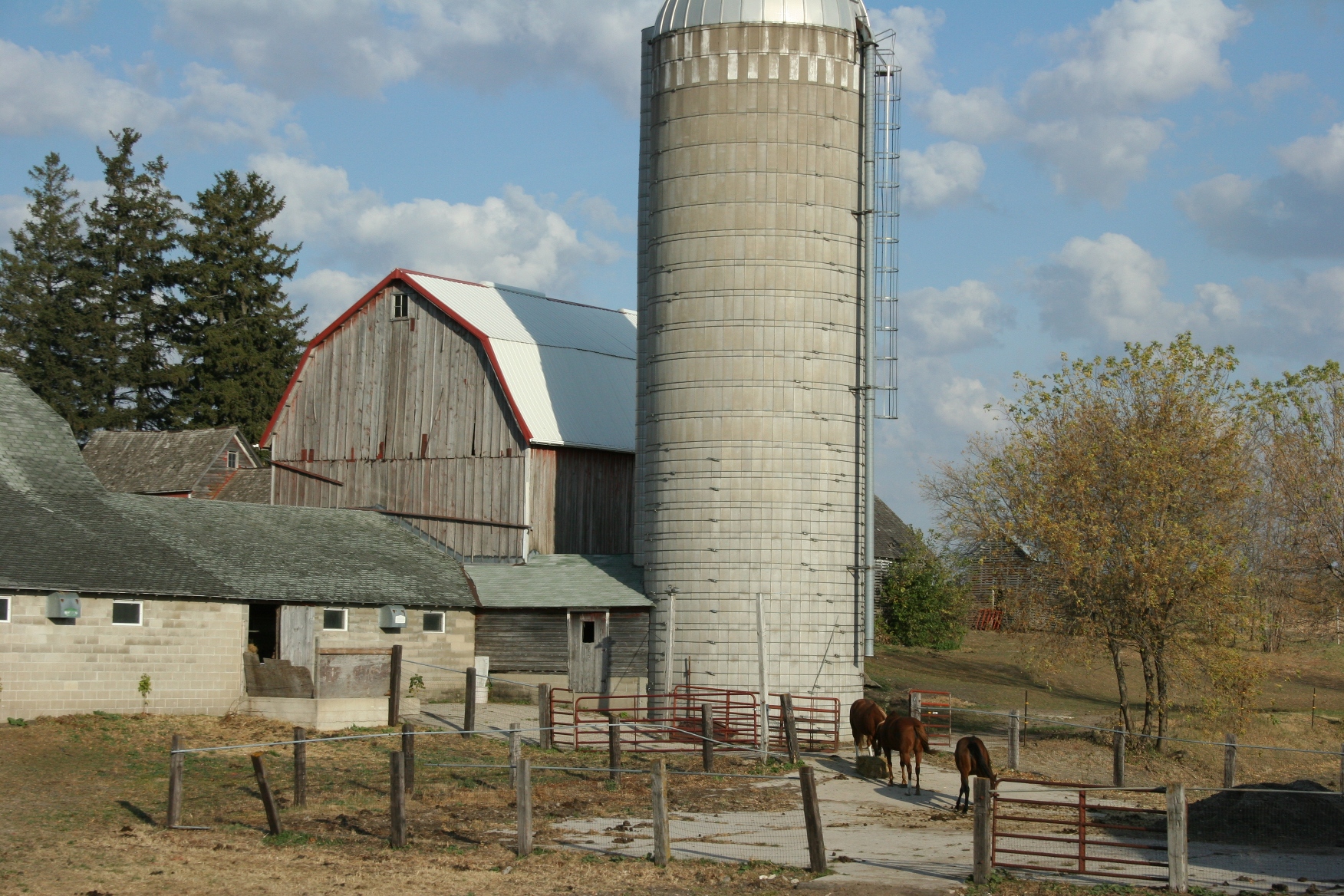
horses dallying in a barnyard

a shed weathered by time

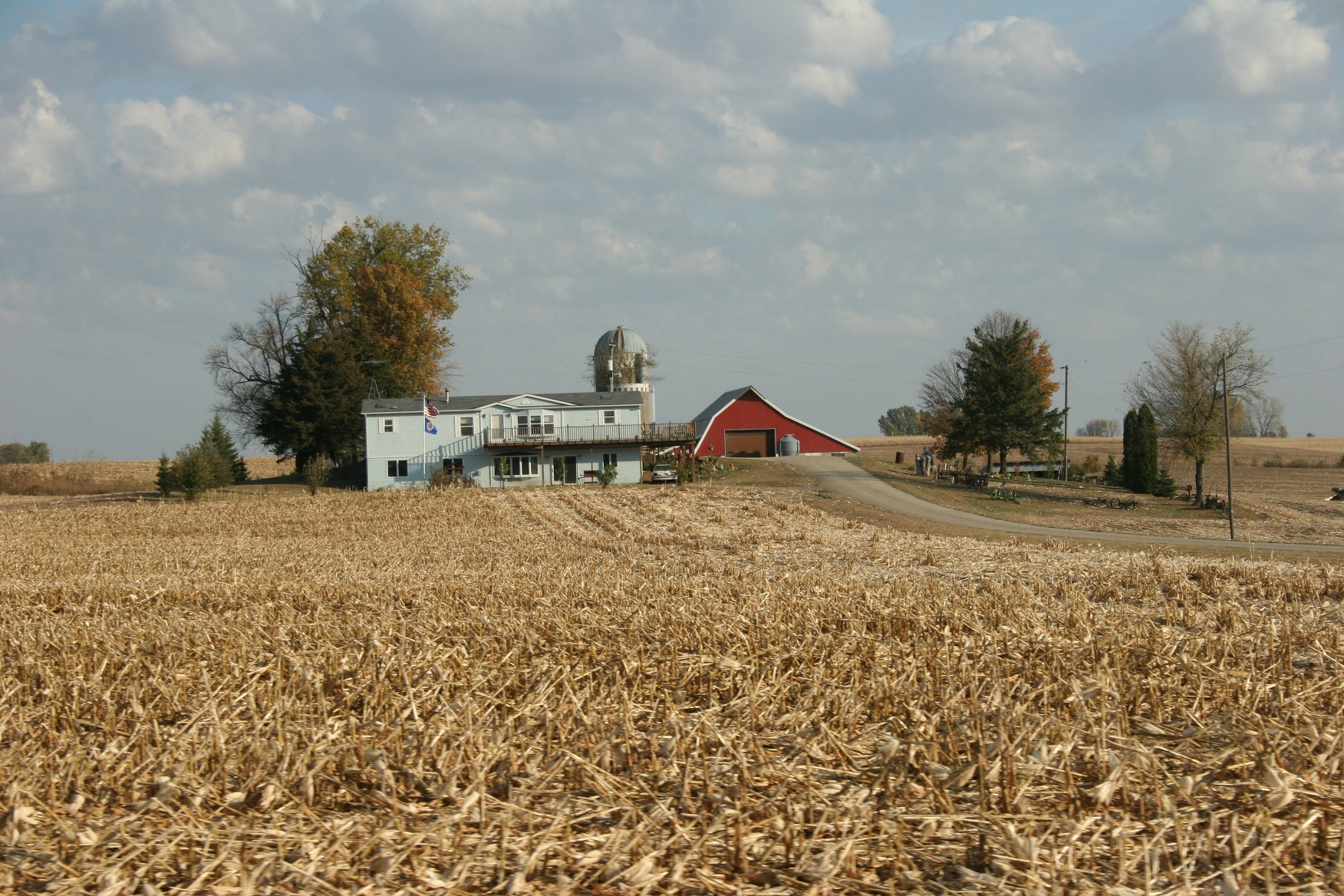
an old brick house on a hill

to Trinity Lutheran Church, North Morristown.

We savored the best of a lovely, gorgeous, stunning, beautiful, wonderful, photographic October morning that transitioned into an unbelievably warm afternoon.

Typically we don’t get this many balmy October days here in Minnesota, meaning we need to appreciate each one while secretly hoarding memories of these days for the long winter months ahead.

For now I want to remember this Sunday, this drive west of Faribault to the little country church, Trinity Lutheran, edged by an alfalfa field and across the road, acres of corn.

I want to remember the warmth of the day and of the people with whom we worshiped.

I want to remember, too, the good food and fellowship afterward in the church basement as we celebrated this congregation’s annual fall dinner and craft sale.

CHECK BACK for posts about dinner and about Trinity church.

© Copyright 2011 Audrey Kletscher Helbling


Alpacas in Sogn Valley October 9, 2011

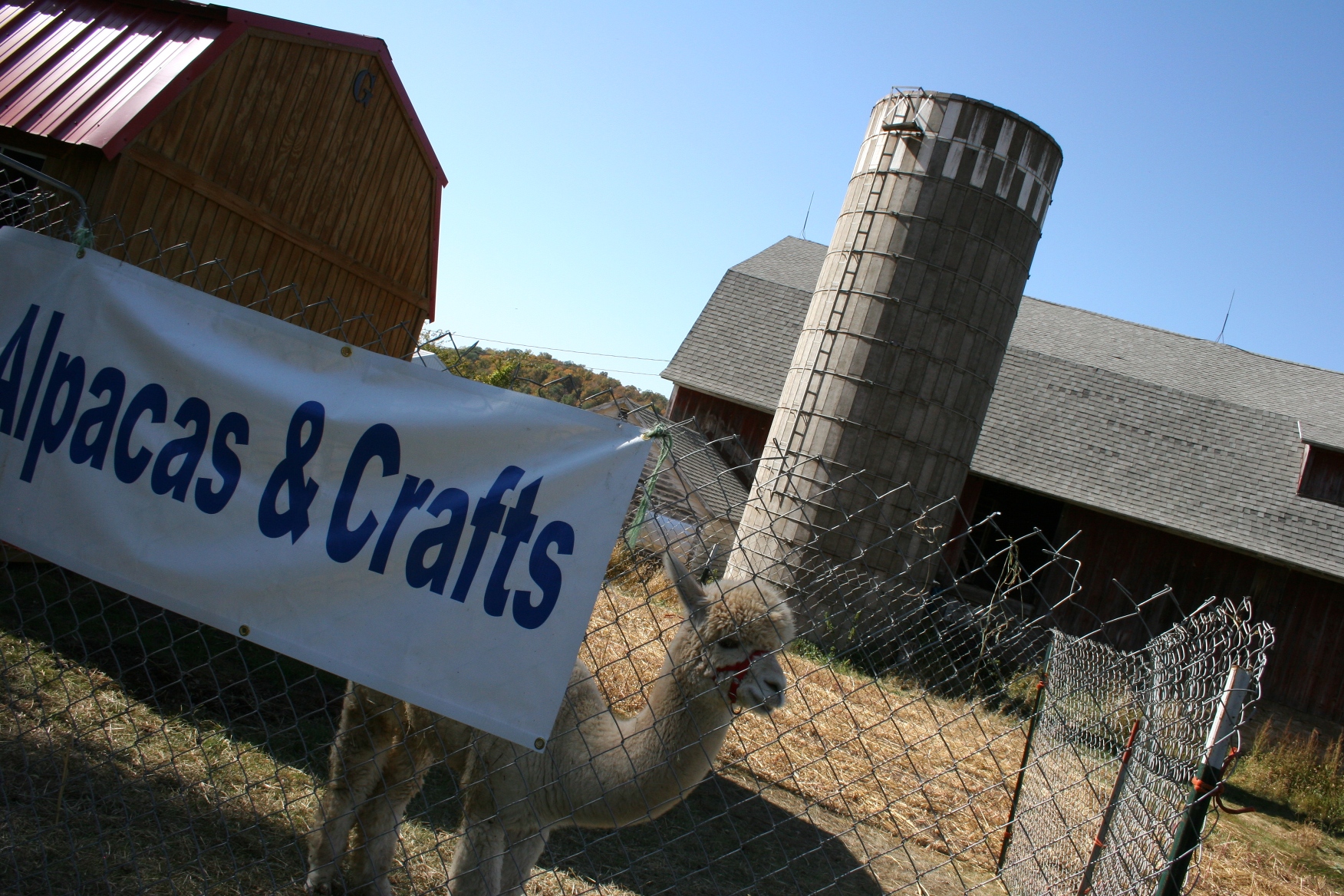
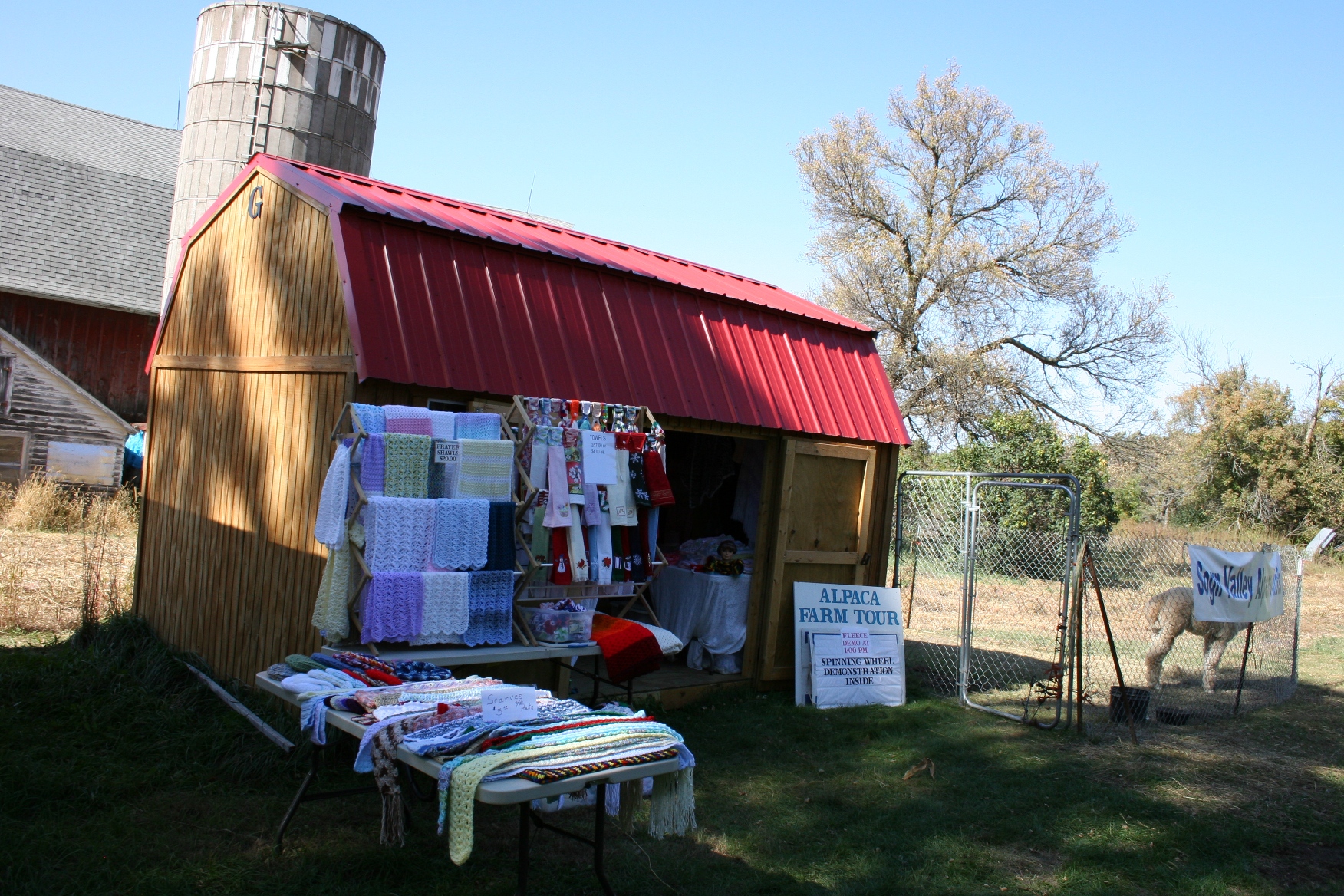
An alpaca outside the craft barn at Sogn Valley Alpacas & Crafts.

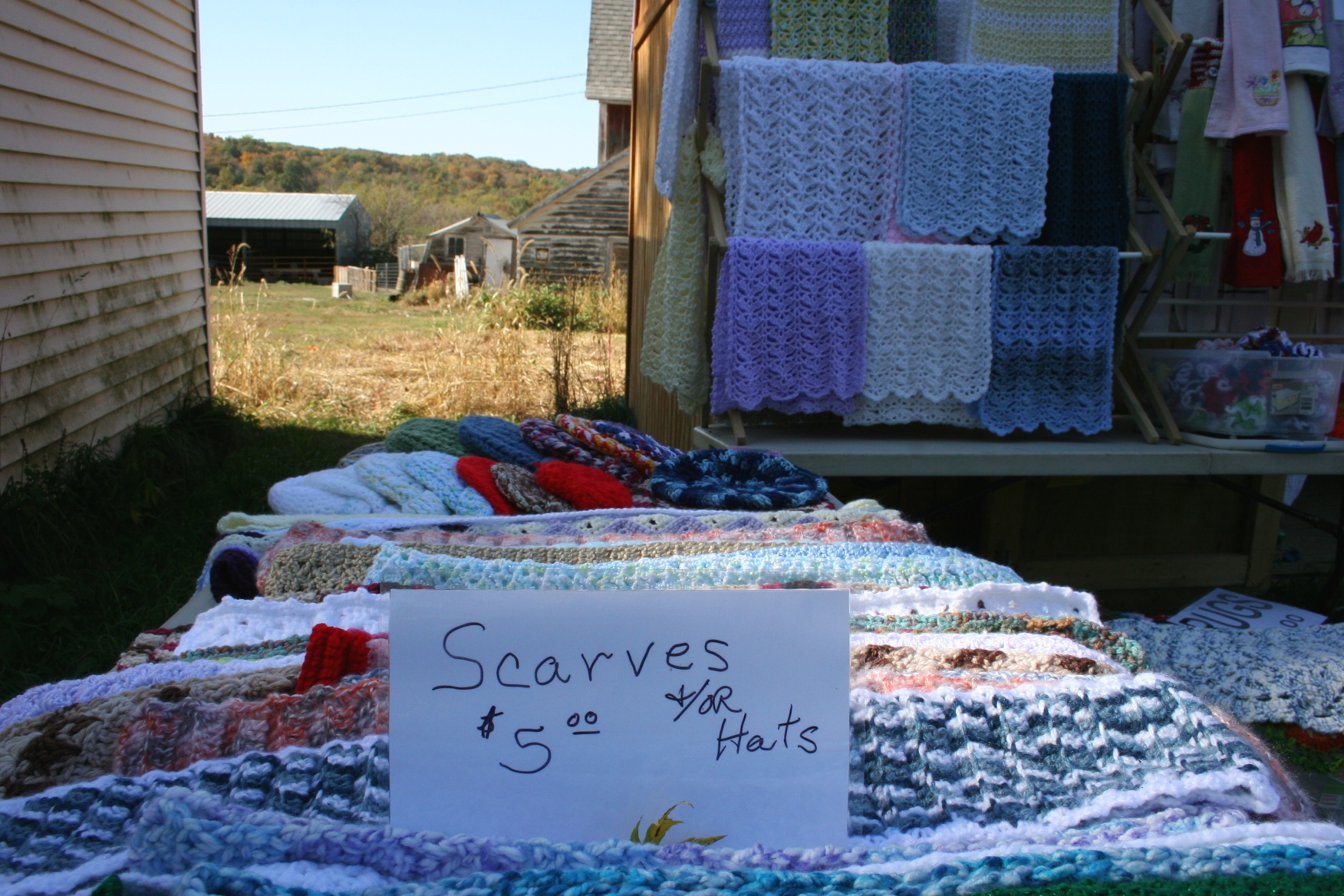
I DREW MY HAND across the scarves, stroking the silky, kitten-soft spun fiber of the alpacas.

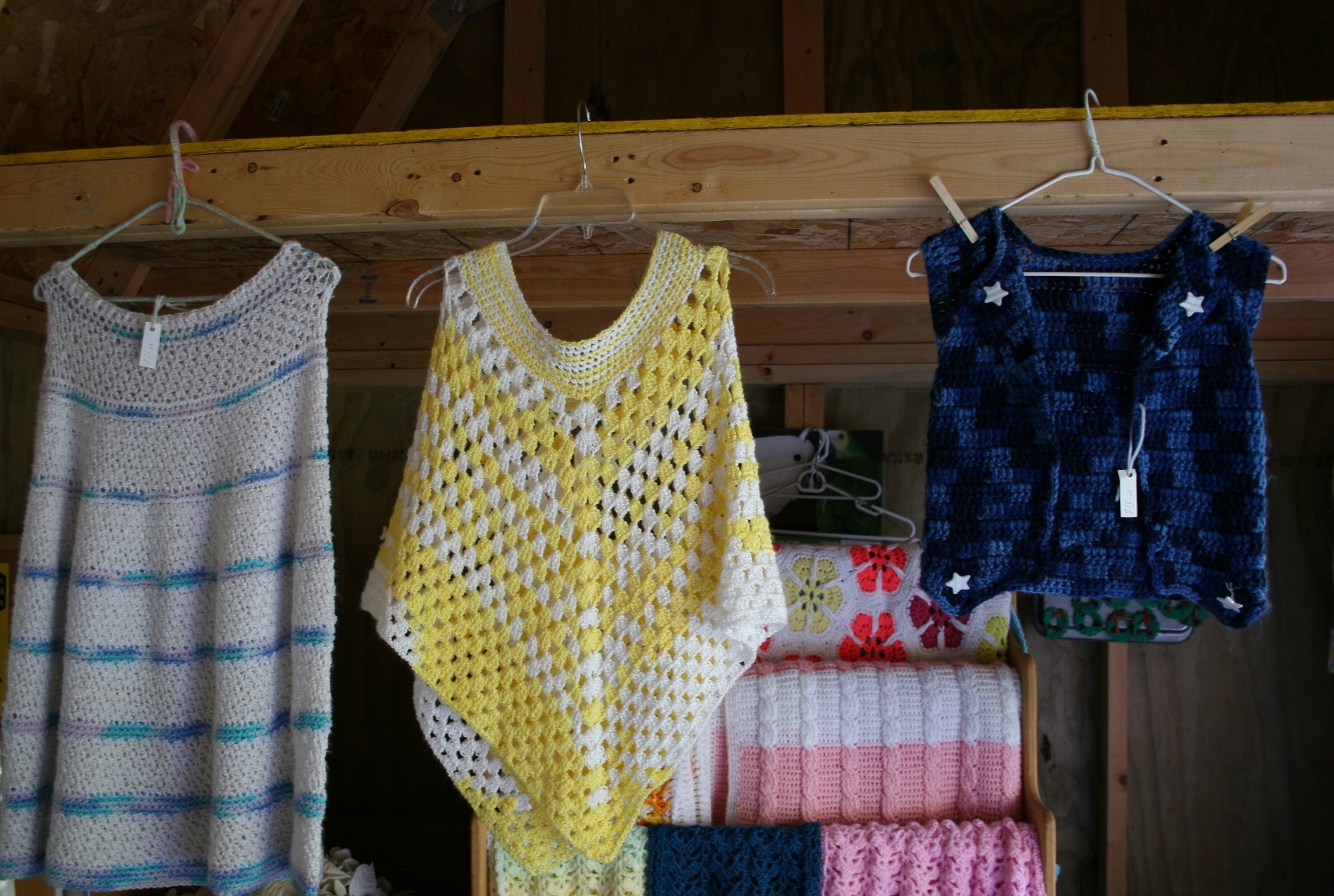
Hats. Scarves. Prayer shawls. Afghans. Rugs. Clothing. Some tucked inside the small-scale barn shed that mimics the real barn a stone’s throw away. Other merchandise is draped across tables and clothes-drying racks outside, near the penned camel-hued alpaca that chose to ignore me for the most part.

Welcome to Sogn Valley Alpacas & Crafts along Goodhue County 14 Boulevard, rural Cannon Falls, a spur-of-the-moment stop on a recent drive to view the fall colors.

Jayne and R.J. Boersma's Sogn Valley Alpacas & Crafts near Cannon Falls.

Scarves and hats, close-up, and prayer shawls in the background displayed outside.

Silky soft clothing hanging inside the craft barn.

My husband and I missed the fleece demo at 1 p.m., the spinning wheel demo inside and the alpaca farm tour, unless, of course, it was self-guided.

We, in fact, missed any human contact. Not a soul was to be seen except for alpacas and chickens scratching and flapping too close for my fear-of-chickens comfort.

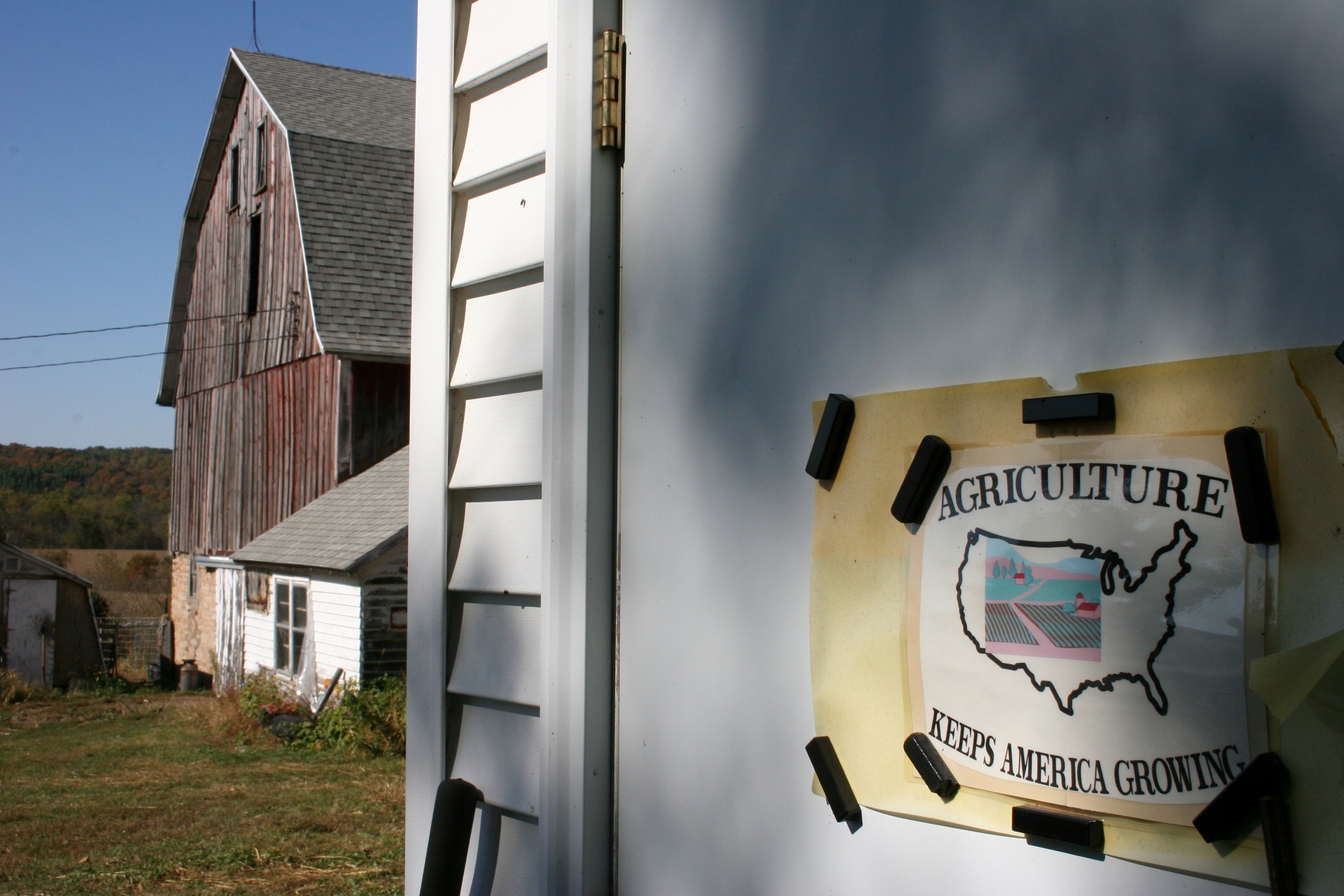
I checked out the merchandise, unsuccessfully tried to coax the elusive alpaca into posing prettily for a photo, side-stepped chicken poop, considered photographing pumpkins and squash splayed out on a picnic table, and then snapped one final photo of an “AGRICULTURE KEEPS AMERICA GROWING” sign before hopping into the car.

The sign supporting agriculture on the side of a shed at the alpaca farm.

© Copyright 2011 Audrey Kletscher Helbling
 

Field fires aplenty in Minnesota’s Red Flag areas October 6, 2011

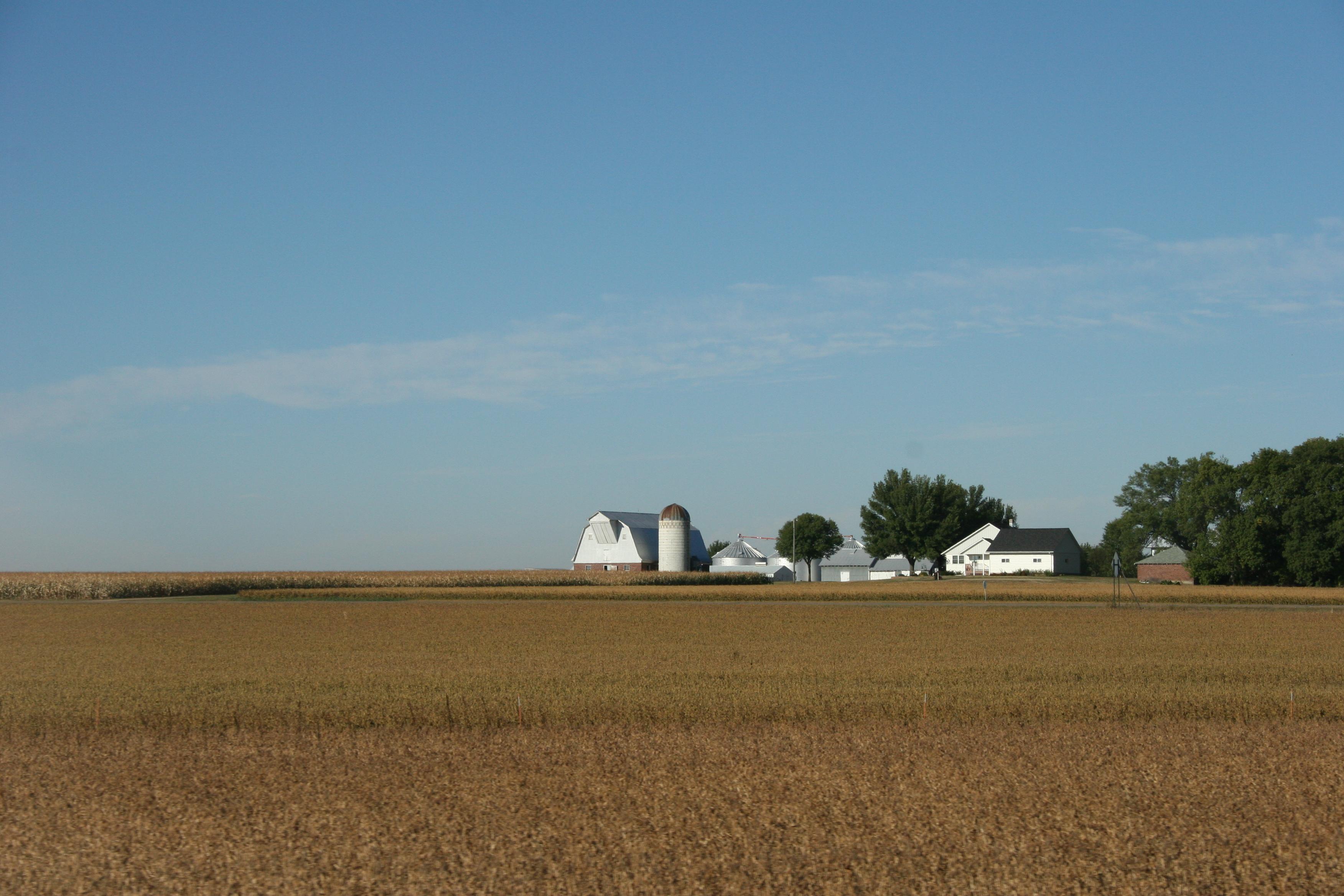
A farm site between Morgan and Redwood Falls in southwestern Minnesota, where field conditions are dry and the fire danger high.

DRY, WINDY CONDITIONS persist in much of Minnesota creating ideal conditions for fire.

Unless you’ve had your head buried inside, you understand the danger and the reason for the National Weather Service’s Red Flag Warning that covers central and southern Minnesota.

Today would not be the day to build a campfire, have a bonfire or toss a cigarette butt out the car window (like you should any day). Burning bans are in effect throughout the state.

If forecasters are correct, these weather conditions will continue for awhile.

That all said, I wondered if my nephew, a kindergarten teacher and Westbrook volunteer firefighter, has been battling any blazes in his region of southwestern Minnesota.
Adam checked in with me early this morning:

Fires—we have had quite a few around here. Westbrook has had two; Dovray, two; and Walnut Grove, for sure three, all in the past week. It’s very dry and with the wind, it doesn’t take much to create a big fire. Many of the calls are mutual aid—helping neighboring towns with fires, but that’s how we do things here. All of them have been combines and fields. I haven’t made it to many of them as I could not get out of school at the time. But I made it to one on Sunday.
A story in today’s The Cottonwood County Citizen about a county-wide burning ban confirms Adam’s summary:
These burning bans come in the wake of at least a half-dozen fires that occurred around the county, most of which involved the harvest. Extremely dry conditions, low humidity and high winds have increased the potential for major fires.

I found an article in last Thursday’s Jackson County Pilot headlined “Combine fire sparks massive field blaze.” The story went on to say that a combine fire, fueled by 40 mph winds, quickly spread into a field. Fire crews from numerous departments in southern Minnesota and northern Iowa were called to the scene.

The Faribault Daily News today reports a Monday afternoon fire in the Lonsdale-Montgomery area that burned five acres of hay, 30 acres of swamp and 30 – 50 acres of corn.

Another blaze, this one on Wednesday afternoon in a soybean field northwest of Luverne, is reported in The Rock County Star Herald. In that case, farmers disked strips of black dirt to help contain the fire.

It’s a dangerous situation out there right now, especially for farmers bringing in the harvest in those dry, dry fields.

IF YOU WOULD LIKE to report on fires in your area, submit a comment.

© Copyright 2011 Audrey Kletscher Helbling