Minnesota Prairie Roots

Writing and photography by Audrey Kletscher Helbling

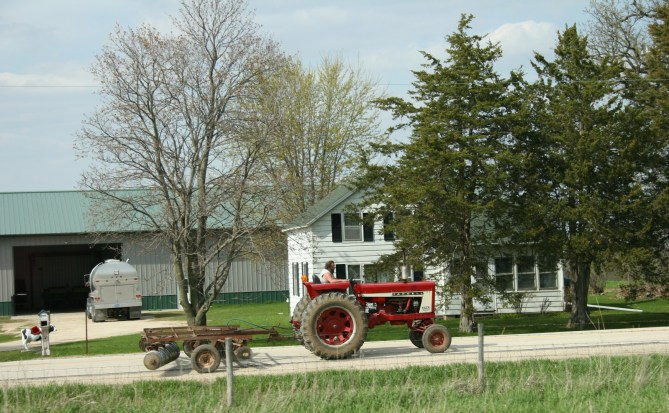
Rural driveway May 8, 2014

Filed under: Uncategorized — Audrey Kletscher Helbling @ 6:00 AM
Tags: , , , , , ,

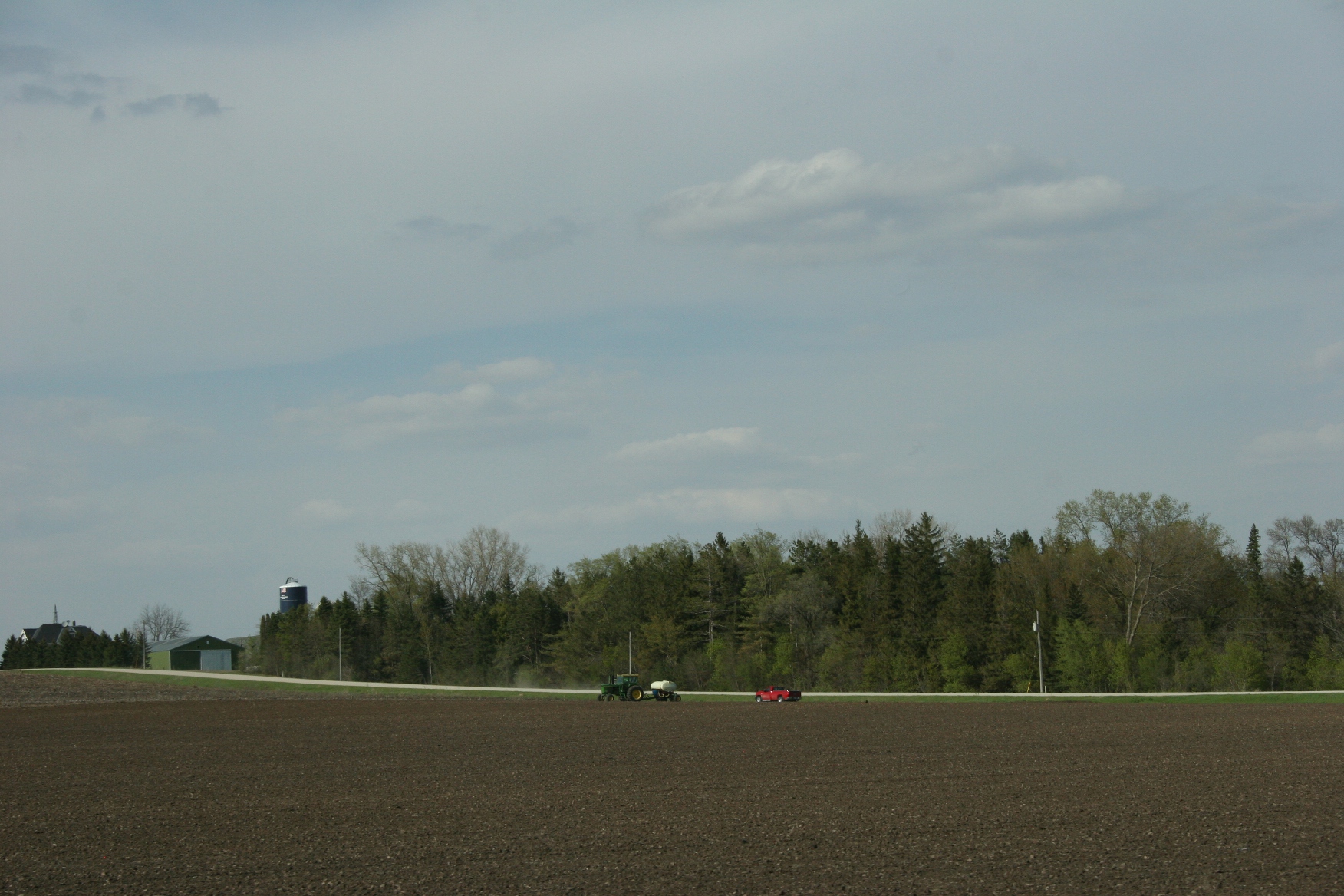
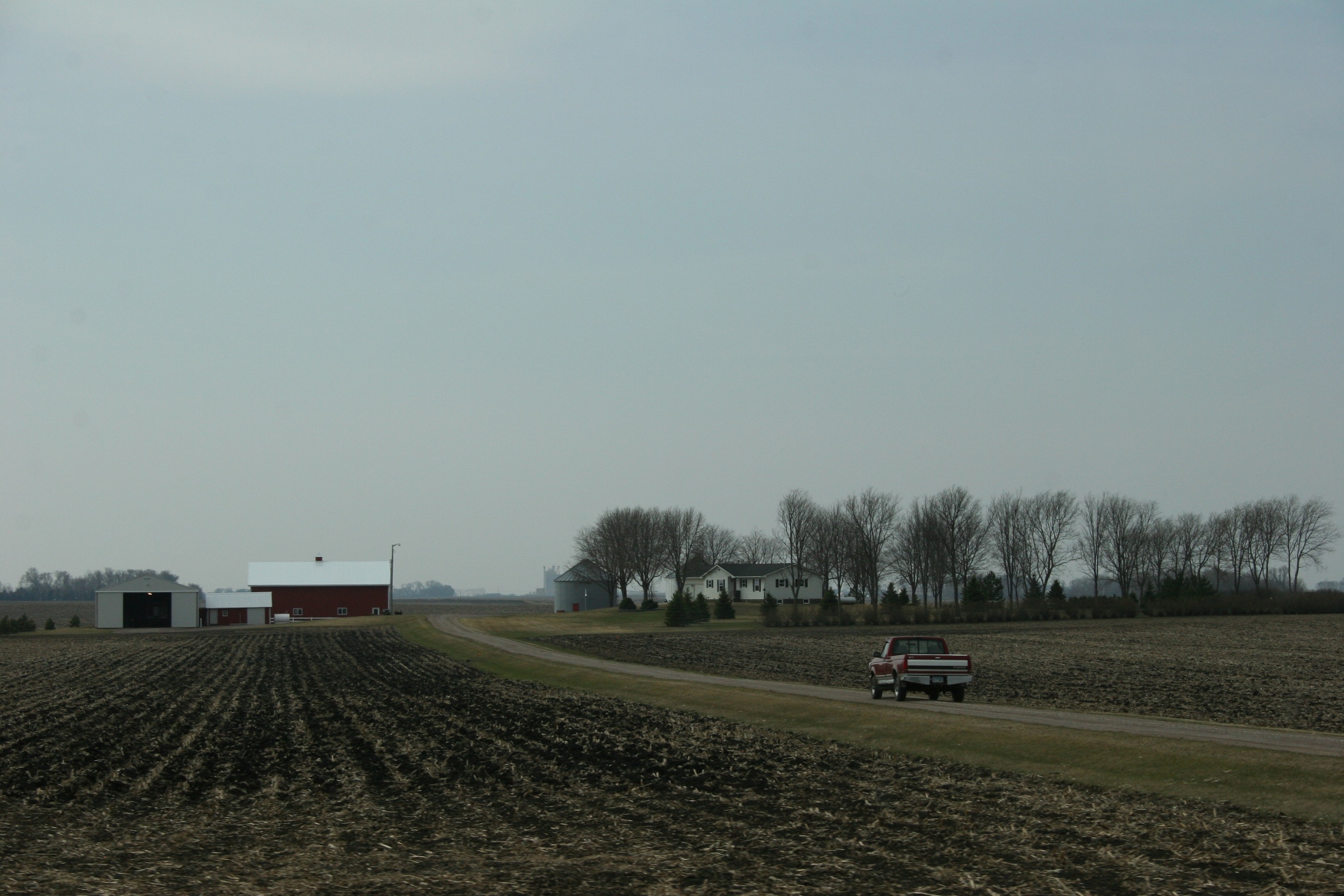
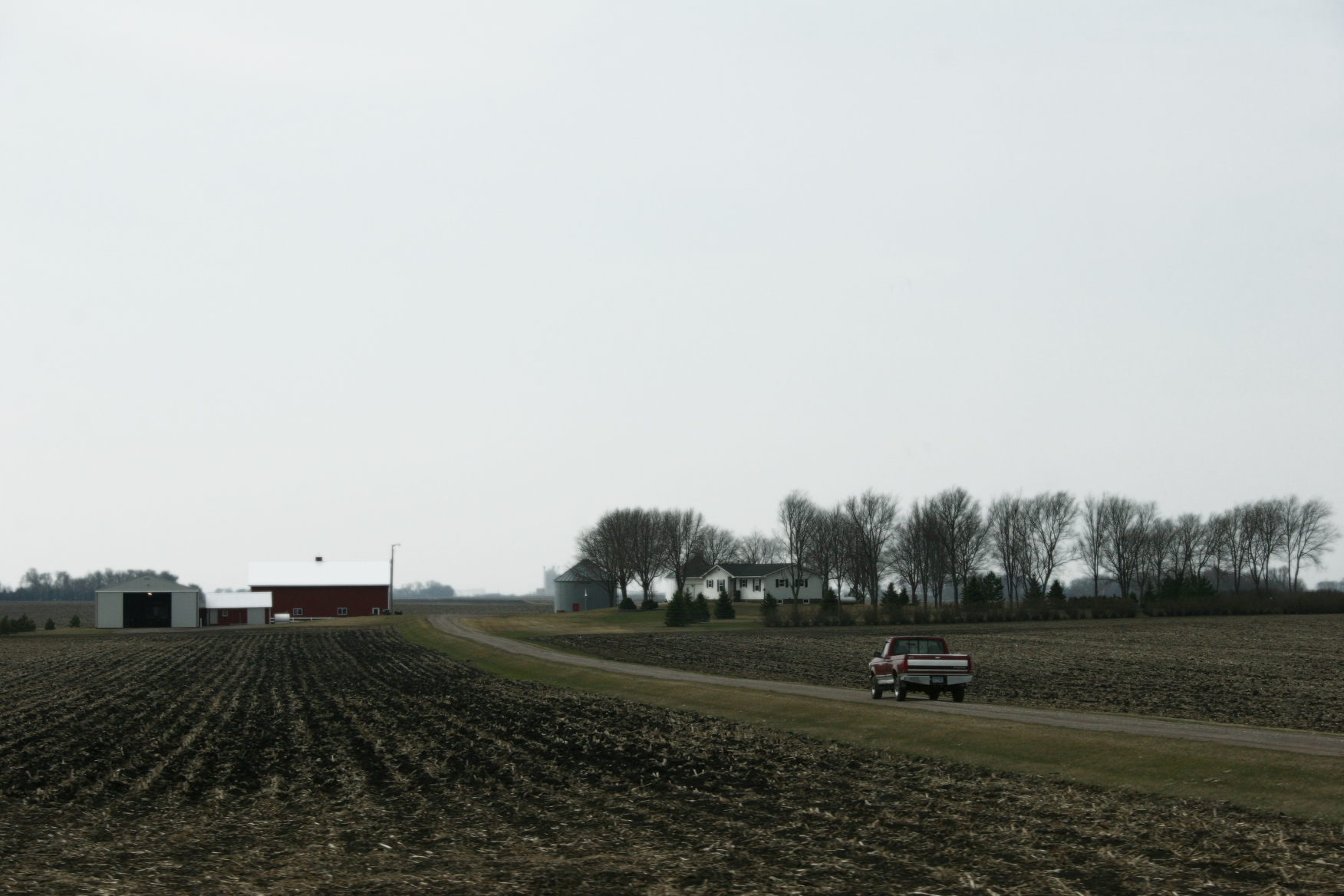
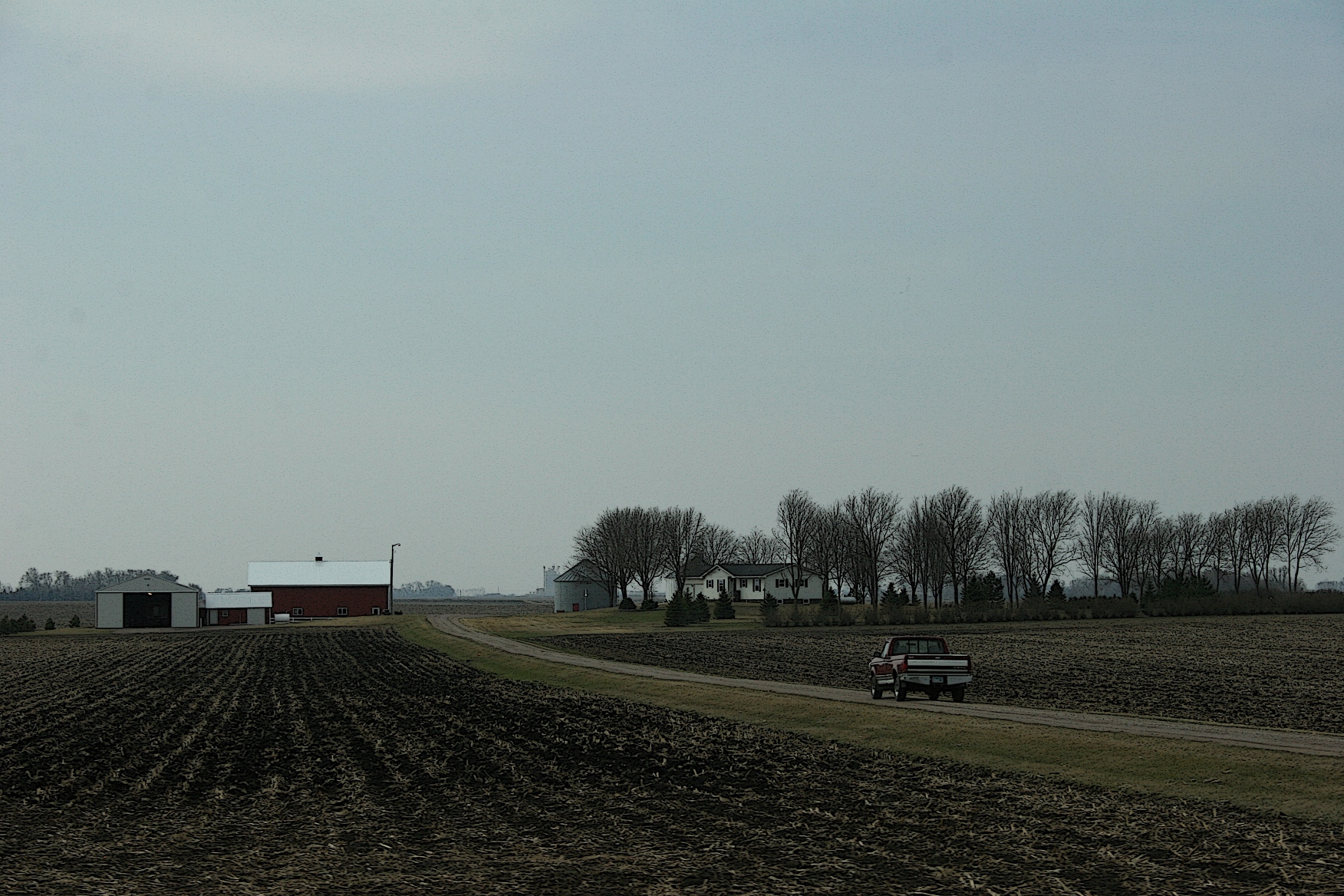
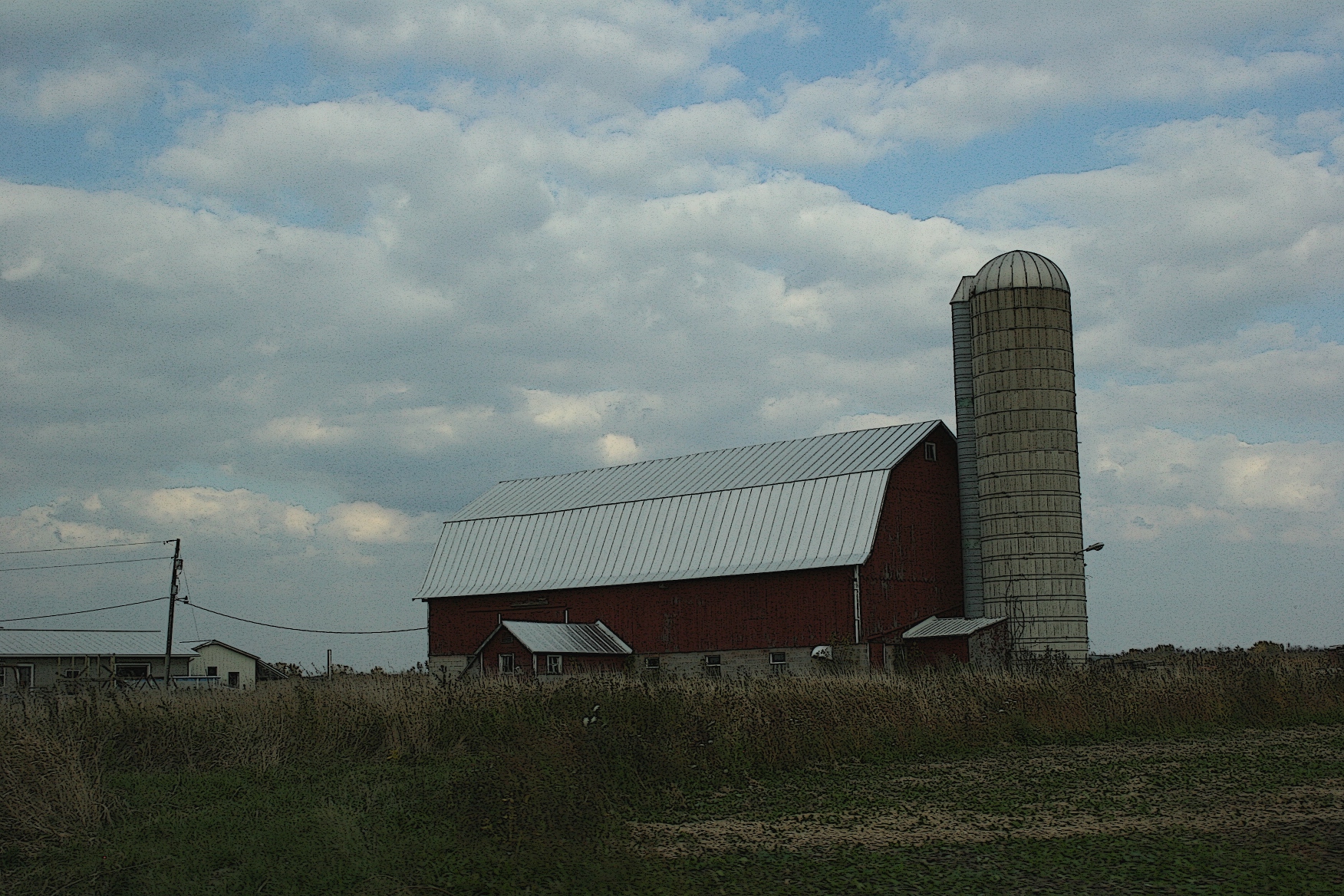
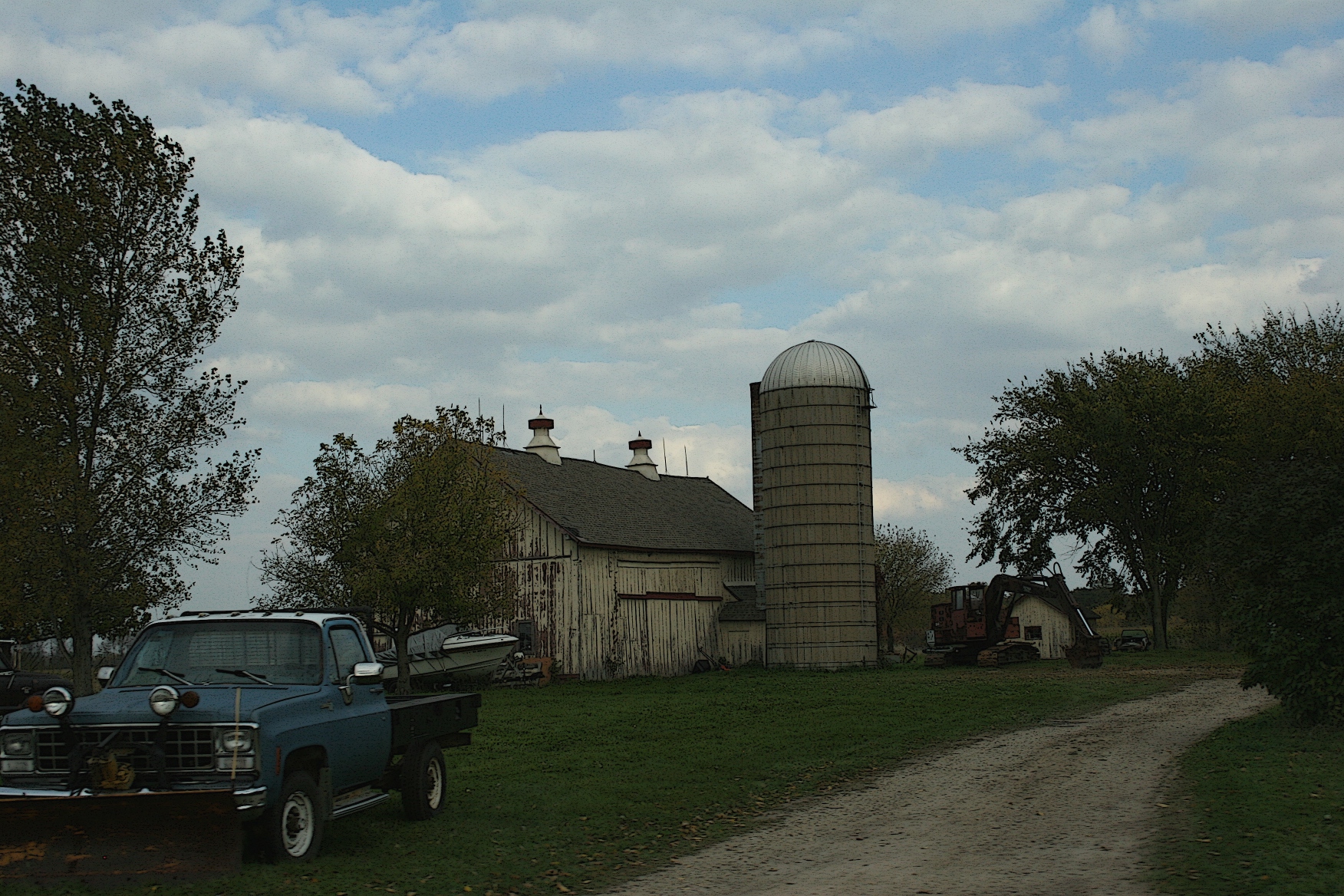
I KEEP FLIPPING between the three photos.

Pick-up, unedited

Original.

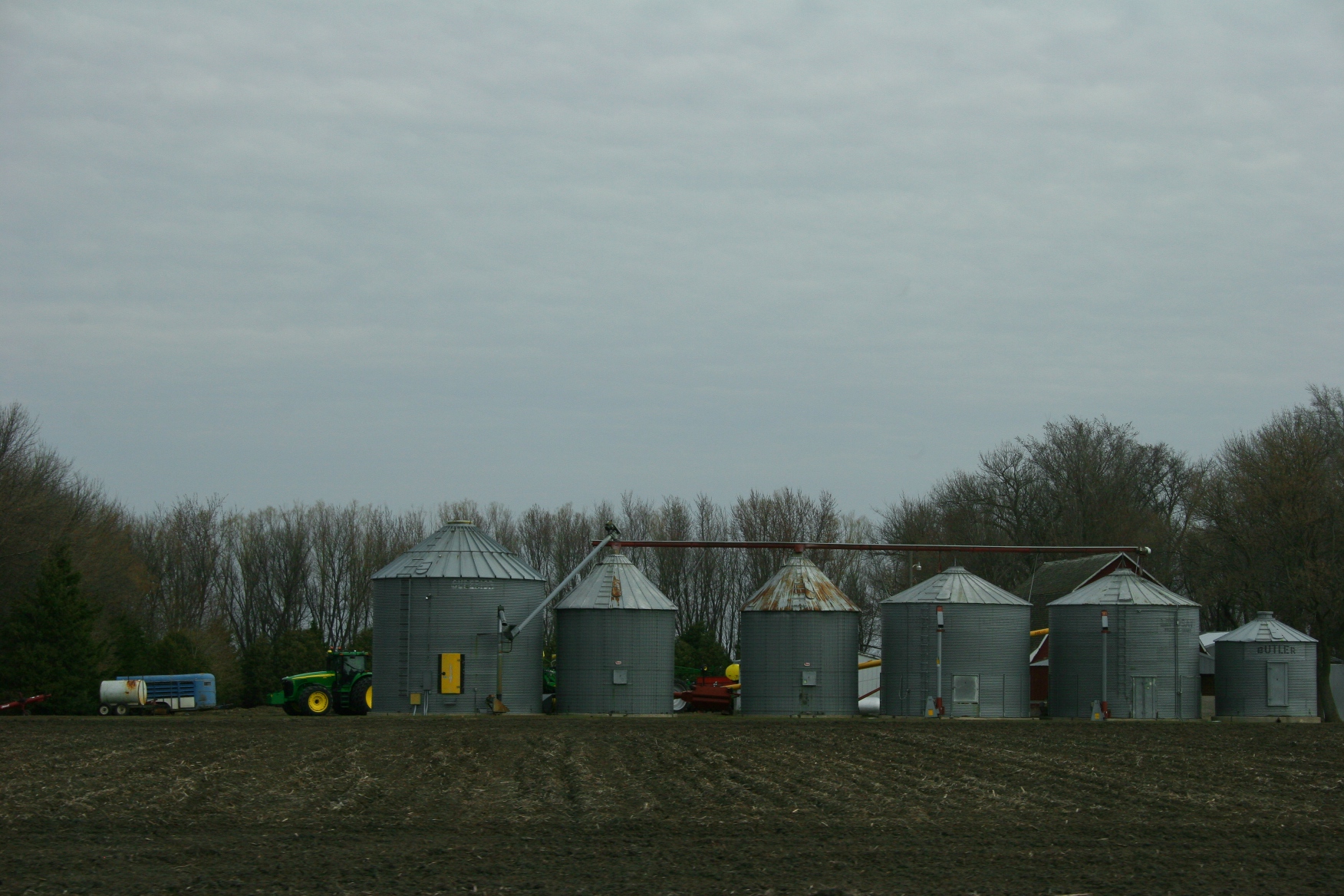
Pick-up between Sleepy Eye and Morgan

Edited.

Pick-up between Sleepy Eye and Morgan 2

Or edited.

But I can’t choose a favorite.

I like them all.

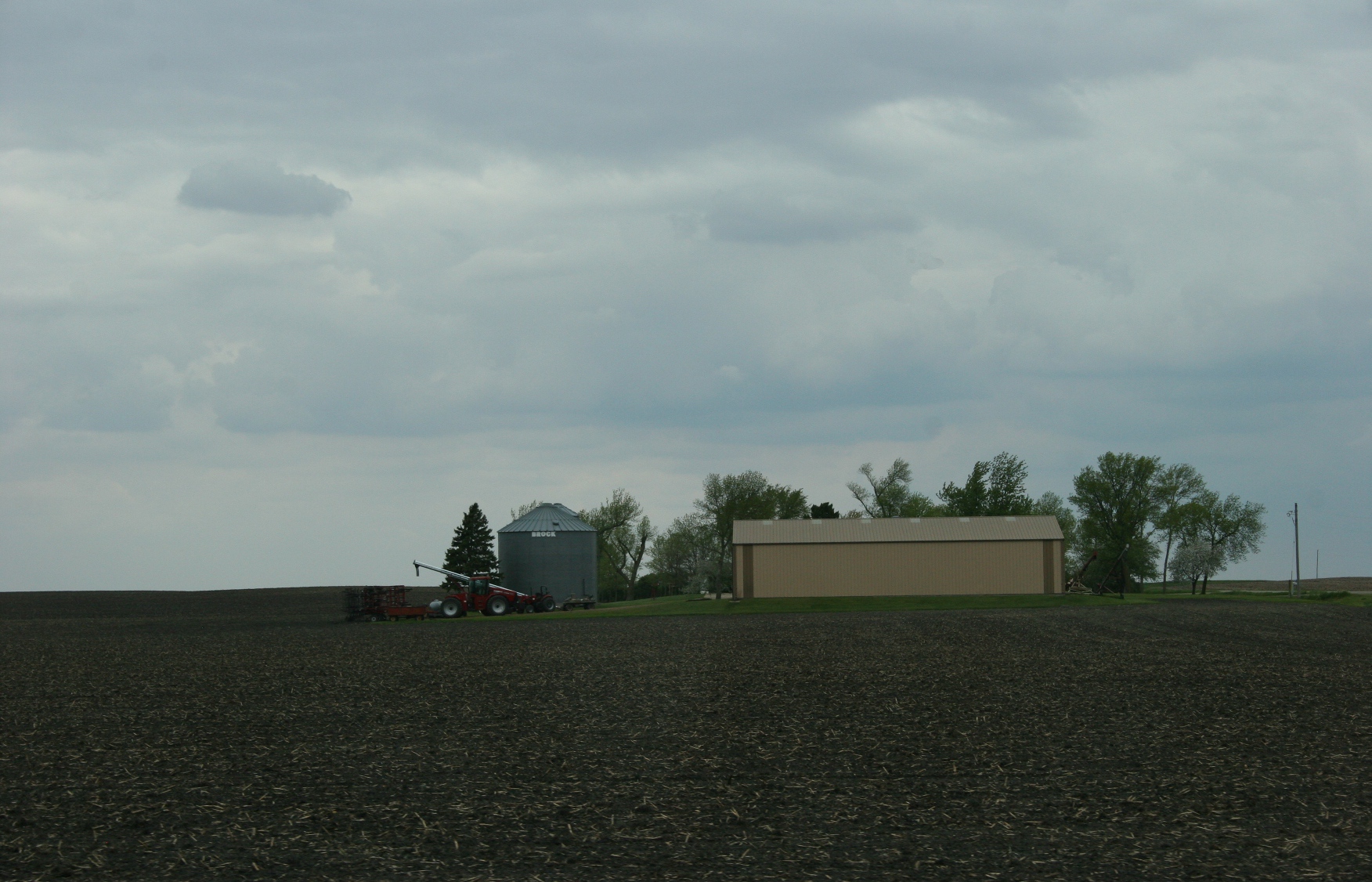
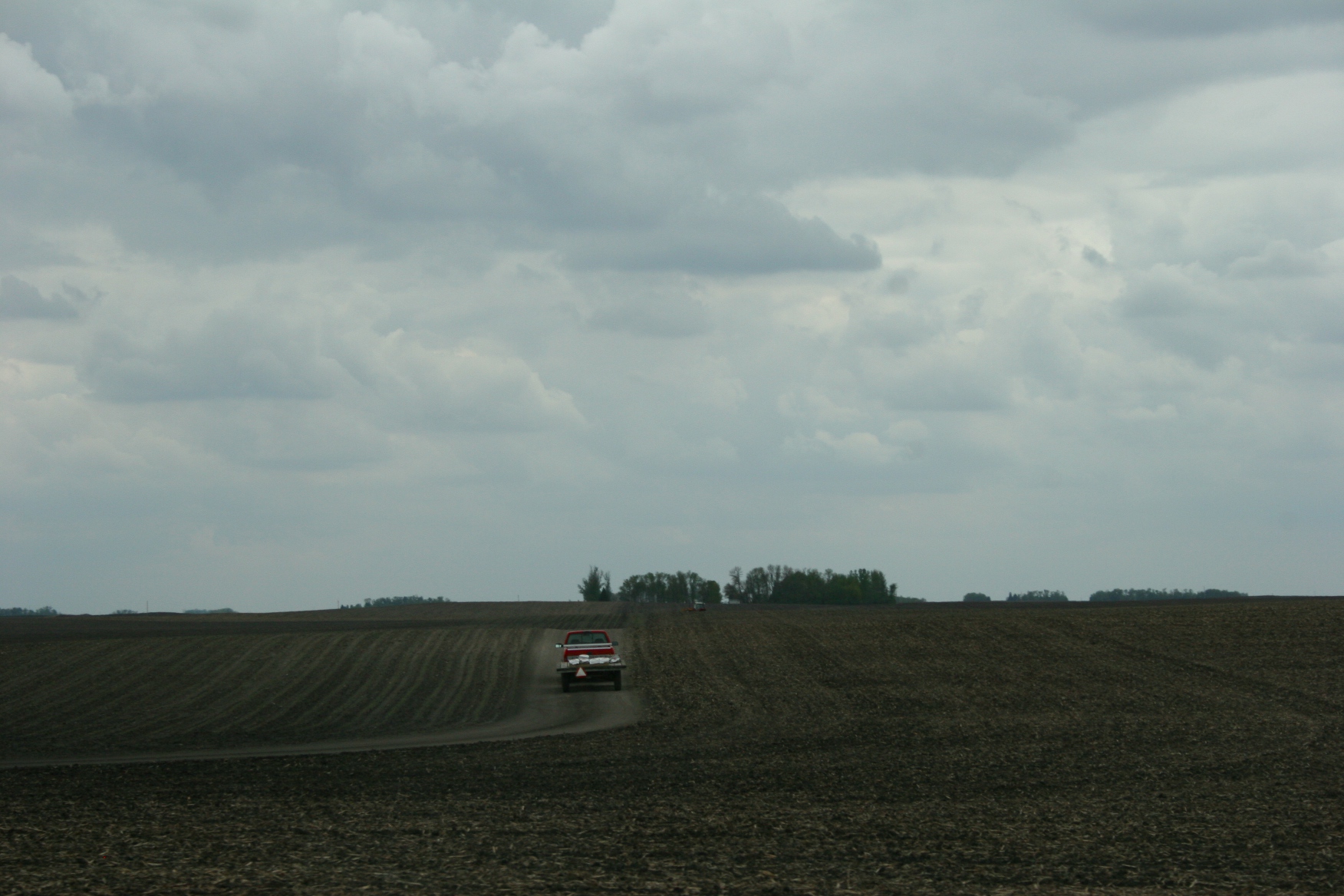
I like the lines of the field and drive, how my eyes are drawn to follow that pick-up into the farmyard.

I like the muted tones of grey and blue and those splashes of red in truck and outbuildings.

I like the ribbons of greening grass trimming the driveway, the bare trees edging the farm site.

This rural scene, along Brown County Road 29 southeast of Morgan, pleases me for the memories it holds. Not of this farm, but of my childhood on the farm. My heart is happy every time I travel back to southwestern Minnesota, past the fields and farms, gravel roads and grain elevators…through small towns…

© Copyright 2014 Audrey Kletscher Helbling


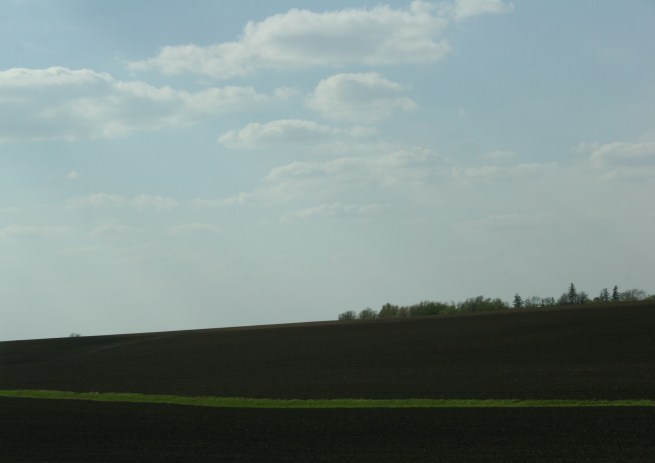
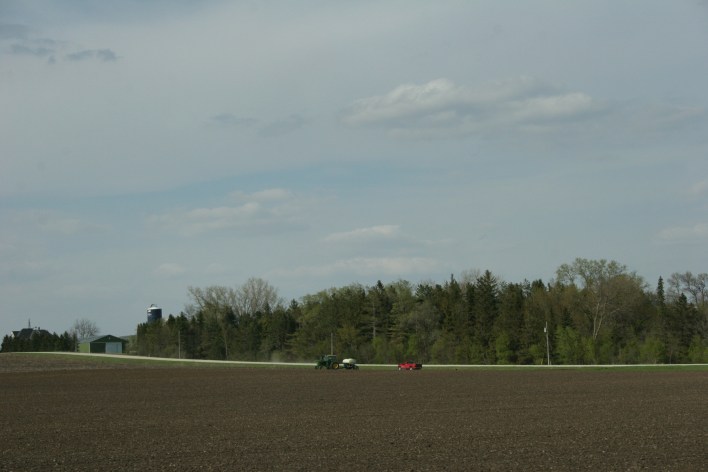
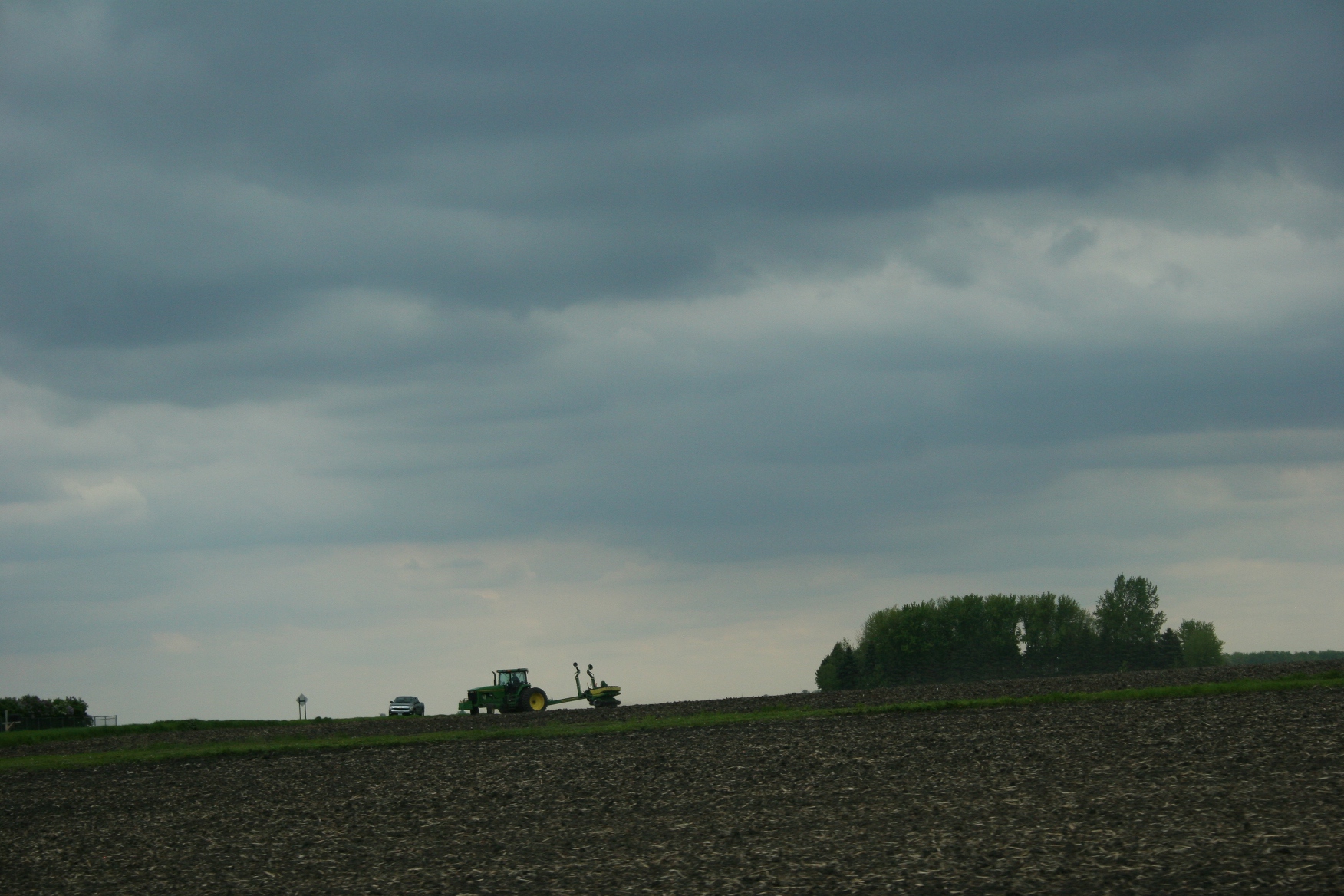
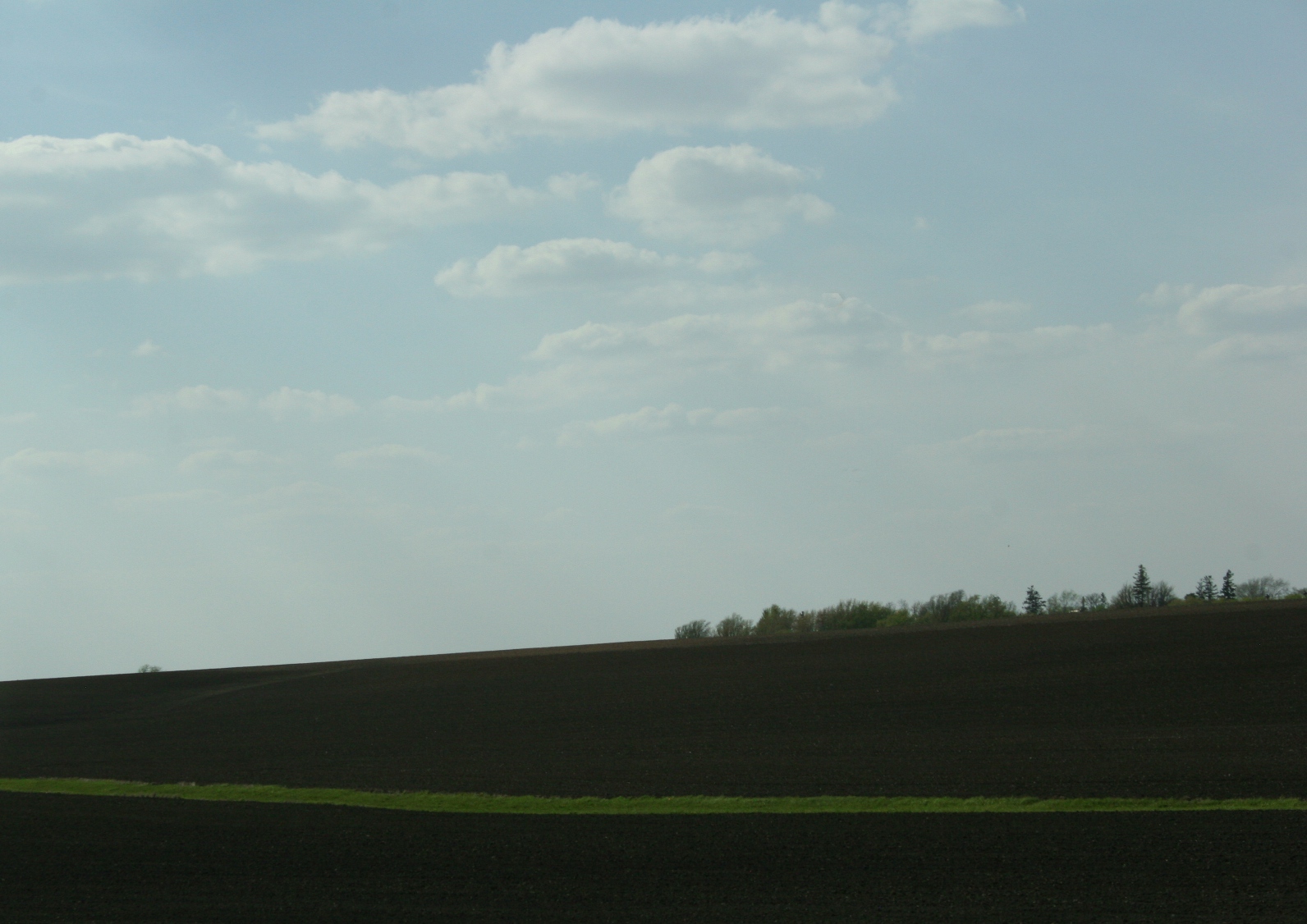
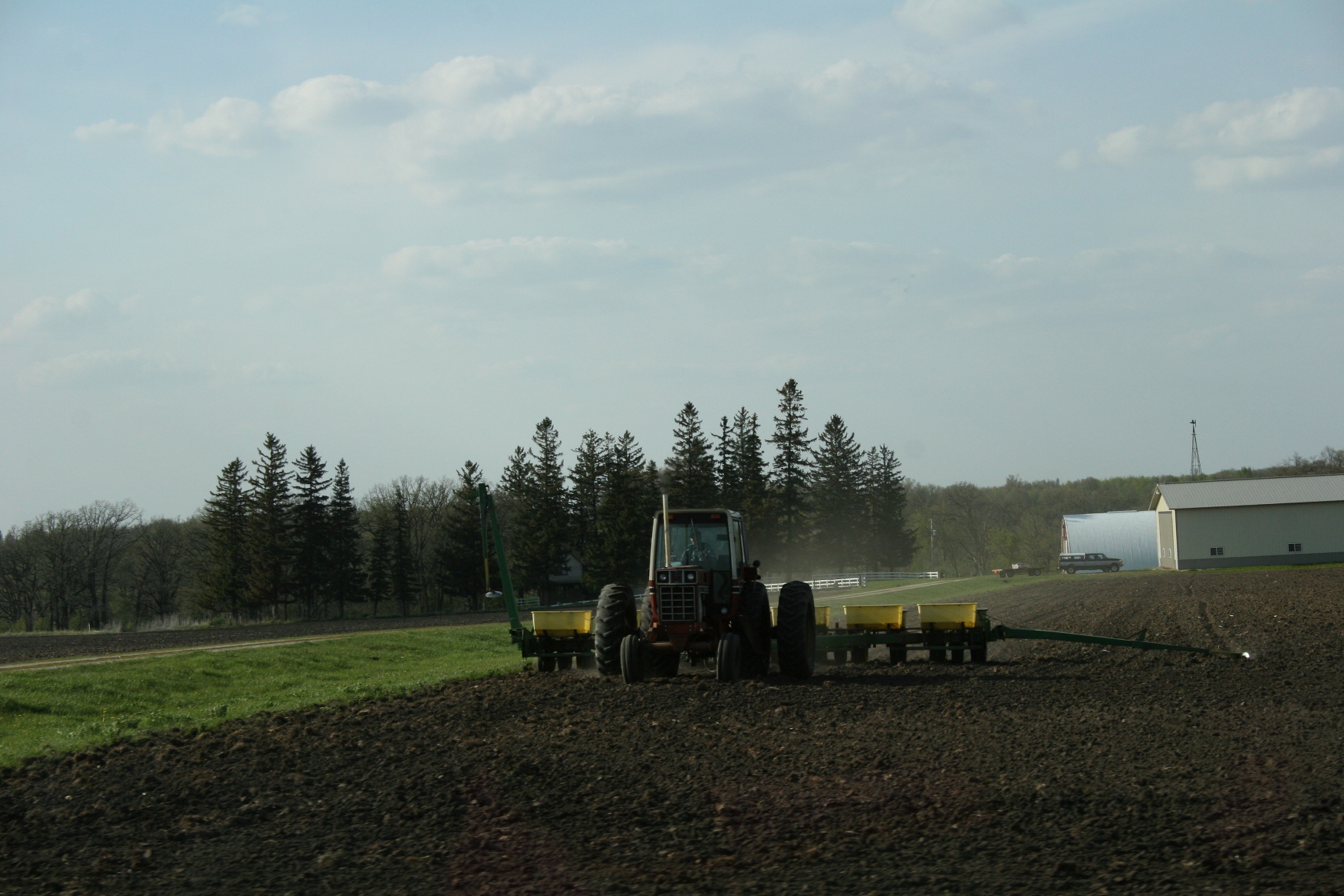
Awaiting planting in southwestern Minnesota April 23, 2014

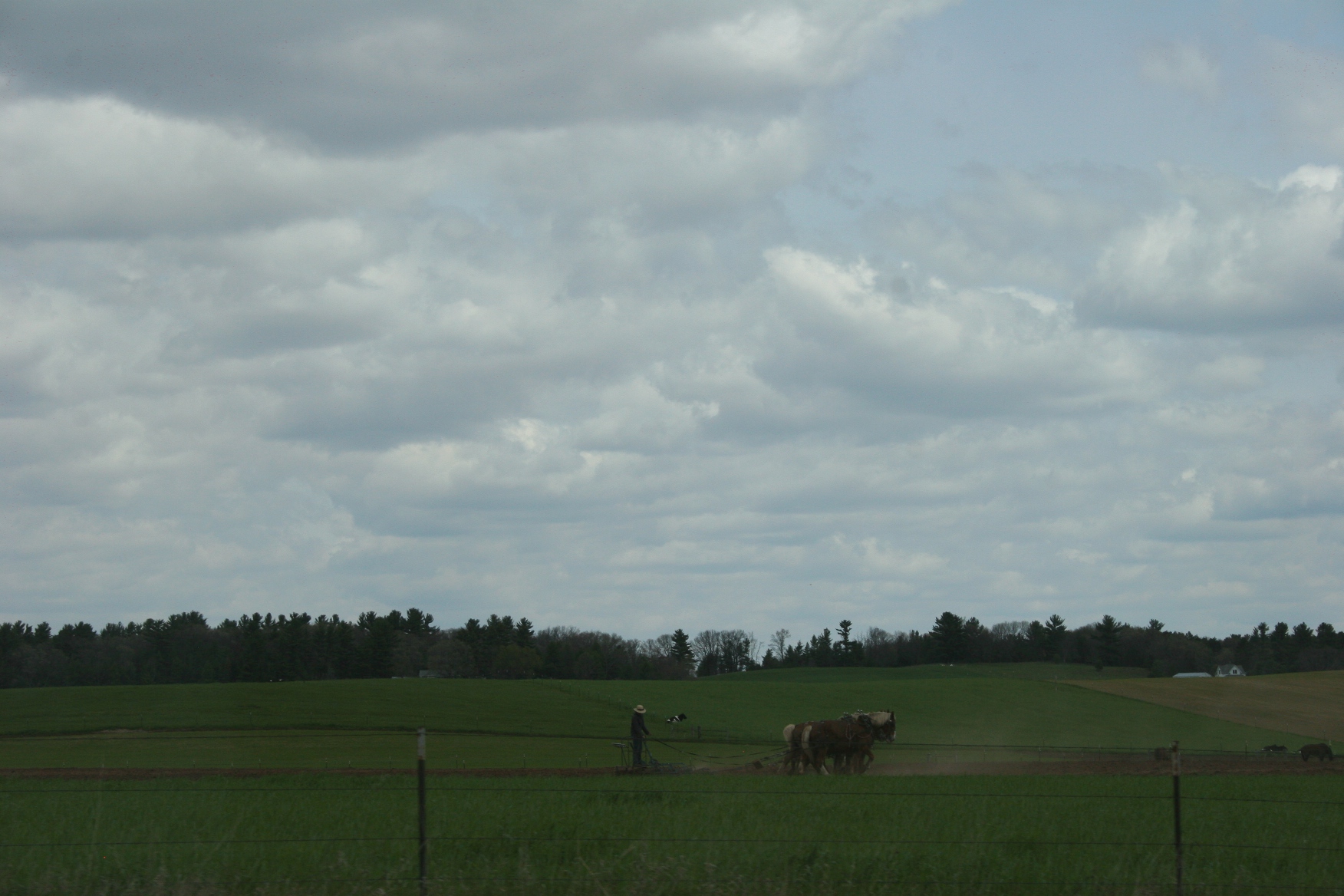
YOU CAN SEE IT, sense it, almost smell and hear it—the anticipation of spring planting.

Along Minnesota State Highway 19 between Redwood Falls and Vesta.

Along Minnesota State Highway 19 between Redwood Falls and Vesta.

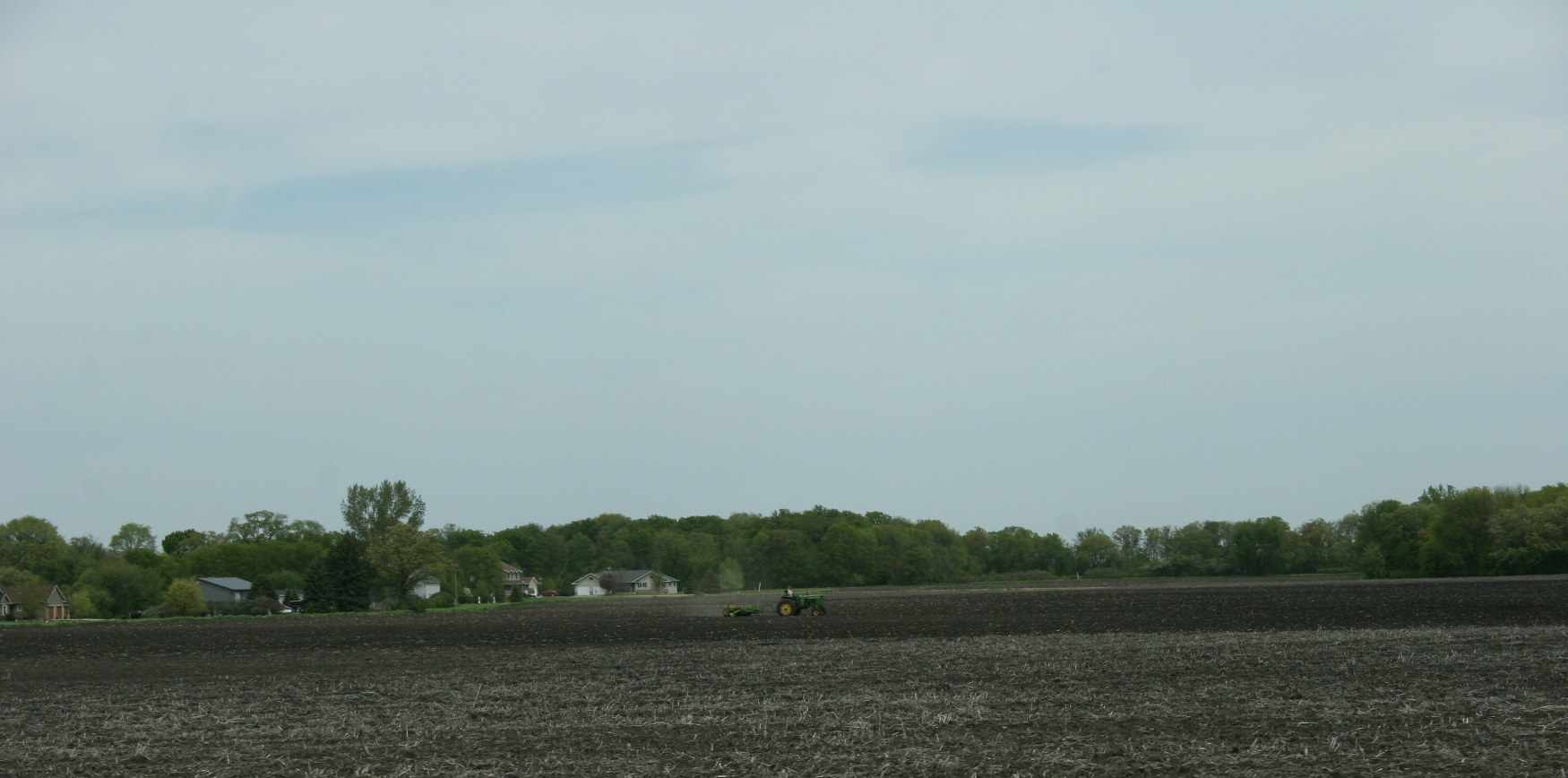
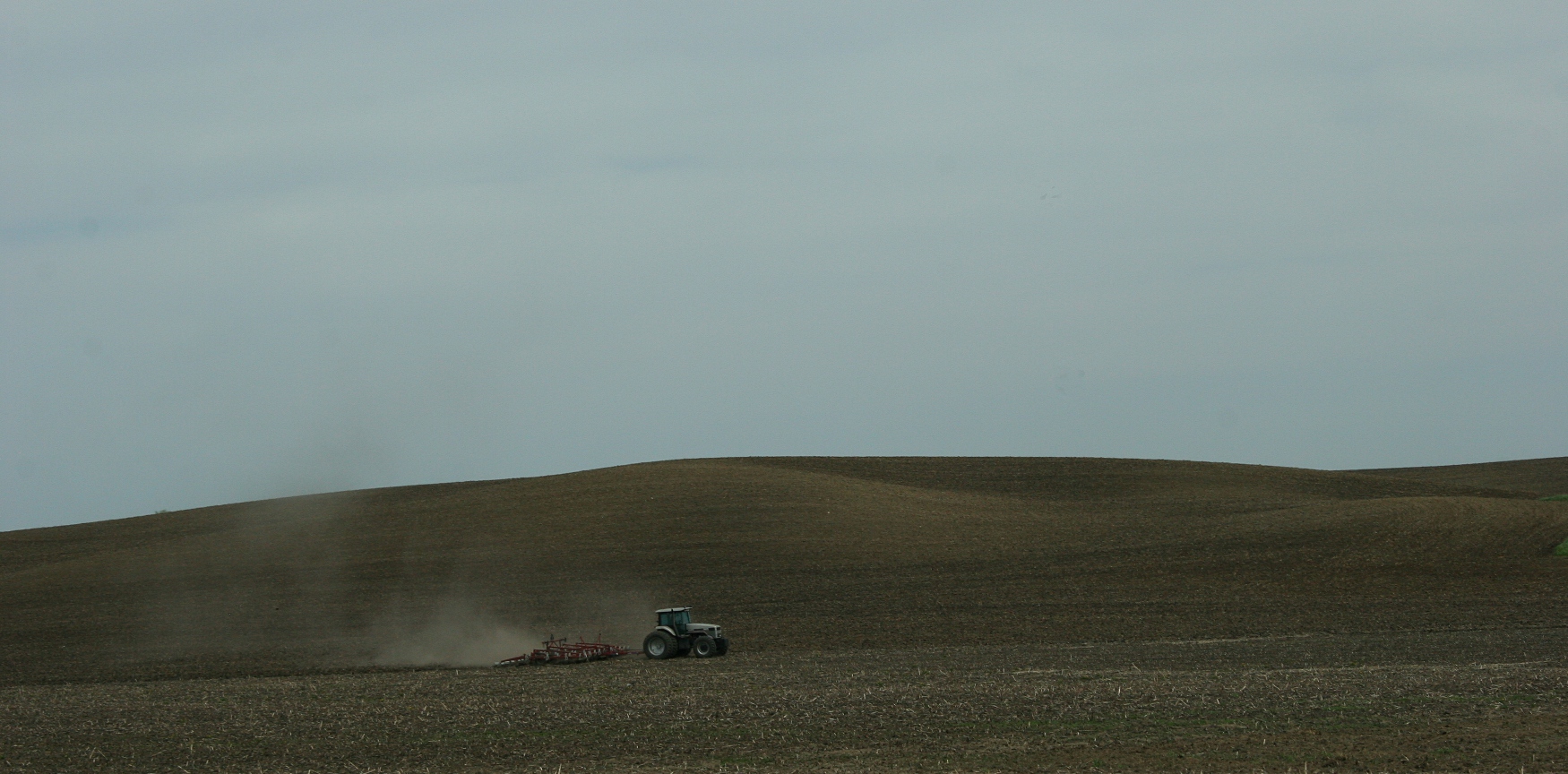
Bare and stubbled fields stretch for miles and miles across southwestern Minnesota, earth turned to the warming sun, awaiting the seeds of spring.

Only remnants of winter remain in scattered patches of road ditch snow.

Along Brown County 29 southeast of Morgan.

Along Brown County Road 29 southeast of Morgan.

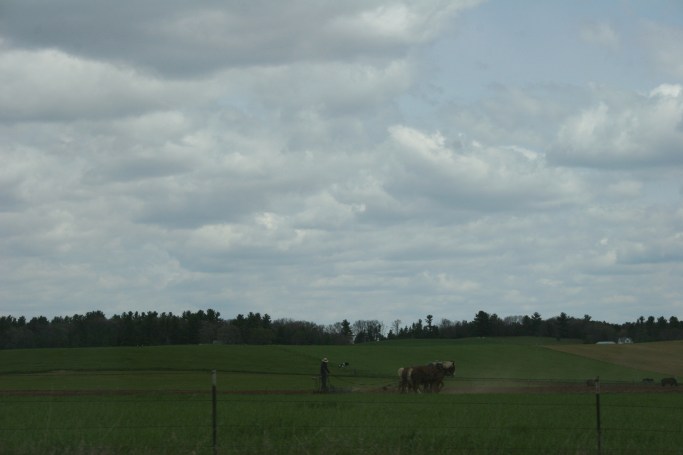
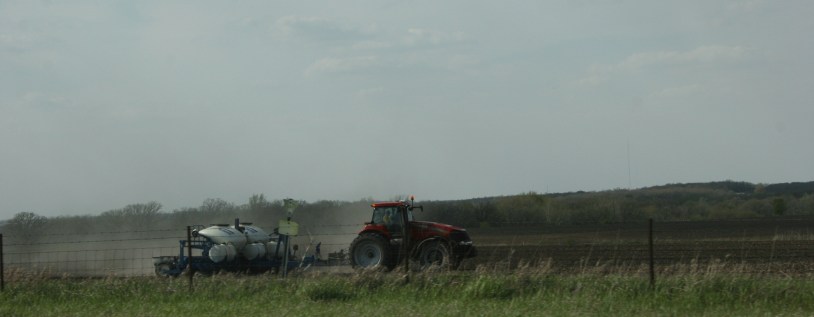
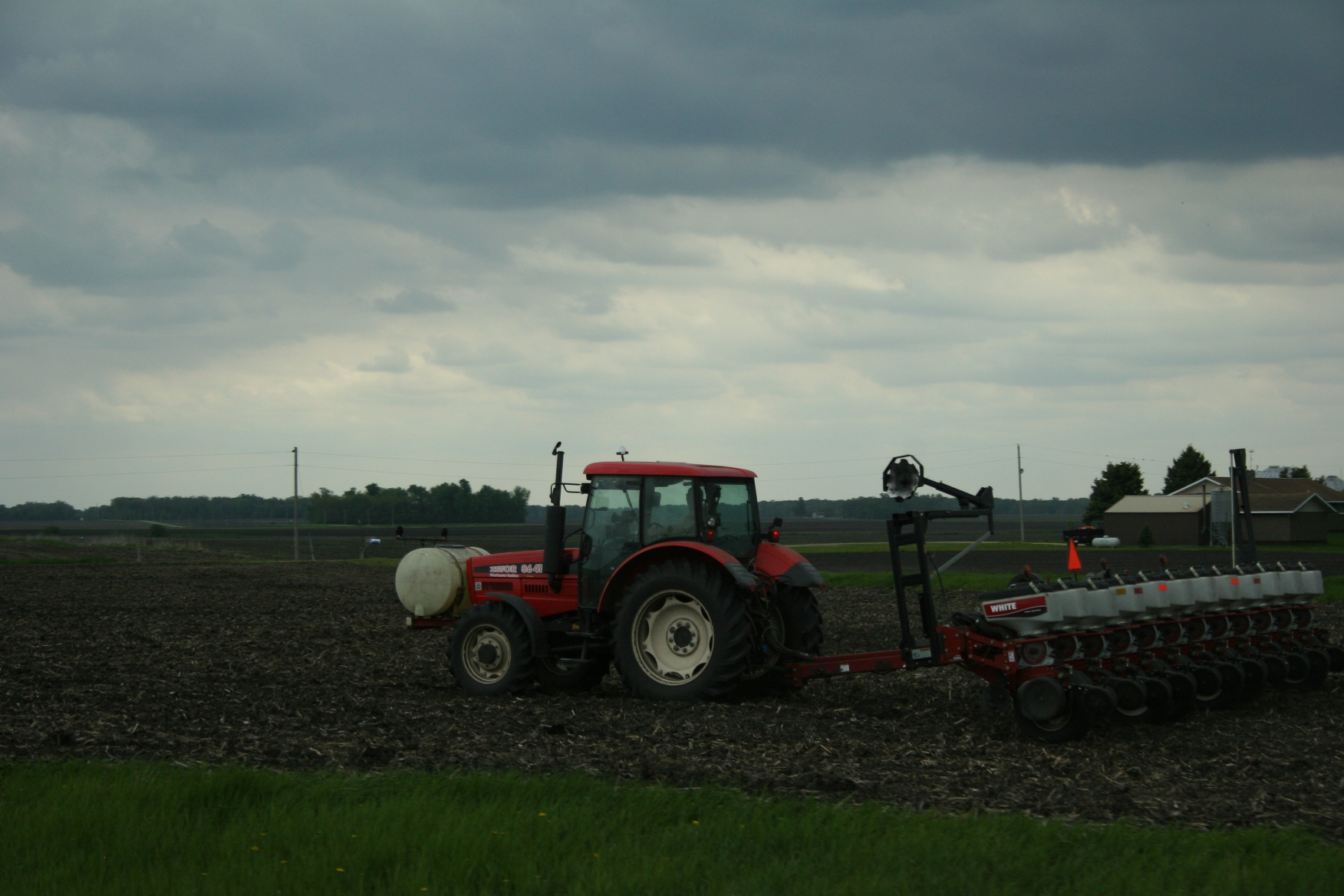
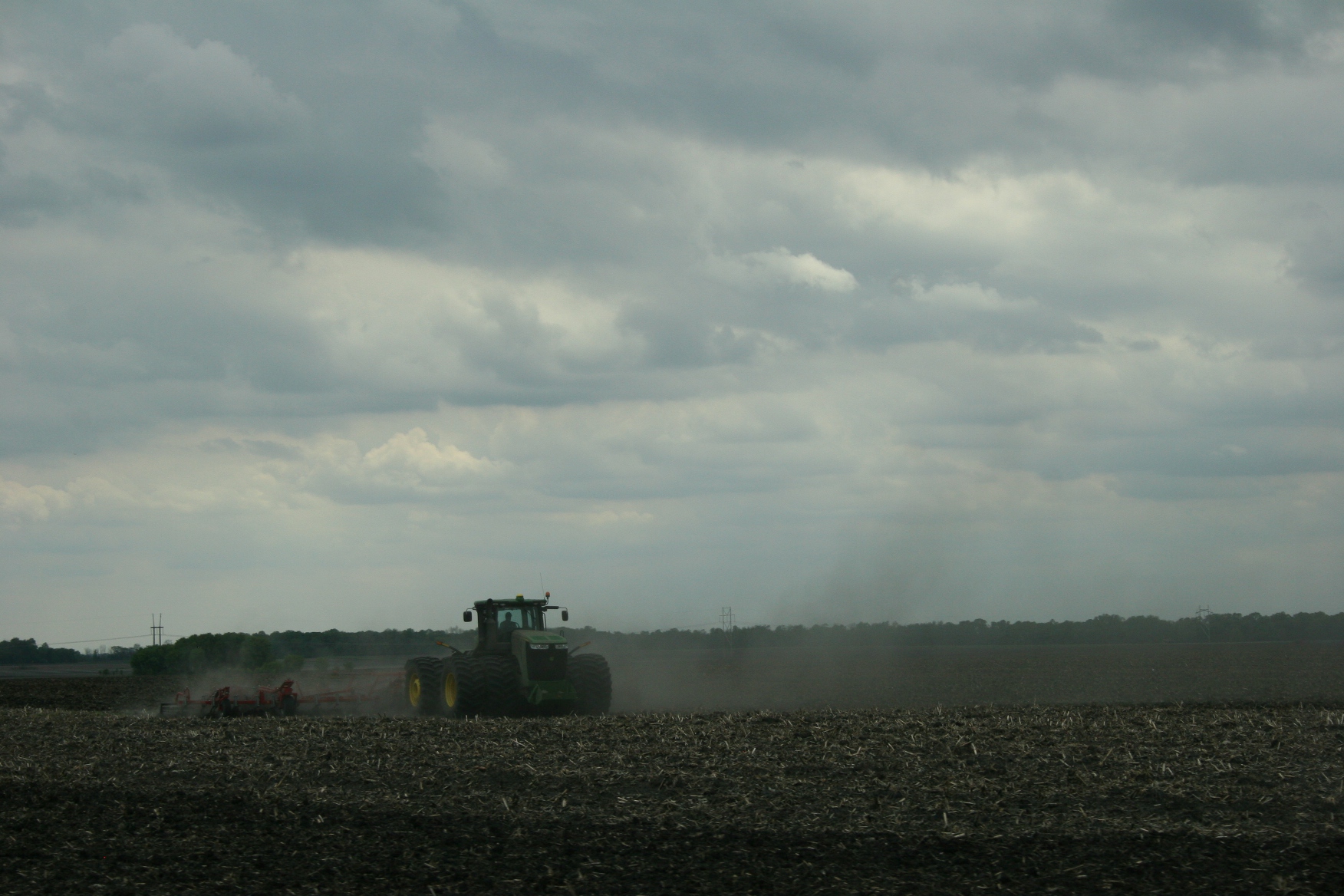
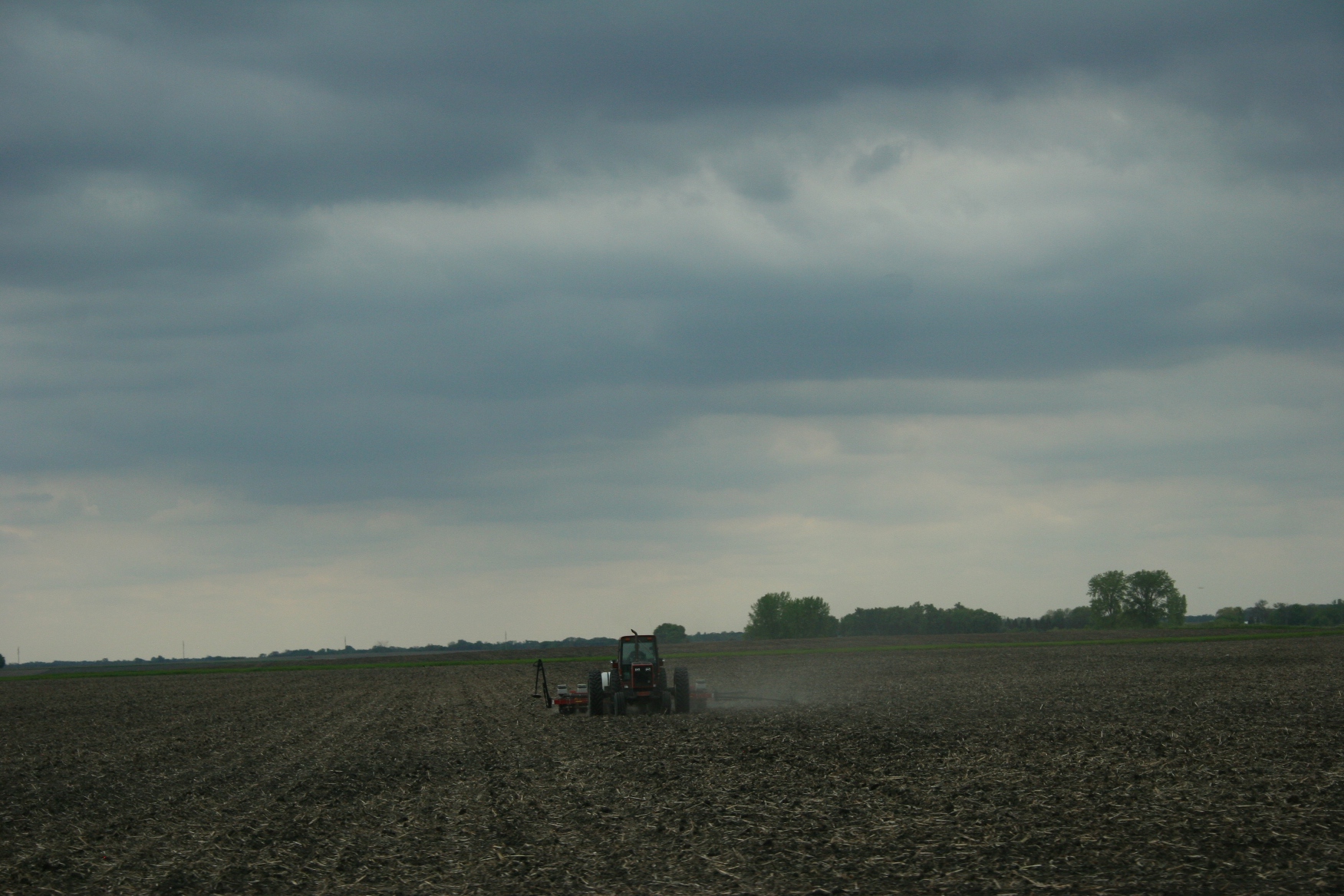
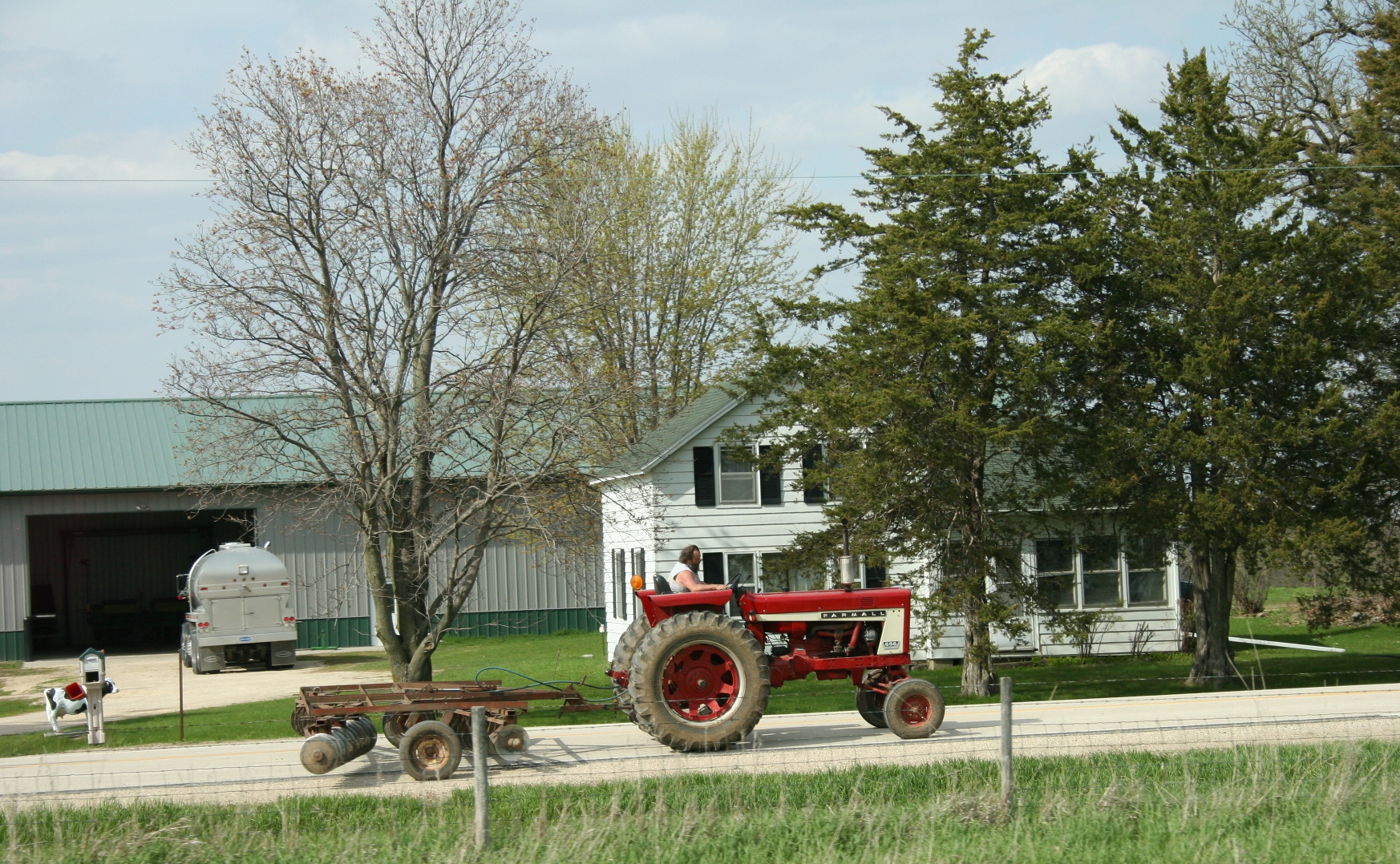
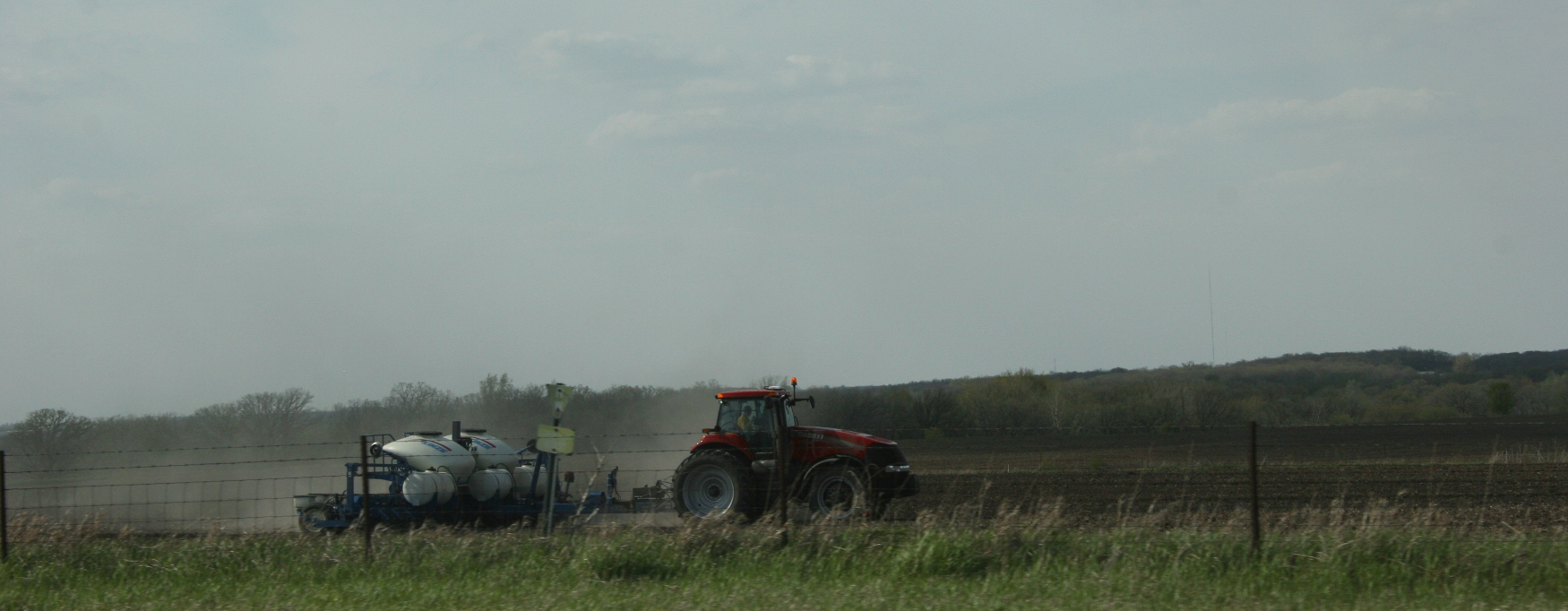
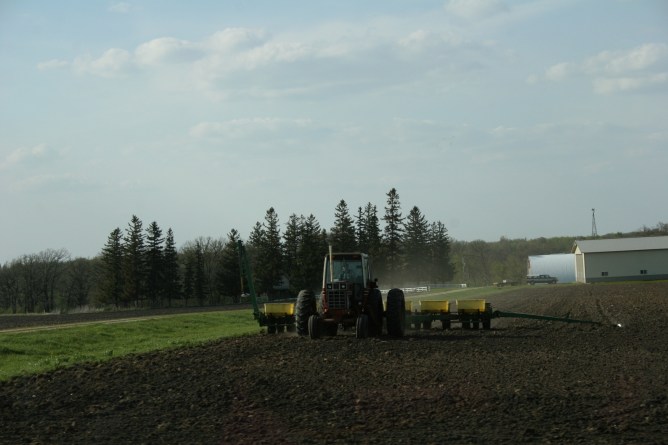
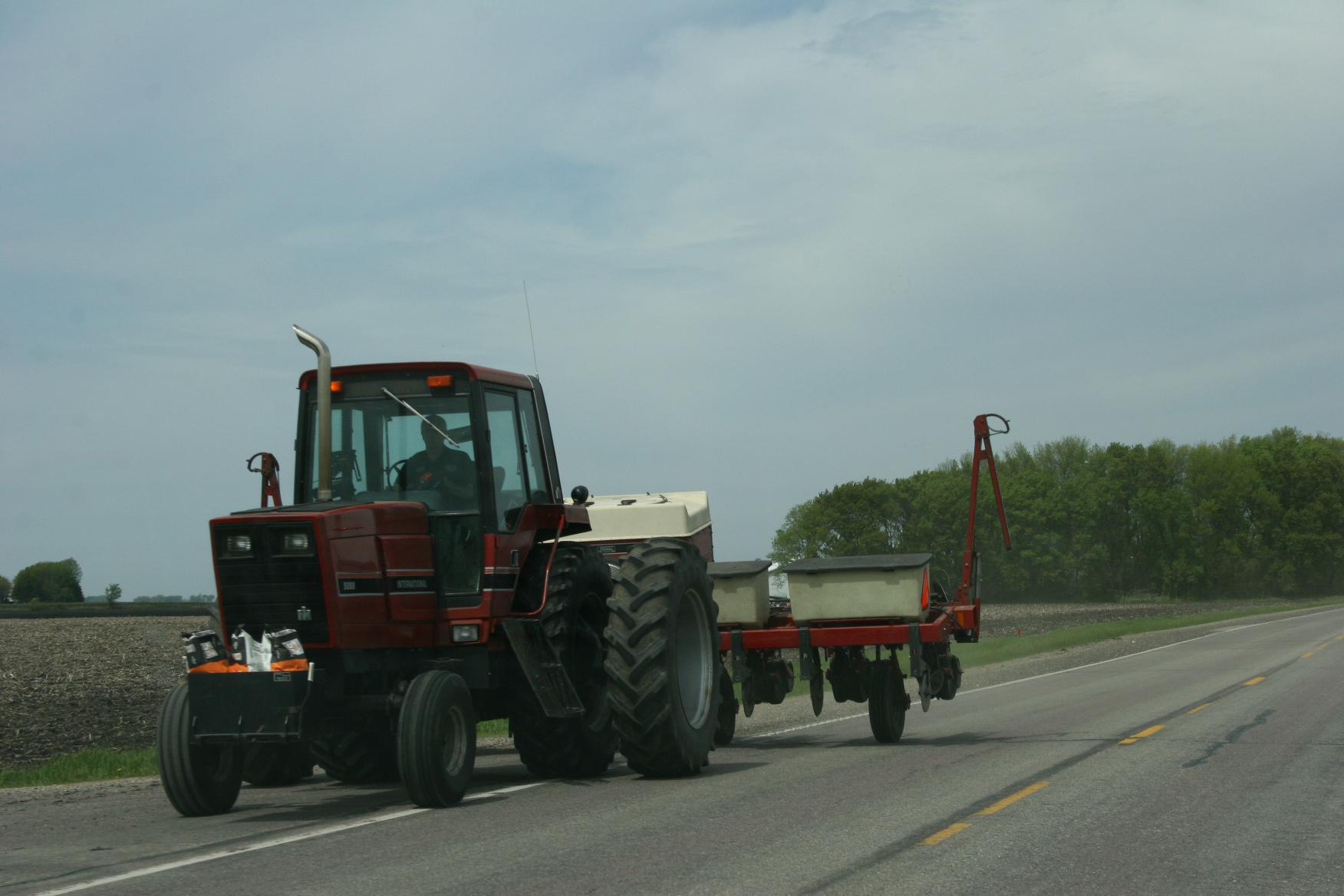
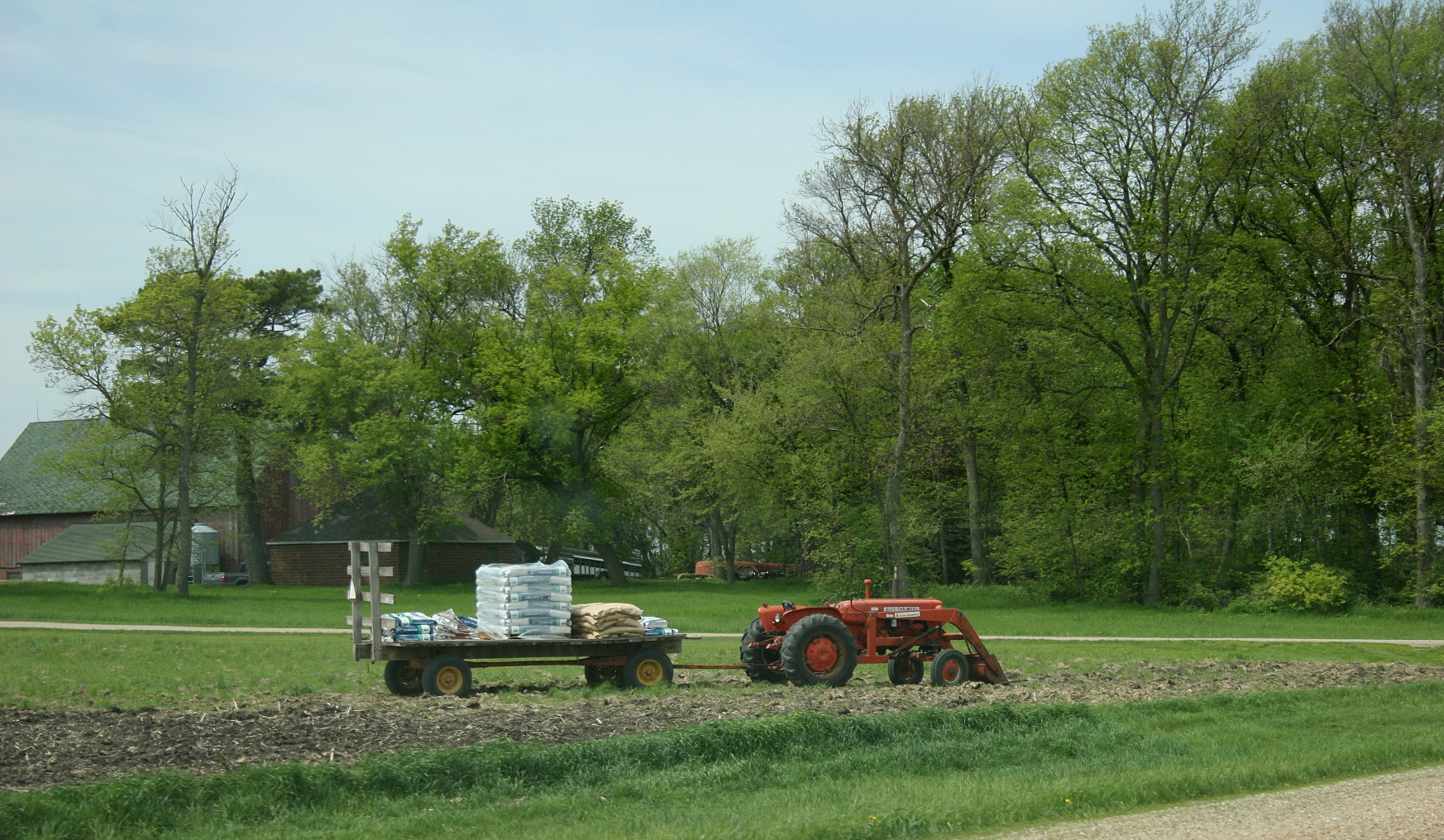
On the edges of farm yards, tractors and planters and other implements sit, pulled from machine sheds. Greased. Oiled. Ready.

Farmers wait. Thawing spring rains fall. Frost rises from the ground. Drying winds whip across the land.

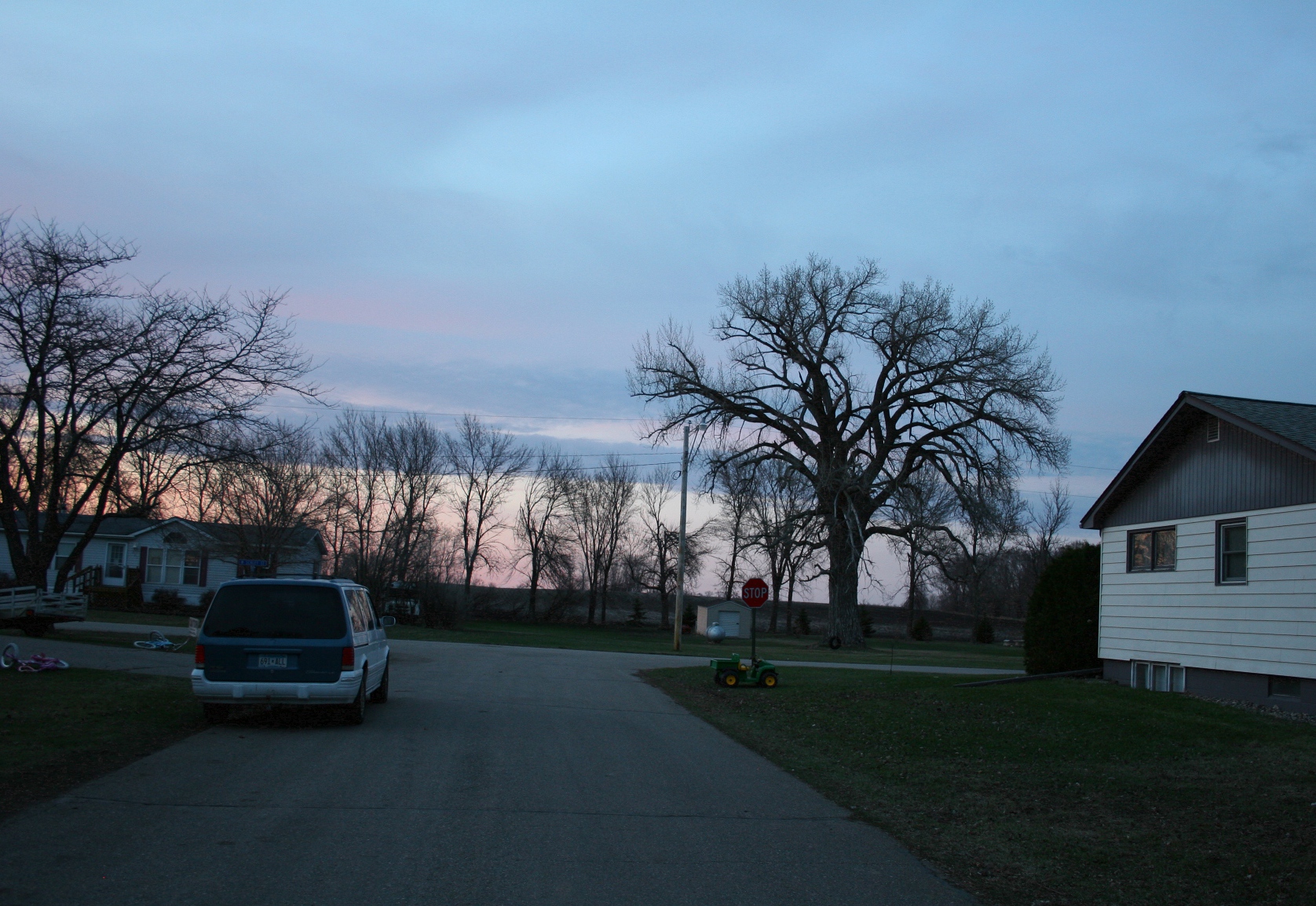
A child-size John Deere tractor photographed in my hometown of Vesta.

A child-size John Deere tractor photographed at dusk a yard away from a field in my hometown of Vesta.

And the days unfold into the season of renewal and hope and sowing of seeds.

© Copyright 2014 Audrey Kletscher Helbling


Honoring the small town feed mill March 6, 2014

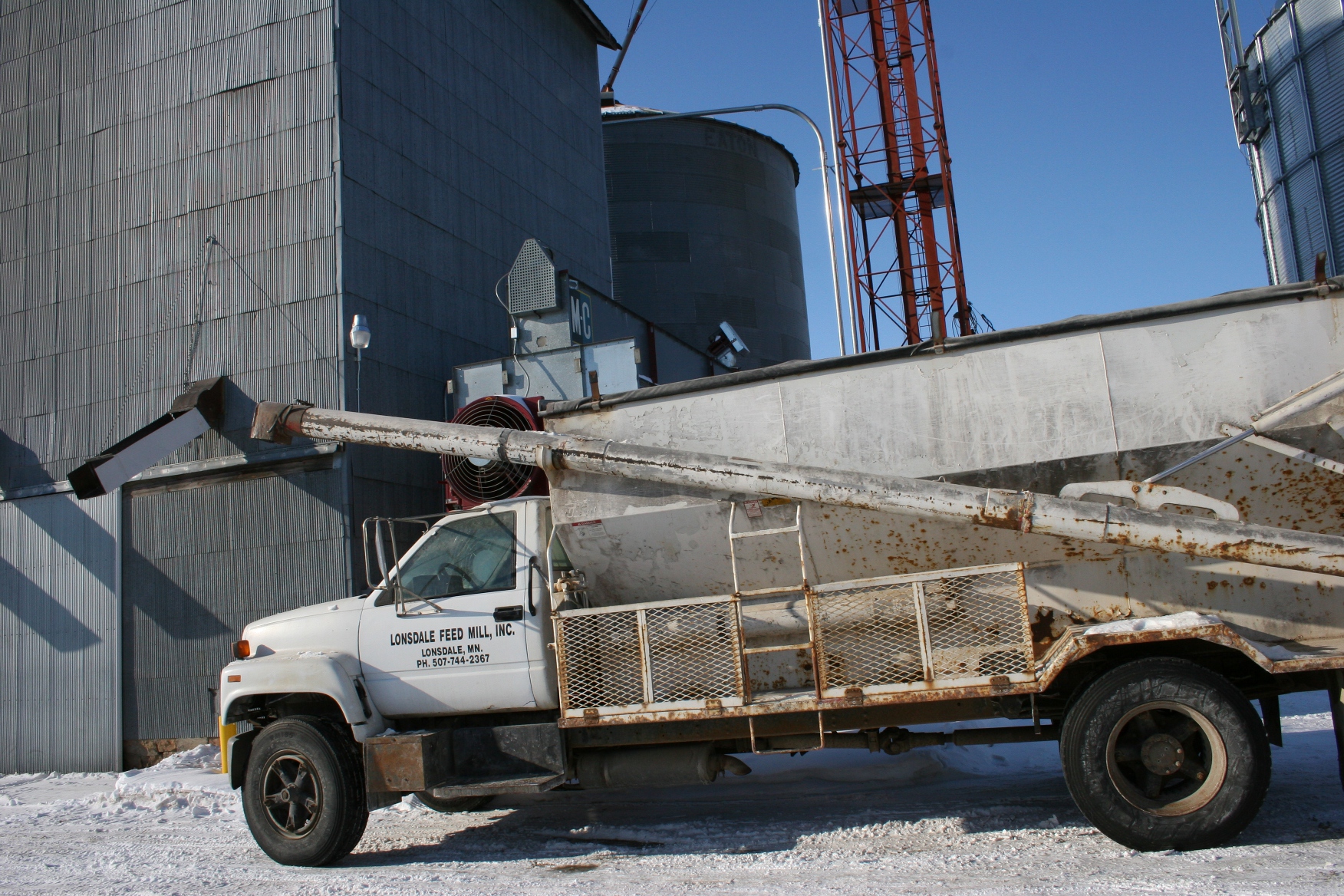
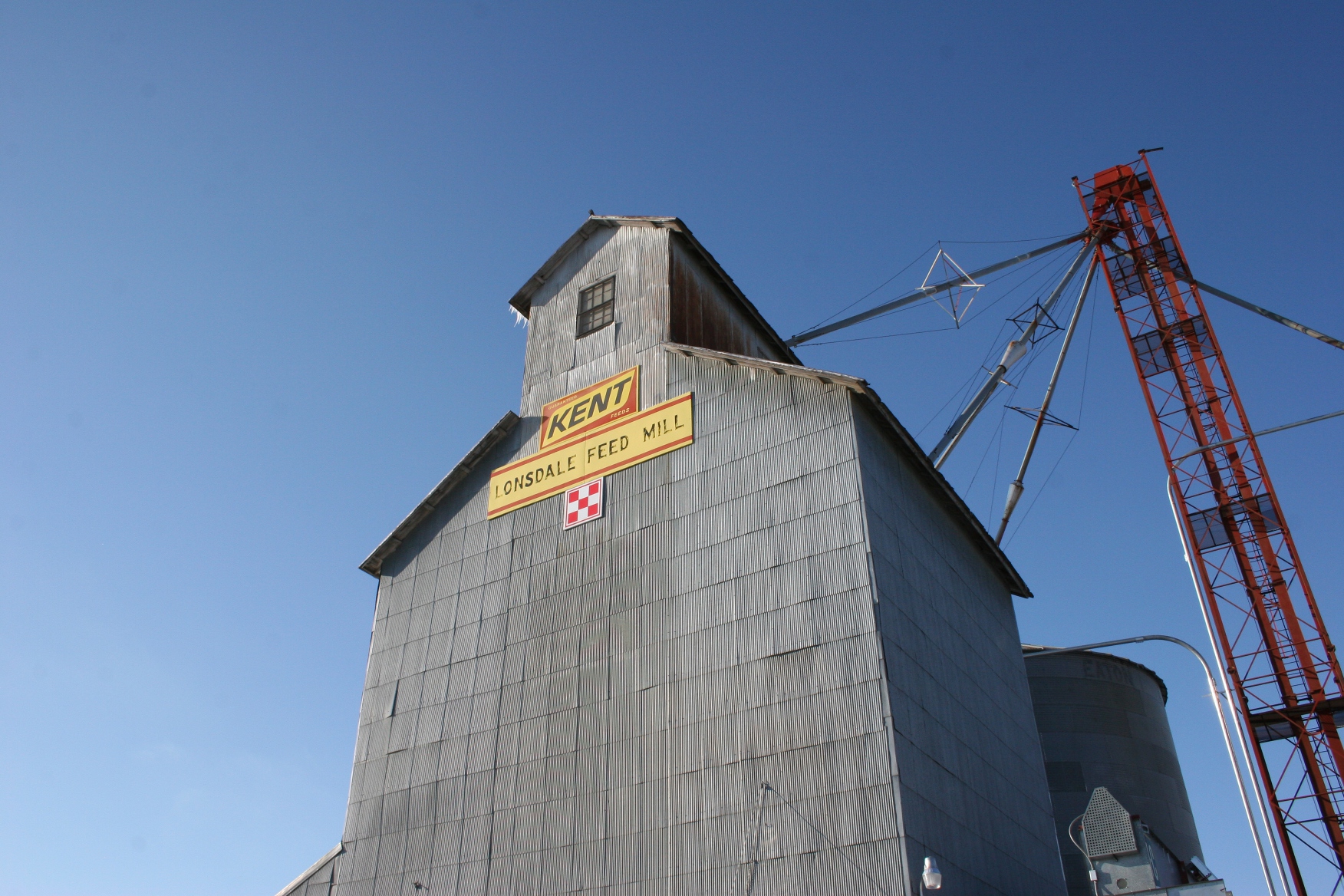
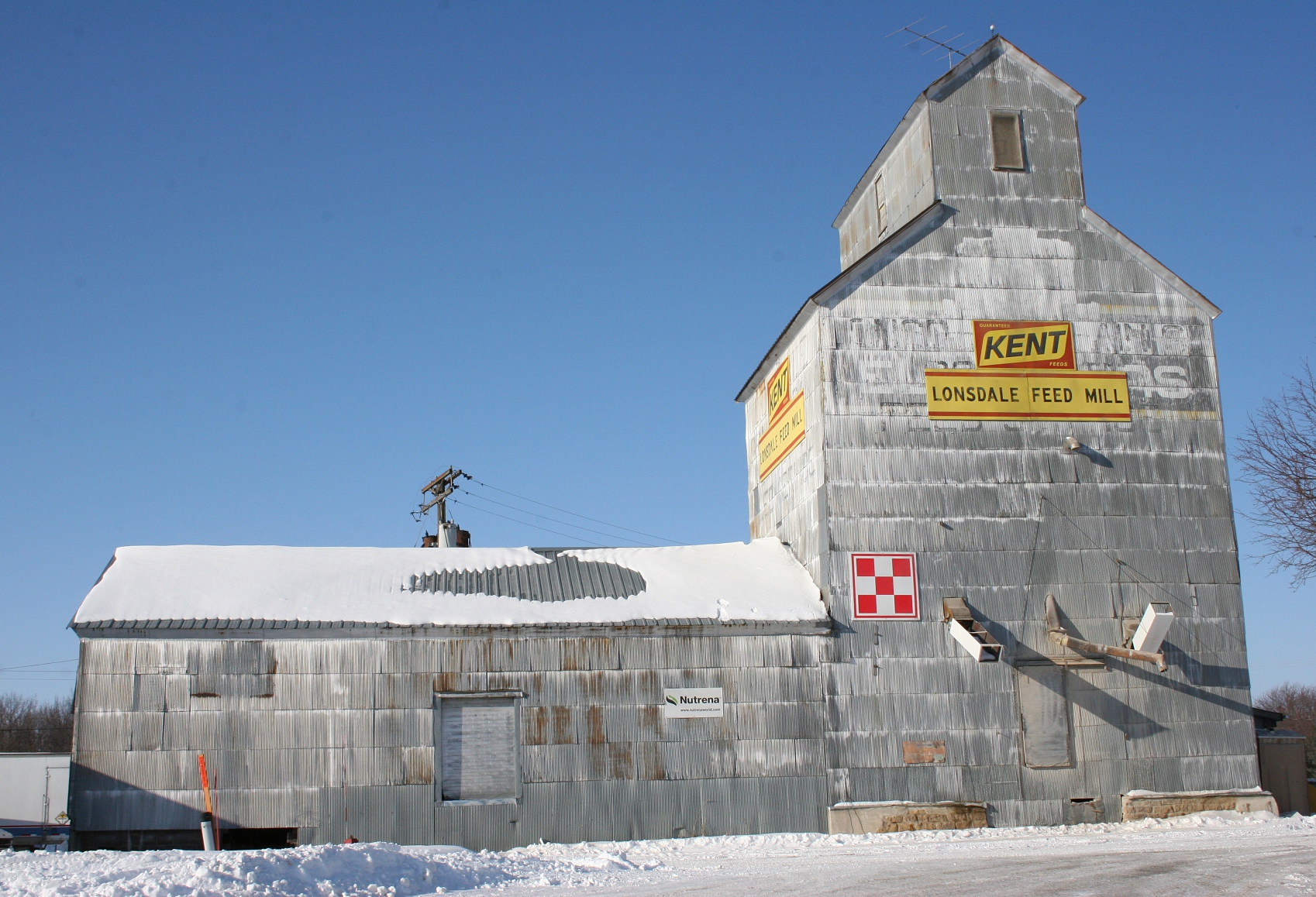
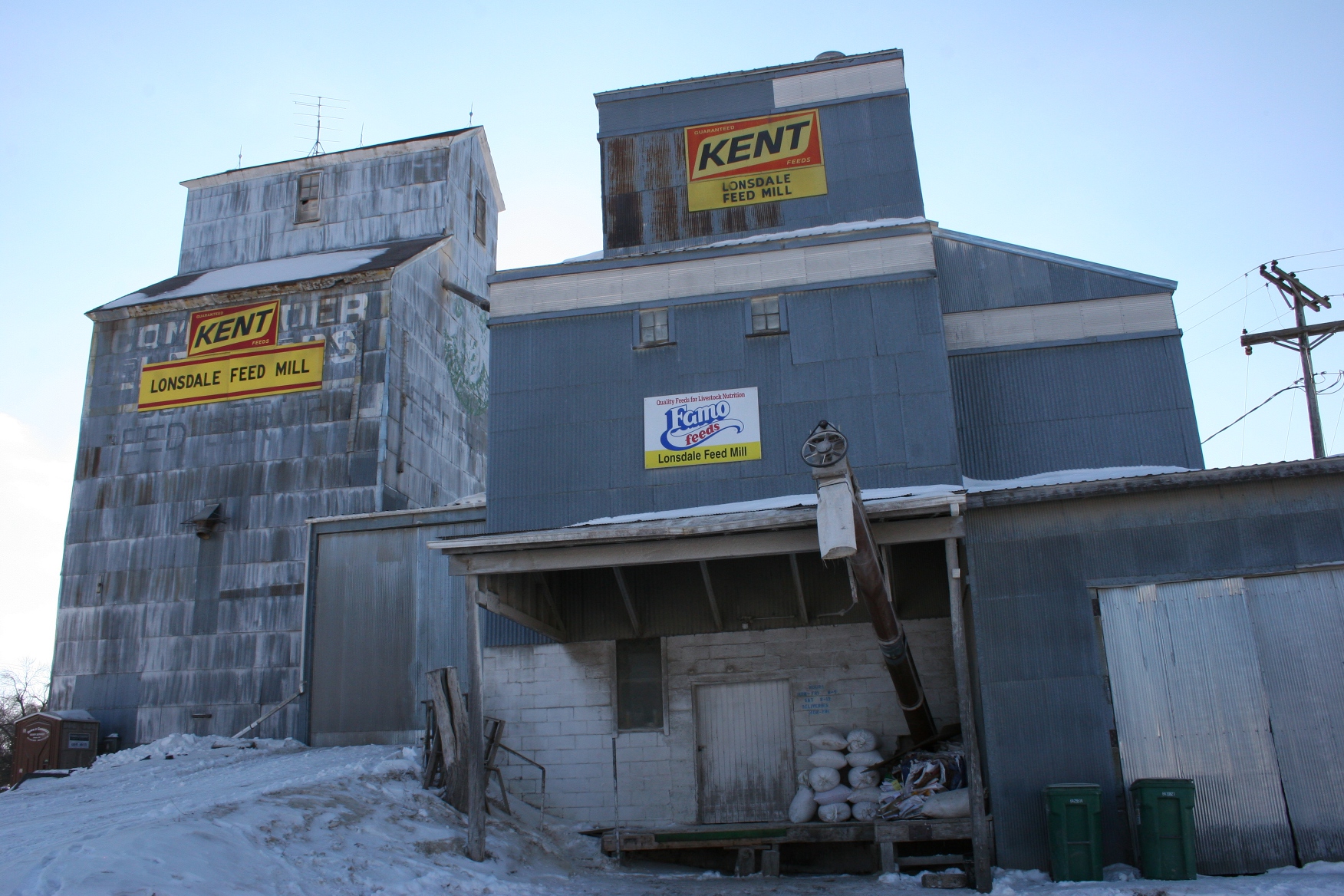
The Lonsdale Feed Mill.

The Lonsdale Feed Mill.

SOME TERM THEM “Cathedrals of the Prairie.”

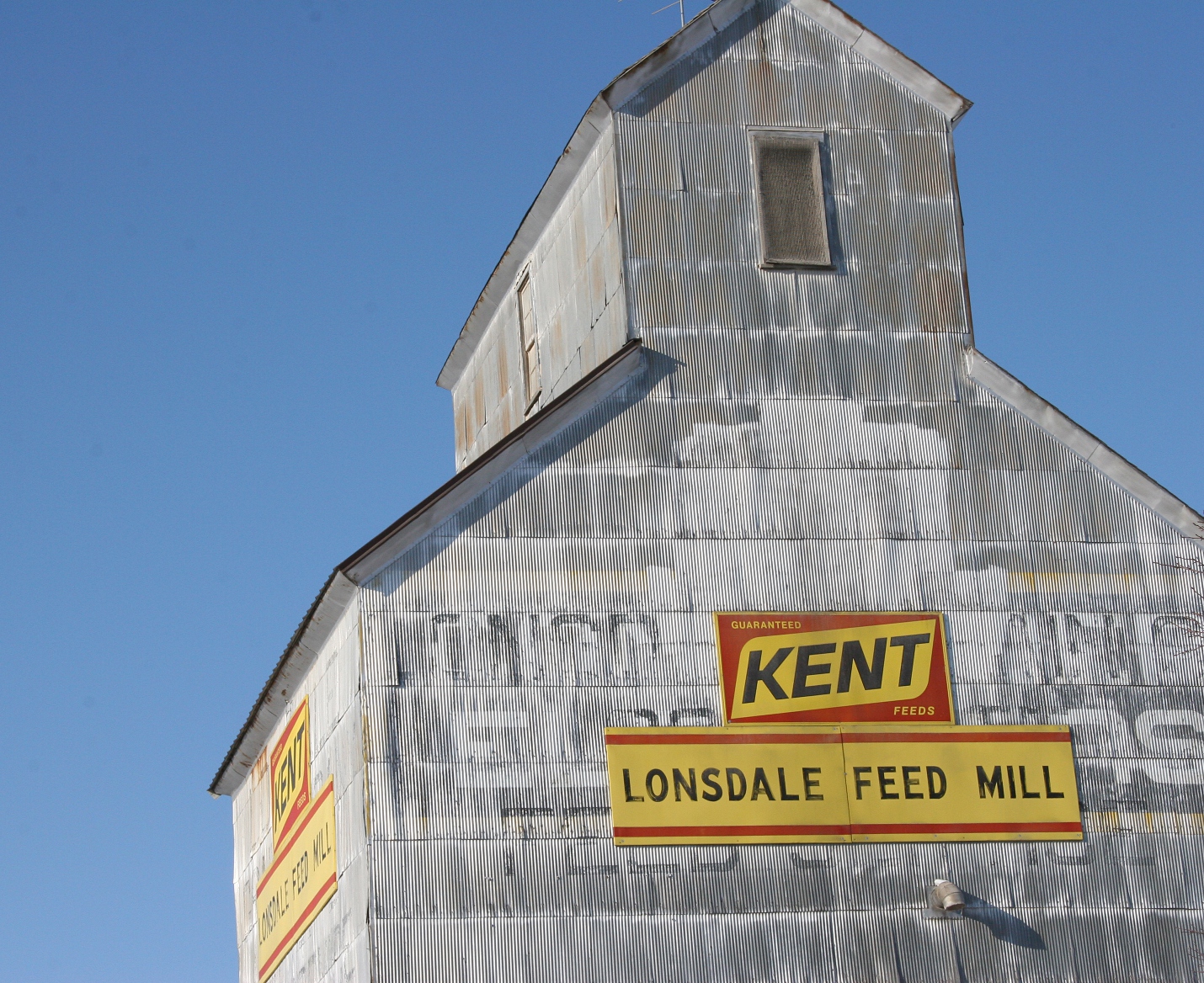
Feed mill, close-up top

I know them simply as “the elevator” or “the feed mill,” the grey structures which, for years, have graced our farming communities.

Feed mill, back of

 They hold memories for me of bouncing in the pick-up truck, seated beside my farmer father, to the Vesta Feed Mill.

Feed mill, truck

Deafening roar of machines grinding corn.

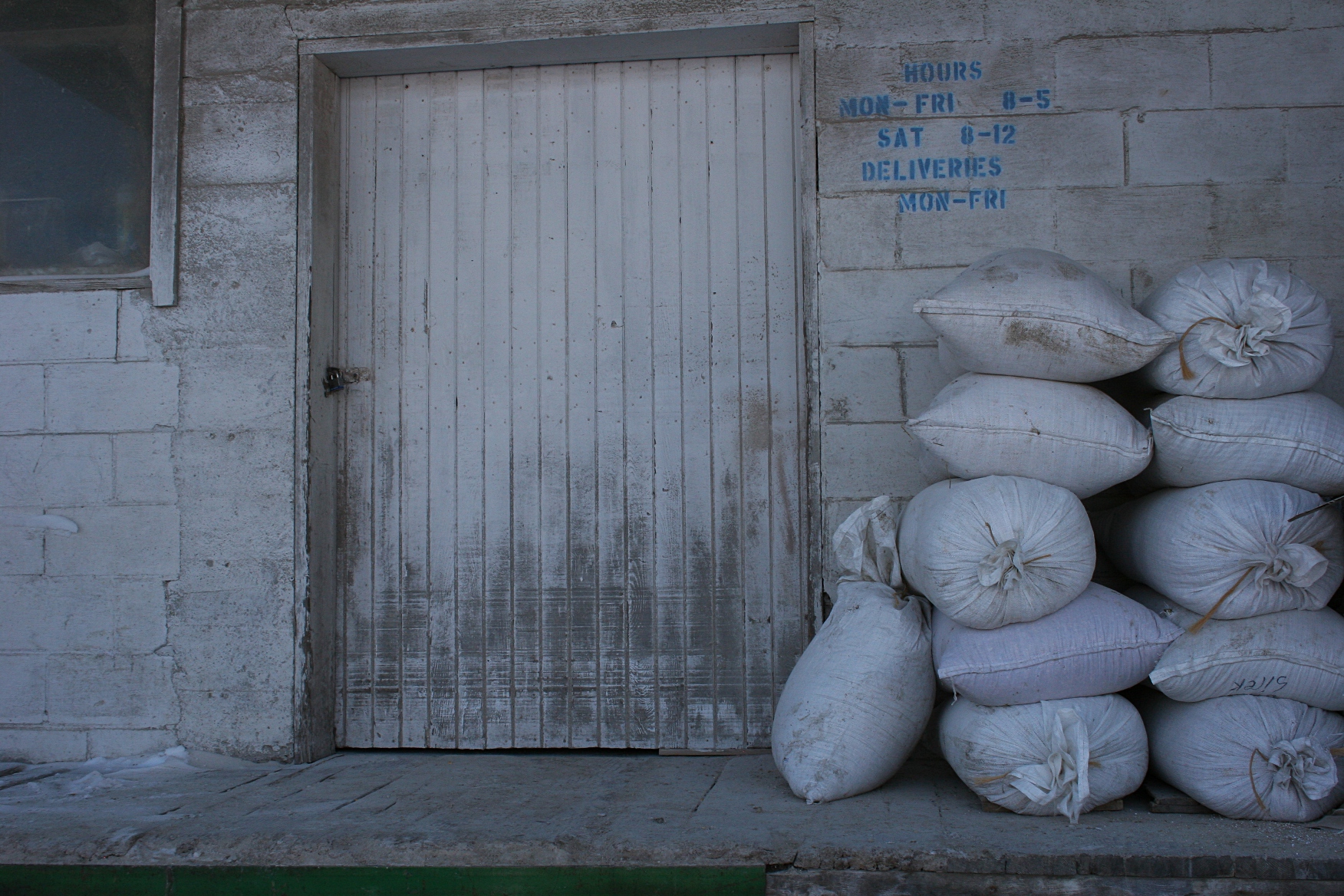
Feed mill, bags of feed

Dust layering surfaces. The memorable smell of ground feed, as memorable as the scent of freshly-cut alfalfa. Stacked bags awaiting pick-up or delivery.

Feed mill, front 2

Like barns, these feed mills and elevators are disappearing from rural America, replaced by more modern structures. Or simply falling apart.

I hold on to fading memories. And I promise to pay photographic reverence to these Cathedrals of the Prairie whenever I can.

Copyright 2014 Audrey Kletscher Helbling


An essay of barn photos & memories November 25, 2013

Filed under: Uncategorized — Audrey Kletscher Helbling @ 6:00 AM
Tags: , , , , , , , ,
Near Poy Sippi, Wisconsin.

Near Poy Sippi, Wisconsin.

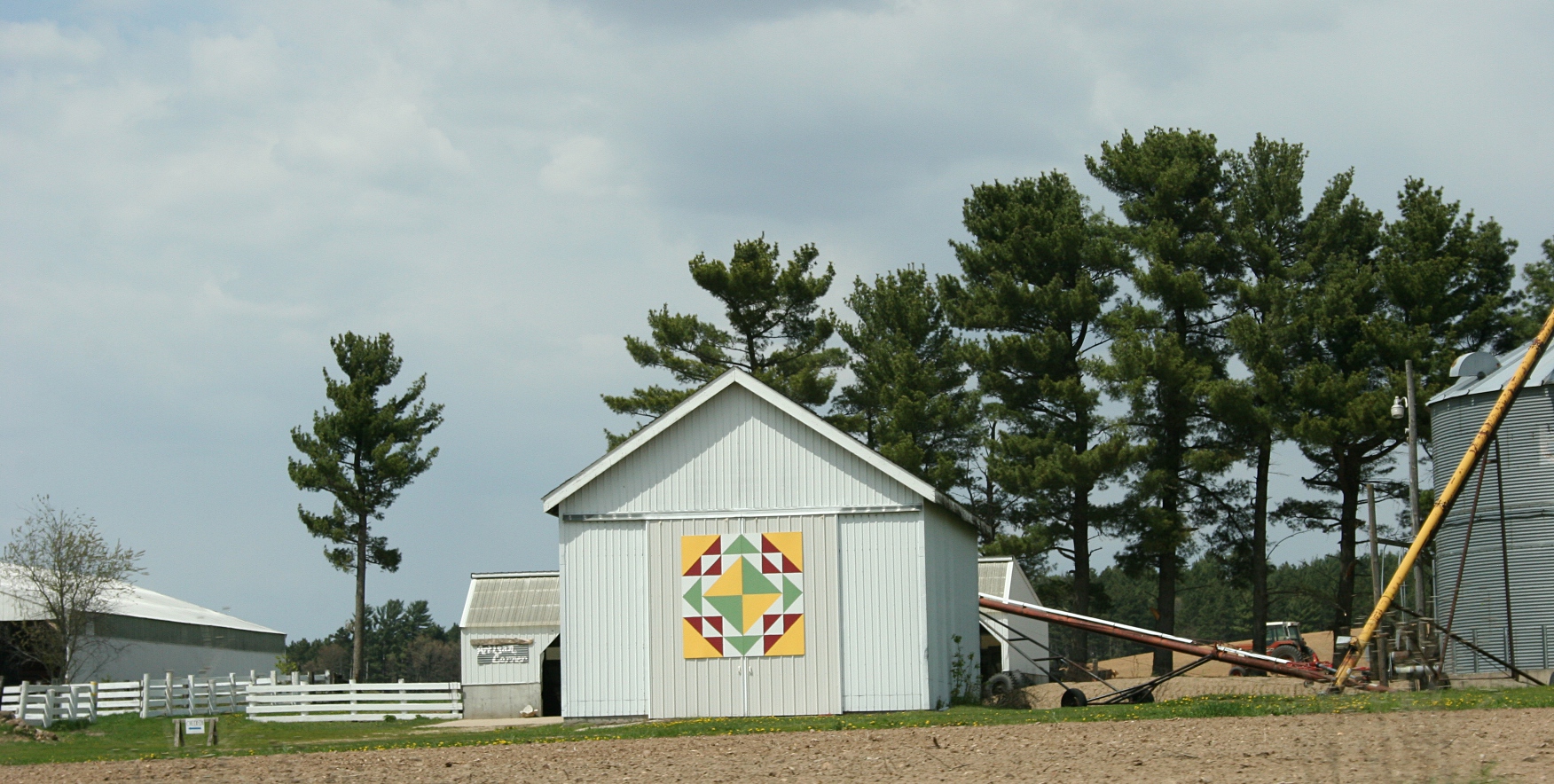
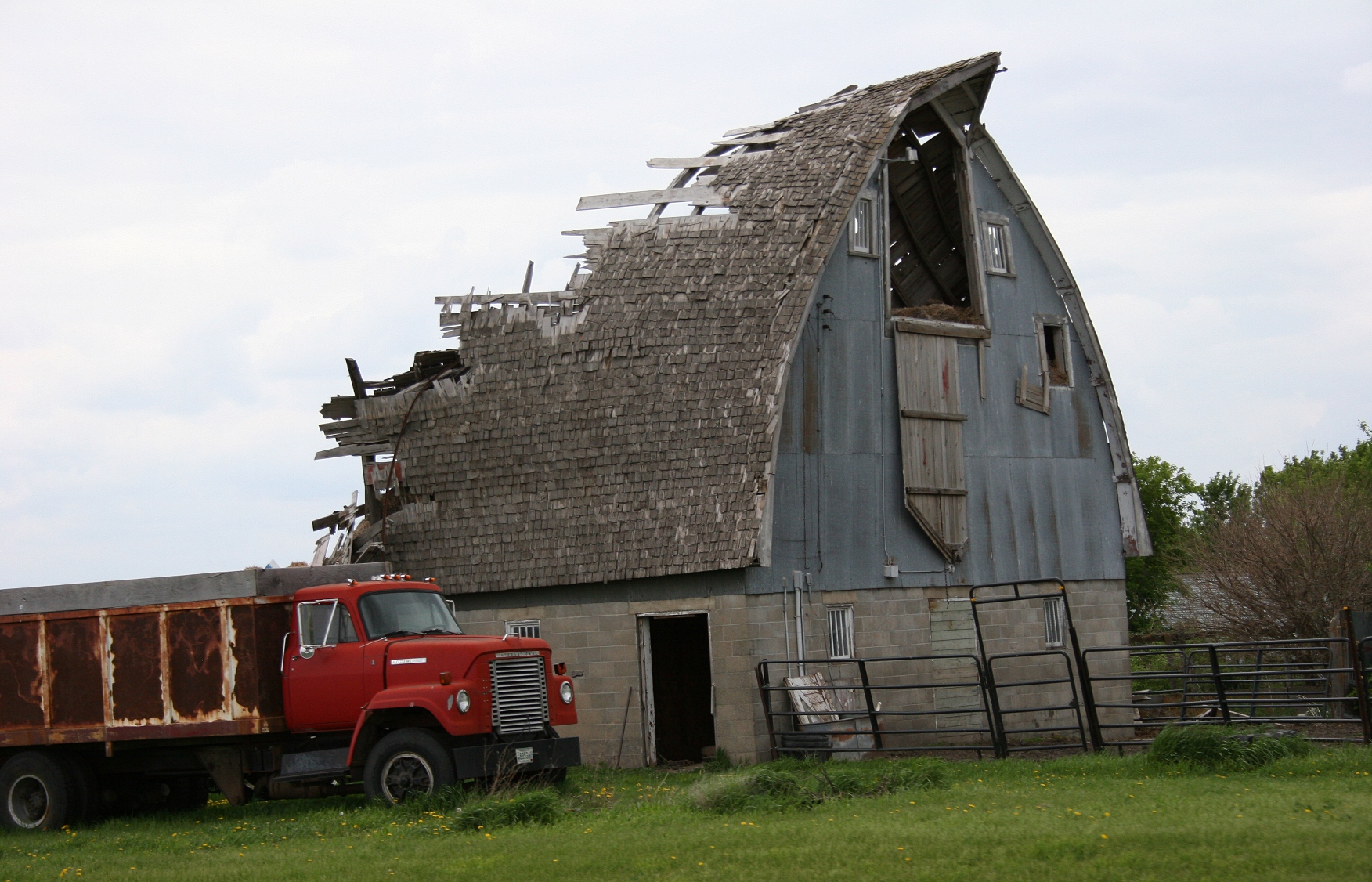
MY FONDNESS FOR BARNS, for photographing them, never wanes.

Along Wisconsin State Highway 21.

Along Wisconsin State Highway 21.

When I fit my eye to the viewfinder, swing my camera lens toward a barn and click, it’s as if I’m clicking my heels together and flying into my past.

Also along Wisconsin Highway 21.

Also along Wisconsin Highway 21.

I am trudging down the barn aisle, leaning into the wheelbarrow heaped with ground corn. I am scooping that feed by the shovelful to top silage pitched from the silo and parceled before the Holsteins’ empty stanchions.

Near Poy Sippi, Wisconsin.

Near Poy Sippi, Wisconsin.

Later, as milk pulsates into milking machines and Dad has poured the milk into a tall thin pail, I am lugging the precious liquid to the milkhouse, handle biting into my chore-gloved hand.

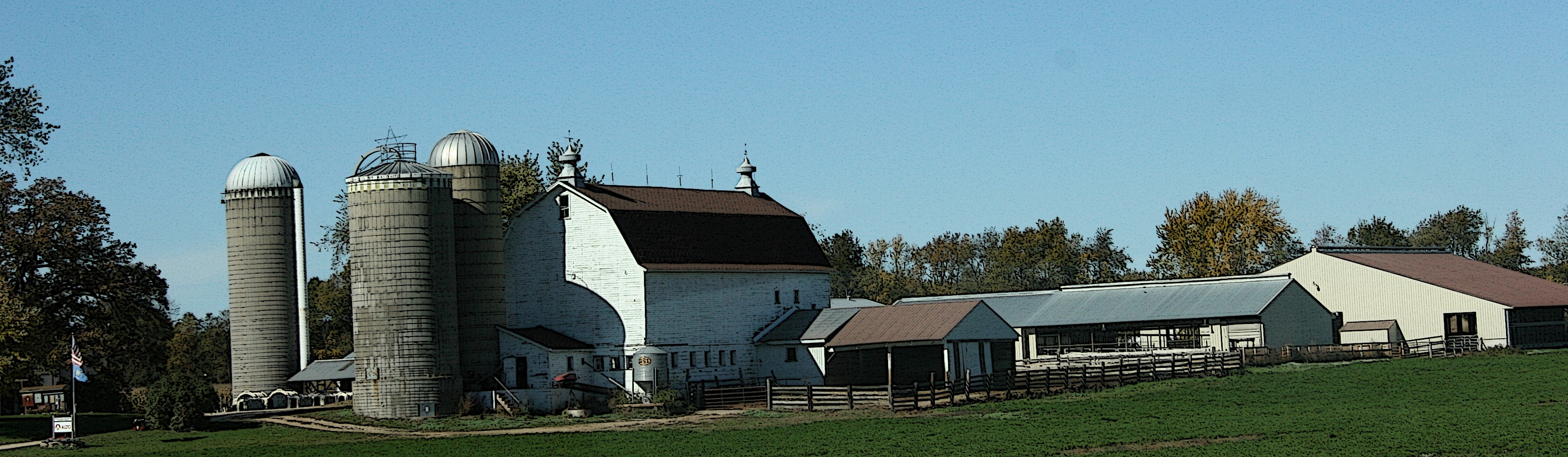
Another farm near Poy Sippi.

Another farm near Poy Sippi.

Memories come into focus—the golden booming radio voices from ‘CCO, the slap of a cow’s tail, hot urine splattering into gutters, cats swarming around a battered hubcap, the stench of manure, taut twine snapped with my yellow jackknife and prickly alfalfa itching my exposed wrists.

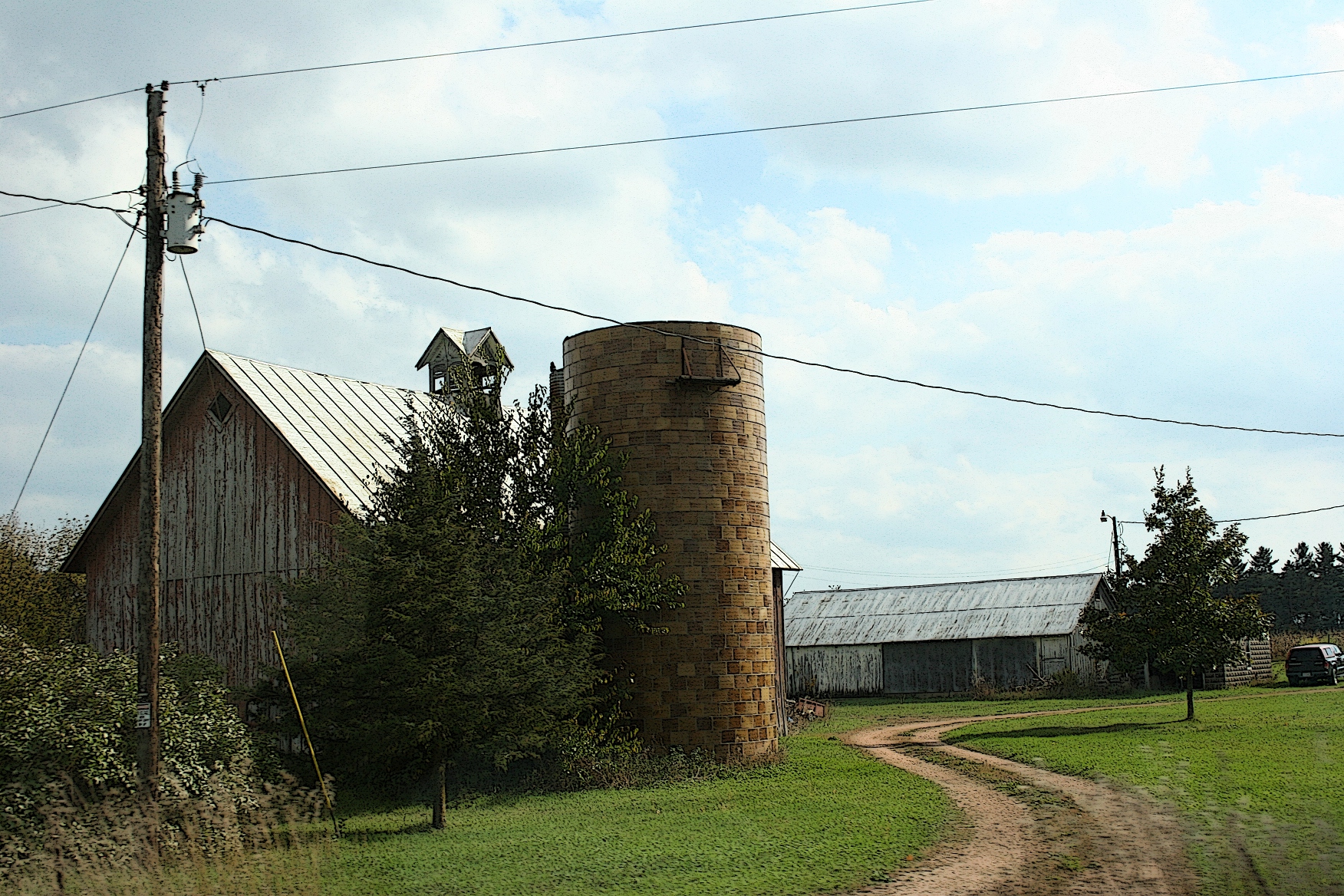
An old-fashioned farm along Wisconsin Highway 21.

An old-fashioned farm along Wisconsin Highway 21.

But, mostly, I see my farmer dad in those barns I photograph.

© Copyright 2013 Audrey Kletscher Helbling
 

Fifties flashback in a Wisconsin cornfield November 14, 2013

Back in the day, picking corn

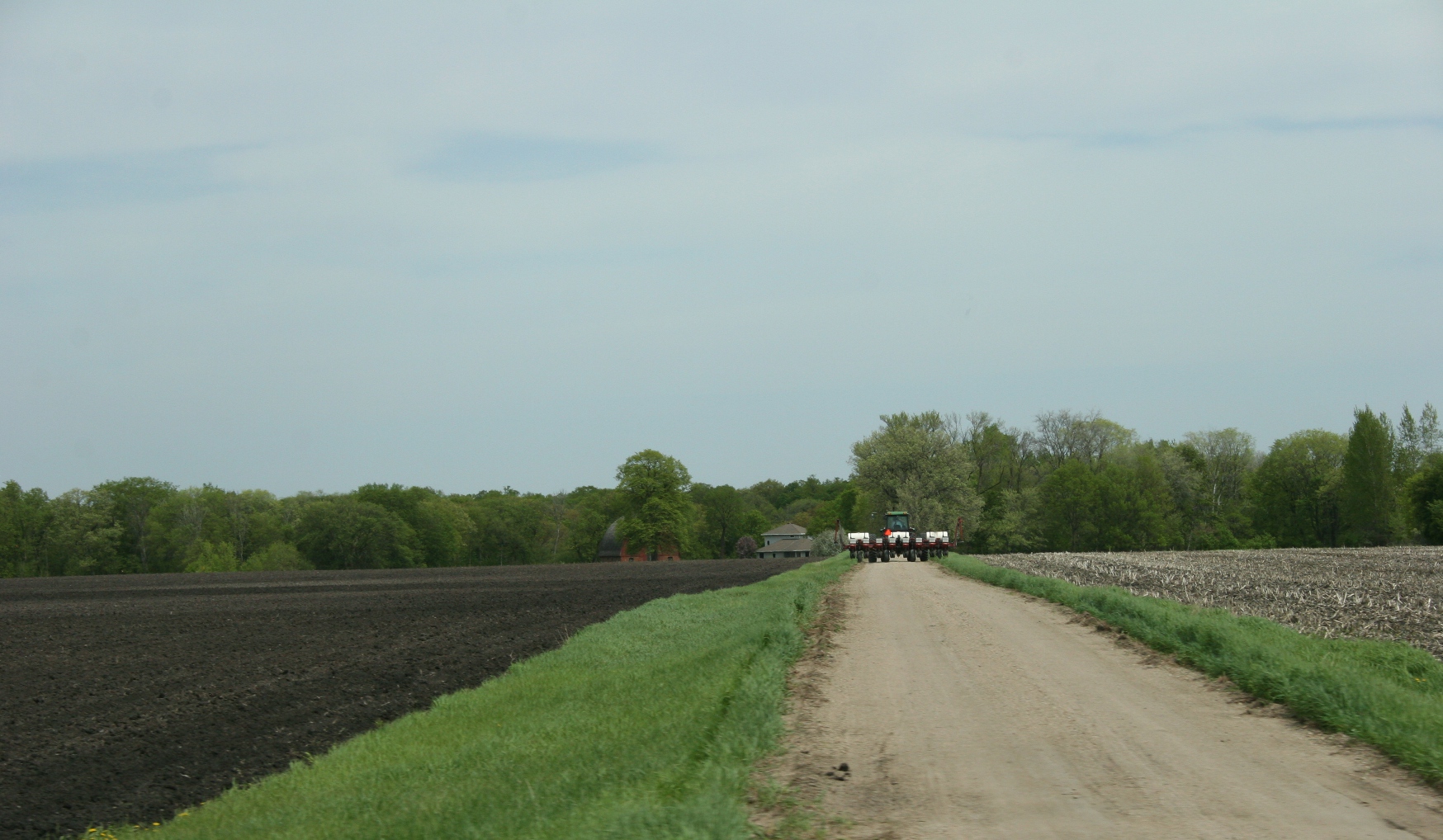
IF NOT FOR THE TRAFFIC that surrounds me on this four-lane on a Saturday afternoon, I might be traveling directly into a rural scene from the fifties or sixties.

For there, over to the right along this Appleton, Wisconsin, area roadway, a farmer works the field with his Case tractor towing a pull-behind corn picker that drops ears of corn into a wagon.

I get one chance to photograph the scene, but plenty of time to ponder why this farmer chose to harvest his crop with vintage farm machinery.

Is he simply trying to reclaim an era when farmers worked with the wind at their backs, the sun upon their faces, the scent of plant and earth in the air, embracing harvest from the seat of an open air tractor?

(NOTE: This photo was taken in mid-October.)

© Copyright 2013 Audrey Kletscher Helbling
 

In Wisconsin: A quick stop at a Tomah cranberry farm October 17, 2013

Filed under: Uncategorized — Audrey Kletscher Helbling @ 6:00 AM
Tags: , , , , , , , , ,
A sign at the Rezin farm points to the cranberries on the porch.

At the end of the road, a sign points to cranberries on the porch at the Rezin farm.

THE “FRESH CRANBERRIES” SIGN grabbed our attention along State Highway 21 just east of Tomah in the heart of Wisconsin cranberry country.

So my husband slowed the van in a flash and turned onto a side road to North Tomah Cranberry Co. operated by John Rezin & Sons. Randy loves cranberries. Me, too. As juice or in pie. You won’t see me scooping cranberries onto my plate at Thanksgiving.

We’d never been on a cranberry farm nor purchased just harvested cranberries. So we were excited—or at least I was to photograph a true Wisconsin cranberry farm.

Fresh cranberries direct from the bogs.

Farm fresh cranberry pricing

Teresa Rezin waits on customers.

Teresa Rezin waits on customers.

Teresa Rezin met us on the farmhouse side porch before we could follow the “RING DOORBELL FOR CRANBERRIES” signage.

Cranberries bagged in various sizes await purchase.

Cranberries bagged in various sizes await purchase.

Randy snapped up two pounds of berries for $4, later wishing he’d bought five.

Beautiful fresh cranberries for sale.

Beautiful fresh cranberries for sale.

The next customer purchased 30 pounds—for cranberry wine. I wish I could have followed that woman home to learn about cranberry wine making. I’ve sipped and savored cranberry wine from Wisconsin.

One of the many cranberry fields.

One of the many cranberry fields.

Randy pushes aside leaves and stems to reveal the cranberries on the low-lying plants.

Randy pushes aside leaves and stems to reveal the cranberries on the low-lying plants.

Just-picked cranberries.

Just-picked cranberries.

Instead, under Teresa’s direction and welcome, Randy and I headed over to the cranberry fields for a quick look at how cranberries grow. I had no idea. None. I expected waist high bushes ripe with red orbs. Instead, we discovered cranberries clinging to earth-hugging plants.

In the distance lies the farm site; to the right the cranberry fields; and to the left, the lake/water for flooding the fields.

In the distance lies the farm site; to the right the cranberry fields; and to the left, the lake/water for flooding the fields.

A water channel.

A water channel and cranberry fields to the right.

The "lake" across the road from the cranberry fields.

The “lake” across the road from the cranberry fields.

A gravel road separated the cranberry field from a small lake size body of water used to flood the cranberries at harvest. This we deduced on our self-guided quick tour.

Cranberries and fish.

Cranberries and fish.

For $3.50 a day, fishermen/women can fish here, too. Northerns and bass, maybe more. I didn’t ask. What a smart dual usage of water.

We didn’t press Teresa for an educational tour. So our knowledge of how a cranberry farm operates is still minimal.

But at least now I know cranberry plants grow close to the ground.

Loved these cranberry crates on the farmhouse porch.

Loved these cranberry crates on the farmhouse porch.

FYI: North Tomah Cranberry Co. berries go to grower-owned Ocean Spray, located just down the highway from the farm. The Tomah processing plant produces 31 million pounds of sweetened dried cranberries and concentrate annually, according to Ocean Spray.

BONUS PHOTOS:

The direction Teresa pointed us for our brief tour.

The direction Teresa pointed us for our brief tour.

A water pump.

A water pump.

Another "lake," this one with a beach.

Another “lake” by the cranberry farm, this one with a beach.

The farm site just to the north of the "lake" pictured above.

The farm site just to the north of the “lake” pictured above.

© Copyright 2013 Audrey Kletscher Helbling
 

Harvesting photo ops in rural Minnesota and rural Wisconsin October 16, 2013

A rural scene along Minnesota State Highway 60 between Faribault and Zumbrota.

A cornfield awaits complete harvest along Minnesota State Highway 60 between Faribault and Zumbrota, Minnesota.

IT IS THE FORMER FARM GIRL that drives me to turn my camera toward the fields this time of year, to the harvest of corn and soybeans.

Harvest in progress near U.S. Highway 10 east of Appleton, Wisconsin.

Harvest in progress along U.S. Highway 10 east of Appleton, Wisconsin.

This past weekend provided the perfect opportunity to scope out the harvest on a 600-mile round trip through southeastern Minnesota across central Wisconsin to Appleton (just south of Green Bay) and back. Lots of windshield time with the husband. And lots of time to observe rural Wisconsin and rural Minnesota and capture those scenes with the quick click of my shutter button while passing by at highway speeds.

A scenic

A cornfield awaits harvest along Interstate 90 in southeastern Minnesota.

In most areas, corn fields have faded from green to a golden hue. Soybean fields likewise are transforming to the muted browns of autumn.

A combine works the land along U.S. Highway 52 north of Rochester.

A combine works the land along U.S. Highway 52 north of Rochester, Minnesota.

Combines kick up dust.

A vintage grain truck rolled out of storage and parked along side a southeastern Minnesota field.

A vintage grain truck parked along side a southeastern Minnesota field.

Grain trucks rumble out of storage.

Lots of pumpkins harvested also and for sale, these along Wisconsin State Highway 21.

Lots of pumpkins harvested also and for sale, these along Wisconsin State Highway 21.

Hurry hangs heavy.

Bringing in the crop along Wisconsin State Highway 21.

Bringing in the crop along Wisconsin State Highway 21.

There’s that anticipation, that sense of urgency, that hustle to get the crop out. Before the snow flies.

FYI: Here are a few photo tips for all you on-the-road wannabe photographers out there: Clean your vehicle windows. Make sure you are the passenger and not the driver; safety first. Set your camera at a fast shutter speed. Anticipate. Watch the glare on your windows. Then shoot, shoot, shoot.

If results are not perfect, and they likely will not be due to bugs, sun, and a myriad of other issues, use photo editing tools. Crop. Change the contrast. Sharpen if necessary. Get creative as I did here with usage of the artistic “cartoonify” editing tool. And, if all else fails to produce a pleasing image with the impact you desire, hover and delete.

PLEASE CHECK BACK tomorrow, when I take you on a tour of a Tomah, Wisconsin, cranberry farm.

© Copyright 2013 Audrey Kletscher Helbling
 

A prairie island October 6, 2013

Filed under: Uncategorized — Audrey Kletscher Helbling @ 10:06 AM
Tags: , , , , , , , ,

Rural, farm behind corn field

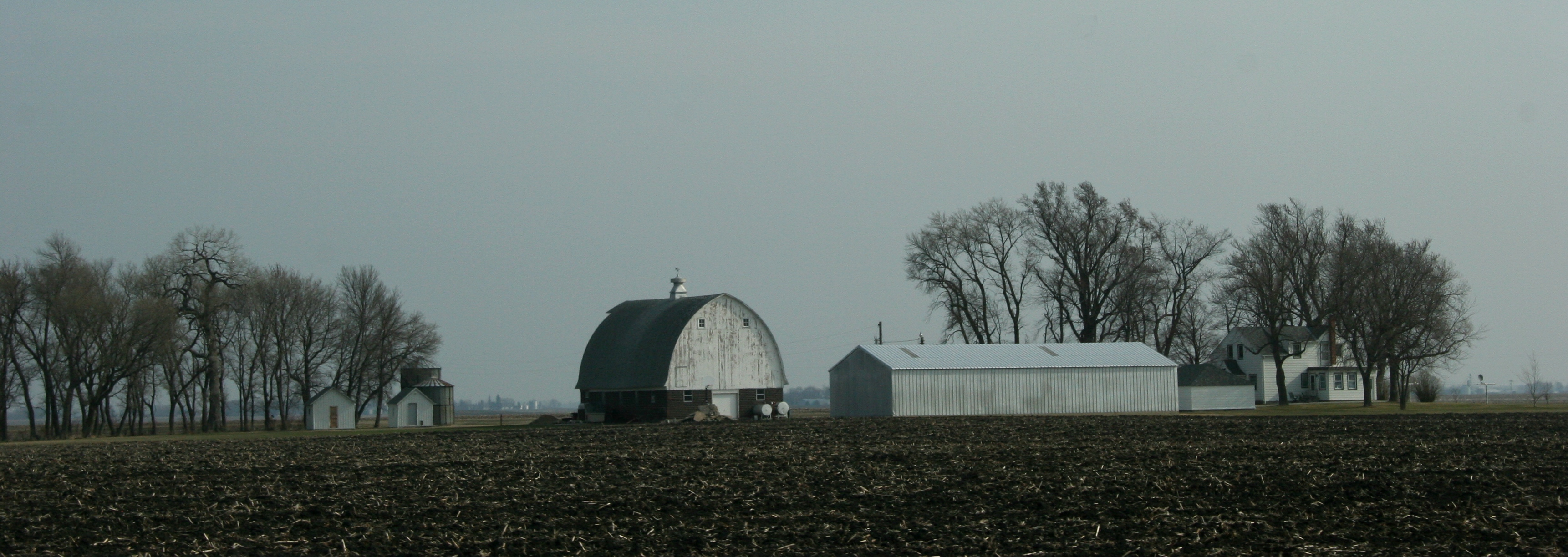
IN THE SEA OF CORN which defines southwestern Minnesota, an island emerges.

Copyright 2013 Audrey Kletscher Helbling
 

On the cusp of harvest in southwestern Minnesota October 4, 2013

Grey skies and rain create a moody scene along U.S. Highway 14 between Sleepy Eye and Lamberton.

Grey skies and rain create a moody scene along U.S. Highway 14 between Sleepy Eye and Lamberton.

RAIN DRIZZLES, SOMETIMES SPLATTERS, across the windshield of our van as my husband and I aim toward the southwestern Minnesota prairie, driving toward Lamberton for a day of making horseradish with my extended family. It is a time-honored tradition, started by my father, dead 10 years now.

For me, this 120-mile trip from our Faribault home is not as much about the horseradish as it is about family and memories and spending a weekend in my beloved native prairie, the place that shaped me in to the person/writer/photographer I’ve become.

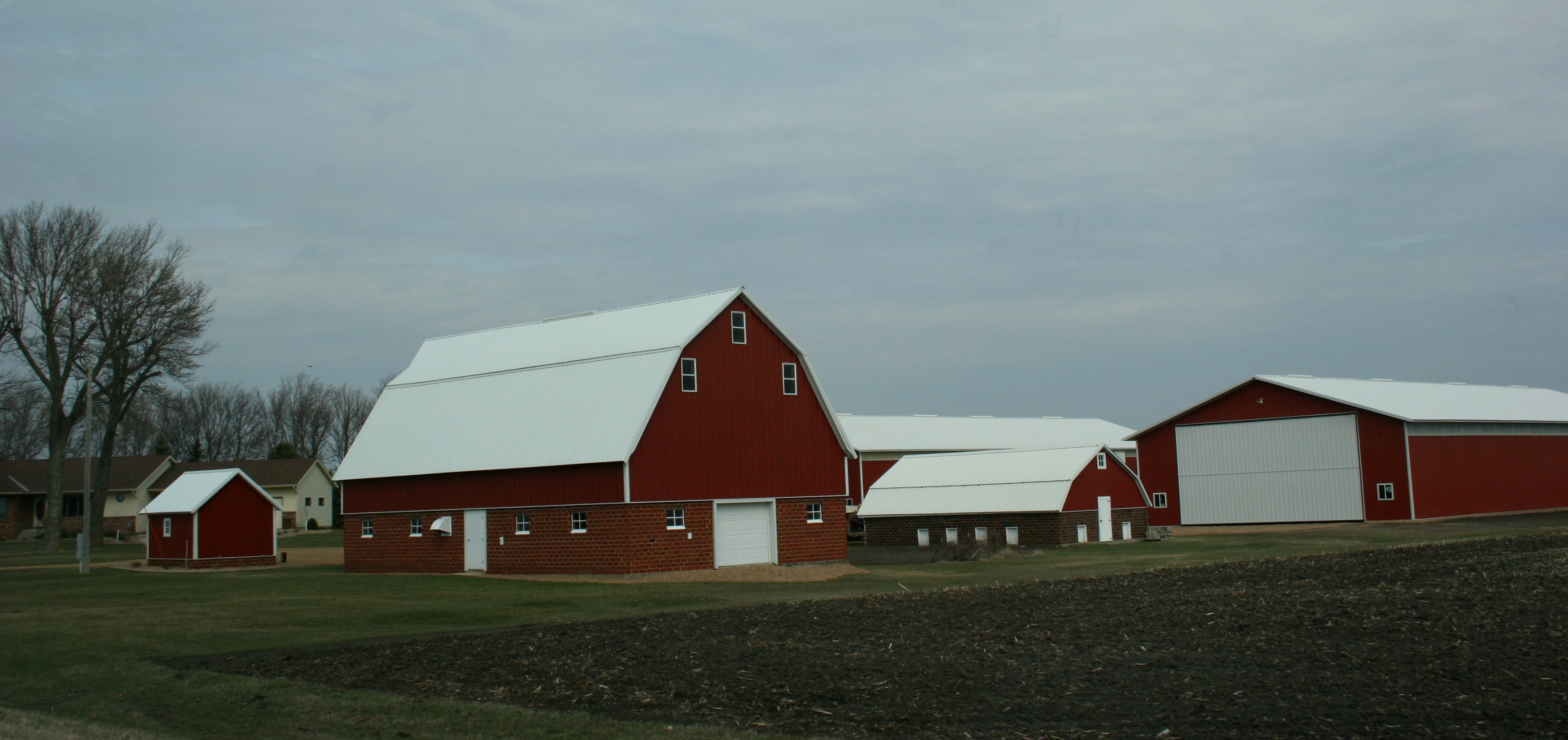
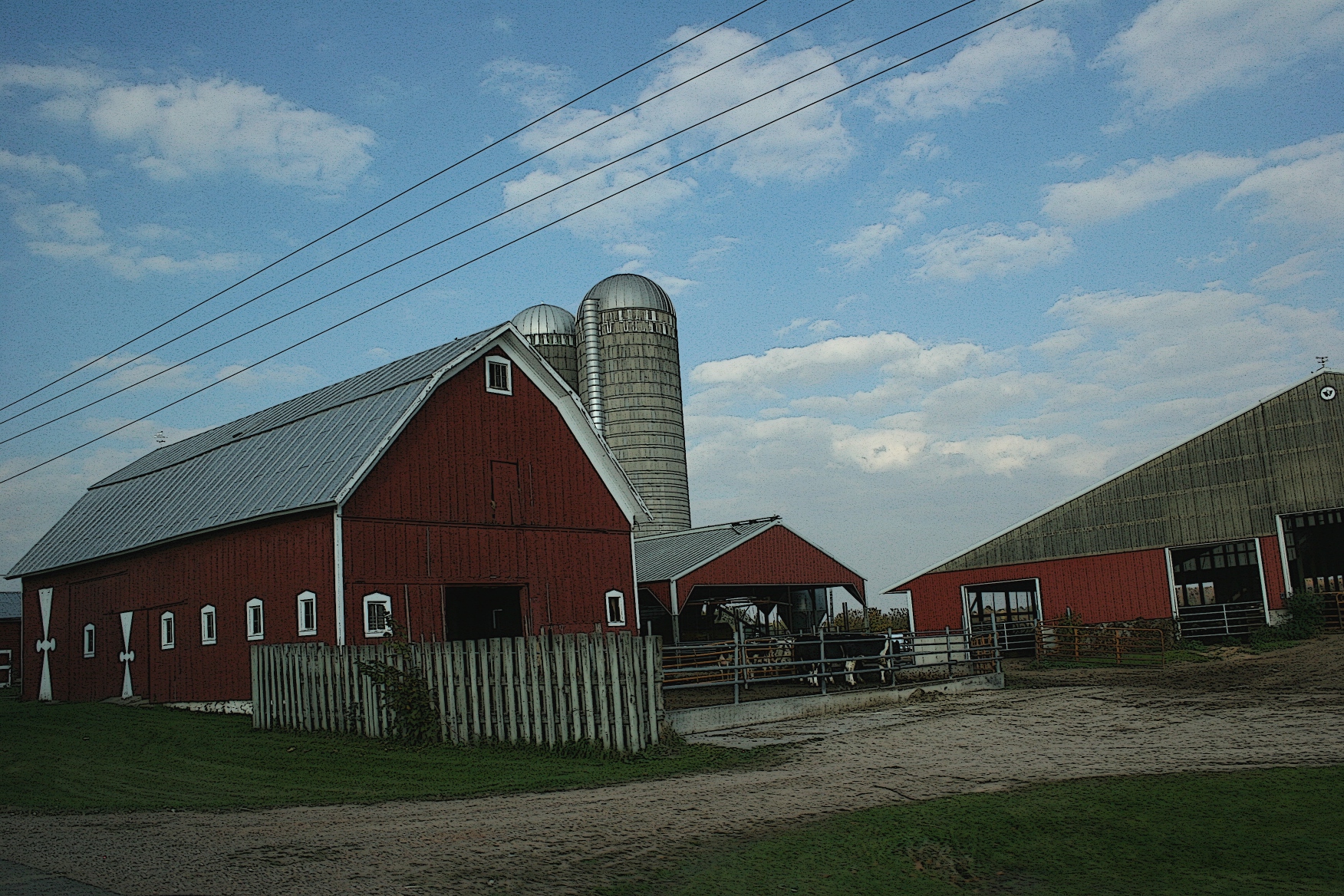
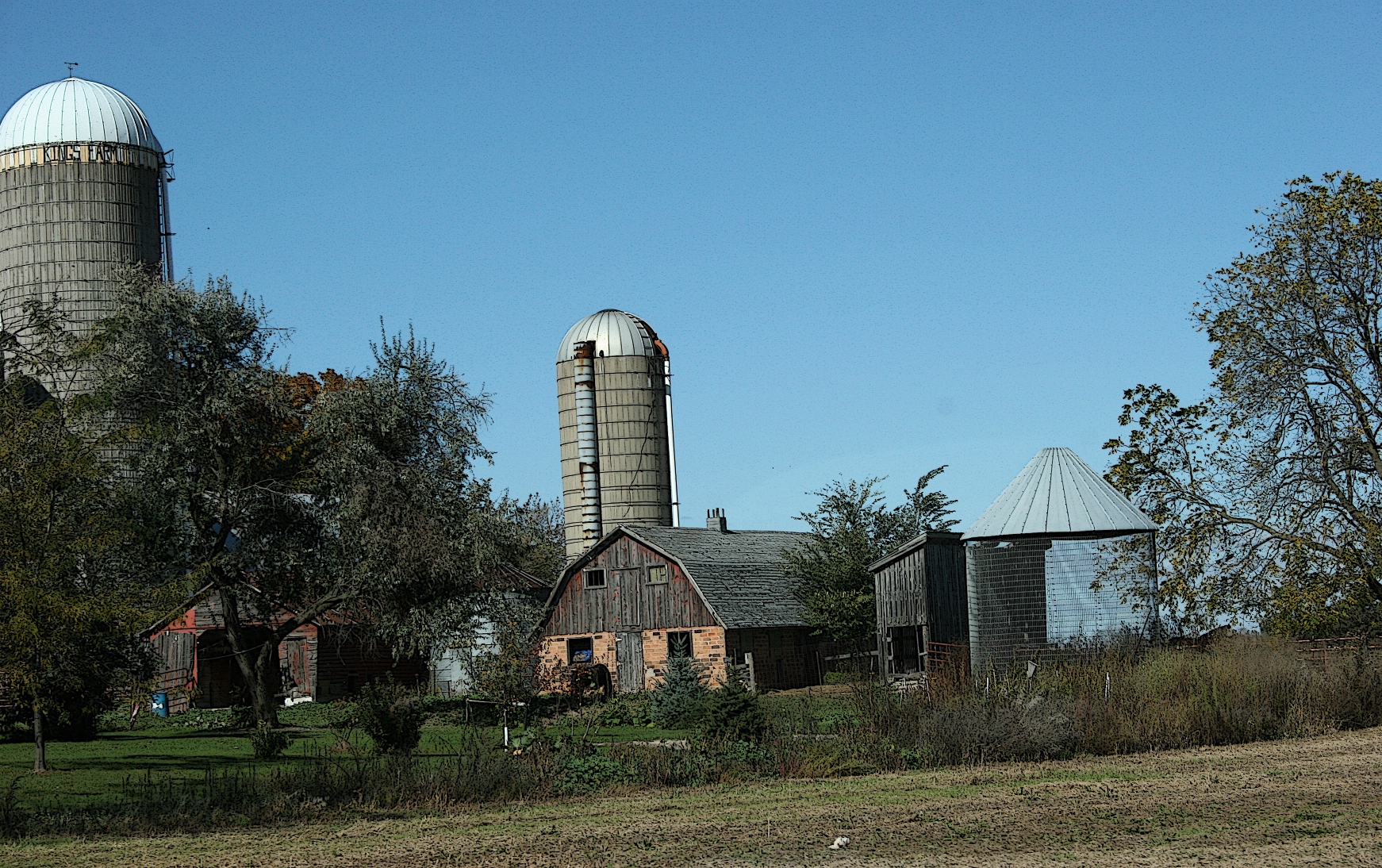
This section of U.S. Highway 14 between Sleepy Eye and Lamberton features many stately and well-kept barns like this brick one.

This section of U.S. Highway 14 between Sleepy Eye and Lamberton features many stately and well-kept barns like this brick one.

Even after 40 years away from this place of big skies and flat open spaces, of small towns and family farms, of corn and soybean fields stretching into forever, I still miss this land.

Especially at harvest time.

A cheery smile on a barn off U.S. Highway 14 serves as a backdrop to a ripened soybean field on a grey Saturday morning.

A cheery smile on a barn off U.S. Highway 14 serves as a backdrop to a ripened soybean field on a grey Saturday morning.

As we journey, my head pivots toward the corn and the beans, ripened mostly to muted gold.

I can almost hear the corn leaves rustling in the bendy wind under moody grey skies.

I can almost smell the intoxicating scent of earth that prevails only at harvest time.

I can almost hear the chomping combines and rumbling grain trucks, the roaring tractors and the lumbering grain wagons, parked and silent now as rain sweeps across the acres.

A serene country scene just north of Lamberton in southern Redwood County.

A serene country scene just north of Lamberton in southern Redwood County.

Later that day, after we’ve reached our rural destination and dug, washed, peeled, chopped, blended and bottled the horseradish, the heaviest of the clouds lift and shift east.

The skies have cleared along Redwood County Road 6 north of Lamberton where corn fields await harvest.

The skies have cleared along Redwood County Road 6 north of Lamberton where corn fields await harvest.

By Sunday morning we awaken to the clear and crisp skies of autumn in rural Minnesota.

Driving U.S. Highway 14 back to Faribault Sunday morning.

Driving U.S. Highway 14 back to Faribault Sunday morning.

It’s a perfect morning.

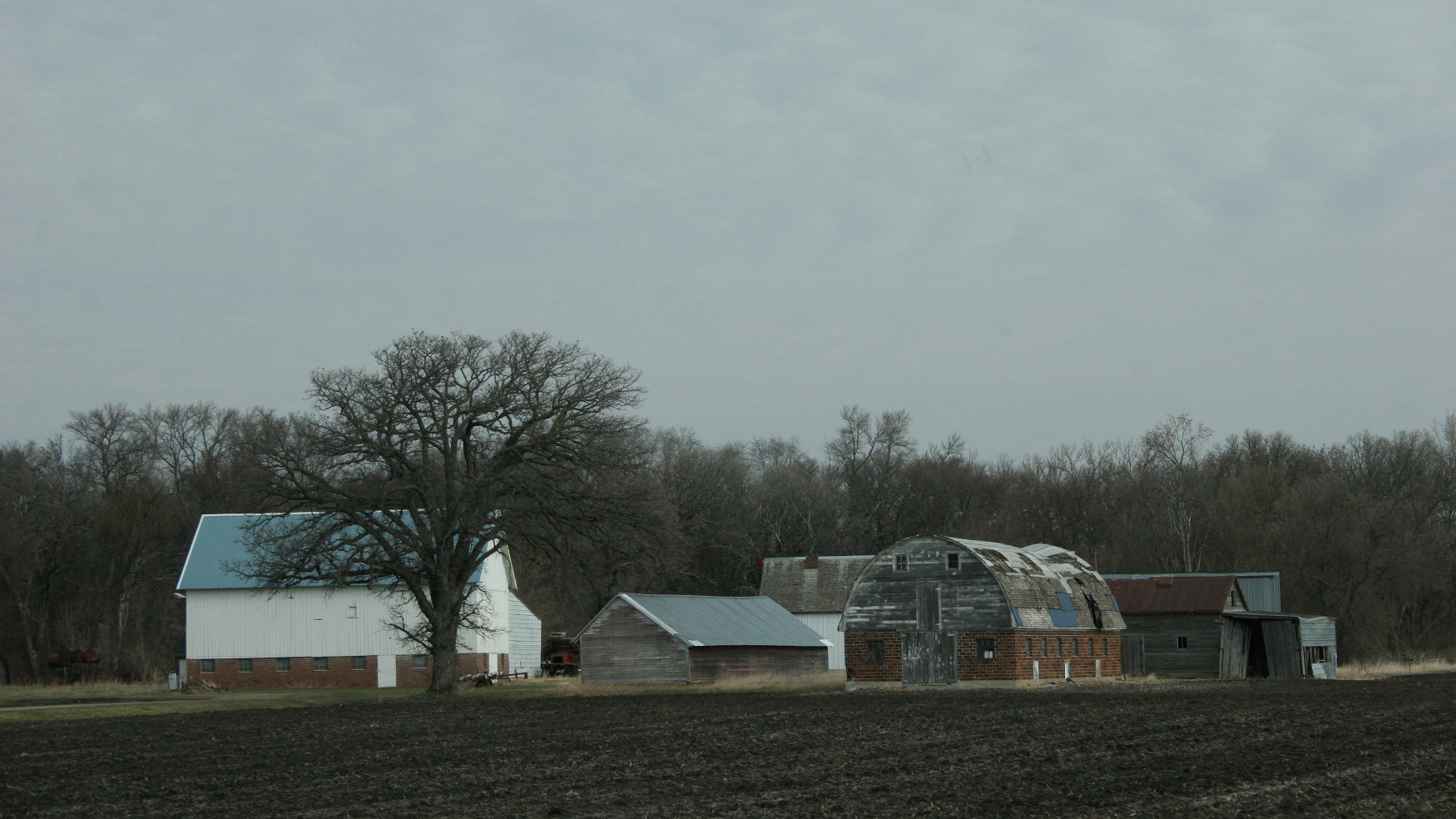
Barns and ripening crops define the landscape of southwestern Minnesota this time of year.

Barns and ripening crops define the landscape of southwestern Minnesota this time of year.

Sunshine upon fields.

Grain bins await the harvest on a southwestern Minnesota farm.

Grain bins await the harvest on a southwestern Minnesota farm.

Sunshine pooling upon my lap as we aim east, past bins and barns and bountiful fields, back home.

Rounding the curve eastbound into Sleepy Eye.

Rounding the curve eastbound into Sleepy Eye.

Past the ripening crops. Through the small towns, like Lamberton and Springfield and Sleepy Eye.

And when we reach the western outskirts of New Ulm, I feel as if we’ve crossed a line. Menards and Walmart loom to the left. U.S. Highway 14, the Laura Ingalls Wilder Historic Highway, is now a four-lane through this German community, busy with traffic and drivers racing to get ahead before the roadway once again narrows to two lanes en route to Mankato.

Barns, like this one, rise above the soon-to-be-harvested corn fields.

Barns, like this one, rise above the soon-to-be-harvested corn fields.

My mood shifts. I’ve left the peace of the prairie, the one place on this earth that holds my soul in solace.

FYI: This post was previously published on streets.mn. The above photos were taken on Saturday, September 28, and Sunday, September 29. Conditions change rapidly during harvest time, so I expect harvest is well underway, although delayed now due to the rain.

A post will be forthcoming on making horseradish.

Copyright 2013 Audrey Kletscher Helbling
 

Oh, the things you see & hear at a vintage farm show September 6, 2013

WHENEVER I ATTEND the Rice County Steam and Gas Engines Show in rural Dundas, I never quite know what I will discover, or hear.  Look and listen.

Displayed at the Friends of Minnesota Barns booth.

Displayed at the Friends of Minnesota Barns booth.

I noted the above sign at the Friends of Minnesota Barns booth. Then the guy manning the display shared a story from the Le Sueur County Pioneer Power Show a week earlier. A man and his wife read the sign. The husband asked, “Will you take my wife in trade?”
She shot back, “You’re the INSERT SLANG WORD FOR MULE in the family.”

The Friends of Minnesota Barns guy and I laughed, oh, how we laughed.

Speaking of INSERT SLANG WORD FOR MULE HERE, EXCEPT IN PLURAL, look at this lawn art by opinionated Bob Michniewicz of Madelia. You never quite know what Bob is going to say or create.
"Quality Lawn Ornaments" from Michniewicz Sales.

“Quality Lawn Ornaments” from Michniewicz Sales.

I did a double take on this potty humor:

Brand loyalty and barn humor.

Brand loyalty and potty humor. Seriously, I could not believe I was seeing this. I grew up with John Deere farm equipment.

Let me show you something sweet and endearing:

Family time at the playground.

Family time at the playground on vintage playground equipment.

And patriotic:

Flags abound at the show.

Flags abound at the show.

This reminds me of my growing up years on the farm and the Farmalls my dad owned and I drove (a B Farmall to be exact):

Vintage Farmalls.

Vintage Farmalls.

Loren Fossum's corn picker. That is not Loren driving, though.

Loren Fossum’s corn picker. That is not Loren driving, though.

I was just plain giddy when I saw this vintage 1960s corn picker, similar to one my Dad used but not a Ford. Loren Fossum of Northfield recently purchased the combo tractor and corn picker for a bargain price, which I won’t reveal because maybe Loren doesn’t want that publicized.  He told a little story about overhearing a conversation among several young men trying to figure out what type of equipment they were viewing. They finally concluded that the blue monstrosity was designed to take down trees. Wrong. That would be corn, boys.

Another reminder of life on the farm, spotted at the flea market:

Oh, how I loved to twirl the handle on my dad's vise grip until I tightened something, maybe a block of wood, in place.

Oh, how I loved to twirl the handle on my dad’s vise grip until I tightened something, maybe a block of wood, in place.

And just because I found this Cropgard Farm Dryer interesting:

I spent many a childhood day playing in farm wagons, covered wagons in my western-themed eyes.

Apparently not just an ordinary vintage farm wagon.

This quartet was so engrossed in viewing photos of the homemade John Deere tractor that they didn’t even notice me. Sweet. I love capturing moments like this that tell a story:

Immersed in tractor talk.

Immersed in tractor talk.

Tractors everywhere:

Rows and rows and rows of vintage tractors define this show. For me the interest lies in the artsy aspect of these machines.

Rows and rows and rows of vintage tractors define this show. For me the interest lies in the artsy aspect of these machines. Just look at the front of this Massey Ferguson–the font, the grill…

More cool vintage:

Anything rustic and vintage has visual appeal.

Anything rustic and vintage appeals to me visually.

My parting shot, taken through the fence on the back of bleachers, says it all: Passing a love of tractors along to the next generation.

Passing a love of tractors on to the next generation.

To future generations of John Deere tractor lovers…

AFTER VIEWING THESE IMAGES, let’s hear from you. Do any of these photos spark memories or thoughts? Please share.

Copyright 2013 Audrey Kletscher Helbling