Minnesota Prairie Roots

Writing and photography by Audrey Kletscher Helbling

Preserving central Wisconsin’s rural heritage via on-the-road photography January 5, 2012

Each time I see this Wisconsin barn, I think of the biblical story of Joseph's coat of many colors.

ON OUR FOURTH TRIP through central Wisconsin in a year along the same route—Interstate 90 to Interstate 94 in Tomah then on Wisconsin Highway 21 to Oshkosh, up U.S. Highway 41 to Appleton—I’m getting to know the Dairyland state from her western to near eastern borders.

She’s a beautiful state of rolling hills, flat marsh land, stands of packed pencil-thin pines, too many towns whose names end in “ville,” infinite piles of stacked firewood, cranberry bogs and potato patches, muskrat mounds, cheese stores, Packers fans, small-town bars and barns—oh, the barns that I love to photograph.

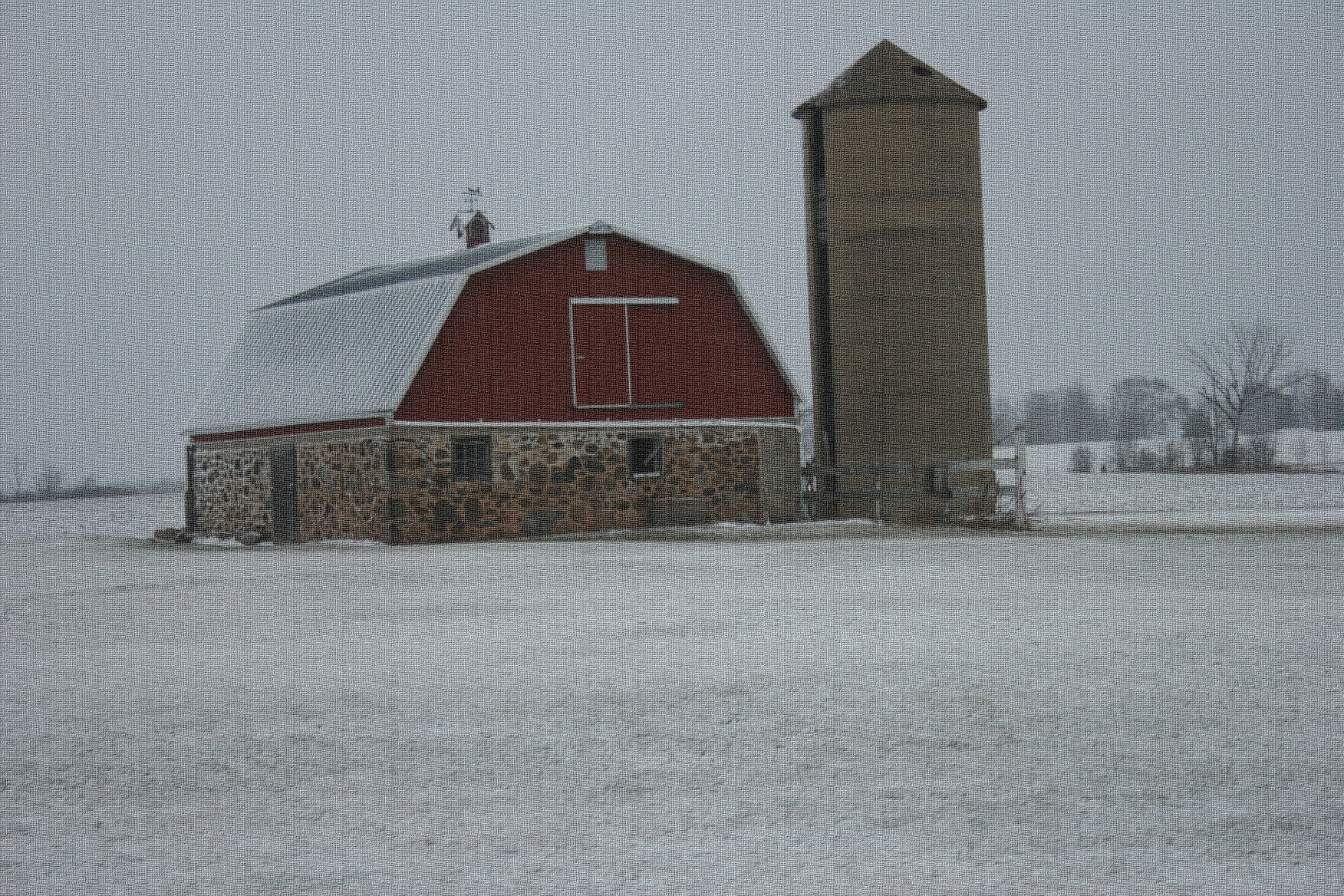
One of my favorite barns along Wisconsin Highway 21 because of the stone walls.

As I’ve done on every 600-mile round trip to and from our second daughter’s Appleton home, I capture the scenery via on-the-road photography, meaning I photograph through the passenger side window or windshield of our vehicle at highway speeds. Sometimes I manage to snap a well-composed image. Other times I fail to lift my camera, compose and click in time and miss the photo op.

Journey after journey, I find my eyes drawn to the many old barns that are so much a part of Wisconsin’s landscape and heritage. And mine. Only in Minnesota.

I’ve seen every type of barn, from the well-preserved to the crumbling, pieced-together-with-tin structure. I know that any barn, once left to fall into a rotting pile of boards, will never be replaced by an equally grand structure.

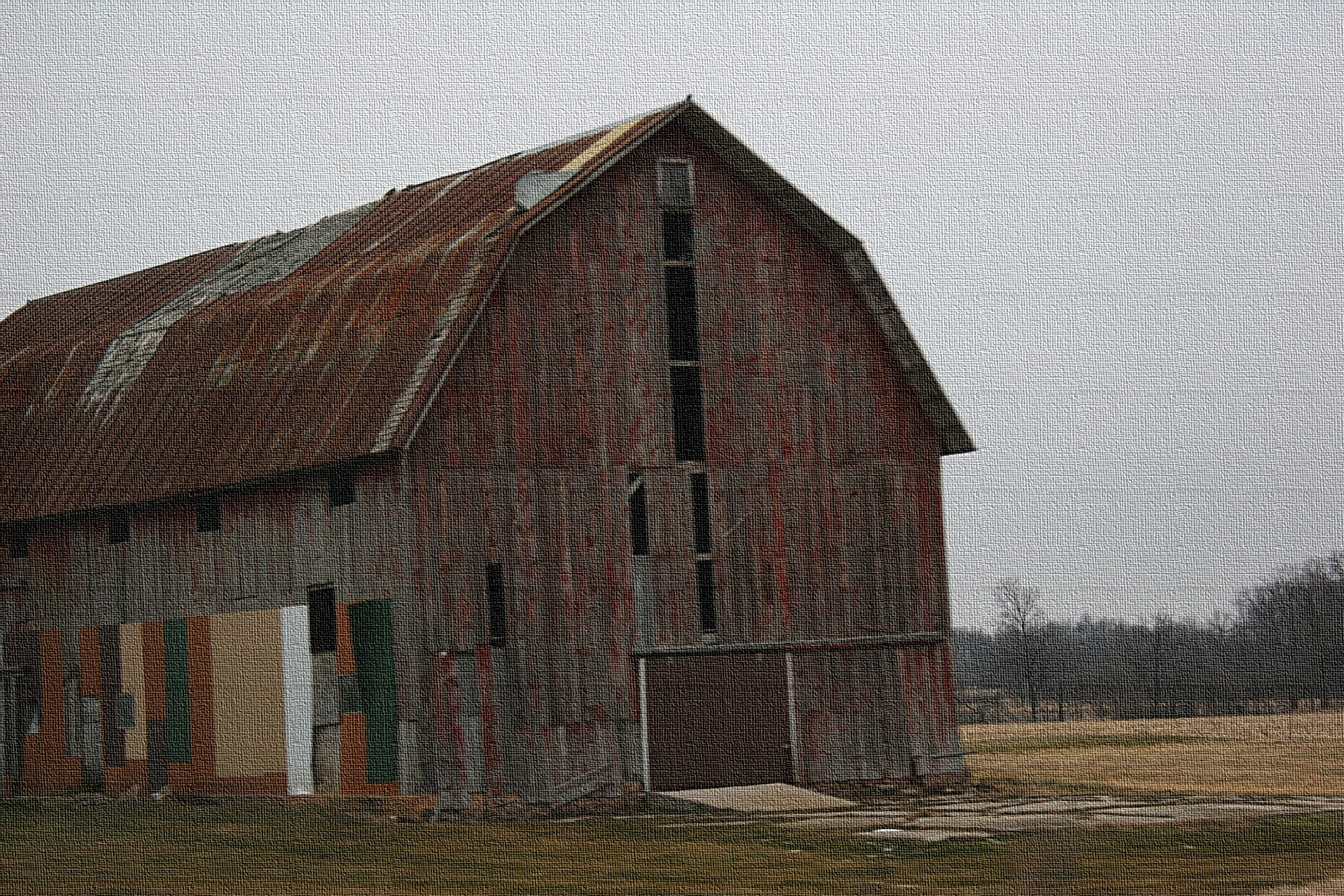
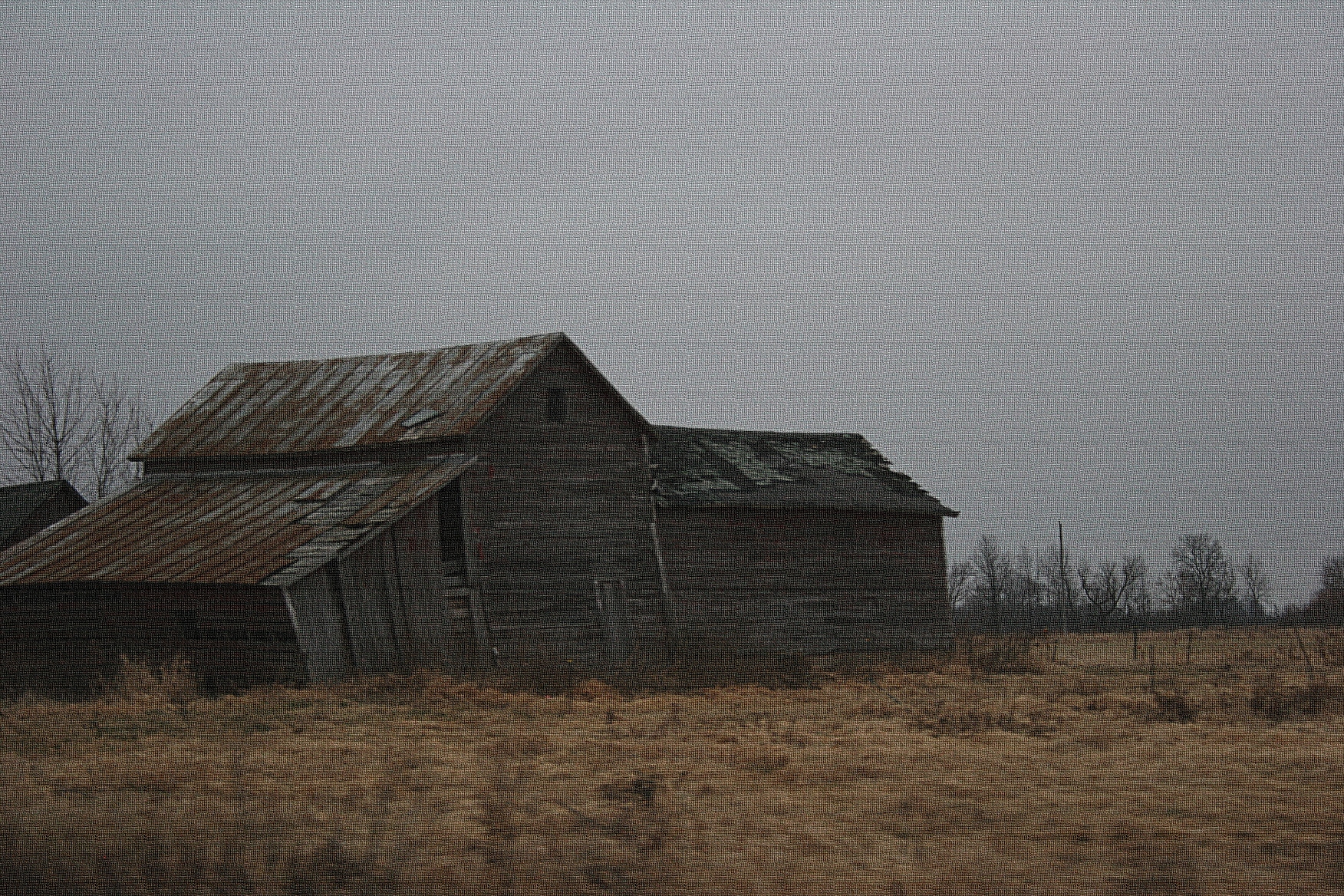
A pieced together weathered barn blends into the gray landscape on a dreary winter afternoon.

A once grand barn shows the first signs of falling into disrepair.

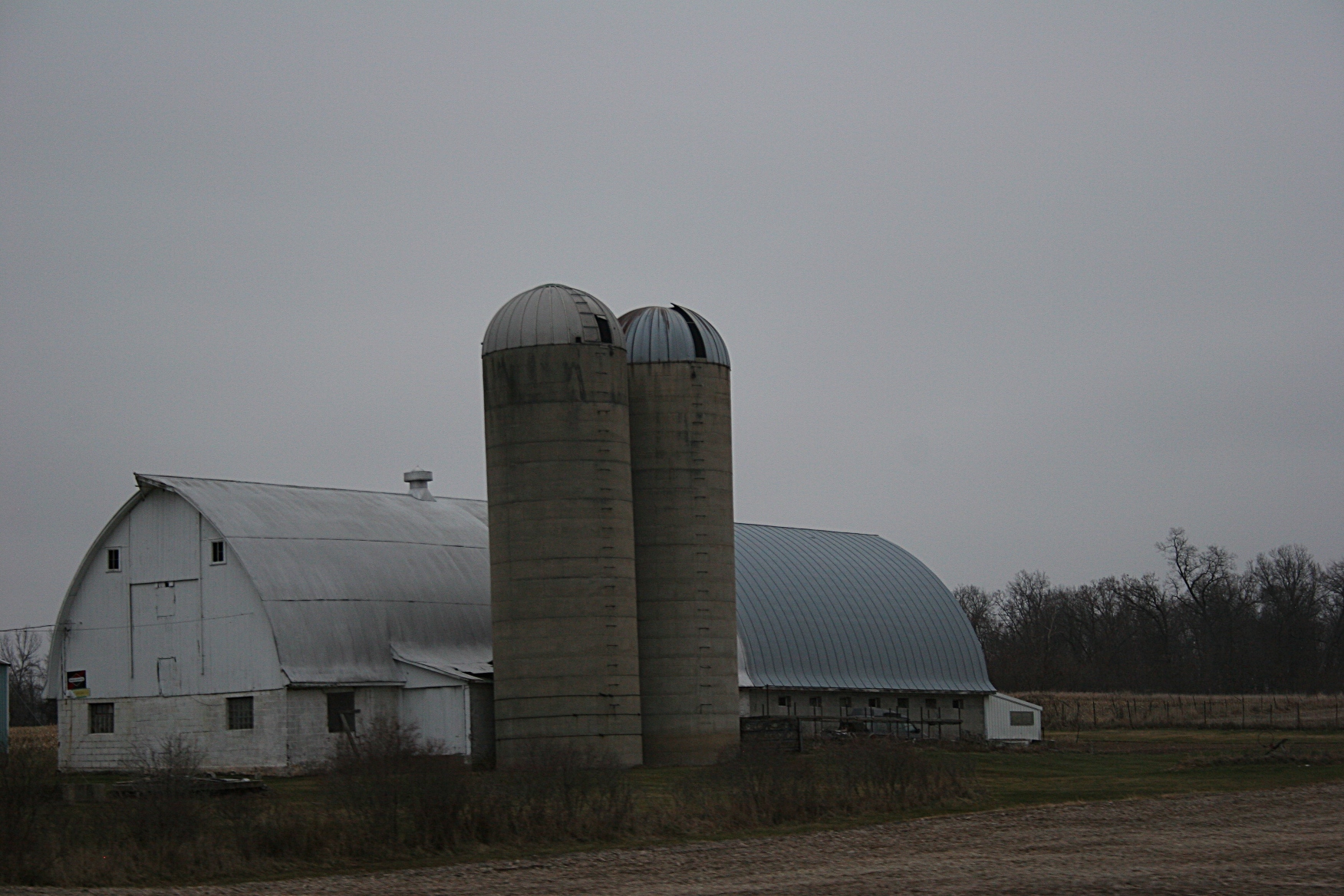
The occasional white barn pops up among the characteristically red barns.

Majestic barns, rising sturdy and proud above the land, are seldom crafted anymore. Instead, mundane metal rectangles sprawl, without any character or beauty, across the landscape. Such structures hold no artistic, but only practical, value on the farm.

Via my barn photography, I am documenting for future generations a way of life—the family farm—which, in many places, has already vanished.

If my photos inspire you to appreciate barns and rural life and the land and our agricultural heritage and the men and women who work the soil and their importance in this great country of ours, then I will have passed along to you something of great worth.

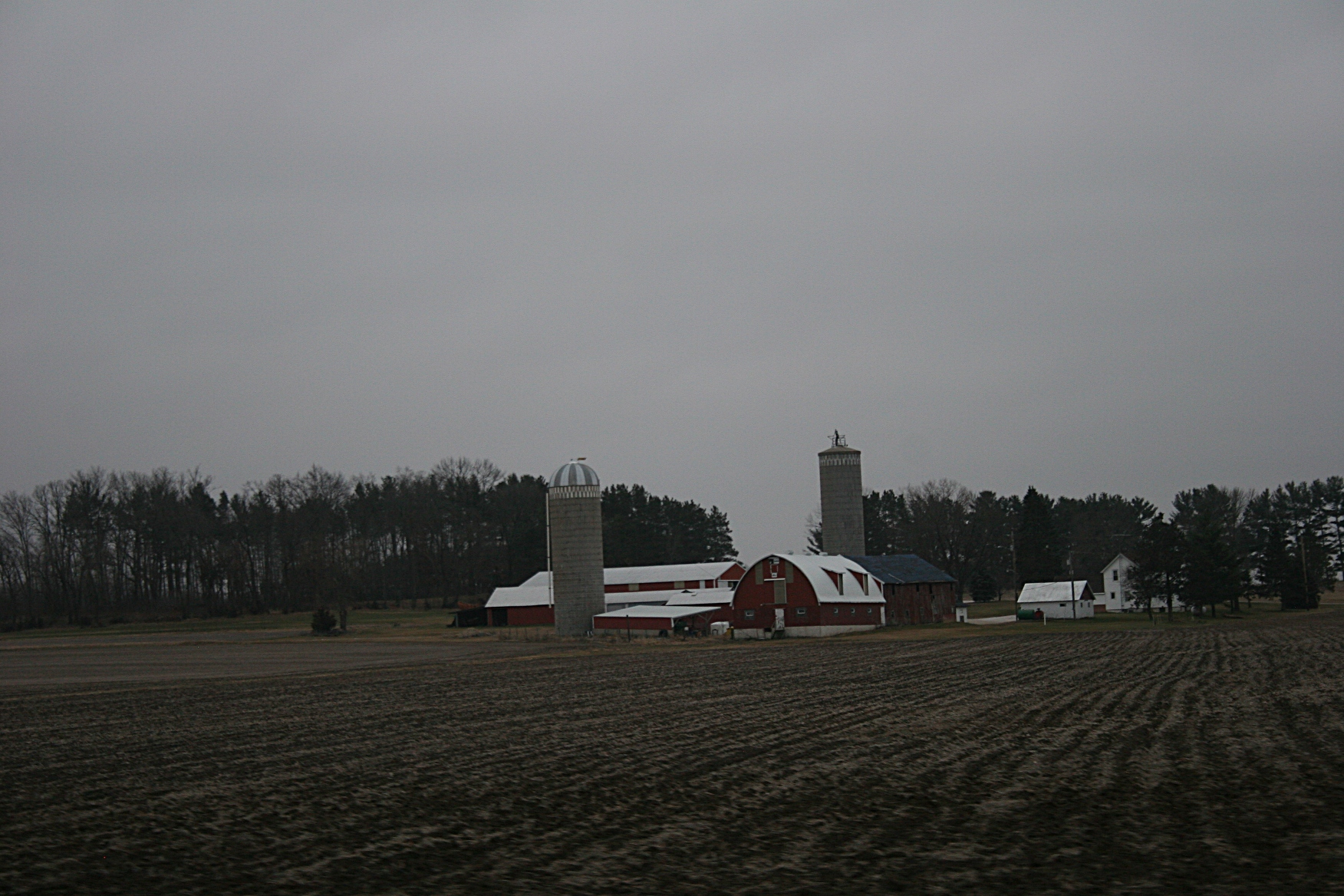
An especially picturesque farm site along Wisconsin Highway 21.

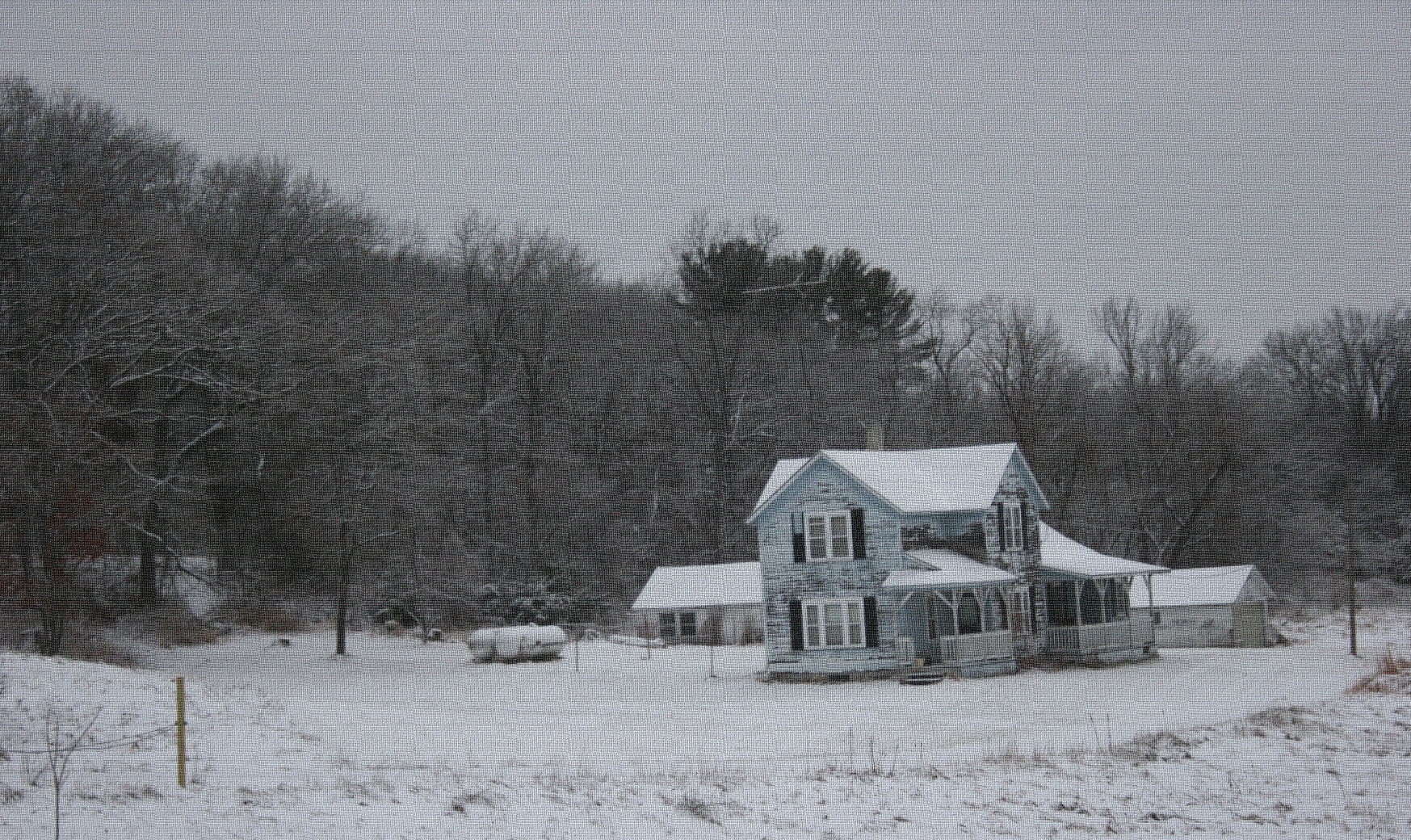
The muted blue-grey of this old farmhouse blends seamlessly with the dreamy landscape on a snowy New Year's Day afternoon in central Wisconsin.

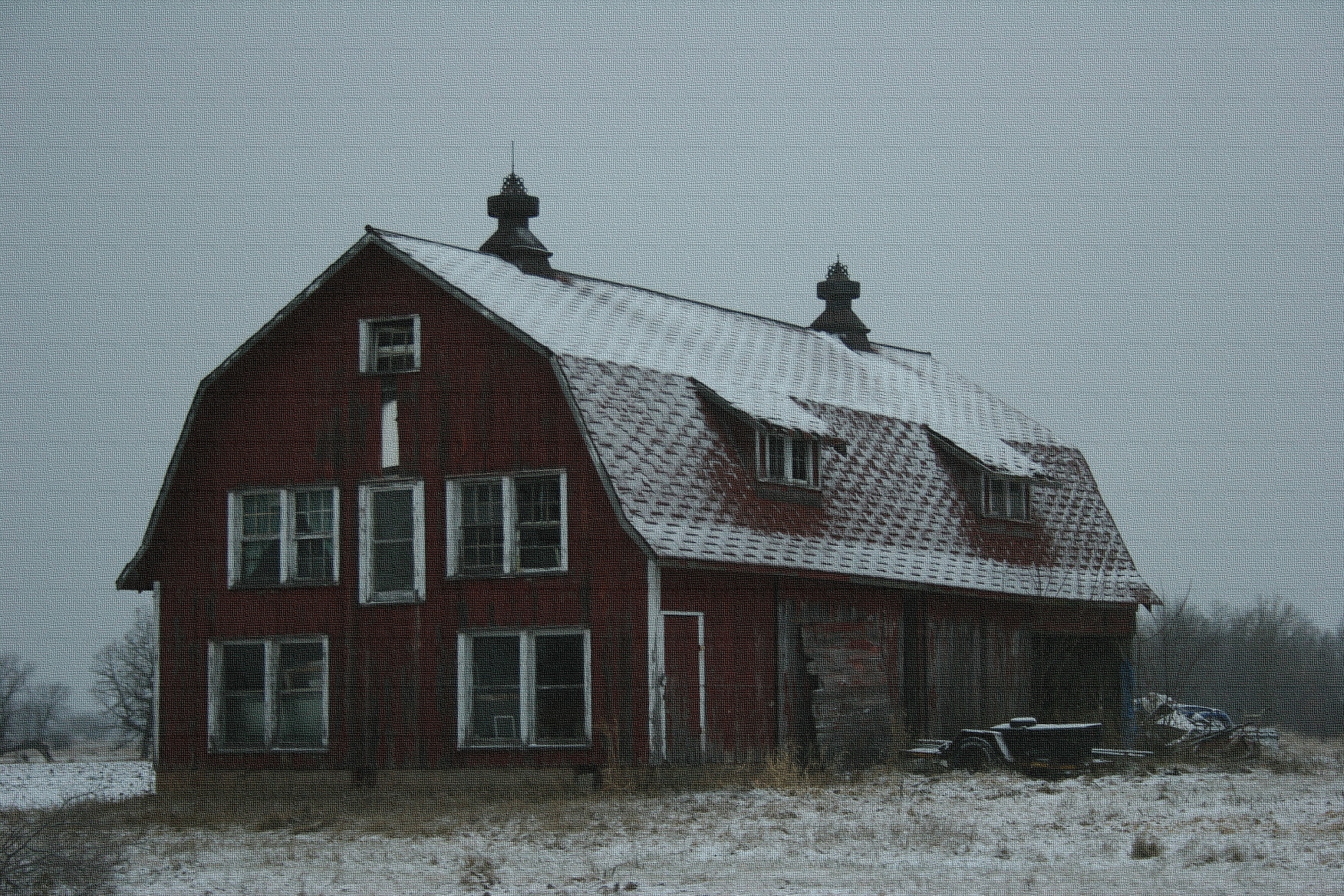
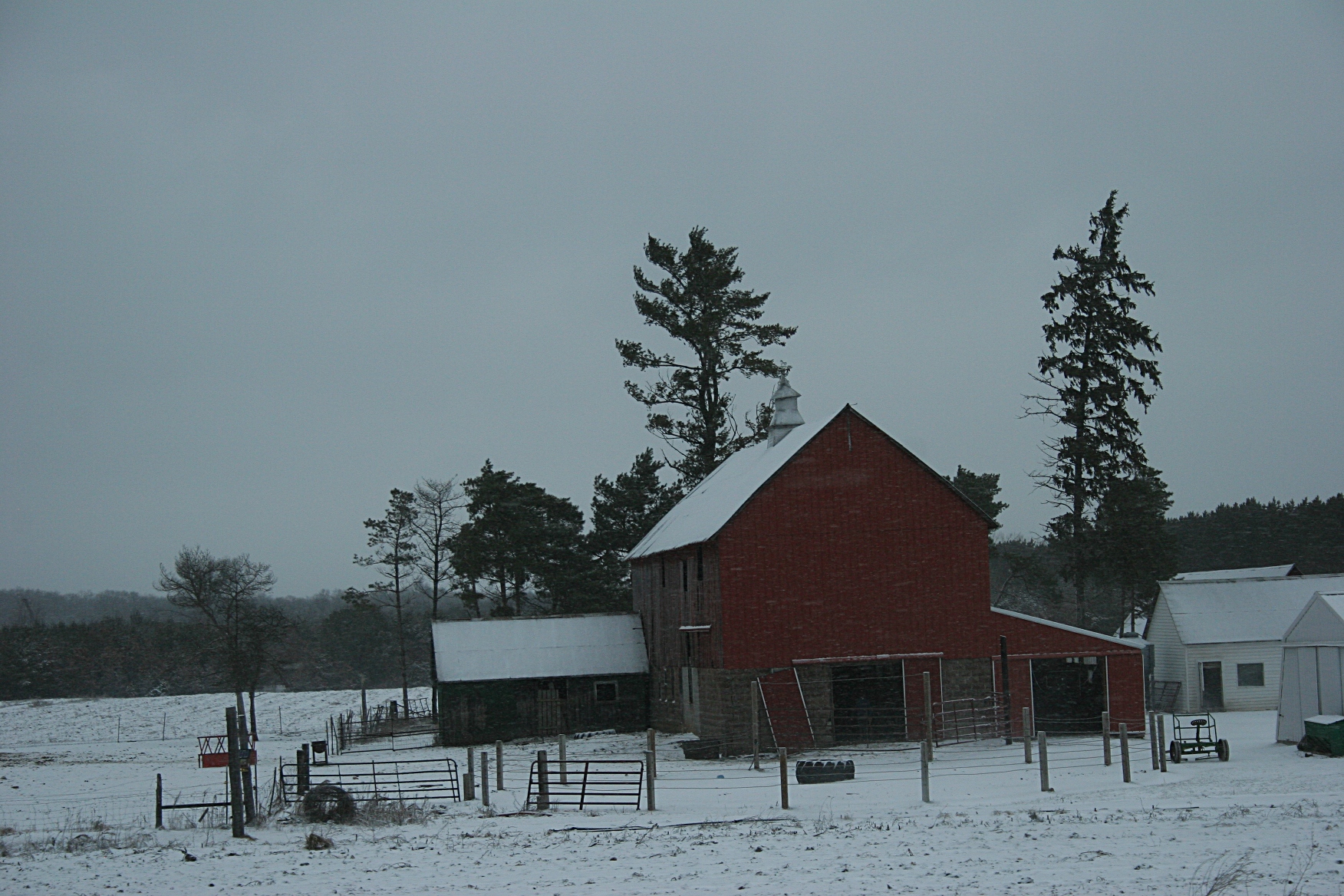
Contrasted against snow, red barns are particularly visually appealing.

NOTE: The above photos were taken on December 30, 2011, and January 1, 2012, along Wisconsin Highway 21 in the central part of the state primarily between Wautoma and Oshkosh.

I have applied a canvas style editing technique to most of the images, creating a quality that is more painting than photo.

© Copyright 2012 Audrey Kletscher Helbling


Tough tilling in Minnesota farm fields November 9, 2011

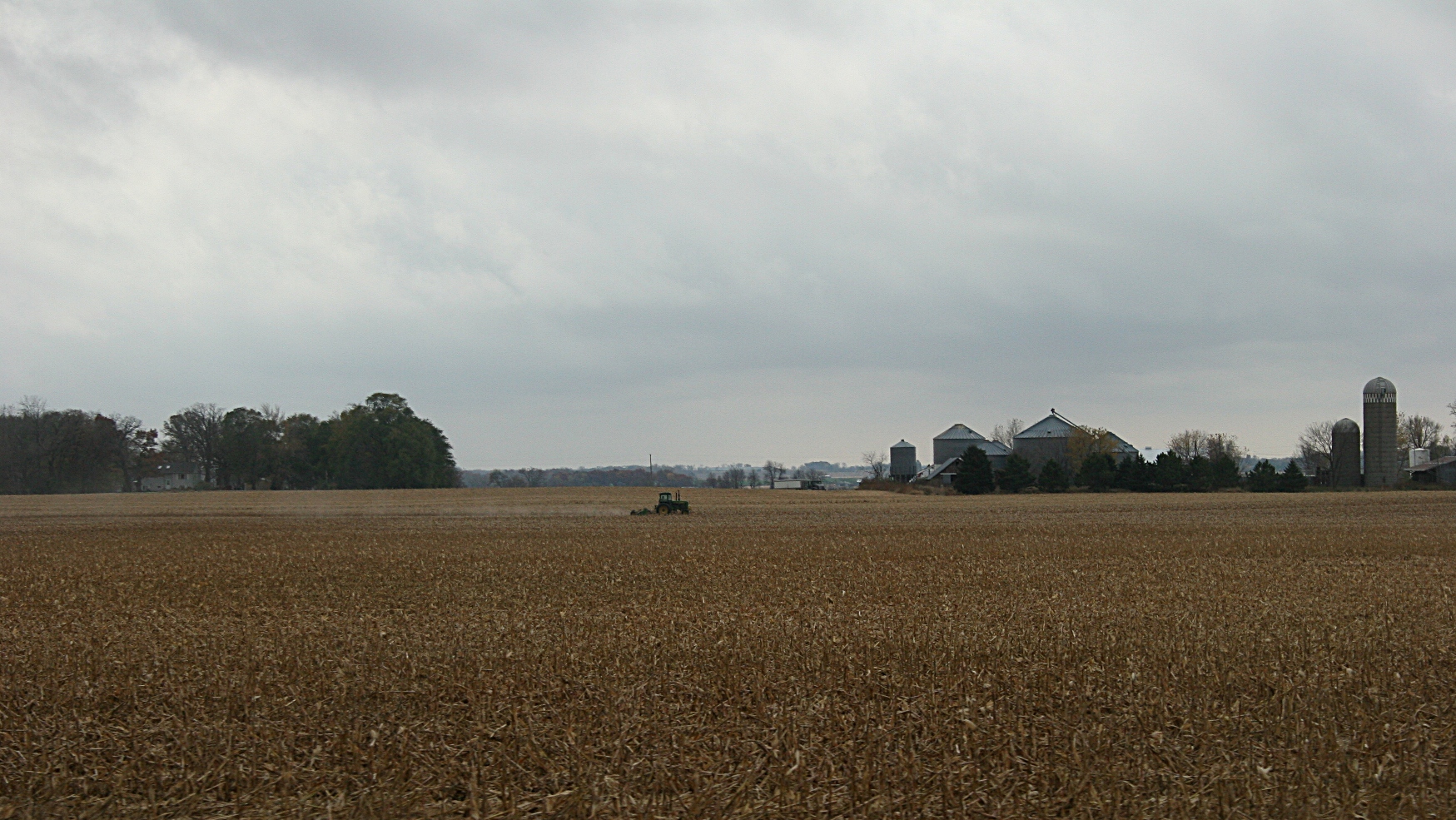
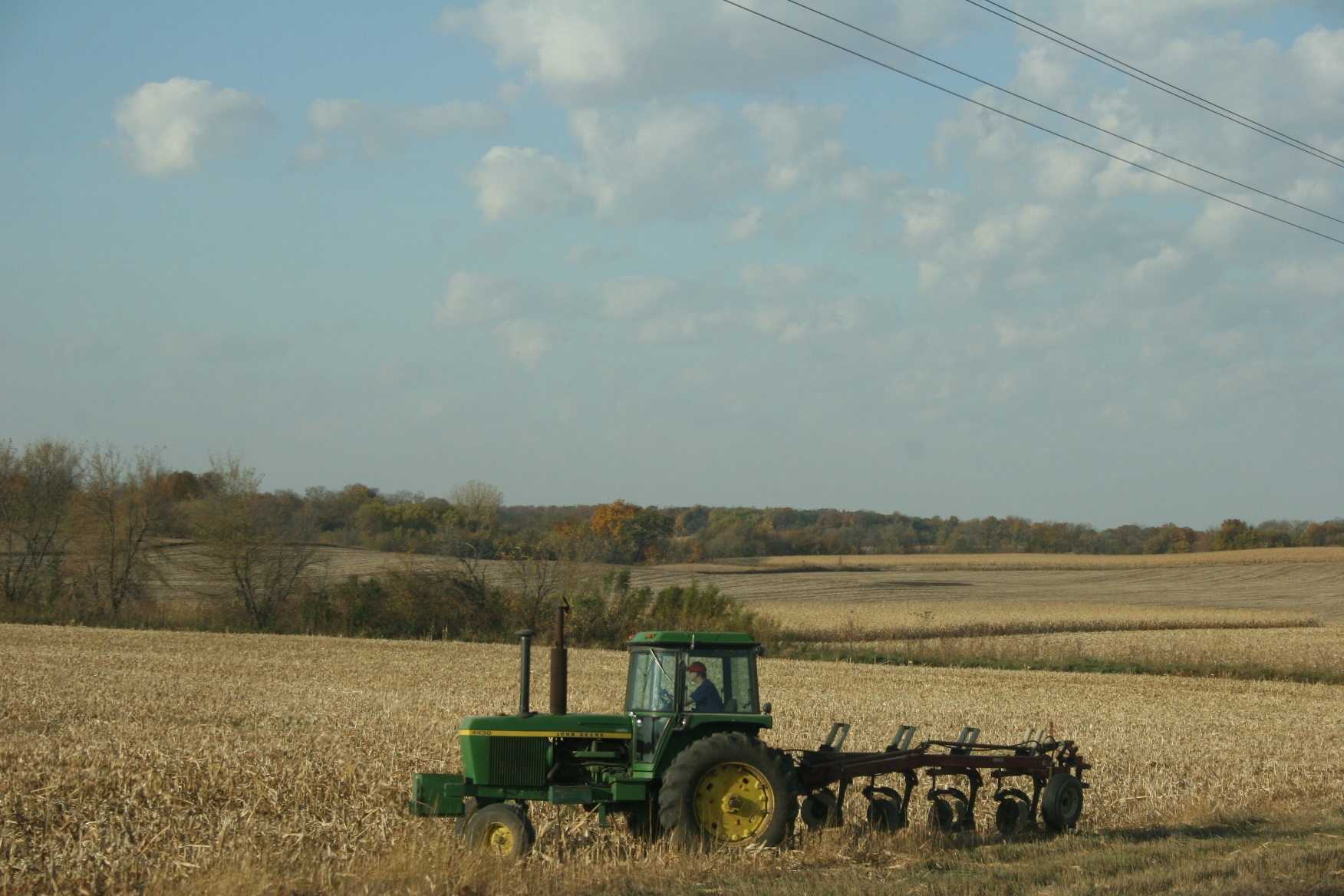
A farmer works the field recently in this scene shot in southeastern Minnesota.

HAVE YOU TRIED DIGGING into the ground lately? Takes some effort, doesn’t it? This soil in Minnesota rates as rock hard right now given the lack of moisture.

I’m hesitant to admit it, but I don’t think about soil conditions and moisture nearly as much as I once did, when I was not so long-removed from the farm.

But last week when a carpenter, who is also a farmer, was working on a project at my house, we chatted briefly about crops, soil conditions and weather.

Kenny shared how fall tillage has been especially trying this year. Farmers in his area around Owatonna in southeastern Minnesota have been breaking implement parts with all-too-often frequency in the dry, hard earth. He mentioned shanks, which he claims never break.

Some parts are in short supply, Kenny says, meaning farmers sometimes need to wait. That’s not a good thing when you’re trying to finish fall tillage before the snow flies.

Friends of mine who farm near Dundas finally halted all tillage work for the season, leaving some 300 acres, of 700, untilled. The rock hard dry soil proved too difficult to work and too tough on their equipment.

IN SOUTHWESTERN MINNESOTA, my brother Doug Kletscher, the parts manager at Westbrook Ag Power in Westbrook, confirms that tillage is tough there, too, and farmers are going through the parts. “We ran out of ripper points and they have been back-ordered for a good month. I have heard of a few farmers that have pulled their rippers in half,” Doug says. “We have sold at least five years’ worth of chisel plow spikes in one year. Bolts have also been in very high demand.”

On the flip, positive side, farmers haven’t had to deal with mud, Doug reports, and the corn has been very dry with 14 percent or less moisture content (a significant cost savings on corn drying).

However, farmers are facing another issue related to moisture-depleted conditions. “The fertilizer companies are not putting on any anhydrous as it is too dry to hold the anhydrous in the ground,” my brother continues. “Anhydrous needs moisture to adhere to keep it in the ground; also it (the soil) is pulling so hard that they would break their anhydrous bars.”

Doug reports the last rain over a half inch fell on July 14 with .78 inch. Since then any rainfall has been .10 inch or less. That makes for extremely dry soil conditions for farmers trying to prep the soil for next spring’s planting season.

LIKEWISE, IF YOU’RE a gardener, digging vegetables has been anything but easy this autumn. Take my friend Virgil Luehrs, who lives along Cedar Lake west of Faribault. Unearthing potatoes proved tough, he says. But then he got to the carrots:

“First I tried the garden spade, then a round-point shovel and then a tiling shovel. I had to dig a trench beside the rows to loosen the soil around the carrots to get them loose enough to pull out.  Finally I resorted to a pick to loosen the soil and that was easier but still a lot more work than normal.”

Tilling the garden, even with a powerful Troybuilt rear tine tiller, proved equally challenging. “I could not get down deep enough,” Virgil reports. “Hopefully next spring.”

When Virgil talks soil and weather, I listen. He’s not just your average Minnesota gardener. He’s also a retired high school science teacher with a Masters in biology, a former interim and assistant director at River Bend Nature Center in Faribault, and a volunteer rain gauge reader for the Rice County Soil Water Conservation District (SWCD) and the state Climatology Lab.

In other words, he’s a knowledgeable resource.

So then, exactly how much rainfall has Virgil recorded at his Cedar Lake home (where the lake water level is the lowest in 20 years, but not as low as in the drought years of 1988- 1990). Thus far since April, Virgil has taken these rain gauge readings:

April:  3.14”

May:  4.63”

June:  5.26”

August:  1.38”

September:  1.00”

October:  .58”

TOTAL during the past six months: 15.99”

Says Virgil: “This year we had a much wetter spring and that probably helped to carry us through the dry fall. Recall that last fall we had record rainfalls.”

His 2010 readings were as follows:

April:  1.35”

May:  2.75”

June:  4.76”

July:  5.49”

August:  3.91”

September:  9.13”

October:  1.91”

TOTAL during those six months: 29.3”

According to information Virgil passed along from State Climatologist James Zandlo and University of Minnesota Climatology/Meteorology Professor Dr. Mark Seeley, 2010 was the wettest year in Minnesota modern climate record. The 34.10-inch state average precipitation total was roughly 8 inches more than the historical average.

But here we are in November 2011, desperately short of moisture.

What will winter bring here in Minnesota? A continued shortage of precipitation? Or more snow than we care to shovel?

WHAT’S YOUR PREDICITON for snowfall in Minnesota this season? Submit a comment with a forecast and the reasoning behind your prediction.

IF YOU’RE A FARMER, an implement dealer or a gardener, have you faced any special challenges this year due to dry (or other) weather conditions? Submit a comment. I’d like to hear, whether you live in Minnesota or elsewhere.

CLICK HERE to link to climate.umn.edu for detailed statistics and information about Minnesota weather.

© Copyright 2011 Audrey Kletscher Helbling


Farm Rescue: Like neighbors helping neighbors November 7, 2011

NO ONE EVER expects to need help. But then an accident happens or sickness befalls us or tragedy strikes. And we suddenly realize how much we need each other.

Back in October of 1967, neighbors rallied after a corn chopper sliced off the fingers on my father-in-law’s left hand. Not just the tips, but so much that amputation was required between the wrist and the elbow.

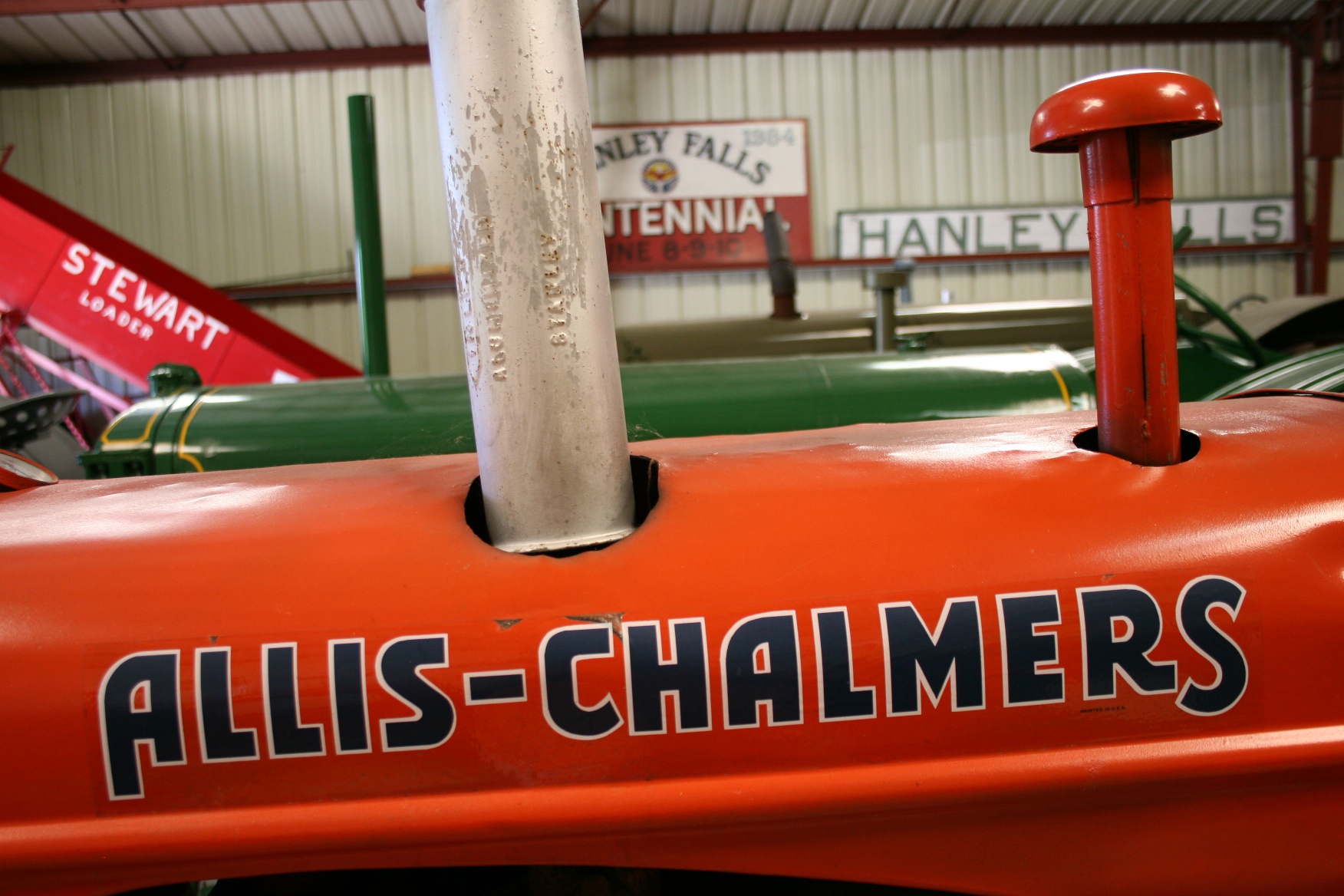
An Allis Chalmers corn chopper like this one exhibited at the 2010 Rice County Steam & Gas Engines Show, claimed my father-in-law's left hand and much of his arm in a 1967 accident. That's my husband, Randy, who saved his dad's life by running for help.

In the week after the accident, neighboring farmers came with plows to work the fields of my father-in-law’s Morrison County farm.  Others arrived with tractors and manure spreaders to haul away a manure pile. A week or two later, the neighbors were back to pour a slab of cement at the end of the barn.

Several farmers and a high school student continued to assist the family with twice daily milkings and other farm chores while Tom recovered and adapted to farming with his prosthetic hook hand.

Neighbors helping neighbors in need.

This fall, farmers gathered south of Lucan in Redwood County to harvest corn and soybeans on the farm of their friend and neighbor, Steve, my sister-in-law’s father who was found dead at the scene of a single-vehicle accident on September 20.

Neighbors helping a grieving family in their time of need.

Stories like this are not uncommon in rural Minnesota.

Harvesting corn this fall in southern Minnesota.

But it wasn’t until this past week that I learned about Farm Rescue, “a nonprofit organization that plants and harvests crops free of charge for family farmers who have suffered a major illness, injury or natural disaster.”

Founded in 2005 by a former North Dakota farm boy, this Jamestown, North Dakota-based nonprofit has assisted 155 farm families, mostly in the Dakotas, but also in western Minnesota and eastern Montana, the states within the organization’s coverage area.

In early October, Farm Rescue harvested beans for Renville area farmer Kurt Kramin who is recovering from serious burns sustained while he burned debris following a July 1 severe storm that passed through southwestern Minnesota. (Read a story published in the Morris Sun Tribune about the Farm Rescue assistance provided to Kramin by clicking here.) 

All of this I learned from Paul Oster, a Farm Rescue videographer. Oster read my July blog posts about the tornadic and strong wind storms that swept through southwestern Minnesota and contacted me last week about using several photos in a video he was preparing about Kramin.

Before agreeing to his request, I first checked out Farm Rescue. I wanted to assure that the storm photos my brother, uncle and I had taken would be shared with a respected organization.

My photo of the July 1 storm damage at Meadowland Farmers Co-op in Vesta which Paul Oster included in his video of Kurt Kramin. Renville, where Kramin lives, is north of Vesta.

No problem there. Farm Rescue accepts applicants from farmers in need, reviews the applications and then, if approved, coordinates volunteers to plant or harvest crops. It’s like neighbors helping neighbors.

Click here to read all about Farm Rescue and how this nonprofit truly shines at neighbors helping neighbors in need.

Then, click here to see the videos about farm families aided by Farm Rescue in 2011.

If you want to contribute in any way to this worthy organization, do. Because you never know when you, too, may need your neighbors’ help.

© Copyright 2011 Audrey Kletscher Helbling
 

On our way to church in North Morristown October 12, 2011

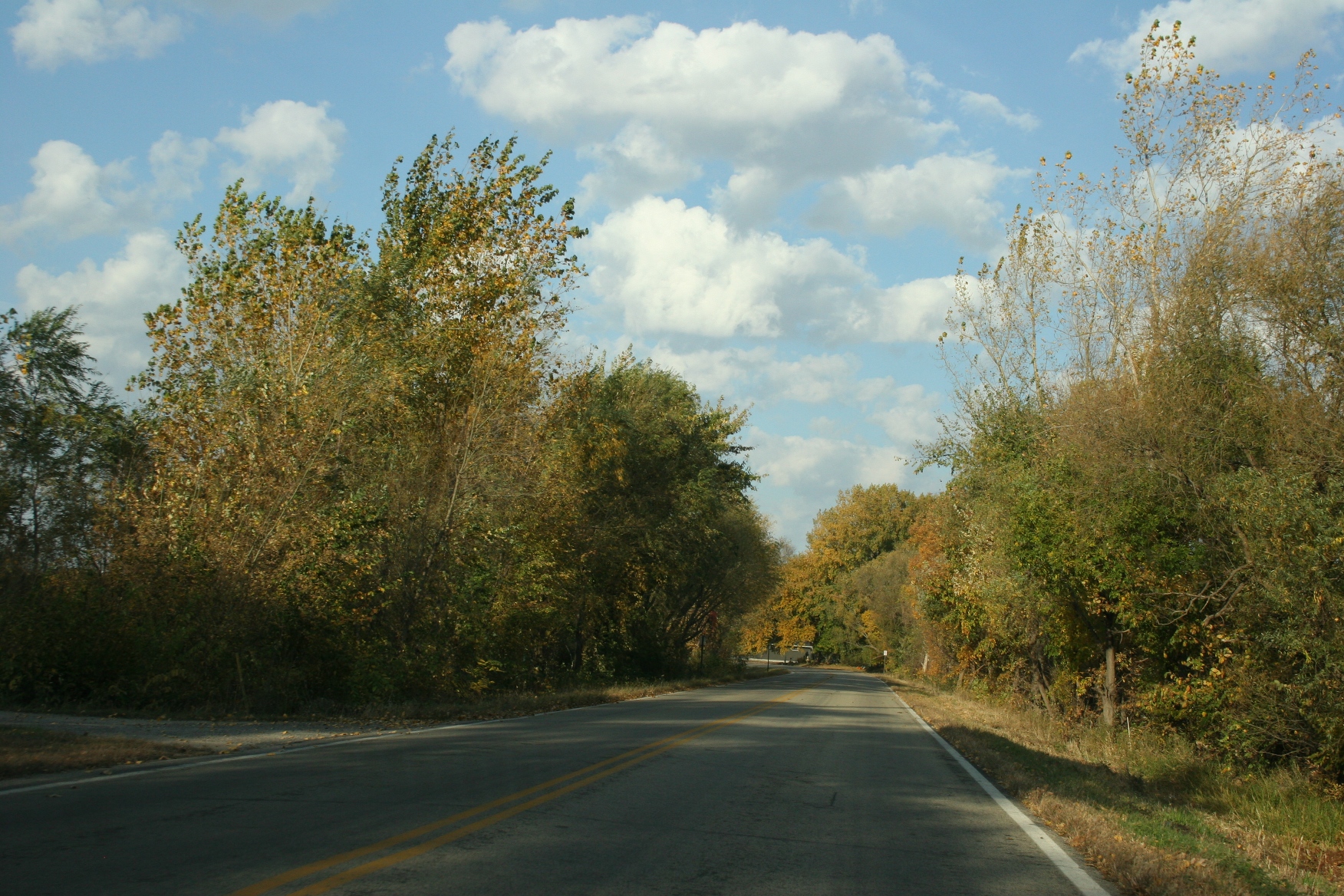
ON OUR WAY TO CHURCH on Sunday morning in North Morristown, my husband and I drove through some mighty fine country.

Past…

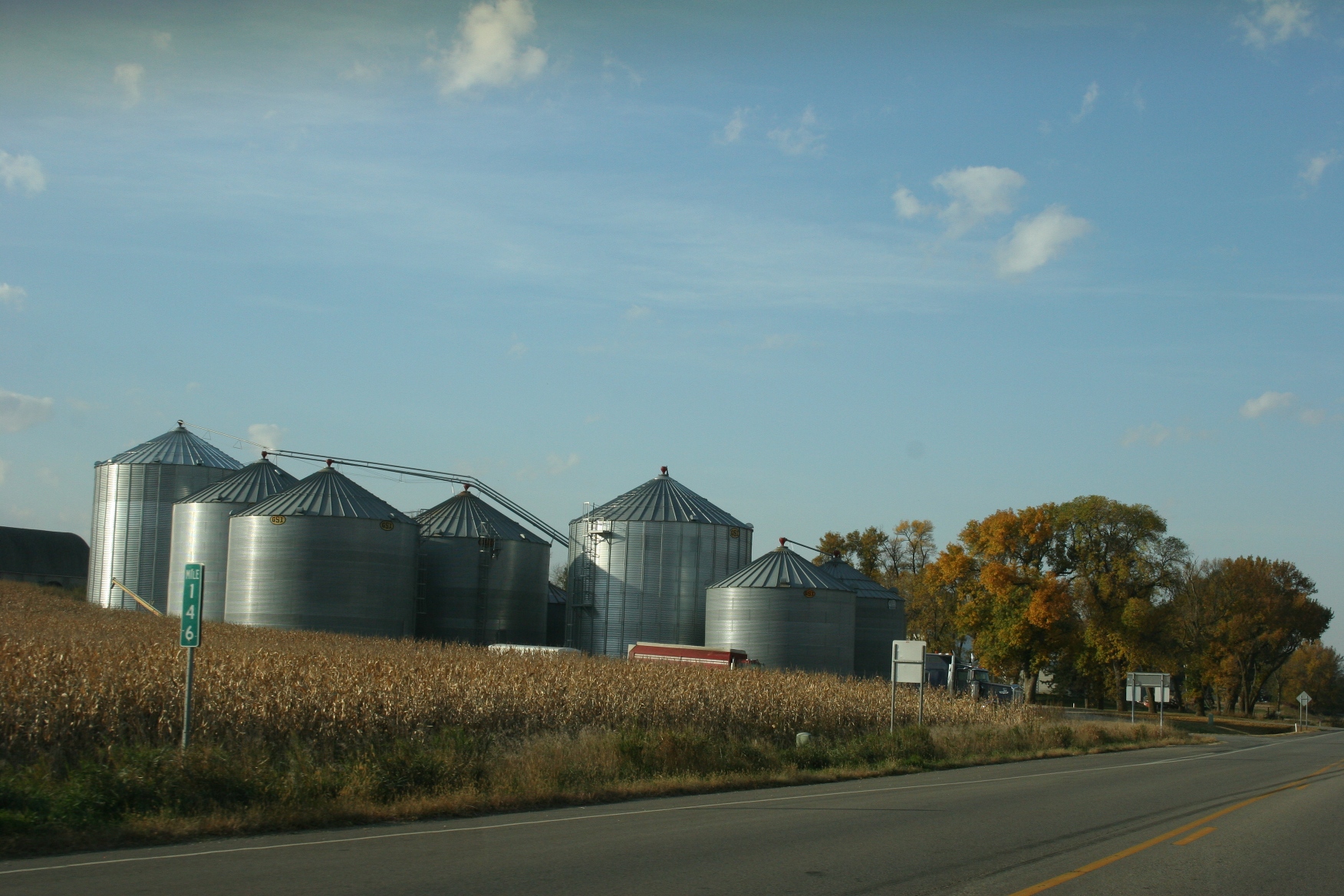
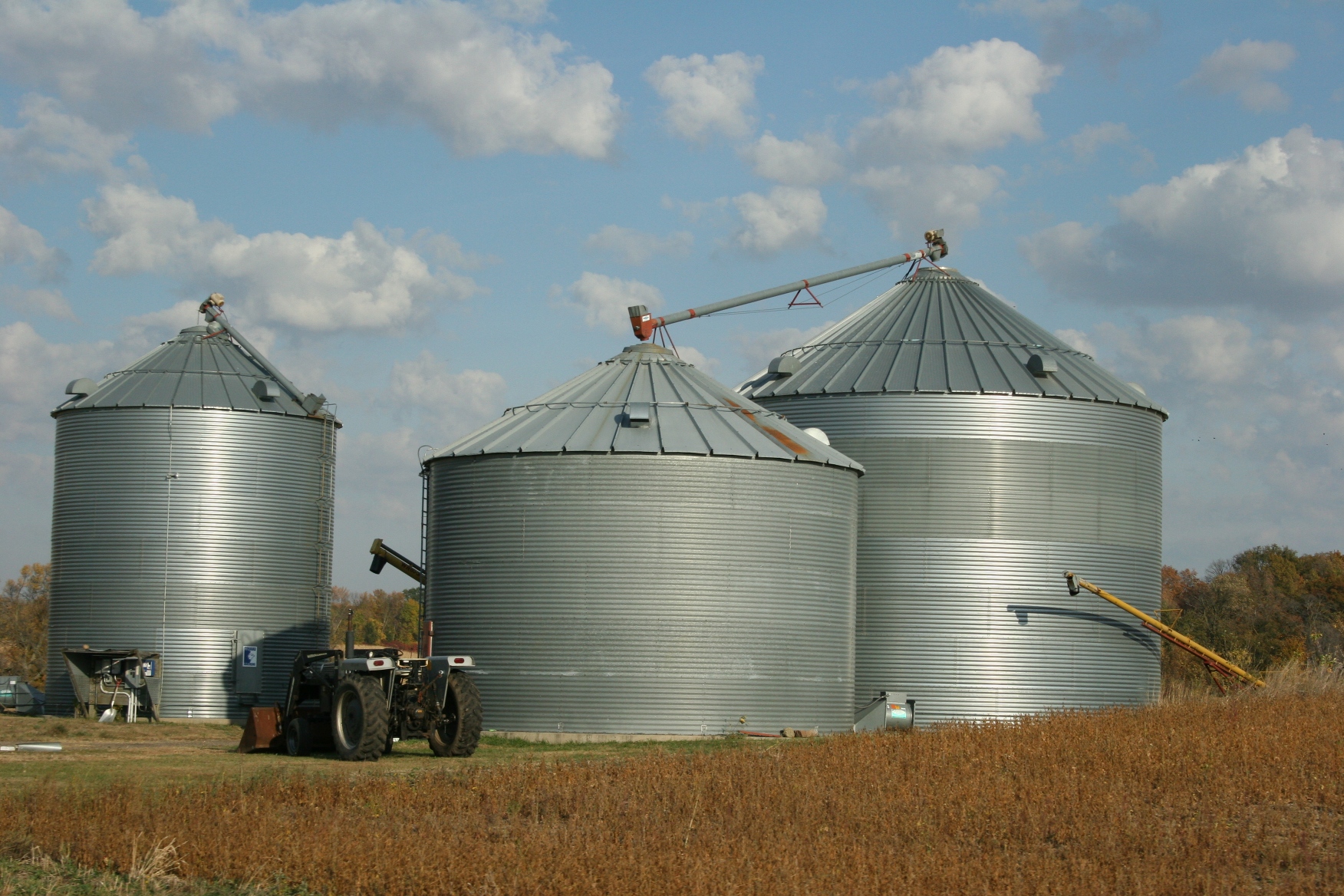
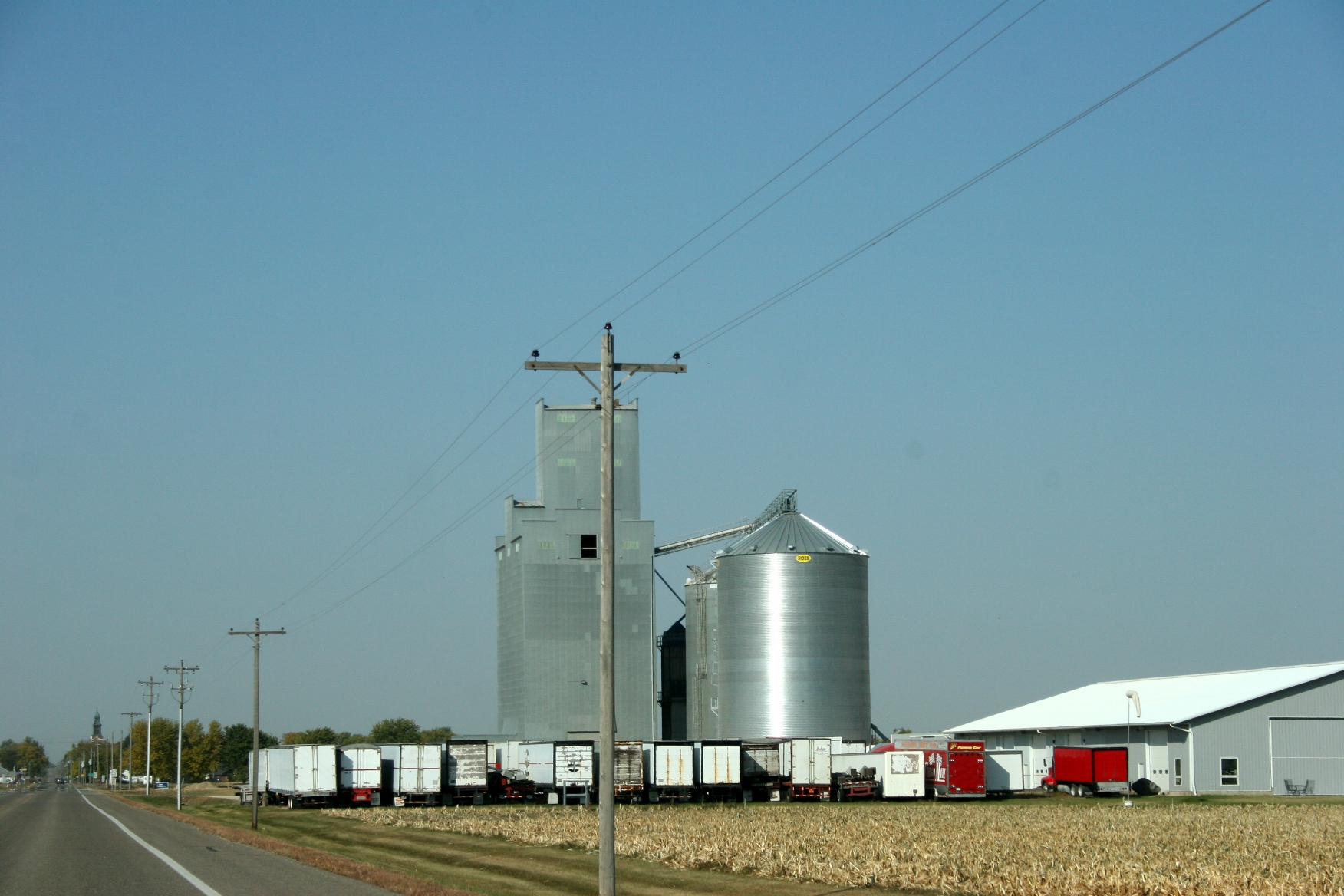
grain bins awaiting the season’s yield

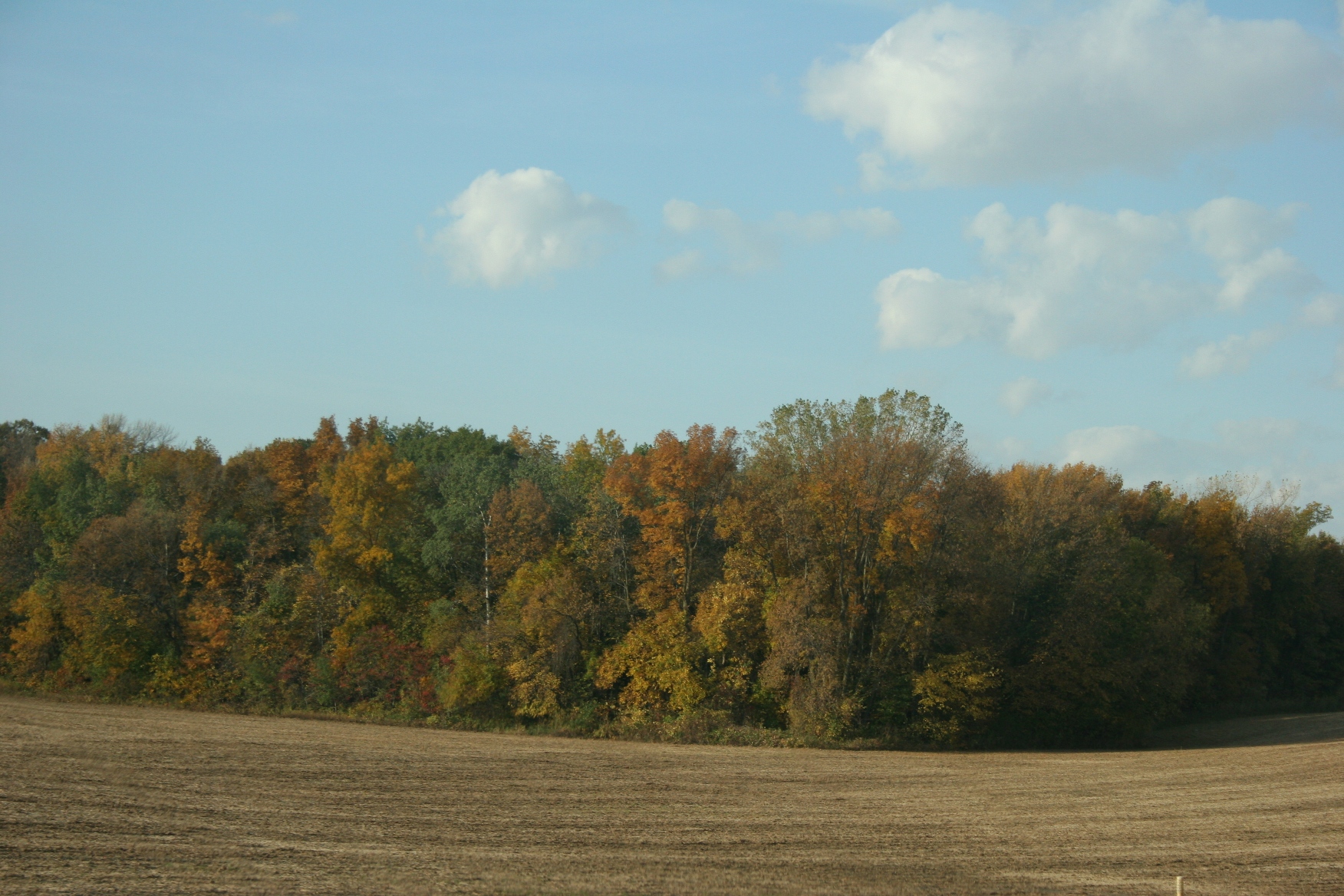
autumn’s glory edging Cannon Lake

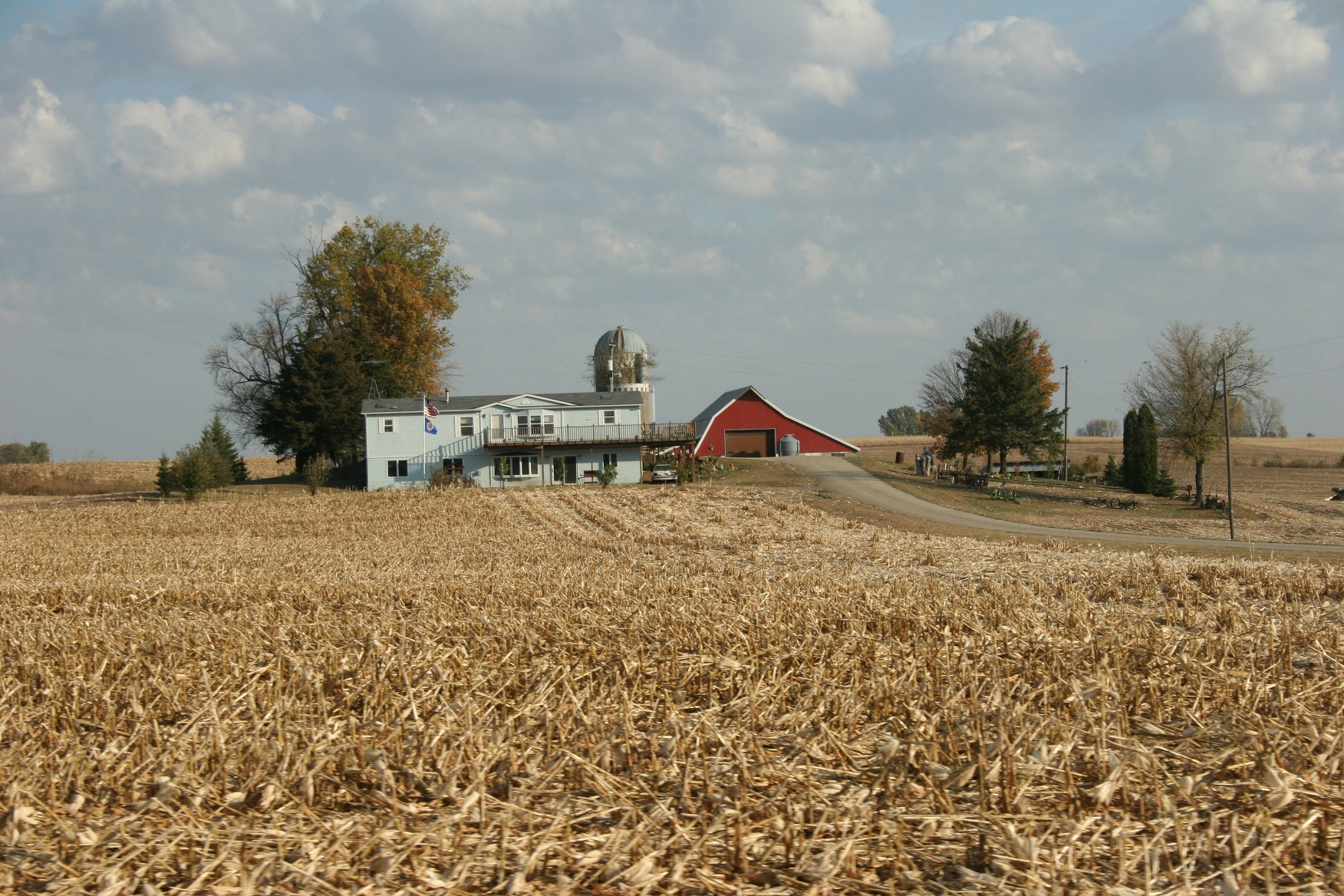
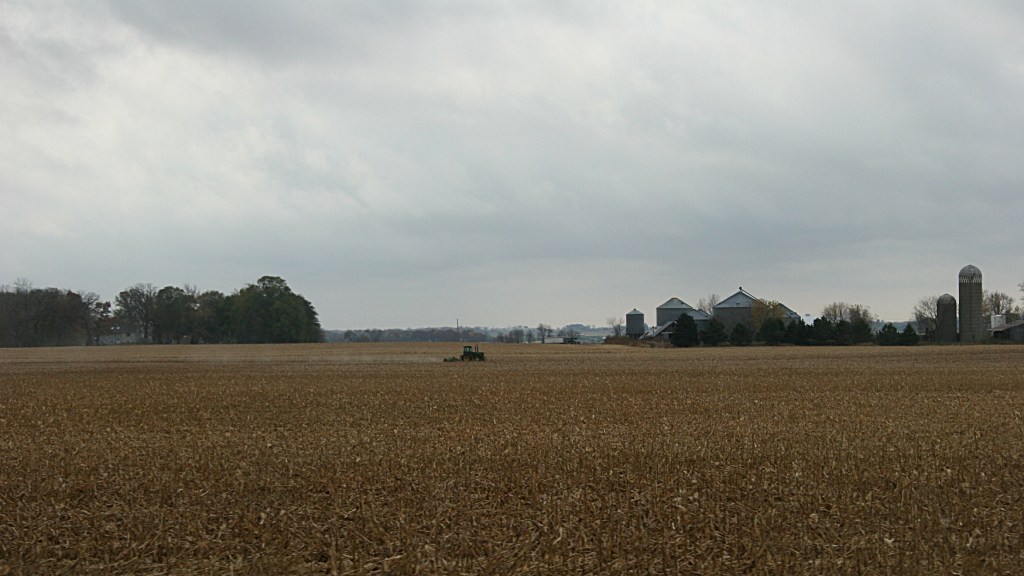
harvested corn fields

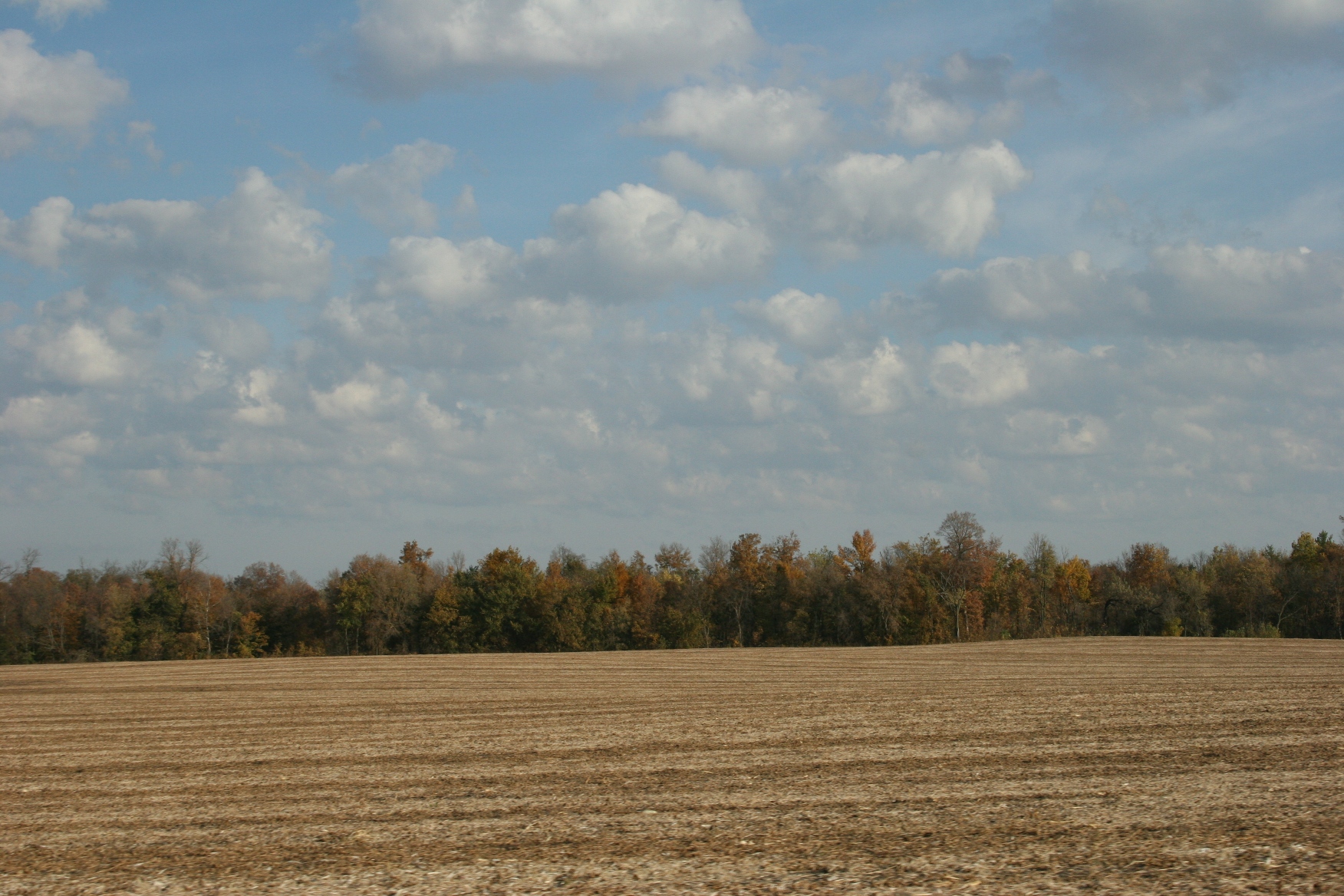
tree line and crop line

a farmer laboring

beauty and bounty

a clutch of bins

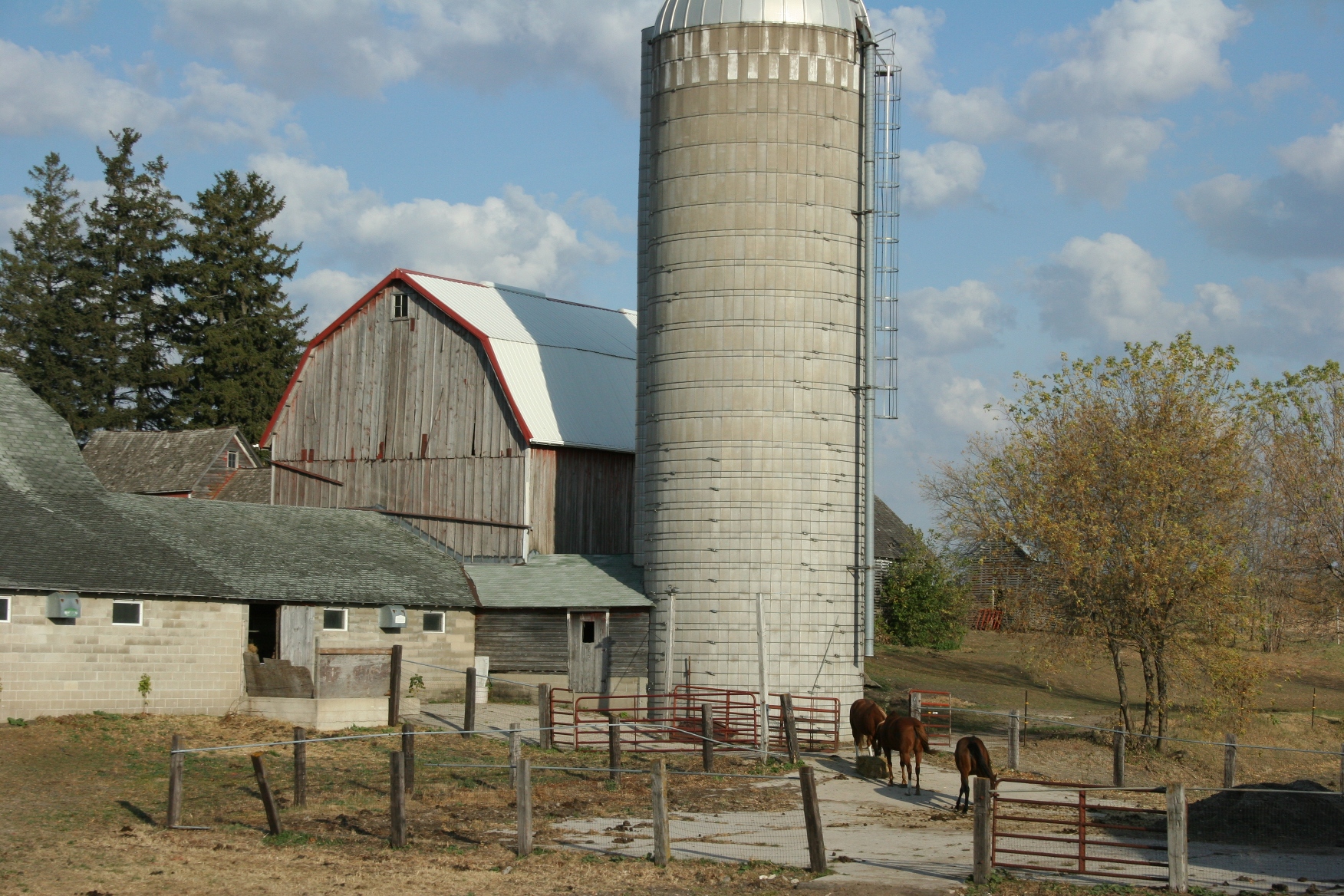
horses dallying in a barnyard

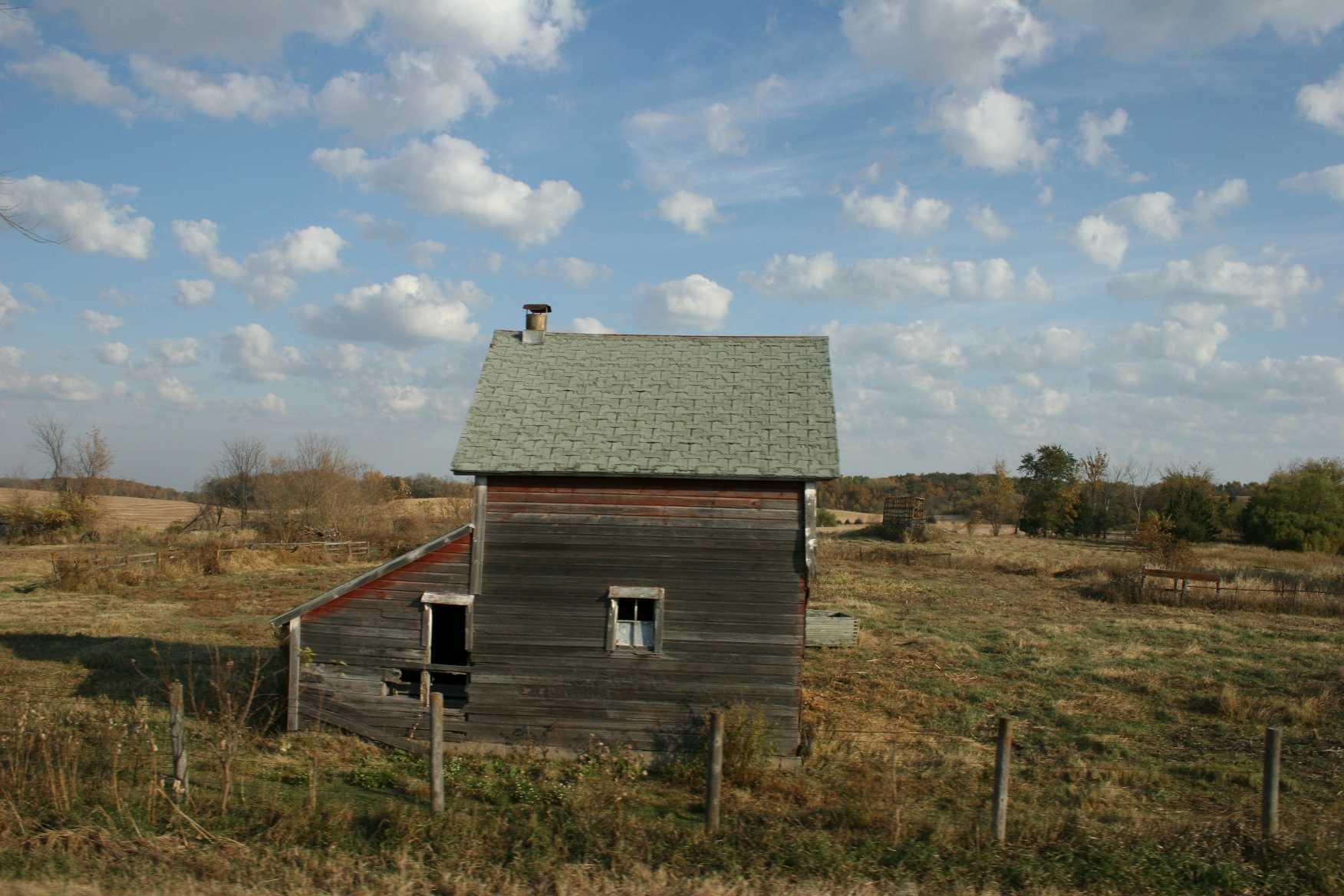
a shed weathered by time

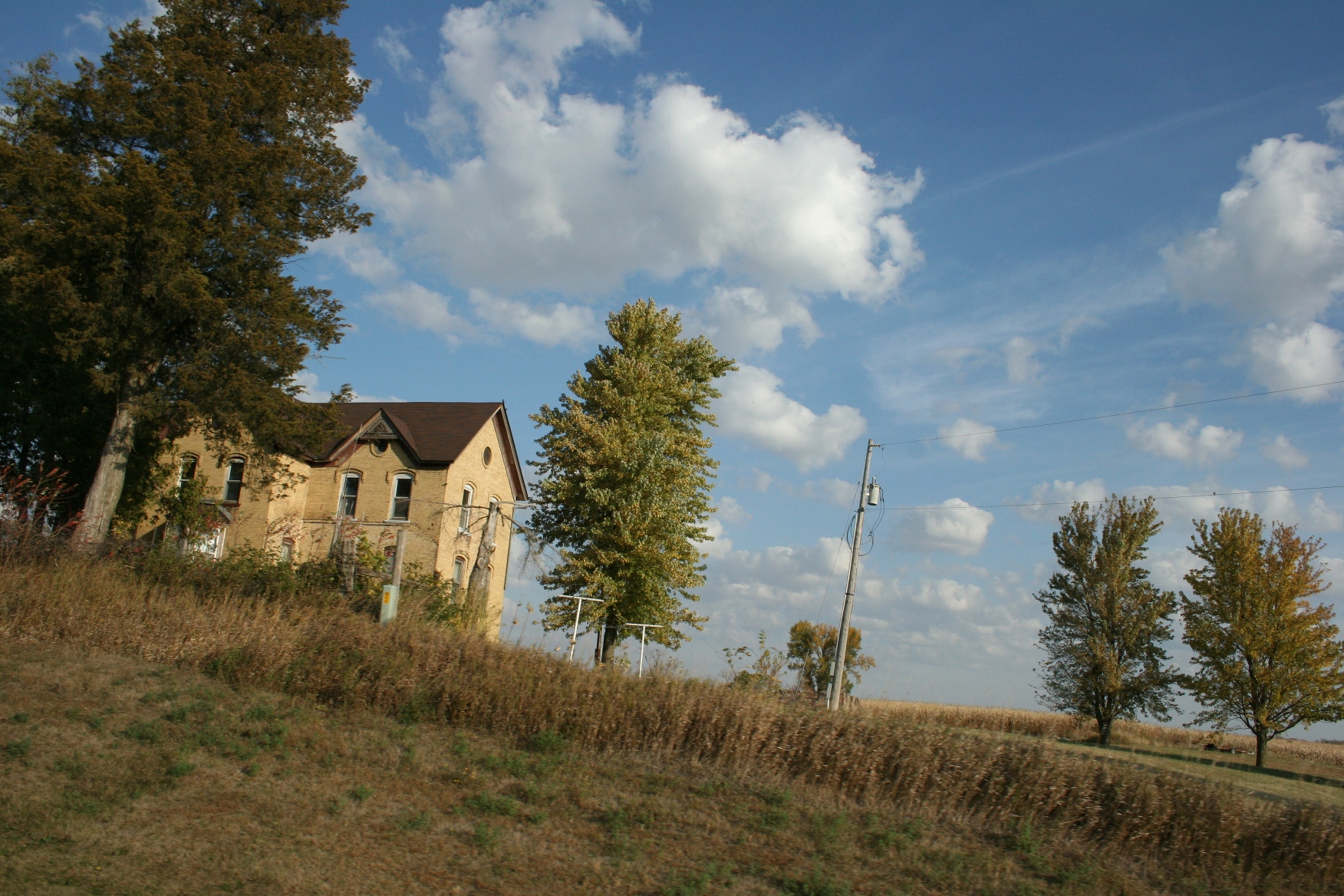
an old brick house on a hill

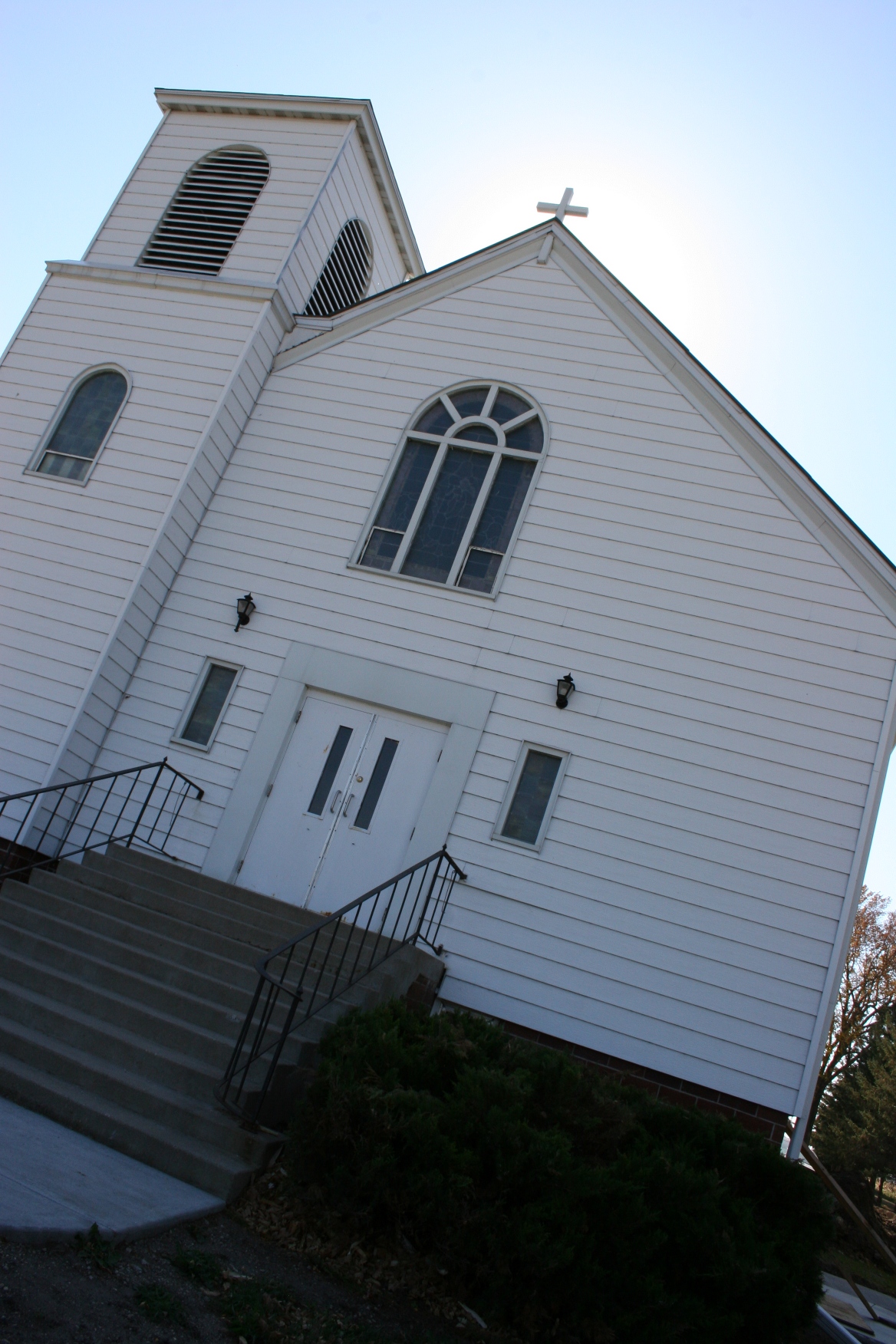
to Trinity Lutheran Church, North Morristown.

We savored the best of a lovely, gorgeous, stunning, beautiful, wonderful, photographic October morning that transitioned into an unbelievably warm afternoon.

Typically we don’t get this many balmy October days here in Minnesota, meaning we need to appreciate each one while secretly hoarding memories of these days for the long winter months ahead.

For now I want to remember this Sunday, this drive west of Faribault to the little country church, Trinity Lutheran, edged by an alfalfa field and across the road, acres of corn.

I want to remember the warmth of the day and of the people with whom we worshiped.

I want to remember, too, the good food and fellowship afterward in the church basement as we celebrated this congregation’s annual fall dinner and craft sale.

CHECK BACK for posts about dinner and about Trinity church.

© Copyright 2011 Audrey Kletscher Helbling
 

Alpacas in Sogn Valley October 9, 2011

An alpaca outside the craft barn at Sogn Valley Alpacas & Crafts.

I DREW MY HAND across the scarves, stroking the silky, kitten-soft spun fiber of the alpacas.

Hats. Scarves. Prayer shawls. Afghans. Rugs. Clothing. Some tucked inside the small-scale barn shed that mimics the real barn a stone’s throw away. Other merchandise is draped across tables and clothes-drying racks outside, near the penned camel-hued alpaca that chose to ignore me for the most part.

Welcome to Sogn Valley Alpacas & Crafts along Goodhue County 14 Boulevard, rural Cannon Falls, a spur-of-the-moment stop on a recent drive to view the fall colors.

Jayne and R.J. Boersma's Sogn Valley Alpacas & Crafts near Cannon Falls.

Scarves and hats, close-up, and prayer shawls in the background displayed outside.

Silky soft clothing hanging inside the craft barn.

My husband and I missed the fleece demo at 1 p.m., the spinning wheel demo inside and the alpaca farm tour, unless, of course, it was self-guided.

We, in fact, missed any human contact. Not a soul was to be seen except for alpacas and chickens scratching and flapping too close for my fear-of-chickens comfort.

I checked out the merchandise, unsuccessfully tried to coax the elusive alpaca into posing prettily for a photo, side-stepped chicken poop, considered photographing pumpkins and squash splayed out on a picnic table, and then snapped one final photo of an “AGRICULTURE KEEPS AMERICA GROWING” sign before hopping into the car.

The sign supporting agriculture on the side of a shed at the alpaca farm.

© Copyright 2011 Audrey Kletscher Helbling
 

Field fires aplenty in Minnesota’s Red Flag areas October 6, 2011

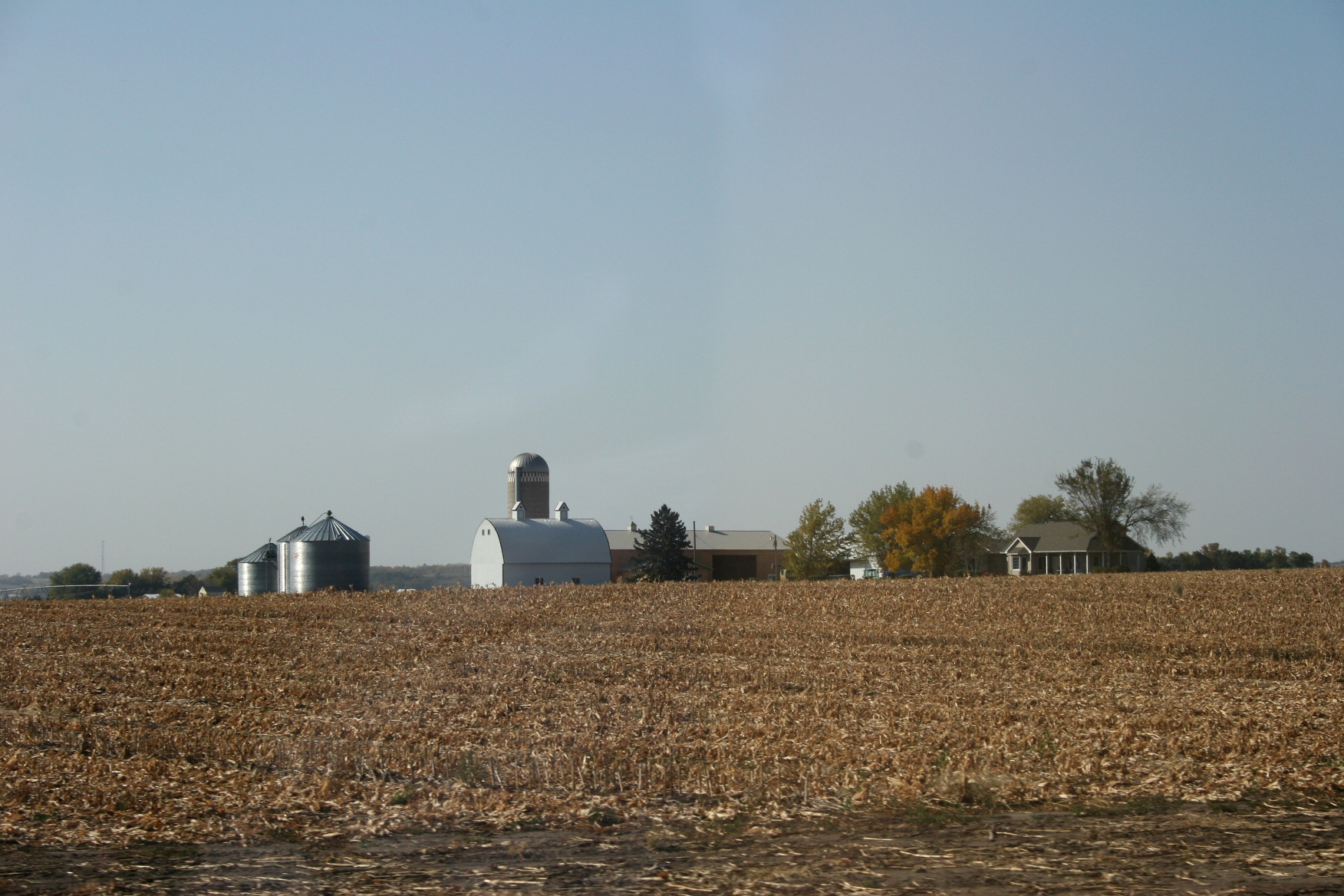
A farm site between Morgan and Redwood Falls in southwestern Minnesota, where field conditions are dry and the fire danger high.

DRY, WINDY CONDITIONS persist in much of Minnesota creating ideal conditions for fire.

Unless you’ve had your head buried inside, you understand the danger and the reason for the National Weather Service’s Red Flag Warning that covers central and southern Minnesota.

Today would not be the day to build a campfire, have a bonfire or toss a cigarette butt out the car window (like you should any day). Burning bans are in effect throughout the state.

If forecasters are correct, these weather conditions will continue for awhile.

That all said, I wondered if my nephew, a kindergarten teacher and Westbrook volunteer firefighter, has been battling any blazes in his region of southwestern Minnesota.

Adam checked in with me early this morning:

Fires—we have had quite a few around here. Westbrook has had two; Dovray, two; and Walnut Grove, for sure three, all in the past week. It’s very dry and with the wind, it doesn’t take much to create a big fire. Many of the calls are mutual aid—helping neighboring towns with fires, but that’s how we do things here. All of them have been combines and fields. I haven’t made it to many of them as I could not get out of school at the time. But I made it to one on Sunday.

A story in today’s The Cottonwood County Citizen about a county-wide burning ban confirms Adam’s summary:

These burning bans come in the wake of at least a half-dozen fires that occurred around the county, most of which involved the harvest. Extremely dry conditions, low humidity and high winds have increased the potential for major fires.

I found an article in last Thursday’s Jackson County Pilot headlined “Combine fire sparks massive field blaze.” The story went on to say that a combine fire, fueled by 40 mph winds, quickly spread into a field. Fire crews from numerous departments in southern Minnesota and northern Iowa were called to the scene.

The Faribault Daily News today reports a Monday afternoon fire in the Lonsdale-Montgomery area that burned five acres of hay, 30 acres of swamp and 30 – 50 acres of corn.

Another blaze, this one on Wednesday afternoon in a soybean field northwest of Luverne, is reported in The Rock County Star Herald. In that case, farmers disked strips of black dirt to help contain the fire.

It’s a dangerous situation out there right now, especially for farmers bringing in the harvest in those dry, dry fields.

IF YOU WOULD LIKE to report on fires in your area, submit a comment.

© Copyright 2011 Audrey Kletscher Helbling
 

What a Red Flag Warning means for Minnesota farmers October 4, 2011

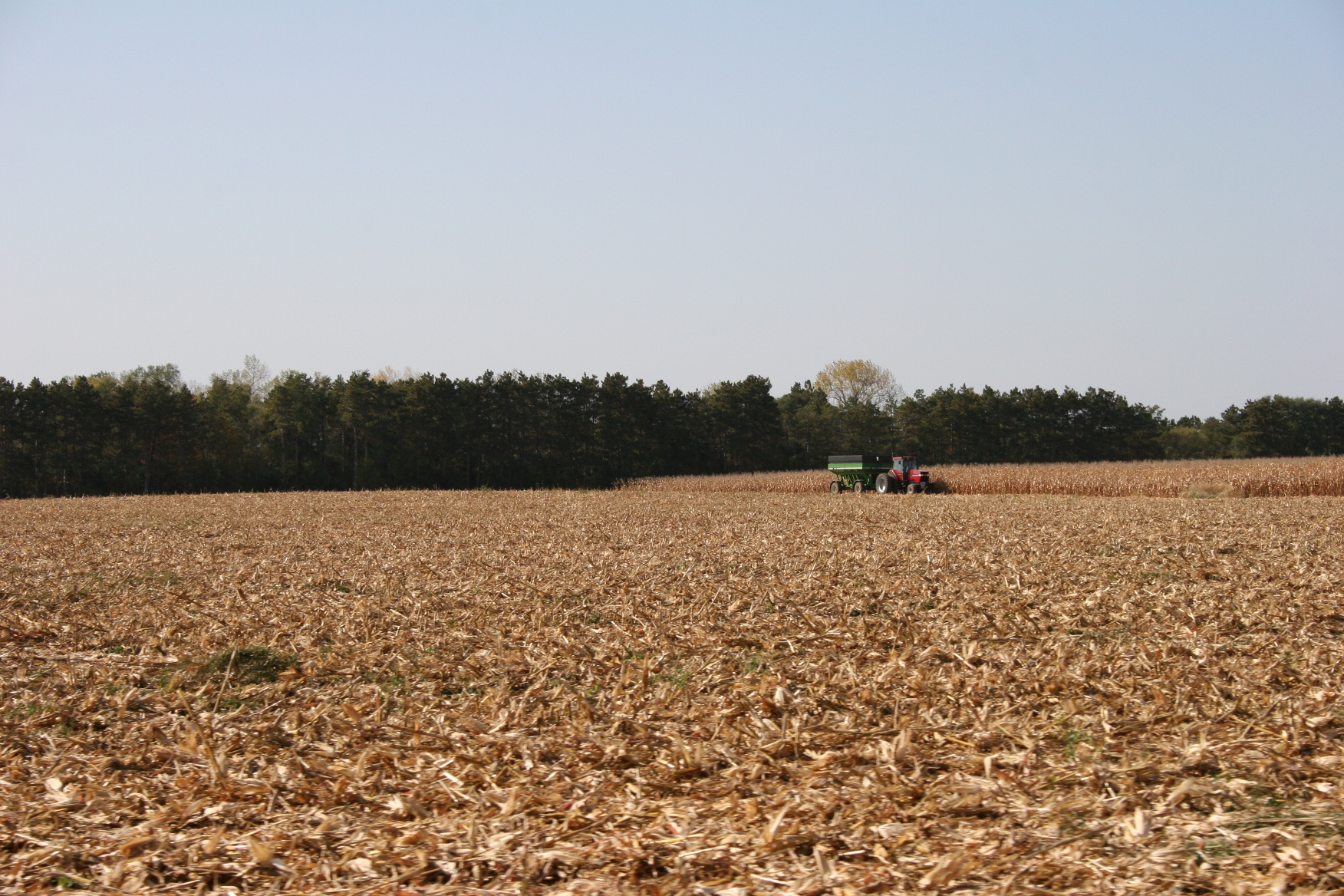
Farmers are in the fields harvesting corn (pictured here) and soybeans under extremely dry conditions.

WHEN I HEARD about the National Weather Service’s “Red Flag Warning” for west central and south central Minnesota Monday evening, it was the first time I had heard that terminology.

What does it mean?

Here’s the definition, direct from the NWS:

A RED FLAG WARNING MEANS THAT CRITICAL FIRE WEATHER CONDITIONS ARE EITHER OCCURRING NOW…OR WILL SHORTLY. A COMBINATION OF STRONG WINDS…LOW RELATIVE HUMIDTY…AND WARM TEMPERATURES WILL CREATE EXPLOSIVE FIRE GROWTH POTENTIAL.

That’s a strongly-worded warning for those folks living in the communities and rural areas along and west of a line from Alexandria to Fairmont.

Farmers, especially, have to be worried about the fire danger given they are in the middle of harvesting corn and soybeans in tinder dry fields. Mix dry plant material, strong winds and the heat of a combine exhaust, for example, and you have the potential for a devastating fire.

Michael, a southwestern Minnesota farmer who blogs at Minnesota Farmer, writes two days ago about fires he spotted last Thursday while combining beans. Click here to read his October 2 post which explains how blazes start and the resulting, devastating financial impact on farmers.

It’s all too easy for those of us who live in town, even if we grew up on a farm, to forget about the dangers that come with harvest. And this year, the fire danger is particularly high.

The Red Flag Warning remains in effect until 7 p.m. Wednesday.

DO YOU LIVE in the Red Flag Warning area? If so, has there been an increase in the number of fires recently? Please submit a comment and share.

© Copyright 2011 Audrey Kletscher Helbling
 

The final harvest September 28, 2011

Filed under: Uncategorized — Audrey Kletscher Helbling @ 7:55 AM
Tags: , , , , , , , , ,

DEEP IN THE RICH FARMLAND of southwestern Minnesota, a group of farmers are planning for harvest. But not their harvest.

They will gather to bring in the crops of their friend and neighbor, Steve, who was found dead at the scene of a single-vehicle crash eight days ago. Even before last Friday’s funeral, these good people had lined up half a dozen combines to sweep across Steve’s corn and soybean fields south of Lucan.

One day for the corn. One day for the beans.

I don’t know the identities of these friends. But I expect they were among the mourners who packed St. John’s Lutheran Church in Redwood Falls on Friday to console a grieving family, to find comfort in Scripture and song and words spoken.

I was there. We heard the pastor tell us how God loved Steve so much that he called him home—too early in our eyes, at the age of 64—to spare him from evil and to give him peace.

Words that helped us to understand, from a pastor who considered Steve a personal friend, who himself paused to wipe tears from his eyes during his message.

As I sat in the balcony, looking down toward the casket, to the family in the front rows, my heart broke. For my youngest brother who had stretched his arms along the back of the pew to encircle his wife and their teenaged daughter and their son. They had lost their father, father-in-law and grandpa.

And later, at the cemetery, as my dear sister-in-law leaned forward in her chair, her head bent, her hands clasped tight in her lap, my heart broke.

Minutes later I pulled my 11-year-old nephew close as tears slid down his cheeks, as his body shook with sobs of grief. I wrapped him in my arms, stroked the back of his head, wished with all my might that I could make everything better for the boy who loved his “Papa” so much.

Later, in the church basement, we found moments of laughter in the stories shared by Steve’s oldest son about the perfectionist farmer who each morning walked out of his farmhouse and checked to see that everything was in its place in the farmyard.

We laughed at the man who spent one final weekend with his family, arriving at a downtown Minneapolis hotel with a small bag, asking to, once again, borrow his other son’s shaver.

It felt good to laugh through the tears, to hear about the grandfather who kept cats because he knew his grandchildren loved them, who got a lamb because he knew his grandchildren would love that lamb.

We laughed and remembered and celebrated the life of a man who was dear to so many.

When Steve’s farmer-friends roll their combines onto his acreage, they’ll pay him one last tribute—by bringing in the final harvest.

“To everything there is a season, and a time to every purpose under heaven: a time to be born and a time to die, a time to plant and a time to pluck up that which is planted…”

#

NOTE: The above combine photo is for illustration purposes only and was shot just outside of Courtland on Saturday morning.

© Copyright 2011 Audrey Kletscher Helbling
 

Reflections on harvest time in southern Minnesota September 27, 2011

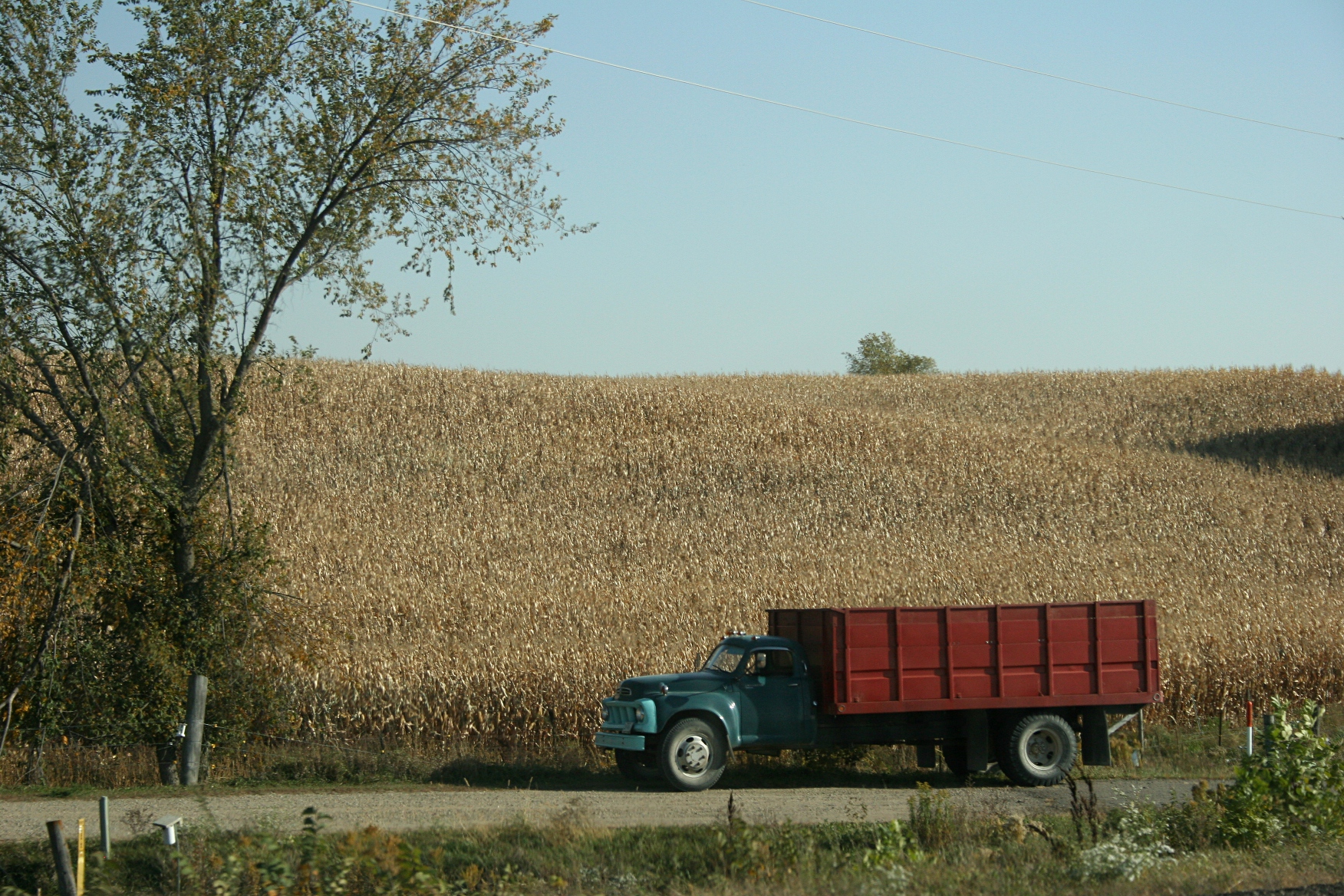
Westbound on U.S. Highway 14 between Nicollet and Courtland in southern Minnesota Friday afternoon.

I LOVE THIS LAND, this rural southern Minnesota.

You can take your woods and your lakes and your boats or your big city freeways and skyscrapers and traffic jams.

I will take sky and a land that stretches flat into forever.

I like my space open, not hemmed in by trees packed tight in a forest. I want to see into forever and beyond, the horizon broken only by the occasional grove hugging a building site.

A farm site between Mankato and Nicollet, as seen from U.S. Highway 14.

A harvested corn field between Nicollet and Courtland.

I want corn and soybean fields ripening to the earthy hues of harvest. Not gray cement or dark woods.

Give me small-town grain elevators and red barns and tractors, and combines sweeping across the earth.

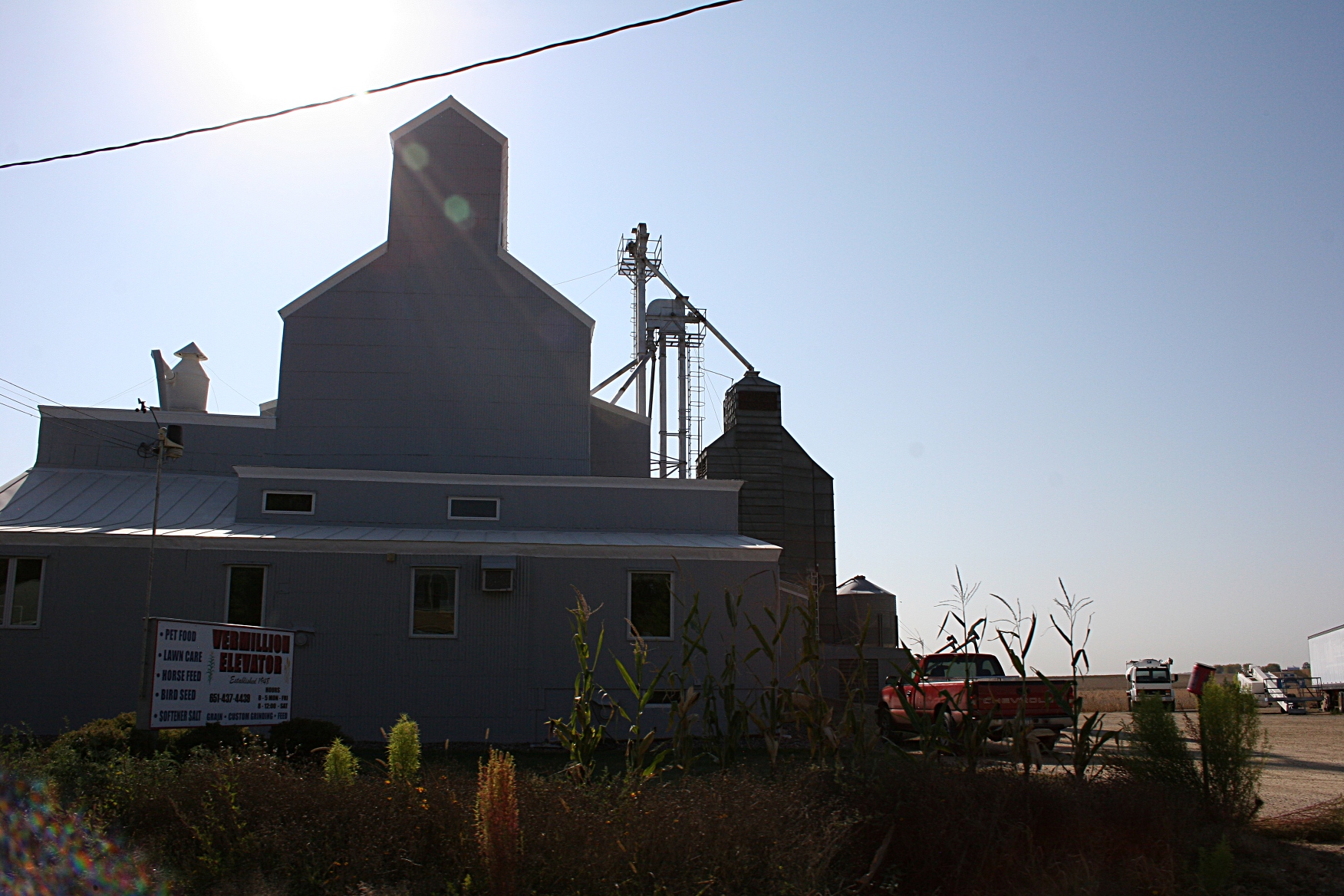
The elevator complex in Morgan in Redwood County.

A farm site along the twisting back county road between New Ulm and Morgan.

A John Deere combine spotted on the highway just outside of Morgan.

This is my land, the place of my heart.

Although I left the farm decades ago, I still yearn, during autumn, to return there—to immerse myself in the sights and smells and sounds of harvest. The scent of drying corn husks. The roar of combines and tractors. The walk across the farm yard on a crisp autumn night under a moon that casts ghost shadows. Wagons brimming with golden kernels of corn. Stubble and black earth, turned by the blades of a plow.

Today I only glimpse the harvest from afar, as a passerby. Remembering.

A farm site between Morgan and Redwood Falls in southwestern Minnesota.

Harvesting corn on Saturday just outside of Courtland.

Chopping corn into silage between New Ulm and Morgan.

ALL OF THESE IMAGES (except the elevator) were taken at highway speed from the passenger side of our family car while traveling through southern Minnesota on Friday and Saturday.

© Copyright 2011 Audrey Kletscher Helbling


It takes a strong man or woman to farm August 2, 2011

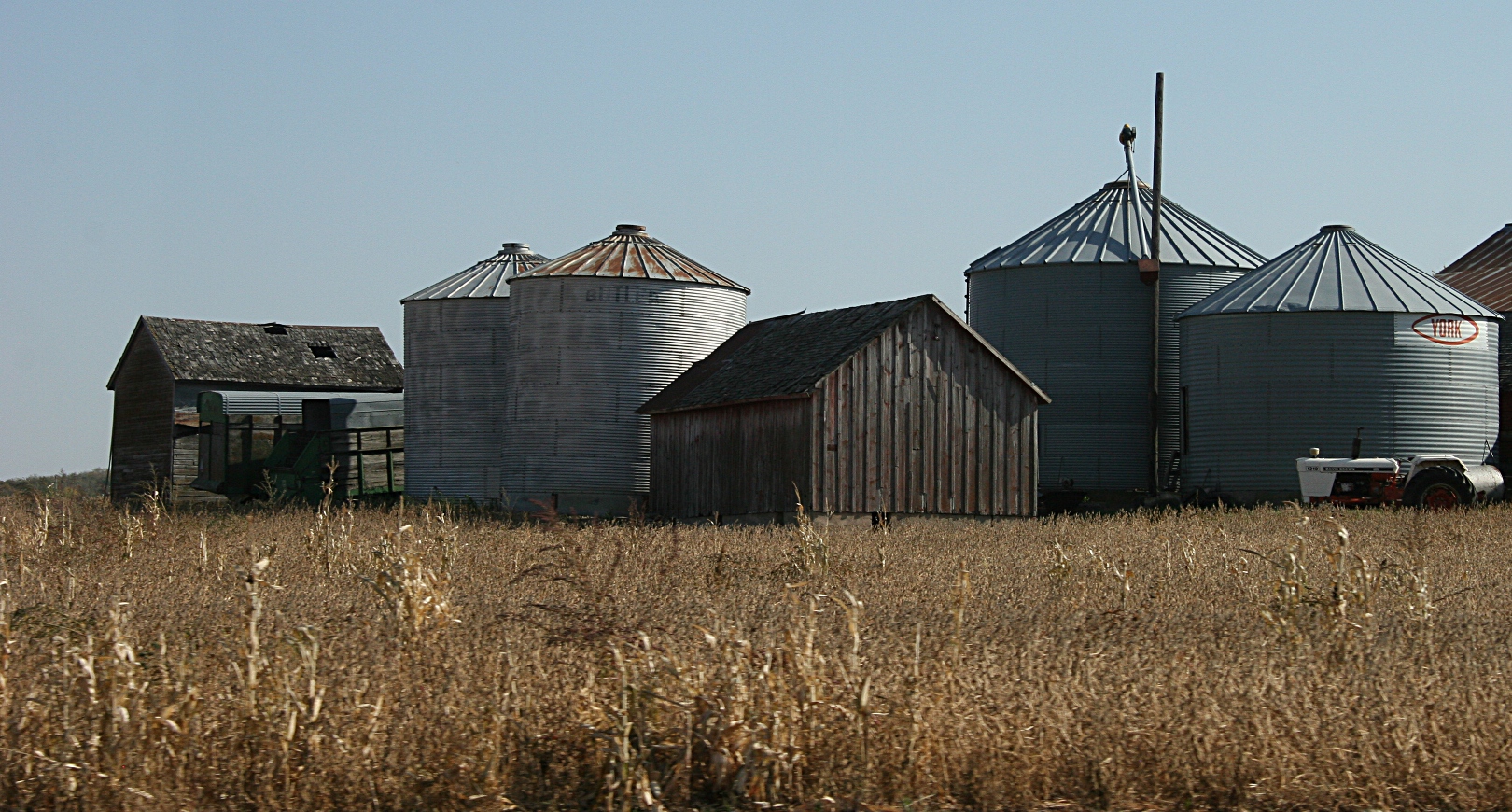
Bins on a farm place somewhere along the back roads between New Ulm and Morgan.

“I COULD NEVER BE MARRIED to a farmer or be a farmer,” I told my cousin Kevin as we stood outside the Vesta Community Hall Friday evening discussing the July 1 windstorms and tornadoes that ravaged my native southwestern Minnesota.

Kevin farms south of Echo, where he lost three grain bins, trees, and, if I remember correctly, an auger, to high winds. He’s looking at replacement and upgrade costs of more than $140,000. And a good chunk of that will not be covered by insurance. Investing so much money in his farm now, at near 60 years old, doesn’t come easily for him, he claims. But he doesn’t have an option if he is to continue farming.

As he was sharing his story, he said, “I told the wife I need to…” Kevin, 56, got married late in life (six years ago), so I still have to remember sometimes that he’s with Kris, a wonderful woman.

It takes a strong man or woman to live a life of farming. As much as I love the farm, I couldn’t farm. I couldn’t handle the financial stress, the “I told the wife I need to” replace the grain bins or I need to borrow money for a new tractor or the beans were hailed out…

I’d stress over borrowing all that money and over the financial risks inherent in farming.  Will commodity prices be up or down when I want to sell the corn and beans? Should I sign a contract now or wait? Should I buy that piece of equipment, build that machine shed? Will I get a decent crop? I’m not a gambler or a risk taker, even though I grew up on a crop and dairy farm.

Soybean and corn fields stretch into forever in southwestern Minnesota. I shot this image on Friday between New Ulm and Morgan.

For many Minnesota farmers, this year has been especially challenging. Crops were planted late due to wet field conditions. Then the heavy rains fell, drowning out entire sections of fields. Next, strong winds and hail devastated beans and corn.

For the first time that I can ever recall, I saw black fields near my hometown of Vesta. My cousin told me the fields had been replanted and then the storms came when it was too late to replant again.

Three days this week, beginning today, farmers, agri-business reps and others will gather at the historic Gilfillan Farm between Morgan and Redwood Falls for Farmfest. There, in the heart of Minnesota’s farm country, I bet if you eavesdropped on a conversation or two or ten, you’d hear some farmer say, “I told the wife I need to…”

I spotted this damage to a building on a farm just north of Belview, which was hit by a July 1 tornado.

I took this shot traveling Minnesota Highway 67 west toward Morgan Friday afternoon. Follow this road and you'll end up at Farmfest. You can see Morgan's water tower and grain elevator complex in the distance.
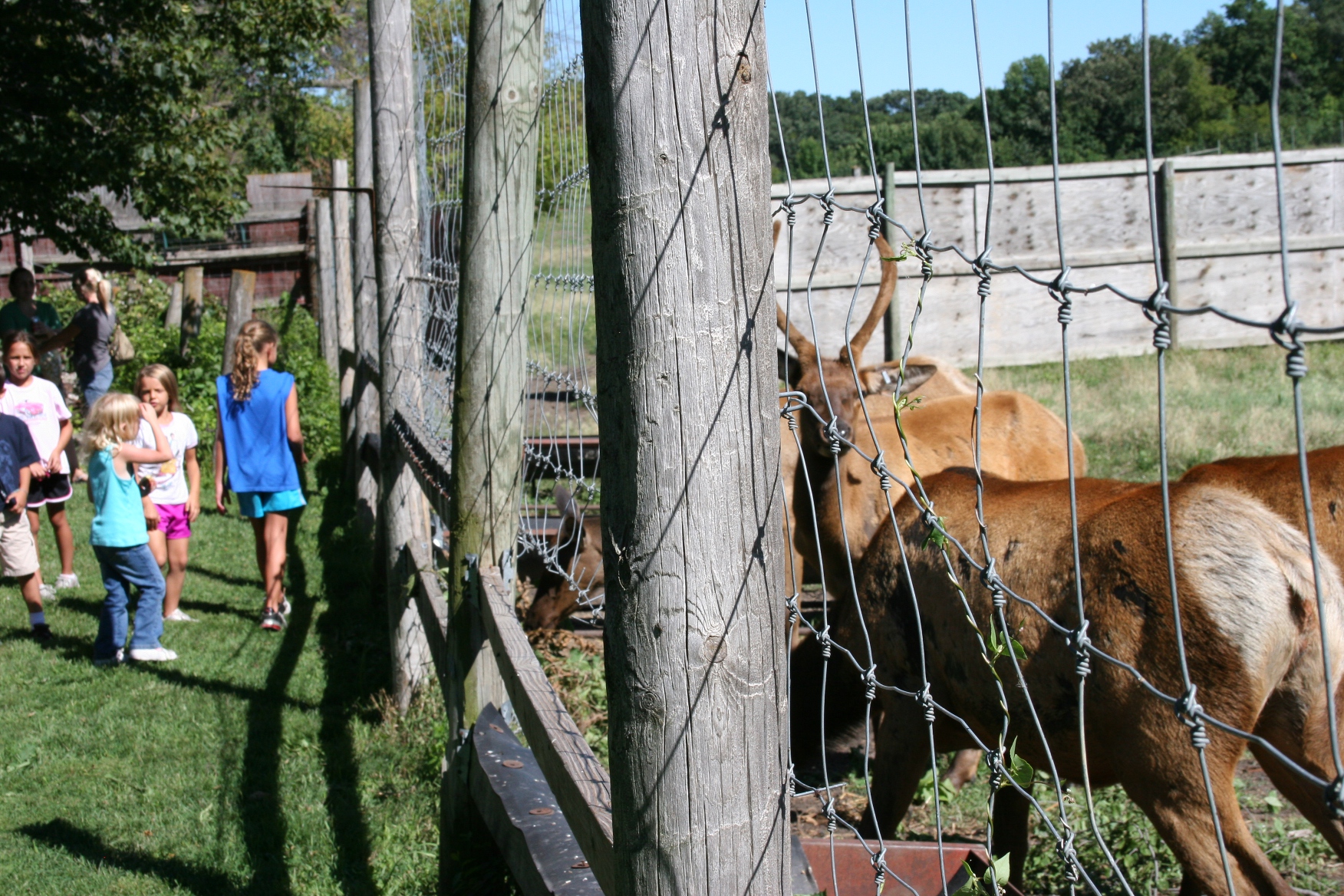
Farmfest at the historic Gilfillan Farm runs today through Thursday.

When I drove by the Farmfest grounds Friday afternoon, tents were already in place for the event.

A barn, outbuildings and a corn field between New Ulm and Morgan.

Bins on a farm site along the back road between New Ulm and Morgan.
© Copyright 2011 Audrey Kletscher Helbling