Minnesota Prairie Roots

Writing and photography by Audrey Kletscher Helbling

Milkweeds, monarchs & memories in Minnesota August 20, 2024

Monarch on the common milkweed flower. (Minnesota Prairie Roots copyrighted file photo 2023)

I’VE ALWAYS HELD a fascination with milkweeds. Their clusters of vanilla-scented dusty pink flowers draw me to a plant that seems more flower than weed. Unless you were my dad, who wanted the common milkweed removed from his acres of soybeans. Yes, I hoed or pulled plenty of milkweeds from the fields on my southwestern Minnesota childhood farm.

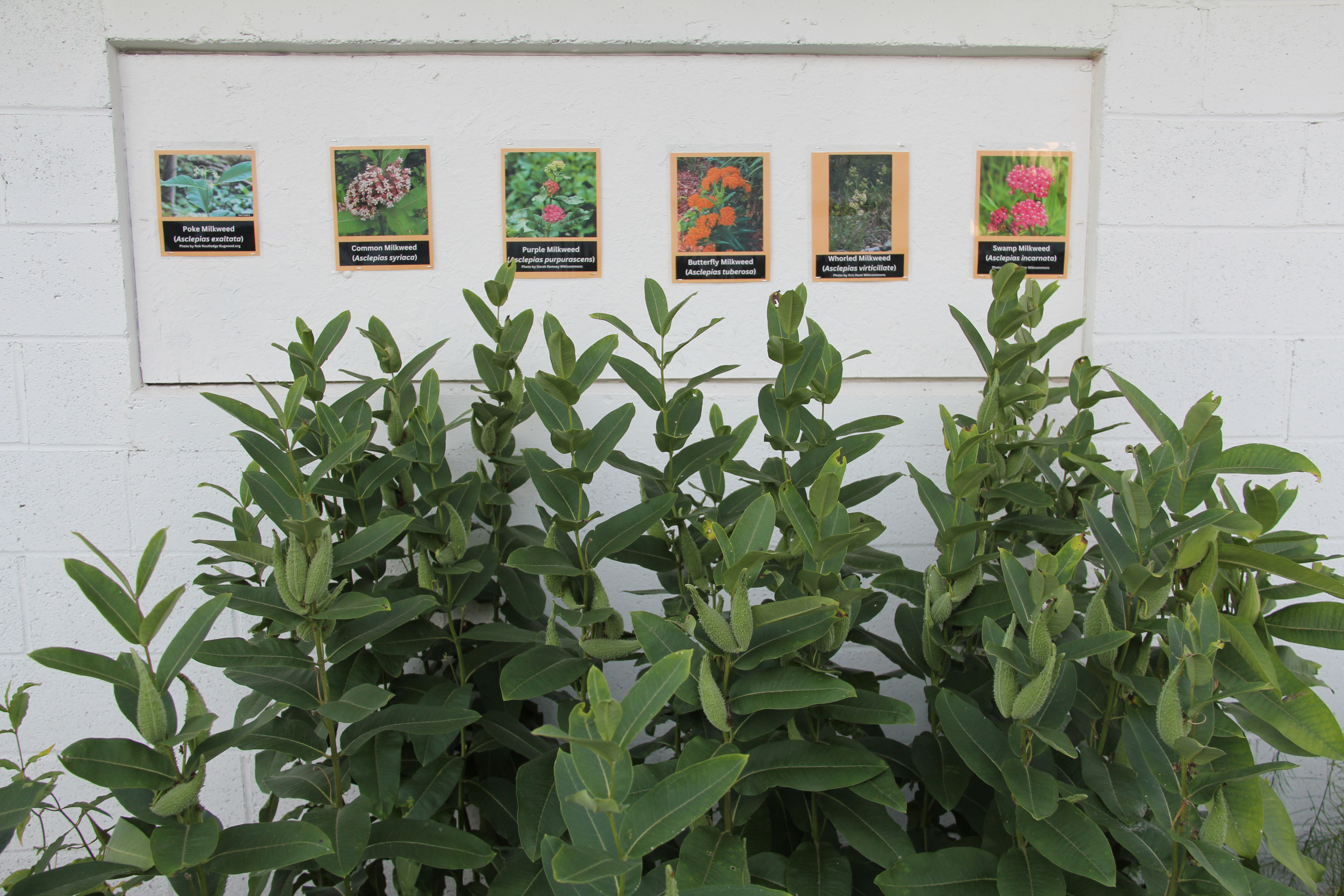
Milkweeds grow next to the conservation building at the Rice County Fairgrounds against a backdrop of identifying milkweed photos. Those include six types: common, poke, purple, butterfly, whorled and swamp. (Minnesota Prairie Roots copyrighted photo August 2024)

My thinking has shifted since then. Today I plant, rather than eradicate, milkweeds. Dad, if he was still alive, might wonder how his farm-raised daughter strayed so far from hoeing to growing.

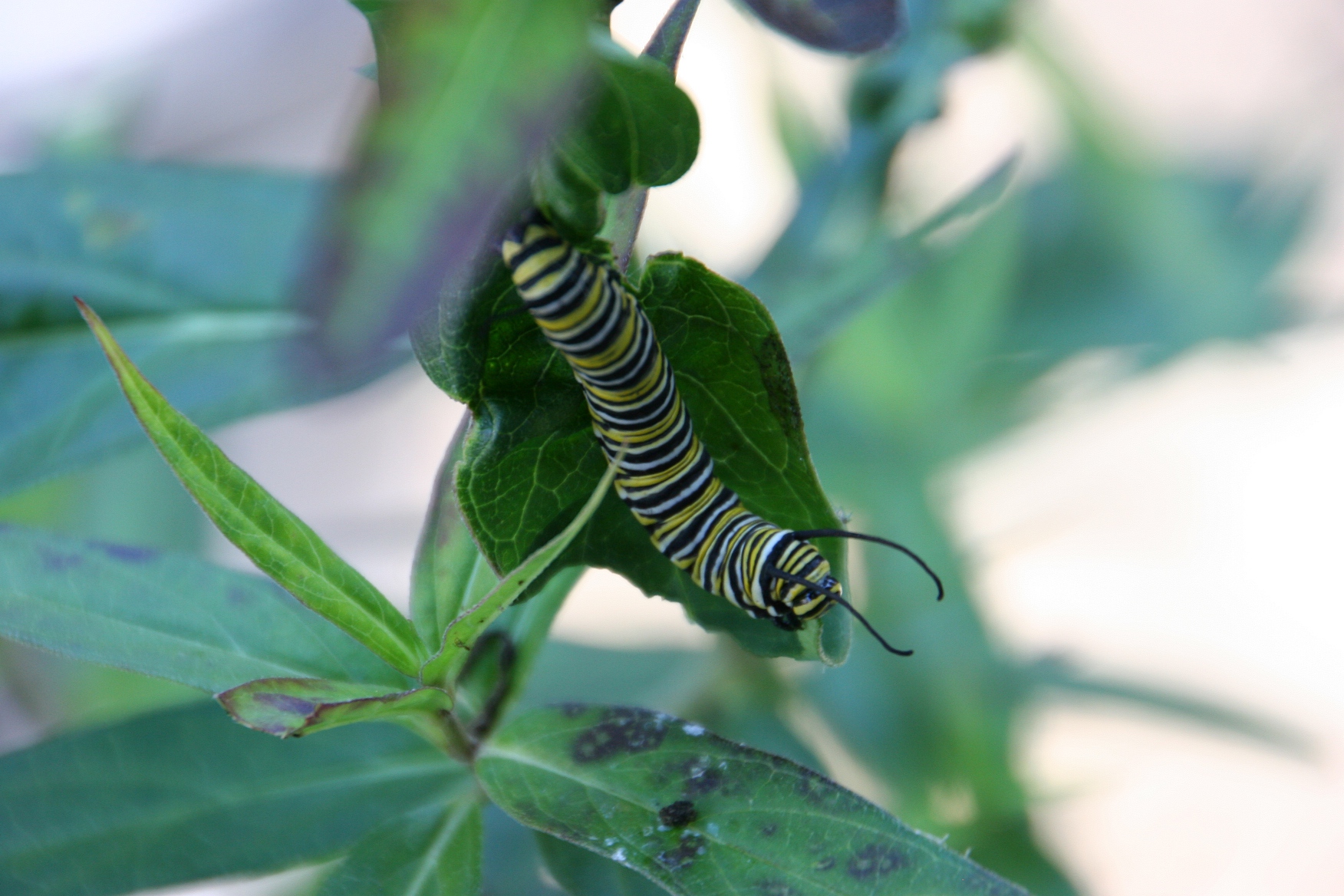
A monarch caterpillar. (Minnesota Prairie Roots copyrighted file photo)

The answer is easy. Long ago I learned the value of milkweeds to our monarch butterfly population. The butterfly lays its eggs on milkweed leaves. And milkweed is the sole source of food for monarch caterpillars. If we want the monarch population to grow, thrive and survive, we need milkweed plants. It’s that simple.

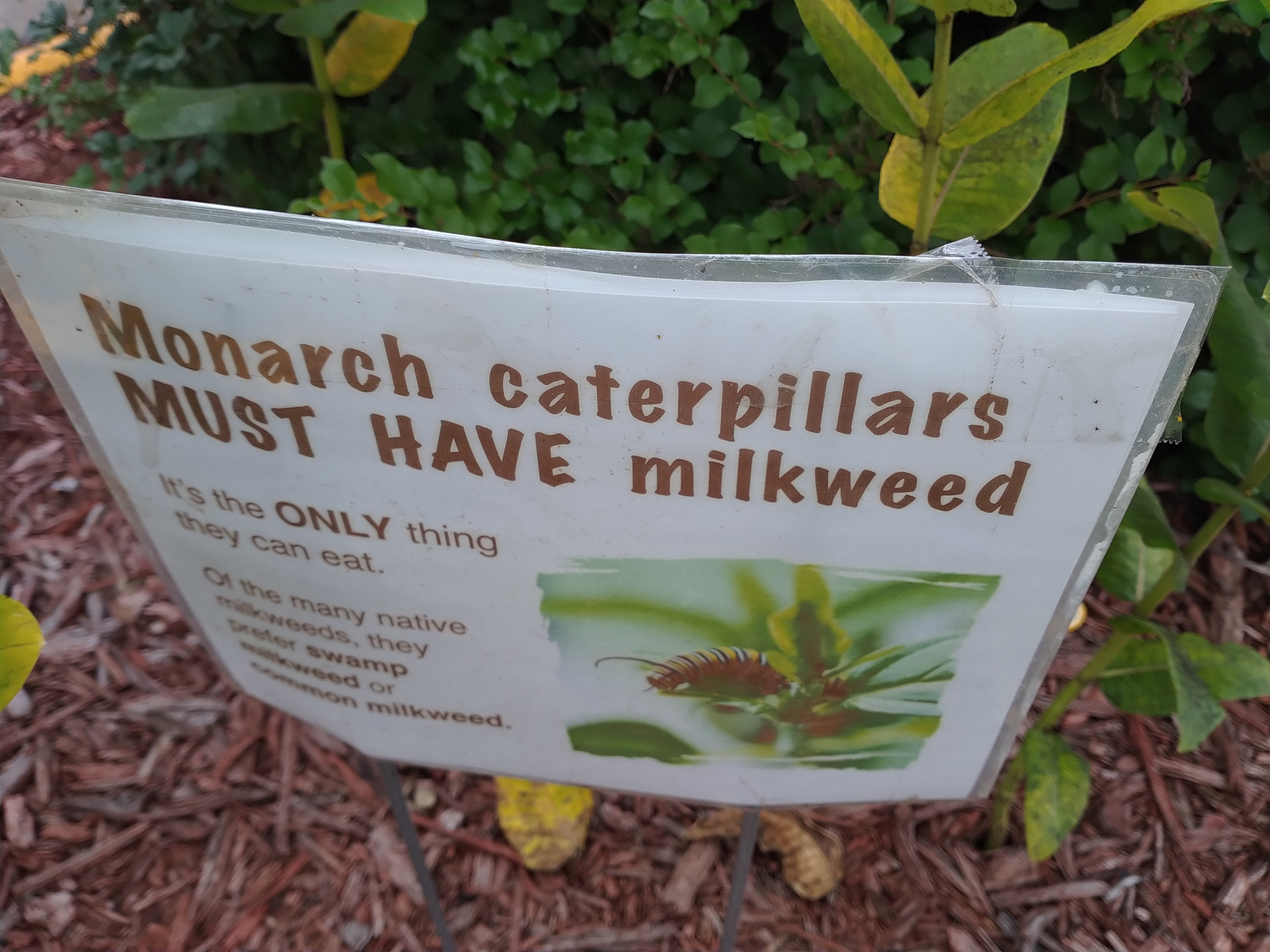
A sign at Hy-Vee grocery store explains the importance of milkweed to monarchs. (Minnesota Prairie Roots copyrighted photo August 2024)

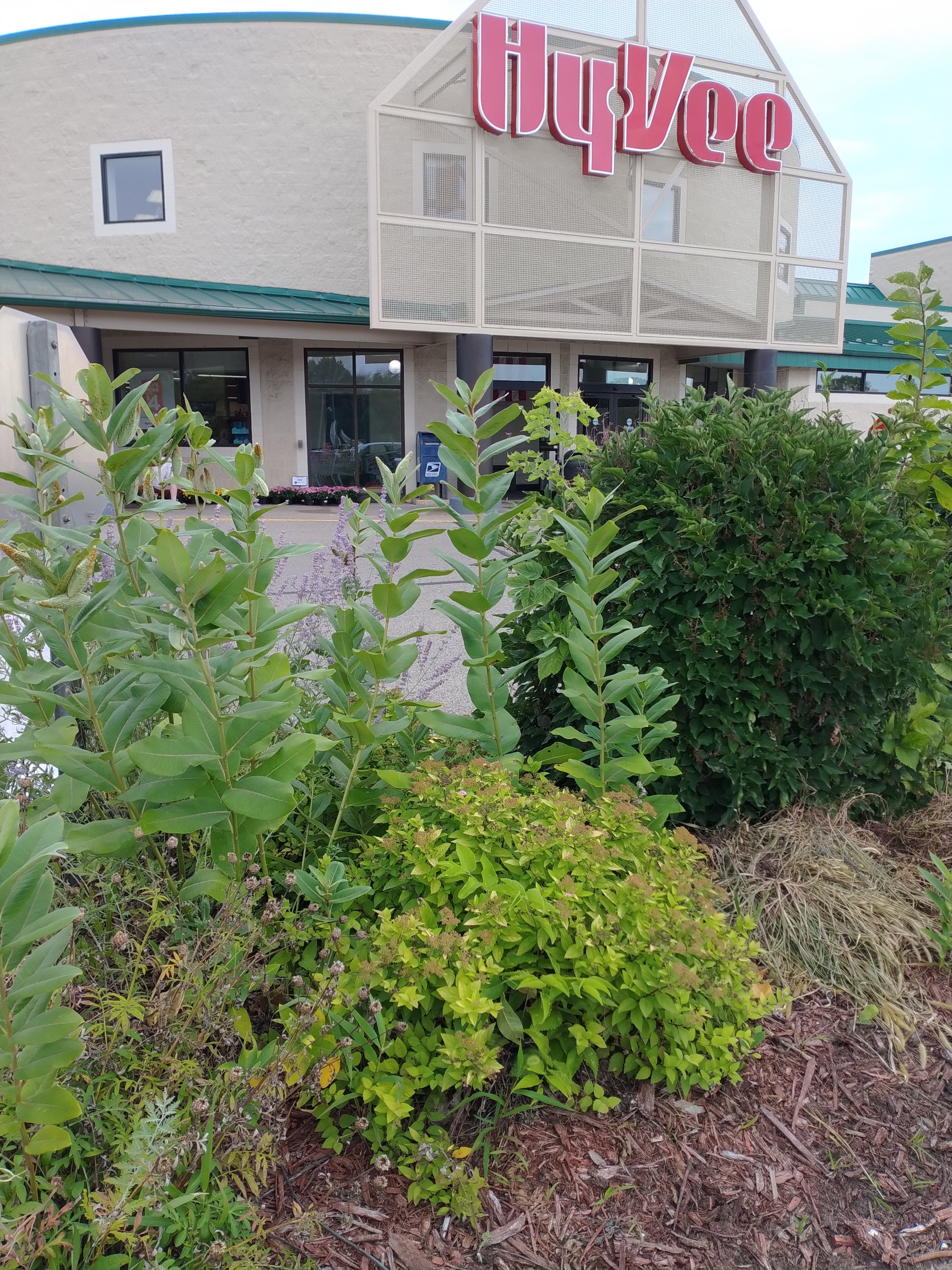
More and more I’ve spotted milkweeds growing in public places in and around Faribault. River Bend Nature Center. Falls Creek County Park. The Rice County Master Gardeners’ Teaching Gardens. Beside the conservation building at the Rice County Fairgrounds. Even in flowerbeds at Hy-Vee grocery store.

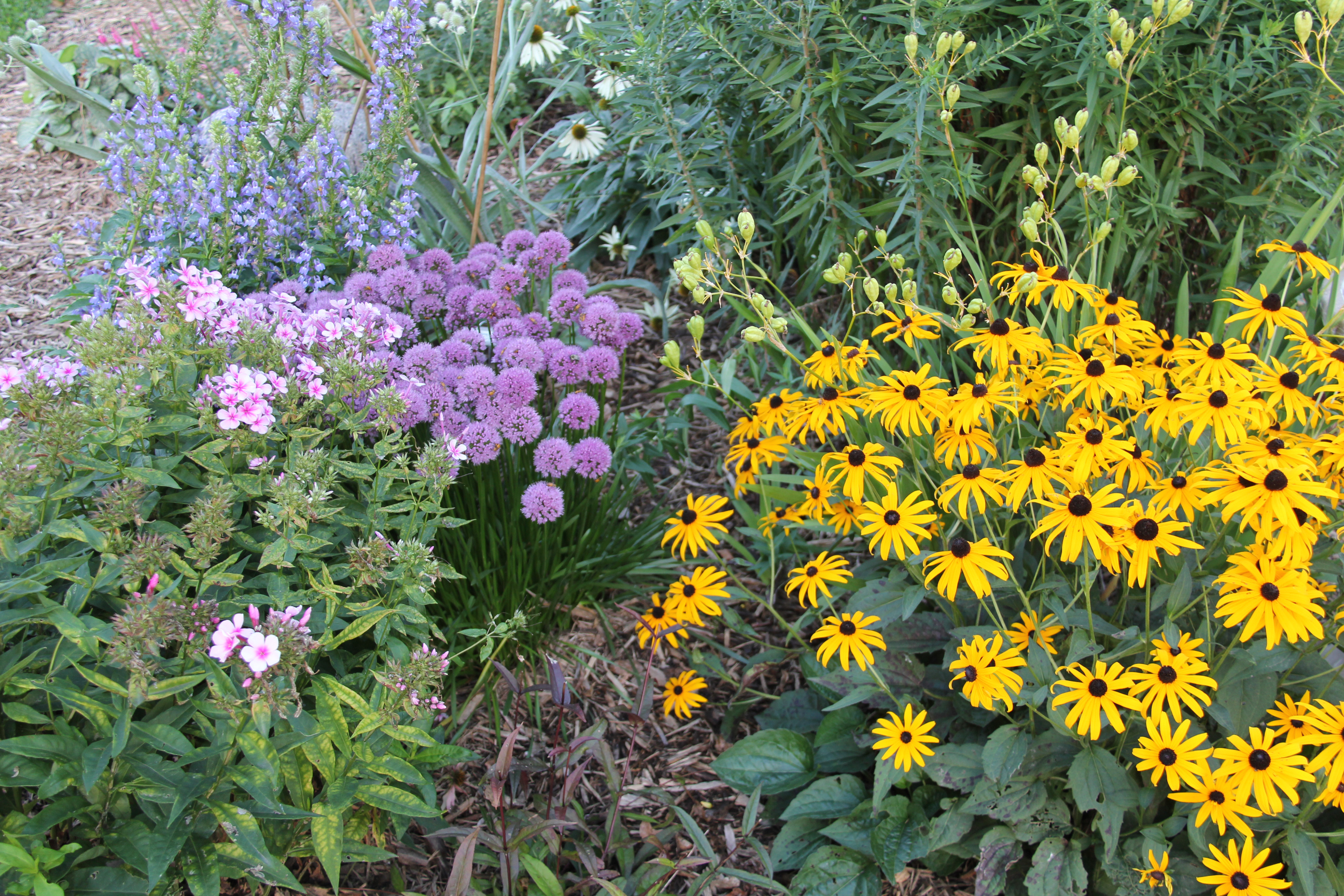
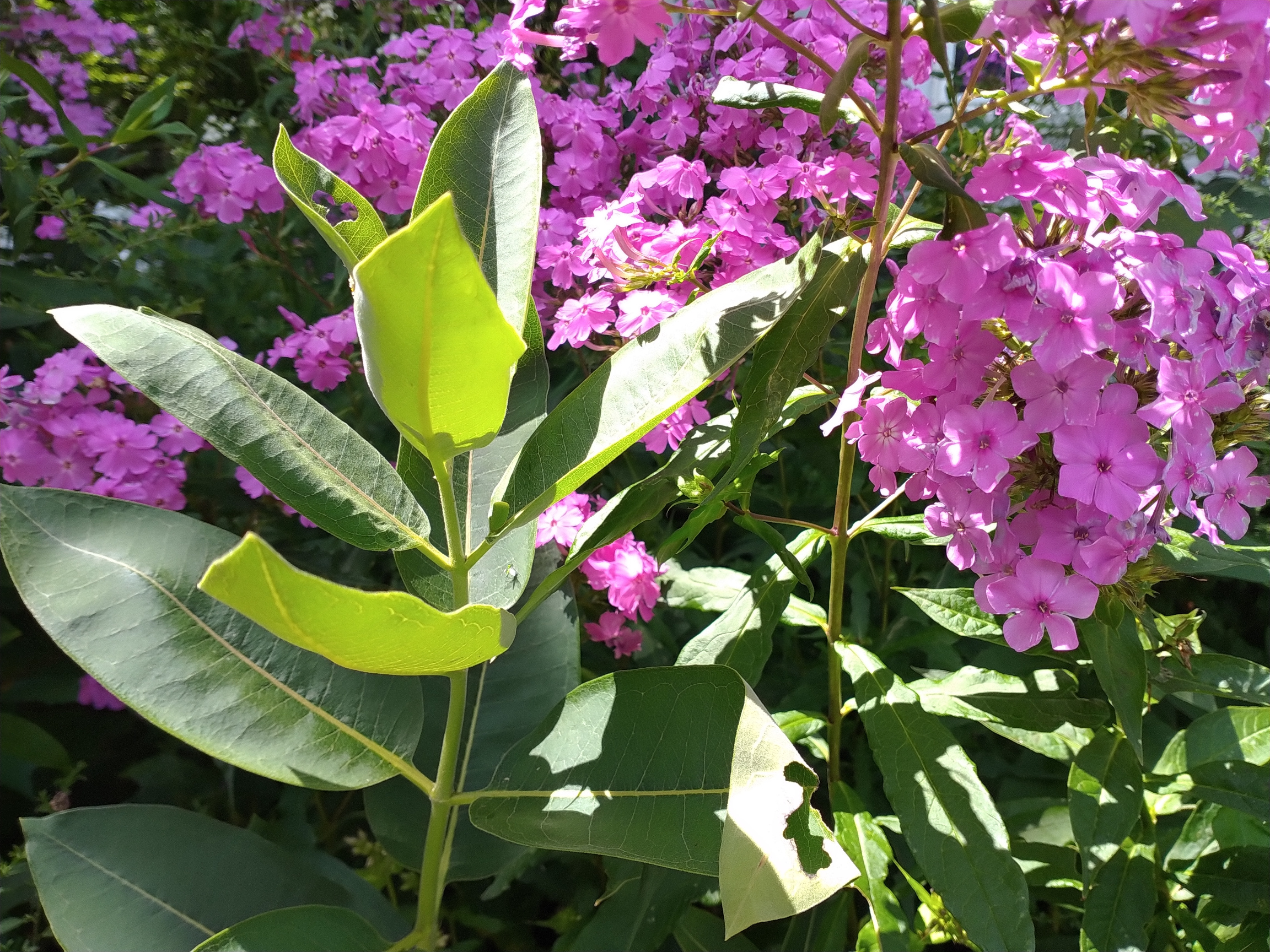
Milkweeds grow among phlox. (Minnesota Prairie Roots copyrighted photo August 2024)

If you walk by my house, you’ll see stray milkweeds popping up here and there. Along a retaining wall. Among the prolific phlox in my messy flowerbeds. The husband has orders not to mow, pull or otherwise remove milkweed plants.

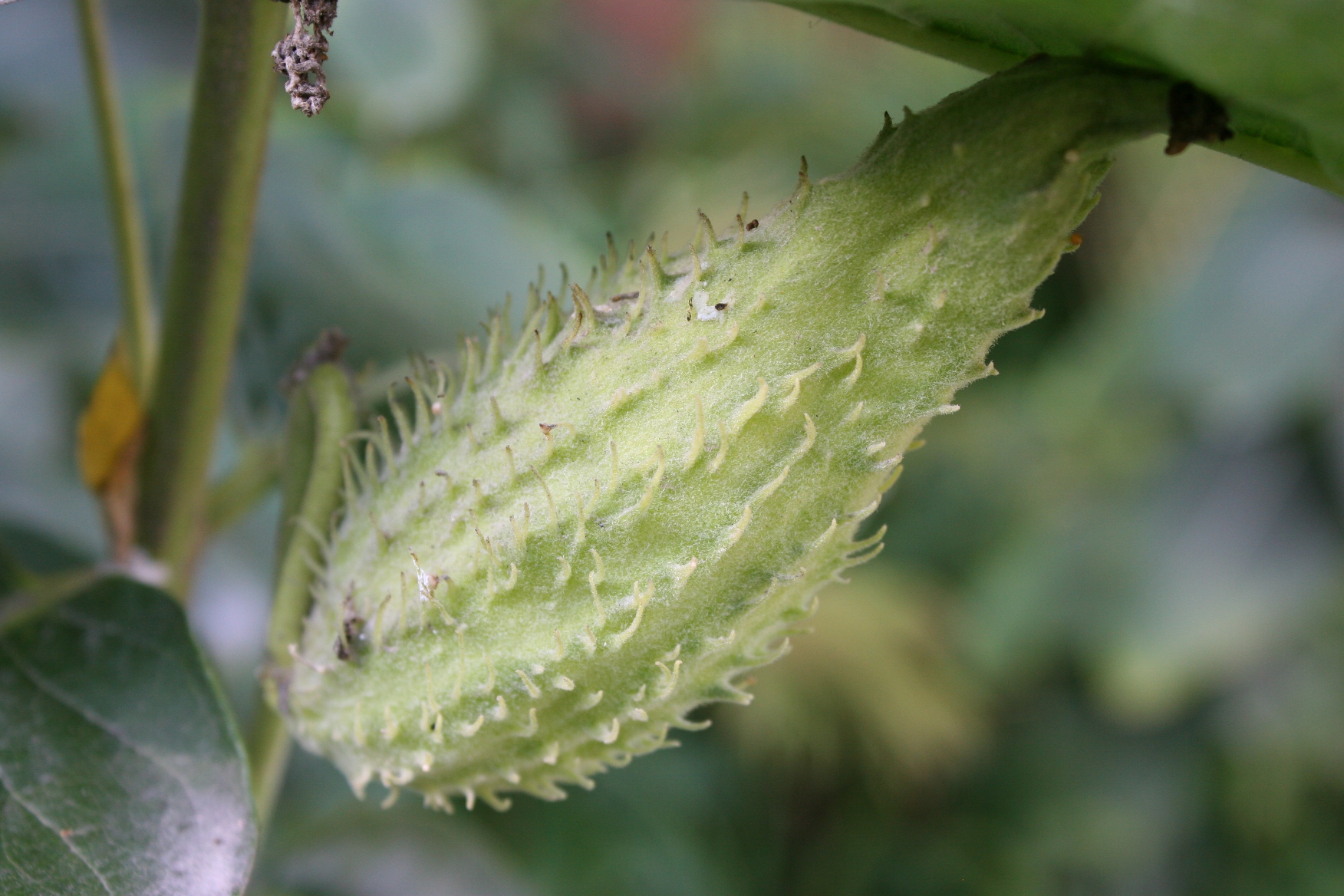
An unripened milkweed pod. (Minnesota Prairie Roots copyrighted file photo)

This time of year, seed pods are forming on milkweeds. Perhaps it’s the writer, the poet, in me that loves the shape of those fat green pods that will eventually dry, burst open and spread seeds on wisps of white fluff carried by the wind.

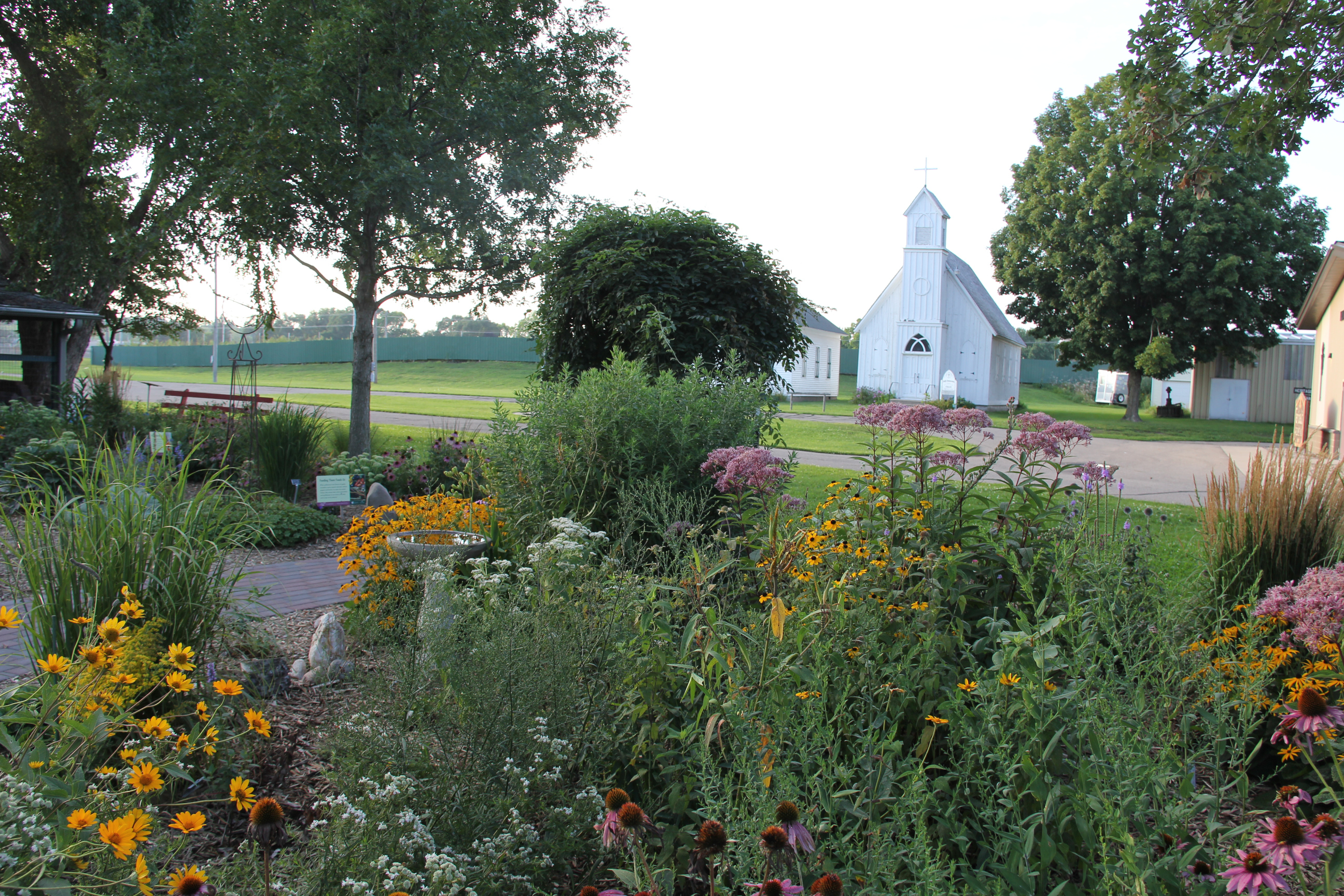
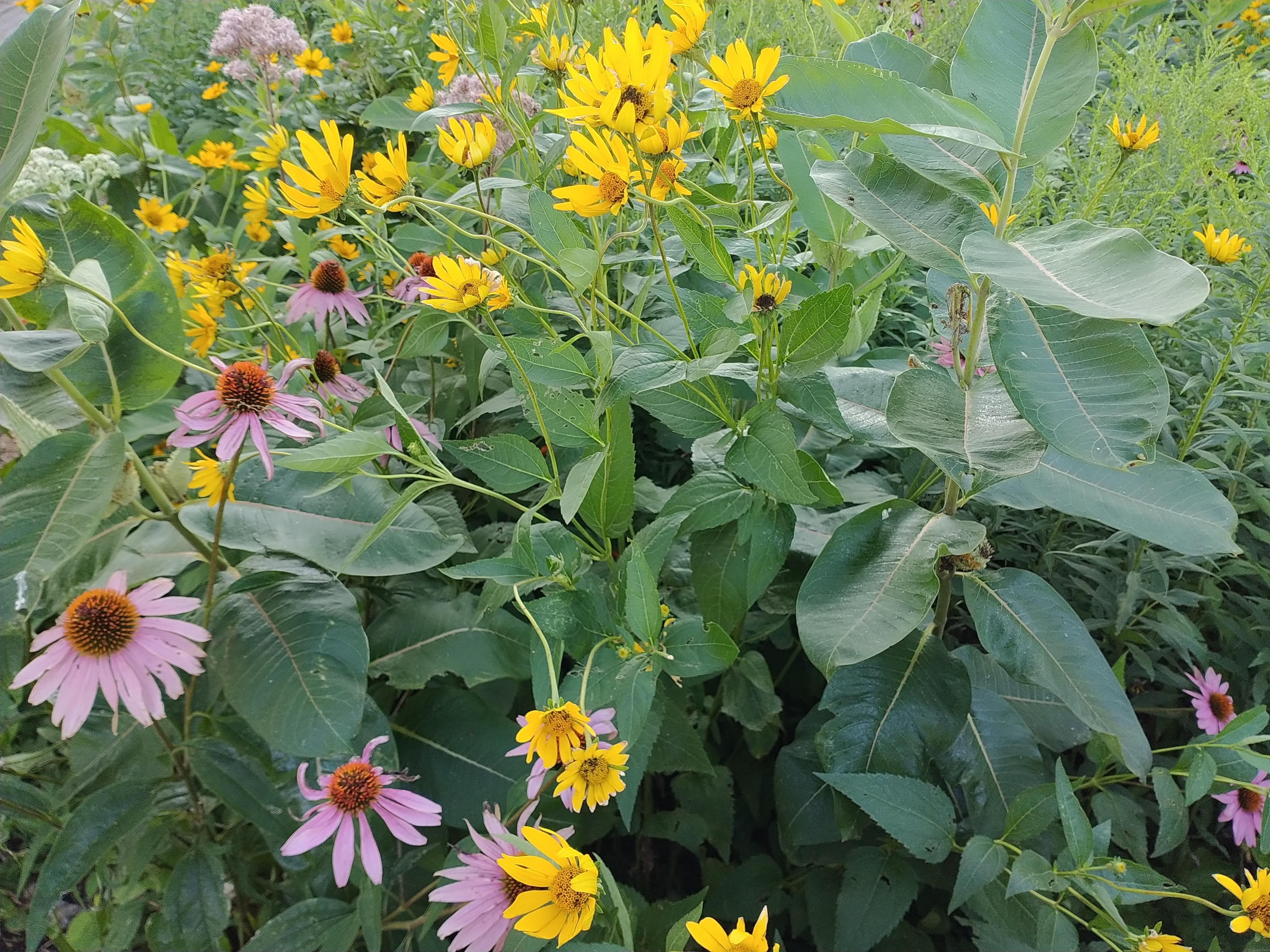
Milkweeds flourish among prairie flowers in the Rice County Master Gardeners Teaching Gardens, Faribault, (Minnesota Prairie Roots copyrighted photo August 2024)

Seeds wing across the landscape, just like monarchs. I remember a time when monarchs were prolific. Yes, even in rural Minnesota where I labored to get rid of milkweed plants.

I discovered milkweeds planted outside Hy-Vee. (Minnesota Prairie Roots copyrighted photo August 2024)

Naturalists, gardeners and others are working hard now to bring back the monarch population. It’s taken time, effort and education to convince people to plant milkweeds for monarchs. I don’t expect butterfly numbers will be what they once were—when monarchs flitted everywhere. But we have to start somewhere, do something. And that begins with each of us. Educating ourselves. Caring. And then deciding that milkweeds really aren’t weeds after all. They are vital to the survival of the monarch butterfly. It’s OK to plant milkweed seeds or allow nature to plant them.

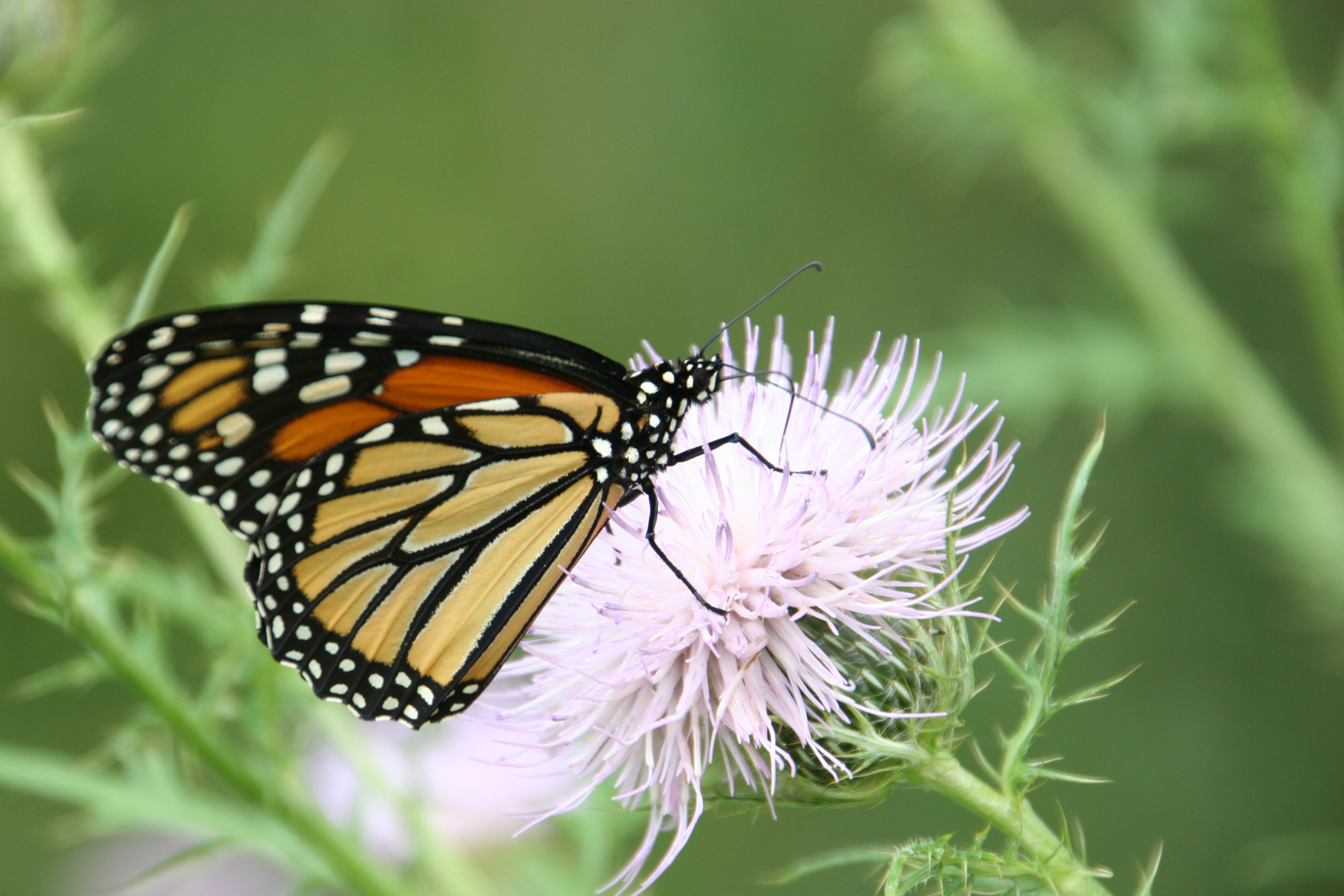
Monarch on a thistle flower. (Minnesota Prairie Roots copyrighted file photo)

I, for one, delight in watching monarchs flit about my yard. They are magical as only a butterfly can be. Delicate, yet strong. Poetically beautiful. Carrying memories and grace on their wings.

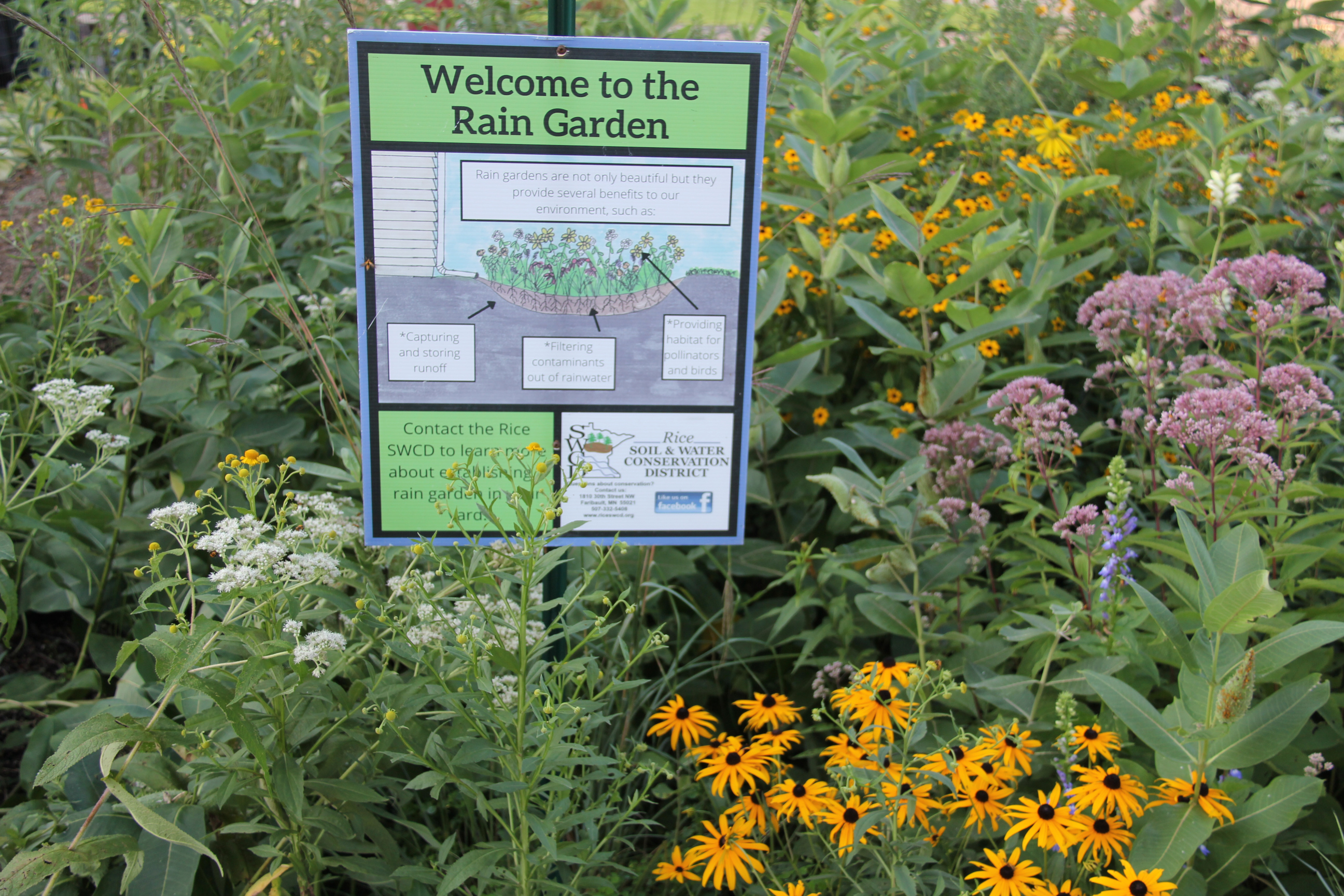
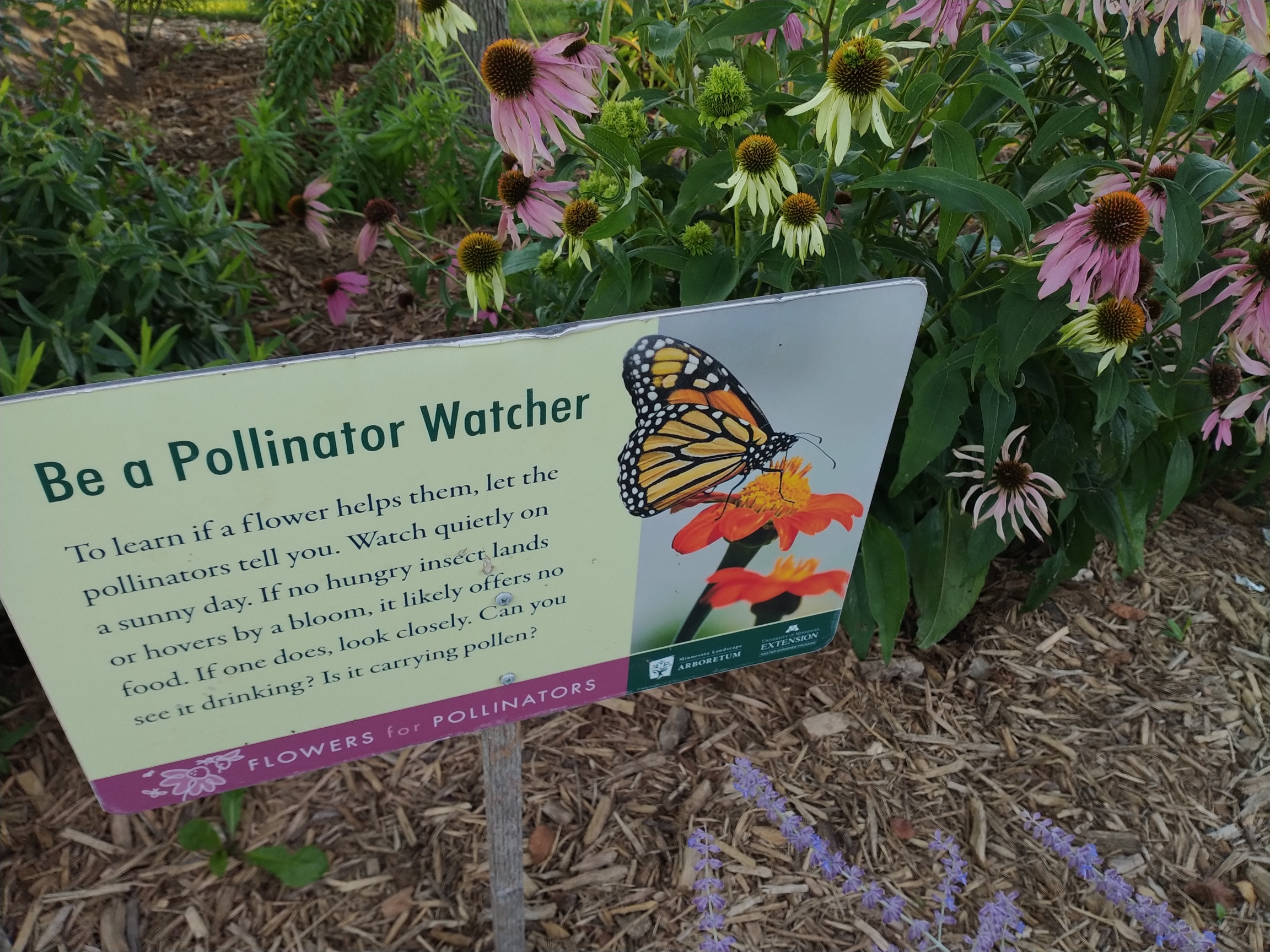
An educational sign among the flowers at the Rice County Master Gardeners Teaching Gardens. (Minnesota Prairie Roots copyrighted photo August 2024)

FYI: Nerstrand Big Woods State Park is hosting a “Monarchs and Milkweeds” presentation at 10 a.m. Saturday, August 24, in the park’s amphitheater. Kathy Gillispie, who raises monarchs from eggs, caterpillars and chrysalises, will speak about her experiences with monarchs. The program is free, but a state park parking pass is needed to enter the rural Nerstrand park.

© Copyright 2024 Audrey Kletscher Helbling


Stop & smell the roses in small towns, like Kenyon July 8, 2024

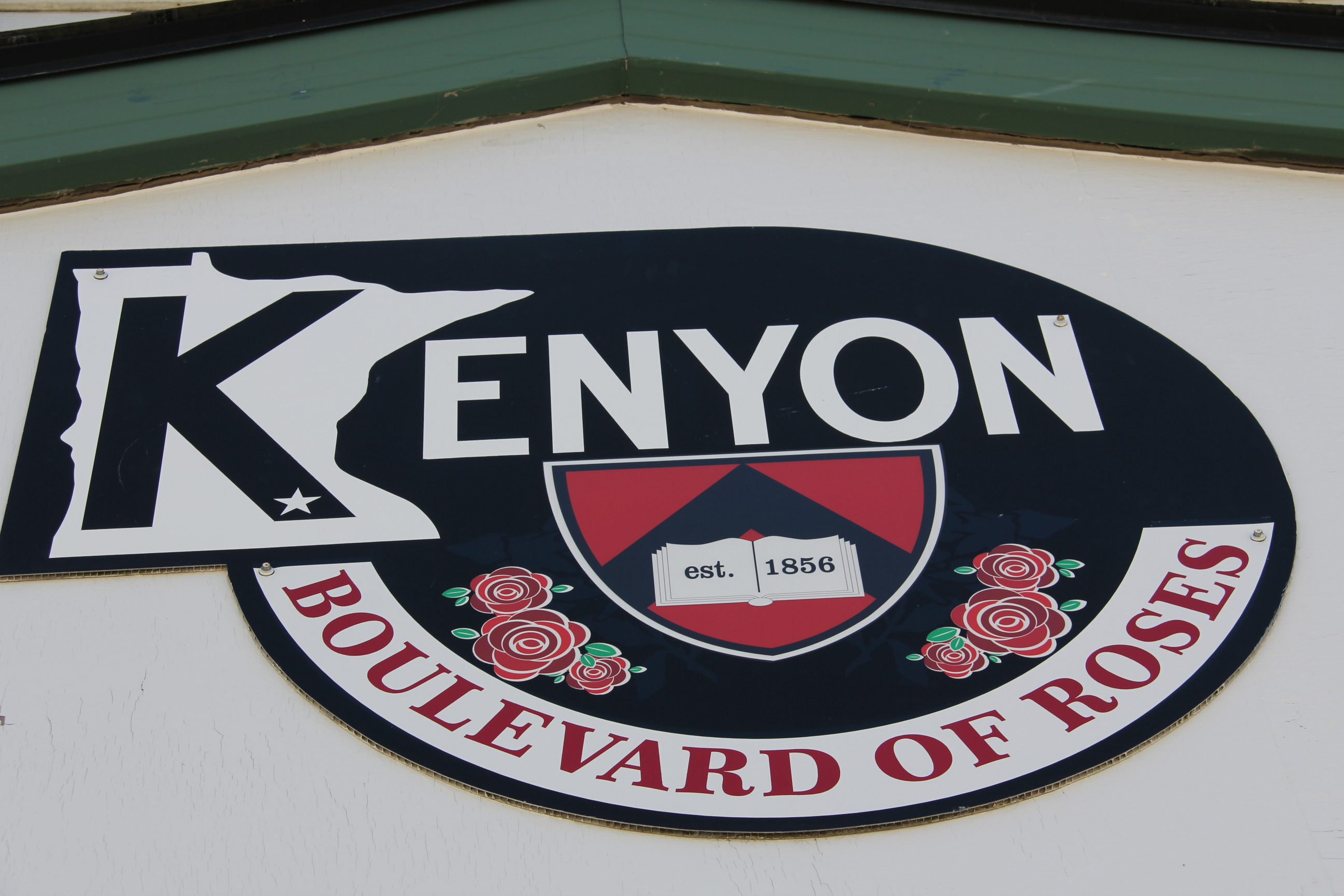
This identifying signage is posted on Kenyon’s city building. (Minnesota Prairie Roots copyrighted photo June 2024)

WHEN IT COMES to branding, everything is coming up roses in Kenyon. Literally.

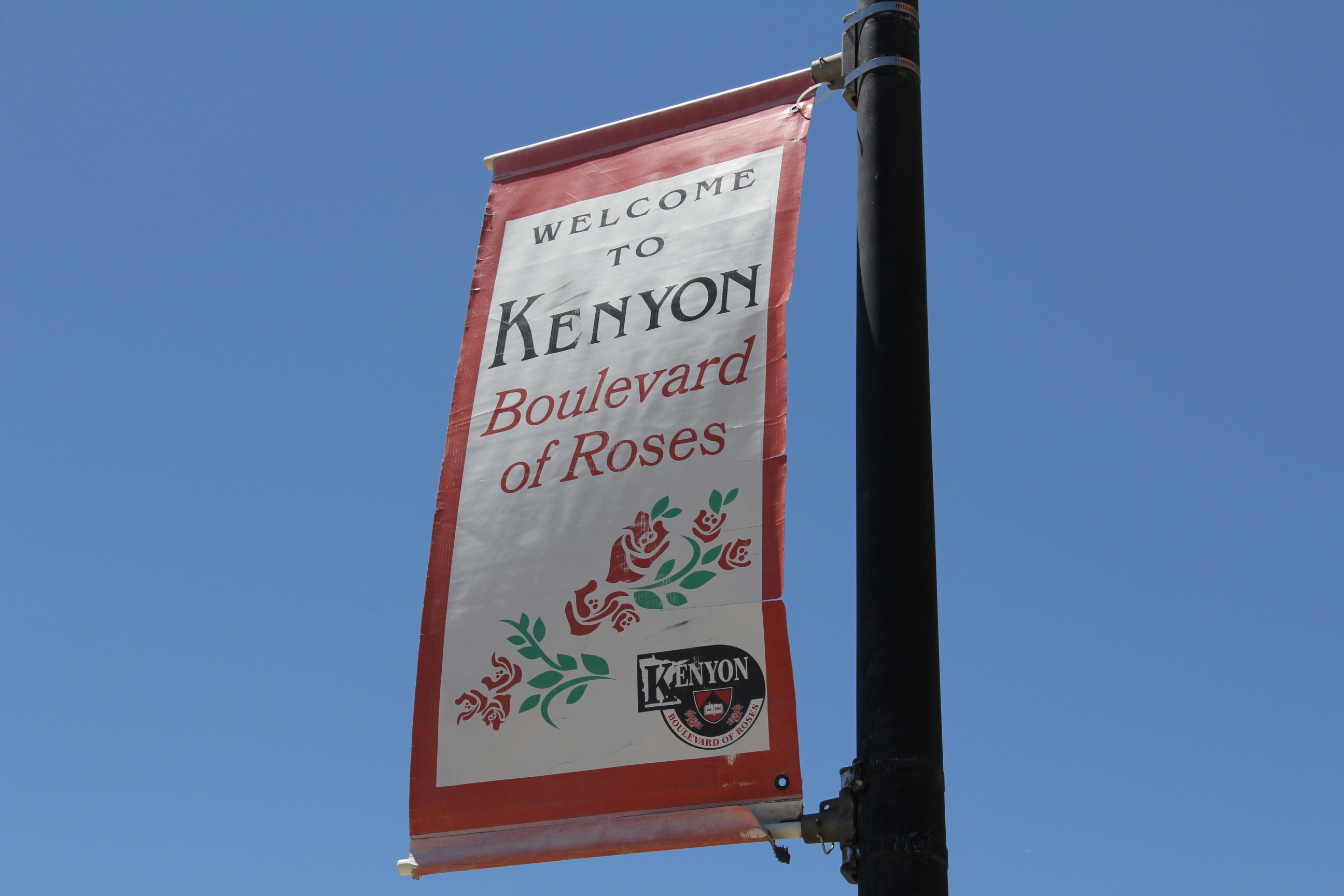
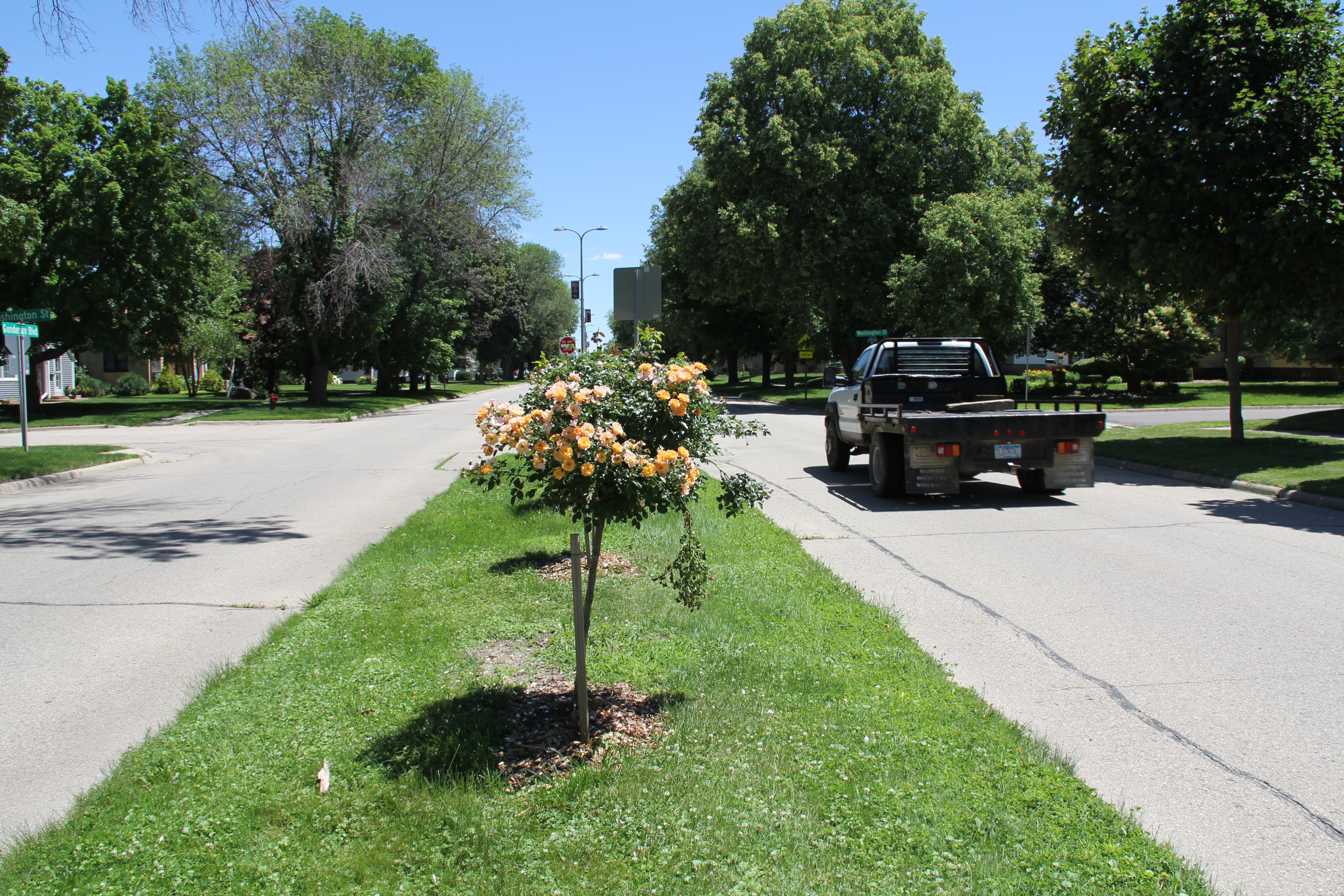
Welcome to Kenyon and its Boulevard of Roses. (Minnesota Prairie Roots copyrighted photo June 2024)
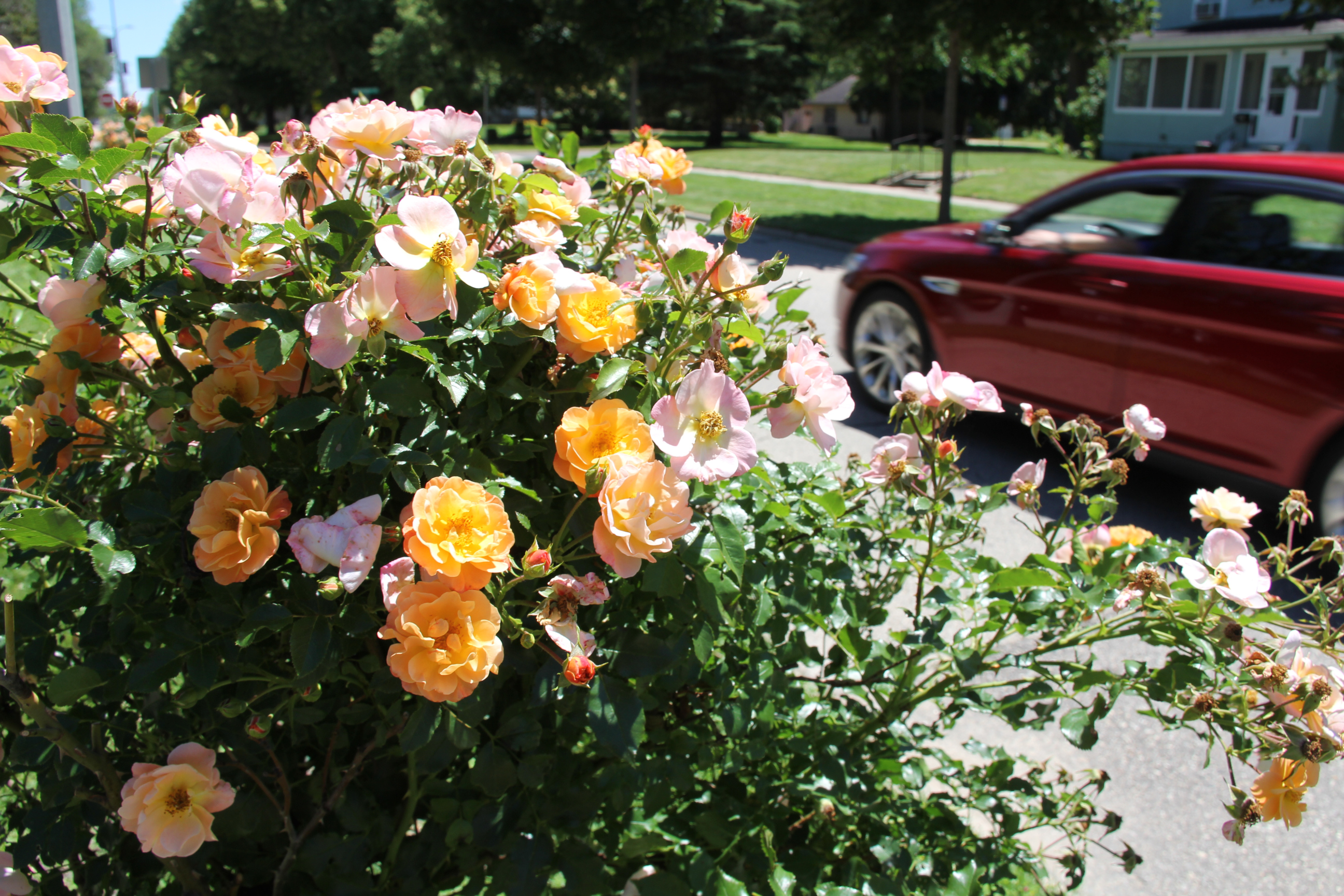
Roses bloom throughout the summer in the boulevard. (Minnesota Prairie Roots copyrighted photo June 2024)
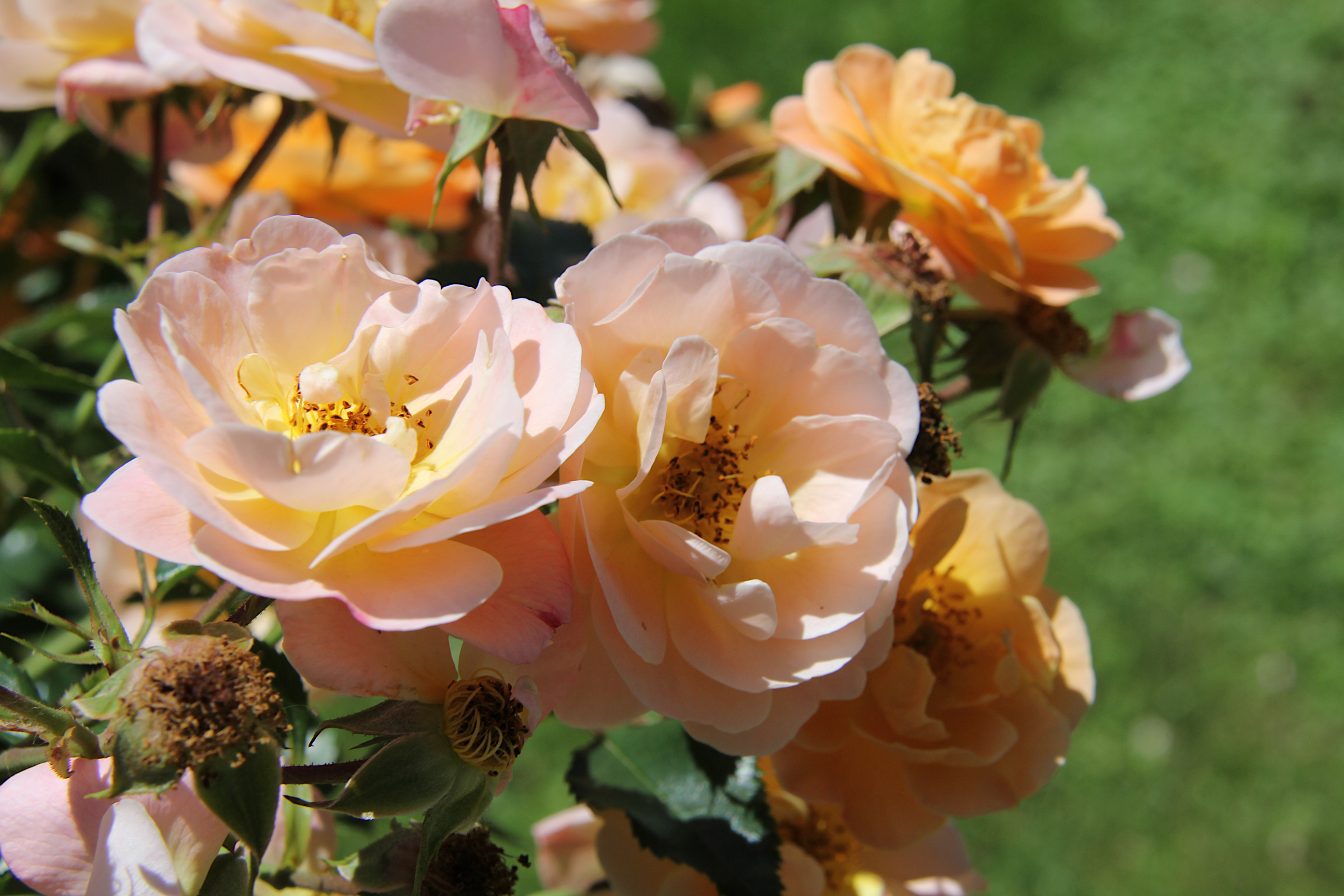
So many lovely roses… (Minnesota Prairie Roots copyrighted photo June 2024)

This community of just under 2,000 identifies itself via its Boulevard of Roses which is, indeed, a rose-filled boulevard on Minnesota State Highway 60/Gunderson Boulevard. For blocks along this heavily-traveled roadway on the west side of downtown, tree roses grow, blooming beauty into the landscape.

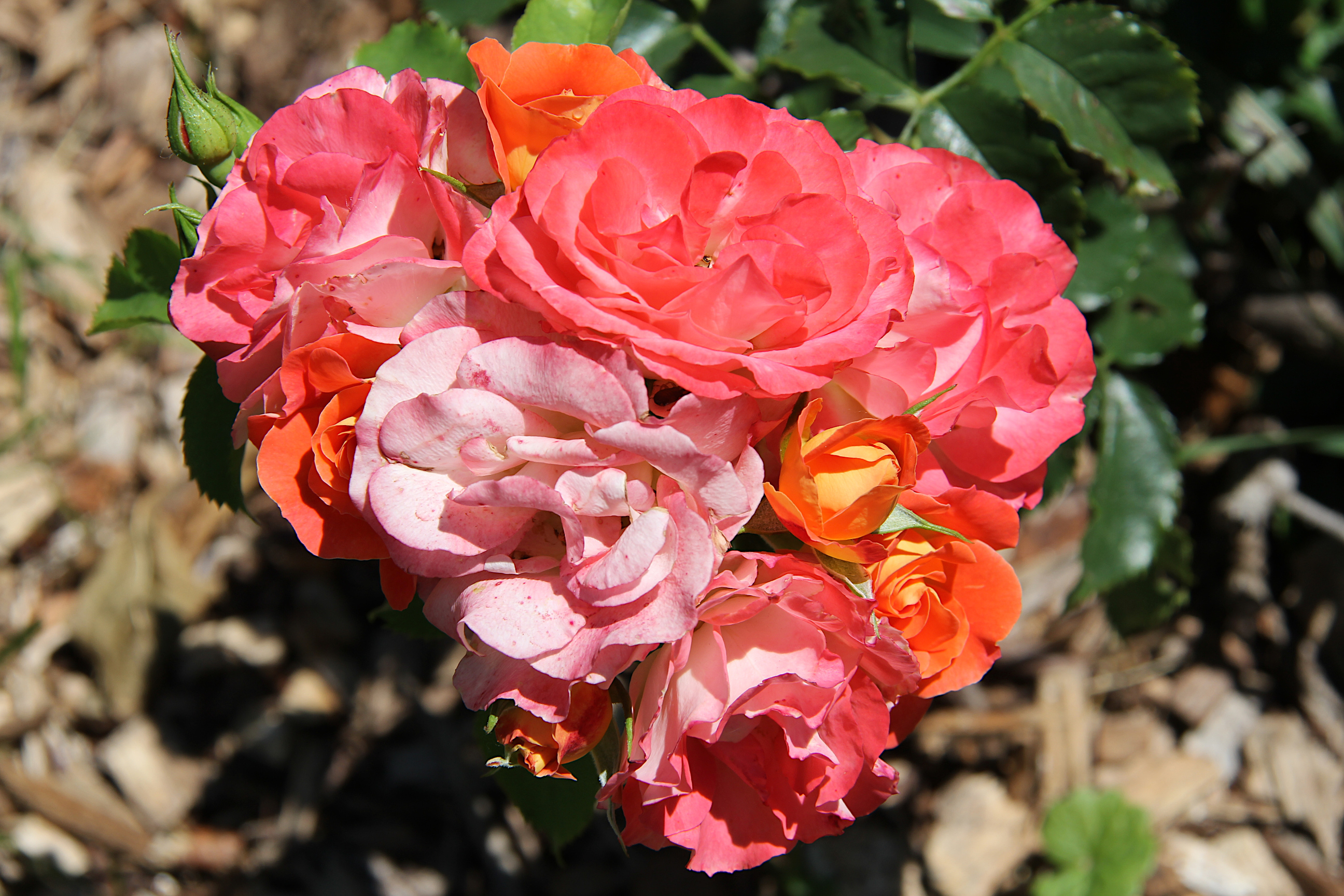
So many beautiful roses in assorted hues. (Minnesota Prairie Roots copyrighted photo June 2024)
Whether growing individually or in clusters, these tree roses are glorious. (Minnesota Prairie Roots copyrighted photo June 2024)
Traffic whizzes by on both sides as you smell/view the roses. (Minnesota Prairie Roots copyrighted photo June 2024)

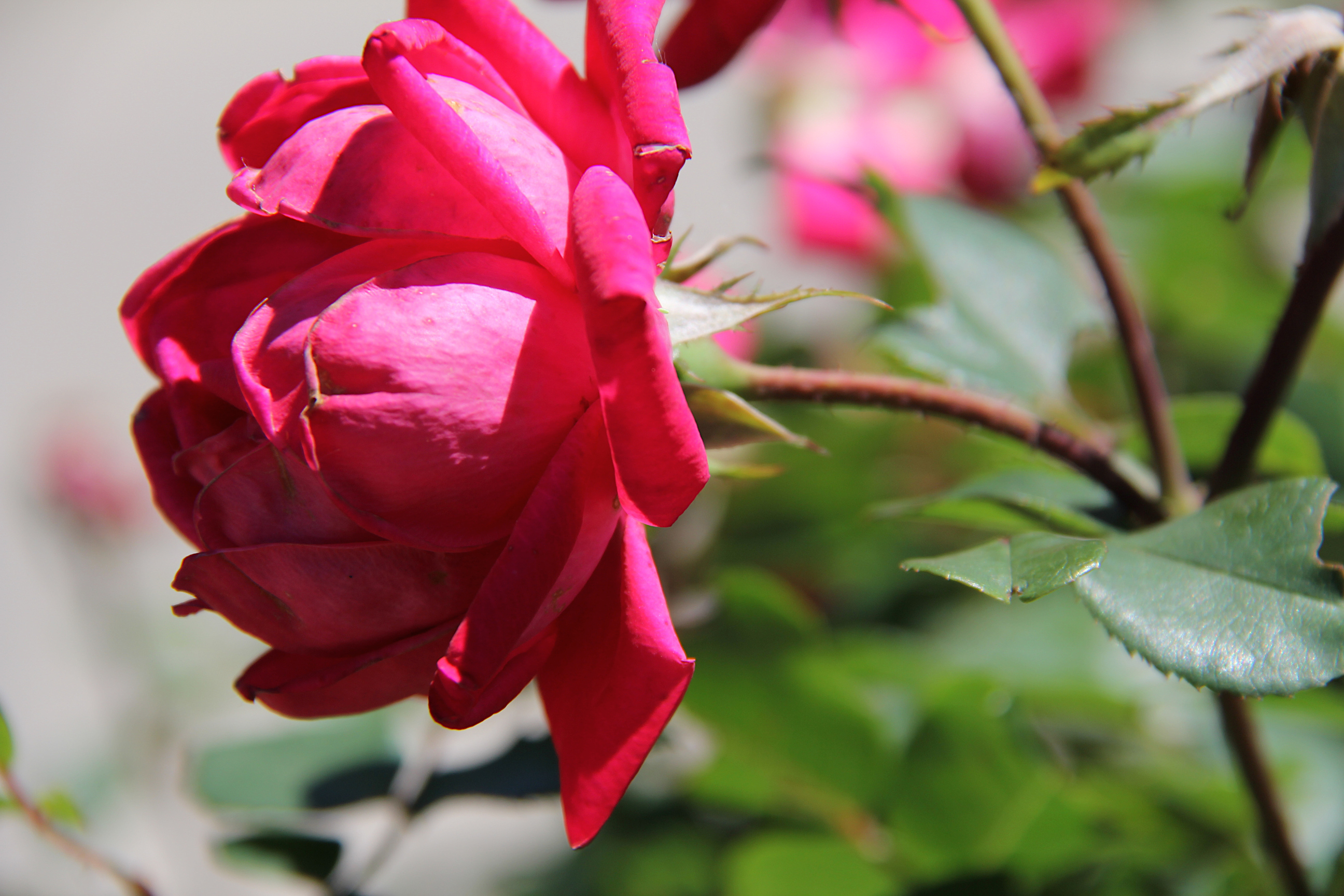
Recently, I stopped to smell the roses. Literally. I dipped my nose into the perfume-scented flowers, delighting in their fragrance as semi trucks and other motor vehicles blew by me only feet away. Smelling the roses here requires caution. I’ve often wished Kenyon had a public rose garden, allowing for rose viewing, and smelling, in a peaceful setting.

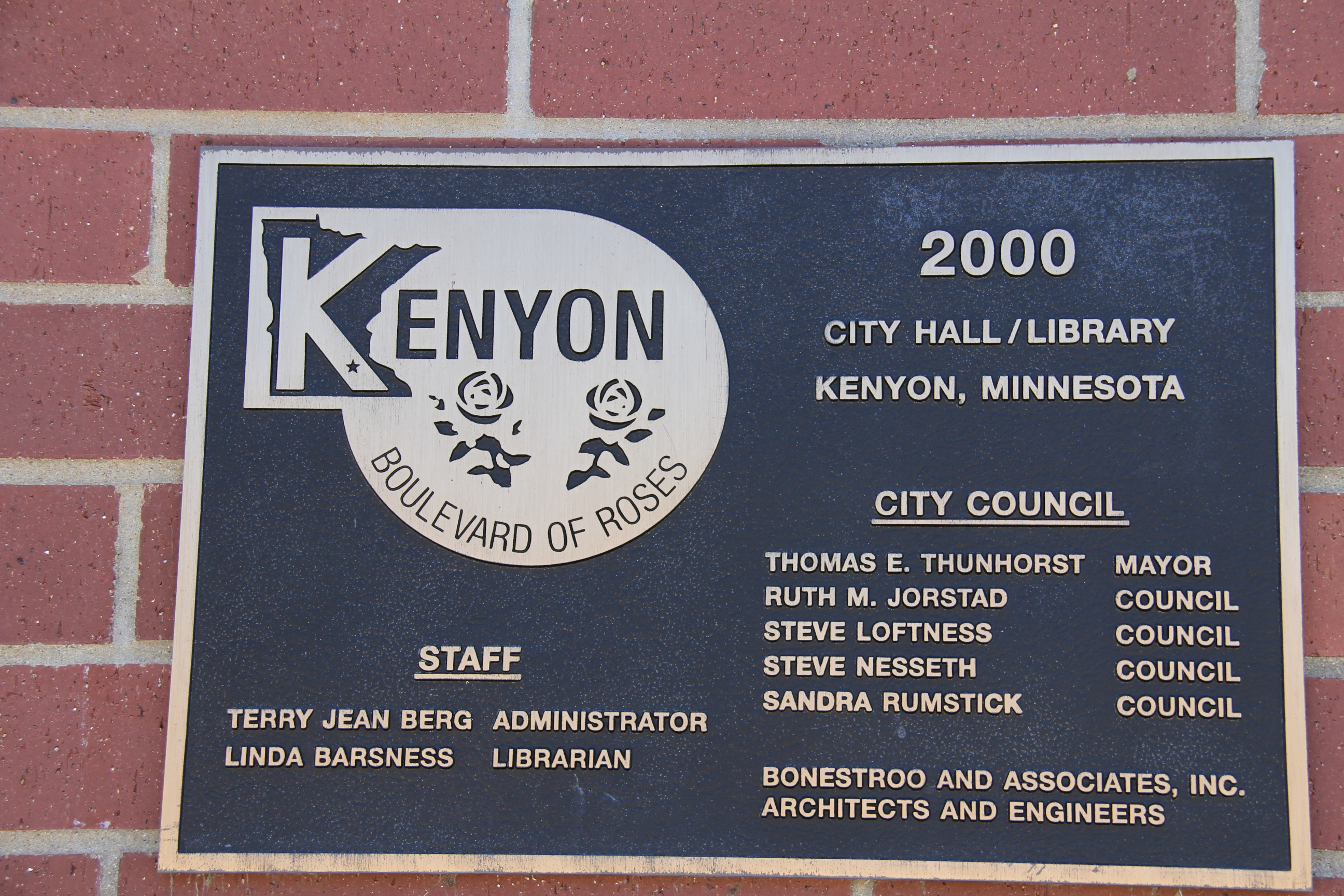
Even a plaque on Kenyon’s city building has the rose brand. (Minnesota Prairie Roots copyrighted photo June 2024)

But that the city has this, this Boulevard of Roses, is a gift. Back in 1962, city employee Lloyd Jystad asked to plant 10 tree roses to spruce up the boulevard. Permission granted. He cared for the rose bushes, which require burying in the ground before winter and then uncovering in the spring. From that initial request, the rose idea grew to include some 100 bushes, which are still cared for by city employees today. The Boulevard of Roses was dedicated in June 1968. That’s a long time of growing and tending roses.

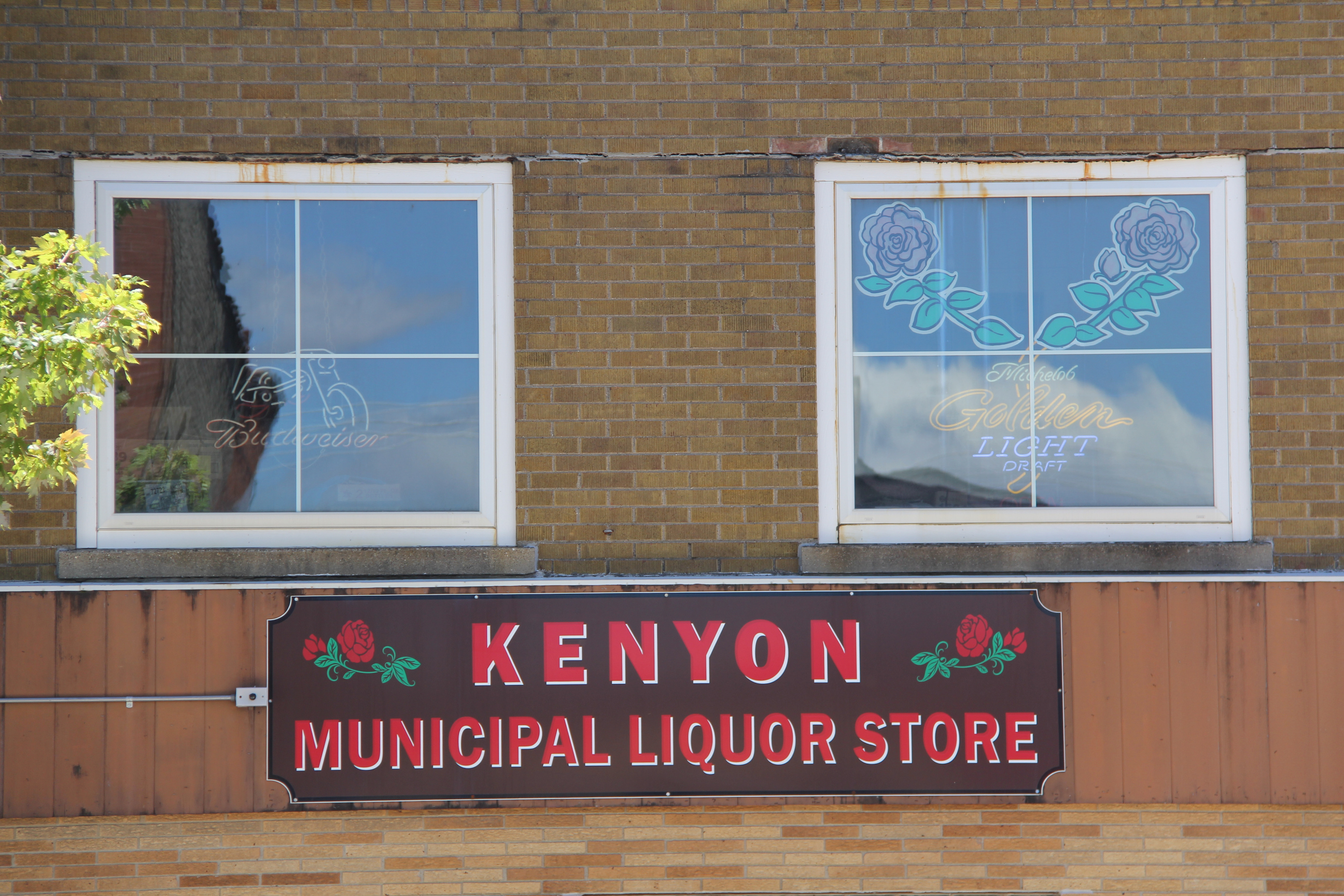
Rose branding on the city liquor store. (Minnesota Prairie Roots copyrighted photo June 2024)

Throughout Kenyon, roses bloom. In many ways, it’s remarkable for a community this small to have such a strong identifier. But I saw roses everywhere during a recent visit, far beyond the real ones that bloom along the highway. The red rose symbol graces many a sign in Kenyon.

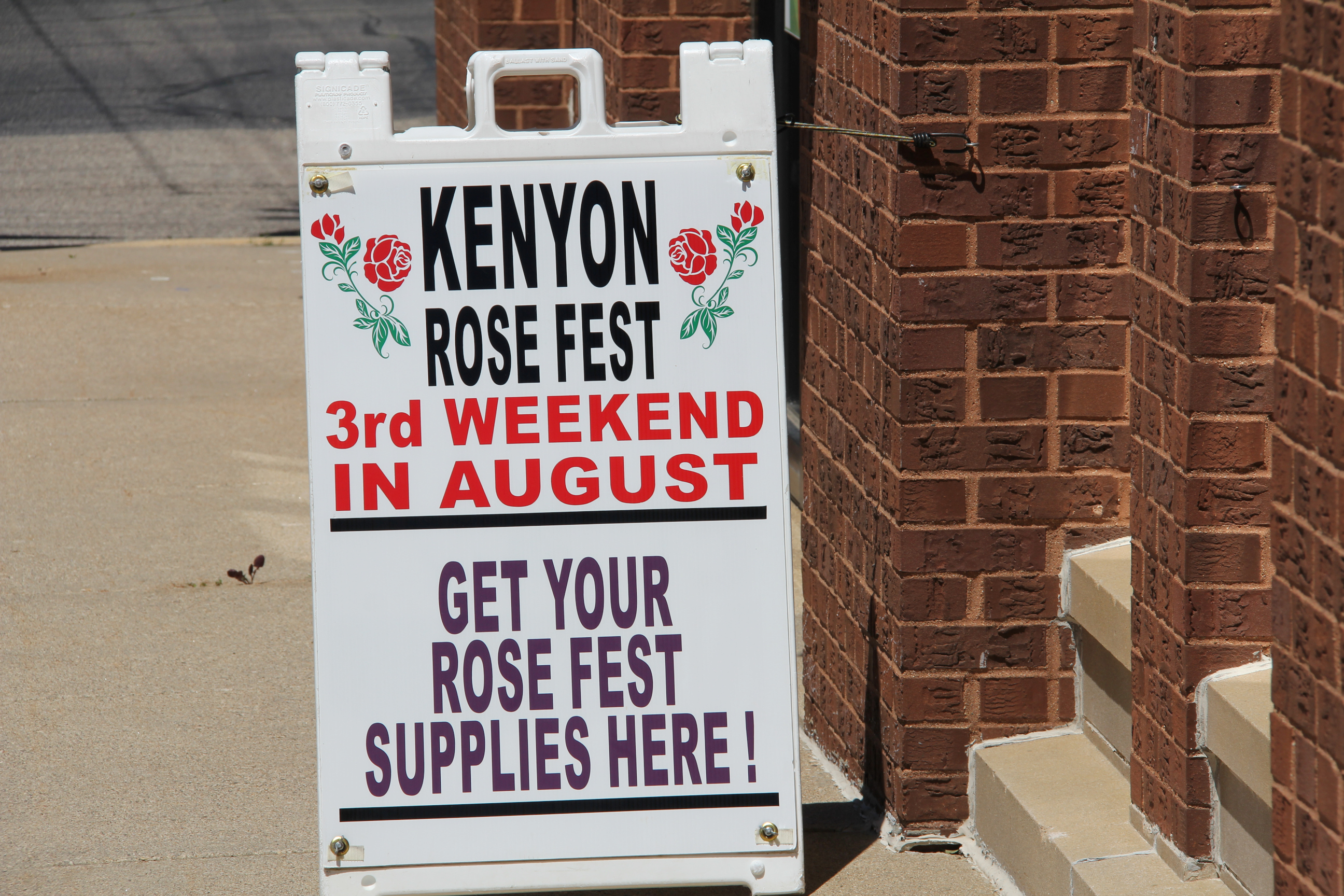
A sandwich board sits outside a small business well in advance of Rose Fest. (Minnesota Prairie Roots copyrighted photo June 2024)
Business branding on a shop door. (Minnesota Prairie Roots copyrighted photo June 2024)
Promoting the upcoming Rose Fest car and truck show in a storefront window. (Minnesota Prairie Roots copyrighted photo June 2024)

The city also celebrates roses in August with the Kenyon Rose Fest, this year August 14-18. It’s your typical small town summer celebration with fest royalty, a parade, a car and truck show, vendor and craft market, great food, and more. Mostly, Rose Fest is about connecting people and community. It brings folks together to celebrate small town life.

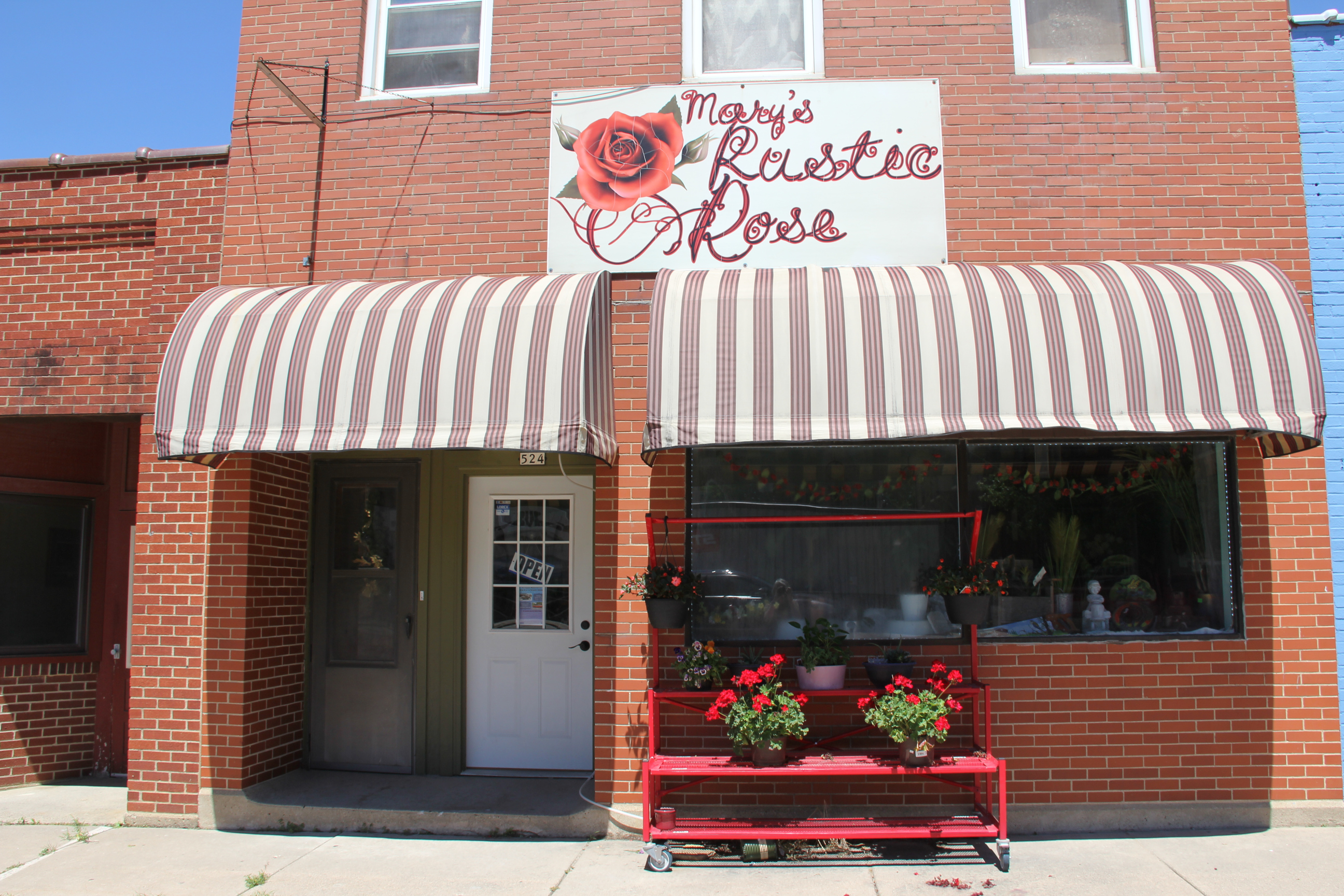
A fitting name for a floral shop in Kenyon. (Minnesota Prairie Roots copyrighted photo June 2024)

I often wonder if motorists, as they drive through Kenyon in their hurry from Point A to Point B, even notice the beauty they’re passing by in the Boulevard of Roses. I’m here to say it’s worth your time to stop, exit your vehicle and smell the roses. Life is much sweeter when we slow down and appreciate the nuances of small towns like Kenyon with its Boulevard of Roses.

© Copyright 2024 Audrey Kletscher Helbling
 

The beauty of flowers in a community June 26, 2024

Roses bloom in the Rice County Master Gardeners Teaching Gardens at the Rice County Fairgrounds in Faribault. (Minnesota Prairie Roots copyrighted photo June 2024)

OH, HOW BEAUTIFUL the flowers that gardeners tend. Petals flash color, painting the landscape in bold and delicate hues. Flowers dip and bend in the wind like silent writers penning poetry. Flowers inspire, bring joy, carry love stories and memories.

Delicate pink flowers in a garden at the Cathedral of Our Merciful Saviour. (Minnesota Prairie Roots copyrighted photo June 2024)

Flowers have always been a part of my life. From my paternal grandma’s unruly flowerbeds to my mom’s rows of colorful zinnias in the vegetable garden to my own flowers growing in a chaotic mess, I’ve delighted in blooms.

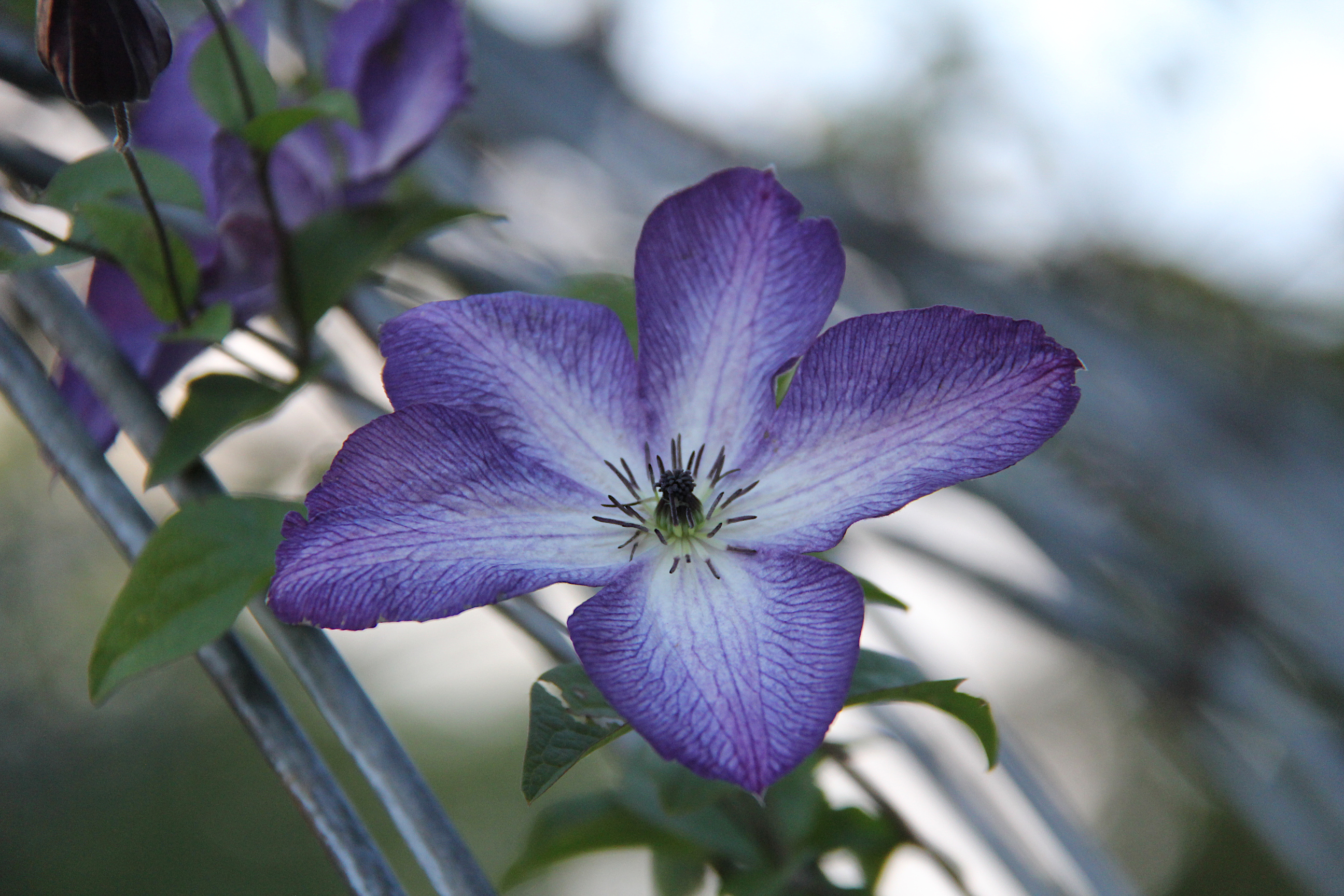
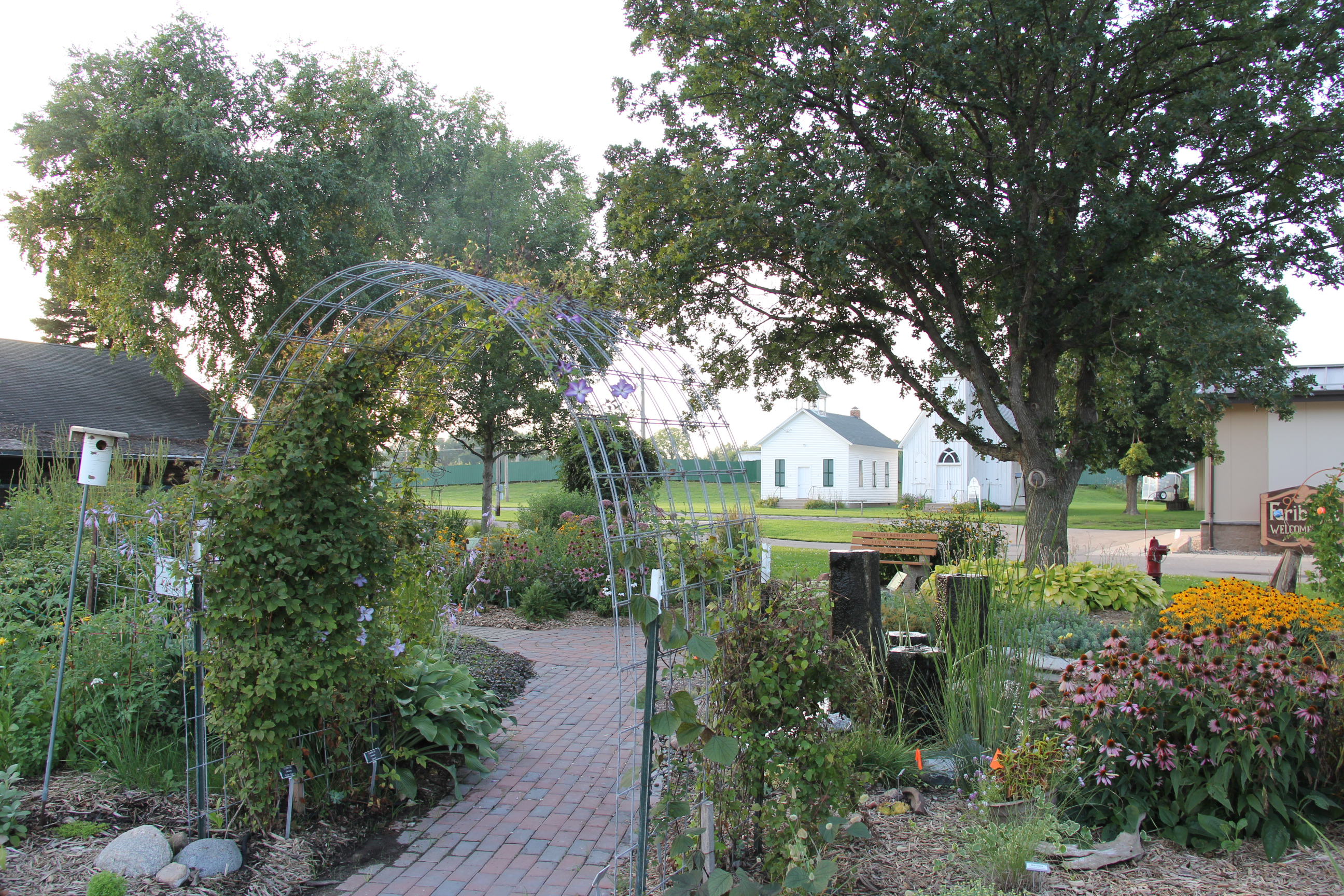
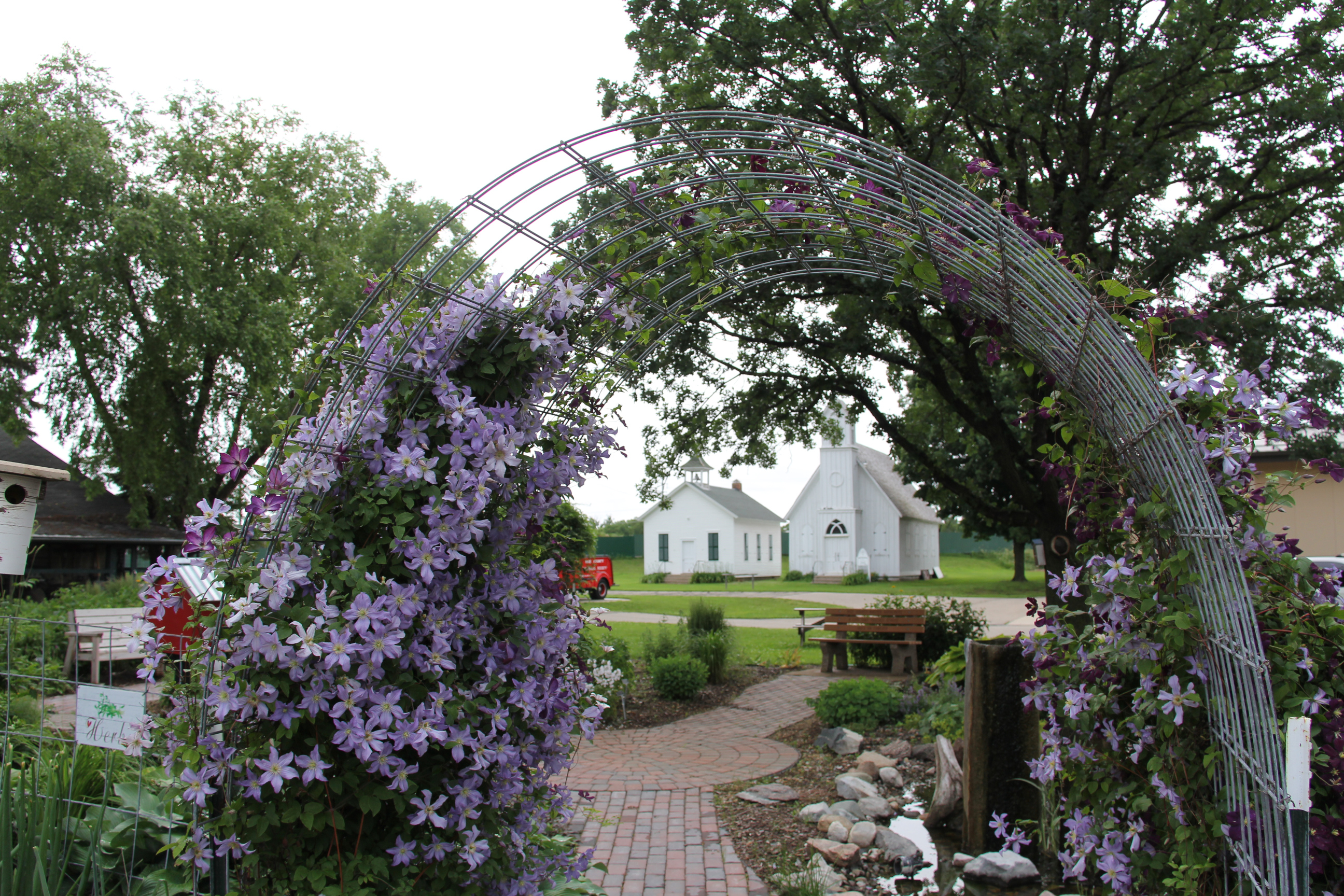
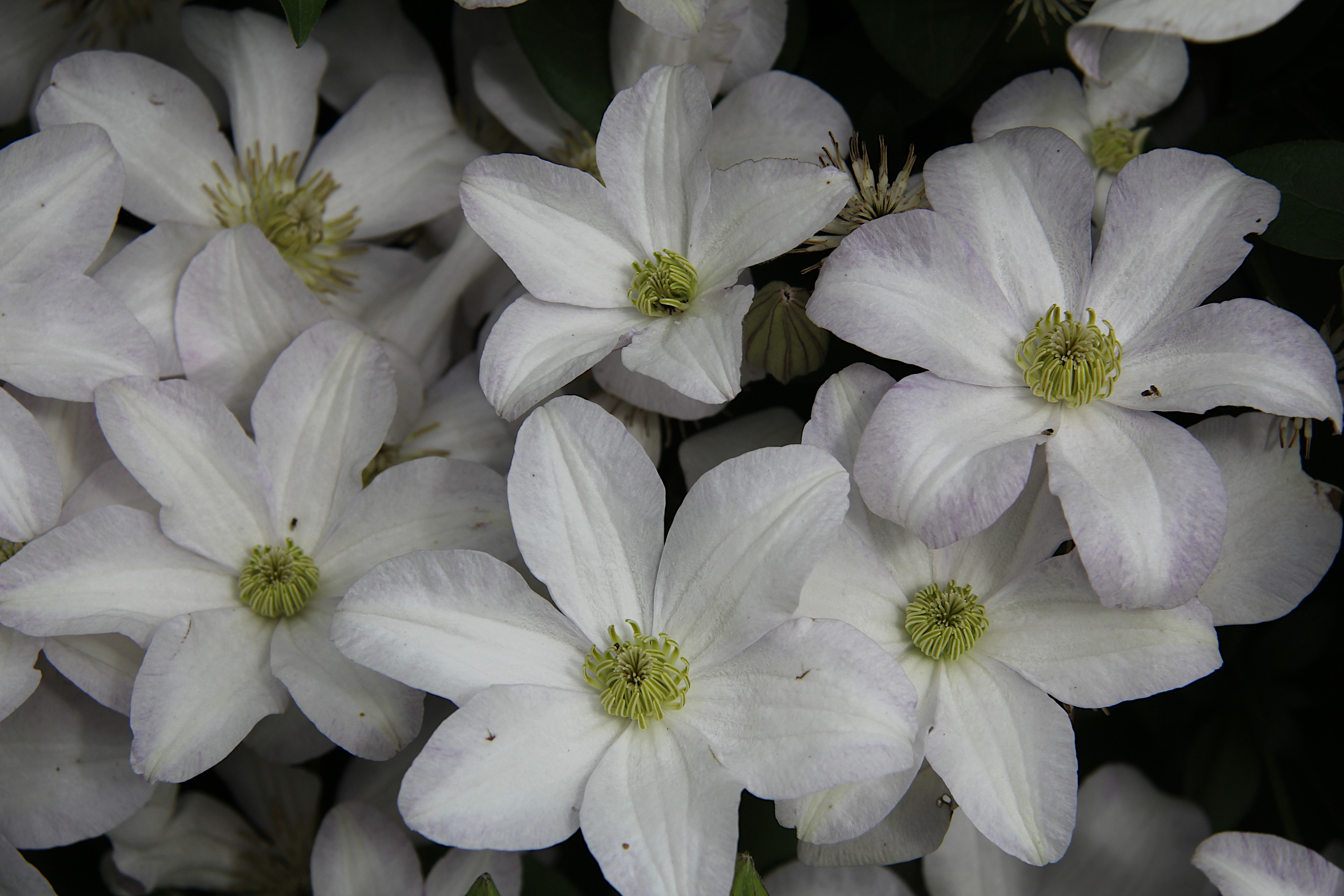
Clematis climb an arched trellis at the teaching gardens. An historic church and school, part of the Rice County Historical Society, are a lovely backdrop. (Minnesota Prairie Roots copyrighted photo June 2024)

I especially appreciate the local public flower gardens that grace my community. From Central Park to the Cathedral of Our Merciful Saviour to the Rice County Master Gardeners Teaching Gardens and beyond, there are plenty of flowers and plants in Faribault to fill my spirit with summer joy.

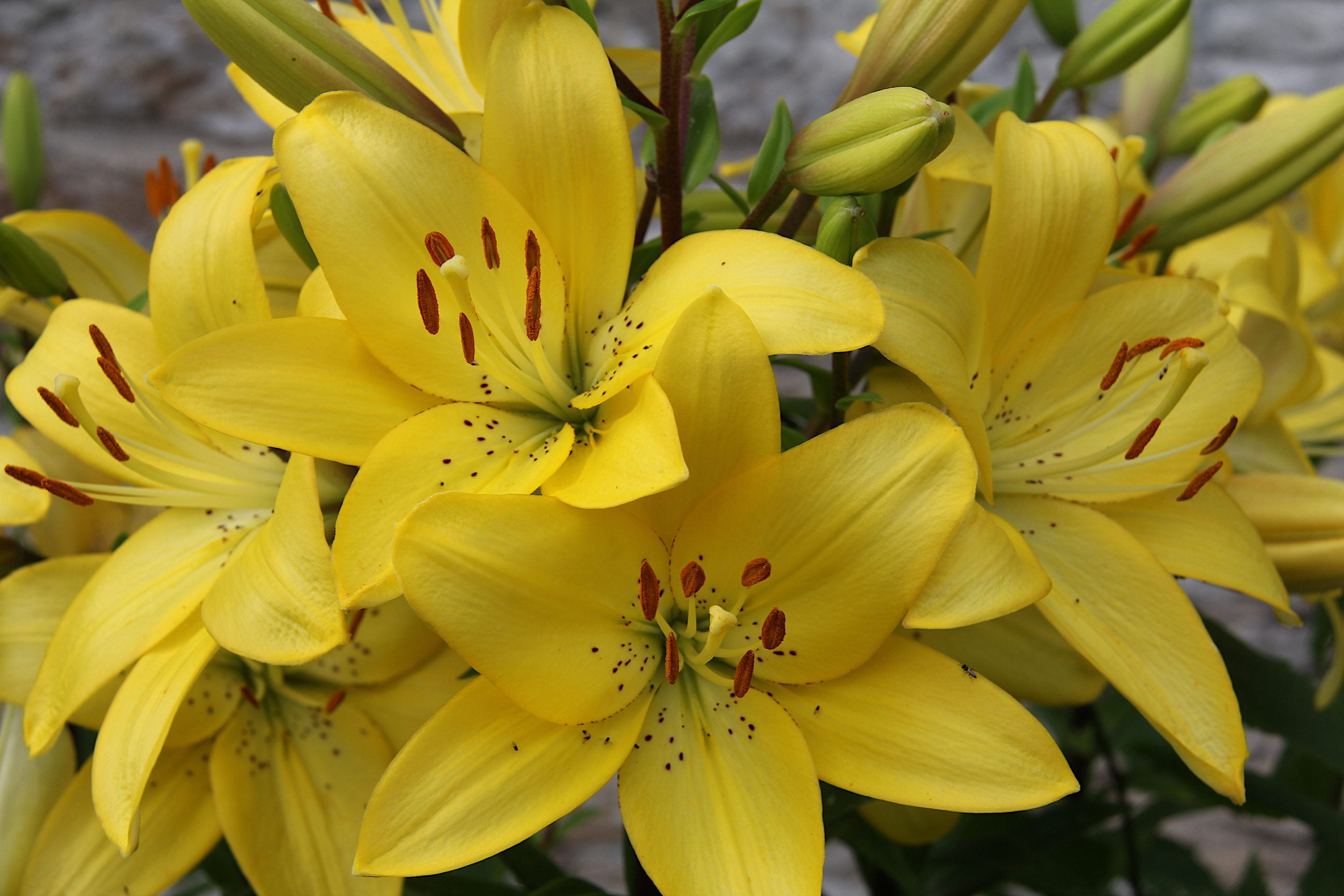
Vivid yellow lilies jolt color into Cathedral gardens. (Minnesota Prairie Roots copyrighted photo June 2024)
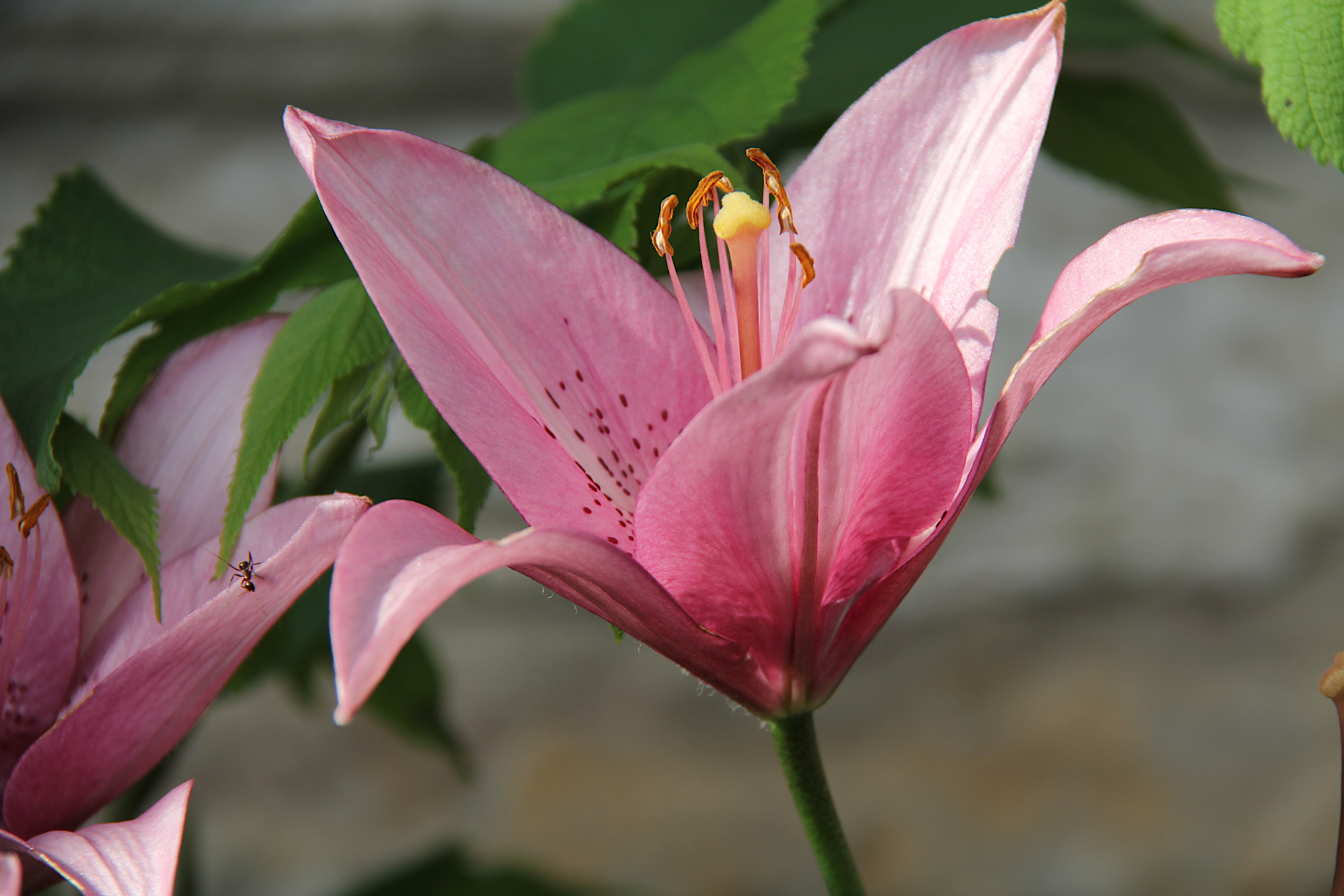
Another Cathedral lily. (Minnesota Prairie Roots copyrighted photo June 2024)
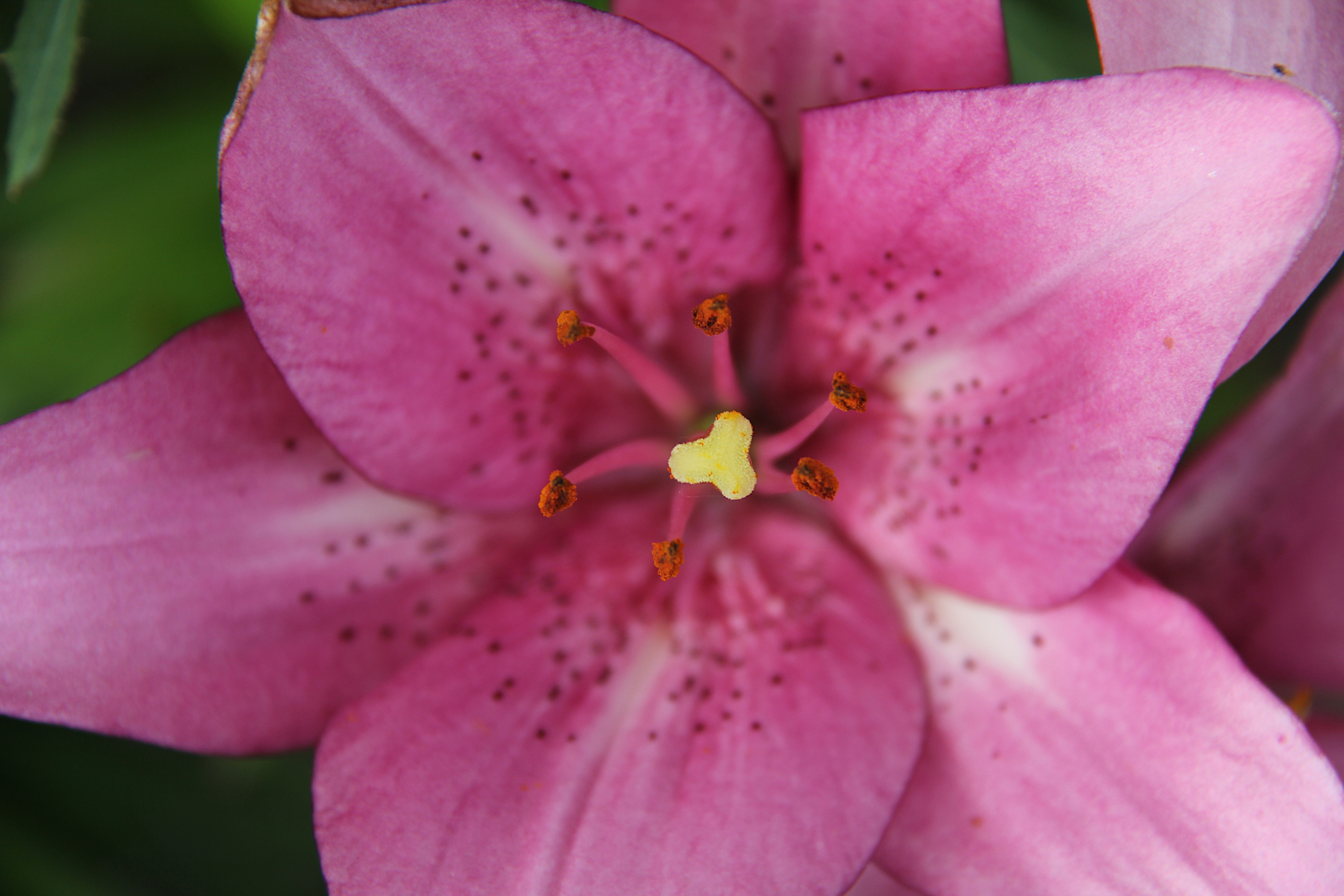
At one time I could identify flower parts, like those shown in this lily close-up blooming at the Cathedral. (Minnesota Prairie Roots copyrighted photo June 2024)

Right now, the lilies are in full bloom. They appear a sturdy lot to me, a lesson in botany with stamens and pistils and all those parts I once learned in a long ago science class. Now I don’t care much about that, just the beauty my eyes take in as I wander among the flowers.

An inviting garden, complete with benches, graces the northside entry to the Cathedral. (Minnesota Prairie Roots copyrighted photo June 2024)
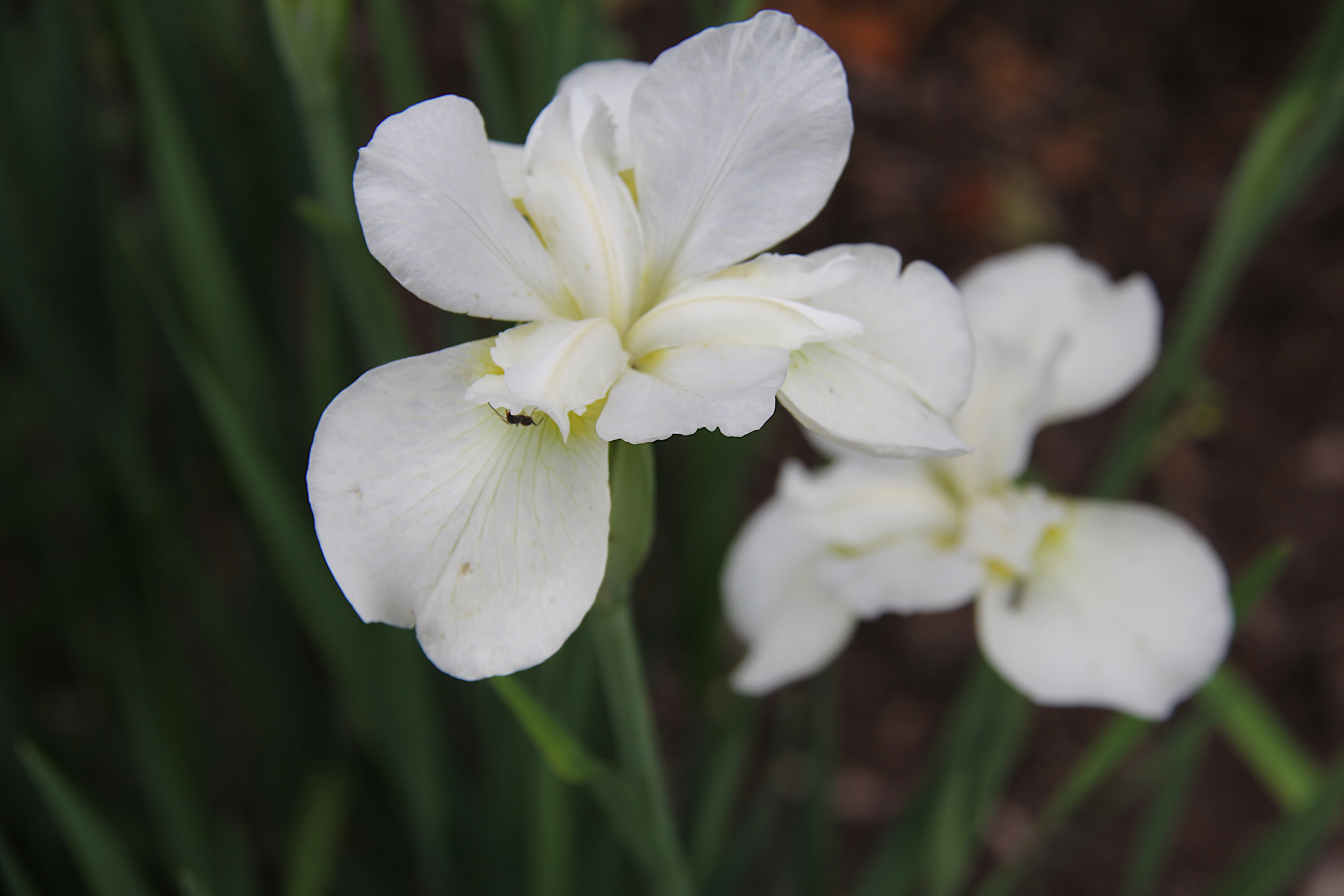
Iris bloom at the Cathedral. (Minnesota Prairie Roots copyrighted photo June 2024)
For use at the teaching gardens when needed. (Minnesota Prairie Roots copyrighted photo June 2024)

I’m thankful for the volunteers who plant, weed and care for flower gardens created out of a love of gardening and out of a desire to beautify a community. It takes time, effort, commitment, and that does not go unnoticed by me.

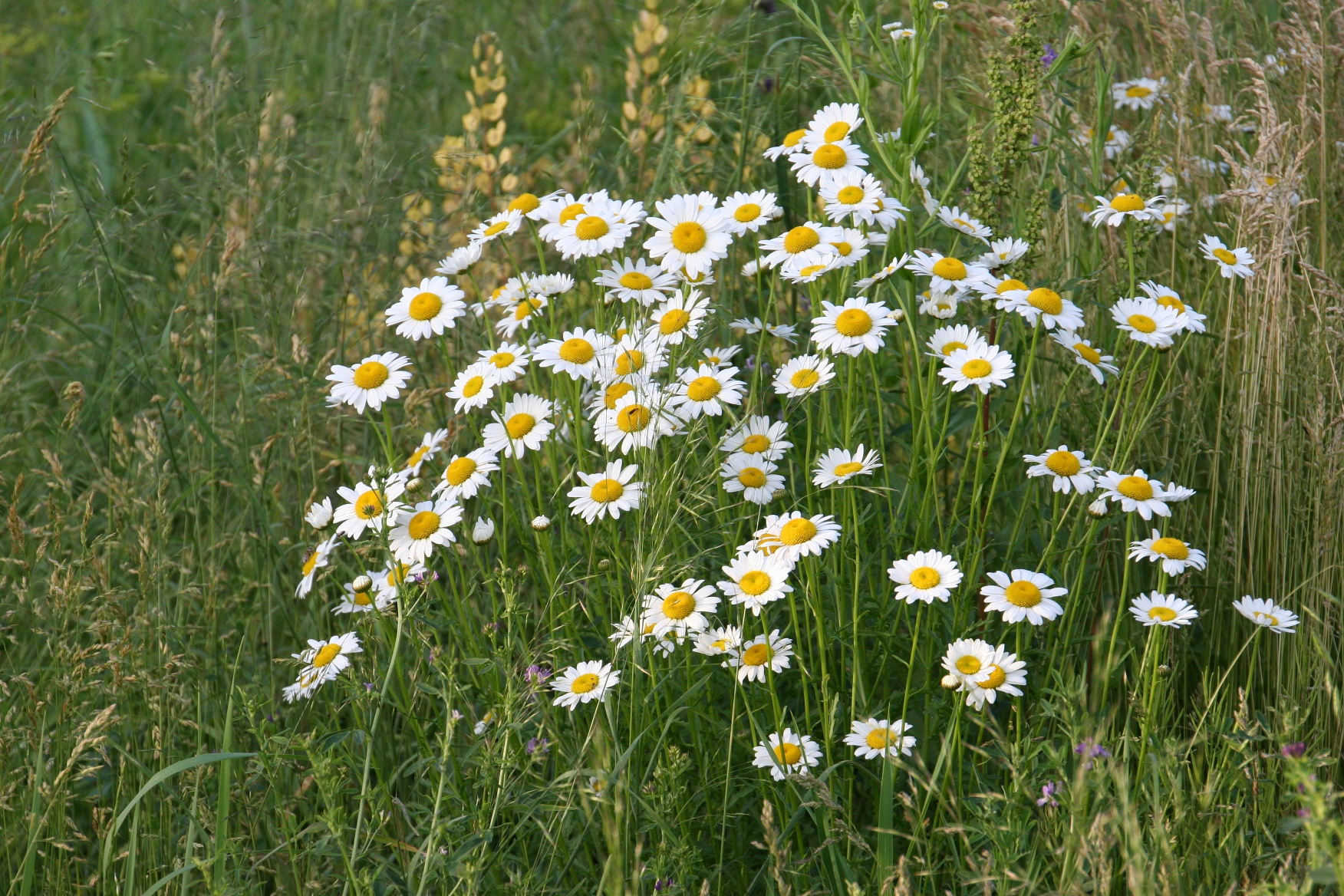
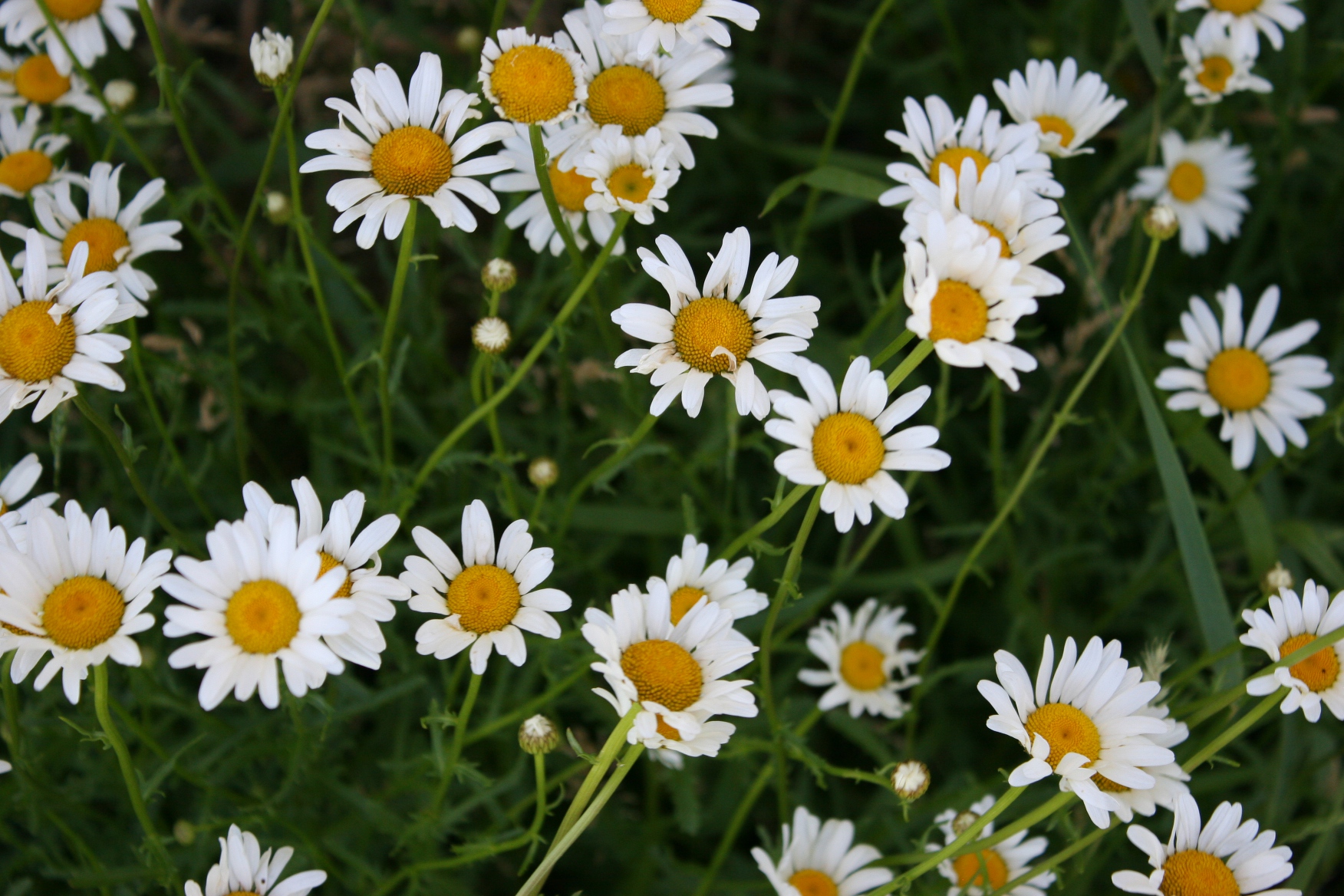
A clump of daisies, similar to these photographed at Faribault Energy Park, grow on my boulevard. (Minnesota Prairie Roots copyrighted file photo July 20219)

Life is full of opportunities to brighten this world. Flowers are one way. I watched the other day from my living room window as a young boy picked a daisy from an errant patch growing in the boulevard by my house. Then his mom plucked one, too, tucking a single stem into the front of her tank top. I didn’t care that they picked the daisies. I could see how happy it made them.

At the teaching gardens, flowers ladder a stem. (Minnesota Prairie Roots copyrighted photo June 2024)

The daisy, such a simple flower, blooming profusely in the grass next to a busy street. Bent by the wind and rain, as if bowing to the earth. The daisy has always been a sunny favorite of mine. Daisies were woven into my bridal bouquet, my bridesmaids’ baskets of flowers and corsages on my wedding day 42 years ago. Flowers hold love stories, memories.

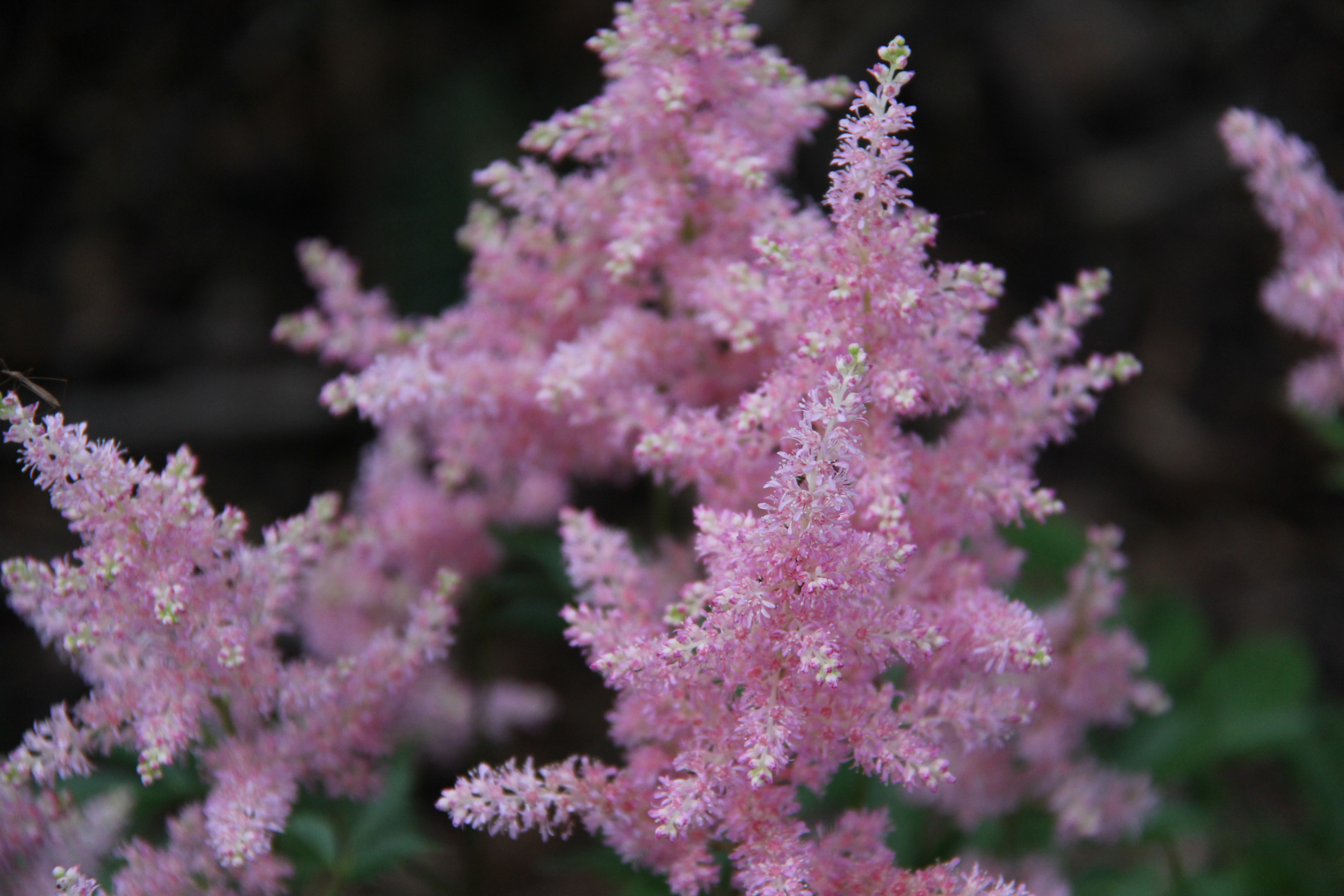
Fanciful astilbe grow in the teaching gardens. (Minnesota Prairie Roots copyrighted photo June 2024)
In bloom at the Cathedral. (Minnesota Prairie Roots copyrighted photo June 2024)
Spots of purple in a Cathedral garden like a single line of poetry. (Minnesota Prairie Roots copyrighted photo June 2024)

I expect, if pressed, anyone could share a flower story. Stories of love and loss, celebration and sorrow, gratitude and healing. Flowers hold stories as much as they write them. Creativity thrives in their bold and delicate hues, in the way they grow and flourish and fade. In the way they stand or bend in the wind, like silent writers penning poetry.

© Copyright 2024 Audrey Kletscher Helbling
 

Clutch of crocuses March 14, 2024

Filed under: Uncategorized — Audrey Kletscher Helbling @ 5:00 AM
Tags: , , , , , , ,
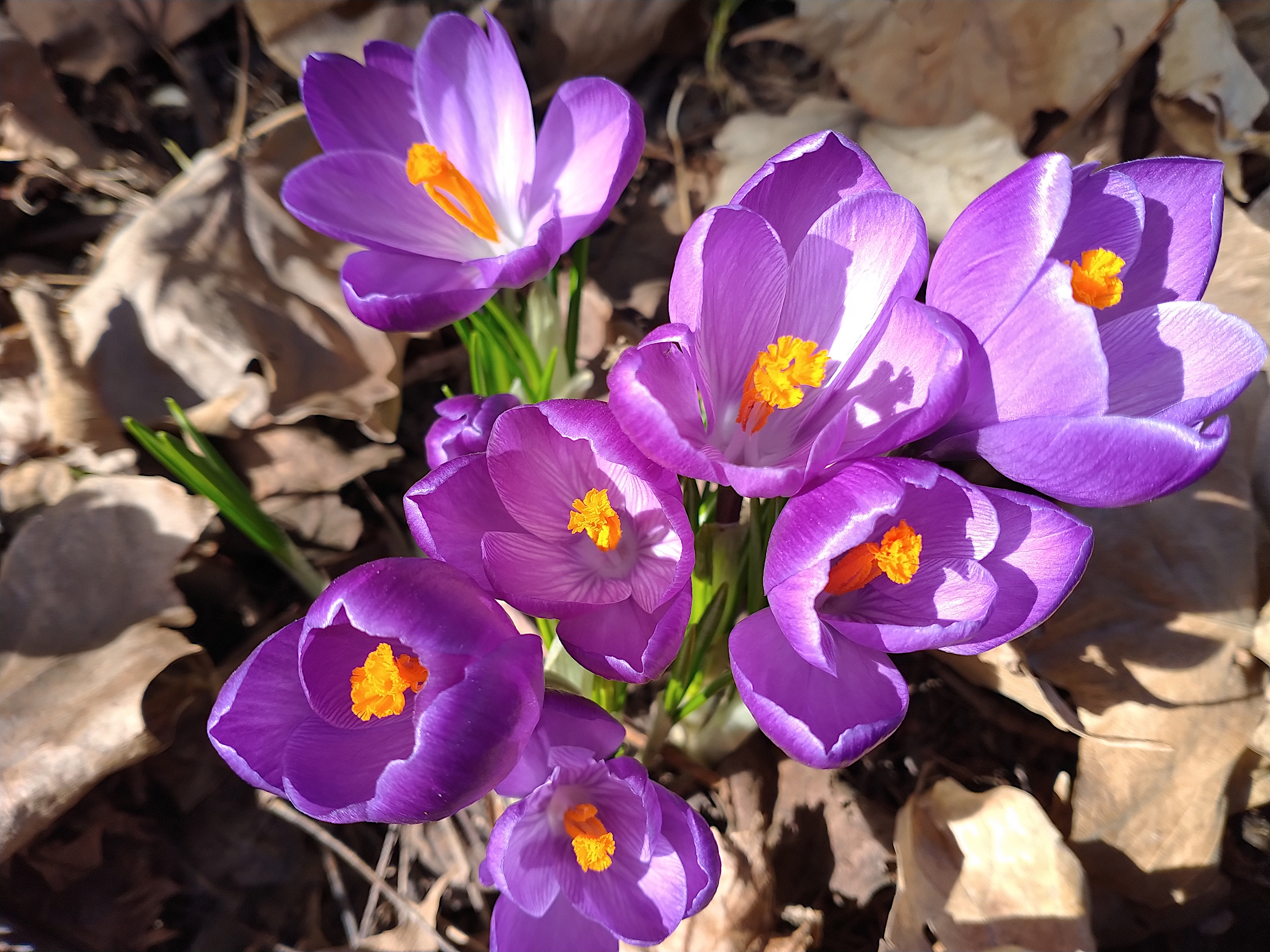
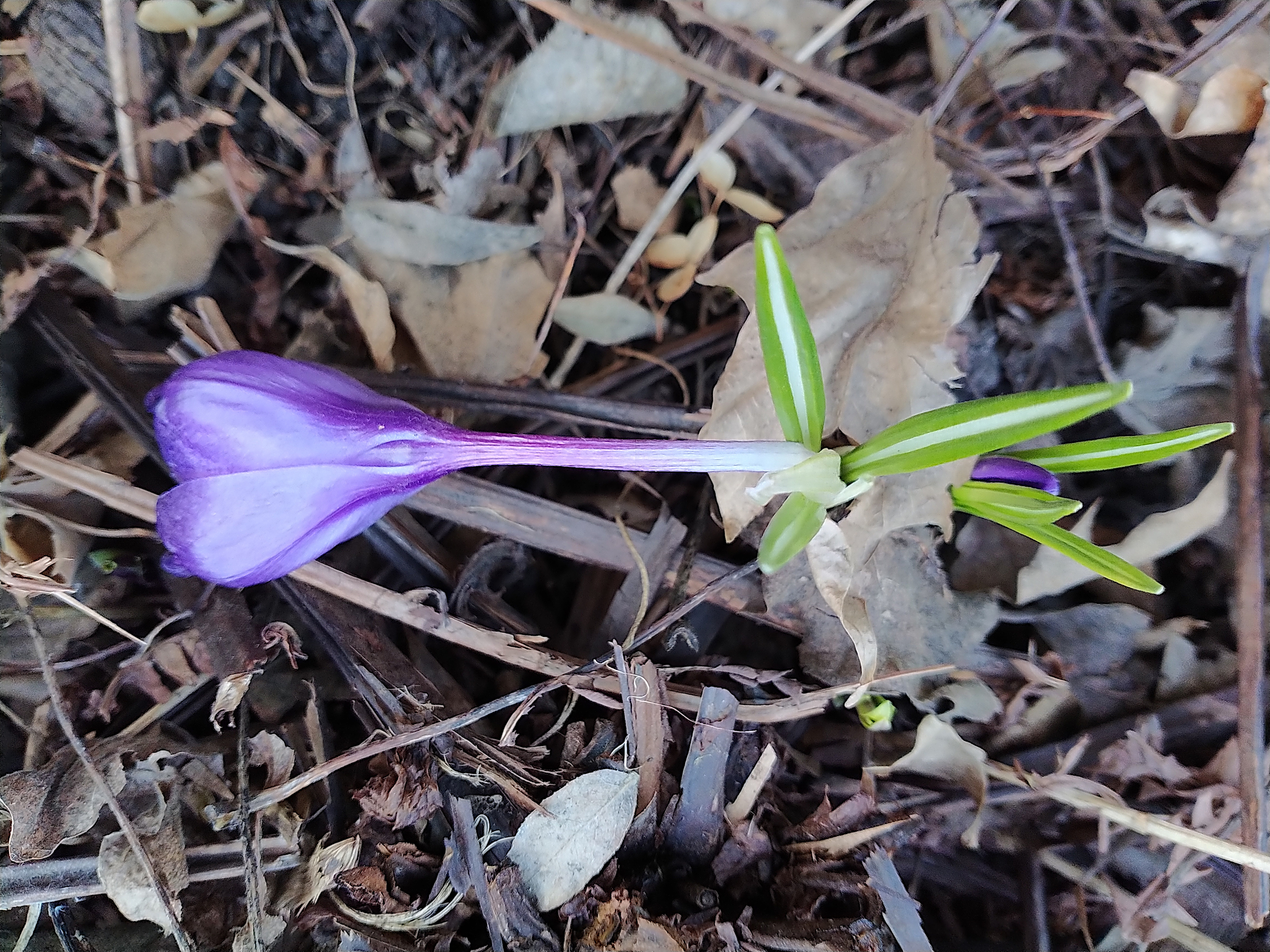
Crocuses blooming on March 12. (Minnesota Prairie Roots copyrighted photo March 2024)

DAYS AFTER I BRUSHED aside leaf mulch, my crocuses are in full bloom under the bold sunlight of March here in southern Minnesota.

Veins run through the cupped purple petals popping with golden centers. They are beautiful to behold. Vibrant in a landscape of brown.

Due to the unseasonably mild Minnesota winter, these crocuses are blooming weeks earlier than usual. Had I not uncovered the perennials several days ago to find a lone blossom leaning, I would have missed this explosion of color in my front yard flowerbed.

I admire crocuses, daffodils and tulips, the first brave flowers of spring. That they even survive in this harsh climate seems a miracle in itself. Crocuses store food in corms, their underground stem system.

And so I want to take a moment to celebrate this clutch of crocuses, to recognize the importance of noticing that which is right before our eyes. All too often we hurry through our days without pausing to appreciate the little things. The flush of blossoms. The bright flash of a cardinal. The scurrying of a squirrel. Today may you stop, look and see, really see, the beauty within this day.

TELL ME: What little thing are you seeing today that bring you joy?

© Copyright 2024 Audrey Kletscher Helbling
 

Uncovering spring in this non-winter in Minnesota March 12, 2024

Filed under: Uncategorized — Audrey Kletscher Helbling @ 5:00 AM
Tags: , , , , , , , , , , ,
Under a layer of leaves, I found this blooming crocus. Already, in early March. (Minnesota Prairie Roots copyrighted photo March 2024)

IN TRULY UN-MINNESOTAN fashion, I have penned very little this winter about the weather. That is atypical of a life-long resident. We are, if anything, obsessed about weather in Minnesota. We take pride in our cold weather, our snow, in managing to persevere in an often harsh climate. Weather affects our lives on a daily basis.

But this winter season, our image as the Bold Cold North has significantly changed. These past four months have been primarily snow-less and unseasonably warm. Sure, we’ve had a bit of snow and some cold snaps with sub-zero temperatures. Yet nothing like we’ve come to expect.

As I write, I look out my office window to a scene devoid of snow. The temperature is 46 degrees. At 9:51 a.m. on an early March morning. Laundry is drying on the clothesline. And the sun blazes bright upon the monotone landscape.

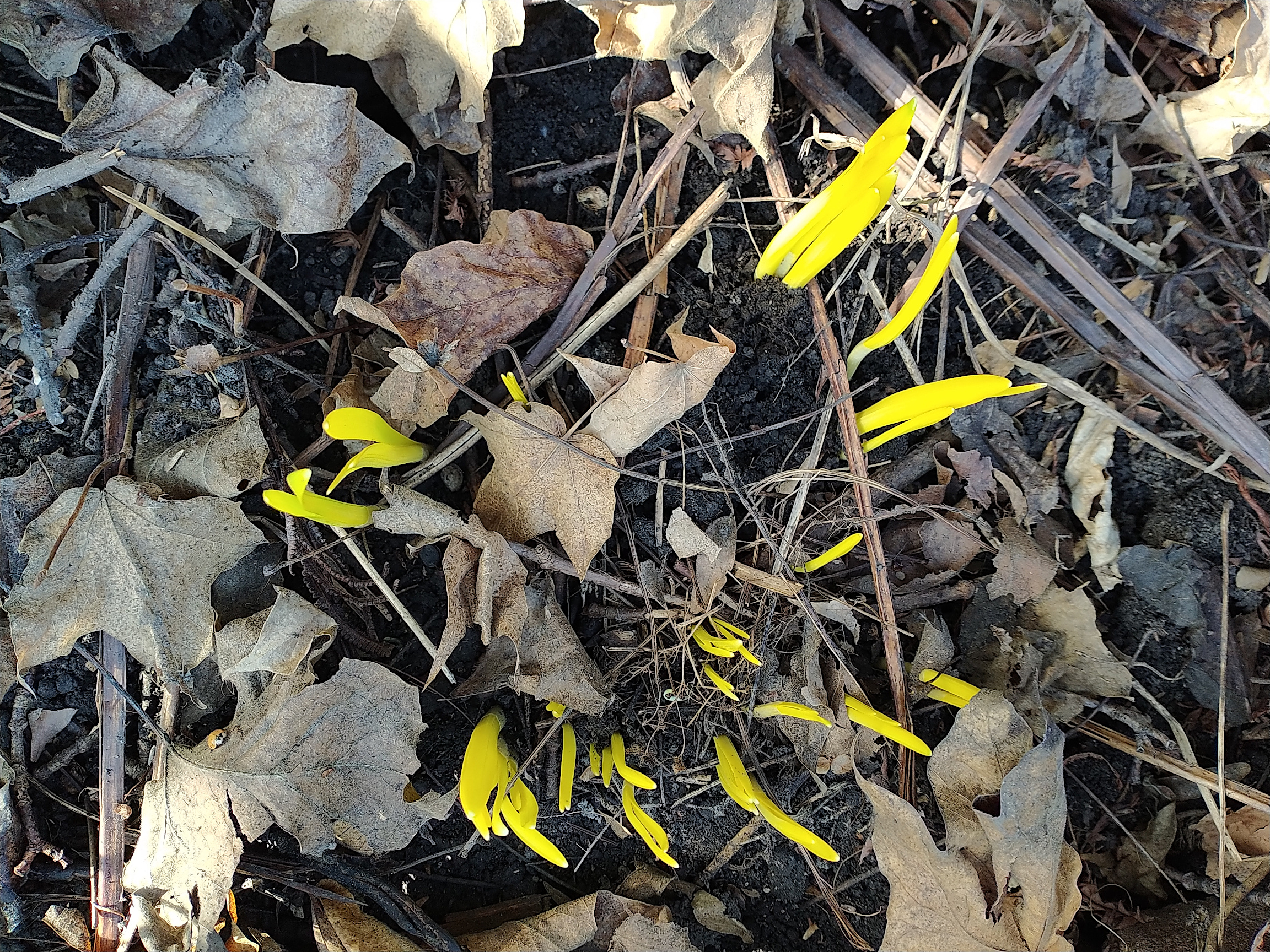
Daffodils, too, are emerging early. (Minnesota Prairie Roots copyrighted photo March 2024)

If I look closely, I see signs of spring come too soon. I need only examine my perennial flowerbeds to find spring flowers emerging from the soil. Under a layer of dried leaf mulch, I uncover a single crocus tipped on its side. I push more leaves aside revealing tender shoots of crocuses and daffodils. They need sunlight to thrive.

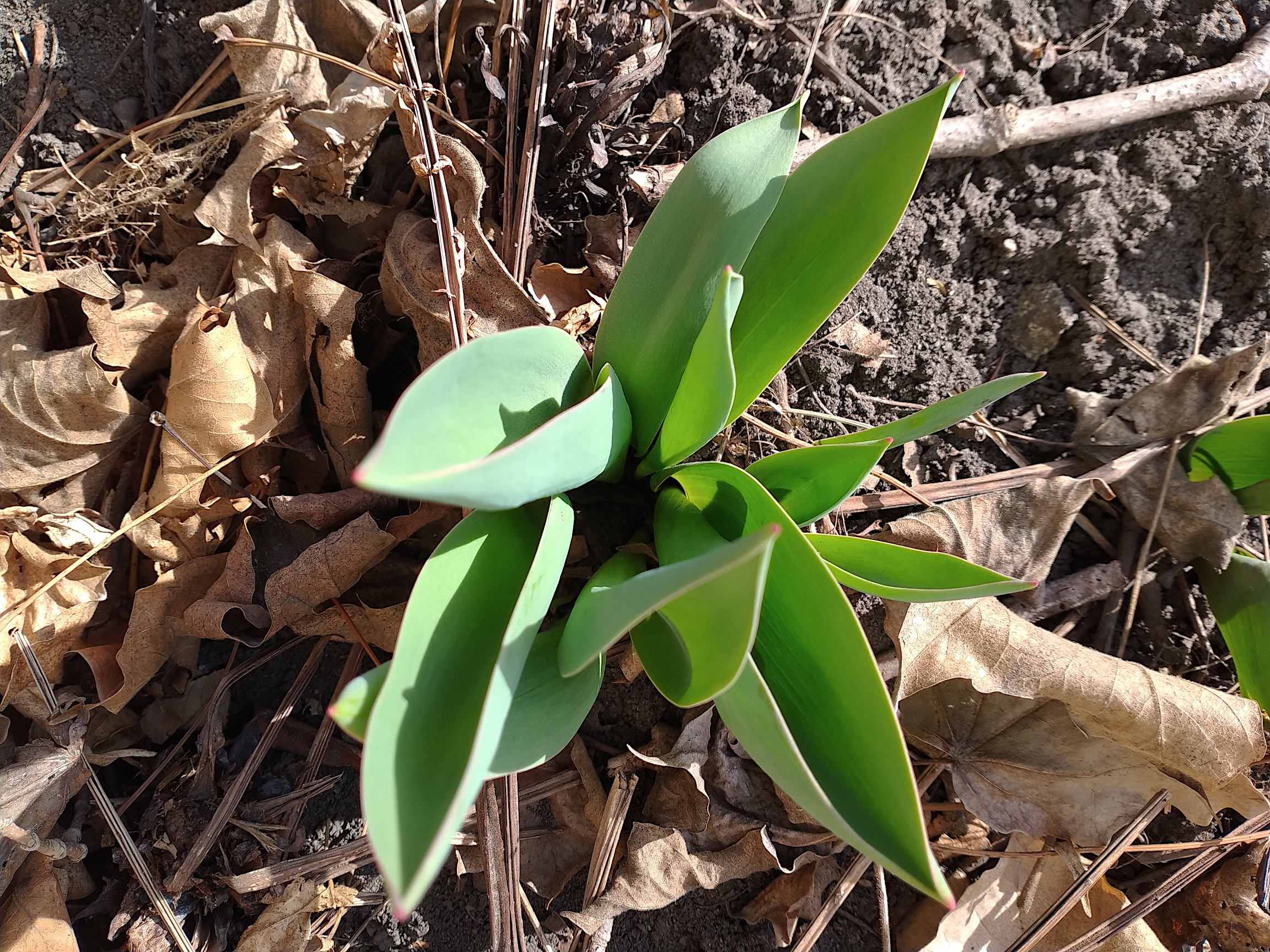
Tulips on the south-facing side of my house started popping weeks ago. (Minnesota Prairie Roots copyrighted photo March 2024)

Tulips and irises are up, too. Too soon. Not yet blooming. I noticed tulip bulbs popping greenery already in February.

All of this is an anomaly. We should be experiencing snowstorms and school closures, hearing the scrape of snowplows, the roar of snowblowers. Kids should be skating and sledding. As much as I appreciate the lack of icy roads and sidewalks, no snow to clear and no worry about winter weather, it just doesn’t feel right.

I’ve realized that I really do like the diversity of distinct seasons in Minnesota. There’s something to be said about anticipating spring after a long hard winter, like we experienced last year with record snowfall…

© Copyright 2024 Audrey Kletscher Helbling
 

Defining time in the everyday moments of life March 7, 2024

Filed under: Uncategorized — Audrey Kletscher Helbling @ 5:00 AM
Tags: , , , , , , , , ,
The restored Security State Bank Building clock in historic downtown Faribault. (Minnesota Prairie Roots copyrighted file photo)

TIME, WHEN YOU’RE YOUNG, seems to pass slowly. You’re waiting, always waiting. To turn another year older. To master a skill. To gain independence. To do whatever seems so important you wonder how you can possibly wait for another day or week or month to pass.

Now I wish time would slow down. But it can’t and it won’t and so I accept the reality of time passing, of aging, of days disappearing too quickly. Of celebrating my 50-year high school class reunion this year. Of my youngest turning thirty. Of me nudging seventy.

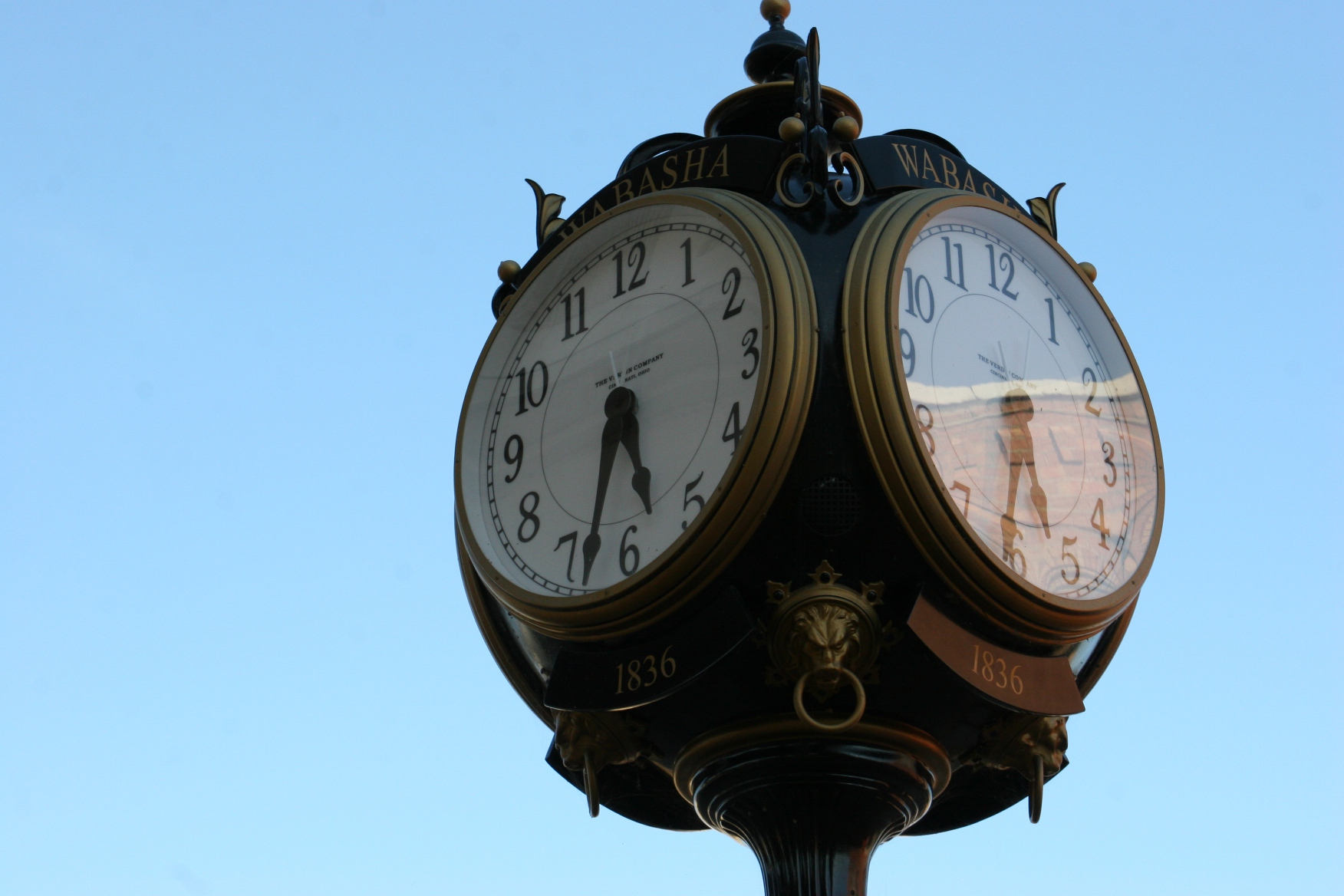
A street clock in historic downtown Wabasha. (Minnesota Prairie Roots copyrighted file photo)

In a recent conversation with a beloved aunt, she shared that she can’t believe how old her nieces and nephews are, considering she’s only twenty-nine. I love that about Aunt Dorothy, who has always and forever declared herself on the cusp of thirty while in reality she’s closing in on ninety. I like her thinking.

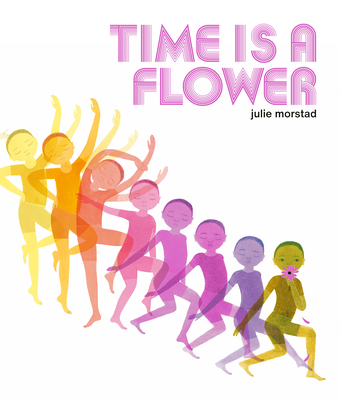
(Book cover sourced online)

By happenstance, I picked up a children’s picture book at my local library a few weeks ago that focuses on time. I’m not trying to go back in time to my childhood. Rather, I enjoy books written for kids. Many hold important messages and beautiful art that resonate with me. I highly-recommend you check out recently-published children’s picture books to see how they’ve evolved over the decades into some timely masterpieces of words and art.

Among the books I selected was Time Is a Flower, written and illustrated by Julie Morstad of Vancouver, British Columbia. In her opening page, Morstad writes of time as a clock, as a calendar, in the traditional ways we consider time.

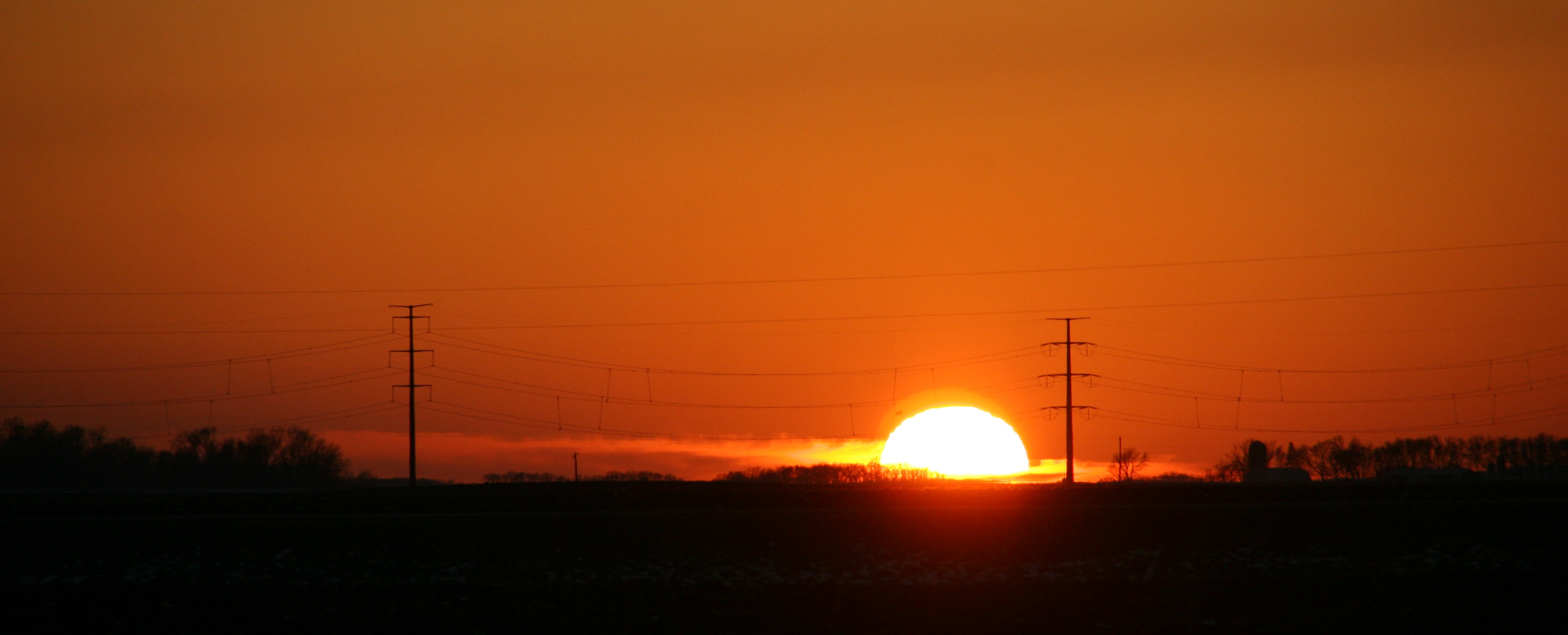
A prairie sunset in southwestern Minnesota. (Minnesota Prairie Roots copyrighted file photo)

But then the book unfolds, page by page, into time comparisons that are simplistic, everyday, ordinary, unremarkable. Yet remarkable in the way Morstad presents them with sparse words and bold art. If I could rip the pages from her book, I would frame her illustrations of a sunset reflected in sunglasses; a child’s long wavy locks woven with bird, butterfly and flower; and a wiggly tooth in a gaping mouth.

A swallowtail butterfly feeds on a zinnia. (Minnesota Prairie Roots copyrighted file photo)

Time is the moments, the memories. The details. Not necessarily the extraordinary. That is the message I take from Morstad’s book. Appreciate the caterpillar, not just the butterfly. Appreciate the seed, not just the flower. Value the slant of sunlight across the floor, and the shadows, too.

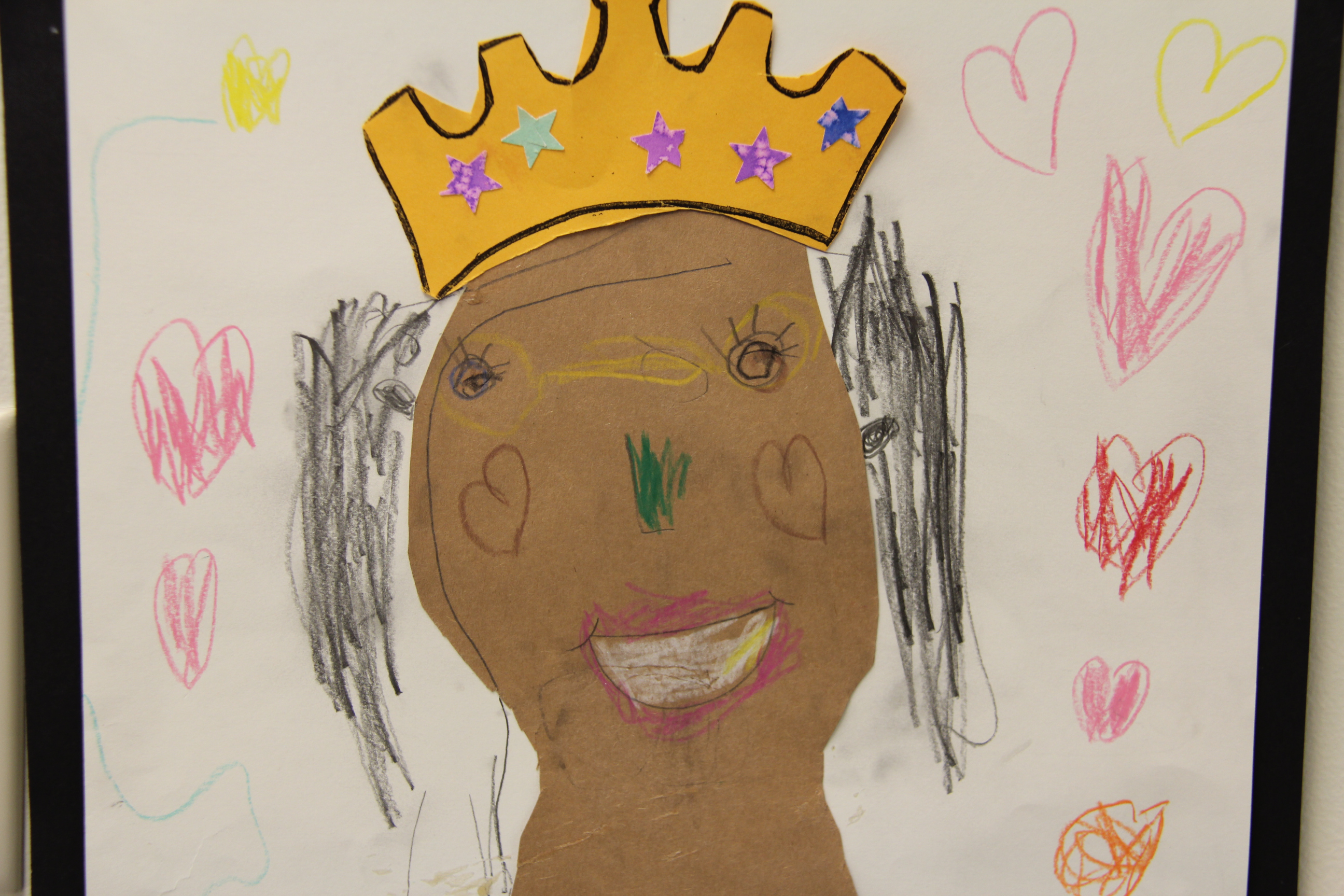
A princess by Roosevelt Elementary School kindergartner Ruweyda, exhibited in March 2023 at the Student Art Show, Paradise Center for the Arts, Faribault. (Minnesota Prairie Roots copyrighted file photo)

As I consider Time Is a Flower, I think of my dear aunt half a country away in New Jersey. Too many years have passed since I’ve seen Aunt Dorothy, so long that I can’t recall the last time we embraced. But I hold memories of her, of our time together. She was the young aunt who arrived from the Twin Cities with discarded jewelry and nail polish for me and my sisters. She was the aunt who called her husband, “My Love,” an endearing name that imprinted upon me her deep love for Uncle Robin (who died in January). She is the aunt who took me into New York City when I was a junior in college visiting her on spring break. She is the aunt who, for my entire life, has called me “My Little Princess.”

A 1950s scene in downtown Faribault honors history and the passage of time in this mural. (Minnesota Prairie Roots copyrighted file photo)

Yes, time passes too quickly. The clock ticks. Days on the calendar advance. Years pass.

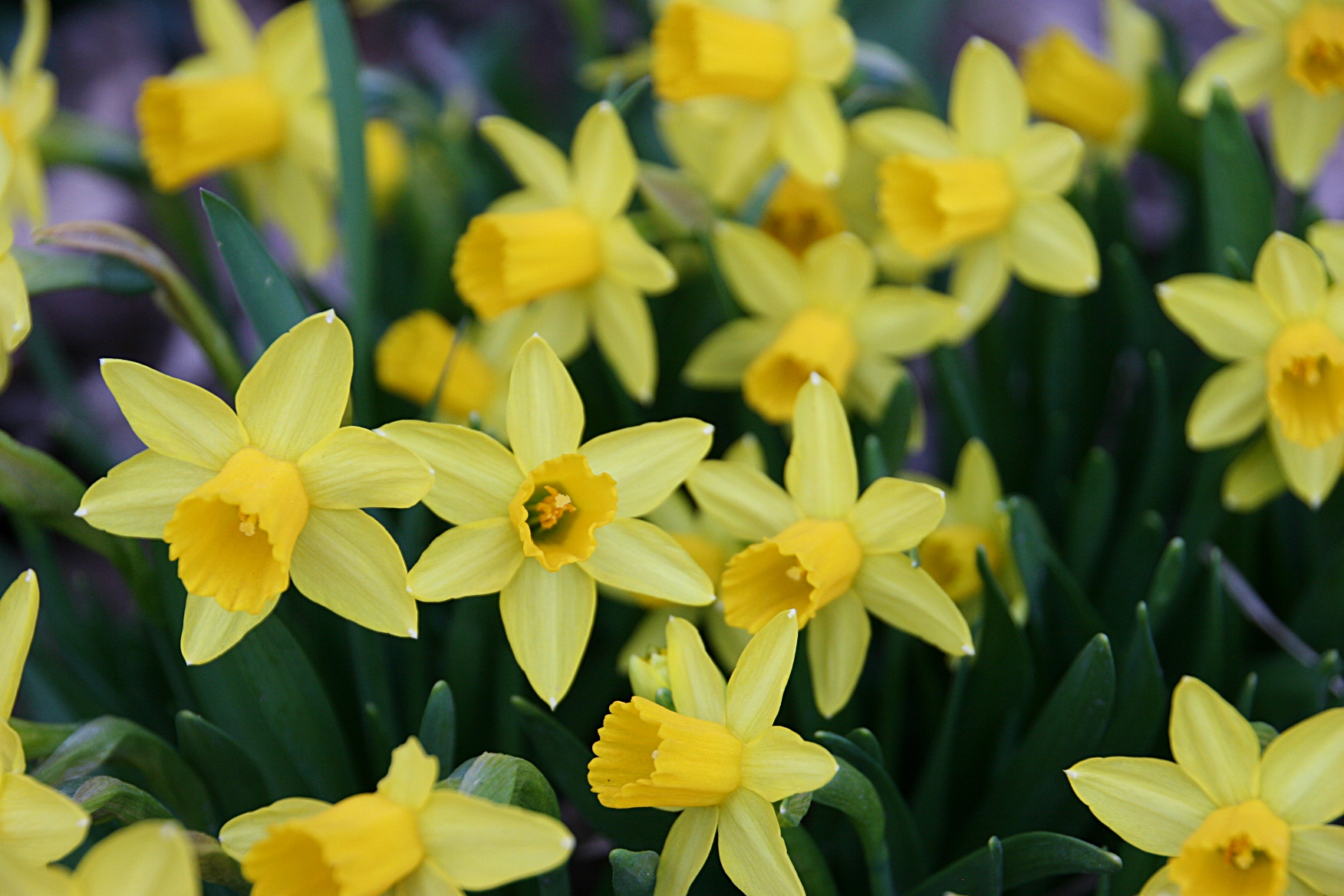
Each spring the daffodils bloom. (Minnesota Prairie Roots copyrighted file photo)

But within each day, seconds and minutes and hours remain. Time to live. Time to love. And time to remember that time is like a flower. Sprouting. Growing. Blooming. Dying. Time is a moment, until it’s a memory.

Most people no longer wear wrist watches. I still do. (Minnesota Prairie Roots copyrighted file photo)

NOTE: Remember, this Sunday, March 10, time changes as we shift to daylight savings time in the U.S. We lose an hour of time as we spring forward.

© Copyright 2024 Audrey Kletscher Helbling
 

Of monarch butterflies & milkweeds August 14, 2023

Monarch on milkweed flower at the Rice County Master Gardeners Teaching Gardens, Faribault. (Minnesota Prairie Roots copyrighted photo June 2023)

ADMITTEDLY, A TIME EXISTED when I considered milkweeds to be, well, weeds. A weed, by definition, is an unwanted plant. And my farmer dad didn’t want milkweeds growing in his Redwood County soybean fields. So we—meaning me and my siblings—were instructed to eradicate milkweeds, cockle burrs and thistles while walking beans.

If the term “walking beans” is unfamiliar, it simply means walking between soybean rows to remove weeds either via pulling or hoeing, preferably yanking so as to assure root removal. This was a necessary, albeit unpleasant, task assigned to farm kids who labored and sweated under a hot summer sun. The reward was a clean field. And a grateful farmer father.

Occasionally, this job paid…if done for anyone other than Dad. One summer my cousin John hired my sister Lanae and I and two of our cousins to walk his beans. As the oldest among the four, I was the designated crew leader, quickly thrust into settling arguments between my two cousins. I decided then and there that I wasn’t management material.

Milkweeds flourish at River Bend Nature Center, Faribault. (Minnesota Prairie Roots copyrighted photo July 2023)

But back to those milkweeds. Now, some 50+ years later, my opinion about milkweeds has changed. I no longer pull them. I plant them and then allow them to go to seed. And this year I have a bumper crop growing in my flowerbeds, much to my delight.

Milkweed flowers are not only beautiful, but also smell lovely. (Minnesota Prairie Roots copyrighted photo July 2023)

Milkweeds are the host plant for monarch butterfly larvae, the reason I grow this food source. I want to do my part to protect the monarch, today considered to be endangered. I’ve been rewarded with monarchs flitting among my phlox and other plants in my tangled mess of flower gardens.

The other evening, while walking in a local park, I watched two monarchs swooping and dancing in a pre-mating ritual. Their aerial acrobatics impressed me like a line of well-written poetry. In many ways, their performance was poetry. Beautiful. Creative. Mesmerizing. Connective in a way that touched my spirit.

If my farmer dad (gone 20 years) heard me describe monarchs in this context, he may just shake his head and wonder about that poet daughter of his. And he would wonder even more whether I learned anything from pulling milkweeds all those summers ago in his southwestern Minnesota soybean fields.

#

FYI: You can learn about monarch butterflies and how you can help them, see caterpillars, then hike to look for monarchs during a 10-11:30 a.m. Saturday, August 19, program at the Nerstrand Big Woods State Park amphitheater. Minnesota Master Naturalist Katy Gillispie is leading the Friends of Nerstrand Big Woods State Park free “Monarchs and Milkweeds” event. A state park parking pass is required for entry to the park near Nerstrand.

© Copyright 2023 Audrey Kletscher Helbling
 

Love in a bouquet of lilacs May 18, 2023

Filed under: Uncategorized — Audrey Kletscher Helbling @ 5:00 AM
Tags: , , , , , , , , , ,
Wisconsin lilacs from Randy. (Minnesota Prairie Roots copyrighted photo May 2023)

IN 41 YEARS OF MARRIAGE, Randy and I have always been together on our wedding anniversary. But this May 15, he was 583 miles away in Lafayette, Indiana. Monday didn’t feel at all like a celebratory day with my husband gone. But I understood. He left southern Minnesota on Friday to attend our son’s graduation with a master’s of science degree from Purdue University. My vestibular neuronitis symptoms made travel and attending the Sunday evening commencement unmanageable. This was one of those moments in life when I experienced profound disappointment.

And so our anniversary passed on Monday with a phone call and loving text messages exchanged. I knew Randy would be home the next day, which was a gift in itself.

When he rolled into the driveway at 1:15 pm Tuesday after an overnight stay with our daughter and her husband in Madison, Wisconsin, my heart filled with gratitude for his safe return and overflowed with love in his presence. One long embrace later, and we were unpacking the van.

And then Randy said, “I have one more thing.” This dear dear husband of mine reached into the back of the van and pulled out a bouquet of lilacs. I stood there, overwhelmed with emotion at his thoughtfulness. I cried. We embraced again. Each May Randy cuts a bouquet of lilacs (usually at a city park) and brings them home to me. It’s part of our history, our story.

This May that story began in Madison, 271 miles to the southeast of Faribault, about a half-way point to Lafayette. When Randy stayed with Miranda and John en route to Indiana, he noticed lilacs blooming on the next-door neighbor’s bush. So on the return trip and his second overnight stay, he remembered those lilacs, asked for permission to take some and then cut two generous branches. John found a vase. Randy added water and then the lovely lilacs.

Some 4.5 hours later, Randy was pulling that clutch of lilacs from the van. I smashed the woody ends with a hammer for better water intake, added more water to the vase and then set the bouquet on a vintage chest of drawers. Soon the heady scent perfumed our living room.

Now each time I pass those lilacs, breathe in their intoxicating sweetness, I think of my dear dear husband. I think of his love for me and me for him. And I think of how something as seemingly simple as a bouquet of lilacs gathered in a Madison yard bring me such joy. Randy’s unexpected gift compensated for his absence on our 41st wedding anniversary. I feel so loved and cherished.

Thank you, Randy, for your thoughtfulness and love.

© Copyright 2023 Audrey Kletscher Helbling
 

Gardening: Passing along my rural heritage & much more May 2, 2023

Seeds for sale at Seed Savers Exchange, Decorah, Iowa. (Minnesota Prairie Roots copyrighted file photo September 2018)

SEVERAL DAYS AGO, my 4-year-old grandson excitedly shared that his broccoli was growing. His mom, my eldest, clarified. Sixteen broccoli seeds and one carrot seed had sprouted, popping through potting soil in three days. That surprised even me, who grew up in a gardening family with most of our food from farm to table, long before that became a thing.

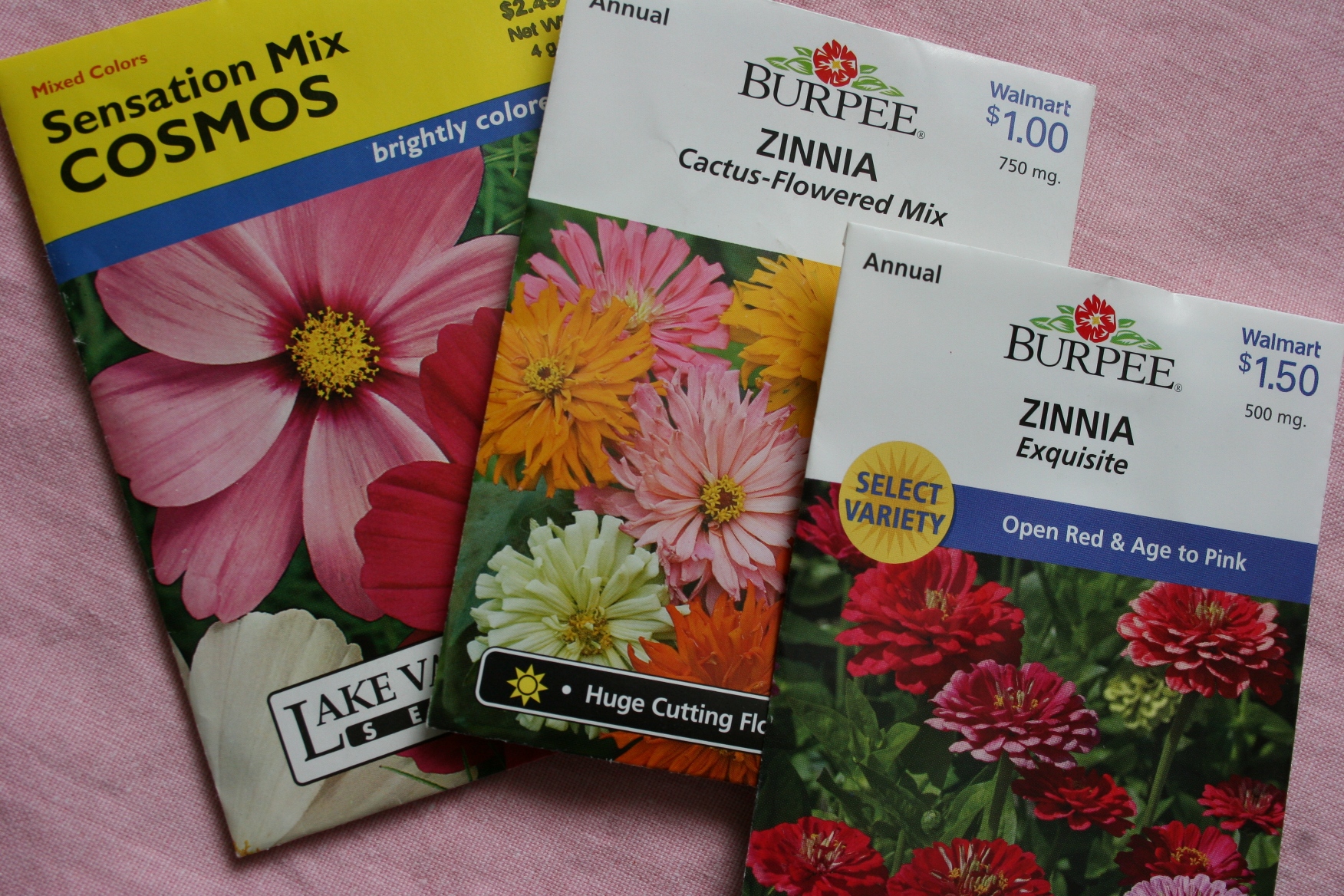
Annuals that are easy to grow from seed. (Minnesota Prairie Roots copyrighted file photo)

A year ago, I gifted my grandchildren with several packets of seeds. Flowers only. Zinnias and bachelor buttons, easy-to-grow-from-seed annuals that blossom throughout the summer. Isaac and his mom planted the seeds in flower pots. And then watched seeds emerge into tender plants that grew and bloomed in a jolt of color.

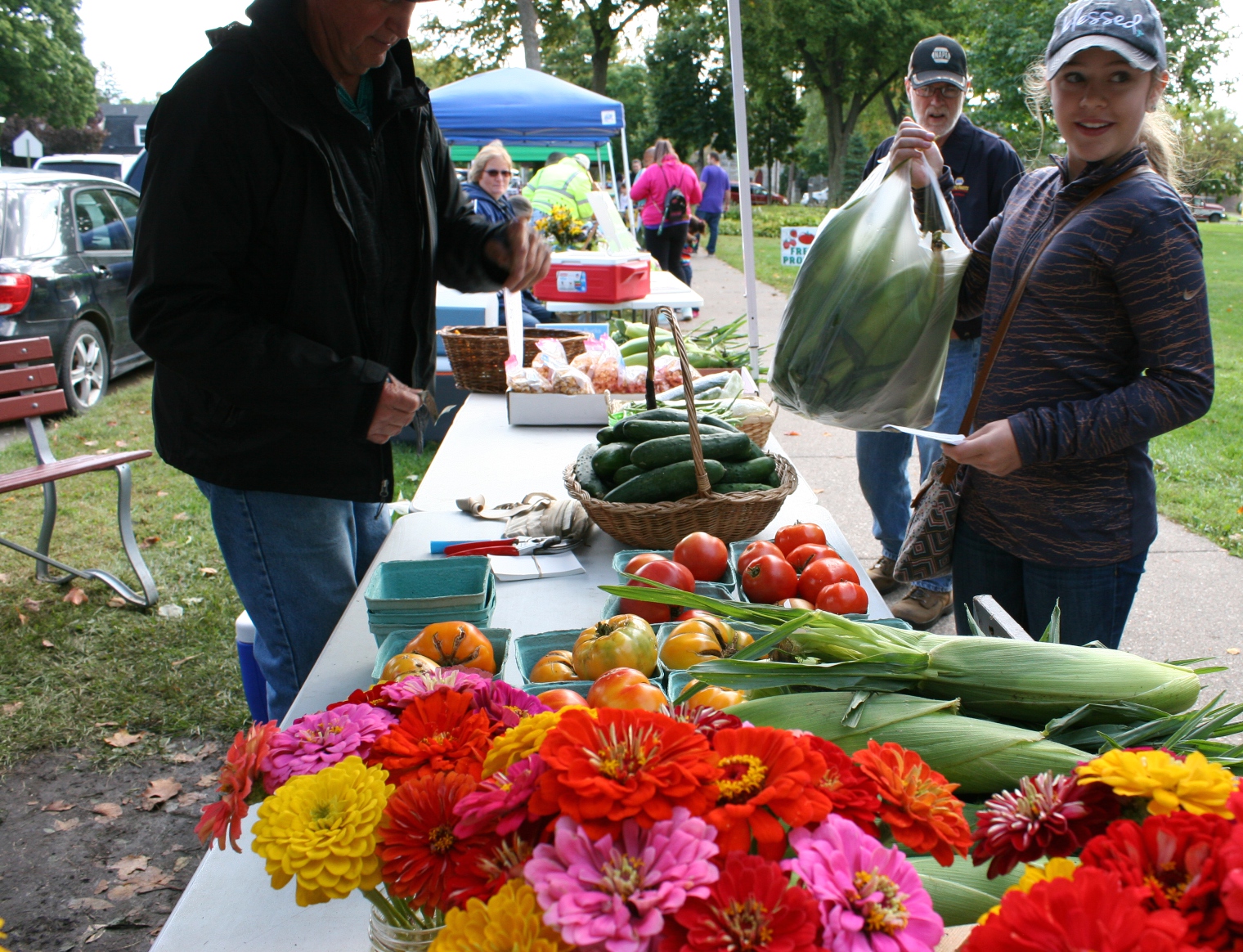
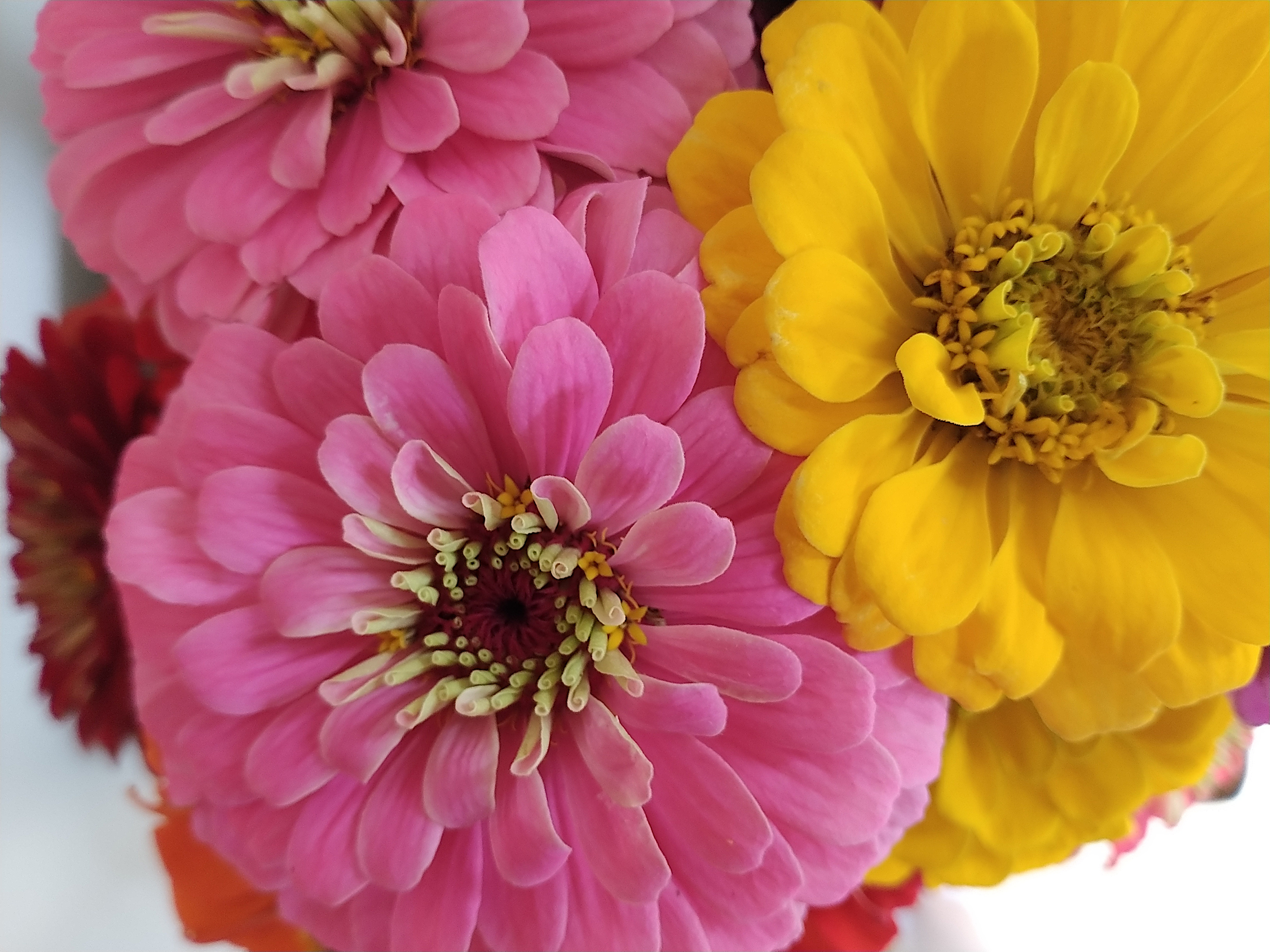
Old-fashioned zinnias grown by my friend Al and sold at the Faribault Farmers’ Market. (Minnesota Prairie Roots copyrighted file photo September 2019)

That was enough for the preschooler to get the gardening bug. This year, in selecting seeds for Isaac and his older sister, I added vegetables to the mix of flowers. Spinach because I knew it would grow quickly and flourish in Minnesota’s still cool weather. And carrots, because Isaac wanted to plant them. Later, he told his mom he also wanted to plant broccoli because he likes broccoli. I’m not sure that’s true. But Amber bought broccoli seeds for her son, whom she’s dubbed Farmer Isaac.

“Summer in a Jar,” sold at the Faribault Farmers’ Market. This photo published in the book “The World of Laura Ingalls Wilder, The Frontier Landscapes that Inspired The Little House Books” by Marta McDowell. (Minnesota Prairie Roots copyrighted file photo September 2015)

I can’t think of a better way to encourage kids to try vegetables. And to teach them about plants and that veggies don’t just come from the grocery store. With most families now a generation or two or three removed from the land, it’s more important than ever to initiate or maintain a connection rooted in the soil.

Several types of tomatoes grow in the garden outside Buckham Memorial Library, Faribault. (Minnesota Prairie Roots copyrighted file photo)

Soil was the gardening starting point for my grandchildren. Once when they stayed overnight, I got out the gardening shovels and directed them toward a corner flowerbed and a patch of dirt. The dirt flew as they dug and uncovered earthworms and half a walnut shell and bugs. I didn’t care if their hands got dirty. I simply wanted them to have fun, to feel the cold, damp earth, to appreciate the soil beneath and between their fingers.

My great niece waters plants inside her family’s mini greenhouse. (Minnesota Prairie Roots copyrighted file photo May 2018)

I was a bit surprised when my eldest embraced gardening with her kids. But then again, she was the daughter who always watered flowers and observed that “the flowers are opening their mouths” (translation, “the tulips are blooming”) as a preschooler. I never had much of a garden due to lack of a sunny spot in my yard. But I usually grew tomatoes in pots and always had pots overflowing with flowers and flowers in beds. So Isaac and Isabelle’s mom did have a sort of gardening background.

Heirloom tomato at the Faribault Farmers’ Market. (Minnesota Prairie Roots copyrighted file photo September 2019)

As a farmer’s daughter and a grandma, passing along something like gardening is like passing along part of my rural heritage. My Grandma Ida always had a big garden, an essential with a family of 10 kids. She continued to garden throughout her life, long after her kids were gone and she moved to town. Likewise, my mom planted a massive garden to feed her six kids. My siblings and I helped with the gardening—pulling weeds, picking vegetables… And shelling peas. Of all the garden-related tasks, the rhythmic act of running my thumb along an open pod to pop pearls of peas into a pan proved particularly satisfying. Plus, I loved the taste of fresh peas from the garden. There’s nothing like it except perhaps the juicy goodness of a sun-ripened tomato or leaf lettuce or a just-pulled carrot with dirt clinging to the root.

My friend Al vends flowers and vegetables at the Faribault Farmers’ Market. (Minnesota Prairie Roots copyrighted file photo September 2019)

I don’t expect my grandchildren will garden like their great great grandma or great grandma. But that’s OK. They’ve been introduced to gardening. They see now how seeds sprout and develop into plants that yield beauty or food. Hopefully they will gain an appreciation for garden-fresh, whether fresh from the pots on their patio or deck, or from a farmers’ market.

Purple beans grow in the library garden. (Minnesota Prairie Roots copyrighted file photo)

Even though they live in a south metro suburb, my grandkids remain close to the land with farm fields within view, not yet replaced by massive housing developments. It’s important to me that Isabelle and Isaac always feel connected to their rural heritage, that they value the land, that they grow up to remember the feel of cold, damp dirt on their hands. That they understand their food is not sourced from grocery stores, but rather from the earth.

© Copyright 2023 Audrey Kletscher Helbling
 

Beyond simply a sunflower September 27, 2022

Filed under: Uncategorized — Audrey Kletscher Helbling @ 5:00 AM
Tags: , , , , , , , , ,

A paper sunflower dangles from the ceiling in a space at the Owatonna Arts Center. (Minnesota Prairie Roots copyrighted photo September 2022)
YELLOW, TALL AND DRAMATIC, the sunflower exudes strength and happiness. I love this flower, so prevalent now in the Minnesota landscape.

Paper sunflowers add a sunny element to an already sun-drenched seating and exhibit area at the Owatonna Arts Center. (Minnesota Prairie Roots copyrighted photo September 2022)

But this year especially, this strong, simple, sunny flower symbolizes much more than the end of the growing season, the ripening of crops, the transition into autumn. The sunflower, as we’ve come to learn this year, is the national flower of Ukraine, the symbol of peace.
In historic downtown Faribault, sunflowers crafted from milk jugs brighten the window of Fashions on Central, a women’s clothing and accessories shop operated by the Faribault Senior Center. (Minnesota Prairie Roots copyrighted photo September 2022)

Every time I see a sunflower now, I think of the people of Ukraine and the war that still rages there. I remember watching, in the first days of the Russian invasion, media footage of people fleeing the country, people who looked very much like the average Minnesotan. And I thought, this could be us, this could be me.

Sunflowers flourish on a fence panel by a community garden plot in Madison, Wisconsin. (Minnesota Prairie Roots copyrighted file photo September 2020)

As the war goes on and on, it is easy to move onto the next headline, to forget about the horrors, the atrocities, the death, the destruction and displacement happening in Ukraine. But then I see a sunflower and I am once again reminded of the suffering in Ukraine, of the elusiveness of peace.

I photographed these sunflowers last autumn at Apple Creek Orchard, rural Faribault. (Minnesota Prairie Roots copyrighted file photo October 2021)

Here in Minnesota, sunflower fields draw families into mazes under bold blue autumn skies. It’s all about the experience and making memories and photo ops among sunny flowers. Thoughts are far from Ukraine in those moments. But even then, in imagining the scene, I see yellow and blue, the colors of the Ukrainian flag. And my thoughts shift back to the people of Ukraine and those who love them, including people right here in Minnesota. In Pittsburgh. Throughout the world.

This LOVE mural in Northfield includes sunflowers among the featured flowers. (Minnesota Prairie Roots copyrighted file photo September 2021)

This year, the sunflower has also evolved to symbolize resistance, unity and hope. We’ve certainly seen that happening in Ukraine. Hope is a powerful word, one I’ve latched onto through challenging times. Hope infuses strength. And hope grows sunflowers that rise tall and dramatic in the landscape, their sunny heads turning toward the light of peace.

© Copyright 2022 Audrey Kletscher Helbling