Minnesota Prairie Roots

Writing and photography by Audrey Kletscher Helbling

A Minnesota bait shop Norman Rockwell could appreciate April 26, 2013

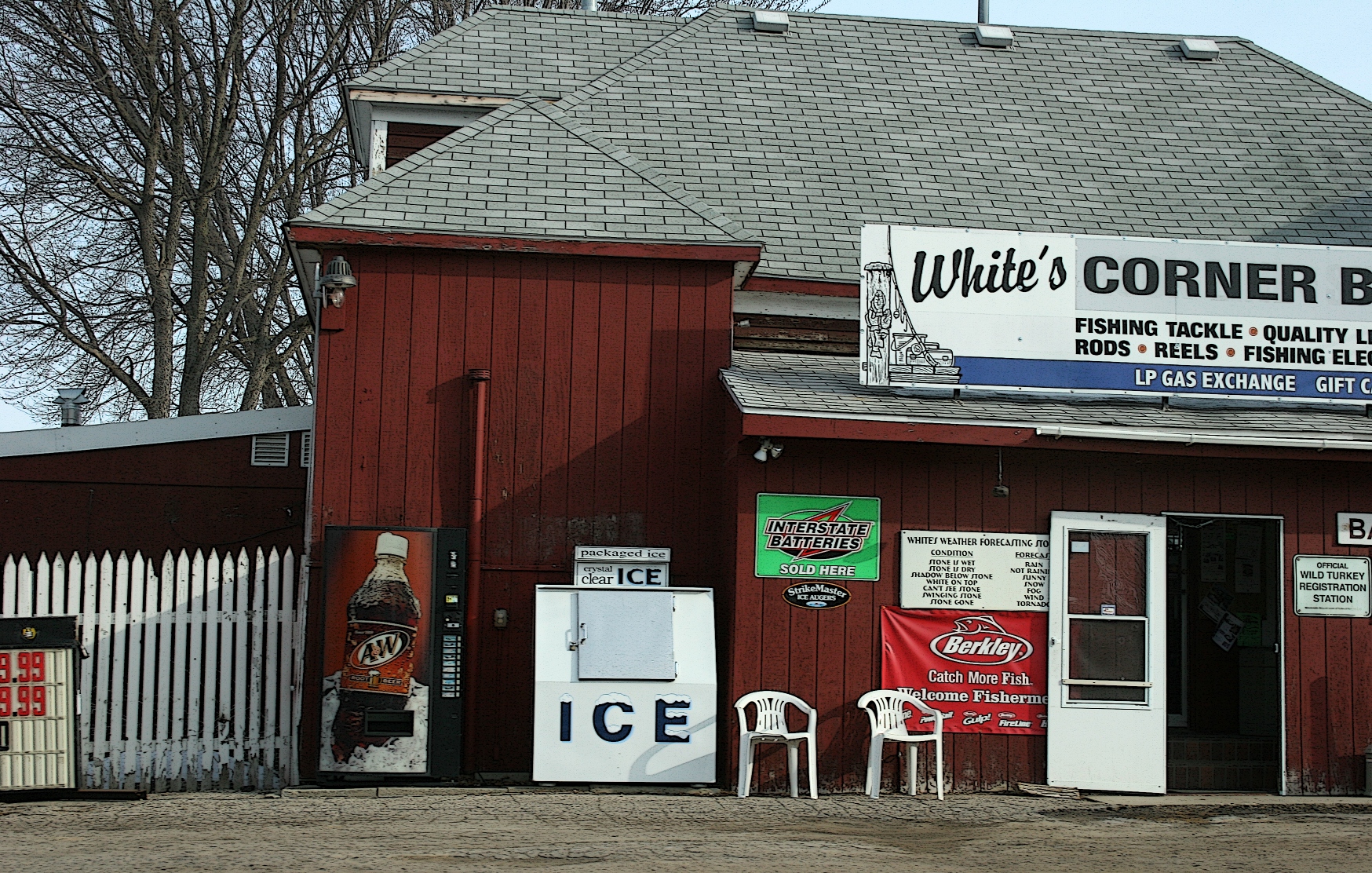
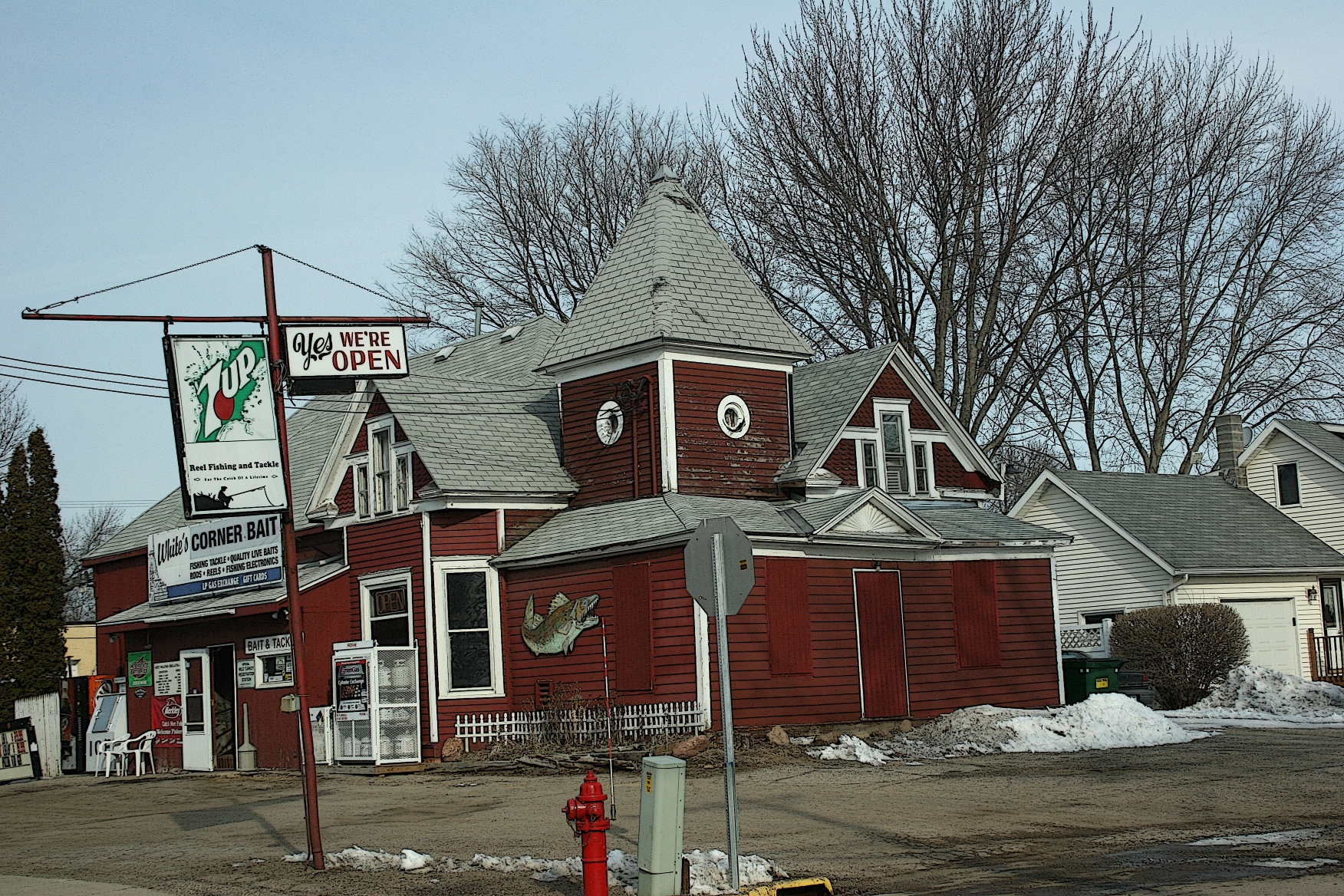
White's Bait Shop, Madison Lake, Minnesota

White’s Bait Shop, Madison Lake, Minnesota, photographed while passing by.

FROM A PURE visual perspective, White’s Corner Bait in Madison Lake confuses the eye with a mishmash of angles and cluttered signage. Too many words to read while passing by on Minnesota Highway 60.

Pop, ice, bait...

Pop, ice, bait, batteries, tackle, rods, reels…

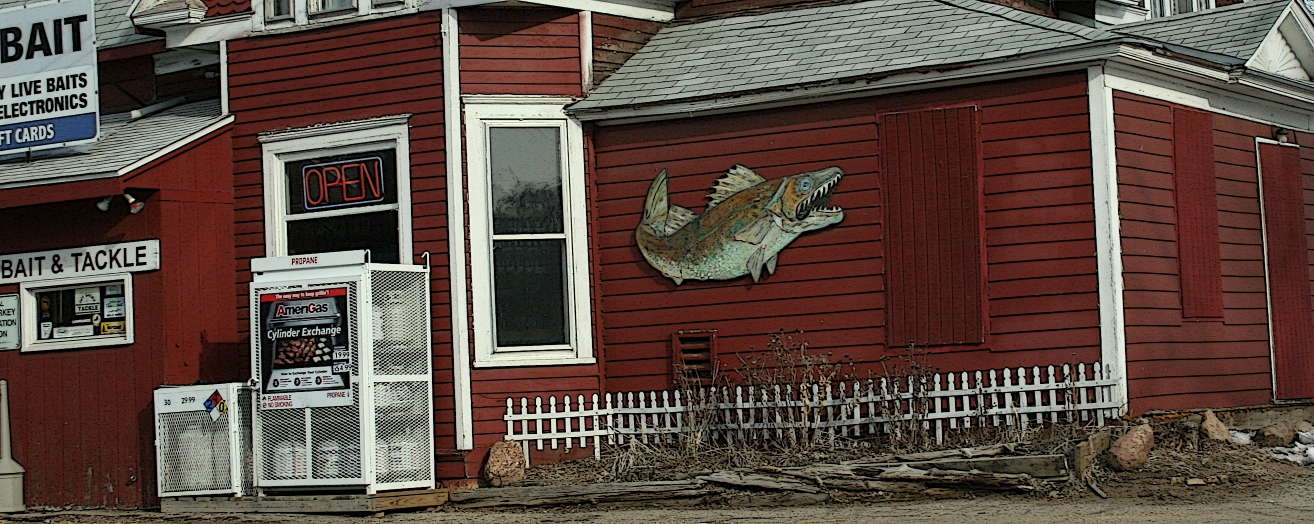
But from an artistic perspective, this long-time bait shop delights with a Norman Rockwell-like Americana charm.

I have, for decades, admired this barn red multi-layered building of angles and assorted jumbled rooflines defined by a pointed corner tower.

Not once, though, have I stopped to photograph it, to step inside, to check out the bait, to gather information on where the fish are biting.

Oh, how I love that kitschy fish.

Oh, how I love that kitschy fish.

White’s Bait, open since 2011 in a building that has been a bait shop for more than 50 years, prides itself on providing “good quality bait and great customer service.” Says so, right there on the business website.

Seems quintessential Norman Rockwellish to me. That good quality, that great customer service.

Next time I’ll stop.

© Copyright 2013 Audrey Kletscher Helbling


Sweet finds in downtown Montgomery, Part I April 10, 2013

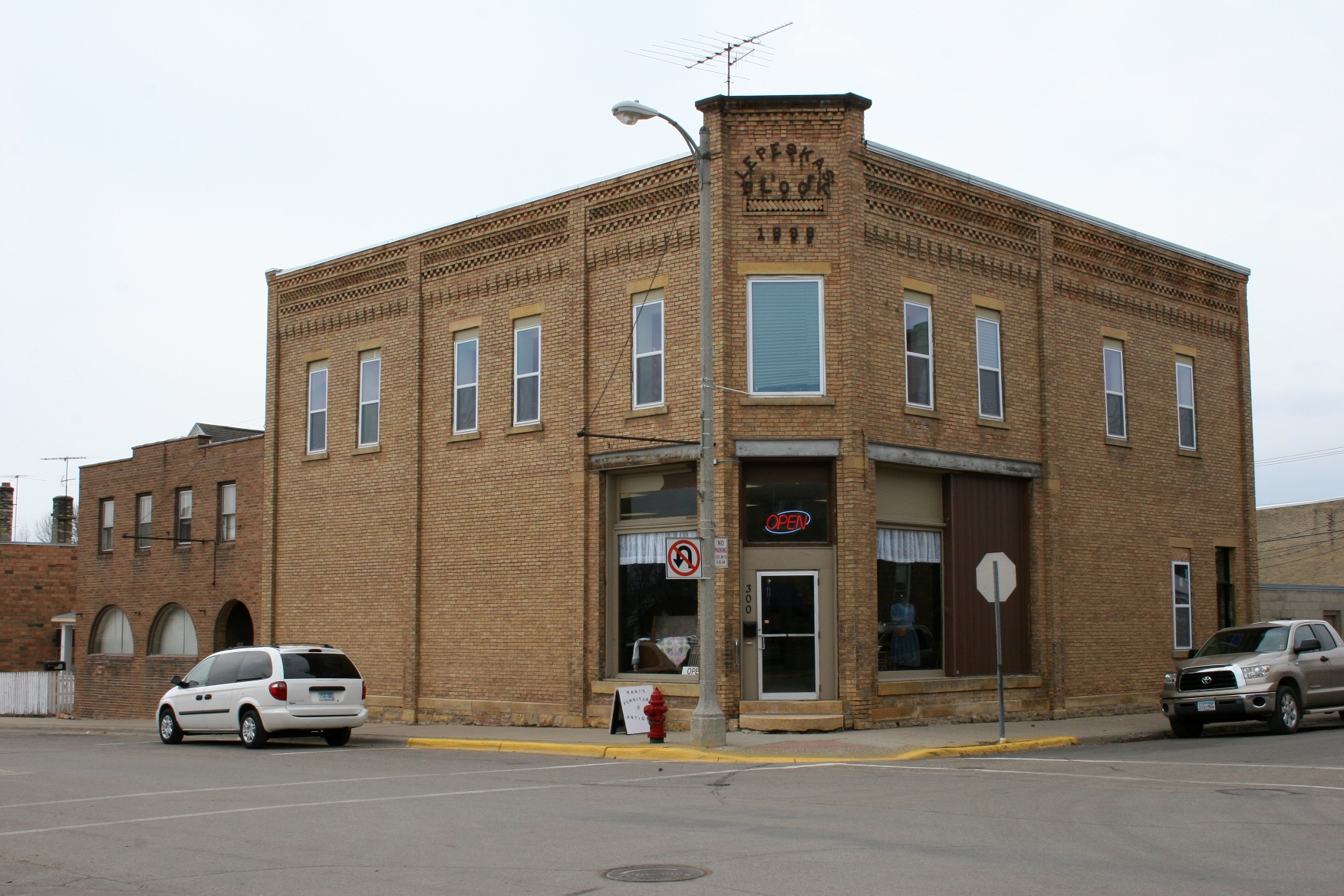
Rani's Furniture @ Antiques housed in a former hardware store in downtown Montgomery.

Rani’s Furniture @ Antiques housed in a former hardware store in downtown Montgomery.

I LOVE A SWEET vintage find. However, I can’t always own what I covet, even if the price is right. That’s reality. My pockets are not deep nor my house large.

But that doesn’t keep me from shopping thrift and antique shops like those my husband and I perused on a recent visit to Montgomery, Minnesota. I suggested we take the van, just in case we found a piece of furniture for the son who is moving into his first apartment in six weeks.

Randy saw right through that smokescreen.

I purchased the white table on the right and had to keep myself from buying the $60 dining room set.

I purchased the white table on the right and had to keep myself from buying the $60 dining room set. Note the beautiful original wood floor in this former hardware store building.

At Rani’s Furniture @ Antiques, Montgomery’s newest business (opened on April 3), I found my furniture find, much to the spouse’s chagrin. He couldn’t quite understand why I just “had to have” a $15 shabby chic round table with peeling paint.

I practiced my persuasive speaking skills. Think al fresco dining or an indoor/outdoor plant stand or a guest bedroom bed-side table and/or a really cool table to use at the daughter’s upcoming wedding reception in an historic venue. Randy wasn’t exactly buying my arguments, but acquiesced and dutifully loaded the table into the back of our van.

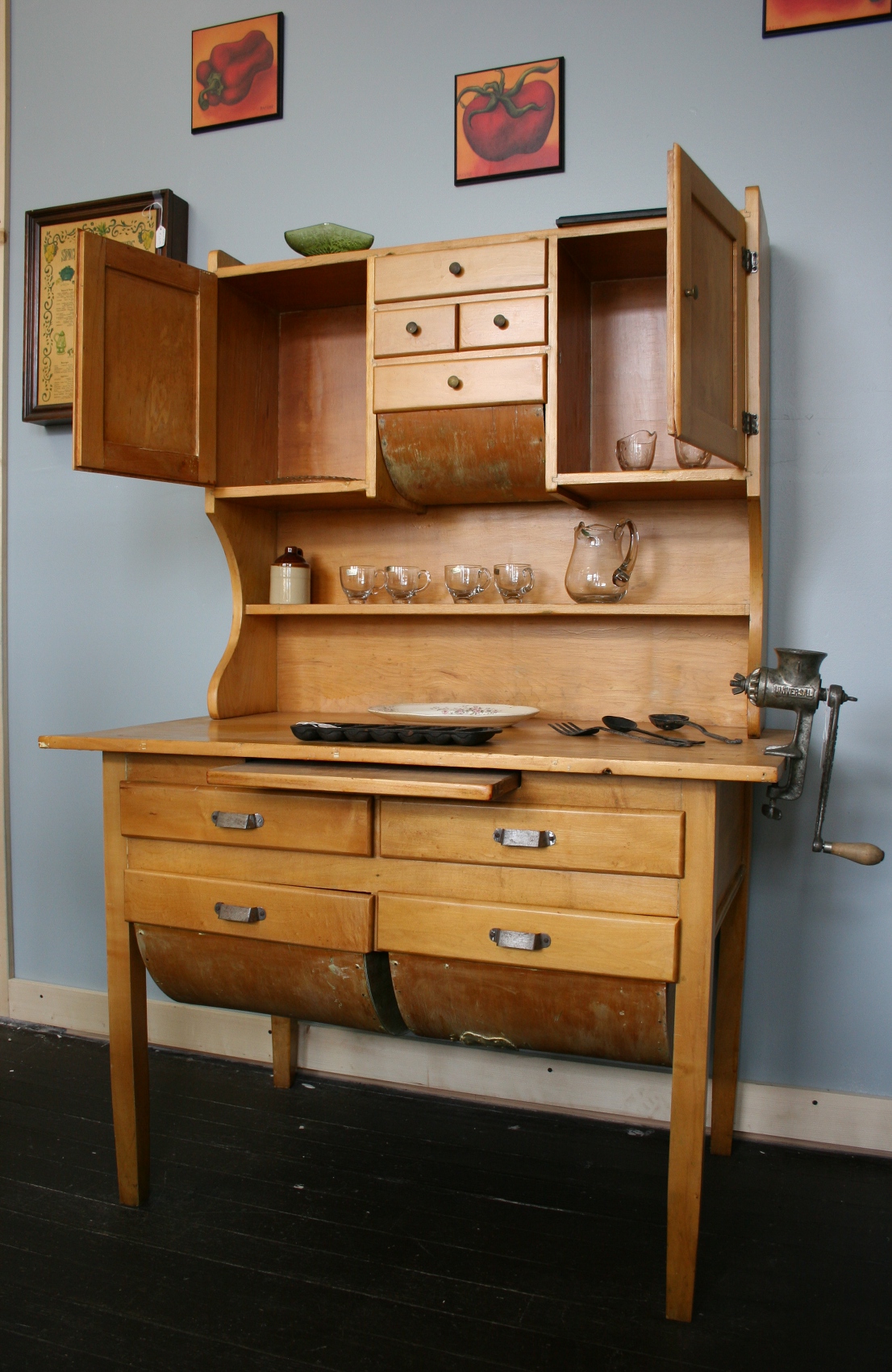
This 100-plus-year-old Hoosier cabinet had seven layers of paint on it before Mary Bowen refinished it. The cabinet is being sold in her son Dean Turnlund's store for $325.

This 100-plus-year-old Hoosier cabinet had seven layers of paint on it before Mary Bowen refinished it. The cabinet is being sold in her son Dean Turnlund’s store for $325.

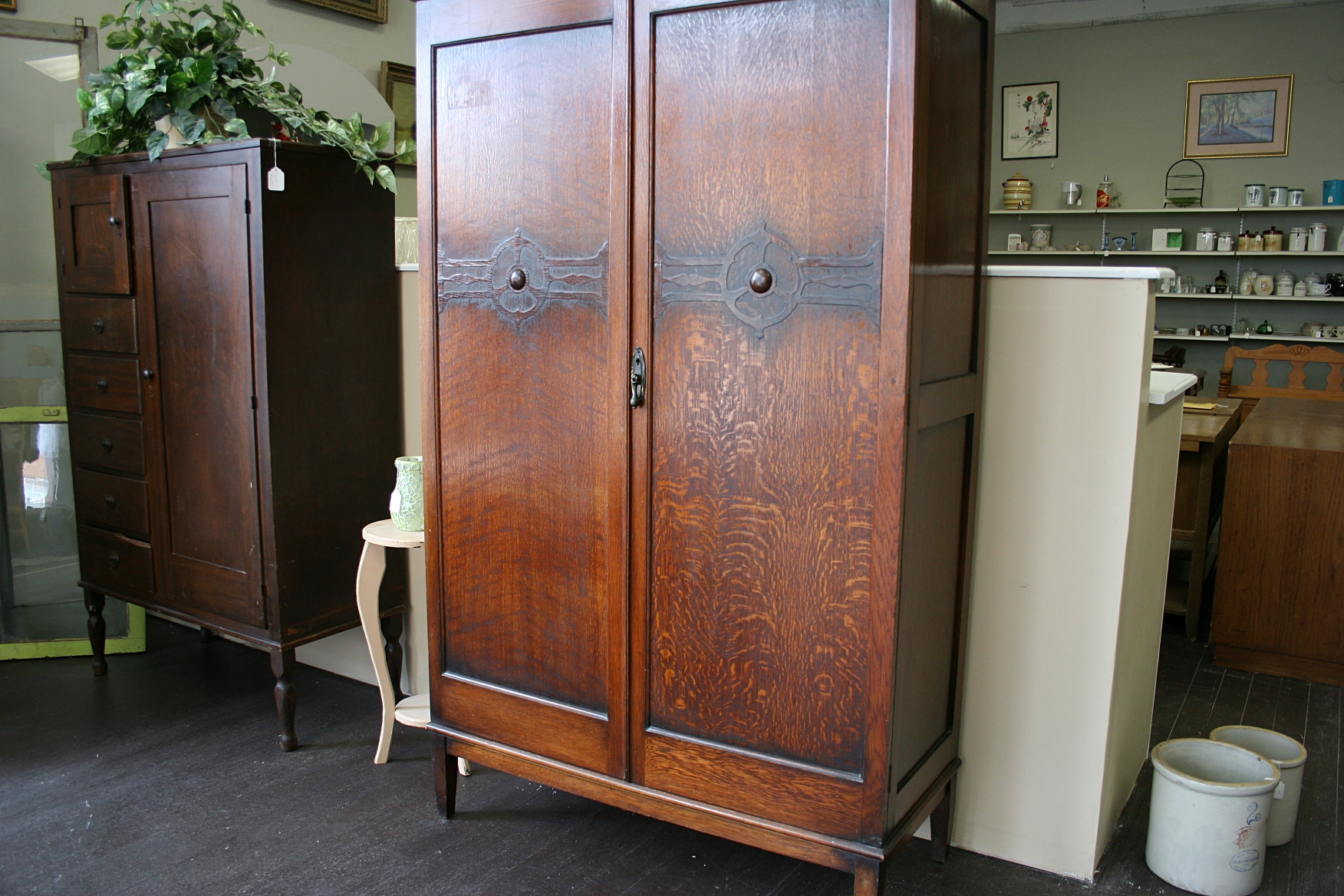
I wished I could have stuffed a round dining room table with the heaviest wood chairs I’ve ever lifted; a 100-plus-year-old Hoosier cabinet resplendent with tip-out bins; and two aged wardrobes into the van, too. But I wasn’t about to push my luck and purchase this furniture I neither needed nor have space for in our home.

Love these old wardrobes for sale at Rani's.

Love these old wardrobes for sale at Rani’s.

A girl can dream, though, can’t she?

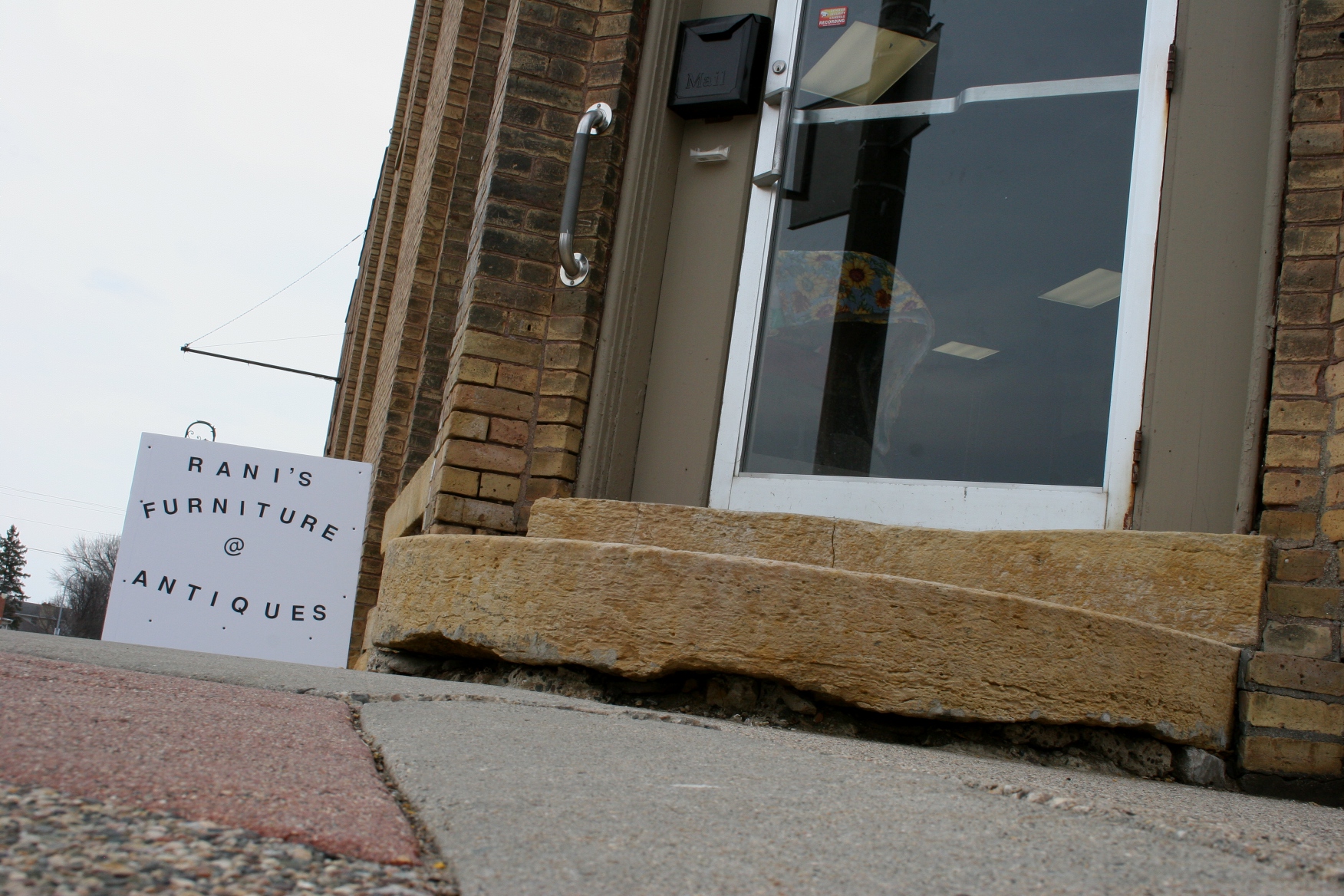
The stone block steps leading into Rani's.

The stone block steps leading into Rani’s.

I tend to get all starry-eyed whenever I enter an antique or other shop featuring vintage furniture. Rani’s, housed in a hulking corner brick building labeled as “Lepeskas Block 1898,” had me in her clutch even before I stepped onto the substantial stone steps leading into the former hardware store.

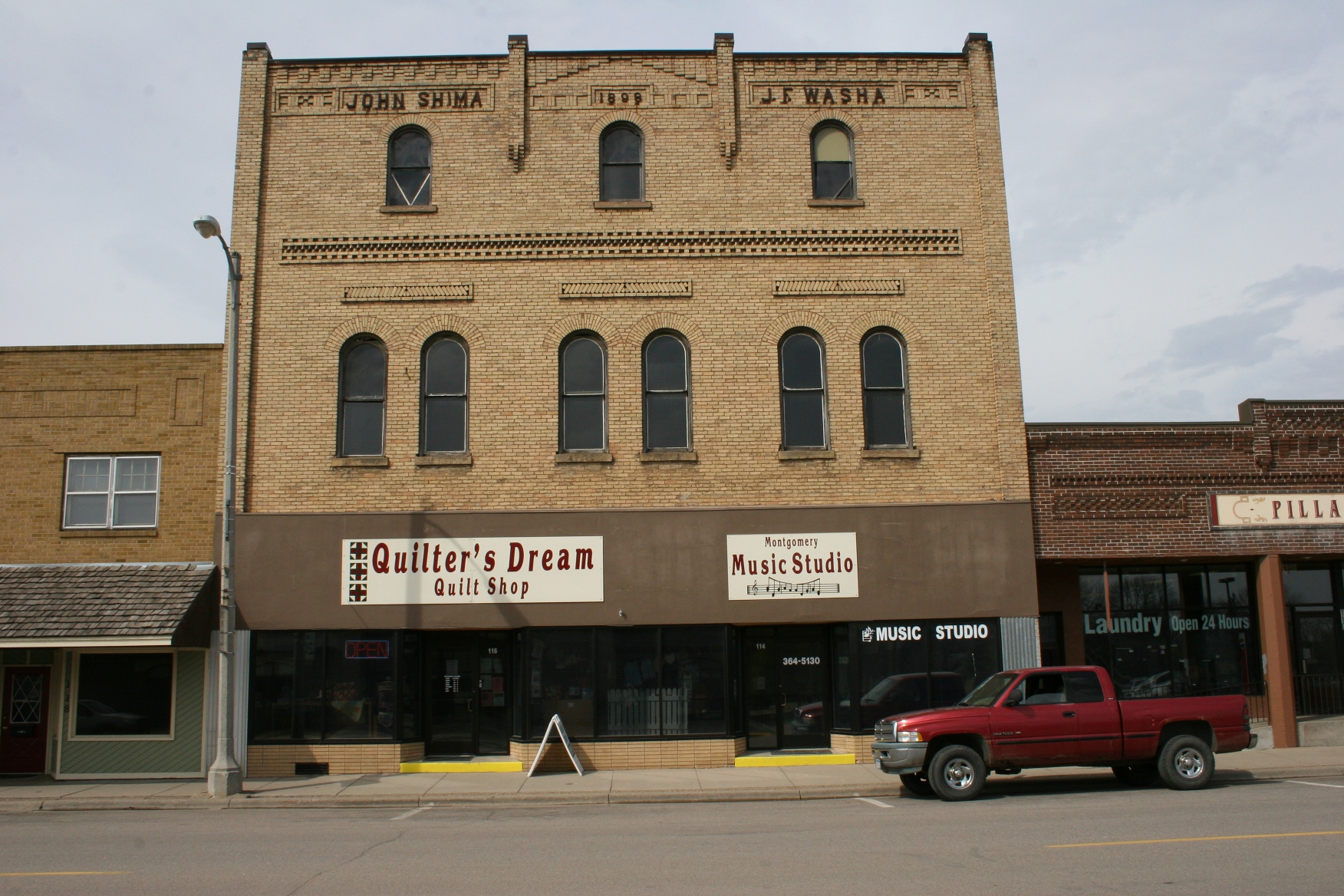
Michelle McCrady owns Quilter's Dream and the adjacent music store, 116 First Street South in downtown Montgomery.

Michelle McCrady owns Quilter’s Dream and the adjacent Montgomery Music Studio.

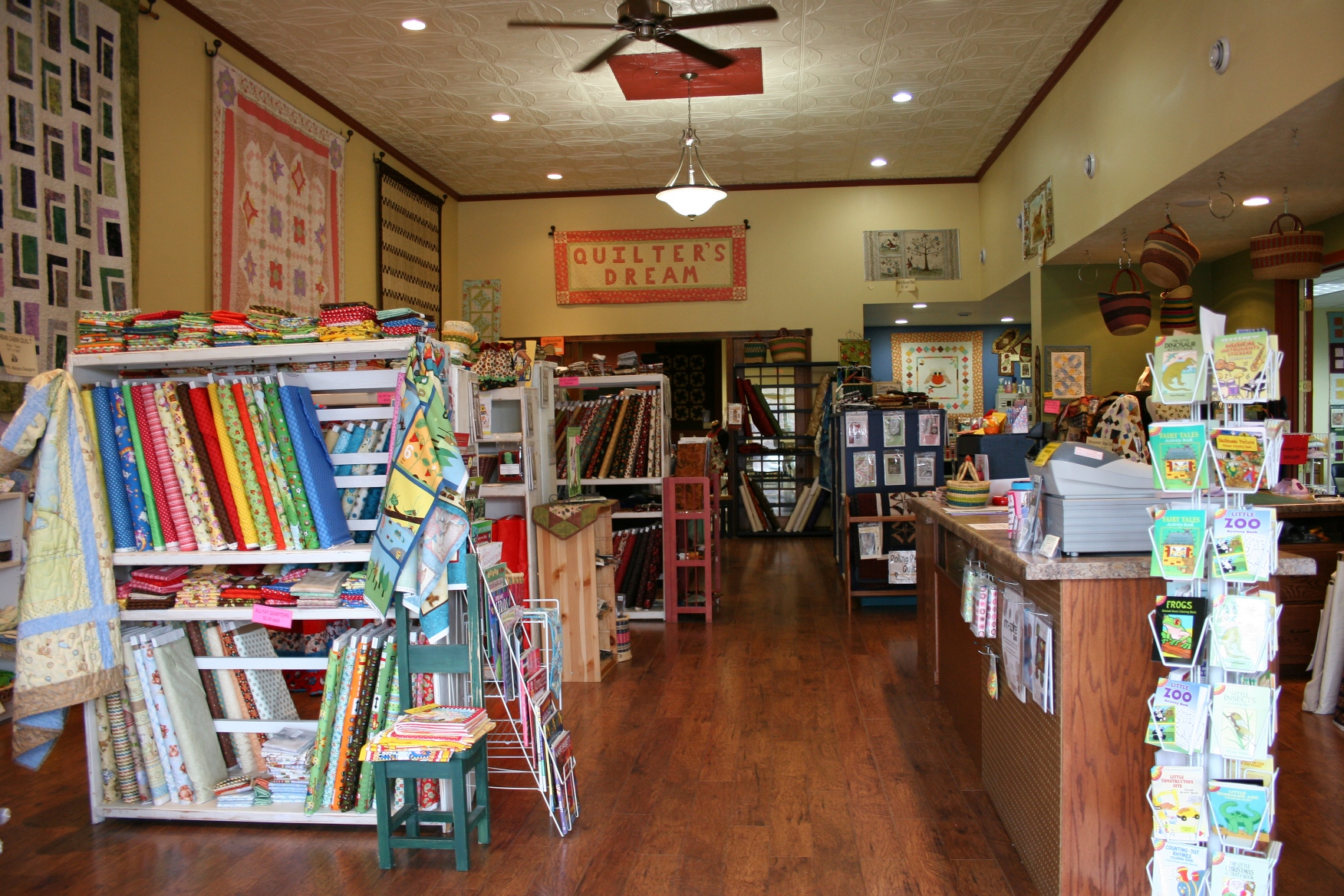
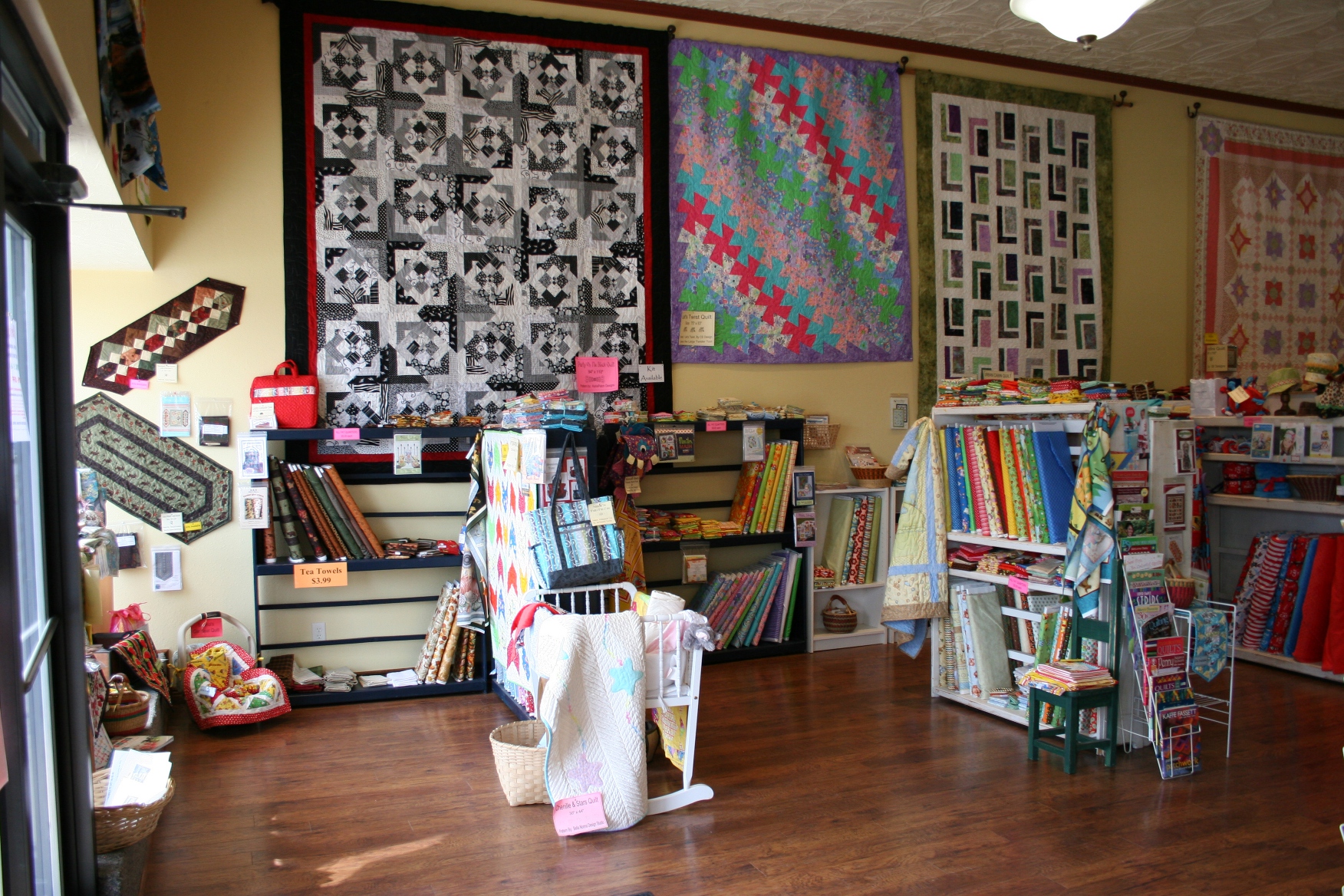
Likewise, even though I’m not a quilter, Michelle McCrady’s Quilter’s Dream dreamy quilt shop, located two blocks north of Rani’s in the Old Ben Franklin store and complete with an impressive original tin ceiling, charmed me, too. I cannot resist the sweet touch of historic features.

Quilter's Dream features a beautiful original tin ceiling and a wonderful collection of quilts, fabrics, notions and more.

Quilter’s Dream features a beautiful original tin ceiling and a wonderful collection of quilts, fabrics, notions and more.

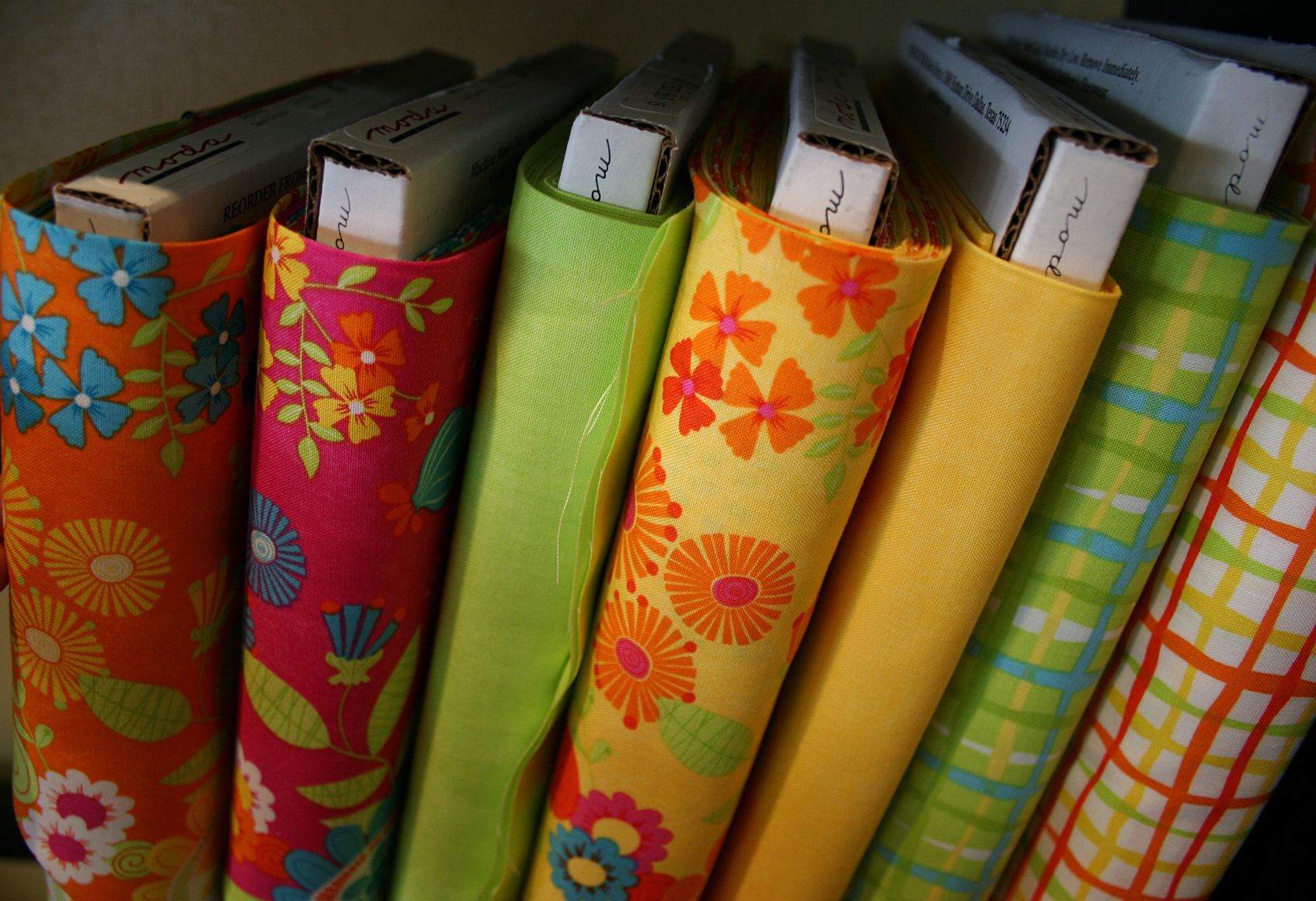
Plus, entering Michelle’s shop was like stepping into spring with vibrant hues splashing across quilts and bolts of fabric. This quilt shop reawakened the seamstress in me—the teen who, in the seventies, stitched clothing from hot pants to the shortest of short skirts to sensible simple dresses for Grandma.

Bolts of eye-catching fabrics in bright hues line shelves.

Bolts of eye-catching fabrics in bright hues line shelves.

I’ve never lost my appreciation for bolts and bolts and bolts of cotton fabric awaiting the pinning of straight pins, the snip of scissors, the stitch of thread. There’s something artfully satisfying about creating from fabric.

A sampling of the gorgeous quilts you'll find in Michelle's shop.

A sampling of the gorgeous quilts you’ll find in Michelle’s shop.

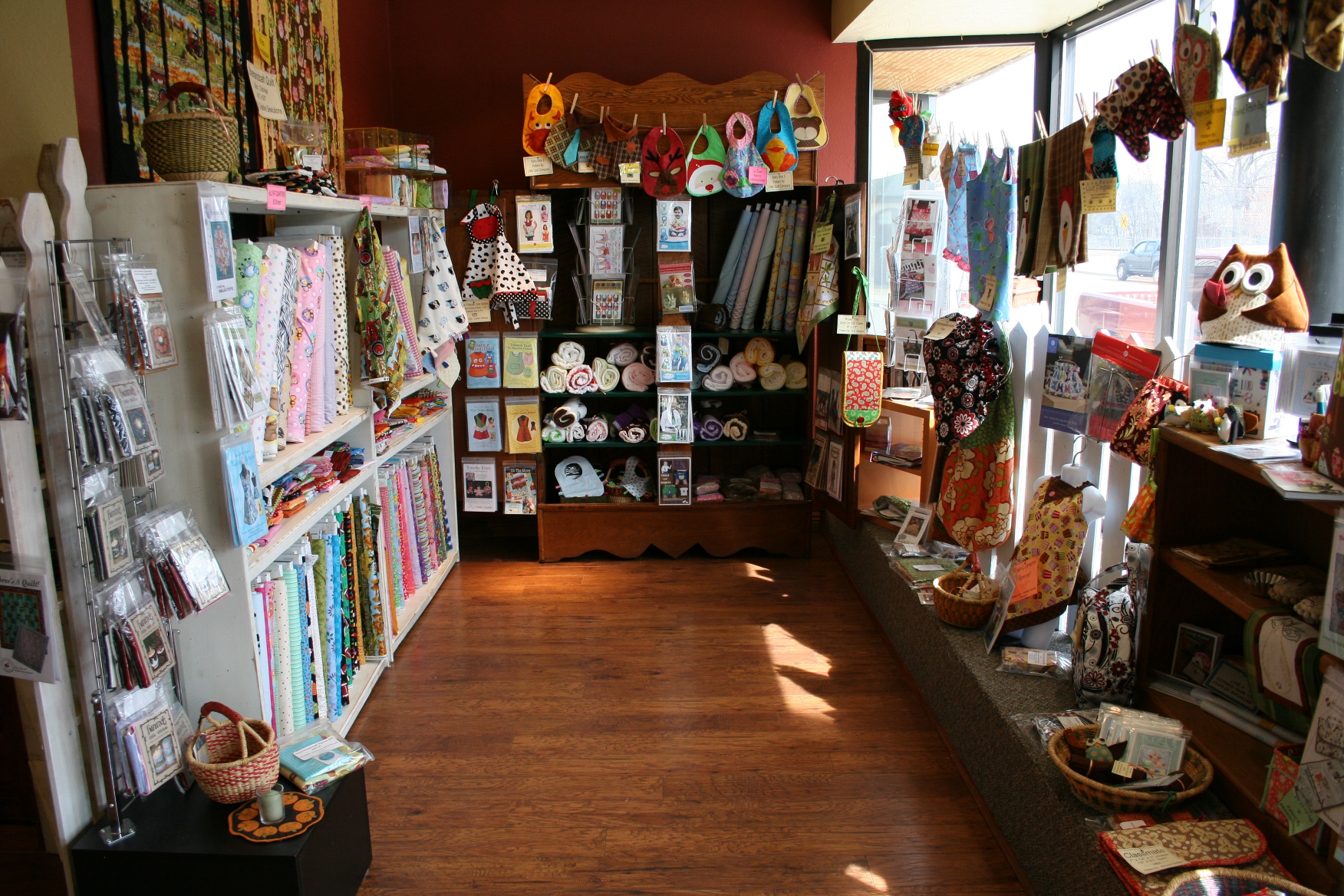
Fifteen minutes in Michelle’s shop will convince you that this mother of 11 is passionate about quilting and all things fabric. She teaches classes, leases out time on her long-arm quilting machine and stitches up plenty of cute gifts from aprons to bibs, not to mention the many fabulous quilts gracing her store walls.

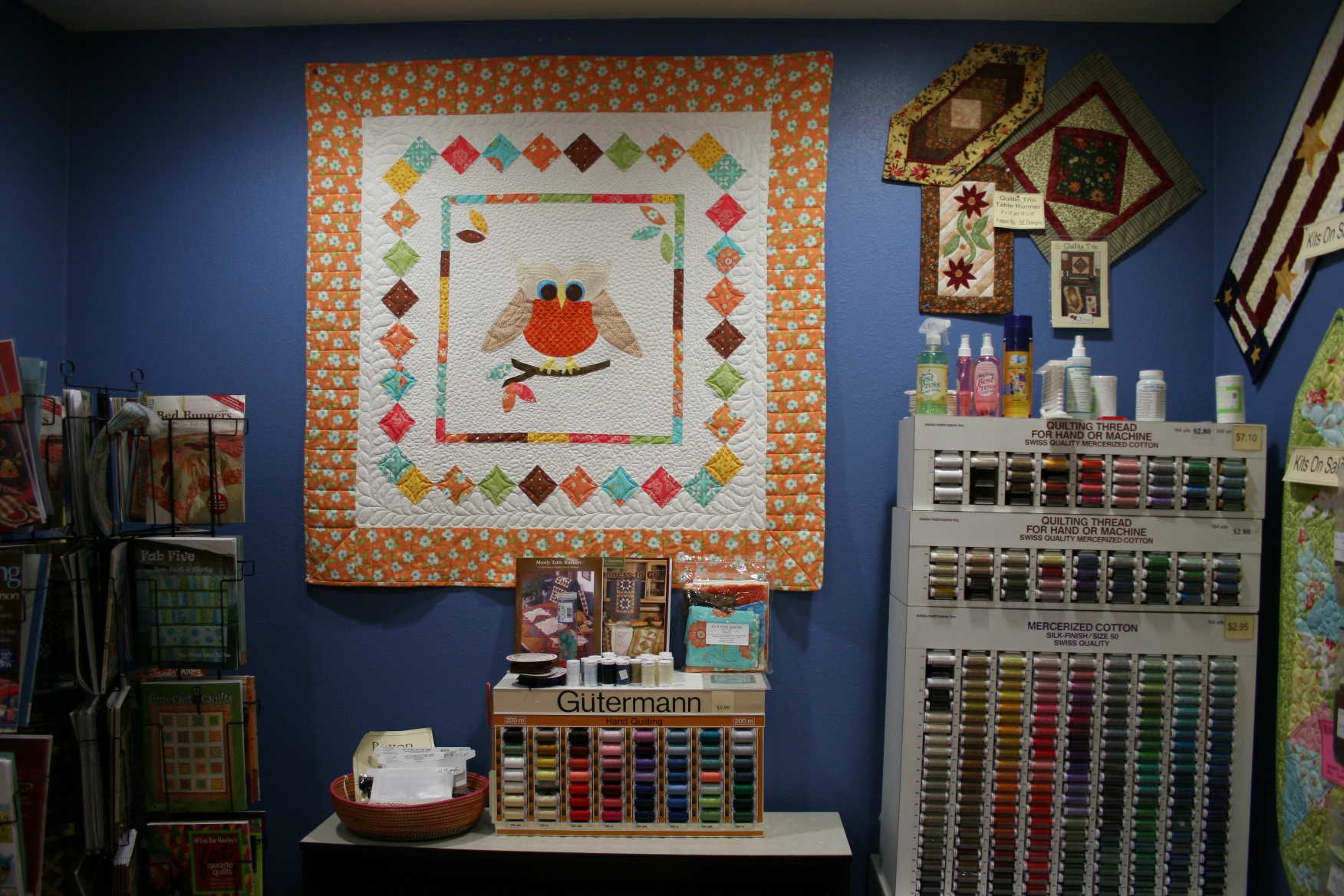
This owl quilt centers a back nook.

This owl quilt centers a back nook.

Who knew such sweet finds await shoppers in Montgomery? Not me.

Another nook, this one at the front of the quilt shop.

Another nook, this one at the front of the quilt shop.

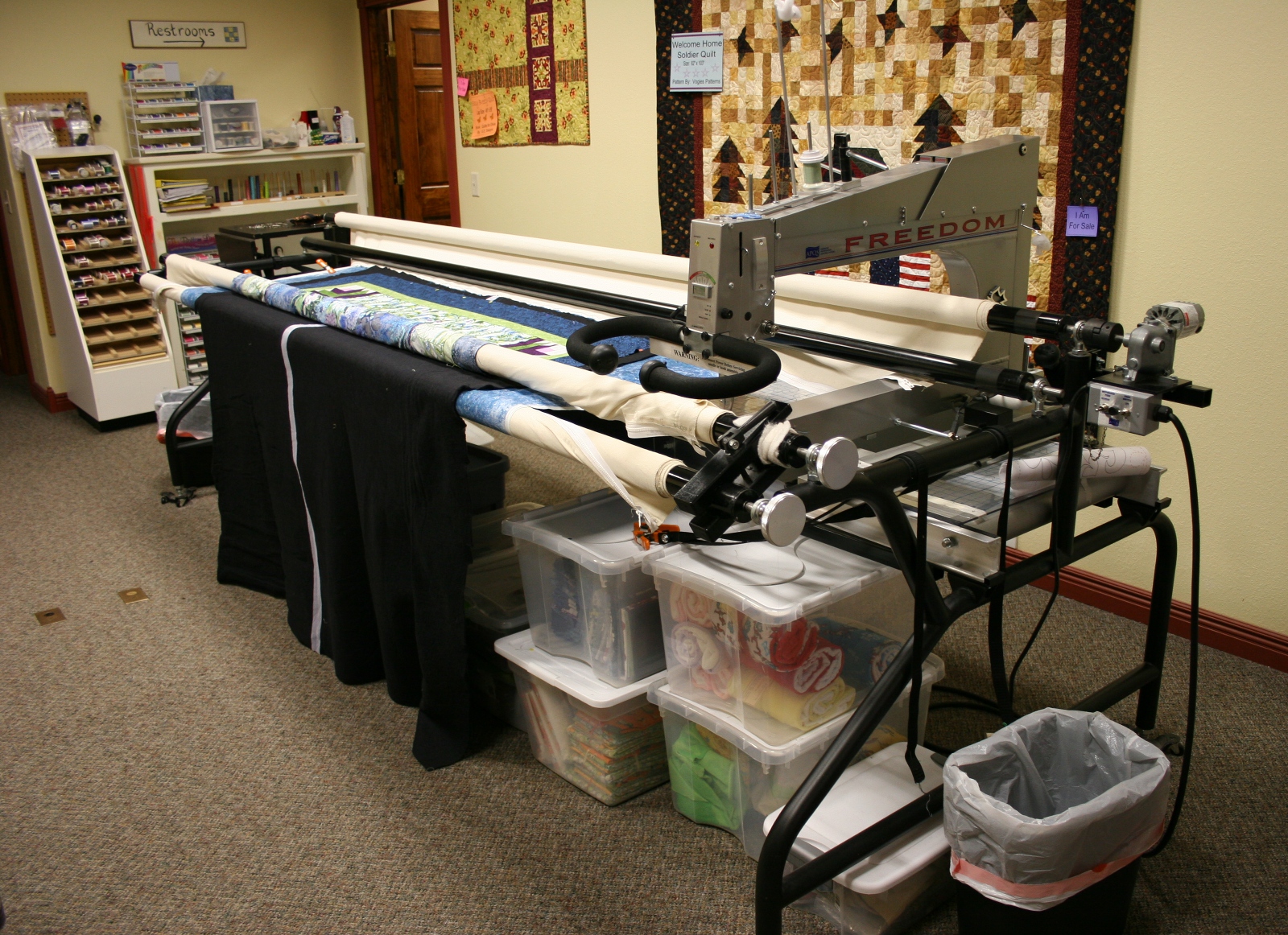
Michelle uses this long-arm sewing machine to quilt at the shop. Quilters can also pay to use the machine.

Michelle uses this long-arm sewing machine to quilt at the shop. Quilters can also pay to use the machine.

FYI: Quilter’s Dream, 116 First Street South, is open from 10 a.m. – 5 p.m. Monday – Friday and from 10 a.m. – 4 p.m. on Saturday.  Click here to reach the Quilter’s Facebook page.

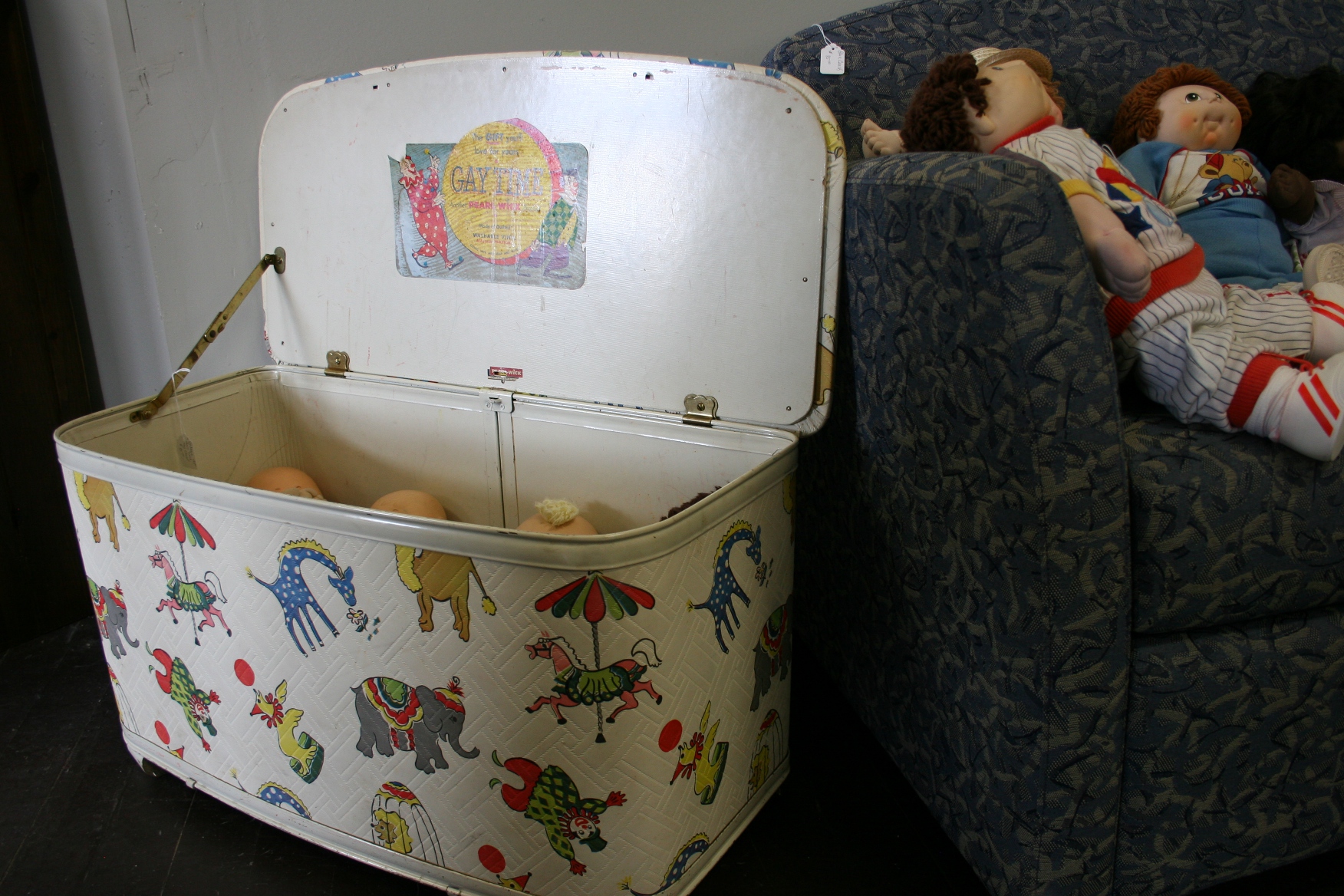
One of my other favorite finds at Rani's, a vintage 50s toy chest.

Two other favorite finds at Rani’s: a vintage 50s toy chest and Cabbage Patch dolls.

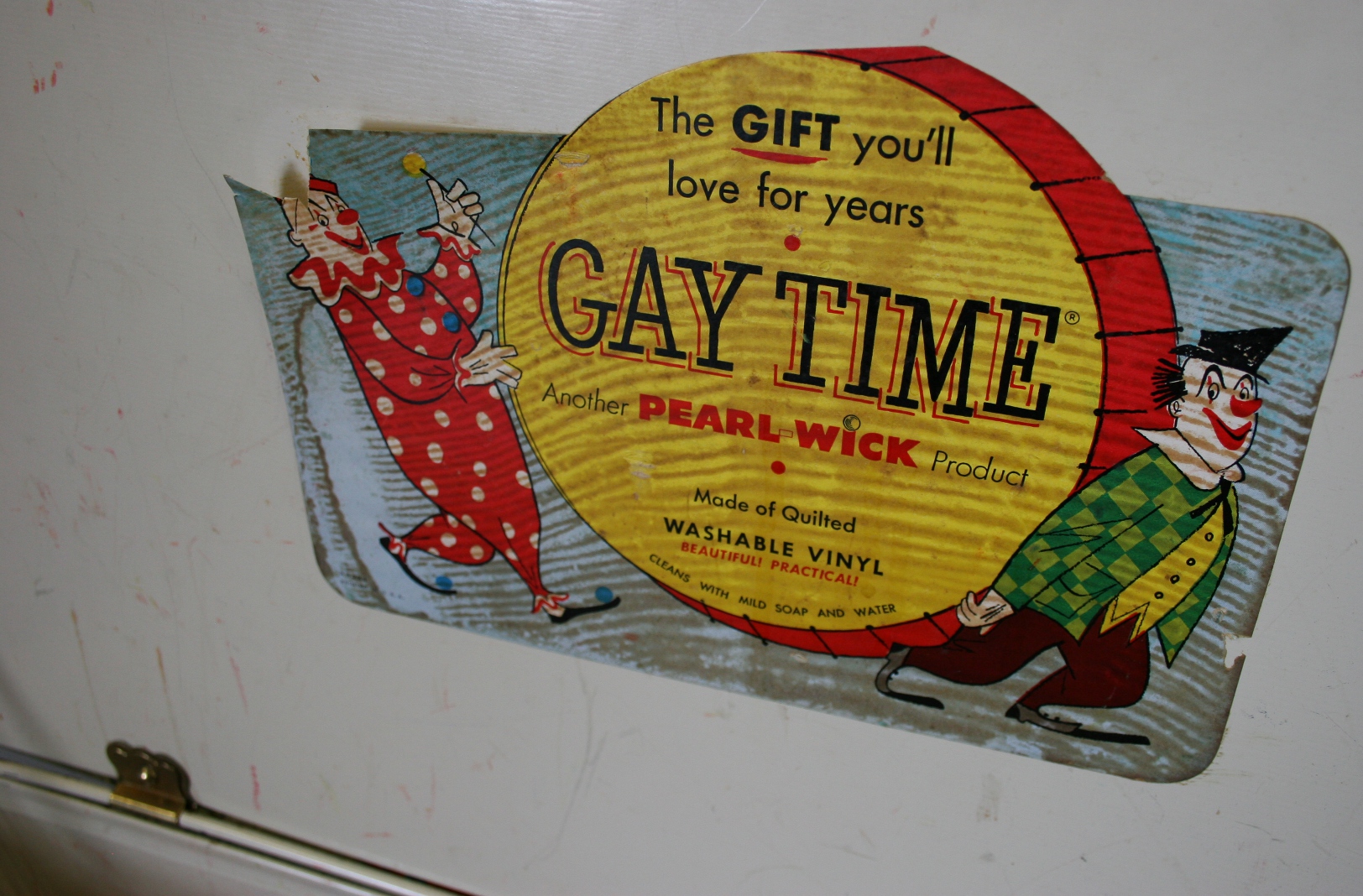
And just because I appreciate vintage graphics, here's the label inside the toy box lid.

And just because I appreciate vintage graphics, here’s the label inside the toy box lid.

Rani’s Furniture @ Antiques, 300 First Street South,  is open from 10 a.m. – 6 p.m. Wednesday – Saturday.

CHECK BACK TOMORROW as I take you into more sweet shops in this southern Minnesota community. Click here to read my introductory post to this small town. And click here to view my photo essay on an old-fashioned Montgomery barbershop, Main Street Barber.

© Copyright 2013 Audrey Kletscher Helbling


Poking around Montgomery, Minnesota April 9, 2013

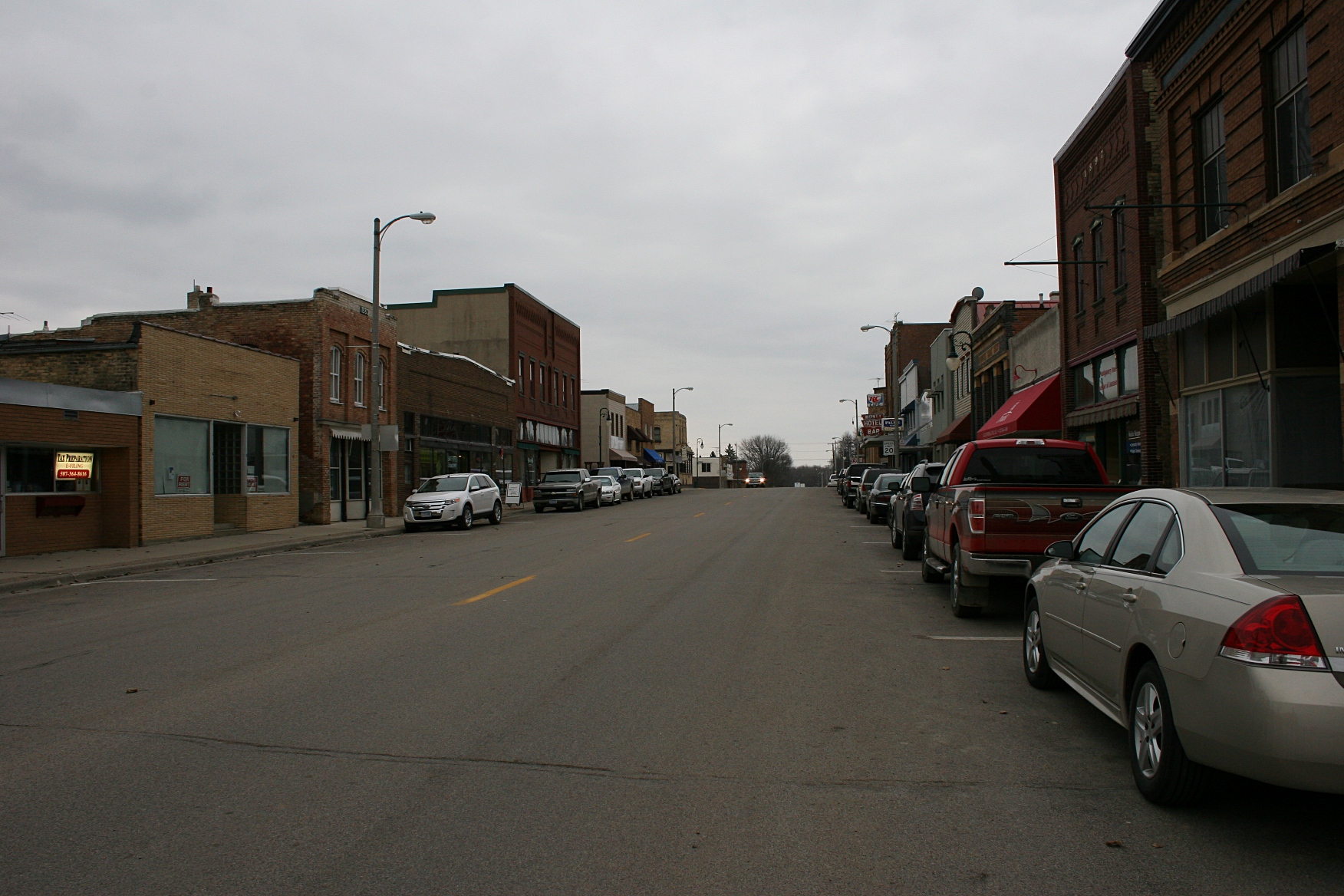
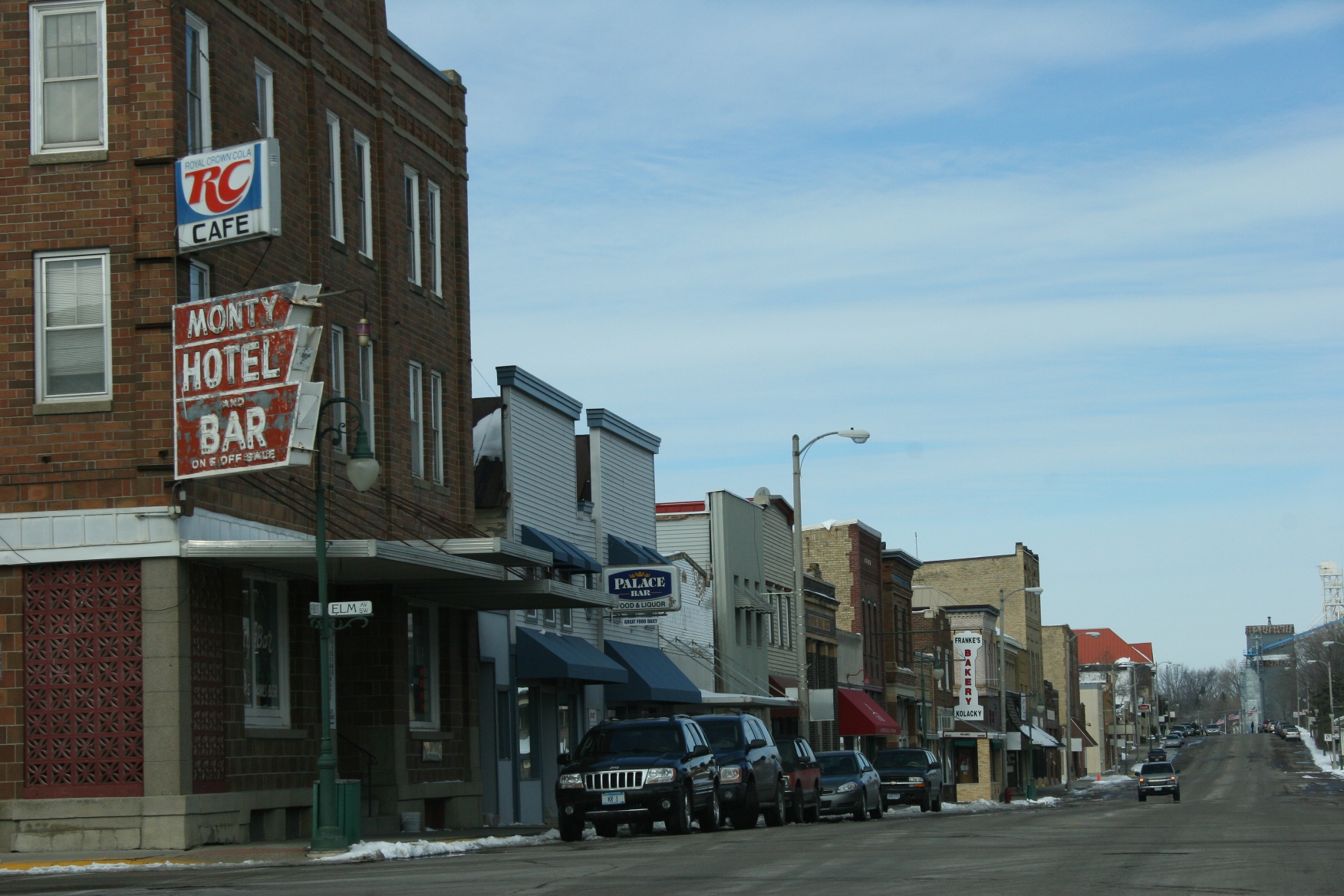
A shot of Main Street Montgomery.

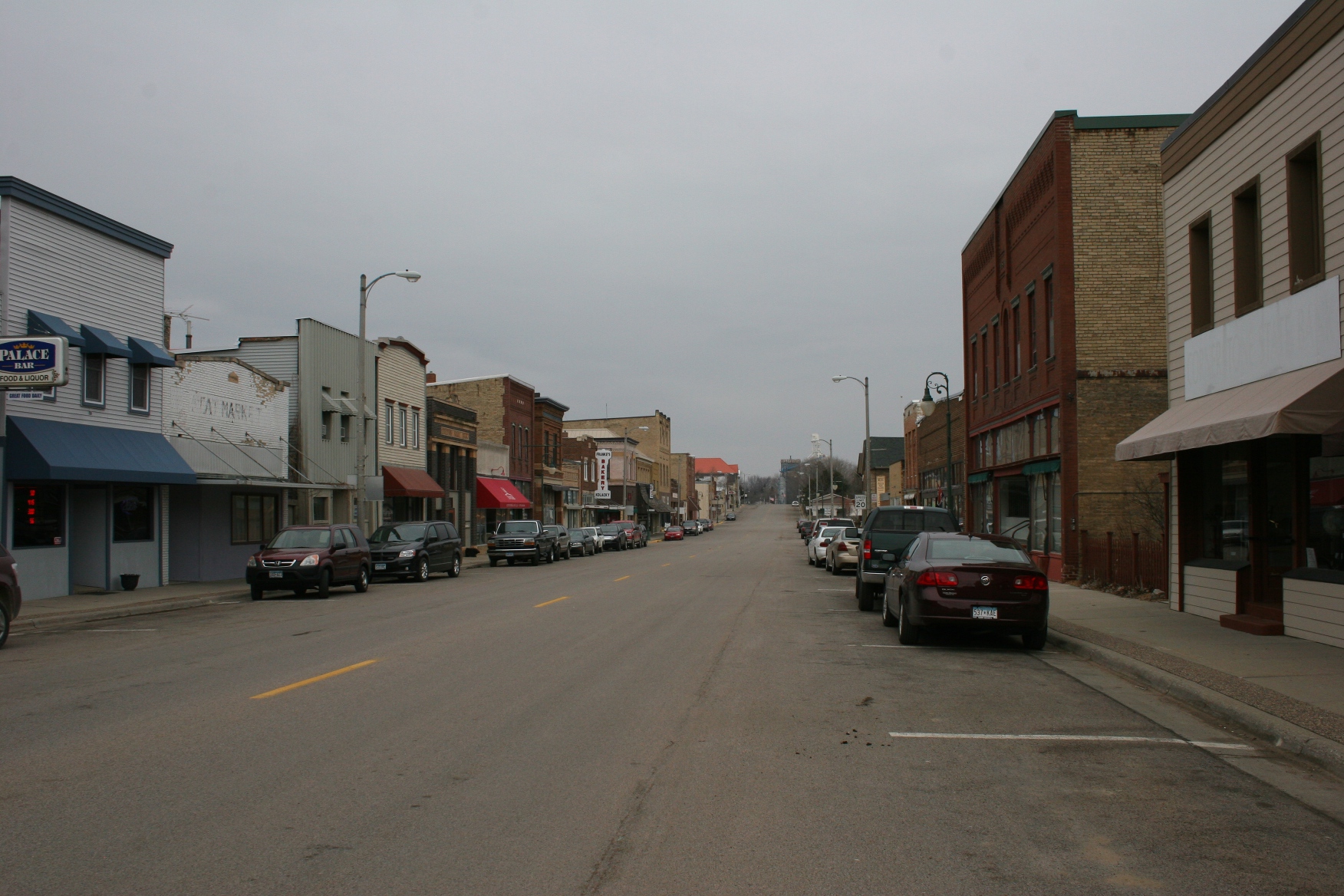
A shot of First Street in Montgomery’s downtown business district.

MONTGOMERY, IN MY OPINION, may be one of small town southern Minnesota’s best-kept secrets.

A wealth of historic buildings still stand in Montgomery, one reason I am particularly drawn to this community. Walk inside many businesses and you will find original tin ceilings and wood floors.

A wealth of historic buildings still stand in Montgomery, one reason I am particularly drawn to this community. Walk inside many businesses and you will find original tin ceilings and wood floors.

If you appreciate historic buildings, ethnic charm, friendly folks and one-of-a-kind home-grown businesses all packaged in a Main Street reminiscent of yesteryear, you’ll delight in Montgomery.

Dogs roaming and kids rollerblading along the sidewalks of Main Street.

Dogs roaming and kids rollerblading along the sidewalks of First Street.

On Saturday, my husband and I drove a half hour northwest of Faribault to check out this Czech community’s downtown. We meandered from thrift shop to bakery to thrift shop to drugstore and quilt shop, and even bopped into an old-fashioned barbershop before visiting the town’s newest corner shop, Rani’s, and then walking a block north to order pizza for a late lunch.

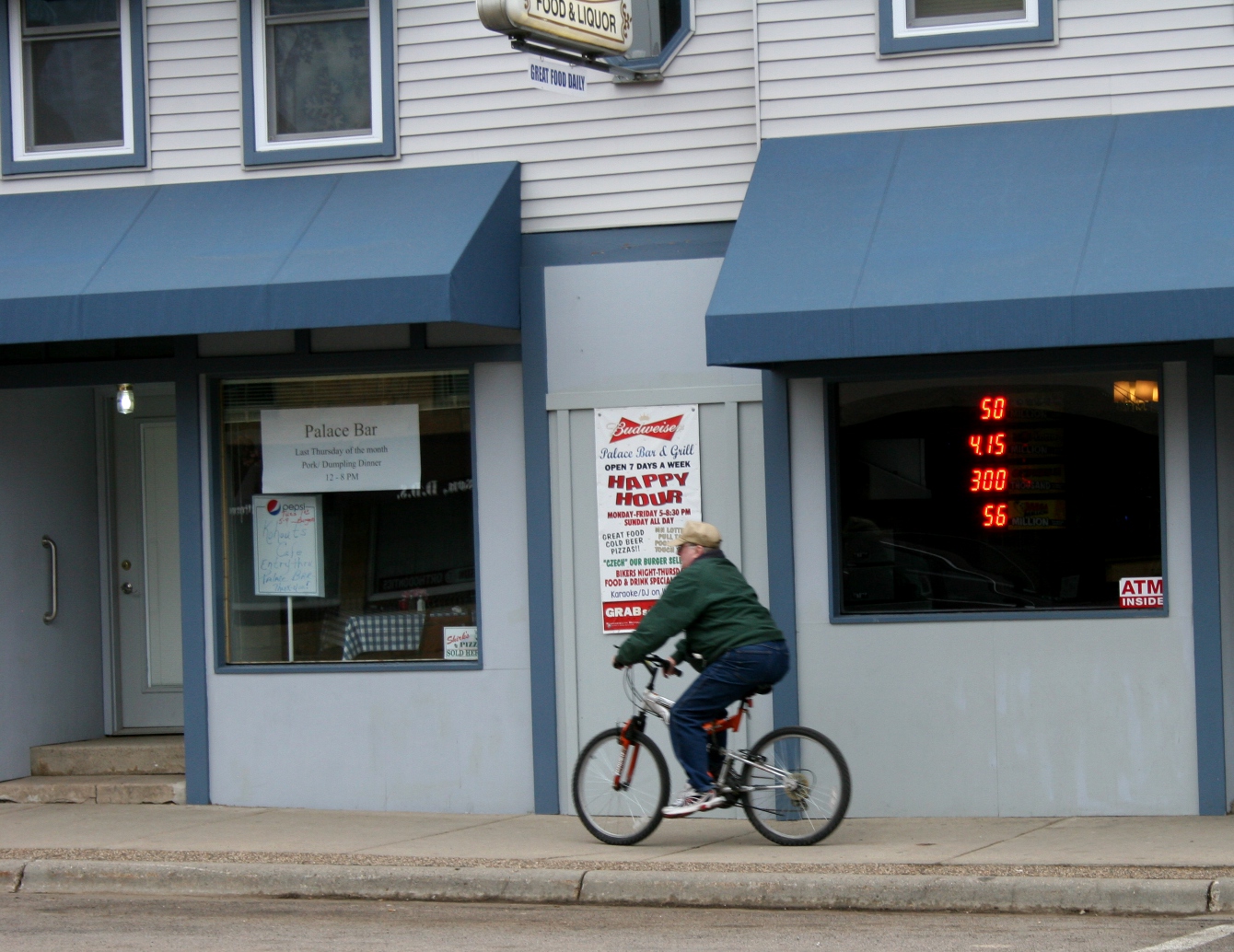
Biking in downtown Montgomery.

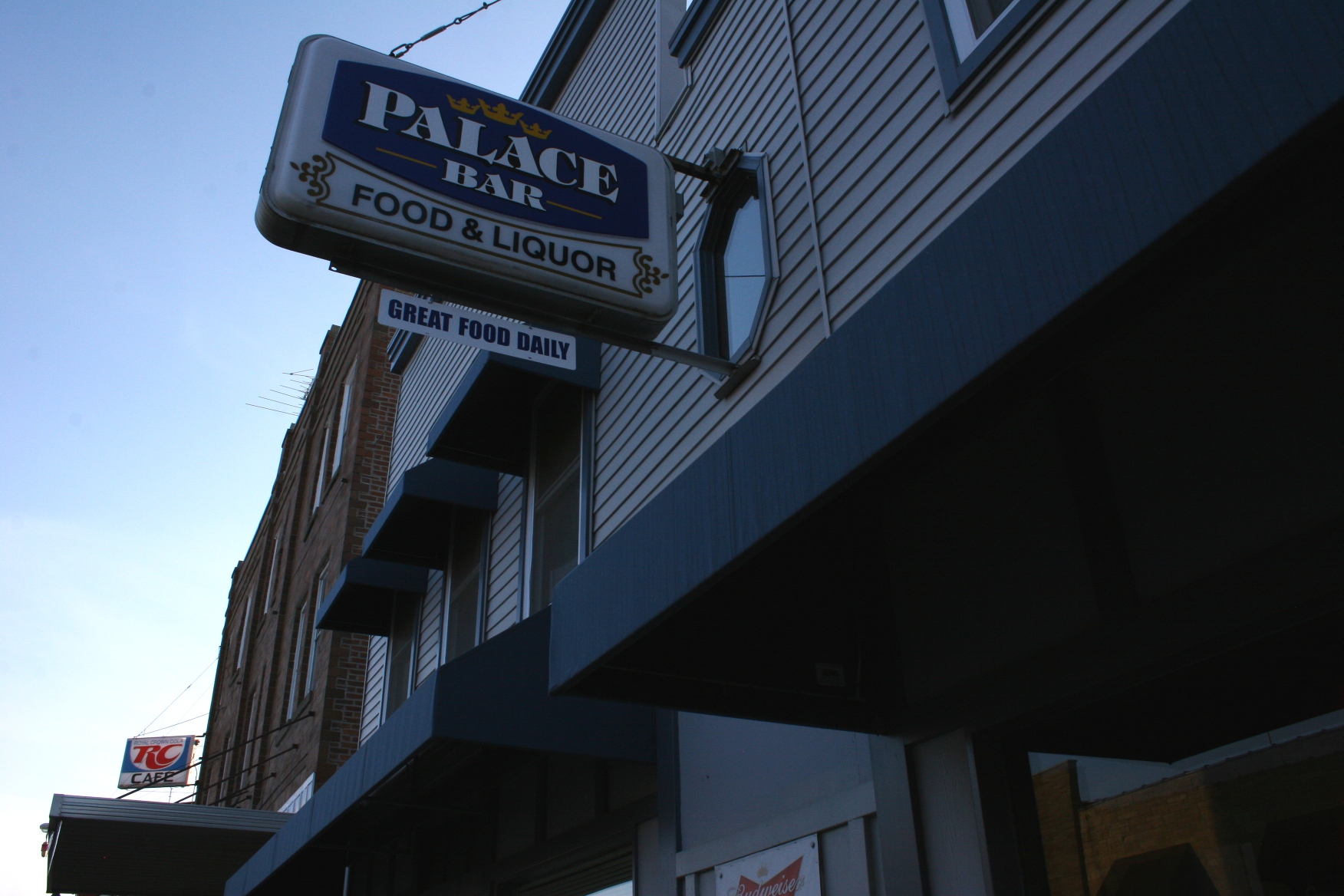
Biking in downtown Montgomery past the Palace Bar which advertises a Pork/Dumpling Dinner from 12 – 8 p.m. on the last Thursday of the month.

Afterward, we perused Big Honza’s Museum of Unnatural History, hit up another antique store and, finally, caught a Czech import shop on the way out of town.

The White Front Saloon, one of many bars we spotted.

The White Front Saloon, one of many bars we spotted.

But we didn’t hit a single of the half-dozen or so bars. Nor did we take in the 24th annual Miss Czech Slovak MN Pageant over at the American Legion, although several shopkeepers inquired whether we were in town just for that.

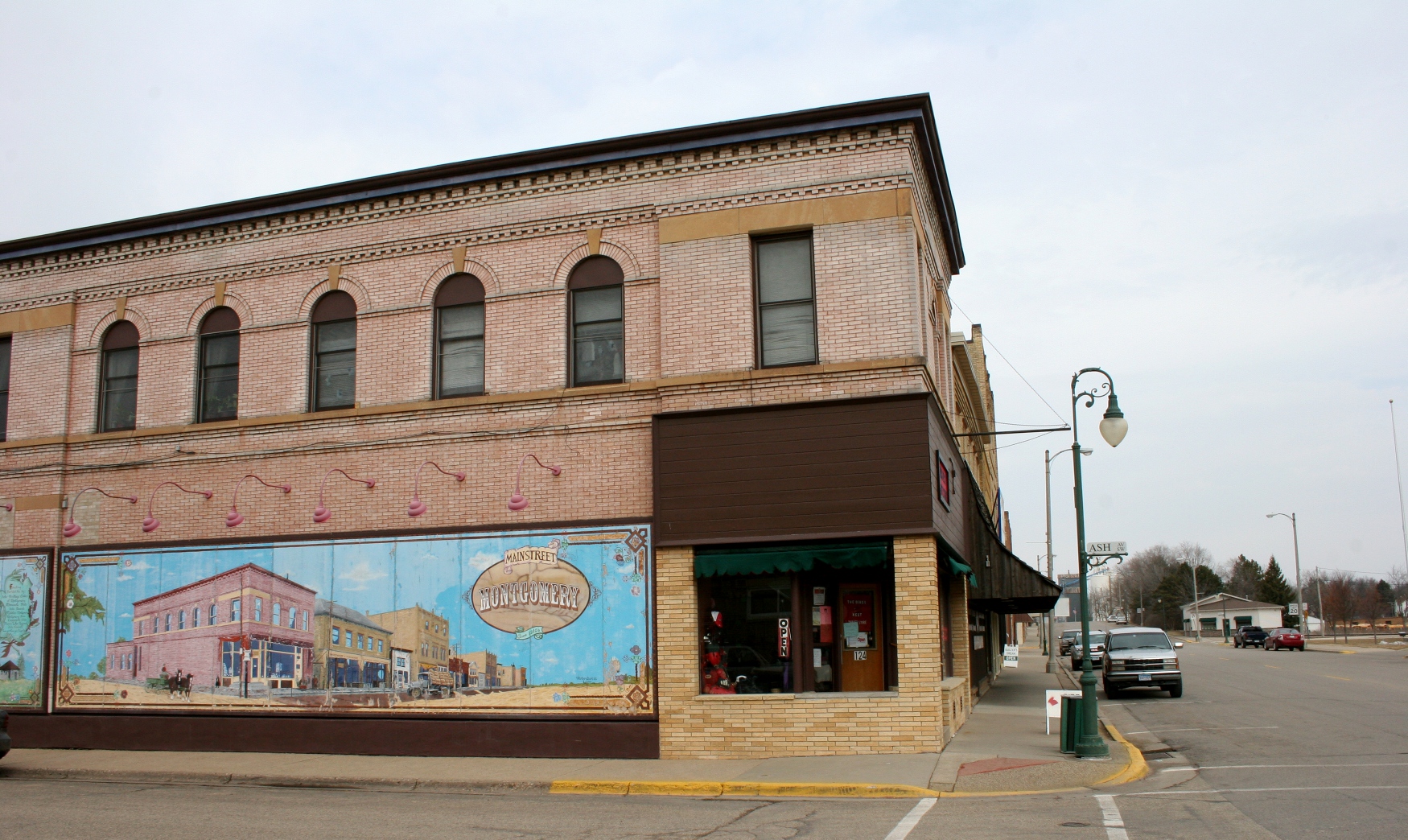
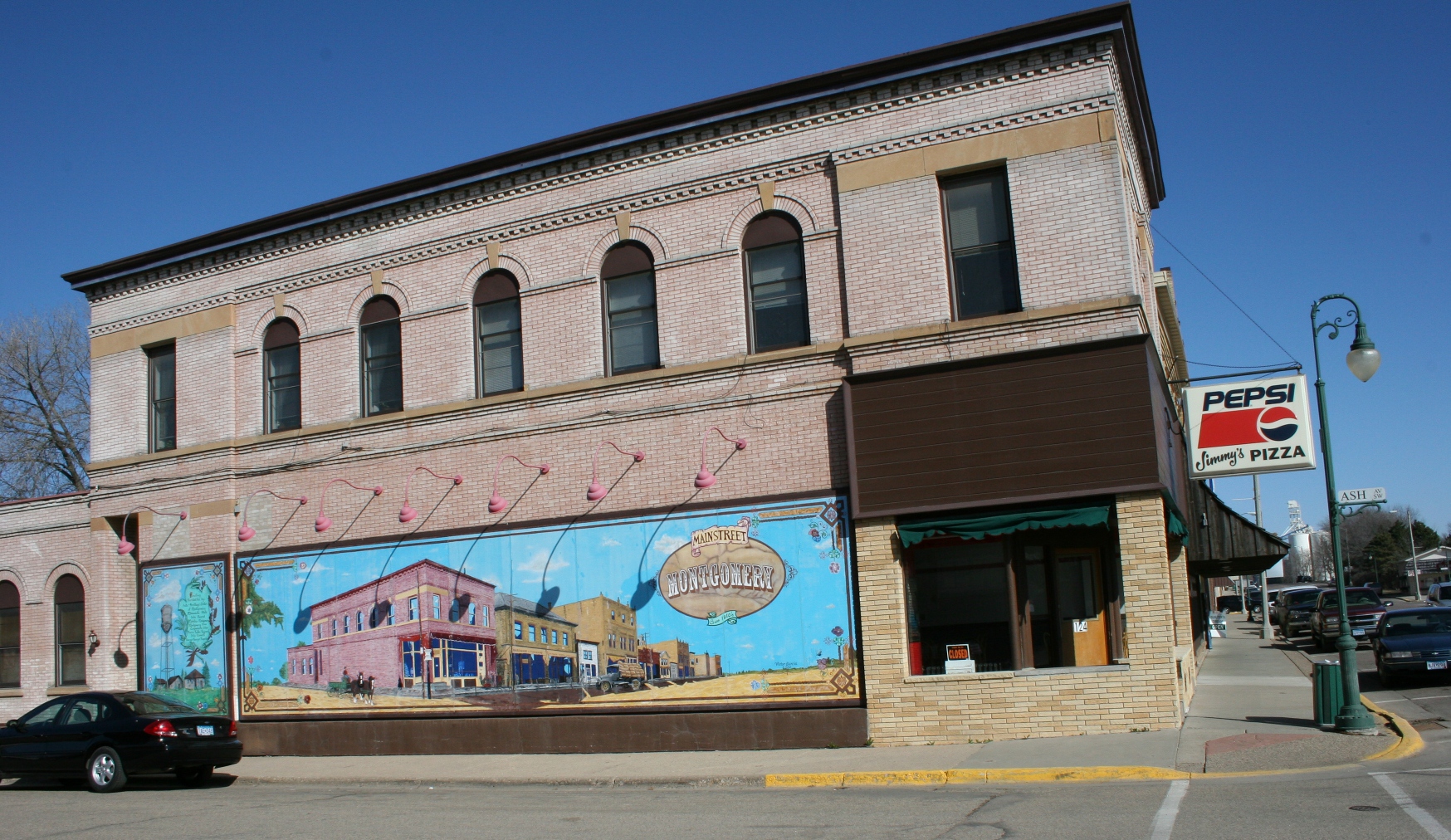
A Main Street mural

A downtown mural graces the side of the Bird’s Nest, a thrift store.

Nope, just two empty nesters poking around this self-proclaimed Kolacky Capital of the World.

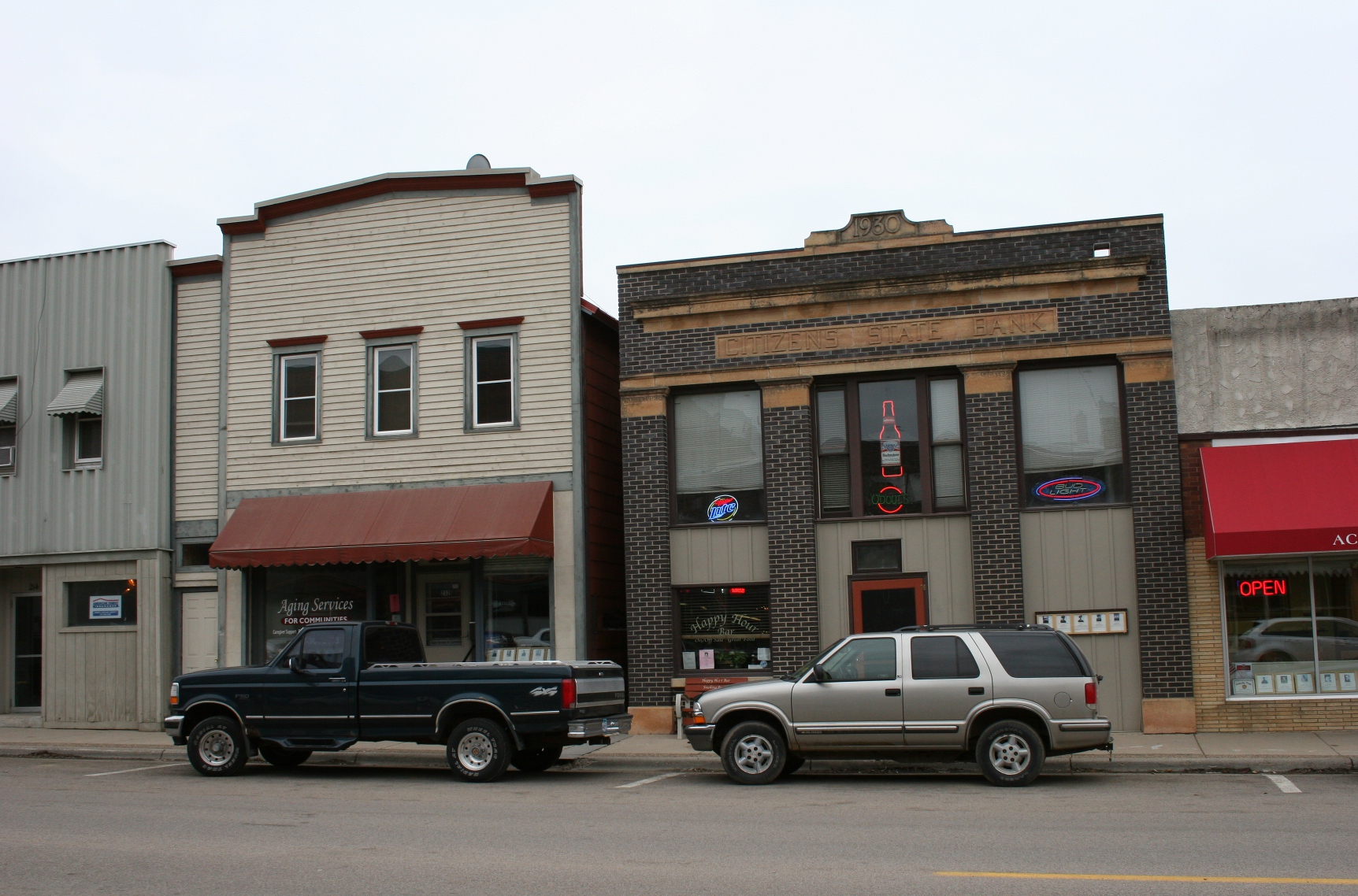
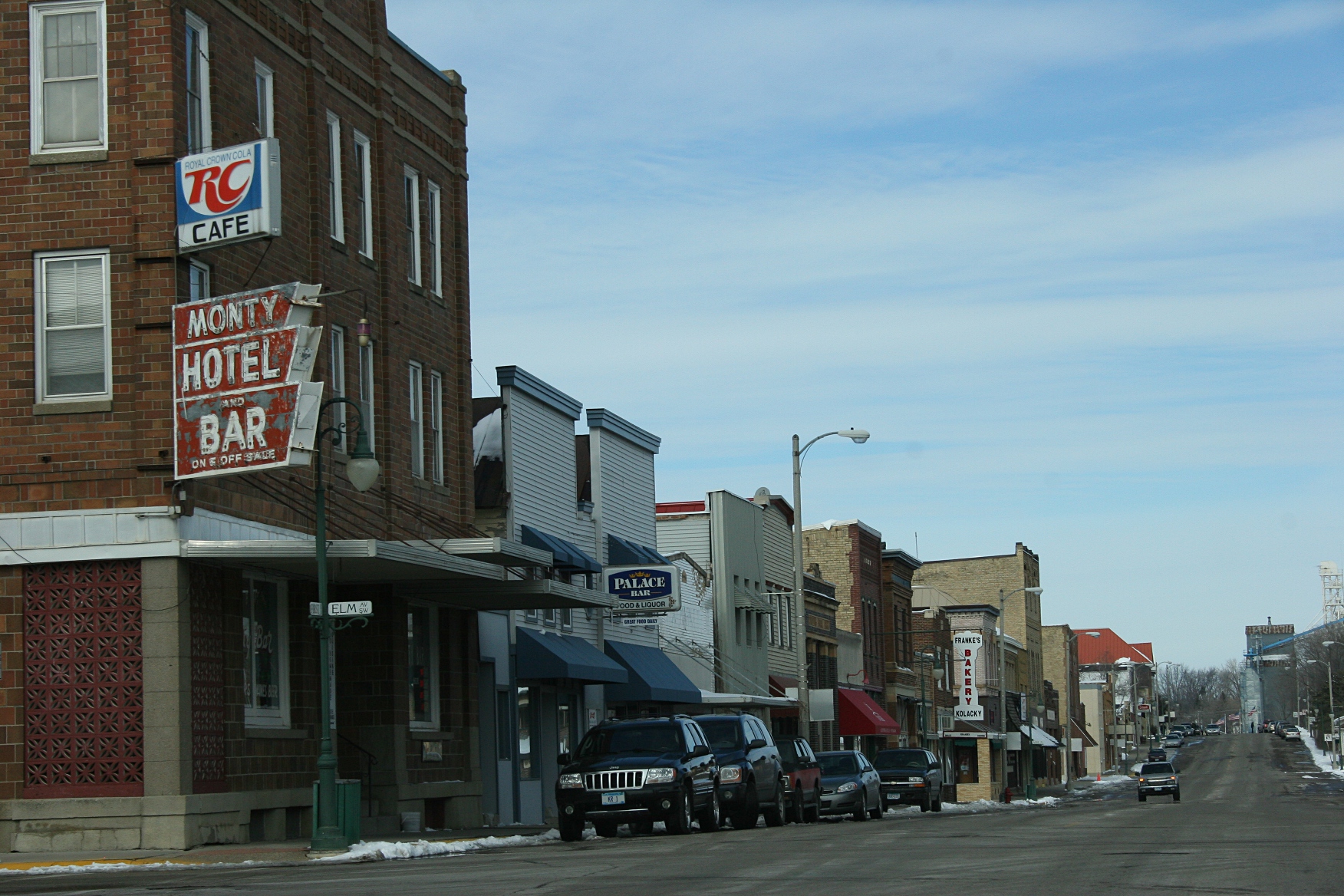
Another shot of the Main Street business district.

Another shot of the downtown business district.

CHECK BACK for a series of posts featuring the places we visited in this Le Sueur County community of around 3,000. You can click here to read my post about Main Street Barber. Also check my March 4 – 8 archives for additional stories focusing on the artsy side of Montgomery.

For those not in the know, a kolacky is a Czech pastry. Montgomery celebrates Kolacky Days each July, this year the 26th through the 28th.

BONUS PHOTOS:

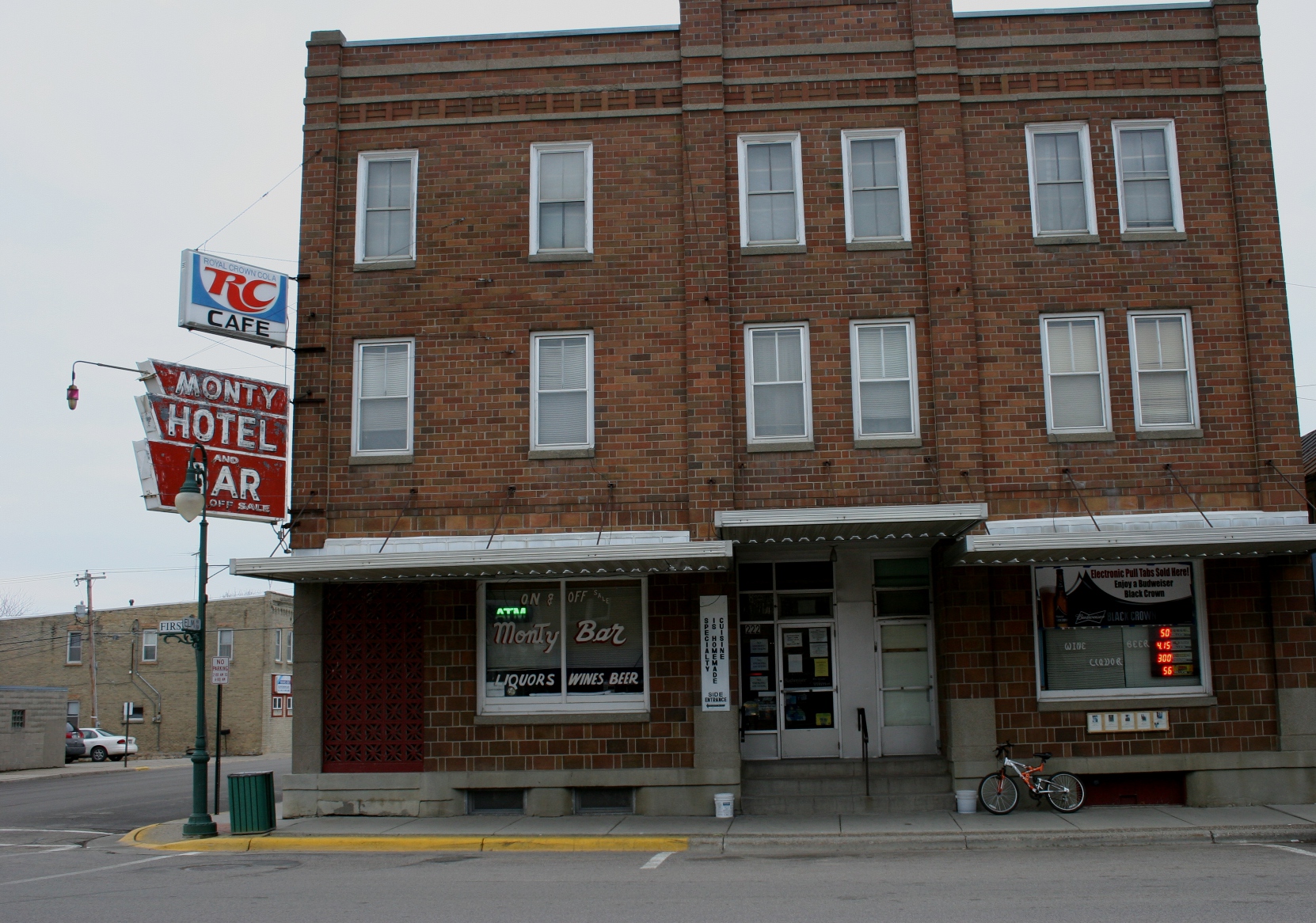
One of my favorite buildings and attached vintage signage. I need to return and explore this place.

One of my favorite buildings and attached vintage signage. I need to return and explore this place.

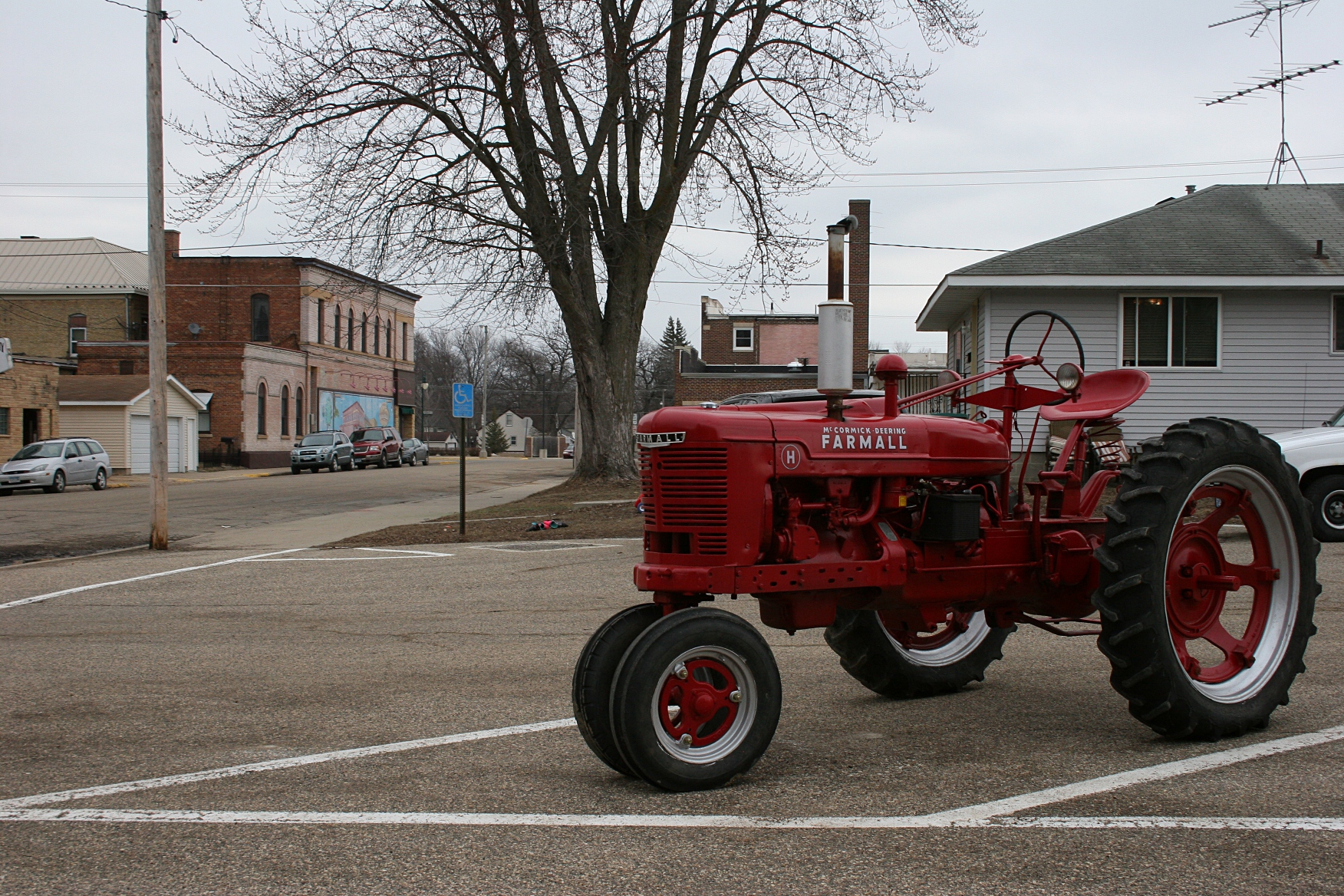
A block off the main drag, we spotted this tractor. "It's for sale," a man yelled from a window somewhere.

A block off the main drag, we spotted this tractor. “It’s for sale,” a man yelled from a window somewhere.

A parting shot of that historic Main Street.

A parting shot of that historic downtown.

© Copyright 2013 Audrey Kletscher Helbling


Discovering Vasa, an historic Swedish settlement in Minnesota March 25, 2013

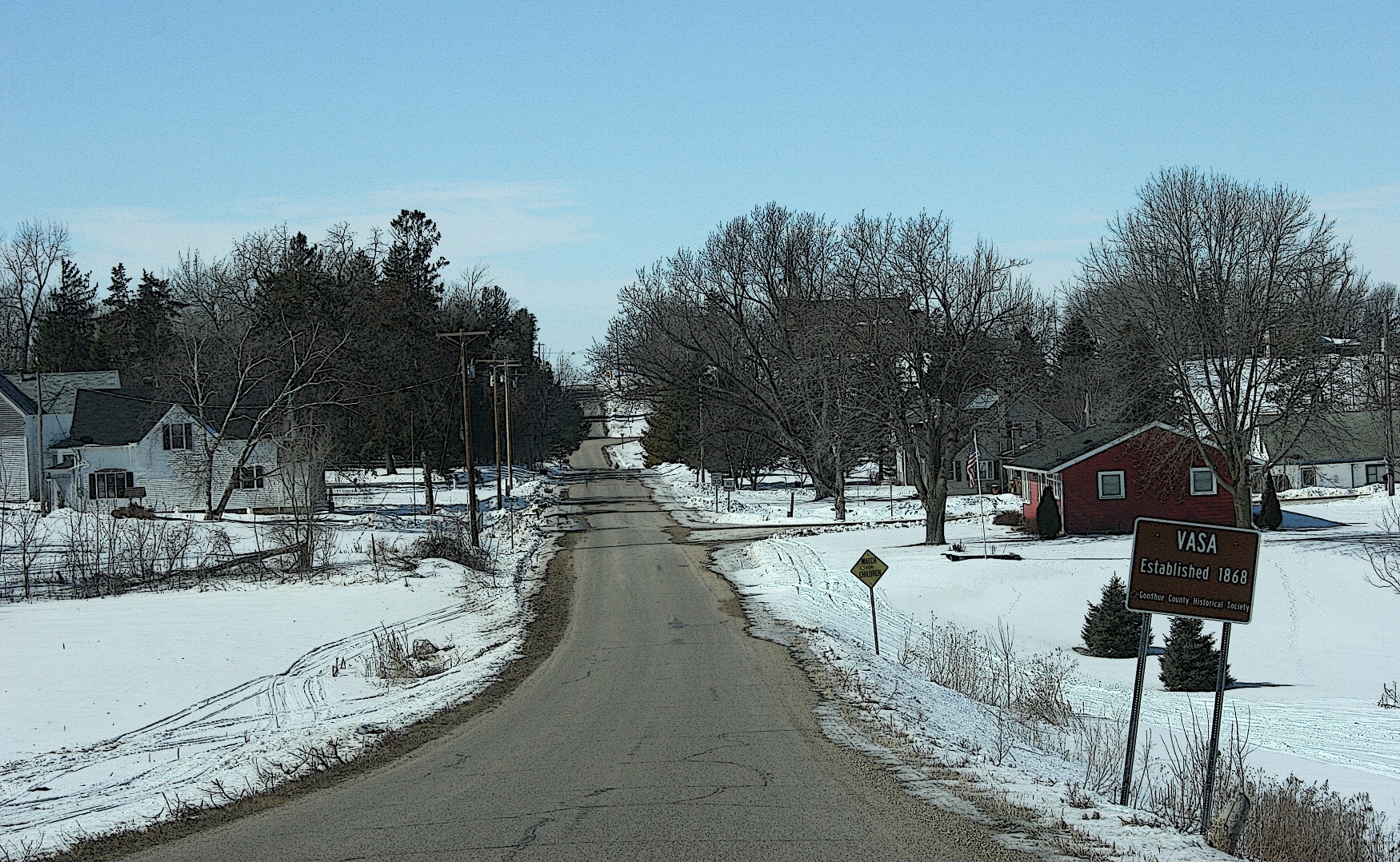
Driving into Vasa, established in 1868, according to a the historical marker, right.

Driving into Vasa, established in 1868, according to a the historical marker, right.

IT DOESN’T TAKE MUCH to draw me off the appointed route.

Recently, a sign for a church soup luncheon caused my husband and me to veer off Minnesota Highway 19 near Red Wing into historic Vasa, established in 1868.

We opted not to partake of the soup, although that was a tough call given my love of soup and church dinners. But we were under a time crunch with limited hours to get to Red Wing and back.

So Randy and I did a quick drive through Vasa, named in honor of King Gustav Vasa, Swedish ruler from 1523-1560. Hans Mattson encouraged Swedish immigrants to settle here in this place originally known as Mattson’s Settlement.

Several of Vasa's old buildings.

Several of Vasa’s old buildings.

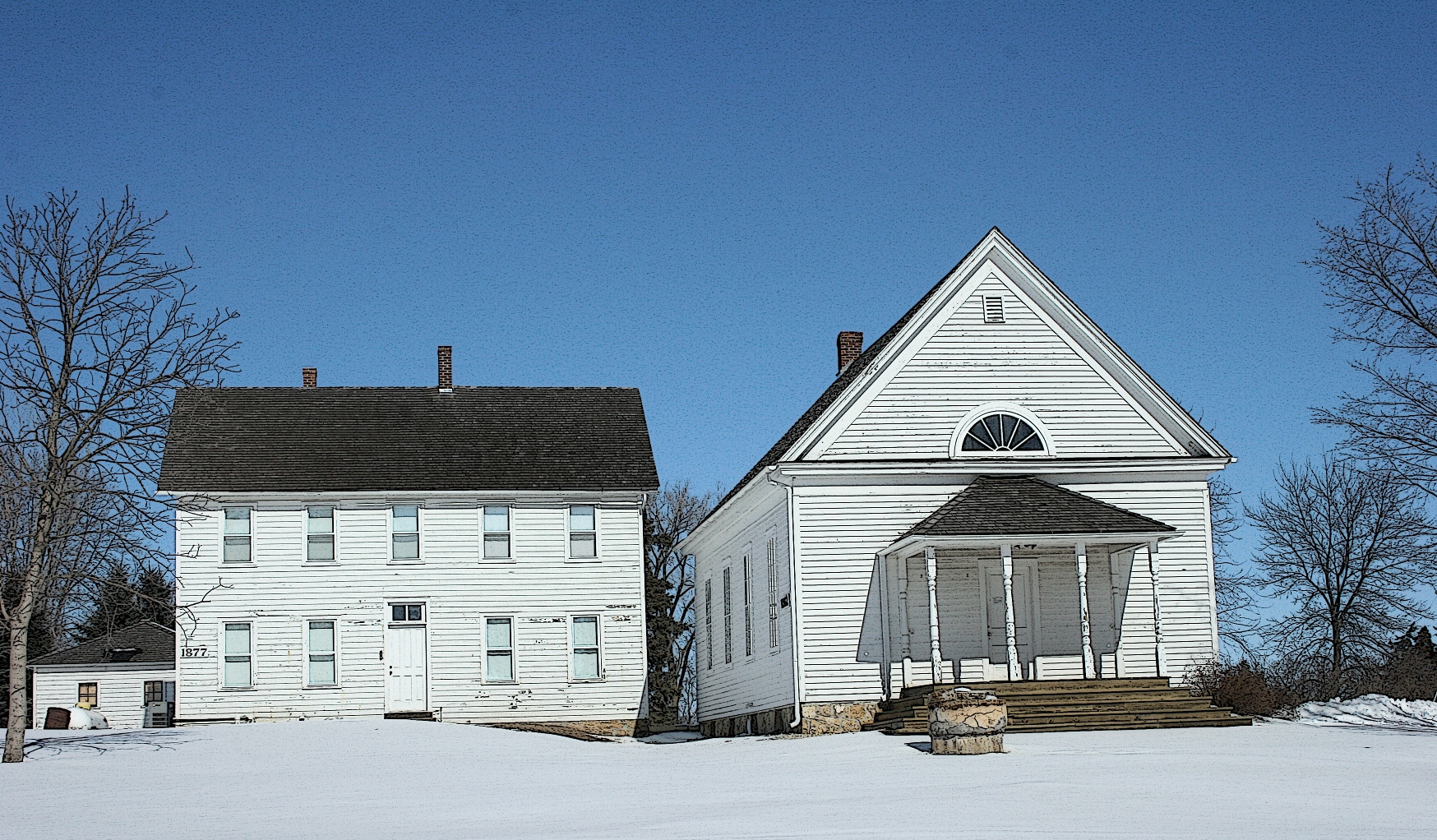
From an outsider’s perspective, there’s not much to the several blocks long Vasa—some houses, an abandoned creamery, by the looks of it a former schoolhouse or town hall, then Vasa Lutheran Church atop the hill with the Lutheran Center across the road.

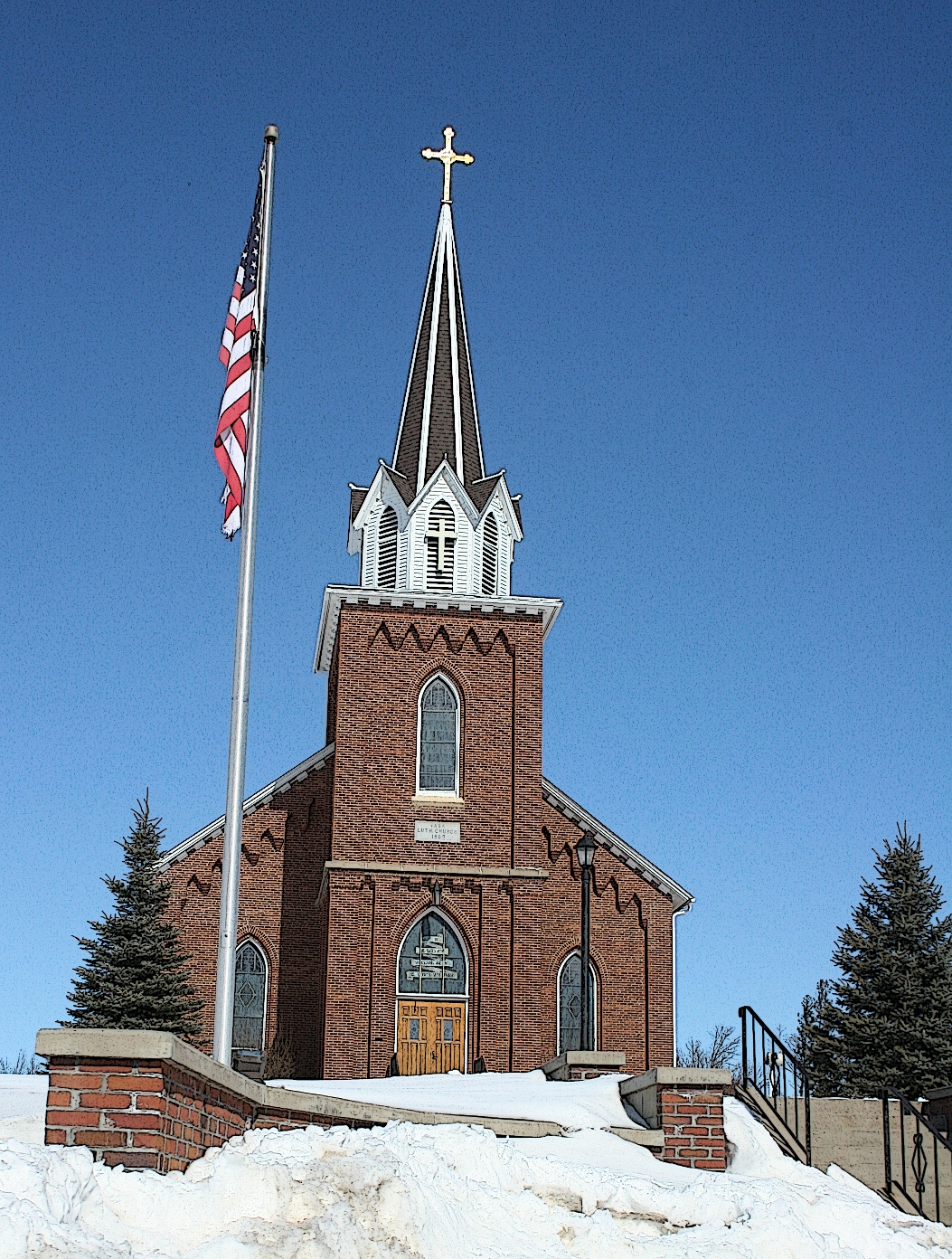
Vasa Lutheran Church, the congregation which started Lutheran Social Services, originally Vasa Children's Home.

Vasa Lutheran Church, the congregation which started Lutheran Social Services, originally Vasa Children’s Home. Construction on this church building began in 1867 with dedication in 1870.

Turns out, though, as I would later learn, that this seemingly obscure town along the highway is “the most intact and unchanged of the original Swedish colonies of Minnesota.” Vasa is designated on the National Historic Register as the Vasa Historic District with 19 structures of historical significance. I should have done my homework before we headed into Goodhue County.

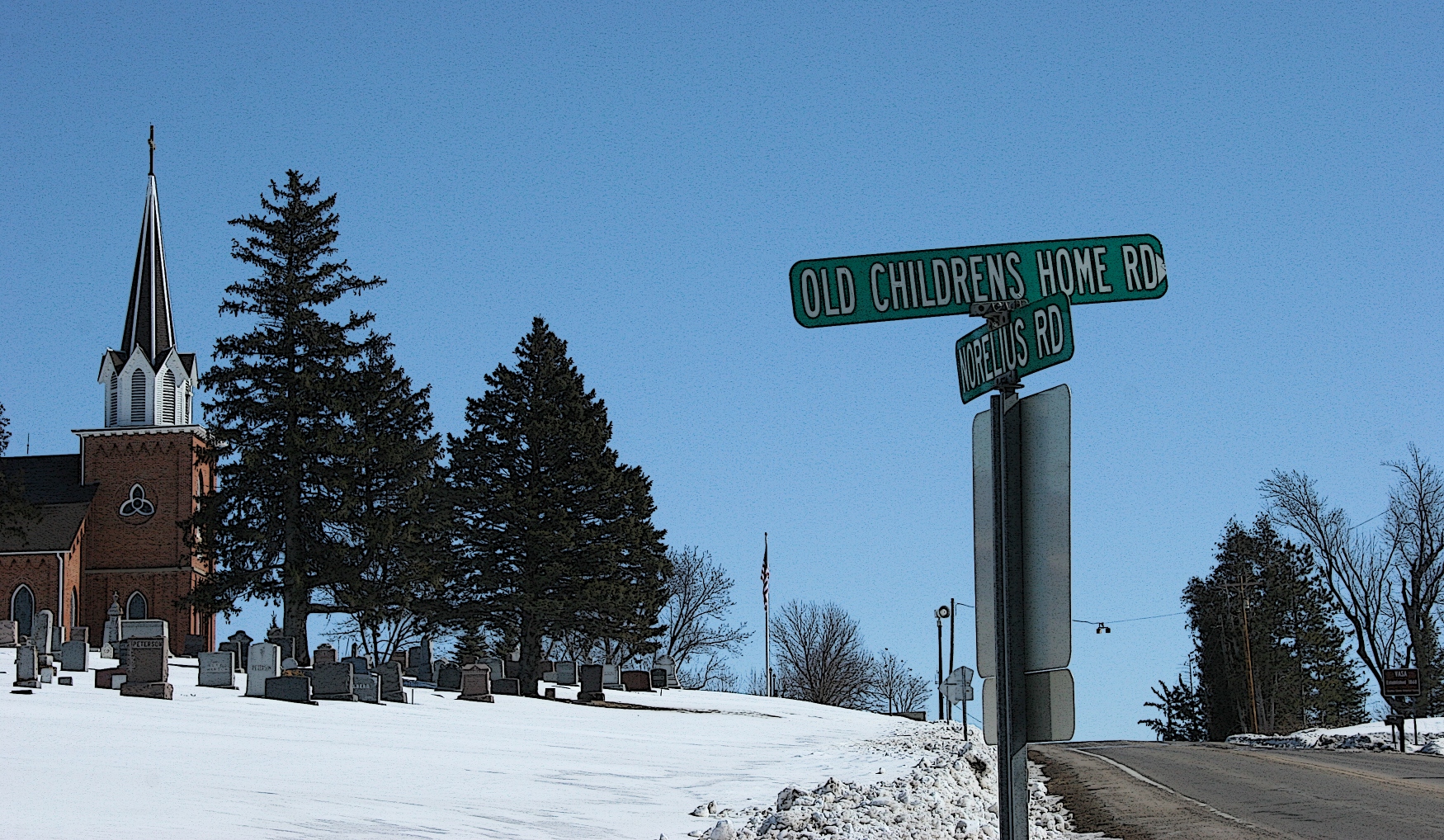
This street sign led me to investigate and learn about the Vasa Children's Home.

This street sign led me to investigate and learn about the Vasa Children’s Home.

While in Vasa, I spotted an OLD CHILDRENS HOME RD street sign by the church. When Randy turned the car onto that road, he should have kept going. My instincts told me a story awaited us. Instead, we turned into a drive leading around the church. Had we continued along Old Children’s Home Road, we would have discovered the former Vasa Children’s Home built in 1899 and today a private residence. The home opened in 1865 in the Vasa church basement when four orphans arrived in town. This is considered the birthplace of Lutheran Social Services.

See what you learn when you detour off the planned route.

FYI: To learn more about the history of the Vasa Children’s Home, click here.

To learn more about Vasa Lutheran Church, click here.

For historic info on Vasa, click here. Also click on the highlighted phrases within the post for additional information.

© Copyright 2013 Audrey Kletscher Helbling


Montgomery, Part II: Entertaining & inspiring the folks of South Central Minnesota in an historic dance hall March 5, 2013

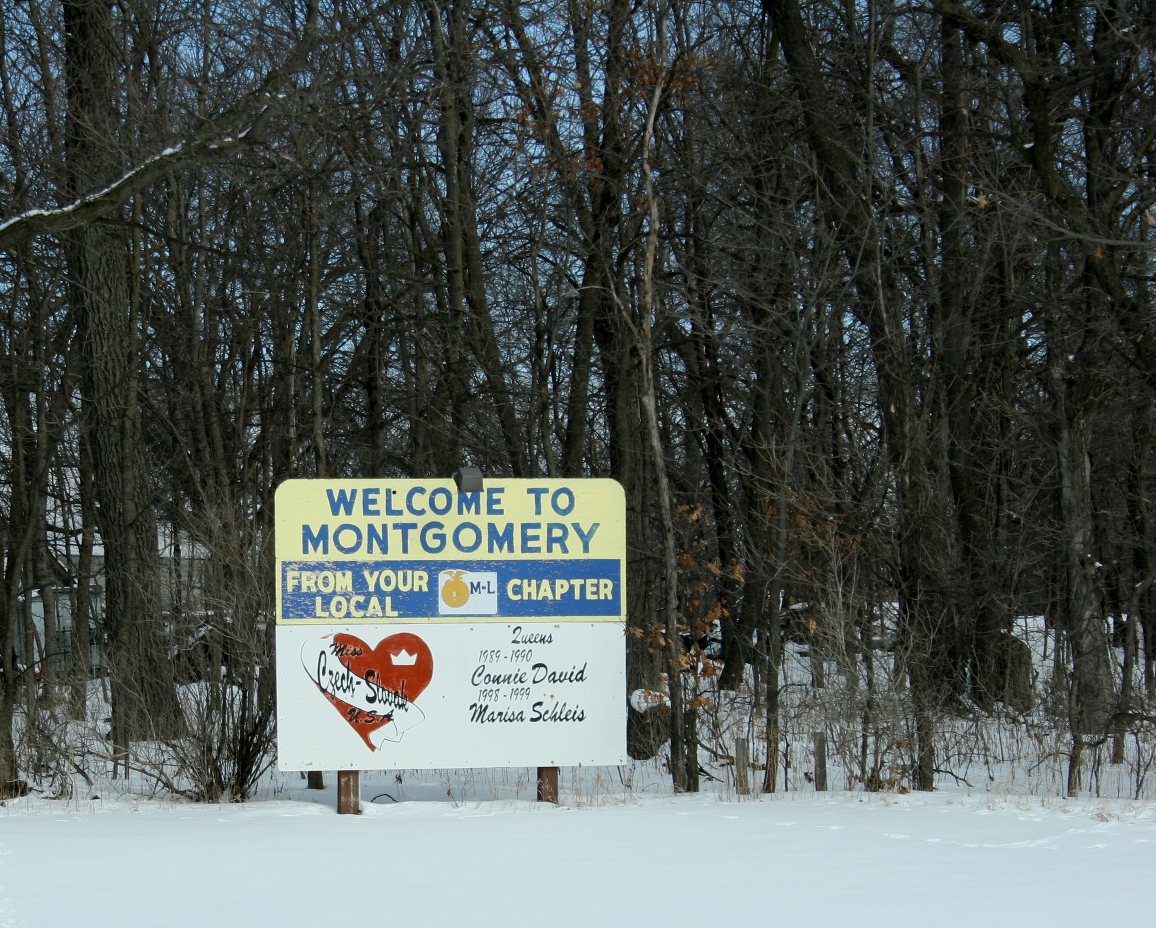
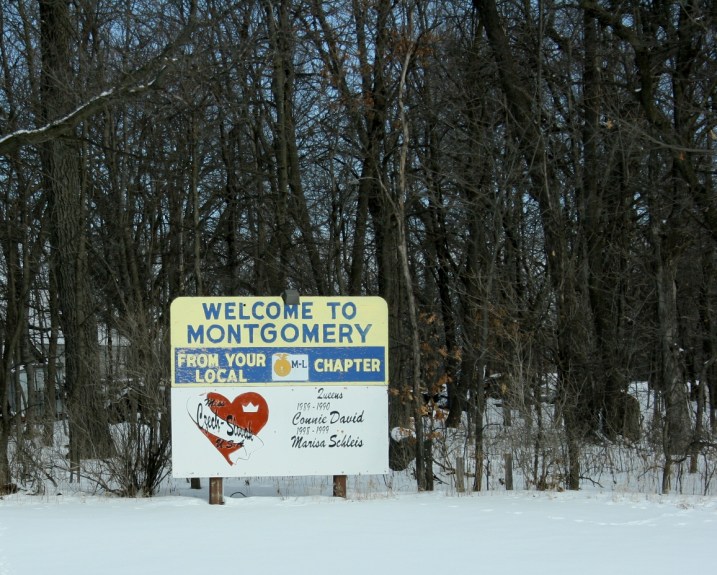
A sign just off Minnesota Highway 13 welcomes travelers to Montgomery.

A sign near the Minnesota Highway 13 and 21 intersection welcomes travelers to Montgomery.

IN RURAL SOUTHERN MINNESOTA, in the heart of Czech country, in a community with a fading welcome sign noting local Miss Czech-Slovak U.S.A. queens Connie David (1989-1990) and Marisa Schleis (1998-1999), you’ll discover an unexpected treasure.
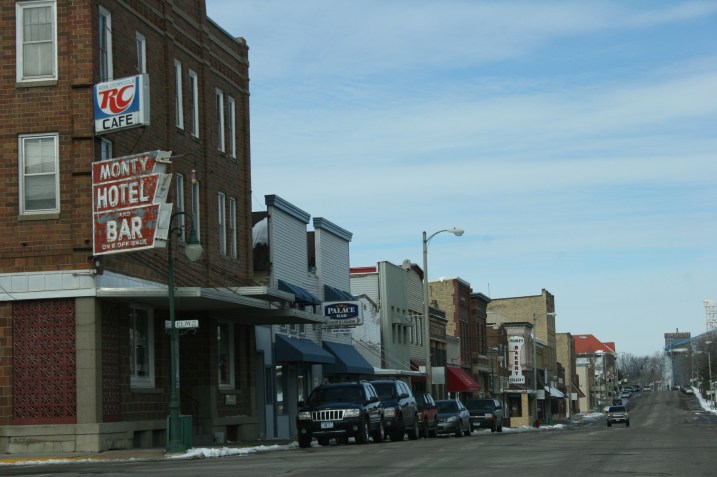
The red-roofed building in the distance is Hilltop Hall.

The red-roofed building in the distance is Hilltop Hall.

Historic Hilltop Hall sits on the north end of First Street in Montgomery, past the library and chiropractic office, the eateries and bars, the newspaper and accounting offices, the antique shops, even farther than the bakery which bakes ethnic kolacky, just two doors up from the meat market, source of homemade sausage.
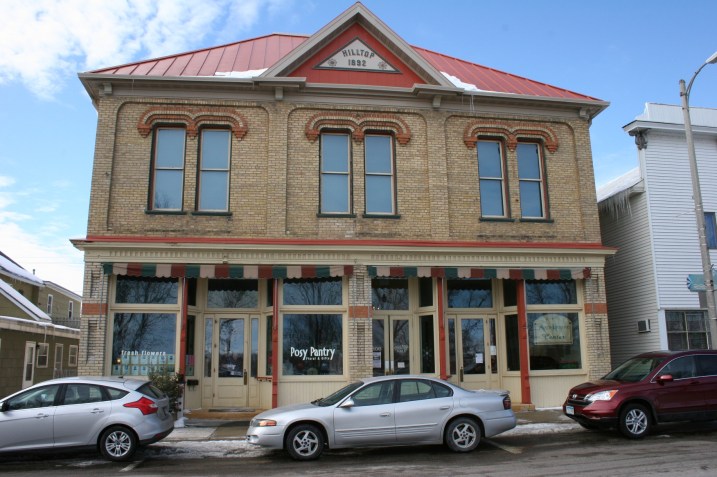
Hilltop Hall was "falling apart," John Grimm says of the building he bought in the early 1990s. He reroofed, gutted and reconstructed and/or restored the interior.

Hilltop Hall was “falling apart,” John Grimm says of the building he bought in the early 1990s. He reroofed  the hall and gutted and reconstructed and/or restored the interior.

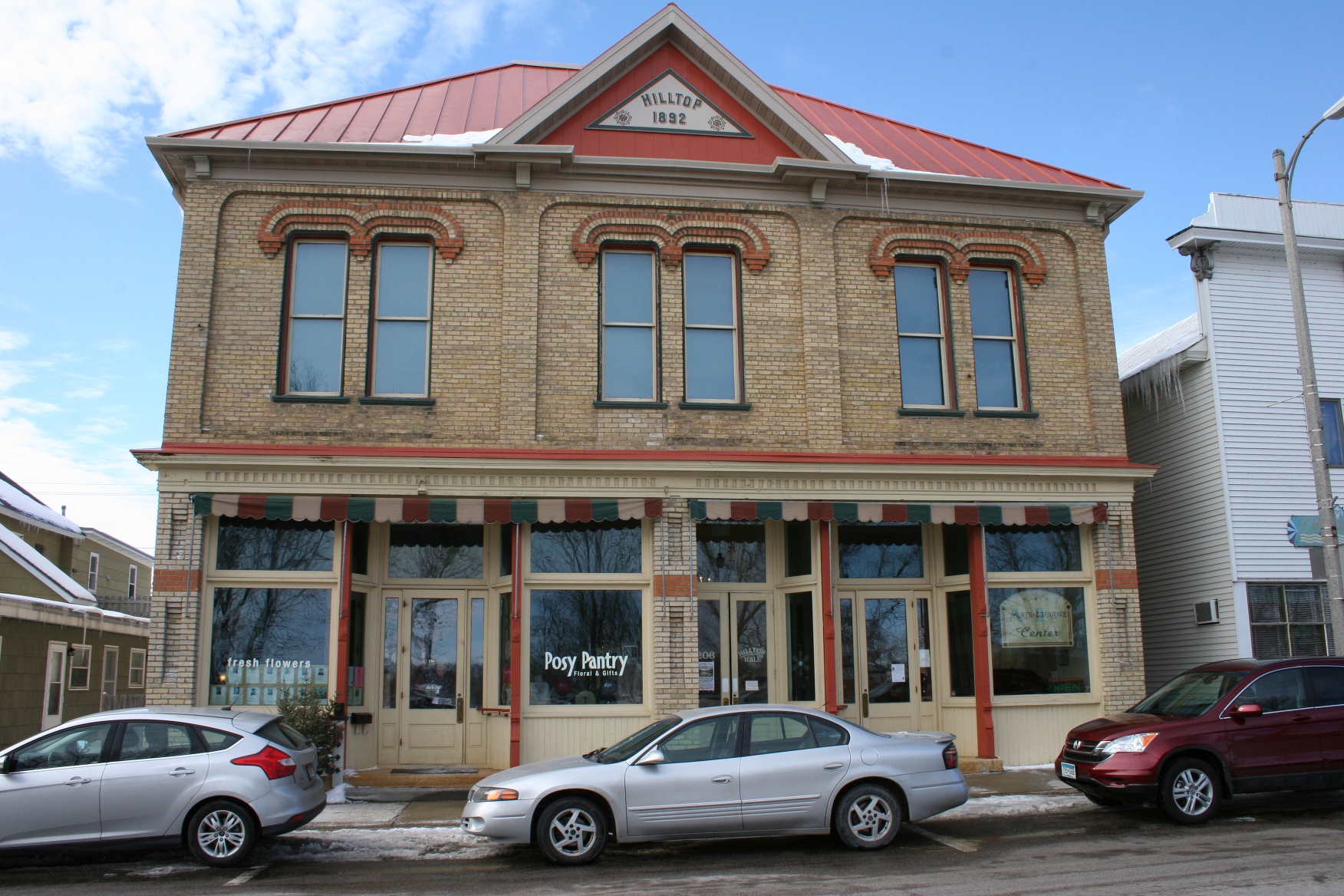
The red-roofed 1892 brick structure on the National Register of Historic Places represents a center of culture in this self-proclaimed Kolacky Capital of the World, a farming town of nearly 3,000 notably proud of its Czech heritage.
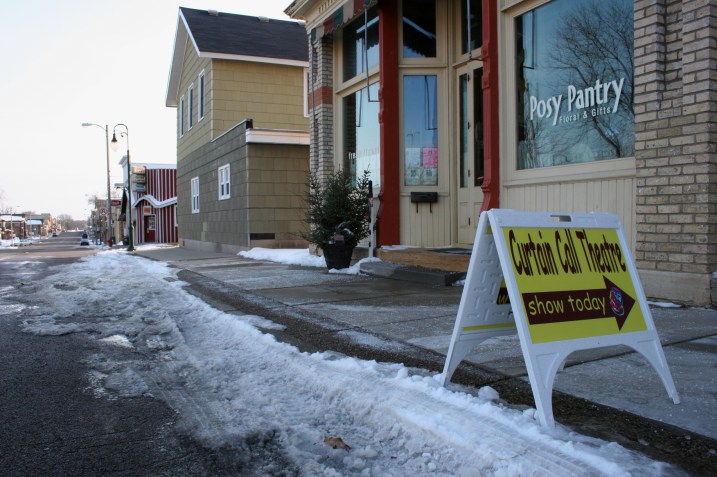
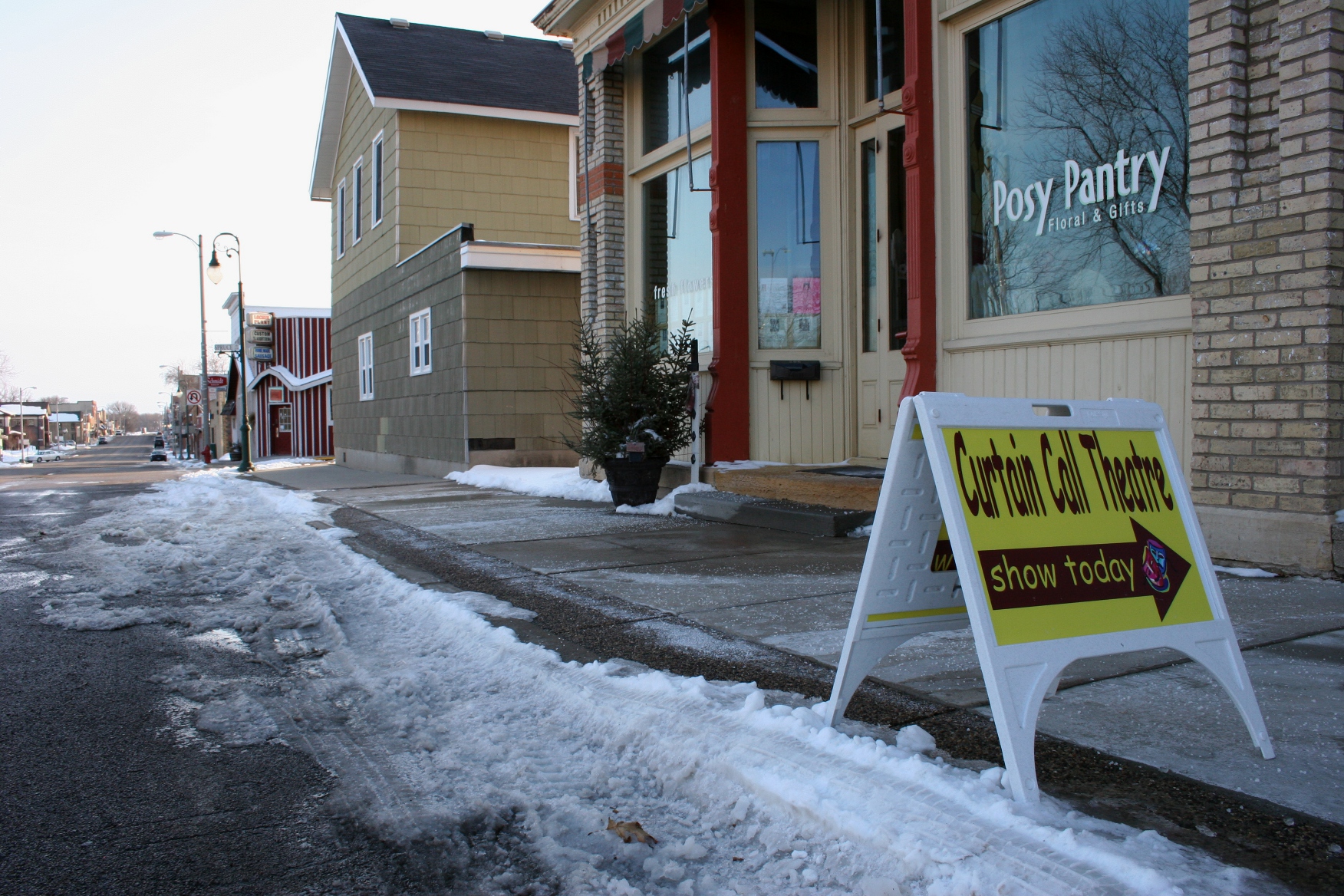
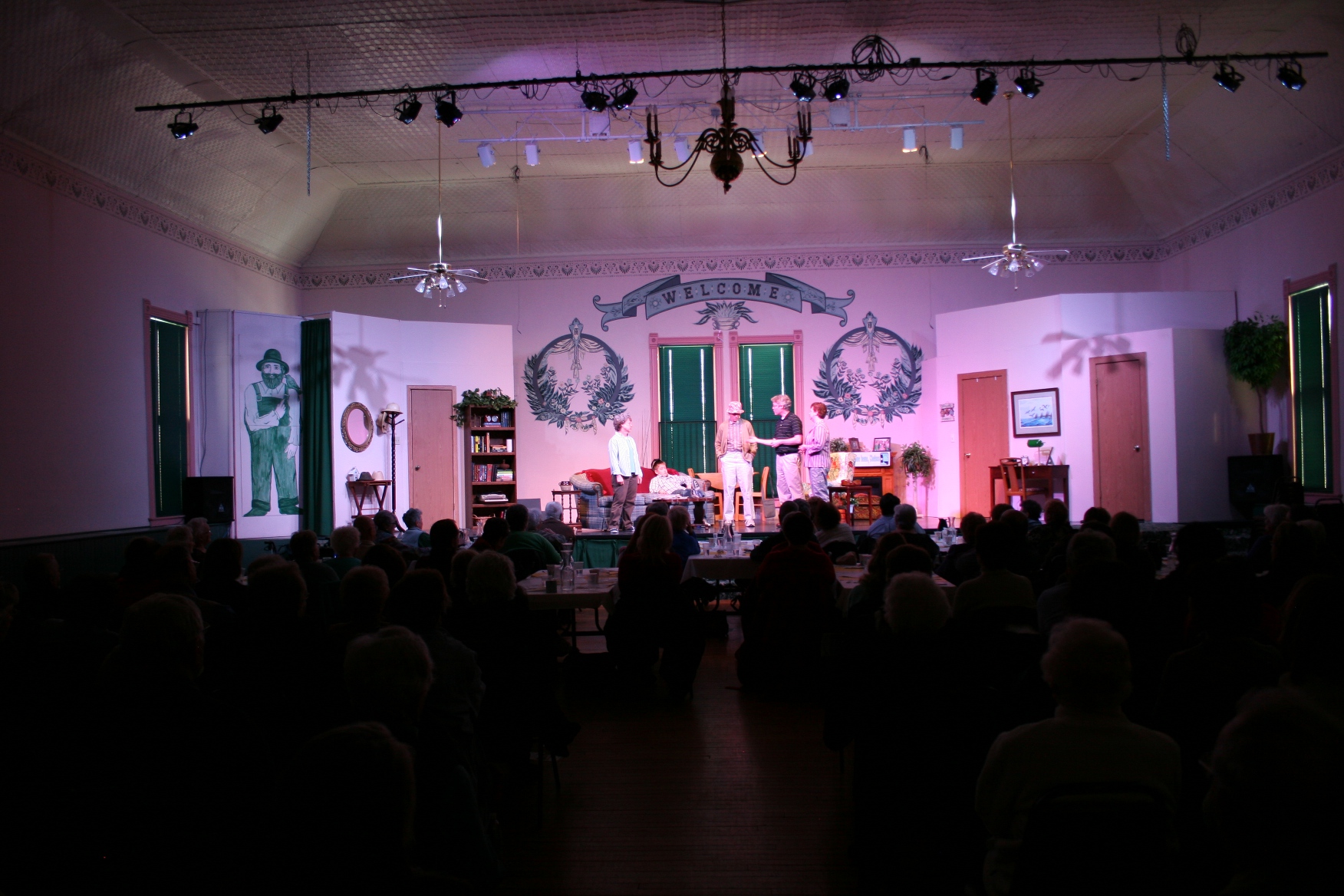
A sign outside Hilltop Hall directs guests to the Curtain Call Theatre performance of "On Golden Pond." The area theatrical group also performs in neighboring New Prague.

A sign outside Hilltop Hall directs guests to the Curtain Call Theatre performance of “On Golden Pond.” The area theatrical group also performs in neighboring New Prague.

The community should also be proud of Hilltop, a rare small town gem which hosts once-a-year comedic performances by Curtain Call Theatre and monthly Hilltop Happenings Series variety shows in the second floor 75-foot by 45-foot vintage concert and dance hall. The main floor is home to the Montgomery Area Arts & Heritage Center—featuring rotating historic and artistic exhibits—and a floral/gift shop, Posy Pantry.

Native Wisconsinite John Grimm, 72, a retired airline pilot, entrepreneur and former Le Sueur County commissioner who has lived in the Montgomery area since 1992, represents the driving force behind this cultural center nestled into a hill across the alley from St. John’s Lutheran Church.

This composer and singer—by passion, not profession—and a team of equally enthusiastic musicians six months ago revived the variety shows which have been an irregular part of Hilltop since Grimm purchased and restored the building in the early 1990s. He bought the old hall, he says, “to save a significantly historic building” and “to create a place where local folks could perform.”
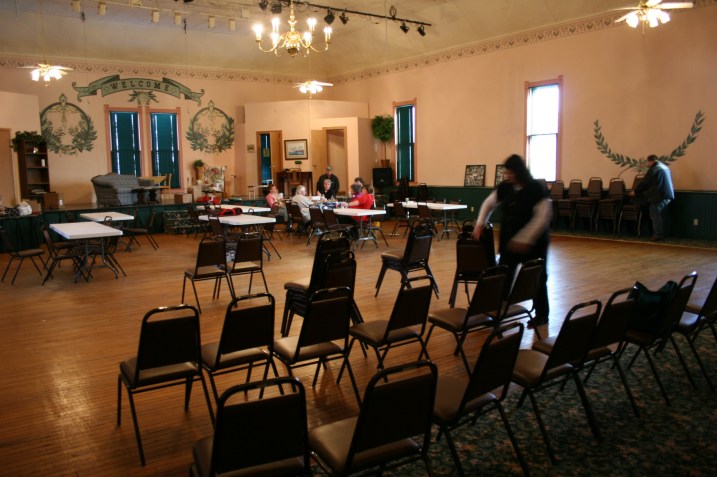
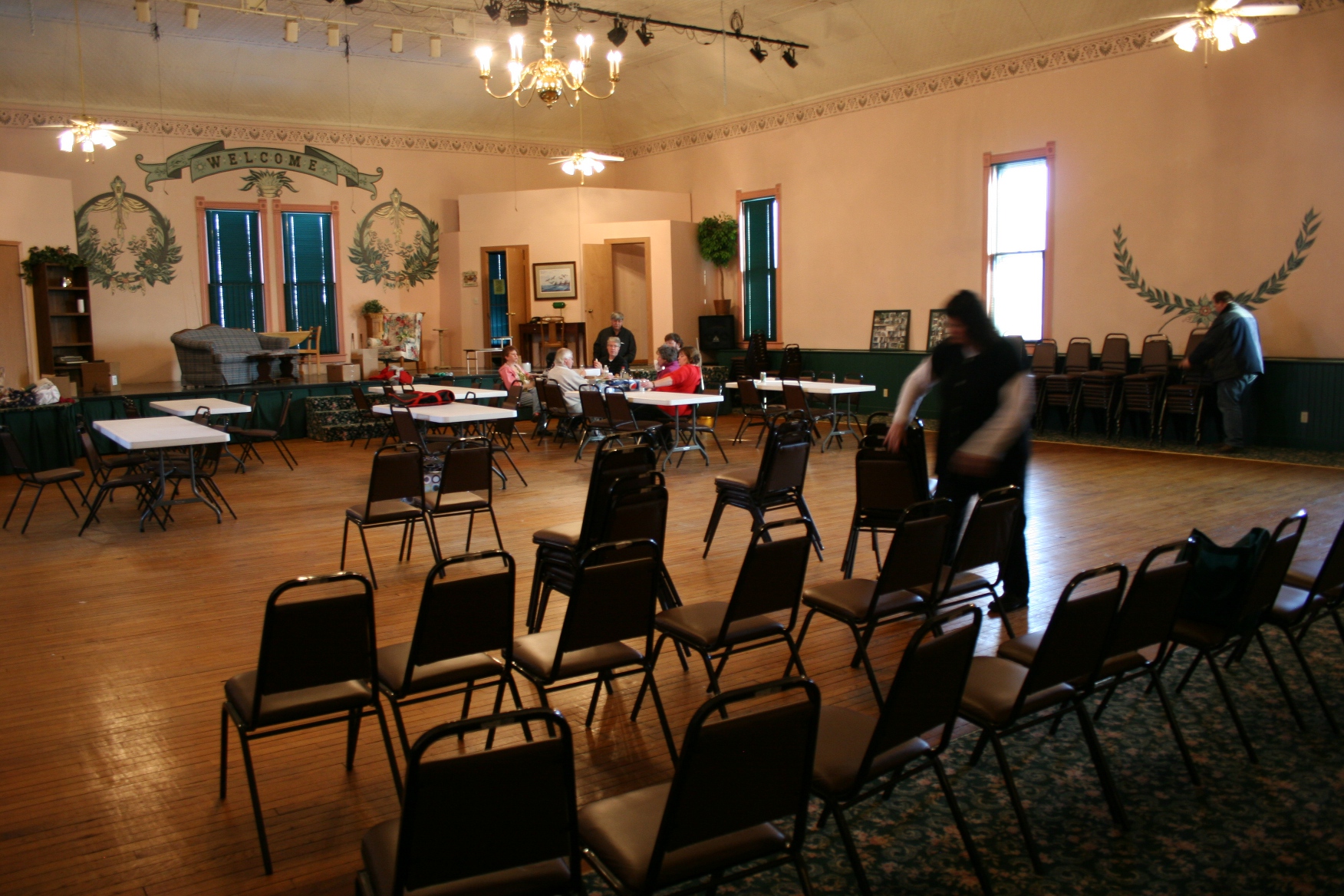
Except for a small section which was damaged by water, this wood floor is original.

Except for a small section which was damaged by water, this wood floor is original. Here volunteers stack chairs following the final performance of “On Golden Pond” while the cast enjoys pizza.

Now on Sunday afternoons, during the recently-resurrected variety shows, audiences ranging from 30 – 100 gather in the upper floor venue, feet planted on the restored wood floor, to hear next-door Lutheran pastor, Bob Kaul, strum his folk style guitar music or professional musician Craig Wasner of Northfield perform or Grimm present his Elvis impersonations (or other musical selections).

In a kicked back atmosphere where performers arrive two hours before the 4 p.m. – 6 p.m. show to rehearse, if necessary, and then sit among the crowd, the audience will hear a wide range of music from gospel to pop, folk, country, classical and more presented by regular troupe members from the Montgomery, Le Sueur, New Prague and Northfield areas.

Among the crowd favorites, Grimm notes, is 2012 Montgomery-Lonsdale High School (now Tri-City United) graduate Jesse Beulke, a gifted musician studying psychology and music at Minnesota State University, Mankato, with aspirations of becoming a professional composer. Beulke’s classical music selections on the piano have drawn standing ovations. “The audience recognizes his talent,” Grimm says.

Other regulars include musicians Wade and Mary Lou Fradenburgh, Maren Wasner and Wendy Zaske.
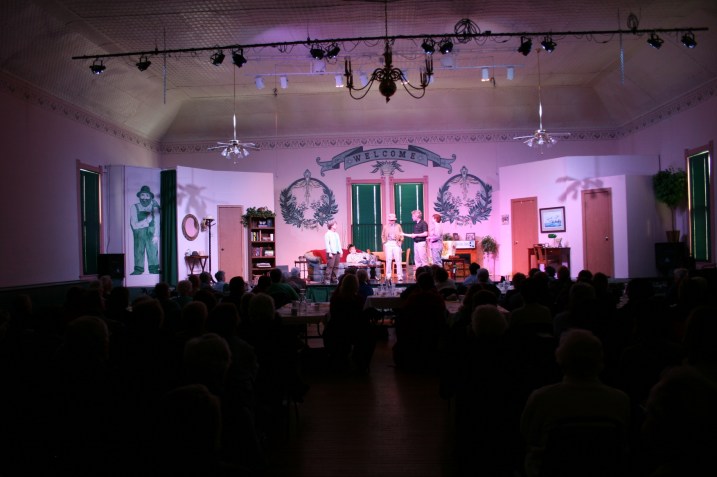
A view of Hilltop Hall's performance venue shows John Grimm and Fran Bohlke playing the lead roles in "On Golden Pond."

A view of Hilltop Hall’s performance venue shows the cast of “On Golden Pond.” John Grimm, center, plays the lead role along with Fran Bohlke of Shakopee, left in Curtain Call Theatre’s production. This marked Bohlke’s third time playing Ethel Thayer. She previously played the part during performances in Worthington and Luverne. Stenciling in the hall was either replicated or restored, depending on condition.

Grimm is planning to add original humorous skits to the monthly Sunday variety shows, tapping into his passion for performing. Fran Bohlke, who played Ethel Thayer opposite Grimm’s Norman Thayer Jr. in the Curtain Call Theatre’s recent performances of “On Golden Pond” at the Hilltop, will also sing at the March 24 show.

While Grimm and his troupe welcome guest performers, those entertainers must audition for what’s billed as “a unique mix of breathtaking talent, lighthearted entertainment and tasty snacks—all in one lovely historic place…that brings entertainment, enjoyment and inspiration to the folks of South Central Minnesota.”
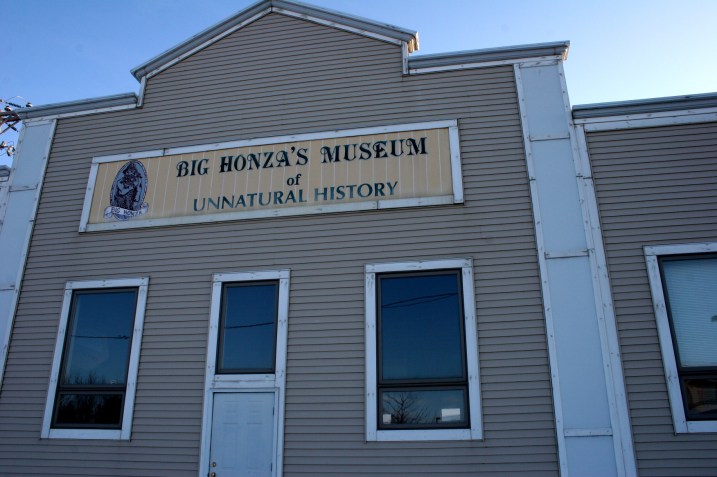
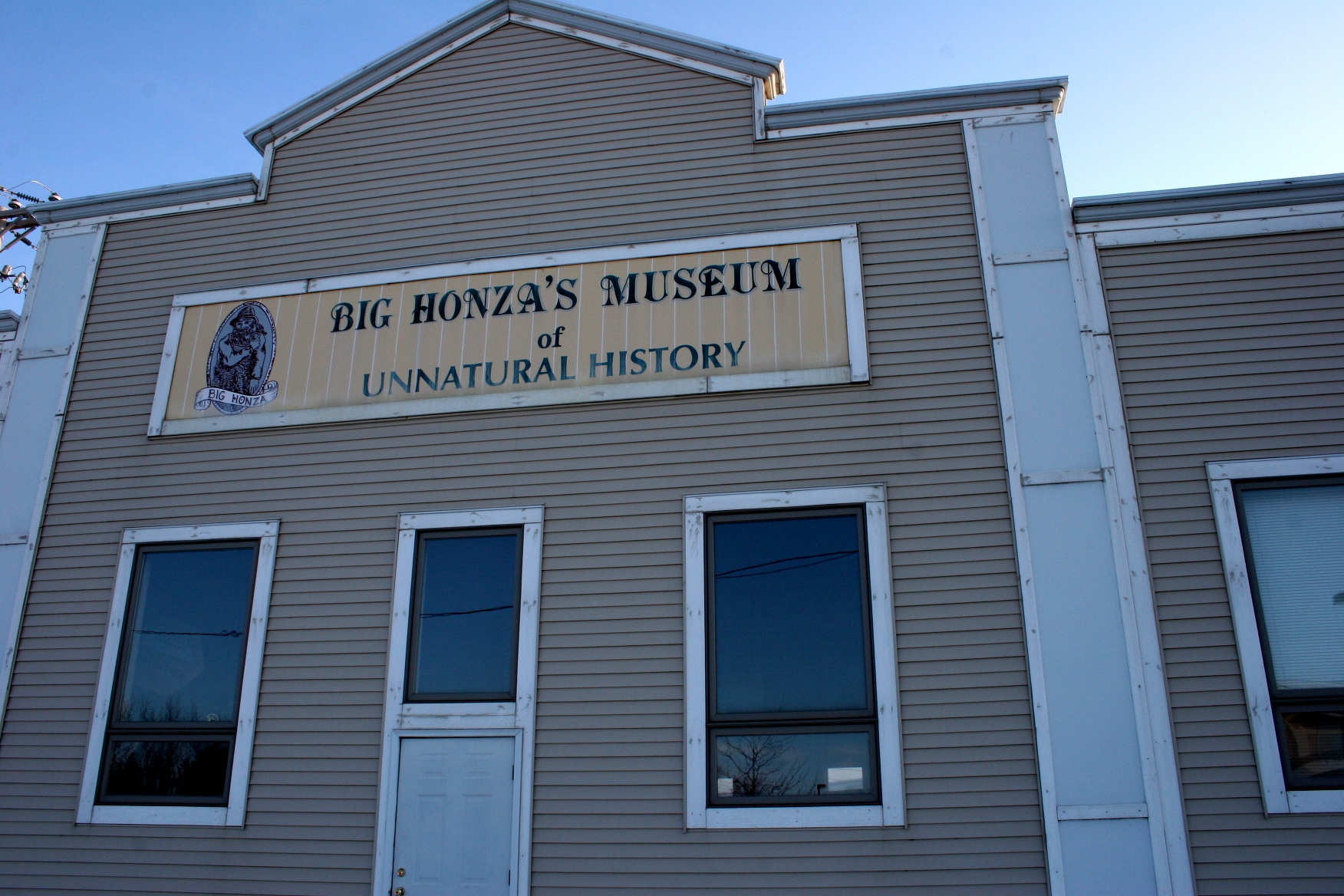
Big Honza's Museum of Unnatural History.

Big Honza’s Museum of Unnatural History.

The snacks include freshly-popped popcorn from the popcorn machine tucked in the hall’s second floor corner kitchen and pizza from Pizzeria 201 just down First Street in the historic Westerman Lumber Company office and residence. Grimm also owns that 1895 building which is on the National Register of Historic Places. Next door you’ll find Big Honza’s Museum of Unnatural History, another project of the creative Grimm.
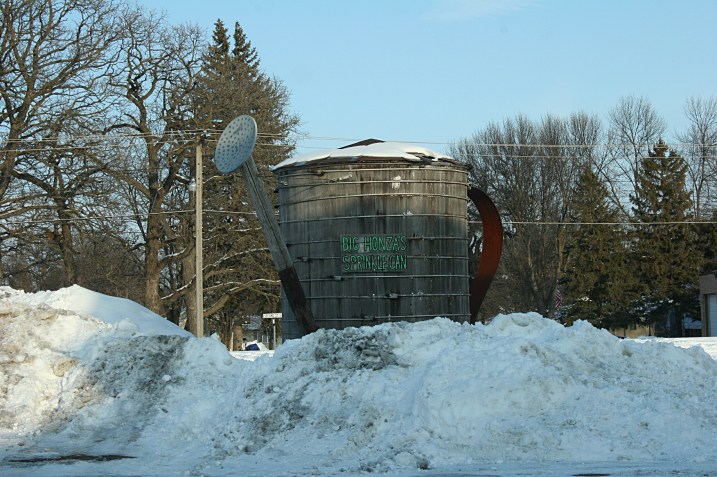
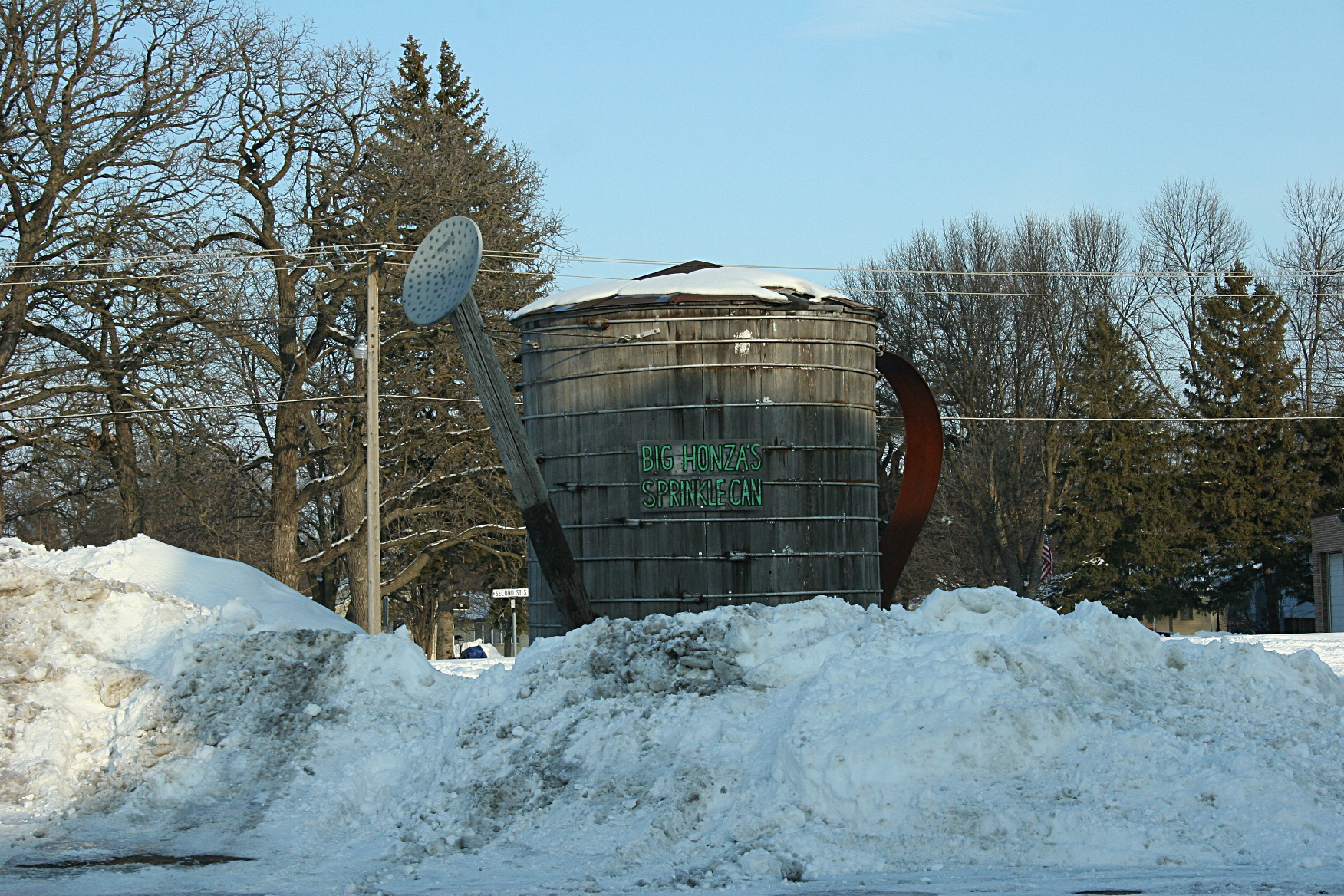
Big Honza' sprinkling can located near his museum.

Big Honza’ sprinkling can located nest to the Big Honza museum.

As Grimms tells it, the fictional Big Honza Giganticzech originated when he penned a musical for Montgomery’s annual Kolacky Days celebration, embellishing local history to create the town’s version of Paul Bunyan. That led to the museum where visitors will see items like Big Honza’s airplane/corn shredder, a chain driven concertina and more. The museum is open by appointment or ask the folks at the Pizzeria to let you in; they have a key.

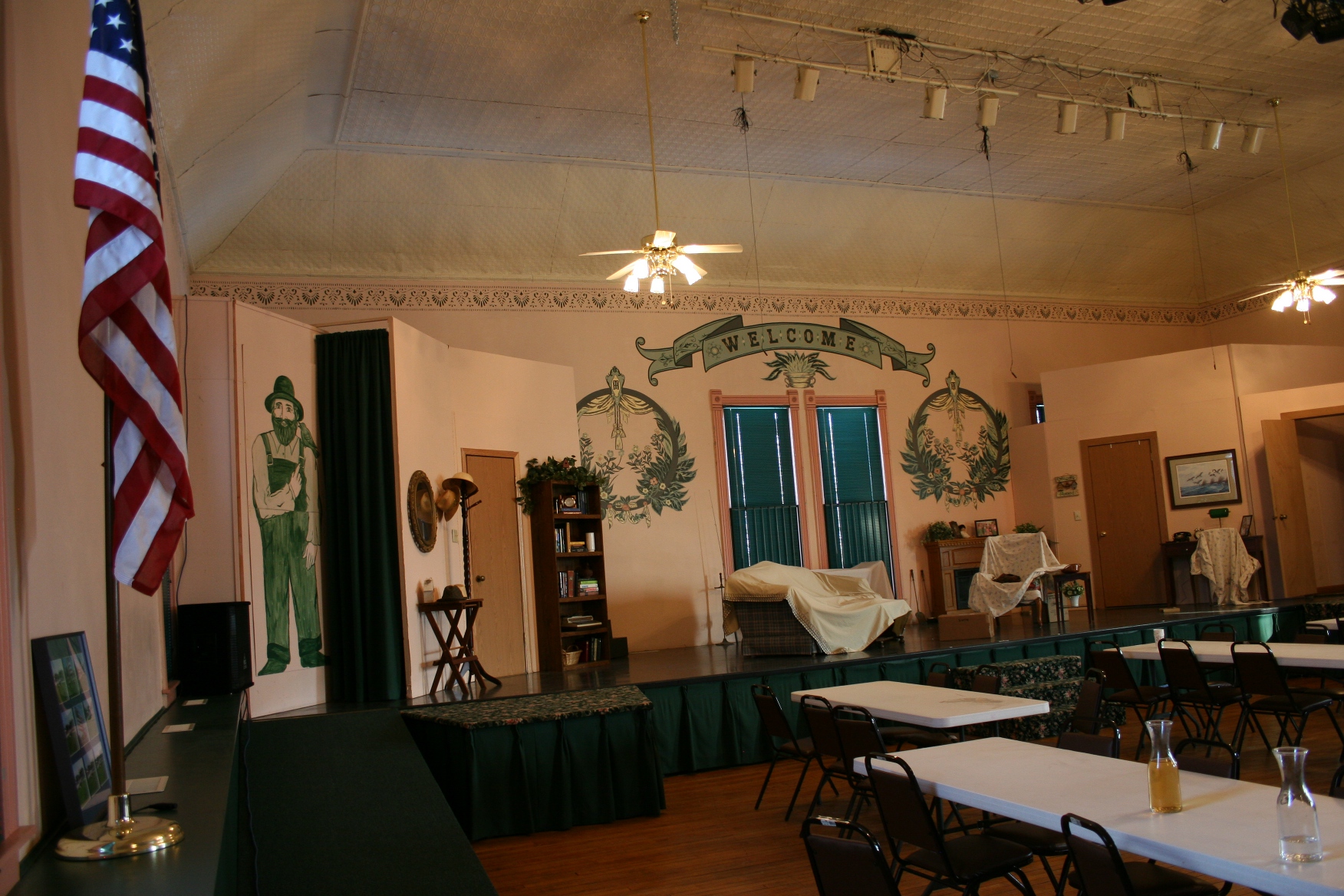
A view of the set for "On Golden Pond" with Big Honza painted on the wall to the left.

A view of the set for “On Golden Pond” with Big Honza painted on the wall to the left.

At Hilltop Hall, a rendition of Big Honza is painted onto a wall of the stage where those Curtain Call Theatre comedies are presented each February. Grimm enjoys the intimate setting of the old dance hall which will seat about 100 during the dinner theatre shows. On a recent Sunday afternoon, dinner guests savored chicken breast with pasta and sauce, roasted cauliflower and fresh fruit in a meringue-topped shell catered by Pizzeria 201. Other audience members arrived later just for the show.

“People look forward to it,” Grimm says of the yearly winter plays first performed at the Hilltop in 1999 with “Bull in a China Shop.” Other shows have included “The Odd Couple,” “Moon Over Buffalo,” The Dixie Swim Club,” and more. “Bathroom Humor” is slated for February 2014.

Set requirements, due to limited space in the built-on stage area, are the biggest restrictions in selecting a play, Grimm says. He doesn’t worry about the number of performers as a spiral staircase hidden behind the stage allows actors and actresses to slip down to the first floor floral shop to await their cues. Grimm installed the staircase after removing the building’s original freight elevator, a decision he today regrets.
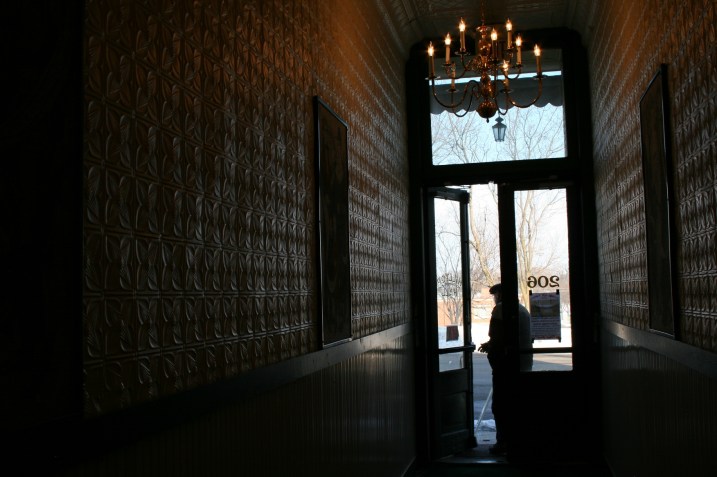
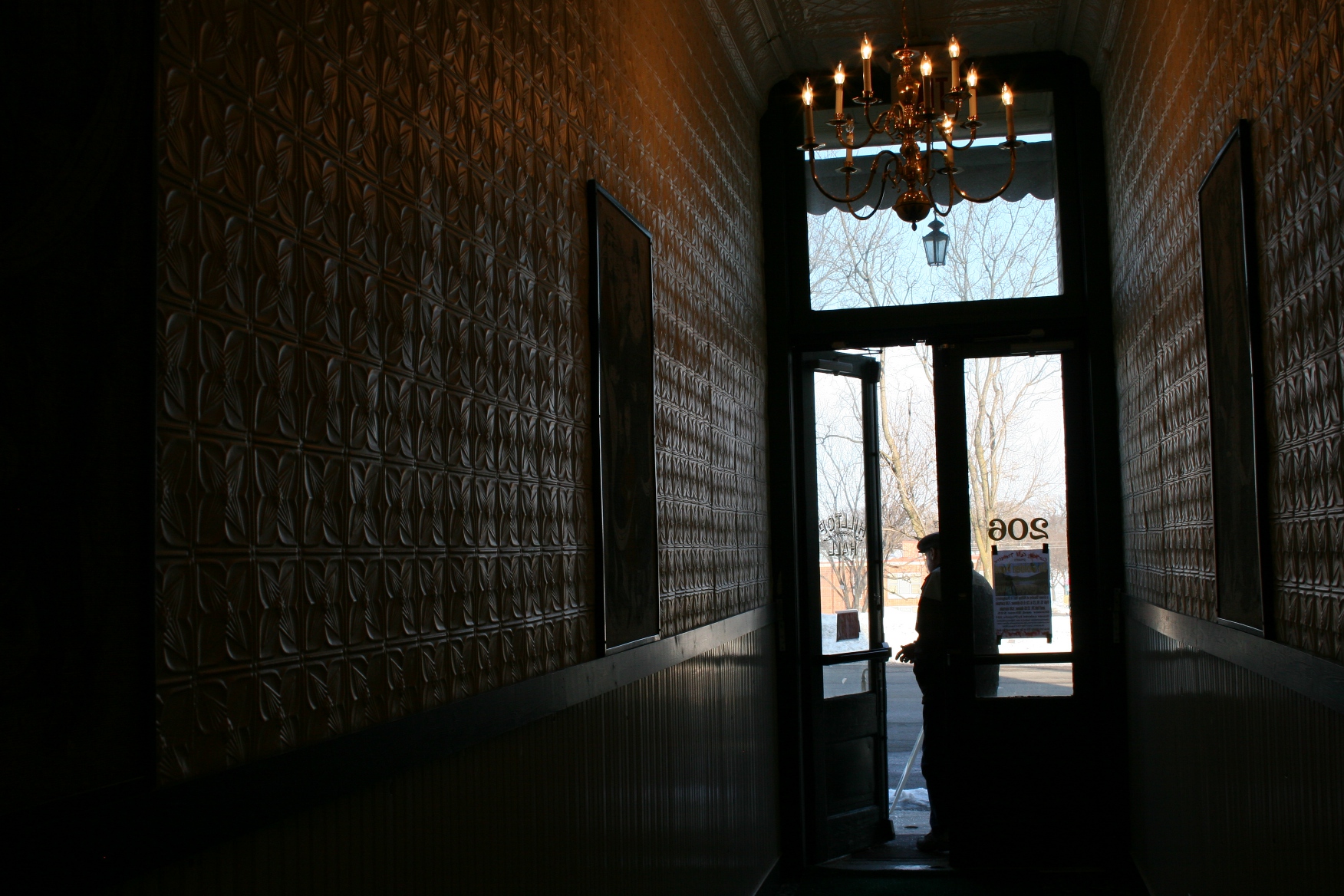
When Grimm purchased Hilltop Hall, site of a laundromat, he found 10 inches of lint covering these walls as dryers had been vented into the hallway. This hall runs between the heritage center and floral shop and leads to a stairway to the performance space.

When Grimm purchased Hilltop Hall, site of a laundromat, he found 10 inches of lint covering these walls as dryers had been vented into the hallway. This hall runs between the heritage center and floral shop and leads to a stairway to the performance space. The chandelier is not original to the building.

He’s never regretted, though, his decision to buy the old dance hall, although Grimm admits some people think he’s crazy. But his passion for singing and entertaining—he’s composed several hundred songs, made four CDs and authored a play, “It’s About Us”—for promoting Montgomery, and for offering this arts venue, drive him.

With annual taxes on the building at $10,000-plus and a monthly light bill of some $200, his Hilltop project is a “money losing situation,” Grimm says. He justifies the expense noting that he doesn’t take vacations, so his vacation money goes into his arts endeavor.
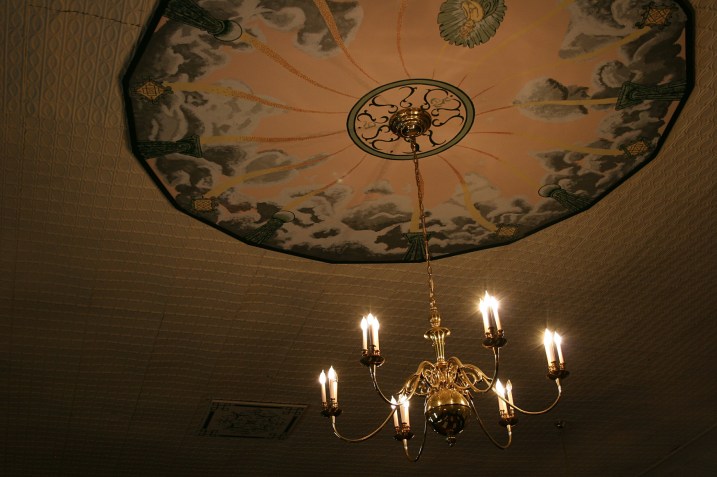
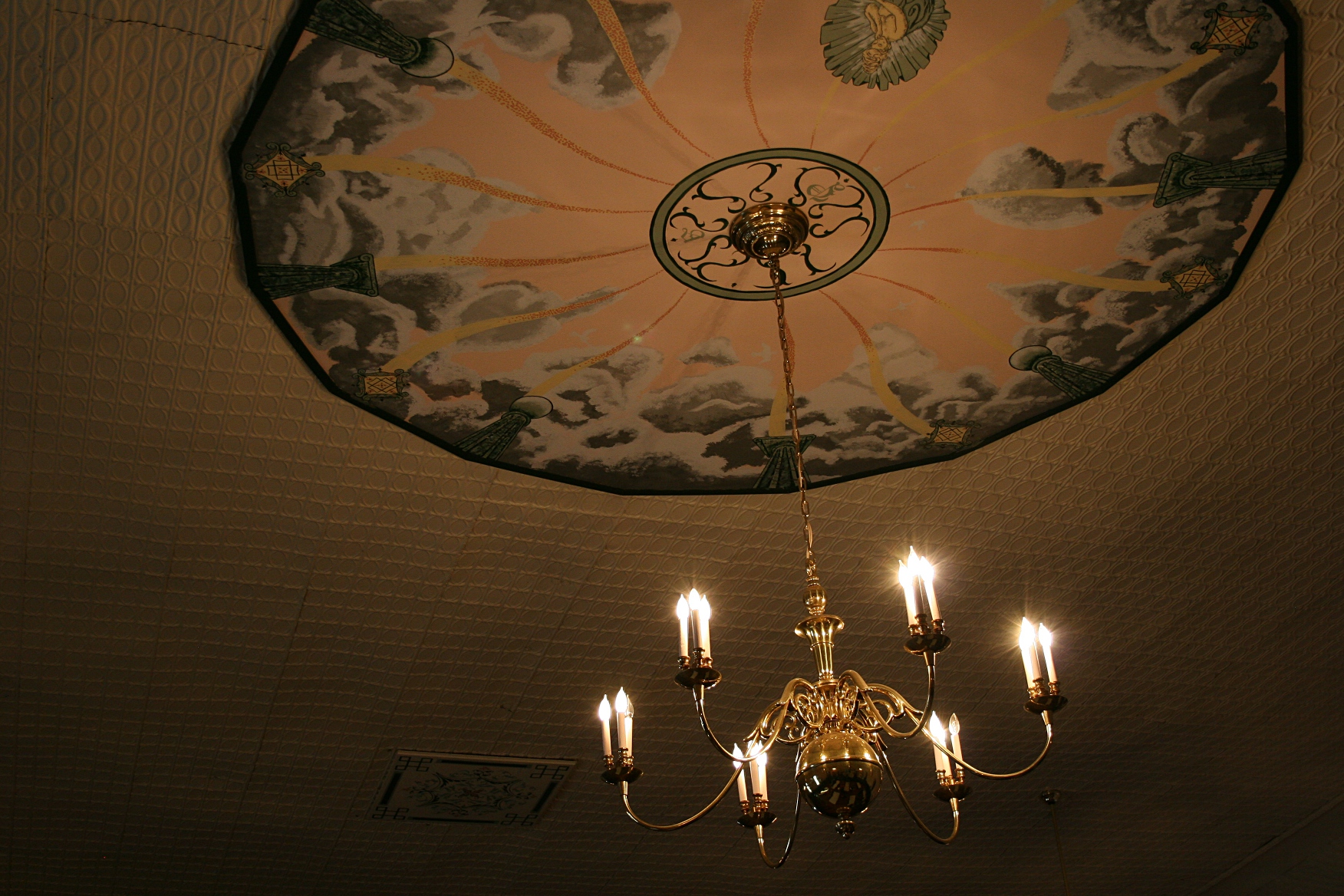
The ceiling plaster had crumbled, so an artist laid on his back to re-create this mural on sheetrock in the center of the performance space.

The plaster had crumbled, so an artist laid on his back to re-create this ceiling mural on sheetrock in the center of the performance space. The chandelier is antique but not original to the hall. The original lights could not be restored, Grimm says.

Grimm admits an ineptness at promoting and that Hilltop Hall is under-utilized. But he won’t compromise his conviction not to allow alcohol into the building which is also used for the occasional community meeting, piano recitals and exercise classes.

For now he’s focused on those monthly variety shows, bringing “pizza, performers & plenty of pizzazz” to the folks of South Central Minnesota at the historic Hilltop Hall in Montgomery.
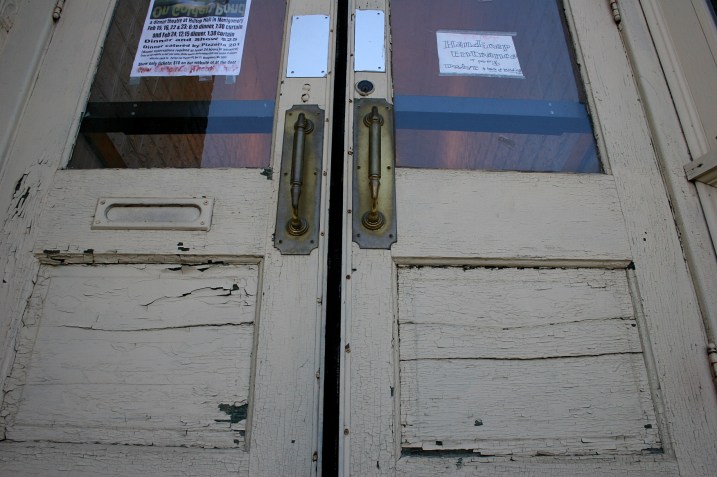
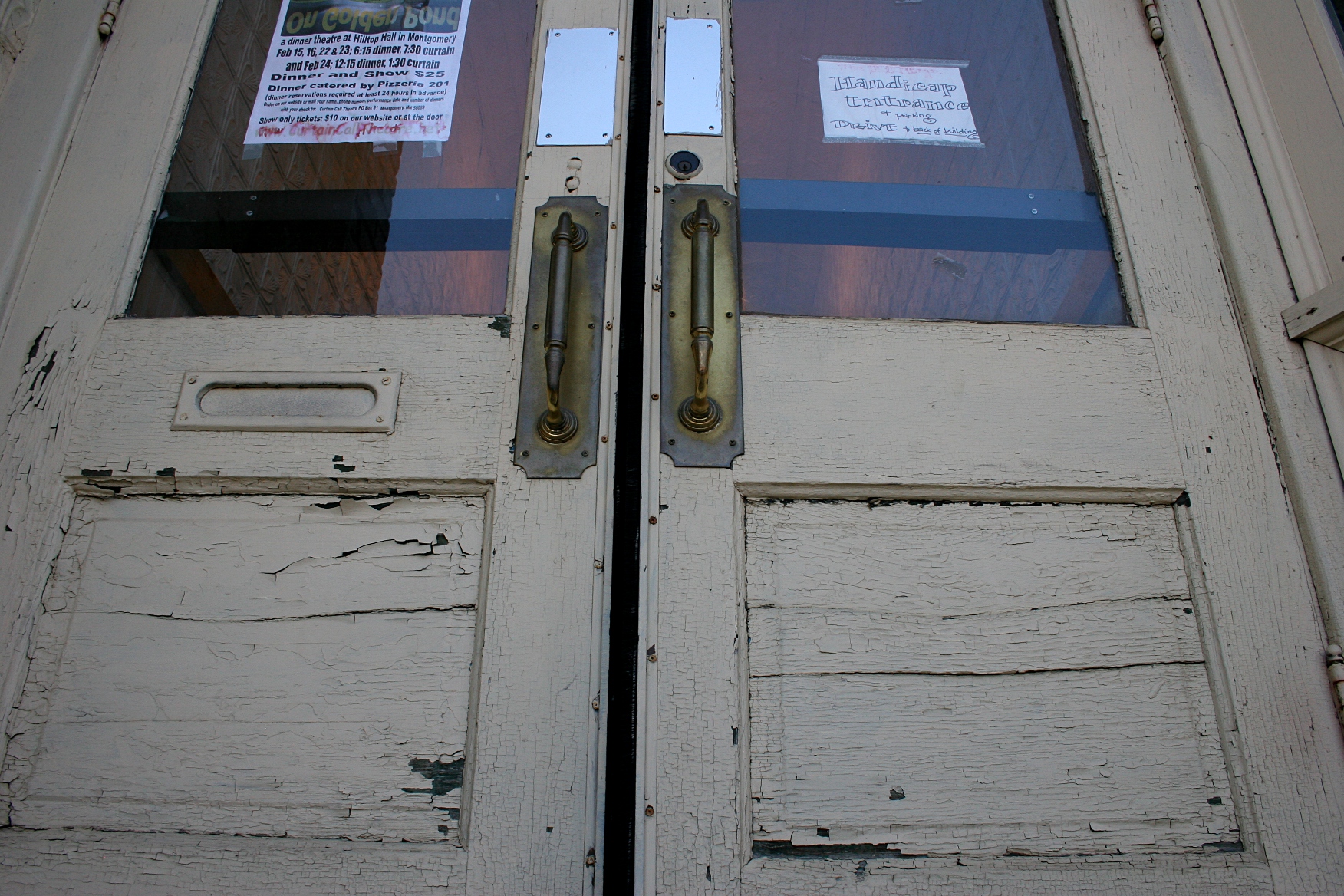
These exterior doors open to the hallway leading to the performing arts center.

These exterior doors open to the hallway leading to the upstairs performing arts center. A handicapped accessible entry is at the rear of the building off the alley.

FYI: Upcoming Hilltop Happenings Series shows are set for 4 p.m. – 6 p.m. on Sundays, March 24, April 28, May 26 and June 30. Admission is free although donations are accepted to help defray production and overhead costs.

The 2013 billing promises “…popular favorites to concert hall classics; from costumes and comedy to inspirational gospel and harmonic collaborations.”

Hilltop Hall is located at 206 First Street North in Montgomery’s downtown business district.

To learn more about the people and places in this post, be sure to click on their highlighted names. I’d encourage you, especially, to click on Jesse Beulke’s link to hear two original compositions, “I Guess It’s Goodbye” and “Rise,” by this gifted young composer and musician.

CHECK BACK FOR MORE posts from Montgomery.

© Copyright 2013 Audrey Kletscher Helbling


Part I: Touring historic downtown Montgomery, Minnesota, not Alabama March 4, 2013

A snippet overview of First Street in downtown Montgomery.

A snippet overview of First Street in downtown Montgomery late on a Sunday afternoon.

EARLY ON A SUNDAY AFTERNOON in the dead of a Minnesota winter, downtown Montgomery, except for vehicles clustered around Hilltop Hall for a theatrical performance and around locals bars, is mostly quiet.

A mural on the

A mural depicts downtown. Minnesota Prairie Roots file photo.

The occasional pick-up truck cruises First Street, the main north-south route through the heart of this Le Sueur County farming community of nearly 3,000 noted for its strong Czech heritage.

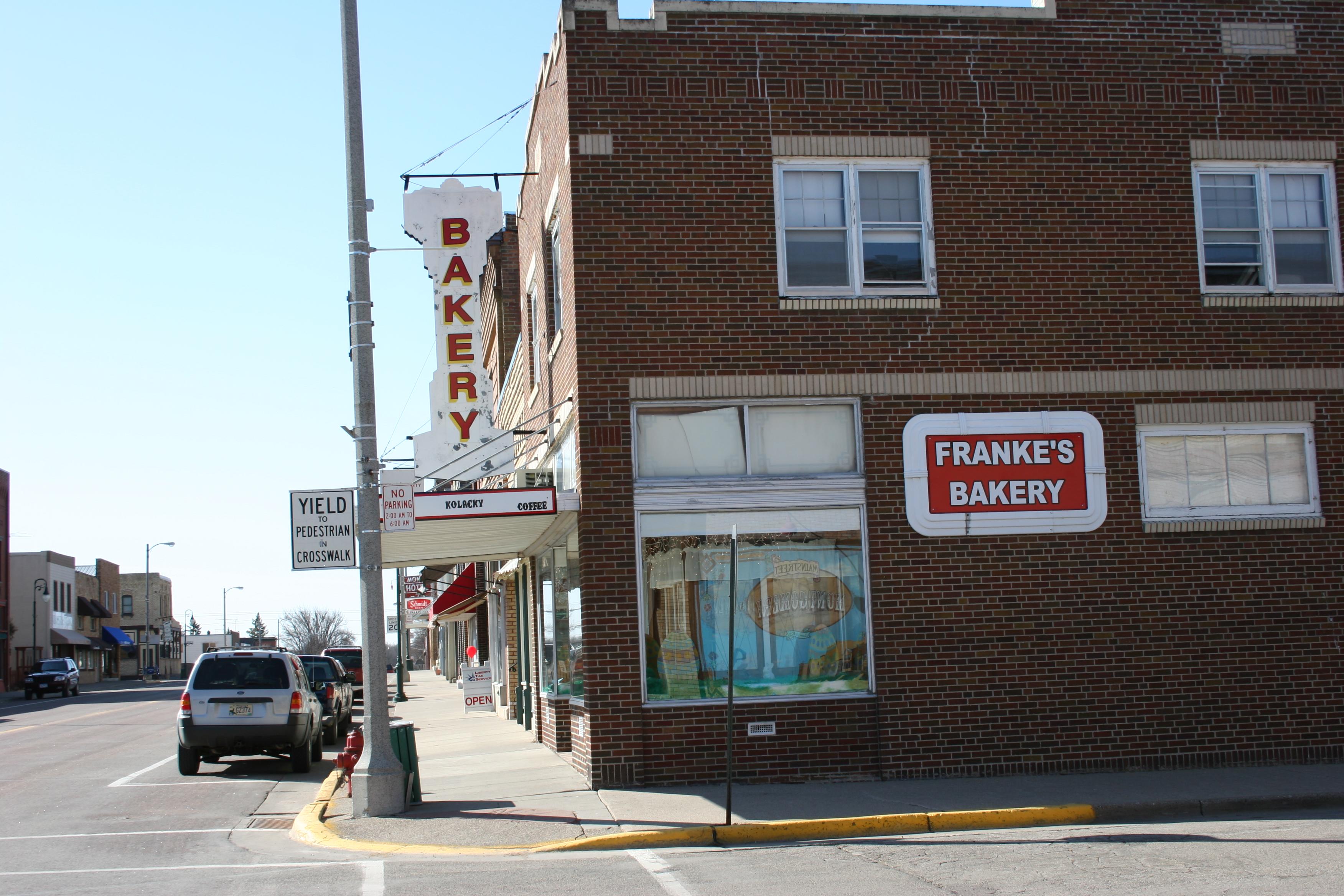
Although this self-proclaimed “Kolacky Capital of the World” lies only about 25 miles northwest of my Faribault home, I’ve never really explored the town except to attend three plays at Hilltop Hall and to write a magazine feature story about Franke’s Bakery. The 99-year-old bakery specializes in kolacky, a folded Czech pastry filled with poppy seeds or fruit.

Franke's Bakery. Minnesota Prairie Roots file photo.

Franke’s Bakery. Minnesota Prairie Roots file photo.

On this Sunday afternoon the bakery is closed. And so are most other businesses. Without distracting vehicles, I can fully appreciate the historic architectural qualities of this downtown. From the aged brick buildings to the vintage signage to the woodframe storefronts that always remind me of something out of a Western, I am smitten with these buildings, this business district.

I must, I tell myself, return to Montgomery when these businesses are open. I can only imagine what discoveries await me.

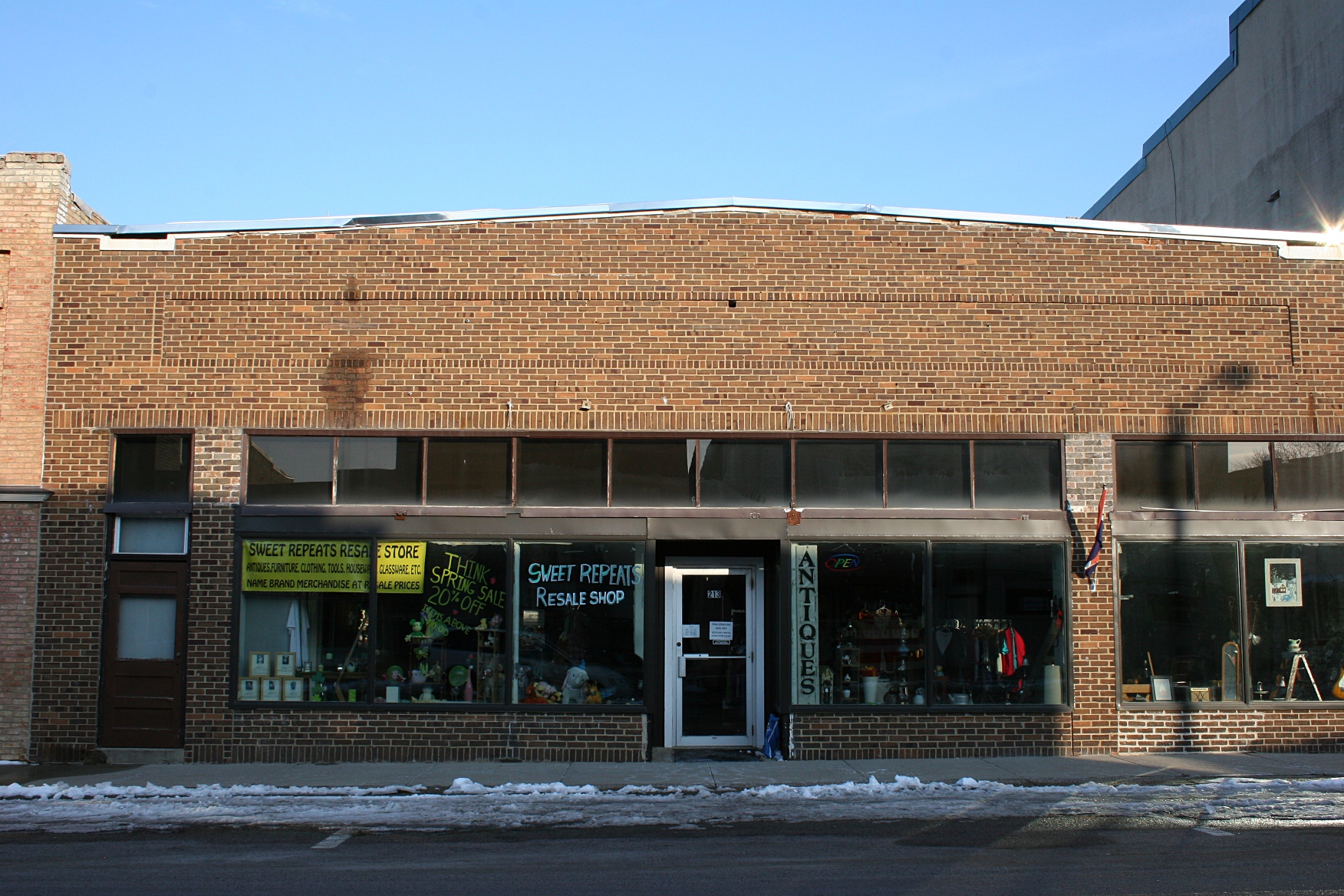
I love antique shops and thrift stores, so you can bet Sweet Repeats Resale Shop is on my list of places to check out.

I love antique shops and thrift stores, so you can bet Sweet Repeats Resale Shop is on my list of places to check out.

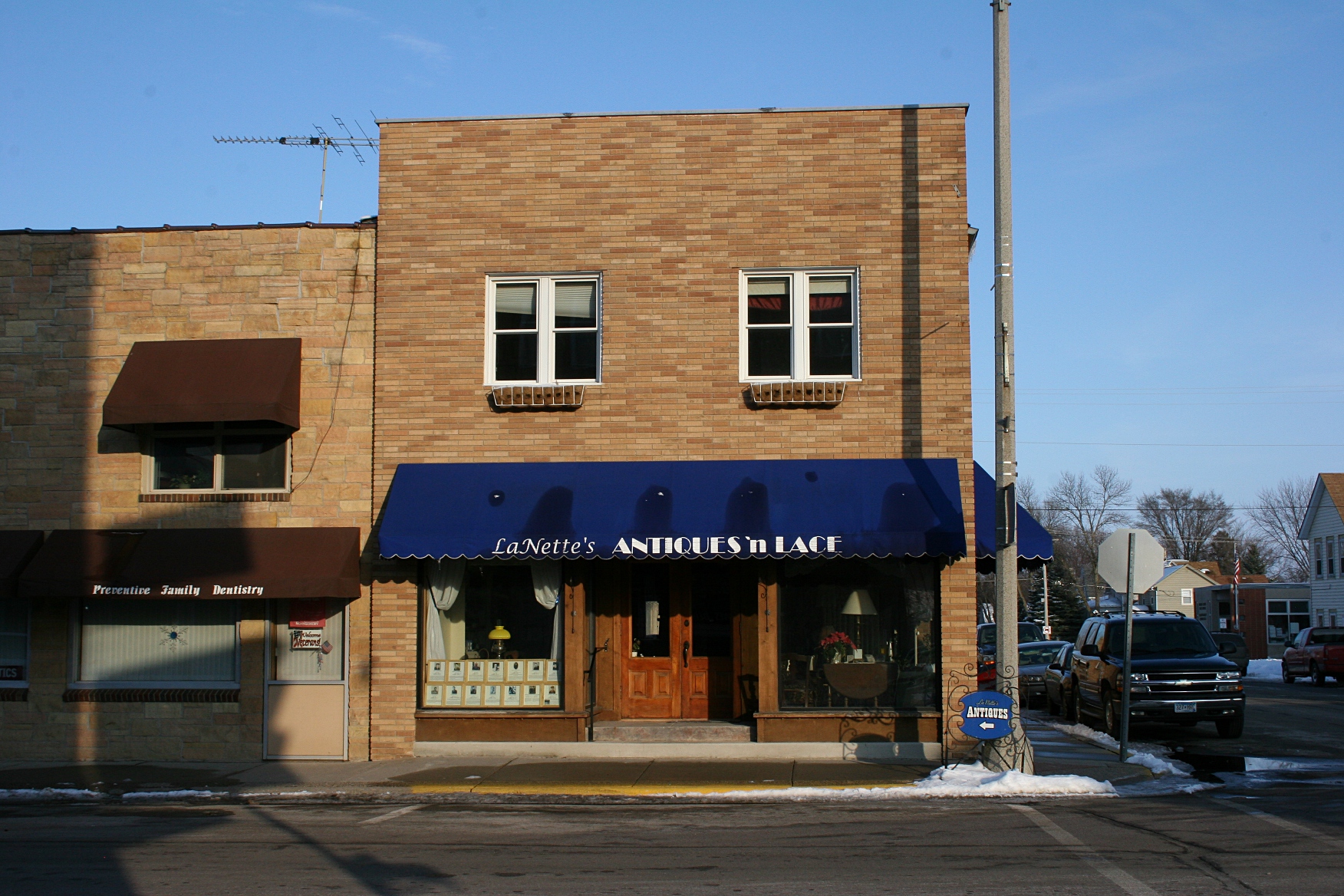
Look, another antique shop, La Nette's Antiques'n Lace.

Look, another antique shop, La Nette’s Antiques’n Lace.

Lots of super cool vintage signage in Montgomery.

Lots of super cool vintage signage in Montgomery.

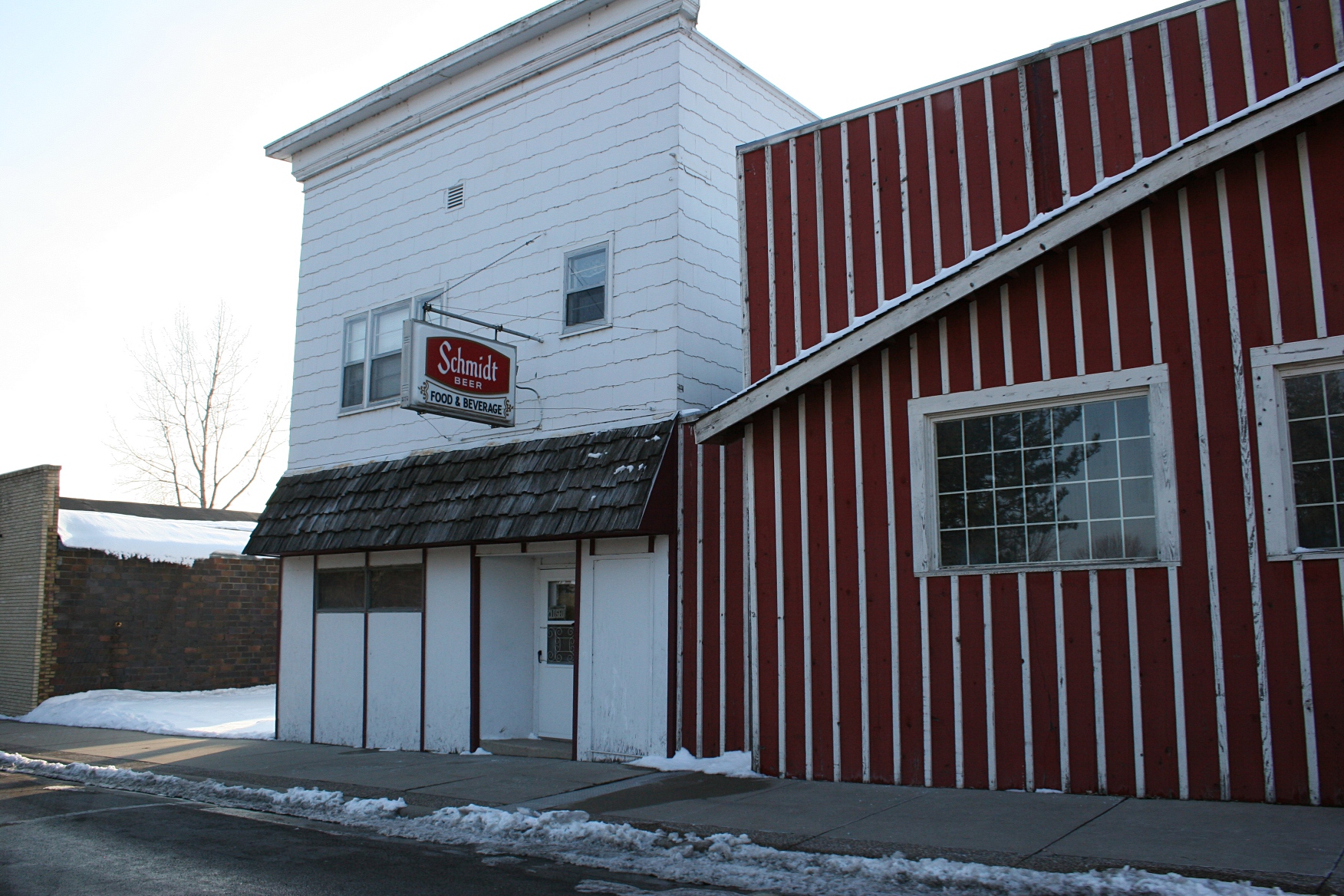
Because my eldest daughter is in love with a Schmidt boy (nothing to do with the beer), I had to photograph this sign. The striped building is the local meat market.

Because my eldest daughter is in love with a Schmidt boy (nothing to do with the beer), I had to photograph this sign. The striped building is the local meat market.

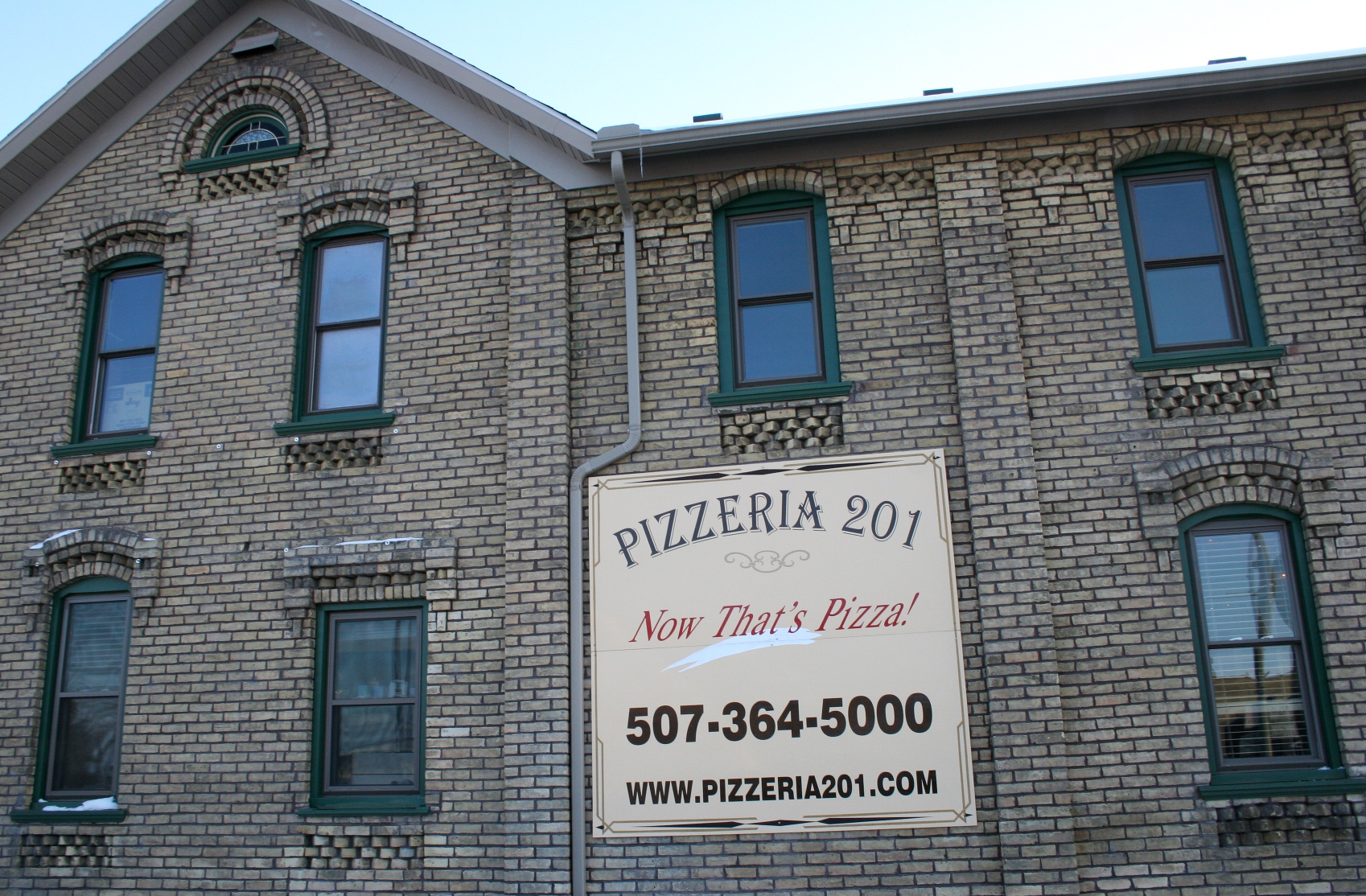
On the National Register of Historic Places, the historic Westerman Lumber Company office and house is home to Pizzeria 201. The restaurant makes homemade pizzas, a wide selection of Italian foods and more.

On the National Register of Historic Places, the historic Westerman Lumber Company office and house is home to Pizzeria 201. The restaurant makes homemade pizzas, a wide selection of Italian foods and more. I’ve heard rave reviews about the food.

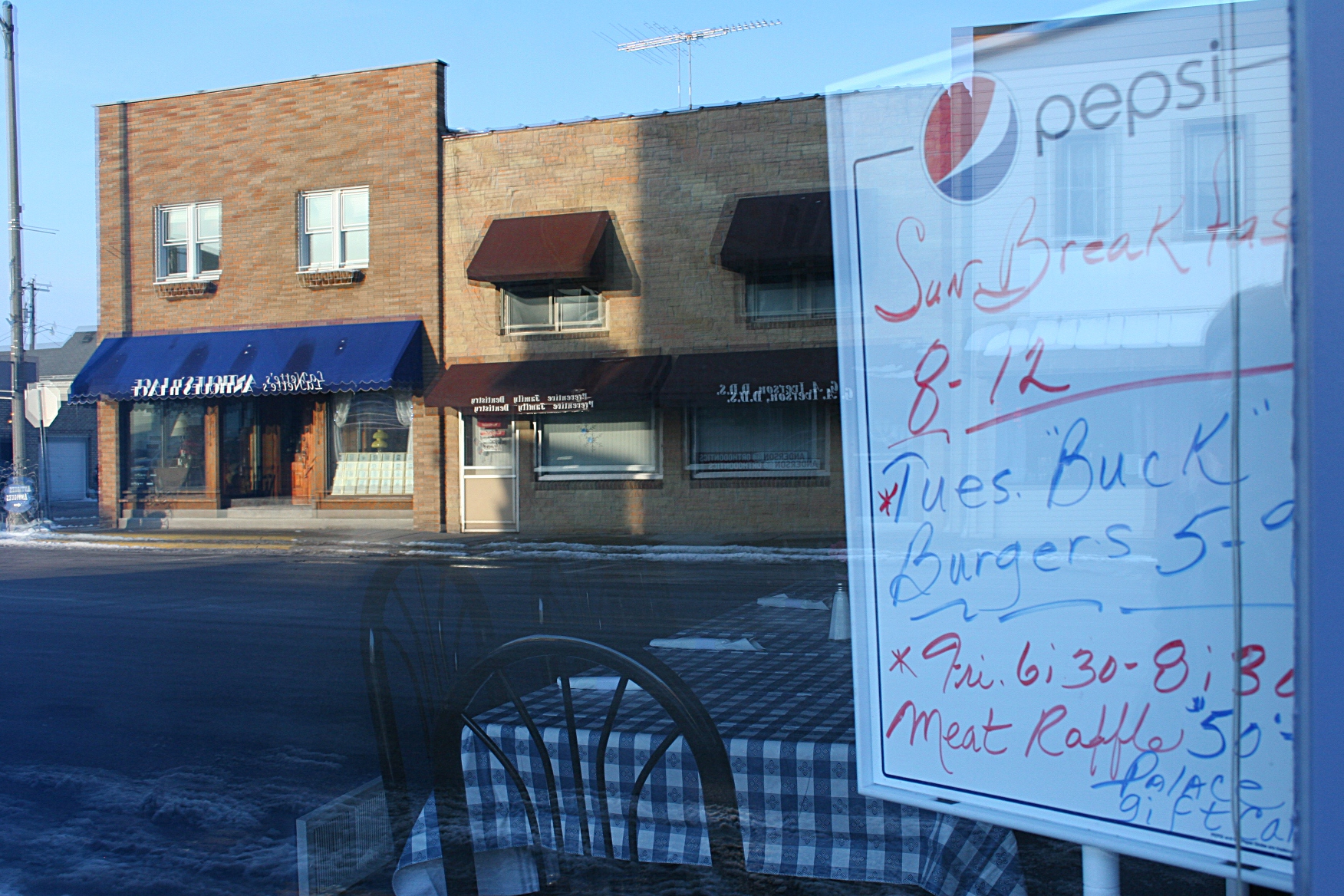
So small town: burgers and a meat raffle promoted on a whiteboard in a restaurant window.

So small town: burgers and a meat raffle promoted on a whiteboard in a restaurant window.

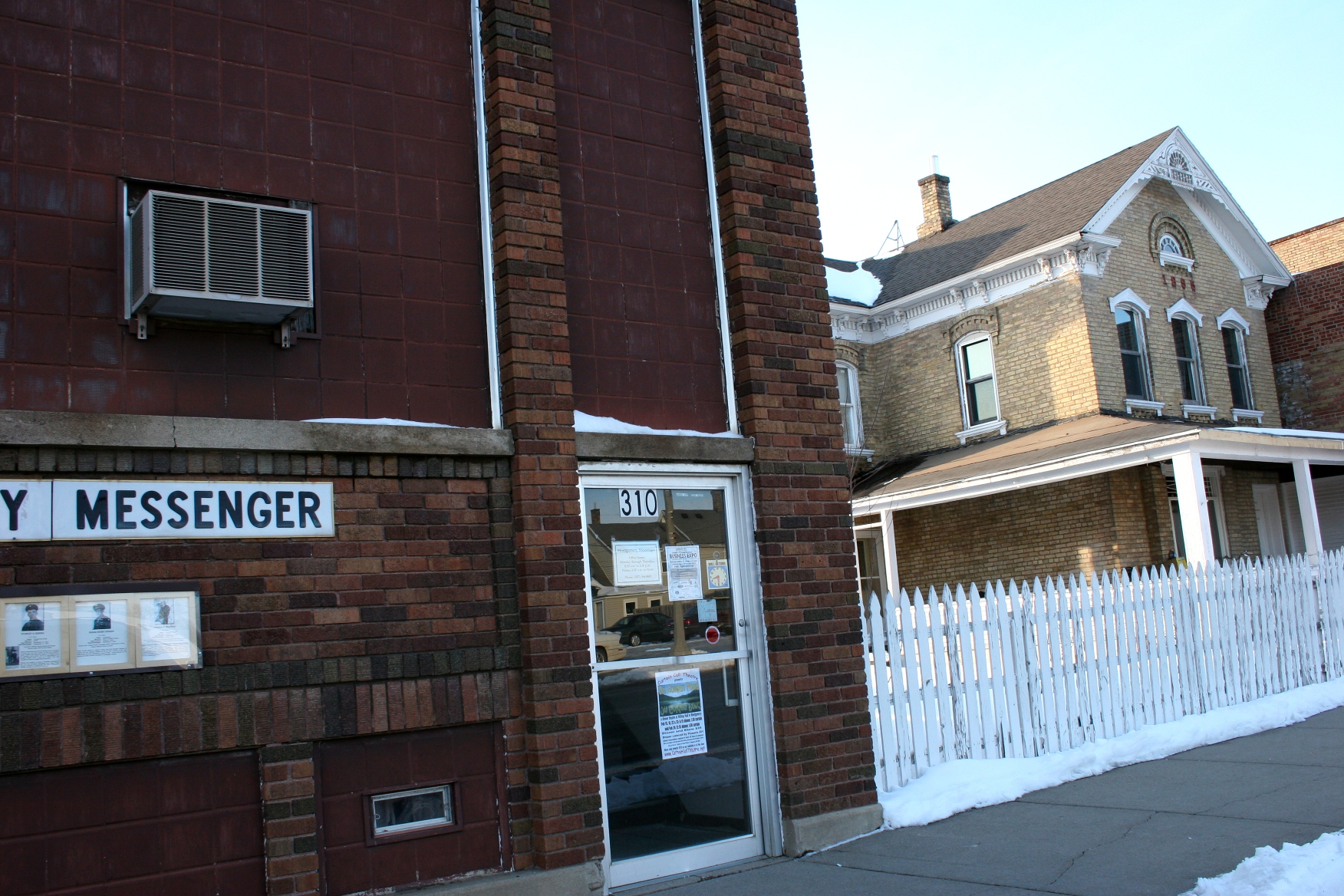
I don't expect I'll get inside this vintage 1800s house tucked between businesses on First Street, but I could try. That's the office of the local newspaper, The Montgomery Messenger, on the left.

I don’t expect I’ll get inside this vintage 1800s house tucked between businesses on First Street, but I could try. That’s the office of the local newspaper, The Montgomery Messenger, on the left.

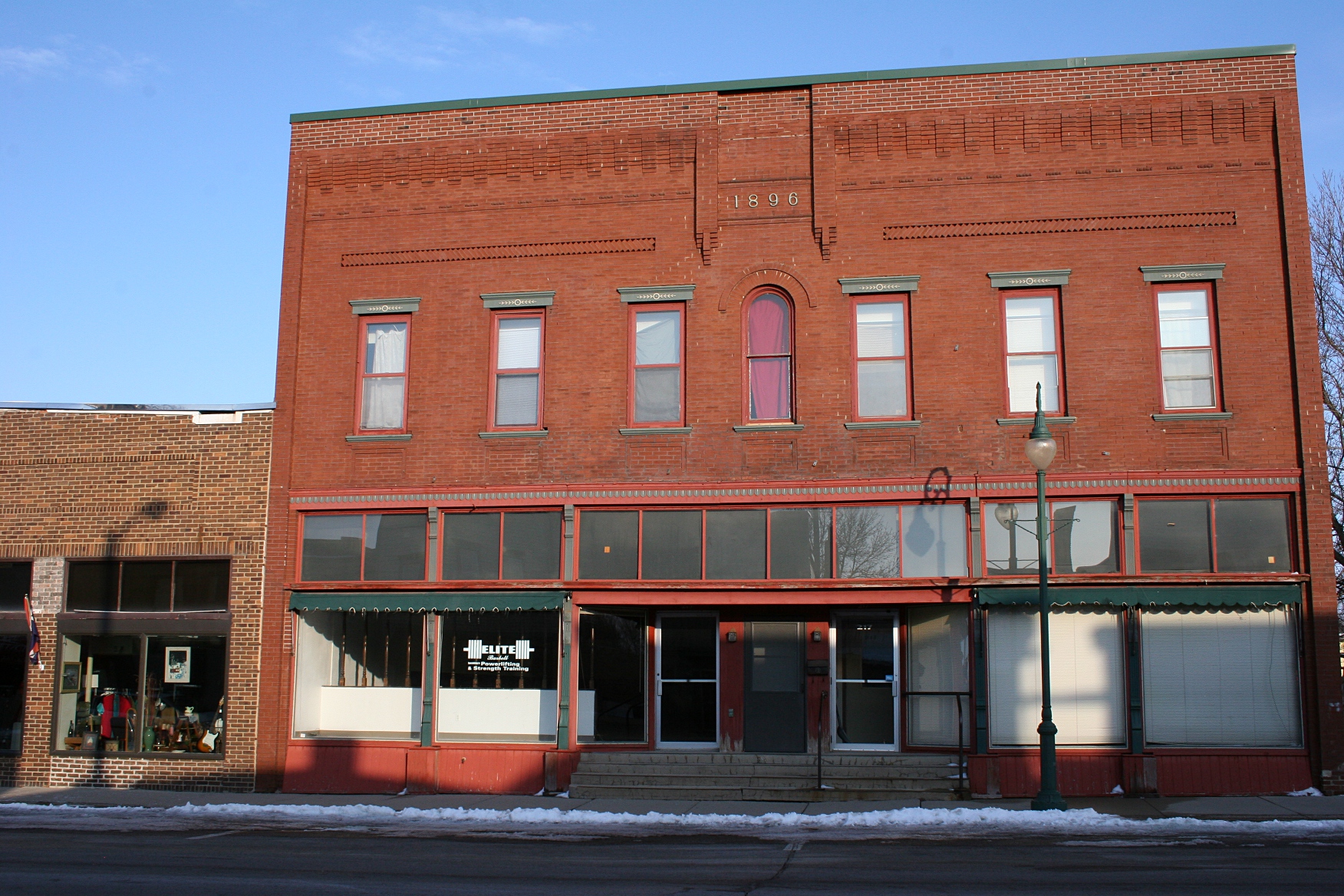
I absolutely love these small towns that have kept their historic buildings.

I absolutely love these small towns that have kept their historic buildings like this one dated 1896.

TOMORROW, IN THIS FIVE-PART SERIES from Montgomery, I take you to Hilltop Hall, which I’ve visited thrice. After that, we’ll go inside Franke’s Bakery, with photos from my 2010 visit there; I don’t expect much has changed. Next, I’ll show you how this community honors its veterans in a unique way. And then, to end my five-part series on Montgomery, I’ll show you several bonus photos from the town.

© Copyright 2013 Audrey Kletscher Helbling
 

Discovering historic & vibrant downtown Fargo November 12, 2012

Filed under: Uncategorized — Audrey Kletscher Helbling @ 8:29 AM
Tags: , , , , , , , ,

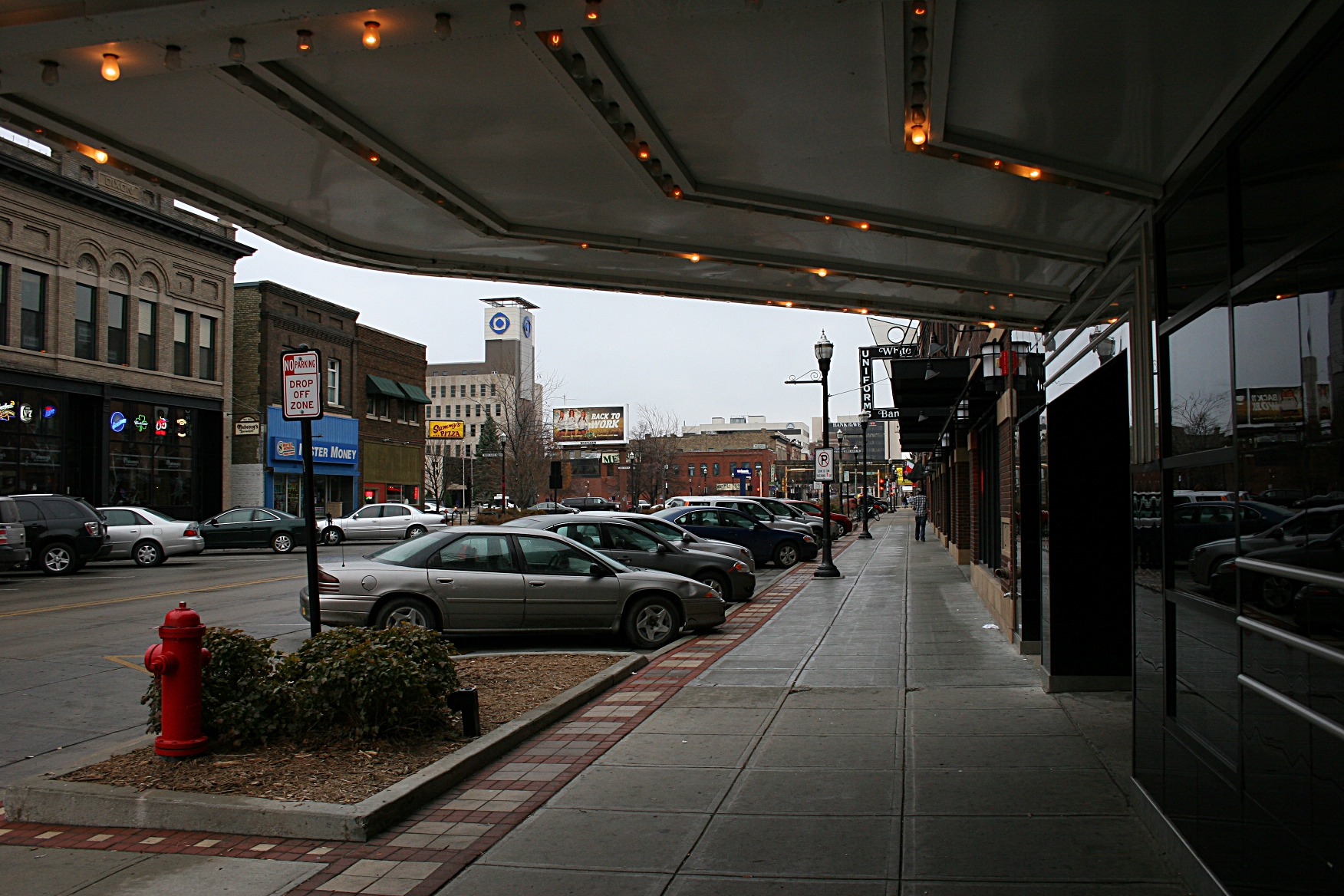
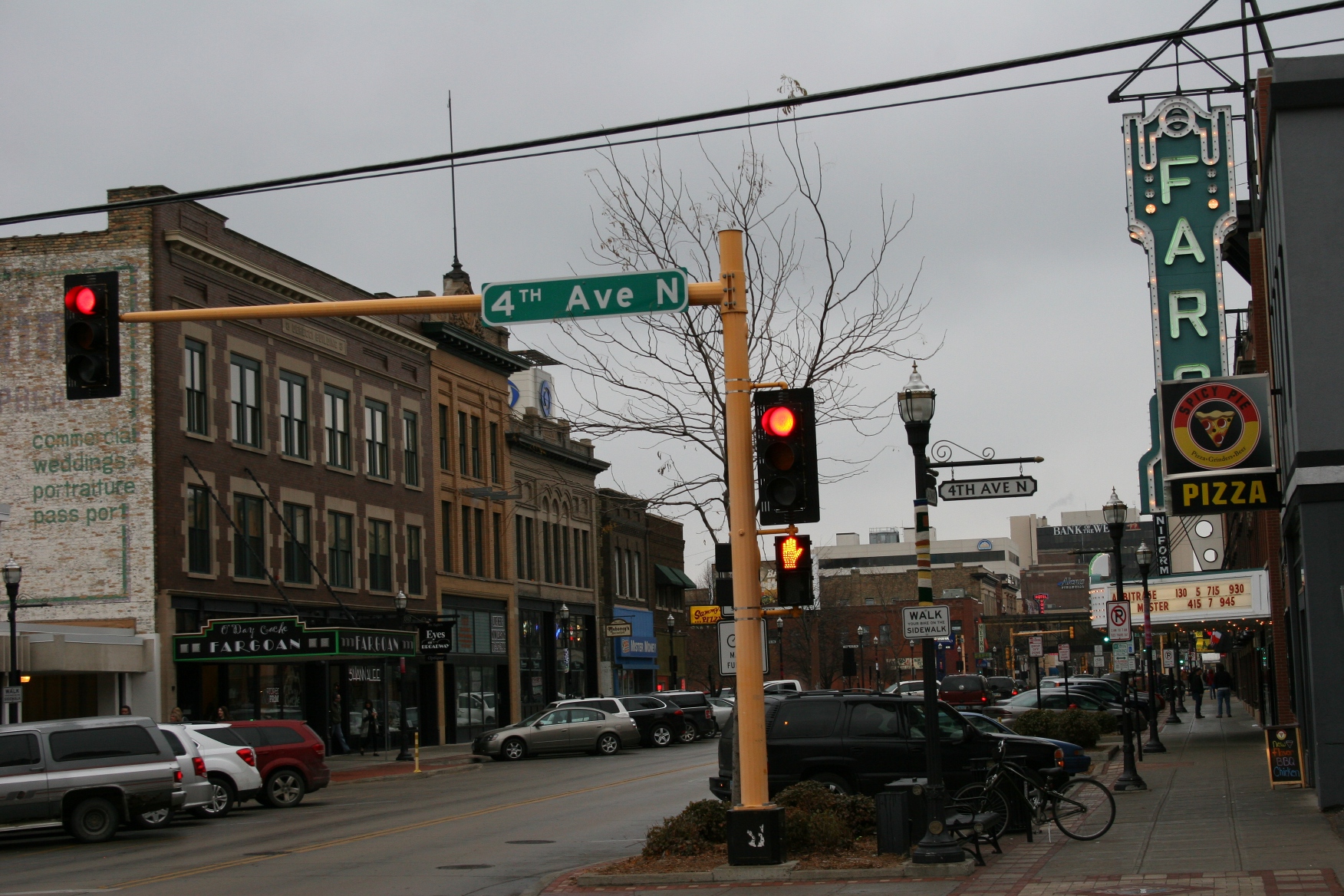
A view of the 300 block on North Broadway, including signage for the Fargo Theatre, built in 1926 as a cinema and vaudeville theatre. The restored theatre is on the National Register of Historic Places and serves as a venue for independent and foreign films, concerts, plays and more.

NOT EVEN THE SHROUD of gray mist and gloom which wrapped around Fargo in the late afternoon of a bone-chilling Saturday in early November could quell my enthusiasm for this historic downtown in a city I’ve only begun to explore.

This is my kind of downtown with historic buildings and a vibe that is both vibrant and subdued. I’d feel as comfortable here glammed for an evening on the town as I would kicking about in my jeans and buffalo plaid flannel shirt.

Under the protective canopy of the Fargo Theatre, I shot this street scene.

In a brief walk of not quite two blocks—shortened by the drizzle and my desire to keep my camera out of the rain—I realized that I need to revisit this downtown when time and weather allow for a more intimate look.

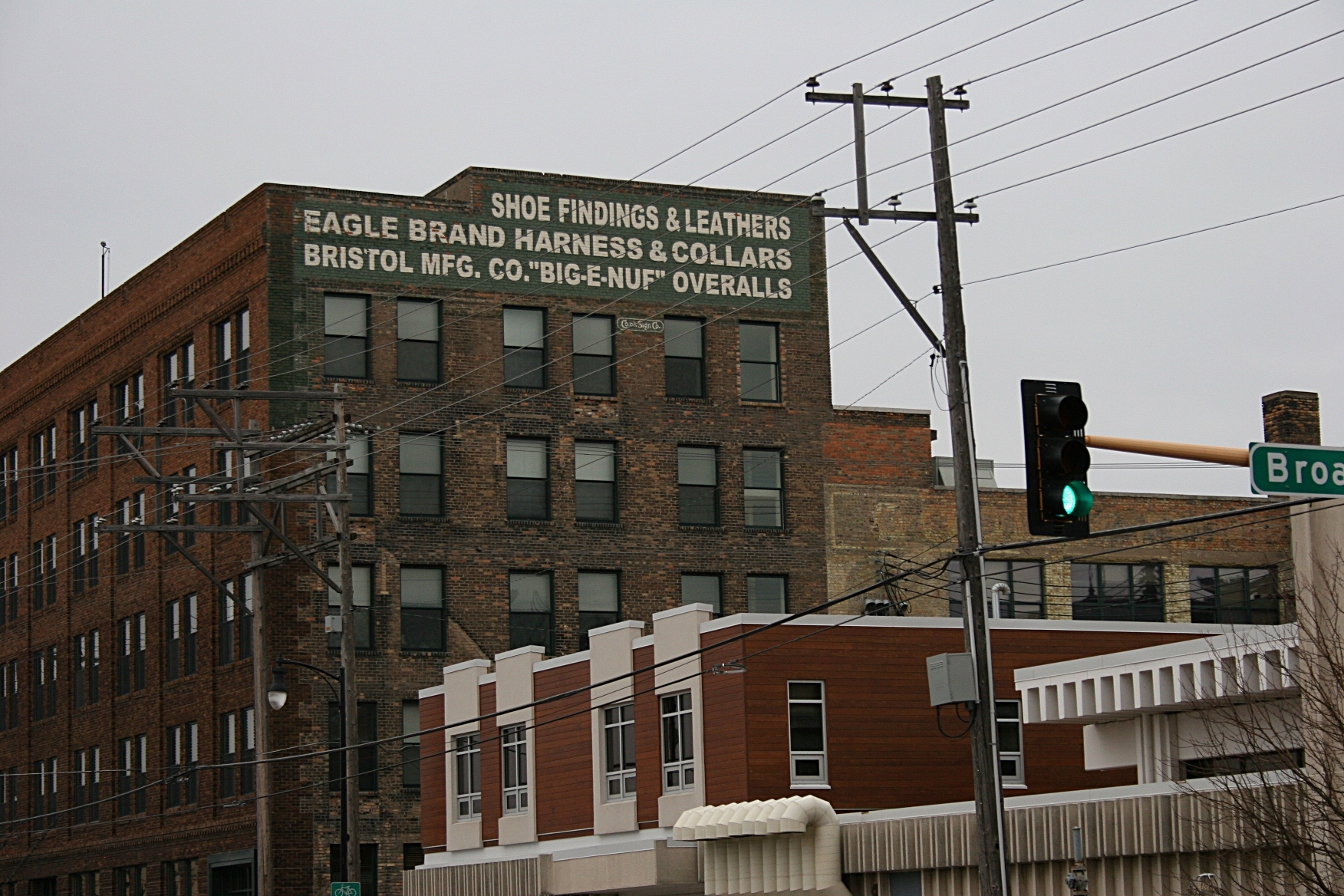
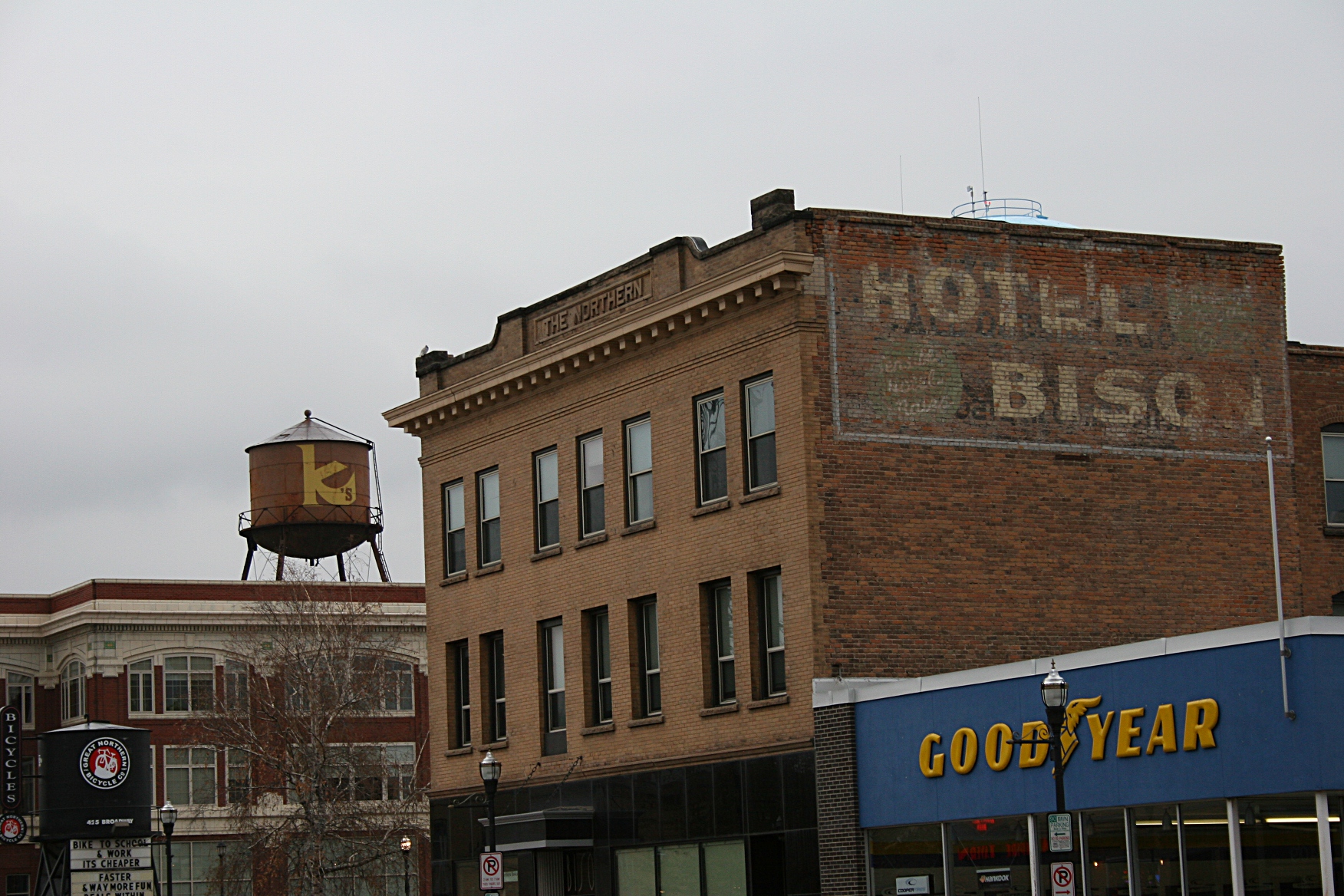
I swung my camera around to focus on the advertising on this stately brick building just off Broadway.

A quick visual tour revealed well-kept brick buildings with great architectural detail, vintage neon signs, advertising painted on brick walls, art in the sidewalk and a general impression that those who live and work here care about this place.

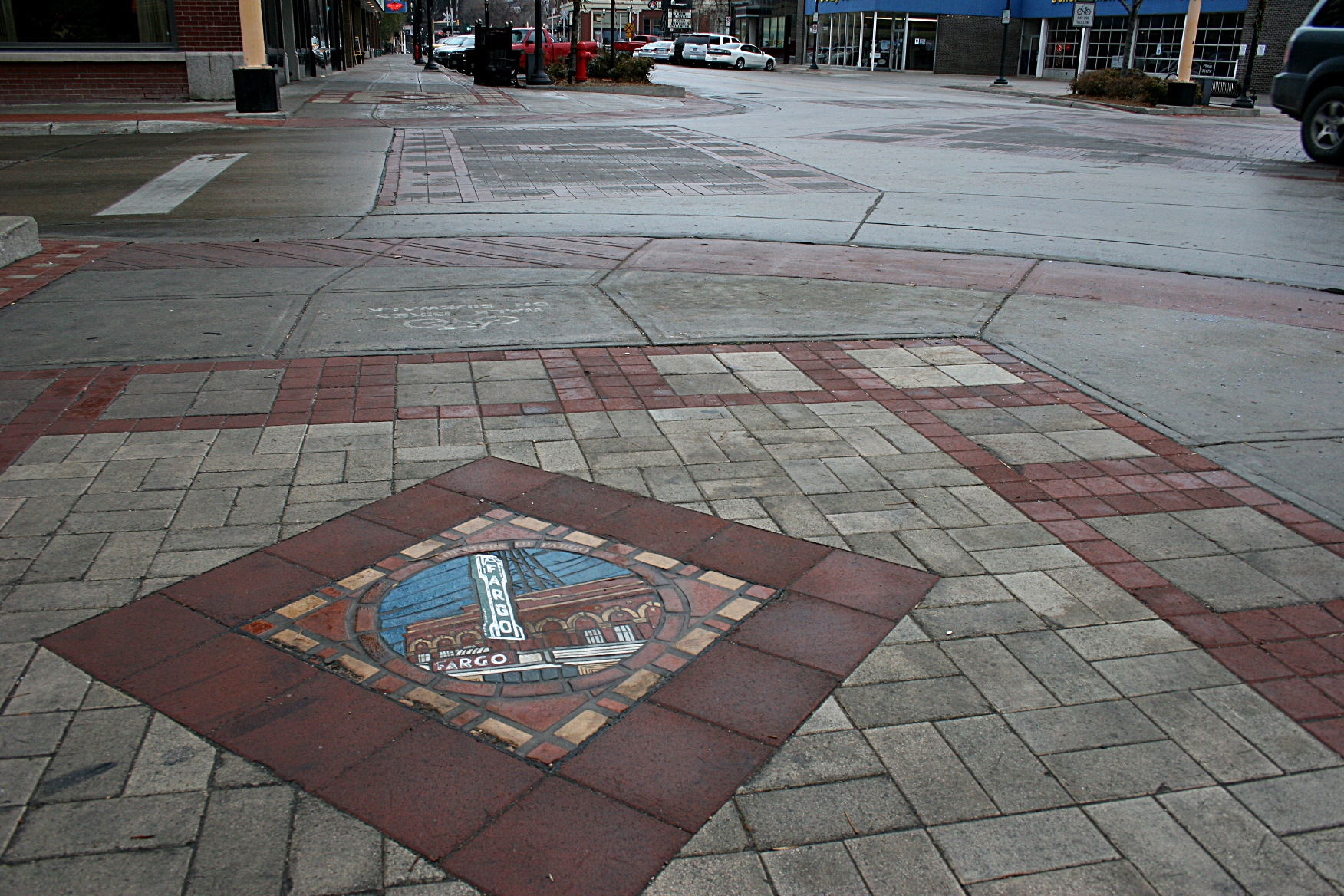
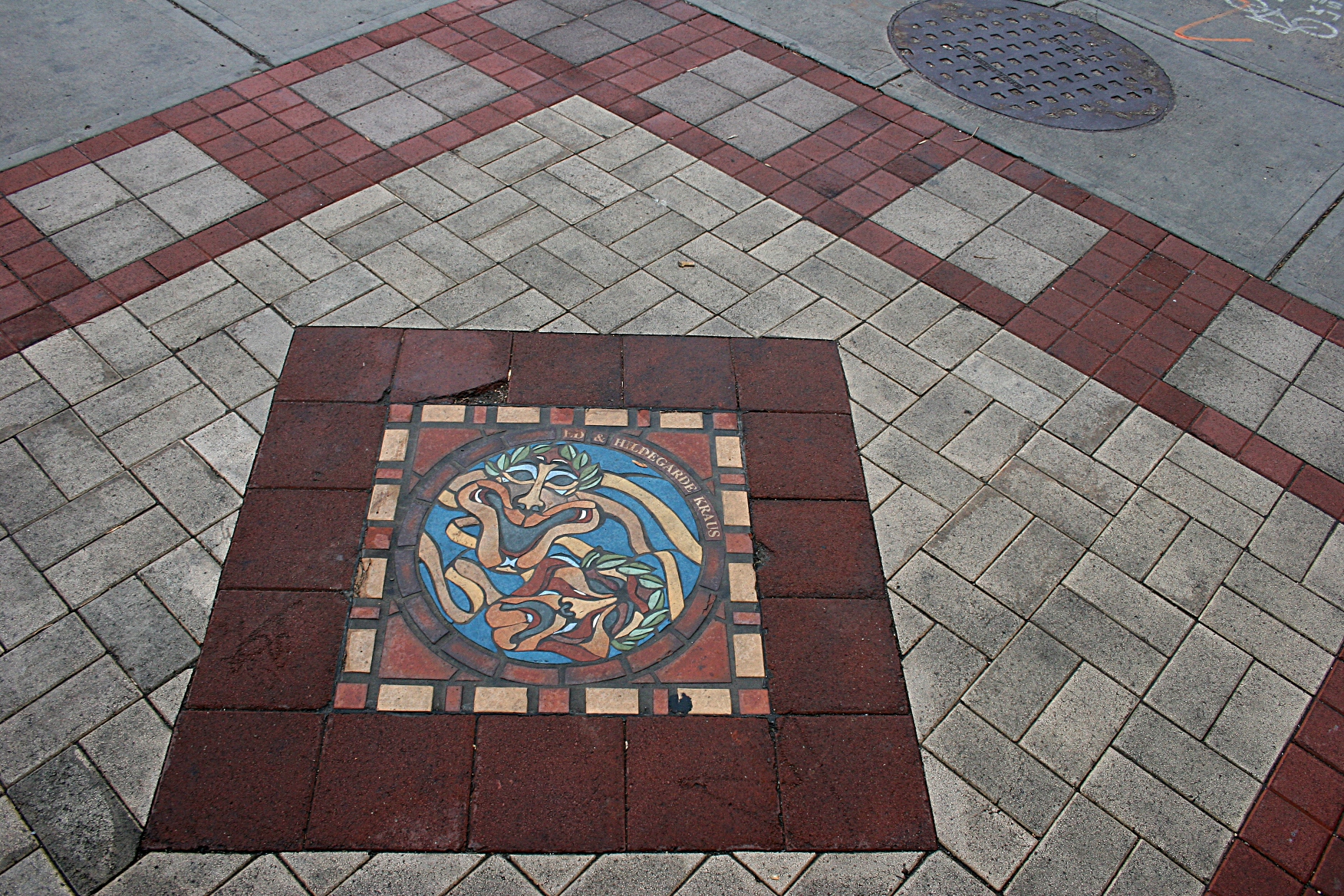
Sidewalk art featuring the Fargo Theatre.

It’s no wonder that in 2011, Forbes magazine recognized downtown Fargo as one of the nation’s top 10 most transformed neighborhoods.

If you want big box retailers and miles of cement and malls, all of which you could find in Anytown, U.S.A., Fargo has that too, over in West Fargo.

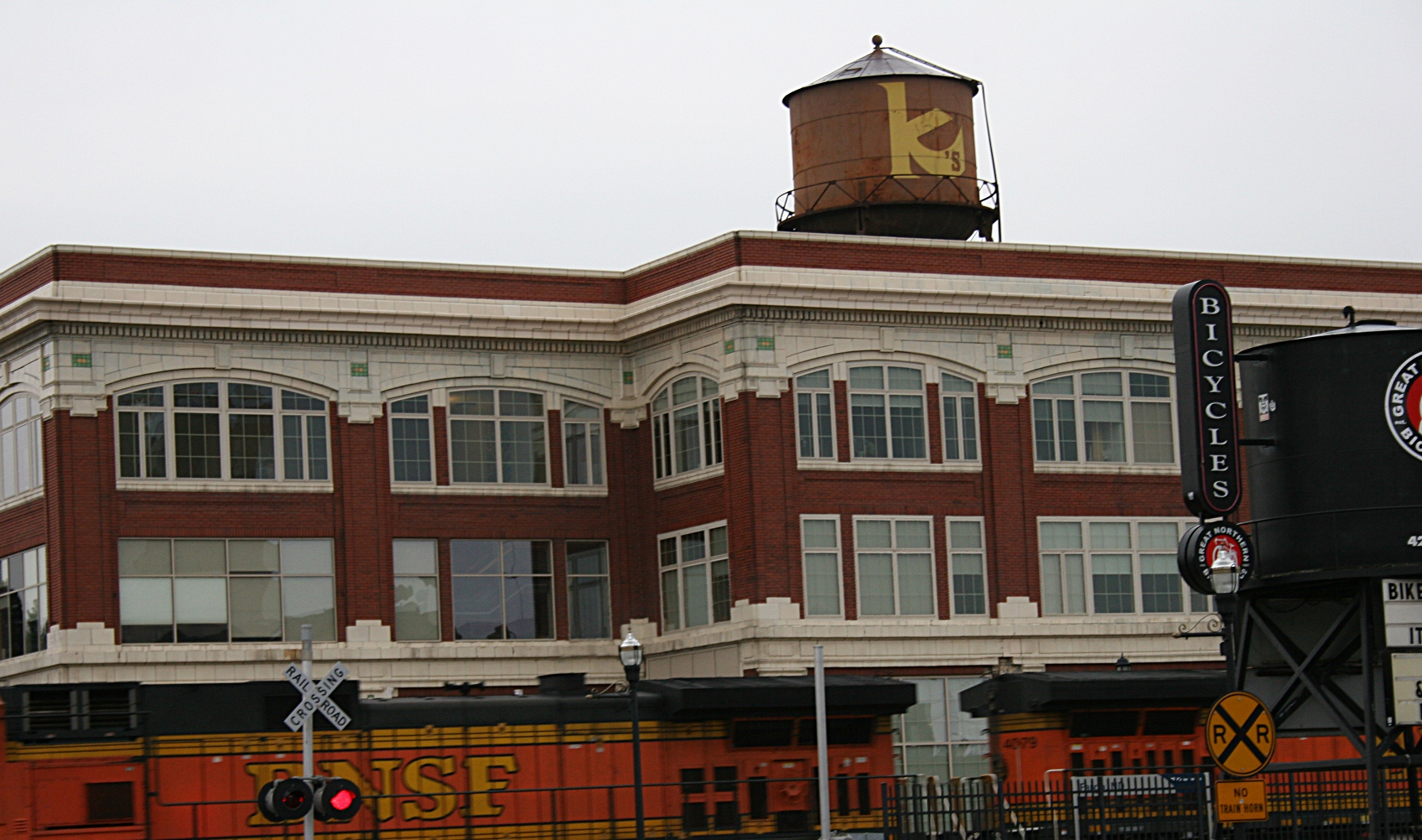
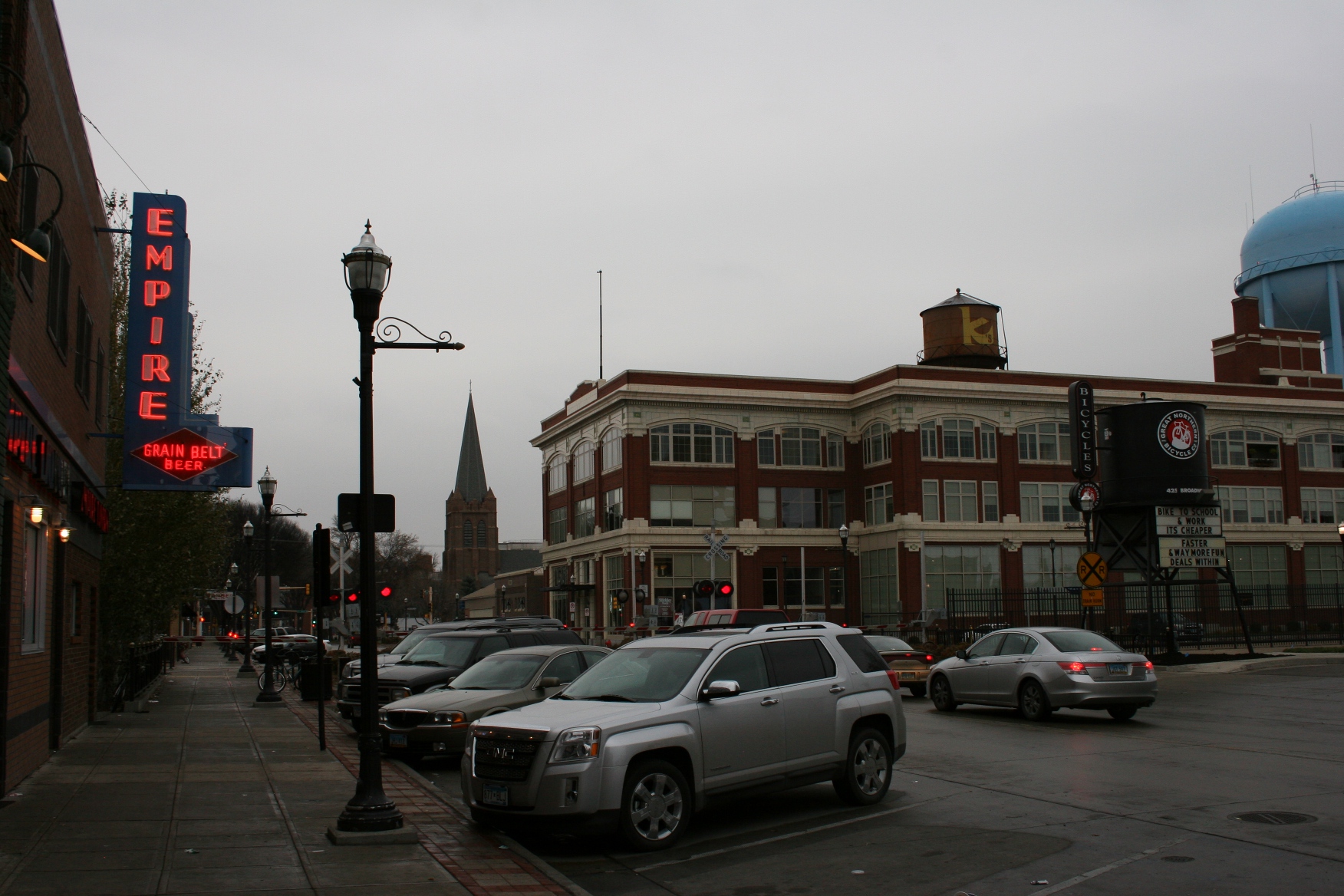
Almost anywhere you go in Fargo, you will encounter railroad tracks, even in the heart of downtown, here in the 400 block of North Broadway.

But the downtown, oh, the downtown, that to me holds the personality of Fargo as an historic river and railroad and farming community, appreciative of its past, adapting to the present and aware of its future.

Looking toward the 400 block of North Broadway, a broader view of the image above.

Signage details on buildings in the 400 block of North Broadway.

More sidewalk art, with the names Ed & Hildegarde Kraus embedded.

Across from the Fargo Theatre, O’Day Cache’ , located in the building labeled Fargoan.

Another shot of downtown, from the corner of Fourth and Broadway.

© Copyright 2012 Audrey Kletscher Helbling
 

Lovin’ Hastings’ historic downtown October 30, 2012

Filed under: Uncategorized — Audrey Kletscher Helbling @ 6:51 AM
Tags: , , , , , , , ,

Just a sampling of the historic buildings in downtown Hastings, Minnesota.

WHY I’VE NEVER VISITED historic Hastings, a Mississippi River town an hour from my Faribault home, prior to a few weeks ago remains a mystery to me.

Jammed with building after building after building hearkening from yesteryear, Hastings’ downtown holds precisely the type of architecture and vintage imprint that I find especially appealing.

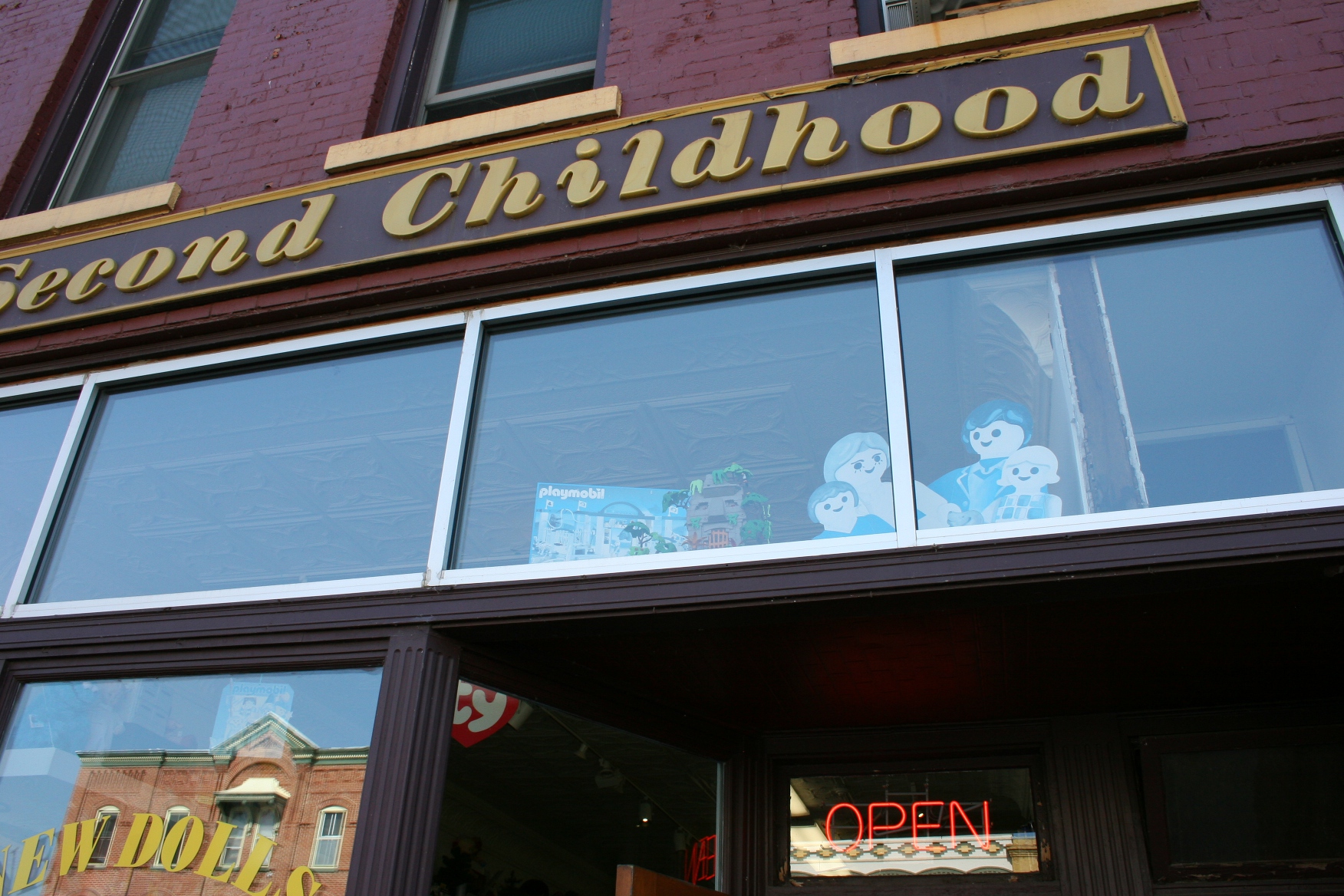
Looking up at Second Childhood Toys.

I could just stand there and gawk at the upper floors of these mostly brick buildings—at the arched windows, the detailed trim, the dates that define a building’s birth—for a good spell.

Stroll the sidewalks of downtown Hastings at a leisurely pace and step inside the many charming shops.

But the sidewalk level, too, offers an equal amount of charm with a multitude of antique and gift shops, a sweet spot to sample ice cream or candy, and more.

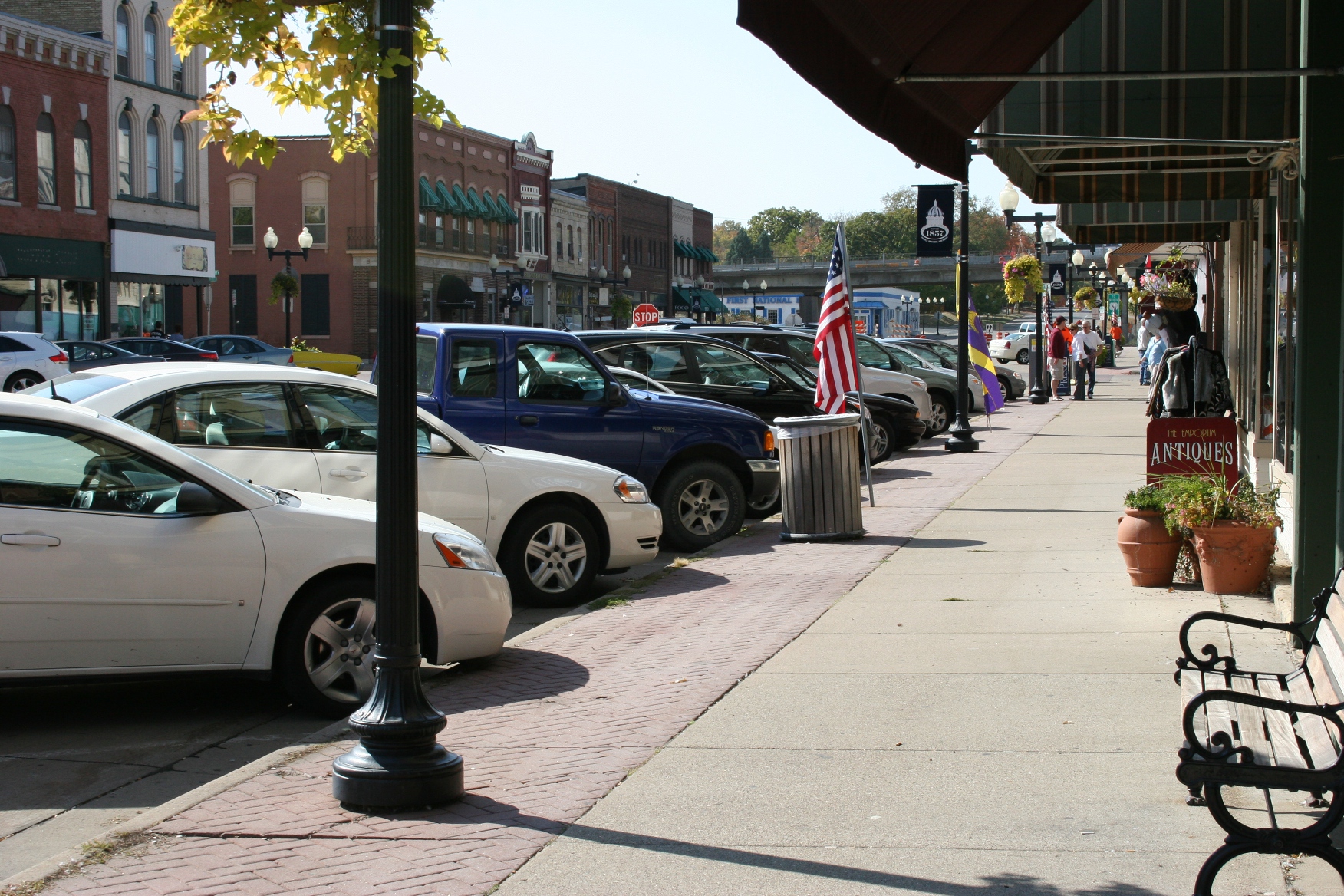
Relaxing on an early autumn afternoon in downtown Hastings, when the weather was still warm.

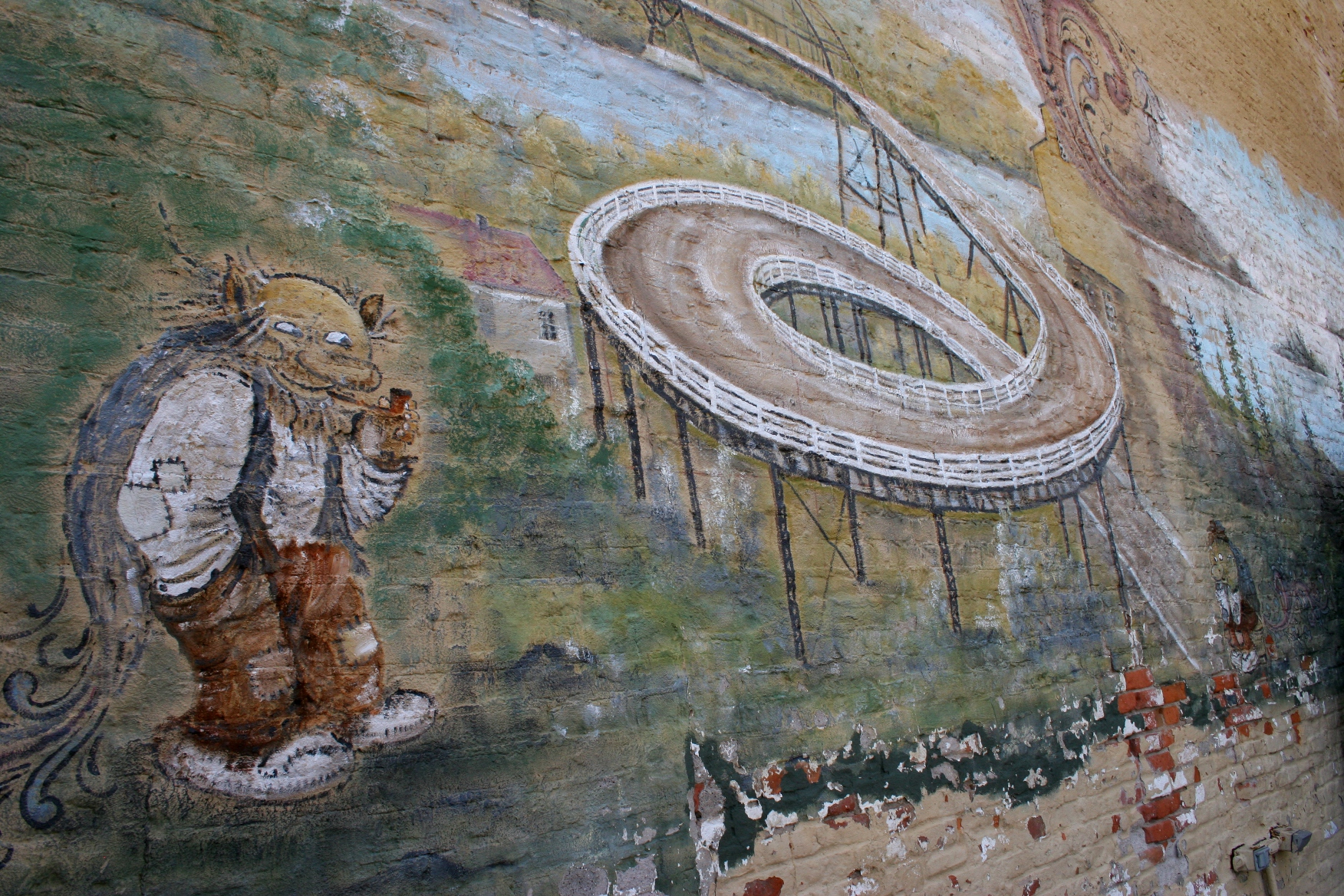
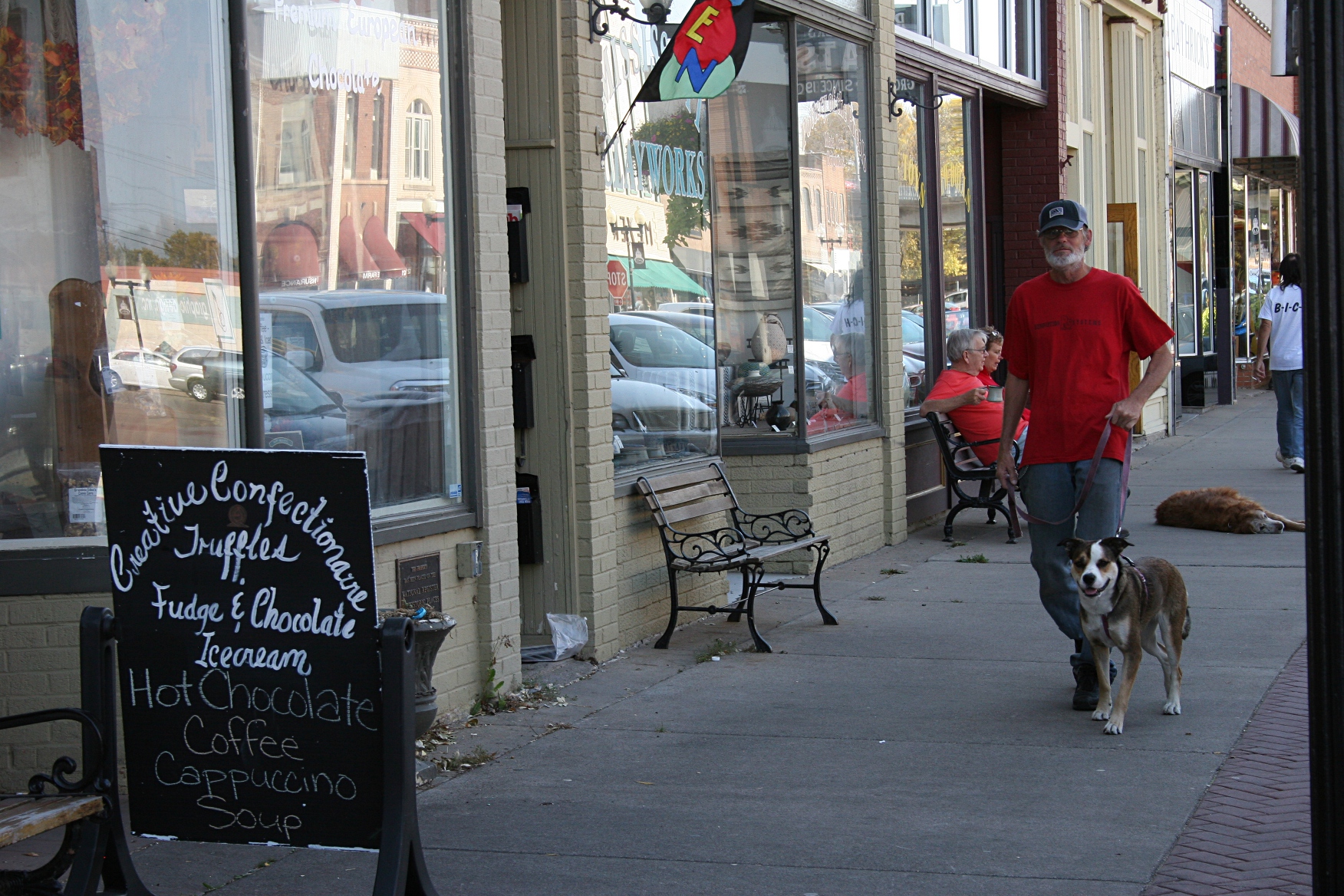
It’s the kind of Main Street where folks lollygag, where locals relax on a bench and sip coffee, where a dog lazes in the middle of the sidewalk and no one minds skirting around the canine, where trolls lurk near the bridge.

In Oliver’s Grove 1819, a downtown park, I found this mural of trolls and the old spiral bridge which once crossed over the Mississippi from Hastings to Wisconsin. Hastings was originally called Oliver’s Grove after Lt. William G. Oliver who arrived here in 1819.

This describes the Hastings I found on a Saturday afternoon in early autumn. Hastings, with its historic district, reminds me of Faribault’s downtown. Except Faribault seems to be mostly undiscovered.

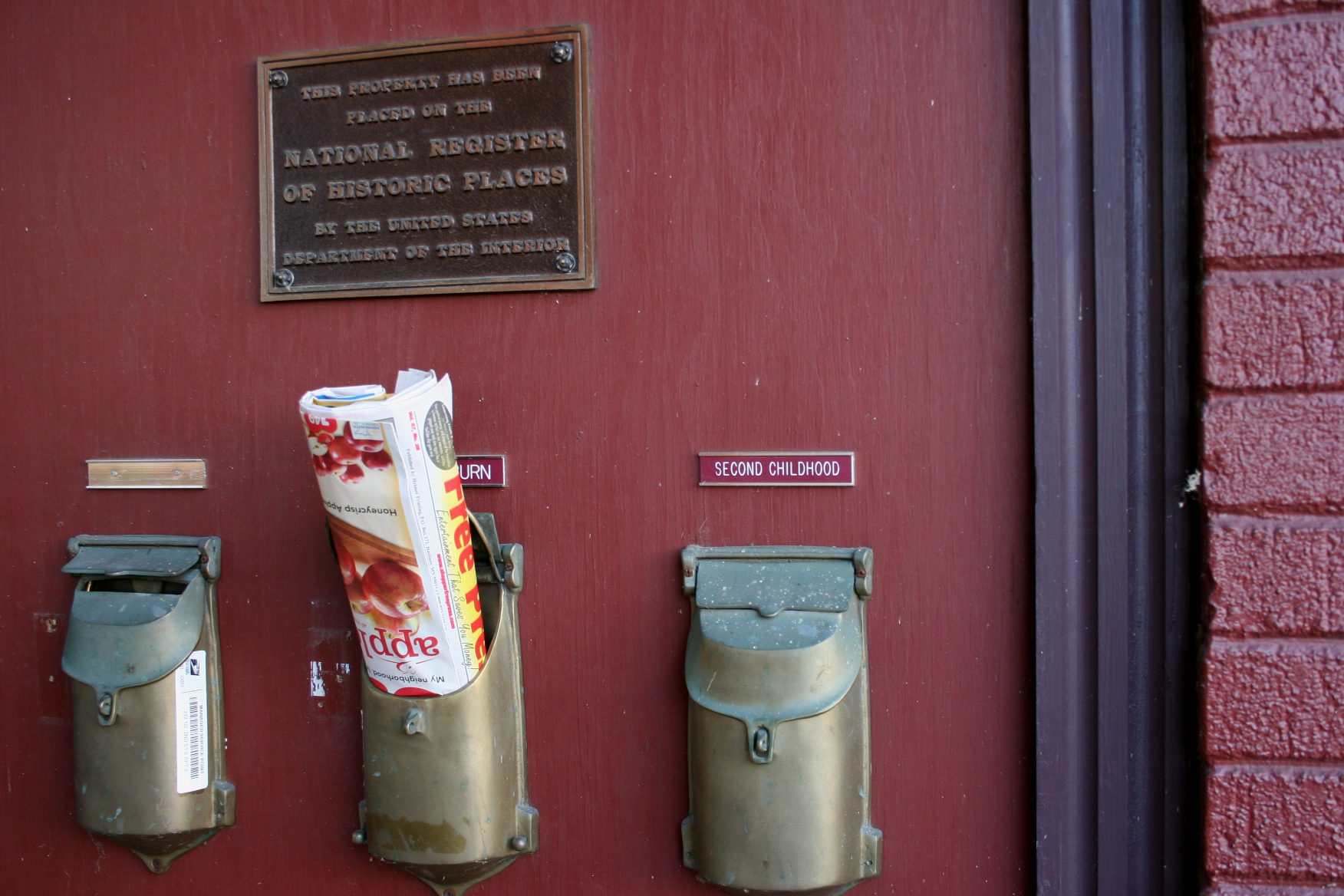
Mailboxes and an historic marker on a door in the business district.

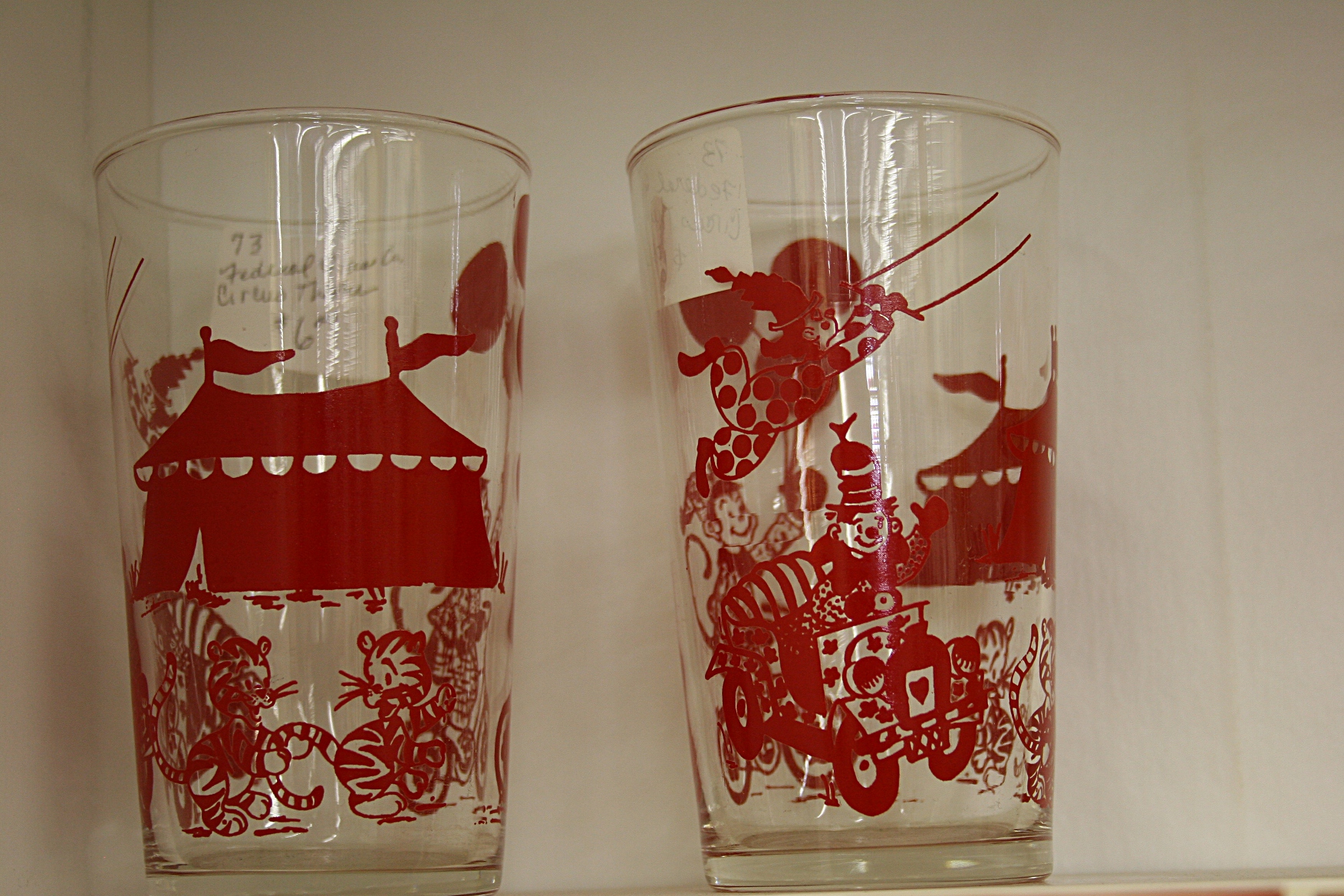
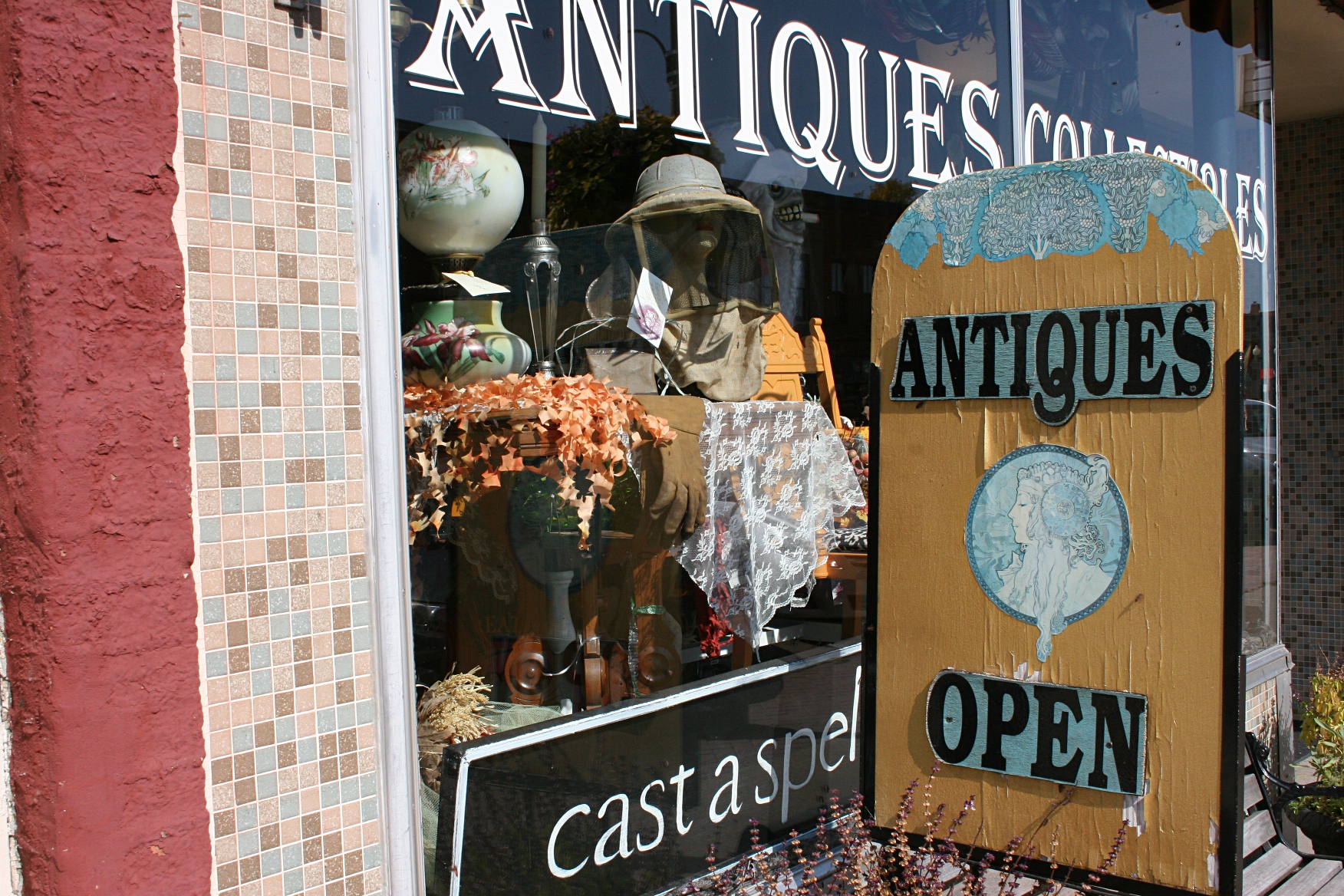
These circus glasses caught my eye inside an antique shop, Second Street Antiques and Collectibles, I believe. It was difficult for me to resist purchasing these as I collect vintage glassware.

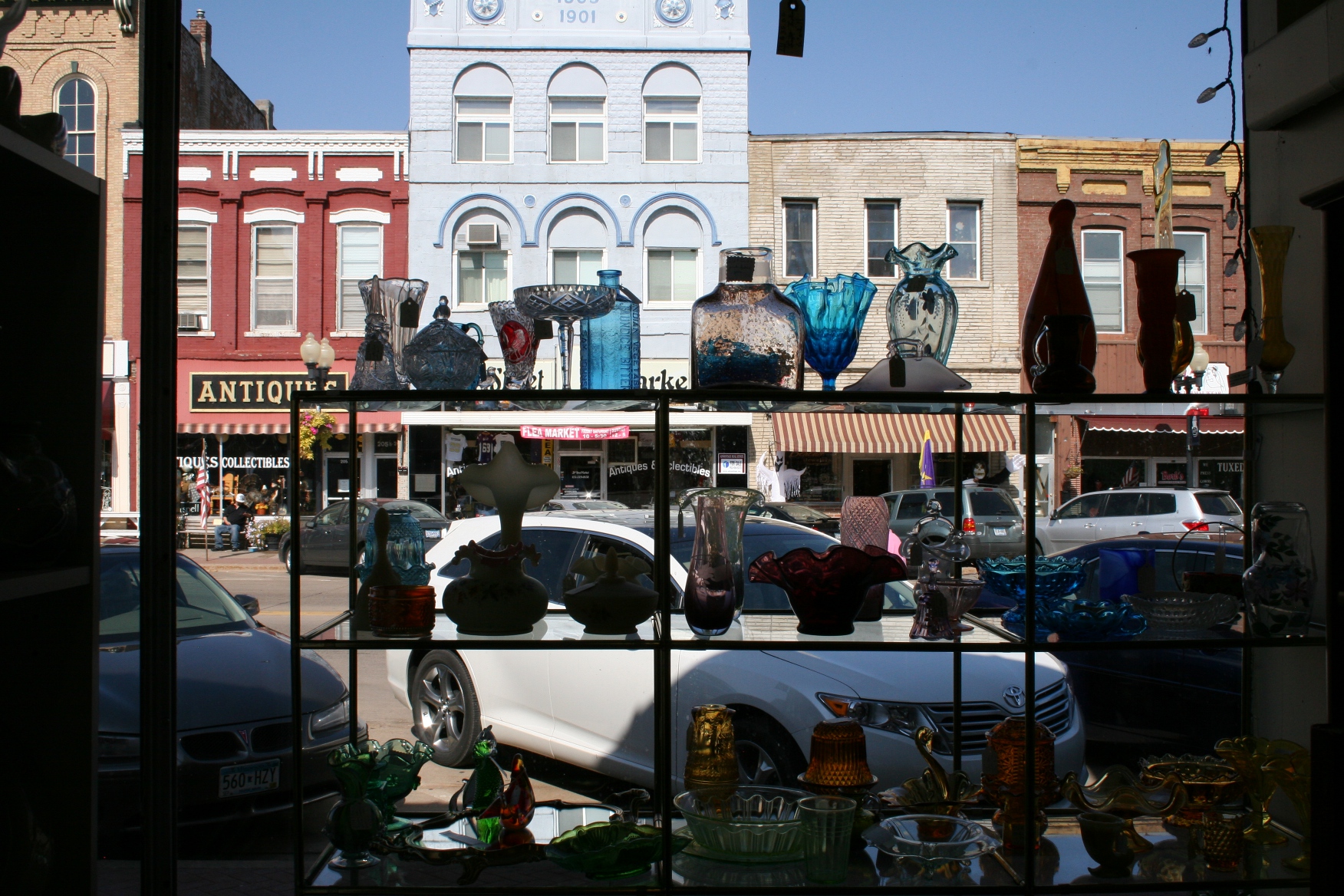
Inside the same antique shop, looking across the street at a row of historic buildings.

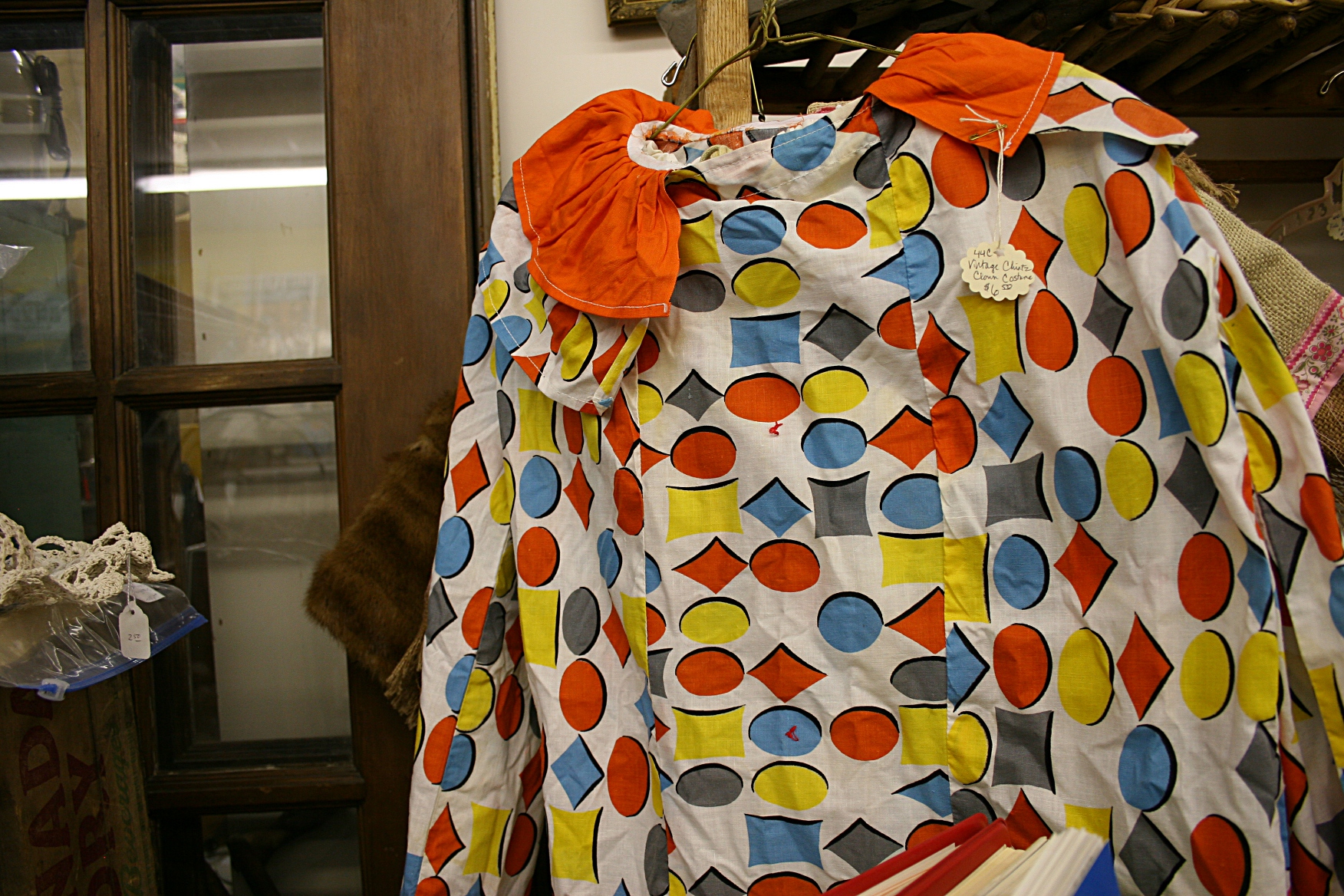
Just in time for Halloween…a vintage clown costume in the same antique mall.

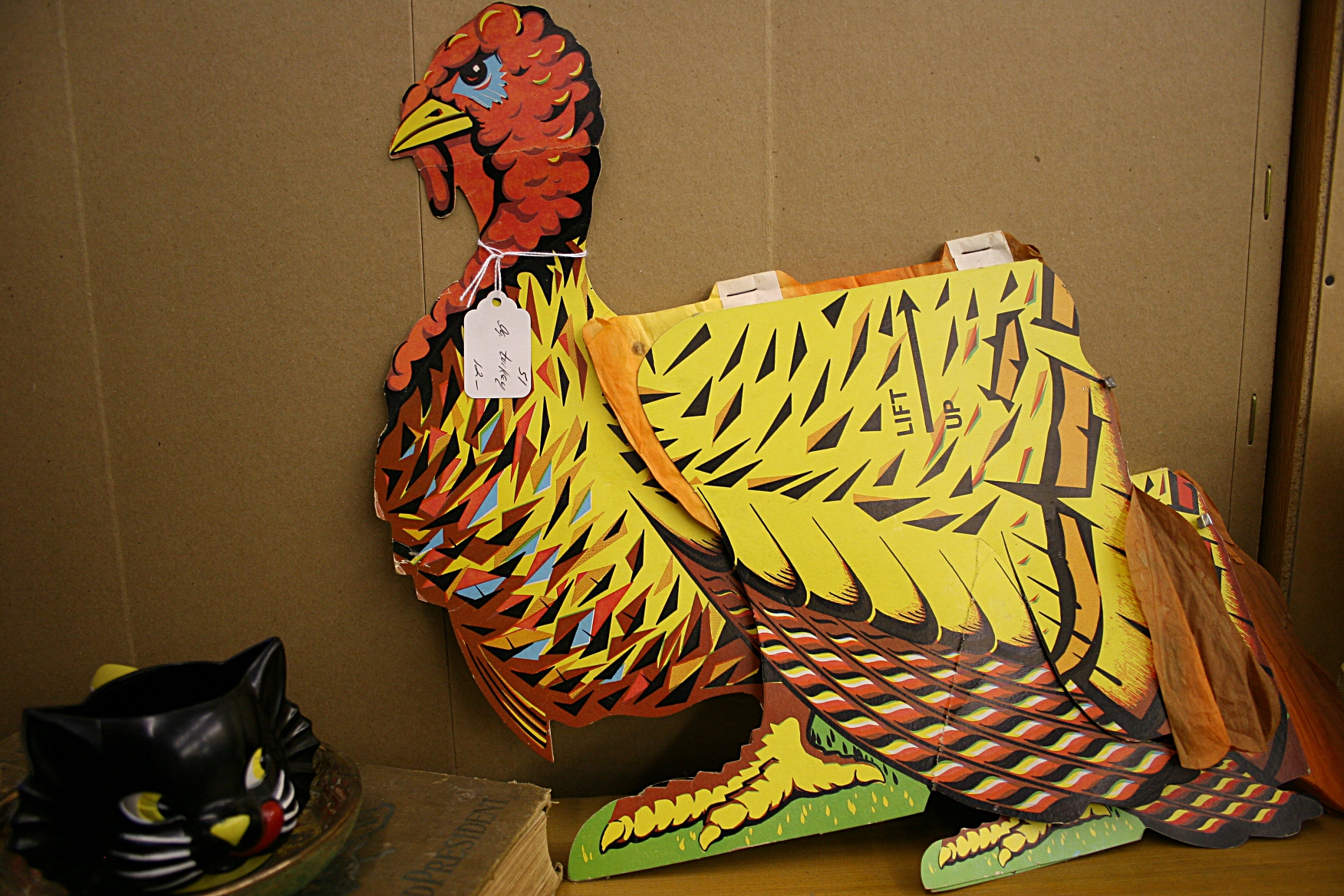
A vintage turkey decoration for the table, a few booths over from that Halloween costume.

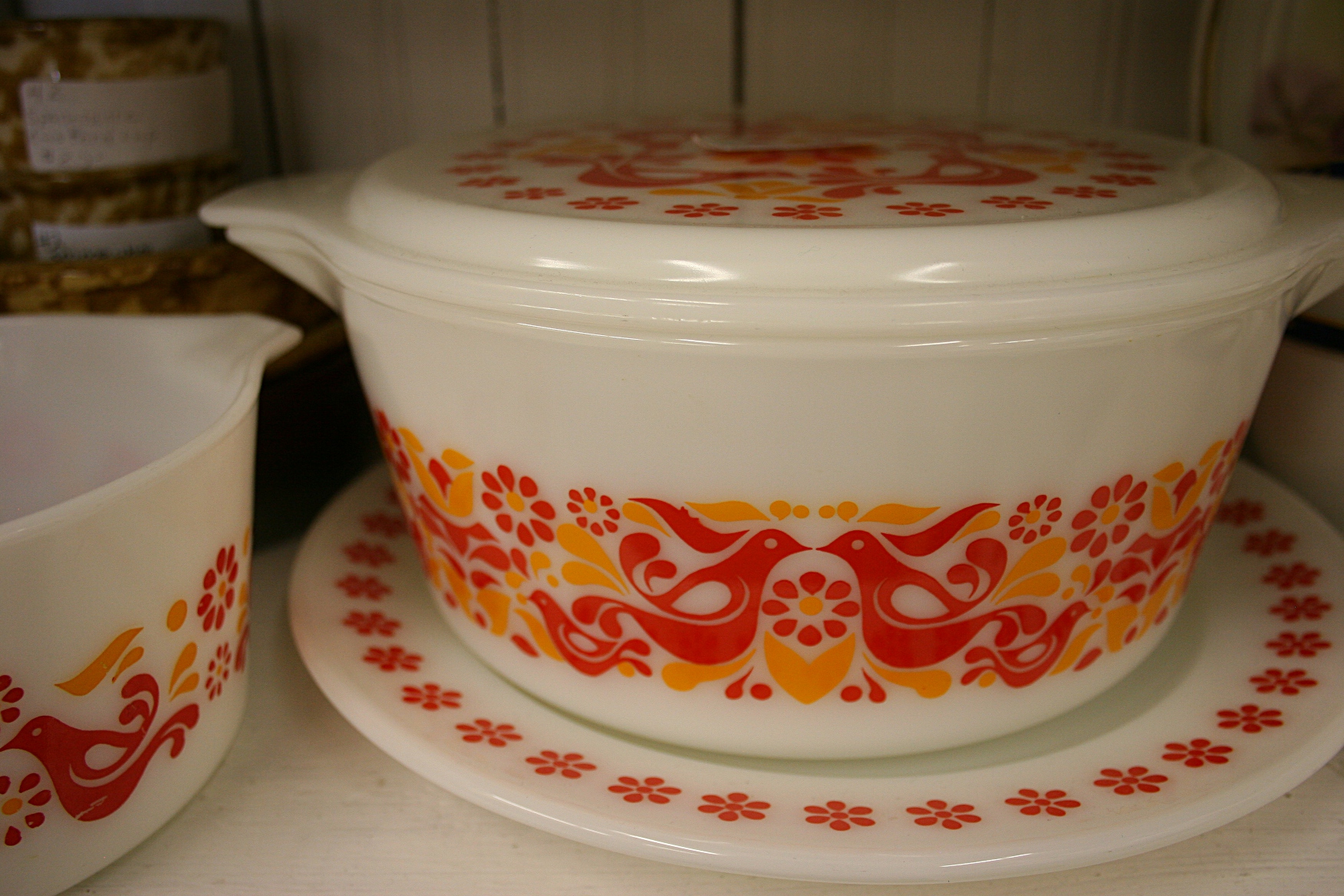
One more seasonal find, a casserole in autumn hues.

So many antique shops to visit and not enough time to see them all.

Walking the dog in historic downtown Hastings on a warm and sunny Saturday earlier in autumn.

PLEASE CHECK BACK for more posts from historic Hastings.

© Copyright 2012 Audrey Kletscher Helbling
 

One final look at Door County, Wisconsin October 15, 2012

Filed under: Uncategorized — Audrey Kletscher Helbling @ 7:29 AM
Tags: , , , , , , ,

DOOR COUNTY, WISCONSIN, truly is what you make it.

With that in mind, and understanding that I did not even begin to see and do everything a visitor can see and do at this scenic tourist destination in northeastern Wisconsin, here’s one last look at some photos I shot on a recent one-day visit.

You can explore the stunning natural beauty of Door County…

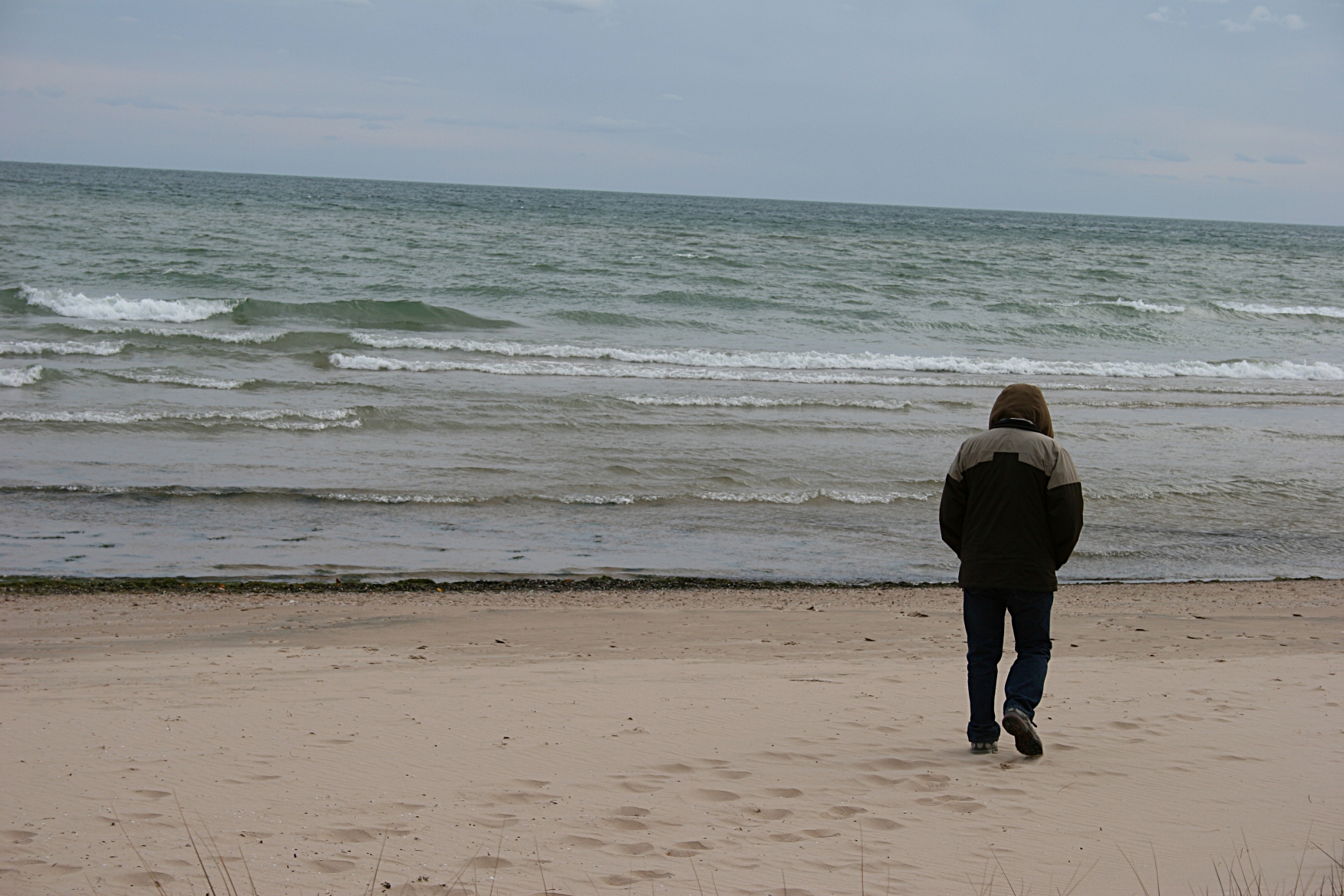
My husband walks along the beach at Whitefish Dunes State park along Lake Michigan on a recent cold and windy afternoon in October.

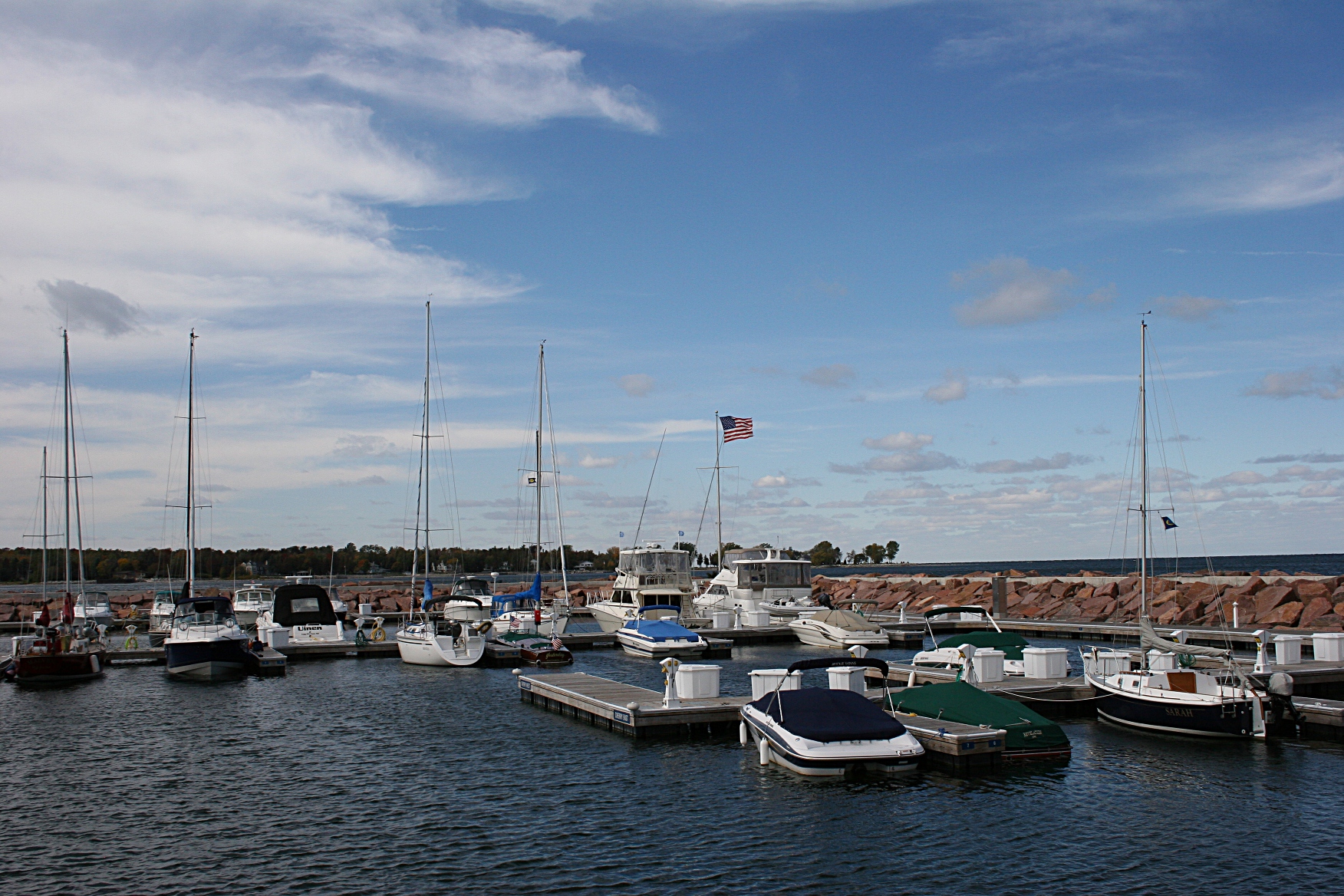
The harbor at Egg Harbor on the western side of Door County.

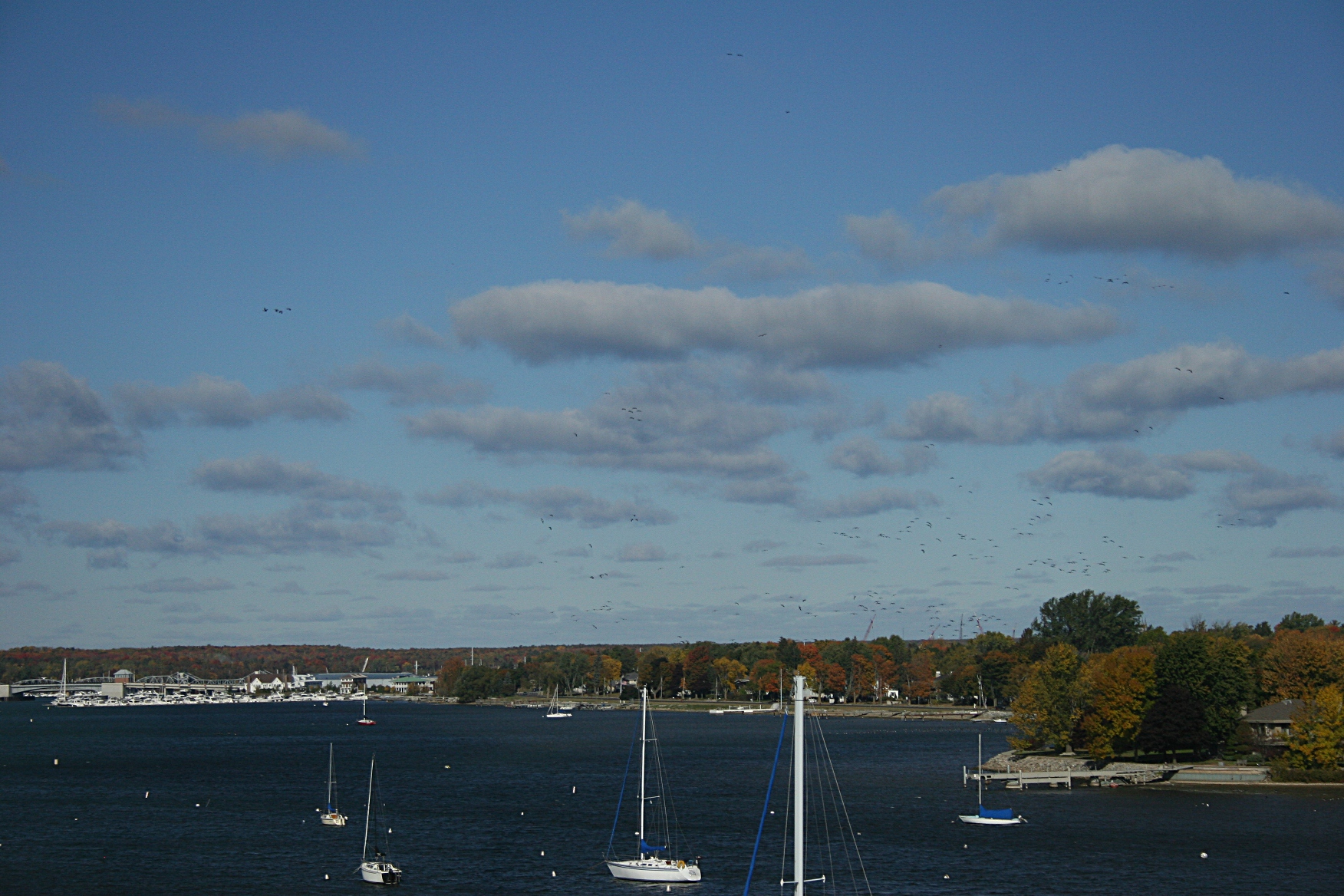
A view of the bay while crossing a bridge into Sturgeon Bay, the beginning of Door County.

…or shop the antique and gift shops…

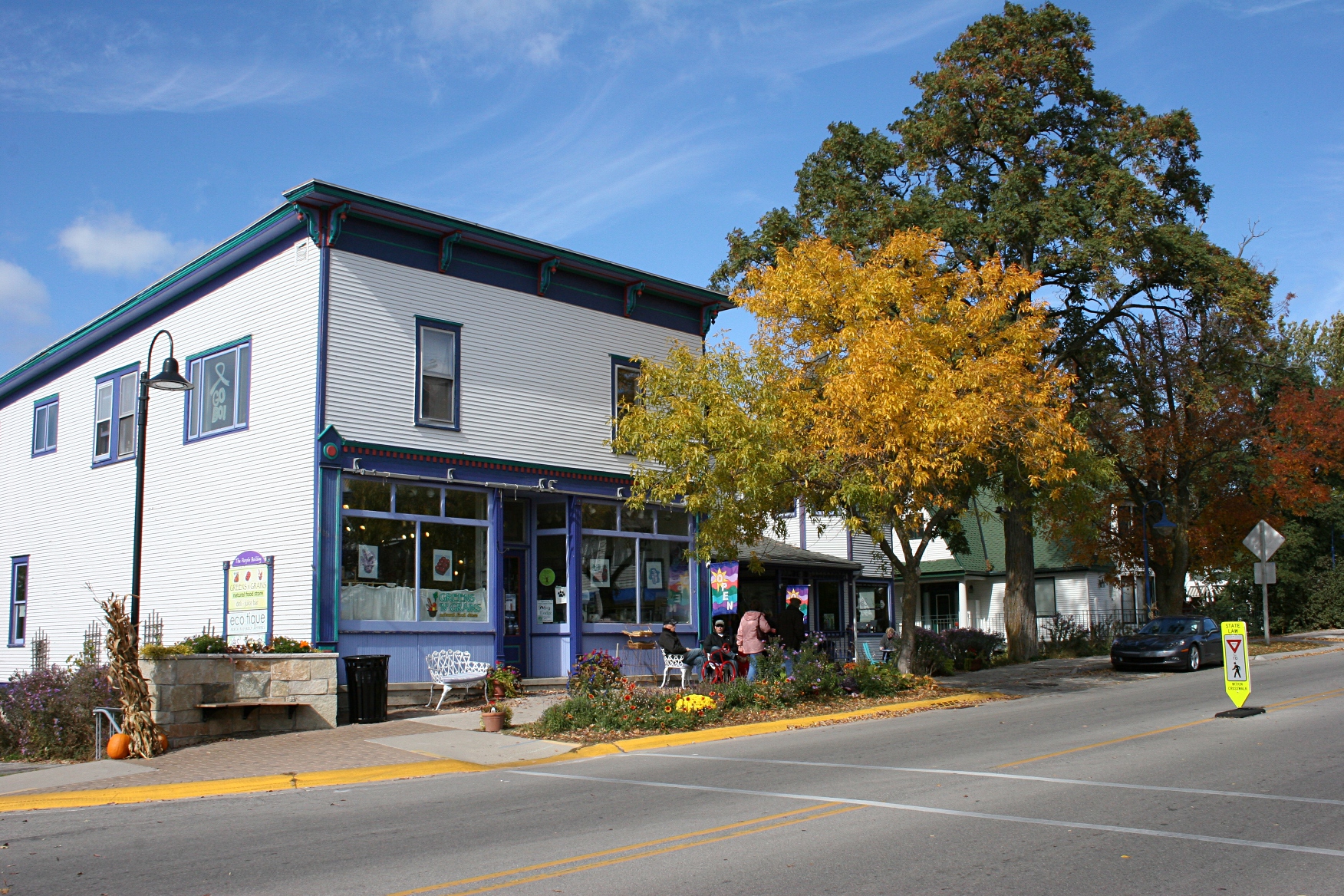
One of the many shops in cozy Egg Harbor.

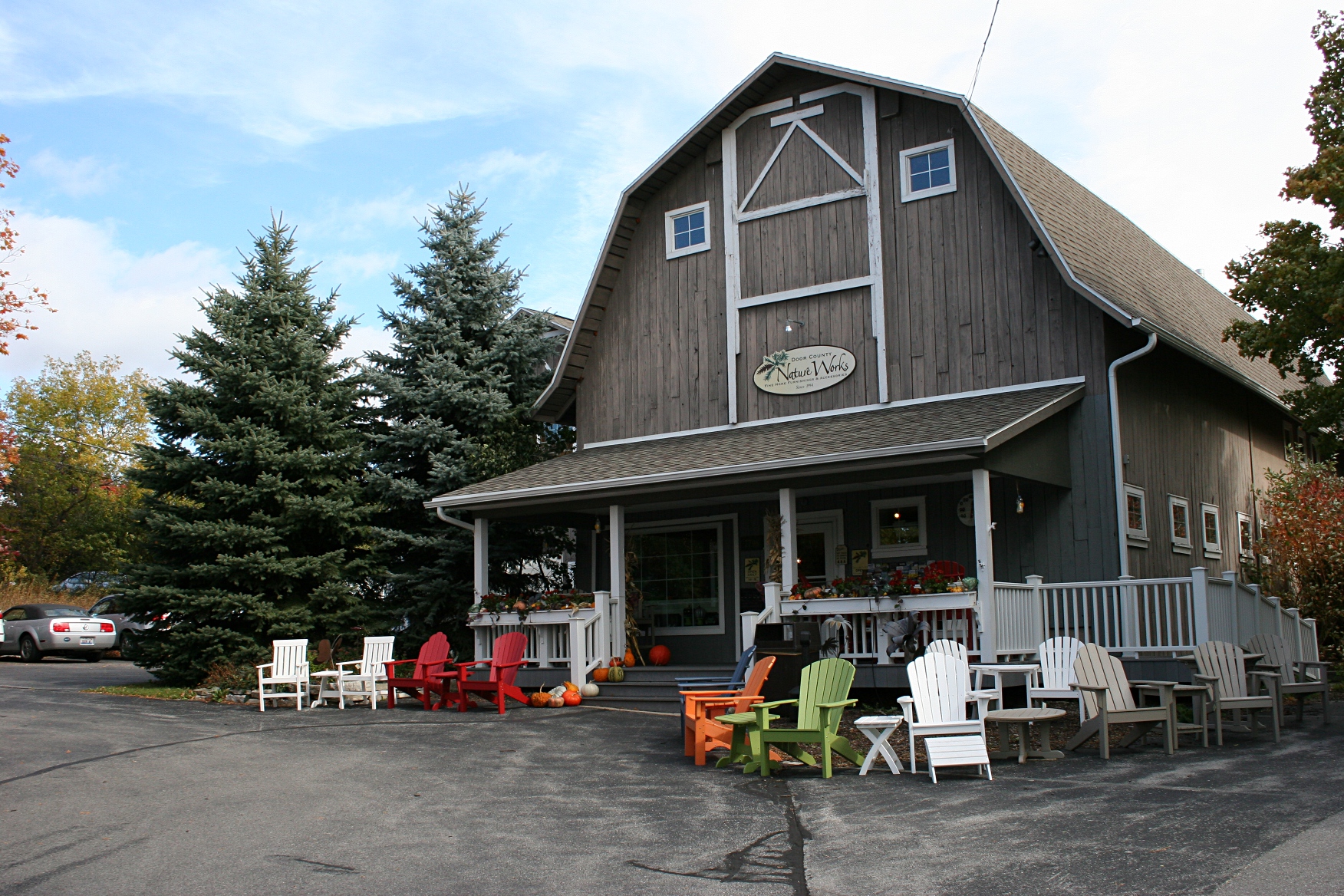
Nature Works, an Egg Harbor gift shop.

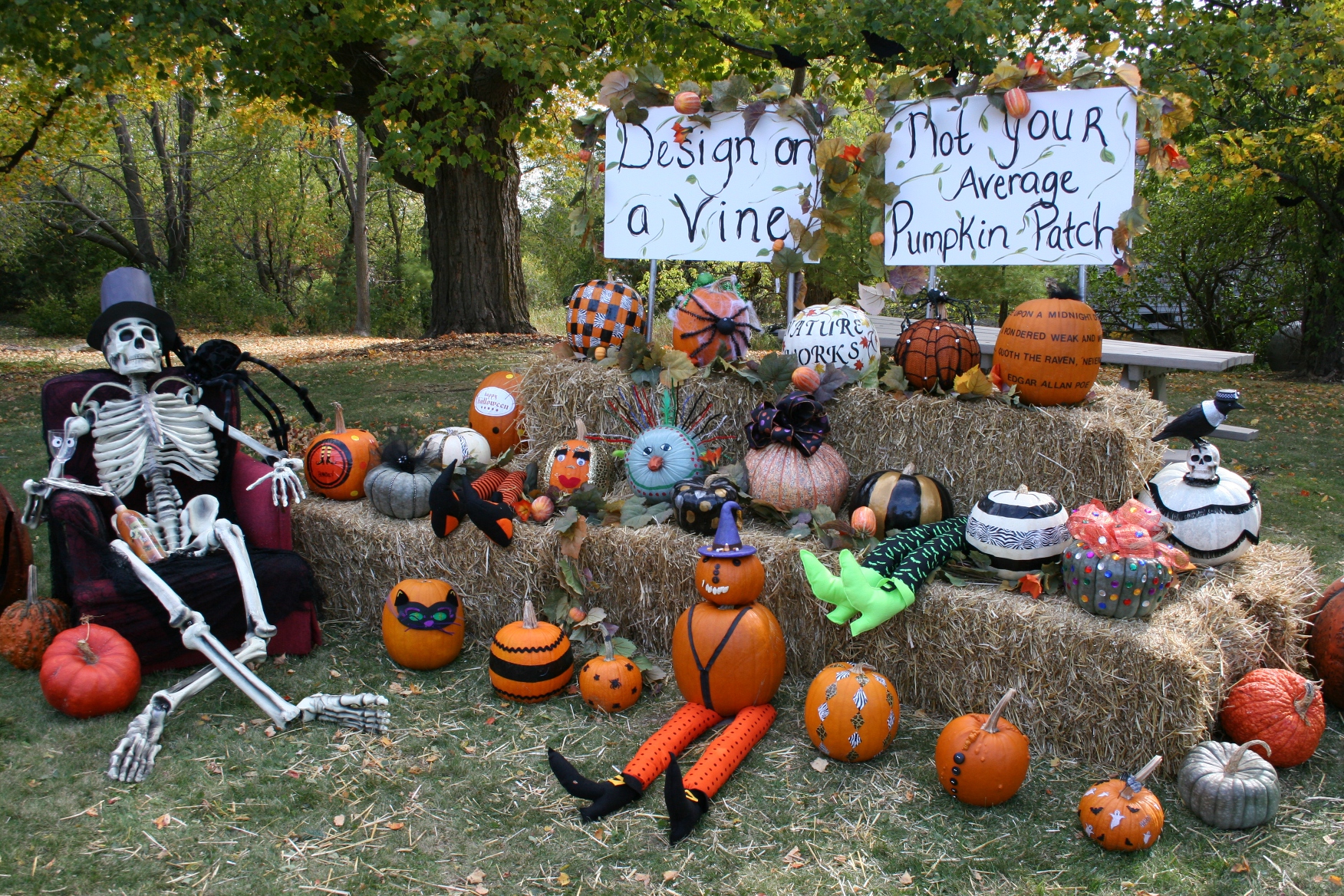
A festive display outside of Nature Works.

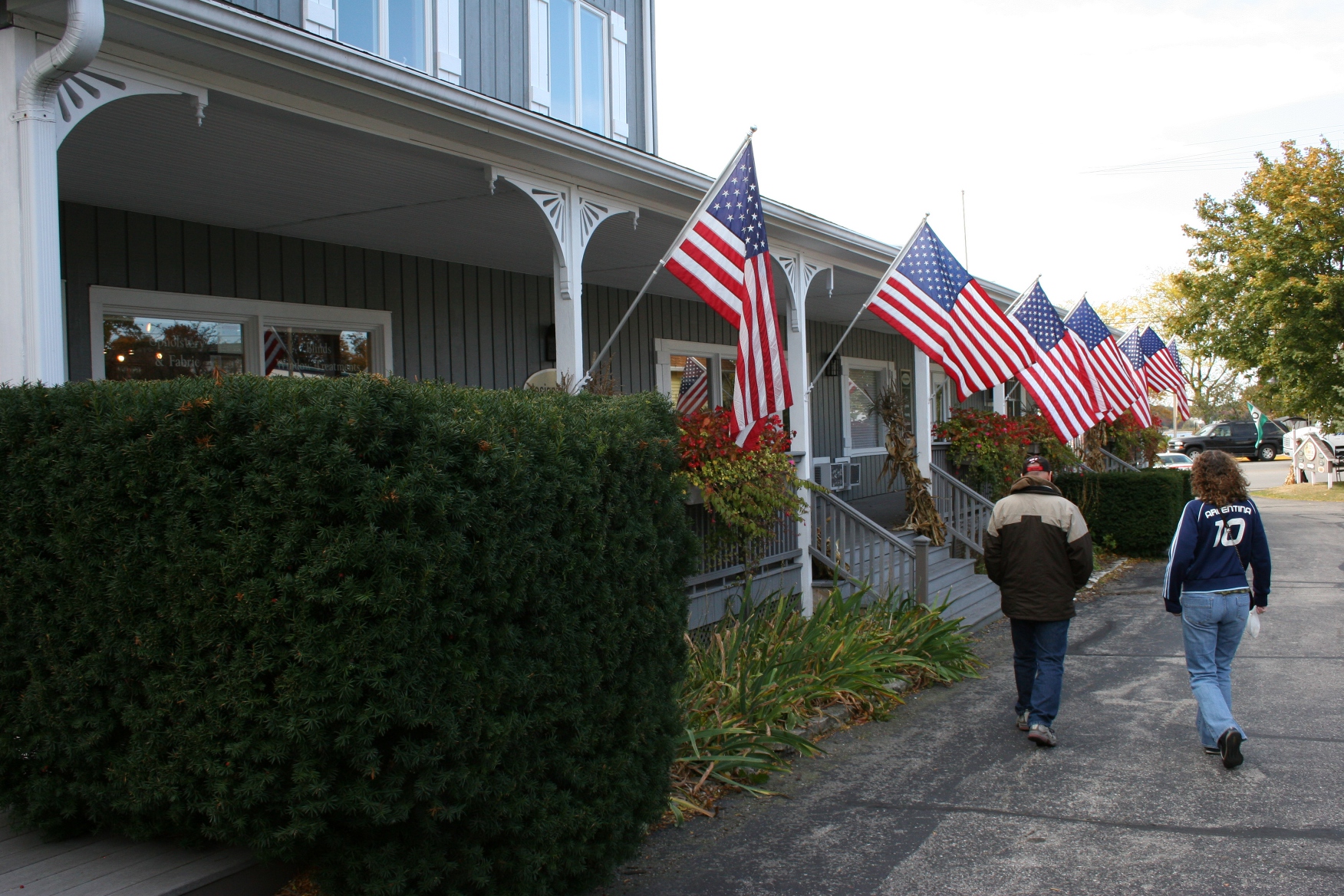
A row of flags add a bit of Americana charm to a scene in Egg Harbor.

…or wine and dine…

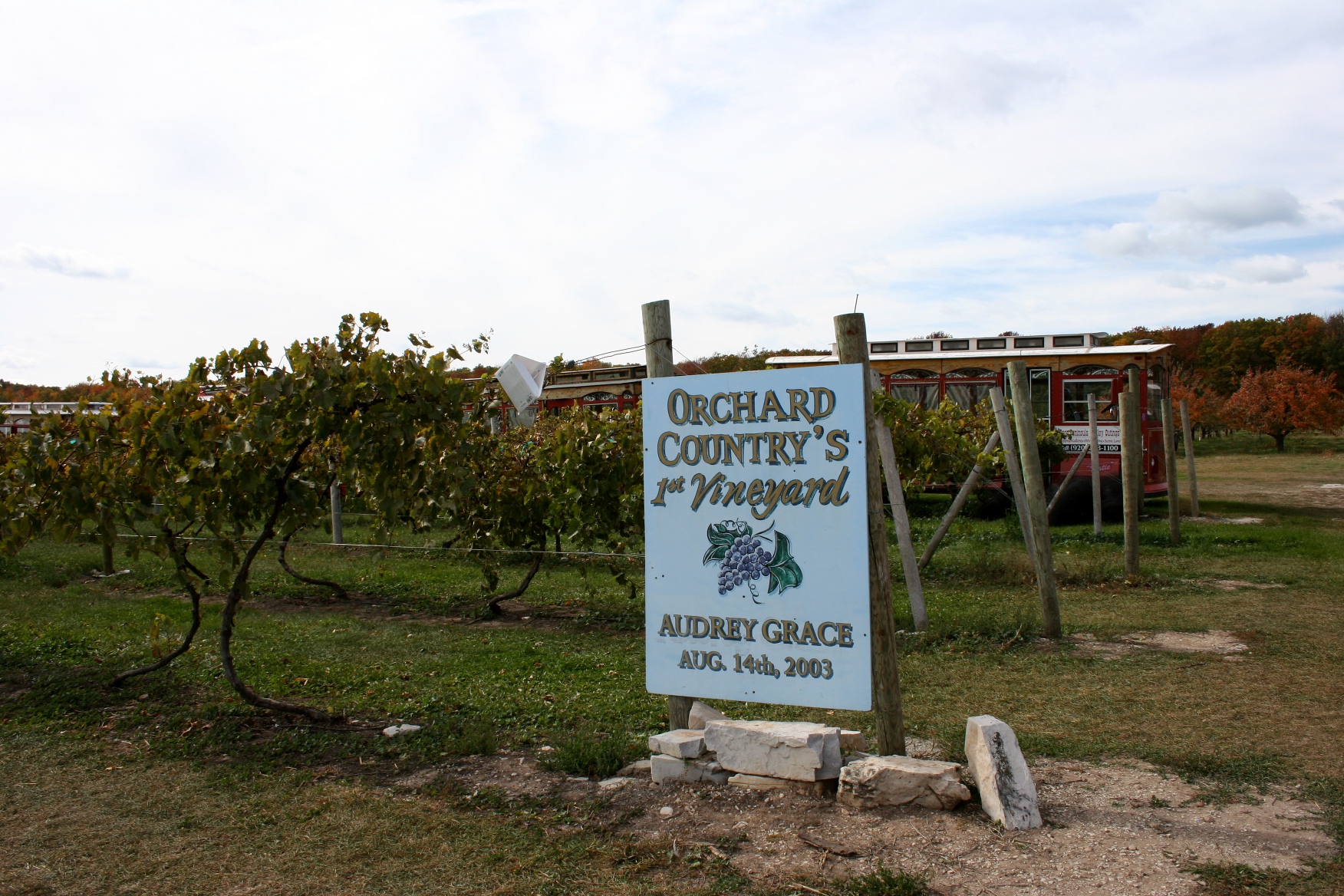
I just had to photograph the Audrey Grace vineyard at Lautenbach’s Orchard Country Winery south of Fish Creek, even if my middle name is not Grace.

…or take in the arts scene…

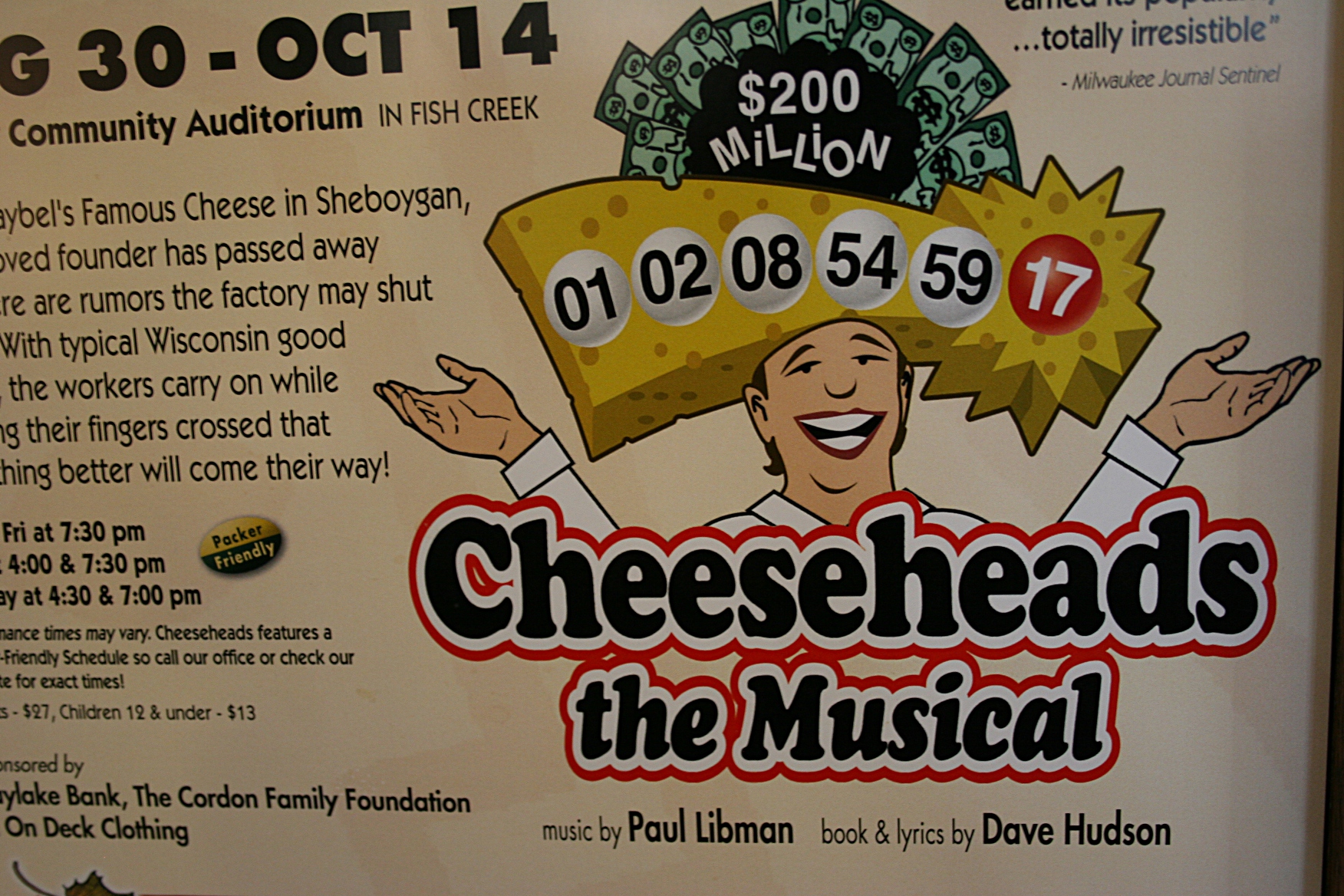
I spotted this sign for the Cheeseheads musical inside Julie’s Cafe in Fish Creek.

…or check out the historic buildings…

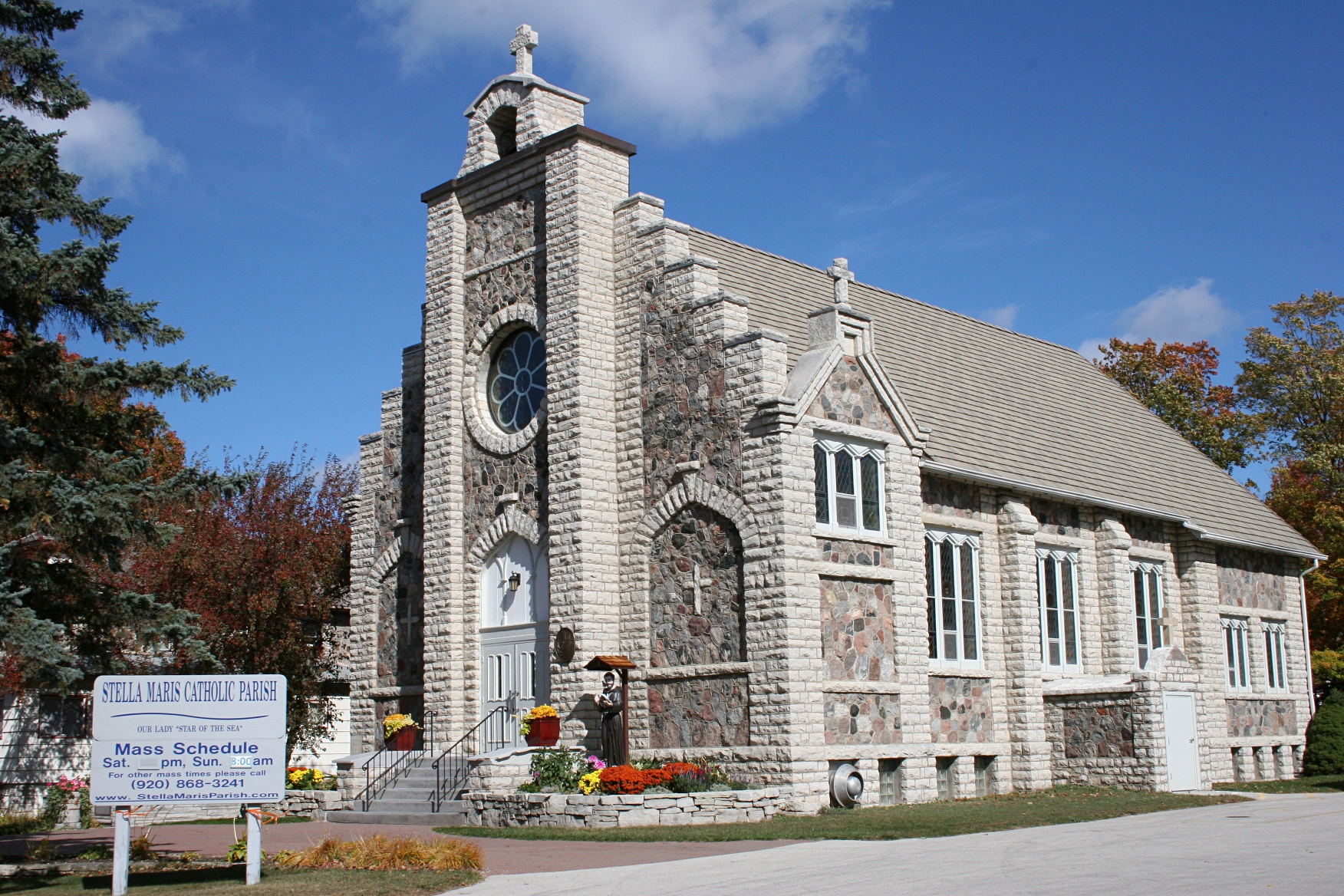
Look at this absolutely magnificent pink and gray granite church, St. John the Baptist, which I photographed at Egg Harbor. The 1907 church, constructed from stone harvested from local farmers’ fields, is part of the Stella Maris (“Star of the Sea”) Catholic Parish.

READERS, PLEASE VISIT my blog archives to see previous posts I published recently on Door County.

Copyright 2012 Audrey Kletscher Helbling
 

Discovering New Ulm’s Goosetown, across the tracks and down by the river August 2, 2012

DISCOVERING SOMETHING totally unexpected rates, for me, as the plum, the prize, the most interesting aspect of travel.

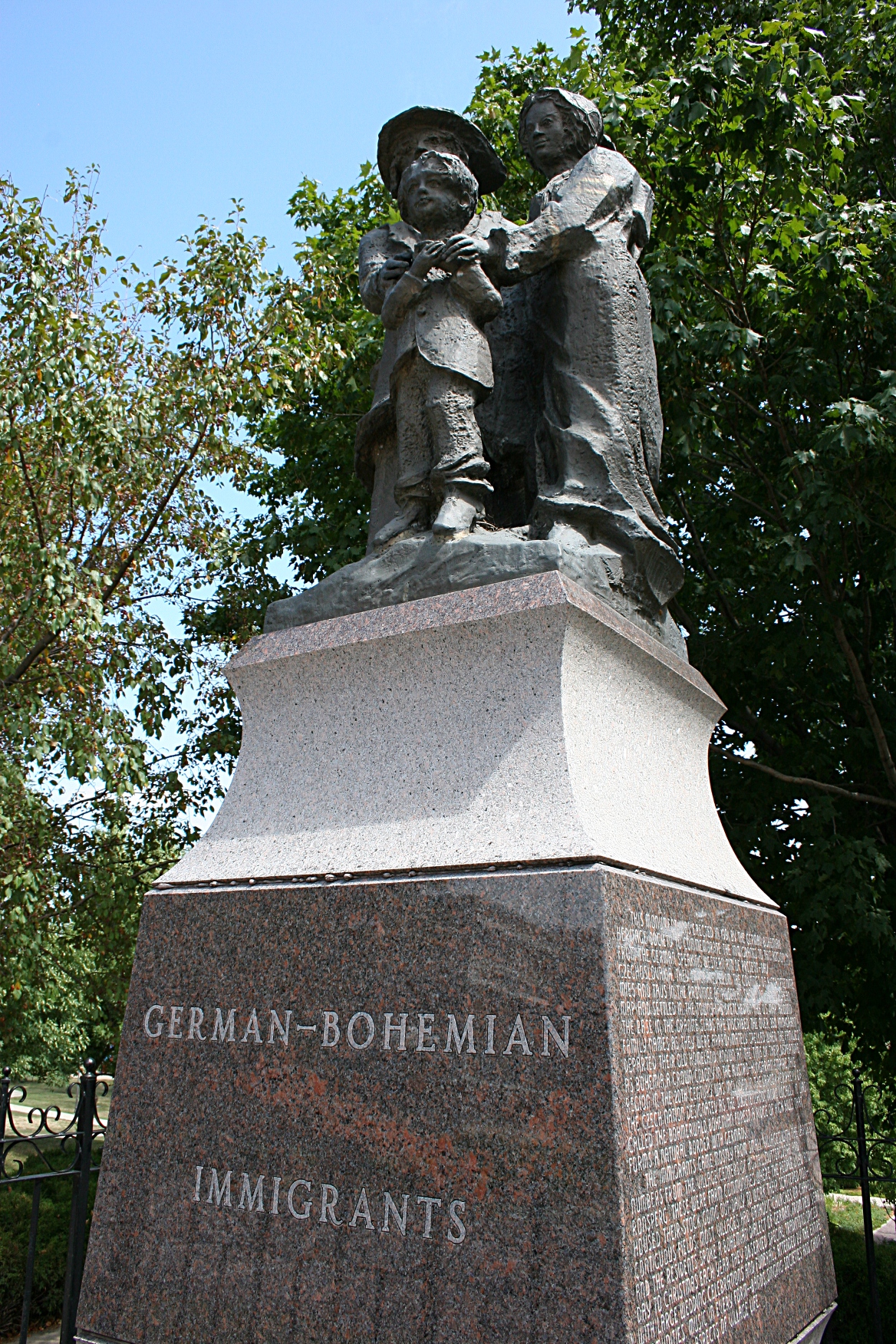
And you needn’t journey far to find these places. Last Saturday while driving to southwestern Minnesota, my husband and I stopped in New Ulm because I wanted to see the Defenders and German-Bohemian historical monuments. Well, we never did get to the Defenders marker.

The German-Bohemian sculpture and marker in German Park.

But we eventually got directions for and located the immigrant sculpture overlooking scenic German Park. As lovely and manicured as that park is, and I’ll share photos in a future post, it was not the highlight of our visit.

Rather, it was Goosetown which captured my fancy.

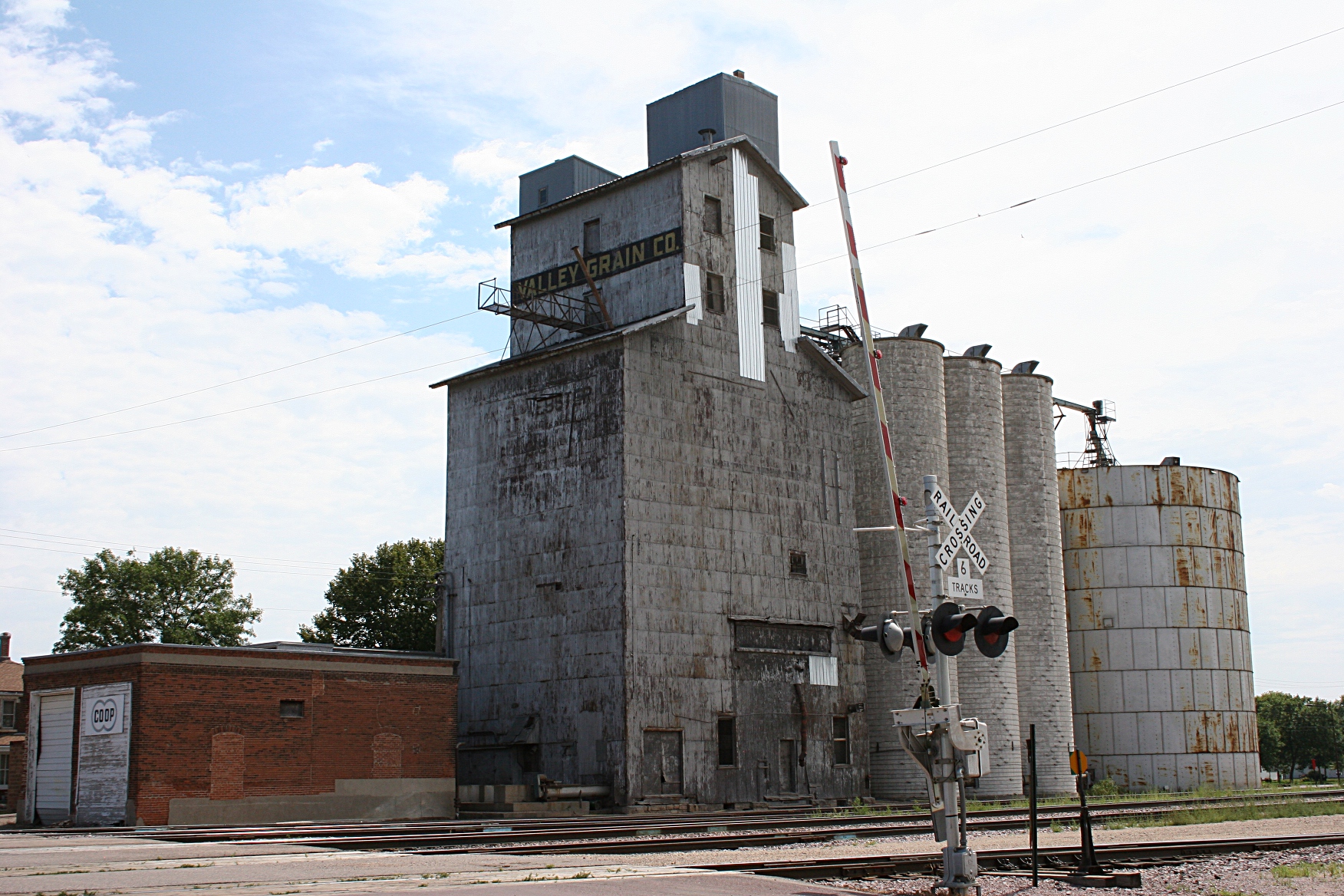
We drove across the railroad tracks and past the old Valley Grain Co. to reach Goosetown.

Goosetown is that side of New Ulm—across the tracks and down by the river—where mostly Catholic German-Bohemian immigrants began settling in the late 1800s. They were primarily farmers or retired farmers, of peasant stock. And they kept geese, which wandered and fed along the banks of the Minnesota River.

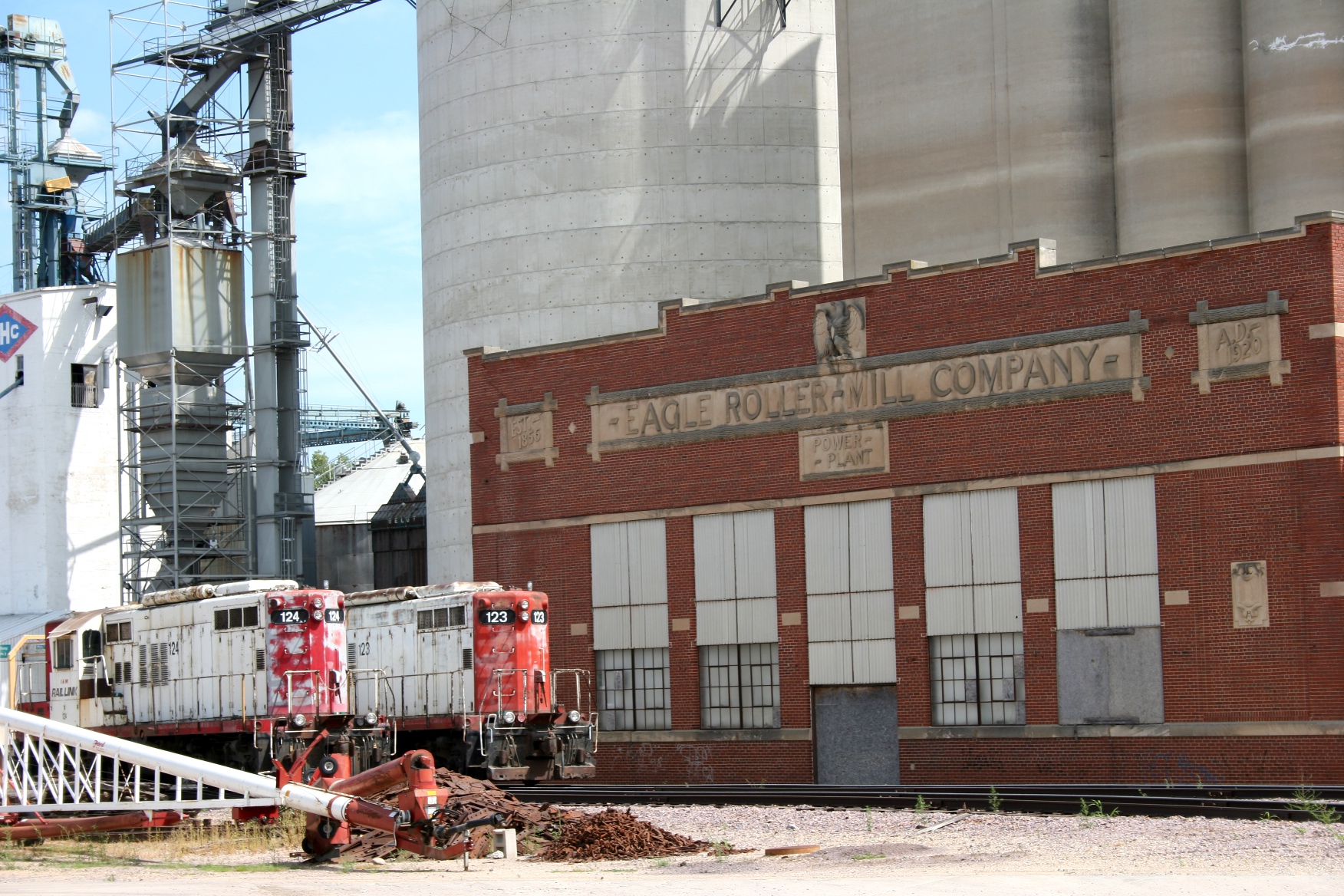
Goosetown residents worked at the local roller mills, including the Eagle Roller Mill. That mill and the New Ulm Roller Mill once made New Ulm the third largest milling center in Minnesota. The New Ulm flour millers had elevators in three states.

And so the name Goosetown became attached to southeastern New Ulm, specifically to South Front and South Valley streets. The immigrants who lived here labored in nearby roller mills and breweries and worked as carpenters, masons and cigar makers. Women supplemented the family income by making Klöppel lace and/or sewing feather-filled bedding. Families also gathered clam shells from the river for pearl buttons.

At first thought, it all seems rather romantic, this stretch of Gȁnseviertel next to the railroad tracks and river. But I expect life there was hard as families, many of them living in two-room houses, struggled to survive. I also expect, and New Ulmers can correct me if I’m wrong, that this area of town wasn’t always embraced by the community at large. You know that thing about “the other side of the tracks.” Every community seems to have that part of town perceived as less than positive whether due to poverty or people who are different from the majority. Riverside land (and Goosetown is no exception) was once the site of town dumps, which should tell you something, too.

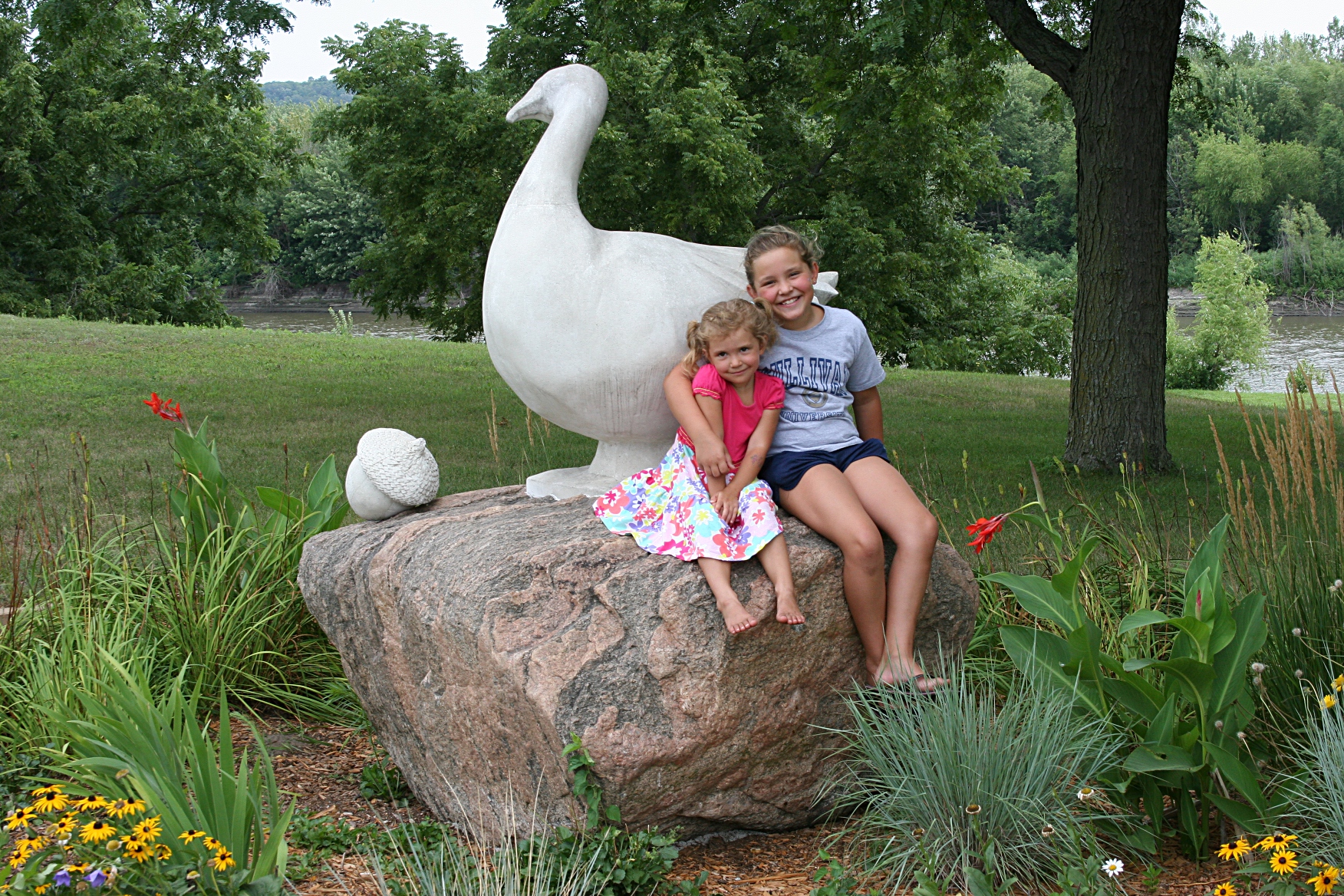
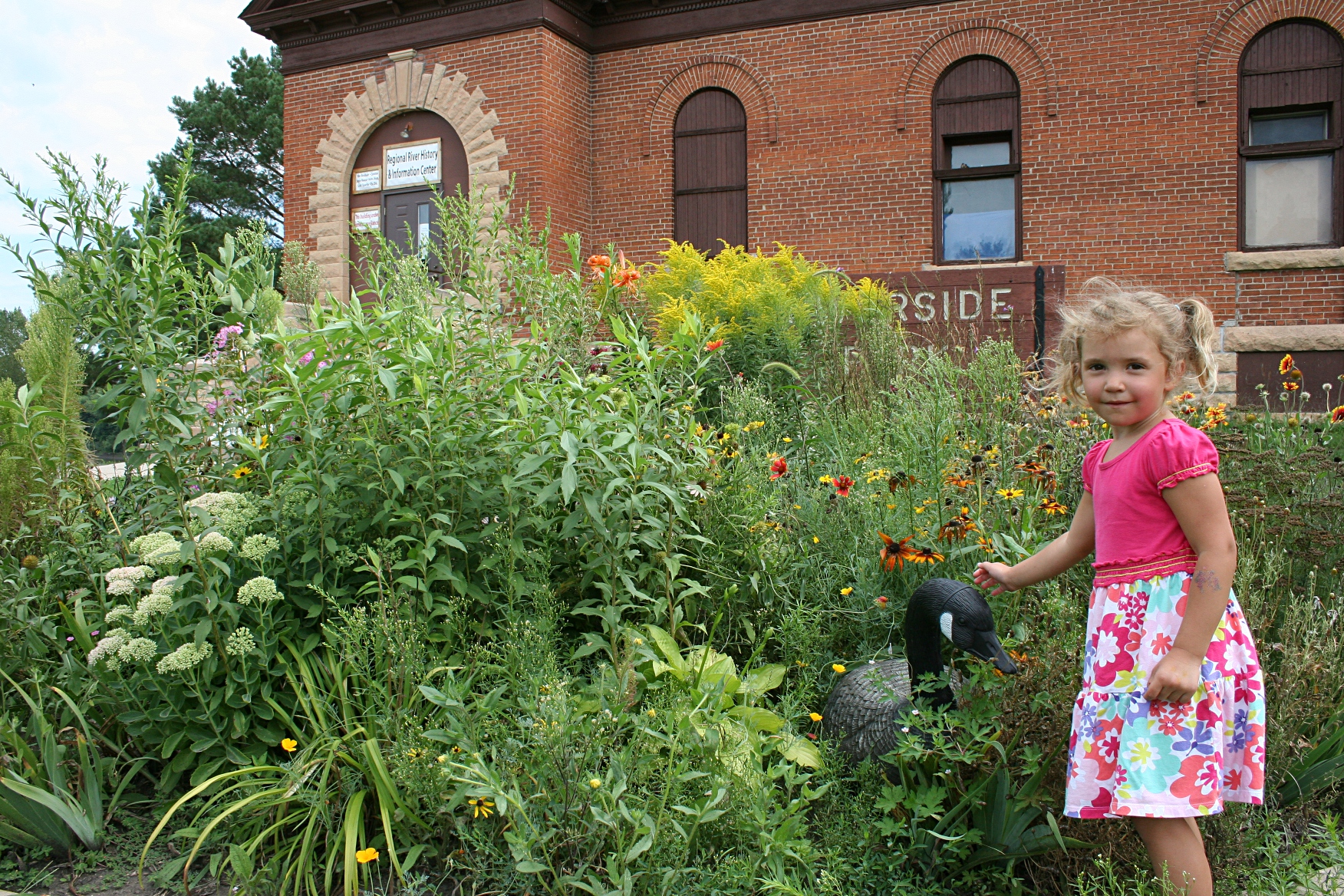
Sisters Amber, 8, and Kiera, 4, pose with Gertie the Goose, a statue donated by Dr. Ann Vogel of New Ulm and located in Riverside Park.

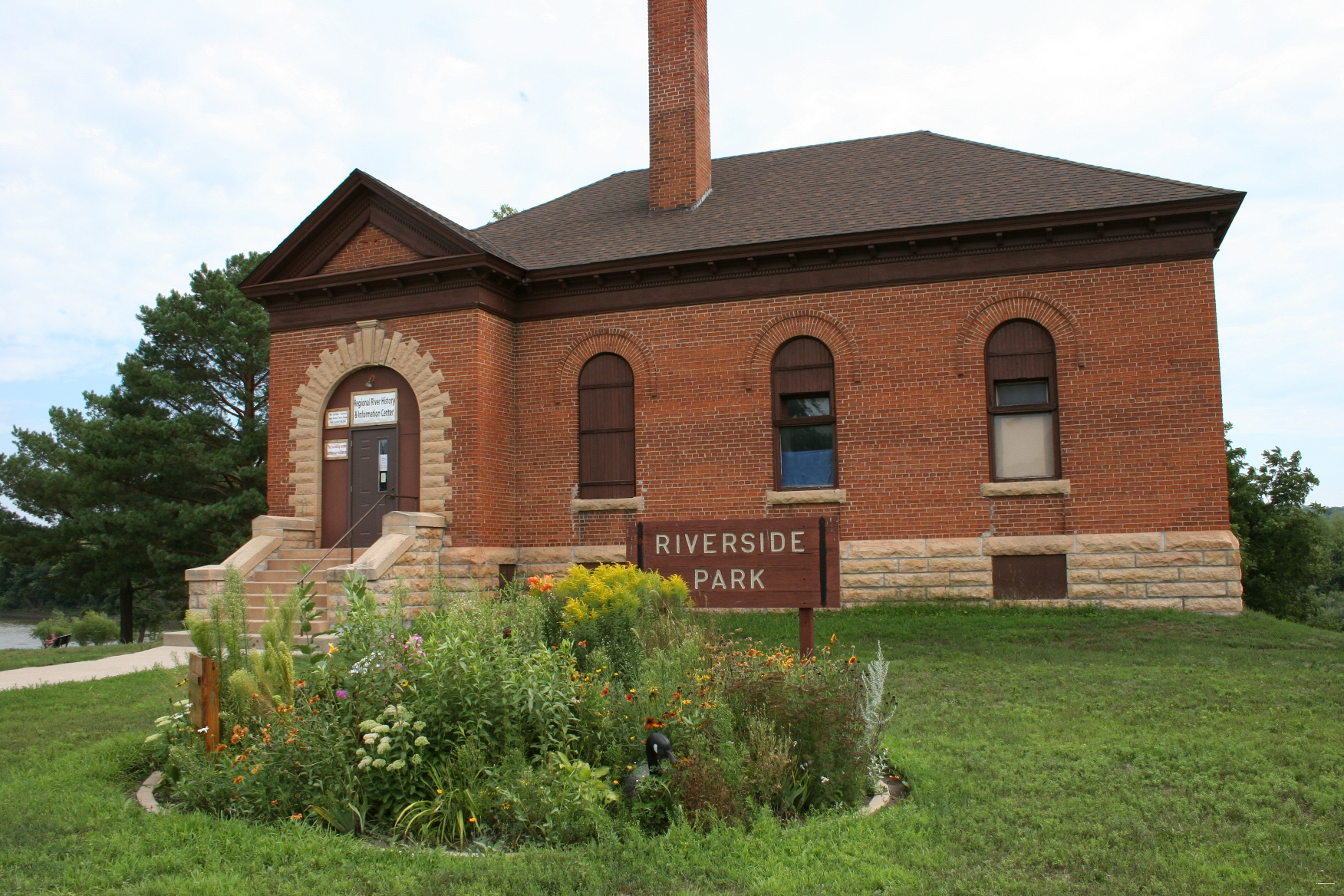
I likely could have learned even more about the history of Goosetown had the Regional River History & Information Center, 101 South Front Street, Riverside Park, been open. The center is housed in the former Franklin School.

Kiera showed me another goose tucked into a flowerbed in front of the river center.

Today New Ulm embraces the heritage of Goosetown with a plaque and statue in Riverside Park. There’s also an occasional Goosetown reunion and Victor “Fezz” Fritsche, leader of the one-time Goosetown Band, was inducted into the Minnesota Music Hall of Fame in 1991.

The logo for the Goosetown Roller Derby Girls who have names like Deutschland Dolly and SoUr Kraut.

Most recently, in January, a flat track roller derby team, Goosetown Roller Girls, was founded.

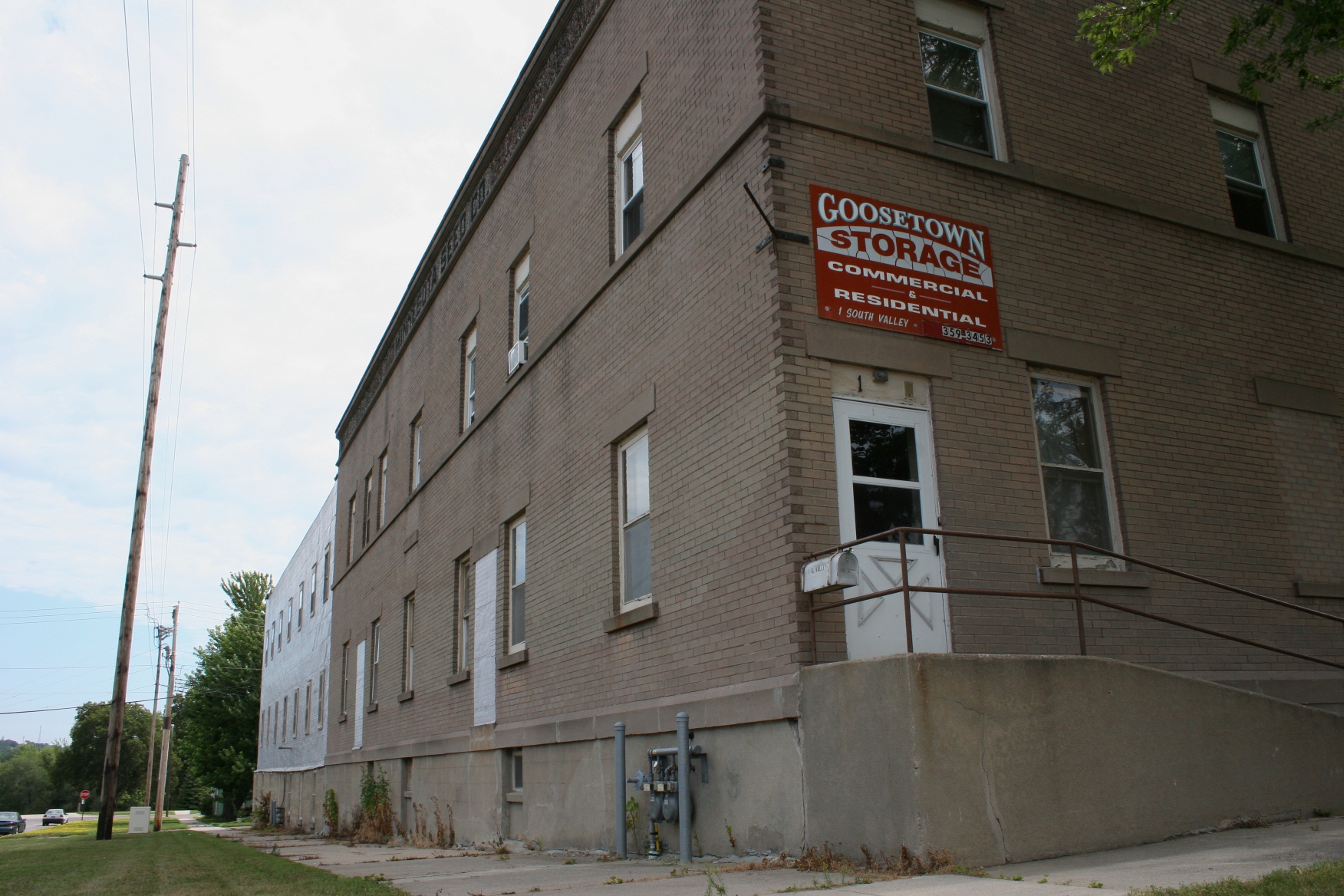
Goosetown Storage, once the home of Minnesota Seed Company.

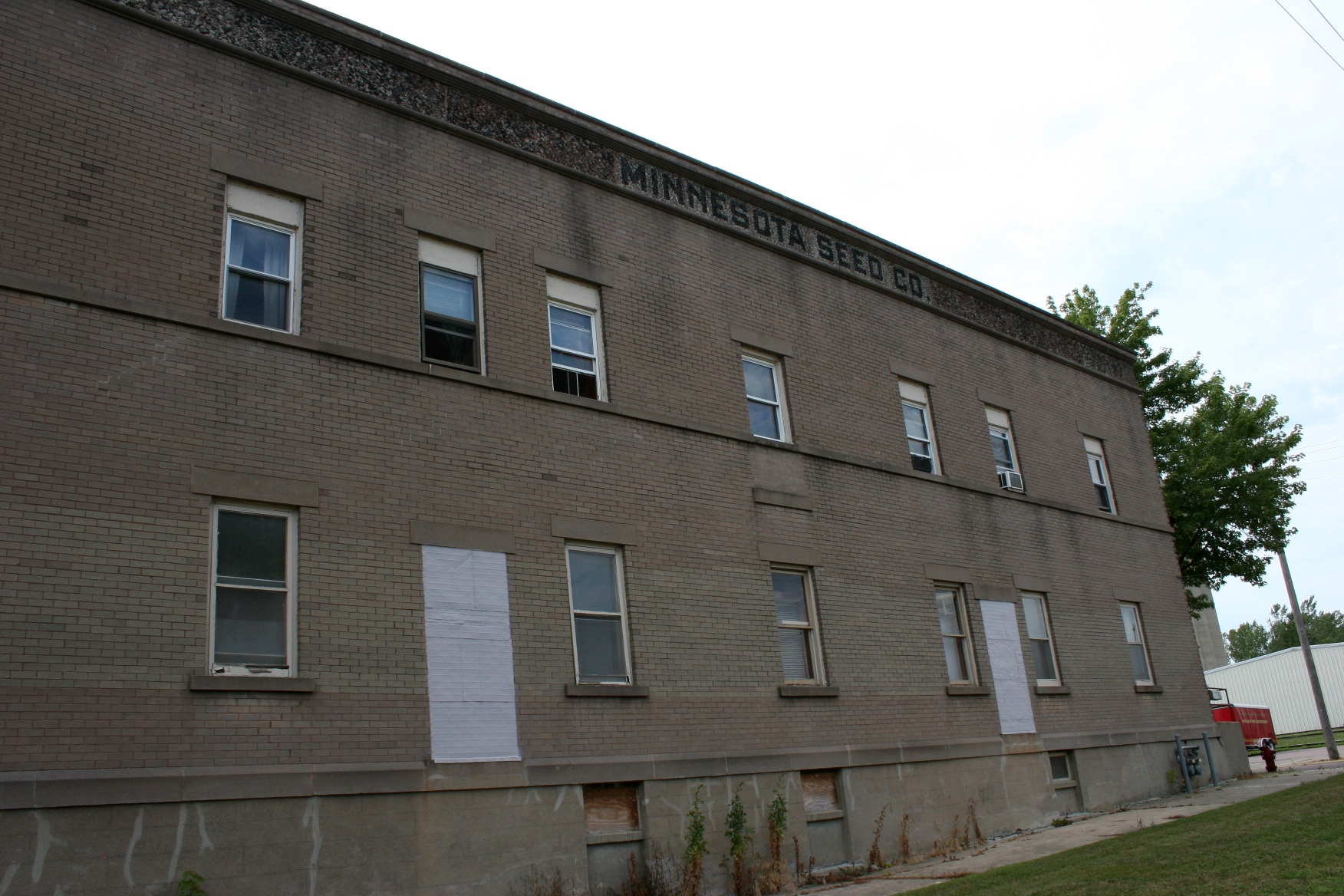
A side view of Goosetown Storage, with signage pointing to its original use as the location of Minnesota Seed Company. Anyone know the history of Minnesota Seed?

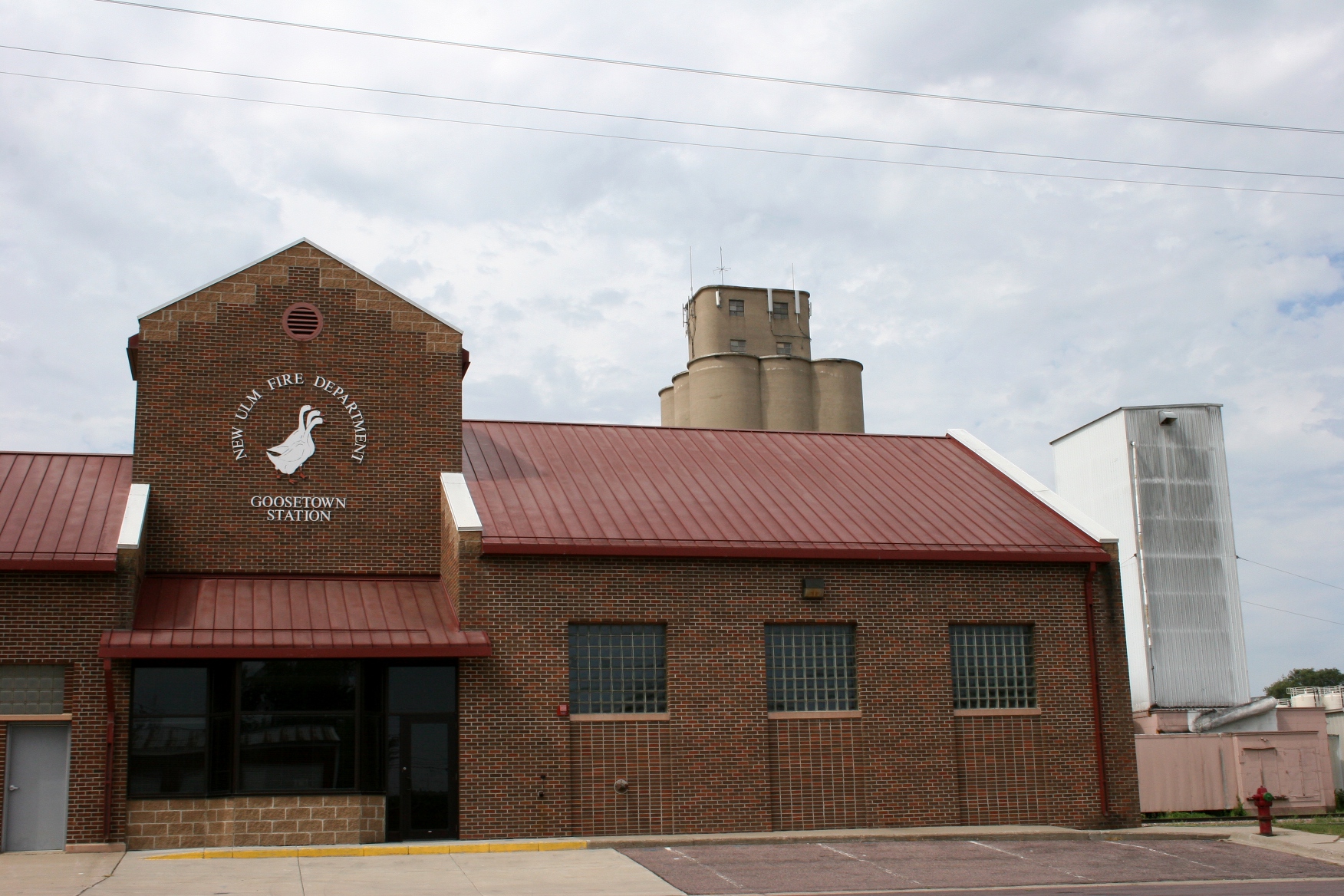
At least one building is labeled Goosetown Storage and the New Ulm Fire Department has a Goosetown Fire Station next to the train tracks.

Engine House No. 3, commonly known as the Goosetown Fire Station, was established in 1890. The newer station pictured here houses two pumpers. A 47-foot drill tower (not shown here) stands nearby.

Even so, I was unaware of this ethnic treasure until we happened upon Goosetown on Saturday. New Ulm is best known to the touring public as the site of a major battle during the U.S.-Dakota War of 1862; for the August Schell Brewing Co.; the Hermann the German Monument;  the childhood home of author and illustrator Wanda Gag; the Minnesota Music Hall of Fame;  the Glockenspiel; the Cathedral of the Holy Trinity; Way of the Cross stations; the home of Minnesota’s 14th governor, John Lind; and most certainly as a city that features all things German. You can see how historic Goosetown could get lost in that long list of New Ulm attractions.

If you’re like me and appreciate the lesser-known, less touristy aspects of a community, drive across the tracks and down by the river in Anytown. Perhaps you’ll discover a place like Goosetown, rich in heritage and sturdy brick buildings and stories stitched into the land, if only you knew those stories.

FYI: Please check back for more posts from New Ulm.

© Copyright 2012 Audrey Kletscher Helbling
Goosetown Roller Girls image comes from the team’s website.