Minnesota Prairie Roots

Writing and photography by Audrey Kletscher Helbling

One of the reasons I appreciate my community of Faribault February 5, 2015

Filed under: Uncategorized — Audrey Kletscher Helbling @ 5:00 AM
Tags: , , , , , ,

I NEVER WANT TO TAKE my community for granted, as cliché as that sounds. But sometimes I do. We all do, I suppose.

We need to appreciate the place we call home as much as we sometimes criticize or yearn for whatever we think is better. The grass is always greener. Or so we think. Often it’s not.

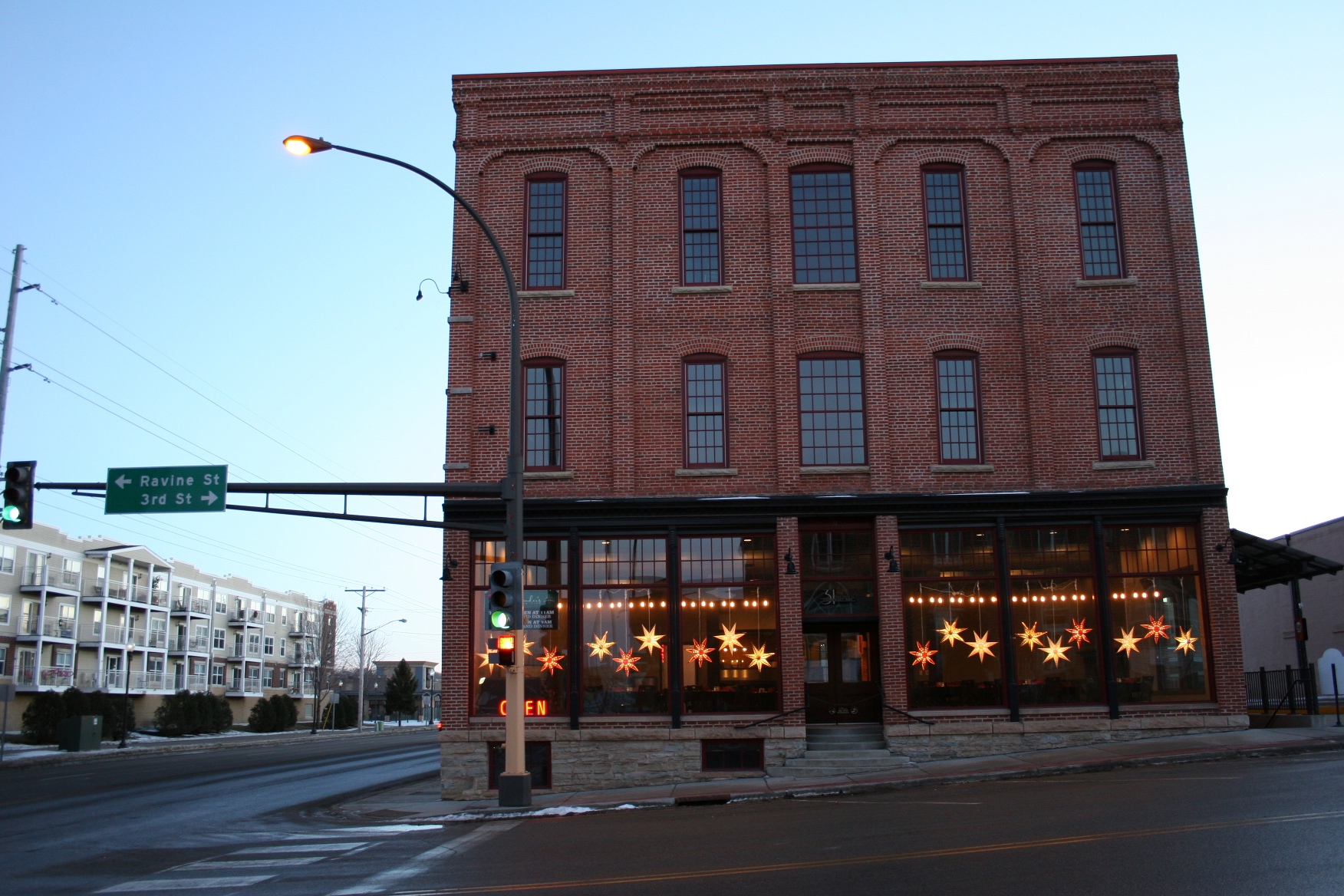
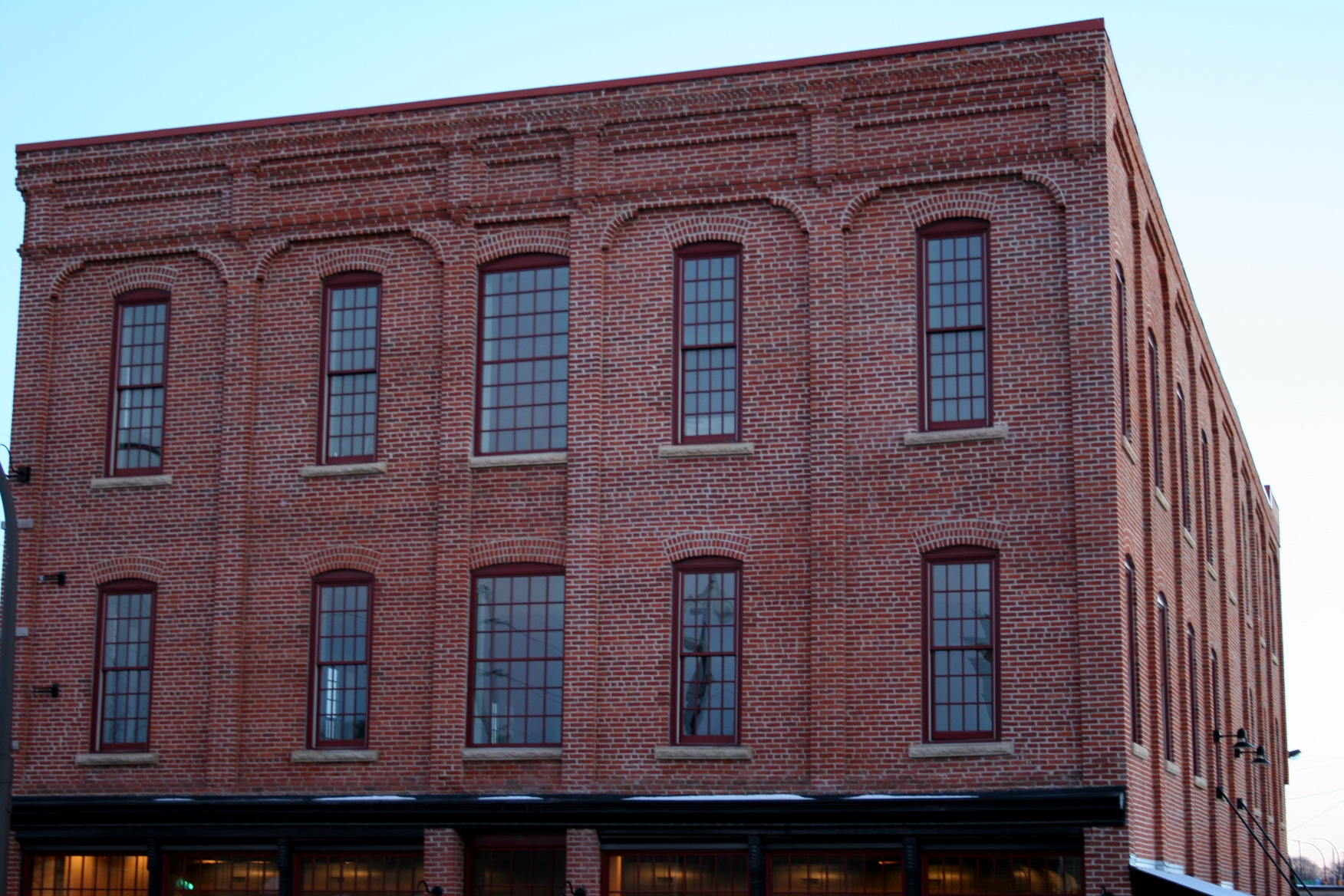
A beautifully restored building a block off Central Avenue at 31 Third Street N.E. houses a restaurant and pub on the lower levels and a ballroom on the second floor.

A beautifully restored building a block off Central Avenue at 31 Third Street Northeast houses Alexander’s Supper Club and Pub 31 on the lower levels and a ballroom on the second floor.

Today I want to show you a photo snippet from downtown Faribault. These images reveal one of the reasons I value this community where I’ve lived for 31 years.

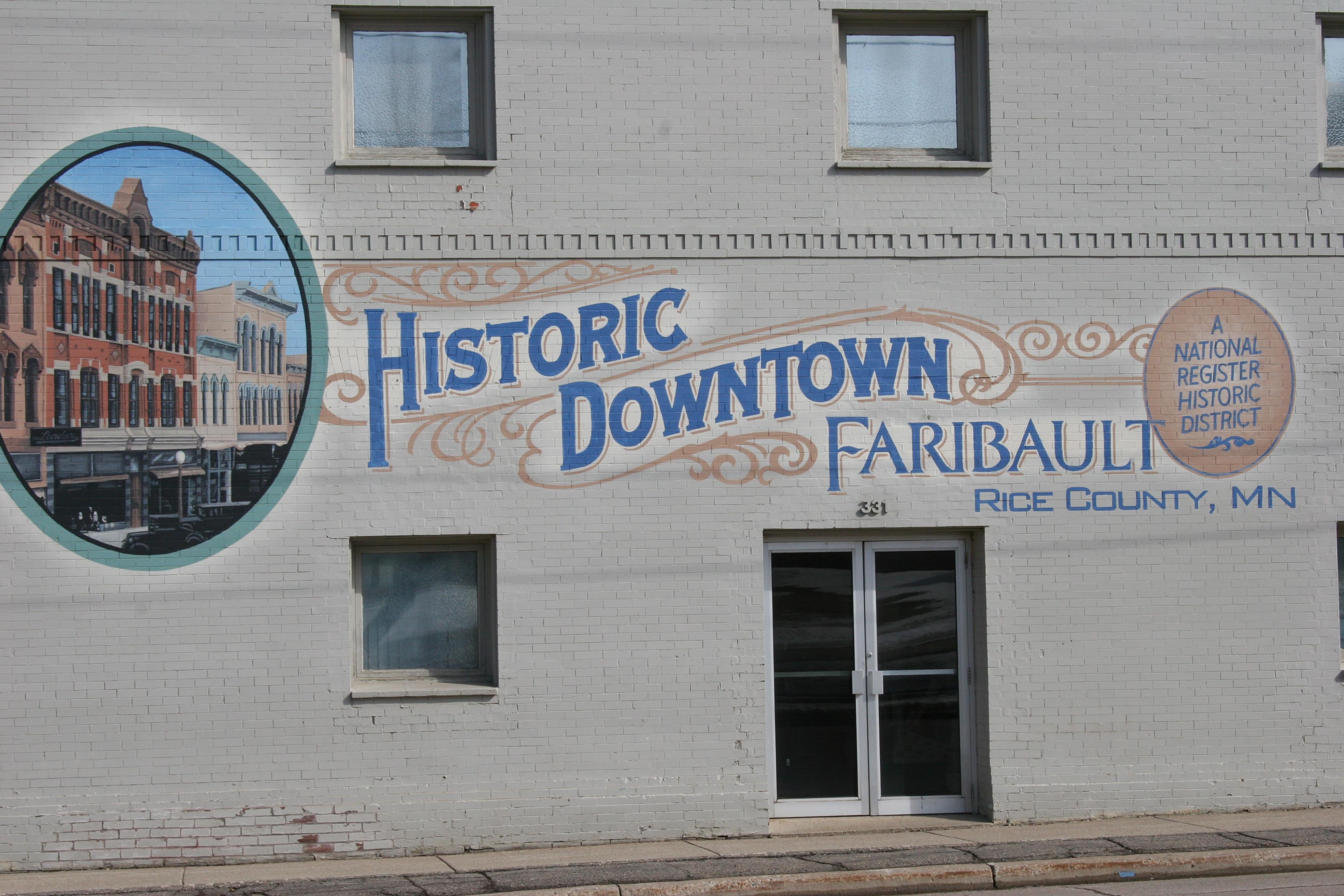
A mural, one of several in the downtown area, promotes historic Faribault.

A mural, one of several in the downtown area, promotes historic Faribault. Minnesota Prairie Roots file photo.

My southern Minnesota city is old, historic old. Fur trader Alexander Faribault established a fur trading post here in 1834. That was 15 years before Minnesota became a Territory. The city of Faribault was platted in 1855, three years before Minnesota statehood.

Sturdy, aged buildings define most of the downtown. It’s lovely.

Situation across from the post office, this former warehouse was restored. Today it houses Alexander's Supper Club and Pub 31.

Situated across from the post office, this former warehouse is home to Alexander’s Supper Club and Pub 31.

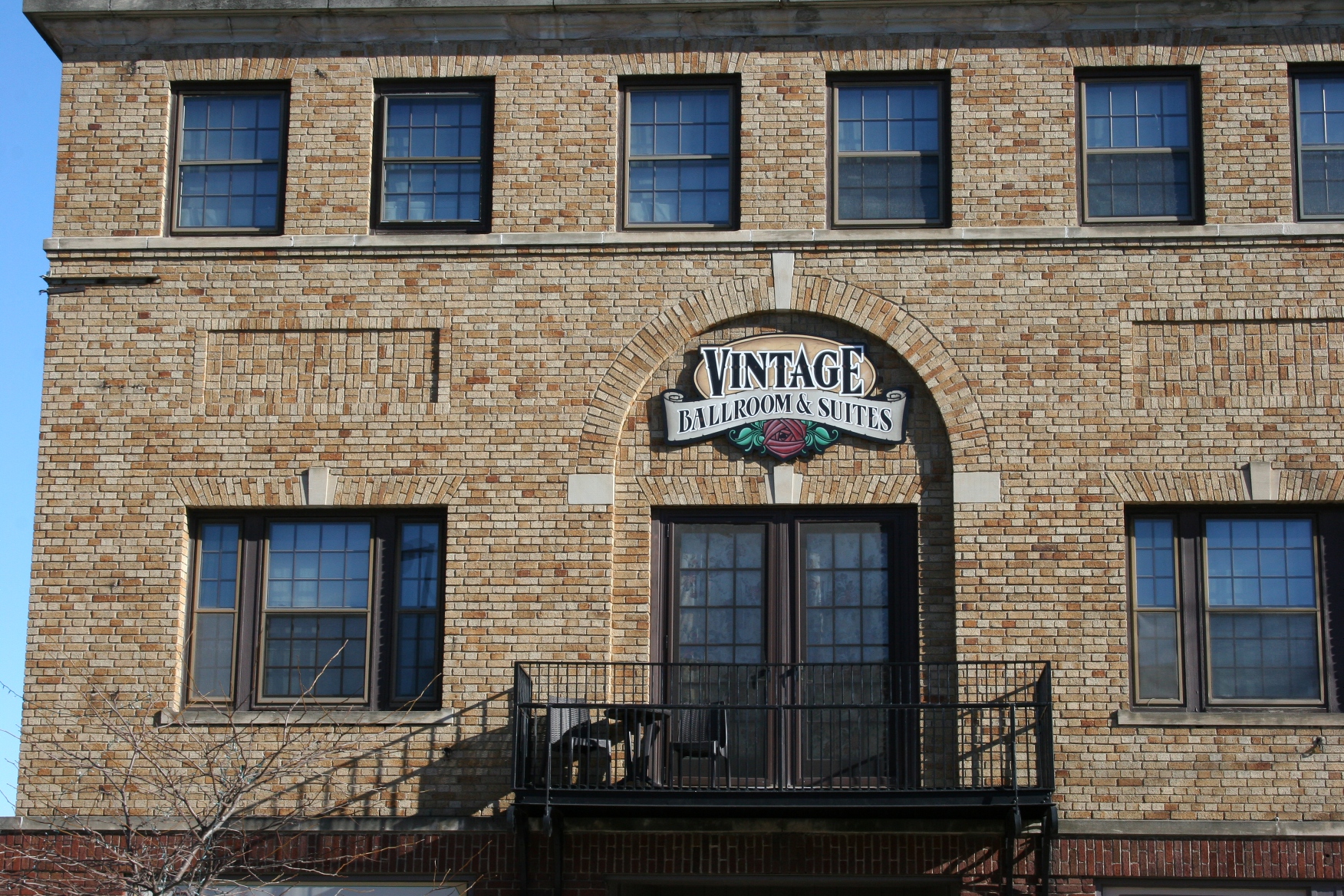
Just up the hill you'll find the Vintage Ballroom and Suites at 129 Central Avenue North. Bernie's Grill occupies the first floor.

Just up the hill a few blocks away from Alexander’s, you’ll find the Vintage Ballroom and Suites at 129 Central Avenue North. Bernie’s Grill occupies the first floor.

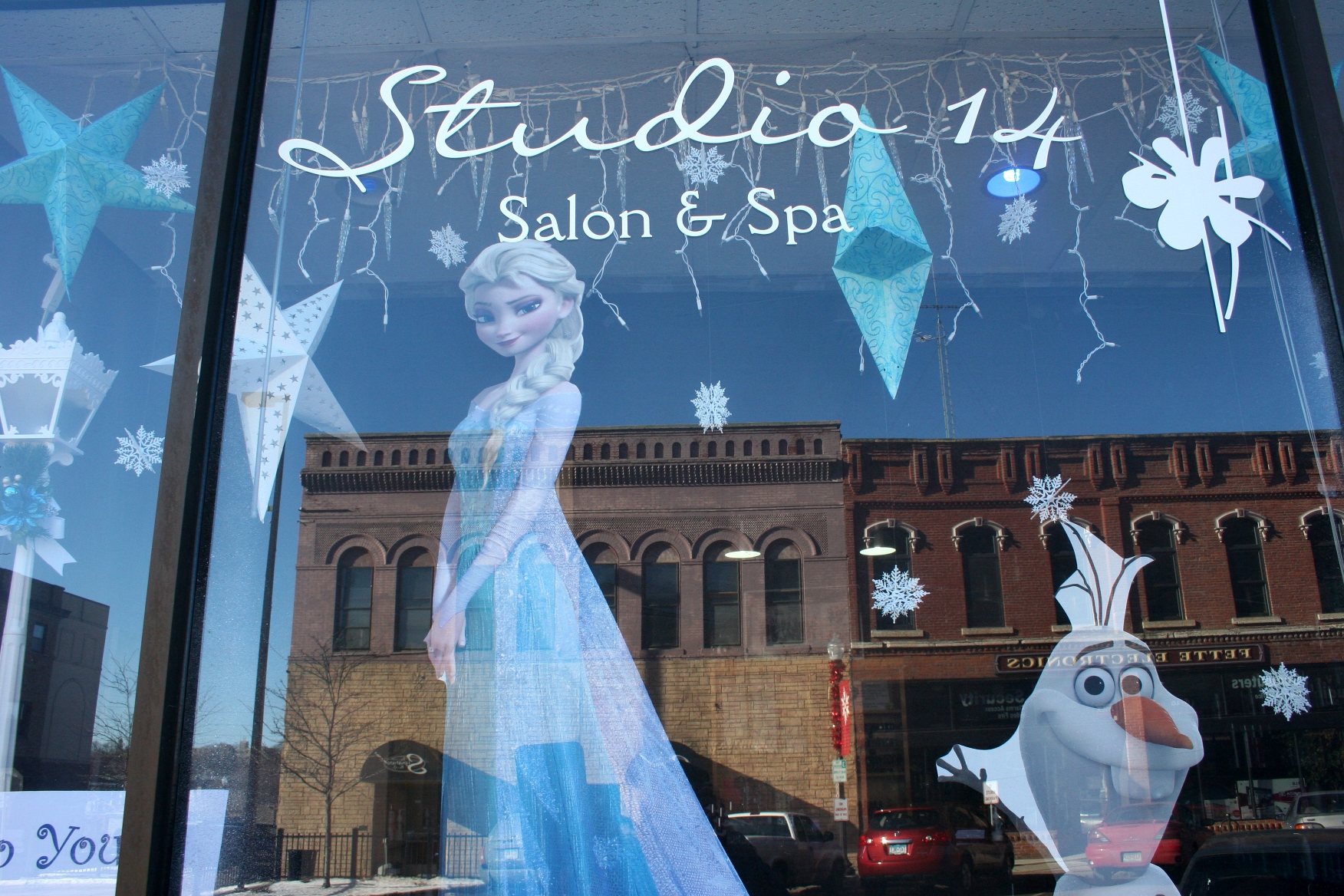
Historic buildings are reflected in the windows of Studio 14 Salon and Spa at 204 Central Avenue North. The salon created a "Frozen" display for a downtown holiday decorating contest.

Historic buildings are reflected in the windows of Studio 14 Salon and Spa at 204 Central Avenue North. The salon created a “Frozen” display for a downtown holiday decorating contest, earning first place.

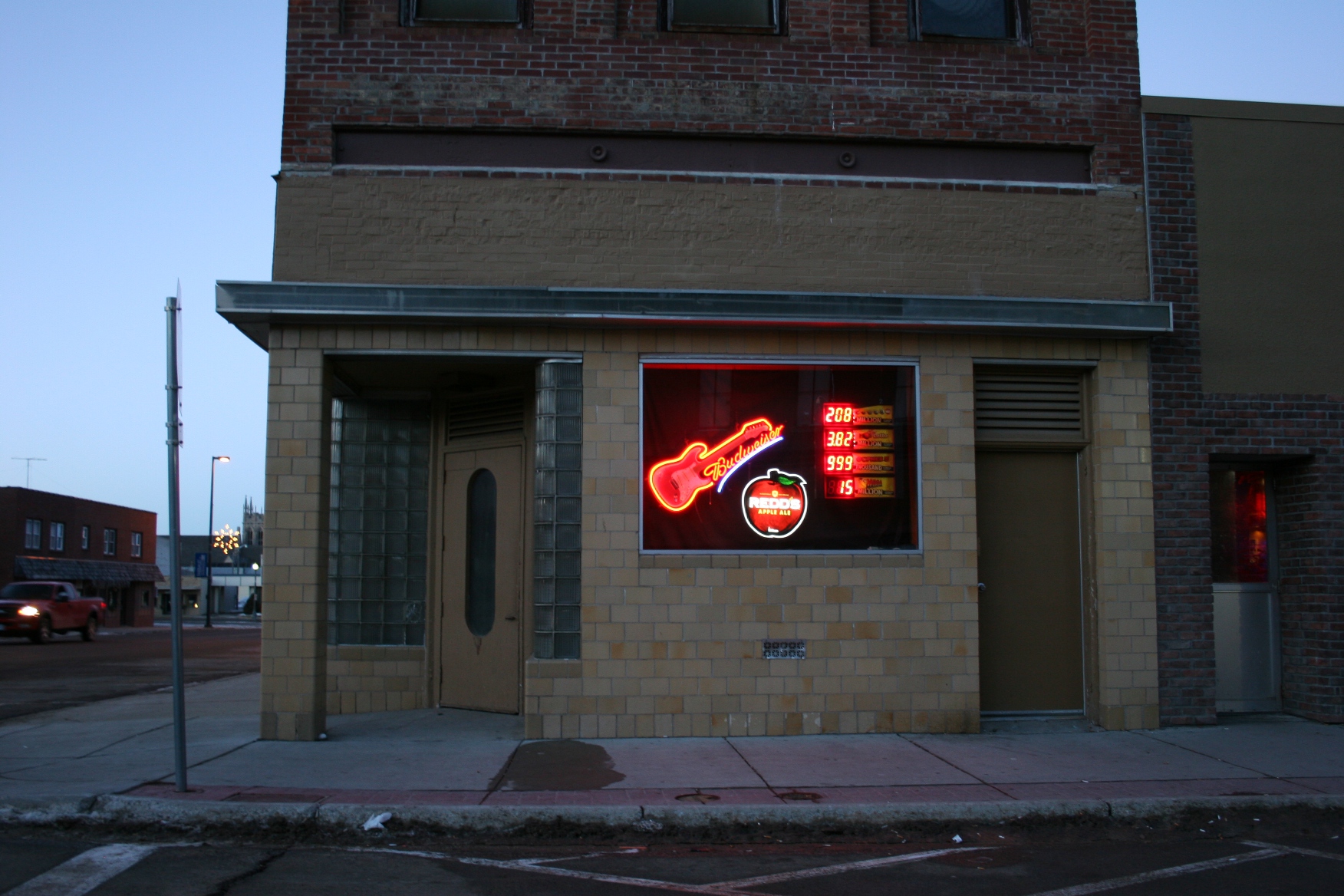
Grampa Al's, 28 Third Street Northwest, claims to be one of Minnesota's oldest bars.

Grampa Al’s, 28 Third Street Northwest, founded in 1929, claims to be one of Minnesota’s oldest bars. The business website says Grampa Al’s has been “serving hamburgers and cold refreshments since the end of Prohibition.”

Crafty signage suspended high in a window at The Crafty Maven hints at the crafty goodness you will find inside this historic building at

Crafty signage suspended high in a window of The Crafty Maven hints at the crafty goodness you will find inside this historic building at 212 Central Avenue in historic downtown Faribault.

© Copyright 2015 Audrey Kletscher Helbling


Toy stories at the Minnesota History Center December 11, 2014

TOY: Object for a child to play with.


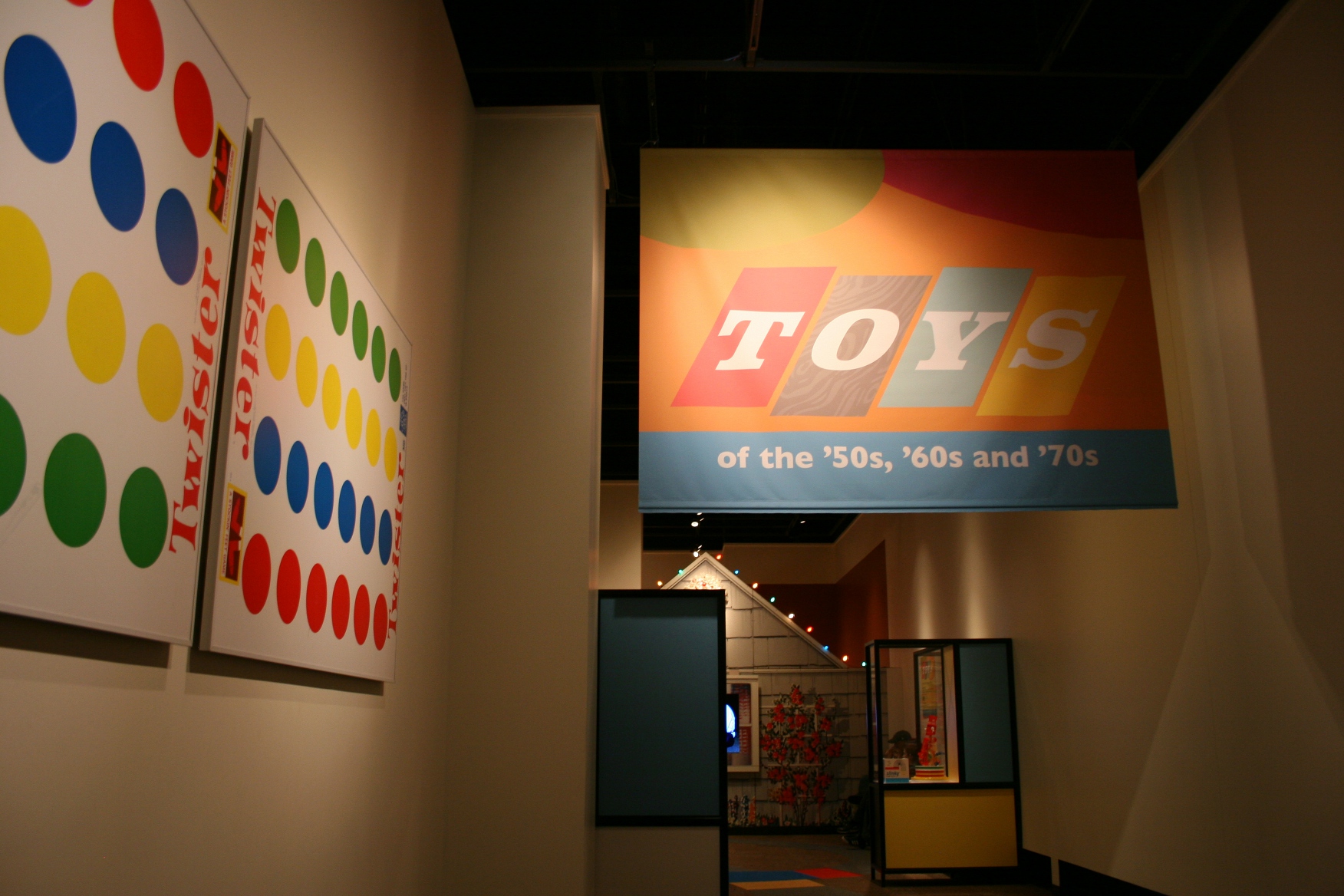
Toys, sign and Twister


If you’re a Baby Boomer, that object may have been Tinker Toys or Lincoln Logs, anything space or Western related, a baby doll or Barbie or perhaps a troll. How about a Tonka truck? Twister or Cootie or Candy Land, anyone?


Toys, promo on wall


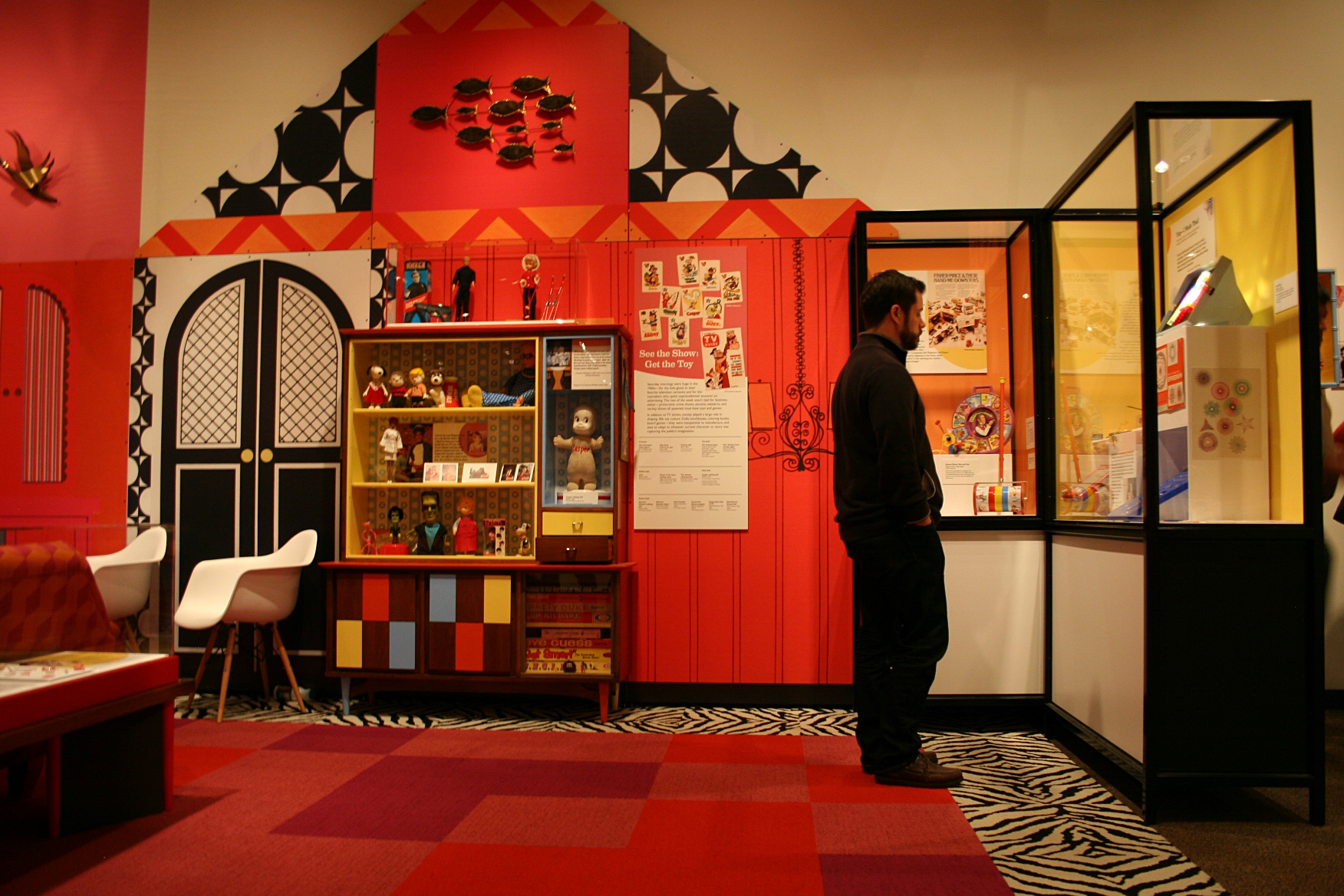
The Minnesota History Center’s “TOYS of the ’50s, ’60s and ’70s” is a skip down memory lane for my generation. A recent tour of the exhibit, which runs through January 4, 2015, skipped joy into my heart as I spotted toys I hadn’t thought about in years. Sometimes it’s fun simply to forget about today and remember the carefree days of youth. The days of hopscotch and jacks and stick horses and…

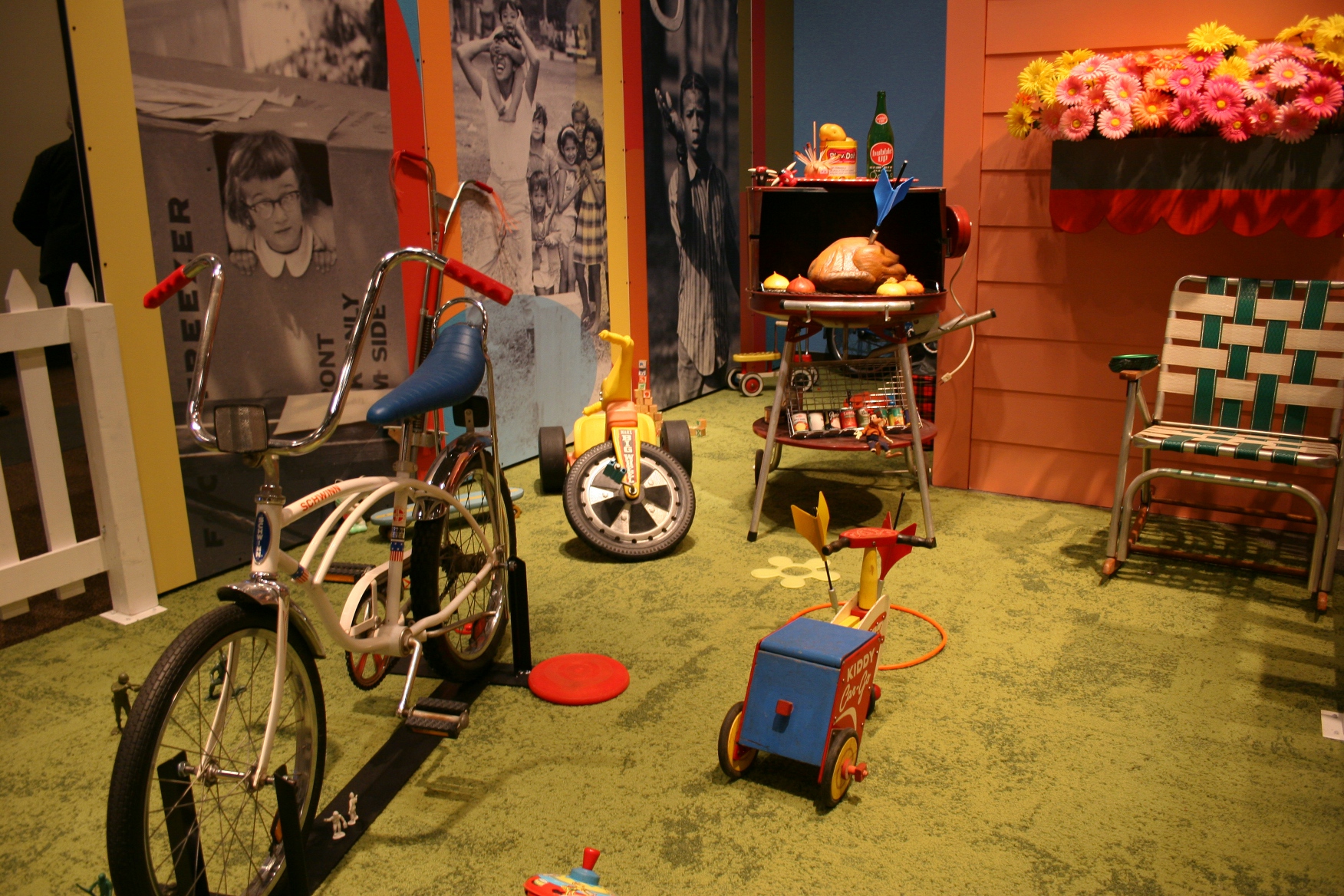
Outdoor toys and a play area are part of the exhibit.

Outdoor toys and a play area are part of the exhibit.

I didn’t see a jump rope, though, but perhaps missed it.

Oh, the hours sitting cross-legged with Tinker Toys scattered across the floor, attempting to construct a Ferris Wheel.


Toys, Cootie


Oh, the anticipation of rolling a six on the die to insert the last of six legs into a Cootie’s body.

Oh, the tears that raged when I discovered my oldest brother had punched in the boobs of my new bridal doll.

Oh, the gratitude to my friend Robin for gifting me with a mini pink-haired troll at my ninth birthday party. It was the only troll or childhood birthday party I would ever have.

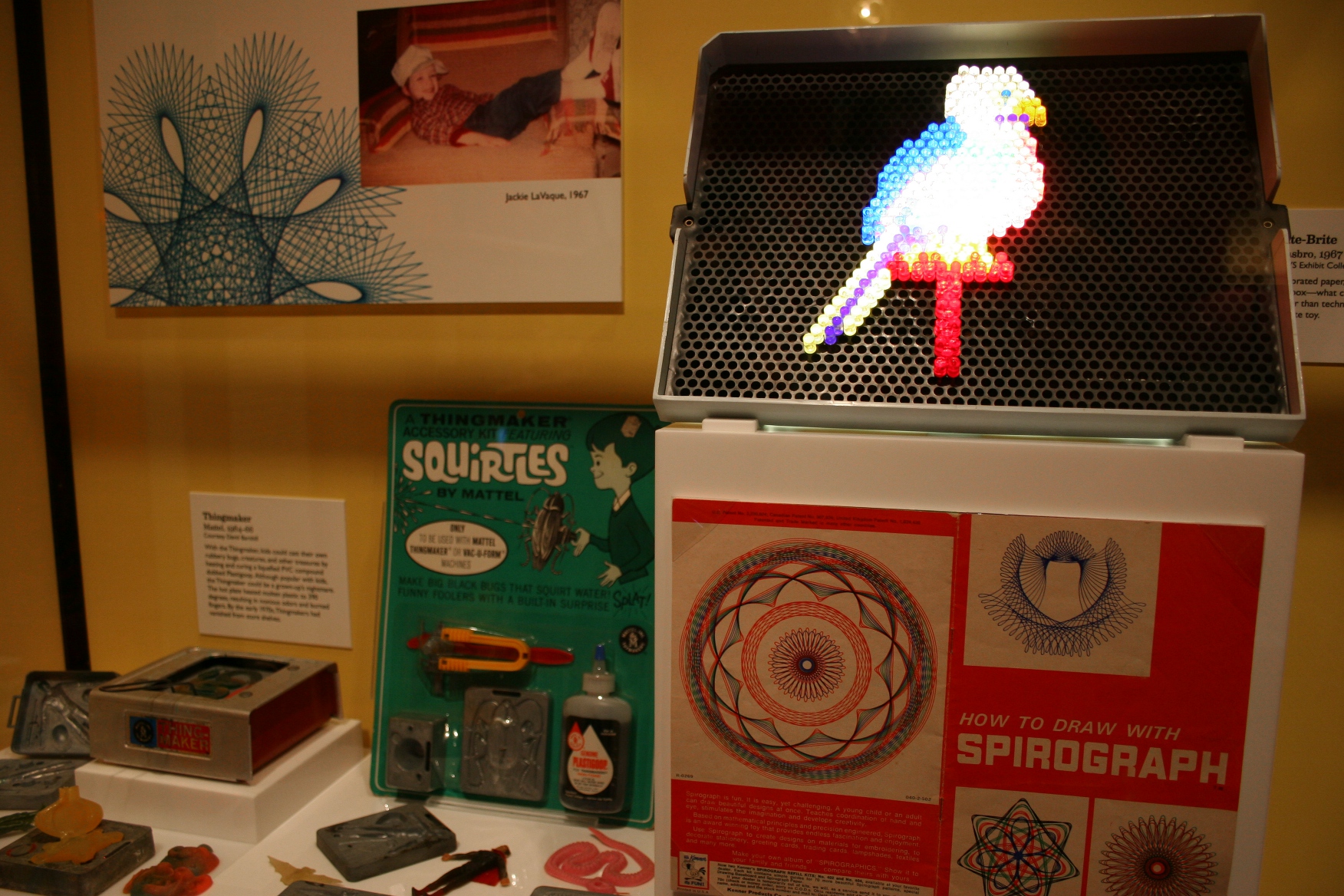
Toys, Spirograph

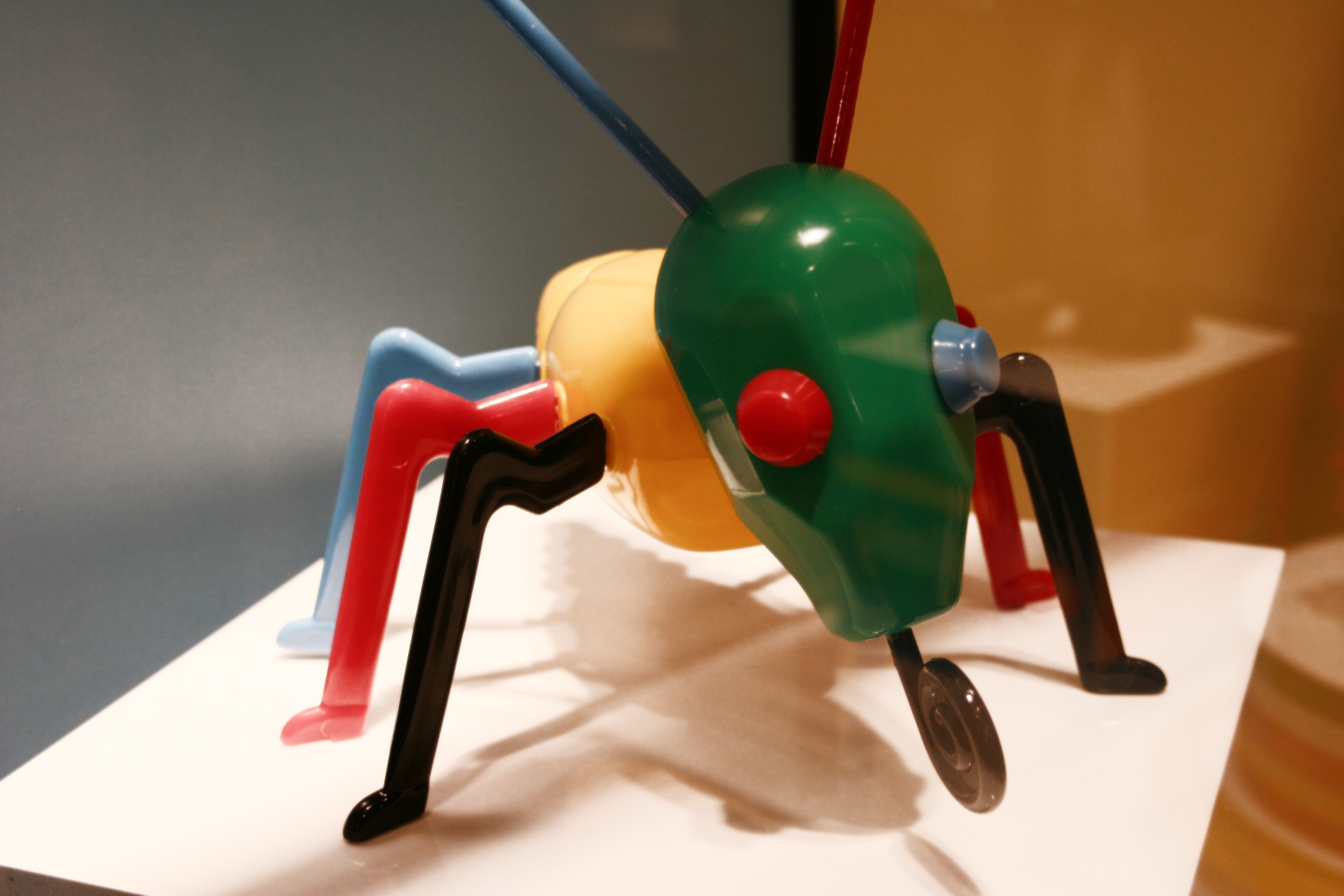
Some artsy favorites like Spirograph, Lite Brite and making bugs from goop.


Oh, the delight in creating kaleidoscopic designs with Spirograph’s pens and plastic shapes.

A museum visitor checks out the 1960s exhibit.

A museum visitor checks out the 1960s exhibit.

Memories rolled in waves as I perused the showcased toys. Some I had as a child; many I did not.

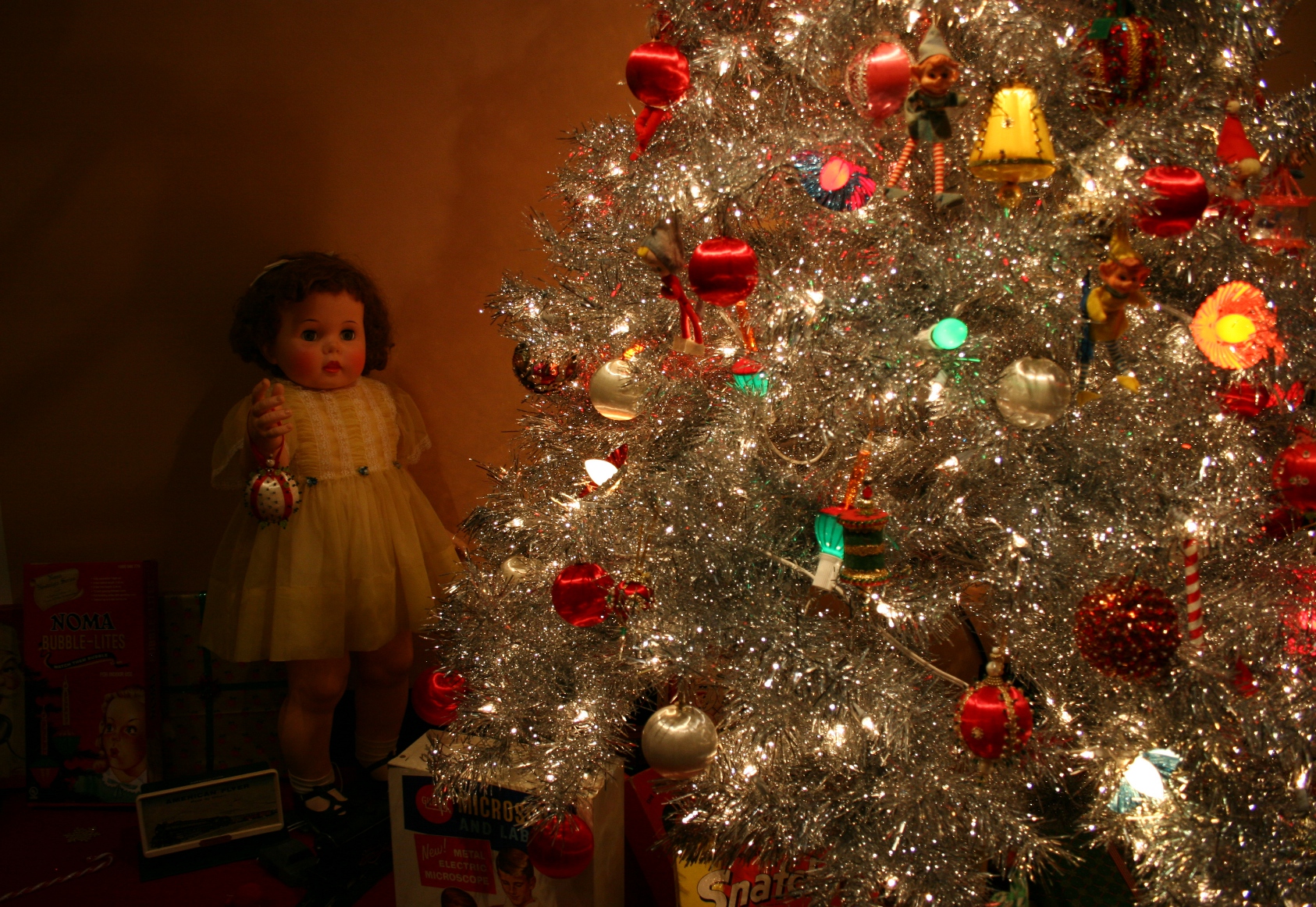
In the '50s section of the exhibit, a Christmas tree with coveted toys of the decade.

In the ’50s section of the exhibit, a Christmas tree with coveted toys of the decade.

I remember each December paging through the Sears Christmas catalog (AKA “Wish Book”) that arrived in our rural southwestern Minnesota mailbox, wishing for so much, knowing in my deepest desires that I would never get the Pogo stick I coveted nor the doll that cried with the pull of a string or a new bicycle (mine came from the junkyard).

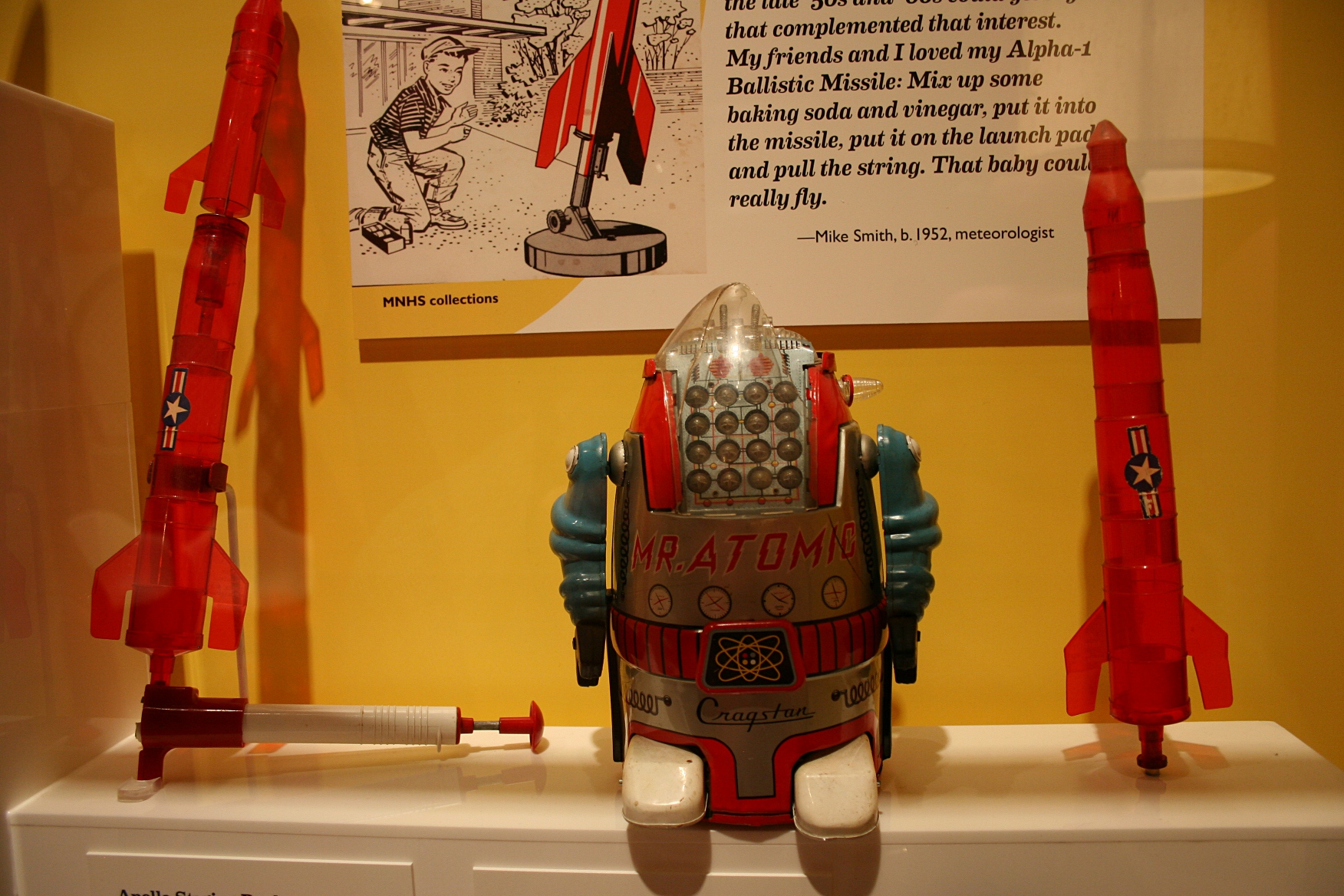
Space toys were big in the 1960s and my oldest brother had a rocket.

Space toys were big in the 1960s and my oldest brother had a rocket.

I would receive what my parents could afford and I expect they sacrificed much even for that.

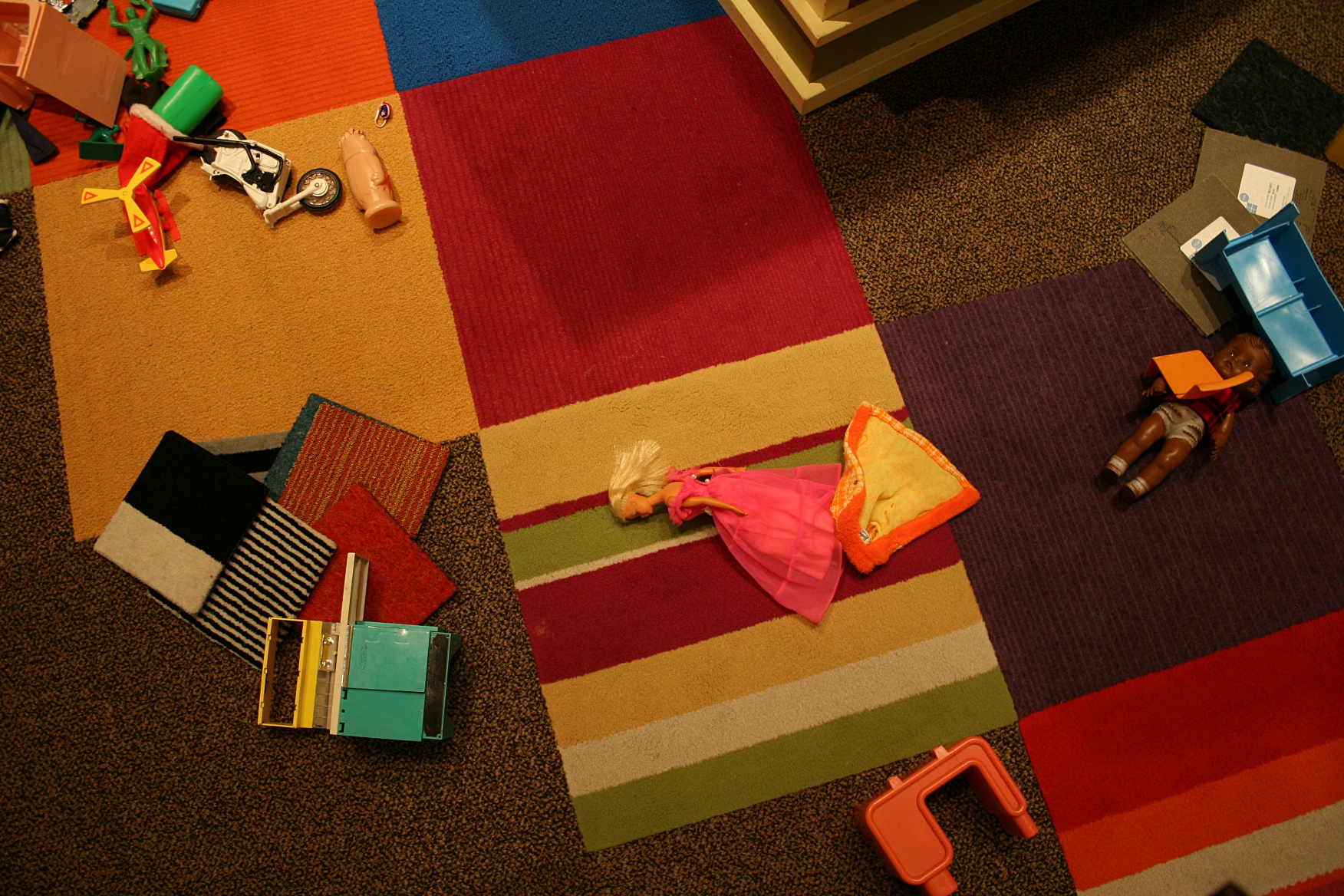
Toys strewn across the floor in a play area of the 1970s part of the exhibit.

Toys strewn across the floor in a play area of the 1970s part of the exhibit.

Looking back, that inability to give me and my siblings a pile of toys was a gift in itself. Sure, I wanted the hottest new toy. That’s normal thinking for a kid who doesn’t understand family finances or a parent’s thoughts on curbing greed.

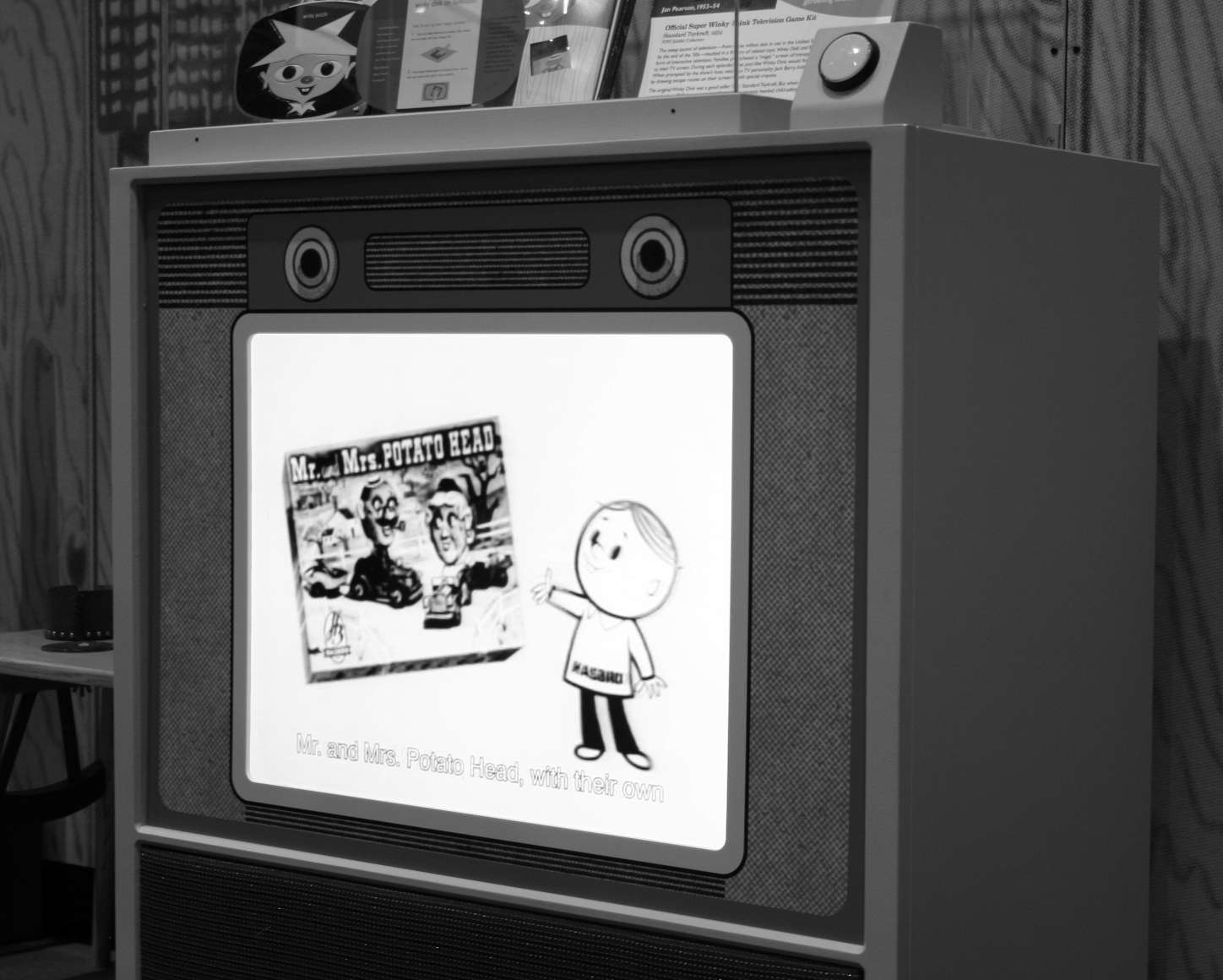
I remember life without TV and our first television, in black and white. And Mr. Potato Head, a popular toy back in the day.

I remember life without TV and our first television, black and white. And Mr. Potato Head, a popular toy back in the day.

Because of my upbringing, I have never focused on material things.

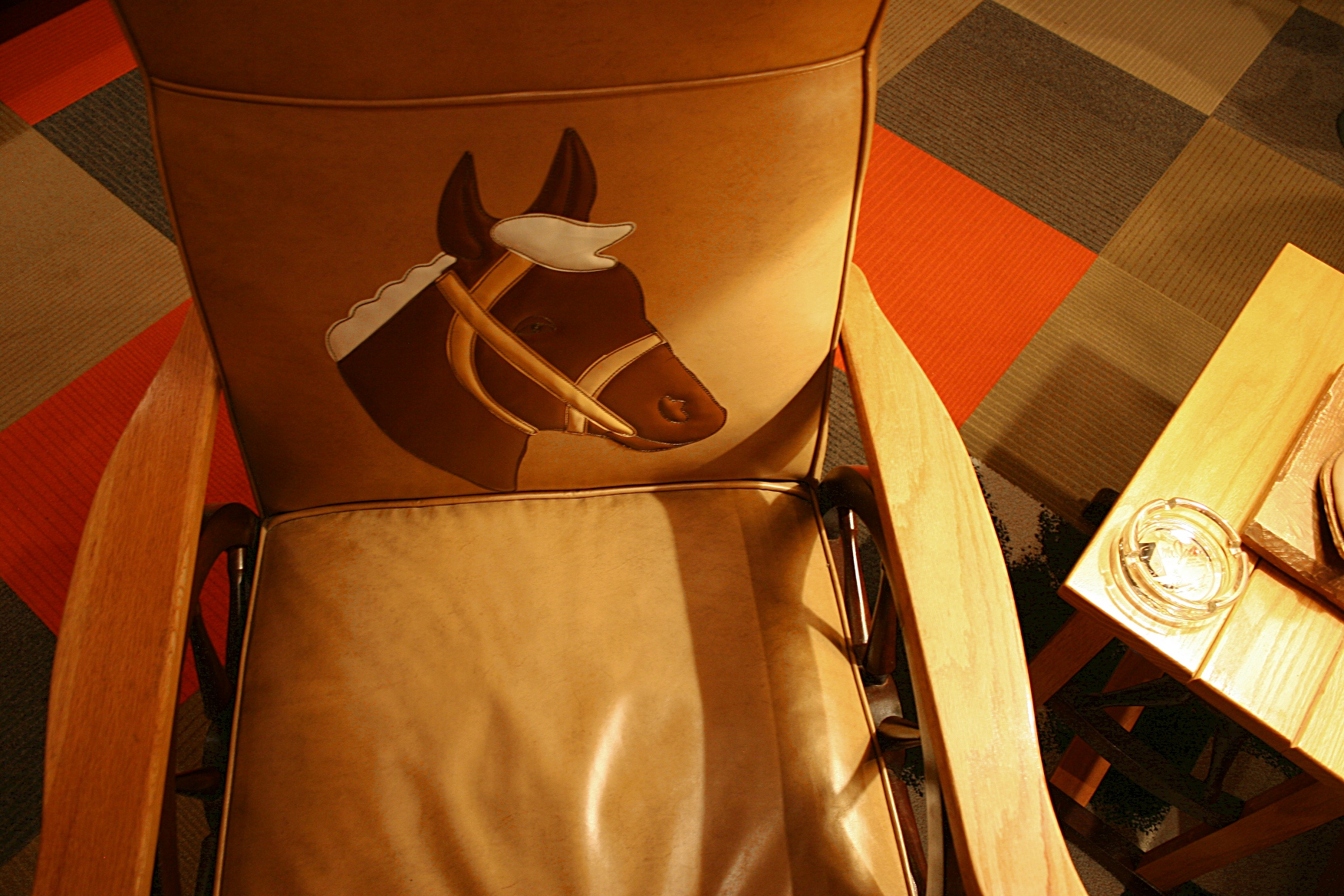
Anything Western related was especially popular in the 1950s and 1960s. Here you see the Western influence in furniture.

Anything Western related was especially popular in the 1950s and 1960s. Here you see the Western influence in furniture. My siblings and I spent countless hours riding our stick horses through the grove and, in the winter, around the house.

Yes, toys are fun to get and give, especially those that encourage creativity and imaginative play and don’t require batteries.

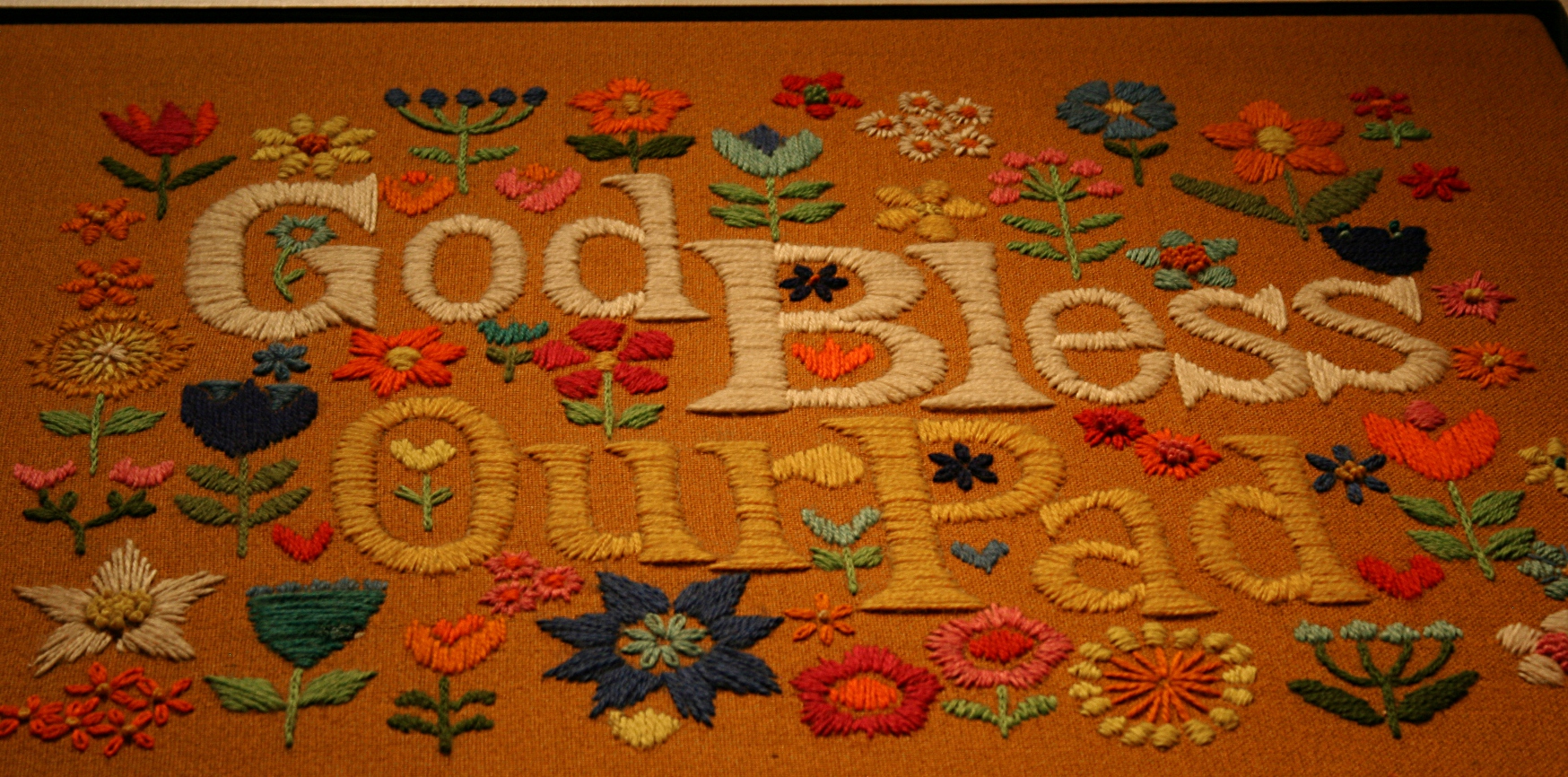
I cherish the blessings of family and home more than anything. I spotted this needlework in the 1970s portion of the exhibit.

I cherish the blessings of family and home more than anything. I spotted this needlework in the 1970s portion of the exhibit.

But it is family that I cherish most. And when I toured the History Center’s toy and other exhibits, I did so with my husband, eldest daughter and son-in-law. Nothing skips joy into my heart like being with those I love.

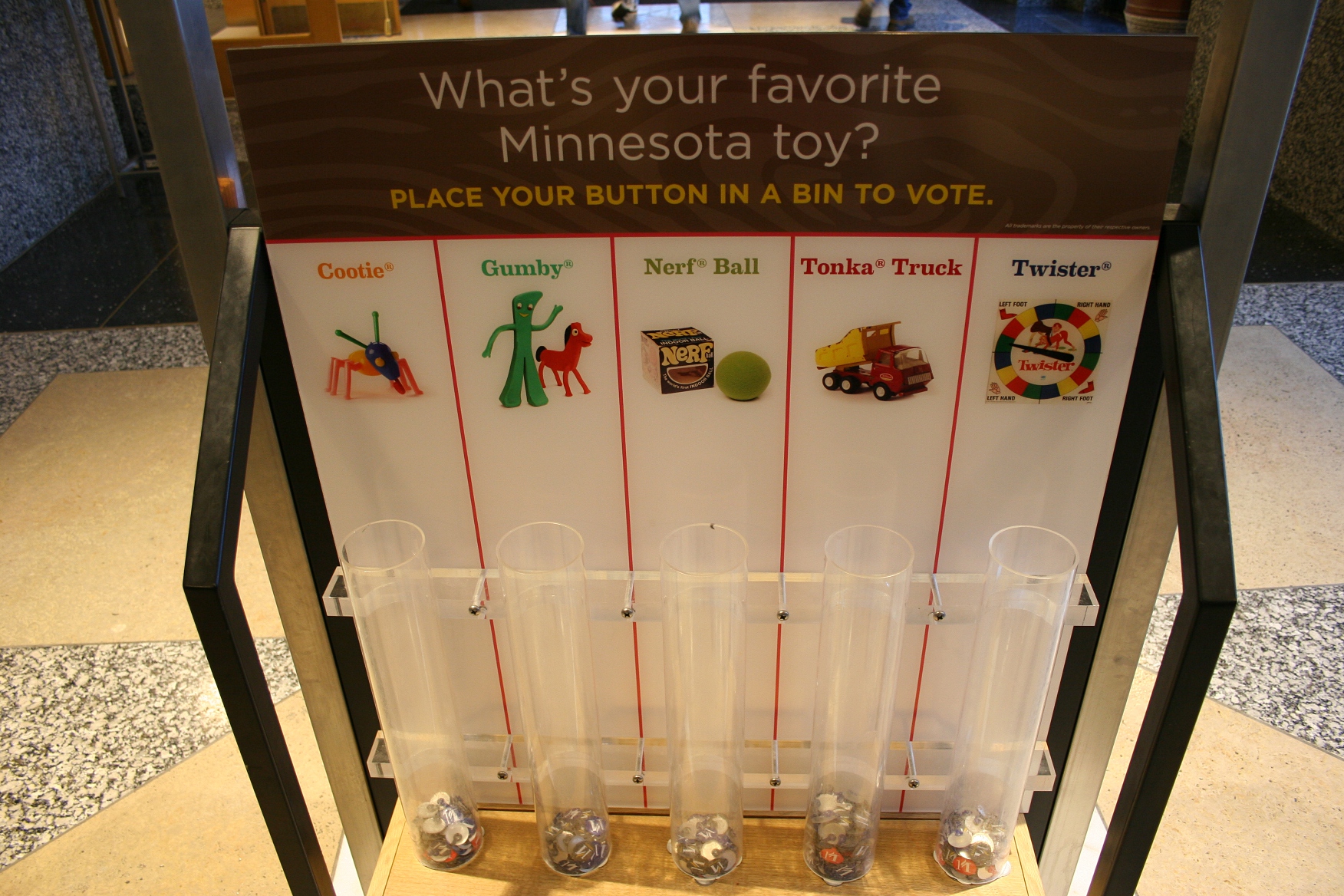
As we left the museum, we voted for our favorite Minnesota made toy. My daughter and I voted for Cootie. Our husbands chose Tonka.

As we left the museum, we voted for our favorite Minnesota made toy. My daughter and I voted for Cootie. Our husbands chose the Tonka truck.

FYI: For information on “TOYS of the ’50s, ’60s and ’70s,” click here. Just a little heads up: This exhibit was packed on a Saturday afternoon. I’d advise visiting this St. Paul museum on a weekday, especially if you want an opportunity to participate in the interactive parts of exhibits.

BONUS PHOTOS:

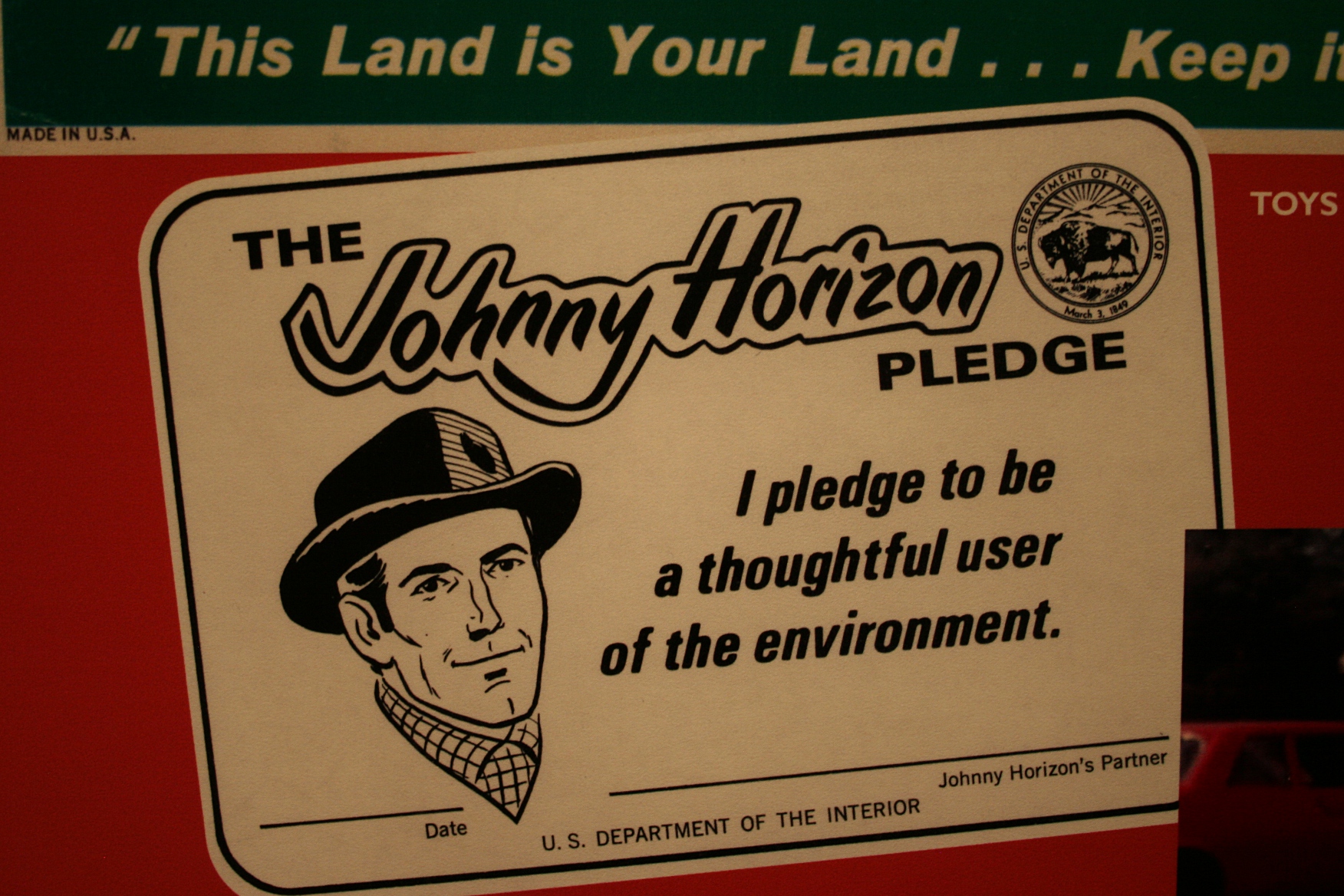
My son-in-law noted, as we toured the 1970s part of the exhibit, that toys began to reflect social issues such as being environmentally conscious.

My son-in-law noted, as we toured the 1970s part of the exhibit, that toys began to reflect social issues such as being environmentally conscious.

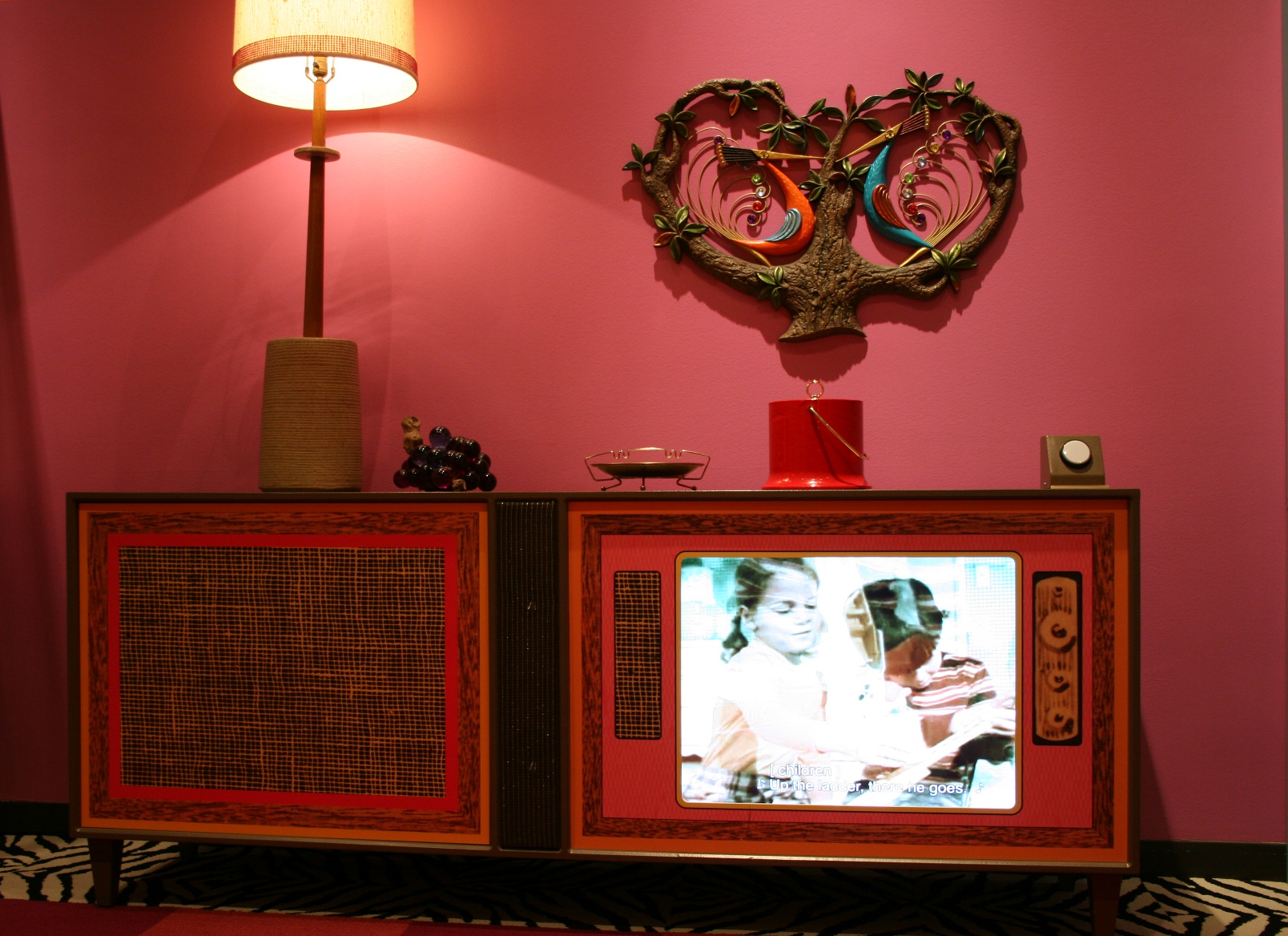
A 1960s living room.

A 1960s living room.

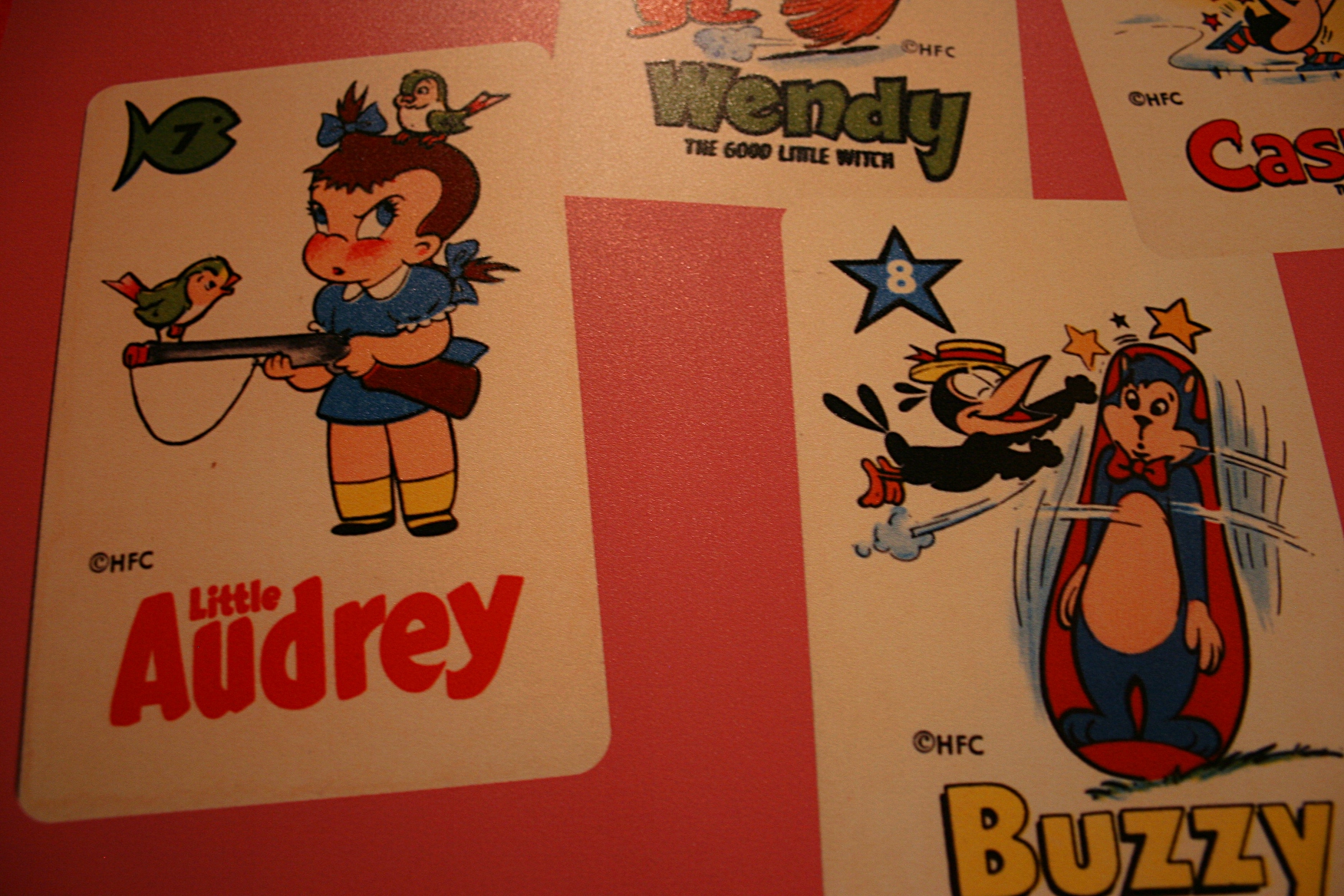
Never saw this cartoon and I'm glad I did. Audrey carrying a gun? Really.

I didn’t grow up on the Little Audrey cartoon and I’m glad I didn’t. Really, a little girl carrying a gun?

© Copyright 2014 Audrey Kletscher Helbling


In which I meet a Wisconsin blacksmith November 13, 2014

DARKNESS AND RED-HOT HEAT and banging of metal against metal…

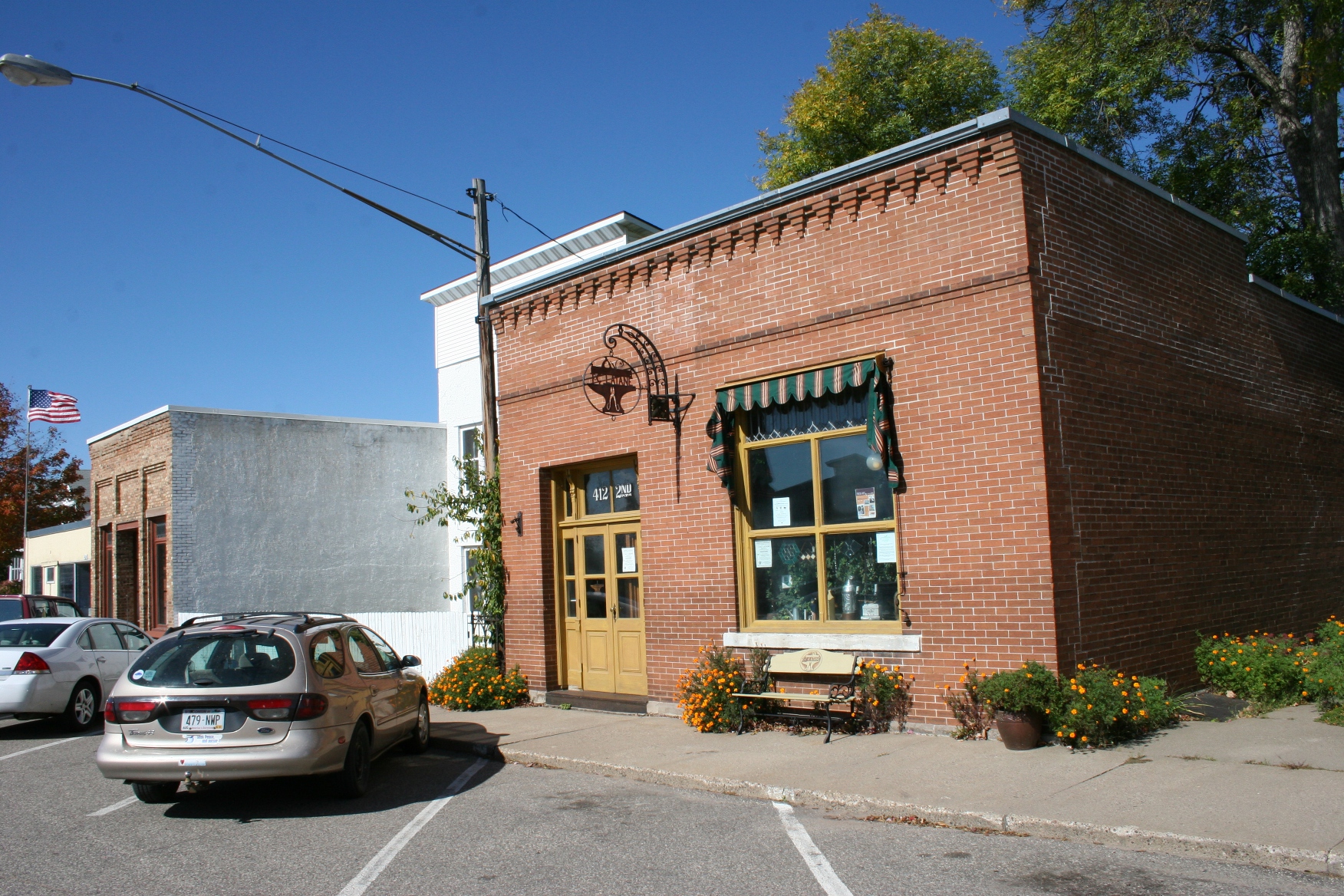
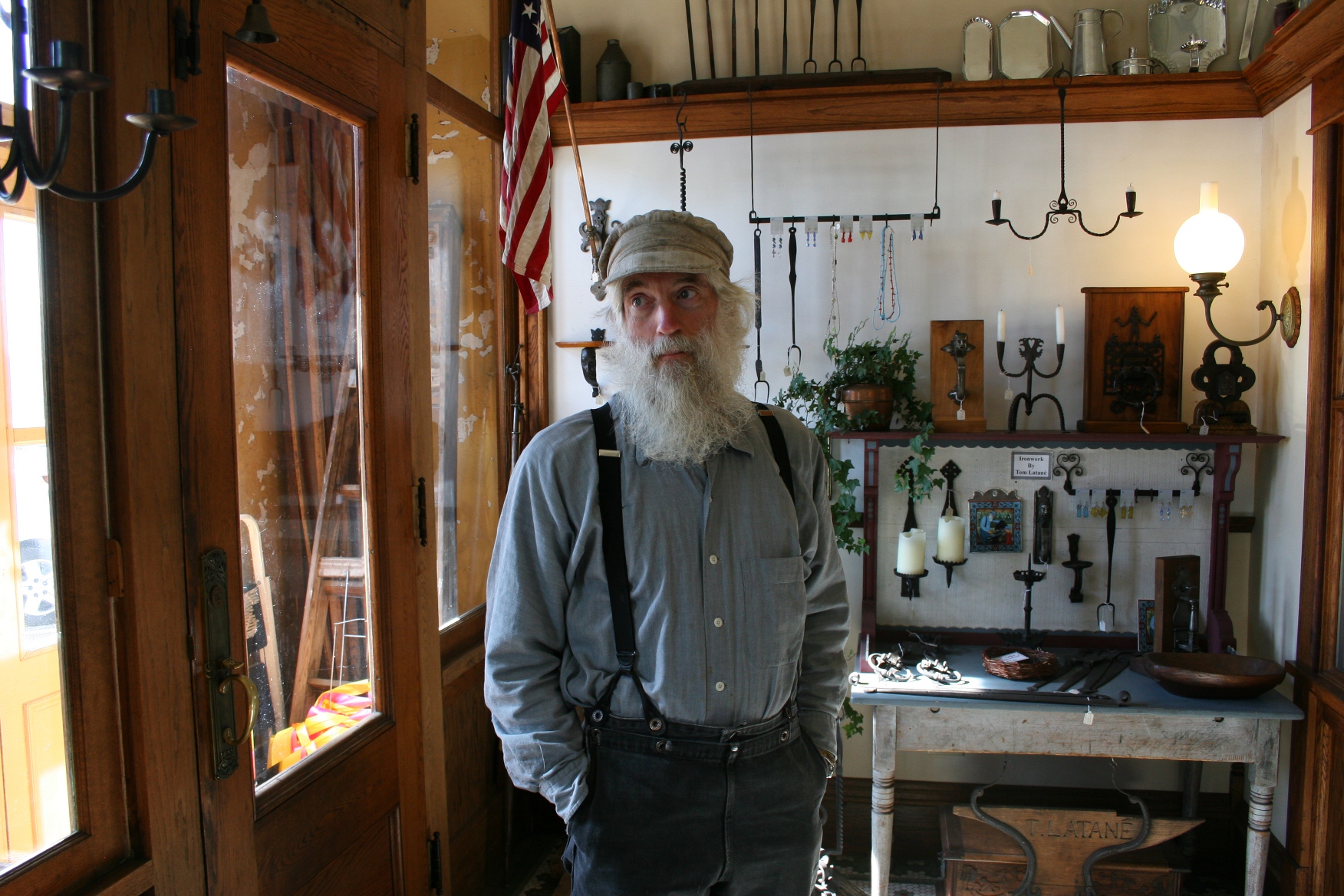
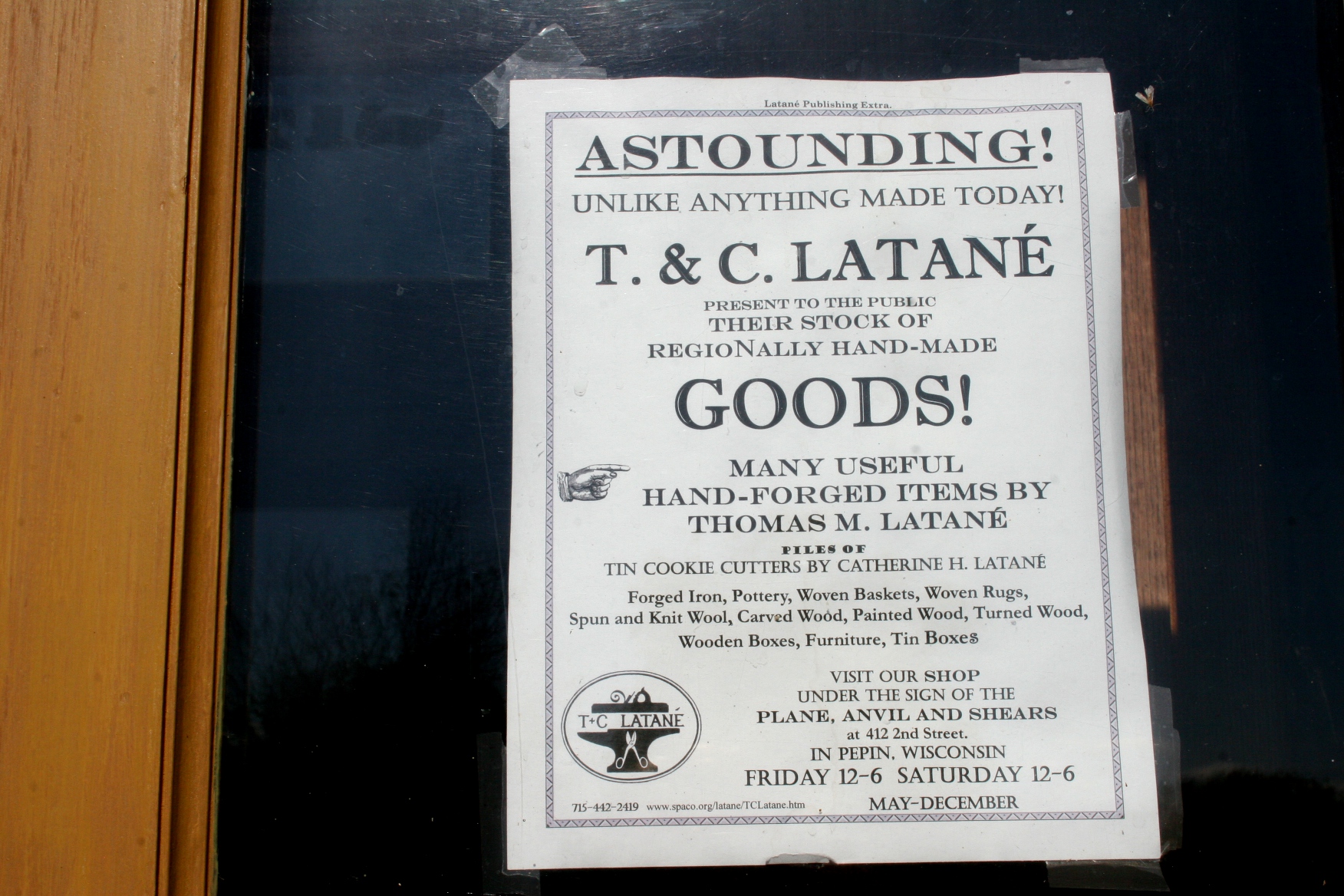
T-C Latane, 412 Second Street in Pepin, Wisconsin.

T-C Latane, 412 Second Street in Pepin, Wisconsin.

Memories of accompanying my farmer father to the blacksmith shop in my hometown of Vesta flash through my mind as I step into the shop of Tom Latané in Pepin, Wisconsin.

Blacksmith Tom Latane talks about his craft  in the front part of his shop. Behind him are examples of his work.

Blacksmith Tom Latane talks about his craft in the front part of the shop he shares with his wife, Catherine. Behind him are examples of his work. Several artisans sells their wares here.

My husband and I have stopped here on a mid-week October afternoon during a brief get-away. By chance, we have found this life-long blacksmith in his shop where anvils and vises, buckets and axe and tools of the trade crowd the brick-floored space.

Tom splits wood in the area where he blacksmiths.

Tom splits wood in the area where he blacksmiths.

While Tom rapid-splits wood for a forge fire, I scan this grimy room with a good luck horseshoe clamped on brick above a neatly lined shelf of corralled chisels.

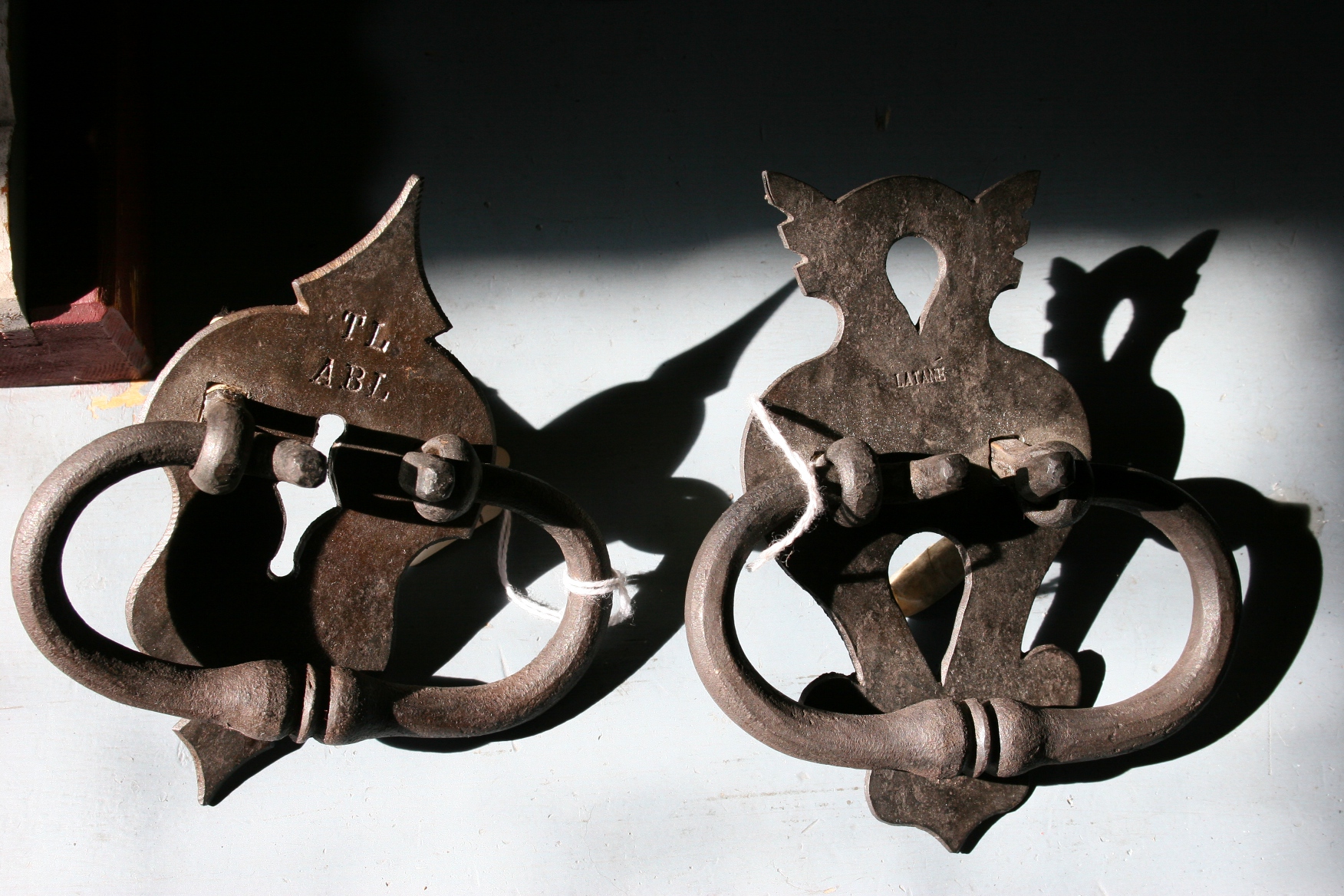
Hardware crafted by Tom.

Hardware crafted by Tom.

Tom also works with wood, sometimes combining wood and metal in pieces.

Tom also works with wood, sometimes combining wood and metal in pieces.

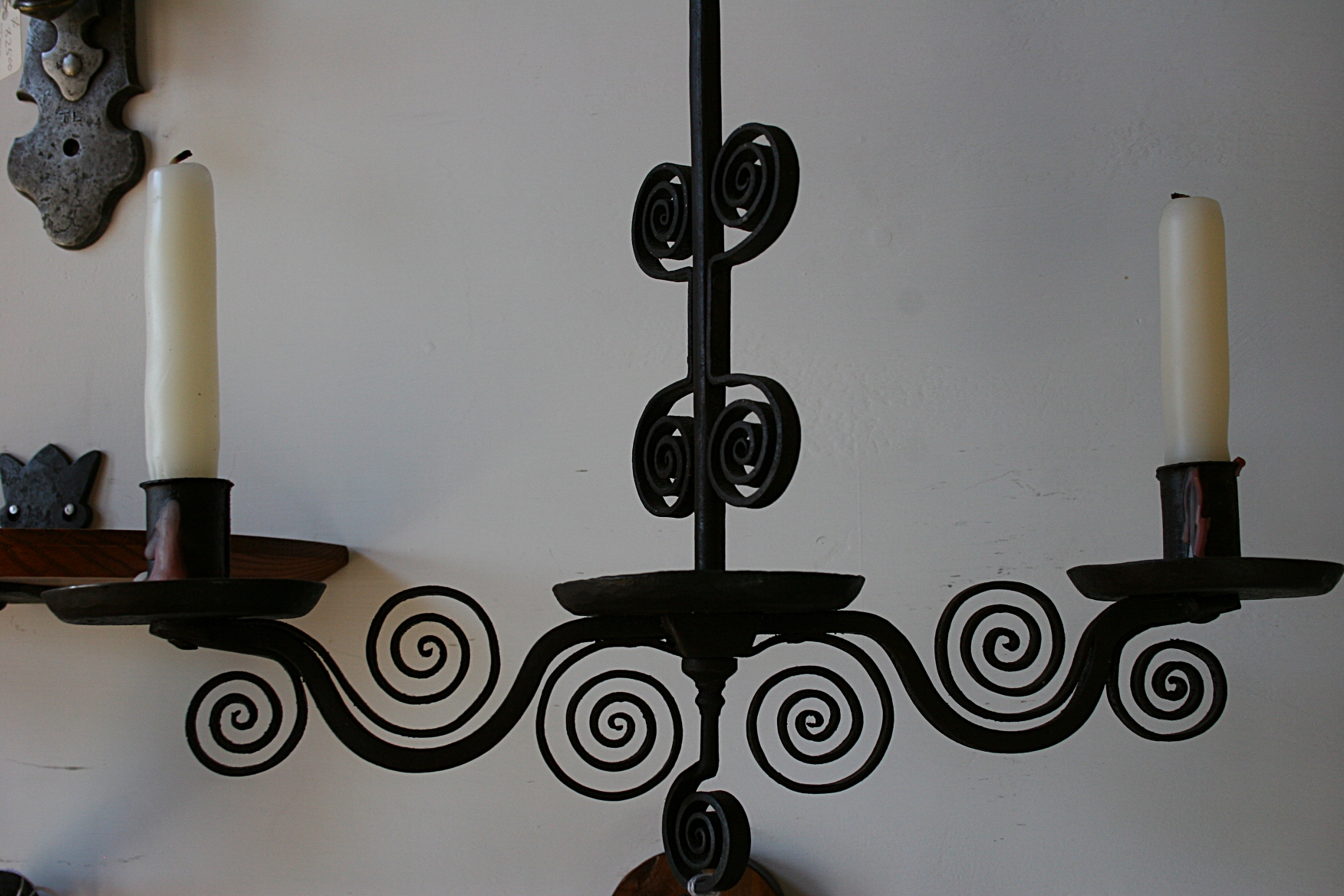
Tom created this candleholder.

Tom created this candleholding masterpiece.

Standing here in this time, in this place, with a man practicing the aged craft of blacksmithing seems almost surreal. But Tom has been doing this all his adult life, relocating from Maryland to open his Pepin shop in 1983 with his wife, Catherine, a tinsmith.

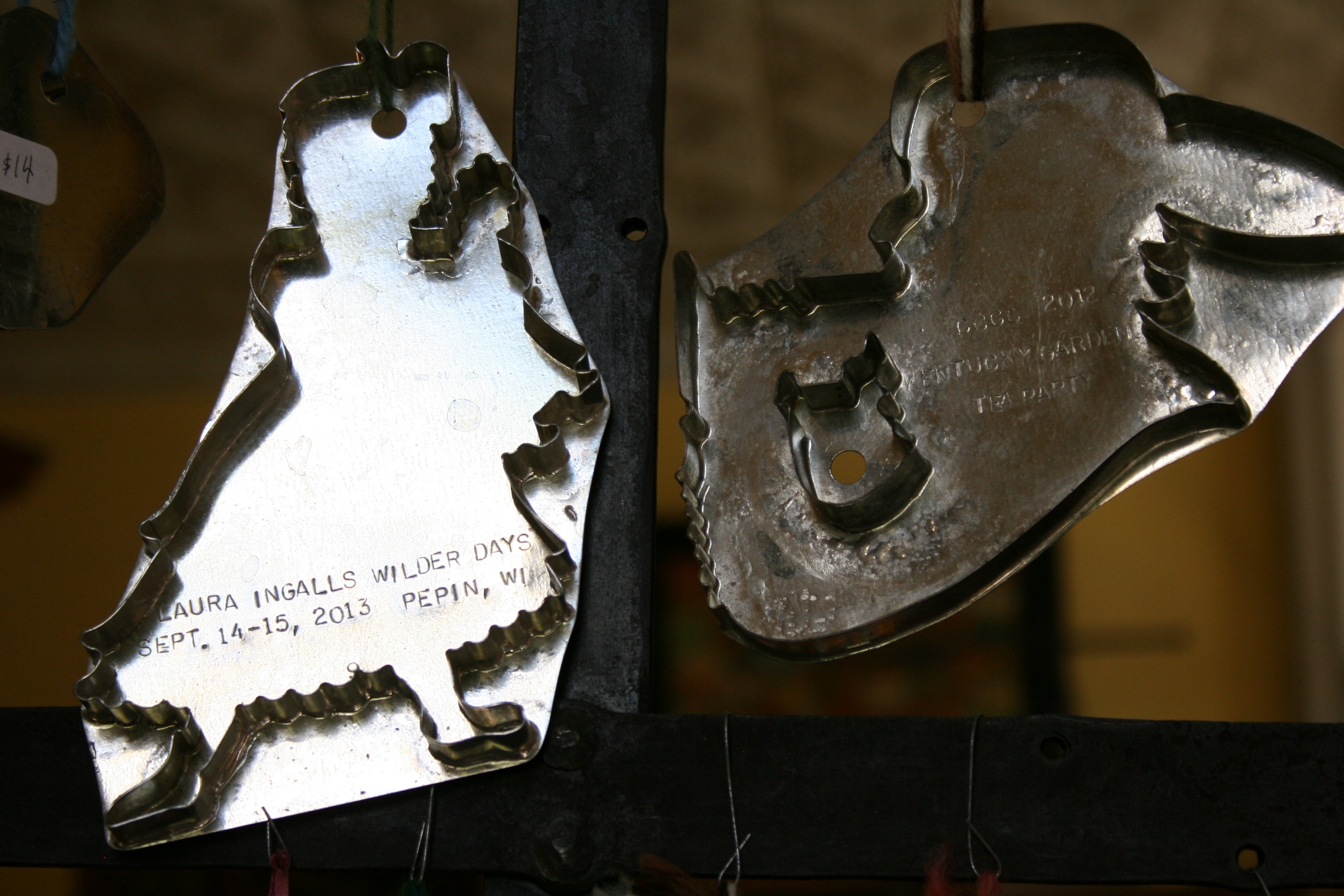
Two of Catherine's cookie cutters.

Two of Catherine’s cookie cutters.

She’s a native of Minnesota, just across the river, and an artist, too, who crafts tin cookie cutters by hand. Catherine is known for her commemorative Laura Ingalls Wilder cookie cutters in a community that each year celebrates its most famous native daughter.

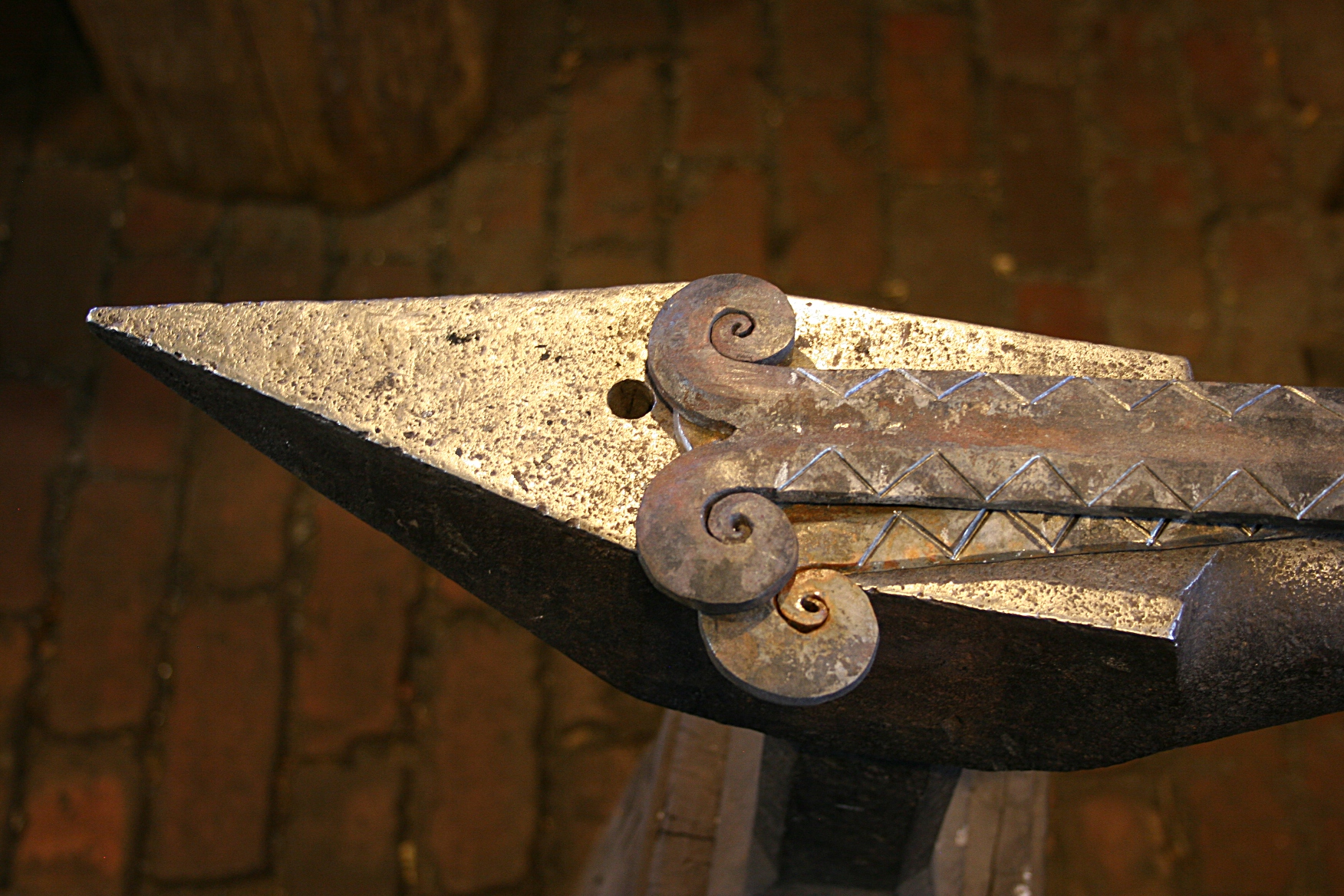
An anvil in Tom's shop.

An anvil in Tom’s shop.

Surely blacksmith shops existed in this area during the late 1860s when Charles and Caroline Ingalls lived with their family in a cabin in the Big Woods near Pepin.

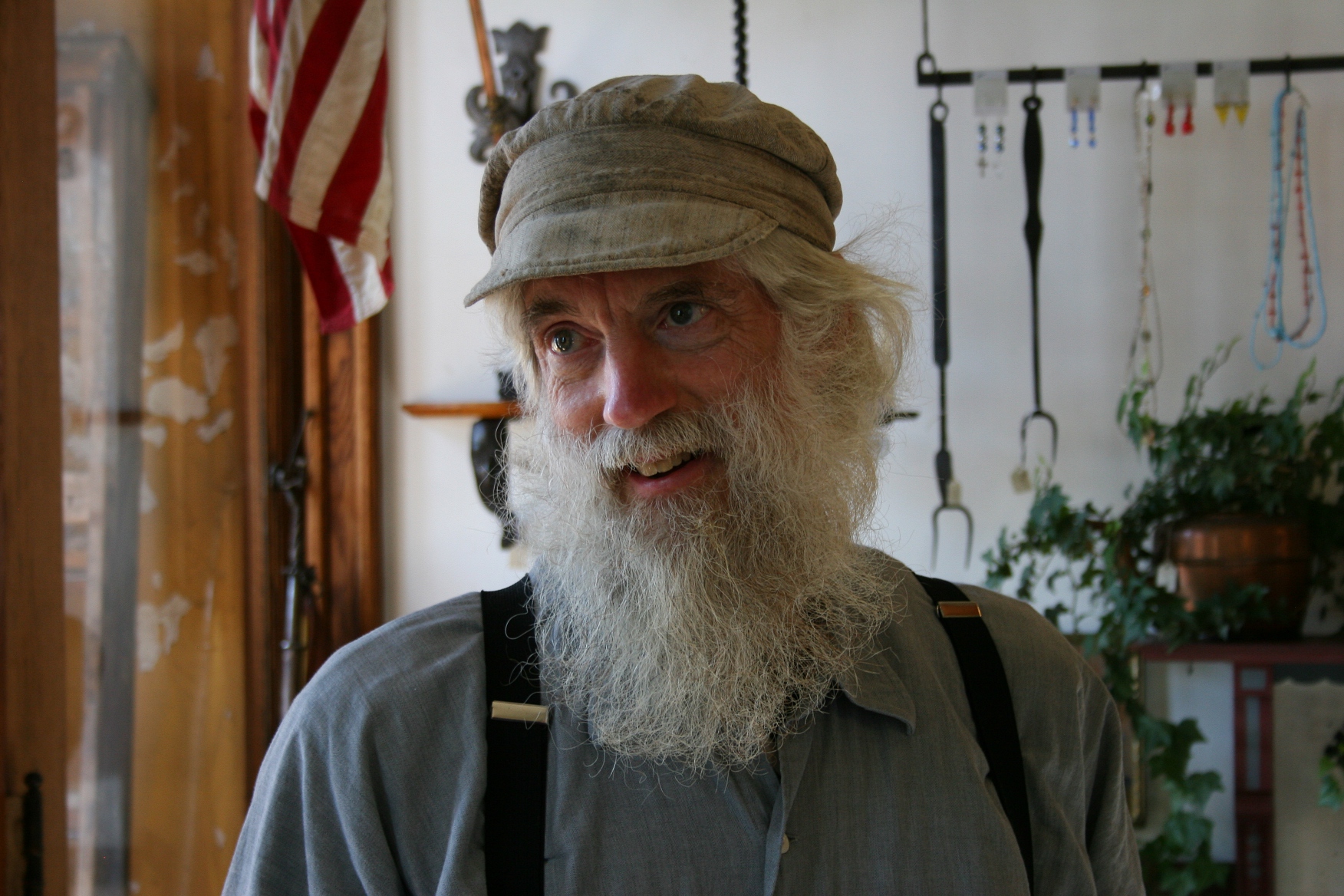
Tom looks the part of a craftsman.

Tom looks the part of a craftsman.

History holds this town. And Tom looks every bit the part of a long ago craftsman, untamed white beard and longish hair and period cap and suspenders giving him the appearance of a historic reenactor. But he is authentic, hand-forging locks, hardware, tools and candle fixtures.

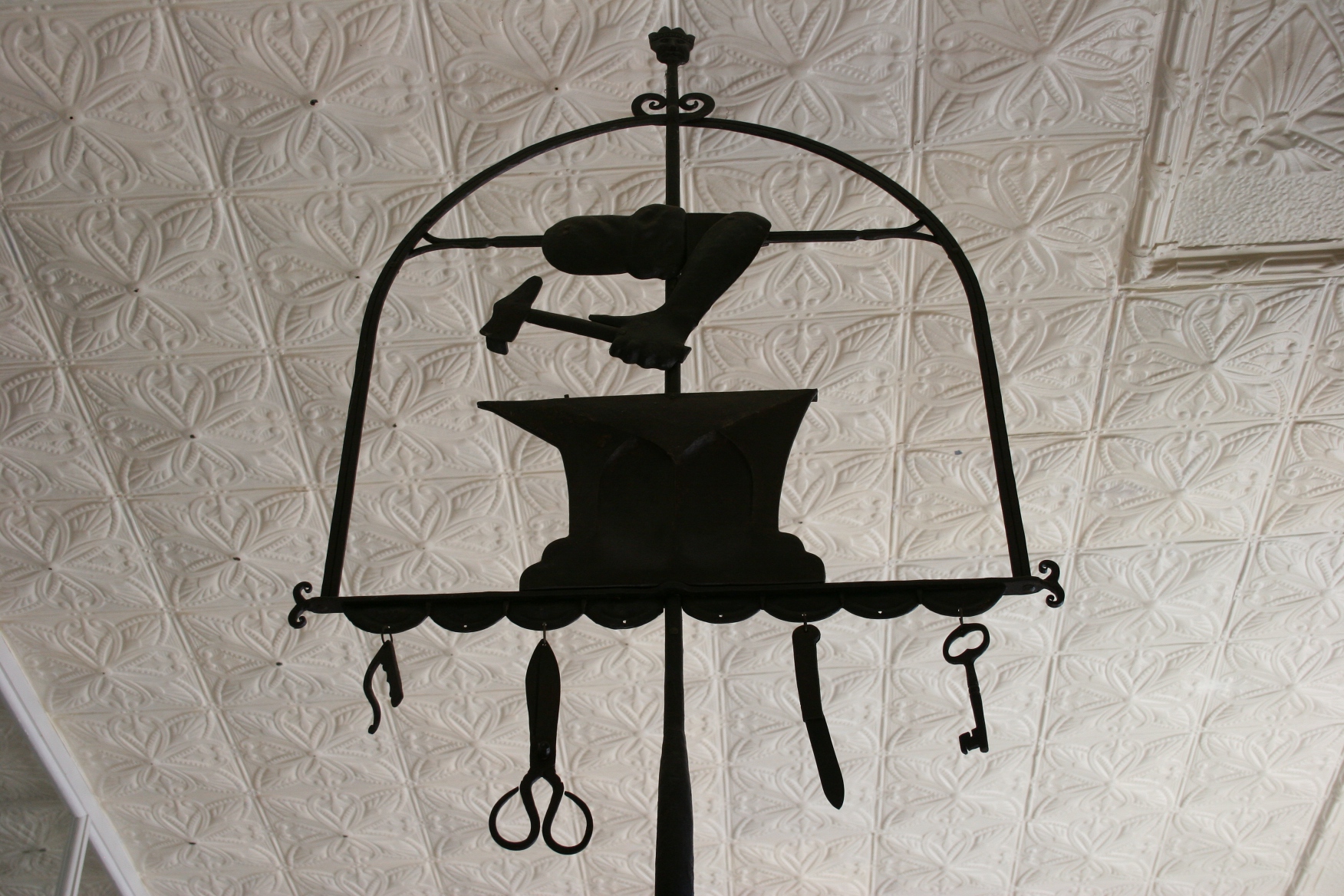
Symbols of the trade for blacksmithing and tin cutting.

Symbols of the trade for blacksmithing and tin cutting.

I almost expect Charles Ingalls to walk in the door.

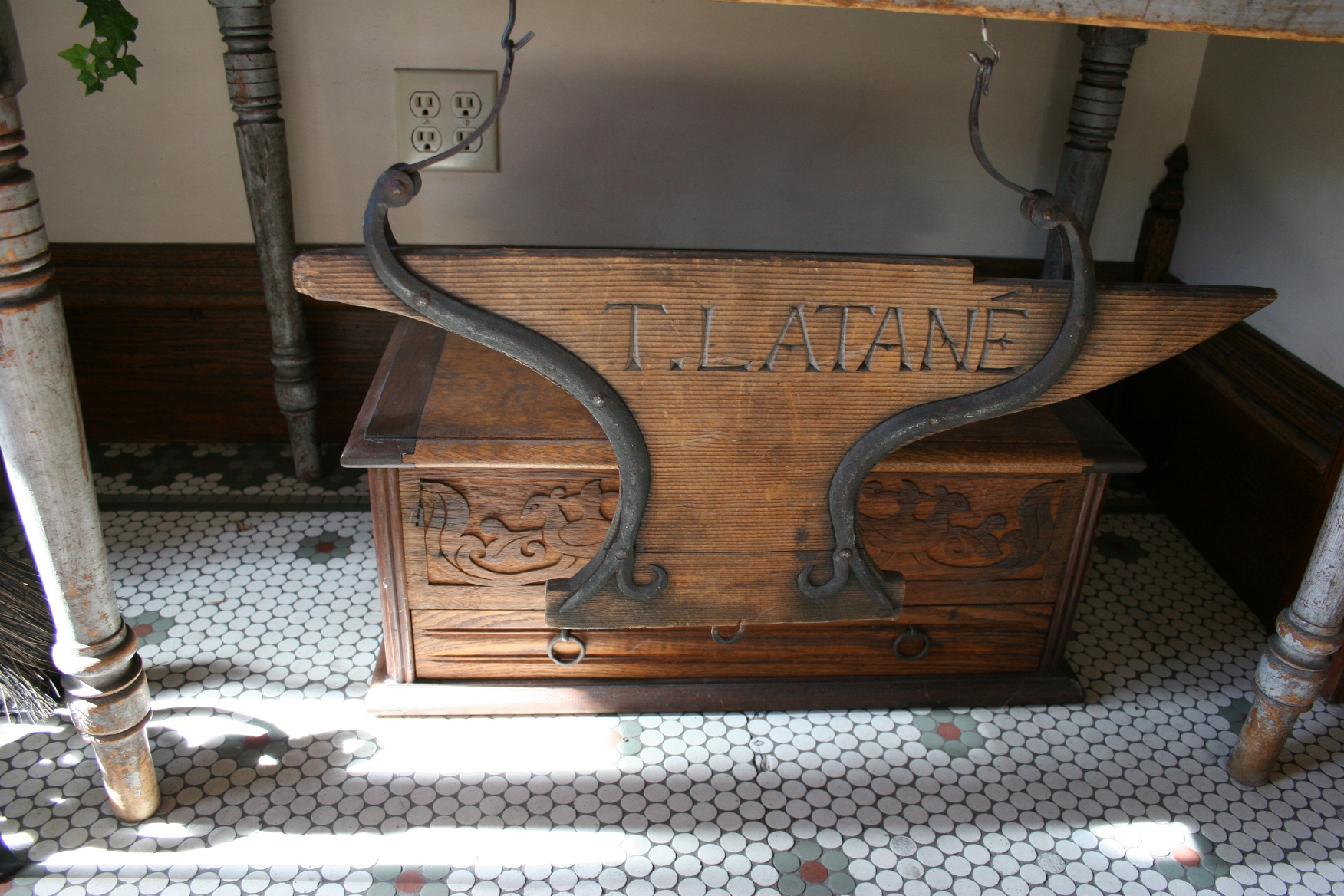
A sign at the shop.

A sign at the shop.

FYI: For more information about T. & C. Latané, as this couple calls their business, click here. The shop at 412 Second Street in Pepin is open from noon – 6 p.m. Fridays and Saturdays, May – December or by chance.

© Copyright 2014 Audrey Kletscher Helbling


My impressions of Marine on St. Croix October 27, 2014

Filed under: Uncategorized — Audrey Kletscher Helbling @ 6:00 AM
Tags: , , , , ,
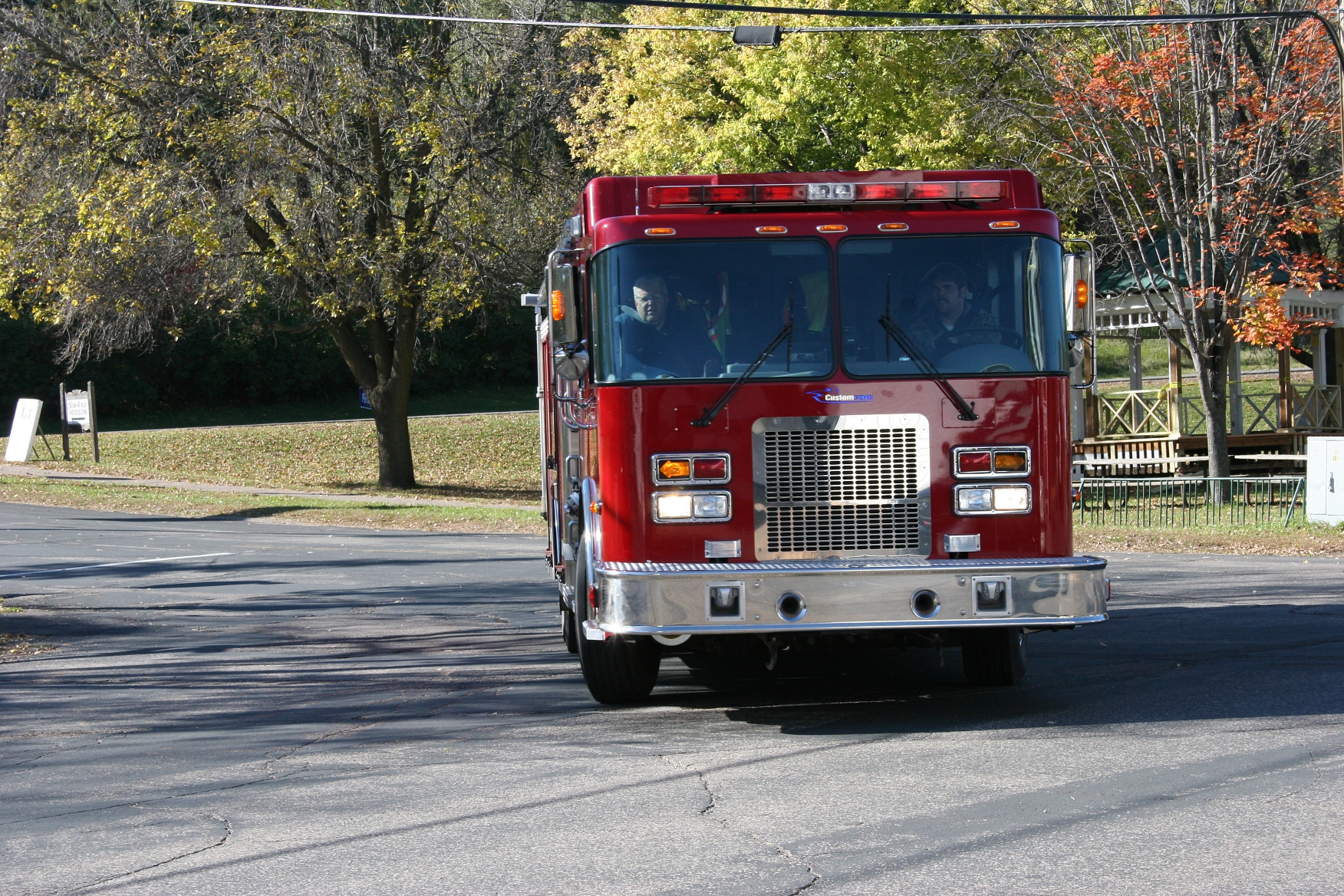
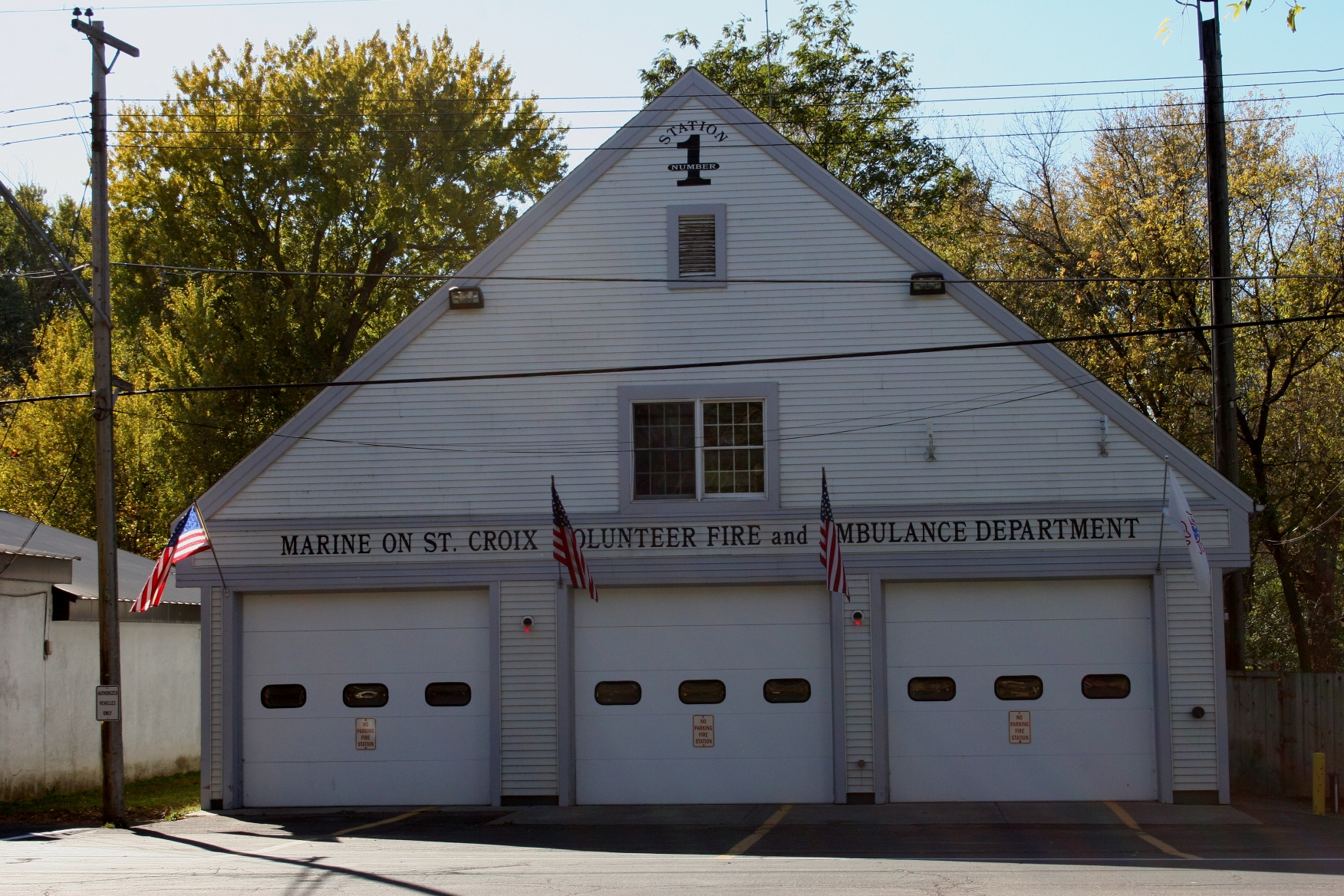
The volunteer fire department is housed in the heart of the downtown.

The volunteer fire department is housed in the heart of the one-block, give or take a little, downtown.

MARINE ON ST. CROIX. It sounds so poetic, those four linked words that name a village banking the St. Croix River.

And it is that in the sense of feeling like you could be perhaps in South Shaftsbury, Vermont—although I’ve never traveled there and have no idea if this Minnesota community is at all like Shaftsbury—where Robert Frost penned his most famous of poems, “Stopping By the Woods On A Snowy Evening.”

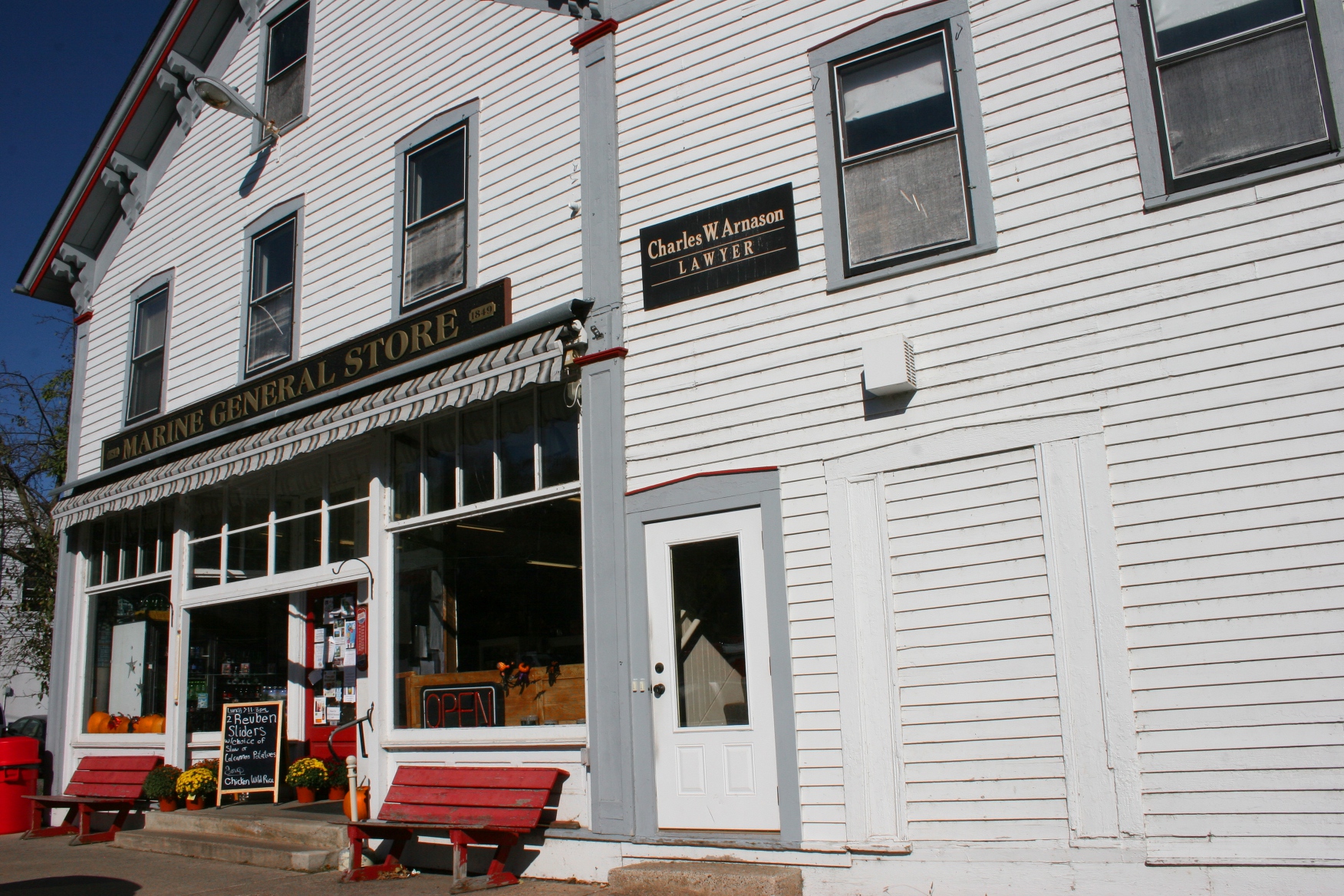
A quick snapshot shows the Village Hall to the right and the Marine General Store on the far left.

A quick snapshot shows the Village Hall to the right and the Marine General Store two doors down.

Marine on St. Croix presents history and nature mingled in a quaint New England type setting. Here the 1870 General Store and 1888 Village Hall still serve this community of 700, although I have no idea where all those residents live. Apparently not near the town’s business district. Perhaps across the roadway which, to the north, will take you to Taylors Falls and, to the south, to Stillwater.

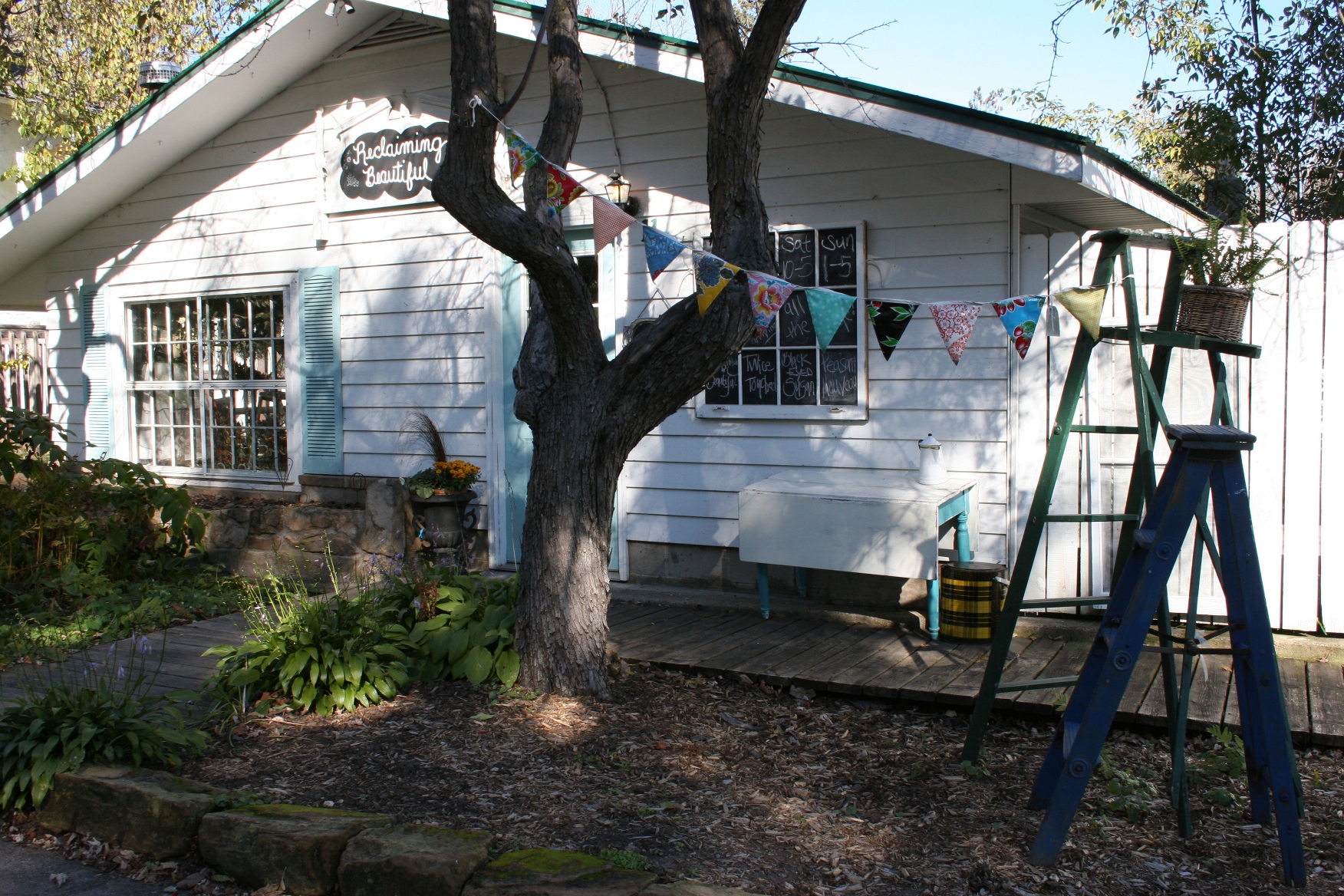
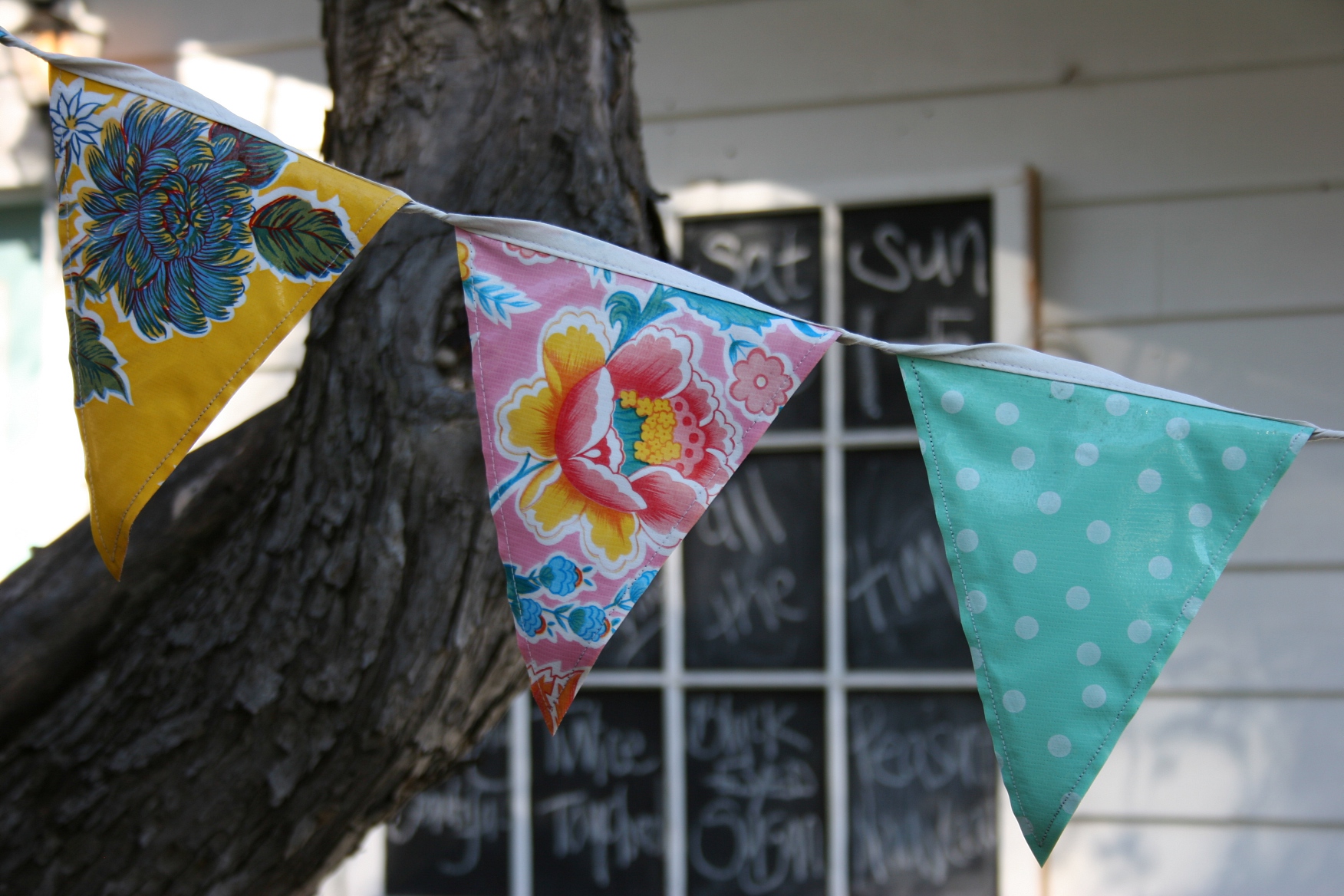
Fabric flags remind me of simpler times.

Fabric flags outside Reclaiming Beautiful remind me of simpler times.

This place has a timeless, poetic feel. Woods and river. Aged wood frame buildings. A history that stretches back to 1839 when this settlement was termed Marine Mills and served as home to the first commercial sawmill along the St. Croix River. That makes Marine on St. Croix 175 years old this year, founded 19 years before Minnesota became a state.

I can almost smell the scent of white pine which once forested this region, see logs bobbing in the St. Croix, hear the screech of saw against wood, domesticating trunks into lumber.

That aged General Store, which I didn't check out, but wish I had. Next time.

That aged General Store, which I didn’t check out, but wish I had. Next time.

Pausing at the General Store, I imagine deep dark coffee beans and yards of cotton calico and sticks of penny candy.

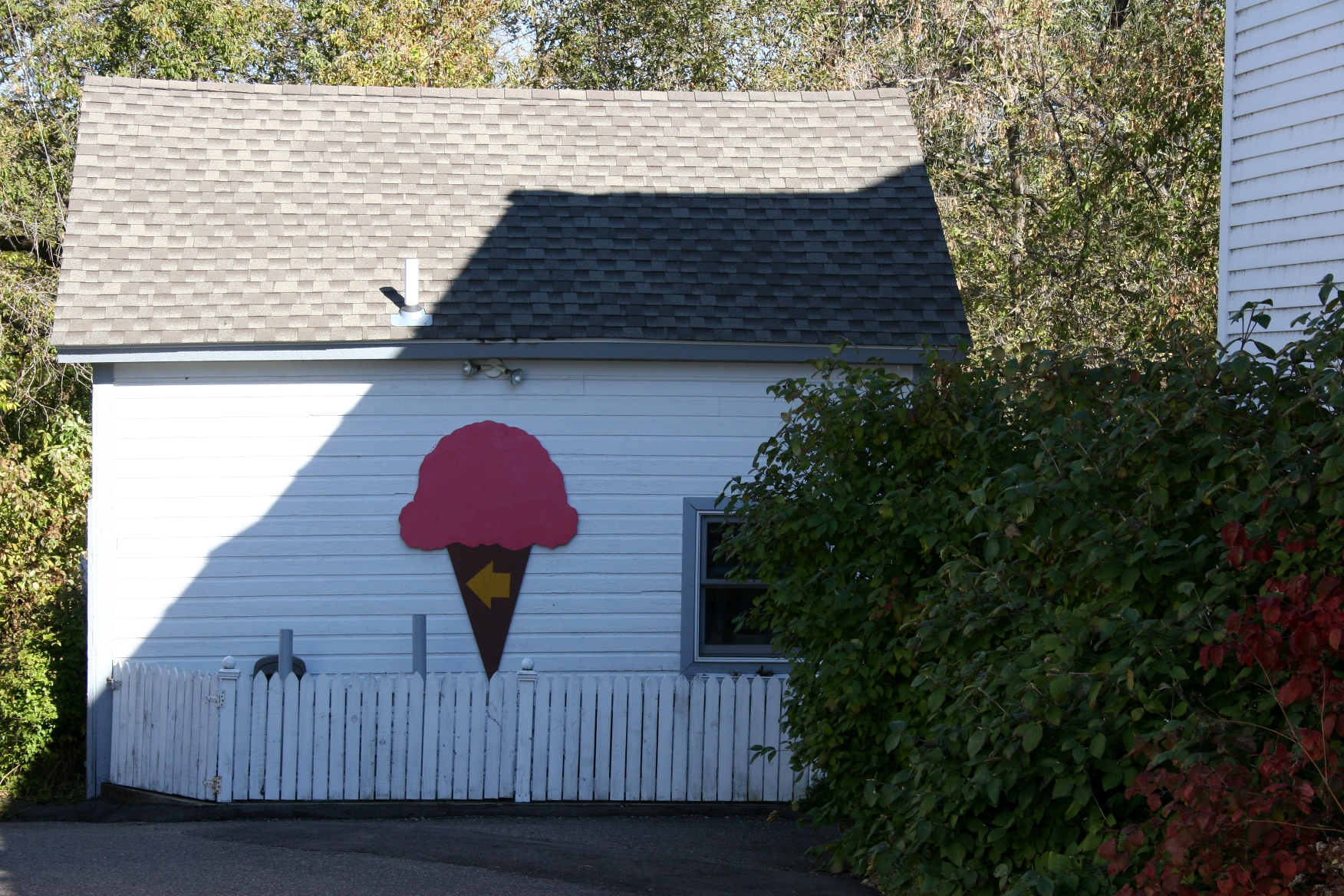
A sign points to ice cream, but...

A sign points to ice cream, but…

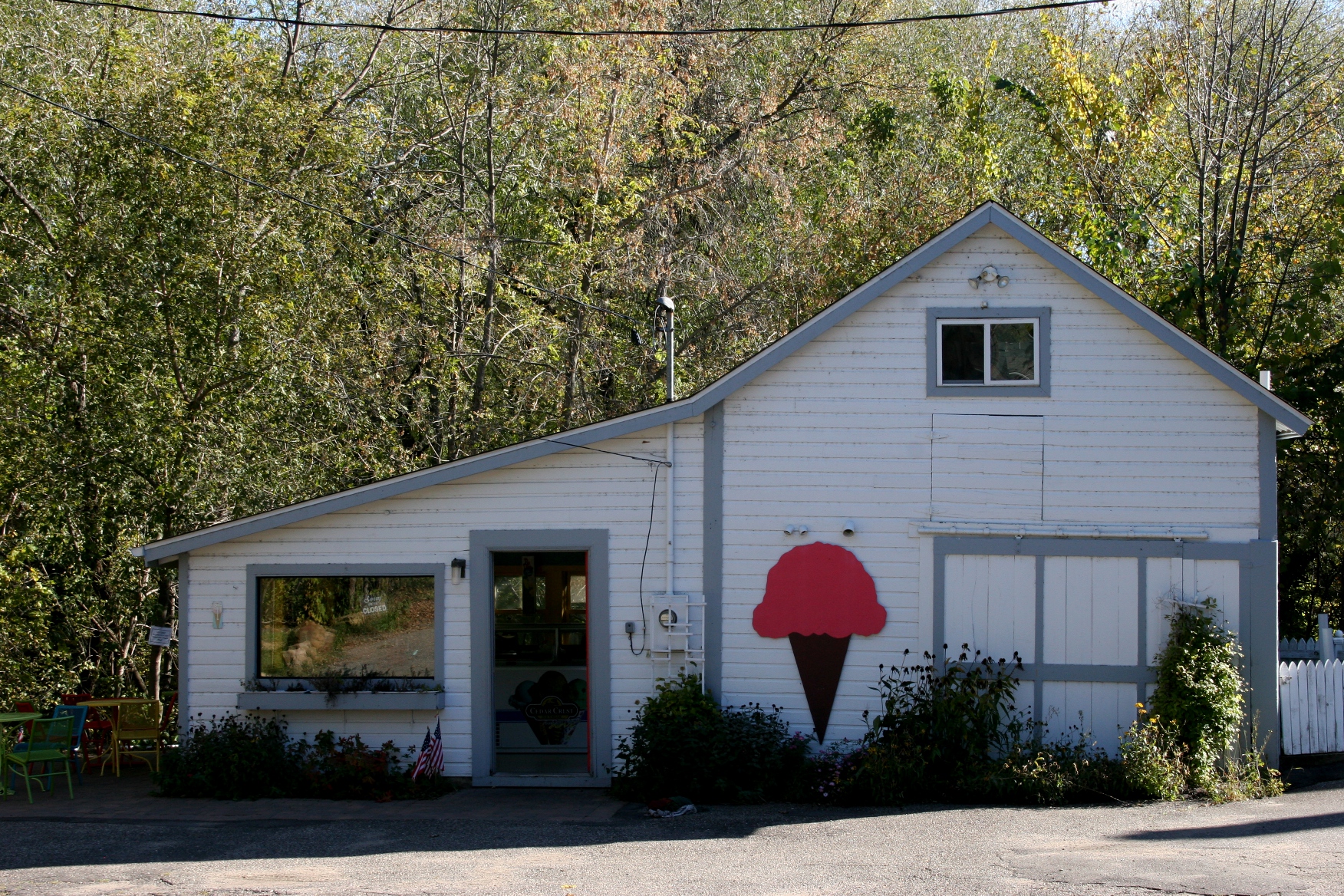
...the shop is closed for the season.

…the shop is closed for the season.

Marine on St. Croix clings to its past in a good sort of way that makes you want to stay longer, to linger and think poetic thoughts.

BONUS PHOTOS:

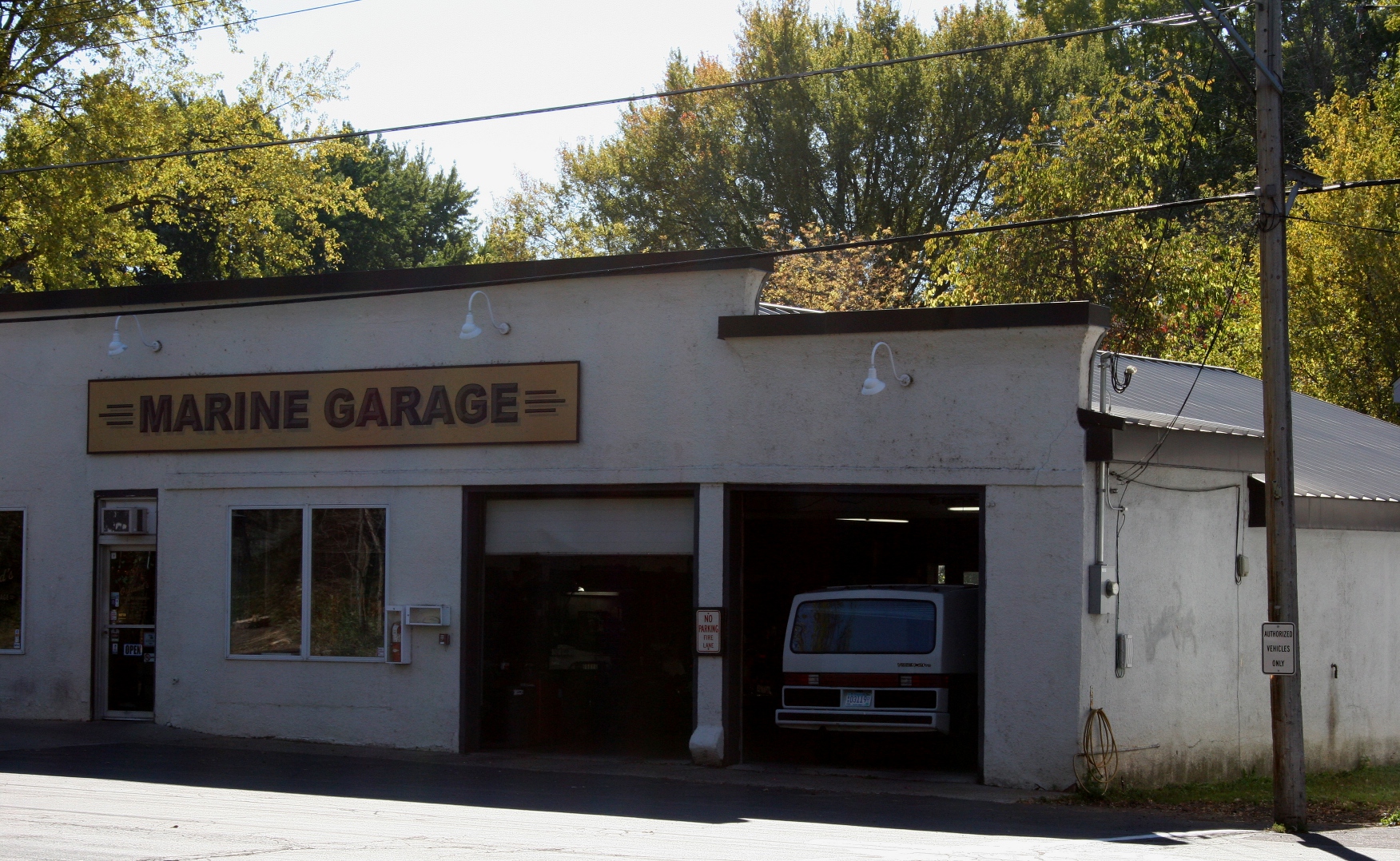
There's a garage in town.

There’s a garage in town.

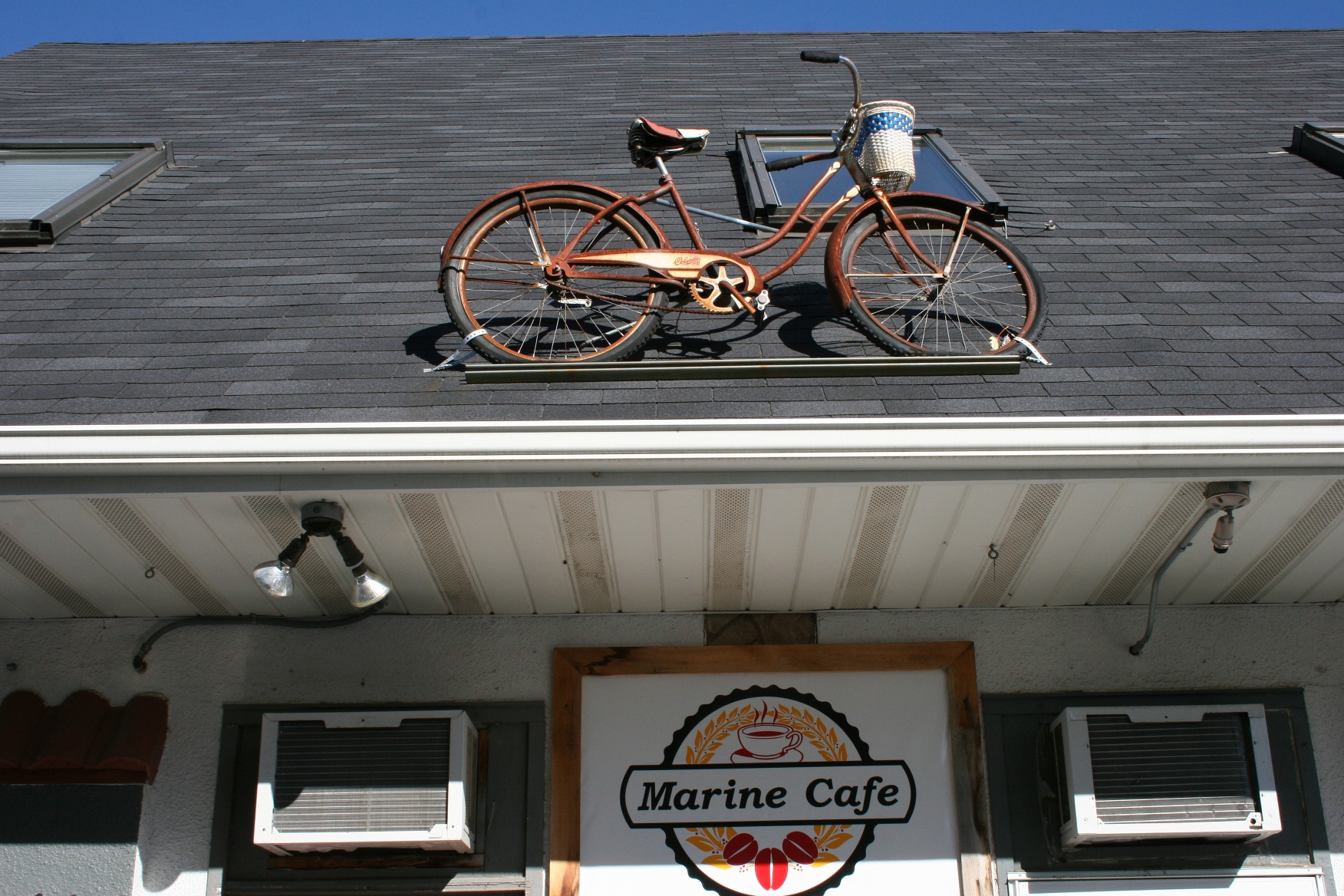
And a cafe with that curious bike marking it.

And a cafe with a bike, minus Toto, marking it.

Reclaiming Beautiful was closed on the day of my visit.

Reclaiming Beautiful was closed on the day of my visit.

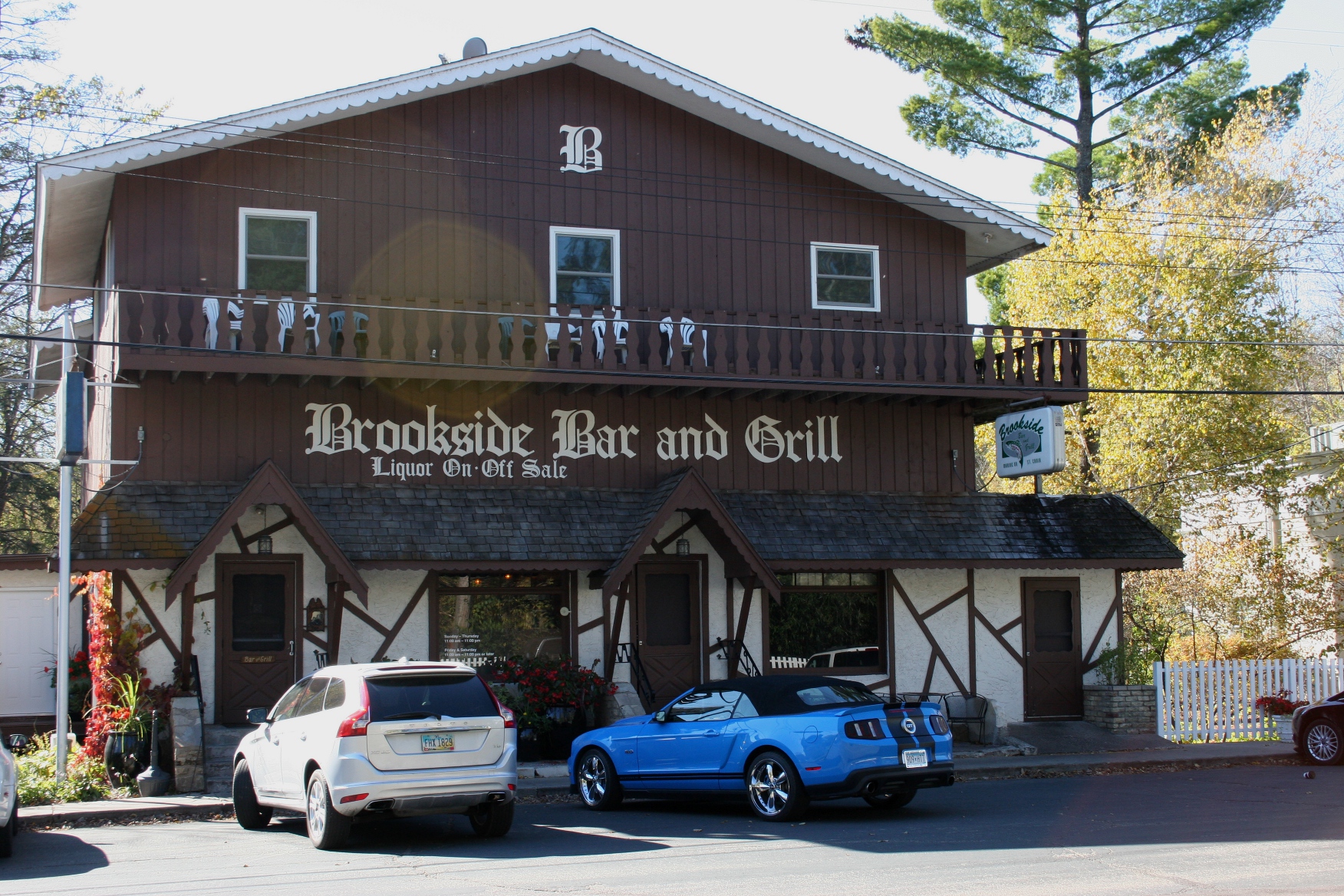
But the bar was open, although I did not check it out.

But the bar was open, although I did not check it out.

And the volunteer firemen were on duty.

And the volunteer firemen were on duty.

© Copyright 2014 Audrey Kletscher Helbling


History comes to life at Rice County museum September 30, 2014

THE SCENES COULD HAVE AIRED on Little House on the Prairie:

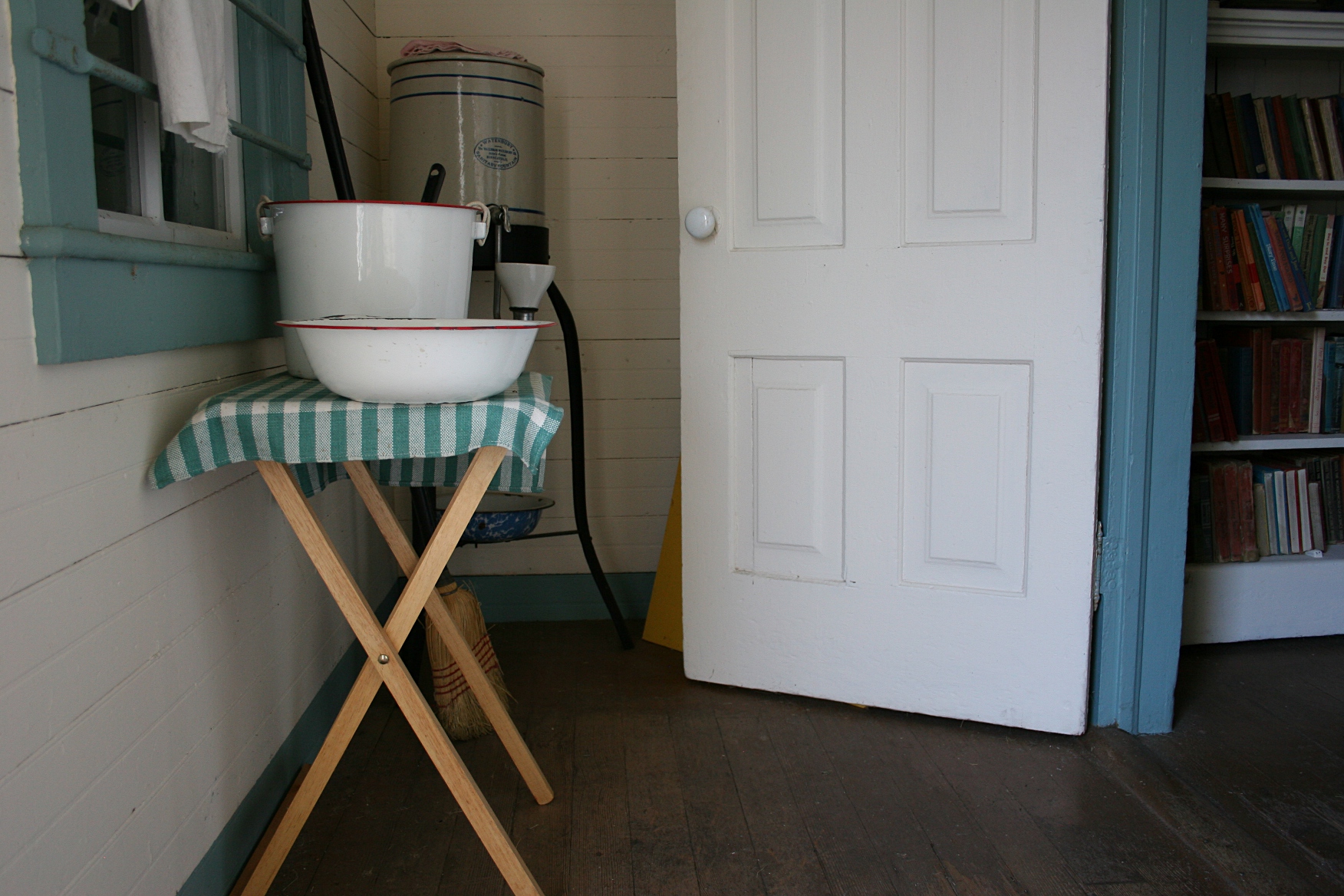
Wash basin and water cooler inside the schoolhouse entry.

Wash basin and water cooler inside the schoolhouse entry.

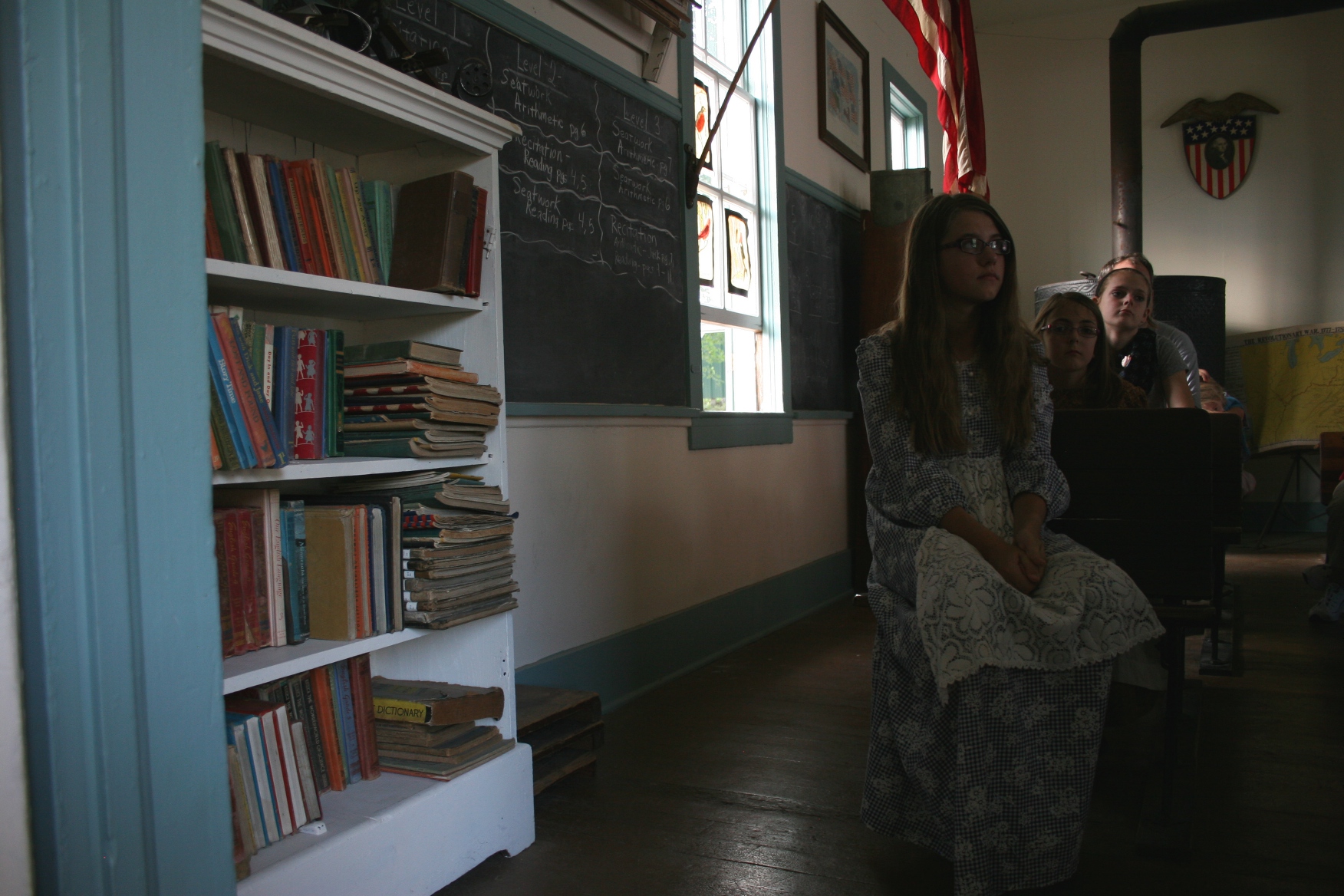
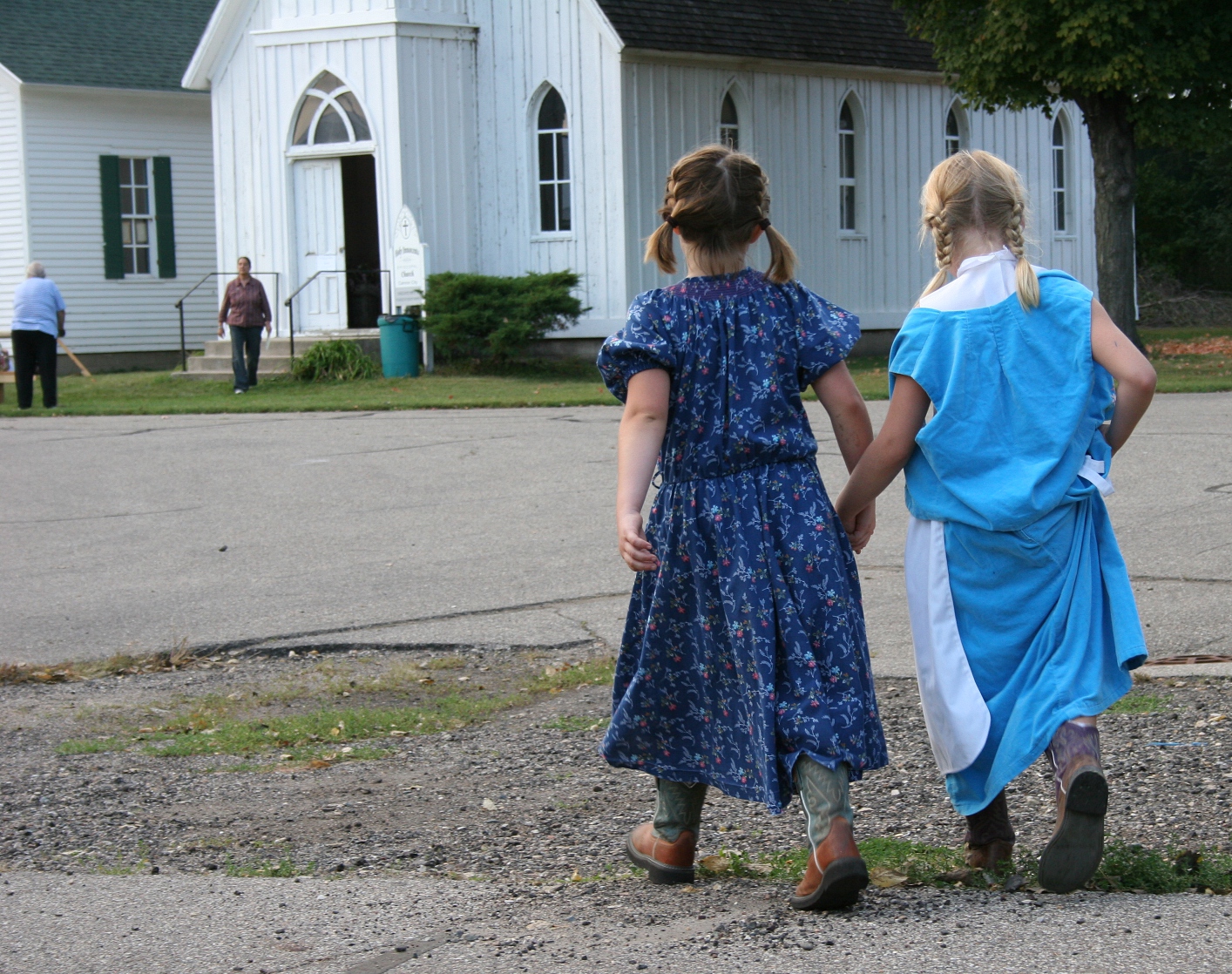
Harsh clang of the bell summons students inside the one-room Pleasant Valley School—girls to the left, boys to the right.

Youth role-playing Pleasant Valley School students.

Youth role-play Pleasant Valley School students.

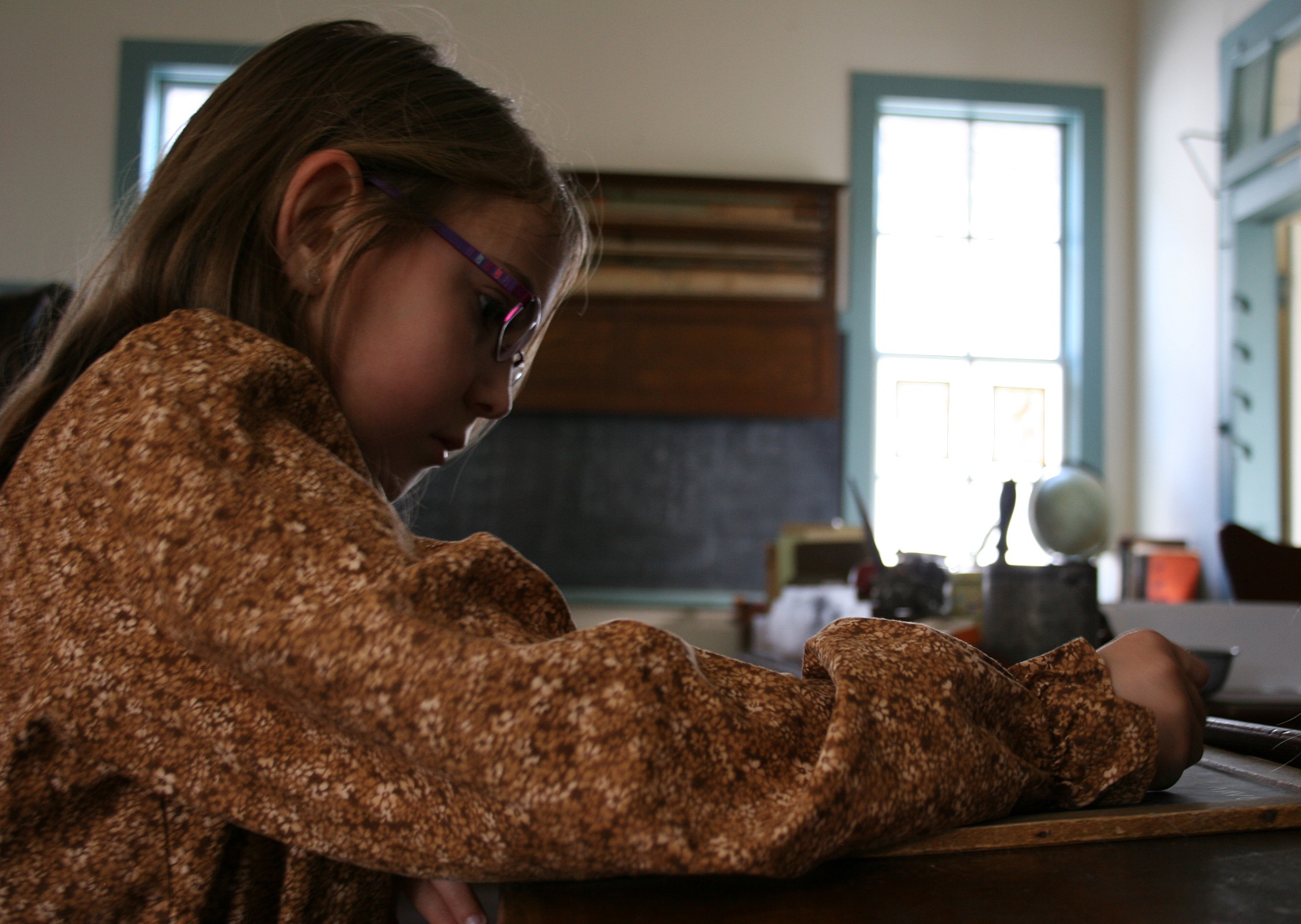
Lessons written on slate.

Lessons written on slate.

Girls in prairie dresses scratch chalk across slate.

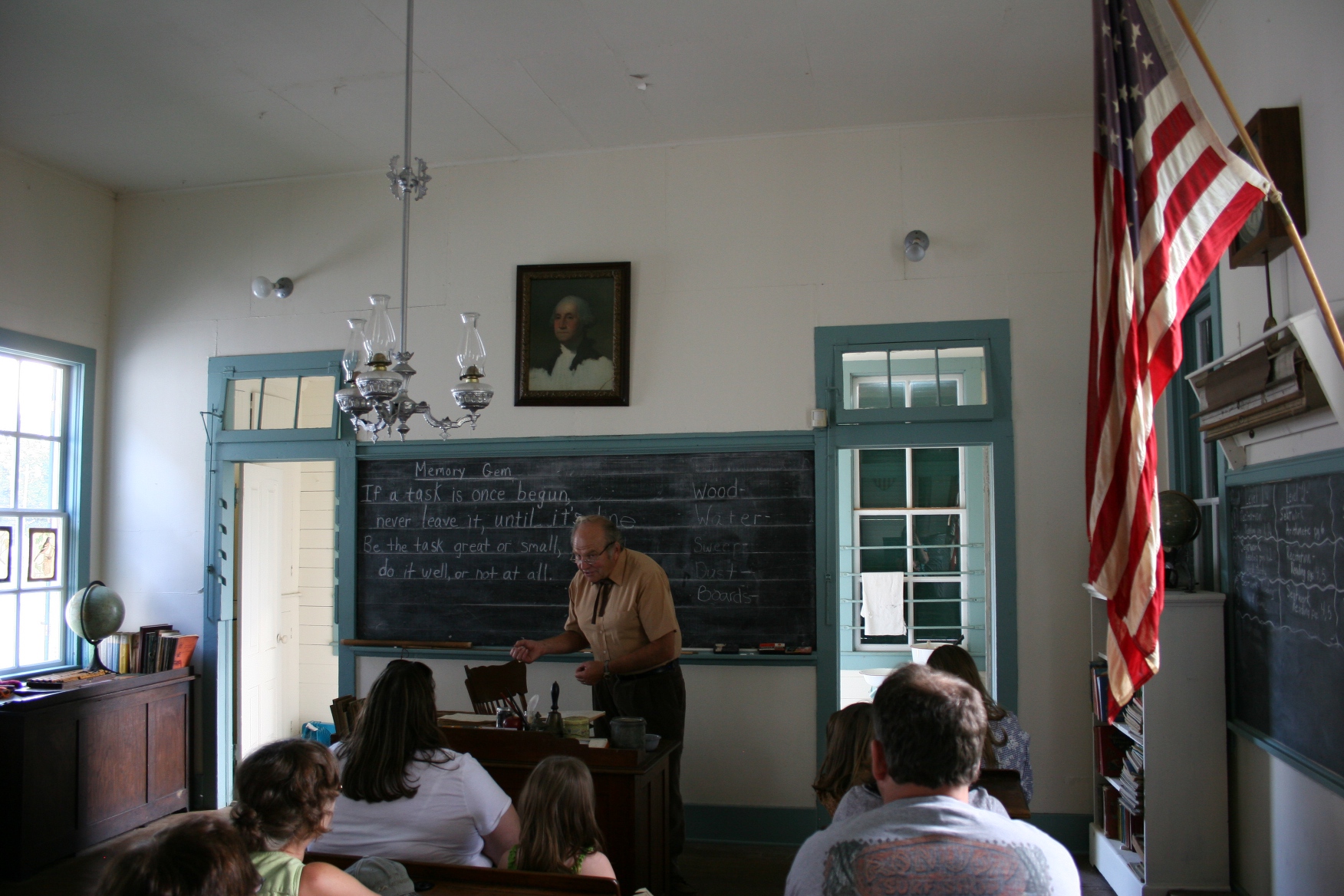
Attendees and participants in A Night at the Museum filled the one-room school.

Inside the one-room school.

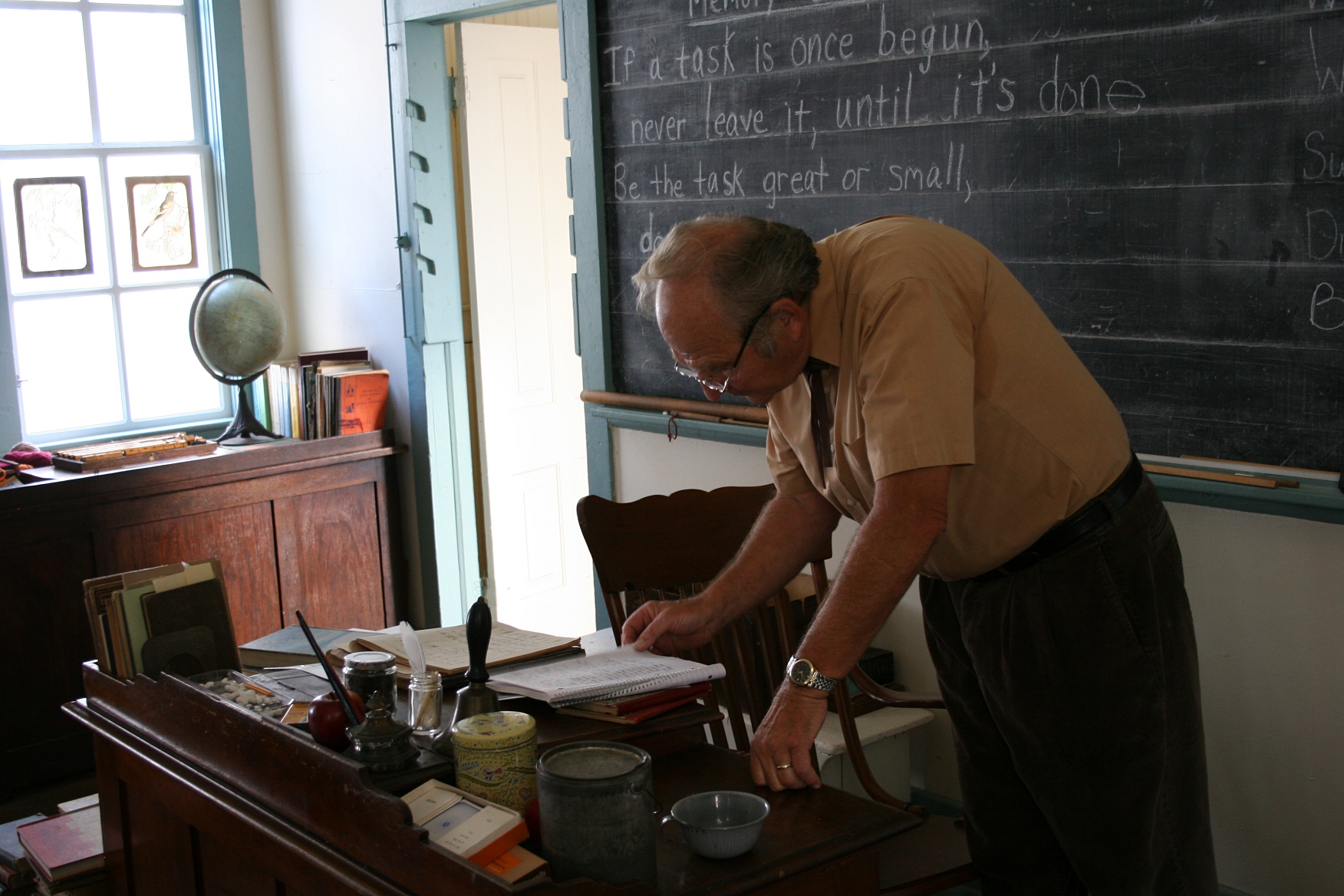
My friend Duane role-plays the Pleasant Valley teacher.

My friend Duane role-plays the Pleasant Valley teacher.

Teacher praises his students with “Good, very good.”

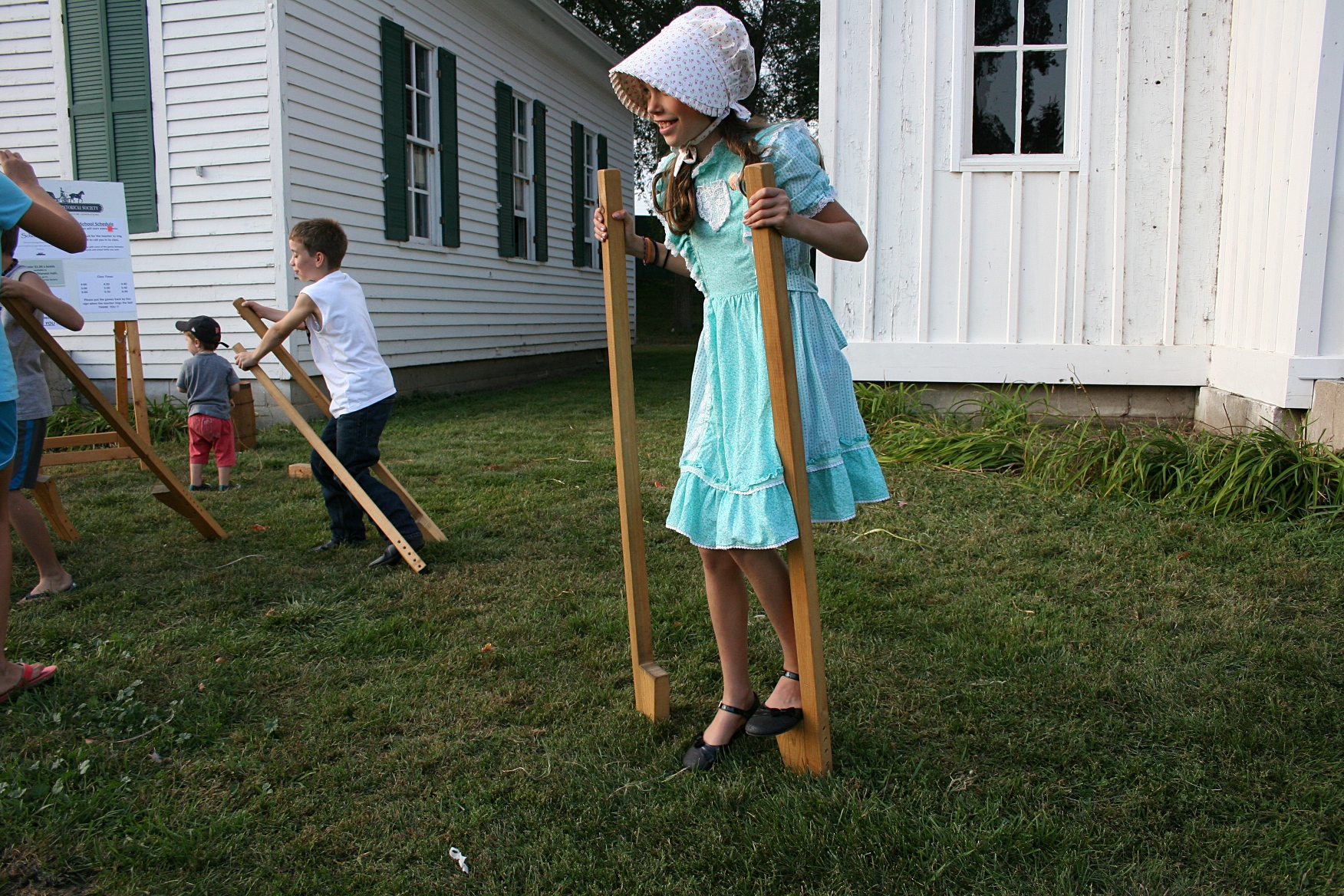
Kids loved trying to walk on stilts.

Kids loved trying to walk on stilts.

Outside, during recess, legs fly in a game of tag while others flail in attempts to walk on stilts.

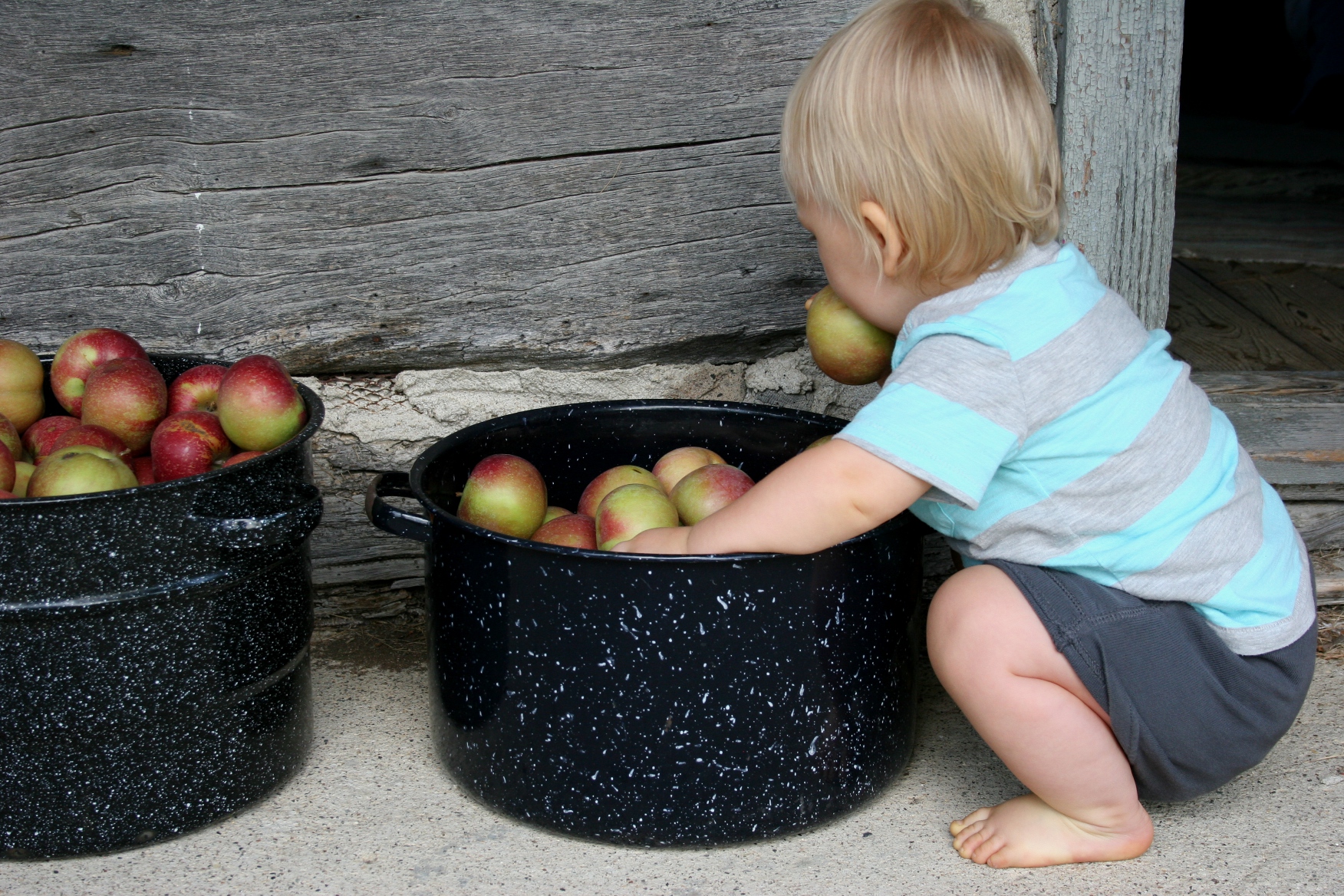
Luke, 13 months, finds an apple outside the log cabin.

Luke, 13 months, finds an apple outside the log cabin.

Across the way, in an 1856 log cabin, the scent of baking bread lingers while a steady hand cranks a butter churn.

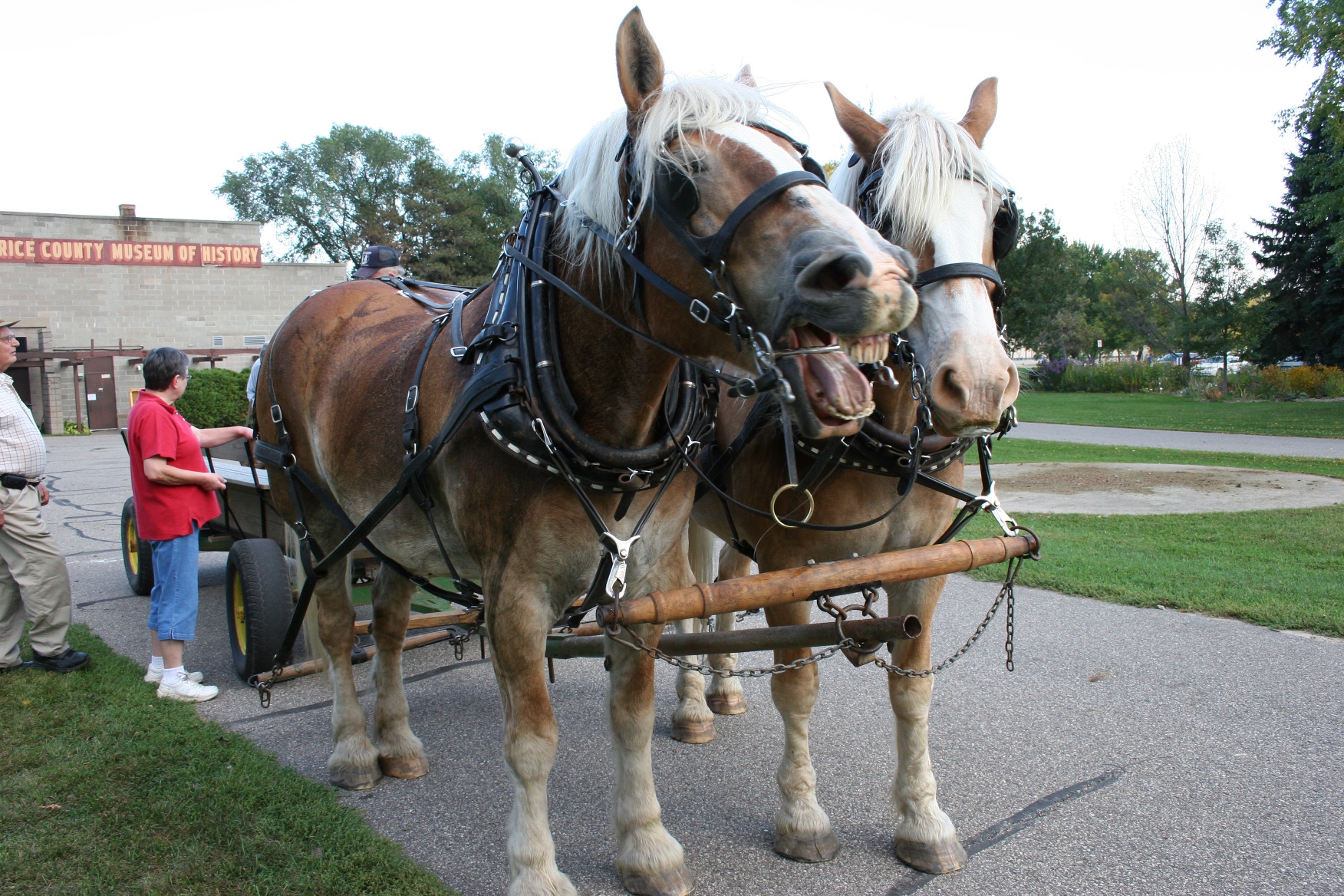
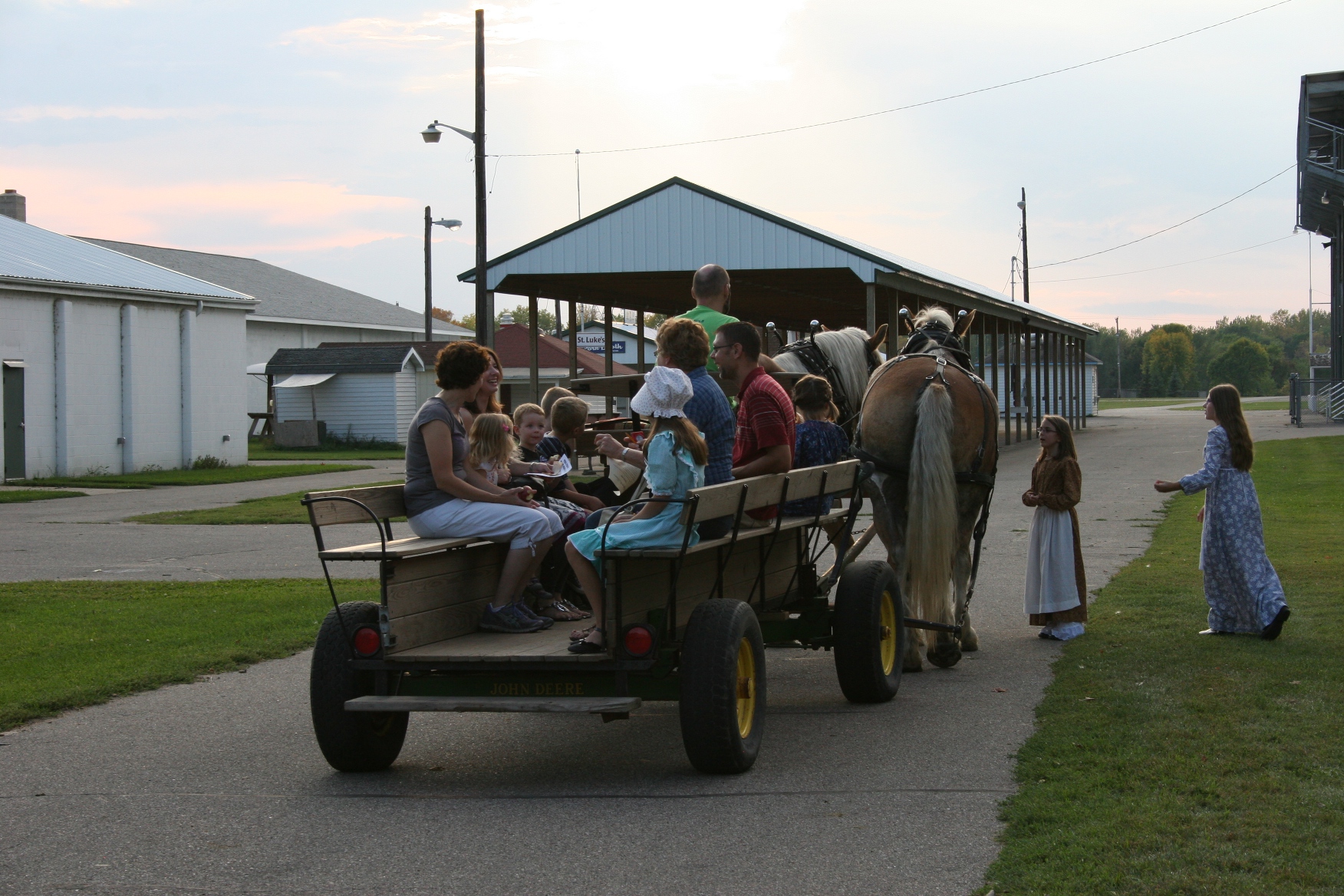
Mike and Pat bring their horses and wagon to many area events.

Mike and Pat bring their horses and wagon to many area events.

Wagon rides around the Rice County Fairgrounds proved popular.

Wagon rides around the Rice County Fairgrounds proved popular.

A team of Belgian horses pulls a wagon, not a covered wagon like Pa Ingalls’, but still, a welcome mode of transportation on a stunning autumn afternoon and evening in southeastern Minnesota.

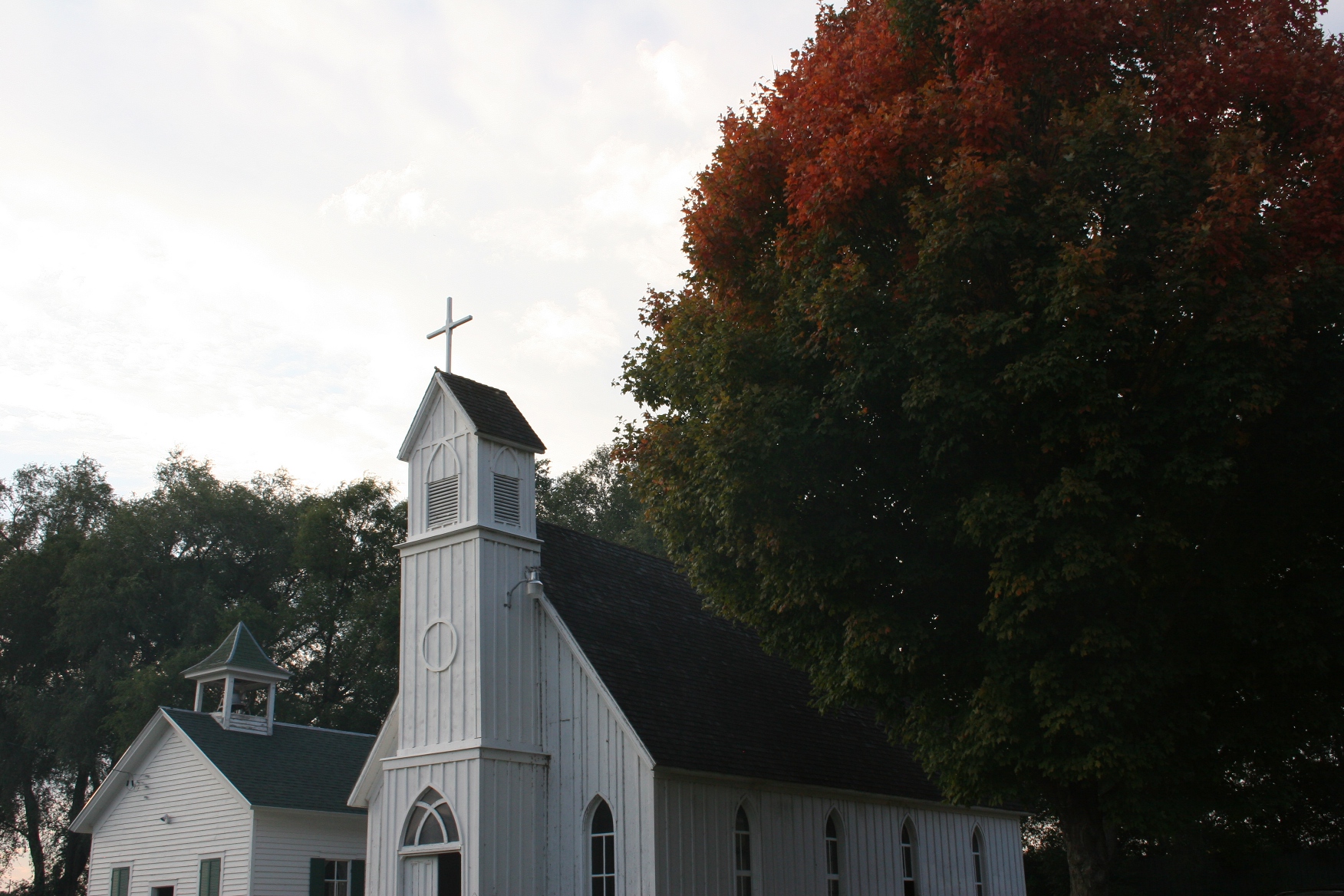
Pleasant Valley School, left, and Holy Innocents Episcopal Church.

Pleasant Valley School, left, and Holy Innocents Episcopal Church at the Rice County Historical Society, Faribault, Minnesota.

Fast forward to July 15, 1944, and Helen Greenville walks the worn floorboards of Holy Innocents Episcopal Church as she prepares for her daughter, Lilas’, wedding. “Oh the Deep, Deep Love” slides from bow to violin strings.

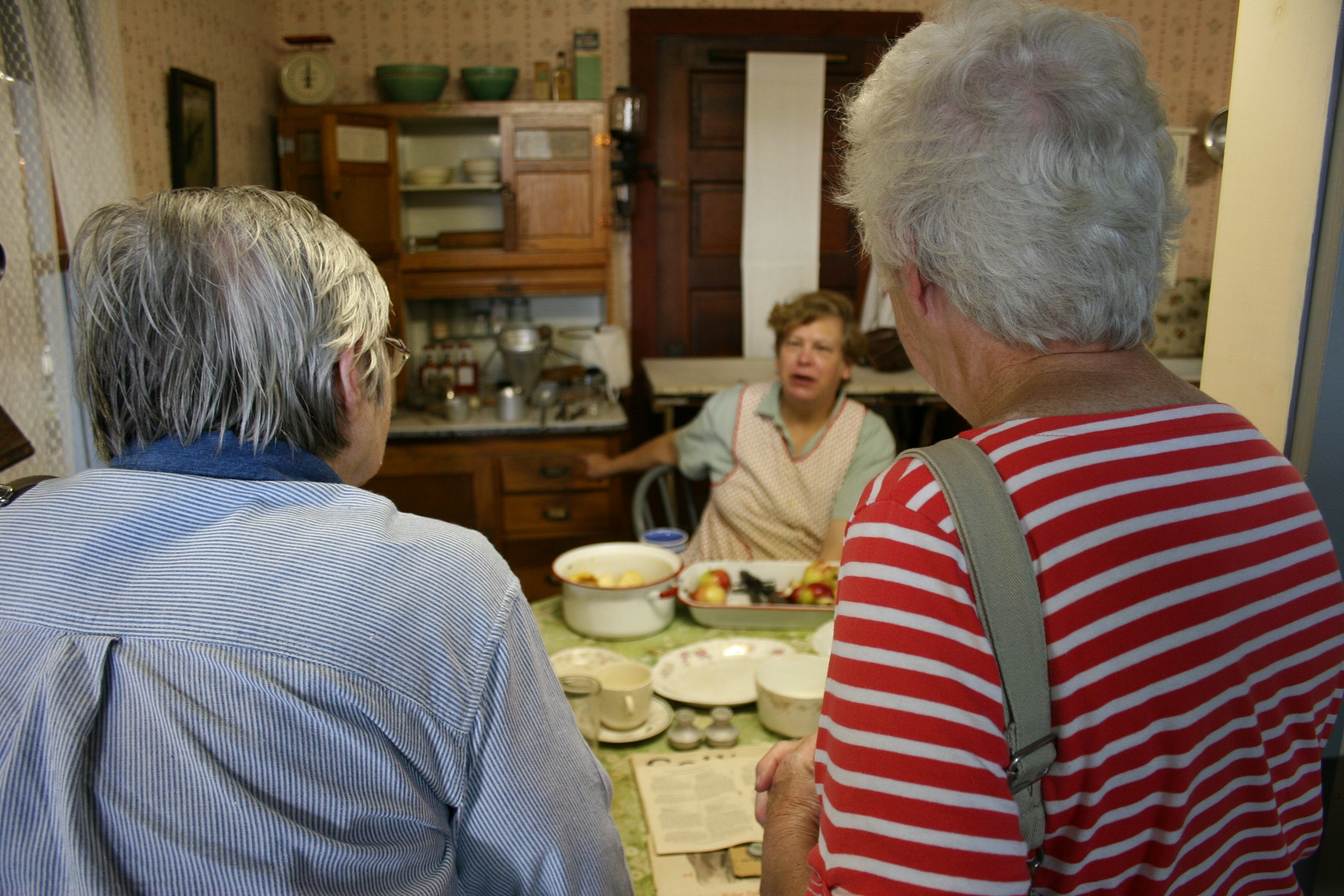
A Night at the Museum attendees visit with Mrs. Morris, who was peeling apples in her kitchen.

Visitors chat with Mrs. Morris, who is peeling apples in her kitchen.

Next door, Mrs. Morris peels apples for applesauce.

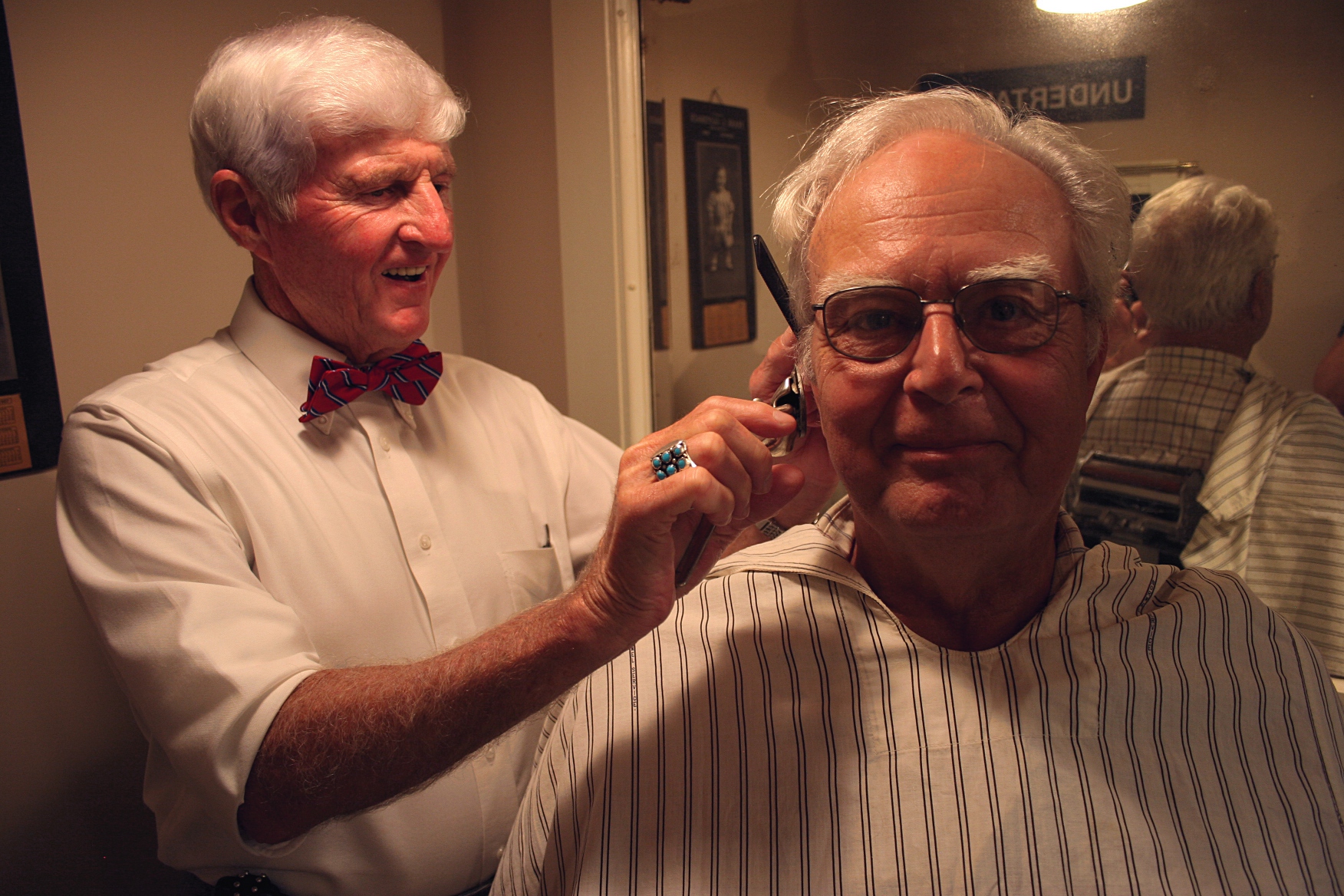
Barber Tom with customer LeRoy inside the museum barbershop.

Barber Tom with customer LeRoy inside the museum barbershop.

In another building, Hopalong Tenacity taps out Morse Code and the barber razors hair and Civil War veteran and businessman John Hutchinson greets guests, all dapper in top hat and tails.

Friends.

Friends.

These scenes and more were part of the Rice County Historical Society’s second annual Night at the Museum, an event which brings history to life inside and outside museum buildings.

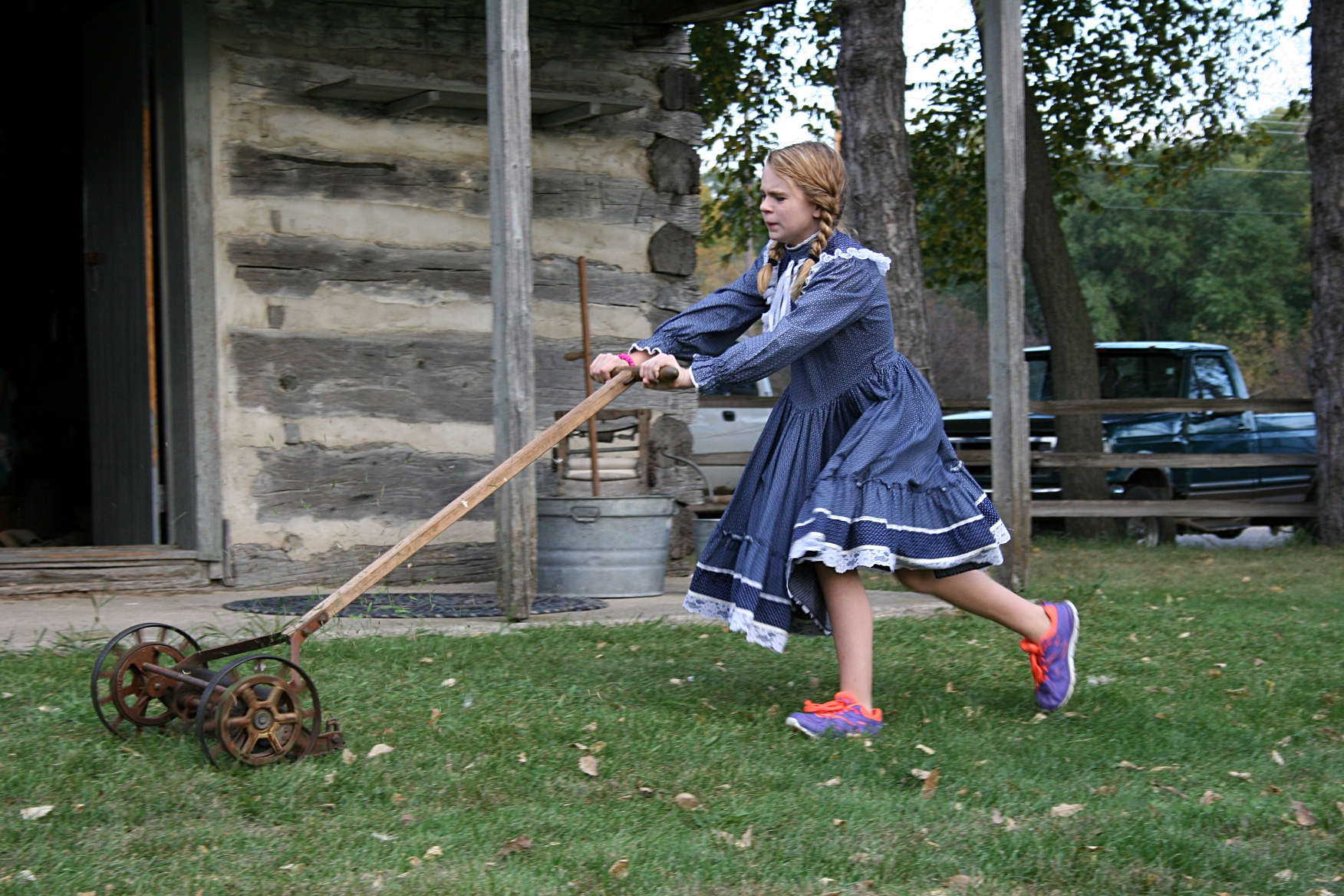
Kaylee, role-playing Katie, struggles to push an old-fashioned lawnmower across the lawn outside the log cabin.

Kaylee, role-playing Katie, struggles to push an old-fashioned lawnmower across the lawn outside the log cabin.

I loved it. This is how I learn history best—through voices and stories and action.

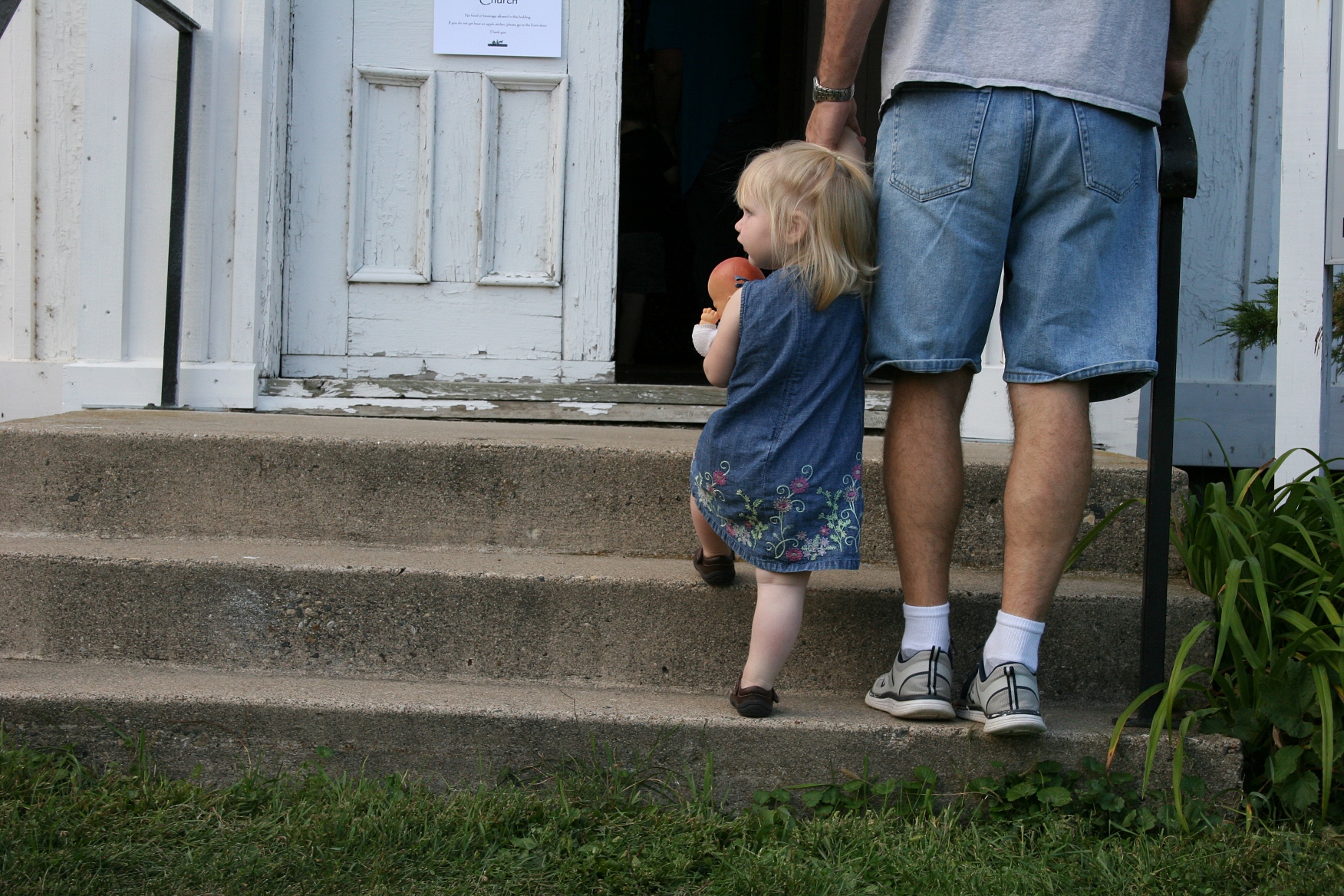
Dad and daughter enter the historic church.

Dad and daughter enter the historic church. A Night at the Museum is definitely a family-oriented event.

And, based on my observations, adults and kids attending and participating likewise embrace this style of sharing history.

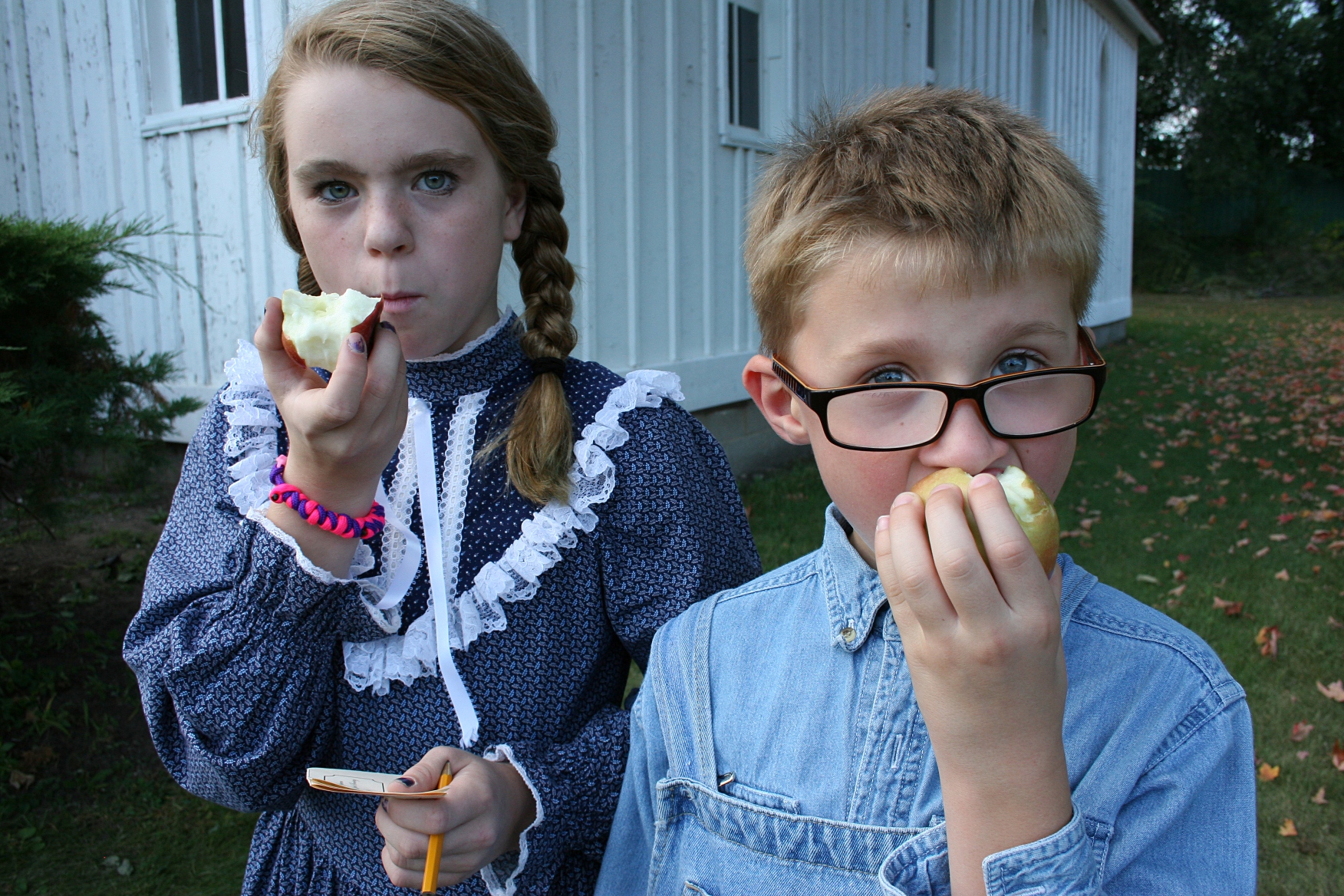
Kaylee and William (AKA Katie and Jim for the evening) raved about the apples.

Siblings Kaylee and William (AKA Katie and Jim for the evening) raved about the apples.

I’d like to see more of these living history events in my community of Faribault, one of Minnesota’s oldest cities founded in 1852 by fur trader Alexander Faribault. Our historic downtown would provide an ideal stage as would the historic Cathedral of Our Merciful Saviour and so many other aged buildings in and around town.

HOW DO YOU BEST learn history? How does your community share its local history?

© Copyright 2014 Audrey Kletscher Helbling


Brainstorming on Faribault’s future September 29, 2014

NEVER HAVE I BEEN PART of a community’s visioning process.

Until Thursday evening, when eleven of us gathered at the Historic Hutchinson House Bed & Breakfast to discuss Faribault’s strengths, challenges and future under the guidance of hosts Doug and Tami Schluter.
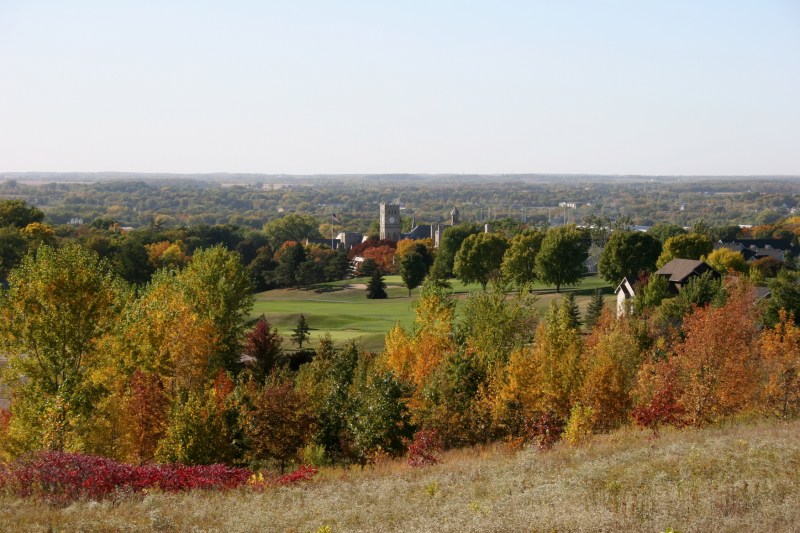
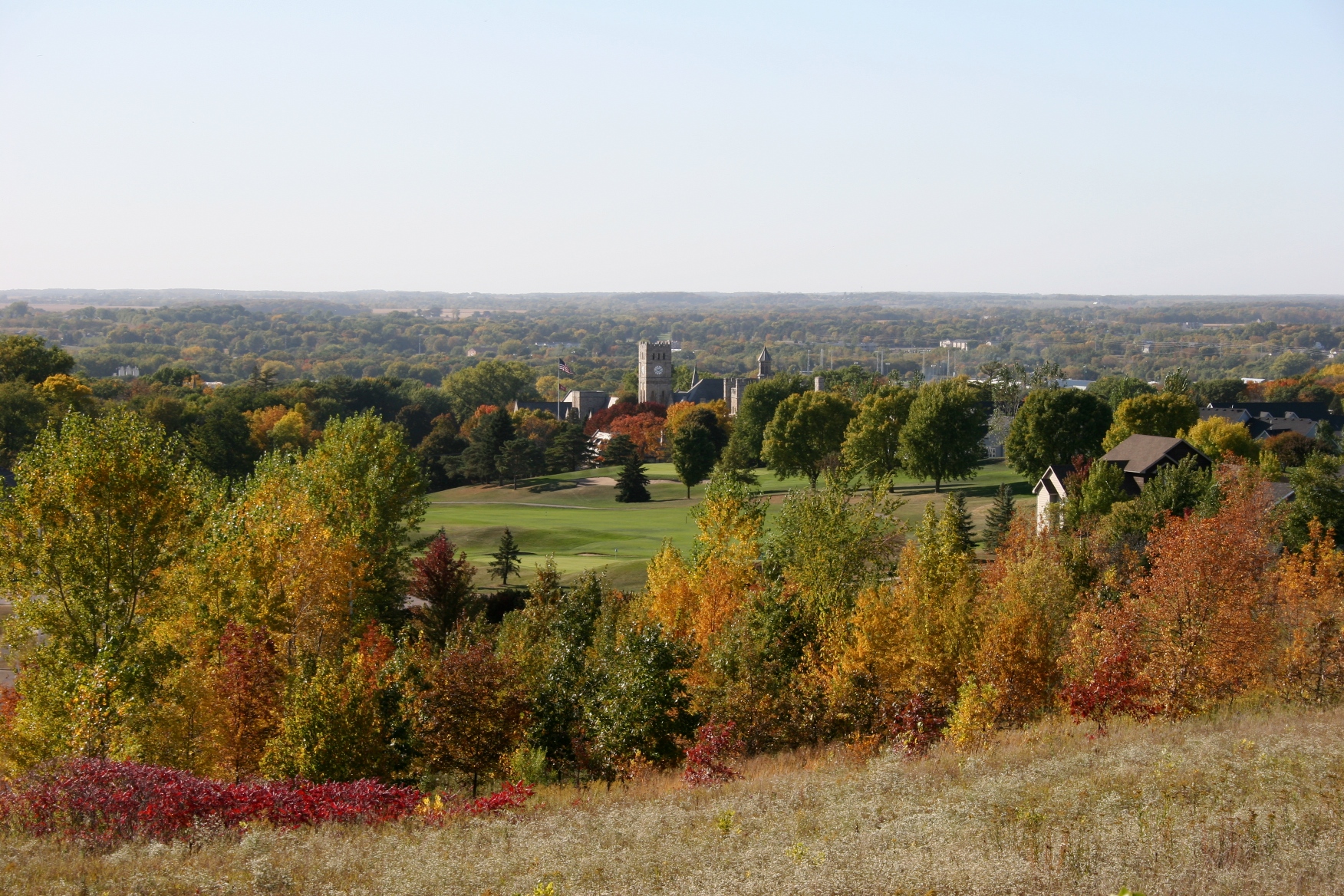
In the distance you can see the clock tower on Shumway Hall at Shattuck-St. Mary's School in Faribault, photographed last fall from City View Park.

A stunning autumn view of Faribault taken at City View Park show the campus of Shattuck-St. Mary’s School. Minnesota Prairie Roots file photo.

For nearly three hours, our baker’s dozen of Baby Boomers focused on our southeastern Minnesota community through this “Meeting in a Box” session. It was a thoughtful process which allowed every single person the opportunity to speak as we rounded the dining room table, one-by-one taking our turns.

To have this grassroots chance to voice one’s opinion, without interruption (mostly) and in an informal setting, will provide invaluable information to the City of Faribault, which has launched this seven-month-long community visioning process tagged as Community Vision—Faribault 2040.

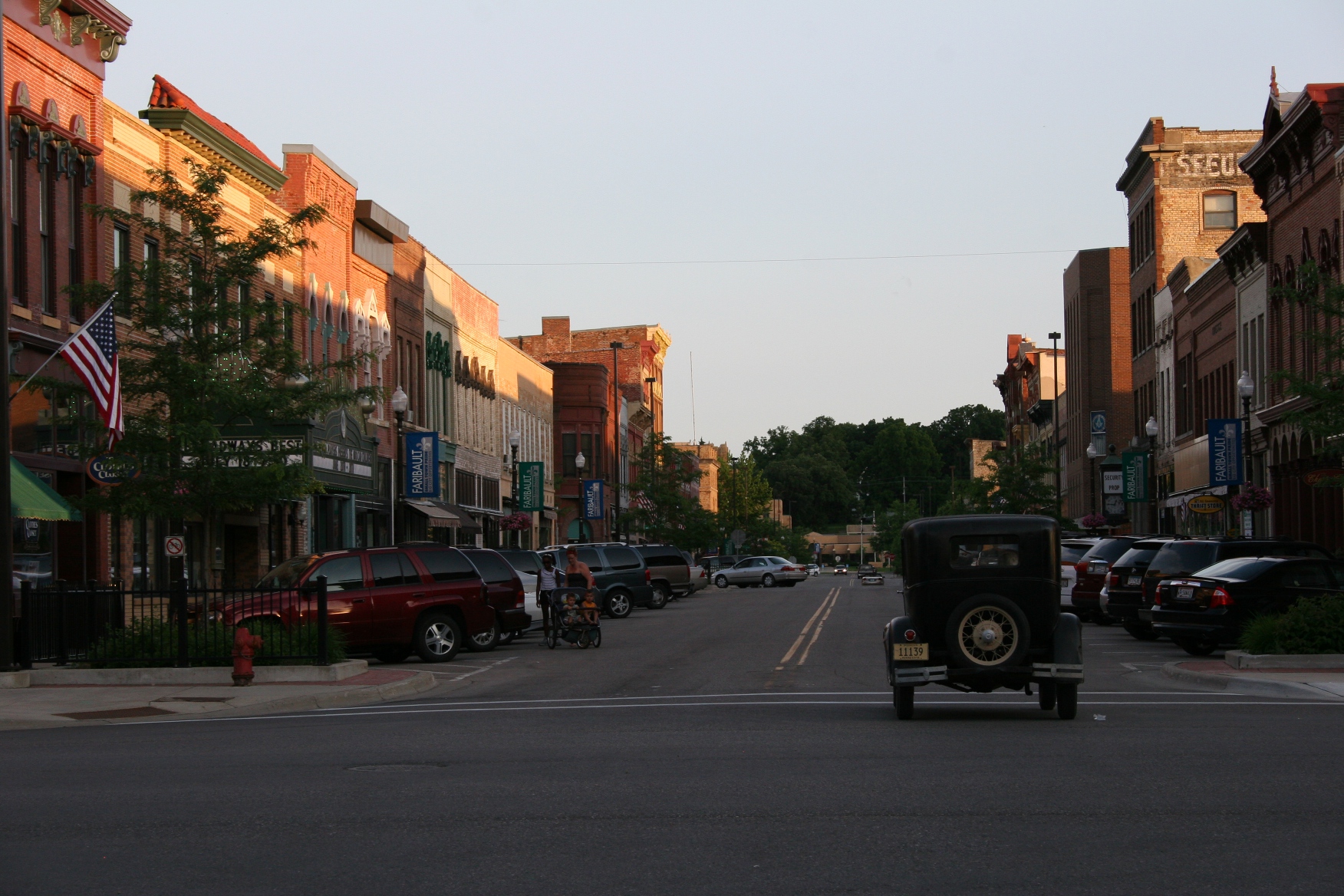
Leaving the show and driving southbound on Central Avenue through historic downtown Faribault.

A recent shot of a section of historic downtown Faribault’s Central Avenue. This scene represents to me Faribault’s past, present and future.

Projecting 25 years into the future allows our community to be proactive, to plan, to build on strengths, to identify weaknesses, to grow a stronger and better Faribault.

I couldn’t help but think, during this brainstorming session, how my second daughter recently reacted to news of a nephew’s upcoming move from Utah to rural Faribault. “It’s Faribault, Mom,” she said, a definite disdain tinging her words. I wondered how many other twenty-somethings share her attitude, how they can’t wait to graduate and move away.

Keeping our young people here popped up as a challenge facing Faribault. But I expect residents of almost every city or small town feel the same about the exit of their youth. I left my native southwestern Minnesota prairie at age seventeen.
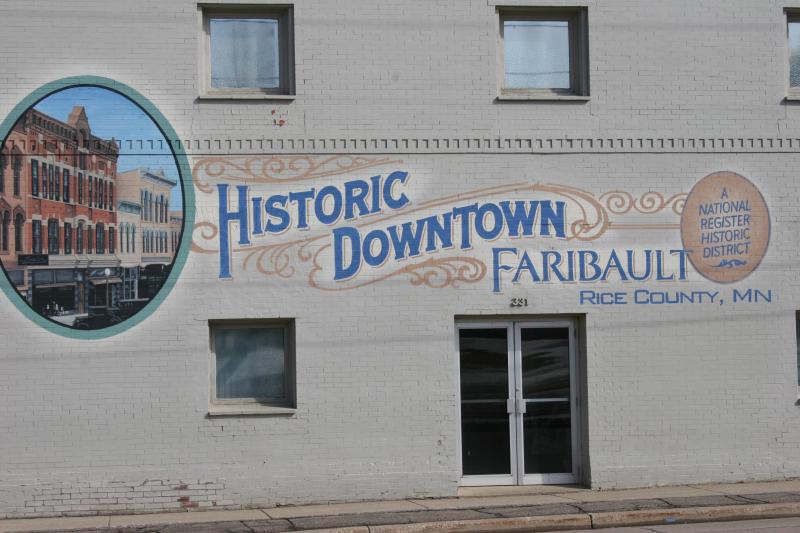
A mural, one of several in the downtown area, promotes historic Faribault.

A mural, one of several in the downtown area, promotes historic Faribault. Our community’s rich history and architecture came up repeatedly as strong assets during the “Meeting in a Box” conversation.

Our discussion, among Faribault natives and those of us who relocated here, began with this statement: “My community is great, because……”
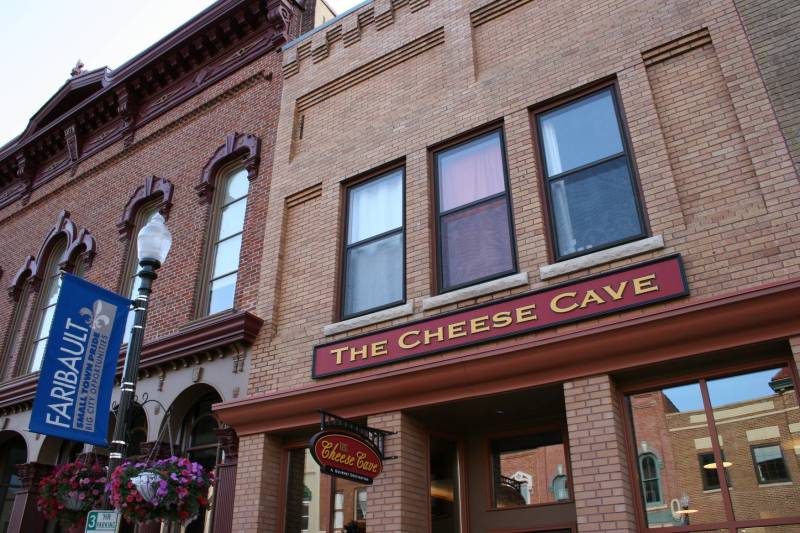
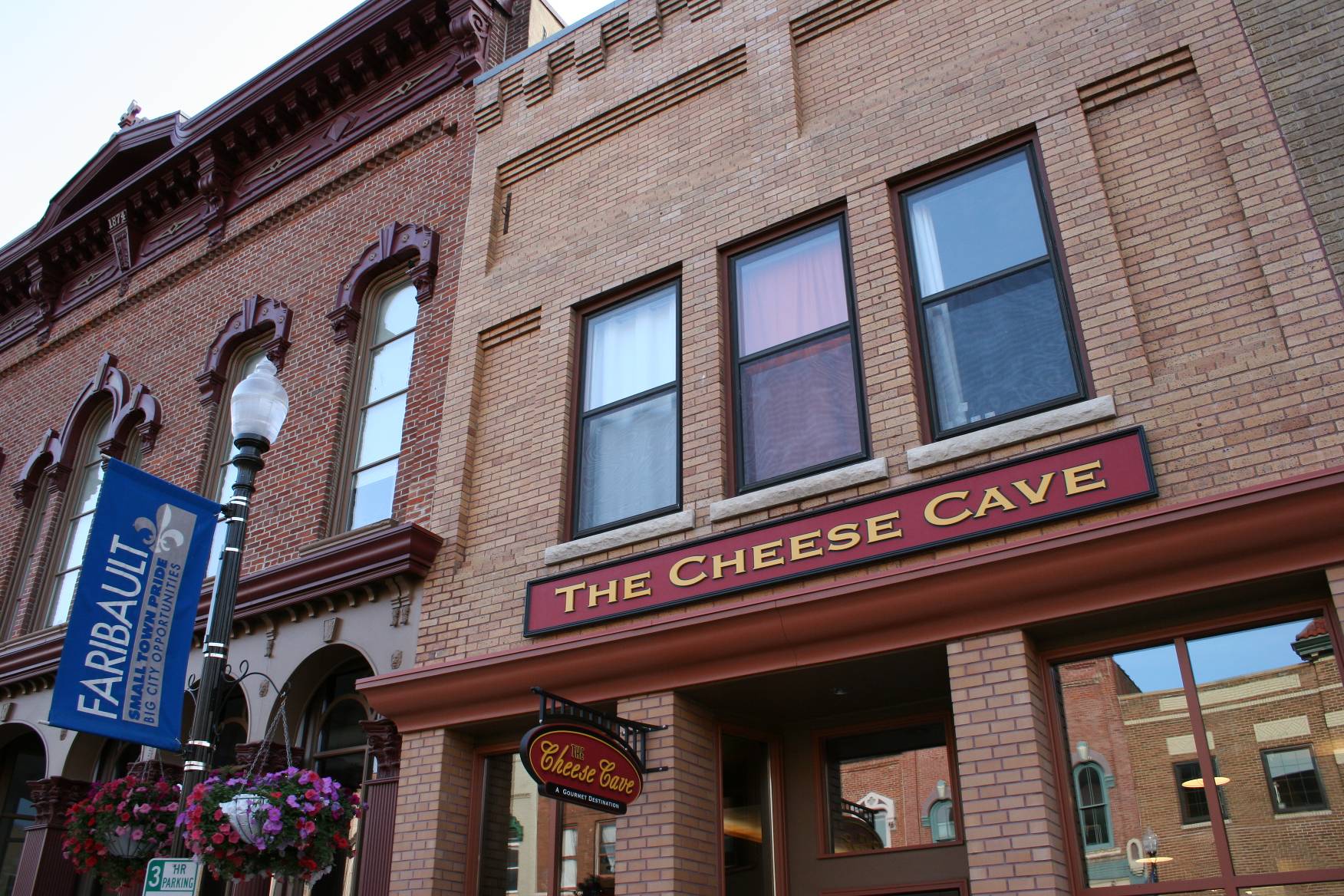
The Cheese Cave is housed in a beautifully-restored building in historic downtown Faribault. The interior, with an arched ceiling and sandstone-colored walls, mimics the caves where Faribault Dairy ages its cheeses.

The Cheese Cave is housed in a beautifully-restored building in historic downtown Faribault, site of many old and well-preserved buildings. Minnesota Prairie Roots file photo.

We could jot down three answers before circling the table and sharing. Once all answers were listed, we voted these as the top five reason’s Faribault is great: variety of educational choices, downtown architecture and rich history, efforts to preserve the past, good mix of businesses and people who care about one another.

Then it was on to the next question, which proved much more difficult: When you look 25 years into Faribault’s future, what are the most important community strengths we should build upon as we plan for Faribault’s future?
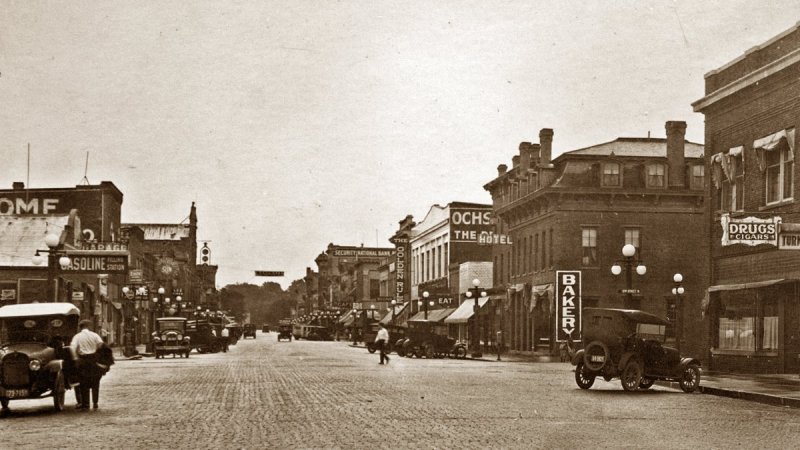
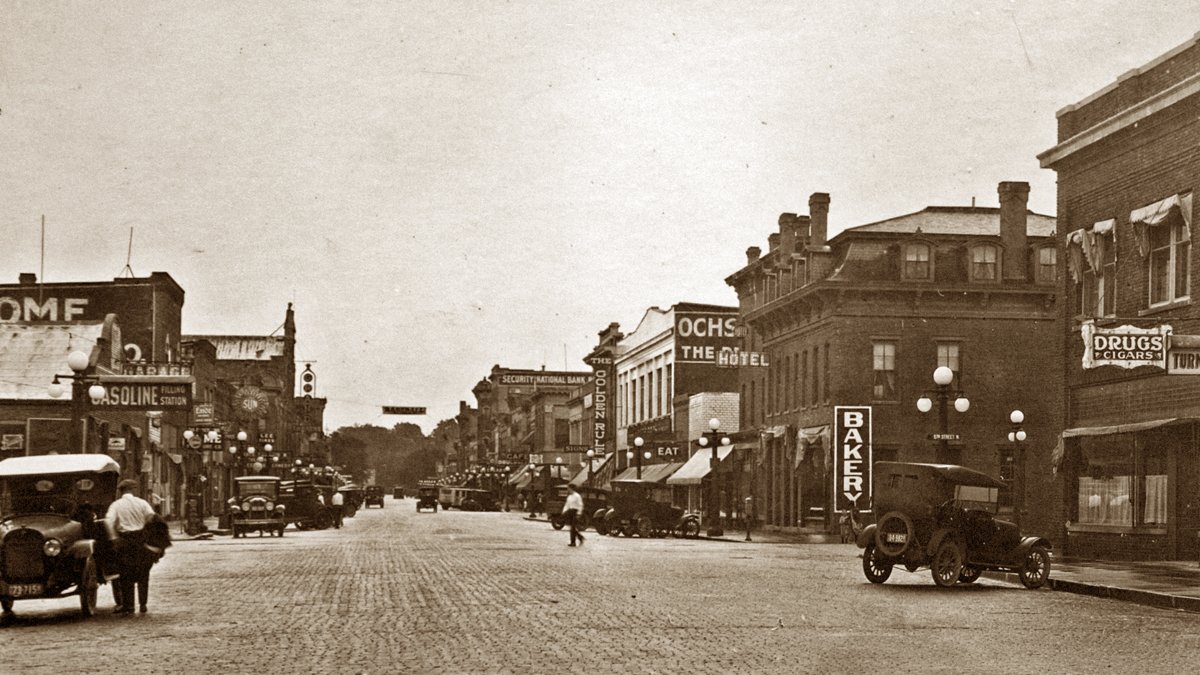
Note the Faribault Ochs store in this mid-1920s photo from the private collection of Daniel J. Hoisington.

This mid-1920s photo from the private collection of Daniel J. Hoisington was shot in downtown Faribault. Preserving our rich history and architecture ranked high in discussion at the “Meeting in a Box.”

After significant effort to even understand the question, we responded, then voted for our top five most important community strengths: educational opportunities, grow industries, preserve small town feel, tourism opportunities and preserving historical buildings and history.

Finally, the last question asked us to identify Faribault’s most pressing challenges as we plan for the future.
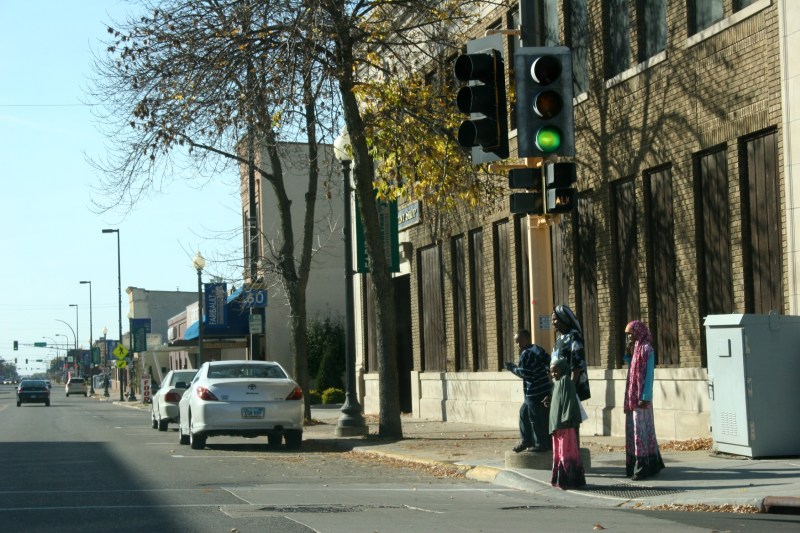
A Somali family waits to cross a street in downtown Faribault. Minnesota Prairie Roots file photo 2010.

A Somali family waits to cross a street in downtown Faribault. Diversity-related issues rated high in conversation. Minnesota Prairie Roots file photo 2010.

Those responses flowed fast and easy with the following marked as Faribault’s top challenges: housing code enforcement, crime (specifically domestic violence, drugs and DWIs identified), diversity related issues, city/county/citizen leadership, community planning and poor community pride.

Not much revealed at this “Meeting in a Box” session surprised me.

Yet, it’s good to get our thoughts out there so city leaders are aware of Average Joe or Jane Resident’s concerns. Our long lists of answers—all of them, not just the top five—will be forwarded to city officials. That’s reaffirming, to know that every single response will be passed along.

This week, from 7 – 9 p.m. Thursday, October 2, the Schluters are hosting another “Meeting in a Box.” They’re looking for participants. So, if you want a voice in the conversation about Faribault, contact them.

These sessions are being held through-out the community as the second step in the visioning process. Focus groups and community forums will follow.

For this process to truly reflect Faribault, though, more than just grey-haired Caucasian Baby Boomers will need to provide input. Opinions from all races and ages are needed.

Young people are our future. They will live the longest with the decisions made today. Unless they leave Faribault. Like my two daughters and son.

© Copyright 2014 Audrey Kletscher Helbling


Minnesotans remember the Holocaust in traveling exhibit June 23, 2014

I READ IT IN THEIR STORIES. Courage. Hope. Strength. Fortitude. Survival.

I see it in the lines that etch deep into their faces, in their piercing eyes, in their hands. Courage. Hope. Strength. Fortitude. Survival.

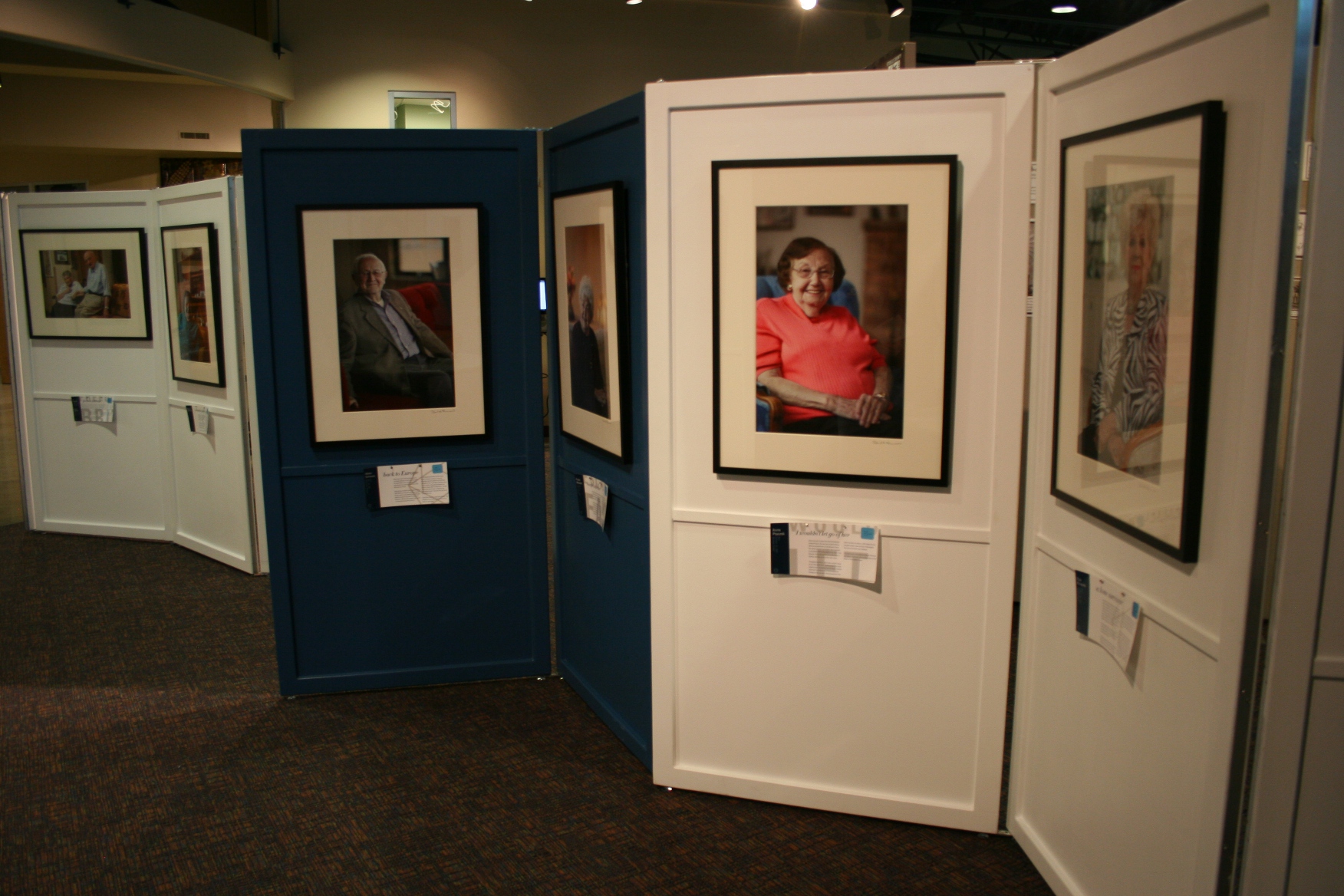
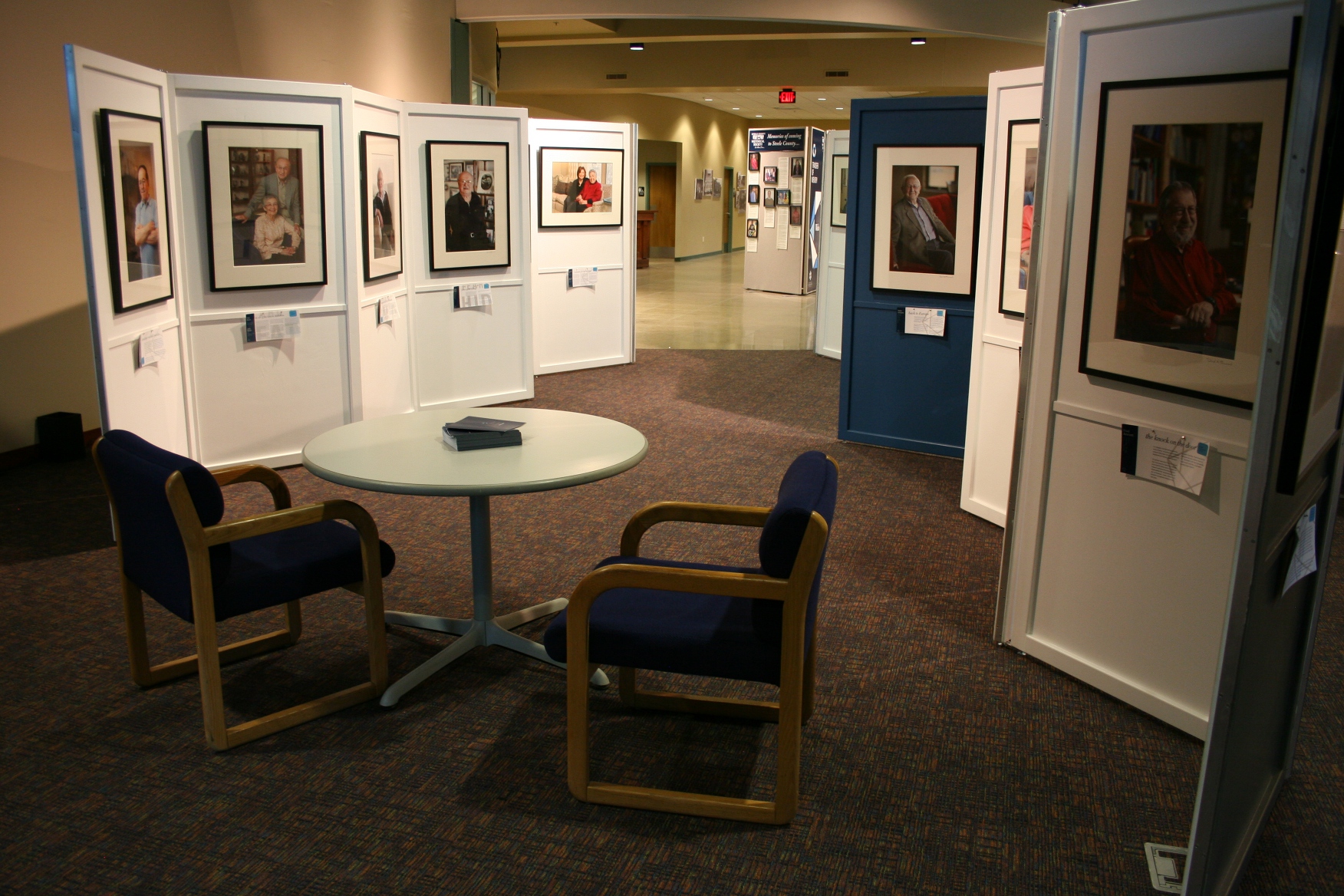
Panels showcase portraits and stories.

Panels showcase portraits and stories.

They are men and women, now living in Minnesota, who survived the Holocaust.

On a recent Saturday, in Owatonna, a rural Minnesota community far removed from the horrible history of Nazis and concentration camps and atrocities against Jews, I was introduced to brave souls who endured almost unimaginable experiences to emerge with spirits still strong, hope alive, lives to live.

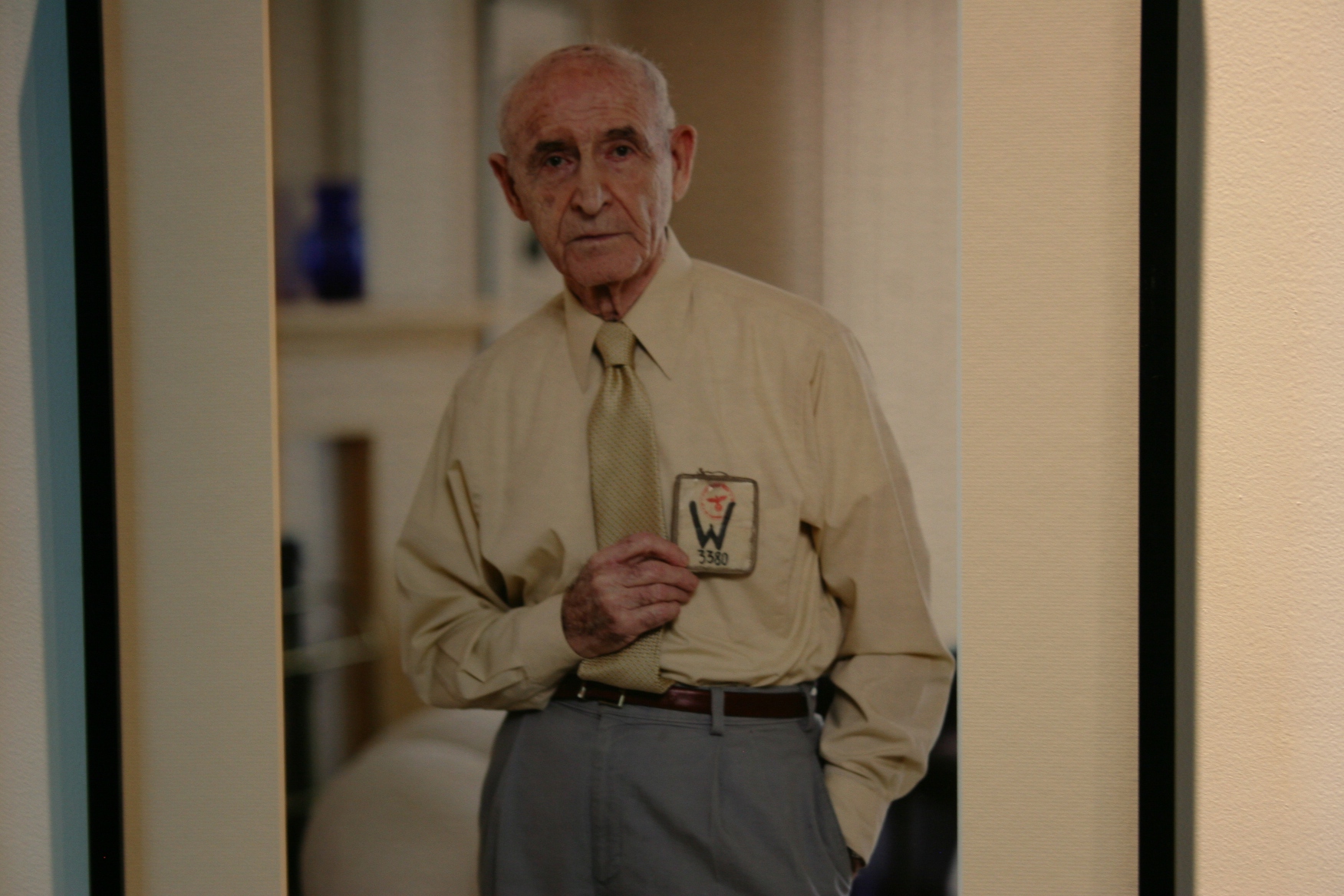
Holocaust survivor Leo Weiss.

Holocaust survivor Leo Weiss.

Eva, Ella, Sam, Walter, Paula, Anne, Joe, Trudy, Leo…

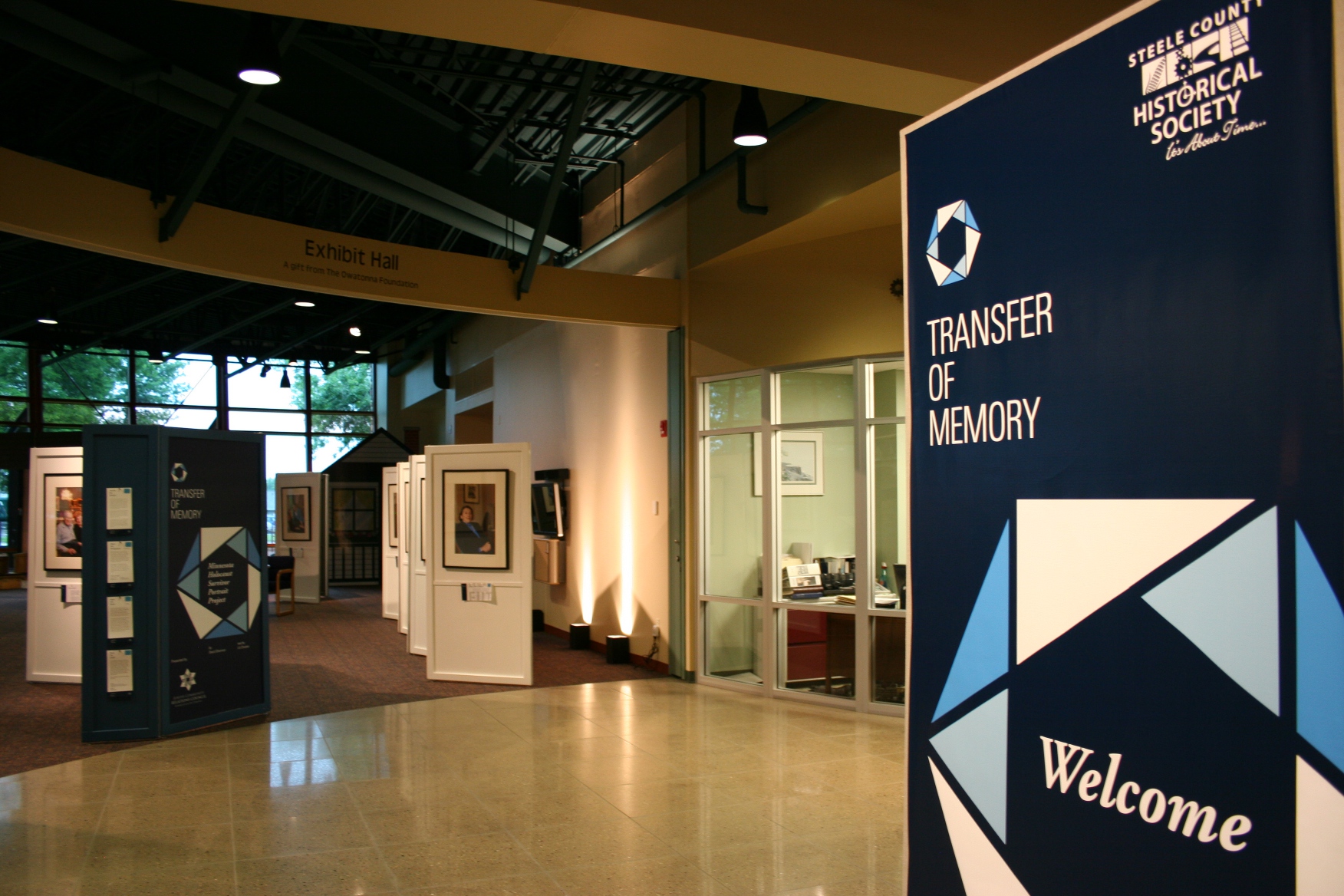
The Steele County History Center, 1700 Austin Road, Owatonna, is hosting "Transfer of Memory" through August 17.

The Steele County History Center, 1700 Austin Road, Owatonna, is hosting “Transfer of Memory” through August 17. Museum admission charges apply.

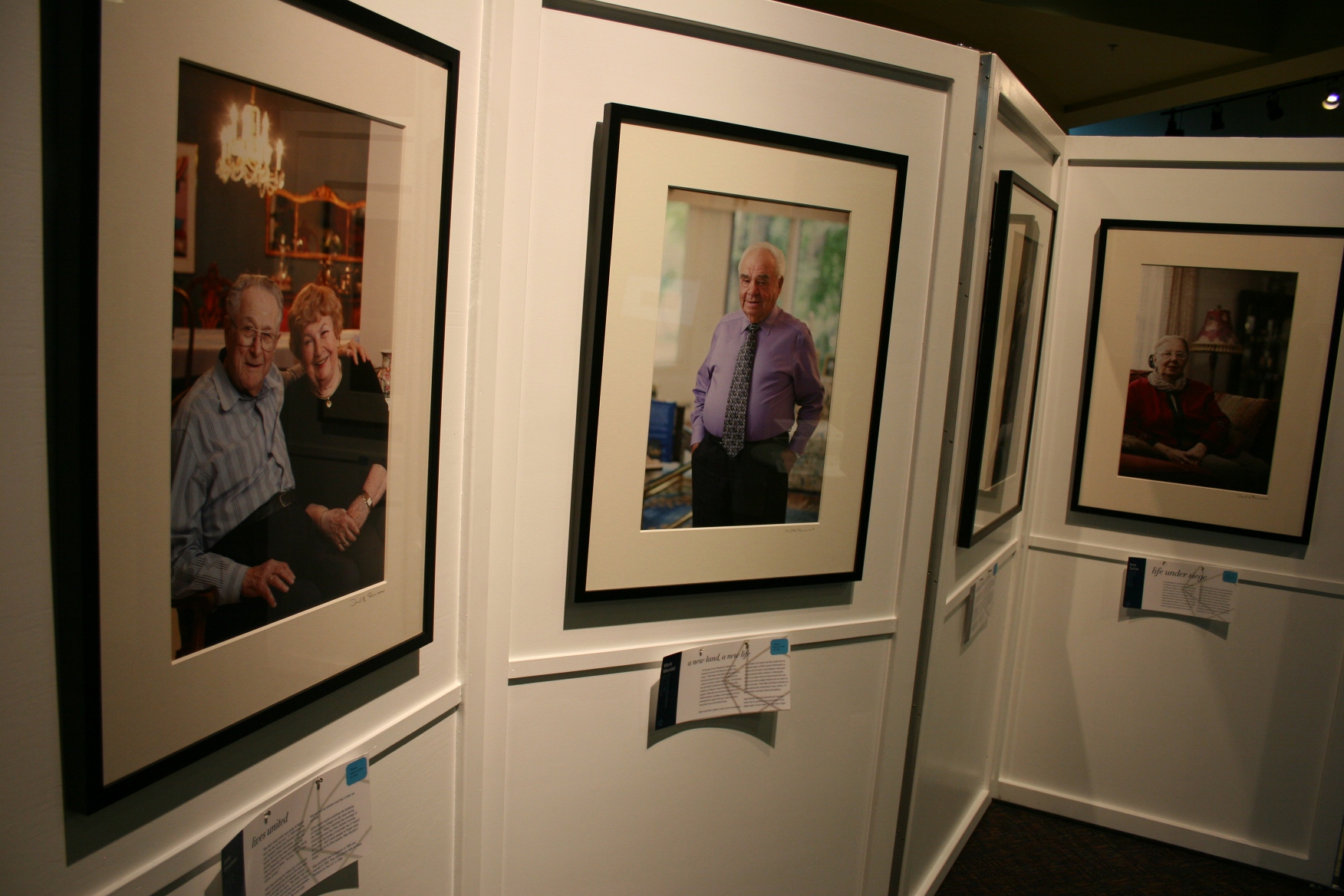
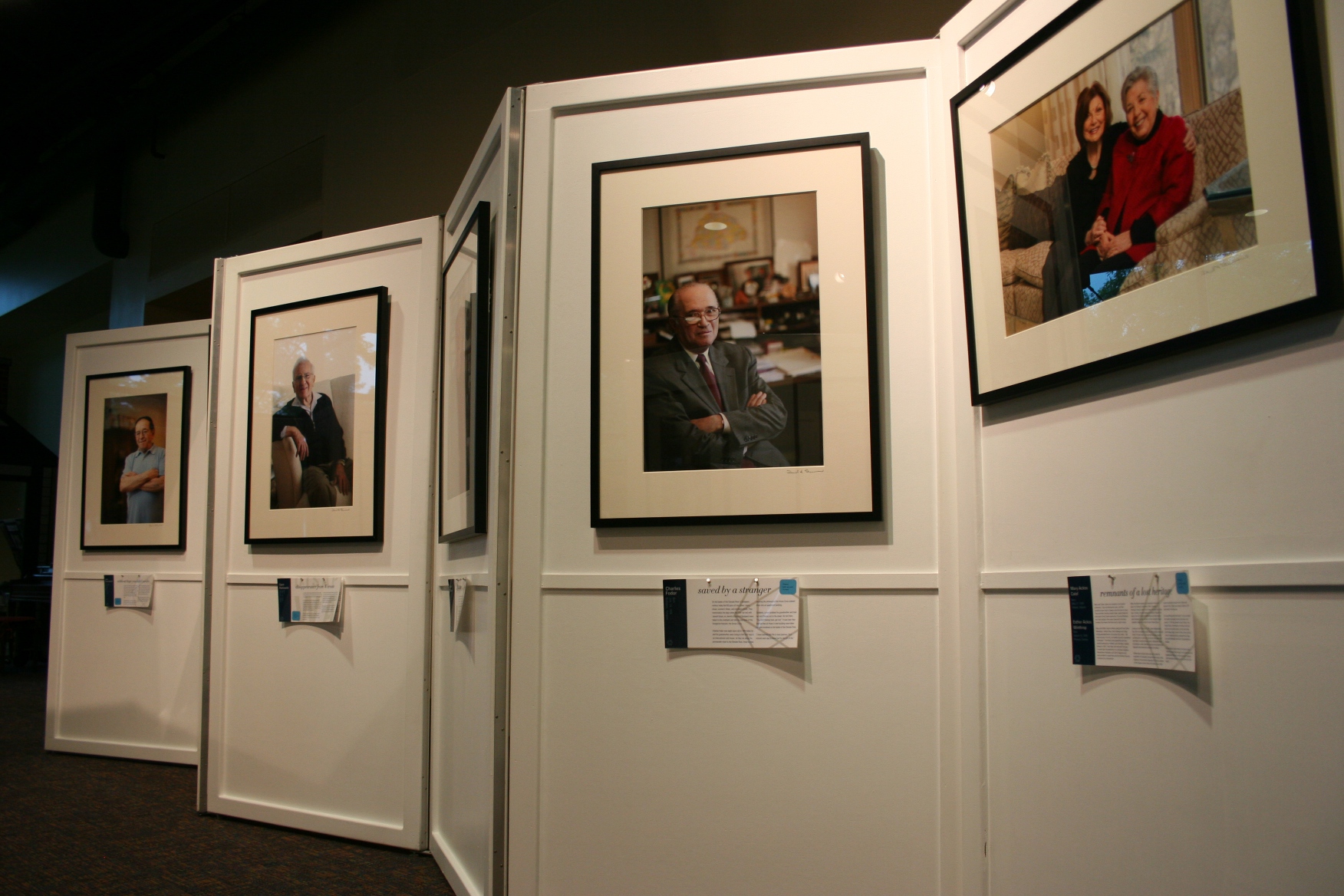
Thirty-five impressive portraits by photographer David Sherman and accompanying information written by Lili Chester tell the stories of these Holocaust survivors in the traveling exhibit, “Transfer of Memory.” The show, created in partnership with the Jewish Community Relations Council of Minnesota and the Dakotas, will remain at the Steele County History Center until August 17.

Their stories will touch you.

Their stories will touch you.

I’m especially pleased that this exhibit is showing in Owatonna, offering southeastern Minnesota residents like myself the opportunity to view the portraits and read the stories without traveling into the Twin Cities metro.

Panels of portraits and stories define "Transfer of Memory."

Panels of portraits and stories define “Transfer of Memory.”

As I perused the panels of photos, plucking laminated story cards from below the portraits, I found myself immersed in the personal stories of survival and lessons learned. Hands gripped to prevent separation. Warnings given to save lives. Lying about age and religion to save one’s self. Death and marches and sickness. Horrible horrible stories.

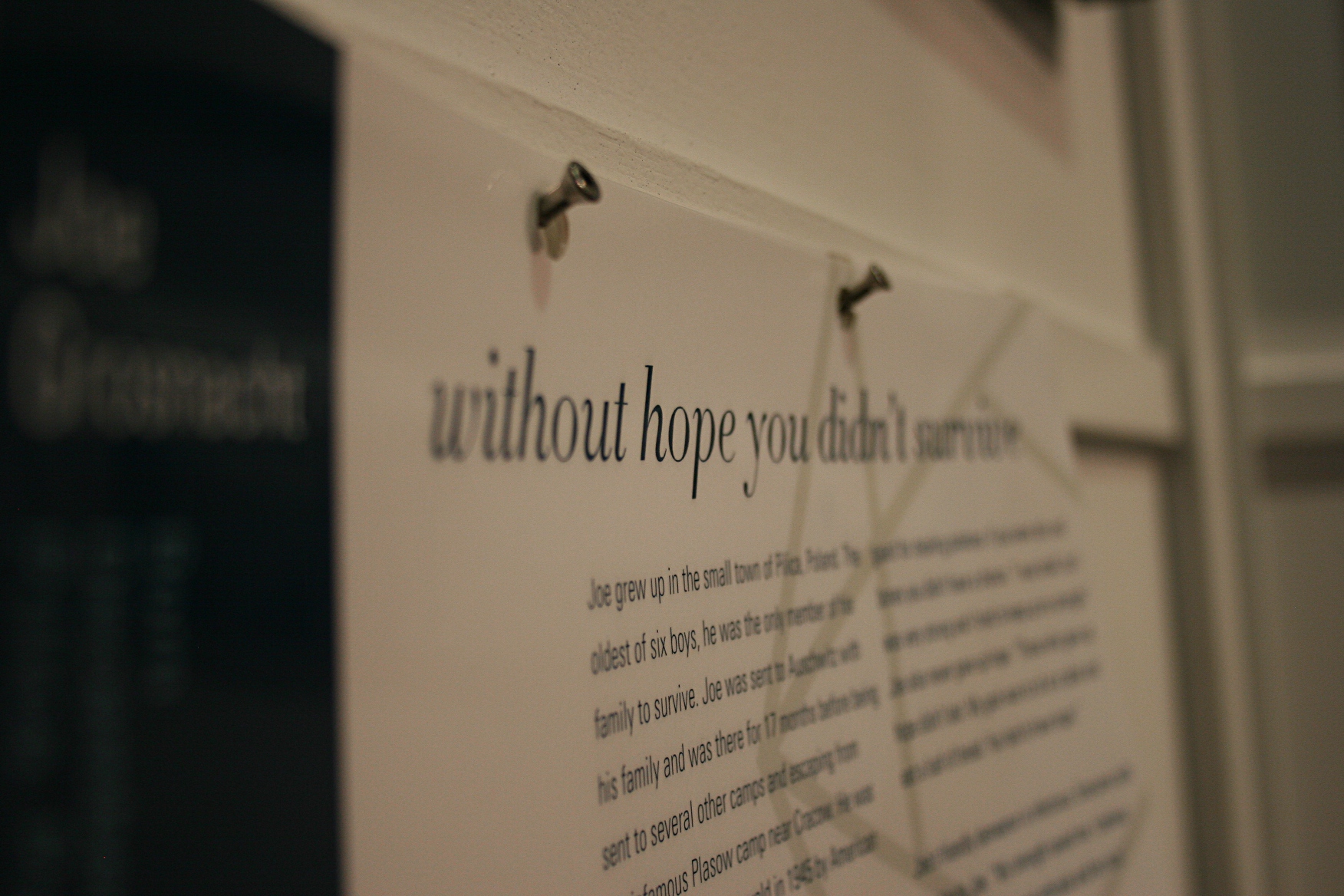
Hope in a story.

In their words: hope.

But always hope. Hope and faith and more allowed these individuals to survive such awful atrocities.

I wonder if I would have possessed the willpower to continue on, to overcome, as they did.

Survivor portraits and stories impress.

Survivor portraits and stories impress.

These Holocaust survivors offer not only their experiences, but their introspection. Therein lies the power of this exhibit:

Don’t hate, it is a terrible thing. Everyone is born innocent. There is no reason to hate.—  Eva Gross

The United State presents to me and all our sons and daughter (s) an equal opportunity. Have patience, make an effort and be tolerant.—  Sam Rafowitz

The potential of (evil) is there in all of us if we do not remember the past.—  Lucy Smith

FYI: If you are unable to view this exhibit in person, click here to see the portraits and read the stories online.

Permission was secured from curators Laura Zelle and Susie Greenberg and from photographer David Sherman to use these photos of Sherman’s work and the exhibit quotes published here. Original exhibit photos and text are copyrighted.


Appreciating history & art in a paper salesman’s catalogue June 18, 2014

Specimens, an incredible collection of fine papers and printing.

Specimens, an incredible  leather-bound collection of fine papers and printing.

I AM SETTLED ON THE SOFA, over-sized hardcover book weighing heavy upon my lap as I wade through the massive volume.

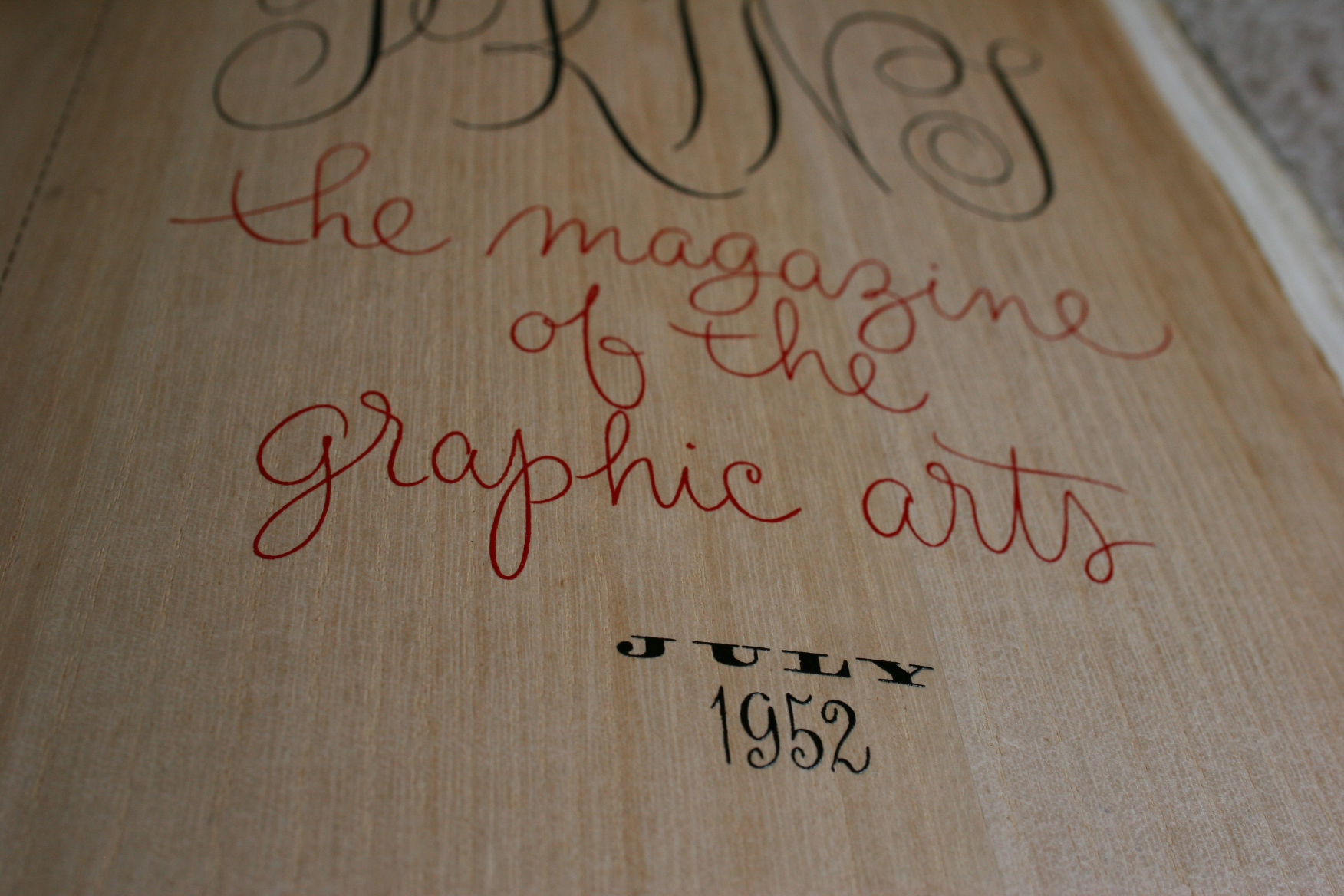
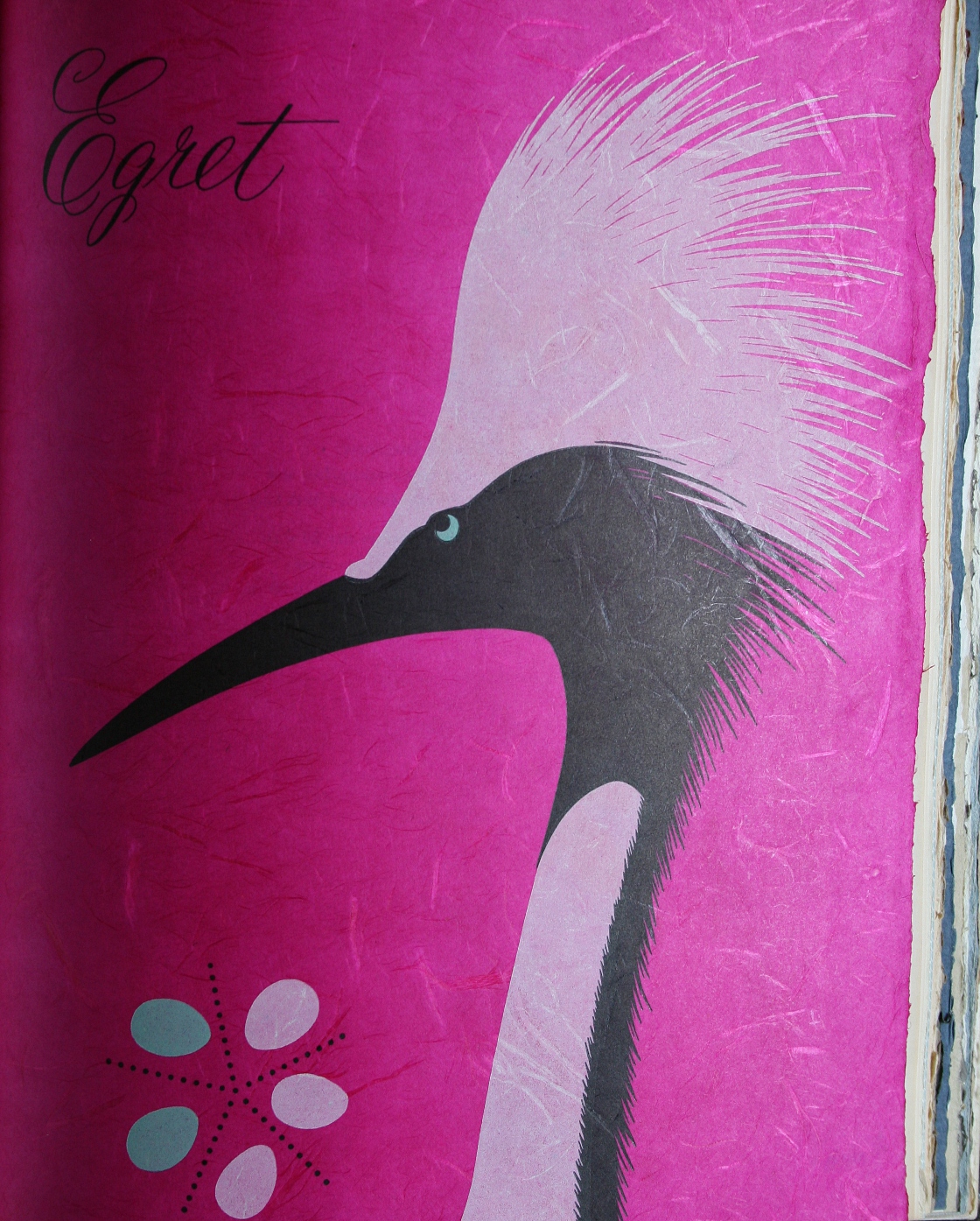
PRINT Magazine cover designed by Andrew Szoeke, printed silkscreen at Pied Piper Press, New York; caption and colophone designed by Ben Lane, printed letterpress at The Lane Press, Burlington, Vermont. Handmade natural wood veneer paper.

One of the pages in the Specimens Catalogue: PRINT Magazine cover designed by Andrew Szoeke, printed silkscreen at Pied Piper Press, New York; caption and colophon designed by Ben Lane, printed letterpress at The Lane Press, Burlington, Vermont. Handmade natural wood veneer paper.

Slowly I turn each page, studying the fonts, the colors, the graphics, the details that have me giddy as a kid flipping through the J.C. Penny or Sears Christmas catalogs.

Except I’m not wishing for something. I already have my gift, this 10 x 12-inch, one-inch thick book, this 1953 Stevens-Nelson Paper Corporation Specimens Catalogue found on the basement floor at an estate sale and immediately tucked into my arms and clamped against my chest.

The boldest print in the book, designed by Thomas Davenport; engravings by Knapp Engraving Company, Inc. and printed letterpress by Aldus Printers, Inc., New York City; handmade TSUYUKO paper.

The boldest print in the book, designed by Thomas Davenport; engravings by Knapp Engraving Company, Inc. and printed letterpress by Aldus Printers, Inc., New York City; handmade TSUYUKO paper. On the right you can see the ragged edges of some of the 100-plus paper specimens.

I’ve never seen anything like this collected sample of fine printing and handmade, or handmade with mould machines, art paper. Ragged-edged paper that is so fine and rich feeling that I can’t stop brushing my fingers across the surfaces.

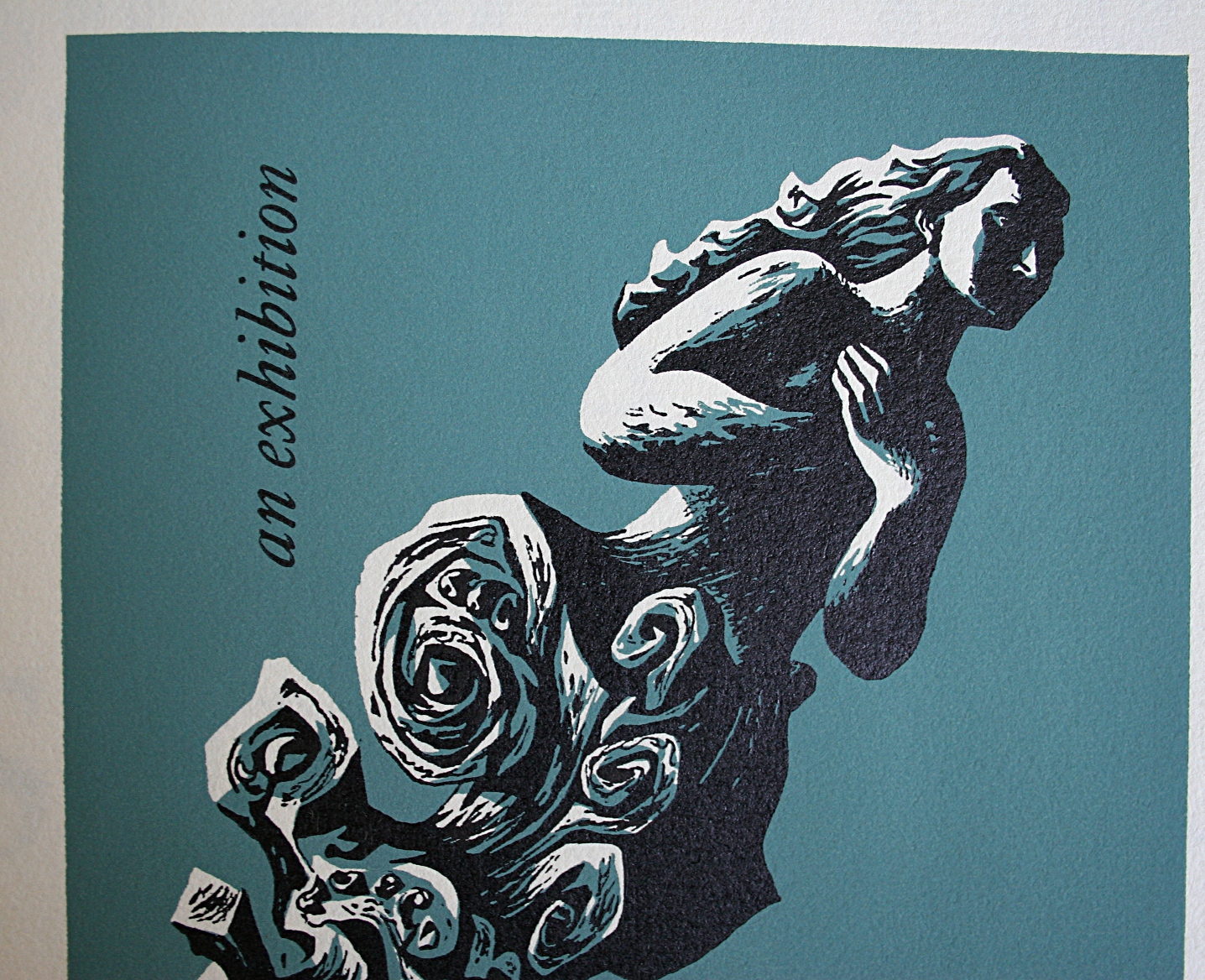
An Exhibition

Designed by William Stobbs for an exhibition “showing the development of Sailing Ships from the Santa Maria to the Cutty Sark” at the Science Museum, South Kensingston. Printed letterpress in two colors by London School of Printing and Graphic Arts.

Letterpress and lithograph. Well-known designers and printers, American and foreign.

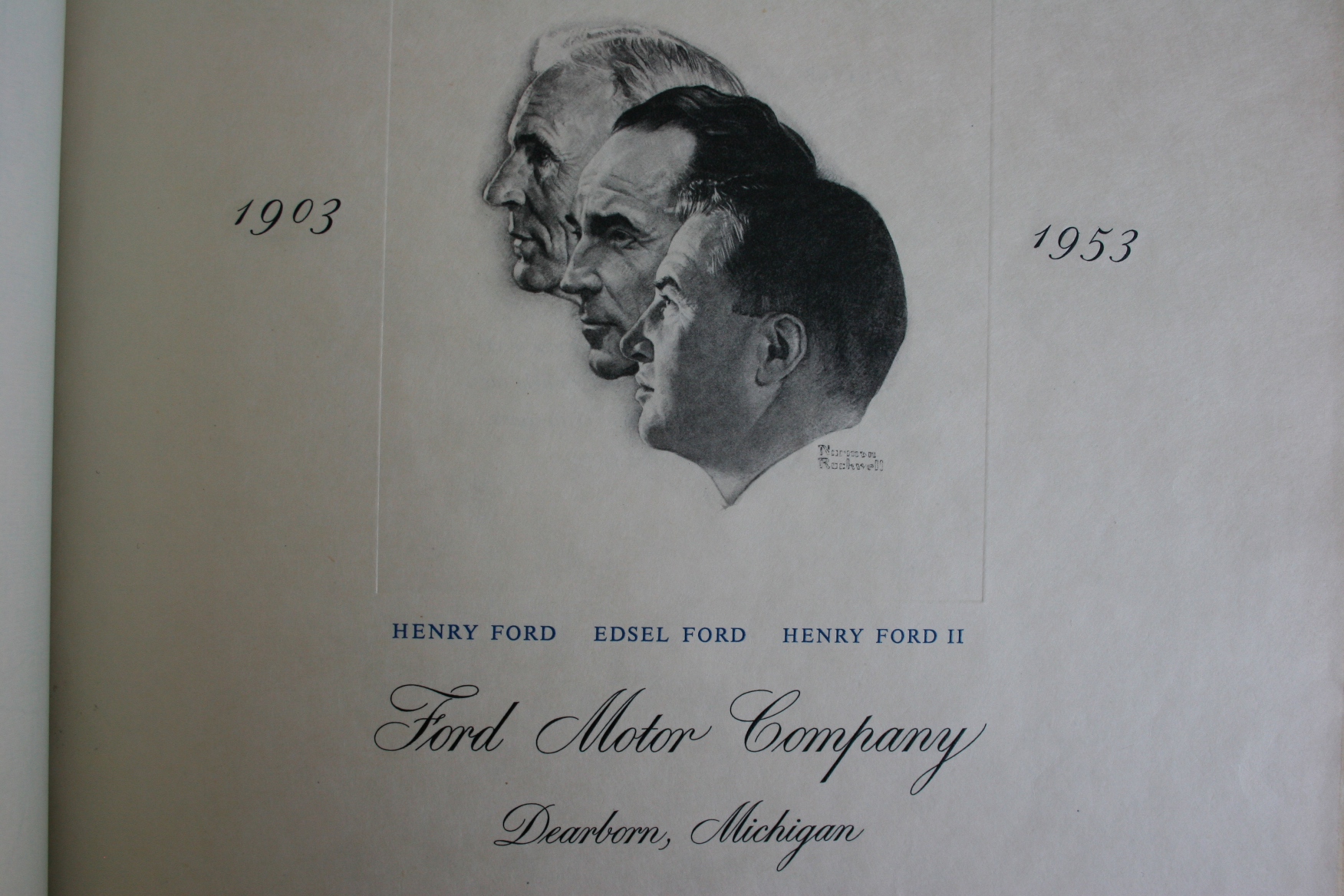
Ford Motor Company

Fiftieth anniversary booklet title page designed by L. J. Ansbacher.

In my hands, I am holding art and history.

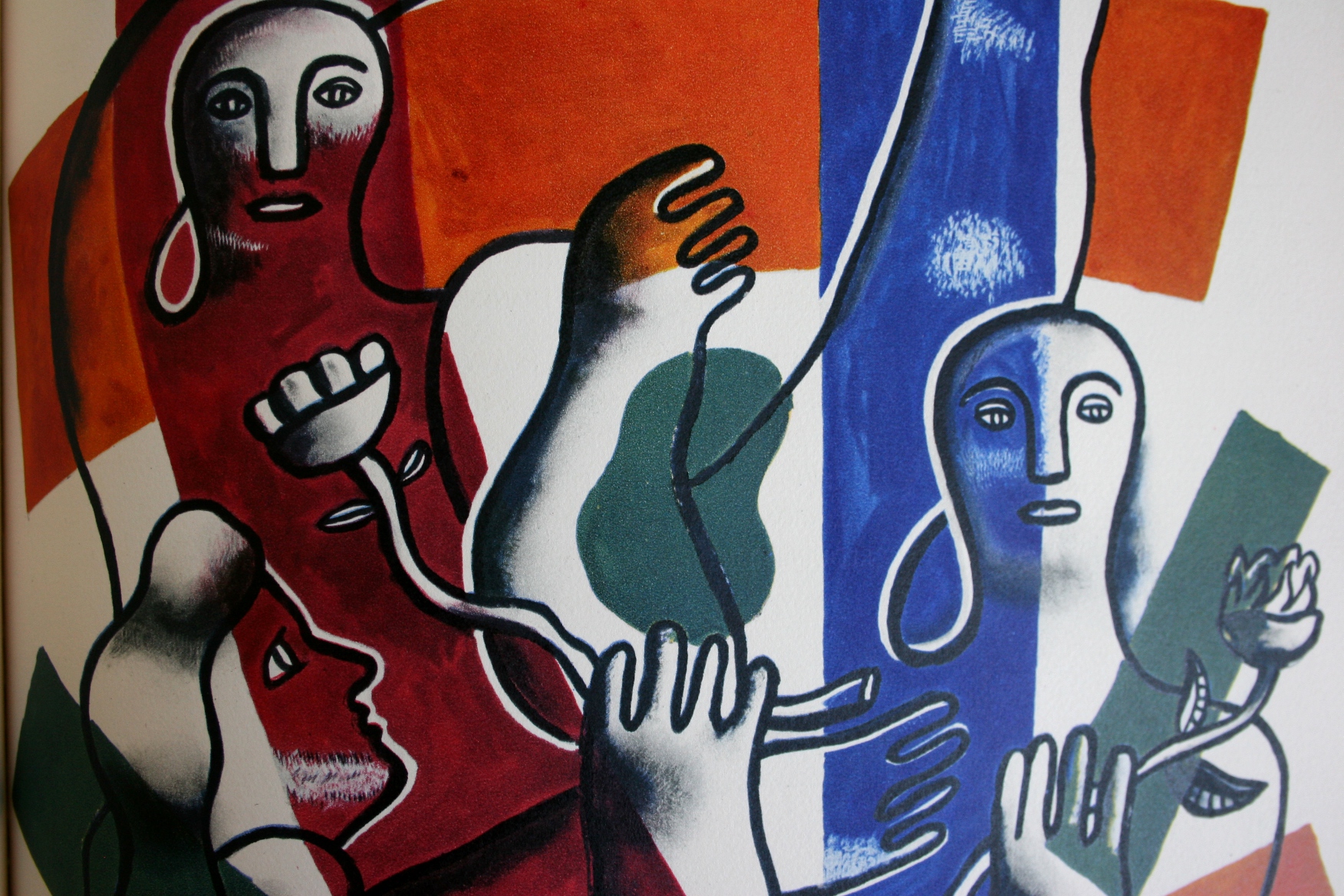
Fernand Leger's art printed for the Container Corporation in 4-color Gravure by Draeger Freres, Paris, France.

Fernand Leger’s art printed for the Container Corporation in 4-color Gravure by Draeger Freres, Paris, France.

The program cover from Dwight Eisenhower’s installation as 13th President of Columbia University, printed on paper that can be cleaned with water or kerosene. A Picasso lithograph printed on handmade SHOGUN heavy weight paper suitable for letterpress and silkscreen. Colorful art by Fernand Leger created for the Container Corporation of America.

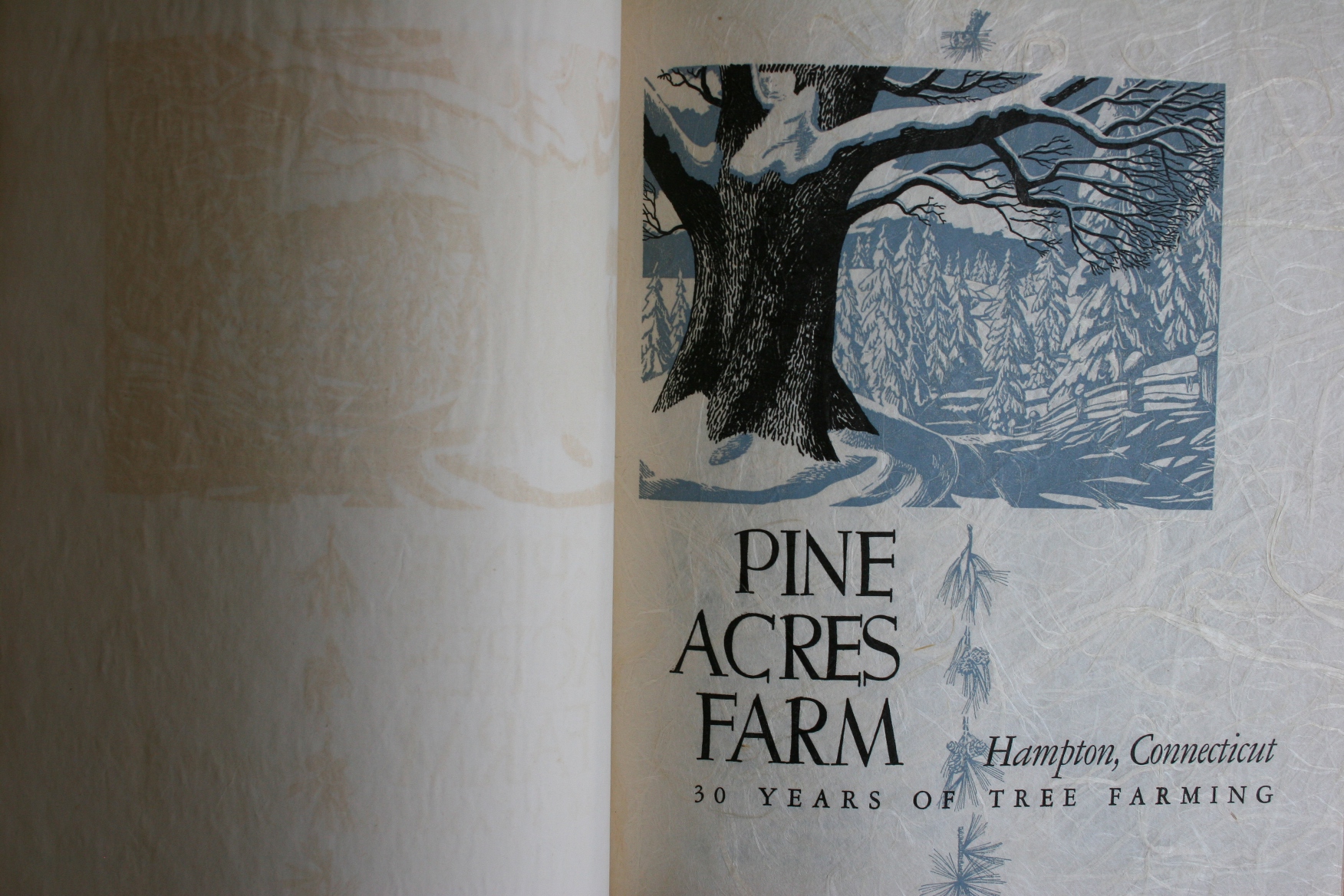
Designed and printed letterpress by Connecticut Printers, Incorporated, Hartford, Connecticut on handmade NATSUME 4002 paper.

Designed and printed letterpress by Connecticut Printers, Incorporated, Hartford, Connecticut on handmade NATSUME 4002 paper.

My favorite—a block print of trees celebrating Pine Acres Farm’s 30 years of tree farming in Hampton, Connecticut. James L. Goodwin, one of America’s first professional foresters, started the farm in 1913, eventually gifting the property to the State of Connecticut in 1964.

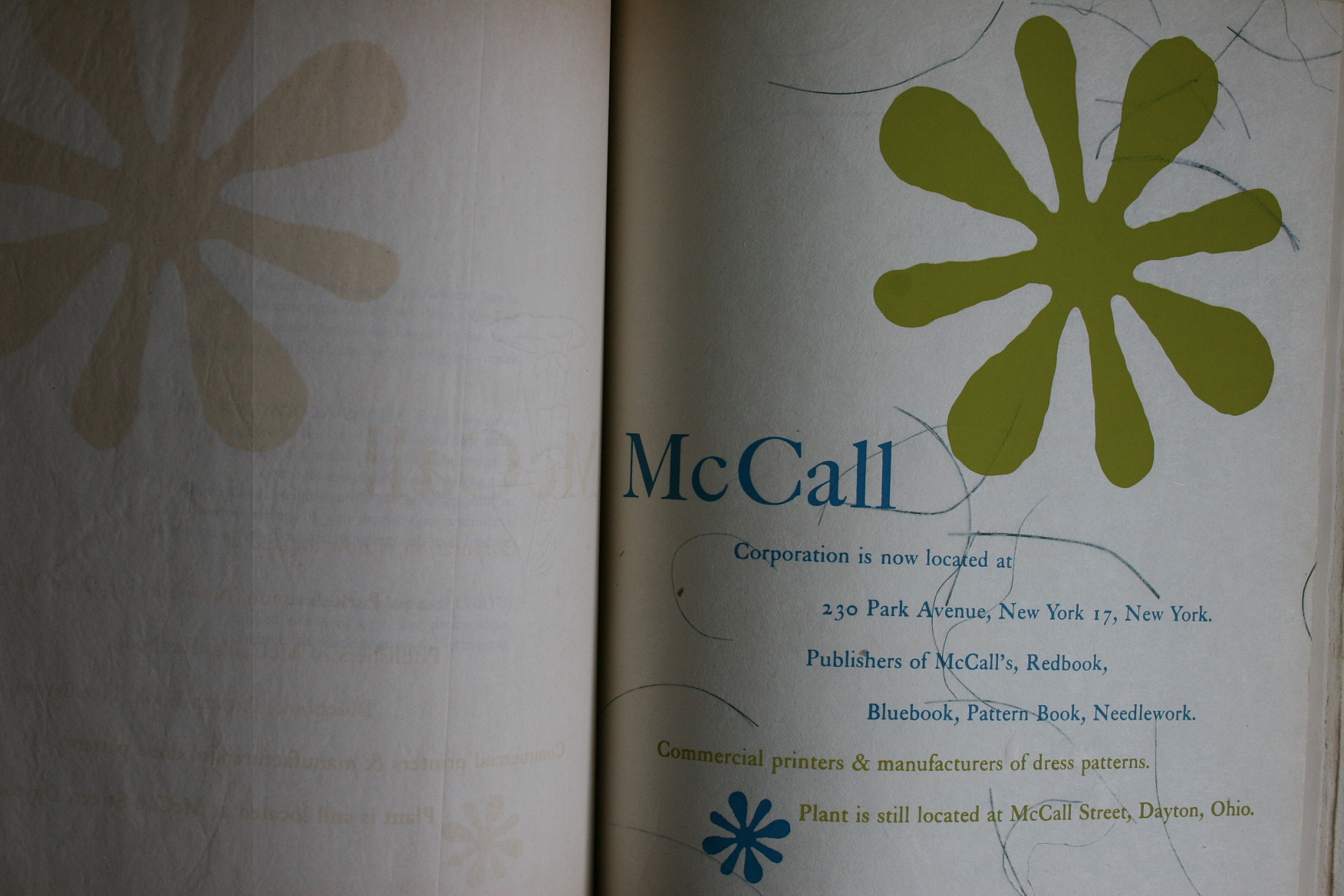
McCall

Designed by George Maas for McCall; screen process printing by Roycliff Associates, Inc, New York City; letterpress printing by Pandick Press, Inc., New York City. Printed on handmade NATSUME paper.

I rapid-clap my hands with untethered excitement.

I inhale the smells of time, wood and ink bound within the pages of this book once carted from place to place by a 1950s paper salesman from Minnesota.

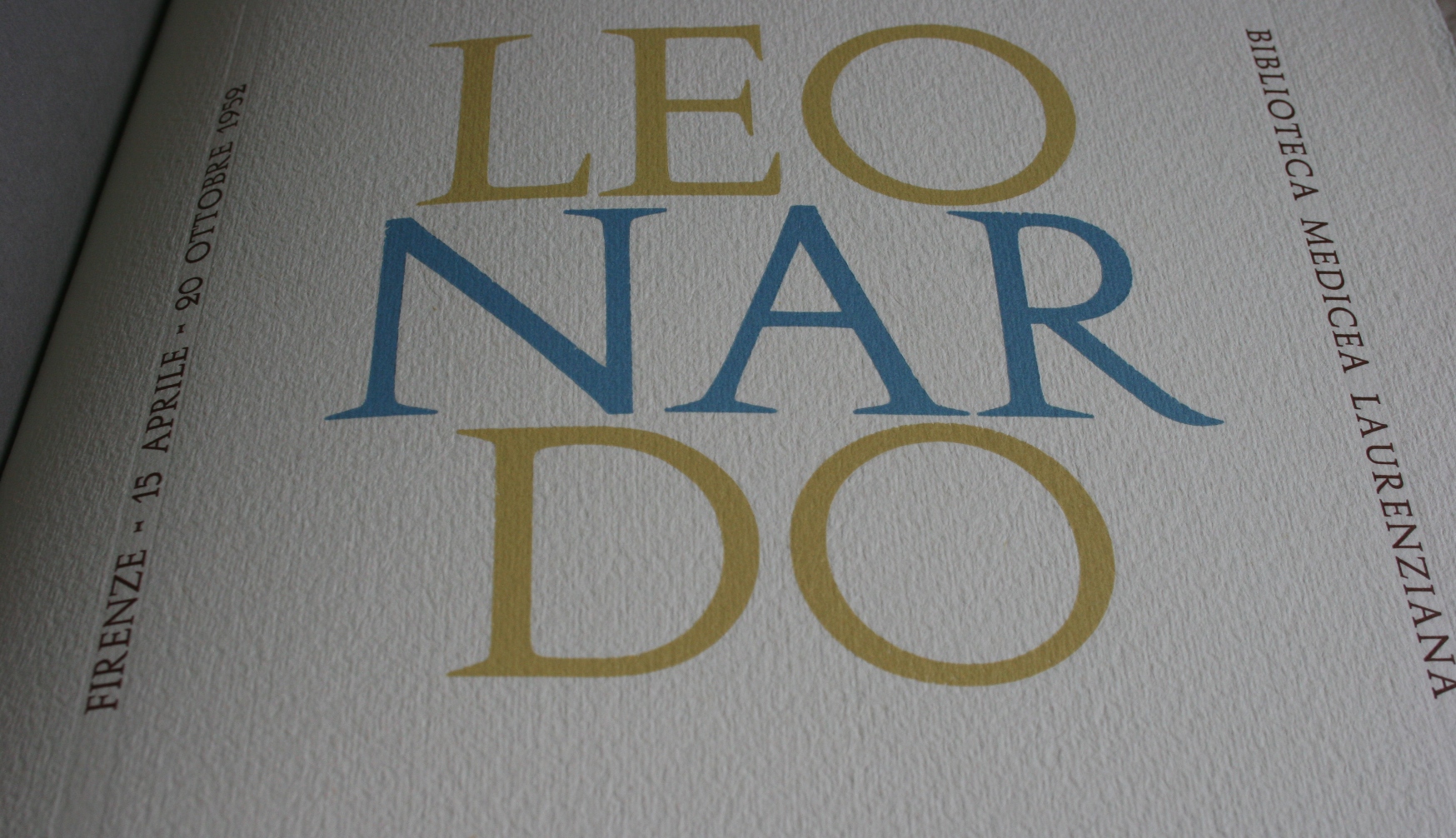
Leonardo

Catalogue cover designed by Aldo Novarese, types by Alessandro Butti, of Societa Nebiolo Torino. Printed letterpress in Nebiolo’s “Augustea” by G. Canale & C., Tornino, Italy.

A Leonardo da Vinci catalog cover and the cover of the White Swan Hotel’s wine list. Neiman-Marcus fashion awards for 1949. An illustration of George Bernard Shaw. A die-stamped Christian Dior letterhead. And so much more. All here, in this catalogue.

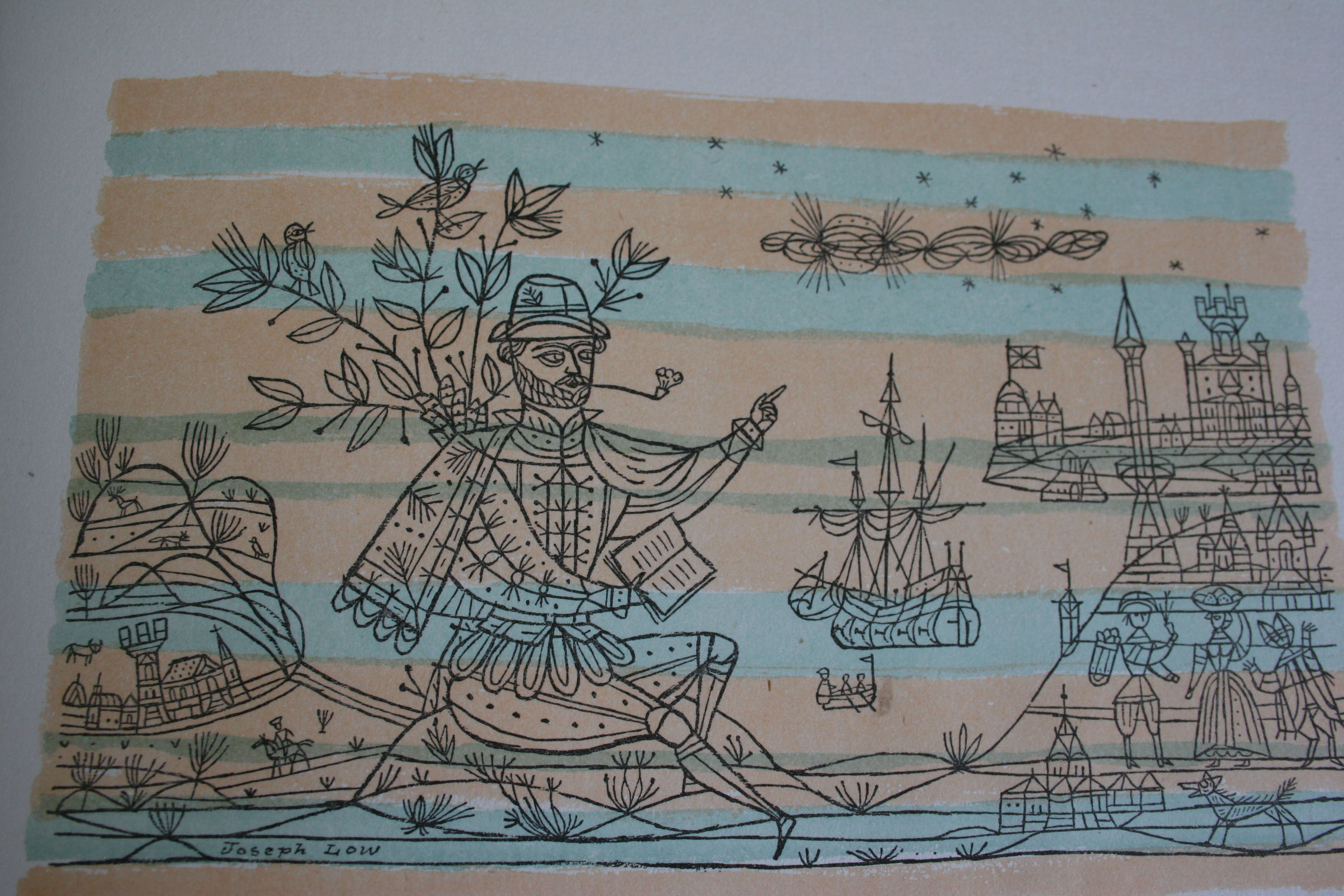
Catalogue, ships

Designed by Walter Howe, with illustration by Joseph Low and printed letterpress at The Lakeside Press, R.R. Donnelly & Sons Company, Chicago, Illinois. Handmade HOSHO paper.

I wonder if I should be handling such finery, such opulence, with white gloves.

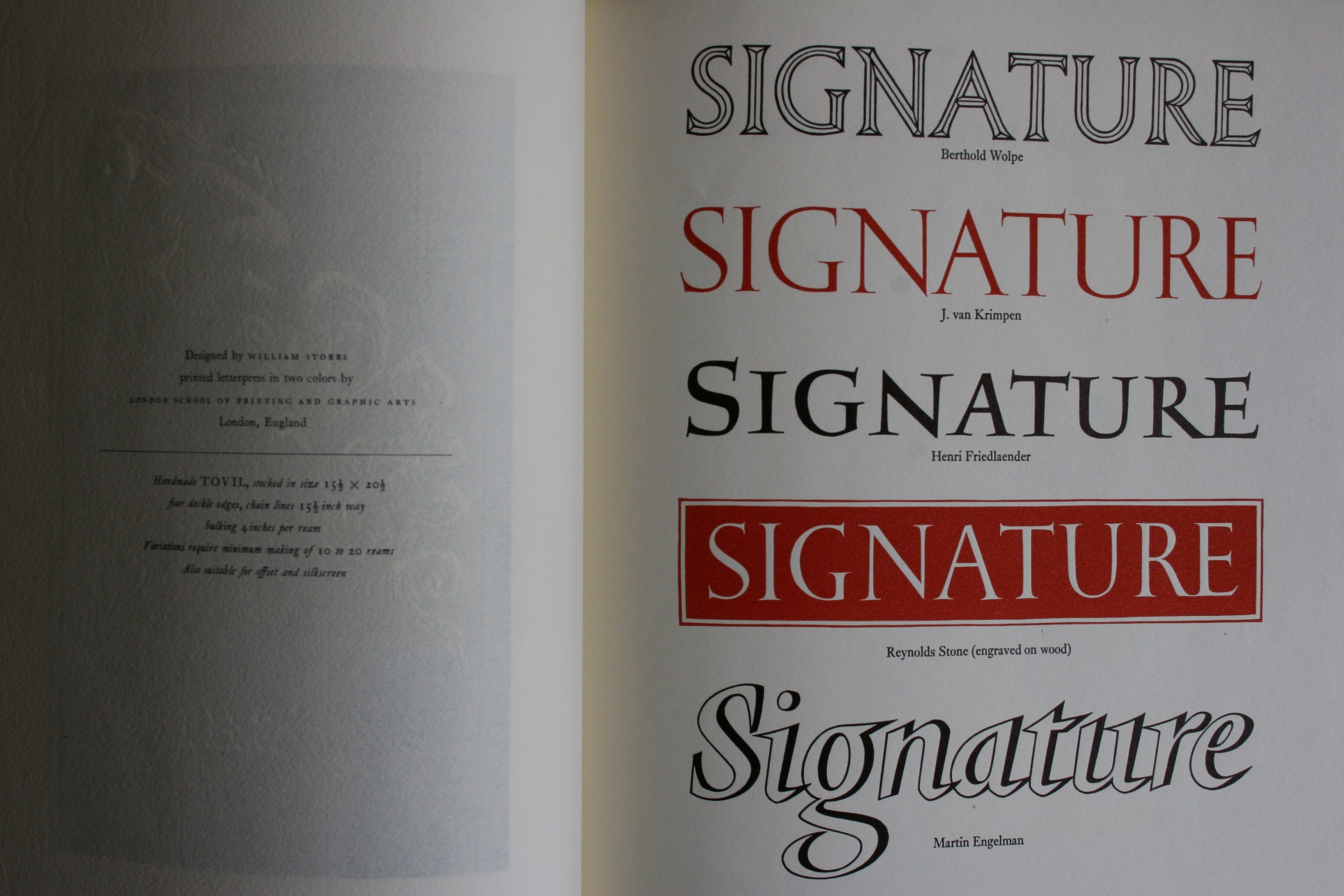
Signagture

A series of headings for the cover of SIGNATURE, A Quadrimestrial of Typography and Graphic Arts, edited by Oliver Simon. Designed and printed by letterpress at The Curwen Press, Plaistow, London, England.

This is my kind of book, one which combines my love of the printed word with the art of printing it. I care about paper and fonts and graphics. Clean lines and simplicity.

Art flows beneath my fingertips as I turn page after page, examining the specimens once showcased by a Minnesota paper salesman.

© Copyright 2014 Audrey Kletscher Helbling
 

Feeling unsettled in a rural Minnesota cemetery June 12, 2014

A TIME EXISTED when I avoided cemeteries. I was young then, unappreciative of their value from an artistic, historical and personal perspectives. And, if I’m honest, I’ll admit that I felt a bit afraid walking atop graves.

My thoughts have changed. Whenever my husband and I happen across a rural cemetery, we’ll often stop and wander.

The aged Eklund Cemetery sits among farm fields in Walcott Township.

The aged Eklund Cemetery sits among farm fields in Walcott Township.

We did just that recently while in section 25 of Walcott Township in southeastern Rice County. This Minnesota township was named in honor of Samuel Walcott, an early, enthusiastic settler from Massachusetts. He returned to the East “after…his mind became distraught and he found an abiding place in an insane retreat in his native State.”

Randy, whose vision far surpasses mine, spotted the small final resting place along County Road 90, headed toward it and pulled into a field drive as no other parking exists.

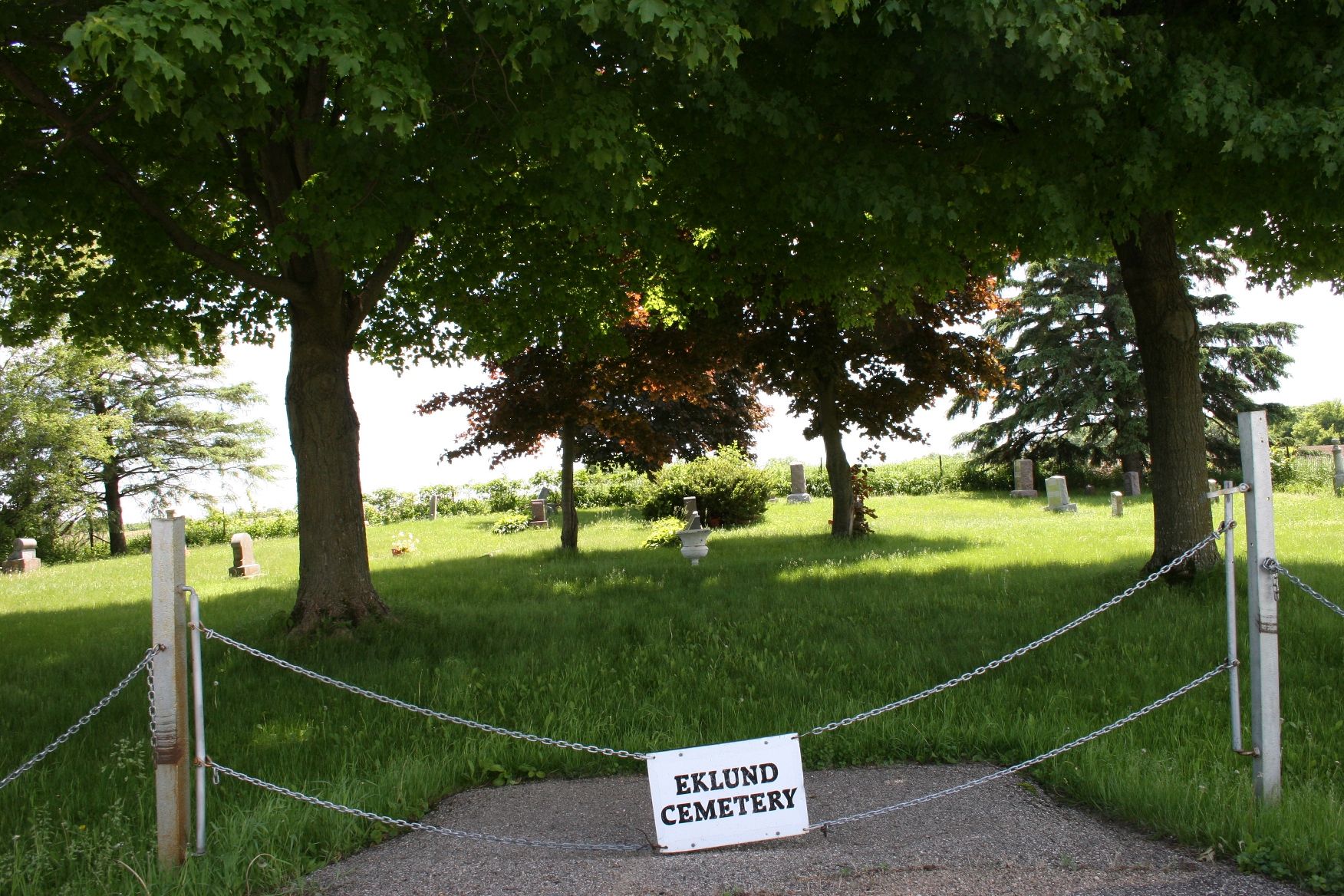
The unassuming entry to the Eklund Cemetery.

The entry to the Eklund Cemetery, which sits almost on top of the road.

Now I’ve explored many a country cemetery. But I’ve never had to step over a double stretch of chains to enter. That should have been my first clue that the Eklund Cemetery would trouble me.

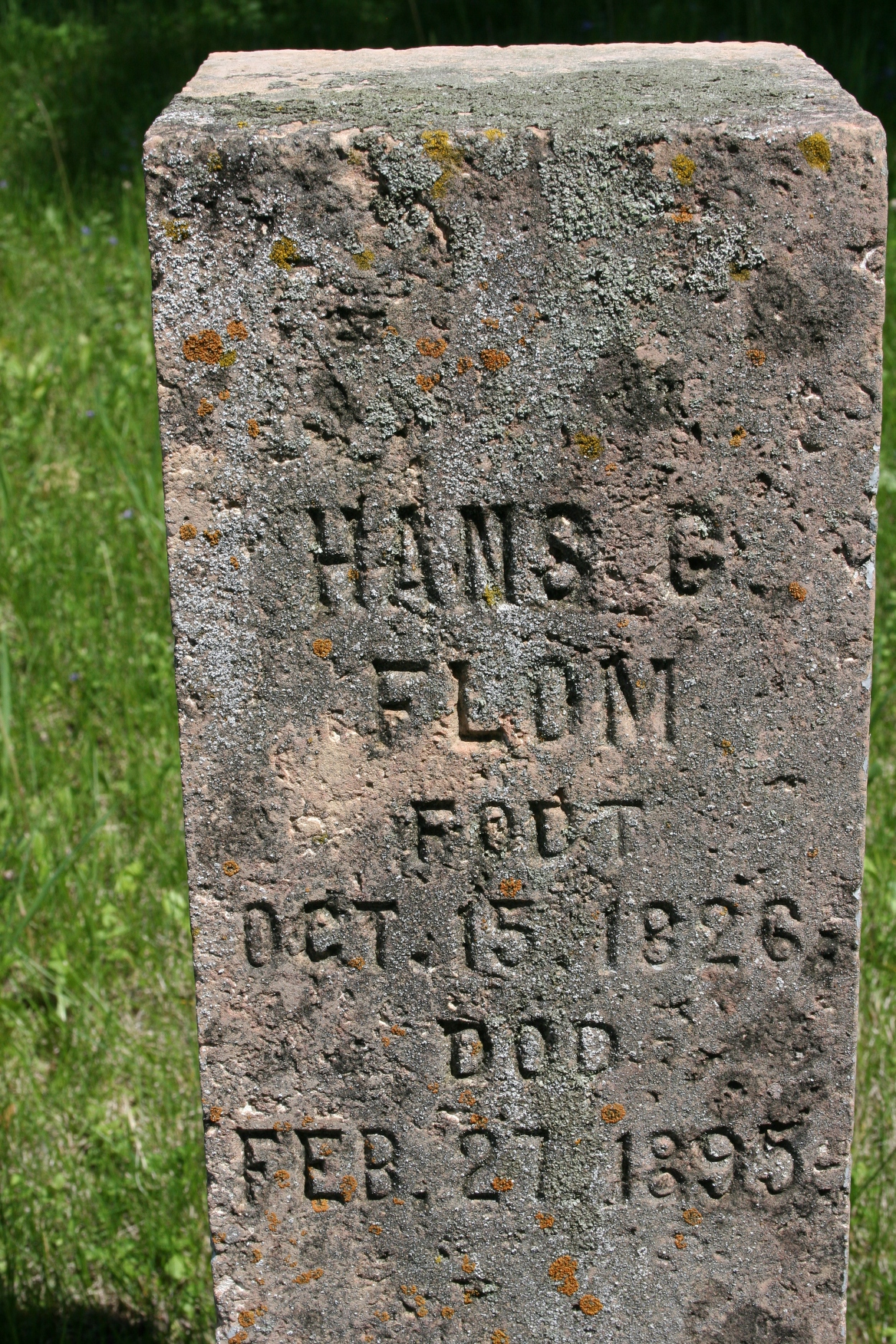
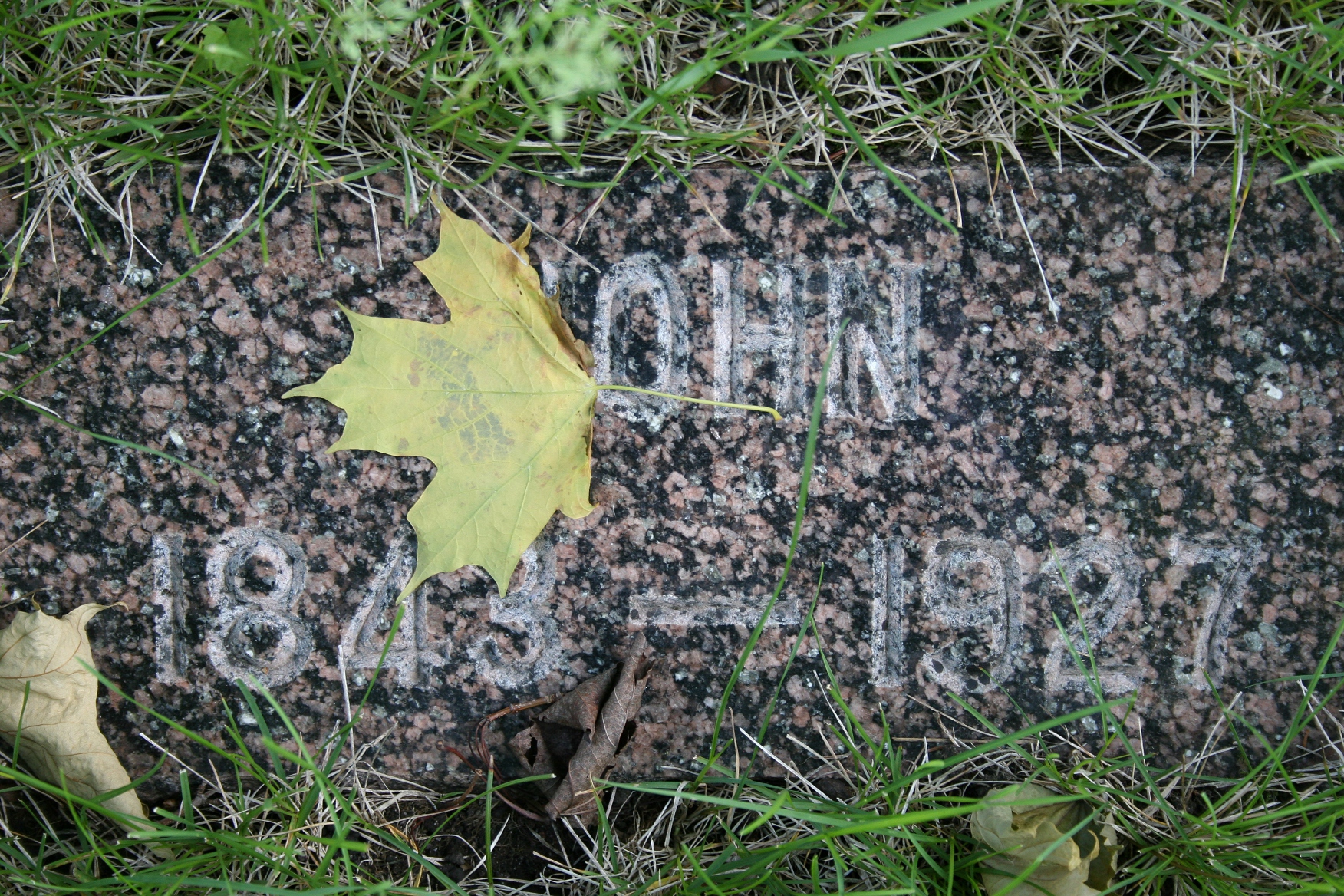
The old dates impressed me.

The old dates impressed me.

I felt almost instantly uncomfortable here as I meandered among aged tombstones marking the graves of early settlers like Hans Flom, born in 1826. There are 143 people buried at Eklund, including five with the Eklund surname.

The first burial here, of one-month-old Annie B.O. Sam, occurred after her February 28, 1884, death, according to the Dalby Database (a remarkable online collection of cemetery and other historical info compiled by Faribault residents John and Jan Dalby). A few months later, the 17-month-old daughter (listed only as “baby”) of Christ and Julie Davidson was buried here.

Such long ago dates impress me.

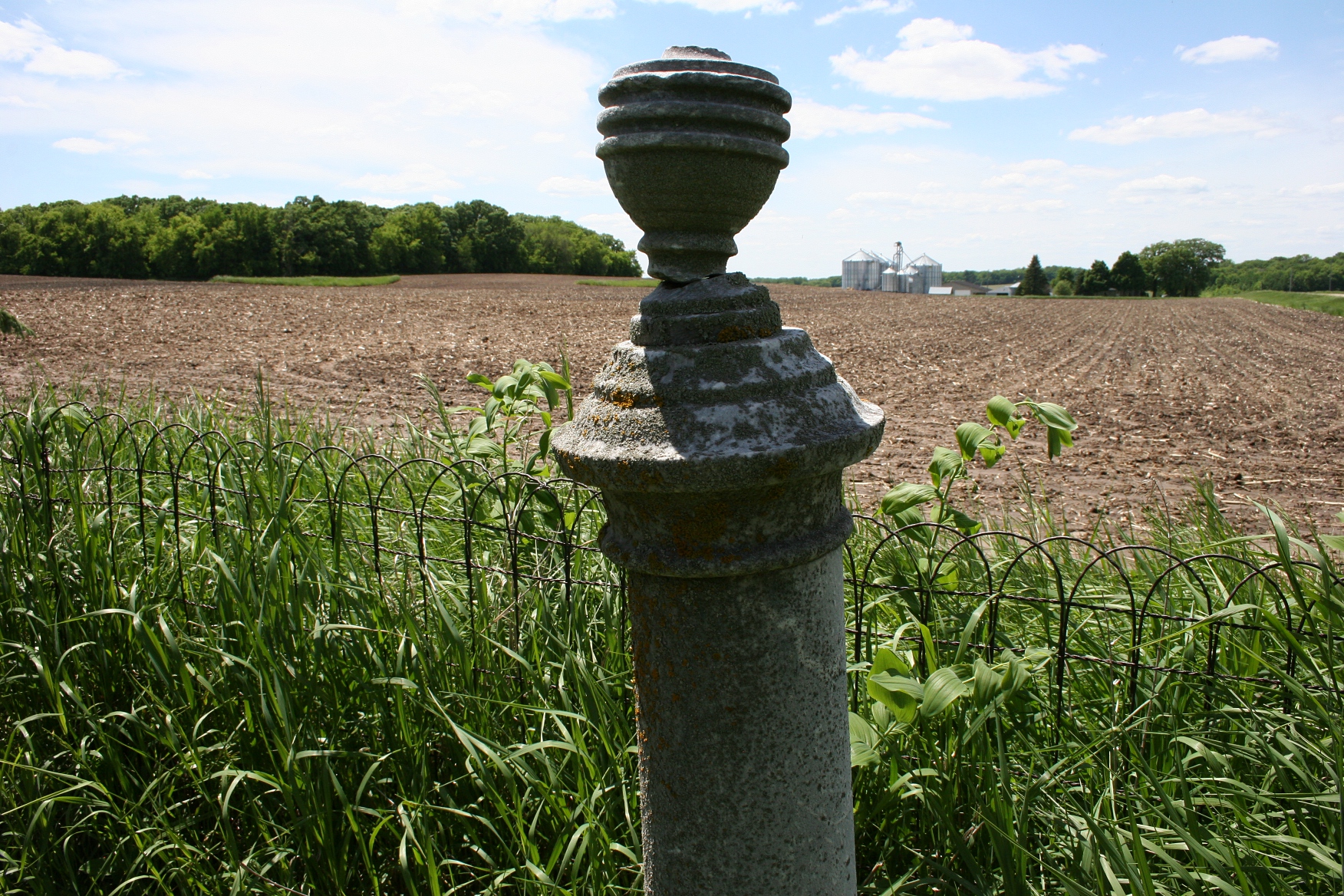
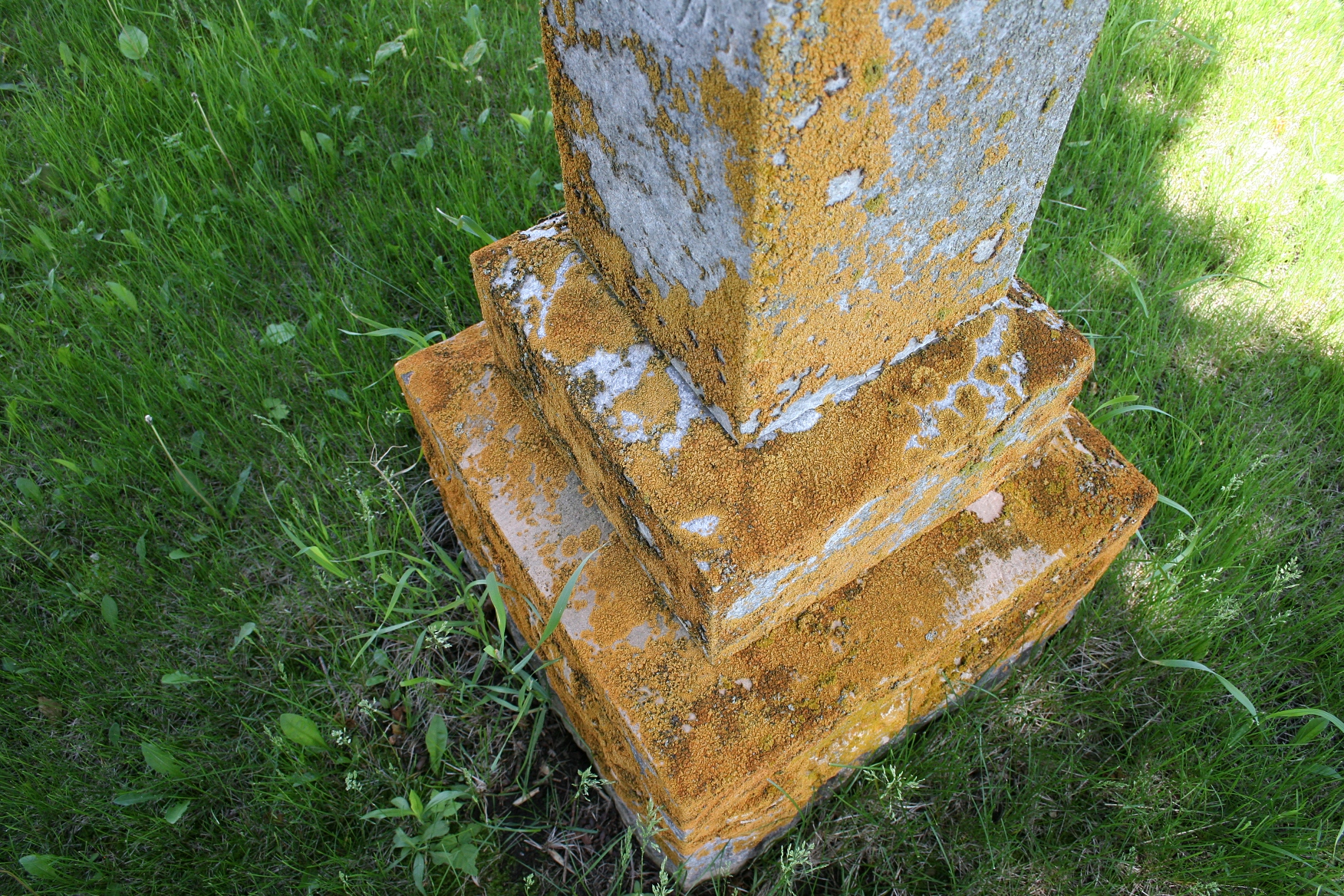
Weeds flourish among the weathered tombstones.

Weeds flourish among the weathered tombstones.

But I was unimpressed by the condition of the cemetery where dandelions and creeping Charlie and other weeds flourish in the too tall grass. Perhaps frequent rains have kept the caretaker away.

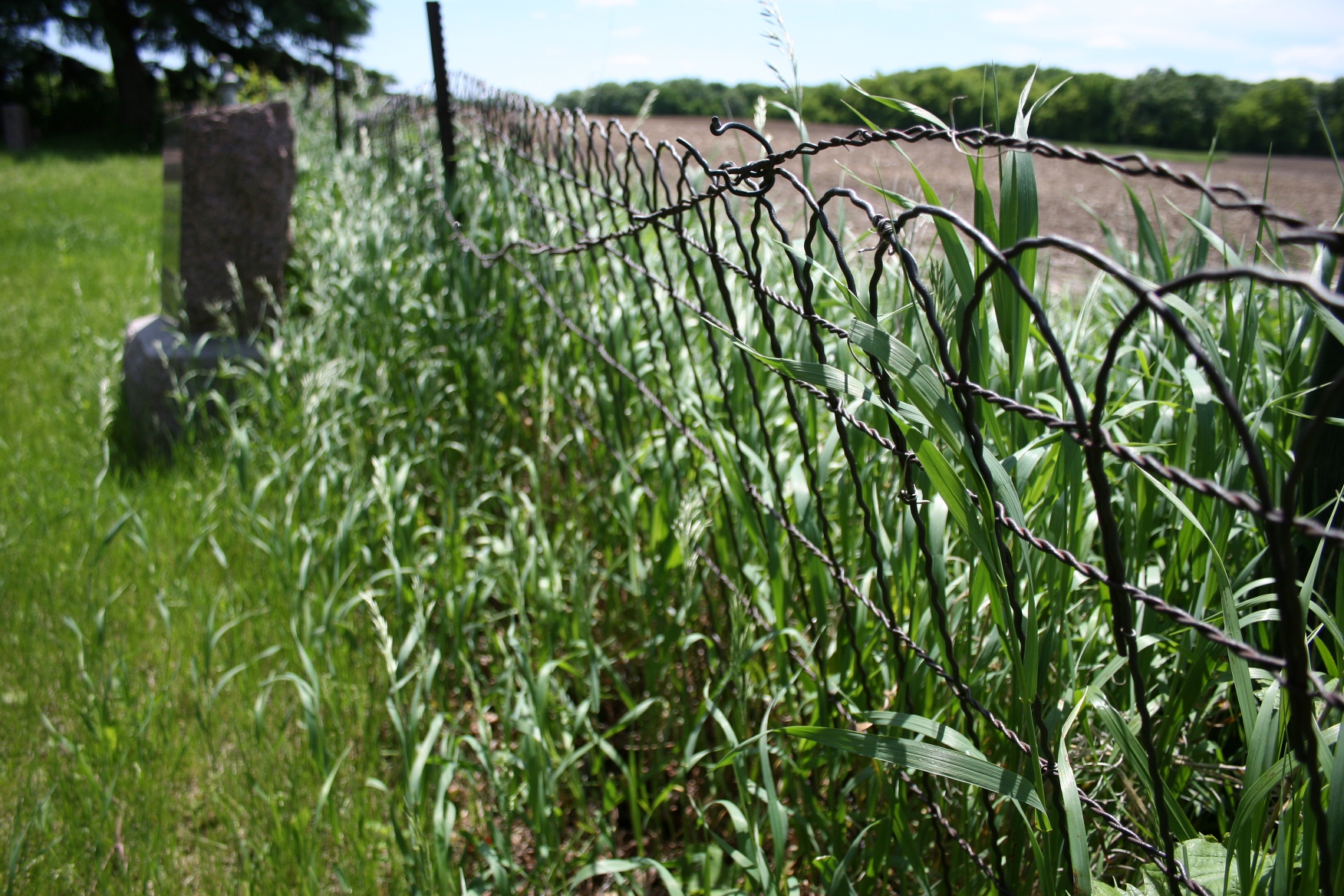
A fence separates graveyard from fields.

A fence separates graveyard from fields.

No matter, it was not the unkempt lawn that bothered me as much as the sunken graves, the marked depressions in the earth that show the precise spots of burials. When my husband remarked that vaults were not used back in the day, my concern increased. As foolish as it seems, I worried about suddenly sinking into a grave. And I’ve seldom felt that way before in a cemetery.

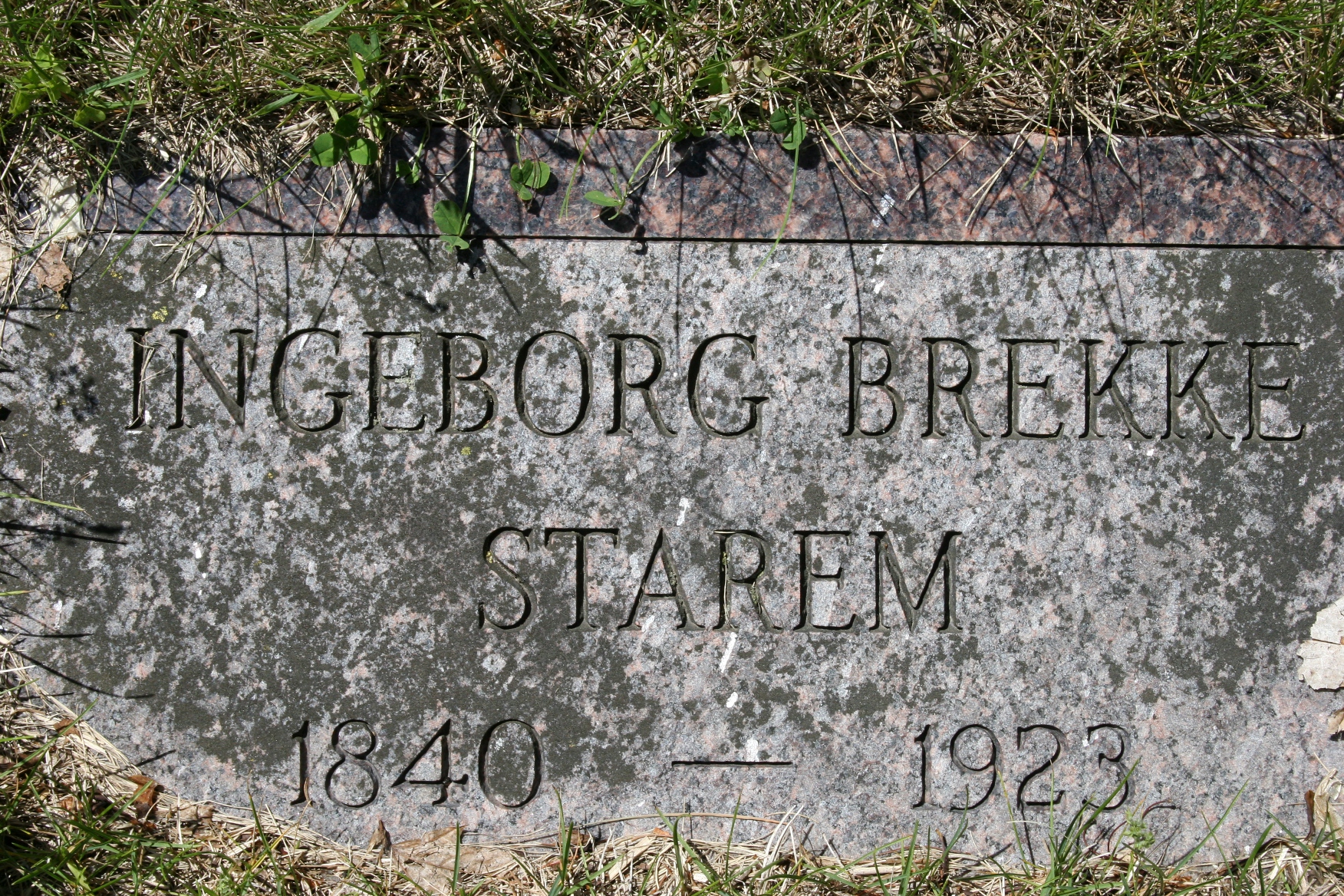
Eklund Cemetery, Ingeborg's gravestone

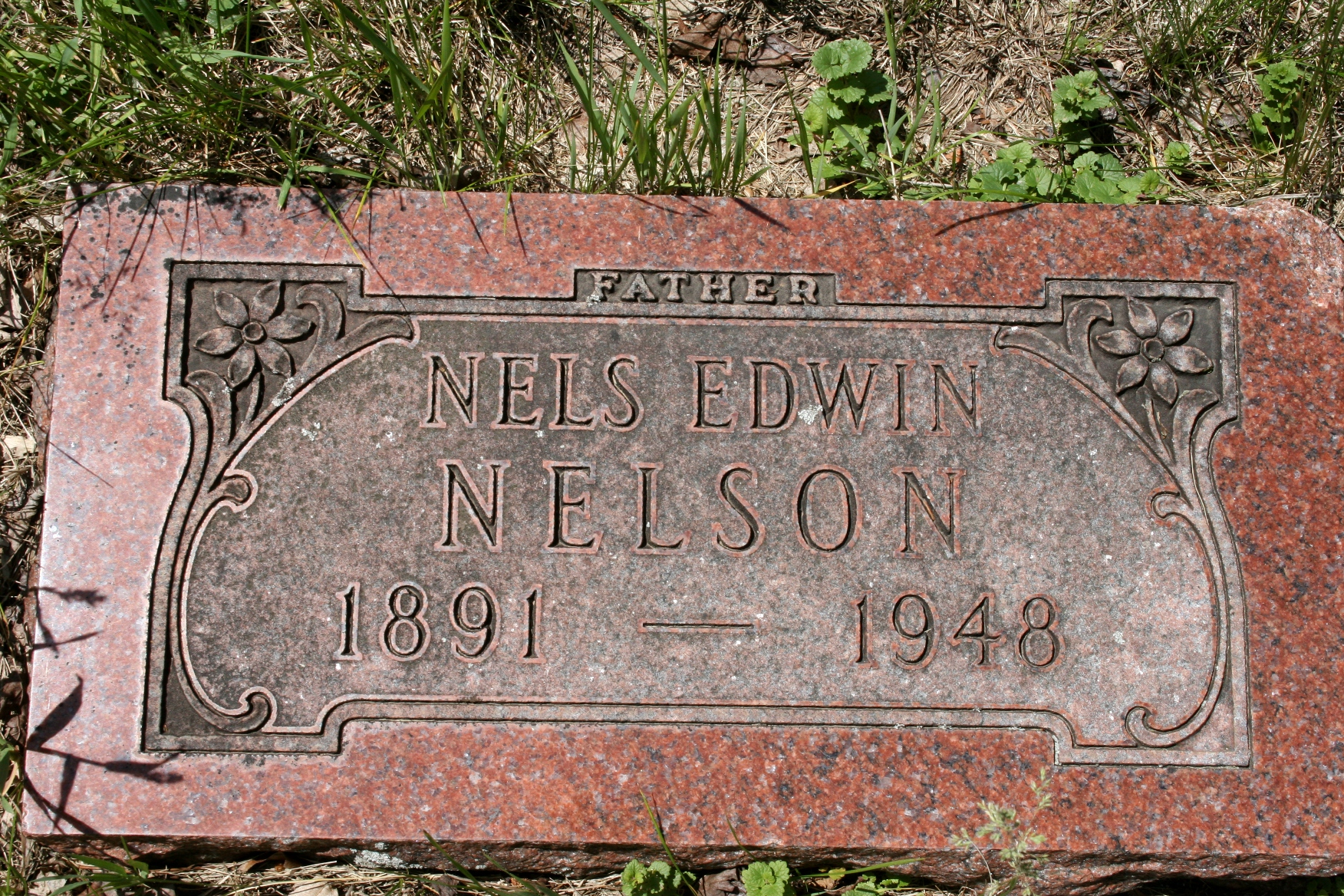
Eklund Cemetery, Nels Nelson gravestone

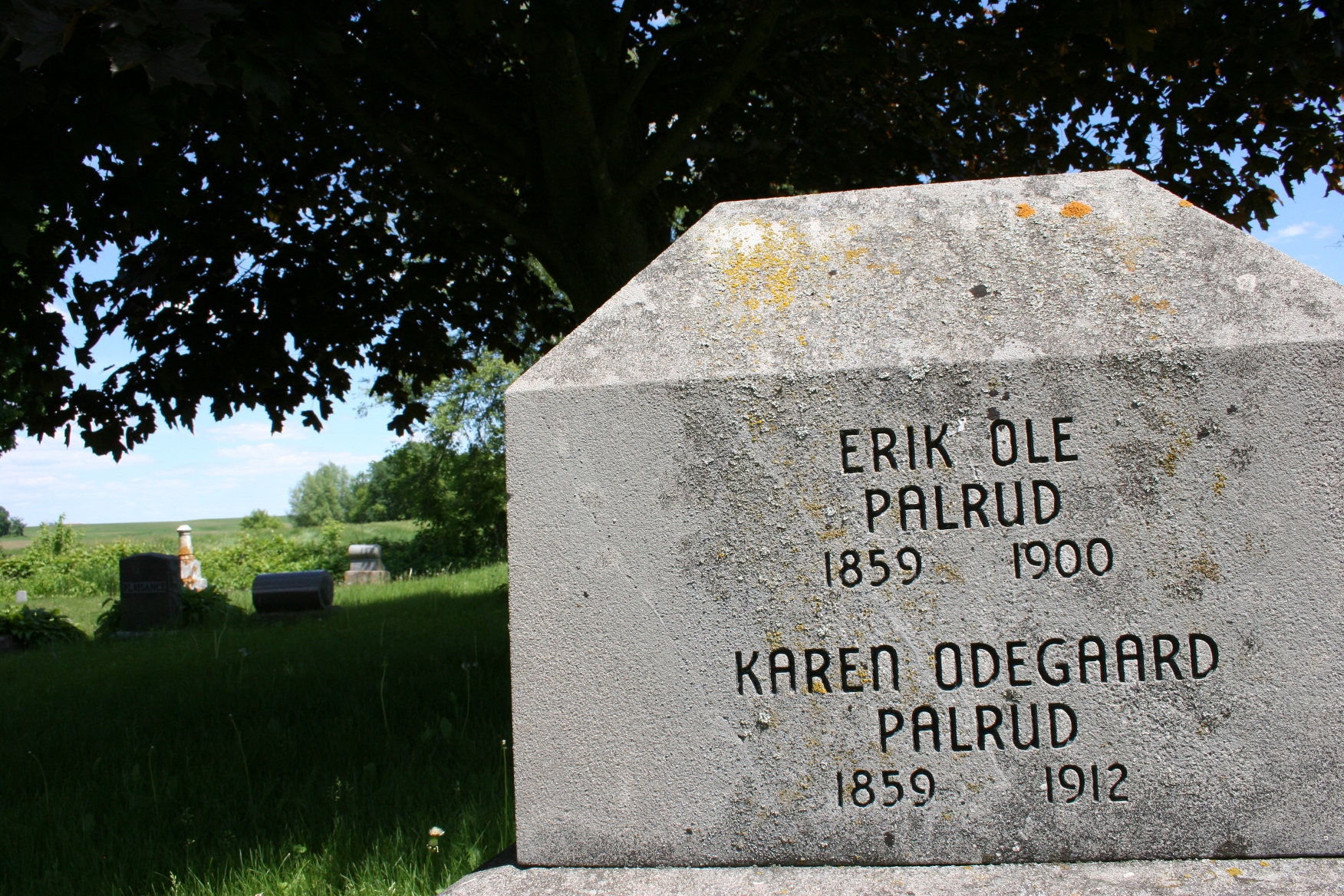
Eklund Cemetery, Palrud gravestone

I hurried my tour, distracting myself by noticing the abundance of Norwegians names like Hans, Ingeborge, Nels and Erik, middle name Ole.

The most unusual name I noticed.

The most unusual name I noticed.

This cemetery once served Eklund (or Egelund) Evangelical Norwegian Lutheran Church, disbanded in 1957. That steepleless church building now sits off Minnesota State Highway 60 on Faribault’s east side, according to information written by Helga Sam Thompson. Its current use is that of a chiropractic office.

A close-up of a time-worn, weathered tombstone.

A close-up of a time-worn, weathered tombstone.

In one particular spot in the cemetery, I noticed a patch of black earth the size of a grave. Just dirt, unheaped, no grass, with weeds beginning to edge into the soil. No marker marked the spot. Again, that uncomfortable feeling settled upon me. The last burial here, of Bernard C. Sam, happened in 2011. Prior to that, the most recent burial, of 22-year-old Matthew David Caron, occurred in 1997.

Someone still cares about a loved one buried here.

Someone still cares about a loved one buried here.

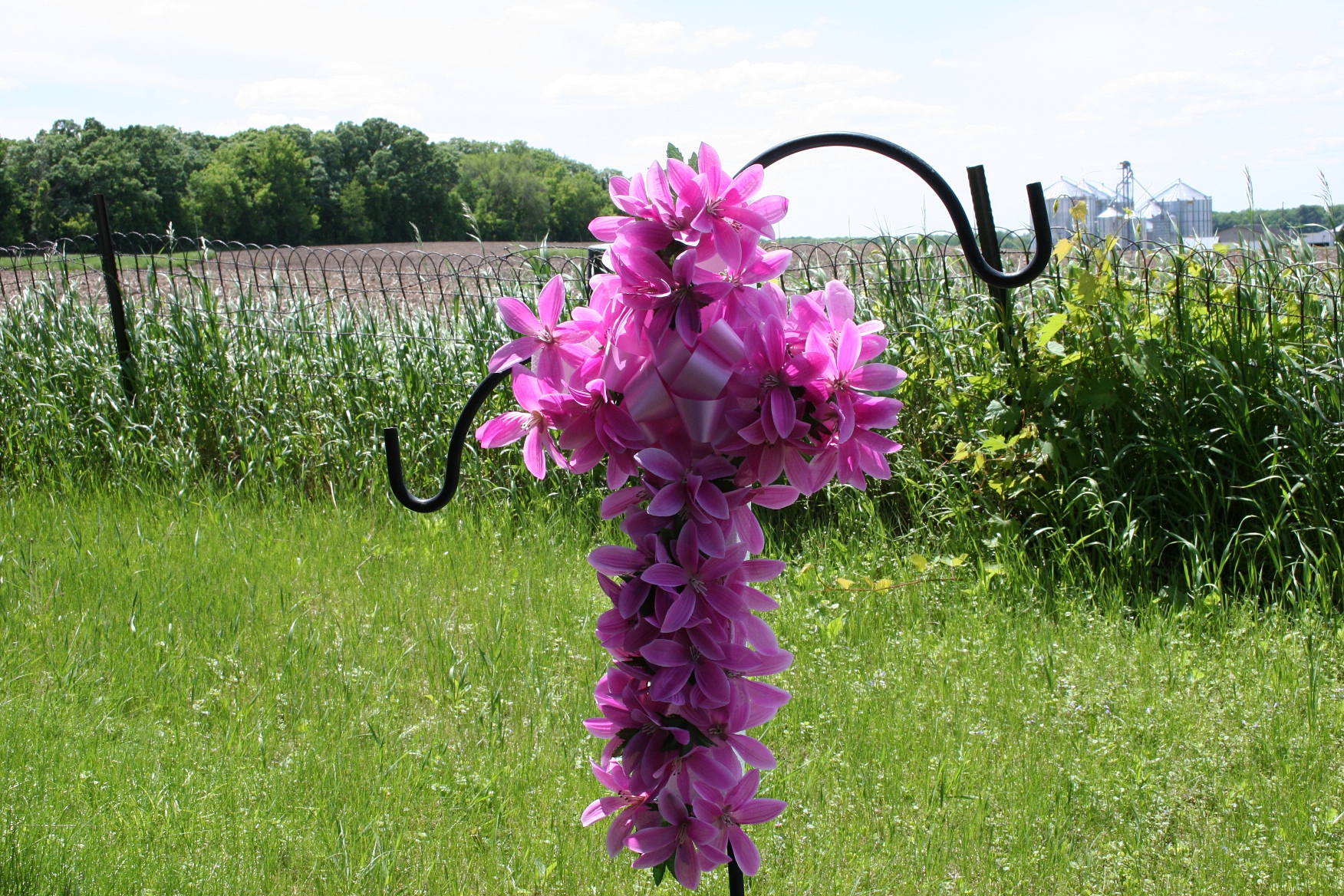
Shortly thereafter, Randy plucked an errant plastic flower petal from the ground, fallen from a gravestone cross. I advised him to leave the orchid colored bloom there. He did.

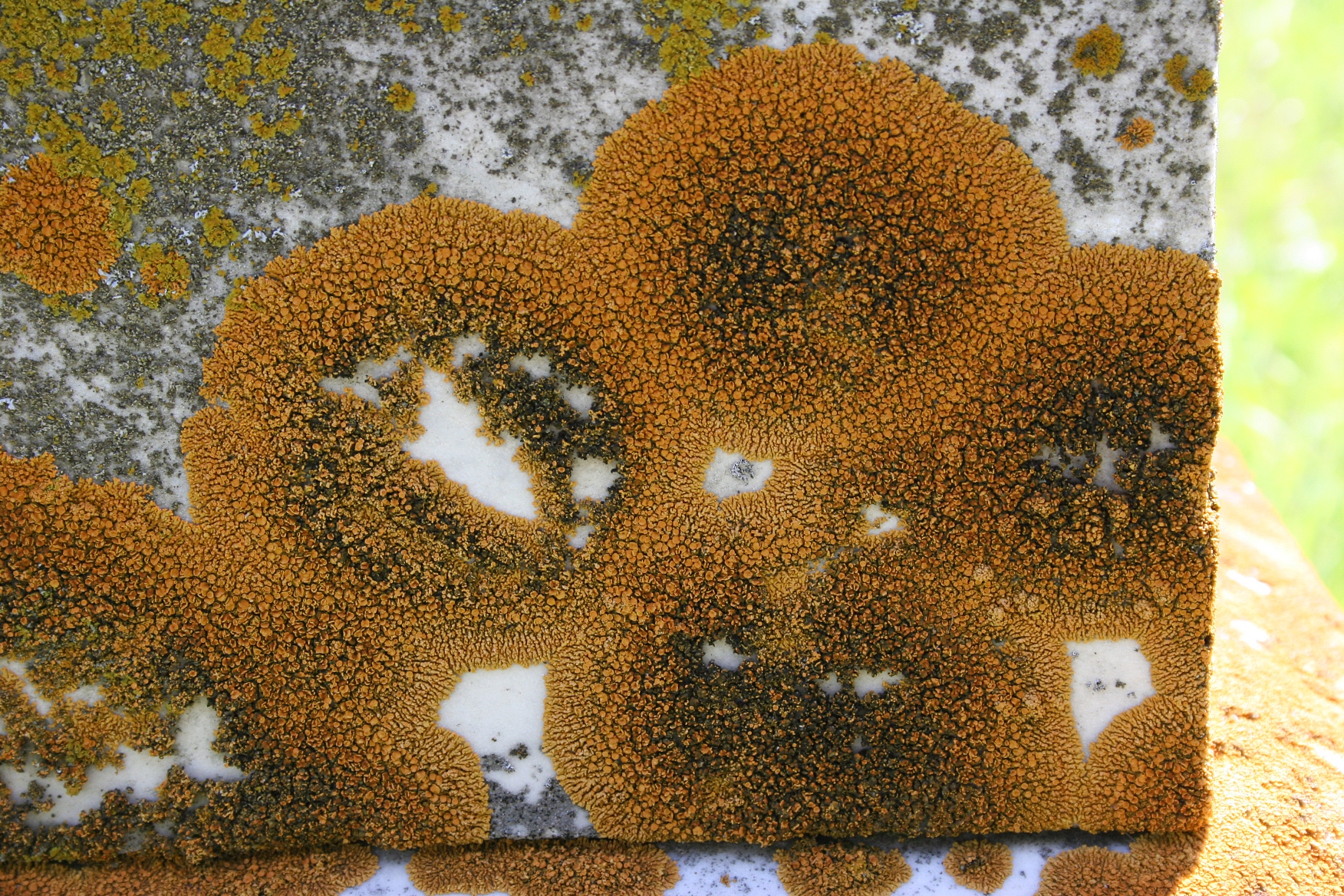
Nature leaves her signature on an in-ground grave marker.

Nature leaves her signature on an in-ground grave marker.

I wanted nothing from this cemetery. Nothing.

FYI: If you are into genealogy and/or history, visit the Dalby Database which includes a remarkable collection of 2.5 million records and increasing daily. Click here to read a summary of what you can find on this website. And then click here to reach the Dalby Database. John and Jan Dalby of Faribault were given the Minnesota Genealogical Society’s Pioneer Explorer Award in 2010.

Special thanks to John Dalby for providing me with links to information about Eklund Cemetery and church and Walcott Township histories.

© Copyright 2014 Audrey Kletscher Helbling
 

If you think Wisconsinites love beer, brats & cheese, you’d be right April 24, 2014

IN THREE YEARS of exploring Wisconsin, I’ve learned a few things:

Wisconsinites are crazy about their Packers.

Wisconsinites love their brats.

Cheese is, indeed, big in Wisconsin.

And, finally, Wisconsin residents love their beer.

Not necessarily in that order.

I base this on observations such as green and gold brat buns sold at an Appleton grocery store where staff wear Packer attire on game day; liquor stores directly connected to grocery stores, walk-in beer coolers at convenience stores and an abundance of bars everywhere, seemingly packed on game day; a decrease in highway traffic during Packers games; frequent homemade roadside signs advertising brat fries; and busy specialty shops focused on selling cheese.
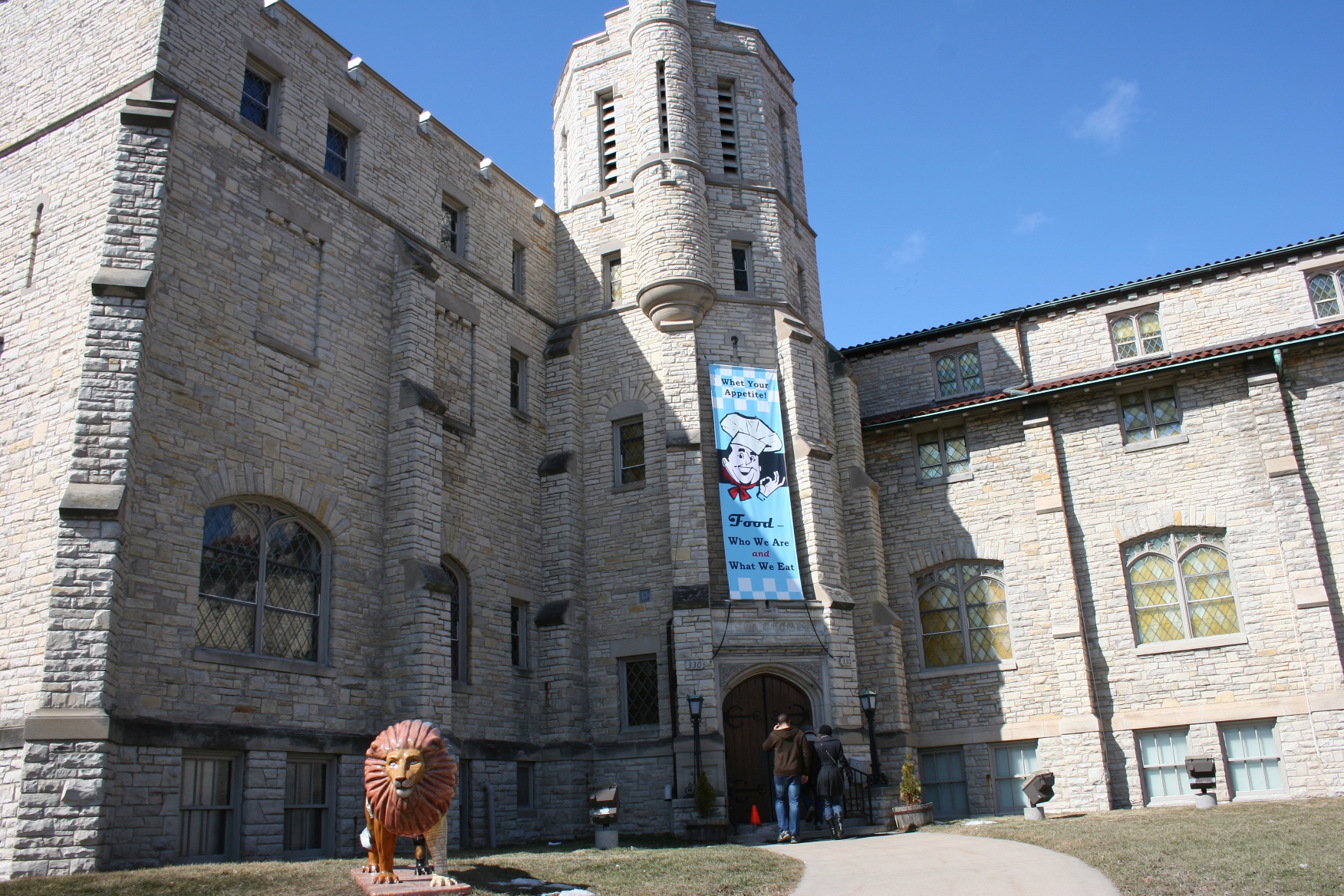
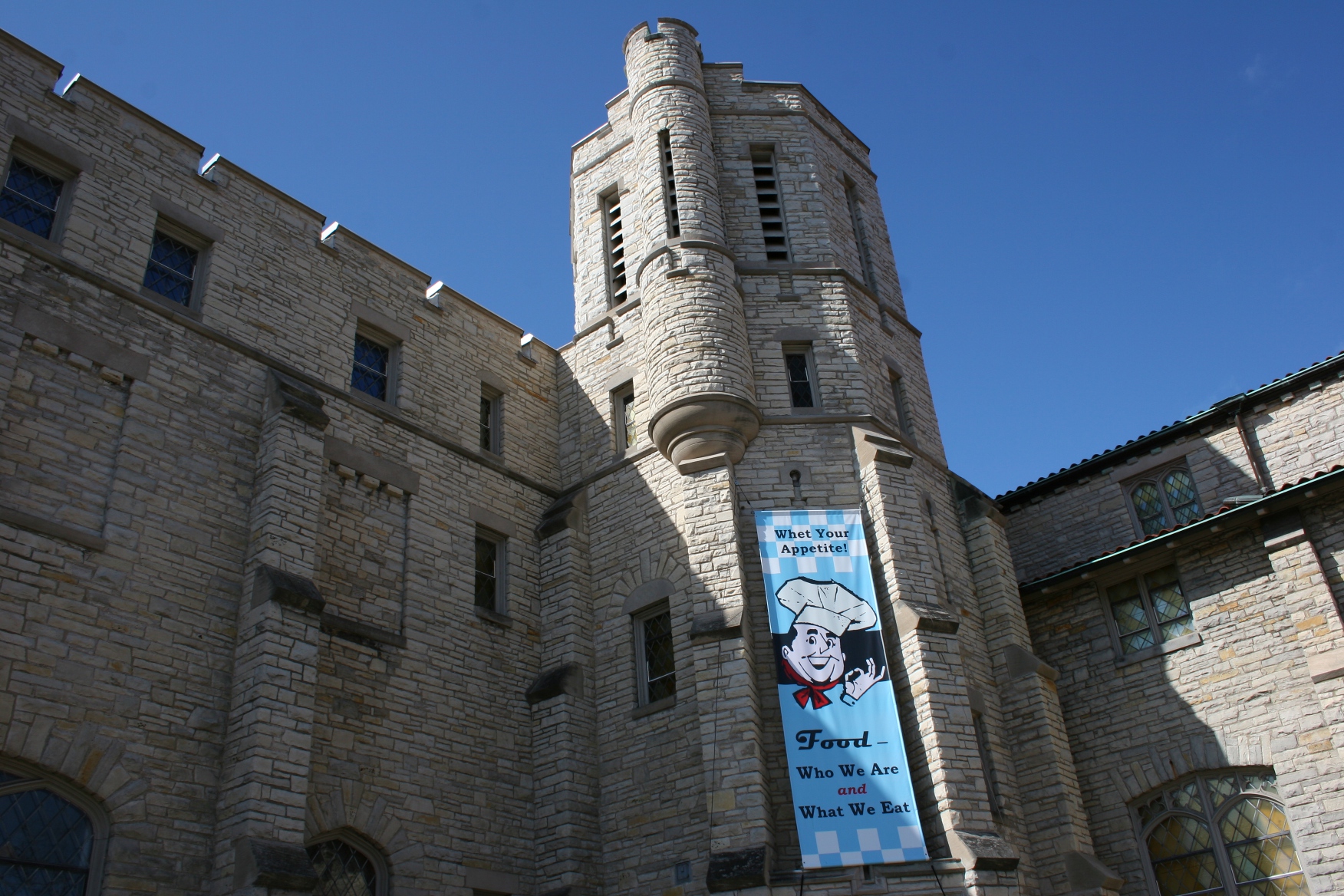
A banner welcomes visitors to the featured exhibit on food at the History Museum at the Castle, 330 East College Avenue, Appleton, Wisconsin.

A banner welcomes visitors to the featured exhibit on food at the History Museum at the Castle, 330 East College Avenue, Appleton, Wisconsin.

Now an exhibit, “Food: Who We Are and What We Eat,” at the History Museum at the Castle in downtown Appleton (that’s in eastern Wisconsin south of Green Bay) confirms my observations and conclusions about Wisconsin.

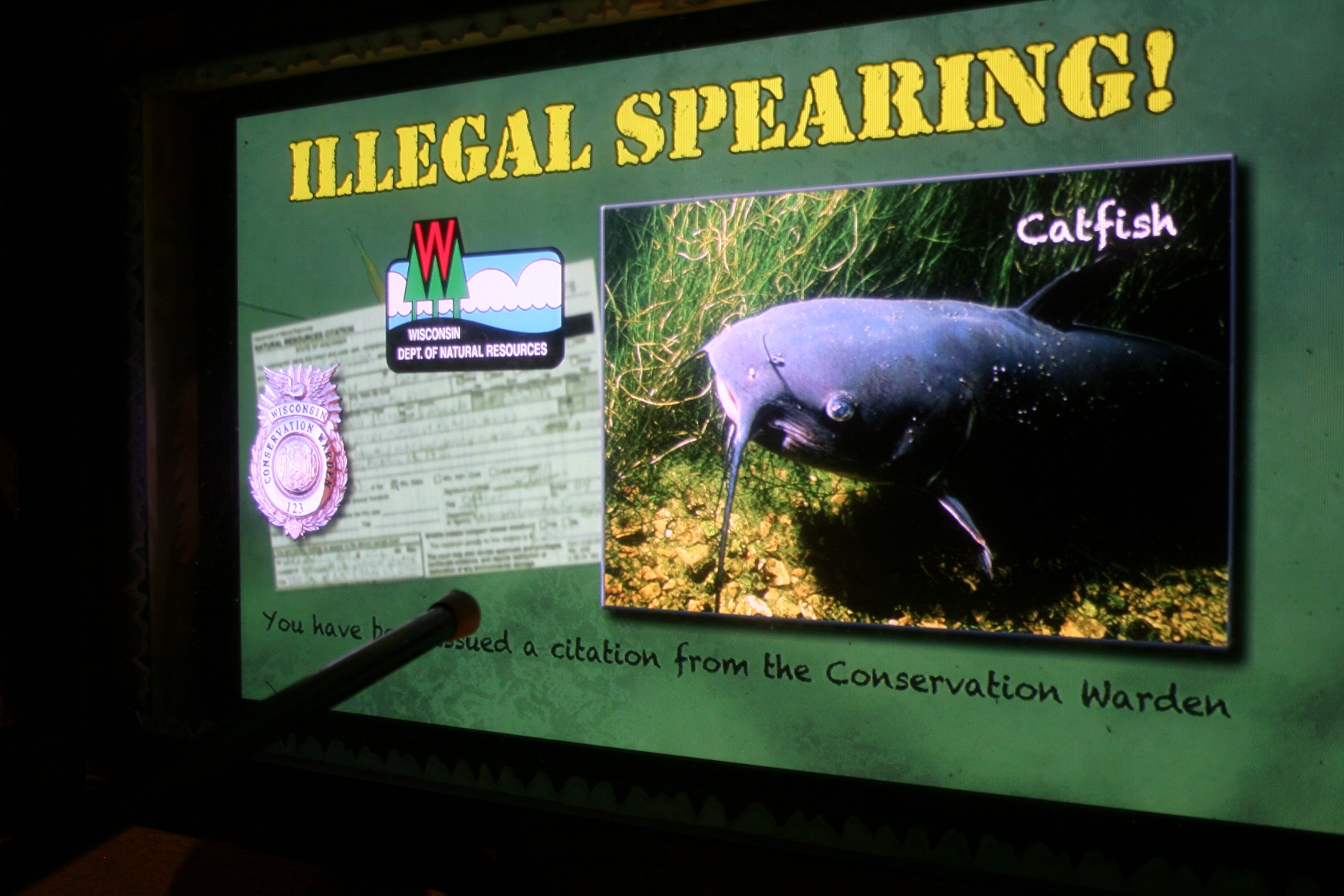
In an interactive portion of the exhibit, in a fish house, visitors can try spearing a sturgeon. In this case, my daughter "speared" a catfish instead.
In an interactive portion of the exhibit, in a fish house, visitors can try spearing a sturgeon. In this case, my daughter “speared” a catfish instead by thrusting a “spear” at the shadowy fish lurking below the water’s surface. You best know your fish.
The informative and interactive exhibit—try spearing a sturgeon—explores the origins of iconic Wisconsin food traditions.
foods

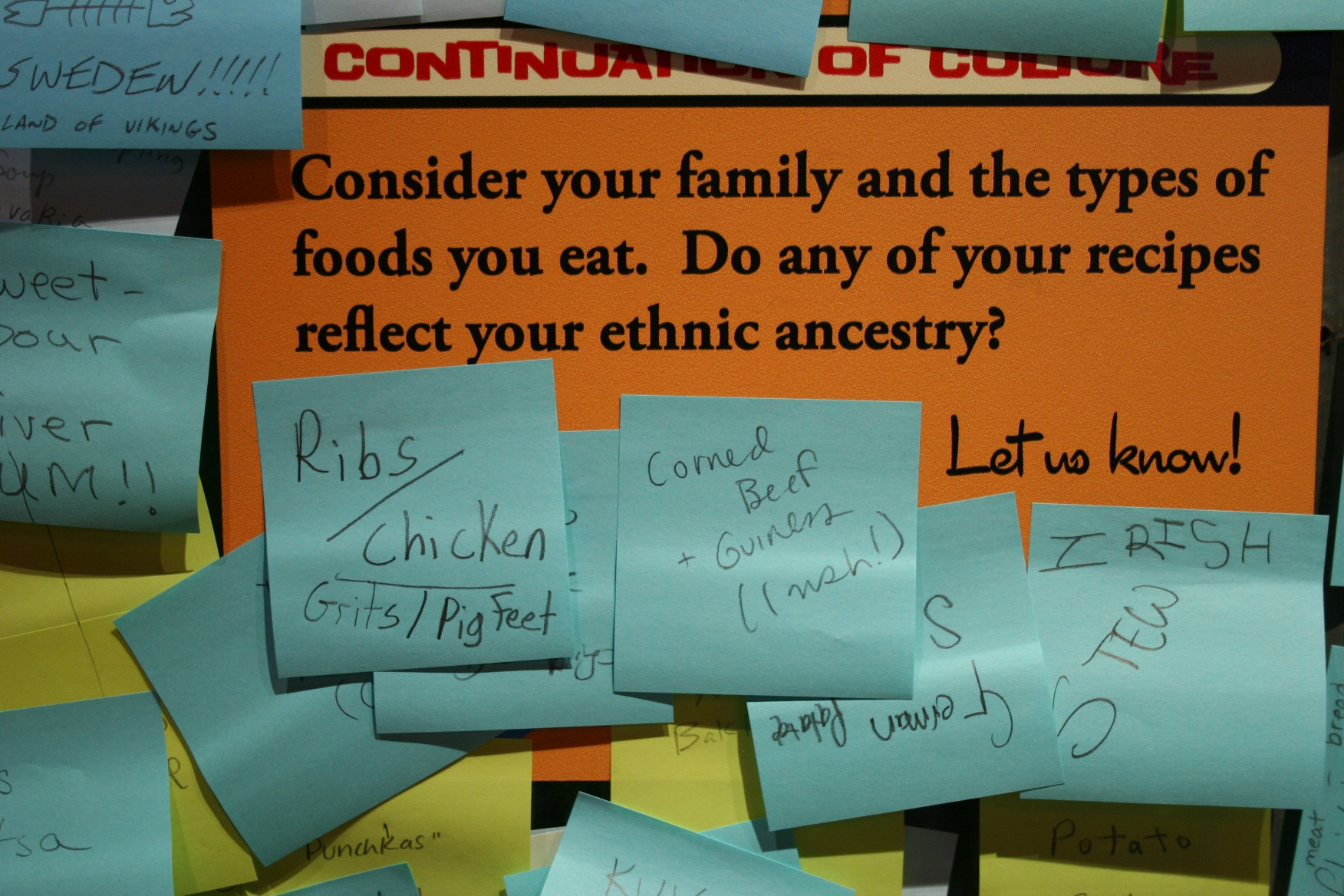
Visitors uses post-it notes to list favorite foods reflecting their ethnicity.
“From sauerkraut to egg rolls, each food has a story to tell about our regional values and community-making,” so notes a line in the wealth of exhibit information. I’ll admit that I didn’t read all of the info. I am more a visual and interactive learner in a museum setting. But I appreciate the depth of research summarized here.

A snippet of the expansive food exhibit.

A snippet of the expansive food exhibit.

That said, join me on this photographic tour of “Food.”

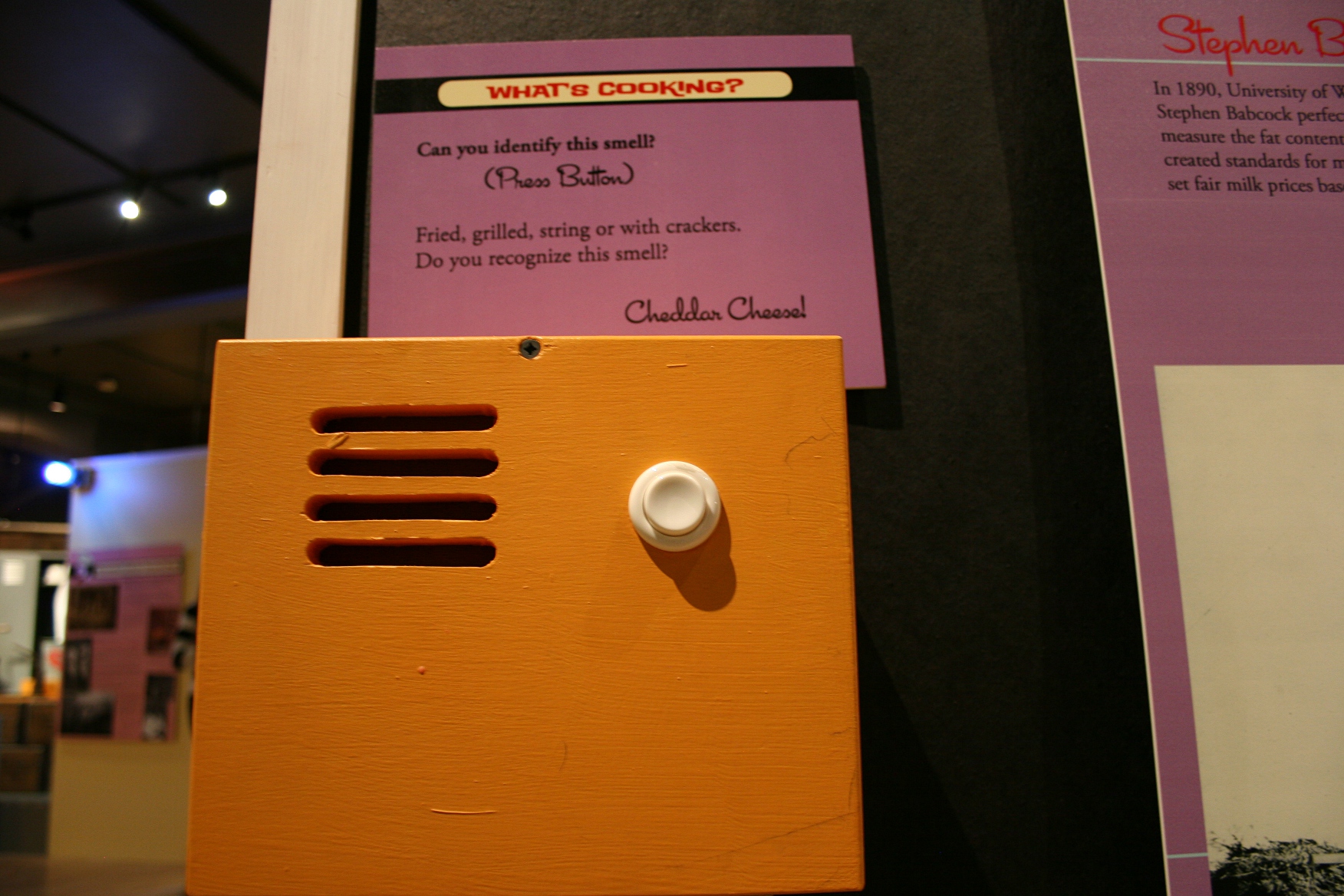
Via museum magic, you can actually press the button and smell cheddar cheese wafting from the golden box.

Via museum magic, you can press the button and smell cheddar cheese wafting from the golden box.


Smell the cheese.

Test your cow knowledge on this interactive computer screen. Wisconsin is, after all, termed "The Dairyland State."

Test your cow knowledge on this interactive screen. Wisconsin is, after all, termed “America’s Dairyland.”


Test your knowledge of cows.

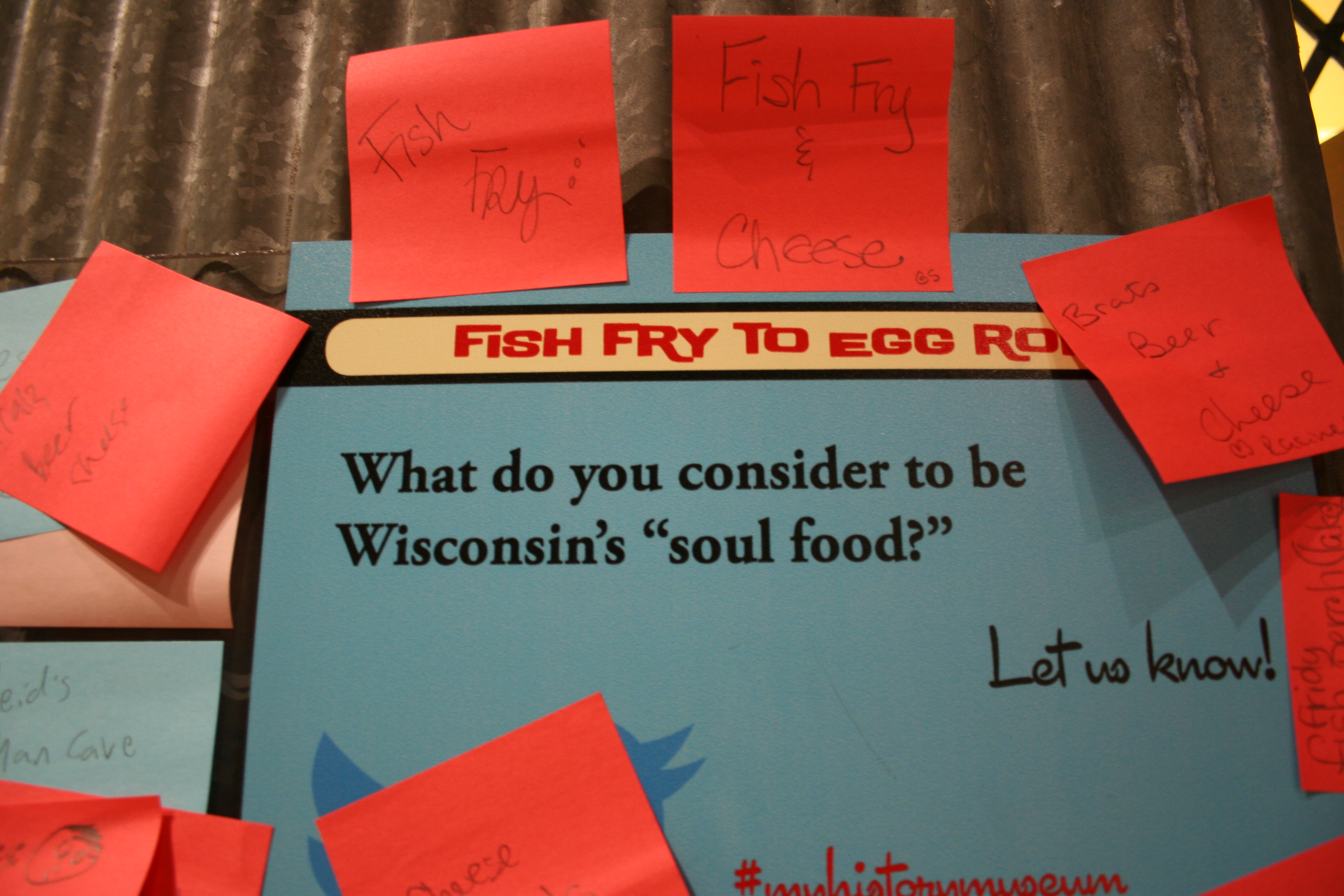
See how visitors answered this question about Wisconsin's "soul food." lots of cheese, brats and beer answers.

See how visitors answered this question about Wisconsin’s “soul food.” Cheese, brats, beer, fish fry… Add your own answer.

Define Wisconsin “soul food.”

Another overview

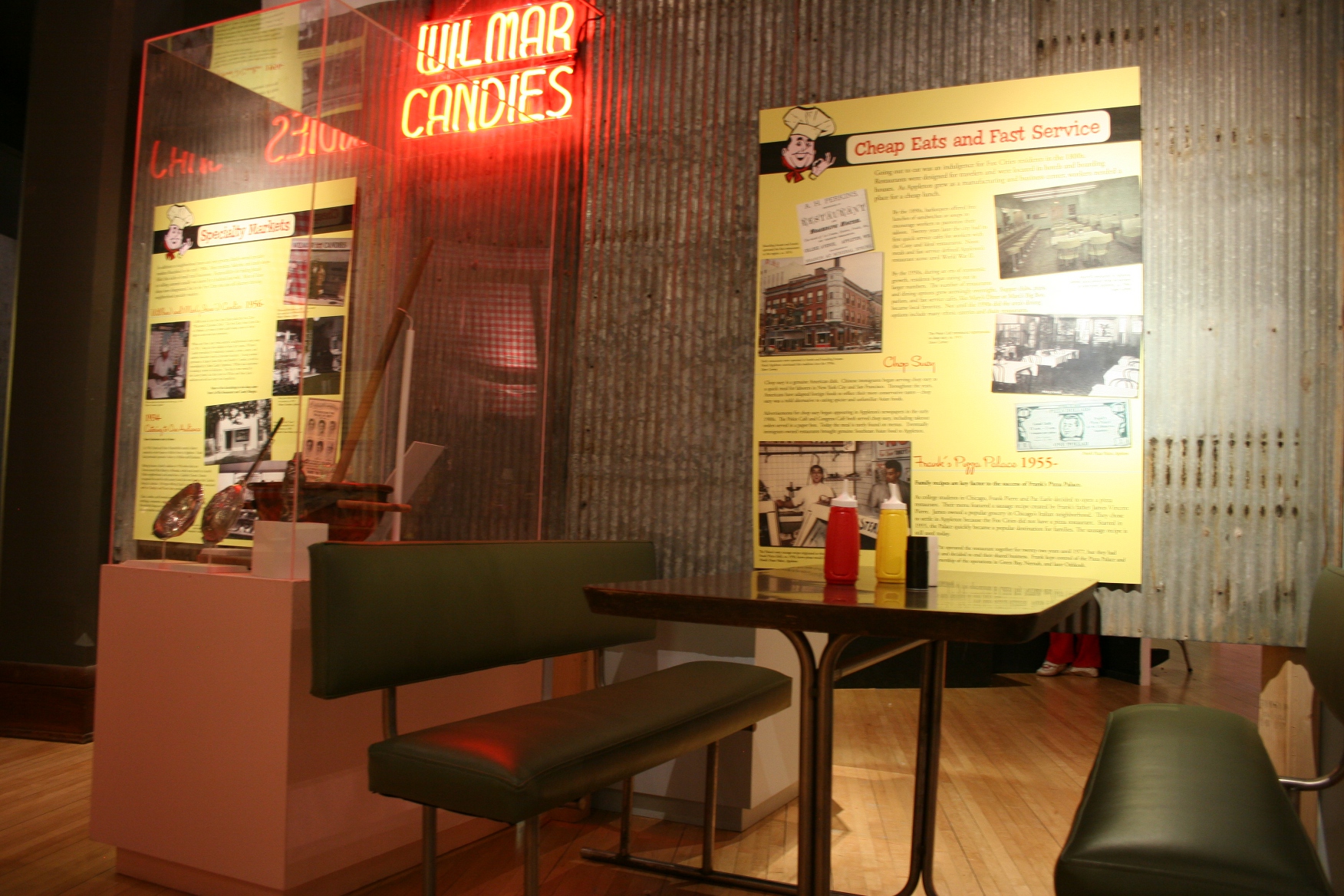
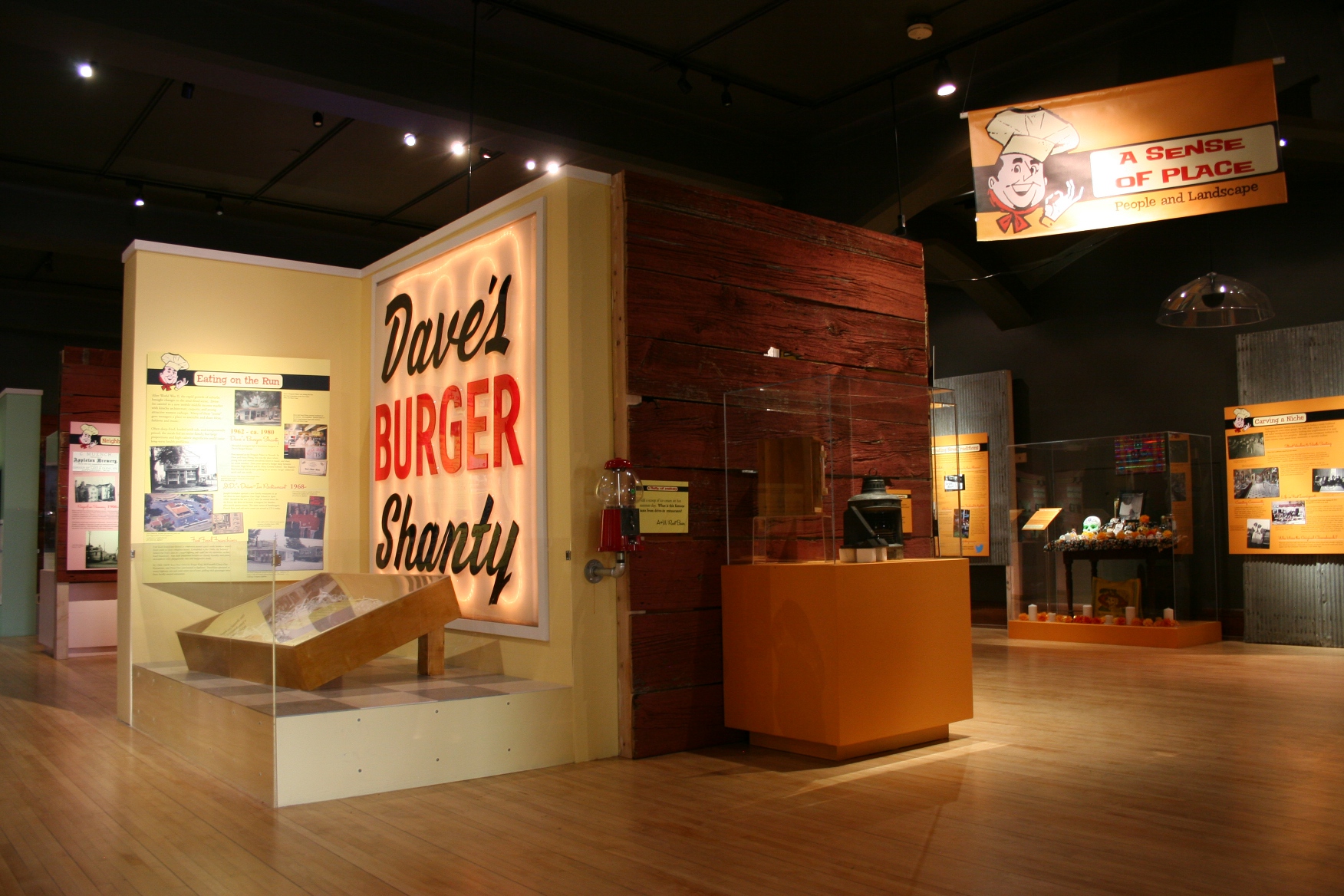
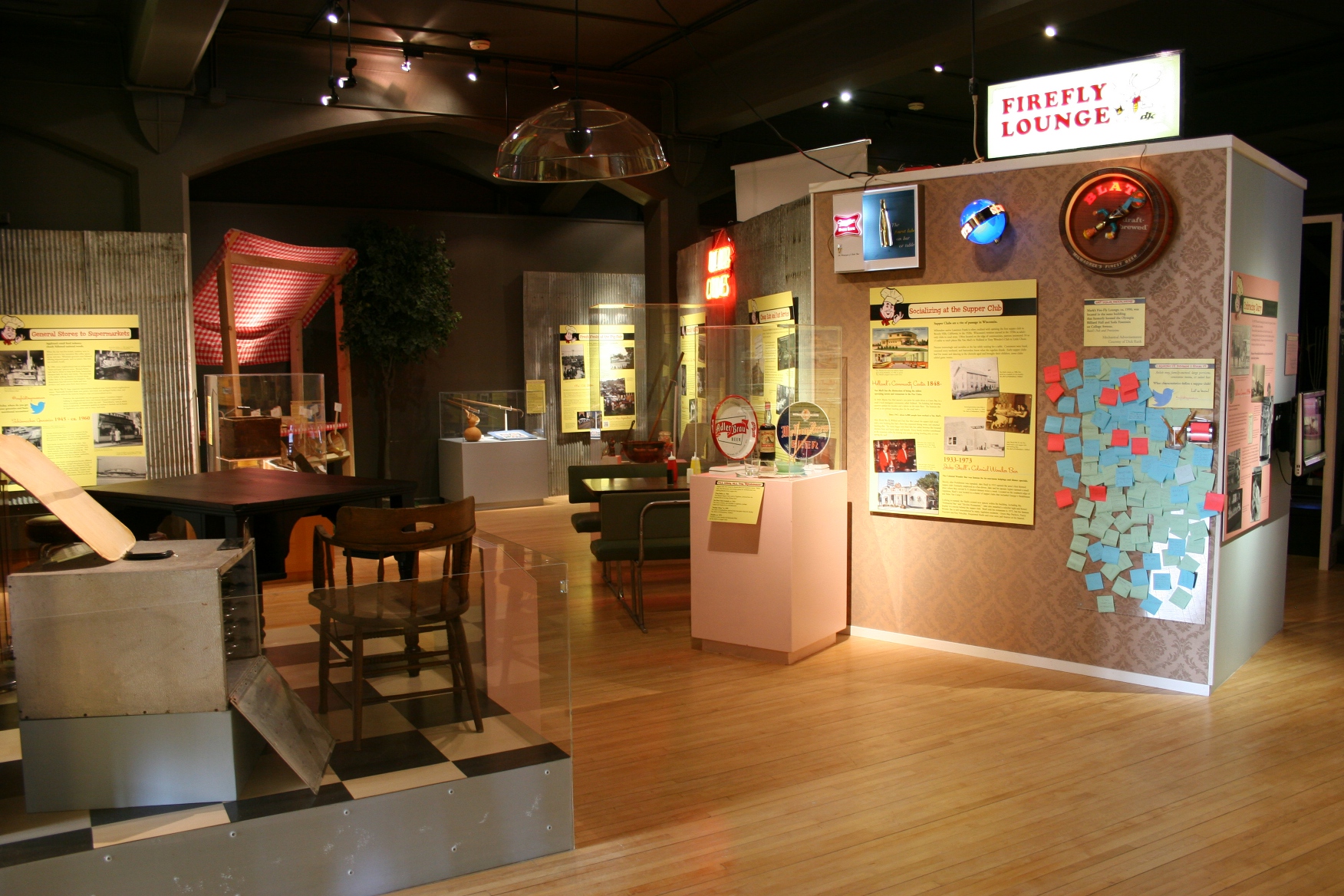
A portion of the exhibit focuses on place, like burger joints and supper clubs, etc.

Reminisce about supper clubs and burger stands.

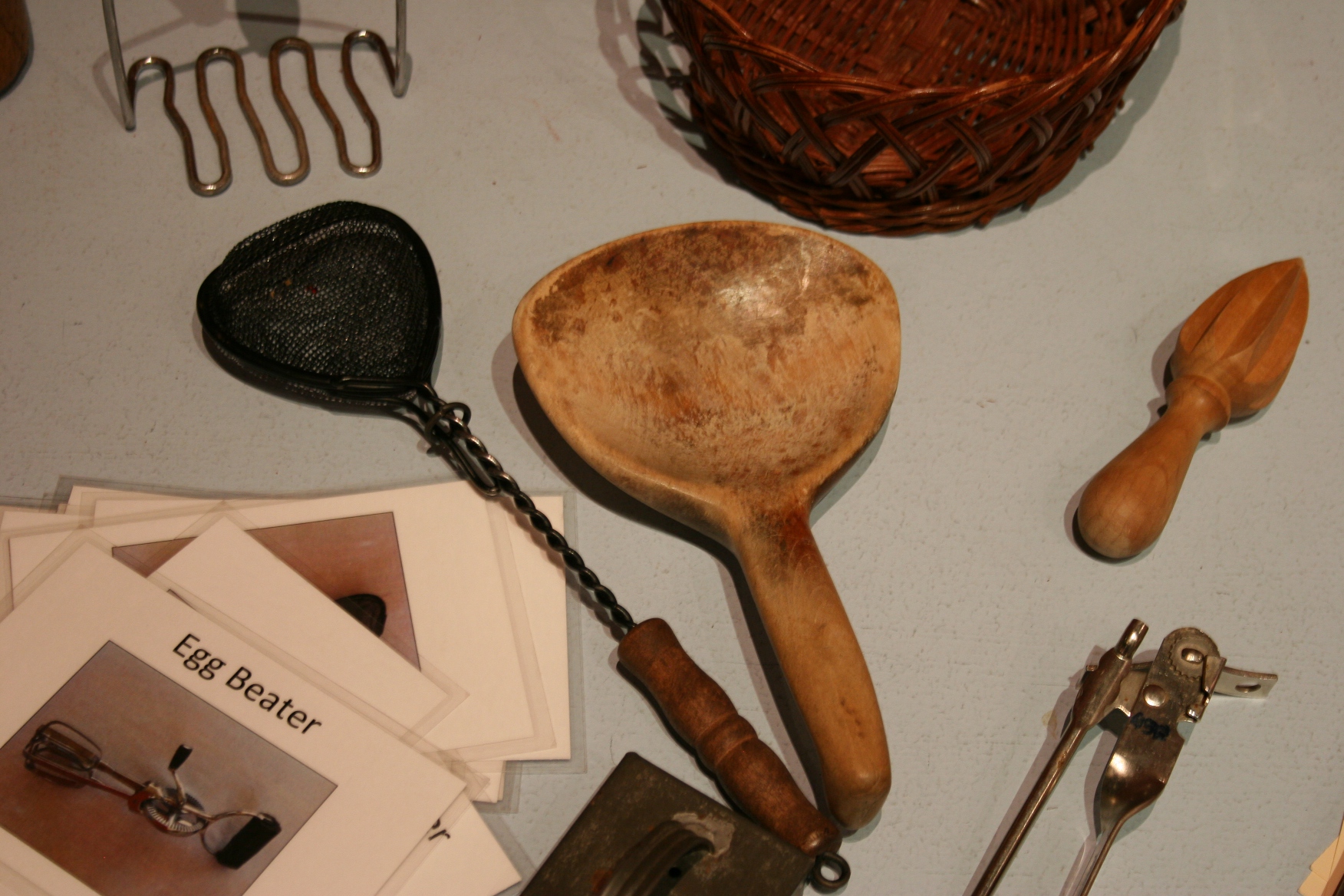
Old kitchen utensils for visitors to identify.

Old kitchen utensils for visitors to identify.

Identify old kitchen tools…

Celebrate the food traditions of Wisconsin:

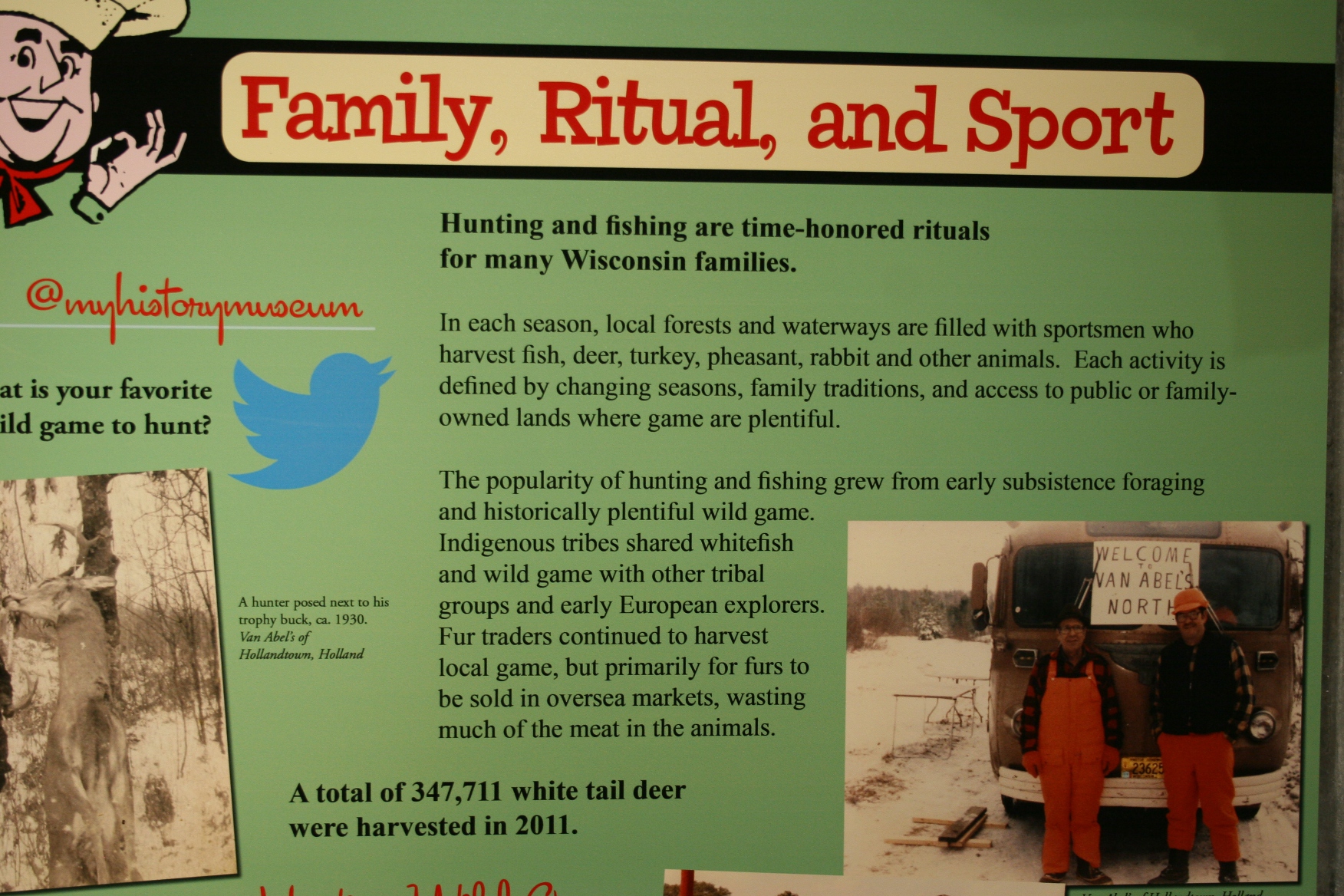
Hunting and fishing are a major part of sports and food culture in Wisconsin.

Hunting and fishing are a major part of sports and food culture in Wisconsin.


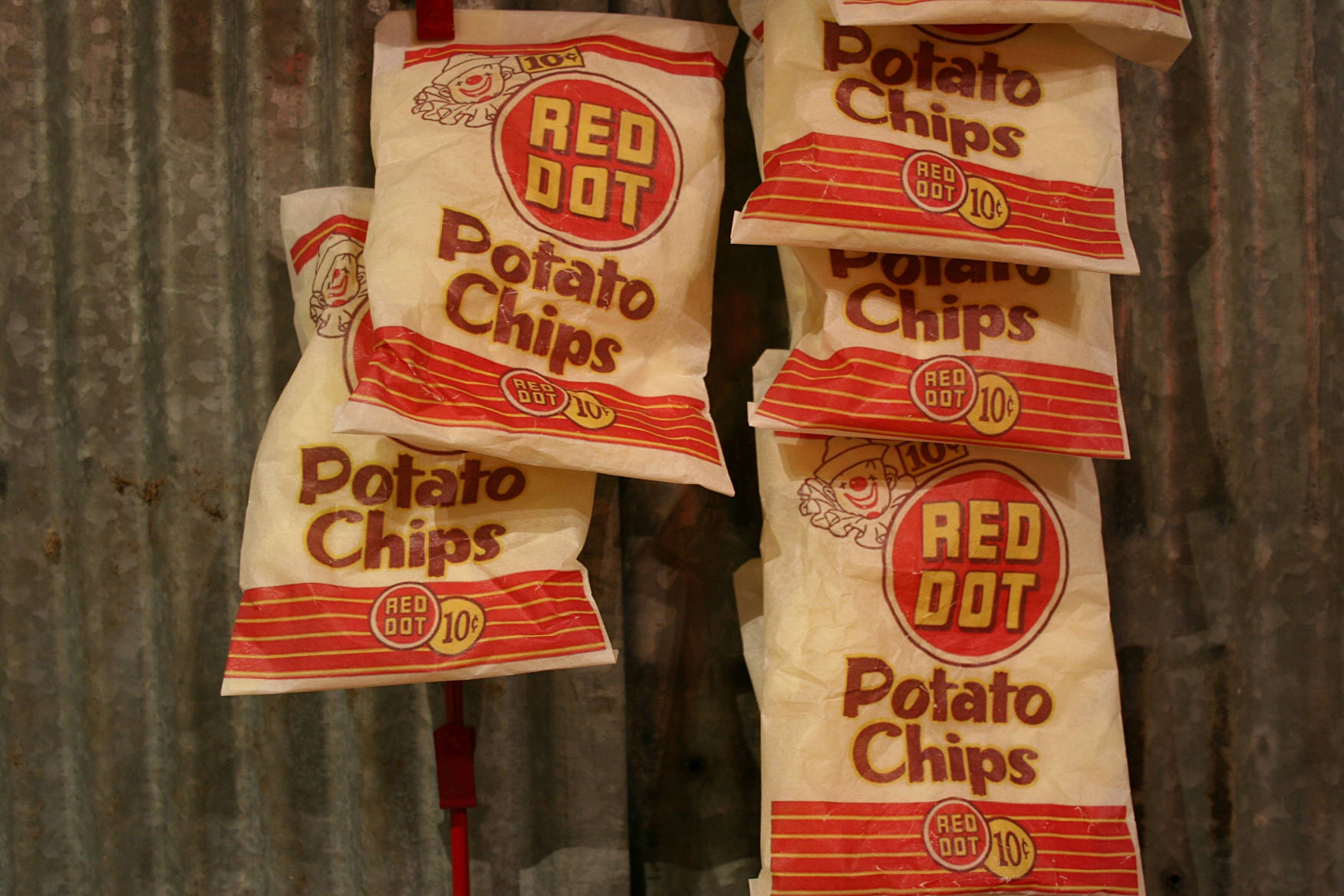
Red Dot potato chips

Red Dot potato chips were produced by Red Dot Foods of Madison, Wisconsin, and were once a top potato chip brand.

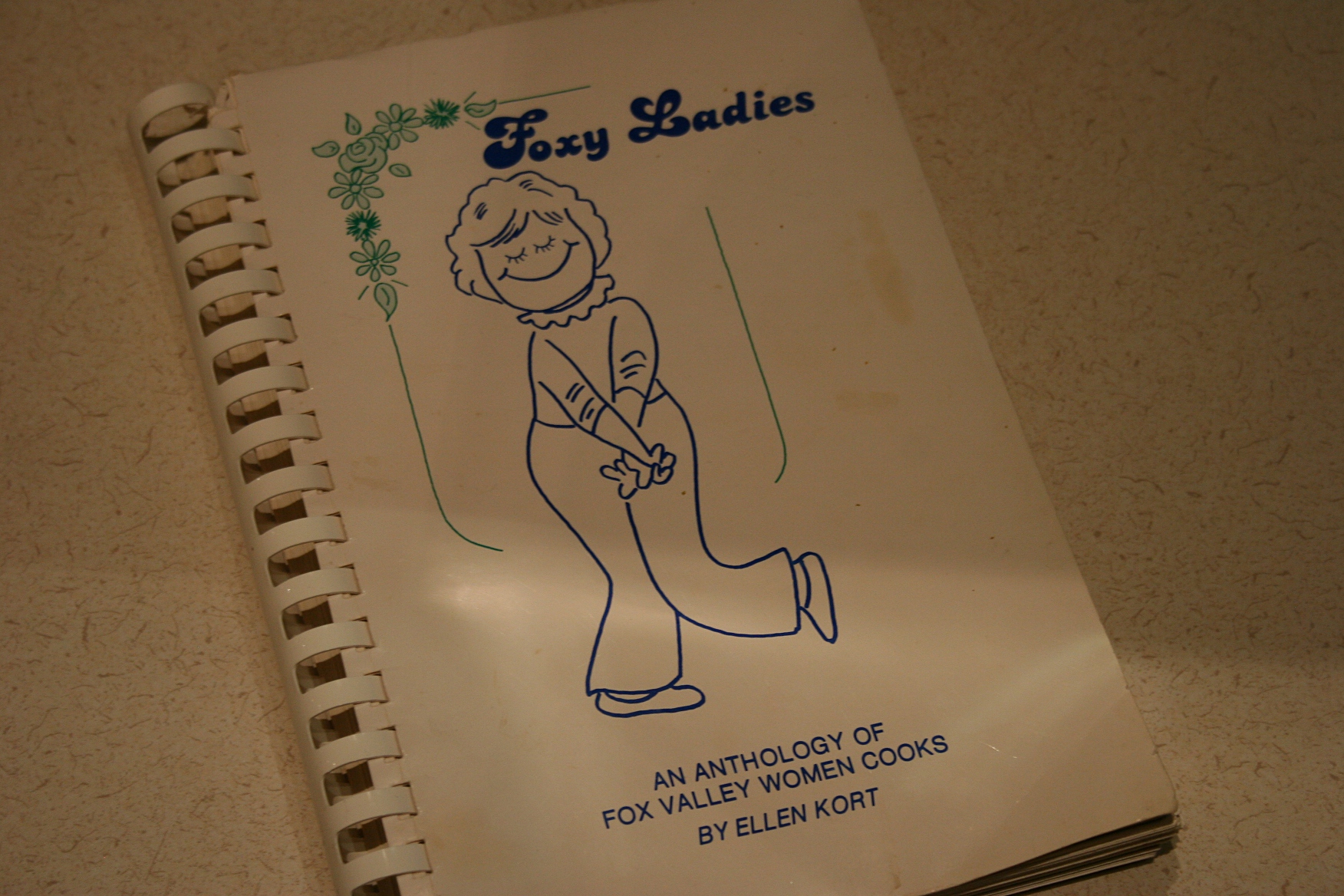
Cookbooks are on display and vintage recipes available for the taking at the exhibit. The Appleton, Wisconsin, area is known as the Fox Valley after the Fox River which runs through the area.

Cookbooks are on display and vintage recipes available for the taking at the exhibit. The Appleton, Wisconsin, region is known as the Fox Valley after the Fox River which runs through the area.

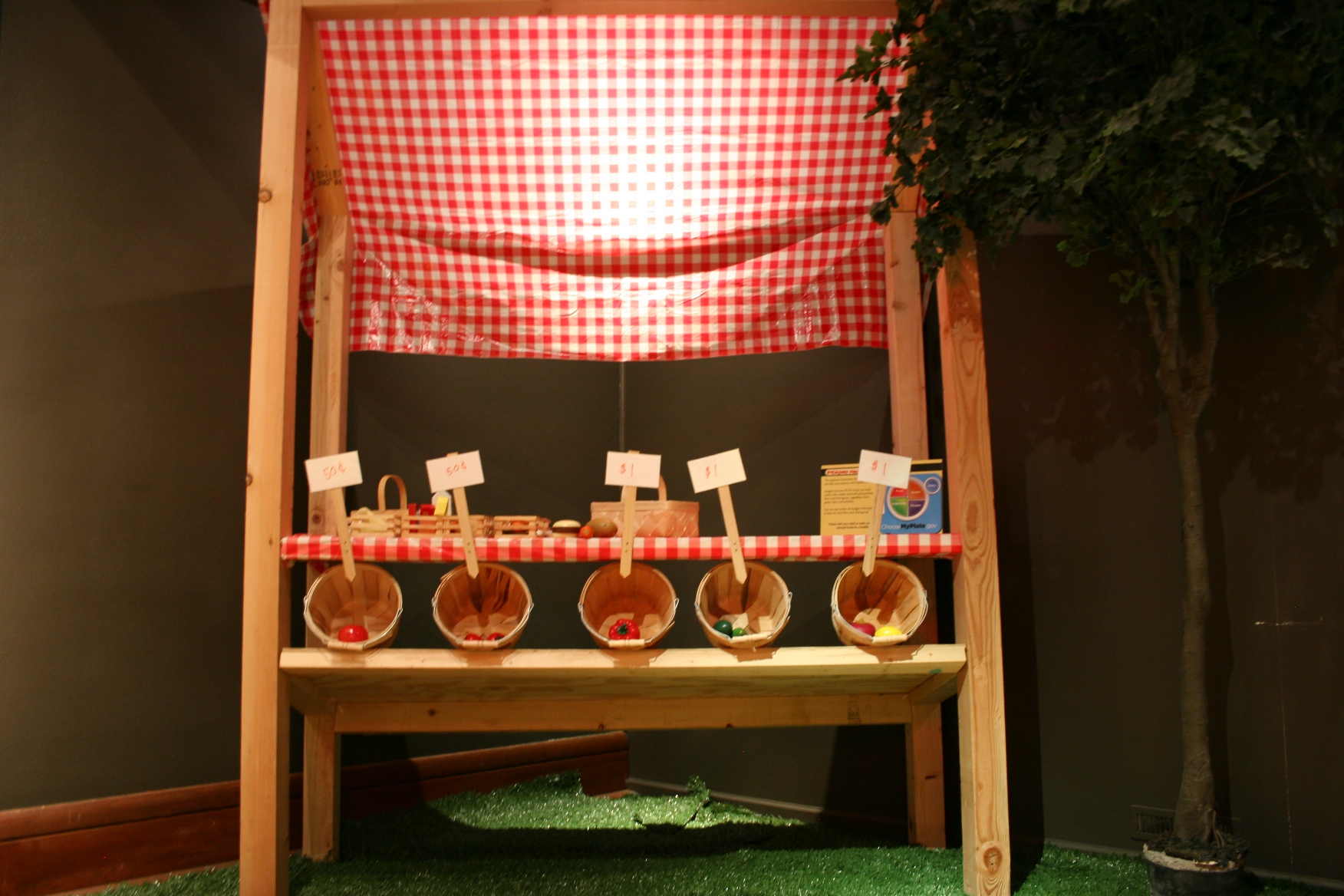
In the Marketplace, visitors are encouraged to choose healthy fresh foods.

In the Marketplace, visitors are encouraged to choose healthy fresh foods.

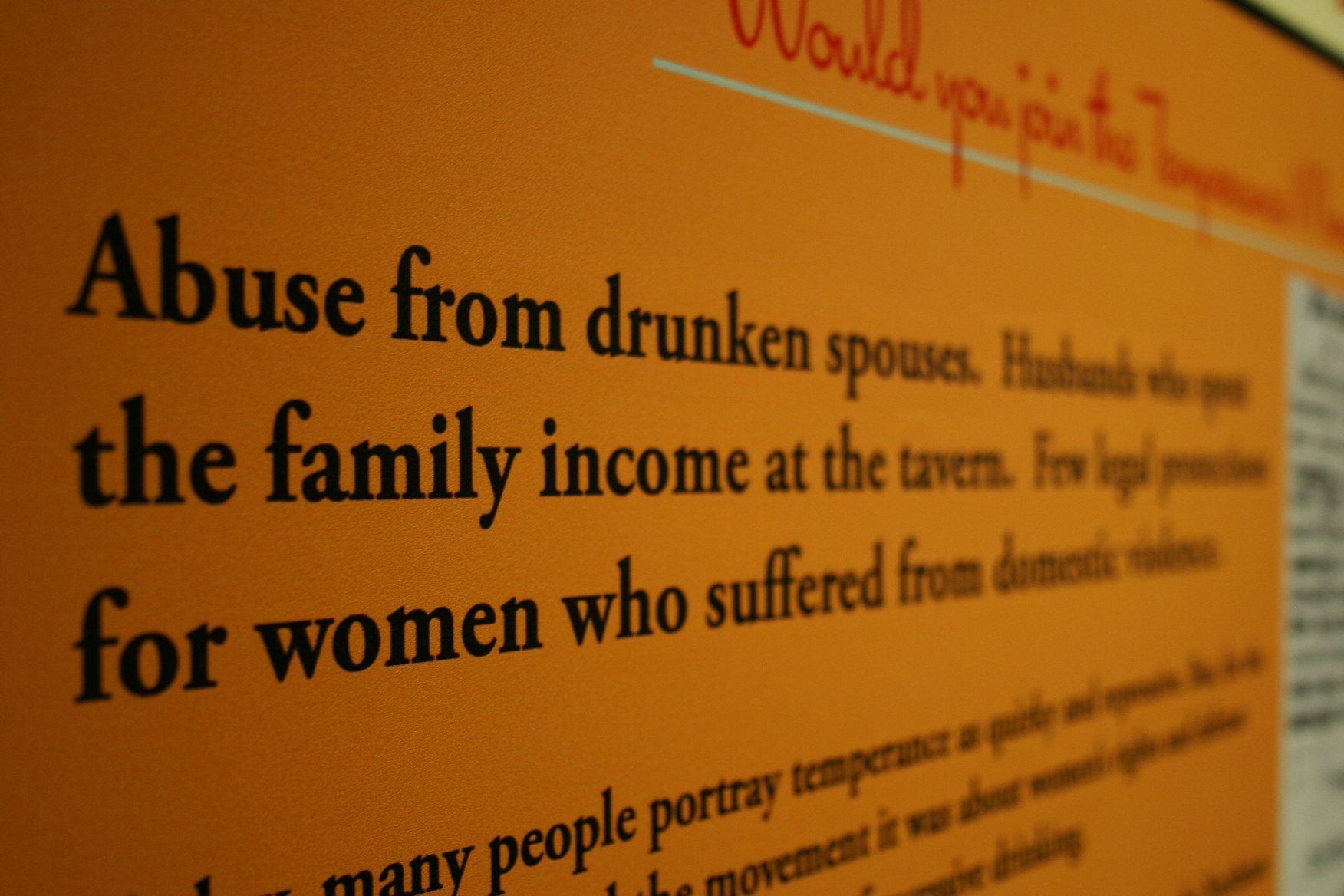
Another display focuses on the empowerment of women via the Temperance Movement.

Another display focuses on the empowerment of women via the Temperance Movement. One of the Appleton Police Department’s major objectives in 2014 is to combat domestic violence.

Another

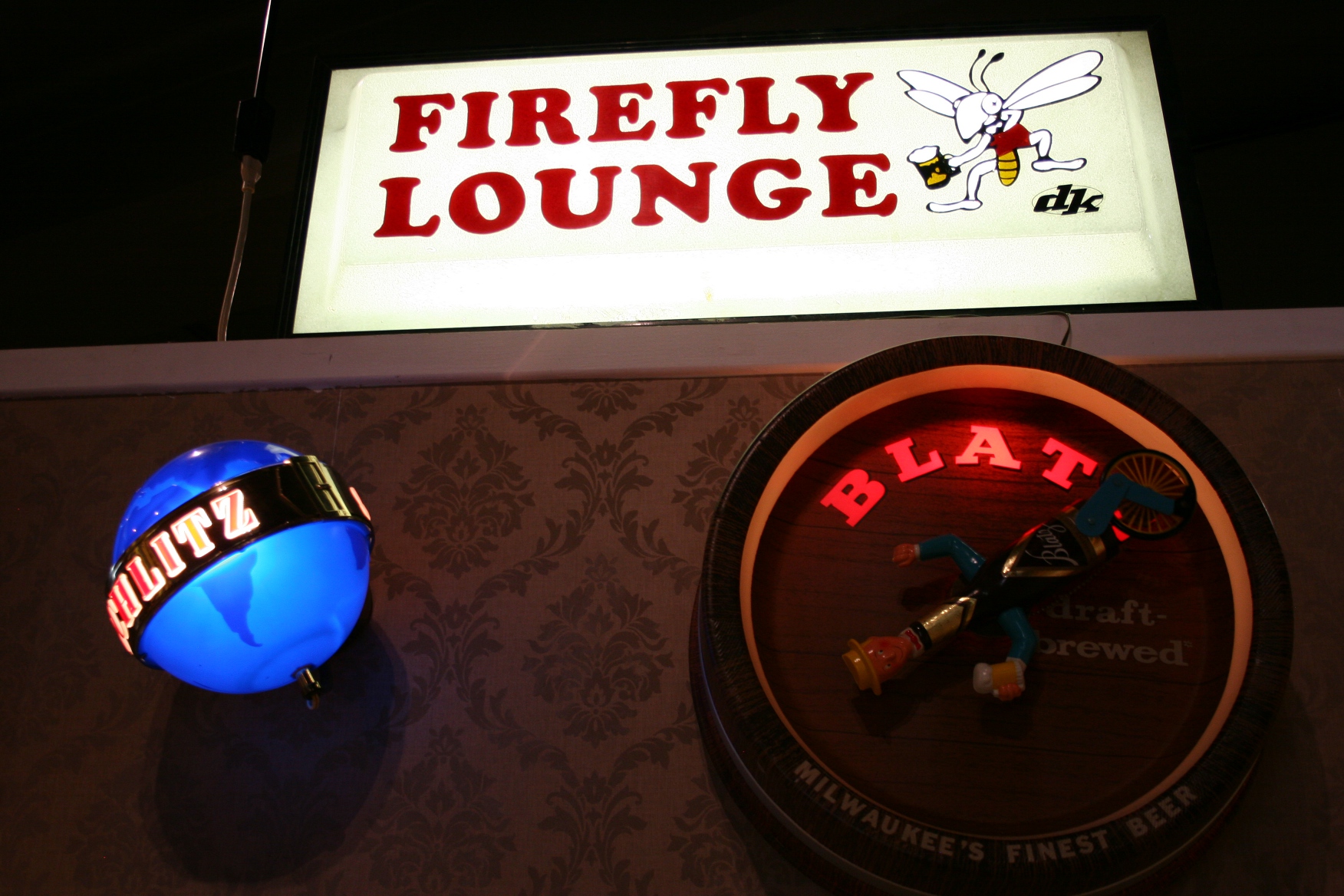
The exhibit on the right focuses on supper clubs. Visitors are invited to write characteristics defining a supper club. Answers included, among many others, pickled beets and herring at salad bar; dim lighting; cocktail hour; tavern in front, buffet in back; and old fashion jukeboxes.

Supper club signage close-ups.

Supper club/bar signage close-ups.

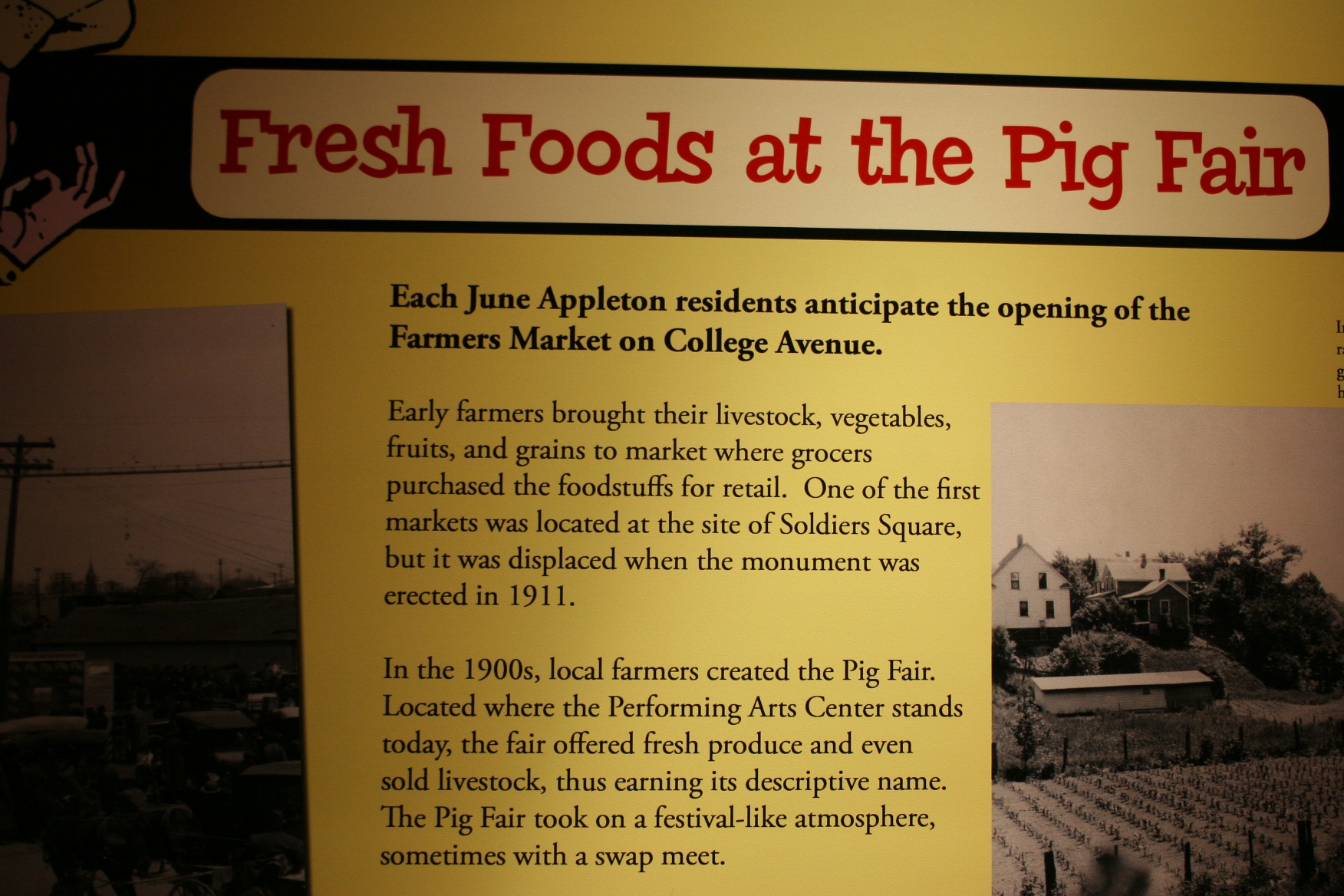
The Pig Fair...

The Pig Fair…

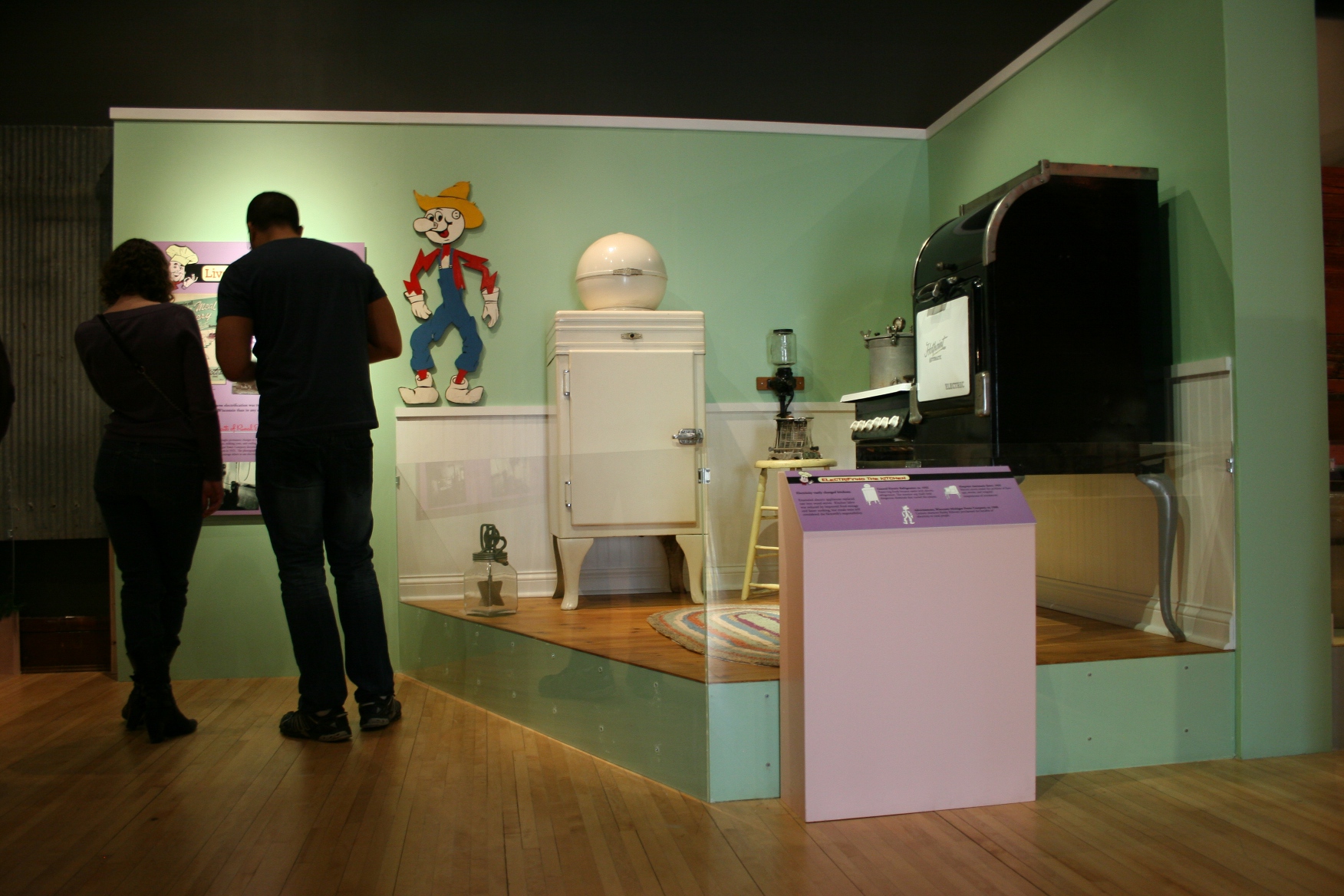
A section on electricity highlights Appleton as having the first home electrified by water power in 1882. And, yes, that's Reddi Kilowatt there on the wall.

A section on electricity highlights Appleton as having the first home electrified by water power in 1882. And, yes, that’s Reddy Kilowatt there on the wall.

And then afterward, grab a cold one. It seems only fitting to honor Wisconsin’s love of brats, beer, cheese and Packers. Cheers.

History Museum at the Castle, 330 East College Avenue, Appleton, Wisconsin.

The impressive and historic History Museum at the Castle.

FYI: The “Food: Who We Are and What We Eat” exhibit continues through the fall of 2014 at the Castle. There’s much more to see here, including exhibits on local history and a permanent Harry Houdini exhibit. Houdini claims Appleton as his hometown.

Don't miss the incredible stained glass windows in the Siekman Room.

Don’t miss the incredible stained glass windows in the Siekman Room.

The castle itself is a lovely complex built in 1923 as a Masonic temple and today is on the National Register of Historic Places. Click here to learn more about the History Museum at the Castle.

© Copyright 2014 Audrey Kletscher Helbling