Minnesota Prairie Roots

Writing and photography by Audrey Kletscher Helbling

Rural revelations in country cemeteries April 17, 2014

Filed under: Uncategorized — Audrey Kletscher Helbling @ 6:00 AM
Tags: , , , , ,
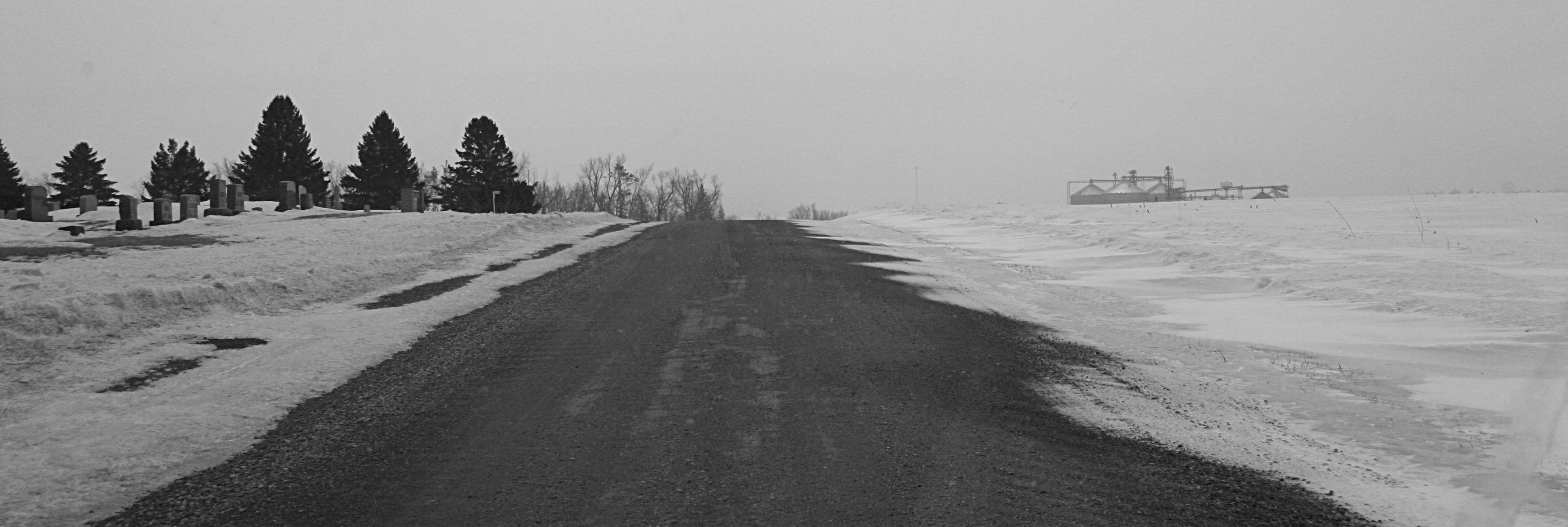
The road past the Vesta Cemetery, which sits just outside of this southwestern Minnesota town of some 330.

To the left lies the Vesta City Cemetery, where my father, grandparents and other family members are buried. In the distance you can see the grain elevator complex in my hometown.

AS A YOUNG GIRL, I remember fearing cemeteries, that place where my paternal grandpa was laid to rest atop a rare prairie hill when I was just nine.

A historical marker in the Holden Lutheran Church Cemetery, rural Kenyon.

A historical marker in the Holden Lutheran Church Cemetery, rural Kenyon.

But my view of cemeteries has evolved over the years so that today I see these earthly resting spots as places of faith, art, history and personal stories.
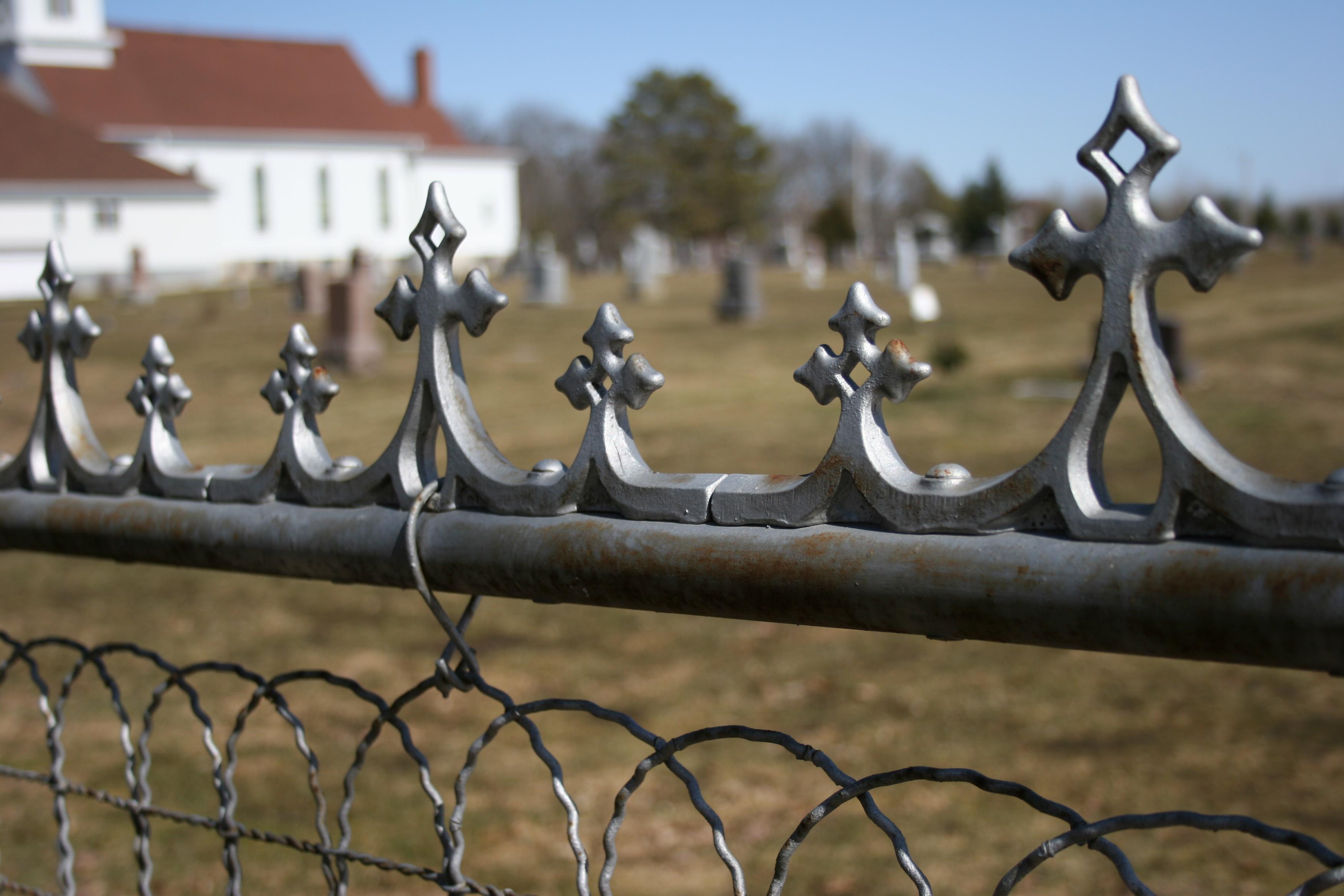
A fence surrounds the Urland Lutheran Church Cemetery in the Sogn Valley area.

A fence surrounds the Urland Lutheran Church Cemetery in the Sogn Valley area.

I no longer focus on the bones buried beneath my feet or the newly-departed lying under a heaped mound of dirt. Rather, I find myself reading tombstones, marveling at carved stone, wondering about the lives of those who lie within the often fenced boundaries of graveyards.
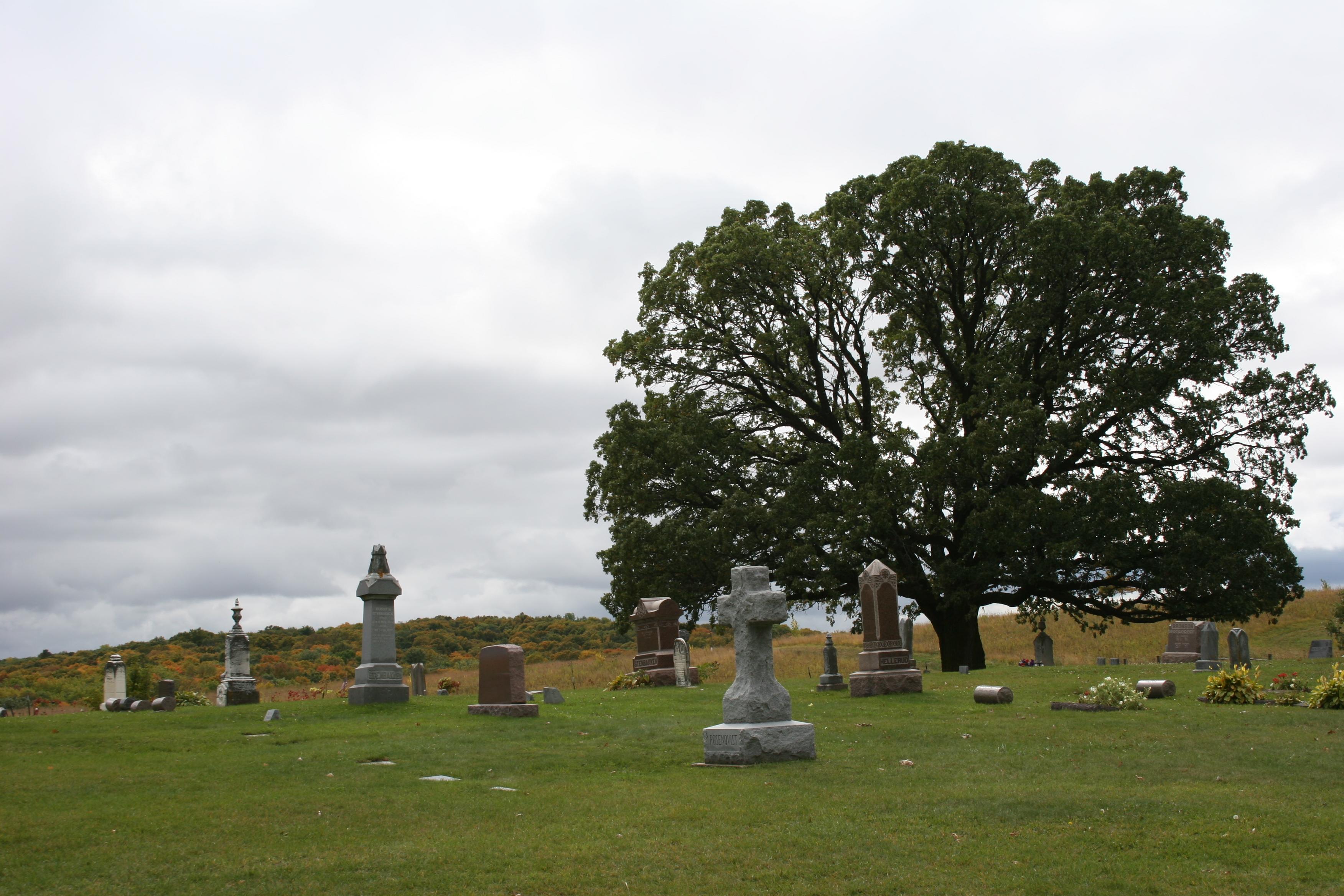
The particularly picturesque Valley Grove Church Cemetery near Nerstrand Big Woods State Park.

The picturesque Valley Grove Church Cemetery near Nerstrand Big Woods State Park.

In particular, I am drawn to country cemeteries that my husband and I happen upon during leisurely Sunday afternoon drives in rural Minnesota.
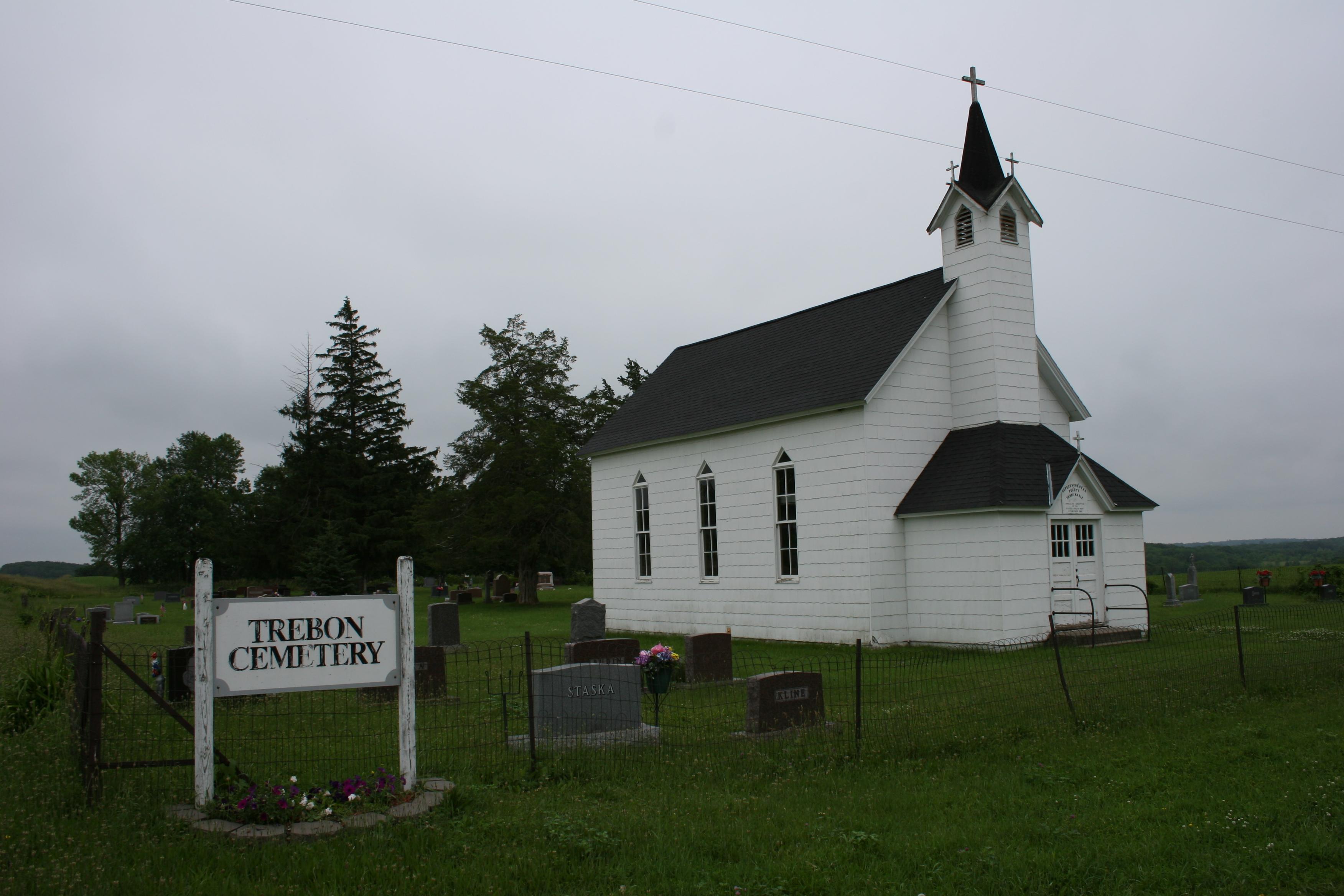
Northwest of Faribault in Shieldsville Township sits the historic Immaculate Conception of the Blessed Virgin Mary and the adjoined Trebon Cemetery.

Northwest of Faribault in Shieldsville Township sits the historic Immaculate Conception of the Blessed Virgin Mary Church and the adjoining Trebon Cemetery.

Spot a spire spearing the sky and we typically find a cemetery tucked behind or aside the church. Convenient and comforting.
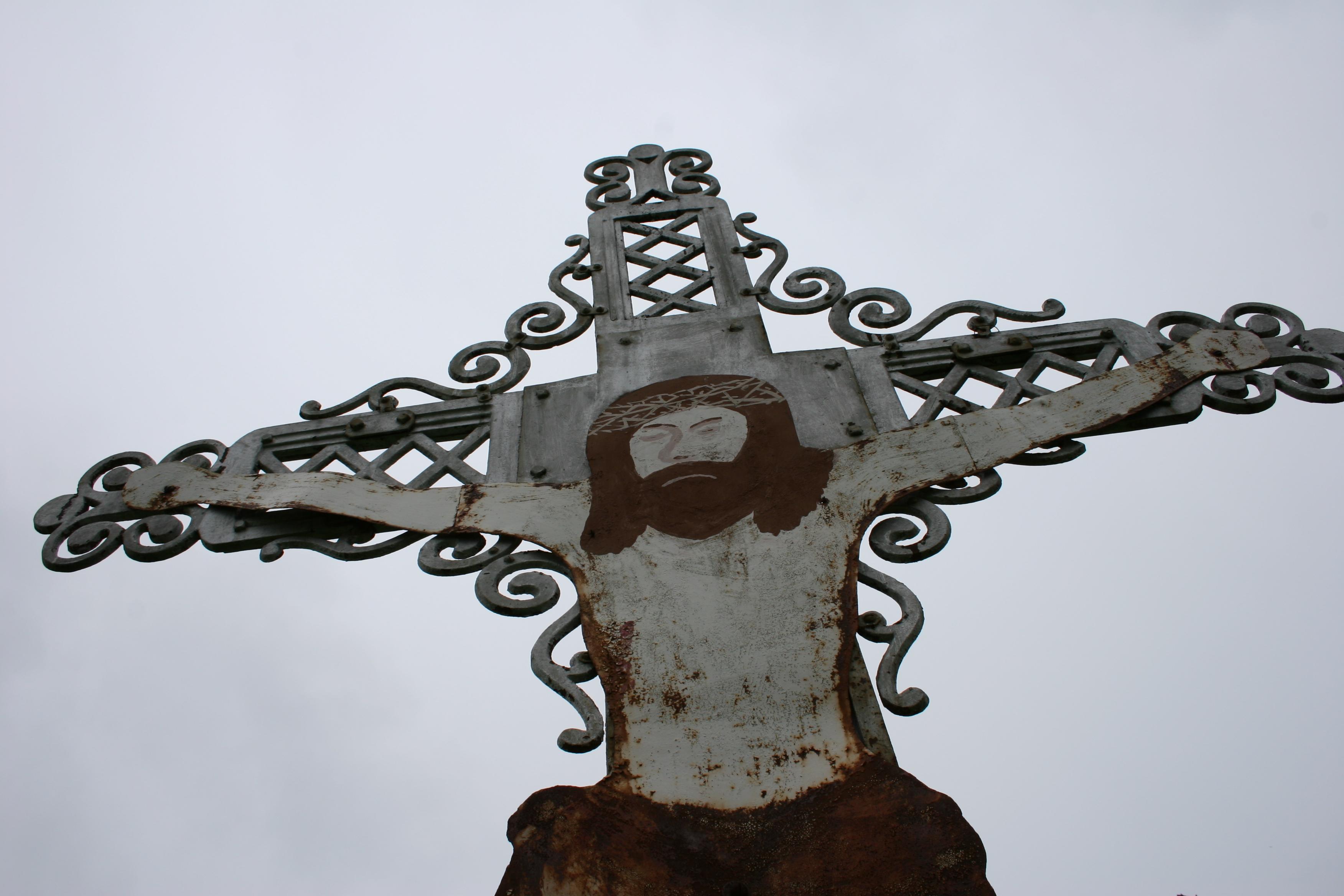
Folk art in the Trebon Cemetery honors Christ and the deceased.

Folk art in the Trebon Cemetery honors Christ and the deceased.

During this Holy Week, when Christians worldwide focus on reflection and repentance and the suffering and crucifixion of Christ, it seems fitting to revisit some of the Minnesota cemeteries I’ve explored.
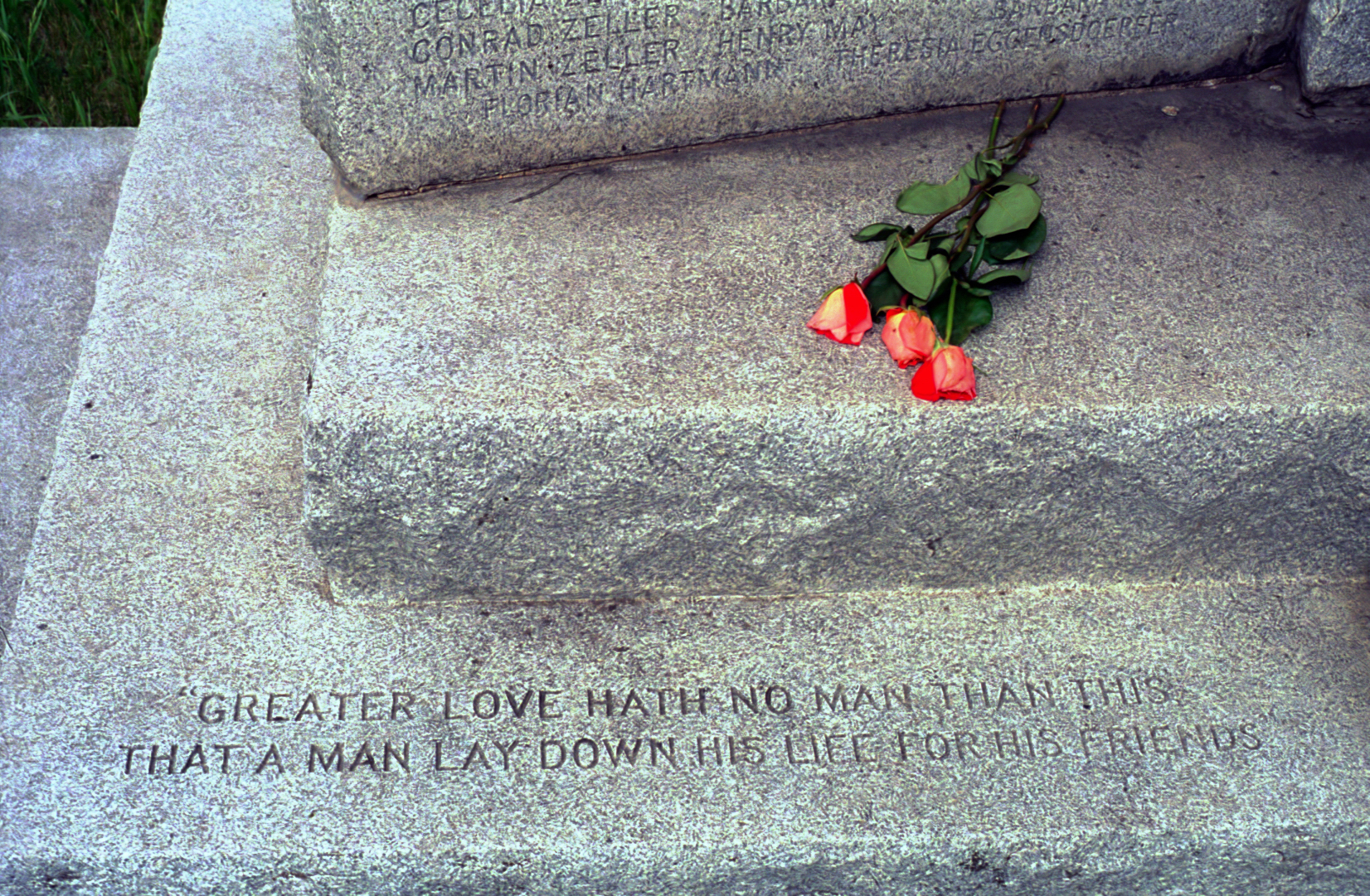
Just west of New Ulm, at a memorial honoring Milford settlers who died in the U.S.-Dakota War of 1862, roses were placed on the marker on Memorial Day weekend 2007.

Just west of New Ulm, at a memorial honoring Milford settlers who died in the U.S.-Dakota War of 1862, roses were placed on the marker on Memorial Day weekend 2006.

There is much to learn here about those who went before us—those we loved and those we never knew.
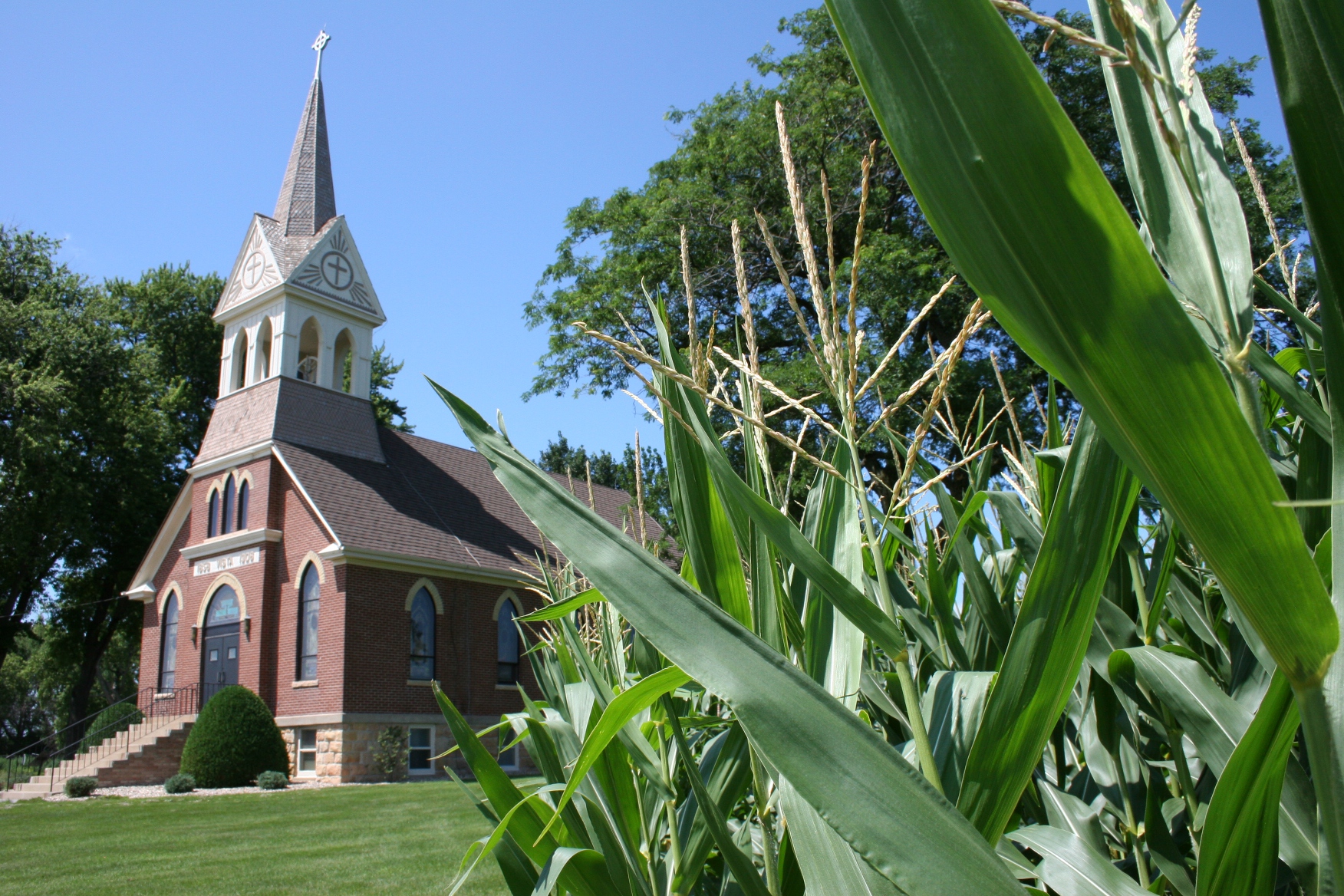
Fields and a cemetery embrace many country churches like Vista Evangelical Lutheran Church in southern Minnesota.

Fields and a cemetery embrace many country churches like Vista Evangelical Lutheran Church in southern Minnesota.

Words to ponder at a cemetery in Theilman in southeastern Minnesota.
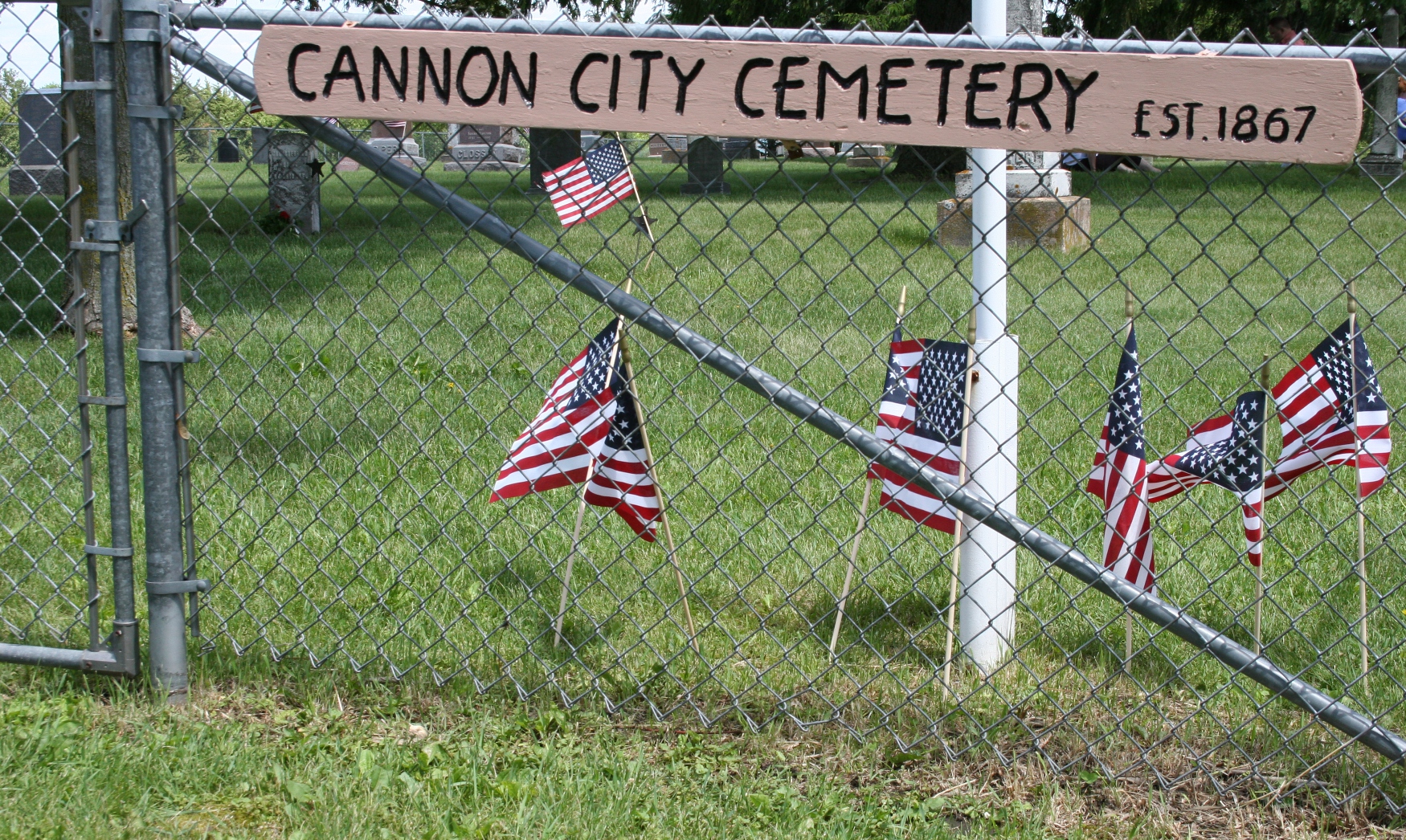
Words to ponder at a cemetery in Theilman in southeastern Minnesota.

A sign at the cemetery entrance.

Handcrafted signs like this one in Cannon City (near Faribault) grace some rural cemeteries.
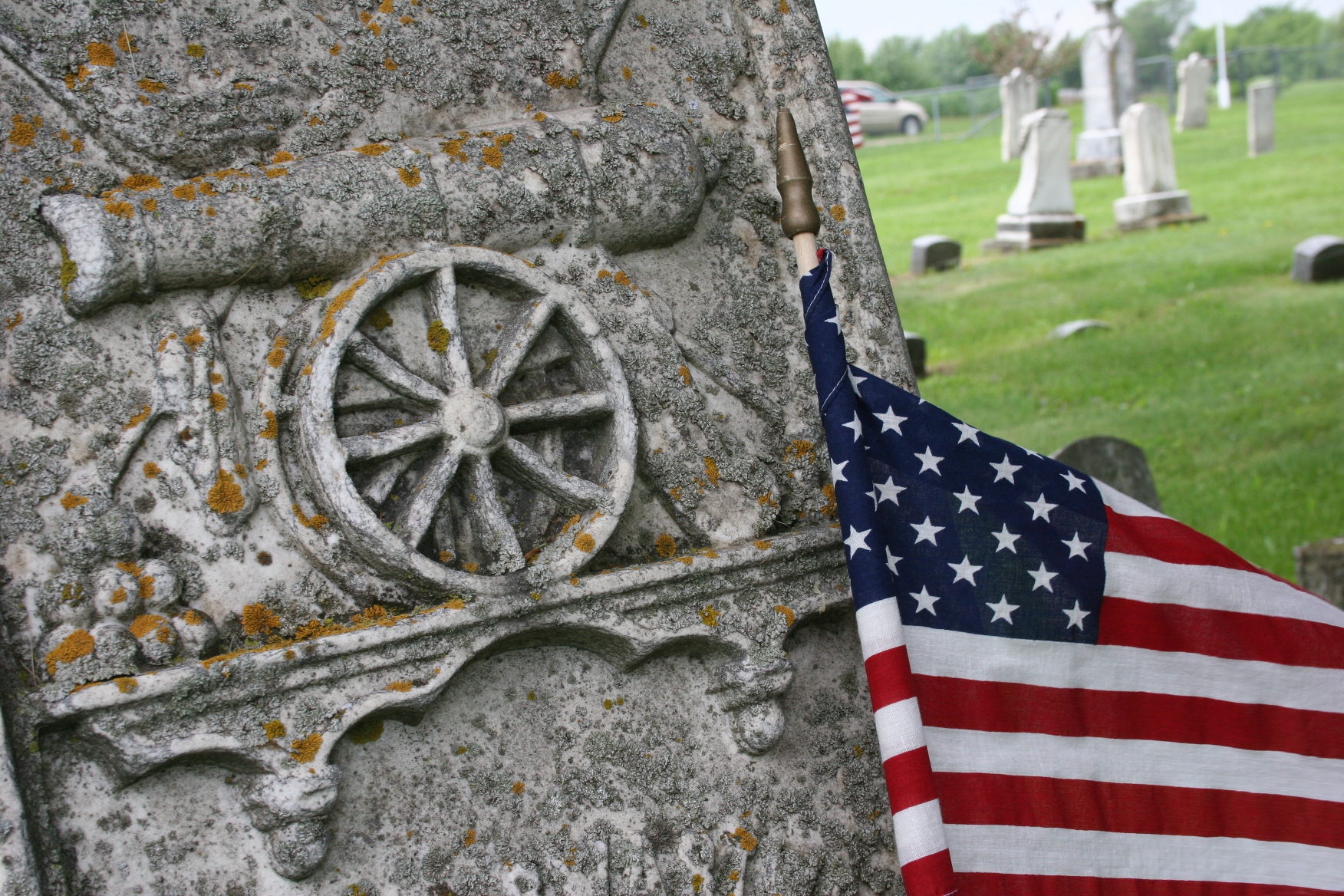
An art appropriate cannon marks a Civil War Veteran's tombstone in the Cannon City Cemetery.
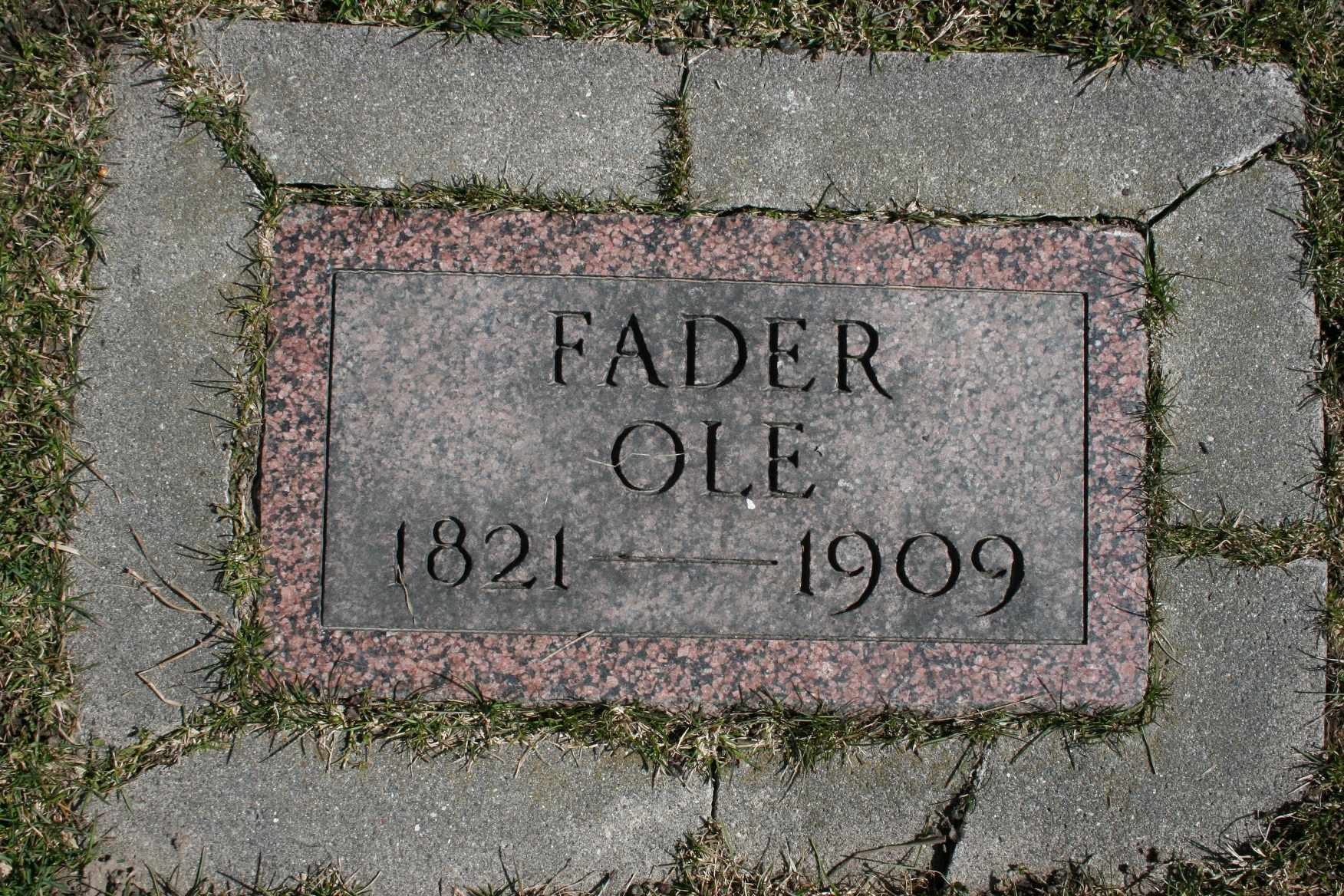
An art appropriate cannon marks a Civil War Veteran’s tombstone in the Cannon City Cemetery.

A simple grave marker in the Urland Lutheran Church Cemetery.
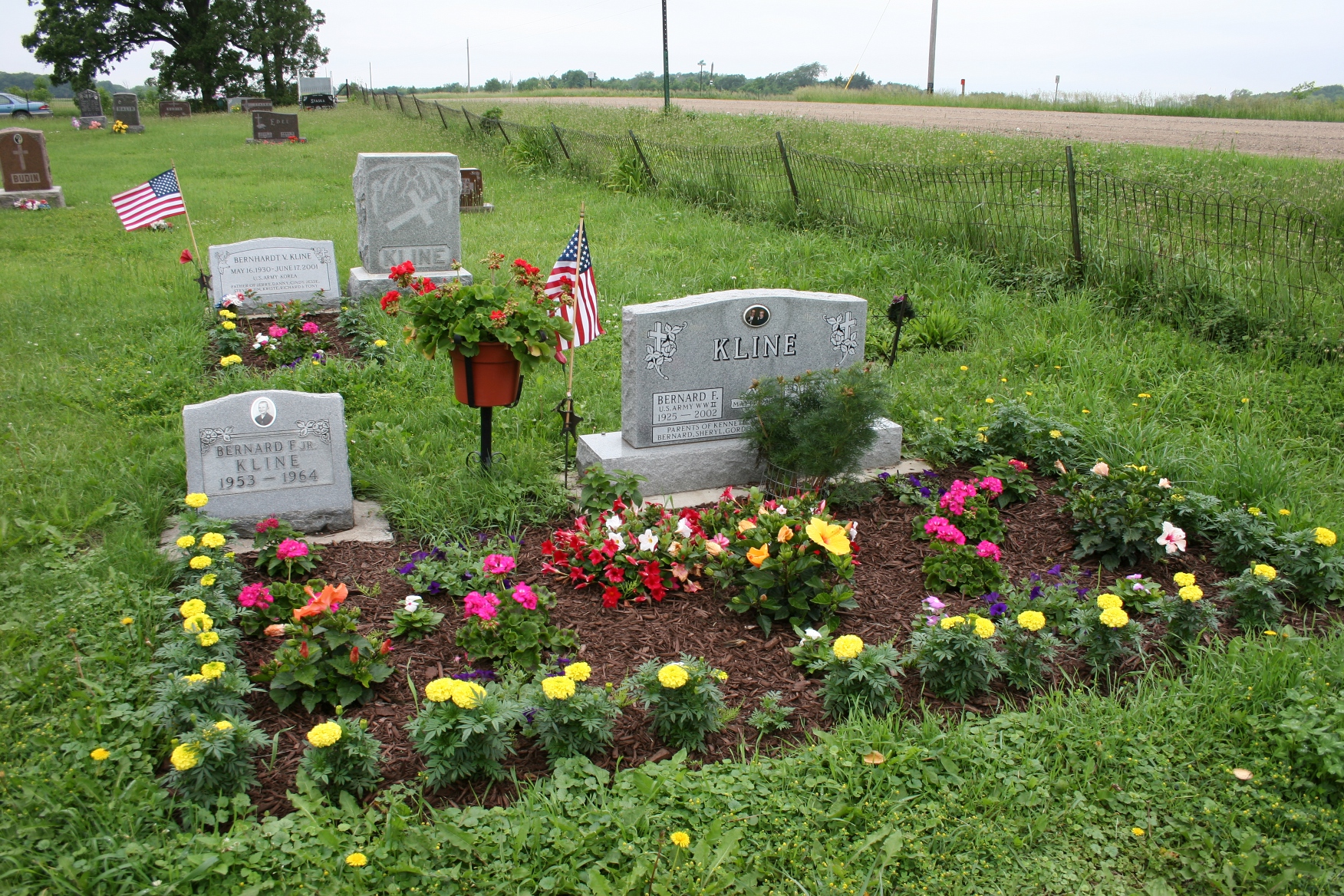
A simple grave marker in the Urland Lutheran Church Cemetery.

A well-tended family plot in the Trebon Cemetery.
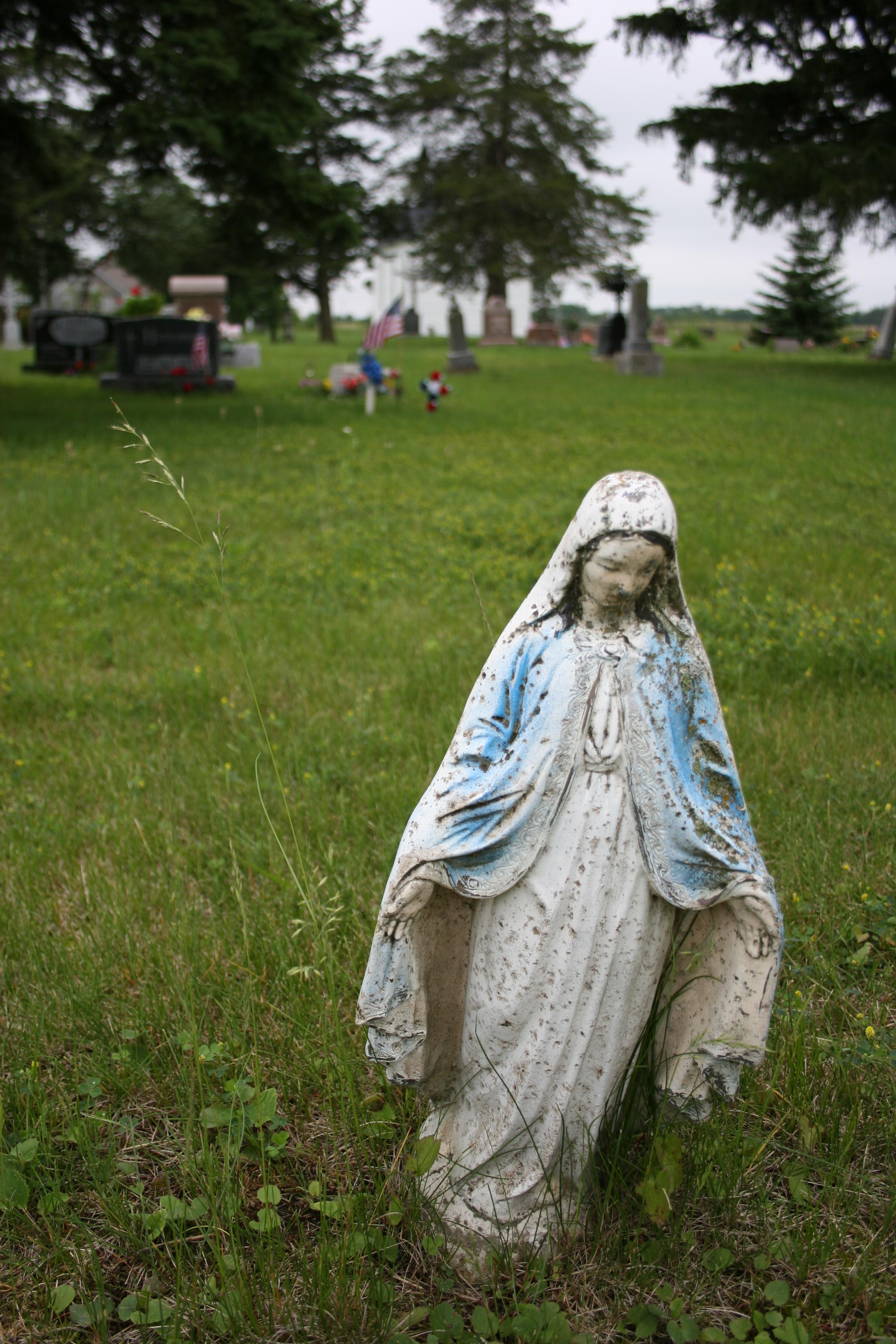
A well-tended family plot in the Trebon Cemetery.

A compelling statue of the Virgin Mary in Trebon Cemetery.
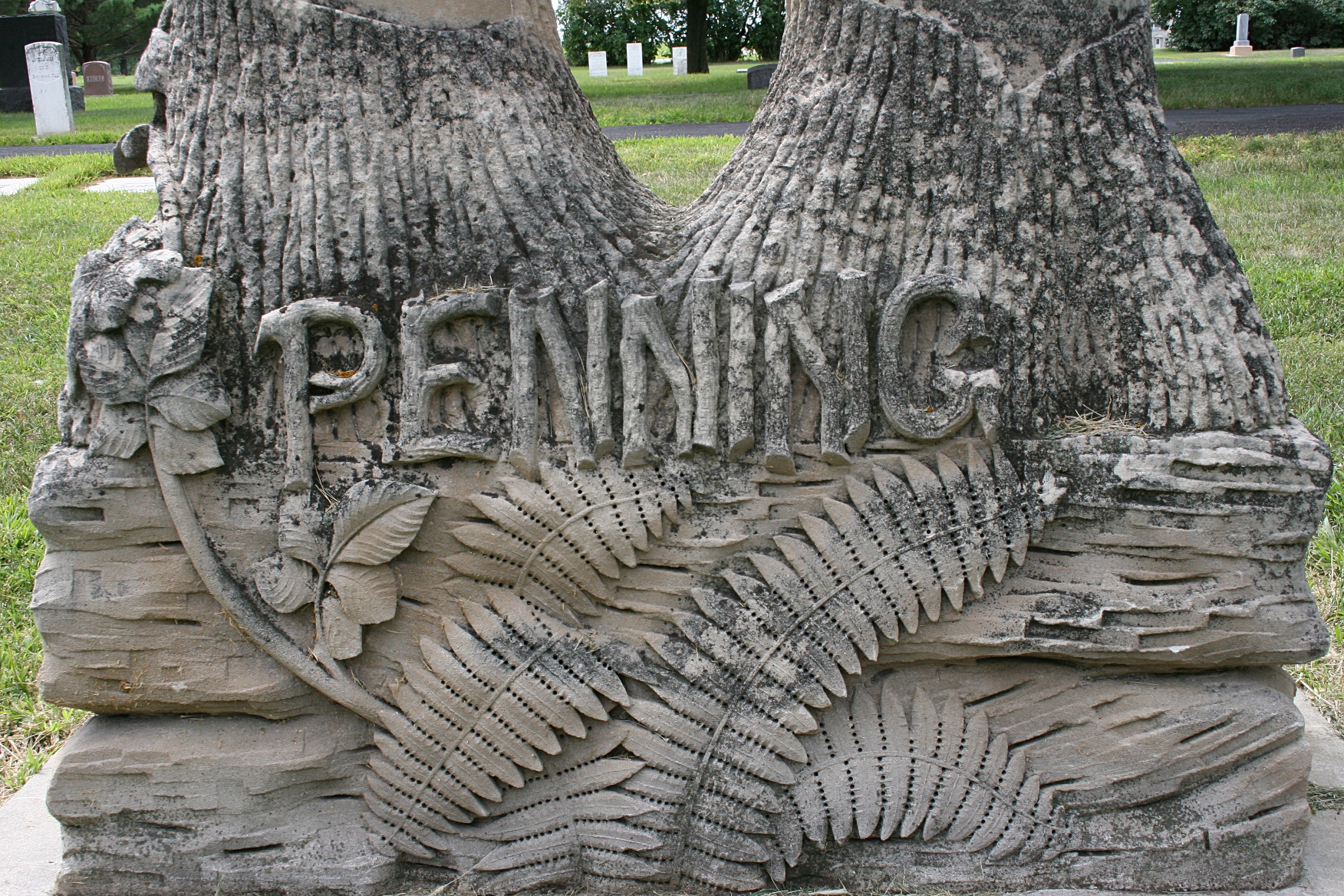
A compelling statue of the Virgin Mary in Trebon Cemetery.

A beautiful nature-themed tombstone rests in a cemetery on the west side of New Ulm.
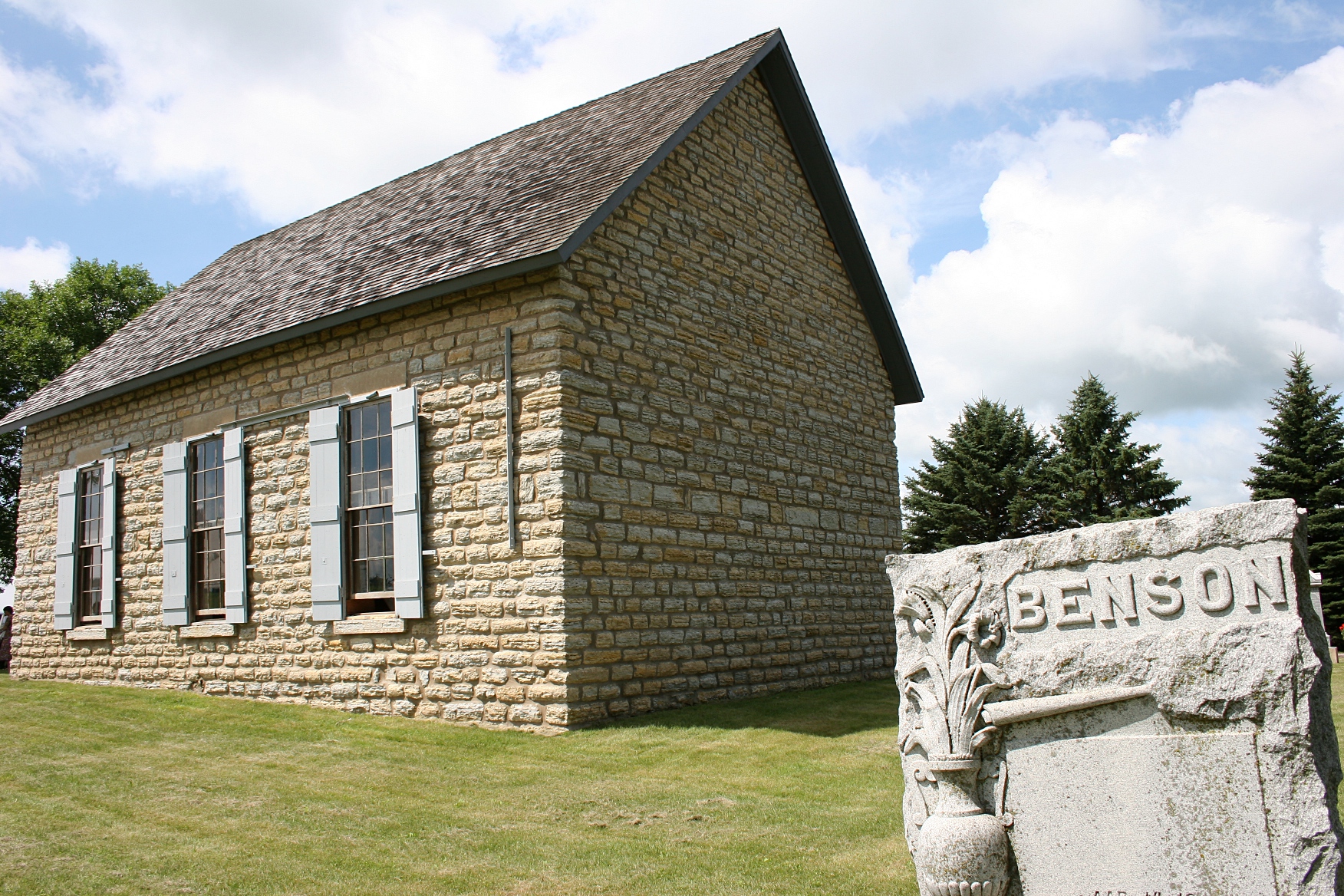
A beautiful nature-themed tombstone rests in a cemetery on the west side of New Ulm.

Stone against stone at Hauge Lutheran Church (the Old Stone Church) in Monkey Valley, rural Kenyon.

Stone against stone at Hauge Lutheran Church (the Old Stone Church) in Monkey Valley, rural Kenyon.

My dad's military marker in the Vesta City Cemetery.

My dad’s military marker in the Vesta City Cemetery.

This post was previously published at streets.mn.
© Copyright 2014 Audrey Kletscher Helbling


The legend of the Edmund Fitzgerald lives on February 11, 2014

DECADES AGO WHILE TOURING an open iron ore pit on Minnesota’s Iron Range with my parents and perhaps a sibling or two, I met a sailor. Red. His nickname was attributed to his rust-hued hair and beard.

He was a hulk of a young man, crammed into a seat with me on a school bus that bumped down a rugged road into the bowels of the earth.

I honestly do not remember much about Red except that hair and his job laboring on a ship that sailed Lake Superior. We likely talked about the mammoth trucks in the pit. I told him I would be starting college soon and we exchanged addresses.

That fall of 1974, Red sent a few letters, tucked inside official Great Lakes Carriers’ Association envelopes. I can’t recall the content of that correspondence and I soon forgot about Red as I immersed myself in college life.

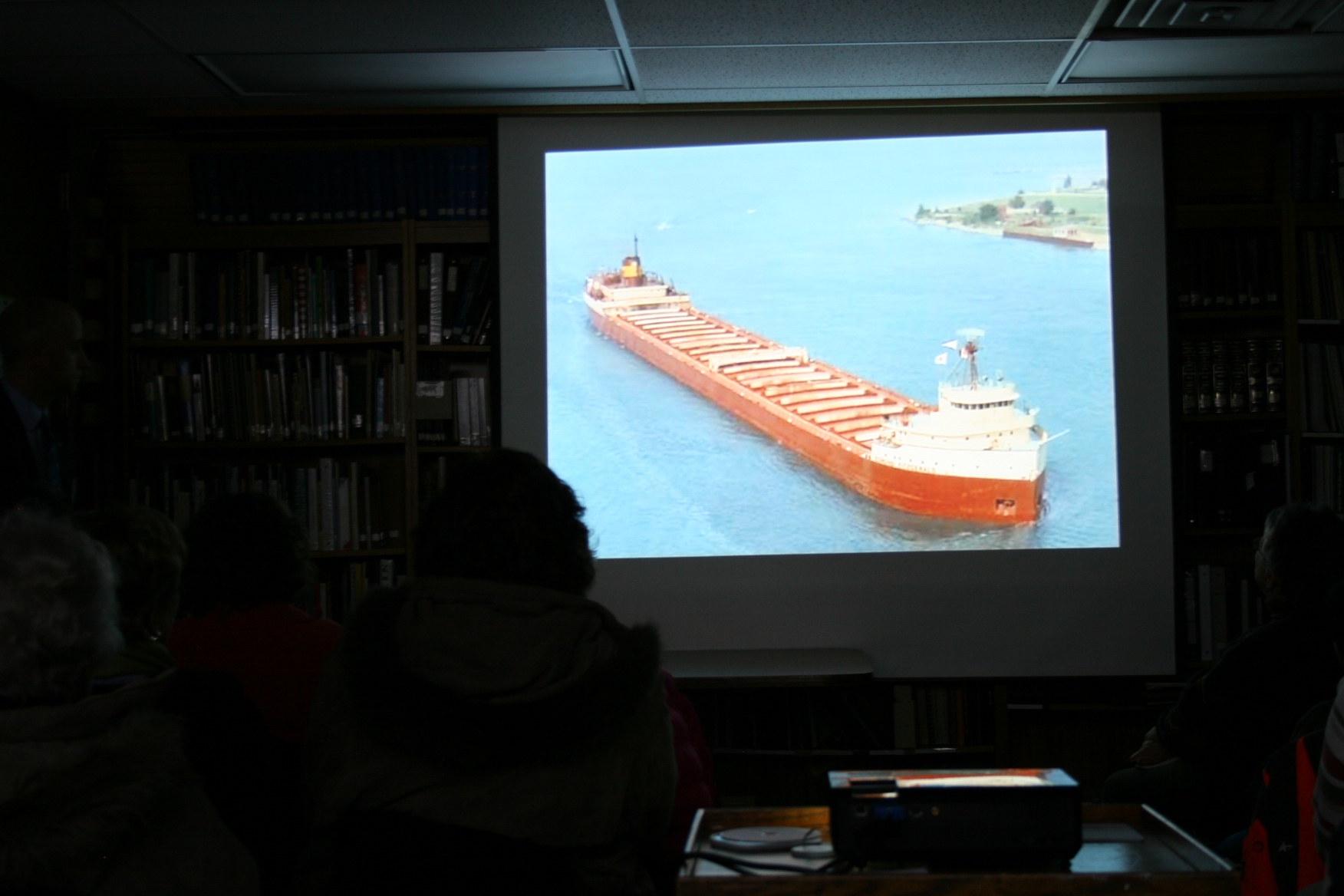
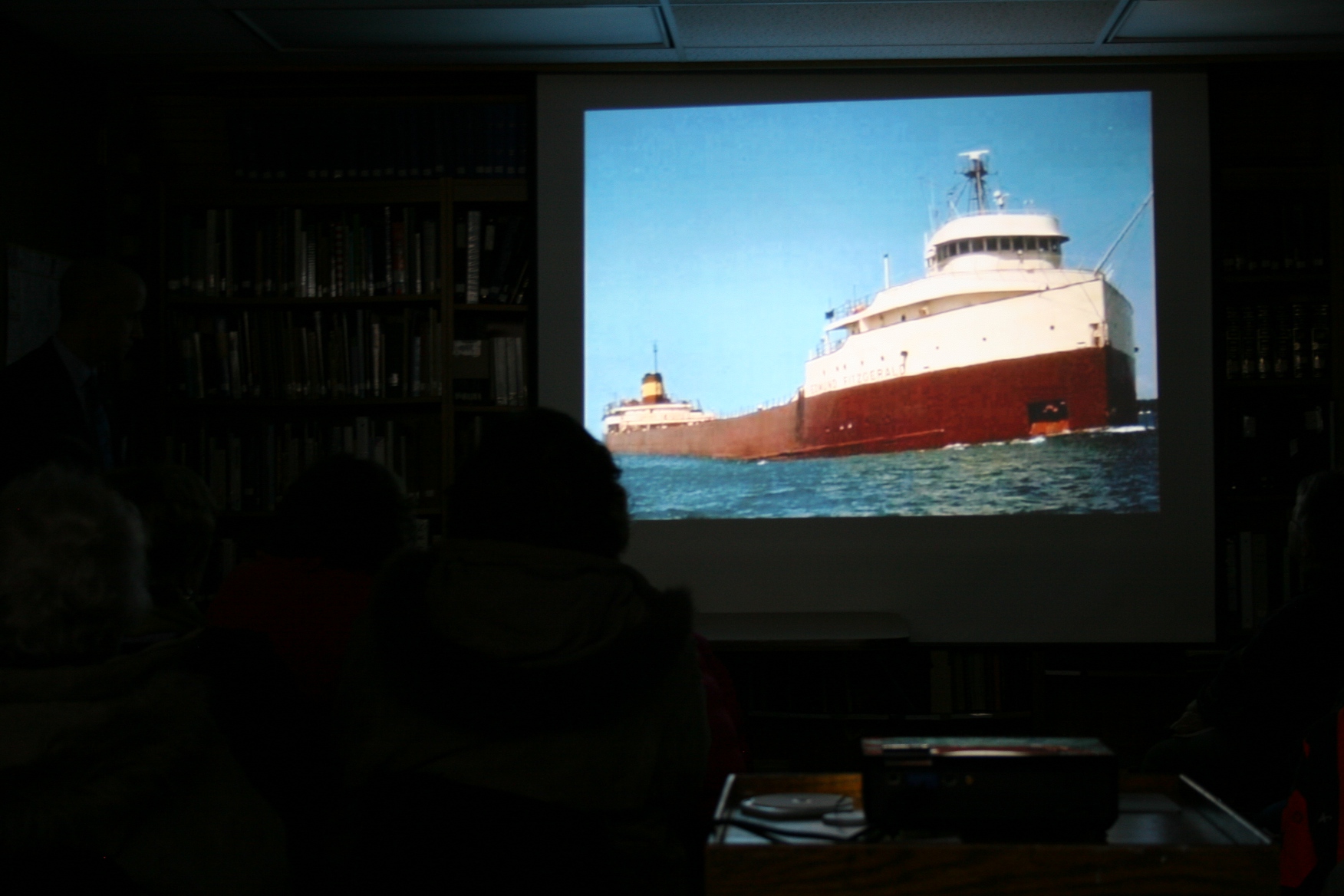
The Edmund Fitzgerald stretched more than two football fields long. This photo is among many shown in a presentation by diver Jim Christian.

The Edmund Fitzgerald stretched two football fields long. This photo is among many shown in a presentation by diver Jim Christian at the Rice County Historical Society.

Yet, I never really have forgotten him, because of The Edmund Fitzgerald, the iron ore carrier which sank in Lake Superior on November 10, 1975, during a fierce storm. I’ve often wondered whether Red may have been on board that ship. Not likely. But the slight possibility exists.

This past Sunday, I thought about Red for the first time in decades when I attended a presentation on The Edmund Fitzgerald at the Rice County Historical Society in Faribault. The event coincides with The Merlin Players’ Valentine’s Day opening of the play, Ten November, at the Paradise Center for the Arts.

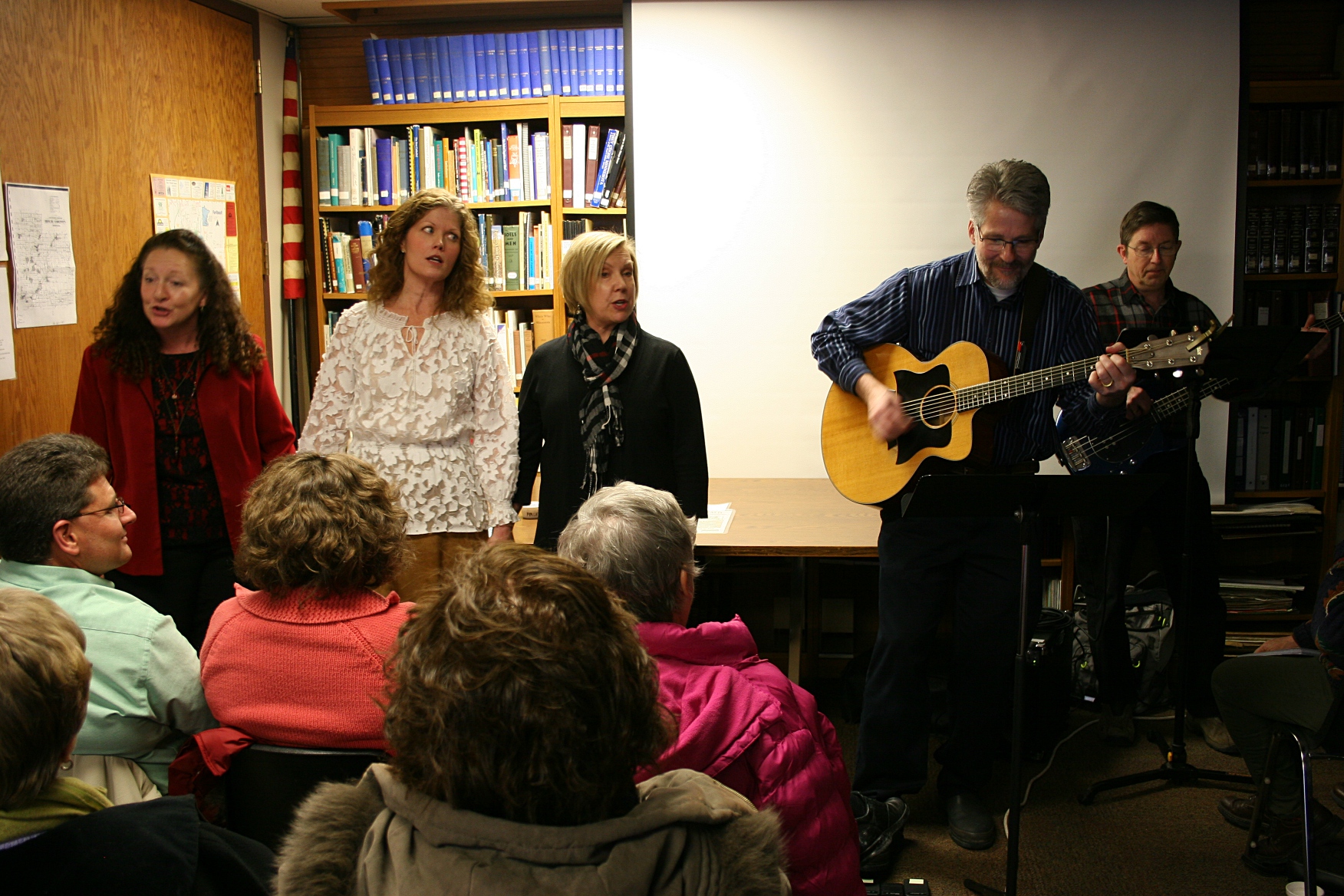
Christina Schweitz, second from left, says is is "an honor" to perform as one of The Three Sisters in The Merlin Players' play, Ten November.

Christina Schweitz, second from left, says it is “an honor” to perform as one of The Three Sisters in The Merlin Players’ play, Ten November. She is flanked by the other “sisters,” Lisa Quimby, left, and Gail Kaderlik.

Inspired by folk singer Gordon Lightfoot’s ballad, “The Wreck of the Edmund Fitzgerald,” the theatrical production is filled with humor and compassion and heartwarming tales, according to performer Lisa Quimby. She was among five musicians—three of them female singers—presenting several songs at Sunday’s museum event. The women represent “The Three Sisters,” a trio of waves, each wave larger than the previous and sometimes cited as a contributing factor to the ship’s sinking.

We were shown a half-hour version of this one-hour documentary for sale at the historical society.

We were shown a shortened version of this PBS documentary available for purchase at the historical society.

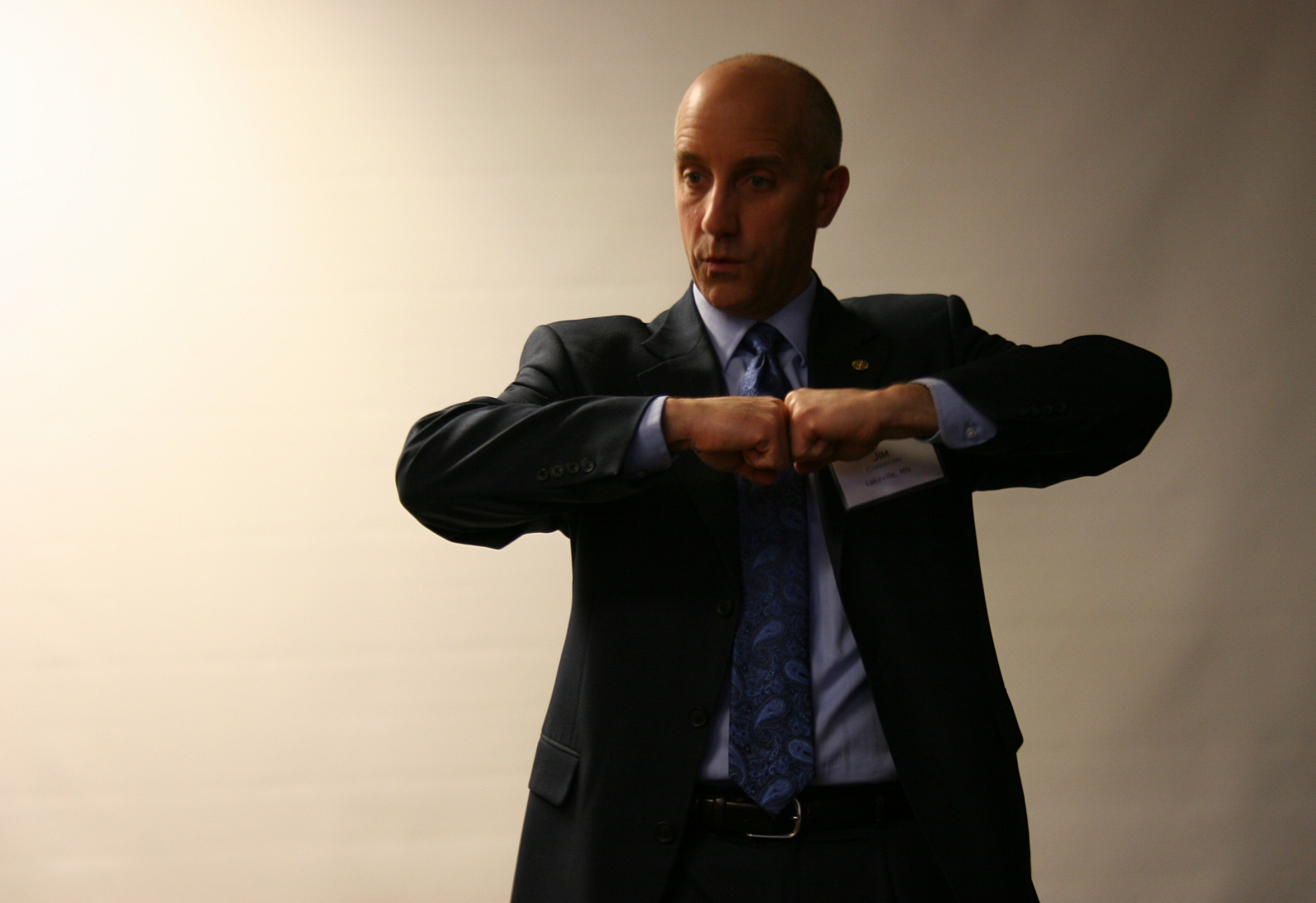
Diver Jim Christian gestures as he provides information on the iron ore carrier and theories on why it sank.

Diver Jim Christian gestures as he provides information on the iron ore carrier and theories on what caused The Fitz to sink.

Based on information I gleaned Sunday after watching The Edmund Fitzgerald Investigations—a half-hour PBS documentary by Ric Mixter—and a presentation by Minnesotan Jim Christian, who has been diving for 28 years and has explored The Fitz wreckage, I wonder if anyone will ever truly know the precise cause of this tragedy.

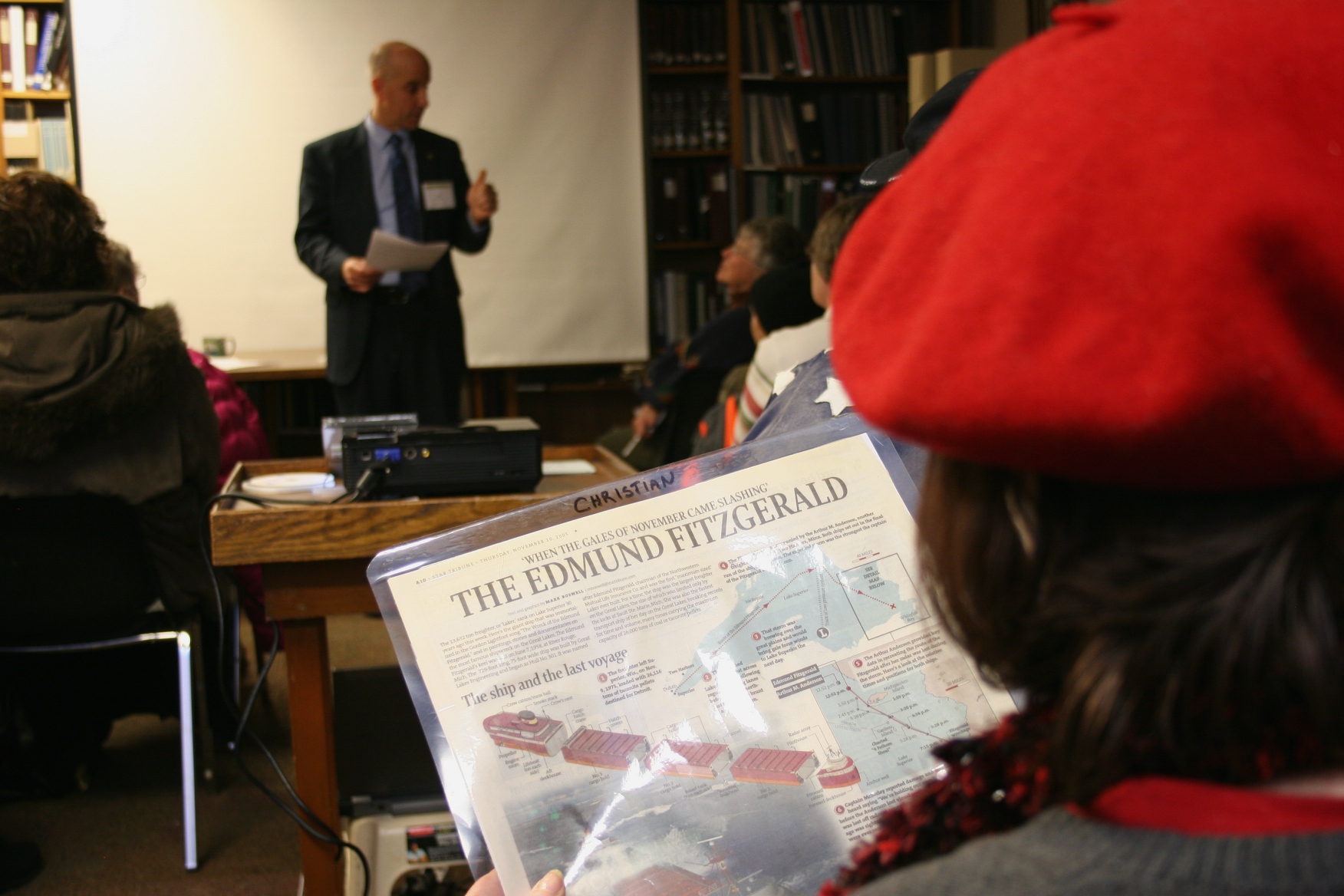
Newspaper clippings about The Fitz were passed among audience members while Jim Christian spoke.

Newspaper clippings about The Fitz were passed among audience members while Jim Christian spoke. The ship was built in 1958.

Twenty-nine men aboard The Edmund Fitzgerald lost their lives in the stormy waters of Lake Superior on November 10, 1975. That is a fact.

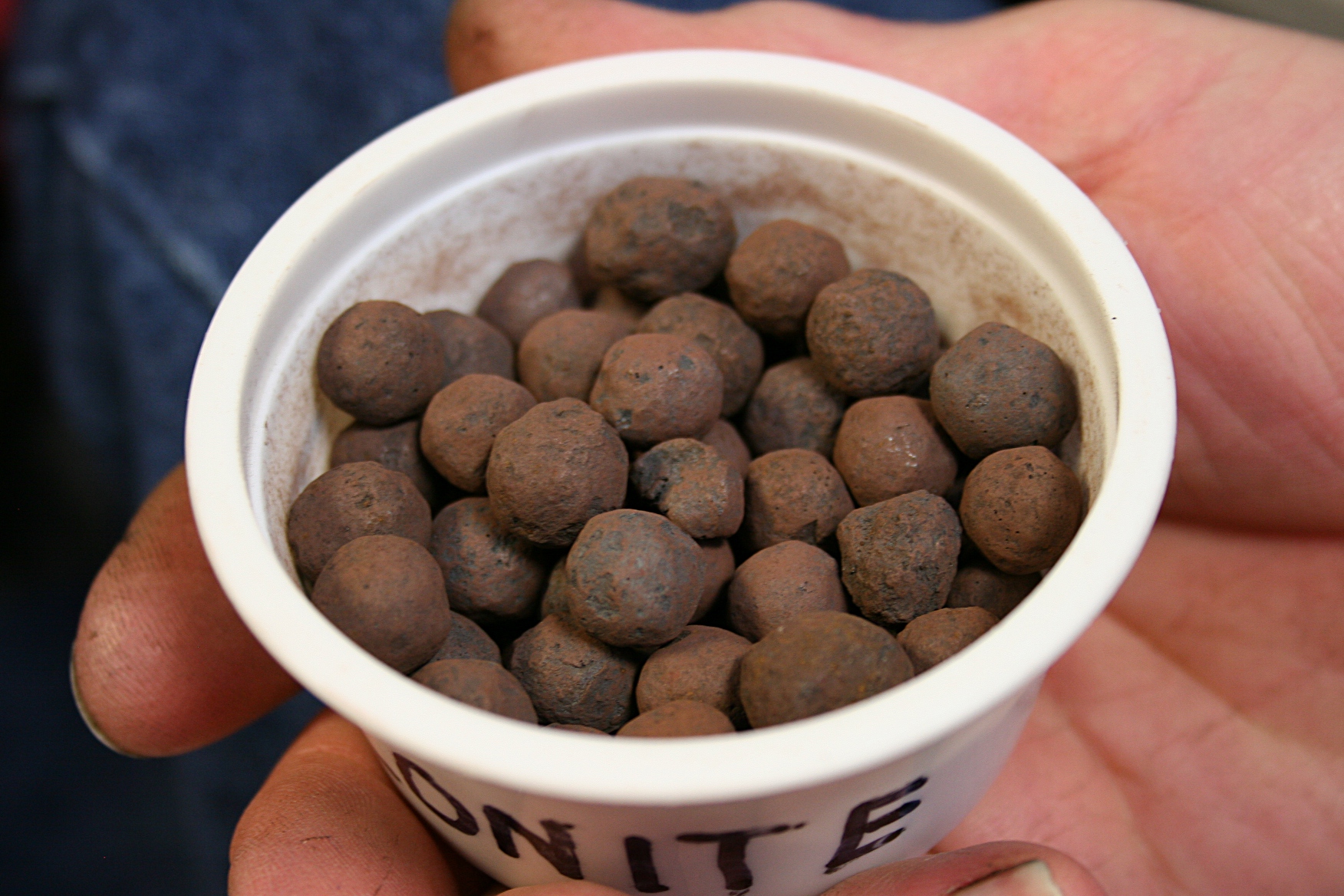
Some 26,000 tons of taconite pellets, like these, filled the cargo holds of The Edmund Fitzgerald as it journeyed across Lake Superior on November 9 and 10, 1975.

Some 26,000 tons of taconite pellets, like these, filled the cargo holds of The Edmund Fitzgerald as it journeyed across Lake Superior on November 9 and 10, 1975.

Winds on that fateful day were described as “hurricane” force with a gale warning issued during the time the 729-foot long by 75-foot wide carrier was en route from Superior, Wisconsin, to Detroit, Michigan, with 26,000 tons of taconite pellets. The ship, loaded with 15 percent more than its originally designed maximum carrying capacity, according to Christian, rode low in the water while storm waves rose to 70 feet. Can you imagine?

Around 7:15 p.m. on November 10, The Edmund Fitzgerald disappeared. The wreckage was later discovered 17 miles northwest of Whitefish Point, Michigan, and has been the focus of many dives and investigations since.

The legend lives on, as does that connection many of us have to The Edmund Fitzgerald, whether through song or theatre or diving or letters written decades ago by a sailor named Red.

Another photo from Jim Christian's presentation shows the 729-foot long Edmund Fitzgerald.

Another photo from Jim Christian’s presentation shows the 729-foot long Edmund Fitzgerald.

HERE ARE SOME OF THE THEORIES offered during Sunday’s presentation as contributing to/cause of The Fitz sinking in Lake Superior in the gales of November 1975. Seas then were termed by a skipper as “the worst (he’d experienced) in 44 years on the lake.”

  • Leaking hatch covers caused by failure to tighten each of the 68 clasps on each of the 21 hatch covers.
  • Mesh screens, rather than watertight walls, separated the three cargo holds.
  • An inability to turn the carrier with three “seas” coming at the ship from three directions.
  • “Beat by the lake” during the fierce storm.
  • The Three Sisters theory of wave building upon wave, overtaking the carrier and causing the cargo to shift forward.
  • Flaws in structural design with weakness in the cargo capacity and too much flex in a ship that was ridden “too hard.”
  • Structural failure of the ship, built in 1958 and the largest carrier on Lake Superior for nearly two decades.
  • Pushing the ship too fast, causing The Fitz and its companion traveler, The Arthur M. Anderson (which made it through the storm), to feel the full fury of the storm.
  • Previous damage to the carrier during grounding and collisions with another ship and with lock walls. The keel had been repaired twice and was termed as “loose again” when The Fitz set sail on November 9.
  • Loaded with too much taconite, causing the ship to ride low in Lake Superior.
  • Negligence.

You can choose to believe what you wish. I’d suggest you do your own research.

This fact I know, though: The legend lives on…

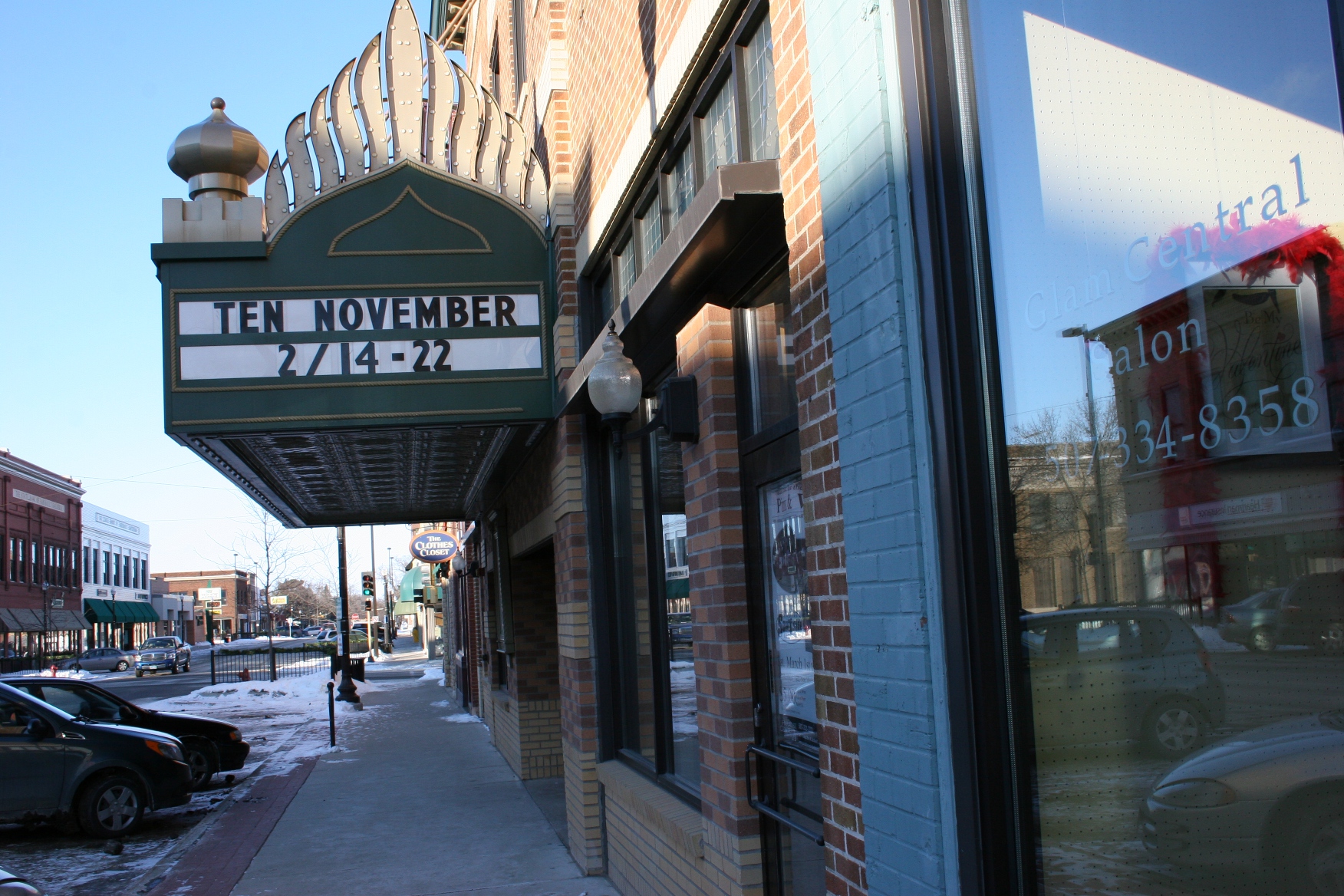
The Paradise Center for the Arts marquee advertises the opening of Ten November.

The Paradise Center for the Arts marquee advertises the opening of Ten November.

FYI: To learn more about The Edmund Fitzgerald, click here to read information on the Great Lakes Shipwreck Museum website.

Performances of Ten November by The Merlin Players are set for 7:30 p.m. February 14, 15, 20, 21 and 22 and for 2 p.m. February 16 at the Paradise Center for the Arts, 321 Central Avenue, Faribault. Click here for more information about this play directed by Eric Parrish, a seasoned director and a professor at Minnesota West Community and Technical College in Worthington.

© Copyright 2014 Audrey Kletscher Helbling
 

Amboy: A thriving community in rural Minnesota February 5, 2014

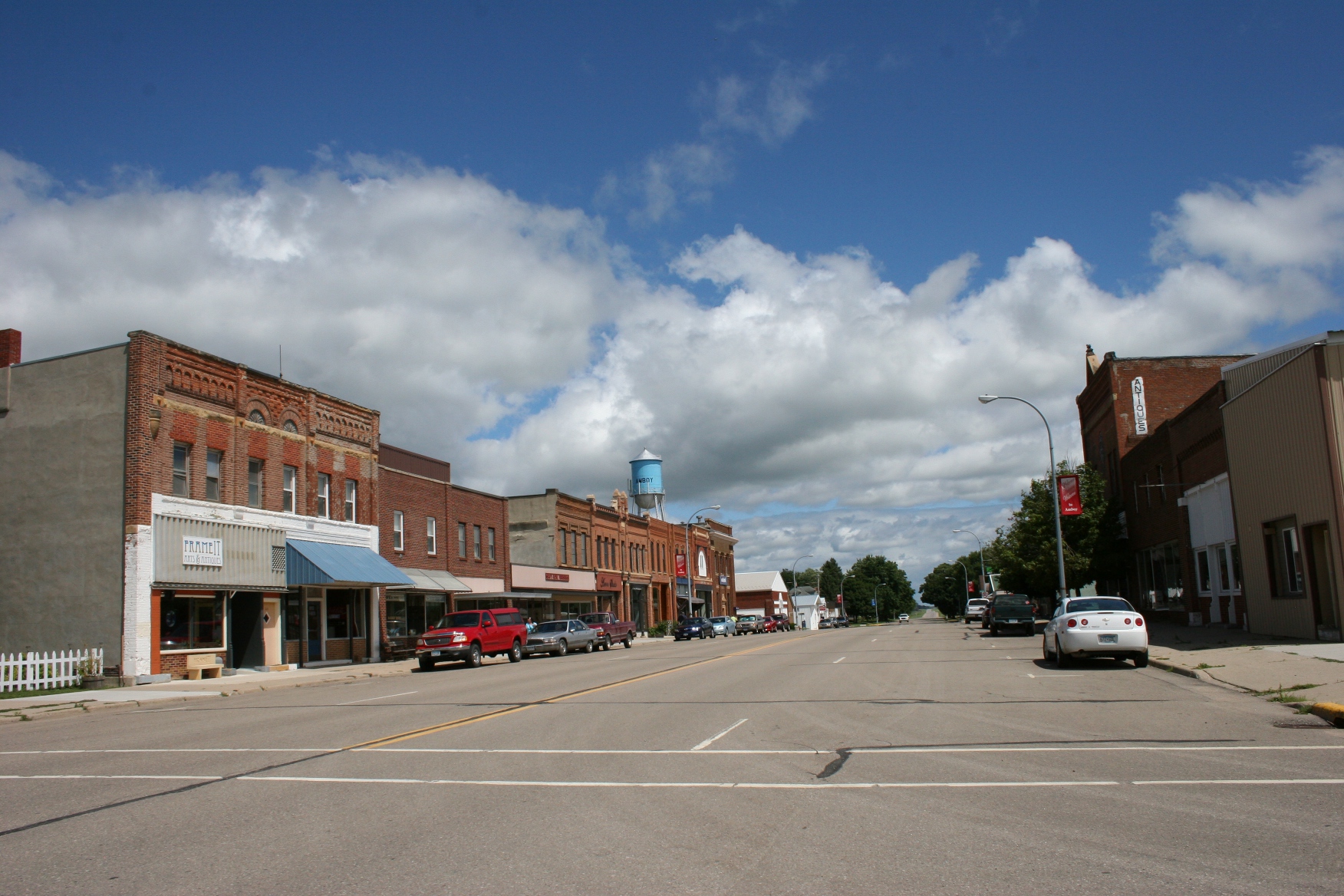
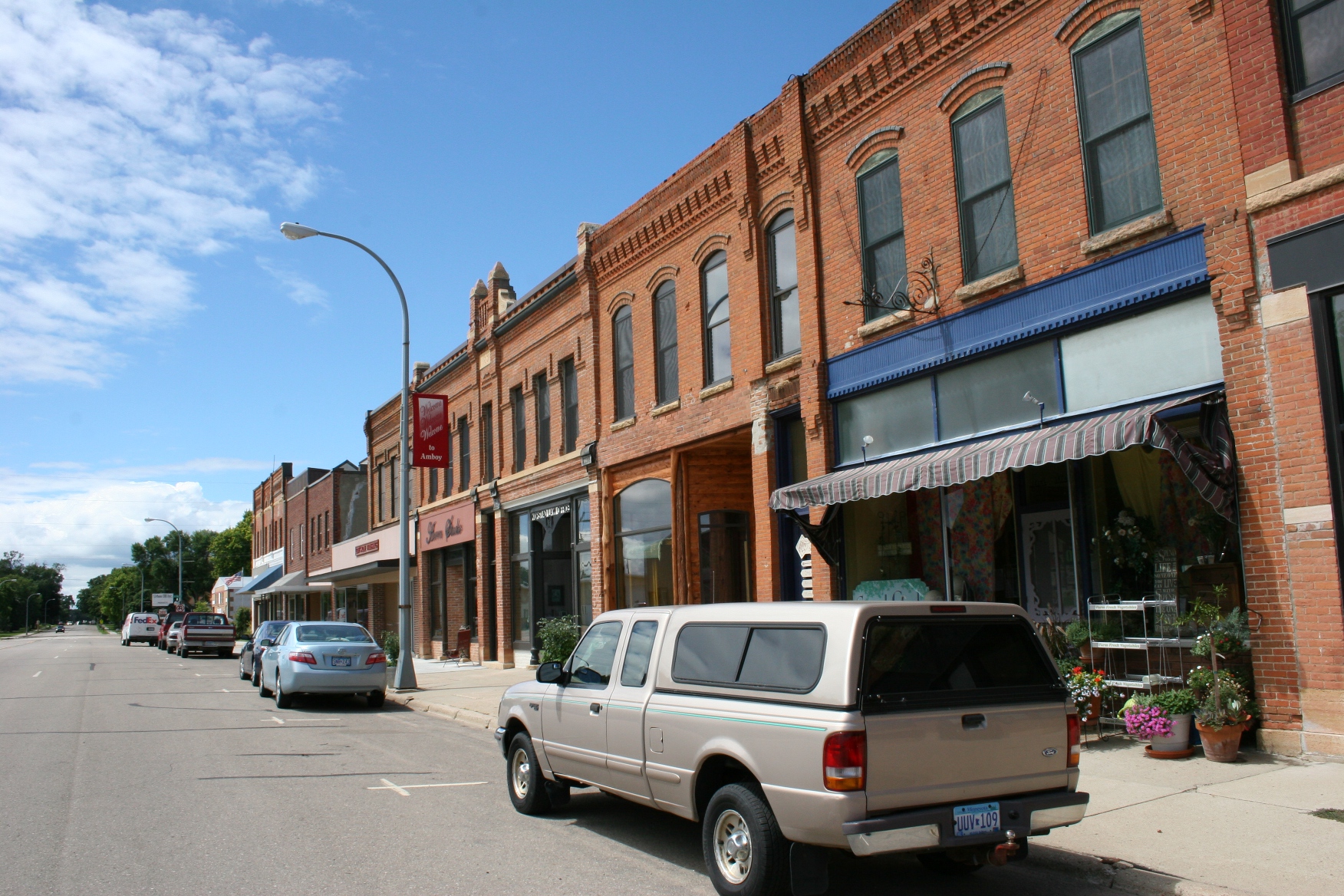
Looking down Maine Street in Amboy, Minnesota.

Looking down Maine Street in Amboy, Minnesota.

FOLKS IN AMBOY understand the importance of building their community’s future, of distinguishing their town as a destination in rural Minnesota.

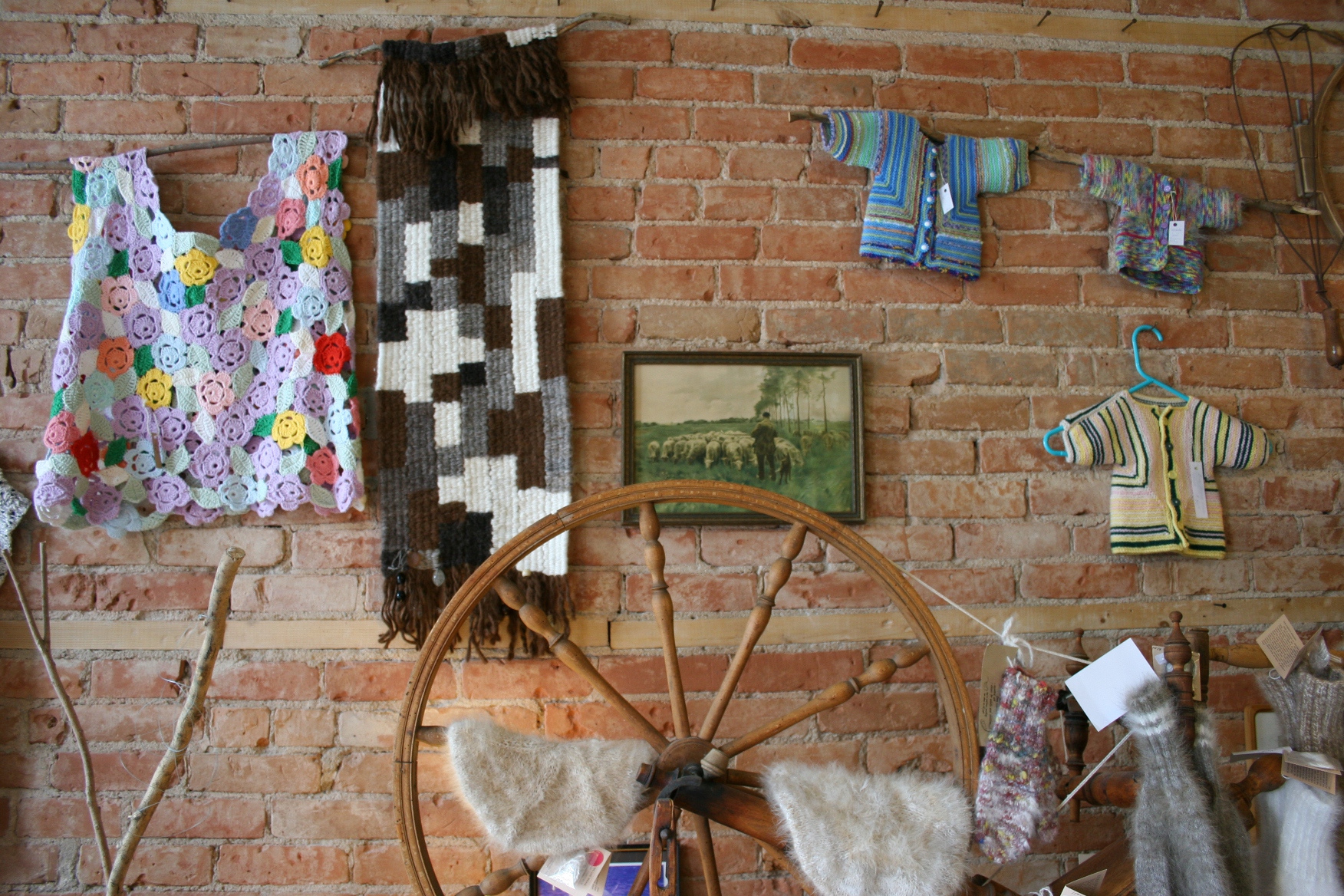
Merchandise displayed inside Oak Knoll Angoras' Acorn Studio. Lisa Lindberg, who owns The Amboy Cottage Cafe, owns this with her mother, Maria Lindberg.

Merchandise displayed inside Oak Knoll Angoras’ Acorn Studio. Lisa Lindberg, who owns The Amboy Cottage Cafe, owns this with her mother, Maria Lindberg. The studio sits just down the block from the cafe.

On a brief visit last July to Amboy, population 535 and located 20 miles south of Mankato, I discovered an inviting Maine (yes, that’s the correct spelling) Street defined by sturdy old brick buildings, quaint shops, a one-of-a-kind cafe, and a deep appreciation of history and the arts.

An artsy display inside Frame It Arts & Antiques, 112 East Maine Street.

An artsy display inside Frame It Arts & Antiques, 112 East Maine Street.

This is my kind of small town, one focused on showcasing local talent and history and all that makes Amboy a great community.

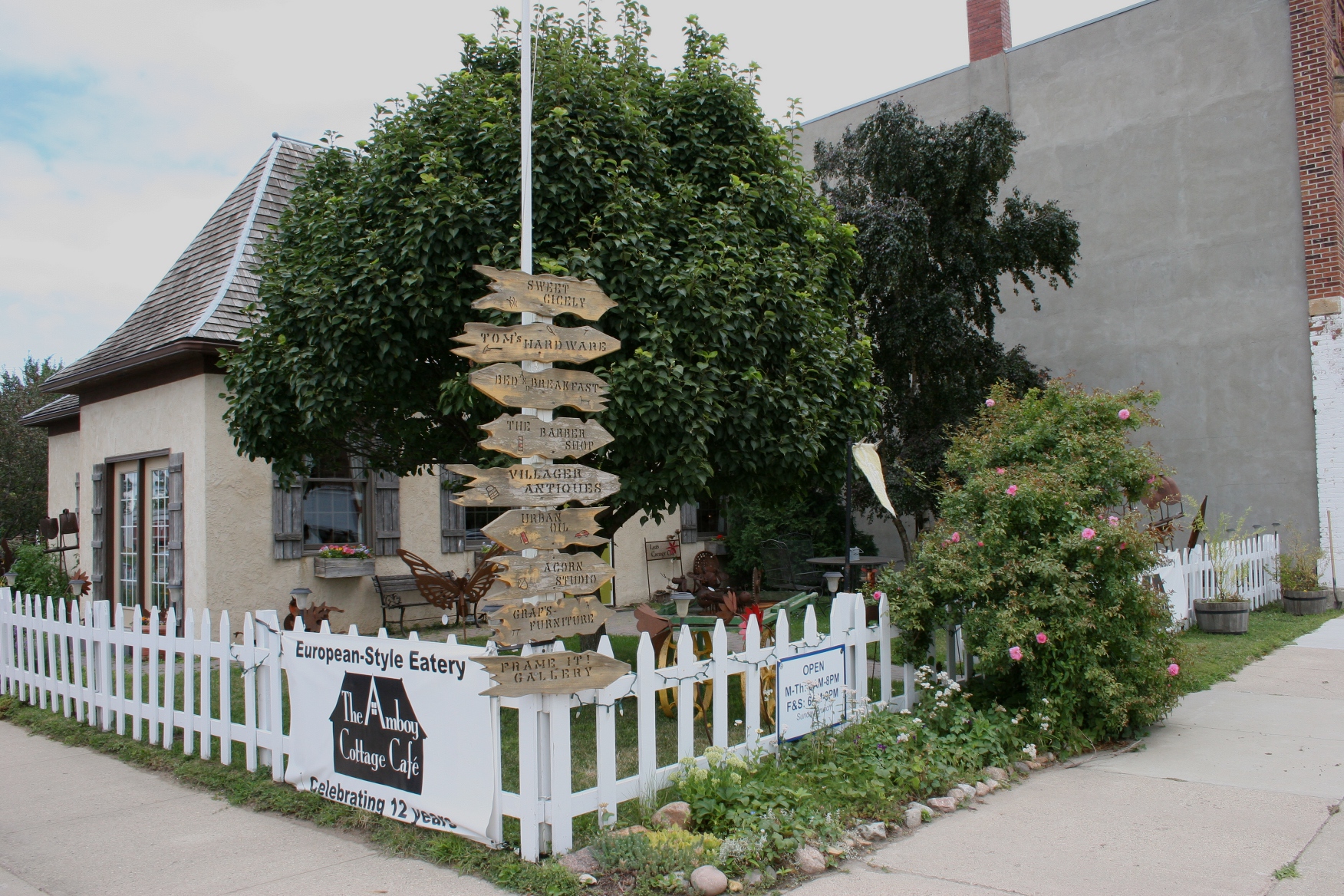
Signage on the fence at The Amboy Cottage Cafe lists downtown businesses.

Quaint signage on the fence at The Amboy Cottage Cafe directs visitors to downtown businesses.

Business owners and others clearly work hard to draw visitors off U.S. Highway 169 onto Maine Street. The Amboy Cottage Cafe initially drew my husband and me here for lunch while en route to Worthington in late July 2013.

Yarn for sale at Acorn  Studio.

Yarn for sale at Acorn Studio.

Afterward, we poked around in several downtown shops before heading out. We were short on time, or we would have explored more.

You'll find lots of businesses open in downtown Amboy.

You’ll find lots of businesses open in downtown Amboy.

Amboy deserves a second look, a few hours of time to check out the businesses and the rest of the town. In rural Minnesota, this community seems determined to survive and thrive, building on its strengths.

Amboy's Maine Street features mostly well-kept old brick buildings.

Amboy’s Maine Street features mostly well-kept old brick buildings.

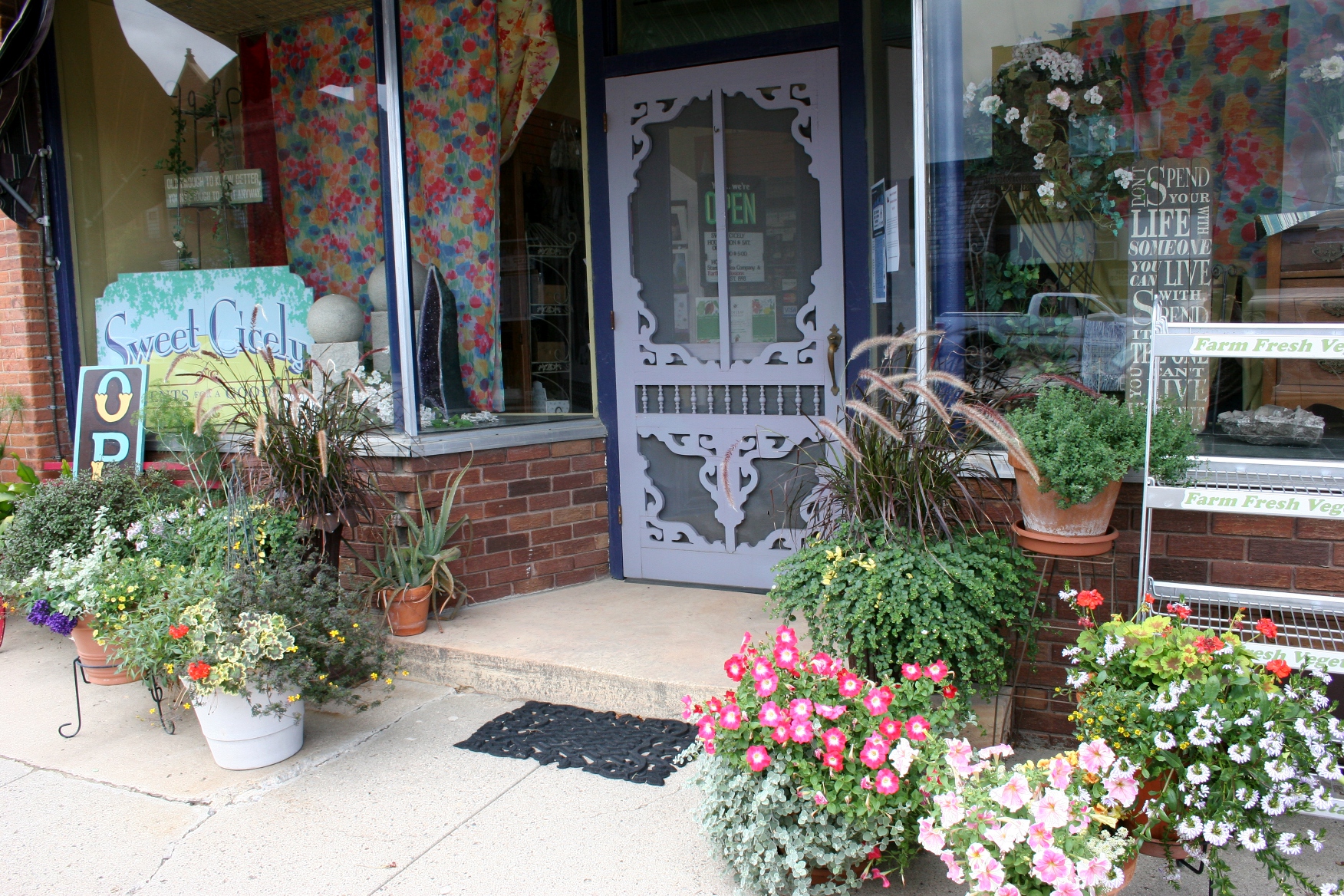
The visually welcoming Sweet Cicely, a boutique offering fine gifts and natural health products.

The visually welcoming Sweet Cicely, a boutique offering fine gifts and natural health products.

Details like well-kept buildings without boarded up windows, pots overflowing with luscious flowers, welcome banners on Maine, a general overall tidy look and more visually impress.

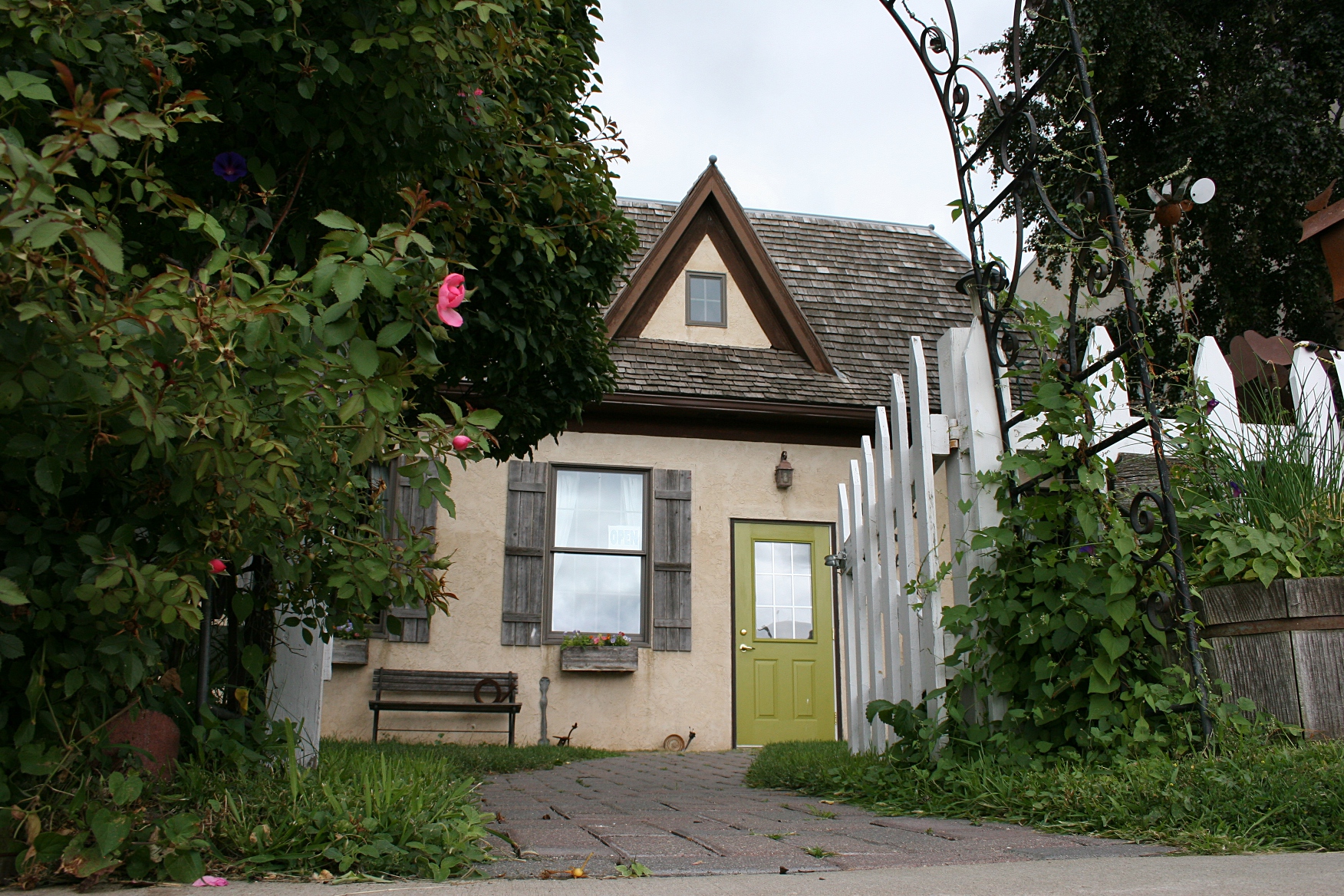
Lisa Lindberg saved this old gas station from demolition, moved it onto a corner of Maine Street and restored it for use at The Amboy Cottage Cafe. The cafe features made-from-scratch food and draws diners from all over the region.

Lisa Lindberg saved this old gas station from demolition, moved it onto a corner of Maine Street and restored it for use as The Amboy Cottage Cafe. The cafe features made-from-scratch food and draws diners from all over the region.

And then there are the old buildings which have been saved, like The Amboy Cottage Cafe, once a gas station.

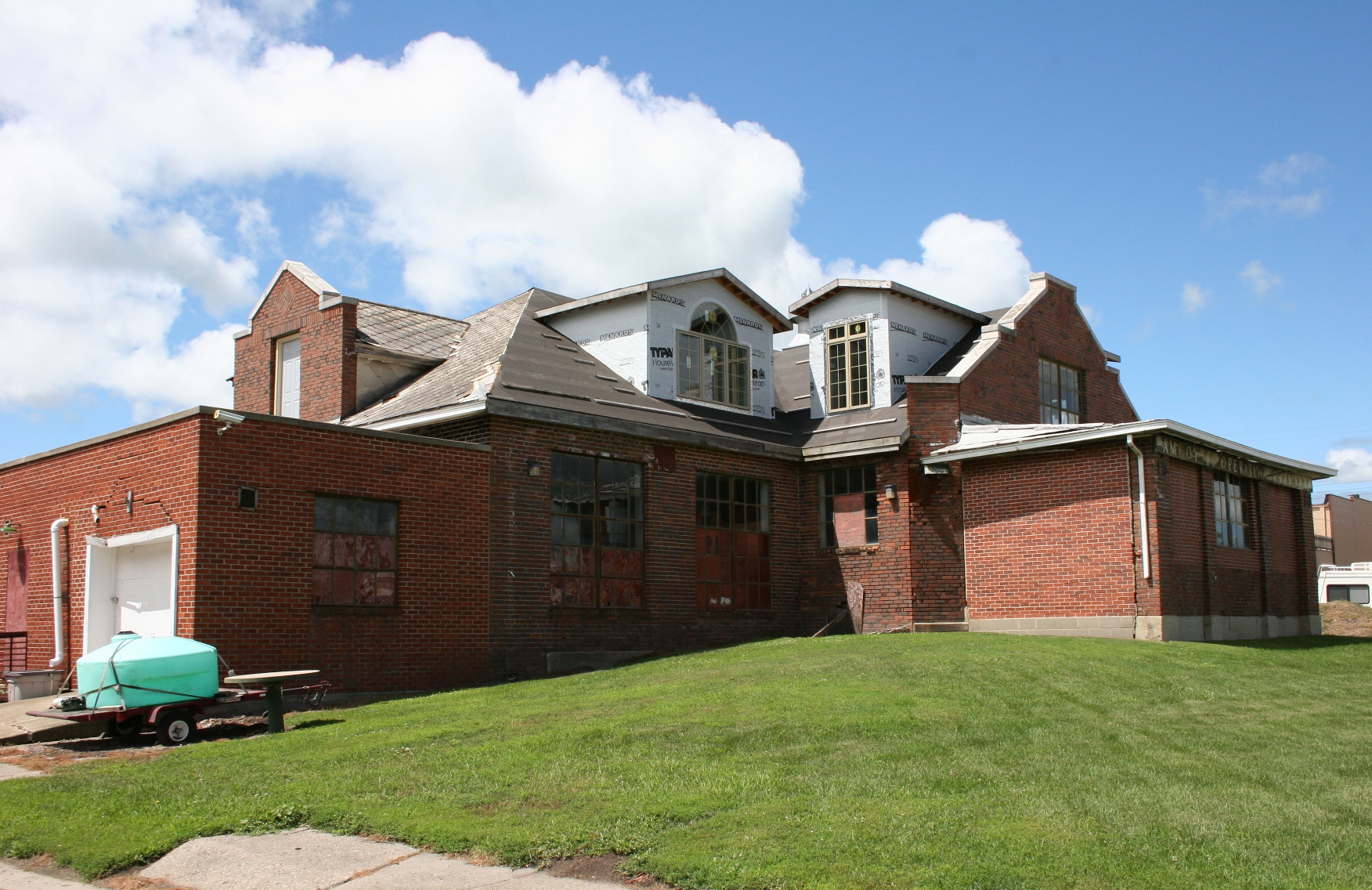
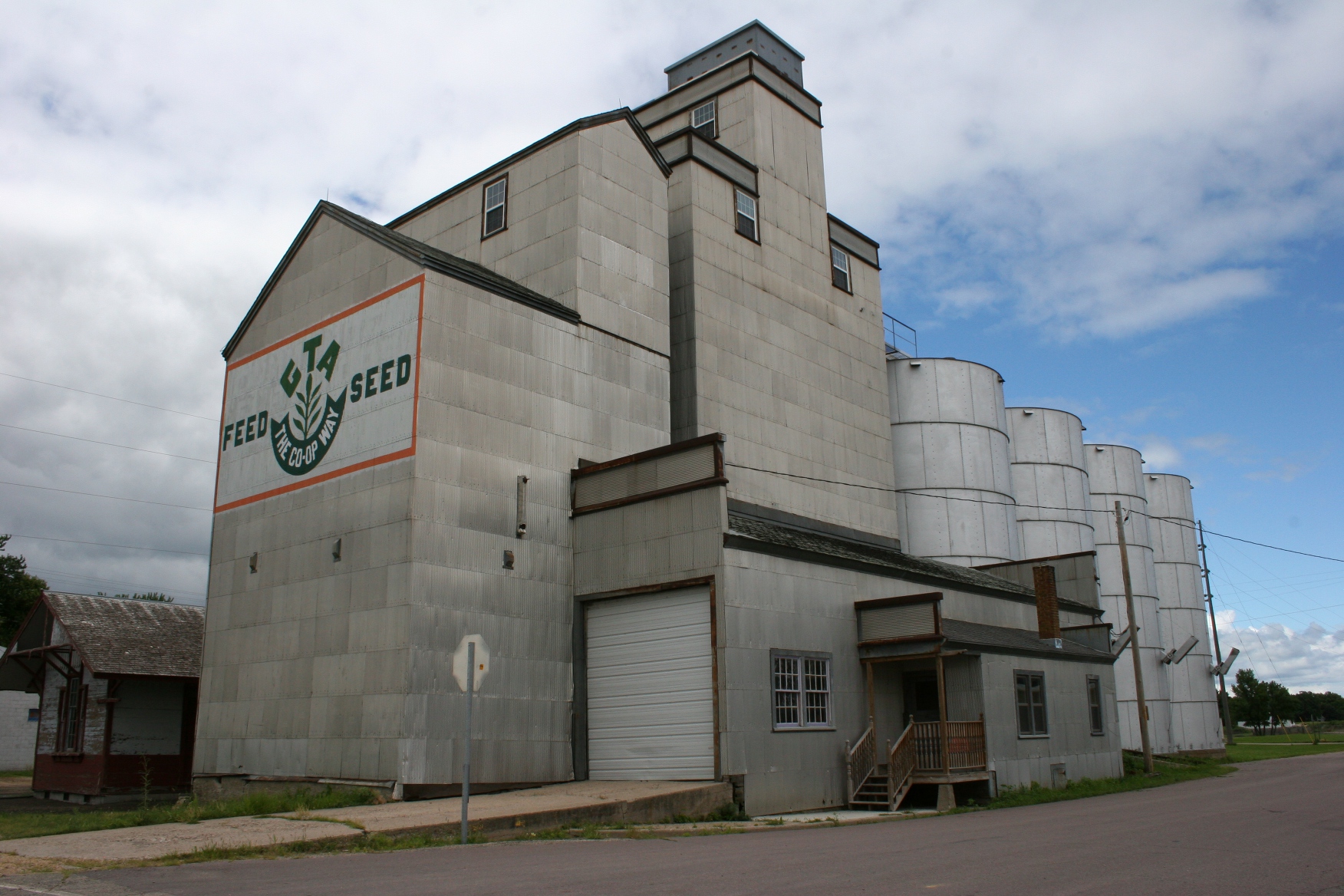
A group also saved the old elevator, now Grainspace LLC.

A group also saved the old elevator, now Grainspace LLC, located across the street from The Amboy Cottage Cafe.

Across the street, the old elevator, slated for demolition, was purchased by a group and is now being restored for use as an arts venue and community gathering spot.

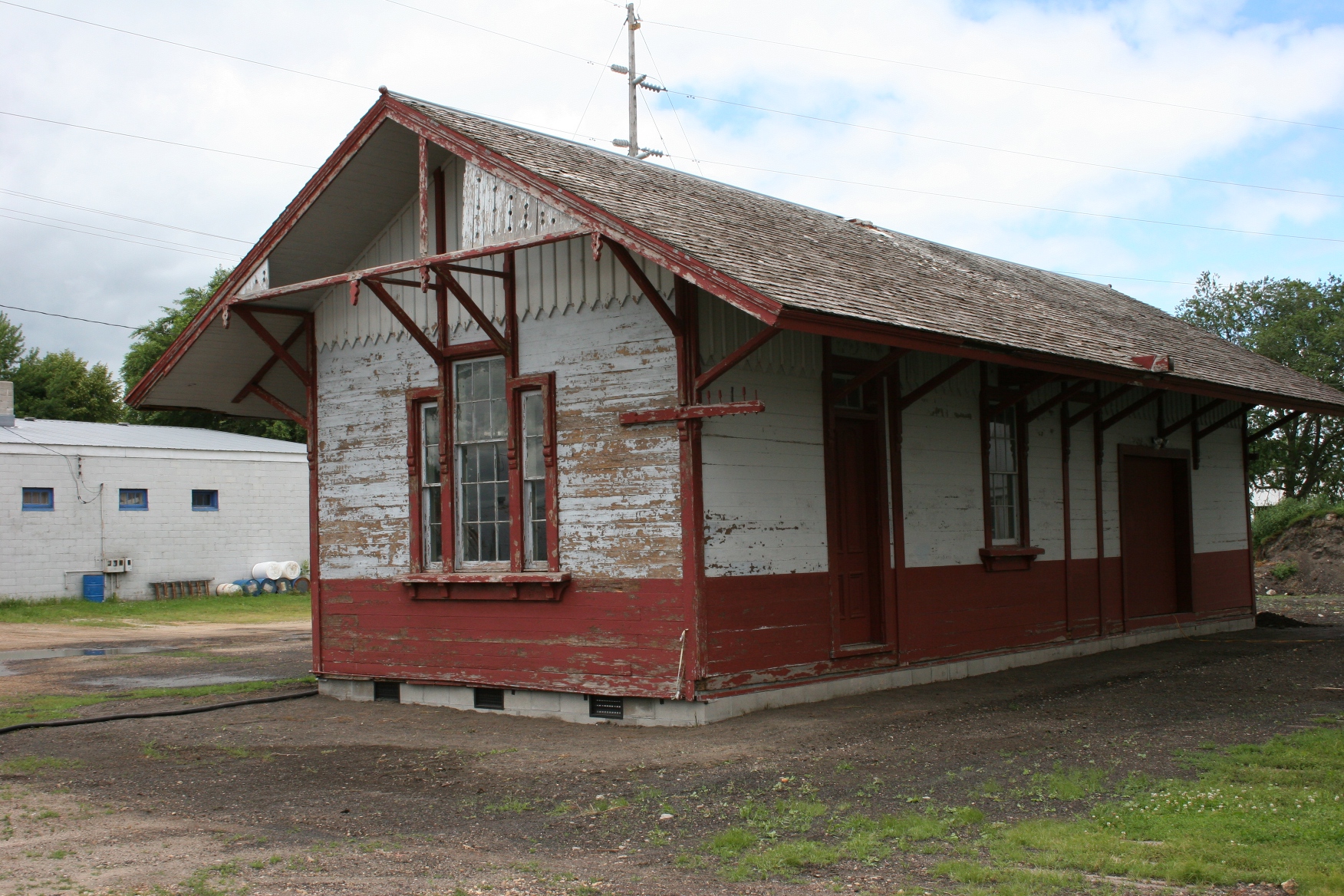
This depot was moved into Amboy from Huntley and now serves as a welcome center for those attending the town's annual Arts 'n' More Festival.

This depot was moved into Amboy from Huntley and now serves as a welcome center for those attending the town’s annual Arts ‘n’ More Festival in September.

The Amboy Area Community Club is supporting restoration of an old depot relocated here from nearby Huntley.

An old country schoolhouse was moved into town, restored and is now an historical education center and site of special community events. The 1901 Dodd Ford Bridge, on the National Register of Historic Places, will be preserved. A historic home houses A Walk Back in Time bed and breakfast while another, Que Sera, serves as a retreat center.

Currently, a project is underway to convert the former Amboy Middle School into “The Junction,” a multi-purpose community building. (Click here to learn about that.)

Work in progress last July at this beautiful old creamery just off Maine Street.

Work in progress last July at this beautiful old (former) creamery just off Maine Street.

Although I didn’t check out all of these places, I saw enough to appreciate Amboy and the gumption of the folks who live here. They seem a determined bunch—determined to keep their community thriving in a time when all too many small towns are dying.

FYI: Click here to read my previous post on The Amboy Cottage Cafe. Please check back for one more post with photos from Amboy.

© Copyright 2014 Audrey Kletscher Helbling
 

Memories of my uncle’s service station in Vesta, Minnesota January 31, 2014

FOR DECADES, MY UNCLE HAROLD RAN the filling station along Minnesota State Highway 19 in Vesta.

The vintage Midland gas pumps purchased by my Uncle Milan at the gas station auction. My brother Brian recently bought the pumps from Milan with plans to restore them.

The vintage Midland gas pumps purchased by my Uncle Milan at the gas station auction. My brother Brian recently bought the pumps from Milan with plans to restore them.

It’s not the gas pumps nor the tires nor the anything vehicle related, really, that imprinted most upon my memory about his gas station.

Rather, it’s the vending machine that dispensed salted peanuts. And the pop machine, which, when pulled opened, rattled with icy cold bottles of 7-Up and Orange Crush and Hires root beer. Rare treat of soda drunk too fast. Burps stinging my nose. And salty peanuts in hand, their paper thin wrappings wafting to the floor.

I remember, too, the step down from the store interior through the tight doorway into the shop which smelled of oil and rubber and grime. The magical place of the hoist. Vehicles seemingly levitated into the air.

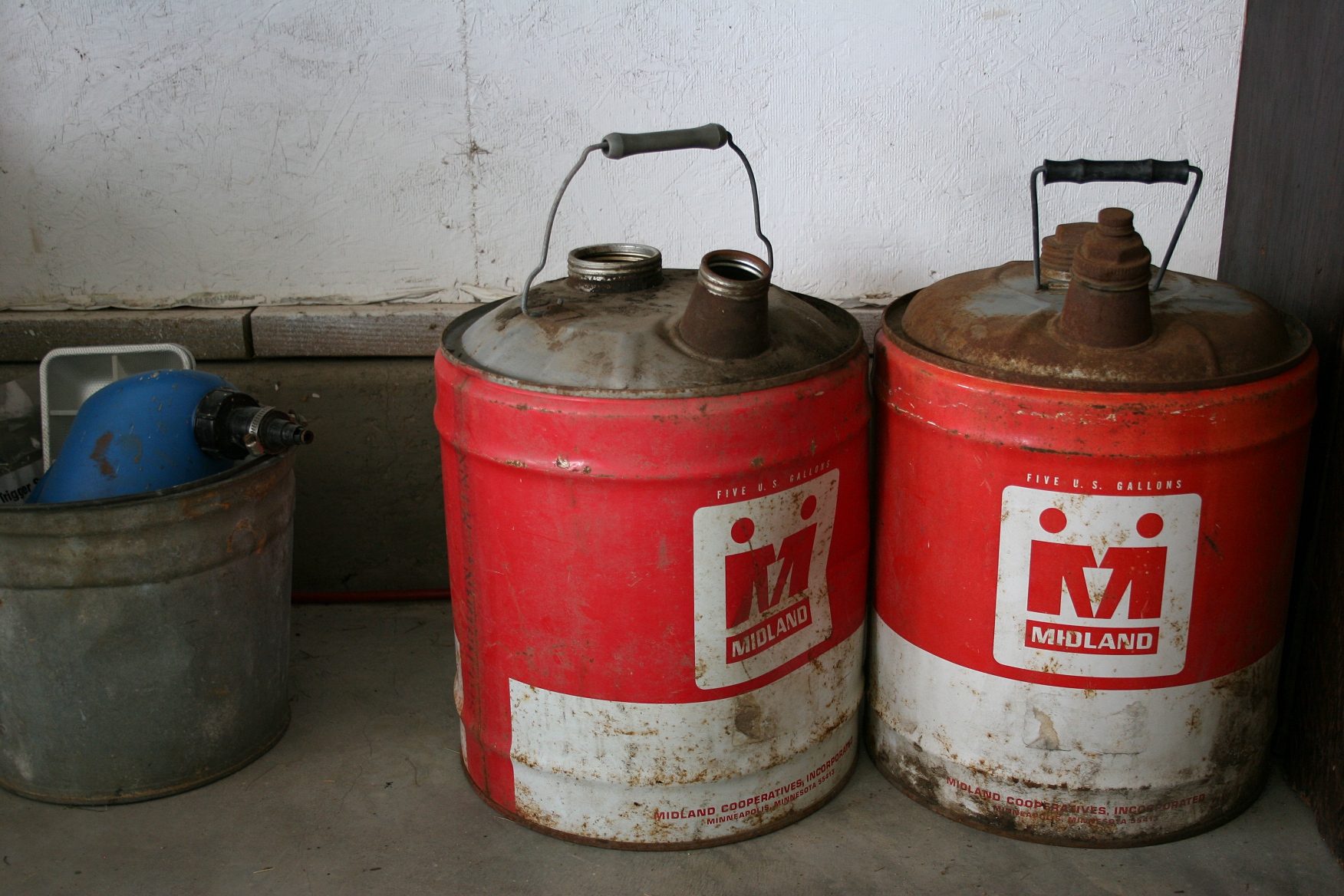
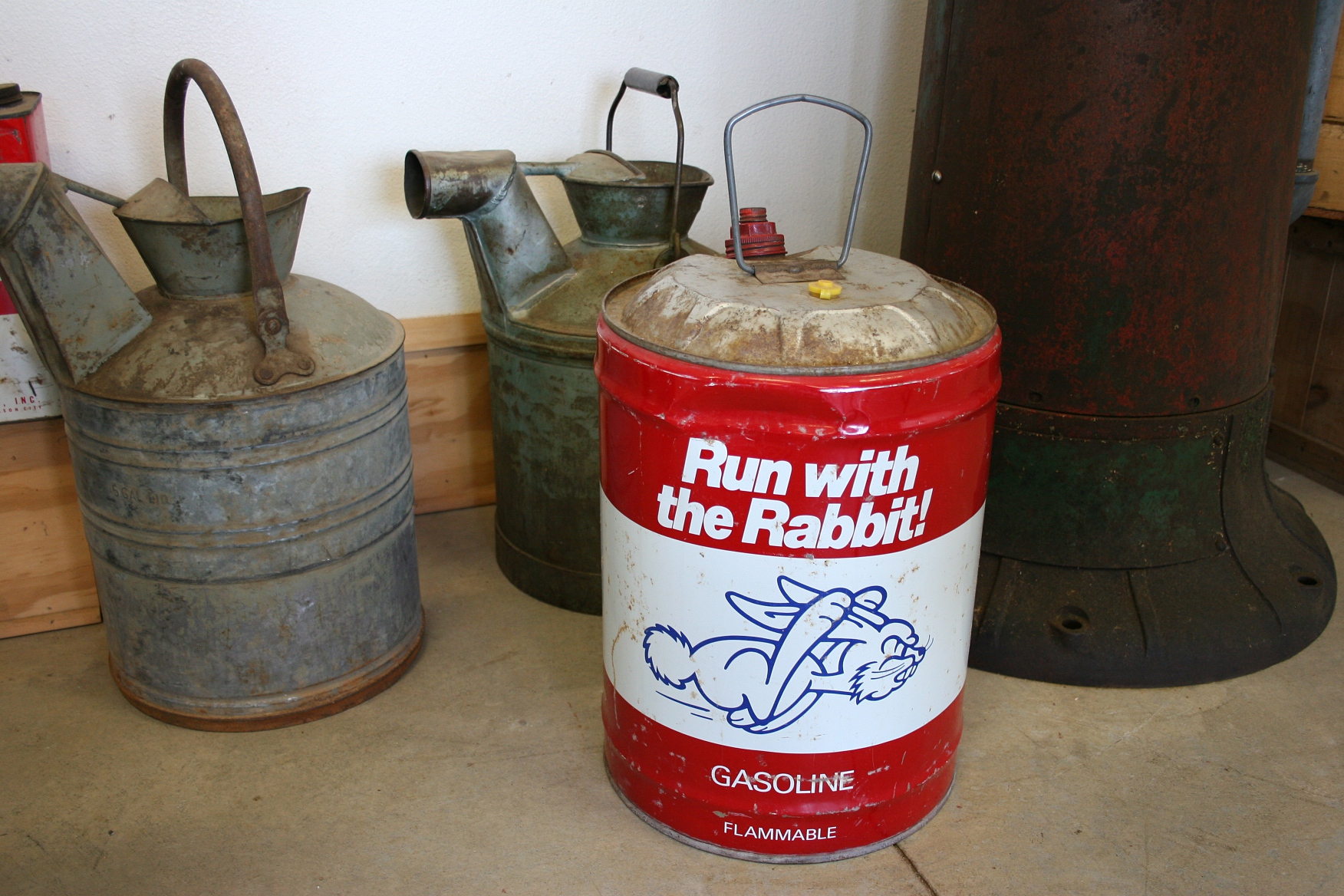
Vintage gas cans in my brother's garage.

Vintage gas cans in my brother’s garage.

This, a garage where my uncle and the mechanic I remember, Gary, changed tires and oil, replaced belts, fixed whatever needed fixing.

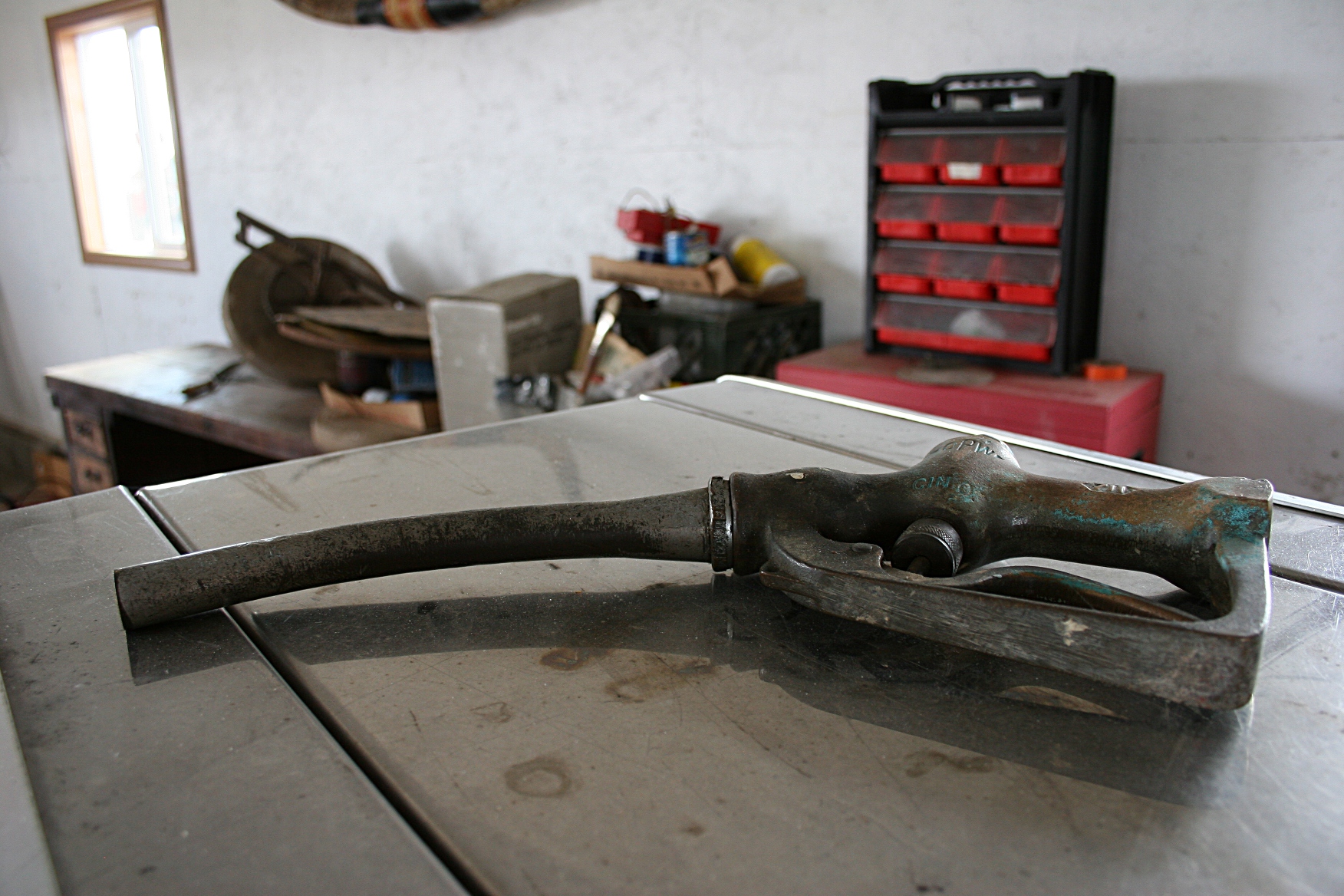
A gas nozzle from the Midland gas pump.

A gas nozzle from the Midland gas pump.

Outside, they pumped gas at this full service station. Rag pulled from back pocket to wipe the dipstick and check the oil. Wipers slapping against windshield as a squeegee washed away dust from gravel roads and crops and remnants of bugs splattered upon glass.

Memories, too, of boarding the Greyhound here, bound for Minneapolis. Me, a young farm girl with blue floral suitcase tucked inside the bowels of the bus, paper ticket in hand, ascending the steps. Alone. En route to visit my Aunt Rachel and Uncle Bob along Bryant.

When gas was only

The price on the old gas pump: only $1.41.9 a gallon.

Memories, still holding tight all these decades later, years removed from affordable gas and full customer service.

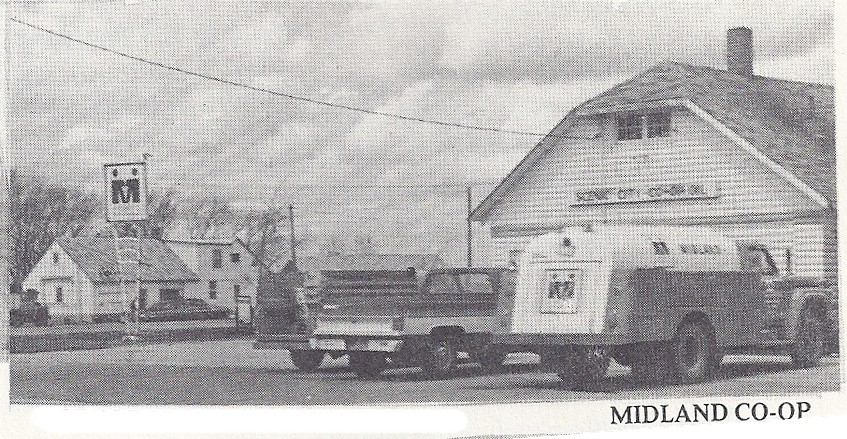
THOSE ARE MY MEMORIES. My uncle’s differ, yet intermingle with mine. Uncle Harold started driving gas truck part-time in the early 1950s for City Service in Vesta, eventually hired on full-time under new ownership in a new location at The Old Log Cabin. More on that later. He figured, Harold says, that delivering bulk gas for the new Midland service station would be better than farming.

My uncle's gas station with the fuel delivery truck parked by The Old Log Cabin. Photo from Envisioning a Century, Vesta, 1900-2000.

My uncle’s gas station, right, with the fuel delivery truck parked out front. Photo from Envisioning a Century, Vesta, 1900-2000.

Oh, the stories he could tell of his years working at, managing and then eventually purchasing the station, renamed Harold’s Service, in 1966. If I had all day to listen.

Tales of rescuing stranded motorists during harsh winters on the prairie. After he sold the station’s tow truck, Harold and crew would use the bulk fuel truck to pull vehicles from ditches and snowdrifts along Highway 19. He recalls upwards of 20 travelers once waiting out a snowstorm at the station. Another time four stranded motorists played poker until closing time, at which time they were dropped off at snow homes in town, houses with empty beds. This, all before the days of snow gates installed to close the highway.

He sold snow tires and changed oil, washed cars in the east stall of the garage, delivered bulk gas and fuel and even fertilizer (for awhile). Pumped gas. Fixed whatever needed fixing. At one time he employed as many as four mechanics.

Open every day until 9 p.m. Open until noon on Sunday.

Was it a better life than farming? For awhile, Harold says. Before gas prices shot up and it took a lot of money to buy a tanker full of gas to operate his business. Good before three other places in town started selling batteries. Good before the fertilizer plant added gas pumps. Good before car washes.

Decades later, Harold accepted a job as maintenance worker for the City of Vesta, leaving his middle son to run the station. When Randy found a job in nearby Marshall several months later, the station closed. That was in 1991.

Today the service station is gone, replaced by another automotive business. The old building that housed the station was moved west of town and remodeled into a second home.

Oh, the stories The Log Cabin, built in 1937 and for decades operated as a “beer joint”, Harold’s moniker, not mine, could tell. “It was a pretty wild place…with drunks and fights,” my uncle remembers. “It was a pretty rough place for awhile.”

He also recalls delivering gas for City Service to the tavern, which had a single pump. There’d never be money for the gas Harold brought. But the guy who delivered beer had no trouble collecting payment.

I’d like to see The Log Cabin again, the place where I accompanied my dad, boarded the Greyhound, later filled my 1976 Mercury Comet with gas.

I’d imagine, too, the beer drinkers who packed the former tavern, crammed into booths in the area where my uncle had his office and front counter. I’d think about that and all those stranded travelers once waiting out a prairie blizzard at Harold’s Service.

BONUS PHOTO:

The gas can in my brother Brian's garage that my siblings and I covet because we attended Wabasso High School. Our mascot was a white Rabbit.

My siblings and I covet this gas can in our brother Brian’s garage because we attended Wabasso High School. Our mascot was a white Rabbit.

Copyright 2013 Audrey Kletscher Helbling

 

My Night at the Museum October 28, 2013

HISTORY BROUGHT TO LIFE pleases me, for I am an interactive learning history type of person.

I often get overwhelmed and impatient reading information in traditional museum displays.

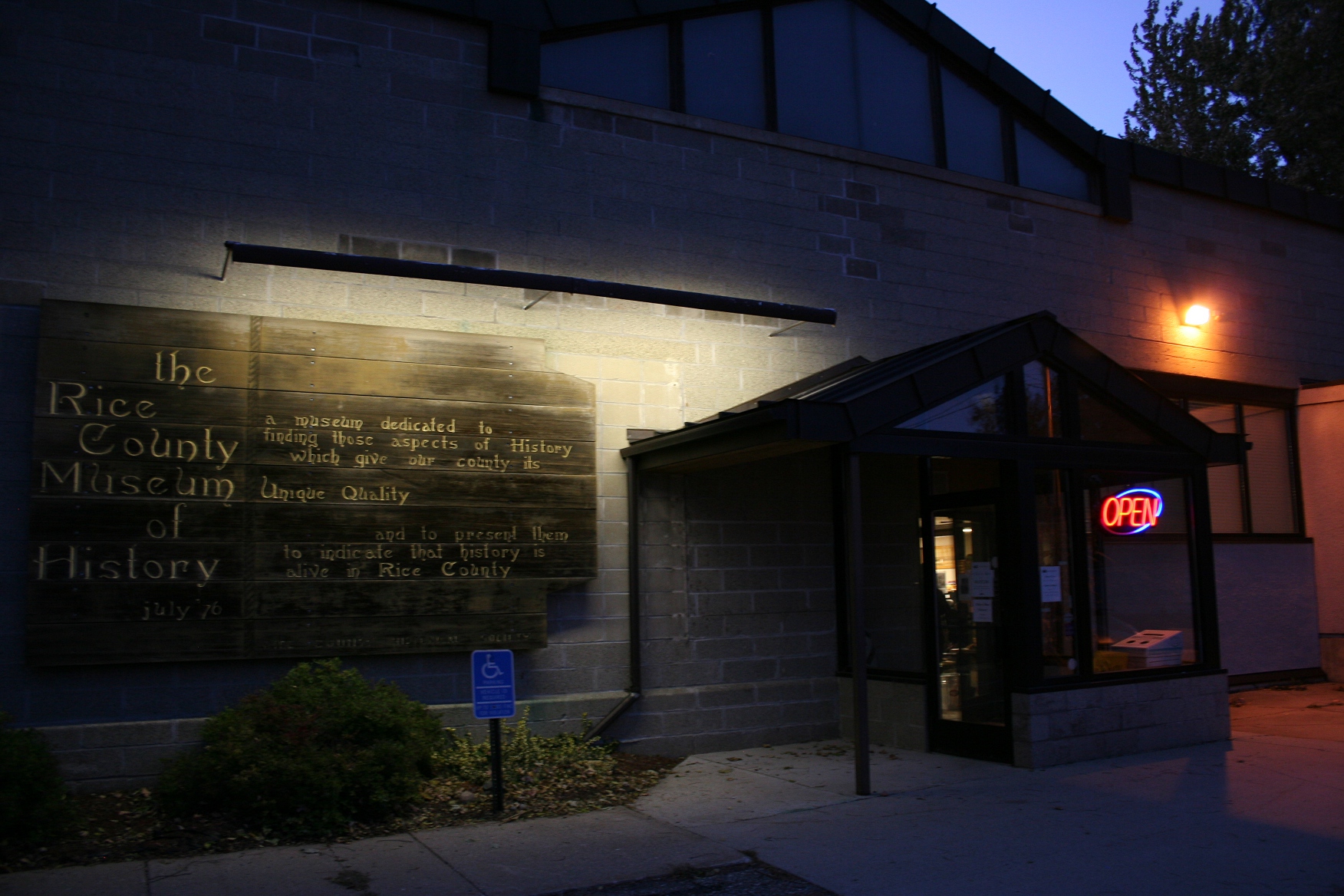
Arriving around 6:30 p.m. Friday for A Night at the Museum at the Rice County Historical Society in Faribault.

Arriving around 6:30 p.m. Friday for A Night at the Museum at the Rice County Historical Society in Faribault.

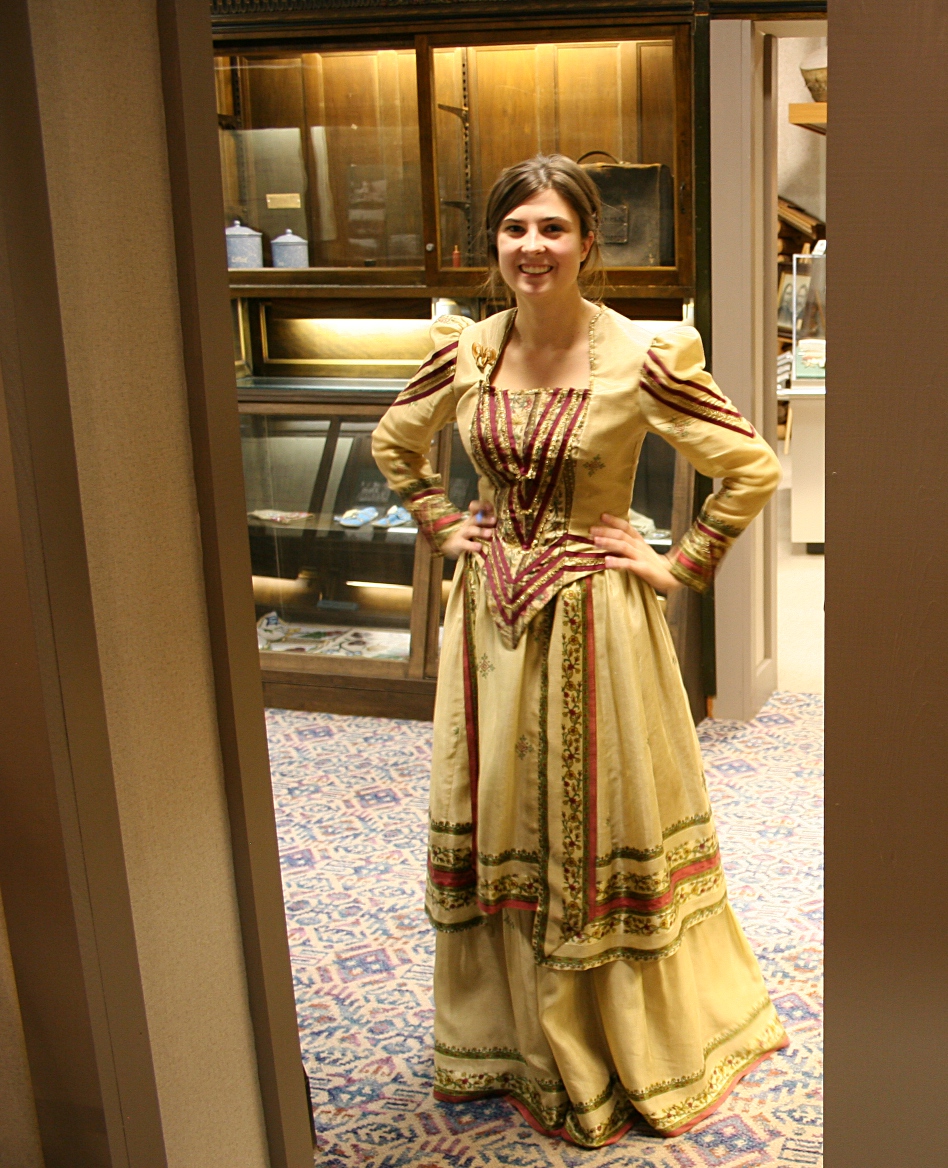
So I was excited Friday evening to attend the Rice County Historical Society’s first ever A Night at the Museum in which costumed men, women and children played the roles of historical figures. Like Evangeline Whipple, second wife of Bishop Henry Whipple, and Ordinance Sargent Jones, stationed at Ft. Ridgely during the U.S. – Dakota Conflict of 1862:

Role-playing Evangeline Whipple.

Role-playing Evangeline Whipple.

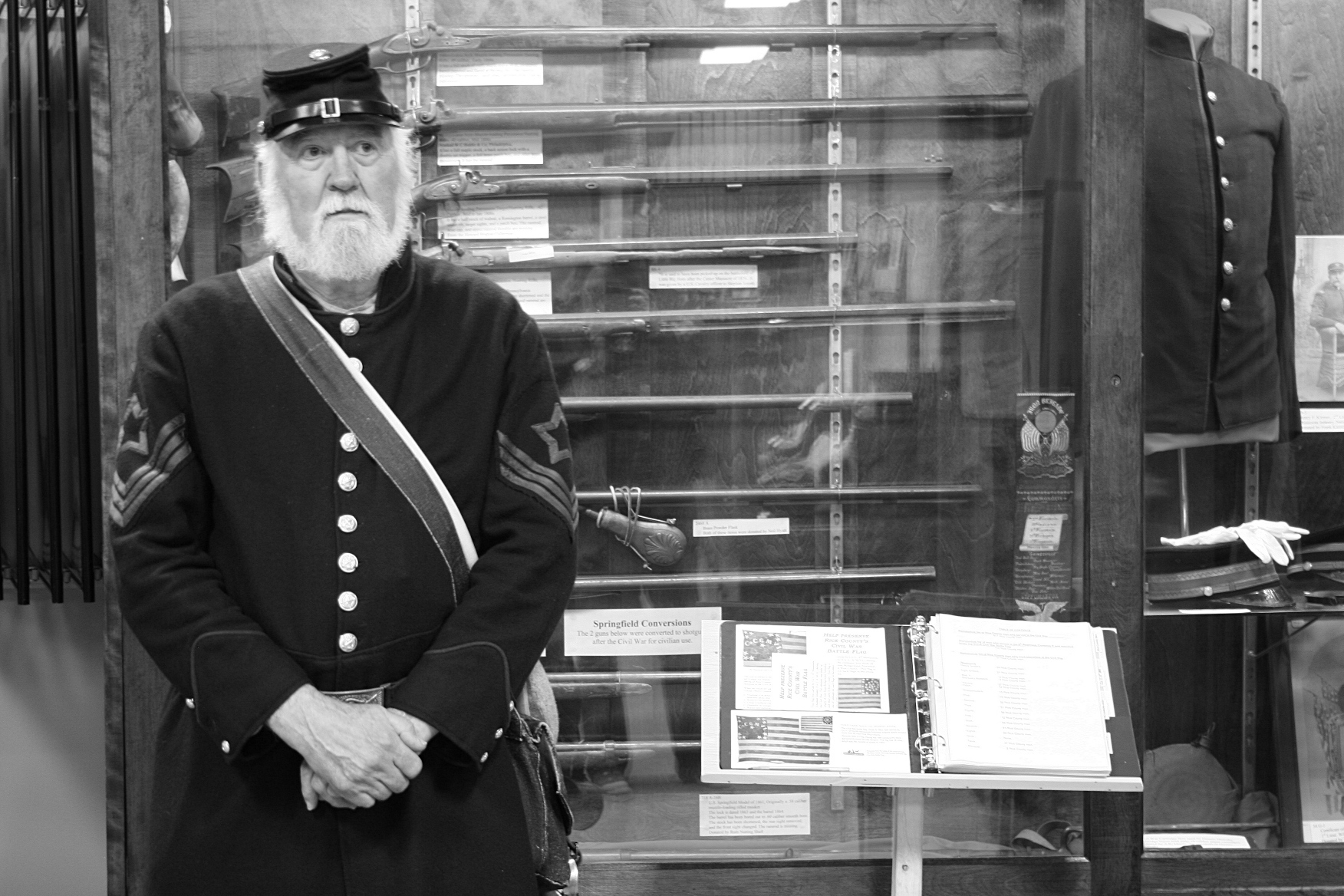
Playing the role of Ordinance Sgt. Jones.

Playing the role of Ordinance Sgt. Jones.

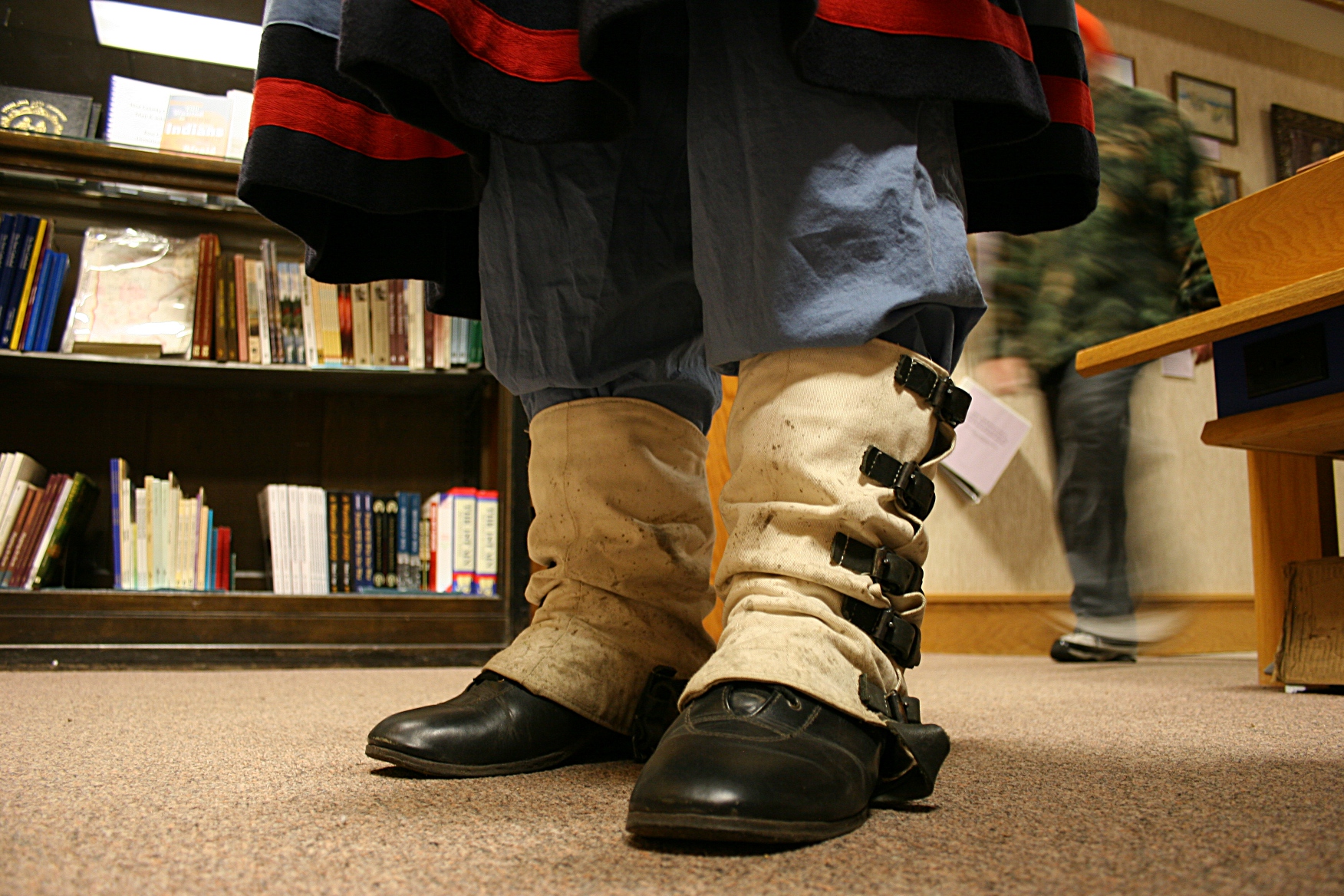
The buckled cloth covering worn by French Mary keeps mud from boots.

The buckled cloth covering worn by French Mary keeps mud from boots.

I spoke with “French Mary” Tepe about her role as a vivandiere with Pennsylvania volunteers in the Civil War. Vivandieres carried a canteen of spirits and more and attended to the sick and wounded. I’d never heard of vivandieres prior to meeting French Mary.

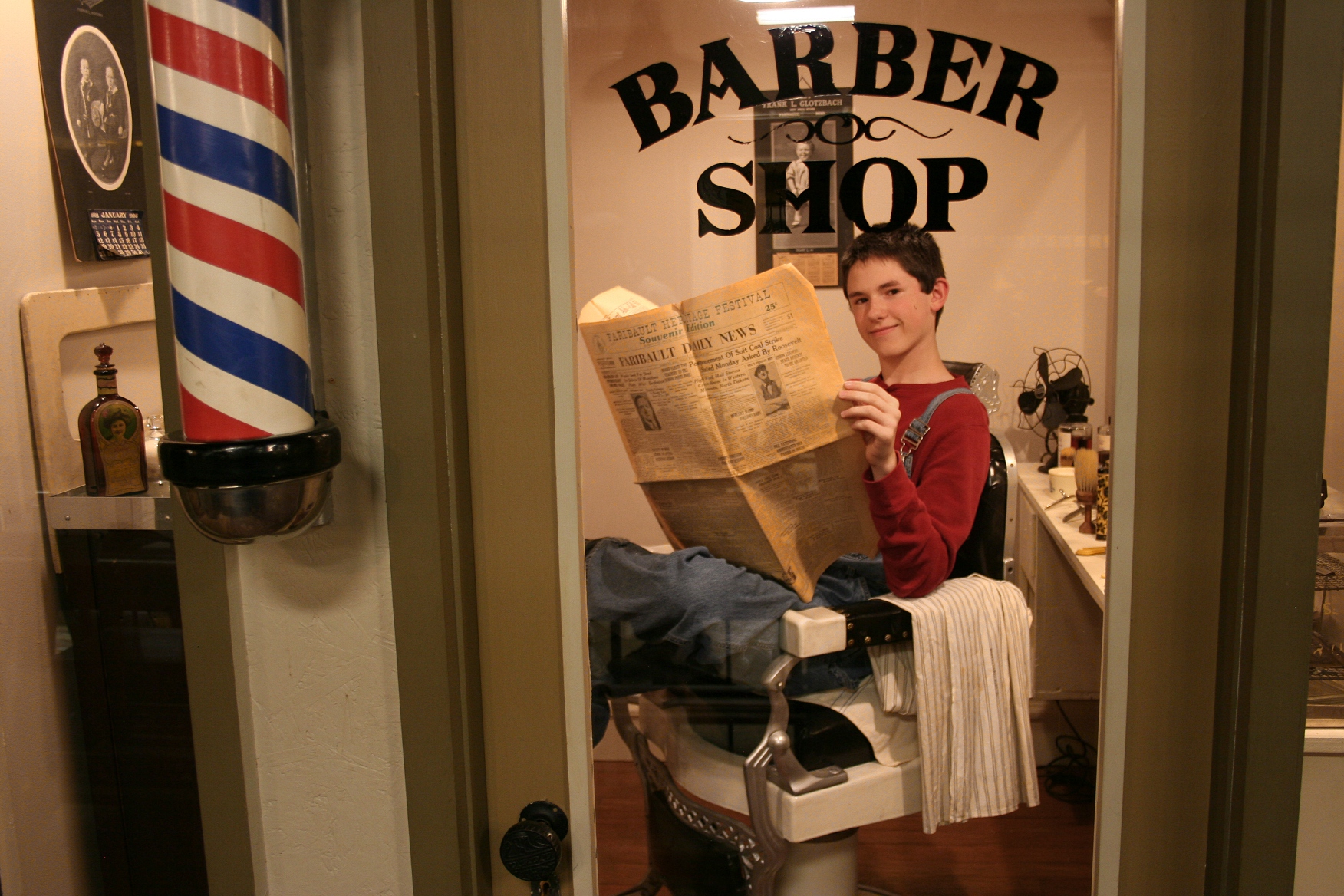
Noah, who volunteers at the library through its youth program, sat in the museum's barbershop chair during A Night at the Museum. in the museum barbershop.

Noah, who volunteers at the library through its youth program, sat in the museum’s barbershop chair.

Noah read a souvenir edition of the Faribault Daily News in an old-time barbershop while Leroy bathed in a second story room above.

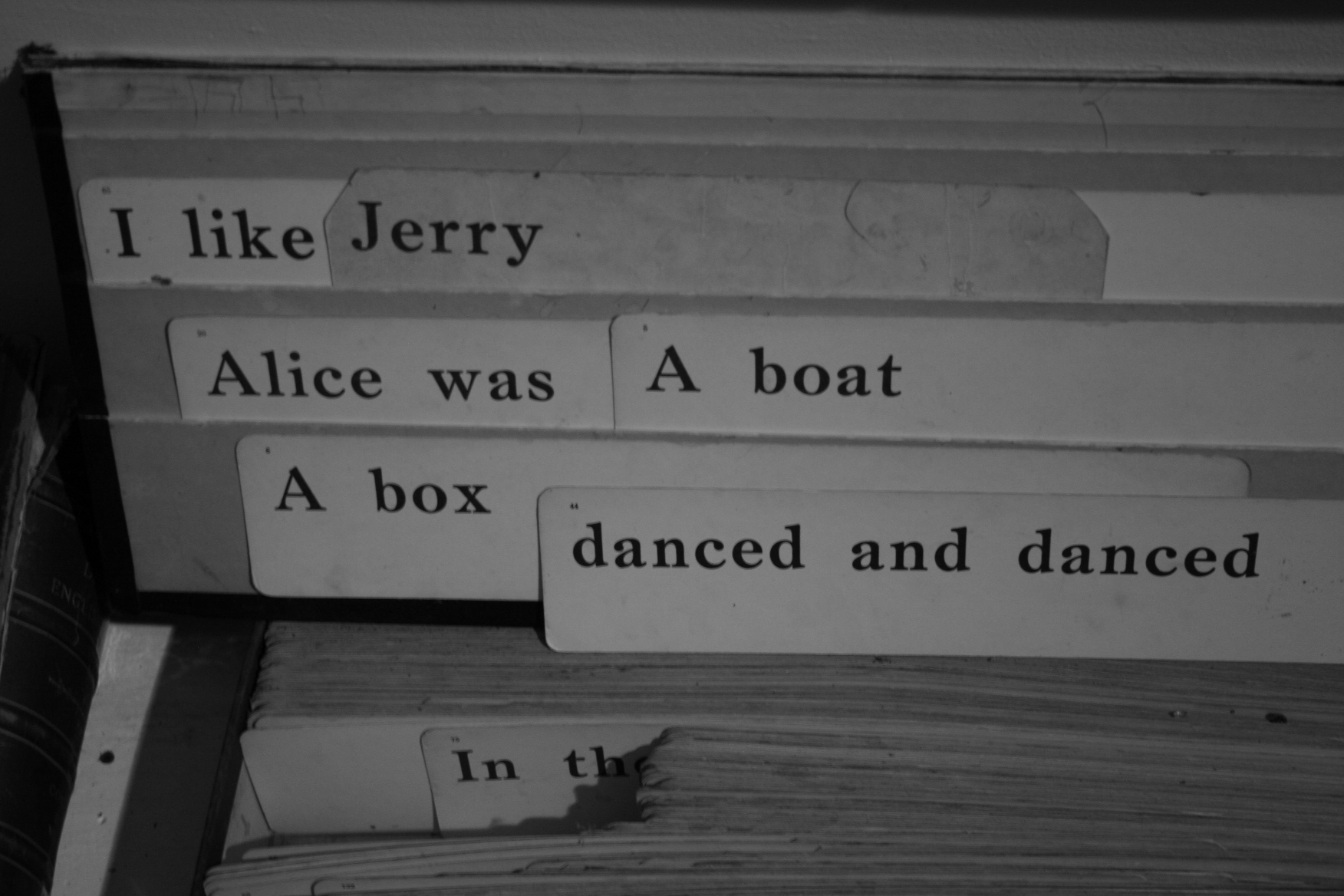
Flash cards in the one-room school.

Flash cards in the one-room school.

Mrs. Sweet taught arithmetic in the late 1850s one-room Pleasant Valley School where Noah’s sister, Hannah, along with others, assumed the roles of students.

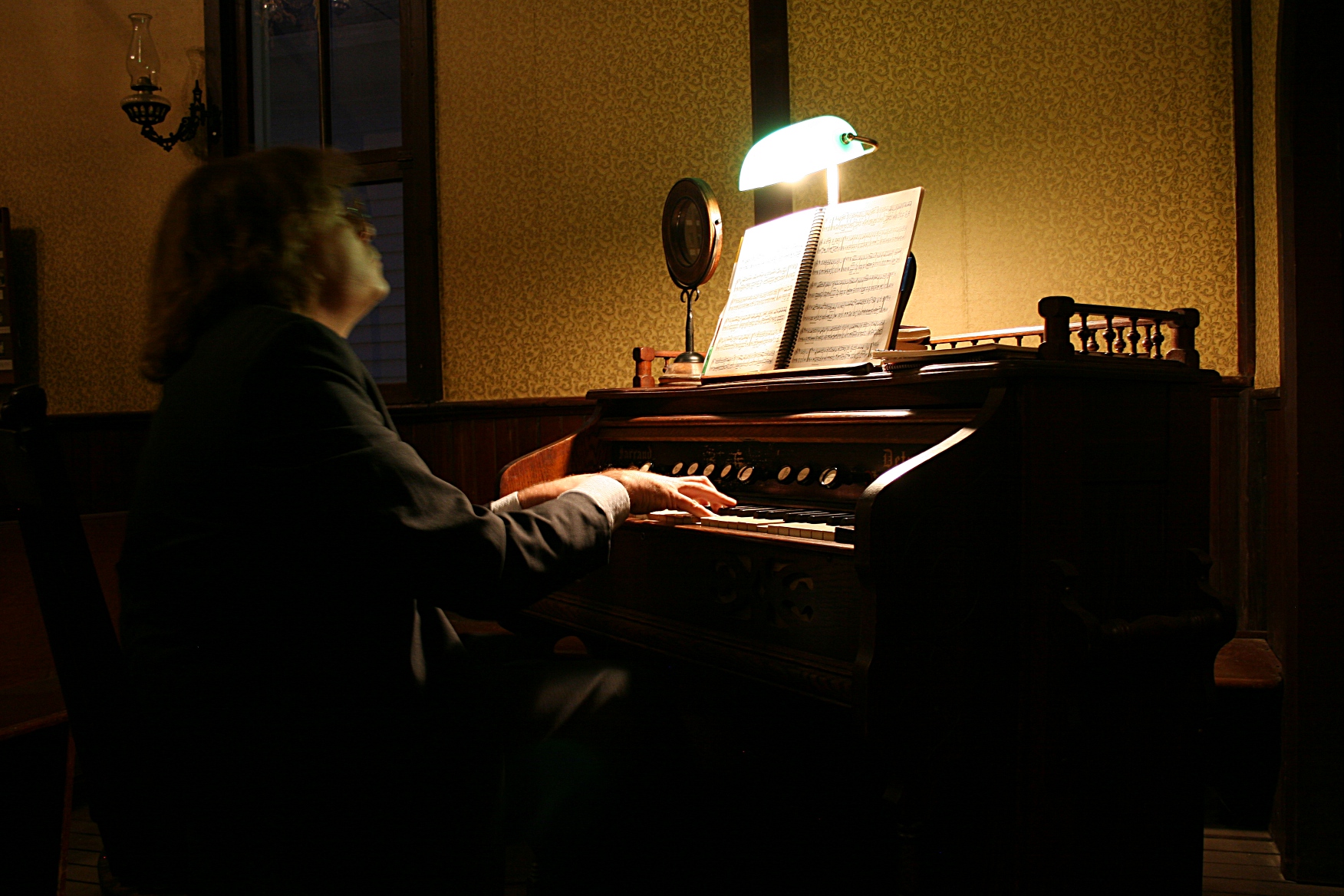
Playing the old pump organ.

Playing the old pump organ.

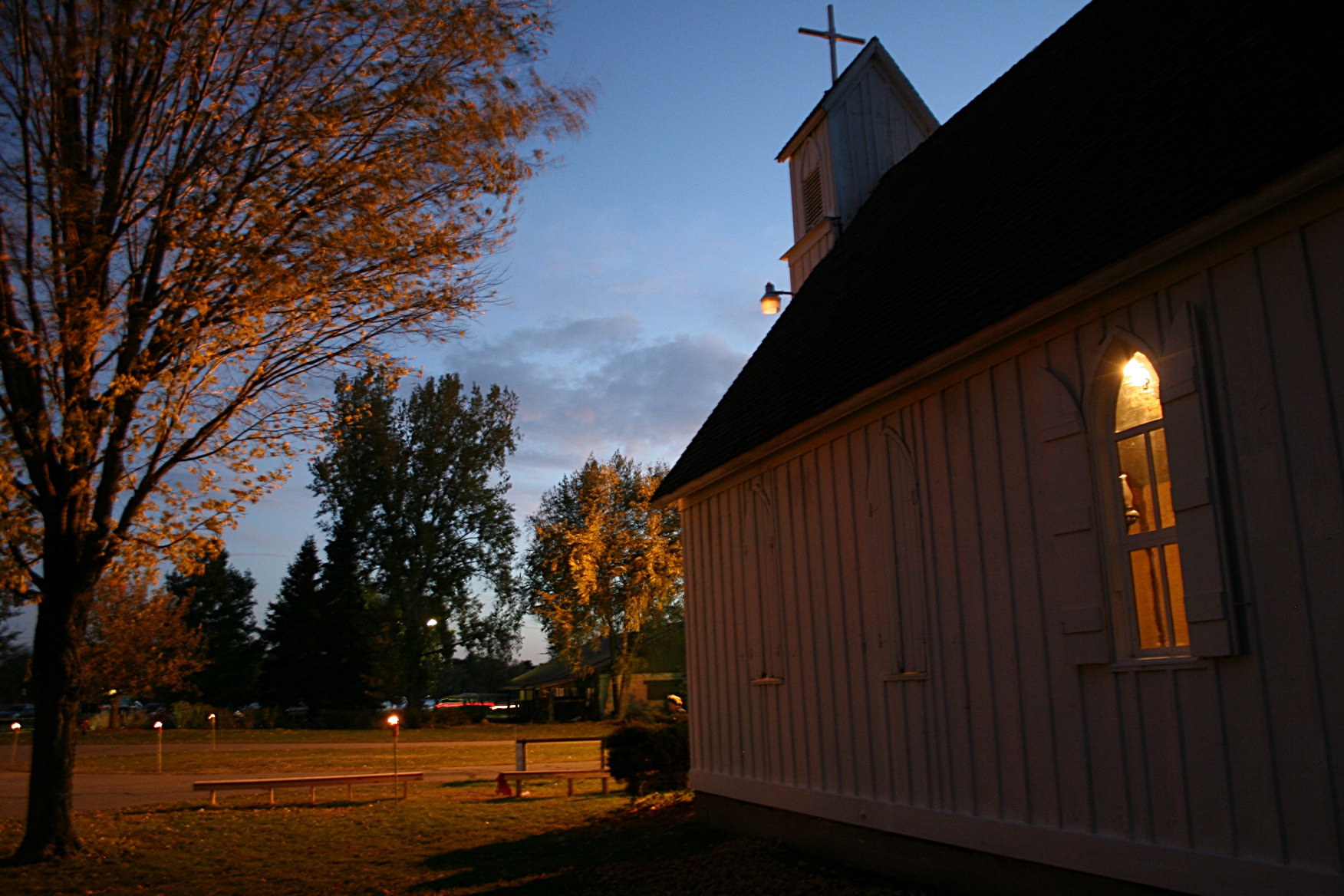
Holy Innocents, from the side.

Holy Innocents.

I listened to music played on the pump organ in Holy Innocents Episcopal Church built in 1869 in Cannon City and consecrated by Bishop Whipple.

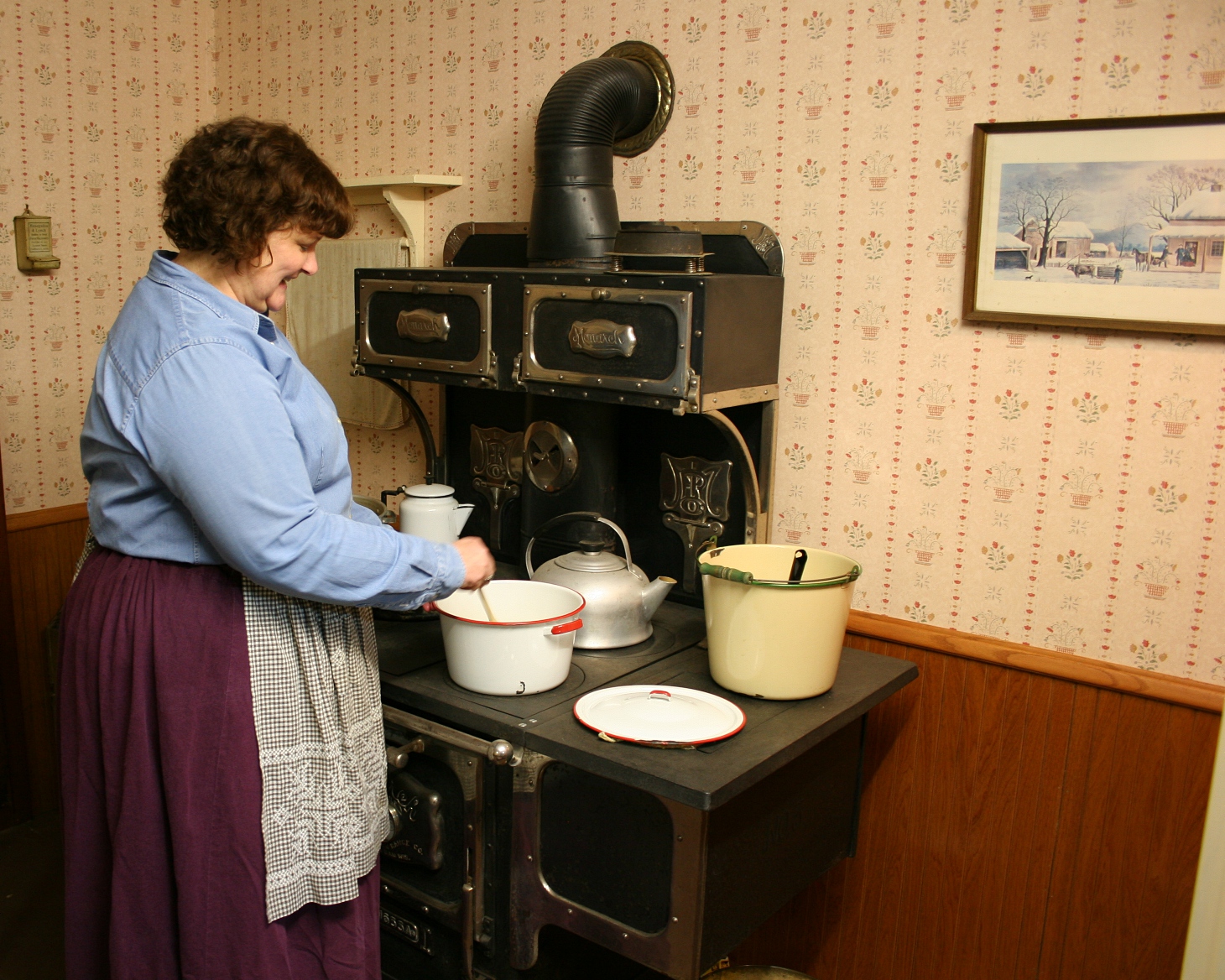
Mrs. Morris supposedly cooking applesauce.

Mrs. Morris “cooking” applesauce.

Next door I spoke with Mrs. Morris who was “cooking” applesauce in her 1920s kitchen. Except she wasn’t really using the old cookstove. The inviting scent of apples wafted, instead, from apple slices heating in a kettle on a mostly out of sight hotplate. Ingenious.

This multiple engaging of the senses added to the experience. In the old log cabin, built in the mid 1800s by a Scandinavian immigrant in the Nerstrand Big Woods, I savored the yeasty aroma of bread baking—not in the old stove—but rather in a bread machine hidden away. Ingenious.

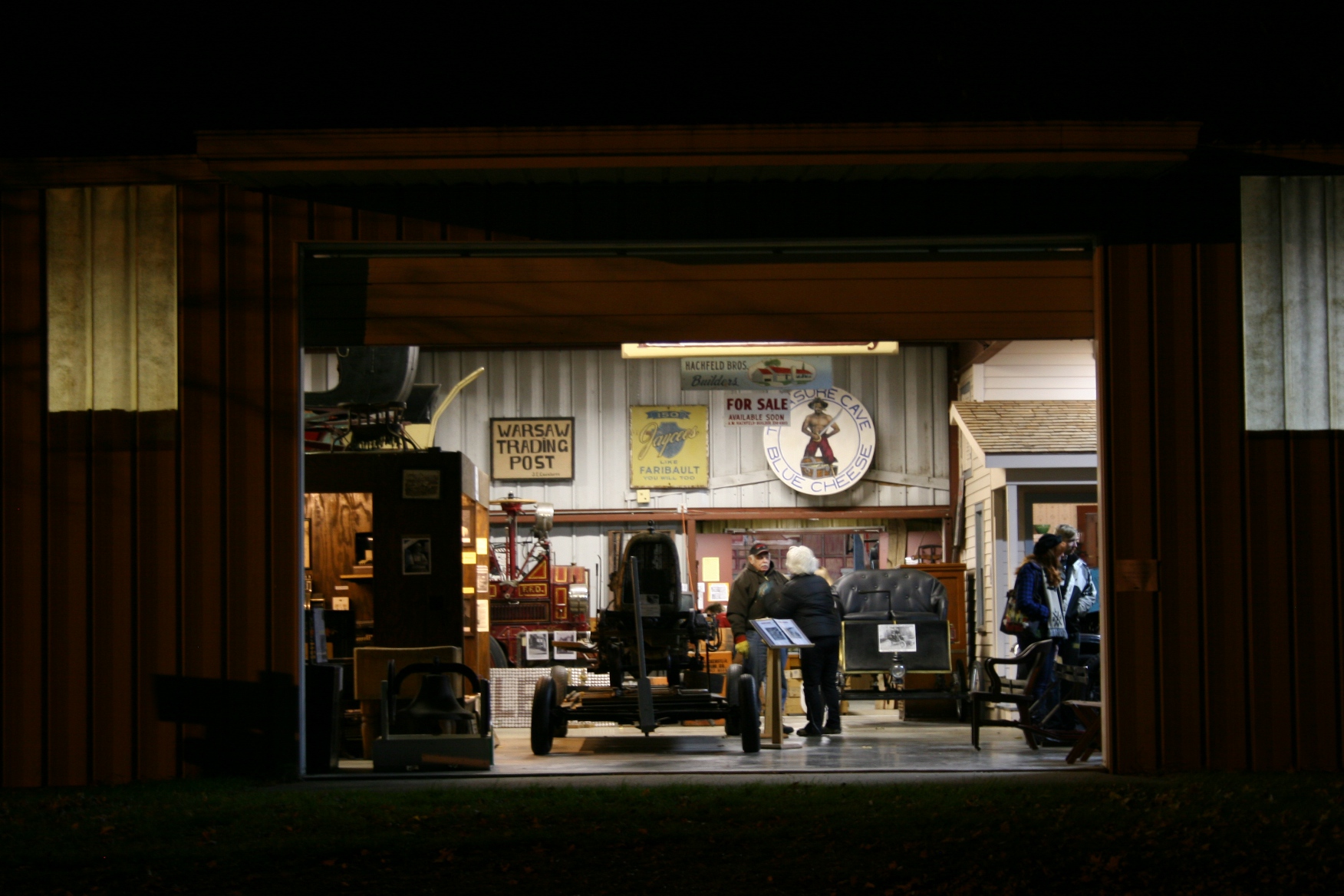
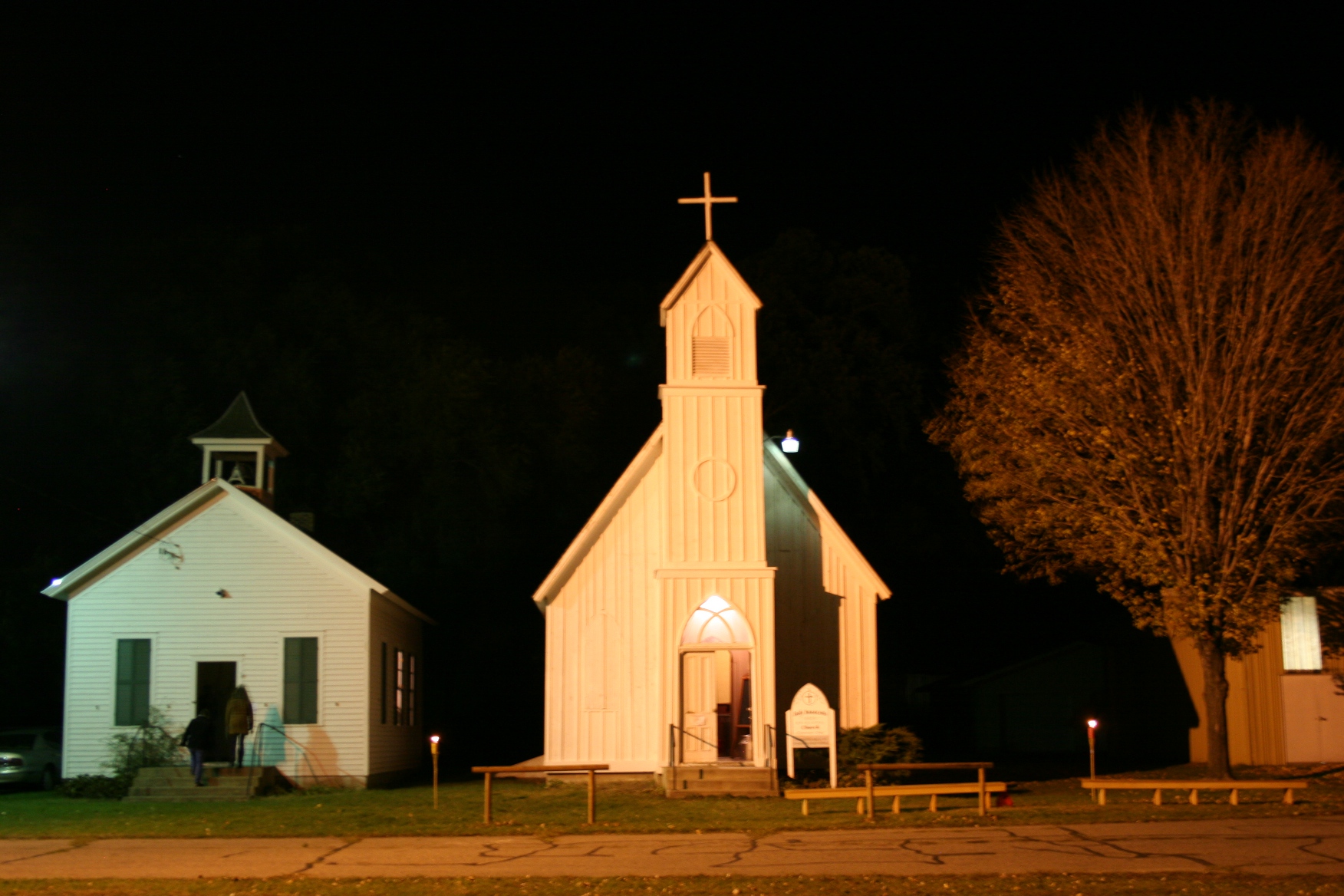
The setting for A Night at the Museum.

The setting for A Night at the Museum.

Outside, several tiki torches flickered, many snuffed out by the strong early evening breeze. Nearby, visitors gathered around a small campfire to sip apple cider, eat hot dogs and/or munch on cookies.

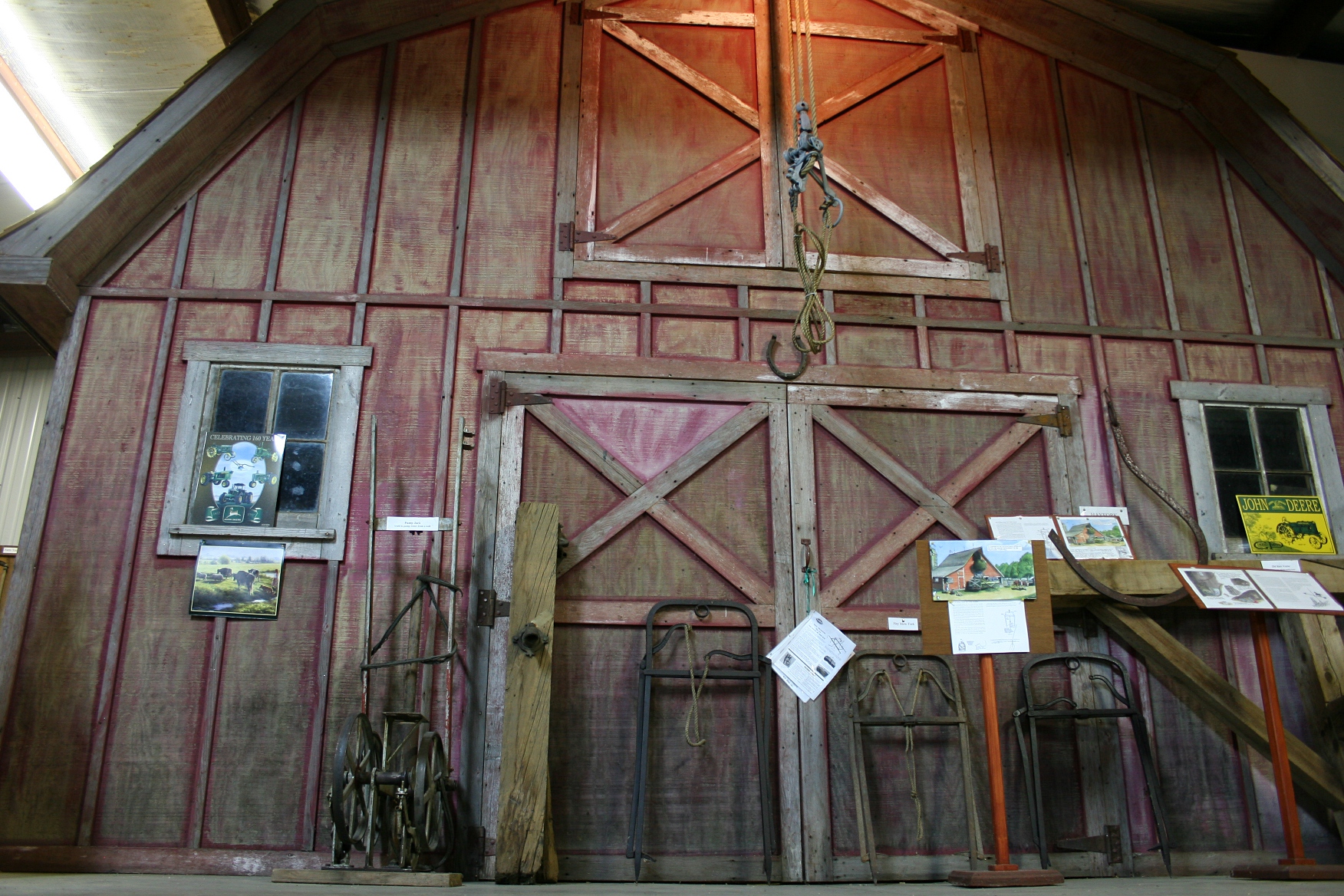
A barn front forms a backdrop in Harvest Hall, where visitors can learn about the area's agricultural heritage.

A barn front forms a backdrop in Harvest Hall, where visitors can learn about the area’s agricultural heritage.

Horses hooves clopped on the pavement as visitors were treated to a wagon ride around the adjoining county fairgrounds.

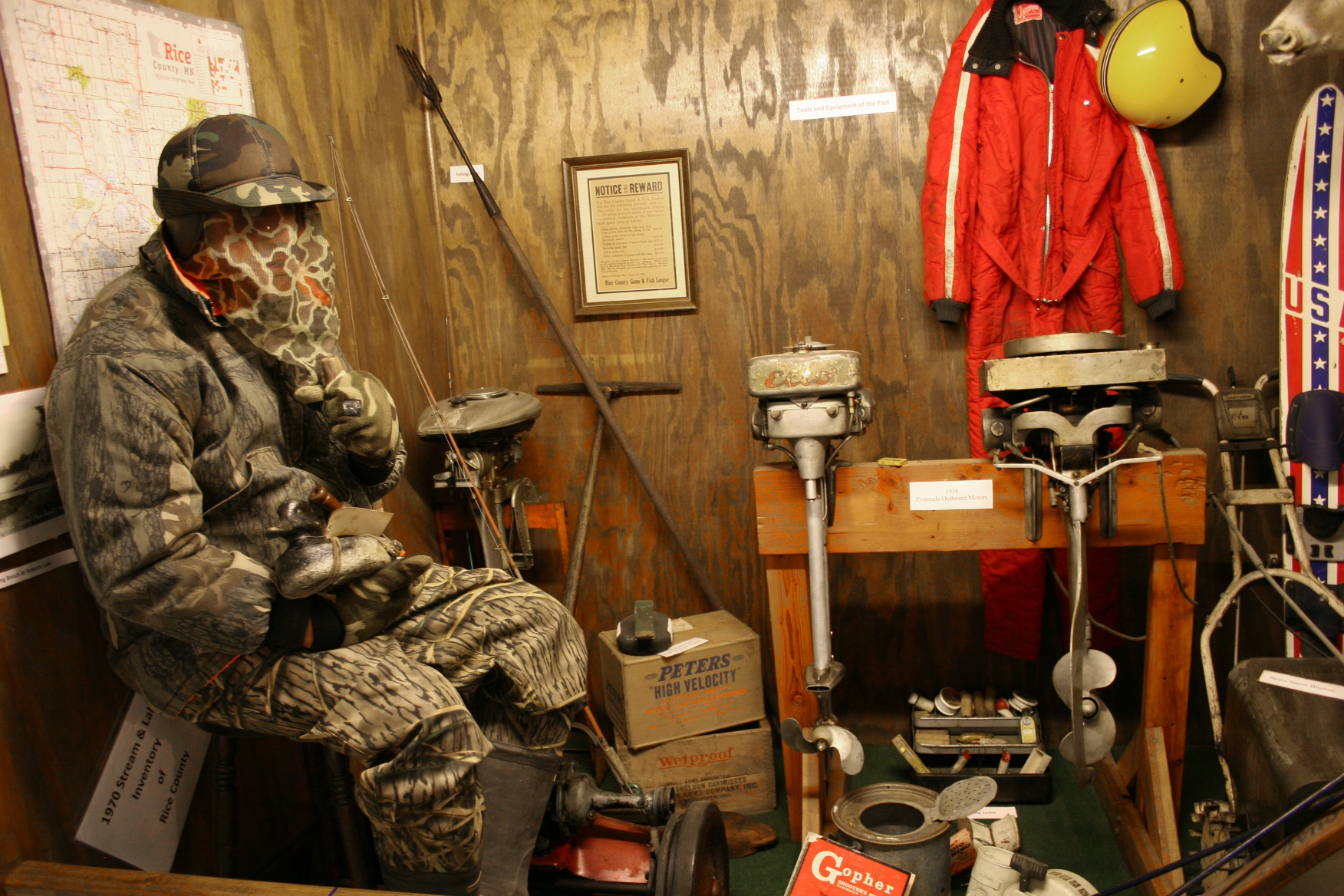
Brian Schmidt dressed as a hunter, not to be confused with a mannequin.

Not a scene from Duck Dynasty.

But the most memorable event of the evening for me, and likely Brian Schmidt who serves on the historical society board, occurred inside Heritage Hall. I stopped briefly at a display on outdoor recreational activities in the county and noticed what I assumed to be a camouflaged duck hunter mannequin in a corner. Except he wasn’t. As I walked away, a duck call sounded. Startled, I turned back, peered more closely at the masked face and realized I’d been fooled. By Brian.

A peek at Heritage Hall.

A peek at Heritage Hall.

Excellent. This Night at the Museum was not billed as a Halloween event. But in that moment, for me, it was.

© Copyright 2013 Audrey Kletscher Helbling

 

Owatonna exhibit celebrates Steele County: Butter Capitol of the World October 8, 2013

MILK COURSES through my veins, for I am the daughter of a dairy farmer.

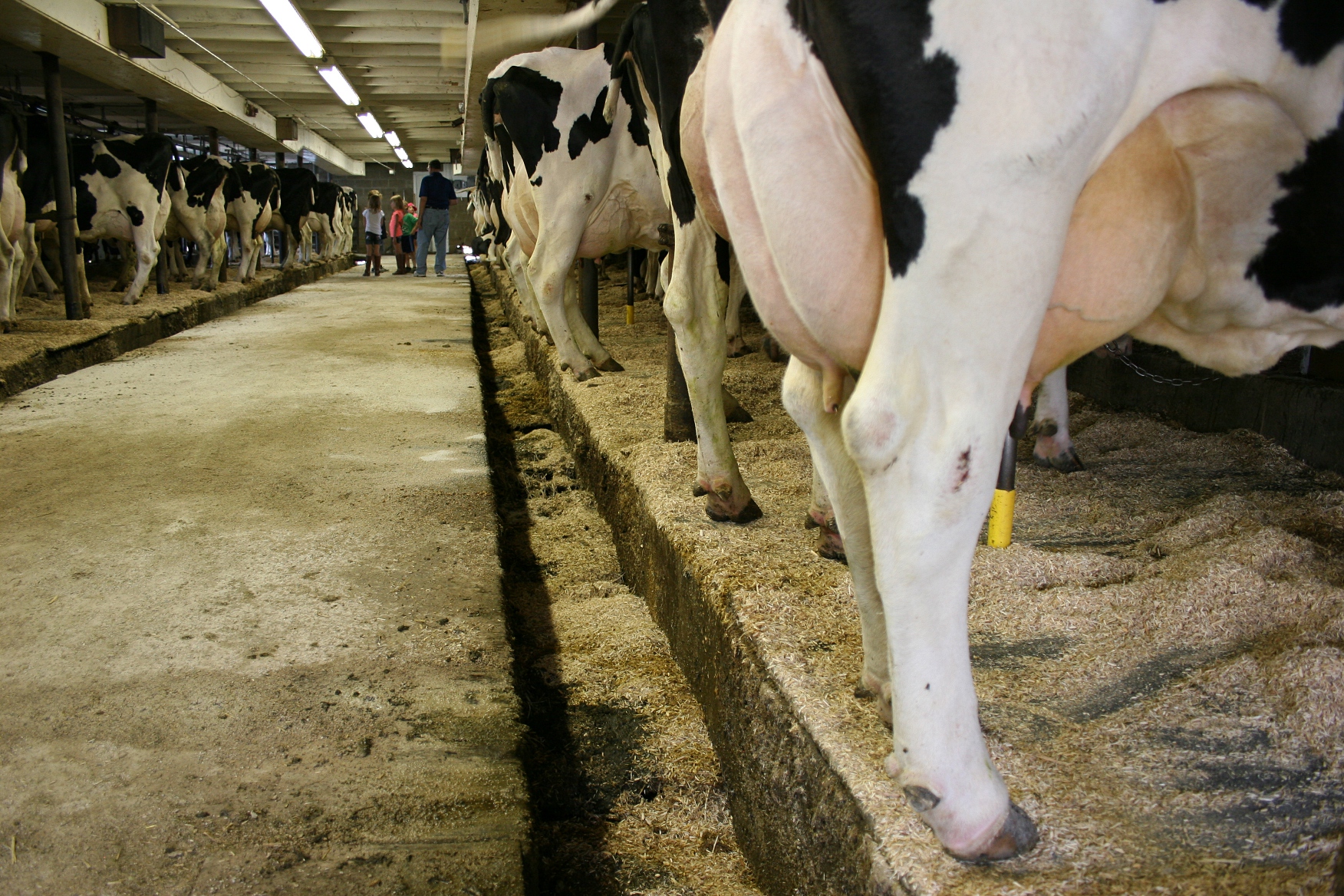
Inside the Wegners' barn, where dairy products come from.

Minnesota Prairie Roots file photo from Ron and Diane Wegner’s rural Faribault dairy barn.

Growing up, I labored in the barn beside my dad and siblings—feeding cows, bedding straw, lugging pails of milk to the bulk tank, washing milking machines, scraping manure and more.

I smelled of cow, watched bovines’ tails flick flies and rise to release streams of splashing hot pee into barn gutters.

Sandpaper rough tongues sometimes grated across my skin. Cold, wet noses dampened the sleeves of my chore coat.

I carried gallons of frothy fresh milk to the house for pasteurization and consumption.

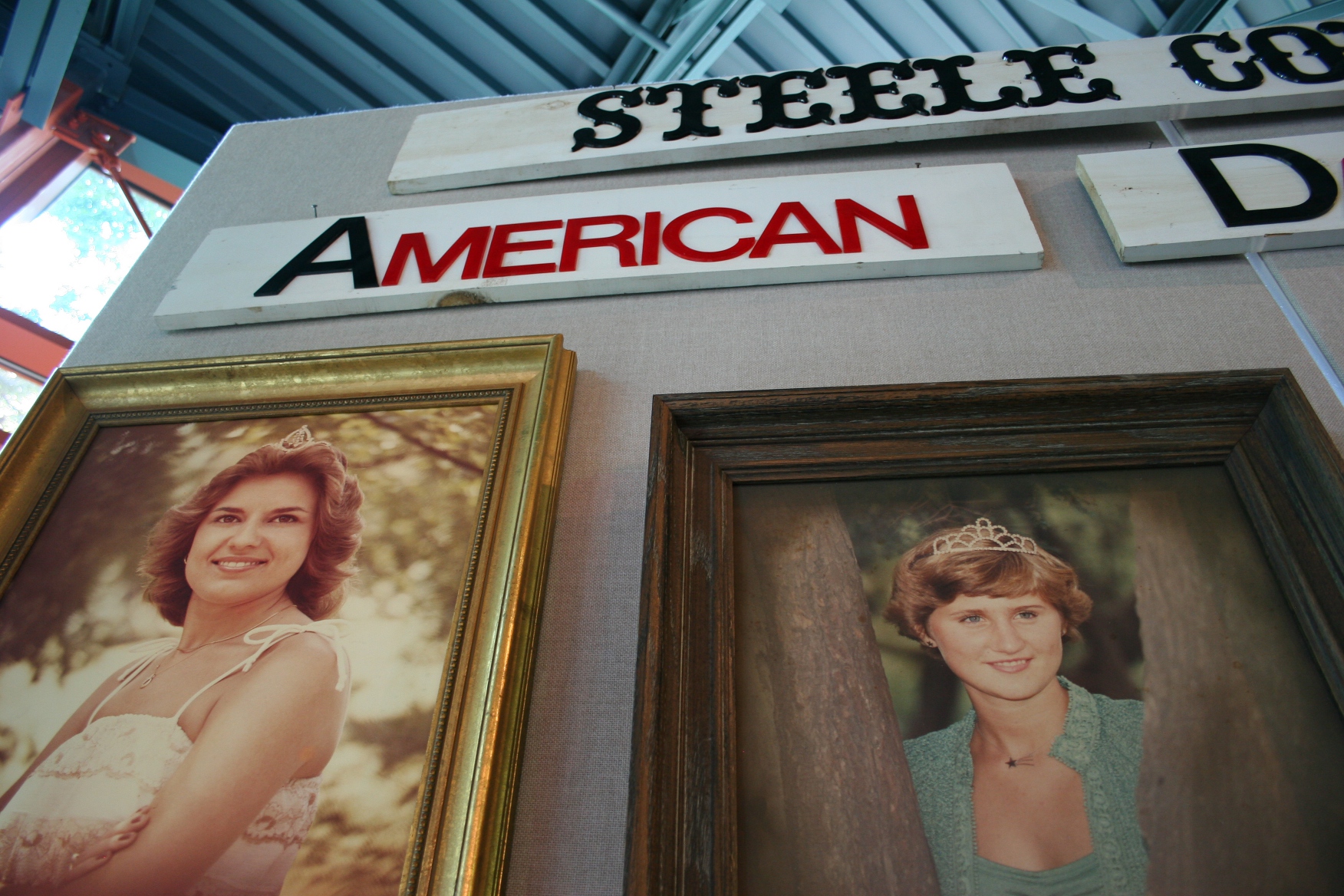
The Princess Kay of the Milky Way competition is a part of Minnesota culture. The Steele County exhibit features  photos of past county dairy royalty, including 1978 princess Kari Schroht, left, and 1976 princess Kathy Zeman, right. Earlier carved butter heads from past princesses were displayed in borrowed glass door freezers at the history center.

The Princess Kay of the Milky Way competition is a part of Minnesota culture. A current exhibit at the Steele County History Center features photos of past county dairy royalty, including 1978 princess Kari Schroht, left, and 1976 princess Kathy Zeman, right. Earlier this year, carved butter heads from recent past princesses were displayed in borrowed glass door freezers at the history center.

I knew cows and milk and once competed for Redwood County, Minnesota, dairy princess, a title I coveted but could not win because I lacked the poise and confidence and beauty to represent the industry.

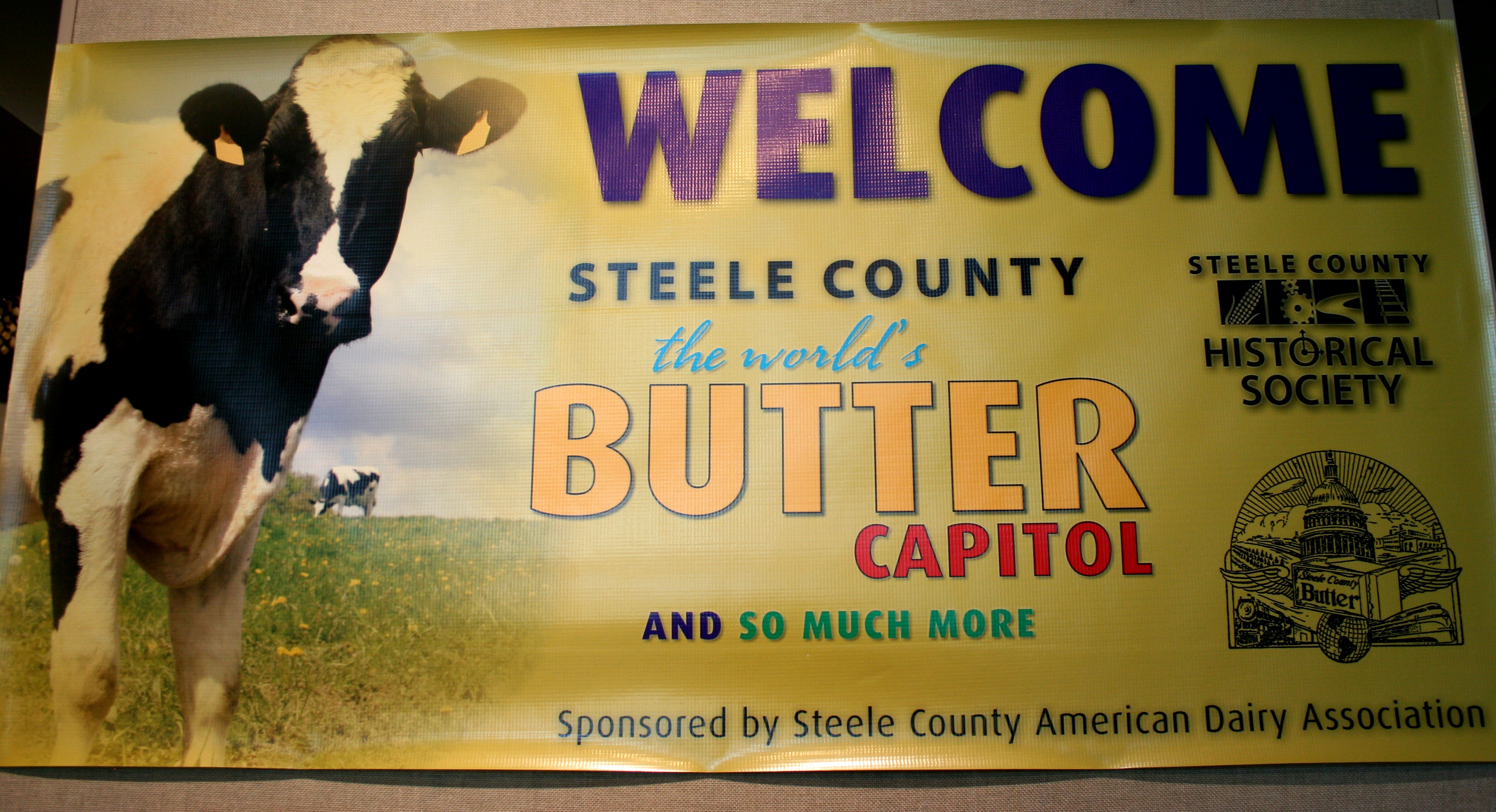
A banner welcomes visitors to the Steele County: Butter Capitol of the World exhibit at the Steele County History Center in Owatonna.

A banner welcomes visitors to the Steele County: Butter Capitol of the World exhibit at the Steele County History Center in Owatonna.

These memories flit through my mind as I consider a recent visit to the Steele County History Center in Owatonna to tour the featured exhibit, Steele County: Butter Capitol of the World.

The exhibit is interesting and educational.

The exhibit is interesting and educational.

It’s a must-see exhibit which will trigger memories for those who grew up on dairy farms and educate those who didn’t. And, even with my dairying background, I learned a lot about the history of dairy farming in Steele County.

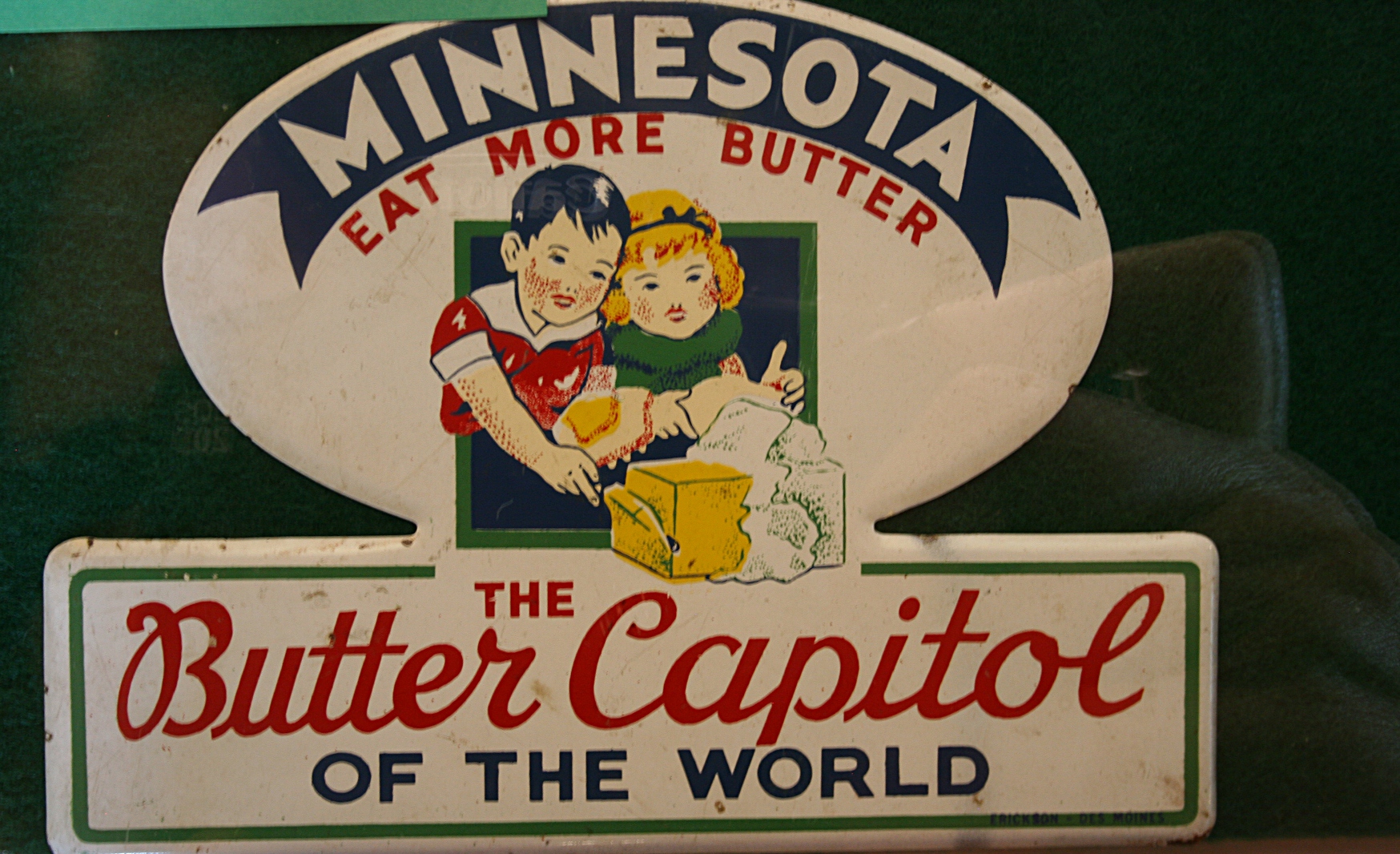
A vintage sign promoting butter in Minnesota.

A vintage sign promoting butter in Minnesota.

For example, Steele County gained its world-wide Butter Capitol reputation after Owatonna Manufacturing Company invented the mechanized butter churn in 1893, revolutionizing the dairy industry.

But two decades prior, in 1873, the county was well on its way to establishing a strong dairy reputation with four local cheese factories producing 150,000 pounds of cheese, more than any other Minnesota county.

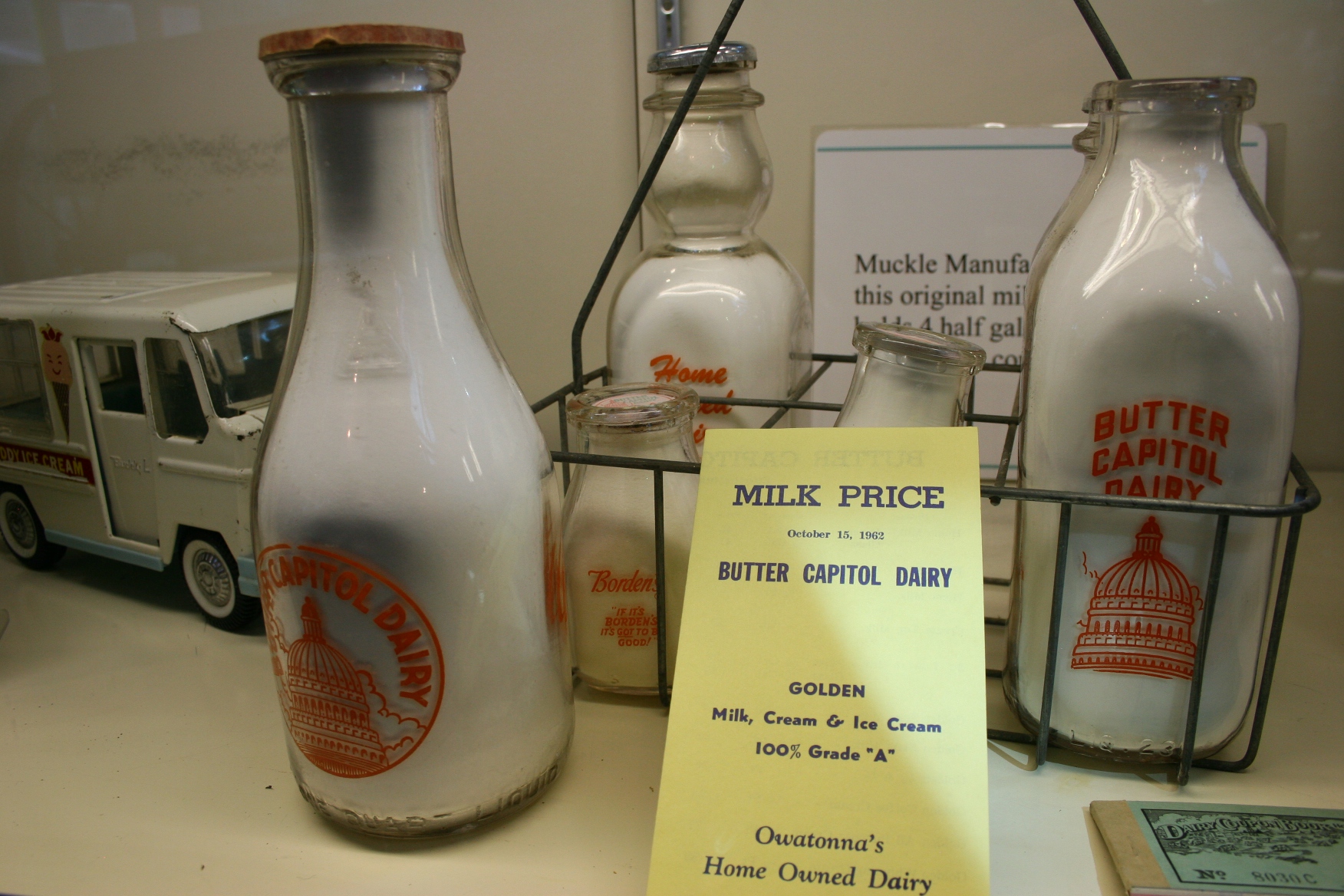
Information and artifacts from the days of bottled milk delivery.

Information and artifacts from the days of bottled milk delivery.

At one point, Steele County boasted two dozen-plus creameries.

Coveted butter

Hope Creamery, south of Owatonna, still produces coveted, award-winning Grade A butter in small batches. Butter boxes from Steele County creameries are displayed behind glass in the exhibit.

In December 1926, thieves stole 19 tubs of butter valued at $700 from the Steele Center Creamery.

Two Steele County women, Mina Holmes and Marianne McRostie, won numerous national awards for their hand-churned butter.

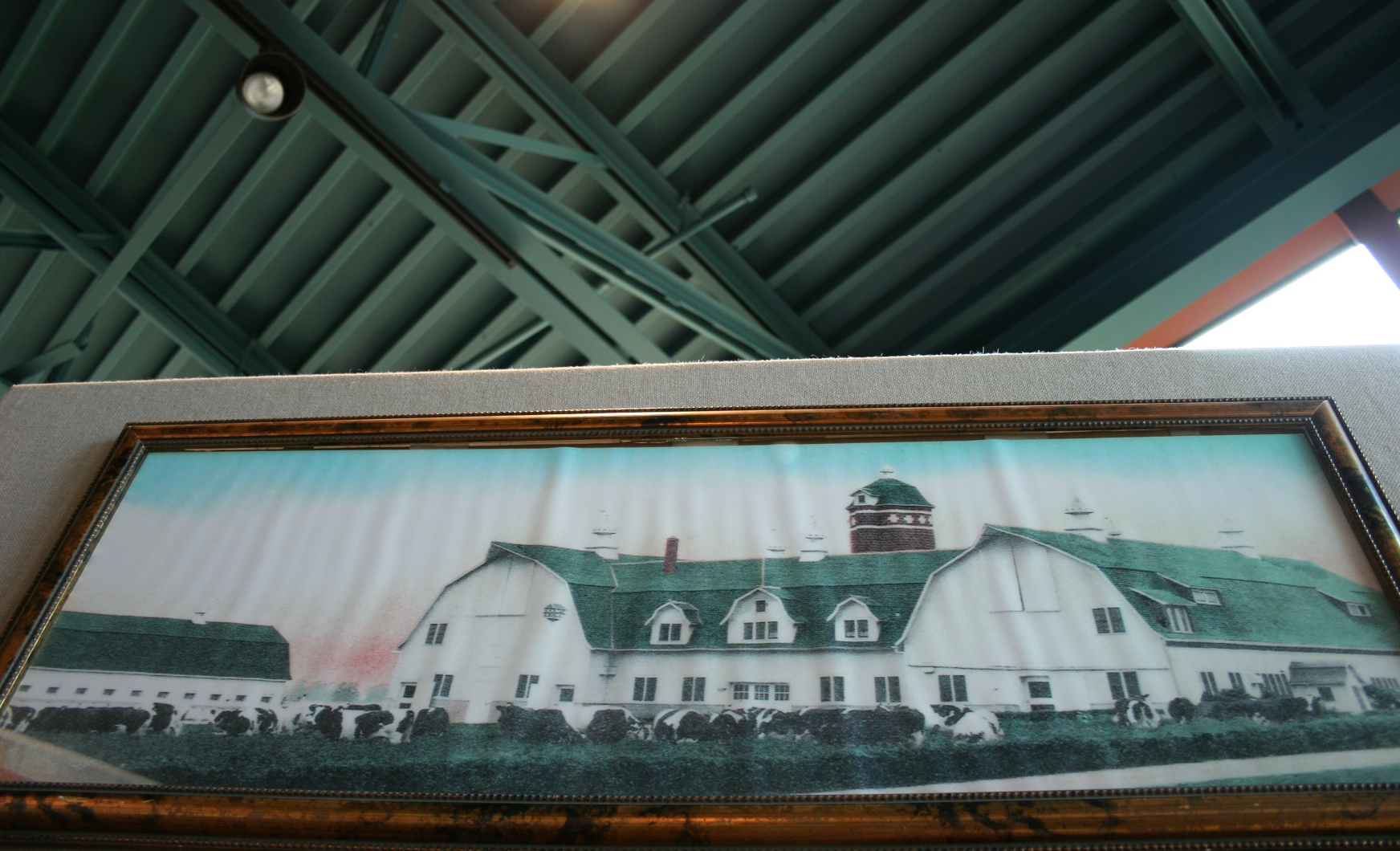
Photos of some spectacular Steele County barns are showcased.

Images of some spectacular Steele County barns are showcased.

Yes, so many accomplishments led to this southern Minnesota county holding the title of Butter Capitol of the World from 1898 – 1940, says Jerry Ganfield, who along with a committee of four women involved in the dairy industry, created this remarkable exhibit. Ganfield, holds a background in communications and marketing, grew up in Iowa and worked one summer during college as a milkhouse operator. Today he lives in a barn turned house near Bixsby and volunteers with the Steele County Historical Society, serving on its board of directors.

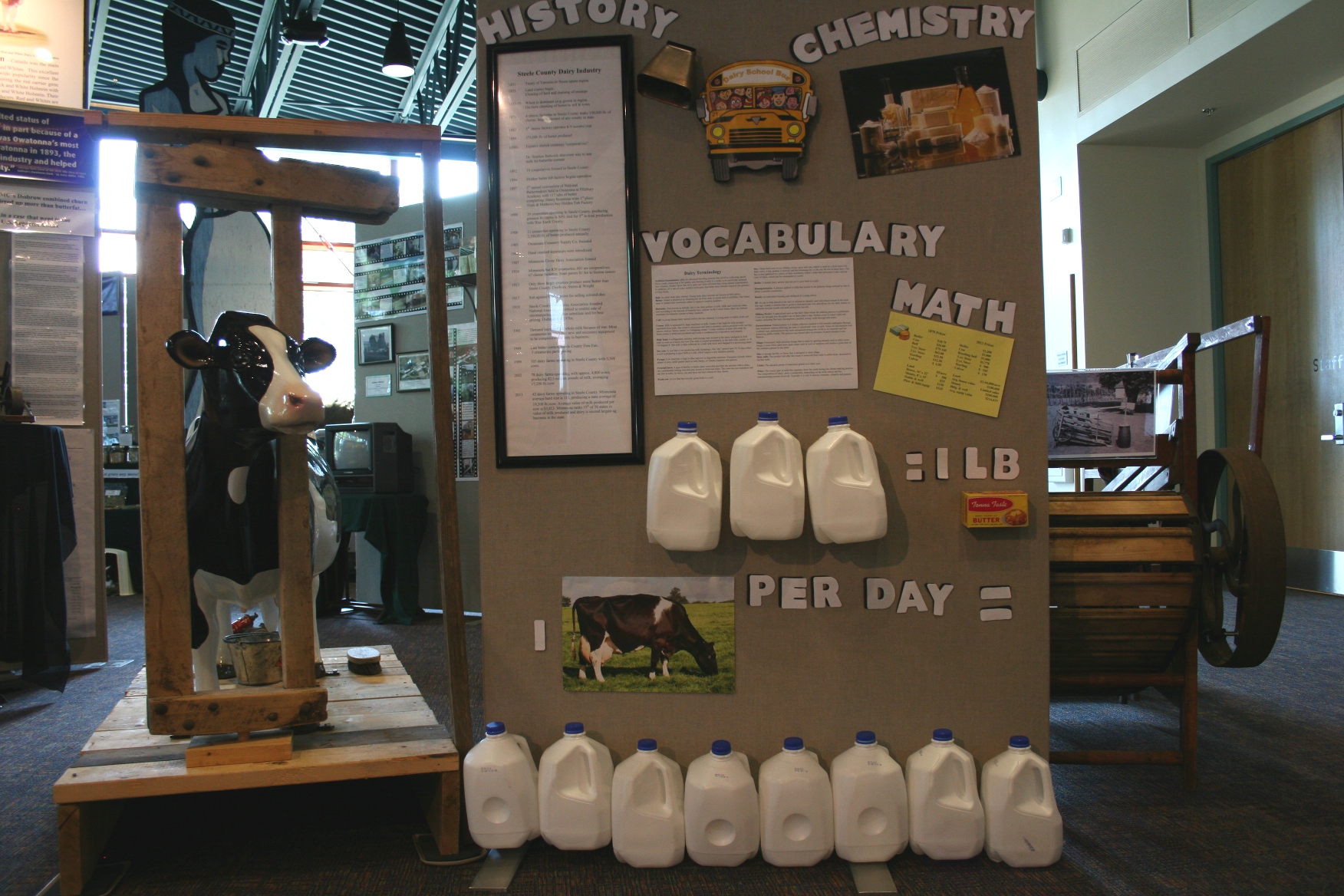
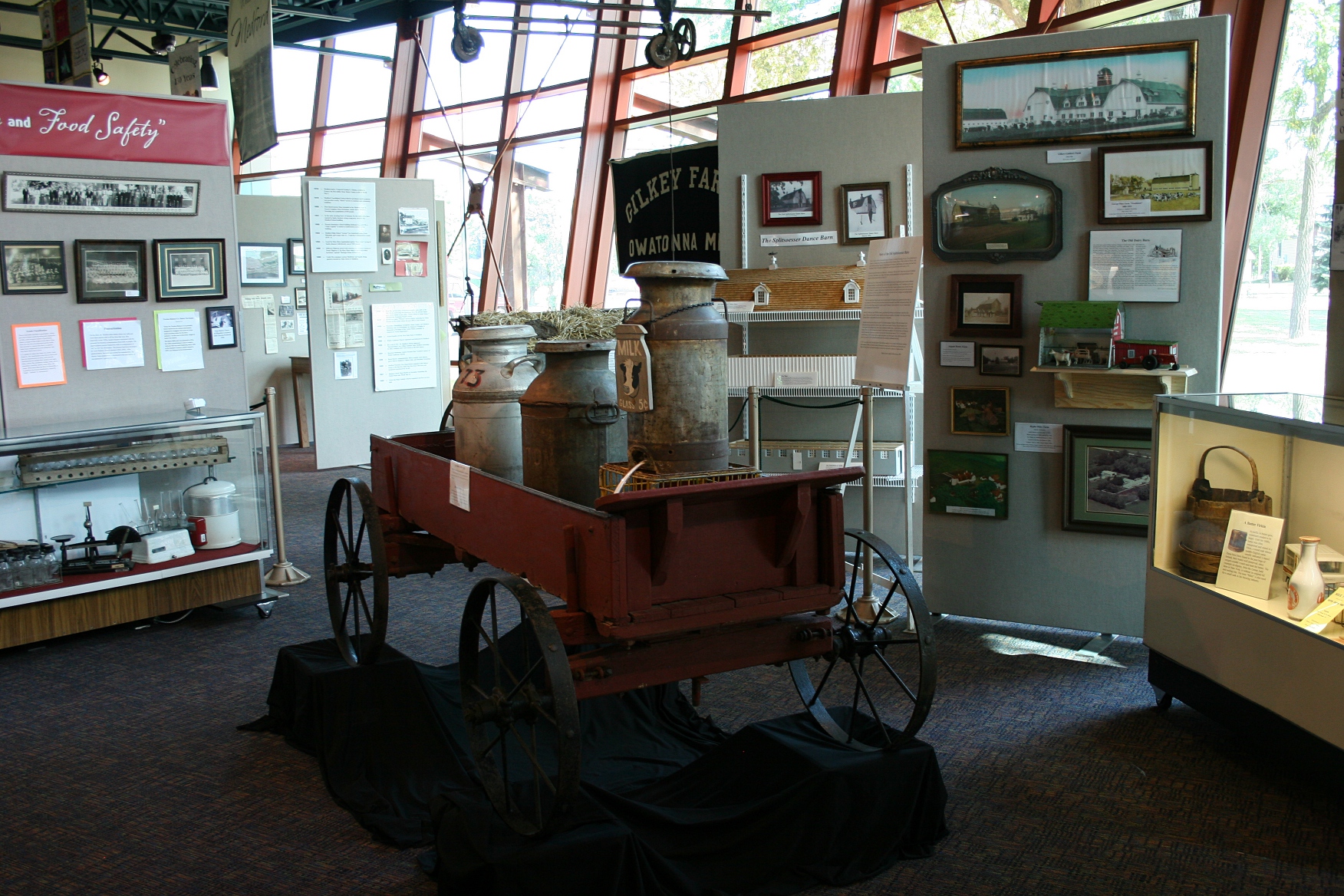
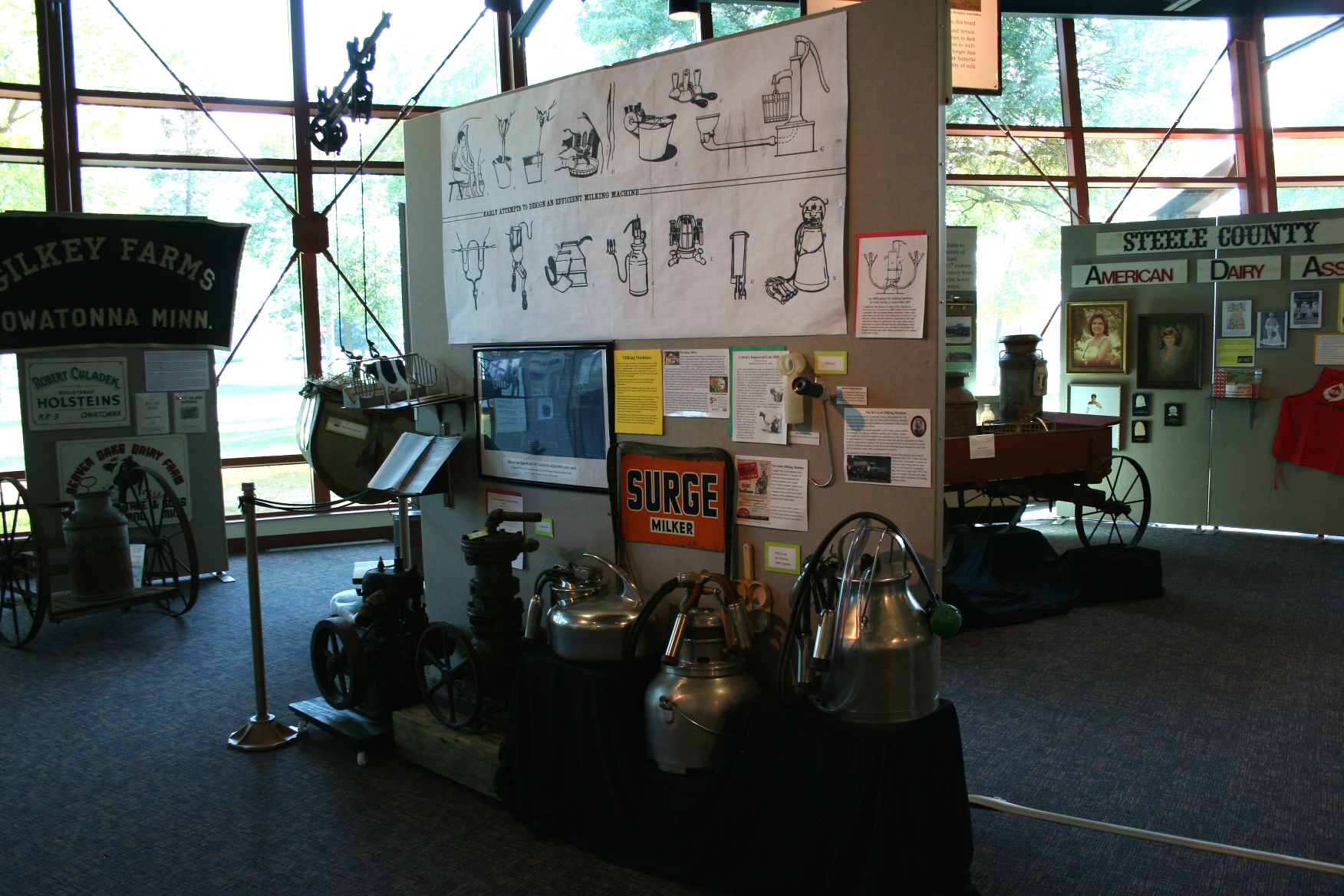
A portion of the expansive exhibit on Steele County's dairy industry.

A portion of the expansive exhibit on Steele County’s dairy industry.

Work on the Butter Capitol exhibit began in January with the historic display debuting in mid-July. It runs through November 10. Eventually, many of the items will be returned to the farm machinery building in the Village of Yesteryear (next to the Steele County History Center) where most were previously displayed.

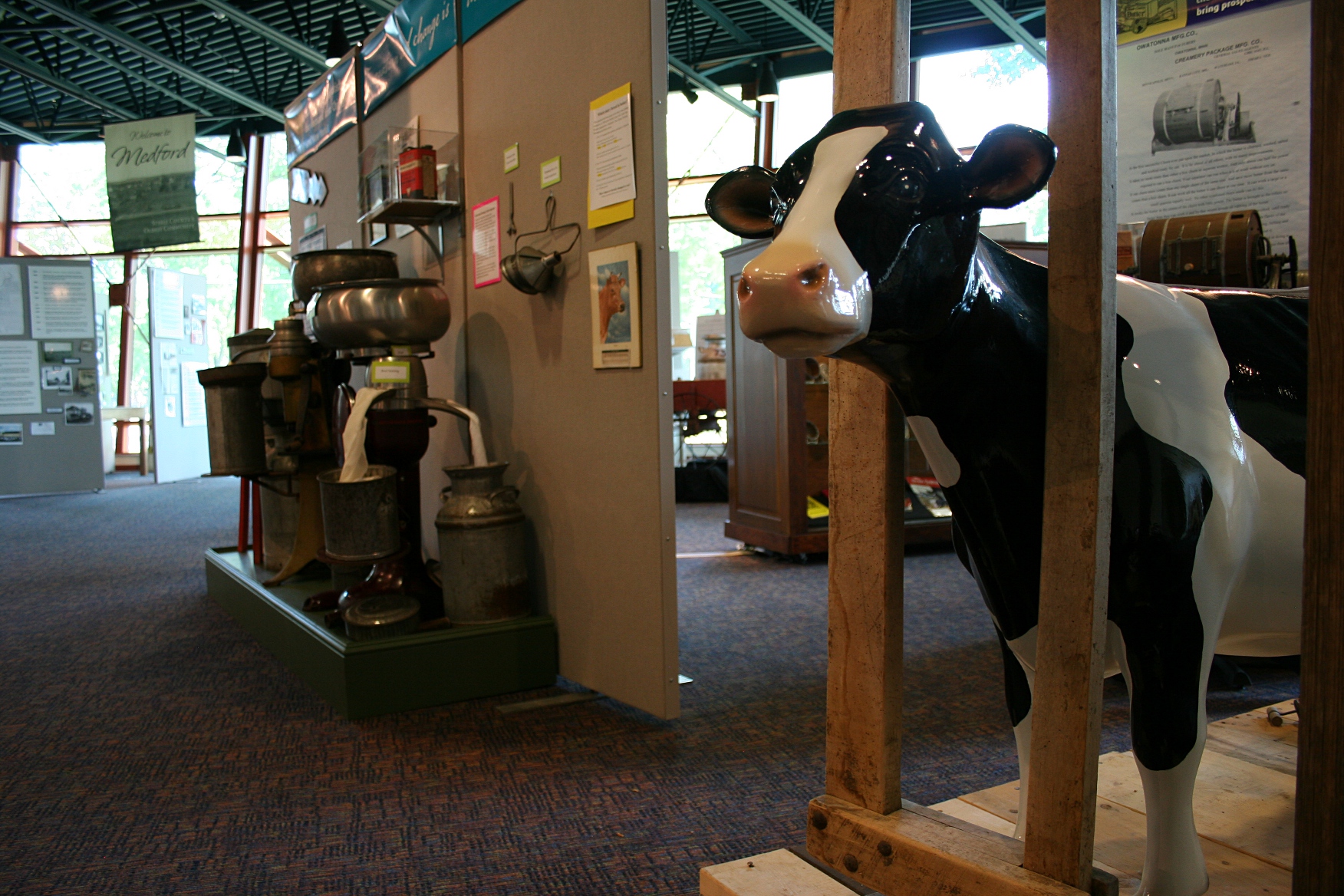
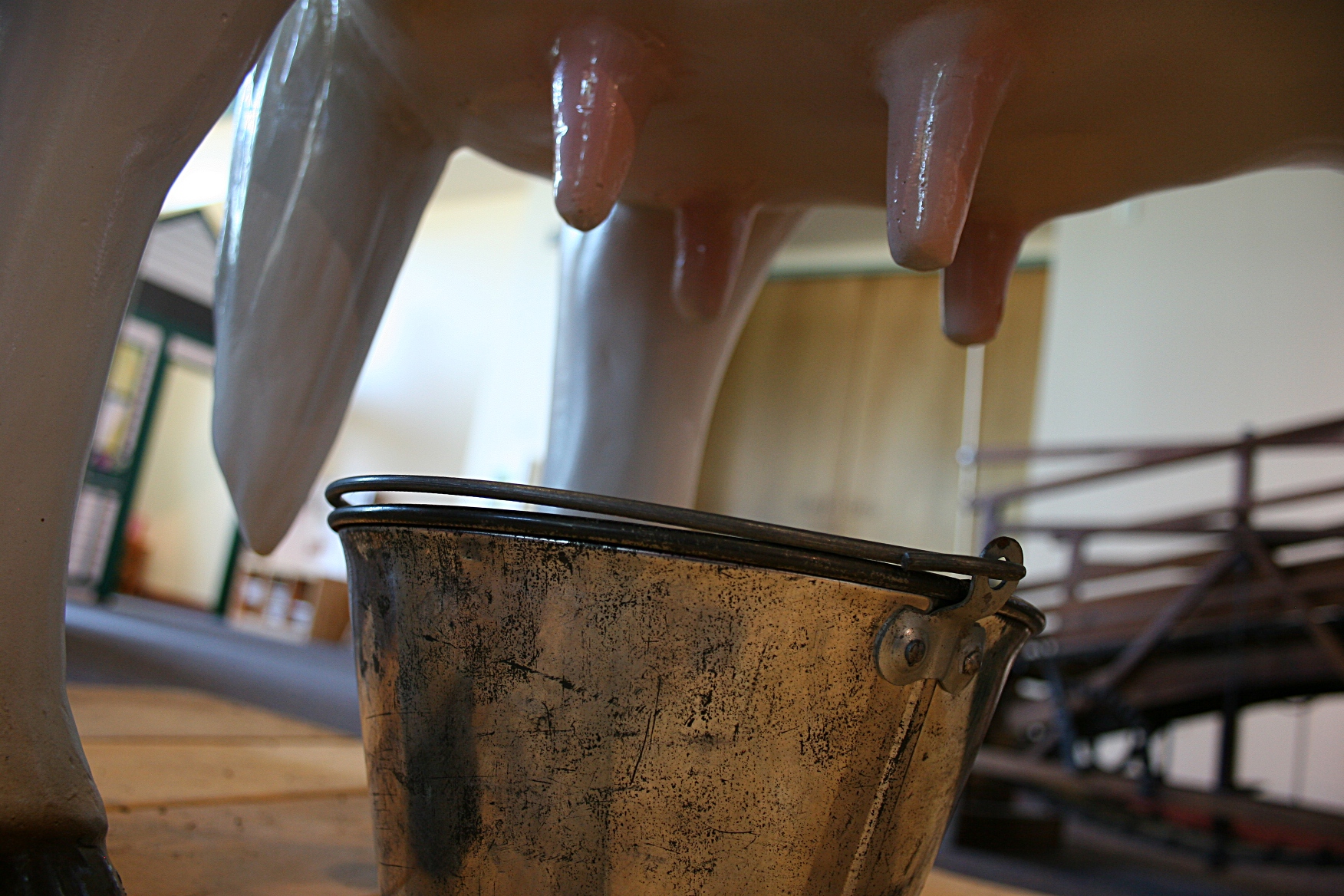
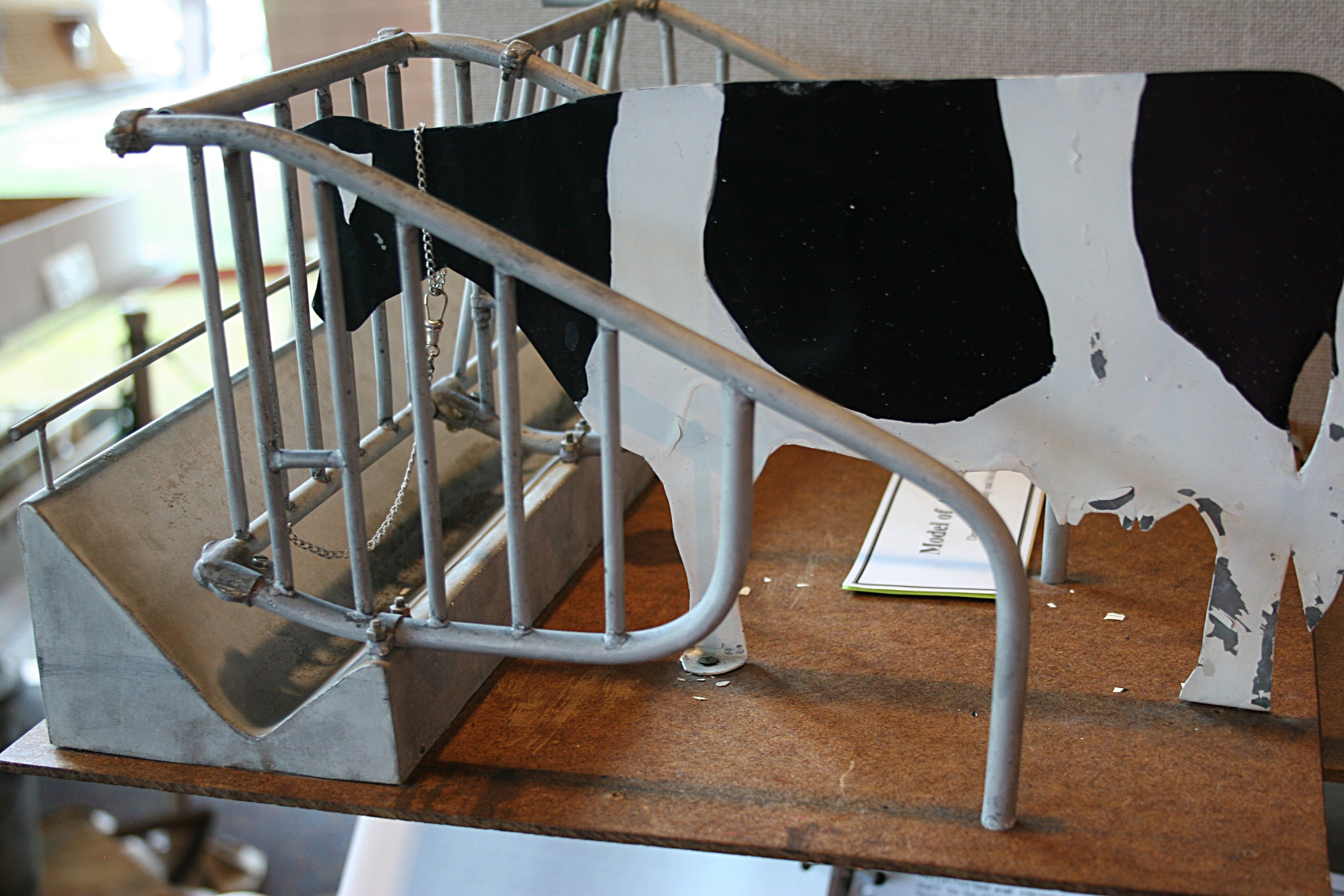
Visitors can get down low and check out the udder on the model cow in the photo above.

Visitors can get down low and check out the udder on a model cow.

Perhaps I am a bit biased being a dairy farmer’s daughter and all. But this exhibit is one of the most impressive, thorough, detailed and interesting I’ve seen in a county history center.

Just another view of a portion of the exhibit.

Just another view of a portion of the exhibit.

Steele County: Butter Capitol of the World is well worth a drive to Owatonna to peruse.  Just give yourself two hours, minimum, to tour the display.

#

BONUS PHOTOS:

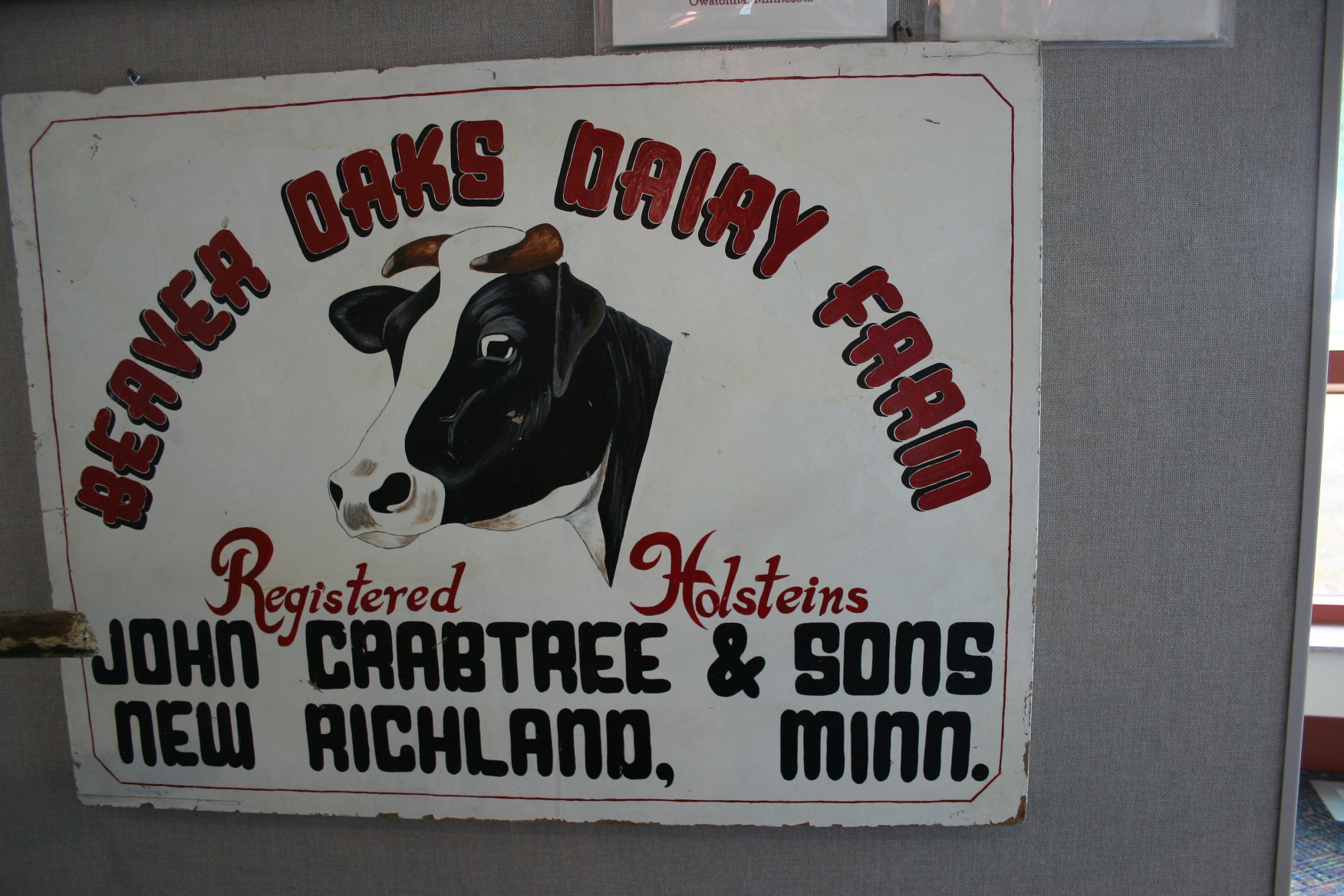
Vintage signs are abundant in the exhibit.

Vintage signs are abundant in the exhibit.

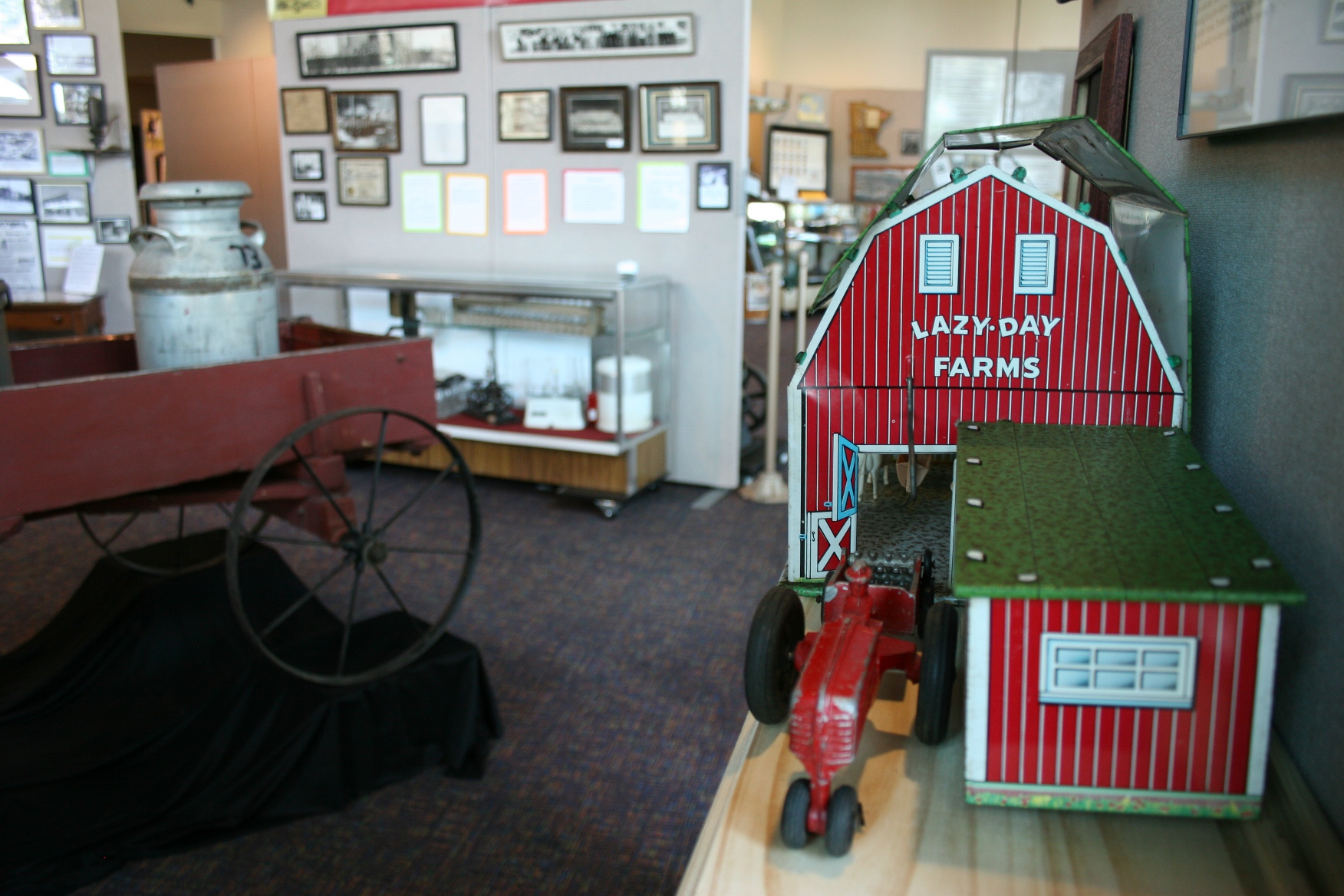
This tin toy barn, right, caught my eye. I've never seen one prior to this. The exhibit also features an incredible handcrafted replica of a barn.

This tin toy barn, right, caught my eye. The exhibit also features a handcrafted replica of a barn.

A familiar site to me, a cow in a stantion.

A familiar site to me, a cow in a stantion.

Also familiar, those Surger milkers in the background display.

Also familiar, those Surger milkers in this display. My dad used these before he installed a pipeline.

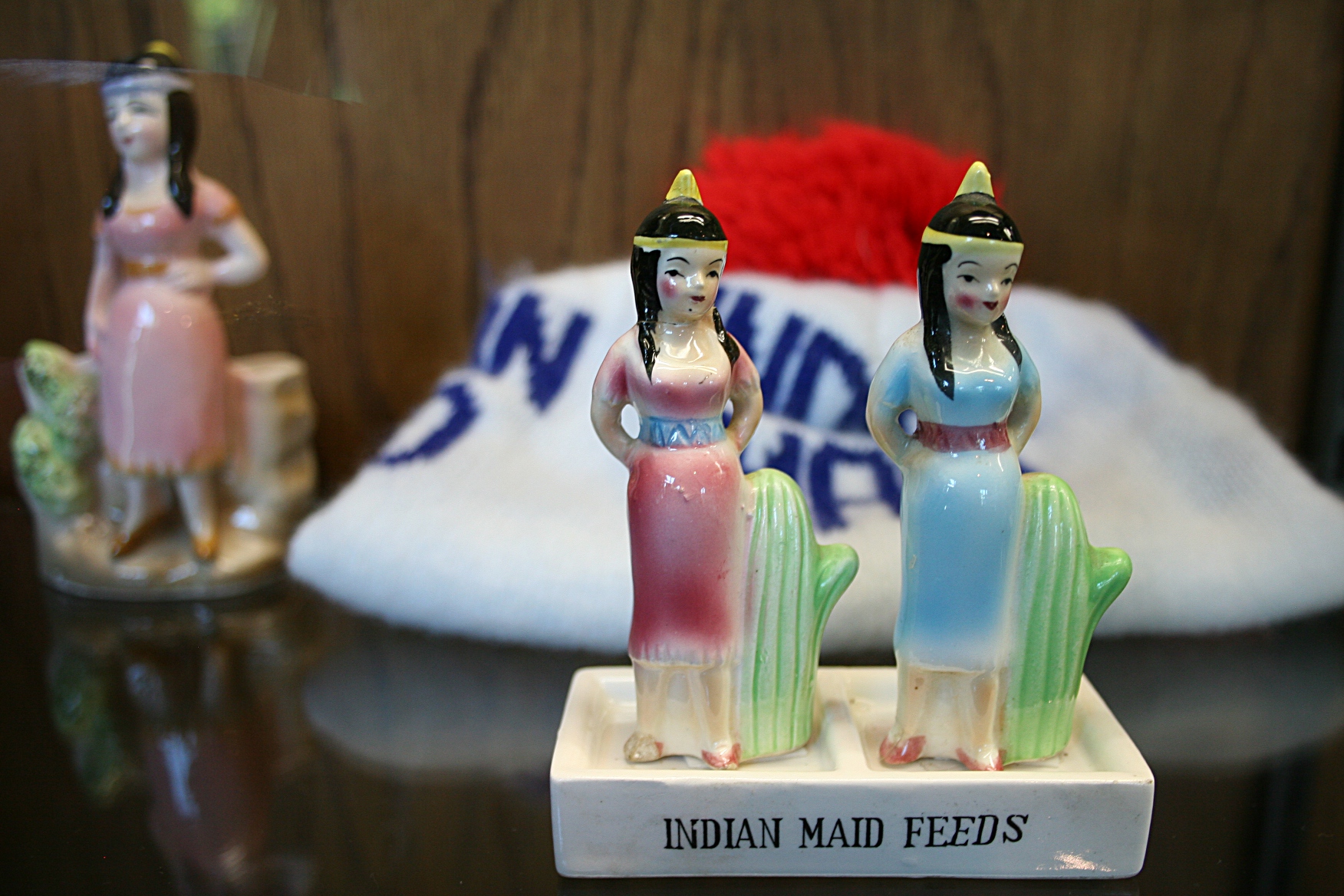
Indian Maid Feeds memorabilia is displayed in glass cases along with an impressive collection of butter molds and other items.

Indian Maid Feeds memorabilia is displayed in glass cases along with an impressive collection of butter molds and other items. Indian Maid Feeds was sold from the late 1950s – 1984 by Owatonna Elevator Company. The brand pictured an Indian maiden to recall the legend of Princess Owatonna, whose health was restored by drinking the mineral spring waters of the area. The exhibit also features a large wooden logo of the princess that once rested atop the elevator. You’ll need to visit the exhibit to see that vintage art.

FYI: To learn more about the Steele County History Center/Historical Society, housed in a fabulous new building opened in April 2012, click here.

The Steele County History Center encourages kids to join its Time Travelers Club and History Detectives. The detectives meet at 10:15 a.m. and the travelers at 6:30 p.m. the first Thursday of each month at the History Center, 1700 Austin Road, Owatonna.

Click here to read a Minnesota Public Radio story about Hope Creamery.

© Copyright 2013 Audrey Kletscher Helbling
 

Delighting in the historic Hotel Winneshiek in Decorah, Iowa July 12, 2013

Filed under: Uncategorized — Audrey Kletscher Helbling @ 6:00 AM
Tags: , , , , , , ,
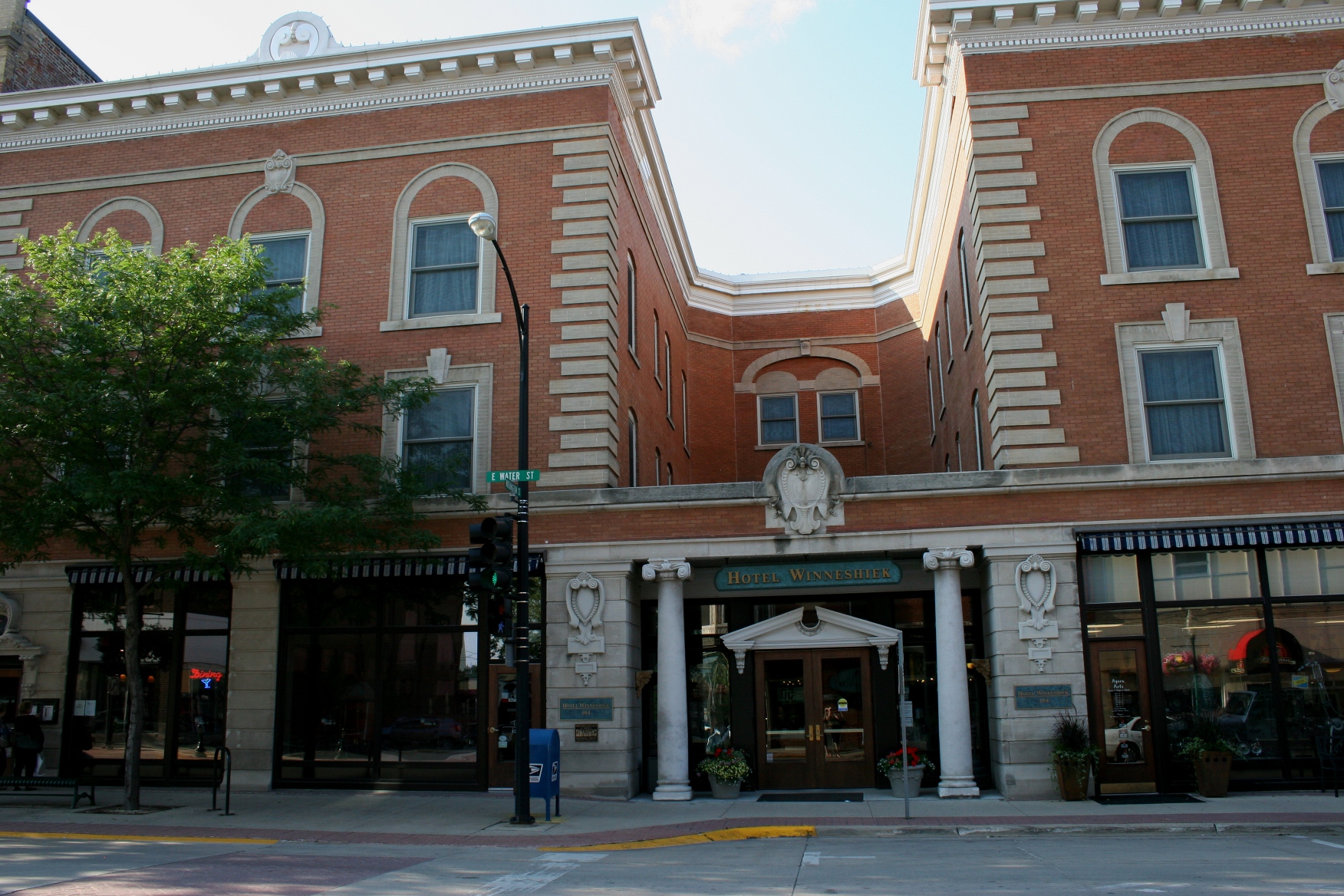
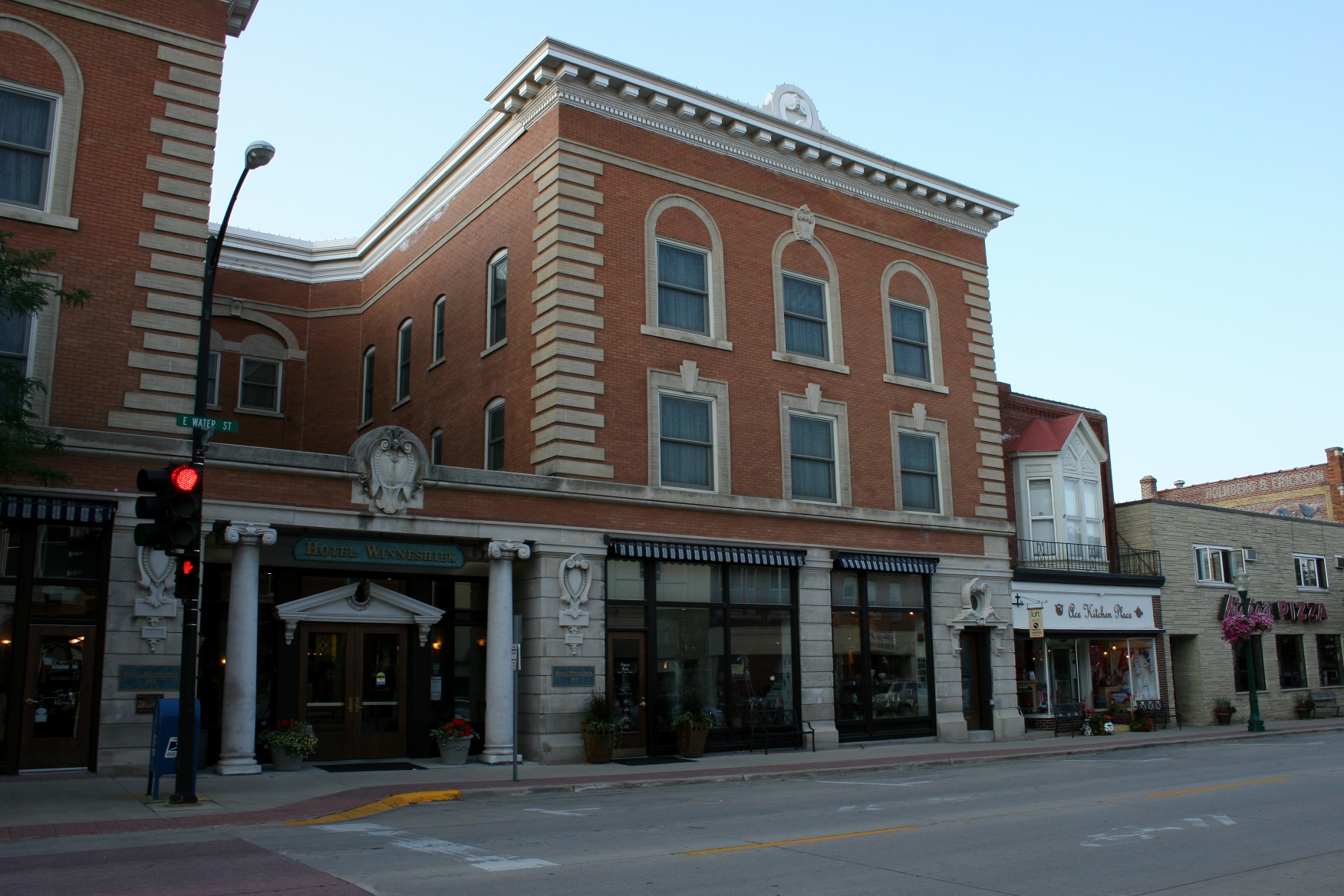
The historic Hotel Winneshiek, 104 East Water Street, has transitioned through the years from hotel to apartments and back to its original historic hotel grandeur.

The historic Hotel Winneshiek, 104 East Water Street, has transitioned through the years from hotel to apartments and back to its near original historic grandeur.

WE ALMOST DID NOT ASK, almost passed by Hotel Winneshiek in downtown Decorah, Iowa.

But what the heck, why not ask about the cost of staying overnight in this historic hotel, my husband and I decided on a recent visit to this river town.

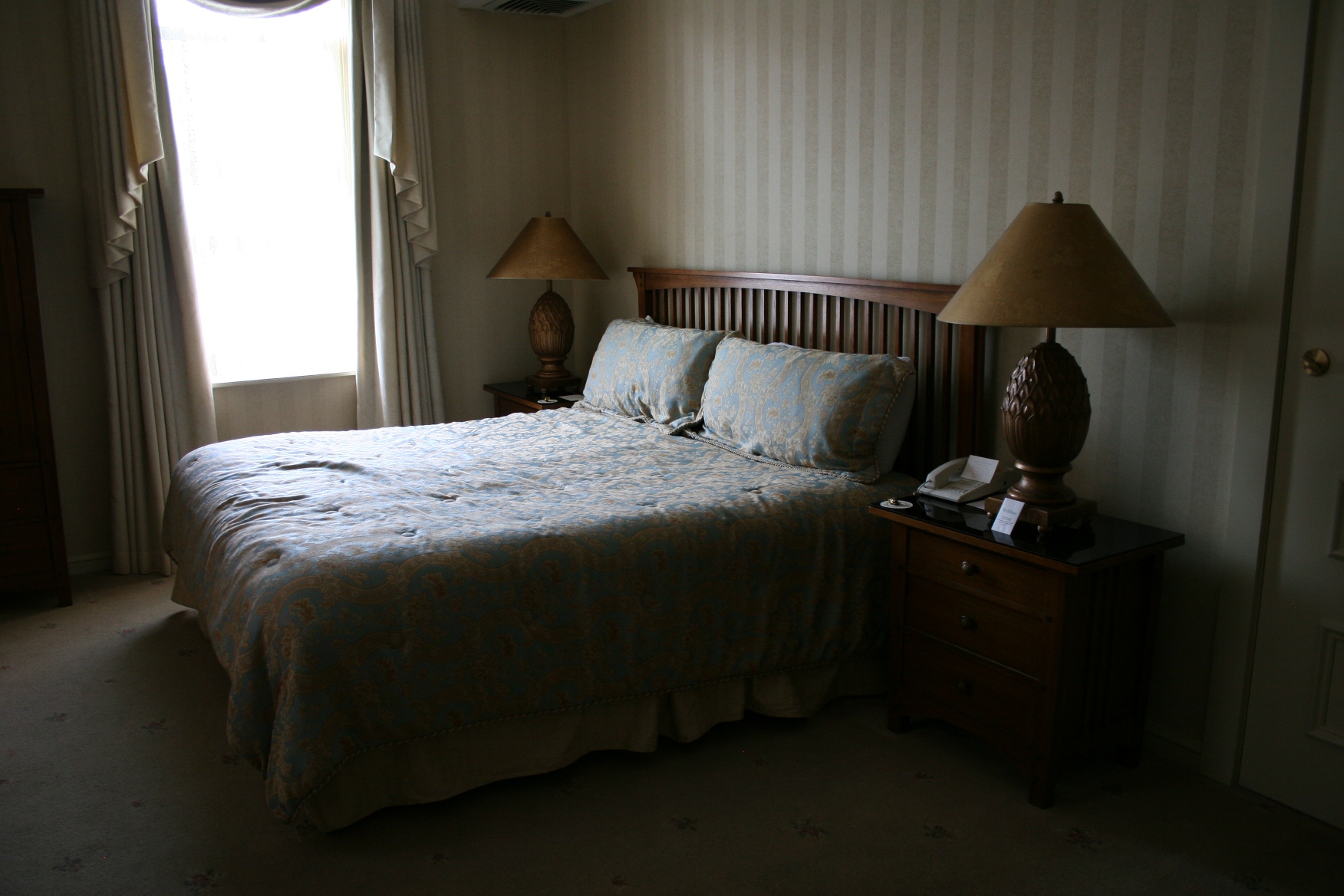
Our room, number 305.

Our room, number 305.

Much to our absolute delight and surprise, we booked a third-floor room for $105 (that includes local and state taxes and an AARP discount). That’s less than we’ve paid for a room at a chain hotel in Fargo, North Dakota, and less than we paid the following night for a stay at another chain hotel in Marquette, Iowa, both minus in-room whirlpools.

Inside the mood-setting Atrium.

Inside the mood-setting Atrium.

Looking down into the Atrium.

Looking down into the Atrium.

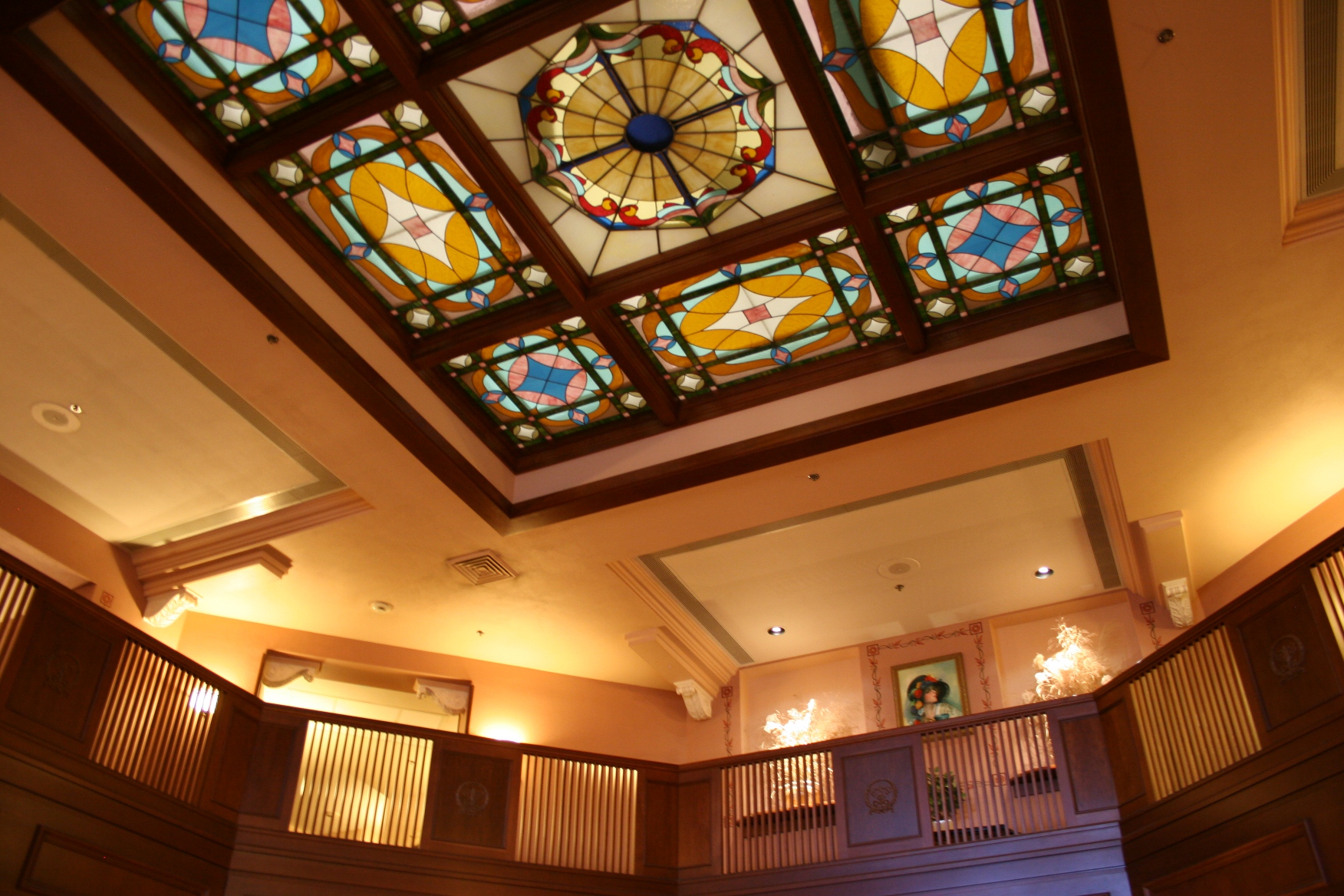
And then looking up to the beautiful stained glass above.

And then looking up to the beautiful stained glass above.

The Beaux-Arts style Hotel Winneshiek, built between 1904-1905 and restored in 2000 to near original construction, impresses with its terrazzo floors, marble walls, cherry woodwork, octagon rotunda/three-story atrium, stained glass and a general feel of luxurious elegance.

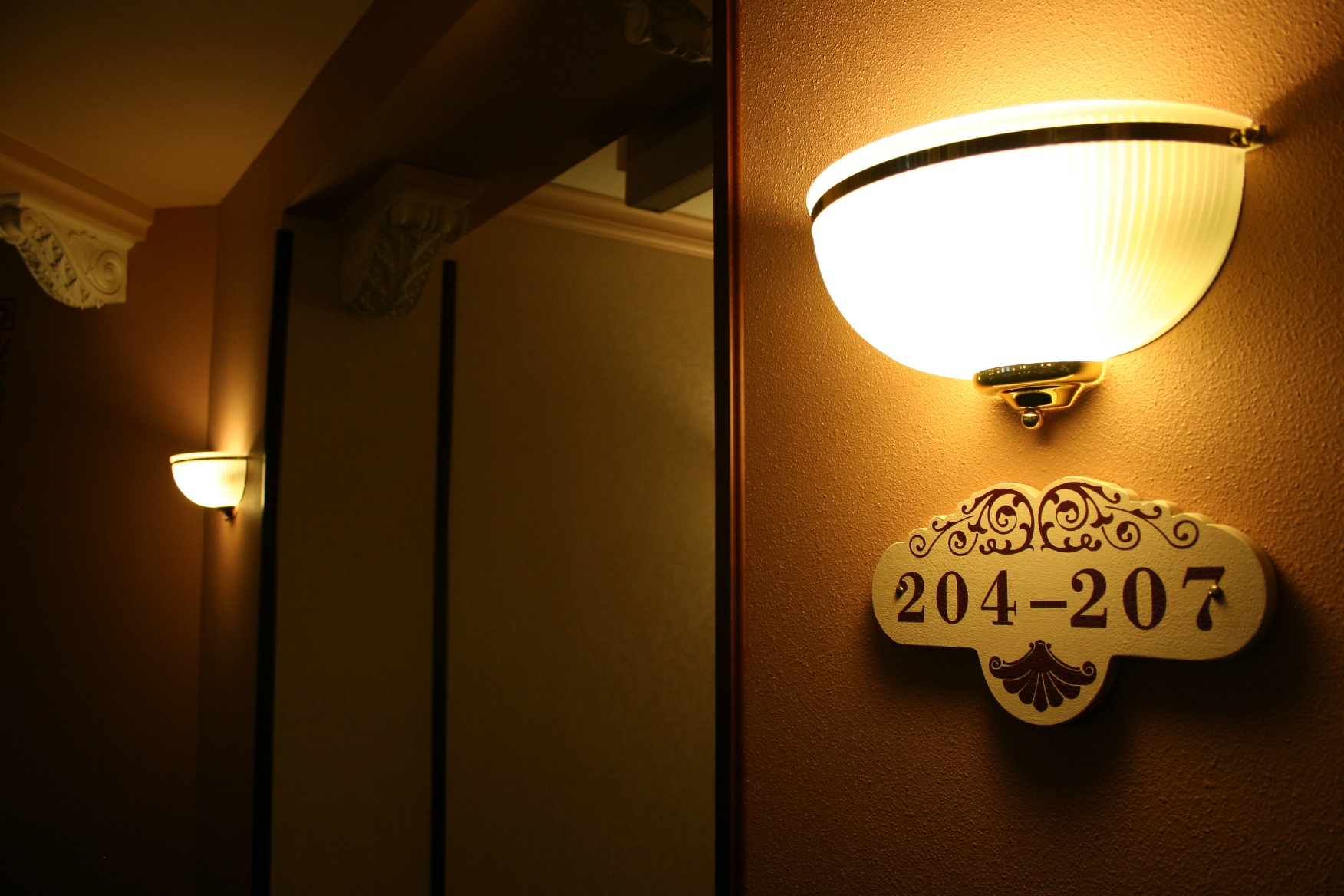
Even the sconces and room signage fit the historic mood.

Even the sconces and room signage fit the historic mood. Details impress.

Often I struggle to sleep well in a hotel. But in our corner room (with a king bed and a whirlpool bath) overlooking the back parking lot, I slept deep and long. That, in itself, earns a star rating.

Norway’s Crown Prince Olav and Crown Princess Martha even stayed here in 1939 in a three-room suite.

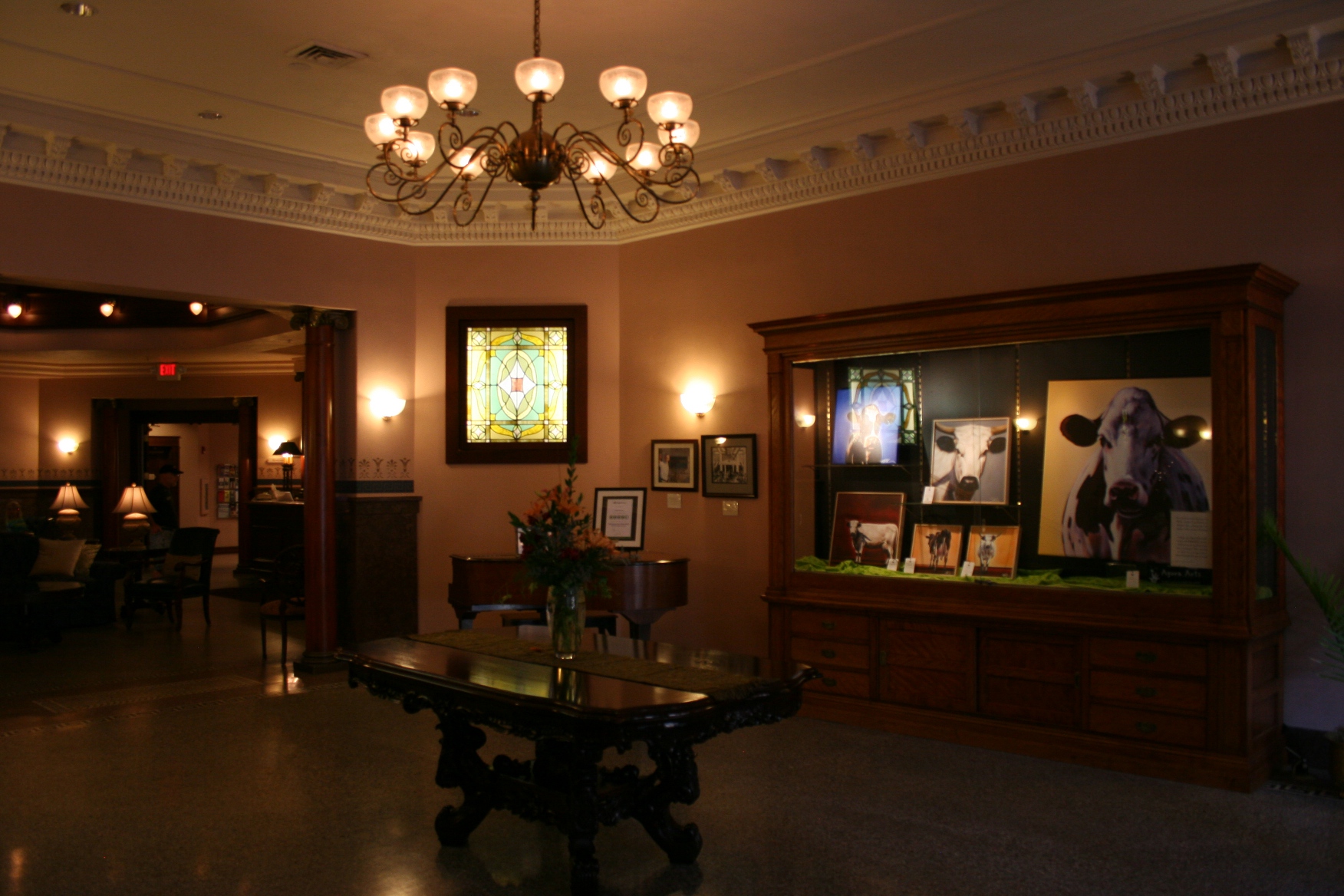
The entry features this luxurious lobby and current cow art.

The entry features this luxurious lobby and current cow art.

Moving toward the atrium, note the stained glass and pillars and original flooring.

Moving toward the atrium, note the stained glass and pillars and original flooring.

Check in at the stout front desk with a friendly staff. You'll receive a packet of valuable info on Decorah.

Check in at the stout front desk with a friendly staff. You’ll receive a welcome packet of information on Decorah.

Hotel Winneshiek is suited for royalty. From the minute we entered the hotel, paused in the impressive corridor and then walked up to the front desk in the stunning Atrium, I felt sheltered, cocooned and transported in time. You get that kind of Old World comfortable feel here.

Hotel Winneshiek is conveniently located in the heart of historic downtown Decorah.

Hotel Winneshiek is conveniently located in the heart of historic downtown Decorah.

For someone like me who appreciates historic architecture and details, this marked the perfect place to spend a night in the heart of Decorah’s historic downtown. We could walk to shops and eateries. The hotel complex includes Albert’s Restaurant and Pub, where we didn’t dine, but perhaps should have. We heard good recommendations later.

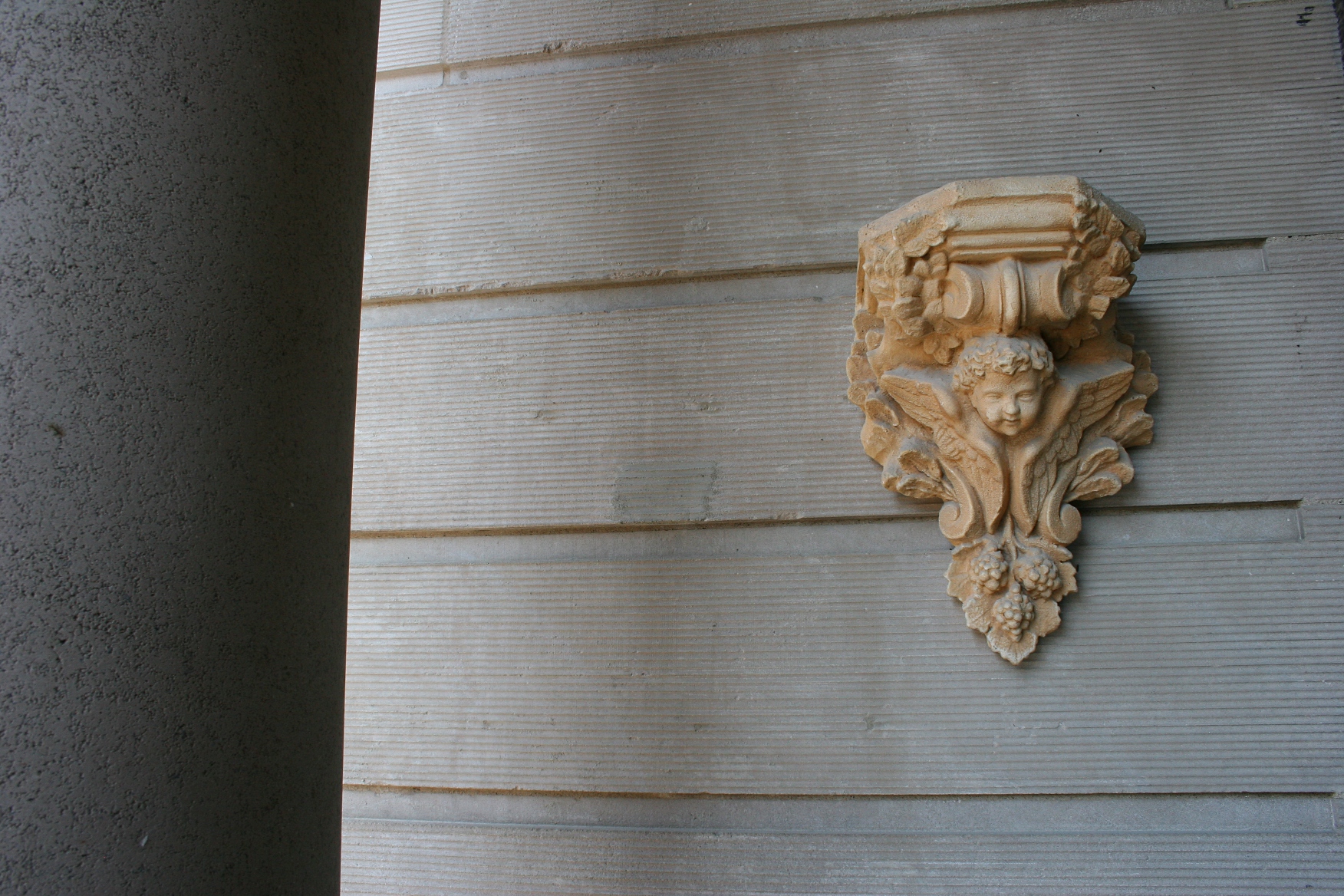
On the hotel exterior, I noted this sculpture.

On the hotel exterior, I noted this sculpture.

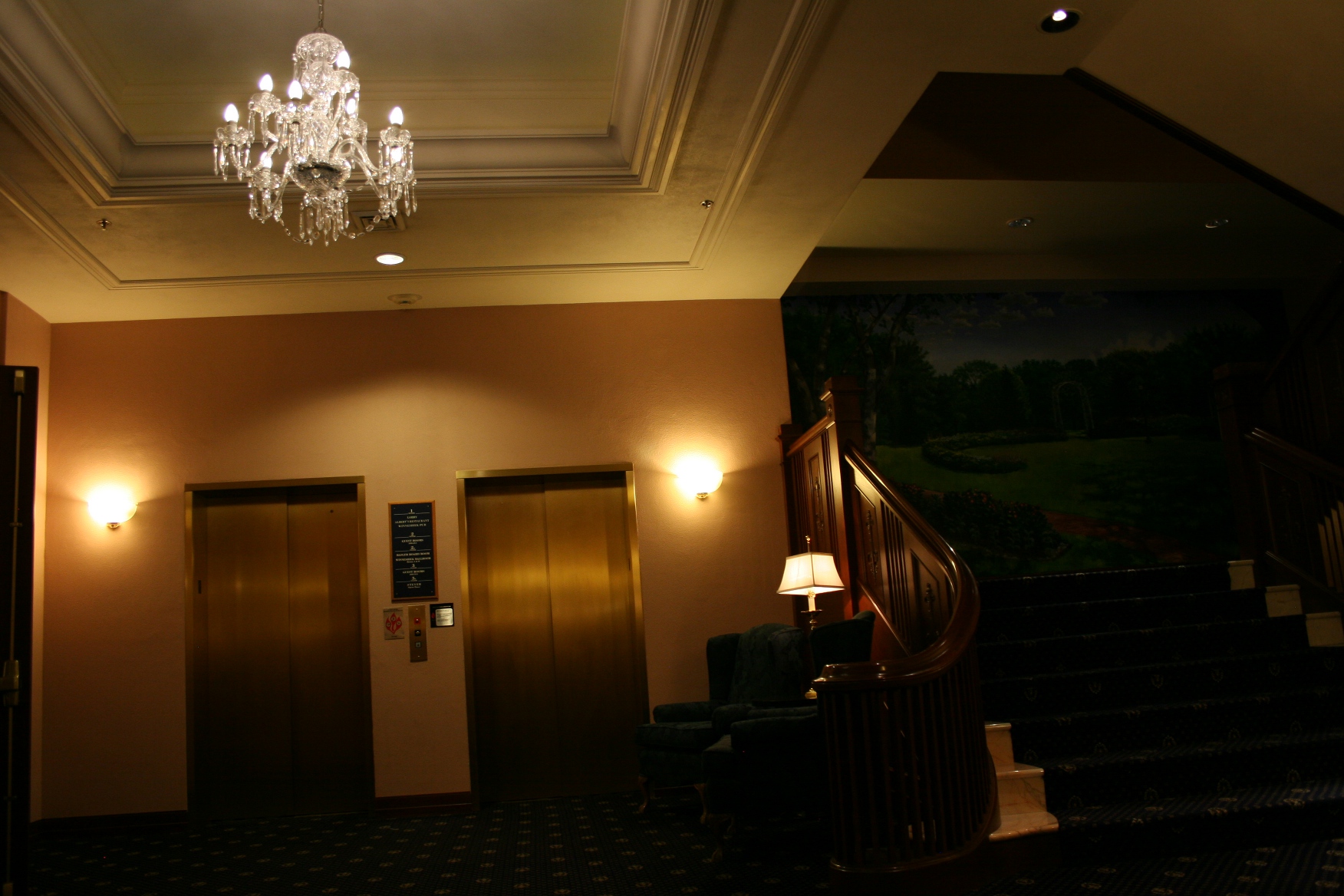
The relocated grand stairway and a mural featuring the gardens on former hotel owner, Chicago philanthropist Helen Basler. Today the hotel is owned by Northfield, Minnesota-based Rebound Hospitality.

The relocated grand stairway and a mural, right, featuring the gardens of former hotel owner, Chicago philanthropist Helen Basler. Today the hotel is owned by Northfield, Minnesota-based Rebound Hospitality. Basler had the hotel restored to its near original state in 2000.

Now, I would not recommend arriving in Decorah without a reservation at the 31-room Hotel Winneshiek, if that’s where you really want to stay. I expect we were fortunate to find a room available on a Monday night as walk-in guests.

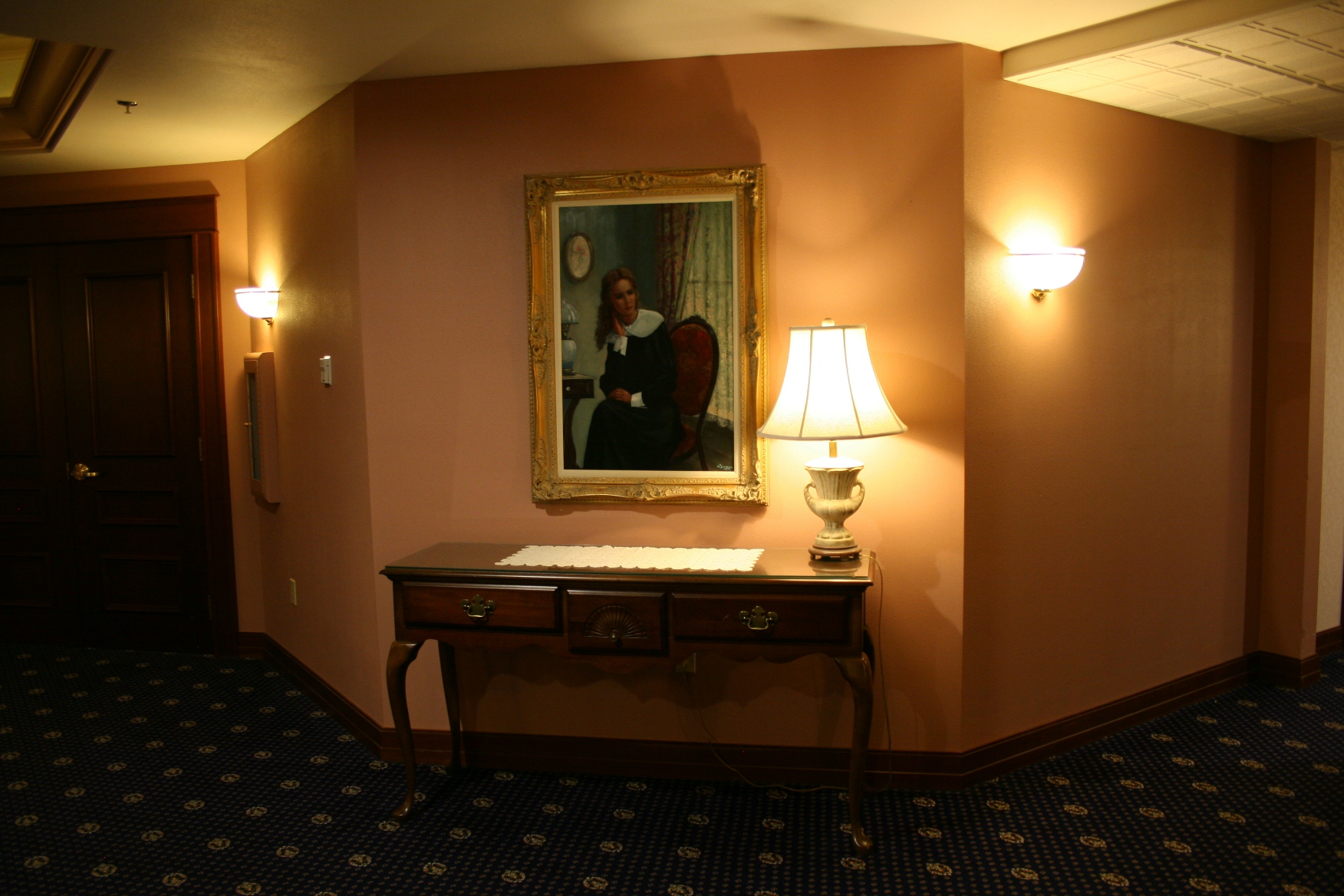
An inviting scene in a hallway of the hotel.

An inviting scene in a hallway of the hotel.

Just so you are not surprised, room rates start at $109 (plus applicable taxes) and reach up to $249 (plus taxes) for the Presidential Suite.

And, because you may wonder like me about that name, Winneshiek was the chief of the Winnebago Indians. Decorah is located in Winneshiek County and the historic Hotel Winneshiek therein. To learn more about the hotel’s history, click here.

BONUS PHOTOS:

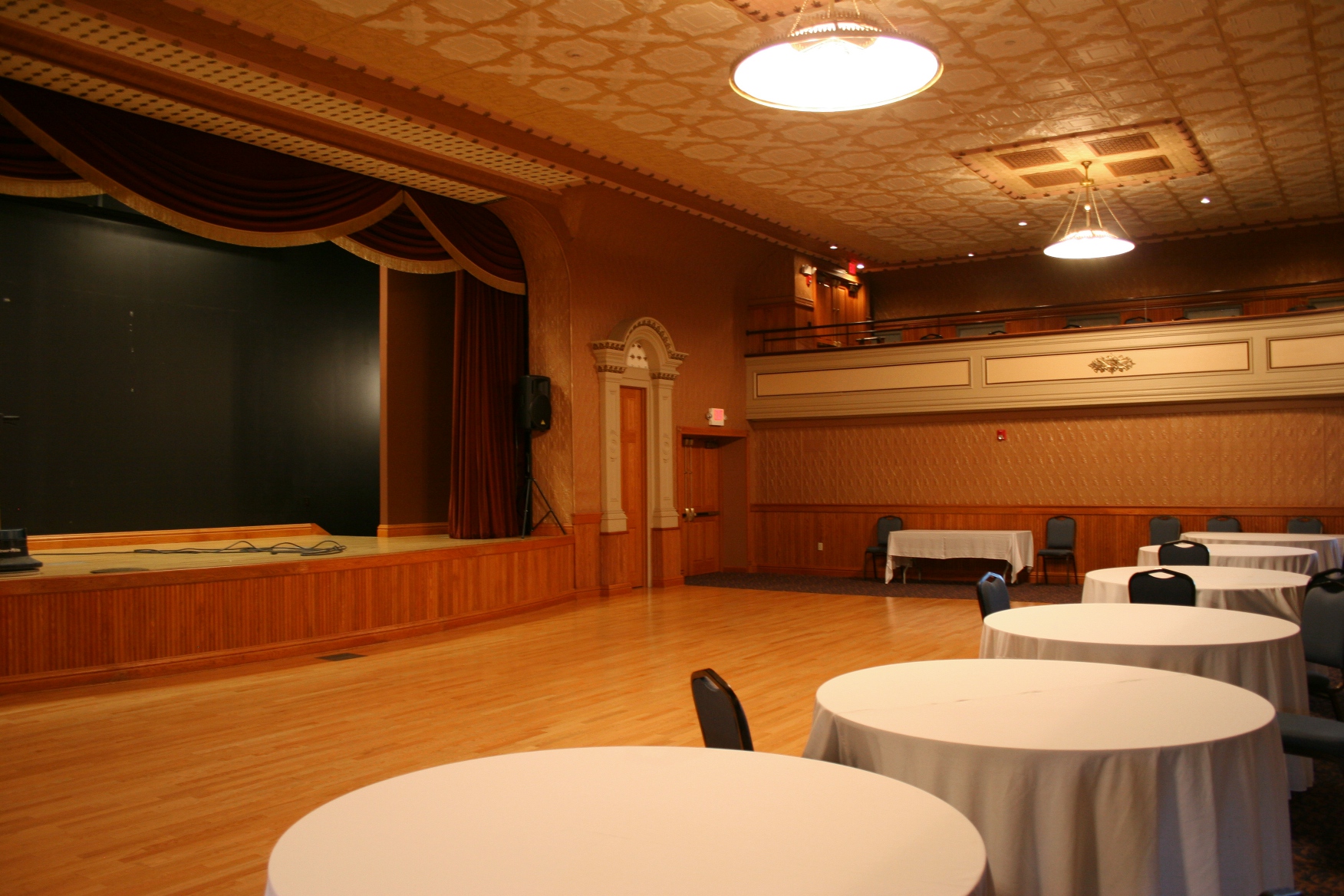
Ask about touring the former opera house in the Steyer Building next to, and connected to, the hotel. Here's a view of the refurbished area, which is considerably different in lay-out from the original.

Ask about touring the former opera house in the Steyer Building next to, and connected to, the hotel. Here’s a view of the refurbished area, which is considerably different in lay-out from the original.

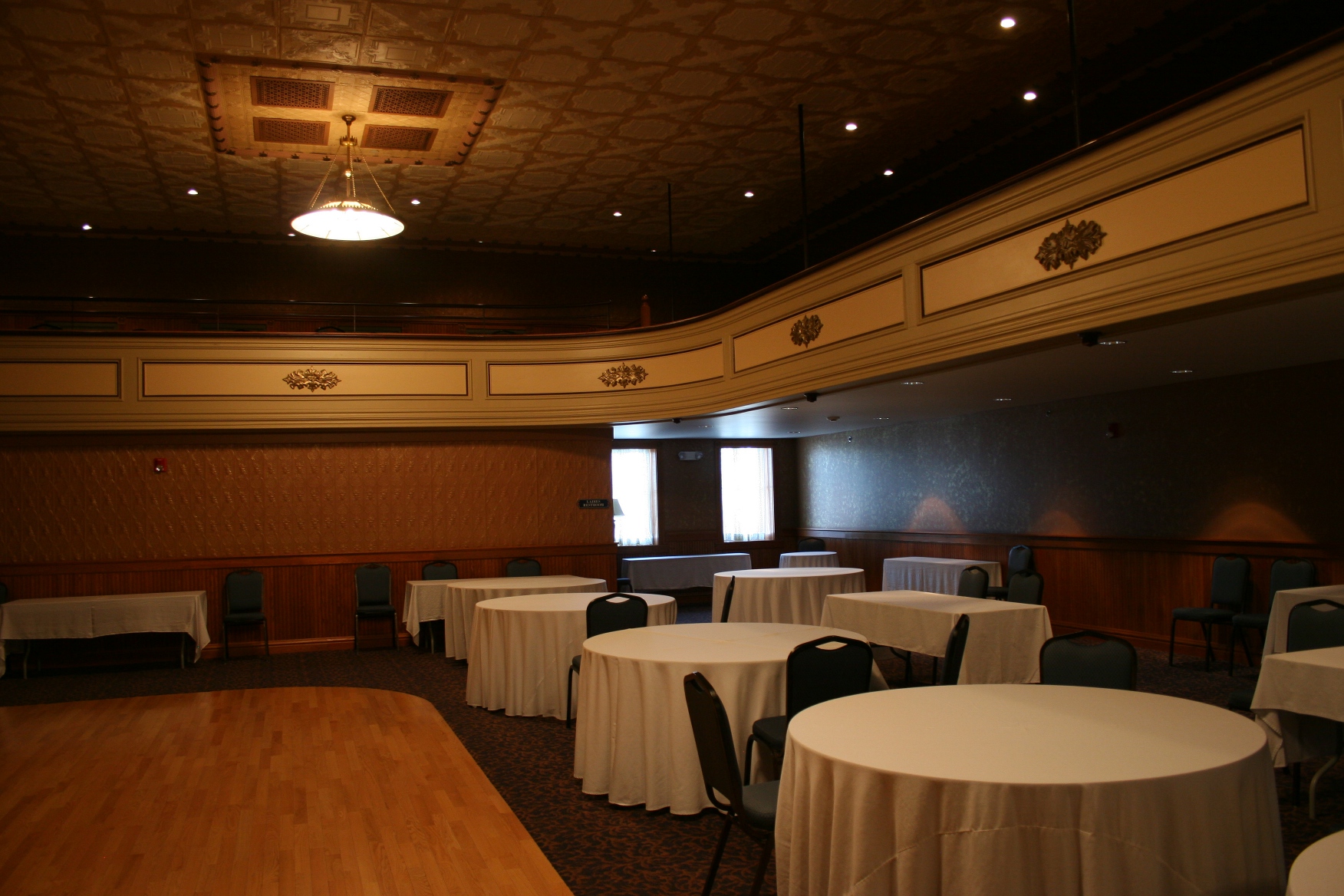
Another view of the same room shows the balcony and the seating area below.

Another view of the same room shows the balcony and the seating area below. This space is used for receptions, reunions, etc.

© Copyright 2013 Audrey Kletscher Helbling
 

Little school on the prairie July 8, 2013

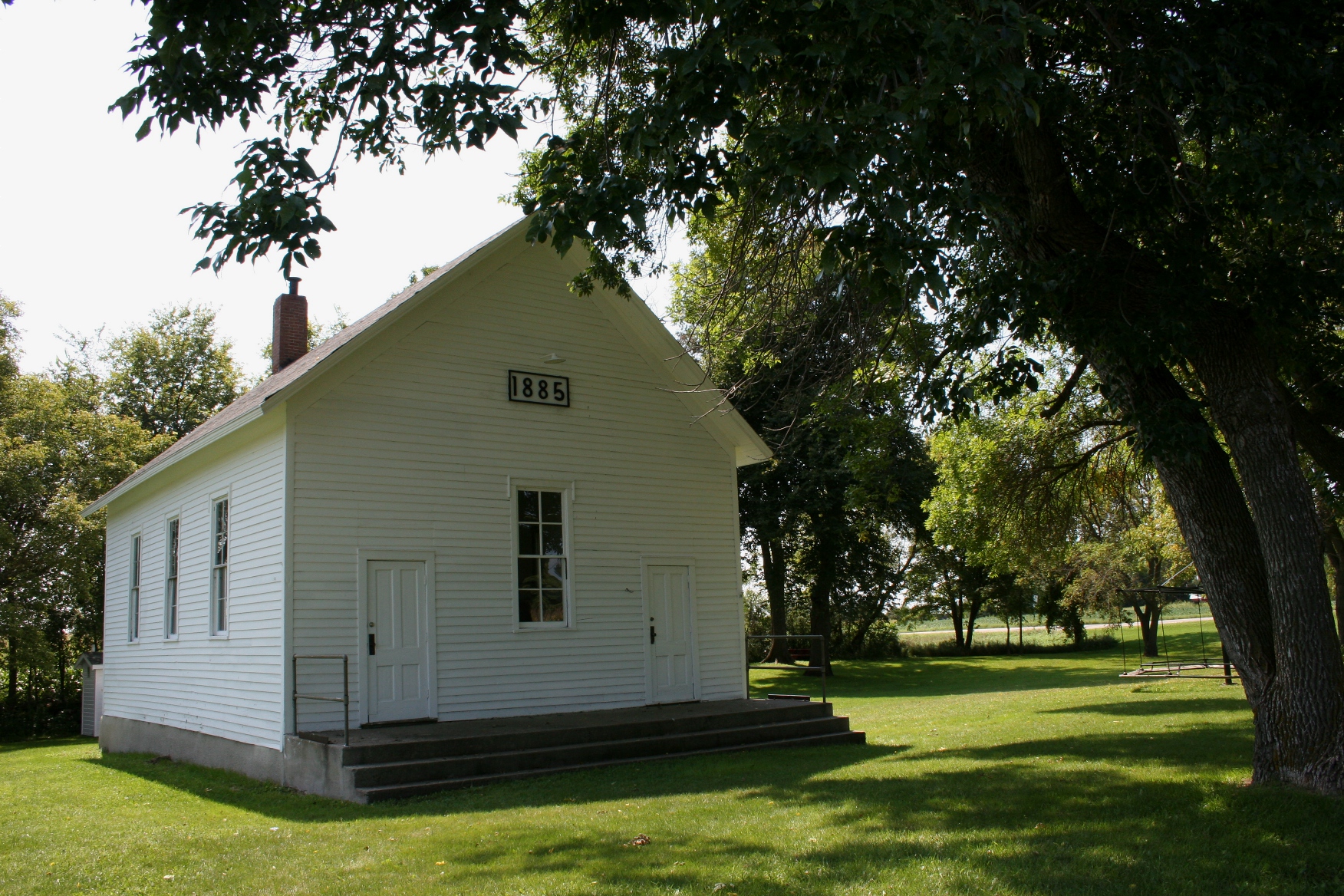
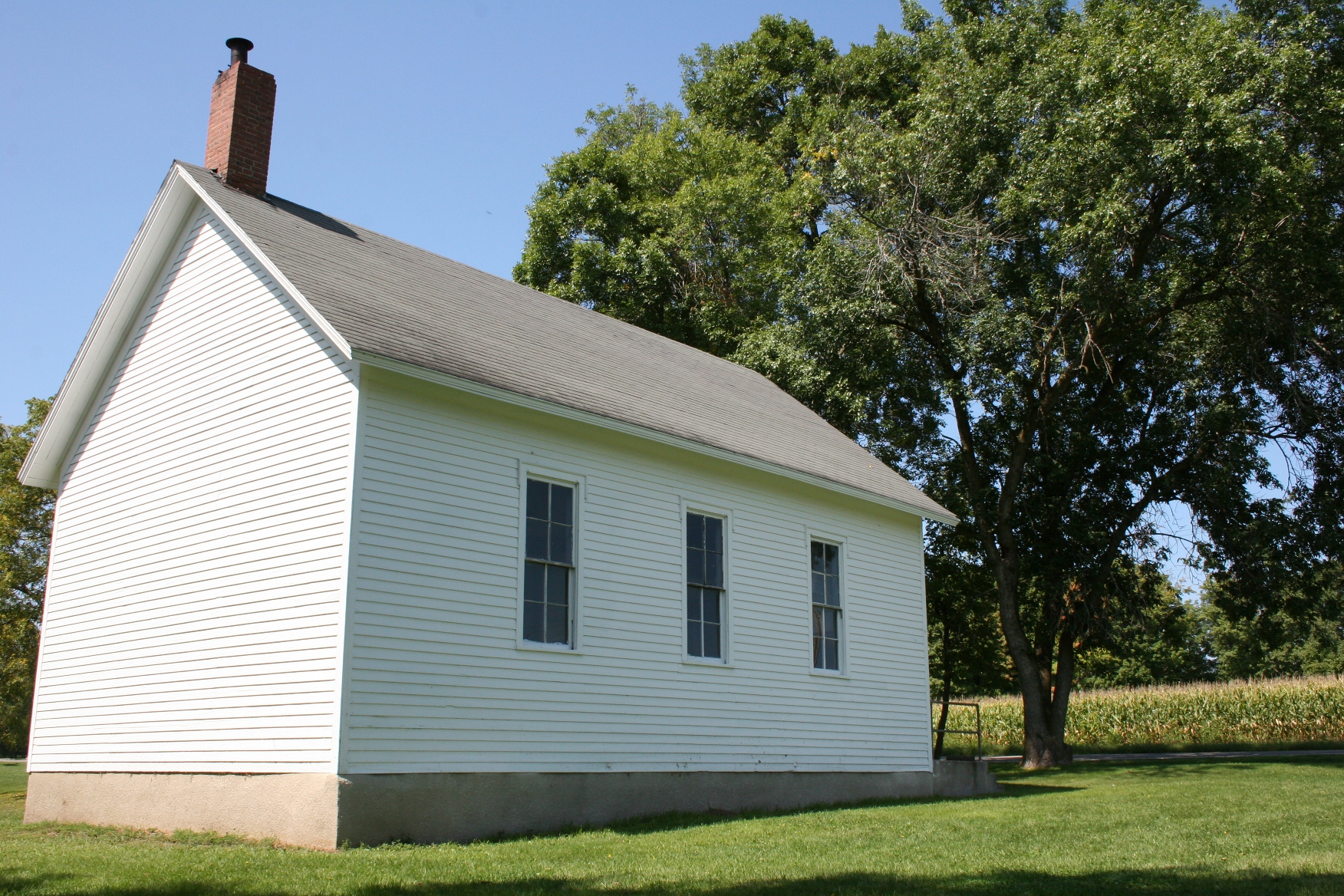
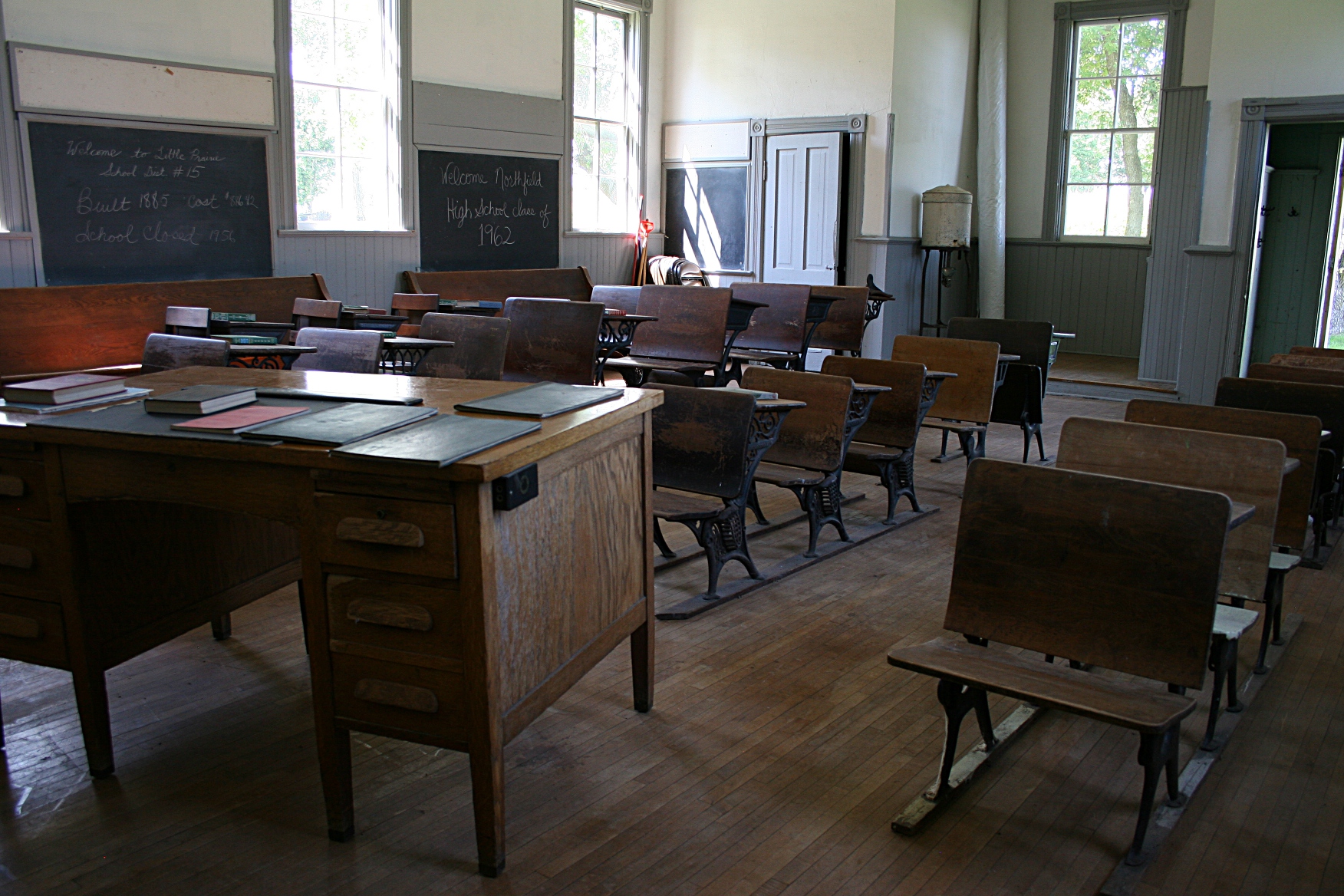
The former Little Prairie School District 15 country schoolhouse near Dundas in rural Rice County Minnesota.

AS THE STORY GOES, and I’ve no reason to believe it’s been embellished, the teacher kept the students inside for recess one afternoon because of coyotes roaming the school grounds.

True story from the one-room Chimney Butte School, rural St. Anthony, North Dakota, in the early 1960s.

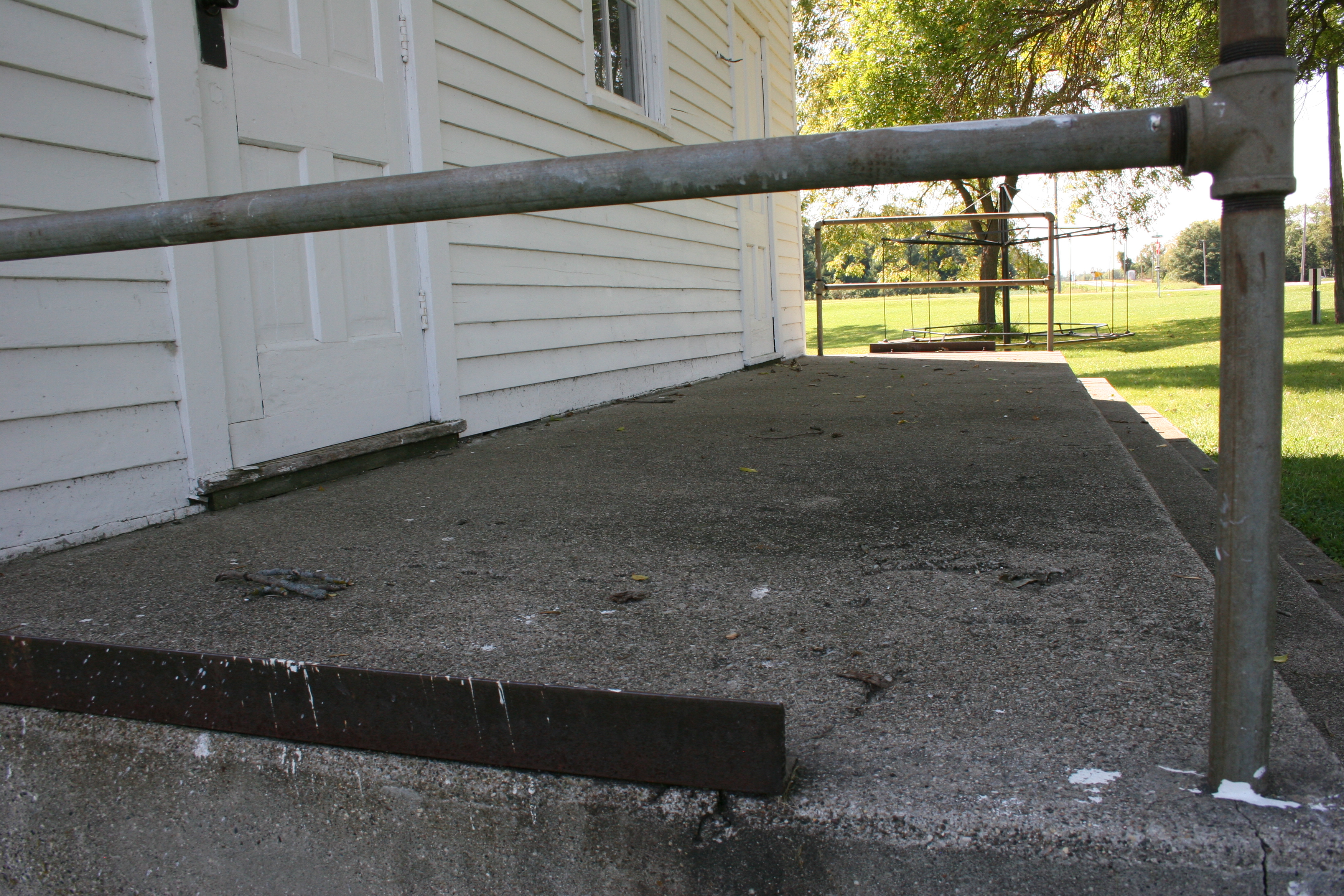
Scrape the mud from your shoes on the metal scraper, left, before stepping inside the Little Prairie school.

This tale, which I suppose does not make it a tale if it’s the truth, flits through my mind every time I step inside a country school, like that at Little Prairie. My husband, one of the Chimney Butte students sheltered from the ranging coyotes, and I came across the 1885 Little Prairie School District 15 country school as we traveled the back roads between Faribault and Dundas.

We’ve previously driven Rice County roads 8 and 77 through the heart of Little Prairie. But I’d only noticed then the historic Little Prairie United Methodist Church and not the old schoolhouse kitty-corner across the tar road.

As I always do, I tried the schoolhouse doors, hoping to get inside, knowing they would be locked. So I cupped my hands around my eyes to reduce the glare and peeked inside the windows, then lifted my camera and shot a few photos.

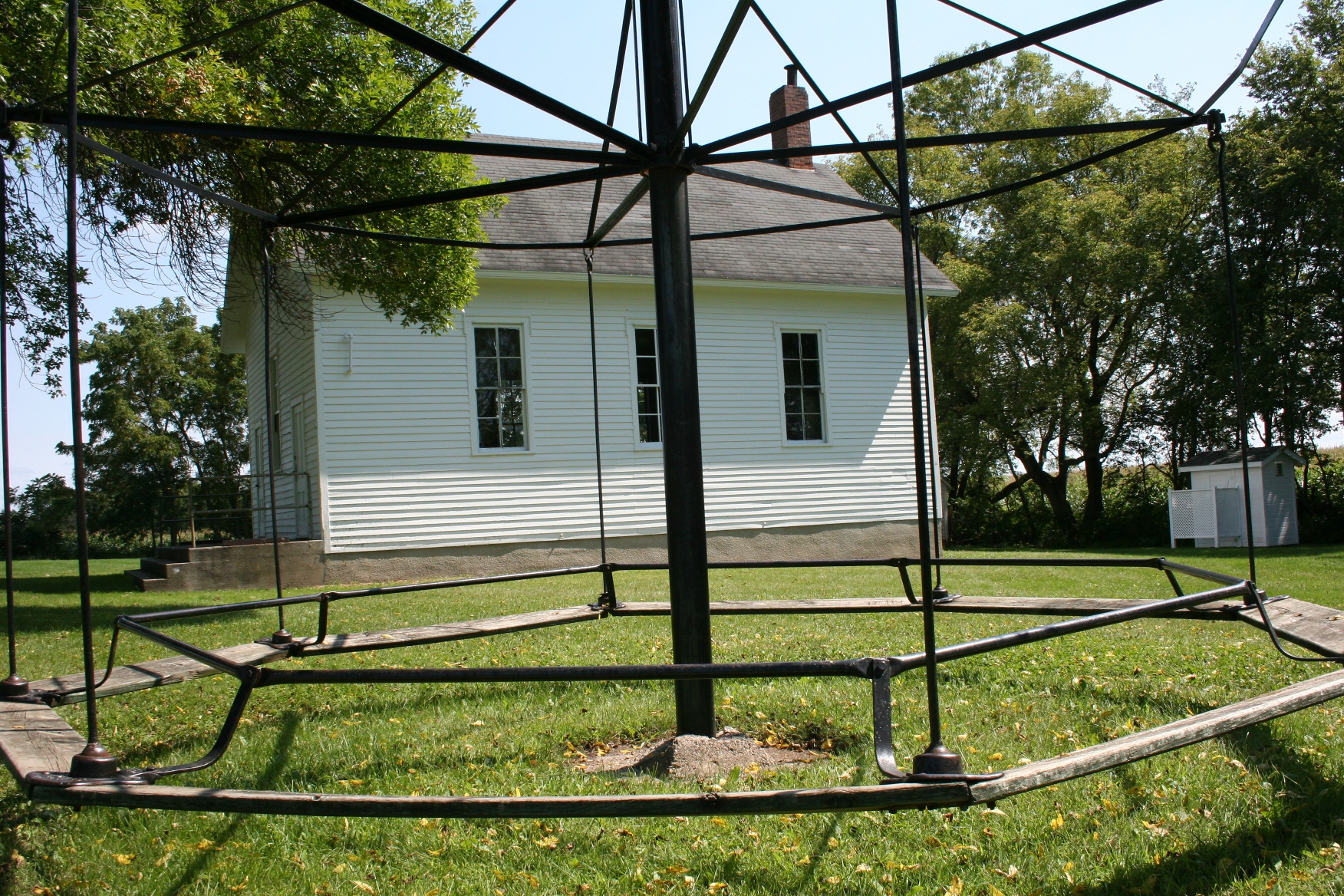
I’ve never seen or ridden a merry-go-round like this one in the Little Prairie school yard. It gently swayed up and down as we circled.

And then, as we spun on the merry-go-round, we noticed the car parked by the church and the man sitting on a bench outside with his back to us. We contemplated that he might be the pastor, a man with a key. Randy even went so far as to suggest that he likely was waiting between appointments to counsel couples engaged to be married.

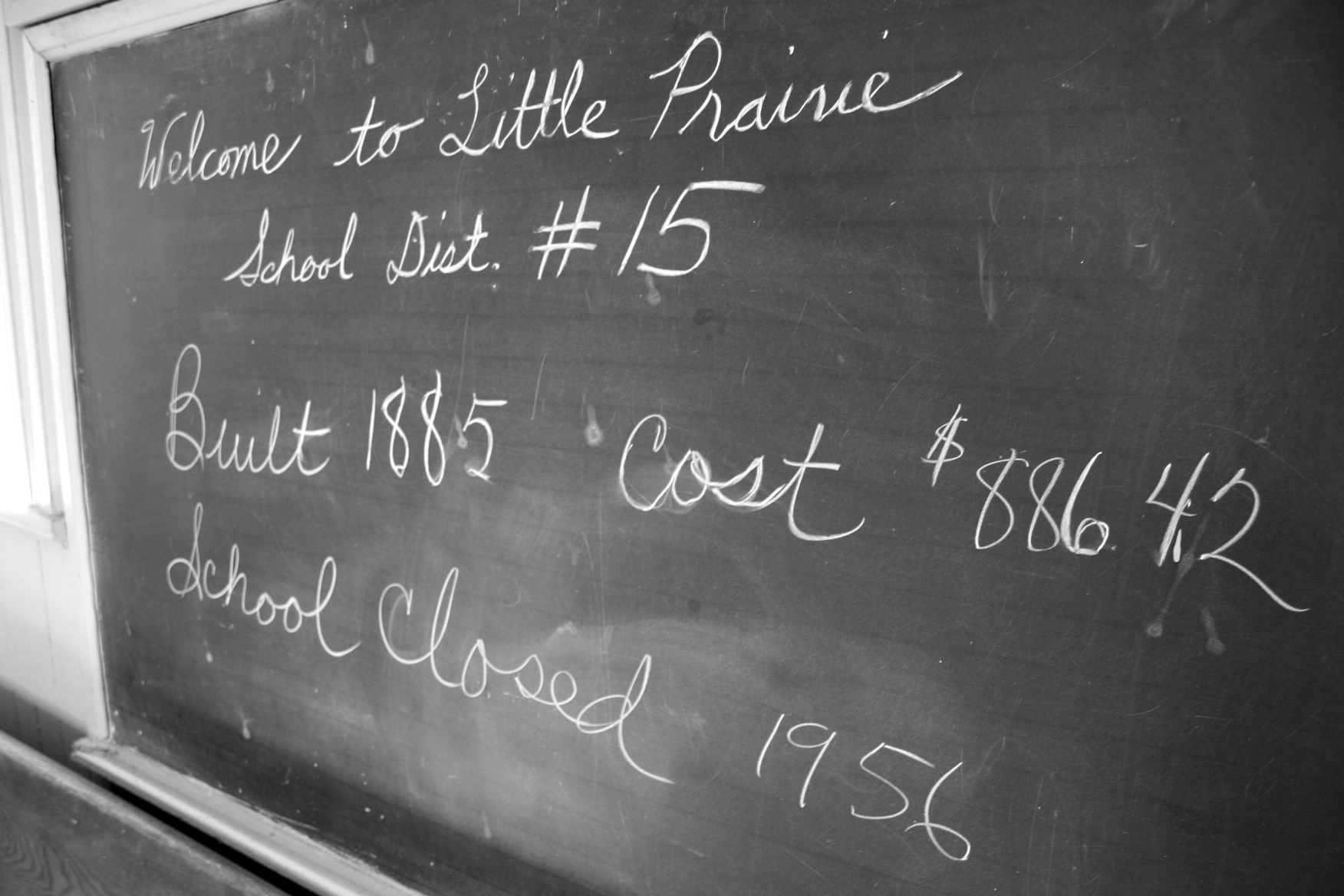
A blackboard, with pertinent historical info about the school.

Eventually the man spotted us, crossed the road and we were in. Pastor Gordon, as he introduced himself, wasn’t leaving us outside for the coyotes, not that we saw any lurking in the vicinity. And, yes, he said, he was between pre-marriage counseling sessions.

Like us, Pastor Gordon Deuel did not grow up in Rice County. Like me, he’s from southwestern Minnesota, except farther west than me, from the prairie town of Hendricks on the Minnesota-South Dakota border. He feels at home here, where he’s pastored Little Prairie for seven years.

I tell you this because he cannot recite the detailed history of the Little Prairie School as a local would. But he possesses, like Randy and me, a deep appreciation for the preservation and history of old buildings such as country schoolhouses and churches.

A back and side view of the school, surrounded mostly by cornfields.

Just that morning his congregation had planned to gather in the school yard for a worship service and community potluck picnic. But the heavy dew moved the event into the church. The school is opened several times a year for public touring and occasionally for solo stops like ours or group tours by former students.

Looking to the front and one side of the school.

We came away from our chat with a realization that the people of Little Prairie care deeply for their little country schoolhouse. Although owned by the church, the school is really a community project embraced by those who live around Little Prairie and/or attend the Methodist church and also by members of the local Full-O-Pep 4-H Club, Pastor Gordon informs us. They form the informal “Schoolhouse Committee” which maintains the building and property.

Pastor Gordon remembers how several terminally ill individuals from the Northfield and Faribault areas wanted to give back to the community. So, for a small fee, they were hired to paint the exterior of the school.

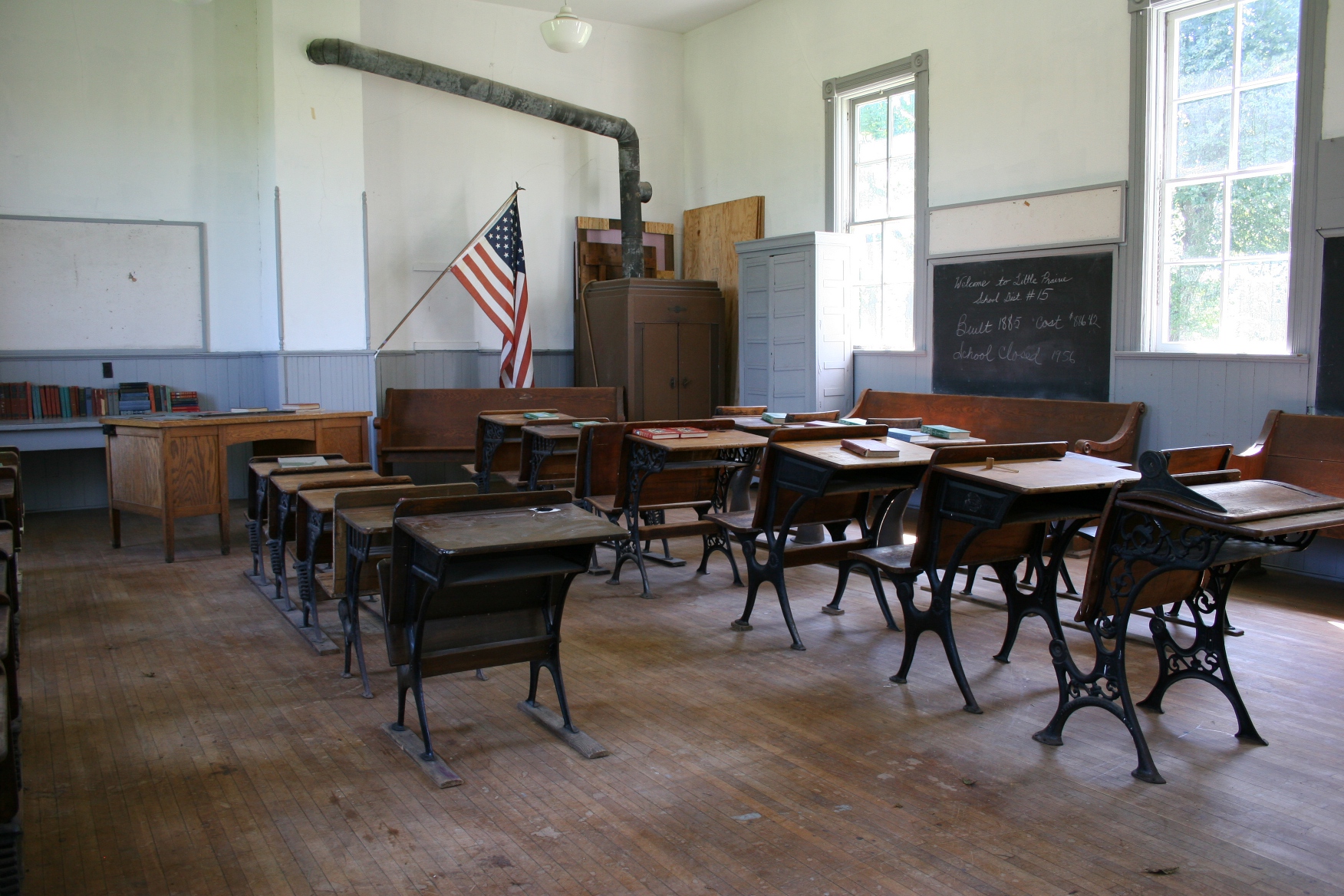
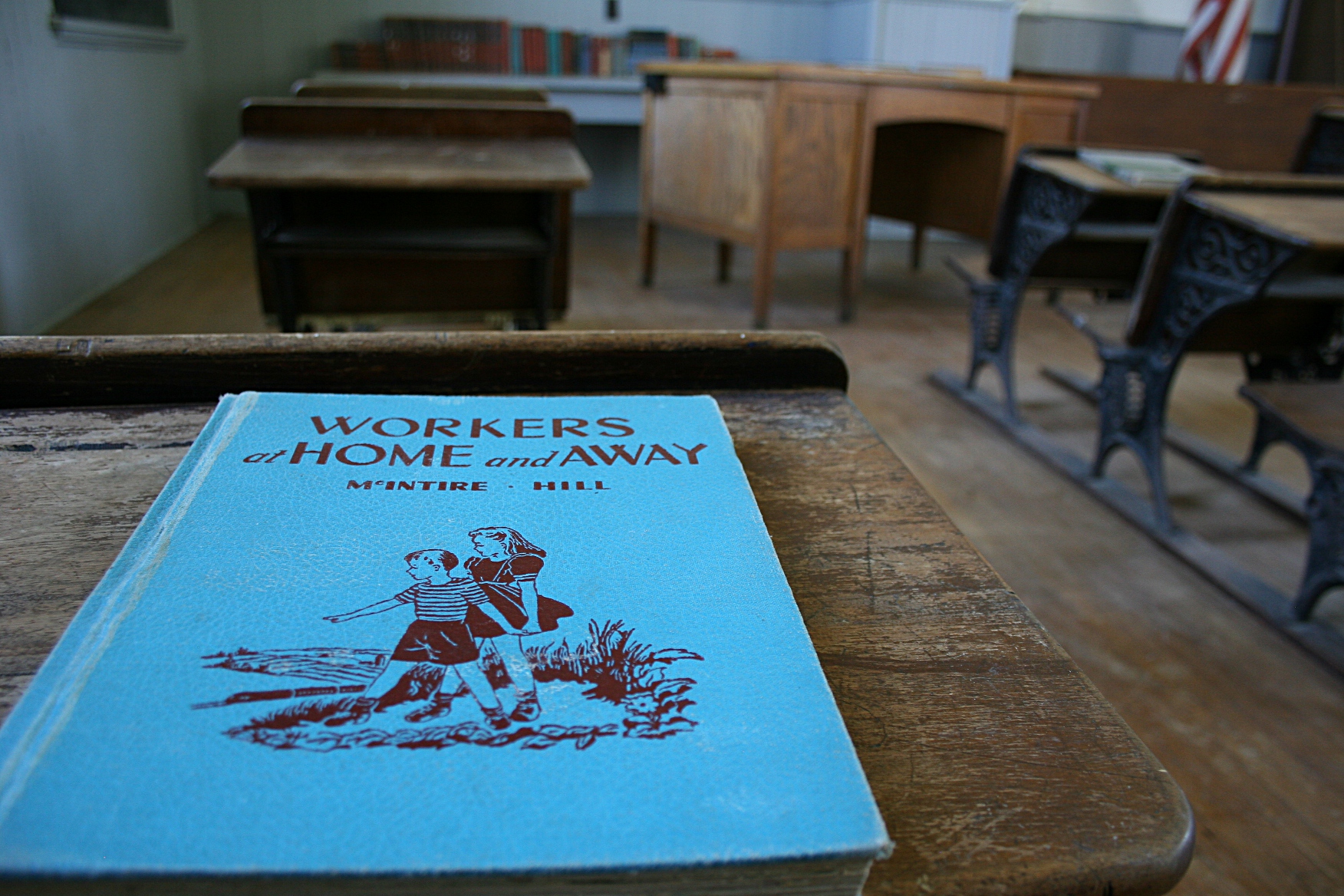
Many old books were lined precisely on a table behind the teacher’s desk.

Such care for country schools is shown likewise at the 1881 District 20 Millersburg School to the north and west near Millersburg. There members of the Christdala Preservation Association have converted the one-room country school into a museum. Randy and I discovered it two years ago, during the annual association meeting and worship service at Christdala Evangelical Swedish Lutheran Church just down Rice County Road 1.

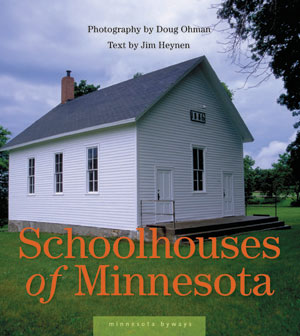
Minnesota photographer Doug Ohman, in his Minnesota Byways series book Schoolhouses of Minnesota, features “120 color photographs that illuminate the simple, often abandoned, sometimes refurbished, and nearly vanishing Minnesota pioneer and early schoolhouses.”

That’s Little Prairie School on the cover of Doug Ohman’s book.

Gracing the cover of that volume—Little Prairie School District #15.

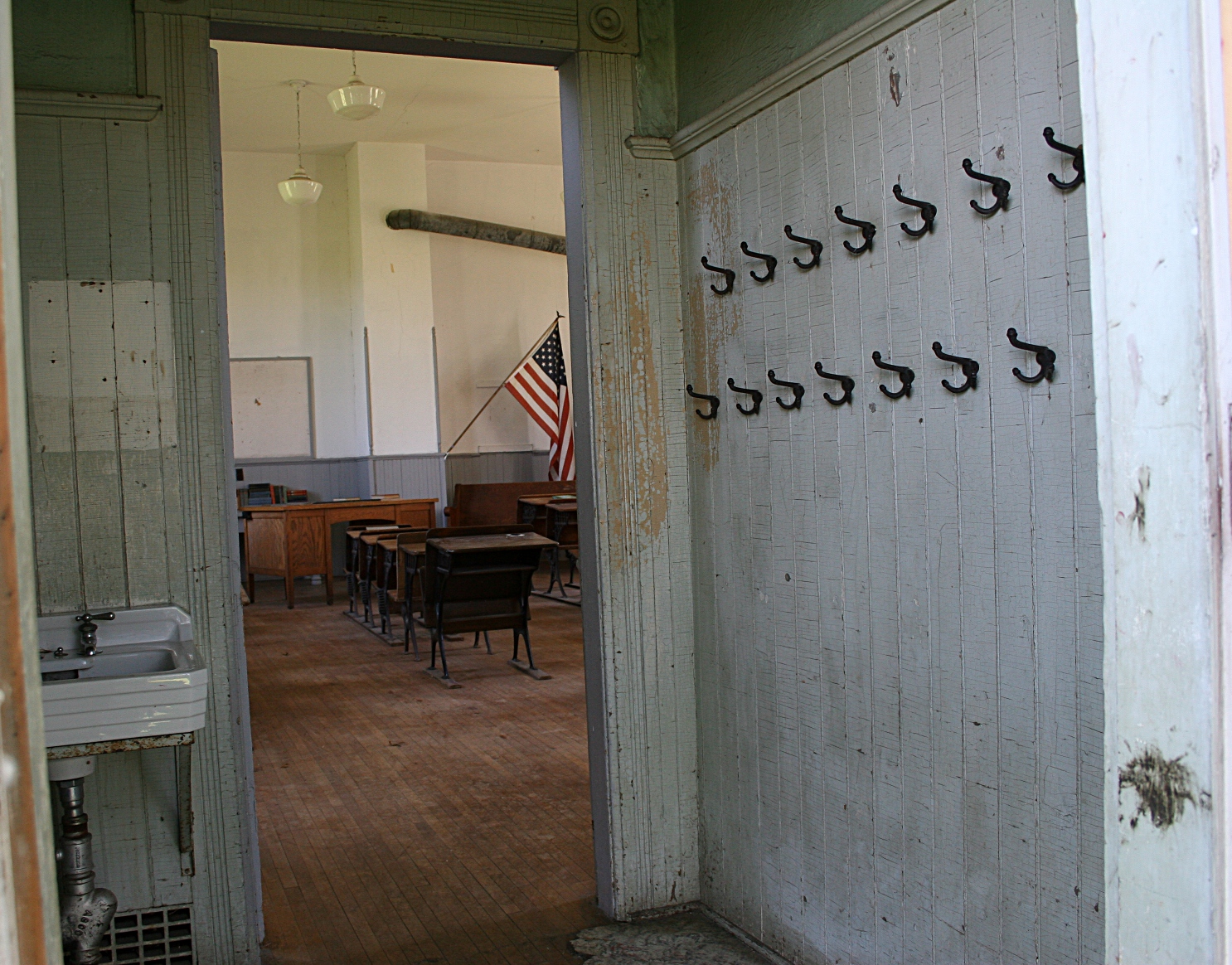
The school entry, with a place to hang coats, right, and a sink to wash up, left.

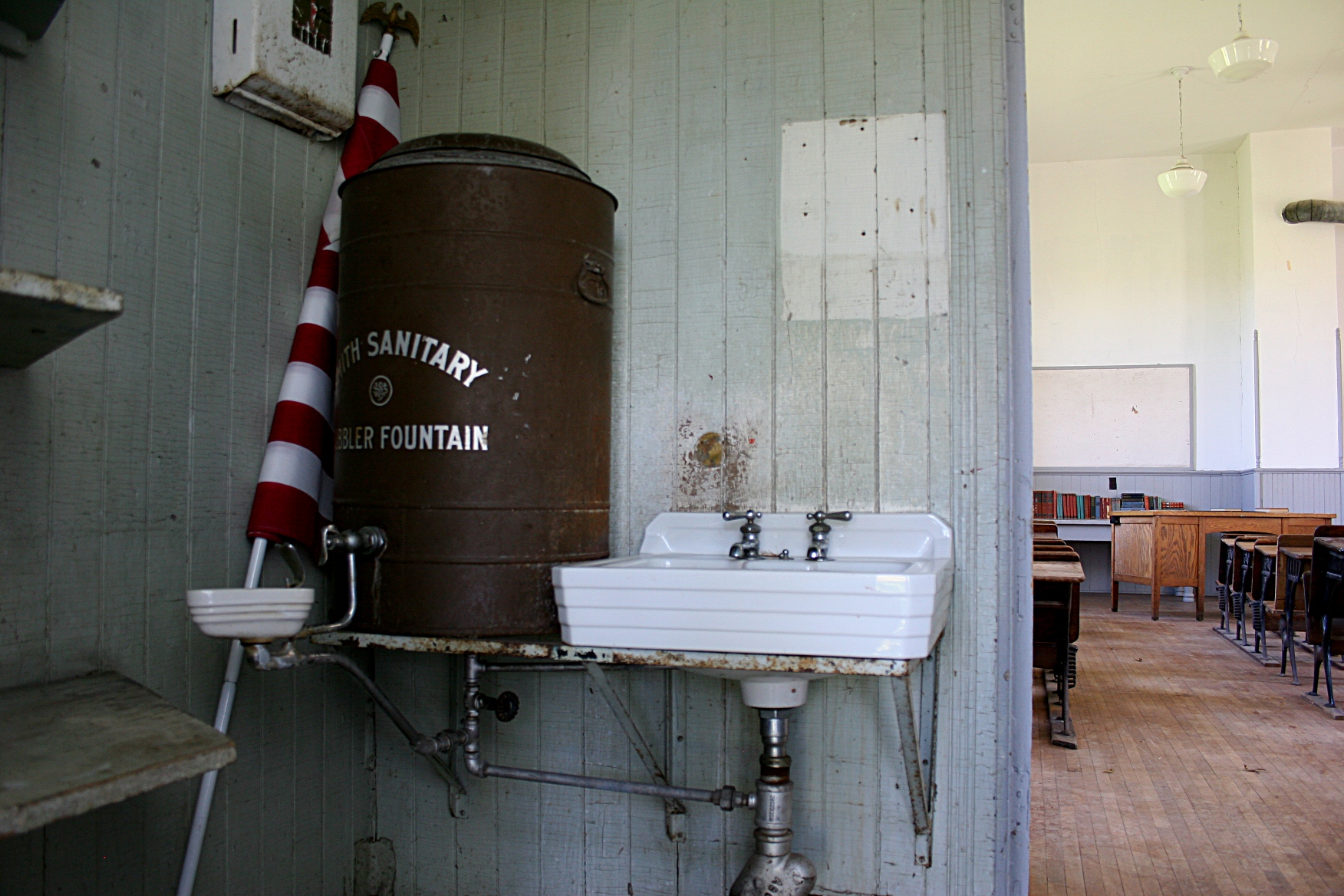
Another view of that same entry with the water fountain to the left of the sink.

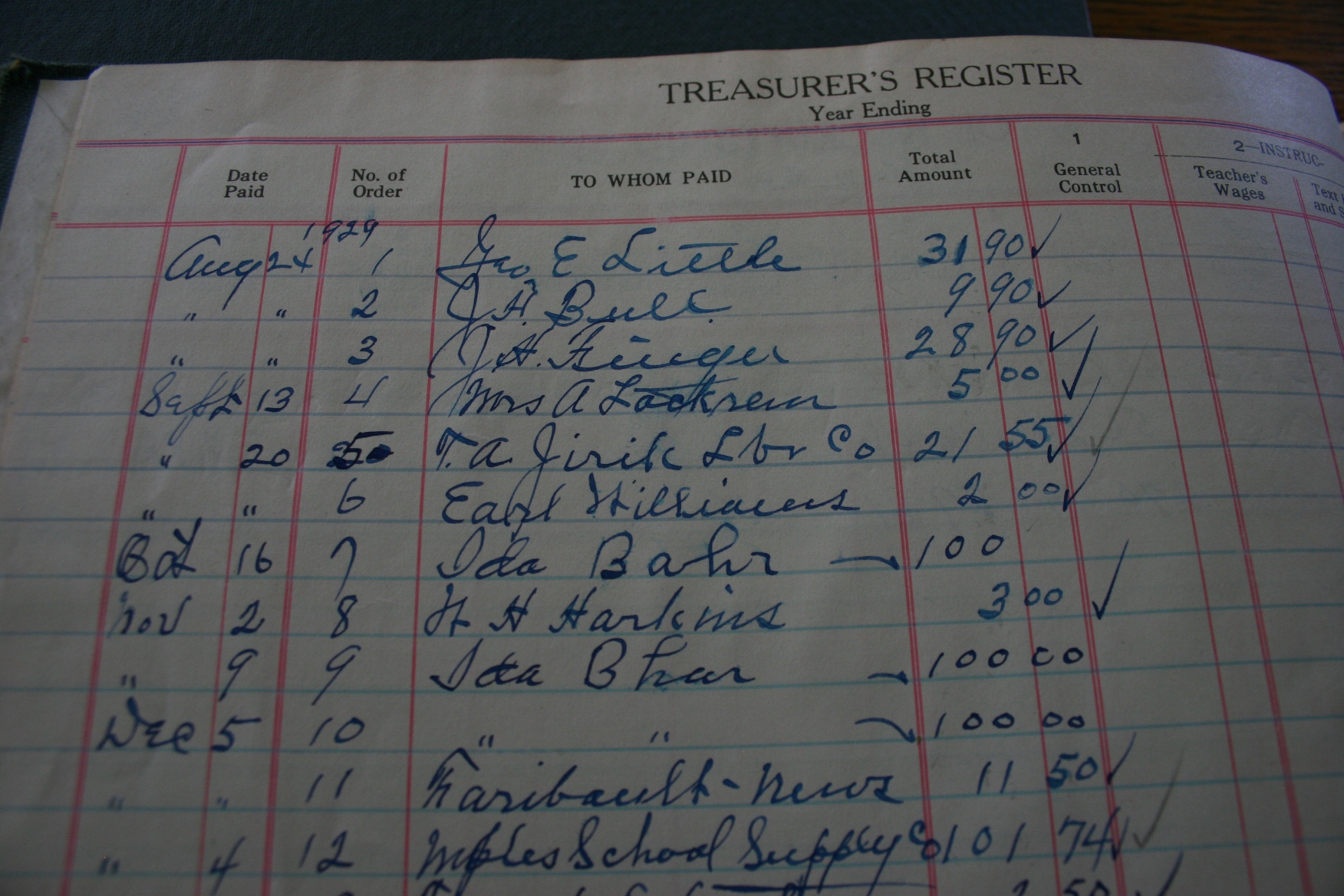
The school treasurer’s bookkeeping register from 1929.

If only I’d had time to peruse all the wonderful old books inside this school.

Looking toward the back of the school.

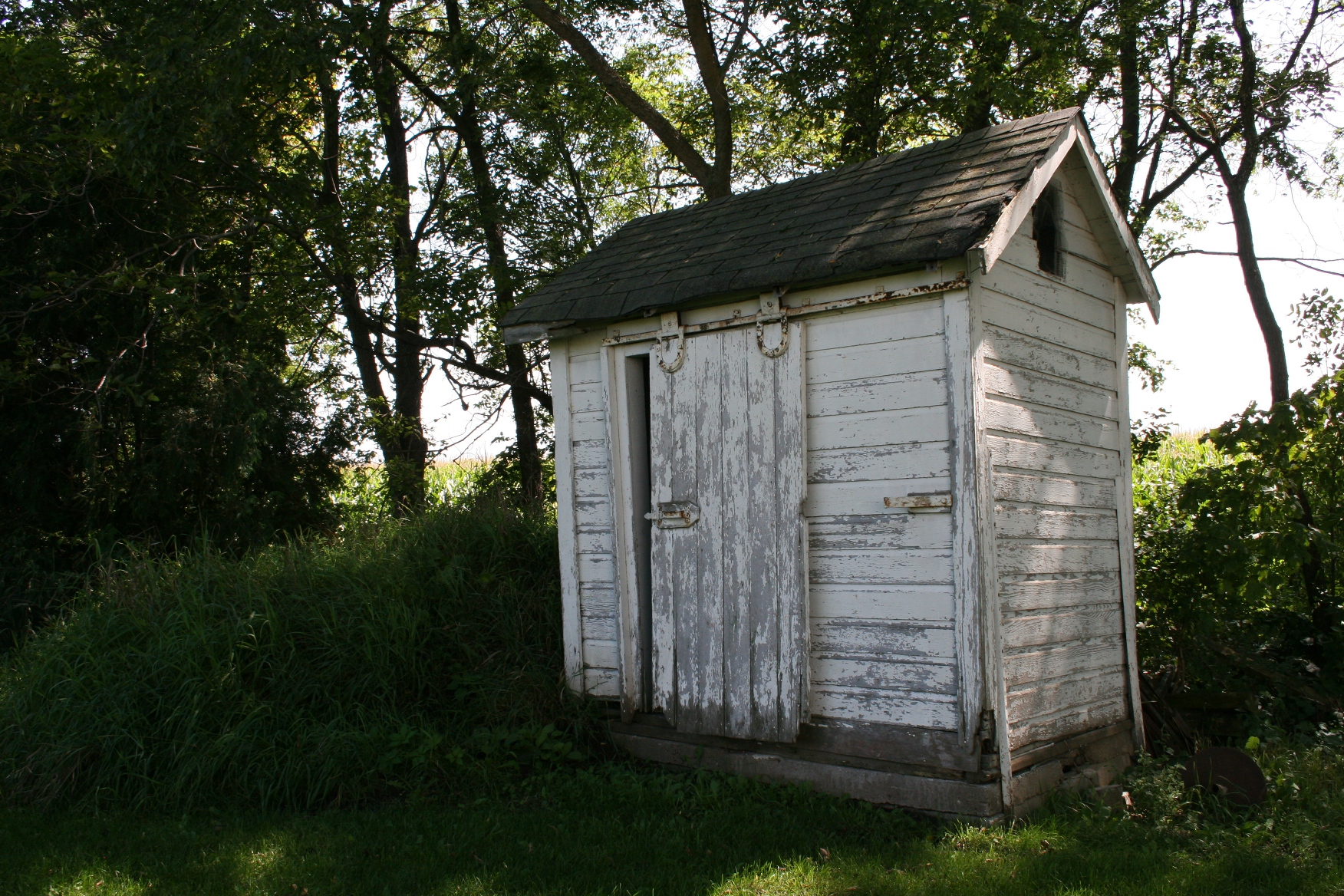
An old shed, I think the outhouse; I did not peer inside.

FYI: These images were shot last summer when my husband and I stopped at the school while on a Sunday afternoon drive.

© Copyright 2012 Audrey Kletscher Helbling
 

In celebration of country churches June 26, 2013

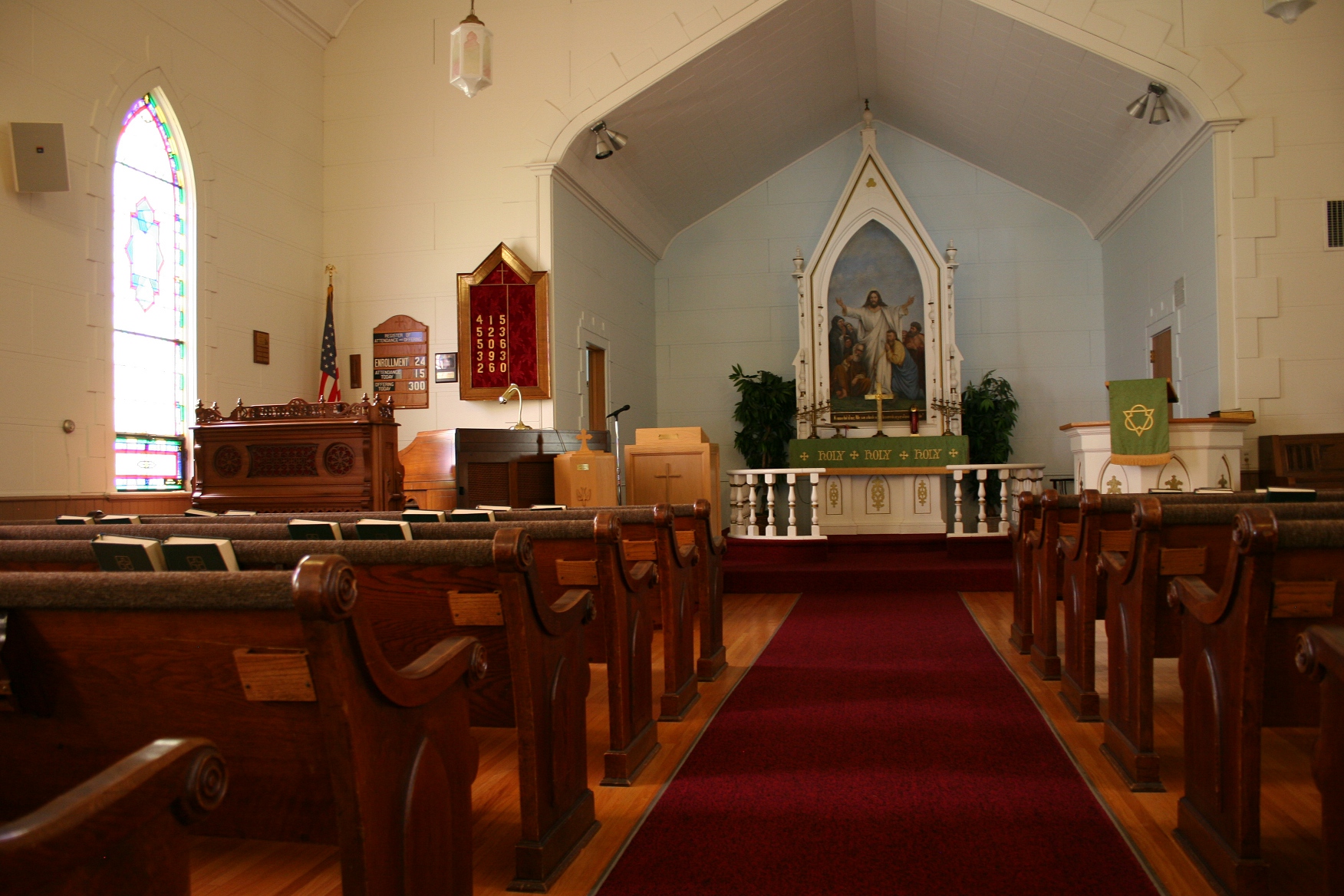
Fine craftsmanship defines the sanctuary.

Fine craftsmanship defines the sanctuary.

STEP INSIDE AN AGED COUNTRY CHURCH anywhere and you will be drawn in by the history, the craftsmanship, the holiness of a house dedicated to God and the fellowship of the faithful.

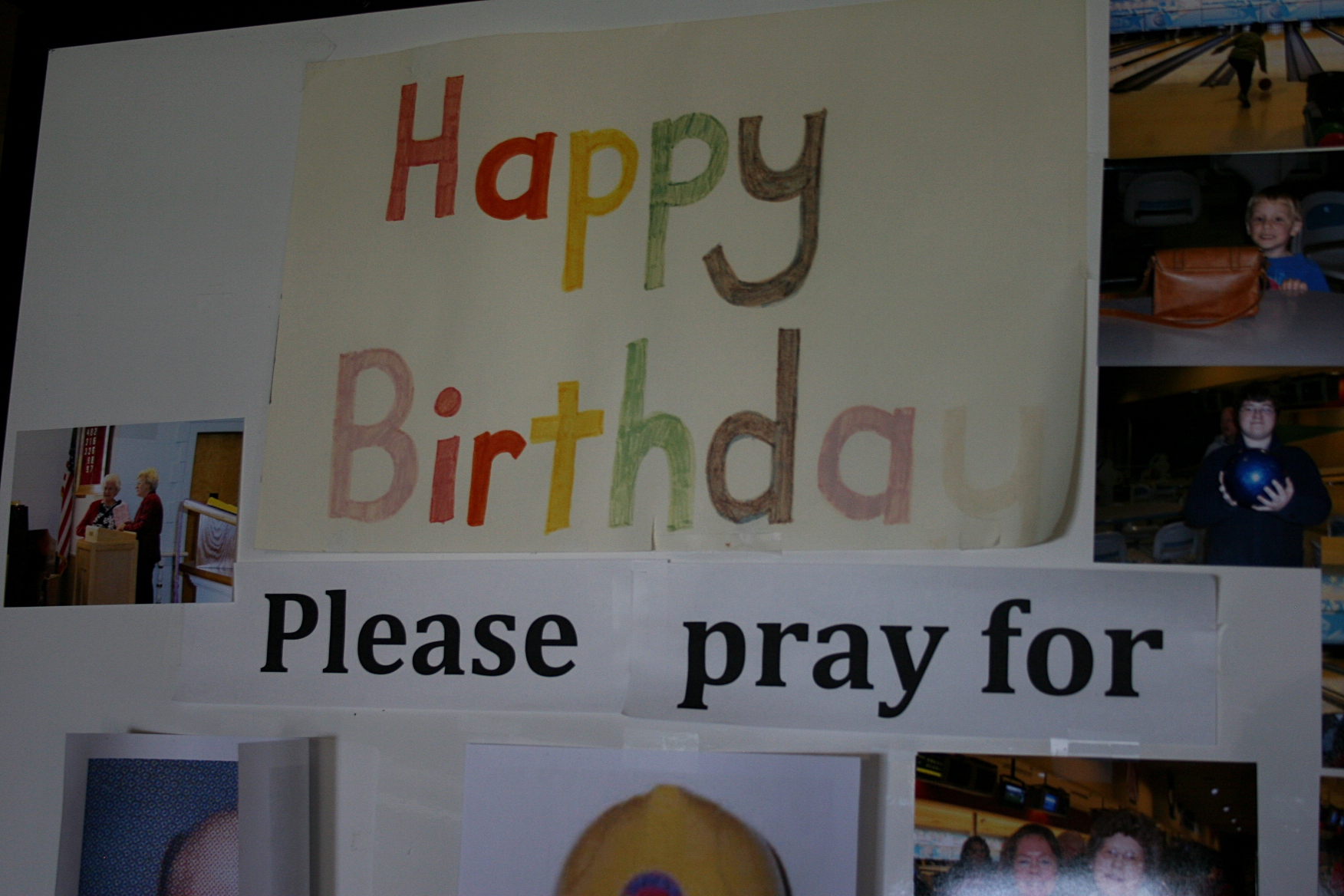
A poster board with photos and well wishes stands in the church entry.

A poster board with photos and well wishes stands in the Moland Lutheran Church entry.

You need only pause and look, really look, to see the care, the love, the devotion, which fill such a sacred place.

Moland features architecture common in country churches.

Moland features architecture common in country churches.

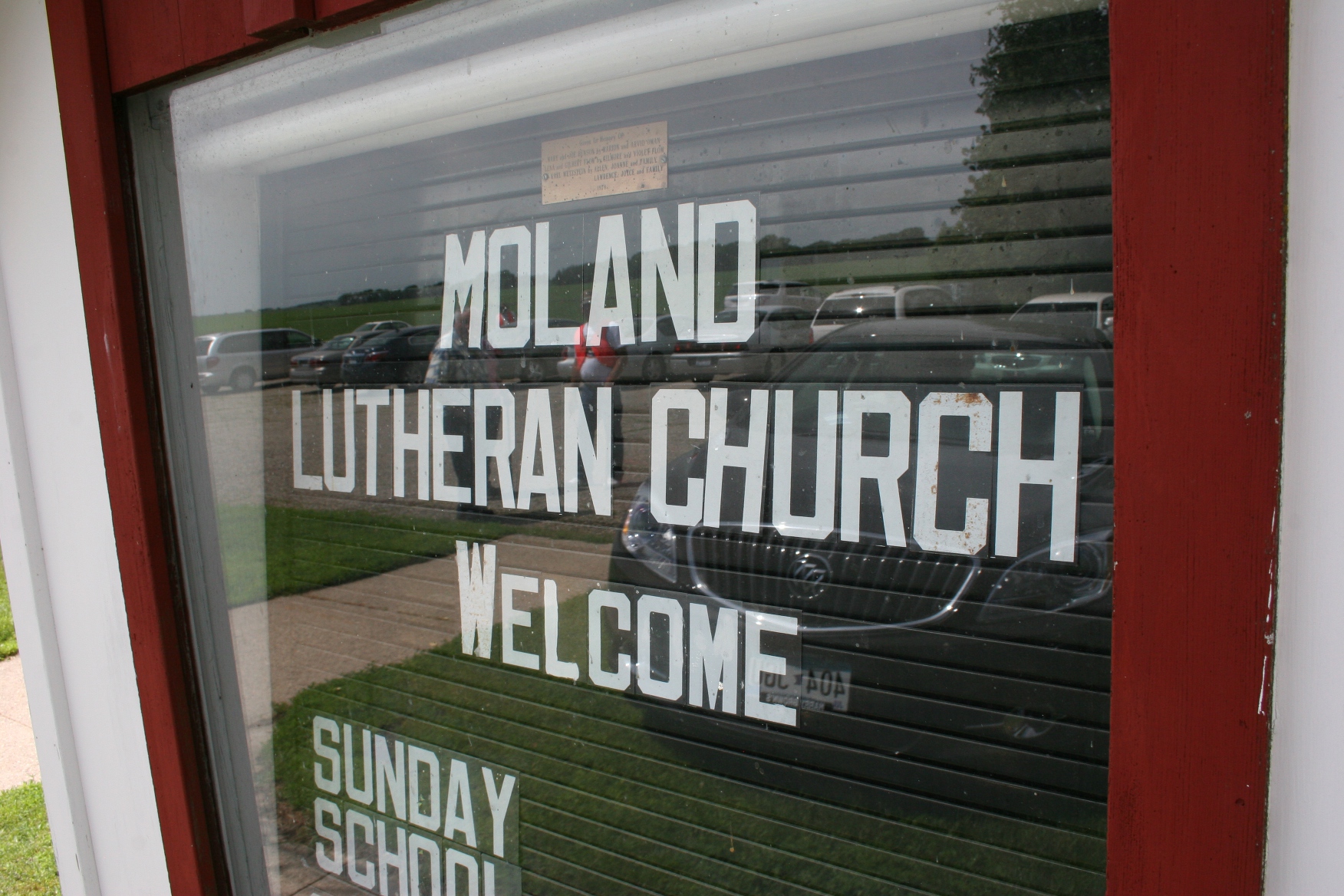
Join me on a photographic tour of Moland Lutheran Church, 7618 Northeast 84th Avenue, rural Kenyon, Minnesota. The church, built by Norwegians in 1884, still holds Sunday morning worship services, currently led by the Rev. Nancy Edwardson.

Worship service is at 9 a.m. on Sunday.

Worship service is at 9 a.m. on Sunday. These photos were taken during the congregation’s June 23 strawberry festival.

From 25-30 worshipers fill the pews each week. And if that number seems too few to keep these doors open, do not underestimate the strength of a congregation rooted deep in this place, connected to this church building, this spot of land in rural Minnesota.

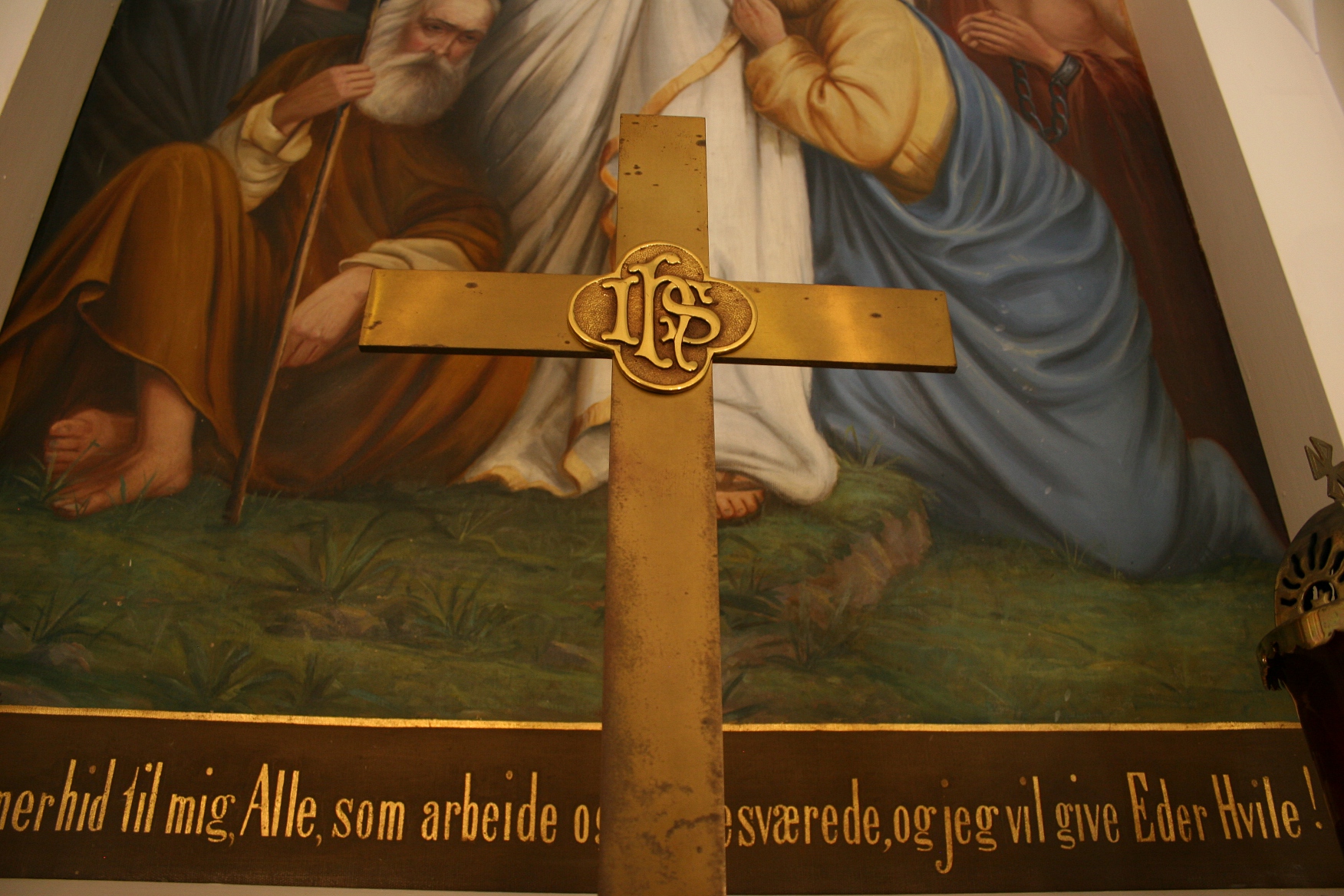
A verse from Matthew graces the altar.

A verse from Matthew graces the altar.

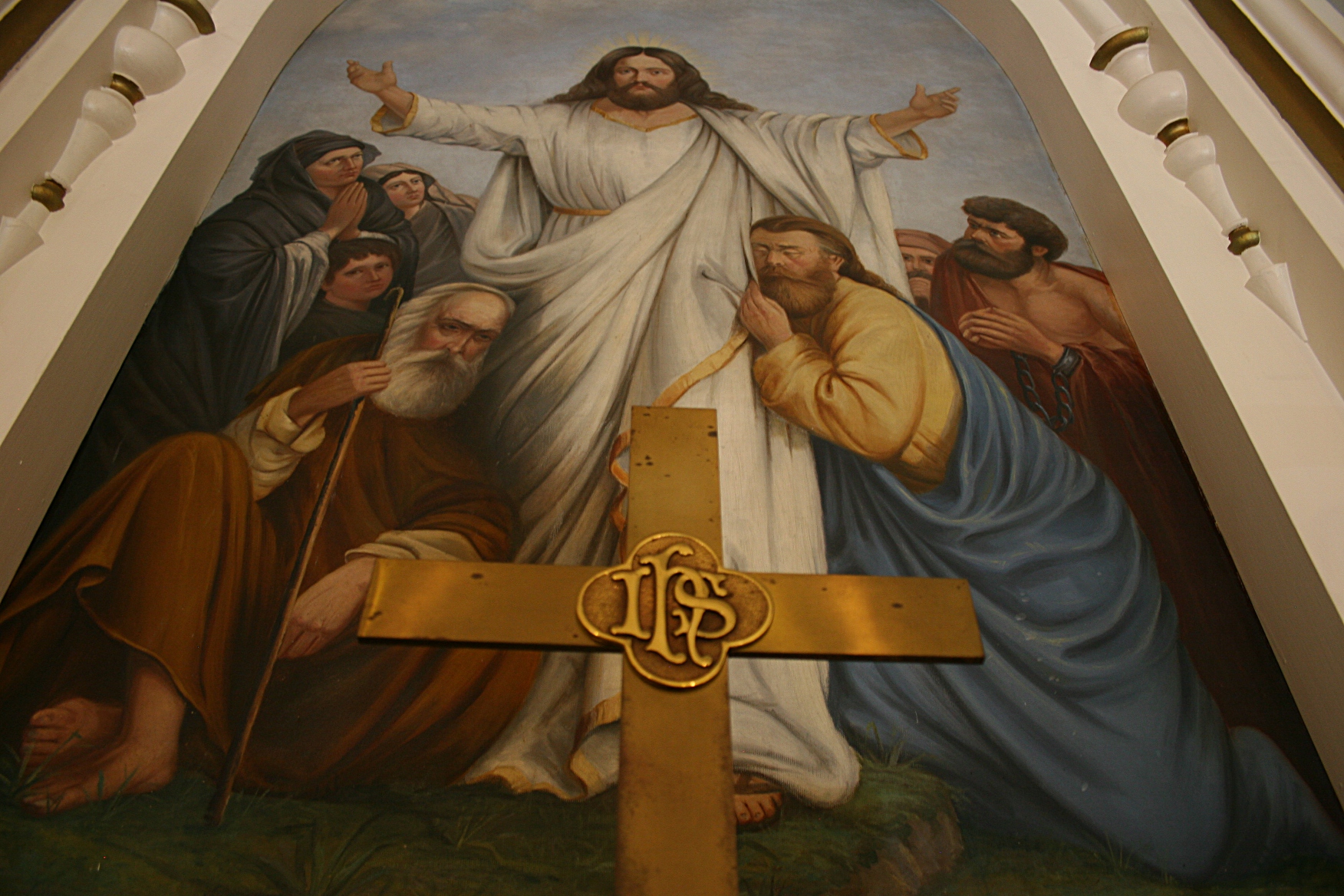
A full view of the altar painting done by A. Pederson and based on Matthew 28 - 30.

A full view of the altar painting done by A. Pederson and based on Matthew 28 – 30.

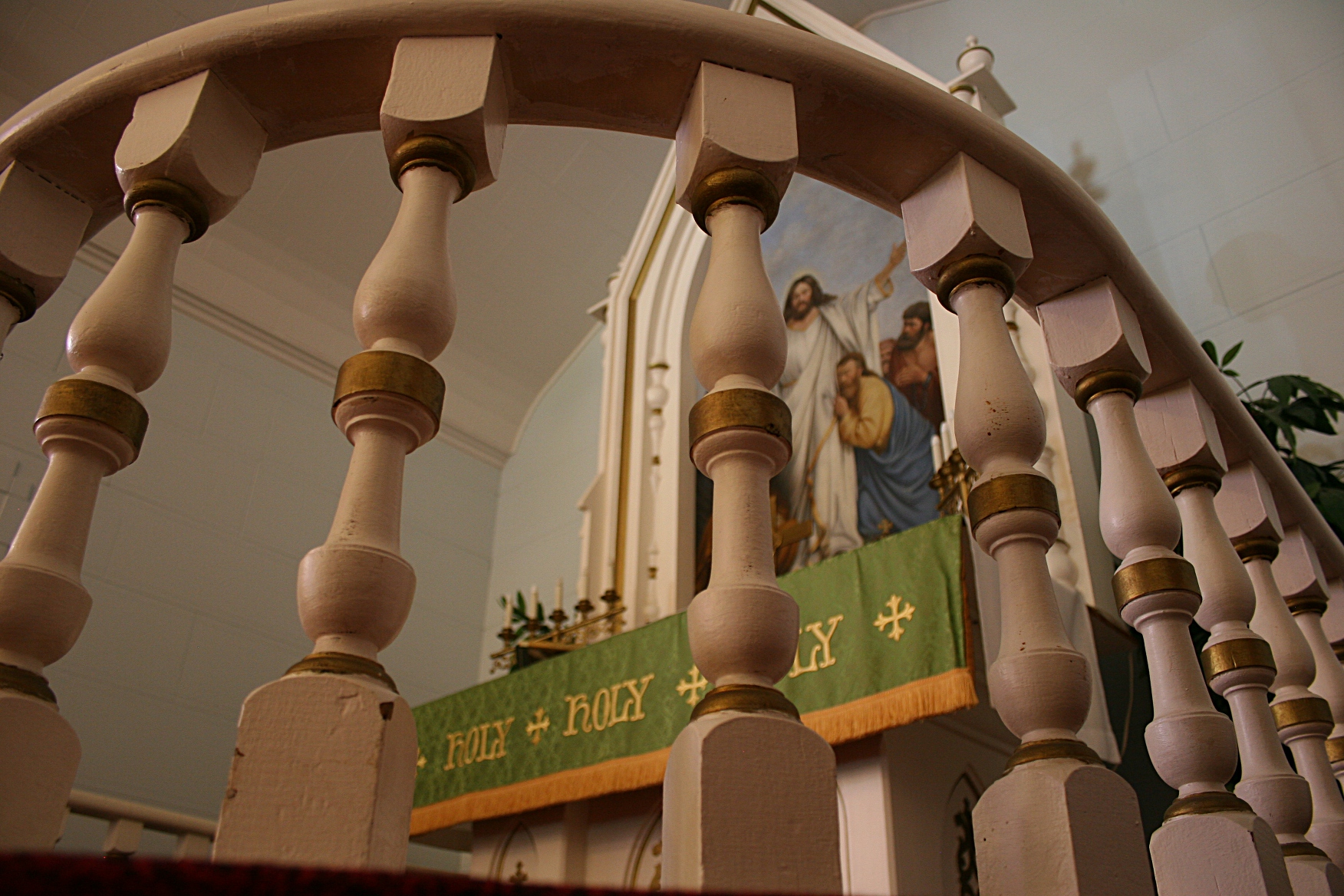
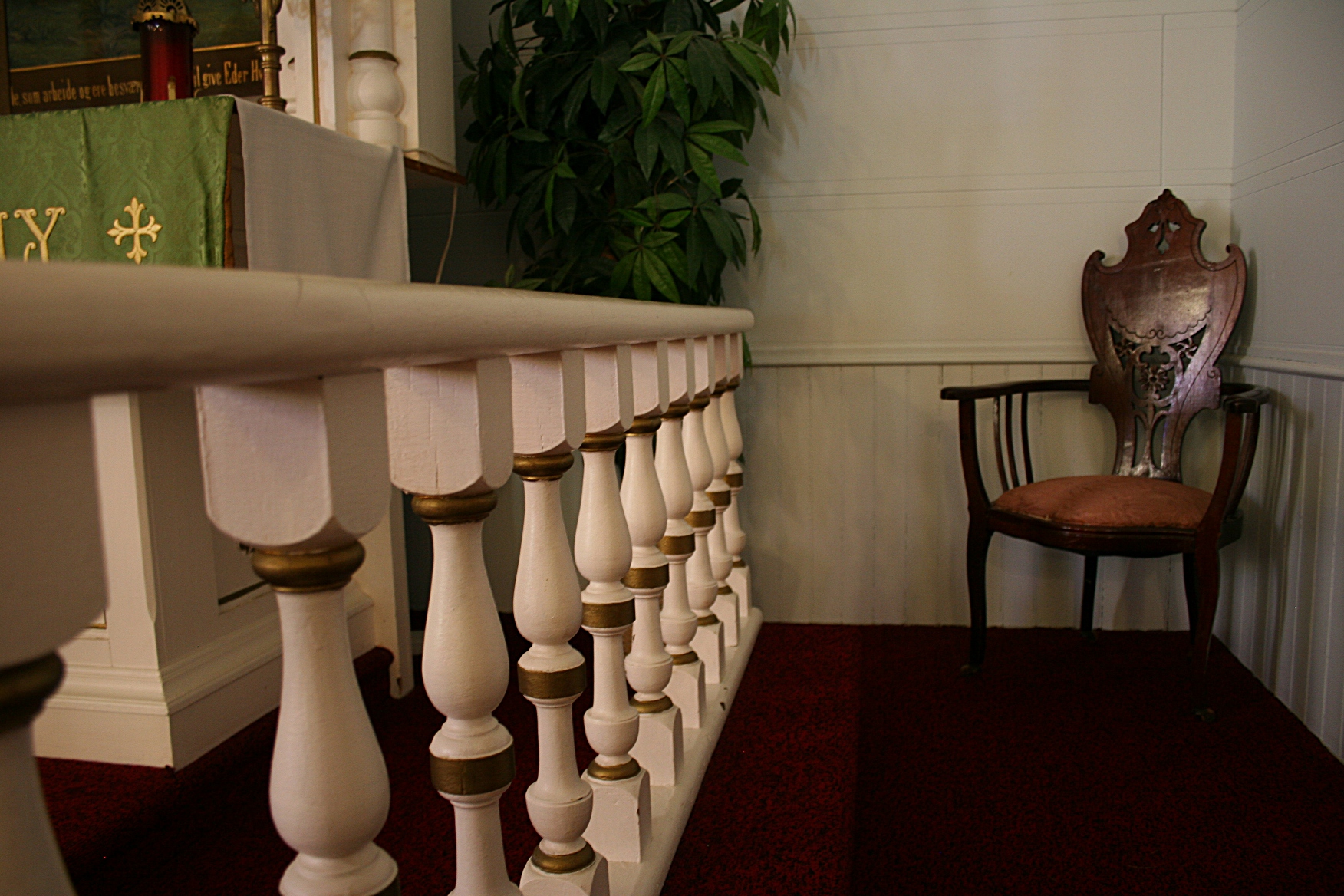
One can only imagine how many faithful kneeled at this altar railing.

One can only imagine how many faithful have knelt at this altar railing.

Or how many pastors have occupied this chair.

Or how many pastors have occupied this chair.

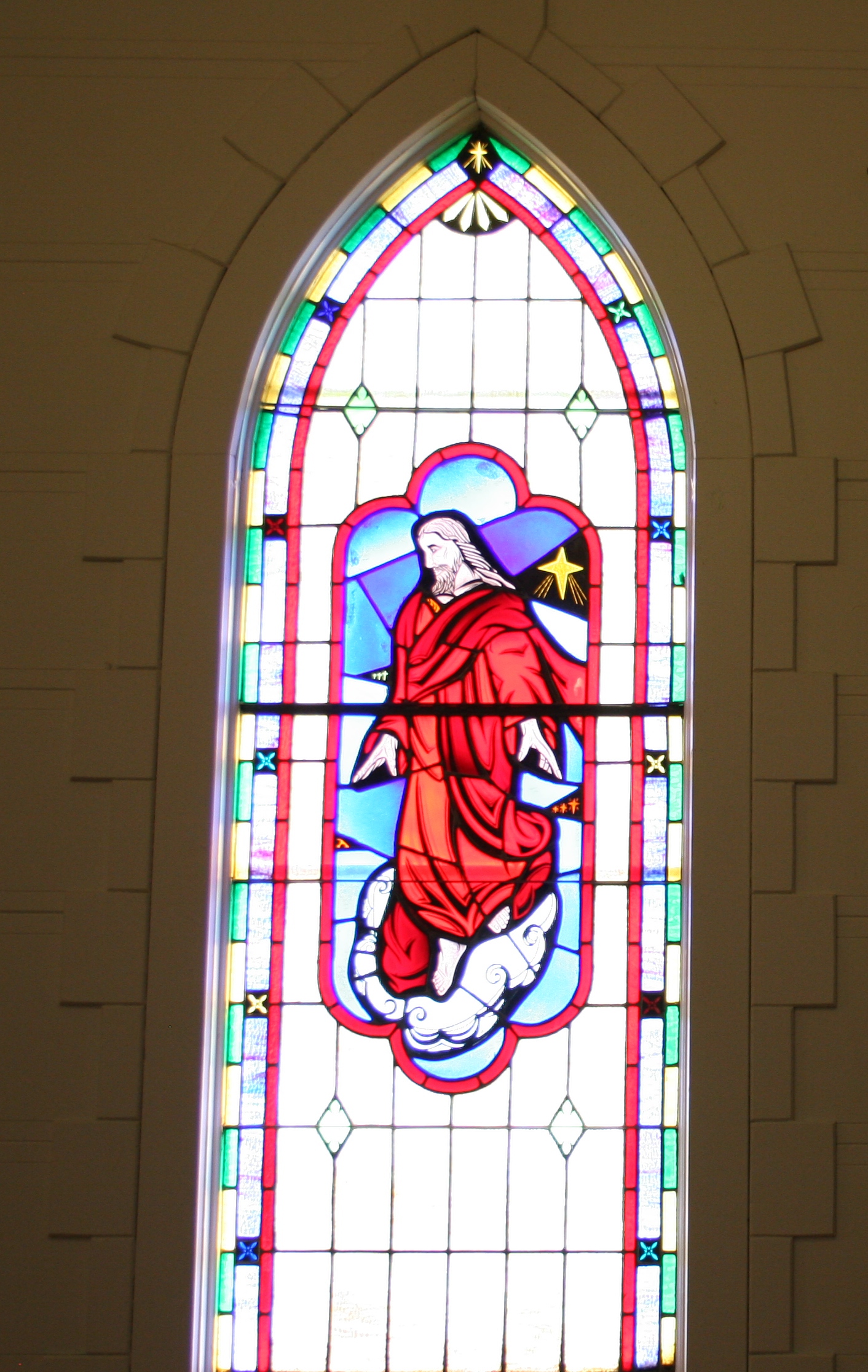
Stunning stained glass windows grace the sanctuary.

Stunning stained glass windows grace the sanctuary.

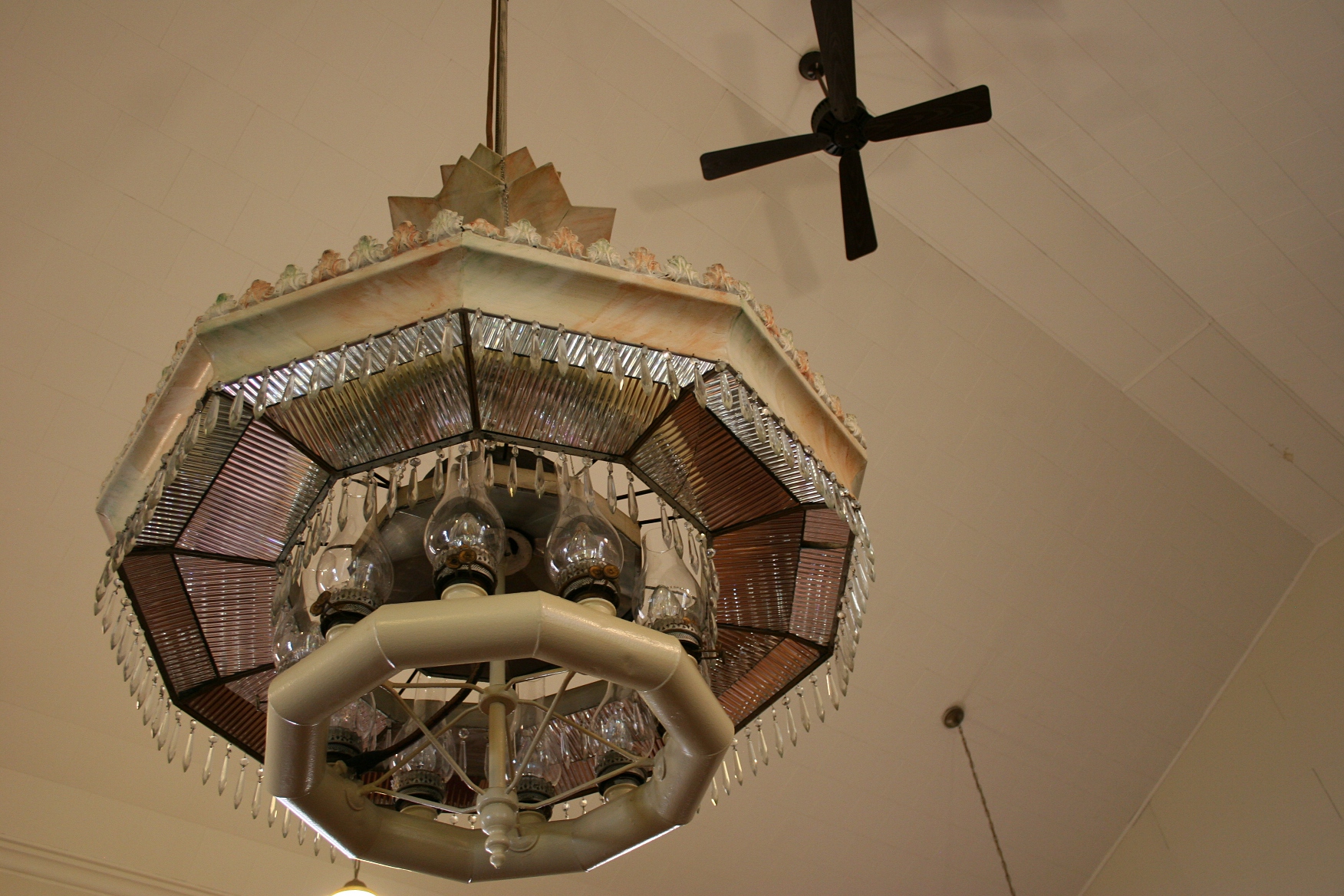
Suspended from the ceiling is this incredible historic light fixture.

Suspended from the ceiling is this incredible historic light fixture.

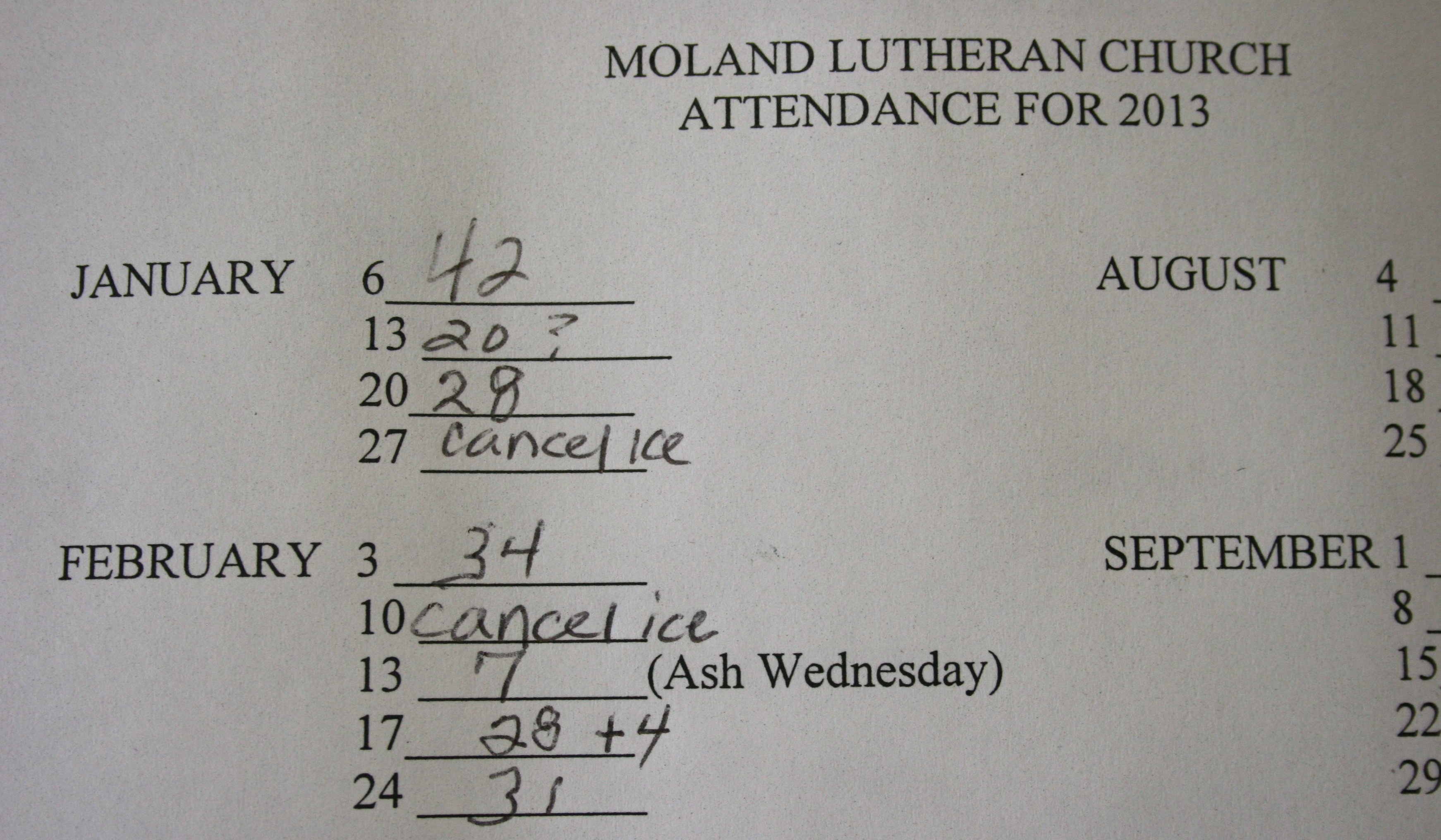
Stats, posted in a corner behind the organ at the front of the church.

Stats, posted in a corner behind the organ at the front of the church.

And more stats posted on paper just outside the sanctuary.

And more stats posted on paper just outside the sanctuary.

And, on the edge of the church property, this sense of community.

And, on the edge of the church property, this sense of community.

TO VIEW A PREVIOUS post about Moland Lutheran, click here. And then click here for another post.

To view my post about the Moland Lutheran Strawberry Festival, click here.

Copyright 2013 Audrey Kletscher Helbling
 

A wannabe dairy princess June 20, 2013

The barn where I labored alongside my father while growing up on the southwestern Minnesota prairie. File photo.
The barn where I labored alongside my father and siblings while growing up on the southwestern Minnesota prairie. File photo.
GROWING UP ON A MINNESOTA DAIRY FARM, I’ve always loved dairy products.

Fresh milk from our herd of Holsteins.

Butter and cheese from the bulk truck driver who picked up milk from our farm.

Singing Hills Coffee Shop's delicious maple bacon sundae.
One of my new favorite ice cream treats, a maple bacon sundae from Singing Hills Coffee Shop in Waterville. File photo.
Ice cream from the Schwans man. (My older brother often sneaked the tin can of vanilla ice cream from the freezer and climbed atop the haystack to eat his fill. He failed to remove his spoon, leaving damning evidence connecting him to the ice cream caper. I was too obedient to attempt such thievery.)
Sliced strawberries, cucumbers and Amablu Gorgonzola cheese added to Romaine lettuce made a perfect salad. I topped the salad with lemon poppyseed dressing.

Sliced strawberries, cucumbers and Amablu Gorgonzola cheese added to Romaine lettuce make a perfect salad. I topped the salad with lemon poppyseed dressing. File photo.

My cheese tastes have, thankfully, expanded beyond American and Velveeta, staples of my childhood. I especially favor the blue cheeses made and aged in sandstone caves right here in Faribault and sold under the names Amablu and St. Pete’s Select. If you like blue cheese, this is your cheese.

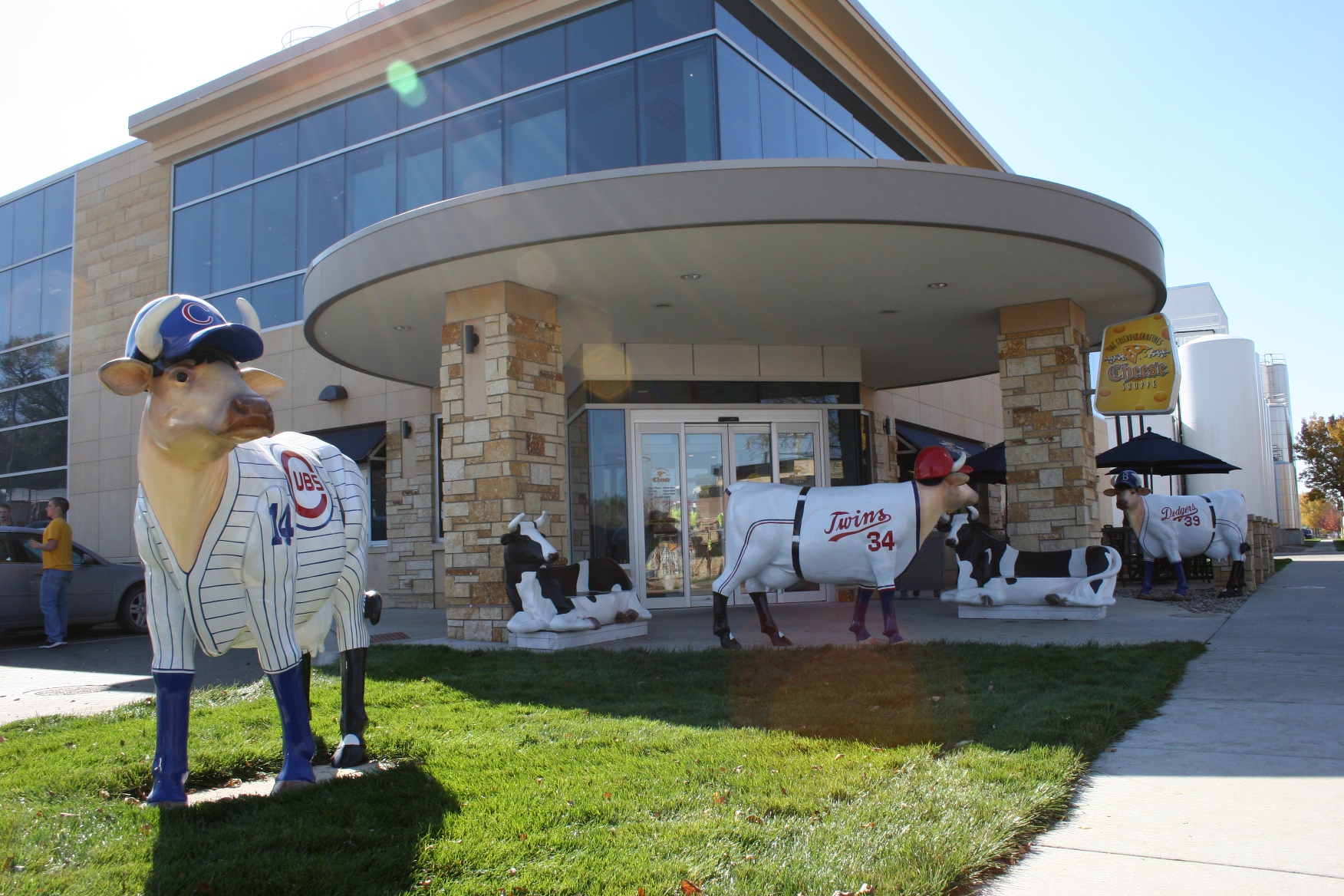
Cow sculptures outside The Friendly Confines Cheese Shoppe in LeSueur. File photo.

Cow sculptures outside The Friendly Confines Cheese Shoppe in LeSueur. File photo.

I bring up this topic of dairy products because June marks an annual celebration of all things dairy during “June Dairy Month.” This moniker is imprinted upon my brain. I once ran, albeit unsuccessfully, for Redwood County dairy princess.

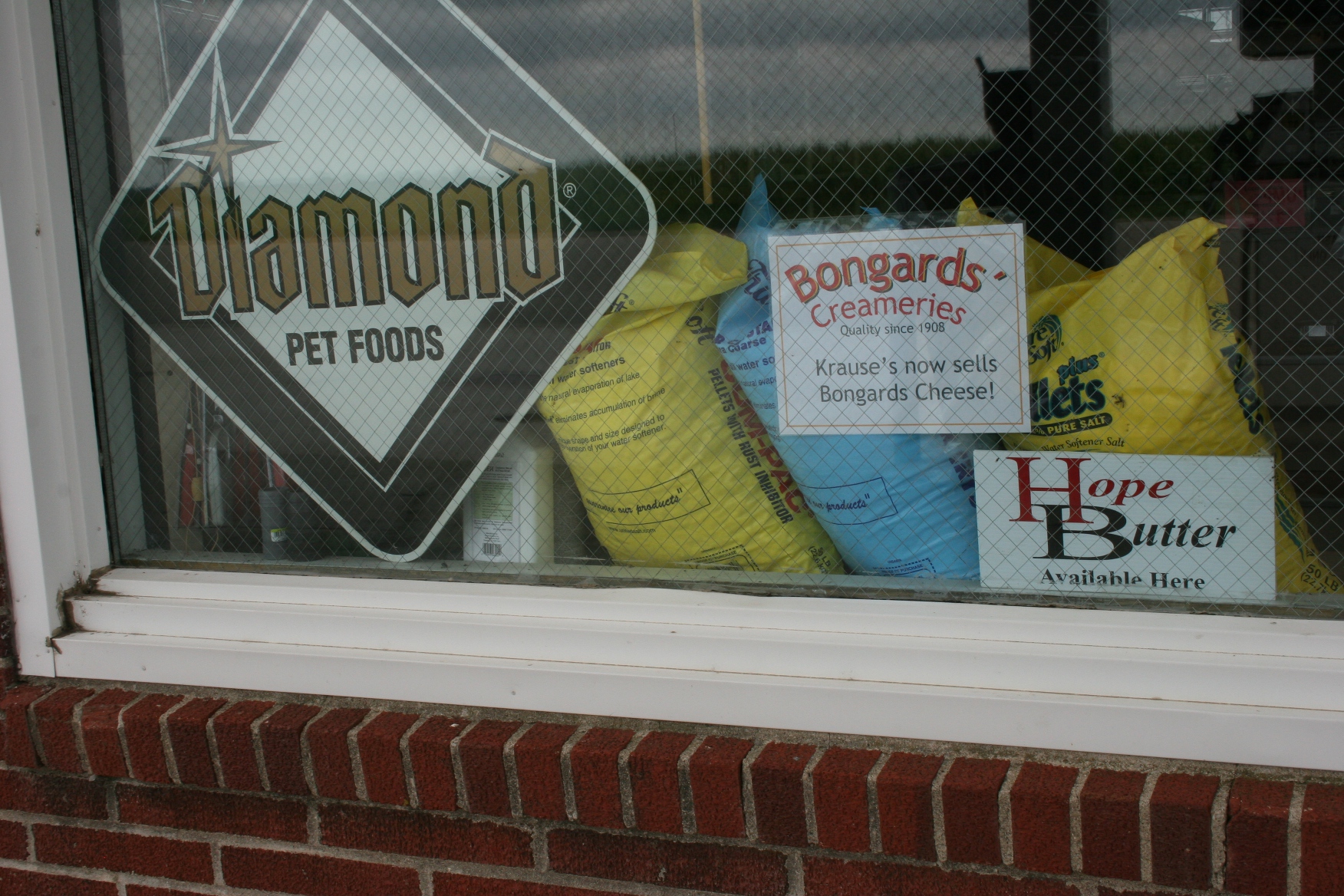
Krause Feeds & Supplies in Hope advertised the availability of Hope butter and Bongards cheese. File photo.

Krause Feeds & Supplies in Hope advertises the availability of Hope butter and Bongards cheese. File photo.

Steele County, to the south of my Rice County home, is apparently a big dairy county having at one time served as home to more than 20 creameries. One remains, in the unincorporated village of Hope, producing Hope Creamery butter in small batches. The creamy’s organic butter is especially popular in certain Twin Cities metro eateries.

Owatonna, the county seat, once claimed itself to be “The Butter Capital of the World.” That butter capital title will be the subject of an exhibit opening August 1 and running through November 10 at the Steele County History Center in Owatonna. The exhibit will feature the area’s rich dairy history to current day dairy farming in the county. Events will include a roundtable discussion on the dairy industry and, for the kids, butter making and a visit from a real calf.

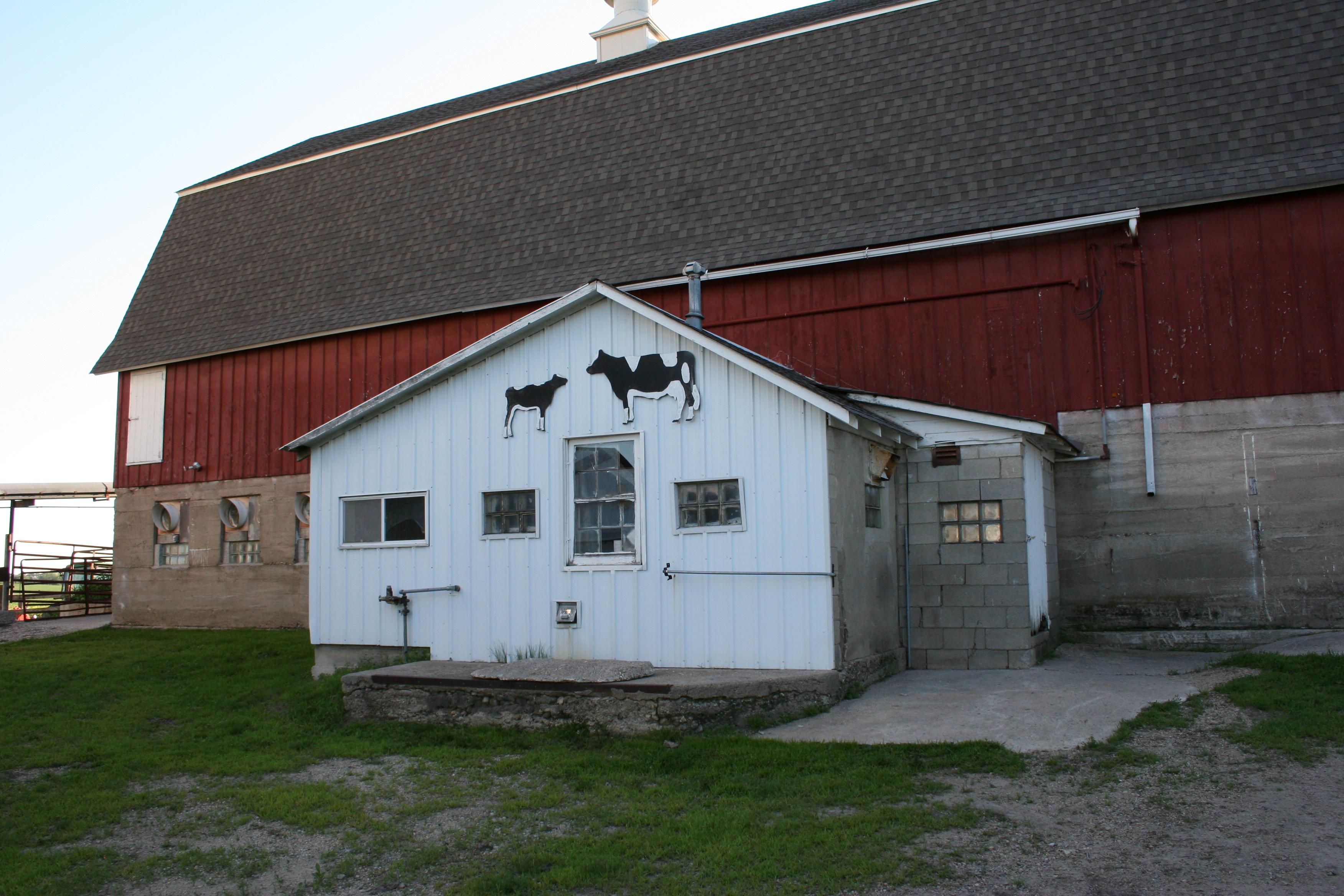
Notice the cow art on the milkhouse in this image taken this past summer.

Cow art on the milkhouse of my friends Deb and John, who once milked cows in rural Dundas. File photo.

Calves. I love calves. More than any aspect of farming, I loved feeding calves buckets of warm milk replacer or handfuls of pellets. I once named a calf Princess and she became my “pet,” as much as a farm animal can be a pet. Then my older brother—the one who ate ice cream when he wasn’t supposed to—told me one day that my calf had died. I raced upstairs to my bedroom and sobbed and sobbed. Turns out he made up the whole story of Princess’ early demise. She was very much alive.

The vibrant art of Faribault artist Julie Falker of JMF Studio.

The vibrant art of Faribault artist Julie Faklker of JMF Studio. File image.

And so, on this day when I consider June Dairy Month, my mind churns with thoughts of butter and ice cream, of calves and of the dairy princess crown I never wore.

FYI: Faribault area dairy farmers Ron and Diane Wegner are hosting “A Day on the Farm” from 11 a.m. – 2 p.m. this Saturday, June 22. Their farm is located just south of Faribault at 25156 Appleton Avenue. The event includes children’s activities, photos with a baby calf and free cheeseburgers, malts and milk. Event sponsors are the Rice County American Dairy Association and the Minnesota Beef Council. The Wegners’ daughter, Kaylee, is the current Rice County dairy princess.

The Redwood County American Dairy Association in my home county of Redwood in southwestern Minnesota is sponsoring a coloring contest for kids and a trivia contest for adults. Click here for details. 

© Copyright 2013 Audrey Kletscher Helbling