Minnesota Prairie Roots

Writing and photography by Audrey Kletscher Helbling

In rural Aspelund: Passionate about peonies & wine June 14, 2016

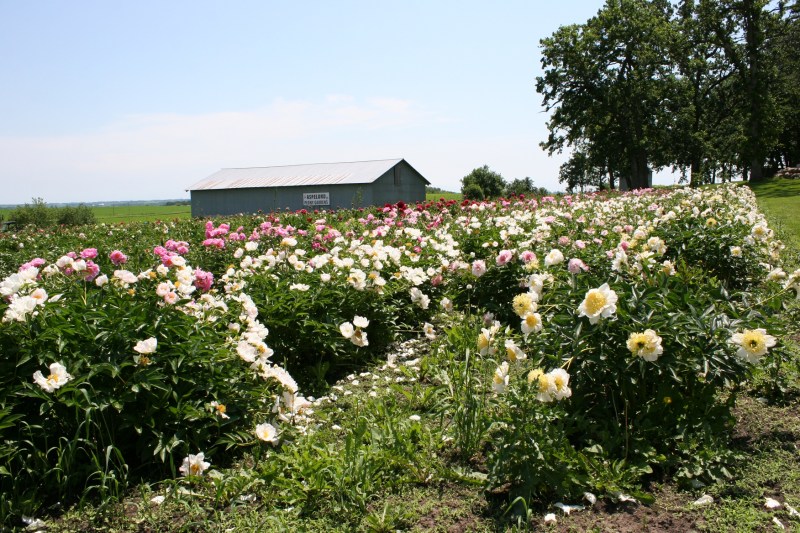
These peonies have been growing for seven years now on the Rohl property.

These peonies have been growing for seven years on the Rohl property.

WIND WHIPPED THOUSANDS of past their prime peonies, their crimson, pink and white blossoms dipping, dancing to the rhythm of summer.
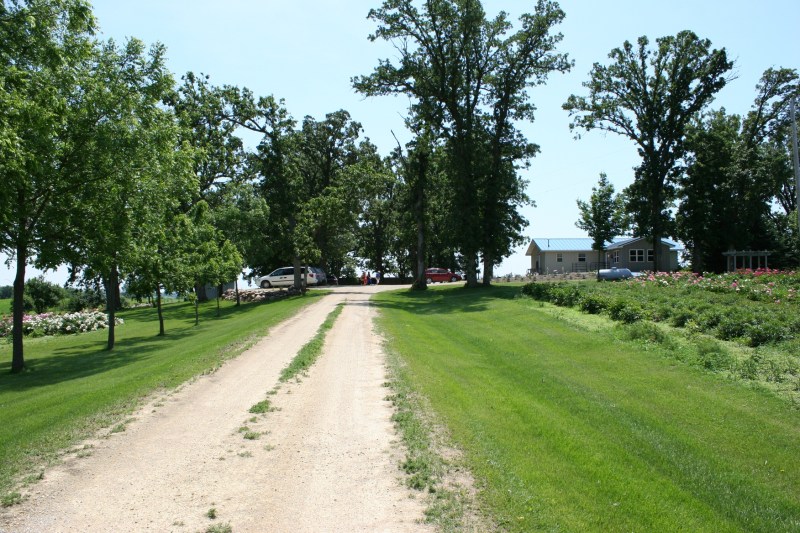
Peony fields line both sides of the gravel driveway and spill into the yard near the tasting room.

Peony fields line both sides of the gravel driveway and spill into the yard near the Rohl’s home and wine tasting room.

With temps in the seventies under clear skies, it was a perfect mid-June Sunday afternoon to tour the Aspelund Peony Gardens in west central Goodhue County, just east of Aspelund/northwest of Wanamingo/northeast of Kenyon.
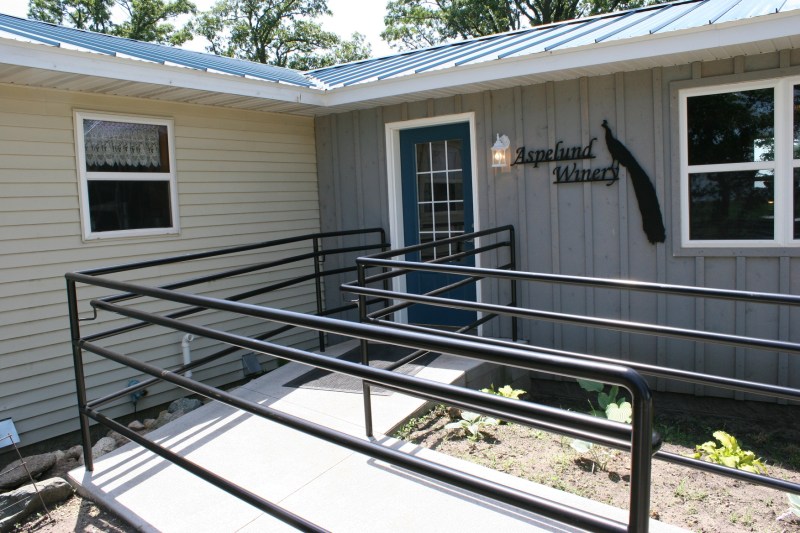
The entry to the small tasting room.

The entry to the small tasting room.

Paired with Aspelund Winery, also owned by Bruce and Dawn Rohl and on the same rural acreage, this makes a great southern Minnesota day trip destination. It’s peaceful and lovely, educational and relaxing. You can learn about peonies and wine while enjoying both with a couple passionate about both.
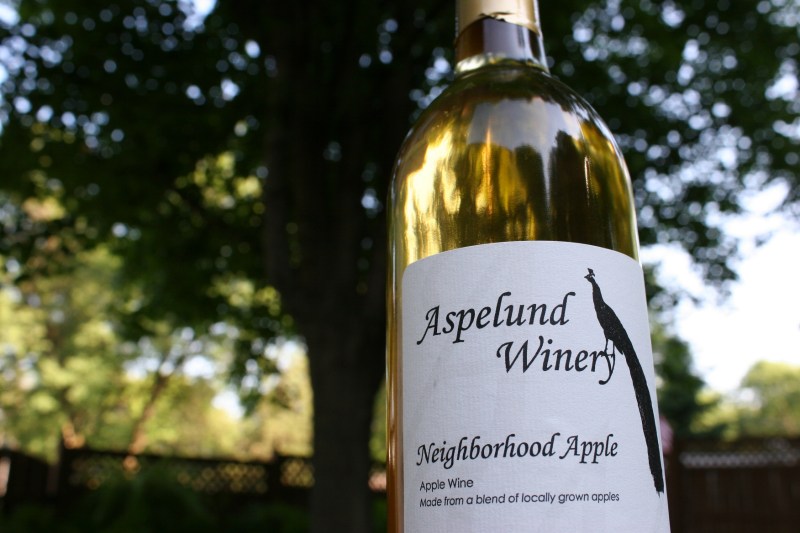
While strawberry wine is the best-selling wine, my favorite is Neighborhood Apple, the top-selling of the three apple wines.

Strawberry wine is the best-selling wine. But my favorite is Neighborhood Apple, the top-selling of the three apple wines.

While the Rohls have been in the business of growing, hybridizing and selling peonies for awhile, they opened their winery just a year ago—on June 13. A taste-testing of their six wines—three apple, one grape, another elderberry and the sixth, strawberry—made it difficult to choose a favorite. They’re that good. But, after some thought, I’d select Neighborhood Apple as my favorite. It’s their best-selling apple wine, a blend of their apples and apples gathered from neighbors. I like the neighborhood name and concept as much as the wine. The outgoing and welcoming Rohls are the type you’d want as next-door neighbors.
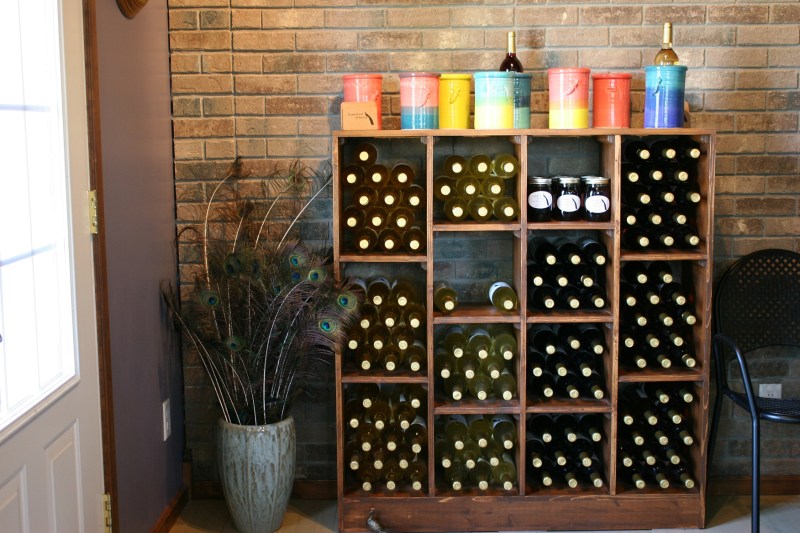
Inside the tasting room, peacock decor prevails, here next to the wine rack.

Inside the tasting room, peacock decor prevails, here next to the wine rack.

Their employee, Anders Lars, is a neighbor, whom I mistook as their son. And, yes, he goes by the Swedish Anders, not Andy. I asked. This is an area proud of its Scandinavian heritage. Bruce’s ancestors, however, trace to France where they were vintners.
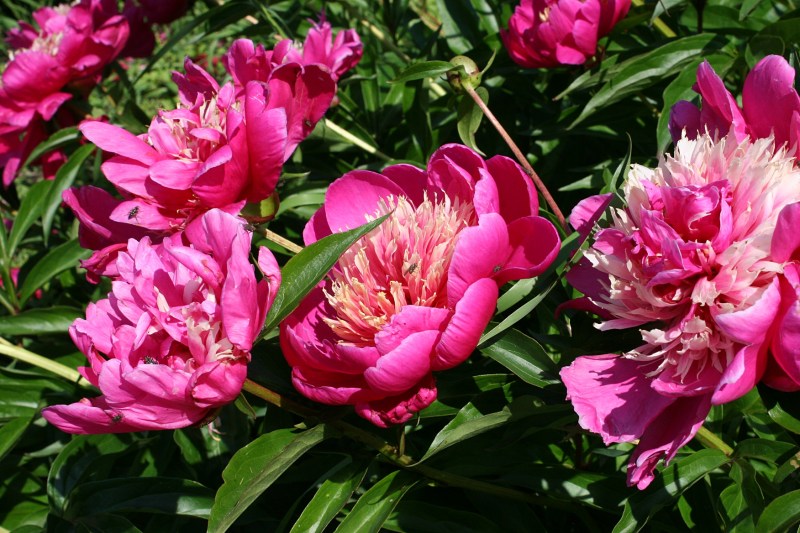
So many lovely peonies in multitudes of colors, shapes and scents.

So many lovely peonies in multitudes of colors, shapes and scents.

Interestingly enough, it is memories of Bruce’s grandma’s peonies that led him into the peony business. But not how you would expect. He didn’t like her flopping-over peonies and vowed never to plant peonies. That changed on the day he and Dawn visited Bob Tischler, a now-deceased Faribault peony grower. Bob introduced them to other varieties and the couple left Tischler Peony Garden with 13 plants. And, yes, despite his initial dislike of the flopping-over peony, Bruce now has his grandma’s peony from her Hudson, Wisconsin, garden.
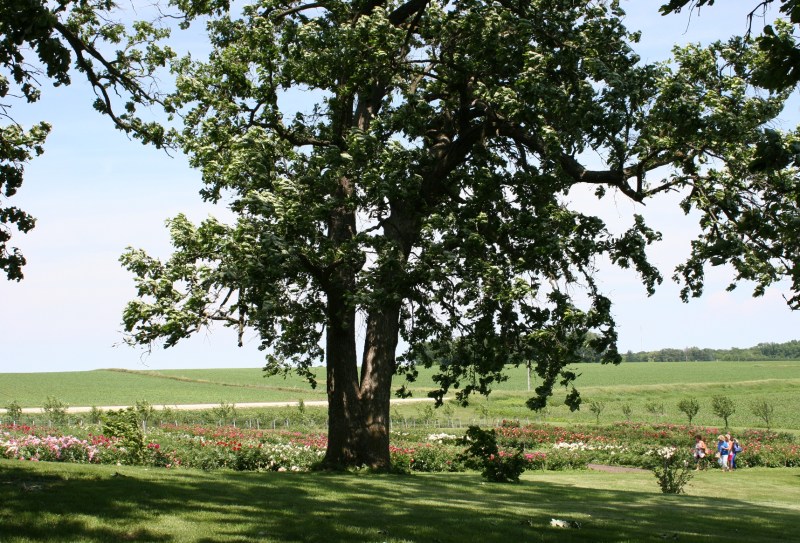
Peony lovers shop and admire the gardens.

Peony lovers shop and admire the gardens.

Today the Rohls grow 150 types of peonies. Visitors peruse the offerings online or visit the farm during bloom season to select specific bushes. Then, in the fall, the plants are divided and customers get their plants. Average cost is $20, with some going as high as $70.
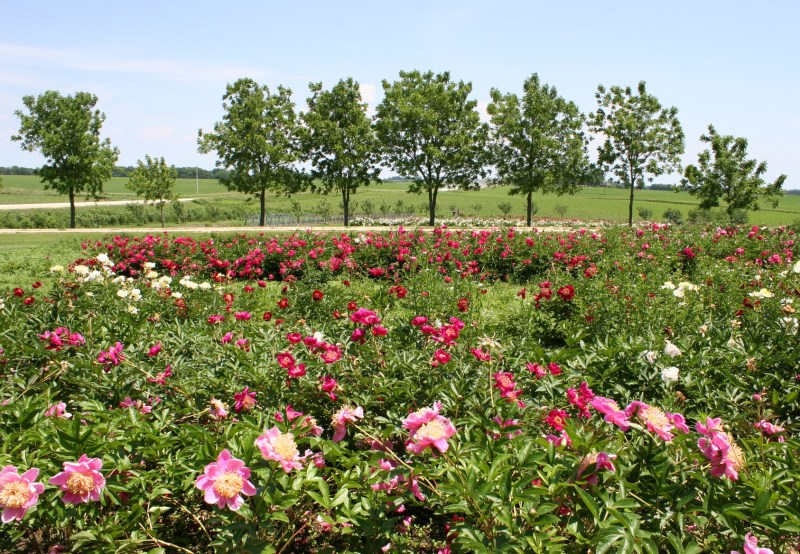
There are rows and rows and rows of peonies.

There are rows and rows and rows of peonies.

Buyers range from grandmothers purchasing plants for family to people beautifying landscapes as they focus on staycations rather than vacations to serious peony lovers, Bruce says.
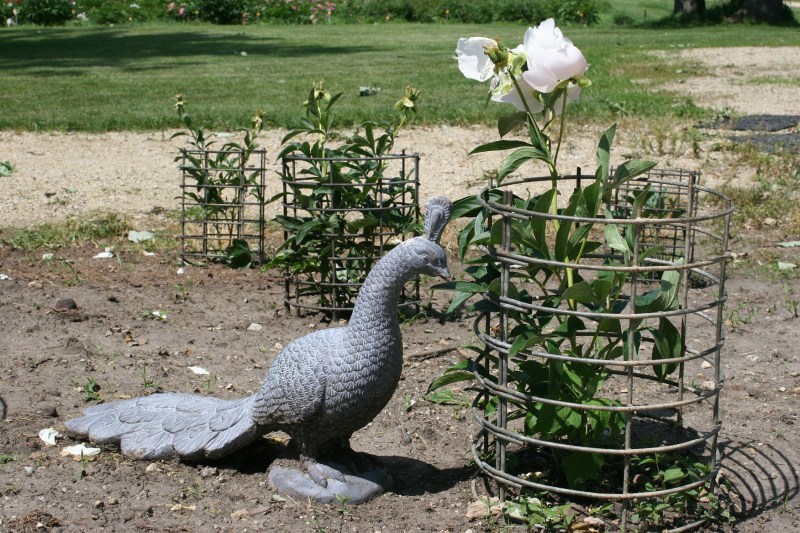
Bruce's hybridized peonies are growing by the tasting room.

Bruce’s hybridized peonies are growing by the tasting room.

He has hybridized seven peonies, giving them identifying local town names like Aspelund, Wanamingo and Zumbrota. It will be awhile before those are ready to sell, Bruce said, noting the entire process from hybridizing to sale-ready takes about 20 years.
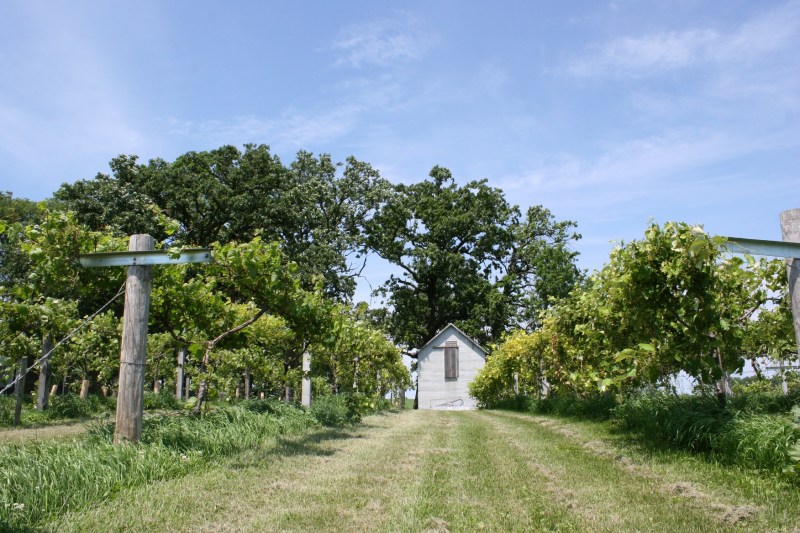
The grapevines grow atop a hill overlooking the countryside.

The grapevines grow next to an aged outbuilding atop a hill overlooking the countryside.

A design engineer by full-time profession, Bruce hopes to some day make the flower and wine business his sole focus. The couple also makes maple syrup and tends their small vineyard of 80 vines in seven varieties of grapes, their 450 elderberry bushes and 150 apple trees.
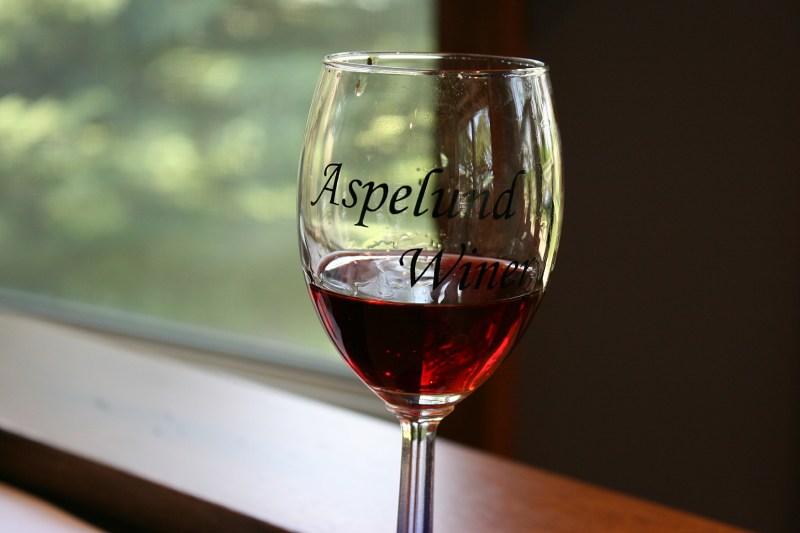
There are two red wines--Elder-bry (elderberry) and Stra-bry (strawberry).

There are two red wines–Elder-bry (elderberry) and Stra-bry (strawberry).

They are clearly passionate about their peonies and wine. Like the hybridizing of peonies, the couple is also always working on new wines. They hope soon to release a tomato wine that tastes like a Bloody Mary (200 tomato plants are growing on their farm); a cucumber wine flavored with lemons and oranges and with ginger roots; and a fennel wine tasting of black licorice.
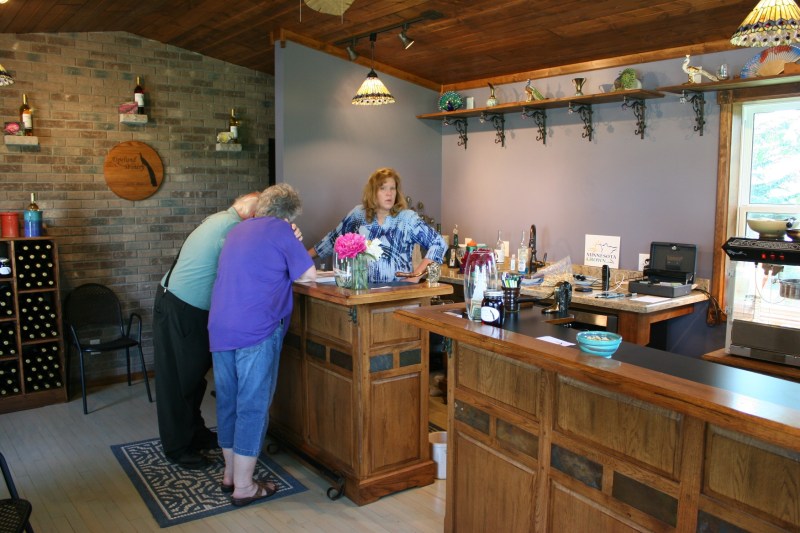
Dawn meets with customers who are perusing a peony catalog in the wine tasting room.

Dawn meets with customers who are perusing peony choices in the wine tasting room.

It will be interesting to see what they name these new wines. Dawn explains that Mingo Red, for example, is like a Minnesota hotdish, a mingling of their seven Minnesota cold climate grape varieties.
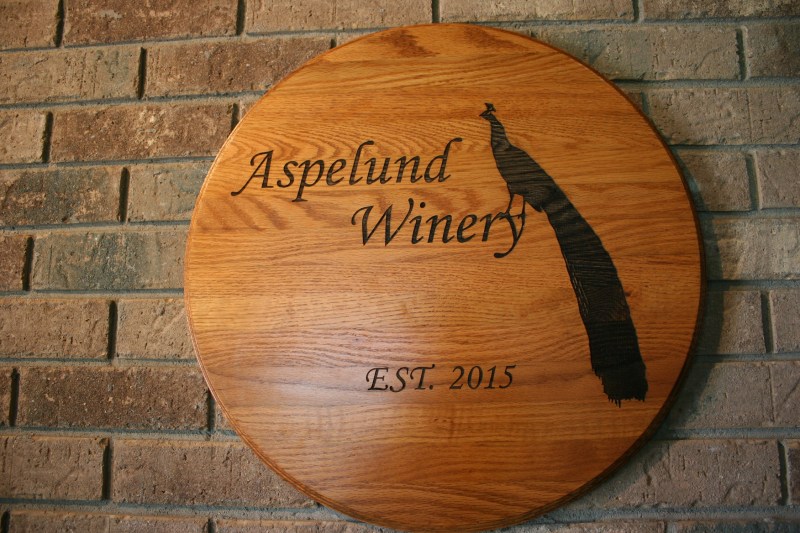
The memorable symbol of Aspelund Winery.

The memorable symbol of Aspelund Winery.

There’s also a story behind the peacocks featured on the wine labels, in the landscaping and in the cozy tasting room. The Rohls attempted to relocate peacocks from Bruce’s father’s farm two miles away. But the birds didn’t stay at the winery/peony garden, returning on their own to their original home. It’s just as well, Bruce says, noting that he learned after the fact they’ll eat flower blossoms. But it makes for a good story and a memorable winery business graphic.
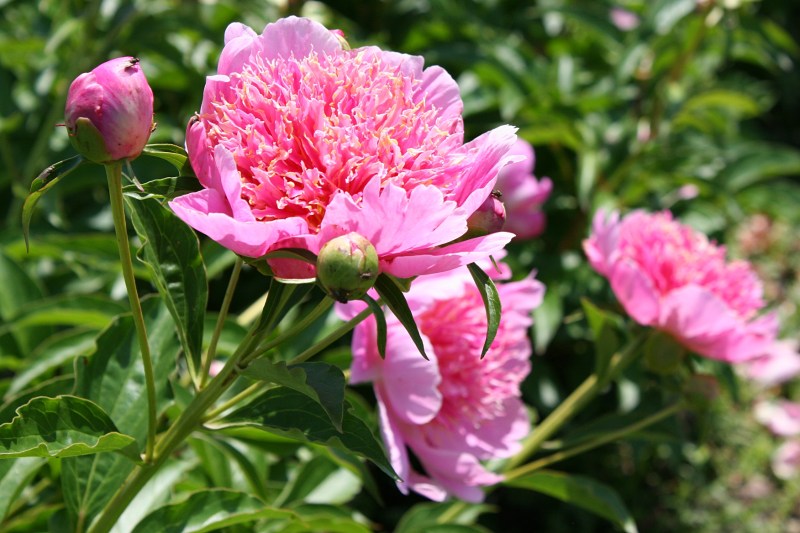
I couldn't get enough of the peonies, even if most were past peak bloom.

I found some peonies not past peak bloom. Lovely.

And about the proper pronunciation of peonies, I asked the peony experts. The correct pronunciation is pee-a-knees, Dawn said. However, because Minnesotans like their “o’s,” they mostly say pee-oh-knees. And the Rohls are just fine with that.
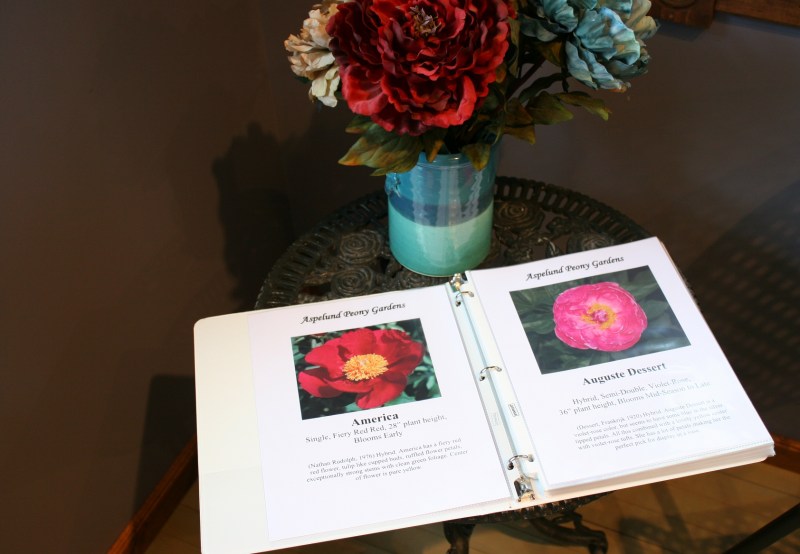
Even though peony blooming season is wrapping up, you can still order peonies by shopping online or viewing the selections in this three-ring binder in the wine tasting room.

Even though peony blooming season is wrapping up, you can still order peonies by shopping online or viewing the selections in this three-ring binder in the wine tasting room.

FYI: The winery, located at 9204 425th Street, rural Kenyon, is open from noon to 5 p.m. Saturdays and Sundays from April through December 24 (the neighbors have a Christmas tree farm). If you’re traveling Minnesota State Highway 60, watch for the Aspelund road sign onto Goodhue County Road 1 near Bombay. Go a few miles to Aspelund, turn onto County Road 8 and then shortly thereafter onto 425th Street.
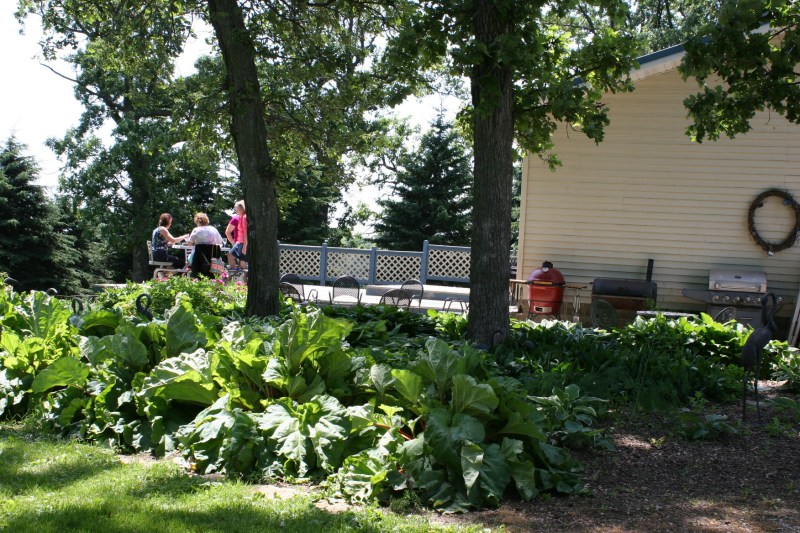
There's plenty of deck and patio space for gatherings to sip wine.

You can sip wine outdoors on the patio or deck, in a beautiful park-like setting.

Note that the tasting room is small. But there is plenty of outdoor seating on a patio and deck. The Rohls also welcome guests to explore their beautiful, well-groomed property.
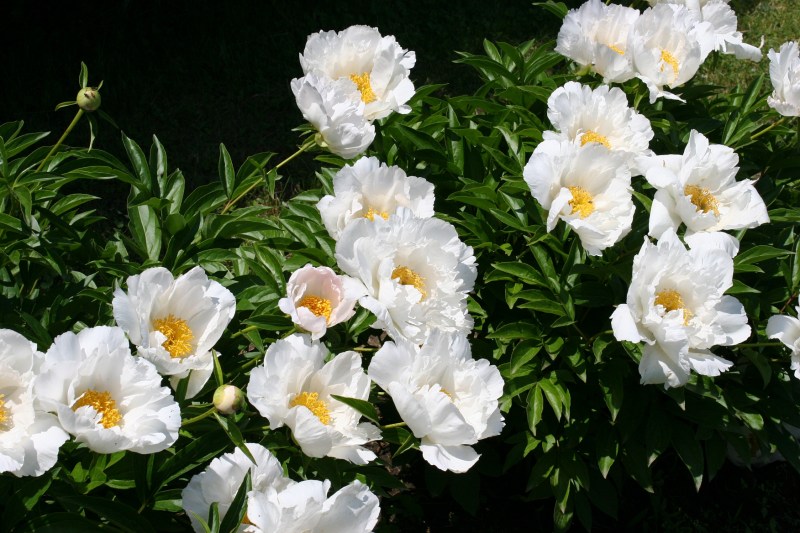
I still found blooms worthy of photographing.

I still found blooms worthy of photographing.

Prime peony blooming season has ended. It’s best to call ahead in the spring/early summer if you want to see these flowers in peak bloom.
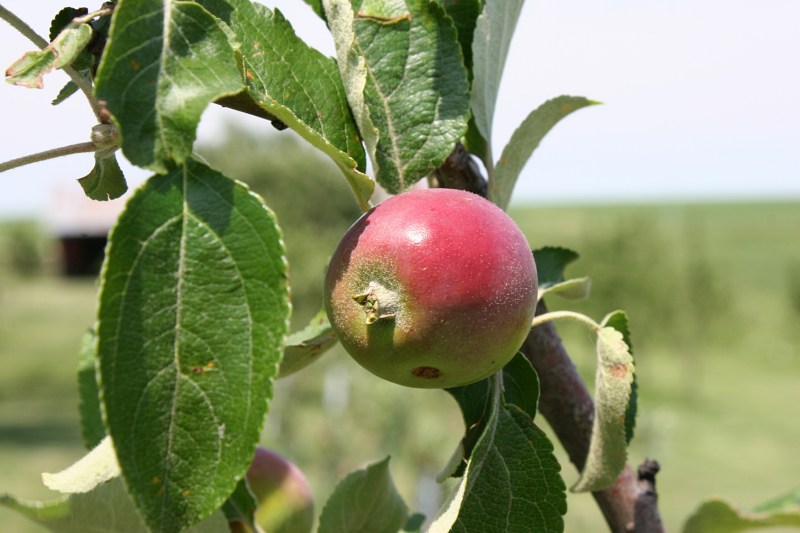
The Rohls use their own apples and those of neighbors to make their three wines: Cobblers Knob Medley (Honey Gold, Ida Red and O'Connel Red), Cobblers Knob Gold (Honey Gold apples) and Neighborhood Apple.

The Rohls use their own apples and those of neighbors to make their three wines: Cobblers Knob Medley (Honey Gold, Ida Red and O’Connell Red apples), Cobblers Knob Gold (Honey Gold apples) and Neighborhood Apple.

For more information about the winery, click here.
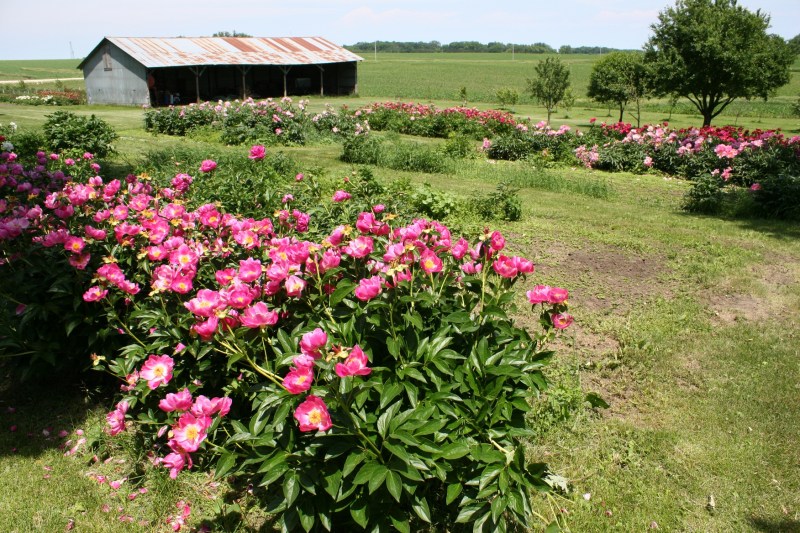
Peony beds mingle between farm buildings on this lovely rural Goodhue County site.

Peony beds mingle between farm buildings on this lovely rural Goodhue County site.

And click here for info about the peony garden.

BONUS PHOTOS:
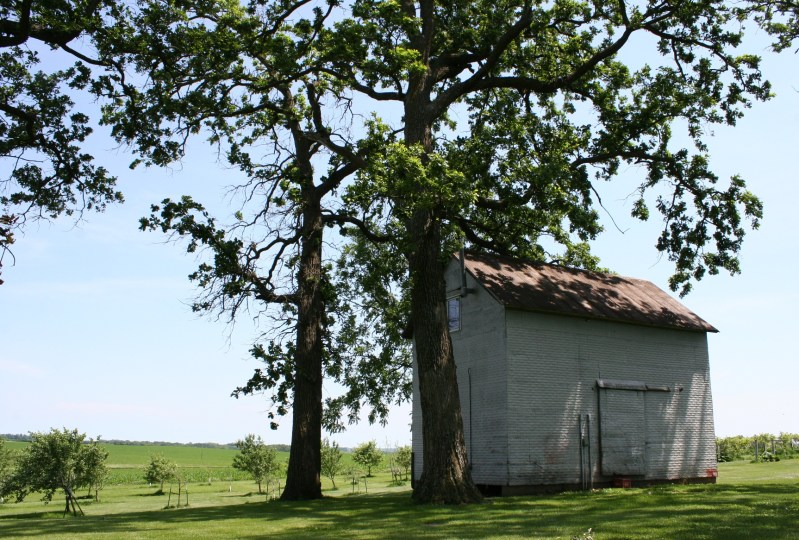
My favorite old building on the farm site.

Love this old building on the farm site.
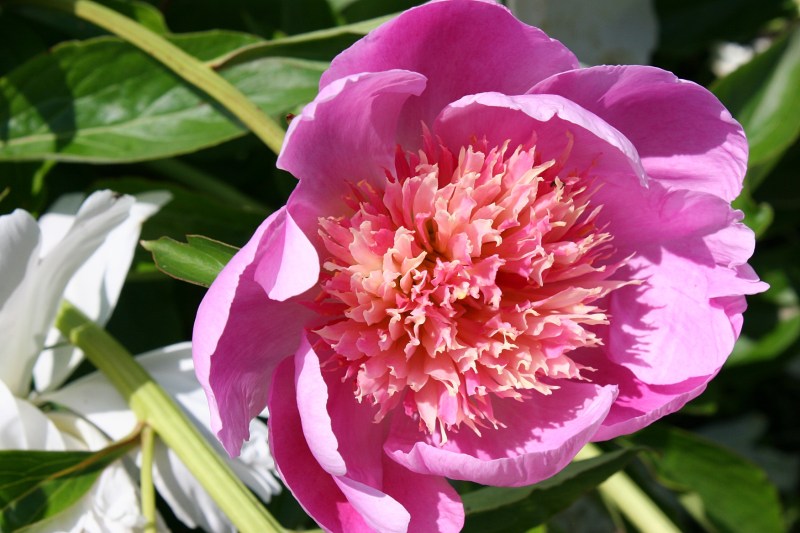
Choosing a favorite peony would be difficult among the 150 varieties.

Choosing a favorite peony among the 150 varieties would be difficult.
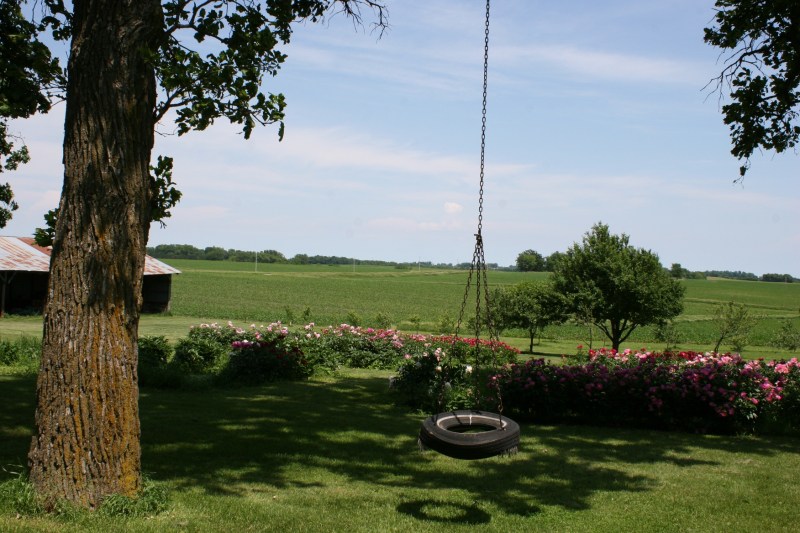
This tire swing, with its chain grown into a tree branch, adds simple country charm to the yard.

This tire swing, with its chain grown into a tree branch, adds simple country charm to the yard and peony gardens.

© Copyright 2016 Audrey Kletscher Helbling


Part II: The detailed craftsmanship of Holden Lutheran Church April 1, 2016

Filed under: Uncategorized — Audrey Kletscher Helbling @ 5:00 AM
Tags: , , , , , , ,
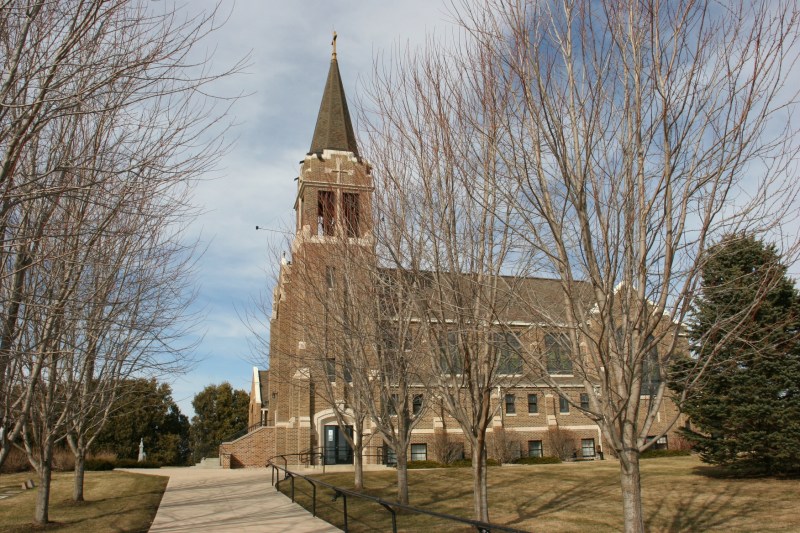
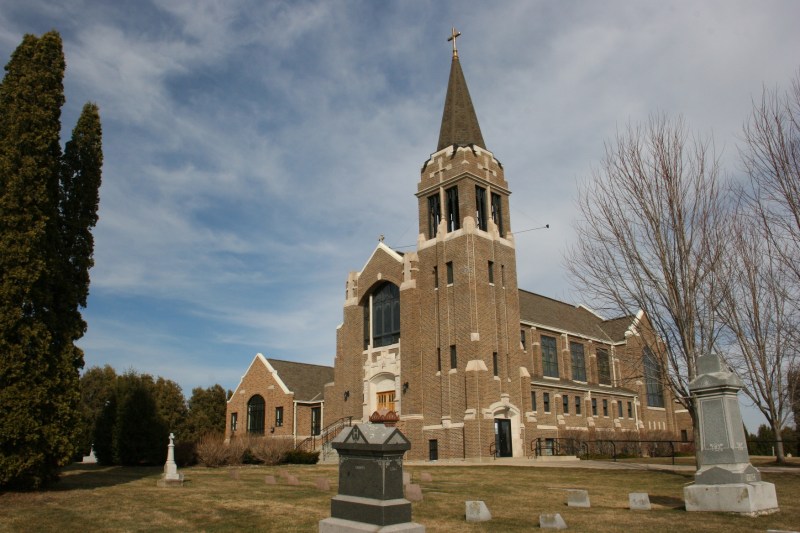
Holden Lutheran Church, rural Kenyon, Minnesota.

Holden Lutheran Church, rural Kenyon, Minnesota.

IT IS THE DETAILS, always the details, that define a place, a person, a whatever. In long-standing country churches, especially, detailed craftsmanship prevails.

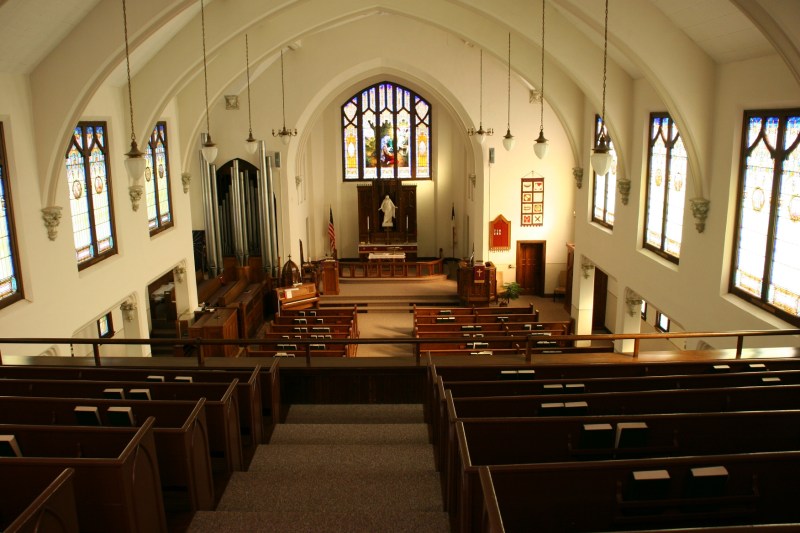
The sanctuary as photographed from the balcony.

The sanctuary as photographed from the balcony.

Craftsmanship and beauty at the altar.

Craftsmanship and beauty at the altar.

This glorious Easter themed window shines above the altar.

This glorious Easter themed window shines above the altar.

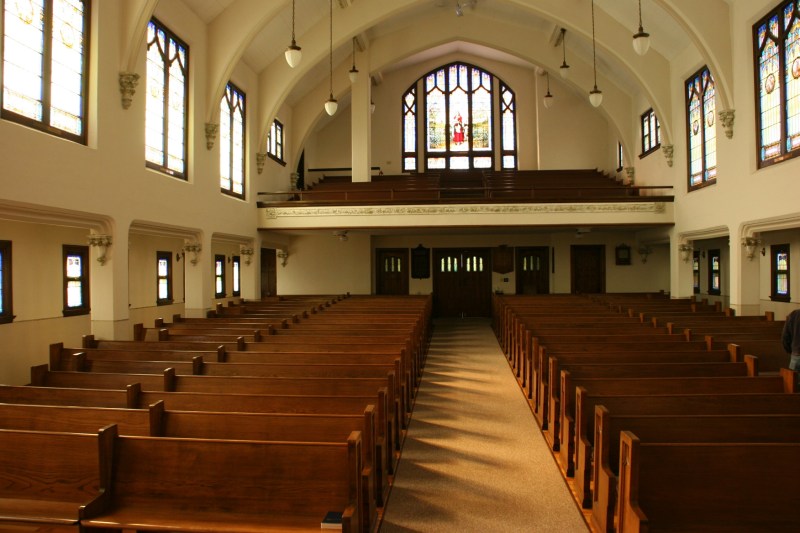
Looking from the front of the sanctuary to the rear and the balcony.

Looking from the front of the sanctuary to the rear and the balcony.

Holden Lutheran Church, rural Kenyon, Minnesota, is a prime example with countless stained glass windows, handcarved wood and chiseled stone. I can imagine the rough hands of a Norwegian farmer, the calloused hands of a bricklayer, the creative hands of an artist shaping this church into this glorious house of worship.

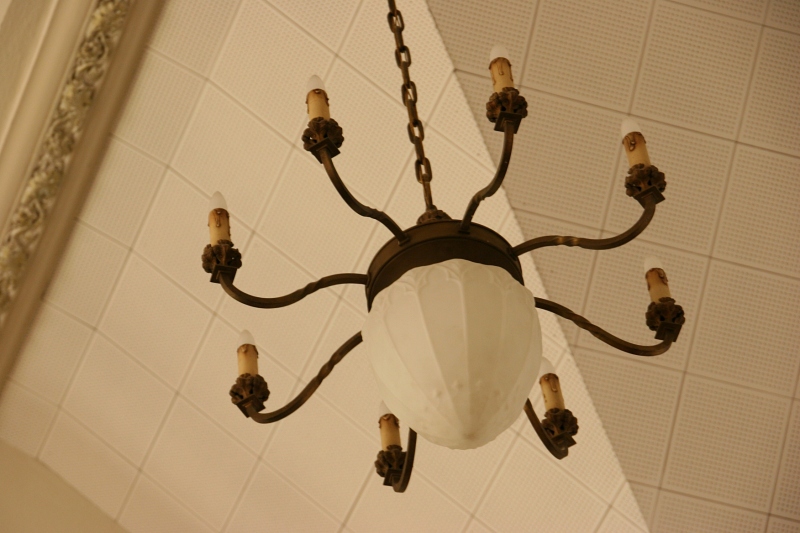
I assume this is an original vintage light suspended in the sanctuary.

I assume this is an original vintage light suspended in the sanctuary.

I wonder, though, did long ago parishioners form committees, as Lutherans are wont to do, or did they simply do what needed to be done? The current congregation has several committees, including a Property Management Committee.

Look at the details of three distant crosses in this snippet of a stained glass window.

Look at the detail of three distant crosses in this snippet of a stained glass window.

However Holden evolved, I am impressed, as I often am, by the efforts entailed in building a structure like this for $56,687 in 1924 without modern day tools and equipment. How did they do it? Hard work and determination, I expect.

Gravestones bear many Norwegian names.

Gravestones bear many Norwegian names.

It takes a lot of money to sustain and improve such a massive structure and to pay the heating and other bills. That Holden continues to do so reveals faithfulness, tenacity and a determined spirit that traces to the Norwegian immigrants who founded this congregation.

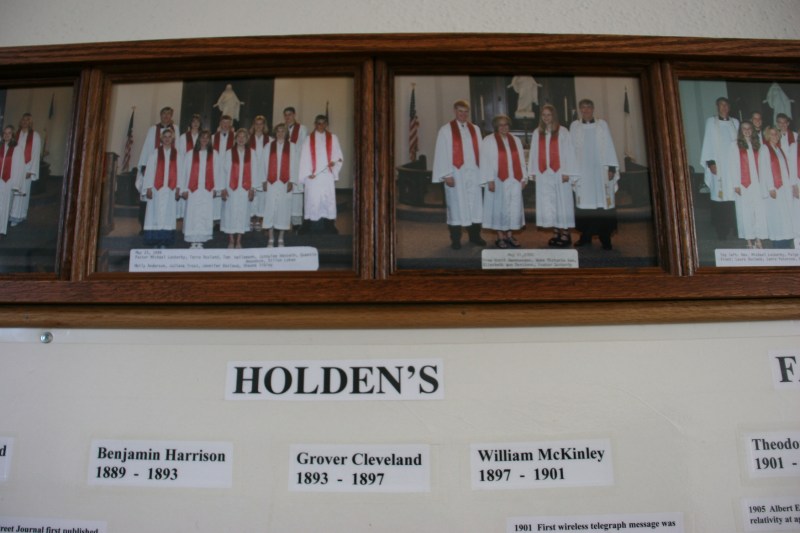
Confirmation photos hang above a history timeline.

Confirmation photos hang above a history timeline.

History remains an integral part of Holden as evidenced in a time-line posted inside the church and in photos displayed.

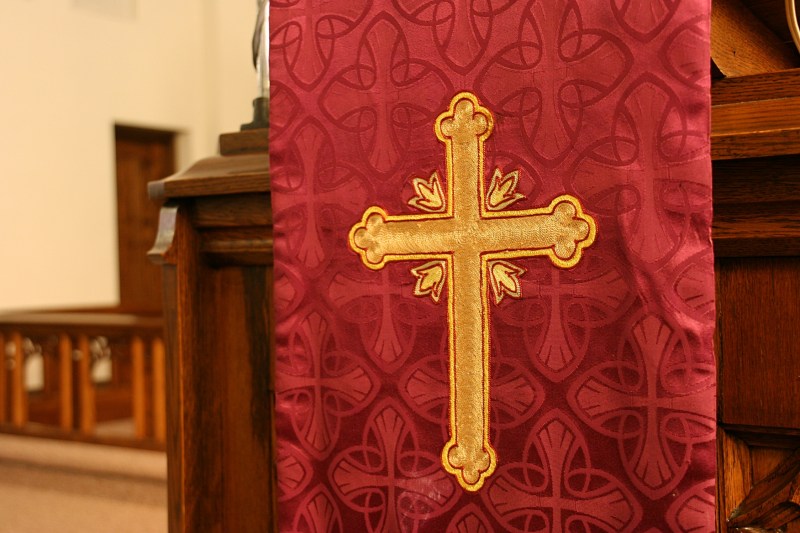
Hanging from the pulpit.

The art of a seamstress hangs from the pulpit.

This bible, lying open on the lectern, was turned to

This bible, lying on the lectern, is open to Proverbs 6 – 8.

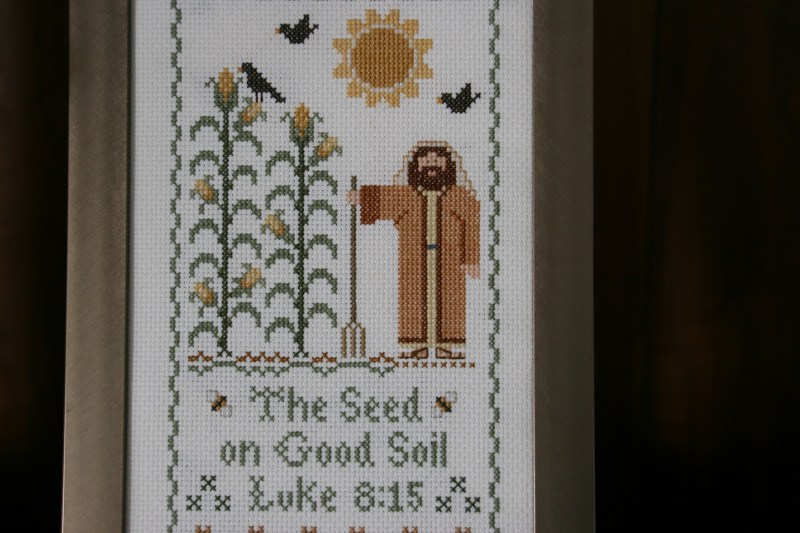
I photographed this counted cross-stitch art in the church basement. It seems especially fitting for this rural region of Minnesota.

I photographed this counted cross-stitch art in the church basement. It seems especially fitting for this rural region of Minnesota.

Details, too, still matter. One need only look to see them. It is the details, always the details, that define a place like Holden Lutheran Church.

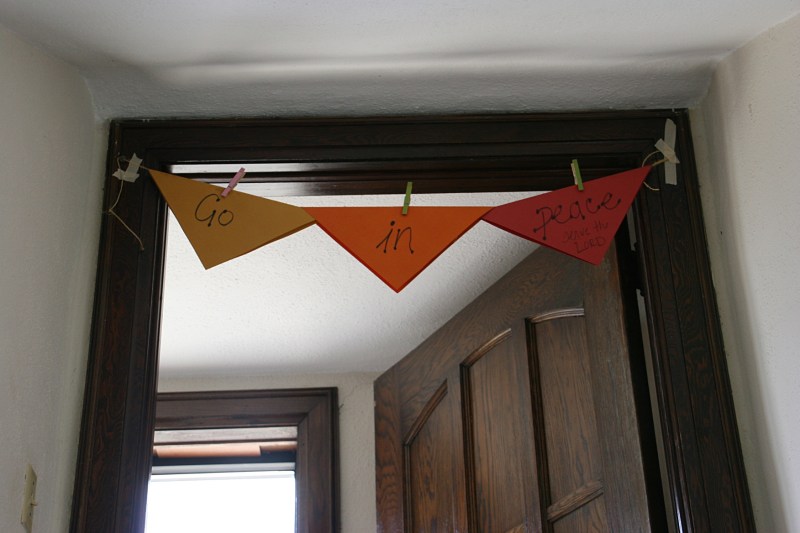
A simple banner message for those exiting the church entry to the south.

A simple banner message for those exiting the church to the south.

FYI: Click here to read my first post on Holden.

© Copyright 2016 Audrey Kletscher Helbling


Part I: Inside Holden, an historic Norwegian Lutheran church in rural Minnesota March 31, 2016

Holden Lutheran Church, rural Kenyon, Minnesota.

Holden Lutheran Church, rural Kenyon, Minnesota.

THE LAST TIME I STOPPED at Holden Lutheran Church, rural Kenyon, the heavy oak doors to the sanctuary were closed and Sunday morning worship underway. Not wanting to intrude in the middle of the service, my husband and I instead wandered the cemetery, vowing to return.

The beautiful sanctuary of Holden Lutheran Church.

The beautiful sanctuary of Holden Lutheran Church.

Several weeks ago we did, on a Saturday afternoon, en route home from Wanamingo to Faribault along the back roads rather than the more direct Minnesota State Highway 60. Goodhue County Road 30 led us right by this landmark Norwegian brick church standing high and solid among farm fields and farm sites.

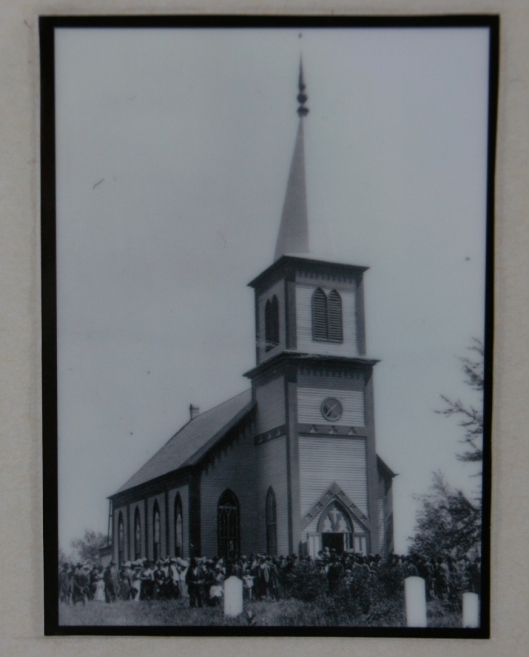
A photo of the "old church" is posted in the present church.

A photo of the “old church,” built in 1871, is posted in the present church.

With my rural roots and deep appreciation for country churches, I was excited to tour this church built in 1924. The congregation was established in 1856. Previously, members worshiped (for 53 years) in a standard wood-frame country church.

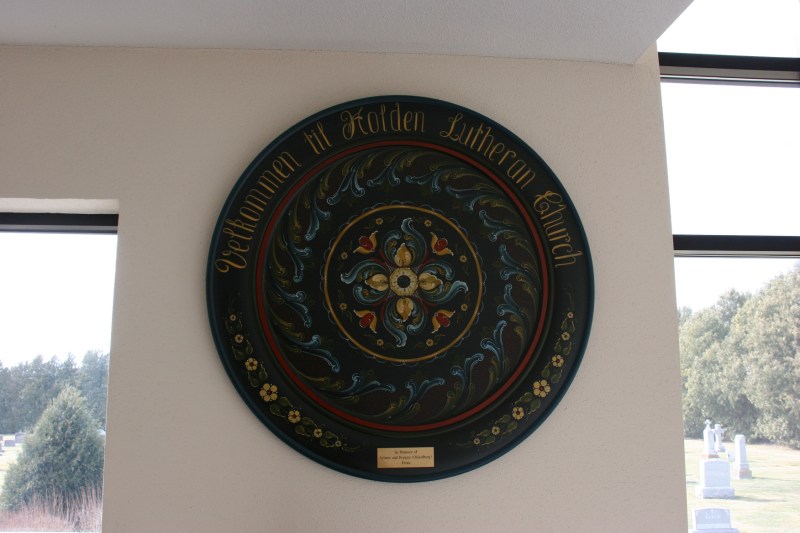
Holden's Norwegian heritage is reflected in this rosemaling art hung in the narthex.

Holden’s Norwegian heritage is reflected in this rosemaling art hung in the narthex.

This congregation is especially notable for its strong Norwegian heritage tracing back to Telemarken, Norway, specifically the village of Holden. From thence comes the name.

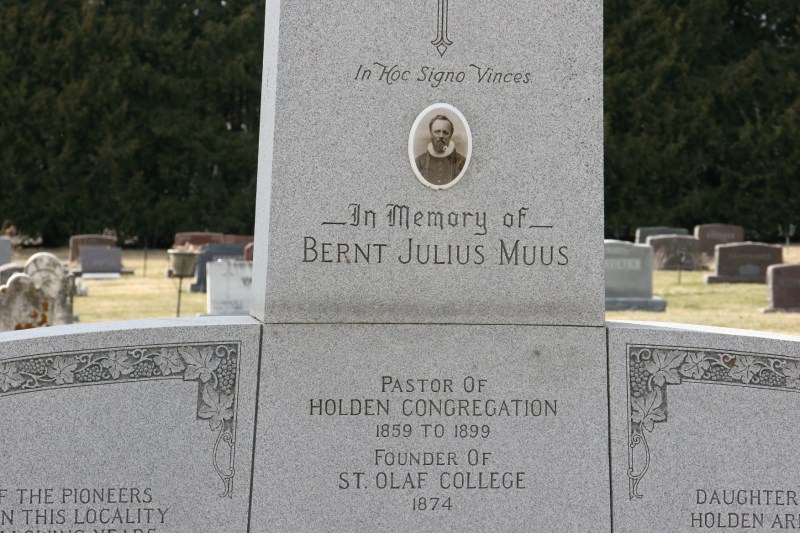
This memorial to the Rev. Bernt Muus was built in

This memorial to the Rev. Bernt Muus was unveiled in May 1937. It is dedicated “In gratitude to God who enabled the pioneers to establish His church in this community…and to the pioneers for building upon Jesus Christ and His Word.”

Holden Lutheran is also notable for its connections to Luther College in Decorah, Iowa, and to St. Olaf College in Northfield, Minnesota. A memorial on the church grounds honors Holden’s first pastor, Bernt Julius Muus, who founded St. Olaf and helped to found Luther. He shepherded Holden for 40 years.

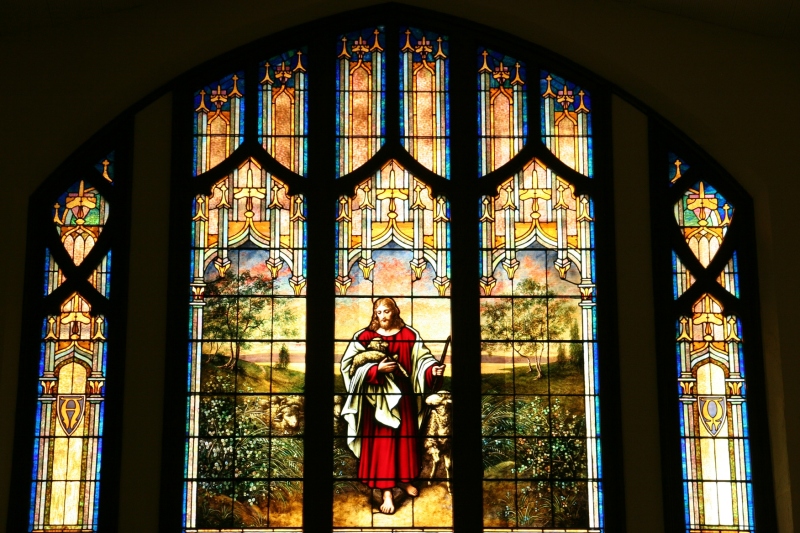
Stained glass windows fill the sanctuary, including this one in the balcony.

Stained glass windows fill the sanctuary, including this one in the balcony.

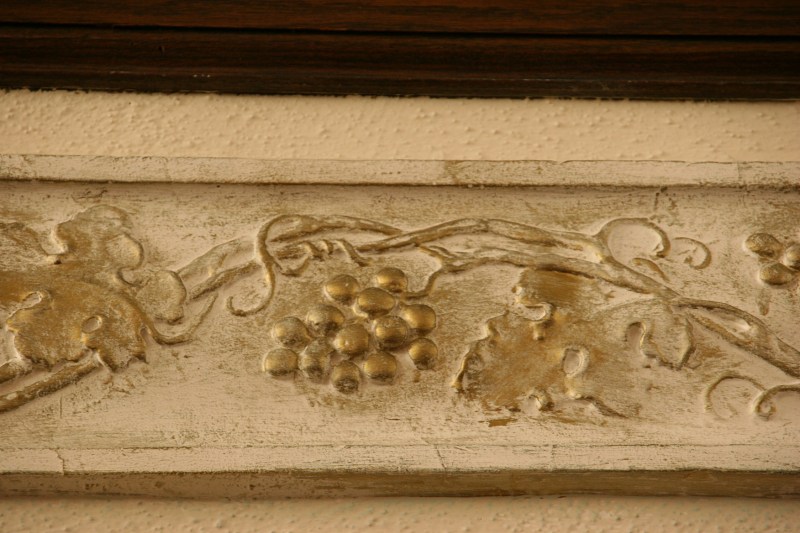
Grapes carved into wood along the balcony.

Grapes carved into wood along the balcony.

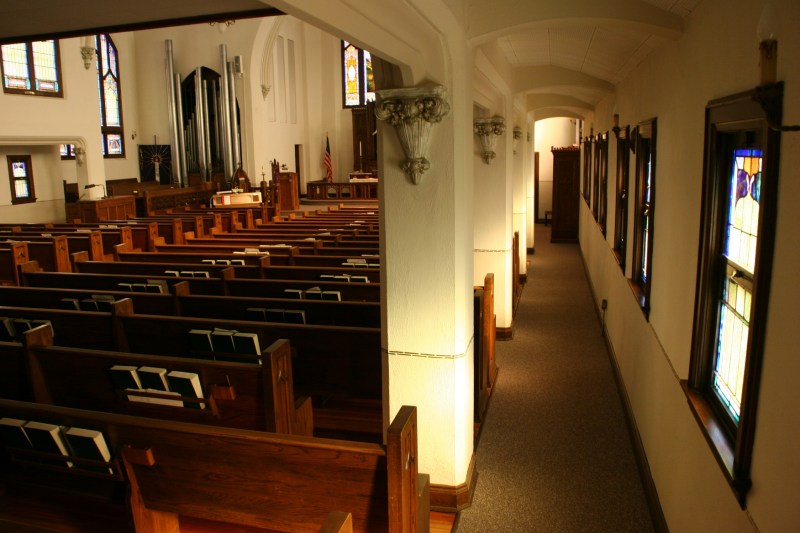
A view of a sanctuary side aisle showcases the craftsmanship of this church.

A view of a sanctuary side aisle showcases the craftsmanship of this church.

This is a place of deep history and heritage reflected in craftsmanship and artifacts within the church building.

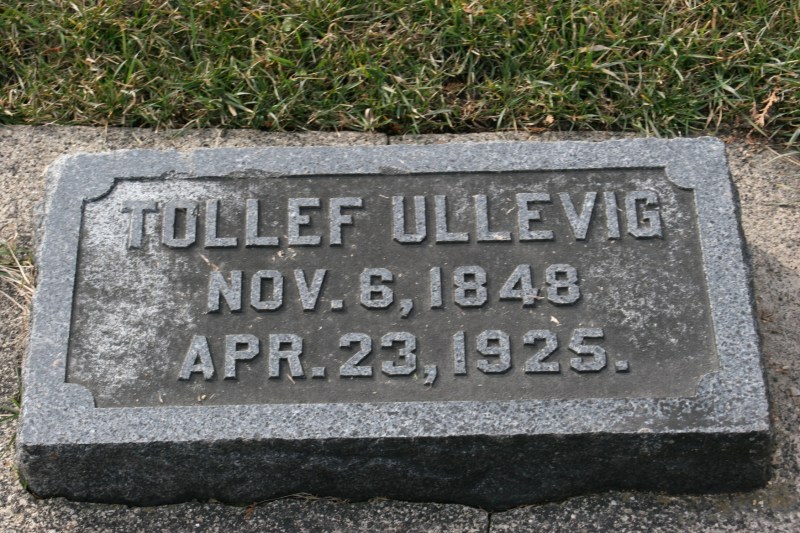
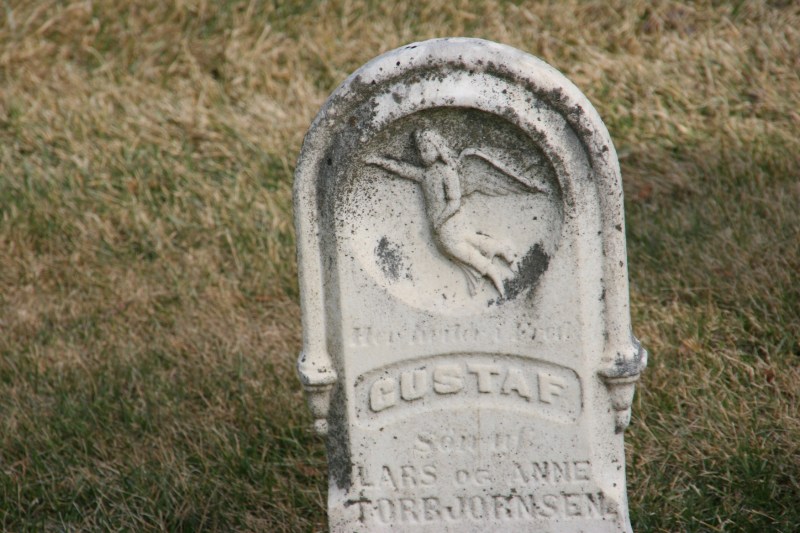
A gravestone in the old part of the cemetery surrounding the church.

A gravestone in the old part of the cemetery.

And in names—like Gustaf, Tollef, Ole—chiseled in to stone in the graveyard.

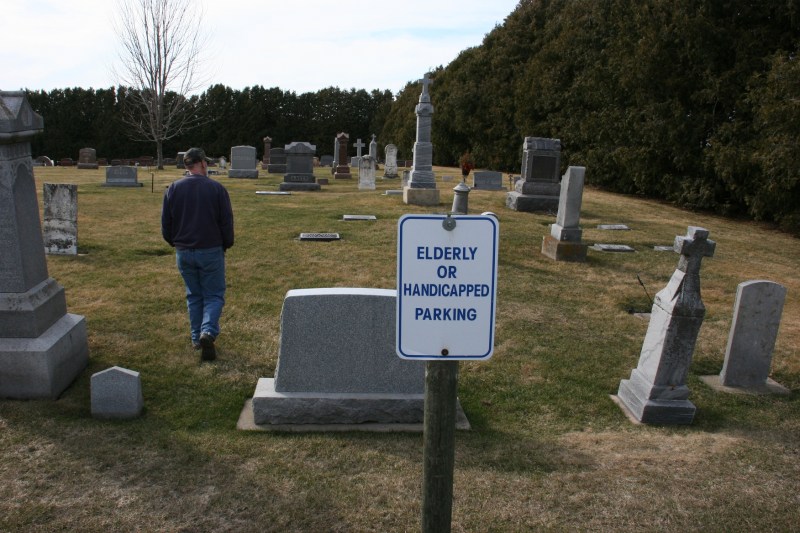
I trail Randy from the back church parking lot into another section of the cemetery.

I trail Randy from the back church parking lot into another section of the cemetery.

Here in this rural place, the wind blows steady on a sunny spring-like March afternoon. I meander with my husband among the gravestones, noting a weathered holiday wreath on one. And then, as I step back and back and back to photograph this massive church in its entirety, I skirt a mound of fresh earth. Not that long ago, mourners gathered here, like the Norwegian speaking settlers 160 years prior, to grieve and to bury a loved one.

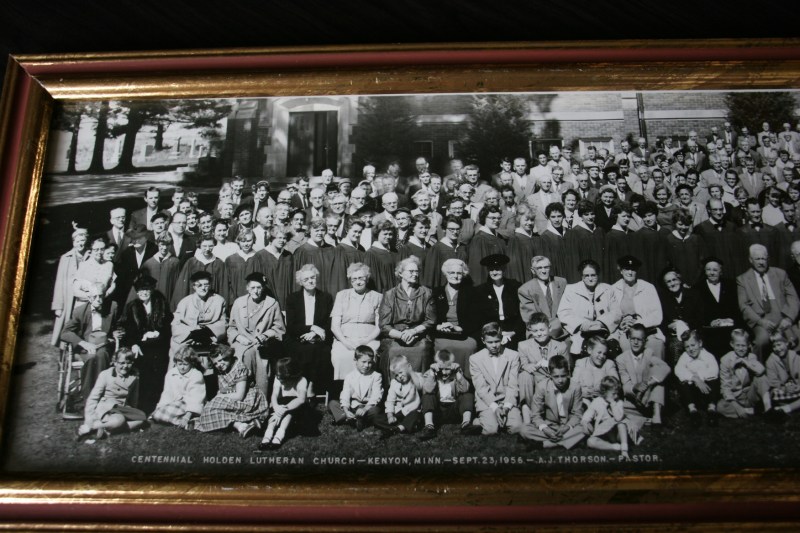
In the church basement, I found and photographed a portion of the church centennial photo.

In the church basement, I found and photographed a portion of the church centennial photo.

Time imprints upon generations in the cycle of life.

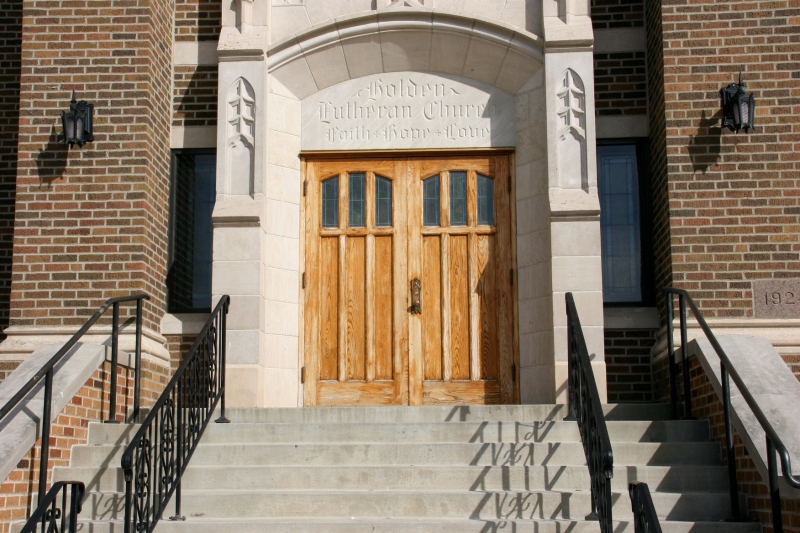
The front entry to Holden Lutheran is stunning. Faith, hope and love are chiseled above the oak doors.

The front entry to Holden Lutheran is stunning. Faith, hope and love are chiseled above the oak doors.

Through these church doors, below the far-reaching steeple tipped with a cross, the faithful have gathered here to worship God, to exchange vows, to baptize children, to mourn the dead. And in late autumn to dine on roast beef, pulsa, lefse, rommegrot and fruit soup at the annual All Saints Dinner celebrating Holden’s Norwegian heritage.

FYI: Check back tomorrow for more photos from Holden Lutheran Church.

© Copyright 2016 Audrey Kletscher Helbling
 

In loving remembrance & with gratitude on Good Friday March 25, 2016

Filed under: Uncategorized — Audrey Kletscher Helbling @ 5:00 AM
Tags: , , , , , , ,
A stained glass window inside Holden Lutheran Church, rural Kenyon, Minnesota.

A stained glass window inside Holden Lutheran Church, rural Kenyon, Minnesota.

Copyright 2016 Audrey Kletscher Helbling


Kenyon native turns to writing children’s books after MS diagnosis December 4, 2015

WRITER DEBBIE ESTREM’S childhood parallels mine. We both grew up on farms—she near Kenyon in southeastern Minnesota and me 150 miles to the west in Redwood County. She, though, moved into town, unlike me.


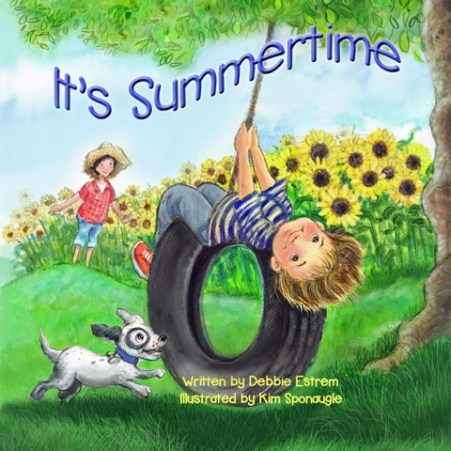
It's Summertime Book Cover


Because of our similar upbringings, I understand her connection to and appreciation for the simple things in life. I see that focus and a strong rural Minnesota influence in her children’s picture books, especially in It’s Summertime, the first volume in a seasonal-themed series. An autumn book, A Time for Fall Fun, just published with the remaining two seasonal titles due to release in 2016.


Firefly book cover


Her other self-published picture books include Have you ever seen a firefly? and Sights at the Zoo.

Of the three books Debbie sent for possible review, I am focusing here on It’s Summertime. I feel most connected, memory-wise, to the content. Debbie writes from a child’s perspective, showcasing outdoor summer activities such as picnicking, swimming, biking, jumping rope, blowing bubbles and attending the county fair.

It’s refreshing to read a book like this that emphasizes mostly unstructured play and family togetherness. I’m all for kids playing on their own, using their imaginations in unscheduled, unorganized free time.

Debbie’s writing, paired with the art of New Jersey illustrator Kim Sponaugle, makes It’s Summertime a delightful book that is visually and nostalgically appealing. The artist, according to her website, “is known for her bright, colorful style and lovable character expressions that give her illustrations warmth and delight.” Her drawings of happy children transport me to the carefree days of my childhood, back to memories of playing hopscotch at Vesta Elementary School and savoring sugary mini donuts at the Redwood County Fair.

While Kim holds an art degree, Debbie’s educational background is in business. However, she started writing poetry in 2003 and turned to penning children’s picture books after being diagnosed with Multiple Sclerosis in 2010. Unable to continue working and volunteering, Debbie decided to focus on something positive. And for her, that was writing children’s picture books.

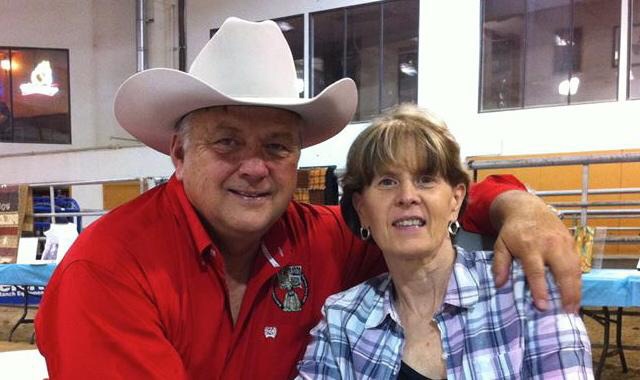
Kevin and Debbie Estrem in 2013. Photo courtesy of Debbie Estrem.

Kevin and Debbie Estrem in 2013. Photo courtesy of Debbie Estrem.

Ten percent of each book sale goes toward researching MS, specifically to the Colorado-Wyoming Chapter of the National Multiple Sclerosis Society. Debbie lives in Colorado Springs with her husband and childhood sweetheart, Kevin Estrem, who is retired from an Air Force career.


book cover


In Sights at the Zoo, Debbie weaves the topic of disabilities into the storyline, helping children to understand why someone uses a wheelchair, walker or other assistive device. The couple’s daughter, Cassi, whose first job out of college focused on researching the cause of MS, suggested her mother write the book. Having once used a cane and walker myself following hip replacement surgery, I appreciate this addition to the story. Debbie currently uses a wheelchair or motorized chair to get around.

This author is hoping, she says, that “discoveries are made for both the cause (of MS) and a cure in my lifetime.”


Fall book cover


IF YOU ARE INTERESTED in purchasing one of Debbie’s picture books, visit the Halo Publishing International website by clicking here.

© Copyright 2015 Audrey Kletscher Helbling
Book cover images courtesy of Debbie Estrem. Cover art by Kim Sponaugle.


In Kenyon: How a small town police chief connects via Facebook December 3, 2015

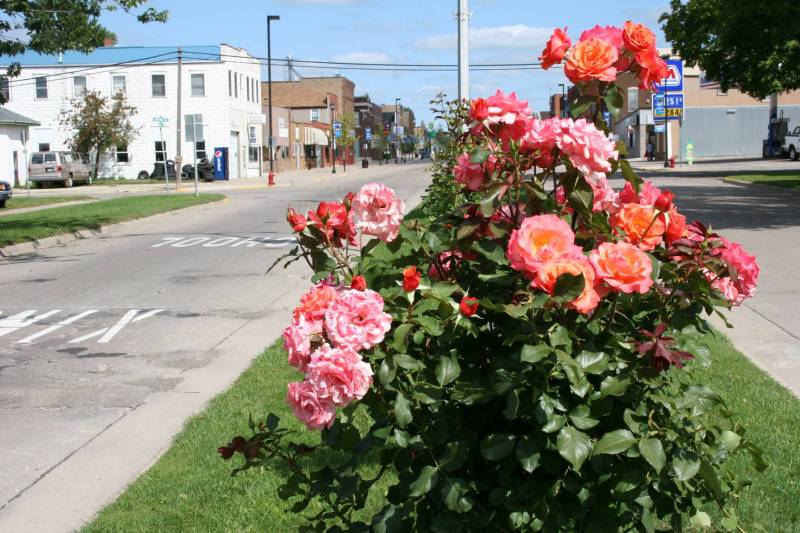
Kenyon's Boulevard of Roses cuts through Minnesota Highway 60.

Kenyon’s Boulevard of Roses cuts through Minnesota Highway 60. Minnesota Prairie Roots file photo.

ABOUT 15 MILES TO THE EAST of Faribault lies the town of Kenyon. Other than roses planted along the boulevard of Minnesota State Highway 60, Kenyon appears your typical southern Minnesota farming community. Hardware store. VFW. Restaurants. Grocery store. Municipal swimming pool. Police station.

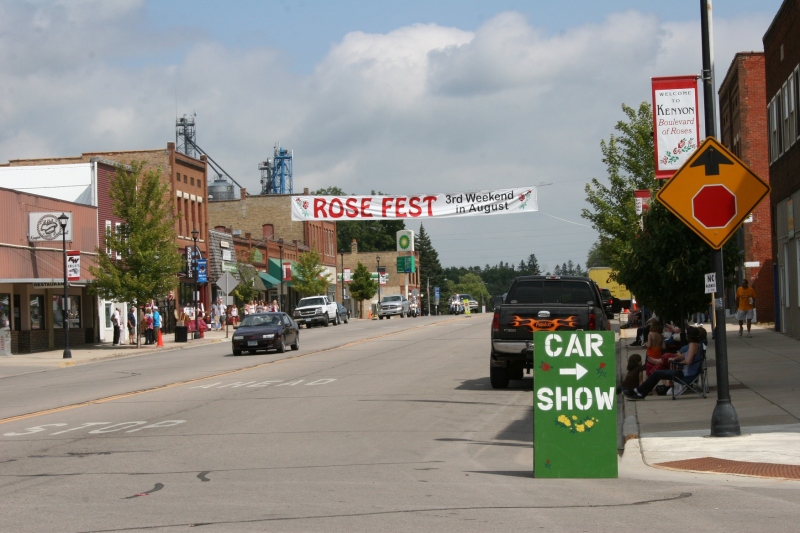
Kenyon, Minnesota, welcomes visitors to its recent Rose Fest.

Kenyon, Minnesota, welcomes visitors to its annual August Rose Fest. Minnesota Prairie Roots file photo.

But look a little closer, online closer, and you discover that things operate a little differently in Kenyon. Specifically in the police department. Police Chief Lee Sjolander, according to a recent story in the Kenyon Leader, “highlights the positive, human side of law enforcement with Facebook.”

And that he does, so I confirmed after checking out the Kenyon (MN) Police Department Facebook page penned by the Chief. With introspective, encouraging and uplifting words, often mixed with humor, this policeman shows care and compassion for those in his community of around 1,800.

Don’t just take my word for it. Read the Chief’s thoughts on thankfulness, safe driving, the challenges of his job and more. Read his encouraging words to a commenter who feels like an outcast. Read how his department is helping those in need at its annual Garage of Goodness, a give-away event set for noon to 4:30 p.m. December 5.

View the photos and read the stories in the Chief’s “My hands, my story” series.

Laugh at the postings in his “Life with my teenage daughter” series.

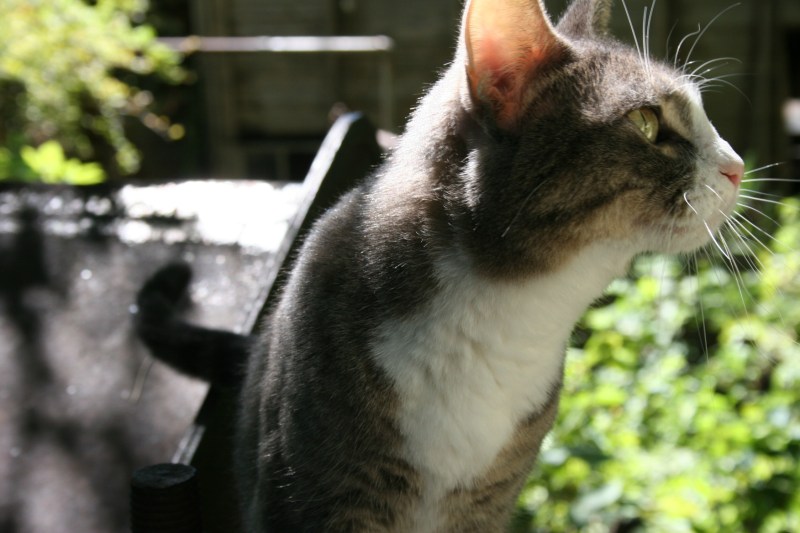
Cats roam the farm and kids chase after them.

Minnesota Prairie Roots file photo used for illustration only (not photographed in Kenyon).

See how he cares for wandering dogs and cats in Kenyon.

His posts get hundreds of likes.

In a day when law enforcement officers are less and less appreciated, it’s refreshing to see the support given to the Kenyon Police Department, to read the words of a police chief who cares deeply and passionately for those he serves.

#

Check back on Friday to read another story that originates in Kenyon.

© Copyright 2015 Audrey Kletscher Helbling

 

Minnesota Faces: The Sweetcorn Salesman July 31, 2015

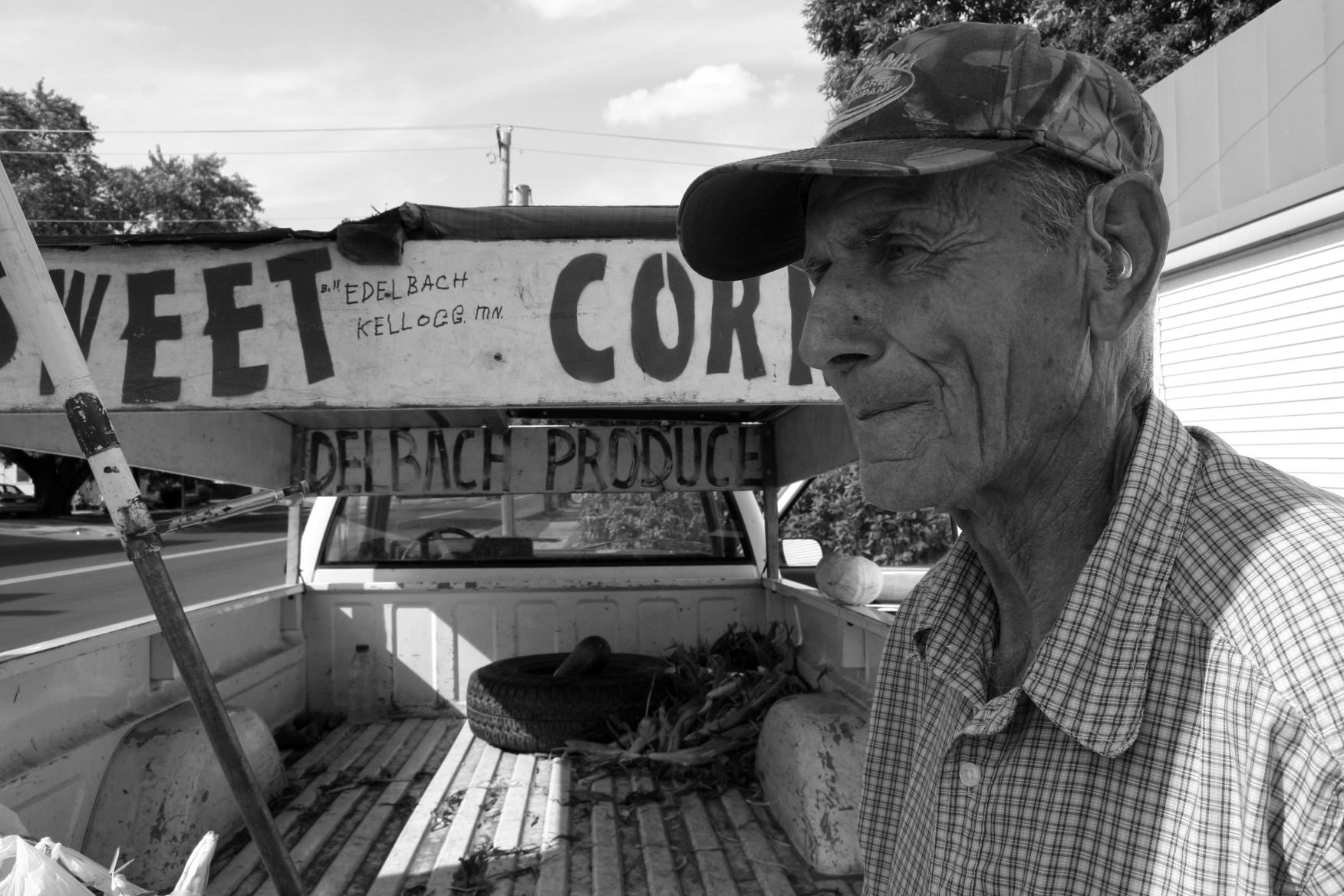
Portrait #33: Bill Edelbach

Bill of Edelbach Produce

Bill of Edelbach Produce

It’s sweetcorn season here in Minnesota, which reminds me of veggie vendor Bill Edelbach.

I met Bill two summers ago selling peppers, zucchini, cucumbers and sweetcorn from the back of his pick-up truck parked on a street corner in downtown Kenyon.

The Kellogg area farmer has been tending and vending vegetables for more than 50 years. That hard work shows in his salesmanship skills, in his lean frame and in his face. Oh, that face. Sun, sky and wind have furrowed lines deep into his weathered skin. His face tells the story of a man who works hard and loves the land.

#

This is part of a series, Minnesota Faces, featured every Friday on Minnesota Prairie Roots.

© Copyright 2015 Audrey Kletscher Helbling
 

Minnesota Faces: A church basement gentleman June 26, 2015

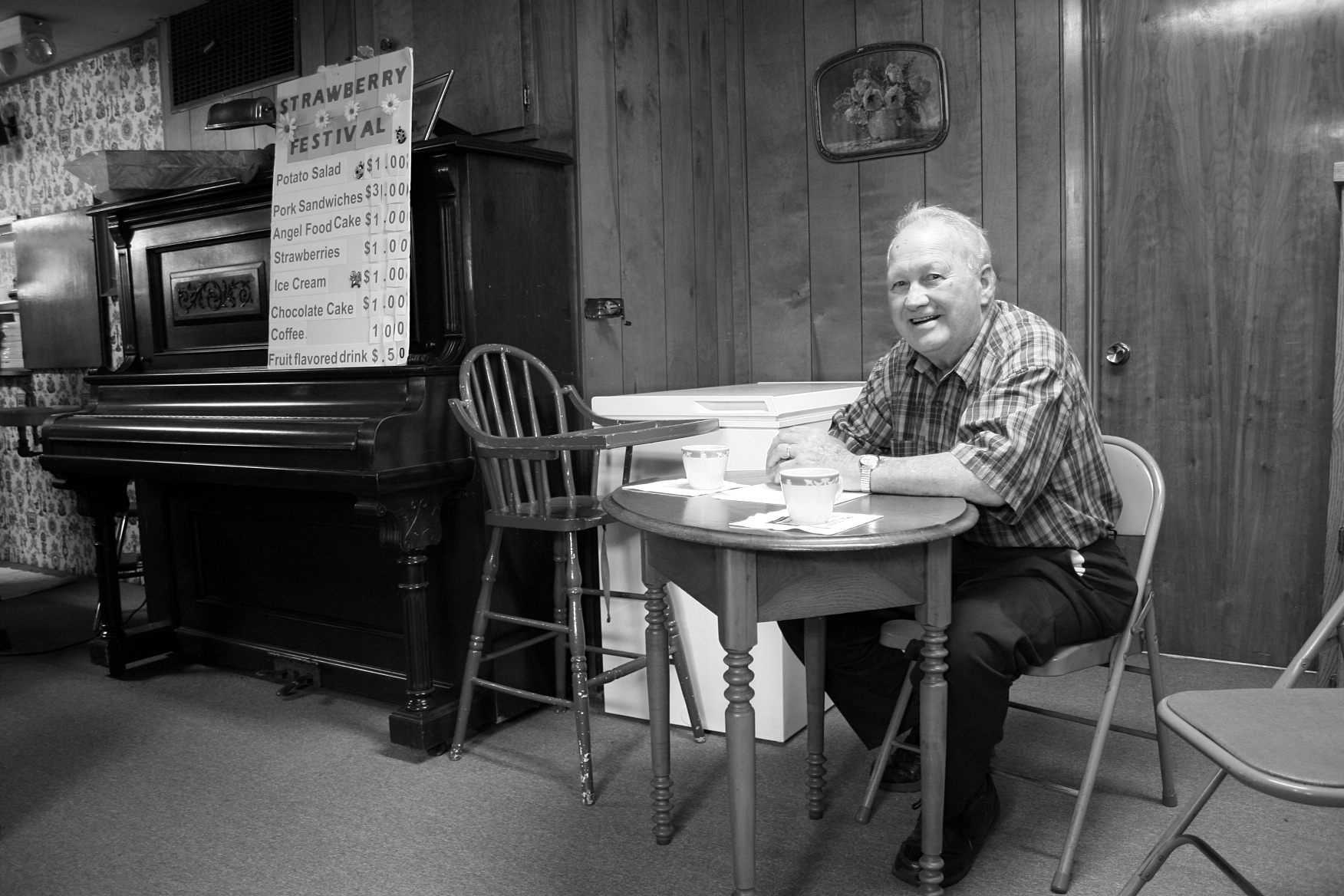
Portrait #29: George Derscheid

As a life-long Minnesotan, I appreciate the church basement ladies. You know, the women who labor in service to the Lord by brewing coffee, buttering buns for ham sandwiches, stirring together a hamburger-noodle-cream soup based hotdish for a funeral and more to feed the hungry.

These women are held in such high esteem in our state that musical comedies have been performed about them at the noted Plymouth Playhouse. Devoted followers have delighted in plays such as “The Church Basement Ladies in A Mighty Fortress Is Our Basement” and “The Church Basement Ladies in The Last (Potluck) Supper.”

But what about the men?

They, too, hold roles of importance in Lutheran and other church basements. I’ve attended a lot of church dinners in southeastern Minnesota in recent years and noticed many a man quietly volunteering his time in service to the Lord.


Portrait 29, George Derscheid, Moland Lutheran Strawberry Fest 2013


Take George Derscheid. I photographed the retired Kenyon area farmer two years ago as he tallied the number of people attending the annual Moland Lutheran Church Strawberry Festival. While on the surface his job may not seem as important as working in the kitchen, it certainly is. Numbers are necessary in food planning. Plus, Lutherans like their stats and reports.

George was more than the numbers guy, though. He was also a smiling face, an unofficial greeter, an engaging man whose whole persona exudes optimism. He simply looks happy. And every Lutheran church basement needs a Lutheran who breaks the mold of stoic and unemotional.

FYI: Moland Lutheran Church, 7618 N.E. 84th Ave., rural Kenyon, celebrates its annual Strawberry Festival from 11 a.m. – 3 p.m. this Sunday, June 28. It’s a must-attend event with the following foods available for purchase: pulled pork sandwiches, potato salad, chocolate cake, angel food cake and fresh strawberries, ice cream, coffee and fruit flavored drinks. There’s also a bake sale.

The country church is located southwest of Kenyon or east of Medford or northeast of Owatonna.

Click here to read my June 2013 post about the Strawberry Festival. I highly recommend it for the food, the people and the beautiful old church in a rural setting.

#

Minnesota Faces is part of a series featured every Friday on Minnesota Prairie Roots.

© Copyright 2015 Audrey Kletscher Helbling
 

Minnesota Faces: A World War II veteran from Kenyon May 22, 2015

Filed under: Uncategorized — Audrey Kletscher Helbling @ 5:00 AM
Tags: , , , , , , ,

Portrait #24: Howard Homeier

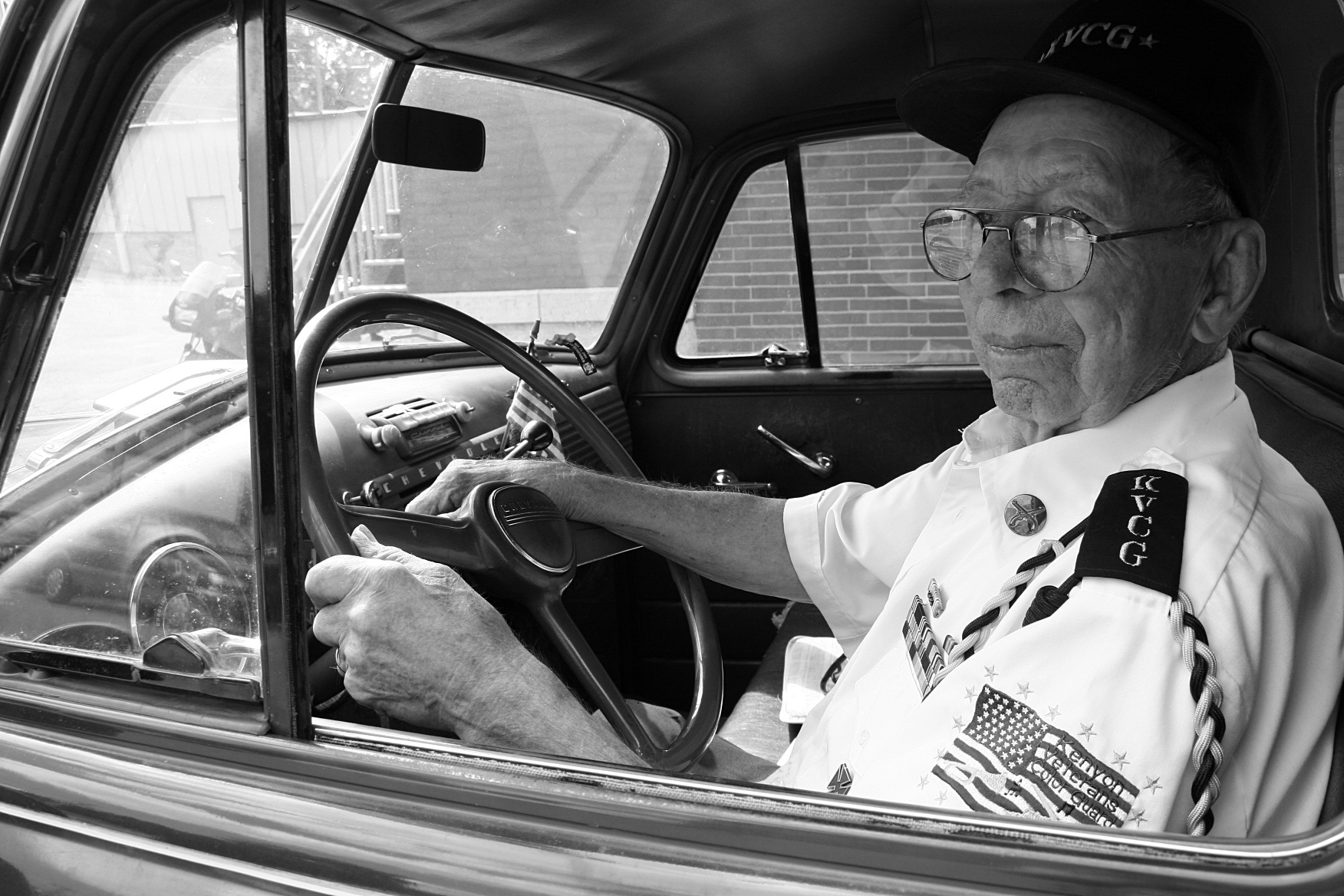
Howard Homeier in his cherished early 1950s Chevy pick-up truck.

Howard Homeier in his cherished early 1950s Chevy pick-up truck. Minnesota Prairie Roots file photo 2009.

When I met World War II veteran Howard Homeier of Kenyon, in Kenyon, in August 2009, he’d just come from Kenyon Veterans Memorial Park. There, with other members of the Kenyon Veterans Color Guard, he’d participated in a ceremony during this southern Minnesota community’s annual Rose Fest.

Howard and I chatted briefly about his service with the U.S. Army in the China Burma India Theater. Then I admired his vintage 50s truck, with Howard allowing me to photograph it and him in it.

What I mostly admired, though, was Howard’s patriotism and support of veterans. Although I didn’t ask, I’m certain he does not take freedom for granted. He understands its cost. This vet put his freedom into practice by serving in Kenyon city government.

Nearly six years after meeting Howard, I still remember him. I hope you, too, this weekend remember and honor a veteran.

#

This is part of a series, Minnesota Faces, featured every Friday on Minnesota Prairie Roots.

Copyright 2015 Audrey Kletscher Helbling


Crazy about cars in Kenyon, Part II August 26, 2014

Vintage vehicles lined several blocks of a residential neighborhood just off the main drag through town, Minnesota State Highway 60. The location was perfect for those wishing to check out the downtown.
Vintage vehicles lined several blocks of a residential neighborhood just off the main drag, Minnesota State Highway 60. The location was perfect for those wishing to check out downtown Kenyon.
A RECENT CAR SHOW in Kenyon, at this southern Minnesota community’s annual Rose Fest, presented a multitude of photo ops.

I'm always drawn to details like this dice on a lock.

I’m always drawn to details like this die on a lock.

I focused on the shiny, the unusual, the beautiful, the interesting, the whatever caught my eye.

I called this a hippie van.

I called this a hippie van.

And between all that photographing, I met John, a former co-worker of my husband, and John’s wife, Diane. John and Randy had not seen each other in something like 35 years, when they worked together at a Rochester automotive parts store. John recognized Randy first. It was a wonderful moment, to see these two guys reconnect.
So sometimes it is not all about the cars. It is about the people and the moments. And rats if I didn’t fail to photograph that reunion.

Enjoy these images from the Rose Fest Car Show, minus John and Randy.

I prefer original, but some guys like to modify their cars.

I prefer original, but some guys like to modify their cars.

Love the graceful curves of this Bel Air.

Love the graceful curves of this Bel Air.

A mini version of the car always draws my artistic attention.

A mini version of the car always draws my artistic attention.

Composing this image, I appreciated the melding of car and beautiful house. Turns out the house is a funeral home.

Composing this image, I appreciated the melding of car and beautiful house. Turns out the house is a funeral home.

So many trophies I wondered if everyone gets one.

So many trophies I wondered if everyone gets one.

I'm ever watchful for shiny bumpers and reflections.

I’m ever watchful for shiny bumpers and reflections.

Remember going to the A & W drive-in?

Remember going to the A & W drive-in?

I still don't understand this staging.

I still don’t understand this staging.

All original.

All original.

Always appreciate the dice.

Always appreciate the dice.

A Chevy my husband likely wishes he owned.

A Chevy my husband likely wishes he owned.

Copyright 2014 Audrey Kletscher Helbling