Minnesota Prairie Roots

Writing and photography by Audrey Kletscher Helbling

Shopping for antiques in St. Peter is like way cool March 14, 2013

IF YOU HAD PREDICTED 40 years ago that I would be poking around antique stores someday, celebrating the past, remembering the days of my youth, I would have rolled my eyes.

The mere suggestion of such behavior would rate as totally uncool.

But long ago I discovered that antiquing is, indeed, cool, if not downright groovy. Just to be clear, I categorize 1970s merchandise as collectibles, not antiques.

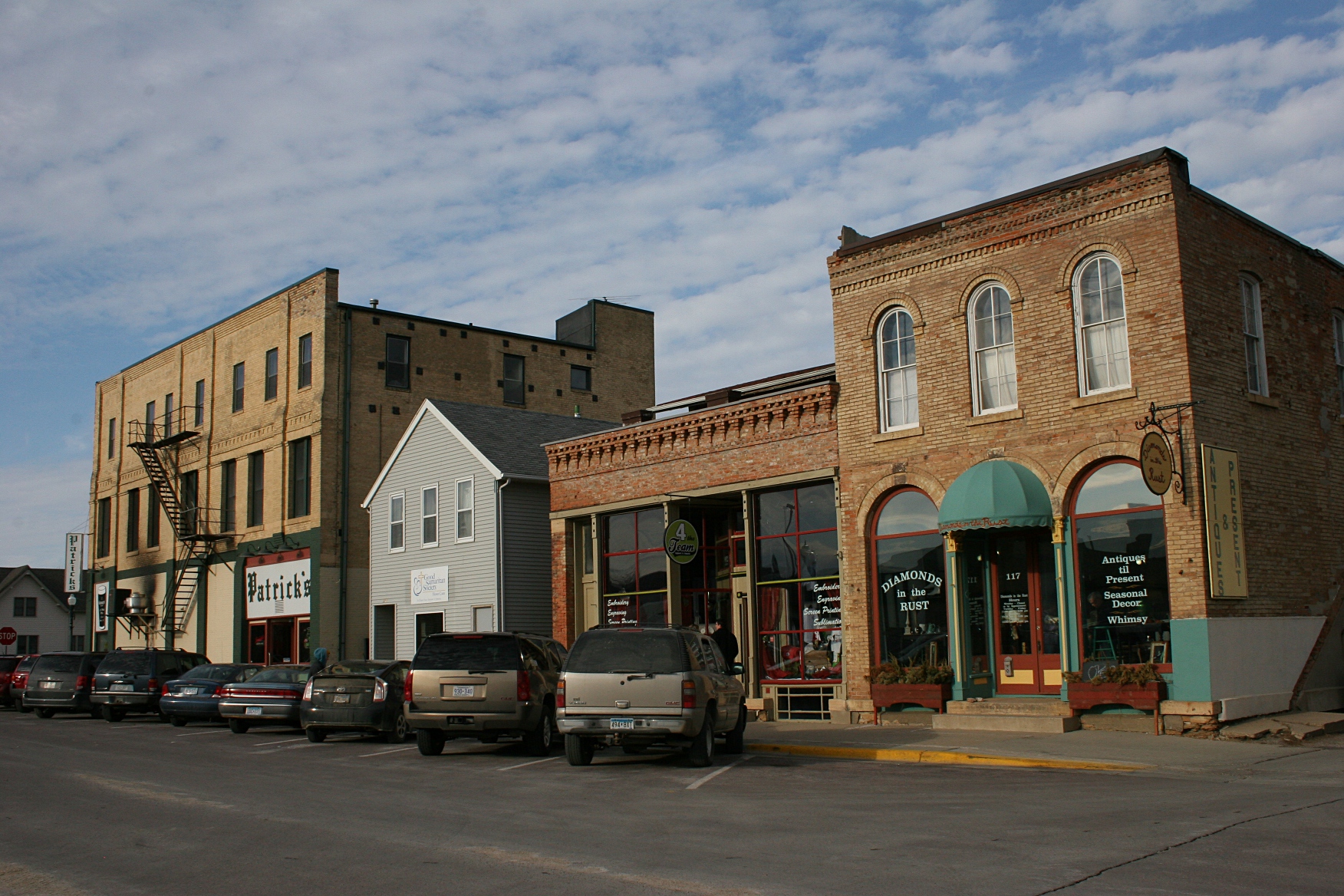
Patrick's on 3rd anchors the corner on the left with Diamonds in the RUST on the right. Diamonds sells merchandise from antiques to present. Love that name.

Patrick’s on 3rd (bar and restaurant) anchors the corner on the left with Diamonds in the RUST on the right. Diamonds sells merchandise from antiques to present. Love that name.

That said, when I entered the charming Diamonds in the RUST shop along Park Row Street three doors down from Patrick’s on 3rd, which I’m told makes the best burgers in St. Peter, I automatically fell in love with the place.

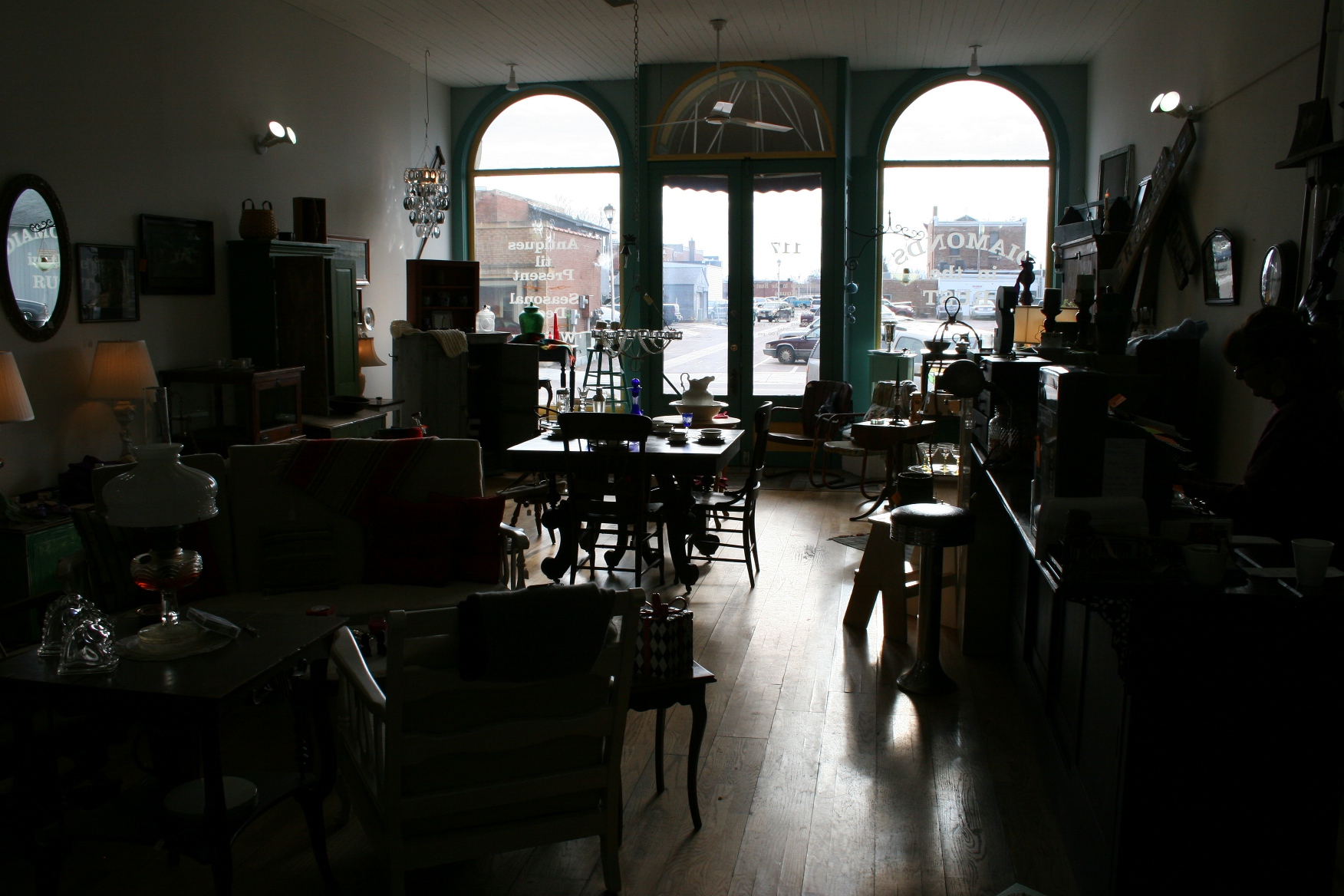
Diamonds in the RUST, looking toward the front of the store.

Diamonds in the RUST, looking toward the front of the store.

See how the sunlight streams through those windows and onto the floor and merchandise.

Love how the sunlight streams through those windows and onto the floor and merchandise.

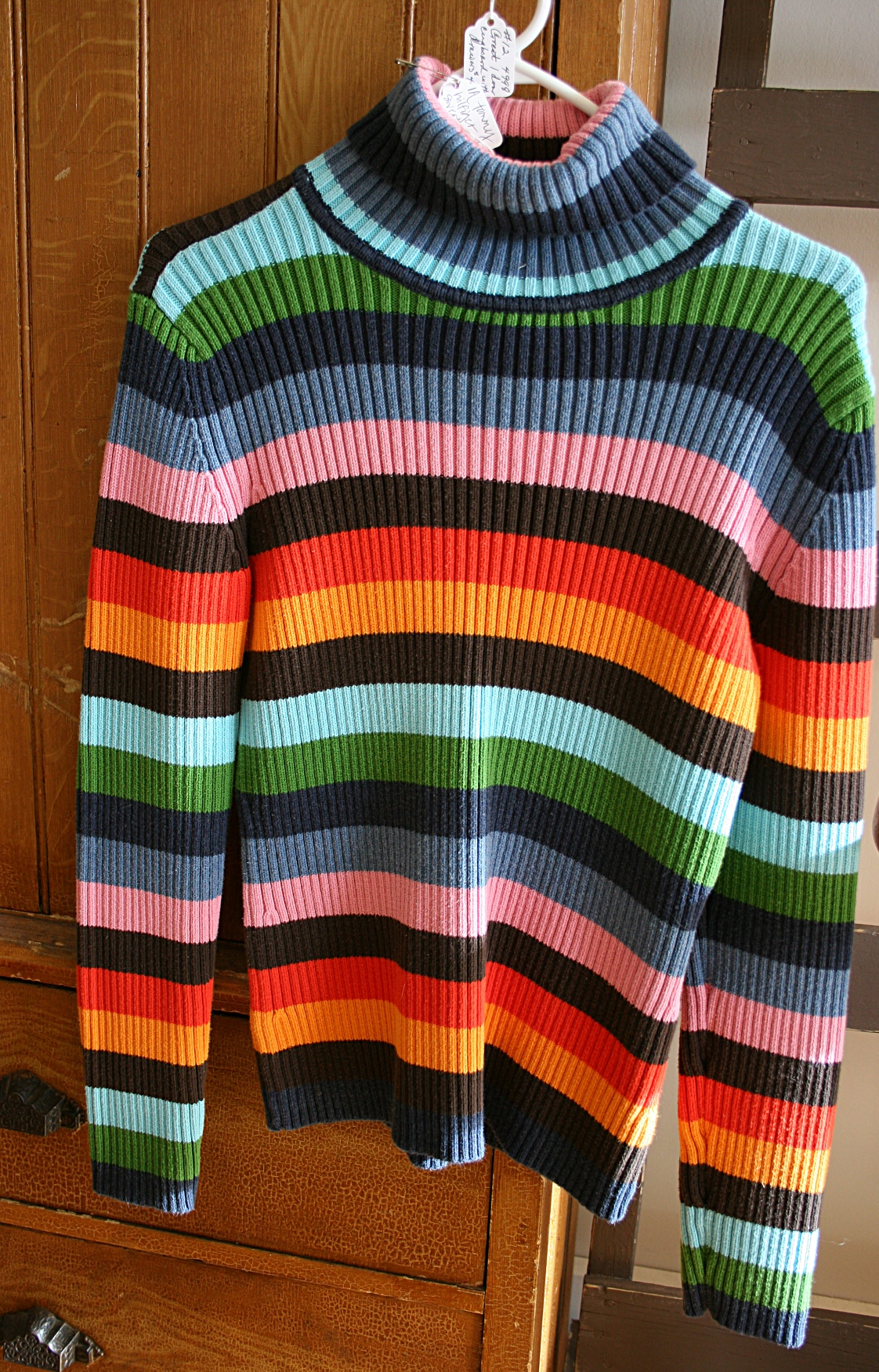
Light flooding through a street-side bank of tall windows, patches of sunlight slipping across the wood floor, artfully arranged merchandise and then, that most fabulous find of all, a Joseph’s coat of many colors sweater, defined this as one happin’ place.

Seventies coming of age child that I am, my eyes connected with that multi-colored sweater like a hippie drawn to a peace symbol.

The sweater similar to one I wore in the 70s.

The sweater similar to one I wore in the 70s.

“I had a sweater just like that,” I shared with the shopkeeper, although, on closer inspection, I discovered this to be a Tommy Hilfiger replica and not exactly like the sweater I paired with my hip huggers. Oh, well, I thought, and then wondered aloud if my mom, the keeper of everything, had saved that groovy sweater from my teen years. It’s possible; I recently retrieved lime green cuffed, flared pants, with about a size 18-inch waist (was I really that tiny once?), from her basement.

Ah, how antiquing prompts memories…

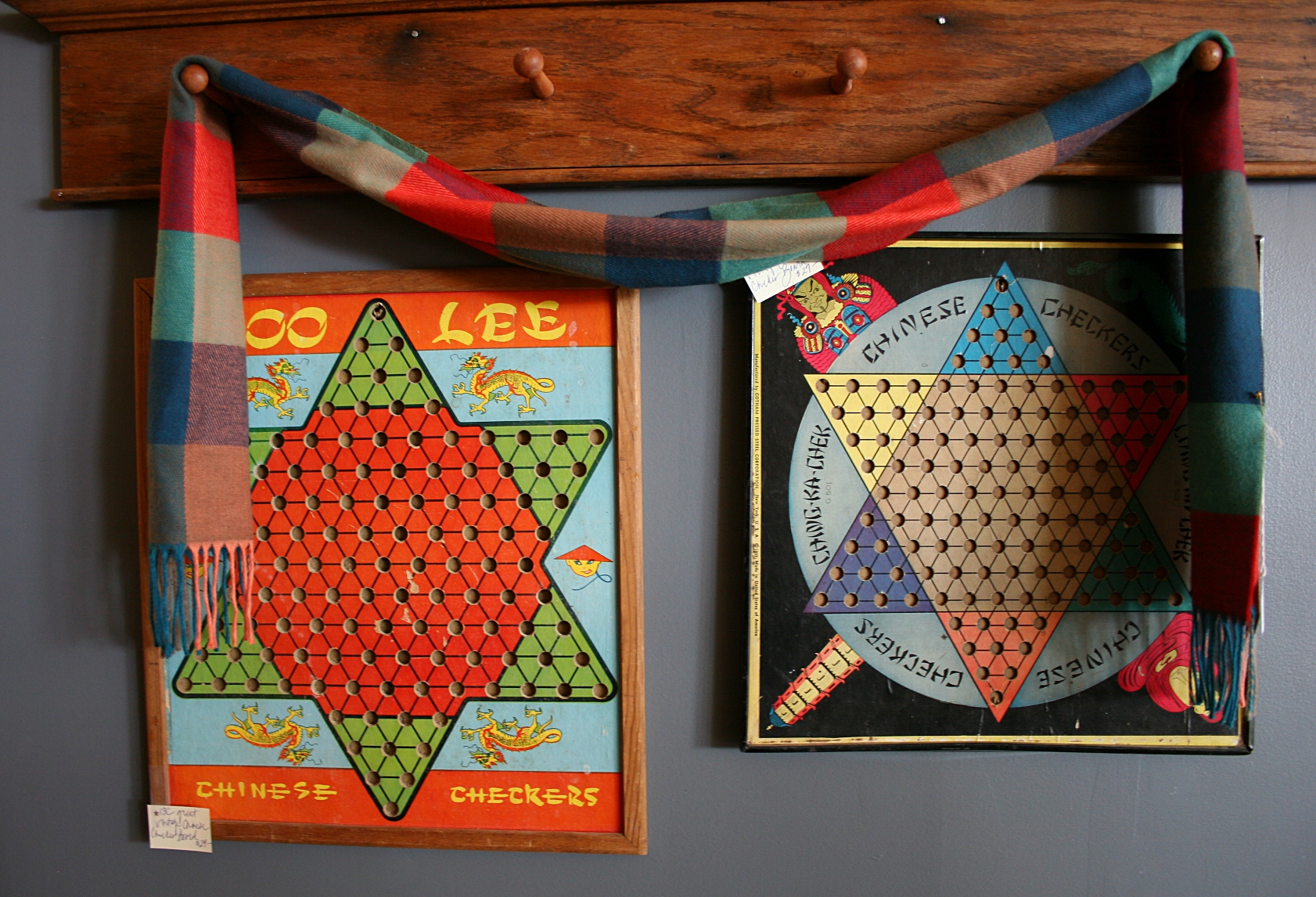
I own a vintage Chinese checkers board similar to these, found at a garage sale 30 years ago.

I own a vintage Chinese checkers board similar to these, one I found at a garage sale 30 years ago.

Then I spotted two Chinese checkers boards flaunting their psychedelic hues. I always connect Chinese checkers with my farmer dad, gone 10 years now. He never had time for board games. But pull out the metal Chinese checkers game and he was right there with the rest of us gathered around the Formica kitchen table, his clumsy fingers guiding marbles into place.

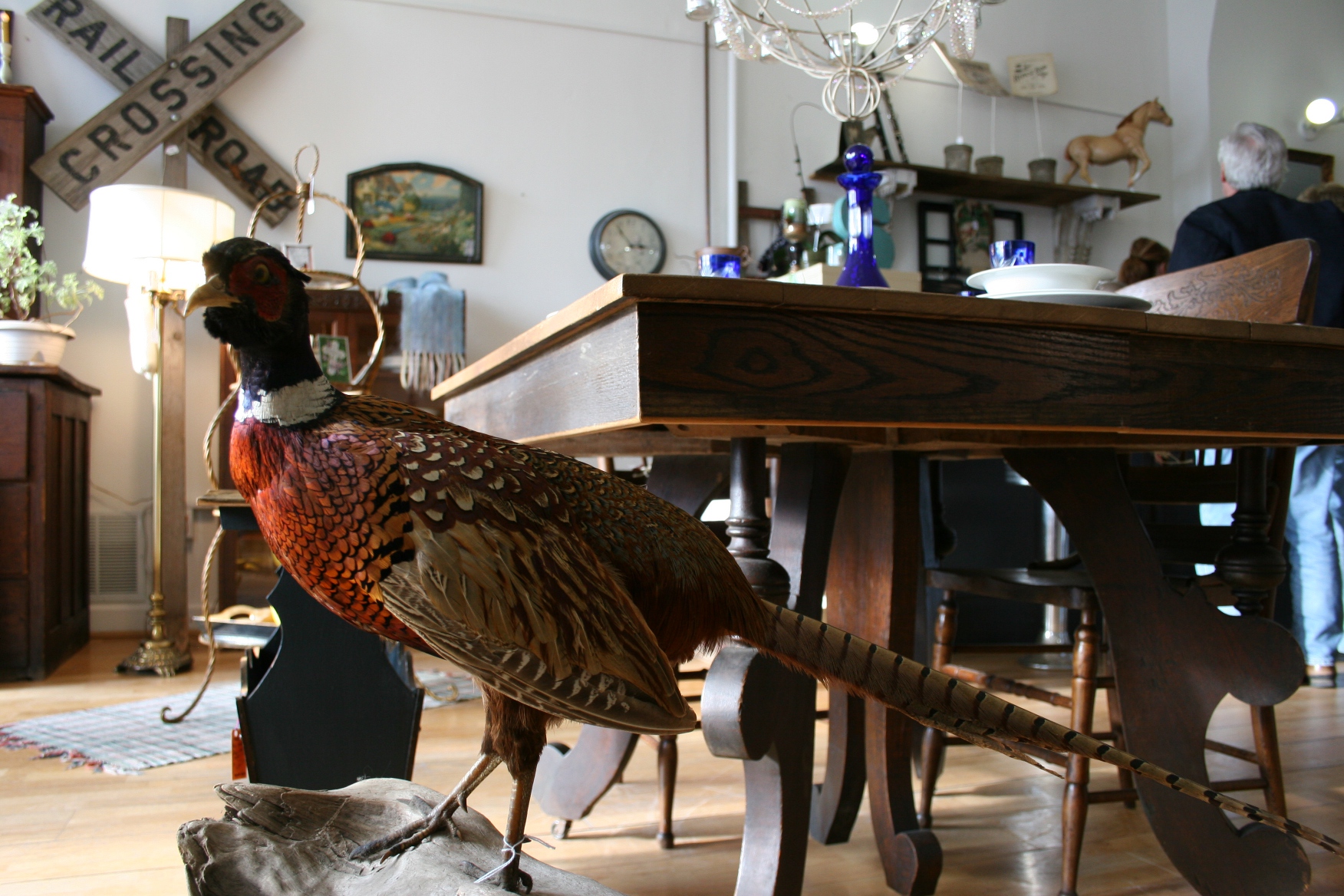
I would never buy a dead (or live) pheasant, but someone might.

I would never buy a dead (or live) pheasant, but someone might.

More memories of my dad surfaced when I sighted a taxidermy pheasant perched on a slip of wood set upon that beautiful wood floor. I am not a hunter. But, as a child, I would occasionally accompany Dad on his way to the slough—a grassy waterhole long ago drained and converted to farmland—to hunt for pheasants. It wasn’t the actual act of walking the land, searching for pheasants, that appealed to me. Rather, it was the rare opportunity to be with Dad when he was not in the barn or field that drew me to the hunt. I did not understand that then. But I do now.

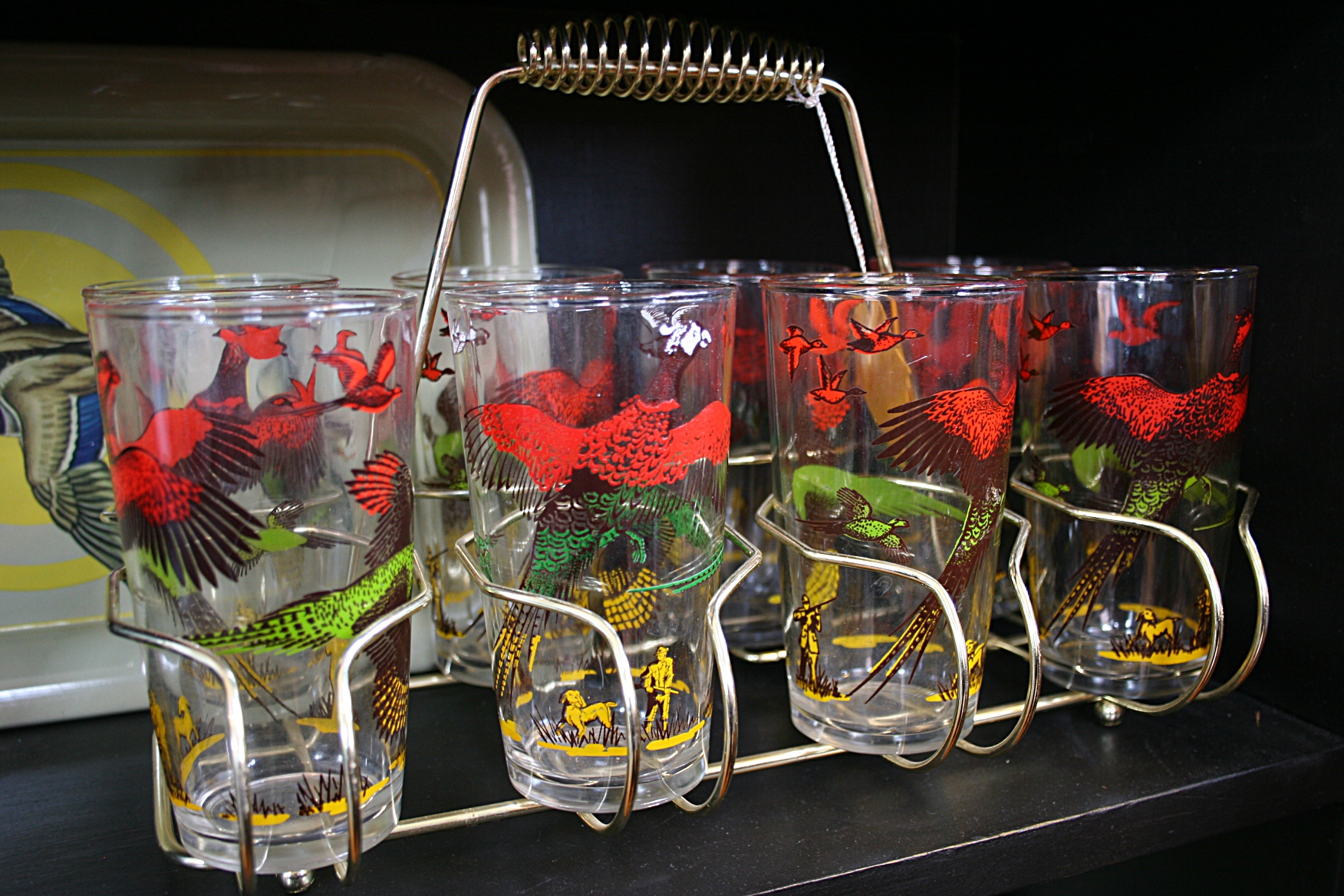
Pheasant glasses like this are coveted by some members of my extended family.

Pheasant glasses like this are coveted by some members of my extended family.

I didn’t purchase any of those memory items at Diamonds in the RUST, only snapped photos, including one of a set of pheasant glasses that would interest my middle brother or niece’s husband.

A snippet of downtown St. Peter, along Highway 169.

A snippet of downtown St. Peter, along busy U.S. Highway 169.

Down the block and around the corner, walking St. Peter’s main drag, I slipped into a memory lane high when my husband discovered copies of Tiger Beat magazine in another antique store. Oh, my heart. The Beatles. The Monkees.

My beloved Tiger Beat magazine.

My beloved Tiger Beat magazine.

Cousin Joyce, who was two months younger than me, but way more worldly because she had two older sisters and therefore knew about stuff like boys, green eye shadow, David Cassidy and fishnet stockings long before me, introduced me to Tiger Beat. Back in the days when relatives still “visited” each other, Joyce and I would stretch out on her bed stomach side down, knees crooked, feet rocking, paging through the pages of Tiger Beat. And for a few hours I felt like I was hip and, mostly, totally, in love.

BONUS PHOTOS:

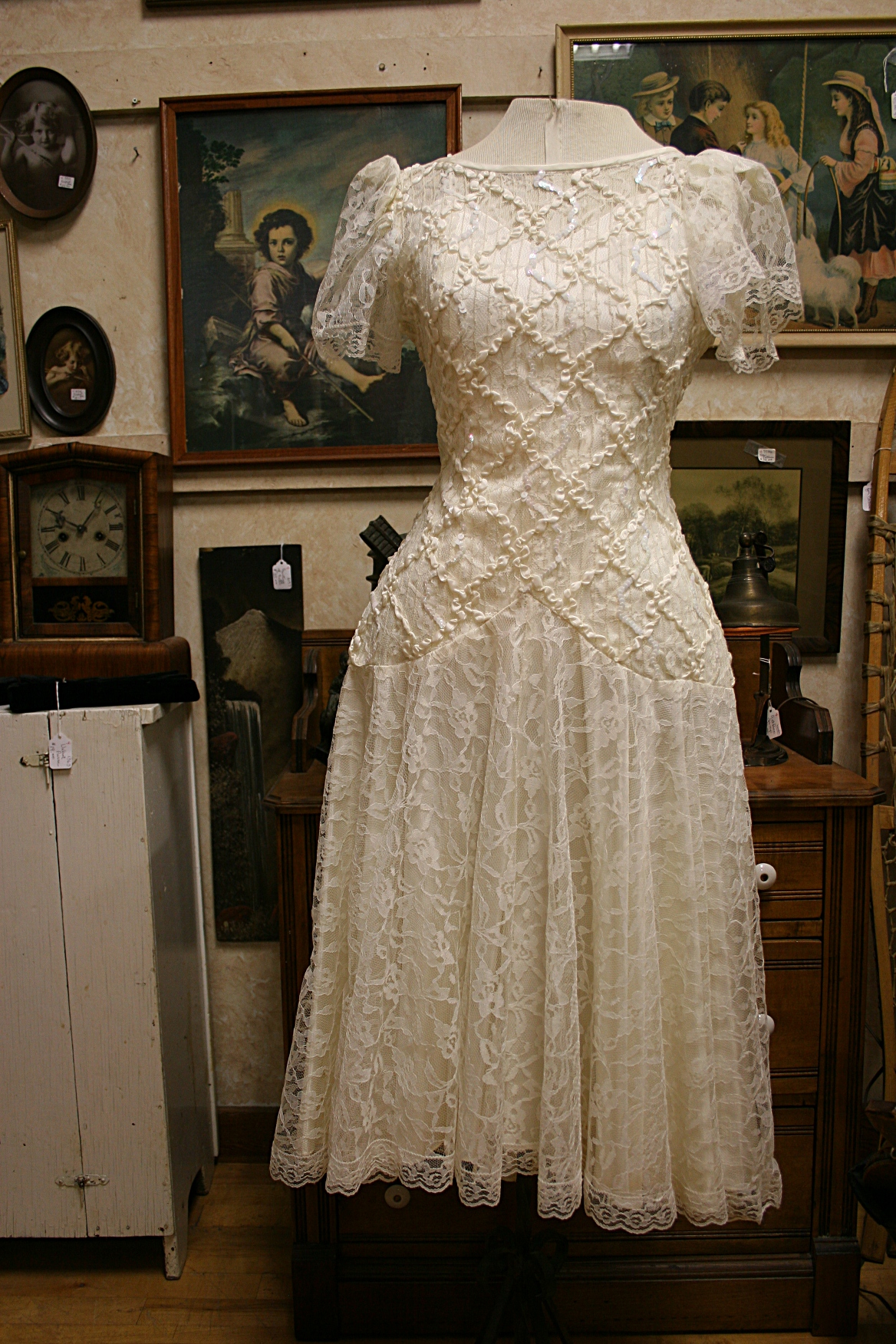
Another 70s find in an antique store that was closing for good on the day we shopped there.

A 70s bridal gown found in an antique store that was closing for good on the day I shopped there.

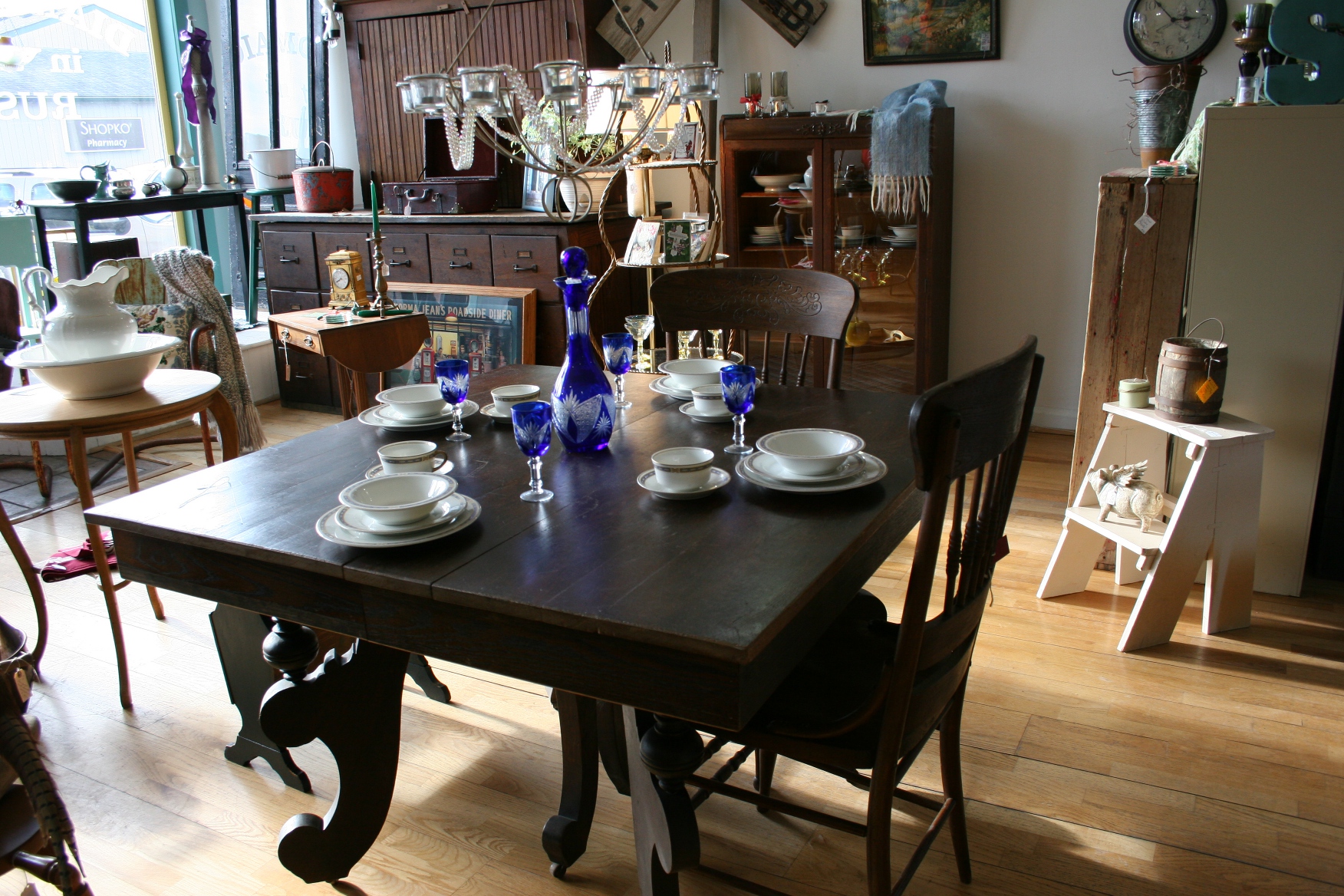
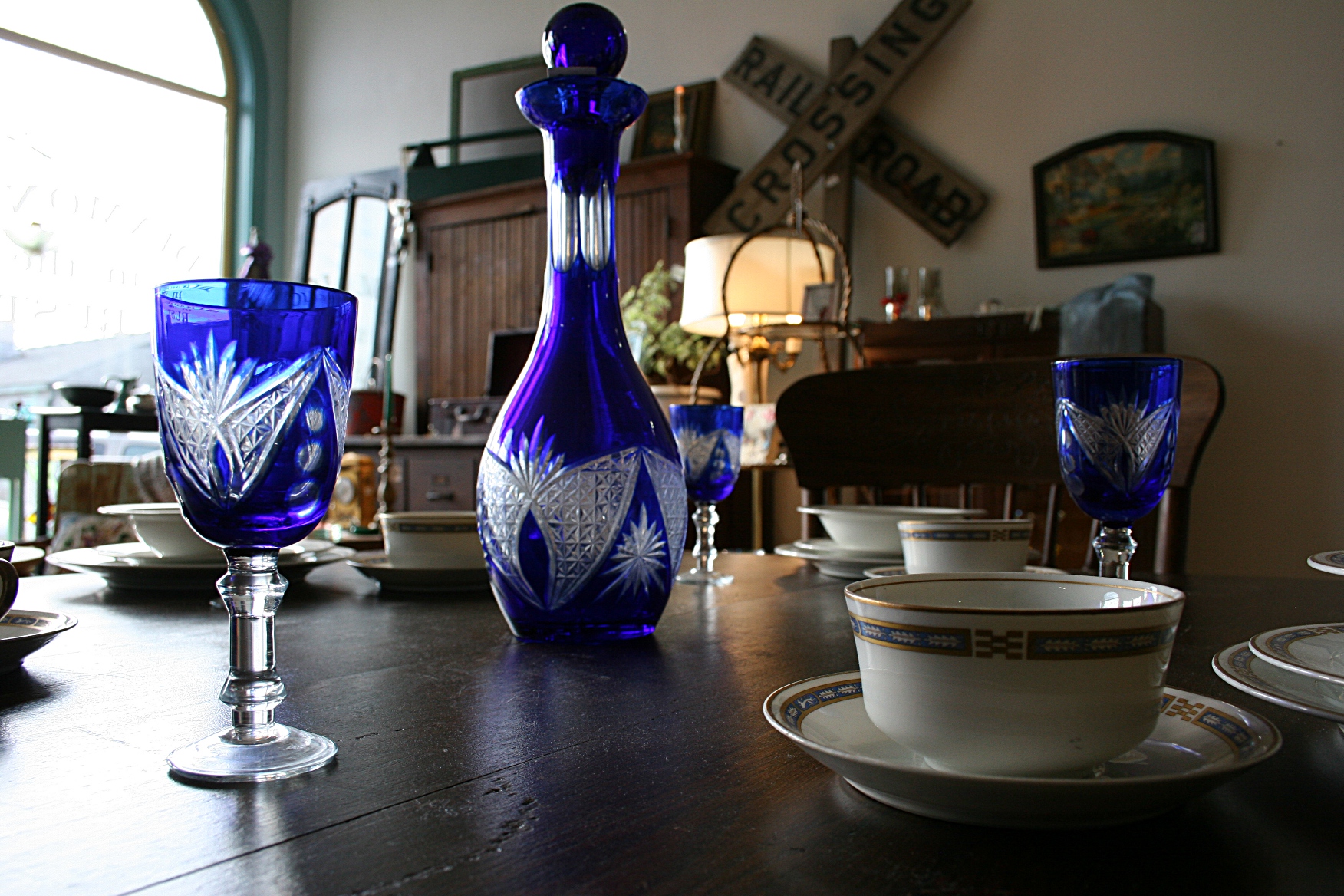
Love that cobalt blue in glassware showcased at Diamonds in the RUST.

Love that cobalt blue in glassware showcased at Diamonds in the RUST.

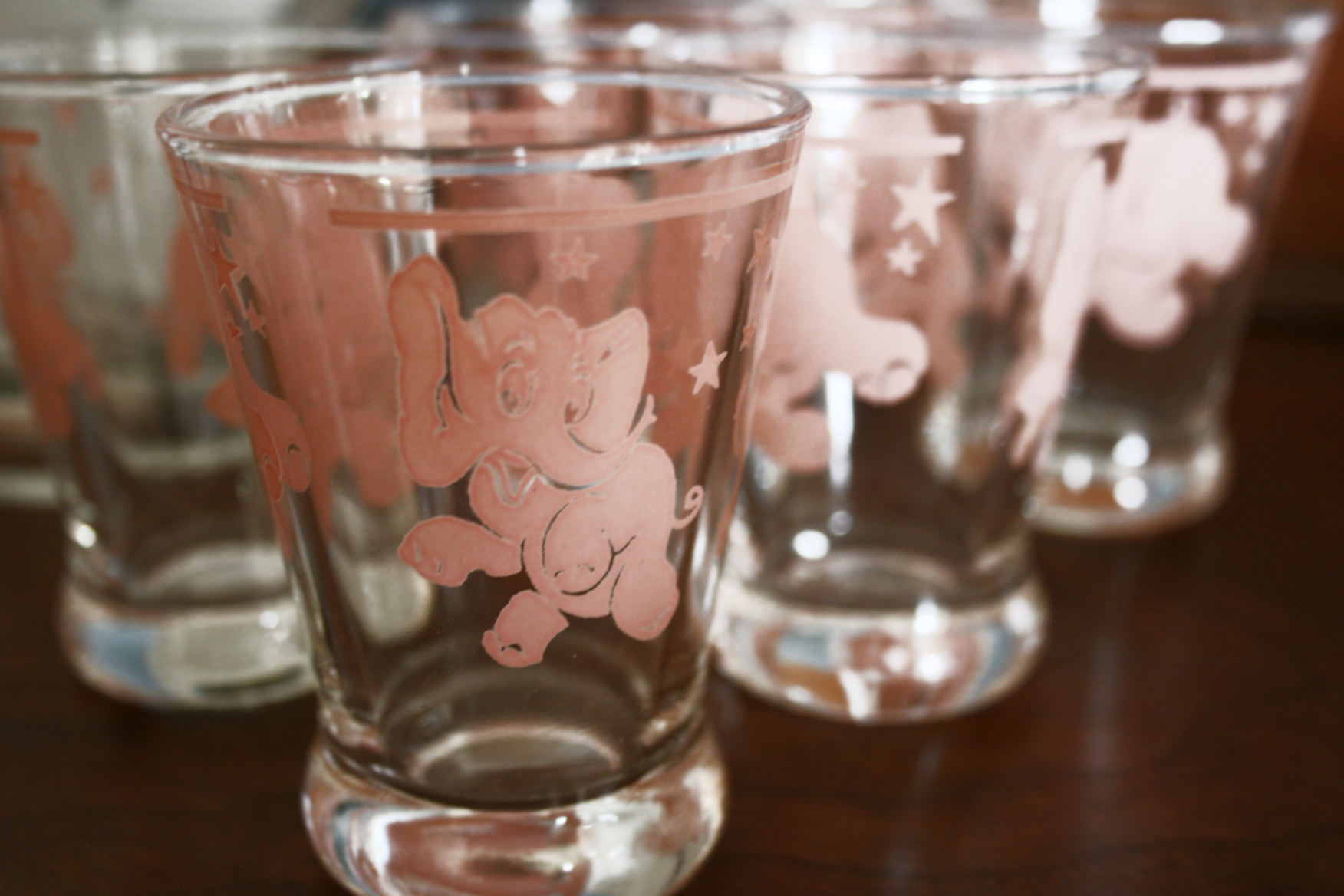
The whimsical design of these elephant glasses (shot glasses/juice glasses?) caught my fancy at Diamonds in the RUST.

The whimsical design of these elephant glasses (shot glasses/juice glasses?) caught my fancy at Diamonds in the RUST.

© Copyright 2013 Audrey Kletscher Helbling


This Minnesota mom welcomes her daughter back from Argentina, again March 12, 2013

Filed under: Uncategorized — Audrey Kletscher Helbling @ 7:16 AM
Tags: , , , , , , , , ,

WE RETRIEVED HER between bouts of morning and late afternoon snowfall from the parking lot of the Culver’s restaurant in Lakeville, wrapping winter coat arms around her thin frame.

Miranda in Valles Calchaquies, near the town of Cafayate in the Salta province.

Miranda in Valles Calchaquies, near the town of Cafayate in the Salta province.

She, her arms and torso snugged in a borrowed red parka, shivered in the Minnesota winter. Already she missed her beloved Argentina where the summer sun’s rays brushed bronze upon her skin.

As she and her dad lifted her travel-worn suitcase and lavender backpack from the trunk of her sister’s car, shifting them into the trunk of ours, I savored the sweet moment of her homecoming. Nearly four weeks earlier I’d embraced my second-born, tears trailing down my cheeks as she turned away. The scene of her wheeling that suitcase, slipping through the airport doors, remains imprinted upon my memory.

But on this Sunday afternoon, joy defined the minutes, the hour, in which all three of my adult children (it always seems odd to write that contradiction of words, “adult children”) and the boyfriend of the eldest, slid into a corner booth at Culver’s. The restaurant marked a deliberate dining choice by the oldest daughter whose sister once raved about the fast food eatery. Ironically, it’s headquartered in Wisconsin, where the returning traveler now lives.

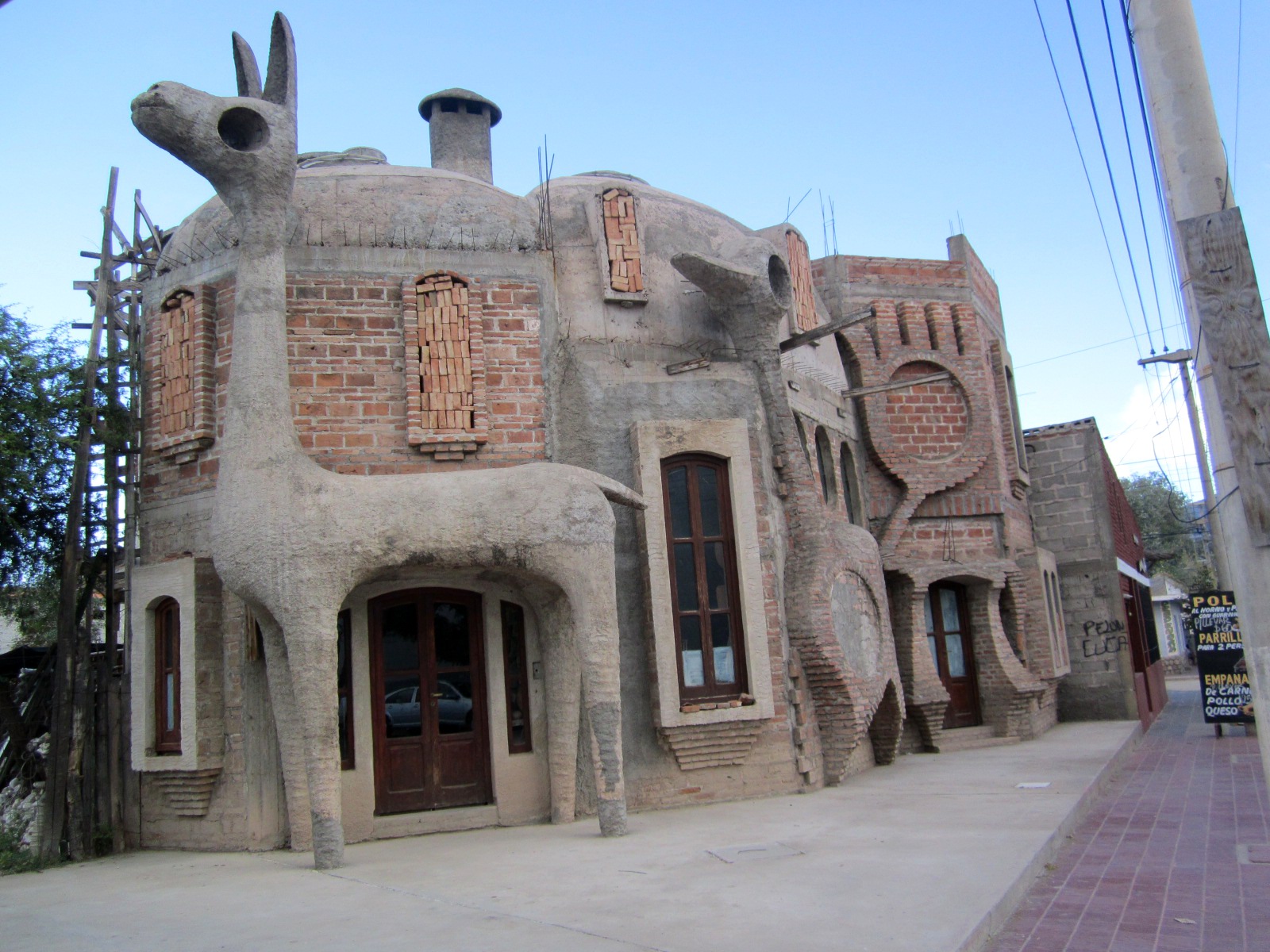
Unique restaurant architecture in Cafayate, Salta province.

Unique restaurant architecture in Cafayate, Salta province.

I truly cared not where we ate. Rather, I cared that my family surrounded me. With two of my three now living 300 miles away in opposite directions, such togetherness happens only a few times a year. I am not complaining as many more miles, even oceans, separate families.

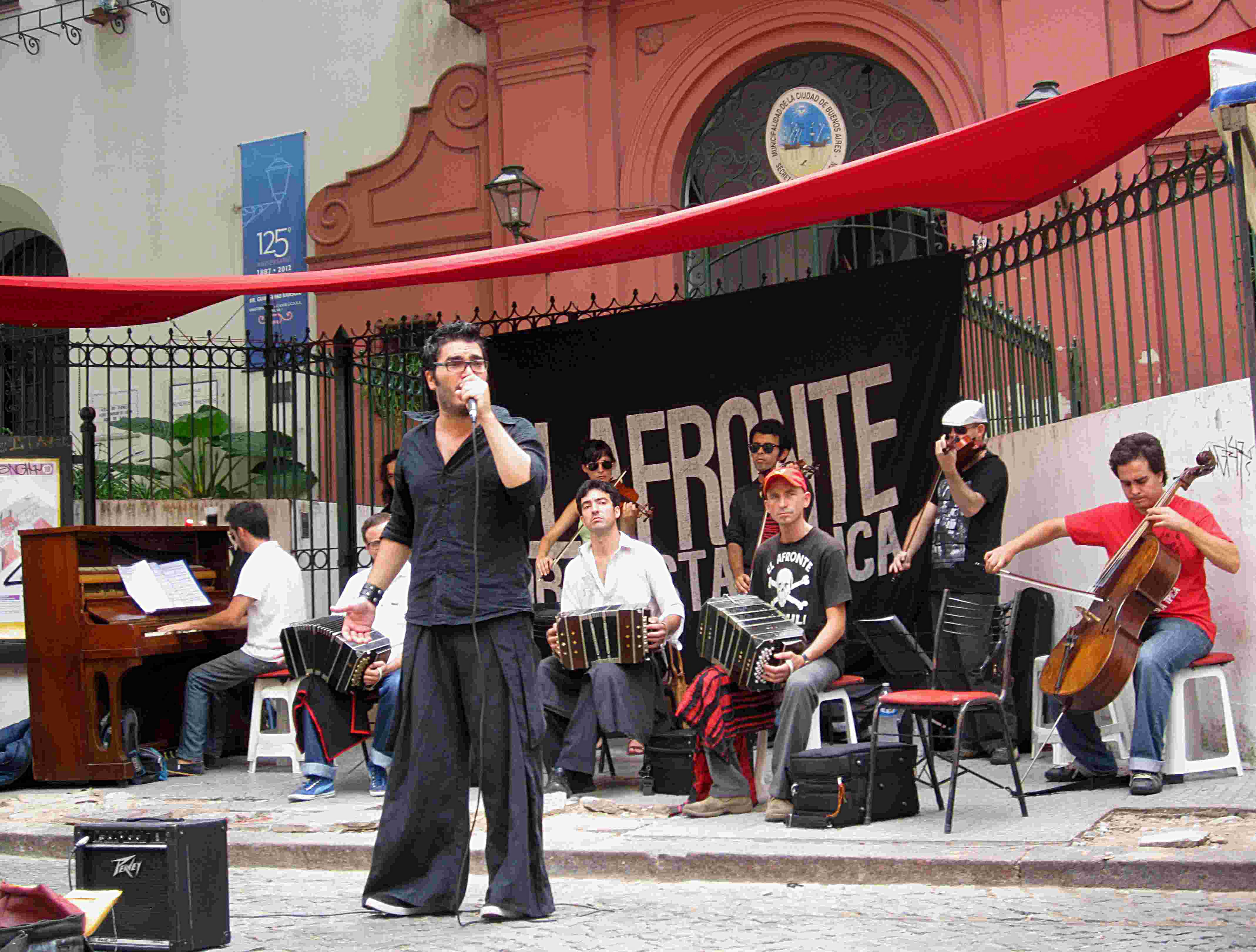
A tango band performs on the street during a fair in San Telmo barrio of Buenos Aires.

A tango band performs on the street during a fair in San Telmo barrio of Buenos Aires.

But tucked deep into the recesses of my mother’s worries exists the possibility that my second daughter, some day, will return to Argentina. Permanently. Twice she’s lived there, once visited. She’s been mistaken already numerous times as a local, Spanish flowing fluent from her tongue.

While she can claim a knowledge of Spanish as her own, I have passed along this genetic love of language, this appreciation for words and sentence structure and communication.

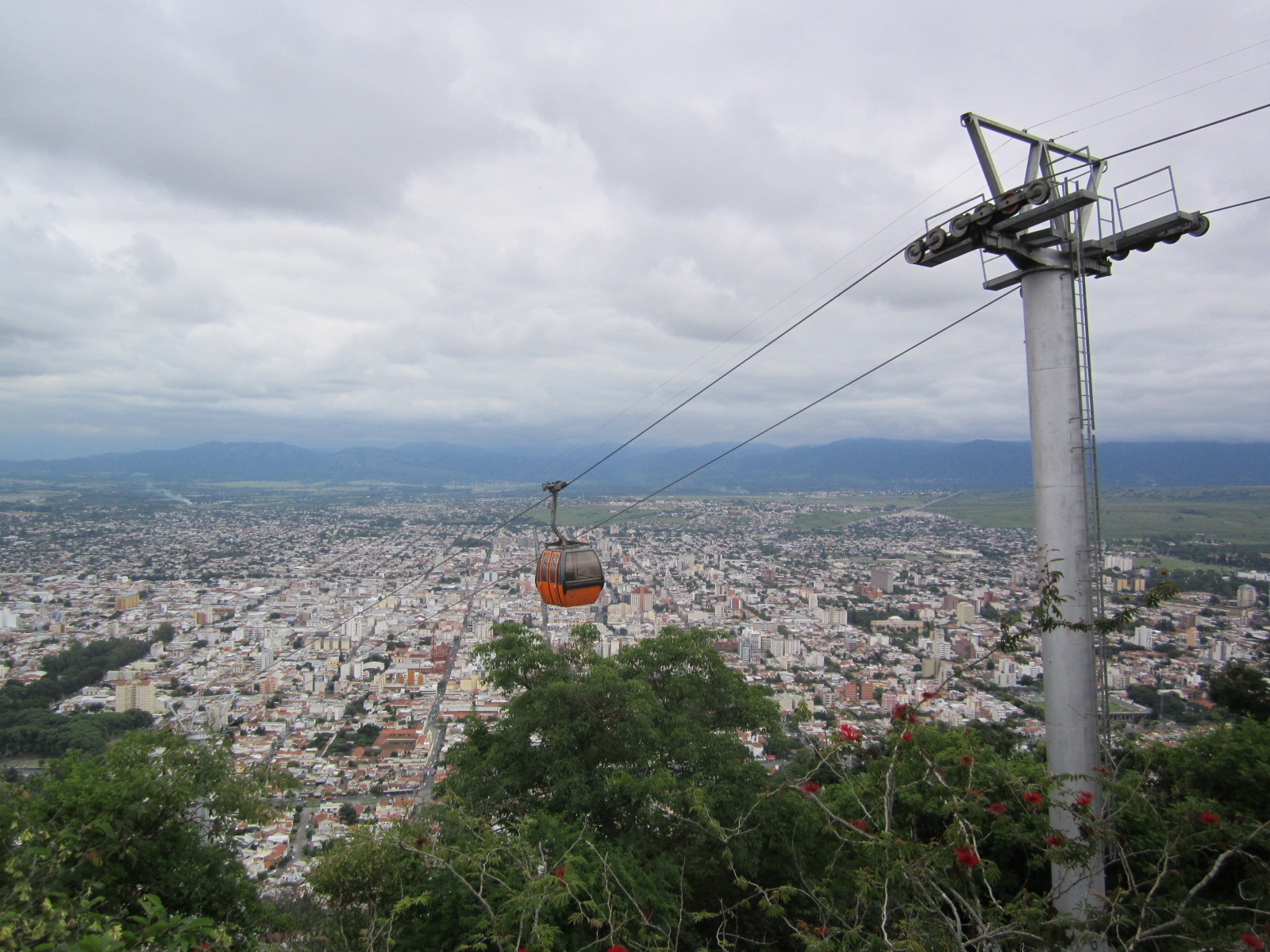
Riding the cable car in Salta.

Riding the cable car in Salta.

This desire to adventure, though, wells from within her, sourced perhaps from me. I intentionally encouraged her, like her sister before, her brother after, to travel, to see that which I’ve never seen, never will, for I possess not a distant traveler’s heart.

This has been my selfless mother’s gift—this unfurling of the fingers, this revealing of the palm, this opening to flight, this letting go.

Every Thursday afternoon the Mothers of the Plaza de Mayo march in front of the central government of Argentina. They are honoring the memories of, by most accounts, 30,000 protesters who disappeared during the "Dirty War" between 1976-1983. The then military/dictorial government, so my daughter tells me, kidnapped

Every Thursday afternoon the Mothers of the Plaza de Mayo march in front of the central government of Argentina, in Buenos Aires. They are honoring the memories of, by most accounts, 30,000 protesters who disappeared during the “Dirty War” between 1976-1983. The then military/dictatorial government, so my daughter tells me, kidnapped those who opposed the government and placed them in detention camps. Those detainees “disappeared,” killed in the camps or drugged and dropped from planes into the ocean, she further explains. Why have I not heard of this or why do I not remember this?  The white scarves identify the group and, she says, are embroidered with the names of the mothers’ lost children.

BONUS PHOTOS from Argentina:

Casa del Gobierno (House of Government) in San Miguel de Tucuman.

Casa del Gobierno (House of Government) in San Miguel de Tucuman.

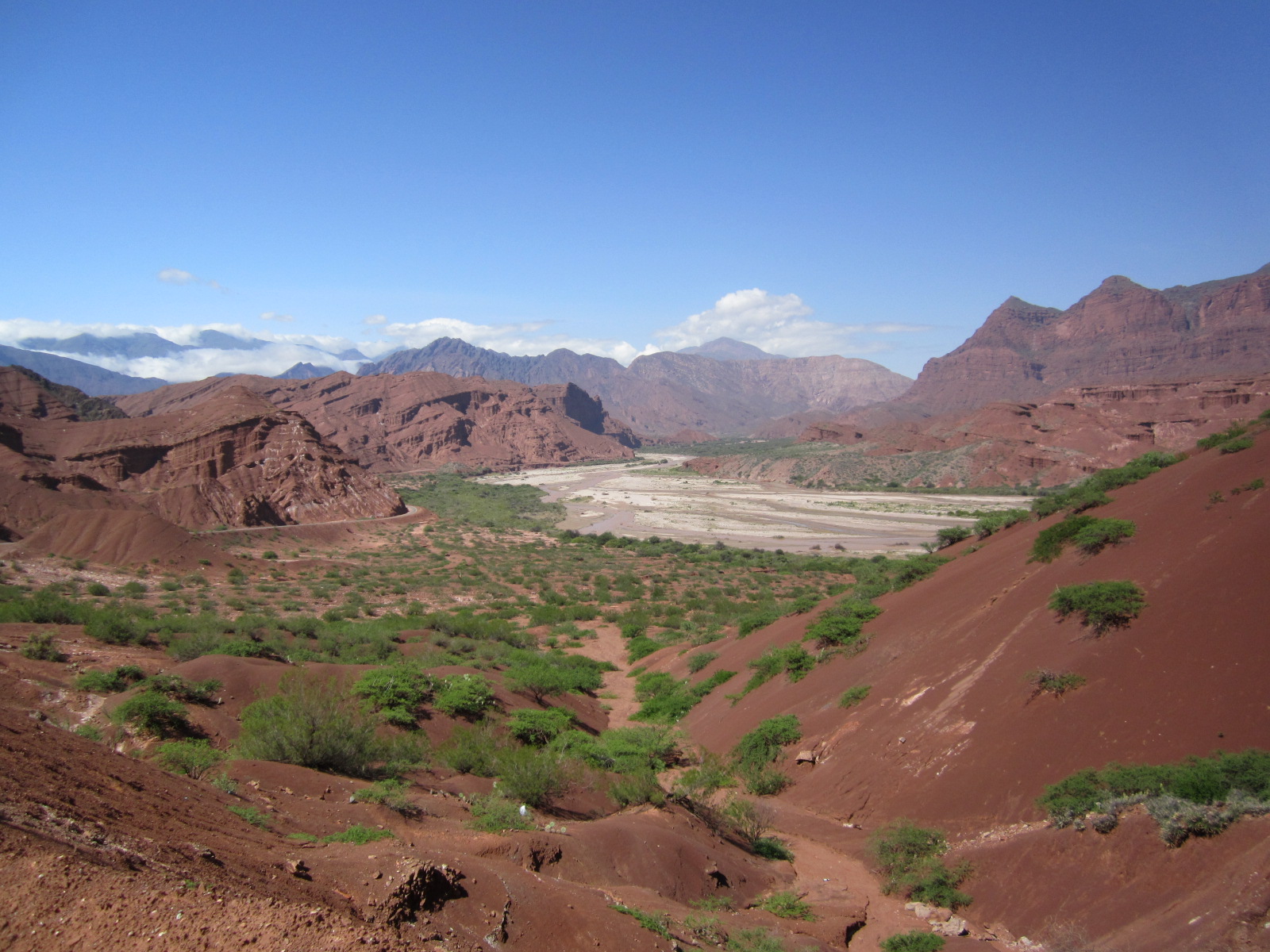
El Mirador (Lookout), Valles Calchaquies, Salta.

El Mirador (Lookout), Valles Calchaquies, Salta.

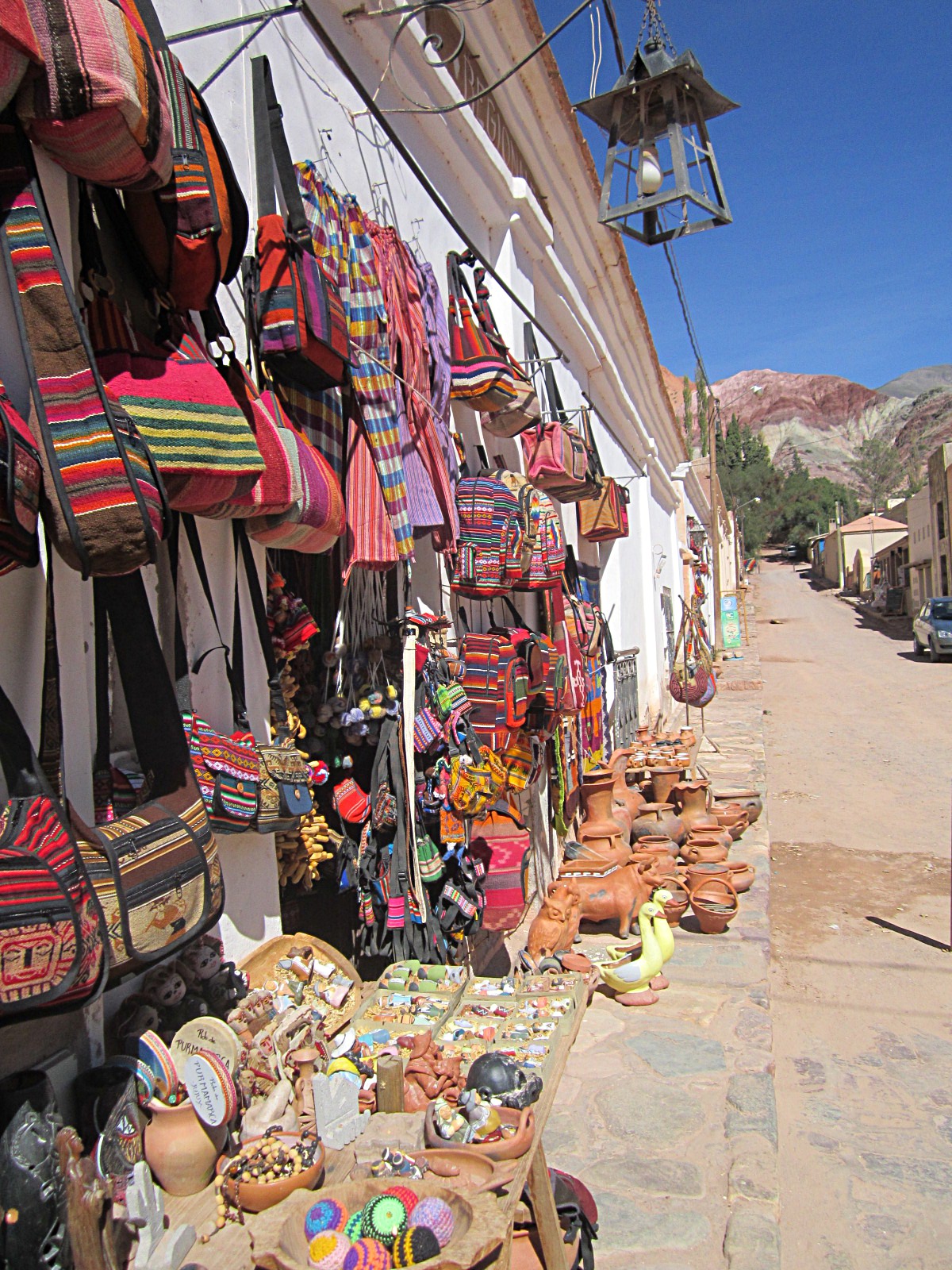
An open air market in Purmamarca, Jujuy province.

An open air market in Purmamarca, Jujuy province.

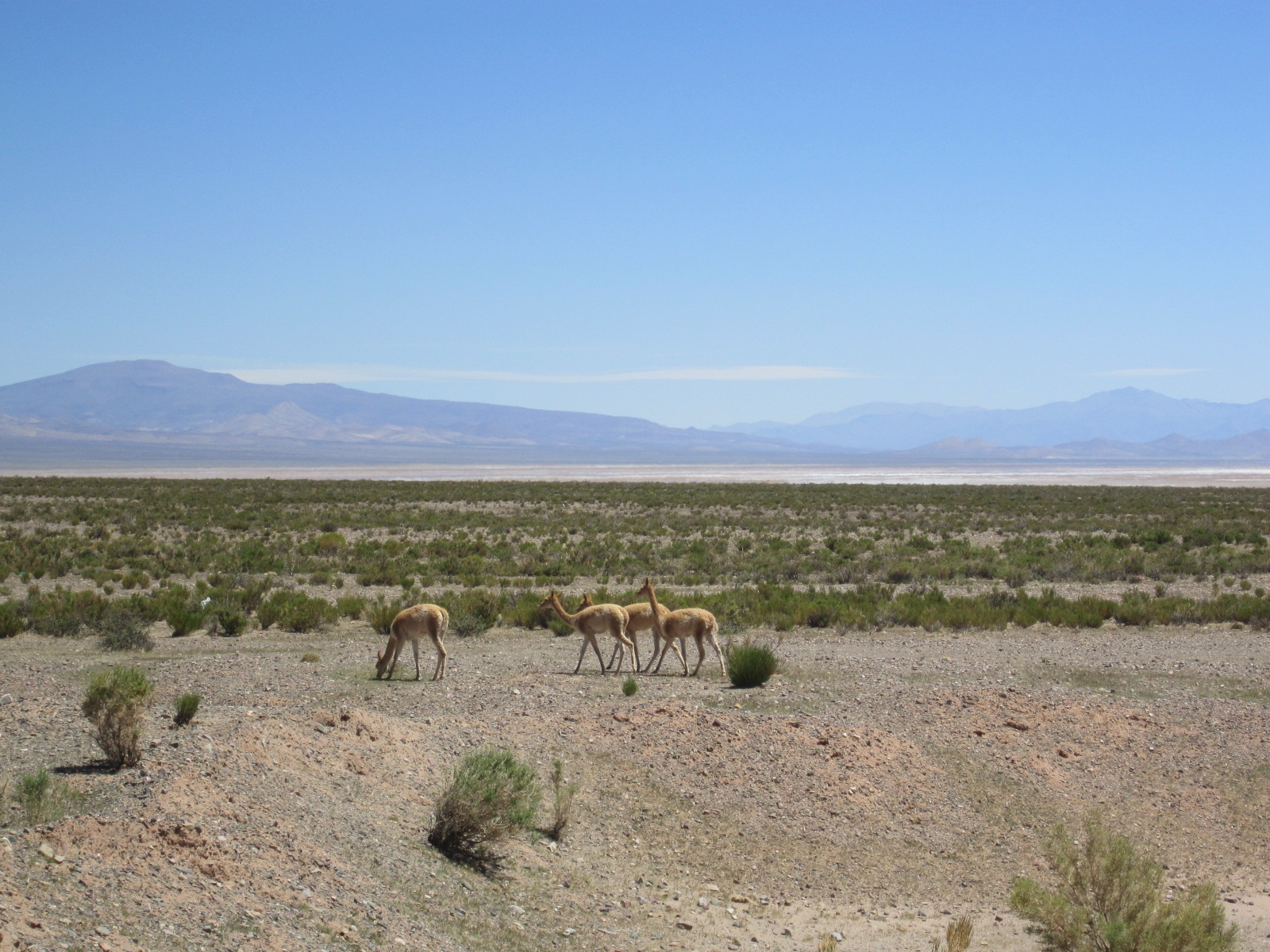
A herd of vicunas, Jujuy province.

A herd of vicunas, Jujuy province.

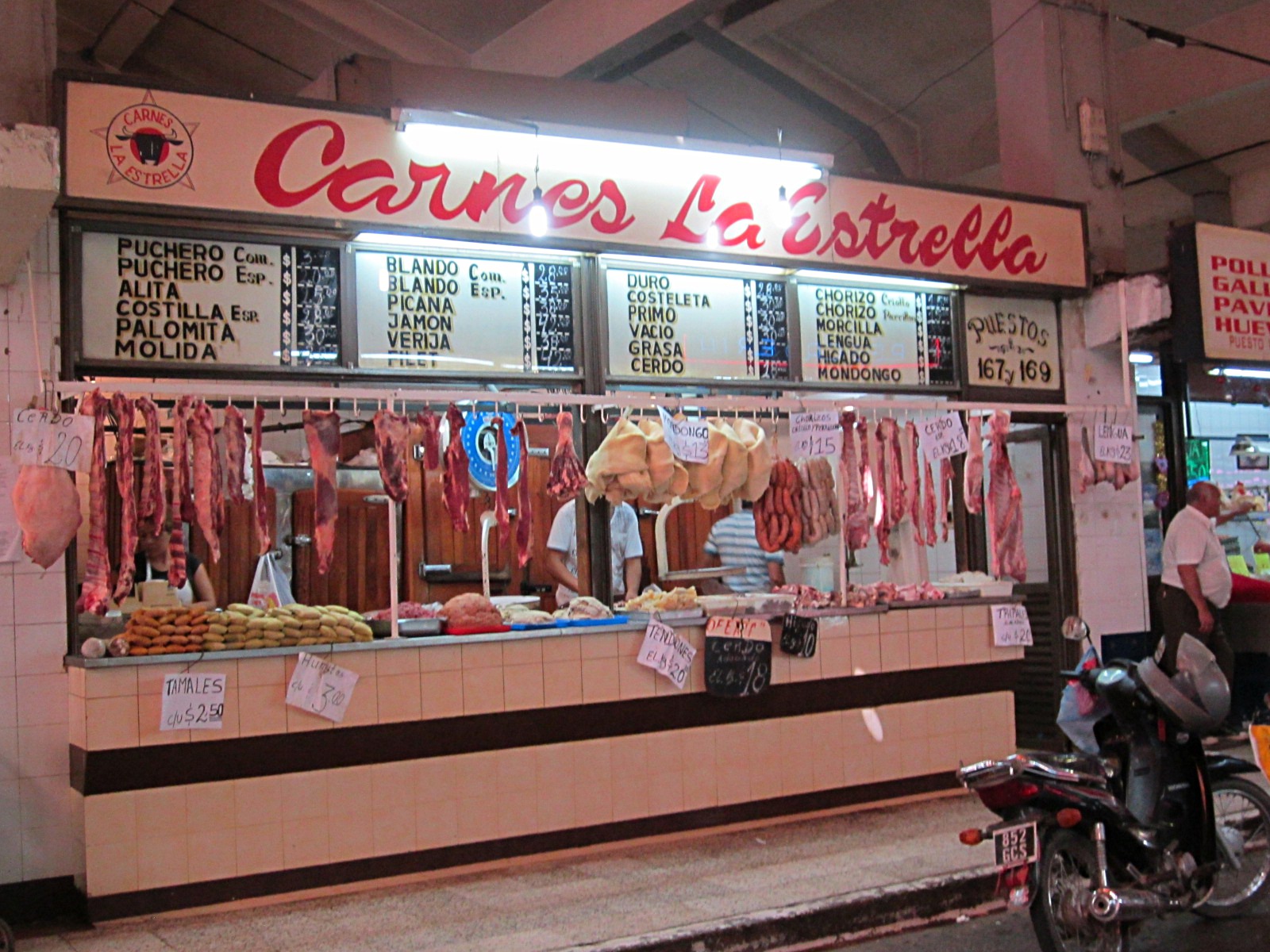
A meat stand at Mercado del Norte (North Market), San Miguel de Tucuman.

A meat stand at Mercado del Norte (North Market), San Miguel de Tucuman.

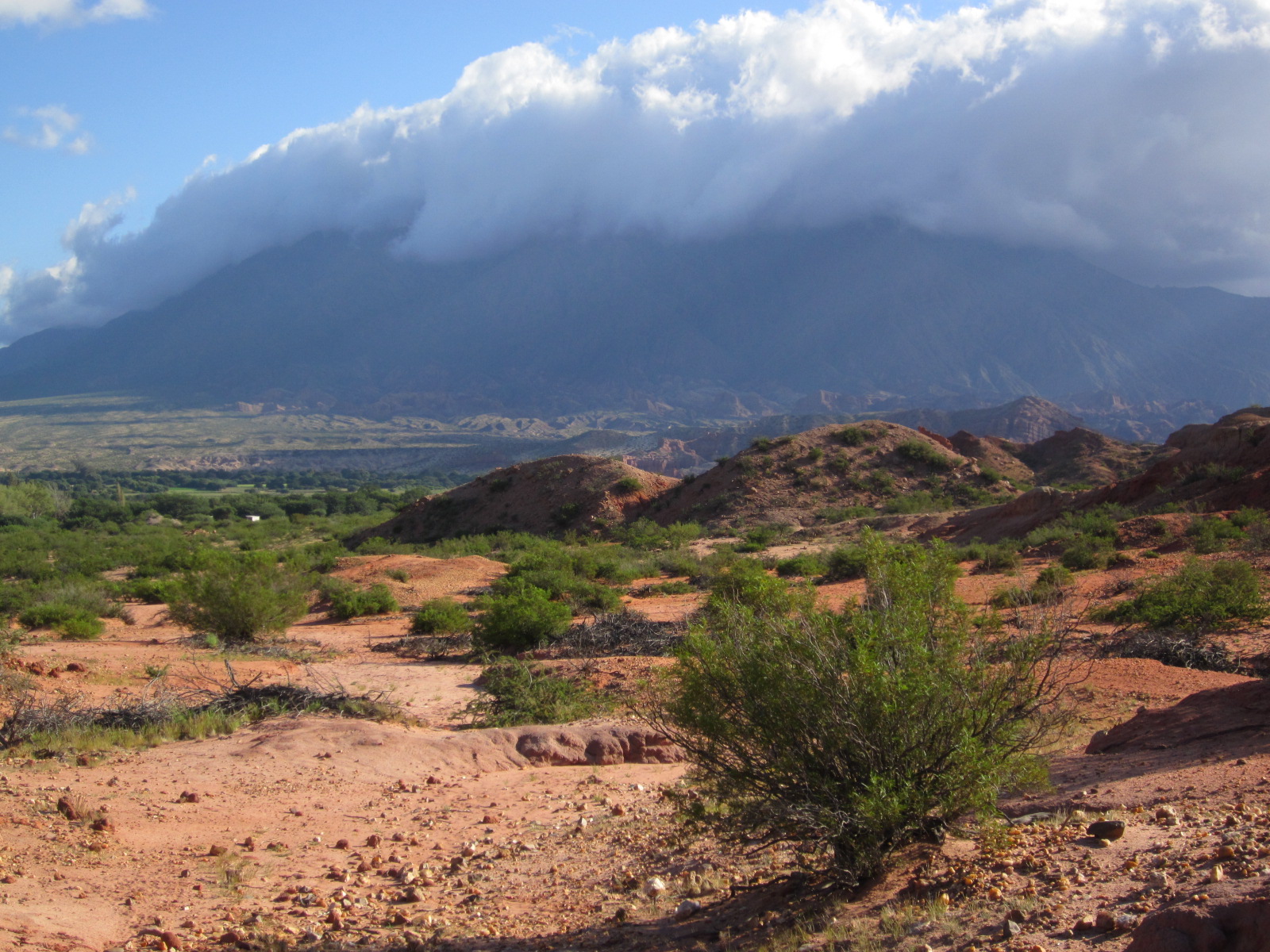
Valles Calchaquies near Cafayate, Salta province.

Valles Calchaquies near Cafayate, Salta province.

© Copyright 2013 Audrey Kletscher Helbling

Photos courtesy of Miranda Helbling


Montgomery, Part IV: The unique way this Minnesota town honors its veterans, plus a haven for some March 7, 2013

NEARLY EVERY COMMUNITY, from the smallest to the largest, has a veterans’ memorial. And that is good, for honoring those who have served our country is worthy.

Often, though, these memorials are costly. So individual bricks or pavers are sold, fundraisers held, donations solicited to cover expenses. This, too is admirable, to garner that personal and community involvement, support and ownership.

But sometimes it is the simplest idea, the one that does not cost a great deal of money, which most impresses.

Patriotism is evident in downtown Montgomery.

Patriotism is evident in downtown Montgomery.

In Montgomery, Minnesota, you will find Veteran’s Memorial Park with its soldier and eagle statues, granite monument, inscribed brick pavers, park benches, flags and more.

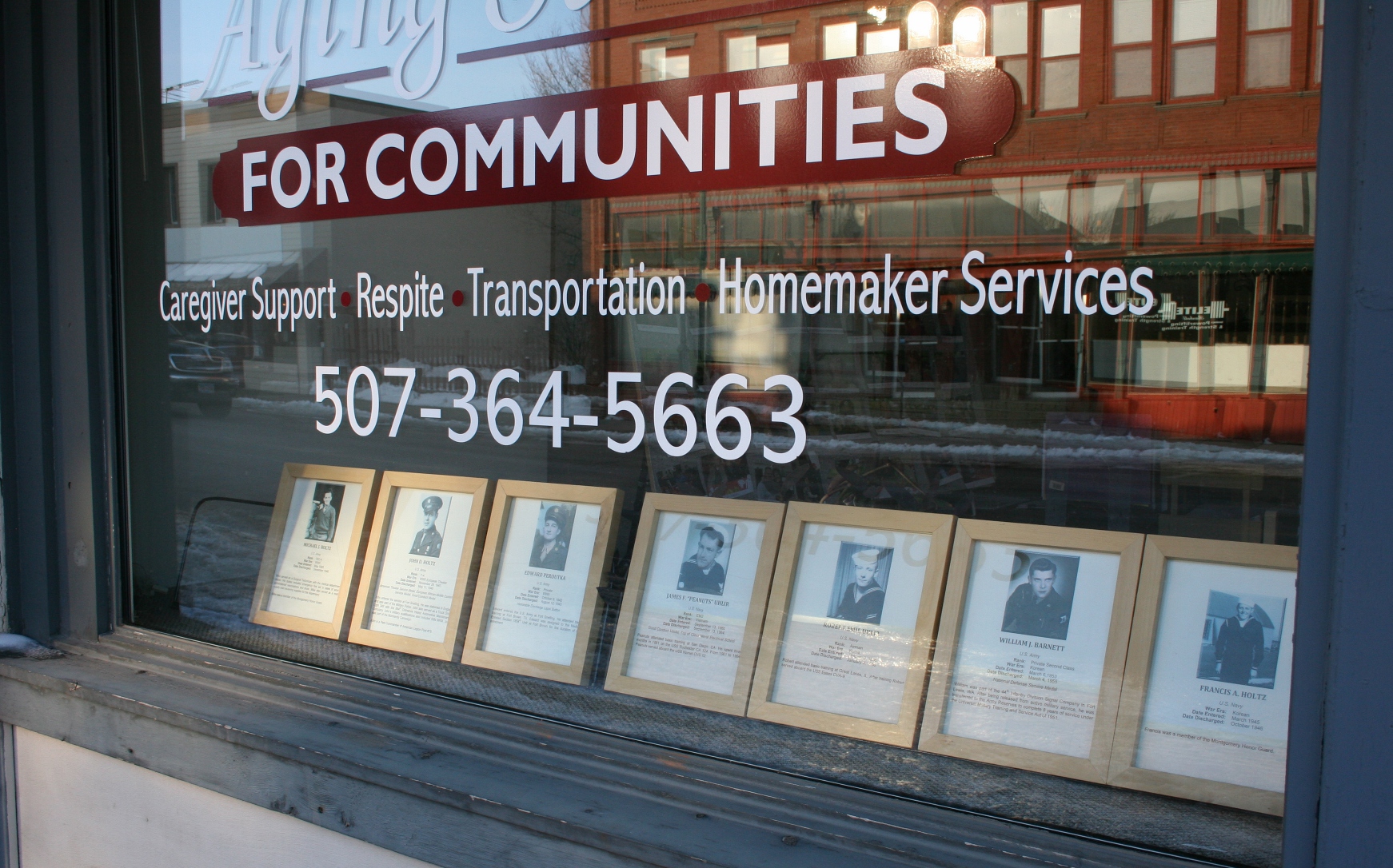
Veterans' photos and information in the window of Aging Services.

Veterans’ photos and information in the window of Aging Services.

But you will also find, in the vet’s park and primarily in the heart of downtown, the photos and stories of Montgomery’s veterans printed, framed and showcased.

It is a simple, but deeply personal and moving, way to honor hometown men and women who have served in the military.

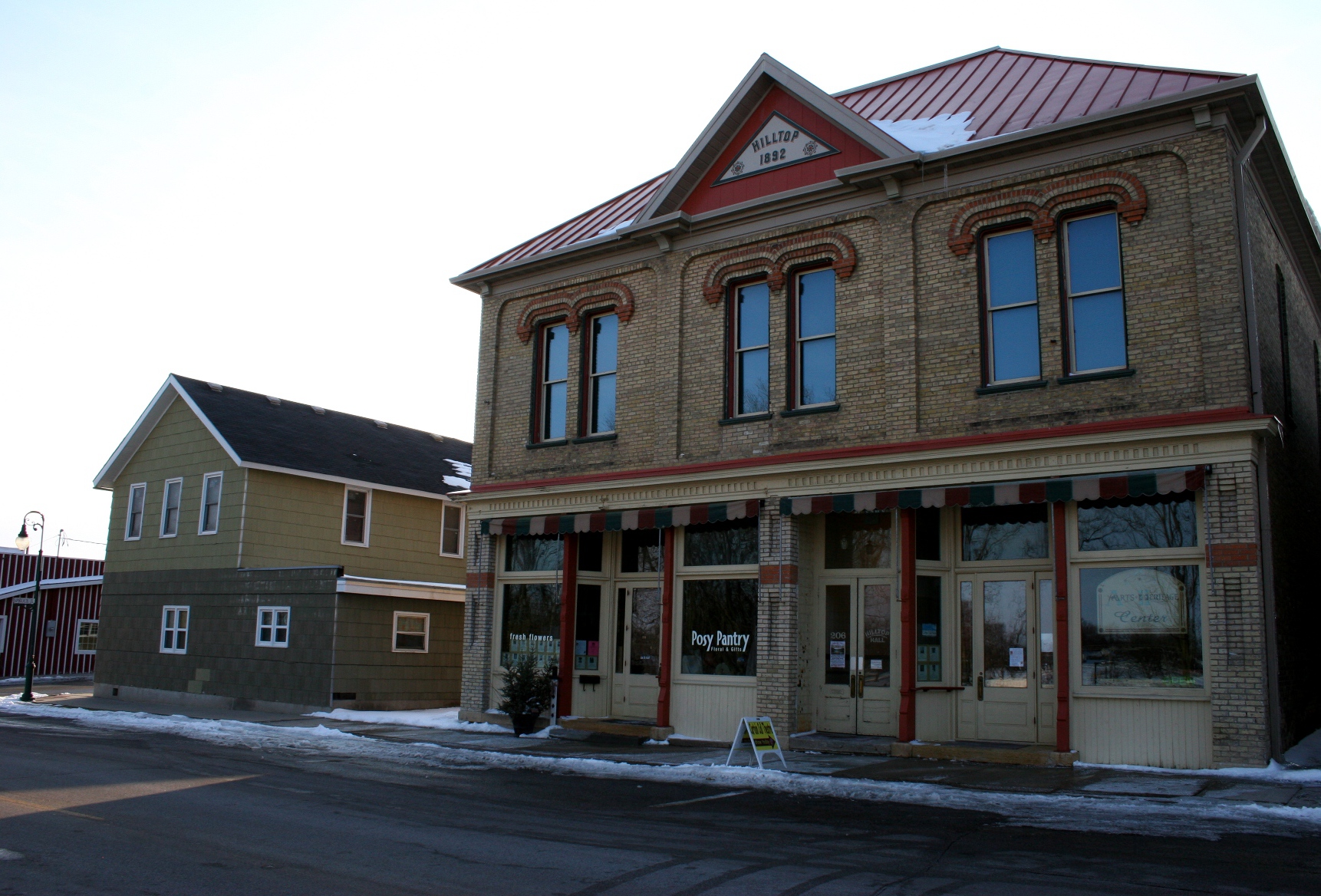
If you look closely, you can see the veterans' tributes in the lower windows of Hilltop Hall.

If you look closely, you can see the veterans’ tributes in the lower windows of Hilltop Hall.

I happened upon the Montgomery Veteran’s Project on a recent Sunday afternoon visit to see Curtain Call Theatre’s performance of “On Golden Pond” at historic Hilltop Hall. (Click here to read a previous post about Hilltop.) On Hilltop’s lower level, in the windows of Posy Pantry and the Montgomery Arts & Heritage Center, I first noticed the framed veterans’ tributes.

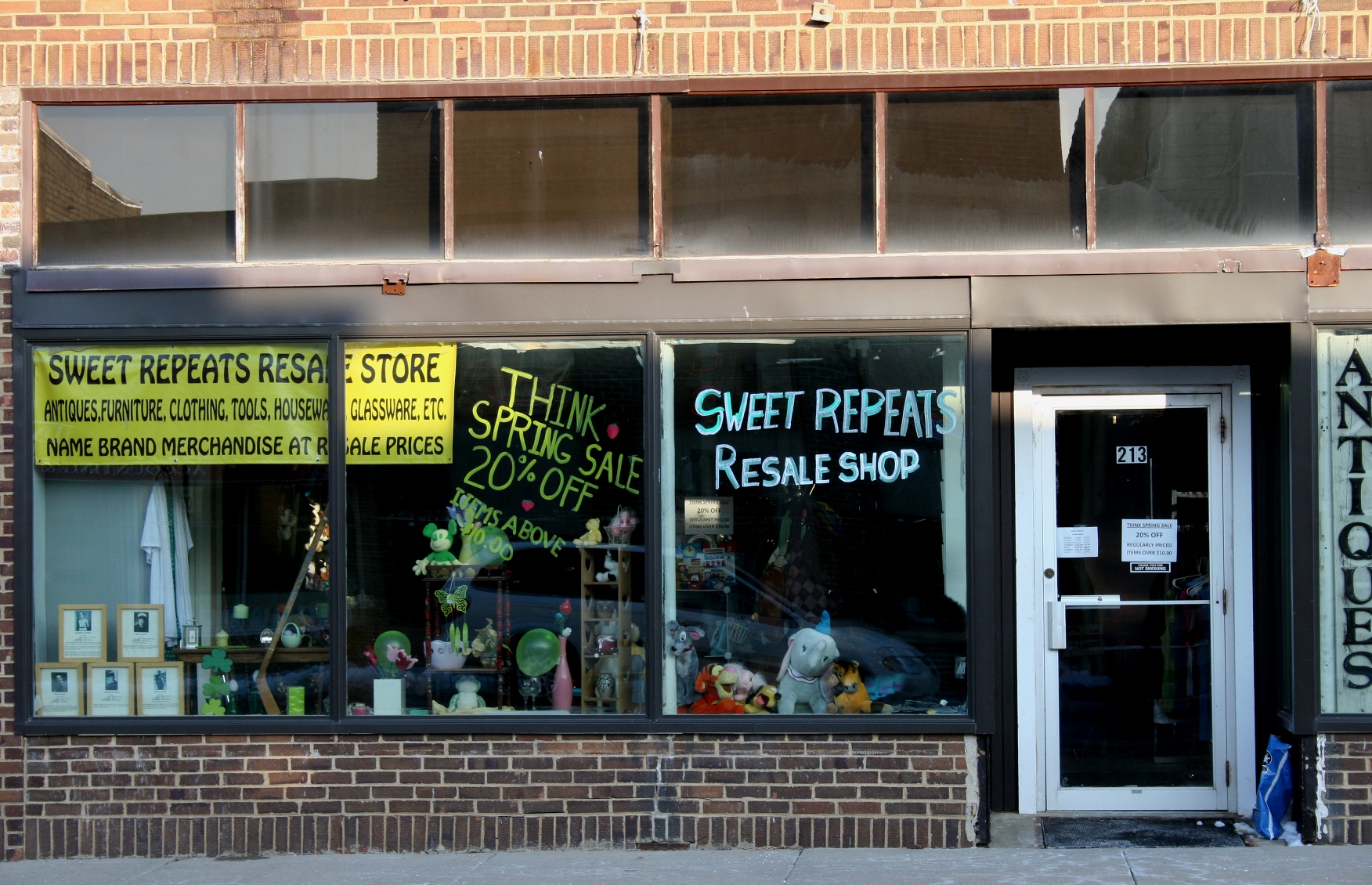
In the lower left corne you can see veterans' tributes in the window of Sweet Repeats Resale Shop.

In the lower left corner you can see veterans’ tributes in the window of Sweet Repeats Resale Shop.

But not until after the play, on a tour through the downtown, did I realize the scope of this project. Everywhere—from business storefront windows to exterior building walls—I spotted veterans’ photos and information, 279 total.

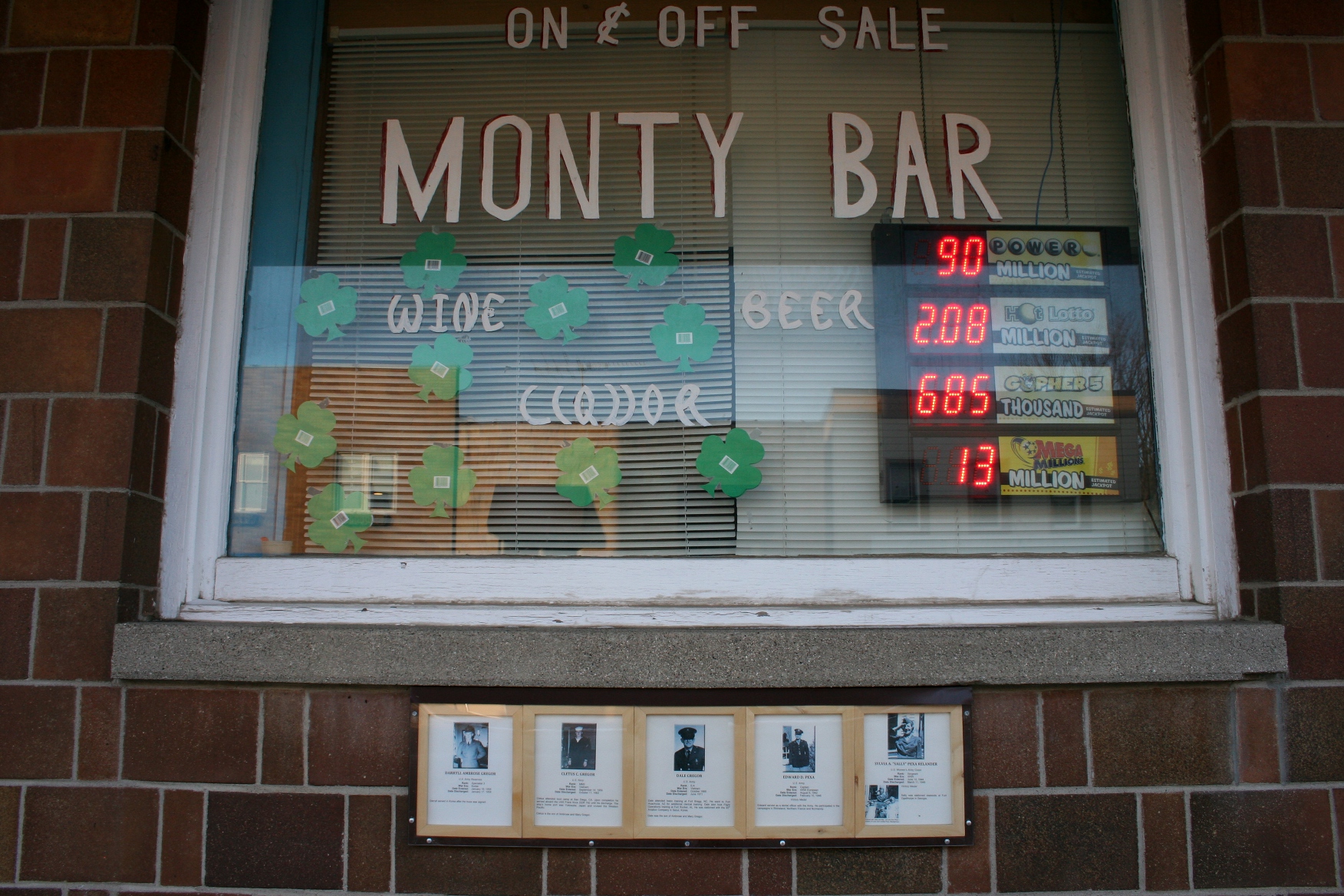
Honoring veterans at the Monty Bar.

Honoring veterans at the Monty Bar.

Framed and secured to the brick wall below a window at the Monty Bar are the pictures and military backgrounds of Cletus C., Dale and Darryll A. Gregor; Edward D. Pexa; and Sylvia A. Pexa Relander.

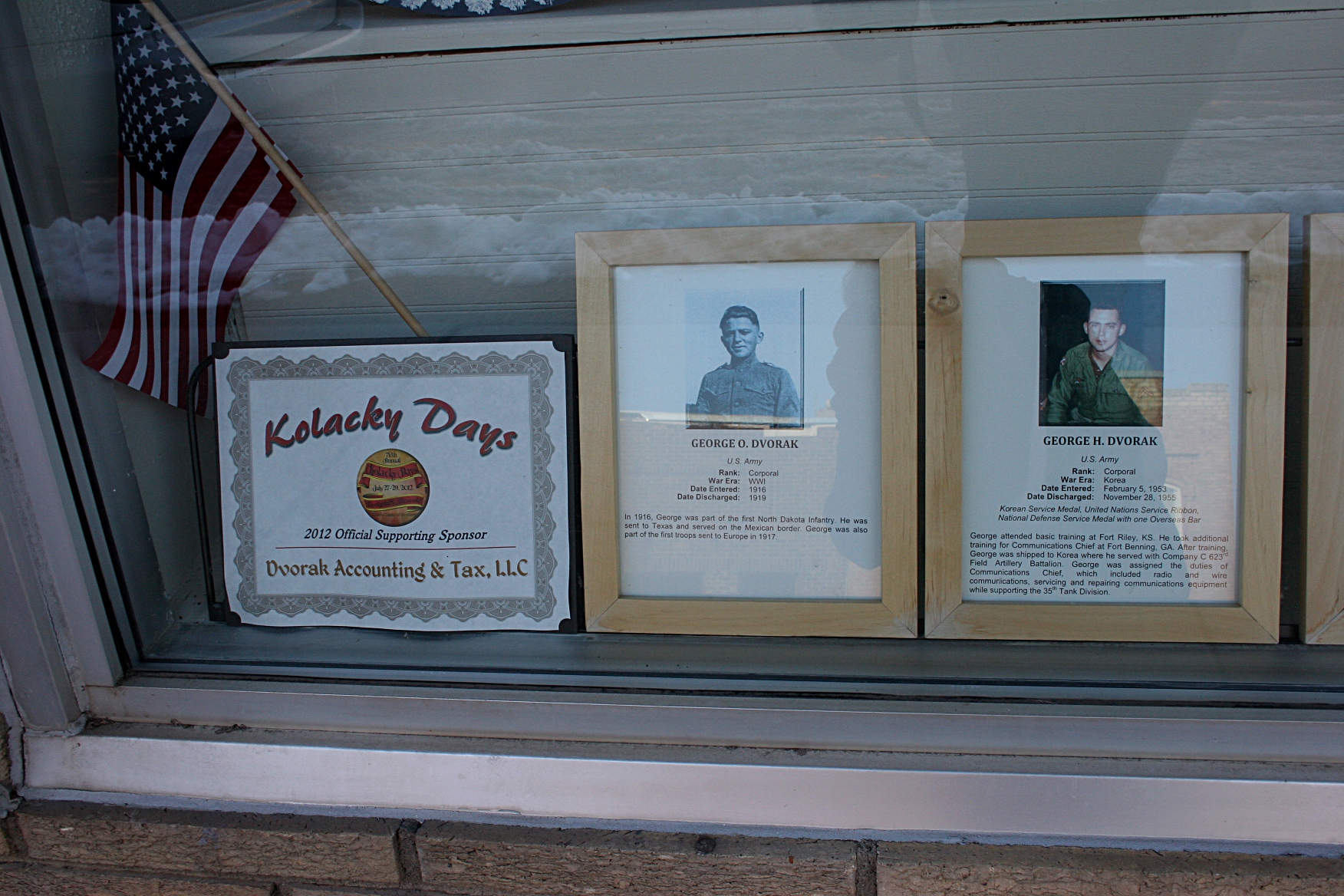
Veterans photos and info posted at Dvorak Accounting & Taxes.

Veterans photos and info posted at Dvorak Accounting & Tax.

Propped against a window at Dvorak Accounting & Tax, framed memorials reveal that George O. Dvorak was among the first troops sent to Europe in 1917. George H. Dvorak serviced communications equipment while supporting the 35th Tank Division in Korea.

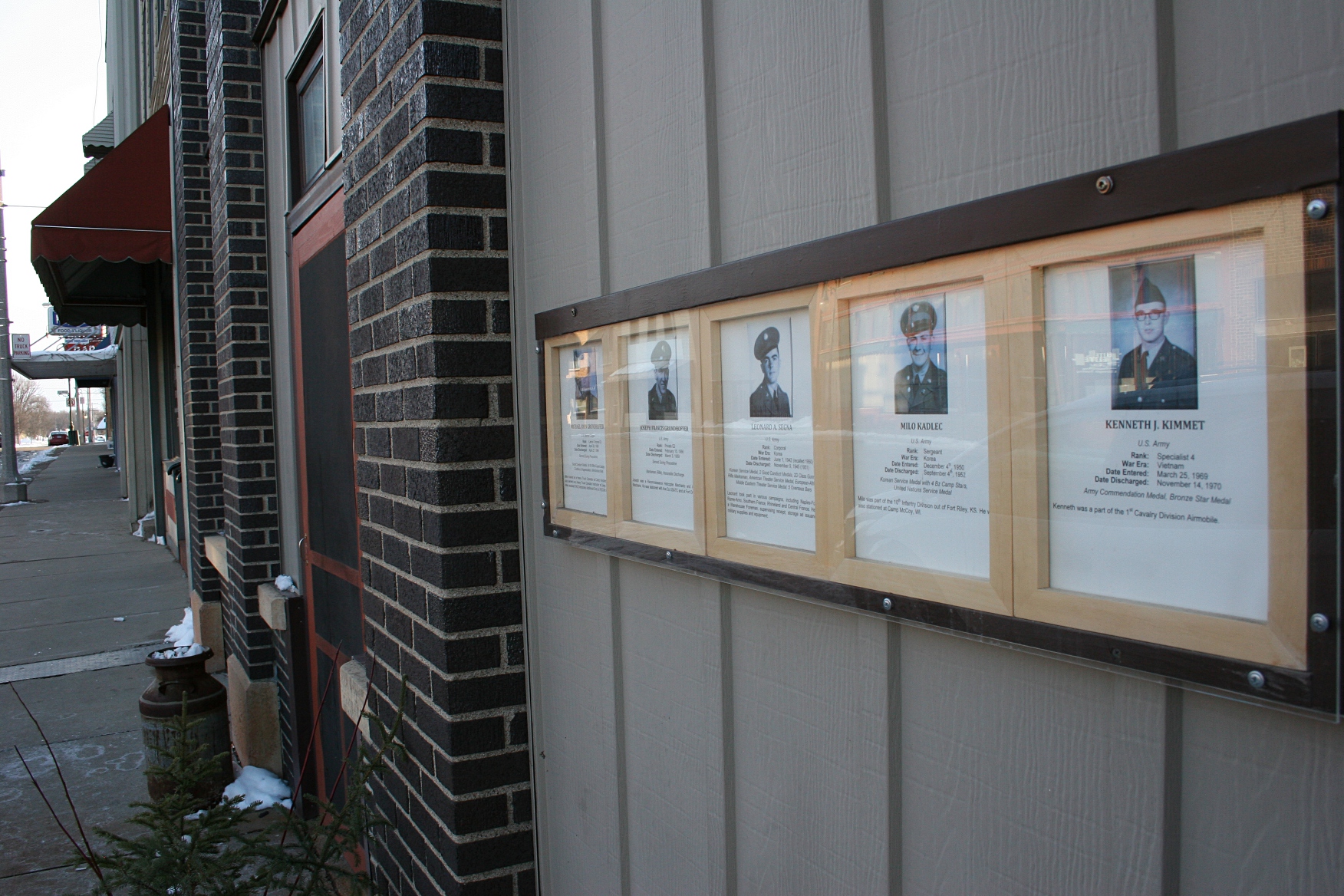
More tributes on the exterior of the Happy Hour Bar.

More tributes on the exterior of the Happy Hour Bar.

Over at the Happy Hour Bar, I learn that Milo Kadlec, part of the 10th Infantry Division, received the Korean Service Medal with four Bronze Stars and the United Nations Service Medal.

To see these photos, to read this information, truly allows me to view these veterans as individuals, as hometown men and women who left rural Minnesota to serve in the U.S. and abroad.

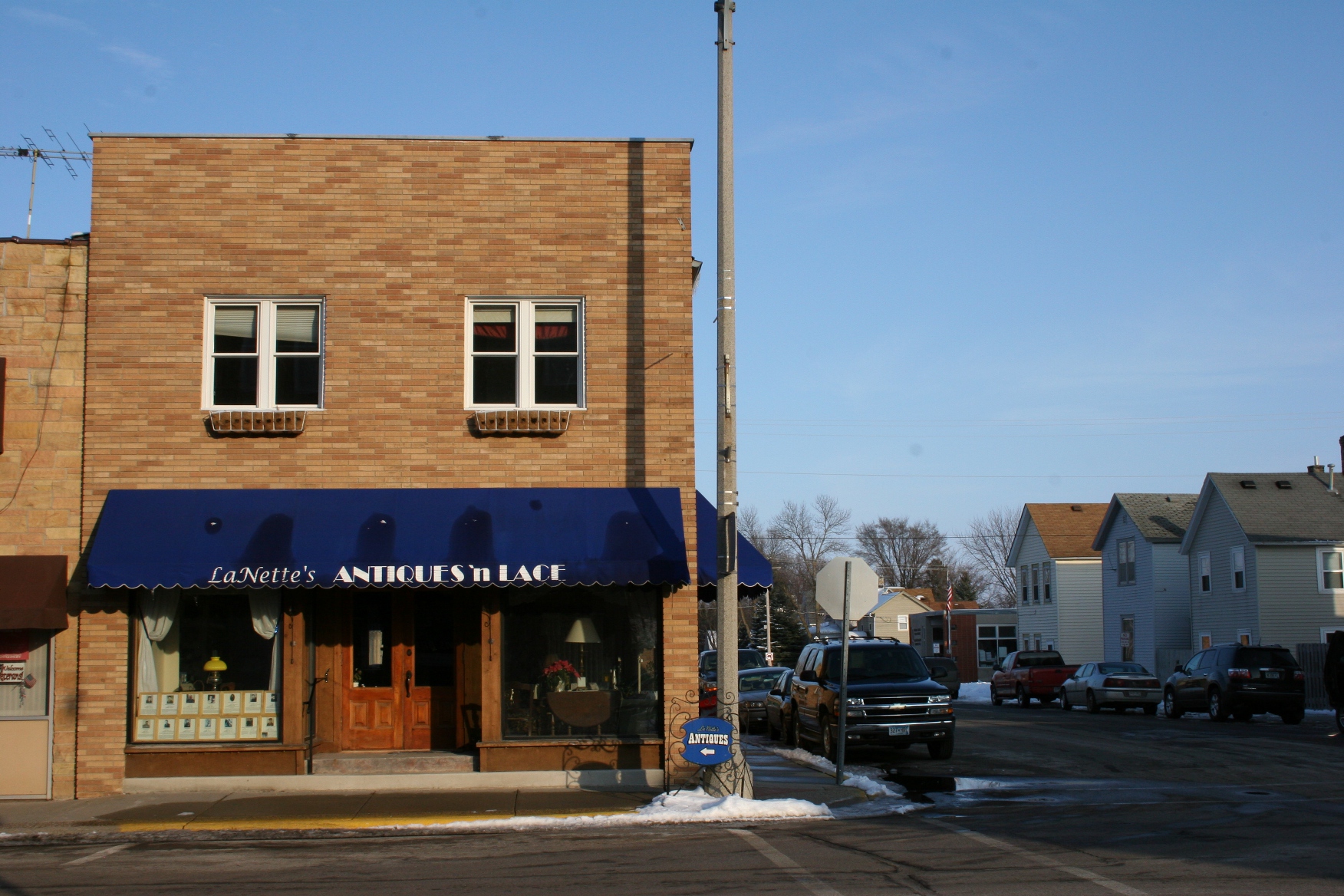
More personal memorials grace the windows of La Nette's Antiques.

More personal memorials grace the windows of La Nette’s Antiques’n Lace.

But how did this project come to be, I wondered. When interviewing Montgomery entrepreneur and Hilltop Hall owner John Grimm, I asked him about the framed veterans photos. Grimm, an Air Force instructor pilot in Texas during the Vietnam War, had seen a similar tribute at a veterans’ memorial in his hometown of Wautoma, Wisconsin, and suggested that Montgomery establish such a personalized memorial. That was nearly three years ago.

Several vets' photos hang on the exterior of the local newspaper office, The Montgomery Messenger.

Several vets’ photos hang on the exterior of the local newspaper office, The Montgomery Messenger.

Initially coordinated by Mobilize Montgomery, the installation of these individualized memorials is now handled by local American Legion Post 79. For a suggested $25 donation to defray printing, frame and display case costs, families can honor their loved ones via a personalized tribute.

That’s not a lot of money for the front and center memorials embraced by a patriotic community proud of those who served their country.

A portion of the promotional brochure from The Harbor. Courtesy of John Grimm.

A portion of the promotional brochure from The Harbor. Courtesy of John Grimm.

THAT’S NOT ALL. Grimm, who says he has a passion for helping veterans, recently undertook another project aimed at assisting aging veterans and others in need. He bought the former Cottagewood Resort along Minnesota Highway 13 between Montgomery and New Prague last May and has converted it into The Harbor, advertised as “a serene haven for veterans and individuals with unique needs.”

The Harbor features three log cabins and a central facility which can house a total of 14 on the 20-acre wooded, lakeside property.

His goal, Grimm says, is to negotiate individual rental rates based on whatever is reasonable and affordable to the renter and will work for him to keep the haven financially solvent.

This Vietnam War era veteran, who previously operated a Montgomery area assisted living facility, tells of a call he received about a 52-year-old homeless veteran while The Harbor was in the beginning of renovation. He thought about the housing request for awhile and decided if the vet had to choose between living under a bridge and living in a mess, he’d likely choose the mess. Turns out the vet had been a sheetrocker, so he moved into The Harbor in July to help tape and seam sheetrock.

THERE, DEAR READERS, are two feel-good stories from one small Minnesota town, stories I discovered because I took the time to really look at Montgomery, to see the veterans’ tributes, and then to inquire about them. These discoveries await you at every turn. Just slow down, and you will see them, too.

Watch for one more story in my five-part series from this southern Minnesota community.

© Copyright 2013 Audrey Kletscher Helbling


Rural Minnesota, the place of my heart February 27, 2013

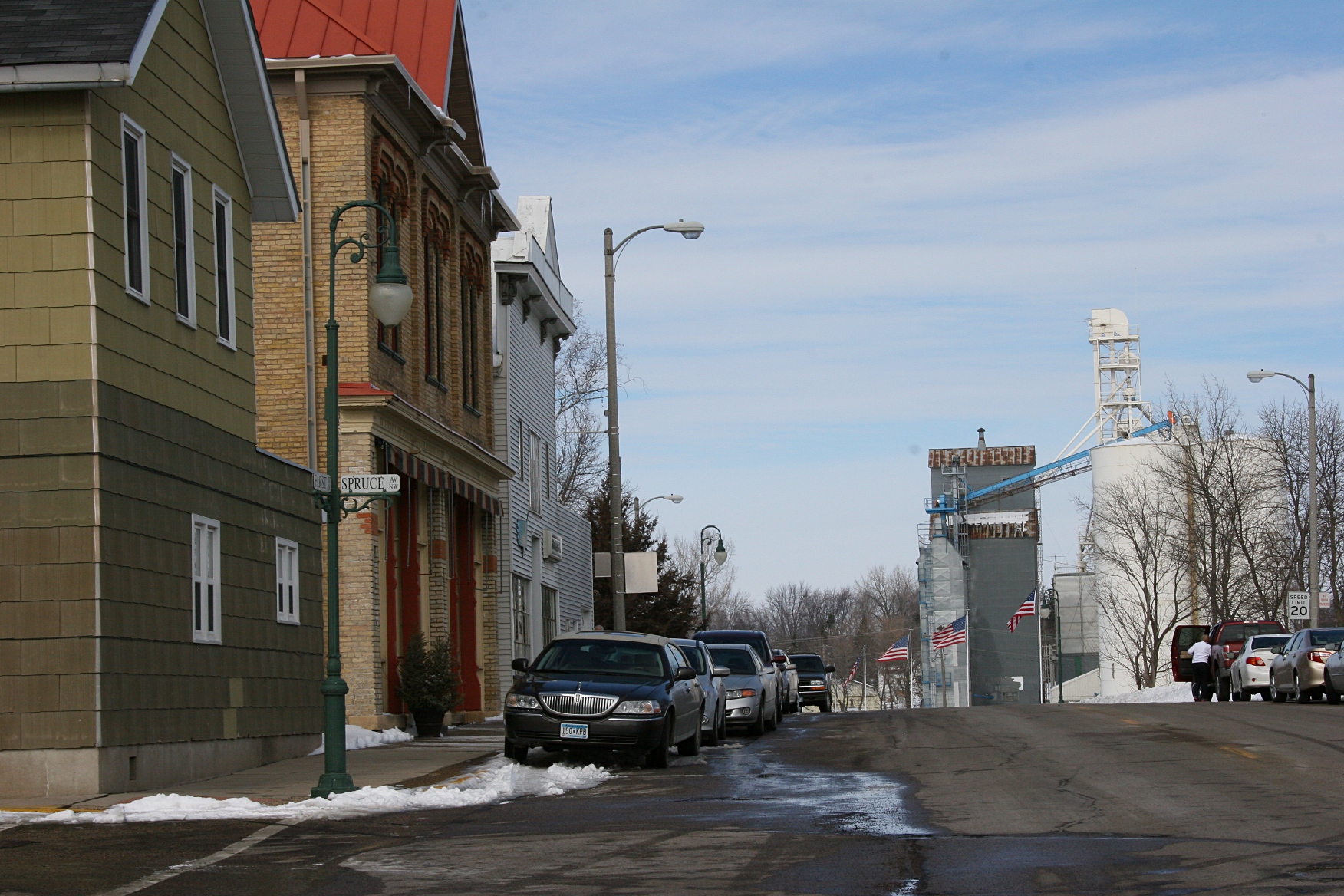
Montgomery, Minnesota, on a Sunday afternoon.

Montgomery, Minnesota, on a Sunday afternoon. That’s the Cannon Valley Co-op over the hill and to the right.

I NEVER TIRE of these snippets of small town life—the instant my eye catches a scene or a setting or a detail.

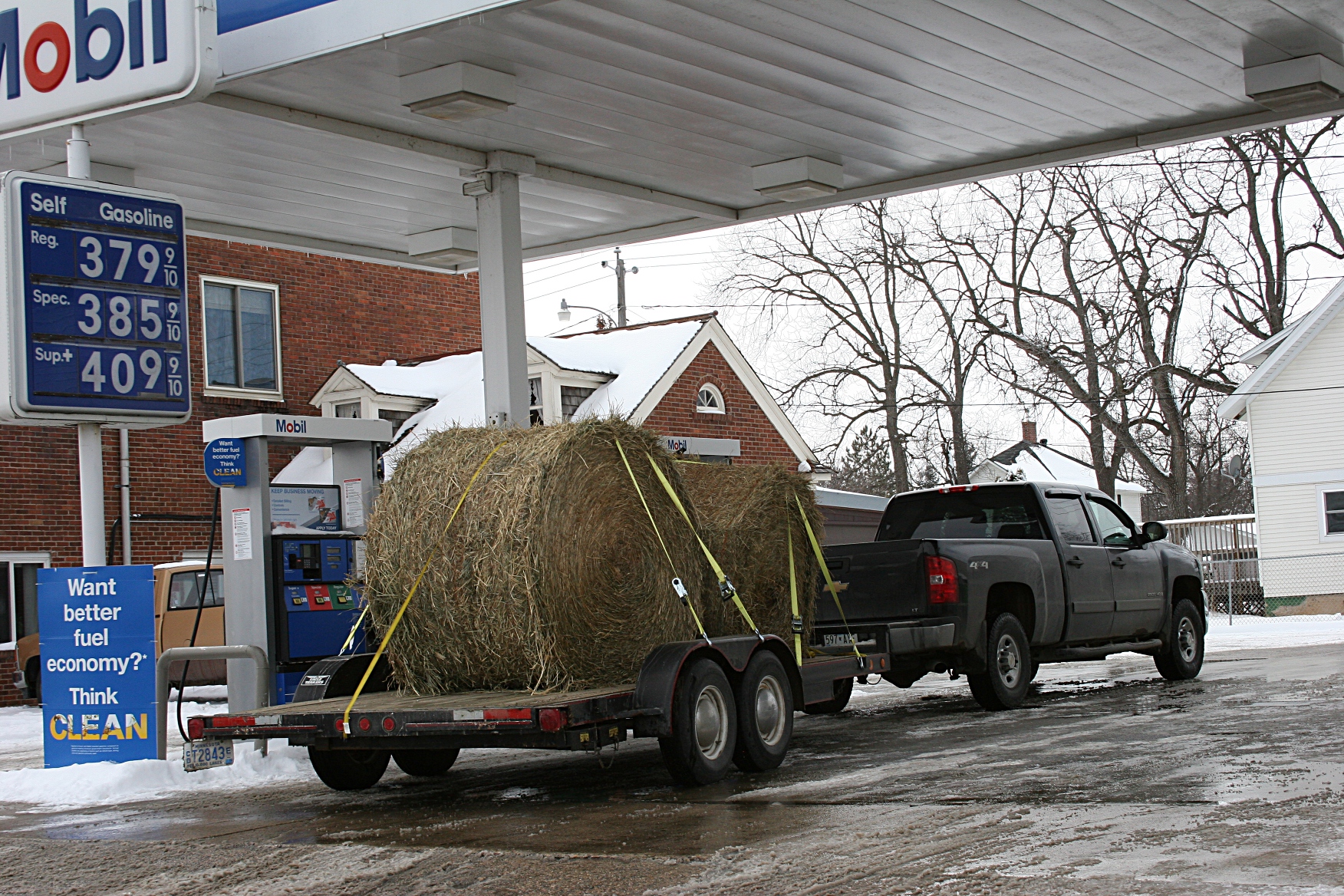
At the Mobil station in Medford on a Saturday afternoon.

At the Mobil station in Medford on a Saturday afternoon.

In those moments my heart sings with thankfulness that I live in a relatively rural region.

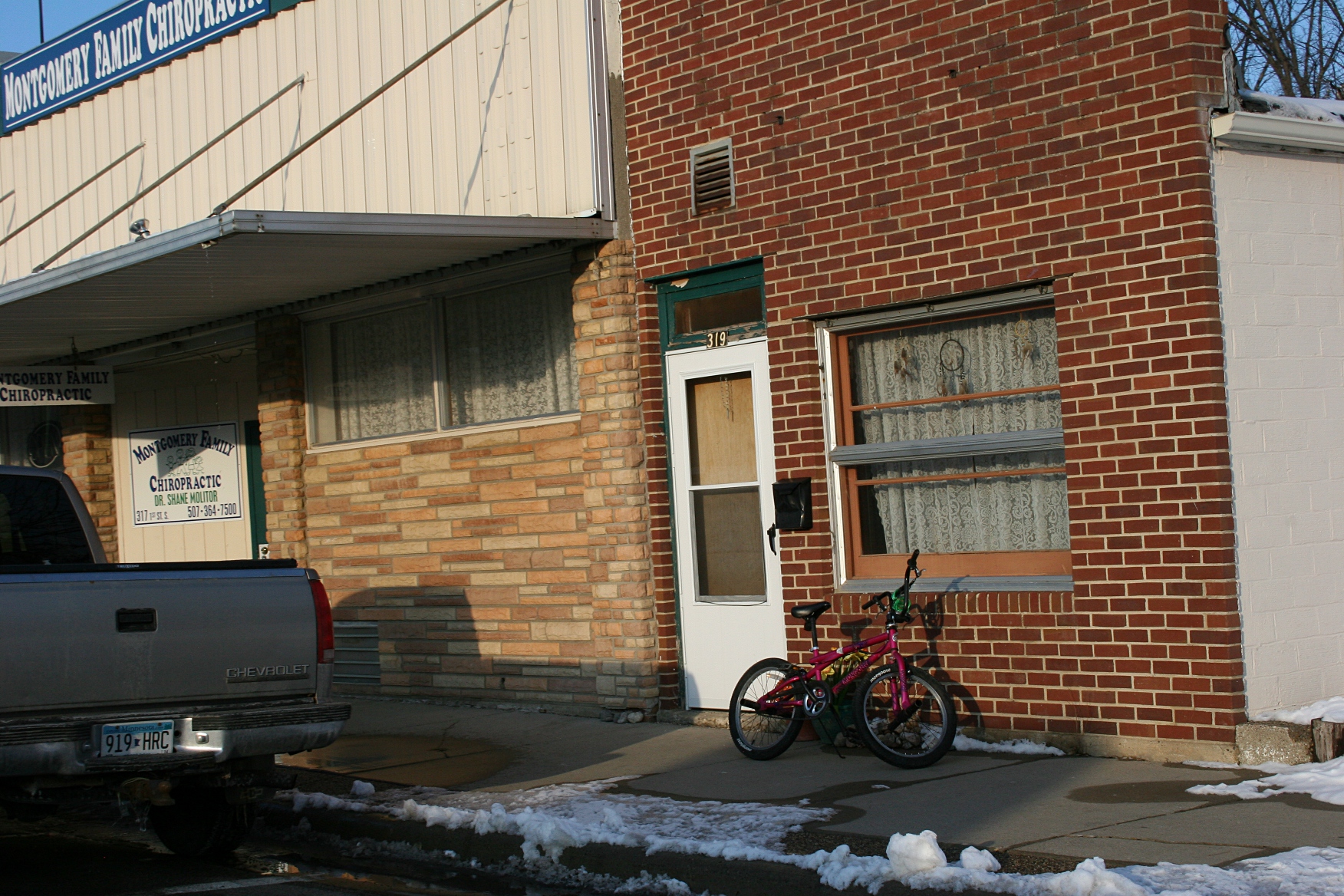
No need for bike racks in Montgomery.

Just drop the bike in downtown Montgomery.

While rural does not equate utopia or a life any less troubled or any more joyful than city life, this land is where I belong.

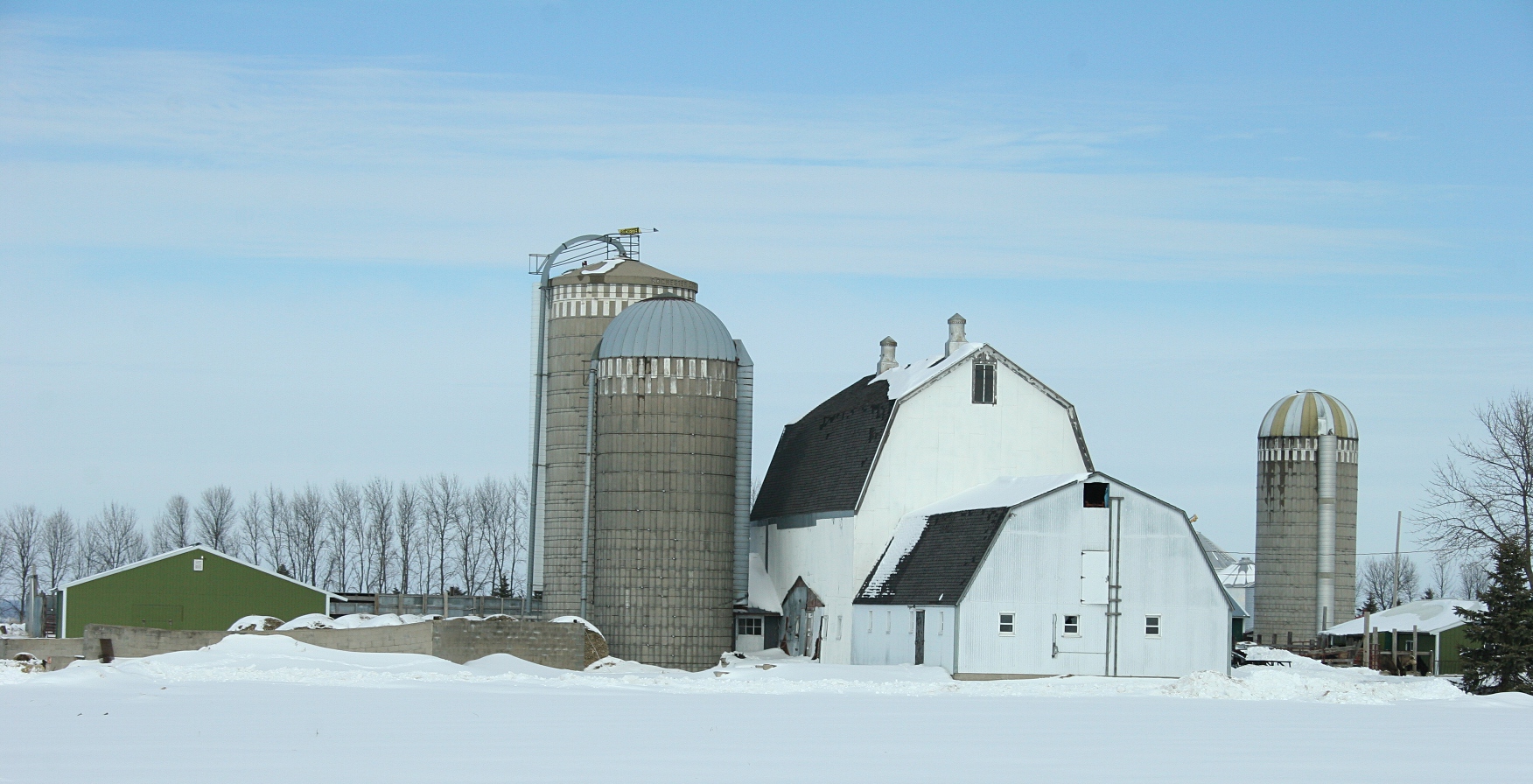
Just off Minnesota Highway 99 along a curve on Minnesota 21 heading toward Montgomery.

Just off Minnesota Highway 99 along a curve on Minnesota 21 heading toward Montgomery.

Growing up, I felt more comfortable inside a dairy barn than inside my pink-walled bedroom.

Along the same highway...

Along the same highway…

My connection to barns lingers as I’m drawn to photograph these disappearing rural landmarks.

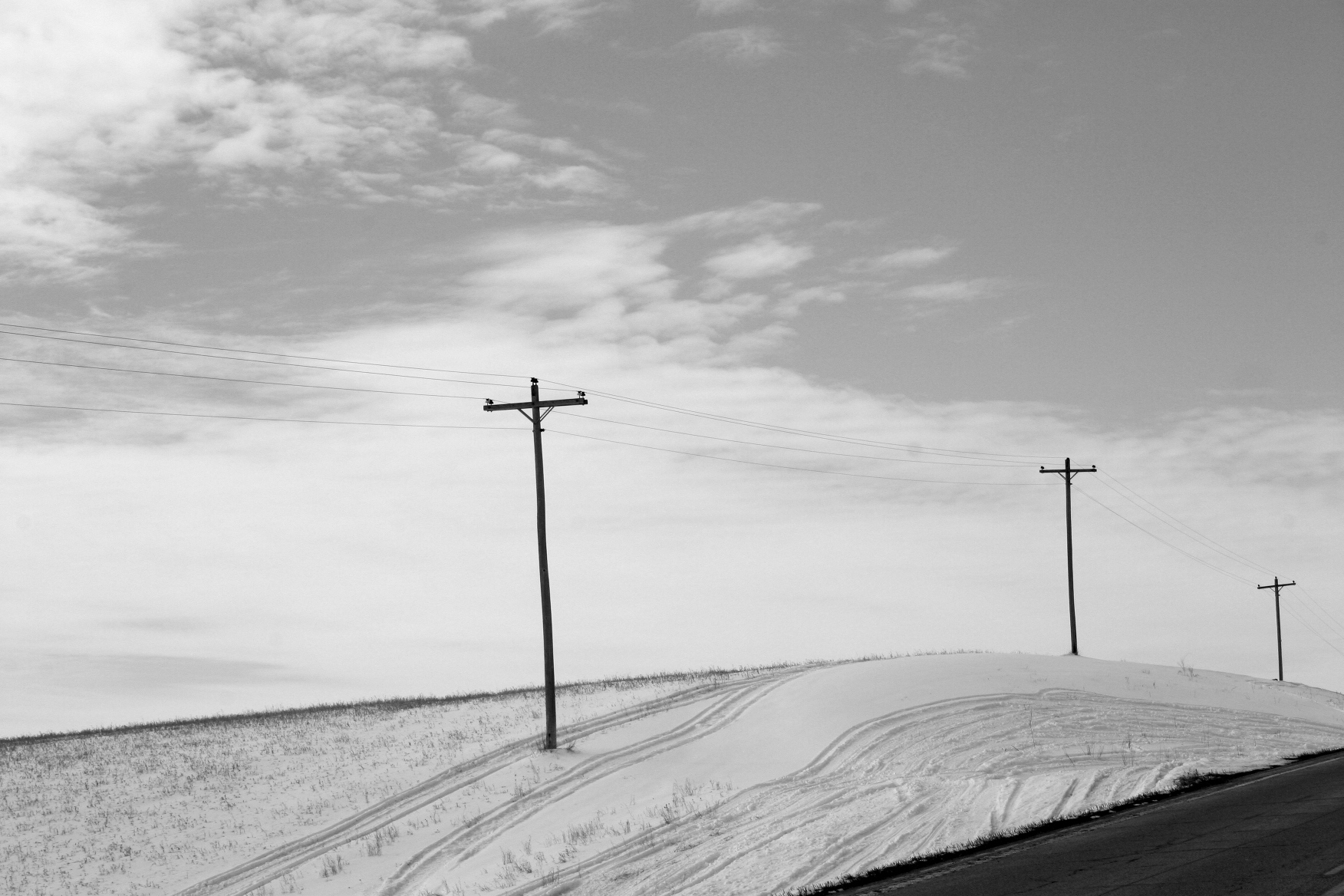
Utility poles break the horizontal landscape along Minnesota 21.

Utility poles break the horizontal landscape along Minnesota 21.

My eyes link with lines, always the lines.

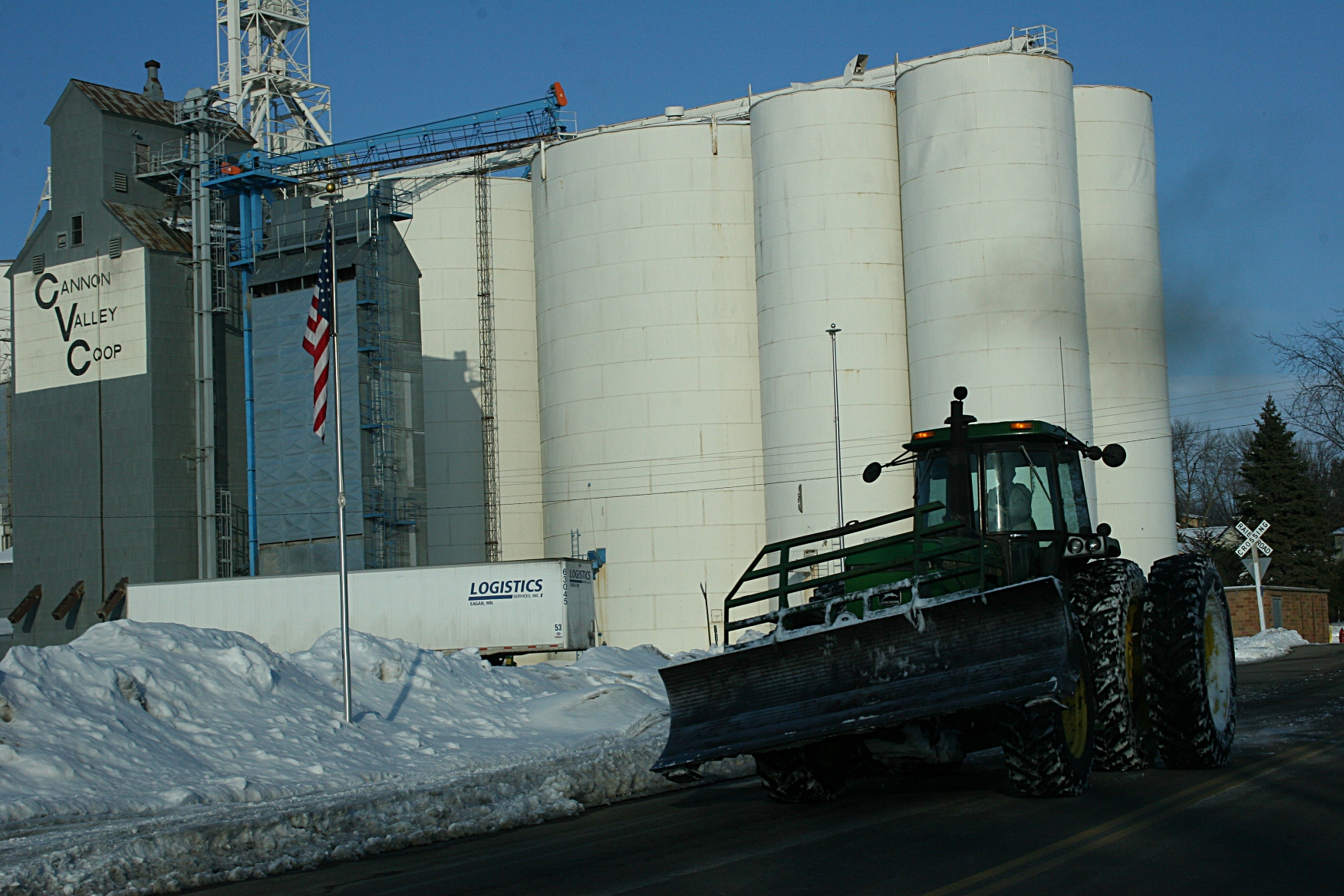
Ready to plow snow in Montgomery.

Ready to plow snow in Montgomery.

I am not a big city lights, traffic jams, hurry here, hurry there kind of girl.

Minnesota State Highway 21 between Shieldsville and Montgomery.

Minnesota State Highway 21 between Shieldsville and Montgomery.

I am a country dark, tractor in the field, meandering Sunday afternoon drive kind of girl.

© Copyright 2013 Audrey Kletscher Helbling


Snow removal in my Minnesota neighborhood February 23, 2013

Filed under: Uncategorized — Audrey Kletscher Helbling @ 8:54 AM
Tags: , , , , , , , ,
Shoveling the driveway, take one.

About to begin shoveling the driveway.

“HOW MUCH SNOW did we get?” I asked my husband upon arising Friday morning. I had no desire to bundle up and head outdoors to shovel the sidewalk and driveway. Again.

He guessed about five inches.

“I don’t feel like shoveling.”

“You don’t have to. I’ll blow it out when I get home.”

And so I felt a tinge of guilt, making the mail carrier and the few pedestrians in my neighborhood plow through the snow. But at least school wasn’t in session and kids wouldn’t be trudging through the snow, too, packing it down.

Shoveling the driveway, take two.

The first scoop of snow.

But then, around 2 p.m., the next door neighbor barreled down the sidewalk with his snowblower blazing a trail past our house and then back a second time to clear an even wider path. That Ken did this simply out of the goodness of his heart pleases me.

Up the street, a kindly soul opened the driveway and sidewalks of another neighbor whose property my husband typically clears of snow.

Shoveling the driveway, take three.

Moving right along…

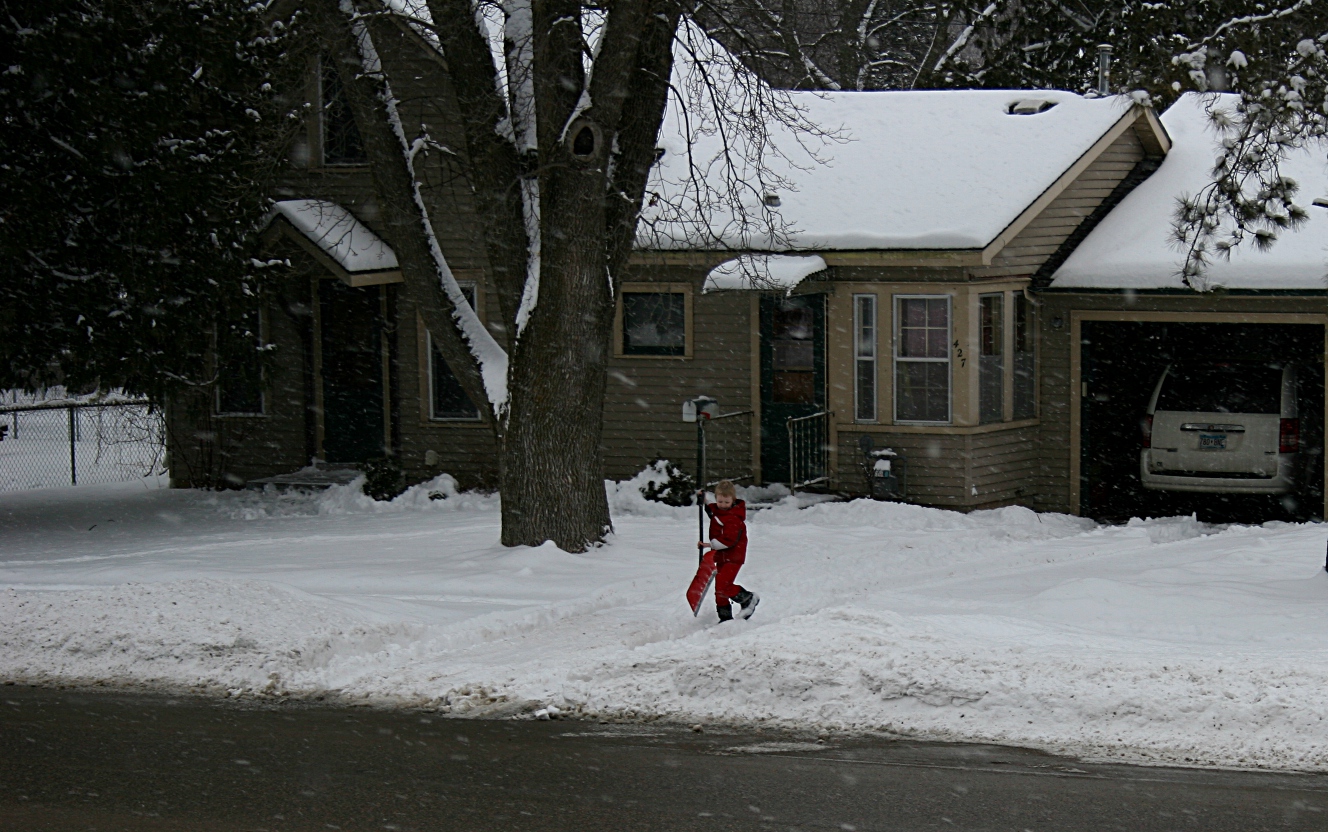
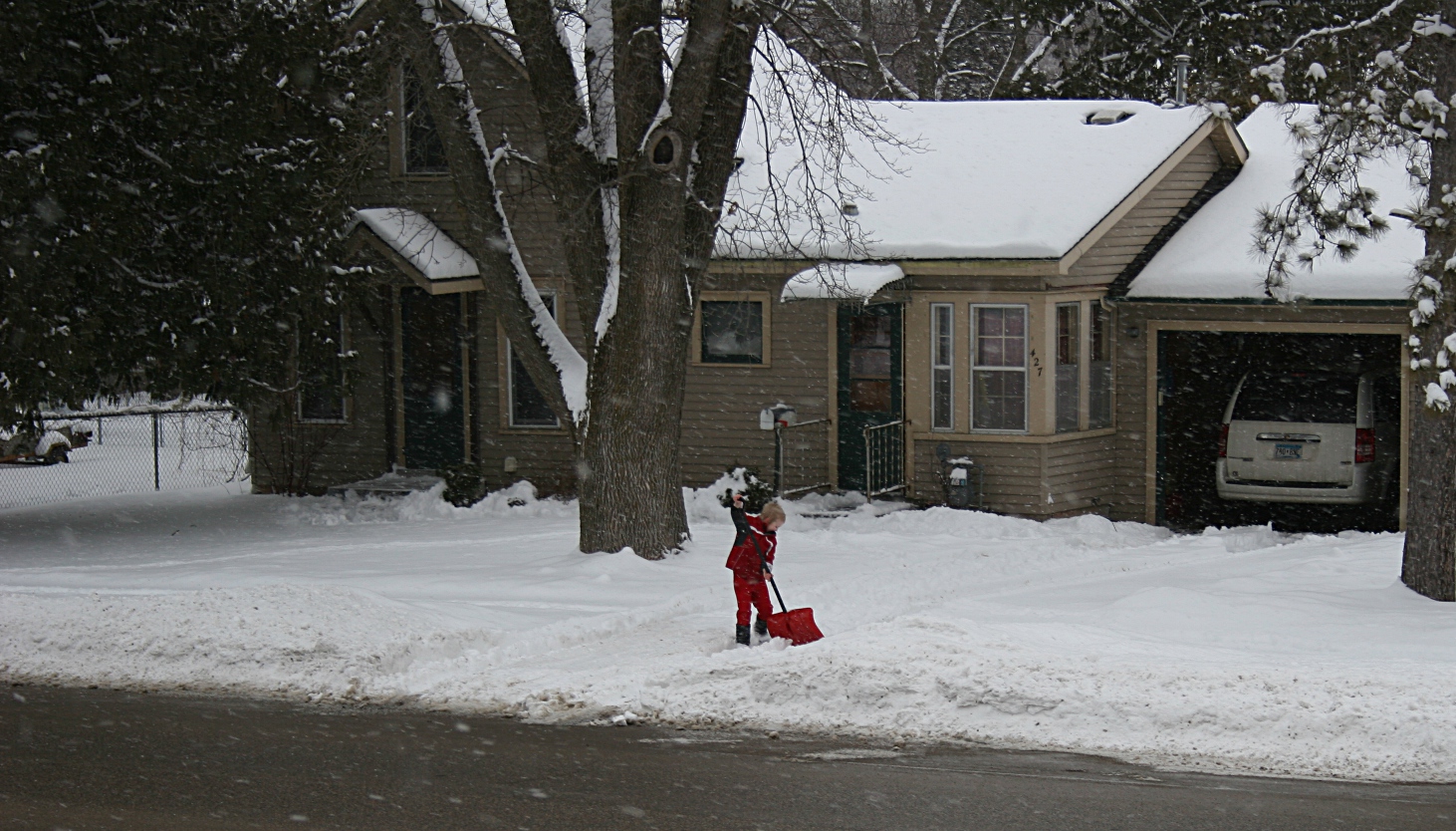
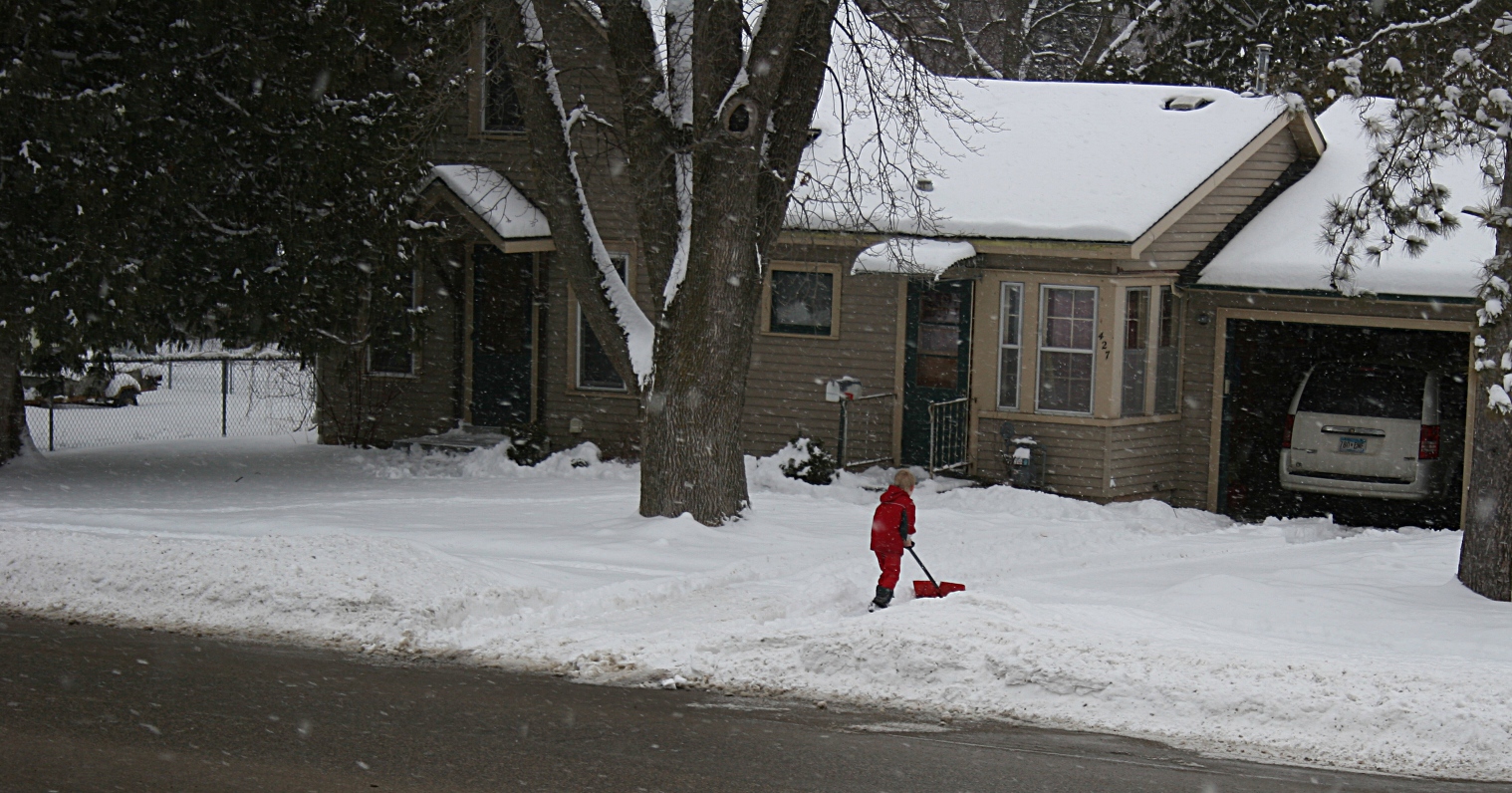
Across the street, the neighbor boy attempted to clear the driveway, a seemingly insurmountable job for the little guy. He was giving it his all, for awhile, clearing only a small section before abandoning the task.

Perhaps someday he’ll blaze a trail through the snow with a snowblower.

Or maybe he’ll just give up and move to Florida.

Copyright 2013 Audrey Kletscher Helbling


One family’s journey: Five years after the Cottonwood school bus crash February 13, 2013

SHE ASKS IF I REMEMBER “the cupcake thing.”

But I have only a vague recollection of lots and lots of cupcakes.

Traci Olson, though, remembers, like yesterday, the details of “the cupcake thing,” which she compares to the biblical account of the feeding of the 5,000.

First, the cupcakes started coming in, then more and more and more for her 9-year-old daughter Emilee’s funeral. There were enough left over to serve mourners at the funeral of the Javens brothers, Hunter, 9, and Jesse, 13. The cupcakes just kept coming, so the sweet treats were also offered at the funeral of Reed Stevens, 12.

Still, all the cupcakes had not been eaten. So whoever wanted the mini cakes could take them home.
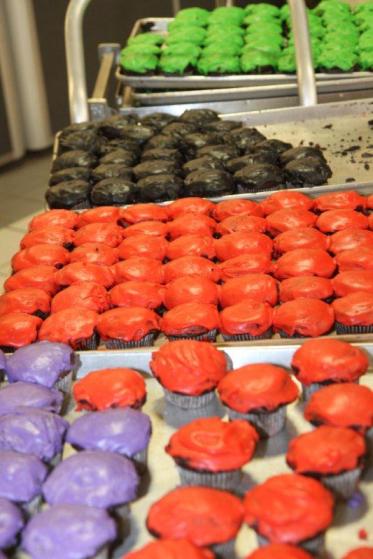
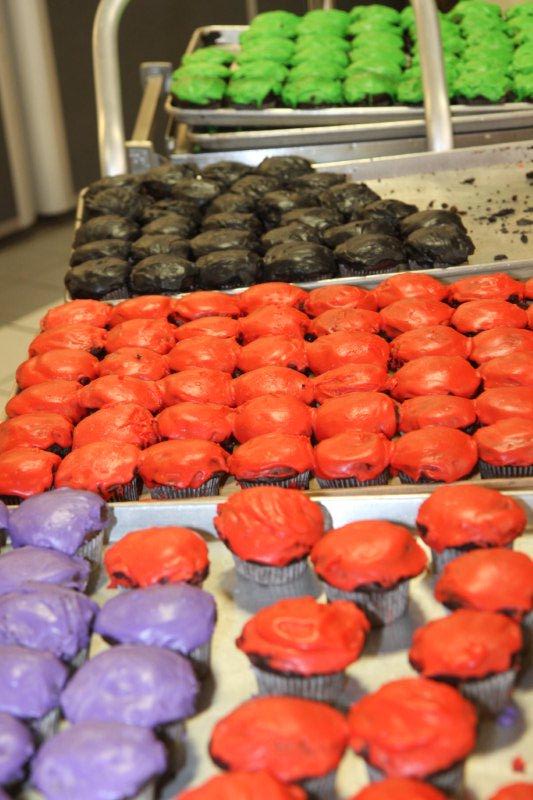
Lakeview kitchen staff bakes cupcakes each February to celebrate the four students.

Lakeview kitchen staff bakes cupcakes each February to celebrate the four students.

“The cupcake thing” didn’t end in February 2008, when Emilee, Hunter, Jesse and Reed, all students at Lakeview Public School in Cottonwood, died in the crash of their school bus and a mini van. Five years later, the tradition continues every February 19 (or the nearest date school is in session) at Lakeview. The cooks bake cupcakes and frost them in the students’ favorite colors—pink or purple for Emilee, red for Reed, green for Hunter and black for Jesse.

It is a way to celebrate the lives of the four, whom Traci describes as “fun, happy-go-lucky kids.”

“We don’t want the kids to be defined by how their lives ended,” she emphasizes.

Traci, who teaches early childhood special education at Lakeview, has, by default, she says, become the key organizer of Lakeview’s annual Journey of Hope, a community gathering to celebrate the lives of those lost and the healing that has taken place since that February 19 afternoon in 2008 when life forever changed in Cottonwood, a farming town of 1,200 in southwestern Minnesota.
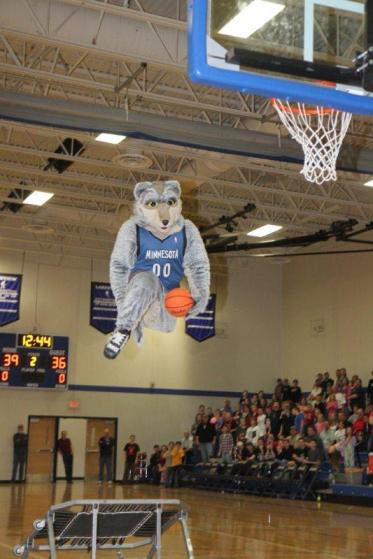
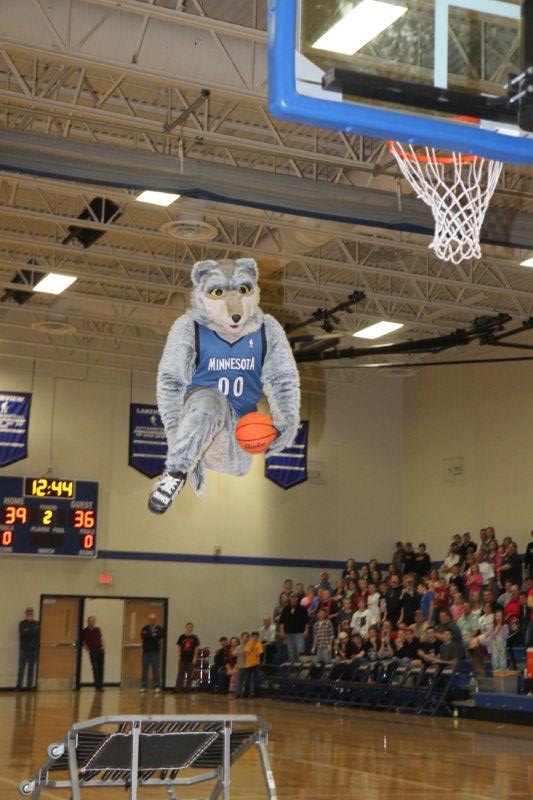
Timberwolves mascot Crunch during an earlier appearance at Lakeview.

Timberwolves mascot Crunch during an earlier appearance at Lakeview.

This year’s celebration is slated for Valentine’s Day and starts with an afternoon presentation on bullying by Minnesota Timberwolves mascot Crunch followed by a community gathering in the evening. That includes serving of pulled pork sandwiches beginning at 5 p.m., photos with Crunch, a slam/dunk half-time show and three basketball games.

Traci says Journey of Hope has always focused on the positive, not on mourning the community’s loss.

Days before the five-year anniversary, Traci shared her thoughts with me, in an hour-long phone interview, about her daughter, life since the crash and the healing that has taken place. We did not discuss Olga Franco del Cid, who was driving the mini van that blew through a stop sign and slammed into the school bus. Franco del Cid was convicted of criminal vehicular homicide and other charges and sentenced to 12 ½ years in prison.

Chun Wen (Emilee) in China

Chun Wen (Emilee) in China

TRACI REMEMBERS WITH CLARITY the first time she laid eyes on baby Emilee in China. Chun Wen, among about 20 babies, just sat and stared at her adoptive mom. “I picked her up and she was mine,” Traci says of her strong-willed, independent girl with the deep, raspy voice who came home to Minnesota at 10 months of age.

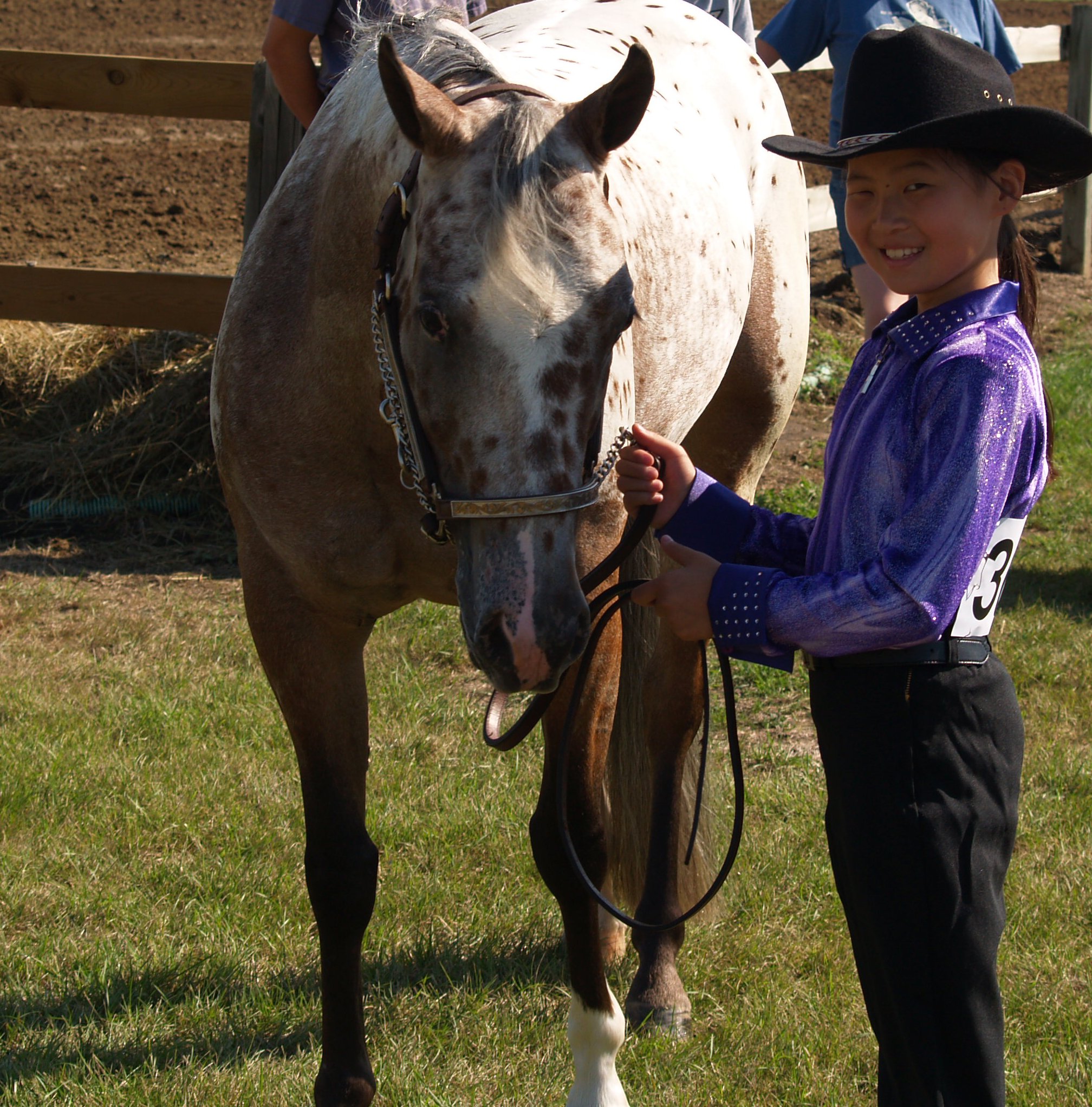
Emilee LaVanche, as Traci and Charlie Olson renamed their daughter after Traci’s grandparents Emil and LaVanche, fit right in with her older siblings, Bailee and Sidnee. She emulated Bailee’s piano playing, becoming an accomplished pianist, and eventually followed the family’s passion for showing horses. On her seventh birthday, Emilee got her own horse, Barbie.

“Everybody knew her,” Traci says of her outgoing and vivacious daughter who made friends wherever she went. She would light up a room or a show ring. And she was, most assuredly, Traci says, a blessing to her and Charlie’s family, which at the time of Emilee’s death included Bailee, 14; Sidnee, 11; and Rilee, 6.

Traci would later return to China for the third time (Rilee is also from China) to adopt seven-year-old Lucee. She makes it clear that Lucee is not meant to replace Emilee, noting rather her deep love of children: “I was meant to be with kids and to do stuff with kids.”
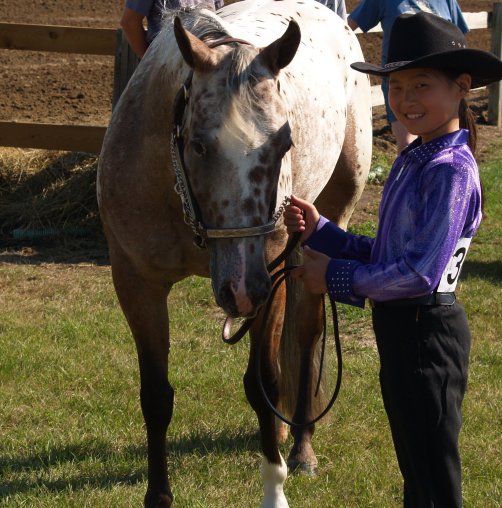
Emilee with her horse, Barbie

Emilee with her horse, Barbie

ON THE AFTERNOON OF THE CRASH, Traci, then a health and physical education teacher at Lakeview, told Emilee, “You need to ride the bus (home about two miles)… I love you.”

That marked the last time she spoke to her daughter.

A short while later her husband, a part-time school bus driver, phoned to tell Traci about a “bad bus accident” half a mile from their farm. Traci rushed to the crash site to help.  Then, upon realizing it was her children’s bus, she desperately began searching for her three kids riding the bus that day. She found Rilee, but could not locate Sidnee or Emilee.

As Traci recounts the aftermath of the crash which killed four and injured 17, she describes a chaotic scene, “a lot of hoping and praying,” racing to the hospital in nearby Marshall, helicopters coming and going, her desperate inquiries for information about “the only Chinese girl on the bus,” the family’s journey to Sioux Falls where Sidnee underwent emergency surgery for a lacerated eye, and the eventual visit to the funeral home to identify Emilee.

Traci recalls a phone conversation with her sister. “I can’t find Sidnee and Emilee. This is really, really bad.” In that moment, when she could not find her daughter, Traci says, “I knew right away.”

Emilee and Sidnee were sitting across from each other half way back on the bus, Emilee with Hunter. Jesse and Reed were behind them. Rilee was at the front of the bus.

Thinking back to that awful day, Traci says, “You never move on, but you’re forced to move forward. We can’t change it, we can’t make it go away.” But, she is determined that her surviving kids, now ages 9 – 19, not reference their lives “before and after Emilee.” And she is determined, too, to celebrate Emilee’s life.

For example, each year Traci celebrates Emilee’s November 2 birthday with her classmates. This past November, the now Lakeview 8th graders made and donated 30 fleece blankets to the Ronald McDonald house in Rochester. In the past, Emilee’s classmates have made Native American horse sticks and welcomed former WCCO TV news anchor Don Shelby in honor of their classmate’s birthday. Lakeview students got copies of Shelby’s inspirational book, The Season Never Ends.

The birthday party always focuses on honoring her daughter in an educational and memory-building way, Traci says. And it always ends with serving of Emilee’s favorite root beer floats.

Traci also coaches Emilee’s classmates’ basketball team.

“My saddest day will be when no one will remember who Emilie is,” Traci shares.

THAT IS NOT LIKELY to happen any time soon as Traci speaks of a caring community that continues to “wrap their arms around us and the other families.” Good friends before the crash, the Olson, Javens and Stevens families now lean on one another.

Not that there aren’t difficult days. Her family is open and honest enough, Traci says, to admit when they’re having a bad day. Sometimes that means stepping out of school for 20 minutes to cry in her car, or doing something with the horses or her family to deal with the grief. She’s especially grateful, Traci notes, for supportive school administrators and colleagues.

Losing a child “makes you totally rethink what’s important,” Traci says. And for her and Charlie, that’s being together as a family, participating in those competitive Ponies of America Club horse shows, celebrating Emilee’s birthday and more. “We’re not thinking coulda, shoulda, woulda.”

The Olsons also have adopted a new perspective on life as they’ve already endured the most difficult of losses. “If we lose a crop (the Olsons farm), we can live through that,” Traci says.

TODAY THE FAMILY CONTINUES to sense Emilee’s presence in their lives, whether in the pink and purple of a prairie sunset or someone mistakenly calling Lucee—now nine years old, the same age as Emilee five years ago—by her older sister’s name.

Traci tells me, too, “It is really hard to believe it has been that long.”

Five years.

But for this mother, the details of the day she lost Emilee remain as clear as the day she first locked eyes with her little girl in China.

Lakeview School graces the front of a thank you card I received a month after the bus crash.

Lakeview School graces the front of a thank you card I received a month after the 2008 bus crash.

FIVE YEARS AGO on February 19, I “knew” that an extended family member was on that same bus Emilee, Hunter, Jesse and Reed rode.

My cousin Joyce Arends’ grandson, 8-year-old Bryce, suffered minor injuries in the crash. Wanting to show my concern, I mailed a book, teddy bear and candy to Bryce as well as a note and memorial gift to Lakeview School.

I received thank yous from Bryce and the school and I’ve saved both.

Bryce told me he’d named his bear Fluffy and was sleeping with him.

The school responded, in part, with this message:

The outpouring of response from across the state, the nation, and even the world has overwhelmed all of us at Lakeview School, but the power of that support has given us strength and has allowed us to begin the long process of healing. Please know that we are all grateful.

I expect on this, the five-year anniversary of the bus crash, that Lakeview School, the Olsons, Javens and Stevens families, and the community remain grateful for the ongoing support of those who remember their children, for Emilee, Hunter, Jesse and Reed truly were all of their children.

© Copyright 2013 Audrey Kletscher Helbling

Photos courtesy of Traci Olson


Reflecting on motherhood & my February babies February 7, 2013

Filed under: Uncategorized — Audrey Kletscher Helbling @ 8:15 AM
Tags: , , , , , ,

WHEN YOU ARE PARENTING little ones—changing diapers, wiping away boogers, dealing with temper tantrums—you wonder if you will ever have time for yourself again, even just a minute alone to go to the bathroom in peace.

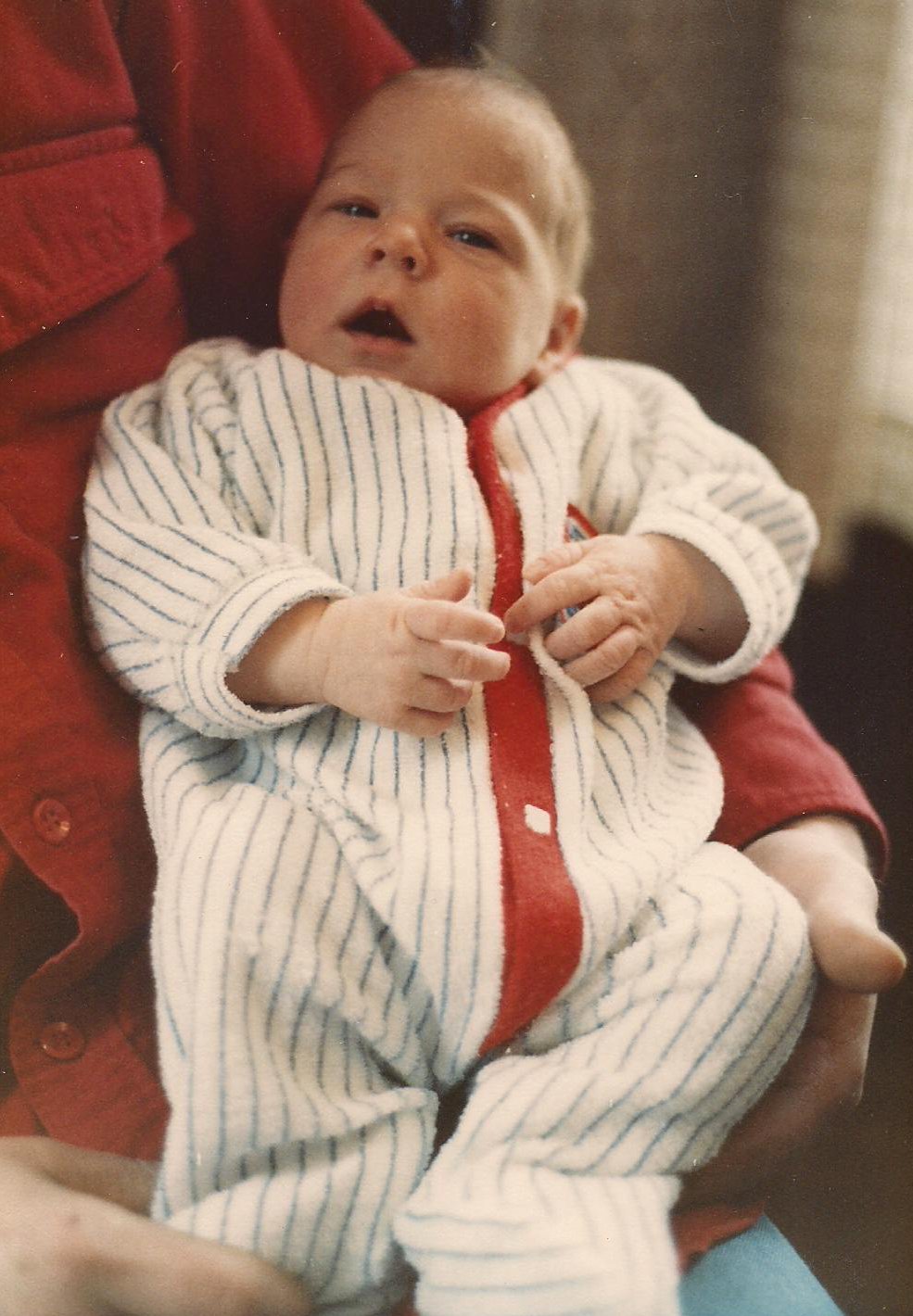
My oldest daughter at 12 days old. Already then she was a Minnesota Twins fan, in this hand-me-down sleeper.

My oldest daughter at 12 days old. Already then she was a Minnesota Twins fan, in this hand-me-down sleeper.

Then, before you know it, your babes are off to kindergarten and the 24/7 parenting eases, even though you never truly stop parenting.

Several years later you are thrust into the turbulent teens which, in many ways, resemble the terrible twos you thought were left behind.

But soon enough, you are sitting on hard bleachers in a stuffy and crowded high school auditorium, a lump in your throat, tears rimming your eyes as your 18-year-old graduates. And in that moment you realize that your child, your baby, has grown up, just like that.

That realization particularly strikes me this February, the month in which my eldest and my youngest were born a day shy of eight years apart.

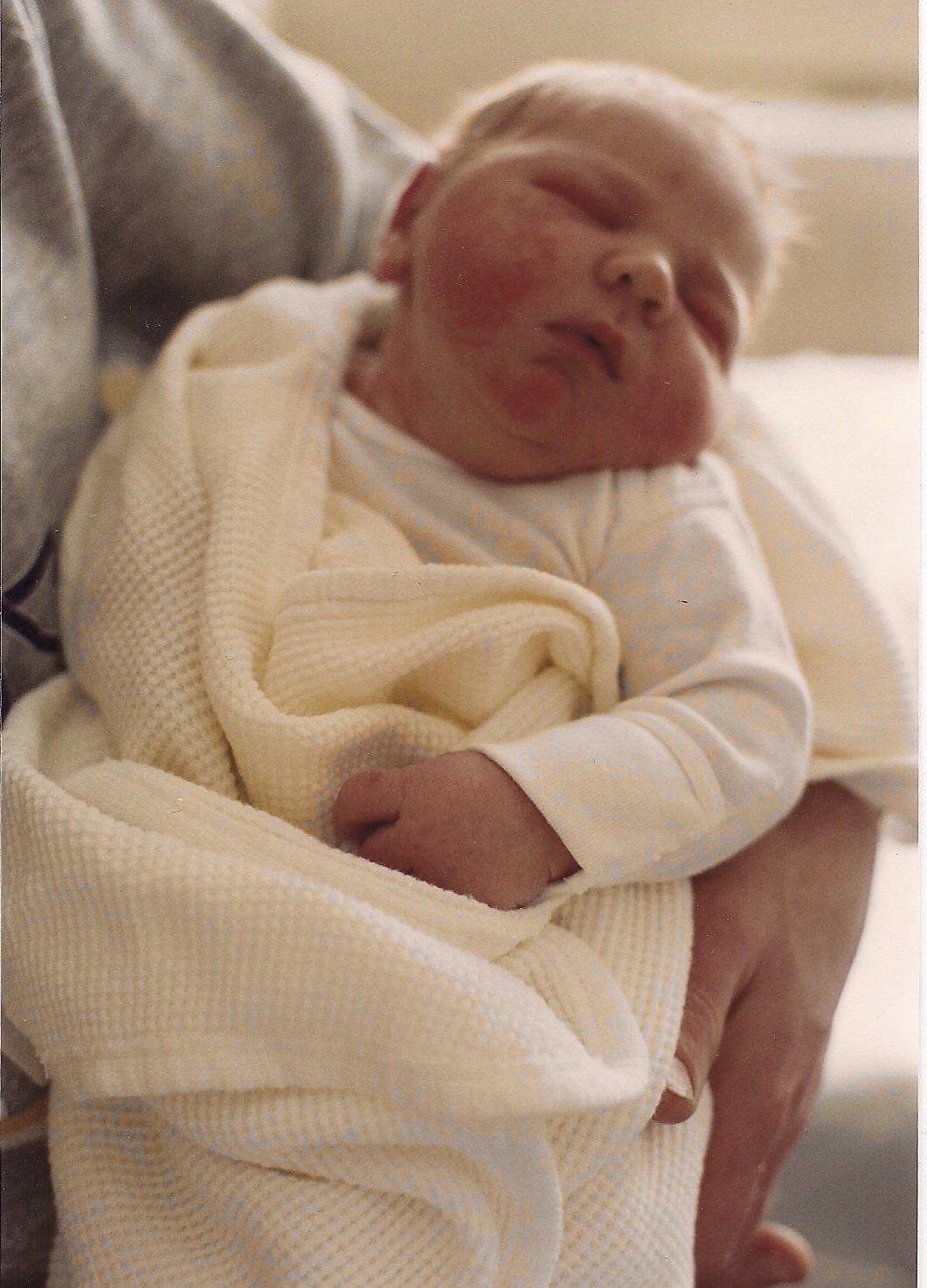
My 10 lb., 12 oz., son at two days old. He was the biggest baby in the nursery and the hospital did not have diapers to fit him.
My 10 lb., 12 oz., son at two days old. He was the biggest baby in the nursery and the hospital did not have diapers to fit him.


My son, my youngest, started college this past summer, 300 miles away in North Dakota.

His oldest sister fell in love this past year with a native Californian and I thought for awhile that she, too, might leave Minnesota like her brother and sister before her. But instead, the boyfriend moved here, to the Twin Cities.

Distance marks, for me, the most difficult part now of being a mother. Distance equals separation and not seeing my kids as often as I would like. Even though we talk on the phone, text and e-mail, that just is not the same as face-to-face communication or giving them a hug.

I joke to them that I should have locked them in the basement, not allowed them to go anywhere. But they know I jest because I have always encouraged them to pursue their dreams, to travel, to be adventurous. And they are, all three of them.

The eldest is spending her birthday in LA. The son will be celebrating in Fargo. And shortly after those birthdays, the other daughter will drive the 300 miles from northeastern Wisconsin back to Minnesota to board a plane for Argentina, 6,000 miles away. I try not to think about that distance, about her last visit there, when she was mugged.

Instead, I will focus on how blessed I am to be the mother of these three, to have nurtured and loved them, to delight now in the adults they have become, to cherish each moment I have with them.

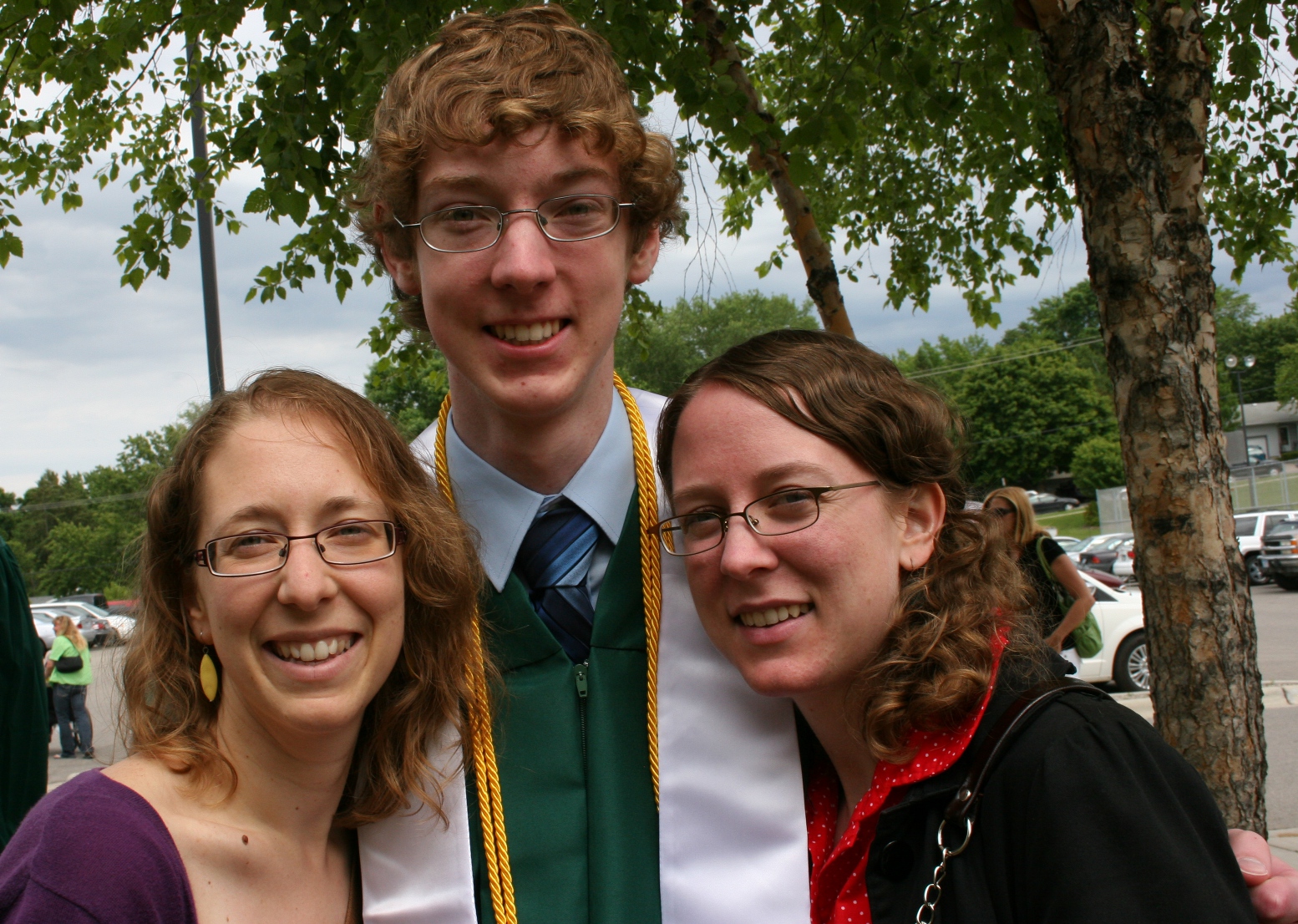
My three, after the son's June 2012 graduation.

My three, after the son’s June 2012 graduation.

On the birth days of my children, I experienced a love unlike any other, for in their births I understood the enduring depths of a mother’s love.

Happy birthday to my two February babies! I love you now and forever.

To my other girl, I love you too. And remember, “home” is in the Midwest, not South America.

© Copyright 2013 Audrey Kletscher Helbling


Do we need to call the fire department? February 6, 2013

Filed under: Uncategorized — Audrey Kletscher Helbling @ 8:18 AM
Tags: , , ,

“WE NEED TO GET the car out of the garage!” I yell, throwing open the passenger side door as I observe smoke seeping from under the hood. “Do we need to call the fire department?

“I don’t know. Get out and push,” my husband orders after he has turned off the car and then turned the ignition switch back on and then off, realizing his mistake.

And like that I rocket out the door, lock gloved hands onto the hood and push with all my might to get our 1995 Chrysler Concorde out of our attached garage.

Gas fumes hang heavy in the air. In that adrenalin-charged moment, a visual image of the car bursting into flames, igniting the garage and then catching our house afire flashes before my eyes.

I am scared, but not astute enough to realize that I could be placing myself in danger by staying with the car.

Together we manage to get the Concorde out the garage door and parked on the driveway next to the house, although I am screaming, “We need to push it to the end of the driveway away from the house (and other vehicles).”

Randy isn’t listening, mostly because he knows the car isn’t going to explode now. The danger has passed. He lifts the hood. The “smoke” I’d seen wasn’t smoke at all, but vapors from gas hitting a hot engine. However, I knew the danger had been real and a fire could have erupted. That Randy does not deny.

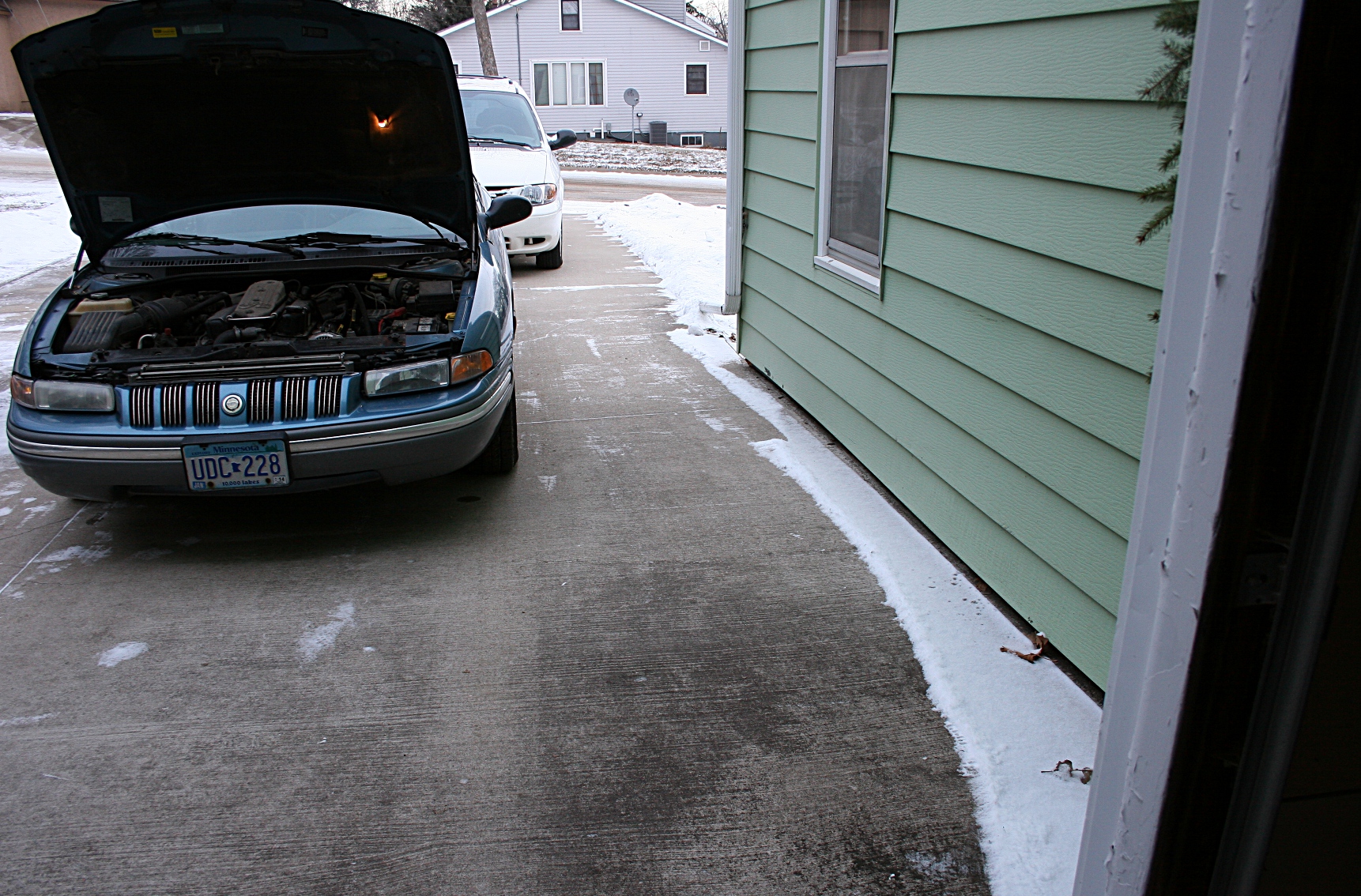
The Chrysler Concorde, photographed several hours after we pushed it from the garage.

The Chrysler Concorde, photographed several hours after we pushed it from the garage.

My automotive machinist husband diagnoses the problem as a leaky fuel line or valve. A stream of gas drips up the driveway, ending in a puddle at the front of the garage. It is less than a cup, probably, but spilled across the flat concrete floor appears to be more.

The car has dripped fuel all the way from the grocery store several miles away where the problem began. It was there that I first sniffed gas and Randy dismissed the odor as coming from another vehicle. He lifted the hood then, claimed not to smell anything unusual. I claimed otherwise. Perhaps his answer was a white lie designed to reassure me.

When we finished grocery shopping and returned to our car, the stench of gas still permeated the interior, intensifying when the engine fired up. We rolled down windows, expecting the gas odor to dissipate. The smell only worsened as we headed toward home. I could taste gasoline. I felt a bit off-kilter, as if the fumes were getting to me.

When we finally turned into the driveway, I relaxed. But then, once inside the garage, I noticed “smoke” rising from beneath the hood and my instincts kicked in.

Get the car. Out of the garage. Now.

NOTE: If my husband was to share this story, he’d likely present a less dramatic version with no fear or threat of fire involved. The car has now been repaired, the problem being a disconnected fuel line. The line was apparently not properly latched into place the last time Randy worked on the vehicle.

© Copyright 2013 Audrey Kletscher Helbling


Call us crazy, but we really do drive vehicles onto lakes in Minnesota February 4, 2013

HOW WOULD YOU REACT if you read this warning on a website:

Winsted Lake closed to motor vehicle traffic

Now, if you are a native of say California or Texas, Hawaii or Florida, you might react with an incredulous expression and/or a follow-up question:

What do you mean, motor vehicle traffic on a lake?

But, if you reside say in Wisconsin, the Dakotas or Minnesota, you’d understand motor vehicles on a lake and the ban issued by the Minnesota Department of Natural Resources on January 25:

Winsted Lake in McLeod County has been temporarily closed to motor vehicle traffic due to deteriorating ice conditions…

The DNR urges the public to exercise extreme caution if using the lake, especially in the area near the aeration system. Ice thicknesses in that area may be less predictable than in other parts of the lake.

This is expected to be a temporary closure. Once ice thicknesses have stabilized, the lake will be reopened to motor vehicle traffic.

A recent ice fishing scene from Lake Mazaska west of Faribault in Shieldsville.

A recent ice fishing scene from Lake Mazaska west of Faribault in Shieldsville shows a cluster of fish houses and vehicles on the lake.

Yes, in Minnesota we drive cars, trucks and other vehicles onto frozen lakes to access ice fishing houses or open-air fishing spots. Sounds crazy, I know. But ice fishing, in which a hole is drilled into the ice to fish, is a big sport here. For example, some 5,500 fish houses are set up each winter on Mille Lacs Lake, probably our state’s most popular winter fishing destination. Roads are even plowed, bridges placed, across Mille Lacs to allow easier access to houses outfitted with kitchens, beds and other comfy accommodations.

Decades have passed since I ice fished on Roberds and Cannon lakes near Faribault with my husband, in the days before children. We’d fish, drink a little beer, play cards and, maybe, catch a few fish. That was all good and fun, until the first time I heard the ice crack. Let me tell you, that sharp crack and the sudden realization that ice can give way (duh) unsettled me. Not that I stopped ice fishing. But I thought more about the vast cold lake beneath me and how I couldn’t swim, as if swimming would be of any value anyway in icy water.

Those long forgotten worries crossed my mind the other day when my husband and I drove through Shieldsville, past Mazaska Lake where nomad fishermen (and perhaps some women, too) have set up a temporary village on the ice. Randy asked if I wanted to go onto the lake, as in our car. My answer was an emphatic no.

Simply put, I put faith in the DNR’s warning:

There is no such thing as 100 percent safe ice.

A slightly different version of the scene above. "What's that, a penguin walking across the lake?" my husband laughed.

A slightly different version of the scene above. “What’s that, a penguin waddling across the lake?” my husband laughed.

HAVE YOU EVER GONE ice fishing? What are your thoughts on the sport and/or driving onto a frozen lake?

FOR ANOTHER TAKE on ice fishing, check out Gretchen O’Donnell’s blog post, “Ice Fishing is for Real,” at A fine day for an epiphany by clicking here.

Or visit Gary Sankary’s humorous Old and in the Way blog to read about ice fishing in Wisconsin in “Blake Lake Report where I ask–What the hell?’ by clicking here. And then follow-up by clicking here to read his second post, “Ice Fishing–Answering the question “why?”, a persuasive “speech” on the merits of fishing on a frozen lake.

Did you know a production crew was in the Mille Lacs Lake area recently filming for a possible truTV show on ice fishing, according to the St. Cloud Times?

© Copyright 2013 Audrey Kletscher Helbling


Pizza & beer on a Saturday night in Kilkenny January 26, 2013

Filed under: Uncategorized — Audrey Kletscher Helbling @ 9:52 PM
Tags: , , , , , , , , , ,

I SUGGESTED WE STOP for directions at the corner gas station.

“How hard can it be to find this place in Kilkenny?” my husband responded.

He was right. Kilkenny, population around 150, in Le Sueur County, runs only a few blocks in all directions. Surely we could find “the bar on top of the hill with the really good pizza,” per our friend LeAnn’s recommendation.

Atop the hill in Kilkenny by the water tower, we found the Liquor Hole.

Atop the hill in Kilkenny by the water tower, we found the Liquor Hole.

Just up the road from Bud’s Service, we found the Liquor Hole.

I expect in warm weather, the front patio is a popular dining and drinking spot at the Hole.

I expect in warm weather, the front patio is a popular dining and drinking spot at the Hole.

We arrived Saturday evening as the last wisps of daylight faded, enough time for me to snap a few outdoor shots before entering the Hole.

Inside we found your typical small town restaurant/bar—pool table in the corner, stools ringing a horseshoe bar, neon beer lights blazing, televisions blaring, opened pull tabs littering the bar top, smokers stepping out to light up a smoke…

A section of the dining area.

A section of the Liquor Hole.

No pool players yet early on a Saturday evening.

No pool players yet early on a Saturday evening.

Be sure to follow the bar's pool rules.

Be sure to follow the bar’s pool rules.

Lots of neon beer signs.

Lots of neon beer signs.

But there were a few surprises, like the homemade wood sign announcing Kilkenny’s inability to afford a town drunk and a fat-bottomed girl print I refused to photograph.

Kilkenny bar humor posted below the Bud Light sign.

Kilkenny bar humor posted below the Bud Light sign.

And when Randy asked for a Schell’s FireBrick beer, the bartender/owner looked at him and said, “Come on, this is Kilkenny.”

Alright then. We both ordered a Nordeast to go with our $11 House pizza topped with sausage, pepperoni, Canadian bacon, onion, mushrooms, green pepper and green olives. And just for the record, the pizza is not entirely homemade. The crust is pre-made. I asked.

The Liquor Hole's House pizza.

The Liquor Hole’s House pizza.

None-the-less, the pizza was thick and tasty, loaded with cheese and was delivered on a cardboard round with several small paper plates, plastic forks and a half-inch thick stack of napkins, most of which we used.

“Cuts down on the dishes,” Randy joked as he observed the disposable tableware.

But we didn’t mind. After all, in the bartender’s words, “This is Kilkenny.”

A last shot of the Liquor Hole before we got into the car and drove 15 miles back east to Faribault.

A last shot of the Liquor Hole before we got into the car and drove 15 miles back east to Faribault.

© Copyright 2013 Audrey Kletscher Helbling