Minnesota Prairie Roots

Writing and photography by Audrey Kletscher Helbling

Chris Norbury’s newest book, this one for young adults, proves another excellent read August 13, 2024

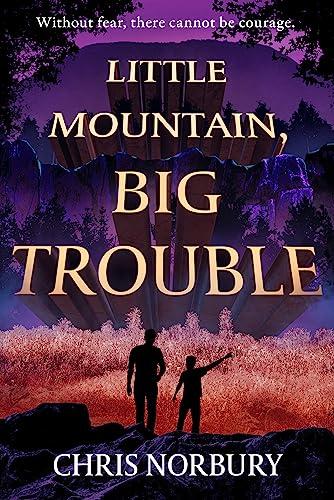
Cover image sourced online.

WE CAN ALL USE some encouragement, no matter our age. And that’s exactly what you’ll find in “Little Mountain, Big Trouble,” a debut young adult novel by Owatonna writer Chris Norbury.

I don’t typically read fiction written for youth. But when I met Norbury this summer at Faribault’s Heritage Days and learned about his latest book, I knew I had to read it. I’m a fan of Norbury’s writing. He’s the author of three books in the Matt Lanier mystery/suspense/thriller series. All are set in Minnesota, which makes them even more appealing to me.

Given the differences in writing mysteries for adults versus fiction for youth, I wondered if Norbury could pull it off. He did, and so well that I wanted to continue reading “Little Mountain, Big Trouble” one evening well past my bed-time. That, in my opinion, is the sign of a good book.

BULLIED

The story centers around 12-year-old Eduardo, or EJ, who’s unpopular, bullied, short and at that awkward middle school age with its uncertainties, peer pressure and insecurities. Toss in poverty, a broken family and other challenges and you have a relatable read. I imagine many middle or high schoolers can empathize with EJ’s pain, struggles and lack of confidence. Even I, decades removed from junior high school, felt difficult memories of bullying surge back. Some things you just never forget. I still carry the pain of name-calling with me. But, because of that, I lean into compassion, understanding, empathy and kindness.

BIG BROTHER, LITTLE BROTHER

Norbury’s book is filled with all of that, too, no surprise given his experiences as a Big Brother. In real life, he mentored boys through Big Brothers Big Sisters of Southern Minnesota and now donates a portion of his book sale proceeds to the organization. When we met, Norbury enthused about the program and how much his “little brothers” meant, still mean, to him.

In “Little Mountain, Big Trouble,” main character EJ is paired with Big Brother, Russ. That relationship focuses the story-line as the chapters unfold. Although a disclaimer at the front of the book assures the content is fictional, I understand that, as a writer, our writing is influenced by what we’ve lived or observed.

CLIMBING MOUNTAINS

It takes EJ a while to trust Russ, to realize that his Big Brother is not perfect and is there to support him. Russ doesn’t talk down to EJ, but rather listens to and encourages him, like they are equals in many ways. Eventually, EJ opens up about his goal to become a mountain climber. At this point, I wondered what Norbury was thinking by writing that into the plot. A Minnesota kid with no mountain climbing background wanting to climb Mount Everest?

Russ doesn’t dismiss EJ’s dream as insurmountable. Rather, he breaks the goal down into doable steps, starting first with training and then climbing Eagle Mountain. That mountain is real, the highest point in Minnesota, with much of the hiking trail to the summit running through the Boundary Waters Canoe Area Wilderness.

ANXIOUS AND WORRIED

And that is where EJ and Russ end up, heading up, then down, the mountain. And this is where the tension thickens to the point that I am feeling anxious and worried. To elicit that response in the reader shows Norbury’s skills as a writer. The duo face challenges that test their strength and endurance, even threaten Russ’ life.

WE ALL NEED SOMEONE

I won’t spoil the book by revealing the outcome of that mountain hike. But know that the book ends in a heart-warming way. EJ has developed confidence, gained the acceptance and respect of his peers, and grown to understand that he can overcome, and do, anything. Sometimes it just takes someone, like Russ, believing in you and cheering you on, just as I expect Chris Norbury did for his little brothers.

© Copyright 2024 Audrey Kletscher Helbling


House of Kahmanns: A story of trauma, family love & resilience May 1, 2024

IT WAS A TUESDAY in January 1964. Wash day in the Kahmann household. Outside, a ground blizzard raged, reducing visibility on the southwestern Minnesota prairie. The events of that morning, of that day, would forever change the lives of siblings Karl, Patsy, Eric, Andy, John, Paul, Kevin, Katy, Karen, Phillip, Jim and Beth, and their parents, Jack and Della.

That sets the scene for House of Kahmanns, a memoir by P.G. (Patsy) Kahmann, oldest daughter, second oldest among 12 children. Sixteen months earlier, the family moved from Kansas City, Missouri, to Minnesota when Jack, a traveling salesman in a farm business, was relocated. They settled near their maternal grandparents, into a rental home by Granite Falls.

I expect Jack Kahmann was driving in weather and road conditions similar to this. (Minnesota Prairie Roots copyrighted file photo, January 2020, used for illustration only)

This is familiar land to me in a familiar time. I was not quite eight years old in January 1964, living on a farm some 30 minutes away in neighboring Redwood County. I understand full well the fierce prairie wind that whips snow into white-out conditions. On that blustery morning, as Jack and Della and Della’s parents set out for medical and business appointments in Minneapolis, leaving the oldest, Karl, to care for the youngest children, Patsy and her school-age siblings boarded the school bus.

Rosary beads. (Minnesota Prairie Roots copyrighted file photo used for illustration only)

Patsy was in English class when she got the devastating news. There had been a crash. A bread truck driven by an unlicensed 14-year-old ran a stop sign and then a yield sign before slamming into the 1957 Chevy driven by Jack. Della, mother of a dozen, was the most seriously injured. “How many Hail Marys will it take to save my mother’s life?” Patsy asks herself.

An altar in a southern Minnesota Catholic church. (Minnesota Prairie Roots copyrighted file photo used for illustration only)

Faith, a strong Catholic faith, threads through this story. The Kahmanns were devout, prayerful, always in church. The church, or rather the local parish priest, would play the primary role in turning the initial tragedy into even more intense pain, suffering, separation and trauma for the family. Father Buckley demanded that the 12 children be placed with Catholic families while their parents recovered at a hospital 70 miles away. That, even though a Lutheran couple offered to move into the Kahmanns’ farm home and care for the children. Together.

At this point in the book, I felt my anger flashing. Anger over the inhumanity of a man of the cloth who is supposed to exude compassion, care and love. More atrocities by the priest followed. By the time I read the epilogue, I was irate, forgiveness far from my mind.

Love and forgiveness were taught in the Kahmann home. (Minnesota Prairie Roots copyrighted file photo used for illustration only)

But the Kahmanns were a loving and forgiving family. (Not necessarily of that priest.) One evening after they are all reunited, Jack asks his family to pray blessings upon the driver of the bread truck. Three-year-old Phillip mishears. “God bless the red truck!” he shouts. Laughter erupts. I needed that humor in a story weighing heavy upon my soul.

I wanted to step into the pages of the book and hug those kids and make everything better. Just as Millie Bea did when the Kahmanns lived in Kansas City and Jack was traveling around the country and Della needed extra help with the kids. The book flips back and forth in time and place between Missouri and Minnesota, before and after the crash.

The Kahmanns were not unfamiliar with trauma. In June 1955, Andy’s hand was nearly severed in a hand cement mixer. A Kansas City surgeon successfully reattached his limb, even though a priest told Jack that his son’s hand had been amputated. That was untrue.

Family love is such a strong theme in this book. (Minnesota Prairie Roots copyrighted file photo used for illustration only)

Through all of this, themes of love, strength and resilience thread. The Kahmann siblings clearly looked out for and loved one another and got through some pretty awful stuff. Their motto, Patsy writes, was “No one died. We all survived.” They never talked about the accident. I’m not surprised. Who did back then? Eventually the family would relocate to Bird Island, 32 miles directly east of Granite Falls. It was a new start in a new place following their 75 days apart, “75 days of confusion, anxiety and foreboding.”

And now, with publication of House of Kahmanns—A Memoir, A story about family love and shattered bonds, about finding each other in the aftermath, perhaps these siblings are talking about all they endured. For Patsy, it is also about keeping a promise. In the book dedication she writes: To Mom and Dad/I promised you I would write this story. And she did, with honesty, pain and a great deal of strength.

© Copyright 2024 Audrey Kletscher Helbling


“Winter’s Song,” memories, reflections & writing from Minnesota March 21, 2024

This abandoned farmhouse once stood along Minnesota State Highway 19 east of my hometown of Vesta on the southwestern Minnesota prairie. It’s no longer there. (Minnesota Prairie Roots copyrighted file photo 2013)

A TIME EXISTED when I loved winter. The snow more than the cold. During my growing up years on a southwestern Minnesota farm, I could not wait for the first snowfall, which then piled snow upon snow upon snow for months.

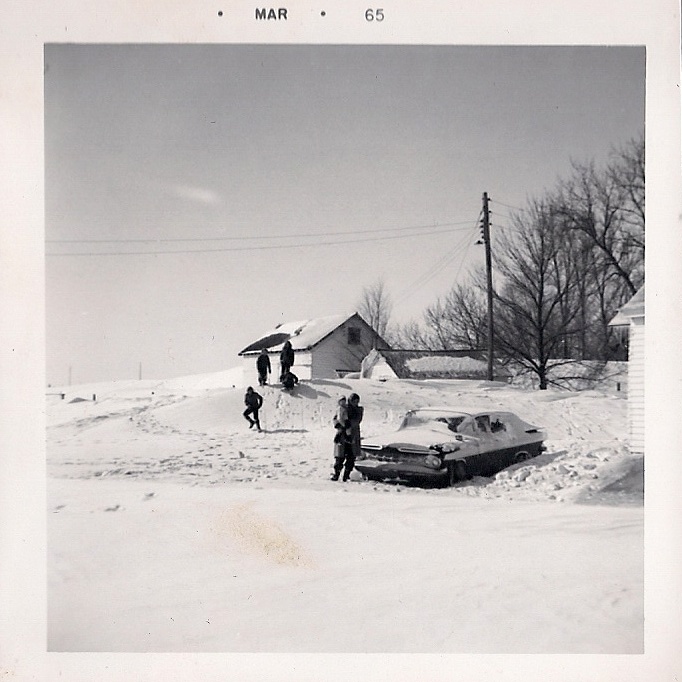
This huge, hard-as-rock towering snowdrift blocked my childhood farm driveway in March 1965. (Photo credit: Elvern Kletscher)

Fierce prairie winds swept snow around outbuildings, sculpting rock-hard drifts, an ideal landscape for Canadian Mounties. Snow pushed into piles by the loader of Dad’s John Deere tractor became mountains, rugged terrain to conquer. And pristine snow presented the perfect canvas for a game of Fox and Goose.

Our southwestern Minnesota farmyard is buried in snowdrifts in this March 1965 image. (Photo credit: Elvern Kletscher)

I remember, too, the crisp winter evenings of walking from barn to house after finishing chores. Packed snow crunched beneath my buckle overshoes. Frigid air bit at my nose, my mouth streaming billows of vapor. Overhead a billion stars pricked light into the immense black sky. Ahead of me, windows glowed in our tiny wood-frame farmhouse.

Those are the good memories I choose to remember. Not the near-frozen fingers. Not the pot on the porch because we had no bathroom. Not the house foundation wrapped in brown paper to seal out the cold. Not the central oil-burning stove that never kept the house warm enough.

Today I have it so much better. A warm house with a bathroom. No cows or calves to feed or straw bales to shake or manure to scoop. No dealing with cracked, chapped, bleeding hands. I have every reason today to embrace winter minus many of the hardships of yesteryear. But I find I don’t.

I’m working, though, on shifting my attitude back to that of appreciating a season which is often harsh here in Minnesota, although not in this unseasonably mild and nearly snow-less winter of 2023-2024. Last winter, now that was a record snowfall winter which tested many a life-long Minnesotan. Except perhaps my friend Jackie of Rochester, who loves winter.

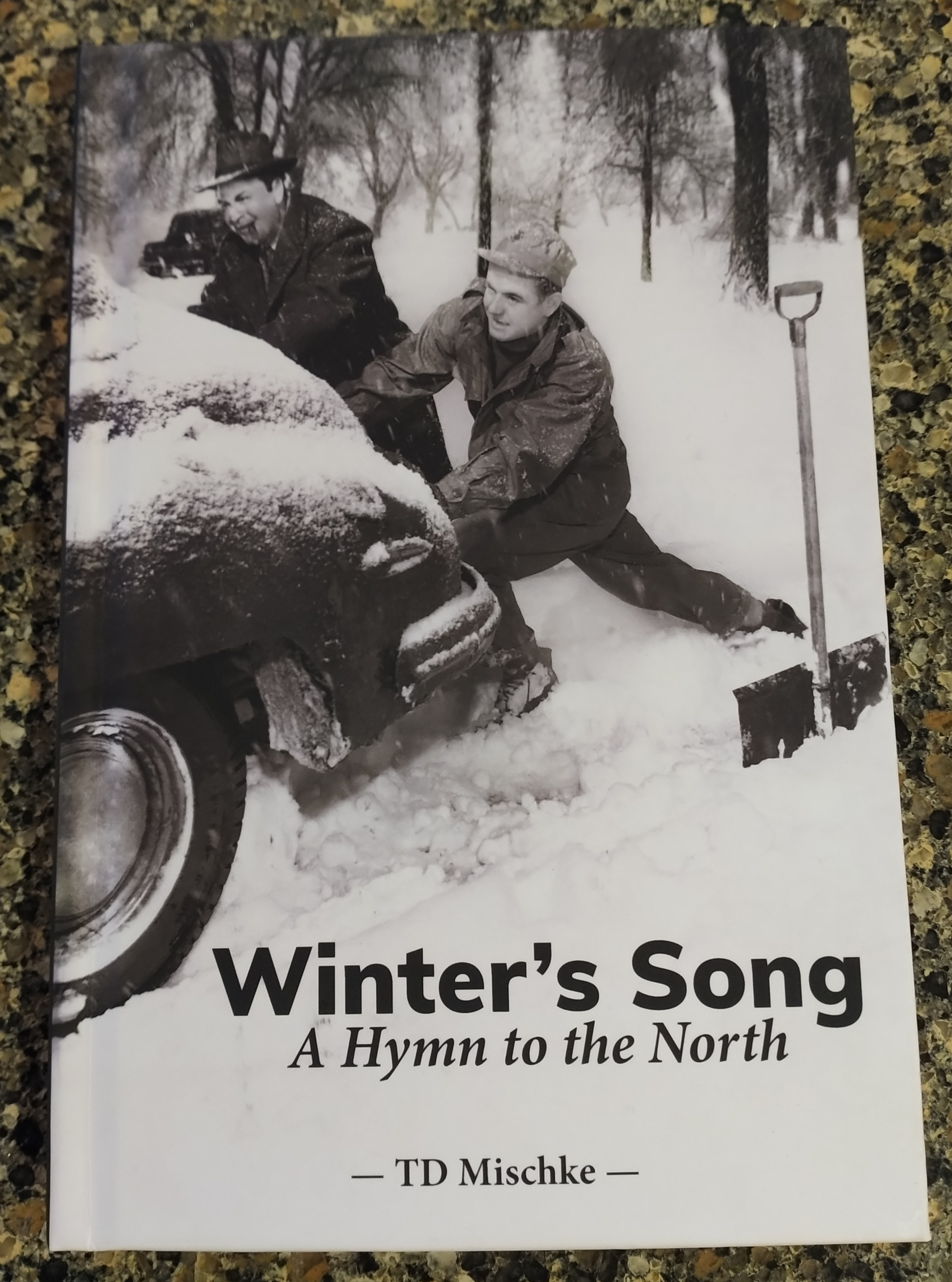
The vintage winter photo gracing the cover of Mischke’s book is from the archives of the Minnesota Historical Society. (Minnesota Prairie Roots photo)

Writer, musician, podcaster and former radio talk show host TD Mischke also loves winter (most of the time) as evidenced in his book Winter’s Song—A Hymn to the North, published in 2023 by Skywater Publishing Cooperative. I happened upon his collection of winter writing at my brother-in-law and sister-in-law’s house north of the metro. Jon is about as avid an outdoorsman as they come. Hunting. Fishing. And in the dead of winter, spearfishing on the frozen lake. This seemed a book written just for him.

Recognizing the Mischke name, I immediately inquired whether the writer, TD Mischke, was any relation to Sy Mischke, friend of my late father-in-law. Sy, a “character” by my definition, was TD’s uncle. TD Mischke certainly writes about characters in Winter’s Song.

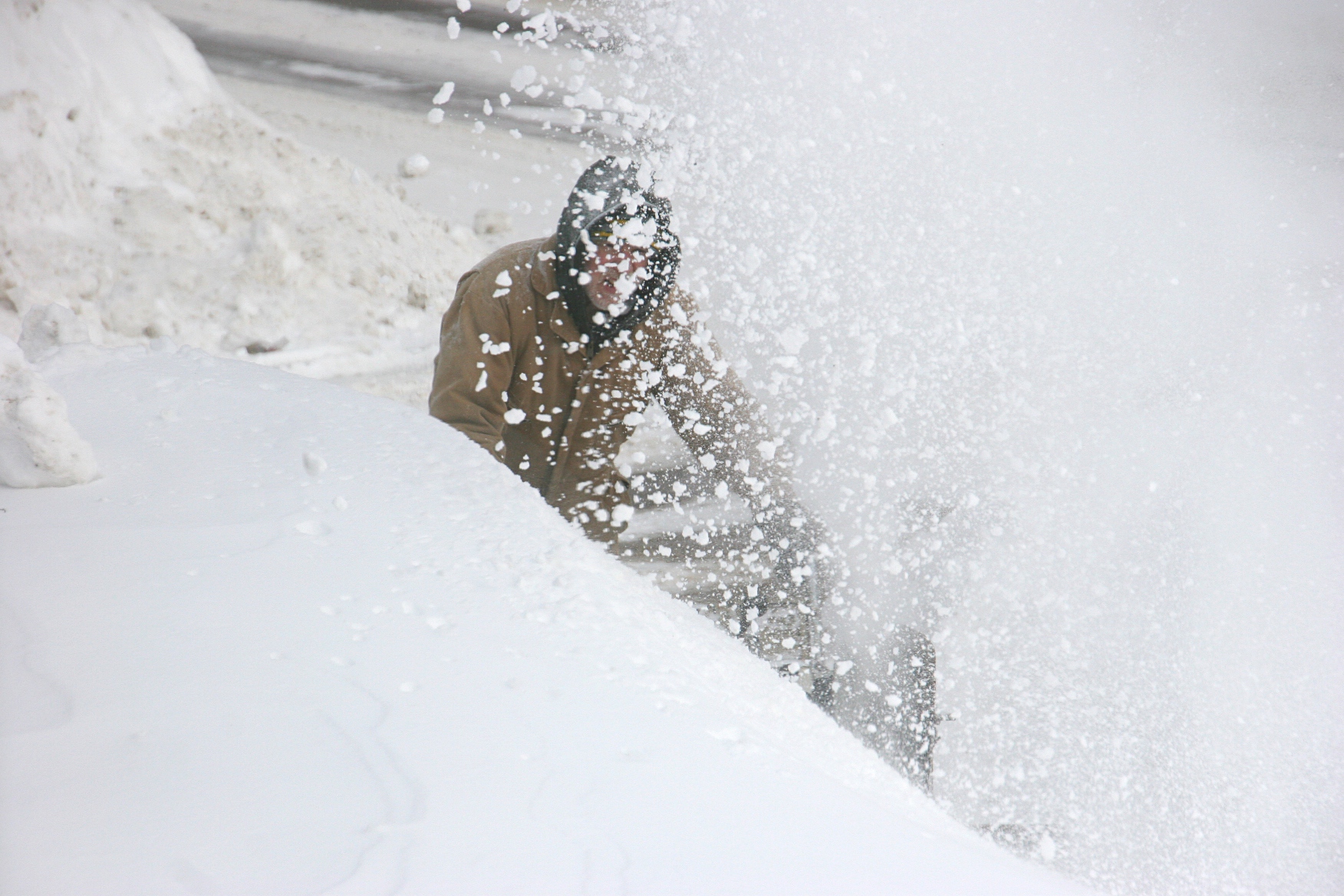
Clearing snow is a sometimes endless task during a Minnesota winter. (Minnesota Prairie Roots copyrighted file photo)

His collection of short stories, essays and three poems honors Midwest winters. Not in a fully nostalgic way, but with a mix of reality. Winters are, admittedly, brutal. But also brimming blessings. The word “hymn” in the book title fits.

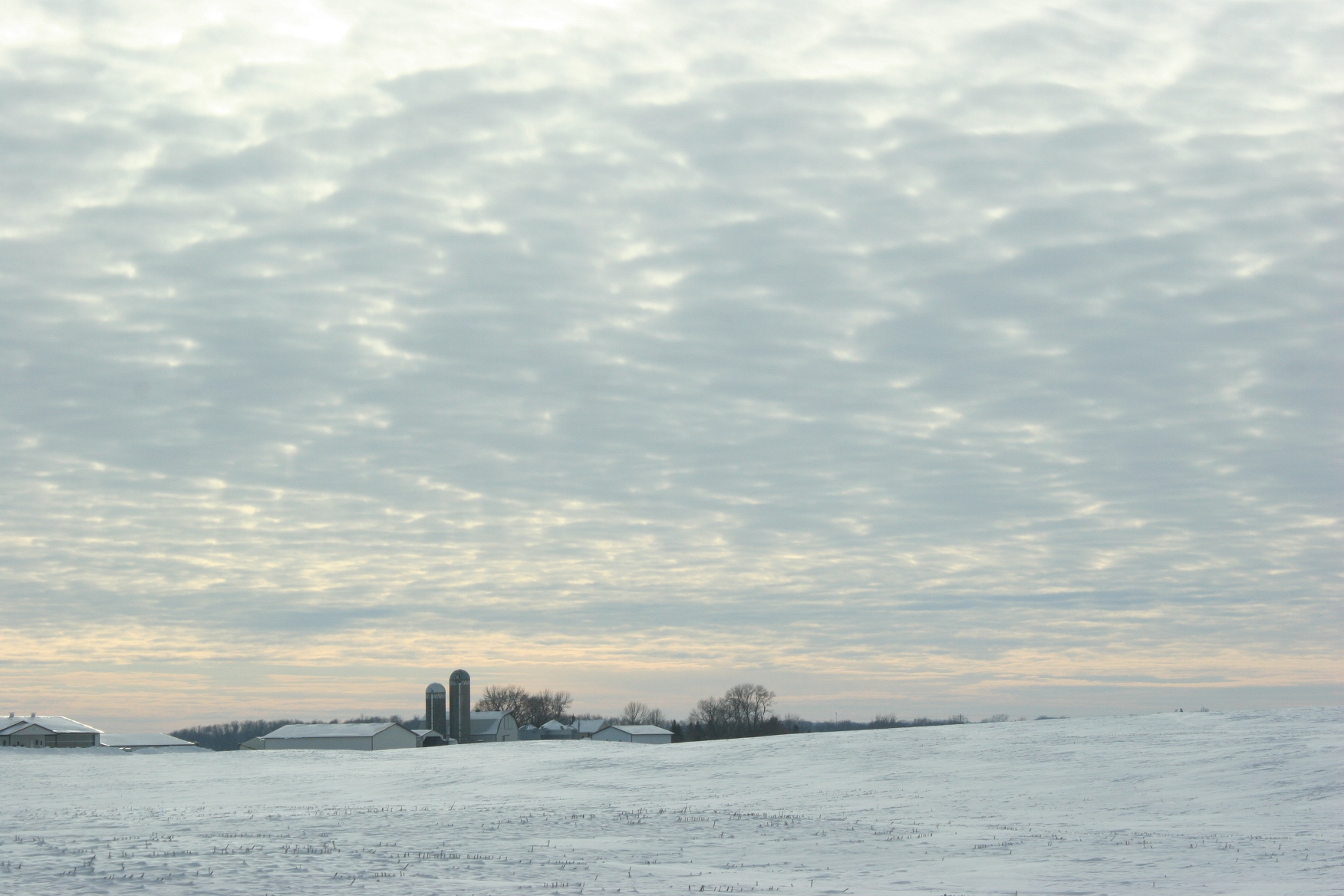
A lovely winter scene photographed in 2019 north of Faribault. It portrays the beauty of winter. (Minnesota Prairie Roots copyrighted file photo 2019)

As I read through the short chapters, I found myself liking winter more and more. And that’s thanks to Mischke’s storytelling skills, his attention to detail, his introspective writing, his humor, his honest portrayal of winter in Minnesota. Not everyone is meant to live here. That Mischke acknowledges. But he also acknowledges the toughness, stamina, strength and endurance of those who call the North home. I agree that it takes a bit of fortitude to manage some six months of winter. I felt in that moment a sense of pride as a life-long Minnesotan.

Spring erupts in budding trees at Falls Creek Park, rural Faribault. (Minnesota Prairie Roots copyrighted file photo May 2019)

That brings me to the second to last chapter of Winter’s Song—“Lessons of March.” It seemed only fitting that I was reading this chapter near the end of March on a day of predicted snow. I’ve never liked March much. But Mischke reminded me that this often grey month, which can throw in surprise snowstorms, should be appreciated for the simple reason that it makes us appreciate April even more. The arrival of spring. He’s right. Winter is often about perspective. After finishing Winter’s Song, I feel my thoughts shifting toward a renewed appreciation for this longest of seasons here in Minnesota.

FYI: Winter’s Song—A Hymn to the North is a finalist for the 2024 Emilie Buchwald Award for Minnesota Nonfiction. Minnesota Book Award winners will be announced May 7. To listen to TD Mischke’s podcast, The Mischke Roadshow, click here.


The Weekly Phone Call May 11, 2023

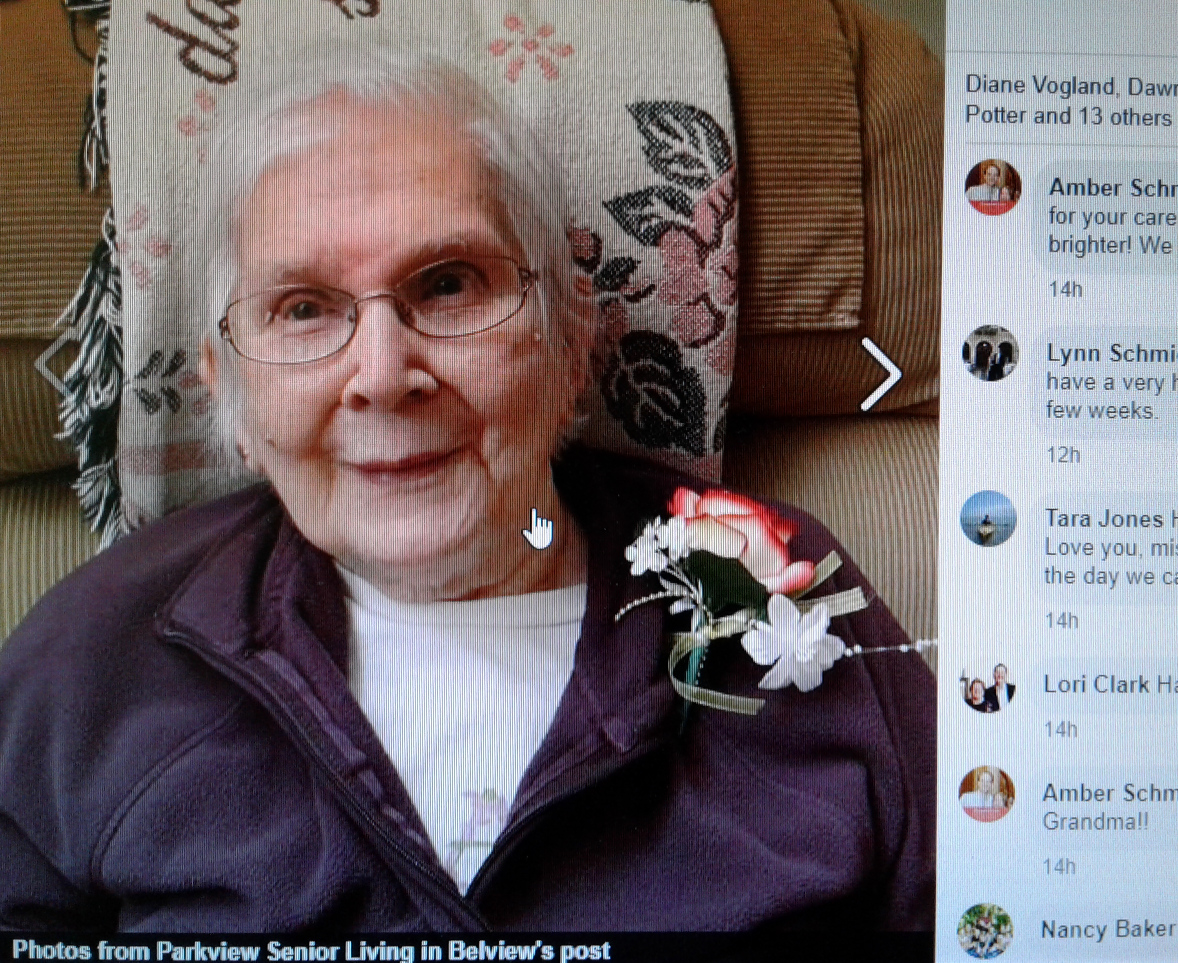
My sweet mom, featured on the Parkview Facebook page, Mother’s Day 2020. (Photo credit: Parkview Senior Living)

IN EVERYTHING I WRITE, truth rests. In creative nonfiction, more than any other genre, truth writes the story. In poetry and fiction, life experiences, observations and emotions weave into poems and stories. Not necessarily the full truth, but based on reality. The adage “write what you know” rings true for me.

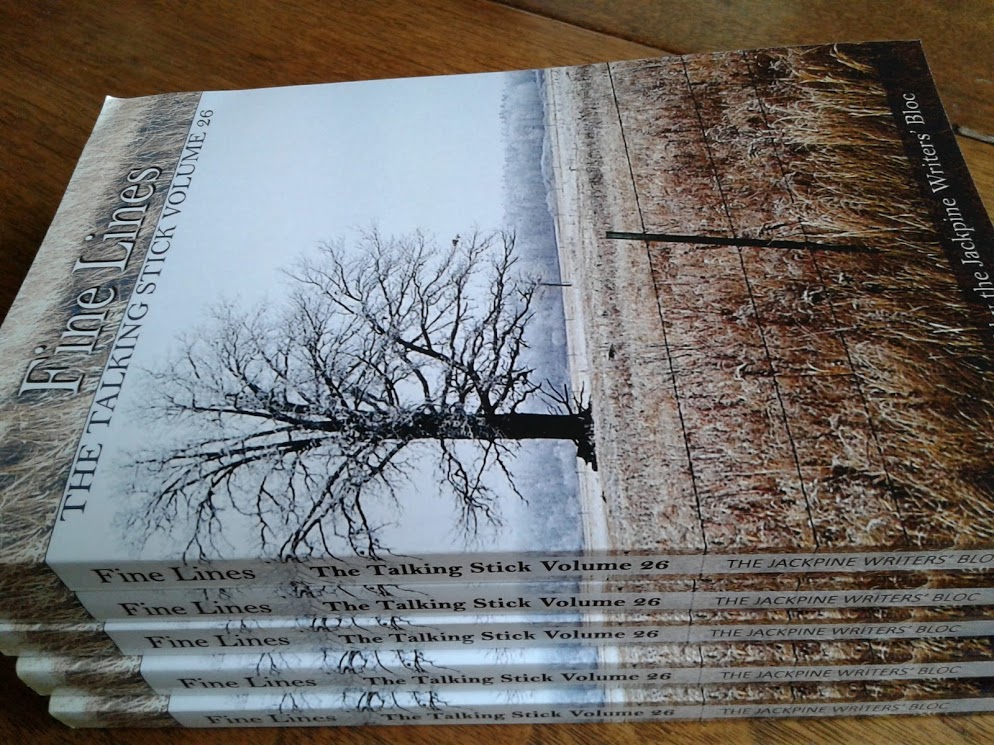
In 2017, I wrote a short story, “The Weekly Phone Call,” and entered it in the Jackpine Writers’ Bloc annual competition. That work of creative nonfiction along with two poems, two fictional short stories and another piece of creative nonfiction were chosen for publication in Fine Lines, The Talking Stick Volume 26. It marked my most successful year with TS, an annual anthology featuring work by Minnesota writers or those with a connection to Minnesota.

Five of my works (poetry, fiction and creative nonfiction) published in Fine Lines. (Minnesota Prairie Roots copyrighted file photo 2017)

The book title, Fine Lines fits my selected entry, a story about the Sunday evening phone calls I made to my mom. Every. Week. I looked forward to them, as did Mom. My short story is one of raw emotions, of grief and pain. And today, days before Mother’s Day, seems an appropriate time to share this piece of my writing.

I hope it sparks an understanding that simple connections linking us to those we love are to be valued. When Mom could no longer hold or talk on a phone in the years before her January 2022 death, I felt a deep loss. I missed her voice. I missed her stories. I missed sharing my life with her. And today, I miss her, as I try to recall her voice, the words she spoke, yet always remembering the love we shared.

Parkview Senior Living in Belview, where my mom lived for many years. While 120 miles separated us, Mom and I remained connected via our weekly calls. (Minnesota Prairie Roots copyrighted file photo)

The Weekly Phone Call

It’s 6:30 p.m. on Sunday when I punch the green phone icon.

“Hello, Arlene speaking,” she answers, the indiscernible dialogue of a television blaring in the background.

“Hi, this is Audrey,” I say, then wait while she turns off her TV. “How are you doing?”

Her answer never deviates. She is tired and blames the weather. Already sadness threads through my thoughts. Inside the sheltered walls of a care center, she can’t feel the bite of a winter prairie wind, the drench of rainfall, the smothering humidity of a July afternoon. She feels only artificial heat and cold while sequestered in her over-sized dorm style room.

My mind drifts as Mom laments an in-house obsession with BINGO, recounts an escape attempt by a friend—big and exciting news—and complains of failed jets in the whirlpool tub. I listen, insert appropriate responses, and await the usual repetition of information.

When she repeats herself, I say nothing. There is no point. My love prevails in silence. But inside, my anger rises at her declining memory. I want the mom who never forgot a birthday, who remembered what she ate for lunch, who knew names. I miss her undeniably kind and positive spirit. I am grieving.

But I tell her none of this. Instead, I end our conversation with “I love you” and a promise to call her next Sunday, at 6:30 p.m.

© Copyright 2023 Audrey Kletscher Helbling

Original 2017 publication credit: Fine Lines, The Talking Stick Volume 26


“The Seed Keeper,” an award-winning book every Minnesotan should read June 21, 2022

Cover design by Mary Austin Speaker. Cover beadwork art by Holly Young. (Credit: Publisher, Milkweed Editions)

VISUALIZE A PACKET OF SEEDS. Then open the envelope and spill a handful of seeds onto your open palm. What do you see? You likely envision seeds planted in rich black soil, covered, watered, sprouting, growing, yielding and, then, harvested. And while that visual is accurate, seeds hold more. Much more.

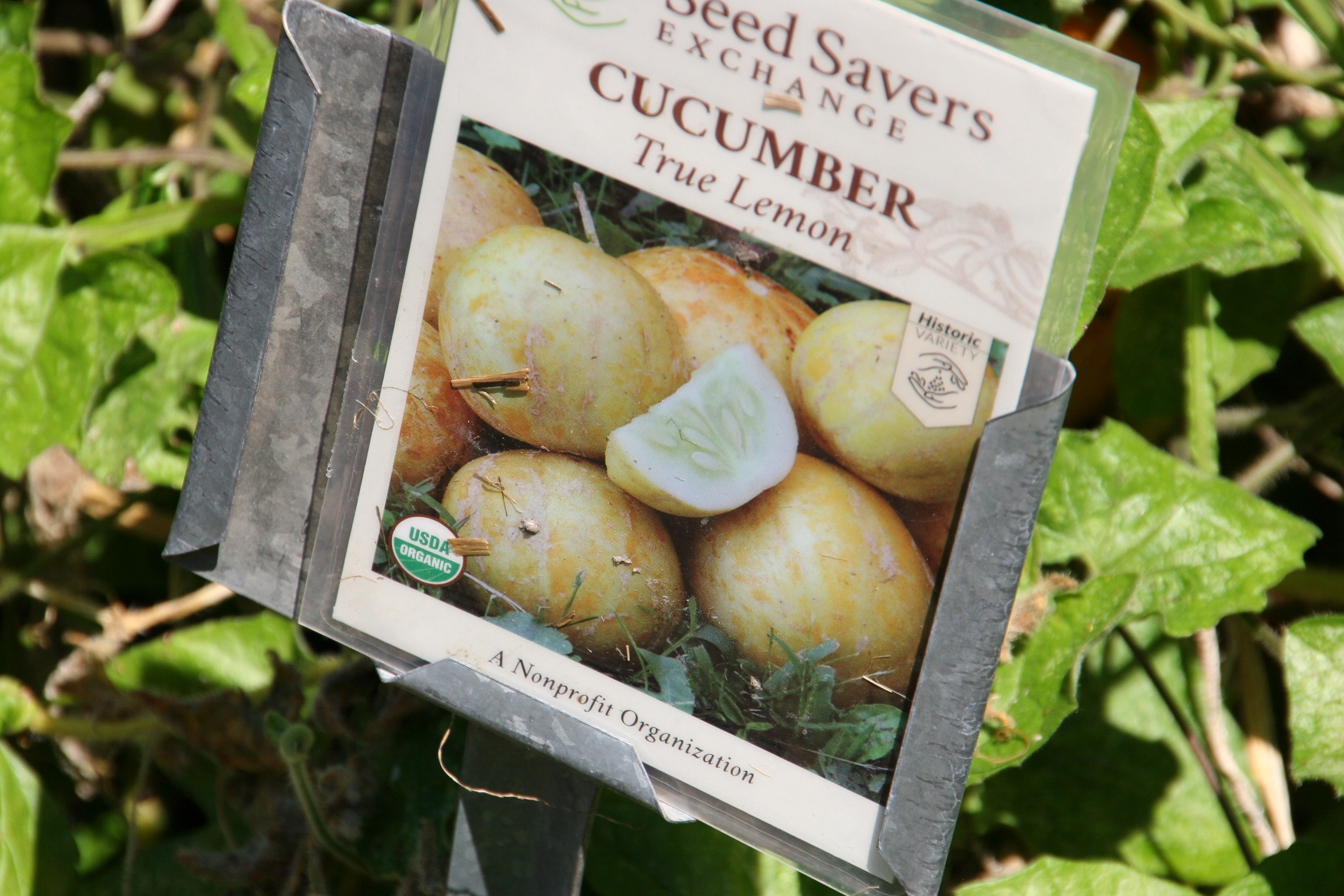
Photographed at Seed Savers Exchange near Decorah, Iowa. The farm specializes in saving heirloom/heritage seeds. (Minnesota Prairie Roots copyrighted file photo October 2018, used here for illustration only)

I just finished reading The Seed Keeper, Diane Wilson’s debut novel and winner of the 2022 Minnesota Book Award in the Novel & Short Story category. I’ve never felt so profoundly and deeply moved by a book rooted in history. Wilson’s writing is like a seed planted, nurtured, then yielding a harvest of insight and understanding.

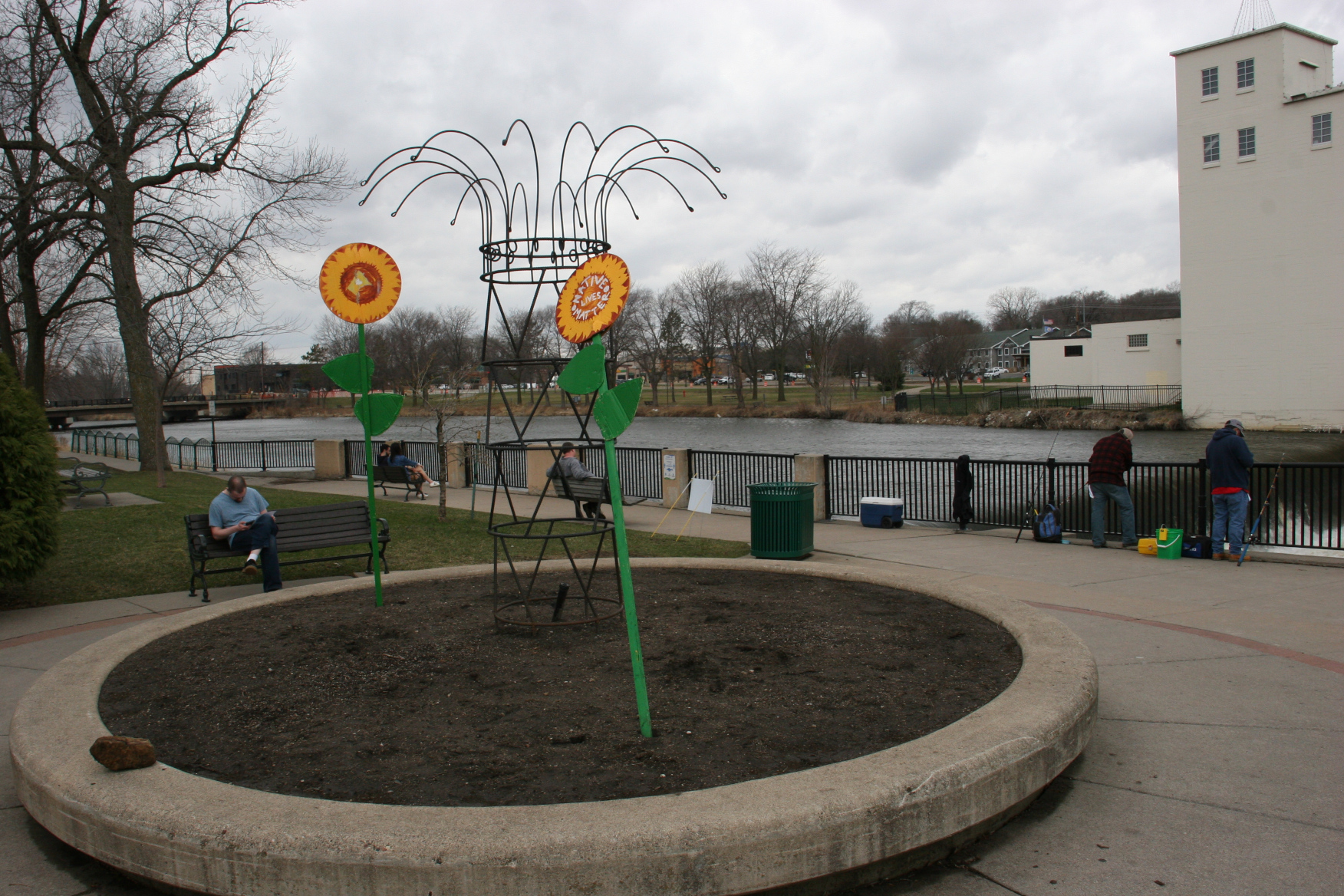
Part of a public art installation at the Northfield Earth Day Celebration in April. (Minnesota Prairie Roots copyrighted file photo April 2022)

Hers is the story of the Dakota people, specifically of several generations of women, The Seed Keepers. Hers is the story of a connection to the land, sky, water, seeds and of reclaiming that relationship. Hers is a story of wrongs done to indigenous people in Minnesota, of atrocities and challenges and struggles. Past and present. Hers is a story of wrongful family separation and of reuniting with family and community.

A full view of the art planted in Northfield for Earth Day. (Minnesota Prairie Roots copyrighted file photo April 2022)

At the core of Wilson’s novel are the seeds. The seeds, stored in a willow basket, and eventually passed through the generations. The seeds that not only provided food for their families’ survival, but held the stories of Dakota ancestors and a way of life.

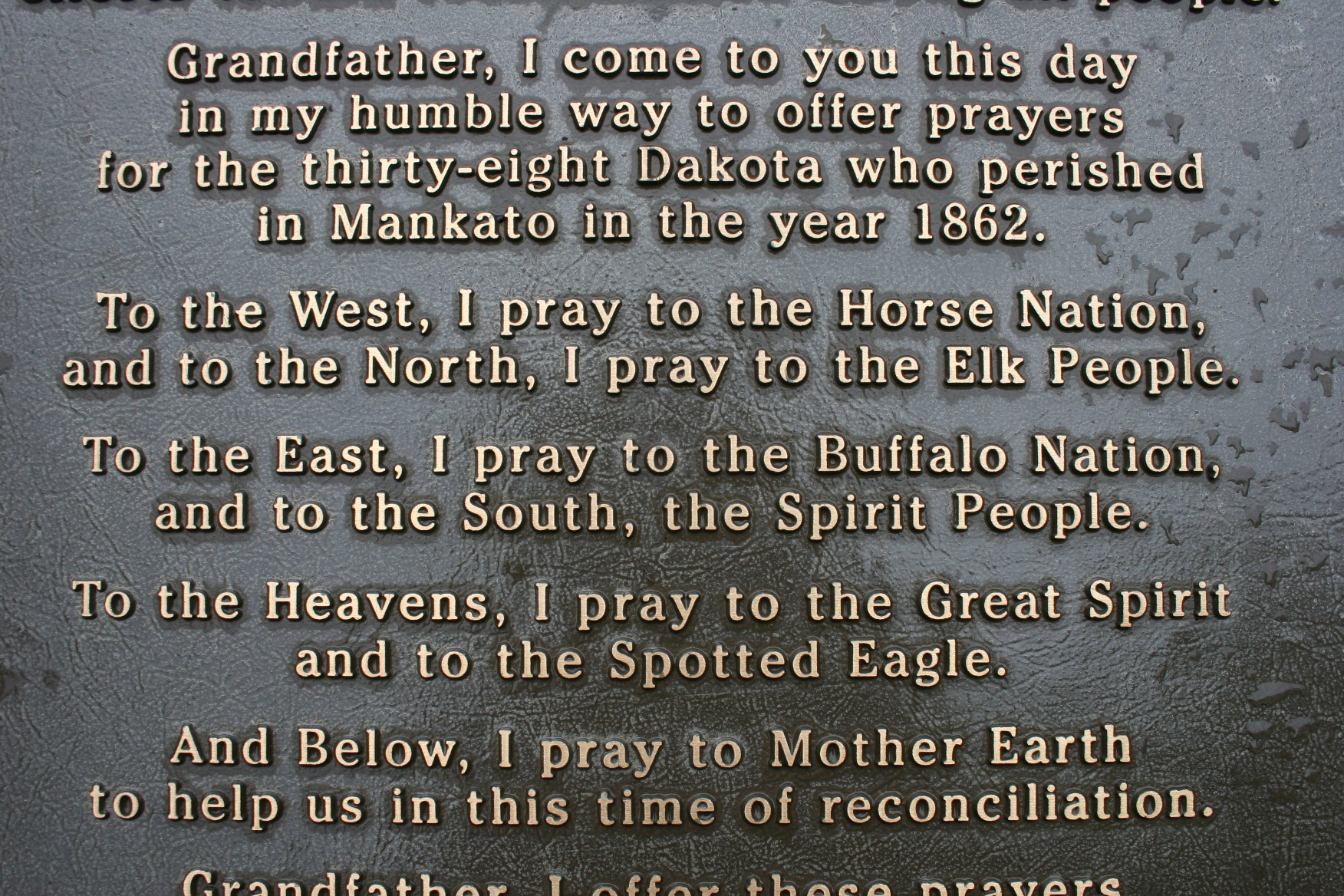
Words on a marker in Reconciliation Park in Mankato where 38 Dakota were hung on December 26, 1862. Wilson references the park, and the theme of forgiveness, in her novel. (Minnesota Prairie Roots copyrighted file photo May 2012)

The subject of this book holds personal interest to me because of its setting in southwestern Minnesota, site of The US-Dakota War of 1862. Wilson covers that war, including the hanging of 38 Dakota warriors in Mankato. As a native of Redwood County, I studied that war, even researched and wrote a term paper on the topic some 50 years ago. But I expect if I read that paper now, I would find many inaccuracies. My writing was shaped by the White (settlers’) narrative without consideration of the Dakota. I long ago realized the failings of that narrow-minded, biased perspective.

Even though I wasn’t taught the whole story, at least I was aware of The U.S.-Dakota War of 1862. It was centered in my home region and in neighboring Brown County, where my maternal ancestors fled their rural New Ulm farm for safety in St. Peter. Many Minnesotans, I’ve discovered, are unaware of this important part of our state’s history.

The Seed Keeper, though fictional, reveals just how devastating this war was to the Dakota people in removal from their native land, in their imprisonment and in efforts by Whites to control and shape them. I found this sentence penned by the author to be particularly powerful: What the white settlers called progress was a storm of fury thundering its way across the land, and none of us were strong enough to withstand it.

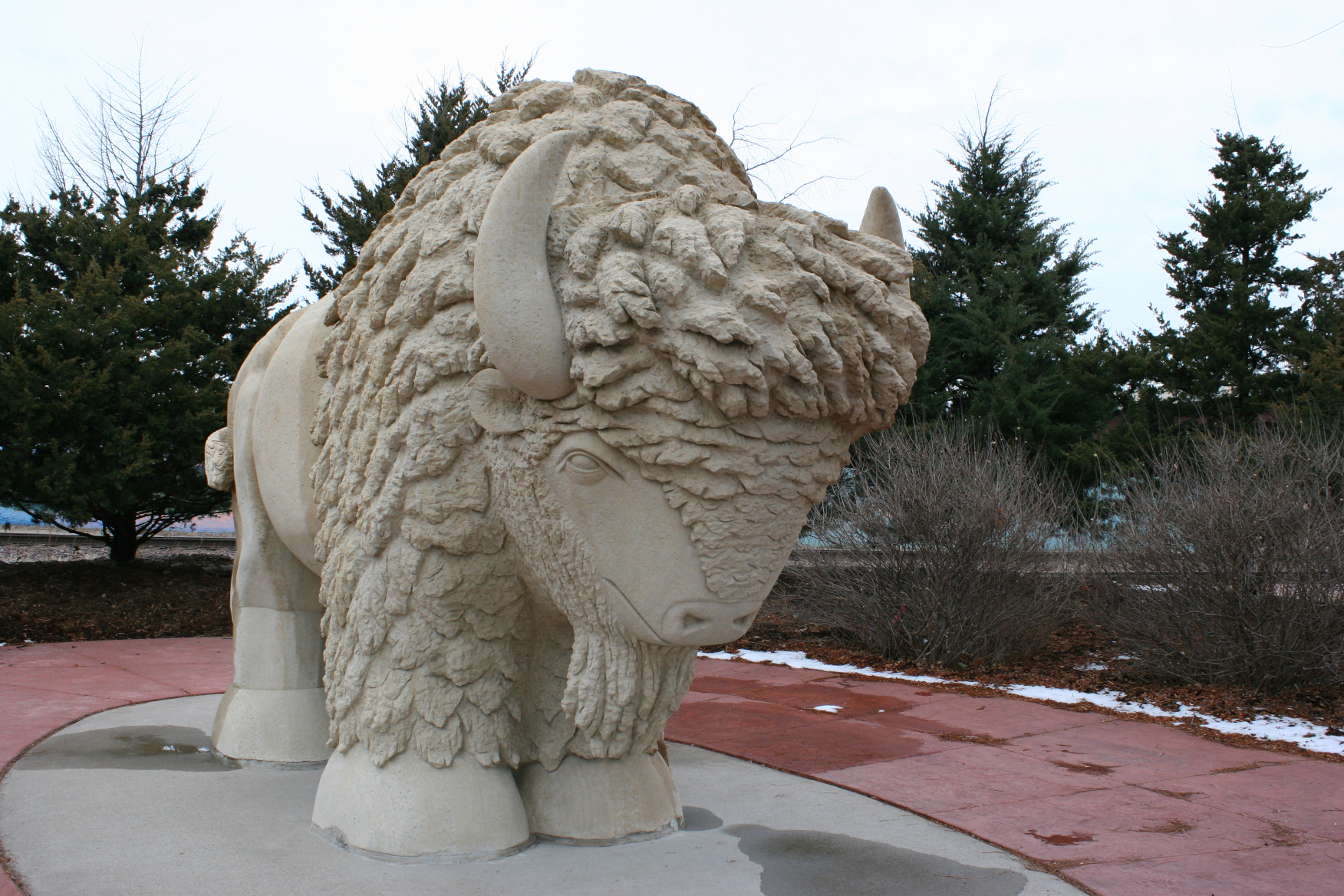
This 67-ton Kasota stone sculpture stands in Reconciliation Park in Mankato. It symbolizes the spiritual survival of the Dakota People and honors the area’s Dakota heritage. The park is the site of the largest mass execution in U.S. history. (Minnesota Prairie Roots copyrighted file photo November 2019)

Still, strength sprouts and grows in The Seed Keeper through a riveting storyline that stretches back to Marie Blackbird in 1862 and then follows main character Rosalie Iron Wing through the decades to 2002. Even her name, Iron Wing, evokes strength and freedom. Rosalie marries a White farmer, births a son and her two worlds collide.

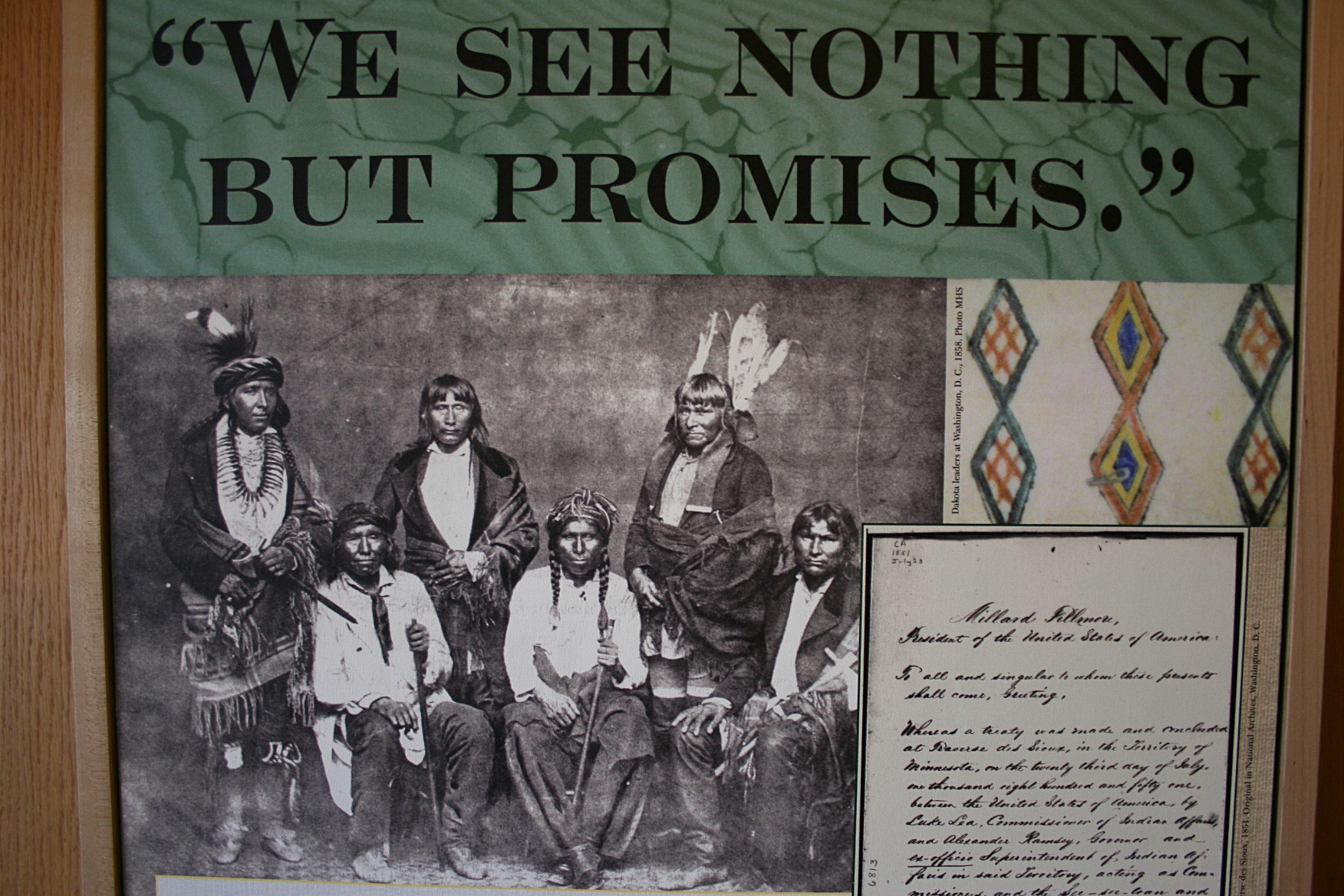
A photo panel at the Traverse des Sioux Treaty Center in St. Peter shows Dakota leaders photographed in Washington D.C. in 1858. The photo is from the Minnesota Historical Society. The quote represents the many broken treaties between the Dakota and the U.S. government. (Minnesota Prairie Roots file photo 2013)

I was especially drawn to this statement by a Dakota elder in Wilson’s book: People don’t understand how hard it is to be Indian. I’m not talking about all the sad history. I’m talking about a way of life that demands your best every single day. Being Dakhóta means every step you take is a prayer.

Wilson writes with authenticity as a Mdewakanton descendant, enrolled on the Rosebud Reservation. She’s walked the steps of the Dakhóta.

#

TELL ME: Have you read The Seed Keeper and, if so, what are your thoughts? I’d encourage everyone, Minnesotan or not, to read this award-winning novel.

© Copyright 2022 Audrey Kletscher Helbling
 

Inspiring creativity March 24, 2022

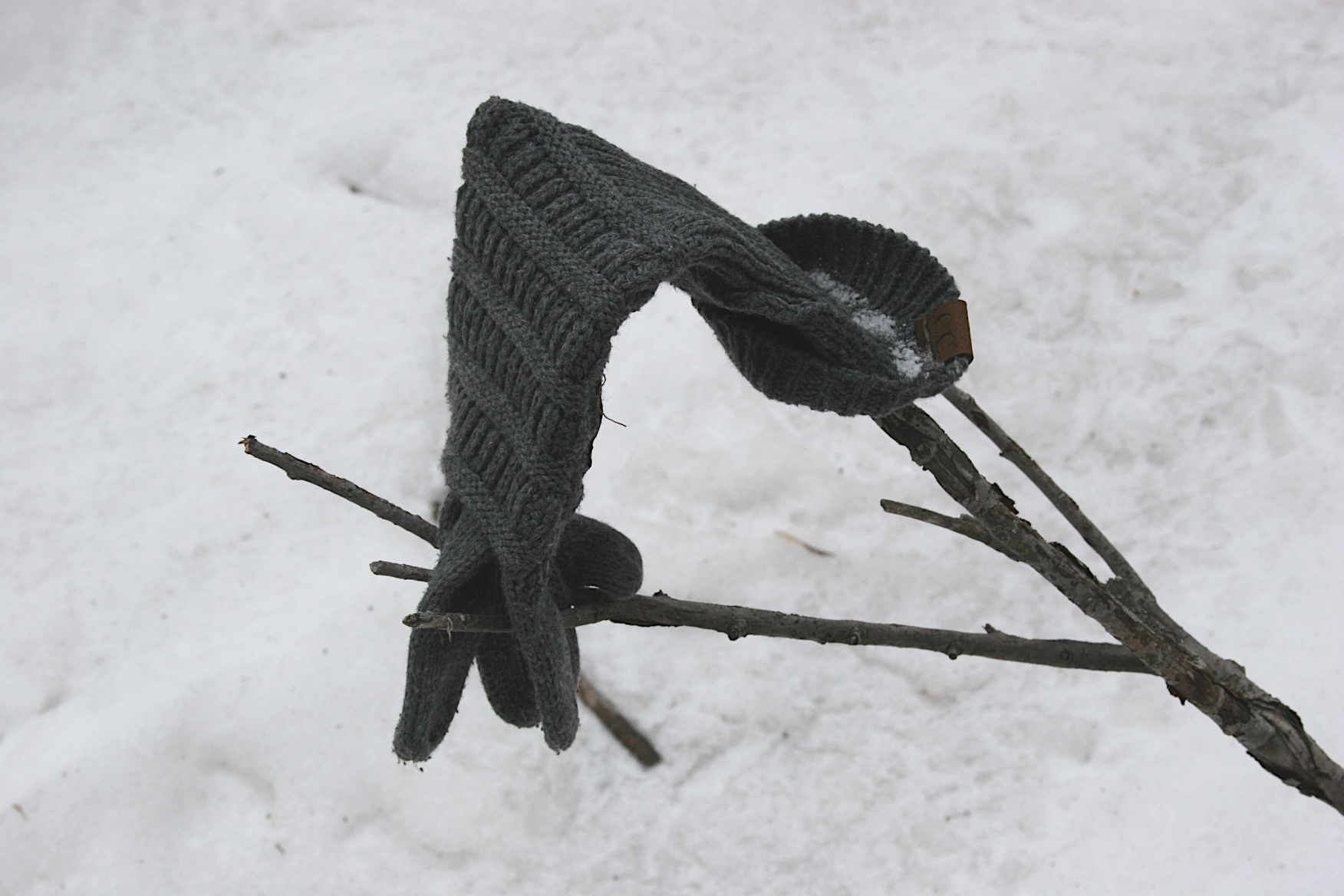
Lost glove along the Straight River Trail, south Faribault, Minnesota. (Minnesota Prairie Roots copyrighted photo March 2022)

THE GLOVED STICK stuck out like a snowman’s broken appendage. There, stuck in the snow, aside the Straight River Trail in south Faribault.

Camera in hand, I paused on a recent afternoon trail walk to photograph the lost grey glove. Scenes like this intrigue me because there’s always a story. Who lost the glove? Why? Who found the glove and then decided to stick it on a stick? Would the woman who lost the glove find it?

Real life often prompts my creative writing. Several weeks ago I wrote with a fury over two days, under pressure to meet a contest deadline. In those two full days of creating, I wrote two pieces of creative nonfiction, two short stories and two poems. The Muse moved within me and I felt it.

More often than not, I tap into my life for ideas. The “write what you know” adage holds true for me.

In writing fiction, I can take a snippet of truth and craft it into a short story that rings with reality, except it’s not. A text shaped one of the pieces I crafted. The other story came from some dark place I have not yet unearthed.

The recent death of my mom resulted in a poem and a work of creative nonfiction. A sign in a barbershop window prompted the second piece of creative nonfiction.

And my second poem emerged from a previous walk along a riverside trail in Faribault. Not the same path of broken snowman appendage. But a place where fingers of snow wrote stories across asphalt.

TELL ME: If you are a creative, what inspires you in your writing/painting/creating? I’d like to hear.

© Copyright 2022 Audrey Kletscher Helbling
 

Erica Staab’s latest book focuses on loss December 15, 2020

AS WE NEAR CHRISTMAS, perhaps you aren’t feeling all that merry. These past 10 months of dealing with COVID-19 proved challenging, resulting in feelings of depression, anxiety, isolation and uncertainty. Even anger.

In many ways, we’re all grieving. We’ve lost our sense of normalcy, of life as we once lived it. Some of us have lost jobs. We’re separated from family and friends. And, for too many, that separation came via death from COVID-19 and the inability to mourn in traditional ways.

The year 2020 redefined the meaning of the words “loss” and “grief” in the context of a global pandemic. Yet, the core meanings remain, as universal, yet as individual as each person experiencing them.

WRITING ROOTED IN PERSONAL LOSS

My friend Erica Staab, director of HOPE Center in Faribault, addresses loss in her latest book, The First Christmas—Finding Your Way After Loss. In this slim 32-page volume, Erica writes from the heart, as a sister who experienced the tragic death of her brother, Mitchell, in 2007. The 27-year-old died of injuries sustained in a fall after stopping to assist a motorist involved in a single-vehicle accident. Any death can be difficult, but especially when the loved one is so young, the death unexpected.

It comes as no surprise to me that Erica takes her personal loss and her life’s work of helping survivors of domestic abuse and sexual assault (and their families) to craft this insightful and encouraging book. She is one of those individuals who gives selflessly and with a heart full of compassion. Her words ring with authenticity rooted in experience.

GRIEF: “A WILD MESS OF THINGS”

She calls grief “a wild mess of things that can’t be anticipated.” That seems such a spot-on assessment as we all grieve in different and unexpected ways. Erica advises us to be gentle with ourselves, to allow grief in, to listen to what our hearts need.

I found this statement particularly profound: When grief is invited in…it is then that it loses its power over you, it is then that grief offers itself to share its gifts. It is then that there is space made for joy.

I appreciate that Erica embraces and acknowledges grief in all its pain and darkness. Yet, she writes with the light of hope, of joy-filled moments returning, of strength gained. When I emailed Erica to tell her that her writing touched me and caused me to cry as I thought of losses in my life, she responded, “…that was my prayer…that people would feel heard, understood, and not alone in their grief journey or their choices.”

PERMISSION TO EXPERIENCE LOSS IN YOUR UNIQUE WAY

Her book applies to many losses, not just loss through death. Loss of a relationship. Loss of a job. Loss of financial security. Loss of health and/or safety. And therein lies its even broader appeal, especially in 2020, a year of much loss. Erica wants her readers to realize they are not alone, that no one should try to erase their pain, that they need to experience it fully and in their own way and time.

And if that means you don’t feel like putting up a Christmas tree this year or mailing holiday cards, then don’t. That was me last year. Writes Erica: You have permission to simply make it through.

Her book also offers specific ways to ease loss, culled from her experiences and those of others. That’s helpful, too.

If you’re dealing with any type of loss, I suggest you buy The First Christmas—Finding Your Way After Loss. Purchase copies, too, for family and friends. Every funeral home and church should have copies to give away. The $10 book may be purchased at The Upper East Side, 213 Central Avenue North, Faribault, or online by clicking here. You can also reach out to Erica directly. I am so appreciative of Erica, her writing, her encouragement and her unique way of addressing difficult topics.

© Copyright 2020 by Audrey Kletscher Helbling

 

Northfield writer Scott Carpenter masters the craft of short stories in This Jealous Earth March 1, 2013

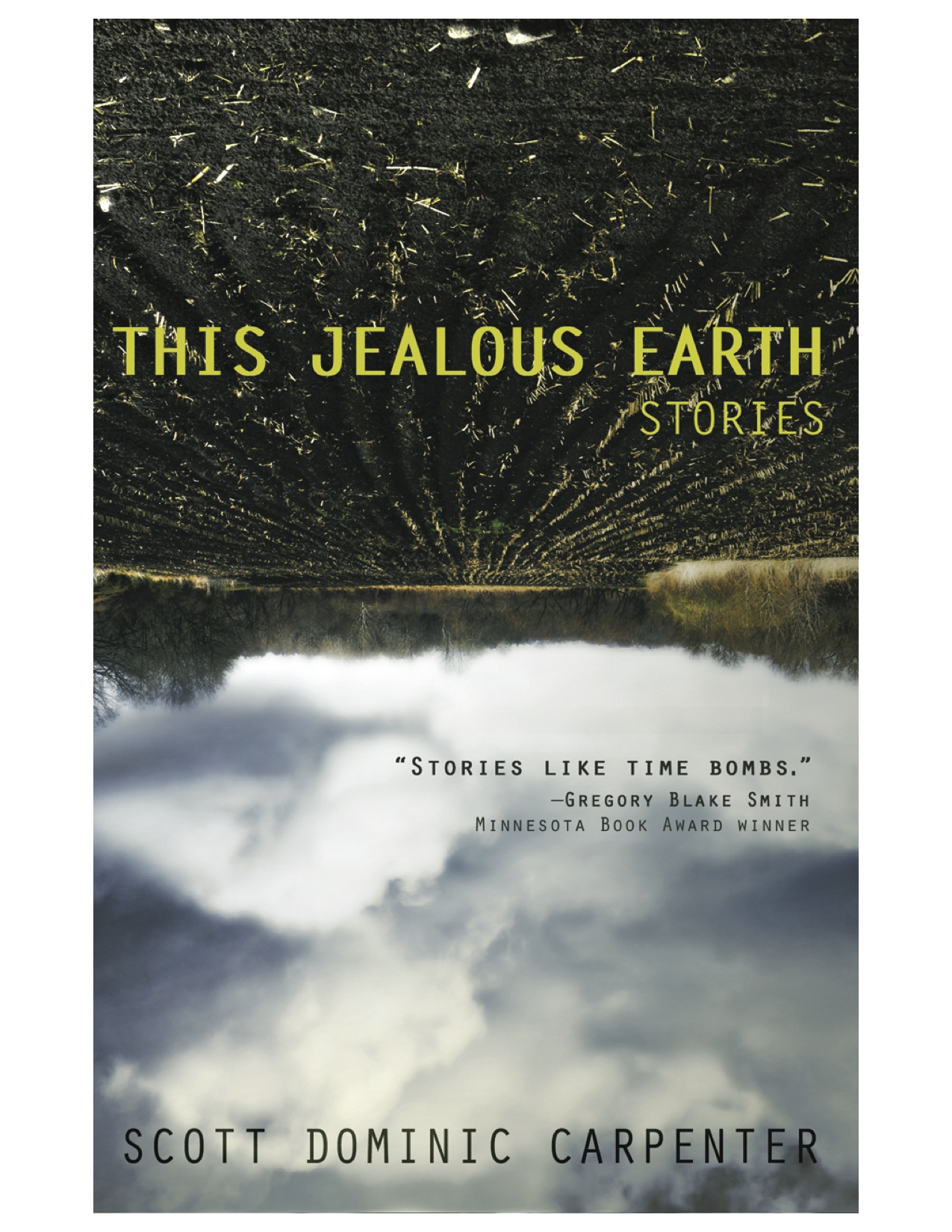
Intrigued by this cover image like me? Learn why  it was selected and placed upside down at the end of my review.

Intrigued by this cover image? Learn why it was selected and placed upside down at the end of my review.

I’VE STRUGGLED, since reading This Jealous Earth, to pinpoint a word which best describes my reaction to a collection of 16 short stories by Northfield (MN.) author Scott Dominic Carpenter. And that should be considered a compliment.

Carpenter’s stories about relationships and aging, choices and regrets, and more, hold an element of mystery, a deeper meaning which reveals itself as the plots progress, until the ending and the ah-ha moment evoked.

For example, in the first paragraphs of “The Tender Knife,” I expect a husband to kill his wife, not his koi. He didn’t, but he did. Now if that makes no sense, that is precisely my point. Carpenter possesses that unique ability to mess with your mind/throw you for a loop, cliché phrases that totally apply to a writing style that is anything but cliché.

He takes aspects of everyday life—vacations, marital and sibling discord, the death of a parent, aging, love, fear and more—and crafts stories to which his readers can relate. Aging Baby Boomers can surely empathize with Donna, married 30 years with three grown children and the main character in “Riddles.” She and her husband are on a long-awaited European vacation when she loses her way in an art museum. As she struggles to weave through a labyrinth of art she cannot understand, Donna understands she’s waited too long for this trip.

Carpenter writes, in Donna’s voice:

To think that she had begged for this trip! What in God’s name had she been thinking? What was the point? And what on earth were you to do after the scales have tipped in your life, after the children have gone, and all you have left to do is wait?

His stories mostly center on choices—to shoplift or not, to keep or to toss, to reconcile or give up, to attempt to save or to let go, to stand up for yourself or to submit, to simply accept or to challenge/change/question.

In “This Jealous Earth,” the story from which the book draws its title, a family awaits the rapture. But one, the non-believing son, Randy, will be left behind. Therein lies the conflict for his obedient younger sister, Cat. Will she choose faith or family? That dilemma, and the consequences, leave the reader hanging on every word until the clincher ending.

Likewise, in “The Visit,” the tension builds when a child goes missing on a rural acreage with a pond. I’m not going to reveal the ending, but I simply must share the final sentence of that story because it’s so powerful and perhaps so true of how we often choose to cover our fears with meaningless conversation:

And with lavish servings of words, always more words, they covered over the memory of the pond, black and still.

Carpenter chooses words with care. That is obvious, especially so in “The Spirit of the Dog” where even the name of the main character, Caleb, holds significance. Because I have a son named Caleb, I know the name means “dog” (although I chose my son’s name for the biblical Caleb and certainly not the canine reference). Read this story about miners, a dog that is killed, superstition and stolen possessions and you will understand the double-meaning in that name.

I couldn’t pen a fair review of This Jealous Earth without noting that I nearly stopped reading half way through the first story, “The Tender Knife.” I struggled with details in killing of the koi. Don’t allow that to distract if you are squeamish like me. The story is most definitely worth reading. Likewise, several stories include the f-word and sexual undertones that may offend. However, these are not used lightly, but as integral parts of shaping a character and/or developing the plot.

If Carpenter’s first book of fiction is any indication of what readers can expect from him, then I’m already a fan. His next book, Theory of Remainders, is due for release in May. Here’s the promo description: A suspenseful literary novel set in the lush backgrounds of Normandy, Theory of Remainders explores the secret ties between love, trauma, and language.

Carpenter has already proven to me that he can write, and with a strong voice definitively his.

Scott Dominic Carpenter

Scott Dominic Carpenter

FYI: To learn more about Carpenter and his writing, click here to reach his website.

His upcoming appearances include public readings at  6 p.m. Thursday, March 7, at Barnes & Noble, 14880, Apple Valley, and at 7:30 p.m. Friday, March 8, at Monkey See, Monkey Read, 425 Division Street South in downtown Northfield. Besides writing, Carpenter teaches French literature and critical theory at Carleton, a liberal arts college in Northfield.

BECAUSE I WAS PARTICULARLY intrigued by the upside down placement of the field and sky image on the cover of This Jealous Earth, I posed these questions to publisher MG Press:

Could you explain the photo selection and why it was placed upside down on the cover? What message/feeling/whatever are you hoping to evoke in the reader?

Here’s the response from MG’s Robert James Russell:

The fact that the photo is upside down aligns with the themes of miscommunication and the confrontations of strangeness inherent in all of the stories in the collection. The land (or earth, as it were), gives us a sense that the disconnect and strangeness is dealing with familiar things (that is, it is not a paranormal strangeness, or anything truly otherworldly).

It’s meant to be disorienting, but not jarring, and demonstrate how a simple choice or change of perspective can completely alter how something is viewed. These types of choices are the ones the characters in This Jealous Earth face in all of the stories, ones that will permanently alter how they view their lives.

On a more aesthetic level, we chose this image specifically because, quite simply, it was gorgeous and we felt the contrasting tones would work well to achieve our goal.

© Copyright 2013 Audrey Kletscher Helbling
Images courtesy of Scott Dominic Carpenter and MG Press
The book cover design is by Sarah E Melville, Sleeping Basilisk Graphic Design.
Author photo is by Paul Carpenter.