Minnesota Prairie Roots

Writing and photography by Audrey Kletscher Helbling
My writing publishes in Minnesota literary anthology, again October 16, 2025

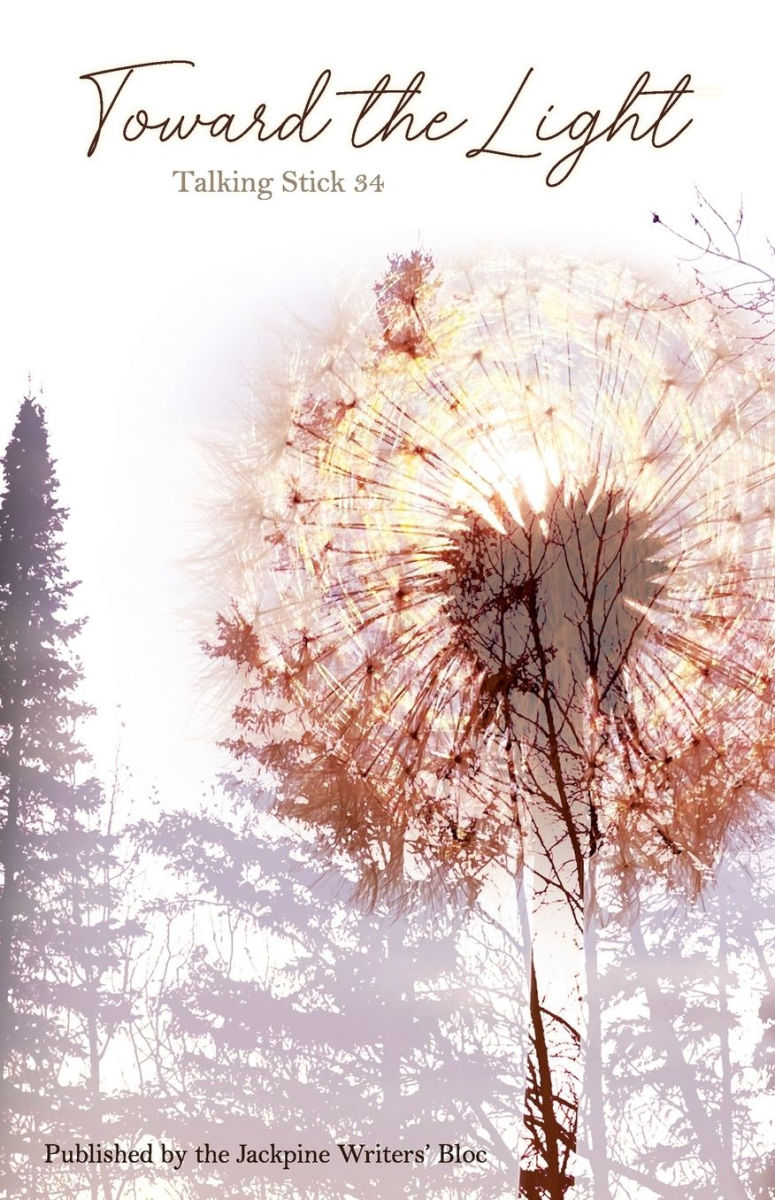
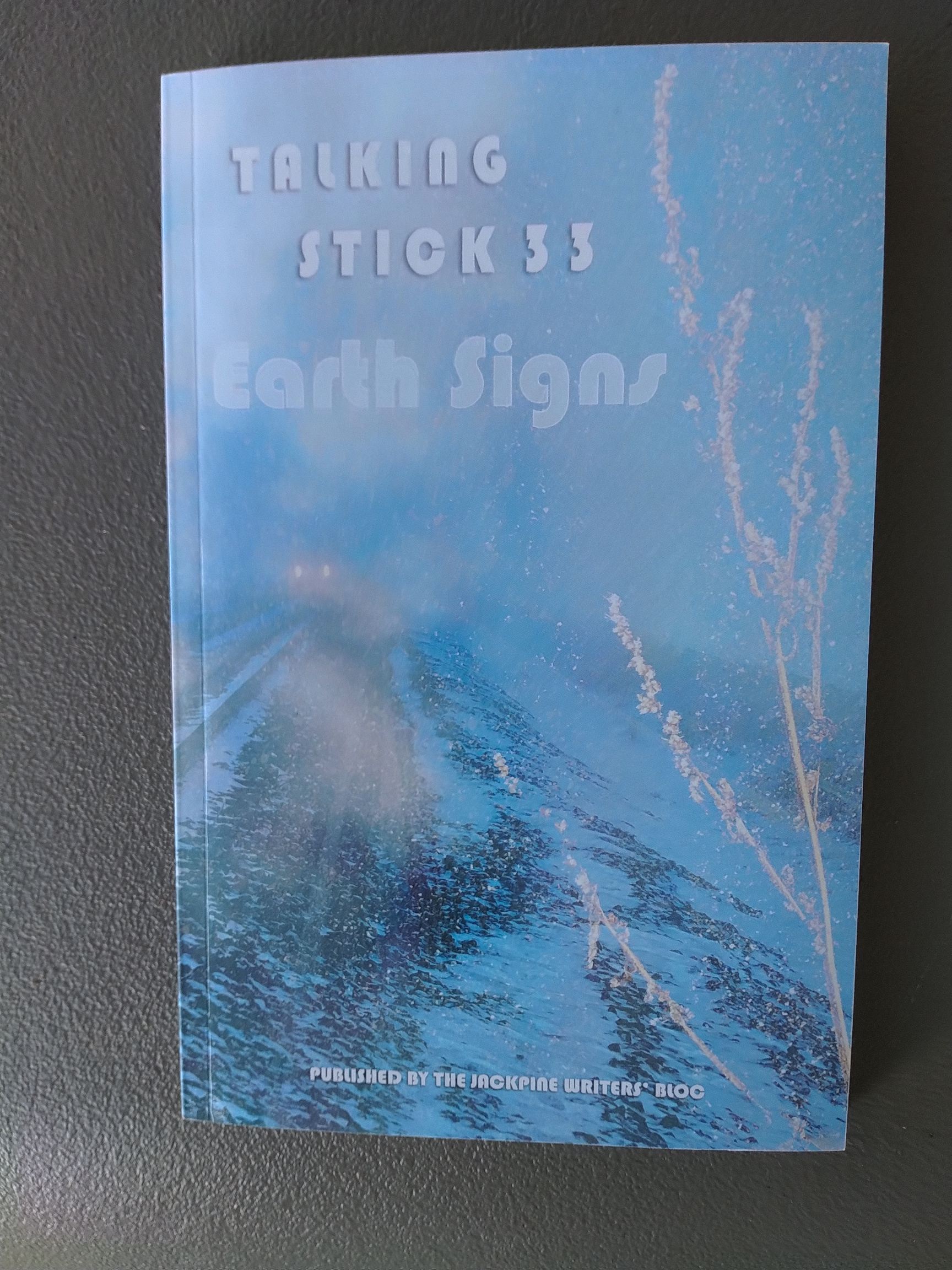
Two of my poems and a work of creative nonfiction are published in this literary anthology. (Book cover sourced online)

FOR THE 16thCONSECUTIVE YEAR, my writing has been selected for publication in the Talking Stick, a literary anthology published by the Jackpine Writers’ Bloc based in northern Minnesota.

The editorial board chose two of my poems, “Up North at the Cabin” and “Where There’s Smoke, There’s Fire,” and a work of creative nonfiction, “Birthing Everett,” for publication in volume 34, titled Toward the Light. The recently-released book features 128 pieces of writing by 76 writers either from Minnesota or with a strong connection to the state.

I consider it an honor to be published in the Talking Stick, which includes the work of talented writers ranging from novice to well-known. I especially appreciate that entries are blind-judged so each piece stands on its own merits. There were 275 submissions from 119 writers for this year’s competition.

Grandpa Randy and grandchildren Izzy and Isaac follow the pine-edged driveway at the northwoods lake cabin. This is my all-time favorite cabin photo. (Minnesota Prairie Roots copyrighted file photo 2020)

I’m particularly excited about two of my pieces published in Toward the Light. Anyone who’s ever spent time at a lake cabin will enjoy my “Up North” poem as it centers on nature and family togetherness. I was in my sixties before I first experienced cabin life. Now I’m building memories with my grandkids each summer at a family member’s lake cabin. That centers this poem.

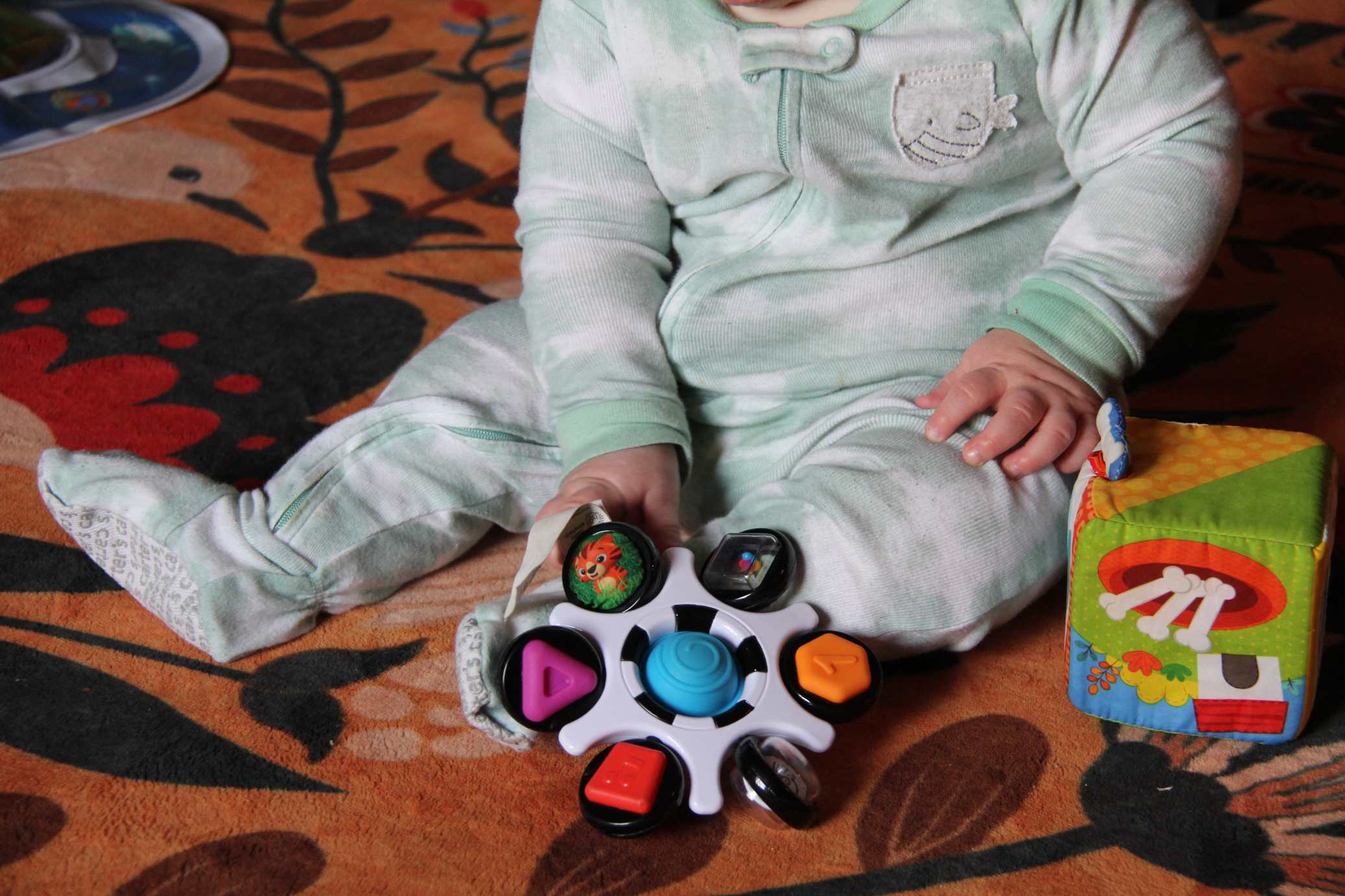
My grandson Everett, nine months old, plays with his toys in his Madison, Wisconsin, home. (Minnesota Prairie Roots copyrighted photo October 2025)

A grandchild also focuses “Birthing Everett,” a deeply personal story about the birth of my 10-pound grandson in January. My daughter Miranda nearly died during childbirth. I knew I needed to write about this to heal from my own trauma of nearly losing her. I will be forever grateful to the medical team at UnityPoint Health-Meriter Hospital in Madison, Wisconsin, for saving Miranda’s life. You just don’t think of women dying during childbirth any more, but it can, and does, happen.

My three recently-published works bring to 39 the total number of poems and short stories I’ve had printed in the Talking Stick. Toward the Light is available for purchase online by clicking here.

© Copyright 2025 Audrey Kletscher Helbling


Latest “Talking Stick” anthology publishes & I’m in, again September 19, 2024

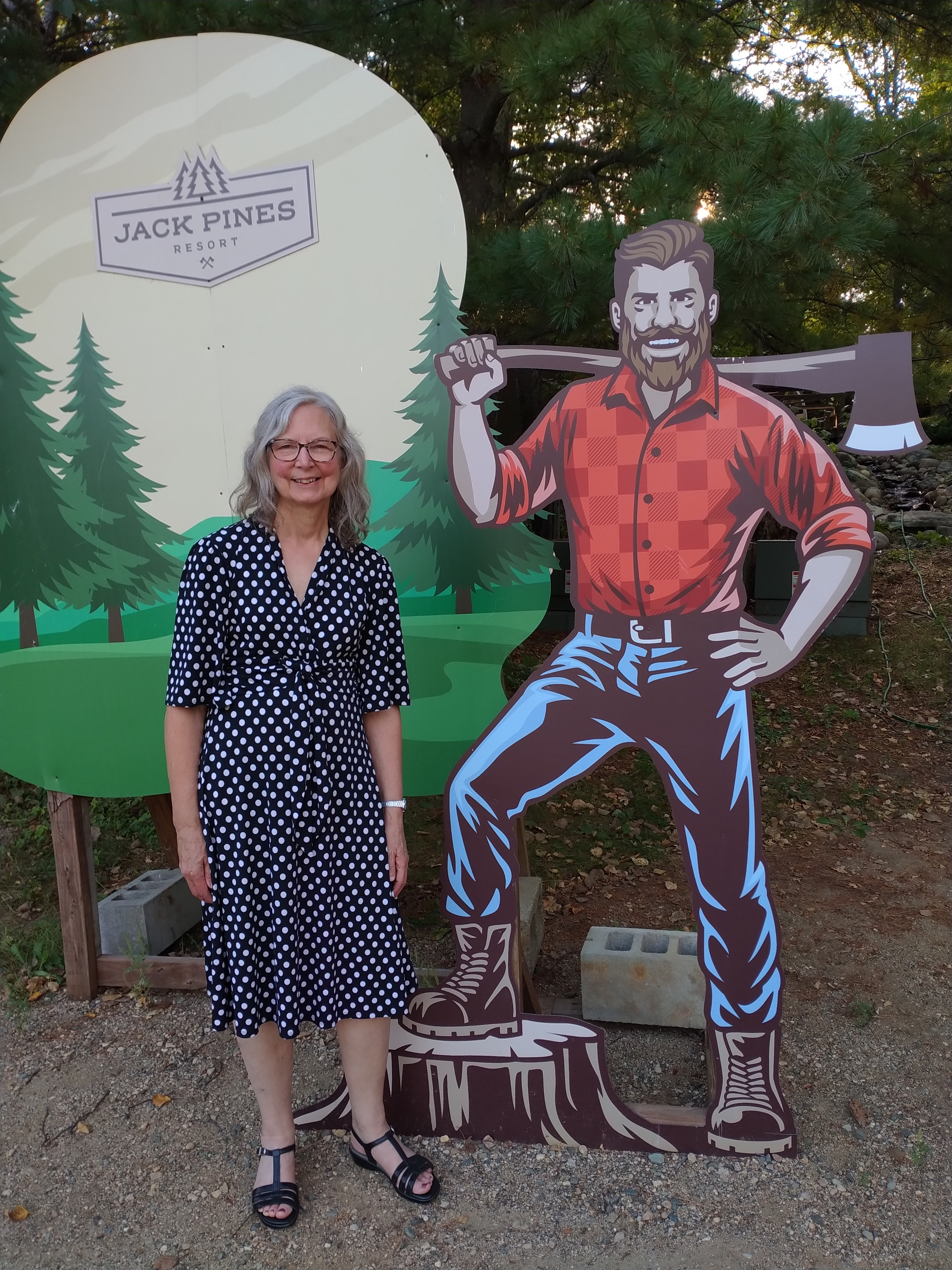
I couldn’t resist posing with Paul Bunyan at Jack Pines Resort following a book launch party there on September 14. (Photo credit: Randy Helbling)

FOR 33 YEARS NOW, a writing group in northern Minnesota has published Talking Stick, a literary anthology packed with poetry, fiction and creative nonfiction. It features not only the writing of well-known Minnesota writers, but also that of emerging writers. And that says a lot about this book published by the Jackpine Writers’ Bloc based in the Park Rapids area.

Getting published in this anthology is a competitive process with blind-judging. The judges—this year a university English professor and writer, a writer who moved to Minnesota for a rural artist-in-residency, and the author of a cozy mystery series—have no idea whose work they are considering for honors. The Jackpine editorial team chooses their top pieces to pass along to the judges for review and awards.

There were 280 submissions from 121 Minnesota writers or writers with a strong connection to our state in the 2024 writing competition. Of those, 113 works from 72 writers were published. That includes 63 poems, 22 creative twist pieces, 15 creative nonfiction stories and 13 fictional stories.

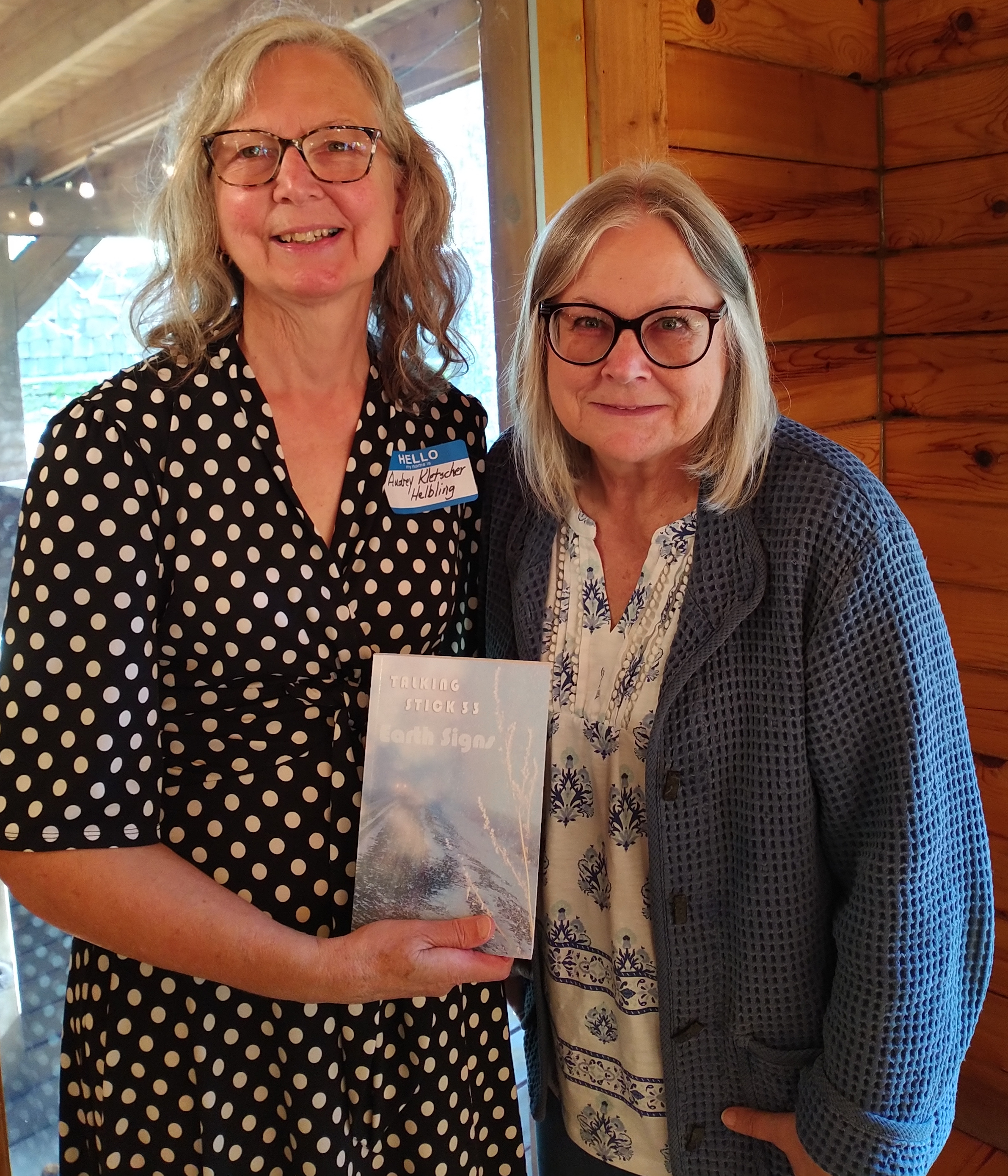
Me with author and fiction judge Jeanne Cooney, right. (Photo credit: Randy Helbling)

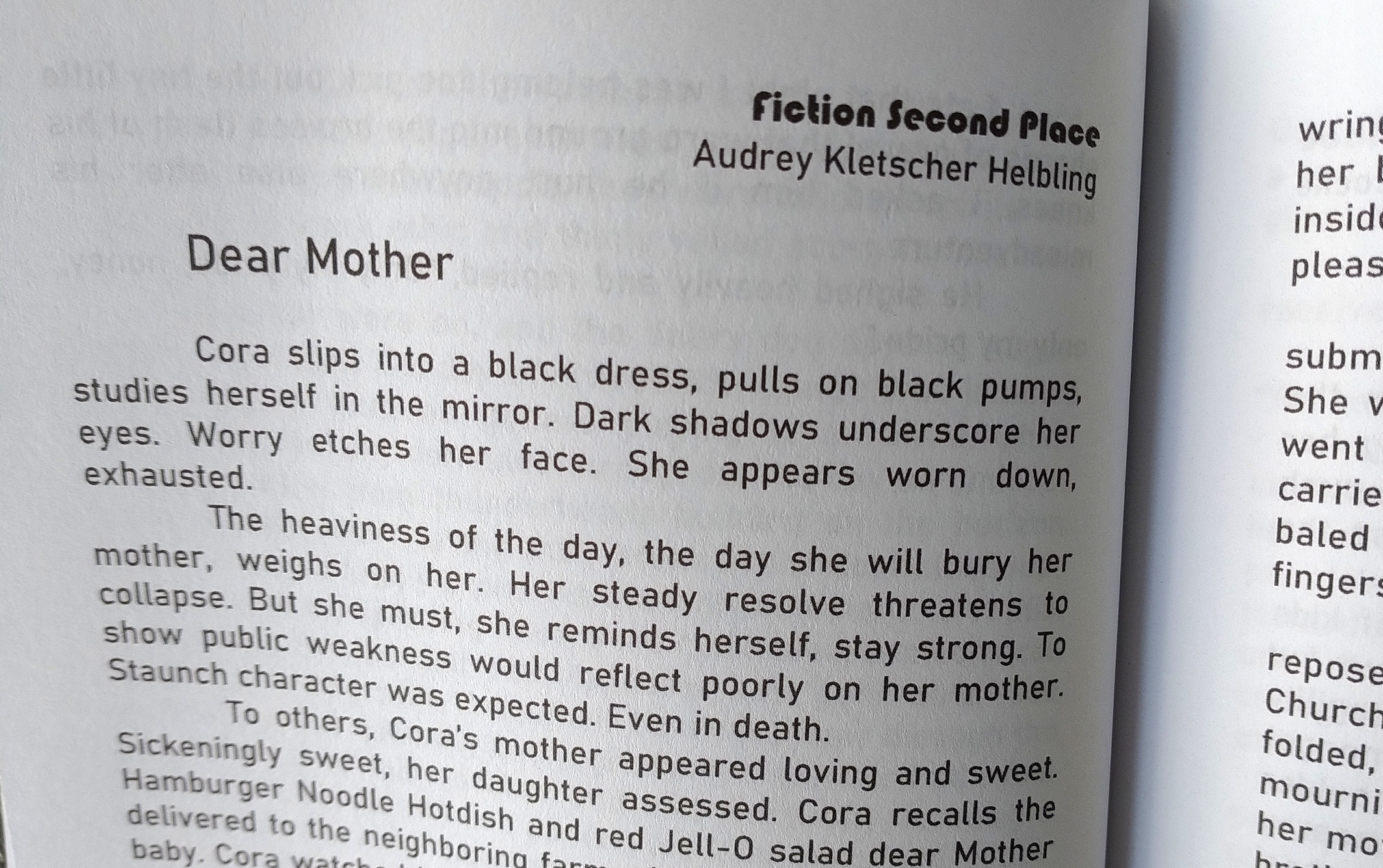
My short story, “Dear Mother,” earned second place in fiction as decided by author Jeanne Cooney. She’s written “A Hot Dish Heaven Mystery” series and has launched a new “It’s Murder” series. Did my mention of Hamburger Noodle Hotdish and red Jell-O salad in my story influence Cooney’s decision? I’d like to think not, but I suppose subconsciously it could have. When I wrote my short story, though, I had no idea who would be judging the fiction category. Hotdish simply fit into the storyline.

The beginning of my prize-winning fictional story, “Dear Mother.” (Minnesota Prairie Roots copyrighted photo September 2024)

Cooney called “Dear Mother” a “Very good story. But needs to be clearer.” She was right. Her comments helped me shape a stronger, better piece of writing. Dark writing. Mine is a story that begins seemingly ordinary enough, wrapping up in a surprise ending. Or rather an inferred dark ending.

Congratulations to everyone whose work published in “Talking Stick 33.” Those include readers of this blog. Thanks also to Managing Editors Sharon Harris and Tarah L. Wolff for their ongoing dedication to the craft of writing. (Minnesota Prairie Roots copyrighted photo September 2024)

Last Saturday afternoon, I gathered with other writers and supporters for a party launching publication of Talking Stick 33—Earth Signs at Jack Pines Resort (no connection to the writers’ group) in rural Osage, a four-hour drive from Faribault. The event included a writing workshop (which I did not attend), book reading and socializing.

I’m not especially comfortable reading to a roomful of people, even though I’ve done so many times. But I practiced and then read “Dear Mother” with dramatic inflections and soft tones in just the right spots, managing to convey exactly what I wrote. There’s something to be said for hearing a poem or story read aloud. The piece comes alive via the voice of the writer.

As I listened to all these writers, I felt a strong sense of community. I felt encircled by a group of incredibly talented and supportive creatives. People who care about language and emotion and damn good writing.

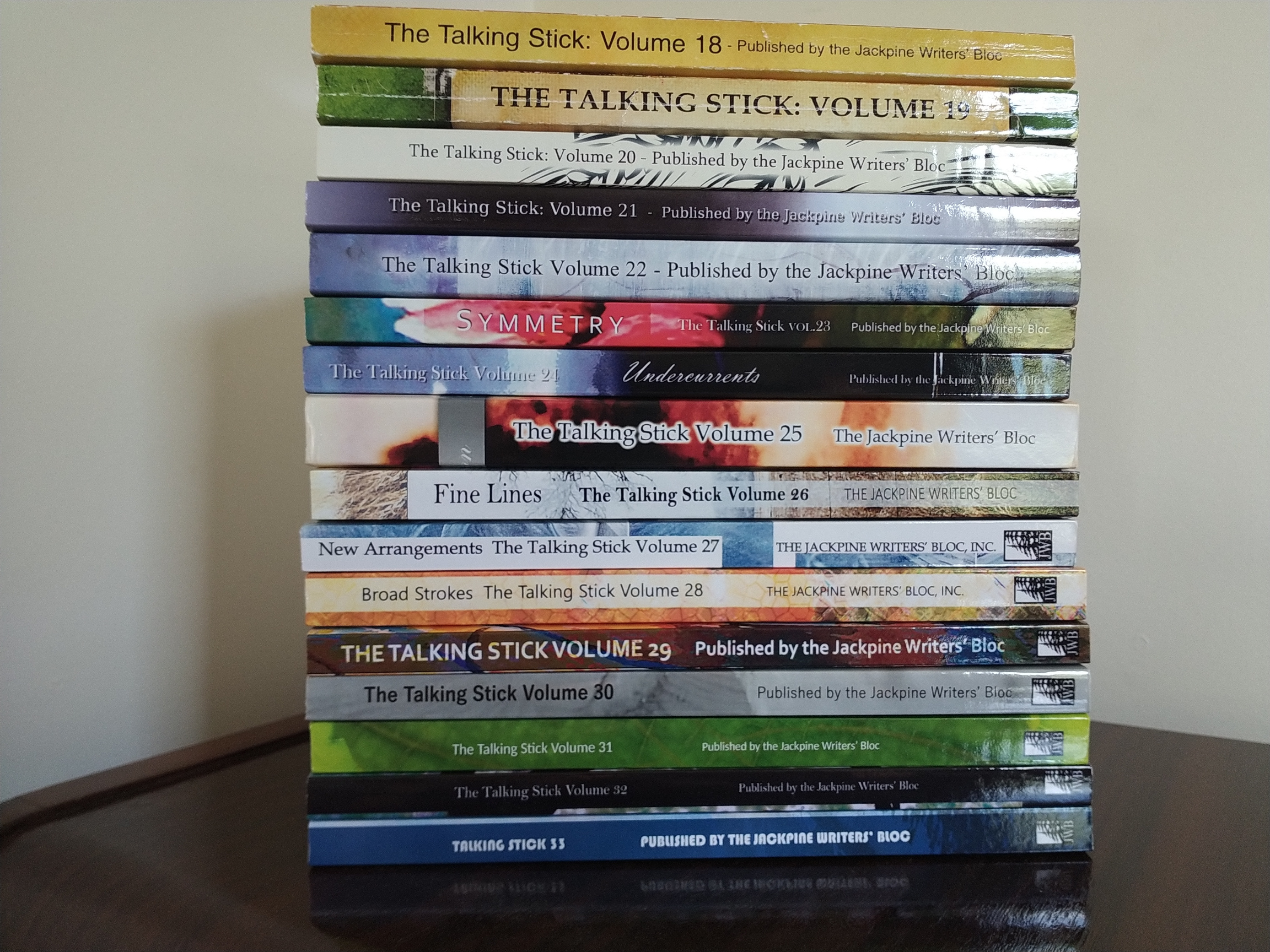
My collection of “Talking Stick” books. I’ve been published in 15 of these 16 volumes. (Minnesota Prairie Roots copyrighted photo September 2024)

This marks the 15th consecutive year my writing has published in Talking Stick. A poem, “Misunderstood,” and a work of creative nonfiction, “Lessons Inside the Dome,” were also selected for publication in the 2024 volume. Both are Faribault-rooted. My poem focuses on the connection between the Wahpekute and today’s homeless population living in woods along the Straight River. In “Lessons,” I write about walking inside the Shattuck-St. Mary’s School dome during the winter and lessons I learned there.

My writing is often rooted in experiences, in observations, in overheard conversations, in memories. I’ve covered everything from farming, to aging to domestic abuse, trauma, Minnesota Nice and more. Writing prompts have come from a vintage family photo, a sign on a barbershop window in Northfield, a painting by Andy Warhol… There are stories everywhere.

I’m grateful to the Jackpine Writers’ Bloc for repeatedly choosing my work for publication in Talking Stick. That includes 15 poems, 10 short stories, nine creative nonfiction stories and two creative twist stories (written using a list of pre-selected words). I’ve thrice been awarded second place (poetry, fiction and creative nonfiction). I’ve also earned eight honorable mentions (four for fiction, two for creative nonfiction, and one each in poetry and creative twist). Winning those awards is validating to me as a writer.

But just as validating is being among other writers. Writers who appreciate the craft of writing and the hard work it takes to shape a poem or a short story. Writers who understand the importance of word choice. Writers who recognize the power of words. Writers who don’t settle for the mundane, the cliché, the everyday. Writers who will spend several hours together on a glorious September afternoon in the northwoods celebrating the release of Talking Stick, a stellar literary anthology. We have much to celebrate in Minnesota, in this place that produces a remarkable number of talented writers.

FYI: To purchase a copy of “Talking Stick,” click here. Thank you for supporting Minnesota writers.

© Copyright 2024 Audrey Kletscher Helbling
 

Learning about Indigenous peoples from “The Forever Sky” November 27, 2023

(Minnesota Prairie Roots copyrighted file photo September 2022)

IN THE PAST YEAR, my desire to learn more about Native American culture has heightened. My new interest followed a talk in September 2022 by then Rice County Historical Society Director Susan Garwood about “The Indigenous history of the land that is now Rice County, Minnesota.” This county, this community, in which I live was home first to Indigenous peoples, long before the first settlers, the fur traders, the Easterners who moved west.

This sculpture of Alexander Faribault and a Dakota trading partner stands in Faribault’s Heritage Park near the Straight River and site of Faribault’s trading post. Ivan Whillock created this art which sits atop the Bea Duncan Memorial Fountain. (Minnesota Prairie Roots copyrighted file photo)

I knew that, of course. But what I didn’t know was that the Wahpekute, one of the seven “Council Fires” of the Dakota Nation, used the current-day Wapacuta Park just up the hill from my house for honoring their dead.

This Faribault city park, where my kids once zipped down a towering slide, clamored onto a massive boulder, slid on plastics sleds, was where the Wahpekute many years ago placed their dead upon scaffolding prior to burial. That ground now seems sacred to me.

That it took 40 years of living here to learn this information suggests to me that either I wasn’t paying attention to local history or that my community has not done enough to honor the First Peoples of this land.

(Book cover sourced online.)

Whatever the reason, I have, on my own, decided to become more informed about Indigenous peoples. And for me, that starts with reading. I recently headed to the children’s section of my local library and checked out the book, The Forever Sky, written by Thomas Peacock (a member of the Fond du Lac Band of Lake Superior Anishinaabe Ojibwe) and illustrated by Annette S. Lee (mixed-race Lakota-Sioux of the Ojibwe and Lakota-Sioux communities).

These two Minnesotans, in their collaborative children’s picture book, reveal that “the sky and stars all have stories.” Oh, how I value stories. And the stories shared in this book, these sky stories, are of spirits and animals and the Path of Souls, aka The Milky Way, and…

I especially appreciate the book’s focus on the northern lights, explained as “the spirits of all of our relatives who have passed on.” The descriptive words and vivid images make me view the northern lights, which I have yet to see in my life-time, through the eyes of Indigenous peoples. The changing blues and greens are their loved ones dancing in the night sky. Dancing, dancing, dancing. How lovely that imagery in replacing loss with hope and happiness.

The Forever Sky has created an awareness of Native culture previously unknown to me. Just like that talk a year ago by a local historian aiming to educate. I have much to learn. And I am learning via books found not only in the adult section of the library, but also among the children’s picture books. That writers and illustrators are covering topics of cultural importance in kids’ books gives me hope for the future. My grandchildren, even though they will never see the vast, dark, star-filled sky I saw nightly as a child of the prairie, are growing up much more informed. They will understand cultures well beyond their own heritage. And that encourages me.

© Copyright 2023 Audrey Kletscher Helbling
 

Multi-genre Minnesota authors talking craft & more at Faribault library October 31, 2023

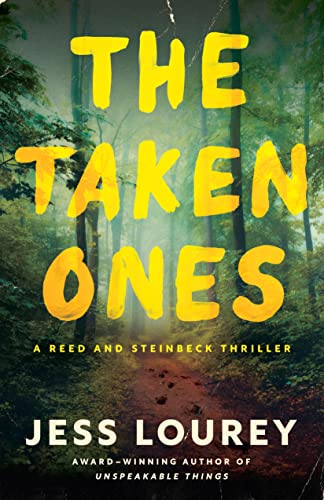
Book cover sourced online

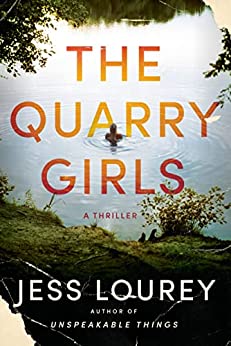
A FEW DAYS AGO, I nabbed Jess Lourey’s The Taken Ones from the LUCKY DAY shelves at my local library. This is a section where new books are placed and, if you’re lucky to get a new release, then lucky you. Already I want to stay up late reading this Minnesota author’s latest thriller. Just as I did when I read The Quarry Girls, a fictional crime story set in 1997 in St. Cloud and winner of the 2023 Minnesota Book Awards in genre fiction.

My familiarity with Lourey’s writing stretches back many years to my time as a freelance writer with Minnesota Moments, a magazine no longer in publication. Back then I reviewed Minnesota-authored books for the magazine, including books in Lourey’s Murder by Month romcom series set in Battle Lake, a real Minnesota community where she lived at the time. I still remember the name of the main character, Mira James, in books like May Day and June Bug.

Book cover sourced online

But since I’m an appreciator of intense mysteries, I’m more drawn to Lourey’s suspenseful crime titles. That’s my go-to genre, reaching as far back as the Nancy Drew detective series.

The library’s promo for Thursday’s event.

All of that aside, Lourey will be at Buckham Memorial Library in Faribault at 6 pm Thursday, November 2, as part of Moving Words: Writers Across Minnesota series. Authors John Lee Clark and Nicole Kronzer will join her. How lucky we are to have three talented, award-winning, multi-genre authors here to talk about their craft.

Book cover sourced online

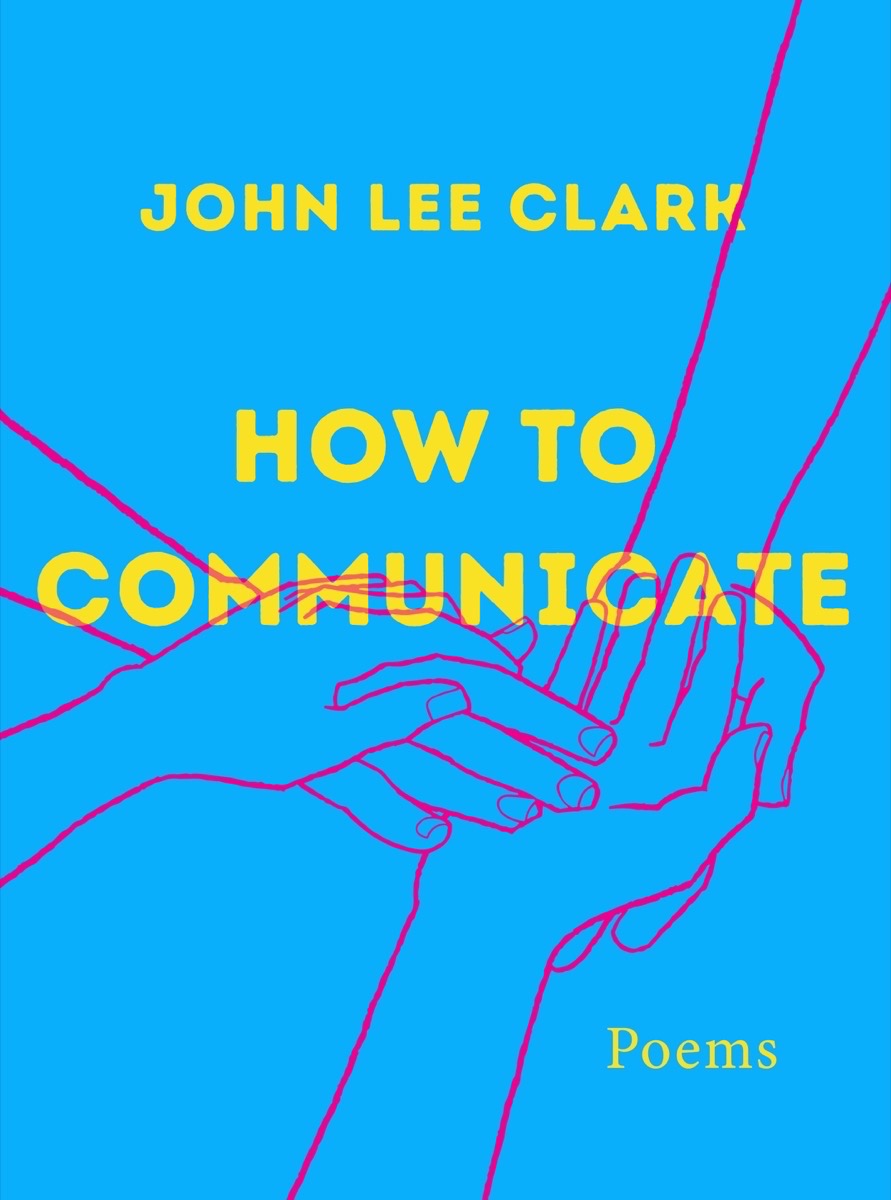
While Clark and Kronzer are unknown to me, their online bios reveal two gifted writers. Clark, a DeafBlind poet, essayist and actor, won the 2023 Minnesota Book Award in poetry for his How to Communicate: Poems. It seems particularly fitting that he is coming to Faribault, home to the Minnesota State Academies for the Deaf and the Blind.

Book cover sourced online

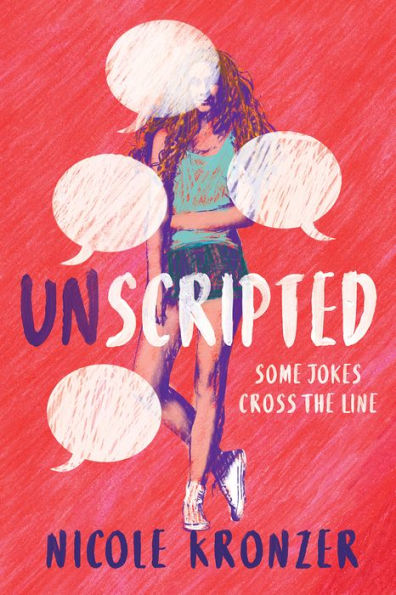
And Kronzer, a high school English teacher and former professional actress, writes young adult novels. In 2021, Unscripted was a Minnesota Book Awards finalist in young adult literature. Her second book, The Roof Over Our Heads, published in January.

I’ve already requested Clark’s poetry book and Kronzer’s Unscripted from the library. If those books were on the Lucky Day shelves, I missed them.

Now, time to take a break from writing to resume reading The Taken Ones. For it is also by reading that writers learn and grow their craft. And Lourey has that covered, too, in Rewrite Your Life: Discover Your Truth Through the Healing Power of Fiction, a book to first read then use as a writing guide.

© Copyright 2023 Audrey Kletscher Helbling
 

Expressing my creative voice in “The Talking Stick” October 11, 2022

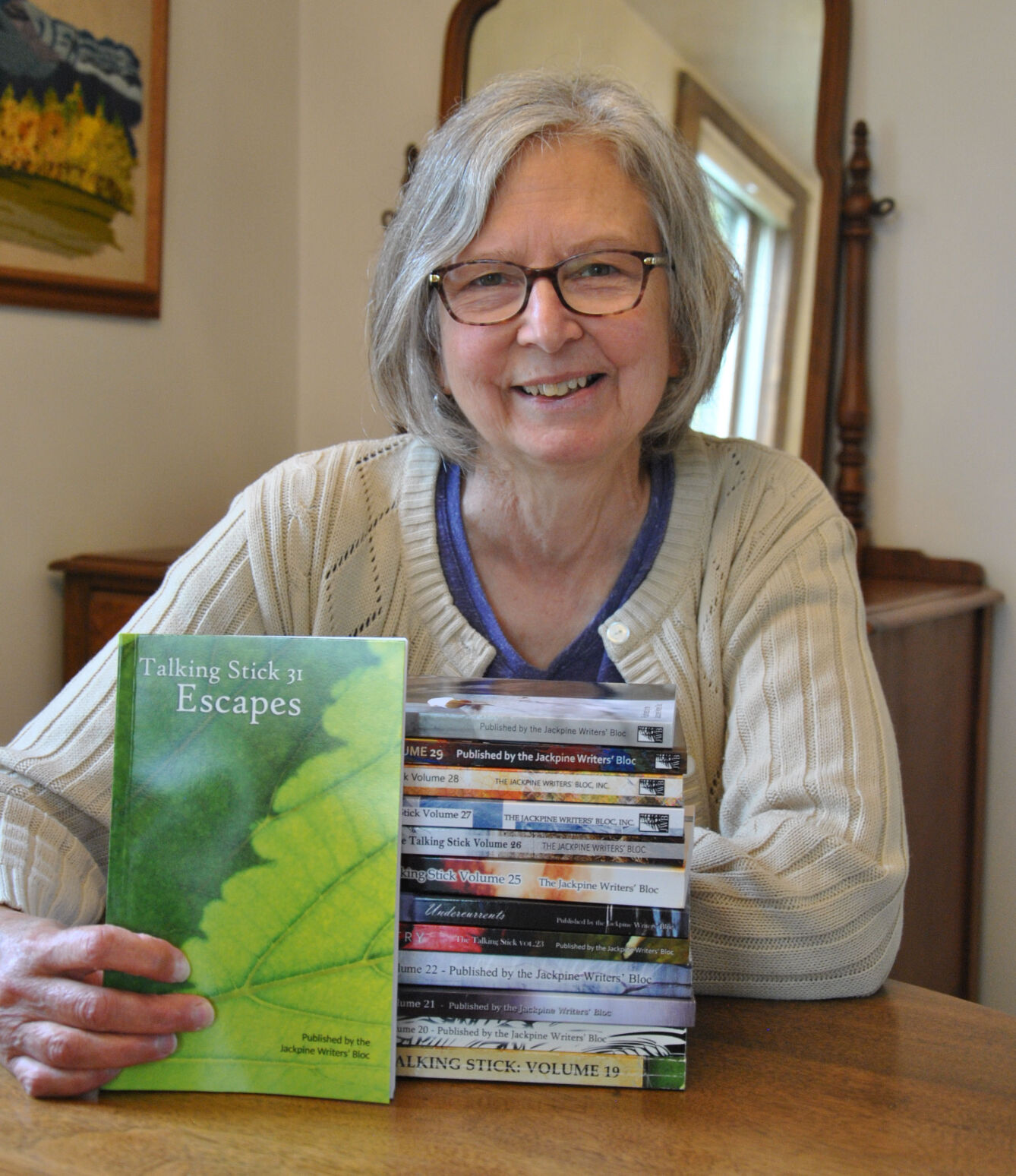
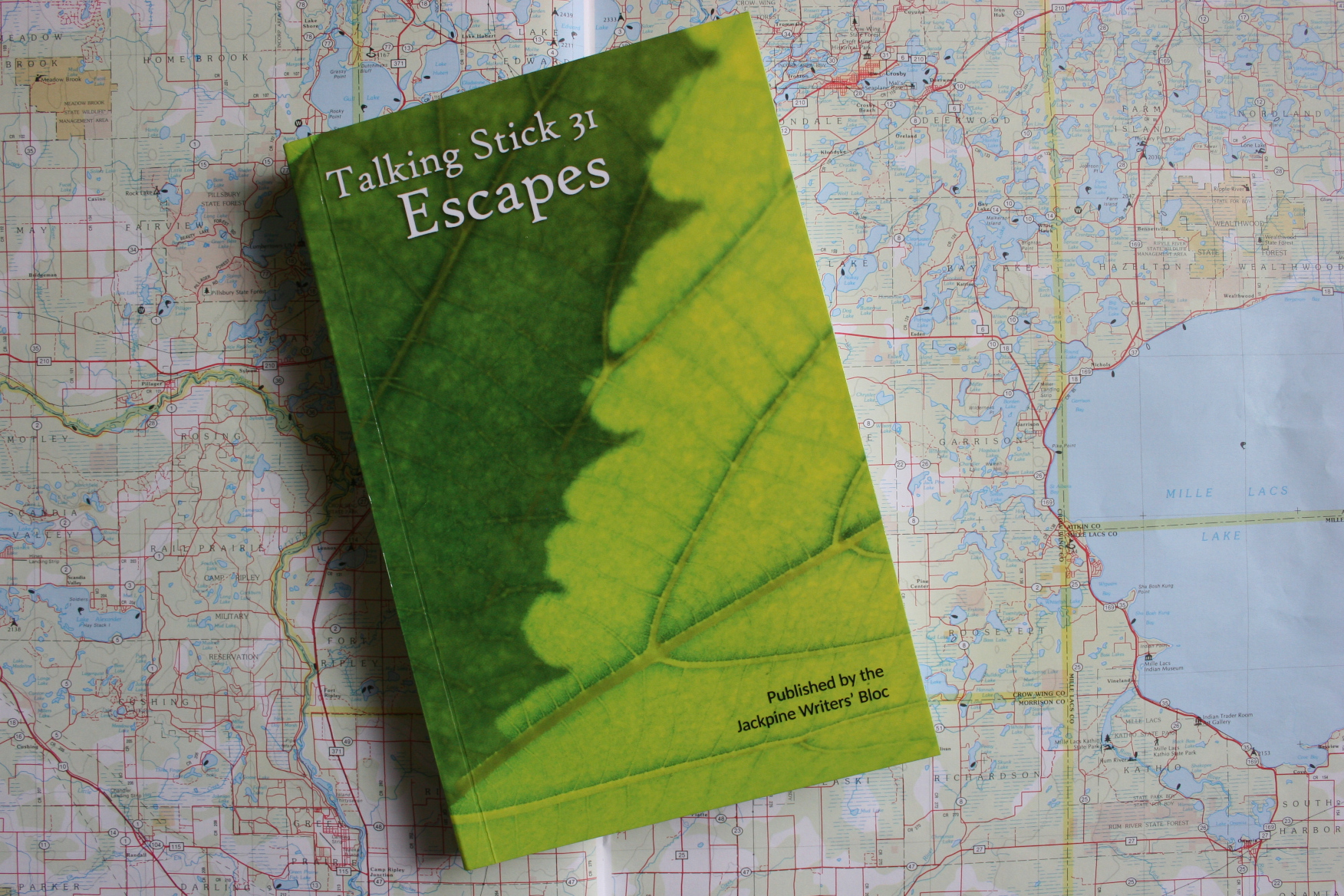
I’ve been published in 13 volumes ofThe Talking Stick,most recently InVolume 31, Escapes.” (Photo by Colton Kemp)

AS A WRITER, getting published adds to the joy of the craft. I write because it’s my passion, one which I want to share.

I laid the latest copy of The Talking Stick atop a page in a Minnesota atlas to represent escape in a sense of place. Reading and writing also provide an escape. (Minnesota Prairie Roots copyrighted photo October 2022)

The newest opportunity to share comes via The Talking Stick 31—Escapes, the latest anthology released in September by Park Rapids area-based The Jackpine Writers’ Bloc. The Talking Stick, published now for 31 years, features a collection of creative nonfiction, fiction and poetry by Minnesota writers or those with a connection to our state. This year, editors chose 83 poems, 28 creative nonfiction stories and 18 fiction stories for publication from 82 writers. More than 300 submissions came from 140 writers.

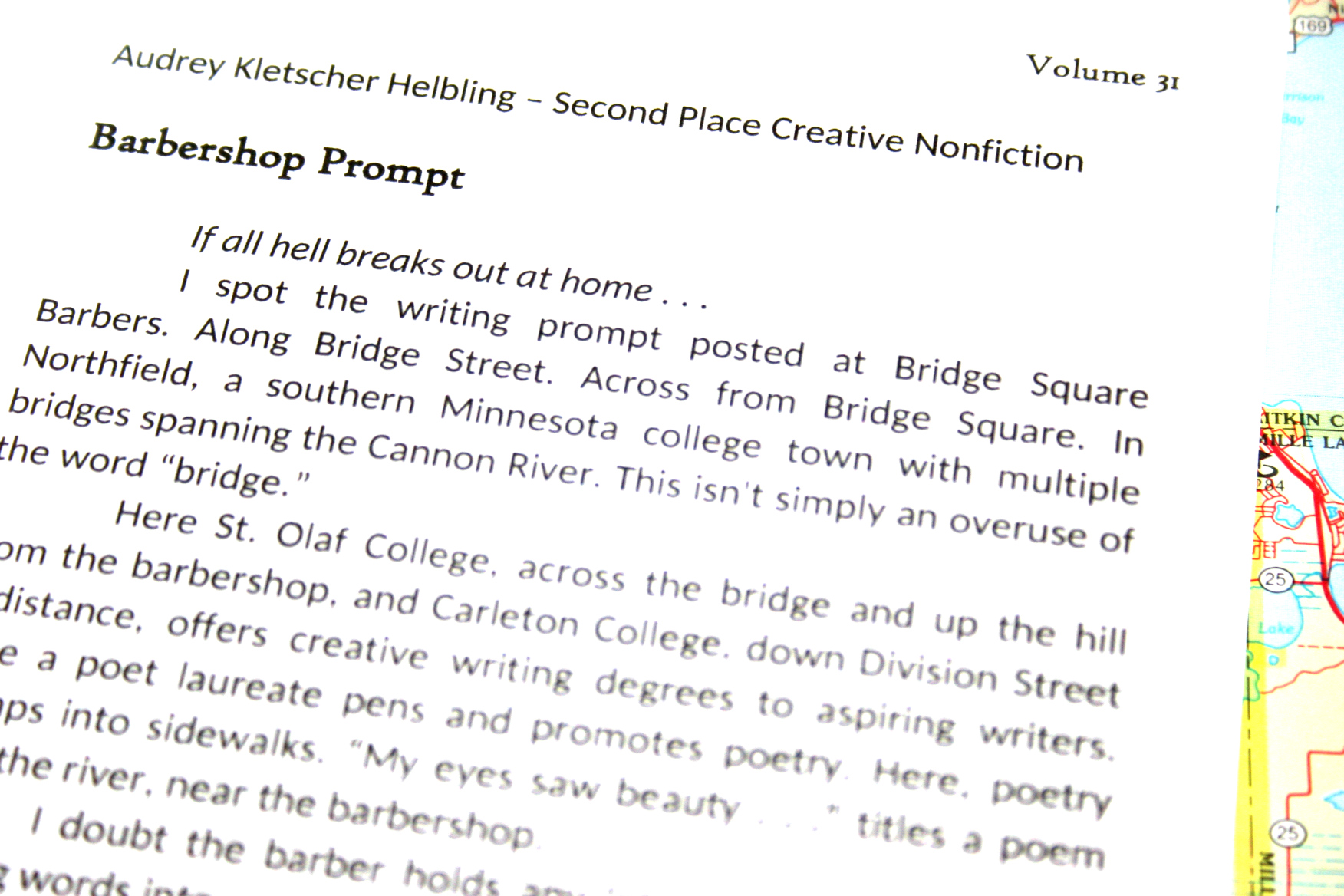
The beginning of my story, “Barbershop Prompt.” (Minnesota Prairie Roots edited and copyrighted photo October 2022)

I’m delighted to announce that three of my submissions are included in Escapes. My story, “Barbershop Prompt,” won second place and a cash prize in creative nonfiction. “Plans” earned honorable mention in fiction. And my second fictional piece, “Between Sisters,” simply published.

My writing has published in all 13 of these “The Talking Stick” volumes. (Minnesota Prairie Roots copyrighted photo October 2022)

To have my work selected and honored by peers is, for me, reaffirming. This marks the 13th year my writing—a total of 13 poems, eight creative nonfiction stories and nine fiction stories—have published in The Talking Stick. I’ve earned seven honorable mentions and two second placings through the years. Every year I’ve entered this competition, my writing has published. That proves personally validating.

When I first ventured into penning fiction, I did so with hesitancy. My journalism education, background and experience rooted me in gathering information and reporting the facts with no bend to fictionalize. I didn’t know I could write fiction until I tried. And I found I rather enjoy this type of writing. It stretches my creativity in a way that traditional factual writing doesn’t. Yet, even when I write fiction, there is some truth within. I weave into my writing (often in subtle ways) that which I know or care about or which has touched me. I expect most fiction writers would say the same.

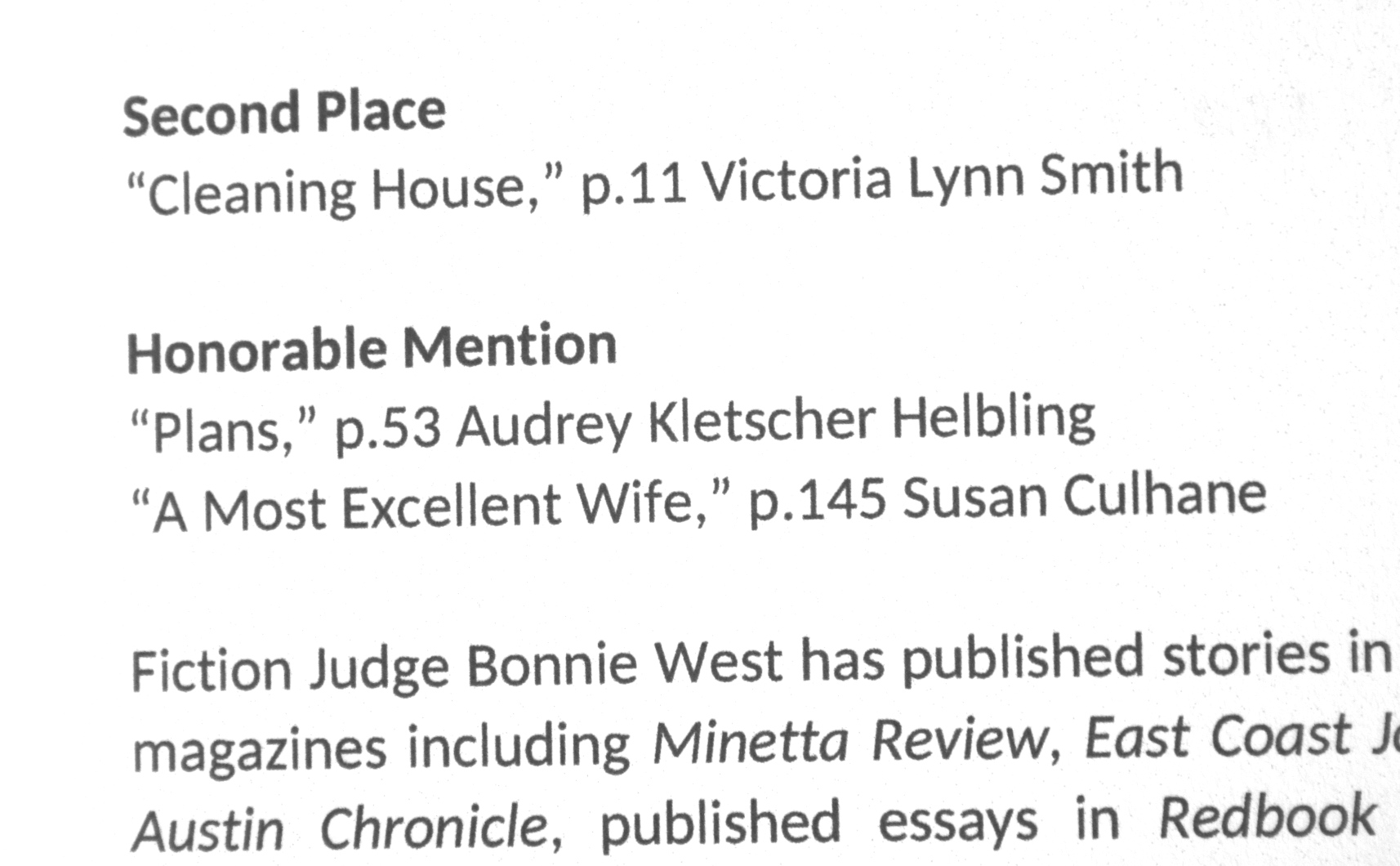
Partial winning credits in fiction and the judge’s bio. (Minnesota Prairie Roots edited and copyrighted photo October 2022)

My award-winning short story, “Plans,” focuses on abuse within a family. Abuse has not been my personal experience. But it runs rampant in society. “Plans” focuses on abuse from the perspective of Henrietta, or Henri as her father calls her. He wanted a son, not a daughter. I’m not revealing more except to say the story leaves the reader wondering. And that’s exactly as The Talking Stick editors intend. Submission guidelines call for focusing on short forms, on compressed creations which hint of a longer, more complex story. You get that in my 457-word “Plans.”

Here’s, in part, what fiction judge Bonnie West said about my short story:

What a good story. Very clever, but also very poignant and surprising! Thanks for this delightful and entertaining revenge story!

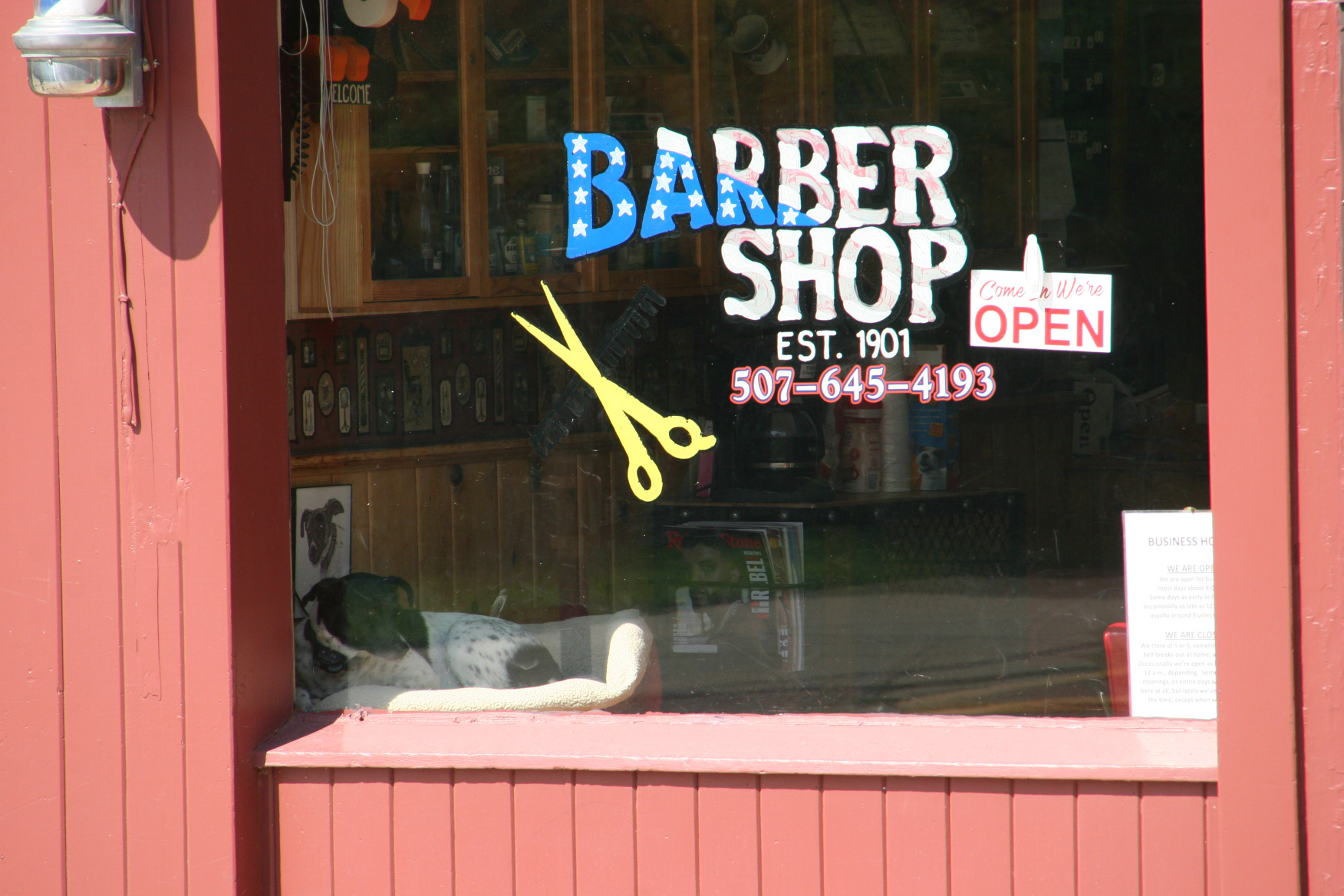
Bridge Square Barbers, the inspiration for my award-winning story. (Minnesota Prairie Roots copyrighted file photo August 2022)

I definitely appreciate West’s comment and that of creative nonfiction judge Marge Barrett. She evaluated “Barbershop Prompt,” praising the energy and cleverness of my story. A sign I spotted in the front window of Bridge Square Barbers by Bridge Square in Northfield prompted me to write this. I am an observer, someone who notices details. That often inspires. Like my winning fiction story, this fact-based story leaves the reader wondering, wanting more. The same can be said for “Between Sisters.”

The Talking Stick is an incredible collection of outstanding writing and I’m honored to be included with so much other Minnesota talent. Each year I see familiar names repeated, but then new voices, too. The small editorial team from the Jackpine Writers’ Bloc deserves recognition also for their hard work. This anthology truly is a labor of love. I’m grateful for their appreciation of Minnesota writers and for their dedication to the craft of writing.

FYI: I encourage you to support Minnesota creativity by purchasing a copy of The Talking Stick 31—Escapes by clicking here.

Colton Kemp, a reporter for the Faribault Daily News, wrote a feature on me which published in the Saturday, October 8, edition. I encourage you to read that also by clicking here. I am grateful for Colton sharing my story and for the opportunity to connect with him, another individual passionate about writing.

© Copyright 2022 Audrey Kletscher Helbling
 

Honoring Howard Mohr, author of “How to Talk Minnesotan” September 8, 2022

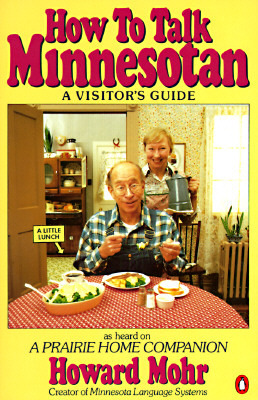
Image source: Goodreads

MINNESOTA SEEMS, TO ME, a hotbed for writers. And five days ago we lost one of our most beloved, Howard Mohr. He was perhaps best-known for his wildly popular, at least in Minnesota, book, How to Talk Minnesotan: A Visitor’s Guide, published in 1987. The book was later updated and adapted into an equally popular musical.

Many years have passed since I read my copy of this entertaining, humorous, and, yes, truthful, summary of Minnesota life. In honor of Mohr, who died September 4 of Parkinson’s at Fieldcrest Assisted Living in Cottonwood, I pulled my book from the shelf and reread it.

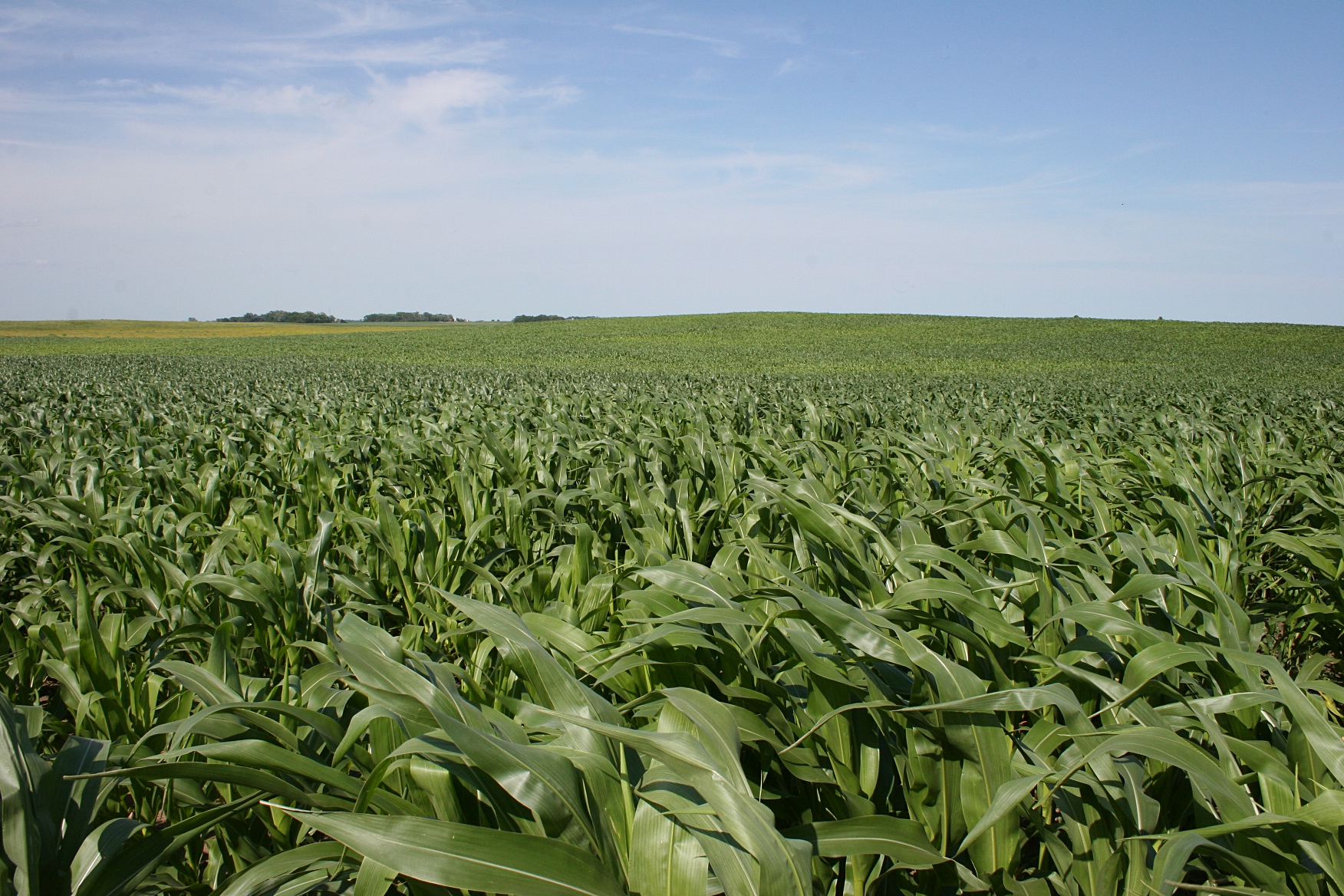
A corn field in southwestern Minnesota. (Minnesota Prairie Roots copyrighted file photo)

That Mohr, 83, recently moved from his Lyon County farm home of 52 years to a facility called Fieldcrest seems especially fitting. He lived in farming country, my native southwestern Minnesota, the place of small towns defined by grain elevators and land defined by fields of corn and soybean. He understood the people and place of the prairie. So when I read the sentence in his book declaring the produce of Minnesota writers to be as valuable as a crop of soybeans and corn, I felt he nailed it.

A harvested field and farm site in my native Redwood County, Minnesota, where the land and sky stretch into forever. (Minnesota Prairie Roots copyrighted file photo)

I’ve long celebrated writers rooted in the prairie like Mohr, Bill Holm, Robert Bly, Frederick Manfred, Leo Dangel… My friend Larry Gavin of Faribault, too, poet and writer who studied under those writers and lived for 15 years on the prairie. Some shared their knowledge, their talents, by teaching at Southwest Minnesota State University in Marshall. That’s near Cottonwood. Mohr taught English at Southwest State. He also penned Minnesota Book of Days, How to Tell a Tornado (poetry and prose) and wrote for “A Prairie Home Companion,” also appearing on the show.

A serene country scene just north of Lamberton in southern Redwood County. (Minnesota Prairie Roots copyrighted file photo)

I’m most familiar with How to Talk Minnesotan. The content reflects my rural upbringing. The dairy and crop farm of my youth lies a mere 15 miles to the south and east of Cottonwood, thus rereading Mohr’s book is like traveling back home, a reminder of that which defines me as a native of rural Redwood County. Even after nearly 40 years of living in Faribault, in town, I still call the noon-time meal “dinner” and the evening meal “supper.” My adult kids don’t, so I/they, always clarify when invitations are extended to a meal. To me “lunch” will always come mid-afternoon or in the evening before guests leave.

This huge, hard-as-rock snowdrift blocked our Redwood County farm driveway in this March 1965 photo. I’m standing next to my mom in the back. (Minnesota Prairie Roots copyrighted file photo)

Mohr’s references to the noon whistle, Jell-O (once popular, not so much now) winter survival kits, snowbirds (those who leave Minnesota in the winter and return in the spring), hotdish (casserole), pancake feeds, seed corn caps, lutefisk, Lutherans, bullheads (smaller versions of catfish), the “long goodbye” all resonate. I especially understand his point that Minnesotans are obsessed with the weather. We are.

Bars made by Lutherans. ( Minnesota Prairie Roots copyrighted file photo)

Some 10-plus years ago, when my now son-in-law moved to Minnesota from Los Angeles after falling in love with my eldest daughter, I gifted him with Mohr’s How to Talk Minnesotan. I figured this would help him adjust to our language and state. Whether it did or didn’t, I don’t know. But Marc hasn’t moved back to his native California. And he never commented on Mohr’s statement that Californians struggle to adapt to life in Minnesota. Marc fits in just fine. I do recall, though, his comment on “bars,” a word with duo meaning here in our state. “Bars” are both a place to gather and drink alcohol and a baked or unbaked sweet treat (made with lots of sugar and often topped with chocolate) pressed or spread into a 9 x 13-inch cake pan.

Maybe I really ought to make a pan of bars, cut them into squares, plate and serve them with coffee for “a little lunch” as a way to honor Howard Mohr, writer, satirist, humorist. He yielded a mighty fine crop of writing.

FYI: I encourage you to read Mohr’s obituary by clicking here. Be sure to read the insightful and loving comments. And if you haven’t read How to Talk Minnesotan, do. If you’re Minnesotan, it will be a refresher course in our life and language. If you’re not from here, you’ll better understand us upon reading this guide.

© Copyright 2022 Audrey Kletscher Helbling
 

At the library, online & in bookstores: “This Was 2020” October 29, 2021

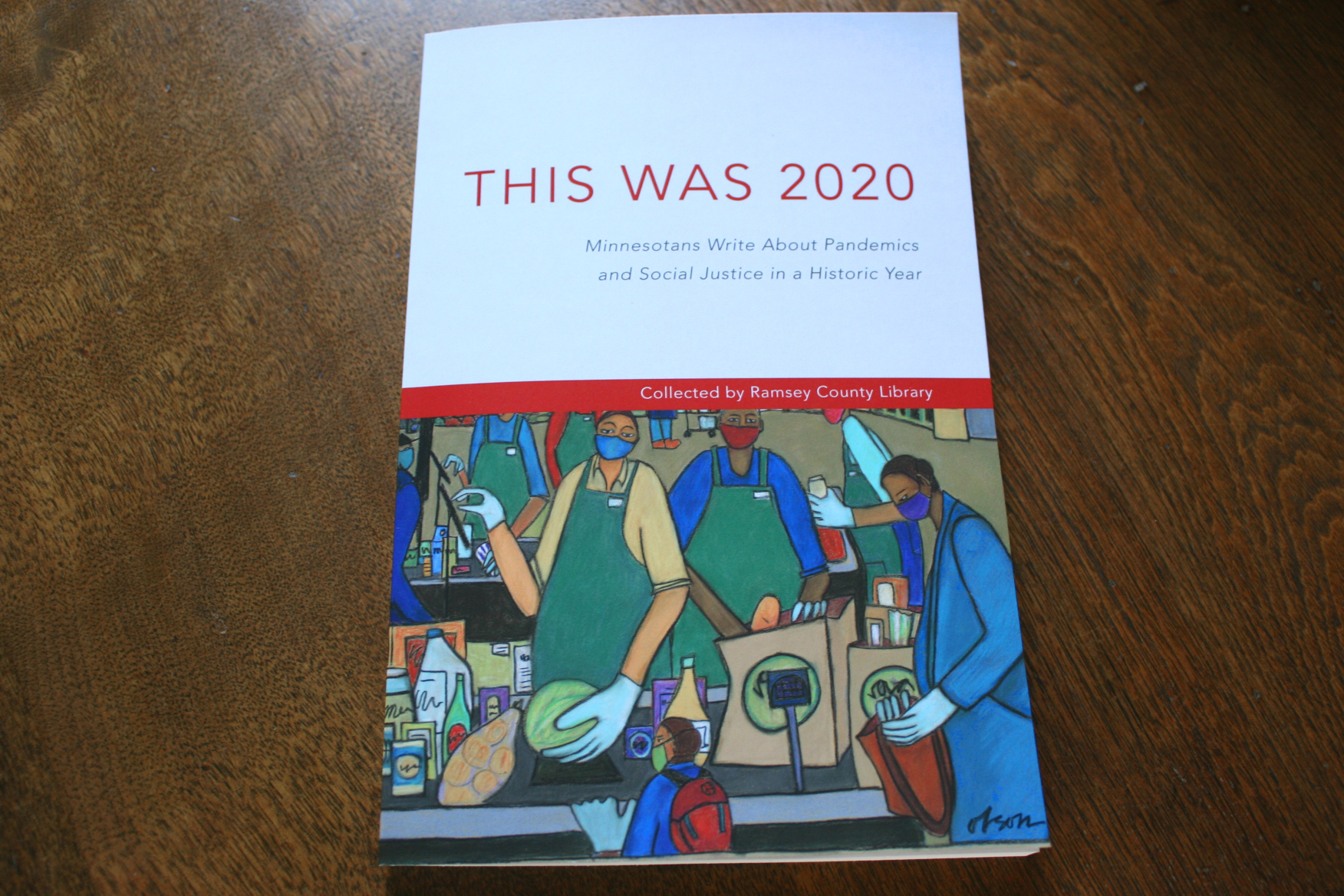
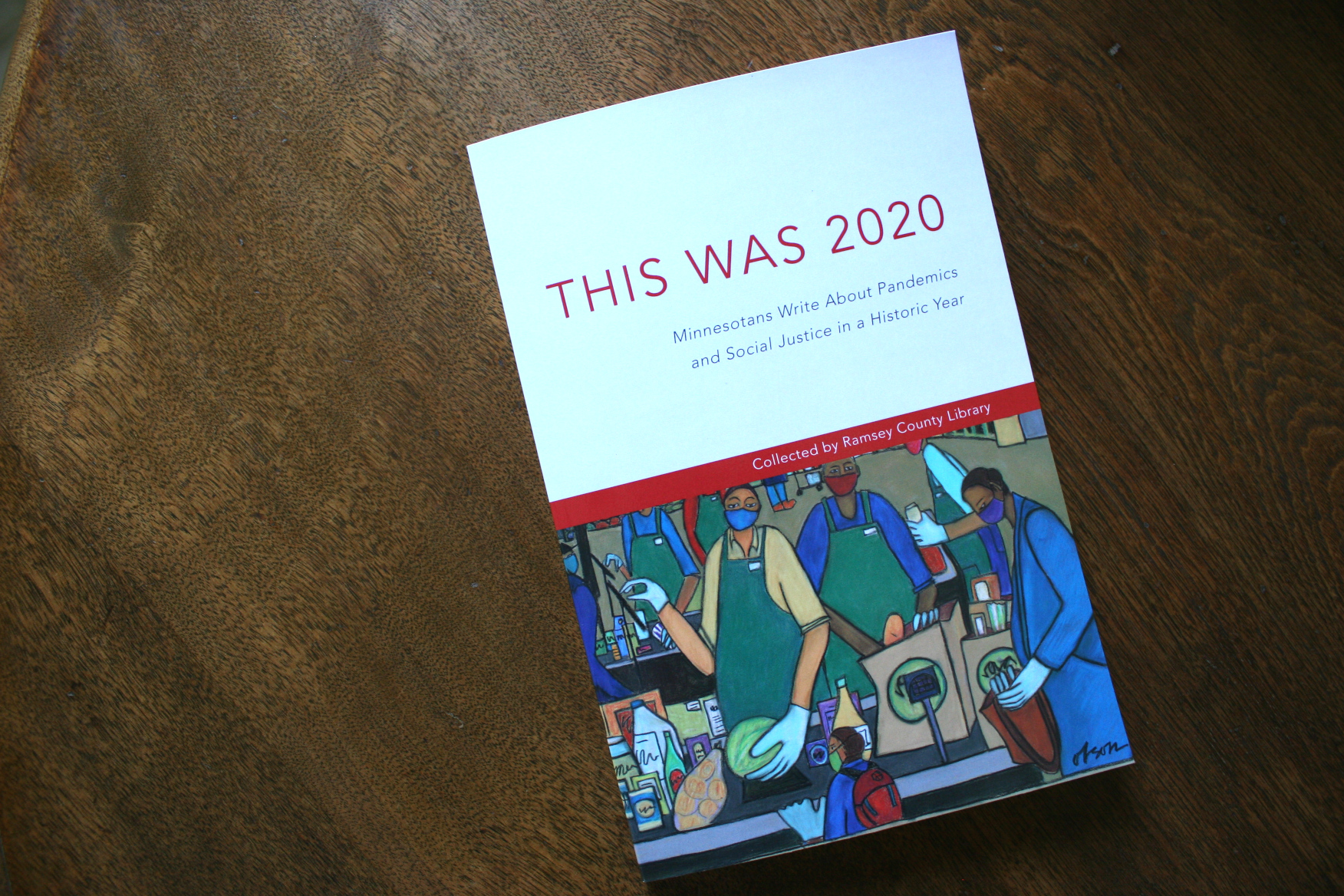
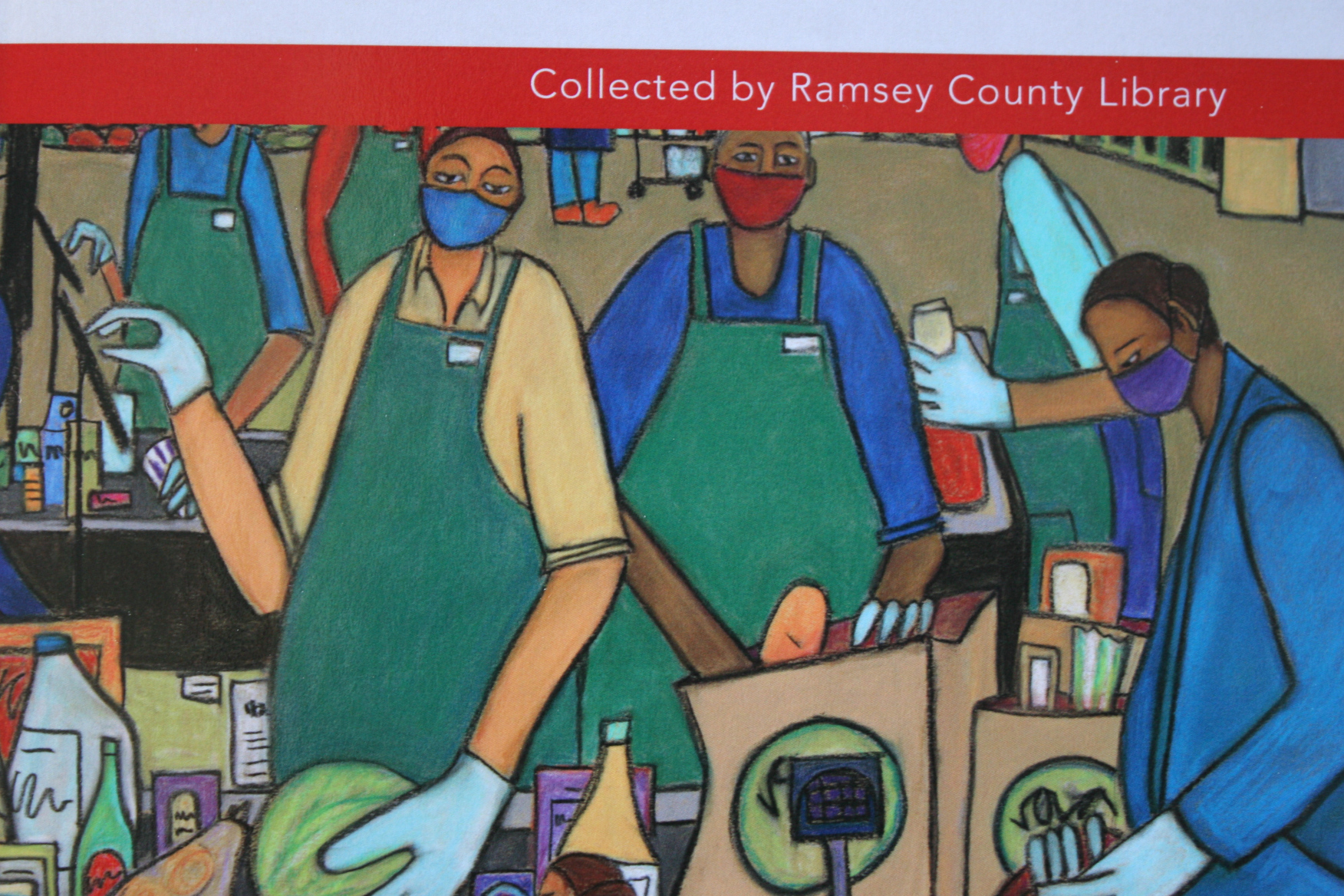
Duluth artist Carolyn Olson’s art graces the cover of This Was 2020. (Minnesota Prairie Roots photo)

This Was 2020 Now Available” reads the header on a recent news release posted on the Ramsey County Library Reads website.

That’s exciting news for those of us published in this award-winning collection of prose and poetry. This Was 2020: Minnesotans Write About Pandemics and Social Justice in a Historic Year recently won the Minnesota Author Project Award in the Communities Create category. That honor recognizes the work of indie publications in the state. Ramsey County Library (led by librarian Paul Lai) coordinated the book project, calling for submissions and then, eventually, publishing the collection.

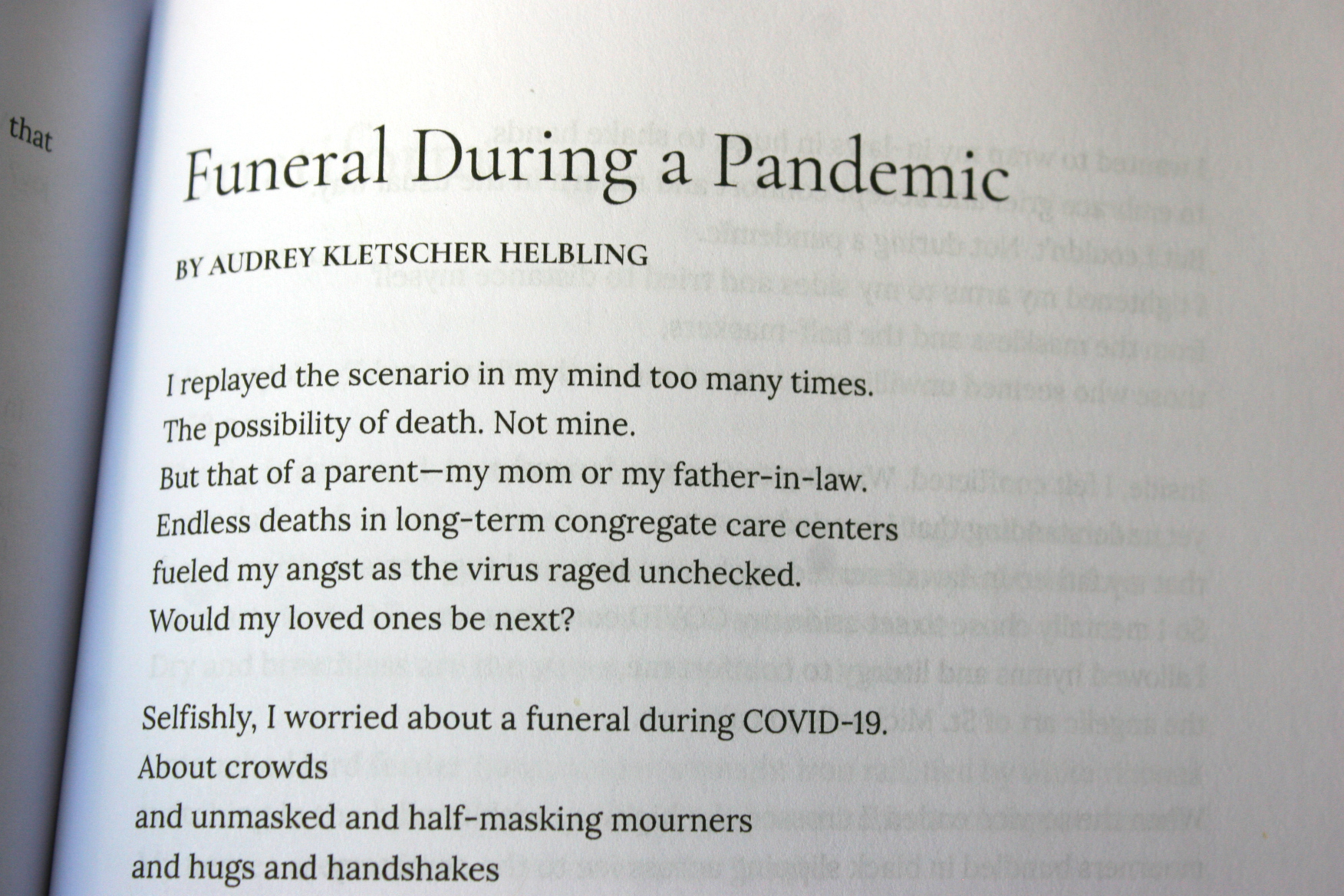
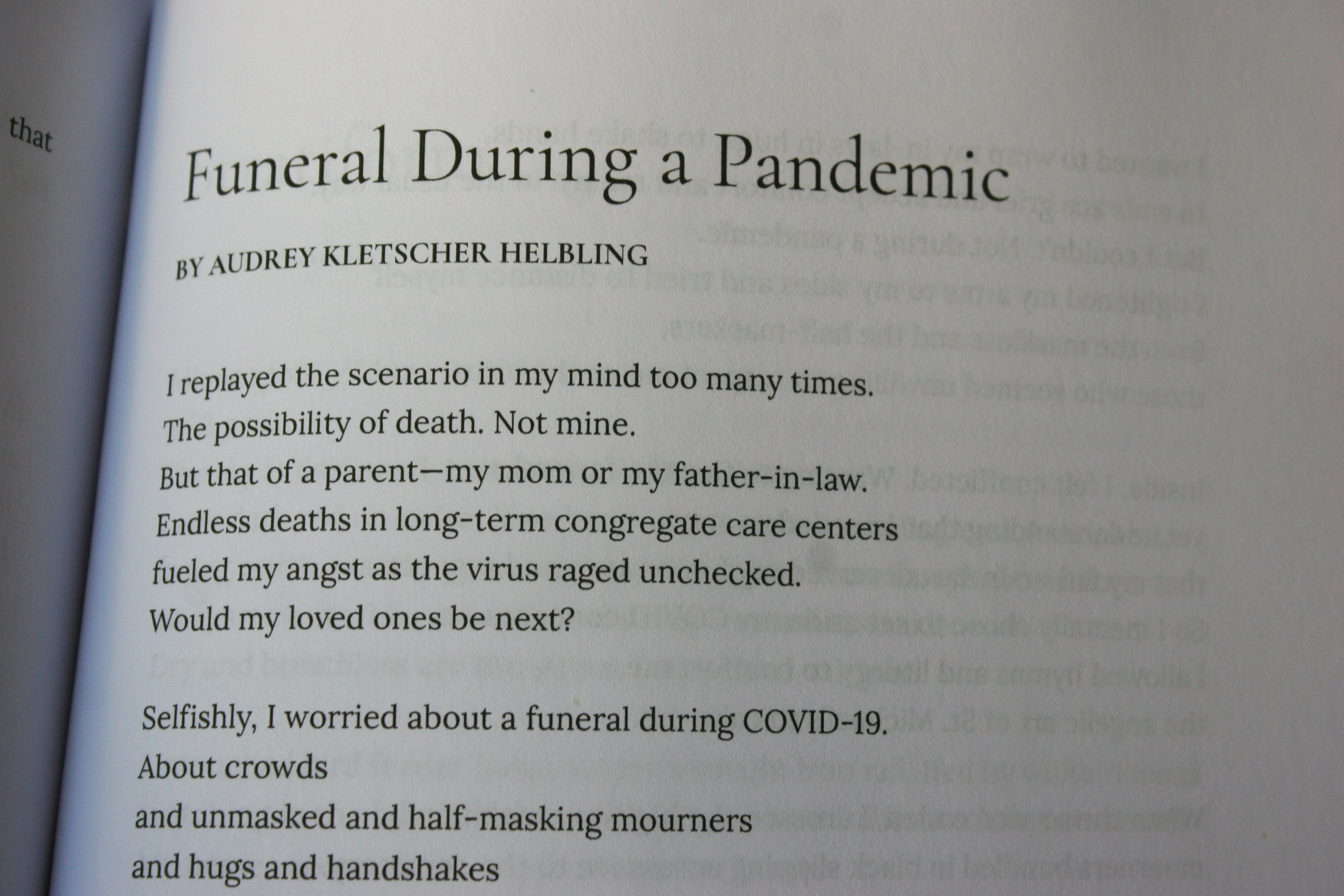
The beginning of my poem. (Minnesota Prairie Roots photo)

My poem, “Funeral During a Pandemic,” was selected for inclusion in the anthology. I write about attending my father-in-law’s funeral at a Catholic church in a small central Minnesota town during the pandemic.

Now my local public library, Buckham Memorial Library in Faribault, has copies of This Was 2020 available for check-out. While I always encourage purchase of books to support writers and booksellers (especially independent bookstores), I recognize the importance of accessibility to all through libraries. The Red Wing Public Library, in our Southeastern Libraries Cooperating regional library system, also has this anthology on the shelf.

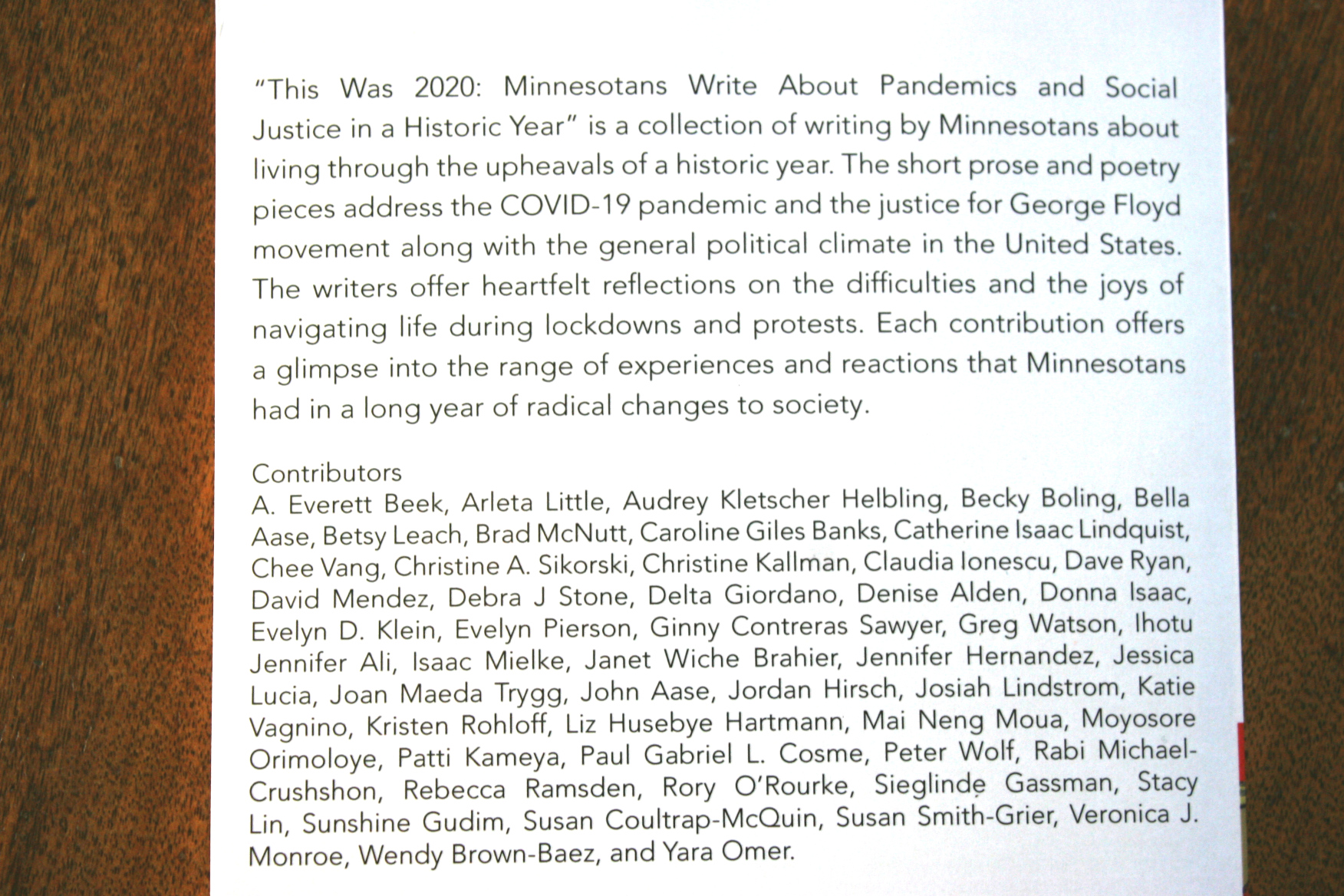
The back cover lists the names of the Minnesotans included in This Was 2020. (Minnesota Prairie Roots photo)

I encourage you to borrow or buy a print copy or read the e-version of this important book. It represents the hearts and souls of 51 Minnesotans, most of them published writers. They share their thoughts and experiences on two topics—social justice (connected to the murder of George Floyd in Minneapolis in May 2020) and the COVID-19 pandemic.

I encourage you to read my previous review of This Was 2020 (by clicking here) to get a sense of the stories shared in prose and poetry.

My encouragement to read this collection is not motivated by self-promotion. Rather, I want you to read this anthology for the content, the insights, the documentation of history. The writing therein is personal. Deeply personal. These Minnesotans write with honesty, emotion and a rawness that almost hurts. The pain is real, the writing revealing. These poems and prose take readers well beyond the sound bites and headlines and video clips with powerful written words that are sometimes difficult to read.

In an historic time such as this, it’s especially important to gather and share stories in prose and poetry. Through stories we learn, connect, begin to understand, perhaps grow and change…for the better. I hope This Was 2020 prompts respectful discussions and introspection that creates healing. For now, more than ever, we need understanding, compassion and healing.

#

NOTE: To all of you who have supported my writing and This Was 2020, thank you. I am grateful.

If you opt to buy This Was 2020, here’s the ISBN#: 978-1-0879-6762-2

© Copyright 2021 Audrey Kletscher Helbling


This Was 2020 wins Minnesota book award & I’m celebrating October 11, 2021

Minnesota Prairie Roots copyrighted file photo 2021.

WITH JOY AND GRATITUDE, I share some particularly exciting news. Joy at the honor. Gratitude for the opportunity.

The book This Was 2020—Minnesotans Write About Pandemics and Social Justice in a Historic Year has garnered the 2021 Minnesota Author Project Award in the Communities Create category. That announcement came late last week at the annual Minnesota Library Association Conference.

The beginning of my poem published in This Was 2020. Minnesota Prairie Roots copyrighted file photo.

My poem, “Funeral During a Pandemic,” is among 54 pieces of prose and poetry by 51 Minnesotans published in the collection. In my poem, I write about my experience attending my father-in-law’s funeral in a rural central Minnesota church during the pandemic. To have that poem selected for inclusion reveals just one aspect of how COVID-19 has affected all of us.

As Paul Lai, Ramsey County librarian and lead on this book project states, This Was 2020 “…highlights the voices of people in Minnesota as they remember a difficult year.” And those voices come from across the state, most from the metro, but also from greater Minnesota. The writing, Lai notes, offers glimpses into our communities.

Judges for the award also sing the book’s praises, calling it “a beautiful anthology that memorialized a very difficult year in Minnesota.”

That assessment fits as writers penned pieces related to the pandemic and to social justice issues re-ignited by the murder of George Floyd with ensuing protests. I encourage you to read this book for the thought-provoking, and often emotional, content. (Click here to read an earlier review I posted on This Was 2020.)

“This book is one small way to help us all grieve, protest, imagine, co-create and empathize so that we build stronger connections rather than more walls between each other,” Lai says in a reflective video. I appreciate that comment, that encouraging insight. (To hear Lai’s comments, forward to around 10 minutes into the video.)

Lai has been so supportive of the writers published in this collection. In a congratulatory email to all of us, he termed our writing “powerful, thoughtful, heartfelt, creative and caring.” I value that appreciation.

The incredible art of artist Carolyn Olson of Duluth graces the cover of This Was 2020. This is titled “Grocery Store Cashier and Bagger,” Minnesota Prairie Roots file photo.

The book award comes with a $1,000 cash prize, which will go to the Friends of the Ramsey County Libraries, official publisher of the print book. Those monies will support the library’s collections and programs. Additionally, the award provides access for the e-book version in the national Indie Author Project network and author spotlights promoting the book. More opportunities to be heard.

I feel such joy and gratitude. Joy at this accomplishment, not only for myself as a professional writer, but also for my fellow Minnesota writers. This state has incredible literary talent. And I feel gratitude for those who foster writing projects like This Was 2020 and for those who publicly recognize the value of voices expressed in writing.

FYI: To view This Was 2020 online, please click here. I encourage you also to purchase a print copy, perhaps from your favorite indie bookstore. Enjoy. And appreciate. And use what you read to build stronger connections rather than more walls.

You may also click here to see all of the book finalists/winners in the three Minnesota Author Project award categories.

Publication of This Was 2020 was made possible by the Minnesota Arts and Cultural Heritage Fund. It was edited by Ramsey County Library and published by Friends of the Ramsey County Libraries. The Minnesota Library Foundation and Biblio Labs sponsored the cash prizes.

© Copyright 2021 Audrey Kletscher Helbling
 

Minnesotans write about pandemics & social justice in “This Was 2020” September 8, 2021

A collection of essays and poems by Minnesotans, including me. Minnesota Prairie Roots photo.

RAW. HONEST. EMOTIONAL. POWERFUL.

Those words describe This Was 2020: Minnesotans Write About Pandemics and Social Justice in a Historic Year. This collection of 54 poems and essays by 51 writers is a finalist for the Minnesota Author Project: Communities Create Award. Two other books are vying for this MNWrites MNReads honor supported by the Minnesota Library Foundation. The winner will be announced at the Minnesota Library Association’s annual conference in October.

The collection includes my poem, “Funeral During a Pandemic.” Minnesota Prairie Roots photo.

I am humbled and honored to have “Funeral During a Pandemic” selected for publication in this award-nominated book. In my poem, I share my thoughts and experiences from my father-in-law’s funeral in a small rural Minnesota town. During a pandemic.

The book features short bios on each writer. Minnesota Prairie Roots photo.

As the title of this collection conveys, the 170 pages of writing focus on pandemics and social justice. Those who penned these pieces, solicited by the Ramsey County Library via a competition, are a diverse group. In age. In writing backgrounds, although many are seasoned writers with extensive writing credentials. In skin color and ethnicity. In perspective and experience. That said, most writers live in the metro with a few of us from other places in Minnesota, including several from my county of Rice.

Those from outside the metro include a 12-year-old from New Market. Evelyn Pierson, in “My Experience at the George Floyd Memorial,” writes of her emotional reaction to visiting the site where Floyd died at the hands of police on May 25, 2020. It’s heart-wrenching—to feel her torrent of emotions, to read her insights and thoughts, to envision her tears. But it’s important, even necessary, to hear the voice of this eighth grader.

Just like it’s necessary to read Brainerd resident Susan Smith-Grier’s essay, “Black in White.” I find her observations and experiences of a black woman living in a primarily white community to be particularly powerful. She moved with her parents/family to north central Minnesota in the early 70s to escape the violence in Chicago. One of very few black families in her new northern home. The death of George Floyd triggered childhood memories of tear gas and rubber bullets, fires and looting…and then, today, a bit of hope that things will change.

Hope weaves into many of the pieces. As does overcoming the fear, the loss, the grief and more that too often defined 2020.

In his poem, “The streets emptied out, but their lungs,” Moyosore Orimoloye reminds us that, despite lungs filling with fluid from COVID, lungs also filled with song on the balconies of Turin.

The incredible cover art features the work of Carolyn Olson, “Grocery Store Cashier and Bagger (Essential Workers Portrait Series #1). 2020, Duluth, MN. Minnesota Prairie Roots photo.

So many writers detailed how the pandemic affected them—from worries about going grocery shopping to separation from loved ones to ways in which they learned to cope. I found Dave Ryan’s “Living and Dying in Memory Care” profoundly relatable given my mom lives in a long-term care center. I’ve experienced some of the same scenarios—trying to visit through a window, for example. Before he could no longer visit his mom due to COVID restrictions, Ryan installed a video camera in her room. That connected him to her. But then the unthinkable happened. As I read the conclusion of his essay, my heart broke right along with his.

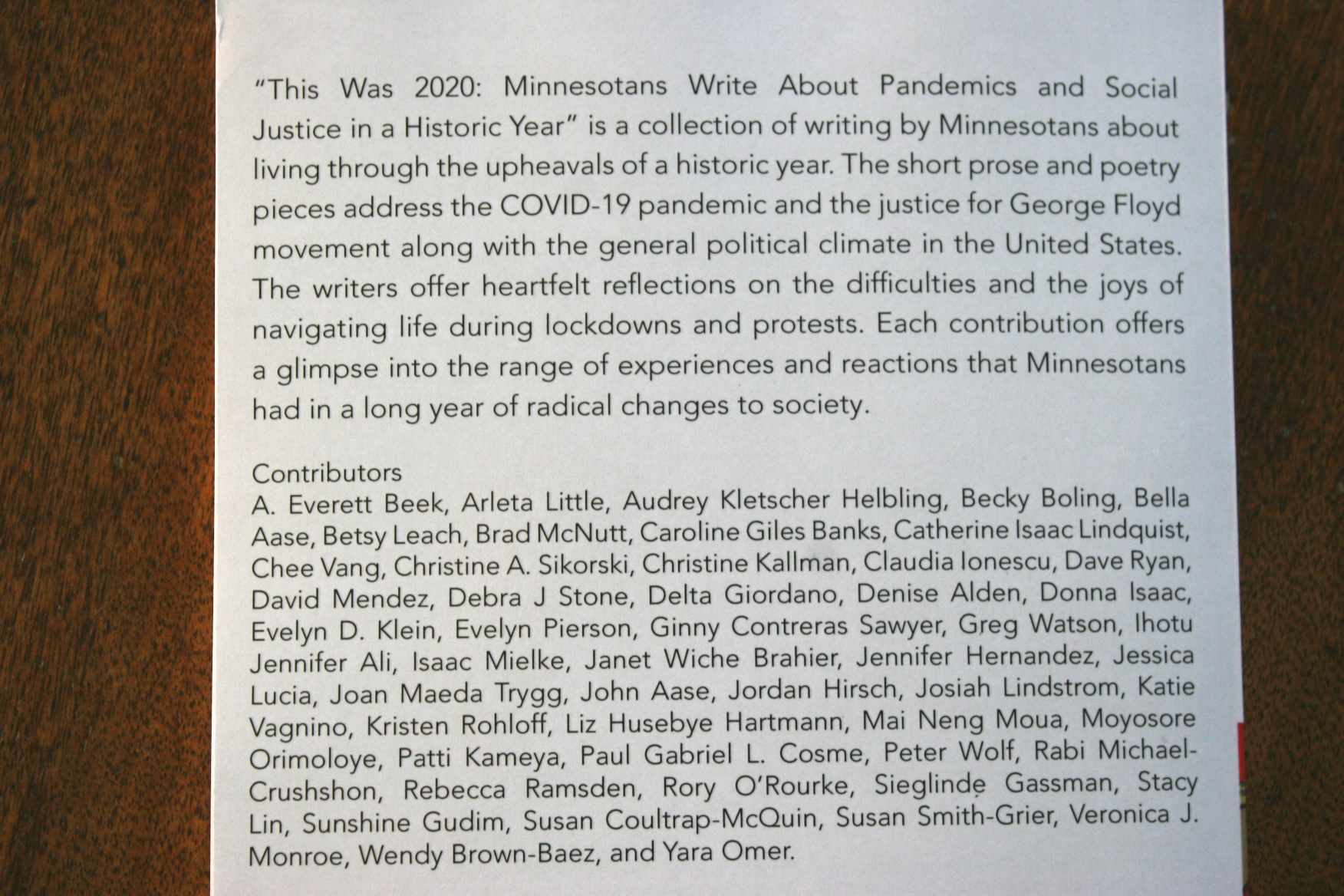
On the back cover, a summary of the book and a list of the writers whose work was selected for inclusion in this collection. Minnesota Prairie Roots photo.

These are stories you need to read. Real. Life. Authentic. Eye-opening (especially Chee Vang’s “To Kuv Niam,” about how her mother was treated upon contracting COVID). I learned so much, particularly from those writers who have experienced social injustice. From those writers, too, who live in the Twin Cities, who are widely-traveled and who have seen and experienced much more than a farmer’s daughter from southwestern Minnesota.

But I share one commonality with poet and educator Katie Vagnino of south Minneapolis. I am, like her, a Rapunzel with overgrown hair.

#

FYI: I encourage each one of you to purchase This Was 2020 by clicking here or buying it elsewhere (in print or as an e-book). Besides the 54 pieces, the book includes writing prompts, a discussion guide and a short list of grief, mental health, and anti-racism resources. This truly rates as an outstanding collection of writing that documents historical events which have forever changed us.

Publication of this book was made possible by the Minnesota Arts and Cultural Heritage Fund. Thank you, Minnesota voters, for supporting the arts. And thank you, Paul Lai of the Ramsey County Library for your hard work on, and dedication to, this book project. I appreciate you and every single writer who contributed to this exceptional must-read book.

#

© Copyright 2021 Audrey Kletscher Helbling
 

To the Minnesota northwoods for a book release party September 20, 2017


TWO READINGS BEFORE MINE, Norma Thorstad Knapp stepped to the microphone to share “How Much She Had Lost.” As she read of her aging mother’s desire to waltz one more time, emotions rose. My throat constricted. Tears seeped from my eyes. Thinking of my 85-year-old mother, I wondered how I could possibly compose myself enough to read my short story.


I pose in front of Blueberry Pines Golf Club, setting for The Talking Stick book release party. Photo by Randy Helbling.


I signaled my husband for a tissue, then wiped my eyes. I sipped water through a straw. And I struggled to pull myself together before I stood behind the podium in this room full of writers and their supporters gathered at Blueberry Pines Golf Club between Menahga and Park Rapids for the release of Fine Lines, The Talking Stick, Volume 26.


Too soon, Sharon Harris, co-editor along with her niece, Tarah L. Wolff, introduced me and my story, “Art Obsession.”


Reading “Art Obsession.” Photo by Larry Risser Photography, Minneapolis.


I was on, reading the words that this year earned an honorable mention in fiction. Four other pieces, among the six I submitted, also published: “Grocery Shopping” (fiction); “A Lot of Prairie and a Little New York” and “The Weekly Phone Call” (both creative nonfiction); and “Not Quite Perfect Penmanship” (poetry).


It’s an honor to have my writing published in this outstanding collection of works by Minnesota writers or those with a strong connection to Minnesota. The 2017 anthology includes 152 pieces by 100 writers. I don’t envy the task of The Jackpine Writers’ Bloc editorial board in selecting stories and poems for publication from among 370 submissions by 159 writers. Noted writers LouAnn Shepard Muhm, Marge Barrett and Rochelle Hurt selected the first and second place winners from the board’s top picks.

As I listened to stories and poems for several hours with minimal comprehension of time, I delighted in the talent of these writers. Marlene Mattila Stoehr drew me in with her “Spurned Heirloom” poem that left me pondering whether my family treasures will some day, too, end up as thrift store cast-offs.

I laughed at Charles Johnson’s “Jimmy Gets an Earful” poem that sounded, oh, so Minnesotan to my ears.


The book cover photo was taken by Tarah L. Wolff.


A strong sense of place, of Minnesota, imprints upon the pages of The Talking Stick. I can relate to the settings, the experiences, the observations and more crafted into so many of the pieces in this exceptional anthology.


After the readings, some of us socialized. That’s Randy and me at the end of the table. I am seated next to Sharon Harris. Photo courtesy of Larry Risser Photography, Minneapolis.


This book is a labor of love for co-managing editor Sharon Harris. She holds a passion for writing and for this area of Minnesota. After the readings, a group of us gathered in the bar to celebrate and to talk. I’d never met Sharon, although we’ve corresponded and talked via phone many times through the years. Past commitments have kept me from attending previous The Talking Stick release parties. Sharon is as delightful in person as I anticipated. Her appreciation for the craft of writing is evident in her dedication to creating this anthology.


I felt an energetic vibe and sense of community among all of the writers. We share a love of writing. That passion flowed in words read to an appreciative audience gathered on a grey Saturday afternoon in a sprawling log cabin style building tucked among the jackpines of northern Minnesota.
Updated below at 4:30 p.m. September 20

FYI: I will be signing and selling (limited) copies of the anthology during a Local Authors Fair from 6 – 7 p.m. November 9 at Buckham Memorial Library in Faribault. Fine Lines, The Talking Stick Volume 26 is also available for purchase online. Check amazon.  Or order through The Talking Stick website by clicking here.

Photos by Larry Risser Photography are copyrighted and used with permission here.

Copyright 2017 Audrey Kletscher Helbling