Minnesota Prairie Roots

Writing and photography by Audrey Kletscher Helbling

Up North at the lake cabin, Part III: Eagle watching July 18, 2020

Filed under: Uncategorized — Audrey Kletscher Helbling @ 5:00 AM
Tags: , , , , , , , , ,

This scene is familiar to those who spend weekends or vacation along lakes in central and northern Minnesota. “Up North,” as we say.


UP NORTH AT THE LAKE CABIN evokes, for many Minnesotans, memories of lazy summer days on the water, on the beach, on the dock. Fishing. Swimming. Boating.
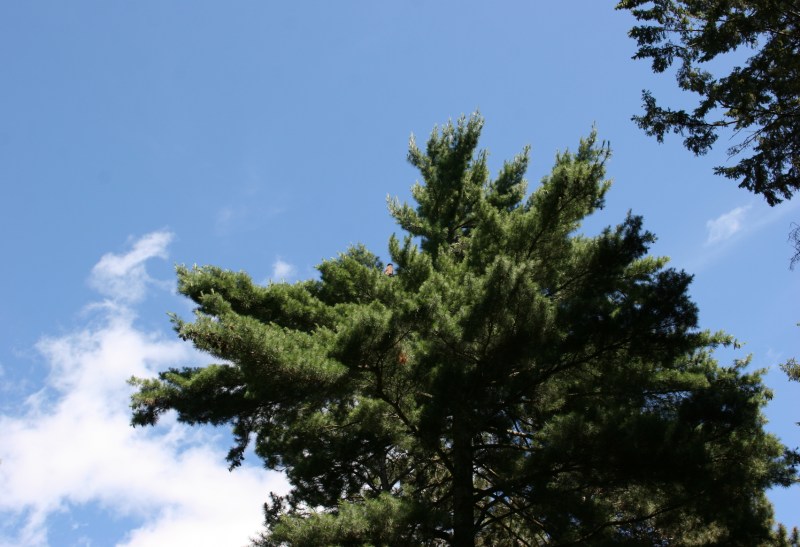
 

Nearly in the top center of this photo, high in the treetop, sits one of the young eagles.


A sign posted on a pine identifies this as an eagle zone.
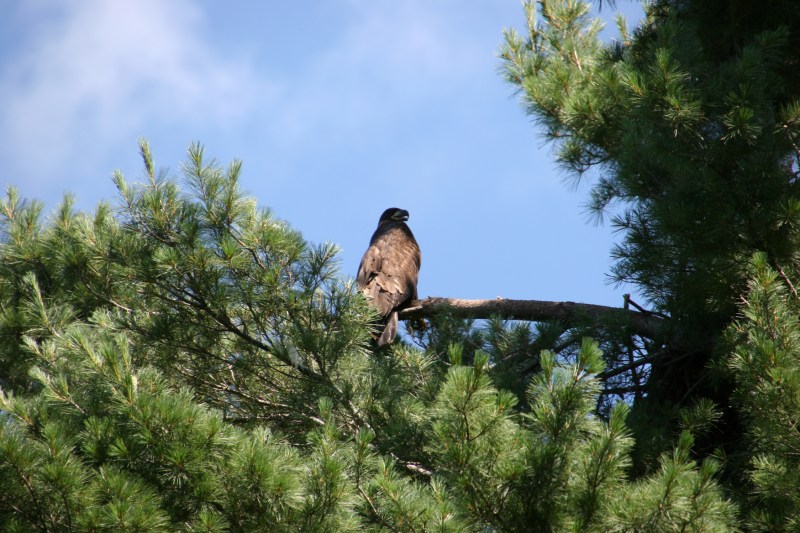
 

This juvenile perched here for the longest time.


But, for my family, which is just now making such memories thanks to a generous sister-in-law and brother-in-law who recently purchased lake land with a guest cabin and are welcoming extended family, Up North also means eagle watching. The lakeside property south of Cross Lake, came with resident bald eagles.
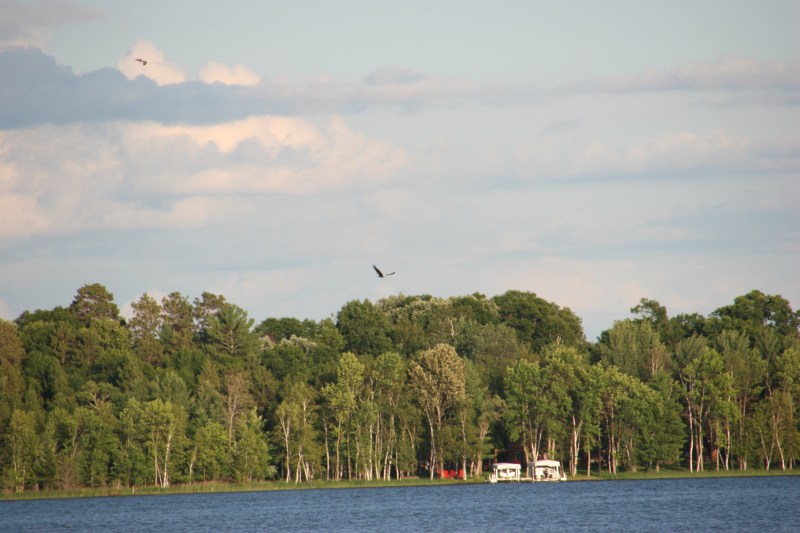
 

An eagle (s) flies along the lake.


And last week, while staying at the cabin, I spent plenty of time watching eagles. As did the husband, eldest daughter, son-in-law, granddaughter and, occasionally, the son. One evening, just as we sat down to our lakeside dinner, an eagle flew directly over us. Other times, we watched it from afar, circling around the lake, along the treeline.
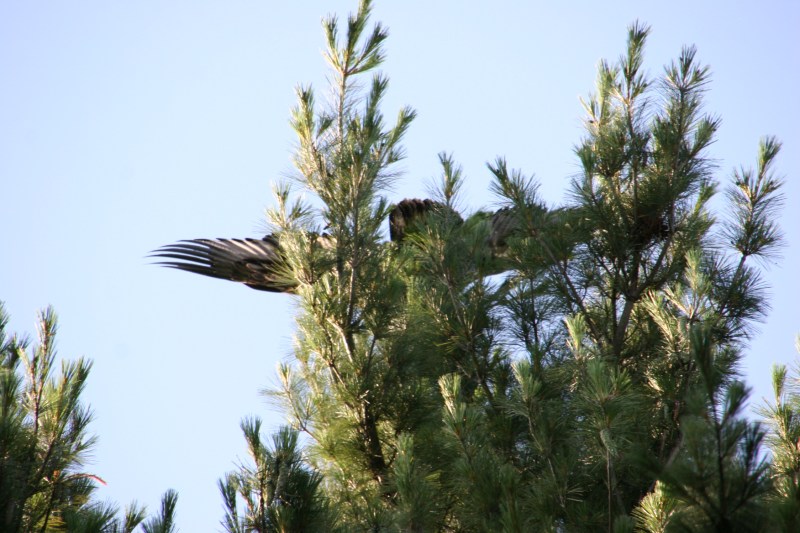
 

One of the eagles spreads its wings in the treetop nesting area.


Sure, I’ve previously seen bald eagles. Soaring. Perched over roadkill. Flying just inches from the windshield of our van. In captivity at the National Eagle Center in Wabasha. Huddled among tree branches. But this was different. This time I was in their habitat with the eagles’ nest high in a pine just outside the guest cabin.
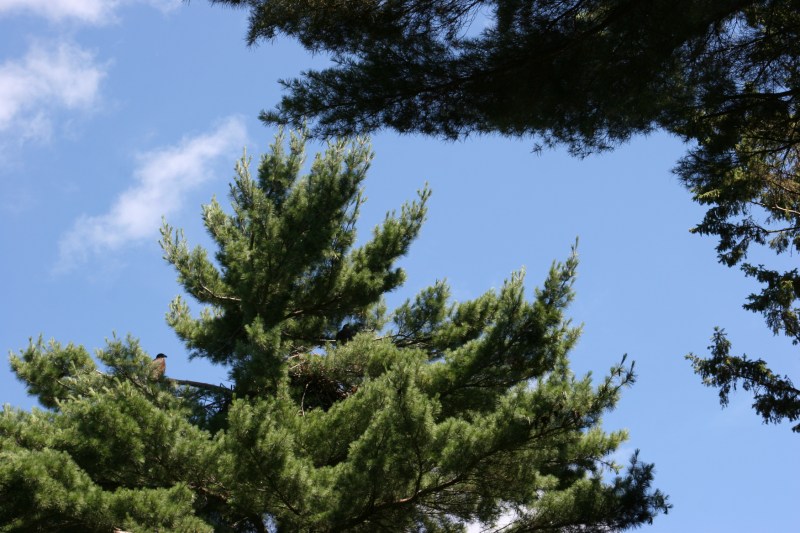
 

The eagles’ nest is well-hidden in the tall pine tree.


It amazes me that these majestic and massive birds can stay so well hidden. If my brother-in-law, Jon, had not pointed out the nest in the top of the pine in the fork of the driveway, I doubt I would have spotted it, home to two adult and two juvenile eagles.
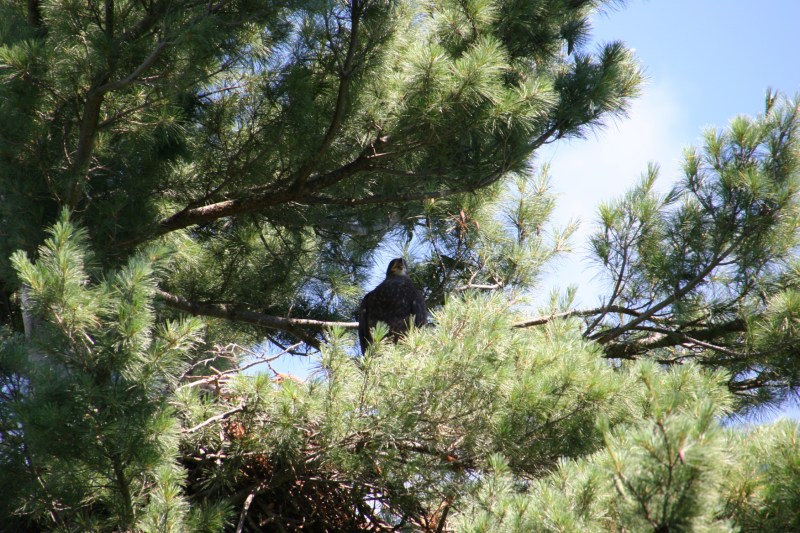
 

A view of the less visible young eagle.


I certainly heard them, though. At feeding time. Jon occasionally needs to clean up fish remains under the pine.
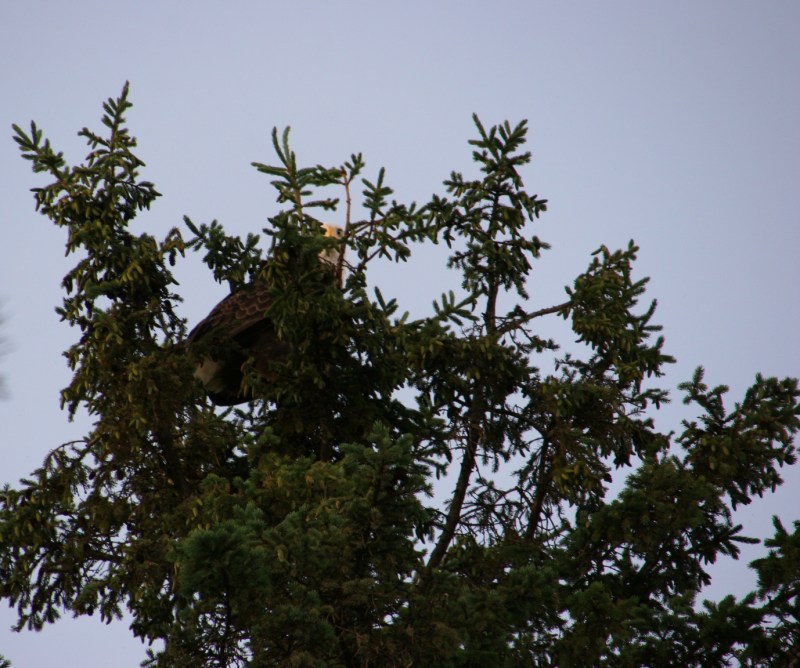
 

The only photo I got of a parent eagle. This one was sitting in a tree next to the lake, a favorite perch, Jon said.


It became somewhat of a joke during our cabin stay that, every time I wasn’t carrying my camera or had my short lens (rather than my telephoto) attached, the eagles would show up or fly away. I don’t possess the instincts or patience of a wildlife photographer, something I’ve long known.
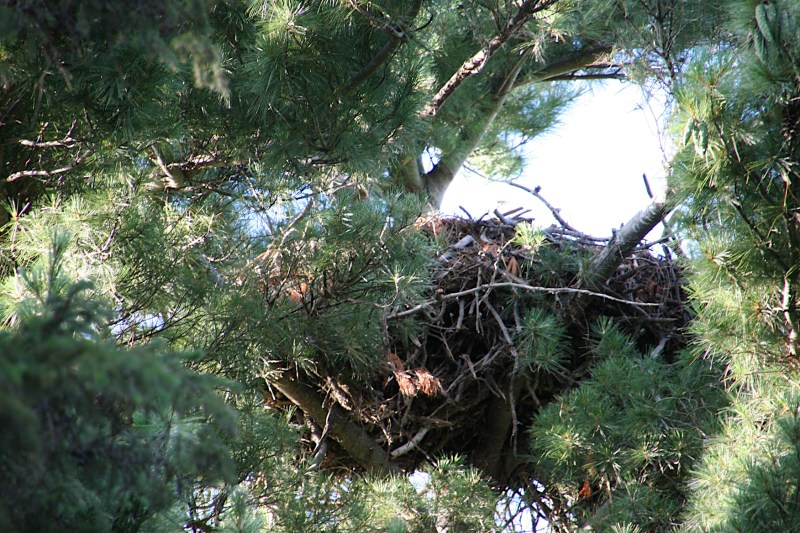
 

The massive nest, spacious enough for four eagles.


But I’m learning. And it was a joy to take my four-year-old granddaughter by the hand and race to the pine tree when we heard the screeching of eagles. I would point and Izzy would follow my finger to the nest. Sometimes we would see an eagle. Mostly not.
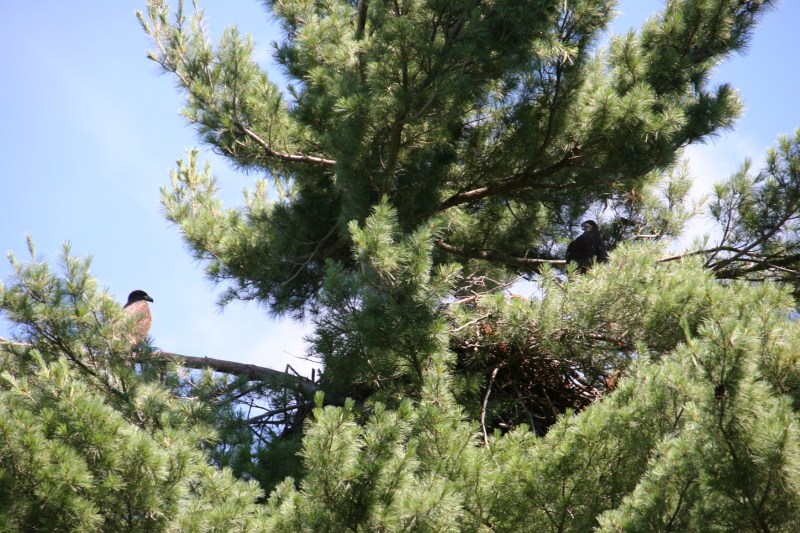
 

The two juvenile bald eagles, one born last year, the other this year. One is clearly visible to the left. The other is higher in the tree to the right.


Days after our departure, my sister-in-law texted with the news that one of the juvenile eagles had either fallen or been shoved from the nest, landing on bottom boughs of the pine tree. The young eagle freed itself, seemingly unscathed.
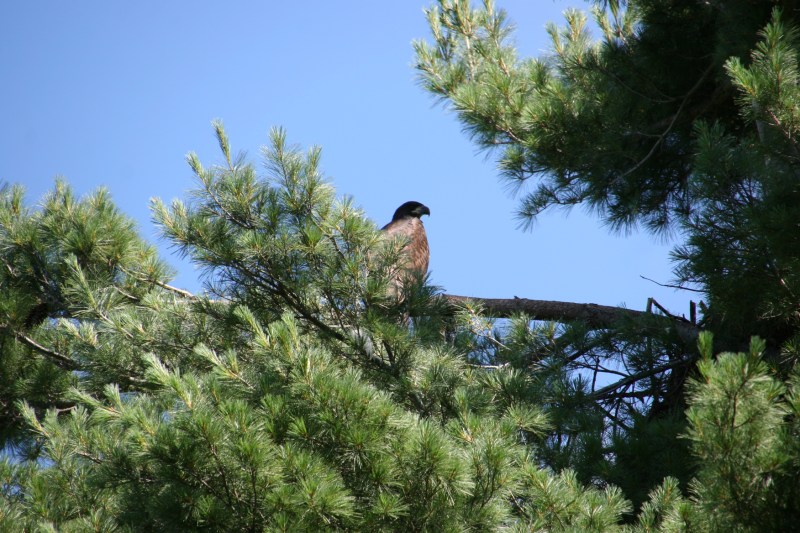
 

The statue still juvenile eagle.


These eagles are part of the story of this land, of this place by the lake, of our memories of Up North at the lake cabin.


This concludes my three-part series on my northwoods cabin stay. Please feel free to share your cabin memories.

© Copyright 2020 Audrey Kletscher Helbling


Up North at the Lake Cabin, Part II: Water, land & sky July 17, 2020

Filed under: Uncategorized — Audrey Kletscher Helbling @ 5:00 AM
Tags: , , , , , , , , , ,

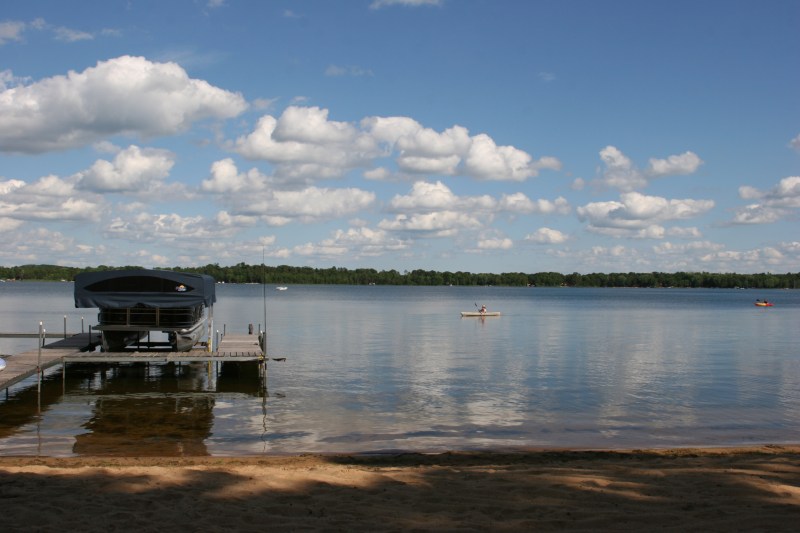
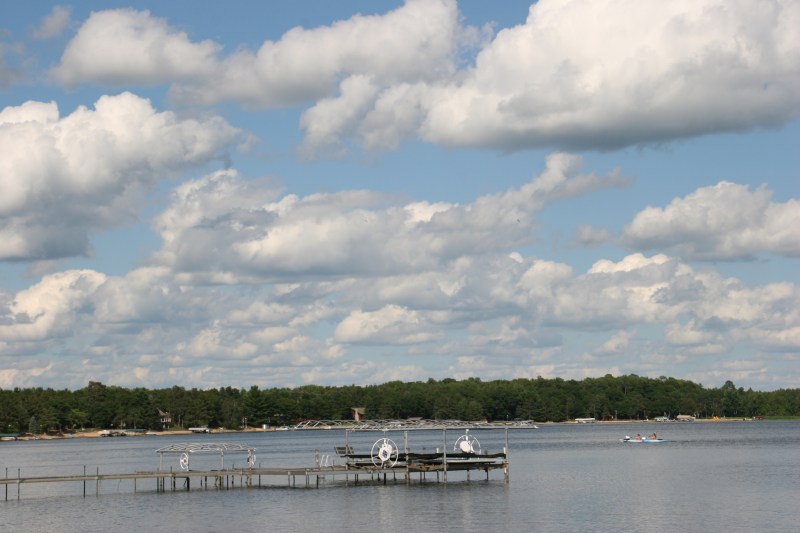
The picture of a perfect summer day at Horseshoe Lake in the Brainerd lakes area.


UP NORTH AT THE LAKE CABIN in Minnesota writes poetry into summer days.


In water and land and sky.


Each sings with the relaxing rhythm of days that roll one into the other until dates are forgotten and the world seems to exist only among the towering pines.


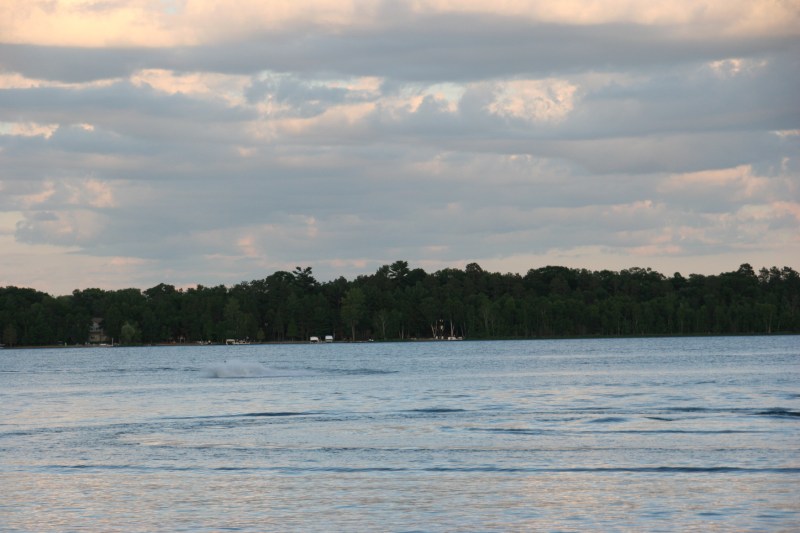
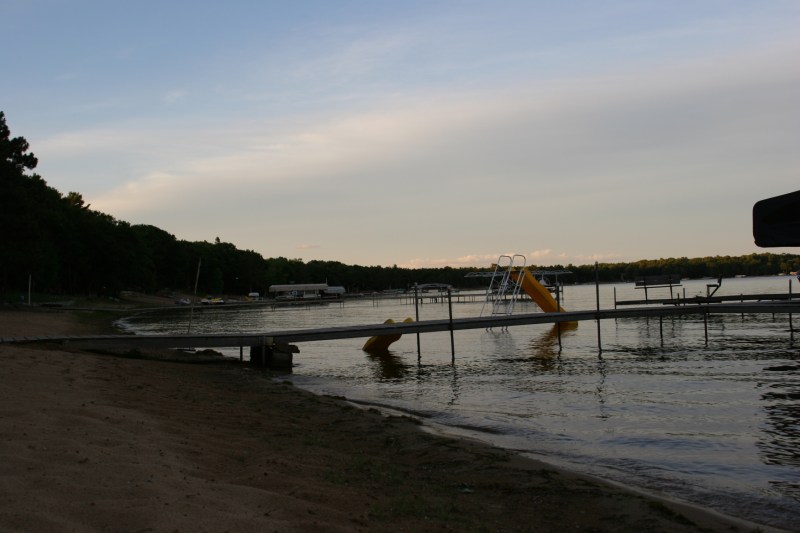
Day fades into evening at the lake.


Poetry writes verses on the lake and in cloudless skies and skies heavy with clouds and skies tinged with the fiery and golden hues of day’s beginning and day’s end.


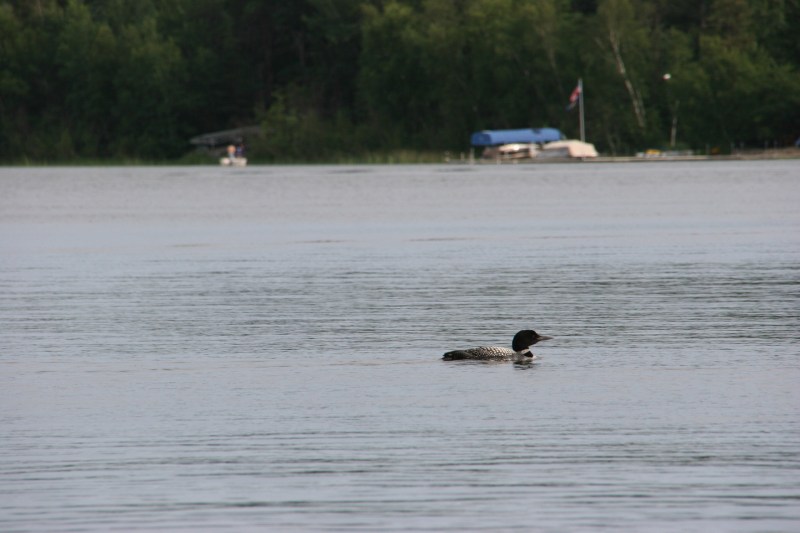
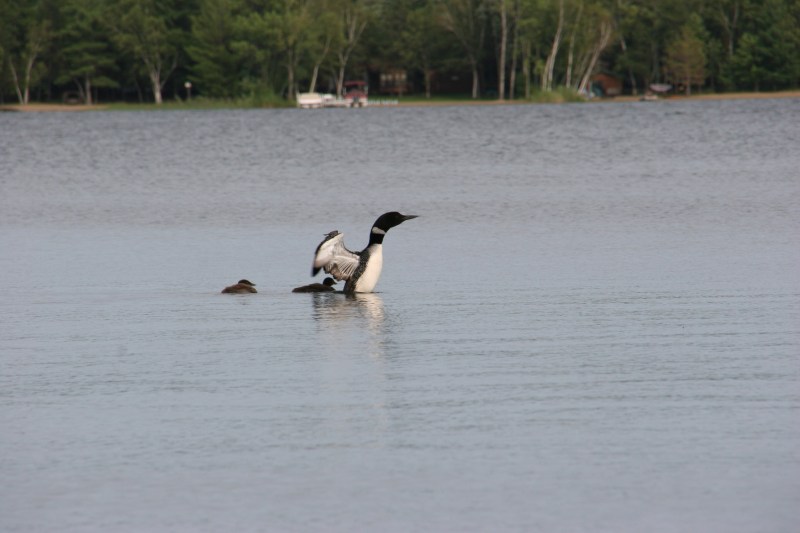
This family of loons swam and dove within view every day of our lake stay, of great interest to me since we don’t have loons in southern Minnesota.


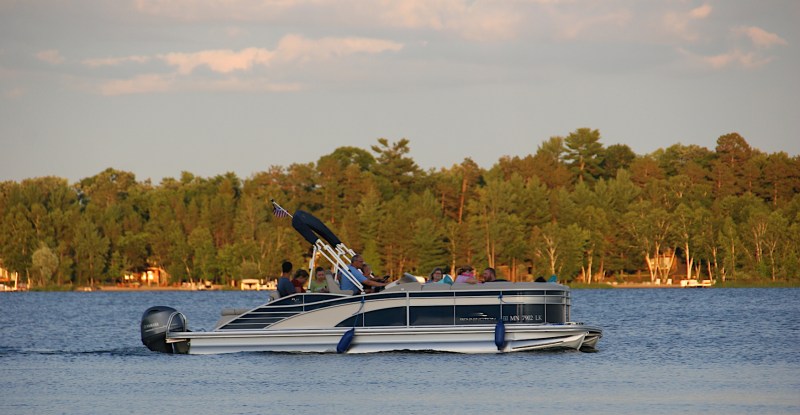
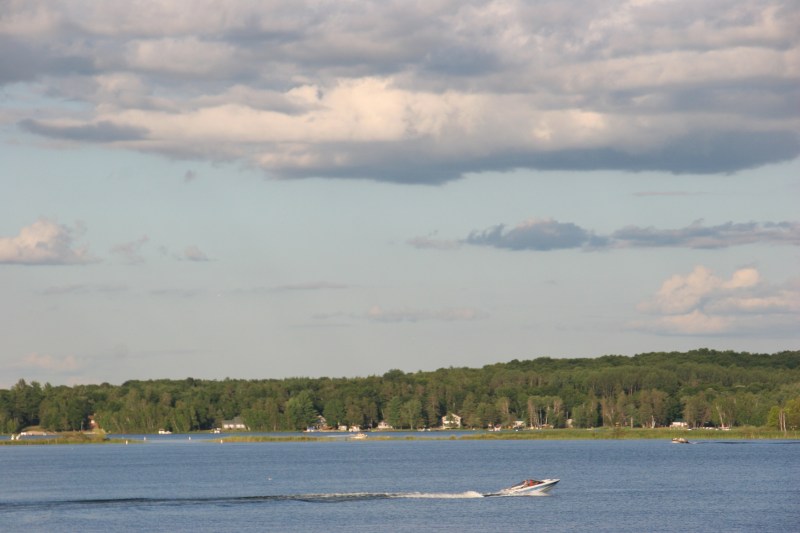
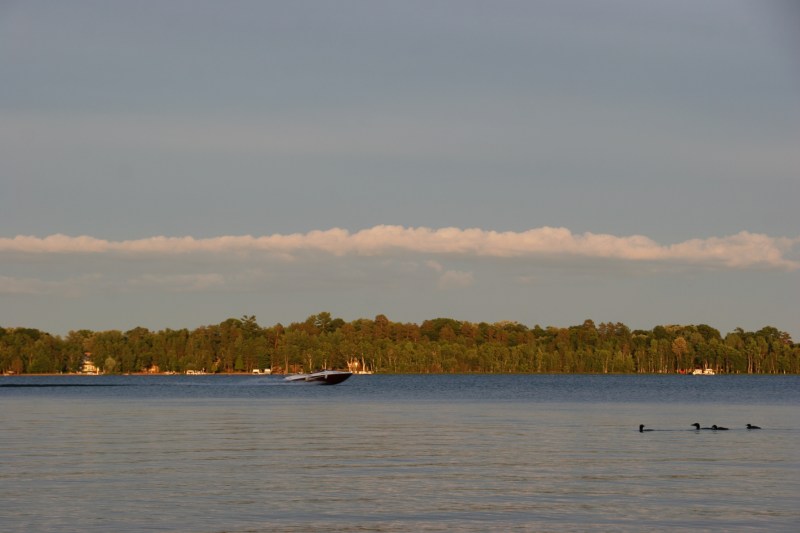
A loon family and boat share the lake.


Loons call.


Boats cruise and buzz.


Water skiers fly across water’s surface.


Families laugh and talk. Reconnect. Make memories.


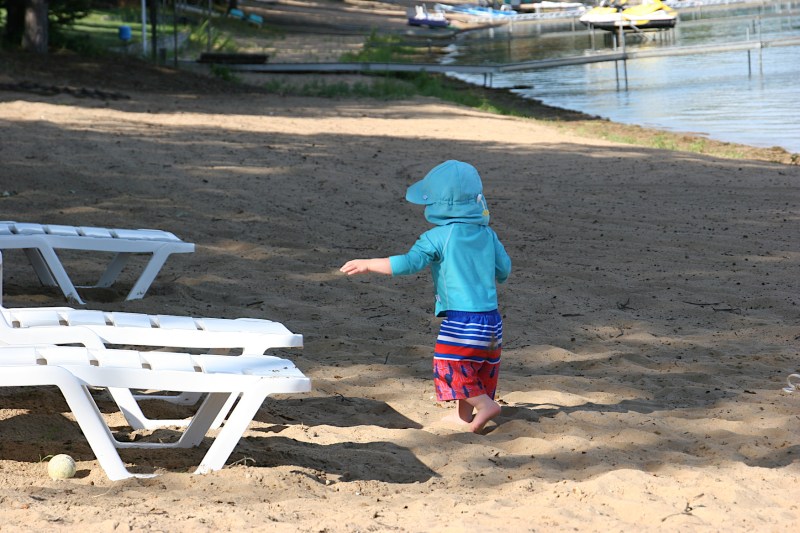
My 18-month-old grandson loved everything about lake life.


This is the poetry of Up North at the lake cabin. Sand between toes.


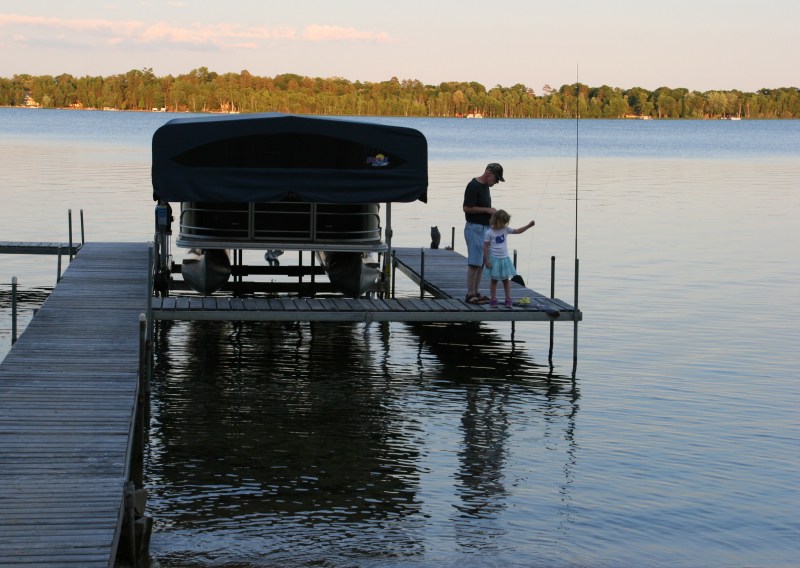
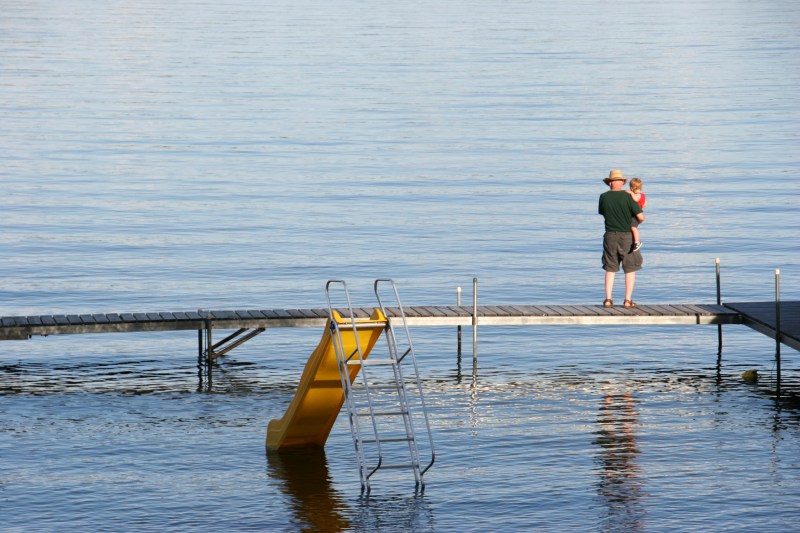
Grandpa (Randy) and granddaughter (Isabelle) check out the dock and lake.


Generations bonding.


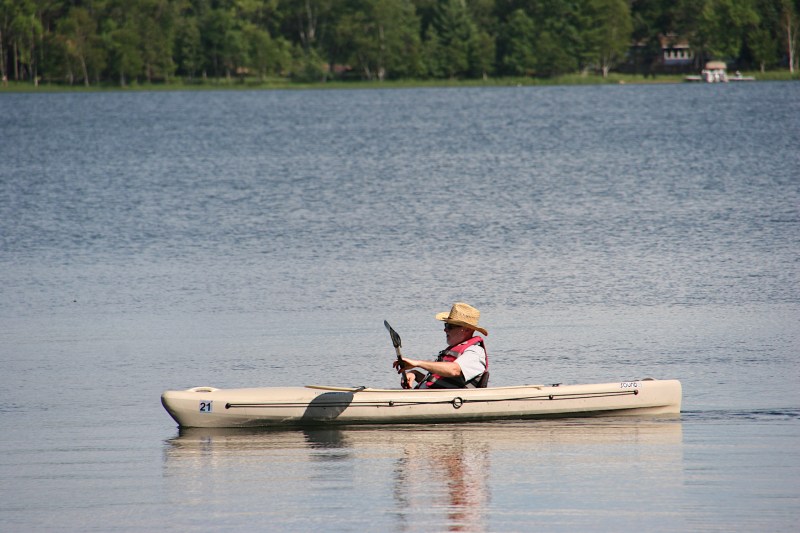
Randy kayaking.


Solitary moments of gliding across the lake on a kayak or paddleboard.


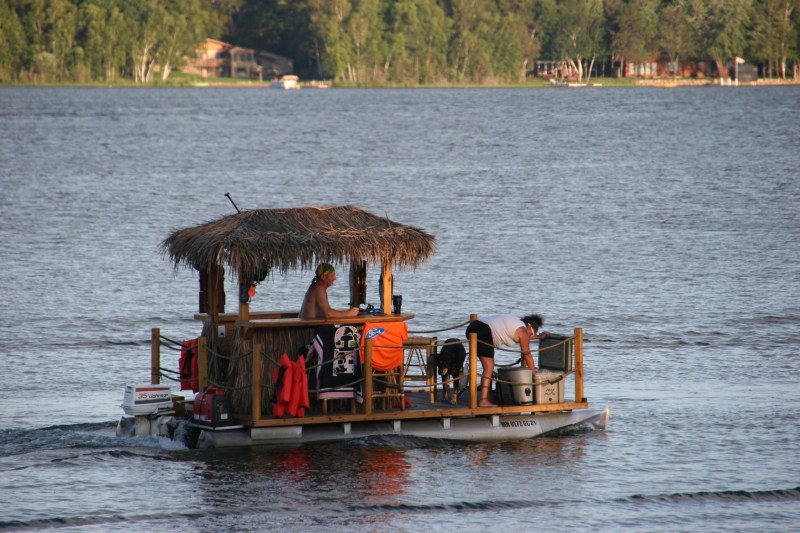
The most memorable and creative watercraft I spotted.


Each experience, moment, scene writes poetry into summer days at the lake cabin. S’mores around the campfire. Dining lakeside. Spending every waking minute outdoors. Embraced by nature.


Water. Land. Sky.


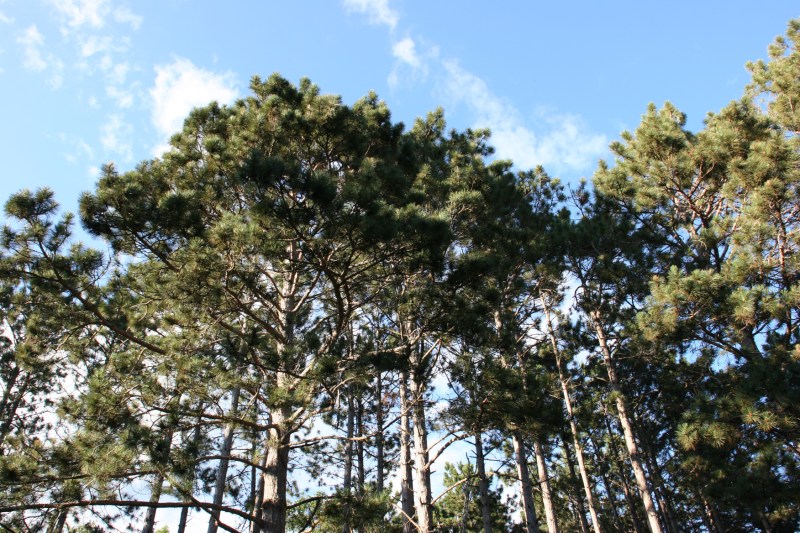
Pine trees stretch tall and lean in the woods surrounding the lake.


Up North at the lake cabin.


© Copyright 2020 Audrey Kletscher Helbling
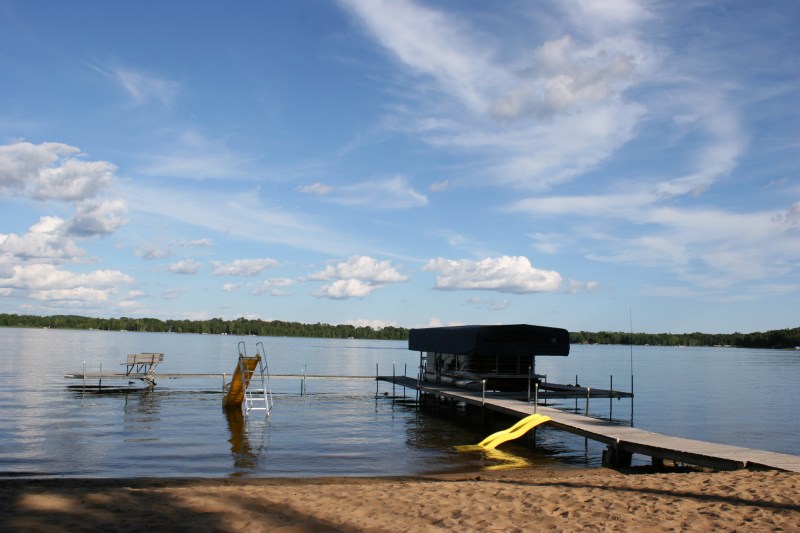
These photos were taken during a recent family stay at a Minnesota lake cabin. This is the second post in a 3-part series.


Up North at the Lake Cabin, Part I July 15, 2020

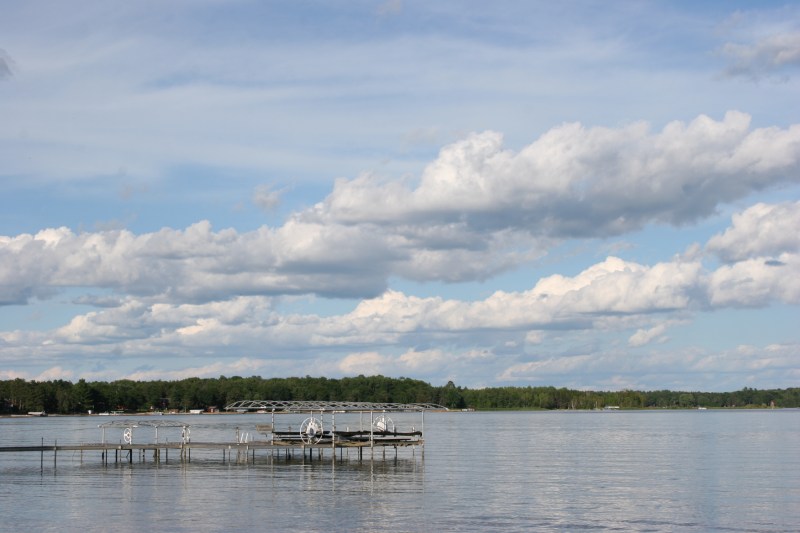
A view of Horseshoe Lake on a weather-perfect July day in Minnesota.


FOR MANY MINNESOTANS, summers at an Up North family lake cabin span generations. Not so for me.


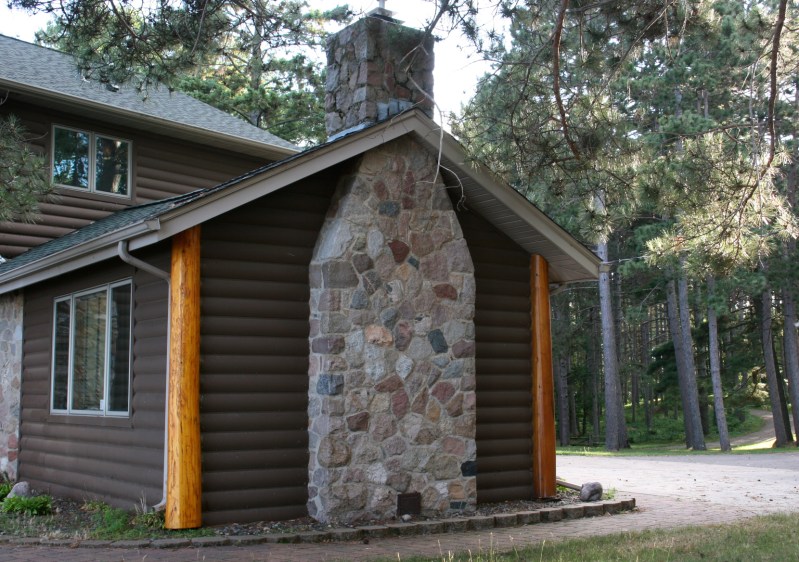
The guest cabin sits just around the corner from this, the main year-round house. Both are northwoods Minnesota style.


But now, into my sixties, I am finally enjoying that quintessential summer experience thanks to the generosity of extended family who recently purchased lake property with a roomy guest cabin. They intentionally chose a place they could share with family. And I am grateful.


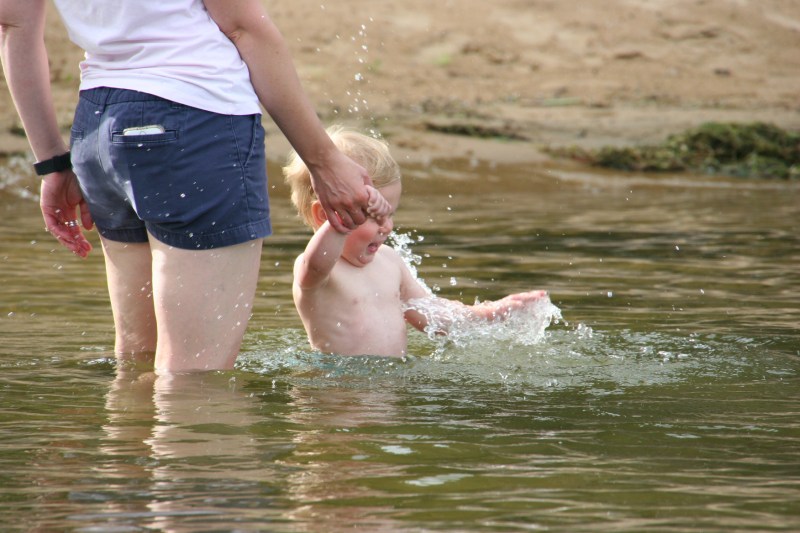
Isaac loved splashing in the lake. The water was clear, vastly different from the murky lakes of southern Minnesota.


For five days last week into this, Randy and I were joined by our eldest daughter and her family and our son at the cabin near Cross Lake in central Minnesota. To have that family time together in such an incredibly beautiful natural setting was a gift. A joy. A much-needed respite from reality.


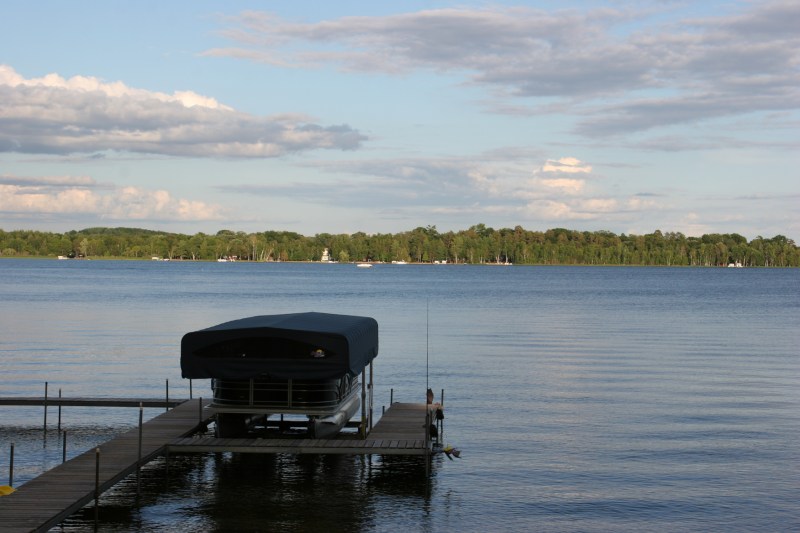
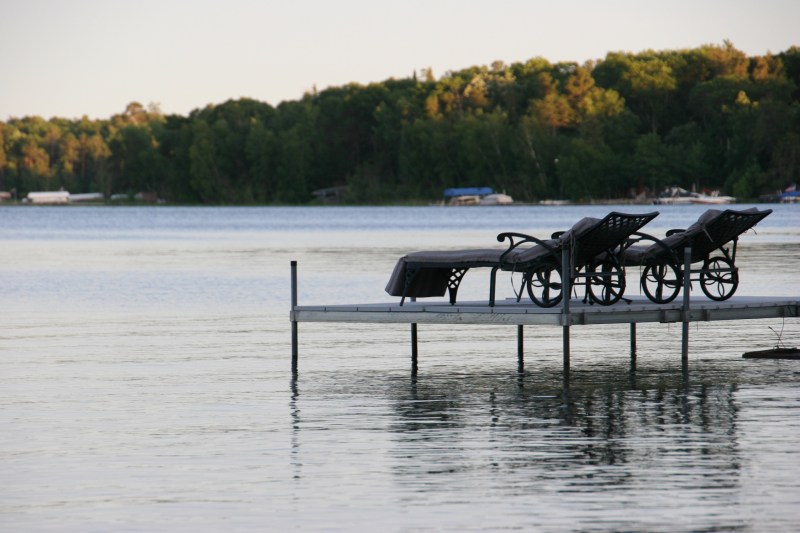
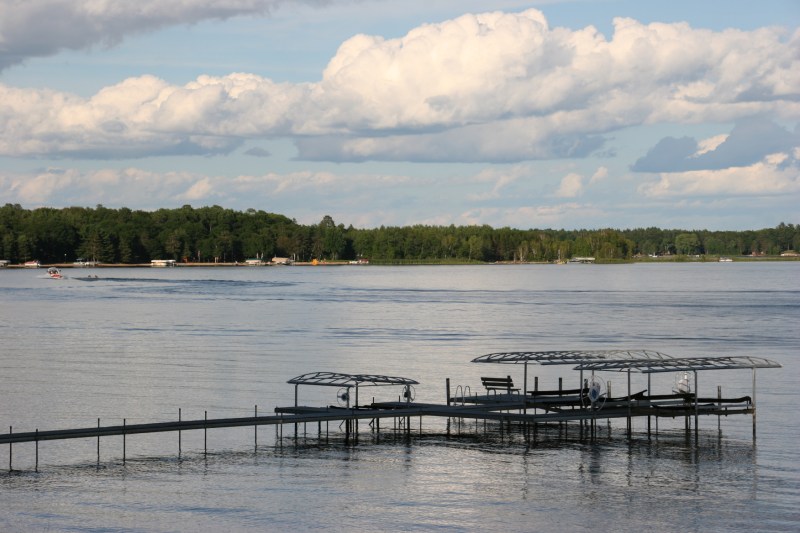
The neighbors’ dock, a visual of relaxation.


Randy and I never left the lake place together until we left. No trips into town, mostly because of COVID-19 concerns. But Randy did surprise us with an unexpected Monday morning run to Valeri Ann’s Family Foods in Ossipee for her heavenly homemade caramel rolls. He got the last two.


We saw loons every single day of our stay.


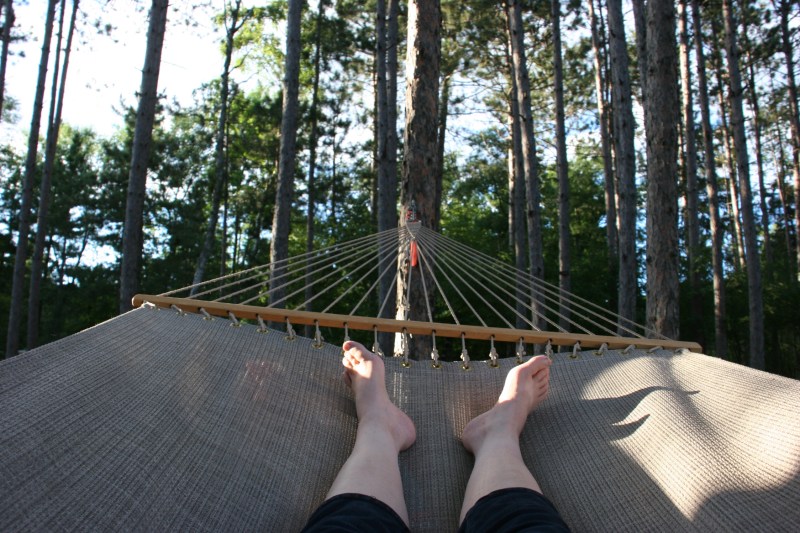
Relaxing in the hammock strung lakeside in the pine trees.


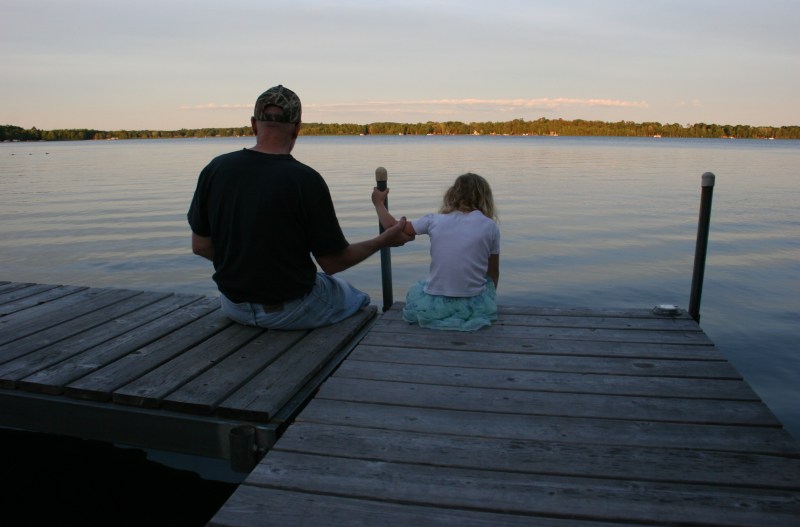
Randy and Isabelle watch as the sun set reflects on the treeline across the lake.


We found plenty to do at the lake cabin. Time in and on the water. Time watching eagles and loons. Time fishing. Time dining lakeside. Time in the hammock. Time around the campfire. Time with the grandkids, ages four and 18 months.


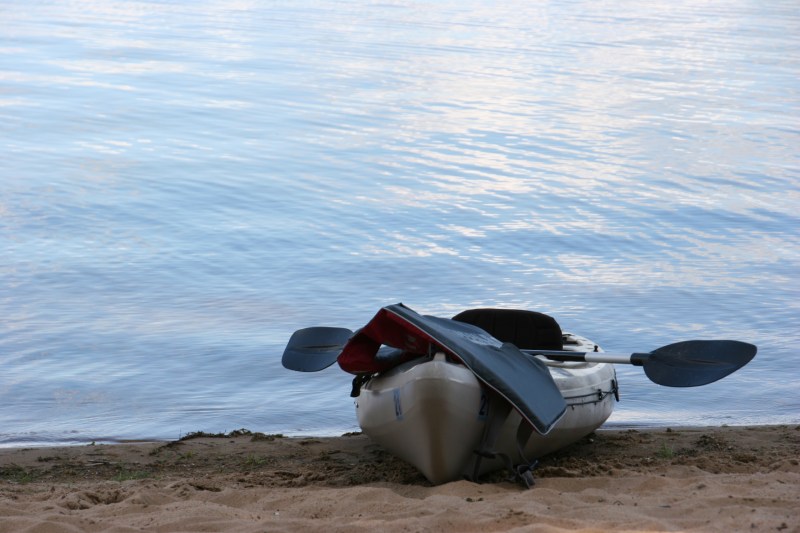
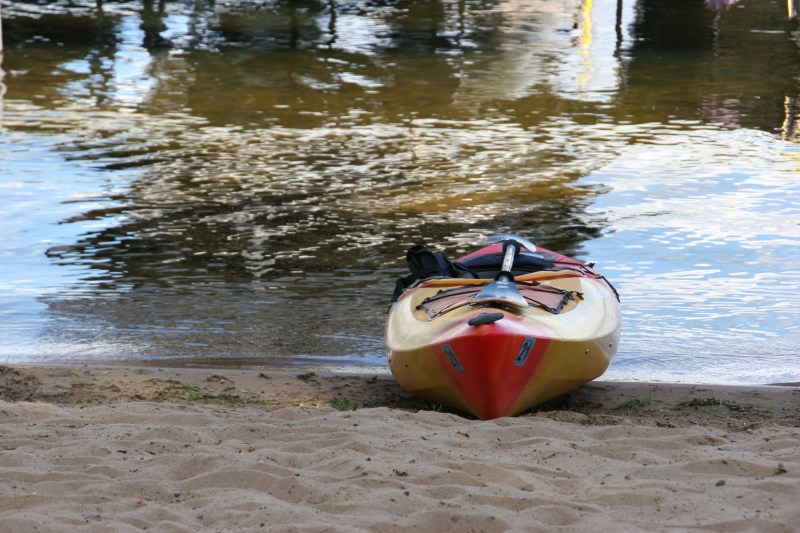
A beached kayak awaits its passenger.


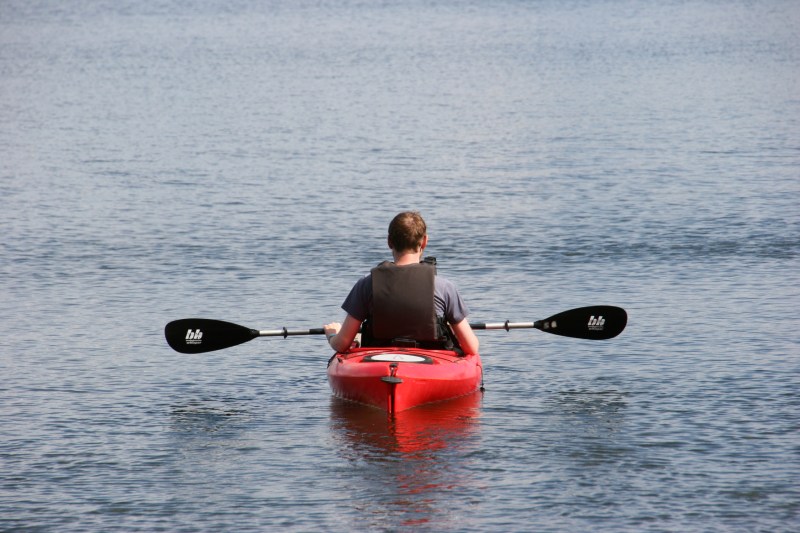
Our son, back in Minnesota for our family vacation, paddles into the lake.


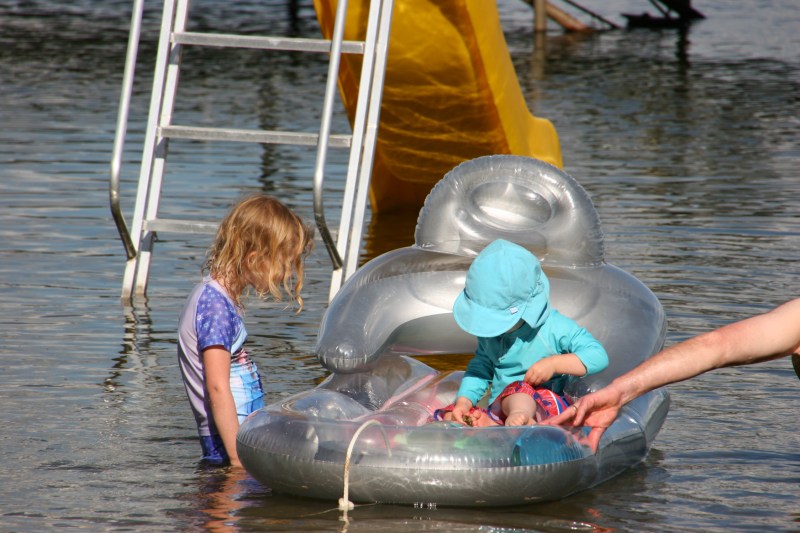
The grandkids (and adults) loved the inflatable floaties.


There is nothing quite like immersing one’s self in the northwoods lake experience.


Grandpa and grandson lakeside.


I will always treasure hearing Isaac giggle at the fish wiggling on the end of Grandpa’s fishing line. I will always delight in watching Isabelle wiggle to her made-up “I Got the Wiggles” song on the lakeside deck. I will always cherish memories of walking outside at night with Randy and Izzy to show our granddaughter the stars. I will always remember seeing my eldest glide across the water on a paddleboard, her daughter sitting on the front.


One of the adult resident eagles in a lakeside treetop.


I will remember, too, walks down the long evergreen-lined driveway, the many minutes standing at the fork in the drive, neck craned to watch the resident eagles.


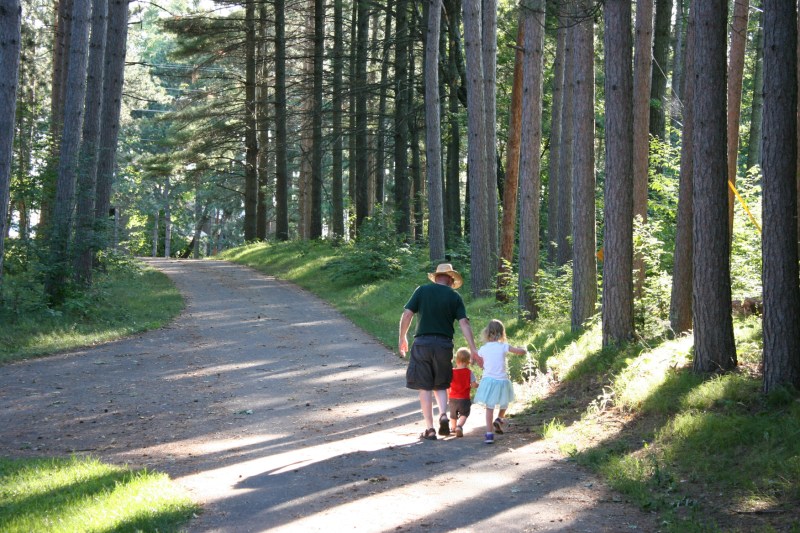
Grandpa and grandchildren follow the pine-edged driveway.


So many memories. So much happiness. So much peace.


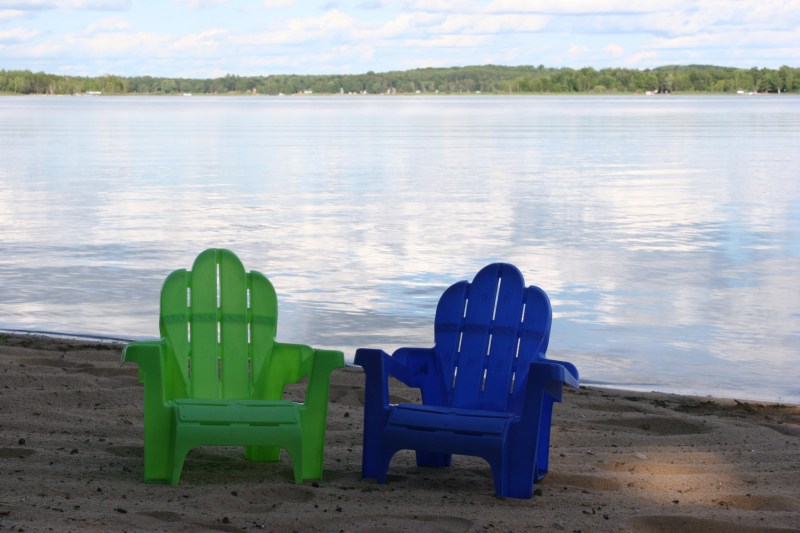
Kid-sized chairs used by the grandkids.


And, for my grandchildren, the beginning of summers Up North at the lake cabin.


Please check back for more posts in this “Up North at the Cabin” series.

© Copyright 2020 Audrey Kletscher Helbling
 

The Beetles Invasion July 8, 2020

Filed under: Uncategorized — Audrey Kletscher Helbling @ 5:00 AM
Tags: , , , , , , , ,

THE BRITISH INVASION of 1964 brought The Beatles to the U.S., fueling a new rock-and-roll musical movement.

So many songs. “Here Comes the Sun.” “Hey Jude.” “Yellow Submarine.” Those of us who are of a certain age know the lyrics, even if we don’t always understand them. The tunes are catchy, the words memorable.


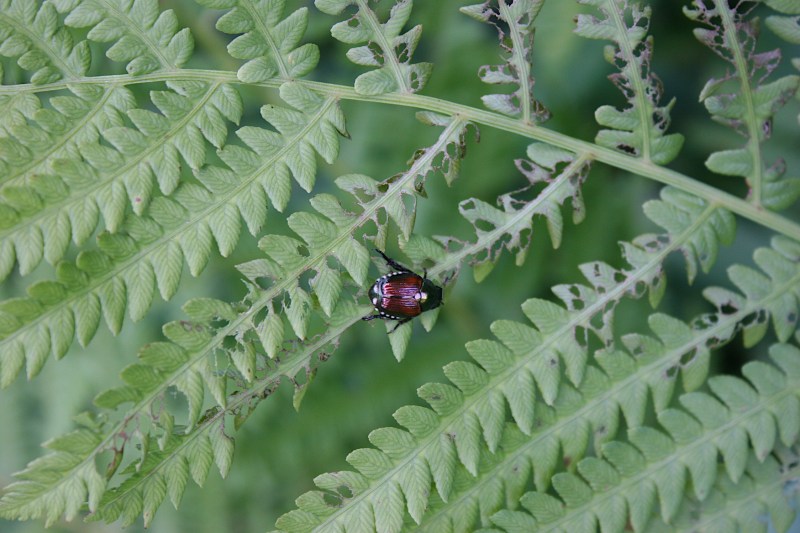
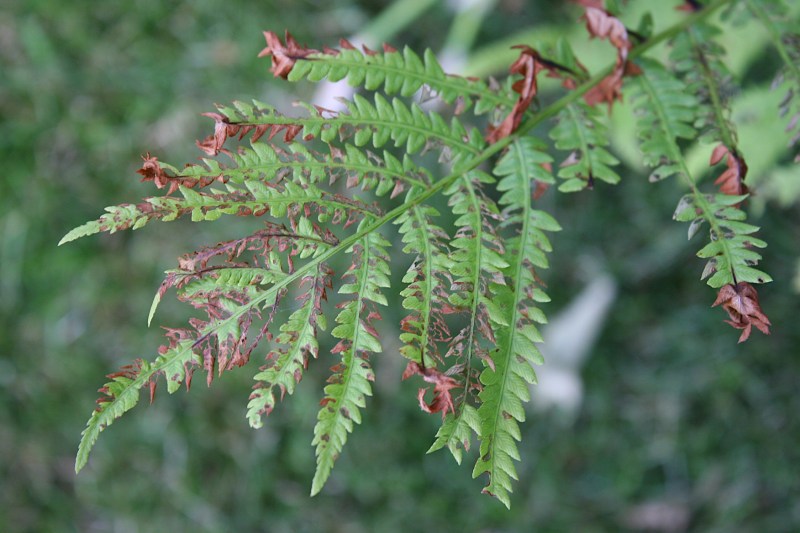
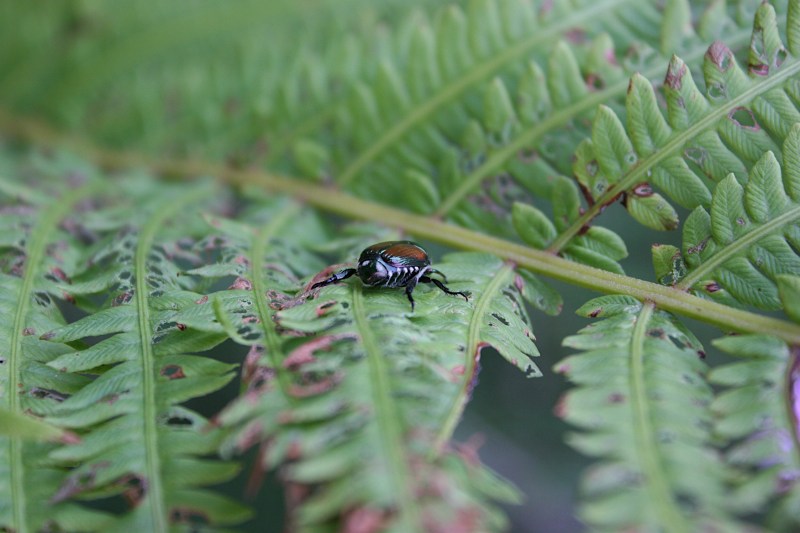
One of countless Japanese beetles on my ferns.


Now a new type of beetle has invaded. Right in my southern Minnesota yard. That would be beetle spelled with a double e. The Japanese beetle.


The damage the Japanese beetles have caused to my ferns.


Last week I noticed the leaves on my ferns turning brown, dying. I wondered why. But then Randy and I headed out of town for a few days and I forgot about those unhealthy ferns.


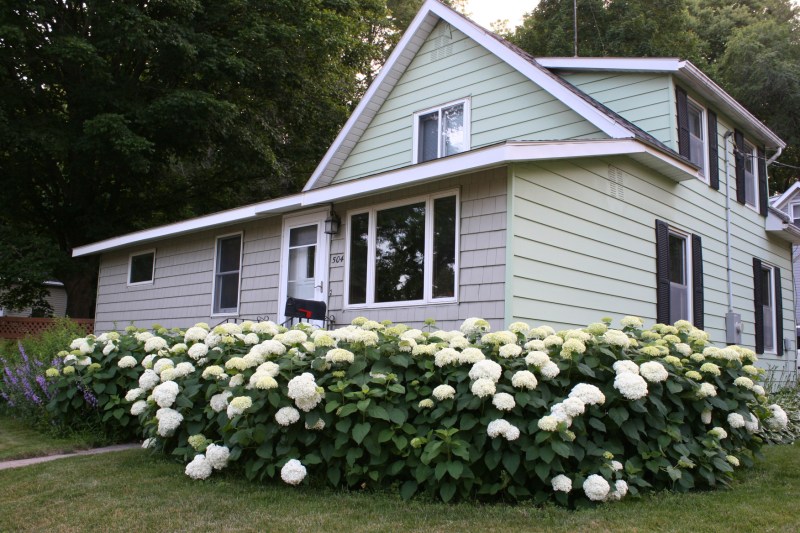
Beautiful hydrangea bushes frame the corner of my house. Thus far the Japanese beetles have not eaten these.


Upon our return, Randy mowed lawn and called me outside to photograph our massive hydrangea. It was then I noticed more ferns turning brown and some stripped to skeletal.


A Japanese beetle up close feasting on my ferns.


I took a closer look and discovered Japanese beetles feasting on the ferns. Their distinct iridescent copper-colored bodies and green thorax and heads make them easily identifiable. I needed to get rid of these bugs asap or nothing would remain of my ferns and whatever plant they decide to feast on next. A quick Google search shows they’re not picky eaters and will dine on 300 types of plants.

Last summer they chose my potted cannas. My brother-in-law from Missouri noticed the bug-bitten leaves of my red canna lilies and quickly identified the Japanese beetle as the hungry invader.


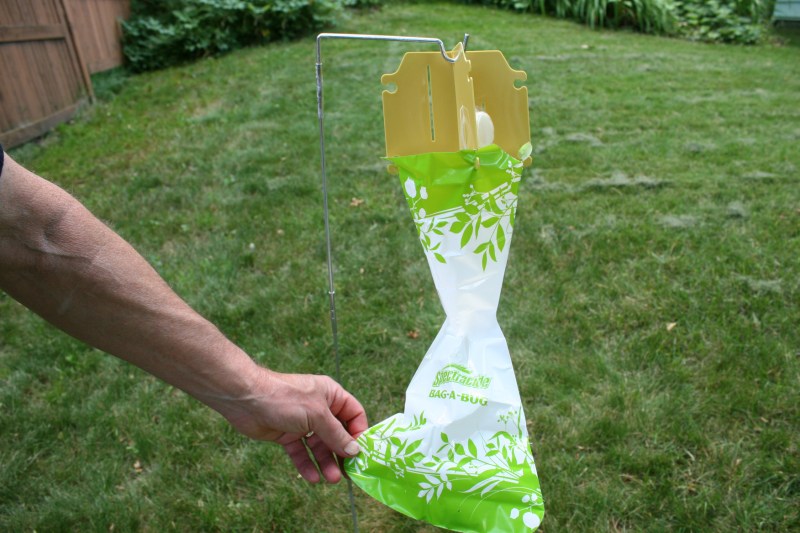
The trap we finally found to catch Japanese beetles.


Tuesday morning Randy and I were on a mission to find something to eradicate these beetles. Two local stores were sold out of the coveted traps. I left my name at one business and was told to check back at the second. By then I determined that Japanese beetles are a problem in my community if traps are flying off the shelves.

Fortunately, we found what we needed at an out-of-town Big Box store. I didn’t want to wait and hope that a local store might get the traps in stock.


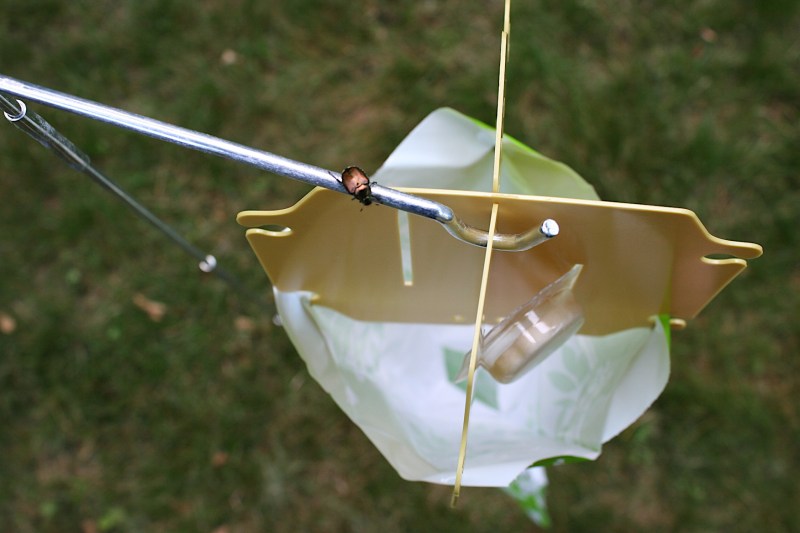
This Japanese beetle, drawn to the trap by the scent of the attached tablet, eventually fell into the bag. This angle is photographed looking down at the Bag-A-Bug trap.


So now a lovely plastic bag hangs on a stake in our backyard. A solid round tablet of something is attached to attract Japanese beetles. Randy says it smells like citronella. I can’t smell the scent. But apparently the beetles can. Within an hour, Japanese beetles were already drawn to the sweet smell, eventually fell into the bag and cannot get out. Gotcha. This could be a long and ongoing process to end this invasion by the beetles.

If you have a Japanese beetle problem, I’d like to hear how you’ve solved it and how bad the situation has gotten for you. Do you have dying ferns? Chewed up flowers? Decimated fruit trees like my brother-in-law in Missouri?

© Copyright 2020 Audrey Kletscher Helbling
 

Fourth of July 2020, just a few words July 3, 2020

Filed under: Uncategorized — Audrey Kletscher Helbling @ 5:00 AM
Tags: , , , ,

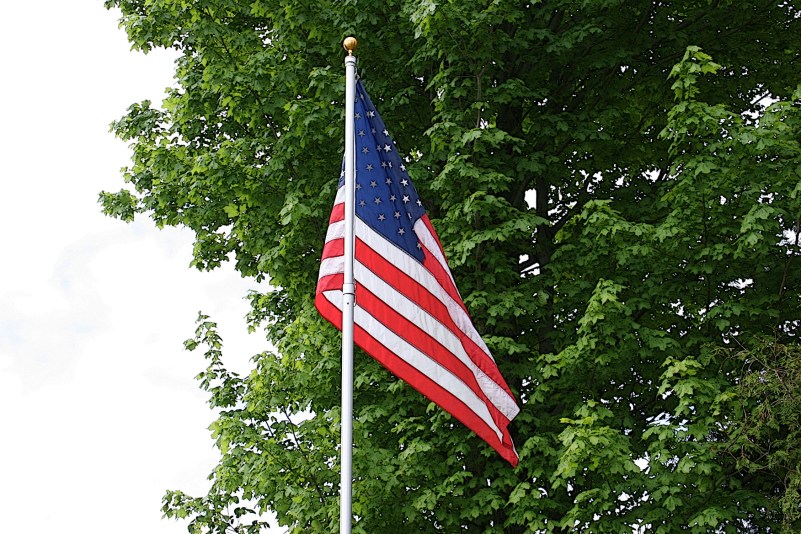
An American flag flies in Cannon City, Minnesota. Minnesota Prairie Roots edited file photo May 2020.


I WANTED TO WRITE a positive post about America and the Fourth of July. I couldn’t do it. I sat and stared at my computer screen with negative thoughts jumbling in my mind.

These are difficult days in this country. I will leave it at that with the following addendum.

I wish you a safe and healthy holiday. Please, mask up and social-distance if you are out and about. Avoid gatherings and crowds. And, if you’re not feeling well, please stay home. End of post that began with an idea that failed.

© Copyright 2020 Audrey Kletscher Helbling
 

Unexpected discoveries at Falls Creek County Park, rural Faribault June 30, 2020

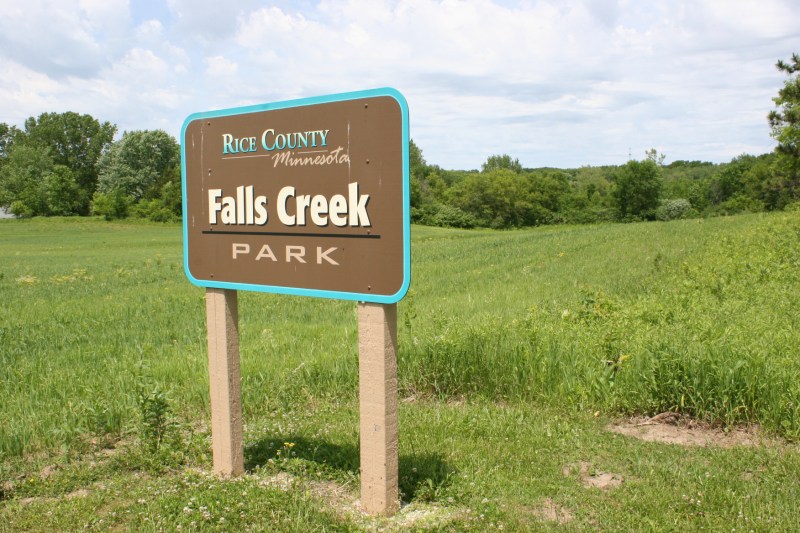
Falls Creek County Park is located one mile east of Faribault along Minnesota State Highway 60, just off the highway an eighth of a mile along a gravel road to the north. This sign is visible from Highway 60.


YEARS HAVE PASSED since I visited Falls Creek County Park just east of Faribault off Minnesota State Highway 60. I remembered the hill and the expanse of lawn leading to a shelter house. And the creek at the edge of the surrounding woods.


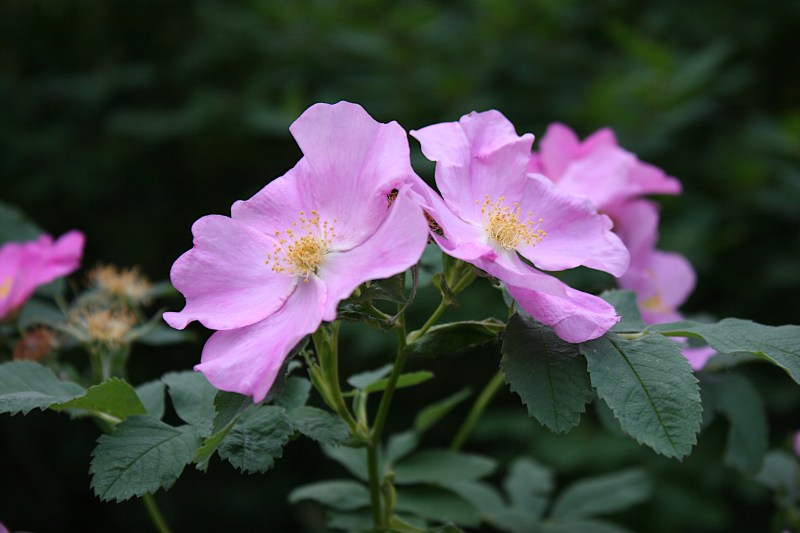
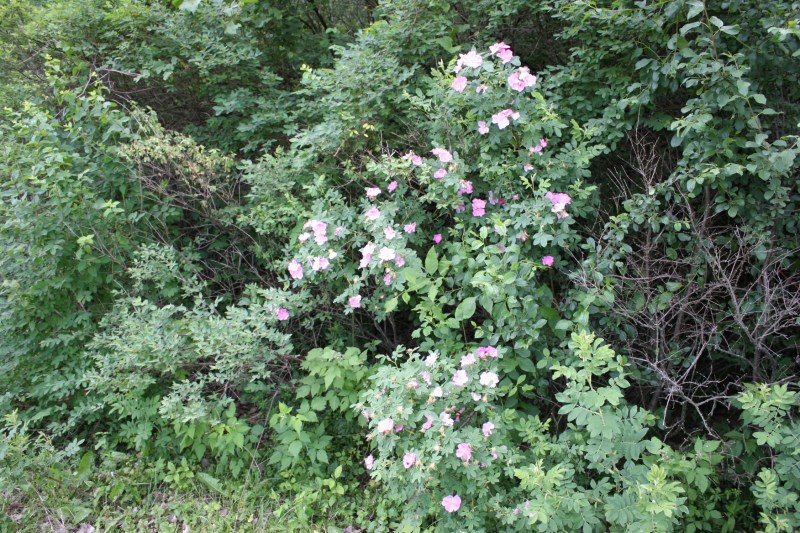
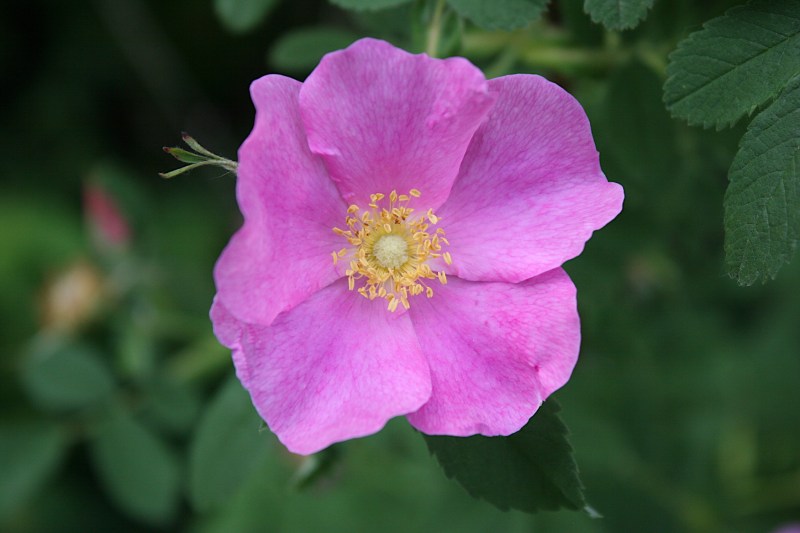
Beautiful wild roses.


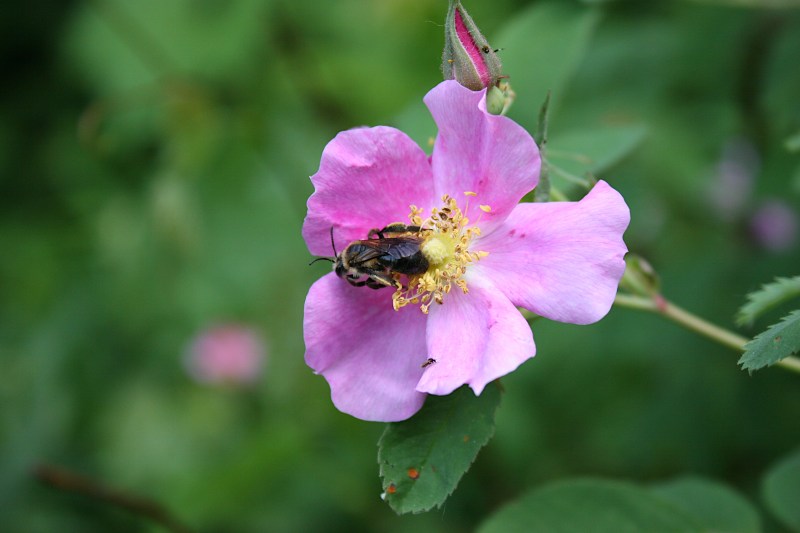
I didn’t recall wild roses. Those I would remember because I love wild roses. They remind me of my native prairie home, where, decades ago, pink roses grew random in road ditches. Oh, the sweet scent and the sweet memories.


These wild rose bushes edge a section of the massive gravel parking lot.


Randy noticed the roses first at Falls Creek. We both paused to breathe in the old-fashioned fragrance and to share our rose stories of yesteryear. What an unexpected delight.


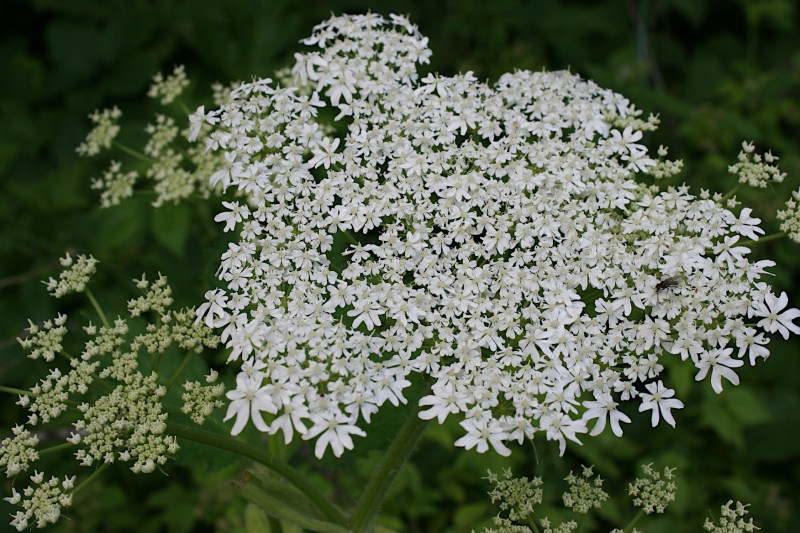
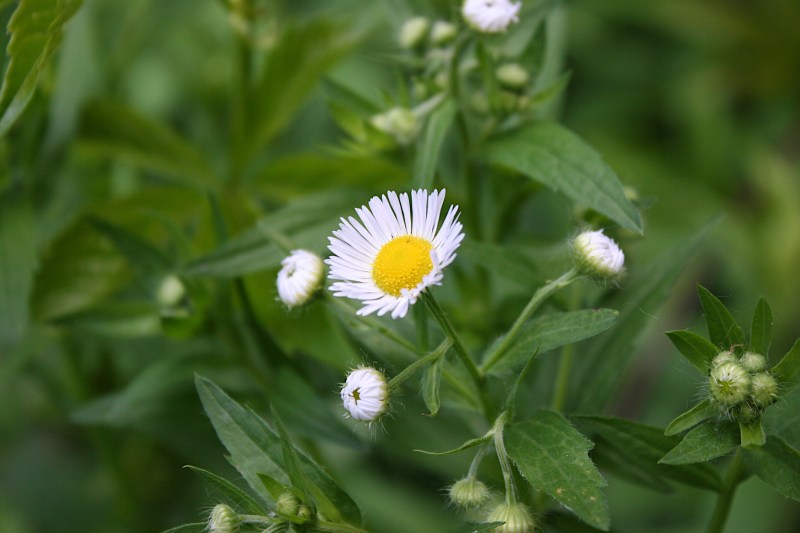
Randy termed this a “weed.” I called it a “flower.”


If you’re dipping your nose into roses, check for bees first. They love this flower.


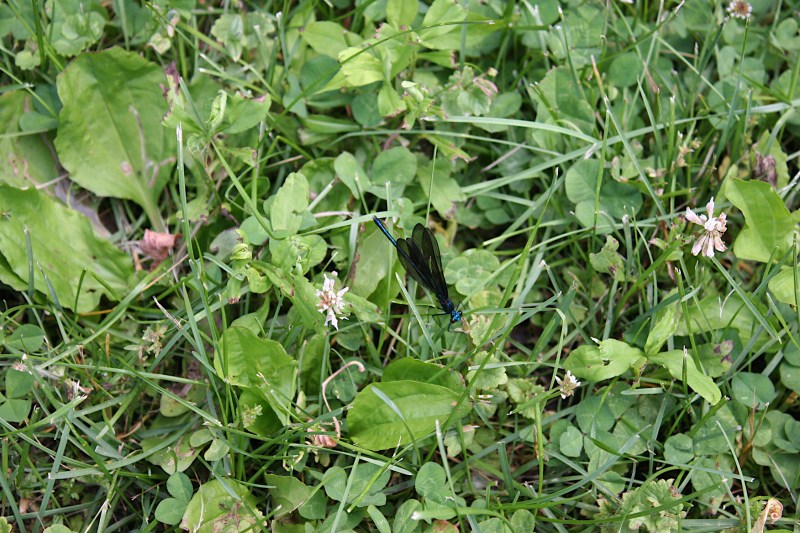
This elusive dragonfly proved incredibly challenging to photograph.


Another wildflower, or weed, depending on your perspective.


After a picnic lunch, I grabbed my camera to photograph roses and wildflowers and an elusive dragonfly before we aimed for the bridge over the creek.


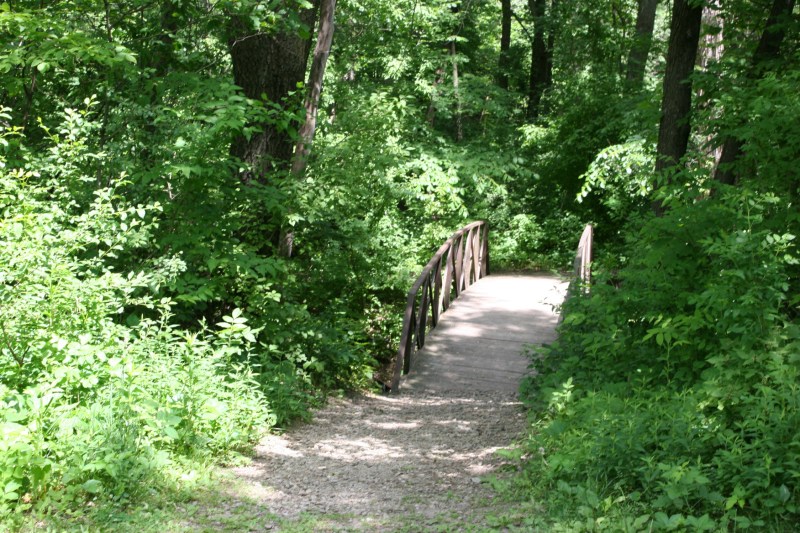
A foot bridge over Falls Creek leads to a path into the woods that follows the creek.


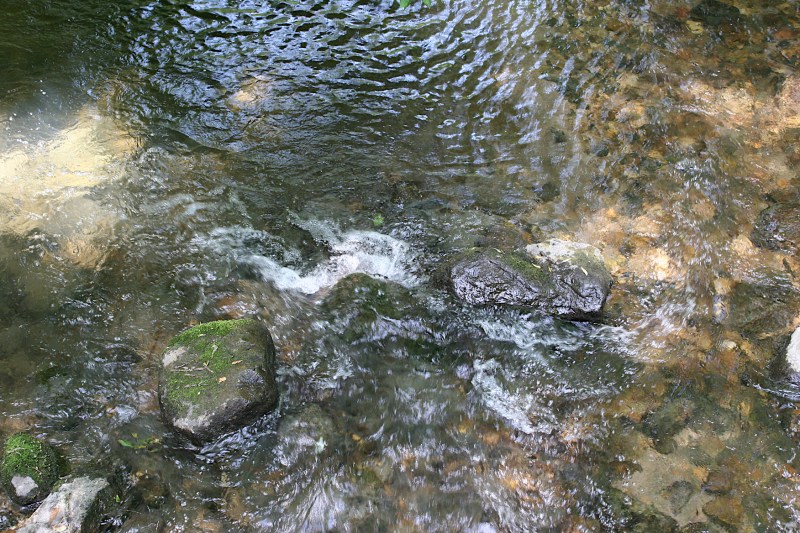
Looking into the creek from the bridge, I watched water tumble over rocks.


I love the sound and sight of water rushing over rocks. It’s mesmerizing, calming, soothing.


What a wonderful surprise to find this clean and clear creek water.


And, as we walked to water’s edge at a crook in the creek, we found water running clear. That is mostly unseen in these parts where rivers and other waterways and lakes are muddy and murky and often nothing you would want to wade into. I dipped my hand into the clean, cool water. Happy at this unexpected discovery, at this untainted water flowing past me.


Greenery galore.


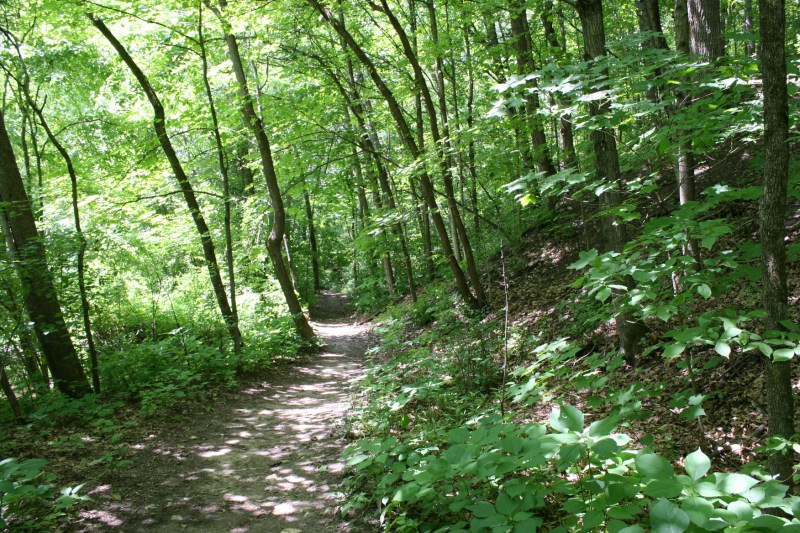
I navigated this path in the woods.


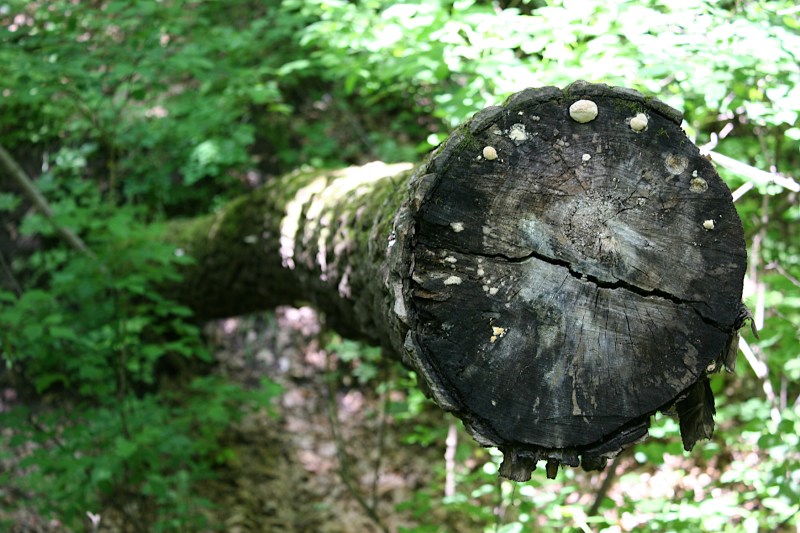
This fallen tree was jammed into the hillside, half the tree on one side of the path, the other half on the opposite side.


From there, we followed the narrow dirt path hugging the creek. In parts, the trail had eroded. Tree roots underfoot and a makeshift crossing of rocks and branches caused me to slow my pace, to watch my feet, to walk with care. The last thing I needed was to stumble and tumble and break a bone or land in the creek with my camera.


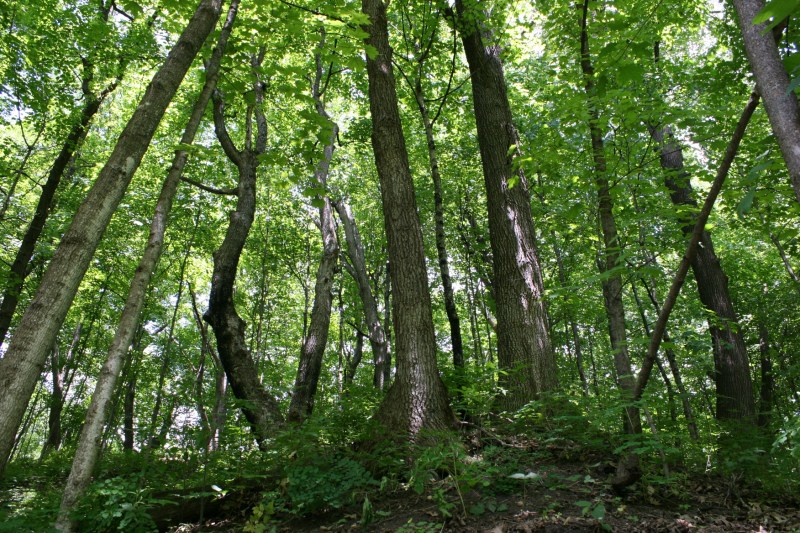
Looking up toward the wooded hillside from the creek path.


The woods proved a lovely place of greenery and dappled sunshine filtering through the trees…until the mosquitoes discovered our presence. My body reacts intensely to bug bites. So I needed to turn back and exit the woods.


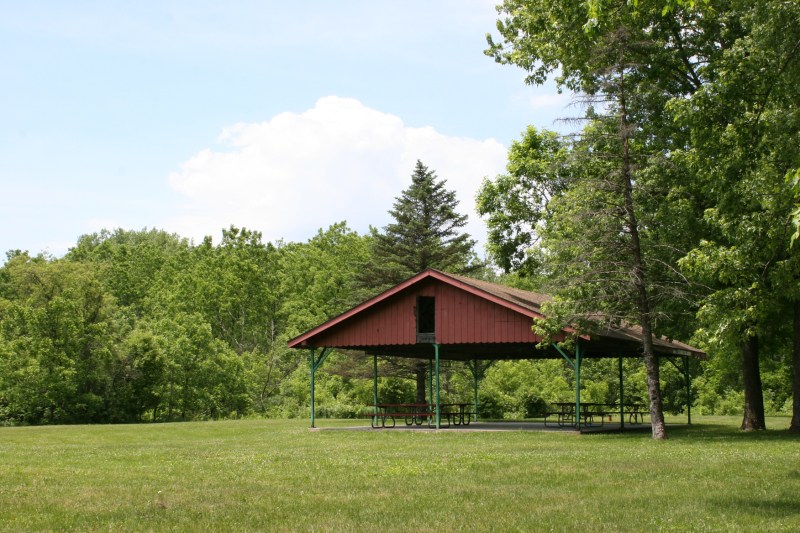
The shelterhouse sits in a large open grassy area.


Back in the open, across the lawn and up the hill and on the far side of the massive gravel parking lot circled with tire track donuts, Randy spotted more wild roses. These were larger, better positioned to get sunshine. Once again, we paused to admire these dainty-looking, yet strong, prairie flowers. Once again, I breathed in the sweet scent.


Before leaving, we smelled the wild roses one final time.


I will remember Falls Creek County Park now for more than the falls I have yet to see—because of those mosquitoes. I will remember this place for the wild roses that edge the woods. And remind me of my native Minnesota prairie home, where there are no woods.

NOTE: This visit occurred several weeks ago, when the roses were nearly done blooming. We’ve also had substantial rainfall in the past two days, meaning the creek may now be muddy, the trail more eroded.

© Copyright 2020 Audrey Kletscher Helbling
 

Honoring Bishop Whipple’s “unfailing love & hope for humanity” on a mural in Faribault June 29, 2020

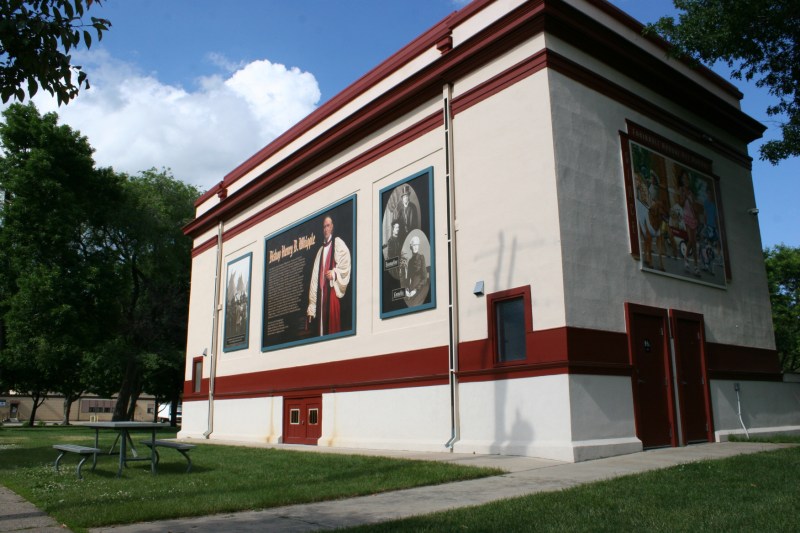
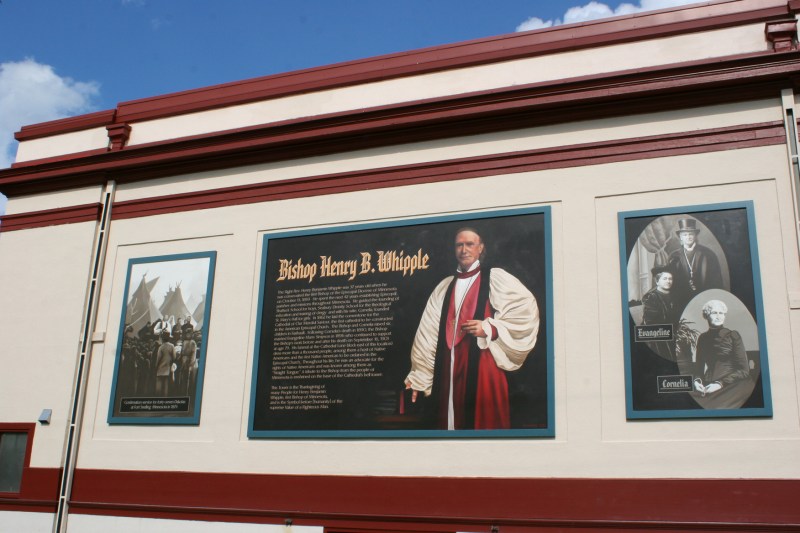
The Central Park Bandshell mural on the left honors Bishop Henry Benjamin Whipple. The one to the right features the Faribault Pet Parade and was placed there several years ago.


THE RECENT INSTALLATION of an historic-themed mural on the west side of the Central Park Bandshell in Faribault prompted me to look more closely at the man featured thereon—Bishop Henry Whipple.


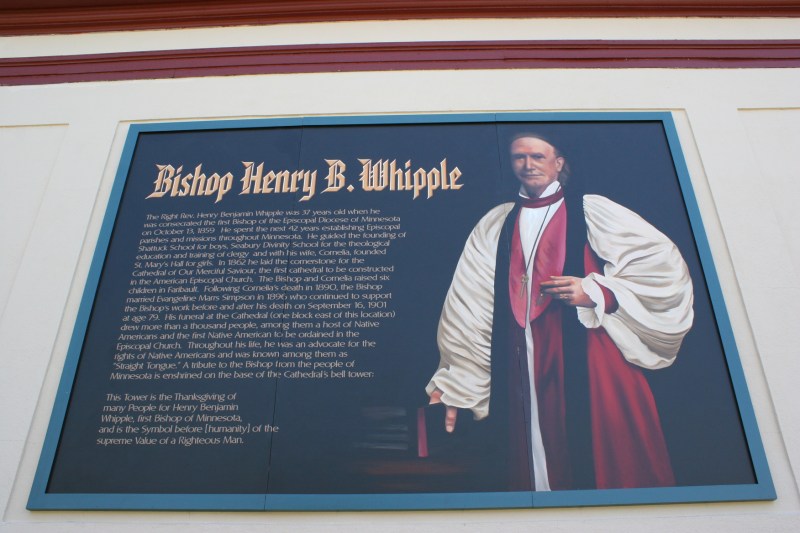
The middle mural panel features a portrait of Bishop Whipple and a summary of information about him.


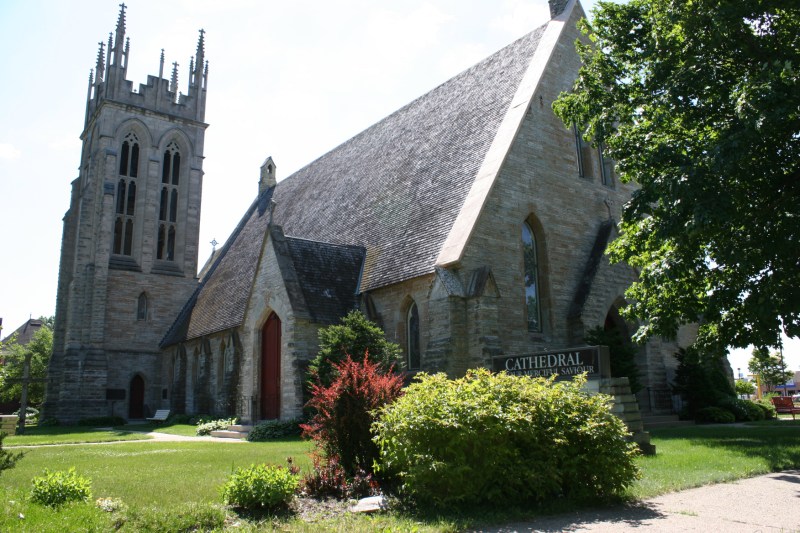
Just across the street from Central Park, the stunning Cathedral of Our Merciful Saviour.


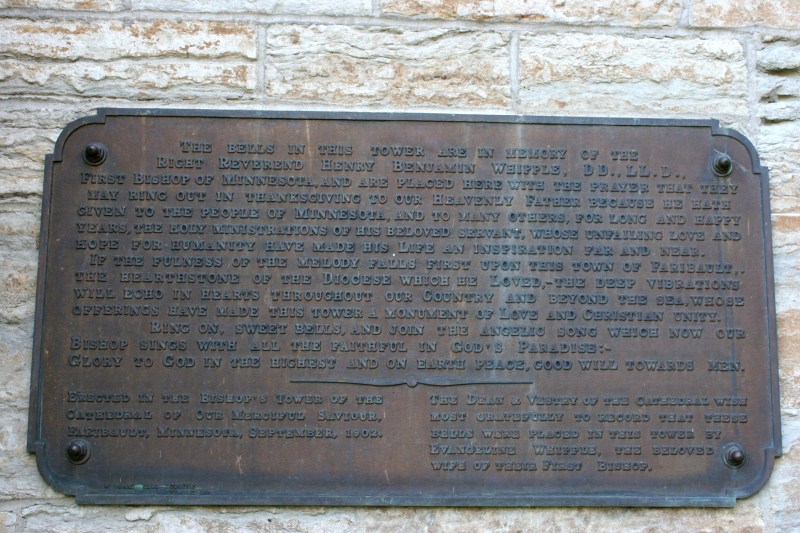
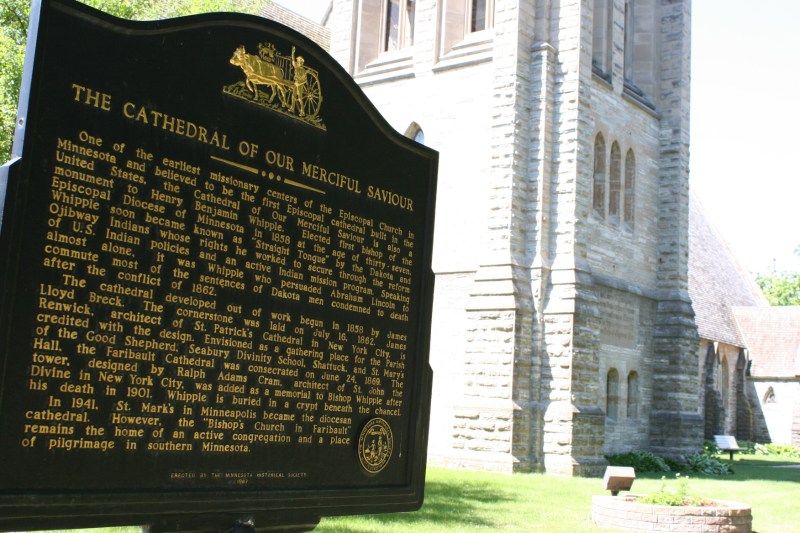
The historic marker posted on the Cathedral bell tower.


He is a prominent figure in the history of my community and the history of Minnesota. Explore Faribault, and you will find Whipple’s name on numerous plaques, including across the street from the park at the Cathedral of Our Merciful Saviour, the cathedral he helped build as Minnesota’s first Episcopal bishop. He’s buried in a crypt beneath the chancel there. The bell tower was dedicated in his honor by his second wife, Evangeline, as “a monument of love and Christian unity.”


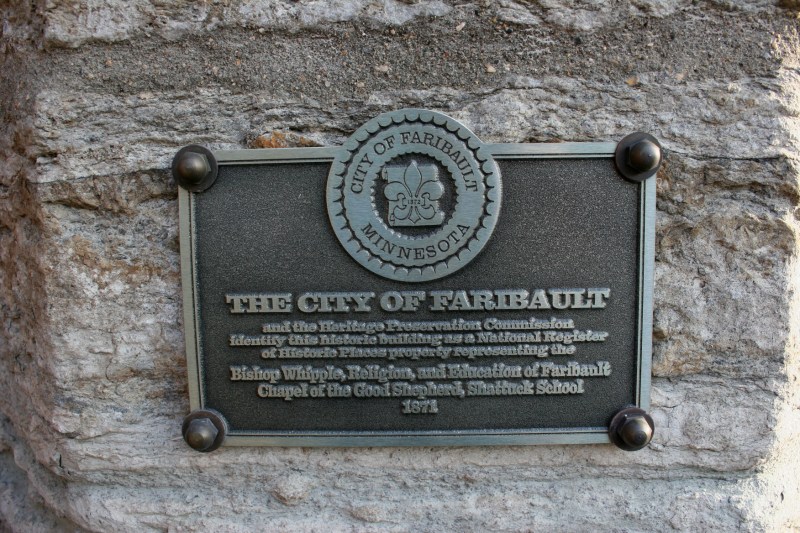
Posted outside the front door of the Chapel of the Good Shepherd. The church is on the National Register of Historic Places. Minnesota Prairie Roots file photo.


On the east side of town, Whipple’s name graces an historical marker at The Chapel of the Good Shepherd on the campus of Shattuck-St. Mary’s School. He helped found the school, separately first as Shattuck School for boys and St. Mary’s Hall for girls, along with St. James and Seabury Divinity schools, all in Faribault.


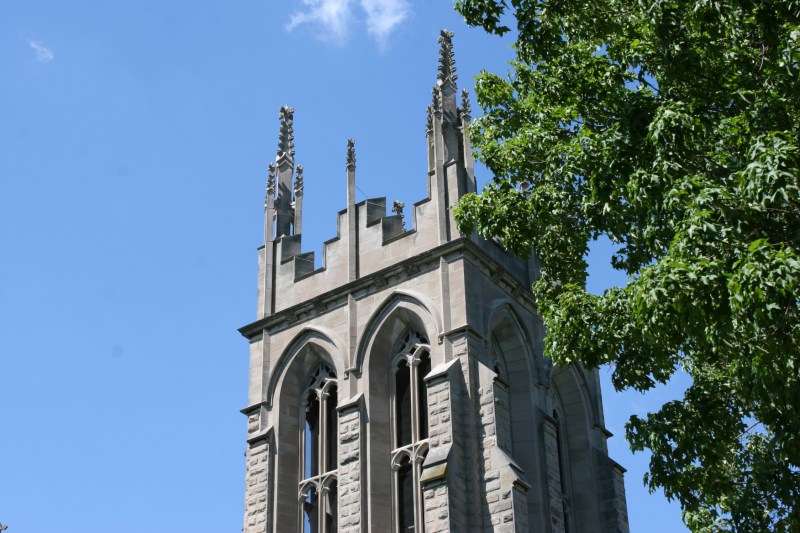
The soaring tower landmarks the Cathedral. Ralph Adams Cram, architect of St. John the Divine in New York City, designed the Cathedral tower. The tower was added as a memorial to Whipple after his death in 1901.


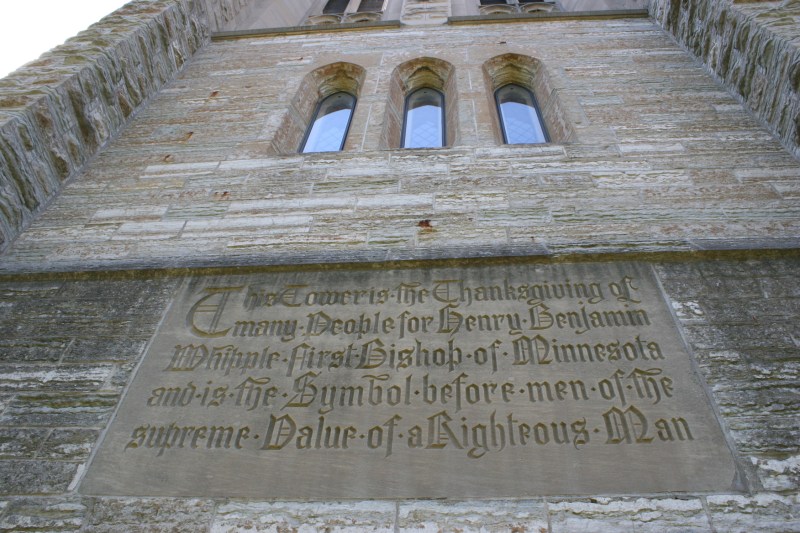
The inscription, in stone, on the bell tower.


An historic marker on the Cathedral grounds.


As admirable as Whipple’s role in founding educational institutions, it is another facet of this man—his humanitarian efforts—which are often cited in history. The inscription on the Cathedral bell tower states that Whipple’s “unfailing love and hope for humanity have made his life an inspiration far and near.”


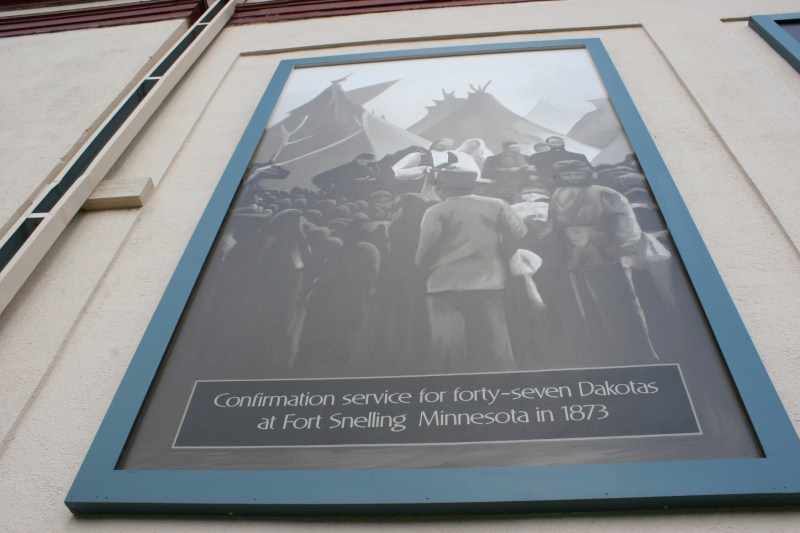
This panel depicts the relationship between Native peoples and Bishop Whipple.


Bishop Whipple’s portrait, up close.


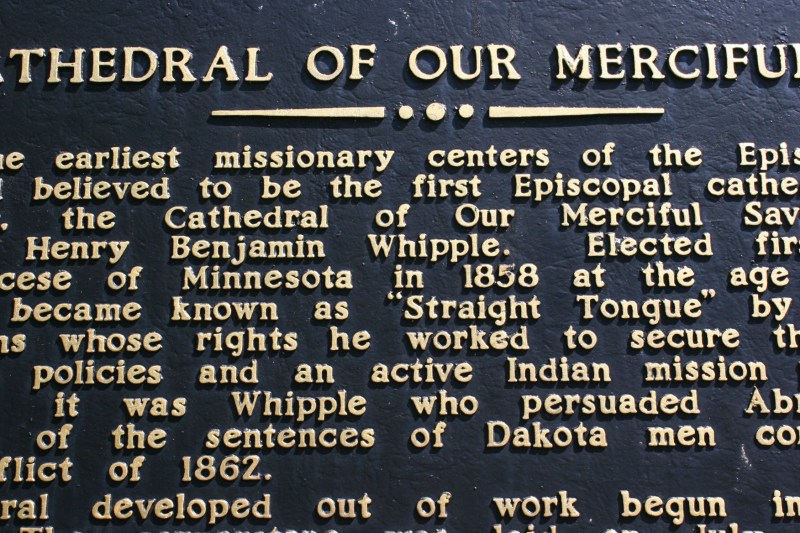
Details on a sign outside the Cathedral reference Whipple as “Straight Tongue.”


What, exactly, does that mean? To understand, one must consider the time period in which Whipple arrived in Minnesota, just years before the U.S.-Dakota War of 1862. He was a missionary and, as such, worked to educate and convert the Native peoples to Christianity and agrarian ways. (Not necessarily the adaptive approach one would take today toward other cultures, but the mindset then.) In his work, Whipple observed poverty among the Dakota and Ojibwe and mistreatment by the government and began to advocate for their rights. The Native peoples called the bishop “Straight Tongue.” That title speaks to their trust and respect for him.


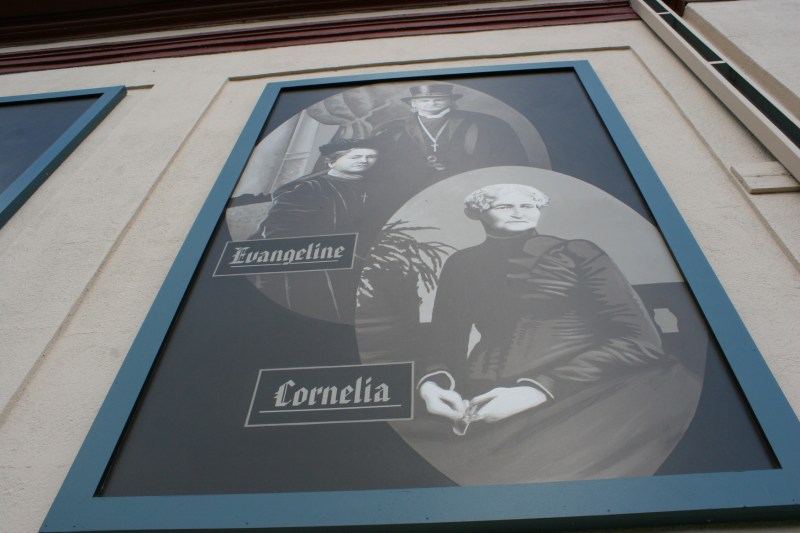
The mural, in full, including the right panel recognizing Whipple and his first wife, Cornelia, and his second wife, Evangeline.


Whipple was among the few leaders who publicly pressed for sparing the lives of 303 Dakota warriors sentenced to death following the war. President Abraham Lincoln spared or pardoned most, but 38 were still hung during a mass execution in Mankato.

Whipple’s strong public stances on behalf of Native peoples were not necessarily widely-embraced. Rice County Historical Society Executive Director Susan Garwood shared at a presentation I attended several years ago that several assassination attempts were made on the bishop’s life. Following the U.S.-Dakota War, about 80 Native people, under Whipple’s protection, moved to Faribault. Some helped build the Cathedral, a construction process which took from 1862-1869. Additionally, several Dakota and African Americans attended Seabury Divinity School, Garwood noted. That, too, caused concern.


The Whipples.


But through it all, from the information I’ve read, Whipple remained steadfast, unwavering in his compassion toward Native peoples, advocating for them, loving humanity.


FYI: The Mural Society of Faribault actively promotes Faribault history through public murals posted throughout the downtown area, this one the latest. Dave Correll of Brushwork Signs crafted, painted and installed the Whipple mural with help from his team.

For more information about Bishop Whipple, click here to reach MNOpedia.

Or read this post I wrote about a Rice County Historical Society event in 2018. The RCHS features a museum exhibit on Bishop Whipple.


© Copyright 2020 Audrey Kletscher Helbling
 

Thursday in the park by Little Chicago June 27, 2020

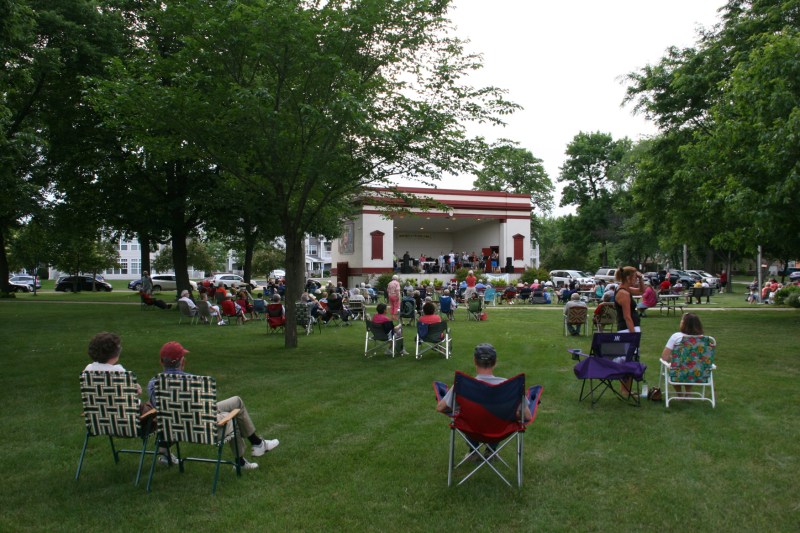
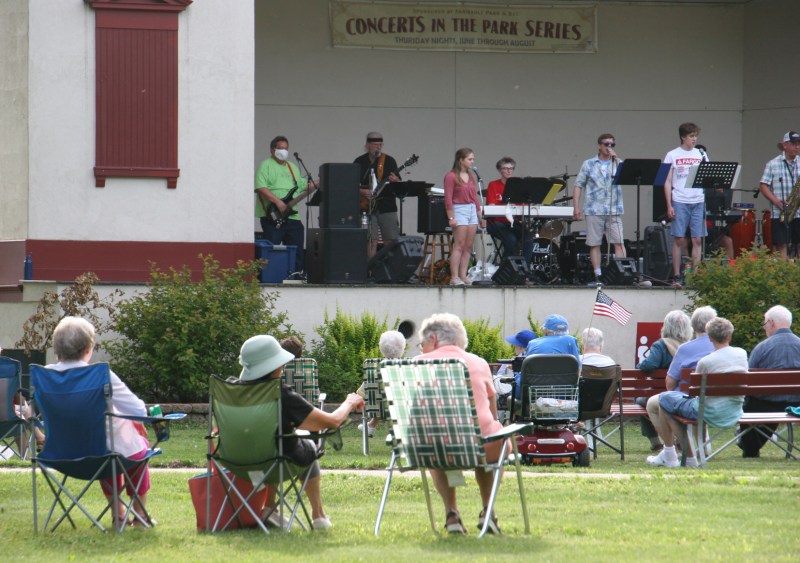
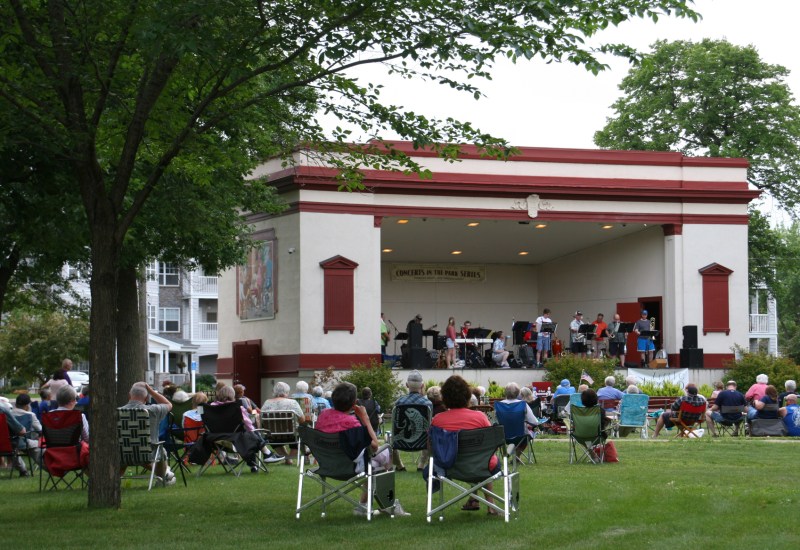
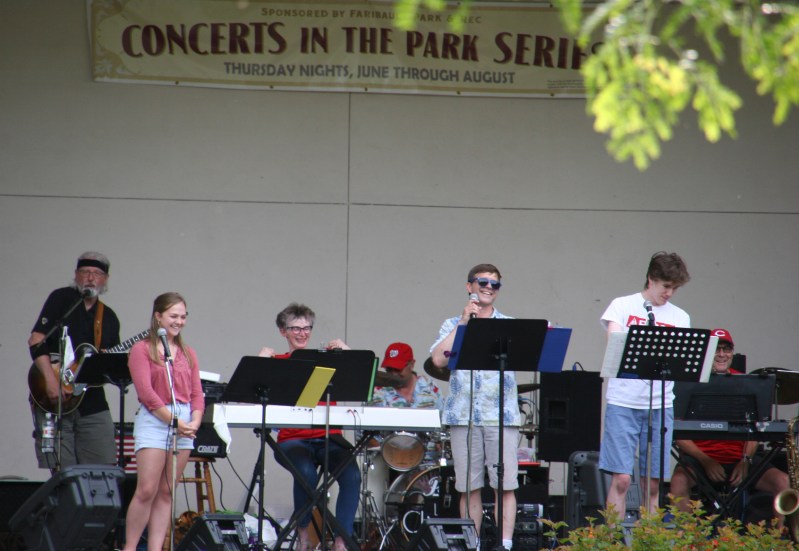
A portion of the crowd enjoying Little Chicago’s June 25 concert at Central Park in Faribault.


ANY OTHER SUMMER, and I wouldn’t consider a concert in the park anything but typical for a Thursday evening in Faribault. The weekly warm weather concerts have been part of my community’s history now for 134 years. But these are the days of a global pandemic. Yet, not even COVID-19 can stop this music tradition.


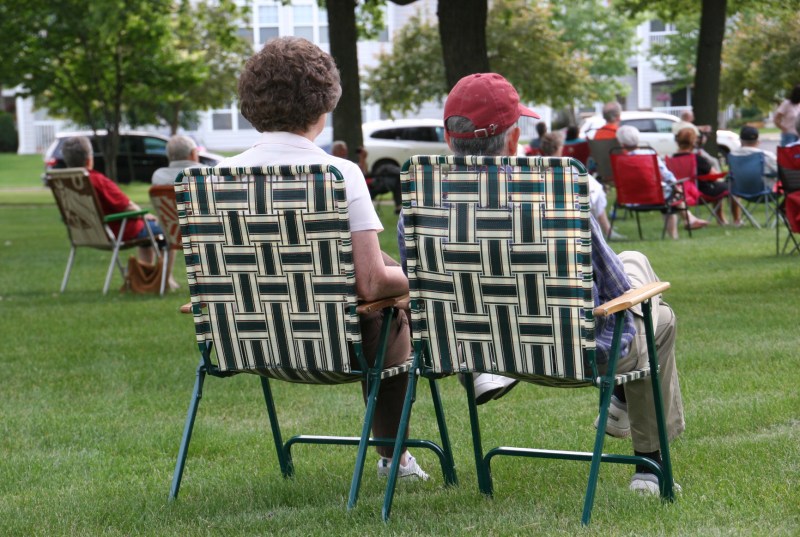
Many couples brought their lawn chairs and found a social-distancing spot in the park.


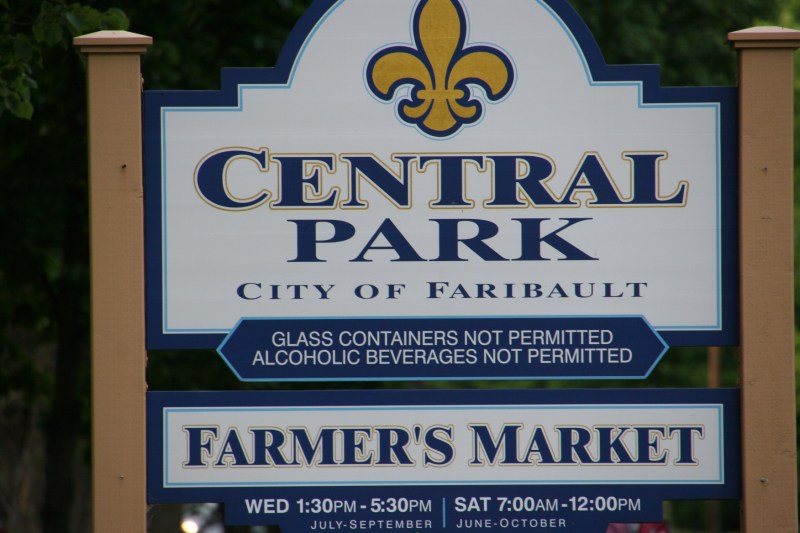
Central Park sits in Faribault’s downtown area, along Second Avenue across from the historic Cathedral of Our Merciful Saviour.


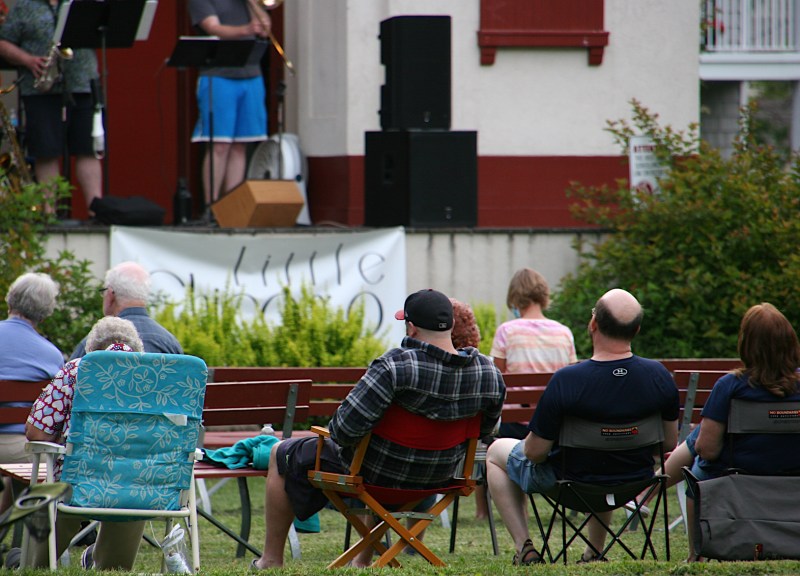
Some folks opted to sit on park benches near the stage.


Thursday evening I attended my first 2020 summer concert organized by the Faribault Parks and Recreation Department and sponsored by area businesses. Things looked a bit different. The vast crowd was spread throughout the block-square Central Park, mostly adhering to CDC social-distancing guidelines. Some wore masks, especially when coming to and leaving the park.


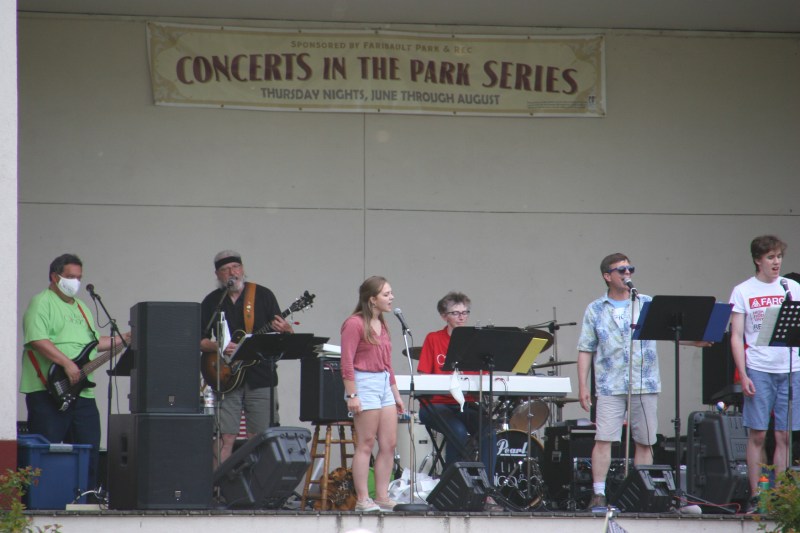
Loved the 60s and 70s hits performed by Little Chicago.


Randy and I settled at the back of the gathering to enjoy the music of Little Chicago, a New Prague-based cover band for hits from the 60s and 70s. Our music. Songs by The Grassroots, Chicago, the Turtles, Neil Diamond… Familiar hits that took me back to my teen years, especially songs like “Color My World” and “Saturday in the Park” by Chicago, one of my all-time favorite bands.


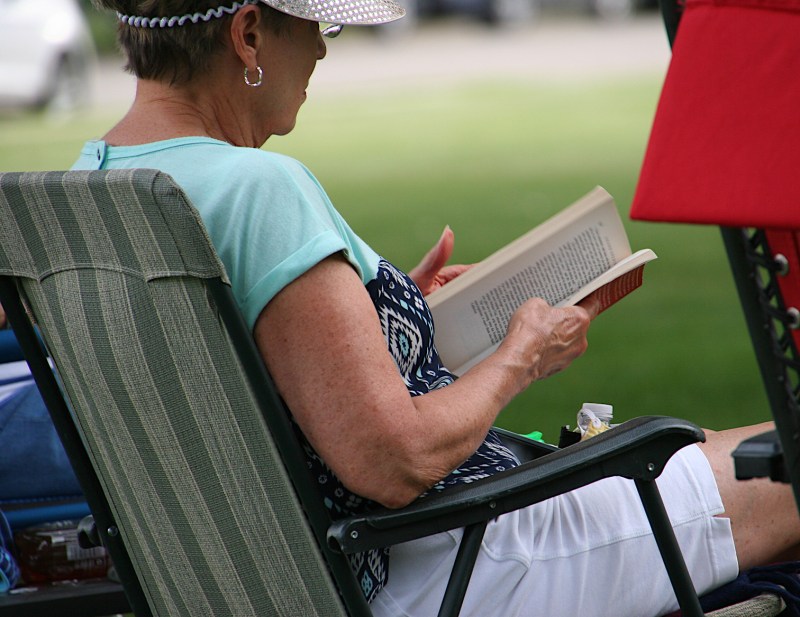
Thumbing through a book while enjoying the concert…


As I listened, swung my foot and occasionally sang along to songs like “Happy Together” and “Sweet Caroline,” (who can resist?), I watched. I am an observer. Taking in the setting and the people and the experience.


All ages attended the concert, with more young families than I’ve seen in past years.


What a beautiful evening for a concert with pleasant temps and a stir of a breeze as the day edged toward sunset.


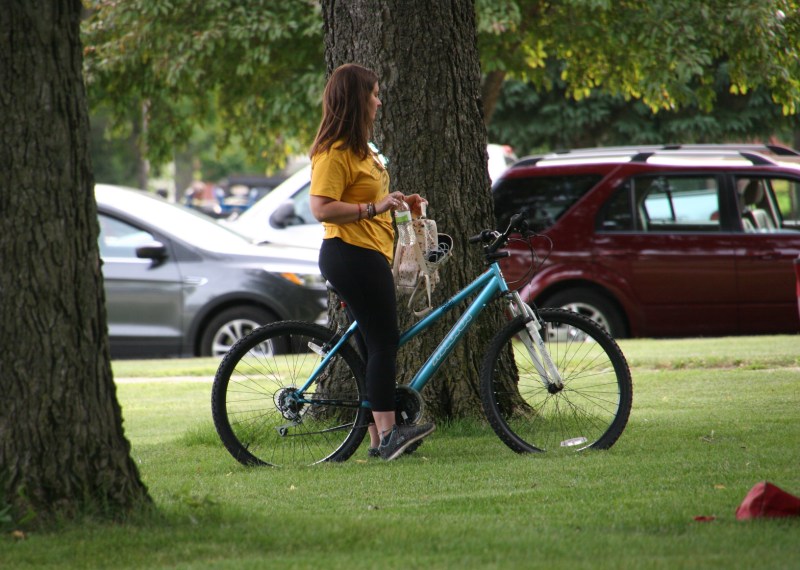
Most people arrived via vehicle. But some also walked and biked.


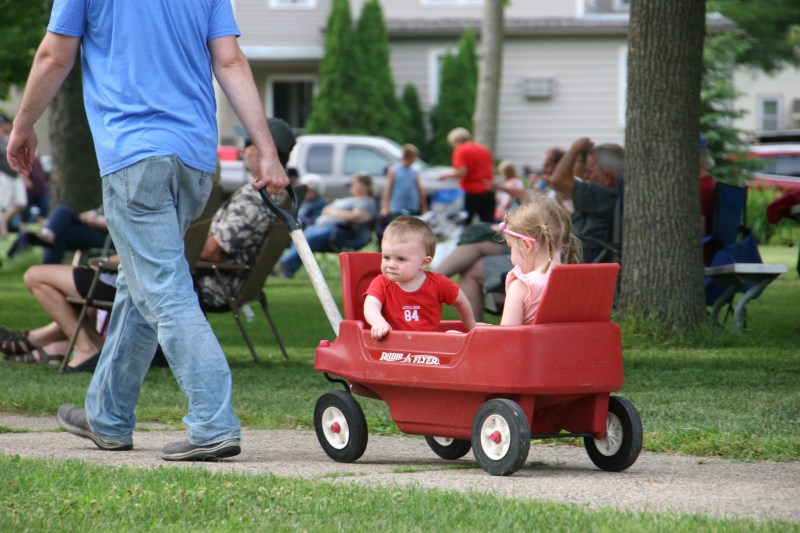
I noticed a difference in this year’s crowd with more young families in attendance. Typically, these concerts draw older folks like me. But I watched kids arrive—in red wagons, on trikes, in strollers—with parents and grandparents. And then dance, play, toss balls. Simply enjoying the exceptionally beautiful summer evening outdoors. It reminded me of all the years we brought our own three children here to do the same.


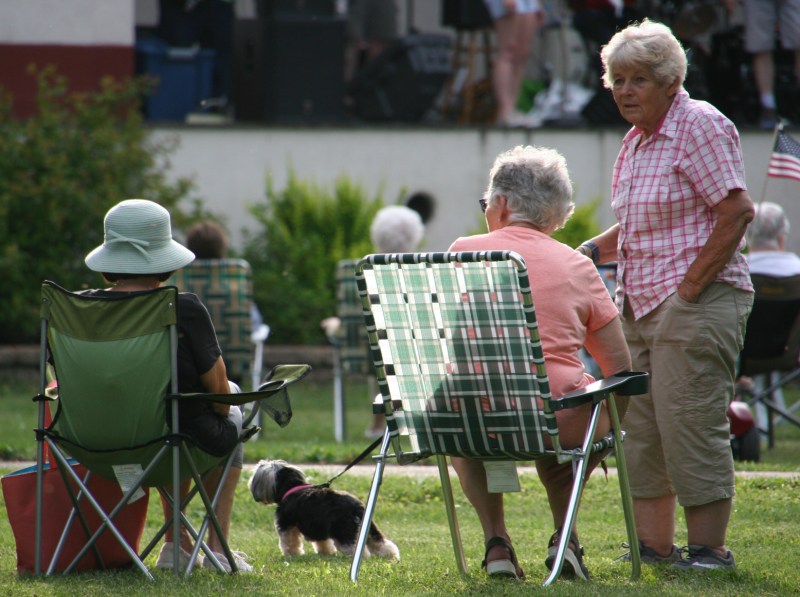
Visiting…


I saw quite a few dogs, all under control and well-behaved.


Little Chicago’s homemade sign banners the base of the bandshell where folks enjoy the music.


I watched as people swayed their hands, as a couple danced, as dog owners circled their dogs around the park. It all looked so normal. If not for the lawn chairs spaced far apart, the face masks, the reminder in the back of my brain, I would have considered this just any other Thursday summer evening in Central Park. For a few hours, it felt that way, as if COVID-19 had exited and only the music of summer played.


One final look at the crowd-pleasing band, Little Chicago.


FYI: The Lakerlanders Barbershop Chorus performs at the next free concert set for 7 pm Thursday, July 2, in Faribault’s Central Park.

© Copyright 2020 Audrey Kletscher Helbling
 

June bride at the Village of Yesteryear June 26, 2020

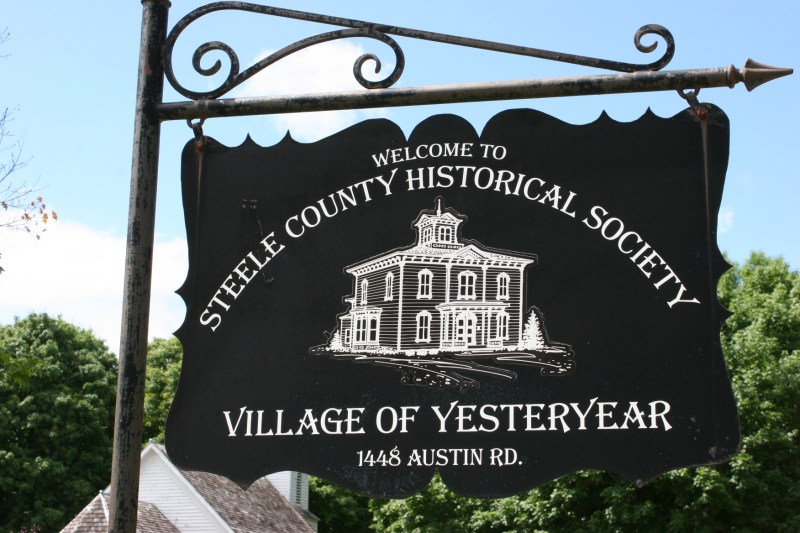
A sign marks the Village of Yesteryear, a sprawling collection of historic buildings in Owatonna.


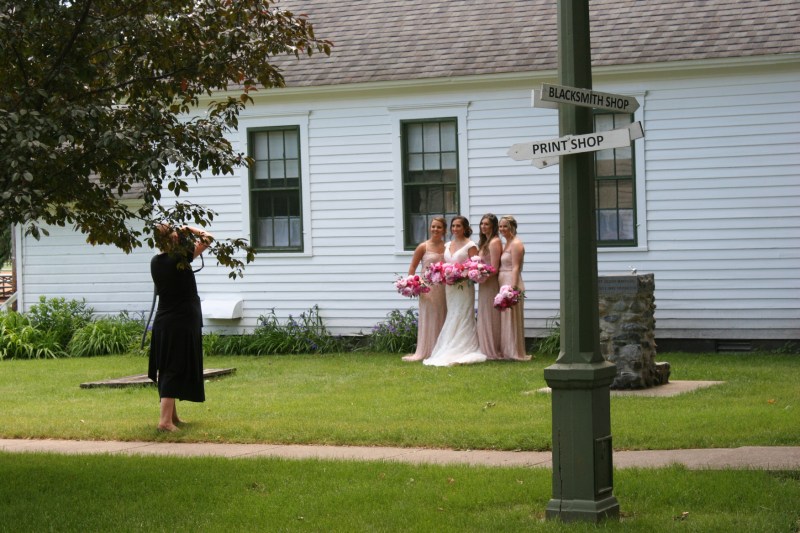
WHILE WALKING TOWARD THE HISTORIC CHURCH, I first saw her. The woman dressed in black. With a camera. Although I wondered at her formal attire, I didn’t consider that she might be someone other than a photographer interested in the Village of Yesteryear.


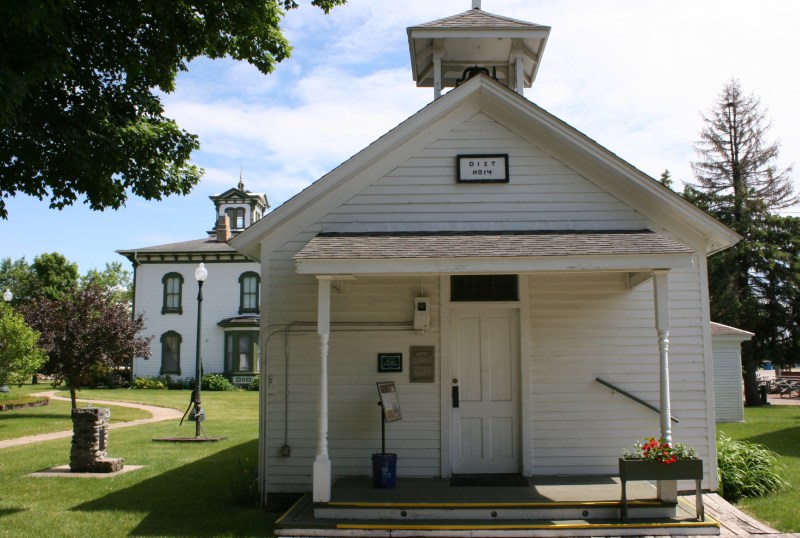
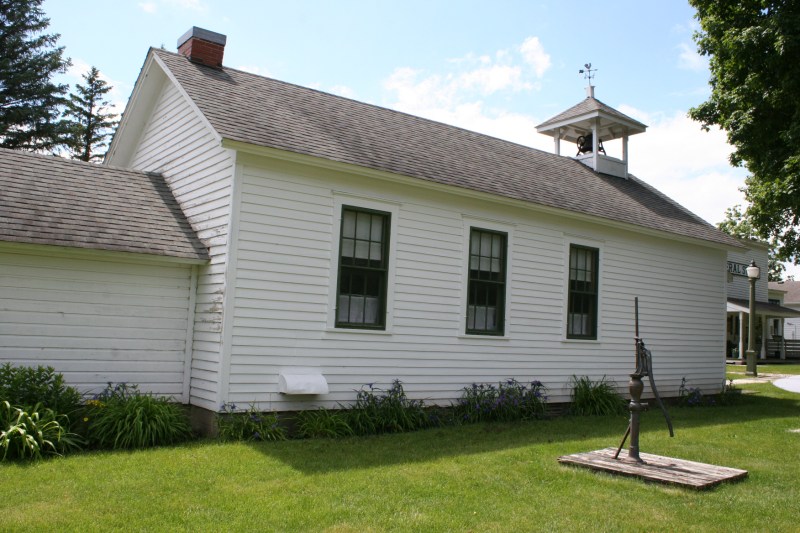
The District 14 school moved here in 1963.


I took this photo of the old school before the bride and her bridesmaids arrived.


From a distance, I photographed the photographer at work.


But soon enough, when I saw a bride and her attendants rounding the back of the 1856 District No. 14 schoolhouse, the photographer’s purpose became clear.


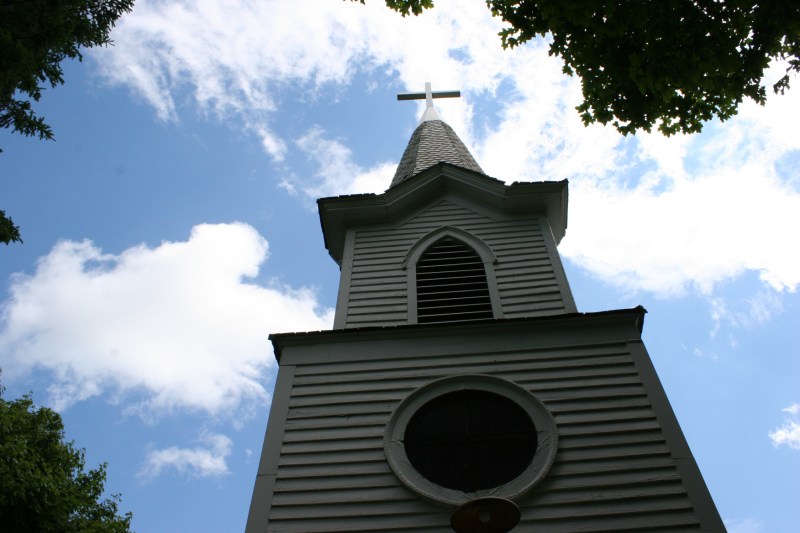
Trees frame the steeple of the Saco Church.


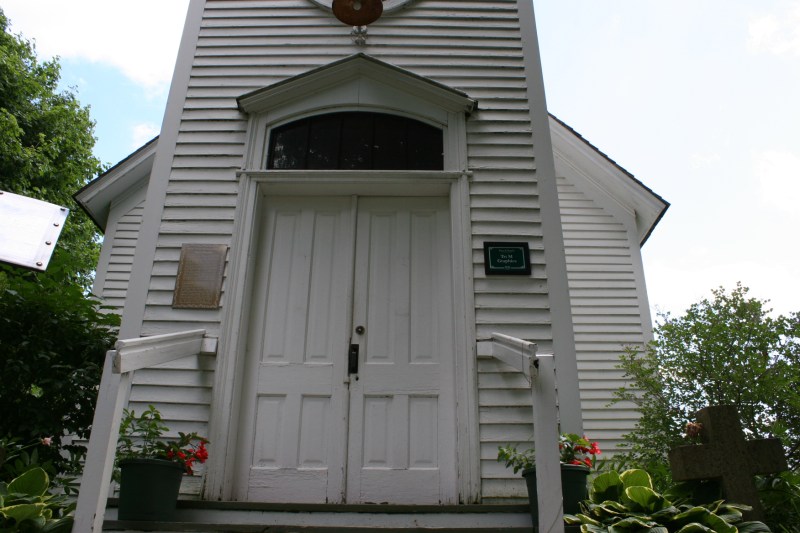
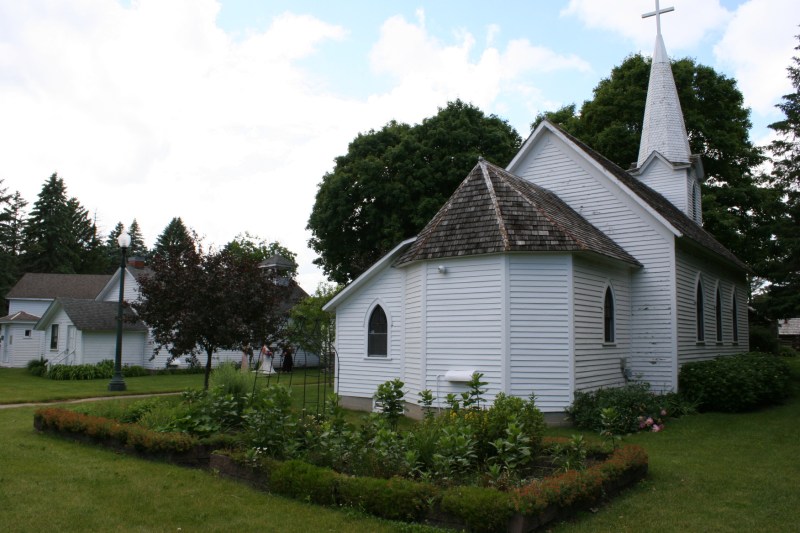
By that time, I’d reached St. Wenceslaus Church of Moravia, a church built in 1891 and moved here, to the grounds of the Steele County Historical Society in Owatonna, in 1962.


While I’ve previously been inside this historic church, it was locked on Saturday.


I pondered for a moment whether a wedding was planned here, but saw nothing to indicate that. So I took a few photos of the aged church, which was locked, just like all the other buildings in this historic village on this late Saturday afternoon. And while I did that, I kept my eye on the nearby photo session.

For one, I didn’t want to stray into the path of the professional photographer. I’ve been in her shoes and understand the frustration of dealing with wedding guests who get in the way and want to take photos. That presents challenges in time and management and more.


I stood to the side and photographed the bride and her attendants.


But, as I neared the group of women while en route to the parking lot, I couldn’t stop myself from asking, “Is it okay if I take your picture? I’m a blogger.” The bride was quick to approve and the photographer invited me to stand next to her. I declined. “I don’t have my mask,” I explained. She didn’t have her face mask either.


From the back of the church, the bride and her party are visible from afar.


That is the reality of living during a global pandemic. As excited as I was to happen upon this most common of summer scenes—an outdoors bridal photo session—I still remembered COVID-19. Minutes earlier I’d congratulated the bride on her wedding day, specifically commenting on the challenges of marrying in a pandemic.


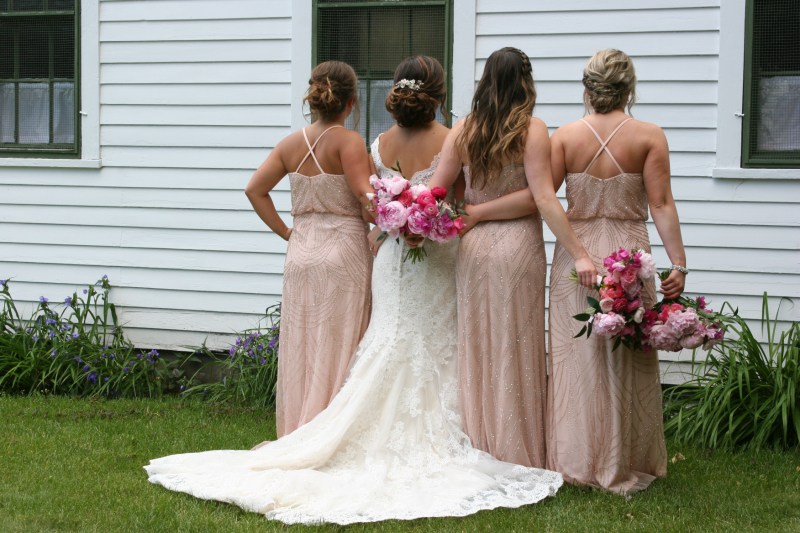
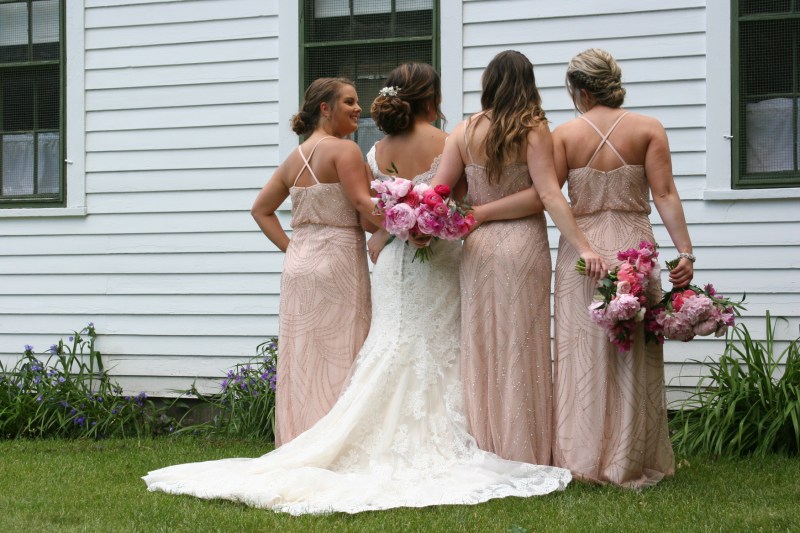
You can see and feel the love in this photo.


But, as I framed a few photos, my thoughts shifted back to the moment, to the celebration, to the joy. Here were four beautiful young women, stunning in their sparkly dresses, arms wrapped around one another, luscious bouquets of peonies clutched in their hands, posing for portraits against an historic backdrop.

In that moment I witnessed life. Ordinary and celebratory. Life full and joyous. Life as lovely as a June bride.

© Copyright 2020 Audrey Kletscher Helbling
 

Making American Stories during Faribault Car Cruise Night, Part III June 25, 2020
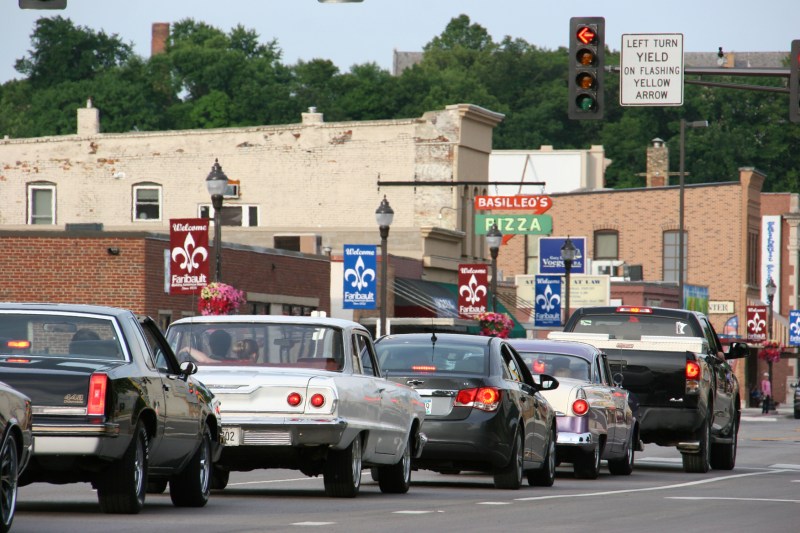
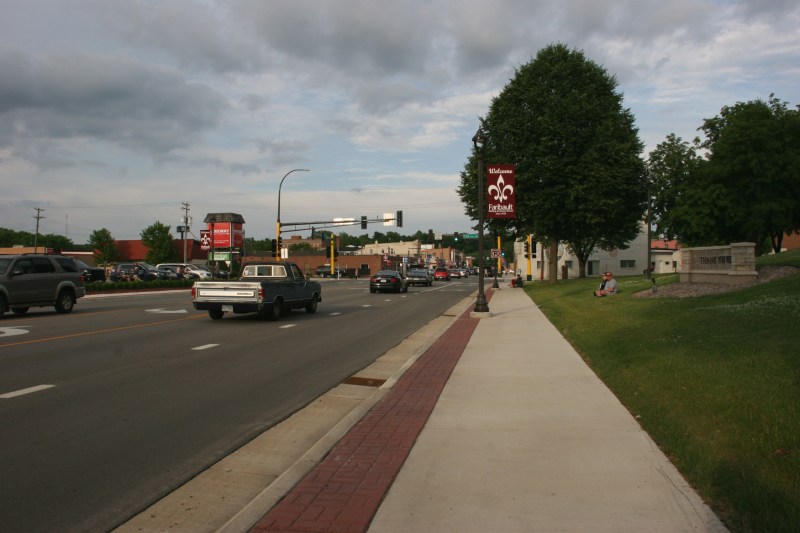
Closing in on downtown, only blocks from Central Avenue, at the end of the car cruise route.
 

AS I WATCHED AND PHOTOGRAPHED the June 19 Faribault Car Cruise Night, I considered not only the stories I would tell with my photos, but the stories of those participating in this monthly summer event.
 

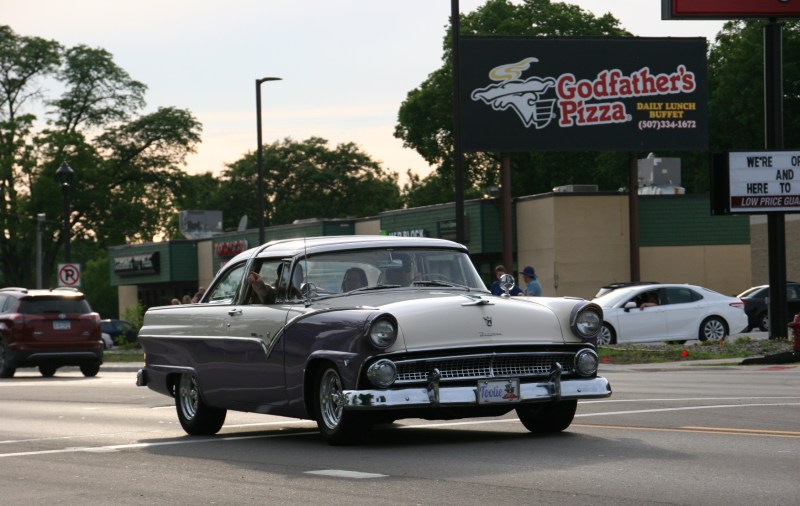
What’s the story behind the TOOTIE license plate on this Ford Fairlane?


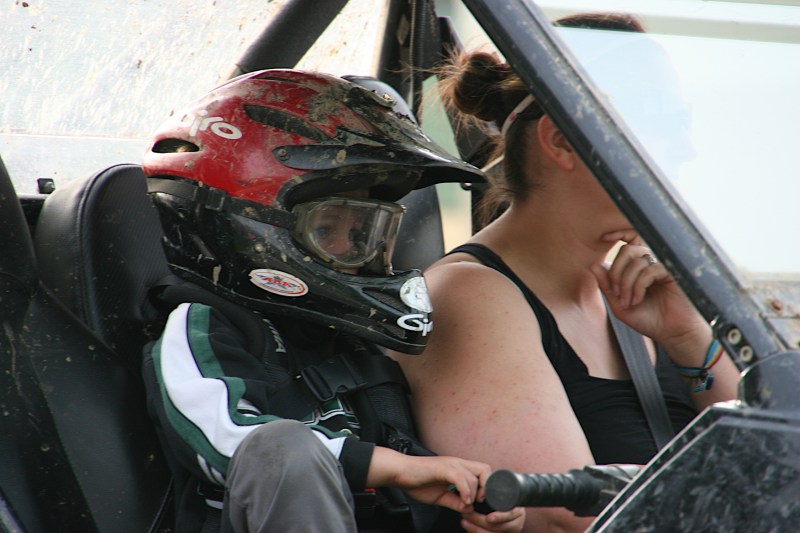
And where was this young boy riding prior to the cruise?
 

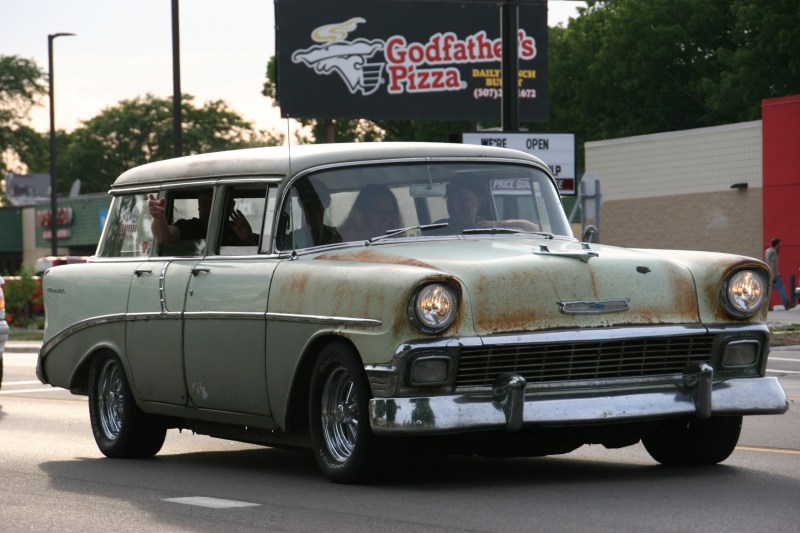
What stories have been written, and shared, in this 1956 Chevy station wagon?


What prompted them to join the cruise? What would they see? How would they feel? What memories would they take away from this leisurely Friday evening drive around Faribault area lakes and back into town? Will they, years from now, talk about the summer of 2020 and how, even in the midst of a global pandemic, they went on a car cruise?


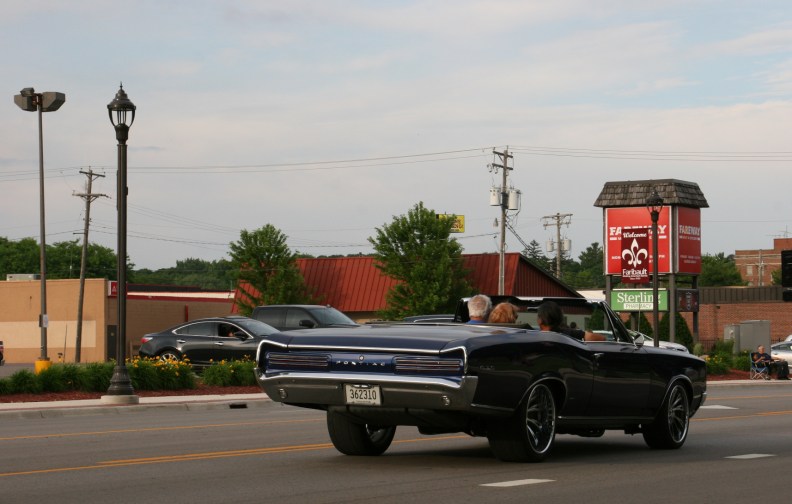
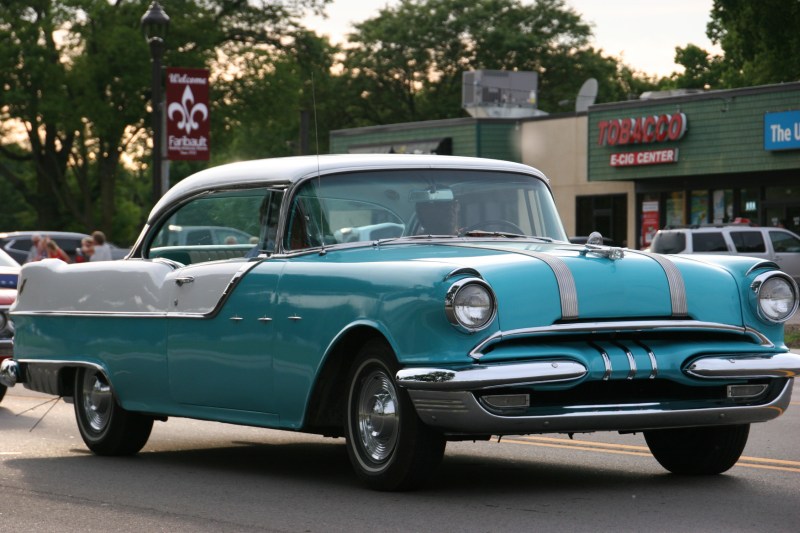
What’s the story behind this vintage Pontiac owned by Sharon and Tom?


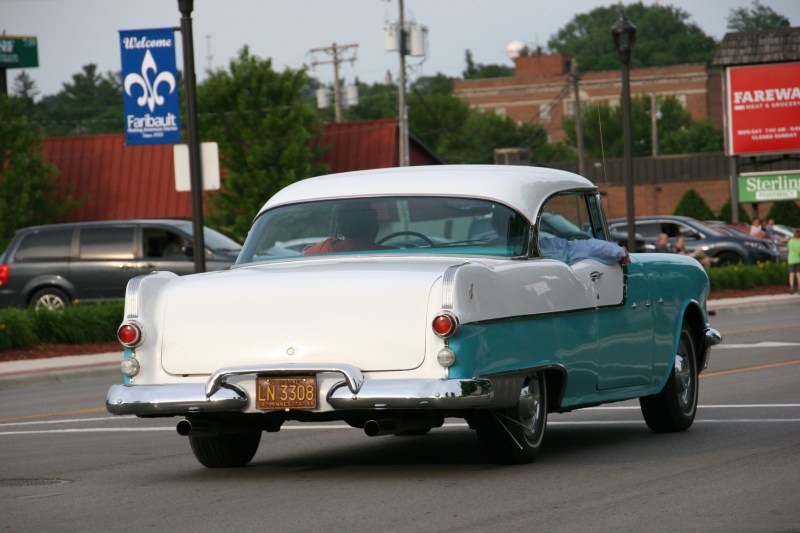
The back of that beautiful Pontiac.


Life is one long story. With many chapters. And editing along the way. Sometimes by us, sometimes by those who think they can edit our lives or rewrite our stories. They can’t. They are not us. Our stories are ours.


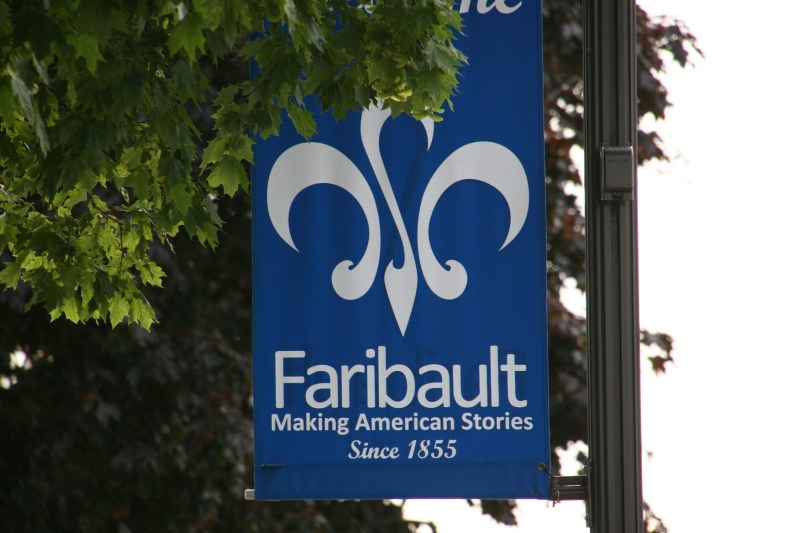
Part of Faribault’s “American Stories” campaign.


“Making American Stories” is among a handful of marketing slogans selected by local tourism folks to promote Faribault. That theme, along with crafting, experiencing, shaping and preserving American stories, is bannered on signs posted throughout my community. I like this campaign. It’s clear, meaningful, uncomplicated and fitting. It defines community strengths—from history to home-grown businesses to things to do.


What’s the story behind “The Rock” shirt?


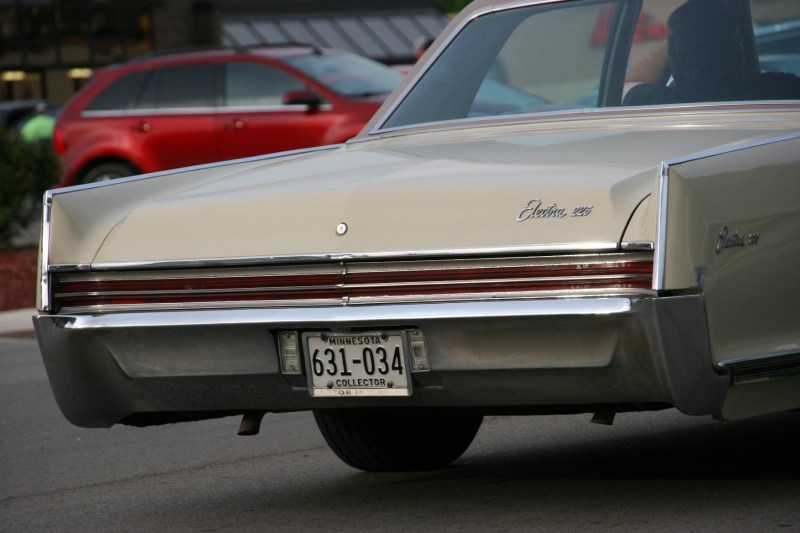
What leads someone to own a vintage car like this Buick Electra?


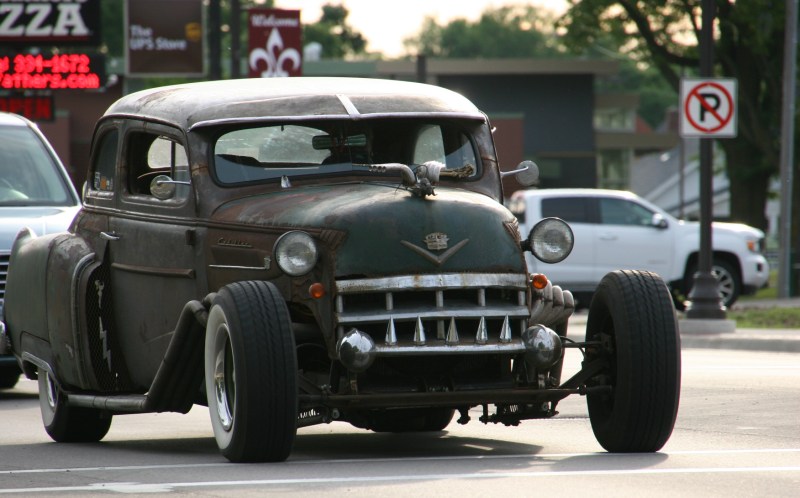
What prompts someone to get all creative and build a rat rod?


What’s the full story behind this tattoo?


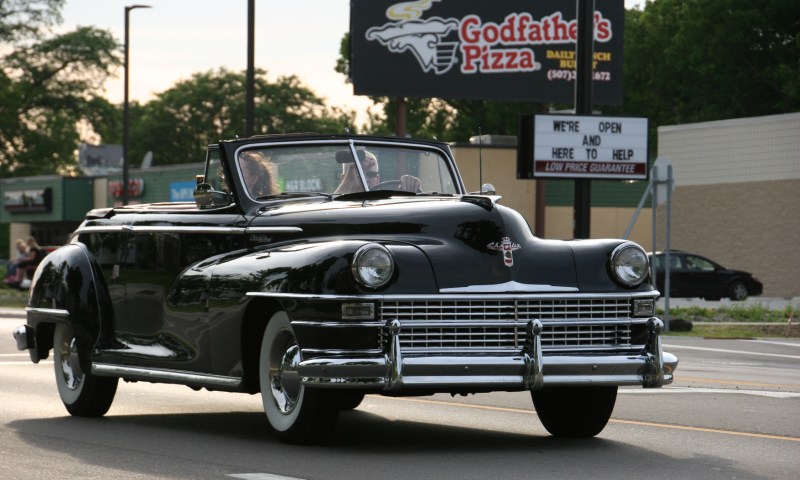
Where did the owners find this vintage Chrysler convertible and what’s its history?


And on summer evenings in to early autumn, one of those local once-a-month activities is Faribault Car Cruise Night. It brings together the past and the present. Links vintage vehicles and new. Seniors and kids. Car collectors and, new this year, Harley riders.


What’s the story behind the ATV?


Wonder what stories this Pontiac GTO convertible could tell?


So many American stories in the making during the June 19 Faribault Car Cruise Night.


Switched from a Central Avenue-based park-and-look event, this actual driving cruise has added a new dimension in the making of this American story. I wonder about the stories. Those already written. And those being written.

This concludes my three-part photo series on the June 19 Faribault Car Cruise Night.

© Copyright 2020 Audrey Kletscher Helbling