Minnesota Prairie Roots

Writing and photography by Audrey Kletscher Helbling

The challenges of winter photography & a new perspective on art January 24, 2013

Filed under: Uncategorized — Audrey Kletscher Helbling @ 8:15 AM
Tags: , , , , , , , , ,

FOR A BLOGGER like me who incorporates so many photos into her posts, blogging in winter in Minnesota presents special challenges, the primary obstacle being the weather.

Simply put, I don’t like freezing my fingers, navigating icy surfaces, dodging snowflakes or battling frigid winds to get a photo. And when you live in Minnesota, you just can’t escape the cold, ice, snow and wind, especially not this week.

Yesterday I glanced outside to see a fresh dusting of snow sparkling like fairy dust in an enchanting scene. For a moment, as I slipped half my body outside to retrieve the morning paper, I considered bundling up to photograph the magic. But thoughts did not transform into action.

Later, though, after lunch, that fairy dust still danced in my brain so I zipped my fleece and stepped onto the patio to photograph the snow. I didn’t expect fantastic results; heck, the results rated as immediately deletable:

The original sparkling snow image, unedited except for down-sizing.

The original sparkling snow image, unedited except for down-sizing.

But then I worked my magic, trying several editing tools—sparkle effect, colorizing, cartoonifying and changing the contrast—to transform a blah image into an abstract work of art:

Sparkling snow in my backyard transformed into abstract art with photo editing tools.

Sparkling snow in my backyard transformed into abstract art with photo editing tools.

What’s really interesting about this entire process is that I’ve never been a fan of abstract art. I’ve always been inclined to view an abstract work and then blurt, “I could do that” or “That looks like the work of a kindergartner.”

I doubt I’ll ever quite stop thinking that.

But, through this digital editing process, I’ve discovered a part of me appreciates abstract photo art and the process of creating it. Temporary brain freeze perhaps?

WHAT ARE YOUR THOUGHTS on cold climate photography (as in Minnesota cold), abstract art, digital photo editing or anything along that line? (And don’t feel you have to like my abstract photo art.)
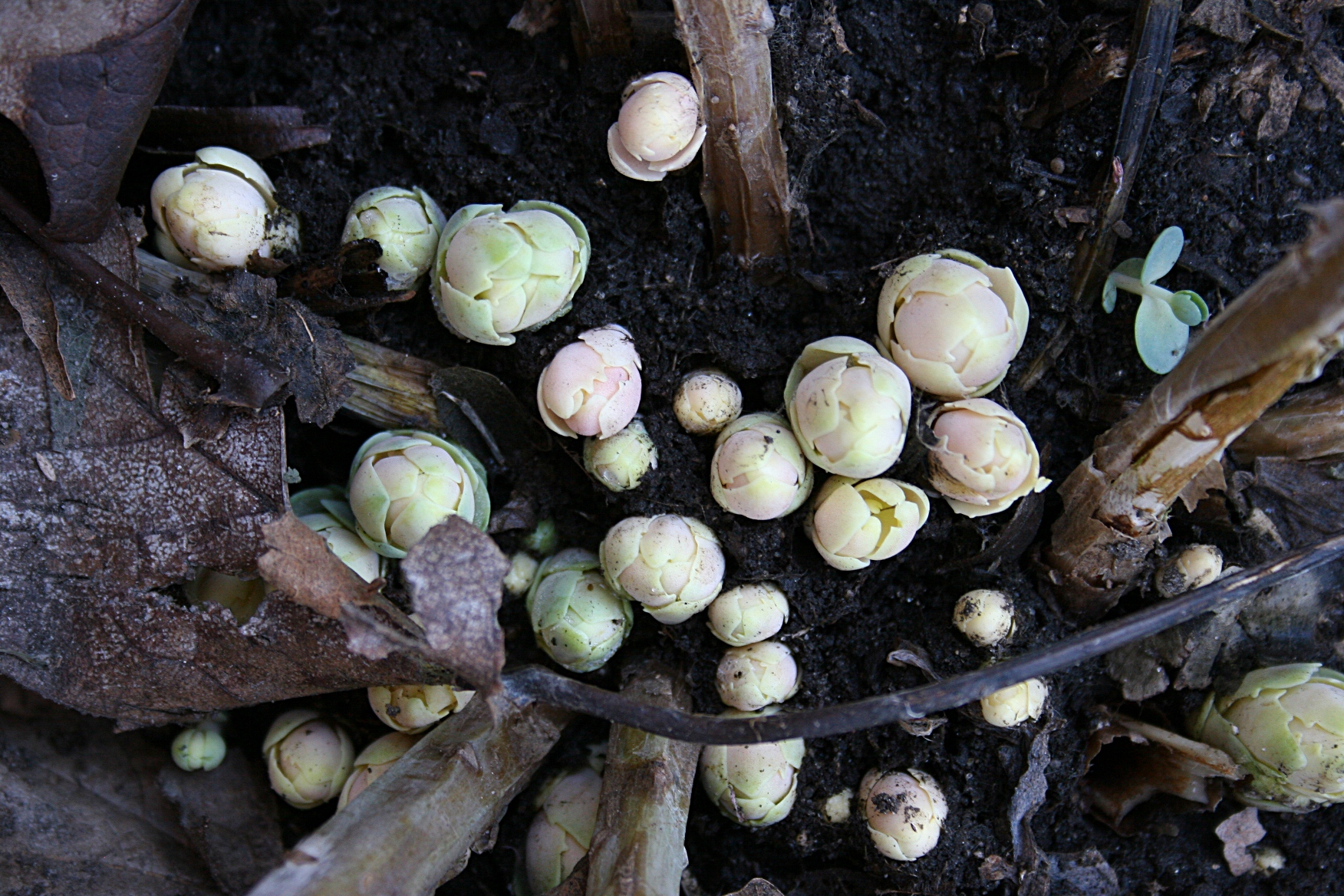
I prefer to shoot winter photos from the comfort of a building or a vehicle, as evidenced in these images I shot in March 2012:

I converted this image to black-and-white and upped the brightness. This was shot on the Minnesota Highway 19 curve just north of Vesta, my southwestern Minnesota hometown.

I converted this image to black-and-white and upped the brightness. This was shot on the Minnesota Highway 19 curve just north of Vesta, my southwestern Minnesota hometown.

I used the same photo editing techniques on this scene captured on the same date just south of Echo, which would be north of Vesta. We were on our way to church.

I used the same photo editing techniques on this scene captured on the same date just south of Echo, which would be north of Vesta. We were on our way to church.

The day prior, en route to Vesta, I photographed this barn between New Ulm and Morgan.

The day prior, en route to Vesta, I photographed this farmyard between New Ulm and Morgan.

To the east, also en route to my hometown, I photographed this rural scene just west of Waterville along Minnesota Highway 60.

To the east, also en route to my hometown, I photographed this rural scene just west of Waterville along Minnesota Highway 60.

© Copyright 2013 Audrey Kletscher Helbling


Jolts of color: OK or not? January 23, 2013

Filed under: Uncategorized — Audrey Kletscher Helbling @ 7:52 AM
Tags: , , , , , ,

AS A 1970s ERA TEEN, I painted my basement bedroom a vivid lime green.

That vivid house in Lansing.

That vivid house in Lansing. Minnesota Prairie Roots file photo.

Would I paint my house that psychedelic hue? No. But someone in Lansing, north of Austin, did as seen in this photograph I shot several years ago. Would you dare brush this green onto your abode?

In 2009, the owner of Los 3 Reyes Bakery painted his rented building in a vivid green shade that some neighboring business owners deemed unsuitable for historic downtown Faribault. The objectors approached Mariano Perez and asked him to repaint his bakery exterior. When he told them he couldn’t afford to repaint a building he’d just painted, they pooled their money to buy paint.

Now you might think that was a kind gesture. I don’t see it that way. To this day I wonder why Perez was shoehorned (or whatever word you want to use) into changing his building color to a softer gray-green. At the time, I interviewed Perez and he told me the bright green represented a “happy color” common in his native Mexico and his culture. Click here to read my interview with Perez, who no longer owns the bakery.
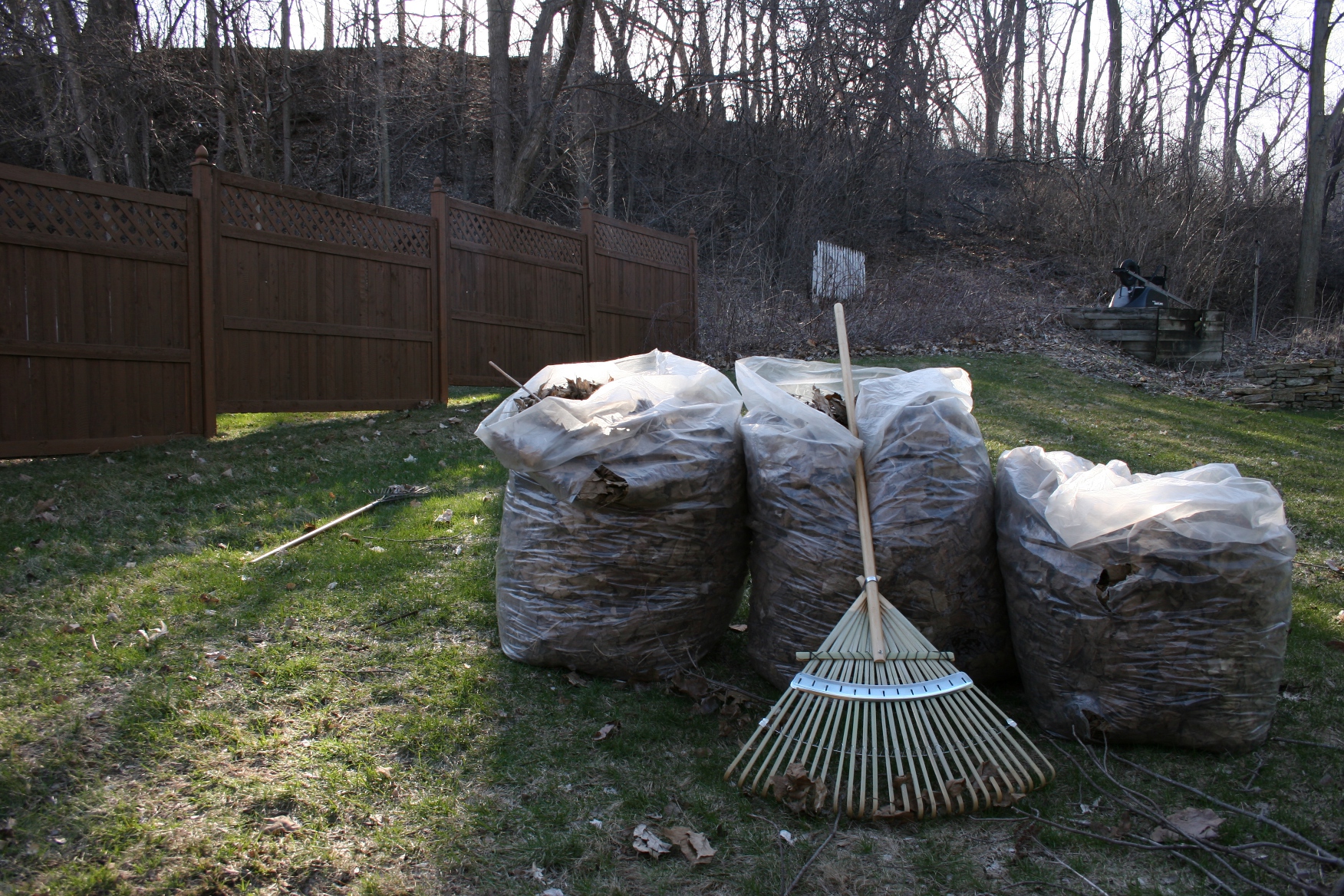
That bakery story came rushing back today as I sorted through photo files searching for bright-colored buildings I’ve photographed through the years. I intended to publish a post that would add a jolt of color to a wintry January day in Minnesota.

But then I started thinking about that bakery and about why buildings are painted the colors they are and if we have any right to tell a property owner what color he/she can/can’t paint a building.

Perhaps a color is chosen based on personal preferences. Remember that lime green bedroom of mine? I doubt my mom really liked the color, but she didn’t demand I paint the walls pink.

The NAPA store in Fergus Falls.

The NAPA store in Fergus Falls. Minnesota Prairie Roots file photo.

Perhaps a color connects to the identity of a business as in NAPA Auto Parts’ signature blue and gold. My husband works for NAPA and he will tell you just how much I dislike that strong, strong blue. Dislike is a toned-down version of my actual opinion. You can bet that you won’t miss a NAPA store in Any Town, USA. And that’s exactly as the company intends.

Perhaps a color relates to culture as in the case of the Mexican bakery.

Whatever the reasons, I view paint color as mostly a matter of personal choice.

However, I will agree that, in certain contexts, color guidelines are necessary to retain the character of a historic district. That was the argument in the bakery situation and for months the subject of debate among locals and the Faribault Heritage Preservation Commission. I can’t even honestly tell you what they finally decided. Bakery owner Perez was not, at the time, violating any type of guidelines.

What are your thoughts on building colors?

Just to get the conversation going, here are several more examples of colorful buildings I’ve photographed in recent years.

Dad's Good Stuff in New Richland

Dad’s Good Stuff in New Richland. Minnesota Prairie Roots file photo.

I grew up on a dairy farm and the color of the Calf Fiend in Redwood Falls reminds me of calves, but not in a positive way.

I grew up on a dairy farm and the color of the Calf Fiend in Redwood Falls reminds me of calves, but not in a positive way. Minnesota Prairie Roots file photo.

It's the trim on this building in Kenyon that caught my eye.

It’s the trim on this building in Kenyon that caught my eye. Minnesota Prairie Roots file photo.

The City Limits in Sleepy Eye

The City Limits in Sleepy Eye. Minnesota Prairie Roots file photo.

© Copyright 2013 Audrey Kletscher Helbling


Cold enough for you? January 22, 2013

Filed under: Uncategorized — Audrey Kletscher Helbling @ 9:30 AM
Tags: , , , ,

I SWITCHED ON the television around 7 a.m., prompted by my husband’s announcement that many Minnesota schools are opening late this morning due to bitterly cold temperatures.

School announcements from a Twin Cities television station scroll across my TV screen this morning.

School announcements from a Twin Cities television station scroll across my TV screen this morning.

From north to south, east to west, arctic air has settled into our state, making for dangerous conditions. According to the National Weather Service office in Chanhassen:

VERY COLD AIR REMAINS IN PLACE THIS MORNING WITH HIGH PRESSURE
CENTERED OVER CENTRAL IOWA. TEMPERATURES RANGE FROM THE LOWER
SINGLE DIGITS BELOW NEAR THE IOWA BORDER TO 15 TO 20 BELOW IN THE
ALEXANDRIA AREA. WINDS ARE LIGHT SO WIND CHILLS ARE NULL IN SOME
AREAS…BUT IT WON/T TAKE MUCH WIND WITH THESE TEMPERATURES TO
PRODUCE DANGEROUS WIND CHILLS…PARTICULARLY OVER WRN MN.

I always wonder why the Weather Service prints its warnings in all caps. To emphasize the seriousness of the weather situation?

That aside, if you live in Minnesota, you know it’s cold here. The temp in Faribault was minus nine degrees F when I awoke. Many counties, including my county of Rice, are under a wind chill advisory. Up in International Falls, the self-proclaimed “Icebox Capital of the World,” the wind chill was reported at minus 38 degrees F.

On brutally cold mornings like this, many Minnesota students are hoping for late school starts or closings. With three kids (now grown), I’ve stationed myself many a winter morning in front of the television watching for “Faribault” to scroll across the bottom of the screen.

More school closings on another Minnesota TV station.

More school closings on another Minnesota TV station.

It’s interesting to watch that list of names, learning about places and schools I never knew existed, like Bug-O-Nay-Ge-Shig School. This morning I looked up the school online. It’s a magnet school for 200 Native American students living on or near the Leech Lake Reservation in north central Minnesota. Operated by the Leech Lake Band of Ojibwe, the school is located in the forest outside of Bena, population 109, between Bemidji and Grand Rapids.

Unless I missed it on the school’s website, I couldn’t find a translation of the school’s name, which so intrigues me.

Bug-O-Nay-Ge-Shig School lists its values as love, respect, humility, wisdom, bravery, honesty and truth. That’s an admirable list.

But students there won’t be learning today as the school is closed.

Switching from school closings to the weather, I listened to a report on “Good Morning America” about the cold weather sweeping the nation with wind chill advisories issued in 19 states.

And, as I listened, I jotted down some of the phrases used to describe current weather conditions:

arctic air
dangerous cold from Midwest to East
howling polar winds
blizzard conditions along parts of Lake Michigan
bitter wind chills in places like Fargo, North Dakota

Good morning, readers. How would you describe the weather where you live today?

© Copyright 2013 Audrey Kletscher Helbling


In honor of Dr. Martin Luther King, Jr., I have a dream for my Minnesota community January 21, 2013

I HAVE A DREAM for my community of Faribault, Minnesota.

A little girl stands on the opposite side of the group of children waiting to swing at the pinata.

Skin color matters not during this pinata breaking at the International Festival Faribault held in August 2012.

And that dream is for those who live here to see beyond differences in skin color, language, culture and religion.

That same little boy who was so intently focused on the musician.

One of my favorite portraits from the 2012 International Festival Faribault.

I dream that someday my neighbors, and I use that term in the general sense of the word, will recognize that we are, no matter our differences, each human beings who deserve respect.

The scramble for candy once one of three pinatas is broken.

No barriers here as Faribault kids scramble for candy at the 2012 International Festival Faribault,

I dream that someday prejudice will vanish.

The ever-changing/growing diversity of Faribault High School as seen in this post commencement gathering outside the school.

The ever-growing diversity of Faribault High School as seen in this post 2012 commencement gathering outside the school.

I dream that long-time residents will begin to understand the difficulties local minorities—Somalis, Sudanese, Latinos and others—face in assimilating into a new culture, a new community, a new way of life.

International flag ribbons were tied to trees in Central Park during the 2011 International Festival..

International flag ribbons were tied to trees in Central Park during the 2011 International Festival..

I dream the descendants of immigrants will remember that their forefathers were once newcomers to this land.

Friends, Nimo Abdi, a sophomore at Faribault High School, left, and Nasteho Farah, a senior.

Friends and Faribault residents, Nimo Abdi and Nasteho Farah, photographed at the International Festival Faribault 2012.

I dream that someday I will speak with a young Somali high school student and the words she shares will not be words of heartbreaking prejudice.

In this file photo, a Somali family waits to cross a downtown Faribault street.

In this file photo, a Somali family waits to cross a downtown Faribault street.

I dream that locals will stop fearing the Somali men who gather on downtown street corners, the street-level front porches of their Central Avenue apartments.

A group of young Somali dancers perform on the band shell stage during the festival.

A group of young Somali dancers perform on the band shell stage during the 2012 International Festival Faribault.

I dream that the minority population will no longer be lumped together into the category of those who commit the most crimes within my community.

Conversation and connecting..., no other words necessary.

Conversation and connecting…, no other words necessary.

I dream that all of us, no matter our color, can begin to connect on a personal level. For when that happens, the barriers begin to fall, the differences slip away, and the prejudices vanish.

#

I DON’T WANT TO LEAVE you with the impression that Faribault residents are a bunch of racists. We are not. But to claim that we are all accepting of one another, to deny that bigotry exists, would be inaccurate. I’ve heard all too many negative stories and comments, even from friends and acquaintances, about our minority population.

Faribault is an ever-changing community of diversity. One need only drive or walk about town to see that.  While 75 percent of our population is white, according to the 2010 U.S. Census, Hispanics or Latinos comprise 13 percent and black or African Americans seven percent of our residents.

We can form all sorts of committees, outreach and other groups to ease newcomers into Faribault, to advocate understanding and acceptance. These are necessary and commendable efforts. Yet, if we as individuals do not open our hearts, and that applies both to long-time residents and immigrants, nothing truly changes. We need to connect on a personal basis. For in shaking a hand, greeting one another by name, engaging in conversation, we begin to view each other as individuals, then as friends.

I am not so naive as to believe any of this will come easily or quickly. Change begins with something as simple as a smile, holding a door open, a kind word, an unwillingness to hear a prejudicial comment and then let it slide…

Downtown Faribault businesses include Banadir Restaurant, a Somali restaurant.

Downtown Faribault businesses include Banadir Restaurant, a Somali restaurant.

We can choose to support the ethnic businesses which are making our community a more diverse and interesting place to shop and dine. I’d like to see minorities actively and visibly involved/represented in the Chamber of Commerce and Faribault Main Street program. How about a campaign to showcase ethnic businesses to locals and visitors?

Lul Abdi shows off beautiful wood crafts from Kenya and Somalia.

Lul Abdi shows off beautiful art from Kenya and Somalia at the 2012 International Festival Faribault.

Perhaps our local arts center could connect with minority groups, integrating them into the arts scene via gallery showings, classes, diverse cultural events and the sale of their art in the arts center gift shop.

Ethnic musicians could be featured during the weekly Faribault Parks and Recreation Department summer band concerts in Central Park.

The Faribault Farmers’ Market could invite minorities to vend their ethnic art, crafts and food. The relaxed atmosphere of the Farmers’ Market offers an especially neighborly environment in which to connect people and cultures on a personal level.

My ideas are nothing novel. Perhaps some have already been tried, are in the works or are on the table…

#

CERTAINLY EFFORTS ARE being made to reach out to our newest residents, although one of the most valuable assets, The Welcome Center, closed several years ago due to lack of funding. Somali Community Services reaches the Somali population, at least.

A newly-formed group, Faribault’s Task Force on Cultural Diversity, has brought community leaders (including clergy, business representatives, healthcare and law enforcement professionals and others) together to address diversity-related concerns. I contacted Mayor John Jasinski, who is spearheading this committee, for an update, but have not yet received a response.

A woman, without my prompting, took this mask from the table manned by Bashir Omar and Asher Ali and asked me to photograph her.

Without prompting, this woman took this mask from a table manned by Bashir Omar and Asher Ali and asked me to photograph her during the 2012 International Festival Faribault.

The nonprofit International Festival Faribault organizes an annual outdoor fest aiming “to promote understanding between diverse cultures within Faribault, uniting the community with music, dance, ethnic foods and merchandise.”

HealthFinders Collaborative, which began with a healthcare clinic for the underinsured and uninsured in rural Dundas, recently opened an additional center in downtown Faribault.

St. Vincent de Paul Center offers financial assistance, food, clothing and other basic necessities to those in need.

Ten Faribault churches have joined to create the Community Cathedral Cafe, serving a free meal from 5 p.m. – 6:30 p.m. each Tuesday at the Cathedral of Our Merciful Saviour.

Divine Mercy Catholic Church has a Hispanic Ministry Program that includes, among many other aspects, annual summer masses at two Faribault trailer parks.

Within Our Savior’s Lutheran Church, Nile Our Savior’s, a Sudanese congregation, holds Sunday afternoon worship services at 1 p.m in the Nuer language.

Buckham Memorial Library offers a free online language program (Mango Languages) with 40 foreign languages and 12 English as a Second Language courses.

This list certainly is not all-encompassing. Our schools are reaching out, too, through nonprofits like Children’s Dental Services. I expect many individuals, whether via one-on-one tutoring, donations or other gifts are also assisting Faribault’s minority population.

Yet, more can be done. And it starts with each of us, in our hearts, on a personal level.

*NOTE: Some of the organizations listed above are not geared specifically toward assisting local minorities, but rather toward anyone in need, no matter their ethnicity.

#

Historic buildings along Central Avenue.

Historic buildings along Central Avenue in downtown Faribault, Minnesota Prairie Roots file photo.

IN CELEBRATION of Dr. Martin Luther King, Jr.’s birthday and his “I have a dream” speech, I’d like to hear:  What is your dream for your community?

And what are your thoughts on anything I’ve presented in this post.

© Copyright 2013 Audrey Kletscher Helbling


Words matter January 20, 2013

Filed under: Uncategorized — Audrey Kletscher Helbling @ 5:38 PM
Tags: , , , , , , ,

IT’S THAT KIND of afternoon here in Faribault, you know, the type where you just want to curl up on the couch under an afghan with a good book or, like my husband, nap in the recliner with the television blaring football in the background.

After church, followed by a trip to the grocery store this morning, I have no desire to step outside into the frigid nine-degree cold.

When I complained about that cold upon entering church this morning, my friend Kathi responded that at least I didn’t have to shovel snow.

Her comment set the tone for the day, reminding me that life sometimes can be exactly how you choose to perceive it.

Today I choose to see the beauty of white in daisies, one of my favorite flowers.

Today I choose to see the beauty of white in daisies, one of my favorite flowers.

Then, even before I pulled off my coat, my friend Joy handed me a packaged date-filled cookie from Saudi Arabia because, she said, “You gave me those date cookies at Christmas and I figured you liked dates.” How thoughtful was that?

Upon entering the fellowship hall, I spotted two cookbooks lying on a table with a “free” sign on them. I grabbed them for my daughters and bee-lined for the kitchen to thank Joy. I knew, just knew, the cookbooks had come from her.

Outside the fellowship hall, I greeted Bob, who lost both his parents within six months of each other last year. I asked how he was doing and he told me how he and several family members had been sorting through his parents’ possessions yesterday and came across greeting cards and notes they’d saved. Among those notes were some I’d sent to the couple, who always showed such kindness and generosity to my family. Bob shared an observation by one of his sisters: “That Audrey, she sure has a way with words.”

That Bob’s mom would choose to save all those notes from family and friends surely emphasizes the importance of care and gratitude expressed in handwritten words.

The UPS delivery man dropped a dozen multi-colored roses and a box of chocolates off at my house late Thursday morning.

Remembering the beautiful roses my daughter Miranda sent me for Mother’s Day 2012.

That reminds me of the two hand-printed poems I received on Saturday from Hannah, a sweet 11-year-old whom I’m mentoring in poetry. My friends’ daughter also jotted a note with this P.S.: You are the coolest poet I have ever known!

You can bet Hannah and Bob both made me feel good with the kind words they shared.

Words matter.

Poppies have long been associated with honoring and remembering veterans. I photographed this poppy in my neighbor, Cheri's, yard this past summer.

The vivid color of poppies just makes me happy.

Saturday evening, words made me laugh, a lot, during an improv comedy show by southern Minnesota based Spontaneous Productions at The Paradise Center for the Arts in downtown Faribault. For nearly two hours, this high-energy group of guys entertained with family-friendly, audience-interactive improv.

If you’re like me and want to avoid potty-mouth comedy, then Spontaneous Productions would be the group to entertain you. Even when the name “Chuck” was chosen by the audience during a rhyming improv scene, we were assured by the host that we wouldn’t hear any bad words. I was especially smitten by one performer’s stellar imitation of Bob Dylan during the group’s “Sweet Home Minnesota” version of “Sweet Home Alabama.” The comedians had the audience belting out the chorus of “Sweet home Minnesota, where the lakes are blue…”

The unassuming beauty of the southwestern Minnesota prairie in the winter of 2012.

The unassuming beauty of the southwestern Minnesota prairie in the winter of 2012.

While lakes may appeal to most Minnesotans, my friend Kathleen understands my deep love for the southwestern Minnesota prairie. So last week this former Faribault children’s librarian living in Washington state, mailed me a hard-cover copy of If you’re not from the prairie… written by David Bouchard and illustrated by Henry Ripplinger. Kathleen knew, when down-sizing her children’s book collection, that I would appreciate the book. I do. But I also value her thoughtfulness.

On a serious note, my blogger friend Nina Hedin, whose husband Tom was seriously injured in a snowmobile crash two weeks ago, posted these words on Tom’s Caring Bridge website today:

I can honestly say this has been the longest two weeks ever. So much has passed, life changing moments, hugs, tears, family and friends pulling together… so much to be thankful for.

First, that Tom survived not only one, but two impacts; the first when he hit the embankment, and the next when he flew off the sled and landed some thirty feet away. It’s amazing that he didn’t have any internal damage or paralysis.

Second, that we have all of you. Our prayer warriors. Our friends and family and strangers that care.

"Mama always said life was like a box of chocolates. You never know what you're gonna get."-- Forrest Gump. Minnesota Prairie Roots file photo.

“Mama always said life was like a box of chocolates. You never know what you’re gonna get.”– Forrest Gump.

Although Nina could choose to focus on the difficulties, on Tom’s long road to recovery as he has transitioned out of Hennepin County Medical Center into sub-acute rehab back in the couple’s community of Glencoe, she remains overwhelmingly positive. The family has faced plenty of challenges. But this 30-something mother of two young children chooses to see the humor, the goodness and the progress that will bring her husband home, their family back together.

If you are able to help this family financially, please consider making a gift to the GiveForward “Help for Tom Hedin” fund to cover medical and other expenses by clicking here. Already family, friends and strangers have given nearly $4,000 toward the $40,000 goal. If you are unable to give, offer an encouraging word and/or prayer.

Words matter.

© Copyright 2013 Audrey Kletscher Helbling

Note: All photos were pulled from my files.


Friday night at the car wash January 19, 2013

Filed under: Uncategorized — Audrey Kletscher Helbling @ 11:47 AM
Tags: , , , , , , , , ,

HE LEANED ACROSS the front seat of the car, not to kiss me, but to spray Windex onto the passenger side windshield and then wipe the glass dry with a paper towel.

After 30 ½ years of marriage, this is Friday night—a date at a local car wash.

Not that my husband invited me along or even remotely suggested that this might be a date. But at the last minute I decided the car wash would make for an interesting photo shoot. Randy knows me well. He didn’t even question me or roll his eyes.

My first side view shot of the car wash, taken from the adjoining Kwik Trip gas station.

My first side view shot of the car wash, taken from the adjacent Kwik Trip gas station.

While he tended to gassing up the car, I strolled over to the car wash to shoot some exterior scenes before we joined the line of five waiting vehicles. Not bad for a 37-degree January evening topping off an exceptionally warm winter day with temps soaring into the 40s.

When you live in Minnesota, you have to jump on warm weather like this to wash away the destructive road salt that clings to vehicles. A sign at the car wash even states the business will close when temps dip to 10 degrees.

And we all know, because we’ve been hearing for days now from weather forecasters, that Minnesota is headed into the deep freeze. Wind chill advisories have already been issued for parts of the state. Strong winds, combined with air temperatures, will make the outdoor temp feel like 25 to 30 degrees below zero.

We’ve heard repeated warnings about frostbite and hypothermia and the need to protect our skin.

I tell you this to emphasize to those of you who live in much warmer locales and cannot fathom such extreme cold, why Minnesotans would wait in line at a car wash on a 37-degree evening.

While Randy and I waited, he fiddled with his cell phone, inputting the number to an area radio station. He’s good at music trivia or being the whatever number caller, having recently won tickets to a Trans-Siberian Orchestra concert and years ago a trip to the Bahamas and the chance to win $1 million (which he did not win).

Waiting in line at the car wash, our car is on the left.

Waiting in line at the car wash, our car is on the left.

At this point, I stepped briefly from the car to scope out photo ops and shoot a few frames, hoping the other motorists wouldn’t roll down their windows and question me.

Back inside the car, we chatted a bit—about what I can’t remember—and Randy cleaned the interior windshield and eventually the garage door rose, the car ahead began exiting and my spouse directed our car inside.

Now you might think that in the privacy of the enclosed car wash, this could have been a date-date. But, nope, I was too busy photographing the art.

You perhaps see simply a car. I see art in this photo-edited image.

You perhaps see simply a car. I see art in this photo-edited image.

Yes, more car wash art.

More car wash art.

Not just water spraying on the windshield, but abstract art.

Not just water spraying onto the windshield, but abstract art.

Nearing the end of the car wash art exhibit.

Nearing the end of the car wash art exhibit.

Exiting the car wash (exhibit).

Exiting the car wash (exhibit).

© Copyright 2013 Audrey Kletscher Helbling


The evolution of poetry January 15, 2013

EXCEPT FOR THE POETRY of Robert Frost and Emily Dickinson, the poetry I studied in my youth seemed mostly complicated and unapproachable.

I expect you may have felt the same about any poetry you read, studied and critiqued as part of a high school and/or college English class. You could not wait to get through the required course and put poetry behind you.

Today, though, poetry has become much more approachable, even understandable. Would you agree?

I write poetry. Seventeen of my poems have been published in places ranging from the pages of a newspaper, magazine and anthologies to billboards. Yes, billboards. Recently, the Roadside Poetry Project, which began in Fergus Falls, Minnesota, in 2008 and featured seasonally-changing poetry billboards, ended.

The last of four billboards featuring my Roadside Poetry spring poem.

The last of four billboards featuring my Roadside Poetry spring poem. Minnesota Prairie Roots file photo.

Venues like this expose poetry to the masses in an unassuming and everyday way. When a poem is limited to four lines, a maximum of 20 characters per line, every word, every letter, counts and thus the poem is penned with great care. Take my poem, winner in the spring 2011 Roadside Poetry competition:

Cold earth warmed
by the budding sun
sprouts the seeds
of vernal equinox.

Sidewalk poetry, which graces Minnesota sidewalks in St. Paul, Mankato, Northfield and St. Cloud, also holds similar word limitations and a certain everyday appeal. Those who long ago dismissed poetry for its complexity and arrogance may develop a renewed interest in verse upon reading sidewalk poetry. That would be my hope.

A poem by Mankato resident Yvonne Cariveau imprinted  in the sidewalk at Riverfront Park, Mankato, as part of the WordWalk project.

A poem by Mankato resident Yvonne Cariveau imprinted in the sidewalk at Riverfront Park, Mankato, as part of the WordWalk project. Minnesota Prairie Roots file photo.

I’ve viewed some of the sidewalk poems in Mankato (WordWalk) and Northfield (Sidewalk Poetry). While these poems may be limited in words, they certainly are not limited in depth. Sometimes less is more. Writing a short poem with word limitations can be more of a challenge than penning a lengthy poem. Ask any poet.

A poem by Patrick Ganey is stamped into the sidewalk near the Northfield Public Library. It reads: still winter thaw  tall pines bend, grey sky drops rain  even at midday  a train whistle sounds lonely

A poem by Patrick Ganey is stamped into the sidewalk near the Northfield Public Library. It reads: still winter thaw/ tall pines bend, grey sky drops/ rain even at midday/ a train whistle sounds lonely. Minnesota Prairie Roots file photo.

This whole concept of stamping poems into concrete, putting poetry out there to the public, appeals to me as a truly creative way to bring verse to the people, to those who might not pick up a poetry book.

Even more creative is Motionpoems, a nonprofit poetry film initiative developed under the guidance of Twin Cities animator/producer Angella Kassube and St. Paul poet Todd Boss. The pair co-founded Motionpoems in 2009. The process “turns contemporary poems into (animated) short films.”

Among my favorite Motionpoems is an adaptation of Boss’ poem titled “The God of Our Farm Had Blades,” a poem about a windmill. While some would argue that visuals detract from the words and the reader’s interpretation of a poem, I would argue that visuals and listening to verse read aloud enhance the poetry experience.

Northern Community Radio, based in Grand Rapids and Bemidji, recently embraced poetry via “The Beat,” which each weekday features a poem by a poet with a Minnesota connection. How lovely is that to listen to a poem read on the air?

For those who still prefer the old-fashioned book-in-hand method of reading poetry, as I also enjoy, plenty of excellent collections exist out there, including Boss’ two books, Yellowrocket and Pitch.

Minnetonka poet Carol Allis also recently published a particularly understandable poetry collection appropriately titled Poems for Ordinary People. Her no-frills style of writing and the content of her verse allow readers to easily connect with her words.

Lake Region Review, volume two, with cover art by  Charles Beck

Lake Region Review, volume two, with cover art by Charles Beck

I can’t end this post without recommending two outstanding Minnesota-based collections of regional writing (including poetry) in the long-standing The Talking Stick published by The Jackpine Writers’ Bloc and Lake Region Review, in its second year of publication by the Lake Region Writers Network. Both feature a diversity of fine, fine regional writing. (And just to clarify, my work has been published in both.)

NOW IT’S YOUR TURN. Tell me how you experience, or don’t experience, poetry. Do you write, edit, listen to, read poetry?

What are your thoughts on creative poetry venues like billboards, sidewalks and film?

What are your thoughts on poetry in general?

Let’s talk poetry.

© Copyright 2013 Audrey Kletscher Helbling


Creativity unleashed at Bethany, my alma mater January 14, 2013

TYPICALLY, COLLEGE ALUMNI magazines hold my interest only long enough to thumb to the section where class updates are printed. I read those and then toss the publication into the recycling bin.

But recently, the bold, artsy cover of the November issue of the Bethany Report, the alumni magazine of Bethany Lutheran College, caused me to take a closer look at an article detailing the school’s new media arts program. I’m a Bethany grad, which in 1976 offered only a two-year associate arts degree to undergraduates.

Today this scenic hilltop campus in Mankato offers an array of four-year degrees, including one in communications, my eventual major at Minnesota State University, Mankato. Oh, how I wish majors and minors had been available back in my Bethany years, because I loved that small Christian college.

All of that aside, today’s Bethany students with an interest in communications, the fine arts and technology can enroll in the media arts major. I don’t pretend to know how Bethany’s program compares to that of other colleges.

I did my own editing on this recent photo of a Bethany billboard along U.S. Highway 14.

I did my own editing on this recent photo of a Bethany billboard along U.S. Highway 14.

But when I saw that magazine cover design emphasizing the media arts program and then an equally vivid, eye-catching billboard along U.S. Highway 14 near Janesville recently, I was impressed enough to visit the BLC website.

There I clicked onto a portfolio showcasing the creations of current and former students.

I’m no expert on the fusing of art, technology and communication. But I liked what I saw. And perhaps that uninformed spontaneous reaction counts for more than the dissected opinion of anyone in academia.

© Copyright 2012 Audrey Kletscher Helbling


How a circle of bloggers are using their voices to help a Minnesota family January 12, 2013

NEVER HAVE I FELT more connected to and appreciative of the caring community of bloggers than I have this week.

In just a matter of a few days a circle of bloggers have, together, shared the story of Tom and Nina Hedin of Glencoe. (Read my initial post by clicking here.) And in turn, their readers, family and friends have passed the story along via social media. Bob Collins at Minnesota Public Radio even picked up the story in the 5×8 section of his Friday morning News Cut column. (Click here to read that; scroll down to number 4.)

We are spreading the word about the Hedins’ great need for prayer, encouragement and financial assistance after Tom was seriously injured in a snowmobile accident one week ago this afternoon. He remained, as of Friday, in intensive care at Hennepin County Medical Center in Minneapolis. For updates on Tom’s condition, visit his Caring Bridge website by clicking here.

Nina and Tom Hedin with Jack and June.

Nina and Tom Hedin with Jack, 3, and June, seven months. Photo courtesy of Nina Hedin.

As you can imagine, this couple with two young children cannot manage their mounting medical bills and other expenses alone. Already, Nina received the first bill on Wednesday: $20,793 for her husband’s 50-mile air-link helicopter ride.

If you can assist the family financially, please consider doing so by contributing via the “Help for Tom Hedin” GiveForward account. You will find details by clicking here.

Now, I know some of you out there would prefer to give directly by writing out a check to the family. I am not yet aware of a way in which you can do this. So, if you know me well enough to have my personal email or snail mail address and wish to give in this way, I would be more than happy to pass along your contribution to the family.

You can also contribute via commenting on It’s Just Life, a blog written by Beth Ann Chiles of Iowa. For every comment on her blog during January and February, Beth Ann is giving 50 cents to the Hedins. Click here to link to It’s Just Life. Beth Ann has the most giving heart, each month selecting a beneficiary for her “Comments for a Cause” project.

That leads me right into Beth Ann’s blog post for today. You just have to read it because she spins a story into her post that gave me goosebumps when I first read it in an email from her a few days ago. You just cannot make up something like this. Click here to read this powerful and touching story as it relates to Nina Hedin. Be sure to leave a comment.

Like my friend Beth Ann, each of us has the power to make a difference. And this week a circle of bloggers have used their words to do just that. I have never been prouder to be a part of this blogging community.

I have a box of greeting cards in my office, one of them inscribed with this quote by the Chinese philosopher Confucius: “Words are the voice of the heart.”

Indeed.

© Copyright 2013 Audrey Kletscher Helbling


My in-house handyman rocks & so does Faribault Ace Hardware January 11, 2013

OH, MY DARLING, knock three times on the ceiling if you want me, twice on the pipes if the answer is no…

If you were a teen of the 70s, like me, you may remember that popular song by Tony Orlando and Dawn. I always connect “Knock Three Times” to a slumber party in the basement of my friend Marla’s house. Don’t ask because I really don’t remember details. I assume we were pounding the ceiling and/or pipes as that tune rocked out on the radio.

The other night it was my husband knocking thrice on the ceiling or pipes as he signaled for me to head to the basement with my camera. He had just finished vacuuming around the non-operating water heater and was ready for me to photograph him in handyman action. His idea, not mine.

So my Canon and I rocked our way down the basement stairs while I belted out the only line I remember from “Knock Three Times.”

Tools and light are in place to replace the thermo couple control on the water heater.

Tools and light are in place to replace the thermocouple on the water heater.

Once inside the cramped utility room, I wondered how the heck I was going to photograph anything except Randy’s behind as he crouched low to the floor to replace the thermocouple on our just shy of six years old water heater. As you can see, I didn’t manage to snap much in the deep dark depths.

But what I gained was hot water again and the reassurance that my spouse is capable of repairing nearly anything in our house.

I hate this brown sink. But, hey, at least I have hot water again flowing from my leaky faucet.

I hate this brown sink. But, hey, at least I have hot water again flowing from my leaky faucet.

Say, about that hole in the dining room wall and the leaky kitchen faucet and the…

Oops, I nearly forgot to tell you this, and it’s an important part of the story. We bought our water heater in March 2007 at our local Faribault Ace Hardware. When Randy stopped by after work  to inquire about the warranty replacement part, the helpful Ace guy found the right piece and then told Randy to bring in the defective part and he’d get his money back. He didn’t even ask for a proof of purchase from six years ago. How’s that for great customer service?

We agreed that we likely would not have experienced the same ease in acquiring a replacement part under warranty had we purchased our water heater at an out-of-town Big Box retailer. Excellent customer service is the main reason we shop local as much as possible.

HAVE YOU EXPERIENCED similar outstanding customer service at a family-owned business? Let’s hear.

© Copyright 2013 Audrey Kletscher Helbling