Minnesota Prairie Roots

Writing and photography by Audrey Kletscher Helbling

Learning about Minnesota’s worst mining disaster September 1, 2021

A photo of iron ore miners displayed at the Soo Line Depot Museum in Crosby, Minnesota. Minnesota Prairie Roots photo July 2021.

I CANNOT IMAGINE WORKING as a miner. Underground. Enclosed in tight spaces. Enveloping darkness. Fear and danger and sometimes unsafe working conditions. I couldn’t do the job. I need light and air and space. To feel free, not trapped.
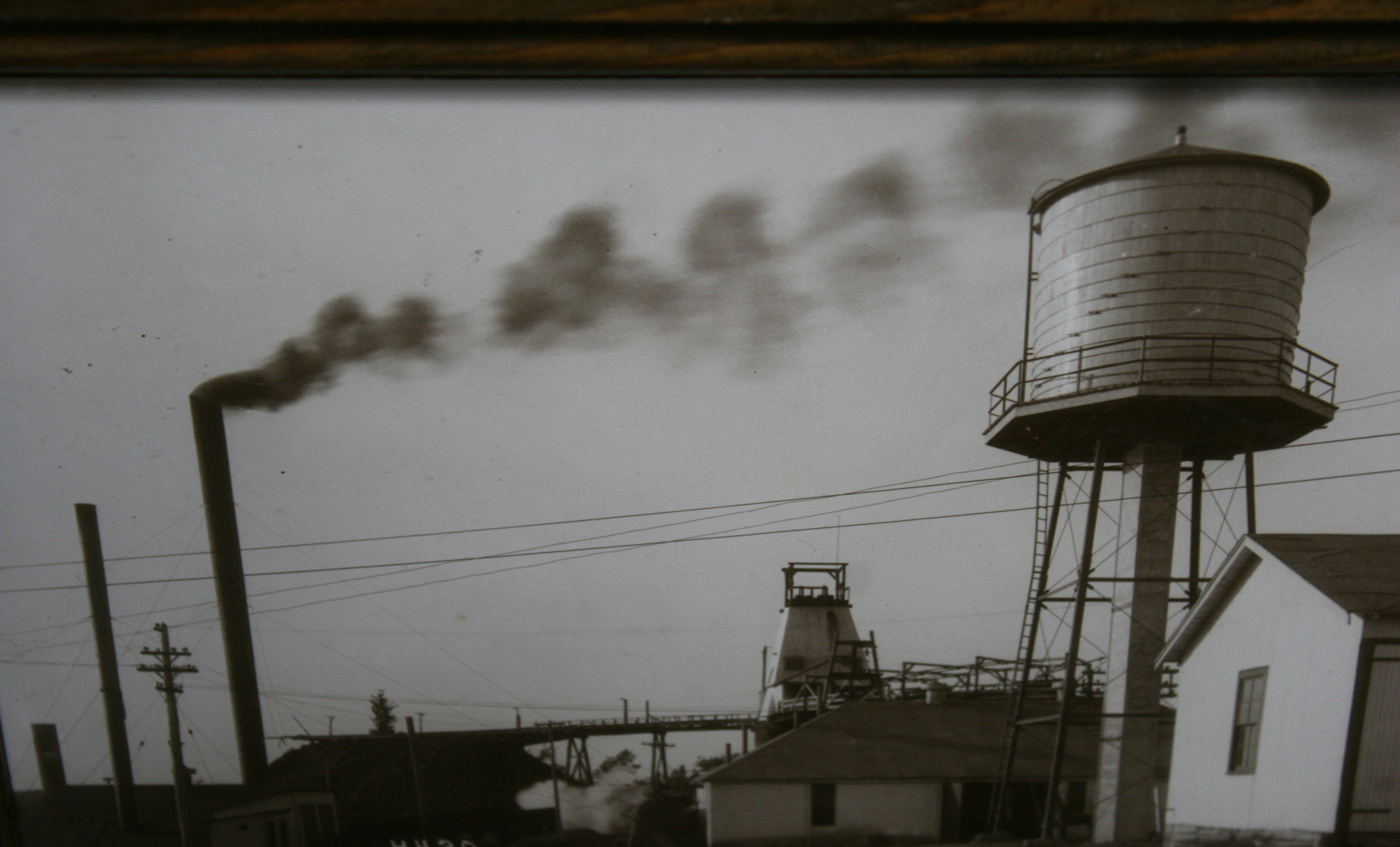
A photo of the Milford Mine displayed at the Crosby museum. Minnesota Prairie Roots photo July 2021.

On February 5, 1924, nearly 50 men mining iron ore in the Milford Mine on the Cuyuna Iron Range in central Minnesota faced their greatest fear. Death. They were only 15 minutes from the end of their shift when the unthinkable happened at 3:45 pm on a Tuesday. When mud, water and quicksand from Foley Lake flooded the shaft. Only seven of the 48 miners escaped.
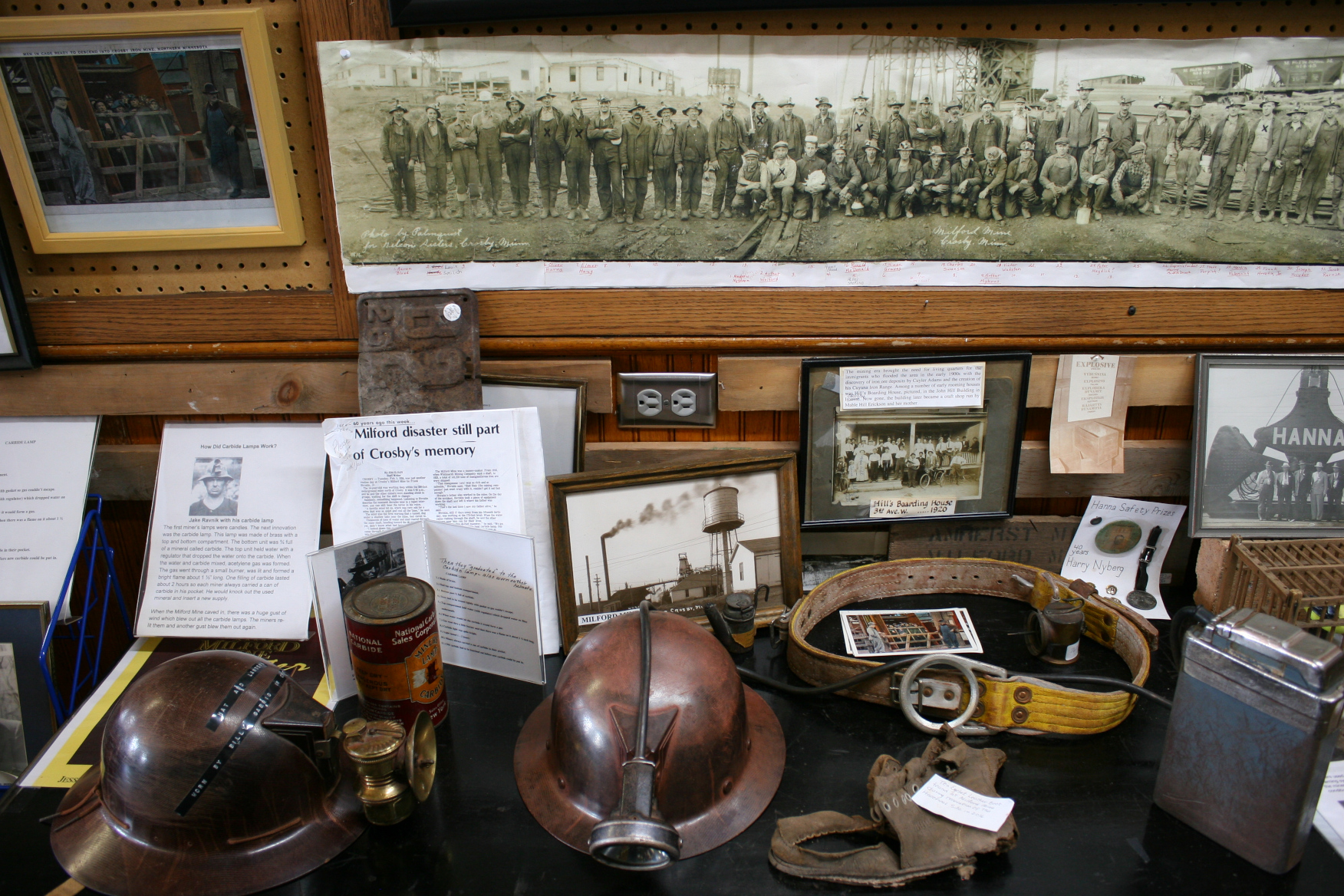
Mining photos and equipment are part of the museum display. Minnesota Prairie Roots copyrighted photo July 2021.

I cannot imagine the horrible scene which unfolded in that mine as these hardworking men struggled to get out. To survive. To return to their families. To see the light of day. To breathe.
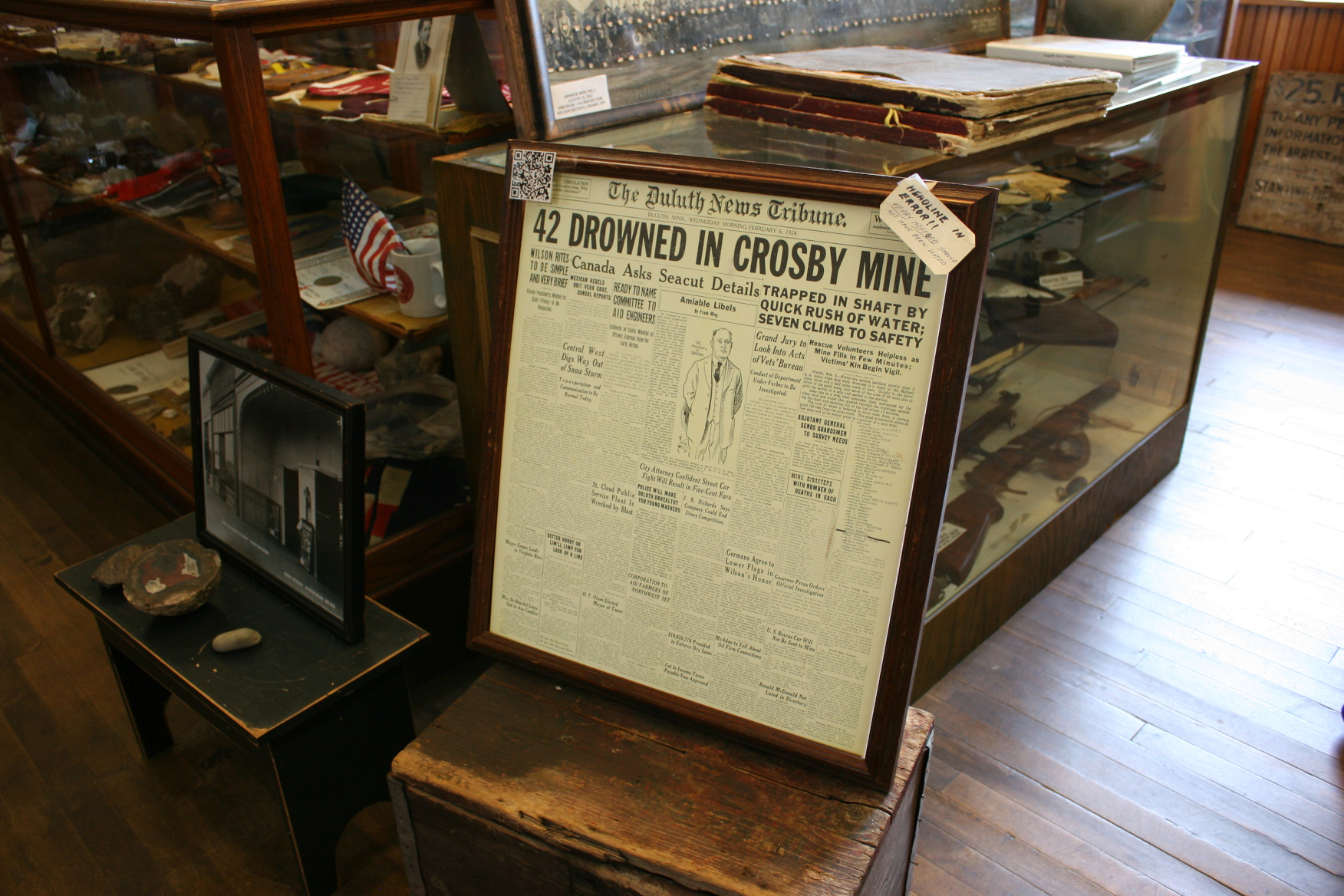
The headline in the Duluth newspaper erroneously reports that 42 (not 41) miners drowned. Minnesota Prairie Roots copyrighted file photo July 2021.

Forty-one men died as the 200-foot deep mine shaft filled with water to within 15 feet of the surface in just 20 minutes. That’s not much time to scramble up a ladder to safety.
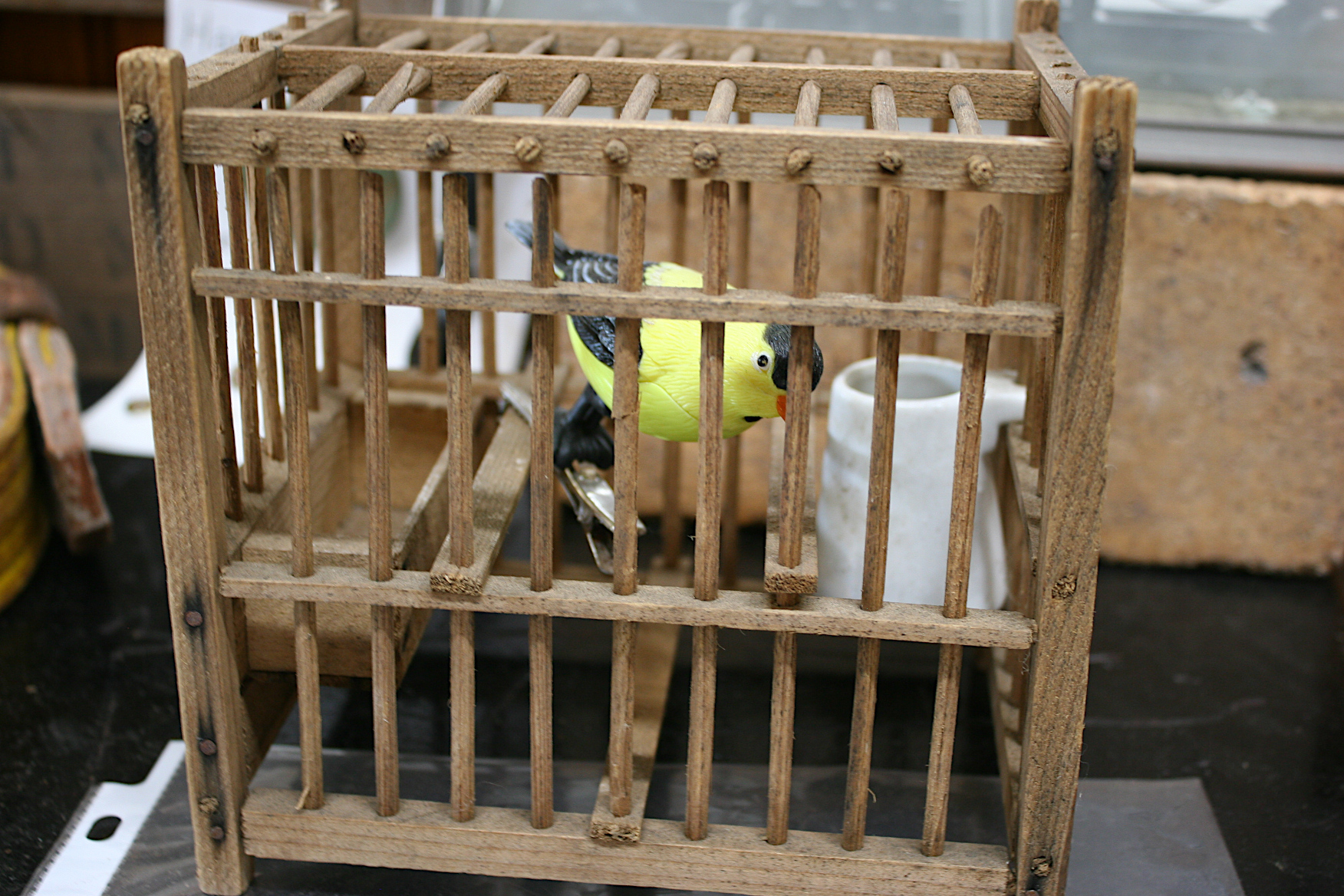
Canaries really were used to detect gas levels in mines, as replicated at the museum. Minnesota Prairie Roots copyrighted file photo July 2021.

Until two months ago, my knowledge of Minnesota’s worst mining disaster was limited to just that—an awareness that this tragedy happened. Beyond that, I was uninformed. I don’t recall ever hearing of this disaster in any history classes.
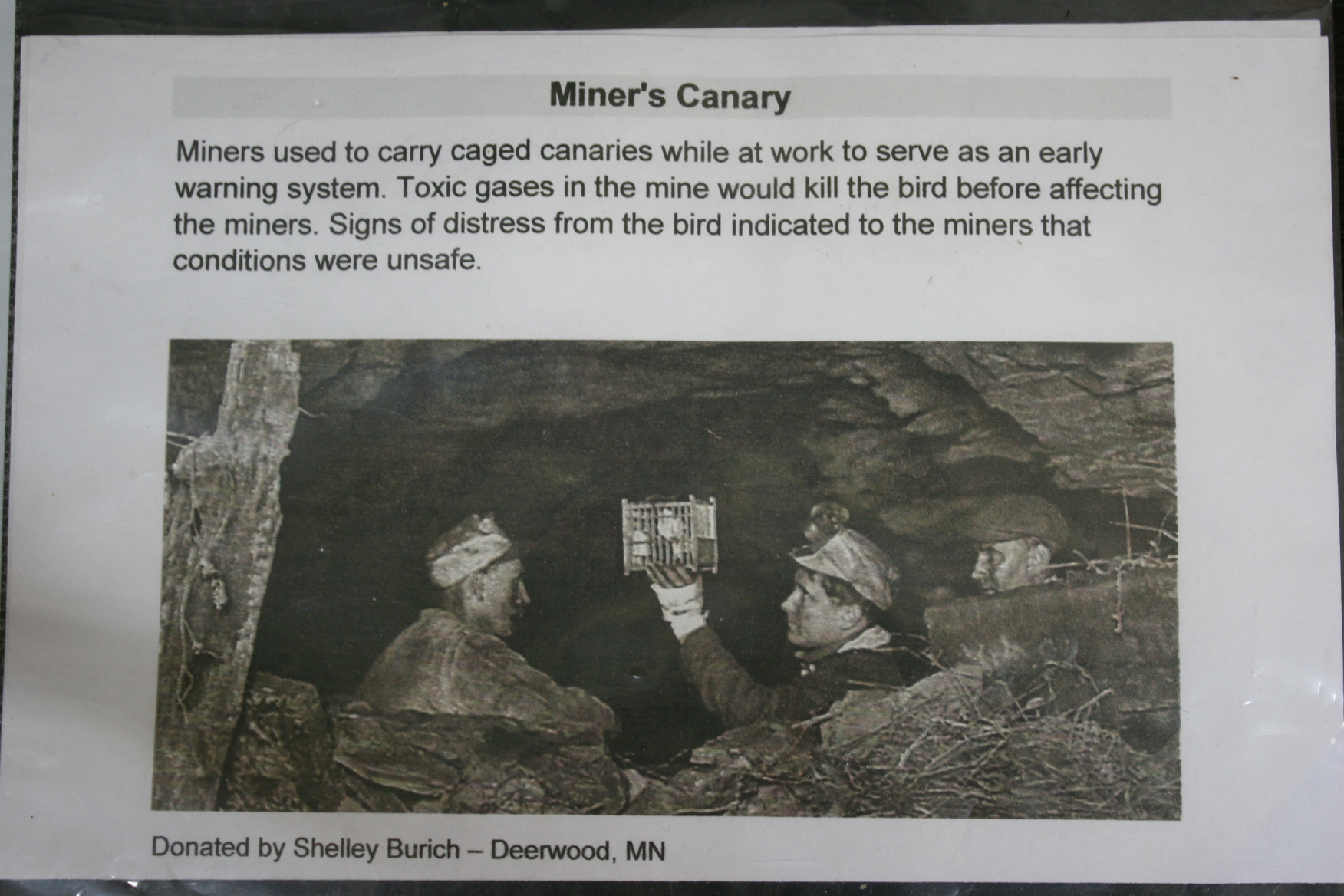
Info on use of caged canaries is included in the museum exhibit. Minnesota Prairie Roots copyrighted file photo July 2021.

Yet, this event, this substantial loss of life in a single horrific tragedy, needs to be taught and remembered. It’s an important part of our state’s mining history and of the families who lost loved ones in the Milford Mine. I expect many a family in the Crosby area—the mine was located just miles from town—can trace genealogy back to the disaster.
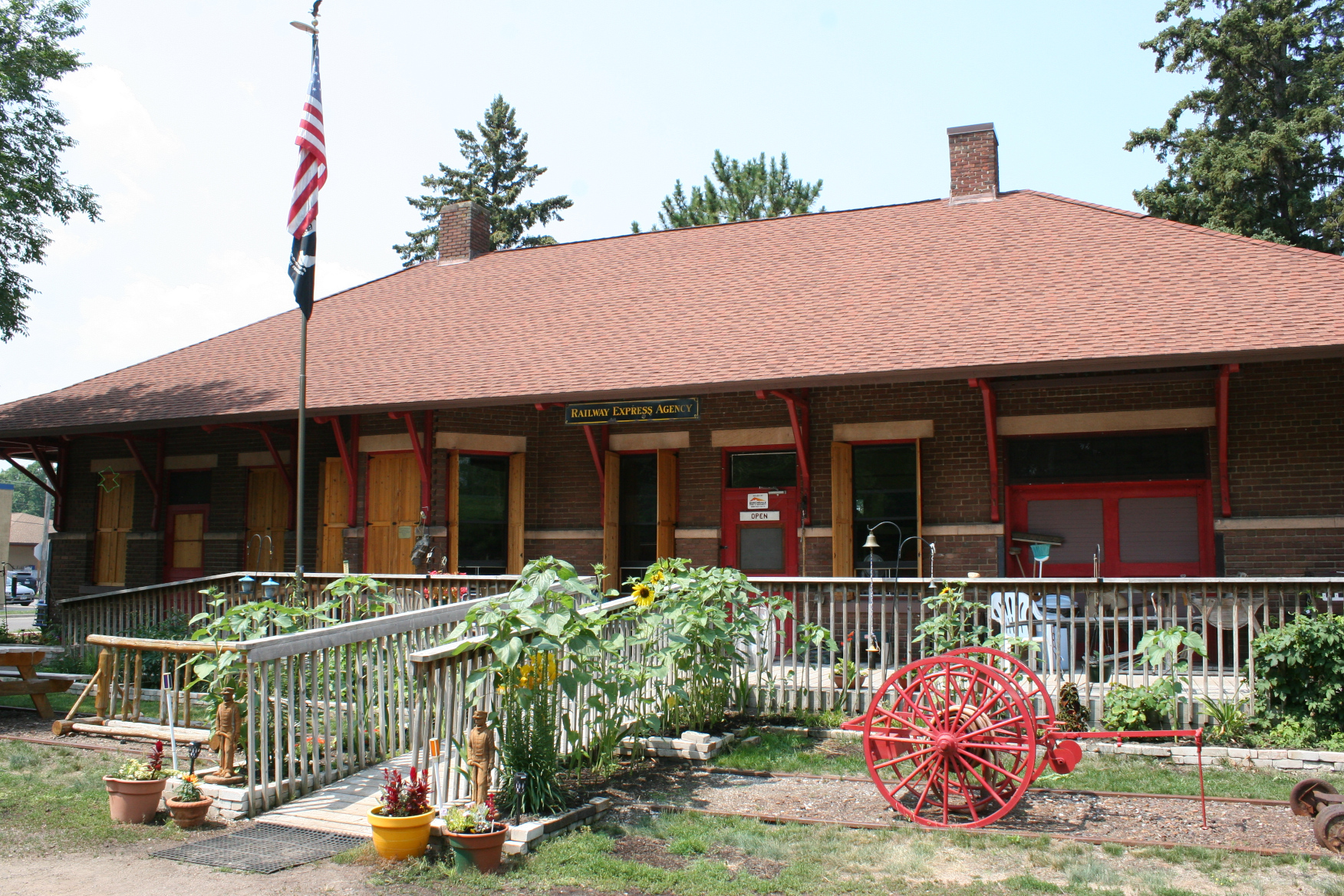
The Soo Line Depot Museum. Minnesota Prairie Roots copyrighted file photo July 2021.

In Crosby, the Soo Line Depot Museum, 101 1st St. NE, features a display on iron ore mining with an emphasis on the mining disaster at Milford. The displays heightened my interest, my desire to learn more. And I did by visiting Milford Mine Memorial Park located some four miles north of Crosby on Milford Lake Drive, just off Crow Wing County Road 30, just off Minnesota State Highway 6.
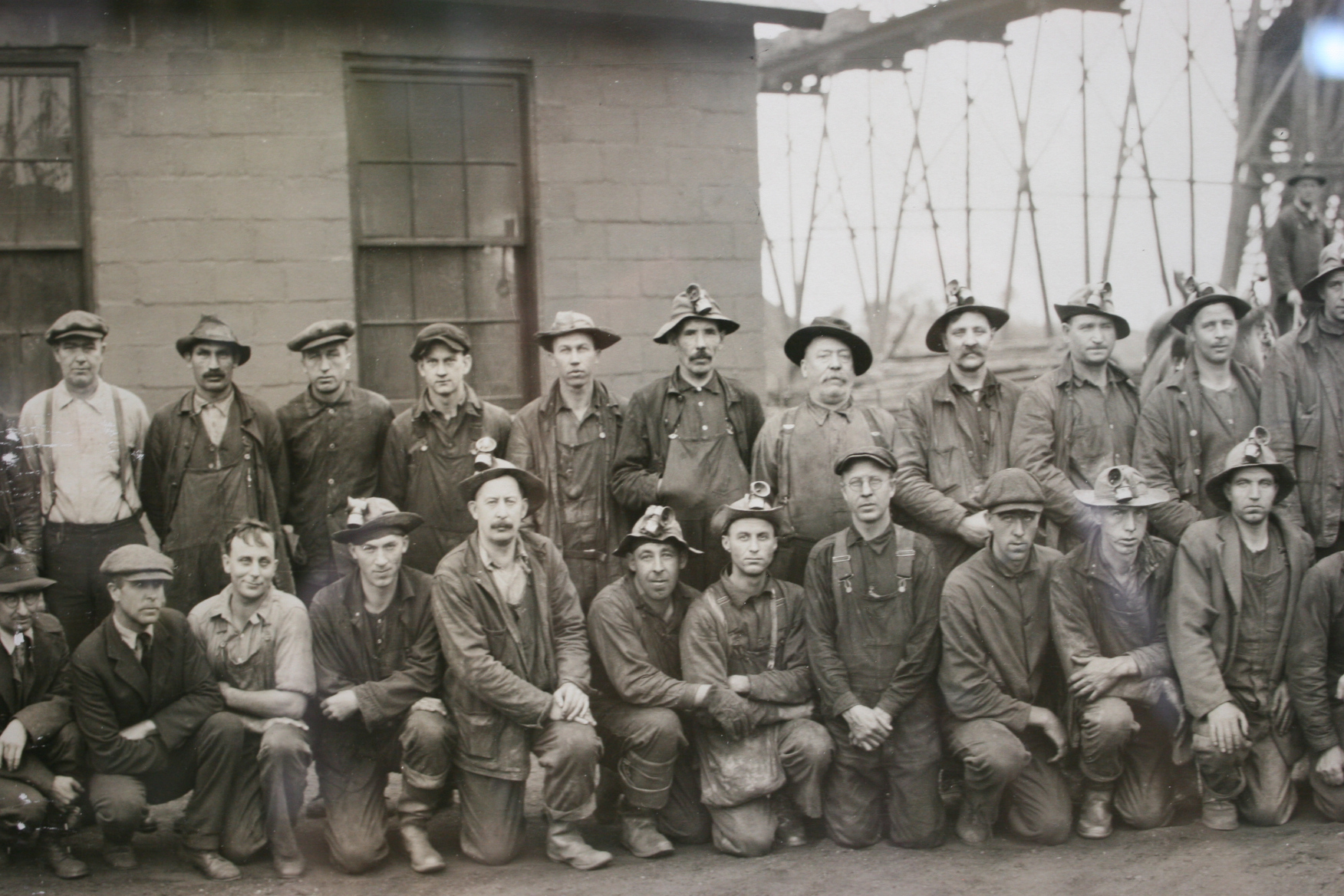
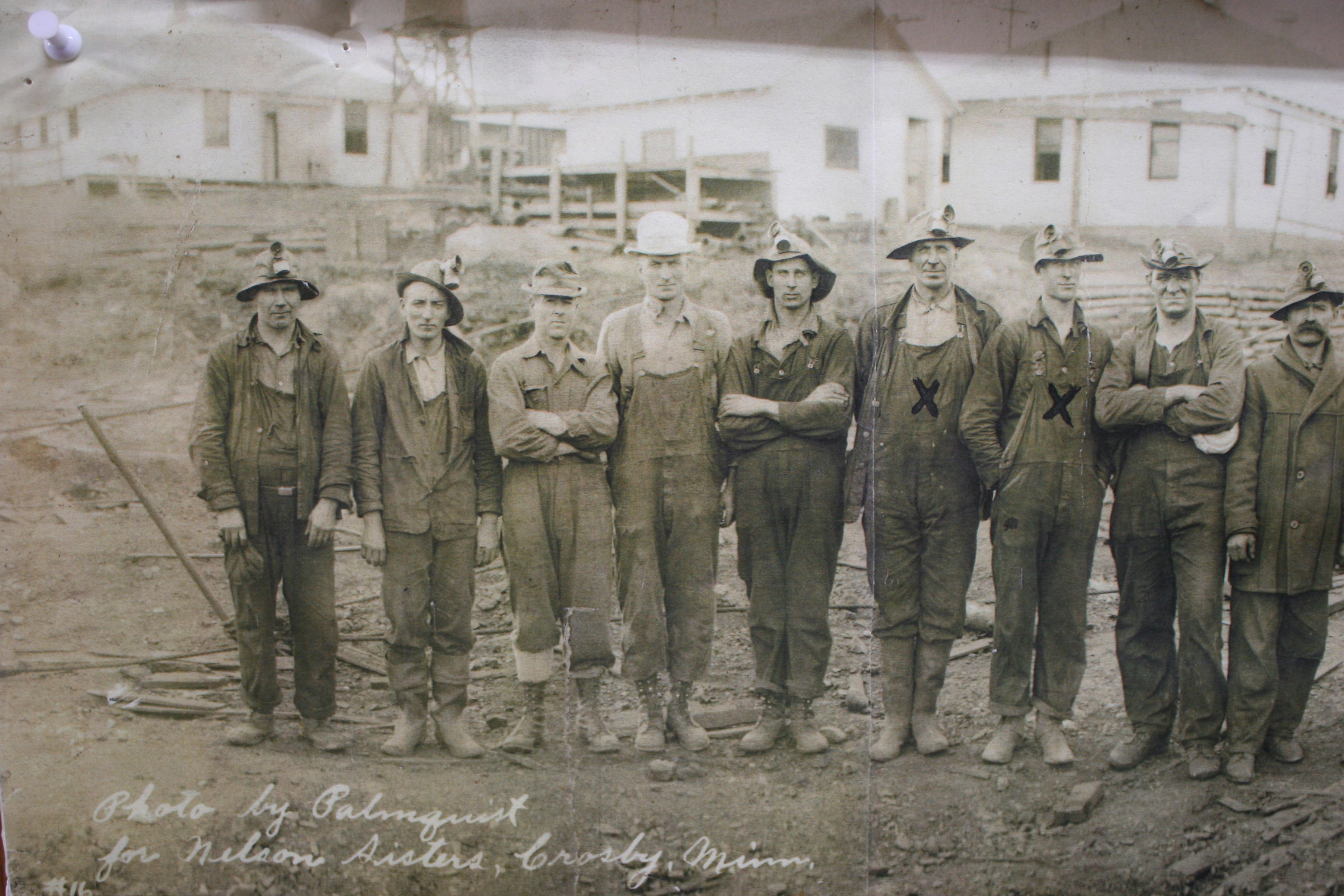
Miners pose for a photo in this image displayed in the Soo Line Depot Museum. Minnesota Prairie Roots photo July 2021.

I’ll take you to that memorial park, which personalizes this tragedy and honors the men who died and those who survived. It’s a remarkable park in volume of historical information and setting—on-site of the disaster. Boardwalks and hiking trails lead visitors into the woods, across marshland and along a mining lake. In a beautiful natural setting, where, 97 years ago, 41 miners died, trapped underground.
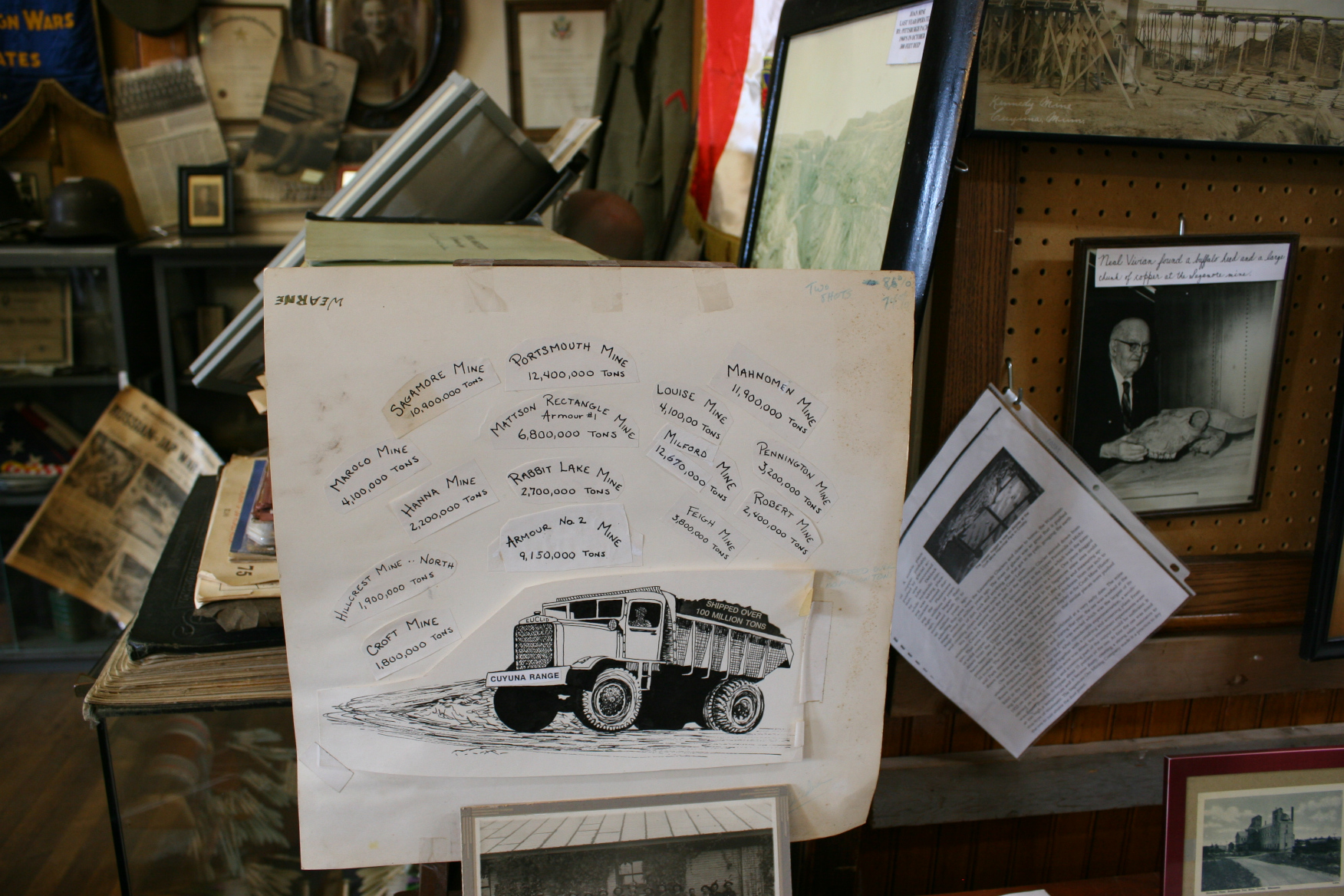
A list of mines on the Cuyuna Range shown at the museum. Minnesota Prairie Roots copyrighted file photo July 2021.

NOTE: The Soo Line Depot Museum closes for the season on Labor Day weekend and reopens Memorial Day weekend. Milford Mine Memorial Park is open daily from sunrise to sunset.

© Copyright 2021 Audrey Kletscher Helbling


Promoting kindness in Deerwood August 31, 2021

Filed under: Uncategorized — Audrey Kletscher Helbling @ 5:00 AM
Tags: , , , , ,
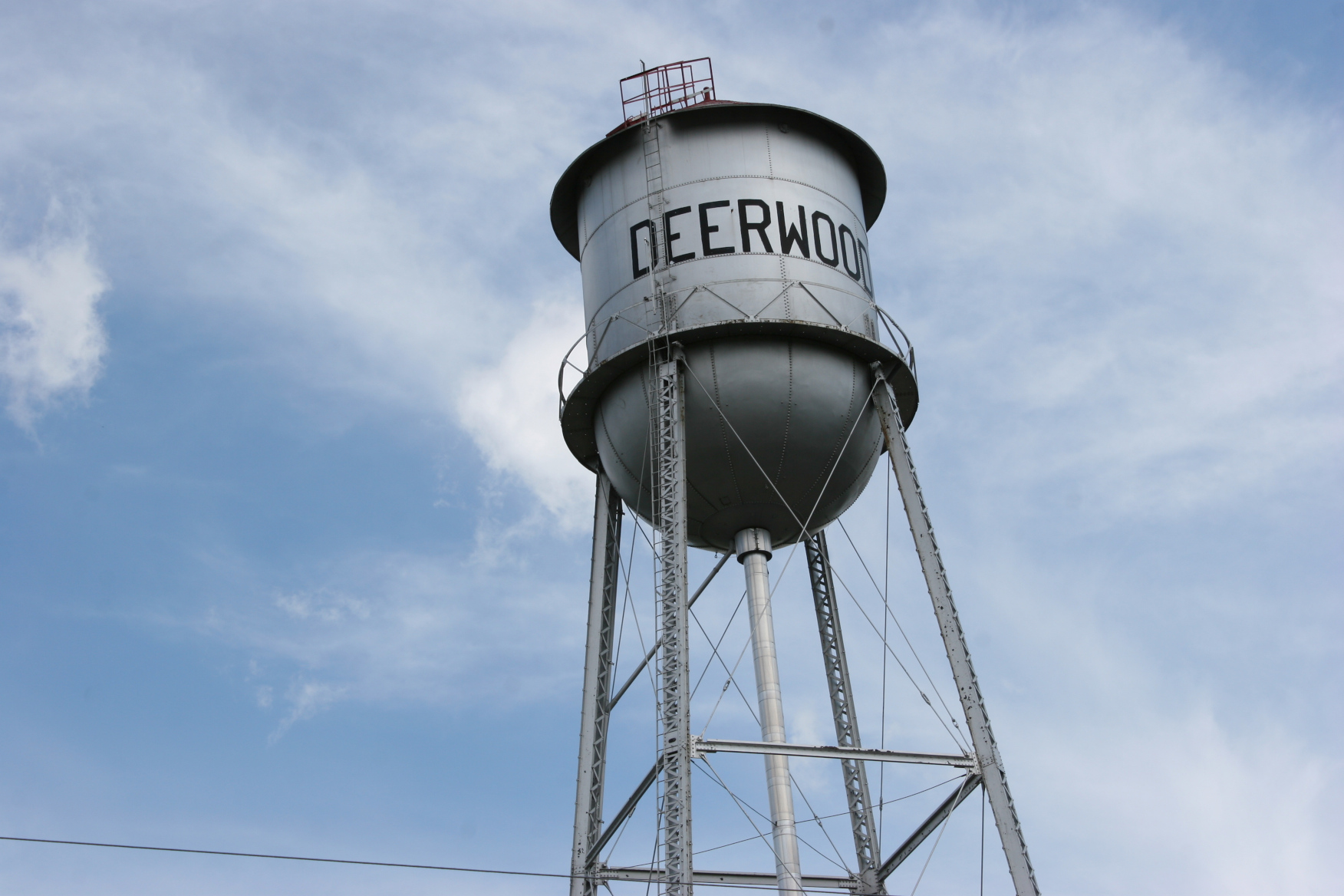
Deerwood’s historic water tower. Minnesota Prairie Roots copyrighted file photo July 2021.

IN RECENT POSTS, I’ve highlighted several points of interest—an historic water tower and auditorium and a roadside deer sculpture—in Deerwood, a small town in the central Minnesota lakes region.

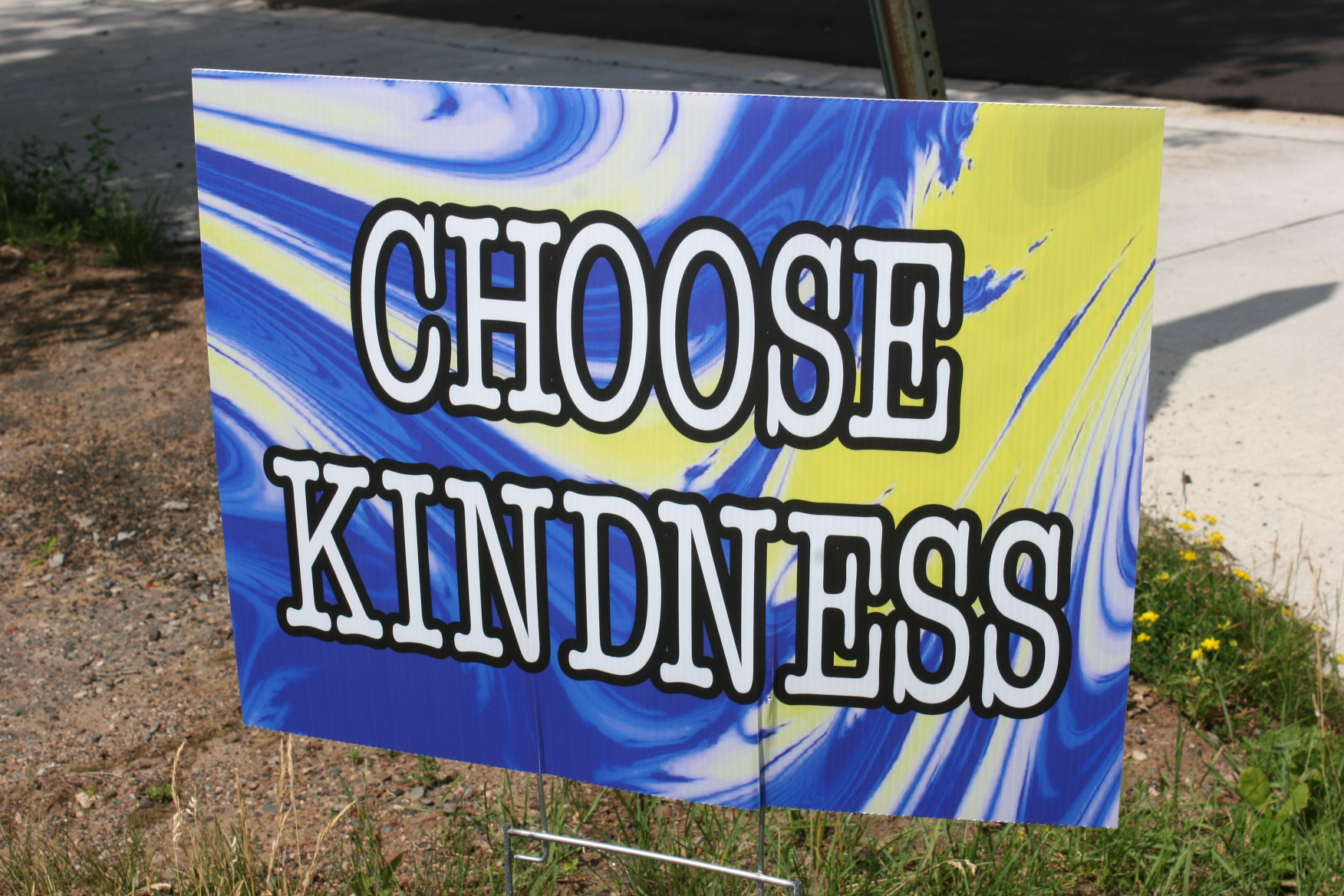
Kindness promoted in Deerwood. Minnesota Prairie Roots copyrighted file photo July 2021.

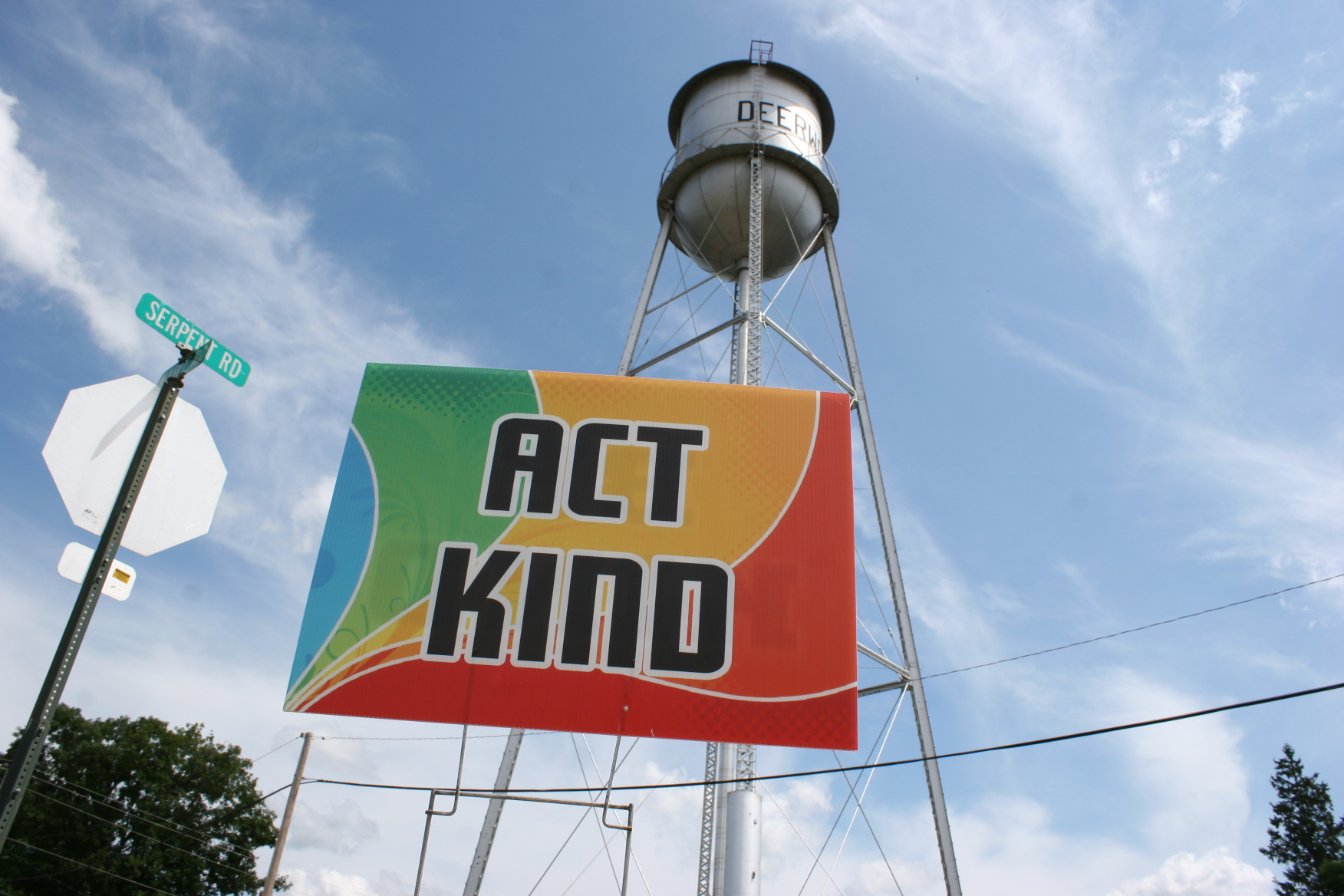
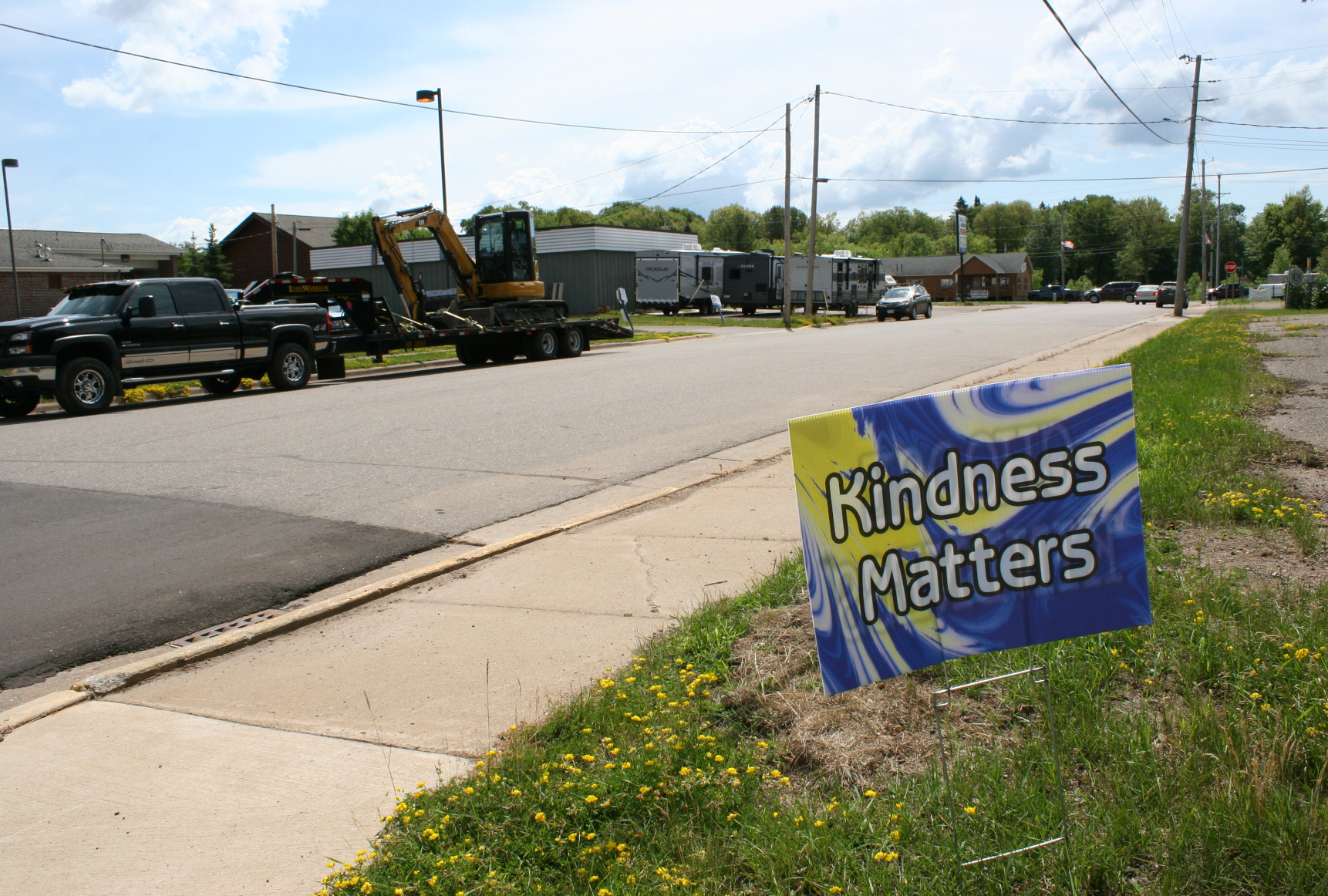
But I need to include one more discovery. That’s the posting of kindness messages on several street corners. I have no idea who posted them or how long they have been in place. But I appreciate them. They gave me a really good impression of this Crow Wing County community on the Cuyuna Iron Range.

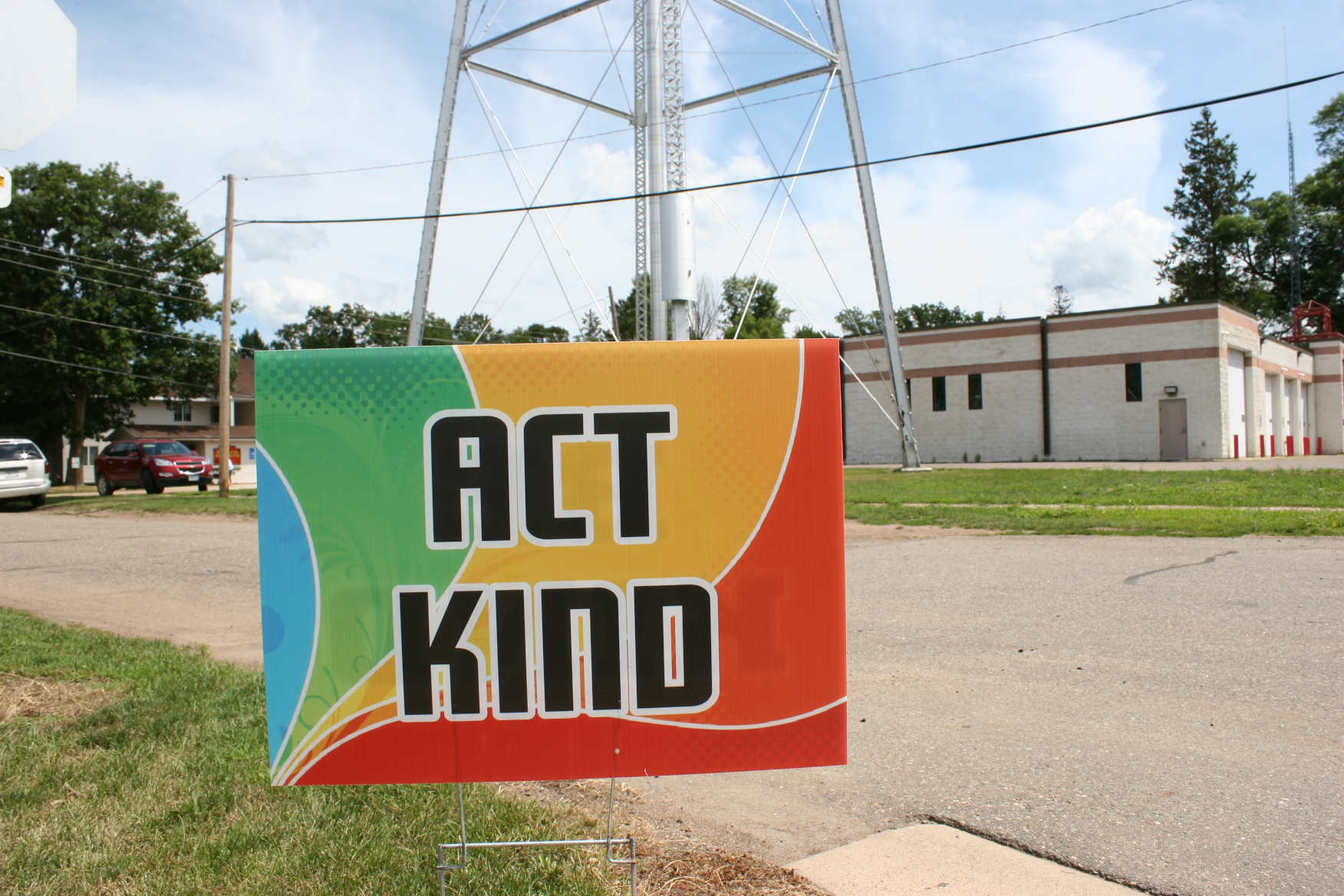
Perhaps more are displayed around town. Even if not, this trio was enough to uplift, encourage and give me pause. Now, more than ever, kindness needs promoting. That seems a bit ridiculous to even write. Kindness should come naturally. Sadly, in today’s ever divisive world, kindness is elusive to many.

Kindness is also an “act,” not simply words. This was posted near Deerwood’s water tower. Minnesota Prairie Roots copyrighted file photo July 2021.

So what exactly is kindness? It’s being nice. You know. Using nice words. Doing nice things. Smiling. Caring. Listening, especially listening. Putting others before yourself, eliminating the me-centered thinking which pervades too much of society.

Kindness, too, is thinking before you speak or post something mean or untrue or uncaring on social media.

Kindness is empathy and understanding and compassion. It is all that is good and lovely and wonderful.

Kindness matters today more than ever. Minnesota Prairie Roots copyrighted file photo July 2021.

I can’t help but think that, if we could reclaim kindness, we could overcome this pandemic. That’s simplifying the situation, of course. An article I read recently on MPR about a Texas pastor who nearly died from COVID-19 really resonates with me and fits this kindness topic. I encourage you to click here and read what Pastor Danny Reeves has to say about “what it really means to love our neighbor.” It’s a powerful story that summarizes kindness in a deeply personal way.

To the good people of Deerwood who posted these kindness signs, thank you for the positive messages. I appreciate you and your efforts.

TELL ME: If you’ve seen similar upbeat signage, please share. I’d like to hear what you’ve seen and where. Also feel free to share your definition of kindness.

© Copyright 2021 Audrey Kletscher Helbling
 

In Deerwood: Water tower on the range August 30, 2021

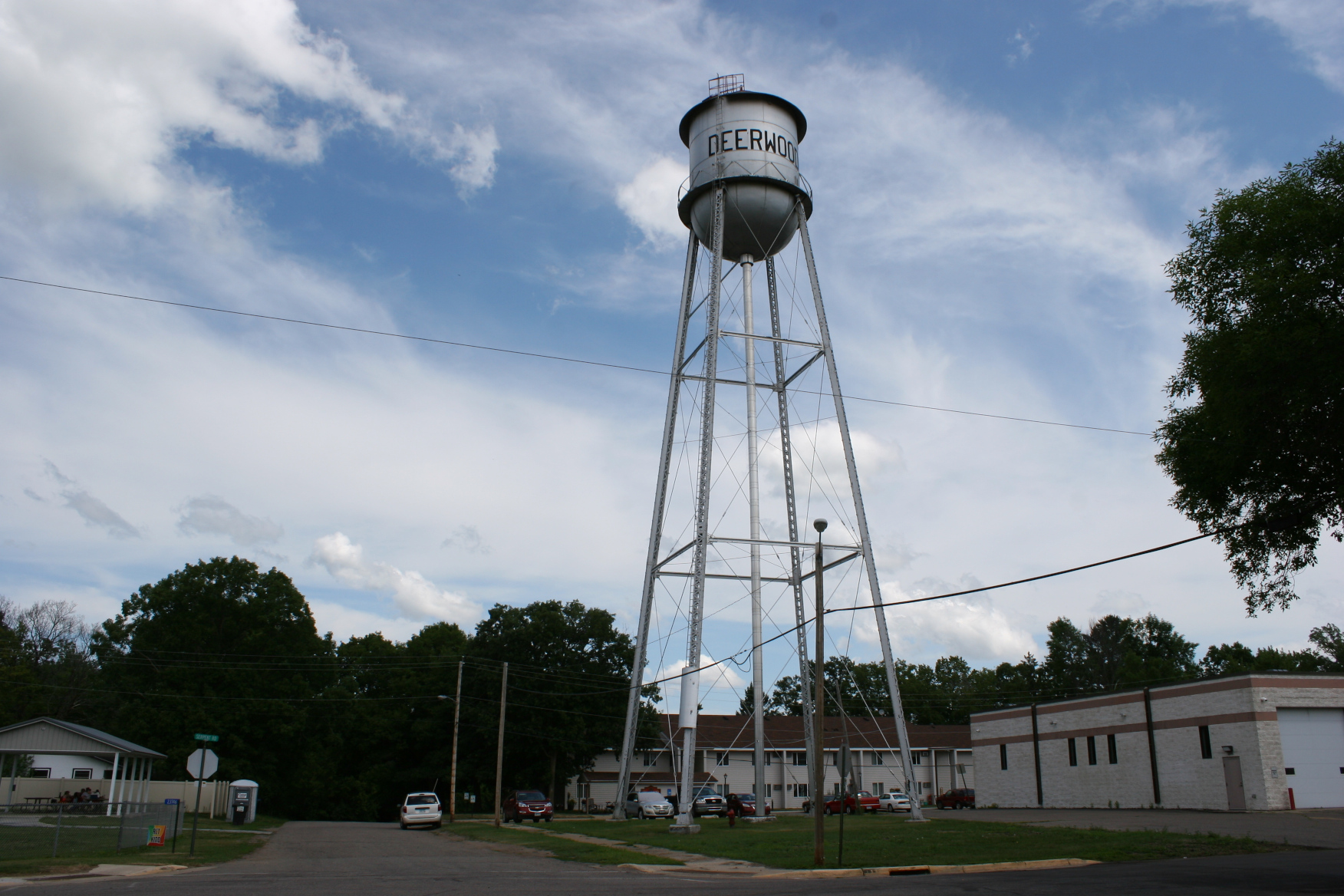
An historic 1914 water tower in Deerwood, Minnesota. Minnesota Prairie Roots copyrighted file photo July 2021.

A TIME EXISTED WHEN I PAID minimal attention to water towers. They all looked the same. Simple silver metal structures rising on leggy supports above prairie towns, dwarfed only by grain elevators.

Through the decades, those standard water towers have mostly vanished, replaced by more modern holding tanks. I understand the need to upgrade, to improve, to advance. Communities grow. Needs change. My city of Faribault is currently planning a new water tower, which will be visible from Interstate 35. If Faribault ever housed a simple metal tower, it was long before I moved here.

Community identifier. Minnesota Prairie Roots copyrighted file photo July 2021.

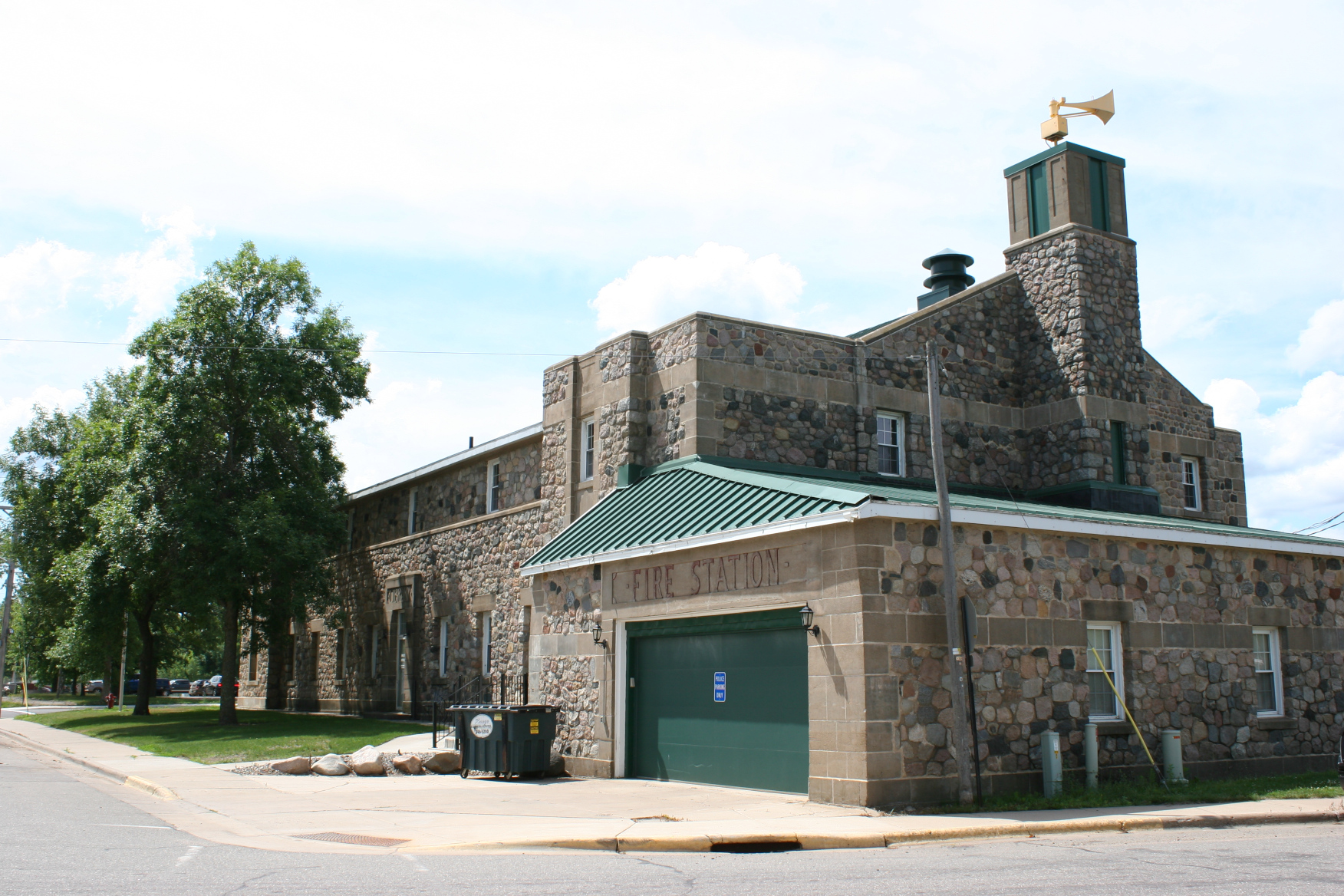
But in the small town of Deerwood in Crow Wing County, a vintage water tower still stands, by a city park with picnic shelter and splash pad, near an apartment complex, next to the fire station and across the street from the historic Deerwood Auditorium (city hall and police department).

Randy and I discovered the 1914 water tower when we stopped for a picnic lunch en route to a family lake cabin on a Saturday afternoon in July. Previous drives north, we drove right through Deerwood without pause. In a hurry to get to our destination.

That’s problematic. That word, hurry. By hurrying, we too often miss simple delights. Like the historic Deerwood water tower.

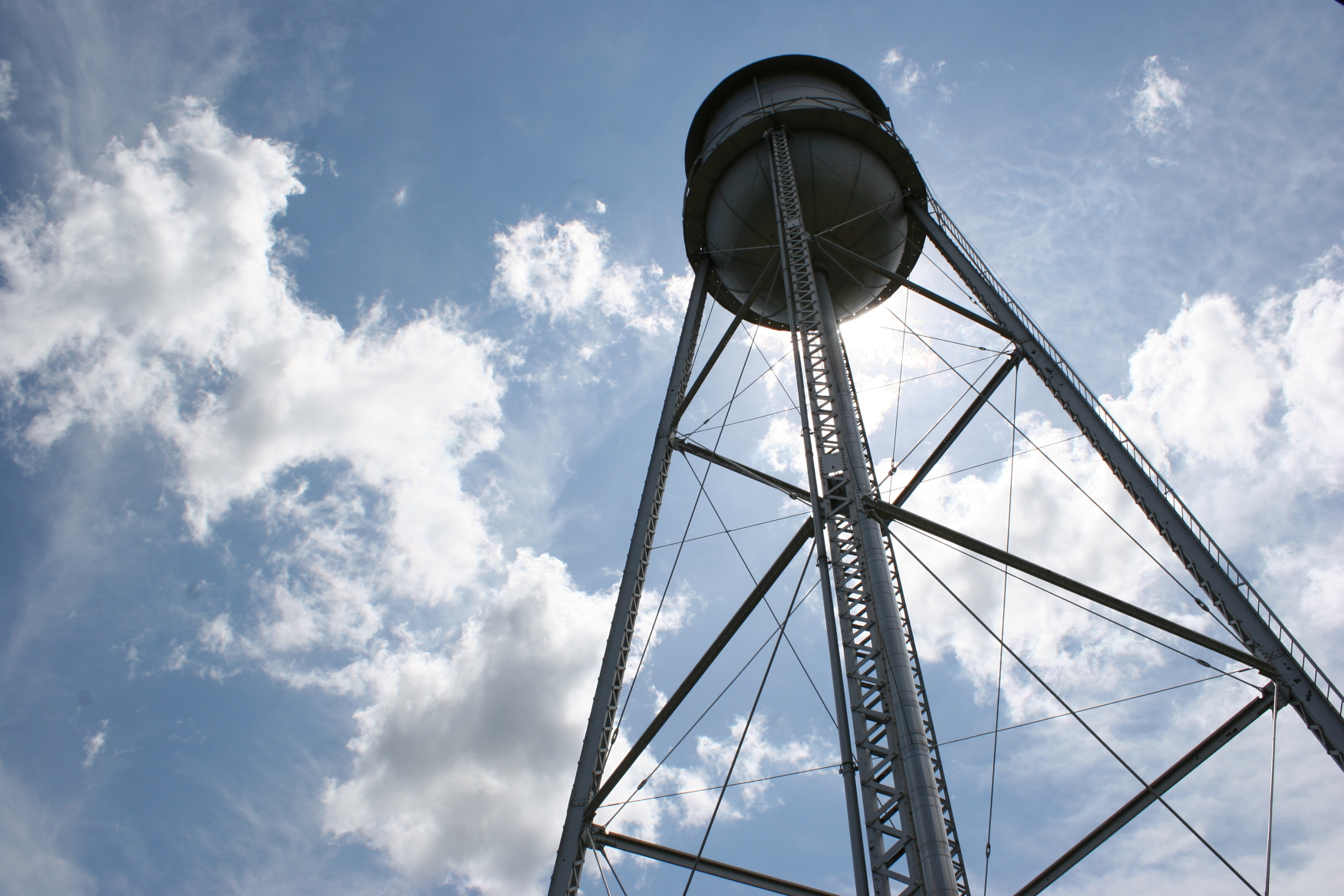
Looking up at the tower offers artistic and architectural angles. Minnesota Prairie Roots copyrighted file photo July 2021.

I grabbed my camera to photograph the tower, attempting to document it from multiple perspectives. Architecturally. Artistically. Historically.

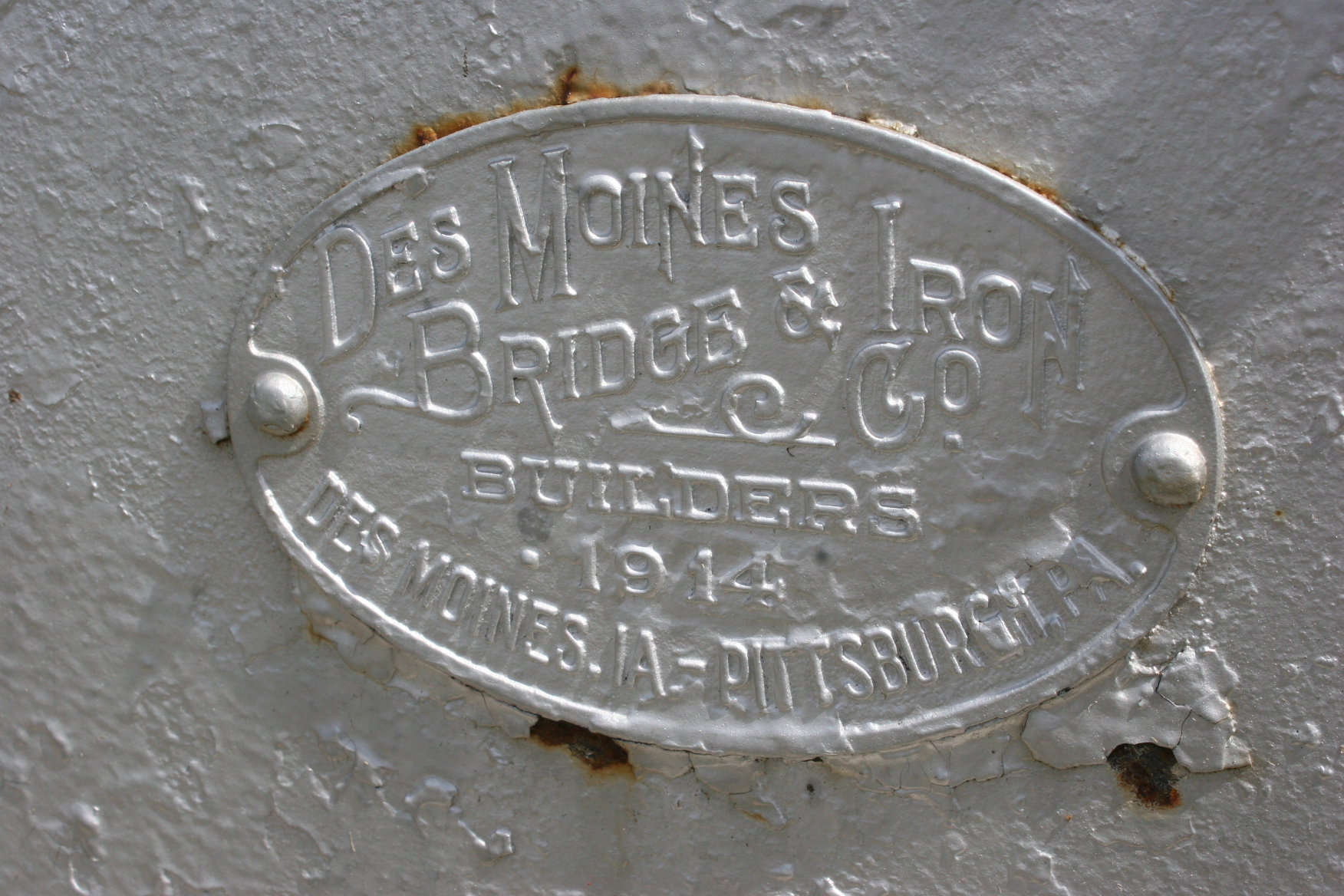
Identifying construction information at the base of the Deerwood water tower. Minnesota Prairie Roots copyrighted file photo July 2021.

Upon later researching the Deerwood water tower, built by the Des Moines Bridge & Iron Co., I learned it is one of five such Cuyuna Iron Range water towers on the National Register of Historic Places. Added in 1980, the other towers are located in Crosby, Cuyuna, Ironton and Trommaid. They are known collectively as the “Cuyuna Range Municipally-Owned Elevated Metal Water Tanks.”

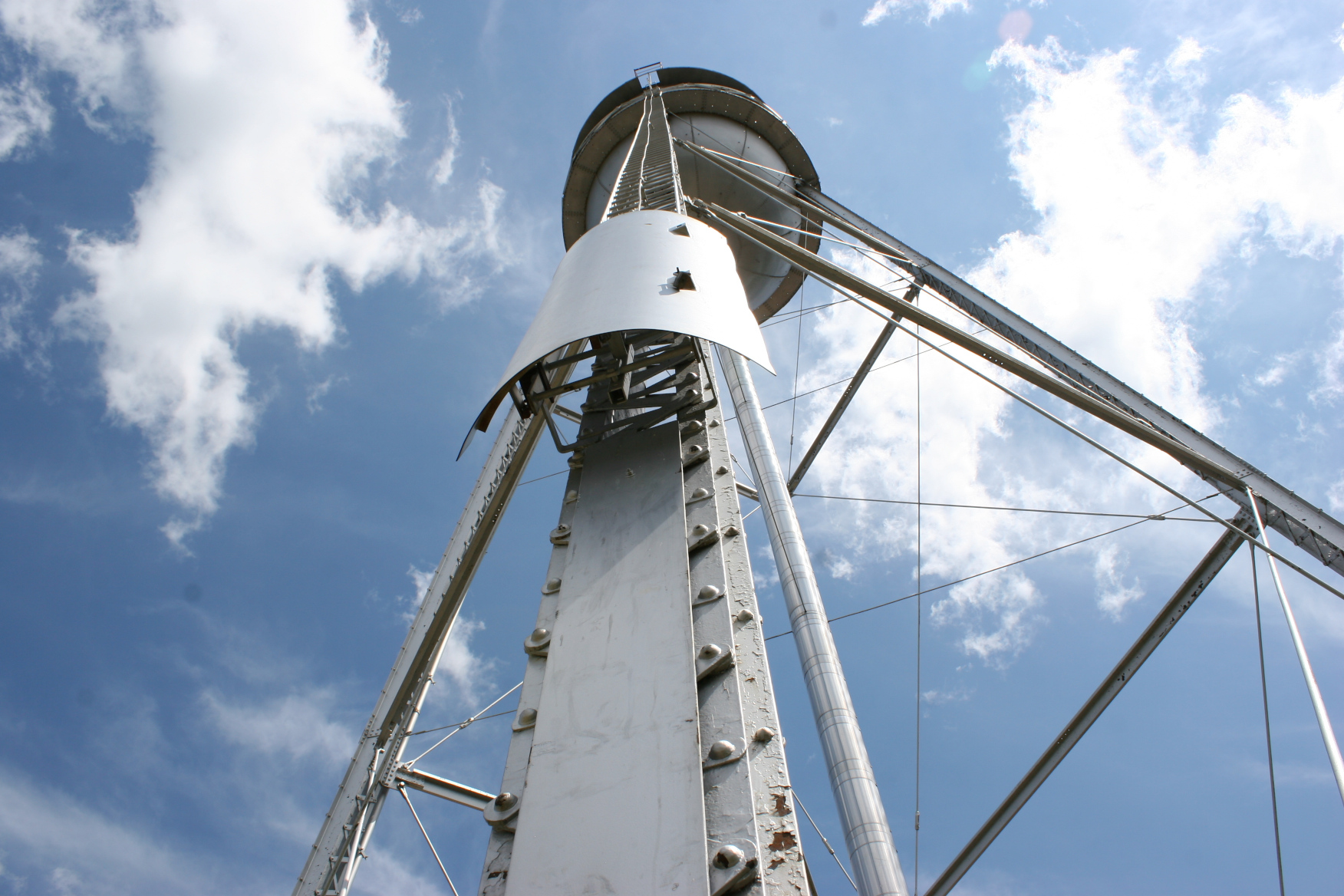
Just another underneath view. Minnesota Prairie Roots copyrighted file photo July 2021.

The towers, erected between 1912-1918, were of historical importance in development of the Cuyuna Iron Range. Tax revenue generated from the iron ore mines funded their construction.

Posted on a street corner by the water tower, a positive message. Minnesota Prairie Roots copyrighted file photo July 2021.

I appreciate that these five towns on the iron range valued their aged water towers enough to pursue and acquire historical designation. The water towers represent a time in Minnesota history. They represent, too, the architecture and art of yesteryear.

TELL ME: I’d like to hear of vintage water towers you’ve noticed and appreciate. Tell me, too, why you value them.

Please click here to read my previous post about the historic Deerwood Auditorium. And click here to read my post about the town’s deer sculpture in Elmer Park.

© Copyright 2021 Audrey Kletscher Helbling
 

About that auditorium in Deerwood August 27, 2021

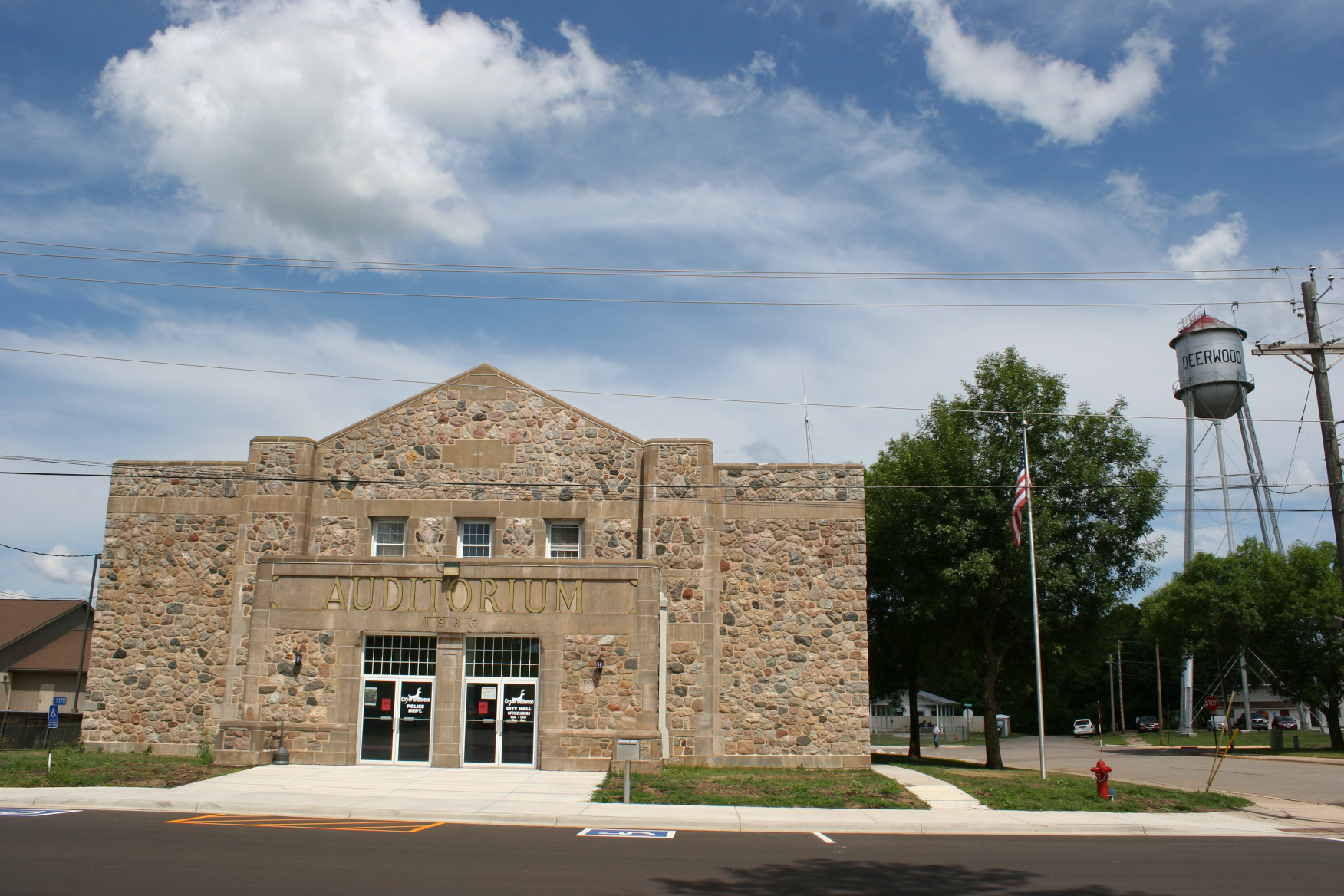
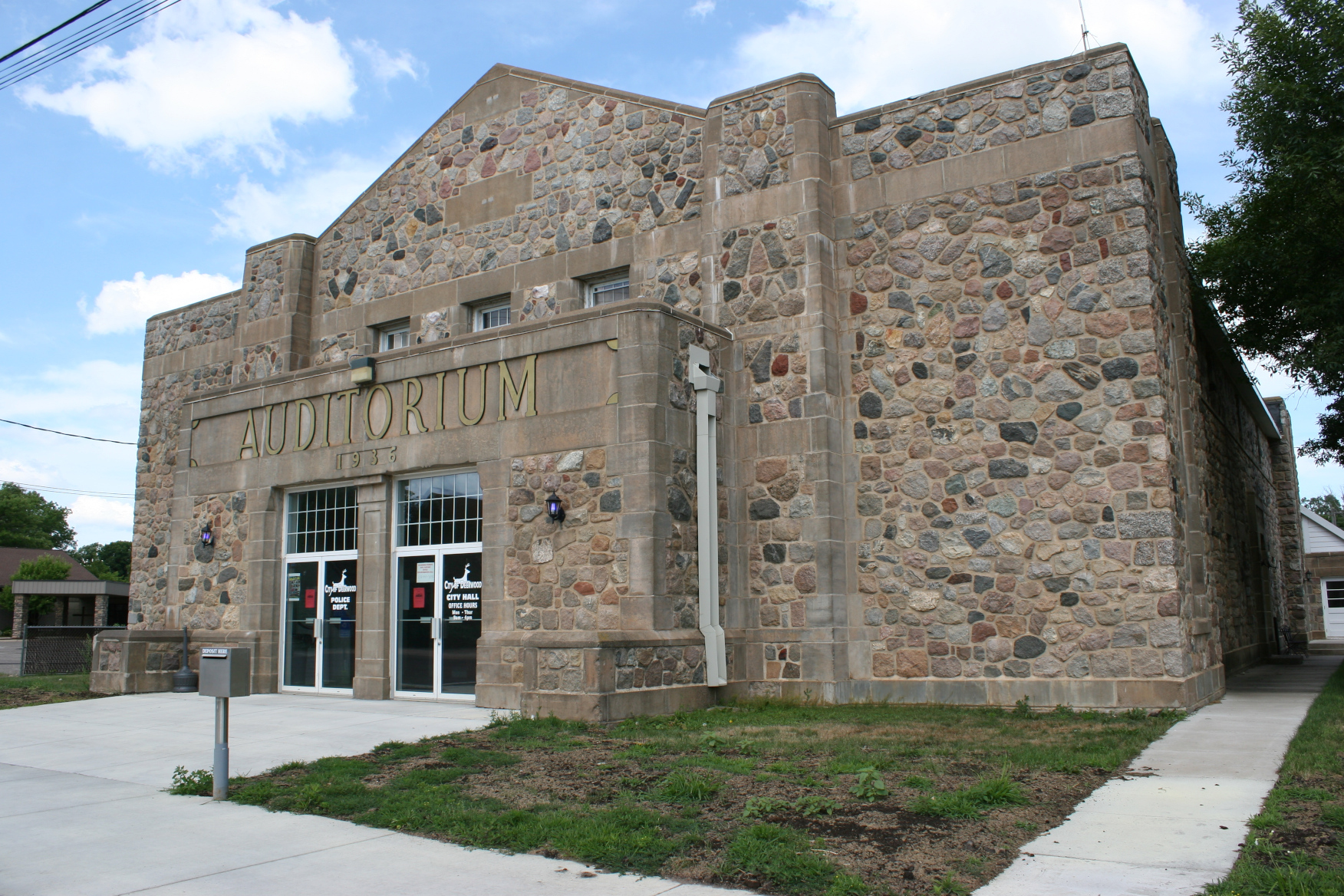
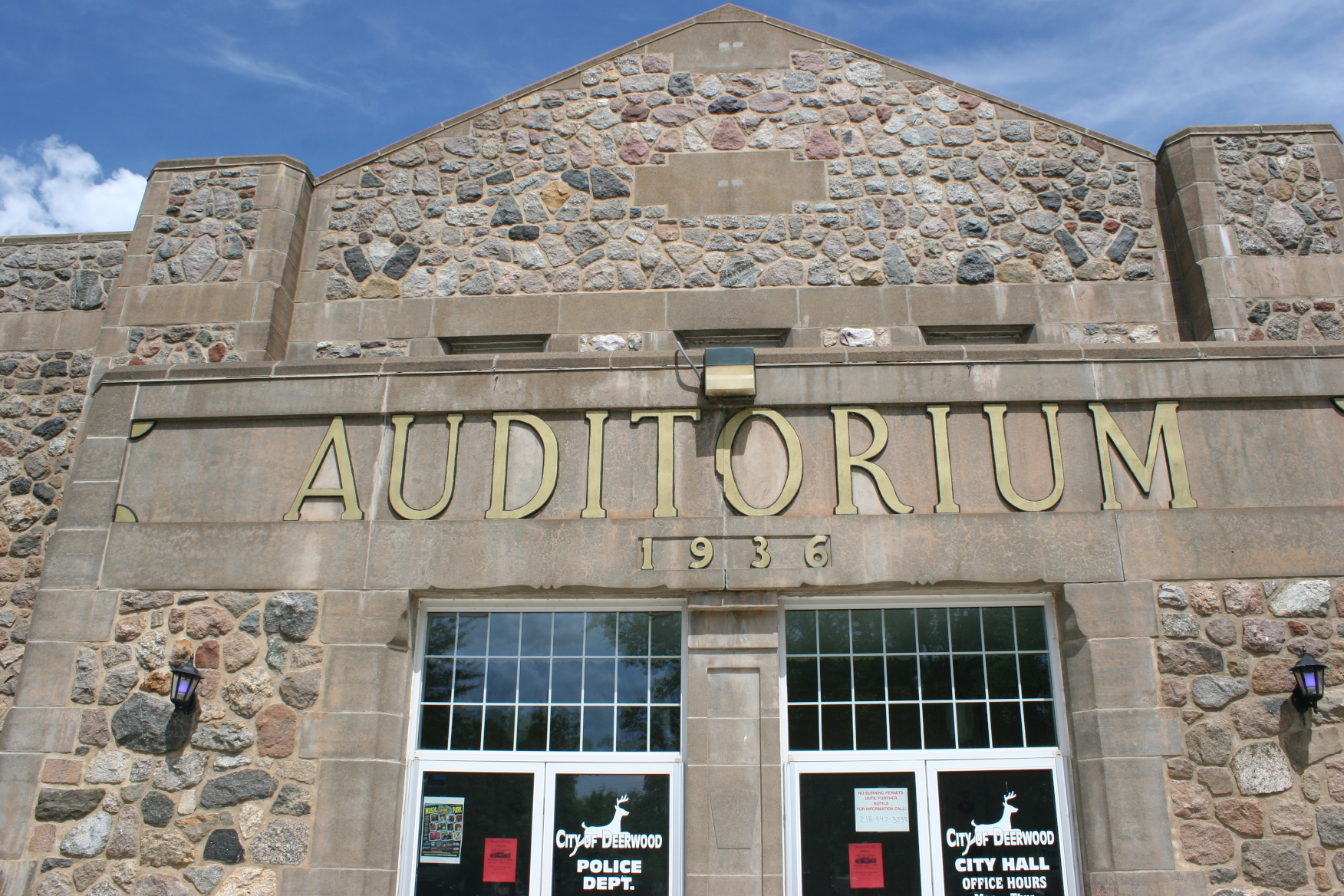
Deerwood Auditorium, located a block from the water tower. Minnesota Prairie Roots copyrighted file photo July 2021.

THE STURDY STONE STRUCTURE anchoring a corner in Deerwood drew my photographic and historic interest during a recent stop in this central Minnesota community in Crow Wing County.

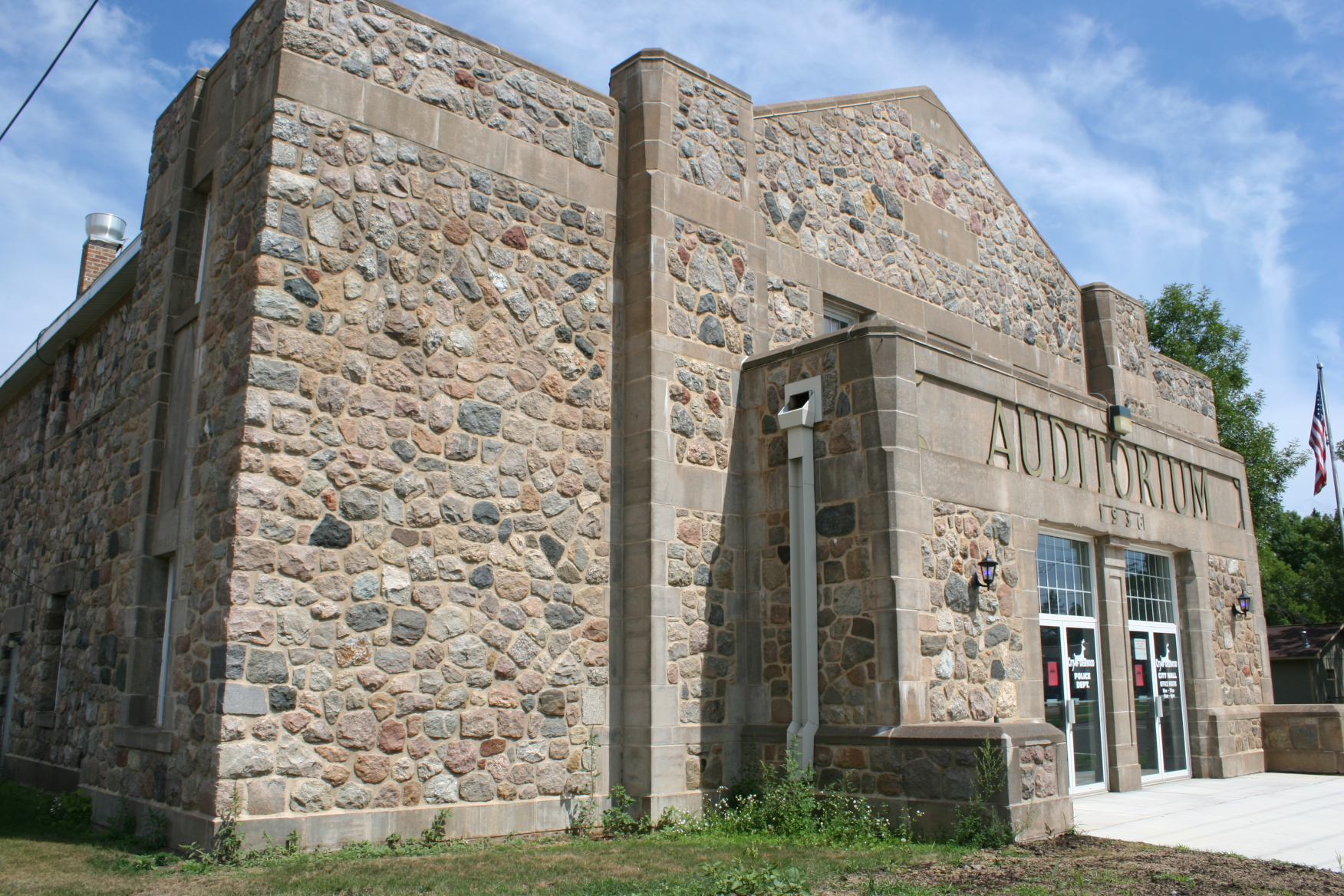
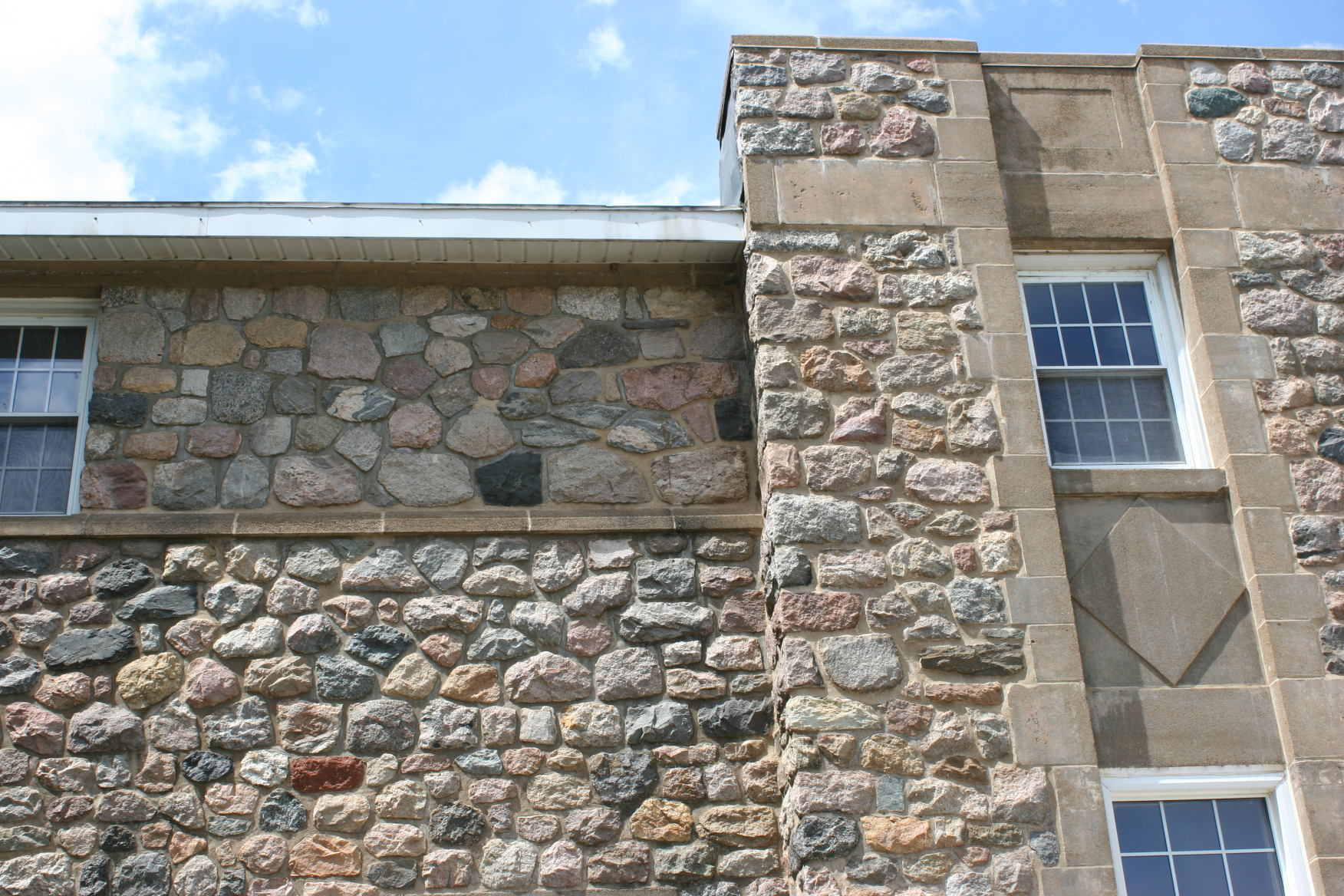
What craftsmanship in this stone-faced building. Minnesota Prairie Roots copyrighted file photo July 2021.

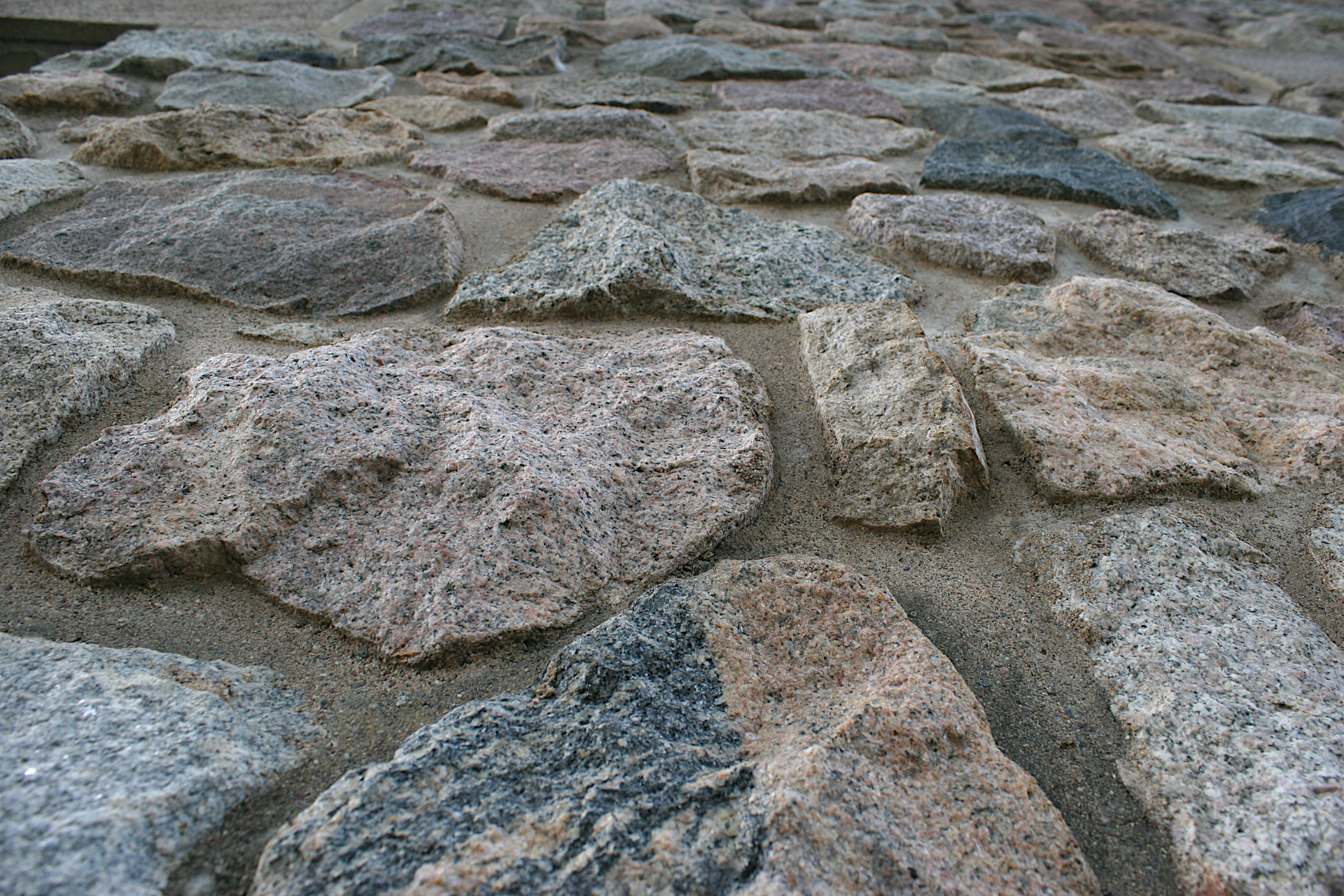
How could it not? Buildings like this with a fieldstone facing hearken from a bygone era, from days when intense hands-on labor factored in to construction. Workers hauled 800 tons of fieldstones from the site of the Cuyuna Country Club to build the Deerwood Auditorium between 1935-1936.

So many fieldstones harvested and used in construction of the auditorium. Minnesota Prairie Roots copyrighted file photo July 2021.

That’s a lot of rocks. I understand, not because I ever hauled that much stone anywhere. But, as a child, I spent many a summer plucking rocks from farm fields in southwestern Minnesota and tossing them into a wagon. Picking rock is hard work. Darn hard.

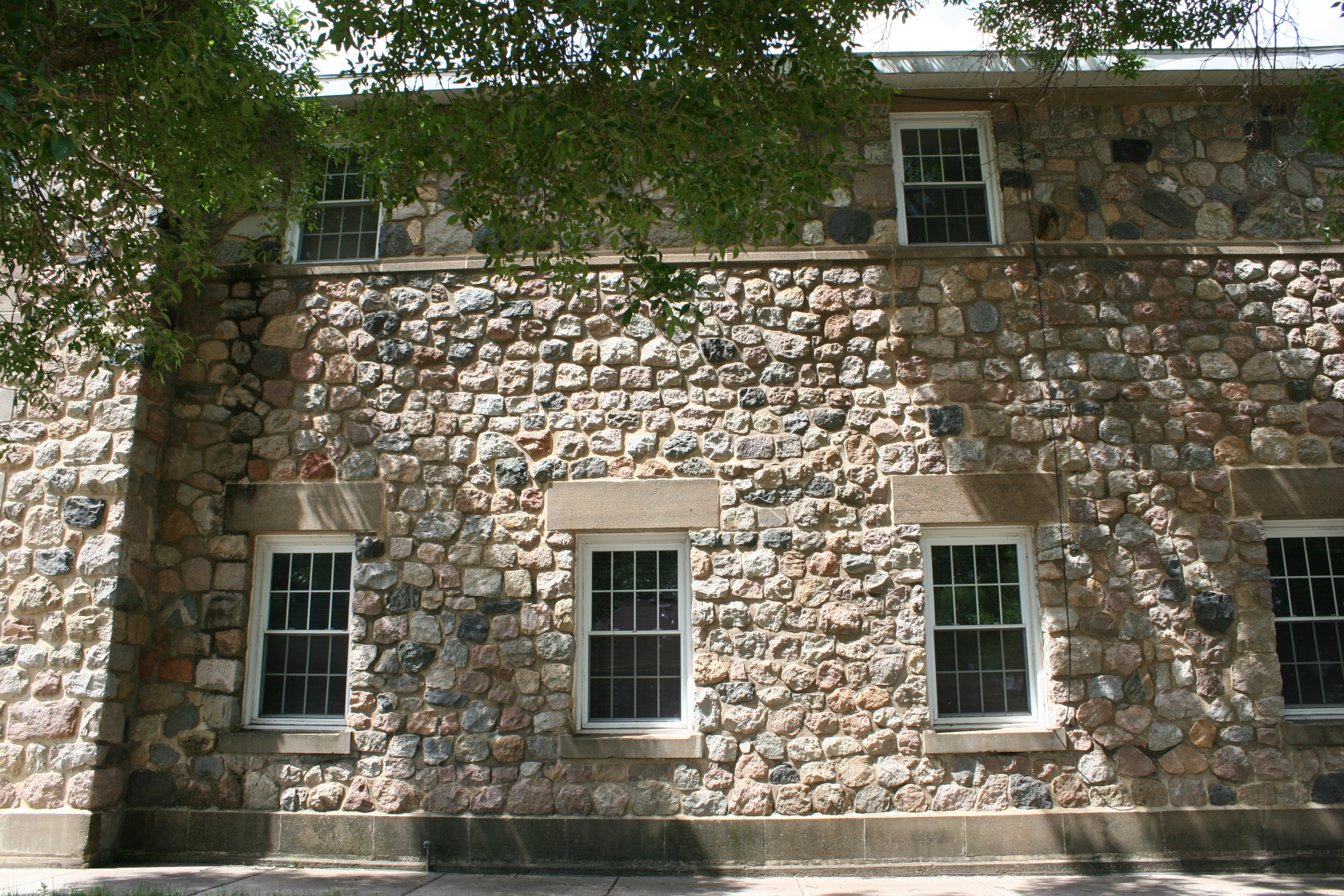
Imagine the time, labor and effort involved in constructing these walls. Minnesota Prairie Roots copyrighted file photo July 2021.

I admire the tenacity, determination and ingenuity of our forefathers. They relied on local natural resources to build buildings. And, in the case of the Deerwood Auditorium, materials also from the old Meacham Mine machine building to incorporate into the structure.

The building is listed on the National Register of Historic Places. Minnesota Prairie Roots copyrighted file photo July 2021.

Donations and Works Progress Administration funding and labor were also part of this project.

A side and rear view of the building. Minnesota Prairie Roots copyrighted file photo July 2021.

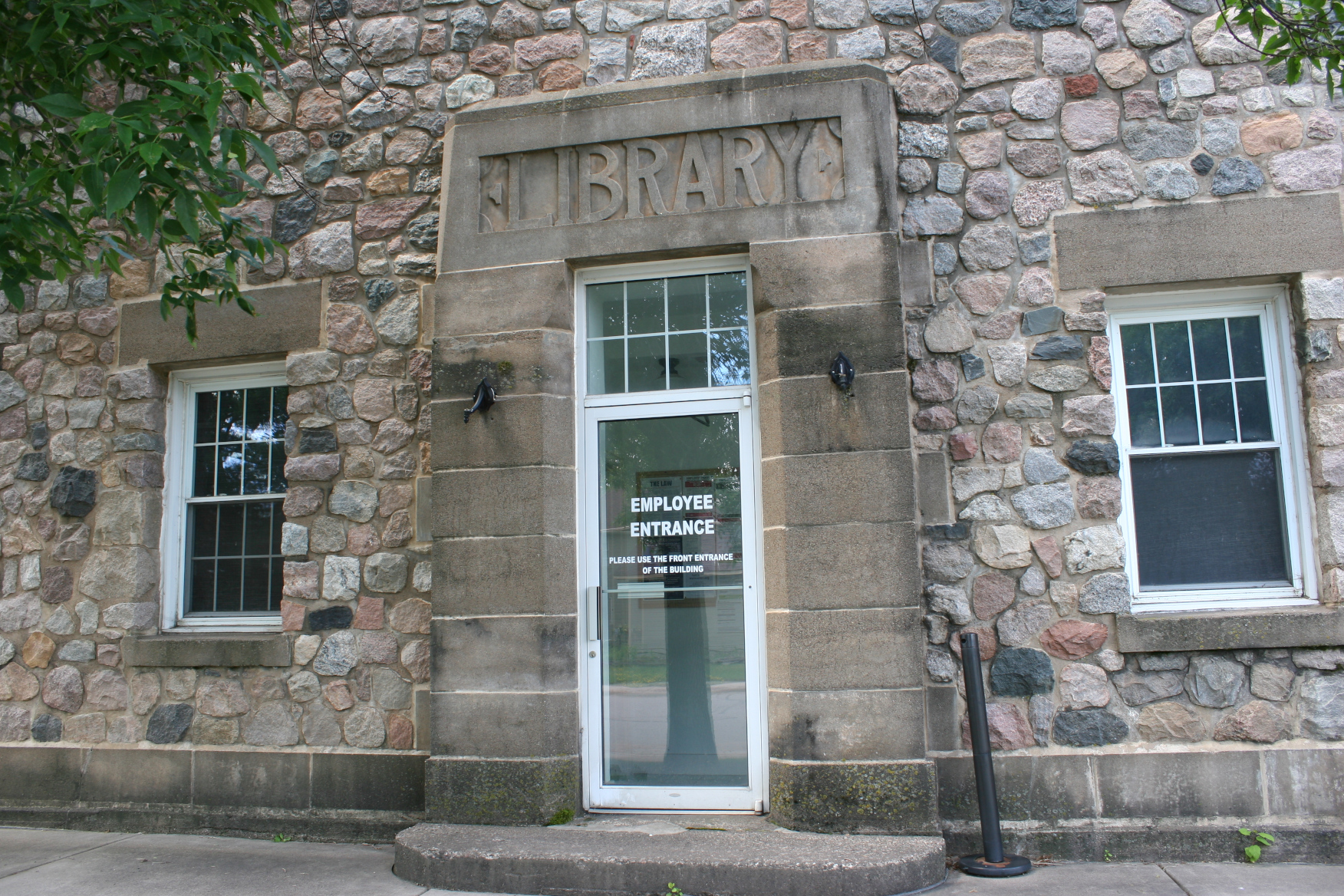
The completed building included village council chambers, a kitchen, locker rooms, library, space for fire fighting equipment and that all-purpose 38 x 80-foot gym with overlooking second floor balconies. Today the auditorium, on the National Register of Historic Places, serves as a community center and gathering spot for celebrations like weddings, birthdays and family reunions.

Another side view of the historic Deerwood Auditorium. Minnesota Prairie Roots copyrighted file photo July 2021.

Back during construction, locals aimed to have the building finished in time for the community’s annual fall lutefisk dinner. It was completed for the event, which drew an estimated 1,000 diners to feast on the lye-soaked cod of Norwegian culinary delight.

The front entry with identifying usage information. Minnesota Prairie Roots copyrighted file photo July 2021.

On the July Saturday I paused to photograph this WPA building, I knew none of these historical details. I couldn’t get inside the Deerwood Auditorium, today home to city hall, the police department and community center. Oh, how I wish I could step inside. To take in the history of this place. To imagine locals packed shoulder to shoulder forking down slippery, smelly lutefisk, their conversations creating a deafening din.

Once the library entry… Minnesota Prairie Roots copyrighted file photo July 2021.

I settled instead for appreciating the exterior workmanship, the talent and strength required to build this remarkable building. The craftsmanship. The hours and hours of labor. That shows in a structure that exudes strength, that honors those who work with their hands, for their work endures.

Please check back next week for one final (of three) post from Deerwood.

© Copyright 2021 Audrey Kletscher Helbling
 

The Great Invader readies for school August 26, 2021

Filed under: Uncategorized — Audrey Kletscher Helbling @ 5:00 AM
Tags: , , , , , , ,
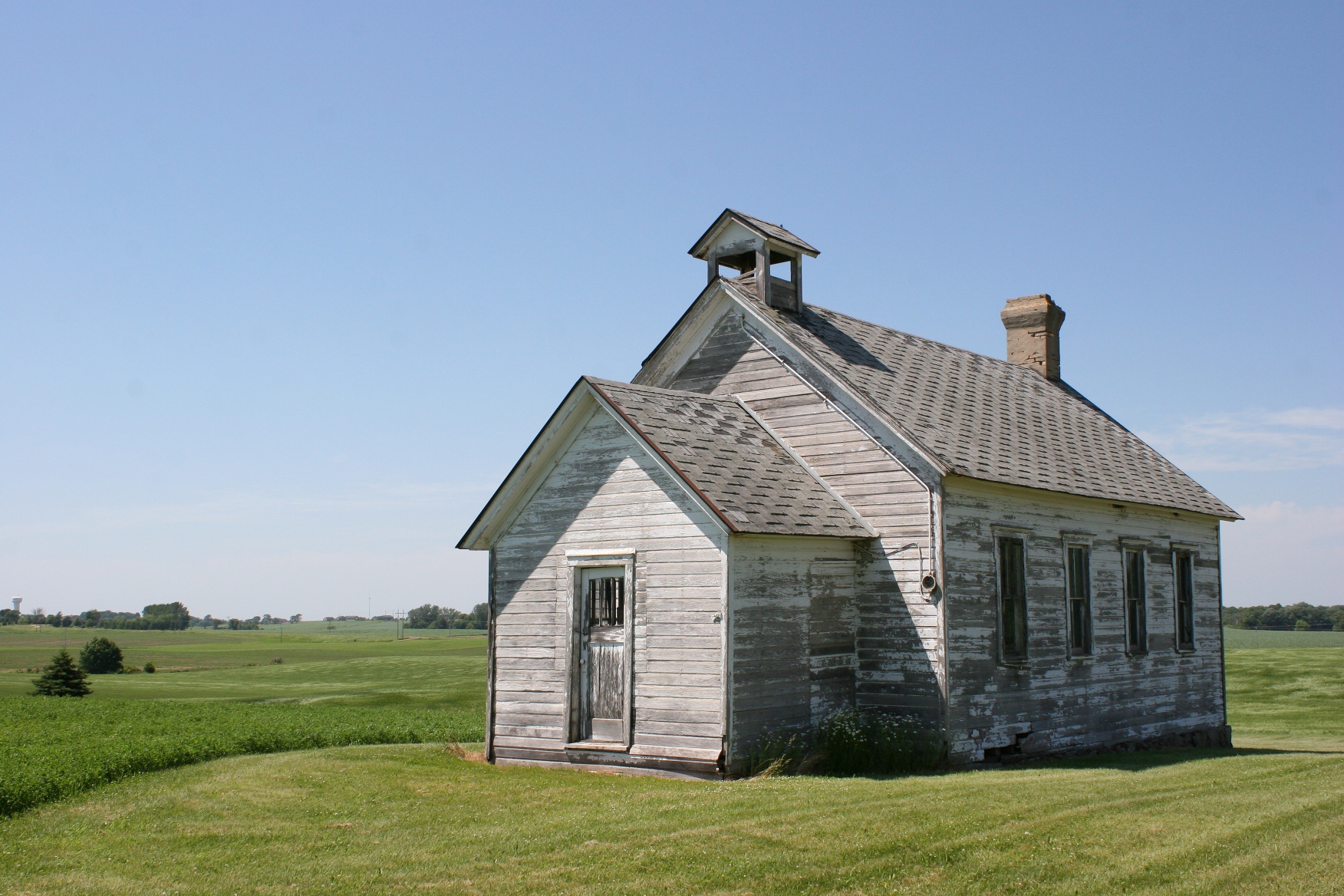
An abandoned rural Minnesota schoolhouse, used for illustration only. Minnesota Prairie Roots copyrighted file photo 2016.

ONCE UPON A TIME in The Land of Plenty, a rising revolt threatened the kingdom, especially the remote villages.

The Great Invader observed the discontent, the disagreements, the squabbling and outright lies. He delighted in the division permeating the land. He was an opportunist who wasted no time sneaking into villages and even cities. The more misinformation spread, the more he gloated, the easier his mission to inflict sickness and death upon the land.

When he learned the Ministry of Education was meeting to discuss plans that would thwart his efforts, he took note. He needed to gather information, to strategize and then to implement a strong plan of attack.

So The Great Invader slid into the meeting room, tucking into a corner unseen. His invisibility was especially useful in situations like this. Already, he liked what he saw—people packed together, most without protective armor. Perfect. He felt giddy inside. He had allies.

ANGRY, DEFIANT VILLAGERS SPEAK

When the villagers stepped up to address the Ministry of Education, The Great Invader could hardly contain his joy. They—with the exception of two—sided with him, expressing outrage toward any efforts to protect the young children of the kingdom. This was going so much better than he had hoped.

“You will not tell us what to do,” said one defiant mother, her son posed beside her. “My children will not wear masks when they are in the village school.” That defied official recommendations from the Ministry of Health to wear protective face masks.

The Great Invader nearly revealed his presence by pumping his arm in celebration. That sent a ripple of air into the room. He reminded himself then to sit still and listen.

THE GREAT INVADER LOVES WHAT HE’S HEARING

Another mother stepped forward, claiming a mask would traumatize her children, that a face covering was unnecessary, and that she, and her children, had rights. The Great Invader nearly danced right there in the midst of his powerful grassroots allies.

But even he couldn’t believe the mother’s statement that “No kids have died (from the virus he inflicted).” He knew this to be a bold lie and hadn’t expected such an uncaring and uninformed public declaration of untruth. Yet, this only bolstered his campaign, so he quietly applauded.

And he applauded, too, when a villager attacked the recommendations of the Ministry of Health and called face masks “child abuse.” He hadn’t even considered that, noting the need to share this with his Office of Misinformation. He felt such gratitude for the angry villagers filling the room.

UGH, SOMEONE CARES, HE THINKS

But he loathed the two mothers who spoke in support of masking in the village school. The shared their concerns for the health and safety of their children, all the children and the village educators. This was not helpful. Not at all.

PLACES TO BE, WORK TO DO

In the end, The Great Invader needn’t have worried. The Ministry of Education voted only to strongly recommend (not require) wearing of face masks in the village school. He noted, though, two dissenting votes. One ministry member expressed her deep concern about the safety of the young village children. The Great Invader filed that for future reference before slipping from the room. He felt certain many of the village children would come to school unmasked. Oh, how this pleased him. He could roam freely, infecting the youngest with incredible ease.

Now, with schools opening soon, he had work to do. Routes to map. He would target the children of the kingdom, especially those too young to take a magic potion that helped many of the village elders and others keep him at bay. He held deep disdain for those who chose to protect themselves, their families and friends, and other villagers. How dare they challenge him. How dare they try to stop him. How dare they…

NOTE: In every story truth exists, this one no exception. The setting and quotes in this story are, sadly, real. Be safe. Be well. Care about our children. And each other. The Great Invader (COVID-19) is still hard at work in The Land of Plenty and beyond.

© Copyright 2021 Audrey Kletscher Helbling
 

The leaping deer of Deerwood August 24, 2021

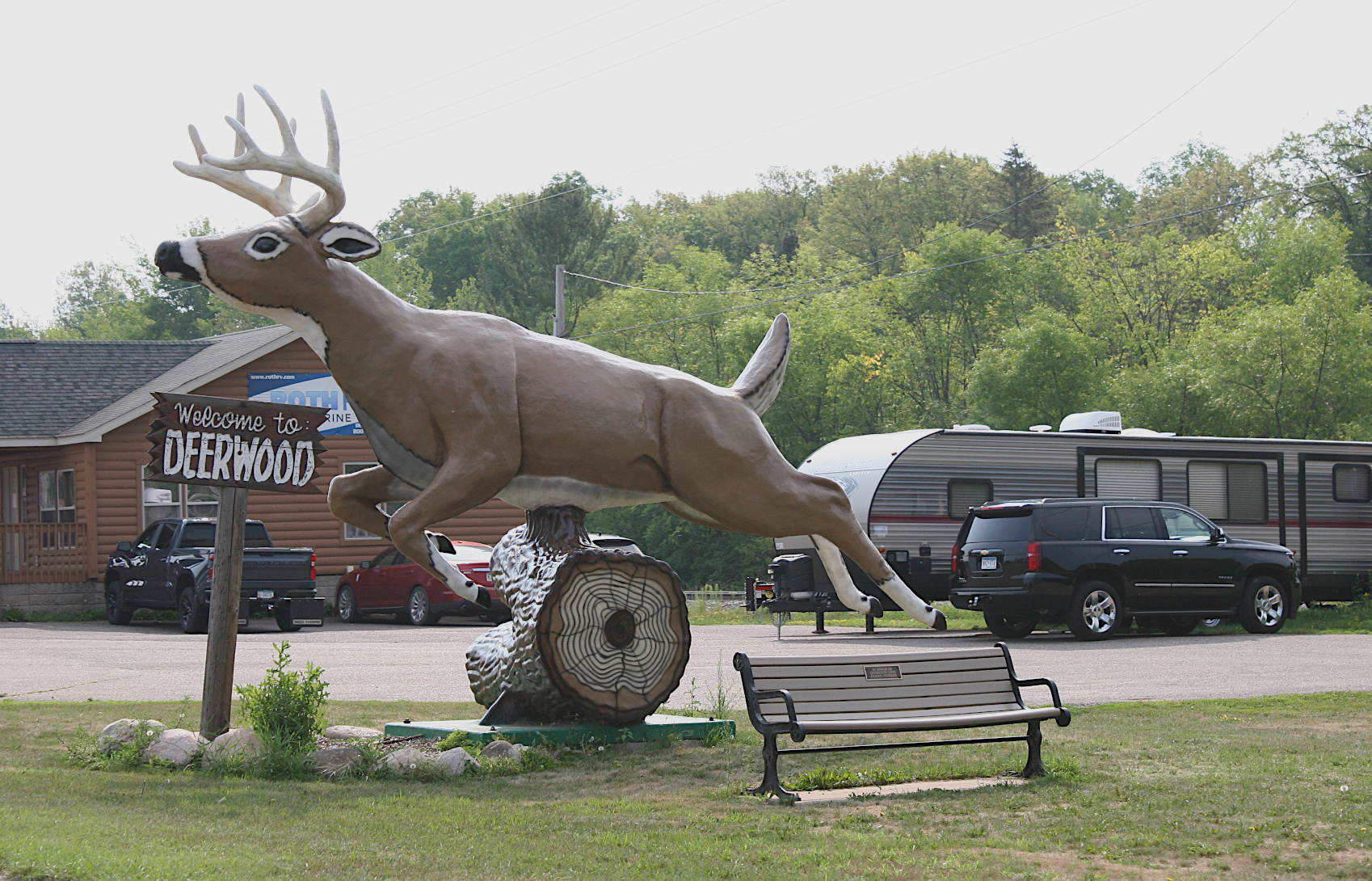
Leaping whitetail deer art in Deerwood, Minnesota. Minnesota Prairie Roots copyrighted file photo July 2021.

I APPRECIATE OUTDOOR public art. That includes kitschy roadside sculptures that define communities. The walleye in Garrison. The prairie chicken in Rothsay. The otter in Fergus Falls. Babe the Blue Ox in countless Up North Minnesota towns.

And in Deerwood, a Crow Wing County community of around 550, a leaping whitetail deer. The jumping deer, located in Elmer Park, is visible from Highway 6. I snapped a shot of it from the road last trip through this town in mid-July.

A little poking around online revealed that Deerwood was originally known as Withington. But, after being too often confused with Worthington in the southwestern corner of Minnesota, it was officially named Deerwood. That makes sense given its location among the lakes and hardwoods of central Minnesota where deer abound.

I learned a bit more history. Cuyler Adams of Deerwood discovered the iron ore which led to mining in this region. Thus the name Cuyuna Range—a combination of Adams’ first name and the name of his dog, Una.

Oh, the things you learn upon seeing, and photographing, a memorable deer sculpture next to a roadway.

TELL ME: Do you have a favorite roadside sculpture? I’d like to hear.

© Copyright 2021 Audrey Kletscher Helbling
 

Revisiting & appreciating Little Prairie Historic Schoolhouse August 18, 2021

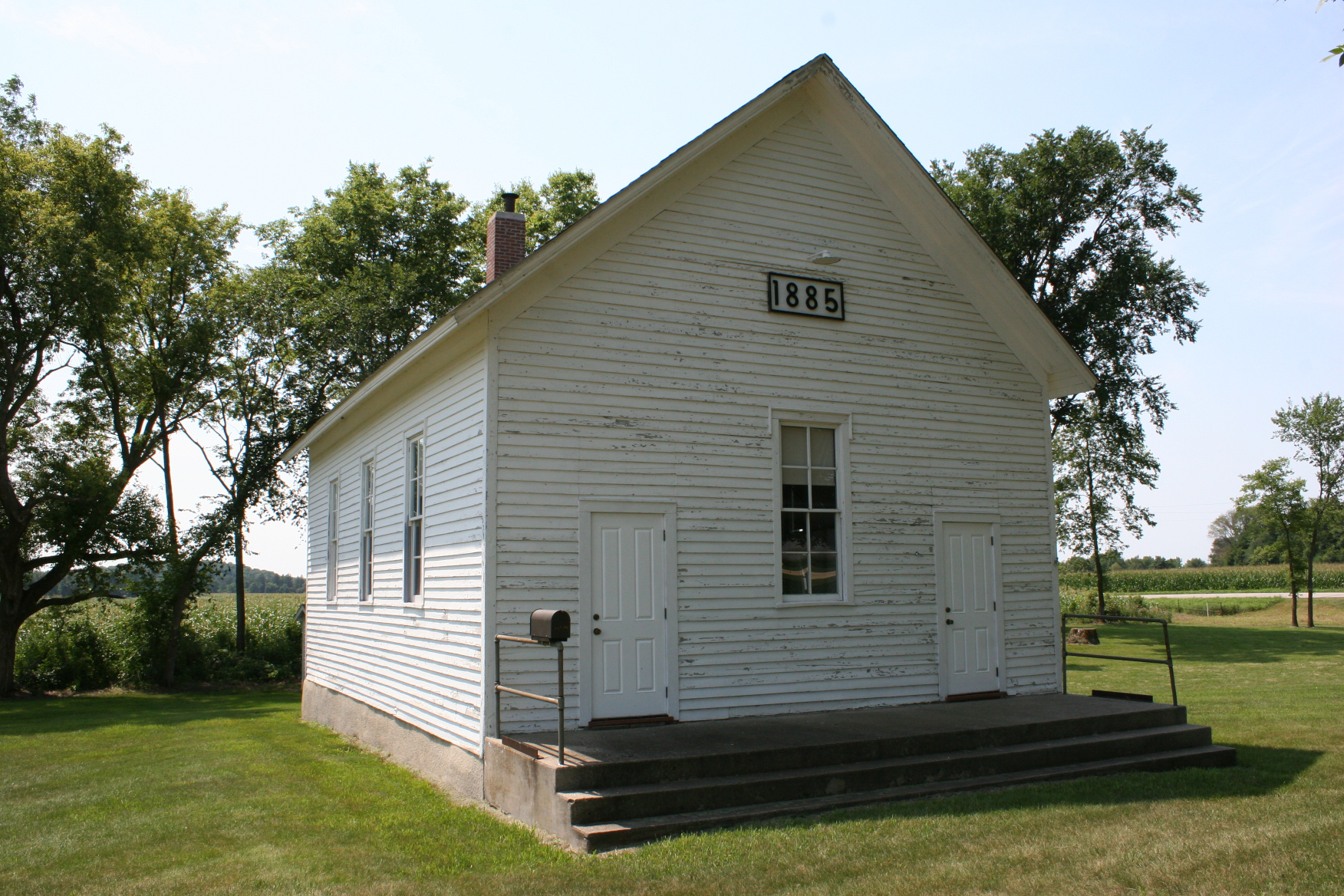
Little Prairie School, rural Dundas, Minnesota. The date on the building conflicts with the date on an on-site memorial and I don’t know why. Minnesota Prairie Roots copyrighted photo July 2021.

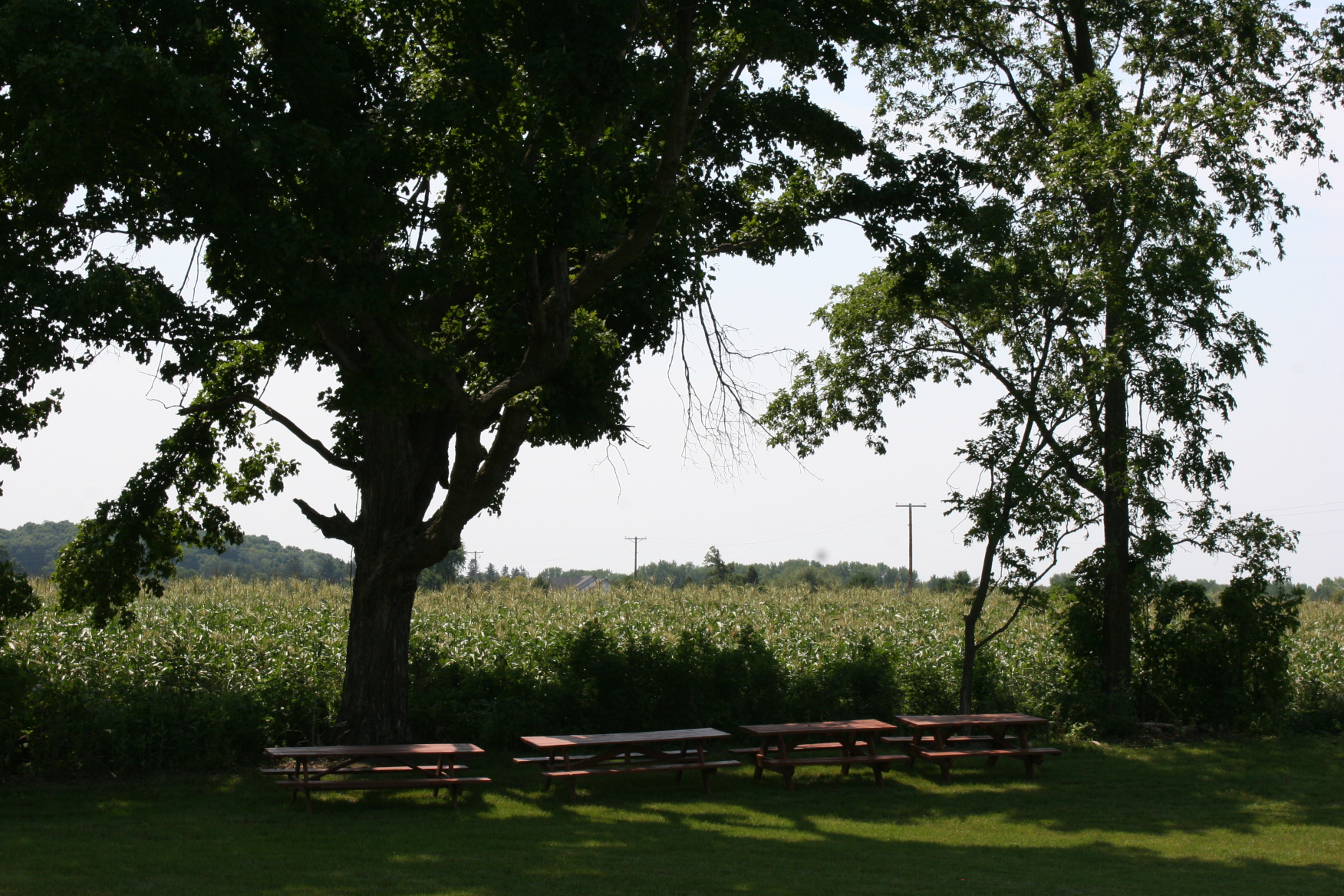
MANY YEARS HAVE PASSED since Randy and I stopped at the Little Prairie Historic Schoolhouse, rural Dundas. But on a recent weekend afternoon, we picnicked on the school grounds, next to a cornfield and a stone’s throw away from a vintage outhouse.

We ate our picnic lunch here. Minnesota Prairie Roots copyrighted photo July 2021.

I embraced this rural Bridgewater Township setting as I ate my sandwich and watched the occasional vehicle fly by on paved Rice County Road 8. Mostly, though, quiet prevailed.

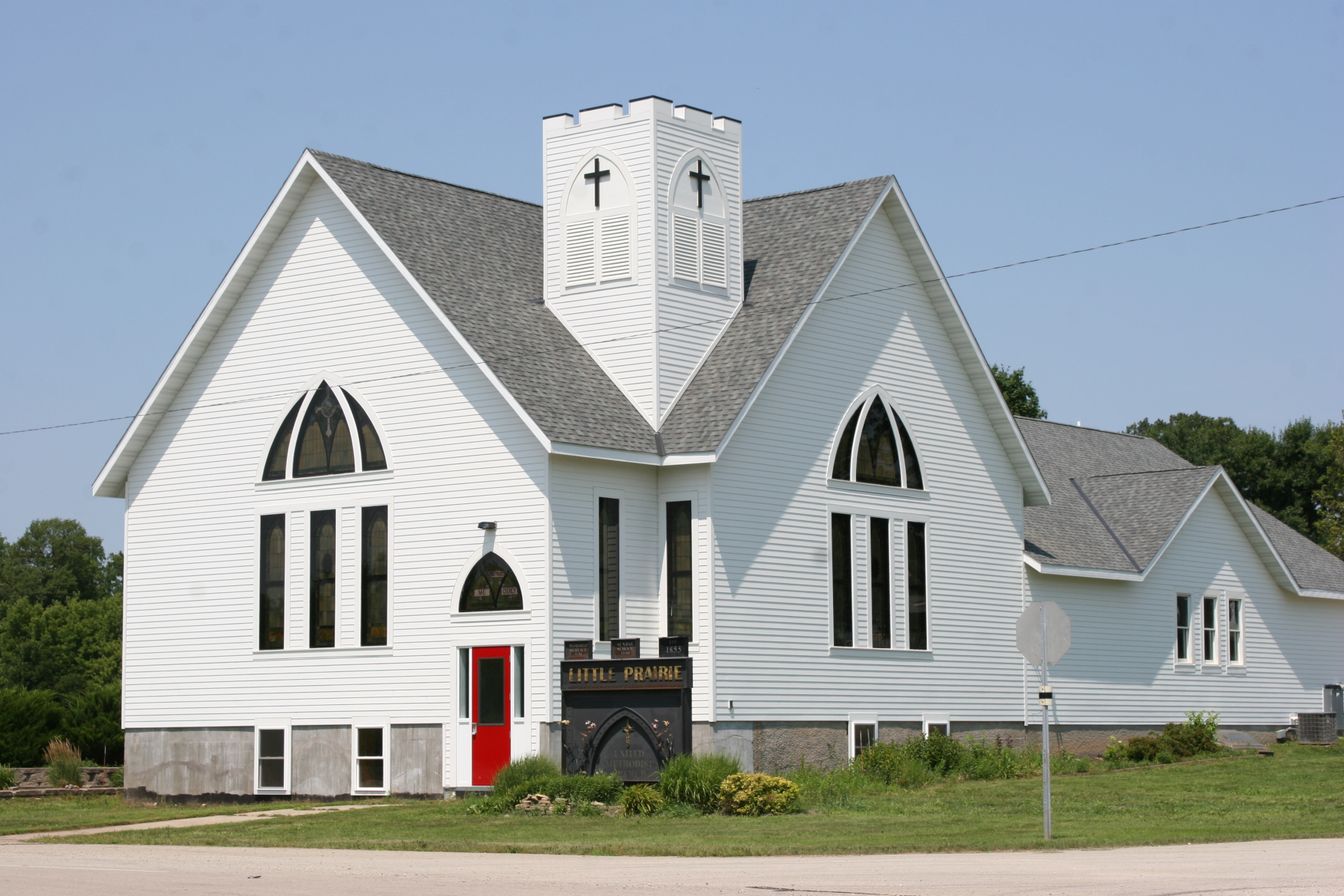
Little Prairie United Methodist Church, repaired following a damaging tornado several years ago. Minnesota Prairie Roots copyrighted photo July 2021.

When I finished my lunch, I grabbed my camera to document the country school and more, including Little Prairie United Methodist Church just across the road. Last visit, the then-pastor toured us through the church and then unlocked the schoolhouse. This time, I had to settle for peering through a school window.

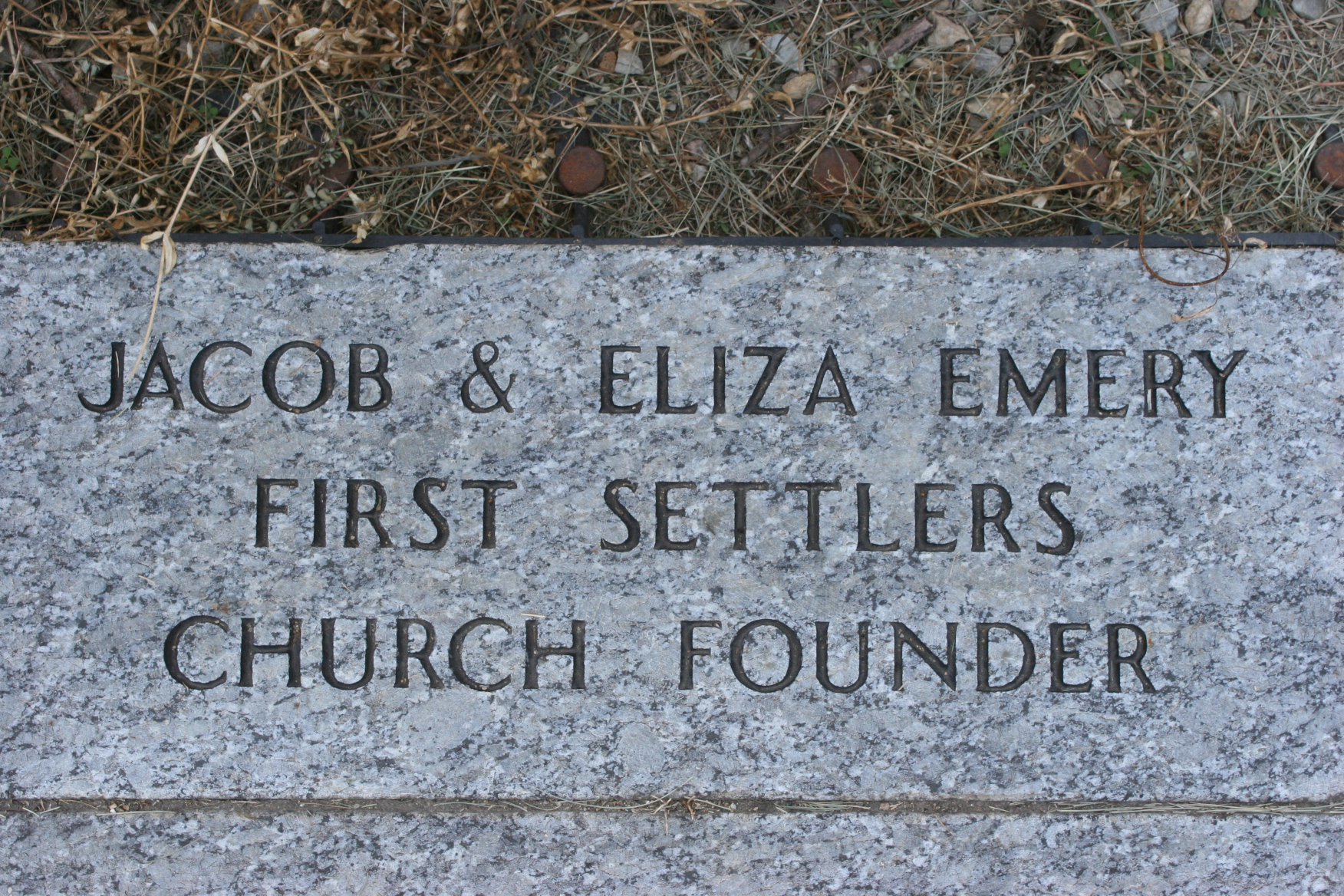
A paver honors Little Prairie founders, the Emerys. Minnesota Prairie Roots copyrighted photo July 2021.

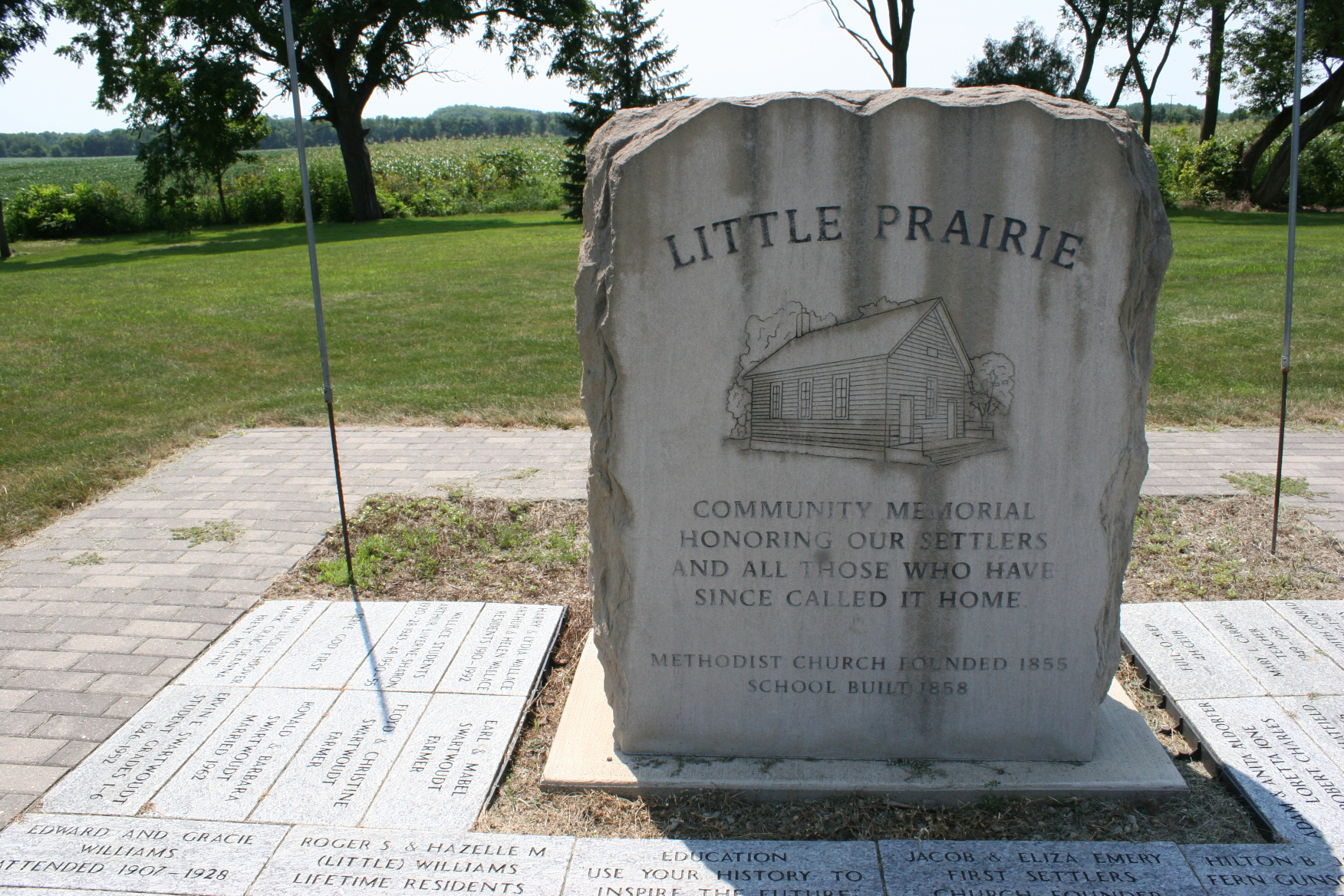
Little Prairie—a name that resonates with my prairie roots—was settled in 1855 when Jacob and Eliza Emery homesteaded here. He’s noted as the church founder on a paver at the Little Prairie Community Memorial, new since our last visit. Emery, as history goes, cut a 3-mile track through the Big Woods to find this 60-acre prairie. Little Prairie.

A memorial honors the people of Little Prairie. Minnesota Prairie Roots copyrighted photo July 2021.
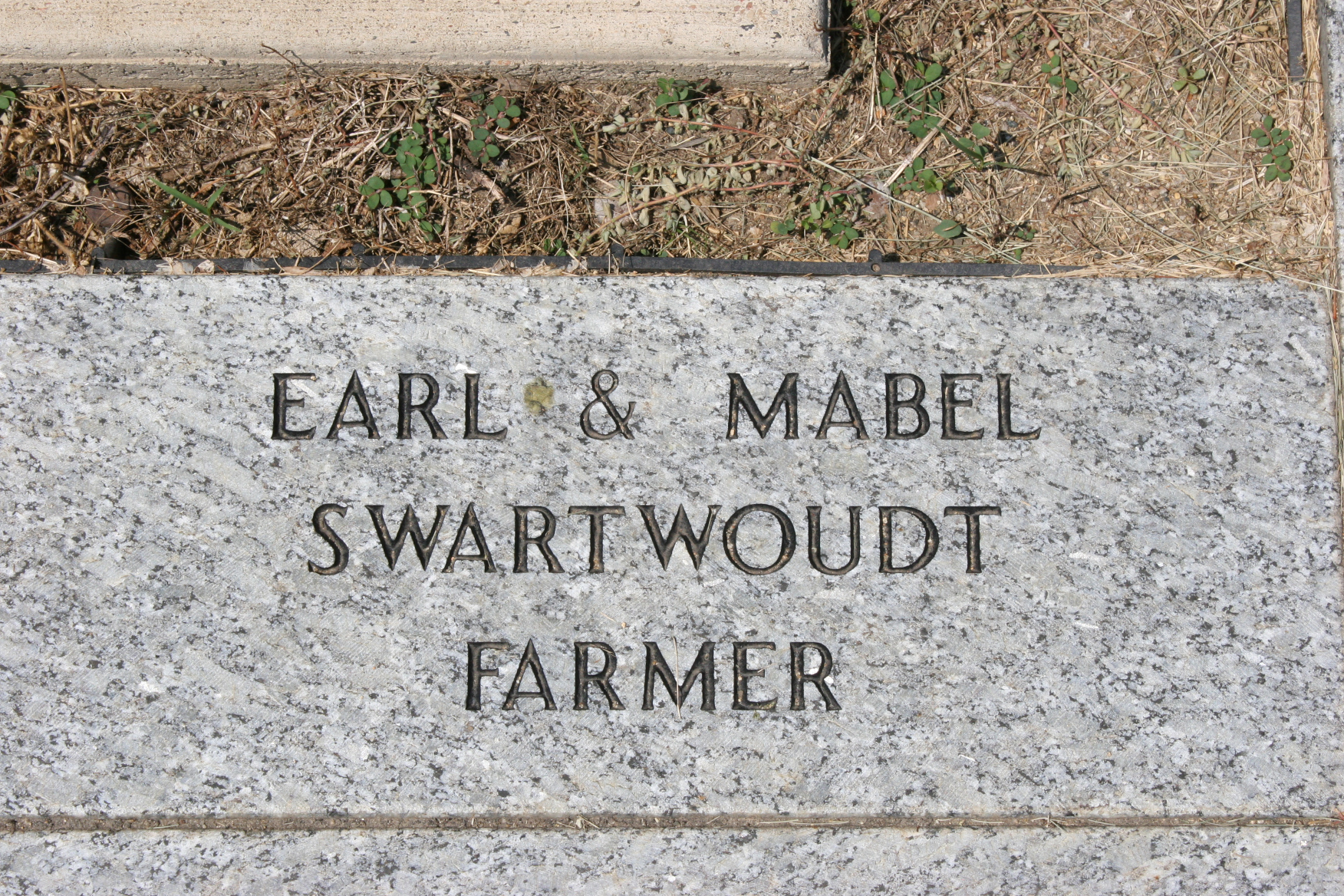
Among the “farmer” pavers. Minnesota Prairie Roots copyrighted photo July 2021.
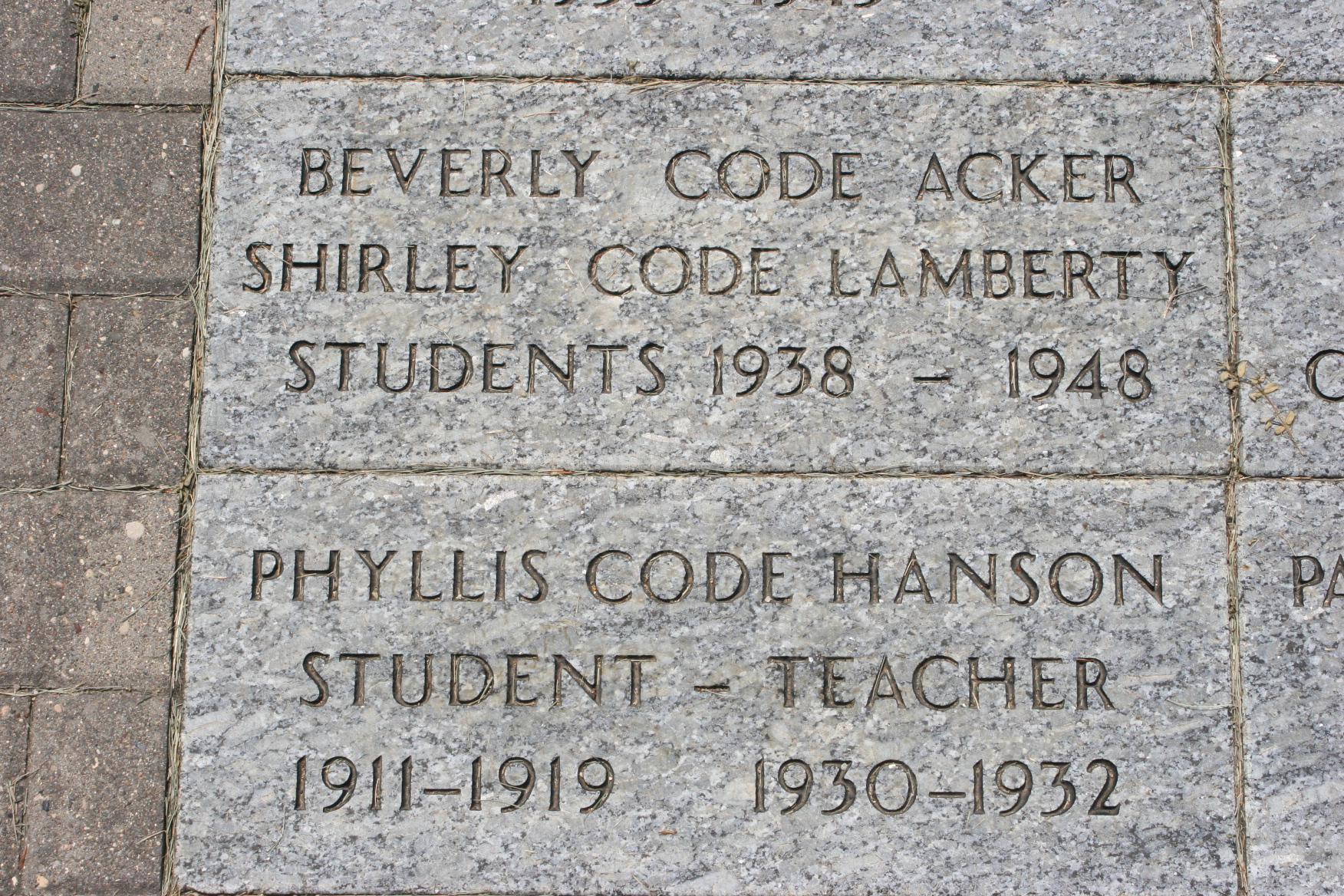
Students remembered. Minnesota Prairie Roots copyrighted photo July 2021.

A study of the memorial pavers reveals names of early settlers, farmers, teachers, families and others with connections to this prairie place. History imprinted upon stone.

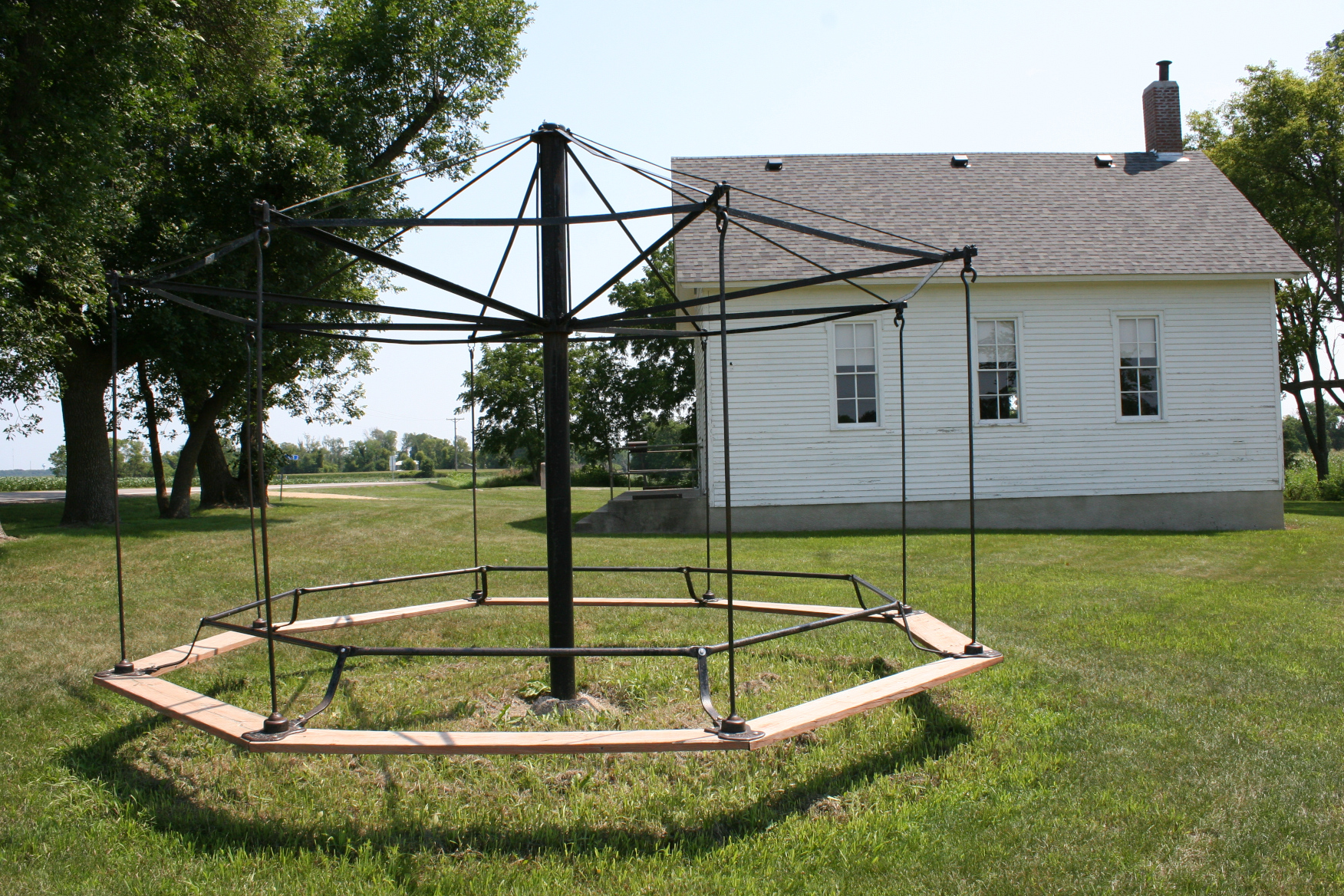
I pushed Randy briefly on the merry-go-round, Minnesota Prairie Roots copyrighted photo July 2021.

Beyond that, when I let this place speak to me, I could hear the voices of children as they played tag on the playground. Or circled on the aged merry-go-round. Screams. Laughter. Joy. Maybe even pleas to stop the dizziness.

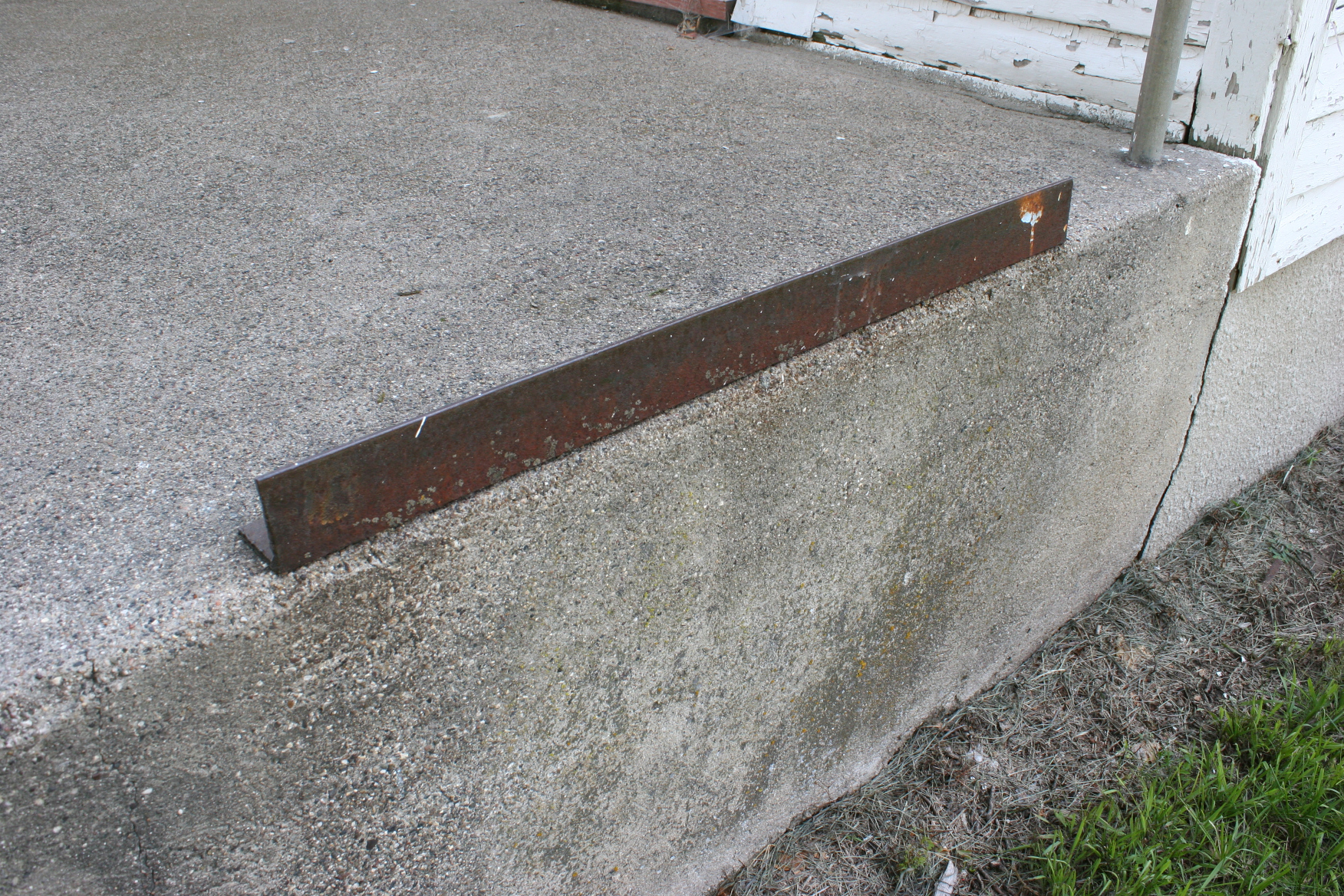
The mud scraper. Minnesota Prairie Roots copyrighted photo July 2021.

I could hear, too, the scraping of shoes on the mud scraper bolted to cement steps outside the front doors.

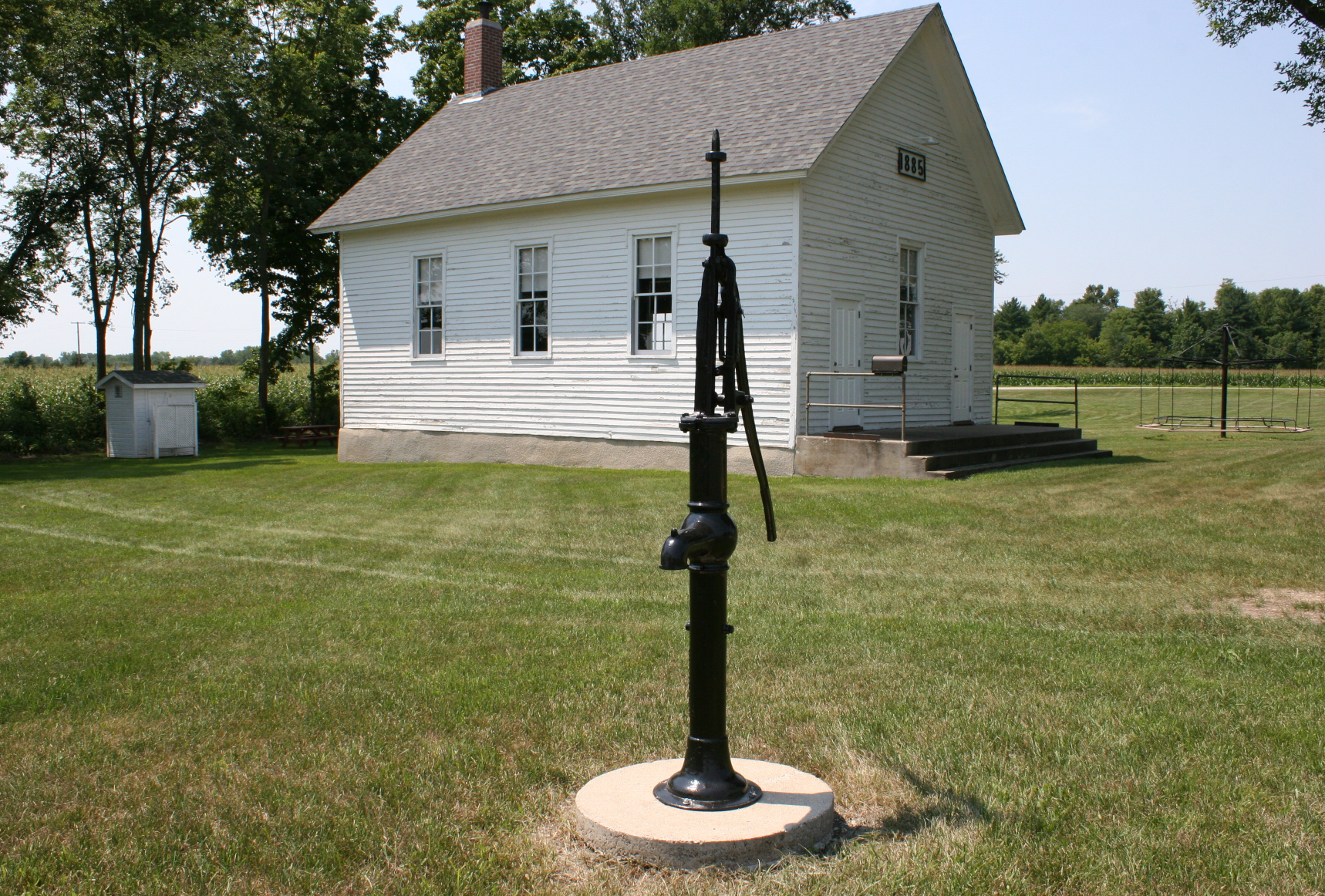
A necessity at rural schools, the water pump. Minnesota Prairie Roots copyrighted photo July 2021.

I could hear the creak of the water pump handle moving up and down, up and down.

The outhouse has been painted since the last time I was here and a screen added.

I could hear the bang of the outhouse door.

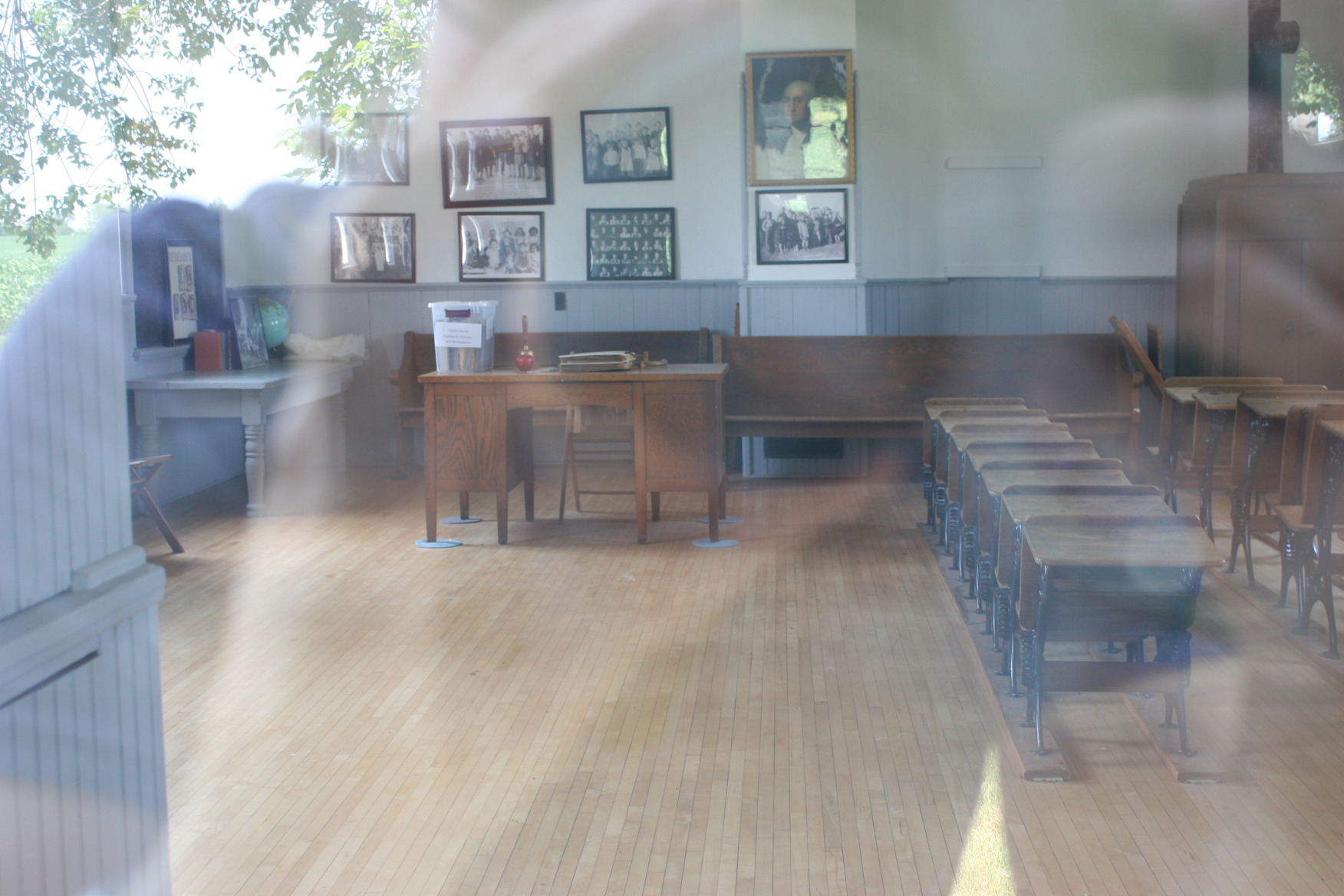
A view inside the classroom through a window. Minnesota Prairie Roots copyrighted photo July 2021.

Locked doors kept me from accessing the school. But I imagined the determined voice of a teacher, the recitation of spelling words, the scratch of chalk upon slate, the clomp of shoes upon wooden floor…

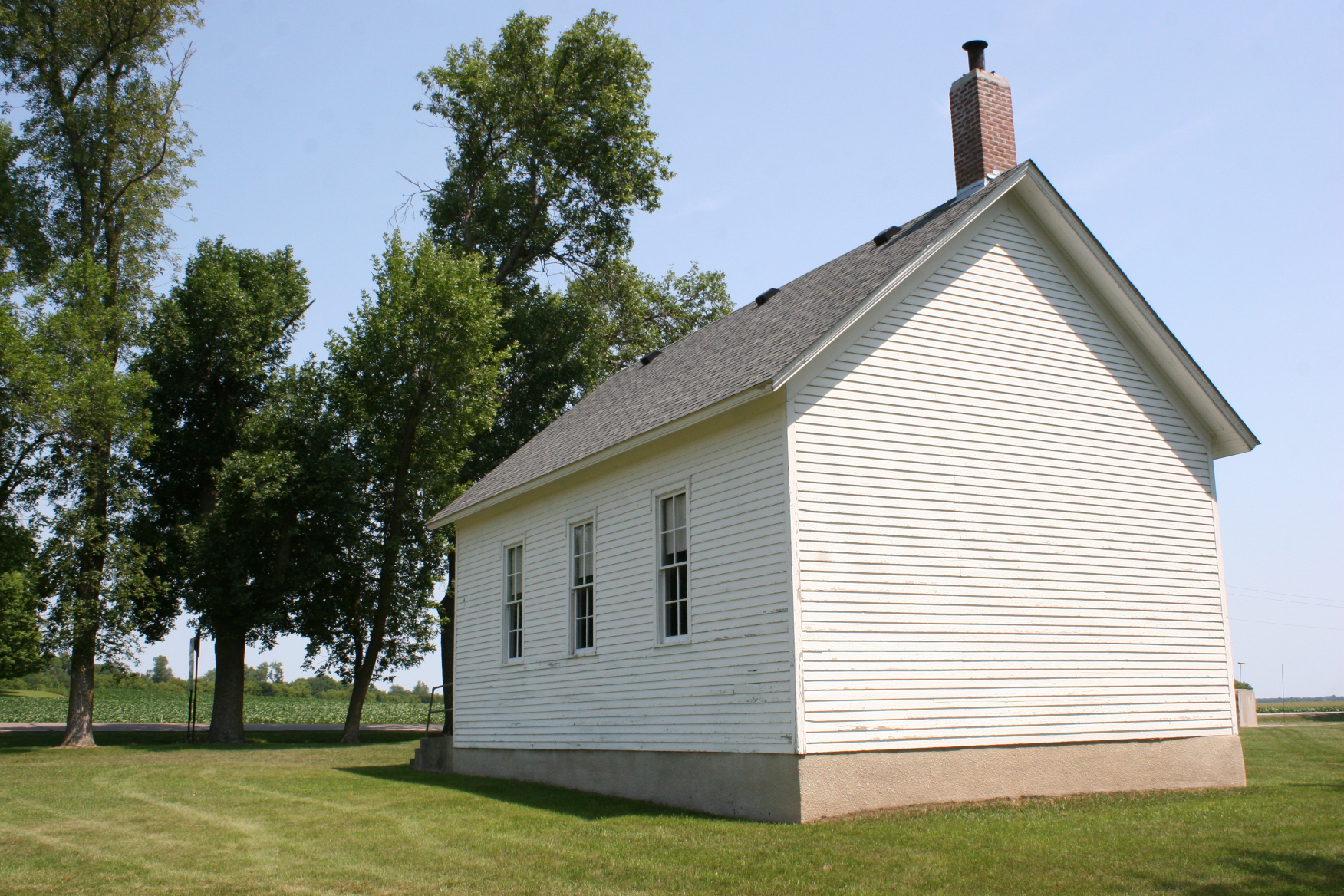
A back view of the simple country schoolhouse. Minnesota Prairie Roots copyrighted photo July 2021.

This schoolhouse, built in 1858, holds no personal meaning to me. Yet, I cherish it. Within these walls, children learned. They flourished. They grew friendships and knowledge and, I expect, a deep appreciation for their community. This place. This Little Prairie.

BONUS PHOTOS:

Merry-go-round details. Minnesota Prairie Roots file photo July 2021.
Information on ordering and purchasing a memorial paver for $225 is available inside this mailbox on the schoolhouse steps. Minnesota Prairie Roots copyrighted photo July 2021.

© Copyright 2021 Audrey Kletscher Helbling
 

On the backroads of Rice County with Mr. Bluebird August 17, 2021

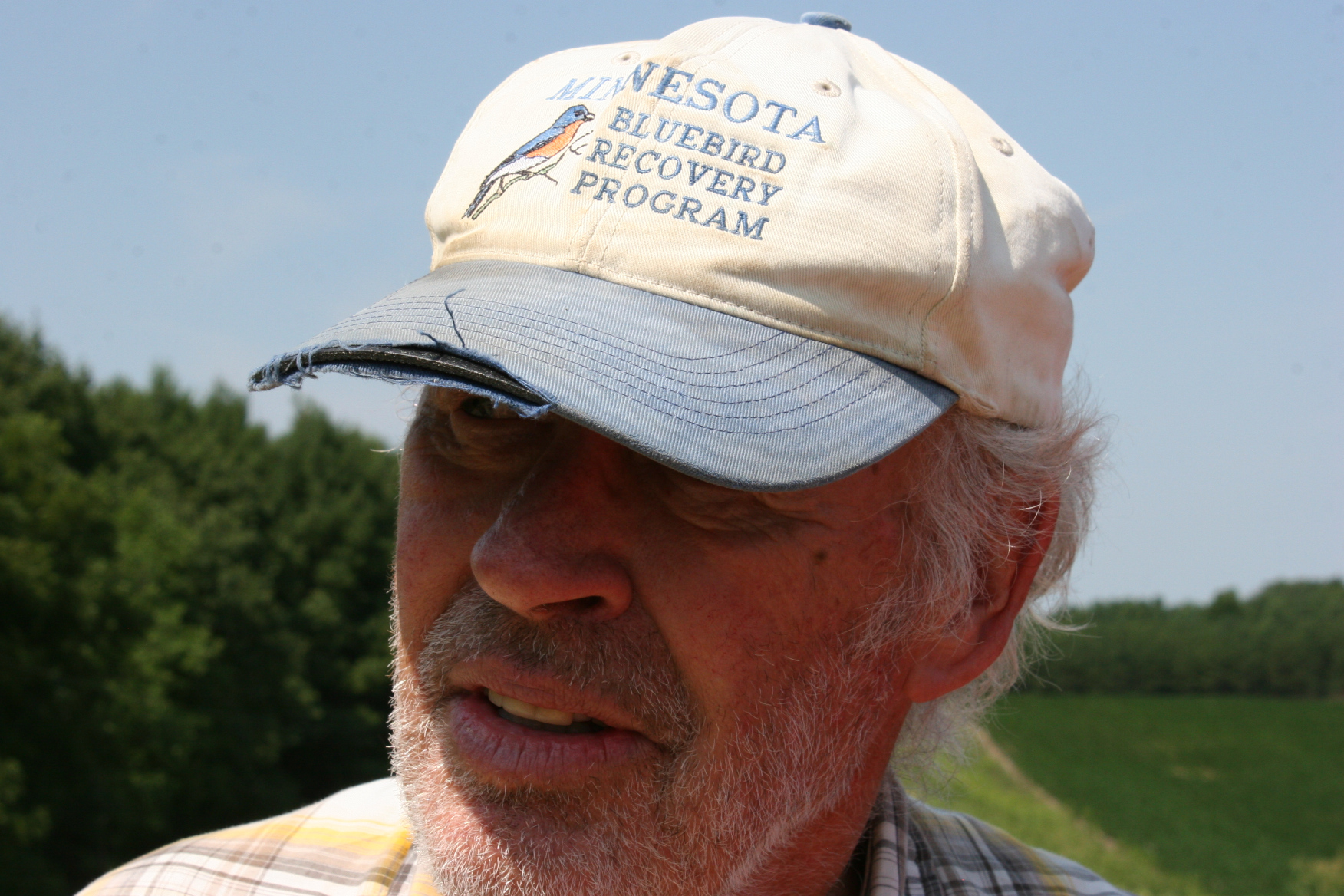
Mr. Bluebird, Keith Radel. Minnesota Prairie Roots copyrighted photo July 2021.

DOWN THE GRAVEL ROAD, I saw him exit the ditch, cross the roadway and then climb into his red pick-up truck.

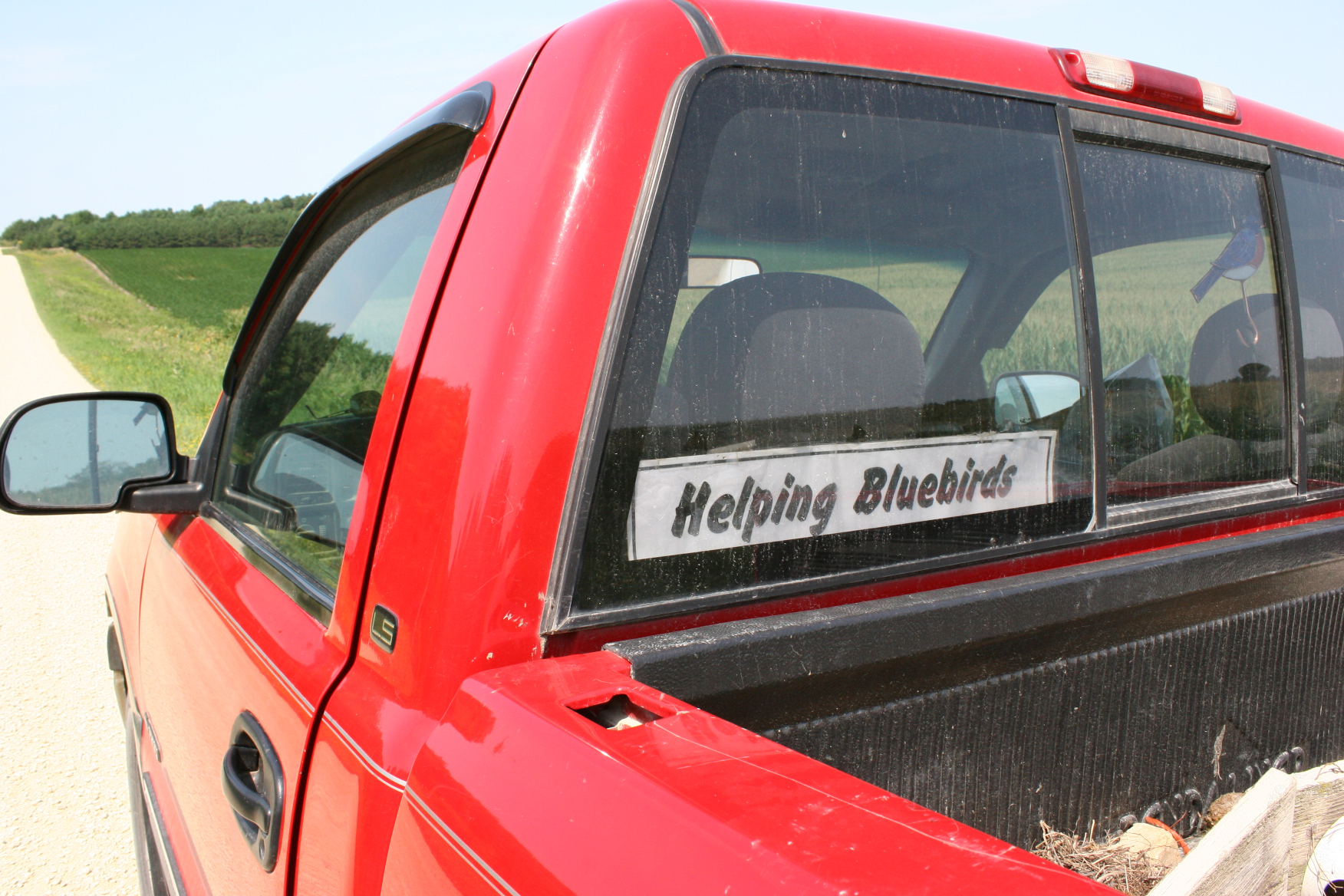
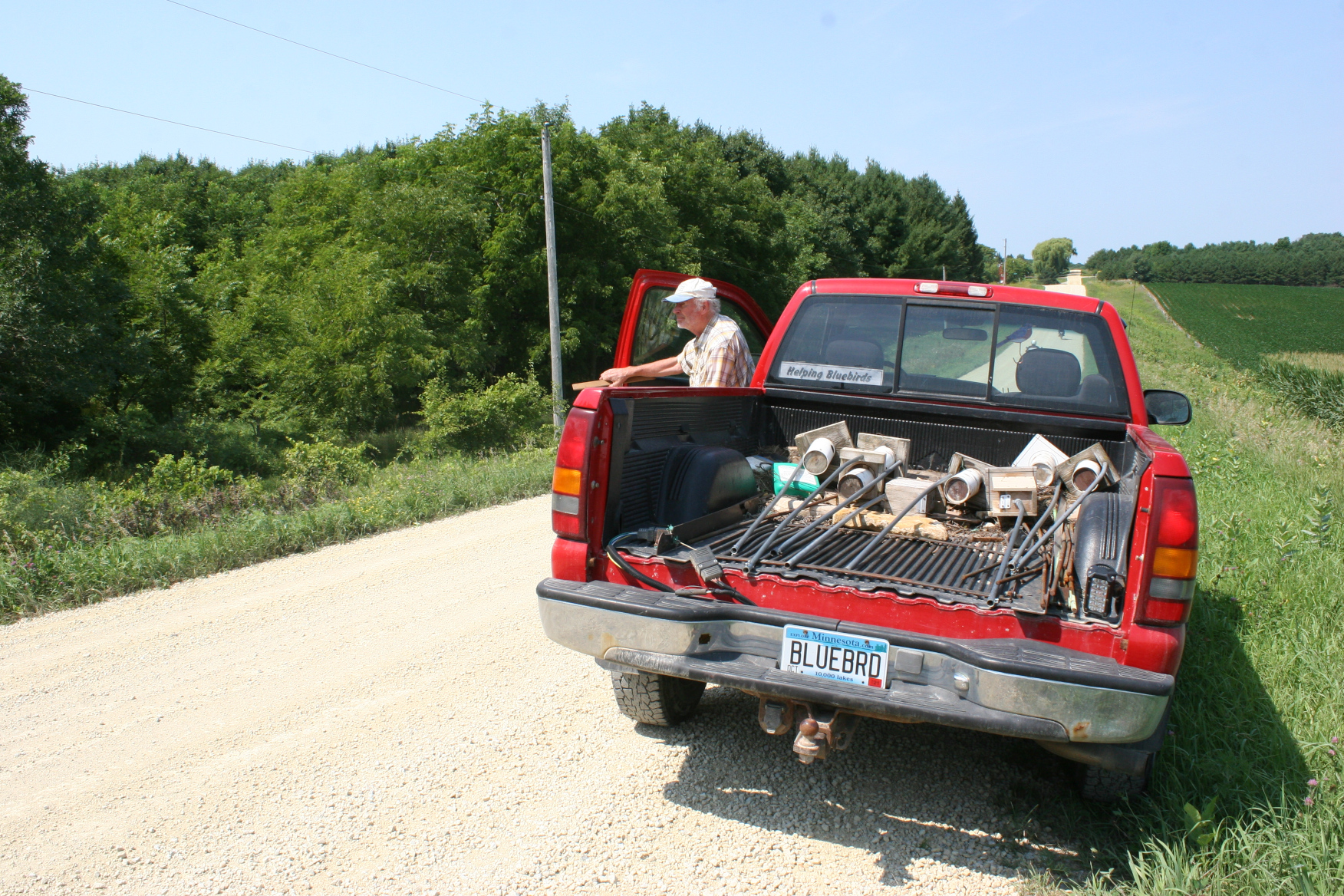
A man on a mission, to save bluebirds. Those are nesting boxes in the truck bed. Minnesota Prairie Roots copyrighted photo July 2021.

“That’s Keith,” I told Randy. Even from a distance I recognized the tall, lean profile of Keith Radel. Known as Mr. Bluebird, he travels the backroads of Rice County checking bluebird nests.

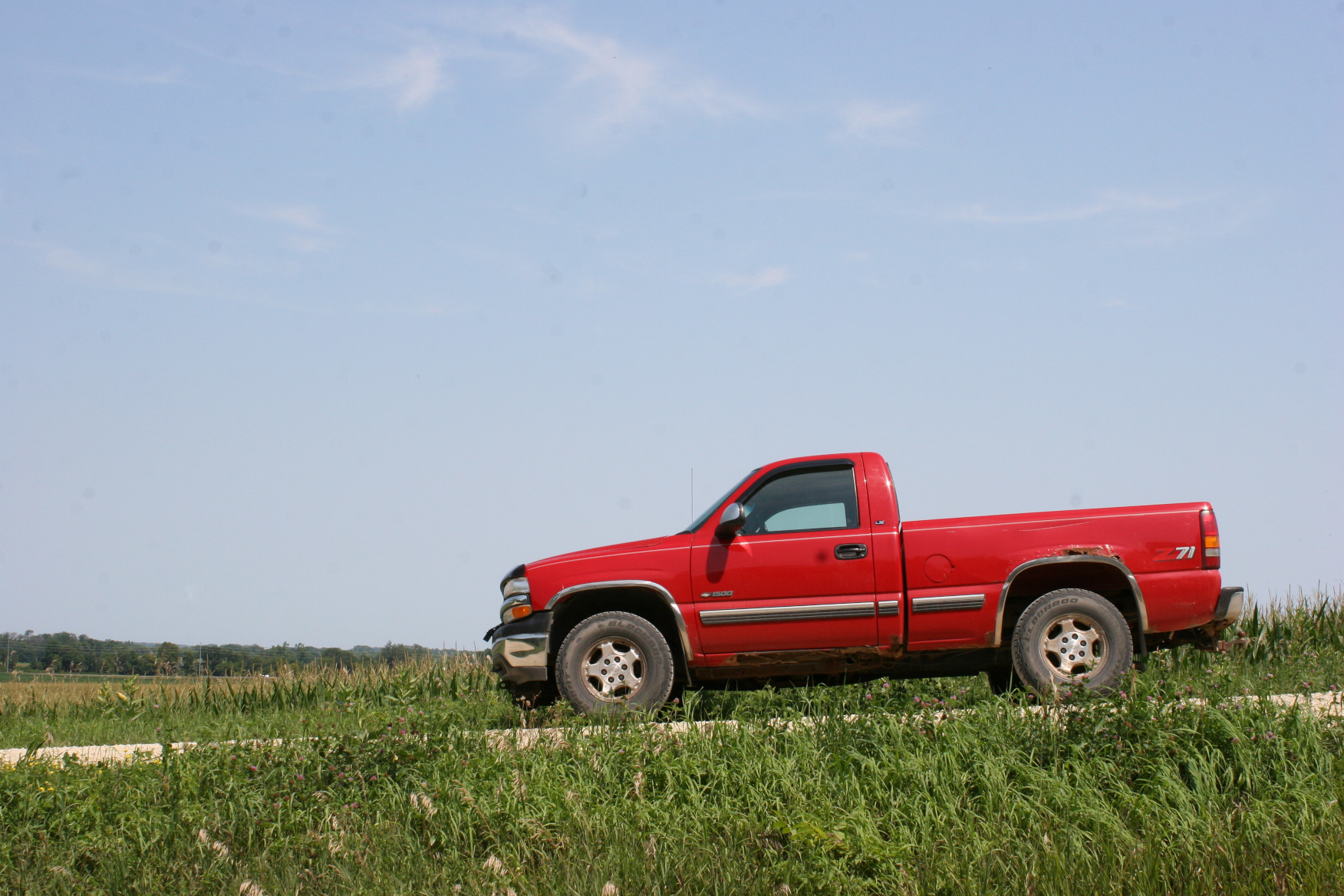
Keith puts on countless miles in his red pick-up truck. Minnesota Prairie Roots copyrighted photo July 2021.

Randy and I had just finished a short hike at the nearby Cannon River Wilderness Park when I spotted Keith on a gravel road in rural Dundas. We paused, his pick-up and our van pulled side-by-side, windows rolled down, the three of us conversing like farmers meeting on a rural road to talk crops.

Keith’s simple mission statement. Minnesota Prairie Roots copyrighted photo July 2021.

Except we were talking bluebirds. Not that I know much about these songbirds. But Keith, who’s been tracking, counting and caring for bluebirds for nearly 40 years, does. He’s relentless in his passion to assure this bird thrives. And that devotion drives him to drive miles upon endless miles to check nest boxes and count eggs and do whatever it takes to assure bluebird survival. Rice County has the most successful bluebird recovery program in Minnesota.

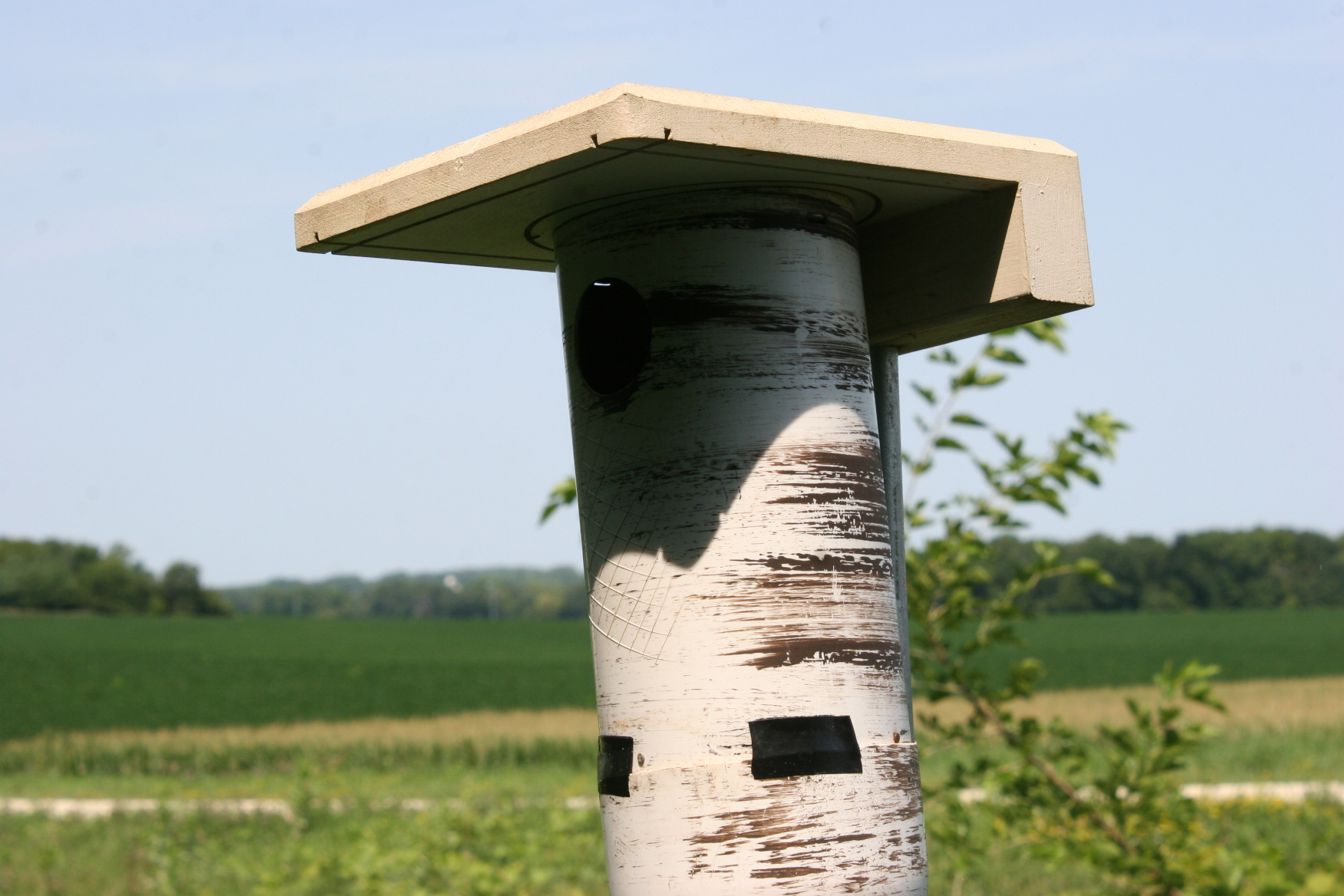
A nesting box for bluebirds. Minnesota Prairie Roots copyrighted photo July 2021.

I didn’t take notes when we were talking, although I recall Keith saying major ice storms in Texas this year had a devastating effect on the current bluebird population. He keeps meticulous notes on each nesting box.

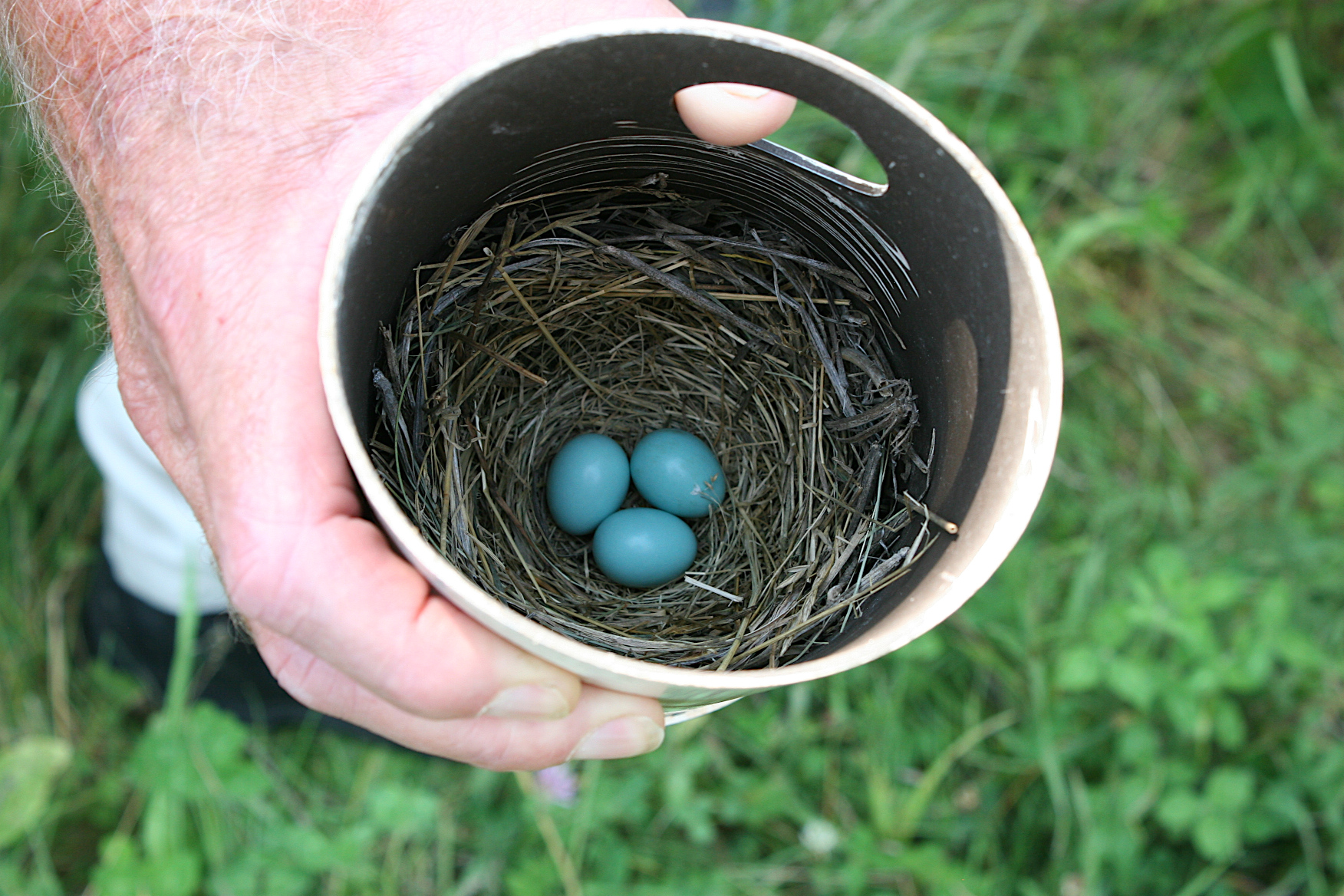
Bluebird eggs. We didn’t see any bluebirds. Minnesota Prairie Roots copyrighted photo July 2021.

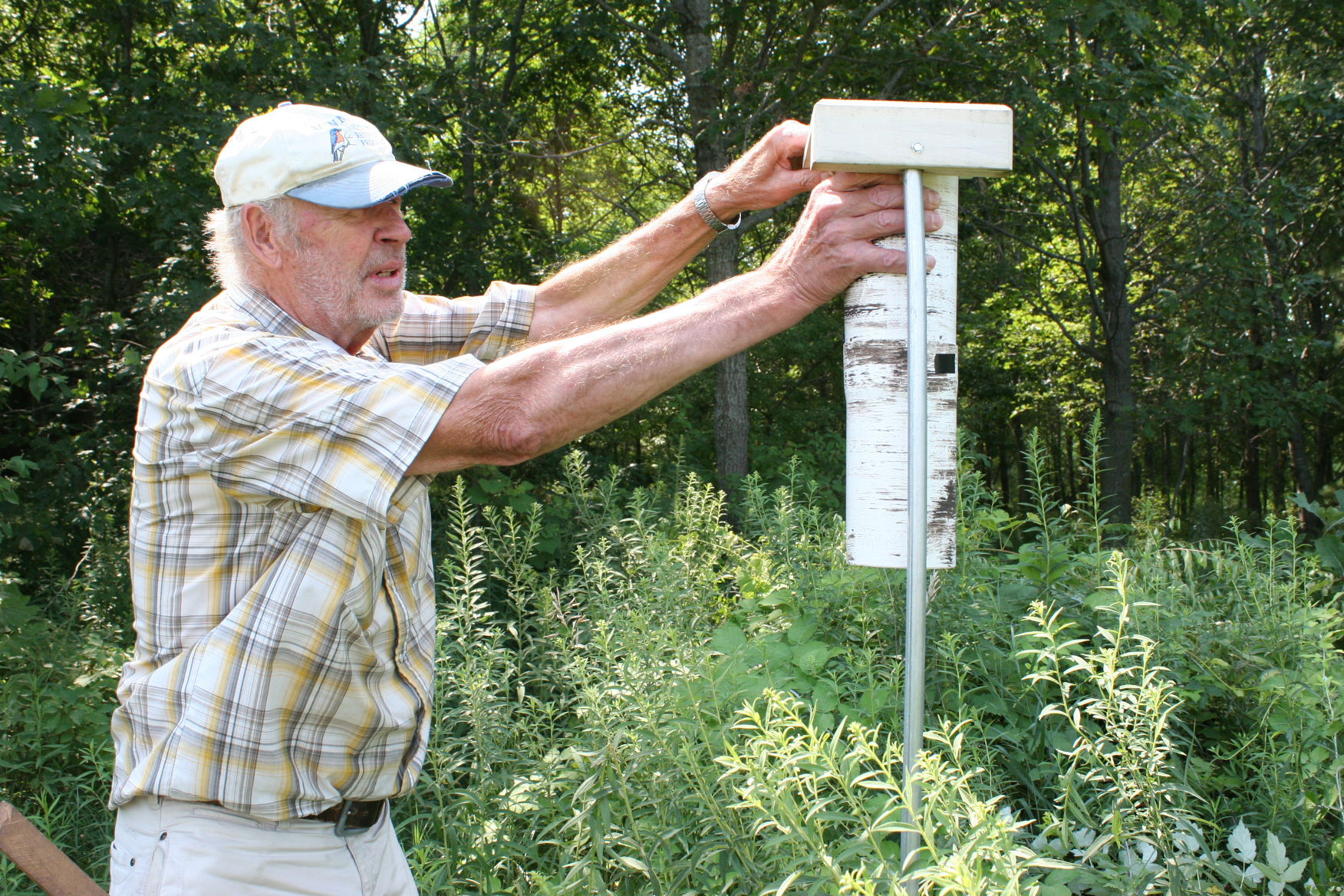
Mostly, I focused on being in the moment. When Keith offered to show us two bluebird nesting boxes just down the road, we didn’t hesitate, reversed course, our van following his truck in a trail of dust. Once parked, Keith led us down the side of a ditch, lifting the nest cylinder from its post to reveal three beautiful blue eggs inside. The next nest held only a single egg.

Keith checks a bluebird nest. Minnesota Prairie Roots copyrighted photo July 2021.

Soon we were on our way, Randy and I looking for a place to eat a picnic lunch and Keith continuing with his bluebird checks.

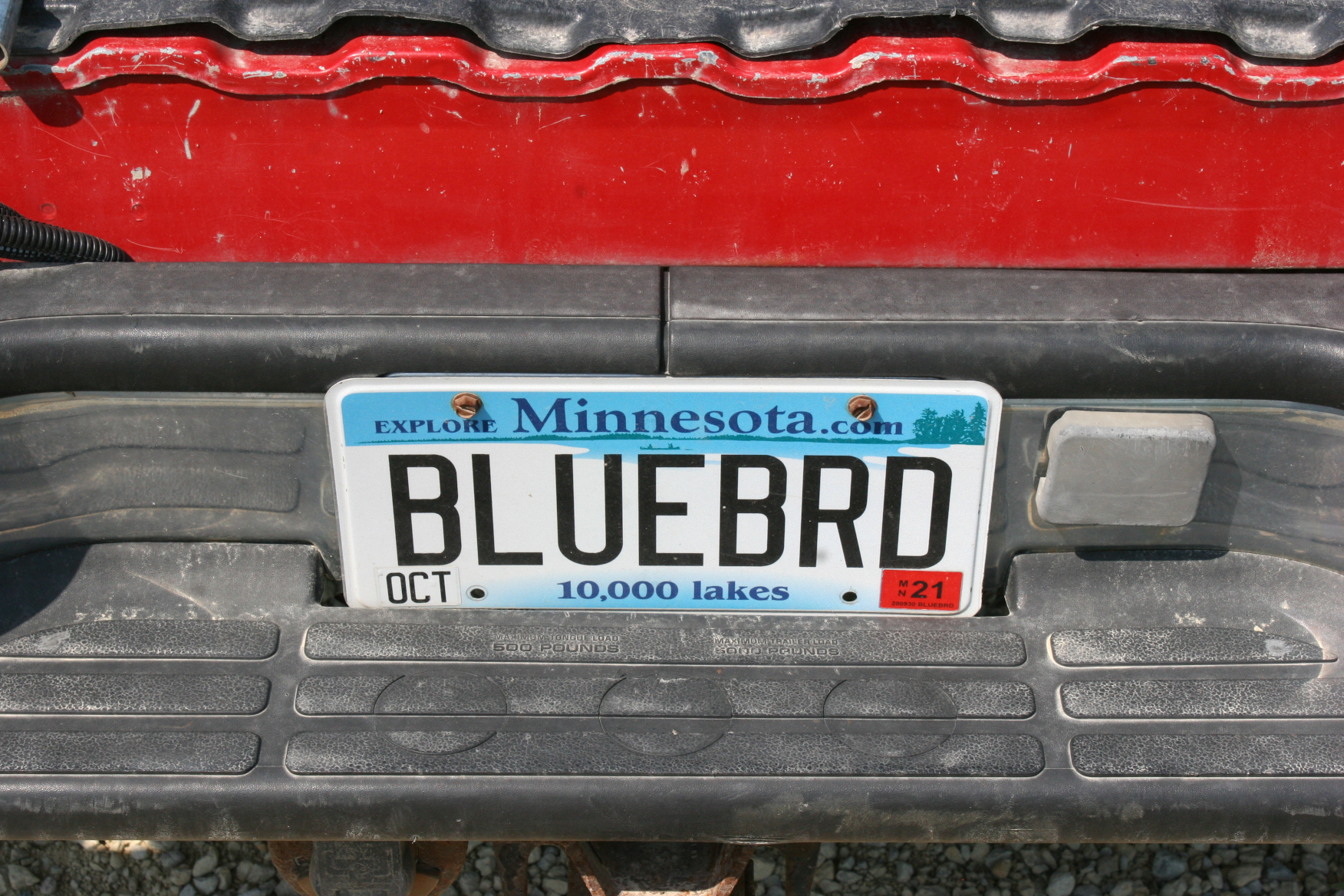
The personalized license plate on Keith’s pick-up truck. Minnesota Prairie Roots copyrighted photo July 2021.

But there’s more to this story than that of a man sporting a MINNESOTA BLUEBIRD RECOVERY PROGRAM cap with a specialty BLUEBRD license plate and a window sticker on his pick-up that proclaims his mission, Helping Bluebirds. There’s a personal connection. Keith is from my hometown of Vesta on the southwestern Minnesota prairie. He grew up north of town. I grew up south of town. Both of us on family farms.

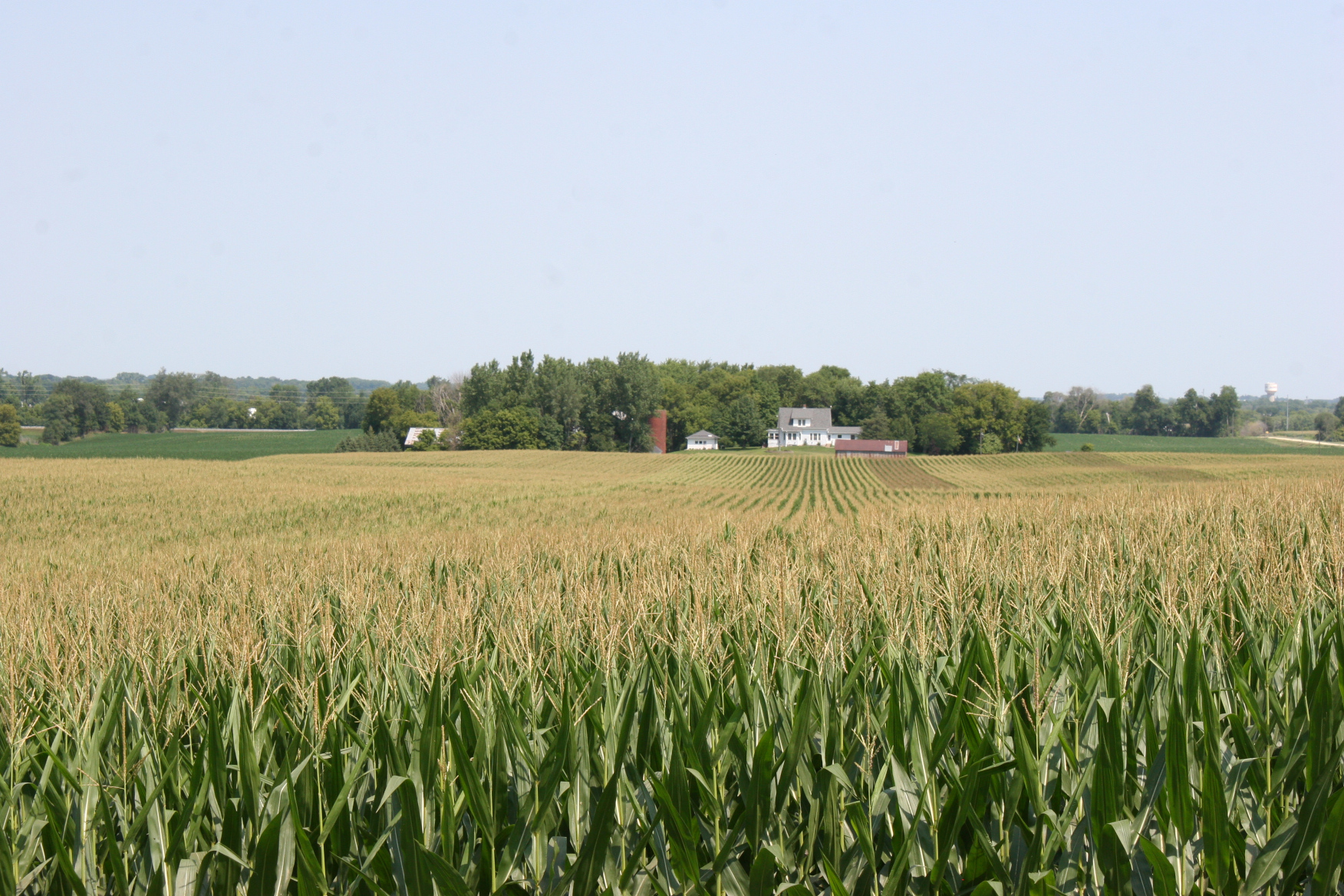
I photographed this cornfield and farm site from the gravel road where we stopped with Keith to check a bluebird nesting box. Minnesota Prairie Roots copyrighted photo July 2021.

Place connects us. Most people in Rice County are clueless as to the location of Vesta, or even our home county of Redwood some 120 miles to the west. So whenever I see Keith, I feel this sense of connection to my home area, to the land. When we met on that gravel road on a July afternoon, Keith understood my need to exit Faribault, to follow gravel roads, to reconnect with the land. And, yes, even to look at the crops.

© Copyright 2021 Audrey Kletscher Helbling
 

A must-listen: “Tilly Remembers Her Grandfather” August 13, 2021

Minnesota Prairie Roots copyrighted file photo.

SHE DEFINES SADNESS in these words: an ocean filled with nothing.

That definition comes not from a poet or a songwriter, but rather from 12-year-old Matilda Breimhorst in a May 1, 2020, podcast interview with Michael Barbaro of The New York Times, The Daily.

I encourage every single one of you to listen to this 20-minute interview, “Tilly Remembers Her Grandfather.” It will leave you emotionally exhausted/drained/heartbroken as you hear Tilly speak about her beloved Papa.

The Rev. Craig Breimhorst died on April 16, 2020, due to complications of COVID-19. He was the first person in my county of Rice to die of the virus. That county death tally has since risen to 113. As shared in my post yesterday, Breimhorst’s life will be celebrated on Saturday during his funeral.

When I published that post, I was unaware of the podcast. But Minnesota Prairie Roots reader Sandy Varley directed me to the NY Times podcast and for that I feel grateful. Please, take 20 minutes of your time to listen to Tilly talk about her Papa.

About the grandfather who climbed with her onto their special spot on the roof of his house to talk and star gaze. About the grandfather who would show up unexpectedly at school to eat lunch with Tilly (even stealing her chips) and tell stories to her and her friends. About the grandfather whose t-shirt she slept in when he lay dying in the hospital.

I admire the strength of this 12-year-old in telling her story, sharing her grief. Her words are powerful, her insights remarkable for someone so young. Via this podcast, via the bravery and honesty of Tilly, Rice County’s first COVID-19 death transforms from a statistic to a granddaughter remembering and grieving her grandfather. Her beloved Papa.

© Copyright 2021 Audrey Kletscher Helbling
 

Reflecting on COVID-19 in Rice County August 12, 2021
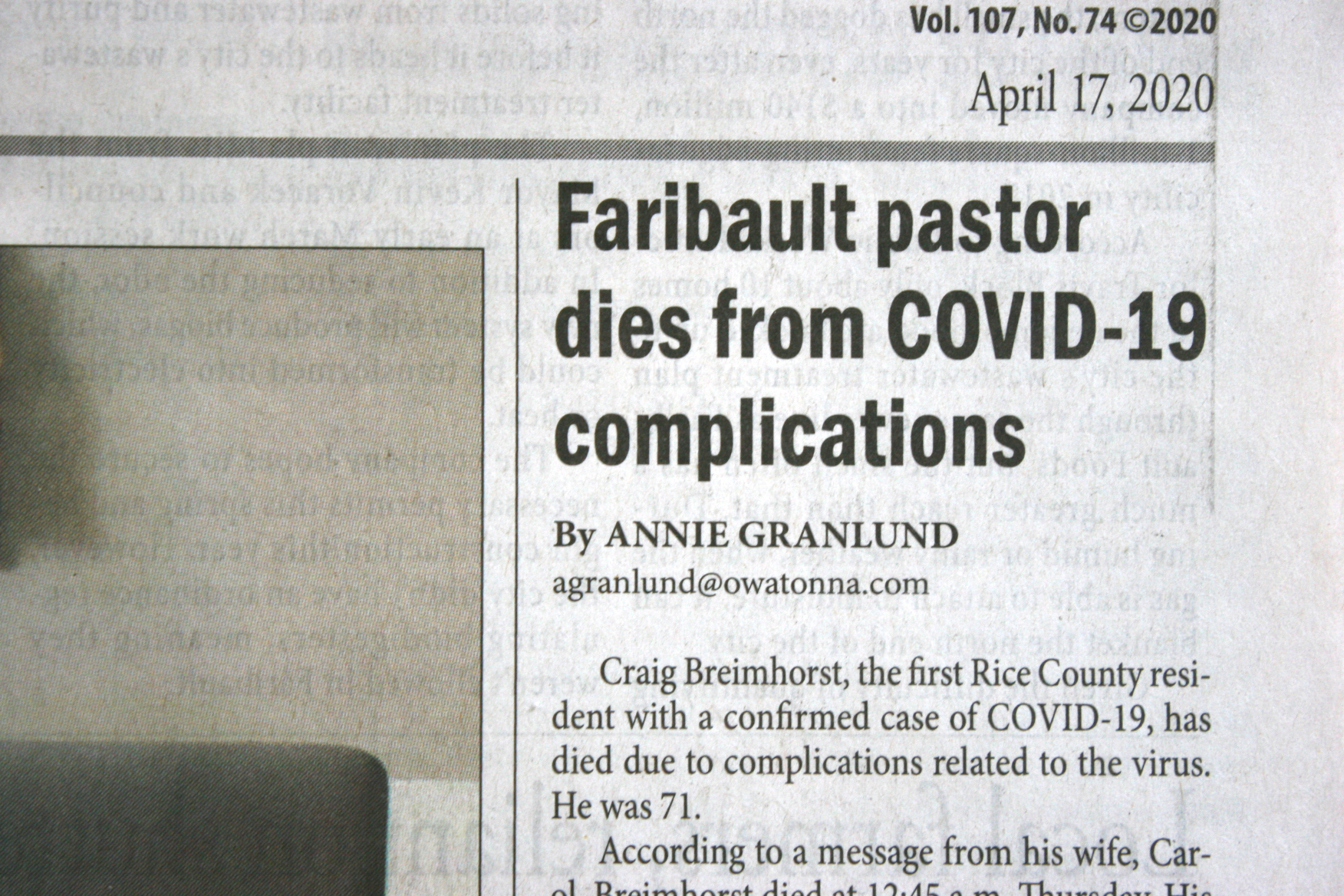
From the front page of the April 17, 2020, Faribault Daily News.

ON SATURDAY, AUGUST 14, family and friends of the Rev. Craig Breimhorst will gather to celebrate his life during a long-delayed funeral. This husband, father of three, grandfather of seven, and spiritual and community leader died on April 16, 2020. His death marked the first COVID-related fatality in my county of Rice.
I remember well the shocking headline in the local newspaper: Faribault pastor dies from COVID-19 complications. That singular head and the story that followed shook me and imprinted upon me the seriousness of this virus. This was no longer a virus an ocean away or half a country away in New York. This was here. In Minnesota. In my county. In my community.
MORE THAN NUMBERS, THESE WERE INDIVIDUALS WHO LOVED & WERE LOVED

And now here we are, nearly 1 ½ years later and the virus still rages. Since Breimhorst’s death, an additional 112 Rice County residents have died from COVID. I knew some of those individuals or had connections to them. The most recent death—an individual between the ages of 45-49—was reported on Wednesday.

Still, despite that death count of 113, despite 351 hospitalizations (62 in ICU ranging in age from three months to 95), despite 8,425 cumulative COVID cases (as of Wednesday) in Rice County, there are still doubters. Still anti-vacciners. Still those who refuse to wear masks, or argue/complain about wearing masks. Still those who cannot look beyond themselves and their agendas to the health and safety of their friends, families, neighbors, and, yes, even strangers.

SHOWING WE CARE. OR NOT.

Now more than ever with the highly-contagious and more serious delta variant, we need to care. And take care. Breimhorst’s online obituary ends with this requirement: Everyone not vaccinated of all ages are requested to wear a mask (at the funeral). Among Rice County residents ages 12 and older, 60.7 percent are fully-vaccinated, according to data listed by the Centers for Disease Control. Additional stats show 52.3 percent of the county’s population fully-vaccinated. That leaves a lot of unvaccinated people in Rice County. Too many by choice. And then those under 12 who are not yet eligible for vaccination and have no choice.

PLEASE, WEAR A FACE MASK

Rice County remains in the high community transmission category for COVID. And that is leading our local school district to rethink its “no masks when school starts” stand of just a few weeks ago. The Faribault School Board will vote soon on whether to require masks of staff and students when classes resume. We, as a community, owe it to our kids to protect them, to offer the safest and healthiest environment possible in which to learn. I cannot even fathom why anyone would object to masks to protect our children, especially. But then I can’t fathom either why people refuse vaccination.

A recent article in the Faribault Daily News quotes local student representatives saying that students feel wearing masks “is a small request…if it means staying in school in person.” Additionally, those reps state that vaccine hesitancy “seems to come from parents more than students themselves.” That doesn’t surprise me. Even though I don’t have kids in school, I still care about kids in Faribault.

I feel thankful for businesses, churches and others who are now asking, even requiring, the public (both vaccinated and unvaccinated) to wear face masks in an effort to stop the spread of COVID. Rice County is once again requiring face coverings to be worn in all county government buildings. And, yes, I’m definitely masking in indoor public places, adding another layer of protection to my vaccine protection. I don’t want to get a break-through case of COVID and then perhaps unknowingly spread COVID to my friends, family, neighbors or strangers. I feel a strong sense of personal, social and community responsibility.

I would like to think that I am also honoring the Rev. Craig Breimhorst by masking. A line in his obit reads: With Craig, love always won and love will always win. Those are words to ponder, to take to heart as this pandemic rages, to remember that love is more than a word. It is an action.

#

NOTE: If you are anti-vaccine or anti-masking, please do not comment. I moderate all comments and will not give voice to those views on this, my personal blog. My stands on wearing face masks and vaccination are rooted in care. And in love.

© Copyright 2021 Audrey Kletscher Helbling