Minnesota Prairie Roots

Writing and photography by Audrey Kletscher Helbling

Montgomery’s new mural details this Czech community August 19, 2020

Filed under: Uncategorized — Audrey Kletscher Helbling @ 5:00 AM
Tags: , , , , , , , , , ,

A family views Montgomery’s updated mural by Victor A. Garcia.


PUBLIC ART, WHEN RESEARCHED, well thought out and created by talented hands, enhances any community. Montgomery, Minnesota included.


The new mural, recently installed in Montgomery.


Recently, this town of some 3,000 in Le Sueur County unveiled a new historic-themed mural done by former long-time Montgomery resident and artist Victor A. Garcia, now of Belle Plaine.


A close-up shot of the prior Montgomery mural, photographed around 2013. Minnesota Prairie Roots file photo.


The latest 40-foot long painting replaces a weather-beaten mural Garcia created about 25 years ago.


Montgomery’s main street, circa 1900. Overhead lights shadow across the mural.


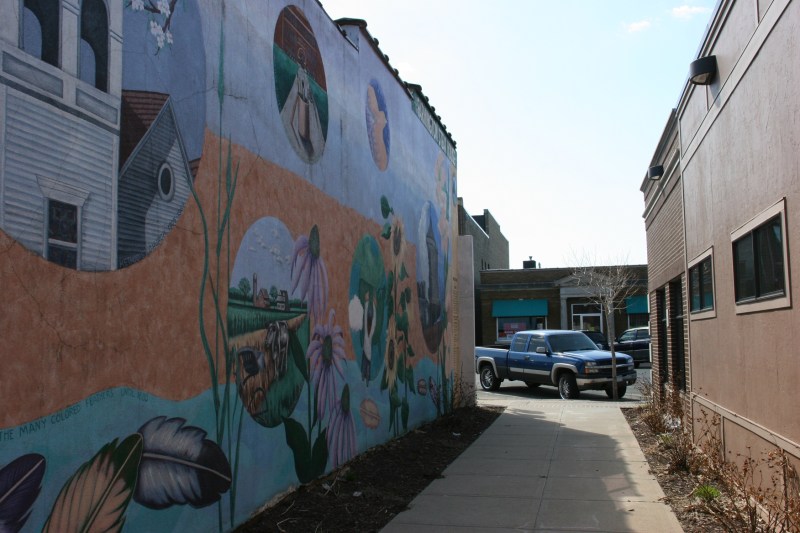
A current day view of a section of downtown Montgomery. The mural is to the left, on a side street.


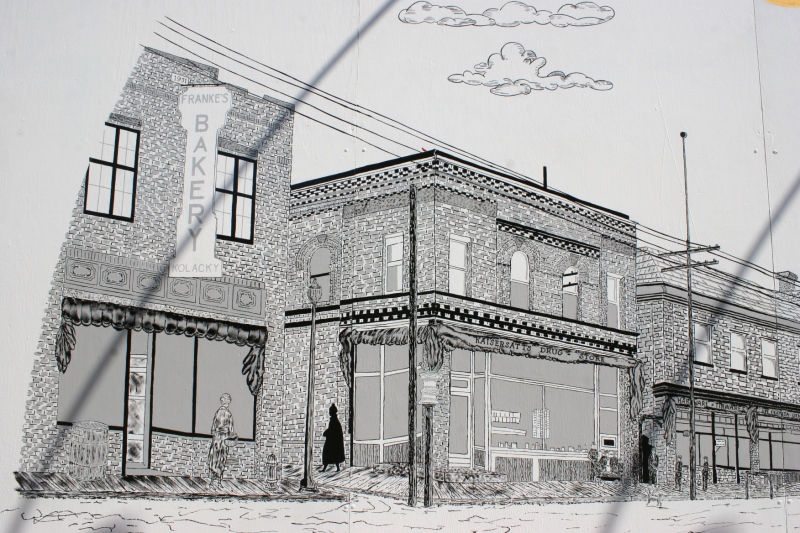
Like the previous scene, the new mural depicts a view of the town’s main street, First Street, around 1900. But this time, both sides of the street are included in the painting.


A “key” of sorts to the mural. And a thank you to supporters.


Kolacky Days honored in the mural.


Garcia also featured “Montgomery Identifiers” to search for in his artwork. Like kolacky. This Czech community is, after all, the self-proclaimed “Kolacky Capital of the World.”


Franke’s Bakery is among businesses incorporated into the mural.


My photo of Franke’s photographed from across the street, by the mural.


Right across the street from the mural sits Franke’s Bakery, a popular local source for this fruit-filled Czech pastry.


The artist’s signature and a “Redbird.”


Cardinals are also painted into the mural, honoring the former school mascot, the Redbirds, before schools merged and the mascot became the Titans.


The local newspaper gets a place on the mural.


A Czech flag and the Green Giant and many more details incorporated into the mural depict the history and heritage of Montgomery.


One of several names I spotted on the mural.


Garcia even added some personal touches in images and words.


One last look at the Montgomery mural on Ash Street.


This mural calls for close study, not just a quick drive-by or look. Next visit to Montgomery, I’ll take more time to study the details I missed. For it is in the details that we learn the intricacies of a community and its history. And grow to understand and appreciate that which defines a place.


FYI: This $20,000 project was funded and supported by the Southern Minnesota Initiative Foundation, The Montgomery Community Foundation, Prairie Lakes Regional Arts Council, individuals, businesses and more.

This concludes my series of blog posts from Montgomery.

© Copyright 2020 Audrey Kletscher Helbling


Calling all cats, dogs & creatives July 29, 2020

Filed under: Uncategorized — Audrey Kletscher Helbling @ 5:00 AM
Tags: , , , , , , , ,


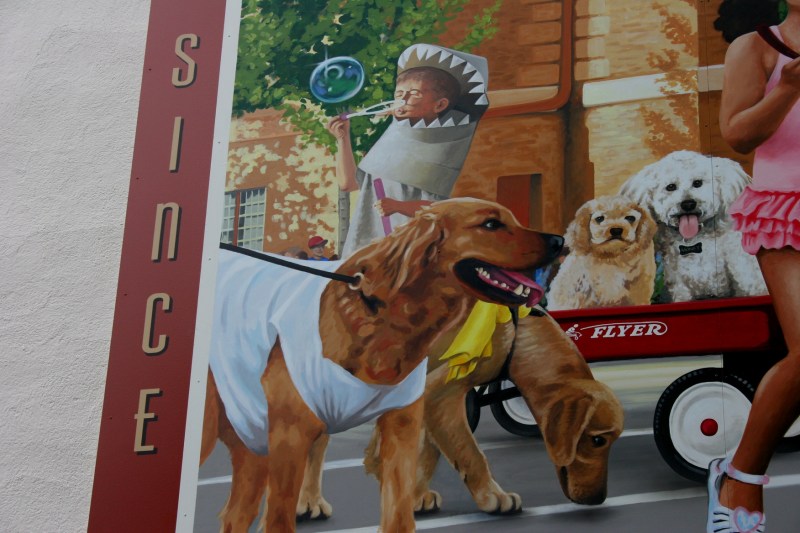
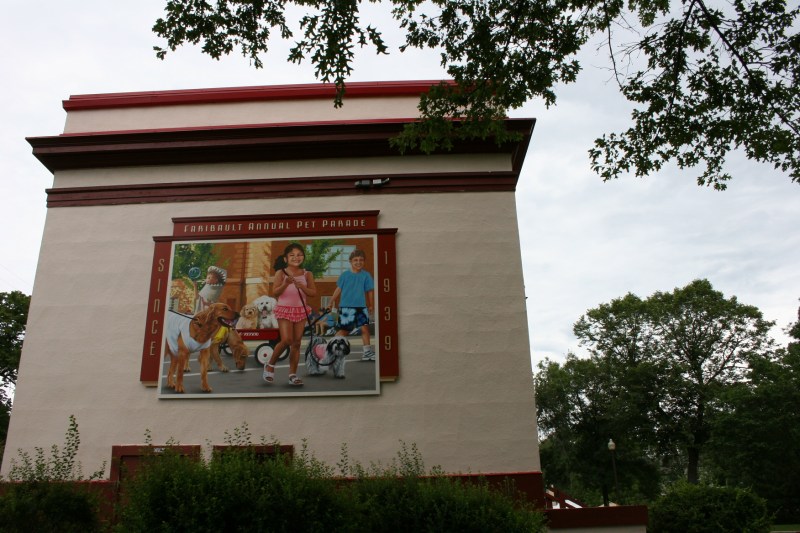
A mural on the bandshell in Faribault’s Central Park features the annual Pet Parade. Minnesota Prairie Roots file photo.


THE SHOW MUST GO ON. Or, in this case, the 2020 Faribault Pet Parade.

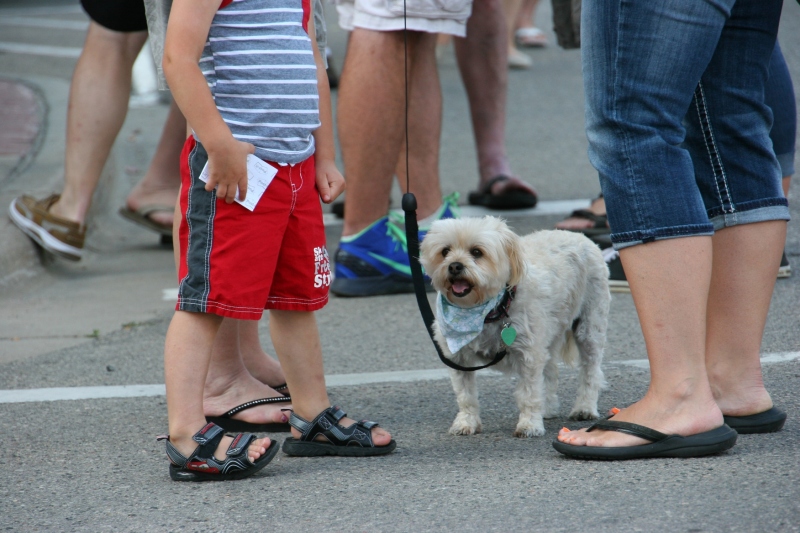
Now in its 80th-something year, this annual August parade of animals and kids continues even in a global pandemic. Not to worry. Changes have been made to protect participants and parade watchers.


This side of the mural shows a typical pet parade. This year, all participants must stay inside their vehicles. Minnesota Prairie Roots file photo.


According to information posted on the Faribault Parks & Rec Department Facebook page, the 6:30 pm, Thursday, August 6, event will be car cruise style. That means no walking; only riding in vehicles. Pets and people.

Organizers encourage folks to get creative with pet-themed vehicles or to load up their pets and hit the lengthy parade route.


The complete Pet Parade mural. Minnesota Prairie Roots file photo.


Those watching the parade must adhere to social distancing guidelines, the Facebook post states. That goes also for the concert, with a DJ playing kid-focused music, at 7 pm in Central Park. CDC guidelines and crowd limits will be enforced.


Minnesota Prairie Roots file photo.


Minnesota Prairie Roots file photo.


Minnesota Prairie Roots file photo.


Now that you understand the changes and the rules, go ahead and brainstorm. Make this a family project to transform the family vehicle into a pet. Or determine ways to showcase your pets in a festive and fun way.

We could all use a little fun and many reasons to smile. Let’s do it, Faribault. For our community, and especially for our kids. And, above all, stay safe and adhere to the rules.

© Copyright 2020 Audrey Kletscher Helbling


Honoring Bishop Whipple’s “unfailing love & hope for humanity” on a mural in Faribault June 29, 2020

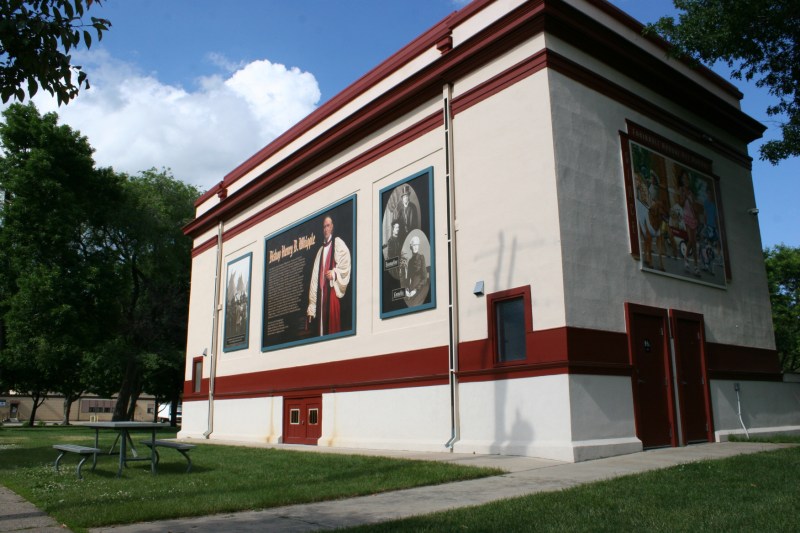
The Central Park Bandshell mural on the left honors Bishop Henry Benjamin Whipple. The one to the right features the Faribault Pet Parade and was placed there several years ago.


THE RECENT INSTALLATION of an historic-themed mural on the west side of the Central Park Bandshell in Faribault prompted me to look more closely at the man featured thereon—Bishop Henry Whipple.
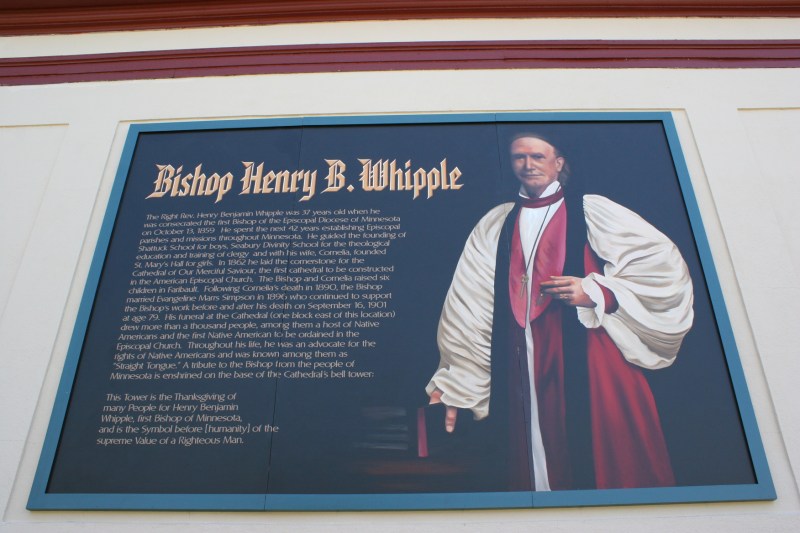
 

The middle mural panel features a portrait of Bishop Whipple and a summary of information about him.
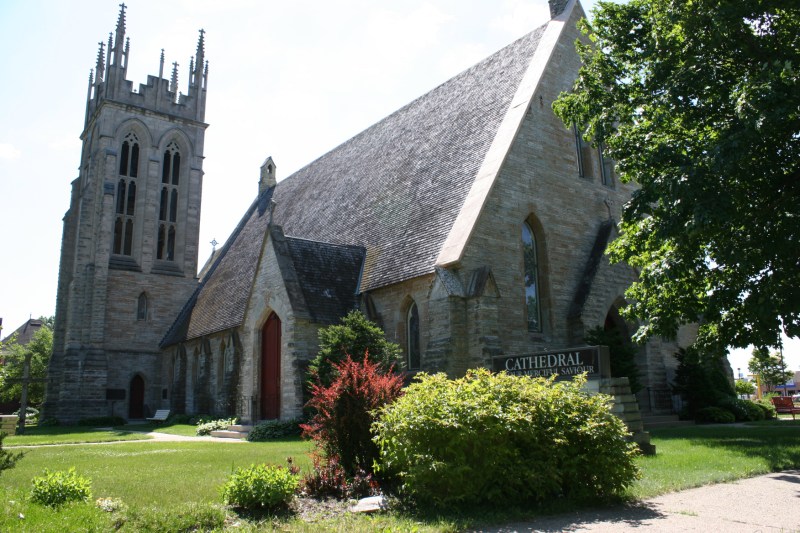
 

Just across the street from Central Park, the stunning Cathedral of Our Merciful Saviour.
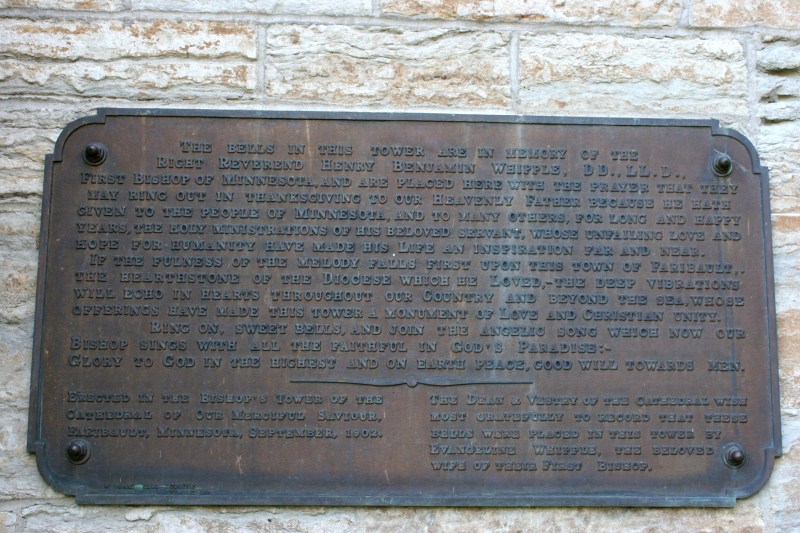
 

The historic marker posted on the Cathedral bell tower.


He is a prominent figure in the history of my community and the history of Minnesota. Explore Faribault, and you will find Whipple’s name on numerous plaques, including across the street from the park at the Cathedral of Our Merciful Saviour, the cathedral he helped build as Minnesota’s first Episcopal bishop. He’s buried in a crypt beneath the chancel there. The bell tower was dedicated in his honor by his second wife, Evangeline, as “a monument of love and Christian unity.”
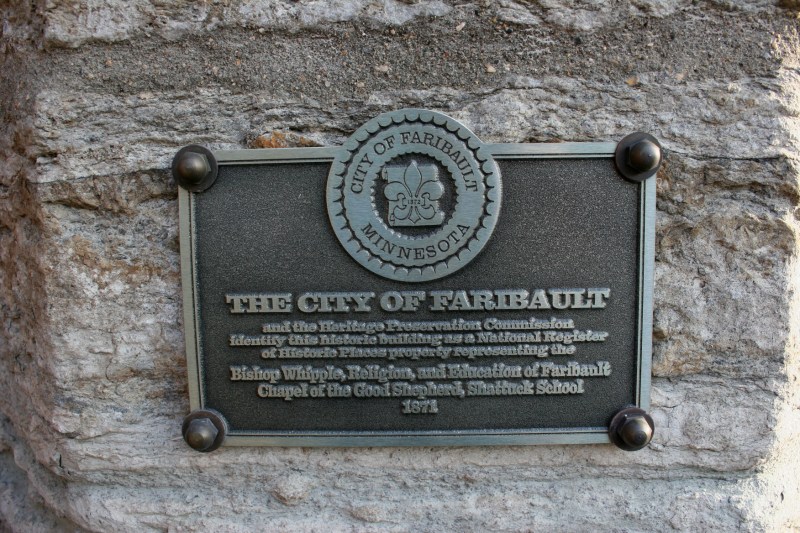
 

Posted outside the front door of the Chapel of the Good Shepherd. The church is on the National Register of Historic Places. Minnesota Prairie Roots file photo.


On the east side of town, Whipple’s name graces an historical marker at The Chapel of the Good Shepherd on the campus of Shattuck-St. Mary’s School. He helped found the school, separately first as Shattuck School for boys and St. Mary’s Hall for girls, along with St. James and Seabury Divinity schools, all in Faribault.
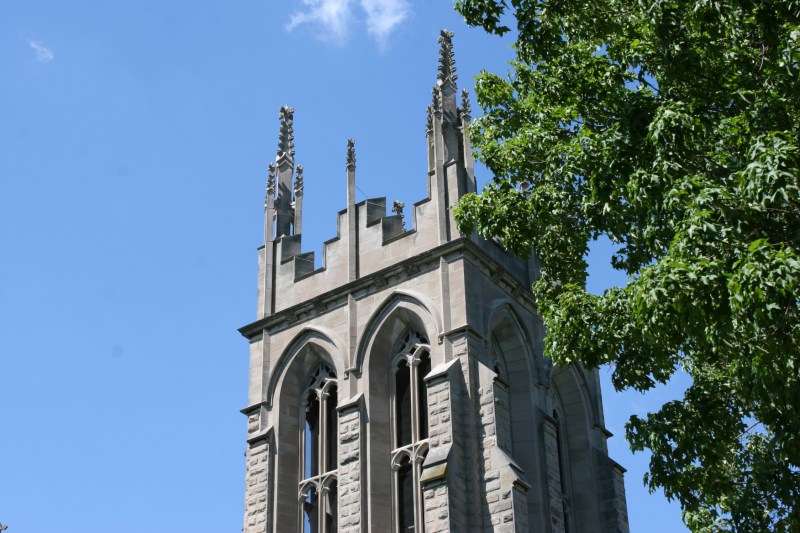
 

The soaring tower landmarks the Cathedral. Ralph Adams Cram, architect of St. John the Divine in New York City, designed the Cathedral tower. The tower was added as a memorial to Whipple after his death in 1901.
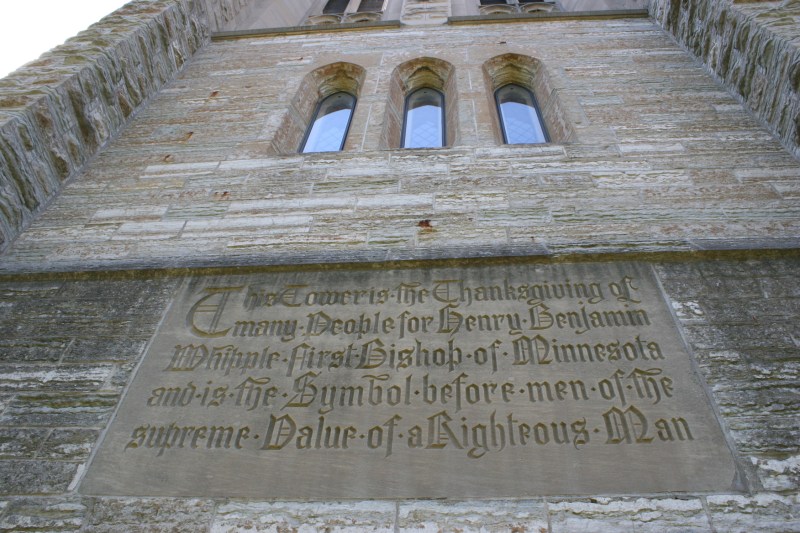
 

The inscription, in stone, on the bell tower.
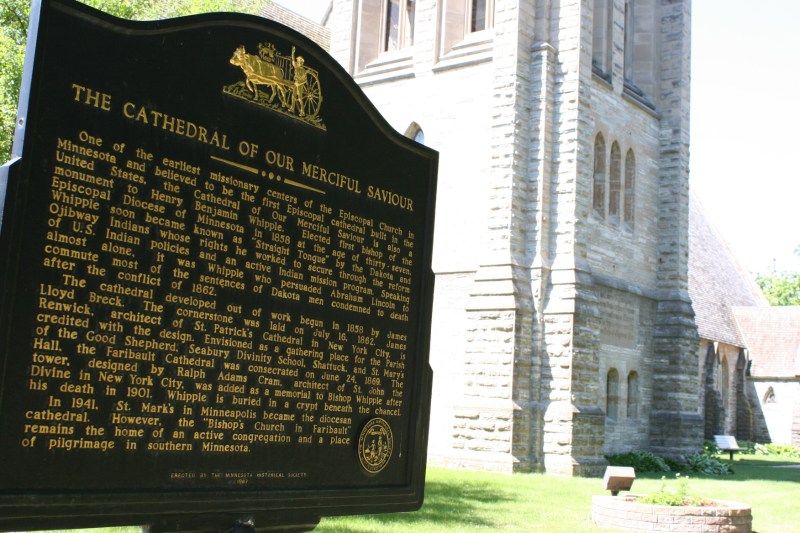
 

An historic marker on the Cathedral grounds.


As admirable as Whipple’s role in founding educational institutions, it is another facet of this man—his humanitarian efforts—which are often cited in history. The inscription on the Cathedral bell tower states that Whipple’s “unfailing love and hope for humanity have made his life an inspiration far and near.”
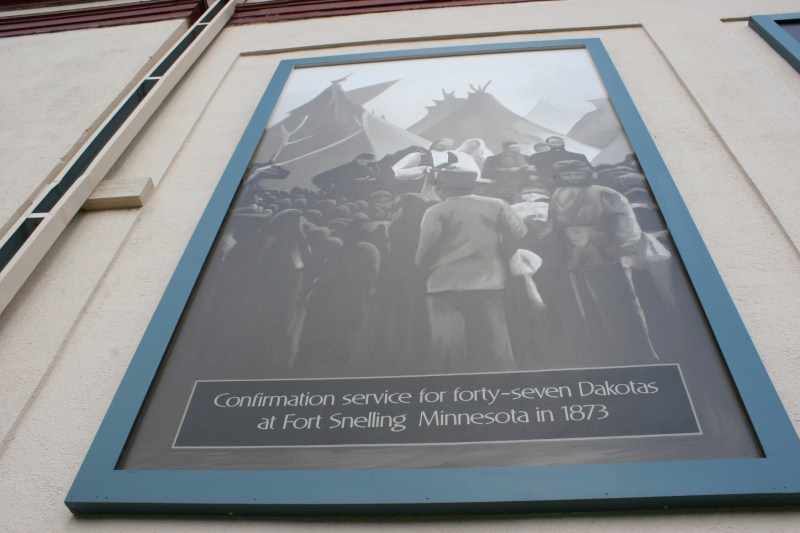
 

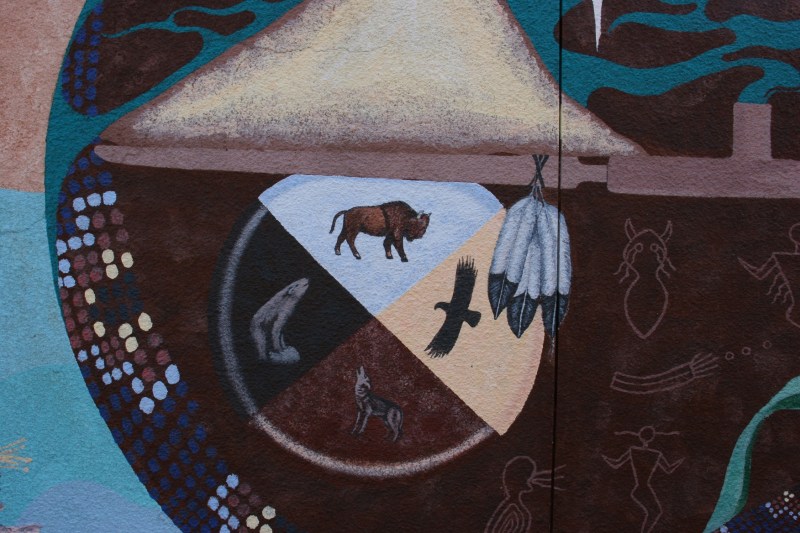
This panel depicts the relationship between Native peoples and Bishop Whipple.
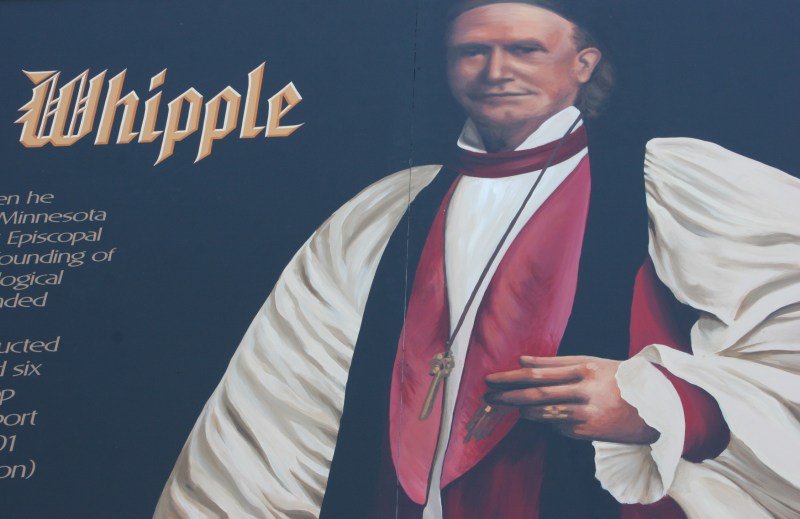
 

Bishop Whipple’s portrait, up close.
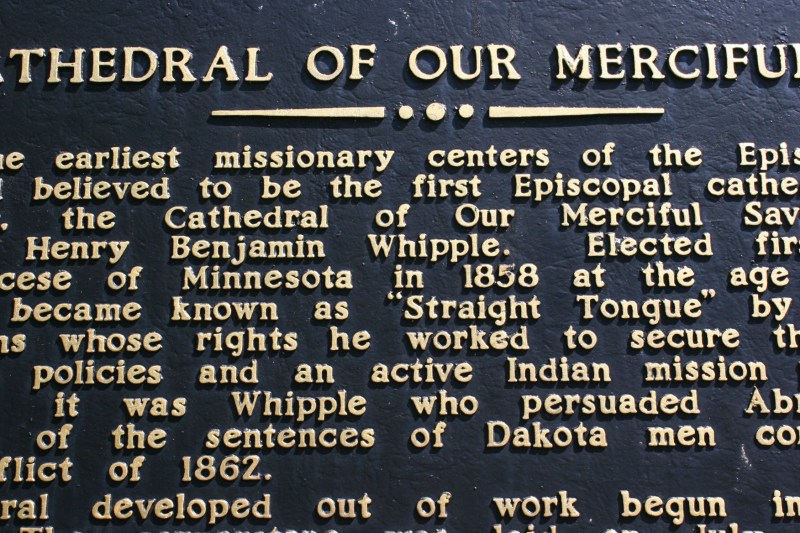
 

Details on a sign outside the Cathedral reference Whipple as “Straight Tongue.”


What, exactly, does that mean? To understand, one must consider the time period in which Whipple arrived in Minnesota, just years before the U.S.-Dakota War of 1862. He was a missionary and, as such, worked to educate and convert the Native peoples to Christianity and agrarian ways. (Not necessarily the adaptive approach one would take today toward other cultures, but the mindset then.) In his work, Whipple observed poverty among the Dakota and Ojibwe and mistreatment by the government and began to advocate for their rights. The Native peoples called the bishop “Straight Tongue.” That title speaks to their trust and respect for him.
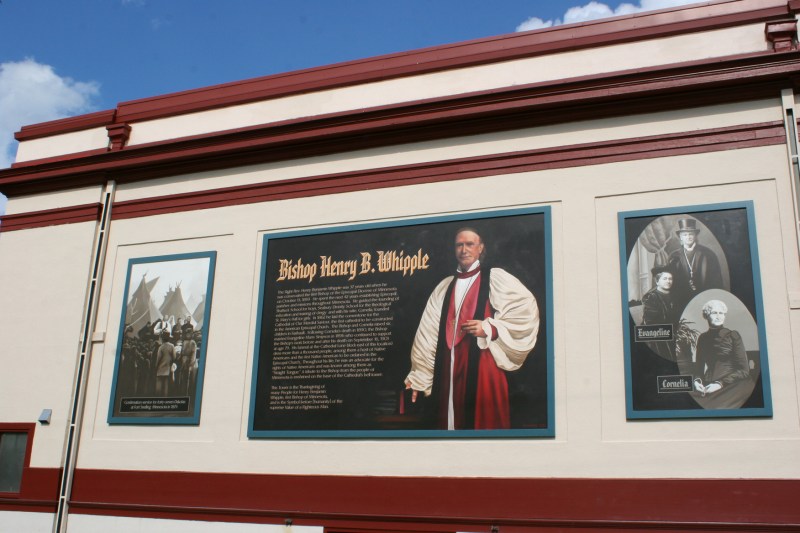
 

The mural, in full, including the right panel recognizing Whipple and his first wife, Cornelia, and his second wife, Evangeline.


Whipple was among the few leaders who publicly pressed for sparing the lives of 303 Dakota warriors sentenced to death following the war. President Abraham Lincoln spared or pardoned most, but 38 were still hung during a mass execution in Mankato.

Whipple’s strong public stances on behalf of Native peoples were not necessarily widely-embraced. Rice County Historical Society Executive Director Susan Garwood shared at a presentation I attended several years ago that several assassination attempts were made on the bishop’s life. Following the U.S.-Dakota War, about 80 Native people, under Whipple’s protection, moved to Faribault. Some helped build the Cathedral, a construction process which took from 1862-1869. Additionally, several Dakota and African Americans attended Seabury Divinity School, Garwood noted. That, too, caused concern.
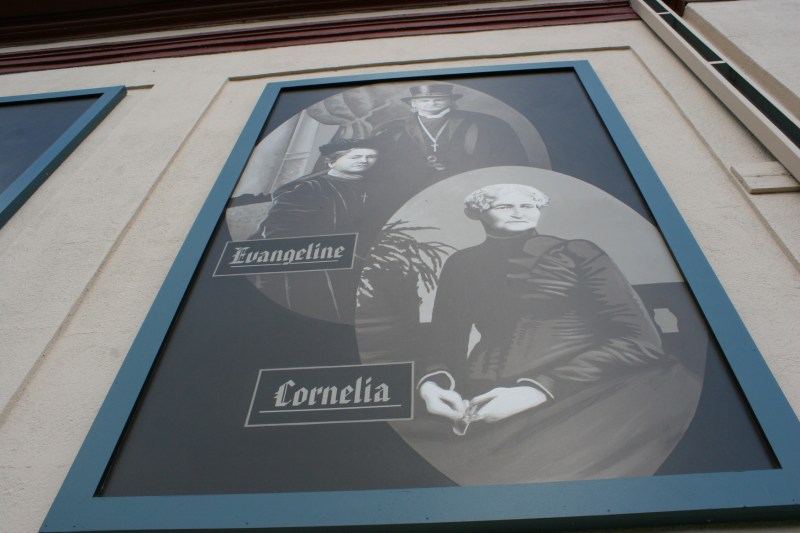
 

The Whipples.


But through it all, from the information I’ve read, Whipple remained steadfast, unwavering in his compassion toward Native peoples, advocating for them, loving humanity.


FYI: The Mural Society of Faribault actively promotes Faribault history through public murals posted throughout the downtown area, this one the latest. Dave Correll of Brushwork Signs crafted, painted and installed the Whipple mural with help from his team.

For more information about Bishop Whipple, click here to reach MNOpedia.

Or read this post I wrote about a Rice County Historical Society event in 2018. The RCHS features a museum exhibit on Bishop Whipple.


© Copyright 2020 Audrey Kletscher Helbling


Mankato’s emerging massive mural represents diversity & more November 18, 2019

Filed under: Uncategorized — Audrey Kletscher Helbling @ 5:00 AM
Tags: , , , , , , , ,


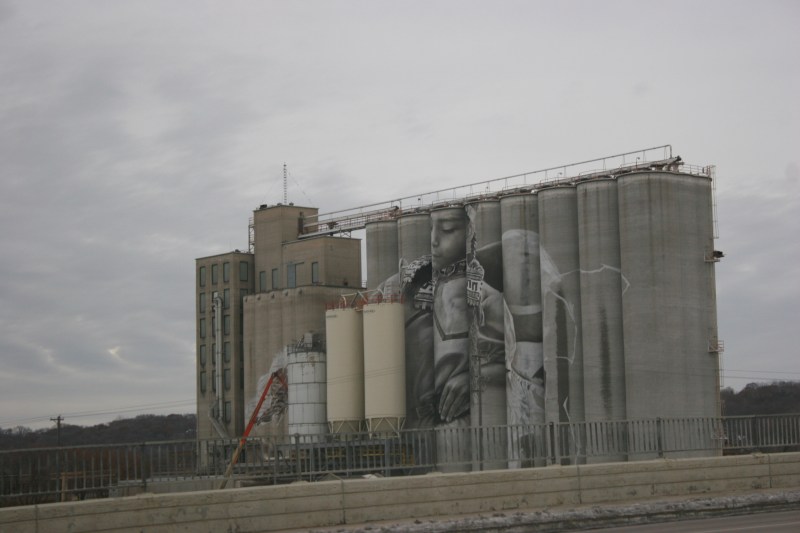
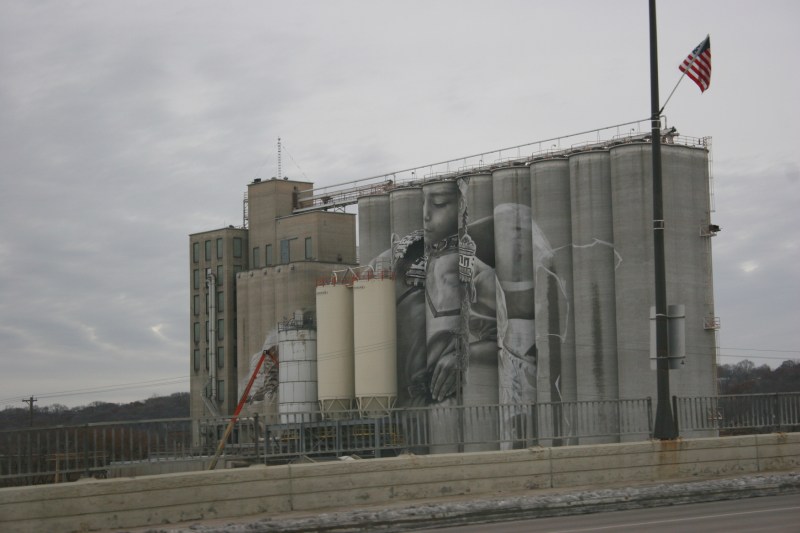
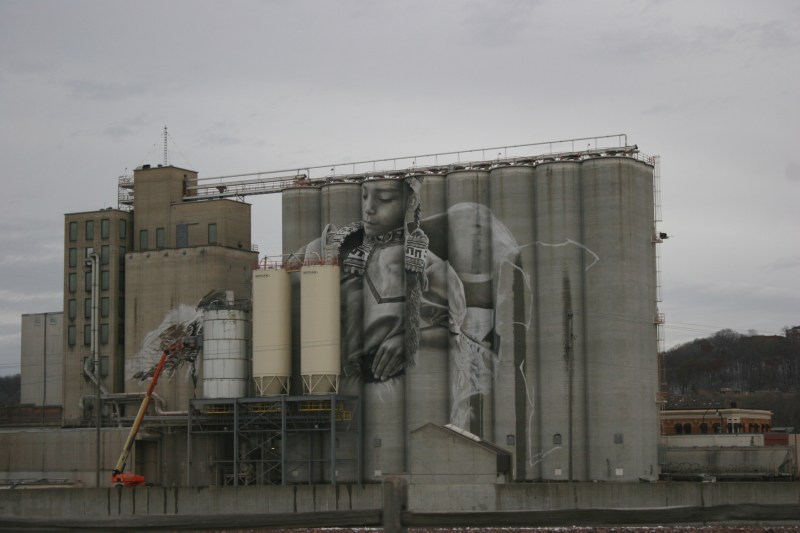
THE ARTWORK CAUGHT ME by surprise as I looked across the Minnesota River toward the grain towers dominating the riverside skyline in Old Town Mankato.


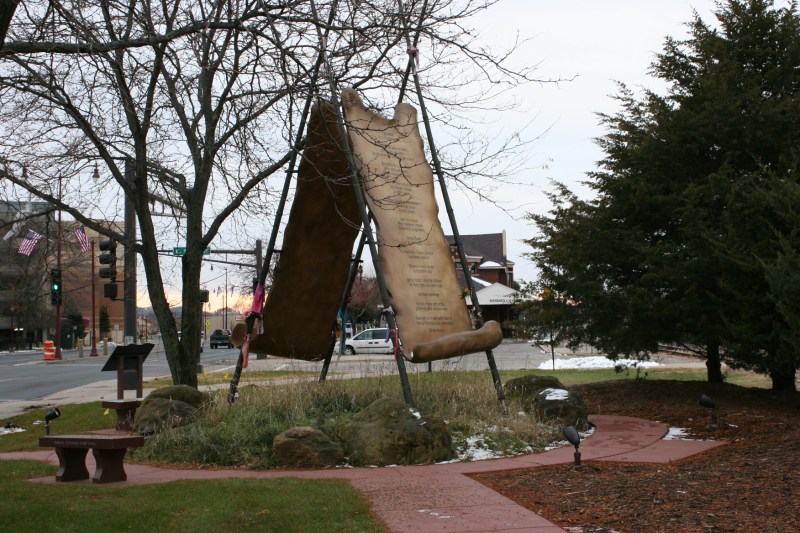
One of many sculptures in Mankato and North Mankato that change yearly as part of the city’s sculpture walk.


Yet, the presence of an evolving mural in this arts-centric southern Minnesota city didn’t surprise me. Mankato is a community rich in public art from poetry to sculptures. It is one of the qualities which draws me back to this place where I graduated from college in 1978 with a degree in mass communications and a minor in English.


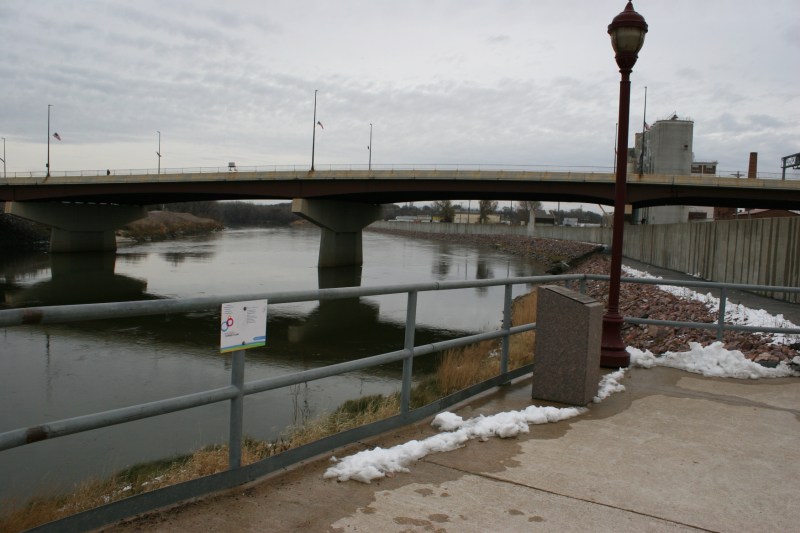
My poem, River Stories, attached to a railing along the Minnesota River Trail. In the background are the Ardent Mills silos and the bridge from which I photographed the in-progress mural.


This time I arrived in town to view my latest poem selected as part of The Mankato Poetry Walk & Ride. Spotting the in-progress mural on the 135-foot high Ardent Mills grain silos was a bonus find. I snapped a few quick frames while crossing the Minnesota River bridge and then while heading onto U.S. Highway 169. Only too late did I notice public viewing areas along the roadway.


Upon my arrival home, I researched the $250,000 project by Australian artist Guido van Helten. Although specifics of the mural design are elusive, the art will represent diversity and more. I saw that in the image of a young Dakota boy already painted onto the towering canvas. This region holds a rich Native Peoples heritage, making the art particularly powerful.


“Forgive Everyone Everything” themes this art in Reconciliation Park. Names of the 38 Dakota who were hung at this site in 1862 are inscribed thereon along with a prayer and a poem.


Having grown up some 80 miles to the west, in a region between the Upper and Lower Sioux Indian Communities, I’m aware of the strong Dakota history and also of The U.S.-Dakota Conflict of 1862. Within blocks of the Ardent Mills silos, Reconciliation Park honors 38 Dakota tried and hung by the U.S. government following that war. The healing continues.


This latest public art represents so much—history, culture, diversity and a coming together of peoples. And today, more than ever, we need that sense of community, of understanding that no matter our backgrounds or the color of our skin or our history, we are simply people who need one another.

© Copyright 2019 Audrey Kletscher Helbling
 

The art of Decorah, Part II November 27, 2018

Filed under: Uncategorized — Audrey Kletscher Helbling @ 5:00 AM
Tags: , , , , , , , , ,

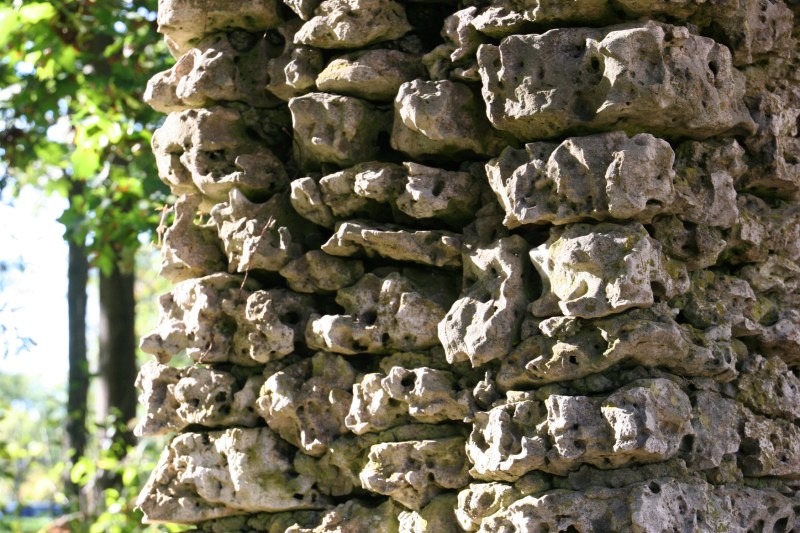
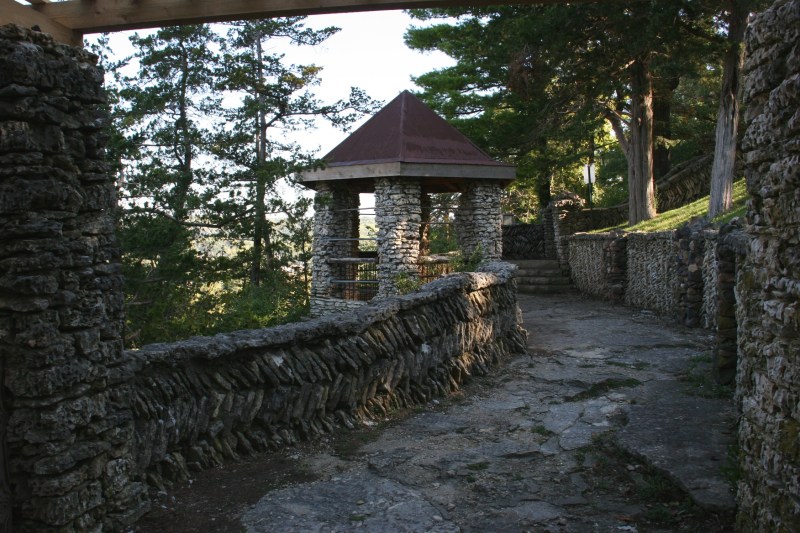
A close-up of stacked stones at Phelps Park in Decorah, Iowa, where the Civilian Conservation Corps crafted walls, a fountain and more.


WHEN YOU THINK public art, what pops into your mind? Sculptures? Murals? Sidewalk poetry? All fit the definition.


An example of the stone art at Phelps Park.


But public art stretches beyond the obvious. If you look for it, you will see art everywhere, as I did on a September visit to Decorah. This northeastern Iowa river town is rich in art, natural and otherwise.


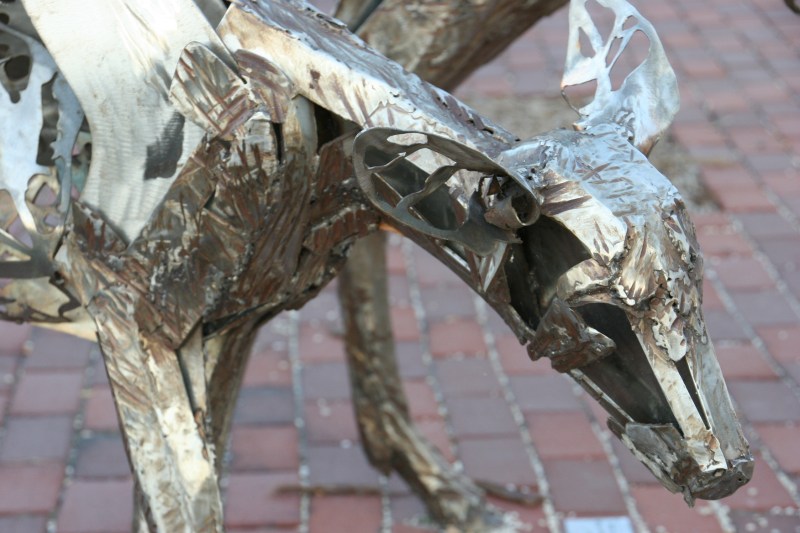
In a downtown Decorah plaza, “Doe and Fawn” by Victoria Reed.


Art enriches a place by adding texture, interest, depth.


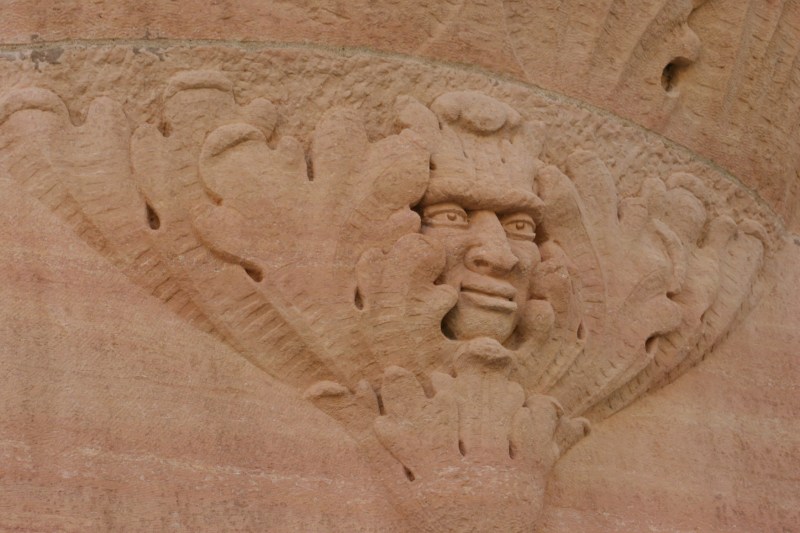
Look up to see this sculpture on the Nelson & Co building in downtown Decorah.


Art personalizes a place with character.


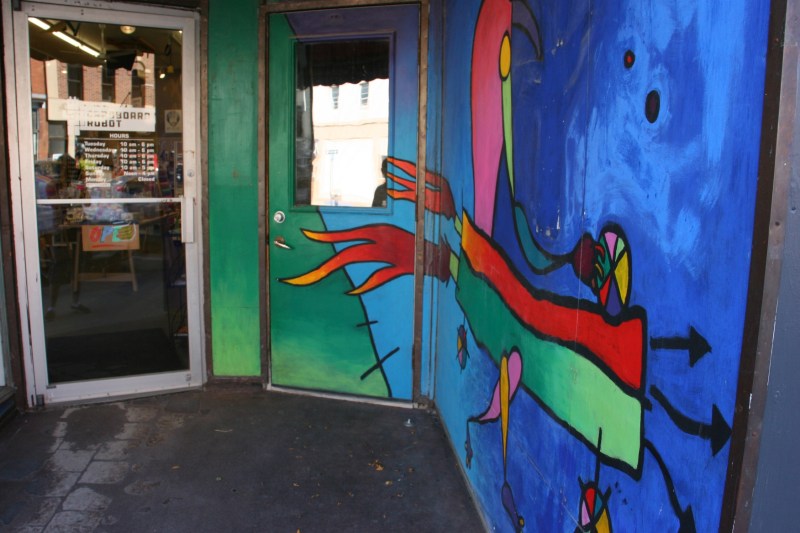
The colorful mural by The Cardboard Robot.


Art colors a town with vibrancy.


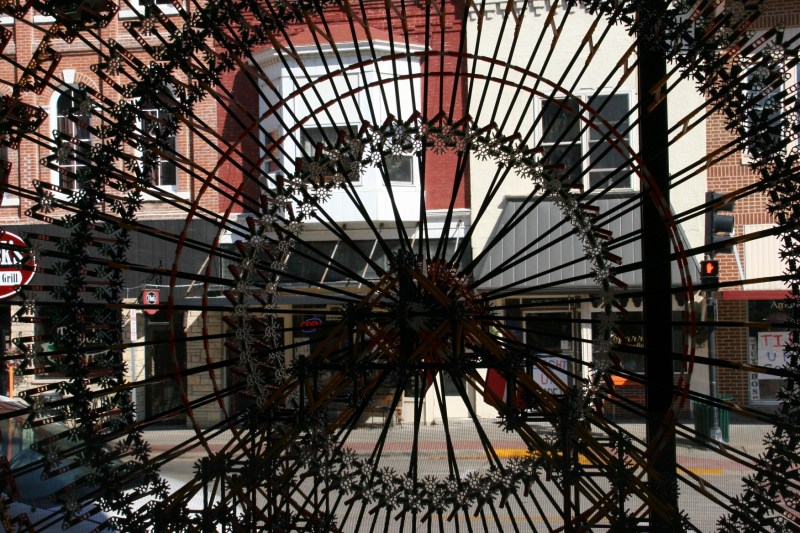
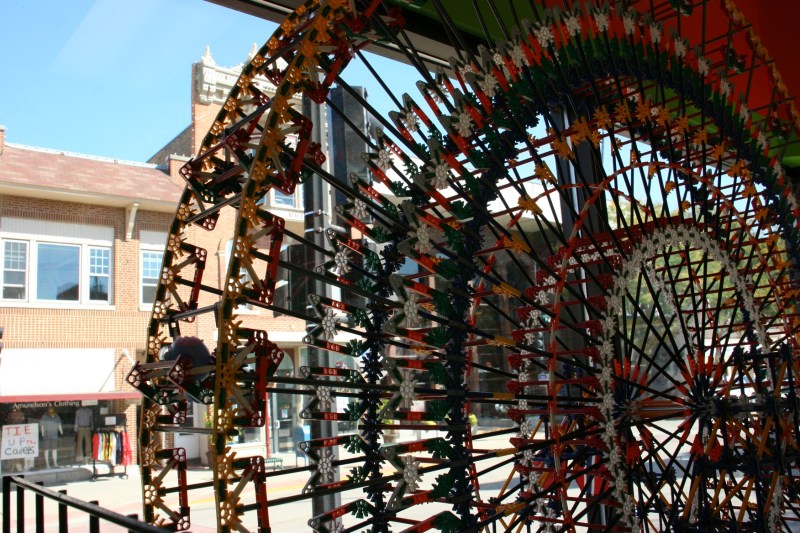
On display at Donlon Toy Jungle (inside Donlon Pharmacy), this 6-foot KNEX Ferris Wheel.


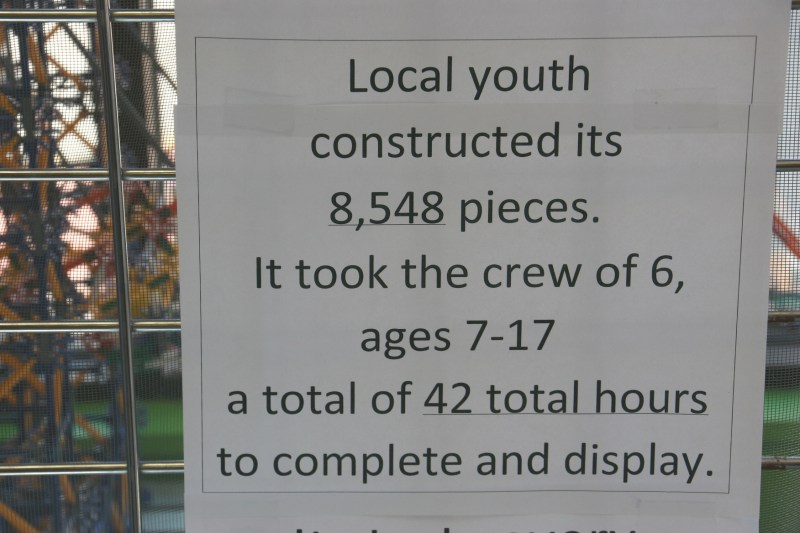
Details posted with that Ferris Wheel build.


Just another angle of the KNEX Ferris Wheel.


Art brings a community together, creating a cohesiveness that unites in working toward a common goal.


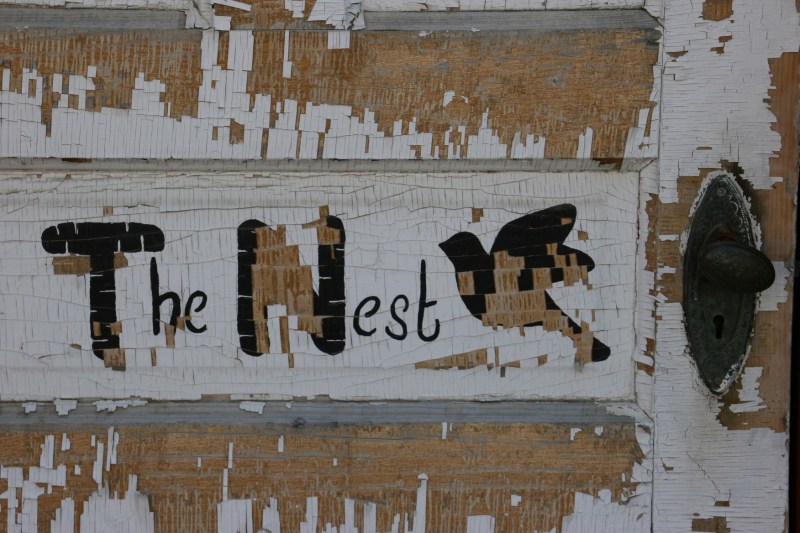
An artful door leading to apartments in downtown Decorah.


Art comforts.


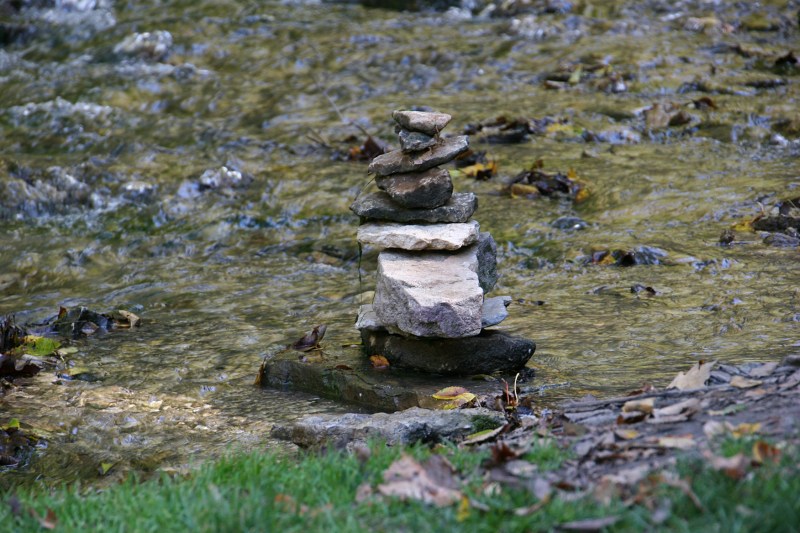
Stacked stone art in Dunning’s Spring.


Art empowers, strengthens.


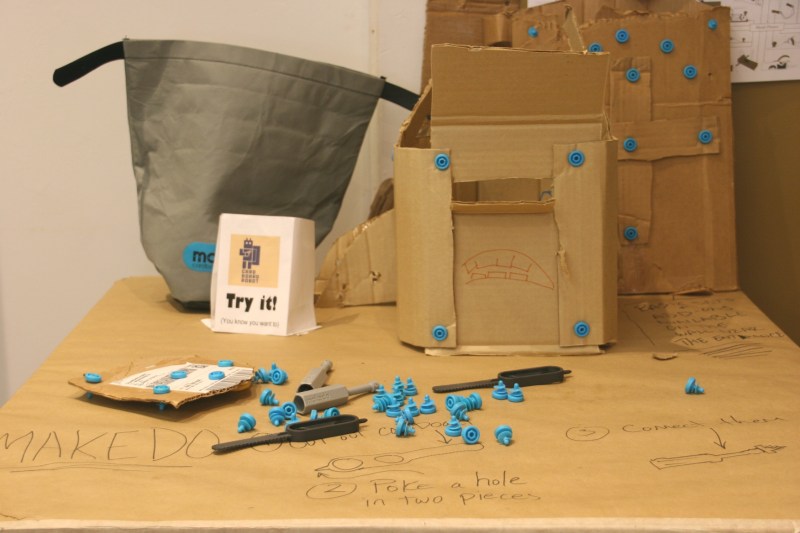
Inside The Cardboard Robot, shoppers are encouraged to be hands-on creative.


Art expands our imaginations to create.


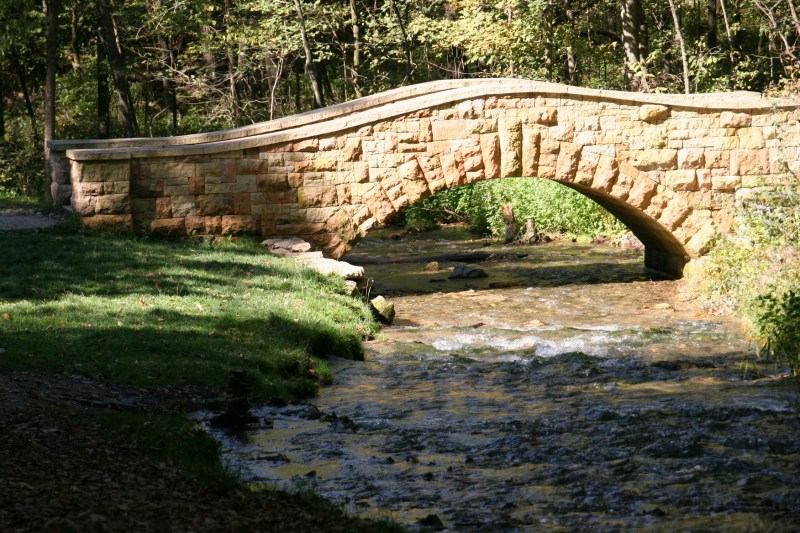
This new bridge at Dunning’s Spring Park replicates a stone bridge of 140 years ago. Master stone mason Ted Wilson crafted the bridge along with Sean Smyth. The bridge features dry stonewalling, meaning there’s no mortar between joints.


We need art. Today more than ever. To bridge our differences.

THOUGHTS?

© Copyright 2018 Audrey Kletscher Helbling
 

From Farmington, Part II: Building community through art August 8, 2018

Filed under: Uncategorized — Audrey Kletscher Helbling @ 5:00 AM
Tags: , , , , , , ,


I’M A MEGA FAN of accessible outdoor public art. Like murals.


Earlier this year, I came across a lengthy mural on the side of the Farmington Steak House in the heart of this south metro Minnesota downtown. It is the project of many—adults and youth—and funded by many.


“Reflections and Visions” embraces the idea of community, past, present and future. I like the concept of people coming together to create, to celebrate history and cultures and more in a work of public art.


In this age of so much conflict, so much hatred and anger and disagreement, I appreciate the efforts of these artists to focus on the positive, to see that each of us, though different, define community.


I am not so naïve as to think any singular mural will solve the issues that divide us. But we must start somewhere. And art seems a good place to begin.

TELL ME: Have you come across a similar outdoor public art installation that builds community and bridges differences? I’d like to hear.

© Copyright 2018 Audrey Kletscher Helbling


Park art August 8, 2017

Filed under: Uncategorized — Audrey Kletscher Helbling @ 5:00 AM
Tags: , , , , , , , , ,

mural-in-waterville-36-shelterhouse-mural


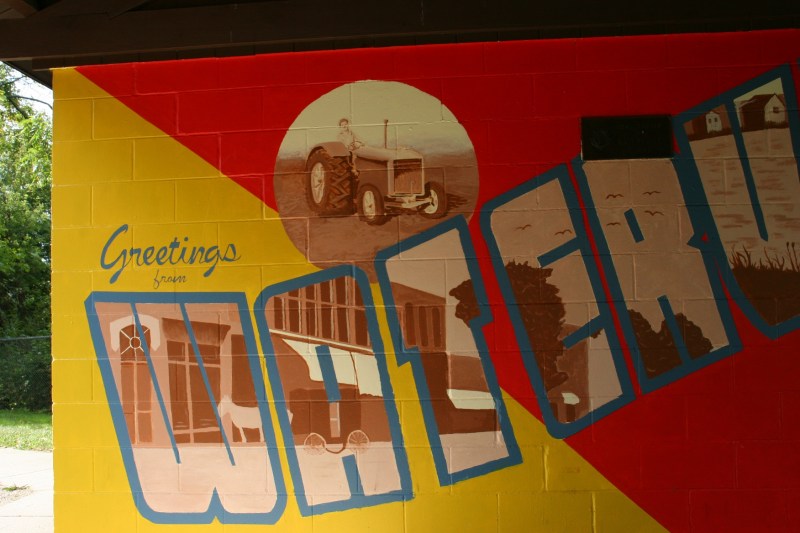
THE POSTCARD STYLE MURAL pops color in to the mini shelterhouse at Lions Park in Waterville.

But it’s more than that. The painting by Kimberly Baerg also provides a snapshot glimpse of this southeastern Minnesota resort and farming community.


mural-in-waterville-37-close-up


Examine the details and you will see a tractor, a canoe, a buggy, a train. All important in the history of this town.


mural-in-waterville-39-close-up


This mini mural is an example of how a little artistic ingenuity, effort and paint can transform an otherwise plain cement block wall in to a canvas that promotes a place, shares history and pops with community pride.

Well done, Waterville.

© Copyright 2016 Audrey Kletscher Helbling


Faribault’s newest mural depicts timeless 1950s street scene October 9, 2016

mural-144-front-of-building-and-mural


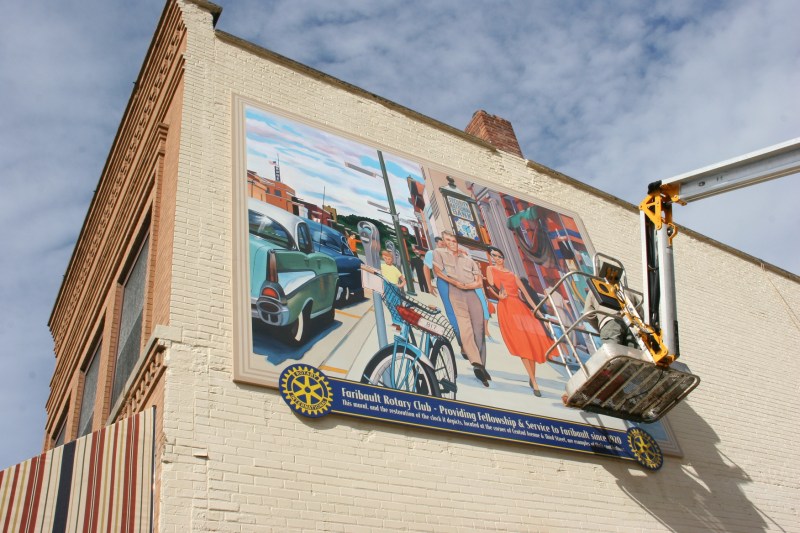
LATE SATURDAY MORNING, I stood in the parking lot next to Faribault Vacuum & Sewing Center, eyes and camera fixed upward.


mural-164-paint-tray


mural-151-close-up-of-dave-painting


mural-148-back-of-dave-painting-mural


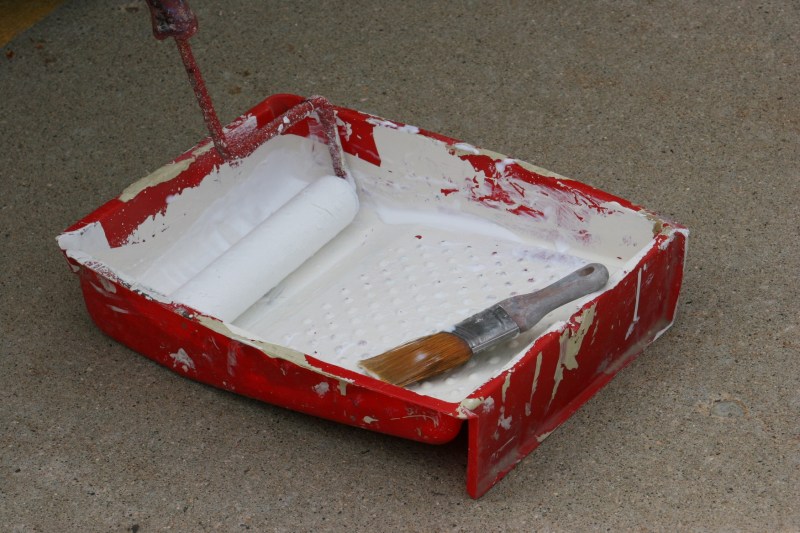
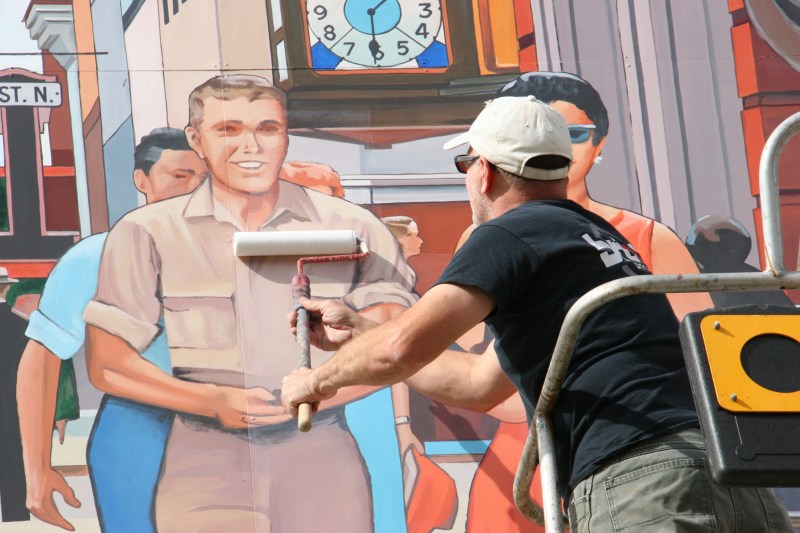
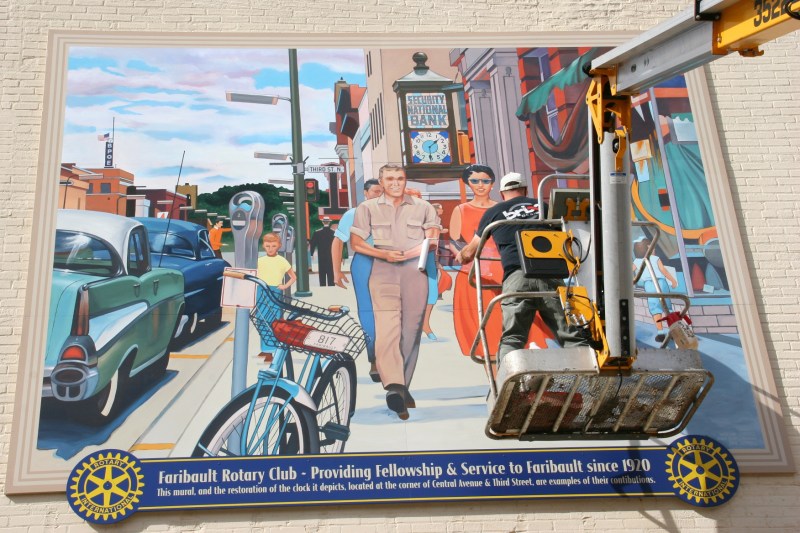
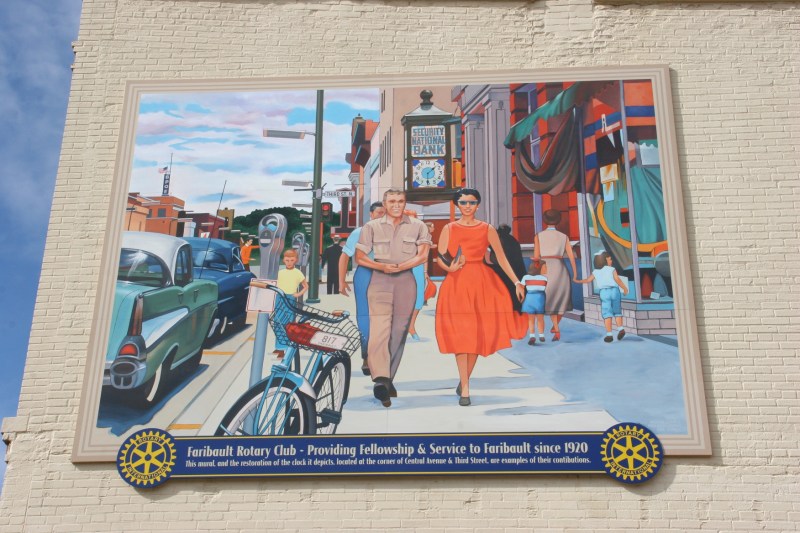
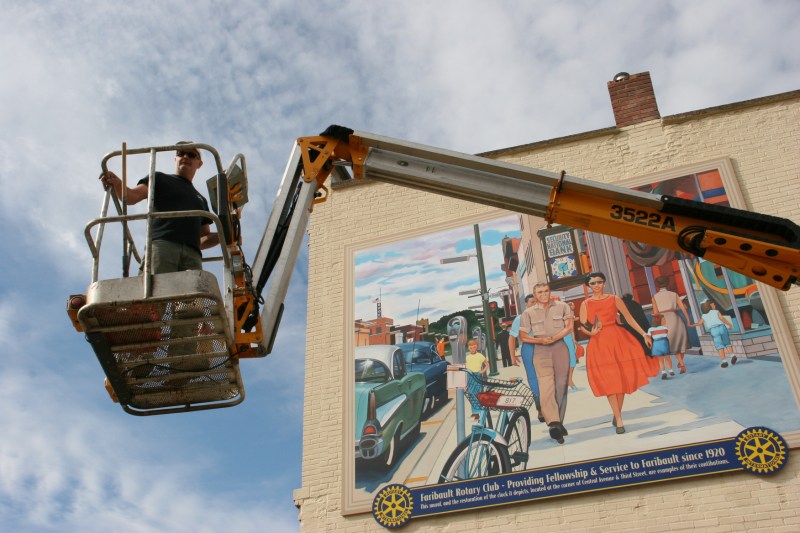
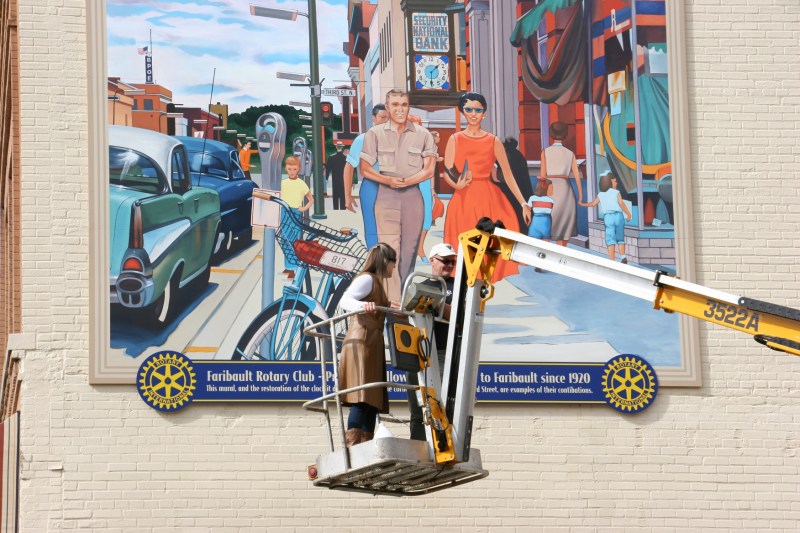
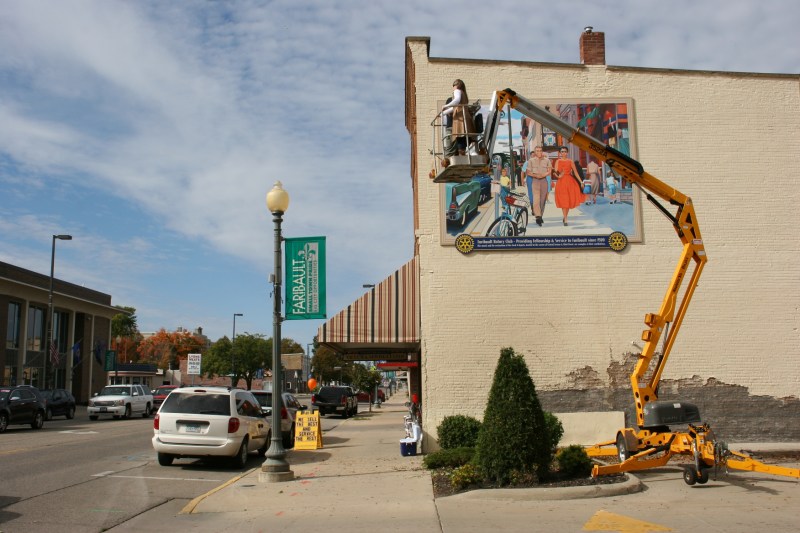
On the side of the brick building in the heart of historic downtown Faribault, artist Dave Correll rolled a clear top coat across this community’s newest mural depicting a late 1950s streetscape. The large-scale painting replicates art commissioned for a Northern Natural Gas Company ad campaign decades ago. The artist is unknown, but permission was secured to reproduce the work.


mural-156-whole-mural


It’s a stunning and vibrant piece highly visible to motorists driving westbound on Minnesota State Highway 60/Fourth Street. And it’s the eighth historic-themed mural to grace downtown Faribault.


mural-154-dave-to-left-of-mural


Dave, who owns Brushwork Signs along with his wife, Ann Meillier, teamed up with Adam Scholljegerdes to design and paint the sign. Daughter Madeline Correll also assisted, traveling back from Milwaukee upon her parents’ request.


mural-160-ann-dave-close-up-in-lift-basket


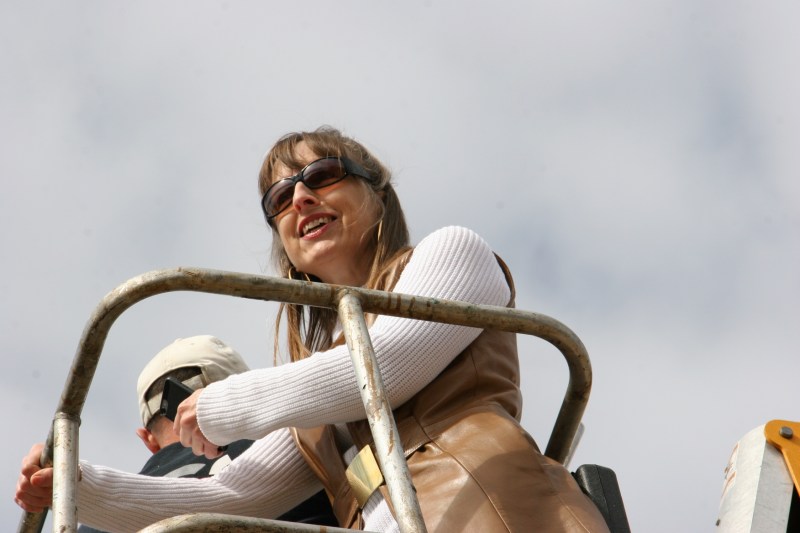
Saturday Dave worked to finish the project before a 1 p.m. dedication while Ann kept a watchful eye from below…until she climbed into a lift for a close-up view and photo opps.


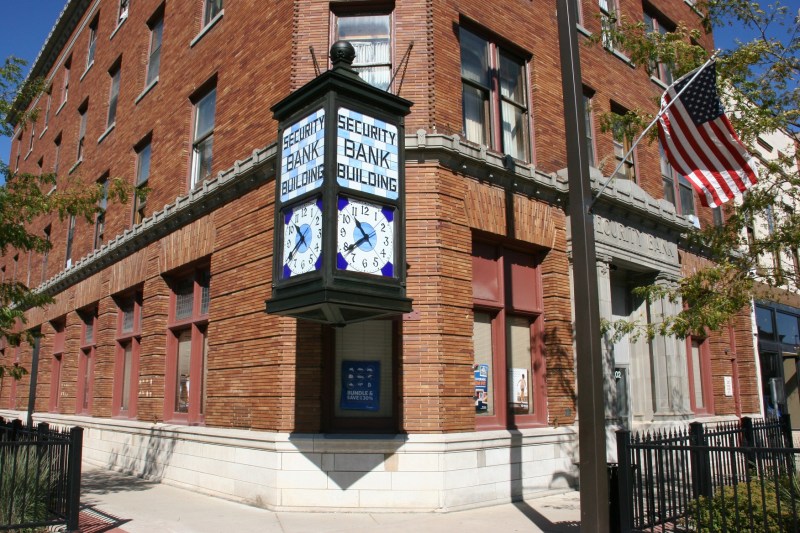
This restored 1915 clock was installed on the Security State Bank Building, 302 Central Avenue, on Saturday.

This restored 1915 clock was installed on the Security State Bank Building in September 2015. Minnesota Prairie Roots file photo.

mural-158-mural-close-up-snippet


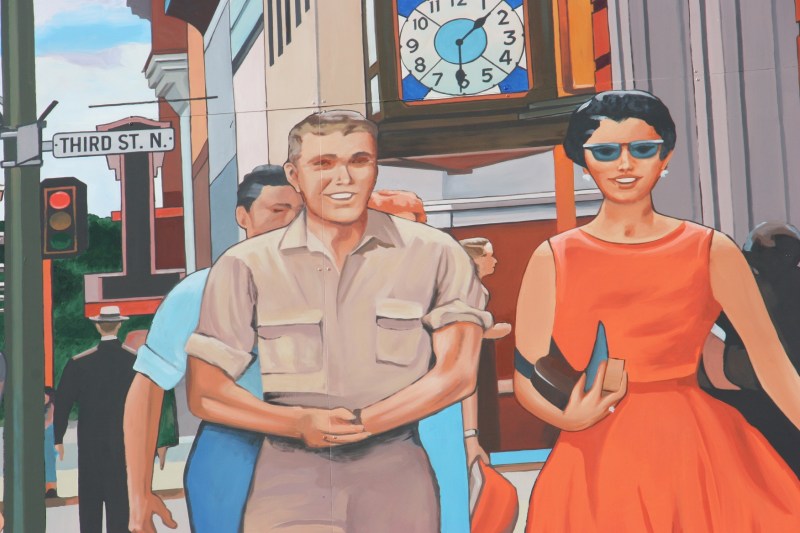
The Faribault Rotary Club led efforts to bring this newest mural to downtown, and fittingly so. The subject matter ties to a previous Rotary project—raising $25,000 for restoration of the Security Bank Building clock. Just a year ago, that refurbished historic clock was installed at 302 Central Avenue, 1 ½ blocks away. The clock is a focal point in the mural.


mural-169-ann-dave-by-mural


Credit for the mural subject goes to Faribault Area Chamber of Commerce and Tourism President Kymn Anderson who discovered and purchased the original fifties streetscape painting. Once the Rotary mural planning team saw the art, they knew it would be perfect. And it is.


mural-166-mural-fourth-street


I love how this latest mural honors the 1950s history of Faribault. I appreciate the vintage street scene and its connection with the 2015 restoration of the Security Bank clock. Faribault is a community which values its past. That’s evident in projects like the clock restoration, well-kept historic buildings and historic murals. Public art expresses visible community pride. And every community needs such pride to thrive in to the future.

© Copyright 2016 Audrey Kletscher Helbling


Murals & a myth at an historic mercantile in Weaver February 18, 2016

The historic former Weaver Mercantile Buiilding, once home to Noble Studio & Gallery.

The historic former Weaver Mercantile Building, once home to Noble Studio & Gallery.

AGED BUILDINGS, like one in Weaver just off U.S. Highway 61 in southeastern Minnesota, intrigue me. Initially, the architecture and photographic opportunities draw me in. But then I start thinking about the history and the stories.

Carl and Marie Noble opened Noble Studio & Gallery here in 1955.

Carl and Marie Noble opened Noble Studio & Galleries here in 1955.

As luck would have it, a local was jogging down the street toward the former Weaver Mercantile when I happened upon the historic building during an early September get-away. She tipped me off that the building last housed an art gallery. Signage confirmed that. The current owner, she added, lives on the second floor.

Historic designation came six years after Carl Noble's death.

Historic designation came six years after Carl Noble’s death.

The young woman also expressed her dream of someday transforming the place into a winery. She and her husband, she said, make wine from black caps growing wild on the hillside behind their Weaver home. Then she continued on her run through this unincorporated village of some 50 residents and I continued my exterior photographic exploration of this building listed on the National Register of Historic Places. According to the 1978 nomination for historic designation, the building is a “well-preserved example of commercial architecture in the Mississippi River Valley.” Hardware, groceries and dry goods were once sold in the first floor of Weaver Mercantile while furniture was sold on the upper floor. Additionally, the building housed the Weaver Post Office for many years.

A mural on the east side of the building denotes this as an artist's haven. Cannot you decipher the first word for me?

A mural on the east side of the building denotes this as an artist’s haven. Can you decipher the first word in the top portion, left?

Wanting to know more, I continued my internet search. In 1955, artist Carl E. Noble claimed this place as Noble Studio & Galleries (his home, studio and gallery). He died in 1972. An obituary for his widow, Marie Noble, who died 11 years ago, yielded the most information.

More signage toward the back of the building.

More signage toward the back of the building promotes Noble’s art.

Carl was, by the few accounts I found, an artist for the Federal Art Project of the Work Projects Administration in 1938. His name is listed among photos of FAP art in the Archives of American Art at the Smithsonian Institution.

Another view of Carl and Marie Noble's studio and galleries.

Another view of Carl and Marie Noble’s studio and galleries.

A muralist, cartoonist, illustrator and portrait artist, Carl Noble reportedly studied under Norman Rockwell (according to his wife Marie’s obit). I’ve been unable to verify that via a second source. However, the Nobles lived for awhile in Boston; Rockwell made his home in Stockbridge, MA.

The building was constructed in 1875 and opened as Weaver Mercantile.

The building was constructed in 1875 and opened as Weaver Mercantile.

I discovered that Carl painted six oil on canvas murals for Fire House, Southside Hose Co. No. 2 in Hempstead, New York, in 1938. The artwork depicts the history of local firefighting. Other than that, I’ve been unable to find other information of his WPA art or work at Noble Studio & Galleries. The former gallery itself, though, apparently showcases Carl’s murals on interior walls. If only I could have gotten inside to see and photograph his artwork.

One can only imagine the fun times here as guests enjoyed Marie's hospitality.

One can only imagine the fun times here as guests enjoyed Marie’s hospitality.

After her husband’s death in 1972, Marie opened a Bed & Breakfast in their home with a party area in the basement. That would explain the faded Mardi Gras Lounge sign above a back entry.

An overview of the Mardi Gras entry at the back of the building.

An overview of the Mardi Gras entry at the back of the building.

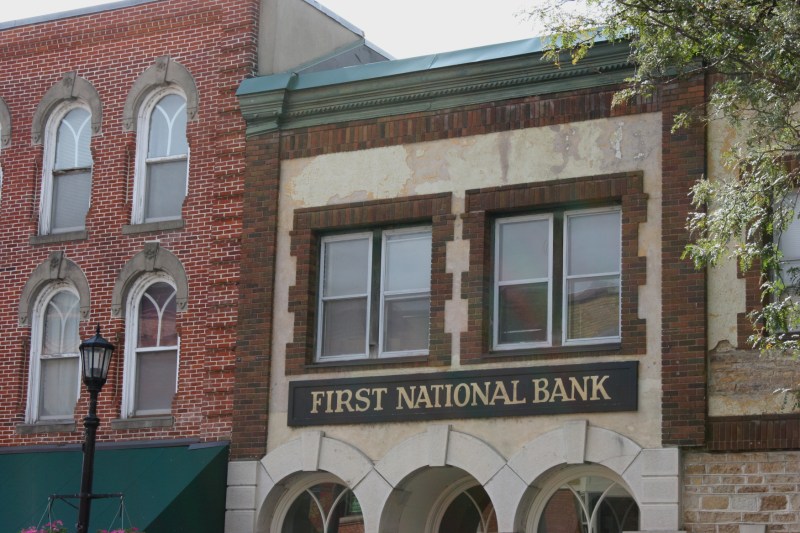
Marie reportedly regaled guests with stories, including that Jesse James robbed the Mercantile on his way to robbing the First National Bank in Northfield, Minnesota. Not believing everything I read, I contacted Mark Lee Gardner, noted historian, writer and musician on the western experience. He penned a book, Shot All to Hell: Jesse James, the Northfield Raid, and the Wild West’s Greatest Escape. He confirmed what I suspected. The story of the Weaver robbery is just that, a story.

Here’s Gardner’s response to my inquiry:

I’m afraid the story of Jesse robbing the building in Weaver, Minnesota, isn’t true. The Northfield Raid, as well as the known movements of the James-Younger gang, was heavily reported in the Minnesota newspapers at the time, and if they had been connected with a robbery in Weaver, it should appear in those papers. I never came across any mention of Weaver in my research. The other problem is that the gang didn’t go through Weaver on its way to Northfield. They are documented as having come from the west and south of Northfield.

…There are lots of Jesse James stories out there, and most of them are from someone’s imagination.

My first view of the former Weaver Mercantile and Noble Studio & Galleries.

My first view of the former Weaver Mercantile and Noble Studio & Galleries.

Still, none of this diminishes my appreciation for the Italianate style building in Weaver and my interest in the artists (Marie’s obit notes that she created many lovely paintings) who once lived and created therein.

The village of Weaver is located along U.S. Highway 61 north of Winona in Wabasha County.

The village of Weaver is located along U.S. Highway 61 north of Winona in Wabasha County.

IF YOU KNOW ANYTHING MORE about Carl and Marie Noble, their gallery and art or about the history of the building, I’d like to hear.

© Copyright 2015 Audrey Kletscher Helbling


Welcome to St. Charles, Minnesota, Part I November 18, 2015

Filed under: Uncategorized — Audrey Kletscher Helbling @ 5:00 AM
Tags: , , , , , , , , , , ,
Driving through downtown St. Charles, Minnesota, population around 3,700.
Driving through downtown St. Charles, Minnesota, population around 3,700.
ST. CHARLES LIES in southeastern Minnesota farming country just off Interstate 90.
One of two Amish men I spotted doing business in downtown St. Charles on an early September afternoon.

One of two Amish men I spotted doing business in downtown St. Charles on an early September afternoon.

It’s home to a pocket of Amish.

We just missed the Gladiolus Days celebration, promoted in this storefront window. Love the gladiolus "hair."

During my September visit, I just missed the Gladiolus Days celebration, promoted in this storefront window. Love the gladiolus “hair.”

And site of an annual Gladiolus Days celebration. That event honors the late Carl Fischer, once the world’s leading hybridizer of new and distinctive gladiolus.

These friendly locals at the Whitewater Cafe gave us directions to the glad field and Amish farms.

Coffee time at the Whitewater Cafe. Minnesota Prairie Roots file photo 2011.

I’d been to St. Charles several years ago, even dined at the Whitewater Cafe.

A view of the gladiolus field just south of Utica along Winona County Road 33.

A view of the gladiolus field just south of Utica (near St. Charles) along Winona County Road 33. Minnesota Prairie Roots file photo 2011.

I saw the glad fields, the Amish and the historic buildings downtown. But on a return trip in early September, my husband and I took even more time to explore.

Here’s an overall look as we drove into St. Charles from the east, swung through a residential neighborhood and then parked downtown:

On the east edge of St. Charles we spotted this brand new combine along U.S. Highway 14.

On the east edge of St. Charles we spotted this brand new combine along U.S. Highway 14. There’s a John Deere dealer in town.

We backtracked after noticing this sign along the highway.

We backtracked after noticing this sign along the highway.

Unfortunately, the antique shop was closed.

Unfortunately, the antique shop was closed.

Still, I photographed this weathered art out front.

Still, I photographed this weathered art out front.

Next, I was distracted by all these John Deere tractors parked in a front yard. I don't know why.

Next, I was distracted by all these John Deere tractors parked in a front yard. This is a rural community with a John Deere dealer in town, remember.

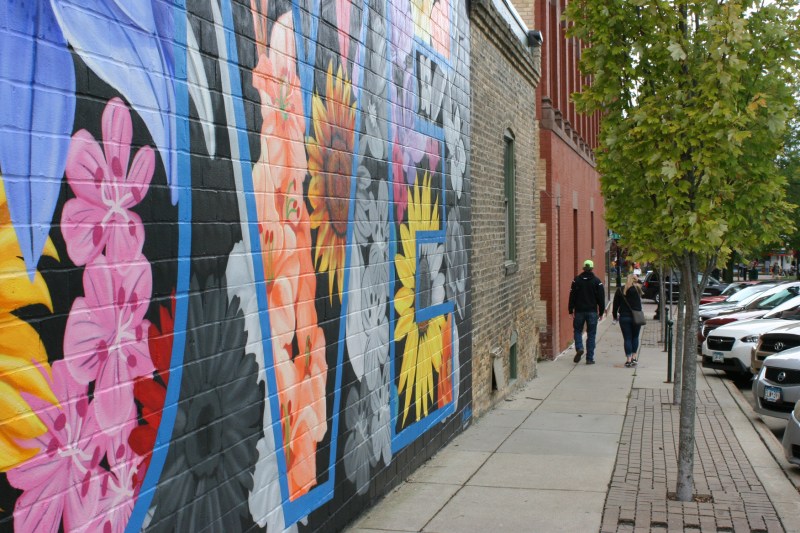
Next stop, the downtown business district, where I delighted in this lovely mural.

Next stop, the downtown business district, where I delighted in this lovely mural.

The mural deserves close-up attention. I appreciate unexpected art like this.

The mural deserves close-up attention. I appreciate unexpected art like this.

Likewise, flowers add visual interest, greenery and punch to a downtown.

Likewise, flowers add visual interest, greenery and punch to a downtown. They also show community pride and care.

I always enjoy signs, especially creative ones.

I always enjoy signs, especially creative ones.

St. Charles has some aged buildings. Be sure to look up. Many storefronts were "modernized" and thus hide the historic character of the buildings.

St. Charles has some aged buildings. Be sure to look up. Many storefronts were “modernized” and thus hide the historic character of the buildings.

More interesting signs.

More interesting signs. Every small town needs a hardware store.

Now, if I’ve piqued your interest, return tomorrow when I’ll take you inside an impressive St. Charles antique shop.

© Copyright 2015 Audrey Kletscher Helbling